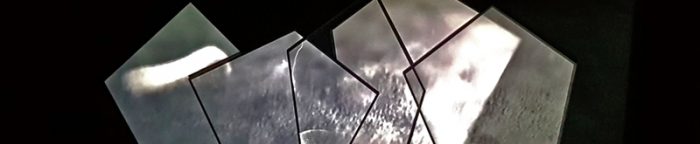
Research trip to The King’s Observatory, The Old Deer Park, Richmond.
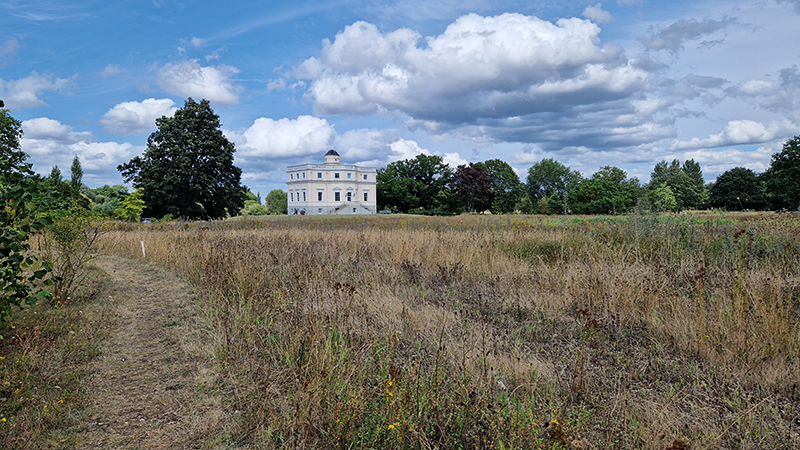
The observatory was commissioned by King George III to observe the transit of Venus across the face of the Sun in 1769. This celestial event allowed astronomers to estimate the size of the solar system and the distance between Earth and the Sun. The telescope cupola remains the oldest of its kind worldwide and can still be wound open but the large reflecting telescope, made by James Short in 1745, and used to view the historic event in 1769, was sent to the Royal Observatory of Ireland at Armagh in 1840 when Queen Victoria planned to dismantle the observatory. Many of the instruments were dispersed but the building was saved by The British Association for the Advancement of Science.
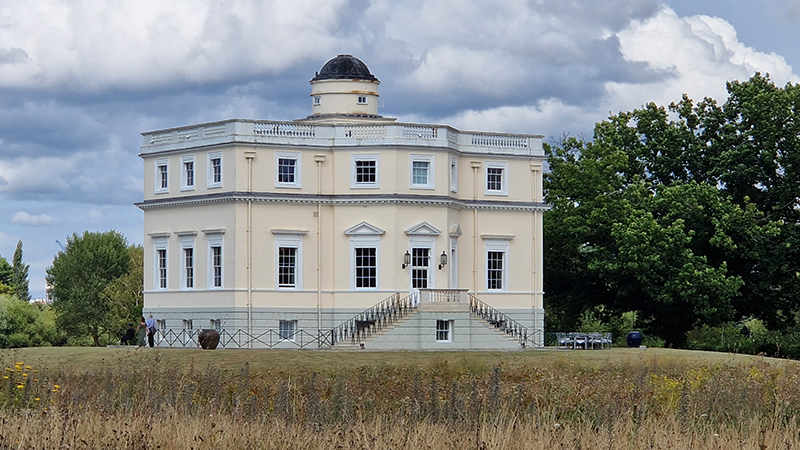
Over its long history the observatory undertook a multitude of astronomical, meteorological, magnetic and electric observations. Observing sunspots began in 1819, with a revolutionary photo-heliograph being installed in the dome roof in 1856 to photograph sun spots using the first instantaneous photographic shutter ever made. The observation of solar radiation started in 1875 when ‘black bulb’ thermometers were set up in the garden.
Underground ‘magnetic’ chambers were built at one time to keep the equipment at a constant temperature, but these have since collapsed or become inaccessible.
‘The chamber in which most of these instruments [magnetographs] are situated is a somewhat eery [sic ] place. It is underground, in order to be kept constantly at the same temperature, and as care must be taken to shield the sensitive photographic paper from all light other than the line or spots it is intended to record, the chamber is all but totally dark. If you are standing in it you see nothing, but you hear the measured beat of the clocks driving the several drums. The barograph is in the same chamber as the magnetographs. The thermograph and electrograph are upstairs, as they must be kept in close proximity to the outer air’. (Article ‘The Kew Observatory’ by R. H. Scott in Good Words 1889).
I first went to see the observatory in 2022 during one of the open day tours, but this time I went specifically to see the magnetic observation huts located in the grounds.
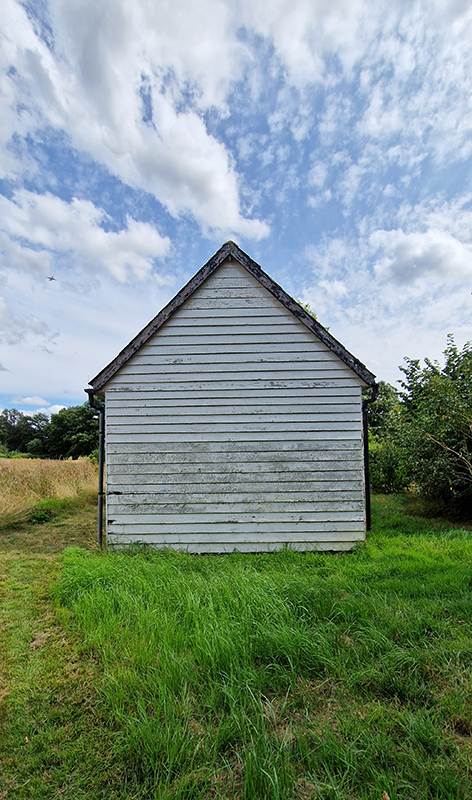
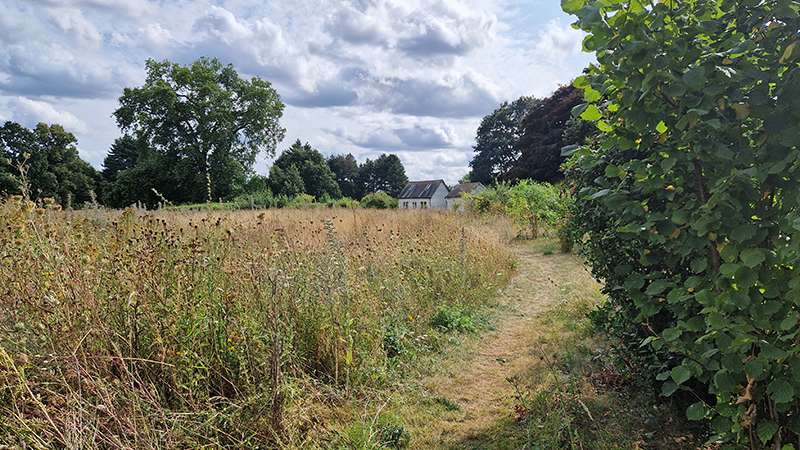
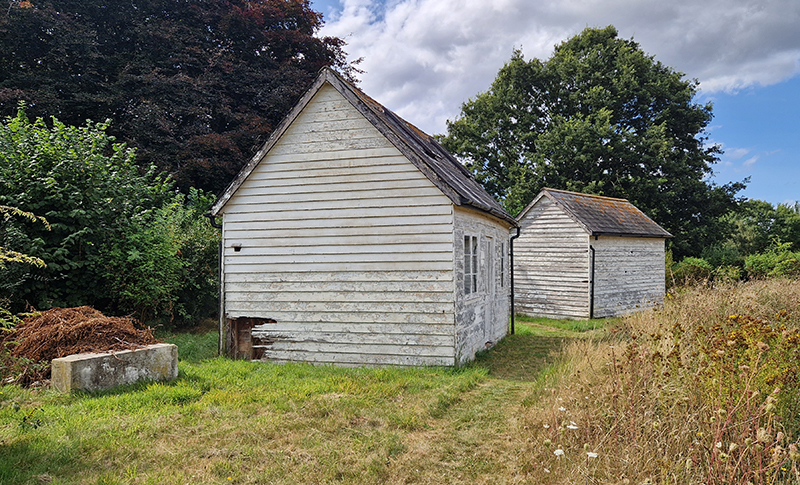

One of the trustees told me they are aiming to have the huts restored as they are Grade II listed and are in very poor condition. They are used for garden equipment at the moment.
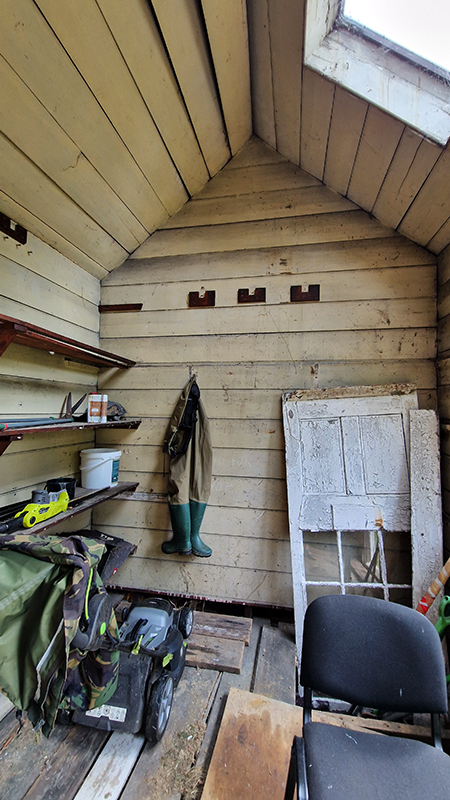
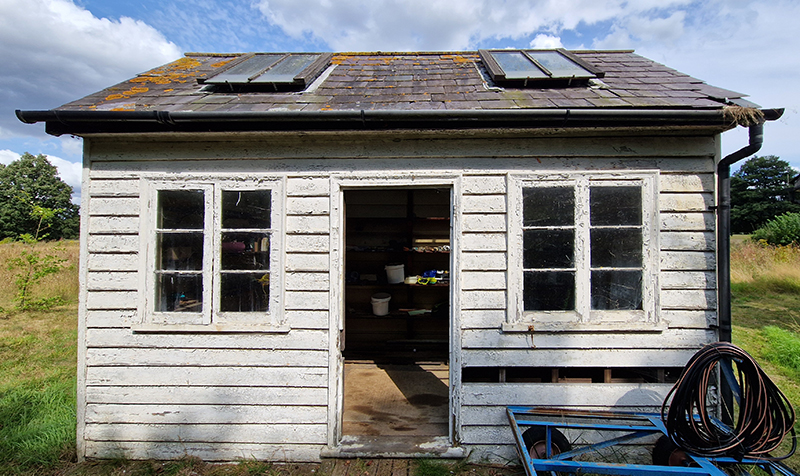
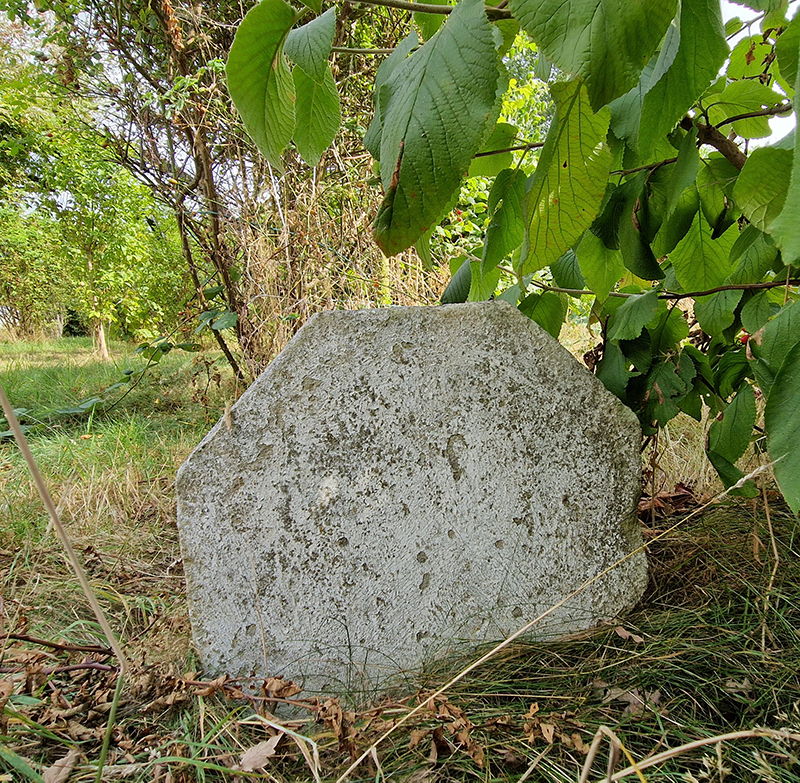
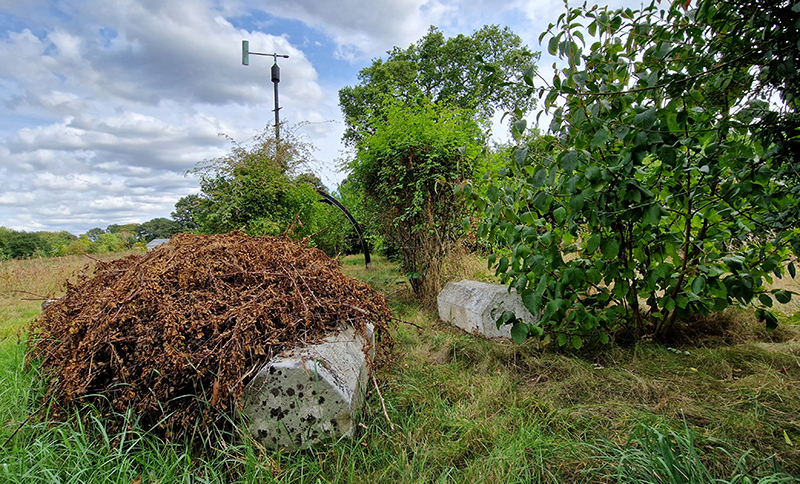
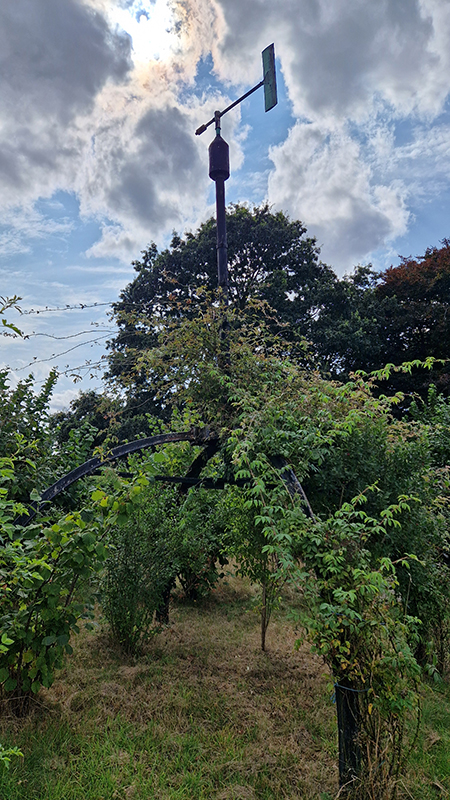
The first hut was built around 1854 by Colonel (later General Sir Edward) Sabine who had an interest in magnetism. The second hut came much later maybe not until 1911. From early maps and photographs it looks like the huts have changed positions and are now much closer together. Some of the original concrete pillars are on their sides in the grass next to an overgrown anemometer.
Lots of pioneering meteorological and magnetic experiments took place here.
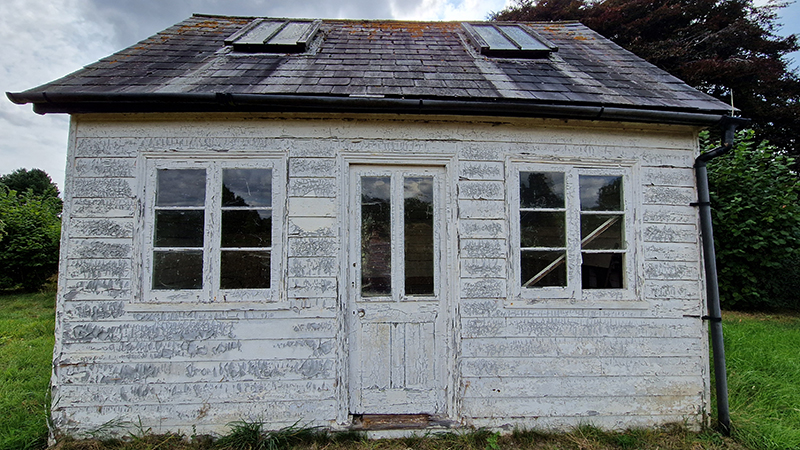
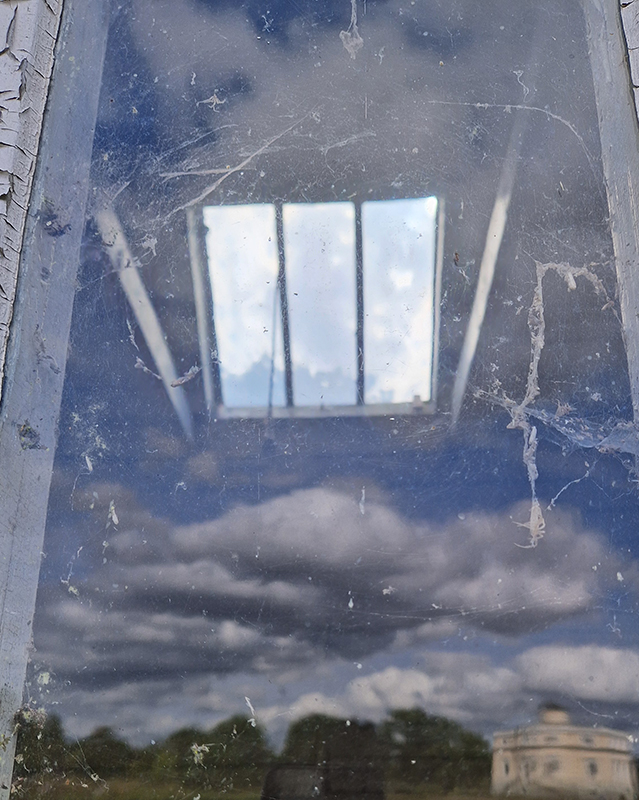
The development of electric tramways locally impacted the sensitive magnetic work at what became known as Kew Observatory and so a new magnetic observatory was established at Eskdalemuir in Scotland (which I visited earlier this year) to continue this work away from industrial interference.
From 1959 Kew began work on rocket and satellite equipment, designing instruments to be sent up in American satellites, including a spectrometer designed and made at Kew in the former ‘calibration hut’, and in 1961 the ‘Skylark’ rocket. The balloon winch hut was built in 1963. In the late 1970s the work at Kew was gradually being phased out. In 1974 many of the instruments were distributed to the Science Museum and the National Maritime Museum. In 1980 the Observatory was finally closed down.
Work in progress
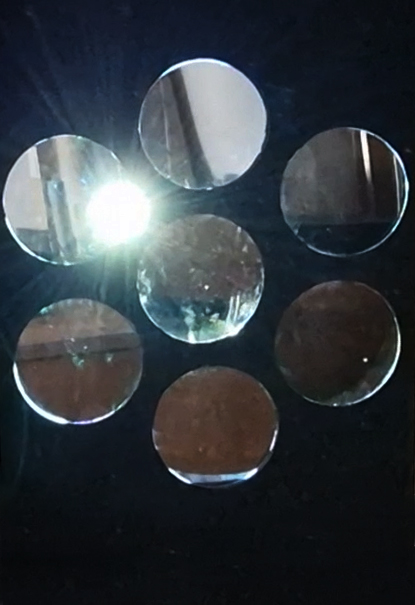
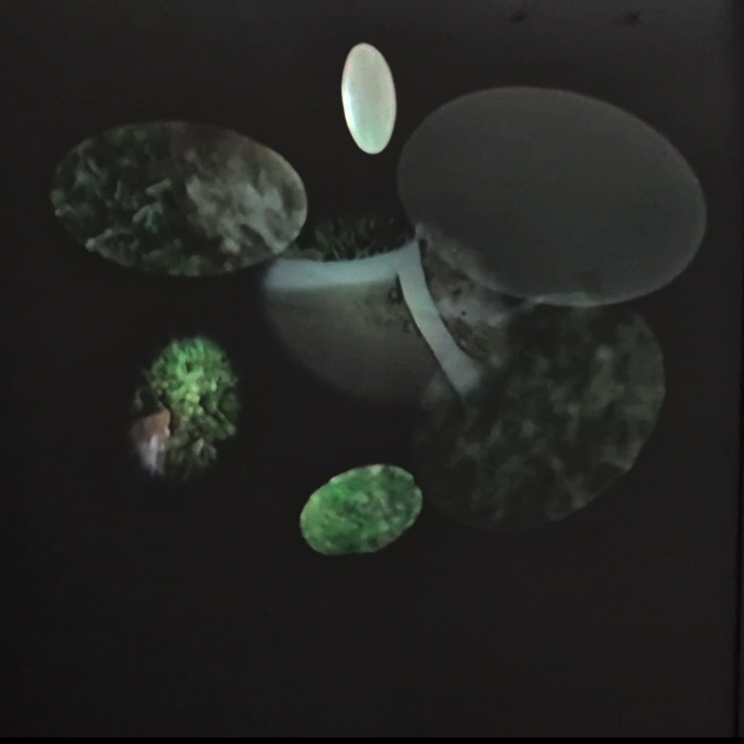
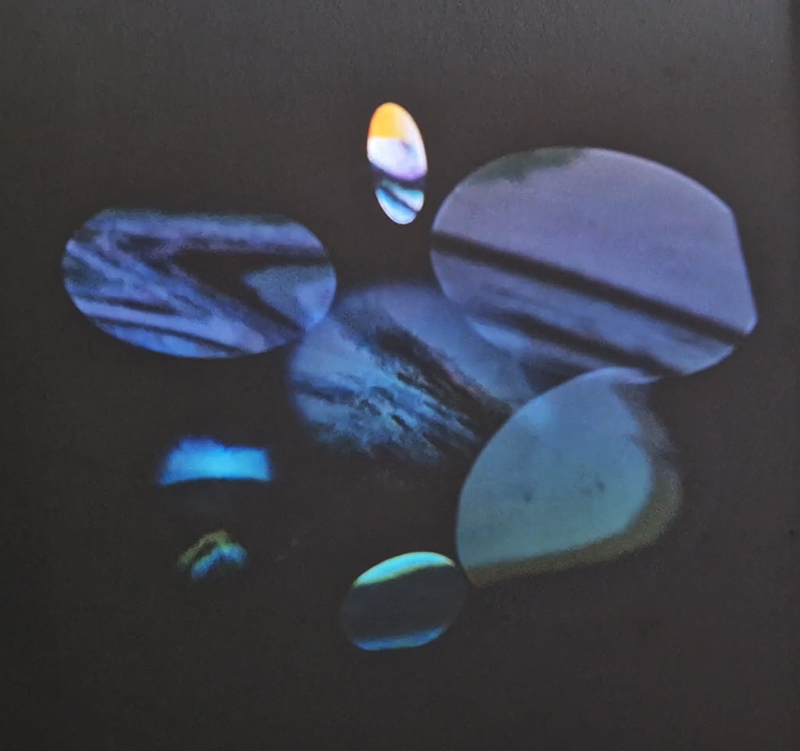
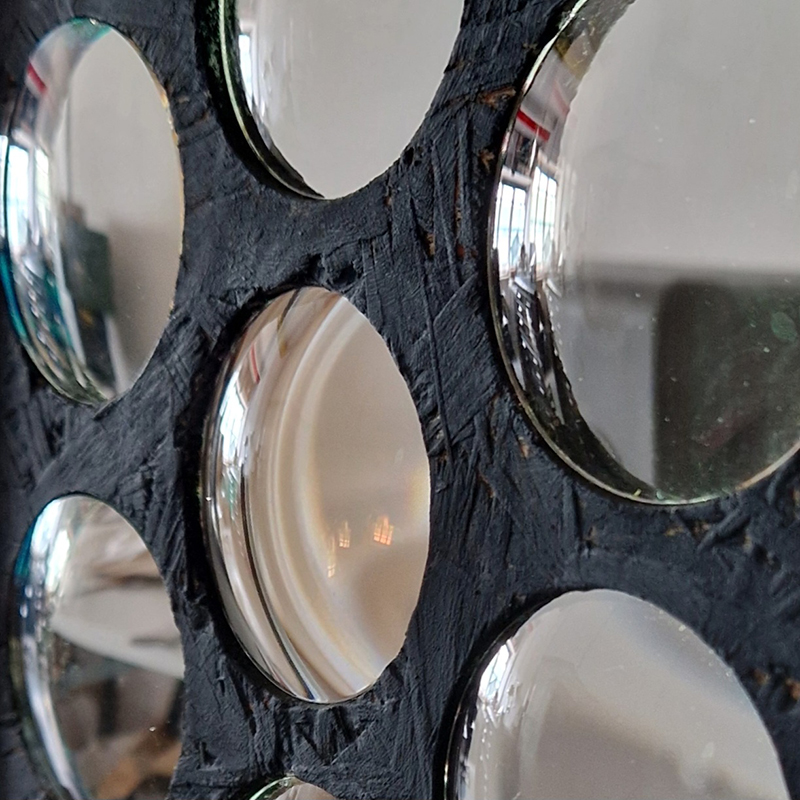
Very excited by the possibilities for using the optical lenses I have to project through in multiple configurations.
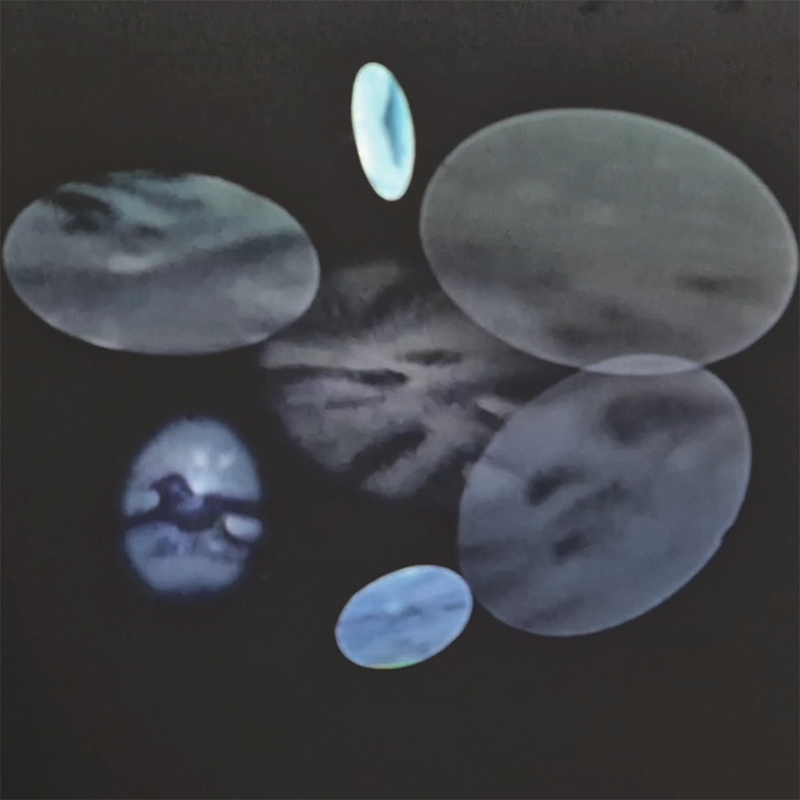
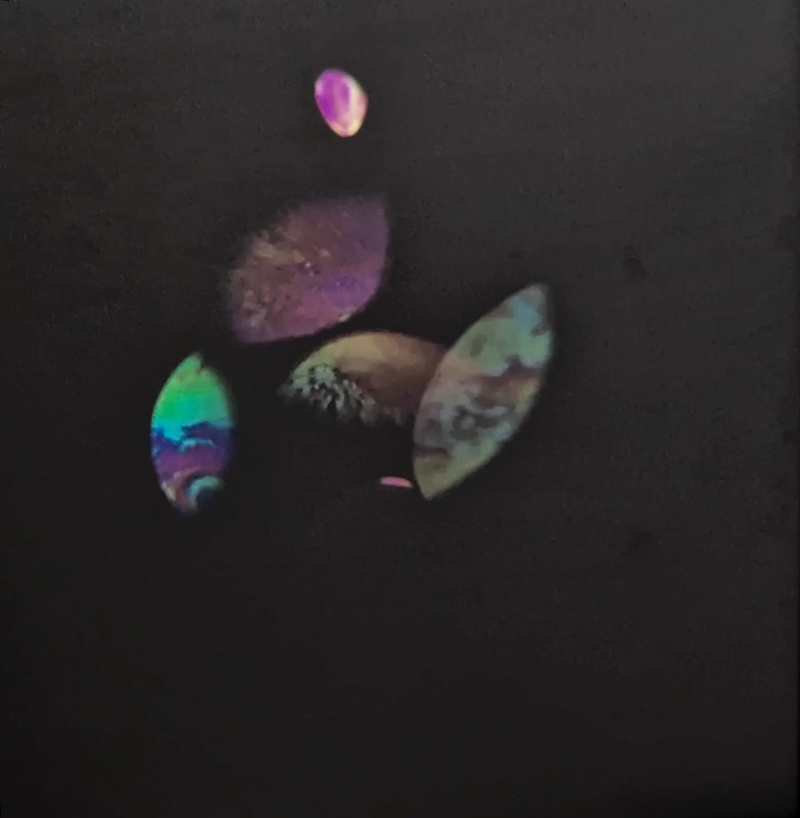

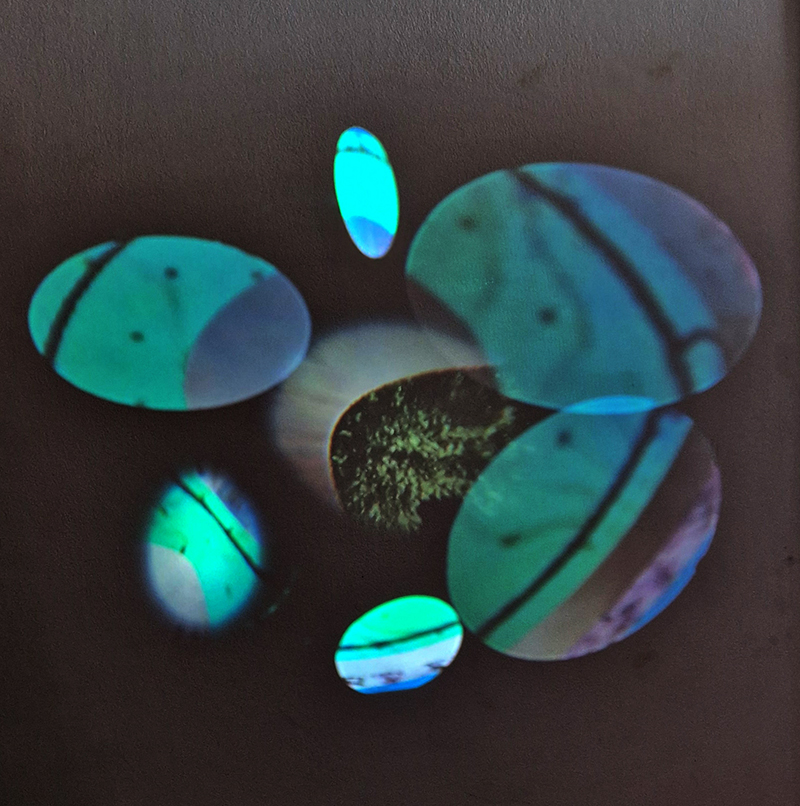
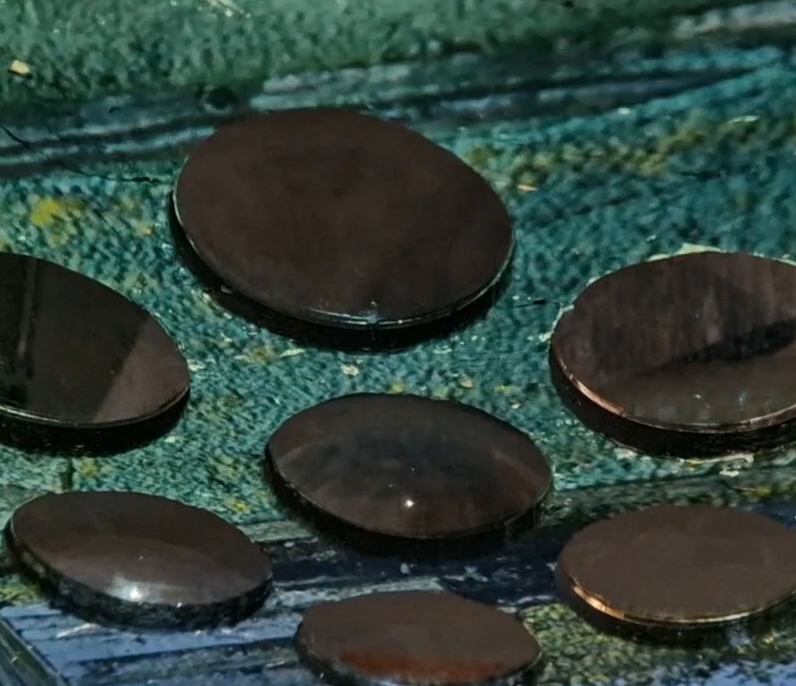
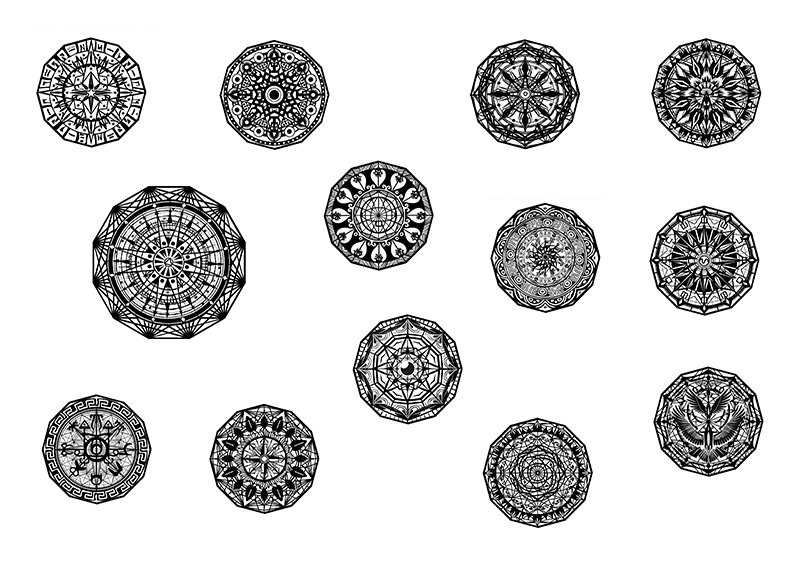
I have also been working on creating new positives for etching into copper which will be inset into a new tablet for the Instruments of the Anemoi series. The tablets are partly inspired by the concrete pillars used at a magnetic observatory – similar to the ones laying in the grass at The King’s Observatory. I am pushing the amount of detail I can get from a sugar lift solution for these new pieces.
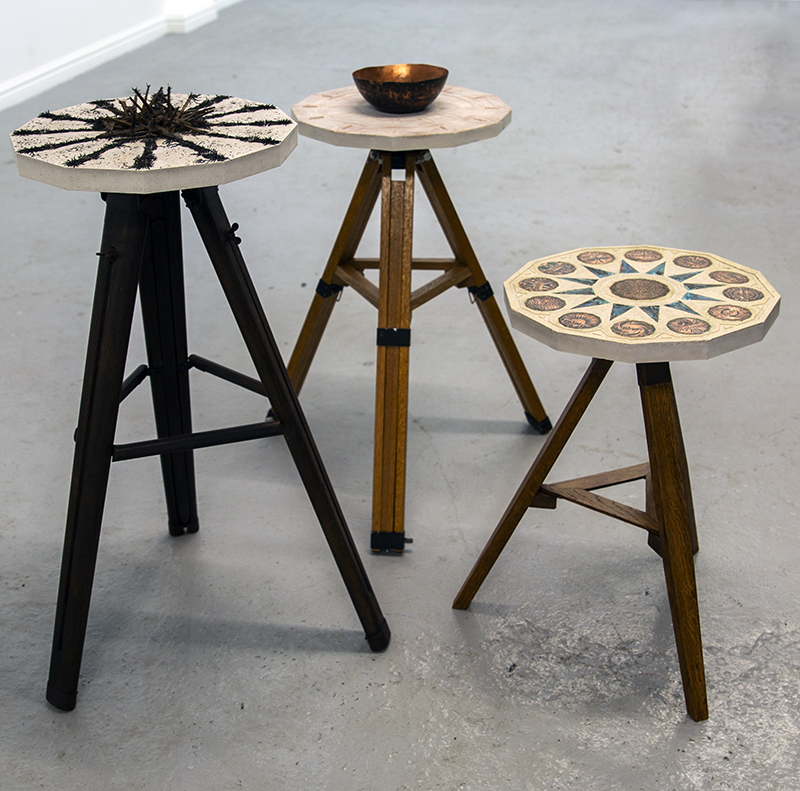
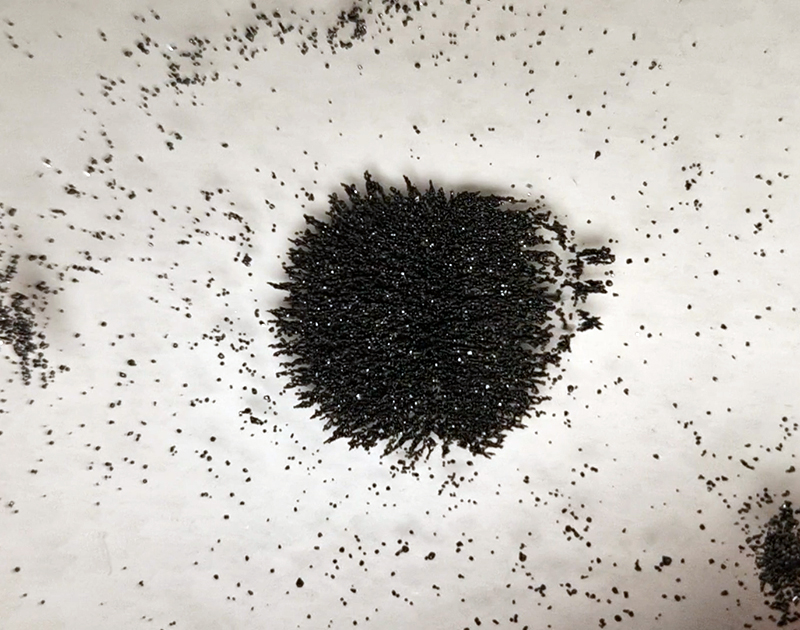
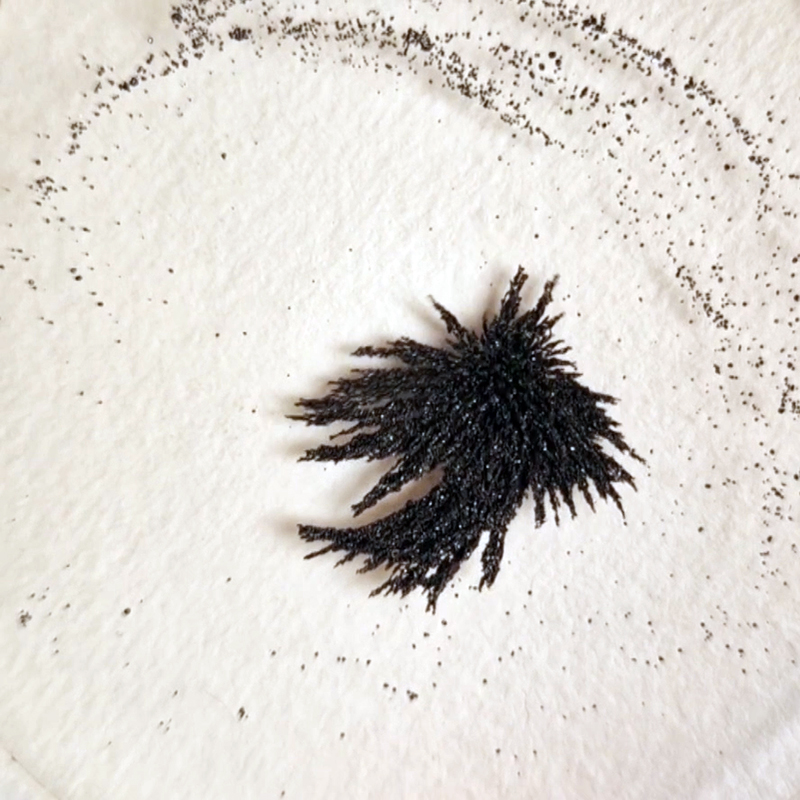
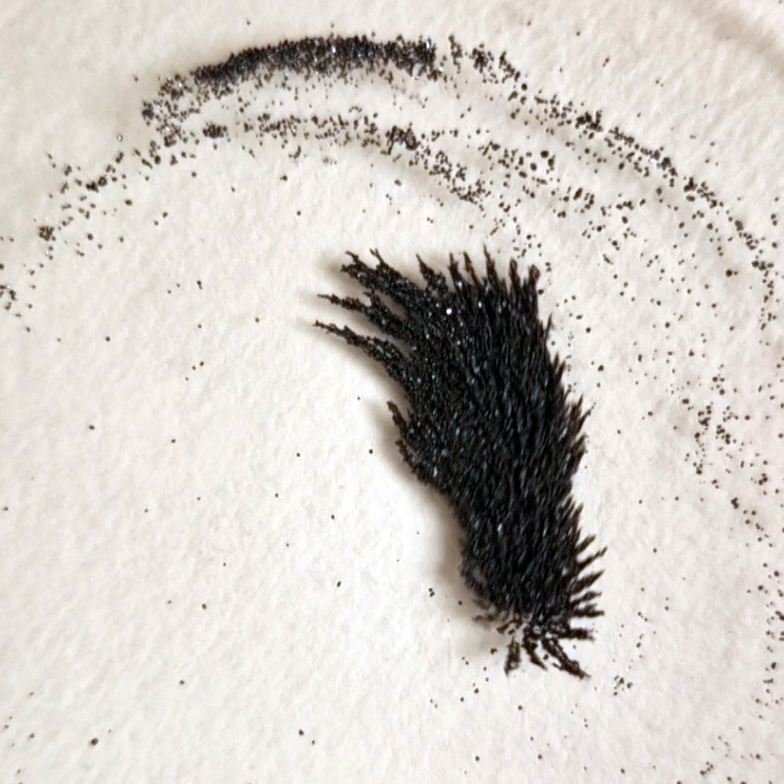
Experimenting with black magnetic sand to create a sculpture that will fit in a 1cm cube.


It’s also great fun to play with. I can’t get over how glittery and magnetic it is.
Gallery Visits
Roger Ackling Sunlight at Norwich Castle. So pleased I was able to visit this understated but emotionally gripping exhibition – a tribute to the power of the sun and the relationship between star and artist. Scales of time burnt into card and wood. Imperceptible to the sun, a life’s work for the artist.
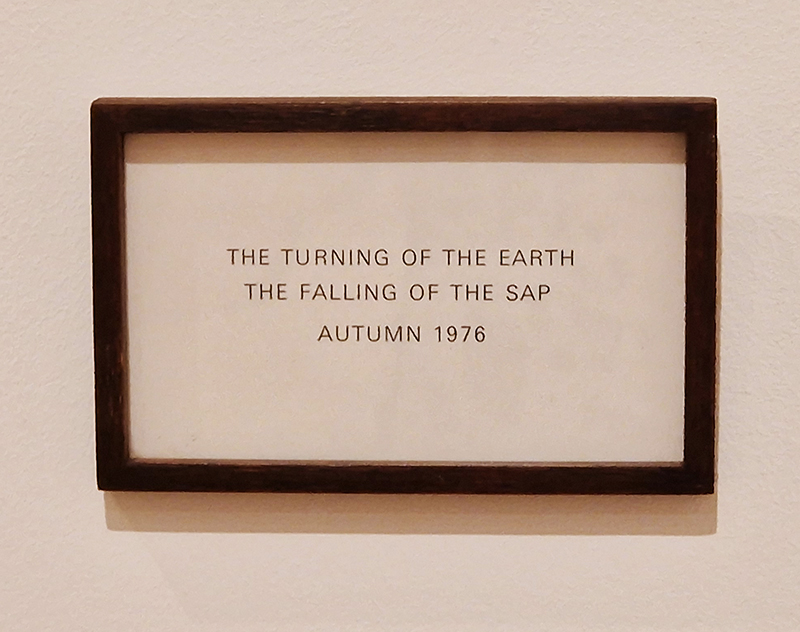
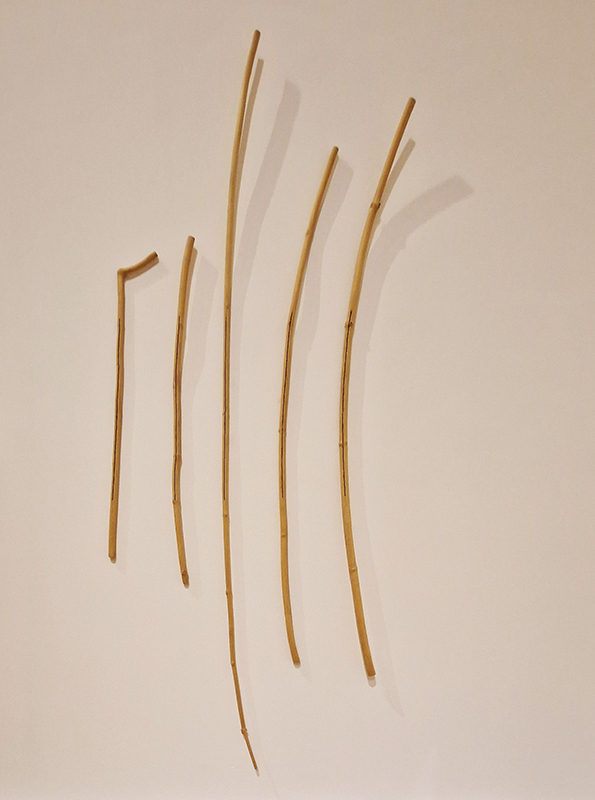
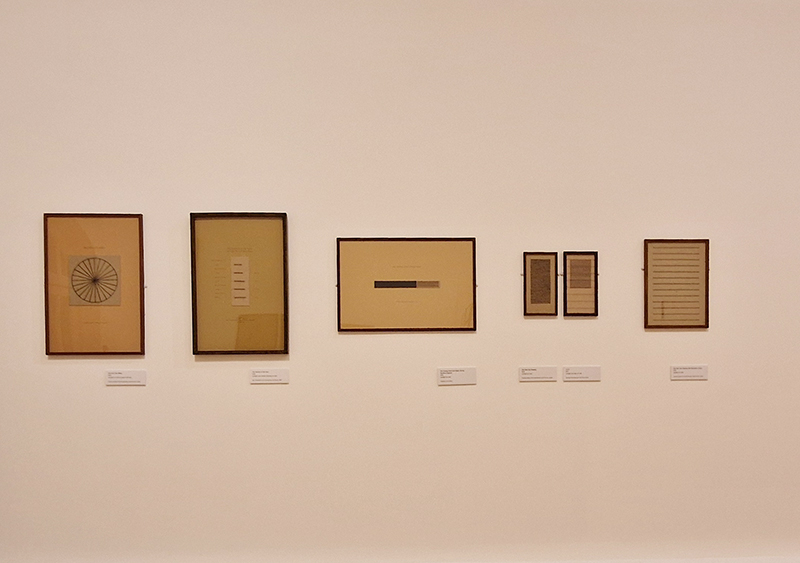


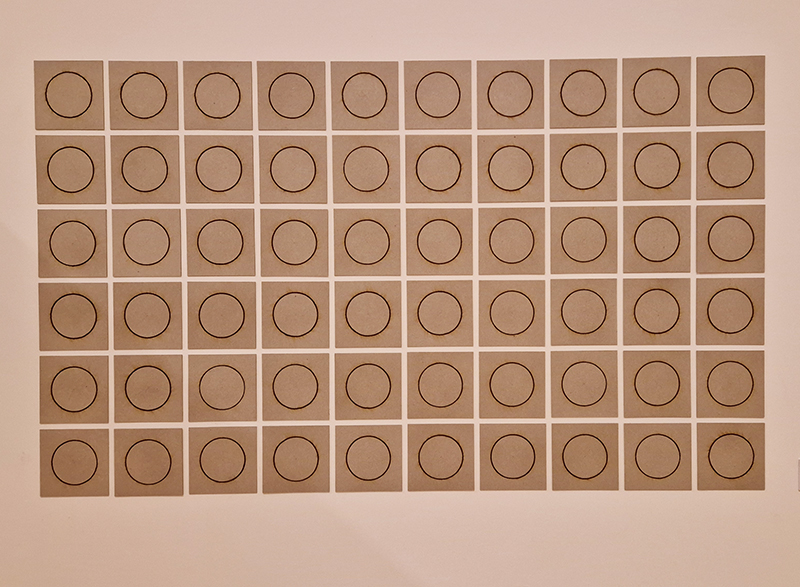
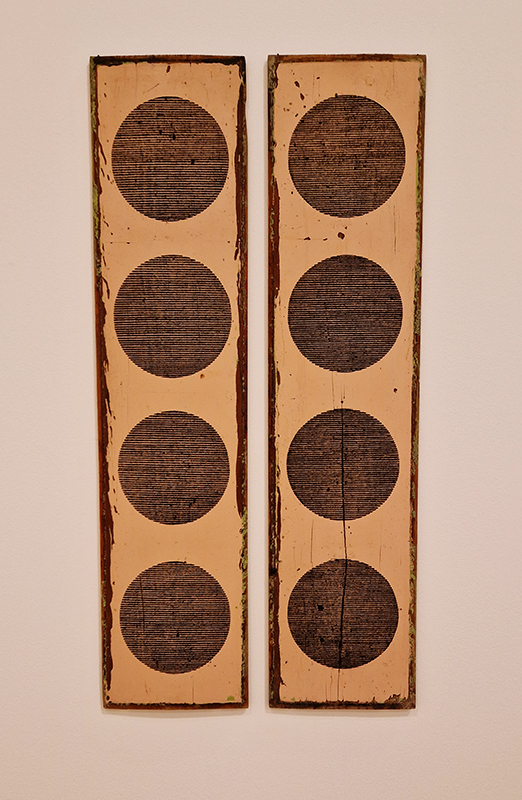
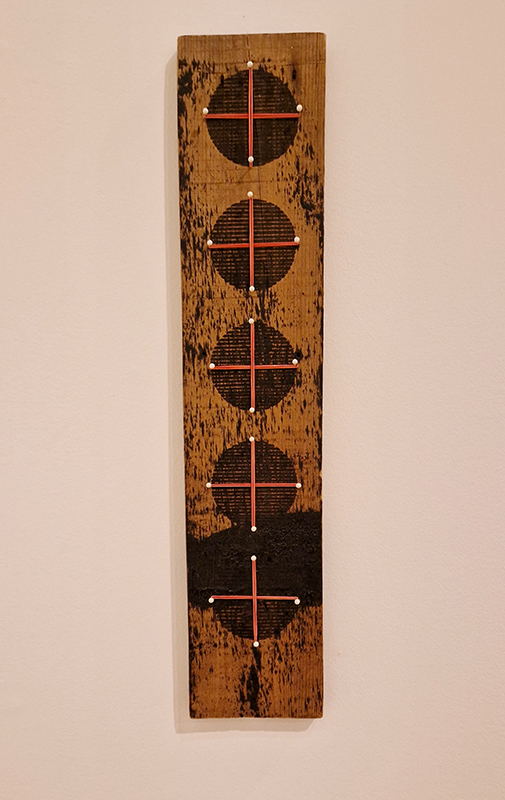


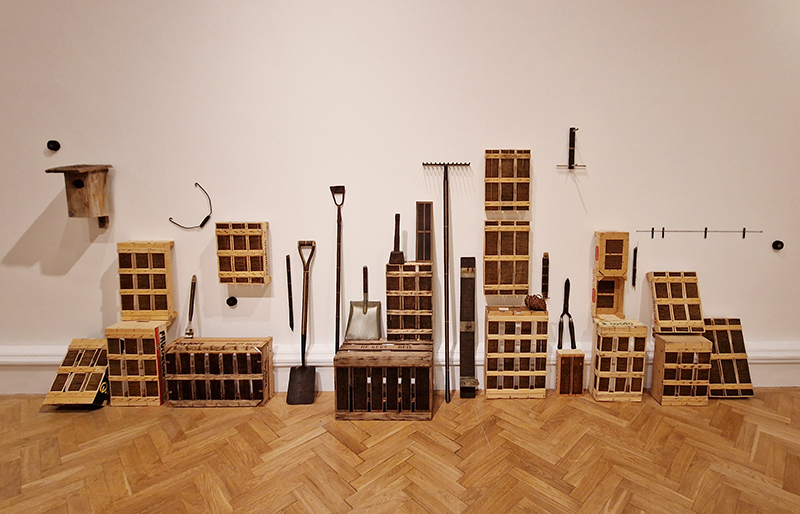
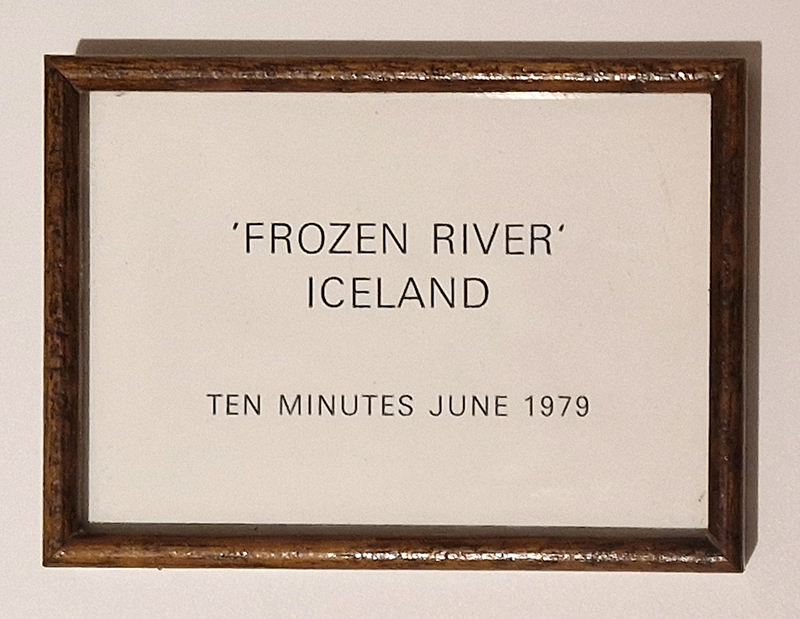
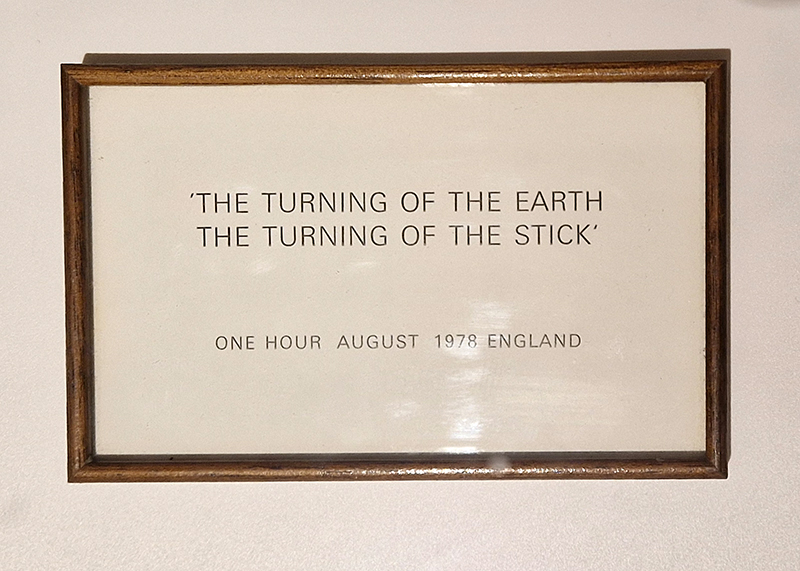

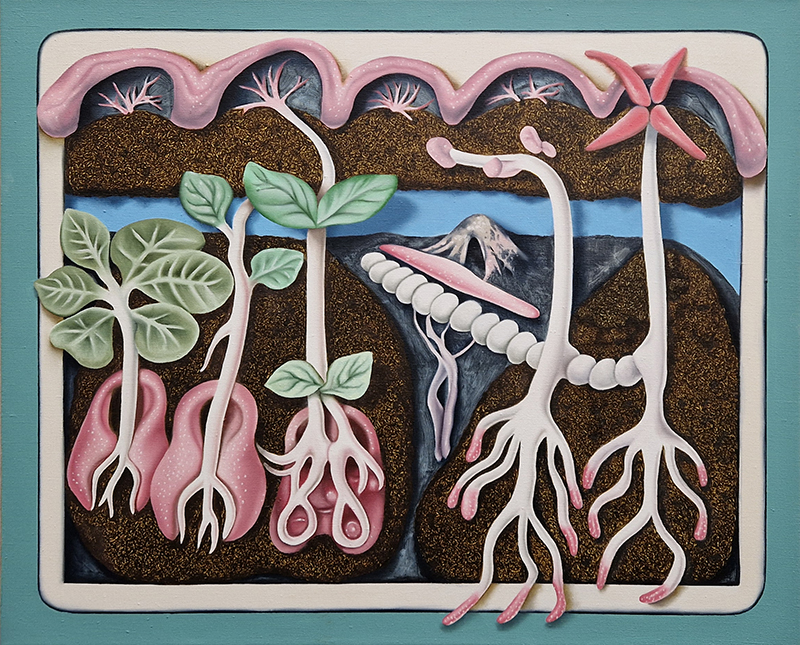
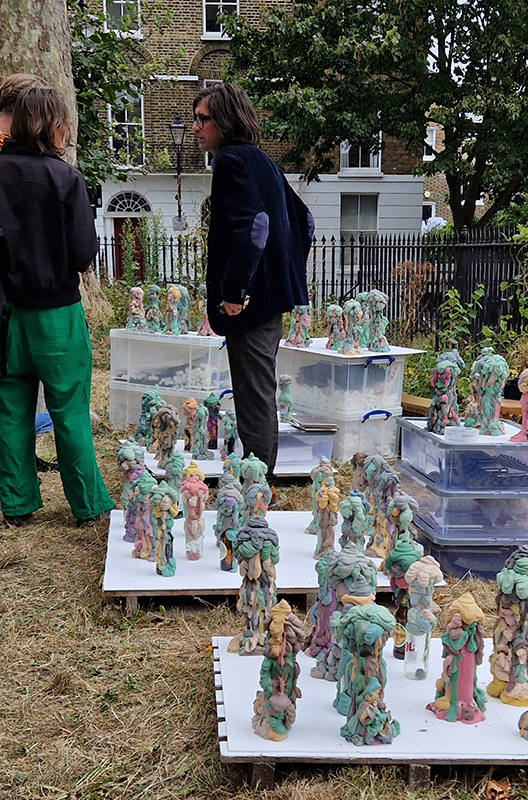
The Nature of Things curated by Jane Hayes Greenwood at Castor Gallery in its new location of a grade II listed church building. Inside, however, is a bright white cube. An interesting mix of work with a surreal bent. Andy Holden was out front selling small beer bottle sculptures at affordable prices though I didn’t enquire as to what this was.
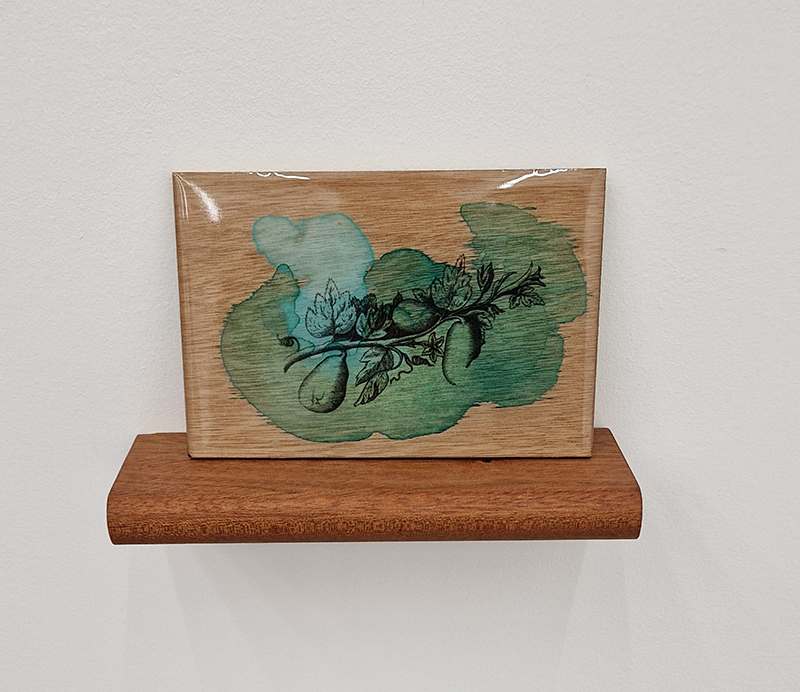

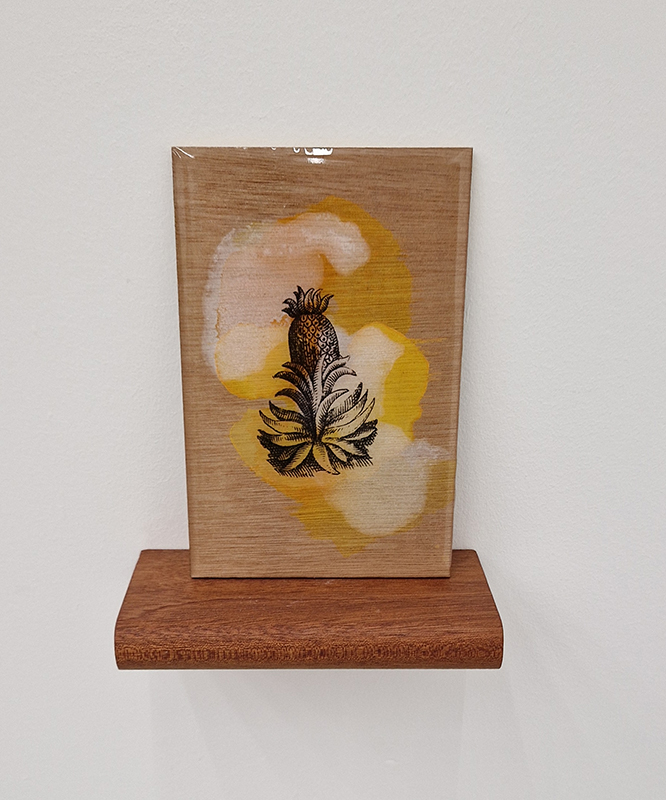
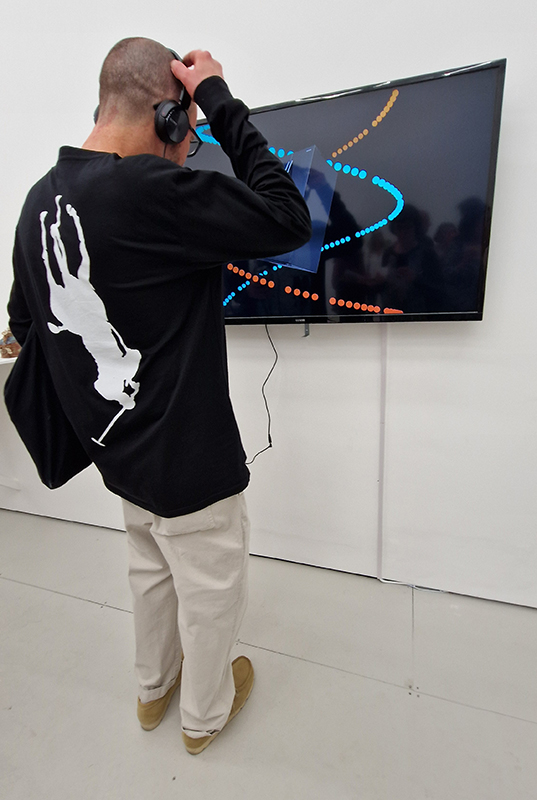

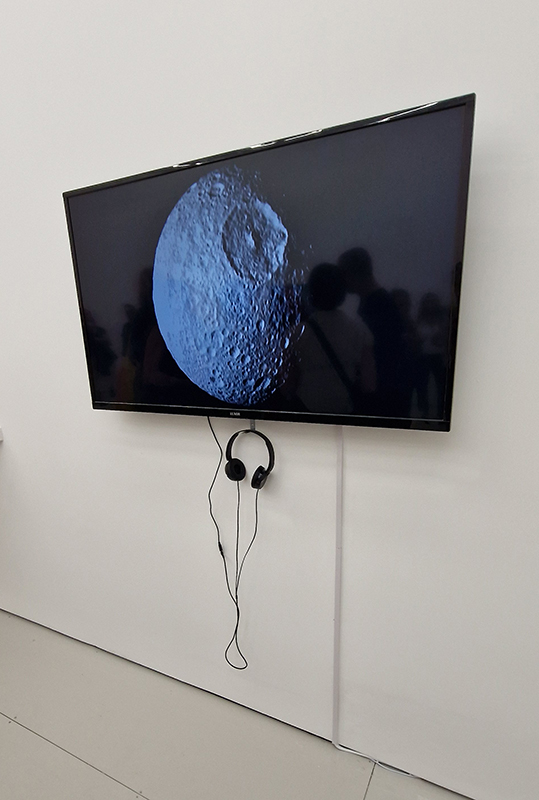
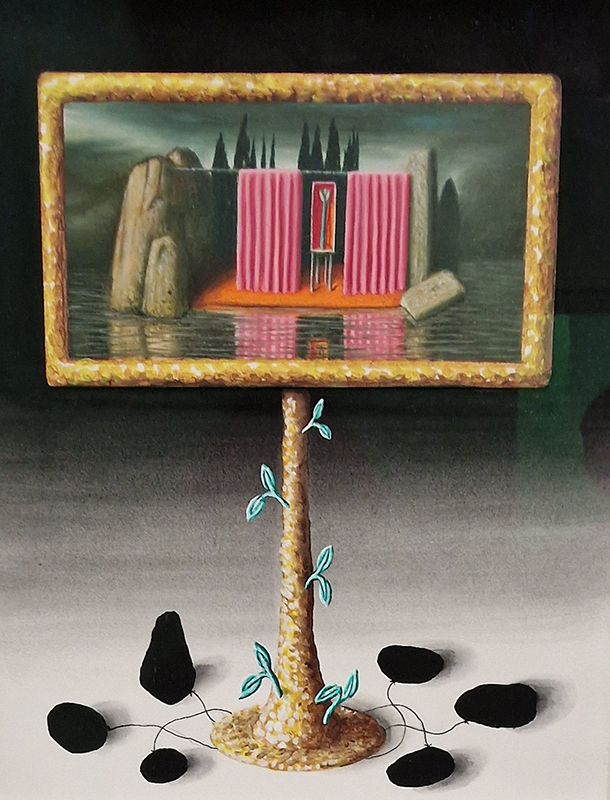
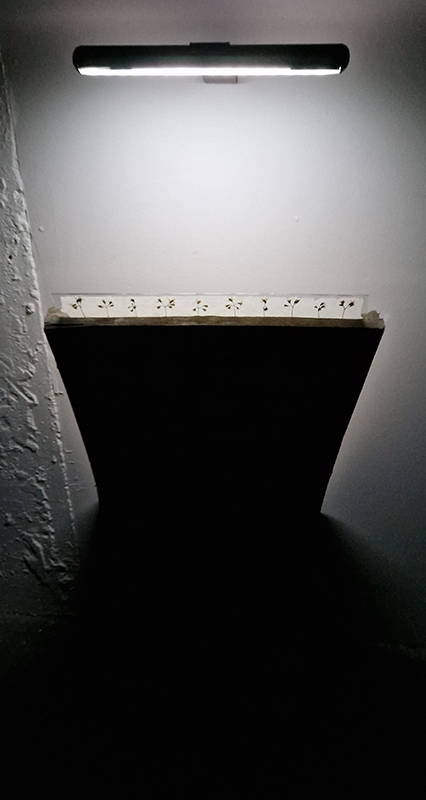
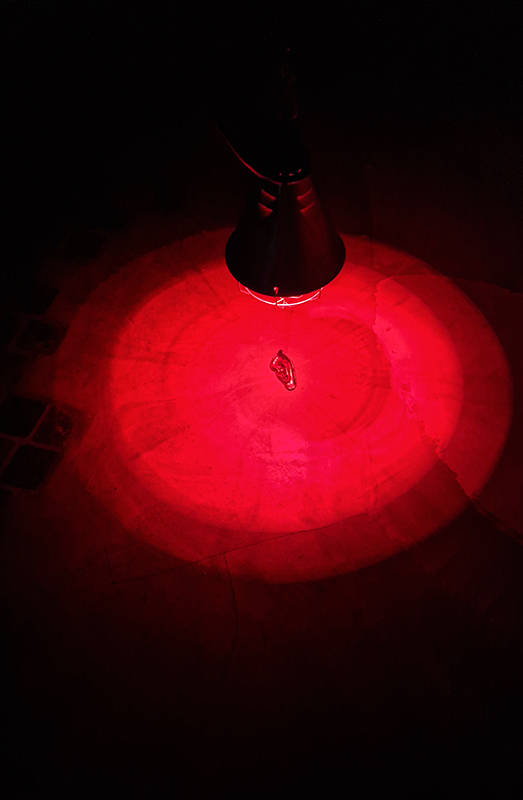
Dumping Ground at Hypha Studios HQ curated by Andrew Kernan, Mariette Moor and Noelle Turner – a group show of artists interested in recycling unwanted physical and psychological material. All light from the generous expanse of glass windows on this corner site amid the office towers of Euston had been blocked with crumpled aluminium foil insulation. Inside it was more than dark as eyes struggled to adjust rapidly from the summer sun. Even after the 20 minutes it takes for dark adaptation to take effect it was still hard to navigate. It did mean taking time to search out the works, which was engaging, but some were just lost in the shadows.
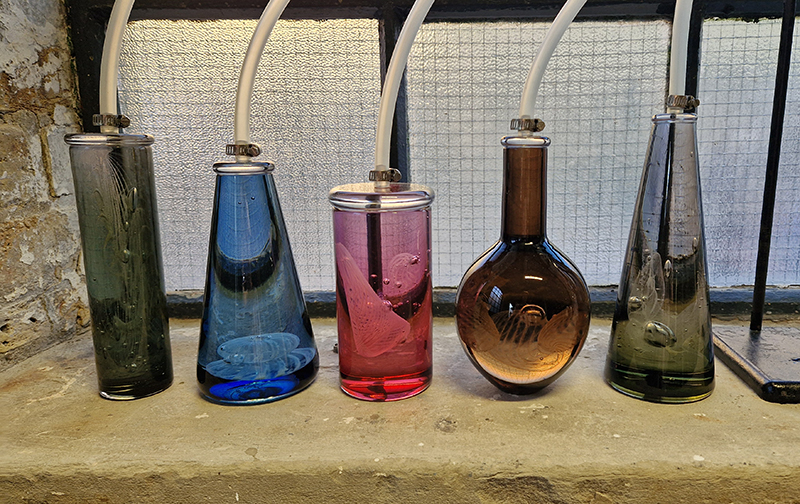
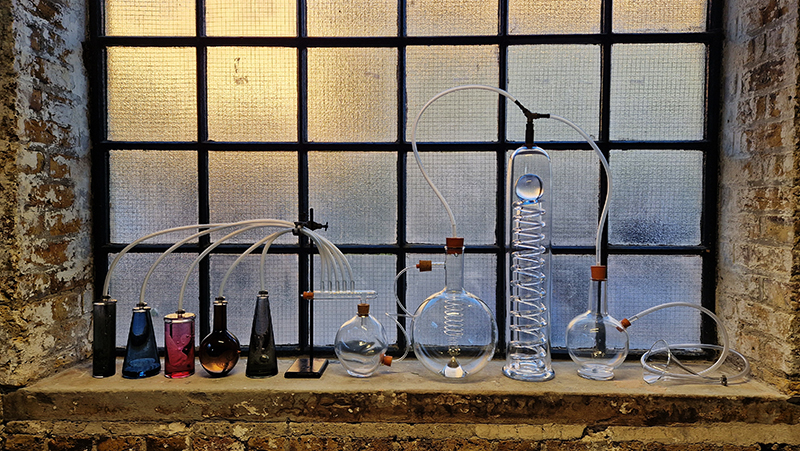
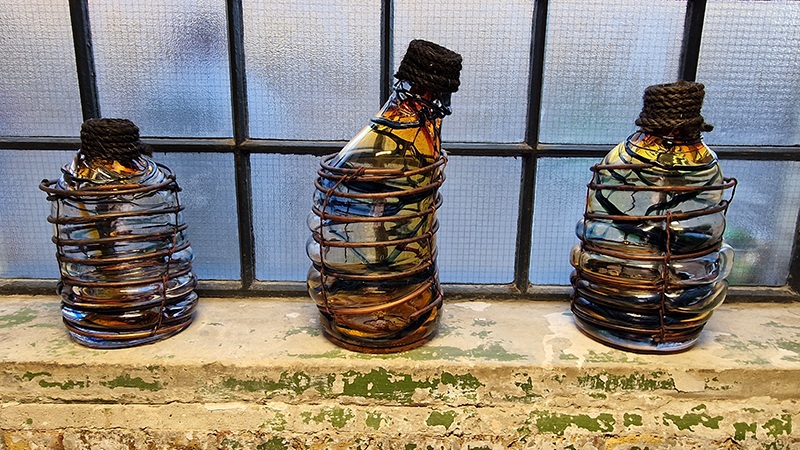
Vessel at The Bottle Factory curated by OHSH projects – drawing on the industrial heritage of the site and the vessel as protector, container, body, giver and taker, fragile, disposable, functional, ornamental or sacred. A stunning space beautifully curated with inventive materials for low plinths and glass objects set to glow against frosted windows.
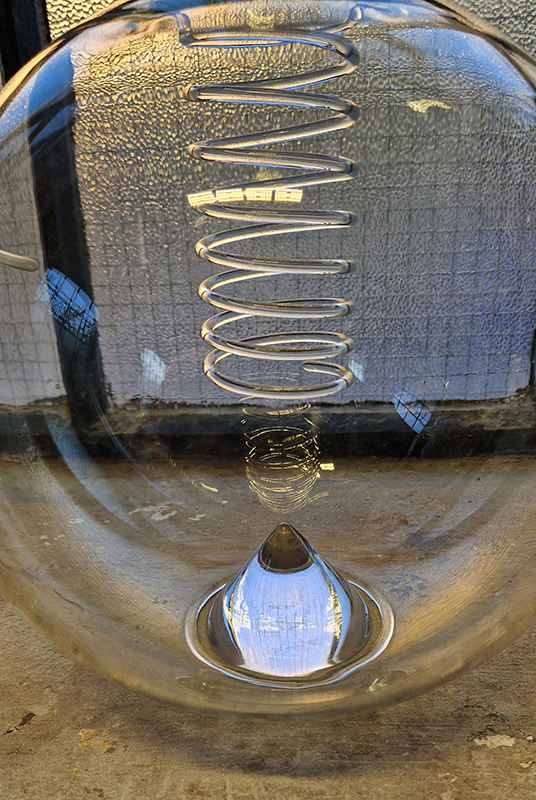
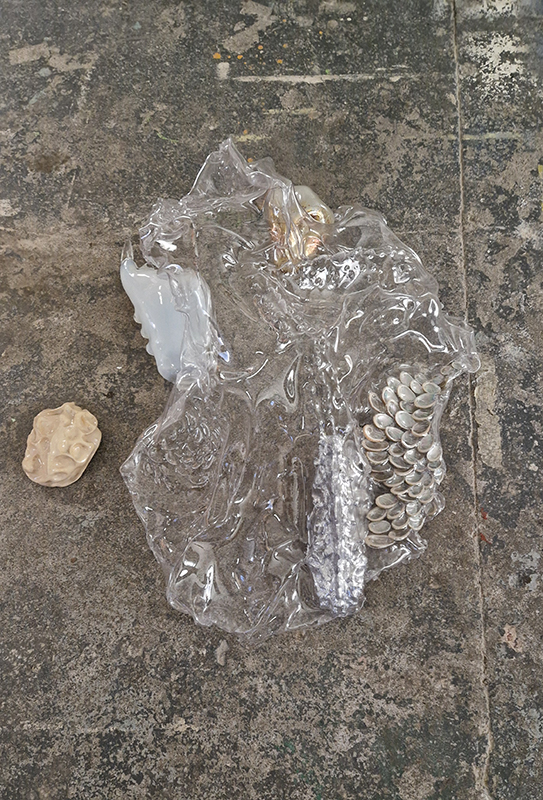
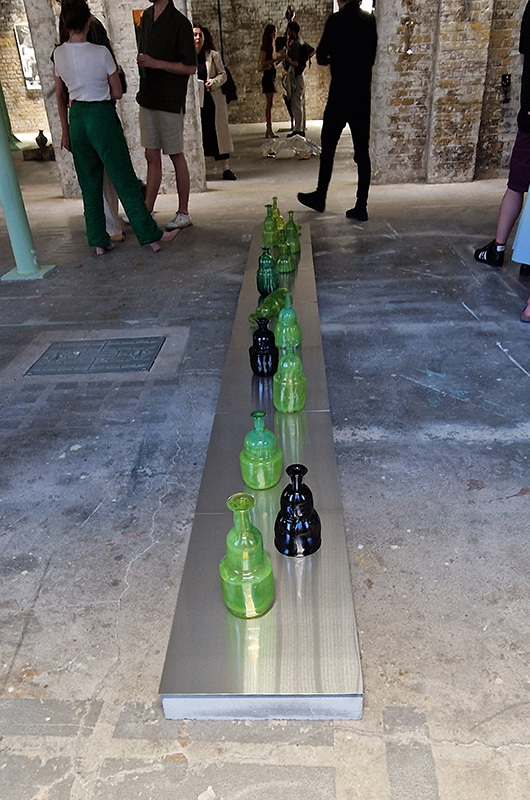
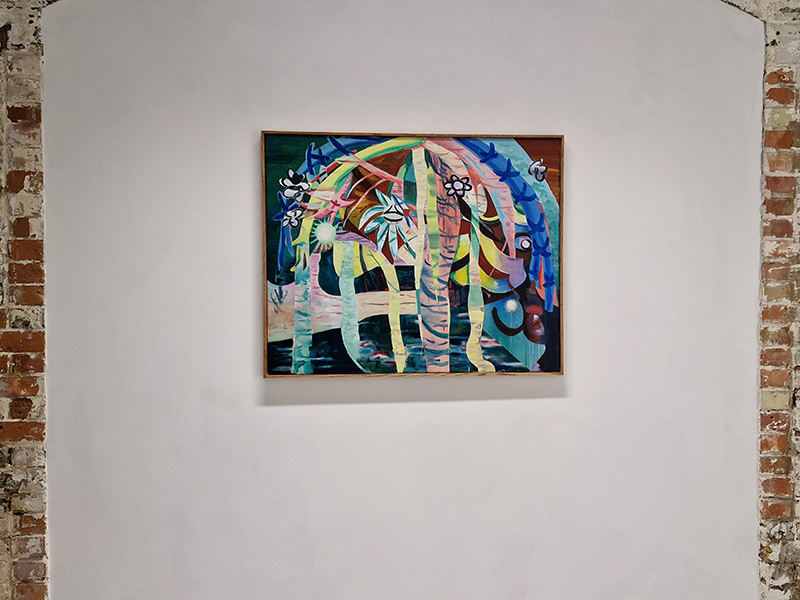

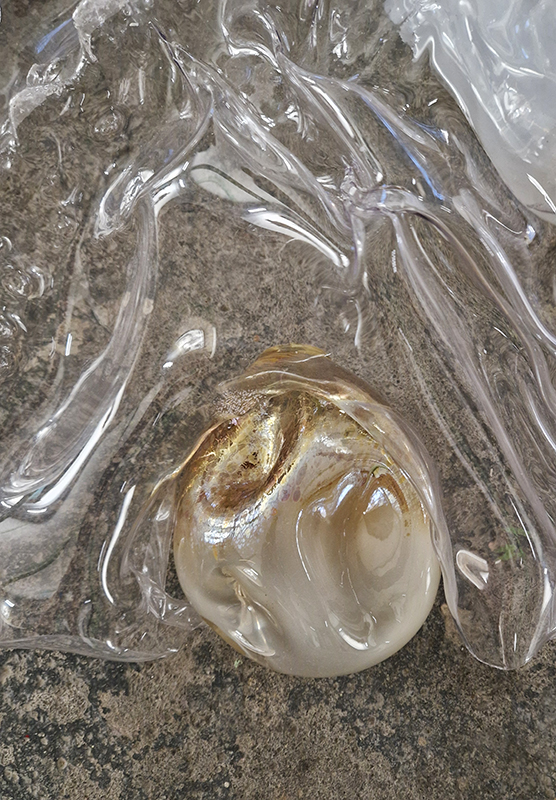
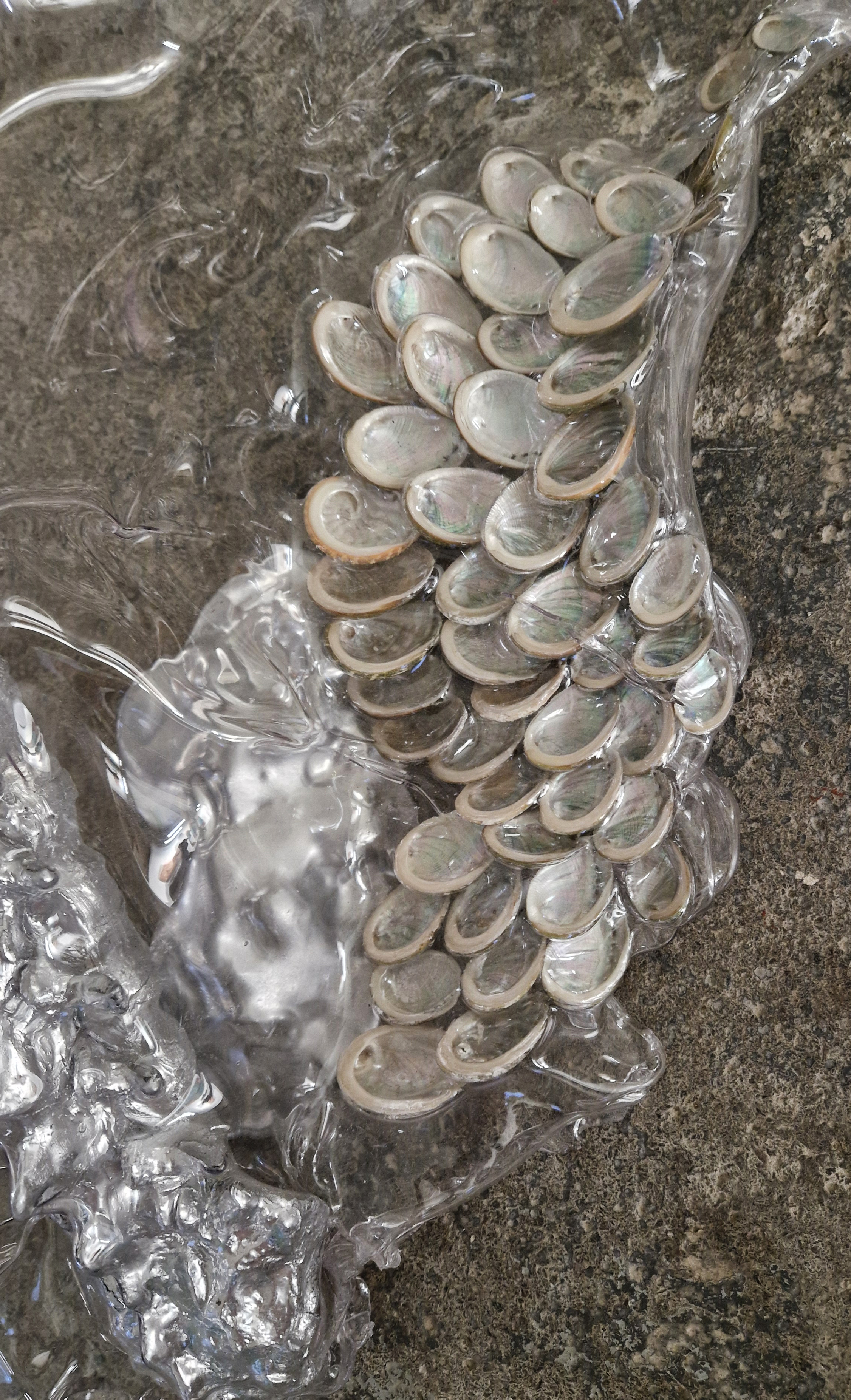
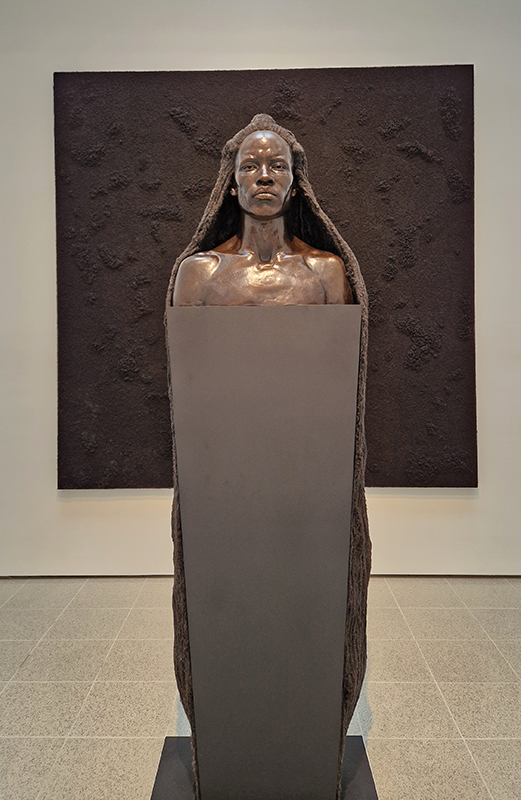
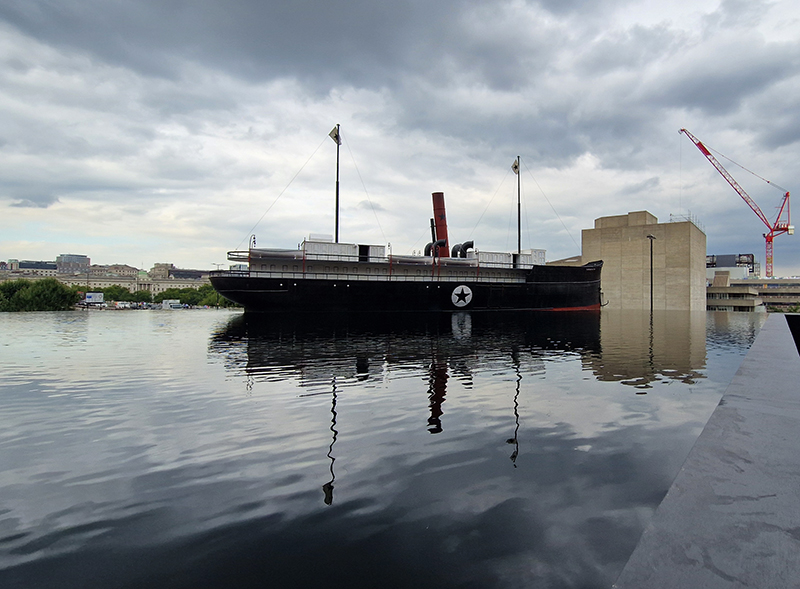
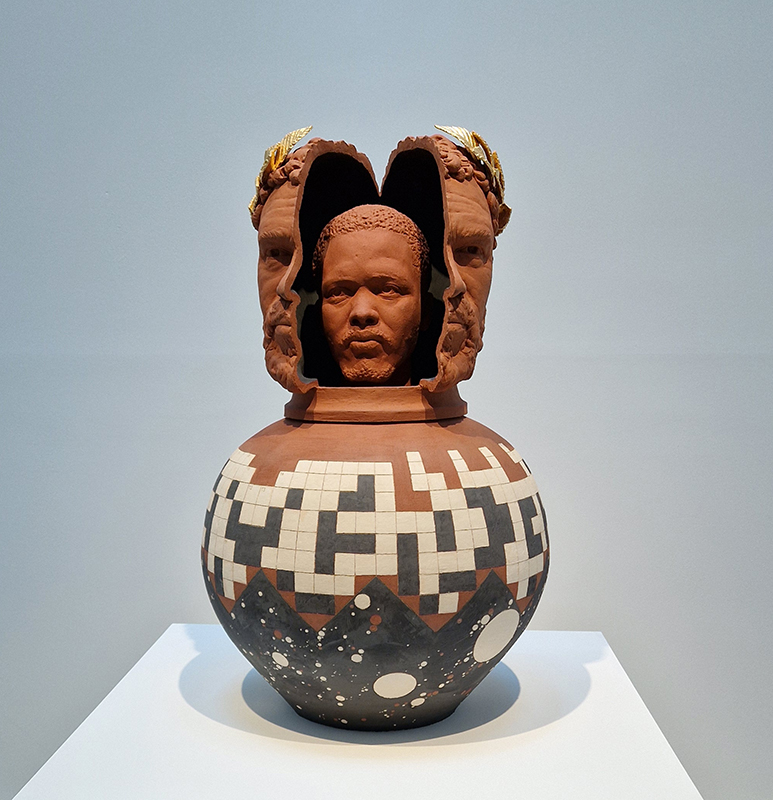
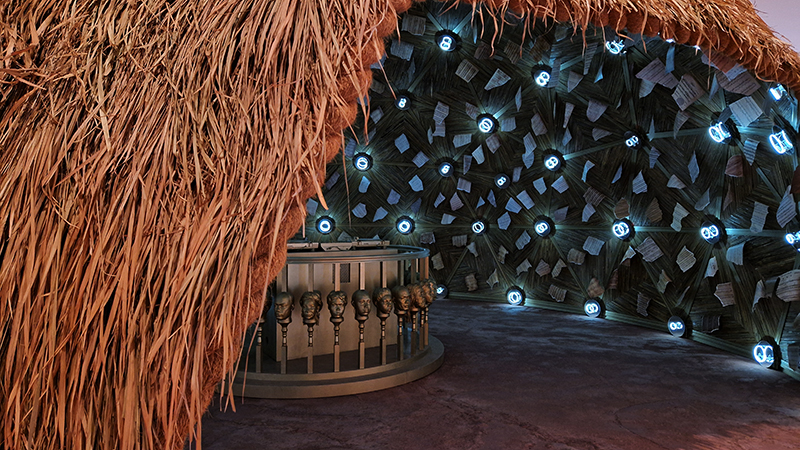
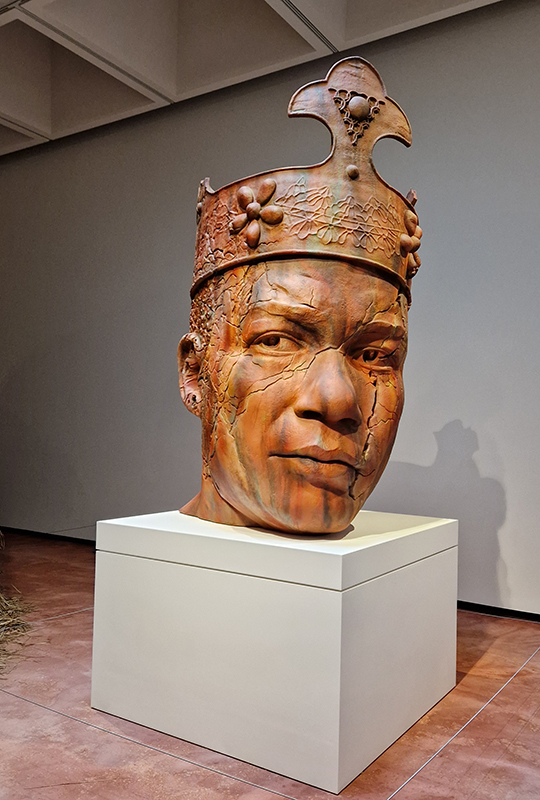
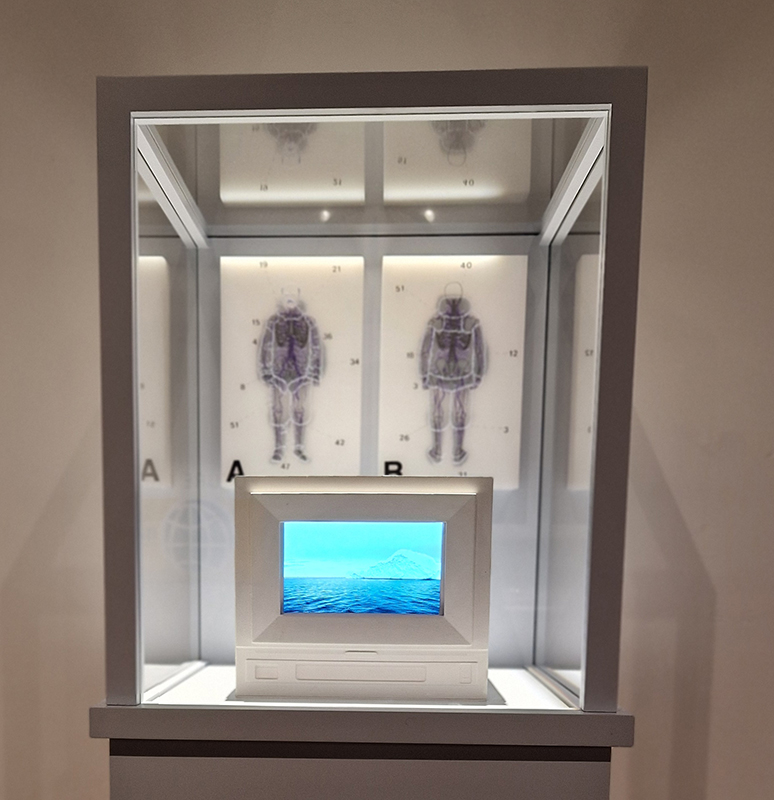
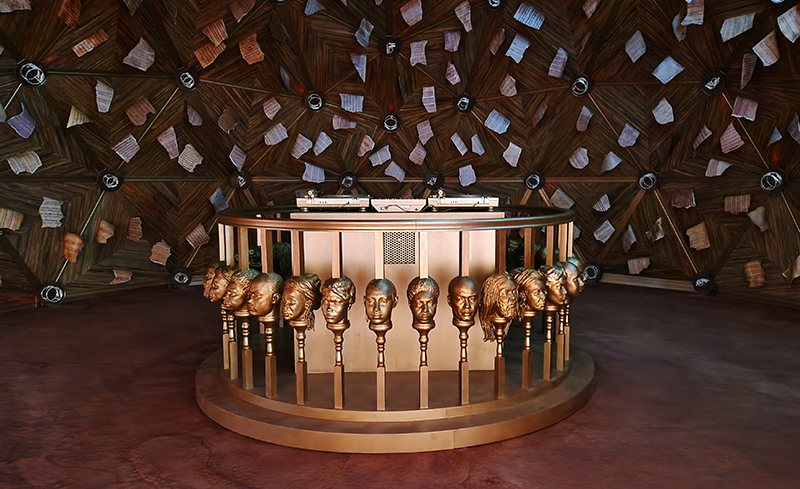
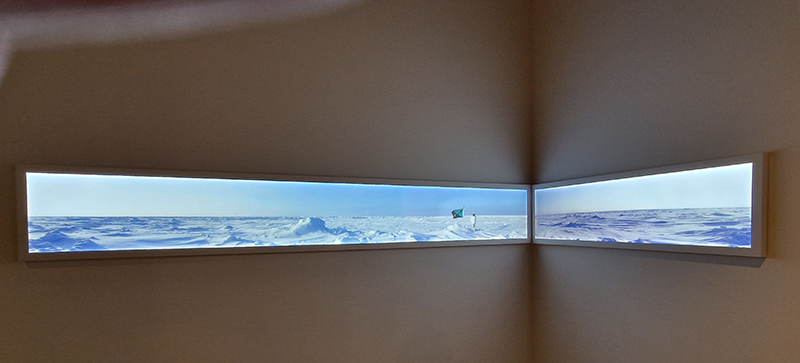
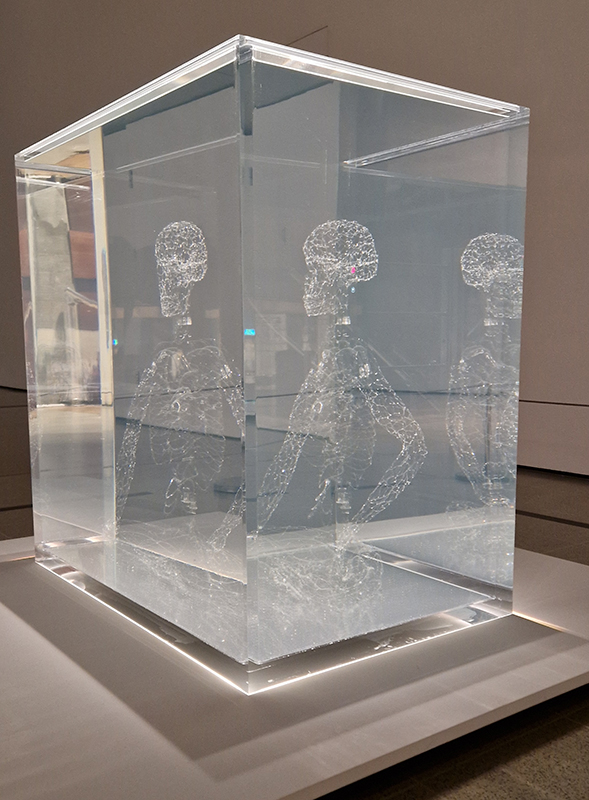
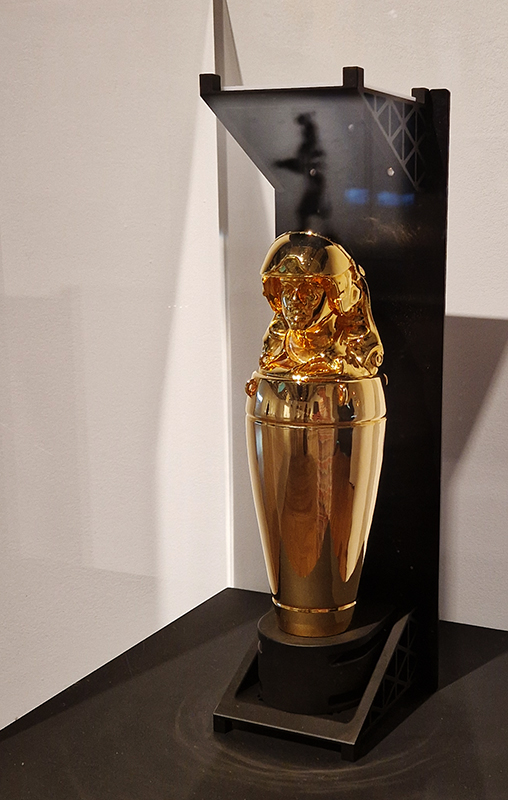
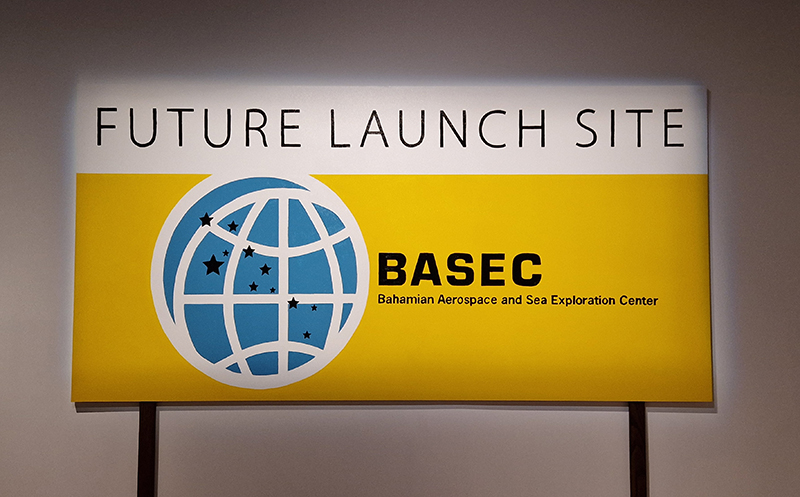
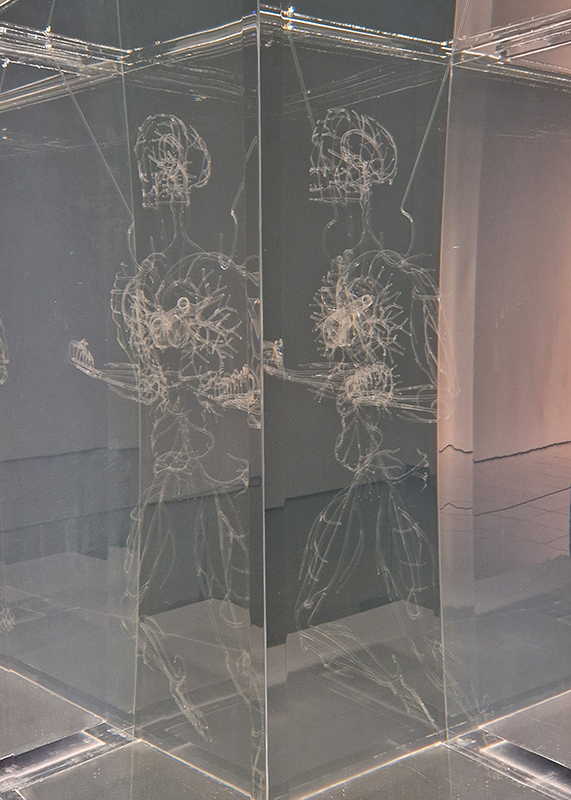
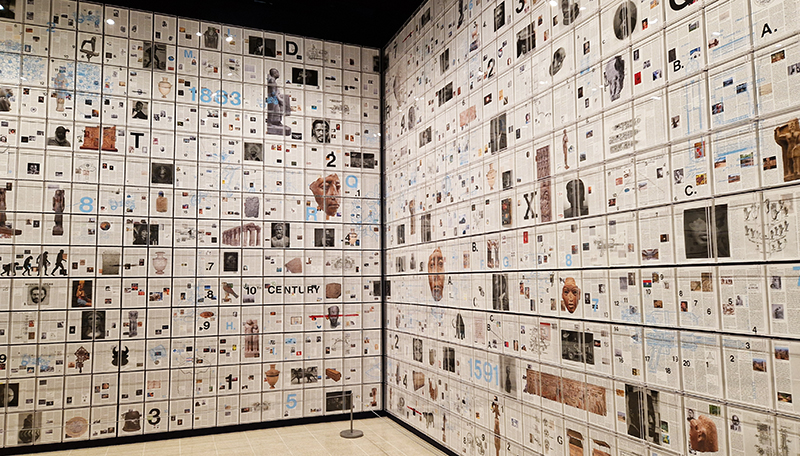
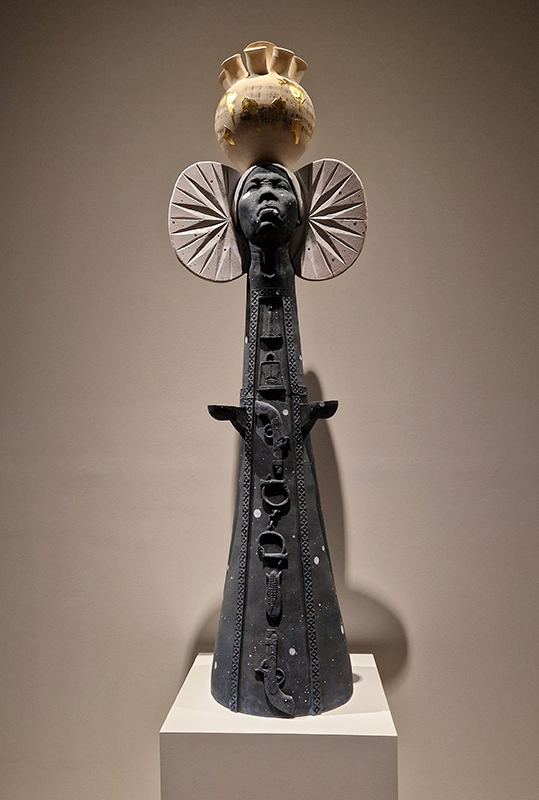
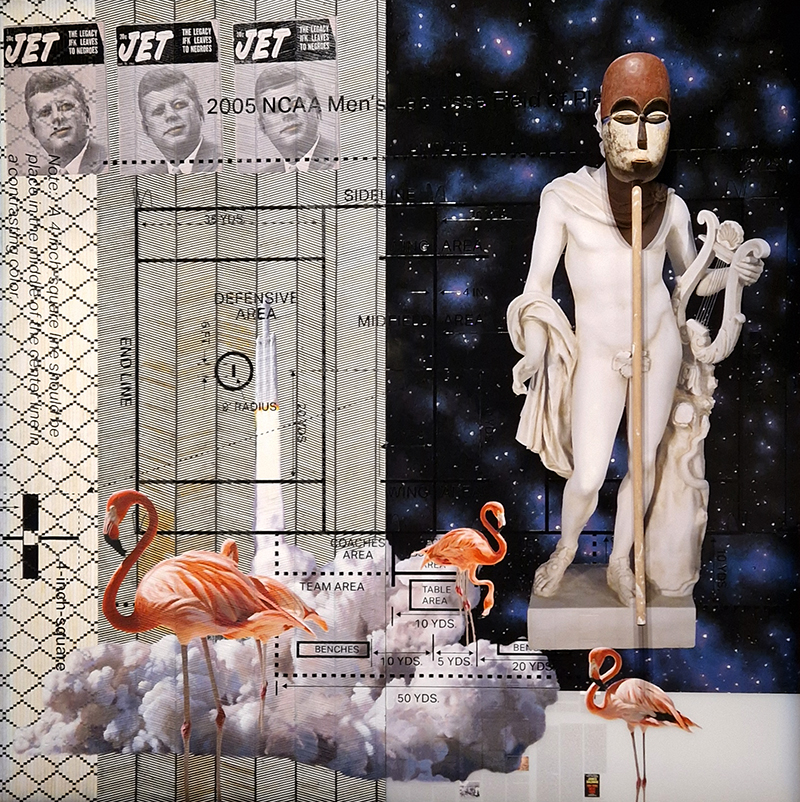
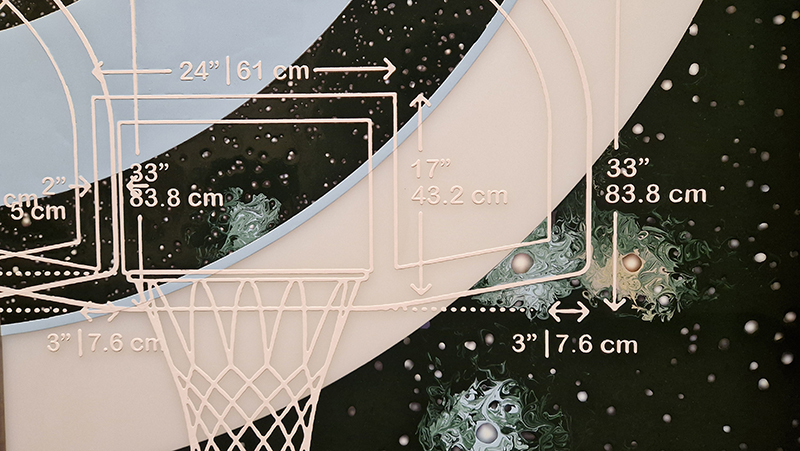
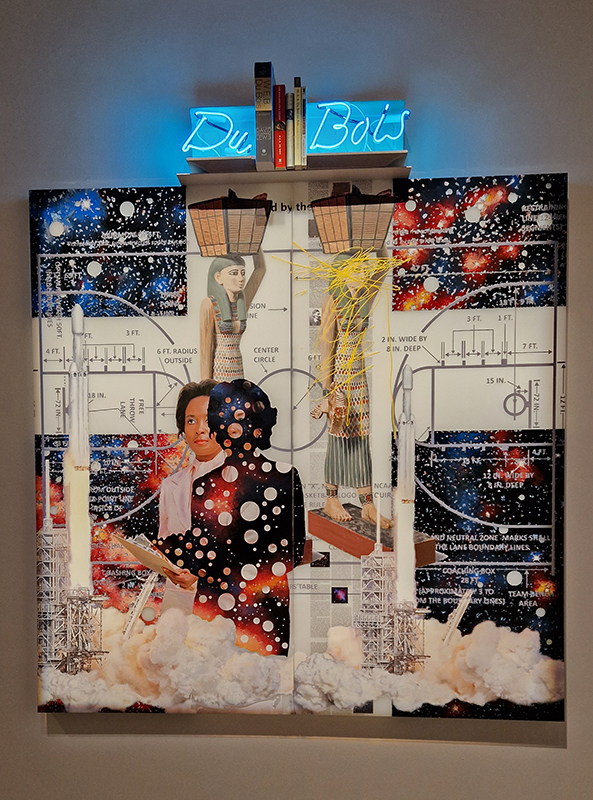
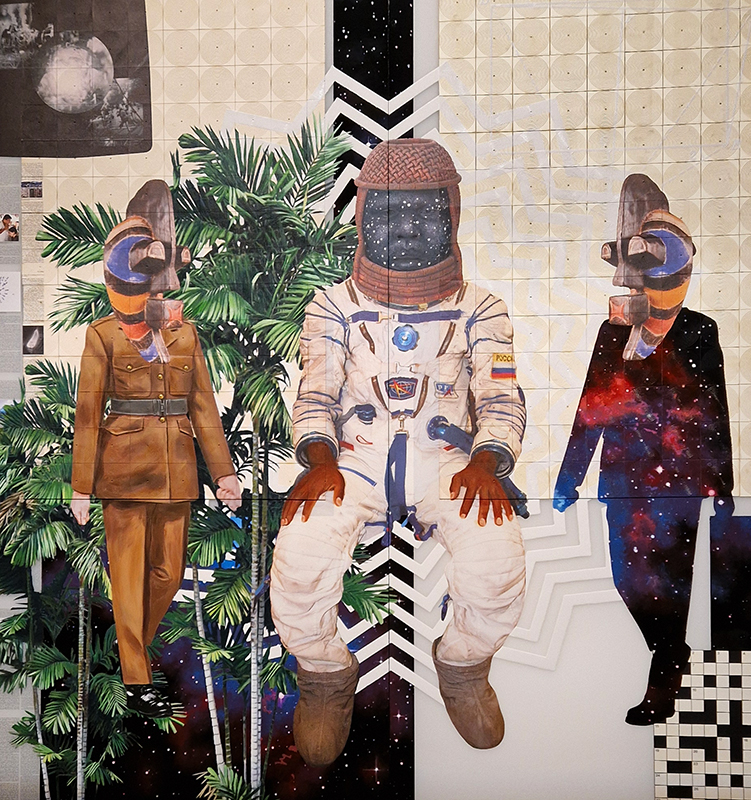
Tavares Strachan There Is Light Somewhere at Hayward Gallery. Immense scale and scope. This show really was epic. A 14-metre-long Black Star Liner on the flooded roof pumping out music live from a Jamaican radio station. Human figures made of glass and submerged in tanks of mineral oil to make ‘invisible’ sculptures. From space exploration to the North Pole, a timely light is shone on the explorers and cultural pioneers that have not received due recognition.







 Susan Eyre