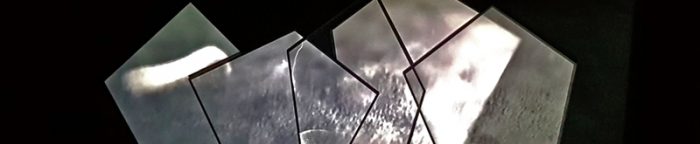
It is within my mind then, that I measure time. I must not allow my mind to insist that time is something objective. When I measure time, I am measuring something in the present of my mind. St. Augustine of Hippo, 397
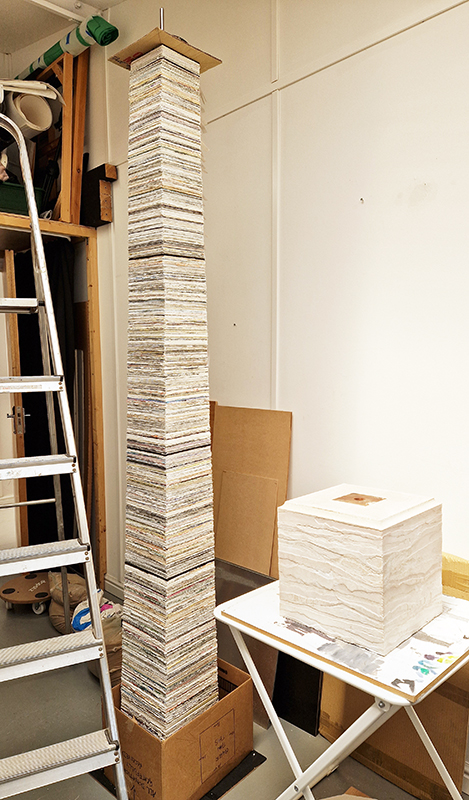
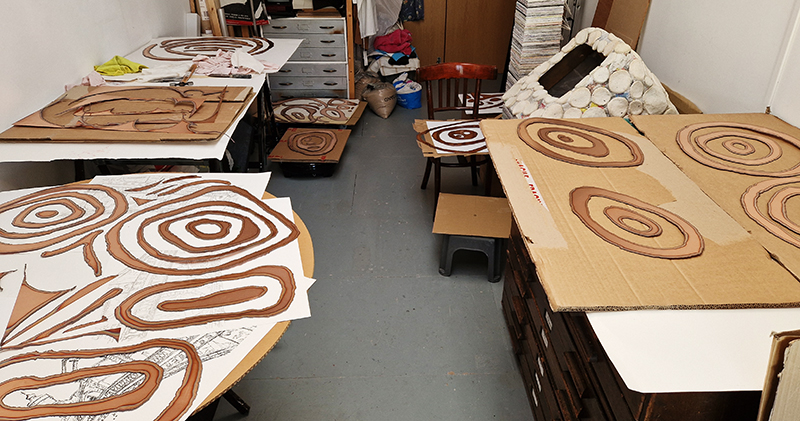
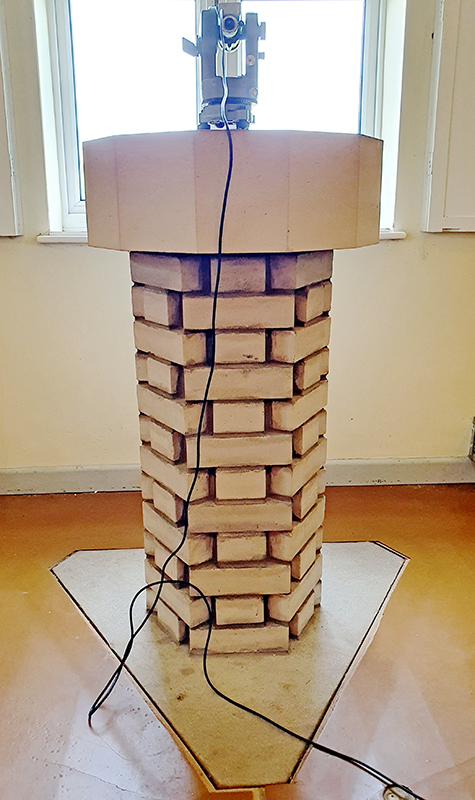
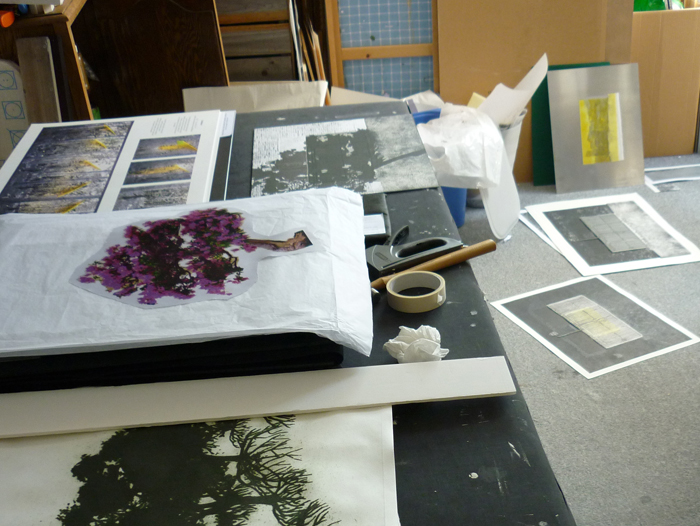
The many layers of paper comprising The Azimuth Obelisk (of sedimentary knowledge) sculpture have been prepared ready for final assembly. The next step will be patinating and assembling the copper pyramidion. This sculpture is a reimagining of the obelisk erected at Hartland Magnetic Observatory in 1955 which is now almost hidden by undergrowth. Although manual readings via a theodolite are still taken from the Observing Building north facing window, this concrete permanent azimuth mark has been replaced by a GPS position. The sculpture expresses the passage of time, made from recycled paper prints and drawings whose history is embedded in the stacked layers, much as the Earth’s geological and magnetic history is secreted into sedimentary strata of rock.
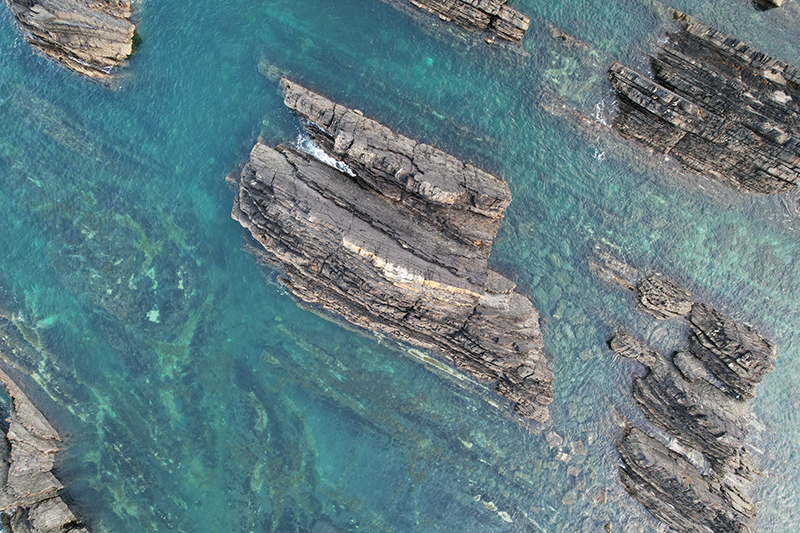
What is below our feet can be as much of a mystery as what is above our heads. The furthest humans have drilled below the surface of the Earth is just over 12 km but it is 6,370 km to the centre of the Earth. One way of exploring the Earth’s core is by studying geoneutrinos. Geoneutrinos are neutrinos, the lightest subatomic particle, released by the natural radioactive decay of potassium, thorium, and uranium in Earth’s interior. By studying geoneutrinos, scientists can better understand the composition and spatial distribution of materials in the mantle and core. Neutrinos can pass through matter uninhibited and are not affected by magnetism. Geoneutrinos are low-energy electron antineutrinos, and scientists need to use large detectors to record them but because they are so elusive, they don’t capture very many events each year. Some of the heat emanating from the interior of our planet comes from this radioactive decay and is responsible for everything from creating the molten iron core that generates Earth’s magnetic field to the spread of the sea floor and motion of the continents.
At the centre of the Earth is a hot sphere of solid iron which has its own ocean of molten iron, surging and churning with hurricanes and whirlpools powered by the Coriolis forces of Earth’s rotation. These complex motions generate our planet’s magnetosphere. The turbulent dynamo process also means the magnetic field is in a constant state of change and the poles are always on the move. From James Clark Ross first locating the magnetic north pole in 1831 to when Roald Amundsen found the pole again almost a century later it had moved at least 50 km since the days of Ross. Both poles continue to wander as varying speeds. Magnetic stripes around mid-ocean ridges reveal the history of Earth’s magnetic field for millions of years and record magnetic field reversals in the magnetism of ancient rocks. Field reversals come at irregular intervals averaging about 300,000 years with the last one 780,000 years ago. Reversals take a few thousand years to complete, and during that time the magnetic field does not vanish but becomes twisted and tangled with magnetic poles appearing in unaccustomed places. Although in a state of turmoil with possible weak areas it can still protect us from space radiation and solar storms.
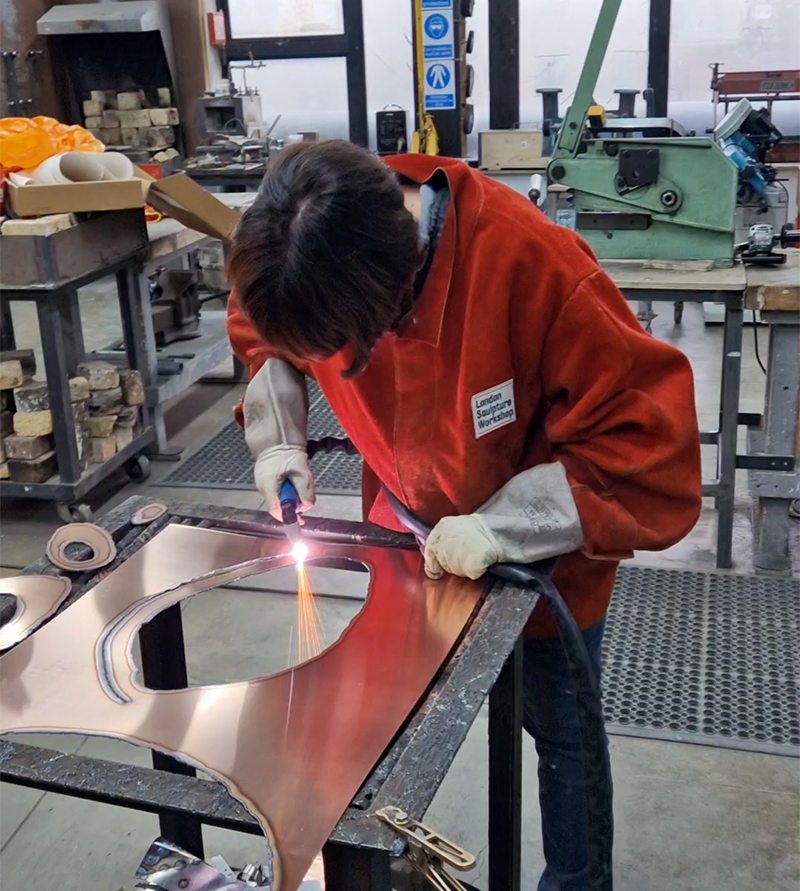
I took up membership of London Sculpture Workshop supported by a professional practice and creative development bursary from The Artists Information Company. Great to have access to the facilities here to work on sculptures responding to research visits to magnetic observatories. I had a couple of sessions cutting copper with a plasma gun. The intense heat colours the edges of the metal with blues, yellows and crimsons. Unfortunately some of the colour gets lost when they are lacquered so I have left some without coating this time to see if they lose the colour anyway. These topographical contours which are destined for the installation The Absolute Hut (of action potential), reflect the fluid motion of the Earth’s interior and also the pulsating alpha waves emanating from the human brain subjected to magnetic fields.

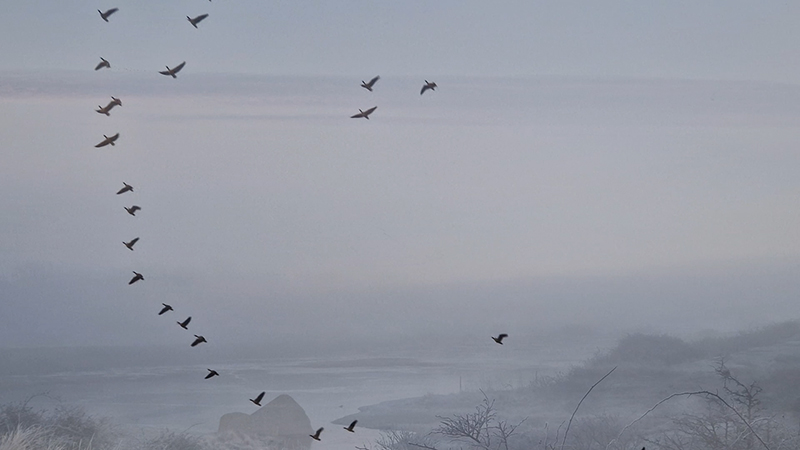
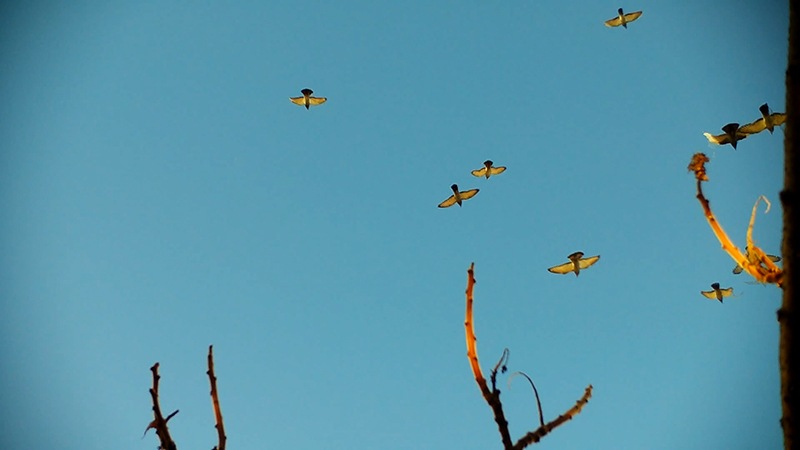
I have started editing and gathering together video footage for The Absolute Hut installation. Inside the hut I am planning to have video screens suggesting portals into a modulated web of neural pathways and one larger window with a two way projection film of the migratory pink footed geese at Snettisham in Norfolk. Natural navigation techniques and extra-sensory methods used by the non-human realm will form the basis for speculation as to the ability for humans to perceive the Earth’s magnetic field.
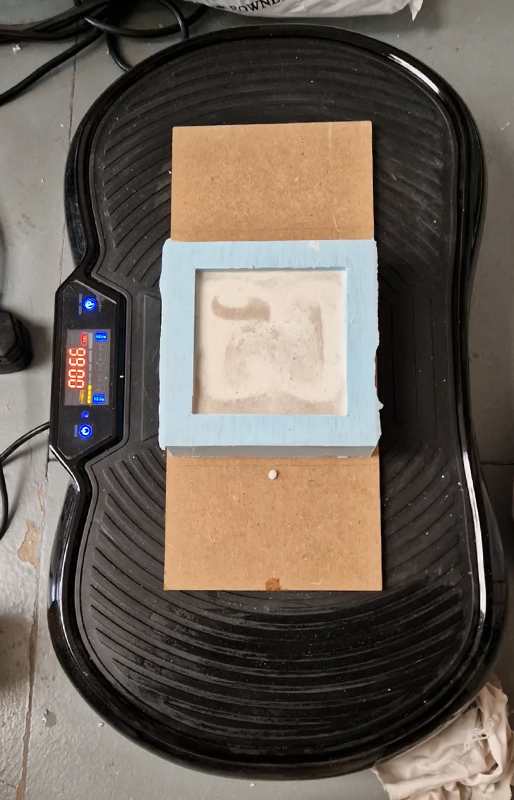
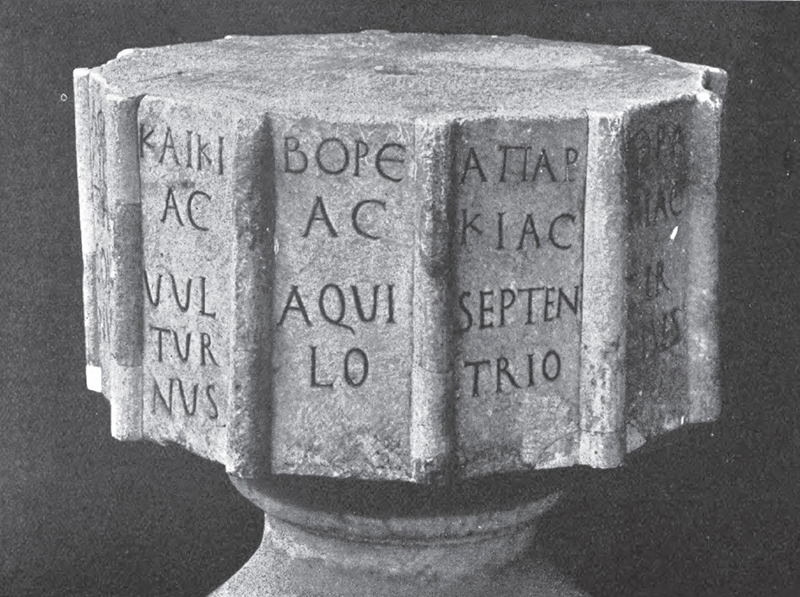
Following on from concrete casting tuition with Anna Hughes as part of my a-n creative development bursary I have been testing casting concrete with embedded magnets. I had an idea to try removing bubbles from the concrete by putting it on an exercise vibrating plate. The motion is quite violent and undulating and my mix was quite loose so it had an effect like a small wave machine sloshing side to side – there were no bubbles in the results though. These tests are towards making a series of dodecagon tablets cast in Snowcrete, a non-magnetic cement, as used in a magnetic observatory. Suggestive of the pedestals that support various instruments used in monitoring the Earths’ magnetic field they also respond to an ancient anemoscope “table of the winds” carved in marble around eighteen hundred years ago and inscribed with the Greek and Latin names of classical winds on each of its twelve sides.
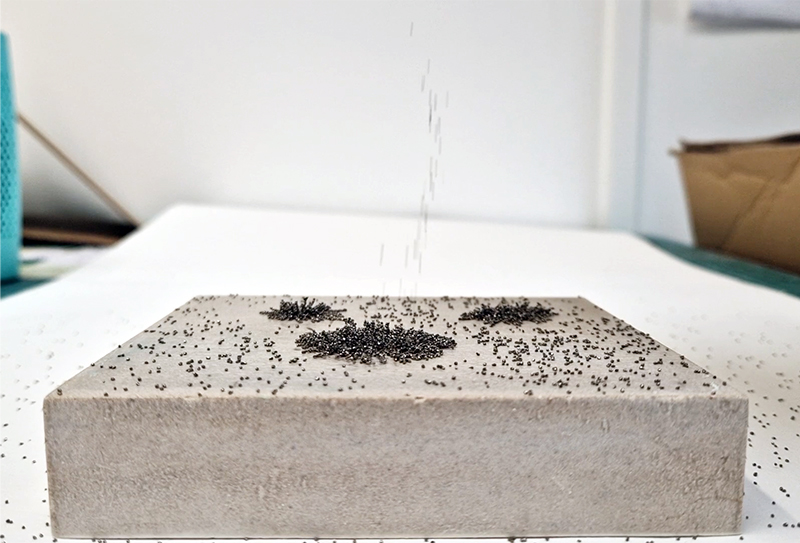
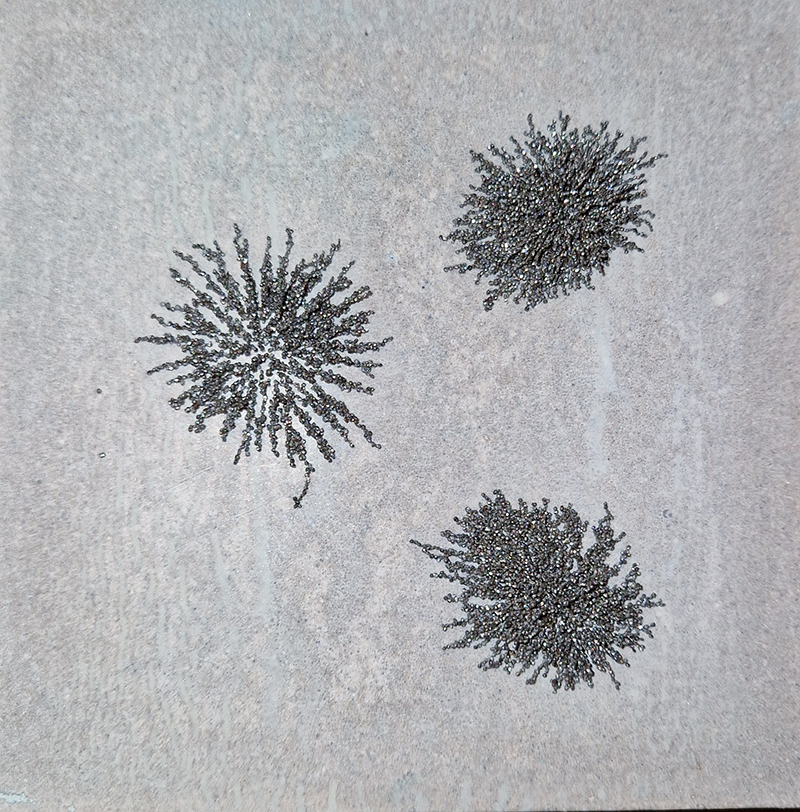
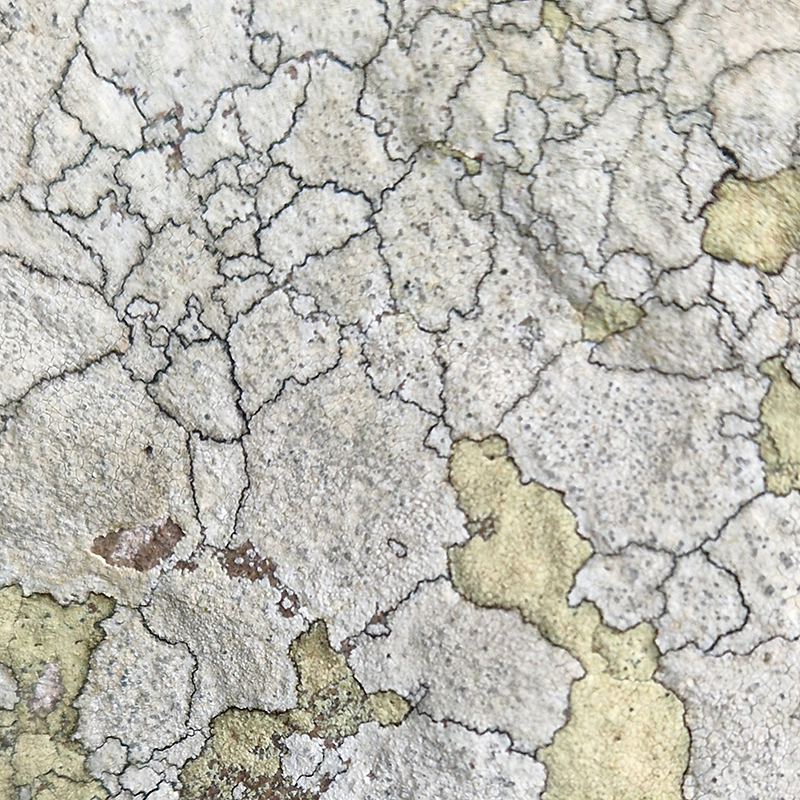
Lichen boundaries seen on a trip to Somerset reminded me of the magnetic domains of the directional magnetic steel when sanded and etched to reveal the Goss texture of rolled iron silicon alloy crystals. The jigsaw pattern of magnetic domains give this material exceptional magnetic properties.

I had a great time interacting via zoom with volunteer mediators who will serve as conversationalists for visitors who come to the Carbon exhibition at Science Gallery Bengaluru where my video Cosmic Chiasmus: crossing the universe will be shown later in the year. Mediators are an integral part of each exhibition-season at Science Gallery Bengaluru (SGB). By providing each visitor the unique opportunity to deeply engage with the exhibits, events, and programmes, the mediators are at the backbone of our commitment to public engagement at SGB.

The session was designed to gain an understanding of the work to be shown, the process behind its creation, and the key concepts explored in it. Cosmic Chiasmus: crossing the universe offers a glimpse into a subatomic world where cosmic rays travel from distant galaxies to collide and silently interact with atoms and technology on Earth. Not only is all life physically permeated by cosmic rays with the potential for nuclei collisions but some cascading particles smash into atoms of nitrogen to create carbon-14. Carbon-14 then combines with oxygen in the atmosphere to create radioactive carbon-dioxide – this is ingested by plants and animals through the food cycle. In making the film I was interested in exploring the interconnectedness of ourselves to our wider environment, even outer space and the influence intangible phenomena such as cosmic rays can have on everyday life and human technology. It is an incredible journey that cosmic rays make, blasted across space, spiralling along magnetic field lines to end up entangled with carbon in our bodies.

Most years have twelve full moons, but as our calendar is not perfectly synchronized with astronomical events, every now and then there is more than one full moon in a month which can be known as a blue moon. It takes the moon 27.3 days to orbit the Earth but about 29.5 days to go through all of its eight phases waxing from new to full and waning back again. We can hope to see a super blue moon next month.
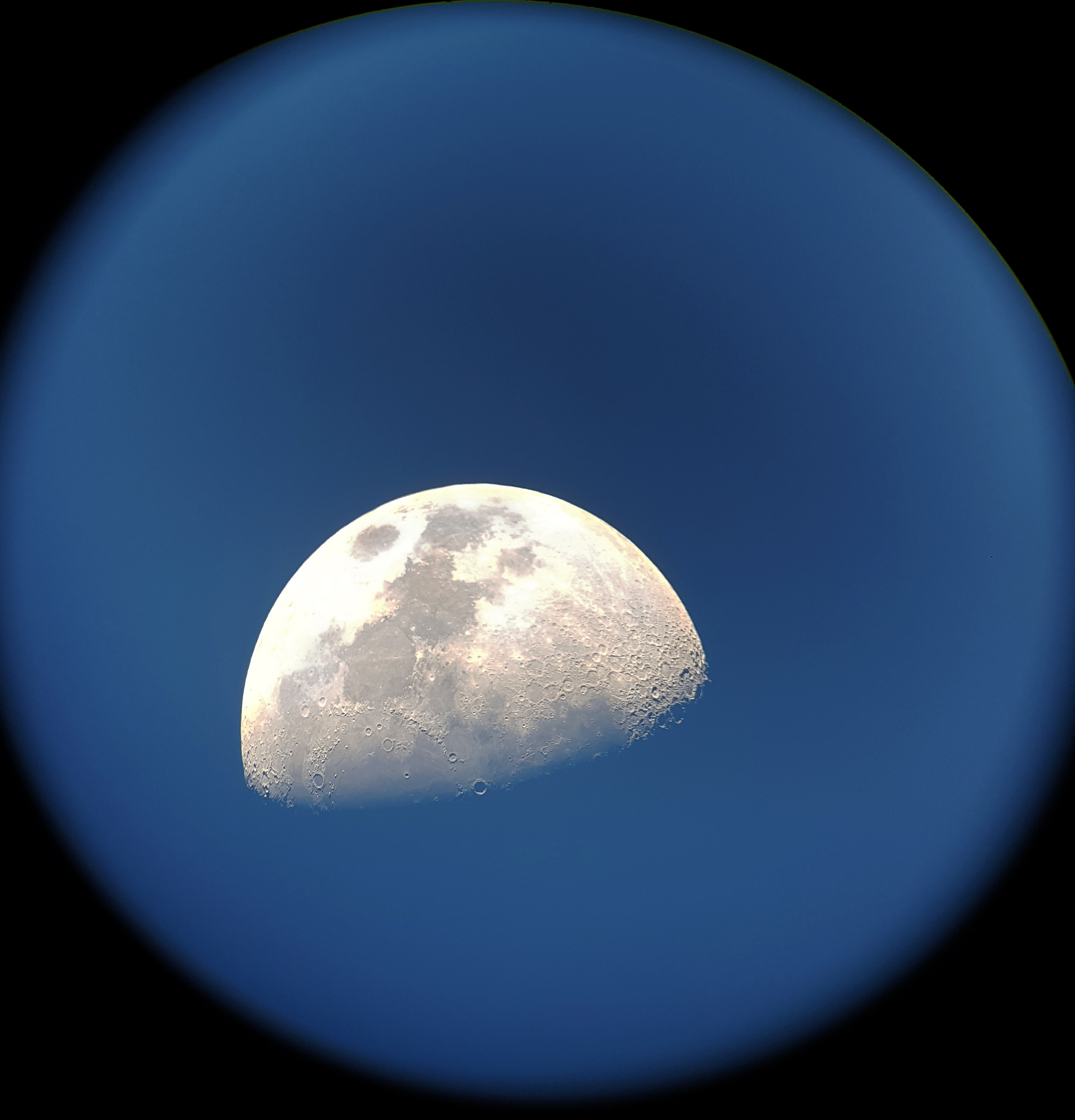
Carey Young’s Plato Contract – only gains status as an artwork once it has been installed, following explicit instructions, in the impact crater, Plato, on the moon.
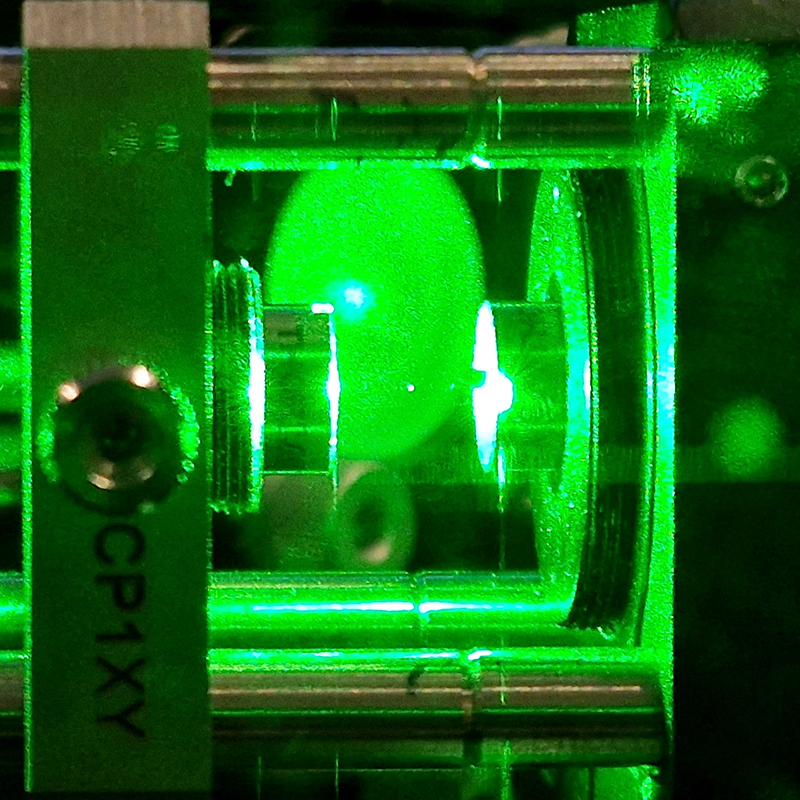
Royal Society Summer Lates – Interesting new research in the search for dark matter from UCL High Energy Physics team using quantum sensors. Tiny glass spheres levitated in a vacuum and super cooled means these are extremely sensitive to any slight gravitational interaction should dark matter be made of very light particles. Instead of a vast tank of Xenon installed in a disused goldmine this new search for dark matter is quite a contrast in scale.
Also got to cause gravitational lensing with my own body mass and enjoy some splendid cocktails with surreal smoke bubble topping. Love Royal Society events.
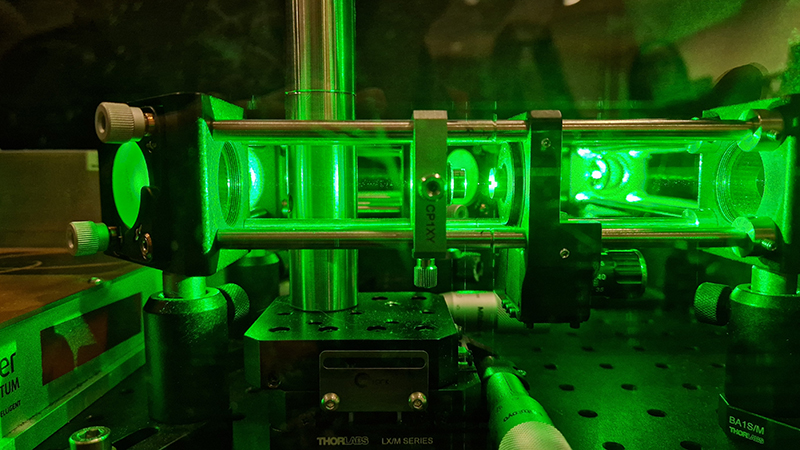


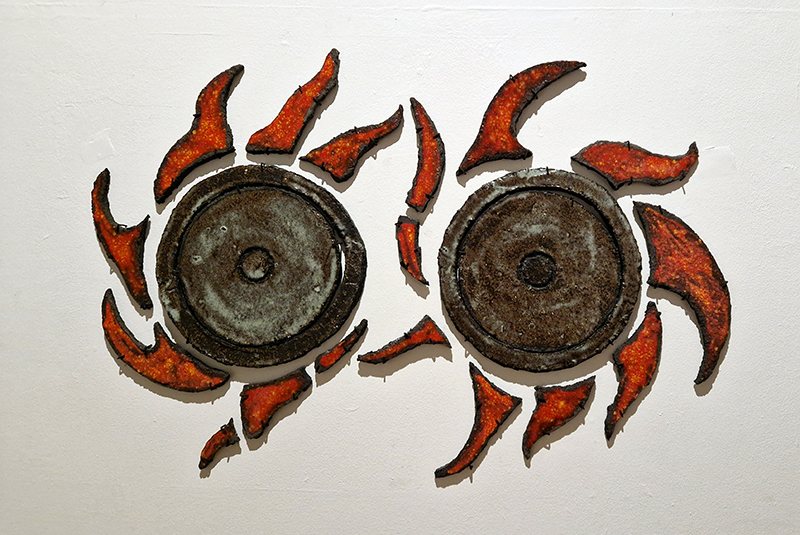
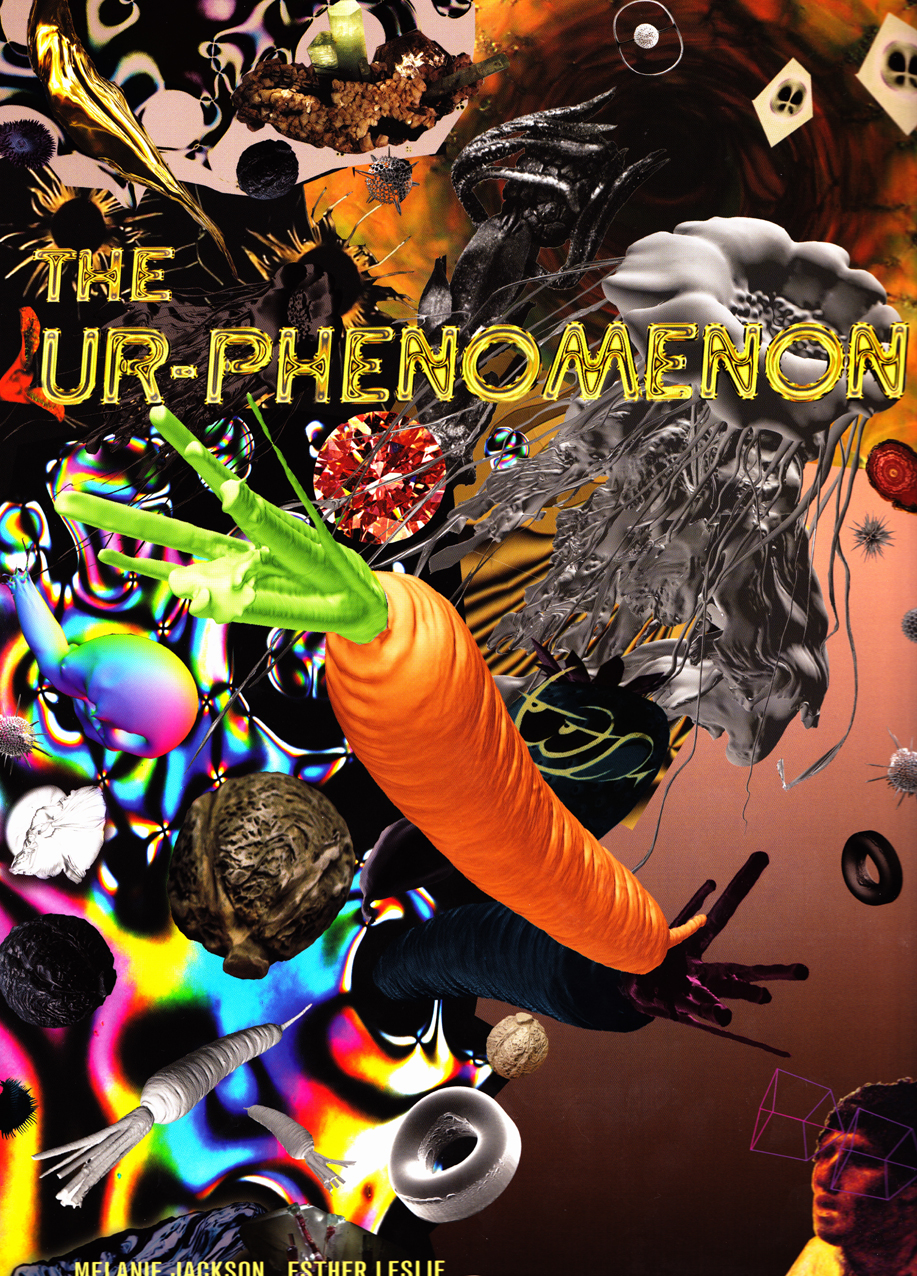
Melanie Jackson Rouge Flambé at San Mei Gallery with a fascinating accompanying essay by Esther Leslie. Rouge flambé is a red oxide ceramic glaze with a long history of use, spreading across the globe from its origins in China. Together these works celebrate forces that hold a primordial fascination – fire, colour, alchemy which bridge the scientific with the mythological.


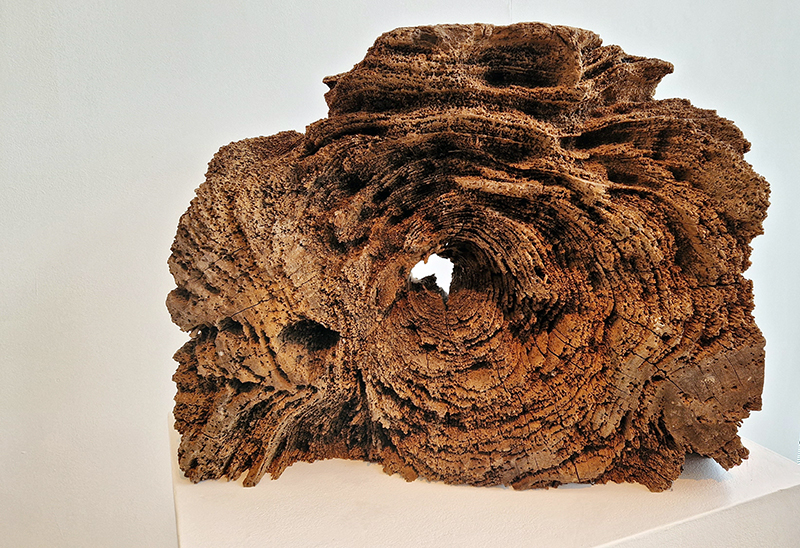
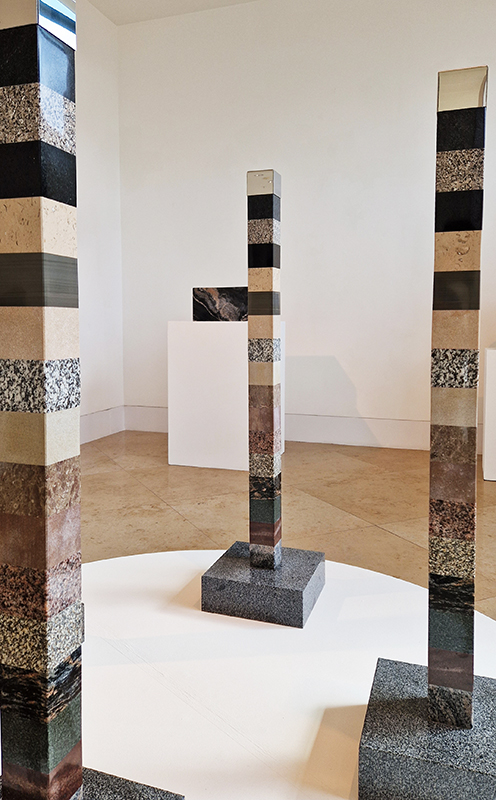
Angela Palmer Deep Time: uncovering our hidden past at Pangolin London. The exhibition explores time through the material history of Great Britain – charting its 3-billion-year lithic timeline to arrive in our current age of the Anthropocene. Featuring the UK’s 16 geological periods, starting with one of the world’s most ancient rocks, the 3-billion-year-old Lewisian Gneiss from the Outer Hebrides. Further stones include 2.5-billion-year-old White Anorthosite sourced in the Outer Hebrides that was also found on the Moon by the astronauts of Apollo 15 in 1971, as well as 66-milion-year-old Northern Irish Black Basalt marking the extinction of the dinosaur. The exhibition also includes teak sculptures salvaged from the ocean where it lay for a century while marine boring insects carved into its surfaces. Many of these works have minimal intervention from the artist in their presentation. The work has been done in the sourcing and extraction.
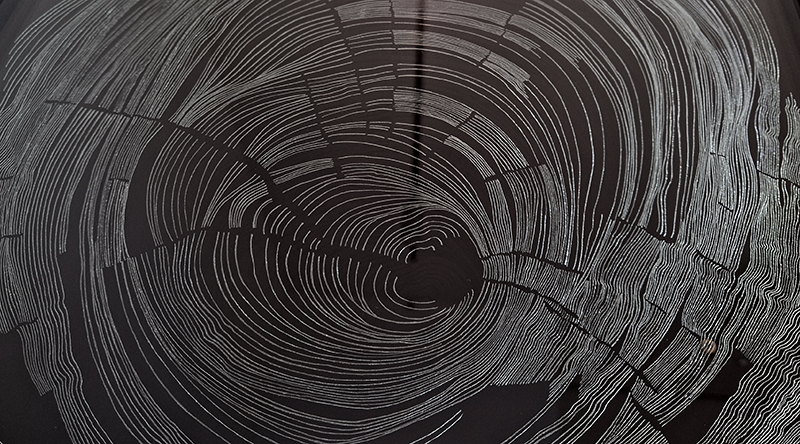
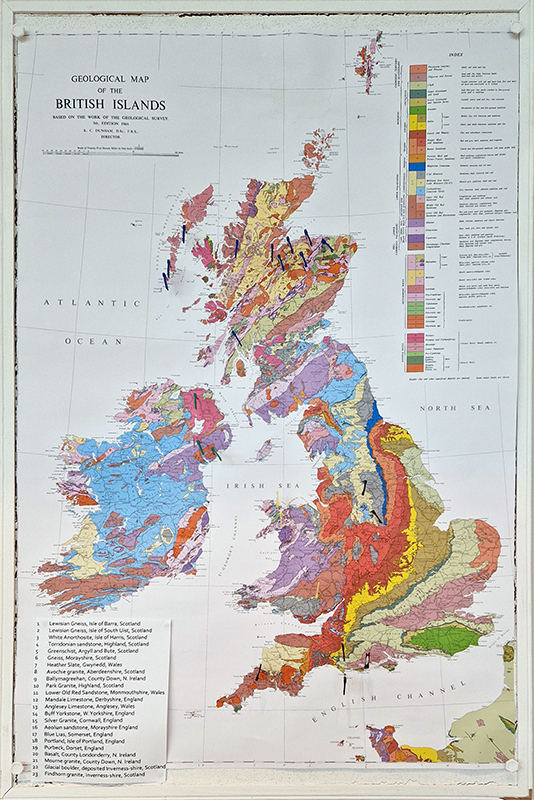


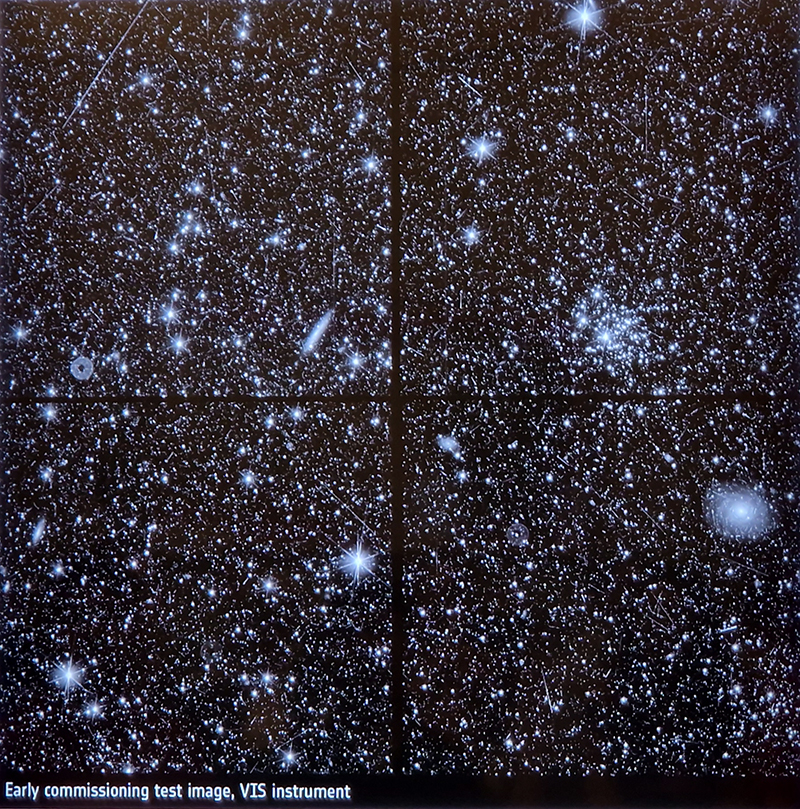
I attended the UCL Space Domain Summer Celebration. The event was introduced by Victor Buchli – Co-Chair of the UCL Space Domain which draws in researchers from across disciplines whose work touches on space exploration in some way. Guest speakers, artist Lisa Pettibone and poet Simon Barraclough, gave presentations on their work and involvement with the Mullard Space Science Laboratory and subsequent inclusion of work on the Euclid Spacecraft (launched on 1st July 2023) in the form of a plaque depicting ‘The Fingertip Galaxy’ a collaborative project created with hundreds of mission scientists and engineers’ painted fingertips, along with specially commissioned lines from Simon’s poetry. We were privileged to see the very first image sent back from the Euclid Space Telescope whose mission is to map out the dark side of our universe by analyzing billions of galaxies that reside up to about 10 billion light-years away. Every point of light is a galaxy.
Reading
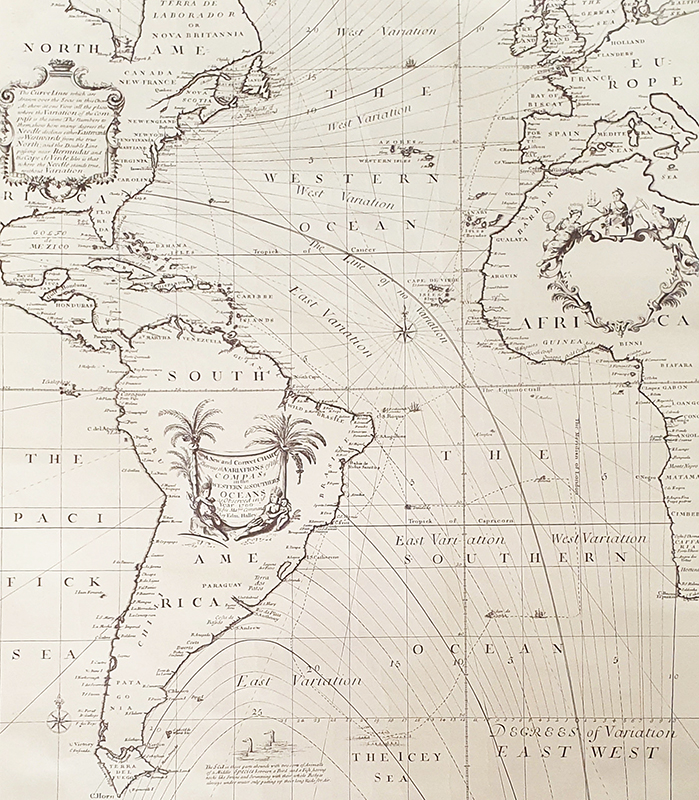
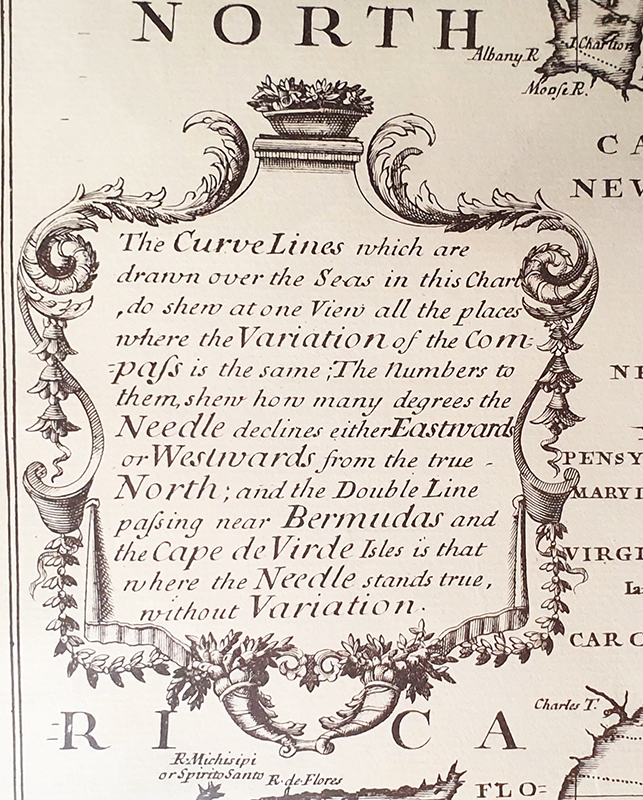
Compass – a story of exploration and innovation by Alan Gurney. Full of fascinating historical anecdotes charting the invention of the magnetic compass for navigation at sea from lodestone floating in a bowl of water to the precision marine liquid compass, gyrocompass and fluxgate compass used today. Although early experiments came under the auspices of scientific expeditions the compass cannot be untangled from its commercial propagation and employment in colonialism and the slave trade. The first ship charted solely for a scientific expedition, The Paramore, launched from The Royal Dockyard at Deptford in 1694, to compass the globe and measure magnetic variation. It was however approved for funding by The Royal Society, Queen Mary and The Admiralty based on the benefits it would bring for navigation and trade. One of the many delays in launching the Paramore was the novel decision of how many guns should be fitted in a ship bound for scientific research. Pirates were at large and nation wars would flare up while ships were out at sea so a friend at launch might be a hostile force at the next harbour without the means for the crew to receive this news before it was too late. Many many lives were lost at sea during these turbulent times through aggression but also shipwrecks from the poor quality, misuse or misinterpretation of the ship’s compass. Magnetic variation, deviation and iron introduced onto the ships meant the compass needle could not be relied upon to show true north. It took centuries to comprehend the unpredictable power of magnetism and the Earth’s magnetic field.
Listening
The End of the Universe Gresham Lecture from Professor Katherine Blundell. The relocation of matter. Spacetime is expanding ever faster due to dark energy. Galaxies do not expand as they are held together by gravity. It is the space between galaxies that is getting bigger and will continue until in some distant future astronomers in one galaxy will not be able to see any other galaxies. Black holes eventually evaporate.
Also from Professor Katherine Blundell Cosmic Vision: Fast & Furious.
Cosmic rays are particles that move extremely fast. They are raining down on planet earth all the time. Although they are called rays they are not like photons, as light is made of, as they have mass but they do travel at nearly the speed of light. The kinetic energy in just one particle can be equivalent to the energy of a cricket ball bowled by the fastest bowler on the planet – so much energy squeezed into one tiny particle gives it a huge velocity. Light travels a thousand billion kilometres in one year – a light year – no object with mass can travel at the speed of light but an ultra-high energy cosmic ray would only lag behind the photon by 100th of the diameter of human hair. Some ultra high energy cosmic ray particles that arrive on Earth have 1000 billion times more energy than particle colliders on earth can generate. These ultra high energy particles are very rare – with only about 1 per square metre per century. We know many cosmic rays come from supernova explosions in distant galaxies especially from what are called starburst galaxies where lots of supernovae are happening. Supernovae expand very very fast into the interstellar medium of their galaxy – this causes shocks as the plasma expands and where there are compressed magnetic fields particles can be accelerated to very high speeds. There is a formula called the Hillas Criterion which states – the maximum velocity a particle can be accelerated to depends on three things – the strength of the magnetic field – the speed of the plasma – and the size of the region over which the acceleration can take place. New research shows that ancient Radio Galaxies such as Centaurus A – which is over 1 million light years across or the smaller Fornax A Galaxy are good candidates for the propagation of the ultra high energy particles as these galaxies have the huge size necessary to allow the particles to gather speed in the giant regions of radio emission which extend well beyond the galaxies visible structure.








 Susan Eyre