Archives for posts with tag: Open Studios

Delighted to have both my artists books In/Out and Unbound accepted into the Art, Science and Creativity exhibition curated by Liverpool Book Art at Liverpool Central Library in the autumn. The starting point for this exhibition is a quote from Albert Einstein:

“Where the world ceases to be a stage for personal hopes, aspirations, and desires, and we stand before it as free creatures, full of admirations, questions and contemplation, we enter the realm of art and science. If we describe what we see and experience in the language of logic, we do science; if we convey connections through forms that are inaccessible to the rational mind, but intuitively recognisable as making sense, we do art.”
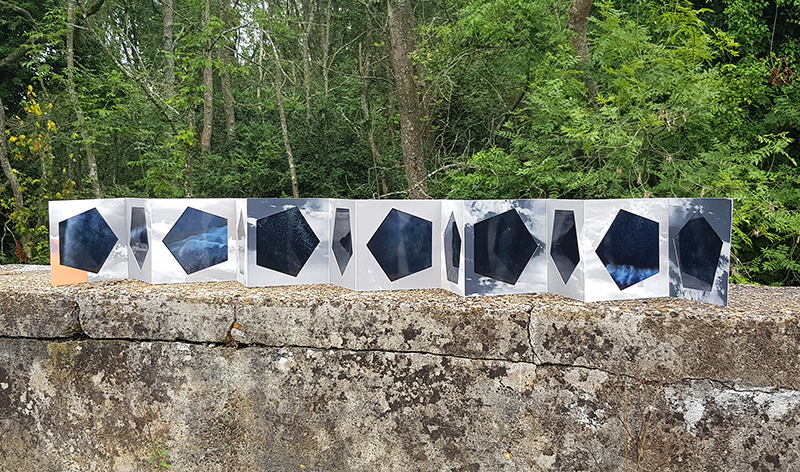
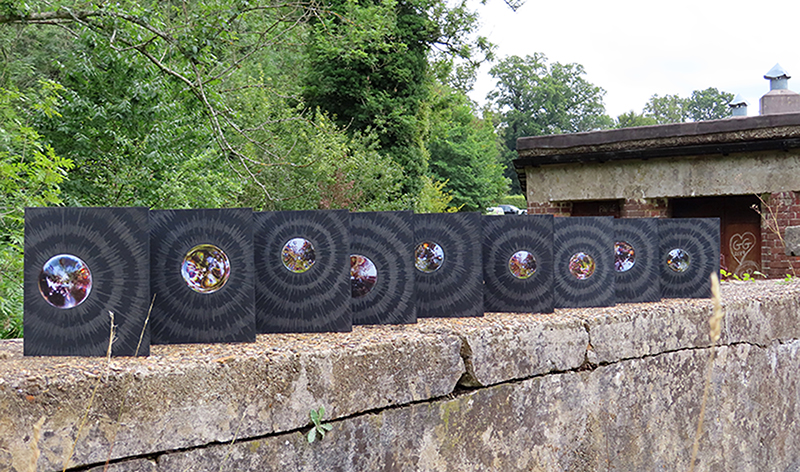
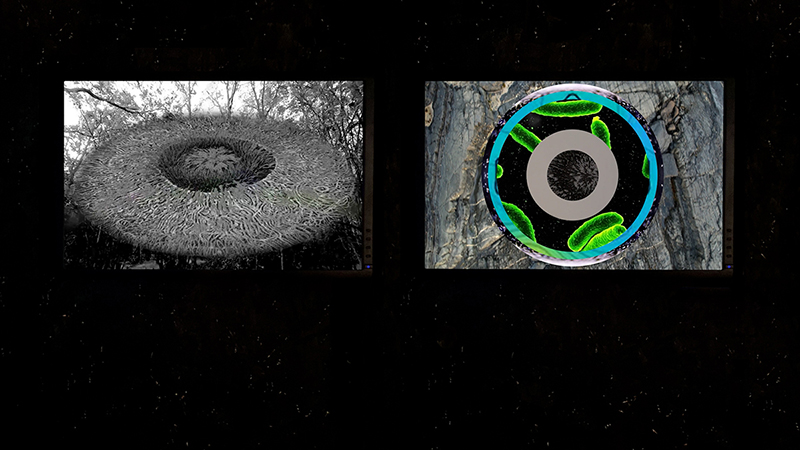
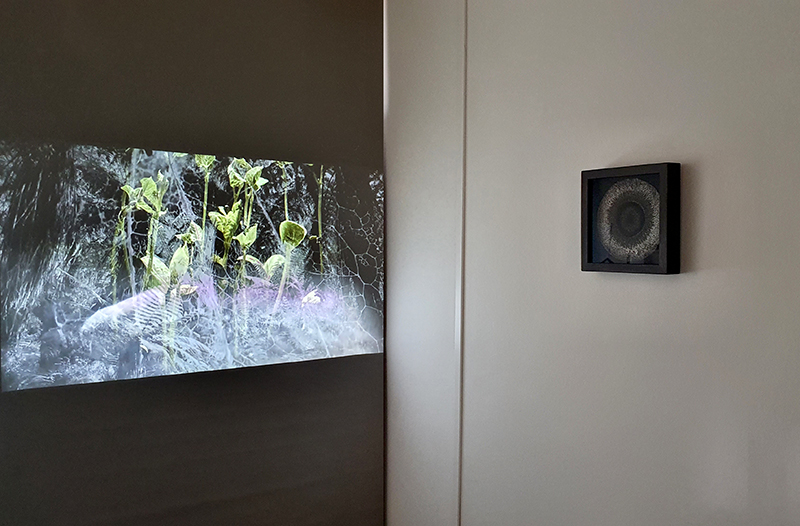
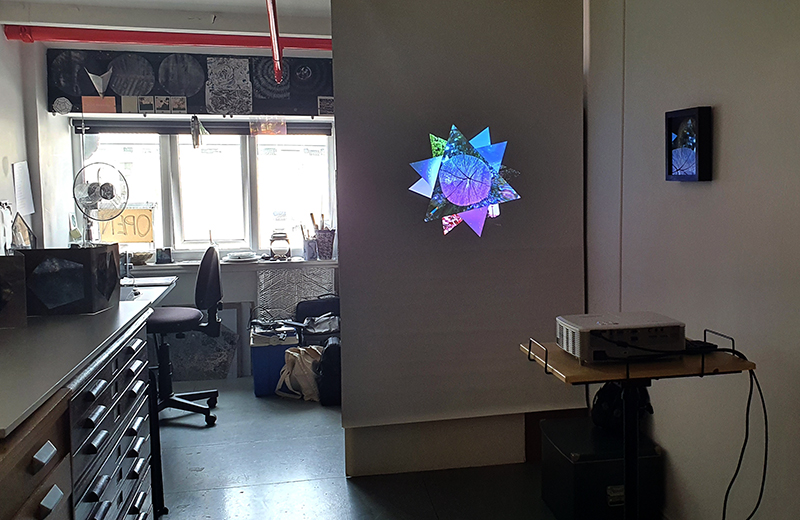
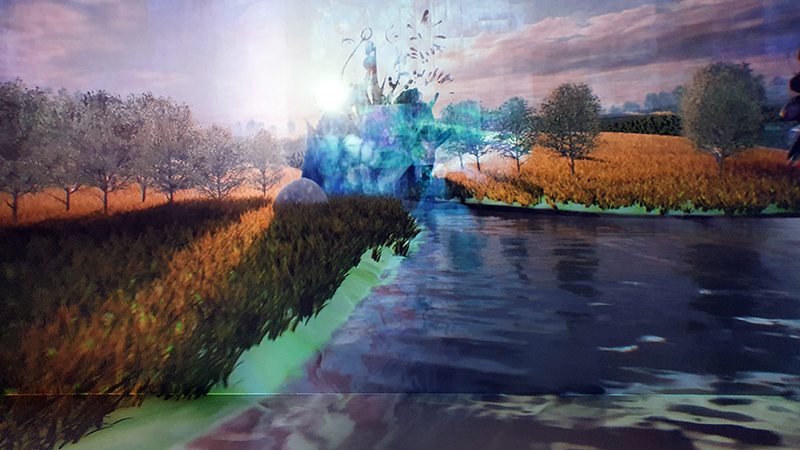
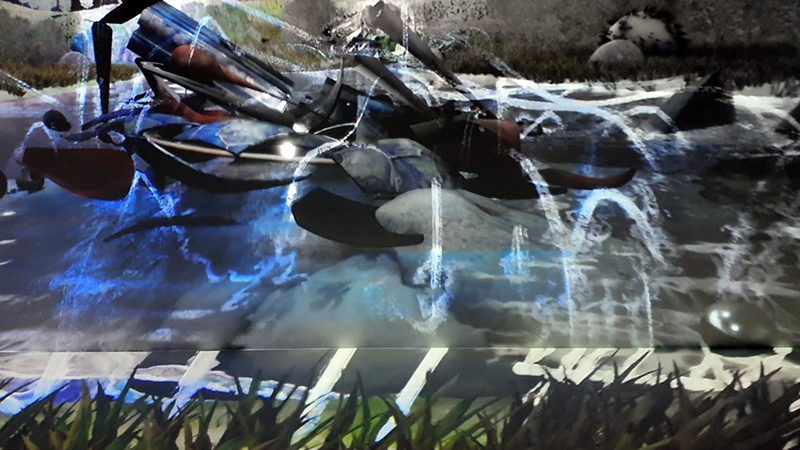
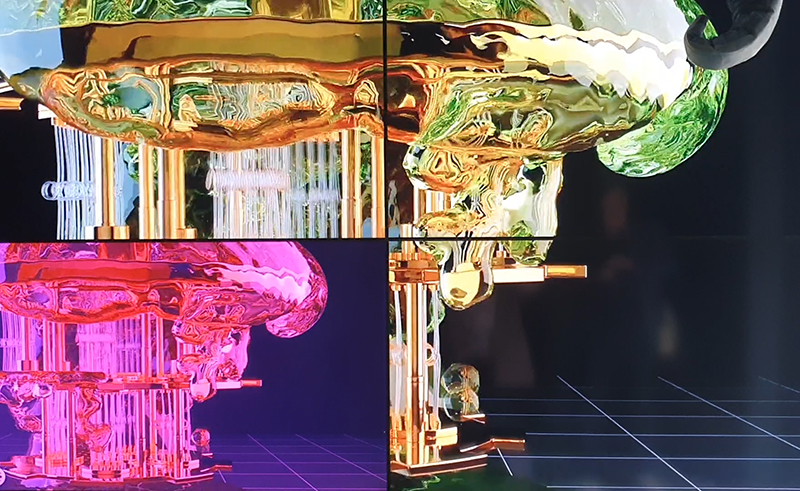
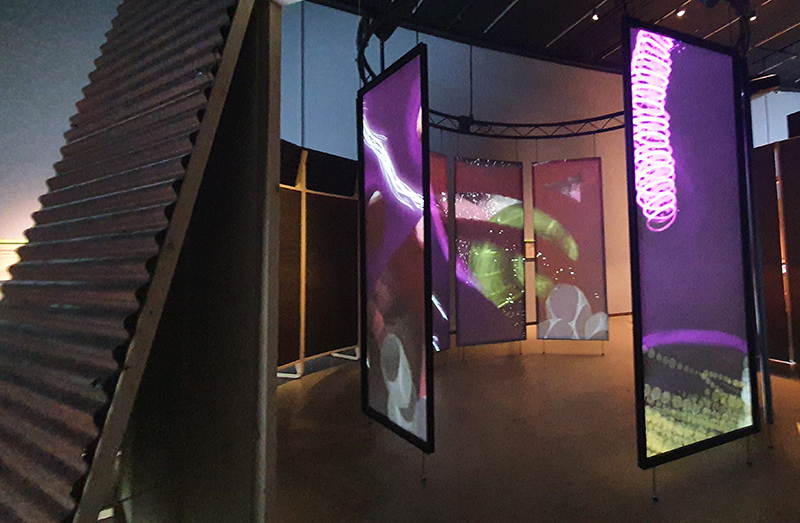
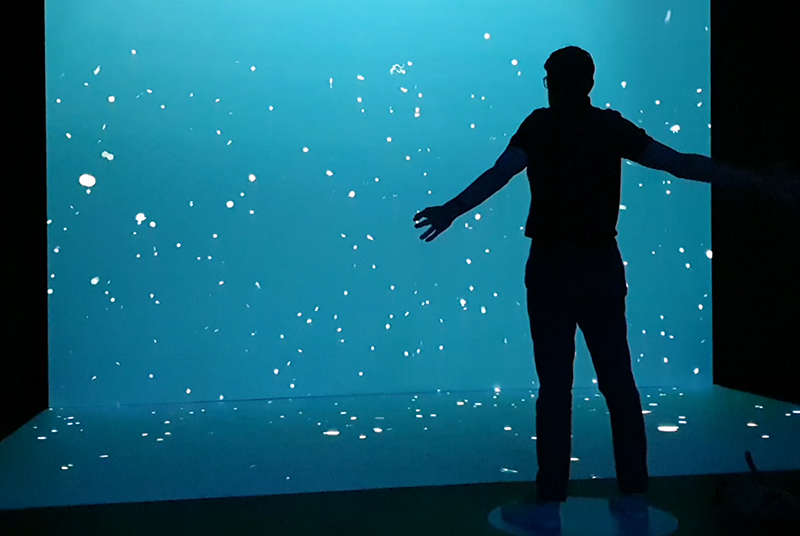
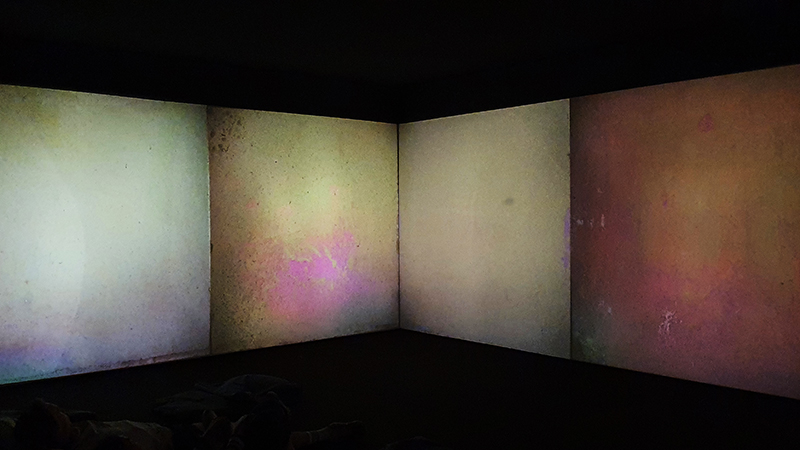
Open Studios 2024 – showing the two channel video installation Radical Pair in my studio.

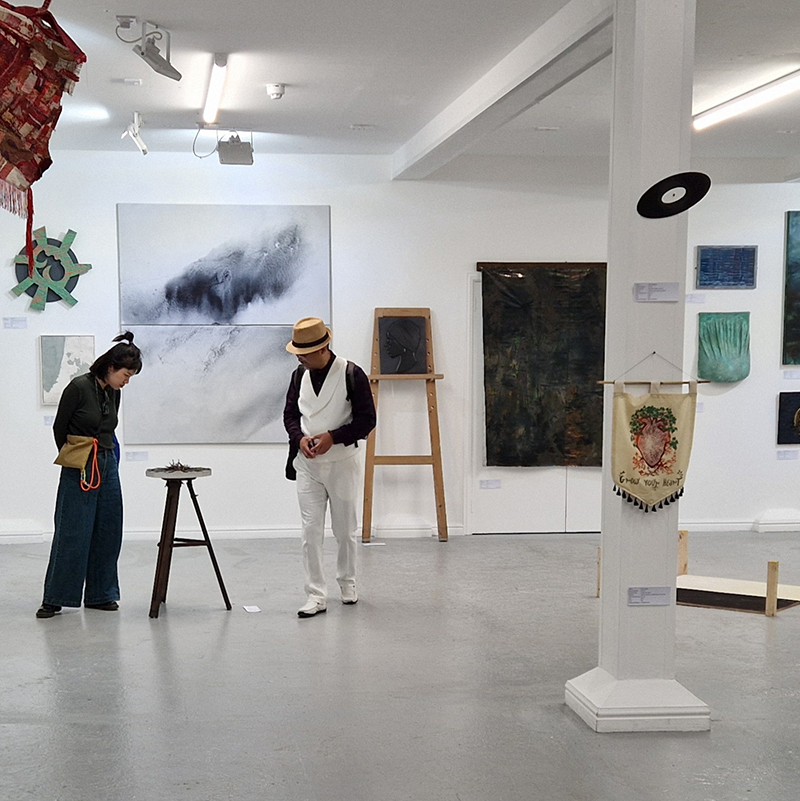
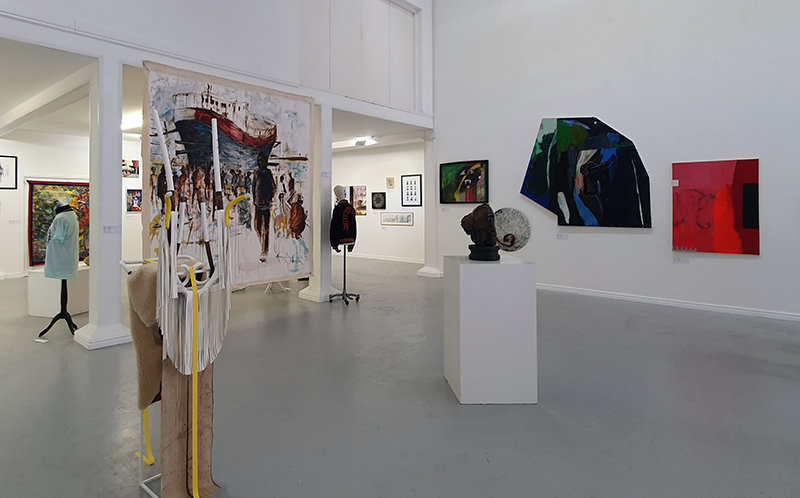
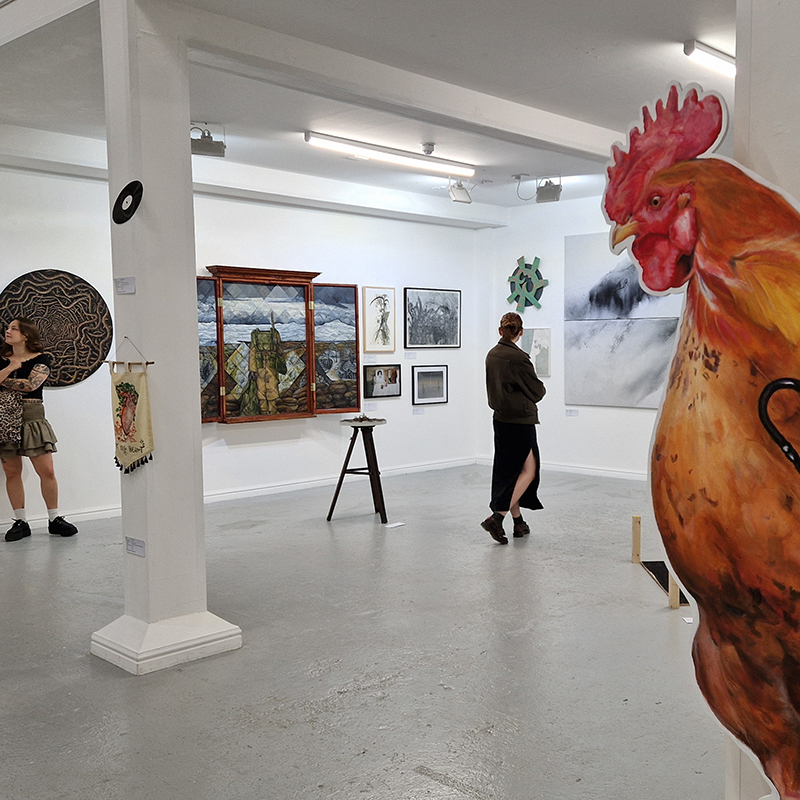
In Thames-side Studios Gallery showcase of studio holders works I presented one of the sculptures from the Instruments of the Anemoi series.
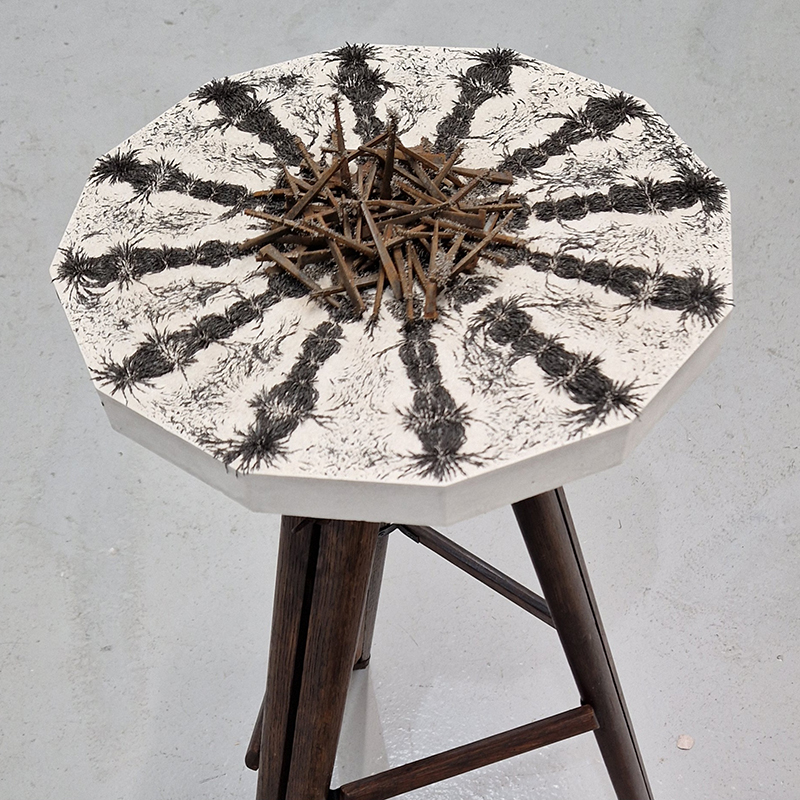
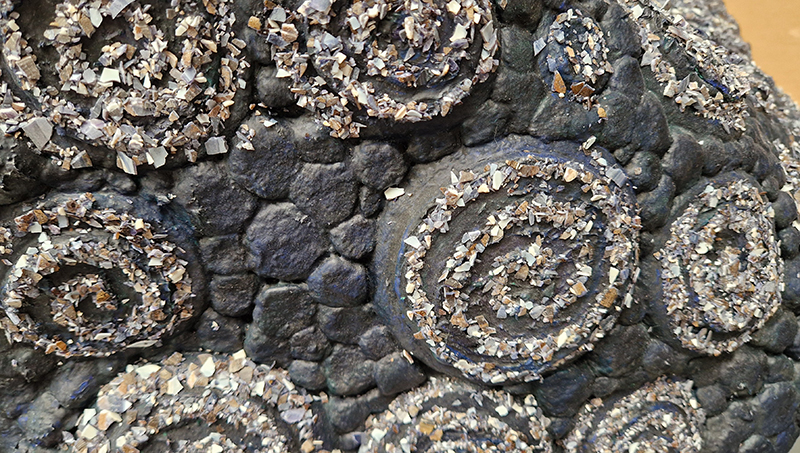
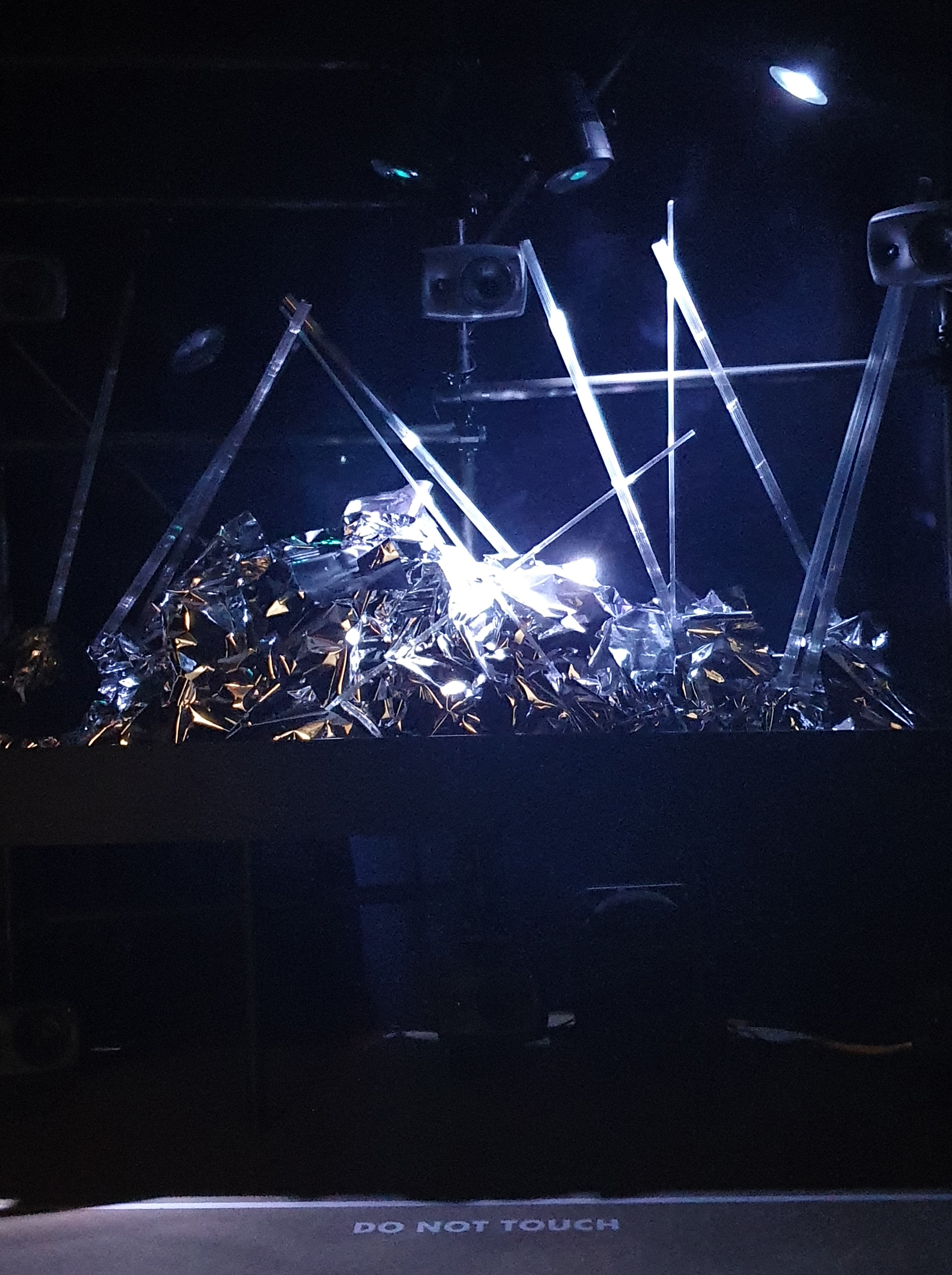
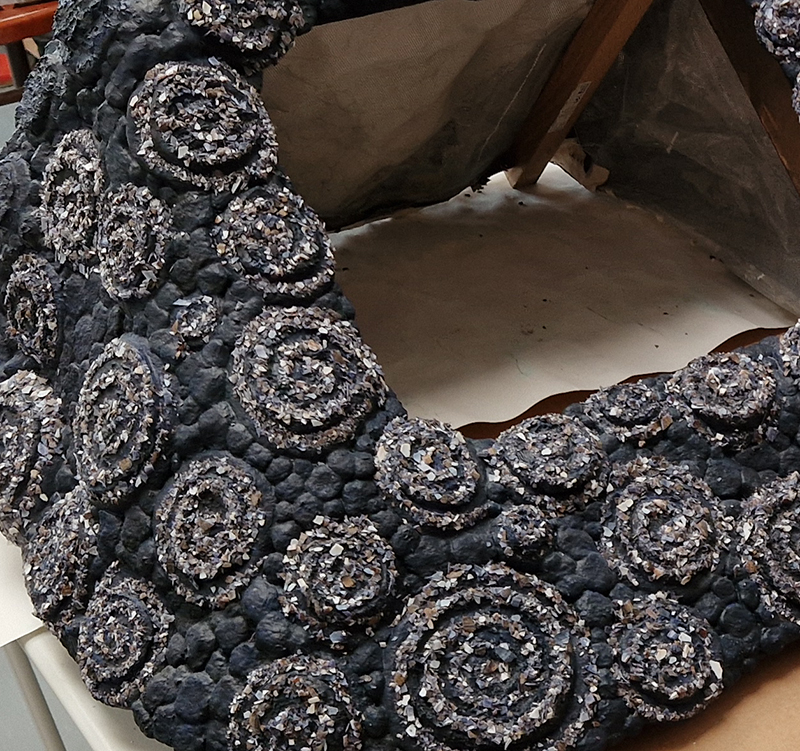
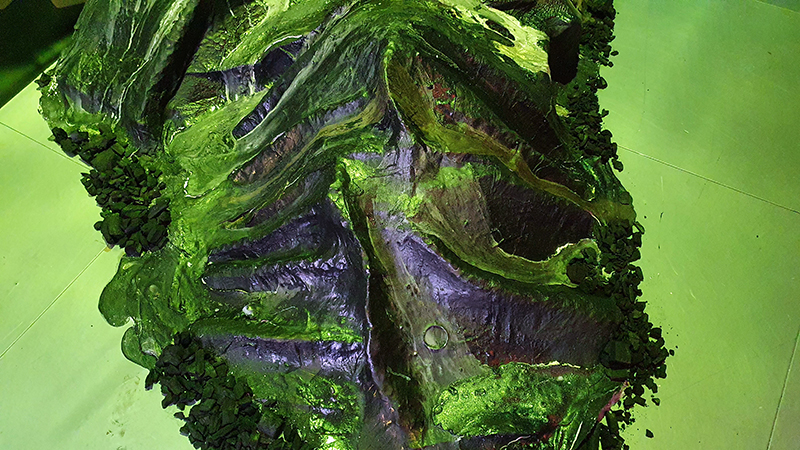
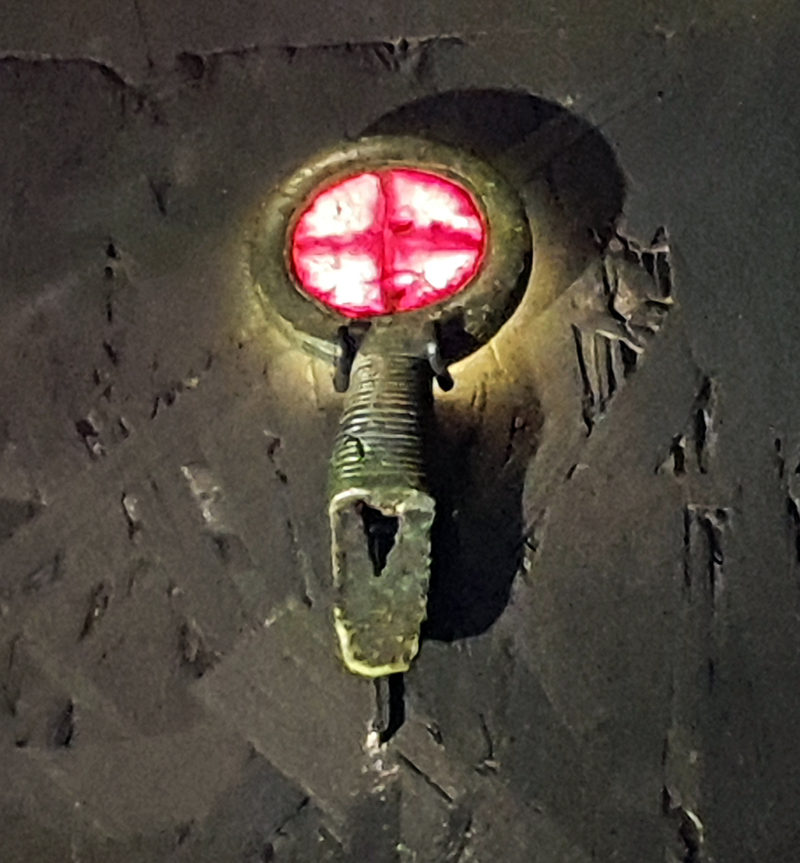
Work in progress on hybrid sculpture Belly of a Rock adding spirals of crushed mussel shells to the crusted casing that will house a monitor screen. Earth rotates faster at the Equator than it does at the poles causing spiral convection currents in the liquid iron outer core. Earth’s magnetic field is created in this swirling outer core where magnetism is about fifty times stronger than it is on the rocky surface of the Earth.
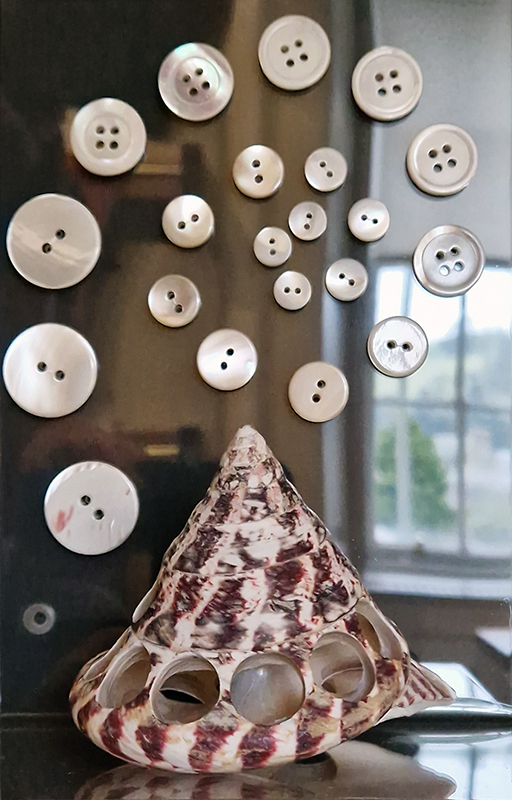
Trochus (sea snail) shell buttons seen at Borders Textile Towerhouse, Hawick. The buttons made from these molluscs found in warm waters are used for the Borders quality knitwear industry. Genuine shell can apparently be identified from imitation by touch, it always feels cool even in hot temperatures.
We do not yet know another form of life other than carbonaceous life. All life on Earth uses the same biochemistry of carbon.

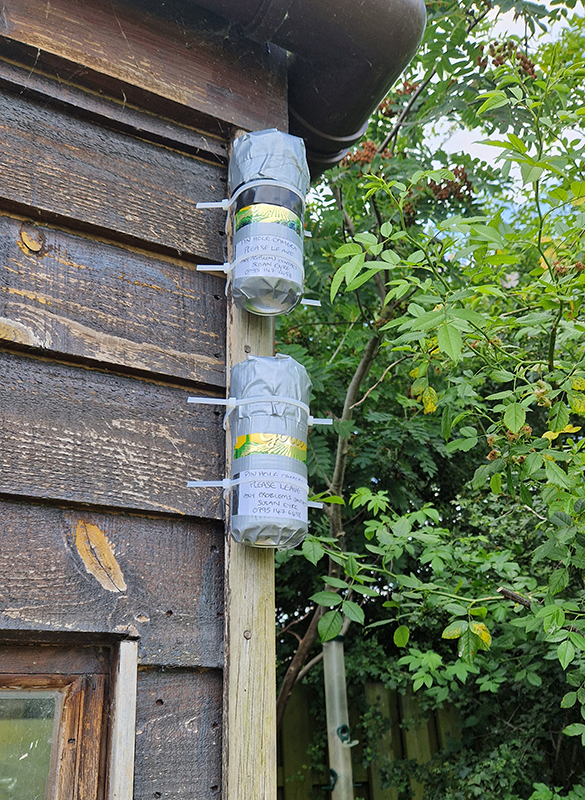
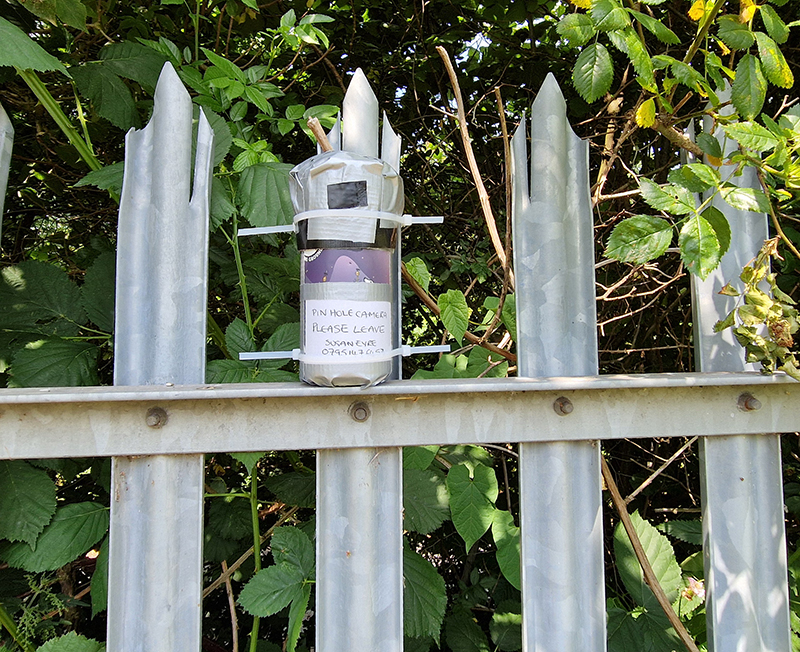
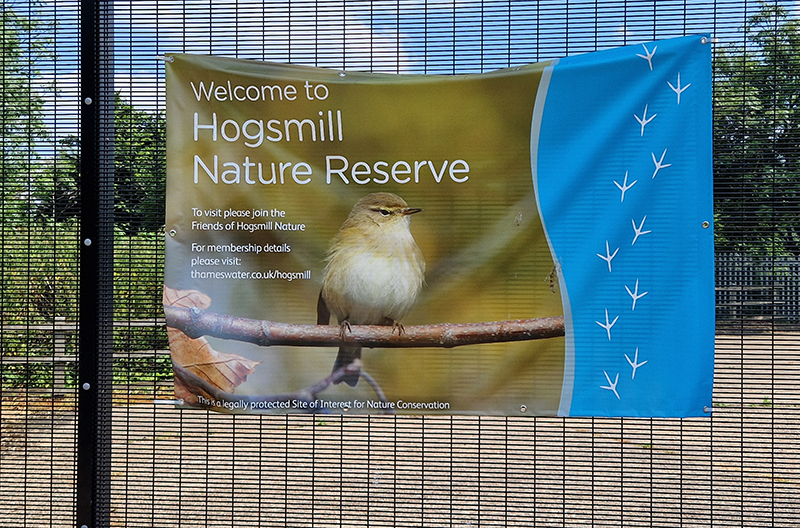
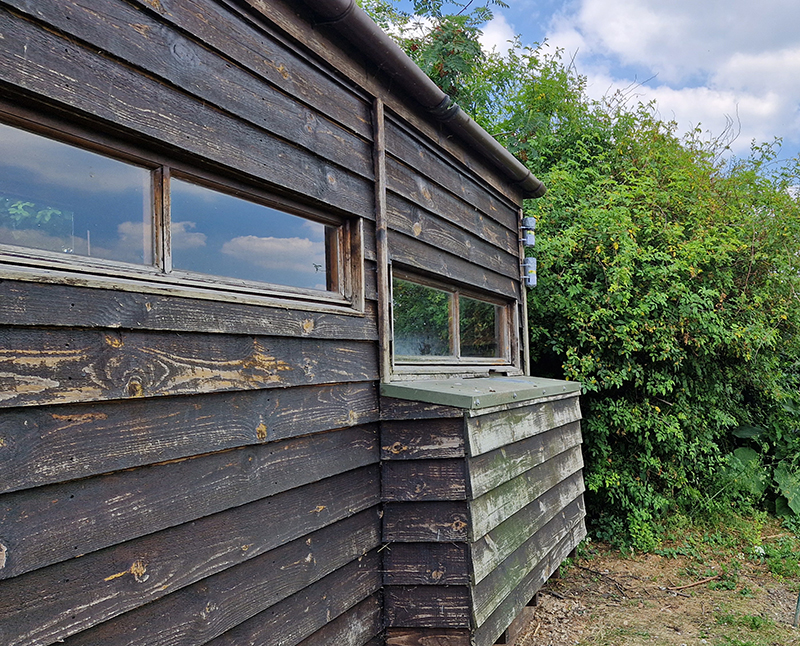
Reminded by the solstice, I finally installed some solargraph pin hole cameras at Hogsmill Nature Reserve. I have had the tins prepared for a long while so not sure if they will work. The lagoon was worryingly green.

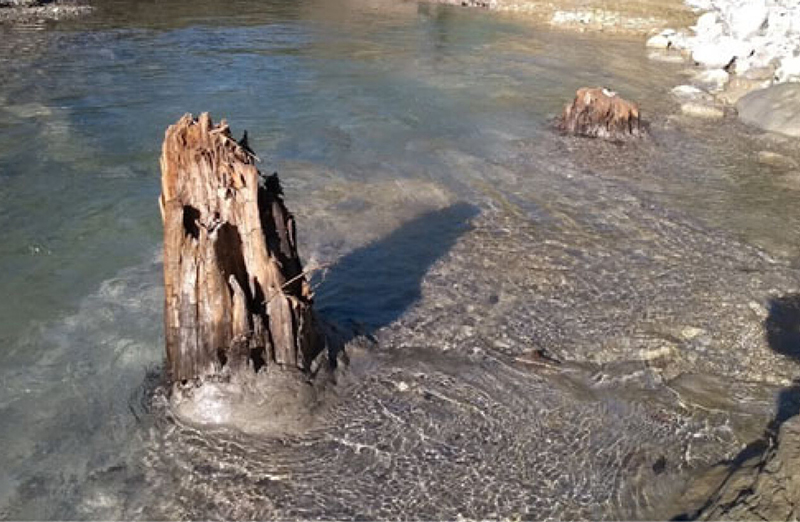
A recent Royal Society research article reveals that extreme solar events such as solar flares and coronal mass ejections can release bursts of energetic particles towards Earth which are found preserved in the rings of partially fossilized trees as huge spikes in carbon-14. Through the individual analysis of ancient tree rings from subfossils found in the Drouzet River in the Southern French Alps, scientists discovered evidence of a giant solar storm dated to around 14,300 years ago. This event appears to have been enormously more powerful than the Carrington Event of 1859 when fires broke out in telegraph offices.
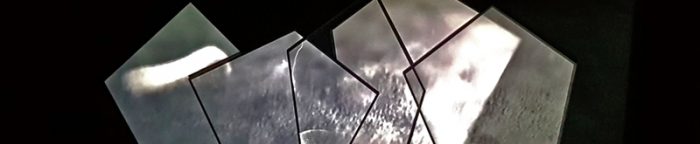
Radiocarbon is produced in the upper atmosphere as cosmic rays collide with particles in the atmosphere. It is absorbed by plants during photosynthesis and enters the food chain of organisms and because it decays at a known rate, scientists can use it to determine when the organism died using carbon dating processes. Solar storms tend to deflect the number of energetic particles coming from outer space but a violent storm will create much more radioactive carbon-14 which will subsequently be absorbed by life on Earth. Radiocarbon dating is not exact because the atmospheric 14C/12C ratio varies due to cosmic ray activity, nuclear explosions and solar activity. Still from Cosmic Chiasmus: crossing the universe.
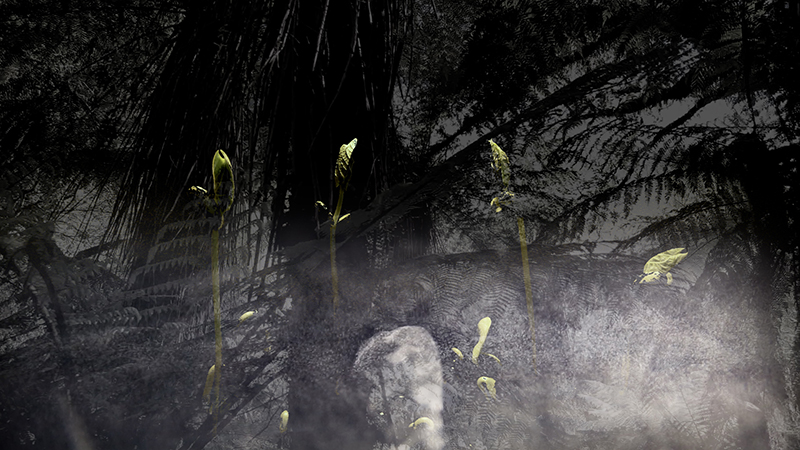
For scientists using the radiocarbon dating technique it is important to know the carbon-12 content of the contemporary atmosphere. A calibration curve of carbon-12 in the atmosphere is provided by an international body using many archive records but the most precise and accurate are based on dendrochronologically dated tree-ring series. Stills from Time Crystals.
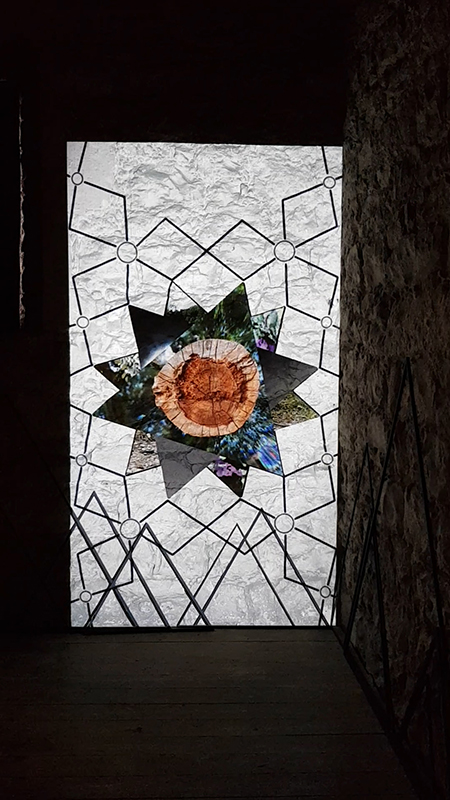
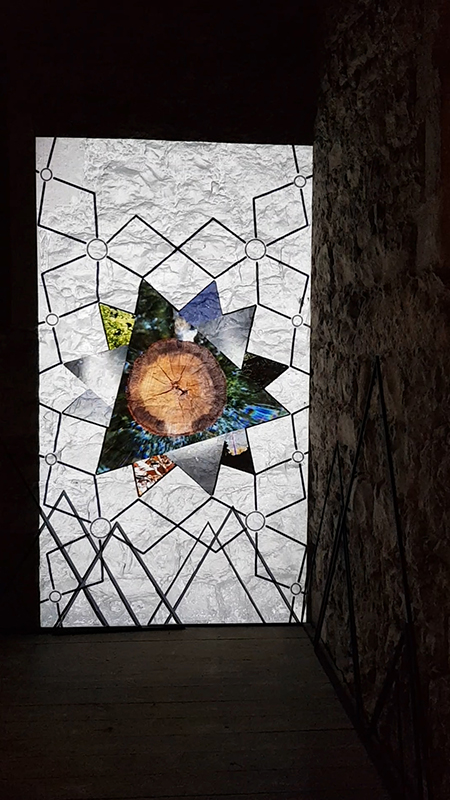
Other evidence of this major radiation storm 14,300 years ago is also seen in ice cores having a higher concentration of an isotope of beryllium extracted from Greenland. These incredibly powerful geomagnetic storms are known as Miyake events. Nine Miyake events have been identified in the last 15,000 years, the most recent being around 774 CE.

Radioactivity was discovered by Henri Becquerel while working on a series of experiments on phosphorescent materials in 1896. Cosmic Rays were discovered by balloon enthusiast Victor Hess in August 1912. He went almost 5.5km up in a hydrogen filled balloon with a balloonist and a meteorologist equipped with an electrometer which could read the level of radiation. This expedition was to determine the source of radiation which was bewildering scientists working on radiation such as Marie Curie who found some radiation registered on their equipment when they removed the source of radiation and even when instruments were shielded by a lead casing. C.T.R. Wilson was also baffled by apparent radiation seen in his cloud chamber, which he had developed to study atmospheric phenomena. One of the first images from Wilson’s cloud chamber –
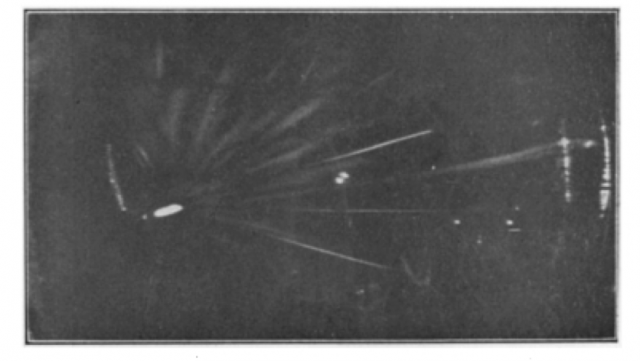
A cloud chamber is a box containing a supersaturated vapor. As charged particles pass through, they ionize the vapor, which condenses to form droplets on the ions. The tracks of the particles become visible as trails of droplets, which can be photographed. In 1911 Wilson presented his first rough photographs of particle tracks at the Royal Society in London. In 1929 Hans Geiger and Walter Müller developed a gas filled ionization detector that registers individual charged particles and was ideal for studying high-energy cosmic rays. Bruno Rossi further developed the Geiger counter and demonstrated that the Earth’s magnetic field bends incoming charged particle showers. In 1936 Seth H. Neddermeyer and Carl D. Anderson discovered the Muon as most common cosmic particle in cosmic ray showers. In 1938 Pierre Auger observed showers with energies of 1015 eV – 10 million times higher than any known before.

In 1947 Patrick Blackett presented a paper in which he suggested that Pierre Auger emitted by high-energy cosmic rays contributed to the light in the night sky. In September 1952 a simple experiment by Bill Galbraith and John Jelley allowed the first observation of Cherenkov light produced by cosmic rays passing through the atmosphere. By the end of the decade, observation of Cherenkov radiation in the atmosphere had been developed further as a means for studying cosmic rays. I will be looking further at Cherenkov radiation in the coming weeks as I begin research on the historical site of Haverah Park in North Yorkshire, the site of an extensive cosmic ray air shower detection array which led the world for two decades in studies of cosmic rays of the highest energies. Haverah Park array used water Cherenkov detectors. I will also be looking at the cosmic ray detection innovations of Astronomer Royal Sir Arnold Wolfendale

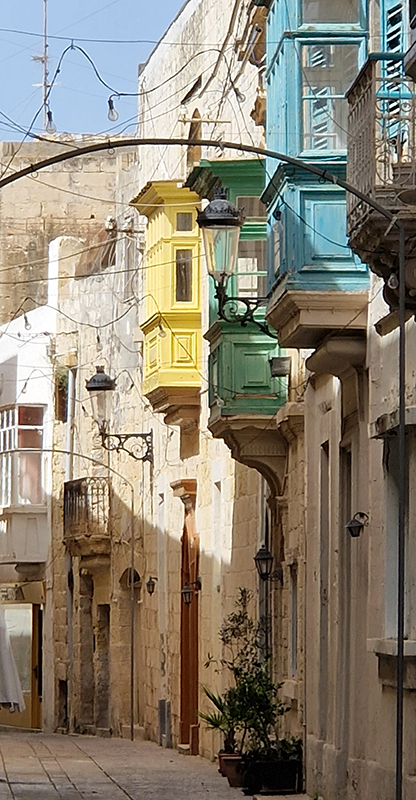
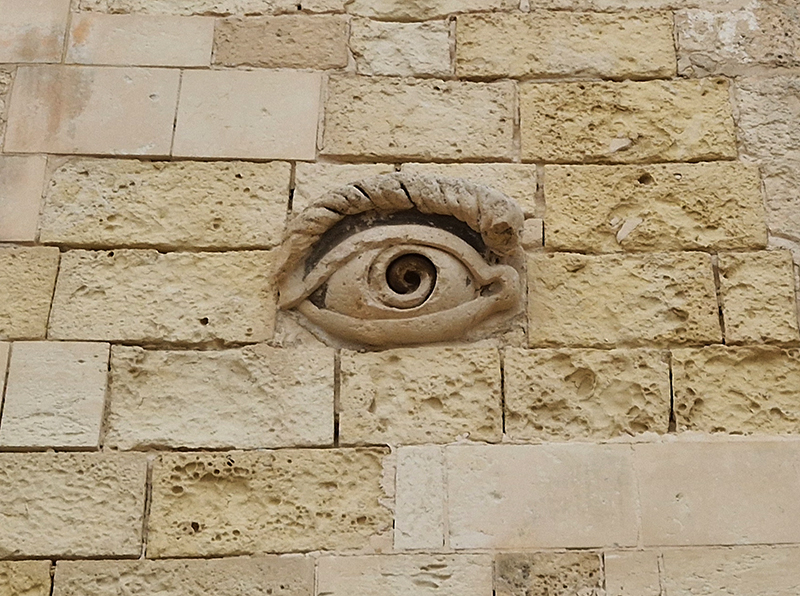
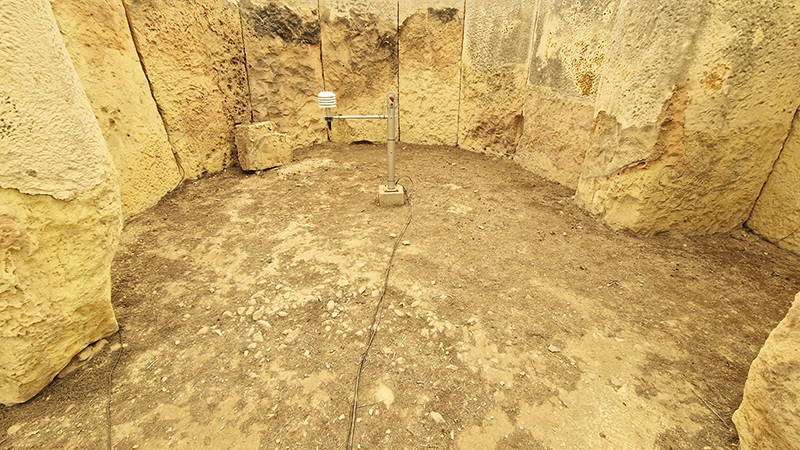
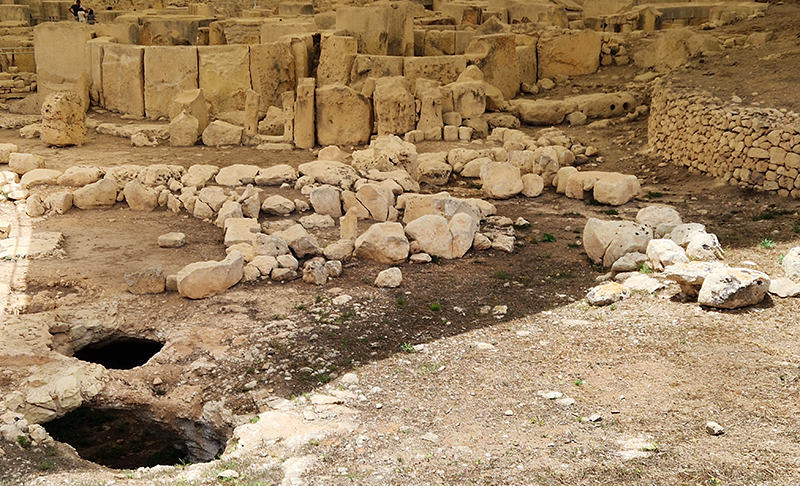
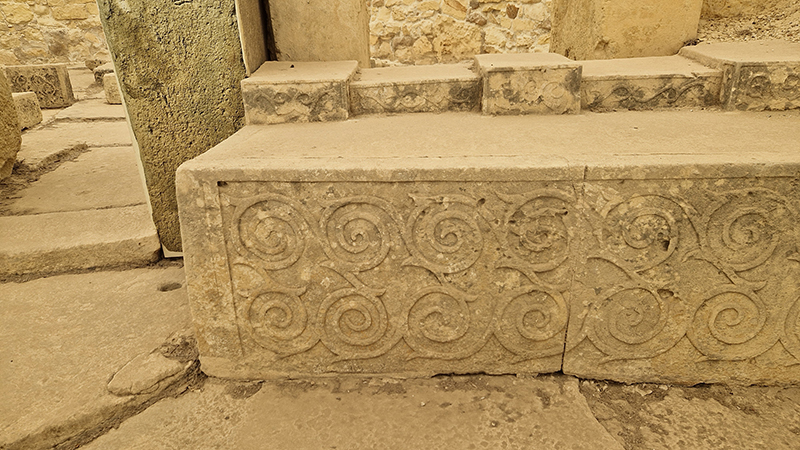
A visit to Malta. Architecturally beautiful, bathed in golden light, the palimpsest of Malta’s history is fascinating to uncover. 20,000 years ago after the last Ice Age, the sea level in the Mediterranean was 130 metres lower than today and Malta was one land mass connected to Sicily.
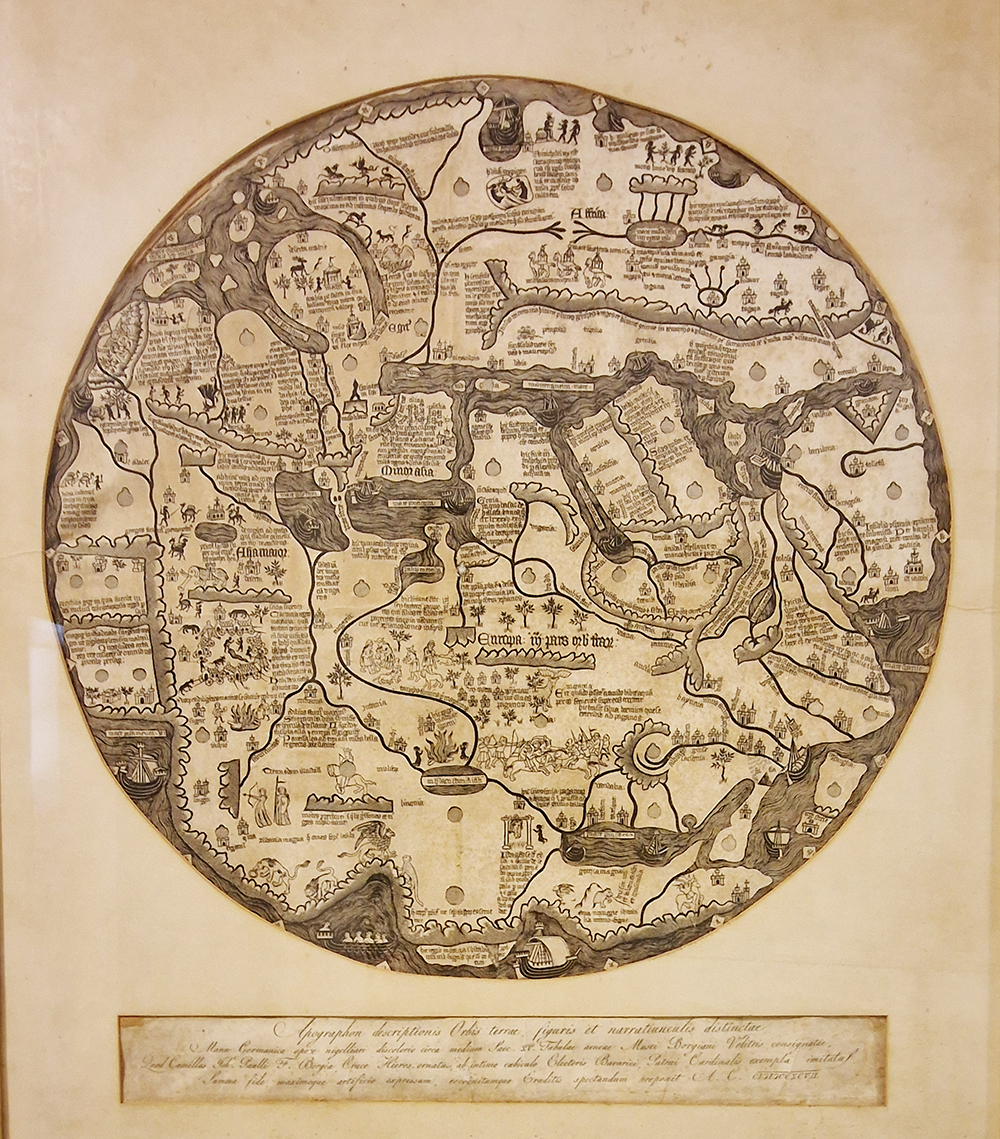
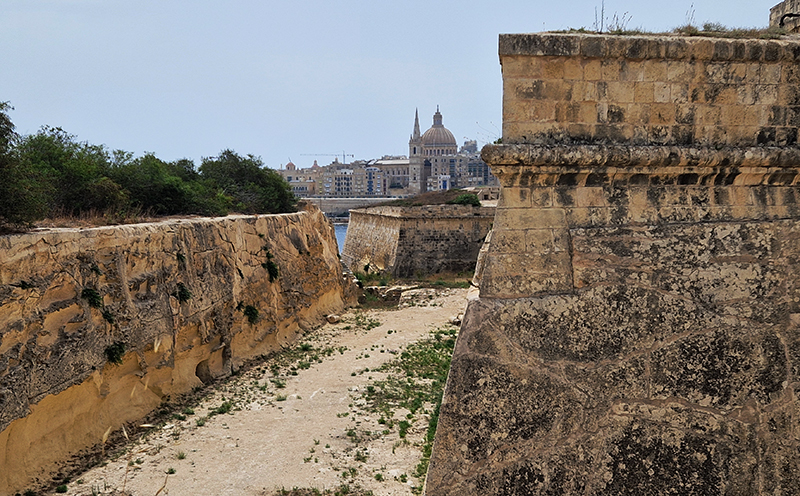
Due to its geographic location Malta was a contested site for naval and trade powers for hundreds of years, yet before the first empire builders arrived there is no evidence of conflict between communities found at the archaeological sites for the first 5000 years of settlement.

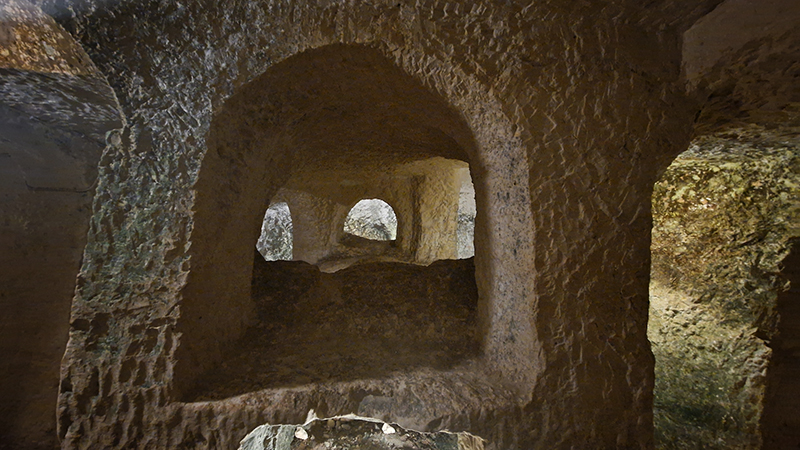
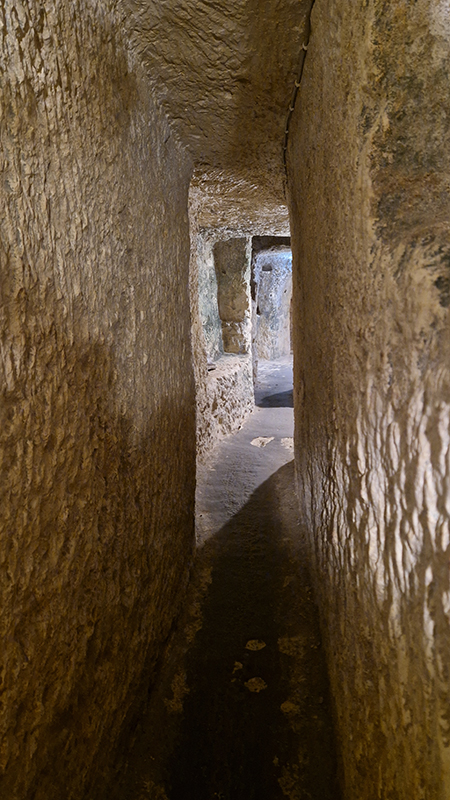
Evidence of first settlers dates to about 5900 BC. These people were hunters and farmers who kept domestic cattle and built temples. The earliest remains found at the Neolithic subterranean temple and burial site of about 7,000 individuals – The Ħal Saflieni Hypogeum – the only known European example of a subterranean ‘labyrinth’ date from about 4000 BC.
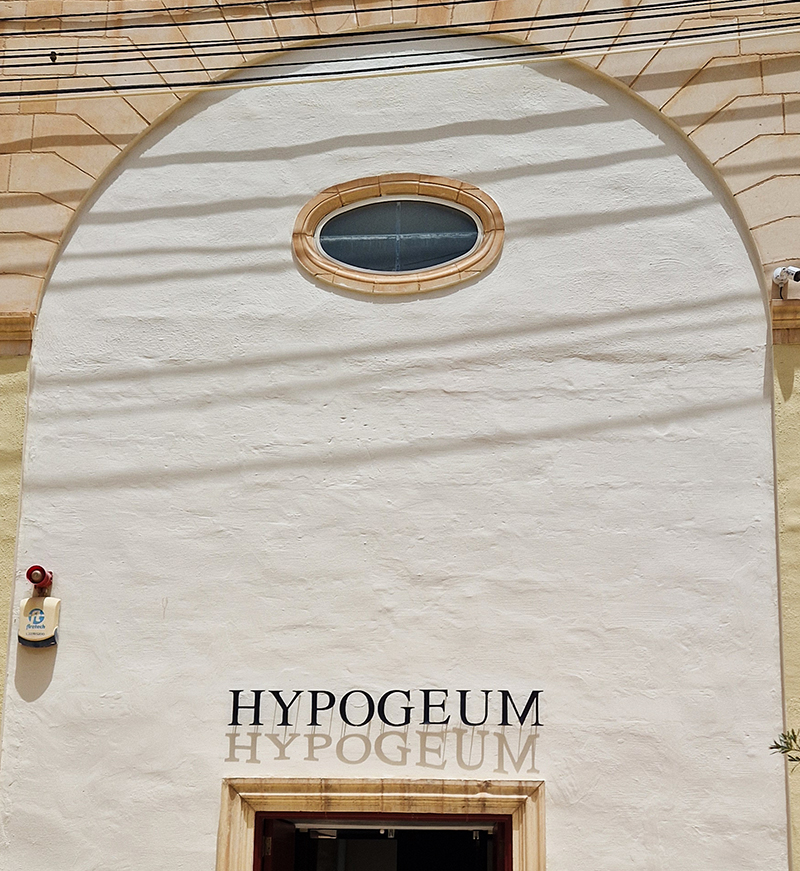
The whole system, which in places replicates the architecture of temples above ground, was cut into the limestone using just stone or antler tools. Some of these deep underground chambers are decorated with spiral and chequerboard patterns in red ochre. A highlight of the visit is the acoustic demonstration of a deep resounding echo filling the chamber when someone with a low voice speaks softly into a small, excavated niche. The particular acoustic frequencies measured throughout the chambers suggests a deliberate design and a potentially important cultural role for making music. Archaeologists believe the dead were probably left exposed until the flesh had decomposed and fallen off before the bones were buried in mass graves along with copious amounts of red ochre but so much is unknown.

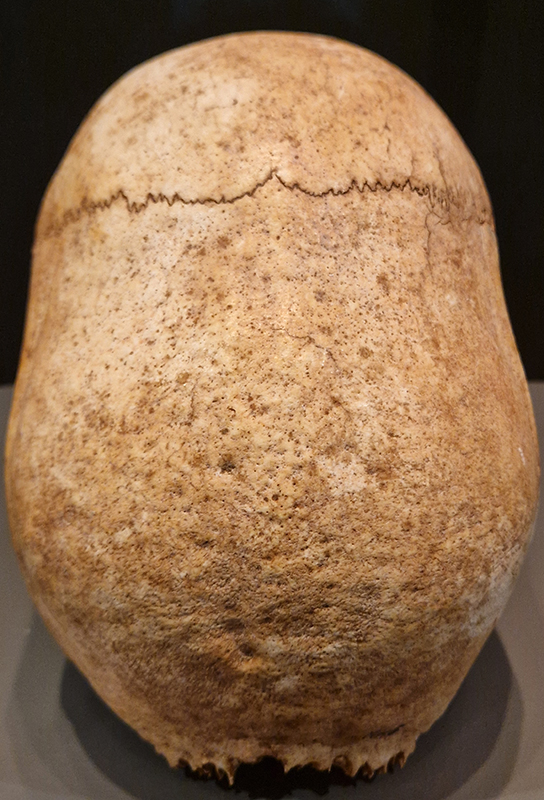
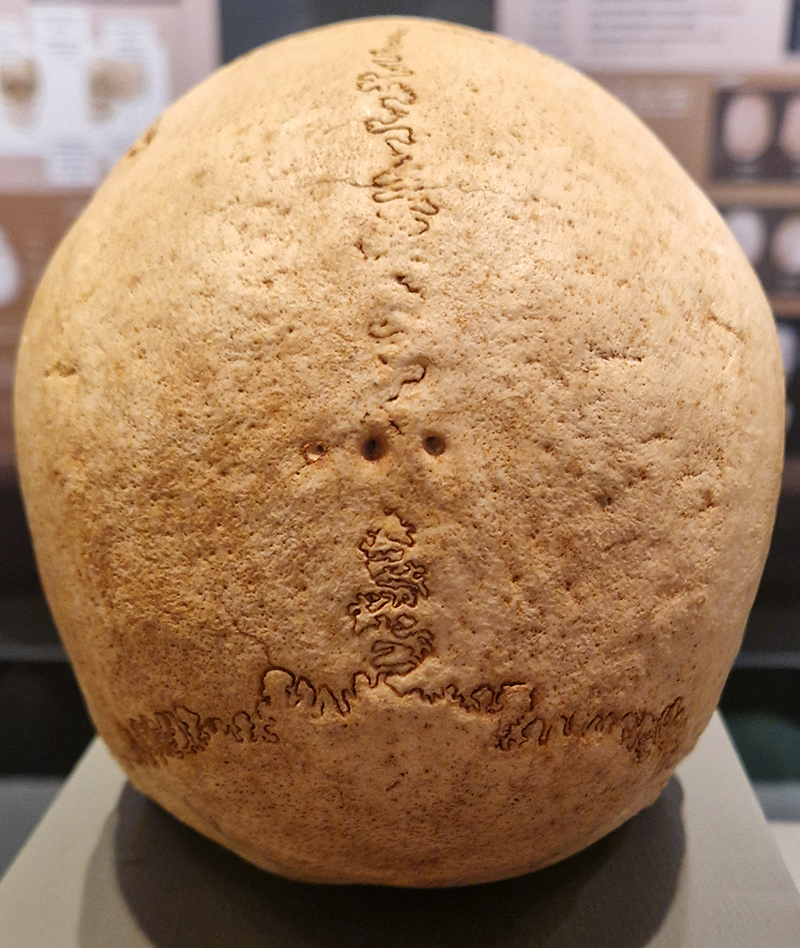
Photography is not allowed in the labyrinth of tunnels, so I have no images inside the ancient site where so many people were buried, but saw skulls found here, known as the long skulls, at the Museum of Archaeology.
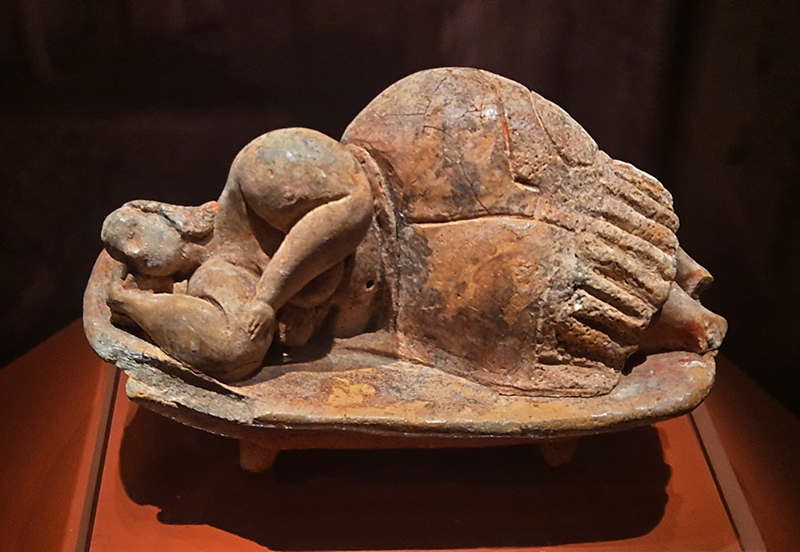
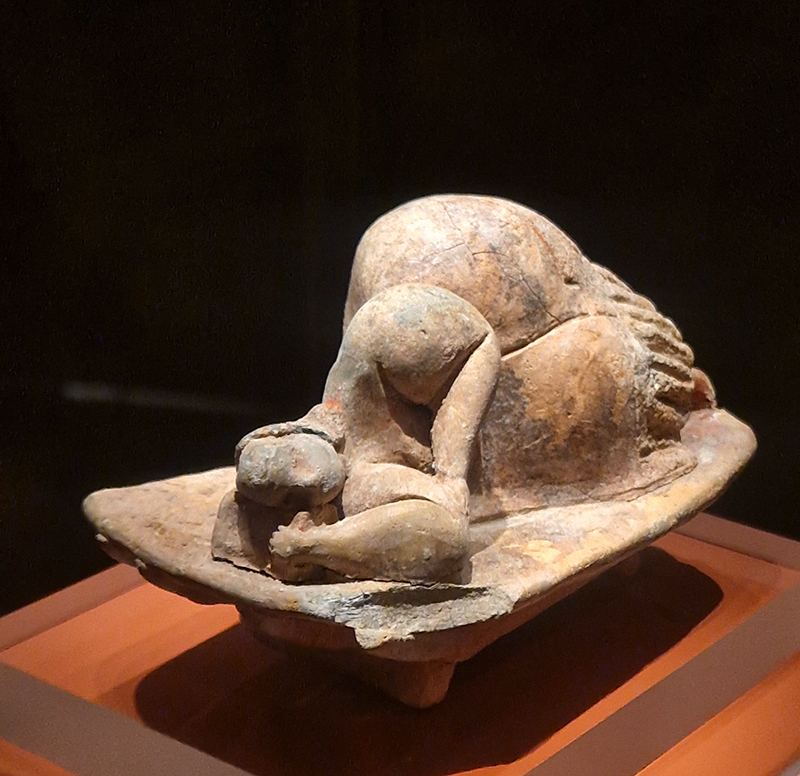
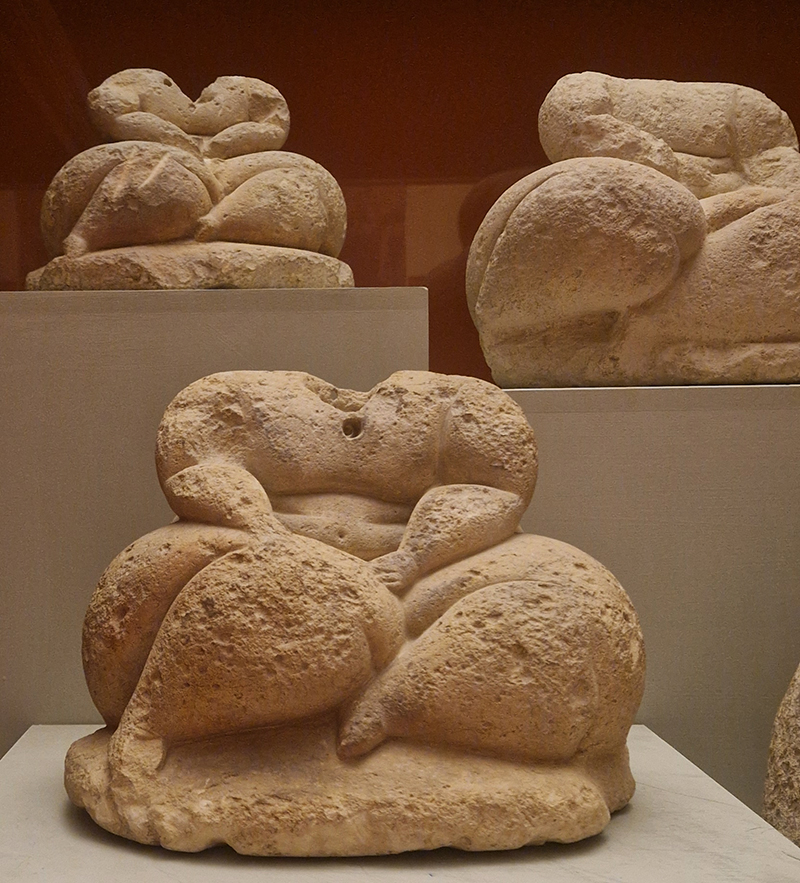
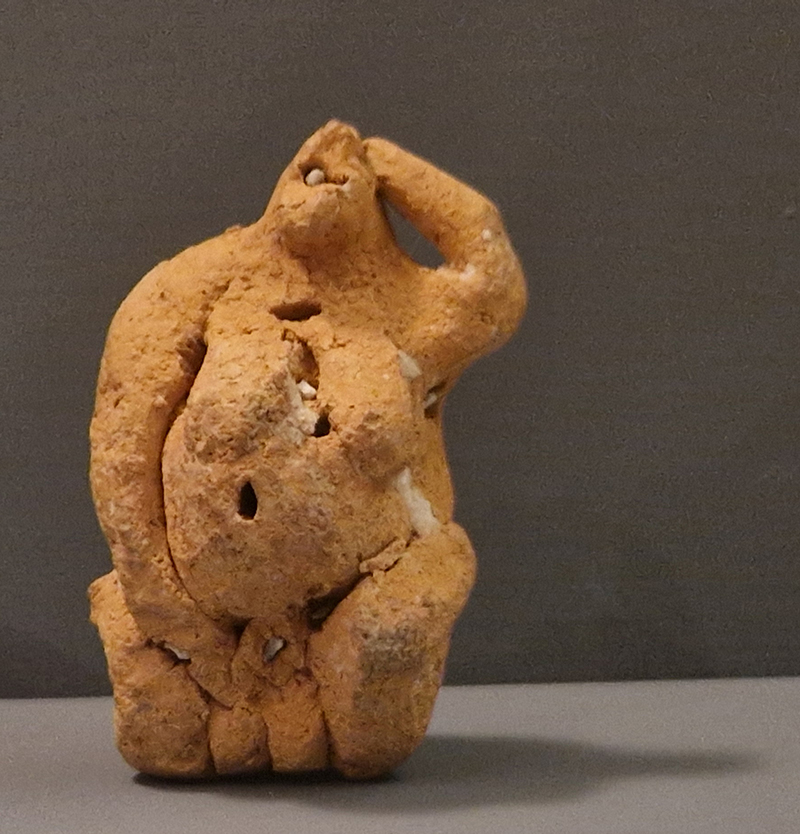
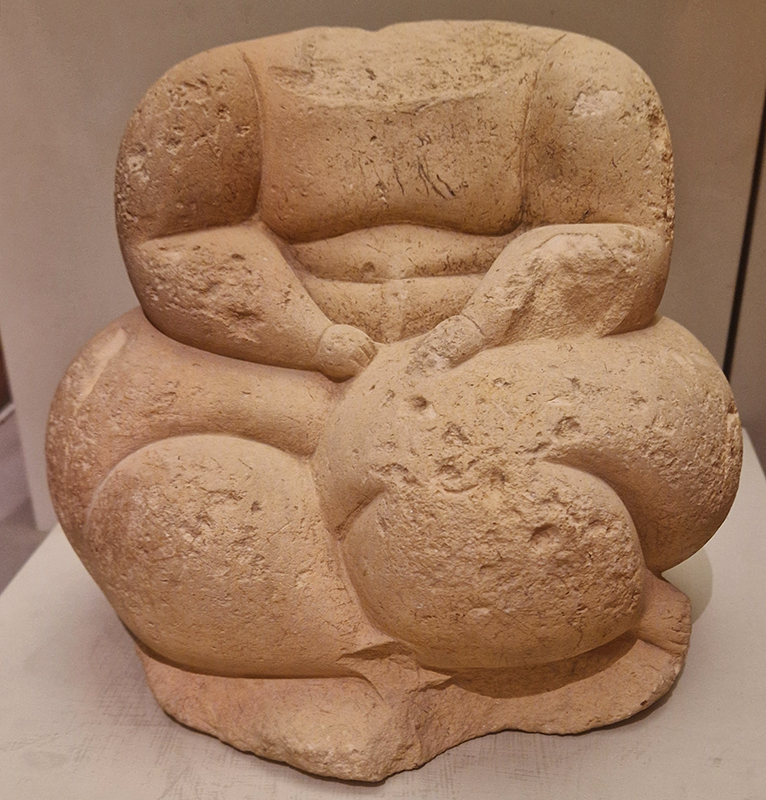
Also at the museum is the famed clay figurine of a ‘sleeping woman’ discovered in the Hypogeum.

The ancient temples and early artworks hint at past cultures we have no way of understanding.

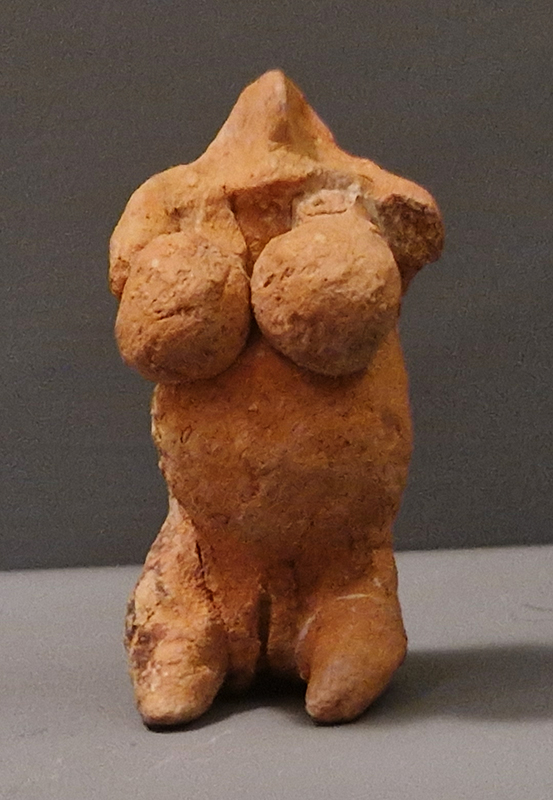
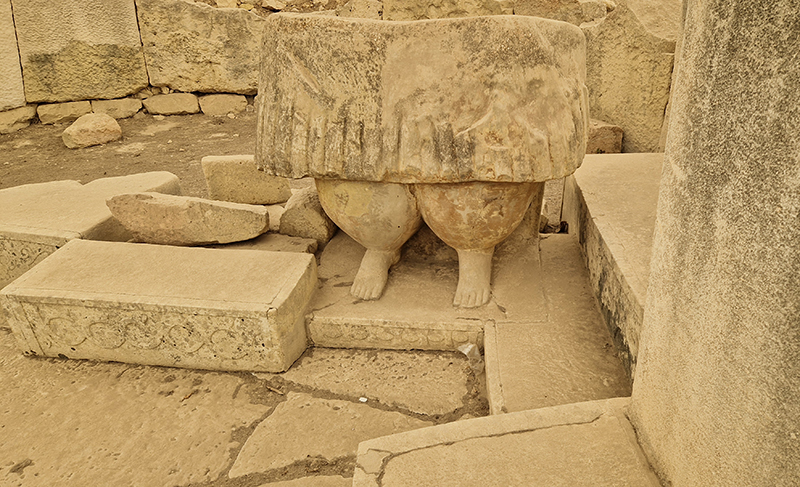
Many figures were found at other temple sites. Although some figures are female and there are many phallic figures, it is not clear of the gender of the ‘fat’ figures some of which appear to allow for interchangeable heads.
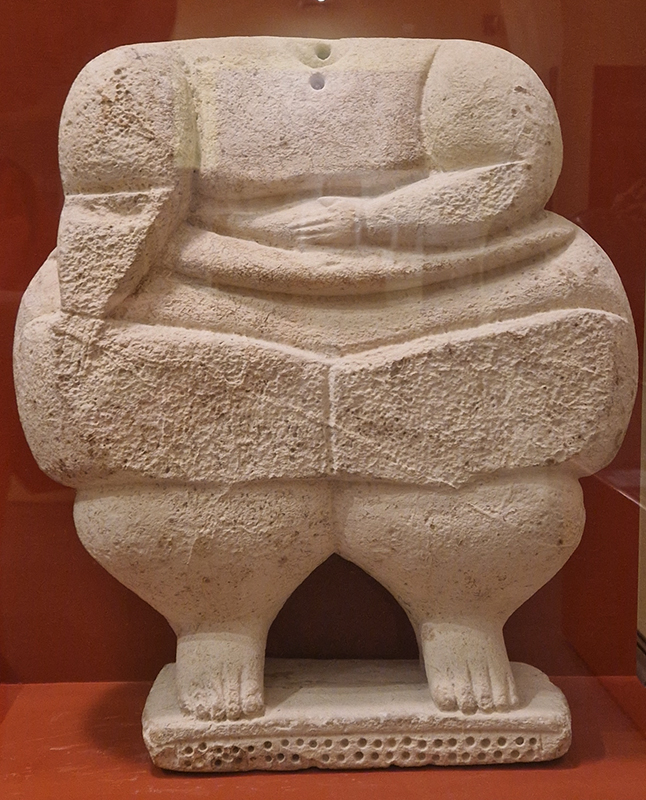
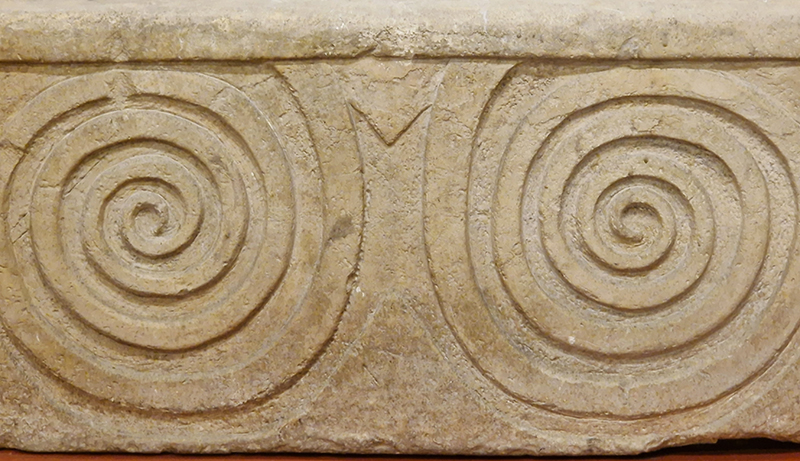
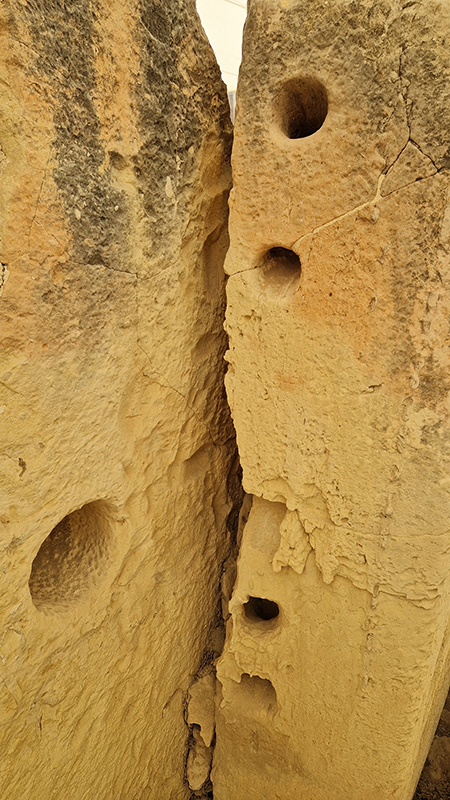
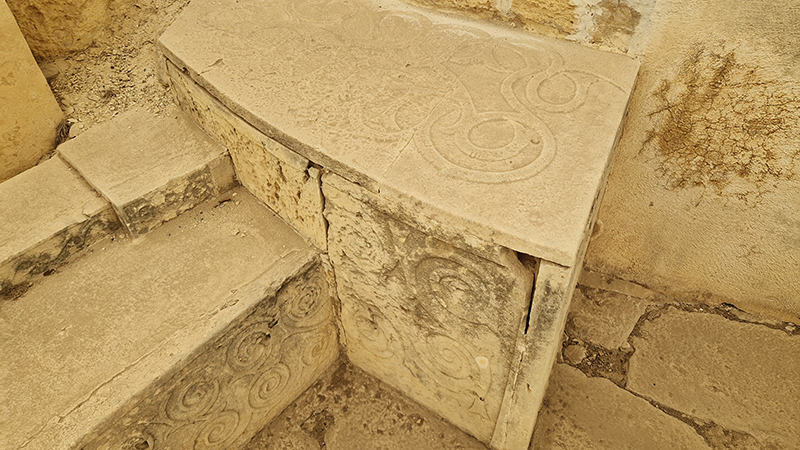
The Tarxien Temples complex of megalithic monuments with intricate stonework date to approximately 3150 BC.
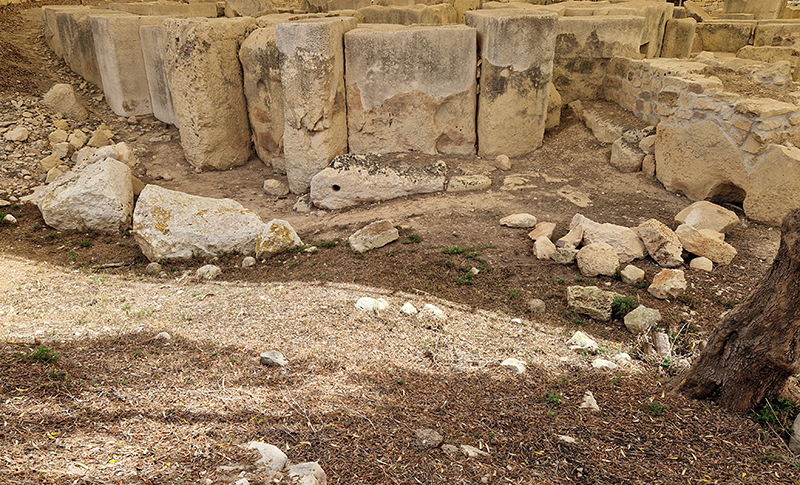
In about 3850 BC new settlers arrived, also farming and building temples but after 1,500 years suddenly disappeared from the landscape. New research using carbon dating, pollen from earth cores, tree ring and human bone analysis, and the location of sediment embedded molluscs, suggests a society battling with soil erosion from felling all the trees, subsequent dietary deficiencies, and a major climate catastrophe around 2350 BC, possibly a dust cloud from volcanic eruptions, which may have led to their ultimate demise.

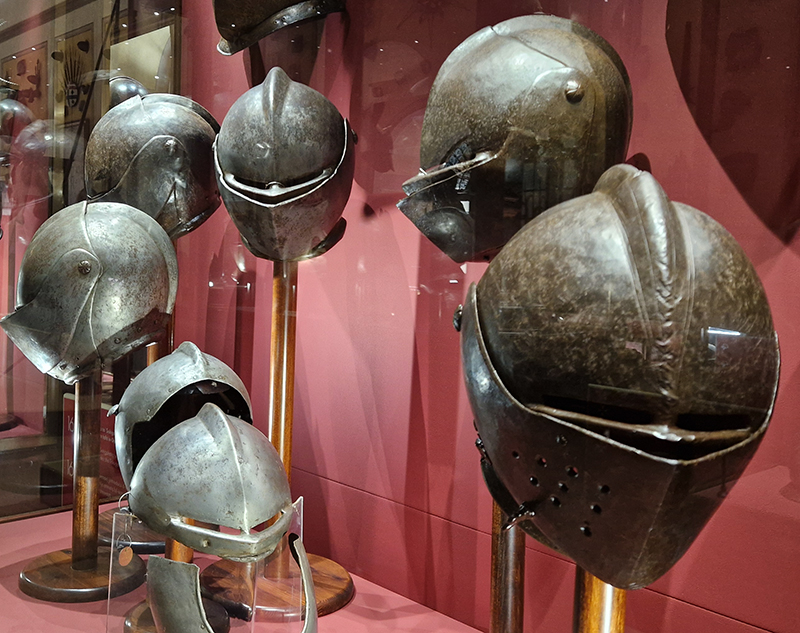
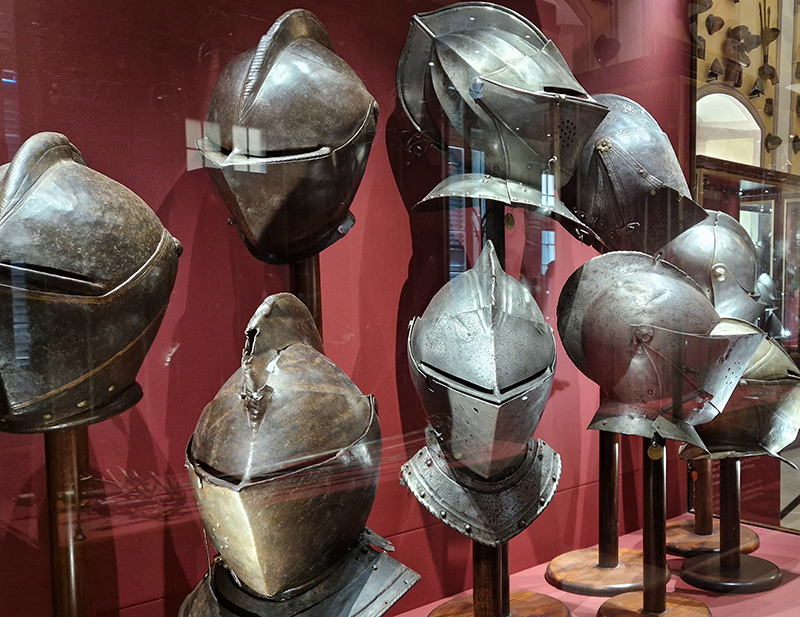
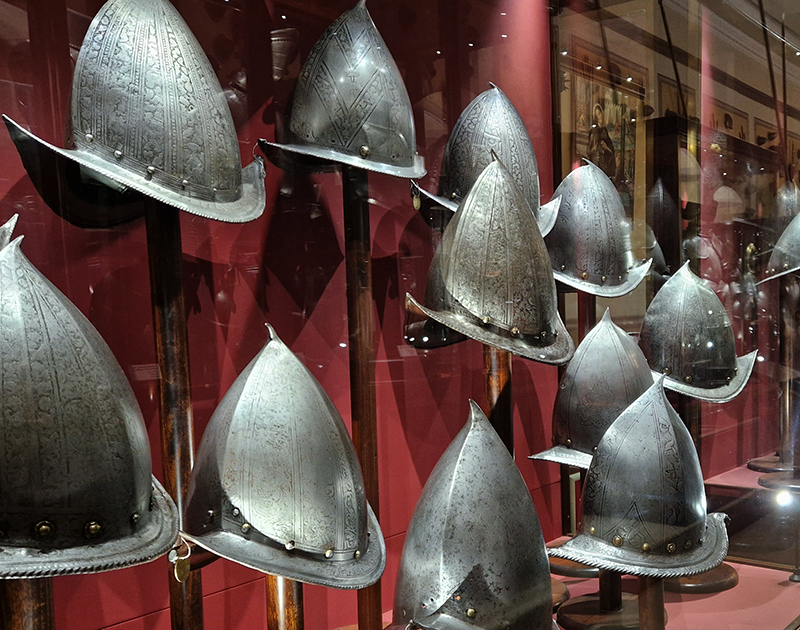
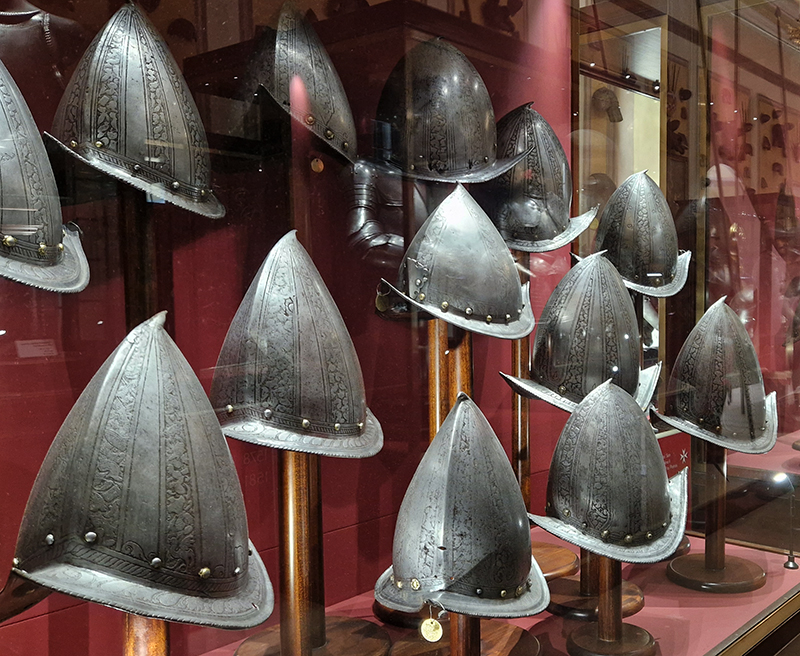
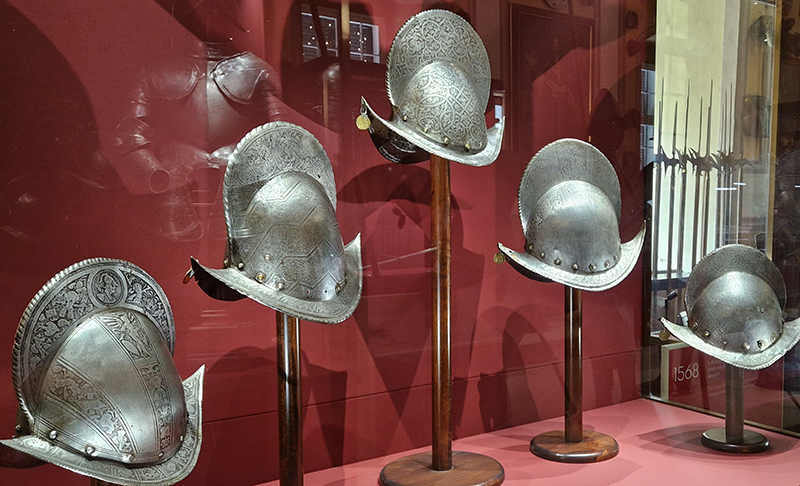
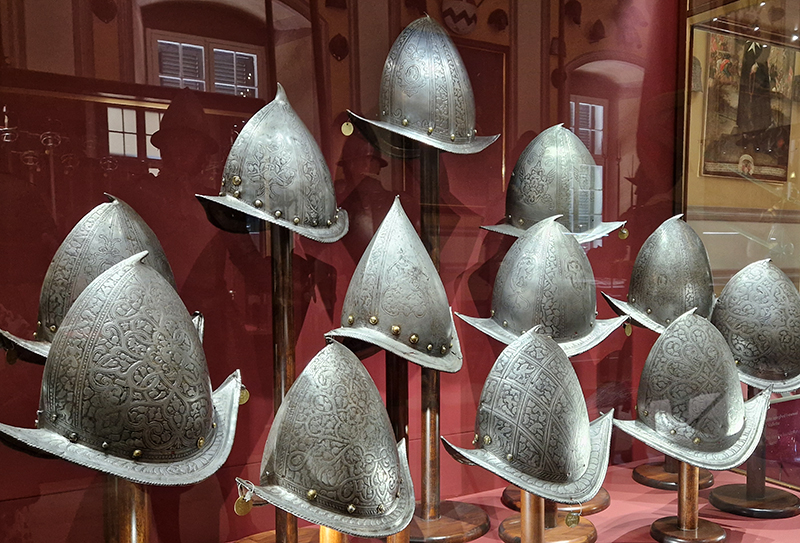
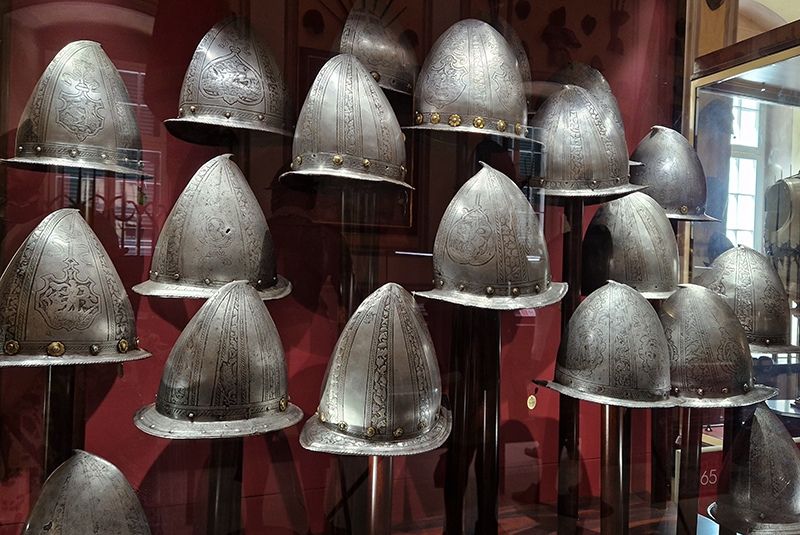
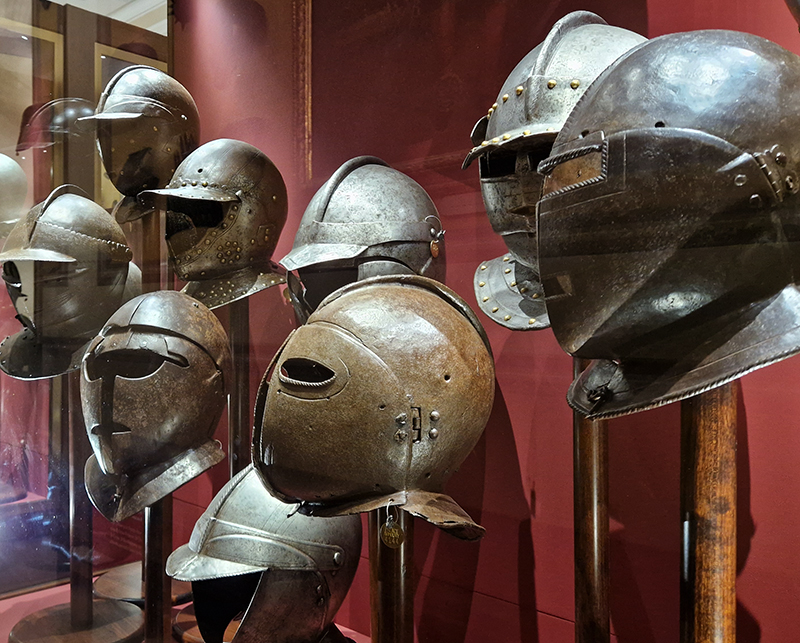
Malta suffered so much war, stretching back hundreds of years, war after war, so many wars, so depressing. A colossal amount of armour, some so intricately detailed, is held at the Grandmasters Palace Museum.

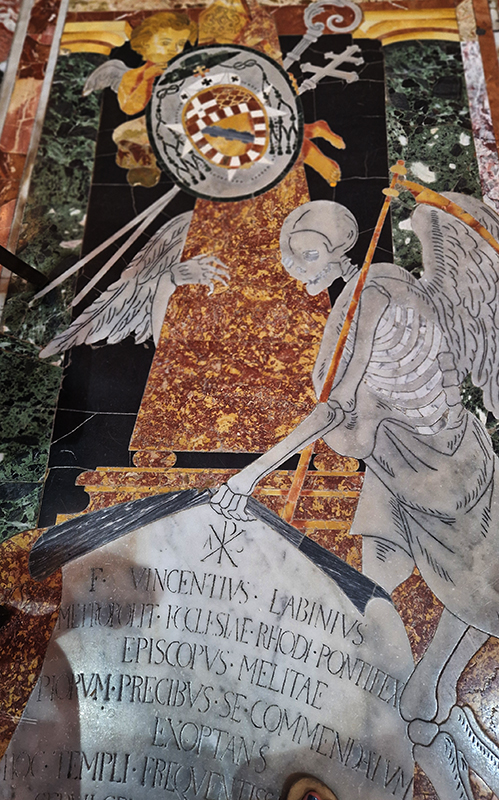
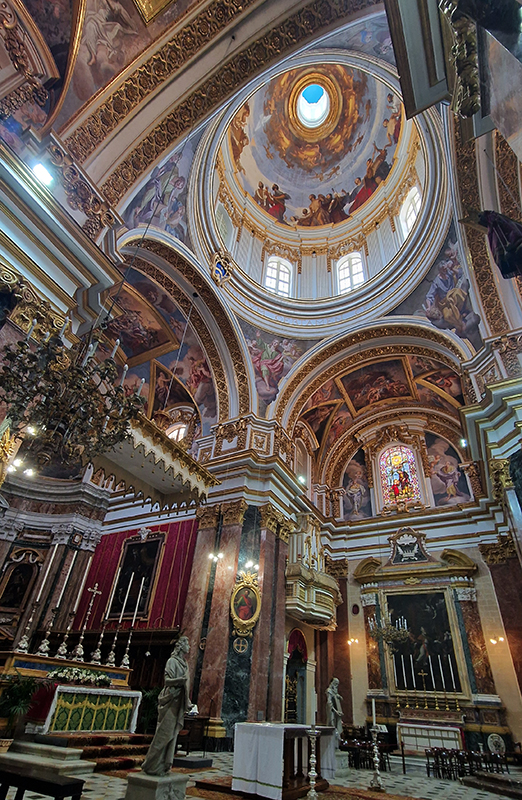
The Phoenicians arrived in Malta around 870 BC from Lebanon, and Malta subsequently came under the control of the ancient city of Carthage as a strategic trading post right up until the Romans take it in 255 BC bringing with them the Roman Catholic religion. A Cathedral was founded in the 12th century (according to legend it was built on the site where the Roman Governor met St. Paul when he was ship wrecked on Malta) was damaged by a huge earthquake in 1693 and rebuilt in the opulent Baroque style.
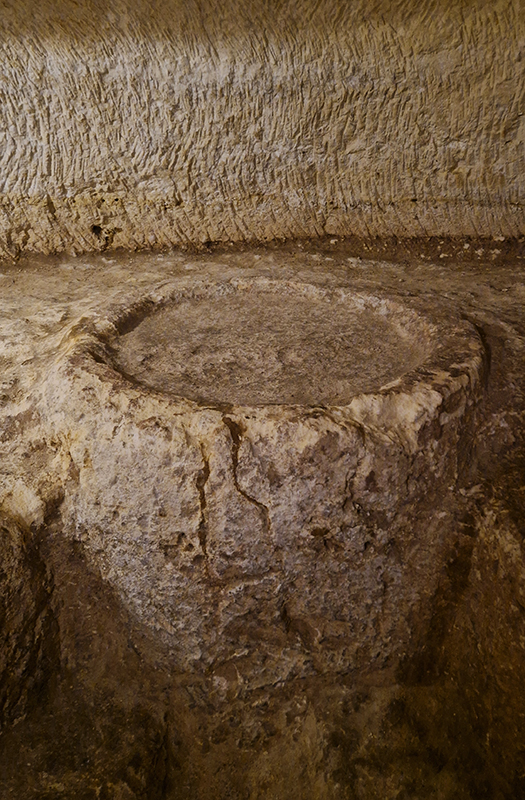
St. Paul’s catacombs located outside the walls of the ancient city of Melite is a system of underground galleries and tombs dating from the third to the eighth centuries CE.
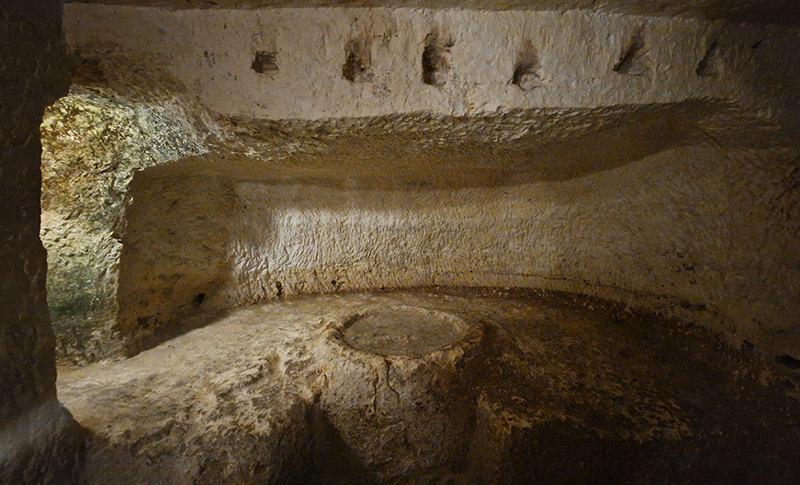
The Byzantines of Malta fought off an invading Arab army for many weeks but the capital city of Melite fell in 870AD and all inhabitants were massacred. The city was rebuilt as Mdina by the Muslim conquerors. The Normans invaded Malta in 1091 to little resistance and this paved the way for the reintroduction of Christianity. Next came the Order of Knights of the Hospital of Saint John of Jerusalem, colonising Malta in 1530. The Order of St John was given Malta as a fief for the annual donation of a peregrine falcon, better known as the Maltese falcon. It was kept and trained in a great hall of the Grandmasters Palace where owls, song birds and other exotic birds were kept.
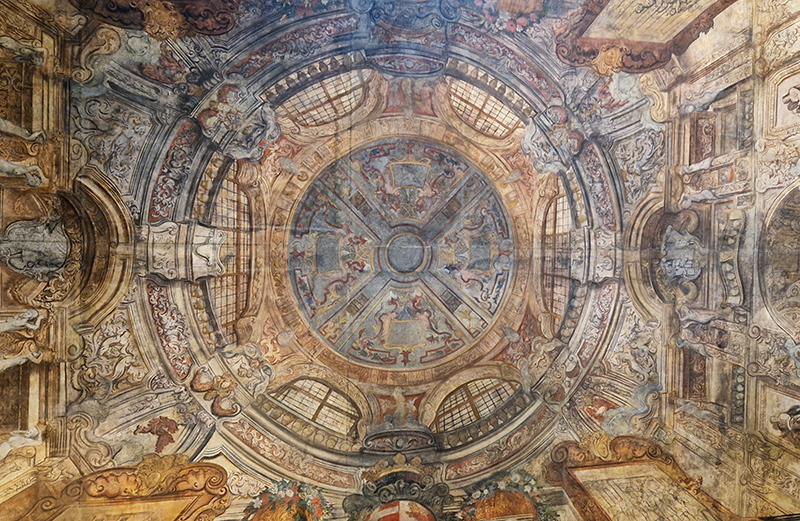
The Knights ran a strong naval fleet and knew the importance of astronomy for navigation. They established an astronomical observatory at the Grandmaster’s Palace. Also a meridian line, inlaid in marble, ran across the floor of one room with a hole in the ceiling above – noon was marked as the sun crossed the line.

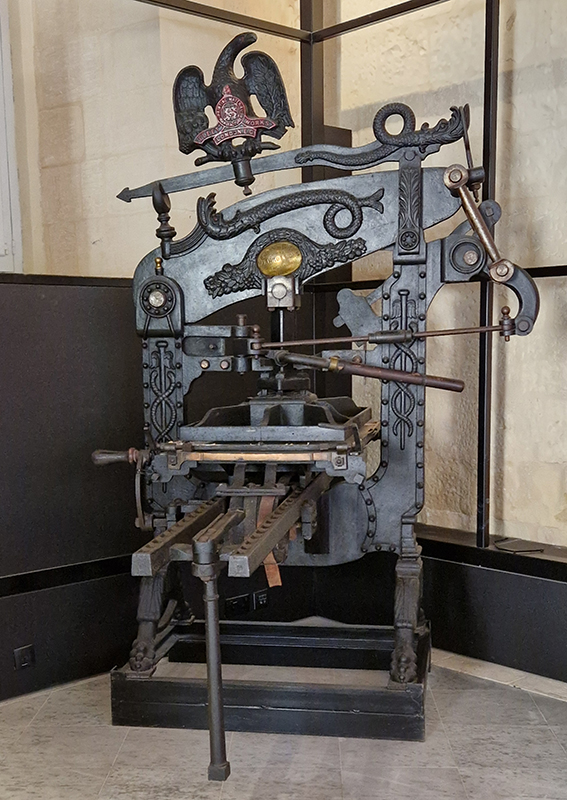
The Order of St John capitulated on the arrival of Napoleon Bonaparte in 1798. During his week on Malta Napoleon abolished slavery and instigated free education but there were other changes not so beneficial to the population and after two years of French rule an uprising led to Malta becoming a protectorate of the British. The magnificent printing press in the administrative hub of the Grandmasters Palace was manufactured by Londoners Harrild and Sons (founded 1809) of Farringdon.
Malta played a vital role providing a strategic location for hospitals during the first world war and was heavily bombed during the second world war. Discontent on British commitment to supporting Malta’s economy and hikes in imported food prices eventually led to riots by the population and came to a head on 7th June 1919 when British troops fired into the crowd, killing four and injuring 50. Relationship souring, Malta finally gains independence in 1964, becoming a republic in 1974.

While in Malta I was reading Cloud Cuckoo Land by Anthony Doerr, a novel that whisks you across time and space as characters inhabit times from the 1453 Ottoman siege of Constantinople to a spaceship escaping future Earth. It resonated with a land whose history is still so present and helped set markers across the centuries to cross reference what was happening in different parts of the world at the same time.

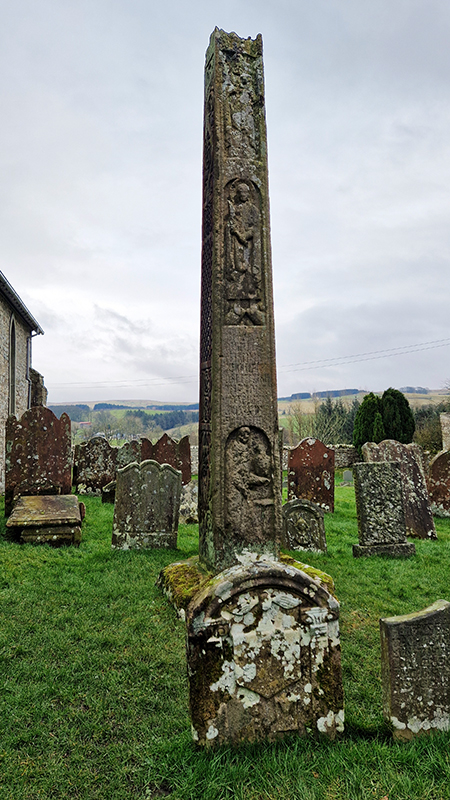
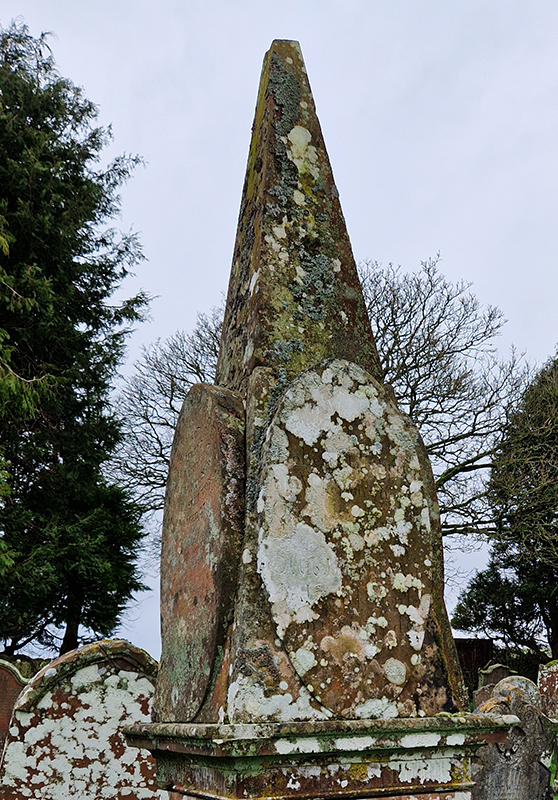
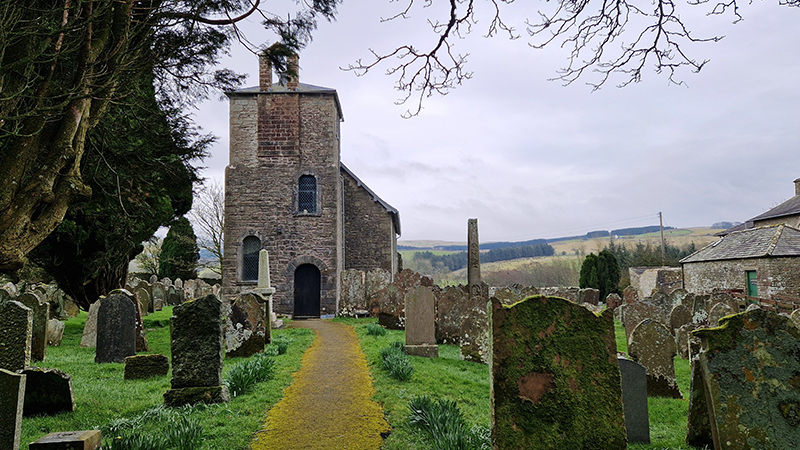
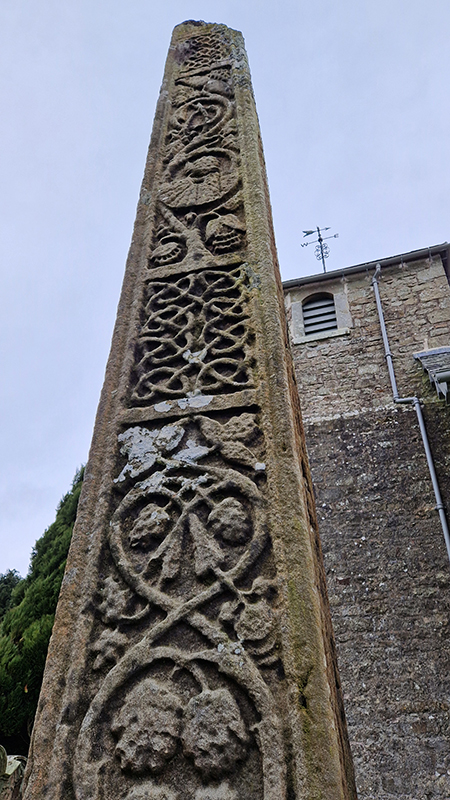
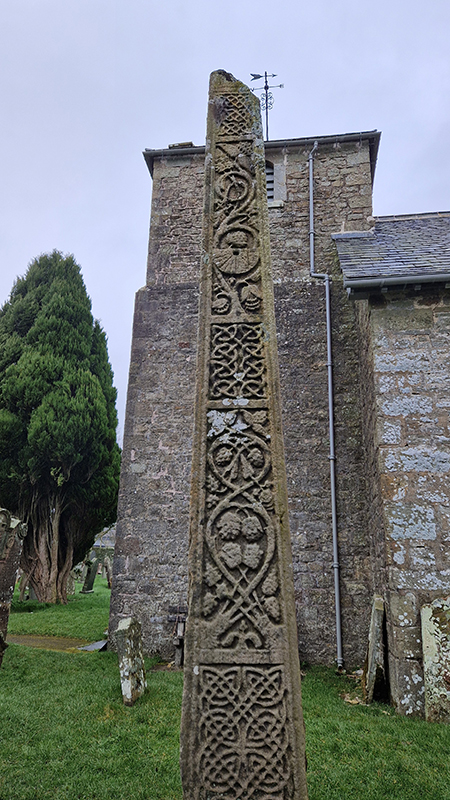
In Cumbria earlier in the year I visited Bewcastle, site of a Roman out post fort. The Anglo-Saxon Bewcastle Cross from the 7/8th century, hewn from a single piece of sandstone stands at 4.5m in the splendid village churchyard of St. Cuthbert’s Church. The head of the cross is missing and the carving very worn but features an intriguing mix of religious and non-religious figures, reliefs and inscriptions in a runic alphabet. The oldest carved sundial in Britain can be seen on the south face of the shaft, this medieval timepiece was carved at a later date, after the cross was erected, and is missing the indicator. From the late 7th century, around when this cross was being commissioned the Byzantines were busy building defence walls around Malta to counter a growing Muslim threat they feared.
Gallery Visits

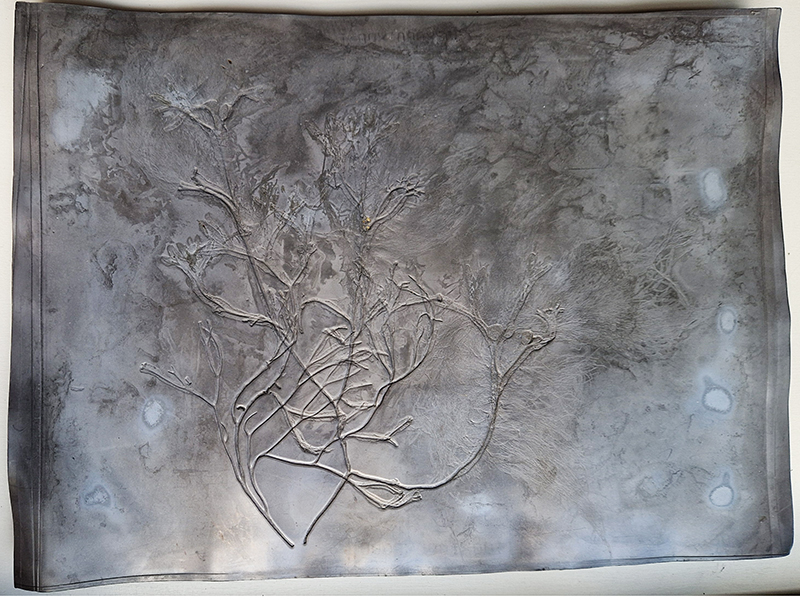
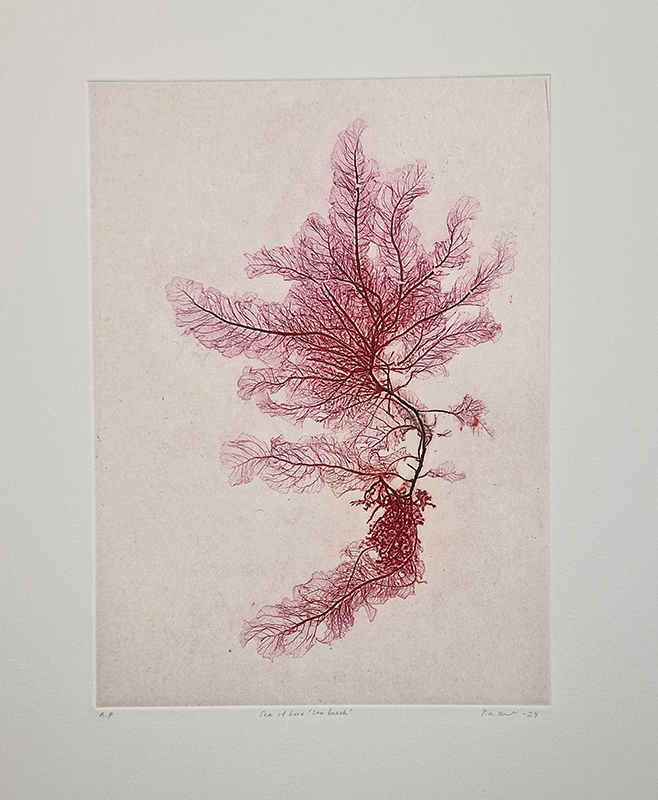
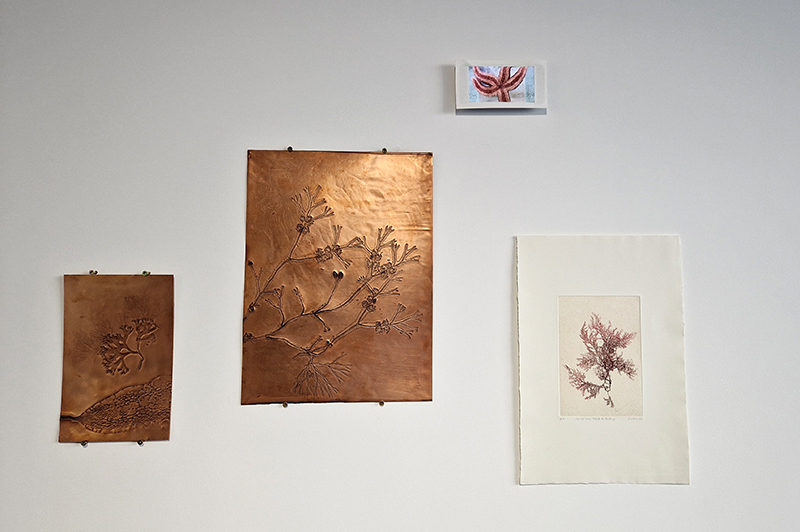
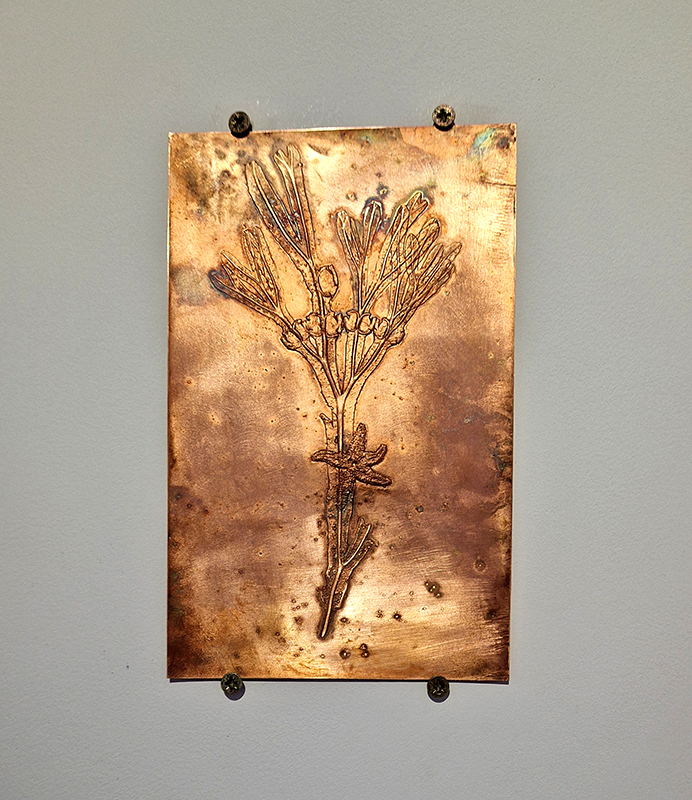
Pia Östlund Sea of Love at No Show Space. Really enjoyed my visit to this beautifully curated exhibition. So nice to have a gallerist take time to talk about the work. The nature printing explored in this show is an involved process of imprinting dried seaweed under pressure between polished lead sheets, taking latex moulds from the imprints which are then made conductive by coating in graphite and electroplated with copper to make a printing plate. Pia Östlund spent two months at BORCH Editions in Copenhagen, working with the master printers on refining the platemaking process of nature printing. Nature printing is an intaglio printing technique from the mid-19th century that makes it possible to make direct impressions of the surface of natural objects.

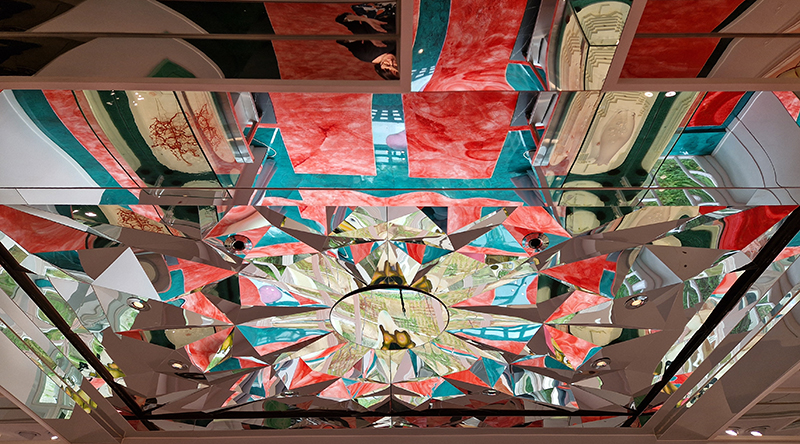
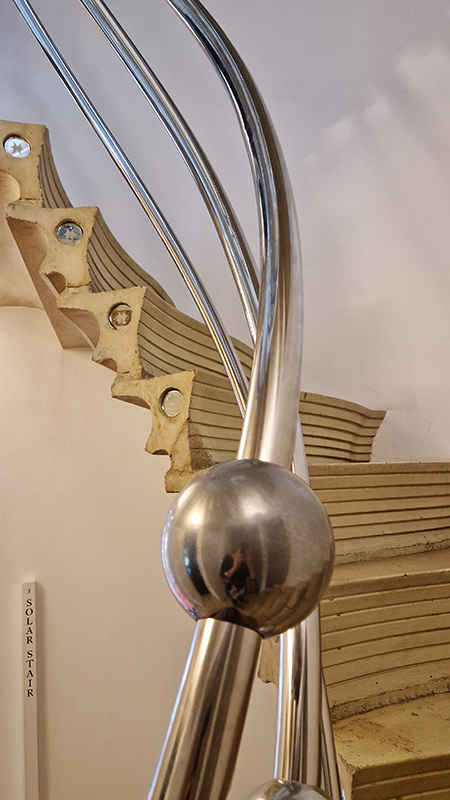
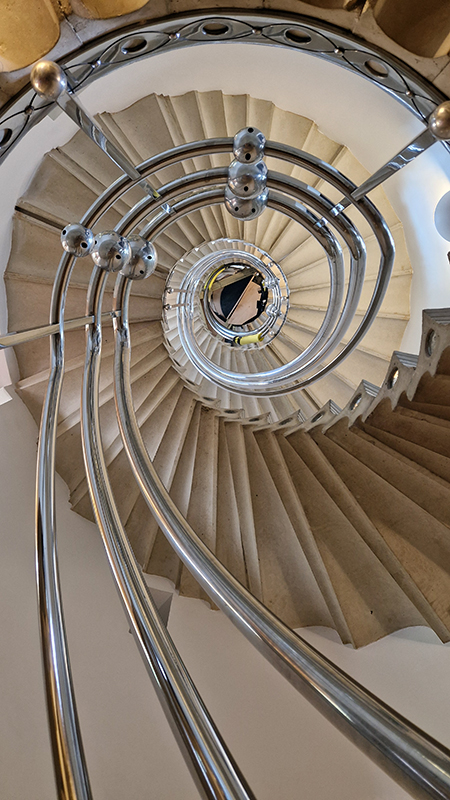
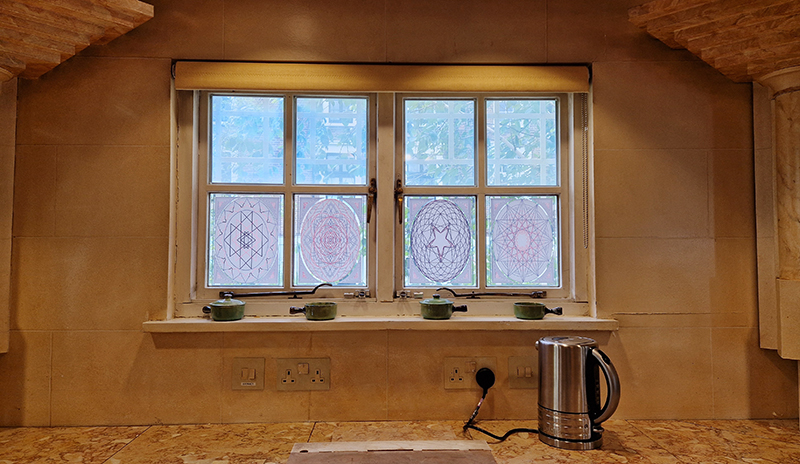
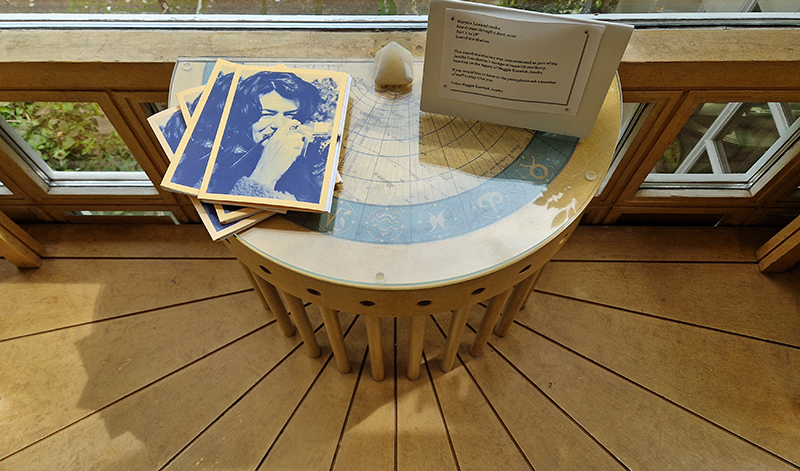
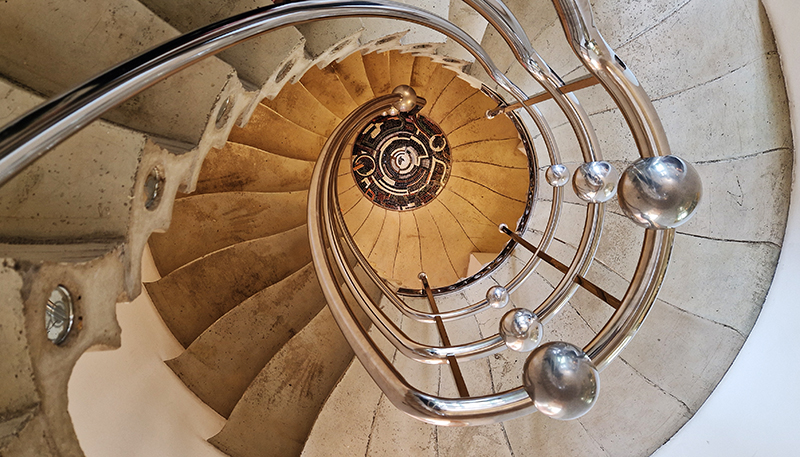
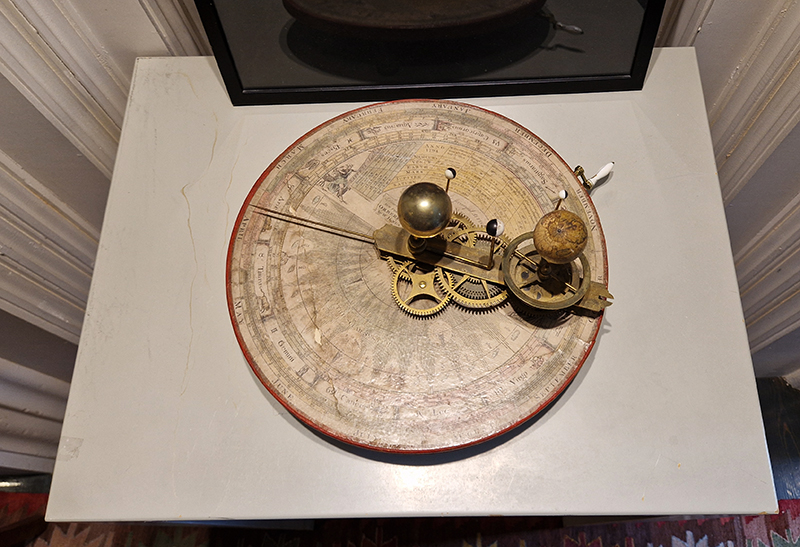
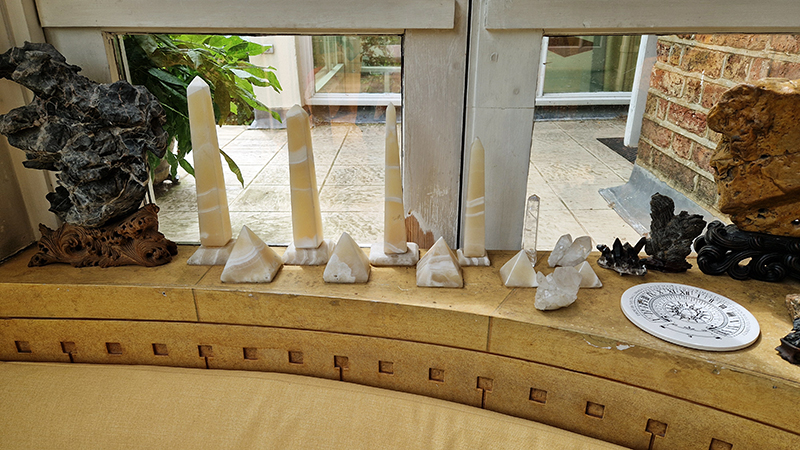
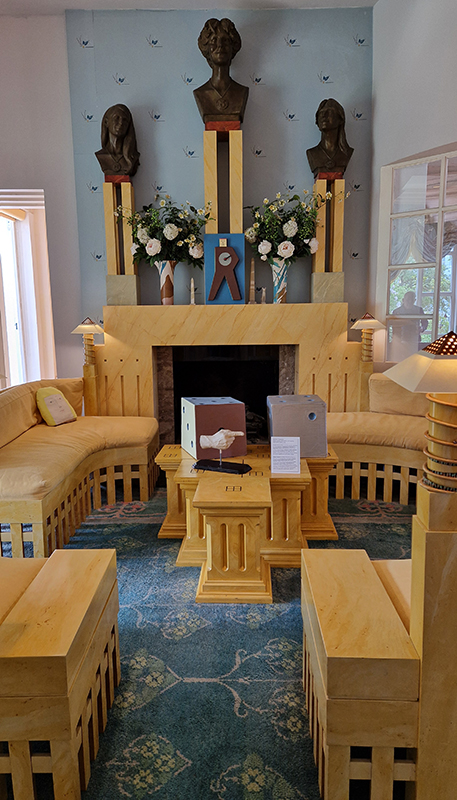
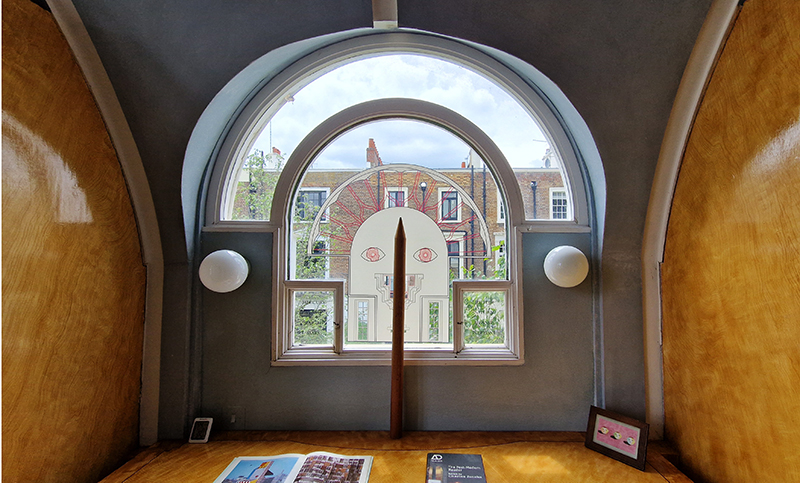
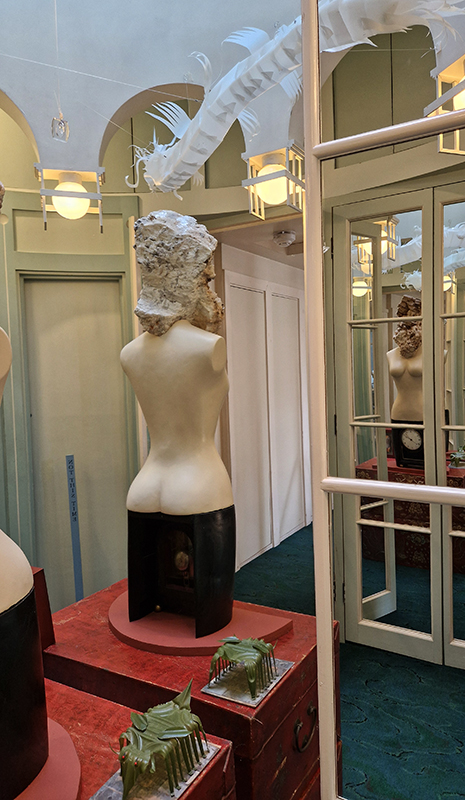
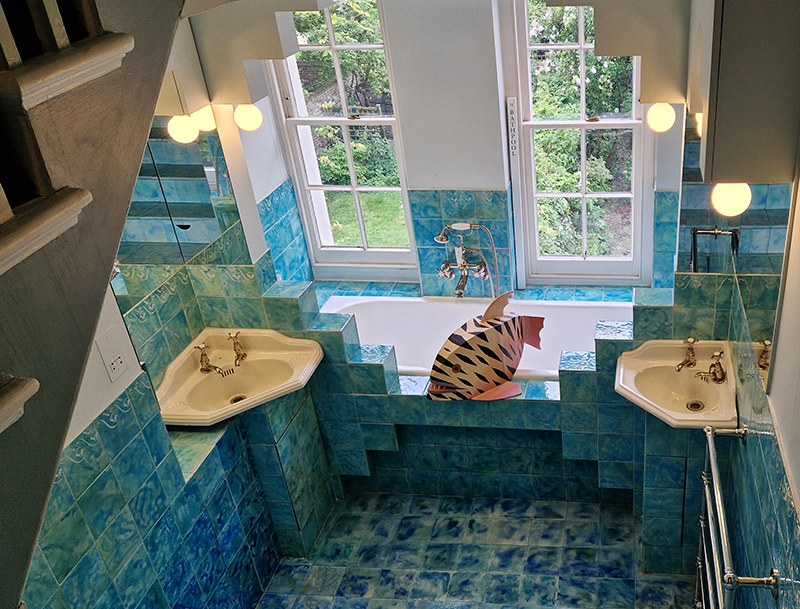
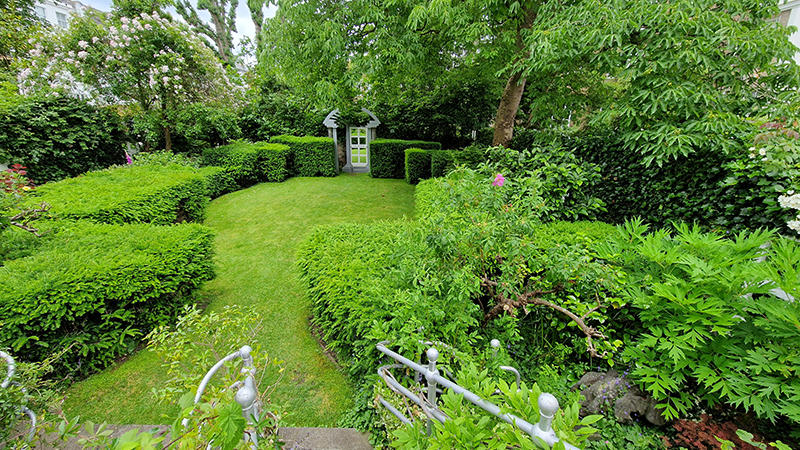
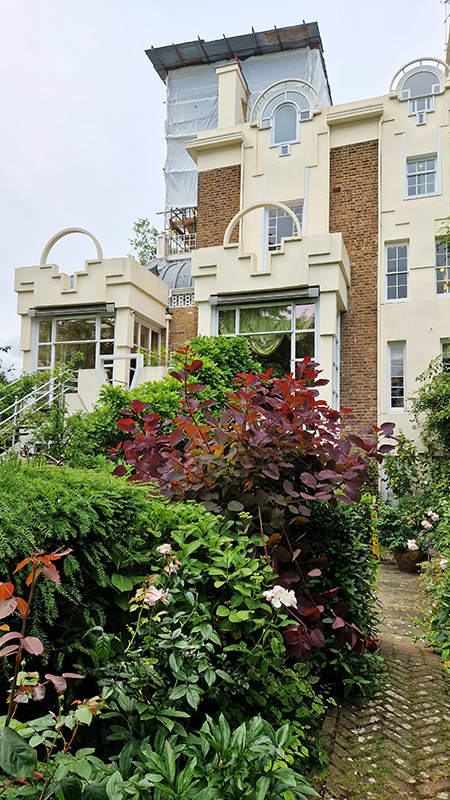
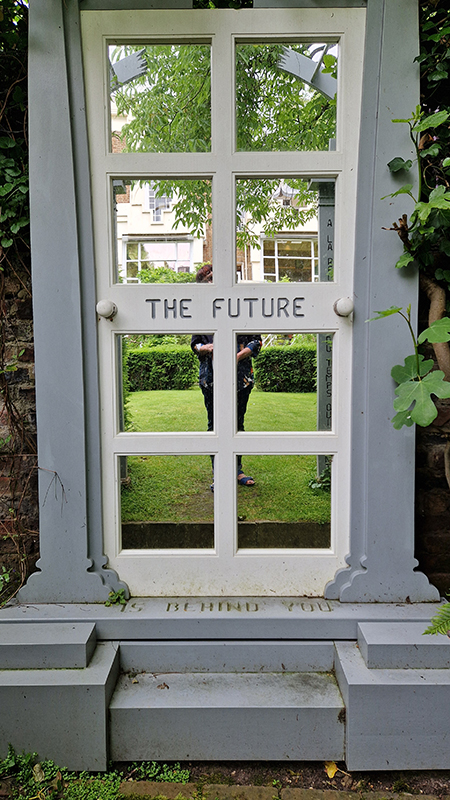
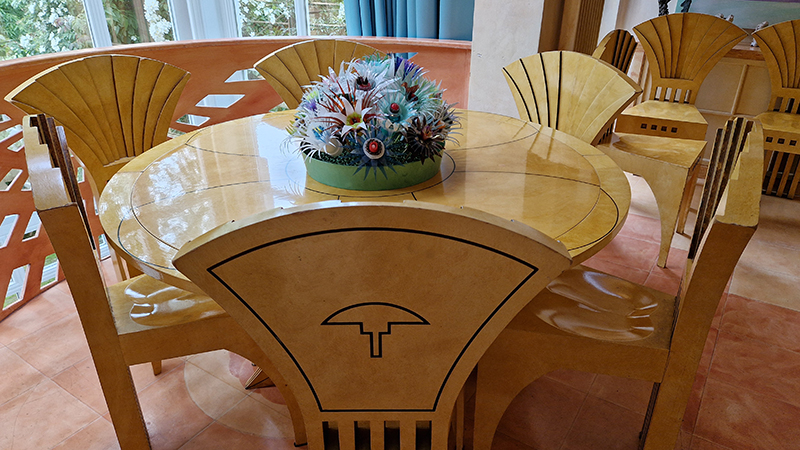
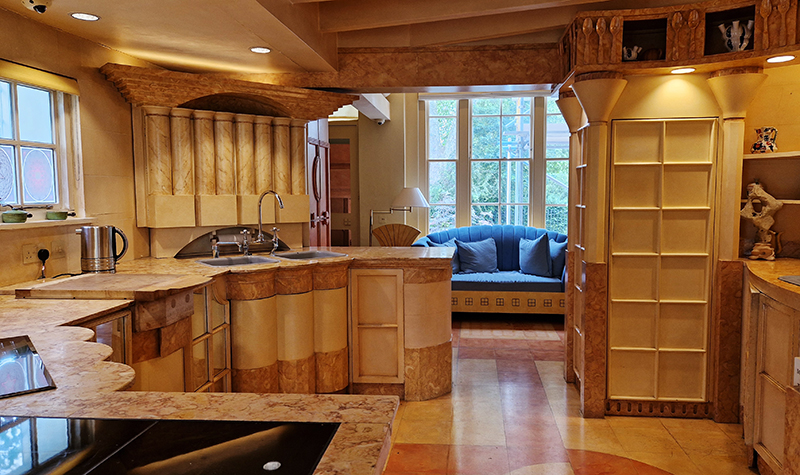
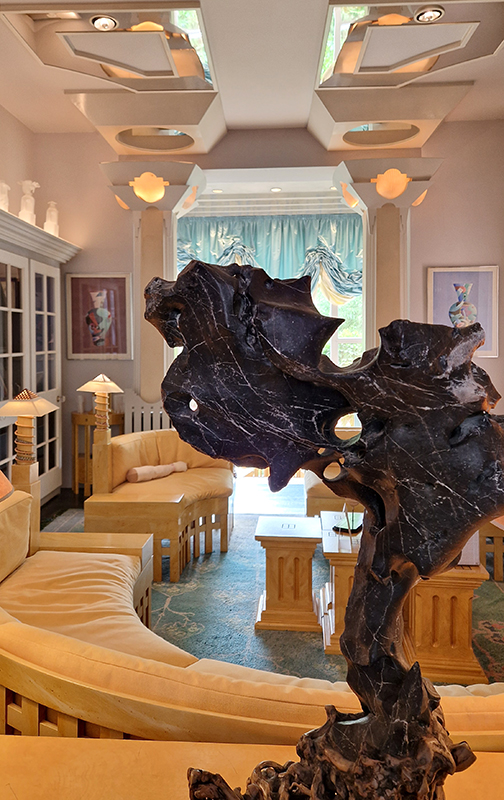
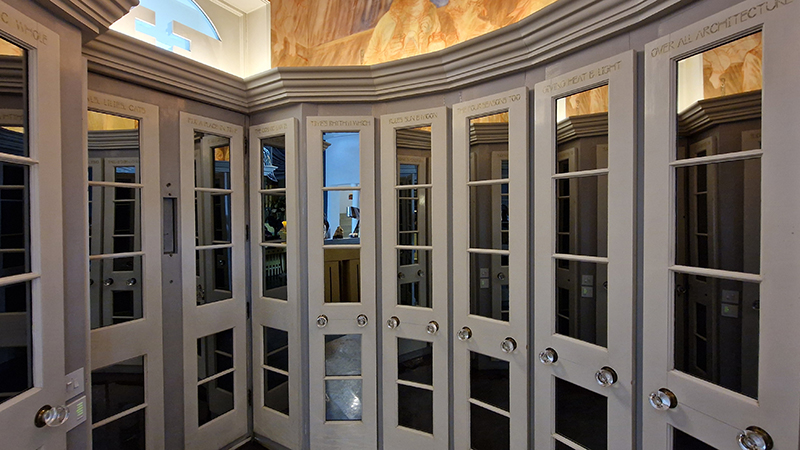
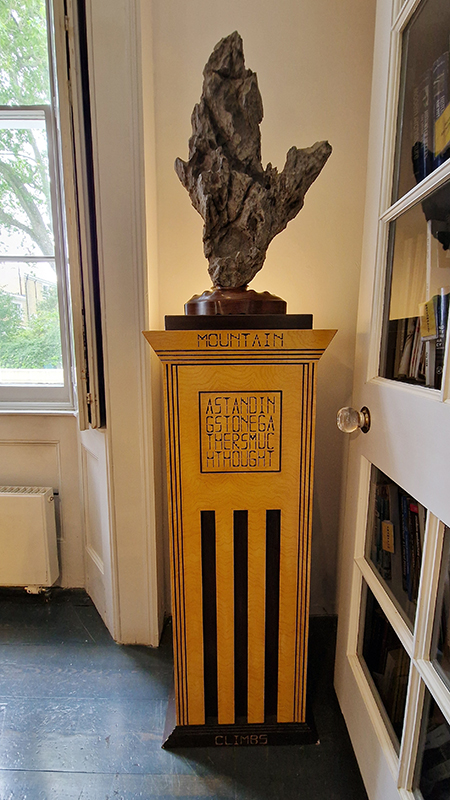
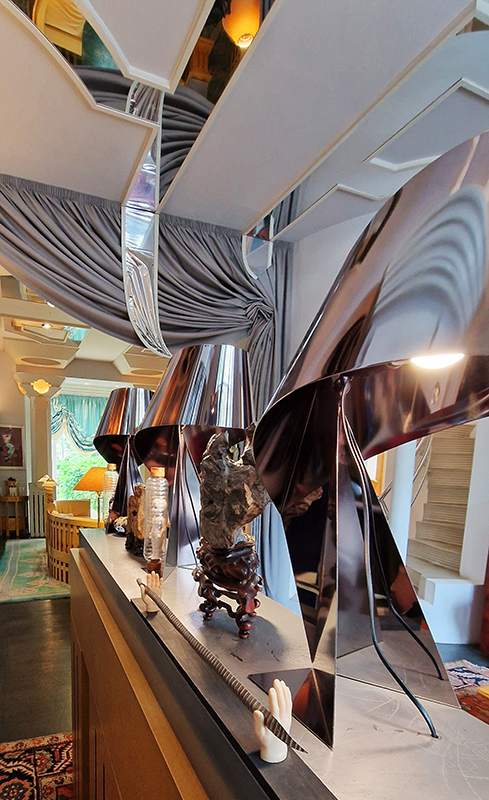
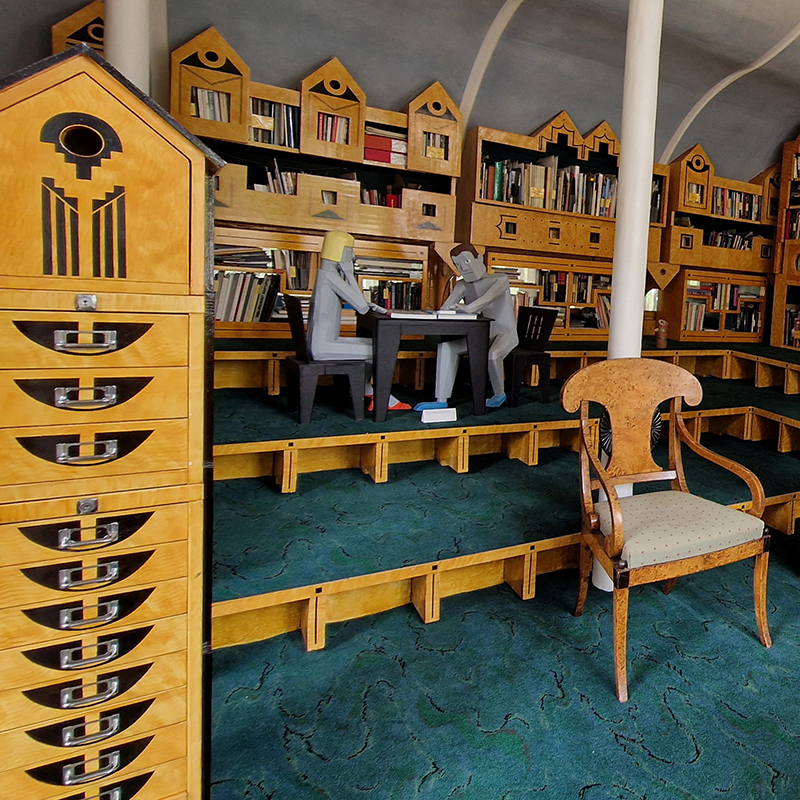
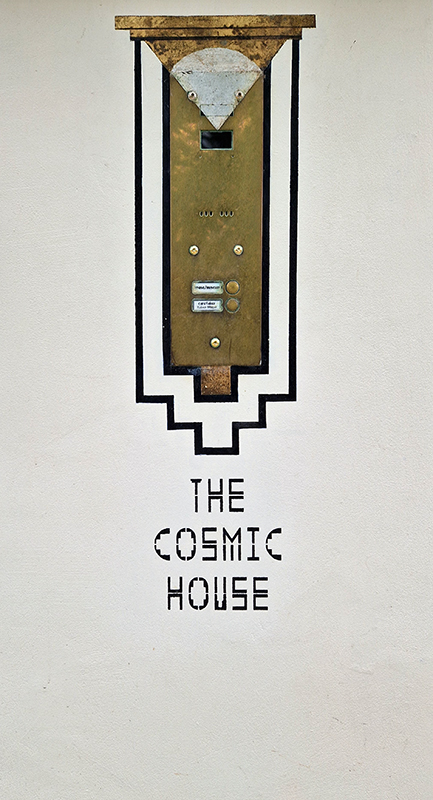
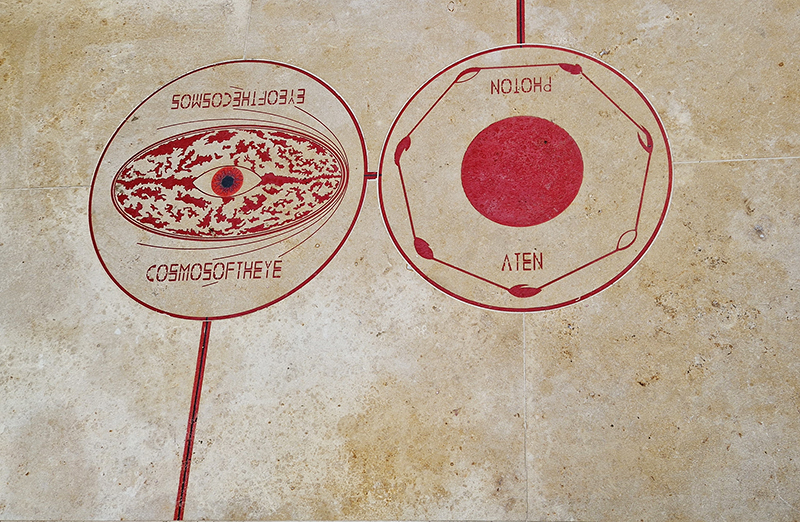
Sensory overload at The Cosmic House, a ‘built manifesto for Post-Modernism’. The original 1840’s residence has been remodelled by Charles Jencks into a complex system of symbols that embrace the creation of the universe, the rotation of the Earth around the Sun, day and night, the seasons, the elements, the understanding of science, and the history of architecture.

It’s like entering a kaleidoscope, mirrors everywhere, shifting perspectives, glimpses through to other spaces, optical illusions, and all saturated with vibrating colour.

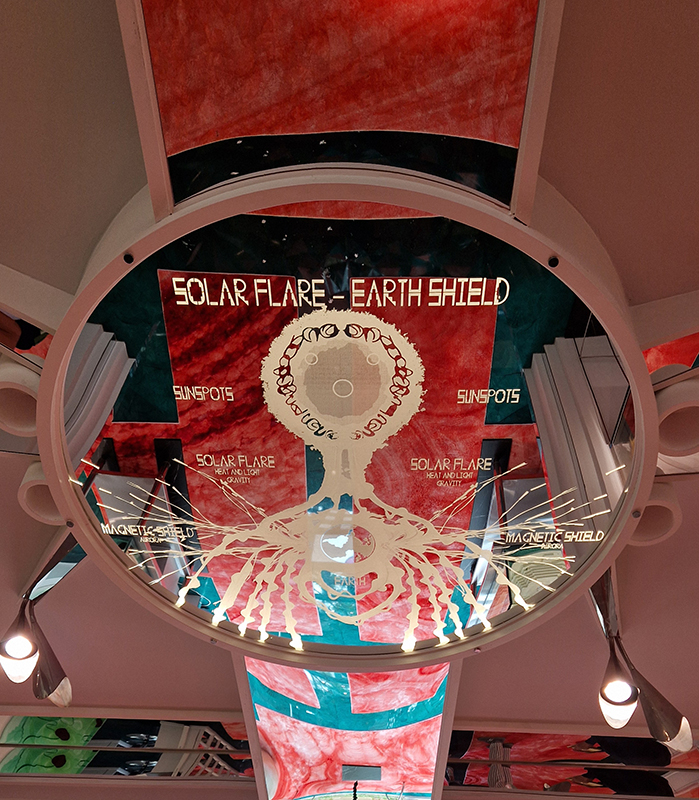
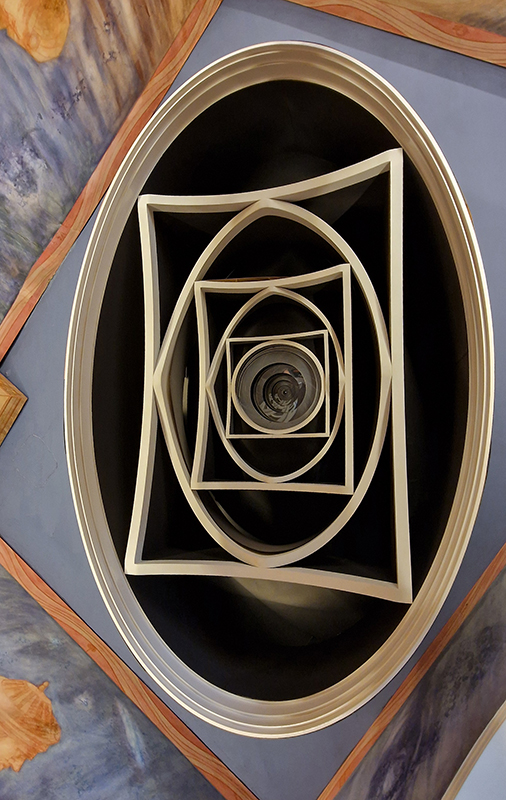
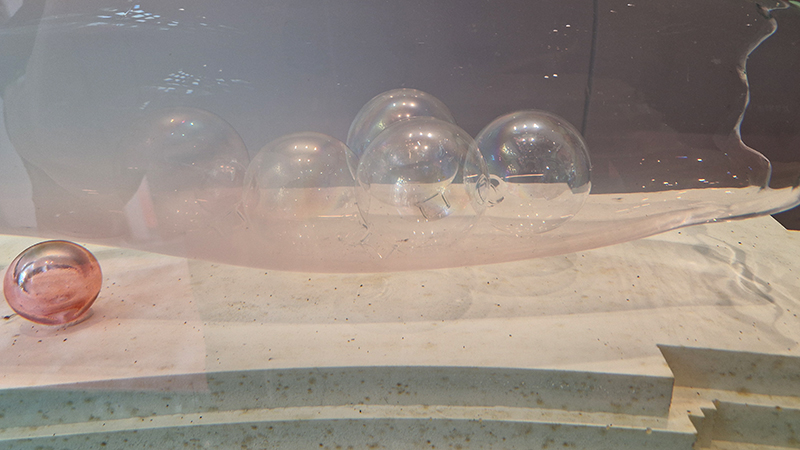
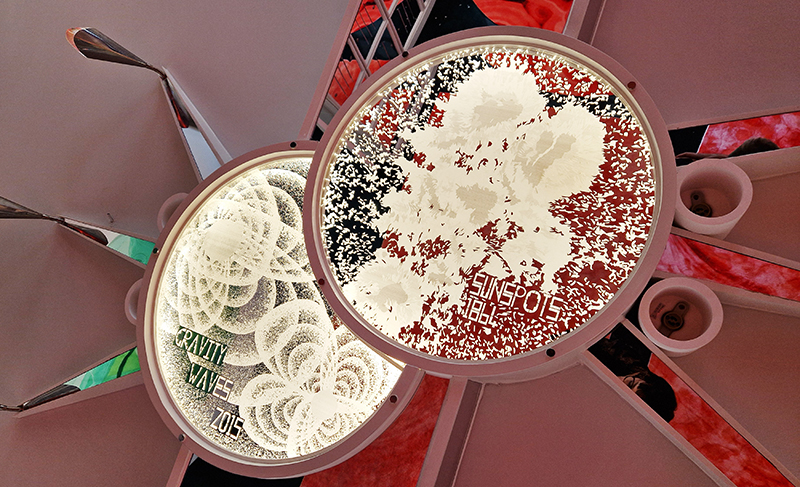
The latest addition to the house is the museum gallery, which Jencks designed but did not live to see completed, with mirrored ceiling plaques on all my favourite things like magnetic fields, solar flares and gravity waves. Amazing place to visit.
There is currently an exhibition THE WORLD TO ME WAS A SECRET: CAESIOUS, ZINNOBER, CELADON, AND VIRESCENT by Tai Shani here whose theatrical colourful works suit this setting.
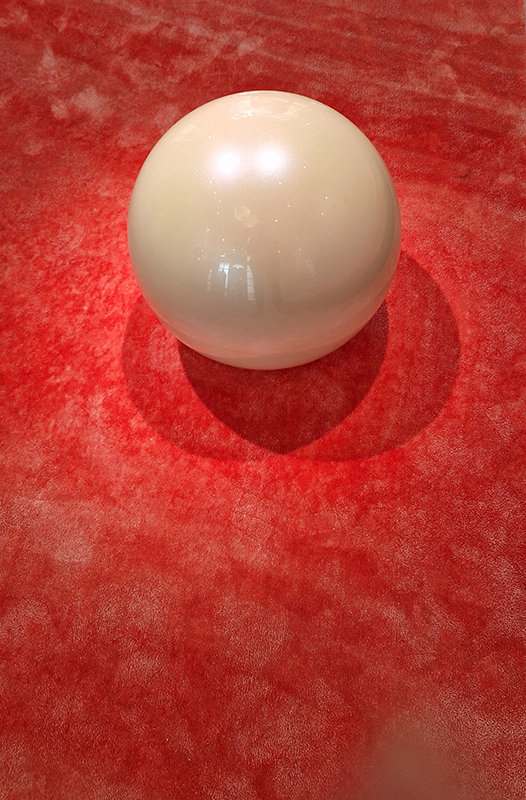
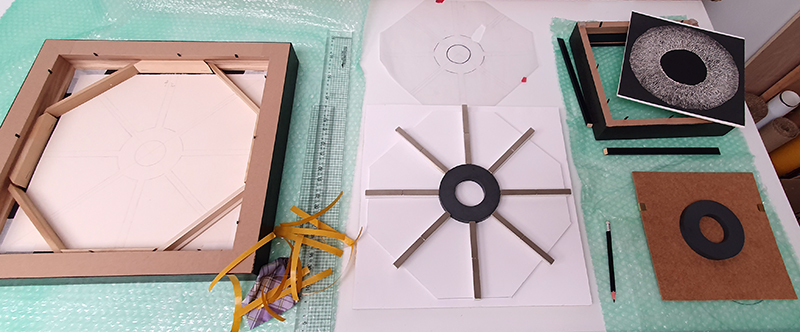
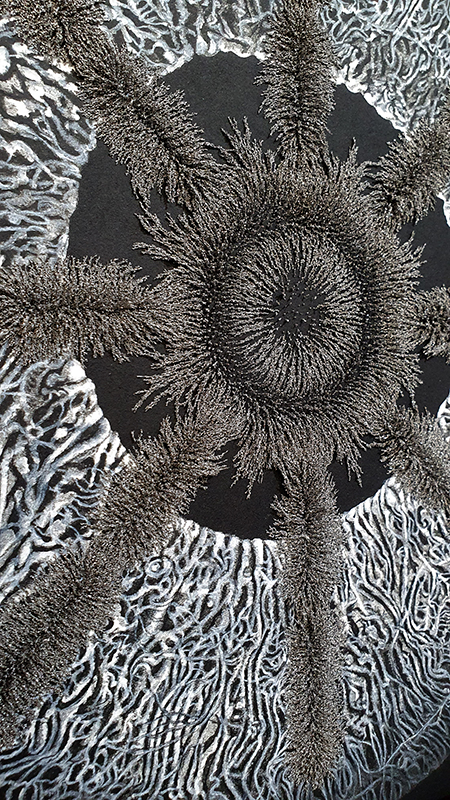
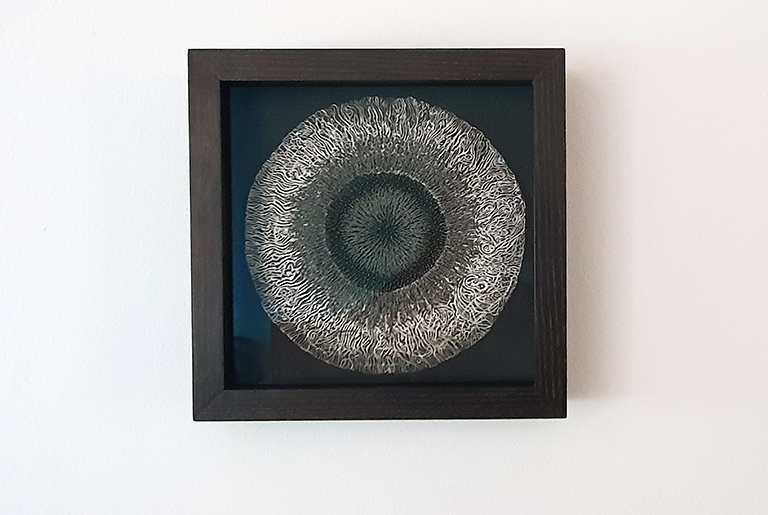
New work has been framed – these pieces consider the potential for the human eye to perceive the Earth’s magnetic field. Research shows birds have this capability activated by molecules in the retina of the eye when excited by blue light. The molecules produce radical pair electrons sensitive to the magnetic field and as these molecules are found within the photoreceptor cells it is possible birds may visualise the magnetic field lines to aid navigation. A similar molecule is also found in the human eye and I am speculating that this is a sense we may once have experienced and could tap into again. It is of course the brain that must receive a signal from the eye by which we see. Independently of the cryptochrome molecule, research monitoring alpha wave activity shows the human brain does appear to be sensitive to a magnetic field albeit unconsciously.

The Compass Eye Etching with chinagraph pencil, magnets, iron filings

Pole Receptor 2022 27 x 27 x 3 cm Etching, magnet and iron filings

Framework made a neat job of the frames enabling the magnets to be released to reset the iron filings if necessary. The Compass Eye doesn’t have glass and maybe that was a mistake but I prefer the thin frame.

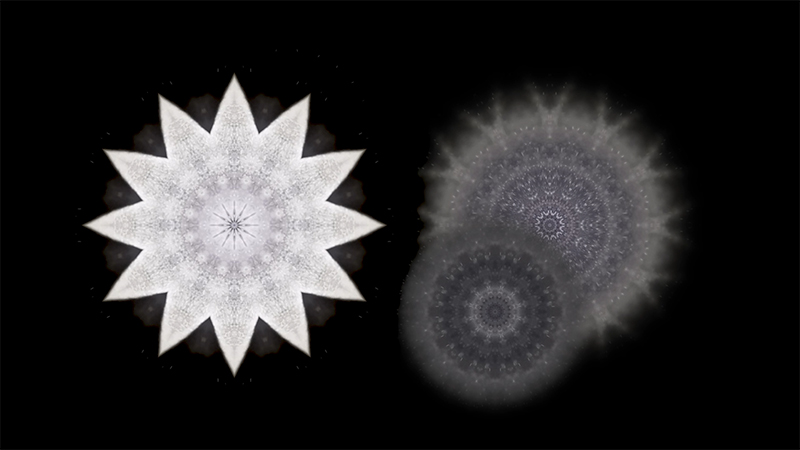
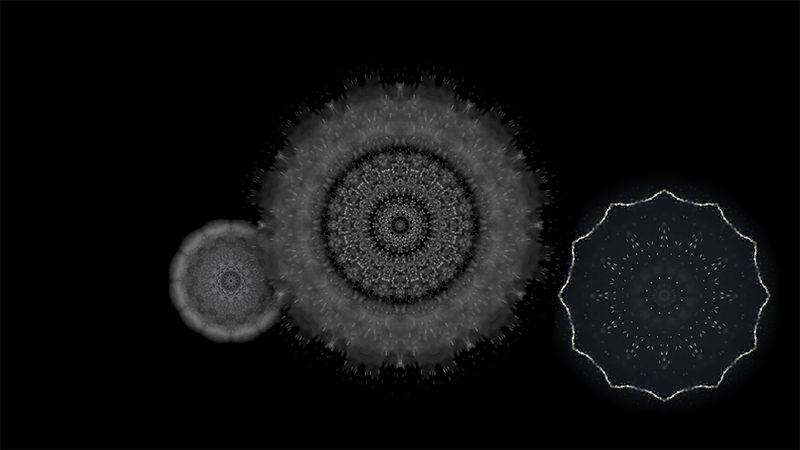
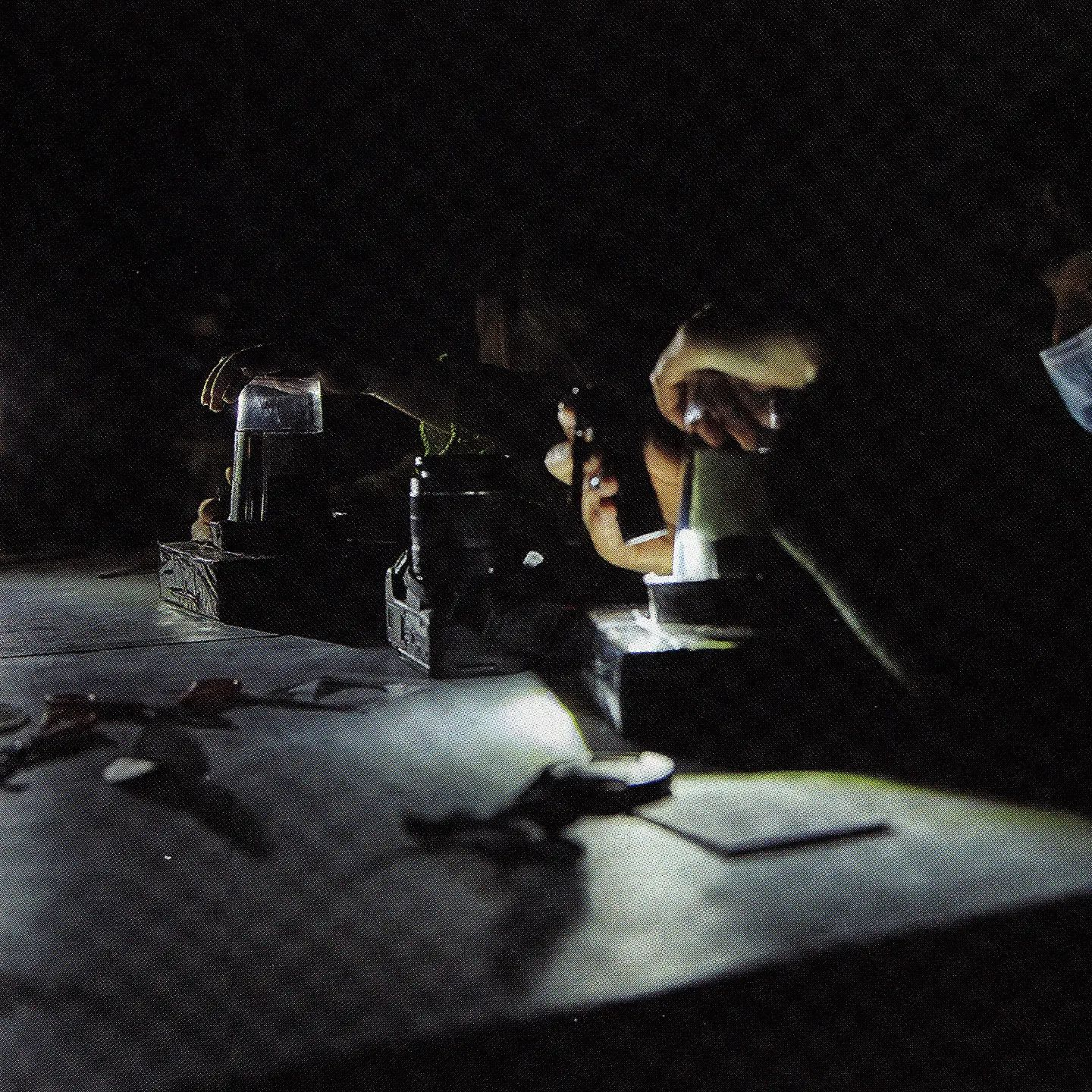
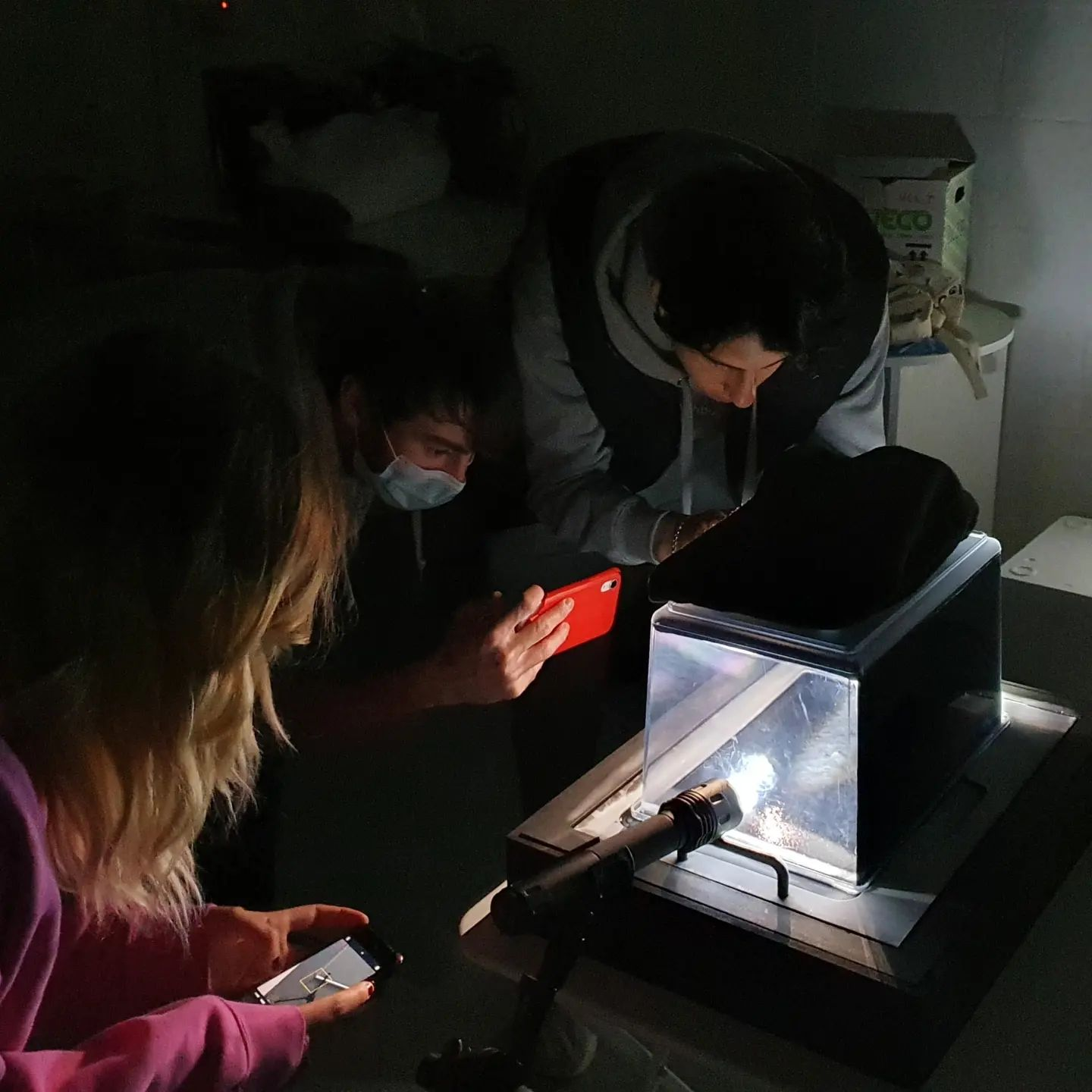
Progress is being made on new work Breath of Stars. This will be a screen based work triggered by cosmic ray activity. Every time an event is registered by a photomultiplier attached to a 5cm square piece of plastic scintillator, a star burst video image will flash up on the screen. The size of the starburst will correspond to the energy of the particle that has just arrived from space. The starburst videos are made in Adobe After Effects using footage from my cloud chamber experiments.

I have got some help with coding from gaming programmer Jamie Howard so am not feeling so out of my depth in the python maze. One problem we may have though is the shortage of Raspberry Pi processors. It could be months before we are able to get one with a high enough spec to process the video layering. In the meantime I am testing ideas and creating video clips.

It was wonderful to see so many people visiting the first Open Studios at Thames-side since 2019 despite the rail strike difficulties that weekend. The Compass Eye was hanging in the Thames-side Gallery Studio Holders Showcase exhibition. Thank you to everyone who came to visit and found their way to my studio, it was great to discuss everything from Plato to Planck.

Super happy to have my video Cosmic Chiasmus: crossing the universe included in the May Fair Showreel screening at the very smart May Fair Theatre as part of Mayfair Art Weekend. The departure point for the curated selection was the word ‘PROCESS’, which was inspired by the video work by Wolf Vostell, Auto-Faber (1973). It was a great experience to see all the amazing nominated films and meet the selectors -Elisa Tosoni, Angel Leung and Eugene Macki and art weekend project manager Cheri Silver.

What a lovely write up in the Winchester School of Art Yearbook 2022 from one of the Fine Art students on the Images In The Making sessions that I ran.

I am delighted that my installation The Forms has been selected for exhibition in the splendid Wells Cathedral as part of Wells Art Contemporary 2022.

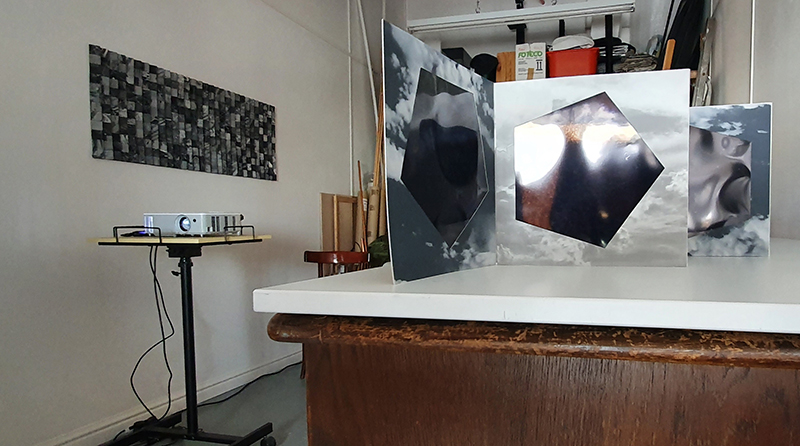
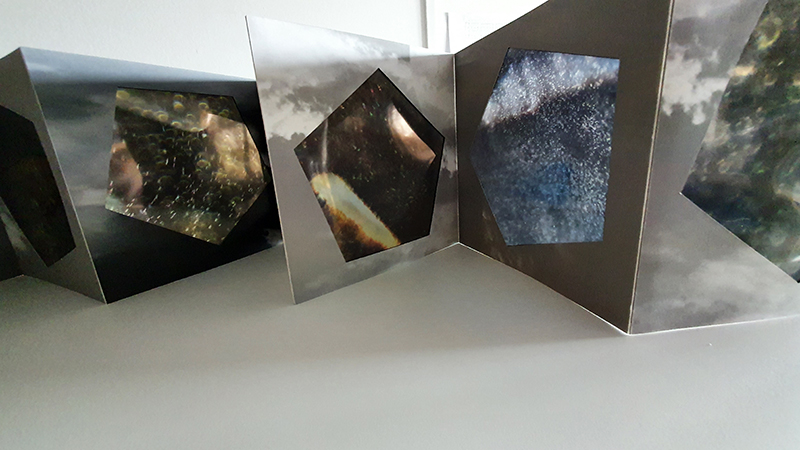
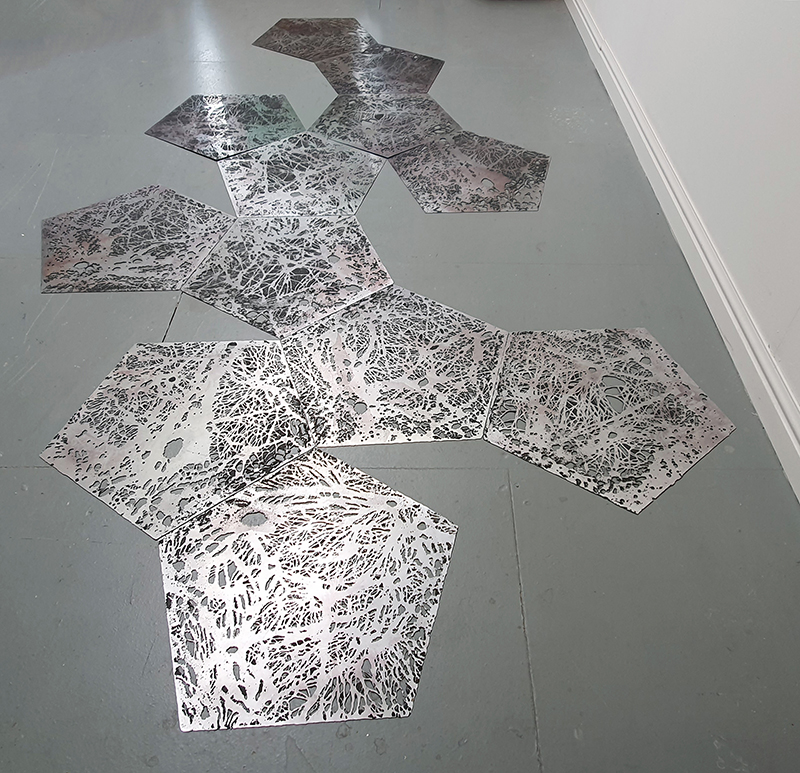
Twelve aluminium plates in the shape of pentagons that together make up the net of a dodecahedron have been deep etched with imagery taken from data visualisation of dark matter provided to me by KIPAC, Stanford University. The etching process used a screen printed sugar lift technique where the bite was allowed to penetrate completely through the plate leaving holes in some areas.

Excited to be selected for a satellite exhibition at the international print conference IMPACT12 to be installed at a former police station in Bristol. At a distance will be shown in The Anxiety of Interdisciplinarity, an exhibition which seeks to reframe printmaking as a site of interdisciplinarity – a testing ground for ‘The important work…done at the surfaces between adjacent disciplines’ (Carter, 1998).

Drawing on the physical language of print that embodies touch, separation and mirroring the semaphore flags in this work have been printed using hand painted dye sublimation inks applied via a heat press. This process transfers the ink from a paper matrix onto the substrate textile. The image passes momentarily across space in a dematerialized state as vapour before being reformed as its mirror opposite.

Out of Studio

Billed as an immersive experience like no other Dreamachine offers a unique journey into the potential of your mind. Stimulated by strobe lighting playing rhythms on your eyelids and spatial sound fed directly into your ears, your mind creates its own images behind closed eyes. Inspired by a 1959 invention from artist–inventor Brion Gysin it has been reimagined by Collective Act, in collaboration with Turner Prize-winning artists Assemble, Grammy and Mercury nominated composer Jon Hopkins, and a team of leading technologists, scientists and philosophers.

It was pretty amazing. From a deep orange glow of swirling matter kaleidoscopic shapes emerge with geometric patterns that form and explode into vibrant pulsating honeycomb structures. Felt sure I was seeing some of my recent work in there. Swept away on a tide of colour with a big smile it was like a roller coaster ride through the forming of a technicolour universe. Wonderful.

Interesting to read that the frequency range of light emitted by Brion Gysin’s Dream Machine corresponds to alpha waves, electrical oscillations normally present in the human brain while relaxing. The pulsating light stimulates the optical nerve and alters the brain’s electrical oscillations. I have been looking at scientific research that explores a connection between the Earth’s magnetic field and human vision when stimulated by blue or polarised light depending on the orientation of the viewer. The human brain’s alpha waves can be seen to react to the local geomagnetic field. Some research correlates the nature of our dreams to magnetic field activity with calmer dreams resulting from high activity and more bizarre dreams when activity is low.

Going from Dreamachine to Libby Heaney’s quantum world of morphing fluid shapeshifting worlds The Evolution of Ent @Arebyte was a nice continuation of mind bending immersion.

Ent-er. Ent-anglements. Ent-ropy. Ent-wining. Ent- hralling. Ent-icing.

Looking at the potential futures created by quantum computing where the digital mode of binary gives way to superposition and quantum entanglement. Daniel Cavalcanti has provided a useful quantum glossary in the exhibition catalogue. Explaining superposition as like looking through a window and seeing outside and yourself reflected simultaneously, two configurations happening at the same time.

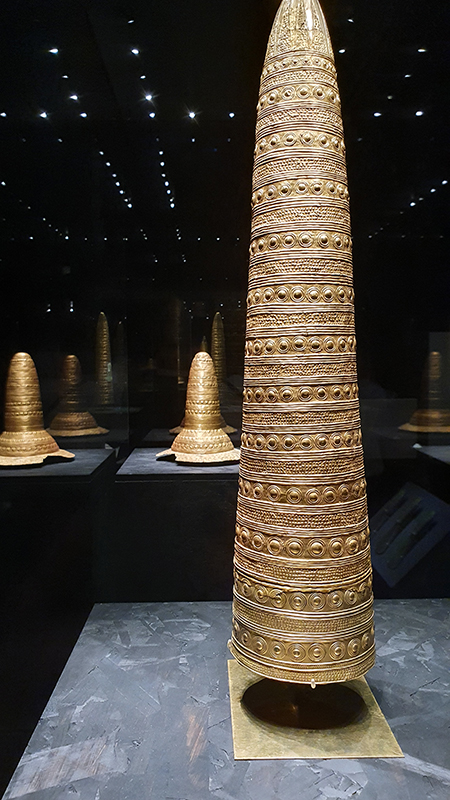
I was very excited to visit The World of Stonehenge at The British Museum to see the Nebra Sky Disc, having been introduced to the existence of this amazing object by archaeoastronomer Carolyn Kennett while on the Lizard Point Residency in 2019. Found by metal detectorists in Germany the gold used in this ancient map of the cosmos can be traced to Cornwall.

Carolyn explaining the history of this most ancient of cosmological objects.

The actual disc was much larger than I expected and almost translucently thin.

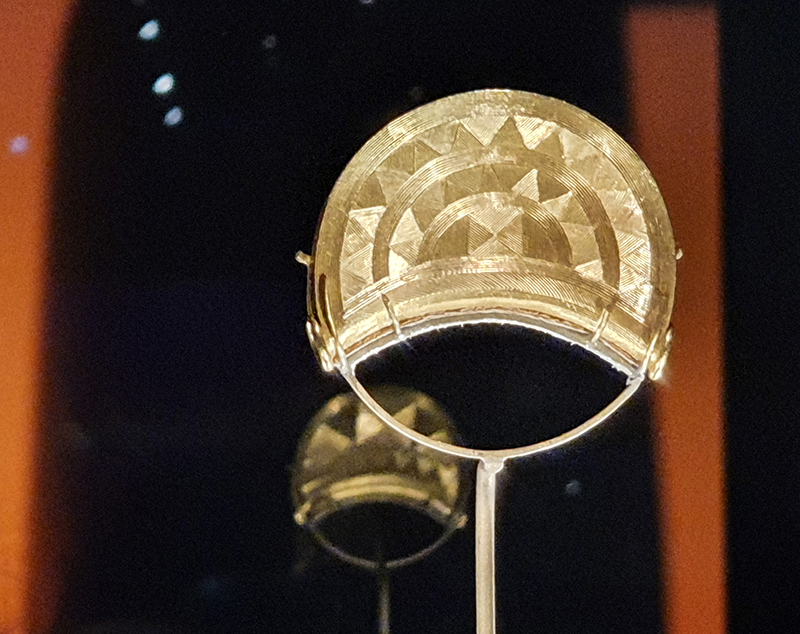
Six thousand years ago in the final 1,500 years of the stone age was the British Neolithic period. A time of stone axes for chopping. Woodlands cleared for farming. Stone held meaning. Offerings were made to spirits. Hundreds of stone and wooden circles were raised across the land. A cosmic inversion, connecting earth to sky. The first stones were brought to Stonehenge about 5000 years ago to create a burial ground which was transformed 500 years later into the symbolic site where the large sarsen stones were placed in alignment with the sun as it rises at midsummer solstice and sets in midwinter. Some astonishing objects in the exhibition, the power of the sun celebrated and reflected in gold.

I had high hopes for Our Time on Earth exhibition in the Barbican Curve – the aim was for technology to bring us closer to nature and highlight our place as one species among millions of others, striving to live together in a delicate balance. There was some enticing imagery and interesting ideas but as an experience it was tech overload, information overload all crammed into quite a tight space. Too much to take in and too removed from a lived time on Earth for me to engage and absorb anything meaningful.

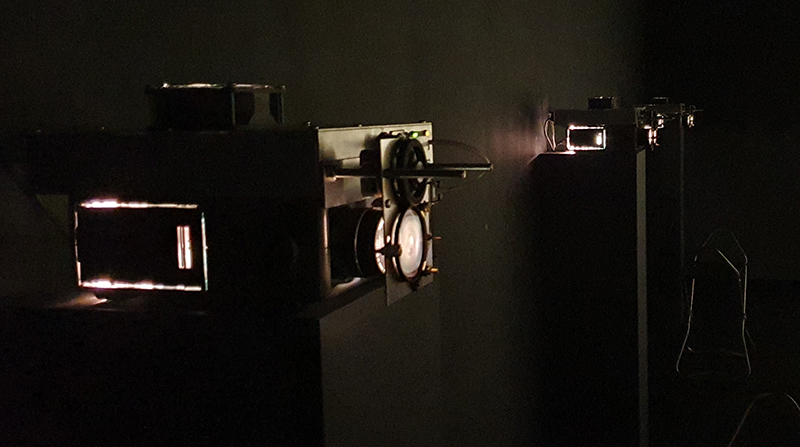
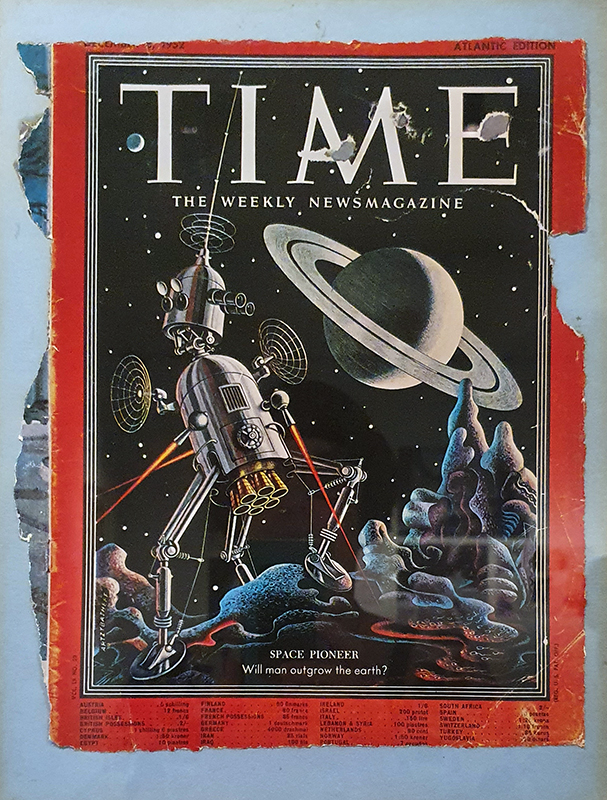
Postwar Modern at the Barbican Gallery explores the art produced in Britain between 1945 and 1965 in the wake of a cataclysmic war. Including; Denis Williams Painting in Six Related Rhythms 1954; Eduardo Paolozzi Will Man Outgrow The Earth? collage form the series Bunk 1952/1971; the lovely Aphra Shemza’s grandfather Anwar Jalal Shemza painting fusing Western ideas of abstraction with Eastern influence and Gustav Metzger Liquid Crystal Environment  made using heat-sensitive liquid crystals that are placed between glass slides and inserted into projectors where they are are rotated to create movement within the liquid causing the crystals to change colour as they are heated and cooled.

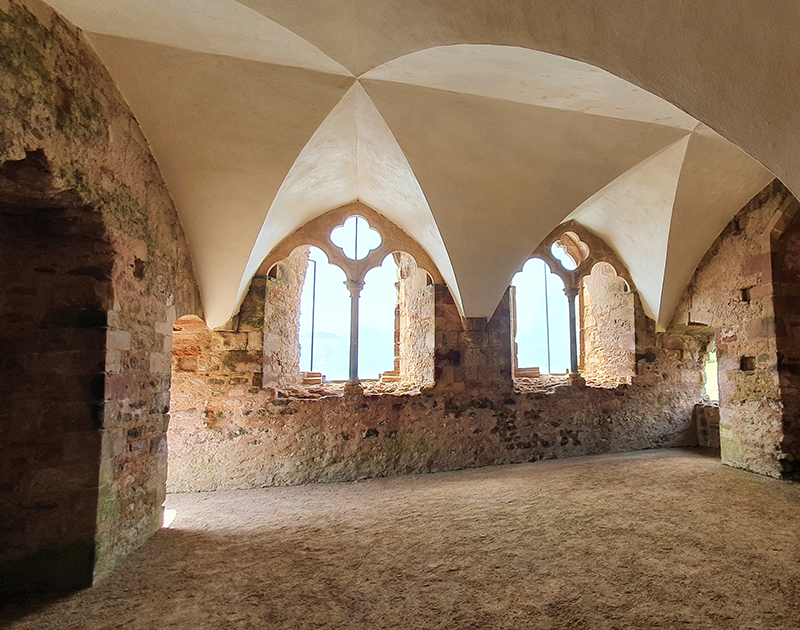
I was fascinated to learn about the numbering system used by Cistercian Monks while visiting the impressive ruins of 12th century Cleeve Abbey in Somerset. A single cypher can represent numbers up to 9999.

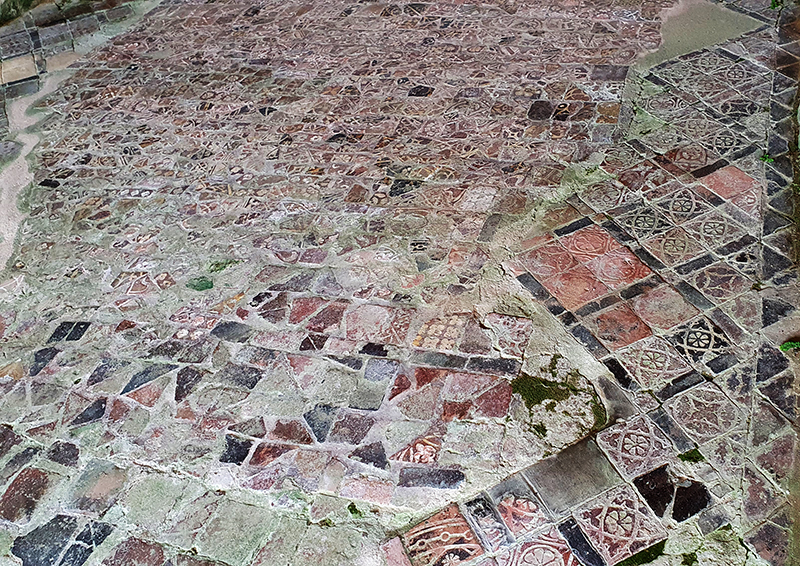
The abbey church was destroyed by Henry VIII during the dissolution in 1536 but the cloister buildings, gatehouse, 15th century refectory and 13th century heraldic tiles survived destruction as they were being used as farm buildings at the time and it’s ancient tiled floor was protected from the elements by a cabbage field.

It has been an RCA MA printmaking department tradition for each graduating year to produce a box set. In our year we questioned the purpose of a set which was inevitably split. The cost of the whole set being prohibitive to most people. We wondered how we could reinvent this idea to make it exciting and relevant. It was an exercise sometimes lacking in diplomacy but eventually it was decided that collaboration and a theme would help to create a more cohesive edition.

The result was Lean to, an interpretation of the traditional printmaking box set, it acts as a site of investigation that questions what a box set can be.

RCA Printmaking MA 2015 collaboration Lean To

RCA Printmaking MA 2015 collaboration Lean to

We chose to respond to a ‘house’ of print matter. Interested in the house as a fluid concept, we expanded it to mean anything alluding to a habitat: a home, shelter, bunker, shed, commune, boundary…

This structure allowed us to make collaboration a defining feature – people worked together on areas or ‘rooms’, responding thematically, materially and conceptually. One group worked with text to create a written 3D structure, another explored the construction of space through sound. The defining of outside space was considered through a collaboration that explored the garden, and another investigated the overlooked details via the life of dust. There were also individual responses: a digital scanning room where walls threaten to melt into the night sky, contorted vessels that appear at once frozen and shifting, a sweeping gesture of an arch promising (or threatening) an arrival.

I worked with Amanda Wieczorek, Jilly Roberts and Gloria Ceballos.

1508 Battersea Park 3

We looked at structures found on the allotment or in a garden.

1508 Battersea Park 2

We went to Battersea Park for inspiration.

1508 Battersea Park

The symbiosis of the synthetic and the organic became key to our thinking and resulted in transfer printed handmade paper embedded with seeds contained in a protective screenprinted plastic sleeve.

1508 shed

For a box set that responds to the notion of being housed, it is necessary that the skin, the home stake its place.

design by Meg Ferguson

design by Meg Ferguson


It does this by being both a folder of precious deeds, and a site of shelter and display.

RCA Printmaking MA 2015 collaboration Lean To

RCA Printmaking 2015 collaboration lean-to

The cover, complete with guy ropes and support poles, unfurls into a simple structure that acts as both site to view and shelter for its contents.

RCA Printmaking MA 2015 collaboration Lean To

RCA Printmaking 2015 collaboration lean- to

The team that installed the work for the launch night did an excellent job and we all ended up very proud.

lean to 11

The volume was launched at Tenderbooks with an evening of performance and readings.

Launch of Lean-To at Tender Books

Launch of lean-to at Tender Books

While learning about geometry and the platonic solids at The Princes School of Traditional Arts I was intrigued by Plato’s description of the fifth platonic solid – the dodecahedron – as ‘a fifth construction which God used for embroidering the constellations on the whole heaven’.

Susan Eyre Pairi Daêza

Susan Eyre Pairi Daêza

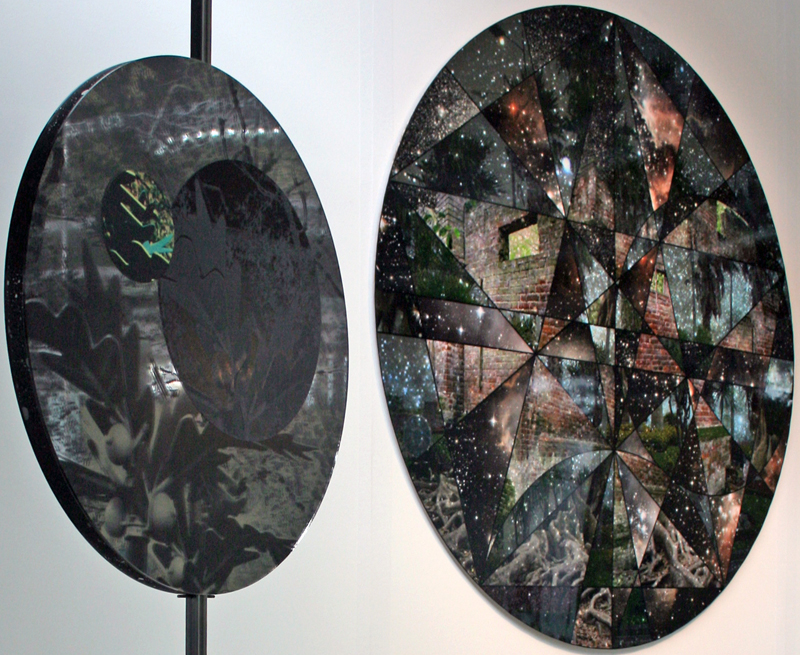
In this work I have taken the net which is used as the pattern to make a 3D dodecahedron when cut and folded into shape and used this as a structure meshing together images of constellations, an abandoned walled garden and a roundabout. I wanted to make connections between origins, structure, and belief systems. My original plan for this idea was to screenprint the images on individual segments of laser cut mdf – each piece would then be pulled slightly apart – the expanding universe. In the end it was a combination of time and feasibility that meant this idea was realised as a c-type print on metallic paper mounted on aluminium.

Susan Eyre everydaymatters

Susan Eyre everydaymatters

It became an integral part and focal point of my MA degree show installation.

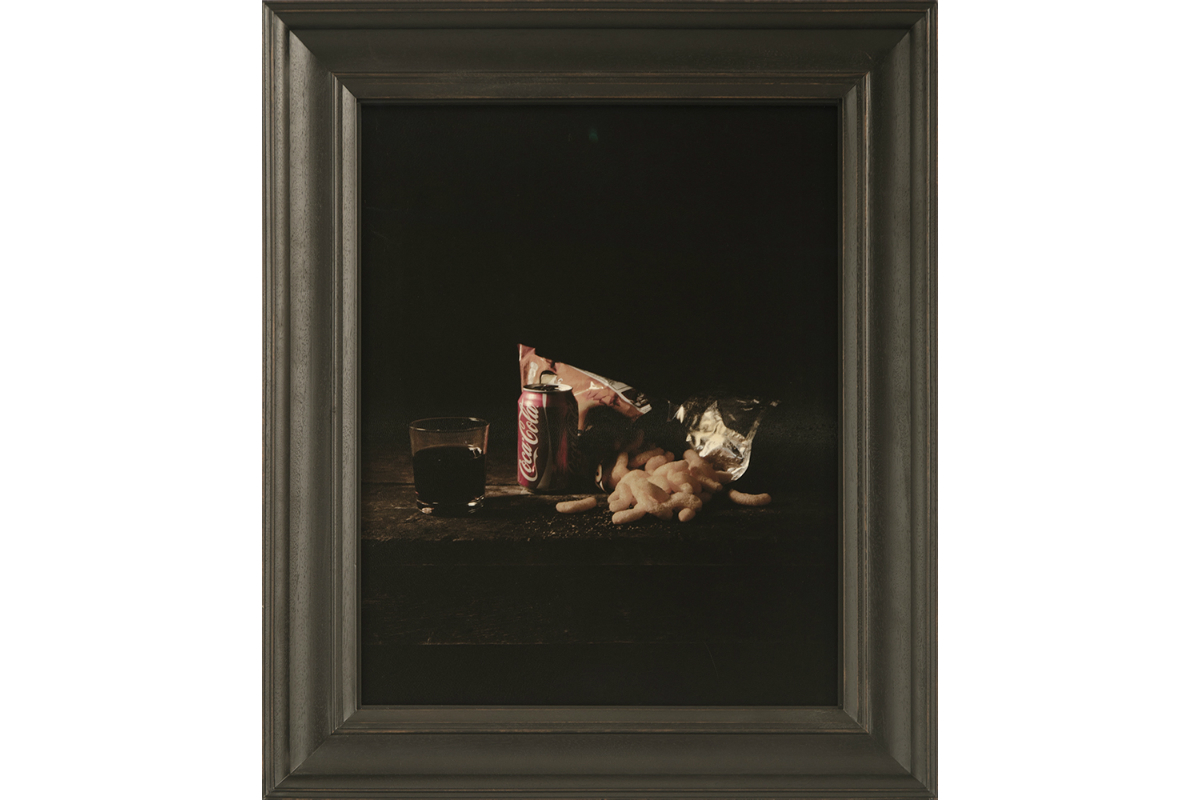
I was invited to The Collective at The House of St. Barnabas in Soho. Dark Matter Studio were hosting Matt Collishaw’s Last Supper prints in the Bazalgette Room. These images transferred onto goatskin parchment recreate the final meals requested by men condemned on death row in the style of 17th century vanitas paintings.

Matt Collishaw Last Meal on Death Row, Velma Barfield, 2012

Matt Collishaw Last Meal on Death Row, Velma Barfield, 2012


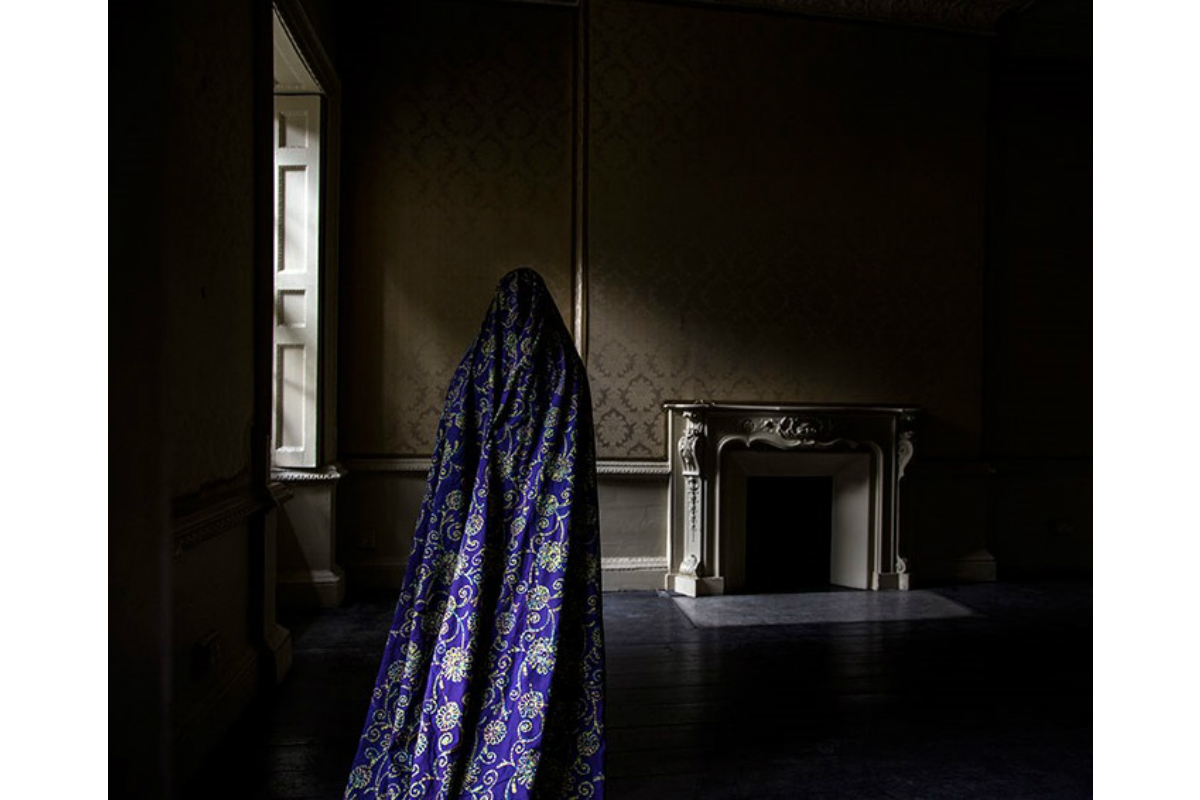
Güler Ates had work appropriately showing in the Silk Room. Taken just before the club at  opened in 2013, her photographs confront the intense dialogue between the past and present that is unescapable in such a space. Güler comments on the presence of the past; ‘They were absent; however, through the objects in the rooms, the interiors and the exterior of the building, I wanted to trace the “present” of some of the previous occupiers.’

Guler Ates Departure into darkness

Guler Ates Departure into darkness

I had a tutorial with her while at the RCA  when she had suggested I should scale up my fabric pieces and take then to the sea – I think this is something I could try  when I visit a clear  sea but also I would like to try under a waterfall or in a brook.  She also talked about the importance of the structure for the display of the circles which I was still struggling with.

The House of St Barnabas is an impressive building it even has its own chapel where ARTinTRA  presented PARAMENTRONOMICON  a site-specific, computer animated video and sound installation by the Finnish duo Pink Twins (Juha and Vesa Vehvilainen) , curated by Vassiliki Tzanakou.

1508 Pink Twins

Pink Twins PARAMENTRONOMICON

Within the dark space of the chapel lit by a faint glow from narrow stained glass windows a large screen takes the place of the altar. The sci-fi imagery in high saturation colour is dazzling in a perpetual cycle of abstracted motion, forming and reforming. There is a nice play between the deconstructed images of the stained glass – once this technology was awe inspiring in itself – and the similar breakdown of form in the swirling images on the screen. We are similarly held enthralled by this mesmerizing experience as were the first visitors to encounter the delights of light through coloured glass.

In retrospect I can see that Pairi Daêza has a structure similar to that of a stained glass window.

Susan Eyre Pairi Daêza

Susan Eyre everydaymatters / Pairi Daêza

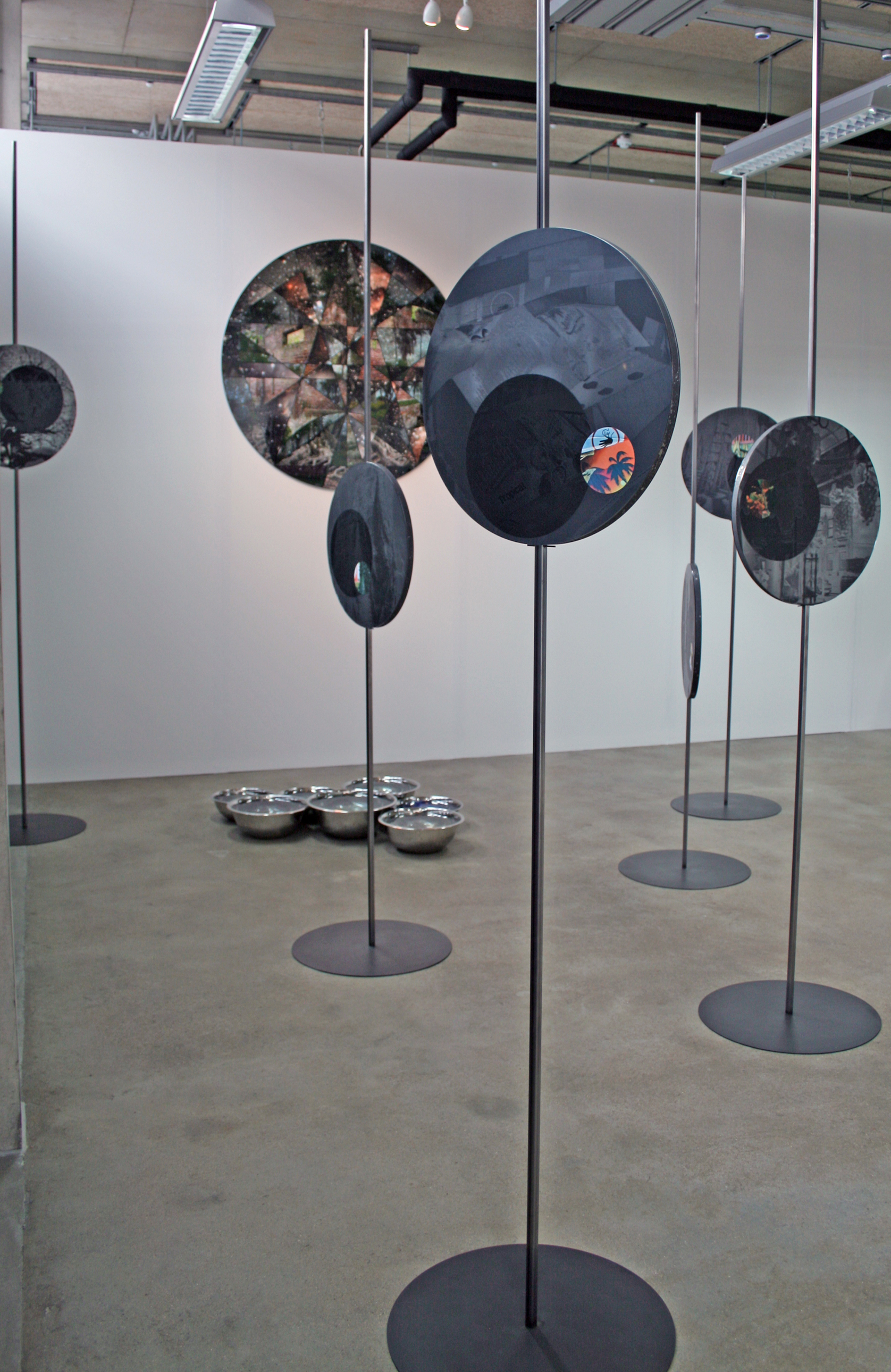
Looking for structures and patterns in the matter of landscape and breaking those down is something I am interested in. When installing the circle sculptures I learnt how hard it is to be consciously random. I wanted to place the pieces randomly with the idea that these were slices of space that could appear anywhere but my instincts kept drawing me to balance and pattern.

Susan Eyre everydaymatters

Susan Eyre everydaymatters

After the show when trying to clear space in my studio at home I came across some very old samples I had forgotten about. It’s fascinating the way ideas form over time with threads emerging and submerging.  When I made these I was thinking about geology  and the human effect on the formation of rock strata, how all our rubbish in landfill would create the gemstones of the future.

1508 earth crystal

Here on these layered plastic carrier bags was the universe with digitally embroidered geometrical patterns of crystal structures.

1508 earth structure

Another sample of layered plastic with machine free stitched geometrical patterns, melted to reveal images of human life. These pieces were a bit clunky but it feels there is a connection in my thinking here that has carried through. I have been thinking about black holes and disruptions in space and this old work has given me some new ideas to carry forward.

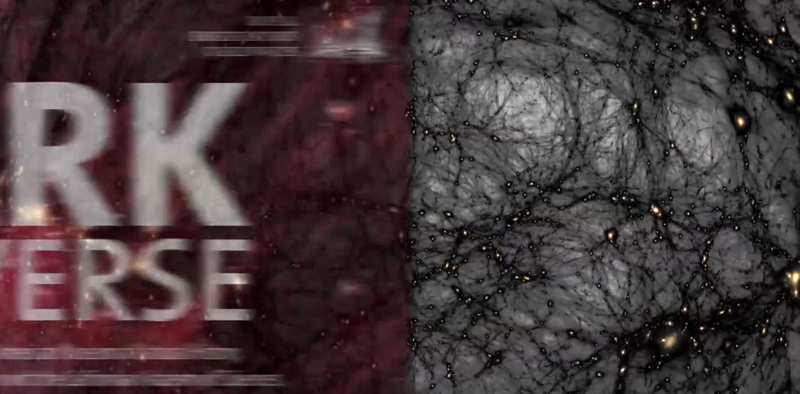
I went to see Dark Universe at Greenwich Planetarium. As I had previously learnt on the CERN website the planets, stars and everything you can see make up less than 5% of the Universe. Dark Universe is a new planetarium show exploring what we know – and what we don’t know – about the structure and history of the Universe.

1508 dark universe

I don’t think I learnt anything new from this show but the visual experience of being blasted through space was worth the trip.

The space theme continued with a trip to Breese Little Gallery  to see the exhibition dark frame / deep field  and a collection of Vintage NASA Photographs.

The most arresting piece was Dan Holdworth’s giant c-type of a mountain range inverted into an ethereal alien scape.

Dan Holdsworth, Blackout 13

Dan Holdsworth, Blackout 13

The NASA photos were also fascinating. The strange light, the staged self-consciousness.  These images share the style of the cinema flyer from the same era and so the amazing achievement and experience of these men standing on alien soil seems to get diluted by the association with fantasy making it even harder to comprehend what we are looking at.
Alan Shepard and the U.S. flag, Apollo 14, February 1971

Alan Shepard and the U.S. flag,  Apollo 14                February 1971


I enjoy visiting artists studios, seeing the debris from the workings of the mind. I am envious of these spaces. I went to see what Elizabeth Murton and Lizzie Cannon have been working on at Bow Arts Open Studios Event. Elizabeth is also interested in structures and was showing her experiments with nets and the malleable nature of space.

Elizabeth Murton worked net

Elizabeth Murton worked net

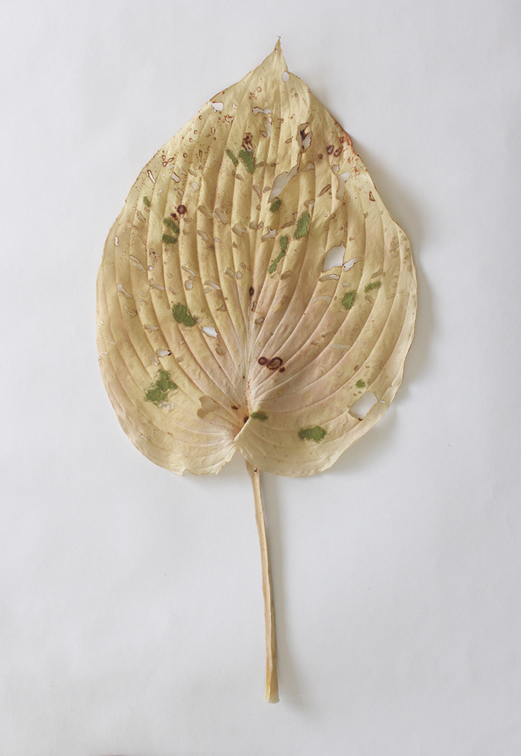
Lizzie has hauled a giant portion of rusting pipe from a Suffolk beach into her studio. She had already started to discreetly embellish the rust encrusted surface with tiny stitches and glass beads. She is interested in accretion of matter and repair. Repair can also contribute to the deterioration as the tiny perforations from the stitching break down the surface. In the case of her mended leaves the repairs appear as scars.  Both artists had work in the Structure, Texture, Future exhibition, an investigation into ruin and repair the substance of matter and our relationship to it,  curated by Shahida Bari and Rosamond Murdoch.

Lizzie Cannon Mended Leaf (Hosta)

Lizzie Cannon Mended Leaf (Hosta)