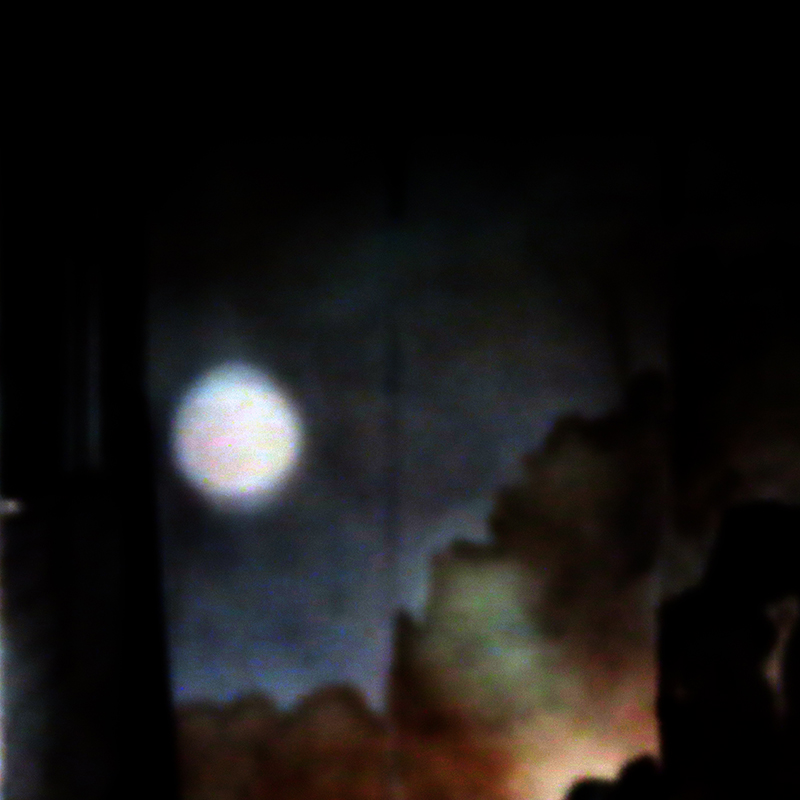
To welcome back the light of longer days I collected one of my solargraph cans from The Hogsmill Nature Reserve where it had been fixed to a hide for 6 months, since the summer solstice, looking out across the water where the birds gather. Really pleased with the image and that it captured the reflection too.
So delighted that Cosmic Chiasmus: crossing the universe was included in the amazing Serendipity Arts Festival, an annual interdisciplinary festival held across multiple venues in Panjim, Goa, India. I just wish I could have visited 💎🌌✨️☀️
My video was shown as part of the selected module exhibition CARBON, curated by the Science Gallery Bengaluru team in collaboration with artist and curator Ravi Agarwal.
Artists: Annelie Berner; Susan Eyre; Marina Zurkow; David Hochagatterer; Dhiraj Kumar Nite; Jan Sweirowski; Jane Tingley; Maria Joseph and Nuvedo; Shanthamani Muddaiah
Curated walkthrough with Jahnavi Phalkey
The video (05:29 min) offers a glimpse into a subatomic world where cosmic rays travel from distant galaxies to collide and silently interact with atoms and technology on Earth. Above our heads where cosmic rays interact with the Earth’s atmosphere radioactive carbon-14 is formed. This is then absorbed by plants that are eaten by animals and humans. When an organism dies, no more carbon-14 will be absorbed and the current amount in the organism will start to decay. By measuring the remaining carbon-14 in organic matter, the time of death can be established. Cosmic ray activity gives us carbon dating techniques.
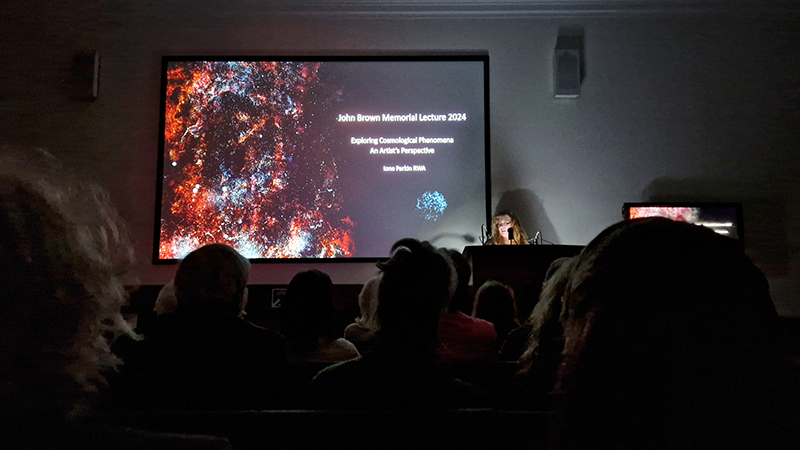
I attended The John Brown Memorial Lecture: Exploring Cosmological Phenomena: An Artist’s Perspective, talk by Ione Parkin RWA at The Royal Astronomical Society. Ione is the Co-Founder/Lead Artist of the Creativity and Curiosity Art-Astronomy Project (C&C). She is an Honorary Visiting Fellow of the School of Physics and Astronomy at the University of Leicester and a member of the British Association of Planetaria. Through her many cosmological paintings the ephemeral, gaseous, nebulous phenomena of space are given an earthly materiality that still retains the sense of the intangible. Ione has created an impressive body of work. I especially liked the cloud chamber mixed media pieces and photopolymer etchings created through the fluorescence microscopy process of firing laser beams of light of one wavelength at the surface of the painting then capturing the light emitted from a longer wavelength. Look forward to seeing these works irl rather than digital images.
I am over the moon that Ione has selected my sculpture The Azimuth Obelisk (of sedimentary knowledge) to be included in Cosmos: The Art of Observing Space, a major exhibition she is curating at the Royal West of England Academy in 2026. Cosmos will bring together a body of artwork inspired by themes of astronomy, cosmology, astrophysics, planetary atmospherics, space-exploration, solar dynamics and celestial mechanics. There will be a catalogue published to accompany the exhibition with a Foreword by Professor Chris Lintott (Professor of Astrophysics, University of Oxford).
In the studio I have been conducting some more tests towards a video installation which will respond to the crystal structure of magnetite and a quote from Jason Groves book The Geological Unconscious – ‘What truth could be more unexpected ….than the one in which the mineral envisions while also being envisioned.’
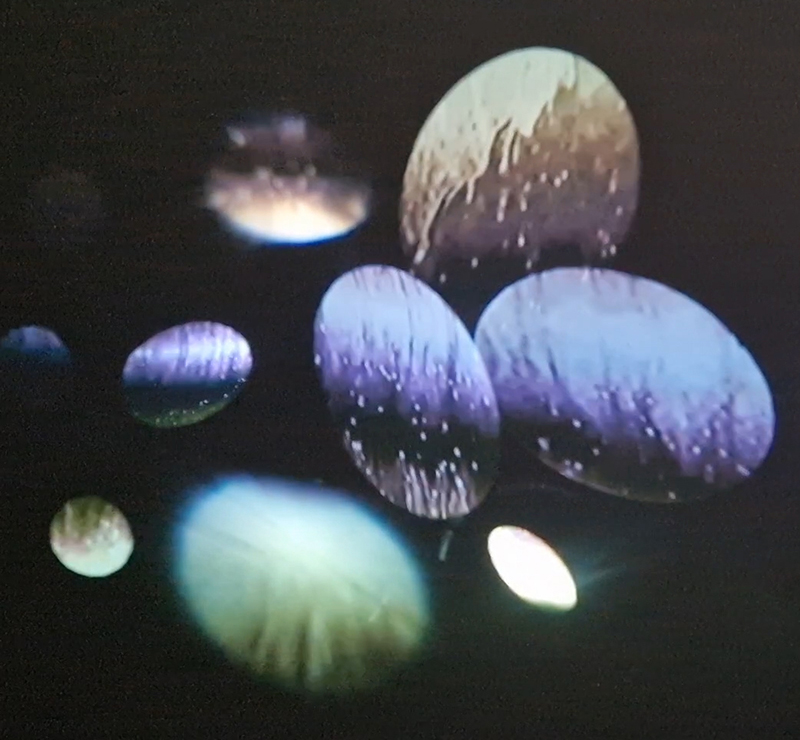
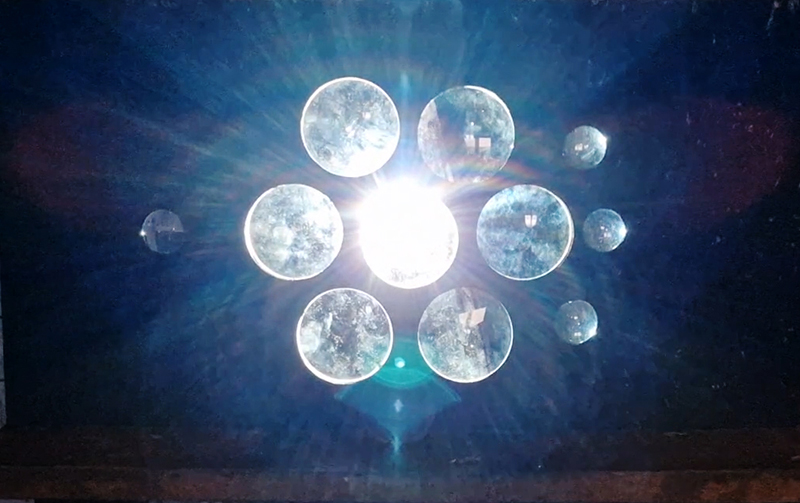
Magnetite is attracted to a magnet and can be magnetized to become a permanent magnet itself. It’s crystal structure was determined in 1915 as one of the first crystal structures to be obtained using X-ray diffraction. Magnetite contains both ferrous (divalent) and ferric (trivalent) iron. At present I am just testing the concept and technical issues using a small board with some lenses inserted in a circle pattern. The large lenses used to distort the projection represent the oxygen present in the crystal structure, I have drilled some smaller holes to test lenses to represent the iron component. In my tests I was surprised to find that when the small lenses were inserted in the holes the projection image was no longer visible on the wall. The small lenses I have are quite thick, but still it was unexpected. I am sourcing some thin lenses to test.
Projection with no lenses in board – no distortion of image
With all lenses inserted – large lens distortion occurs but small lens images not visible
Tests with only large lenses inserted for distortion
Tests using back projection screen and looking directly at the lenses
Exhibitions visited
In the Thick of Things at APT curated by Chris Marshall and Cash Aspeek including works by Laura White, Asaki Kan, Leila Galloway and Deborah Gardner. Big messy works, tumbling, sliding and colliding following the vein of arte povera letting the materials speak. Had a touching conversation about the last days of our respective parents with Cash who had made a very personal series of work using her parents marital bed of 60 years as both subject and material.
Conglomerates at Hypha Gallery Mayfair, a group show featuring work by Paola Bascon, Rhiannon Hunter, Rona Lee, Hannah Morgan, Davinia-Ann Robinson and Sam Williams. A warm and earthy show exploring care formed through relations with self and other beings to create substrates for resistance, deep-knowing, storying and kinning as processes of paying attention to that which is unheard.
Reading
While reading Margaret Atwood’s disturbing novel Oryx and Crake (to gain insight after seeing the stunning collaboration between Wayne McGregor and Max Richter in Maddaddam at ROH recently) I came across a reference to Mesembryanthemaceae – a plant which disguises itself as small pebbles by taking on patterns and colouring of the ground it grows on. I had forgotten about these strange plants commonly called stone lithops or living stones. The thick leaves can store enough water for the plants to survive for months without rain and during dry periods they shrivel into the ground. With no stem they are partially subterranean, sending light down to the buried leaf cells via ingenious reflecting ‘window cells’ on the two wide leaf tips.
In The Human Soul: Its Movements, Its Lights, and the Iconography of the Fluidic Invisible, originally published in French in 1896, Dr. Hippolyte Baraduc (1850–1909) postulates the existence of “the fluidic invisible” — a “vital cosmic force”, which he calls Odic liquid, that extends across the universe and “saturates the organism of living beings and constitutes our fluidic body”. Instead of all things being composed of one elementary substance, as in philosophical accounts of the monad, in this cosmic vision, we all live in a sea that we cannot see, which Baraduc names Somod.
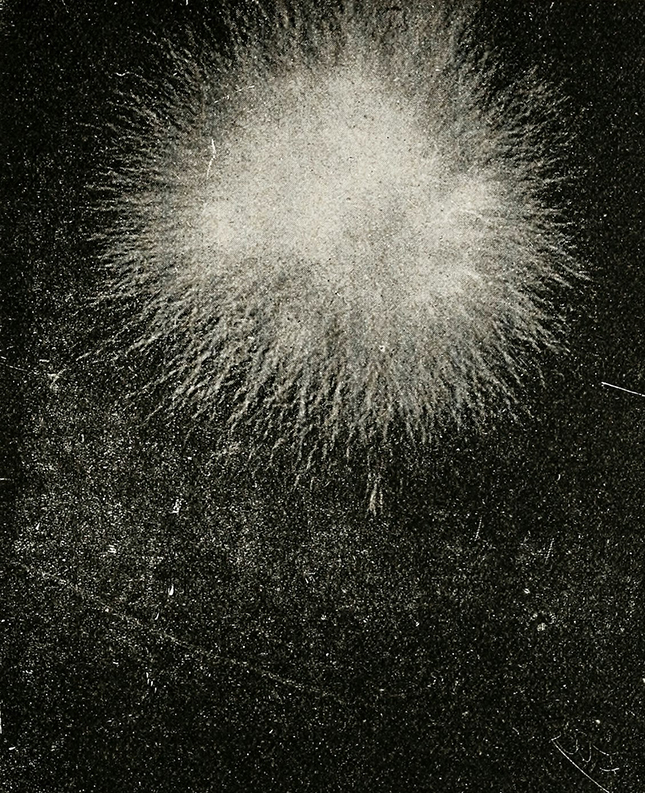
This remarkable image posted by Public Domain Review is one of the many attempts to capture the “vital cosmic force” made by Dr. Hippolyte Baraduc a French physician and parapsychologist who believed he could photograph thoughts and emotions.
“Pure electography of the hand by Iodko’s method. The hand of an over-electrified person, placed on a plate gives a very remarkable impression of the electrified cutaneous surface.”
I am intrigued as to what might ‘over-electrified person’ mean? I was also fascinated by this image – “Luminous spectre of the north pole magnet, obtained by the red electric photographic lamp, surrounded by fine pearls of psychecstasis.”
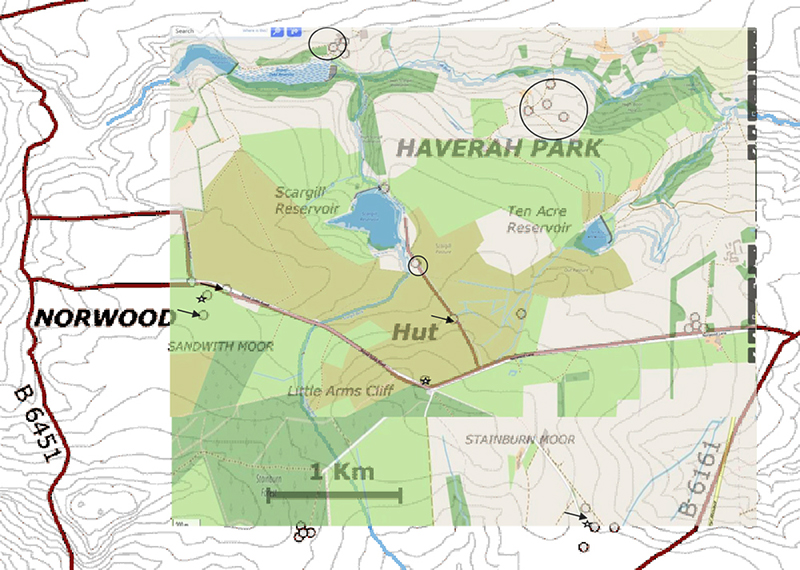
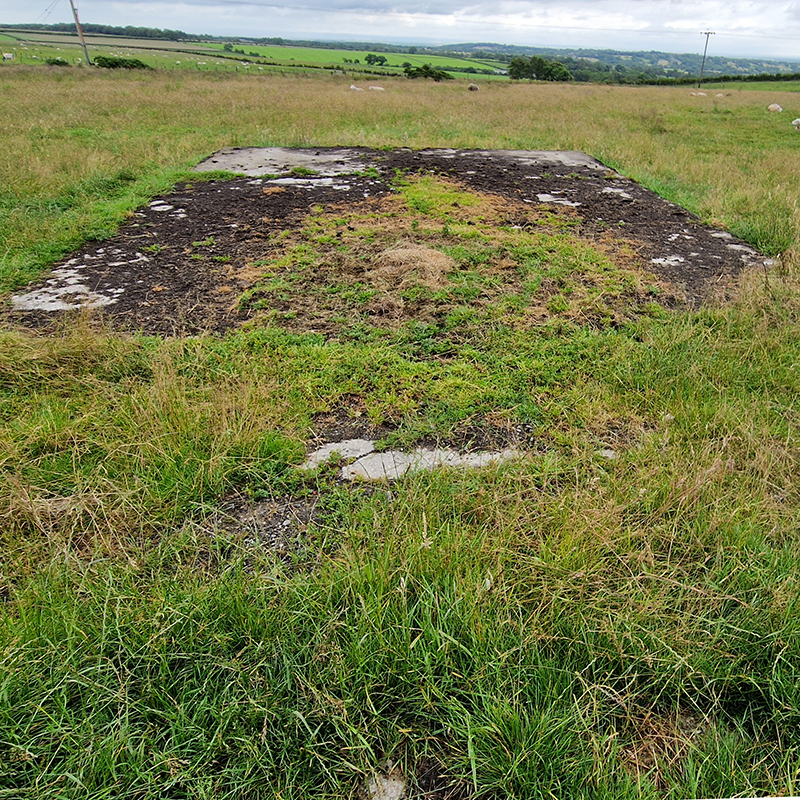
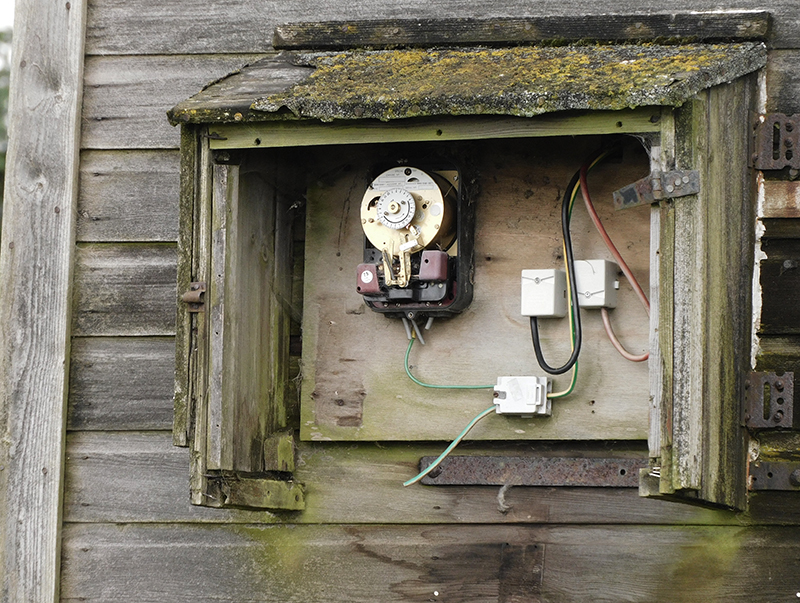
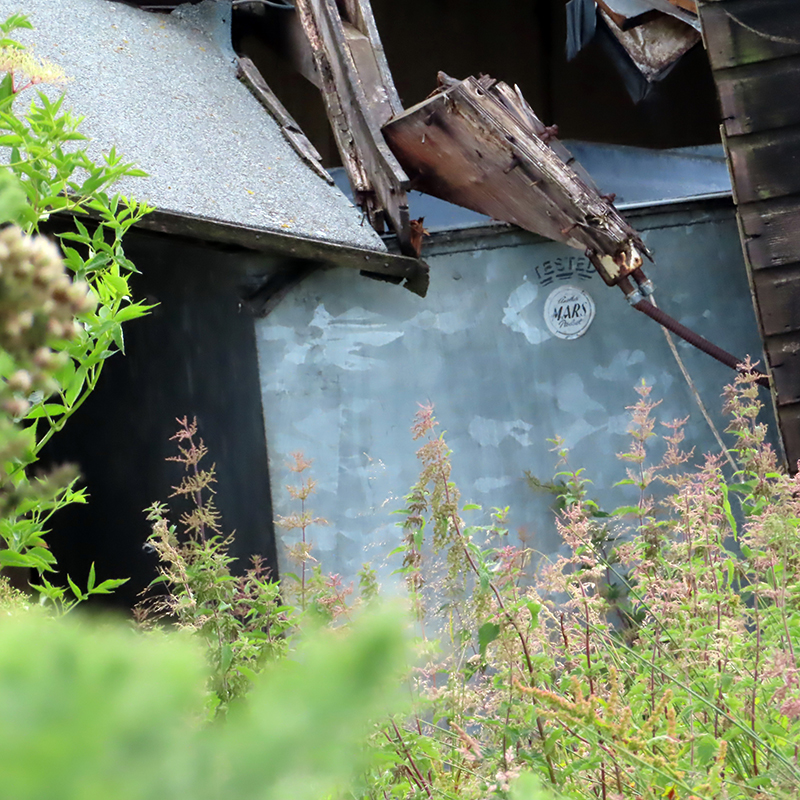
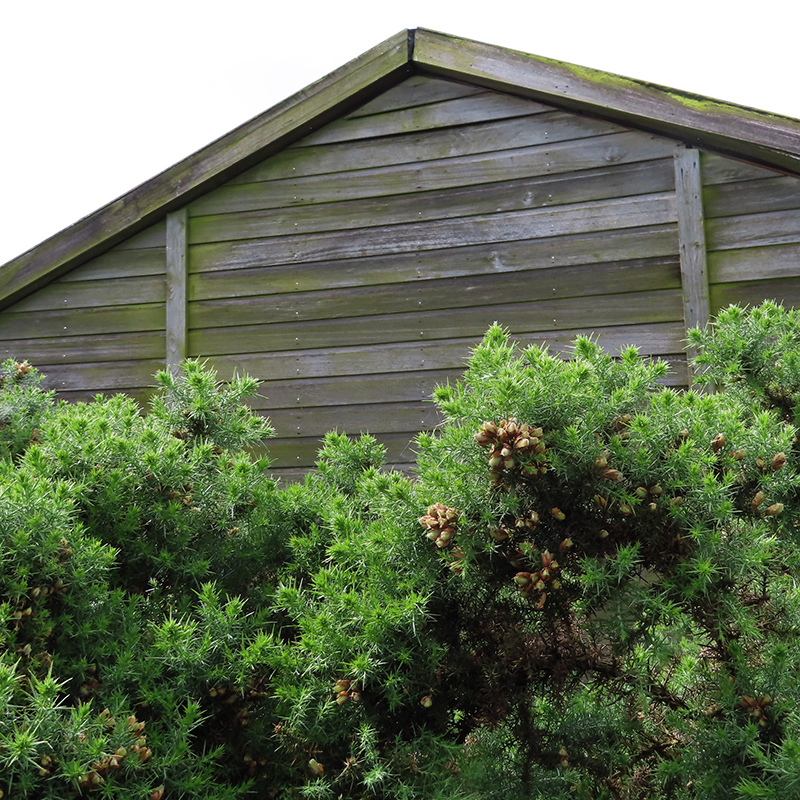
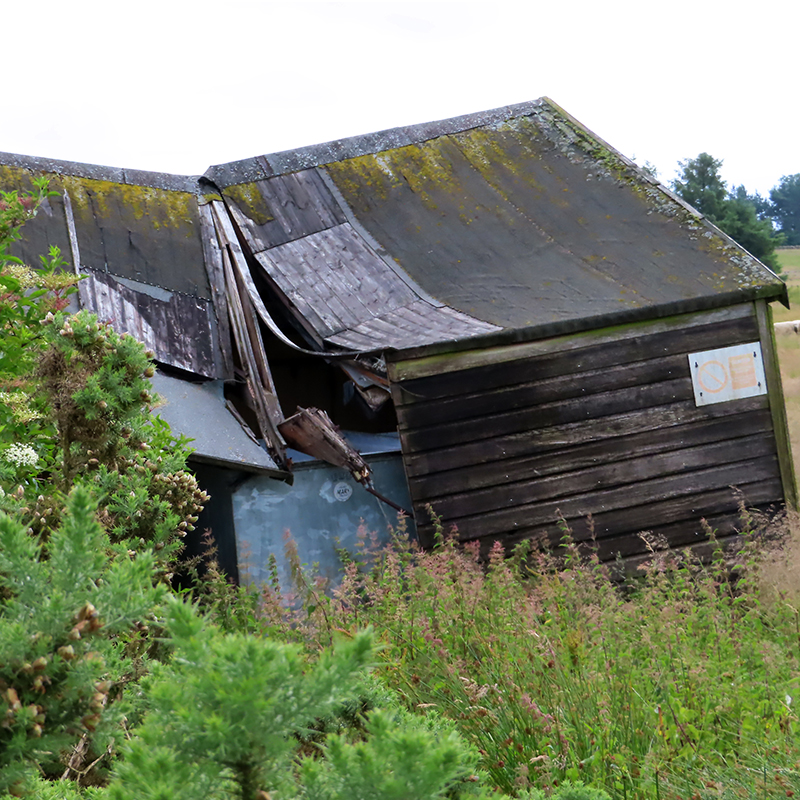
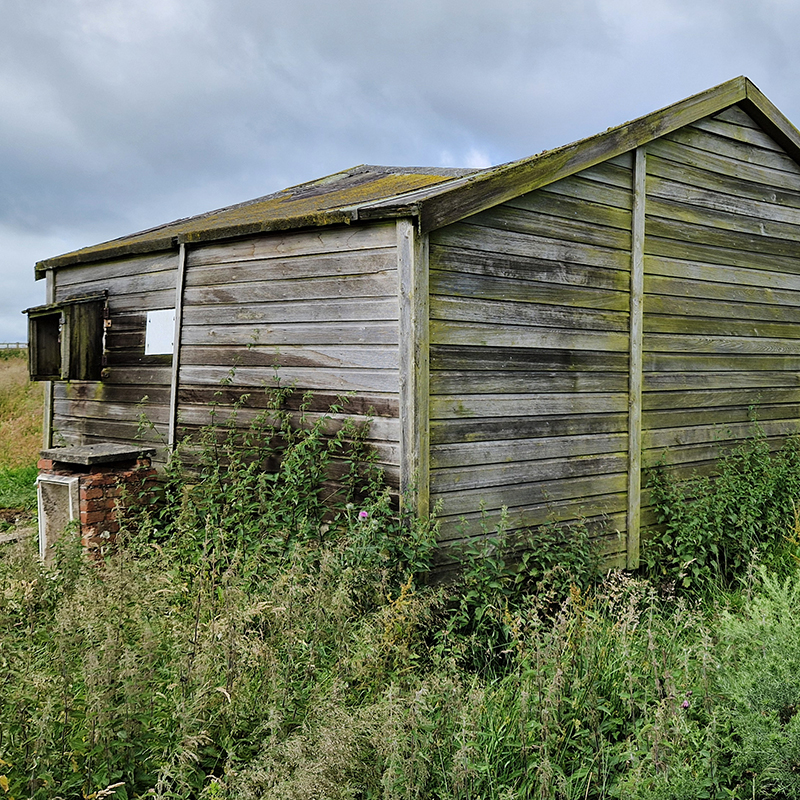
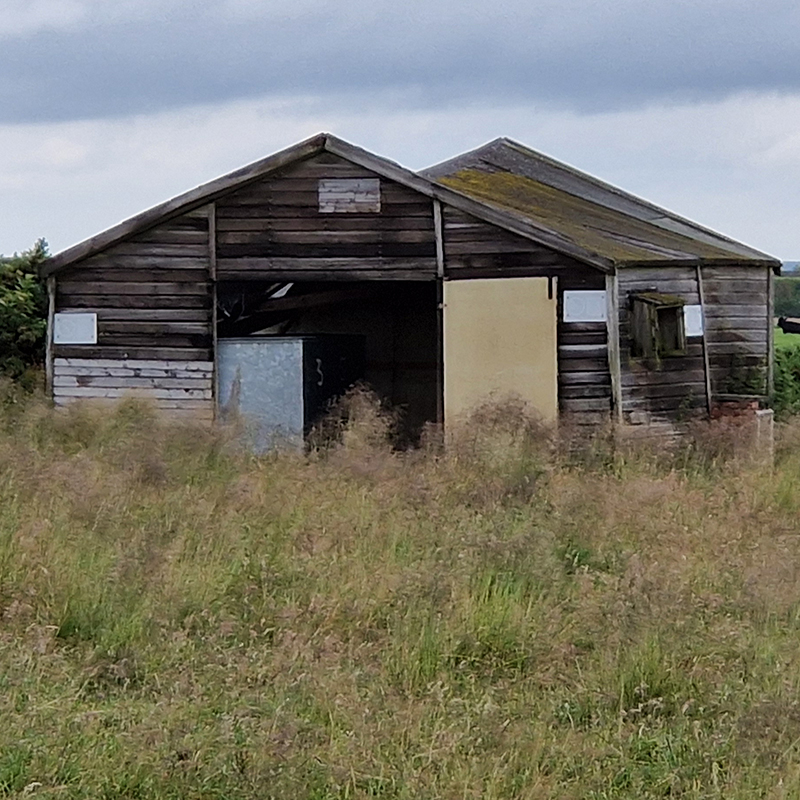
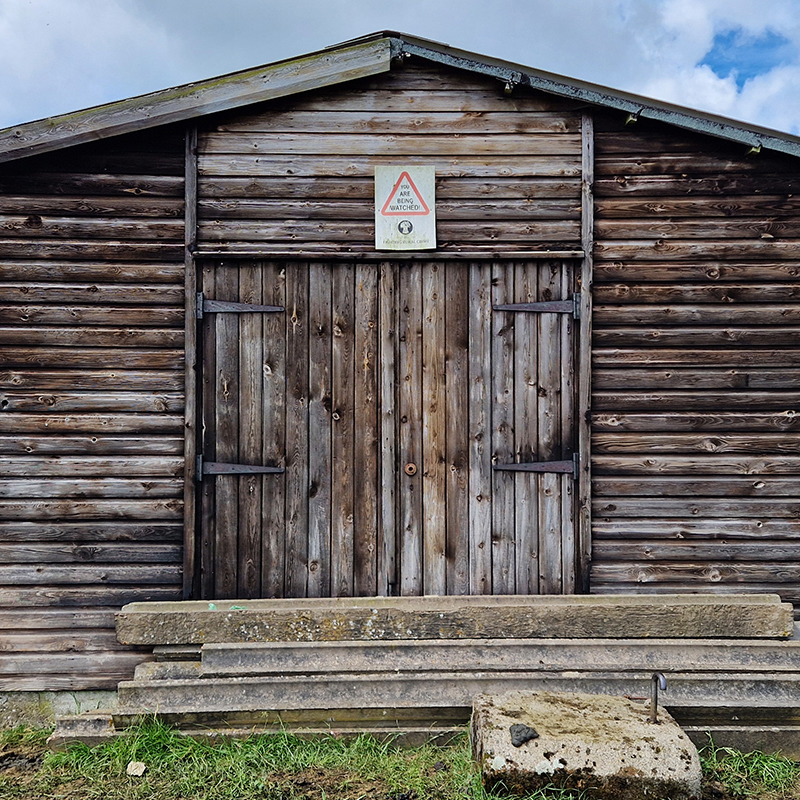
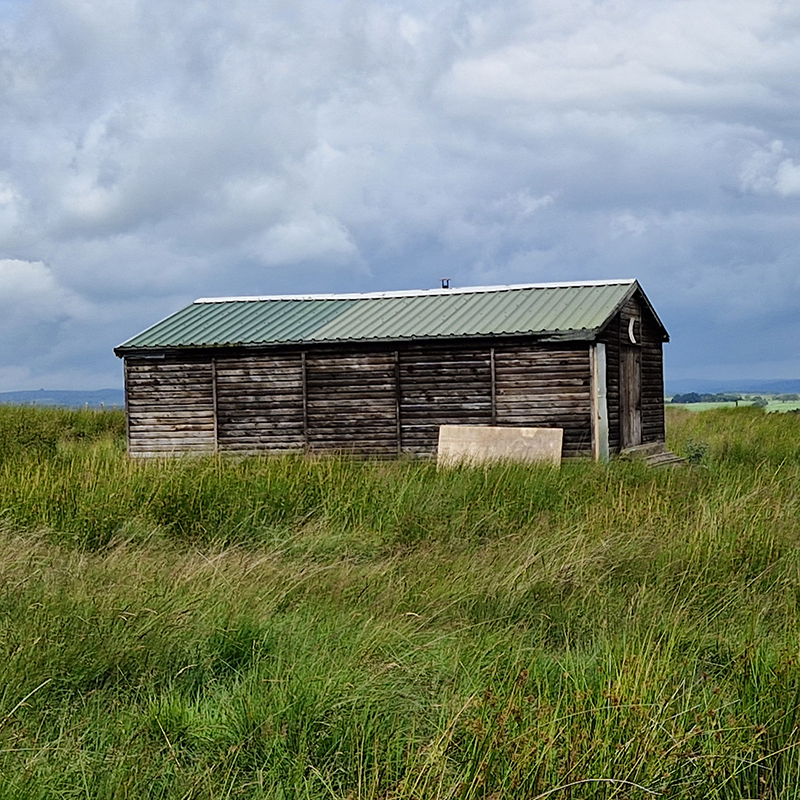
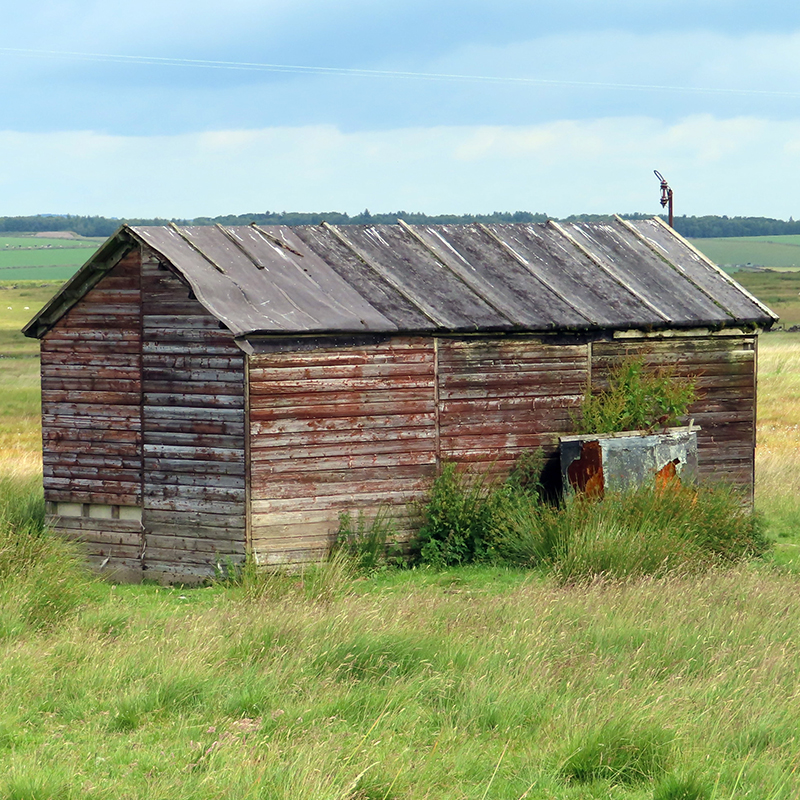
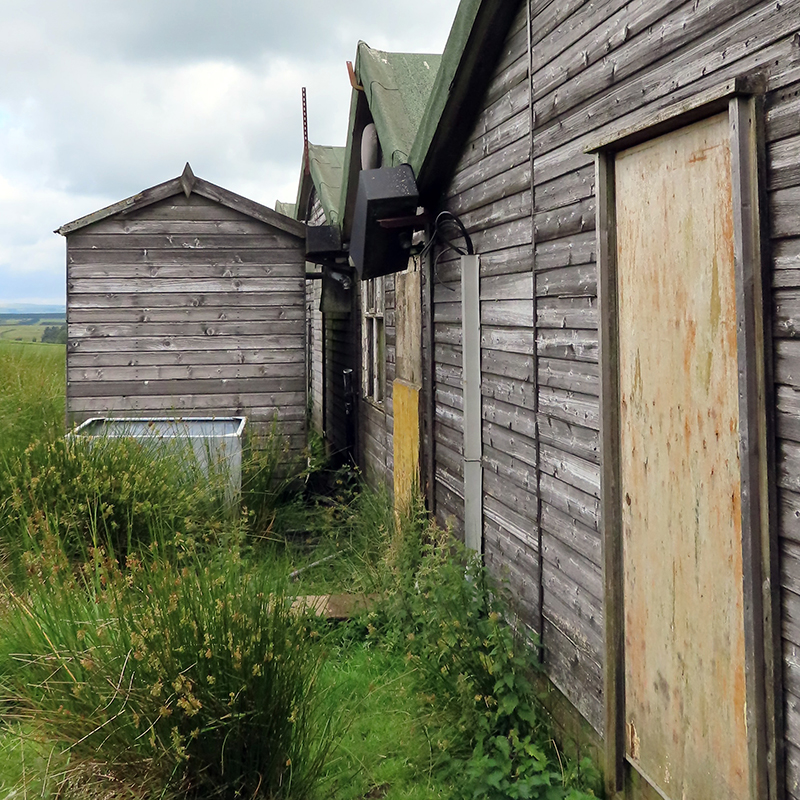
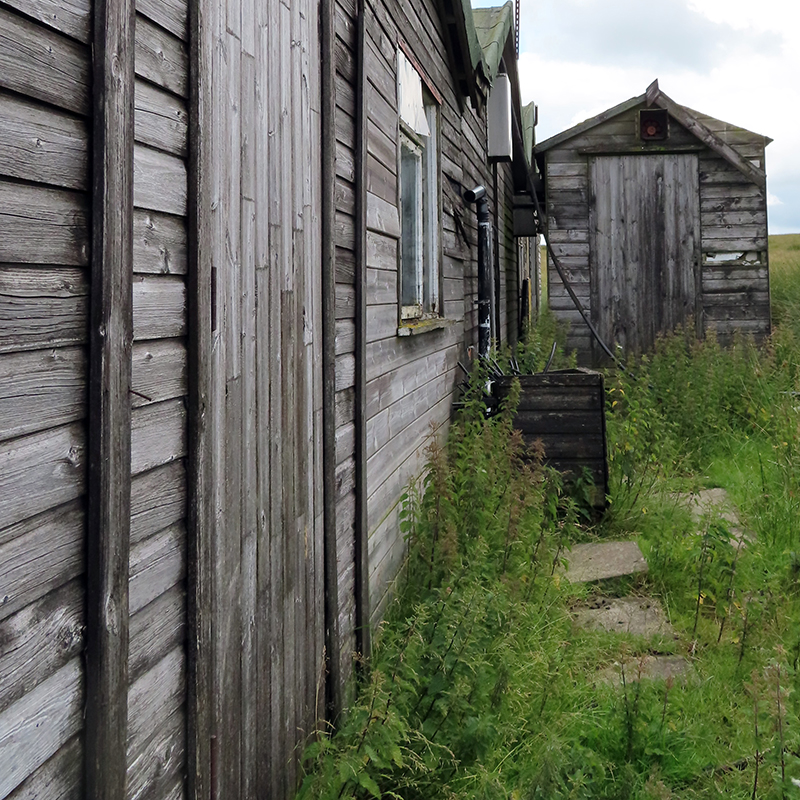
In search of huts. I have been on a mission to locate and document the remaining huts from a cosmic ray detection experiment at Haverah Park on the Pennine moorland in North Yorkshire.
When high-energy cosmic rays enter the atmosphere, they set off a chain-reaction particle cascade known as an extensive air shower. The Haverah Park experiment was home to one of the largest extensive cosmic ray air shower arrays in the world.
It was operated by the Physics Department of the University of Leeds for 20 years, closing in 1987. An array of over 200 water-Cherenkov detectors covering 12 km2 were active during its operation and many 1000’s of extensive air showers were recorded, including ones of such size that the cosmic rays that generated them had energies previously unthought of, adding to the mystery of where they come from.
The large energy density of cosmic rays is close to that of starlight, adding their own glow to the sky as they blast across the universe. Cosmic rays are the atomic nuclei of elements ranging from hydrogen to uranium accelerated to high energies, with half being protons and most positively charged.
Much of the technology used to observe cosmic rays has changed little over the decades since first inventions and still plays a role within newer technologies.
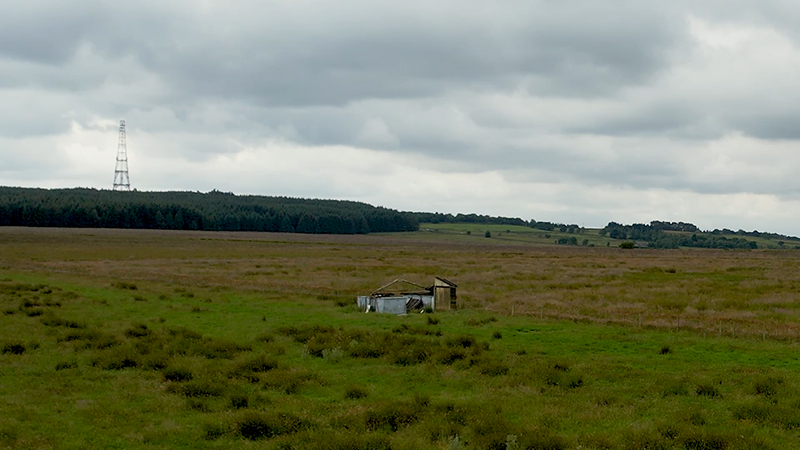
It appeals to me that the excitement of observing particles from other galaxies happened at these unassuming structures.
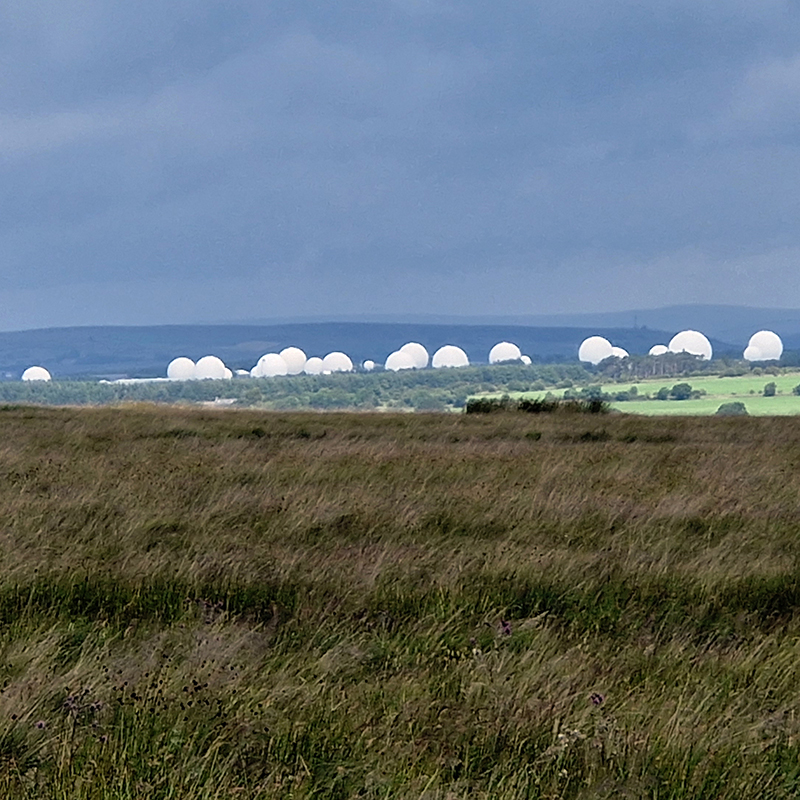
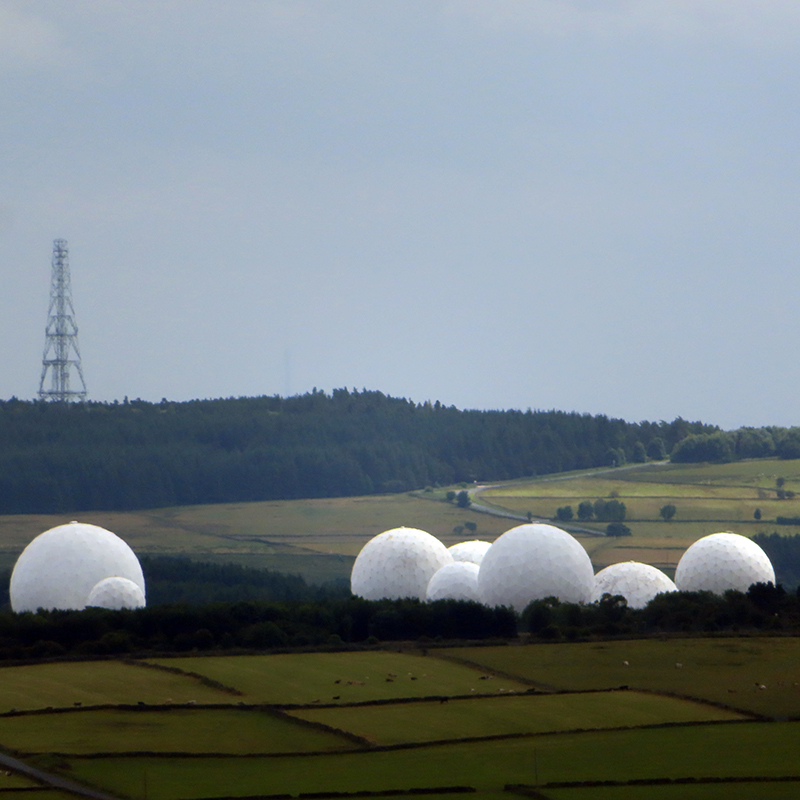
Sharing the landscape of Haverah Park cosmic ray air shower detector array huts are the striking white radomes that shield secret radar equipment at RAF Menwith Hill. The spy station has been there since the cold war space race began in the mid-fifties. Little is known about what goes on here but broadly it is said to gather electronic intelligence and is operated by US National Security Agency (NSA) and UK Government Communications Headquarters (GCHQ). As satellite technology has increased so has the number of radomes which now number 37 at the site. It is worth noting that satellites are vulnerable to unpredictable space weather and cosmic ray interference.
The total number of particles detected in a shower can be used to estimate the energy of the primary cosmic ray. Some particles contain the highest energy form of radiation known to exist anywhere in the universe and their origin is one of science’s greatest mysteries. Air showers of secondary particles generated from a primary cosmic ray hitting the Earth’s atmosphere are spread over many kilometres when they hit the ground so it is useful to have detectors spread over a large area. The difference in the time of arrival of recorded particles at multiple detectors can be used to estimate the arrival direction of the primary cosmic ray. However, this does not necessarily reveal the origin of the particle as magnetic fields within the galaxies bend their trajectories so that the memory of their original direction is obfuscated.
The cosmic ray detectors I made for the The Breath of Stars use a block of plastic scintillator which emits a short burst of UV light when a charged particle passes through it which is picked up by a single-photon-sensitive device. The detectors used at Haverah Park are water Cherenkov detectors. These are large steel tanks of purified water with photon sensitive detectors in the water.
While the speed of light in a vacuum is a universal constant its speed through a material may be significantly reduced as it is slowed by the medium. A particle passing through a material faster than that at which light can travel through the material loses electrons thereby emitting light. When cosmic rays pass through the water tanks, they emit Cherenkov radiation because they travel faster than the speed of light in water. Cherenkov light is similar to the production of a sonic boom when an airplane is traveling through the air faster than sound waves can move through the air. Pavel Cherenkov along with Ilya Frank and Igor Tamm discovered and demonstrated this phenomenon in 1934, astonishingly, it had been predicted in 1888 by Oliver Heaviside, and in 1910 Marie Curie had noticed a strange blue glow from her radium experiments.
There are so many high energy particles hurtling around the universe that they almost equal starlight in energy density. Cosmic rays travel at almost the speed of light and because they are charged particles most cosmic rays are confined, spiralling within our galaxy for a million years or more, by the magnetic fields which permeate it.
Five million cosmic rays pass through your body each day. Some will collide with atomic nuclei. A particle passing through a material at a velocity greater than that at which light can travel through the material emits light. Maybe we glow a little.
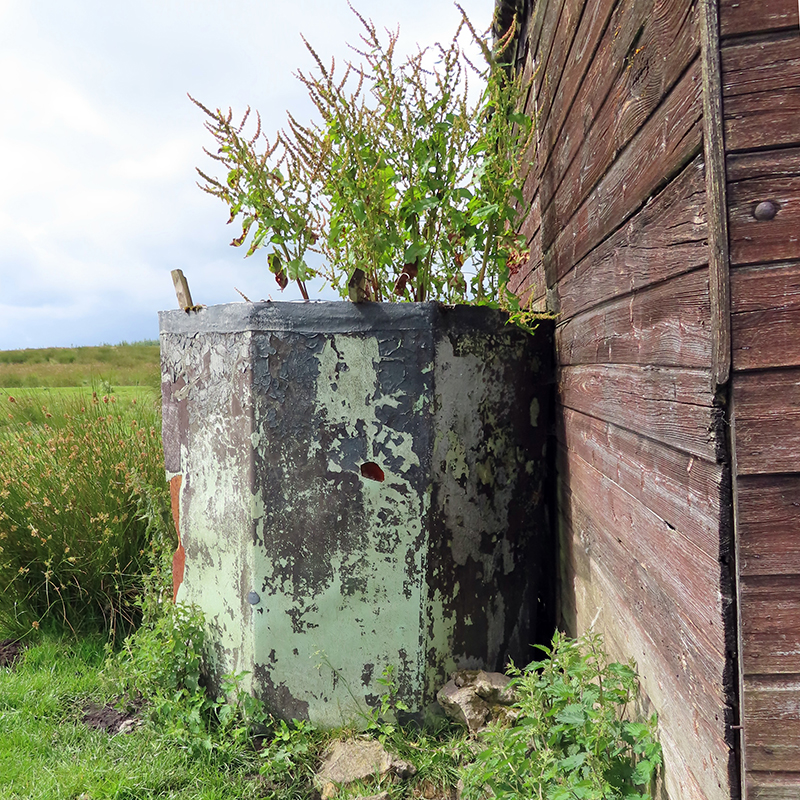
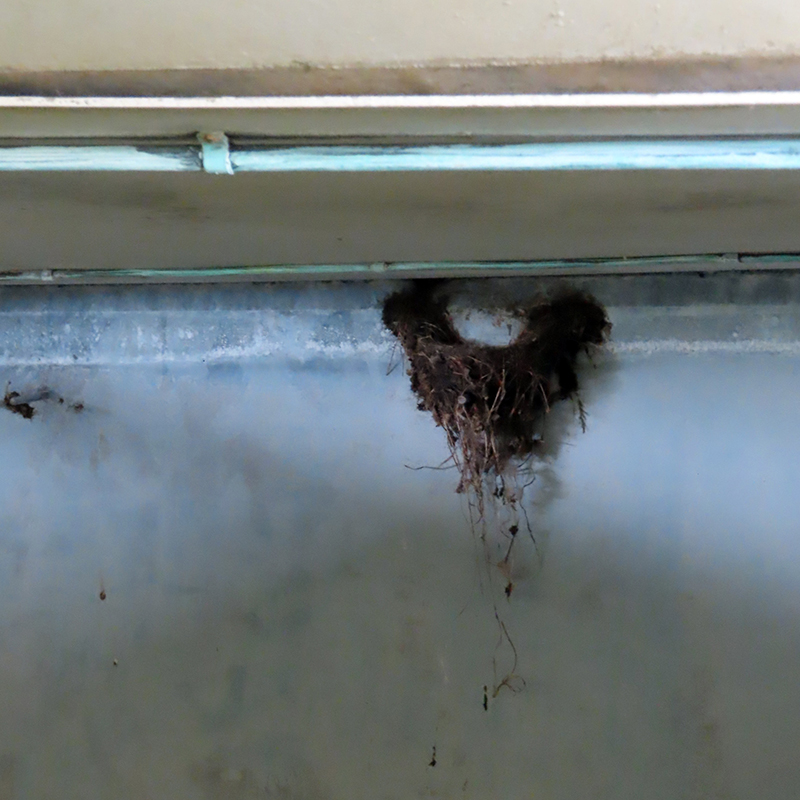
Following the disappearing trail. Haverah Park hut with an intriguing hexagon tank.
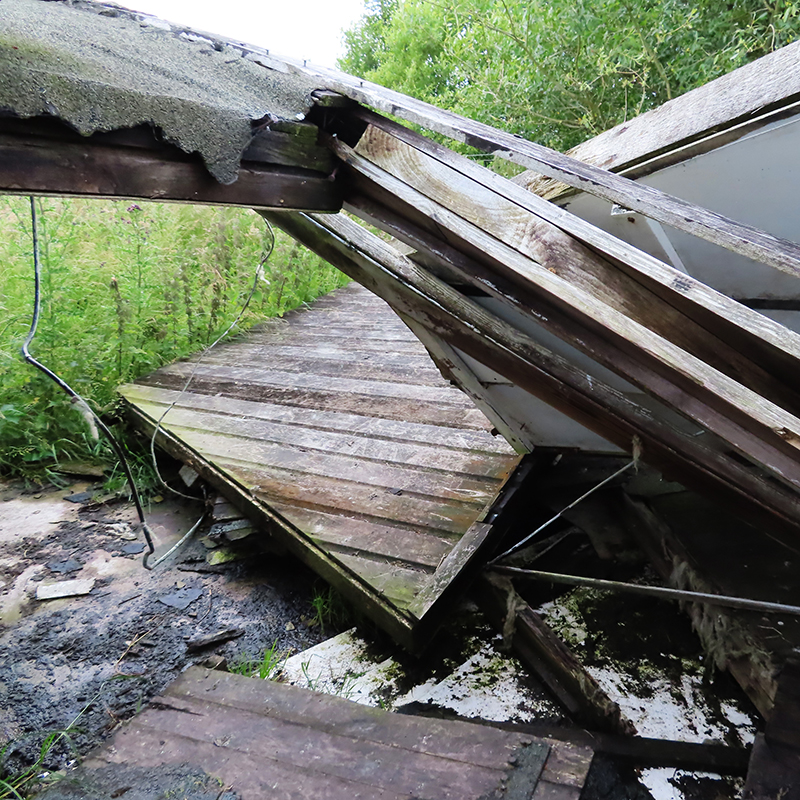
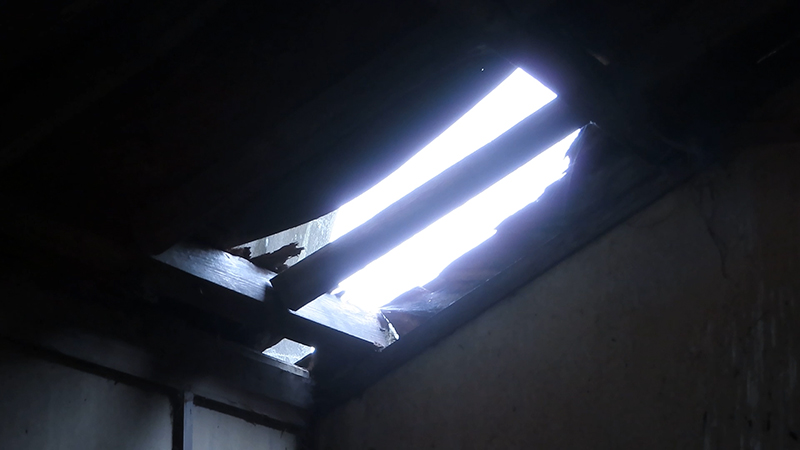
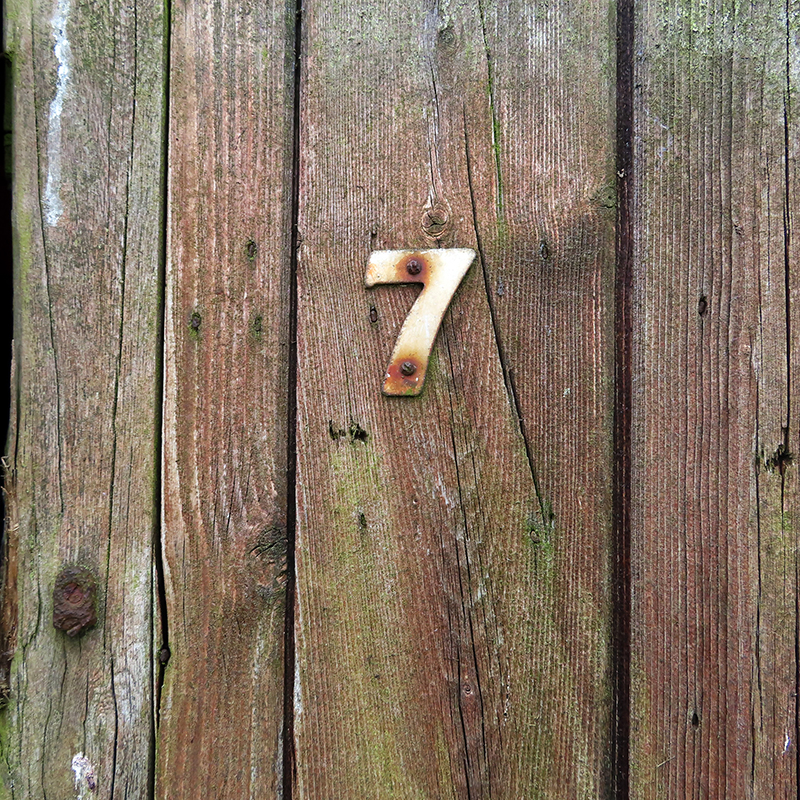
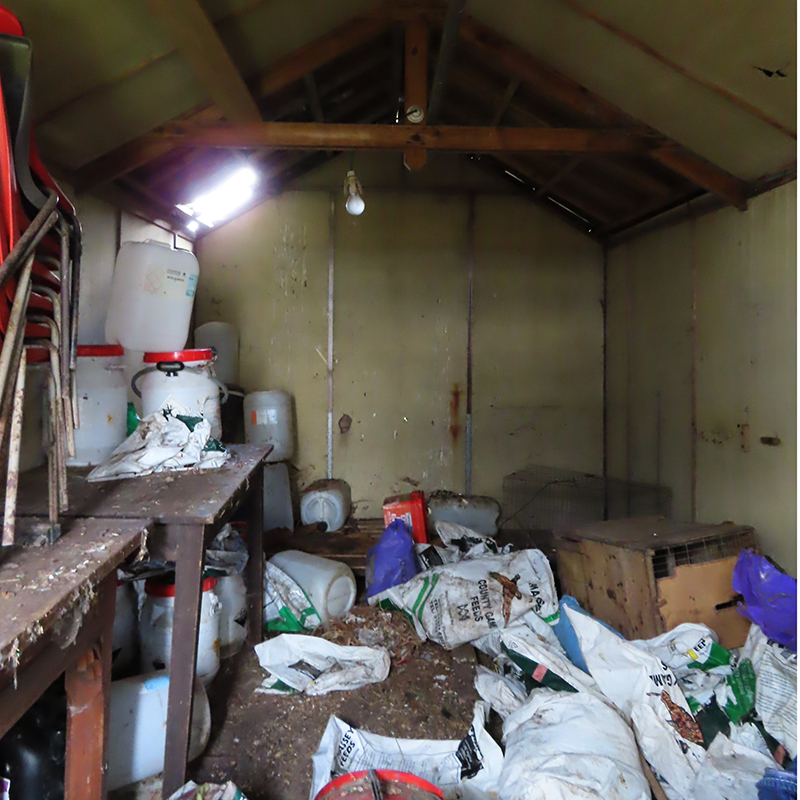
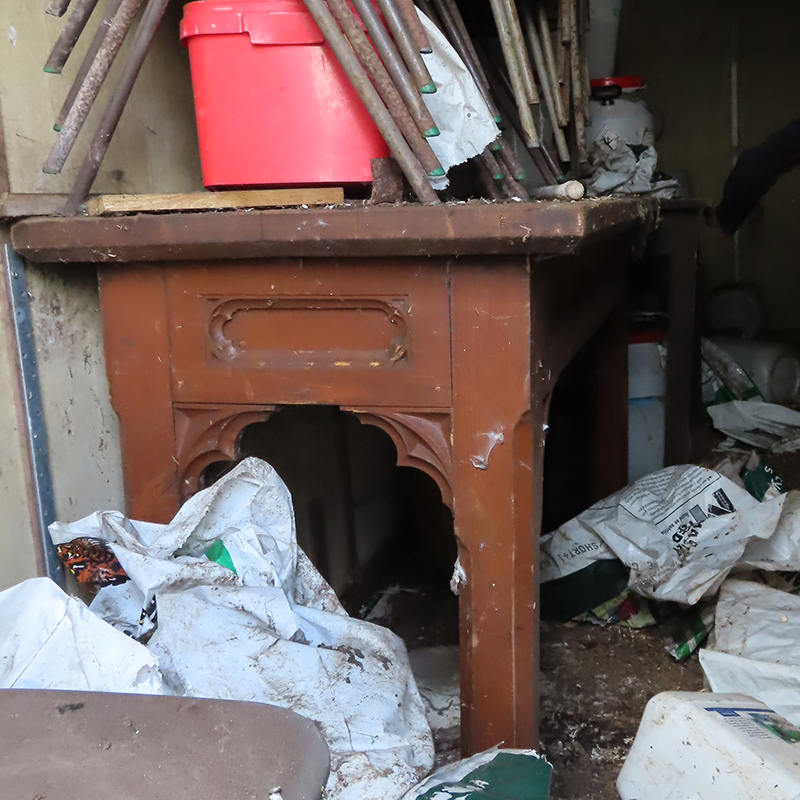
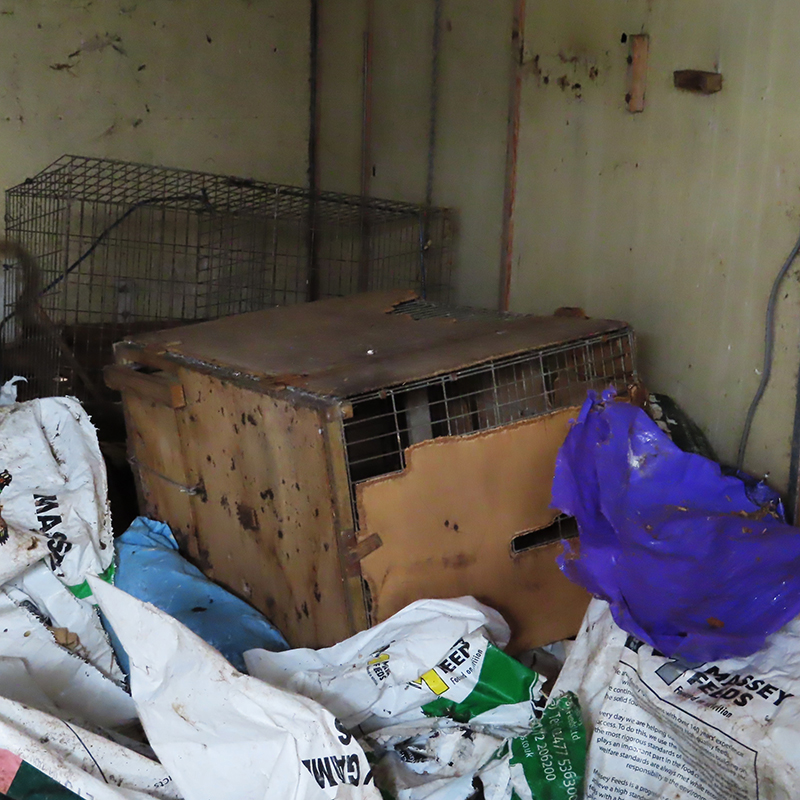
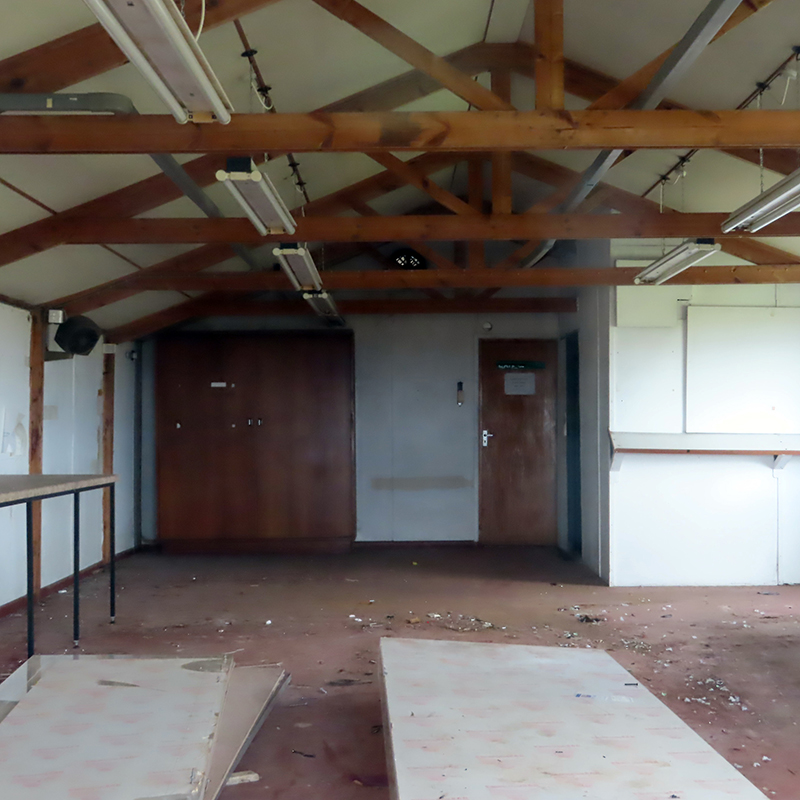
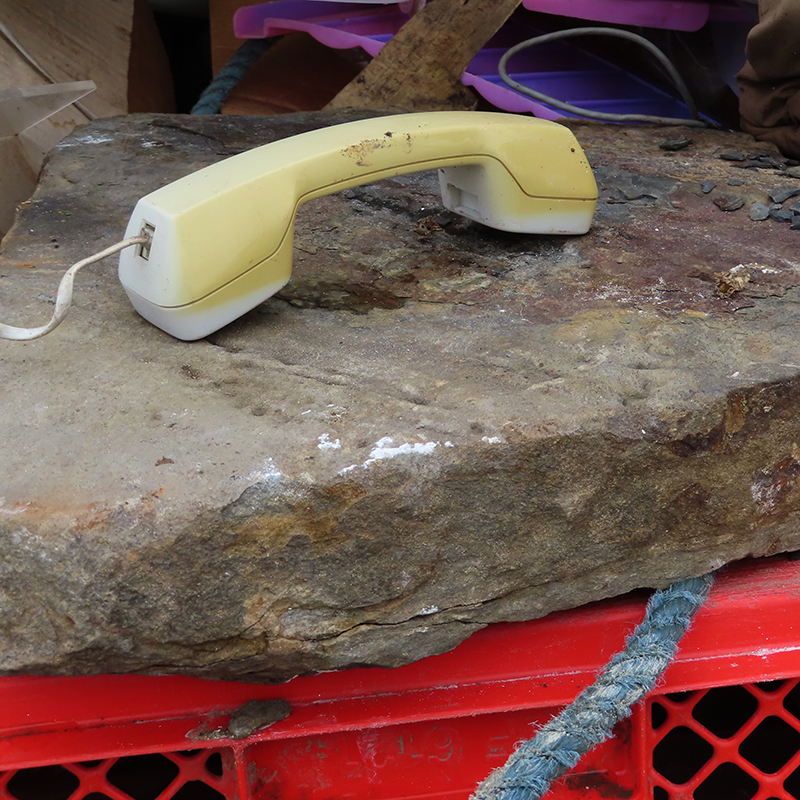
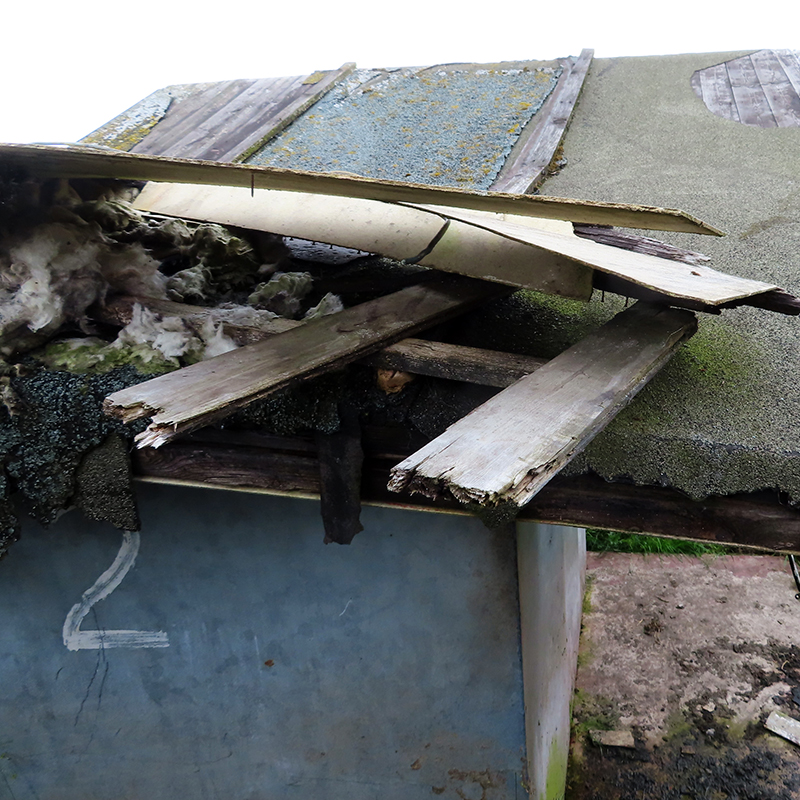
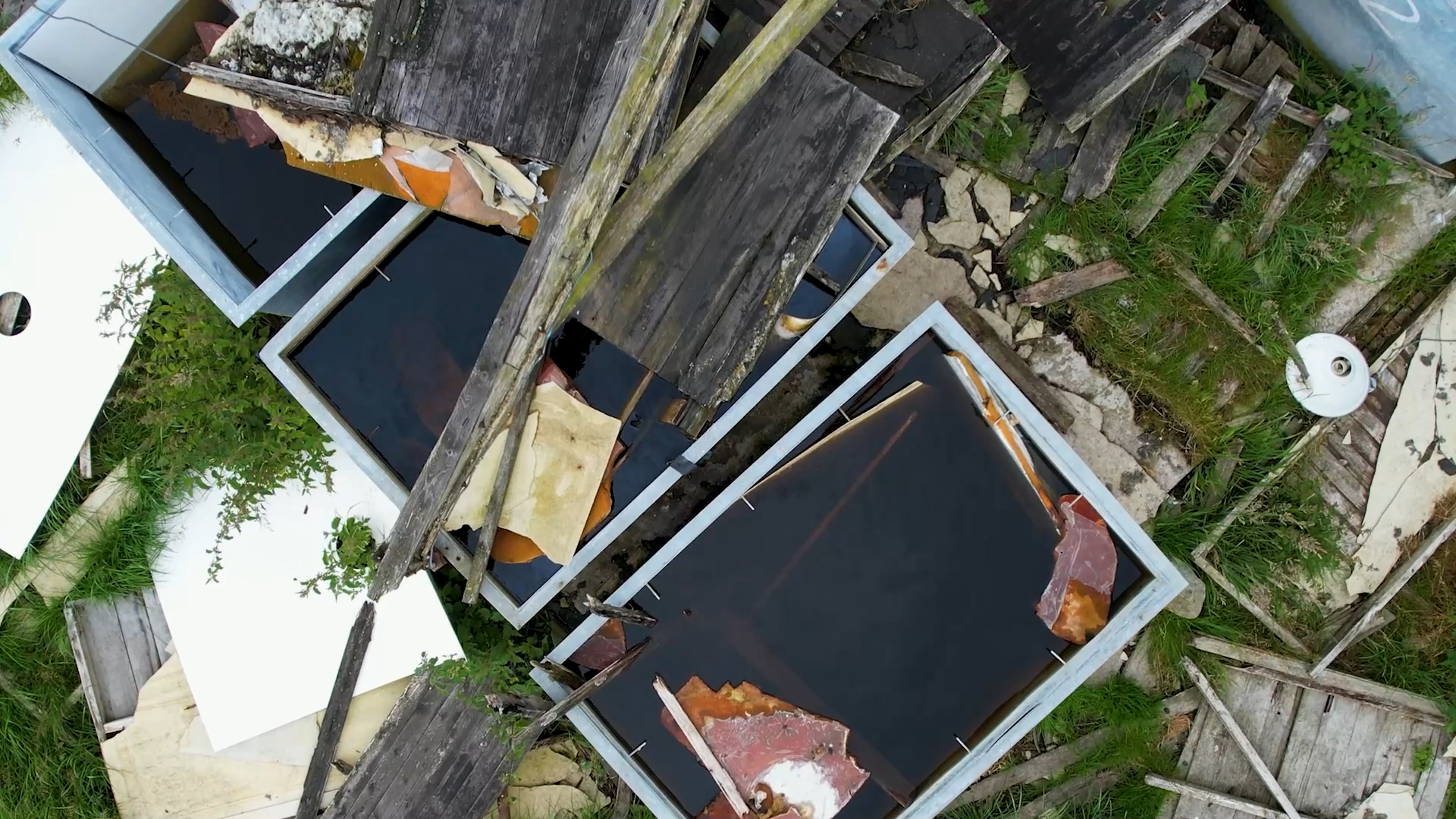
Inside Hut no. 7 is a dumping ground. Waste is a big problem in space as well as on Earth. The thickening shell of space junk in low Earth orbit, if left to accumulate, could cause a conductive shield to form, weakening the effectiveness of the magnetosphere, which protects life on earth from most cosmic radiation.
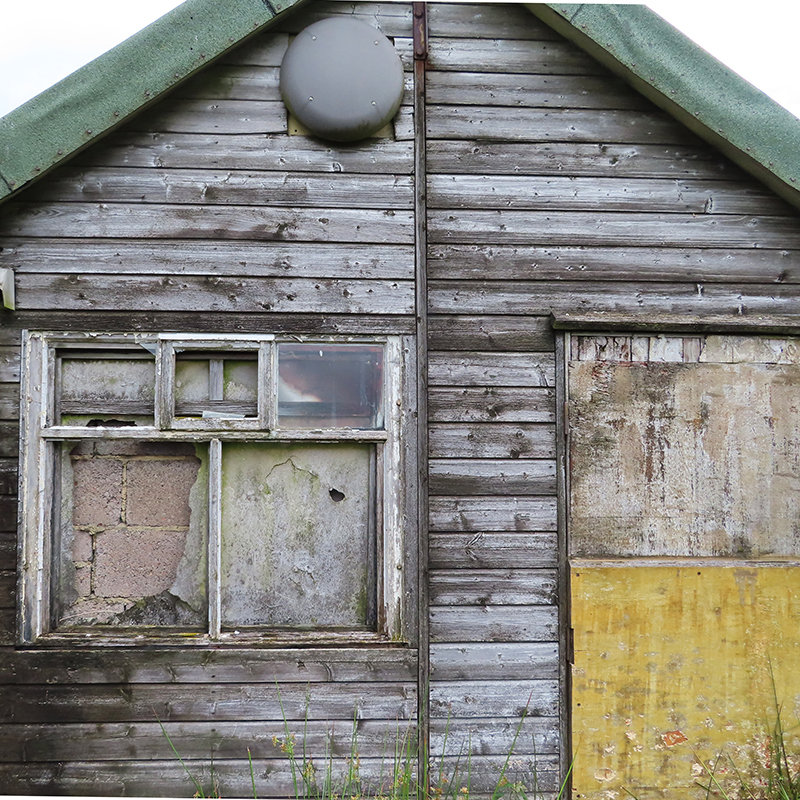
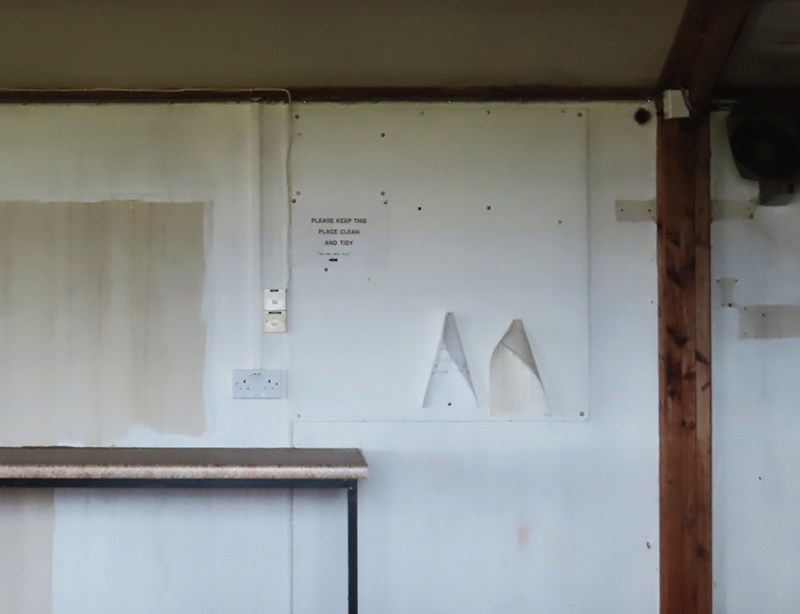
A decaying wall map of the entire Haverah Park experiment is just visible through a window of one of the huts in the central hub, but not much else remains inside.
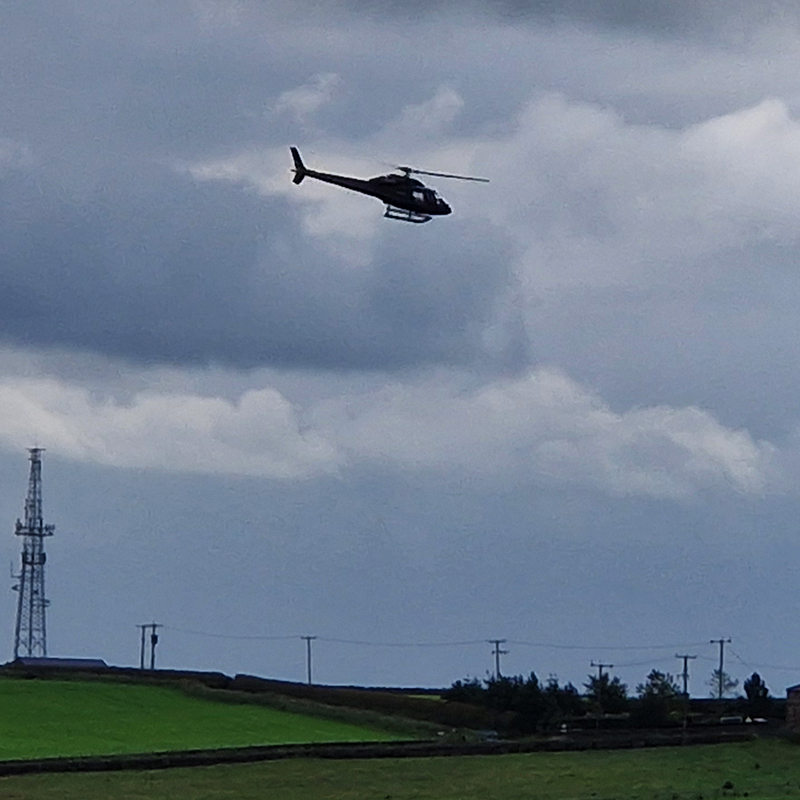
It looks like these huts have been recently emptied into a skip which, by chance, was collected while I was there. Unfortunately, the driver had no enlightening information for me about the future of the huts.
Cherenkov radiation is a form of energy that gives off a blue glow when electrically charged particles are moving at speeds faster than light is able to travel through the same medium. The experimental physicist Blackett, who received the 1948 Nobel Prize in Physics for his investigations into cosmic rays, believed that extensive air showers should produce flashes of light that could be perceived by the human eye when lying down and looking upwards under dark skies. Whether he achieved seeing this phenomena himself is not known, but he inspired colleagues Galbraith and Jelley, in 1952, to devise an experiment to detect light from air showers using a rubbish bin painted black on the inside, a recycled searchlight mirror and a small phototube. With these simple items, they made the first observation of Cherenkov light produced by cosmic rays passing through the atmosphere. Not all the twinkling in the night sky is starlight.
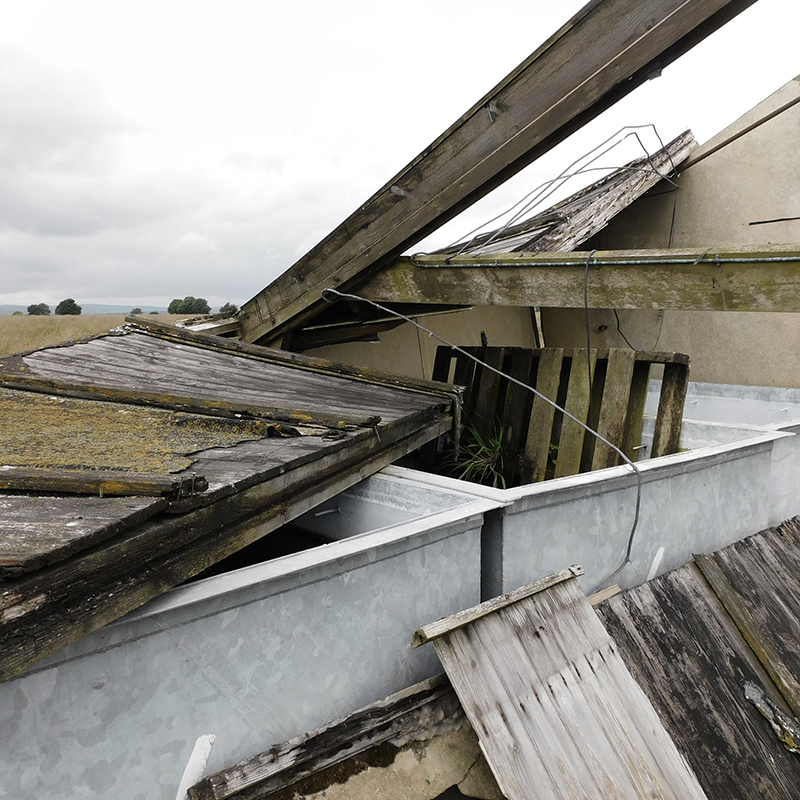
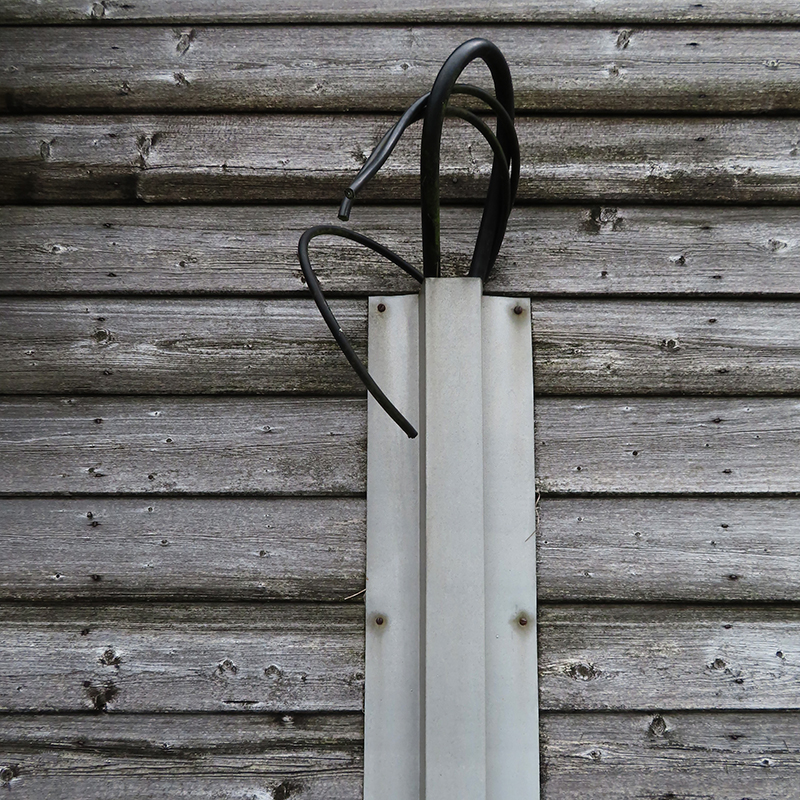
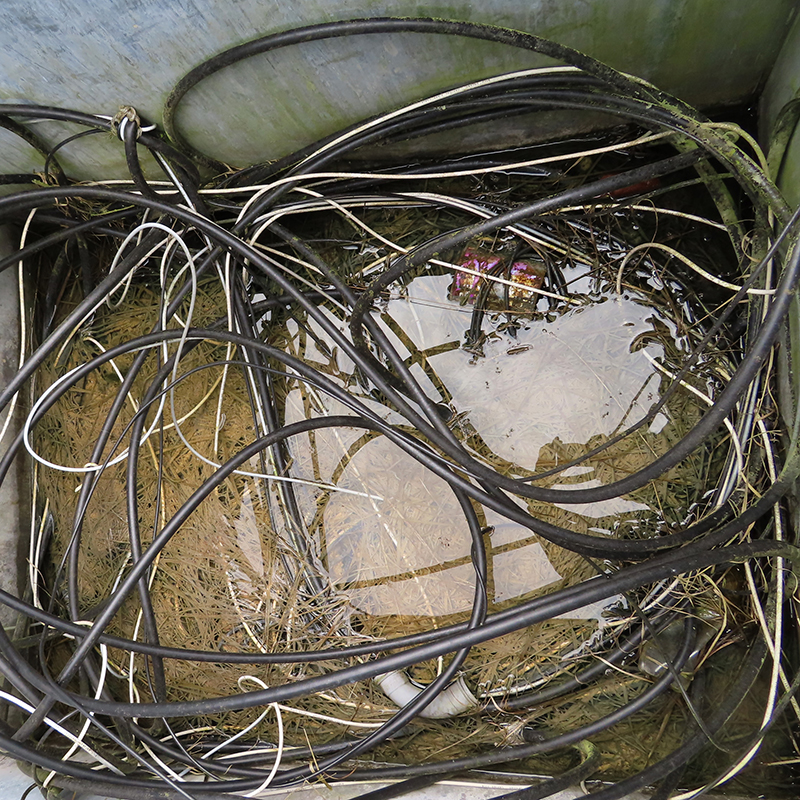
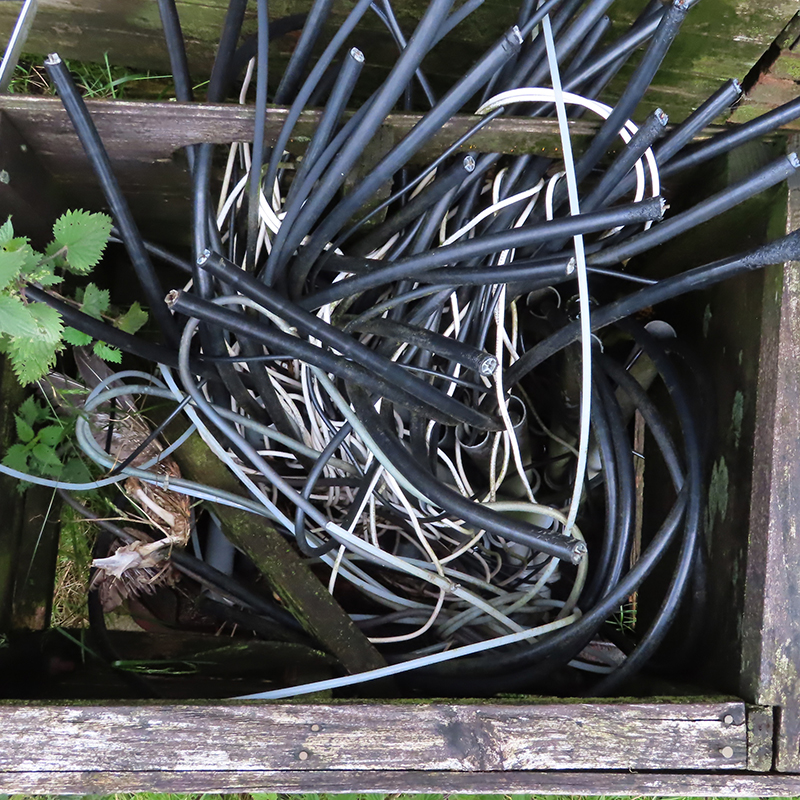
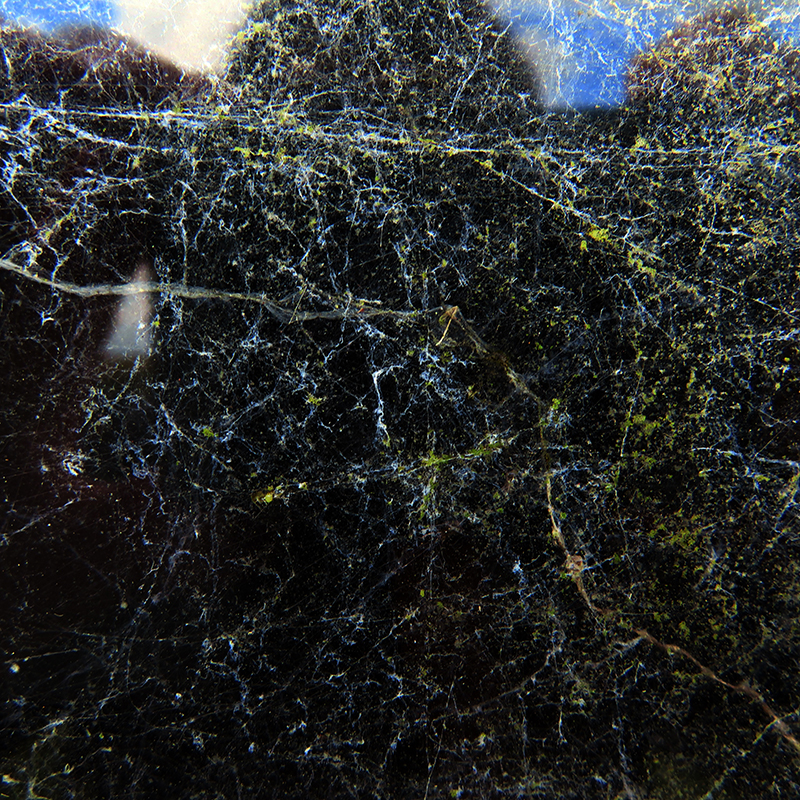
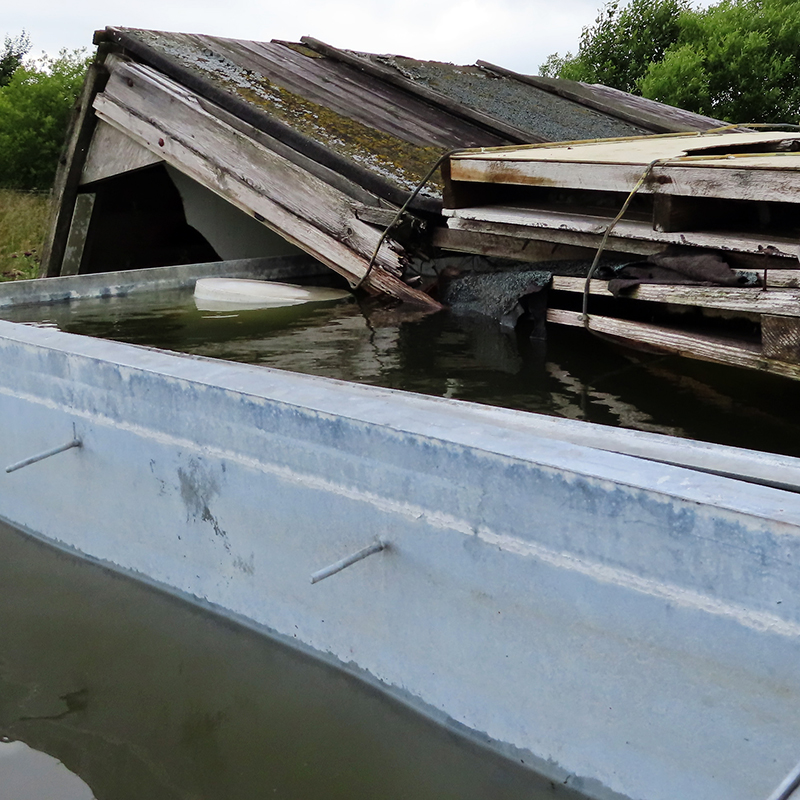
During the Haverah Park experiment, the water Cherenkov detectors deployed across the moors were connected by underground cables and transmitted information to the control huts via radio signals in the microwave frequency range. All communication is now severed. Cut cables coil in rain filled tanks. The cosmic rays are still pounding down upon these new unwatched ecosystems but the detectors have moved elsewhere.
I am looking forward to meeting Professor Alan Watson FRS here in the autumn. He is eminent in the field of cosmic rays and helped initiate the extensive air shower project, working at Haverah Park for 25 years. He has kindly agreed to meet and share his insider knowledge of the history and operations at the site.
The idea to build a truly giant shower array was launched by Alan Watson and Jim Cronin shortly after Haverah Park was decommissioned and thanks to the ground breaking work undertaken in these huts, it evolved to become the vast Pierre Auger Observatory in Argentina, named in honour of the man who first discovered extensive air showers.
Peering into the darkness, trying to fathom the structures of the universe or what’s inside the hut, and the nature of that relationship.
The ultra high energy particles detected at Havarah Park and new arrays across the globe are very rare, possibly less than one per square kilometre per century, so it is big news when one arrives. Because they have such high energy, it is thought they shouldn’t be affected by galactic magnetic fields, and therefore, the direction of the particle could be determined and the source located. The Amaterasu particle, named after the sun goddess in Japanese mythology, the second most powerful particle to be recorded, appears to have emerged from the Local Void, ana area with no astronomical objects that might produce such a particle. There is no explanation of where these particles come from, just hints of bigger mysteries to unfold.
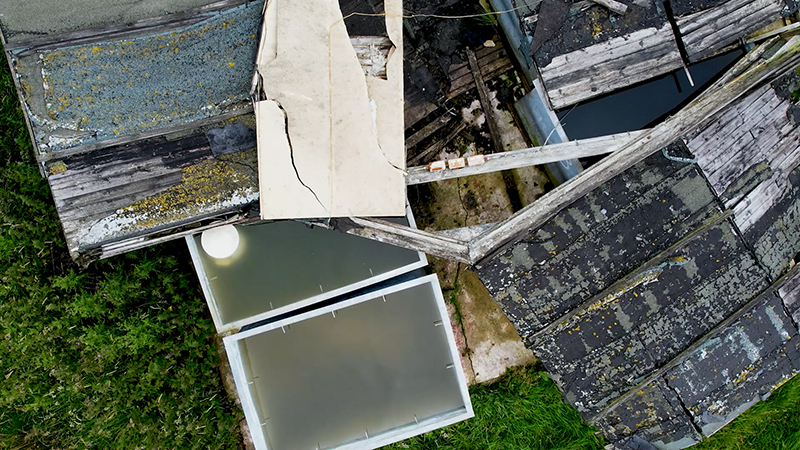
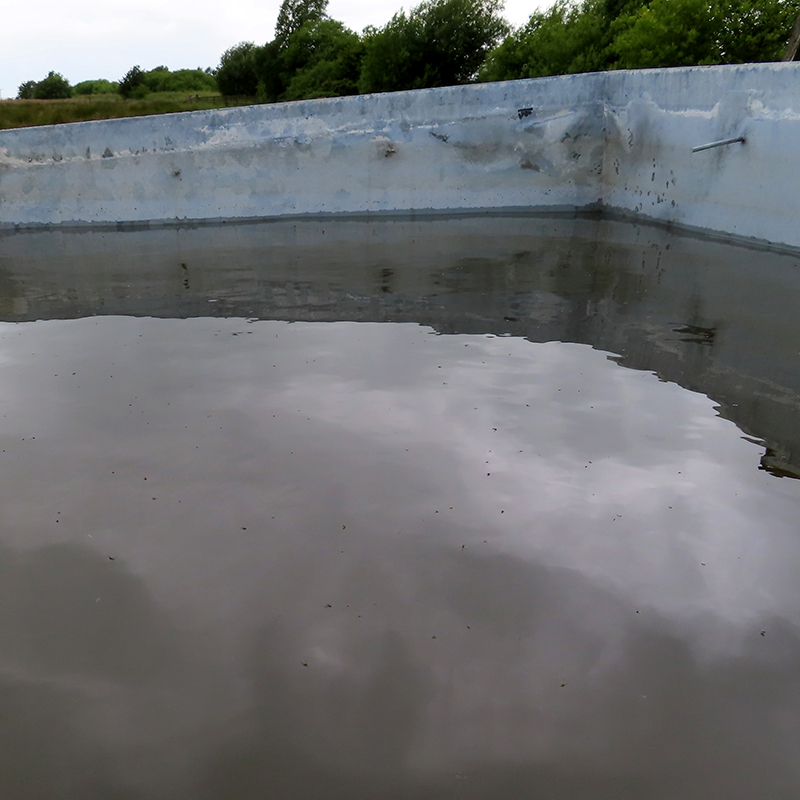
Many water tanks remain around Haverah Park, stripped of their purpose as water Cherenkov detectors they now reflect the sky in the rainfall they collect rather than record showers of particles from space.
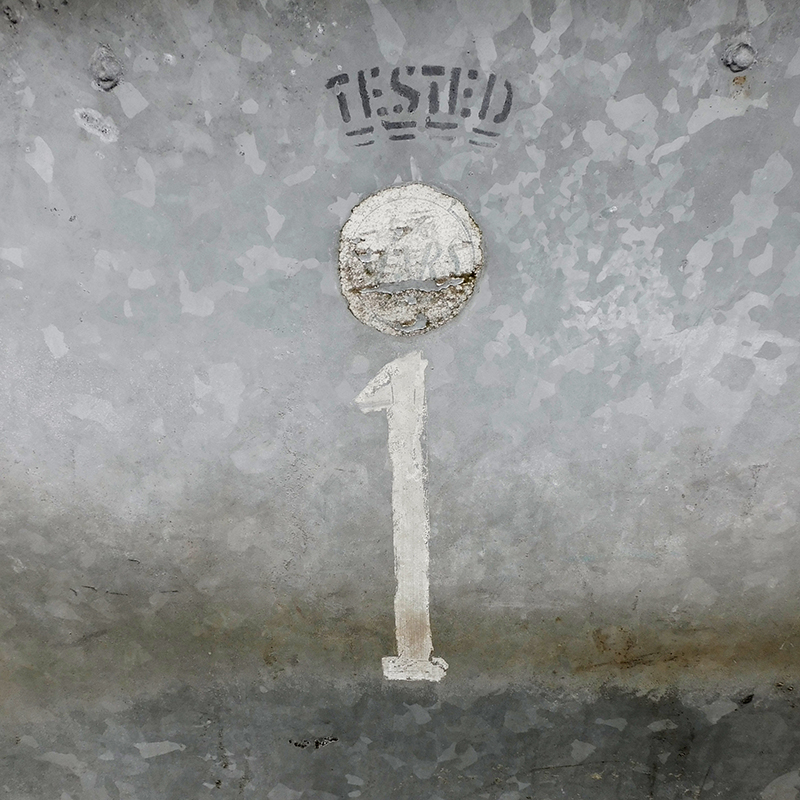
During operation, huts were built in groups of three, each with six large galvanised steel tanks lined with white plastic to diffuse the light and filled with local purified water. Each tank was monitored by extremely sensitive photon detectors which recorded the Cherenkov light emitted as particles passed through the water. At the end of the large array experiment, one of the detectors was opened, and the water was found to be crystal clear and good enough to drink. The proof that water could be kept bacteria-free in a sealed container for over 25 years gave confidence in using the same technology for a future larger cosmic ray detector array to be developed.
Haverah Park was once one of the largest extensive air shower arrays in the world, with an area of 12 km2, but in the end, it just wasn’t big enough.
When Alan Watson and Jim Cronin proposed building a new 3000 km2 shower array, the question from funders was, ‘why do you want to make the array so large?’. The answer is, of course, to discover those known and unknown unknowns, but funders don’t usually like unpredictable outcomes. Luckily their plea was bolstered by the Fly’s Eye Cosmic Ray Detector Array out in the Utah Desert recording the Oh-My-God particle in 1991, it’s energy was 40 million times greater than that of any particles ever produced in any terrestrial particle accelerator. This and other evidence of extremely high energy particles sparked interest in the field of astrophysics and validated the discovery of similar particles at Haverah Park, which had not been taken seriously at the time. This ambitious proposal gained momentum during the 1990s to become the Pierre Auger Observatory in Argentina, with the detector design developed from the water Cherenkov tanks so successfully operated at Haverah Park. The huts here may be in ruins, but their legacy lives on at the world’s largest extensive air shower detector array, which is edging closer to answer the question ‘Where do ultra-high-energy cosmic rays come from?’
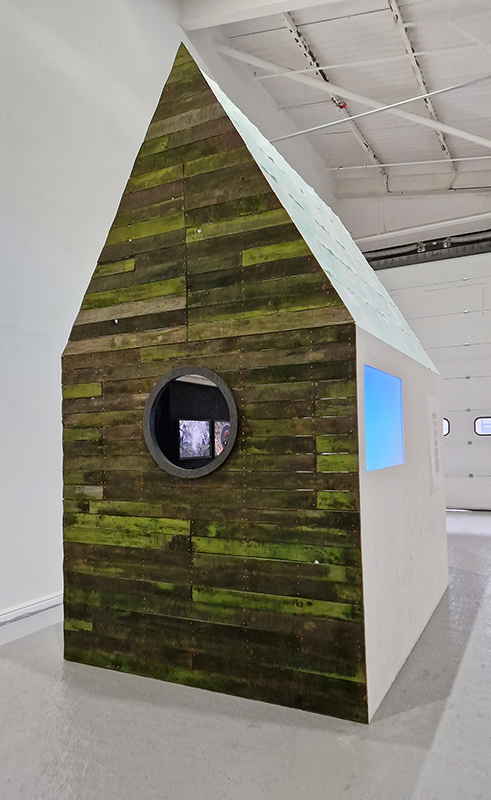
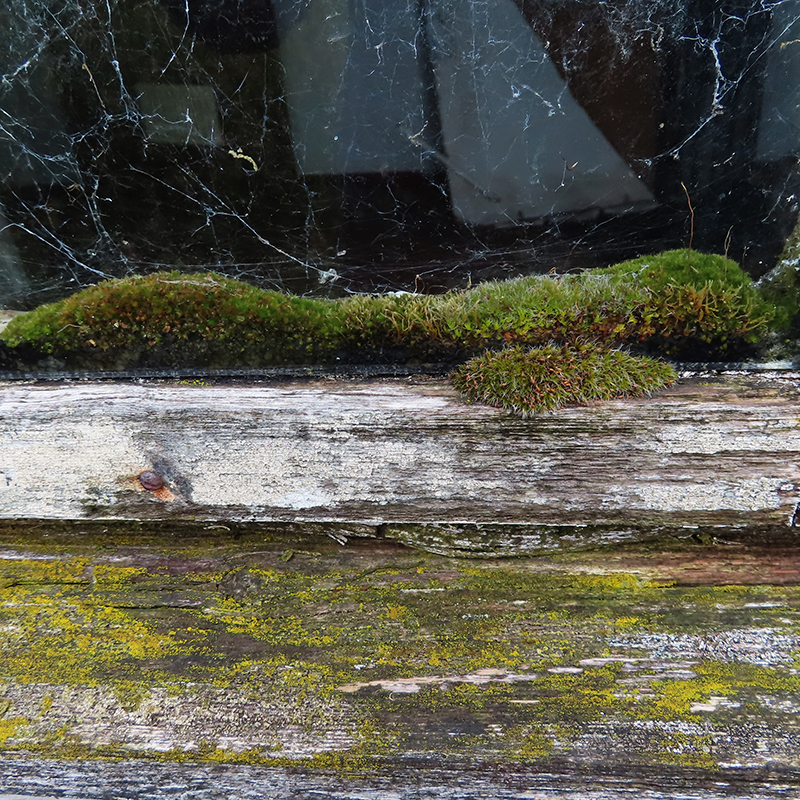
I am looking forward to developing work responding to the legacy of the Haverah Park experiment and building on my experience of creating The Absolute Hut (of absolute potential) New surfaces to explore, more moss, and also lichens here.
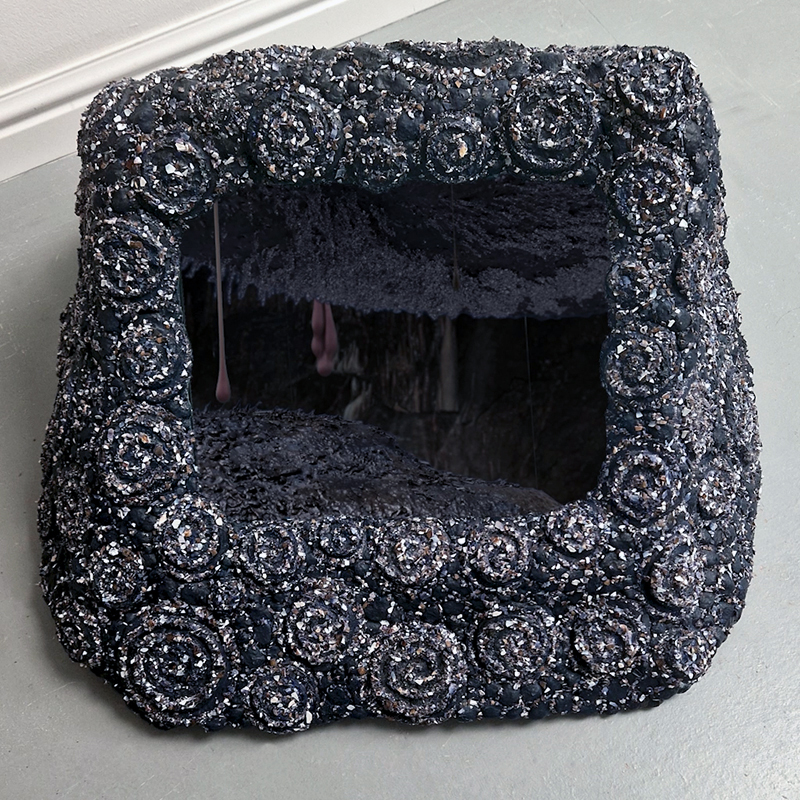
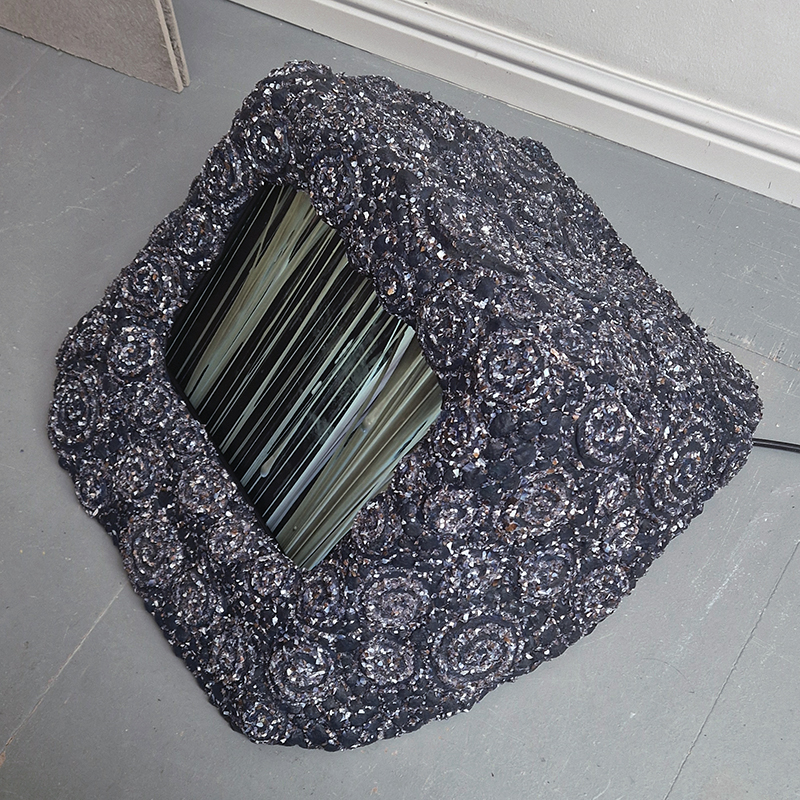
‘The Belly of a Rock’ video has waited a long time for its crusted shell. A hybrid between rock, mollusc, and technology inspired by the chemical conversations and urge to create described by Italo Calvino in his story ‘The Spiral’. We don’t always know what we are creating. Within ‘the belly’ surfaces slide and scrape along lines of fissure, distended innards ooze and rocks moan as they are distorted by untold pressure. The turbulent spiralling of the core births rock and lifeforms acted upon by the drag of the oscillating magnetic field.
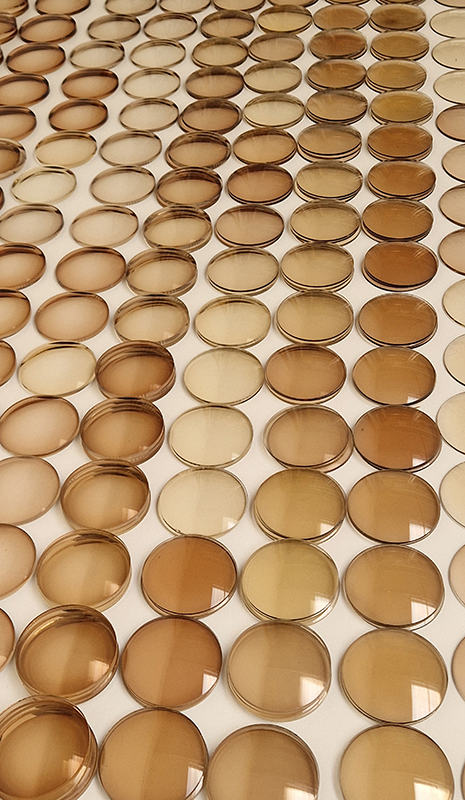
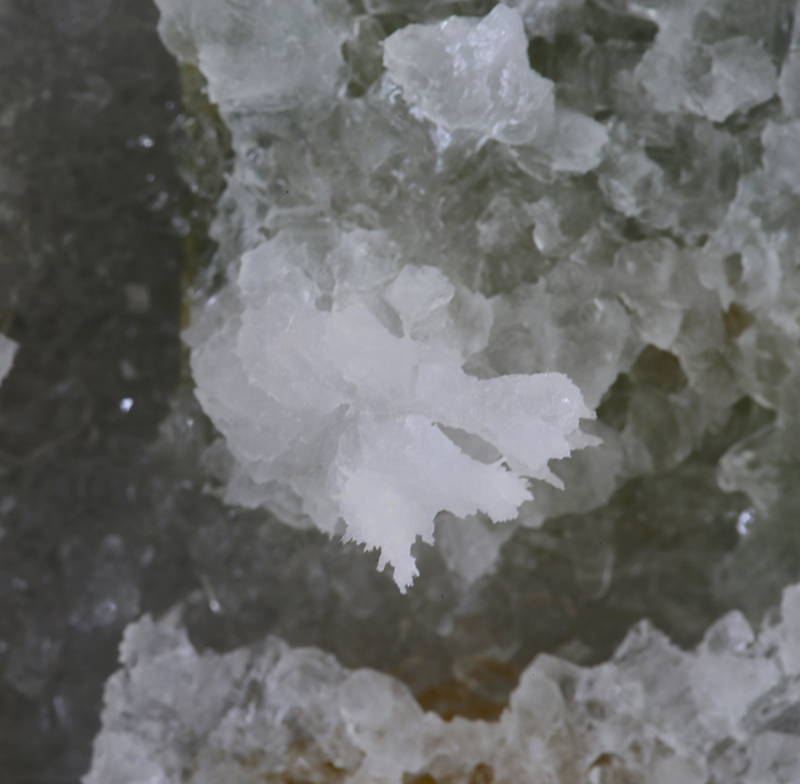
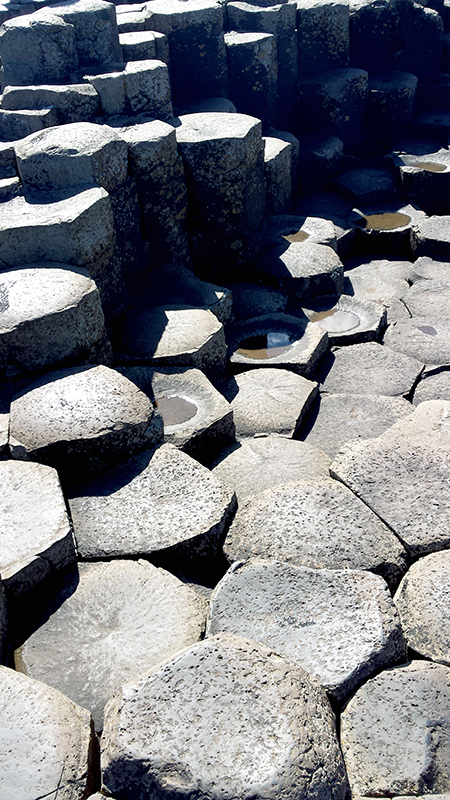
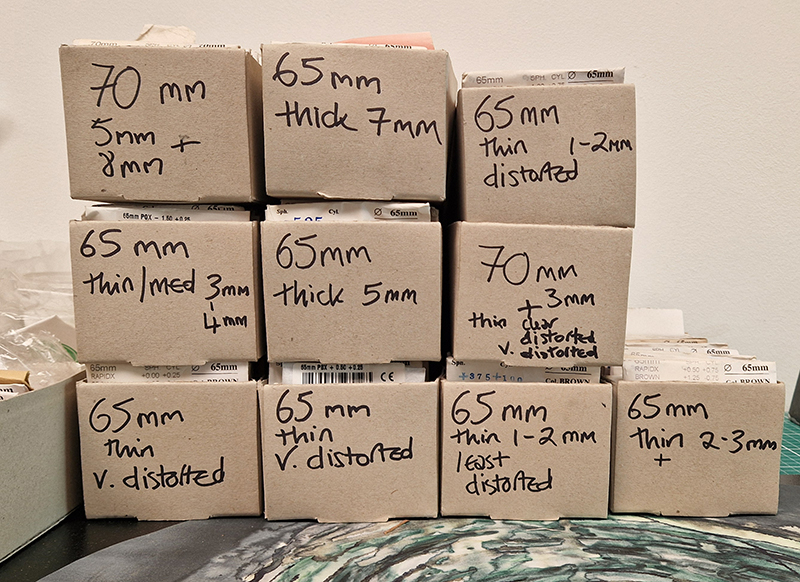
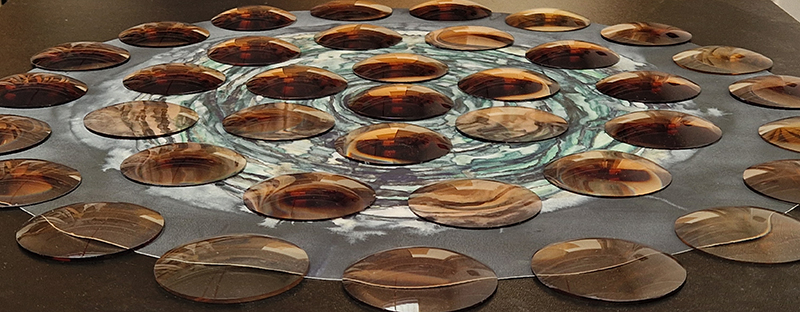
I have acquired a large number of photochromic optical lenses. These I have sorted by diameter, thickness and distortion. Initial thoughts about their use include using them as petri dishes to grow crystals which are embedded into small concrete hexagonal pillars of differing heights with reference to the geology of giants causeway. Using them to create composite windows into a new hut structure filled with video projections referencing the fly’s eye cosmic detector array.
A good workout on the guillotine making 201 cuts in copper sheet in preparation for a new concrete tablet in the Instruments of the Anemoisculpture series.
Gallery and otheroutings:
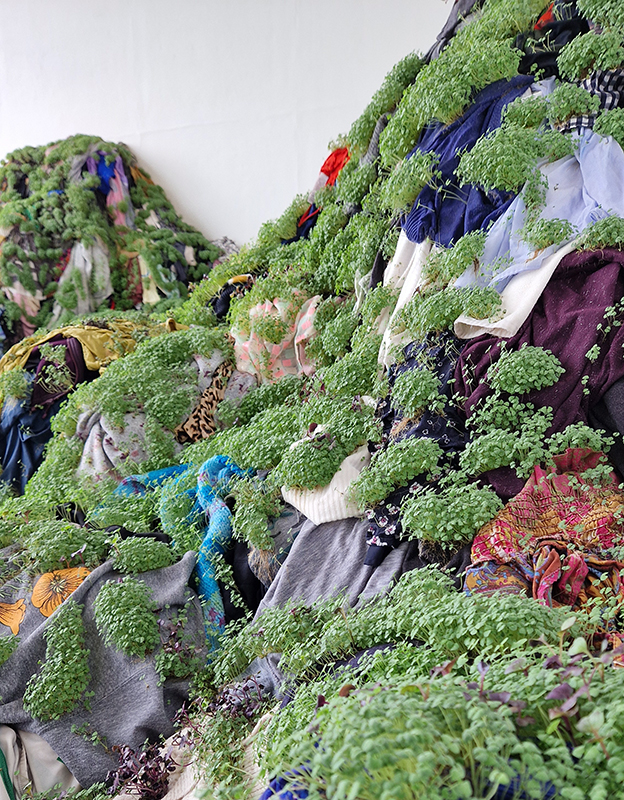
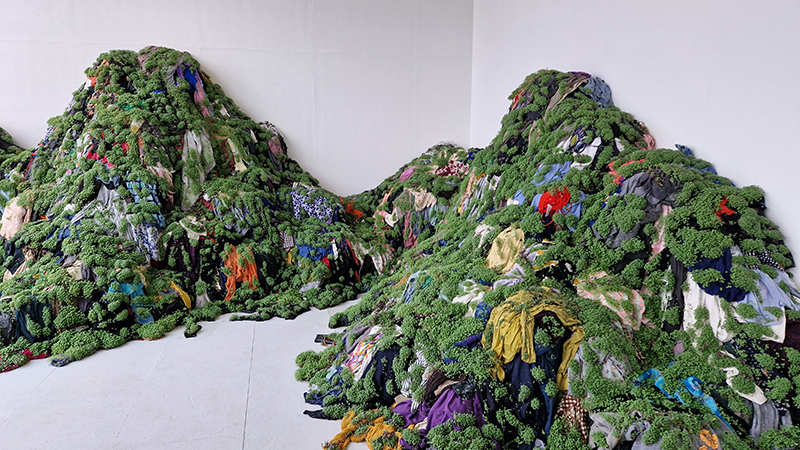
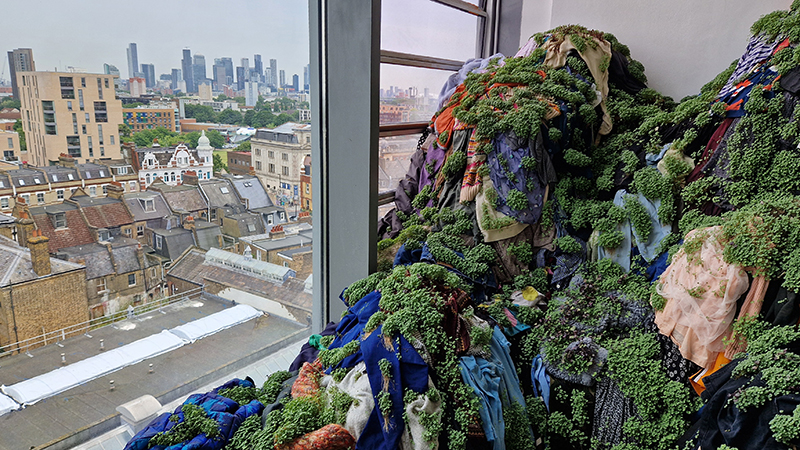
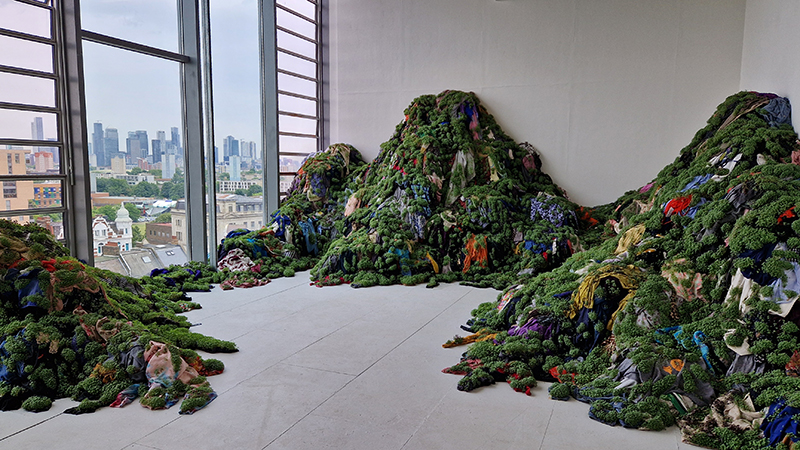
Beverley Duckworth’s installation Surplus at Goldsmiths MFA final show. Beverley’s work is grown through a diligent process of care. Found materials are literally given new life in the seeds which are embedded into them, which then transform and colour them. The installation includes an intermittent sound element of recordings of the melody played by waste trucks in Taiwan to call people to bring out their rubbish.
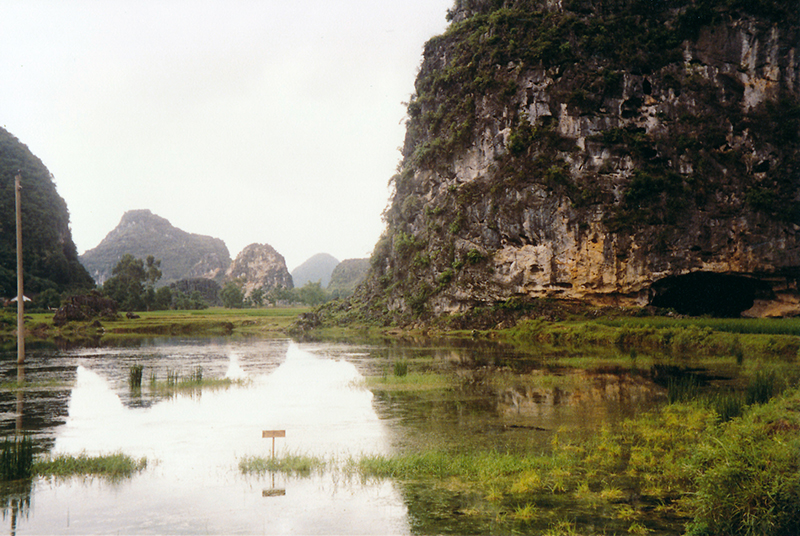
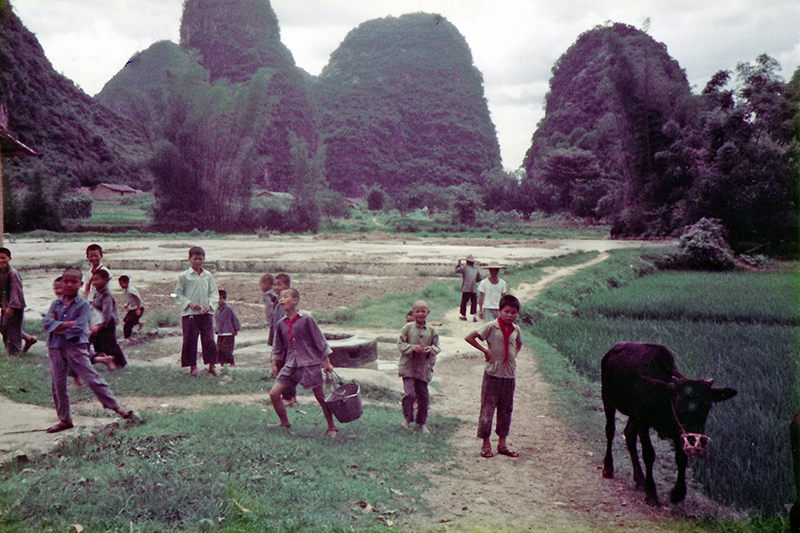
Apparently I wasn’t the first person to be struck by similarities to the landscape of Yangshuo near Guilin China. I visited in 1984 and think it is no longer a quiet little village.
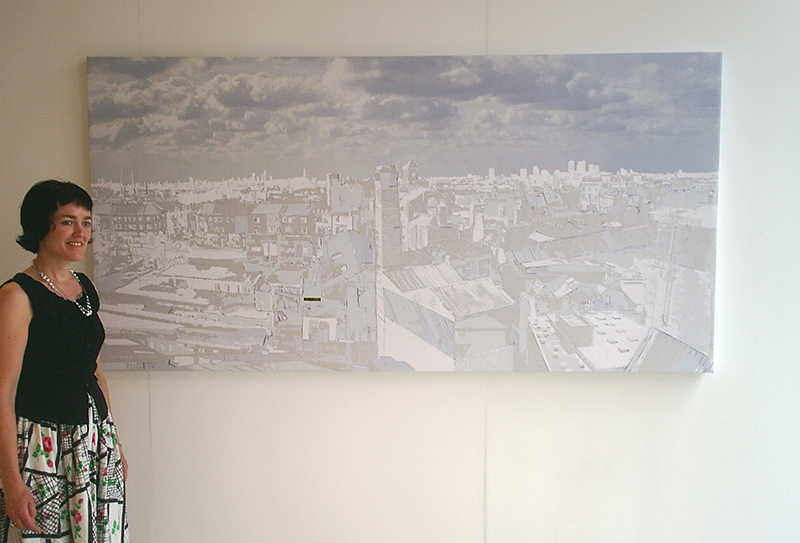
It was the first time I had been back inside the Ben Pimlott building at Goldsmiths since by own graduation, a scary twenty years ago. The building was brand new then and the views with little visible green fed into my installation Re:construction – a large screen print with tiny viewing hole to a tiny oasis amidst the grey, albeit a synthetic one.
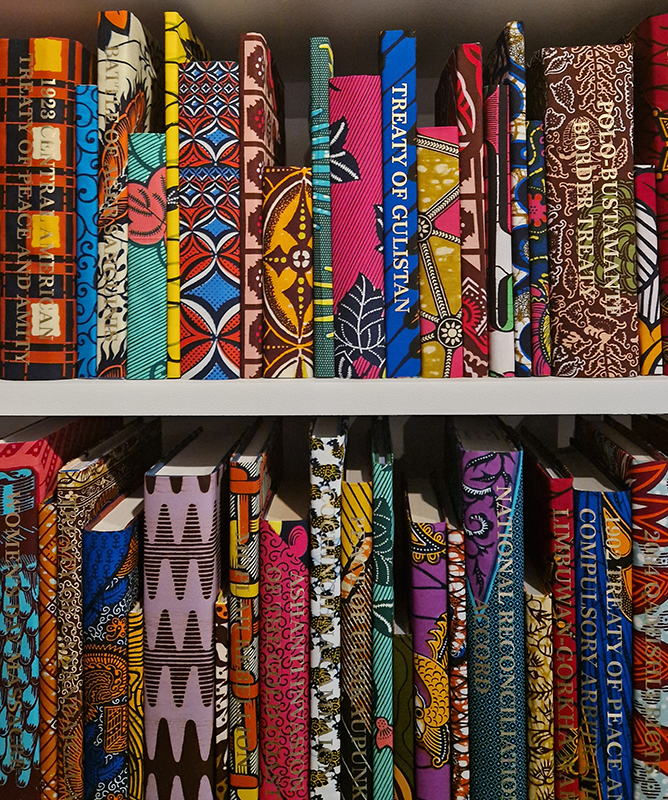
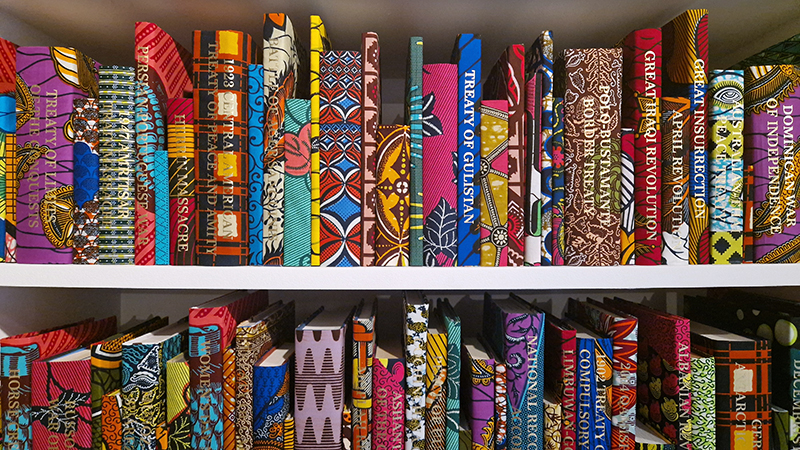
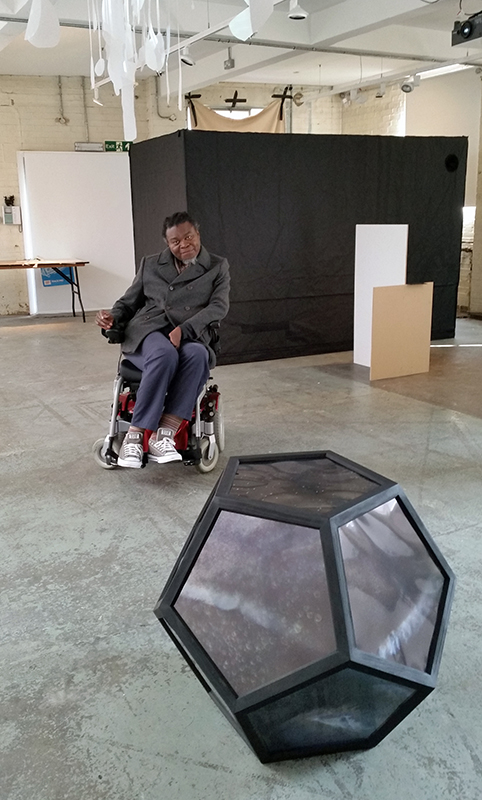
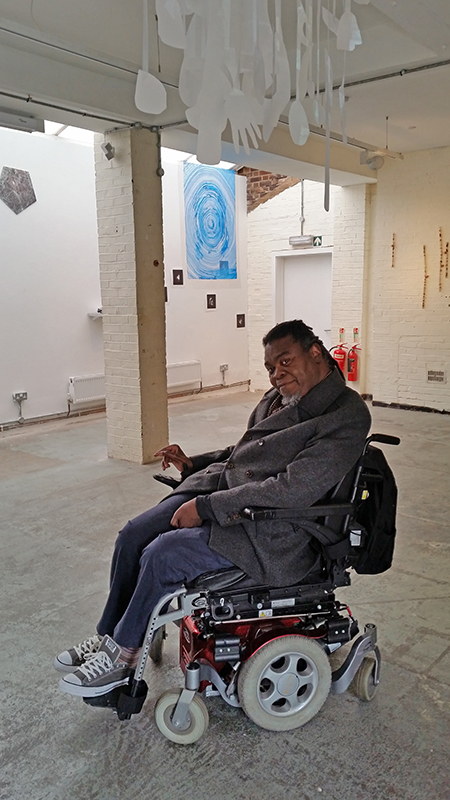
Yinka Shonibare Suspended States at Serpentine South. Horrors of war and colonialism are filed under dazzling colour, birds on the brink of extinction stare in plea or accusation, beacons of light in the darkness come from miniature replicas of sanctuaries.
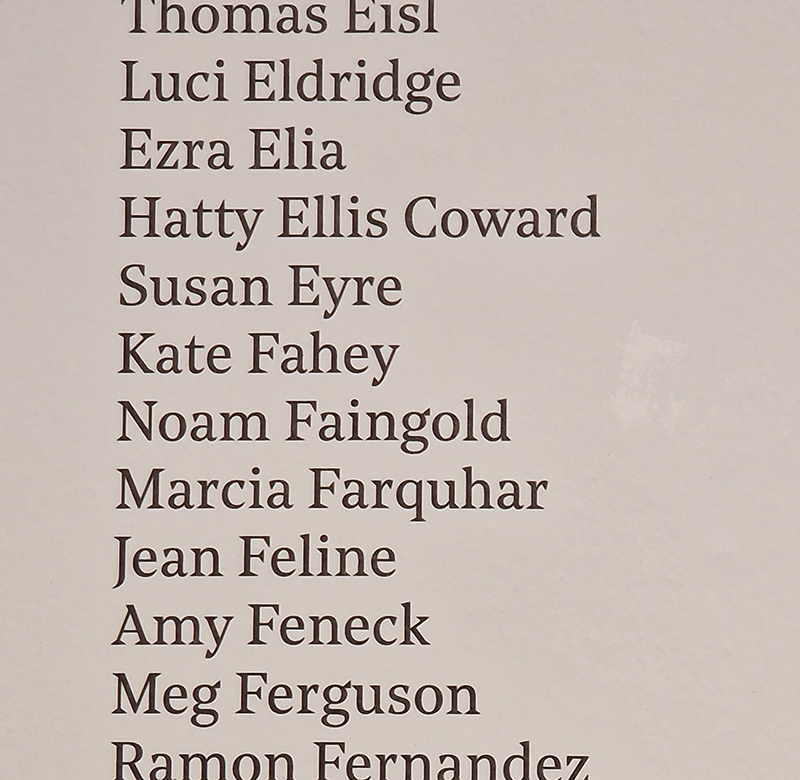
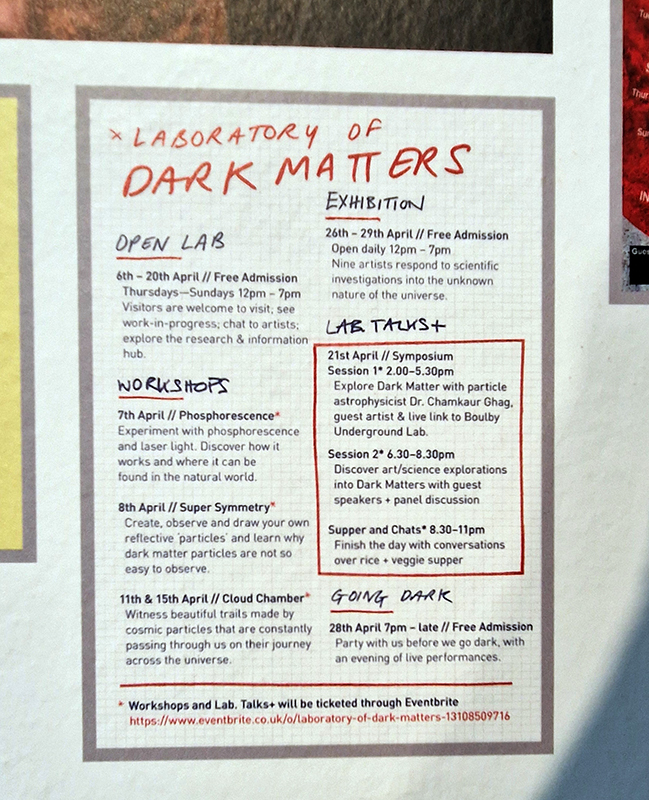
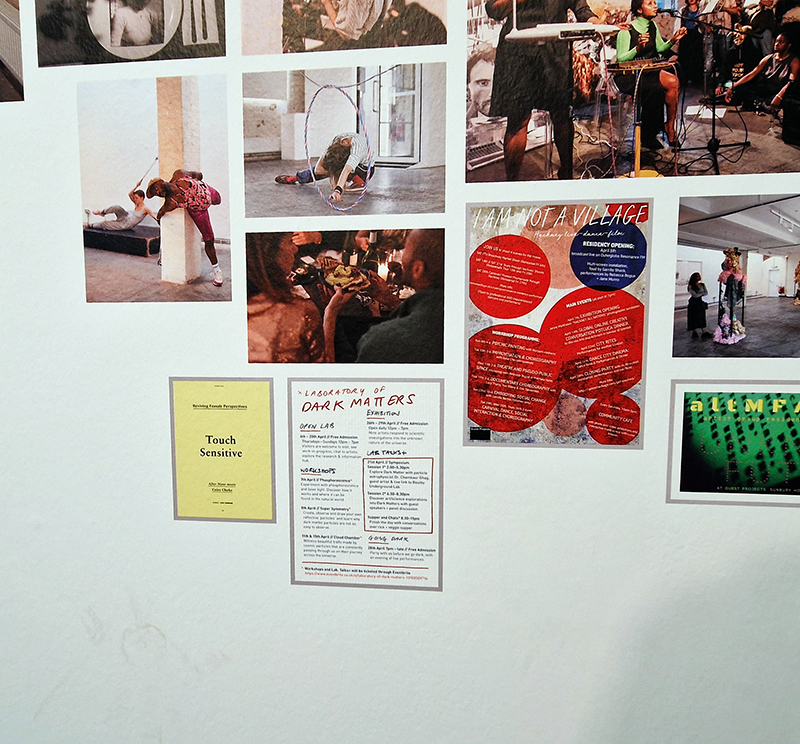
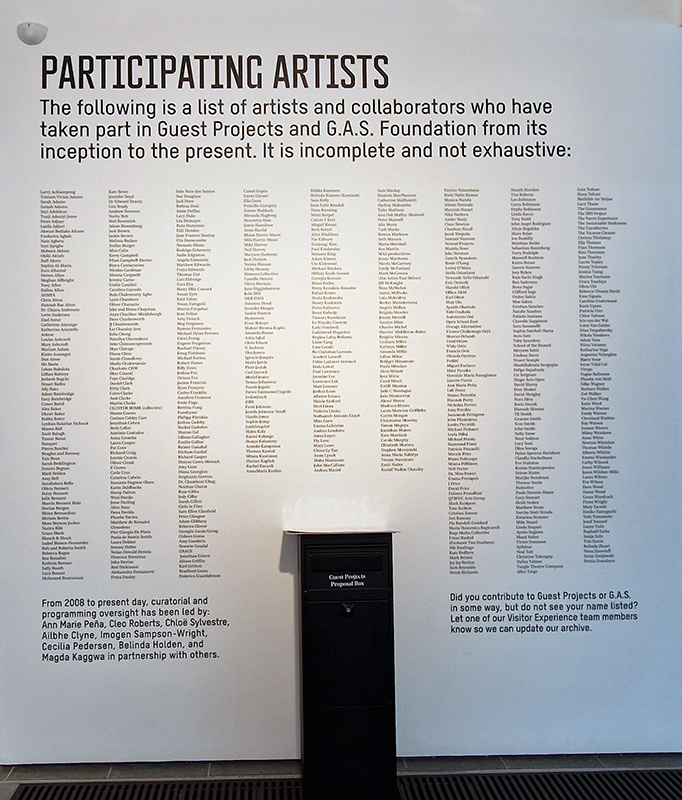
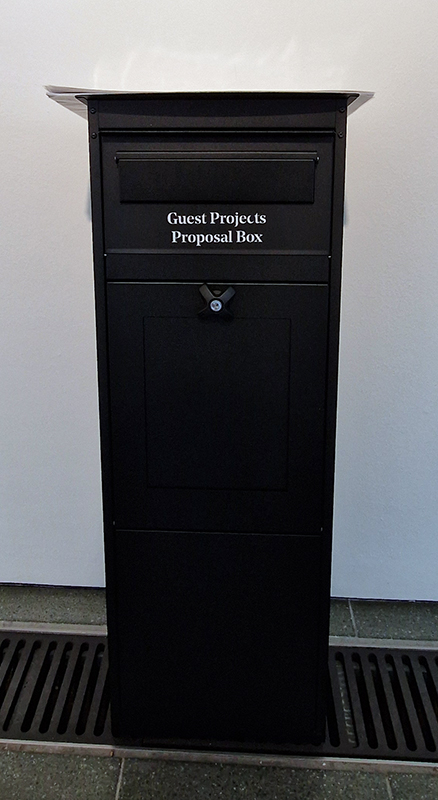
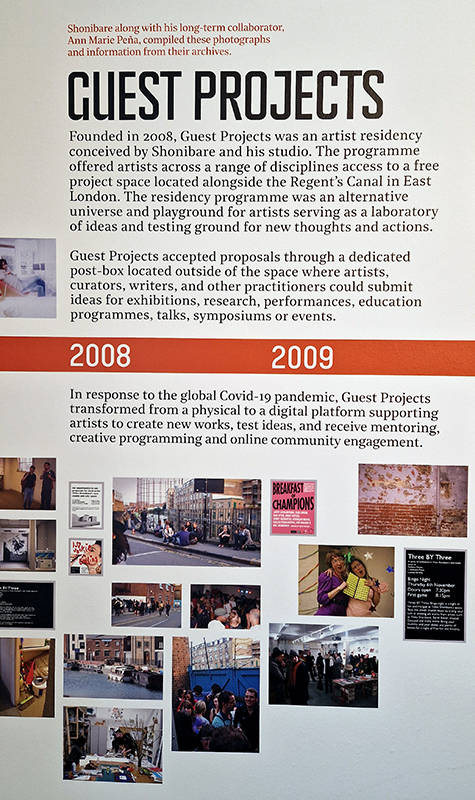
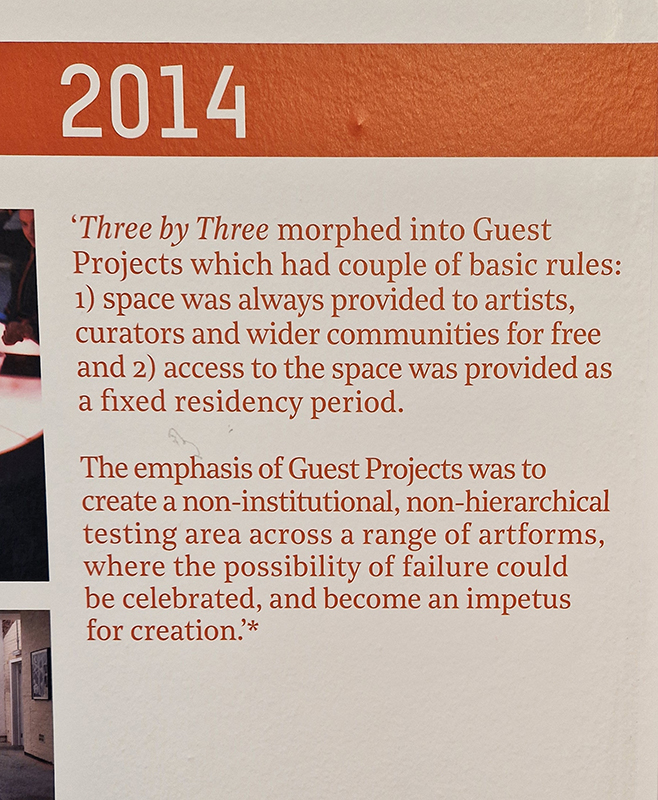
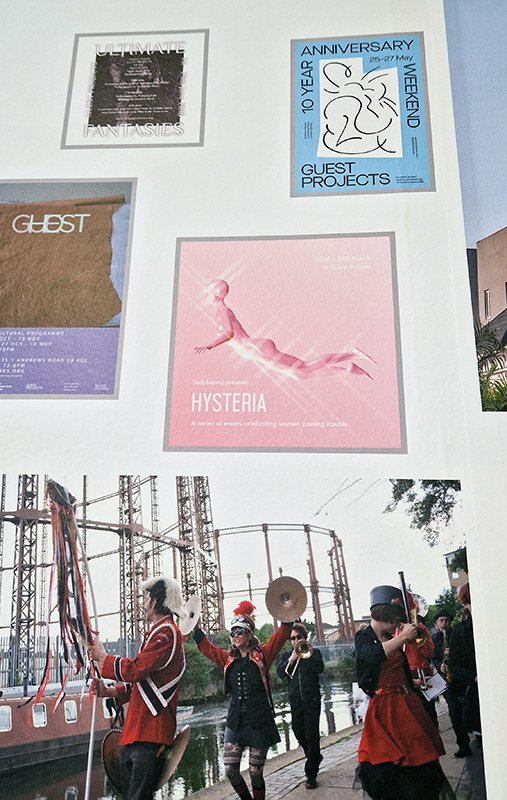
Yinka’s socially engaged inclusive practice spills over into real help for artists and communities. The exhibition celebrates Guest Projects and G.A.S. Foundation in Lagos. Guest Projects is such a generous idea and I have been so lucky to benefit from it with the project Laboratory of Dark Matters
Being awarded a month’s residency at Guest Projects was crucial to the success of Laboratory of Dark Matters as a site for developing ideas and subsequently touring the project. Wonderful to meet Yinka and also to be part of the selection committee for the next round of projects.
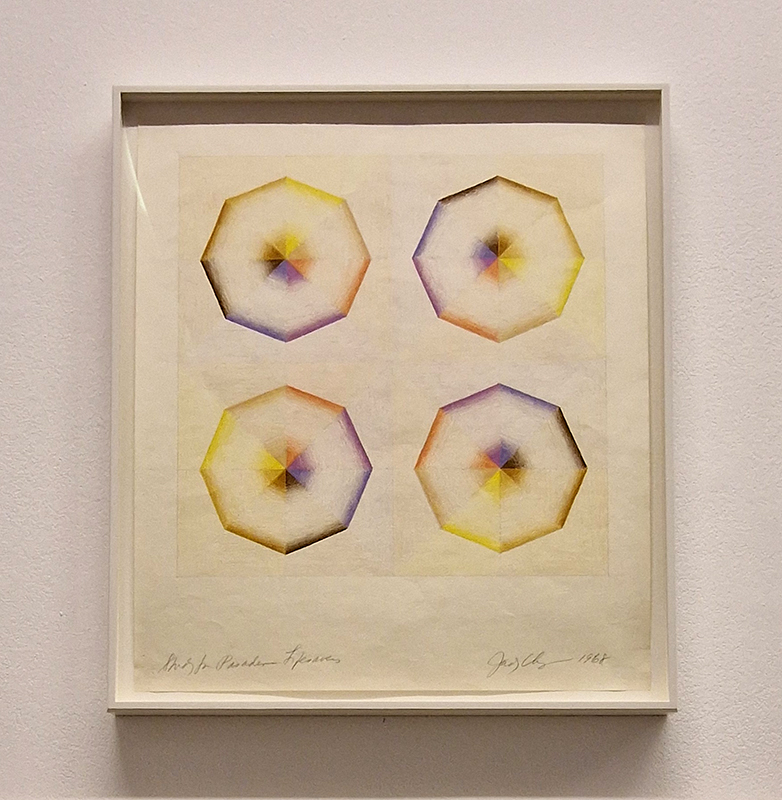
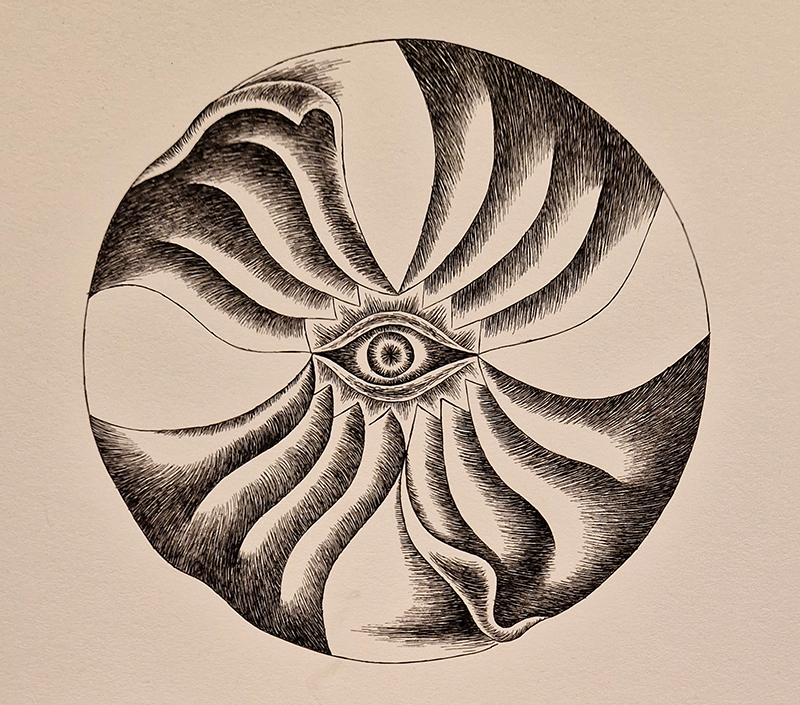
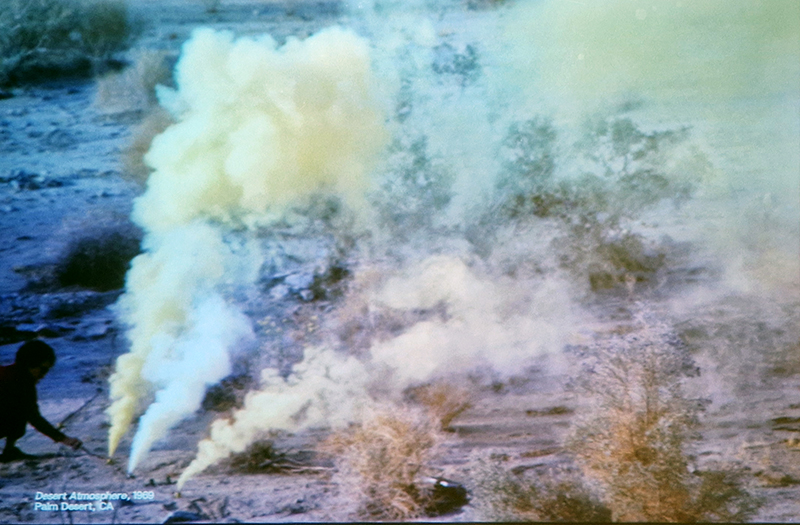
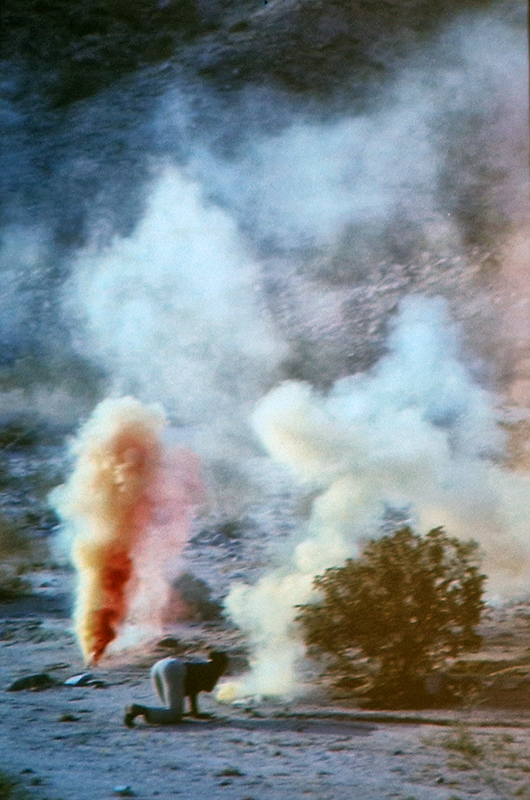
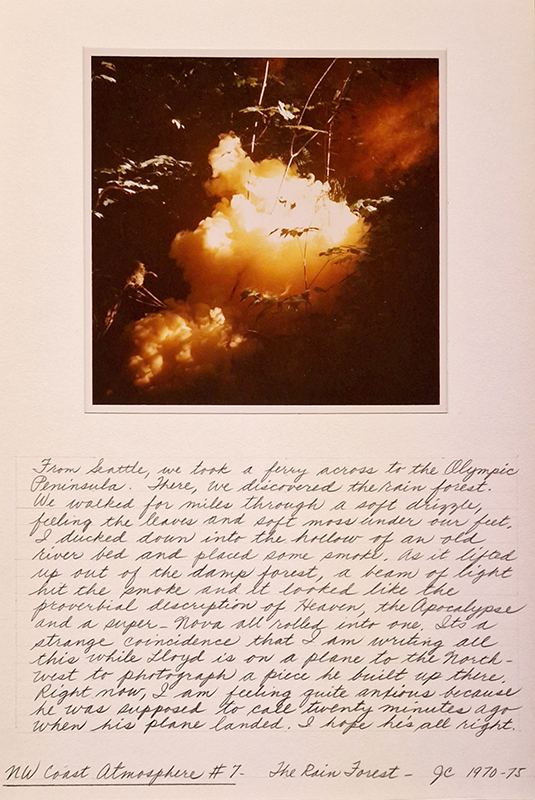
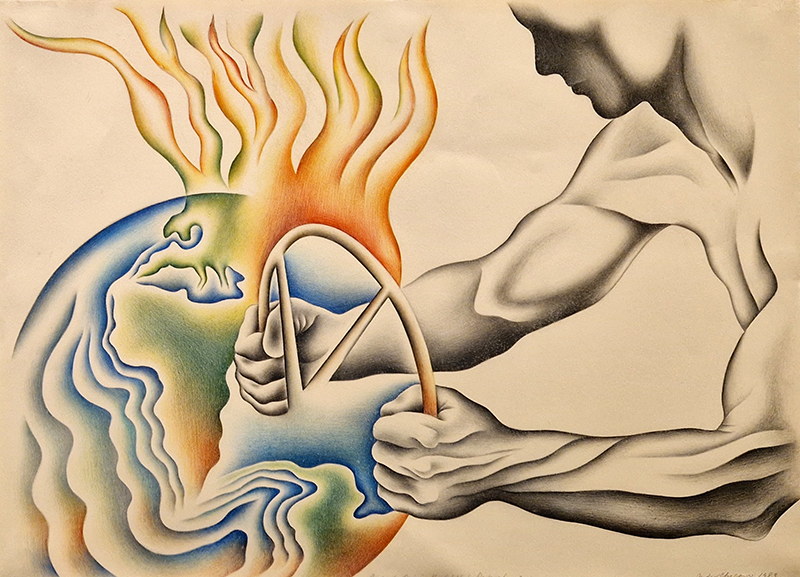
Judy Chicago Revelations at Serpentine North. The highlight of this show is the video documenting The Dinner Party (1974-79) installation and the preparatory drawings and sample plate. What a shame the actual installation wasn’t here, I will have to visit the Brooklyn Museum, New York sometime to see it. The research, collaborations, crafts and designs that went into creating it was phenomenal.
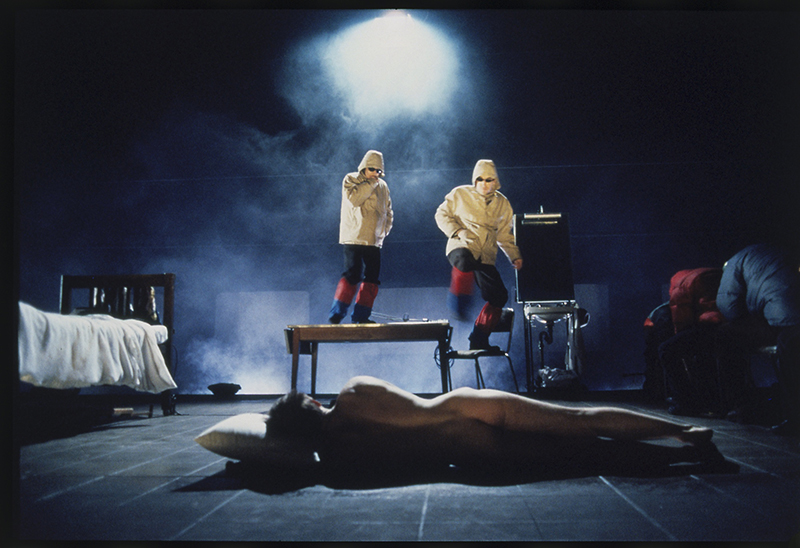
Saw Complicité’s excellent Mnemonicat The National Theatre, 25 years after first seeing it at Riverside Studios. ‘A body is found in the ice, and a woman is looking for her father while a man searches for his lost lover. Mnemonic is as much about origins as it is about memory, and remembering what is lost. Mnemonic asks us: what is our place in the natural world? How have human relationships with the environment shaped patterns of migration? Who are we, and where do we come from? ‘
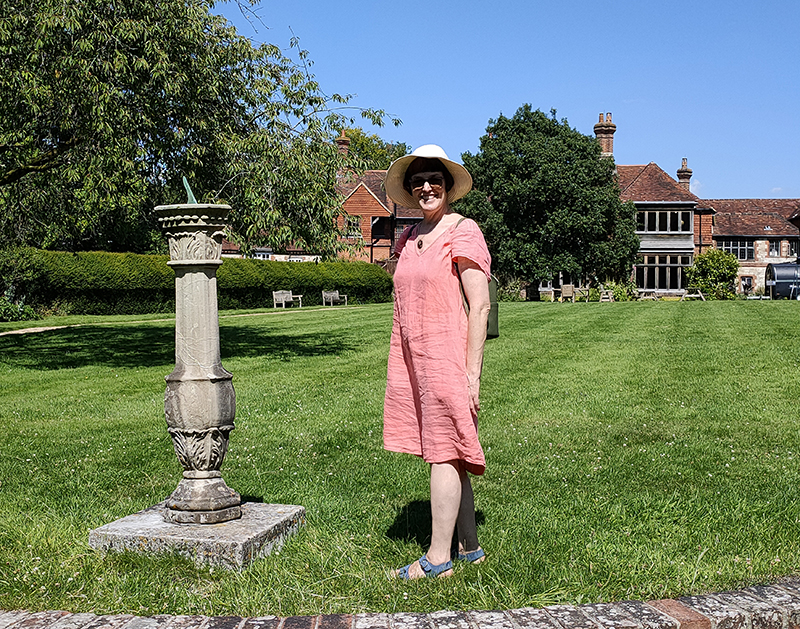
Visited the delightful mellow brick country home and extensive gardens of pioneering naturalist Gilbert White at Selborne. His book ‘The Natural History of Selborne’ (1789) has never been out of print since it was published more than 230 years ago. He was brought to many people’s attention, including mine, during the pandemic and lockdowns of 2020 when writer Melissa Harrison included his diary readings in her podcast The Stubborn Light of Things.
Before we could attempt an answer to this question we first had to decide what we meant by ‘information’.
The Dark Matter Day Discussion Group at UCL’s Institute of Education was a cross discipline event looking at three texts as catalysts to spark conversations about dark matter research, ideas of discovery, knowledge and materialisms.
Kader Attia: The Loop
Planetary Computing (Is the Universe Actually a Gigantic Computer?)
Creation, transition, destruction, decay. Matter is constantly regenerated. Our perception of broken is negative. Information is not ‘lost’ but released and absorbed.
Turning to Carlo Rovelli for an insight; The word ‘information’ is highly ambiguous being used in a variety of contexts from mental and semantic (“the information stored in your USB is comprehensible”) to mathematically quantifiable (“the information stored in your USB is 32 Gigabytes”). There is physical information which is based on correlation that adheres to the laws of physics and meaningful information that leads to intentionality, agency, purpose and function. Physics is not a science about how the world is: it is a science of how the world can be.
We questioned if we have lost ancient knowledge and ways of understanding. Our senses are capped but it is possible to gain enhanced consciousness through forms of meditation and how is this experienced?
Further reading to explore perceptions of reality, self awareness and consciousness; David Bohm On Creativity and with Bryan Hiley The Undivided Universe: An Ontological Interpretation of Quantum Theory.
Two publications were also launched.
Laboratory of Dark Matters – a project overview publication with an introduction to Dark Matter and Boulby Underground Laboratory and contributions from participating artists. Daniel Clark, Luci Eldridge, Susan Eyre, Kate Fahey, Amy Gear, Sarah Gillett, Peter Glasgow, Robert Good, Melanie King and Elizabeth Murton.
Also an artist edition of the insightful poetic essay from Chantal Faust with layout designed by Daniel Clark to reflect the challenge of negotiating dark matter.
Many events were scheduled to mark the newly established Dark Matter Day which the STFC decided should share the date with Halloween.
The Royal Astronomical Society hosted a symposium convened by chair of the Dark Matter UK (DMUK) Consortium, Dr Chamkaur Ghag (UCL). Understanding the nature of Dark Matter is one of the most important scientific missions of our time. UK researchers are at the forefront of Dark Matter research: modelling its impact on cosmology in N-body simulations; mapping its distribution with weak lensing studies; seeking direct detection in highly sensitive detectors buried deep underground; searching for signatures of Dark Matter annihilations in space; and even trying to produce some new Dark Matter at the LHC. The afternoon’s speakers were Dr Andrew Pontzen (UCL) on Dark Matter in the Cosmos, Prof. Henrique Araujo (Imperial College London) on Searching for Dark Matter, Prof. Jocelyn Monroe (Royal Holloway University of London) on Global Impact from Dark Matter Research and Prof. Malcolm Fairbairn (King’s College London) on Theories of Dark Matter.
Following the inspiring project proposal judging dinner with Yinka Shonibare, when difficult decisions were made, the successful proposals for Guest Projects 2018 have been announced. Having been a part of the process I am excited for all the groups and anticipating some excellent projects.
Ugly Duck “Ways of Sensing” talk during the “Making It Real” festival explored the intersection of analogue and digital technologies.
The speakers were Lewis Bush and Levin Haegele who use spectrographic, infrared and satellite technologies to process alternative ways of capturing information.
Levin Haegele sounds like an a very useful person to know. His mission is to realise the impossible dreams of artists. He also converts cameras to shoot in infra red and ultra violet.
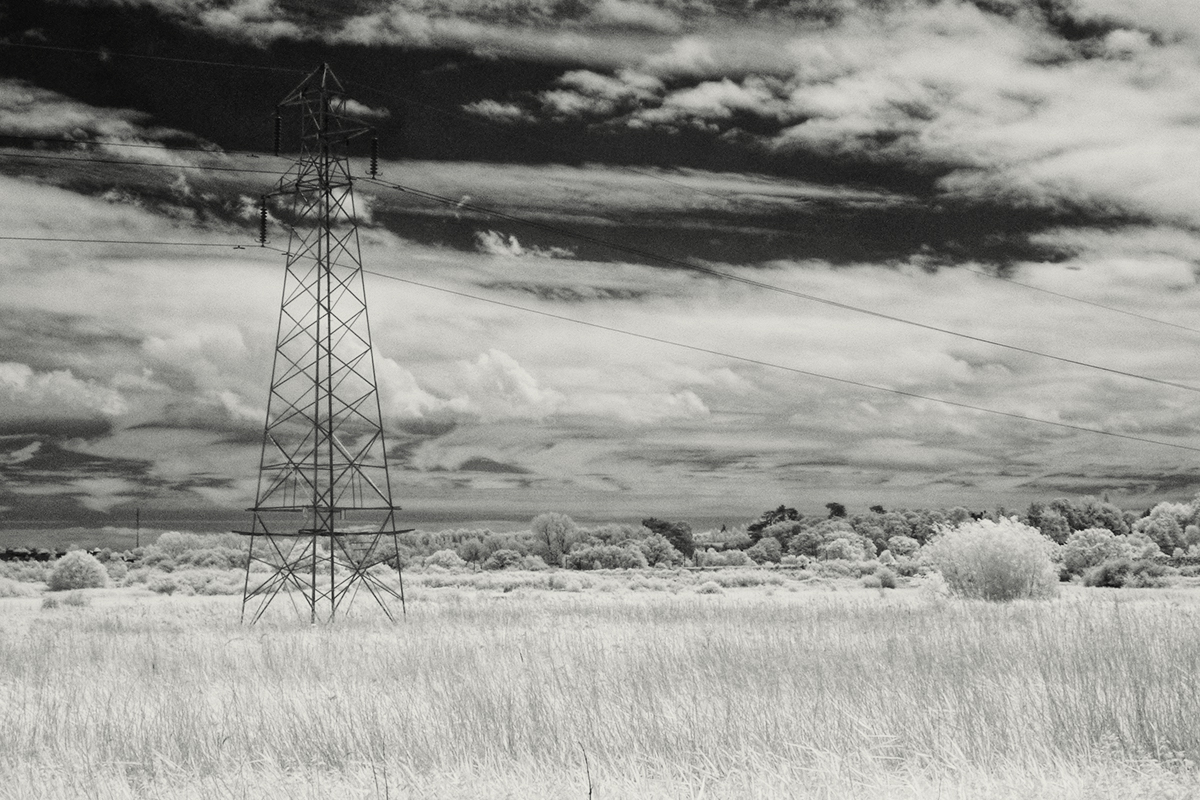
Levin Haegele shot with converted IR camera
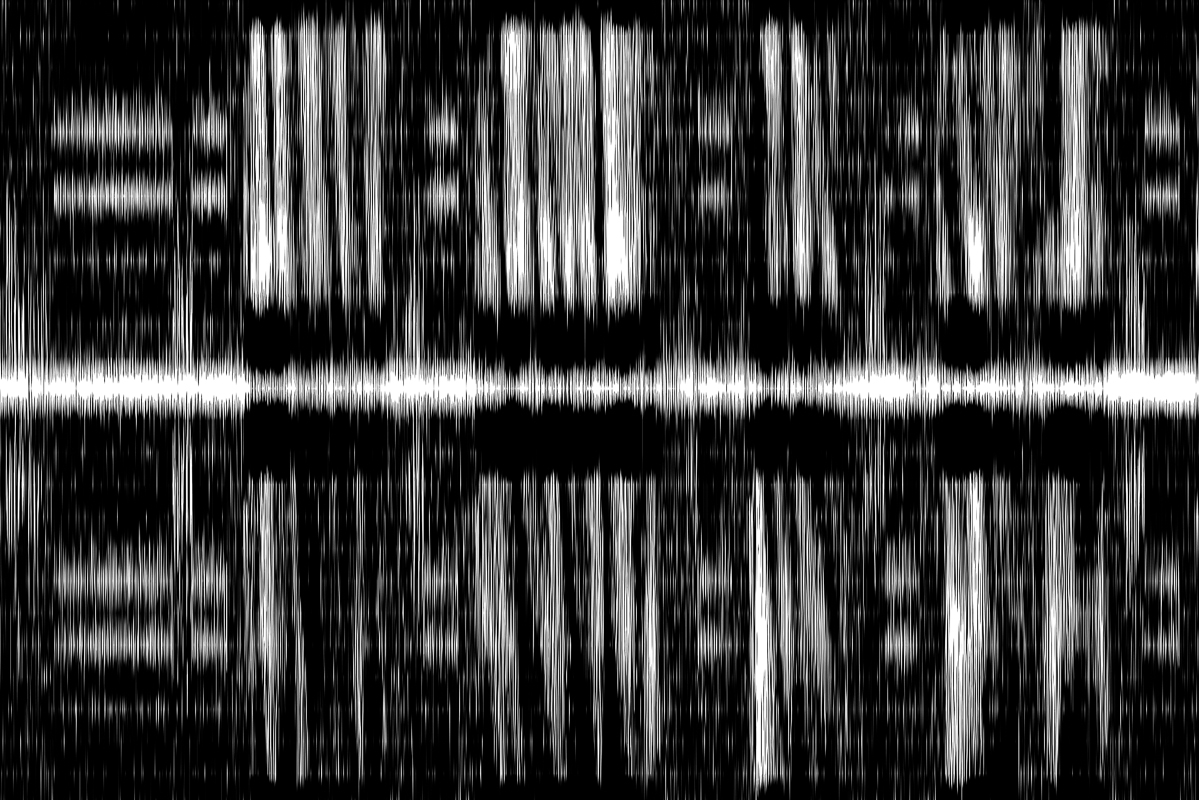
Lewis Bush spies on international spy networks listening in to their coded messages, plotting their signal origins and collaging together complex satellite maps of remote terrains.
Lewis Bush from Shadows of the State
Night time visit to Vitrine showing THE ONLYES POWER IS NO POWER from Wil Murray.
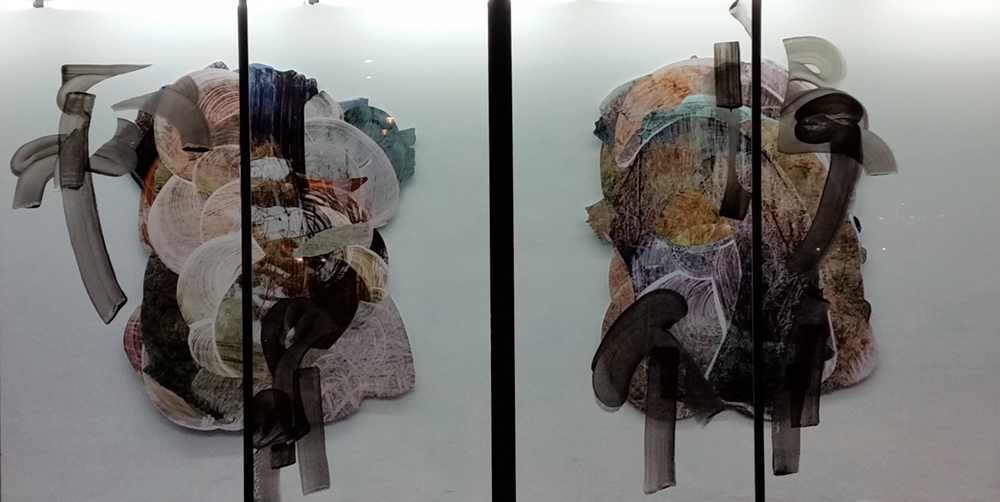
Swirling and mutating, the image origins are echoes of locations where his family circus performed that were also the locations of “balloon bomb” strikes. The seasons marking time, summer and winter negatives overlaid and partially obscured with painted brush strokes. Painting out of history or the subconscious.
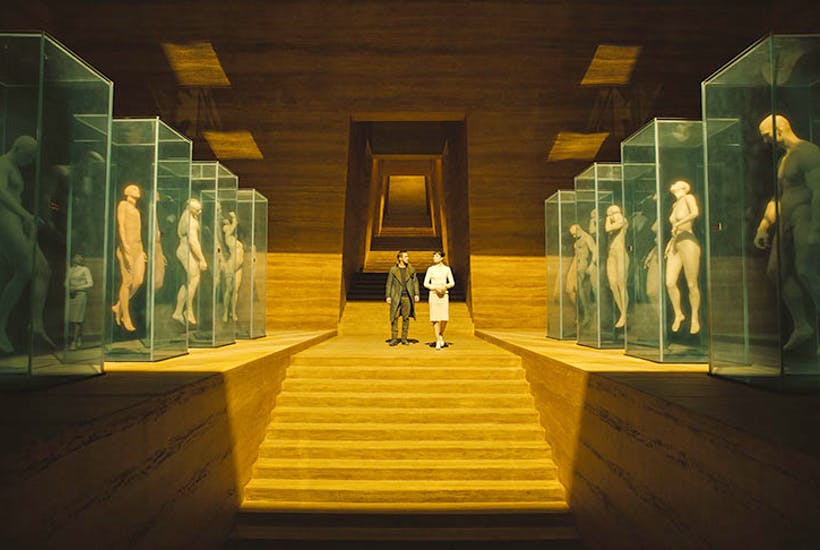
How information is lost or passed on is addressed in Blade Runner 2049 set in a dystopian future coping with a catastrophic digital data wipe leaving a gap in history.
A short visit to Everything At Once at Store Studios, curated by Greg Hilty and Ossian Ward for Lisson Gallery in collaboration with The Vinyl Factory.
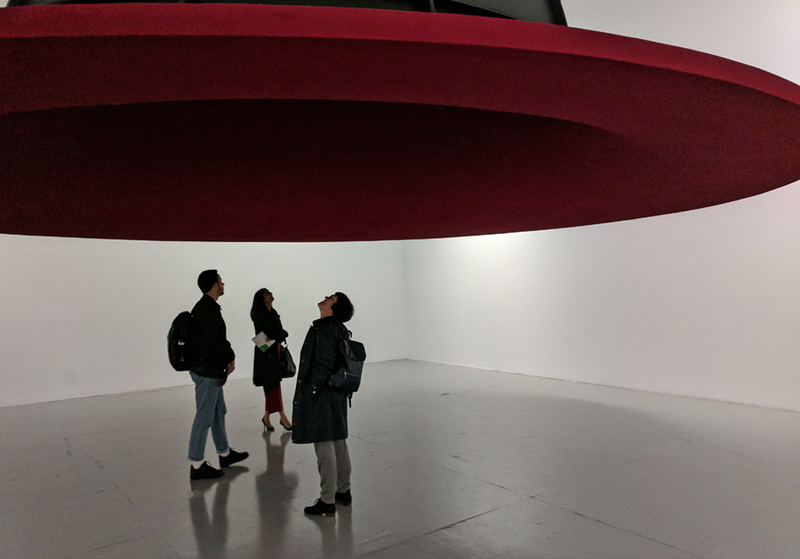
Despite his rather selfish egotistical patenting of Vanta Black I have to admit Anish Kapoor makes visually intriguing works.
Anish Kapoor At The Edge of the World II
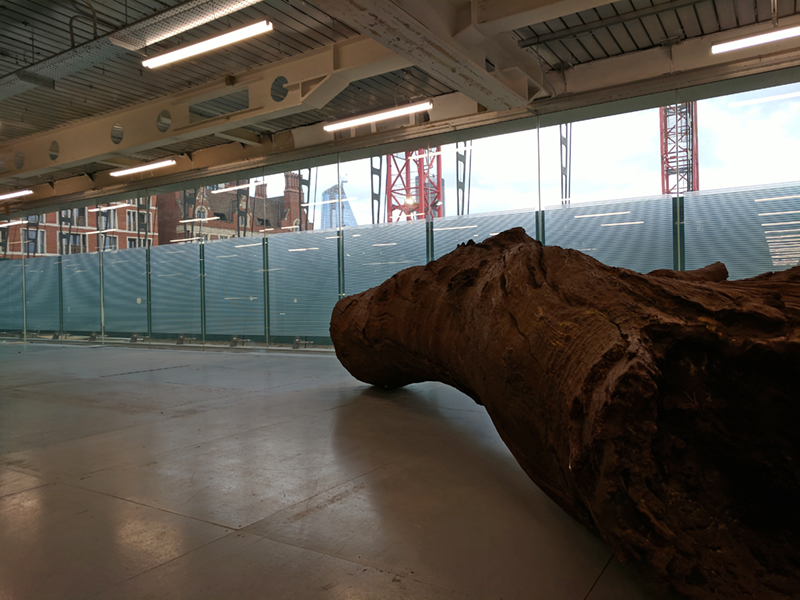
Ai Weiwei Iron Tree Trunk
Dan Graham Two V’s Entrance-Way
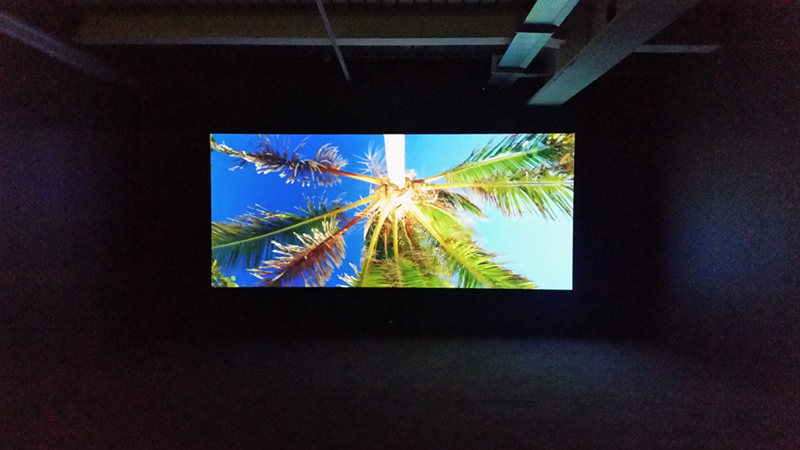
Rodney Graham Vexation Island (still)
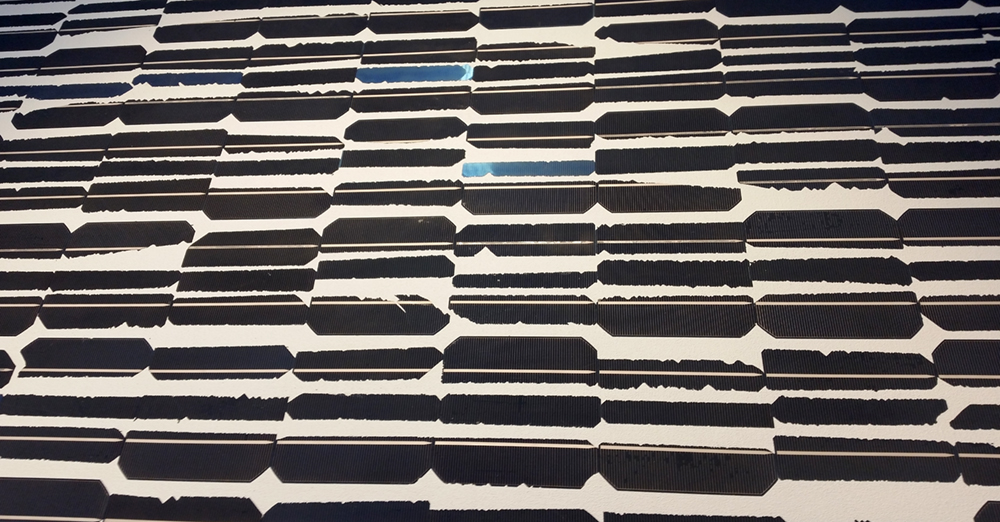
Allora and Calzadilla Solar Catastrophe
Alma Thomas showing in Soul of a Nation at Tate Modern. (At 80 was the first African American woman to have a solo show at the Whitney Museum of American Art in 1972.)Fascinated by the space age she followed daily reports of NASA’s Mariner 9 mission to photograph Mars. Huge dust storms on the planet prevented images from being relayed back to earth but inspired her to make this work.
Alma Thomas Mars Dust (detail)
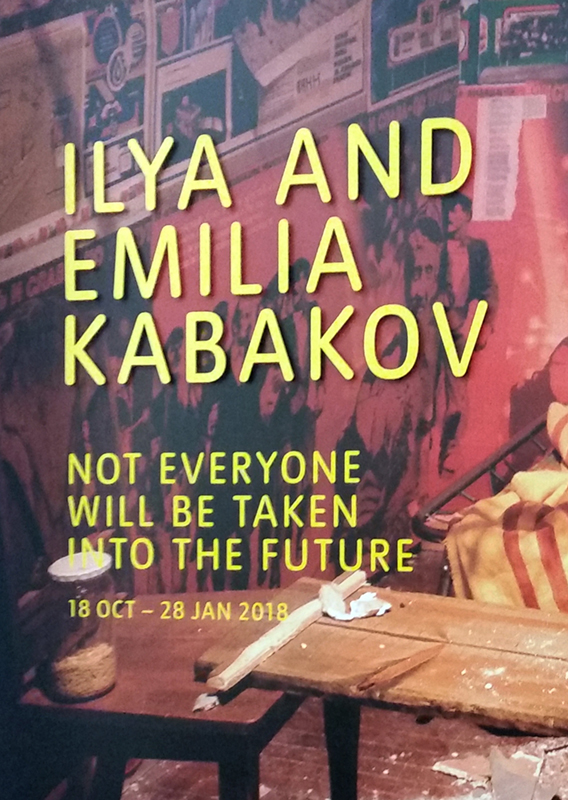
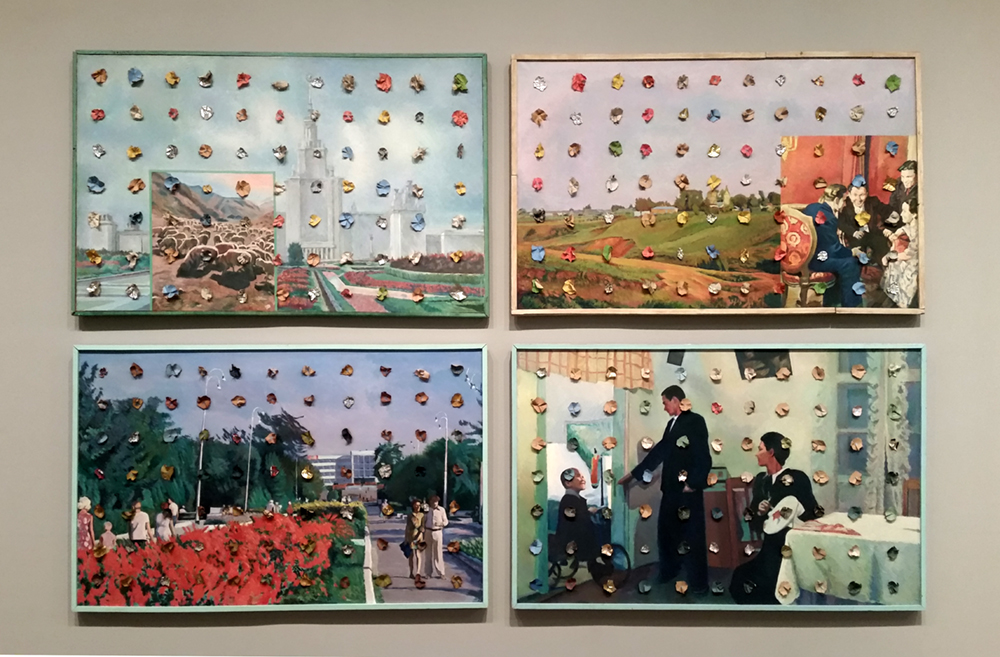
Ilya and Emilia Kabakov Not Everyone Will Be Taken Into The Future
Great title – Not Everyone Will Be Taken Into The Future, for me conjures an image of the time when we have to leave this planet for some new home and there are only a few spaces available on the spaceship, though really it is talking about being remembered, having a legacy that lives on.
“Human engagement for the storage of information in opposition to death cannot be measured with the same scales used by the natural scientist. Carbon-dating tests measure the natural time according to the information loss of specific radioactive atoms. However, the artificial time of human freedom (“historical time”) cannot be measured by simply turning carbon-dating formulas around, so that they now measure the accumulation of information.” Vilém Flusser
Sam Hodge created an atmospheric immersive experience at The Crypt Gallery, Kings Cross for White Noise, a collective that presents works investigating a world filled with omnipresent background noise, explorations of ‘seeing the unseen’, ‘zones of indiscernibility’ and the ‘indeterminate’, and the freedom of the imagination to fill the void.
Sam Hodge Vibrant Matter
“The Sun, the Moon, the Earth and its contents are material to form greater things, that is, ethereal things – greater things than the Creator himself has made” John Keats, 1817
The Live Creature and Ethereal Things excellent discussion event at Arts Catalyst initiated by Fiona Crisp as part of her ongoing research project Material Sight of non-documentary photography and video to interrogate extremes of visual and imaginative representation in fundamental science and technology. She has also visited Boulby Mine.
Participants included Tara Shears, Suchitra Sebastian talking about emergent particles and new states of matter that require new language to describe, Nahum Mantra demonstrating the Theremin and talking about mesmerism and invisible forces and arts Catalyst director Nicola Triscott. How to make big science more intimate.
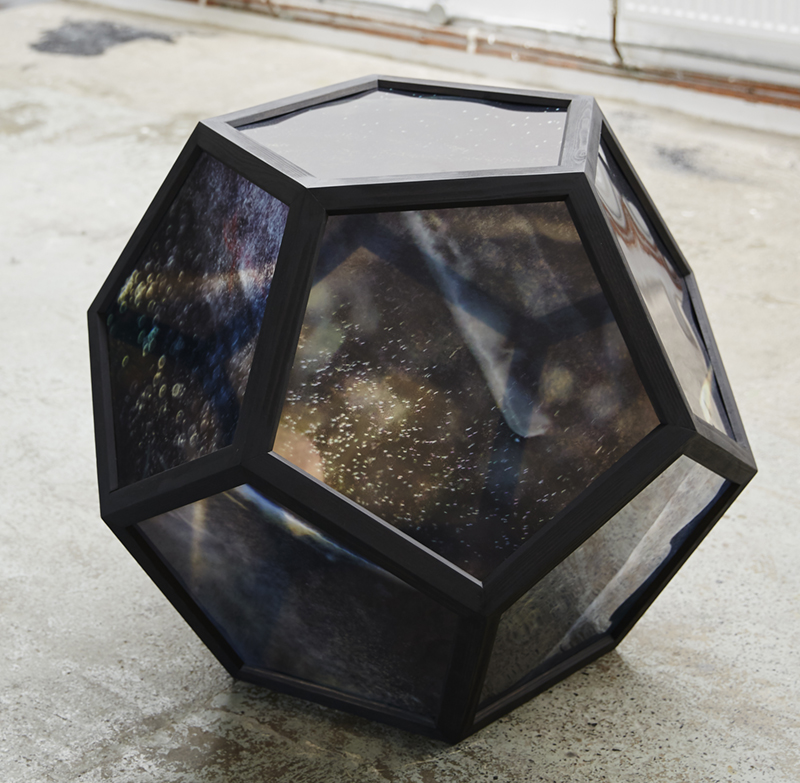
Tara Shears clarity on the structure of the universe containing just 12 ingredients (quarks and leptons) held by 4 fundamental forces brought home a happy analogy for me with the 12 sided dodecahedron Plato’s representative shape of the universe.
This has prompted me to look closer at Dante’s cosmology as a description of a finite universe, now known as the 3-sphere universe.
I am enjoying making intuitive connections to link the attributes of each heavenly sphere with those of the quarks and leptons. inspired by mythology going back to my reaction when I first came across the seemingly autological names of the quarks and leptons. Up Quark would be the Empyrean and Down Quark earthly paradise and the plucky Muon who appears in my cloud chamber takes Mars for Virtues and courage.
Fiona Crisp warned against the dangers of art and science collaborations instrumentalising each other. Her work attempts to present an image to be viewed without trying to extract knowledge as in documentation. To evoke time, distance and scale yet create an intimacy of looking and embracing productive doubt.
“Both those taking snaps and documentary photographers, however, have not understood ‘information.’ What they produce are camera memories, not information, and the better they do it, the more they prove the victory of the camera over the human being.” Vilém Flusser
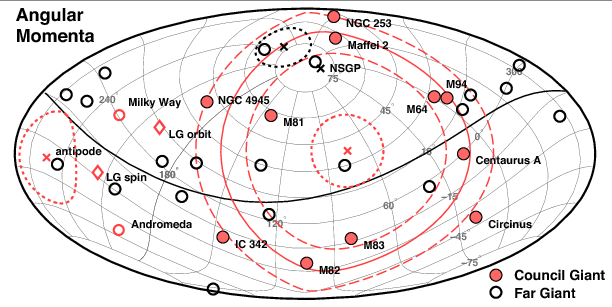
Following Fiona Crisp’s research into sharing knowledge combined with the act of making. ‘Origami-Folding the Local Universe’. I learnt of the Council of Giants, a ring of 12 large galaxies surrounding the Local Group of which our milky way is a member, in the Local Sheet (where nearby galaxies share a similar velocity). Another key 12 to consider.
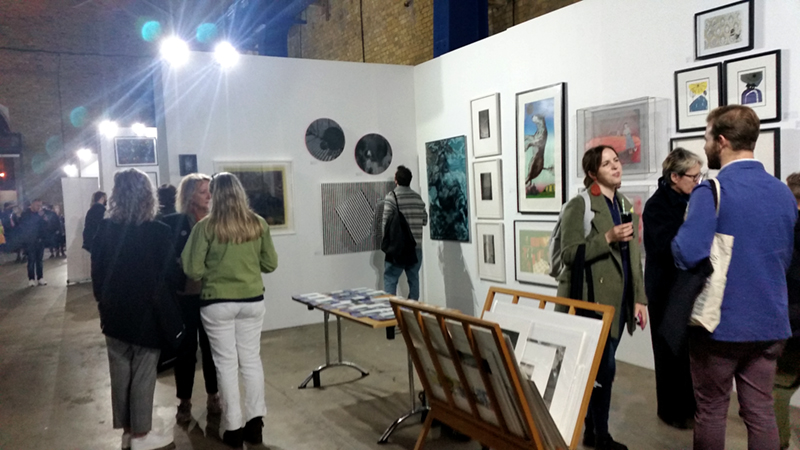
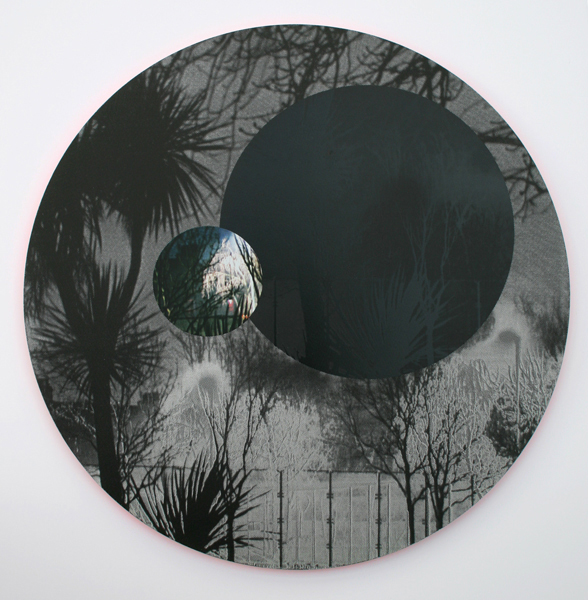
Two everydaymatters circles showing at Woolwich Contemporary Print Fair with Thames-side Studios.
everydaymatters (Paradise Passage #1 N7) sold
Back in the studio I pulled out some work I started a long while ago but never finished. Avondale Rialto is from when I was looking at the exotic names given to the prosaic caravan, when escape is an ideal never realised. It ties in with the idea of a paradise to be found. I may do some more work with this.
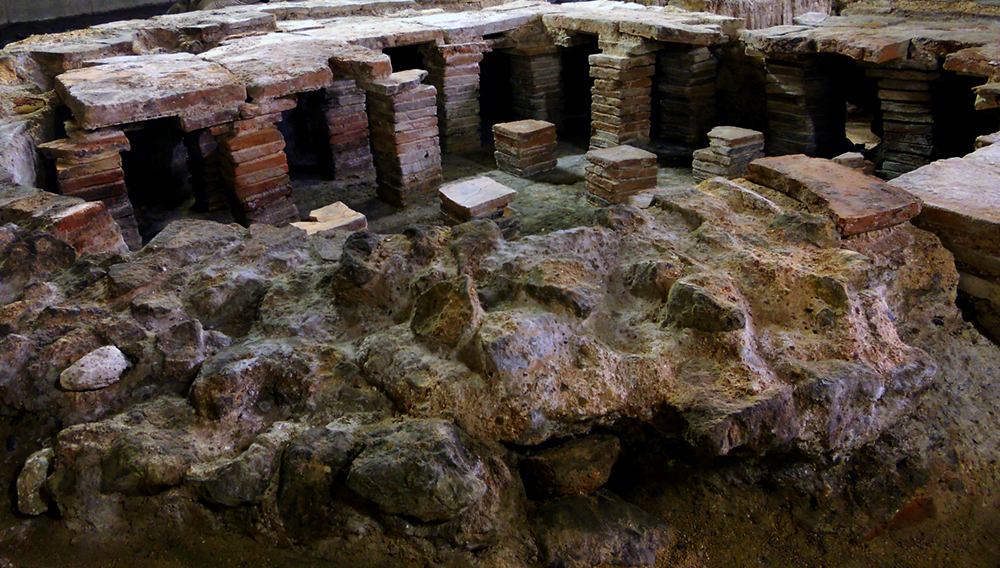
Below the pavements and around the foundations of the City’s offices lies a layer of Dark Earth: the debris from the collapse and decay of lost centuries including that of Roman London. Powered by wiretapper, Dark Earth audio experience led us from a secret rendezvous to the underground ruins of a Roman house via a rambling narrative attempting to create a steamy atmosphere appropriate to a bath house and pill (tic tac) popping time travel back to a civilisation teetering on the edge of its downfall.
“Human engagement for the storage of information in opposition to death cannot be measured with the same scales used by the natural scientist. Carbon-dating tests measure the natural time according to the information loss of specific radioactive atoms. However, the artificial time of human freedom (“historical time”) cannot be measured by simply turning carbon-dating formulas around, so that they now measure the accumulation of information.” Vilém Flusser
The duly received wordpress pre posting sharing alert – ‘a broken connection requires repair’ takes on new significance after our dark matter day discussions.
‘The omnipresence of repair in the universe is without a doubt the sole reason it is shared by both mathematics and art. It is a primary characteristic of human biological and cultural evolution. Without the process of repair, there would be nothing — neither chaos nor stability. Everything is guided by the determinist agency of repair.’ Kader Attia
In my practice I spend a lot of time thinking about the past rather than the future, researching origins and myths. History changes with the telling and the future is full of probabilities. In Carlo Rovelli’s Seven Brief Lessons on Physics the sixth lesson asks the question ‘what is the present?’ Physicists and philosophers have come to the conclusion that the present is an illusion and time does not flow, but this is not how we experience the world. Compare ‘now’ with ‘here’. ‘Here’ is subjective to where it is spoken. ‘Now’ is subjective to the instant it is spoken. Both terms are indexical. We wouldn’t claim only things that are ‘here’ exist so why do we say only things that are ‘now’ exist? The problem isn’t solved but it is believed to have something to do with thermodynamics (heat does flow) and our limited capacity to comprehend the universe. A supersensible being would experience the universe as a single block of past, present and future.
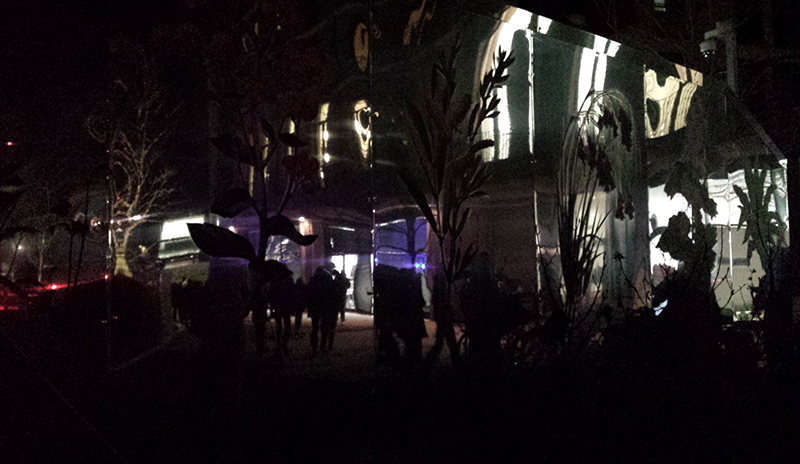
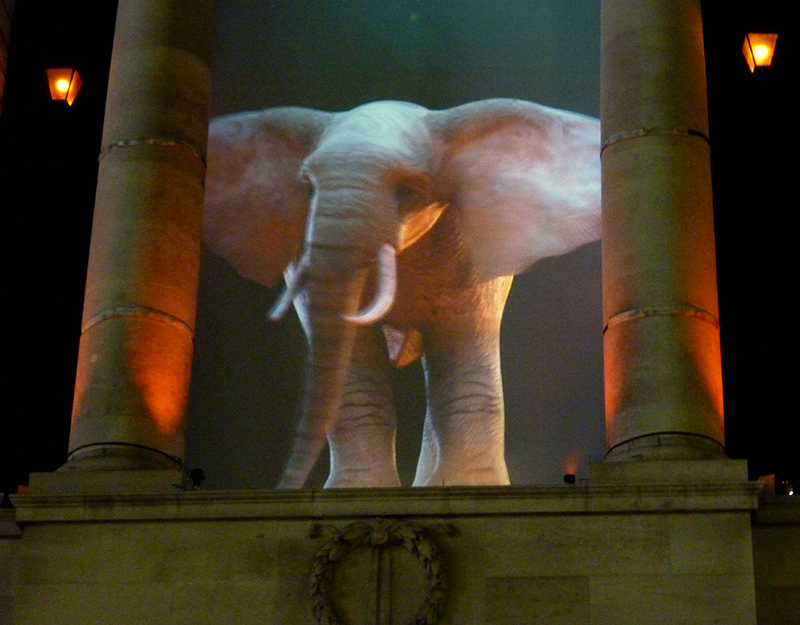
The London Lumiere event changed the city temporarily, bouncing some photons around which brought people out onto the streets for a bit of wonderment.
It was the coldest night to be out but there were some magical moments to be had.
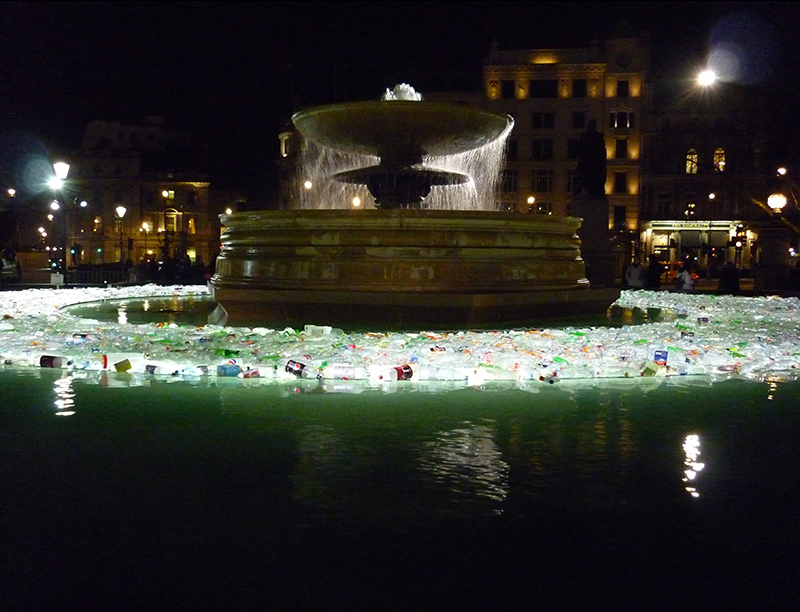
Litre of Light – use simple technology with recycled plastic bottles and water to provide sustainable solar lighting for communities across the world. Fantastic idea andI liked that these bottle ends look like a myriad of suns.
Spectra-3 is an interactive light and sound installation by Field who create hi-tech experiences with a human touch. Supposedly tracking the audience it looked like it had latched onto to something more interesting in the cosmos. Liking this other work of theirs – New Nature
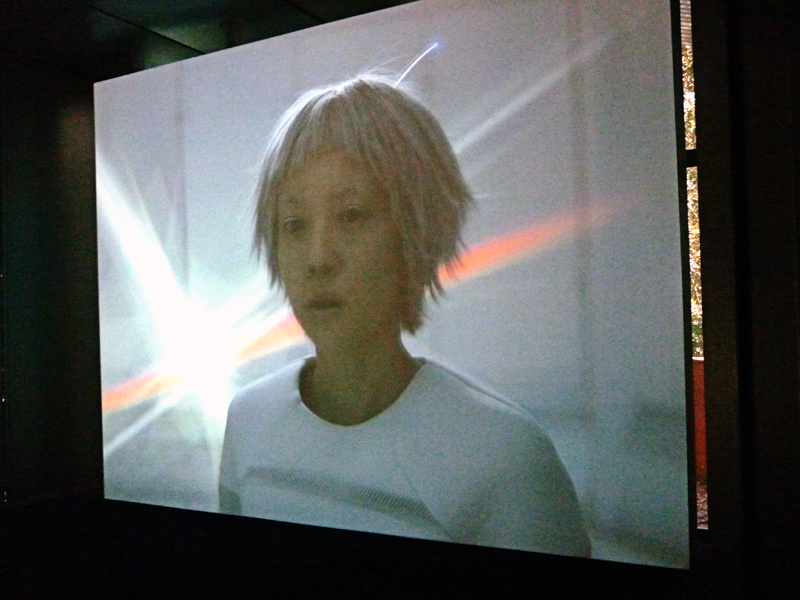
Moon Kyungwon and Jeon Joonho’s video installation The Ways of Folding Space and Flying is an archaeological quest into human civilization.
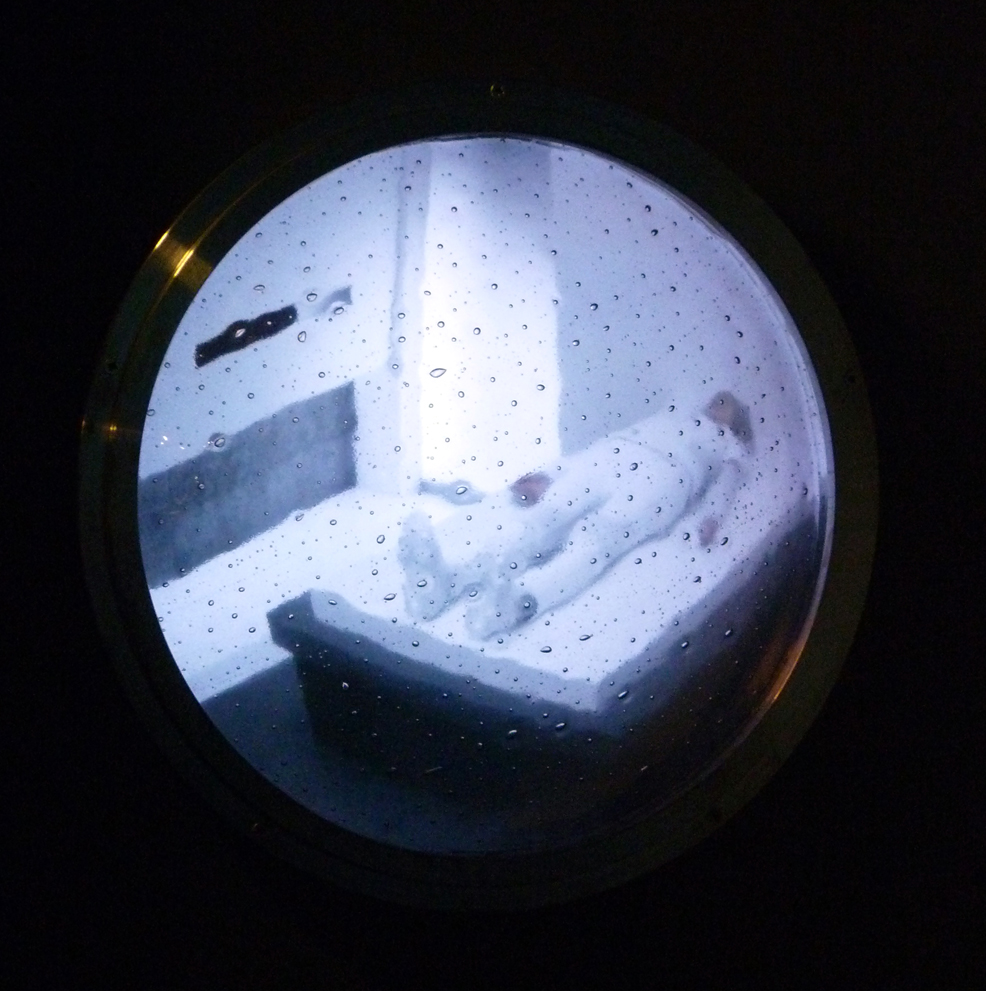
In this multiscreen installation we are dwarfed by giant projections. Voyeurs peering through portholes at this lone explorer on her voyage, sleeping, taking exercise, discovering new experiences.
Both futuristic and retrospective the artists are inspired by Taoist practice, supernatural powers and the desire to fly. Their protagonist appears in a state of wonder exploring the unknown.
Giving ground to the meditative and emancipatory effects of complex human desires it allows us to dream and wonder what an other future might hold.
Lee Lee Nam shows technical wizardry in a series of digital works. Moving gently through the seasons this traditional landscape is in a constant captivating cycle of rebirth.
The characters on a traditional scroll dissolve, falling away pixel by pixel
In the centre of the room a captive dove beats its wings as it is plunged beneath the water.
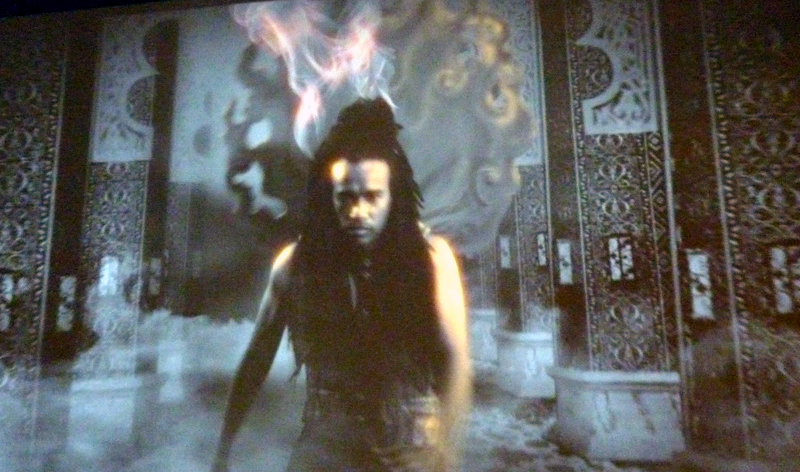
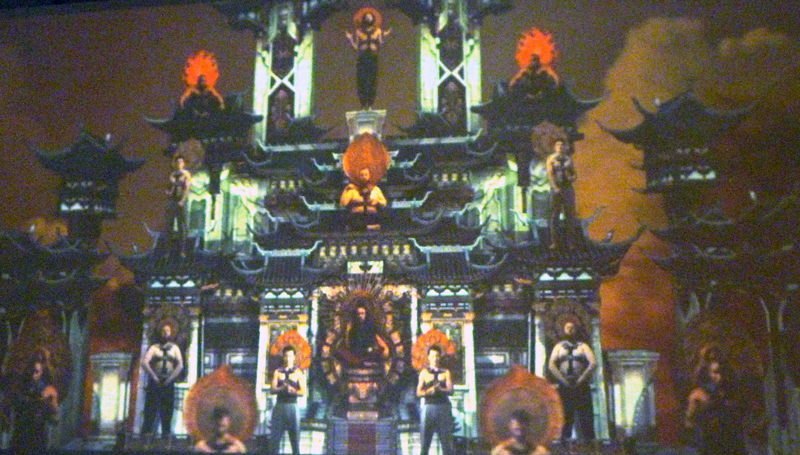
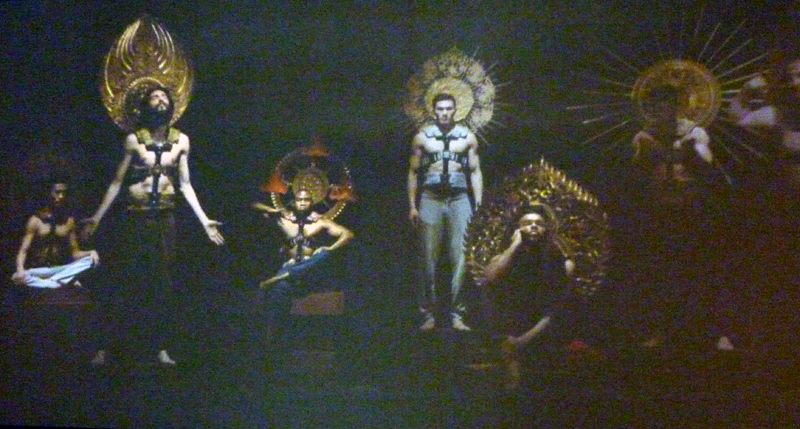
I thought Lu Yang’s video work Moving Gods. was really interesting, the imagery playing with desire and attraction, worked on me.
An ethnically diverse male group play out some ritual that references video games, mythology and religious iconography.
A mash up of superheroes, fashion iconostas and saints that plays on the attraction of power and the use of symbol to establish status.
She is out to deconstruct and uses new technologies to question our emotional and bodily relationships to a digital world.
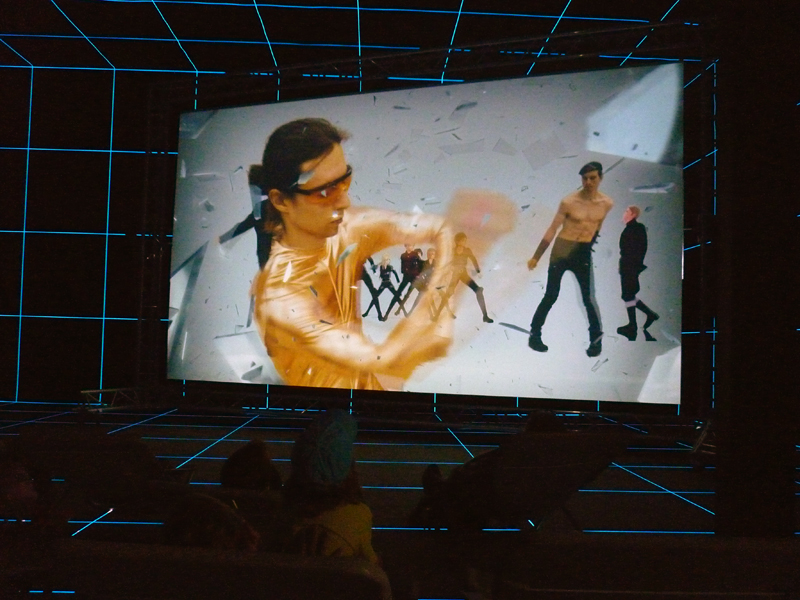
Introduced to Hito Steryl via her e-flux essays on digital culture I was keen to see her new work at the Venice Biennale. Entering the space of her video installation Factory of the Sun was like entering digital space in Tron fashion.
The room, pulsating with dance beats, was transformed into a 3D graphic grid with deckchairs and loungers to lie back in and be transported to the future.
Fast moving and mesmerizing dancers morph and rotate in a game like scenario where a new digital light transfers reality into digital culture. There is an underlying menace in this frenetic world as borders collapse and the gun may or may not be real.


























































 In the centre of the room a captive dove beats its wings as it is plunged beneath the water.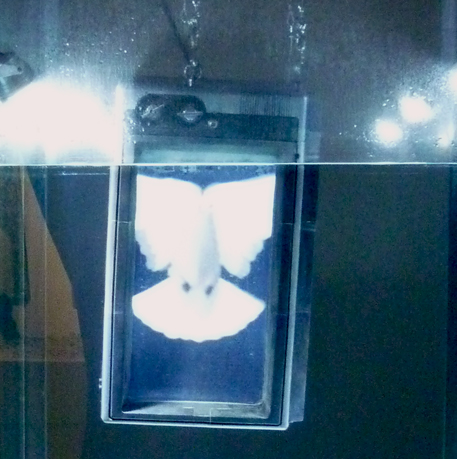

 Susan Eyre