Archives for posts with tag: Royal Society Summer Exhibition

In classical antiquity, a time stretching from Homer to the early middle ages, geographic orientation usually referred to landmarks or astral phenomena to determine direction. Eos, meaning dawn, and Hesperus, meaning evening, were named for sunrise and sunset with north (arctos) being marked by the constellation Ursa Major and later the Pole Star. The winds also became associated with direction and named in accordance with their qualities such as hot and humid or cold and dry.

The number of points on a wind rose began with the four cardinal points that were added to and refined over time. Aristotle designed an asymmetrical 10 point wind rose for “the study of things high in the air” (meteorology) which was later refigured by Timosthenes, a 3rd century BCE Admiral and geographer, naming a system of twelve winds and using this as a tool for navigation. The contemporary compass has its roots in the ancient classification of winds.

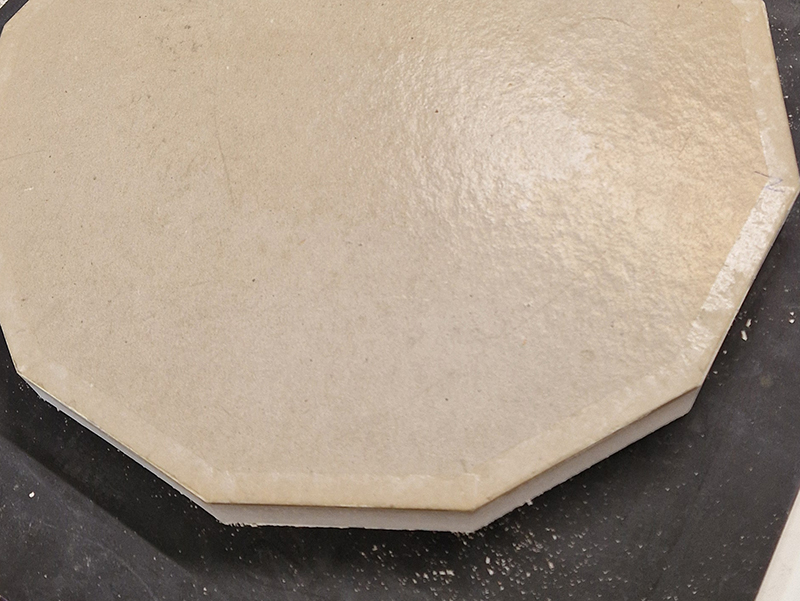
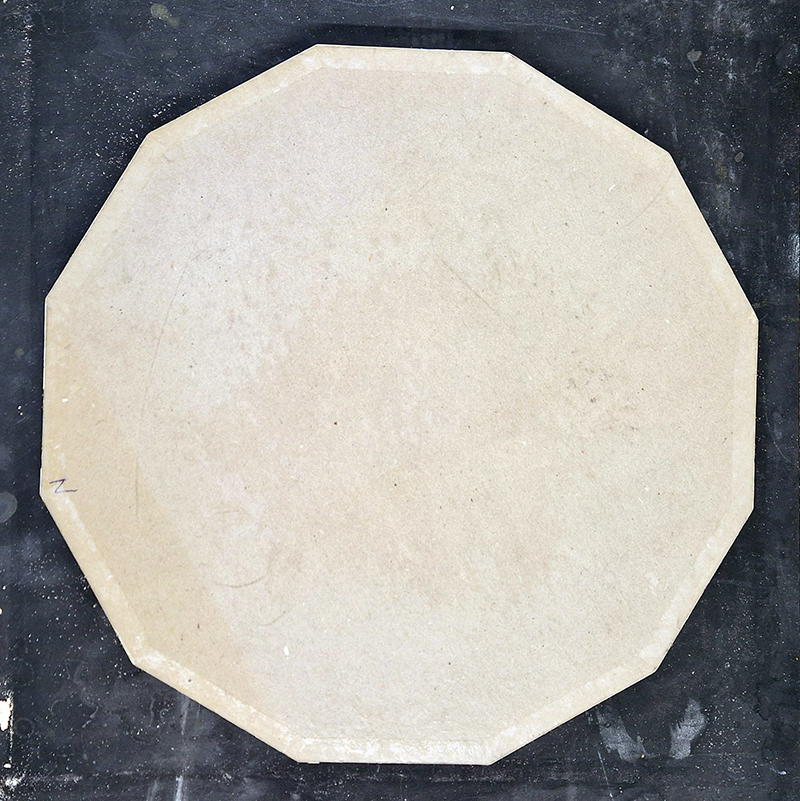
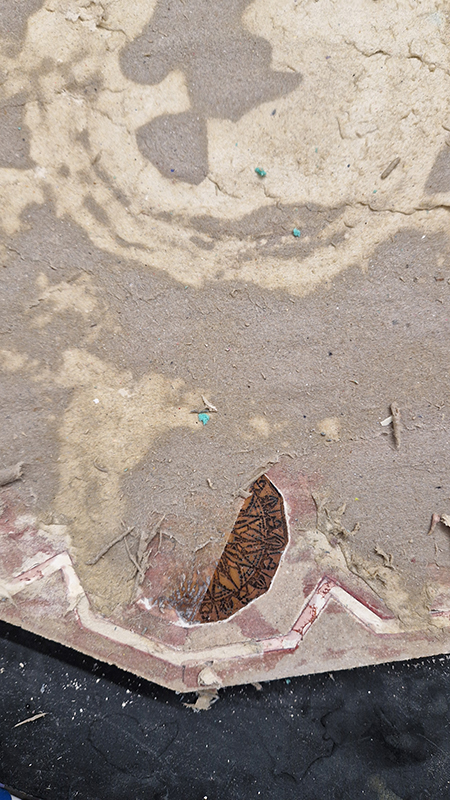
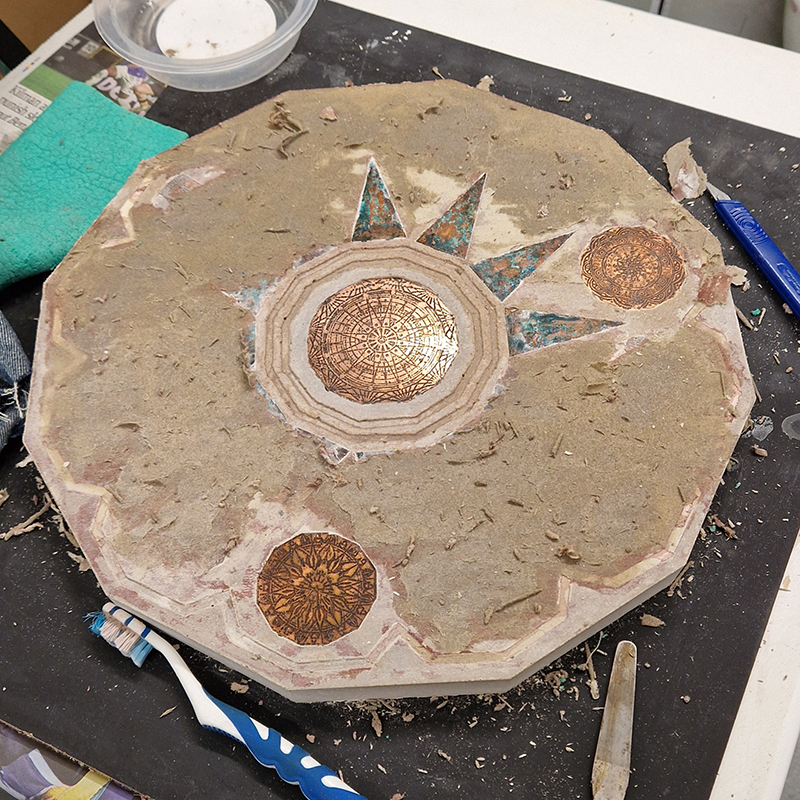
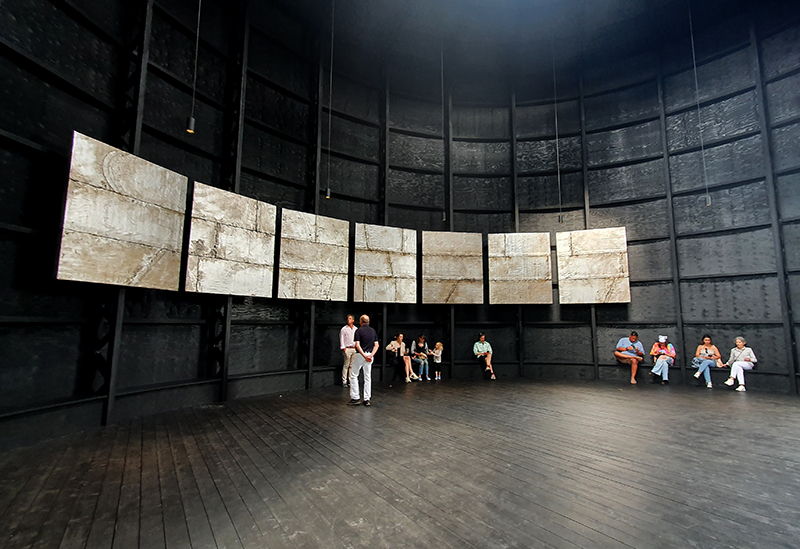
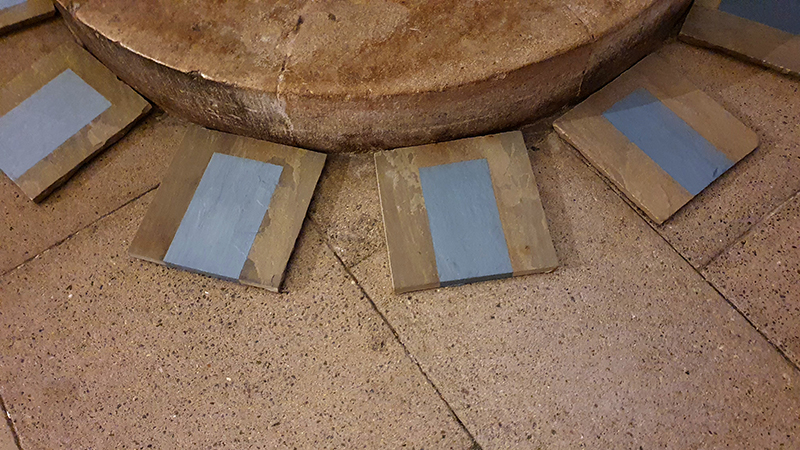
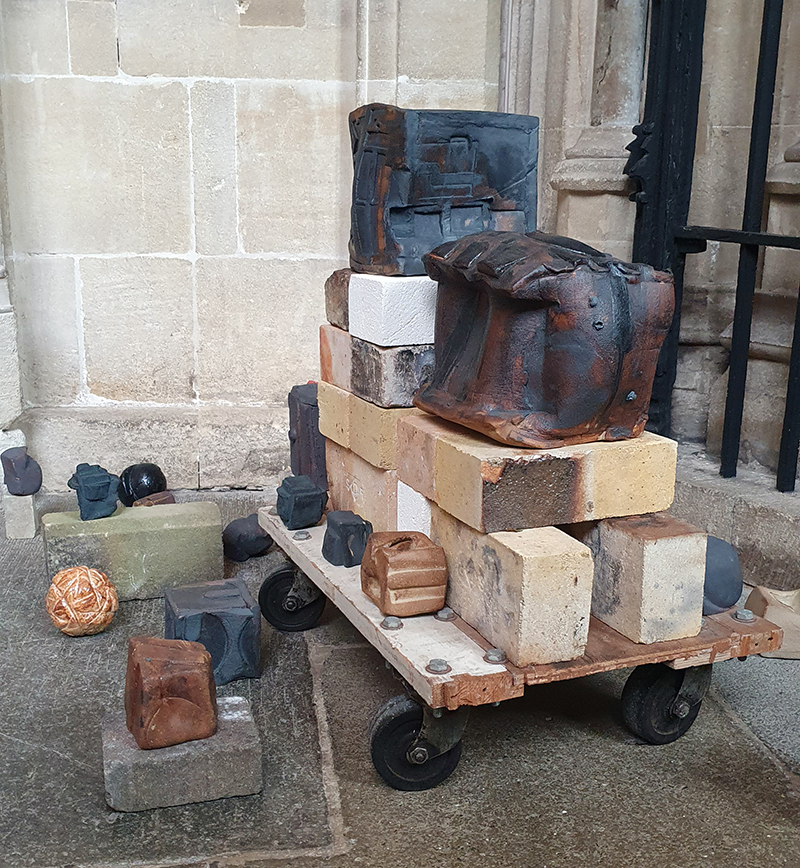
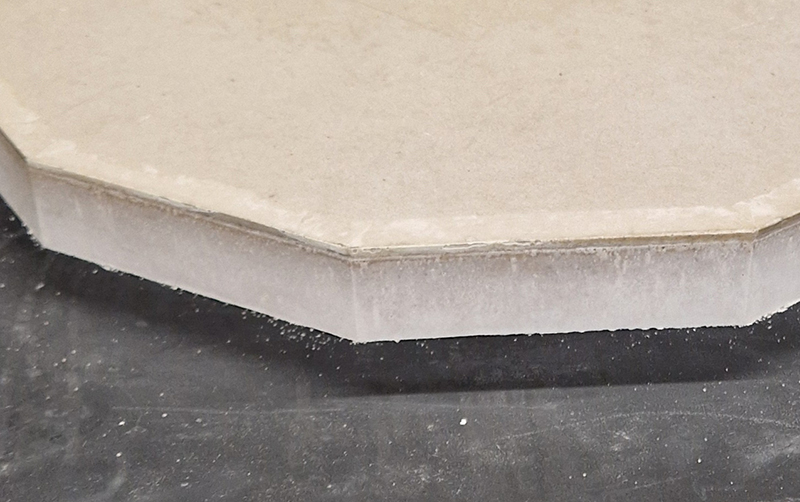
Freshly excavated. A new tablet for the series Instruments of the Anemoi, replacing a previous one based on the idea of a wind rose and set with etched copper markers, the designs of which are influenced by characteristics of the gods (anemoi) represented by each of the twelve winds.
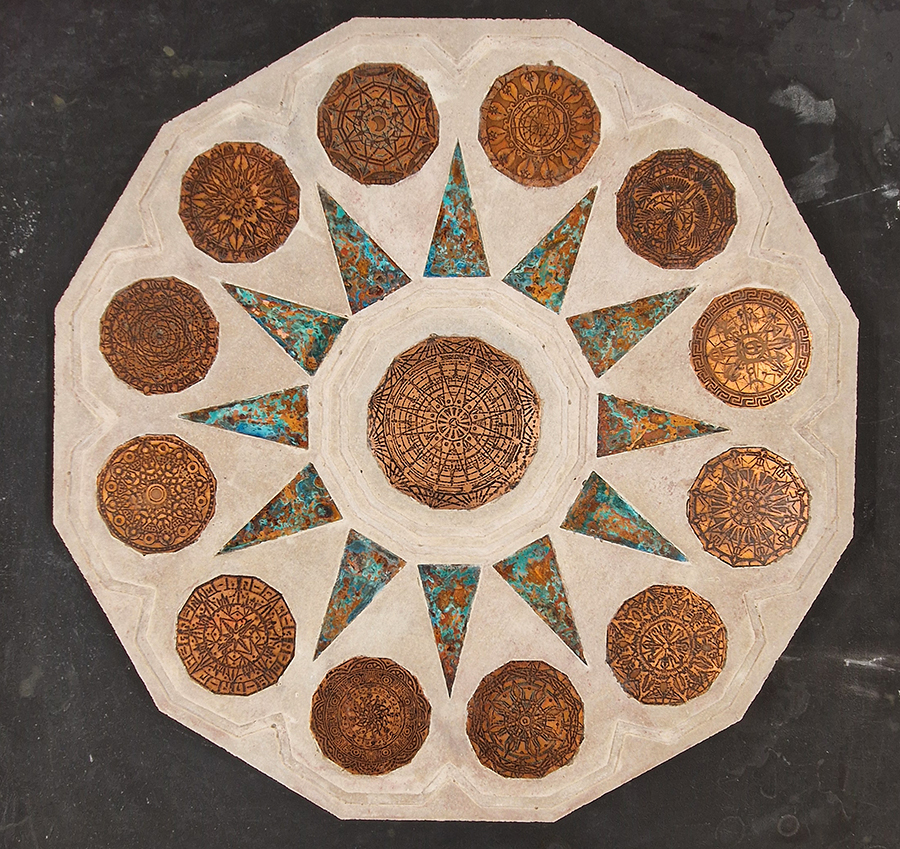
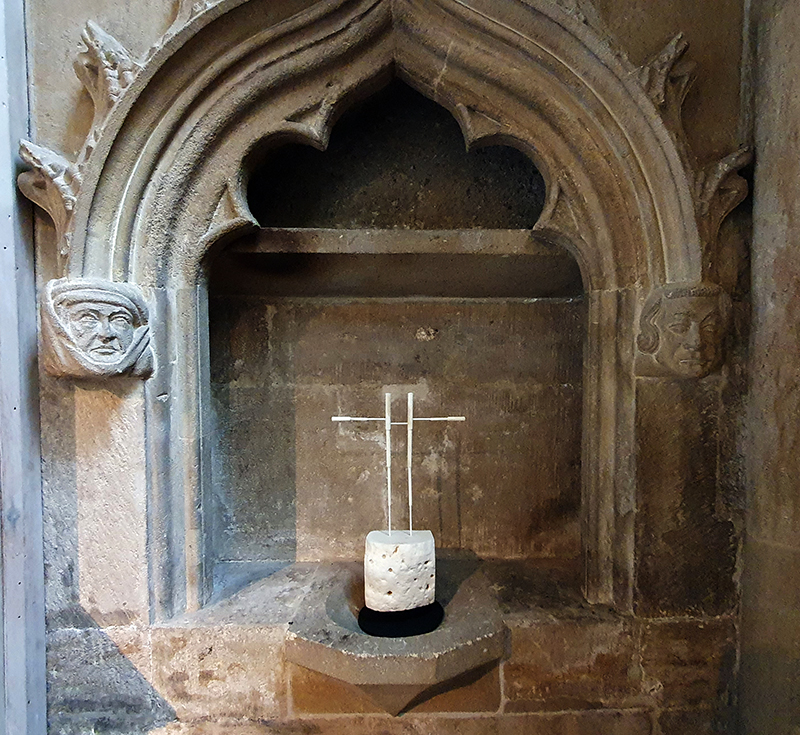
Instruments of the Anemoi are a set of dodecagon tablets cast in Snowcrete, a cement with no magnetic minerals, as is used for instrument pedestals at a magnetic observatory. They also respond to a twelve sided anemoscope “table of the winds” carved in marble around eighteen hundred years ago and held at the Vatican Museums. Releasing the cast from the mould and collagraph is a rewarding process – if all the pieces have held their position during the concrete pour and vibrating to release trapped air bubbles. Luckily this time was a success.

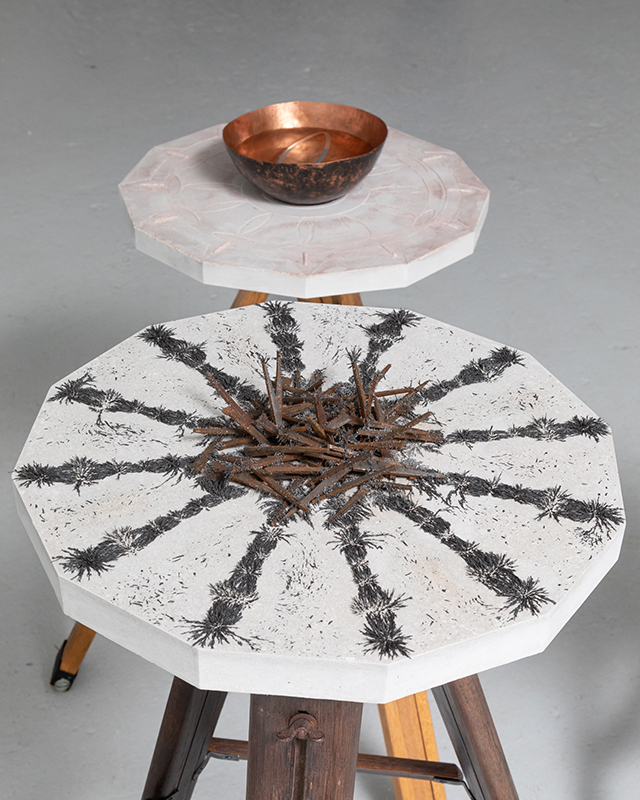
The other two sculptures in the series. A hand beaten copper bowl with a ‘silver fish’ floating in water based on the oval shaped compass needle illustrated in Breve Compendio de la Sphera de la arte Navegar by Martin Cortes 155. Wafer thin fish shaped iron leaves were also used by 11th century Chinese geomancers. Nails and iron filings reveal an embedded magnetic field and hark back to a legend on the discovery of the lodestone, a naturally magnetic mineral, which recalls a Greek shepherd who noticed the nails in his boots were attracted to the rock beneath his feet.
Unsettling to find it is already one year on since A Stone Sky duo exhibition with Julie F Hill opened at Thames-side Studios Gallery and this work was first shown.

Around 95% of the universe is ‘dark’ to us, formed of unknown and possibly unknowable matter which may be inaccessible to us, but cosmic rays offer a tangible contact with outer space.   

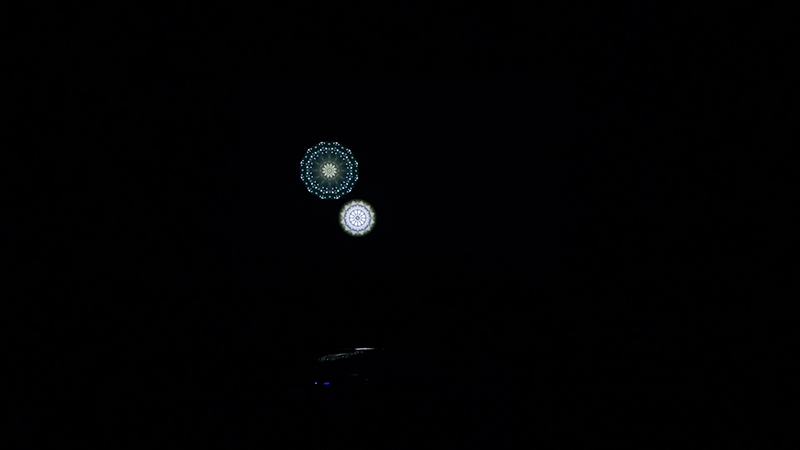
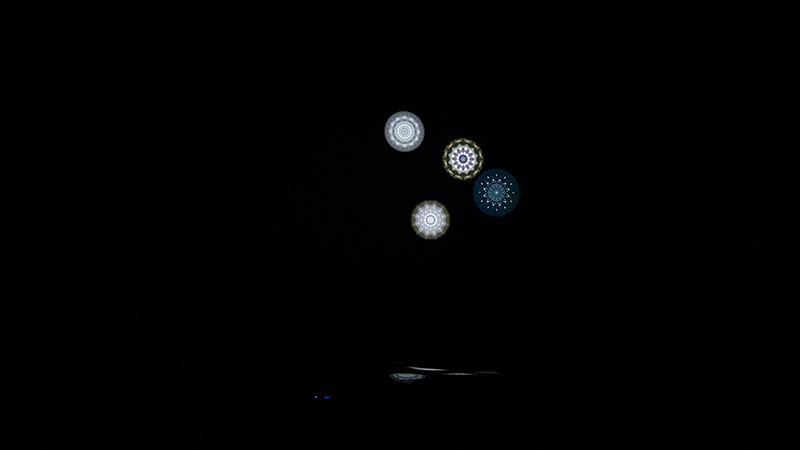
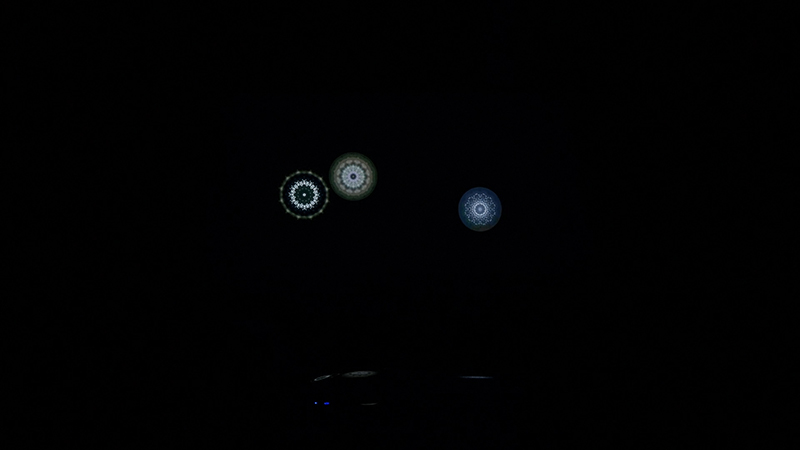
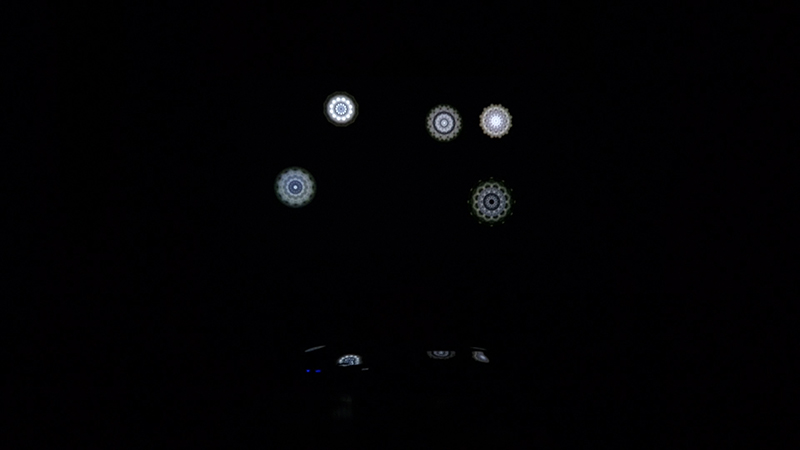
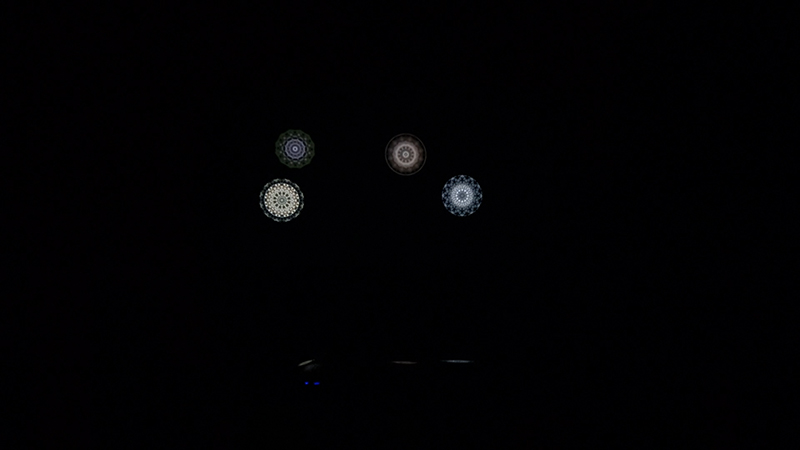
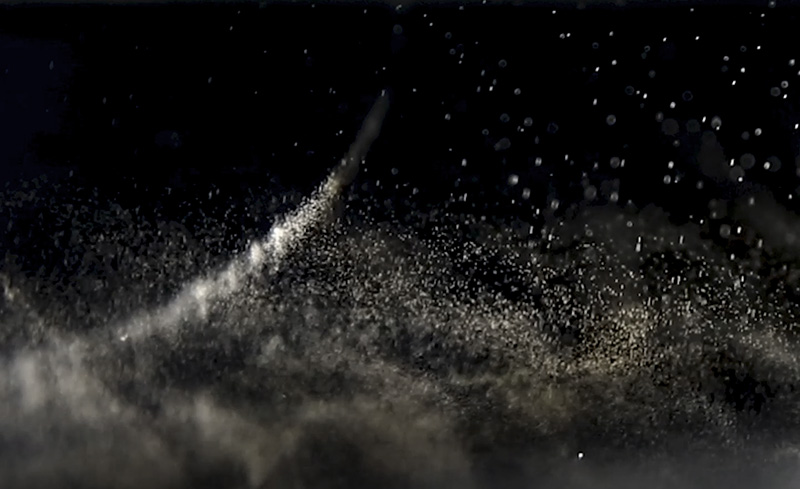
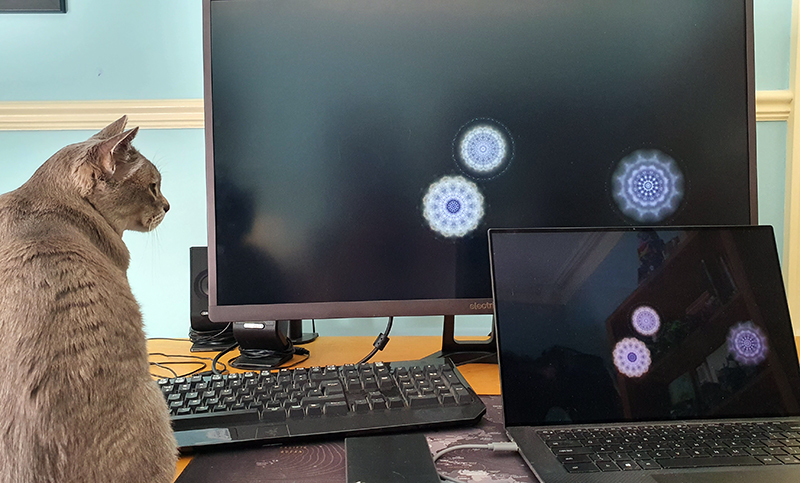
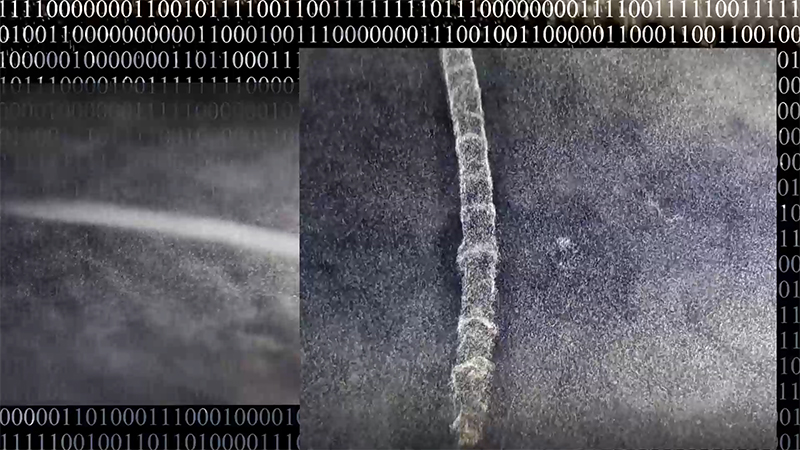
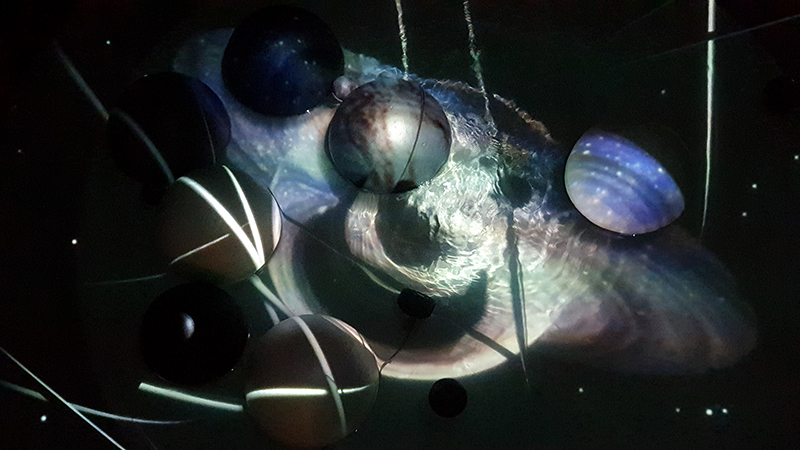
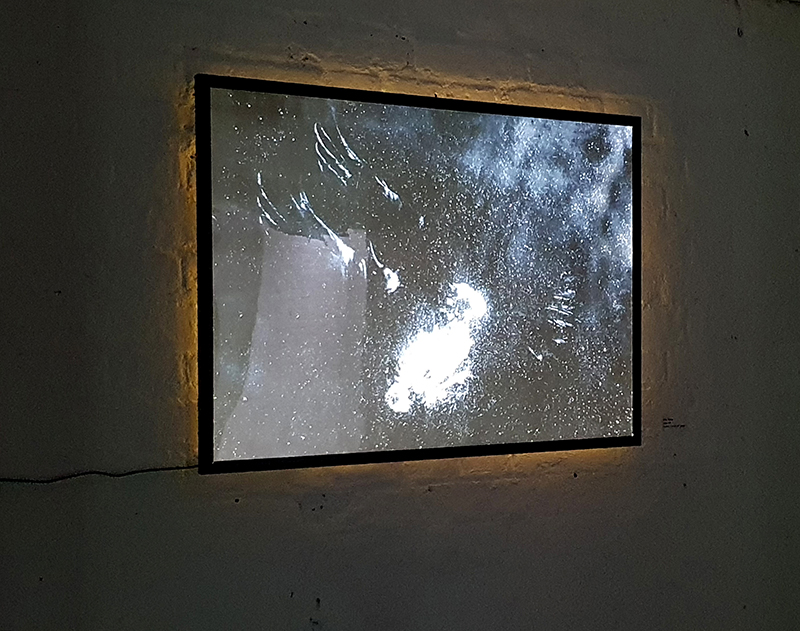
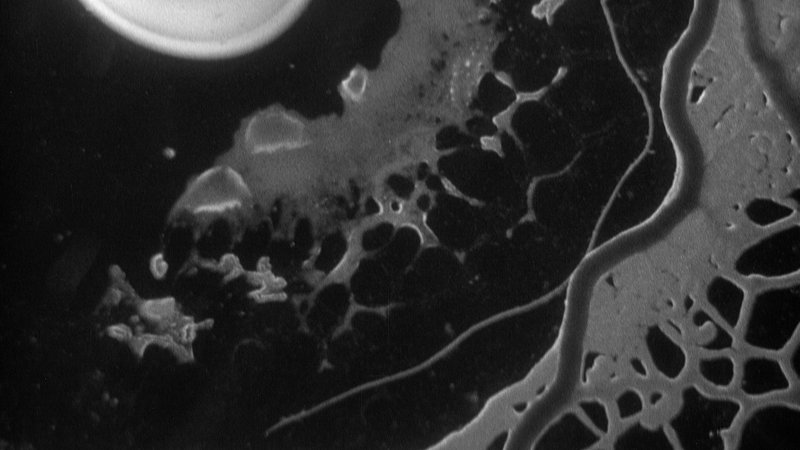
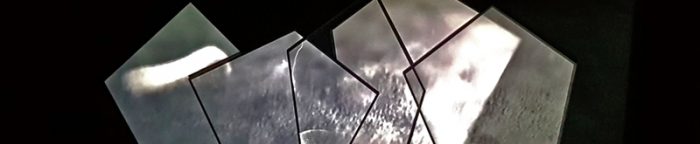
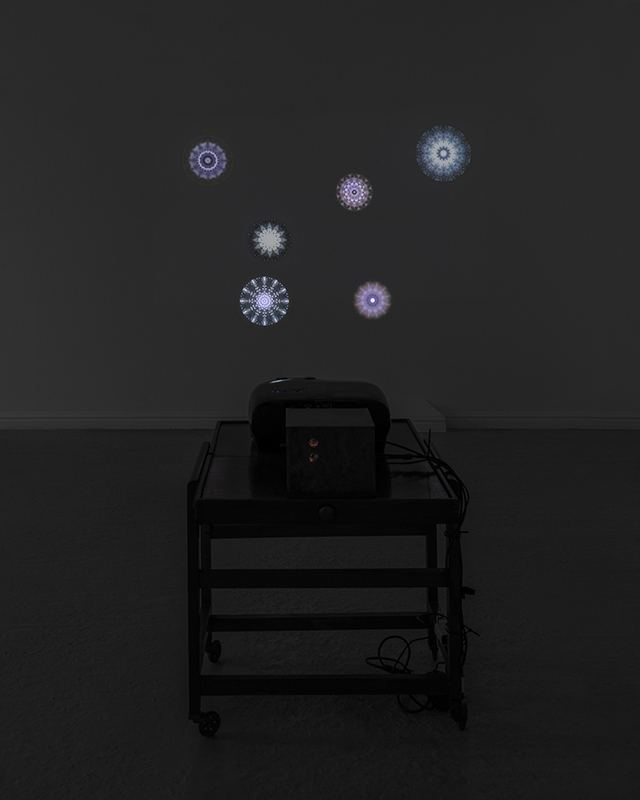
Giving The Breath of Stars a run to see if the cosmic rays are still there 😉 These images are stills of live action.
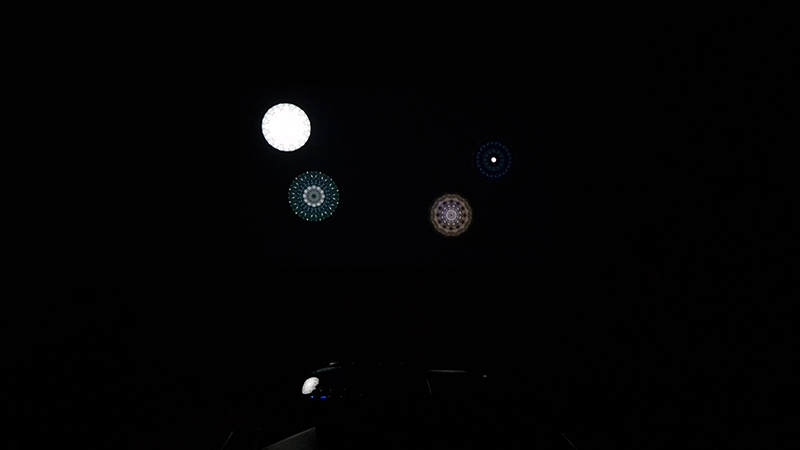
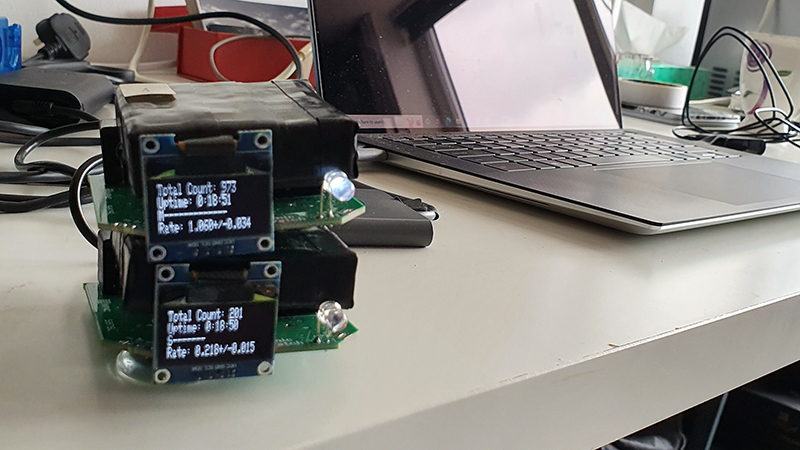
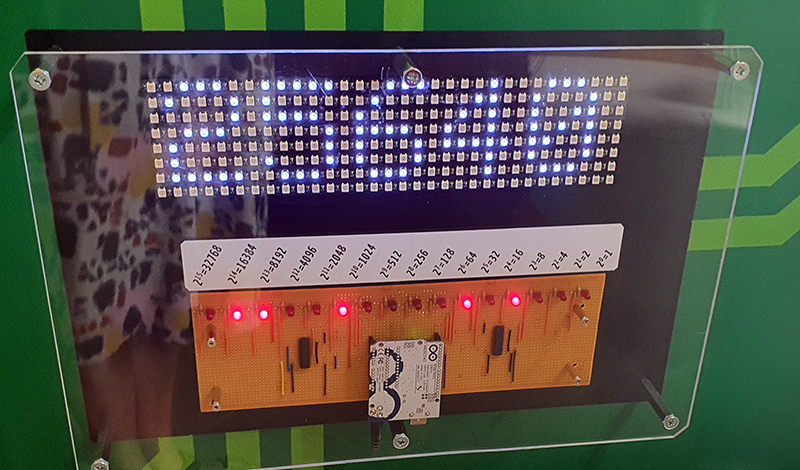
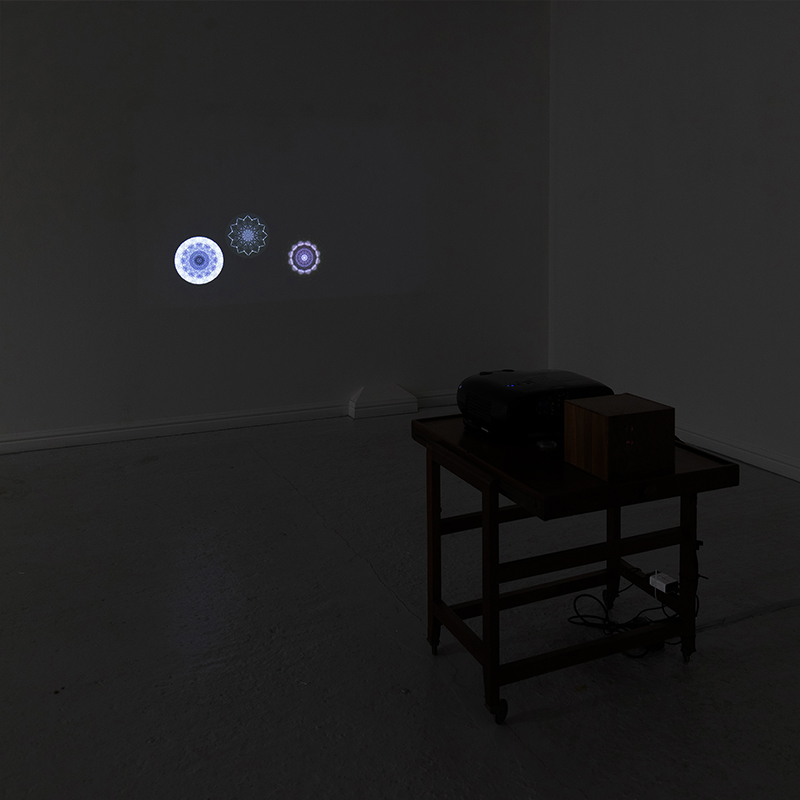
Cosmic ray detectors, mini computers, wooden box (20 x20 cm), video projection; live duration.

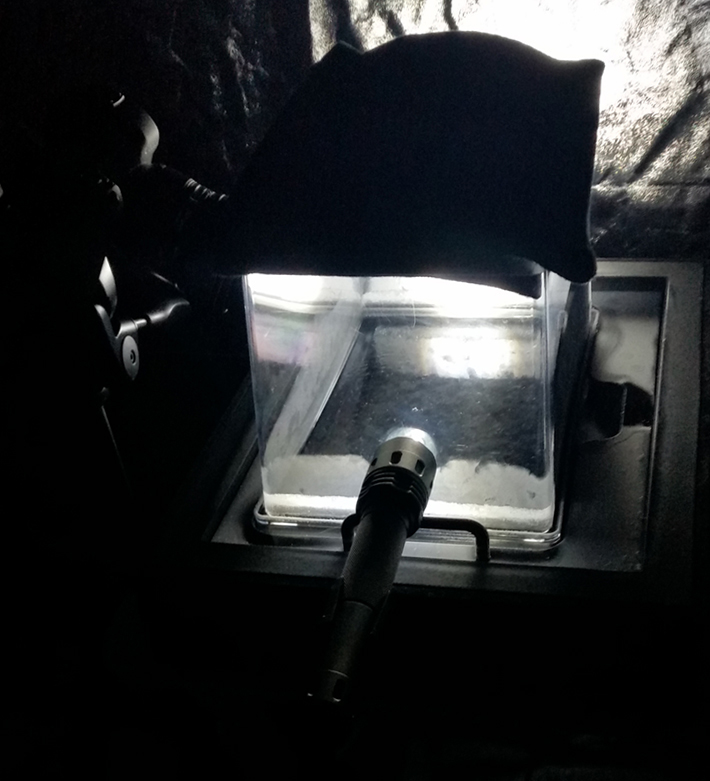
The Breath of Stars is a digital video work activated in real time by cosmic rays. These high energy particles arrive from outer space, interacting with life and technology on Earth. Coming from the heart of exploding stars or the depths of black holes, cosmic rays power across the universe with unimaginable energy. Some may come from phenomena yet to be discovered or even from other dimensions. A kaleidoscopic animation is projected every time a cosmic ray is recorded passing through the detectors. The animations are created from footage of cosmic ray trails filmed in my cloud chamber.
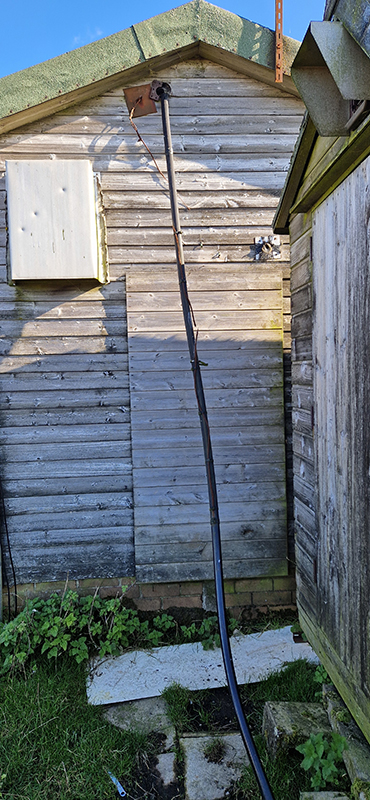
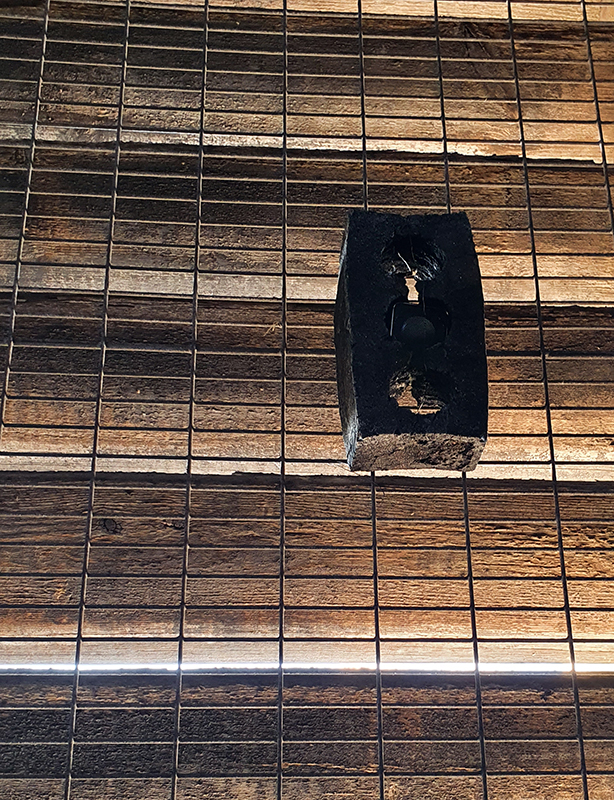
This cold damp weather is stimulating the moss regrowth on the apex pinnacle of The Absolute Hut (of action potential) that found a space in my garden after The Stone Sky exhibition this time last year. I had spent weeks preparing the recycled fence boards to make the North facing wall of the hut, painting them with various mixtures of buttermilk and yogurt blended with moss and was so excited when it began to grow. During the exhibition I would mist it every day. The beginning of my fascination with huts!
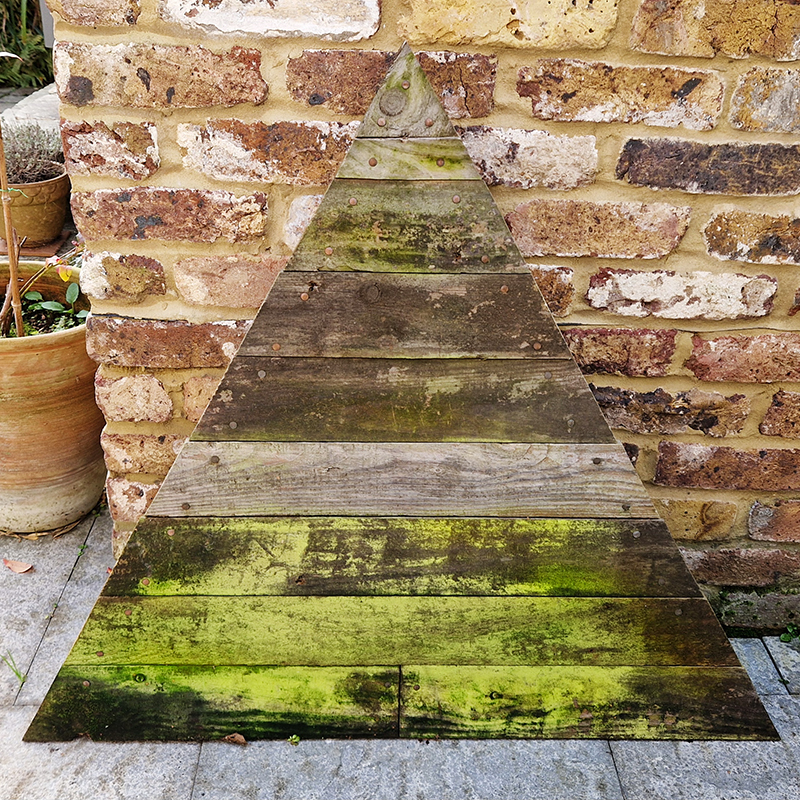
The Absolute Hut (of action potential) Wood, moss, paper, copper, video projection, video monitors ; 200 x 300 x 375 cm

Operating as a sensory hub where a range of actions and processes are running concurrently reflecting on the dynamics between the Earth’s geologic structure and navigation using the magnetic field. Neurons in the brain and nervous system send information electrochemically around the body. The signals they send are called action potentials, which is a temporary shift from negative to positive within the cell caused by certain ions entering the cell. Action potentials can be triggered by an interaction with the magnetic field, causing a reaction in the body.

Interference 2023 (video still)

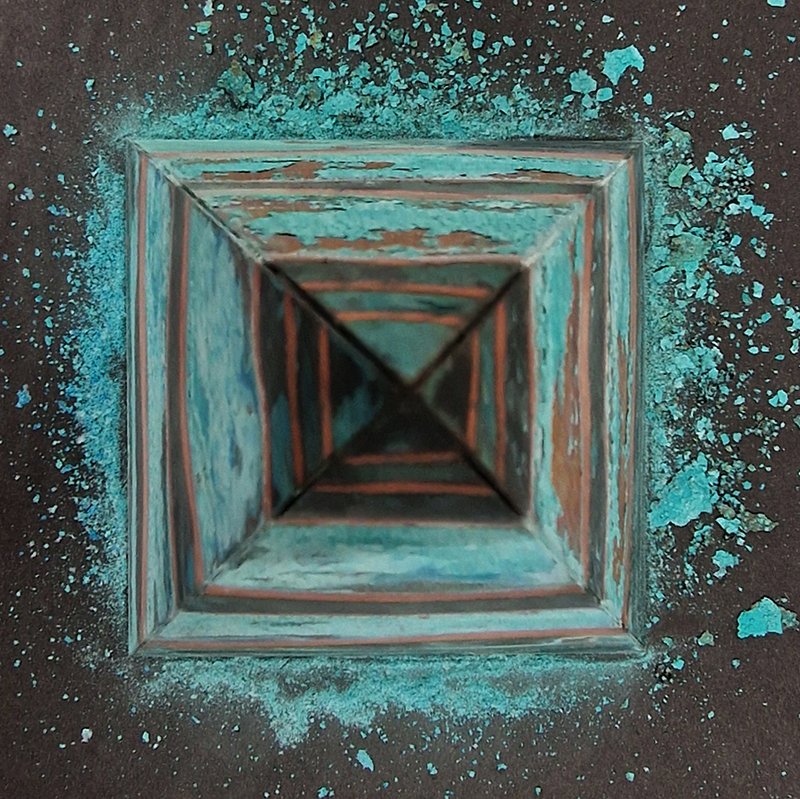
A year on and the pyramidion that sits on top of The Azimuth Obelisk (of sedimentary knowledge) is evolving. The patination, which involved a variety of chemicals being applied to the copper in layers, is an ongoing process.
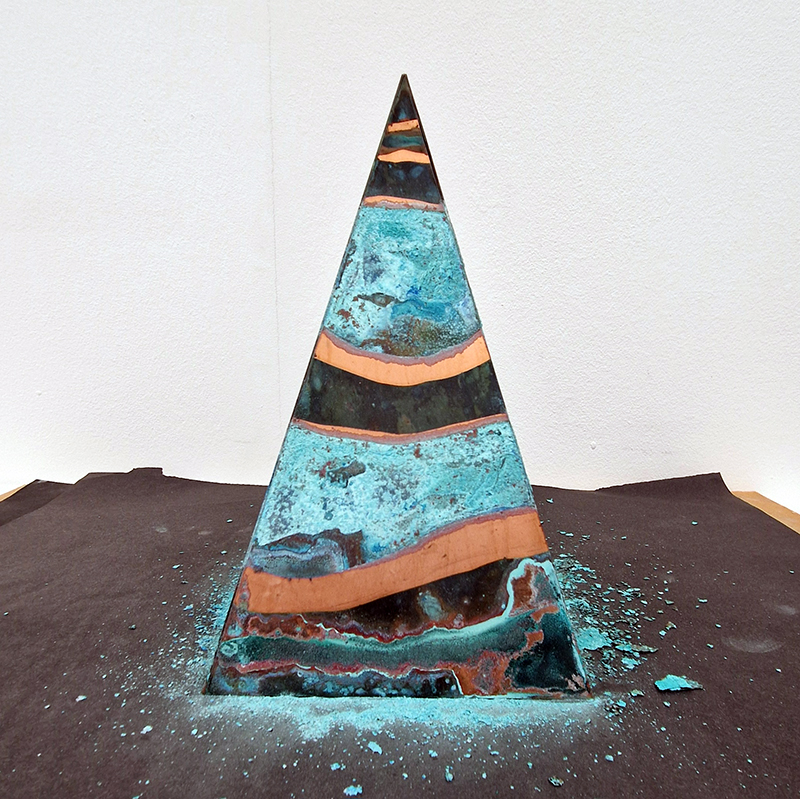
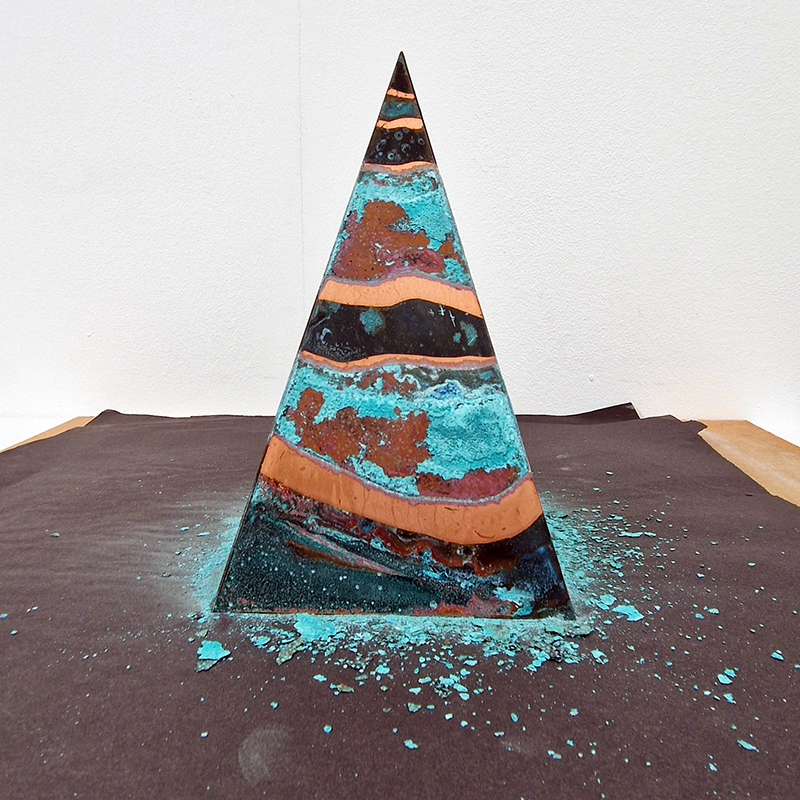
Sedimentary rock holds a geological history of the Earth’s magnetic field within its mineral components. The geomagnetic field, generated by the Earth’s molten core, varies through time; the magnetic poles migrate, go on excursions, or reverse polarity. During these periods of flux, the strength of the magnetic field changes, and this phenomenon is recorded in archaeological artefacts, volcanic rocks, and sediments. Limestone, a sedimentary rock, is often formed from crushed seashells, compressed over aeons. Crushed oyster shells were added to the obelisk base cast in Snowcrete.
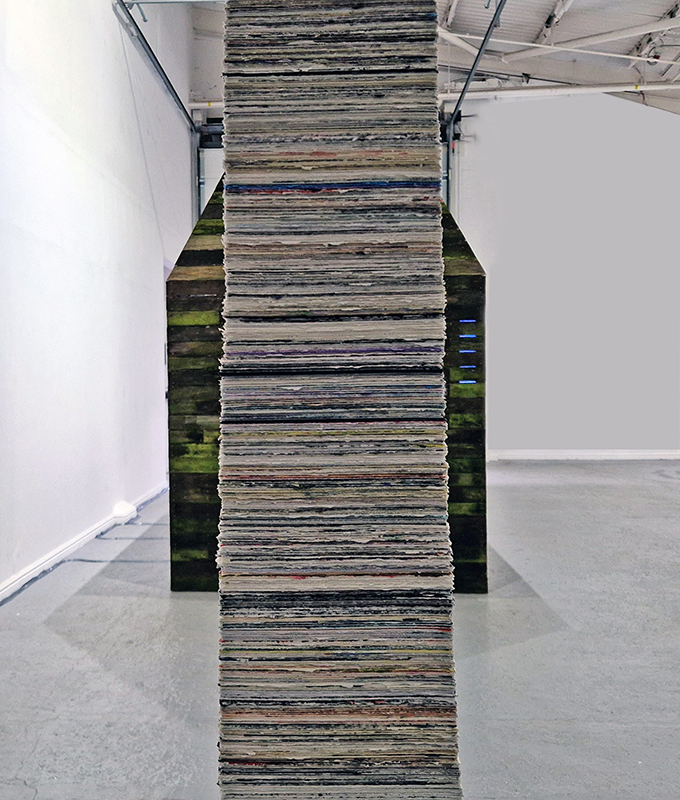
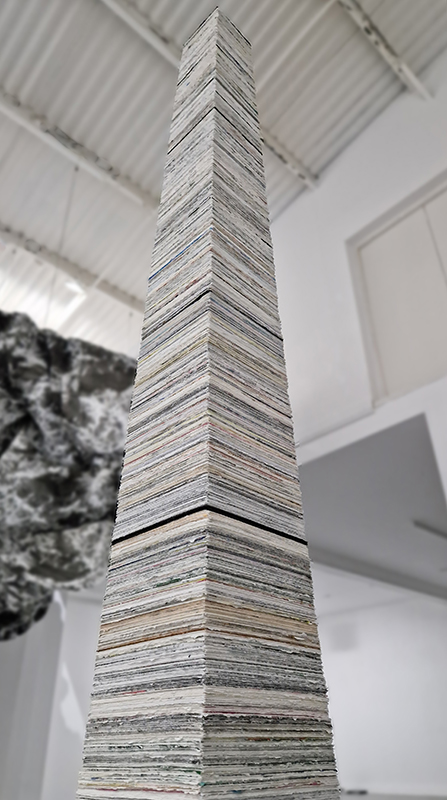
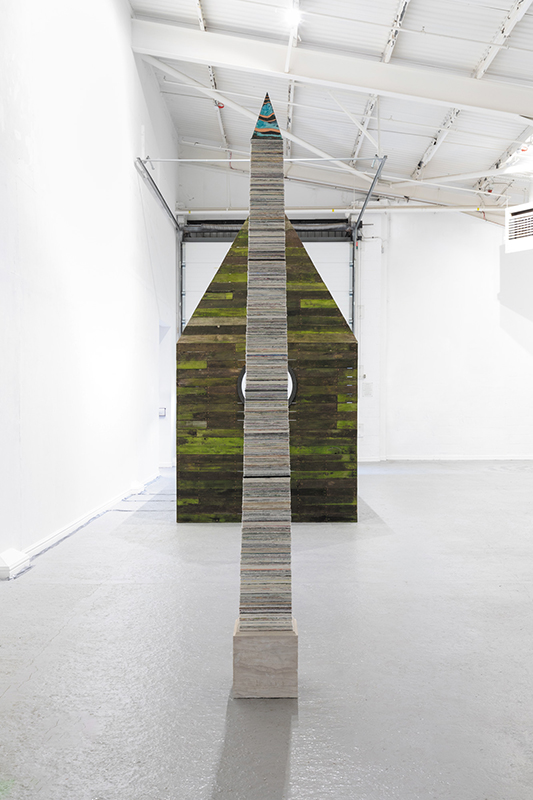
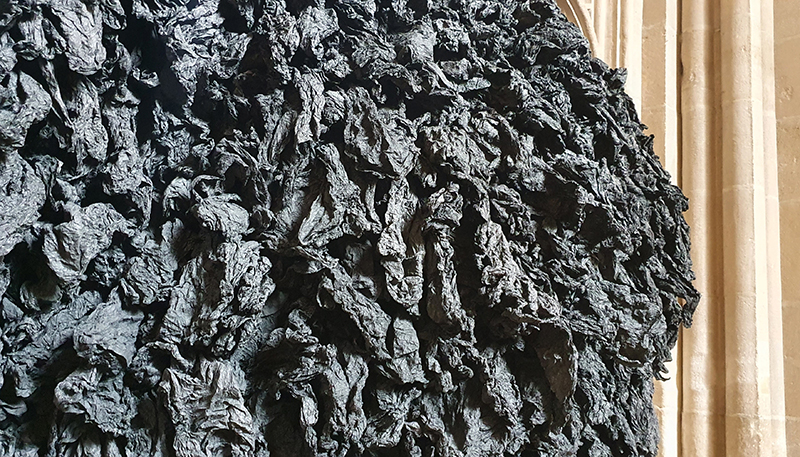
This sculpture also embodies the passage of time, and a layering of information, in the months of collecting paper donations or scavenging the recycling bins, weeks tearing down the hundreds of prints and drawings into squares decreasing by 1mm every 50 sheets, drilling holes through the centre and hours to build the almost 3m stack. I’m very grateful to everyone who donated some of their work archive. These images are now secreted within the layers of the sculpture, hinted at where edges are exposed, echoing the Earth’s sedimentary knowledge.

The Azimuth Obelisk (of sedimentary knowledge) Paper, steel, Snowcrete, oyster shells, patinated copper; 30 x 30 x 270 cm

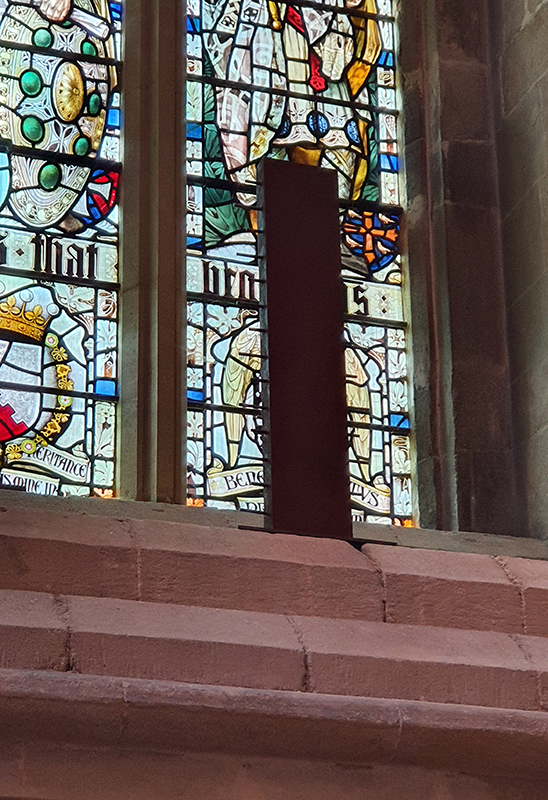
 This work is a reimagining of an ‘obelisk’ erected at Hartland Magnetic Observatory in the late 1950’s to be viewed through the north facing window of The Absolute Hut, it acts as a permanent azimuth mark from which the drift of the magnetic north pole is monitored. I am excited that this sculpture is being considered for exhibition in 2026 at the Royal West of England Academy in Cosmos: The Art of Observing Space curated by Ione Parkin with some amazing artists in the line up whose work I admire.

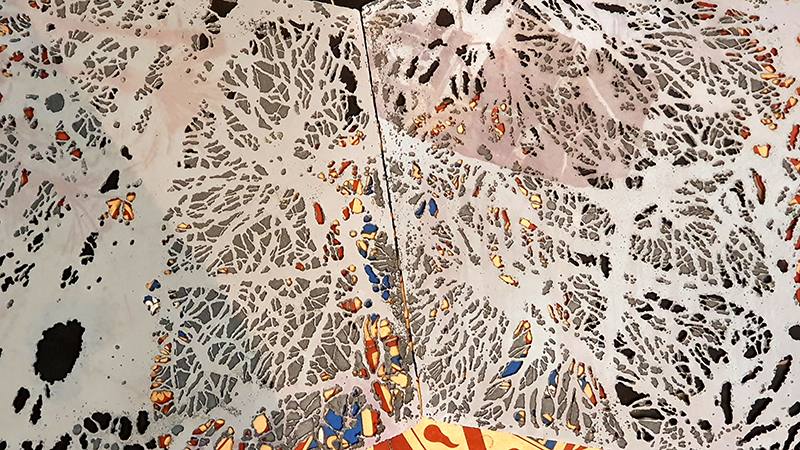
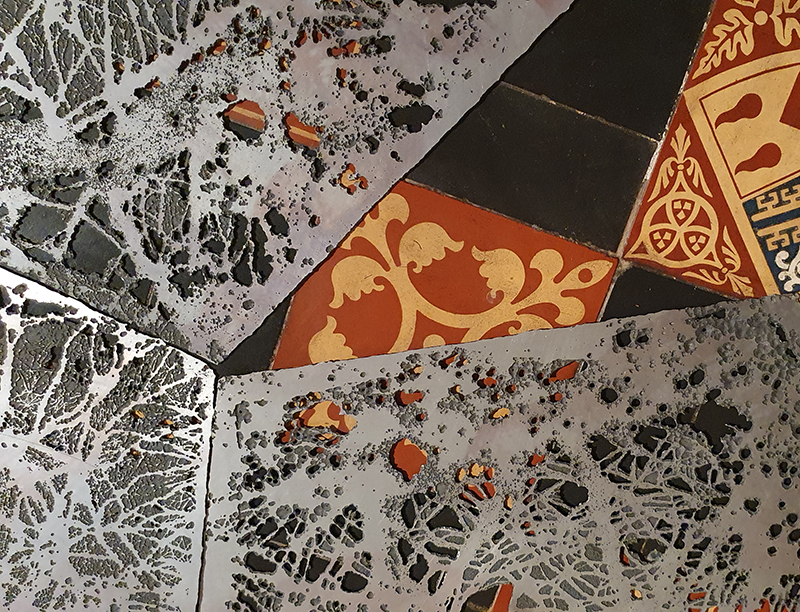
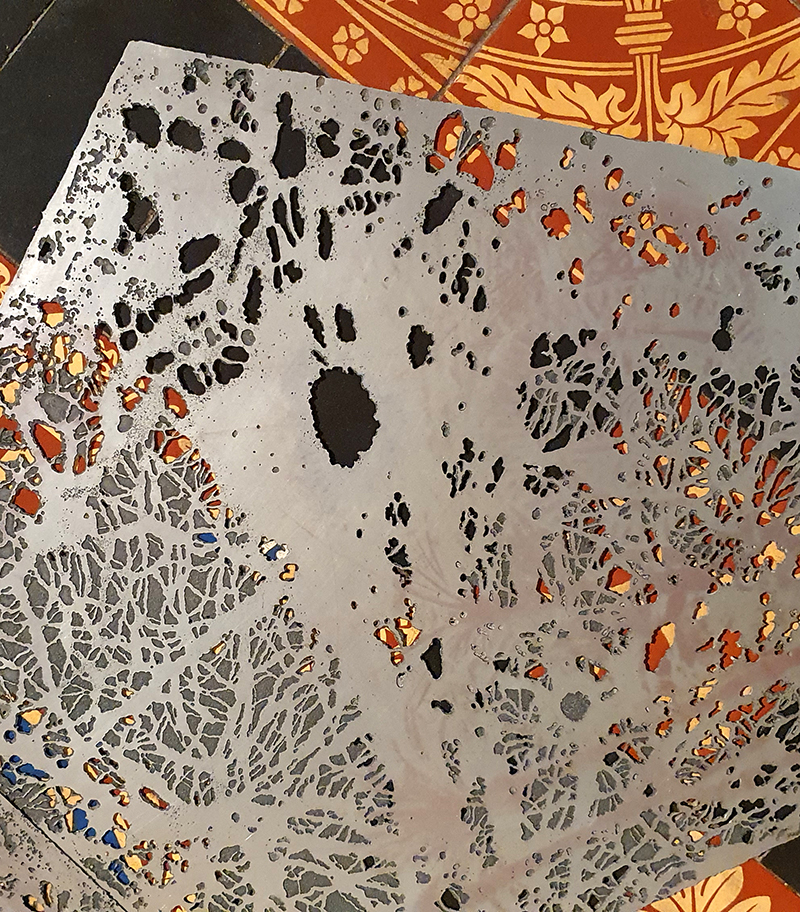
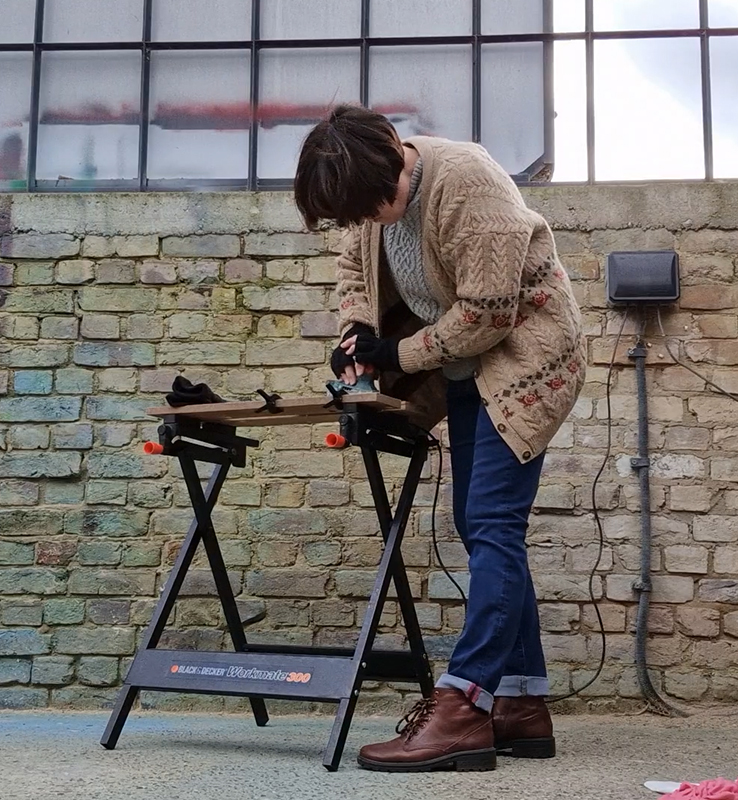
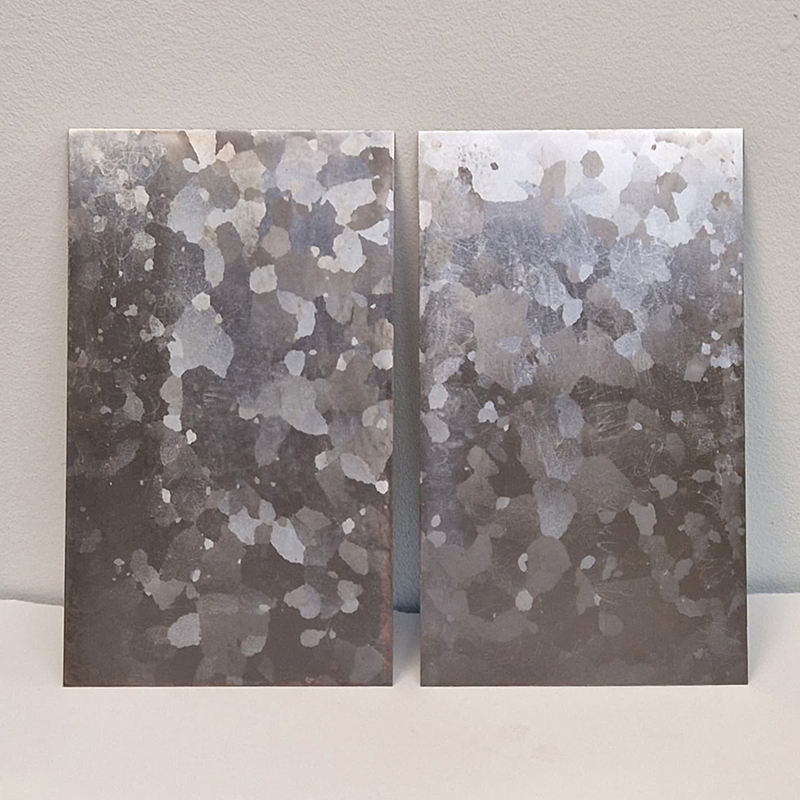
I first came across directional magnetic steel in the Electronic & Magnetic Materials Group open day at the National Physical Laboratory. Intrigued, I wanted to know if I could get hold of some to work with. I was put in touch with Union Steel Products who were very helpful in supplying a small amount (to them) of the material, but they import the product, and it arrives with an indeterminate protective matt grey coating. This was my challenge. It took many days of sanding and gently etching each sheet to reveal the pattern. It was a very temperamental material to work with, the pattern might appear but quickly tarnish and muddy over. So much of the work in the resulting sculpture was about the process of exposing an internal mechanism.
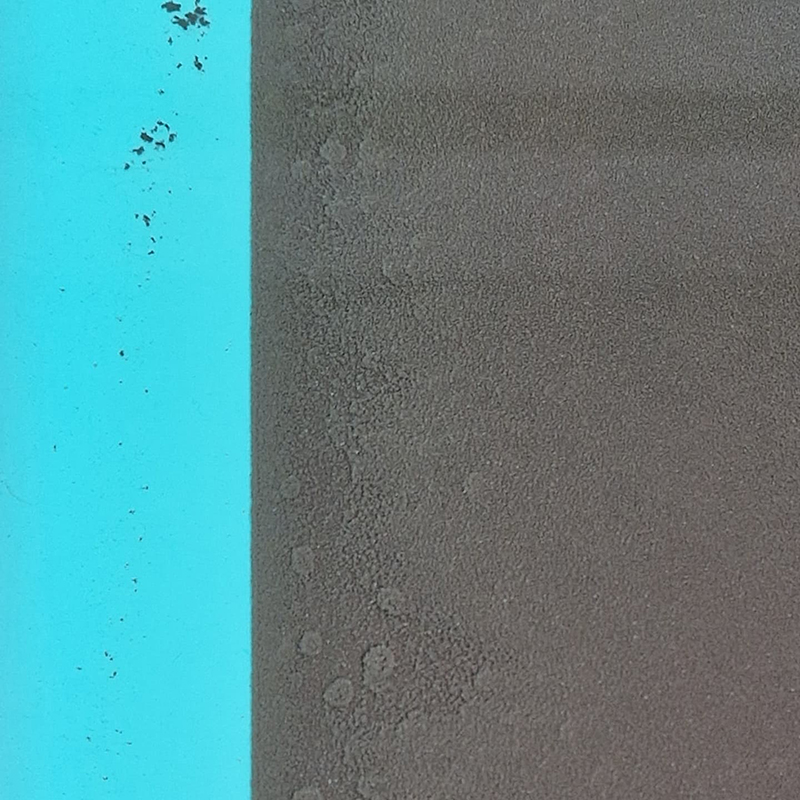
The dramatic Widmannstätten patterns found in meteorites due to their slow evolution through heat and pressure are also revealed through being cut, polished, and etched.

These secrets are not revealed lightly.
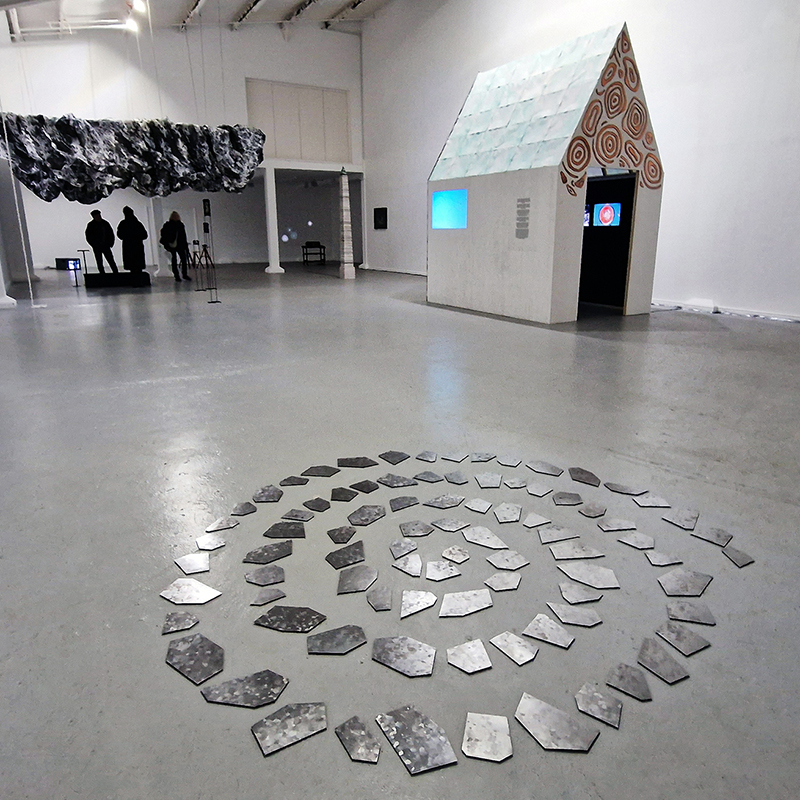
Domain of the Devil Valley Master

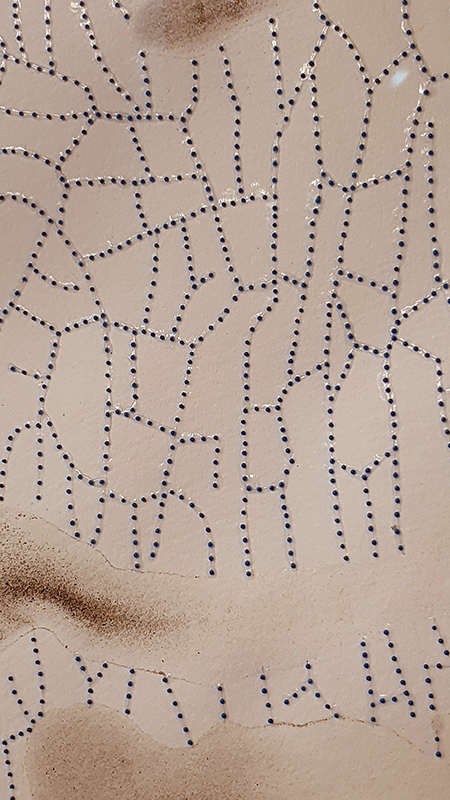
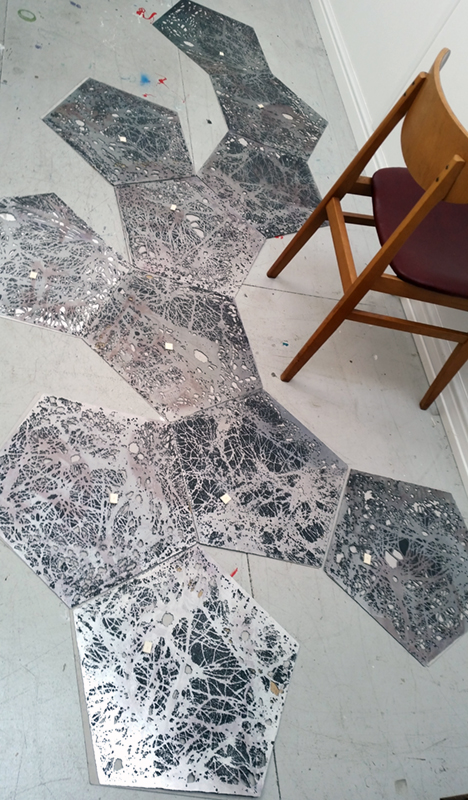
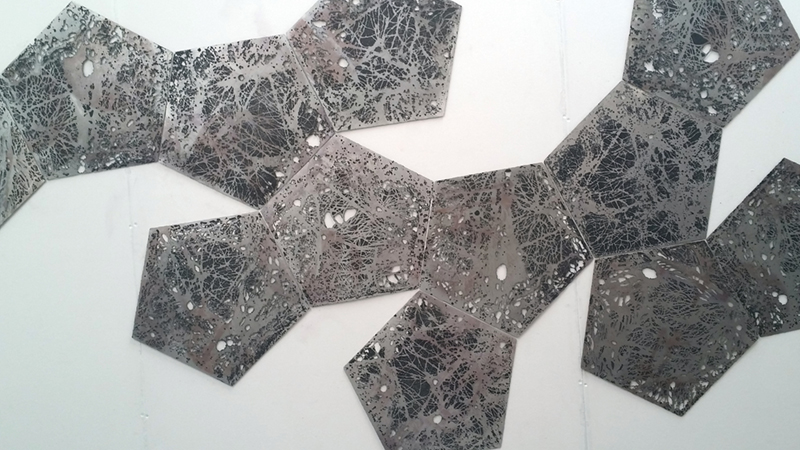
This work uses industrial directional magnetic steel, sanded and etched to reveal the Goss texture of rolled iron silicon alloy crystals. The jigsaw pattern of magnetic domains give this material exceptional magnetic properties. The simple evocation of a spiral described in geologically informed polygons draws upon many references, from the shape of our own Milky Way Galaxy sculpted by vast cosmological magnetic fields and the spiralling molten dynamo generating Earth’s magnetic field, to the inner pathway of spiritual growth and the route to the symbolic omphalos (navel) at the centre of the world where the sky entrance and the underworld meet. The title of this work originates from an ancient Chinese manual on the skills of persuasion, The Book of the Devil Valley Master, containing the first known mention of a compass, known at the time as a south-pointer. 
Work in progress. Mapping a response to the crystal structure of magnetite. Magnetite is the most magnetic of all the naturally occurring minerals on Earth found in igneous, metamorphic, and sedimentary rocks. Nano-particles are also found in the human brain, heart, liver, and spleen and the cells of many other organisms, with some creatures using this for navigation techniques.

Magnetite crystals from road traffic pollution caused predominantly by vehicle frictional braking systems can outnumber natural magnetite in the human brain by 100:1 – this is a worrying trend as these crystals could be involved in our perception, transduction, and long-term storage of information in the brain.

Returning to my conversation with Alan Watson on the history of Haverah Park Extensive Air Shower Array.
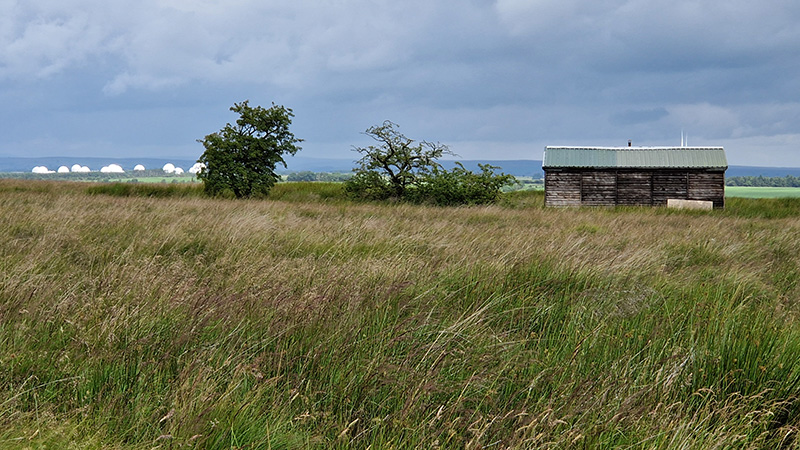
The motivation for the Haverah Park project getting off the ground came largely from the British physicist Patrick Blackett, who won the Nobel prize in 1948 for his discoveries in the field of cosmic rays. The director of The Rutherford Lab (where the British atomic bomb was being developed in the 50’s), John Cockcroft (known for splitting the atom), decided there should be fundamental science going on as well as bomb building, so outside the security wire they built an air shower array to monitor cosmic rays. When this experiment was shut down, Blackett was keen to see work with shower arrays continue, and to be within reach of a university so that scientists could combine research with teaching. Blackett was working at Cavendish Laboratory with Ernest Rutherford, but moved to Birkbeck which did all the teaching in the evening so he could do research work through the day and teach in the evening. Here he met J G Wilson, also with an interest in cosmic rays, so when J G Wilson later moved to Leeds, Blackett suggested he set up an air shower array there, which was how the Haverah Park Project came about. Land was rented from local sheep farmers to install the observation huts.

Alan Watson took a lectureship job at Leeds in 1964 and began working for J G Wilson, becoming a leading member of the UK Extensive Air Shower project until its closure in the early 1990s.

We also talked about the mesmerizing power of a cloud chamber. As well as it being considered one of the most important developments for progression in the understanding of particle physics it is also emotionally and aesthetically captivating. Alan reminisced about a time at the Royal Society Summer Exhibition when a large commercial diffusion cloud chamber drew so much attention they were asked to turn it off, as mesmerised visitors blocked the entrance to the exhibition. It’s been a few years since I visited the Institute of Physics to see the large cloud chamber in the foyer, I wonder if it’s still there. I love the fact that I can build my own cloud chamber to see these cosmic visitors.
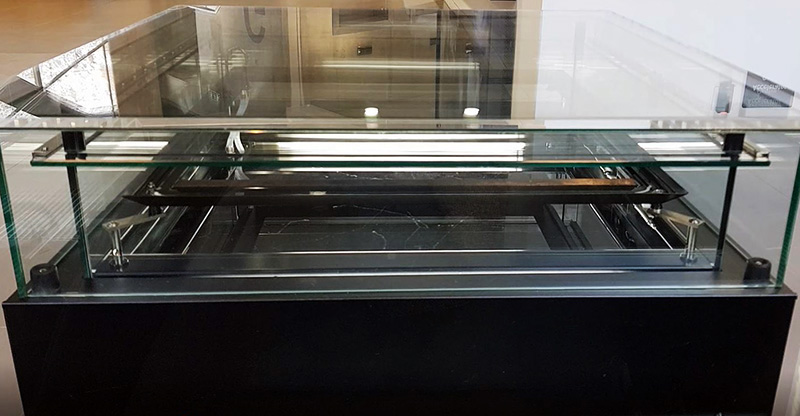
J G Wilson writing on the study of cosmic rays from his book About Cosmic Rays published in 1948, of which I have a copy:

‘It has its spectacular side, for the only laboratory which has been found big enough for its investigations is the whole of the universe to which men can win access. Most refined measurements have been made under conditions of difficulty and hazard, deep in mines and on icebound mountains, in the watses of western Greenland and cramped in the tiny gondola of a stratosphere balloon. These exploits, which are outstanding even in one of the most brilliant phases of experimental physics, are an unambiguous indication of the importance which is attached to the problems which are being studied.’

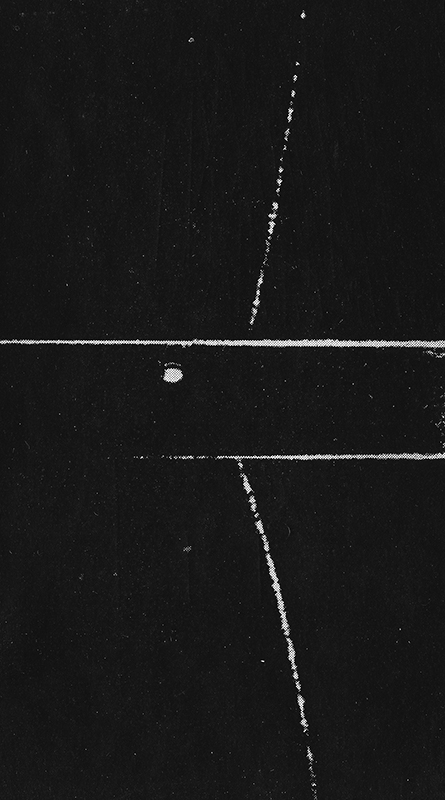
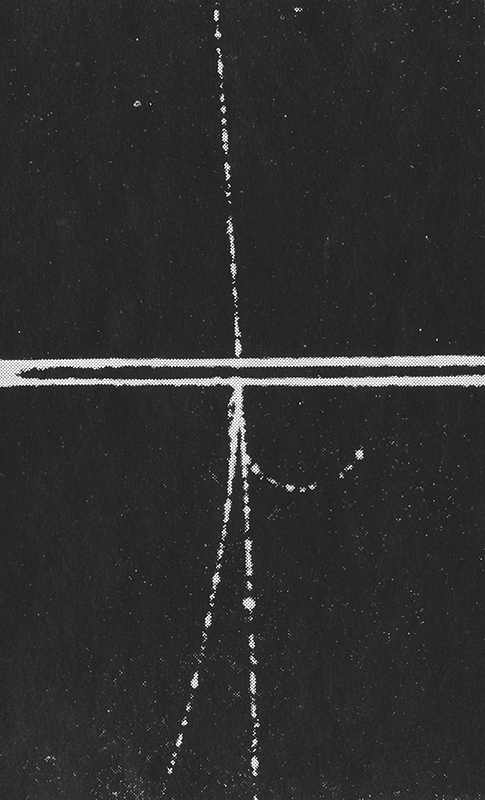
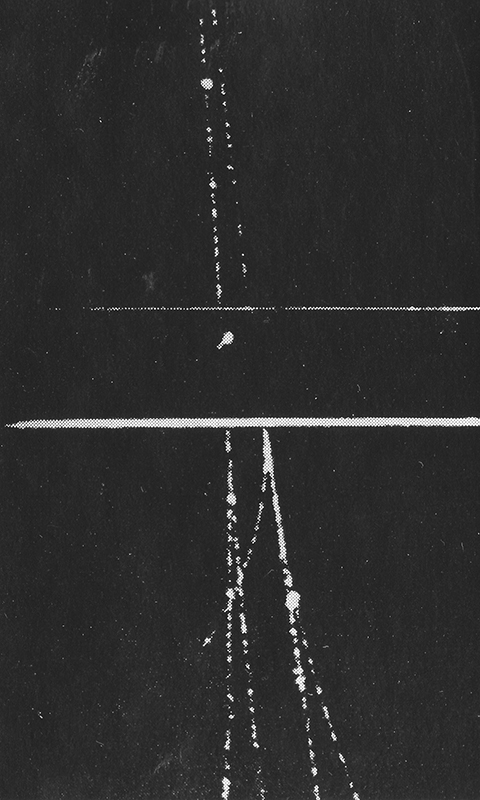
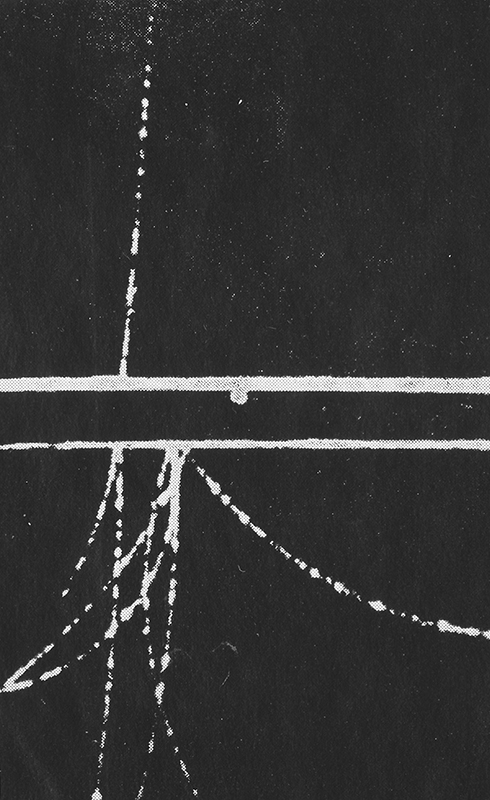
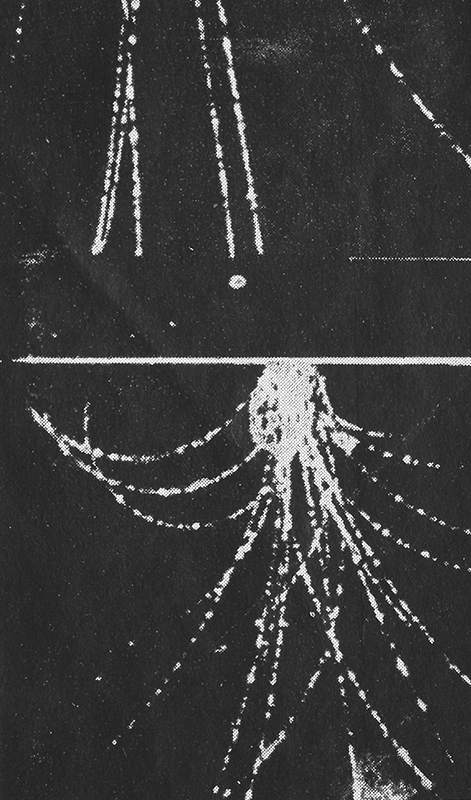
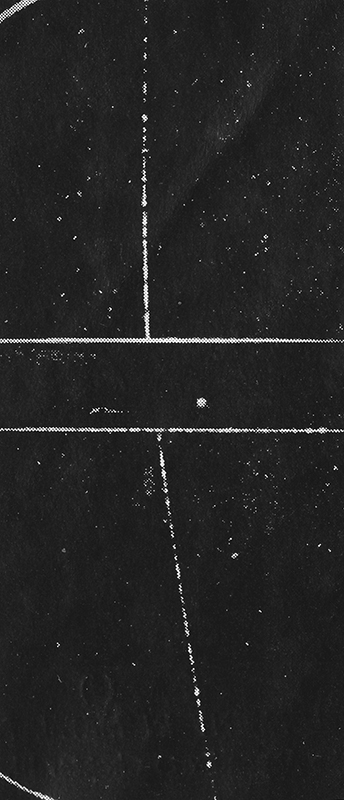
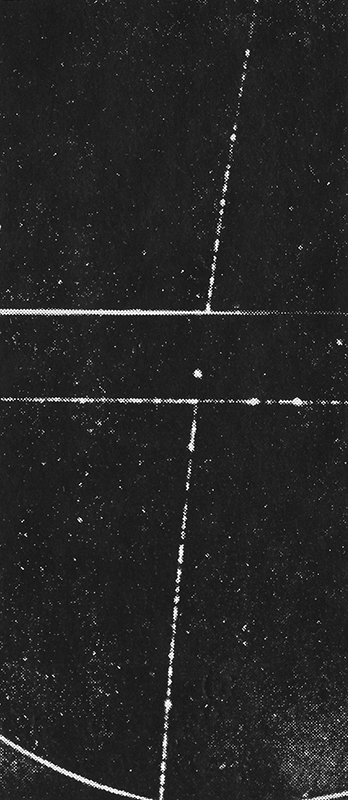
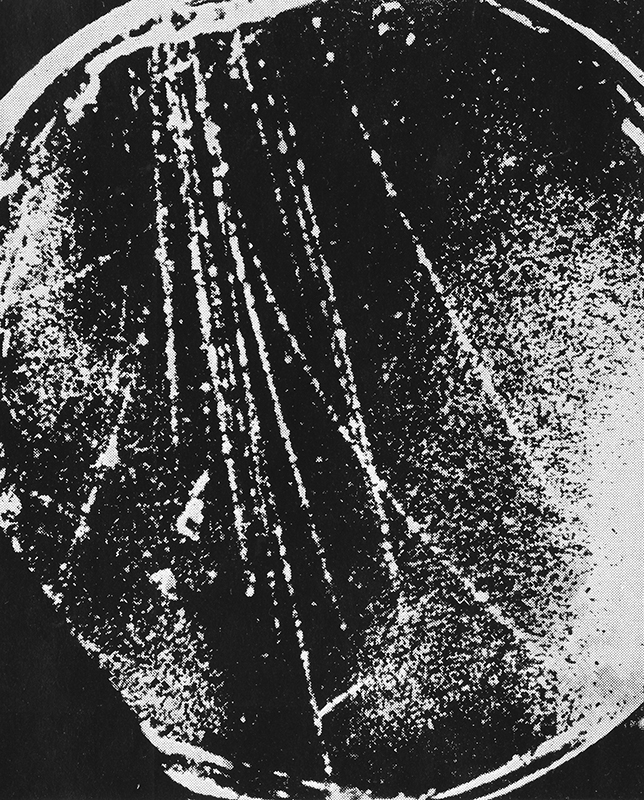
The following images from the same book show particle trails photographed in a cloud chamber -showing extensive showers and particles passing unhindered through metal plates.

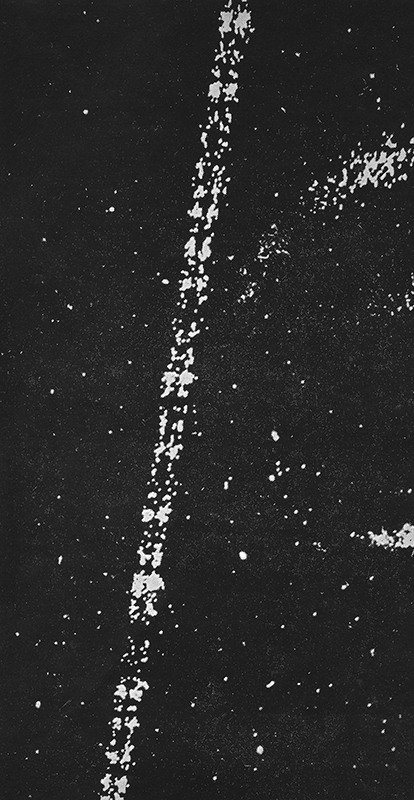
J G Wilson writes about cosmic rays ‘…it is interesting to speculate on their previous history, for before it is overtaken by the catastrophe of hitting the earth, each particle is likely to have had a placid life for years, even millions of years, cruising through the wide open spaces of the universe’.
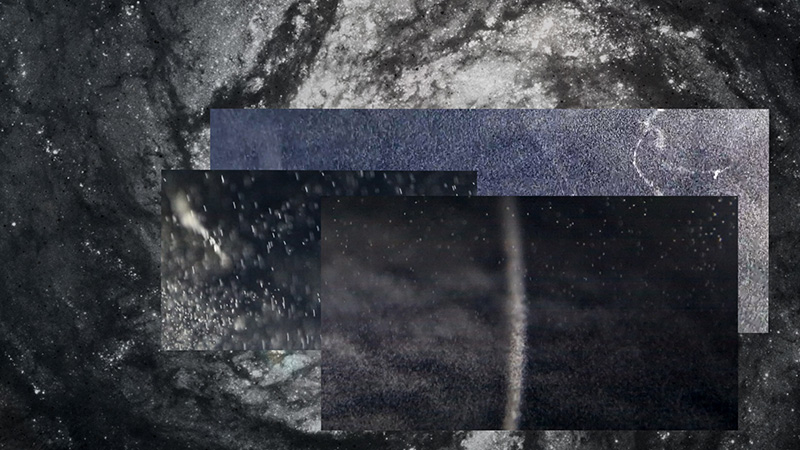
Cosmic Chiasmus: crossing the universe 2021 (video still)

The primary detectors used at Haverah Park were water Cherenkov detectors. These are large water filled tanks filled with a photomultiplier suspended in the water to capture flashes of Cherenkov light emitted by high energy cosmic rays as they pass through. The light is emitted because the cosmic rays pass through water faster than photons of light are able to, and as they do so they lose electrons thereby emitting light. The speed of light is only a constant within a vacuum, when it passes through other materials it get slowed down.
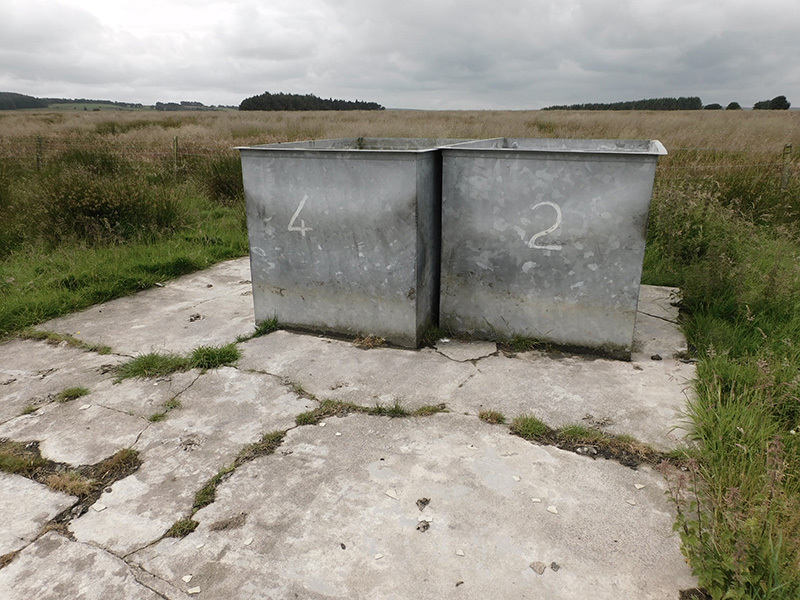
There were four 34 m2 detectors at the centre of the array in the main hut, with three detectors located 500m from the central detector. Signals from the three distant detectors were sent along buried cables to the central hut, with the signal from the central detector passing down 500 m of cable buried underground so that all signals arrived at about the same time.  When signals from the central one and two of the others arrived within ~2 x 10⁻⁶ s (called a coincidence), the signals from the photomultipliers in the 34 m2 detectors were displayed on four oscilloscope screens and photographed by one camera which had its shutter permanently open. About 20 feet of film could record around 150 events. Developed and manually scanned by Alan, or a senior colleague, the film was checked for quality and to look for any large events (ultra high energy particles arriving) which were always exciting to find. The developed film was then sent to Leeds University Physics dept for measurements.
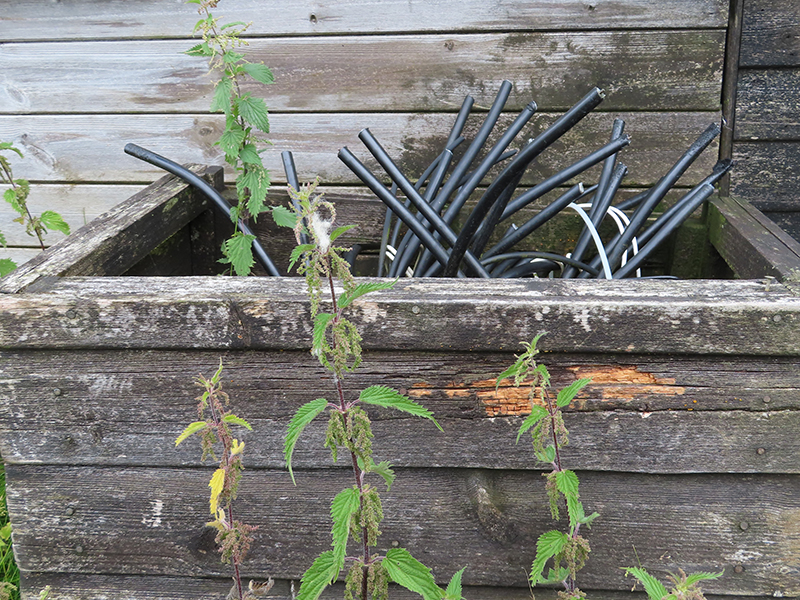
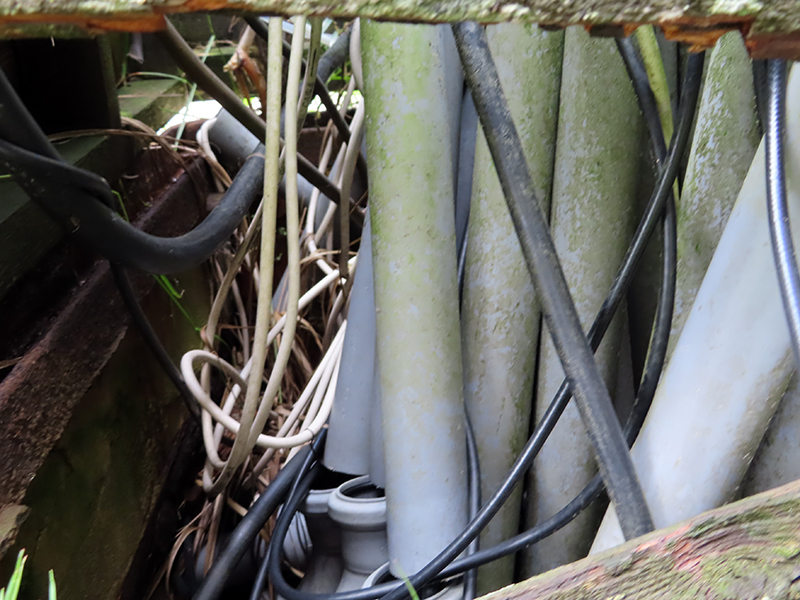
When there was a coincidence event at the centre of the array, a signal was sent by microwave to the distant detectors set across the moorlands (on average about 2km from the central hut), the signals from these distant groups of 4 x 13.5 m2 were recorded digitally with the data going onto paper tape which was collected once each week. 

Along with the oscilloscope traces being photographed, the number on a counter was included which gave the time of each event to the nearest half minute.  In the 1960’s when this project began the time counter was advanced by a pendulum clock.  Counting time in half minutes the team found that there are roughly one million half-minutes in a year, which gave a good excuse for an annual party.
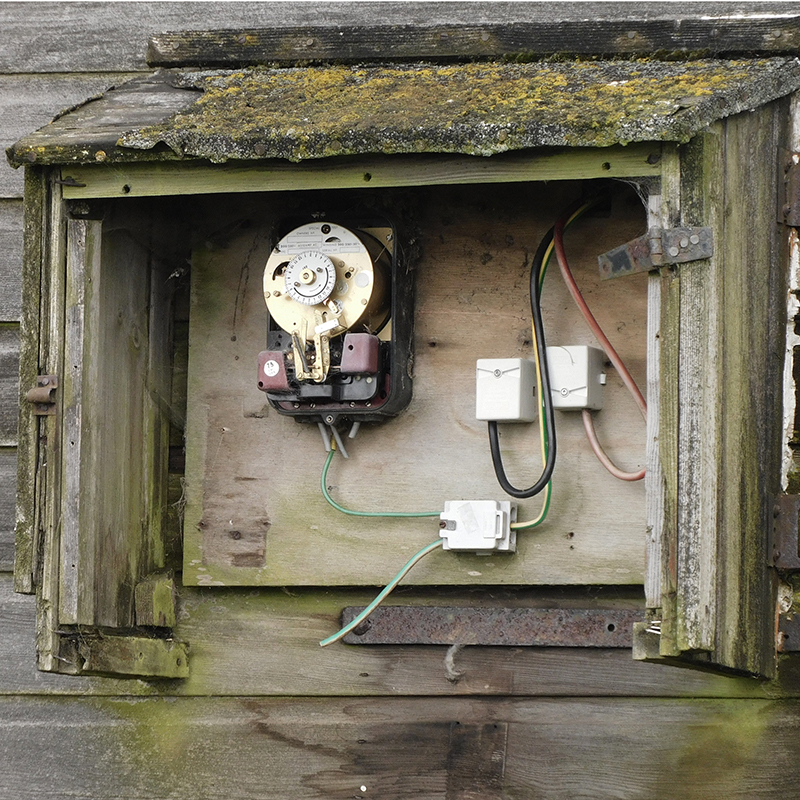
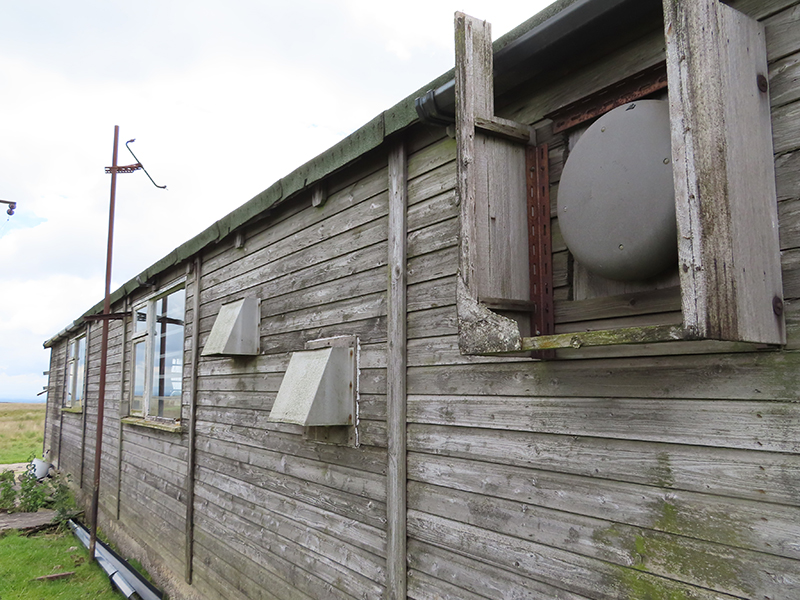
There were some brief periods in the early 1980s when a small number of scintillator detectors were also used to make cross-checks of the results from the water Cherenkov detectors against those from projects in the USA (Volcano Ranch) and Yakutsk (Siberia).  The scintillators retrieved from Imperial College’s Holborn project were brought to Haverah Park for an experiment to look at much lower energy showers.

Both types of detectors register flashes of light.  

Blackett was the first person to work out the details of Cherenkov light produced in the atmosphere. According to a memoir on Blackett, written by astronomer Bernard Lovell, who knew him very well, Blackett attempted to see Cherenkov light from cosmic ray showers with the naked eye but there is no mention of whether he succeeded. In 1962, physicist Neil Porter who built the first water Cherenkov tank in the UK at Harwell in the 50’s, did an experiment with some volunteers who were asked to recline on a coach in a dark room with a small Geiger telescope attached to a pair of darkened goggles and acknowledge if they saw a flash of light when a cosmic ray was known to pass through the googles. The observers did seem to experience a flash of light but results were ambiguous as to whether this was Cherenkov light being emitted as the particle passed though the crystalline lens or vitreous humour of the eye or a direct excitation of the retina. The experiment was a collaboration with the Psychology dept at the University of Dublin and published in Nature under the Psychology heading giving an impression that the lights were perhaps a figment of the imagination.
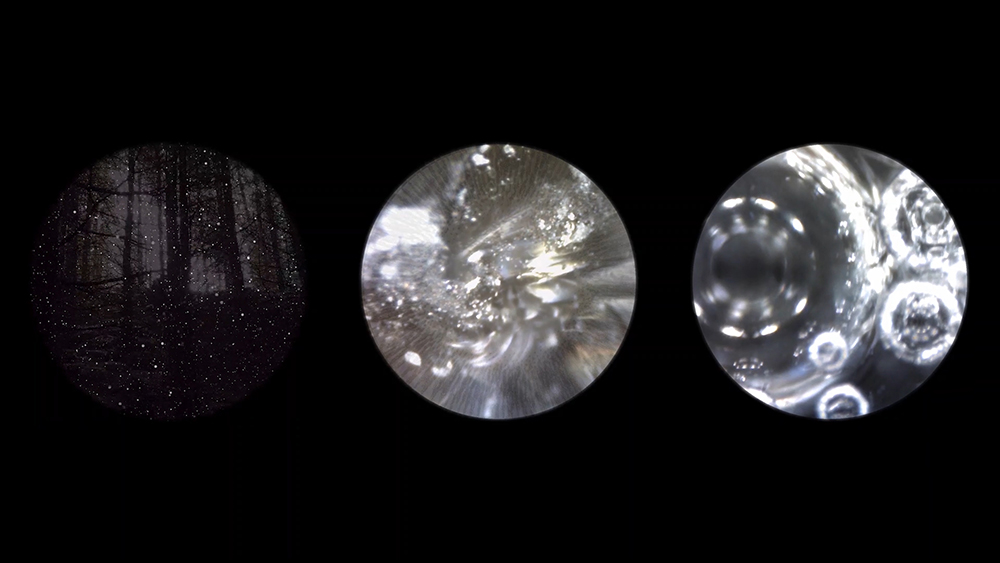
Aóratos 2019 video still

Astronauts are very aware of this phenomenon. During the 1970 Apollo 13 mission to the moon the power supply was damaged and the astronauts sat in the dark for several days waiting to return to Earth. They experienced flashes in their eyes and realized that some of this was Cherenkov light. Some flashes were caused by particles directly hitting the retina but Cherenkov light caused by high energy particles travelling through the matter of the eye faster than light, is much brighter. The energy is proportional to the square of the charge of the particle that comes through, so if you have an iron nucleus which has a charge 26 x the charge of a proton, you get 26 squared or 600 times as much light emitted. Out in space there are many more of these high energy particles and so the astronauts would become very familiar with these flashes, even using them to line up accelerator beams by putting their head in the particle beam to see the flashes.

An astronaut once told Alan that he was convinced that the very first people fired into space probably saw these flashes, but didn’t like to tell NASA in case it turned out to be a physiological defect of theirs and they would be taken off the space programme.

Recently, a professor friend of Alan’s who is aware of this phenomenon, has unfortunately had to begin radiation treatment for a brain tumour. He has found due to the position of the tumour and angle of treatment he can see Cherenkov light flashing in his eyes as the electrons bombard the tumour.

Aóratos 2019 cropped video still

When we met, Alan was just back from a conference in Italy discussing a paper titled ‘Ultra high energy cosmic rays: The Disappointing model’. They called it the disappointing model because they believed that the Auger results with particles at the highest energy were heavy not protons. I’m not sure I understood why it was disappointing although Alan did his best to explain: ‘It’s difficult to measure the mass of the particles of a certain energy. A deduction had been made that they have a mean mass, probably the same as nitrogen but mass changes in quite a complicated way as a function of energy. It’s to do with how deep the showers develop in the atmosphere.
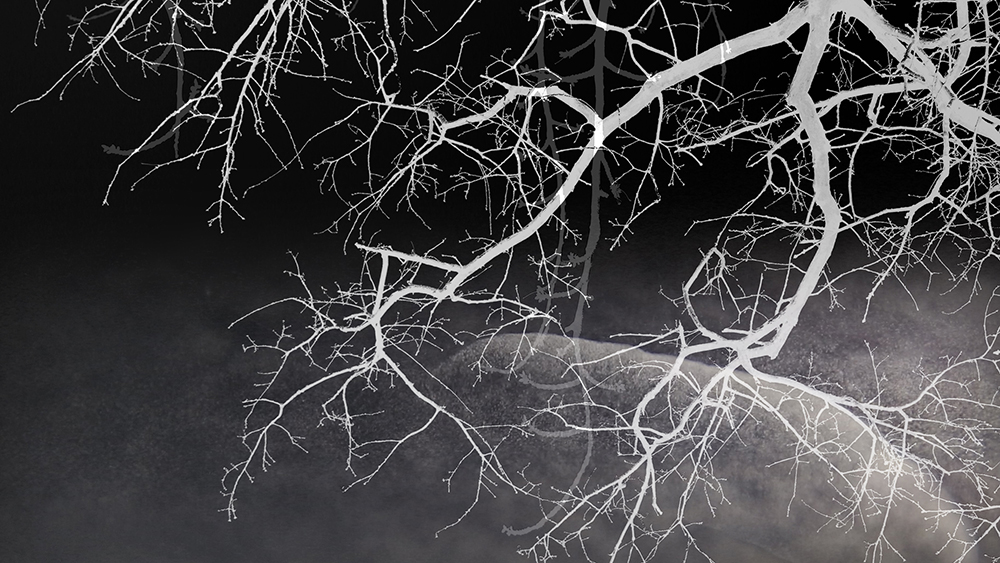
Cosmic Chiasmus: crossing the universe 2021 video still

The techniques aren’t good enough to separate the particle’s mass on a one by one basis, we can only do averages. It looks like the average mass is much heavier than protons, which everybody had believed for a long, long time. Protons would be at a much lower energy. As the nucleus is travelling through space, it sees photons from the microwave background radiation and the photon will chip off a neutron or a proton, if it chips off a neutron, the neutron decays into a proton, so you can get protons this way, but they will be of lower energy. The energy reduces roughly by the mass of the particle, so an iron nucleus has a mass of 56, if you chip off a neutron or a proton that proton will have an energy, which a 56th of the energy that the nucleus has – so it goes down in energy.

Some particles could come from Centaurus A, which is a relatively close radio galaxy, it is thought that the jets from radio galaxies provide conditions to accelerate the particles, but the problem is, because the cosmic rays are charged, they get deflected in the magnetic field of the Galaxy so you can’t track them straight back to where they came from.  In terms of heavy particles that’s more of a problem because being charged means they bend even more. So one of the disappointing things is that cosmic ray astronomy is not going to be very easy. The Pierre Auger observatory has really been very successful in changing the picture quite a bit but because there are so few ultra high energy particles recorded it is slow progress. There are hopes to expand the observatory even more and also a plan to launch a satellite with detectors to pick up fluorescence light in the shower as it passes through the atmosphere, a similar phenomenon to aurora light.
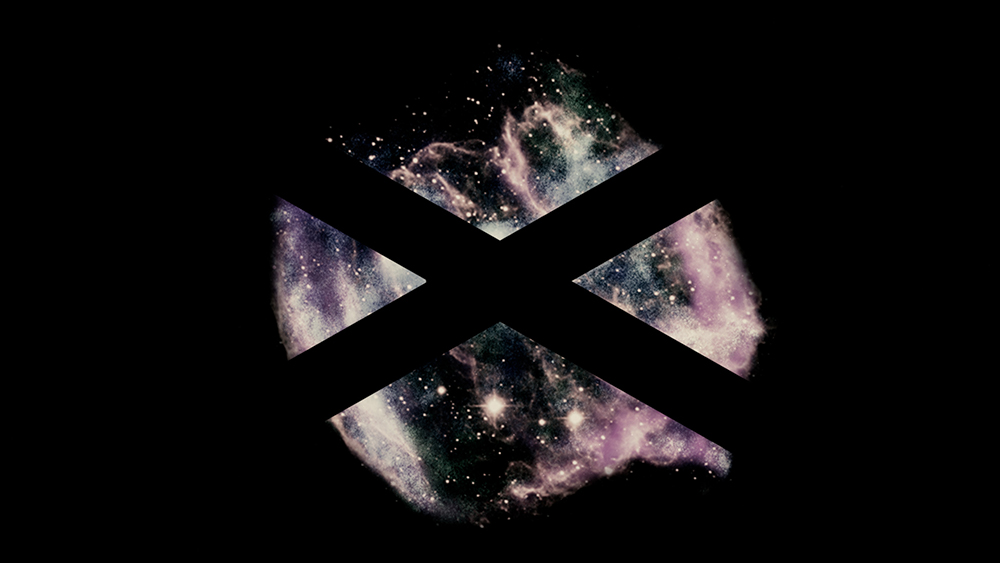
Cosmic Chiasmus: crossing the universe 2021 video still

Exhibitions

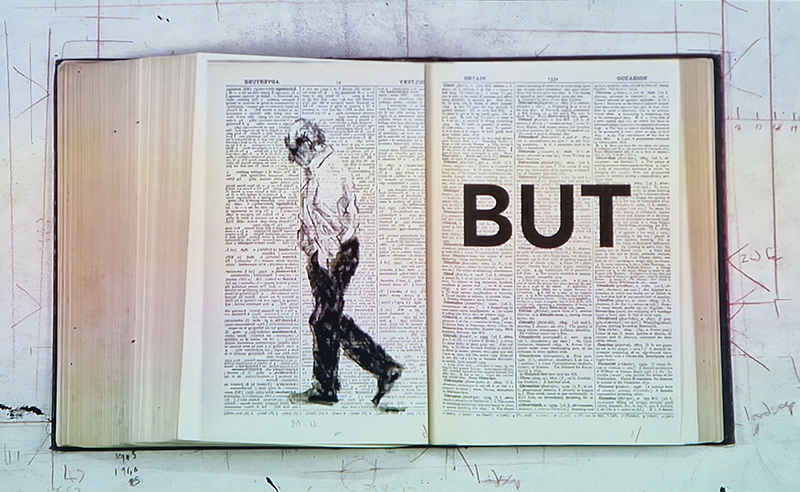
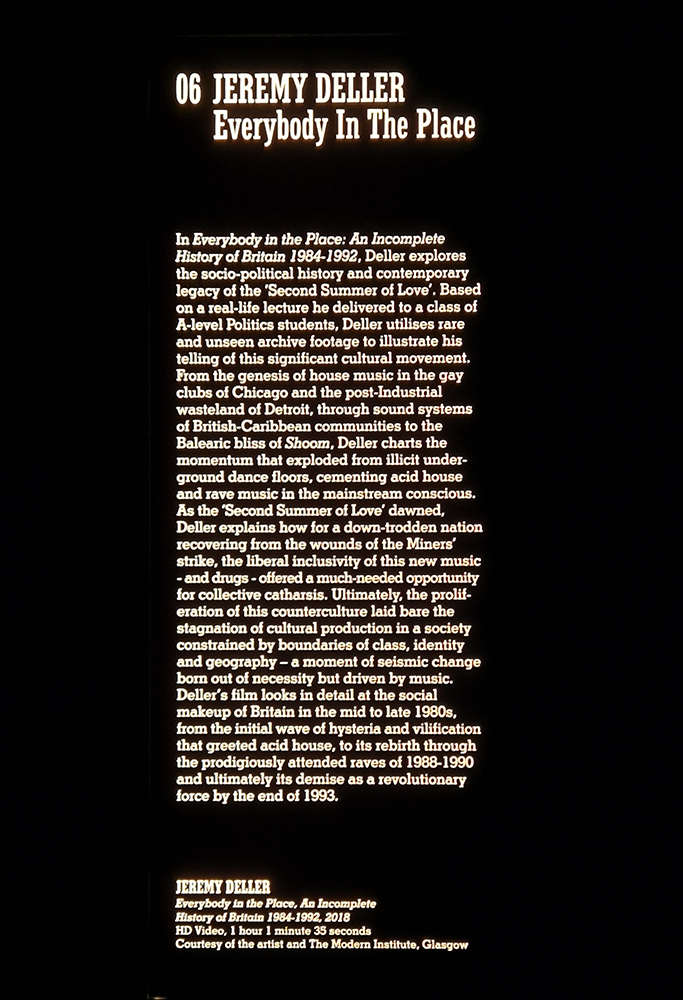
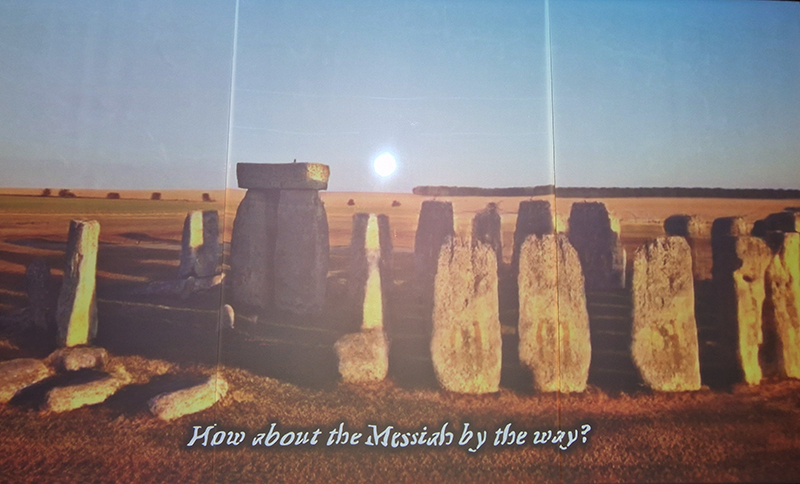
The Vinyl Factory: Reverb at 180 The Strand, a multimedia exhibition exploring the intersection of art and sound with artists including Theaster Gates, Es Devlin, Julianknxx, Kahlil Joseph, Caterina Barbieri, Stan Douglas, Virgil Abloh, Cecilia Bengolea, Jeremy Deller, William Kentridge, Jenn Nkiru, Hito Steyerl, Carsten Nicolai and Gabriel Moses. Fabulous show, shame I can’t share the sounds here. Loved Jeremy Deller’s takeover of a sixth form politics class. Some of the works I had seen before but that was fine as they are worth extra viewings.
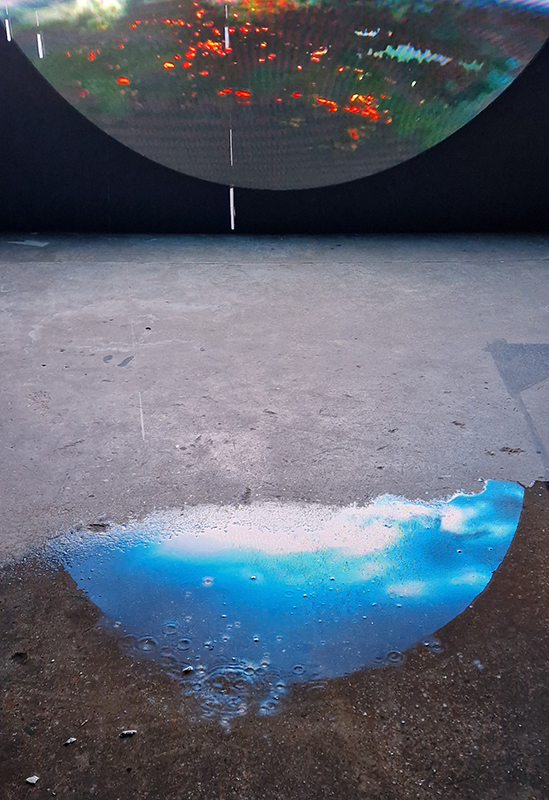
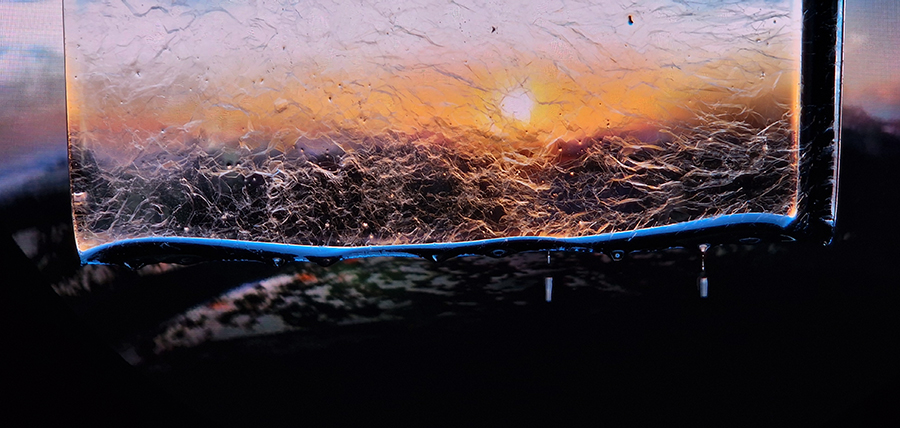
Reading

I am beginning research reading for The Geological Unconscious exhibition Julie F Hill and I are co-curating at Hypha HQ Euston opening in May 2025.

Ursula Le Guin The Winds Twelve Quarters, a collection of profound short stories each introduced by the author reflecting on the intention within.

Long after I wrote the story (The Stars Below) I came on a passage in Jung’s On the Nature of the Psyche: ‘We would do well to think of ego-consciousness as being surrounded by a multitude of little luminosities…Introspective intuitions…capture the state of the unconscious: The star-strewn heavens, stars reflected in dark water, nuggets of gold or golden sand scattered in black earth.’ And he quotes from an alchemist, ‘Seminate aurum in terrain albam foliatam’ – the precious metal strewn in the layers of white clay. Perhaps the story is not about science, or about art, but about the mind, my mind, any mind, that turns inward to itself.

Roger Caillois The Writing of Stones 1970 is a tribute to the collection of extraordinary stones Caillois acquired and which now resides in The National Museum of Natural History Paris. In these poetic chapters he describes in detail each of the stones and his fascination with the images and associations they conjure in his imagination. Questioning and celebrating the allure of the mineral and the stories hidden and revealed over millennia.

I can scarcely refrain from suspecting some ancient, diffused magnetism; a call from the centre of things; a dim, almost lost memory. or perhaps a presentiment, pointless in so puny a being, of a universal syntax.

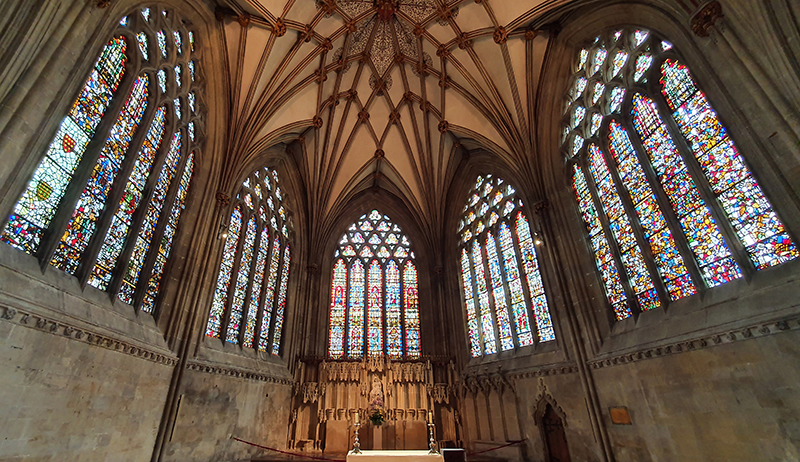
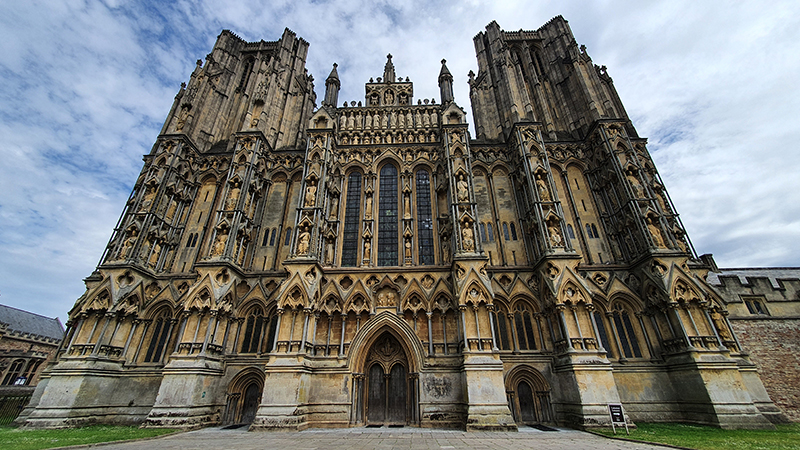
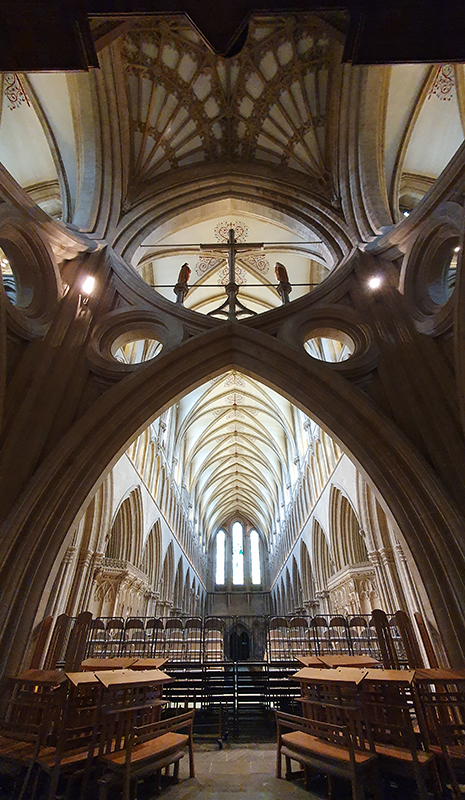
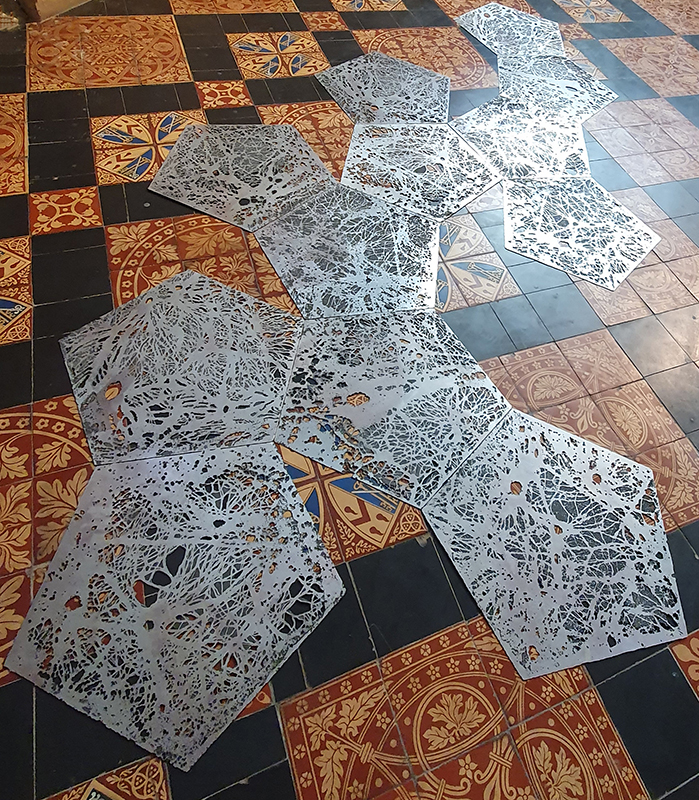
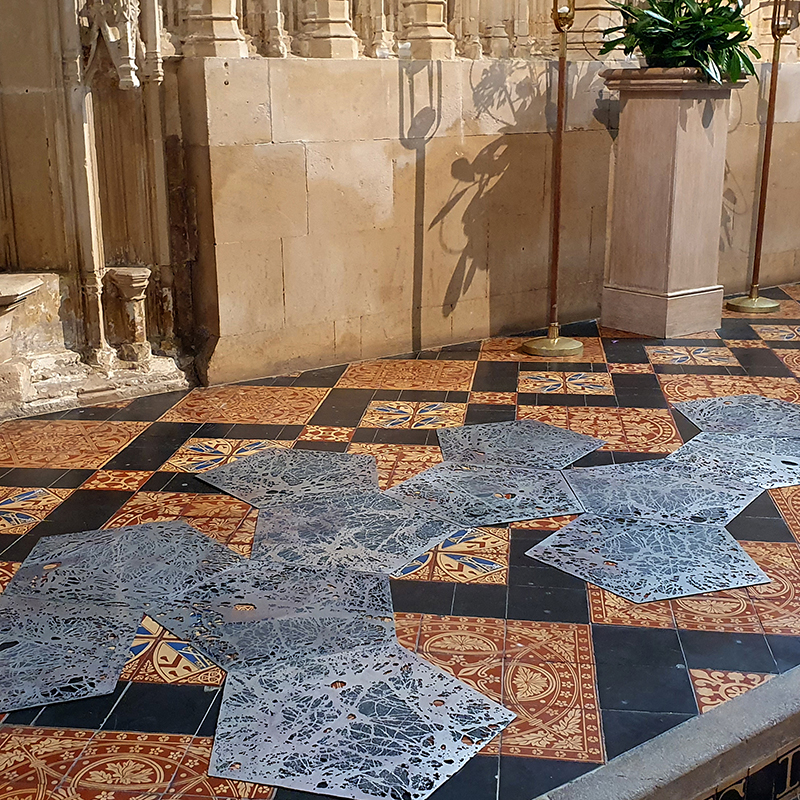
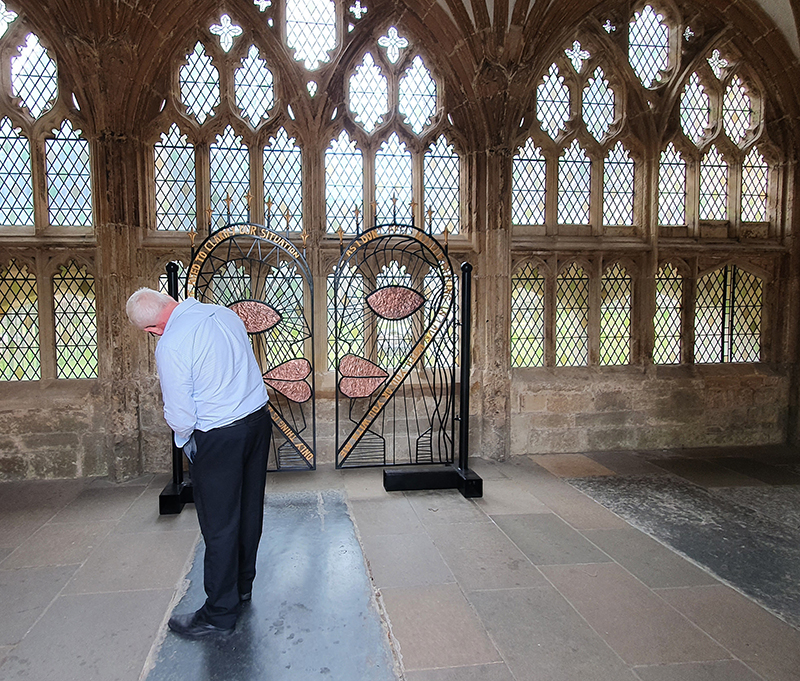
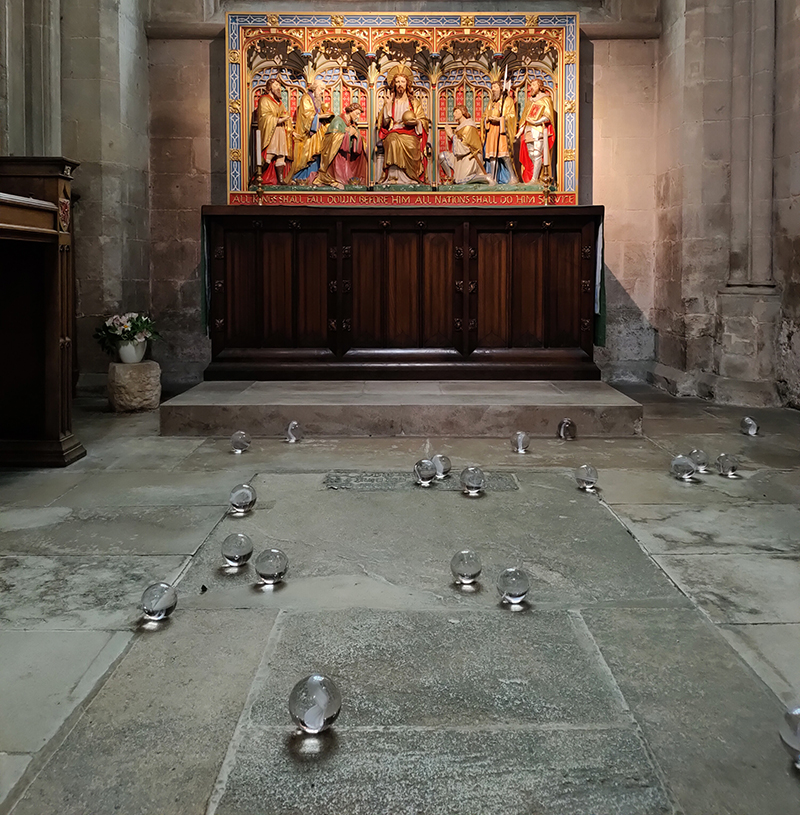
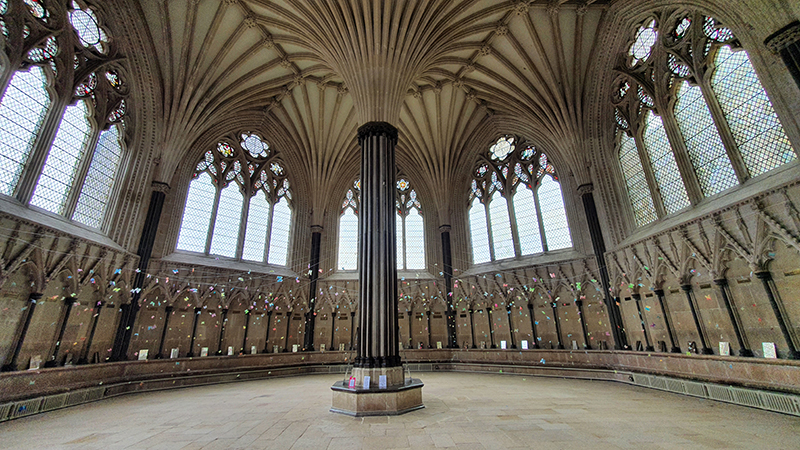
Honoured to have The Forms installed in the magnificent Wells Cathedral as part of Wells Art Contemporary

The immutable truths Plato discovered in geometry belong to the realm of abstract thought and ideals he called The Forms. Twelve pentagons form a dodecahedron which Plato defined as ‘a fifth construction, which the god used for embroidering the constellations on the whole heaven.’

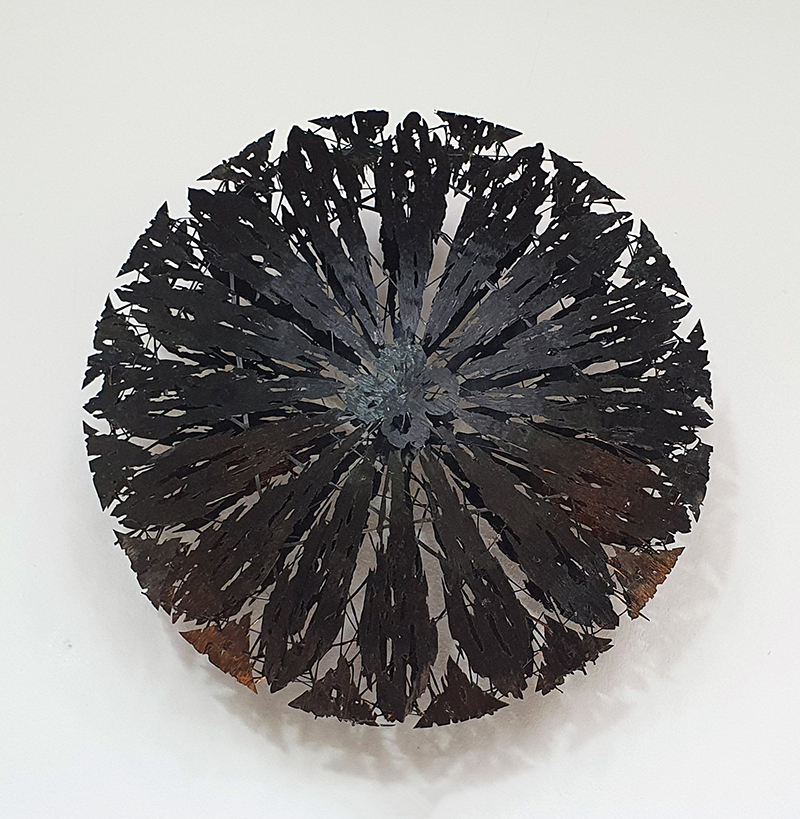
Today it is dark matter that science believes holds the stars in the heavens. In visualisations of dark matter created from cosmological data provided to me by KIPAC Stanford University, we see familiar organic patterns emerge; the fronds of dark matter spanning between galaxies could be the spreading branches of trees or the veins under our skin.

In Plato’s the allegory of the cave, those in the cave mistake shadows thrown by the fire onto the cave wall as reality; in a similar way we are guessing what dark matter is from the shadows we see, such as gravitational lensing and galaxy rotation curves.

Thrilled with the location of my work in the Lady Chapel, interacting with the patterns and geometry of the Minton tiled floor.

Working on Breath of Stars – making a data base of video clips which will be accessed and play for 12 seconds every time a cosmic ray event is recorded by the detectors. The star bursts are made from cloud chamber footage. The size of the star burst will relate to the amplitude of the cosmic ray that hits the scintillator plastic. More energy = bigger starburst.

Testing testing. Running the cosmic ray detectors at my studio to see if I get similar results to at home and yes, seems fairly consistent. Maybe slightly more hits. Thinner roof!

Exciting developments in the acid room etching the directional magnetic steel sample I have been given. Trying to uncover the grain structure like a jigsaw pattern of this magical matter hidden under a grey coating. I had no luck trying to reveal the pattern just by sanding. I then tried sanding the coating away quite aggressively and etching in 1:4 nitric acid for 10 minutes. This did reveal the hidden structure but not very cleanly and weirdly sanding or polishing after etching made the pattern disappear again.

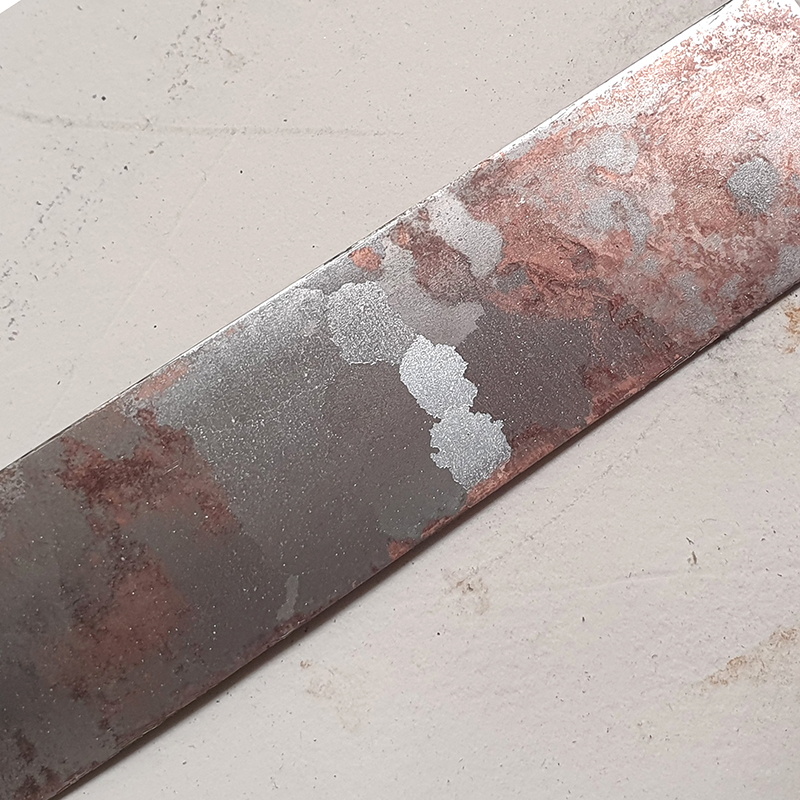
Then I tried finer sanding plus 10 minutes in a copper sulphate solution with just a careful wipe with a sponge to clean the plate and was quite happy how things were progressing. I quite like the coppery tinge.

I discovered the pattern comes from rolling single crystals of an iron silicon alloy into thin sheets to minimise magnetic losses for use in transformers. I decided to have another try with nitric acid on a larger piece just to compare but had very poor results.

An attempt with copper sulphate again on a larger piece this time wasn’t quite so clean as before although the structure is visible. I am wondering if there is a better side to etch – both sides look the same but maybe there is a difference in how deep the structure is hidden.

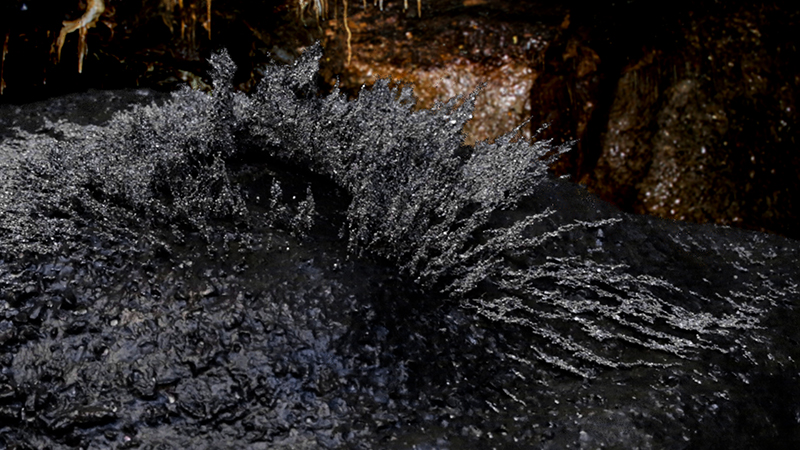
Working through some ideas for a proposal has helped with focus for video work using iron filings over a boulder (made from paper clay) set in a cave. Working title Belly of a Rock which will be a video sculpture.

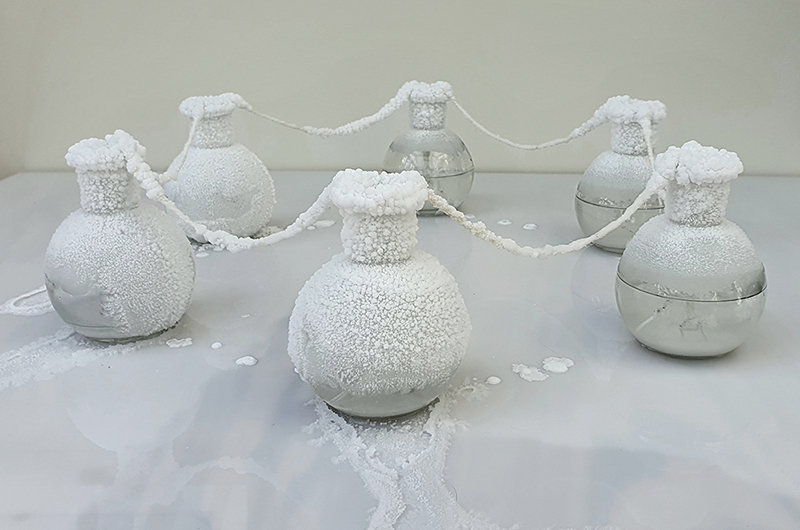
The same with some experiments with vessels and salt crystals. Exploring possibilites.

Out of Studio

The Royal Society Summer Science Exhibition

Favourite stands were obviously those with a connection to magnets or cosmic rays.

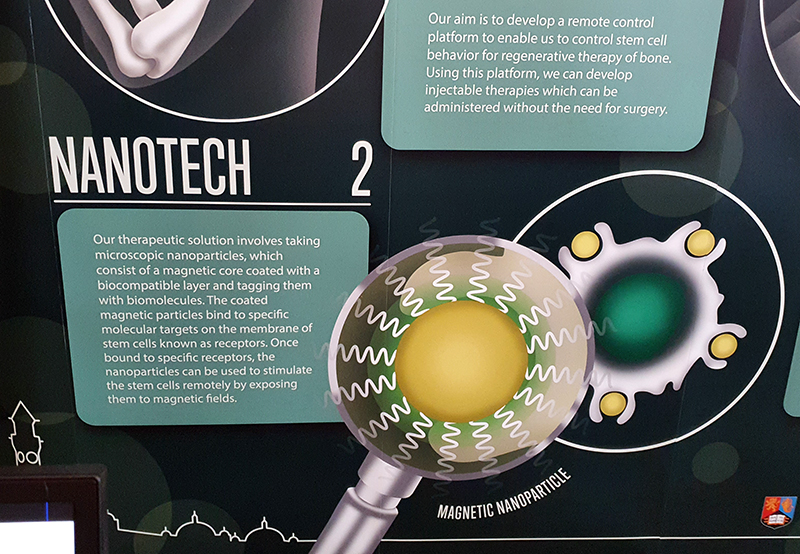
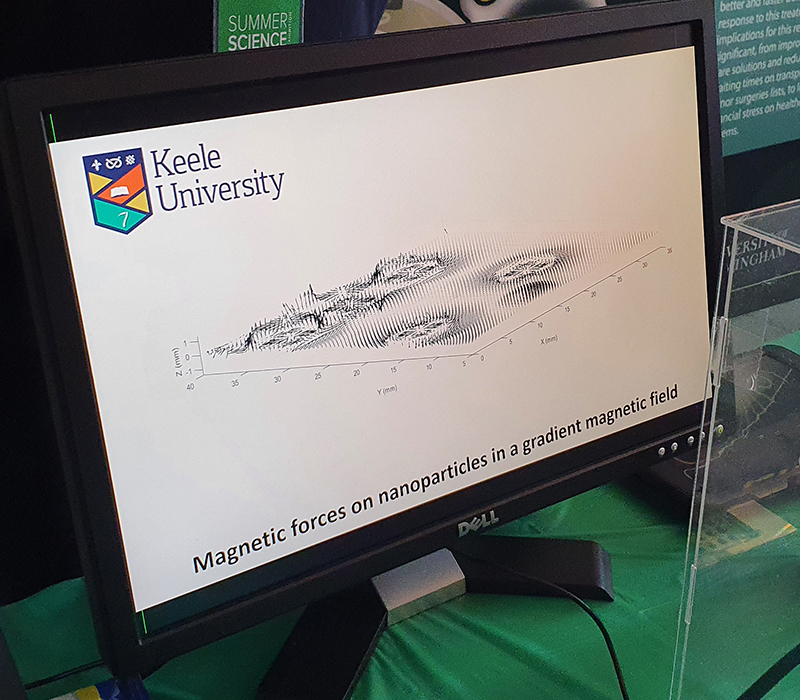
Exciting research from a collaboration between the University of Birmingham, Keele University and
MICA Biosystems on remote controlled healing to treat spinal injuries and tissue regeneration using ground-breaking advances in nanotechnology and magnetics.

Magnetic nanoparticles exhibit superparamagnetism, meaning that these tiny magnetic particles flip magnetic orientation between north and south rapidly at random appearing to be non-magnetic unless subjected to a magnetic field. When a magnetic field is applied, the particles’ ‘north’ and ‘south’ align with the field direction, turning the nanoparticles’ magnetic properties ‘on’. By binding these nanoparticles to stem cells and injecting them into the body they can be directed to the target injury site using a controlled magnetic field outside the body. Once at the injury site the magnetic force can be turned on and off to stimulate the cells controlling cell behaviour and biological pathways speeding up the healing process.

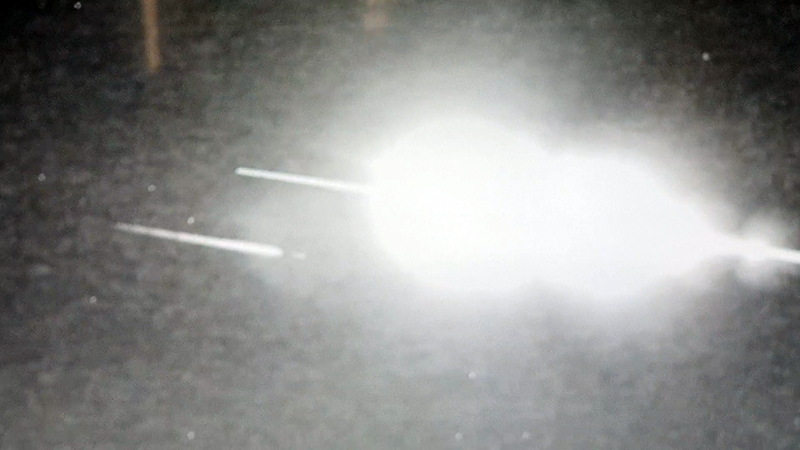
When a meteoroid survives a trip through the atmosphere and hits the ground, it’s called a meteorite.

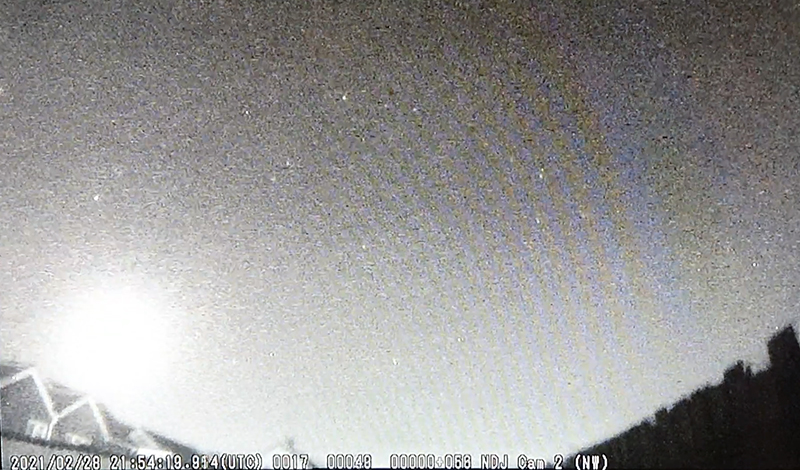
The Natural History Museum were displaying meteorite samples including a large fragment of the Winchcombe meteorite, an extremely rare carbonaceous chondrite observed entering the Earth’s atmosphere as a fireball over Gloucestershire at 21:54 hours on 28 February 2021 and landing in a family home driveway. It was the first time in 30 years, a meteorite has been recovered in the UK. It’s unexpected arrival from the asteroid belt near Jupiter was captured on a system of UK Fireball Alliance cameras as well as local CCTV and doorbell cameras.

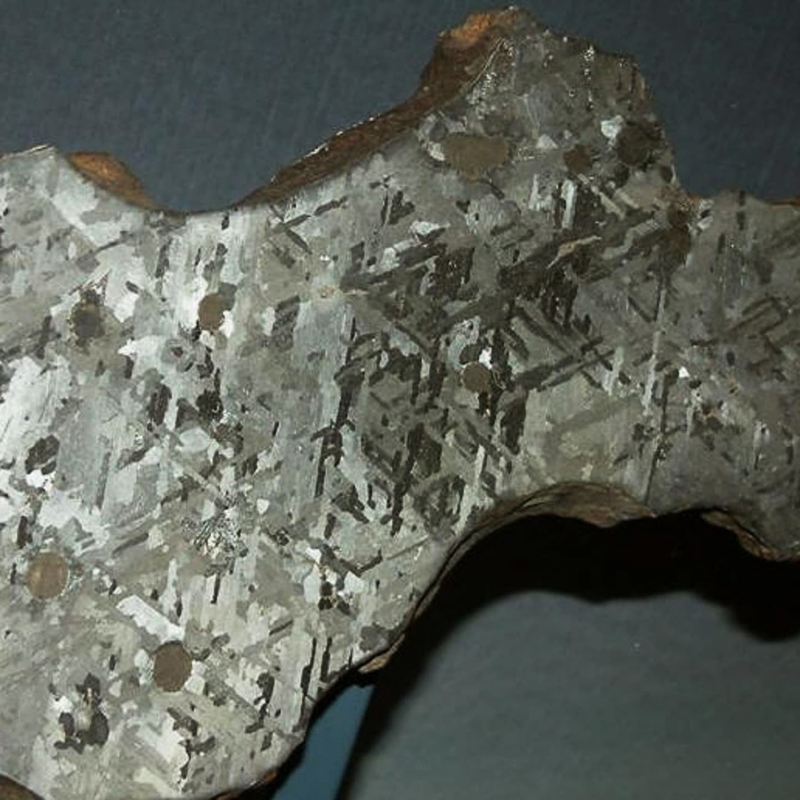
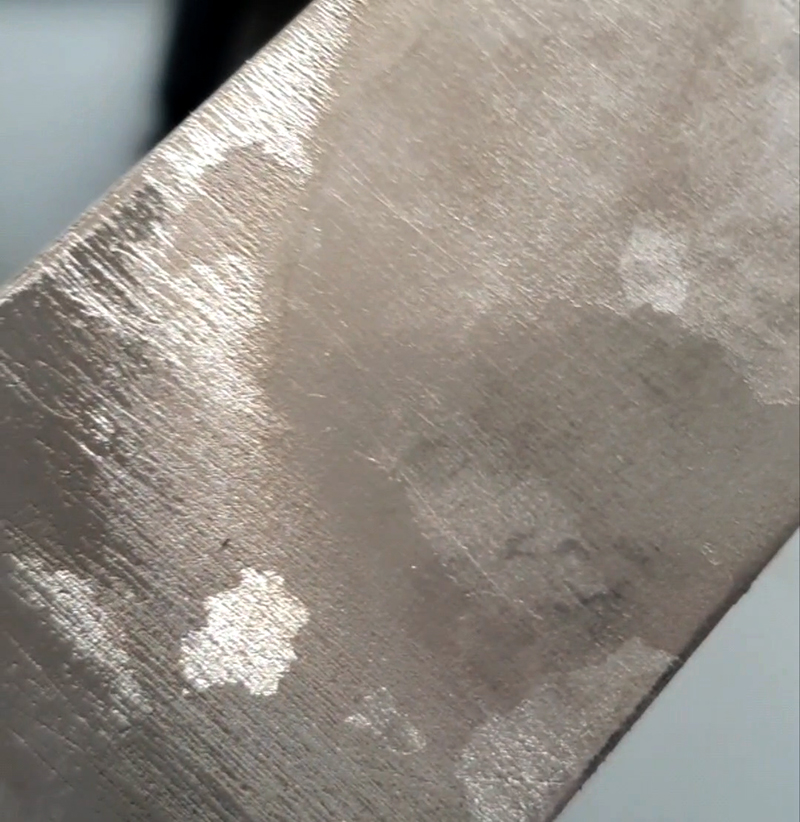
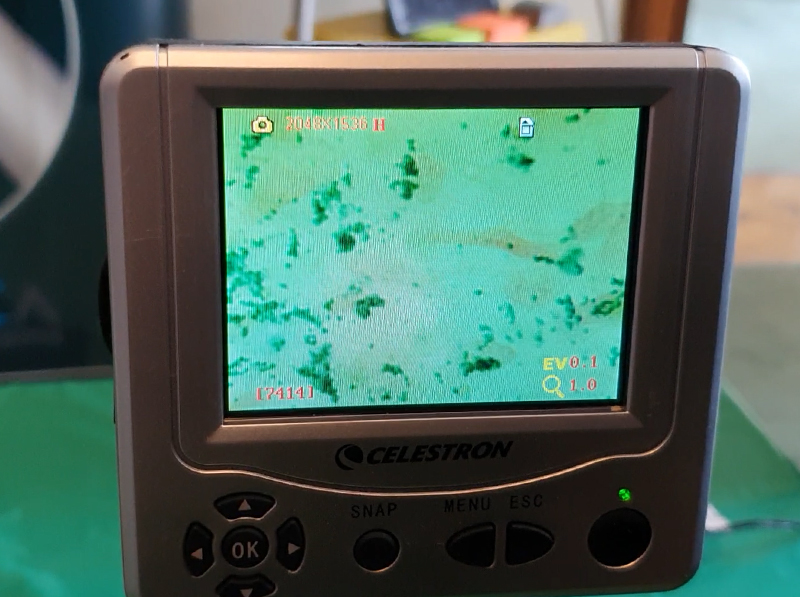
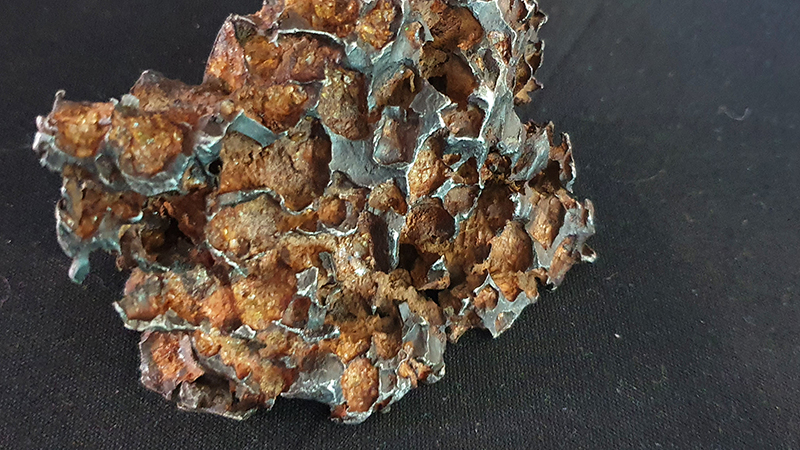
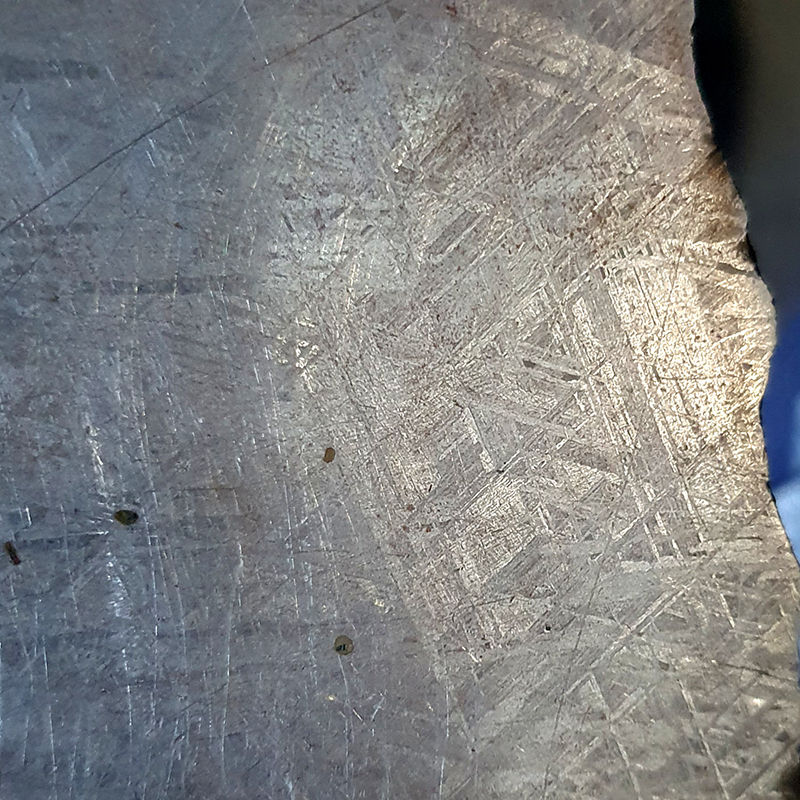
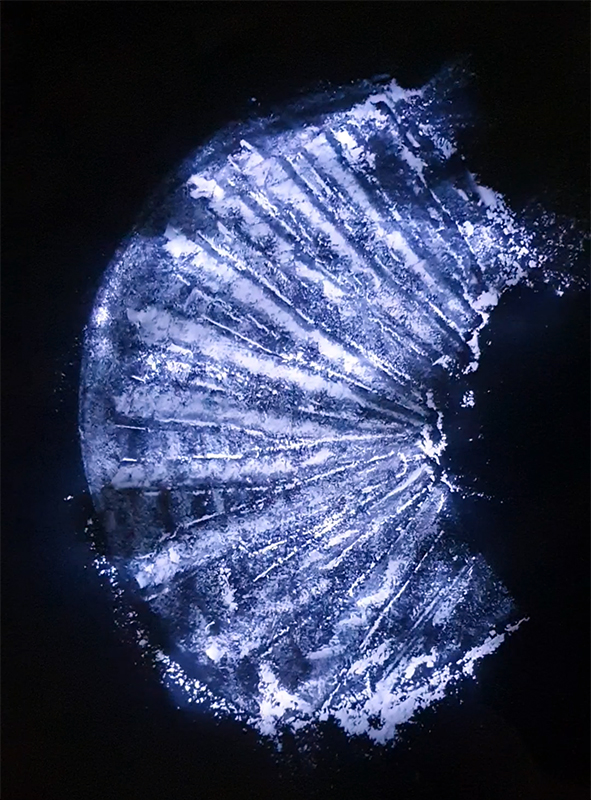
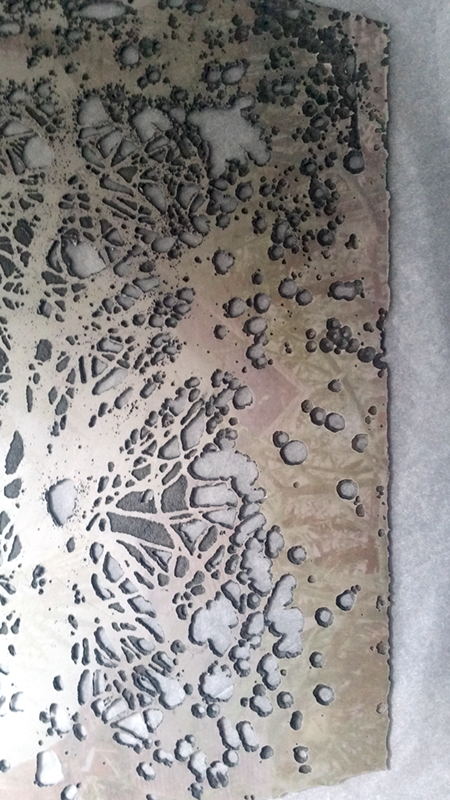
Most iron meteorites are thought to be the cores of asteroids that melted early in their history. The crystal structure (image left) known as Widmanstätten patterns in iron meteors forms from criss-cross plates of an iron-nickel alloy. Slicing the meteor at various angles reveals different patterns.

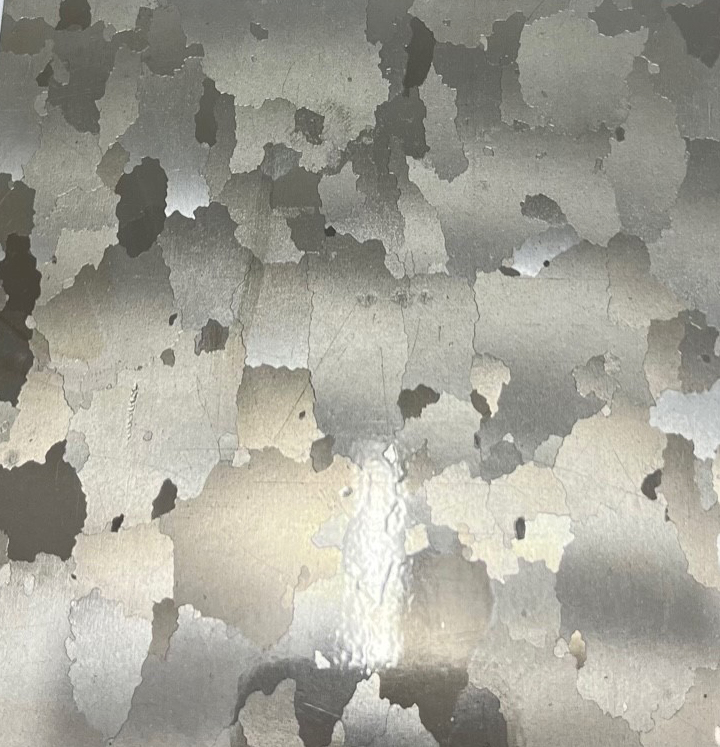
I was informed that this texture was made visible by etching the meteorite in hydrofluoric acid though it may also need polishing. This made me hopeful to reveal the hidden structure of the directional magnetic steel sample (image right) provided to me by Union Steel Products which is currently hidden by an opaque grey coating over a thin layer of smooth steel. I first saw this type of extra magnetic steel at the National Physical Laboratory open day. It is no longer manufactured in the UK and so am grateful for the sample.

Very excited to talk to Lancaster University about their new Extreme Space Weather Monitoring research. The first international network of ground-level neutron detectors to measure the number of high-energy charged particles striking the Earth’s atmosphere from outer space was established in 1957 but these used toxic materials and are costly to run so many were decommissioned. There are only 50 left worldwide and none in the UK. Lancaster are developing a new-generation radiation detector intended to help protect safety-critical systems and national infrastructure against the effects of severe space weather. Space radiation can affect aircraft systems, communications, and cause current surges in power grids and other ground-level systems. There are significant risks to the infrastructures we rely on in daily life so predicting solar storms could provide a warning to shut down or move vulnerable systems before they get hit.

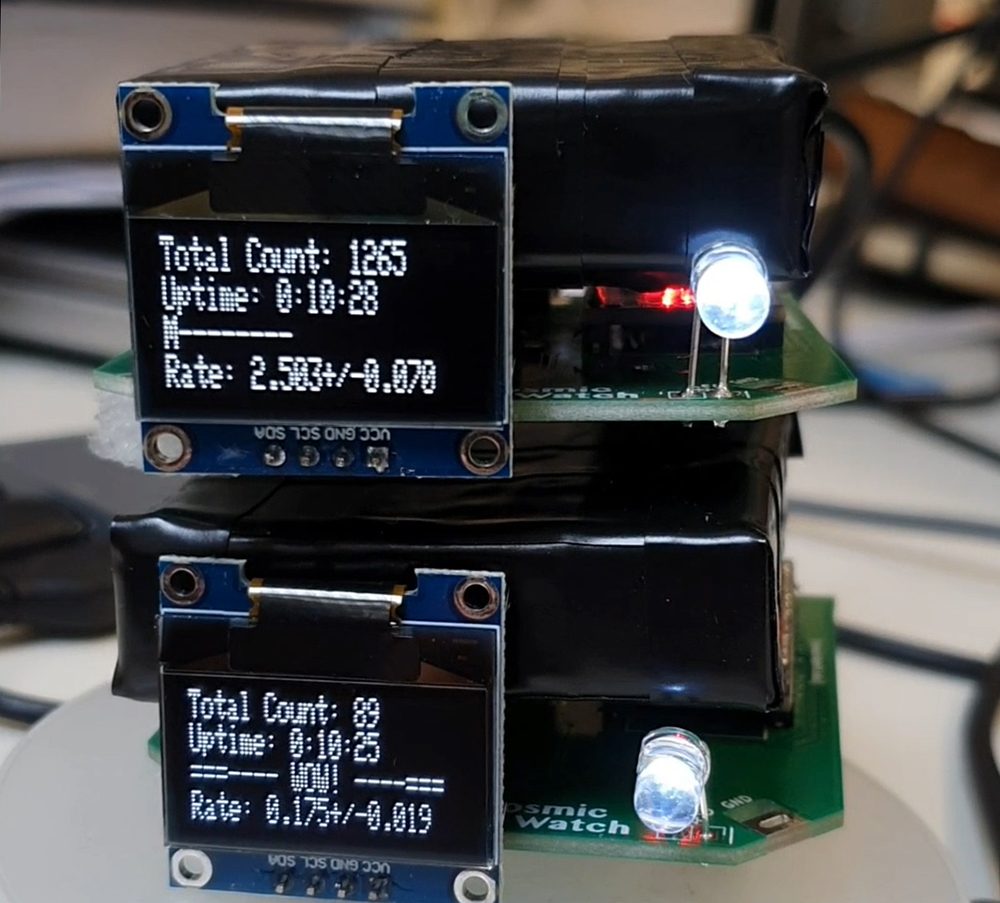
I asked Professor of Space Physics Jim Wild and his colleague Andrew Parker from the school of engineering radiation protection dept. about the event count for my own cosmic ray detector and they thought it sounded about right. As I cannot be sure of the quality of my plastic scintillator the count may not be scientifically accurate in measuring all events but I can feel confident that events I do record and will use to trigger code to display video starbursts are from direct contact with a particle that has travelled from outer space.

Alienarium 5 Dominique Gonzalez-Foerster at Serpentine Gallery. Managed to miss the seductive glimpse of The Closed Planet and any holograms but did experience the VR though connections promised with other alien beings failed to materialize – there were other forms floating in the distance but no way to communicate. I suppose this reinforced the difficulty of cross being communication. The reading list turned to cushions had become a toddler soft play area and while the 360 panorama was impressive in scale and content included it felt ‘educational’ as opposed to enlightening.

Theaster Gates, the Serpentine Pavilion 2022 Black Chapel draws inspiration from many of the architectural typologies that ground the artist’s practice. It is impressive in scale and simplicity.

I am a big fan of Lindsay Seers work and loved the Artangel commission Nowhere Less Now at The Tin Tabernacle, Kilburn in 2012.

This was my post at the time;

Lindsay Seers work is narrative but is not a linear story. The past present and future entwine with the thoughts of multiple characters. Everything is connected but like in a dream those connections are just beyond grasp as they shift and change and merge. I wasn’t sure if I fell asleep or not, my eyes seemed to be open but I had those moments of falling from consciousness being tucked up in a warm blanket can induce. The haunting sea shanty played in the headphones ‘ the sea will take her slender body..’ over and over, a narrative from one side in Seers soft tone then someone speaks abruptly from behind, another voice is heard at a a distance, some music starts up and all the while the dual projections onto giant convex and concave spheres in the disorienting location of an upside down ships hull sweeps through history into a CGI future and back to the present. We were given a free book on exit, it is another layer to the whole experience and I have no idea what is true and what is fiction, this means the fantastical can appear to be reality and I like that. There are many things to wonder about in Lindsay Seers work. In Seers work the explanation about the work is part of the work and so may be just a fiction as much as the work itself.

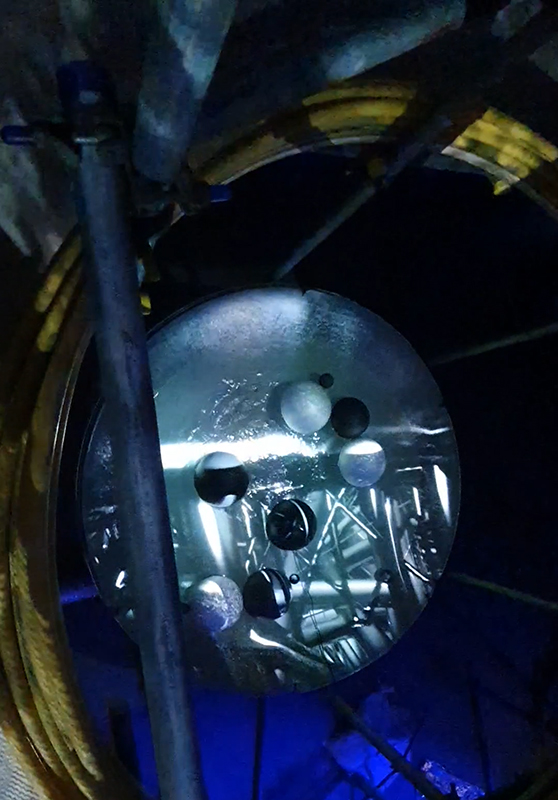
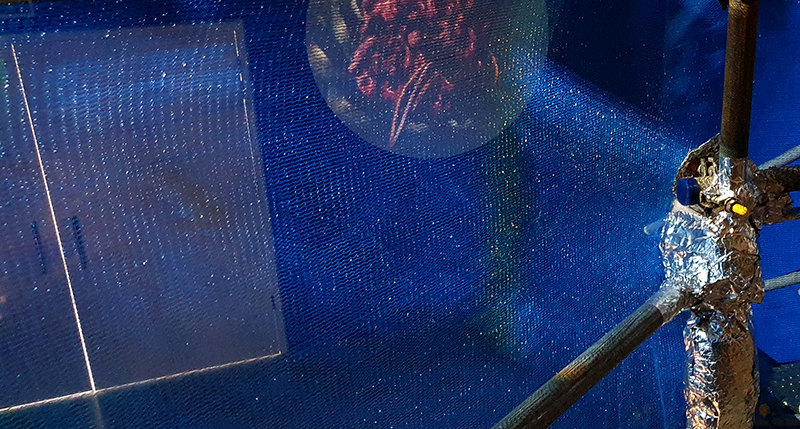
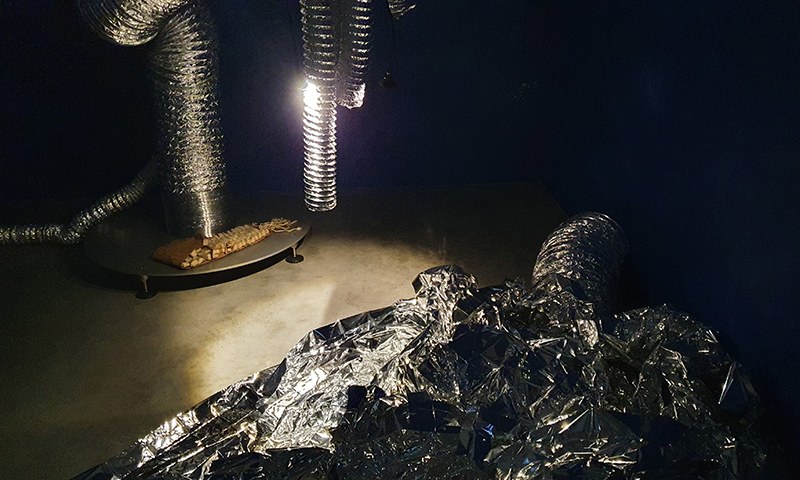
Jump ten years to Cold Light a collaboration with Keith Sargent at Matt’s Gallery in their new swanky location at Nine Elms. Subtle intervention has been sacrificed for the installation which is engaging on a different more immediate sensory level of flashing lights on shiny objects. The work is inspired by the futurist Nikola Tesla and his experiments with electricity in the early part of the 20th century. Cold light refers to light produced electrically rather than by fire. The use of low-fi silver foil and extractor vent tubing, along with scaffolding and clunky robotics give an impression of the home inventor. This would have looked futuristic in Tesla’s lifetime. I experienced the VR CGI environment, it was cold place emotionally despite the pigeons which were apparently Tesla’s true love. Is this the CGI future alluded to in past work?

Fabulous work from Grace Ndiritu An Absolute River at Lux. An Absolute River’s title derives from Borges’ theories on the fluidity of time. Borges features as a fictional protagonist in Ndiritu’s Black Beauty, and his notion of “An Absolute River” was inspired by Heraclitus’ “No Man ever Steps in the Same River Twice”. Her films blur the lines between different time frames and explore themes of media, authorship and historical narratives, whilst expanding on notions of temporality. Her work is so good.
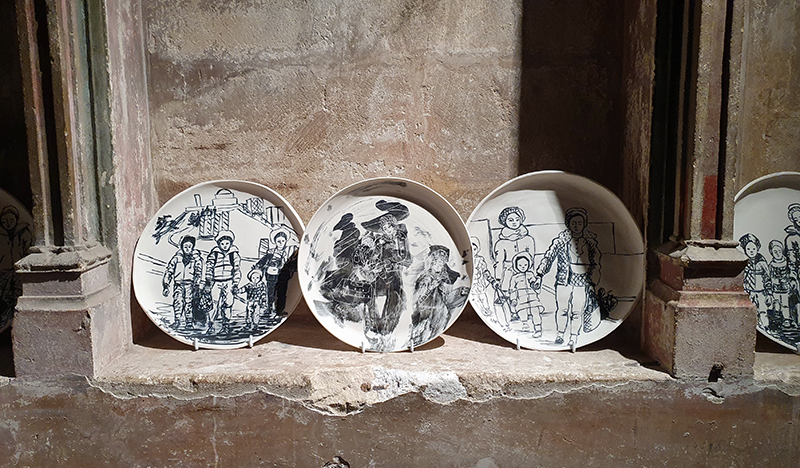
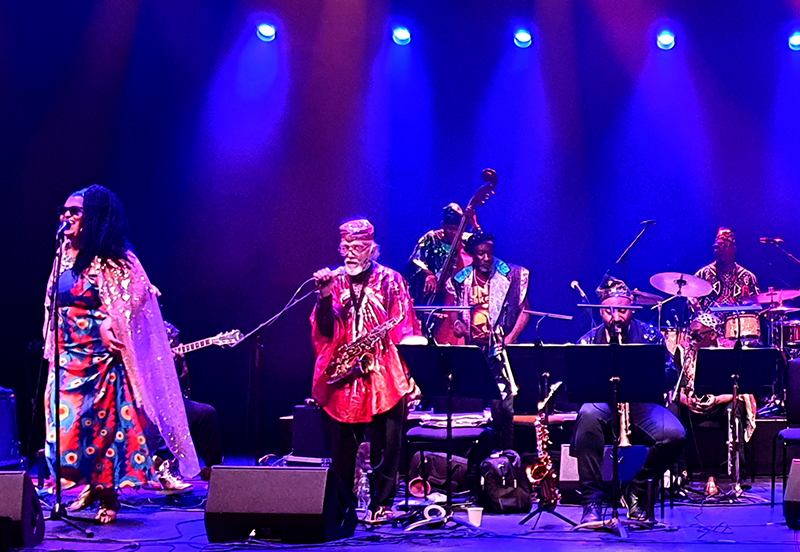
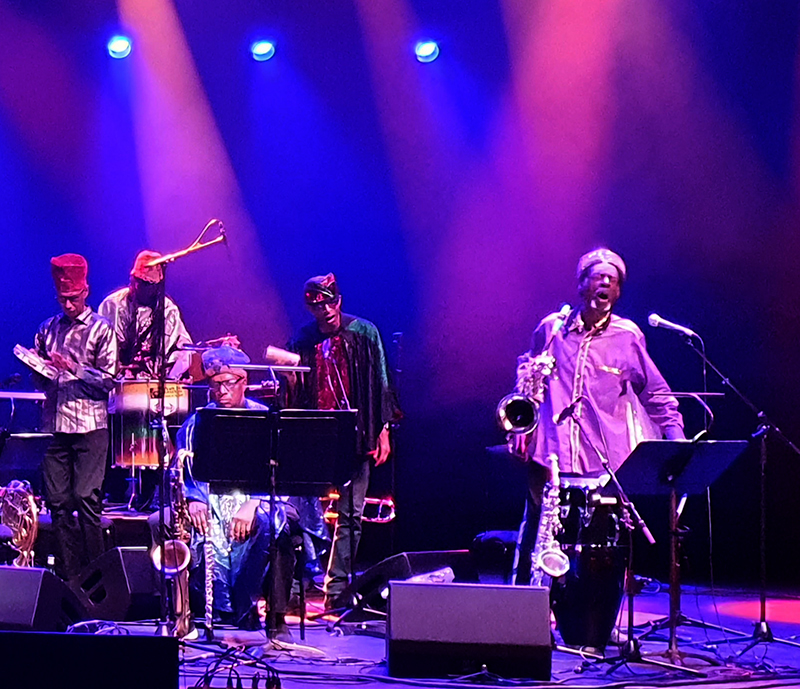
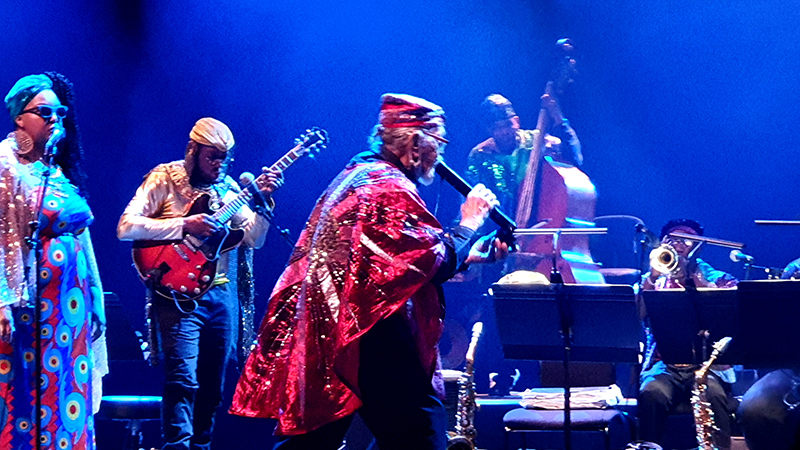
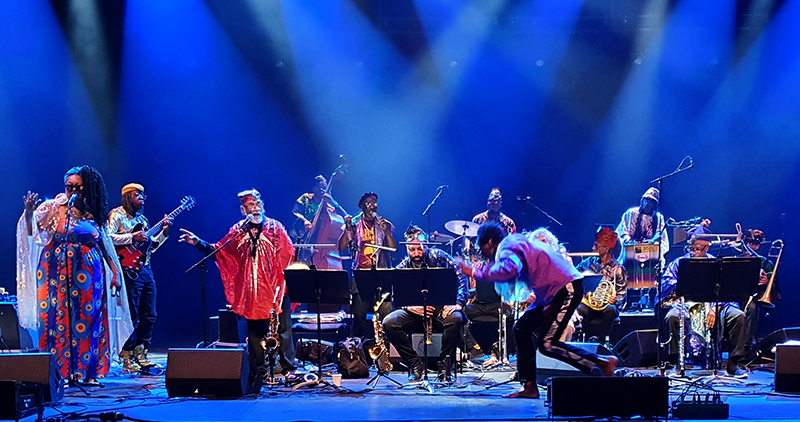
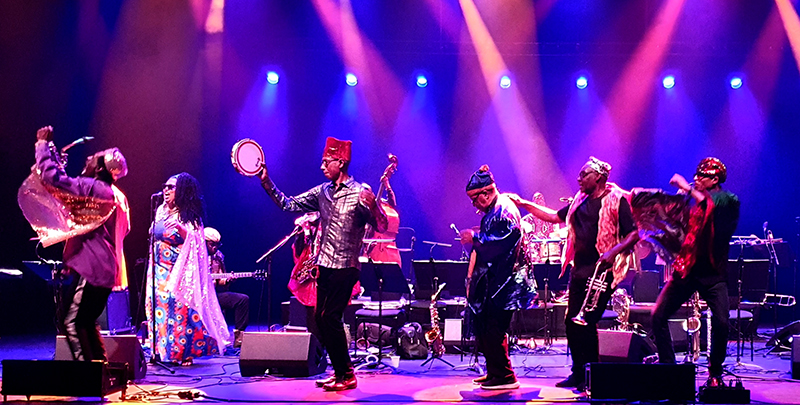
SPACE IS THE PLACE

What a joy to experience The Sun Ra Arkestra

In some far off place
Many light years in space
I’ll wait for you
Where human feet have never trod
Where human eyes have never seen
I’ll build a world of abstract dreams
And wait for you

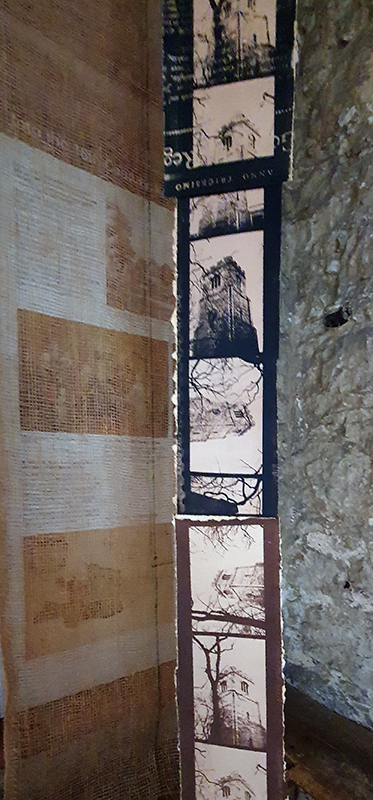
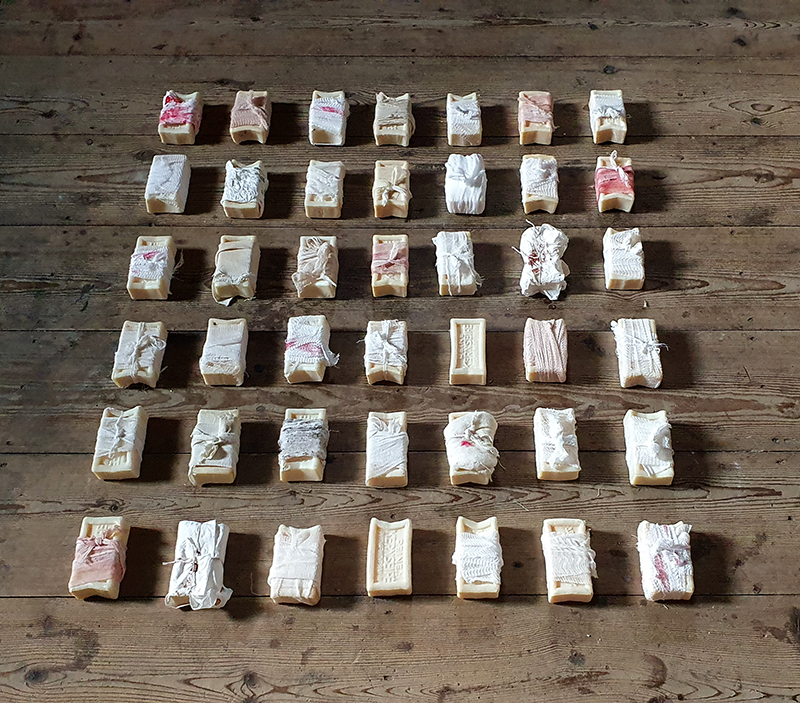
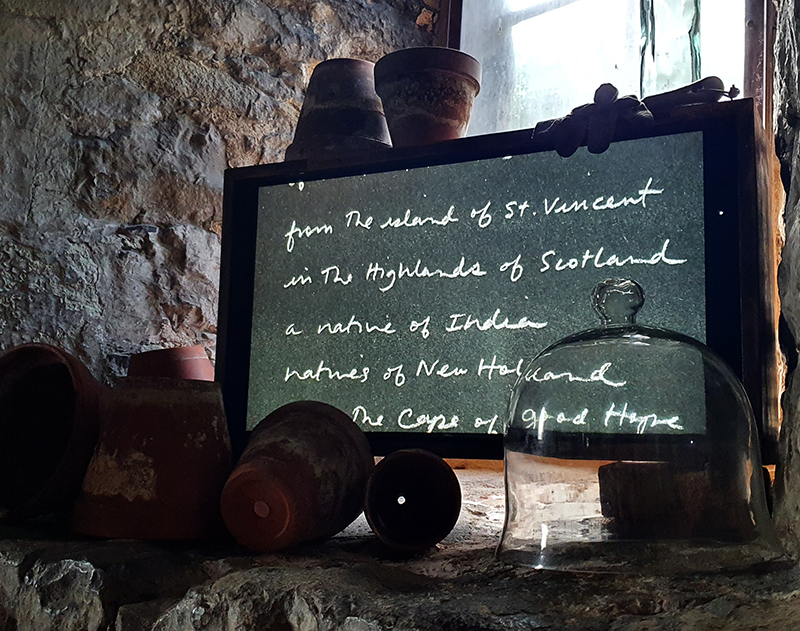
The Ruins of Time at St. Augustine’s Tower, Hackney. “Tower” is part four of the “Ruins of Time” project, organized by LME (London – Munich Exchange) exploring the passage of time and its specific expression in the place, space and architecture of the site. Curated by Eleonora Bourmistrov and Milena Michalski who are exhibiting alongside Myra Brooklyn, Risha Gorig, Angelika Hofmann, Monika Kita, Brigitte C. Reichl, and Marcia Teusink. Many thoughtful works and a marvellous installation from Eleonora Bourmistrov.

The London Group exhibition including work from Victoria Arney (birdsong translated into woodcuts), Carol Wyss (examining the ribcage as protective enfolding), Sandra Crisp (blender generated molecules with embedded culture – a culture with culture) and Beverley Duckworth (Dust from the Sahara) in Catch Your Breath at Morley Gallery.

‘Catching one’s breath can happen if surprised, impressed or even shocked by something, such as an extraordinary object or image stumbled upon that instantaneously changes a familiar viewpoint. It can also be a time to pause or reflect and take stock.’

Working on The Breath of Stars I have been thinking about the breath and its active nature and inter-actions so it was interesting to see the many interpretations here.

Cloud Point at Paradise Row curated by Nicolas Bourriaud in collaboration with Radicants.

Text from the Gallery:

The artists (Nicolas Aguirre, Hicham Berrada, Marieke Bernard Berkel, Alice Channer, Pakui Hardware, My-Lan Hoang-Thuy, Zarah Landes, Estrid Lutz, Tala Madani, Pamela Rosenkranz) in this exhibition belong to a generation for whom no material is natural anymore. Matter, in its totality, is both form and content, subject and object, nature and culture. In other words, there is no neutral background in today’s images, but streams and active forces.

Cloud Point gathers artists who don’t consider objects, products or masses in their work, but rather the atomic structure of our surroundings, and theirs. They are particularly interested in the in-betweens — processes of liquefaction, moments of coagulation, condensation points… The emergence of this molecular gaze in contemporary art also reflects in theory and politics.

Politics goes molecular as Felix Guattari had already stated, in the 1970’s, talking about a necessary ‘molecular revolution’. We see how gas, oil, bacterias, viruses or chemicals become the new agents of History. Zygmunt Bauman analysed postmodern capitalism as a process of liquefaction of our institutions. Today Karen Barad describes matter, at its molecular stage, as pure ‘queerness’. And according to Rosa Braidotti, ‘Capital seeks and reduces body fluids to merchandise: the sweat and cheap blood of the labor force available throughout the Third World; but also the fluids of the desire of First World consumers who reduce their existence to a commodity by transforming it into a hyper-saturated state of confusion.’

I have returned to my BA dissertation from 2007 The Communication of Ecological Concerns Through Contemporary Artistic Practice to look at excerpts where I discussed the theories of Nicolas Bourriaud.

‘The intertwining of ecological and political processes with artistic practises is explored in conjunction with the particular theories of Bruno Latour, Nicolas Bourriaud and Zygmunt Bauman. These writers all speak of a need to establish new ways of communicating about the complexities of our relationships to our environments as we move through different spaces to those of the past. In light of this necessity, the precarious balance an artist must achieve to engage a contemporary urban audience with an environmental message, without losing sight of their aesthetic, or becoming embroiled in the nullifying production of commodity, is debated.’

‘Bourriaud documents the shift in focus from the visual to the relational during the 1990’s when new forms of communication  available through modern technologies coincided with an economic depression. For the artist there was a lack of funding for the spectacular but also the opportunity to experiment with spaces previously given over to exchange and barter. The artists took as their medium something they found lacking in  other areas of daily life; social relations which did not involve supplier-customer exchanges. The loss of personal interactions from daily life as more and more functions were performed by or through machines and computers were reborn in the processes of participatory practises where the audience was invited to experience rather than behold.’

‘An artwork’s short life span is not necessarily a reflection of the insatiable appetite of the gallery going public to consume and discard art as any other commodity. In using relational aesthetics the artist deliberately steps outside of this cycle. Artists who base their practises on exchanges of experience and communication through tangible means which have no value as art outside a temporal set of circumstances give the public a chance to experience a different type of social bond. From the ethos of relational aesthetics is born the possibility of art infecting the collective subjectivity. Artists whose work sidesteps the rules of the market place create a ‘social interstice,’ a small space in which to explore relations with the world. An interstice does not operate in the same way as a message, which is akin to advertising and belongs in the world of marketing. The space created must be inviting or intriguing to draw the audience into a realm of possibility, to start a conversation not give a lecture.’


I selected seven works alongside my own for an informal tour at Wells Art Contemporary to promote conversations inspired by the works. Shield – Peter Newell-Price, Chronologer (chalk and bone) – Paul Tuppeny, Screw Up Repeat – Kate McDonnell, Beneath the Heavens III – Kaori Homma, Route 339 – John Ball, Everyone was a bird – Caro Williams, Two-Sided I & II – Aliceson Carter.

Out of thousands of submissions, this year’s judging panel, Matthew Burrows MBE, Dale Lewis and Nana Shiomi, selected a shortlist of 120 artworks by 111 artists for the 2022 exhibition.

29 site-specific installations have also been selected by Clare Burnett and Jacquiline Creswell to stand as interventional responses to the architectural, spatial and spiritual aspects of Wells Cathedral.

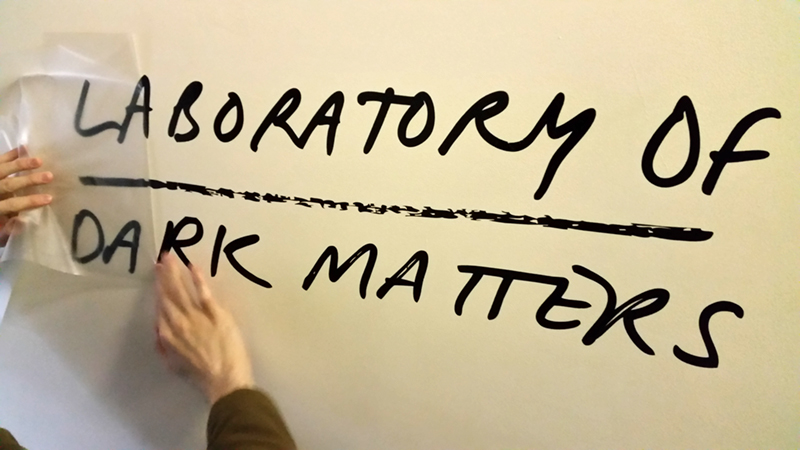
During the hiatus between the Laboratory of Dark Matters Guest Projects residency and installing at Cleveland Ironstone Mining Museum was a chance to test out installation options and visit a few events.

1707 cloud chamber

Euan James-Richards created a great video for our residency at Guest Projects- view Laboratory Of Dark Matters video here.

There are a few alternative options for a dodecahedron net – this was my favourite.

1707 dodecahedron net

Connecting dark matter

1707 test The Forms

Testing in my studio which had turned into an unventilated sauna that day

1706 test The Forms 3

Heat is what makes it impossible to time travel backwards. I think. Though applying heat (200°C) to the plates again made the disperse colours that had vanished reappear………………temporarily

1707 heatpress colours reappear

Always the unexpected outcome.

1707 Minute Bodies

A real treat at the Barbican was a live accompaniment by Tindersticks to the exploratory science films made in the early 1900’s by F. Percy Smith, naturalist, inventor and documentarist. Link here- Soundtrack from documentary “Minute Bodies: The Intimate World of F. Percy Smith” (2016) by Stuart A. Staples.

In his house in Southgate, the ex-goverment clerk Percy Smith films the life stories of hundreds of rare plants

As soon as I saw this documentation I knew I would like Oliver Beer.

1707 Oliver Beer 1

Is it bad to always think – oh this reminds me of… well this reminded me of Mark Leckey – The Universal Addressability of Dumb Things

1707 Oliver Beer 2

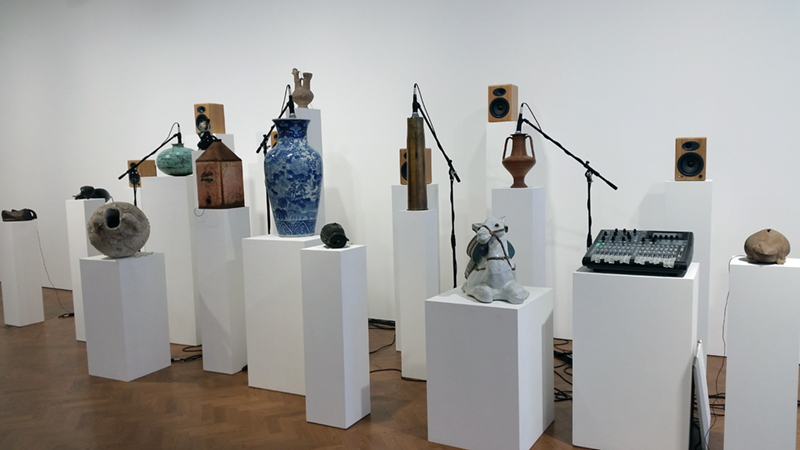
except these artefacts sang out, resonating with the air vibrating through their hollow forms

but it was still an interrogation of a collection of objects, squeezing out an essence/aura.

Then there was the building itself – Galerie Thaddeus Ropac – it’s space mapped through sound – the singers slamming their voices into the corners which threw them back, rising and echoing off the walls, harmonising to a crescendo until every inch of space vibrated

and there was no air left to breathe that wasn’t full of sound,  it was incredibly beautiful and absorbing. Also from the inside  out – an ear trumpet to the world beyond1707 Oliver Beer 5

street noises magnified

1707 Oliver Beer 6

Another sound experience was KlangHaus 800 Breaths at the South Bank Centre. More in earnest. More theatre.

1707 Klanghaus

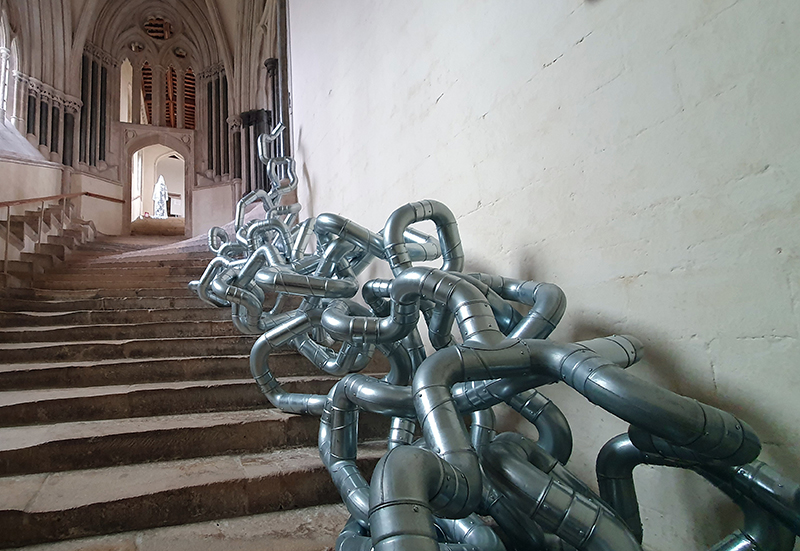
Great to be escorted through the otherwise out of bounds roof spaces and enjoy the mash up of film projections and live music played LOUD amid the galvanised steel ducting and ventilation systems.

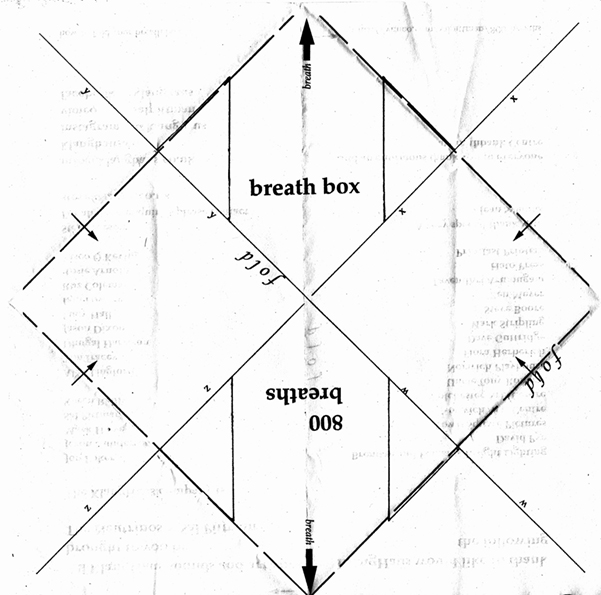
1707 breath box

Time for the Royal Society Summer Exhibition late night adults only serving poison cocktails.

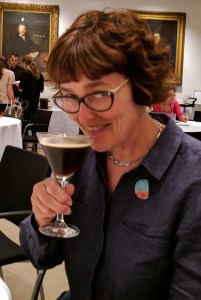
1707 Royal Society Poison cocktail

Dr Kathryn Harkup gave us the low down on the most efficient murder tools.  Learnt that hemlock looks very like parsley; just 1 gram of nicotine (eaten) would kill you in 4 minutes – very quick for a poisoning; 100 cups of coffee in one day would kill you with caffeine  – but the water would get you first.

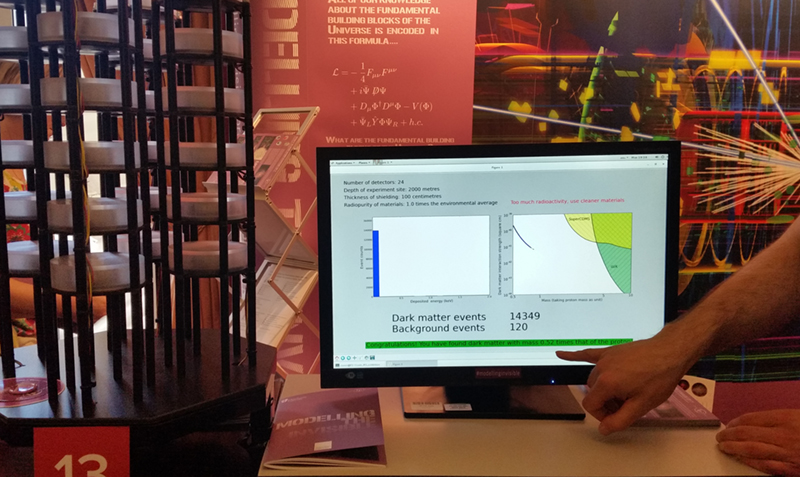
First stop –  Modelling the Invisible – Durham University – where I met David Cerdeno, a colleague of Cham Ghag who I had only emailed the week before about the LODM project- they had a device where you could set your dark matter detection experiment parameters, run the experiment  and warp forward in time to get your results – lots of lucky people were finding dark matter – shows optimism for their project which is going to be installed at Snowlab in Canada.

1707 Royal Society Summer Science DM

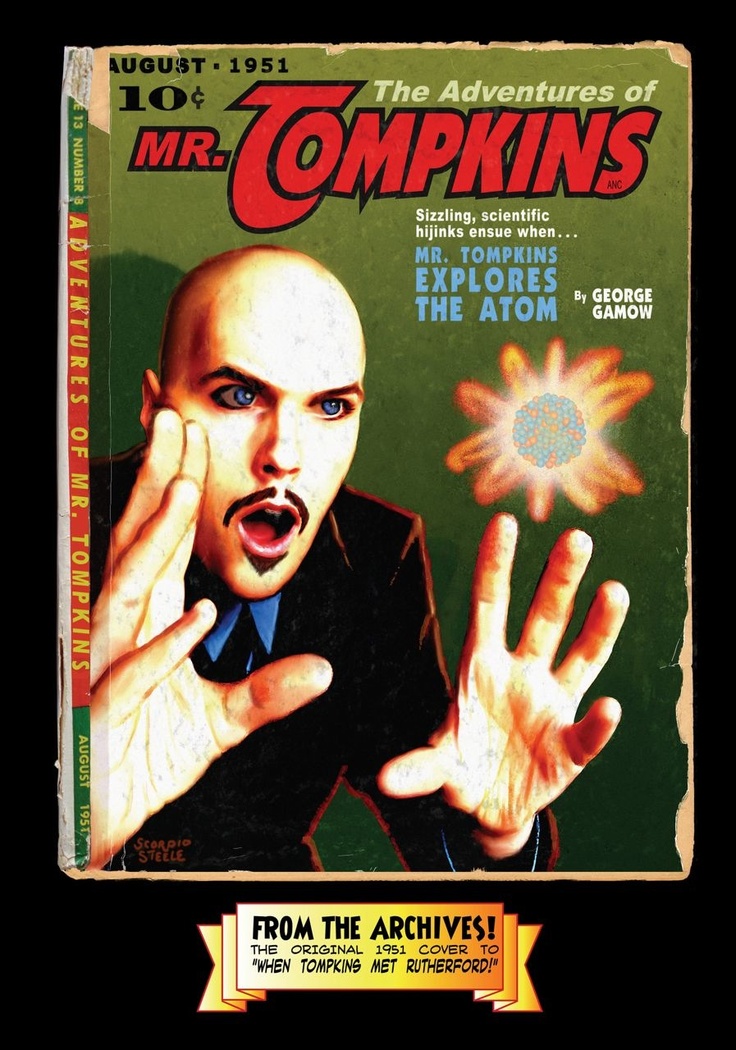
I was encouraged to track down and read a series of books by the physicist George Gamow explaining scientific theories through the character of Mr Tompkins who experiences dreams in which he enters alternative worlds where the physical constants have radically different values from those they have in the real world.

1707 Mr Tompkins

Had a chat about Large Hadron Collider computations that come from smashing particles together – 600 million collisions every second and the incredible number of particles that get produced and just how many types of particle there are  –  I was pointed in the direction of the particle physics bible. 

1707 Royal Society Summer Science Exh

Tried to ascertain what Gravitational Waves are made of but ended up no clearer,  they are bound up in spacetime and measuring them involves incredible accuracy but I couldn’t get to grips with what medium they use to travel across space – is it the as yet unobserved gravitons? Was informed that if I had a metre ruler and took it to Mars it would be shorter but so would I be, therefore I wouldn’t notice.

1707 gravitational waves

Quantum gravity is the sought after theory. It may turn out that the distinction between spacetime and matter is invalid at the Planck scale.
Every body gravitates because it bends the space surrounding it, changing the flow of time in the process – at the same time how a body moves in a gravitational field is determined by how it fits into warped spacetime.

I think these are phenomena I am too big or too small to notice.

Bit of a public engagement thing and free apps going on at www.laserlabs.org

Should I want to make a mini supernova I need a hydrogen based product about a mm across – hit it with a very powerful laser (the Orion Laser would do) until it reaches impossible temperatures – it will explode into a supernova that would fit in the palm of my hand. Ouch.

1507 Sun Factor

Susan Eyre Sun Factor

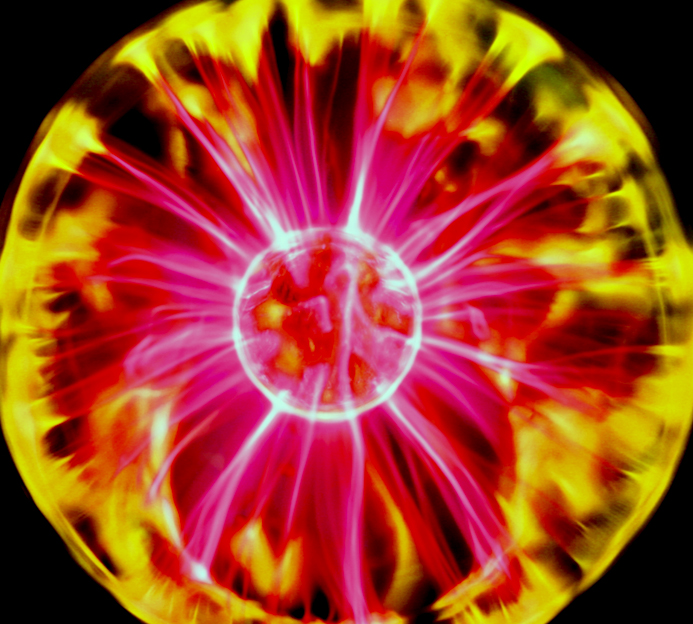
Apparently around 10 supernovas happen every second, bringing home the vastness of the universe. Some comfort is that our sun is too small to explode in this way. Plasma makes up a lot of the universe but on earth the temperature is too cool – plasma occurs when something gets so hot the constituent parts of the atom separate. Plasma is considered the fourth state of matter. The three other states are solid, liquid, and gas.

1707 plasma 1.jpg

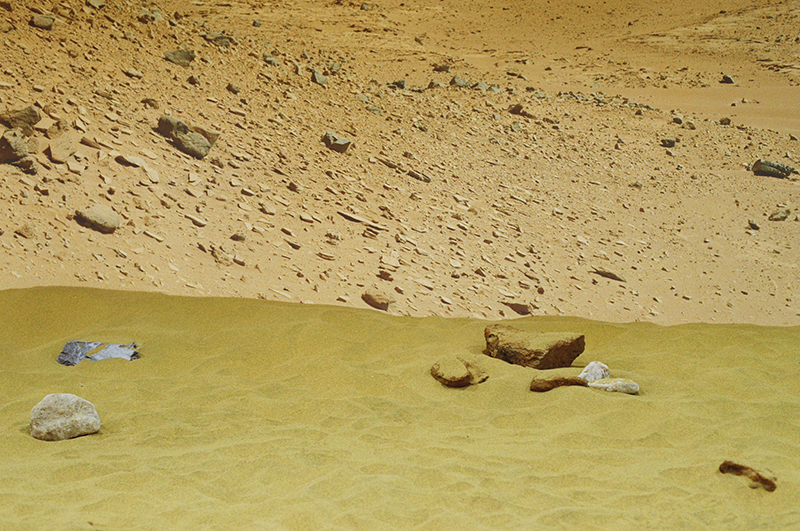
There is a new type of laser called maser – masers amplify microwave signals from space, it doesn’t add any noise as the photons are fired into a crystal which absorbs them, then releases them all at the same time in coherence so they have less interference – all nicely lined up and much more intense – they used to need to be cryogenically cooled to work but now they have made it possible using a crystal to make all electrons move in the same way. This is good for receiving weak signals from space like communications from the Mars Rover.

1707 Luci Eldrige Mars reconstructed

Luci Eldridge Mars reconstructed

Having been on the peripheries of Melanie King’s Phosphorescence workshops as part of Dark Matters Lab. it was interesting to try to understand how fluorescence works.

1707 Phoshorescence workshop

Southampton University were on hand explaining how fluorescence works in coral but I think the principle is always the same –  the fluorescent substance takes in blue light and emits light in a different colour at a lower energy, the electrons drop down in their orbits of the nucleus to base level and then move back up. The substance atom would usually have a coiled shape and the electrons get lost in the coils. Coral is a shell structure containing symbiotic algae and the fluorescence helps protect the algae from too much sunlight in shallow waters.

I enjoyed the ritual based symmetry of Benedict Drew’s The Trickle Down Syndrome installation at Whitechapel gallery. Ready to worship. Fearful of outcomes.

1707 Benedict Drew

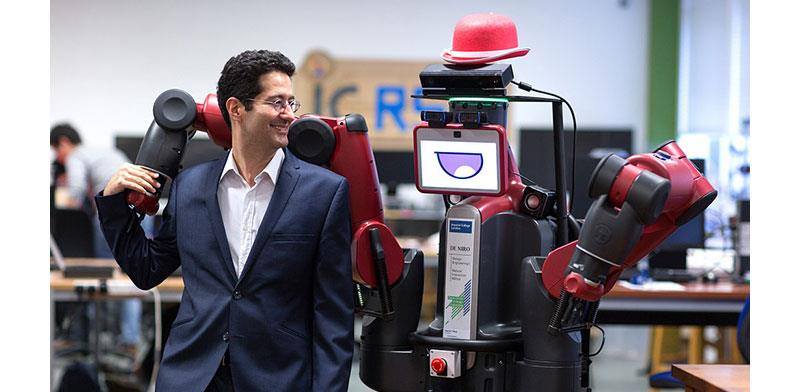
A full day at the Science Museum assessing Robot Futures: Vision and Touch in Robotics a symposium hosted by Luci Eldridge and Nina Trivedi bringing together engineers, scientists, cultural theorists and artists to explore notions of embodiment and telepresence in the field of robotics and in virtual and augmented realities. It began with a tour of the current Robots exhibition followed by a demonstration of ROBOT DE NIRO by Dr Petar Kormushev of Imperial College Robotics Lab.

1707 Robot De Niro

This is when we learnt that although huge progress has been made robots are still pretty limited in what they can do physically. Great programme of speakers including  Gregory Minnissale: Nonlinear Vision and Touch in Art, Science and Technology; Joey Holder: Ophiux; Nea Ehrlich: Envisioning 21st Century Techno-Vision: The Ethics and Aesthetics of Machine Witnessing in Non-Fiction; Bianca Westermann: Robotic Presences: Encounters with the Artificial between Social Companionship and Embodied Representation; Ruairi Glynn: Animacy Aesthetics; Maya Oppenheimer: The Robotics Division of the Dramaco Instrument Company Introduces the Ensocellorator Reliance Pro II; Stephen Ellis (via Skype): On the character, scope, and meaning of the spatial user interface to Virtual Environments: its recent and deep history; Simon Julier; Nicola Plant and Jeremiah Ambrose: Systems of Seeing: Virtual Gaze Interaction.

Next stop the North East.

1707 CIMM install.jpg