Archives for posts with tag: Sarah Sze

Over the centuries many wind roses have been designed with varying numbers of wind directions from four to thirty-two cardinal points. The contemporary compass rose has its roots in the ancient classification of the winds.

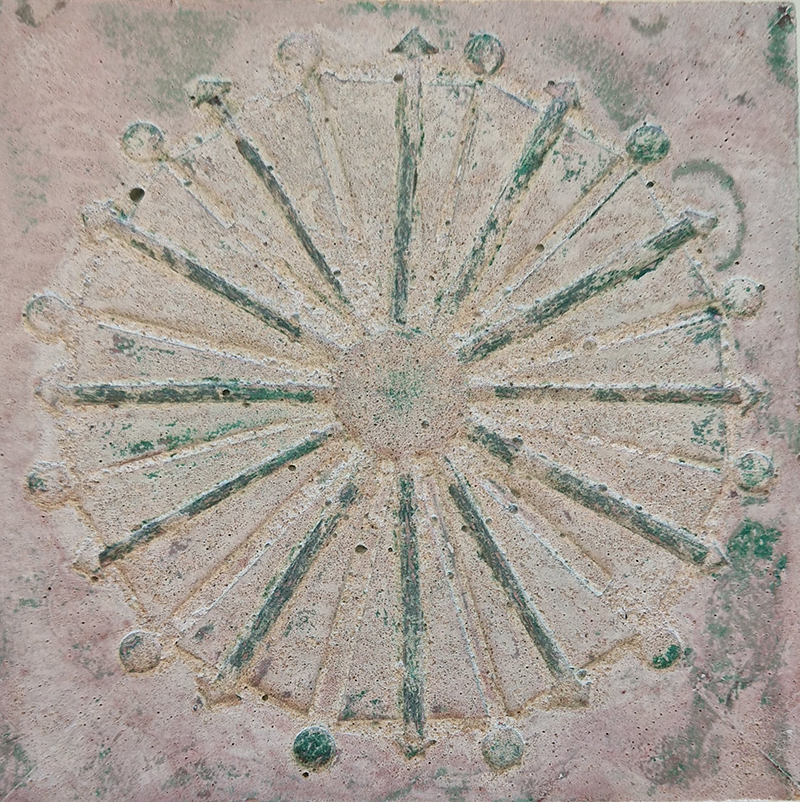
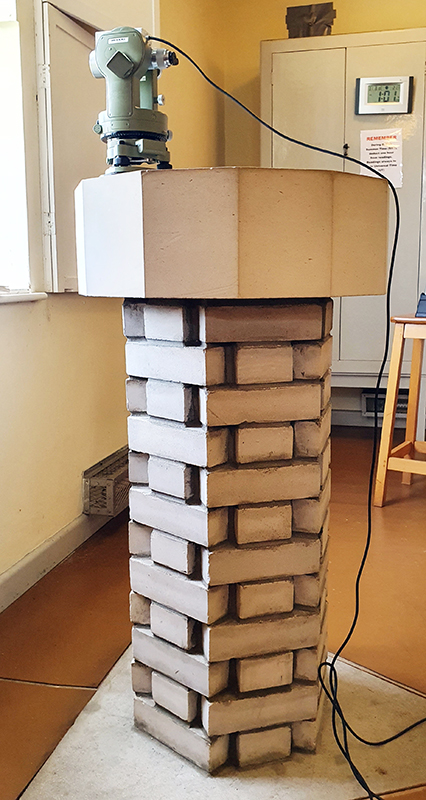
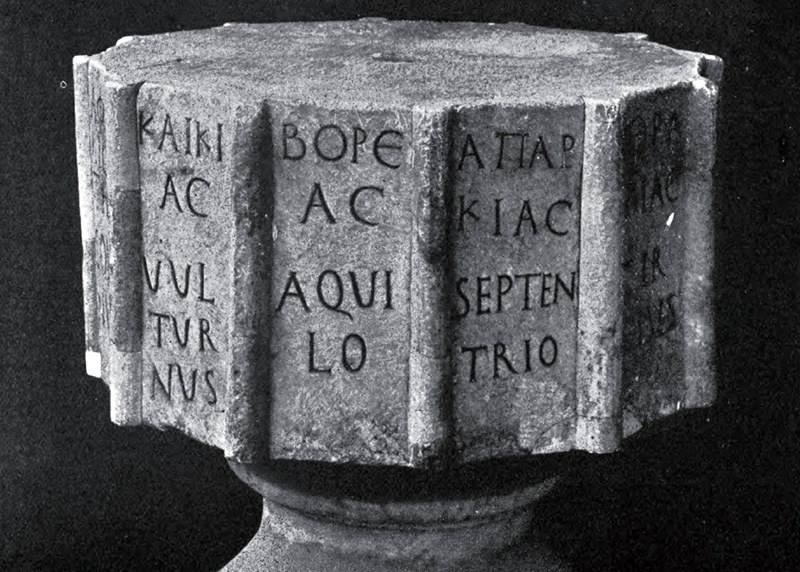
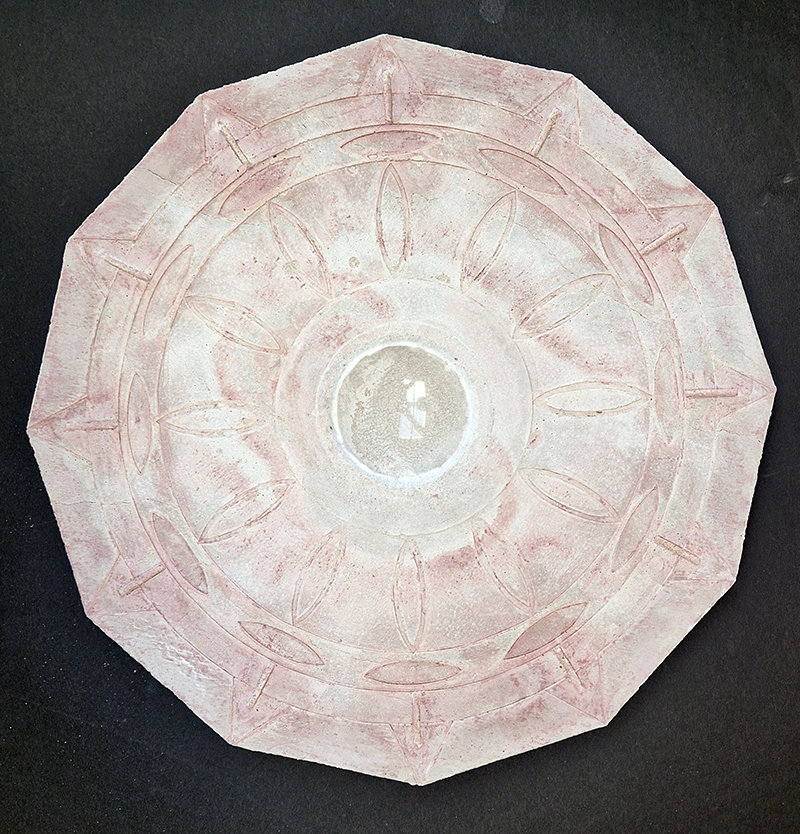
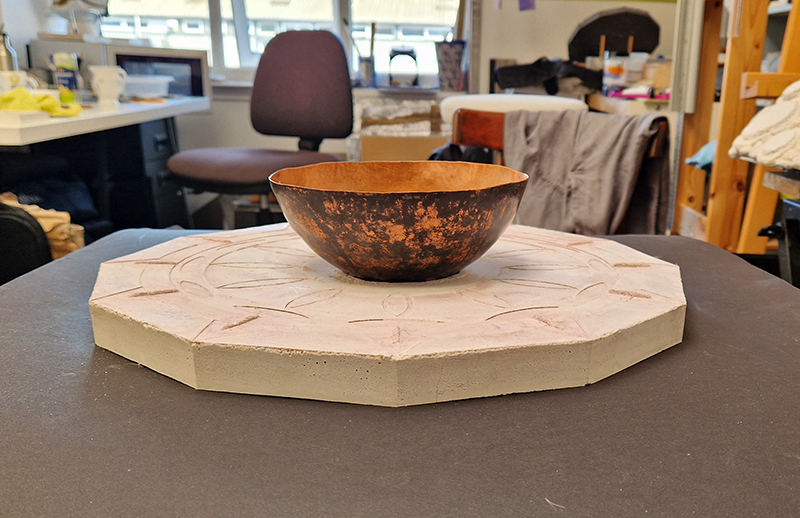
Working on the sculpture series of tablets titled Instruments of the Anemoi after the gods of the winds. Twelve sided non-magnetic concrete tablets suggestive of the plinths that support various instruments used in monitoring the Earths’ magnetic field and the ancient anemoscope “table of the winds” carved in marble around eighteen hundred years ago and inscribed with the Greek and Latin names of classical winds on each of its twelve sides.
Testing an inked collagraph for concrete casting.
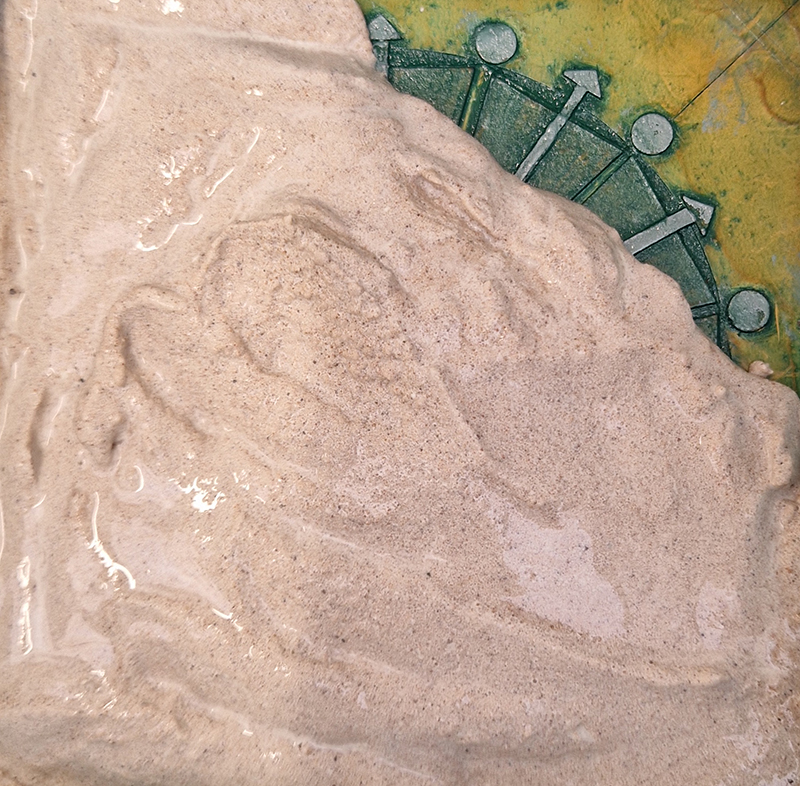
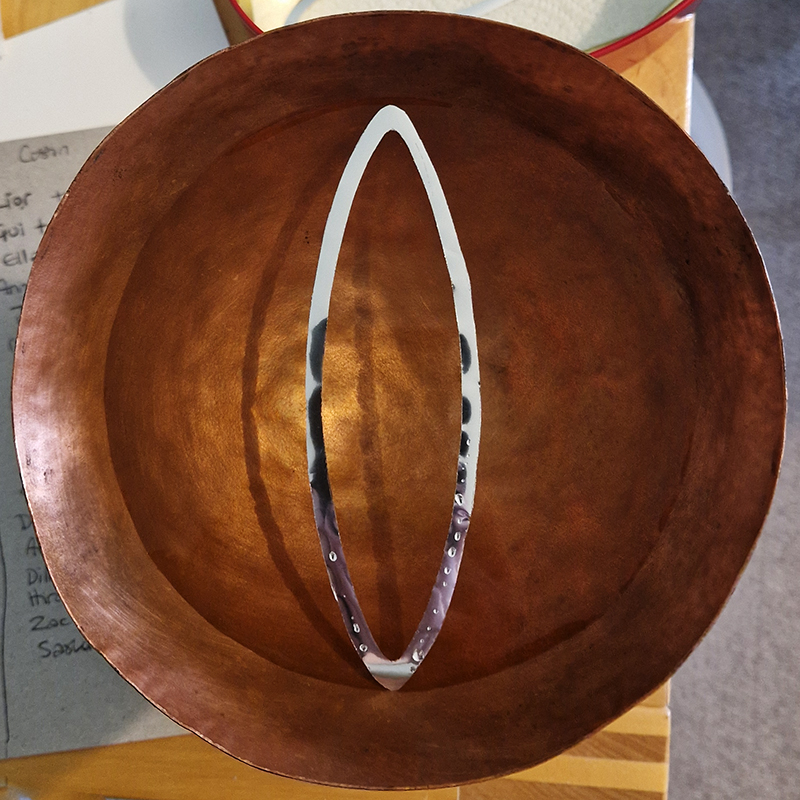
The first tablet in the series is cast with a collagraph which takes the commonly used oval shaped compass needle (illustrated in Breve Compendio de la Sphera de la arte Navegar by Martin Cortes 1551) as symbol of the silver fish – wafer thin fish shaped iron leaves used by 11th century Chinese geomancers.
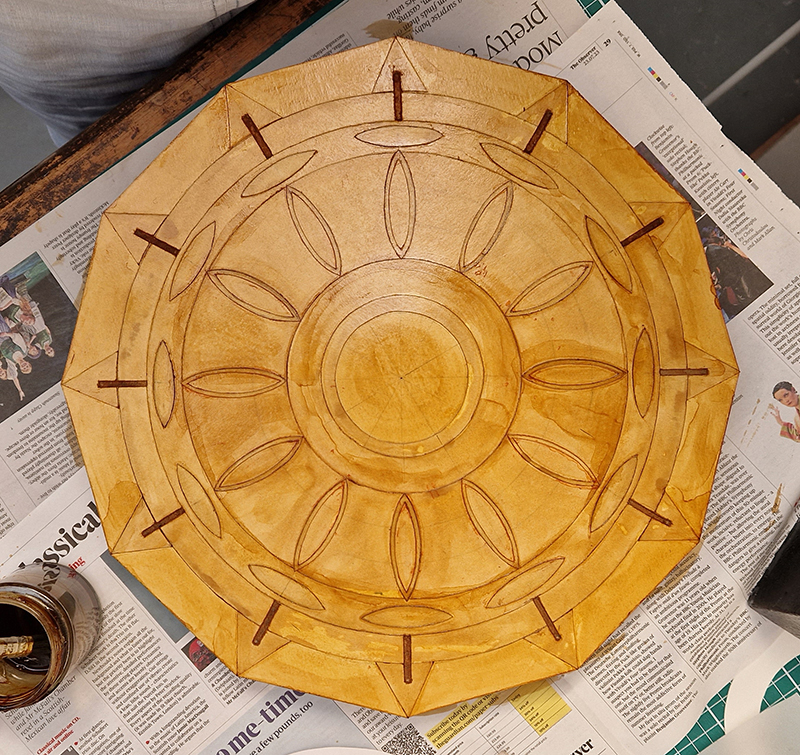
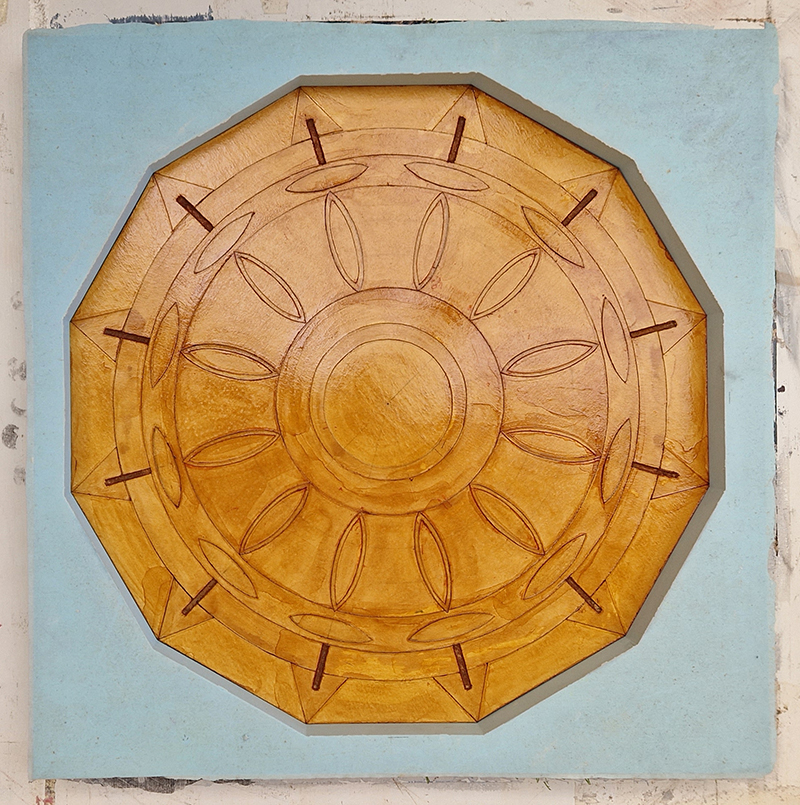
The weather made the casting process a little precarious with the heat drying the concrete faster than ideal. The result has some fine cracks but overall I am pleased with the result. I used a convex glass lens to create a dip for a copper bowl to sit in. The glass had to be dremelled out after unmoulding. It left a very shiny surface. I made the copper bowl by hand at the London Sculpture Workshop. The ‘silver fish’ is cut from a silver gilding sheet.
The next tablet I am working on will contain embedded magnets. An elaborate frame is in construction to suspend the magnets in the concrete while it sets.
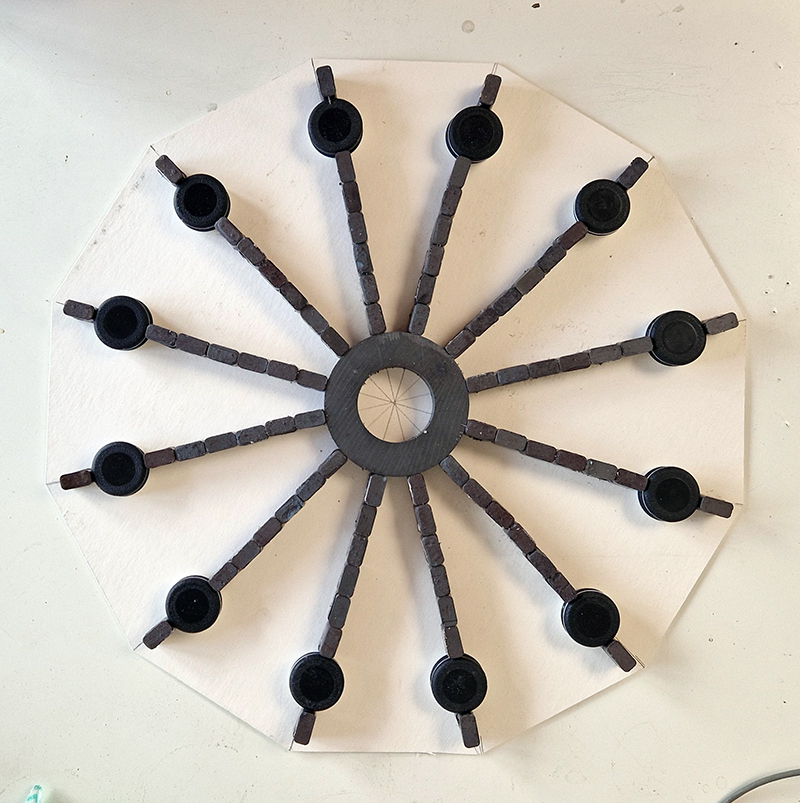
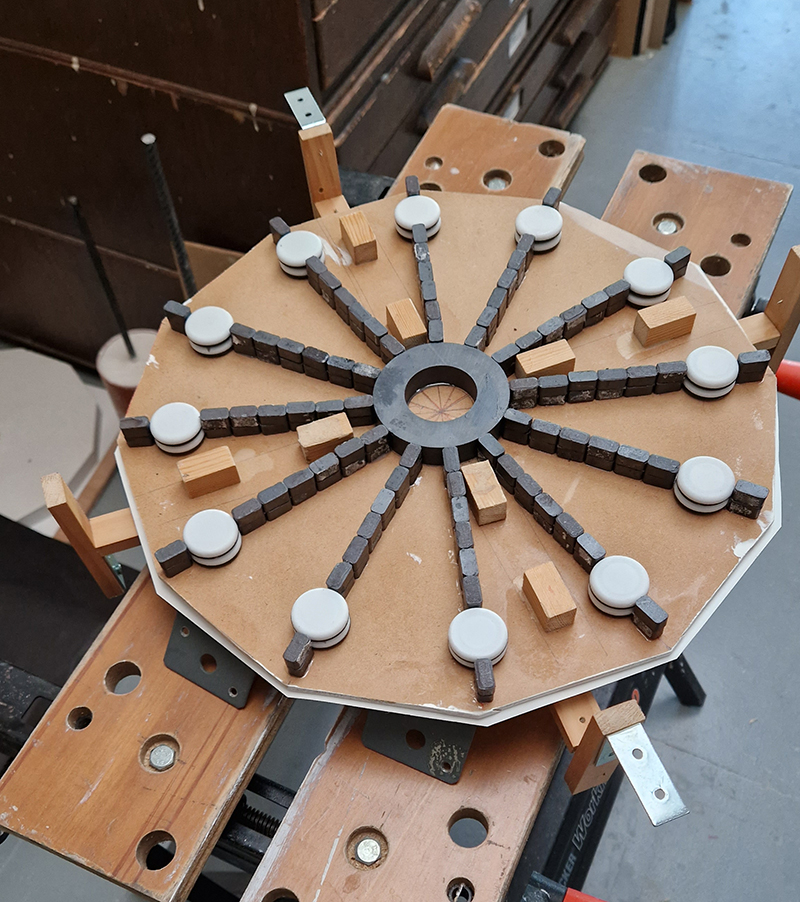
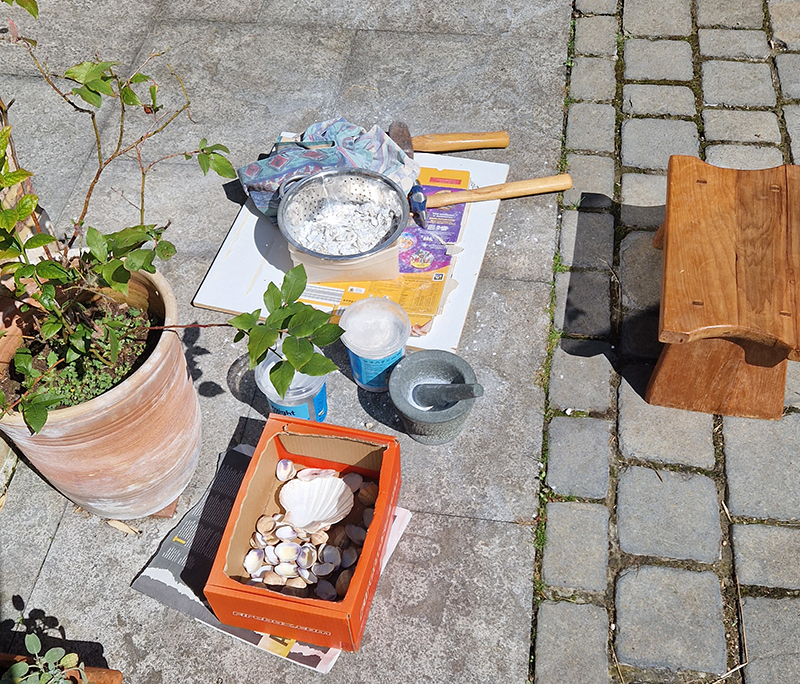
I will also add crushed shells as aggregate, so more pounding shells in the garden is necessary.

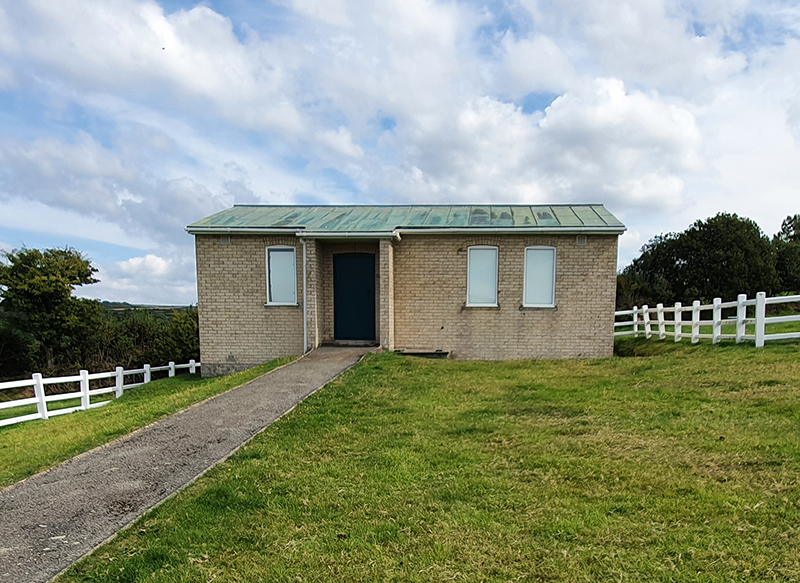
Continuing work on The Absolute Hut (of action potential). The Absolute Hut is structurally conceived from an amalgamation of features, impressions and functions of the Observing Building and instruments at Hartland Magnetic Observatory in North Devon and the observation huts built in the 18th century at The Kings Observatory in Kew for meteorological and magnetic observations.
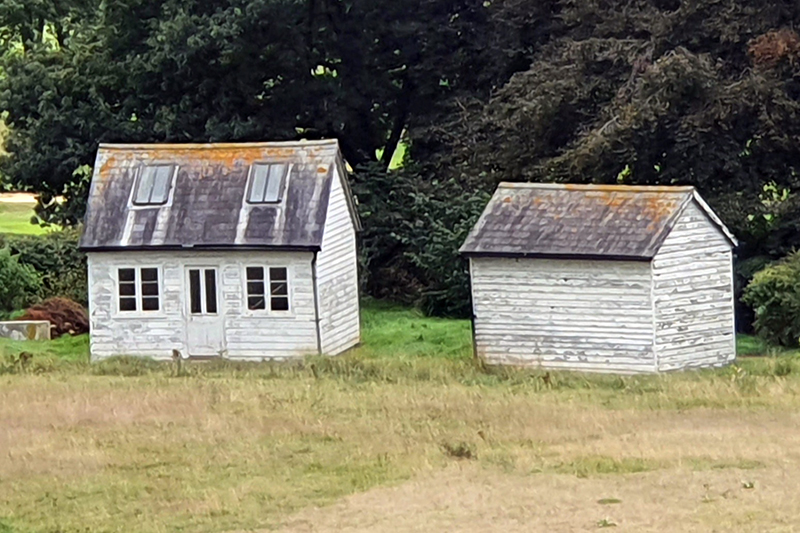
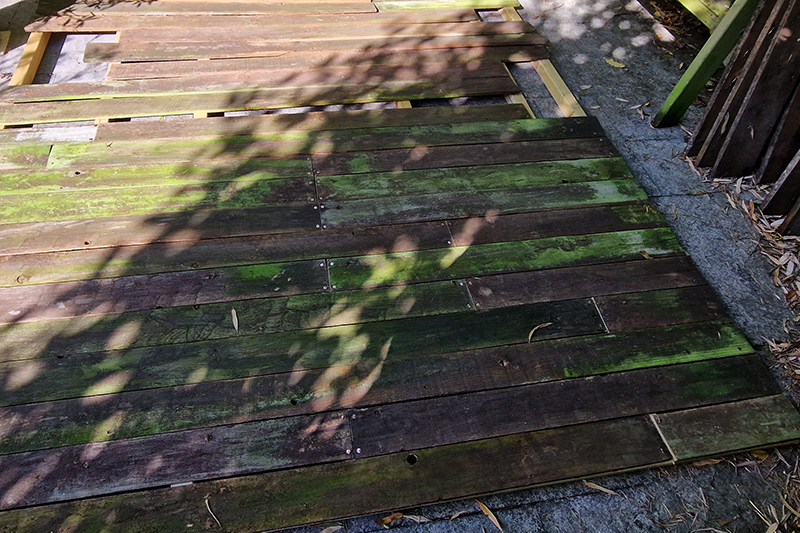
Cutting old featherboard planks to length and hammering them to the frame of the north facing wall with copper nails. These panel sections are now left facing north to gather some moss before the exhibition.
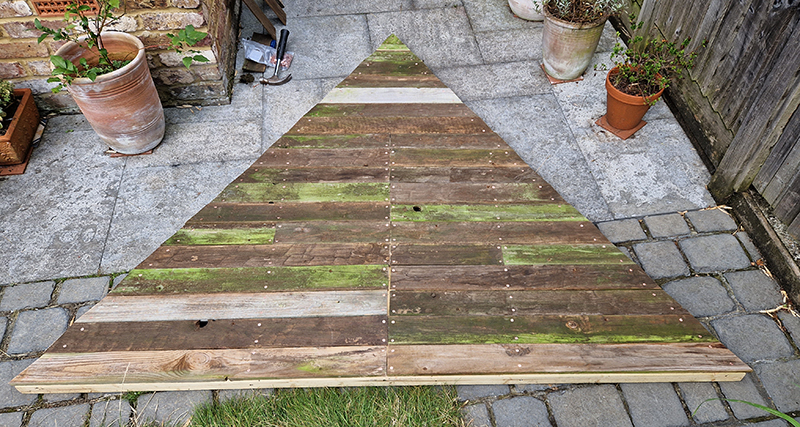
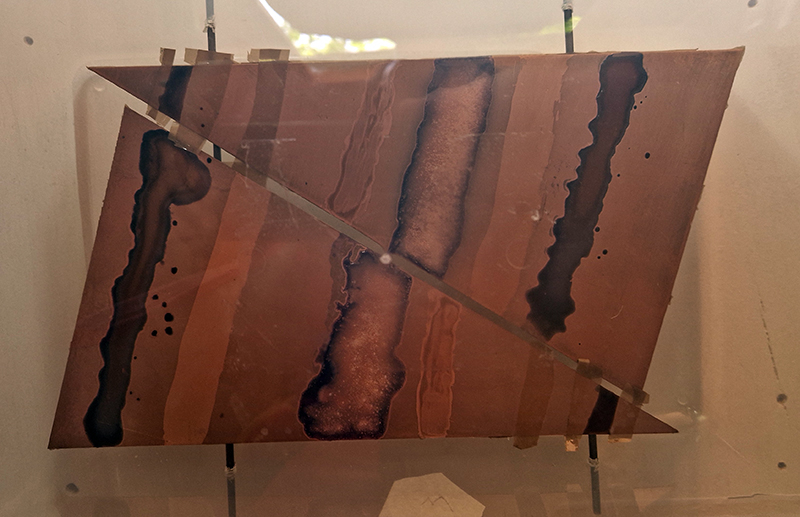
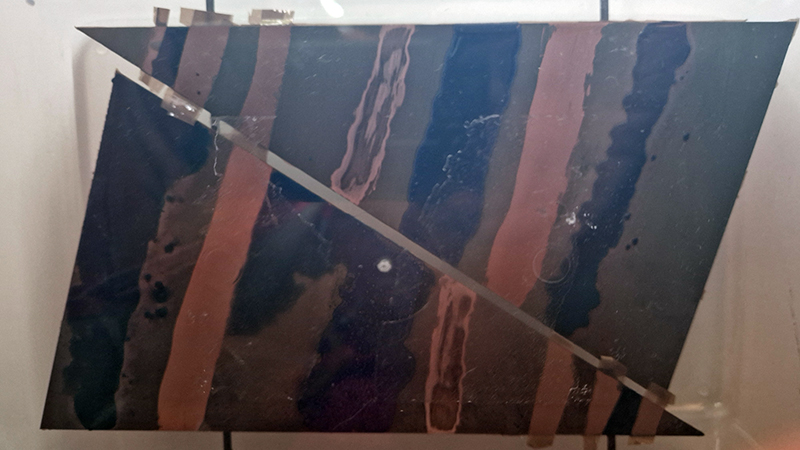
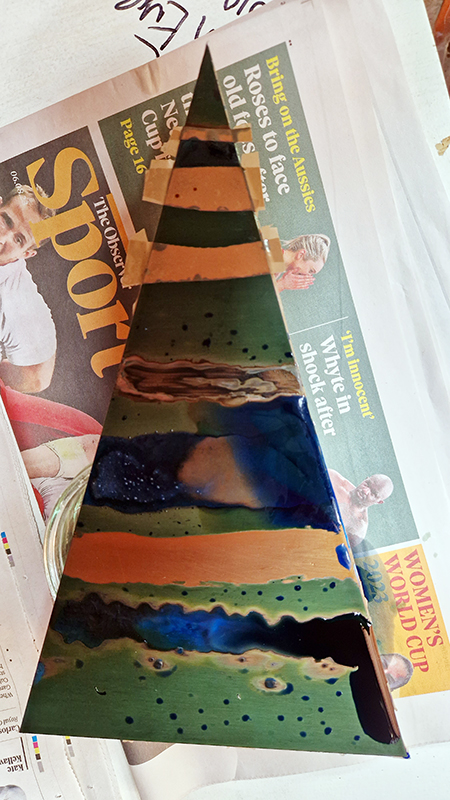
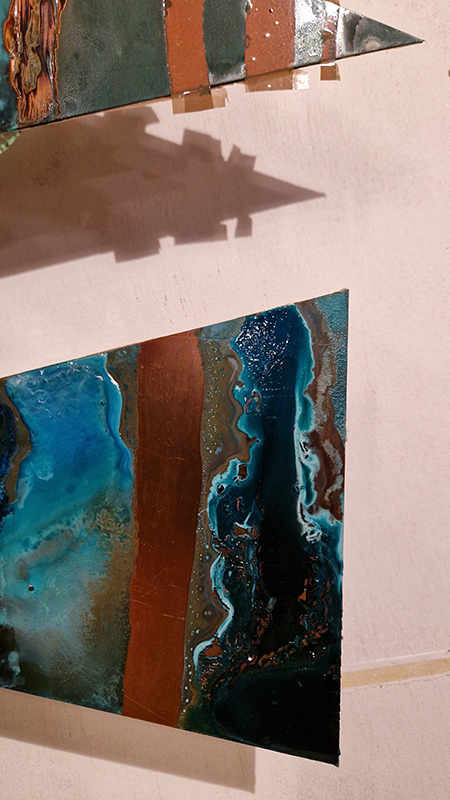
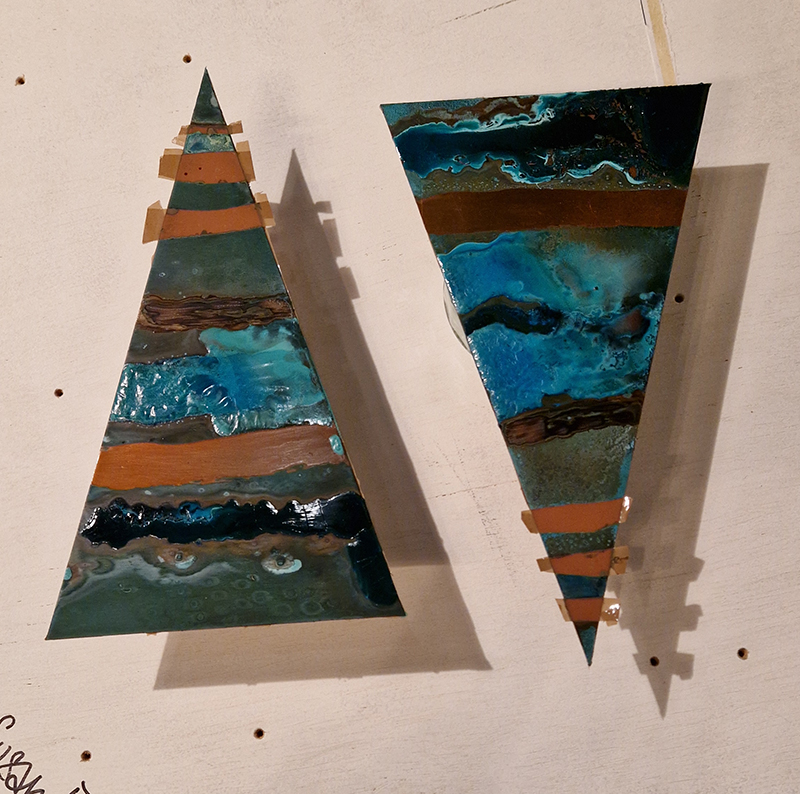
Exciting copper patination tests for the pyramidion to sit on top of The Azimuth Obelisk (of sedimentary knowledge) sculpture. The sculpture expresses the passage of time; made from recycled paper prints and drawings whose history is embedded in the stacked layers, much as the Earth’s geological and magnetic history is secreted into sedimentary strata of rock.

The copper is cleaned first with whiting and ammonia solution. For the test strips I used parcel tape, water based and spirit based varnish, salt and vinegar solution, soy sauce and seaweed plant food. These are applied to the copper which is then placed suspended in a sealed container with a little ammonia. Effects are immediate but I left this overnight.
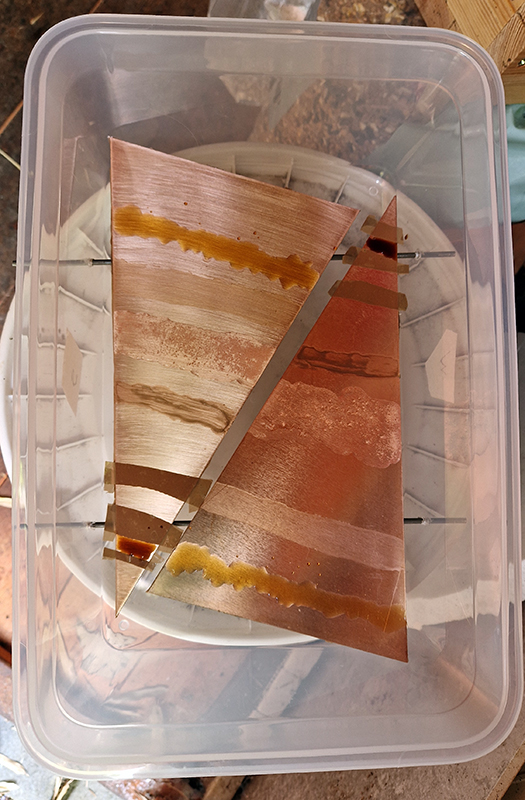
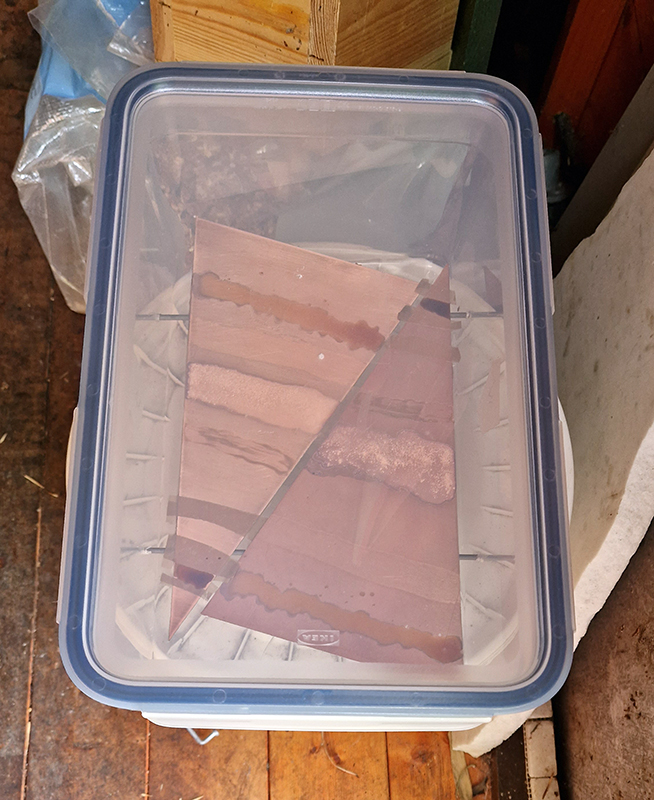
The next day they are taken from the tank and left to dry.
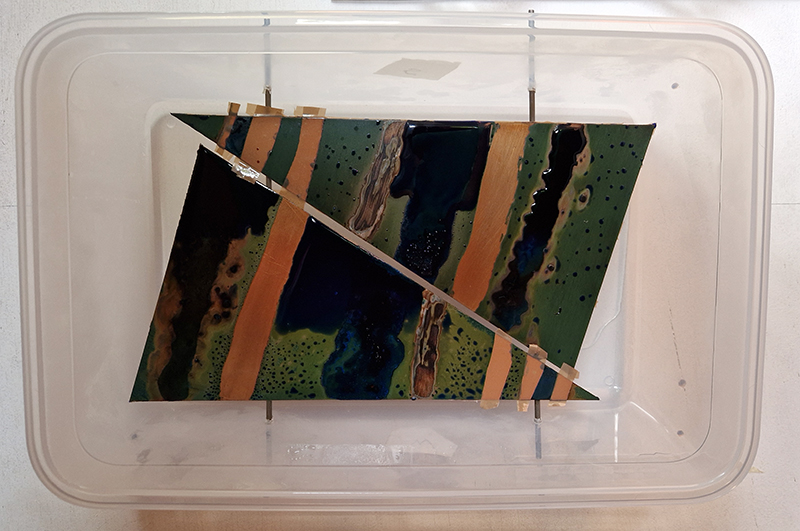
Both types of varnish interacted with the ammonia fumes, either going dark or puckering and crazing. The parcel tape left a clear band of copper when removed. The salt and vinegar mix gave a light blue patination and the soy sauce and plant food varying greens as copper where it was left raw. The colours continue to develop.
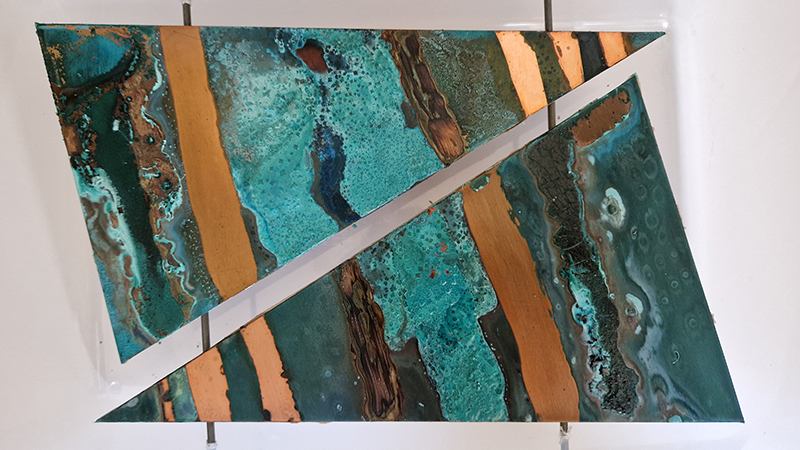
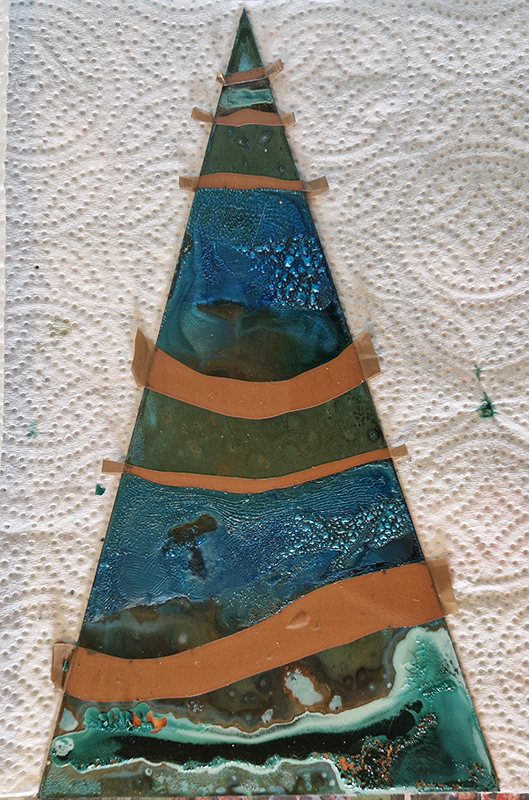
Preparing and patinating the copper triangles I had laser cut to size for the pyramidion. Applying strips of parcel tape to match up at the corners. Setting up a cat defence for drying the plates outside.
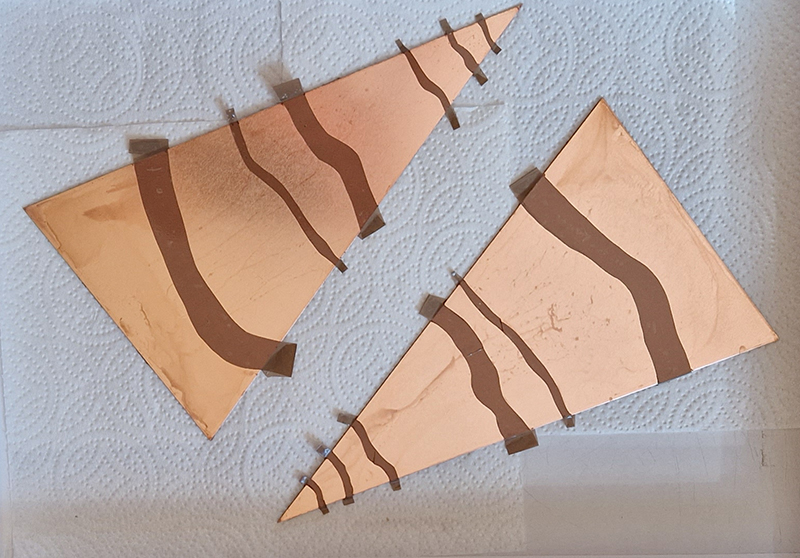
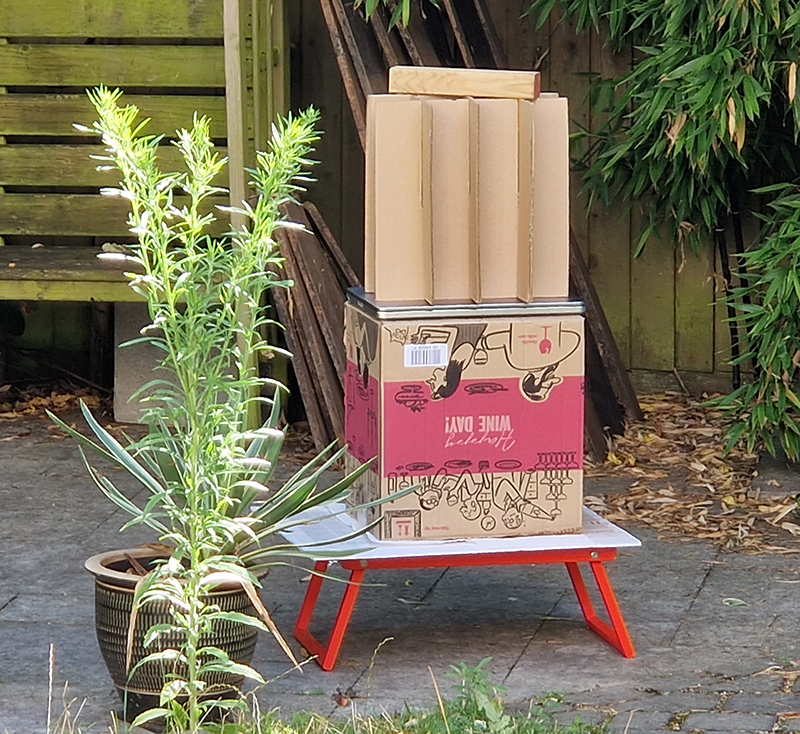
Once dry the colours continue to develop. I wanted to spray the surface with Golden archival acrylic spray but it was out of stock everywhere so I got Lascaux archival varnish with UV protection and gave it four light coats. It still continues to change though and flake off a bit adding to the effect of geological, topographical transformation.

I used Sugru, mouldable glue, building it up in stages to fix the sides while the pyramidion is supported in a frame.

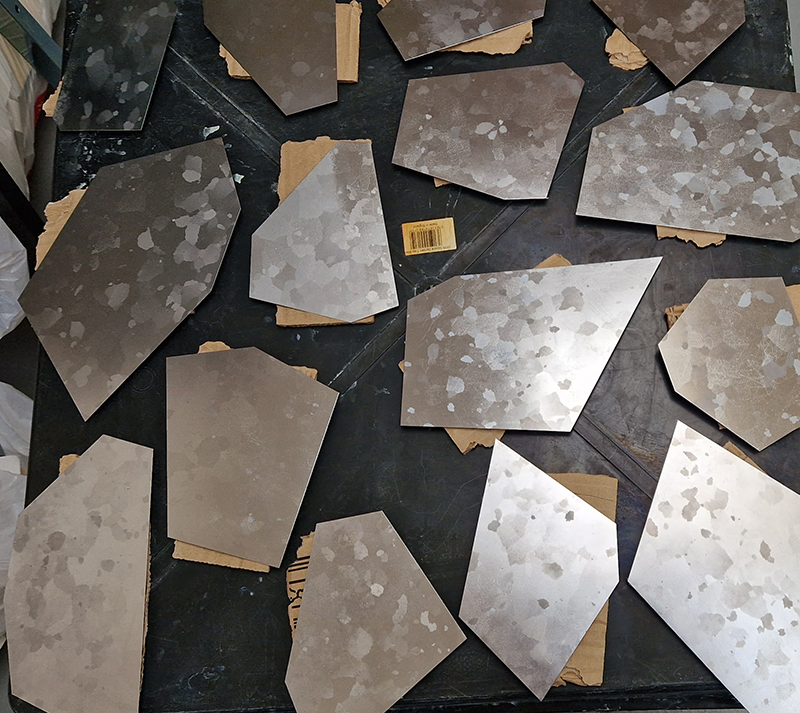
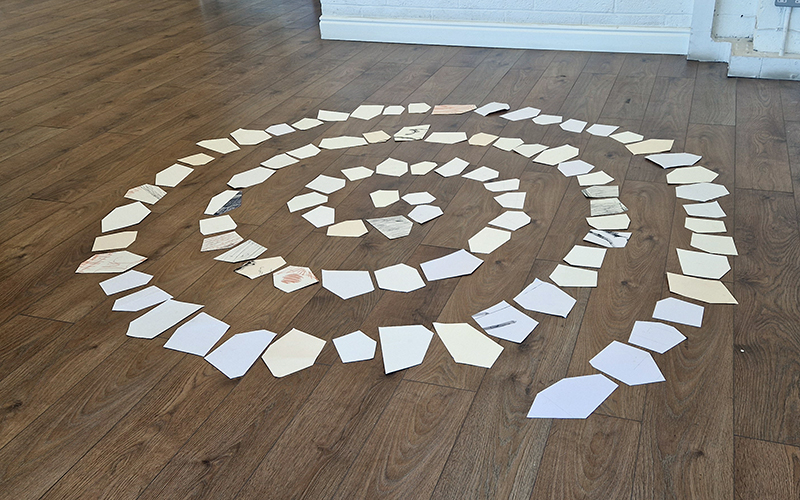
Making use of the communal lounge at Thames-side Studios to test some paper template layouts for Domain of the Devil Valley Master. A sculpture using directional magnetic steel laid in a simple spiral which draws upon many references, from the shape of our own Milky Way Galaxy sculpted by vast cosmological magnetic fields, the spiralling molten dynamo generating Earth’s magnetic field, to the inner pathway of spiritual growth and the route to the symbolic omphalos (navel) at the centre of the world where the sky entrance and the underworld meet.
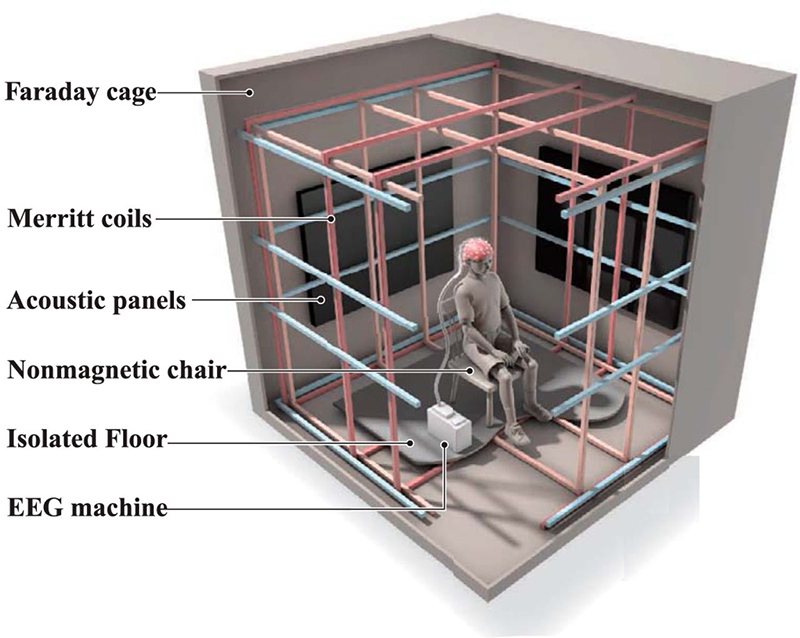
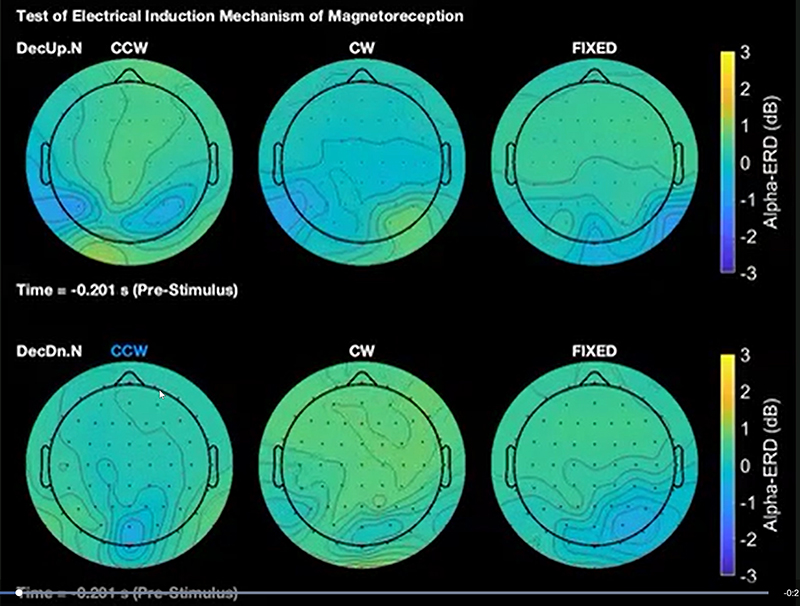
As research for new video work I am looking at experiments performed by Caltech geobiologist Joseph Kirschvink and colleagues investigating human magnetoreception. They found evidence that rotations of Earth-strength magnetic fields produce strong, specific and repeatable effects on human brainwave activity in the alpha-wave band. Alpha waves are always present, but are more prominent when at rest. The experiment, carried out at Caltech, mimicked how a person might experience the Earth’s magnetic field when turning their head. Although many migrating and homing animals are sensitive to Earth’s magnetic field, most humans are not consciously aware of the geomagnetic stimuli that we encounter in everyday life. Either we have lost a shared, ancestral magnetosensory system, or the system lacks a conscious component with detectable neural activity but no apparent perceptual awareness by us.
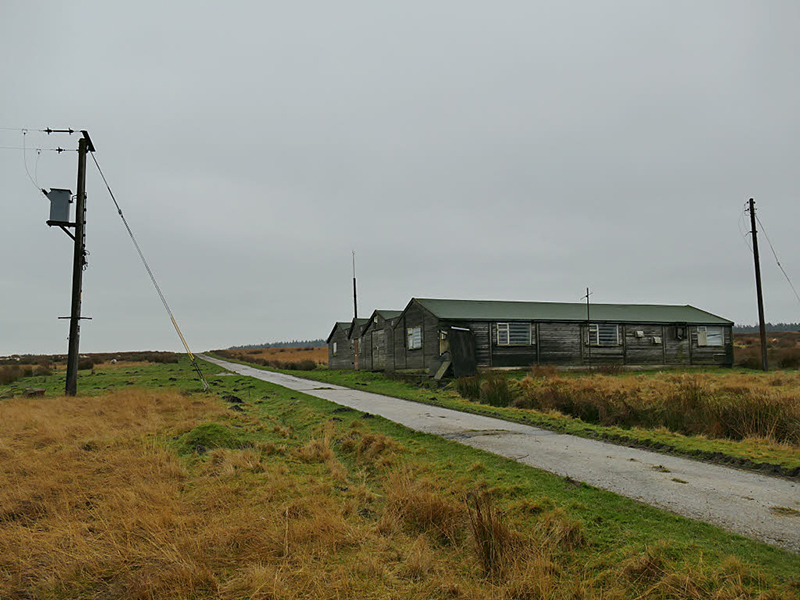
Friends from the north visiting London, told me about Haverah Park which is just up the road from where they live in North Yorkshire. The Haverah Park experiment was a cosmic ray air shower detection array consisting of water Cherenkov detectors distributed over an area of 12 km2 . The experiment began in 1967 and was operated by University of Leeds for 20 years before closing. During its operation, many thousands of cosmic ray events were recorded including four exceptional events with energies over 1020 eV. The abandoned huts remain and I am very excited about visiting the site to investigate further.
Gallery visits

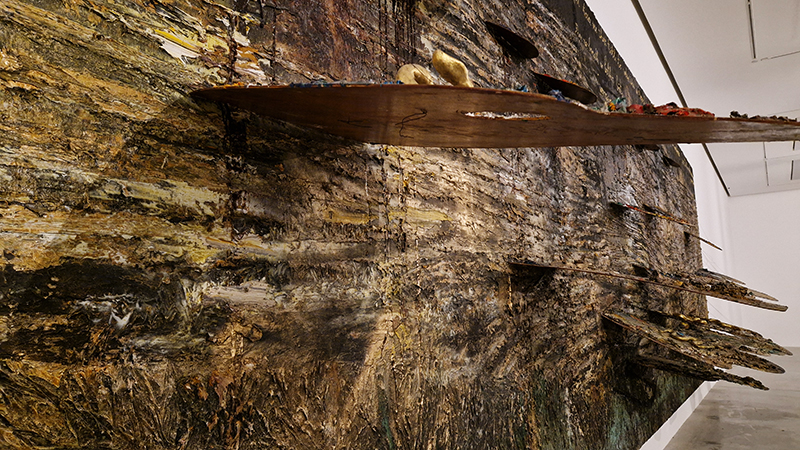
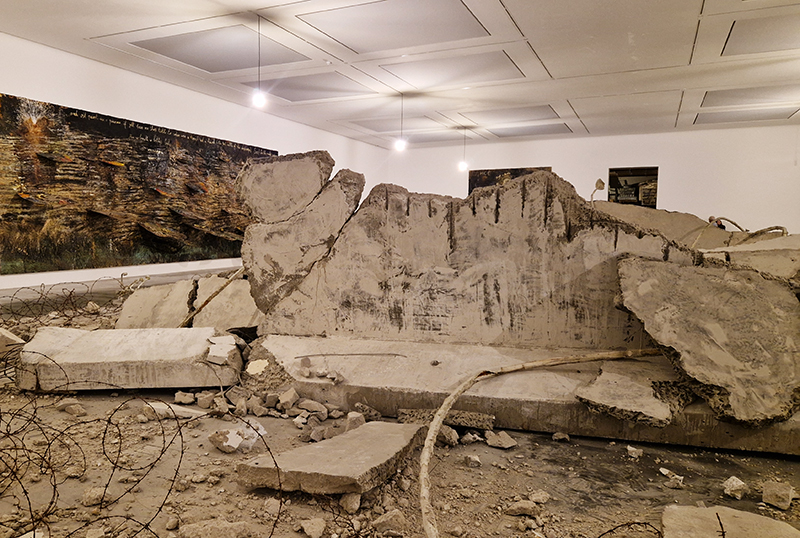
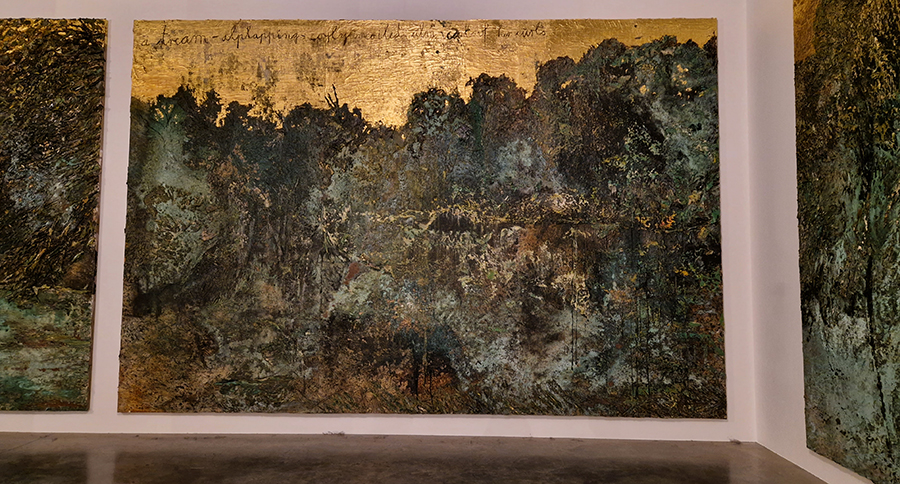
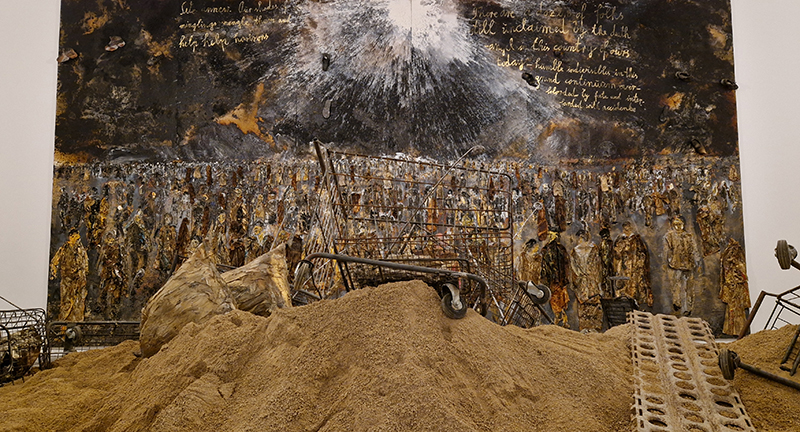
Anselm Kiefer Finnegans Wake at White Cube Bermondsey – “the artist’s new paintings, sculptures and installations respond to (that is, struggle with and transform) James Joyce’s novel of 1939. Kiefer first read the Irish writer as a young man, devouring Ulysses (1922) and embarking on a slow and spiralling relationship with the later, more exacting, Finnegans Wake. It is a book of circles and echoes, more or less overt or secret; its riverine movement begins in the midst of things, and turns back on itself on the final page.”

The weight and the scale of his work as always is overwhelming.

In my early research wondering what the building blocks of the universe looked like I found myself reading about Quarks and Leptons. I found the language of particle physics to be quite like that of mythology – inhabited with mysterious characters like the charm quark and strange quark, the muon and the tau governed by fundamental forces that cannot be seen or explained other than by their attributes – like the mythical gods. The name “quarks“ was chosen for the three fundamental particles of all matter from a nonsense word used by James Joyce in the novel Finnegan’s Wake:

“Three quarks for Muster Mark!“

Finnegans Wake seeks to inhabit a commonplace but elusive realm of human experience – the language is more like poetry than prose and should be read intuitively – the first sentence of Finnegans Wake completes the end of the last sentence – the book’s circular structure embodies the theories of the 18th Century philosopher Giambattista Vico, who viewed human history as cyclical along with the natural cycles of the earth such as night and day, life and death, rise and fall. Vico believed that there was a poetic wisdom in legends which gave an insight  into the relationship between the divine, the natural and the human worlds. He was interested in how myths began from common primordial experiences of the forces of nature.
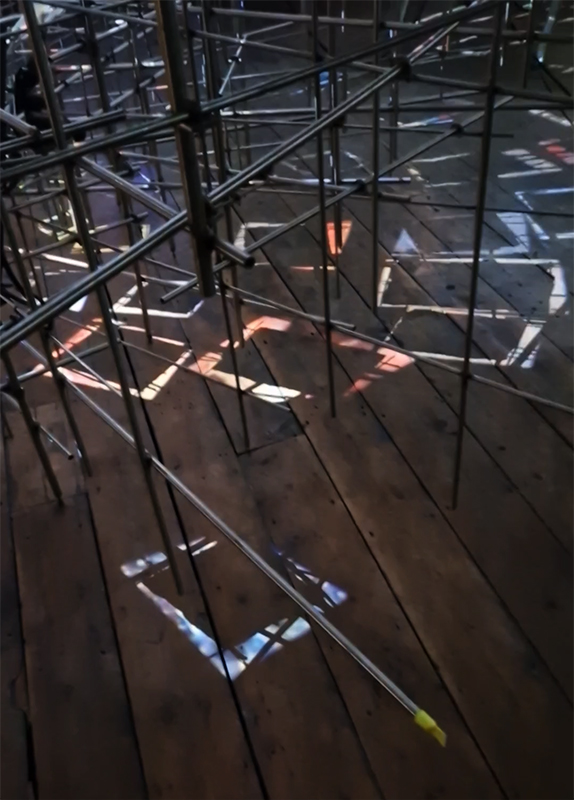
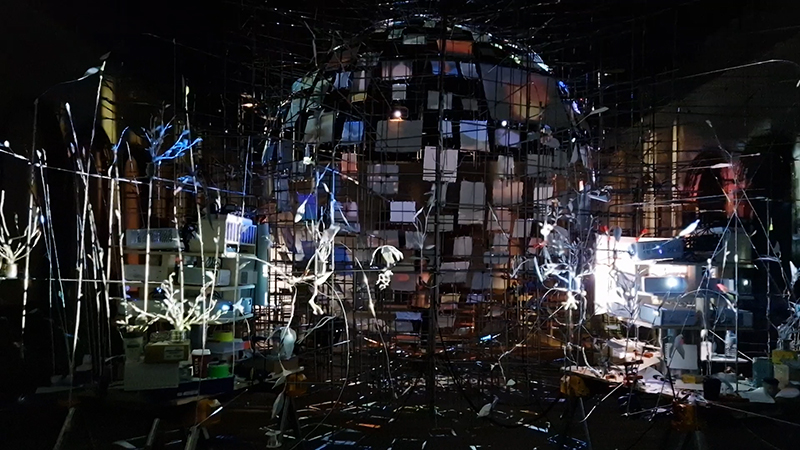
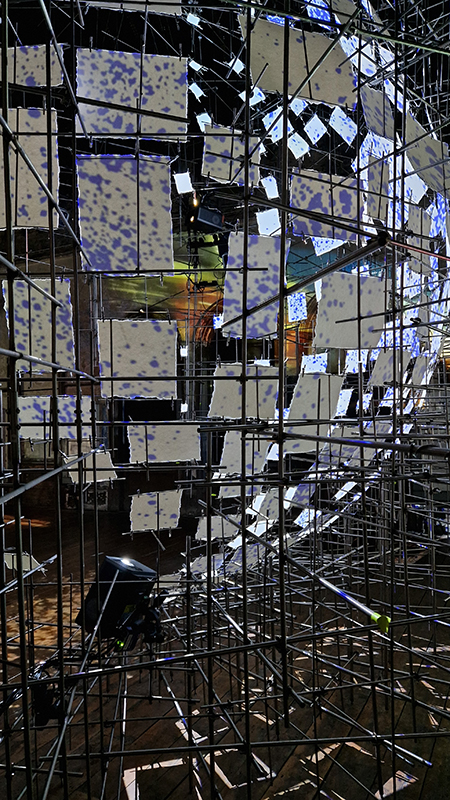
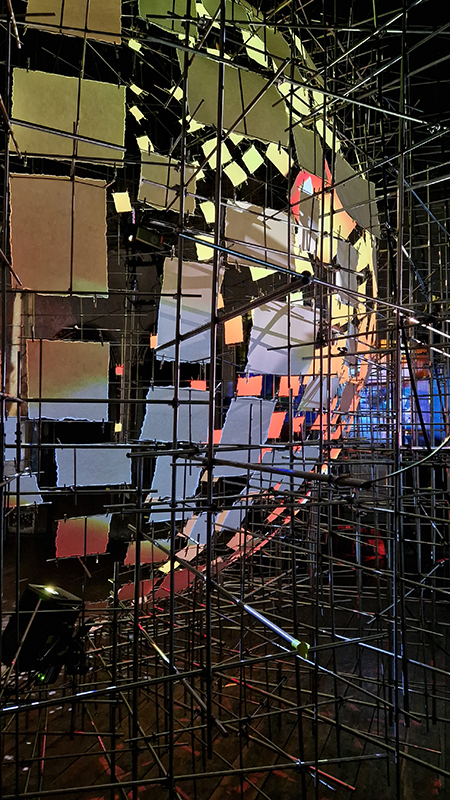
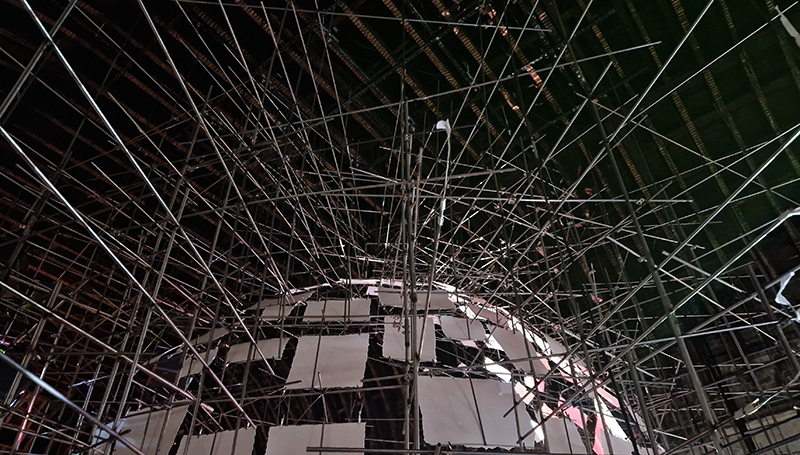
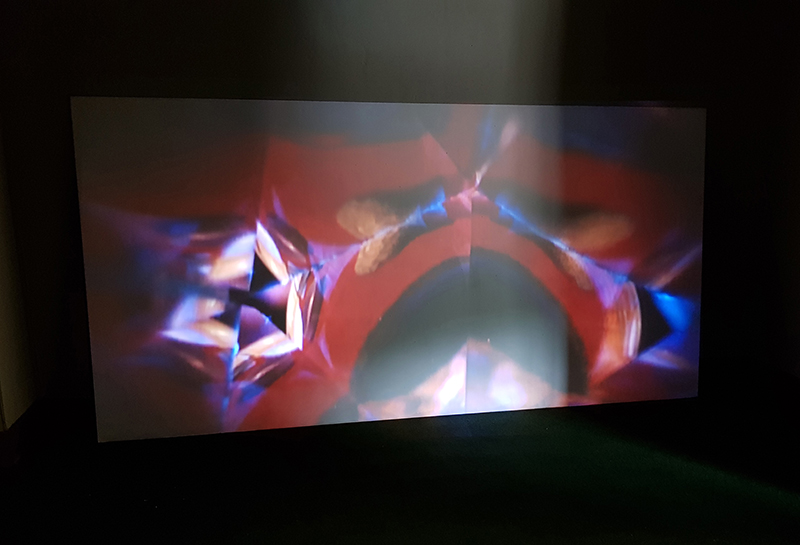
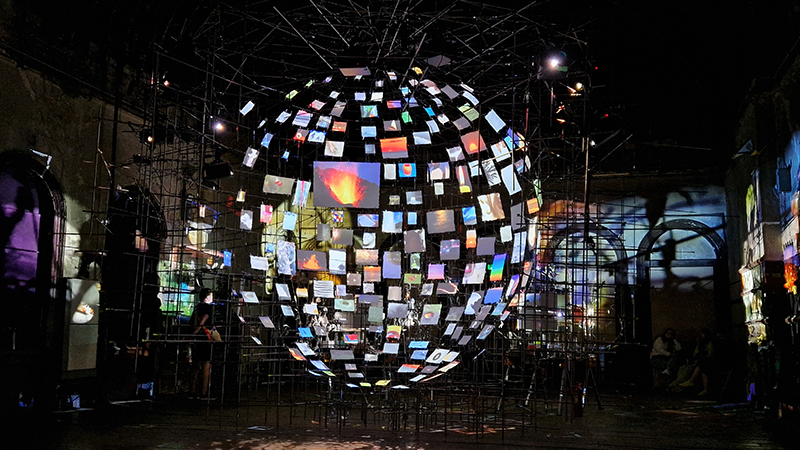
A different kind of immersion – made from light rather than lead. Sarah Sze The Waiting Room at Peckham Rye Station, an Artangel project, is a captivating spectacle of colour and movement. It might be a lesson in attention spans and ubiquitous digital media but it still holds all the joy of being at the centre of a rotating fairground carousel.

“I’ve always been interested in certain times throughout history where our relationship to the way we experience time and space in the world speeds up radically. The invention of the aeroplane, the invention of the train, you see really interesting work coming out of that time, in film, visual arts and writing. We are in the middle of an extreme hurricane where we are learning to speak through images at an exponential pace.” Sarah Sze
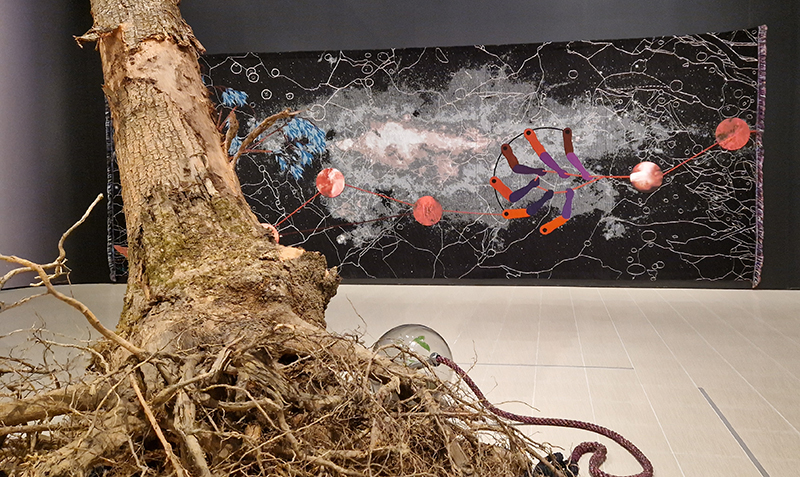
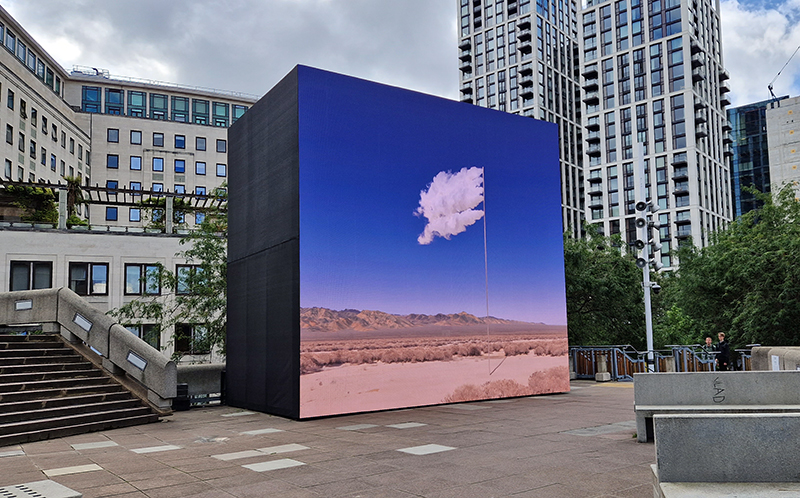
Dear Earth at The Hayward Gallery is inspired by artist Otobong Nkanga’s suggestion that ‘caring is a form of resistance’. Bringing together 15 artists from around the world, the exhibition explores the interdependence of ecologies and ecosystems, as well as our emotional connection with nature.  
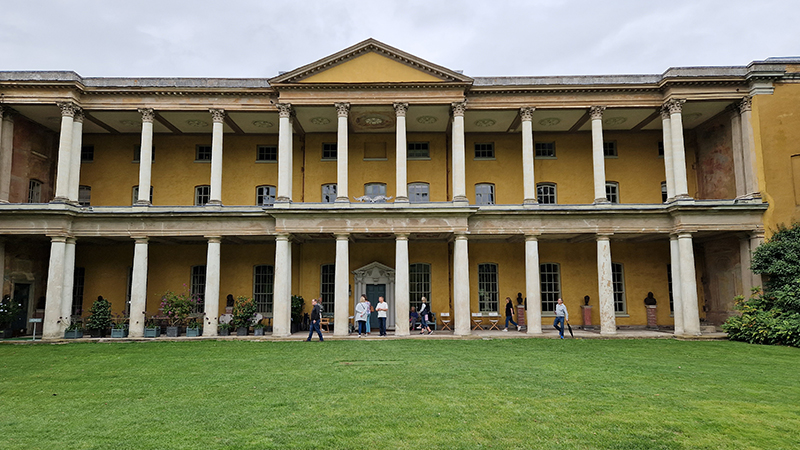
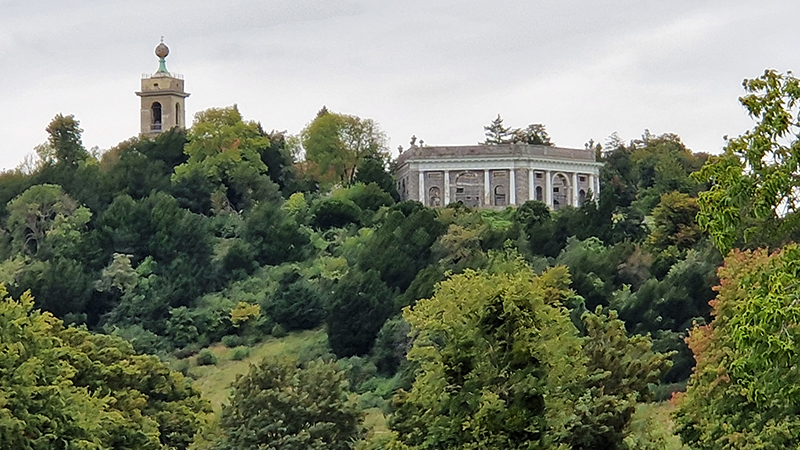
Day trip to West Wycombe Park; “one of the most theatrical and Italianate mid-18th century buildings in England” surrounded by “the most idiosyncratic 18th century gardens surviving in England”. Sir Francis Dashwood built West Wycombe to entertain, and there has been much speculation on the kind of entertainment he provided for his guests at the house and the nearby hellfire caves.

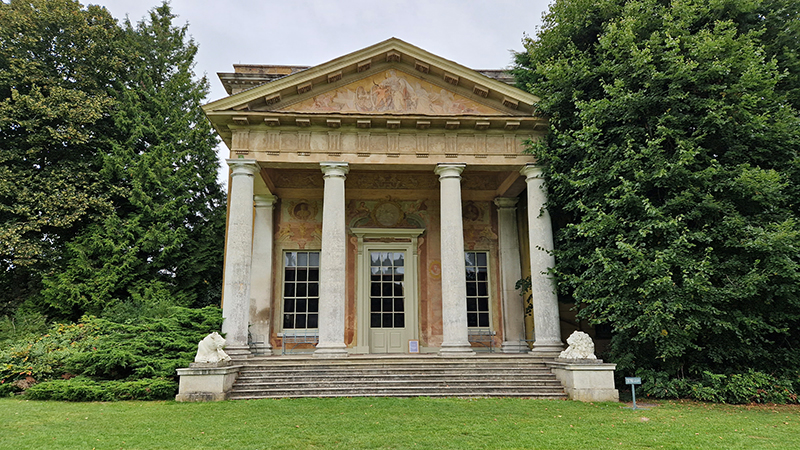
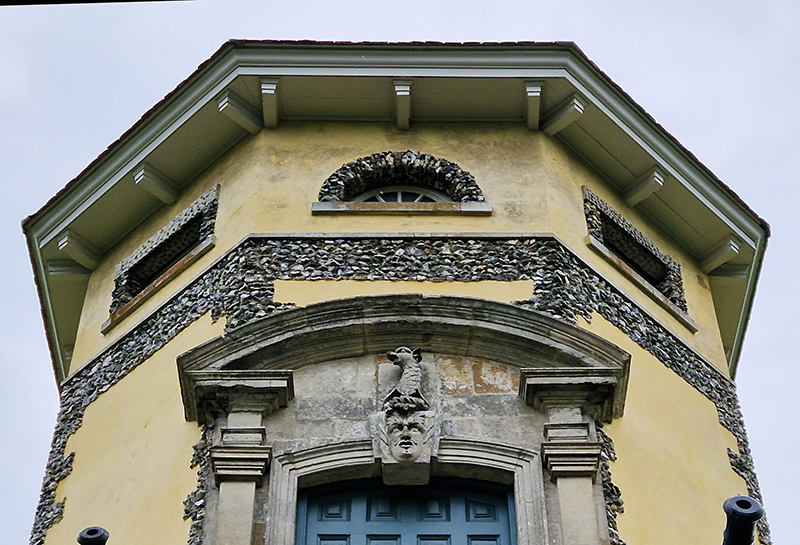
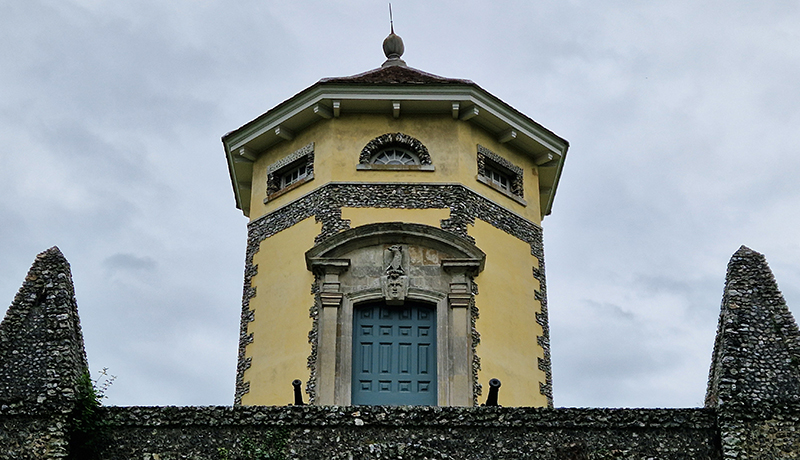
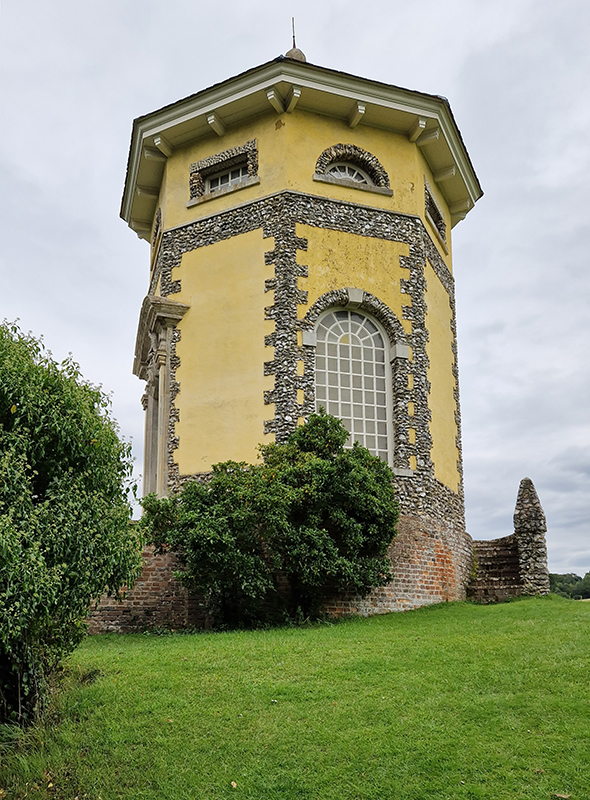
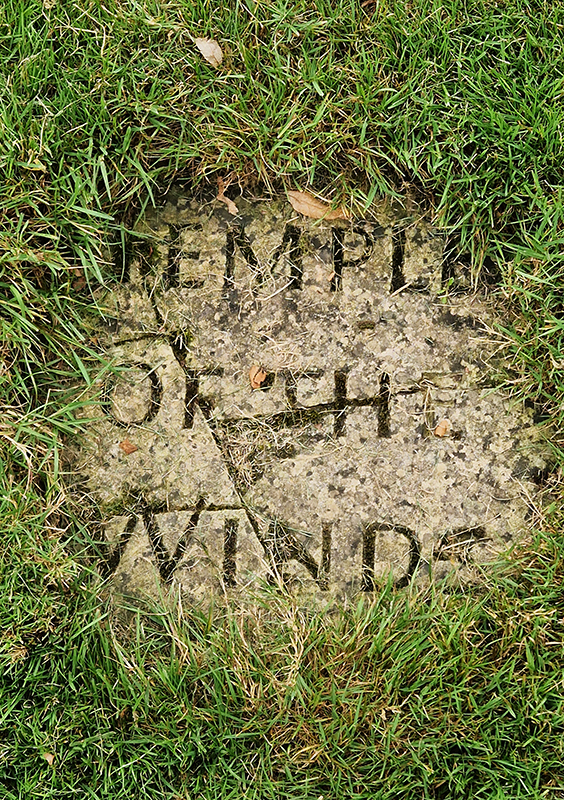
A surprise discovery in the gardens was The Temple of the Winds, a stucco and flint faced octagonal tower, aligned with its main walls facing north, south, east and west. Erected in 1759 and used as an ice house, its design was inspired by the ancient Tower of the Winds in the Roman Agora in Athens of which Vitruvius wrote

Some have chosen to reckon only four winds; the East, blowing from the equinoctial sunrise; the South, from the noon-day sun; the West; from the equinoctial sun-setting; and the North, from the Polar stars. But those who are more exact, have reckoned eight winds, particularly Andronicus Cyrrhestes, who on this system erected an octagon marble tower at Athens, and on every side of the octagon, he wrought a figure in relieve, representing the wind which blows against that side: the top of this tower he finished with a conical marble, on which he placed a brazen Triton, holding a wand in his right hand; this Triton is so contrived that he turns round with the wind and always stops when he directly faces it; pointing with his wand over the figure of the wind at that time blowing.
Reading

Ursula Le Guin The Winds Twelve Quarters (volume ii) – a collection of short stories, chosen for the title’s relevance to the sculpture series – Instruments of the Anemoi (wind gods).

The story The Stars Below is particularly interesting, written to interrogate the question – what happens to the creative mind when it is driven underground? Le Guin found that ‘you don’t go exploring the places underground all that easily’ as simple symbols took on unexpected divergent meanings and rather than the repression of science or art it was the abyss of the psyche she was fathoming. Le Guin later came across a passage in Jung likening the depths of ego-consciousness to ‘being surrounded by a multitude of little luminosities..[ ].. The star strewn heavens, stars reflected in dark water, nuggets of gold or golden sand scattered in black earth’
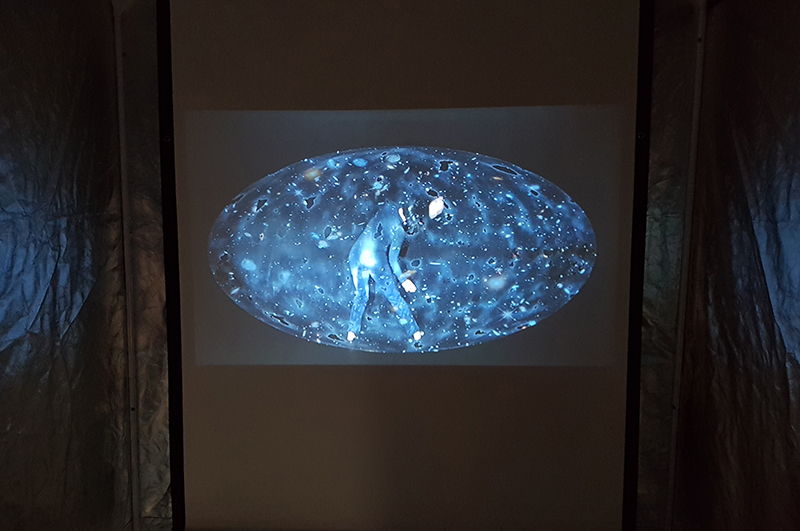
 

Brilliant Finale Weekend for BEYOND Residency. Such a pleasure to be part of this project with such wonderful artists and hosts at Allenheads Contemporary Arts.

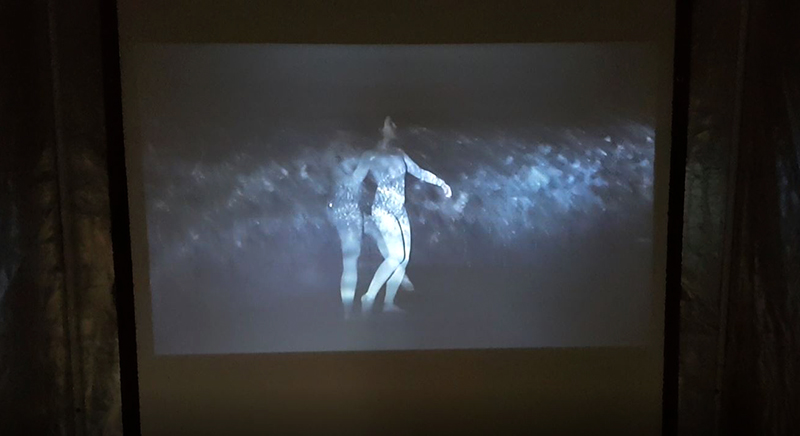
I was screening the video soft borders made with dance artist Paola Napolitano upstairs in the ACA gallery.

1807 Beyond Finale Weekend Susan Eyre

Sharing space with Alex Hughes photographic sculptures Fluid Planes which also looks at material bodies as permeable membranes.

1807 Beyond Finale Weekend Alex Hughes (1)

1807 Beyond Finale Weekend Alex Hughes (2)

1807 Beyond Finale Weekend Susan Eyre 2

In soft borders phenomena beyond human scale are proportioned to that of the body, aiming to bring cosmic and quantum dimensions into an intimate sensory experience. Movement sequences performed by dance artist Paola Napolitano relate to Rudolf Laban’s dance notation system, choreutics, in turn influenced by Plato and the geometries of the platonic solids. Using the dodecahedron as motif, the boundaries of the universe are brought within reach; pliant and permeable as the body bathed in cosmic particles that do not recognise borders but pass unseen through spacetime and matter.

In the gallery downstairs there was work from Nicola Ellis, Tom Beesley, Alan Smith, Jim Lloyd, Manpreet Kambo, Katie Turnbull and Kit MacArthur, Annie Carpenter, Lucien Anderson, Daksha Patel, Phyllida Bluemel, Robert Good.

Outside was Lucien Andersons The Humble Space Telescope. No telescope, no computer, only the human eye and the night sky. This will be set sail on the ACA cosmic pond to drift on the water whilst a porthole arbitrarily frames the stars, constellations and planets.

1807 Beyond Finale weekend Lucien Anderson (1)

There was an intervention Fire, Fluorspar, Water and Ice at the Blacksmith’s Forge from Nicola Ellis in response to local historical mining in the North Pennines and the future mining of near-earth asteroids.

Relighting the fire with added peat from a local ancient.

1807 Beyond Finale blacksmiths fire.JPG

Nicola Ellis video projection mash up of three sources of propellants from the past present and future of mining practices.

1807 Beyond Finale Weekend Nicola Ellis

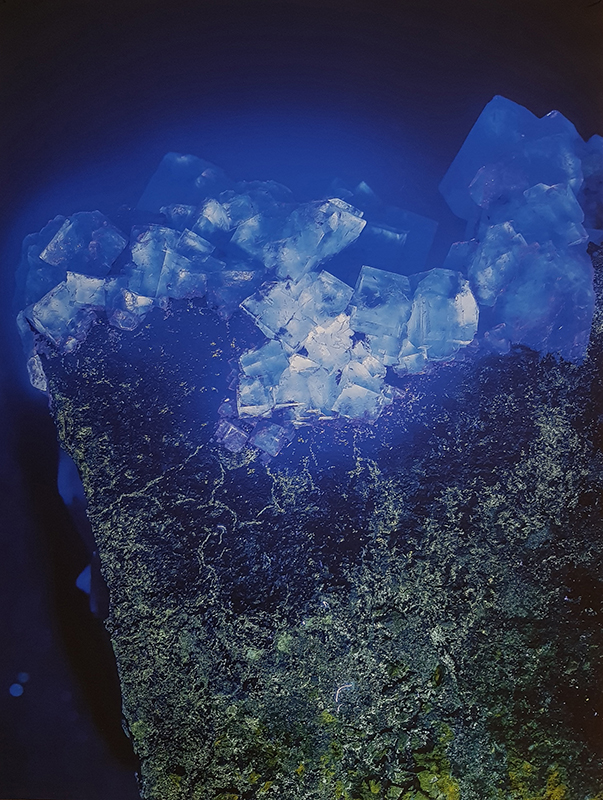
The local mineral Fluorspar under UV light photographed by Jim Lloyd.

1807 Beyond Finale Weekend Jim Lloyd

Up at ACA Old School house was an installation of work from the OUTSTATION #1 project in which Robbie Coleman and Jo Hodges imagine an alternative history of the Soviet Space Program. OUTSTATION #2 was a twilight road trip travelling blindfolded through collapsing time zones, alternate histories and possible futures. Out on the darkening windy moors Deep Navigation techniques were deployed to guided our unconscious minds inwards.1807 Beyond Finale weekend Outstation 2

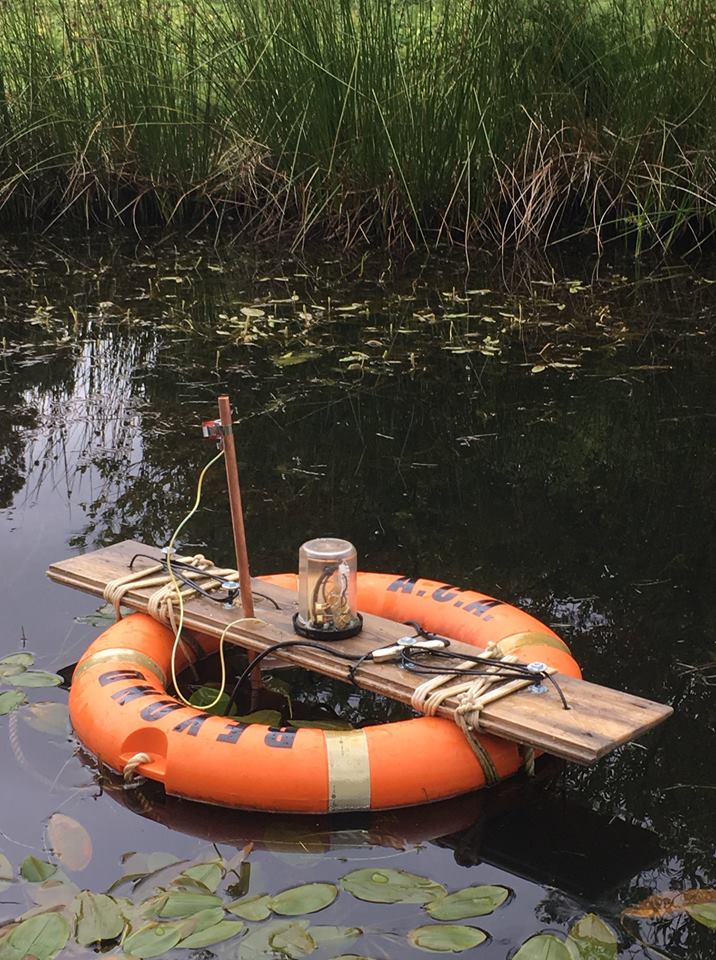
At the North Pennines Observatory and Cosmic Pond Sarah Sparkes and Ian Thompson presented a chance to listen to the microcosmos of pond life whilst watching the celestial life above through the observatory telescope or relaxing in the listening pod. It was an extraordinary experience, so noisy, like being in the jungle with the same whoops, buzzes and calls that resound from unknown depths.

1807 Beyond Finale Sarah Sparkes and Ian Thompson

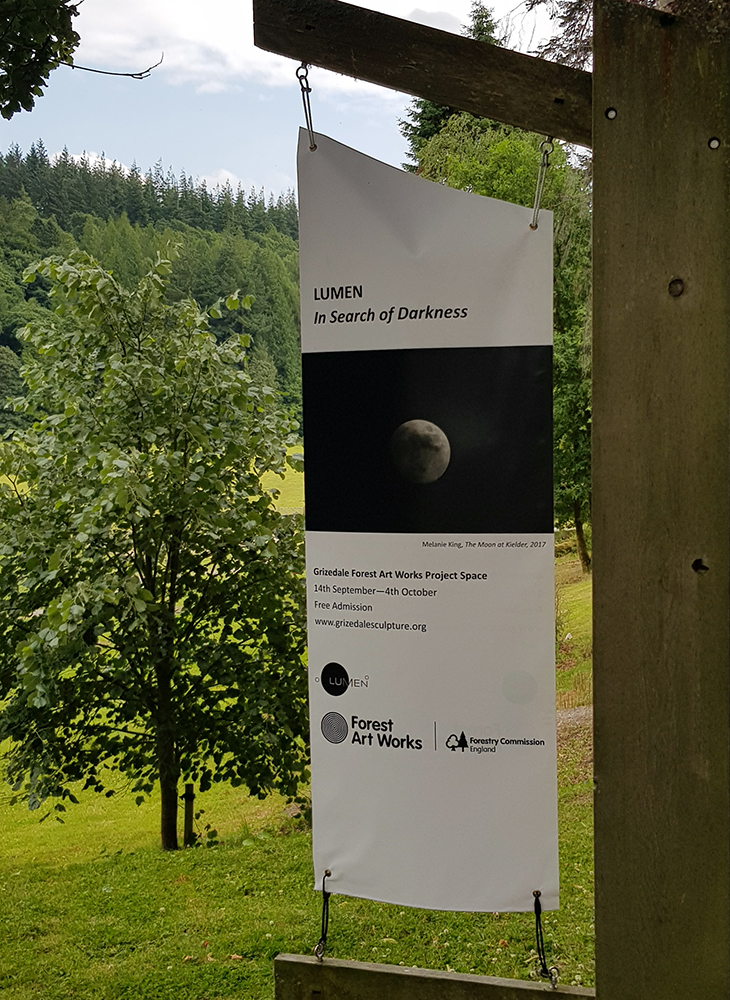
In Search of Darkness research residency with Lumen in Grizedale forest was an opportunity to experience dark skies and make plans for the upcoming exhibition at Grizedale Forest Project Space.

1807 Grizedale banner.jpg

We had a warm welcome from Grizedale Forest Art Works and The Forestry Commission. There was a guided tour of the many and varied forest areas following ranger John’s vehicle along scorched dry tracks that sent up dust clouds worthy of a desert landscape, blinding and coating us in fine particles but adding to the excitement of being inducted into the forest. We were then given the key to the forest access gates to allow us to explore independently and try out ideas for future work.

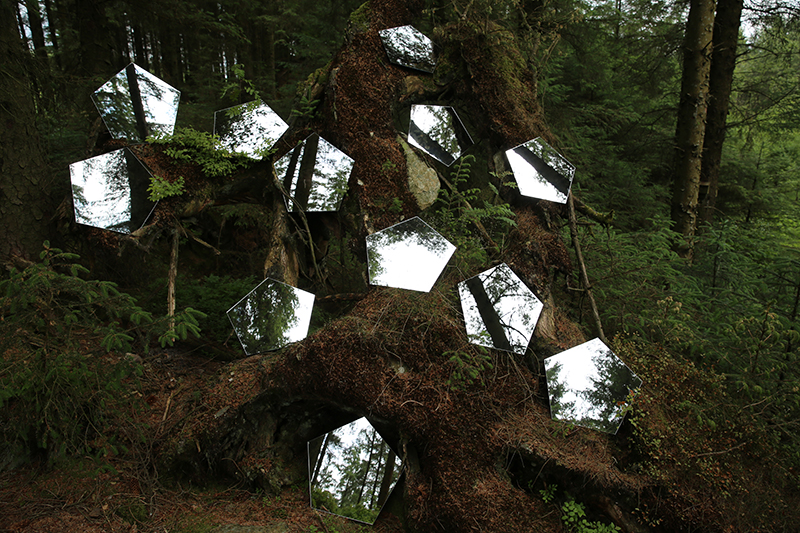
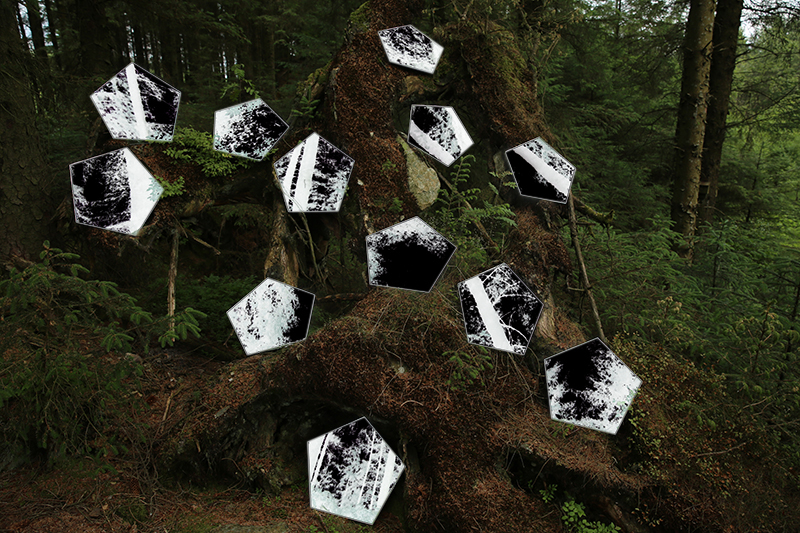
I had brought along some mirror pentagons.

1807 Grizedale forest WIP.jpg

We waited for sundown.

1807 Grizedale sundown

Then headed into the forest

1807 Grizedale nightime trek

To lay in the dark and gaze at the stars

1807 Grizedale stargazing

Allowing time for our eyes to adjust to the dark skies; the landscape becomes alien terrain

1807 alien darkness.jpg

Back in London a beautiful installation from Kate Fahey at Lewisham Art House repetitive strain gently leads the audience into the minds of those subjected to the physical and psychological trauma of conflict to consider bodily displacement, visual interference and its impact on the psyche as they lie under a billowing silver foil ceiling tinted with warm pinks reflected from a video that is always slightly beyond a point of focus.

1807 Kate Fahey.jpg

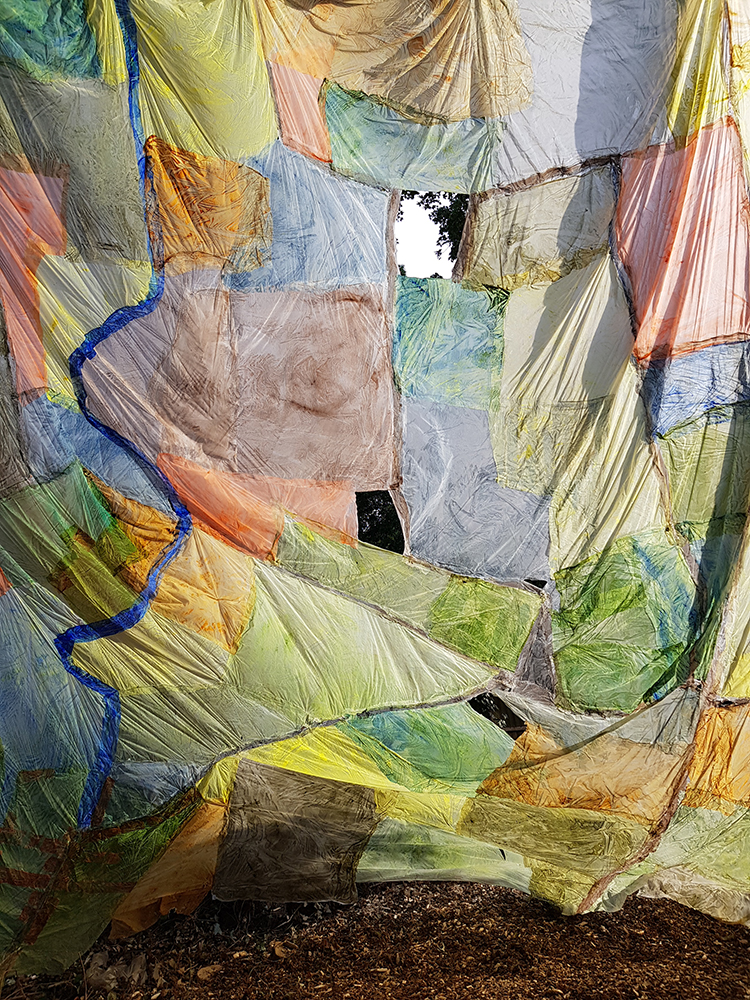
Liz Elton’s painting Fields (echoing the past local agricultural patchworked landscape) using degradable recycling bags creates a dramatic encounter when visiting the Florence Trust Summer Show.

1807 Liz Elton

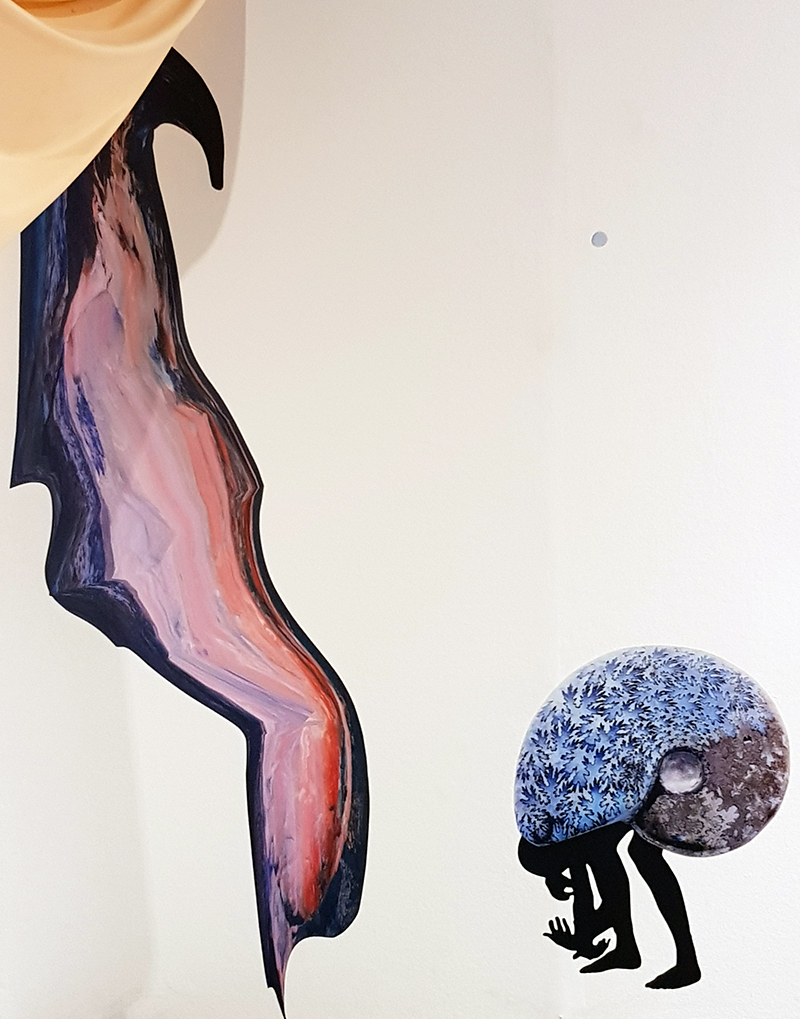
Dancer Sara Ruddock embodied the primordial in a performance presented  by Mayra Martin Ganzinotti drawing on fusions between life, fossils and rock in deep time geology.

1807 Mayra Ganzinotti 2

Patterns that appear familiar yet are from ancient ammonite fossils reach out from the past

1807 Mayra Ganzinotti

Kristina Chan works into her screen prints on birch plywood to give them a sense of aging and decay and reflect the history and natural entropy of the objects depicted.

1807 Kristina Chan

Visions Bleeding Edge Symposium on nonhuman vision, liquid and crystal intelligence and AI hosted by RCA research students. Esther Leslie, professor of Political Aesthetics at Birkbeck and Joanna Zylinska, professor of New Media and Communications at Goldsmiths gave fascinating talks.

1807 Visions Bleeding Edge

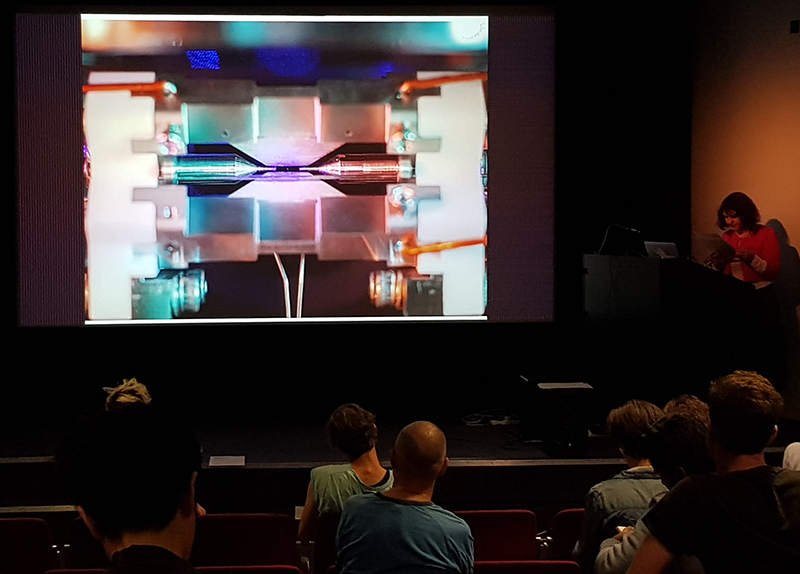
I was stunned by the image of a single atom of the metal strontium suspended in electric fields Single Atom In An Ion Trap, captured using an ordinary digital camera on a long exposure shot by David Nadlinger who said “The idea of being able to see a single atom with the naked eye had struck me as a wonderfully direct and visceral bridge between the minuscule quantum world and our macroscopic reality.” The atom is visible in this photograph because it absorbs and re-emits the bright light of the laser.

Further in awe at visuals of digital clay – matter that can be manipulated as easily as pixels in Photoshop. Discussions included turbidity; the cloudiness or haziness of a fluid caused by large numbers of individual particles that are generally invisible to the naked eye, similar to smoke in air. The measurement of turbidity is a key test of water quality.  Liquid Intelligence – nature holding memories, matter looking back at us (surveillance).  Imprint of matter – radial atoms in bones. Process – tactile scanning, post optical photography at the nano level.

AI = The Anthropocene Imperative.

When a computer watches, what can it deduce?

Over the last ten years or so, powerful algorithms and artificial intelligence networks have enabled computers to “see” autonomously. What does it mean that “seeing” no longer requires a human “seer” in the loop?

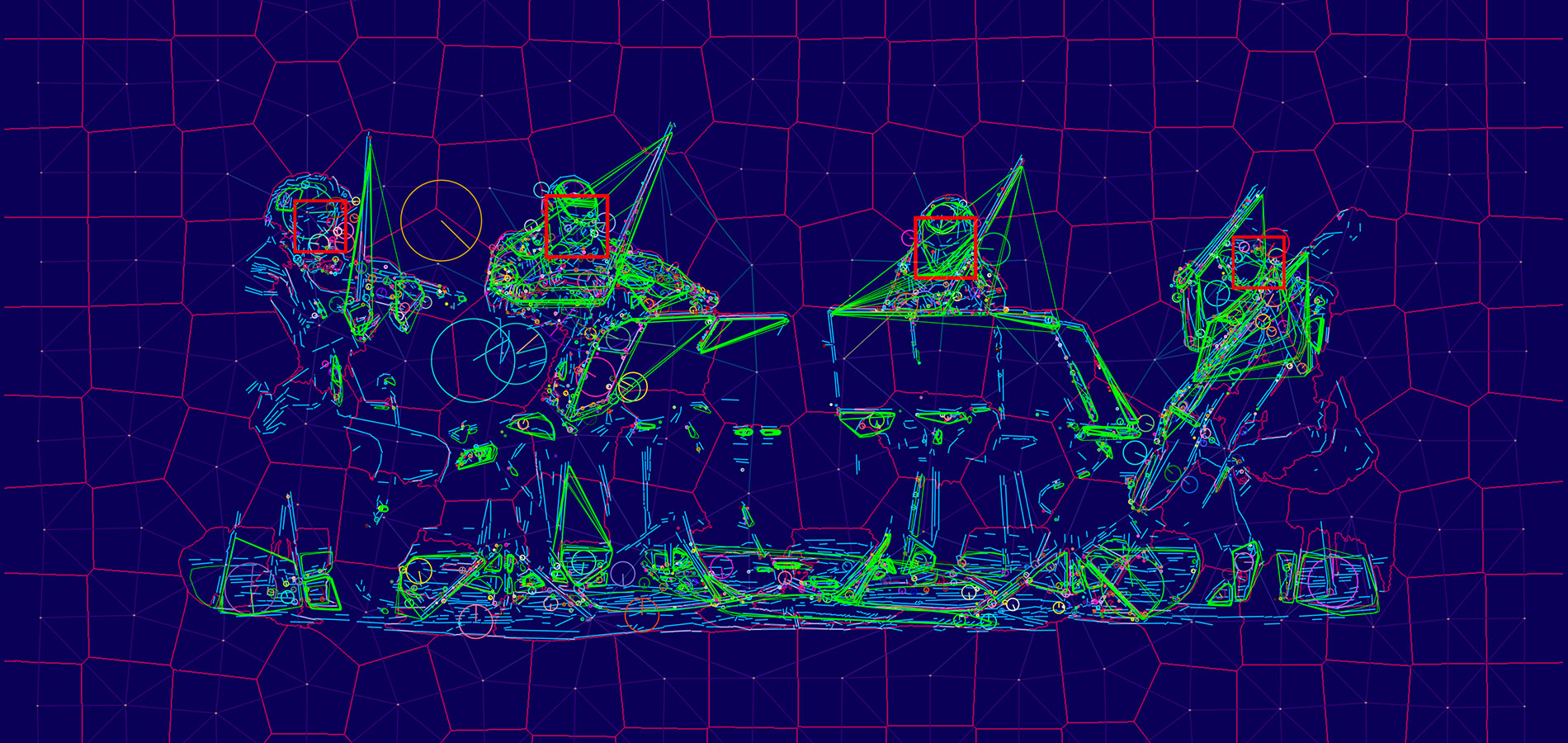
Tevor Paglen’s “Sight Machine” demonstrates to a live audience how machines “see” the world. ‘One of the most important reasons to create art is to make known the unknown’ –  Obscura worked with Paglen’s team to develop the computer and video systems to take a live video feed of the renowned Kronos Quartet’s performance, run it through actual off-the-shelf artificial intelligence surveillance algorithms and project what the AIs see and how they interpret it onto a screen above the musicians.

1807 Trevor Paglen Sight Machine 2

With Paglen the framing becomes the work rather than what he shows. ( The parergon)

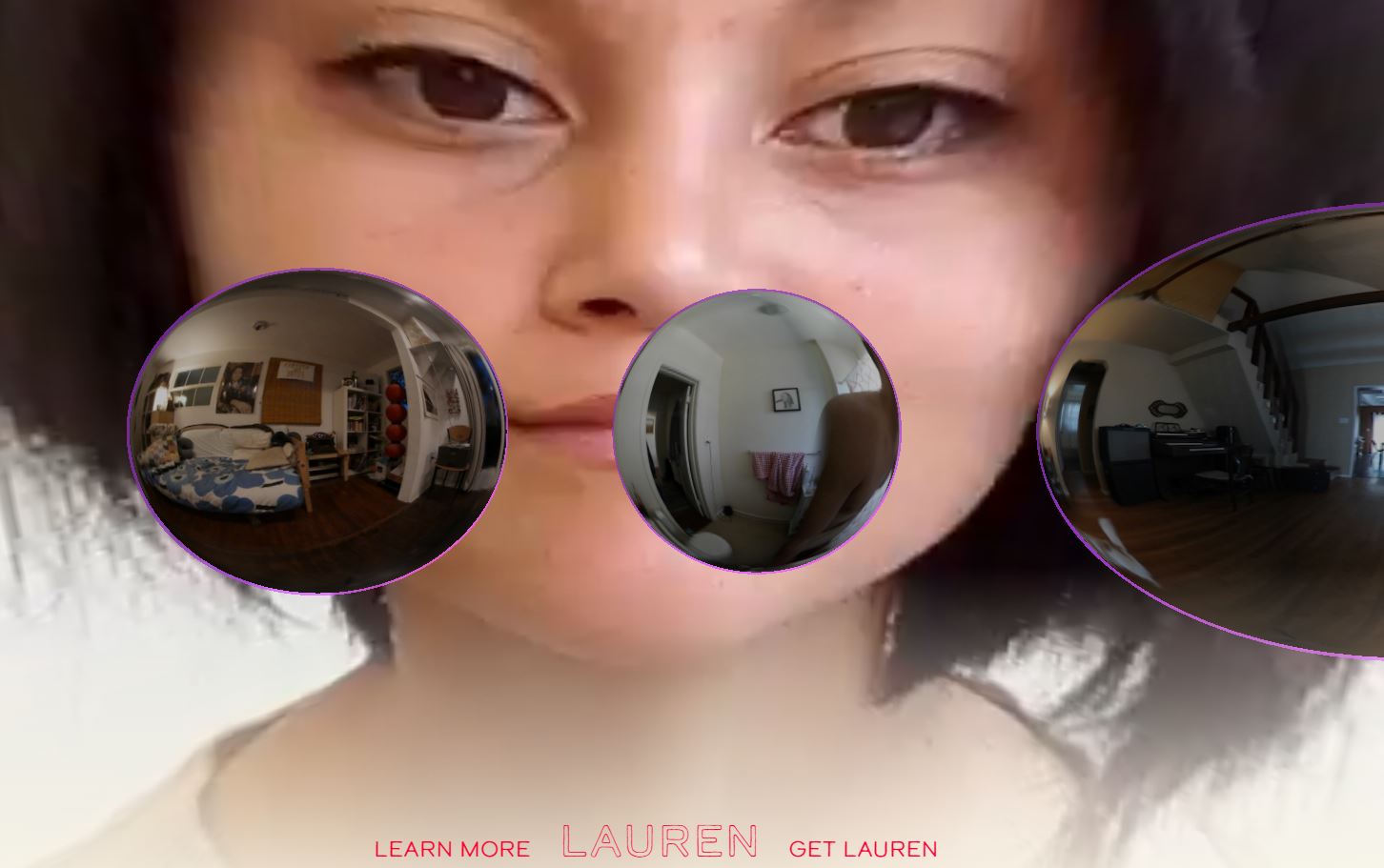
Artist Lauren McCarthy  offers to replace Alexa in your home. Bringing the human back. Lauren may not answer questions as quickly as Alexa but can respond with insight and emotion to your needs.

1807 Get Lauren

After Image at Victoria Miro. Which are the images that stay with you, burnt on your retina and loaded into memory, out of the thousands upon thousands of images consumed daily? Sarah Sze always nails it. 

1807 Sarah Sze 2

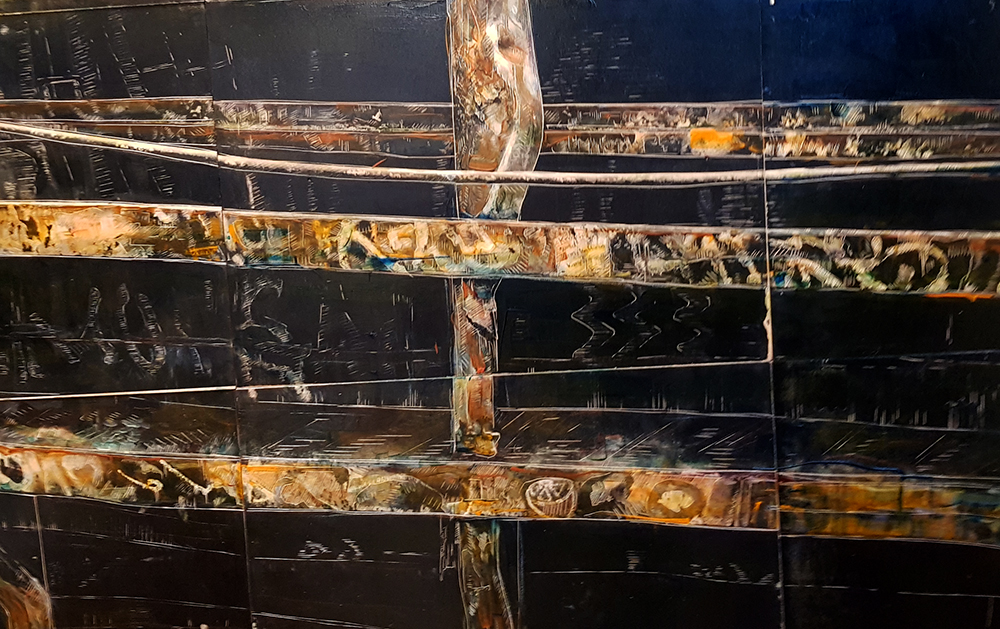
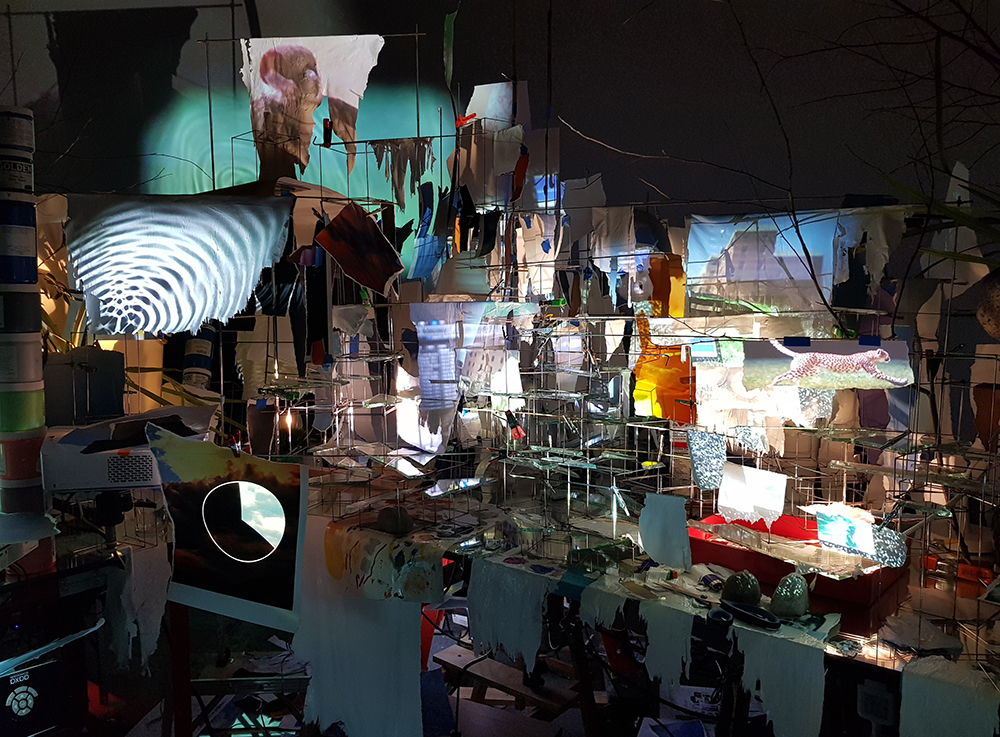
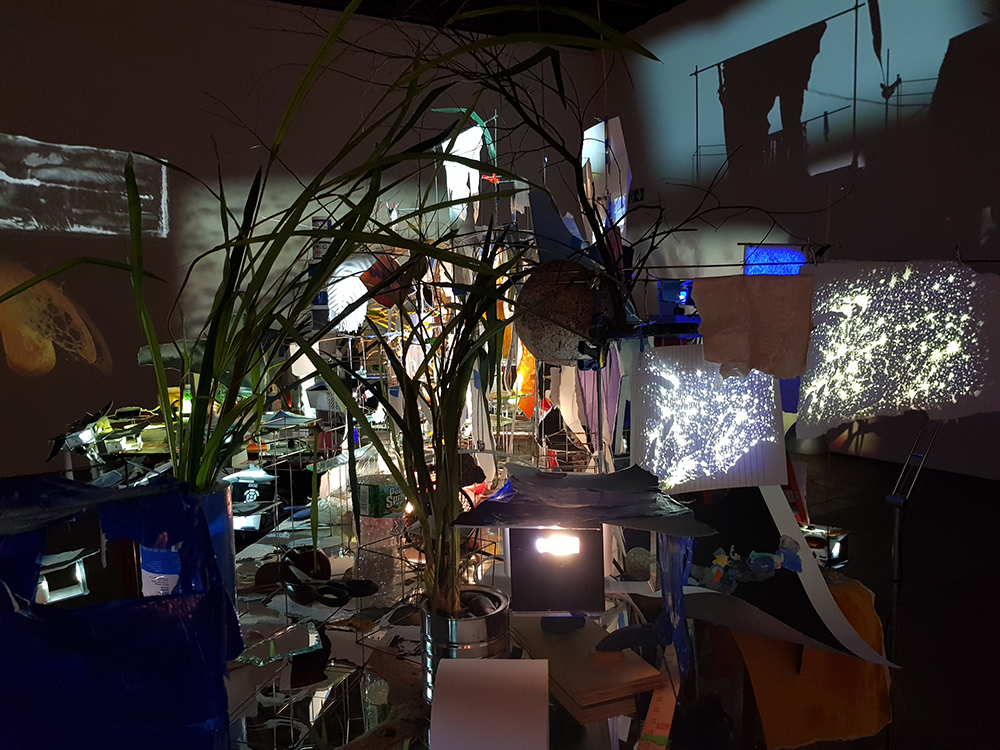
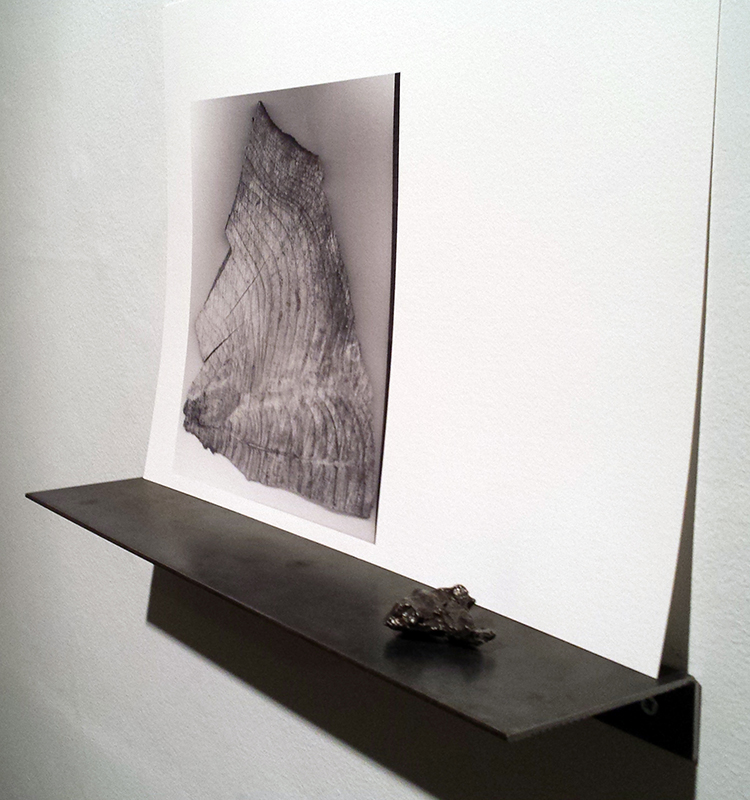
Sarah Sze Images in Debris

1807 Sarah Sze 1

The scrunched paper of the tree images – like dark matter has suddenly become visible.

1807 Sarah Sze 4

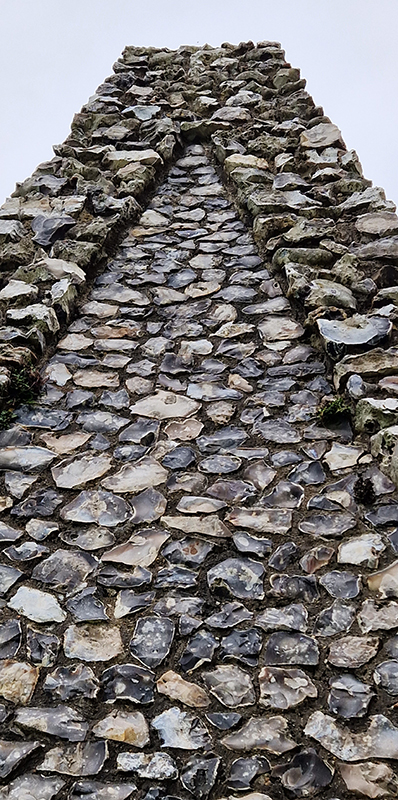
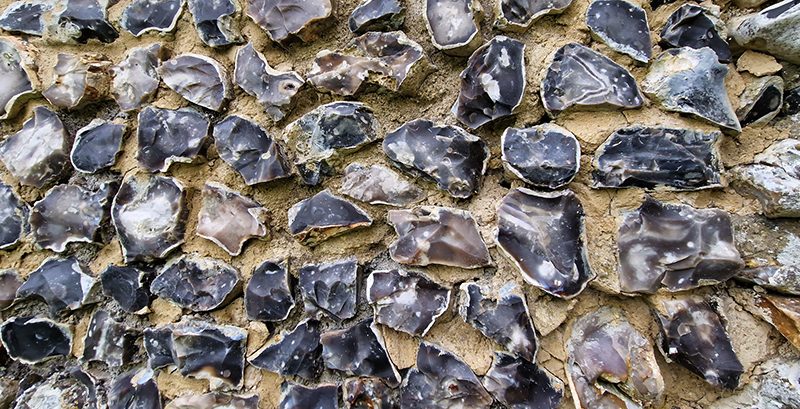
The split stones were a second reminder recently of a time when Karen and I (aged about 12) used to ride our bikes to the beach to collect flint stones in our anorak hoods – bringing them back to ‘over the field’ and smashing them apart to see the colours inside.

1807 Sarah Sze 6

Proliferation of pond weed  – vibrant matter in action

1807 Sarah Sze 3

Sarah Sze Hammock (for A. Martin)

Superb work from Michelle Stuart in The Nature of Time at Alison Jacques Gallery, ‘Addressing the metaphysical while remaining profoundly rooted in in its own materiality.’

1807 Michelle Stuart 1

Michelle Stuart In the Beginning: Time and Dark Matter

1807 Michelle Stuart 2

Michelle Stuart Sacred Solstice Alignment

Into the dark recesses of The Horse Hospital for The Art Of Magic an exhibition and performance based on missing artefacts once housed in the archive of the Museum of Witchcraft and Magic.

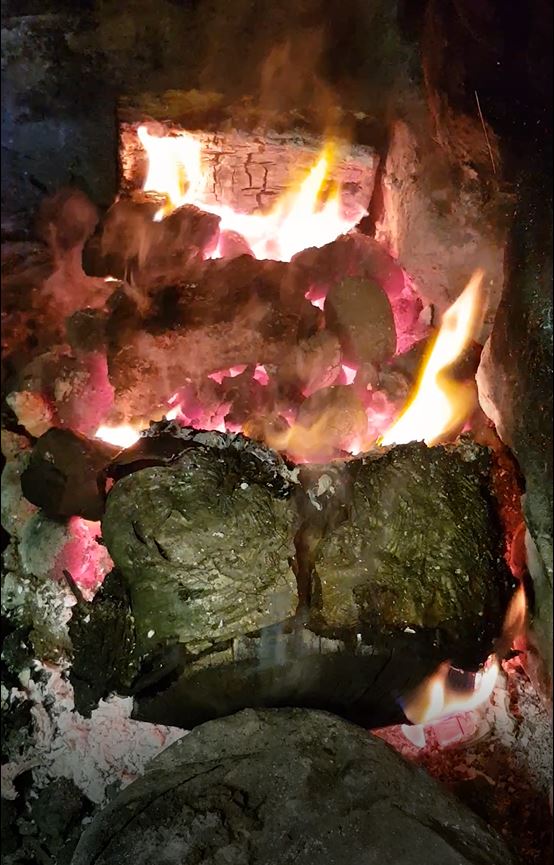
Coloured strings first soaked in Alum dried over a wood fire and plaited together to form ‘a string of hurting’ they are worn wound around the neck, their purpose being to reduce swollen glands and restore loss of voice.

1807 Art of Magic 1

In the studio WIP testing ideas to relate the loss of knowledge of the night sky through urban light pollution to the unknown mysteries of the universe yet to be revealed.

1807 Grizedale forest WIP 2


Past time is finite, future time is infinite –  Kathleen Herbert’s exhibition at Danielle Arnaud explored the connection between a lost landscape and personal identity, place and memory, the natural and the manmade. Her video A History Of The Receding Horizon is a poignant narrative of a land stripped of people, homes, gardens and woodland to allow for the municipal construction of the Kielder reservoir.

1602 Kathleen Herbert

Kathleen Herbert – still from A History Of A Receding Horizon

How do we sense time?  In her film we are reminded of the journey light must make to reach us from the farthest stars. Kielder Observatory is here, looking out into the cosmos. We are then taken underground into the antiseptic tunnels within the walls of the damn. Scientific endeavour. The demands of an industry that also vanished leaving the flooded valley to reinvent itself as a leisure resort. The heart ripped out and replaced with a mechanical version.

1602 Kathleen Herbert (1)

Kathleen Herbert – Past Time Is Finite, Future Time Is Infinite


1602 Kathleen Herbert 2

Kathleen Herbert Time Creates Great Distances in Life

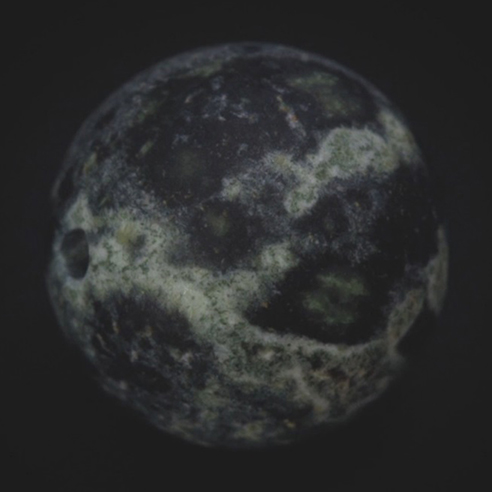
Katie Paterson looked at tracing the history of life on earth through its fossils.

1512 bead planet

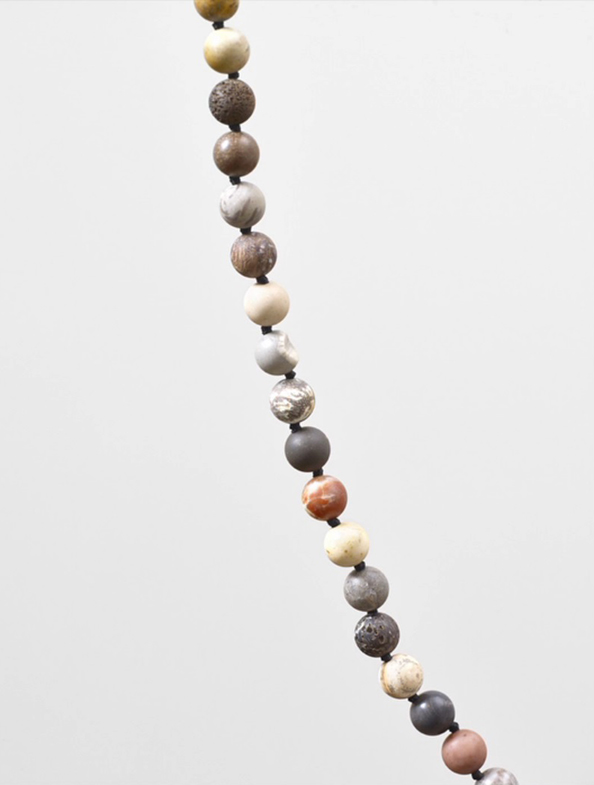
Katy Paterson Fossil Necklace

Light gives life. Rocks hold a record of life and its absence impacted by times of darkness.

1512 fossil necklace

Katy Paterson – Fossil Necklace

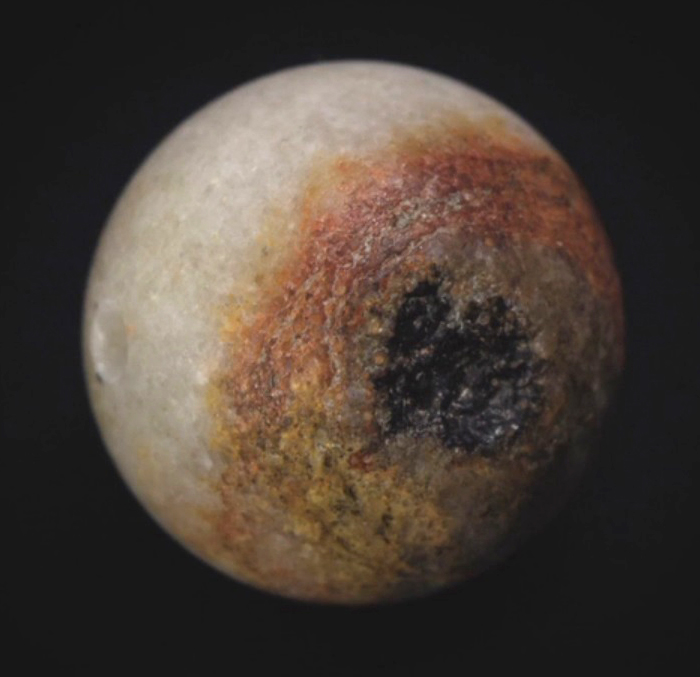
Carving beads from different strata the necklace she threads is a manifestation of deep time and ancient secrets, each bead a tiny world echoing untold planets of the universe and their unique geologies.

1512 bead planet 2

Katy Paterson – Fossil Necklace

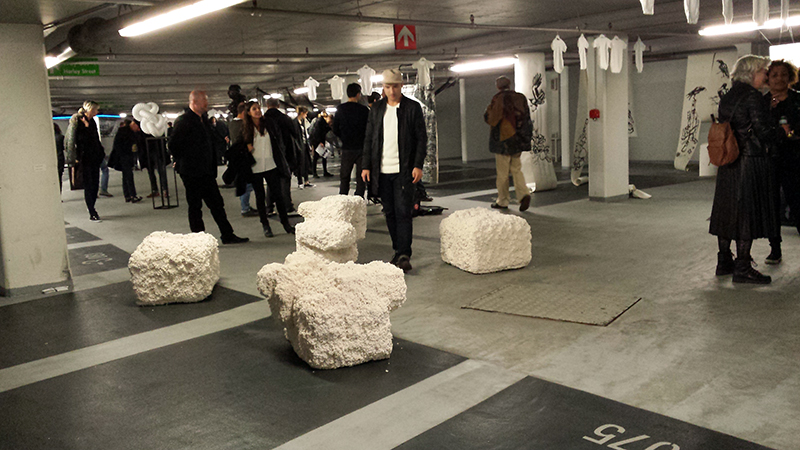
Beneath the ground – Silent Movies was an exhibition of purely monochromatic work at Q Park, an underground car park. The low oppressive ceilings of this vast space added to the strangeness of this nether world emptied of colour.

1602 Silent Movies

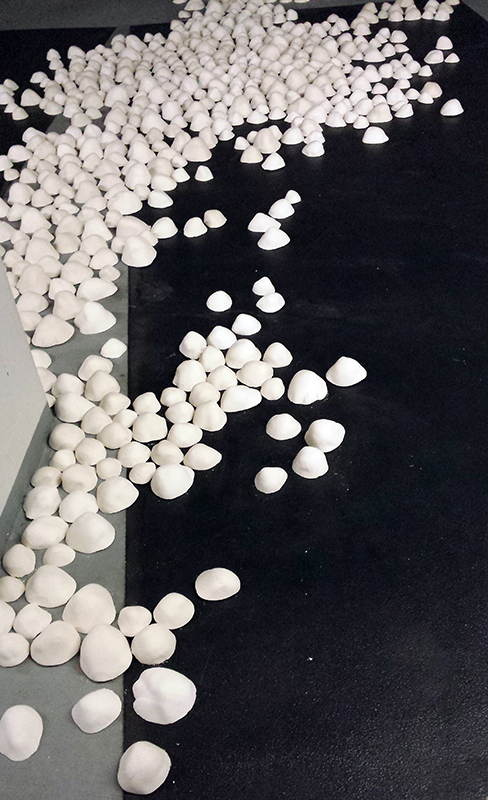
Cathy Gale and Carol Wyss were exhibiting their installation Casting Couch. These artists have been casting the landscapes of their bodies.

1602 Silent Movies 2

Cathy Gale and Carol Wyss Casting Couch


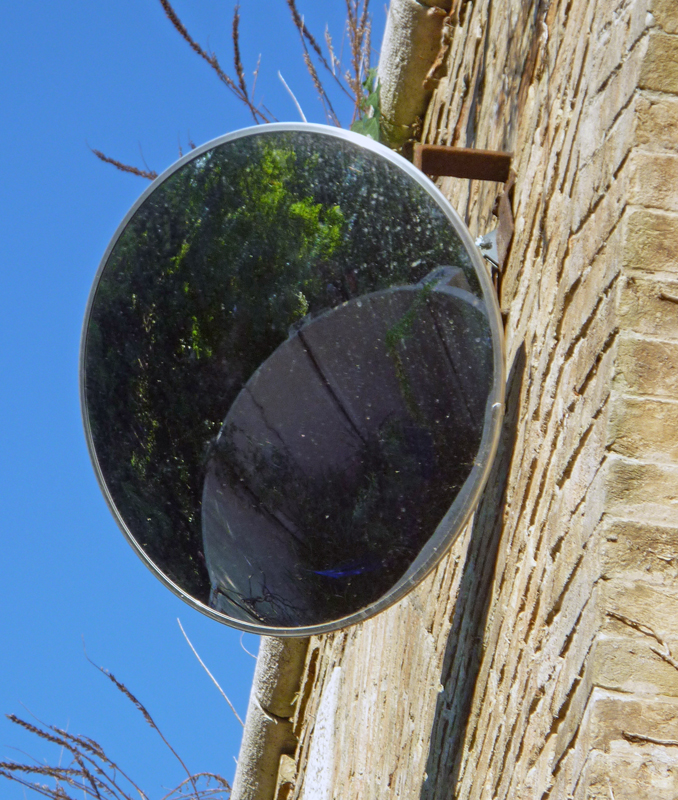
The death mask seeks to preserve the memory of a face. These little hummocks are casts of elbows. A part of our own body like the face that we need a mirror to view.

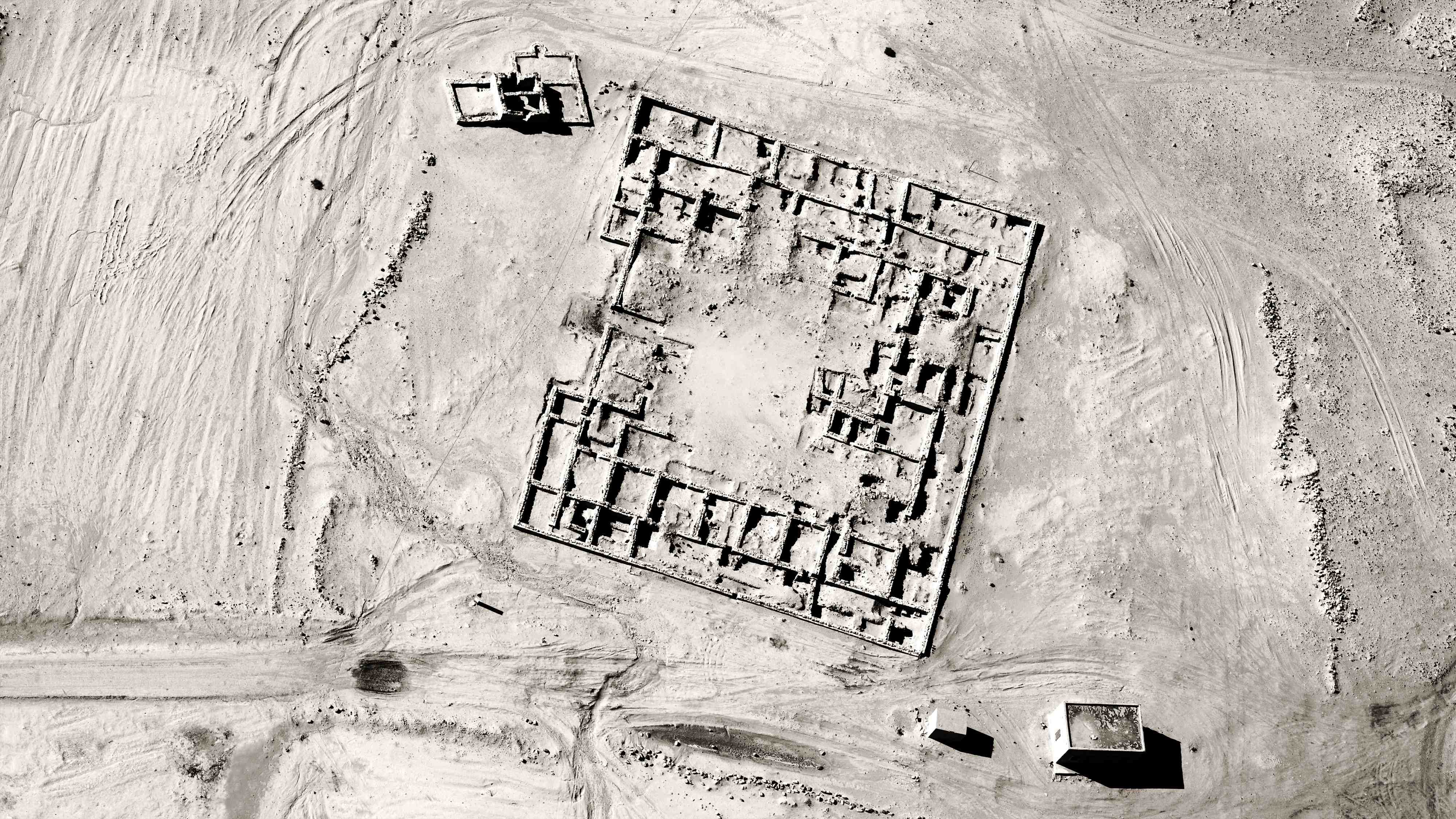
Jananne Al-Ani’s paper View from Above: Latent Images in the Landscape expanded on her research into the Aesthetics of Disappearance. Speaking at the symposium Shadow without Object she asks how one can disappear a body? She told us the grimly poetic story of the The Butterfly Hunter. Margaret Cox, a forensic archaeologist reads the geophysical anomalies in the landscape to discover the hidden mass graves of genocide victims. Clouds of blue butterflies gathering in the Kosovo hills uncovered the sites of tragedy. The butterflies were attracted by an unusual and intense blossoming of Mugwurt which signified a change in the nutrient levels of the soil as the buried bodies decomposed and leached into the earth.

The landscape can work as an unexposed photographic plate. A trace, a latent image can be read and transformed into a site of information. Our understanding of conflict is often from an aerial perspective. The view from above is of depopulated space. We look down on abstracted and beautiful landscapes scarred with trenches and shell marks.

1602 Jananne al-ani shadow sites.jpg

Jananne Al-Ani Shadow Sites

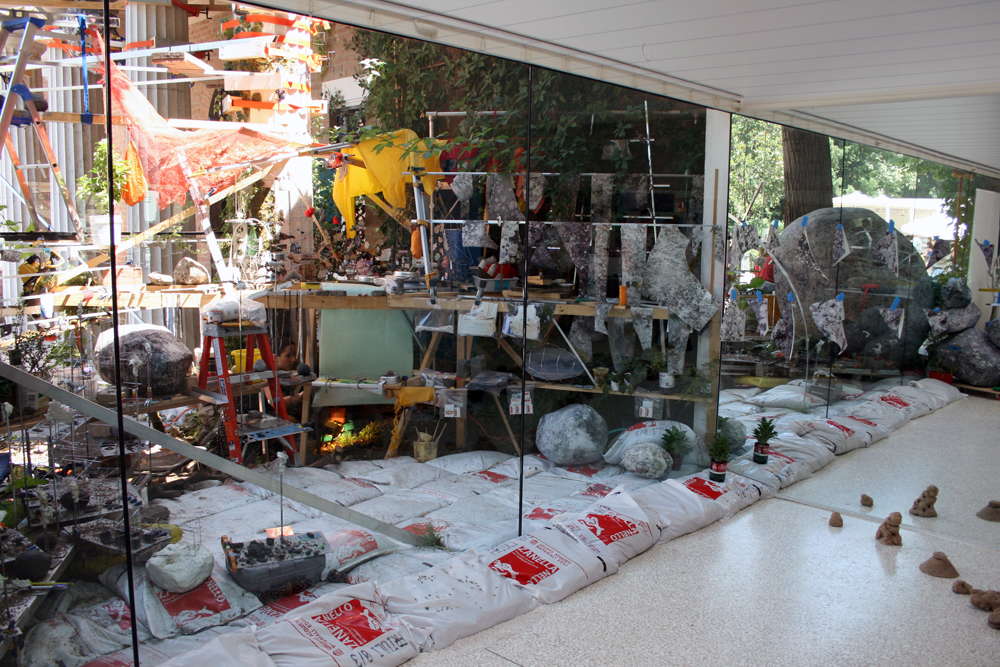
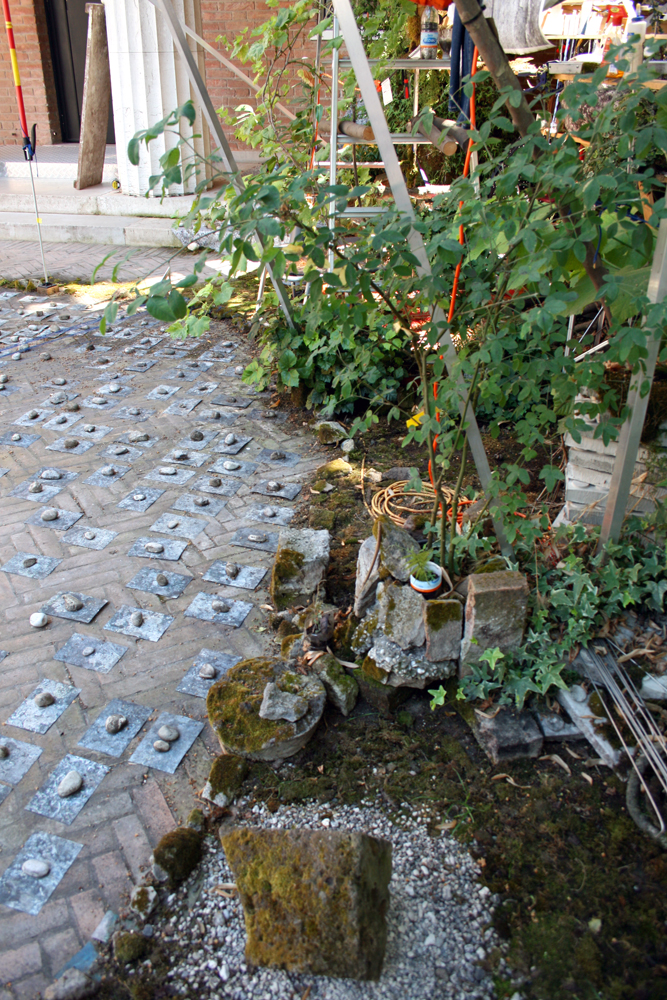
From above we can pick out prehistoric dry stone structures, archaeological sites that are invisible at ground level. These are the traces of the people now absent. Jananne Al-Ani is looking at the bare landscape of the desert, where the past is slowly eroded away by the winds, in Sarah Sze’s The Last Garden the past is overgrown with vegetation. We are left to discover the interventions she has inserted amongst the tangle of undergrowth and abandoned architecture.

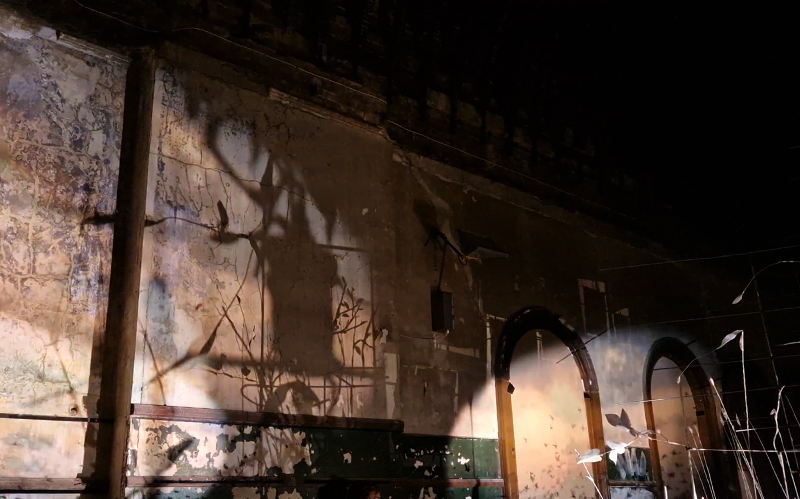
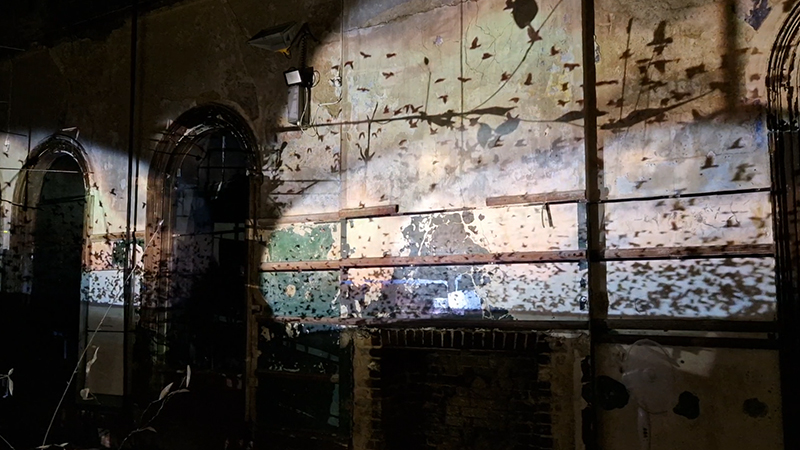
1601 Venice Sarah Sze  (1)

Sarah Sze The Last Garden

It is a treasure hunt of clues to a world of materiality and entropy where we can see  breakdown and decay but are also aware of new growth. The crack in the wall stuffed with images of the canal water about to burst through from the other side, the weight of the gently swaying rock are reminders of fundamental forces at play.

Hours, Years, Aeons; a site specific installation by Patrick Söderlund and Visa Suonpää known as IC-98 takes us into a dark space as though we are stepping off the edge of the world and looking back.

Abendland (I: The Vaults of Dreams; II: The Place That Was Promised) is a two-channel video with animation by Markus Lepsitö and a haunting soundtrack by  Max Savikangas. We see the slow death of a desolate gnarled tree set against the alien black skies of a world with no atmosphere. The film runs in a cycle and so the tree is reborn but this may be the part that is a dream.

Vincent J. F. Huang on behalf of small island nations at the mercy of rising sea levels presented Crossing the Tide.  A world of only sky and water.

1602 Venice Tuvalu.jpg

Vincent J. F. Huang Crossing the Tide


Regardless of how far the world has evolved the four primary elements are eternal. In many classical world views four basic elements are believed to constitute the essential components of which everything consists. Usually these classical elements Earth, Air, Fire and Water relate to ancient philosophical concepts which today are generally compared to the contemporary states of matter, with earth relating to the solid state, air to gaseous, fire to plasma and water to liquid. In Buddhist philosophy the four elements are not viewed as substances, but as categories of sensory experience.  –  Thai artist and printmaker Kamol Tassananchalee on the theories that underpin his work

1601 Thailand

Kamol Tassananchalee

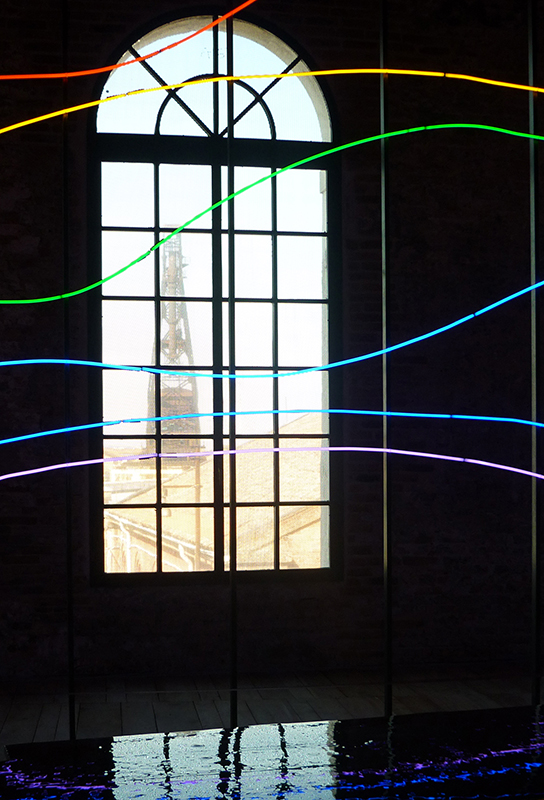
When did these primal elements first separate out from the turmoil of the big bang?  Sarkis gave us a neon rainbow as part of his installation Respiro.

1601 Venice Turkey Sarkis (4)

Sarkis Respiro

Reflected back at us through a constellation of finger prints on mirror

1601 Venice Sarkis (2)

Sarkis Respiro

and in the unsteady surface of water. Through his arrangement of objects, images and codes Sarkis wants to take us back in time to the very first rainbow.

1601 Venice Sarkis (1)

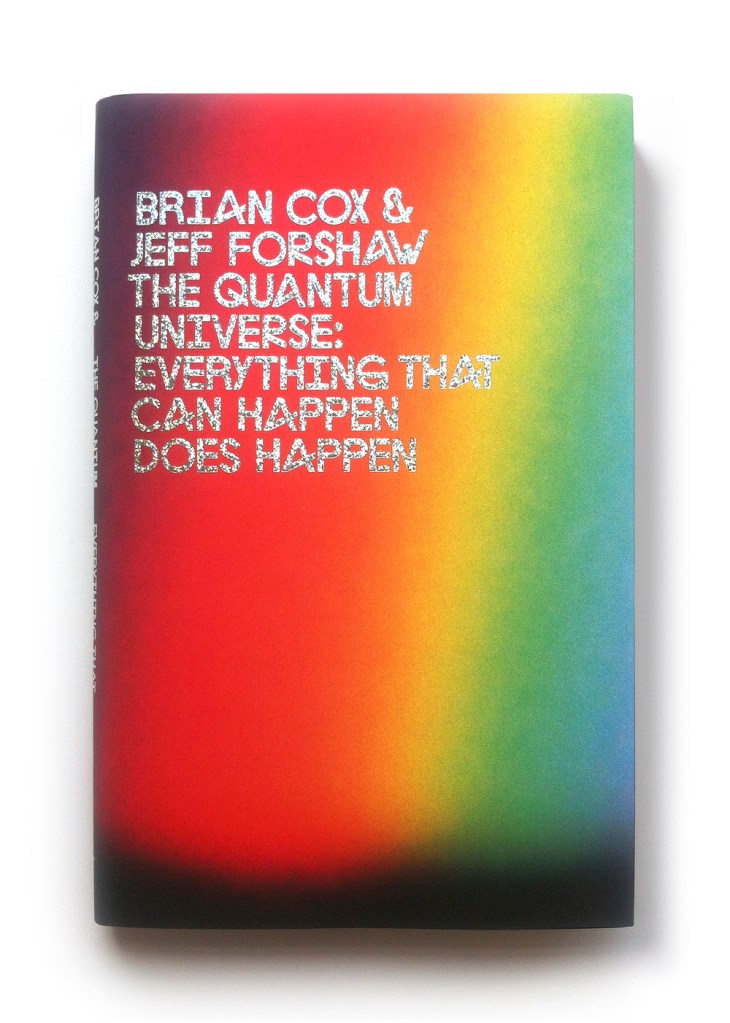
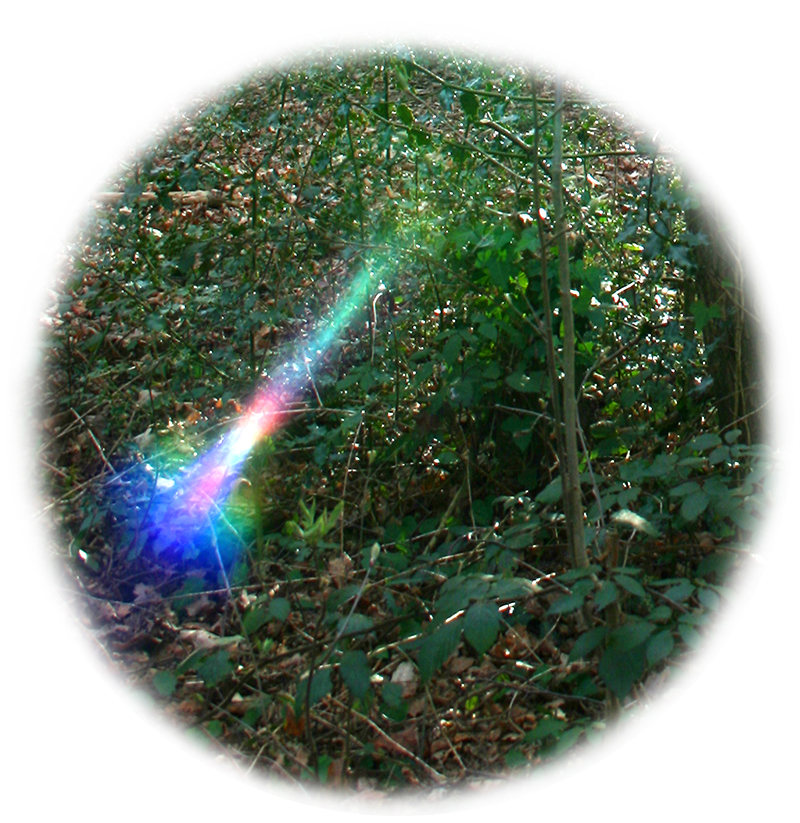
The flysheet of The Quantum Universe depicts a rainbow and the inside cover explains how particles of light from the sun (photons) approach a cloud of water droplets in the sky.

1512 The quantum UniverseSome pass through, while others enter the drops and reflect and refract back. Quantum theory is able to precisely calculate the probability that a photon, will reach your eye along with many others to create a rainbow on your retina – but (and this is the bit that I still don’t really get) – only by allowing each and every particle to explore the entire universe on their journey through the rain. My understanding after tackling the book is that this doesn’t really happen but in order to compute the probability the maths requires that it does. It’s a poetic thought that the photon hitting my eye has explored the entire universe before connecting with me.
1603 light.jpg


I have been working hard on my new piece everydaymatters.

Within an ordinary space are hidden the building blocks of the structure of the universe – intangible and unseen. I am exploring the similarities in our search for a spiritual encounter and the urge to understand the origins of our universe.

1502 Everydaymatters 6

The RCA Second Year MA interim show at Café Gallery Projects in Southwark Park was a chance to test out ideas to take forward for the upcoming final show.

It was also a chance to be in the park in early morning sunshine with the first hints of spring in the air and the sounds of waterfowl and birdsong.

1502 Everydaymatters 1

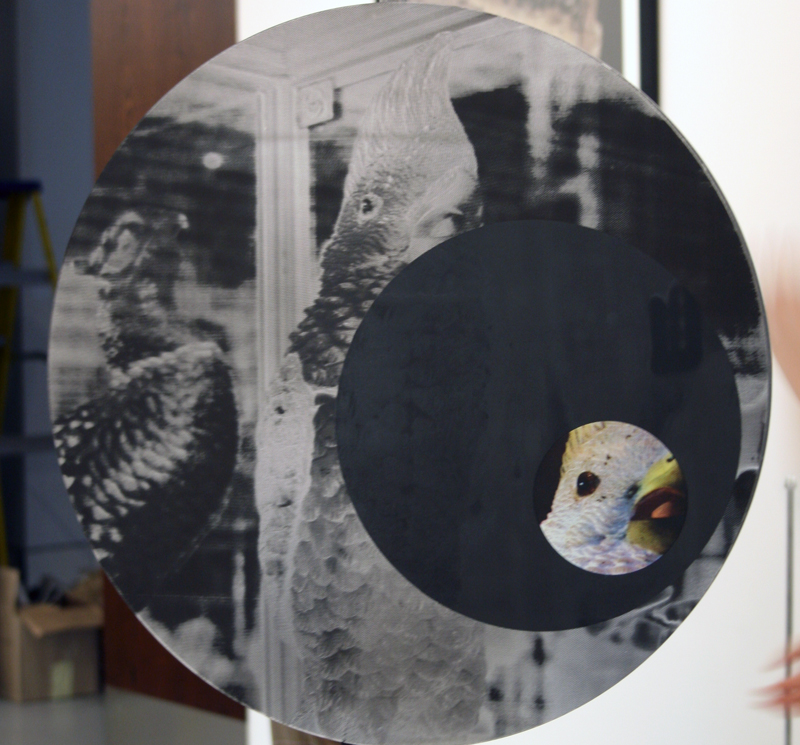
This bird is a bronze ornament seen in the antique shop at the corner of Paradise Walk in Chelsea, a bit of imported tropicalia. I used images taken around the various paradise locations I visit that I felt had some connection to an idea of paradise; exotic birds, palm trees, sunshine, plants, spiritual reflections.

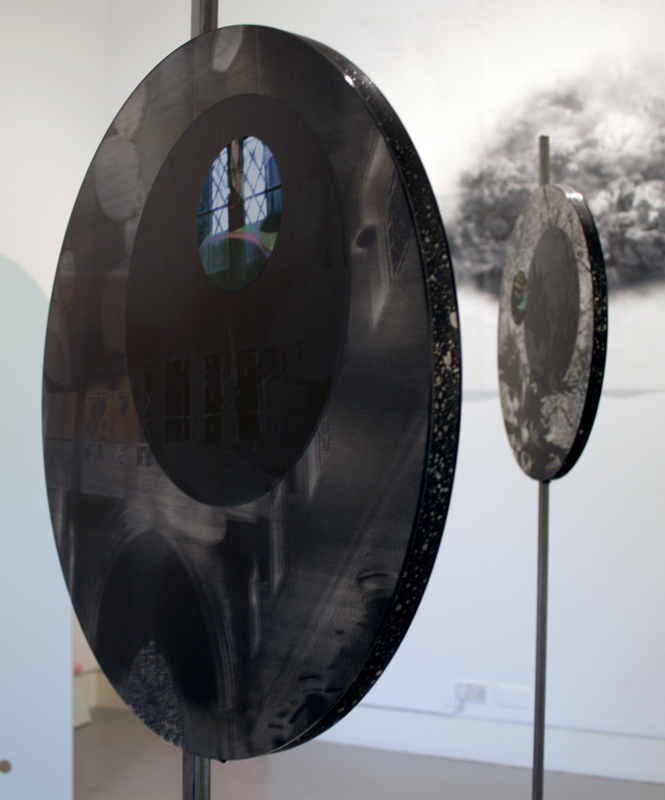
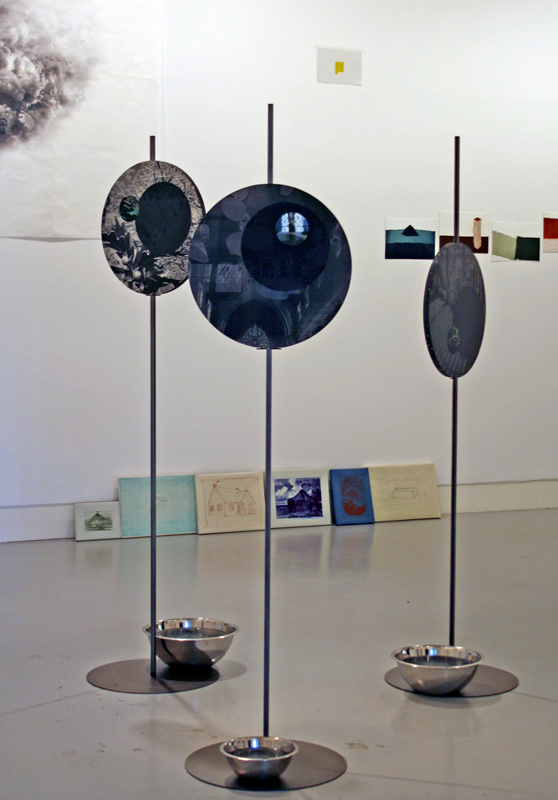
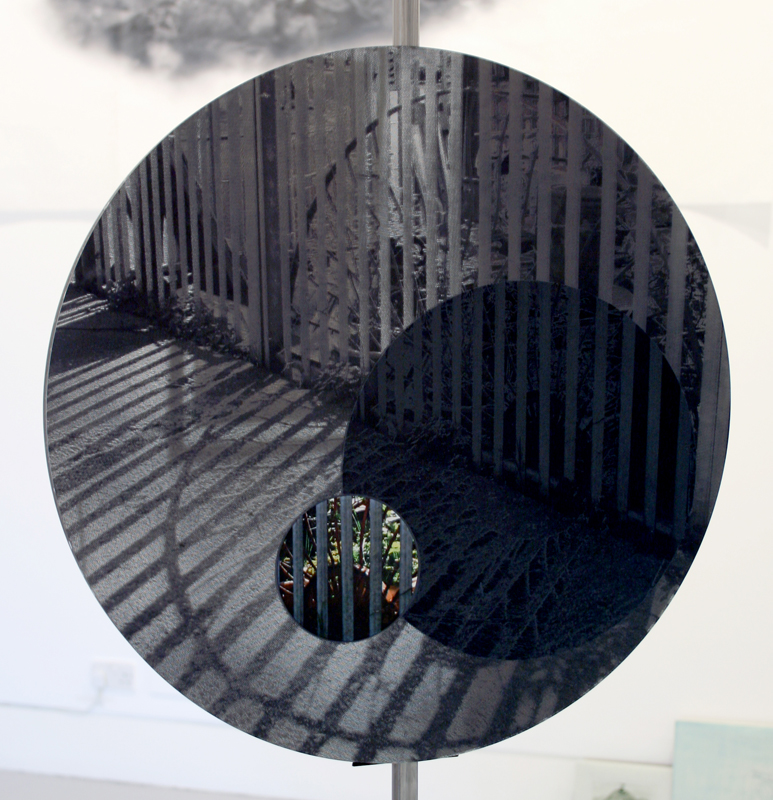
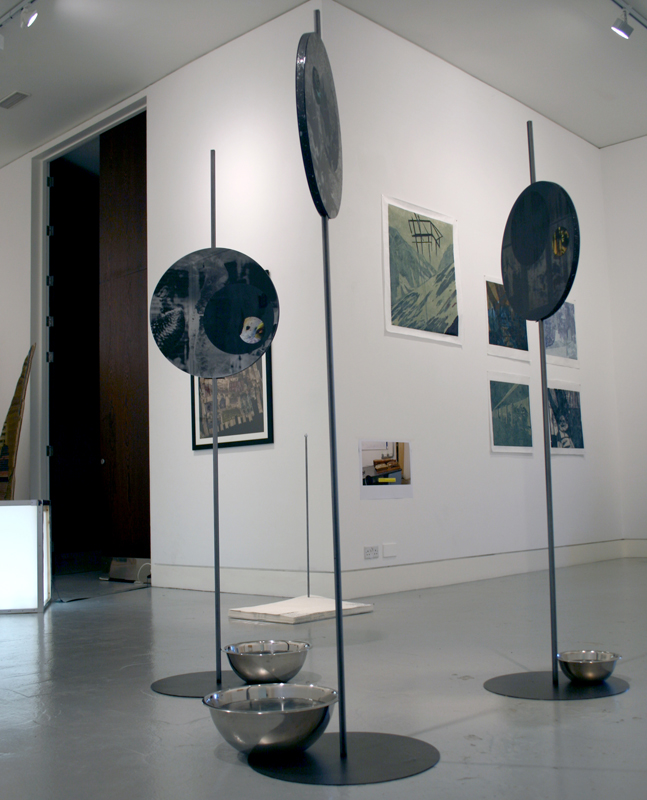
It had been a marathon of screen printing to get my work ready in time for Café Gallery; 6 mirrored circles to print with 11 layers on each one.

1502 Everydaymatters 2

With no straight edges to register to and often printing black on black it felt impossible at times to line it all up. The mirrored surfaces are very vulnerable so I  became rather precious about the whole thing.

1502 Everydaymatters 5

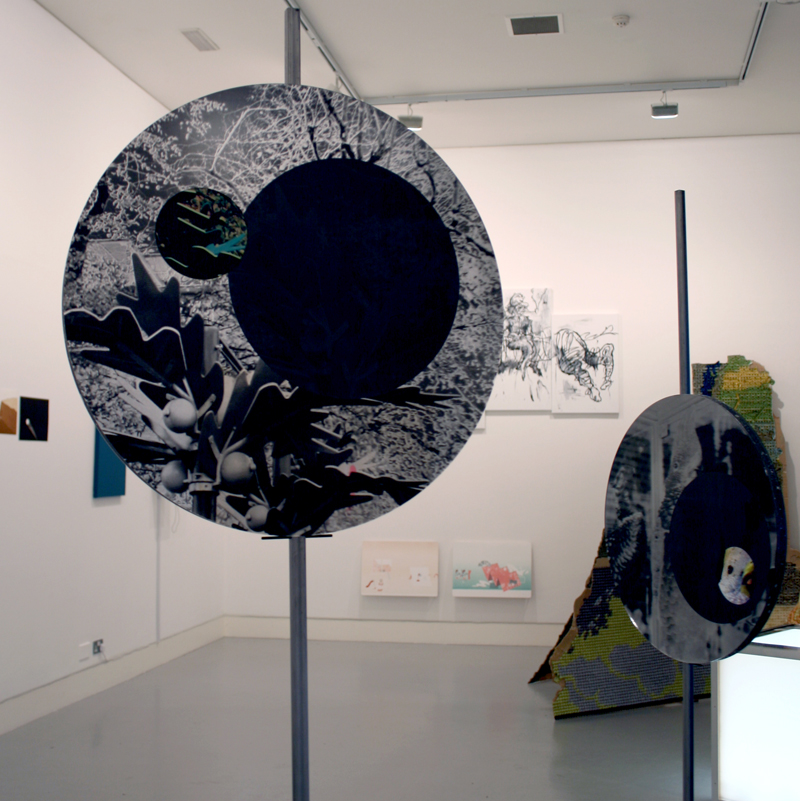
The fear that the structures I had ready to hold the circles may just lean to one side or even topple over once the mirror was attached added to the stress and my heart was thumping when I finally slotted the circles over the steel upright. It was an exhausting experience and a huge relief to find they stood straight. (like sentinels – thanks Zoe)

1502 Everydaymatters 3

Placing the bowls with the disperse images at the base of the stands was a last minute decision but it suddenly seemed that they belonged there to complete the work. One image of the everyday scattered into matter, dark and otherwise, and one paradisiacal image hovering illusively, both are about looking for something, an aura, an understanding of origins.

1502 Everydaymatters 4

In my crit there were comments about the small punctum of colour being an entry point to the work, a little view of the world or another world. Of being drawn into the image, looking through the surface and finding yourself absorbed into the work. The slightly runic quality of the placement looking religious or ritualistic but also having a cinematic quality. Exploded moments of arrested movement. The idea of trying to solidify a glimmer of a partial thought.

1502 Everydaymatters 8

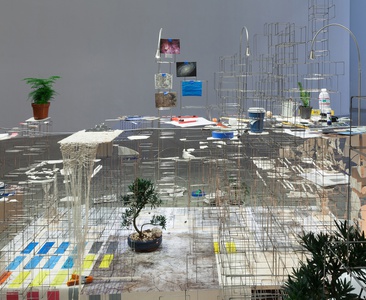
The Sarah Sze exhibition at Victoria Miro fully repaid the effort required to traipse over there in a bitter wind. The first gallery downstairs was all grids and space, a bit like Tron, creating mazes of perspective as line and depth moved as you circumnavigated.

Sarah Sze

Sarah Sze

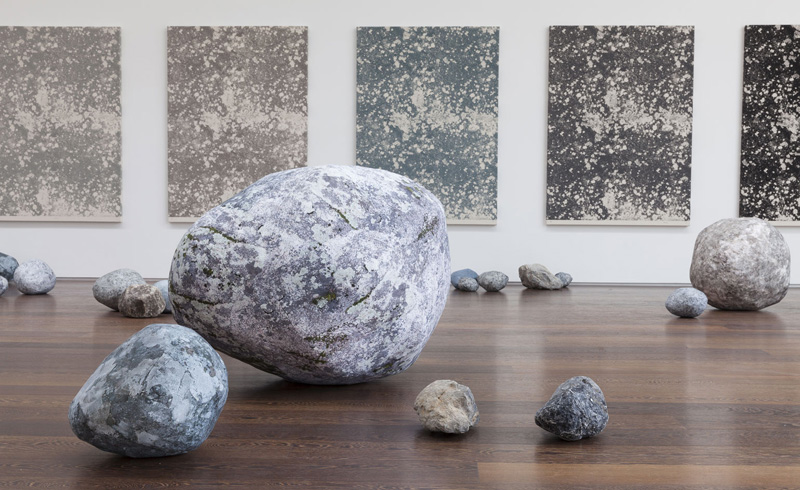
So much detail, held together by dashes of  repeating colour. The long studio where Siobhan Davies dancers used to limber up was strewn with lichen crusted boulders in vibrant shades.

Sarah Sze

Sarah Sze

Some real, some not. Finally the grand arena upstairs laid out a response to all matter and all questions.

Sarah Sze

Sarah Sze

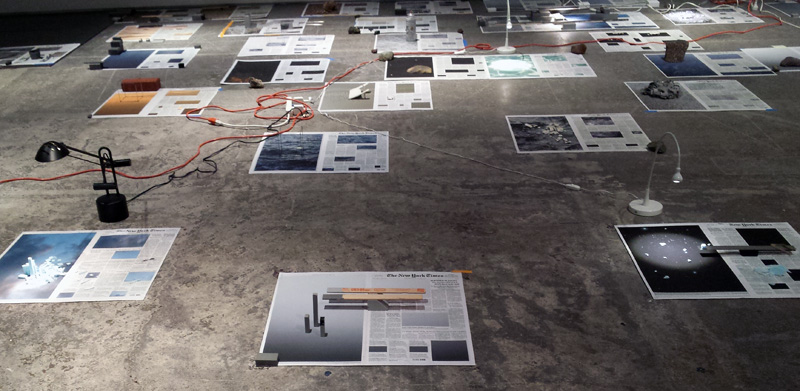
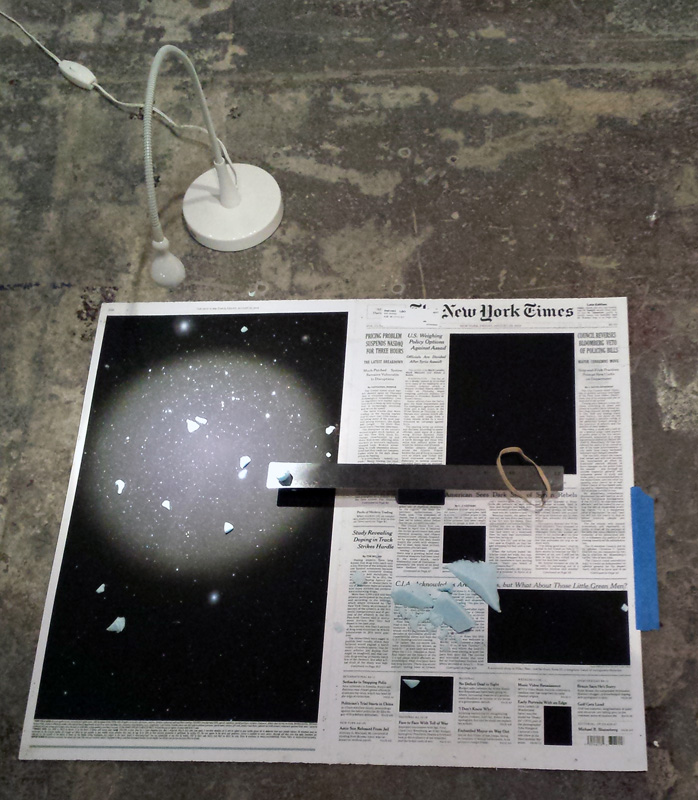
The Times newspaper, the everyday, a record of time passing with every image scalpeled out, leaving a high definition replacement showing the real news; the elements, the forces of nature. Ice, fire, earth all spotlit in the grand experiment of life.

Sarah Sze

Sarah Sze

Stripped back to basics, revealing the true beauty and complexity of the universe. Everyone who saw the show was awed and everyone felt it spoke to them and their practice.

Sarah Sze

Sarah Sze

Back at school there was a general consensus that Sarah Sze has cracked it, should we even bother to continue our pursuits.

The French writer Xavier de Maistre suggested back in 1790 in his essay ‘Journey Around My Bedroom’ that is was possible to enjoy the thrill of discovery without having to embark on a long voyage, travel to foreign parts or even leave the confines of your own room. To look with tourists eyes upon the familiar would reveal hitherto unnoticed phenomena offering an equally rich experience.

I have recently been playing the tourist on my visits to Paradise Row in Bethnal Green and Paradise Passage which runs alongside Paradise Park in Holloway.

1502 Paradise Row 2

Delighted to discover an appropriate spiritual behest above a more direct pursuit of happiness in one frame

1502 Paradise Row 3

and a personal reminder of old bosses from chefing days – Balls Brothers legacy

1502 Paradise Row 1

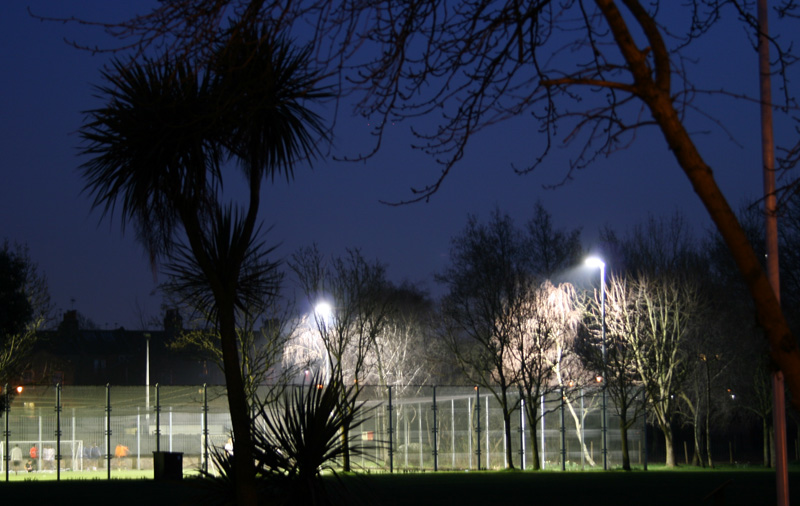
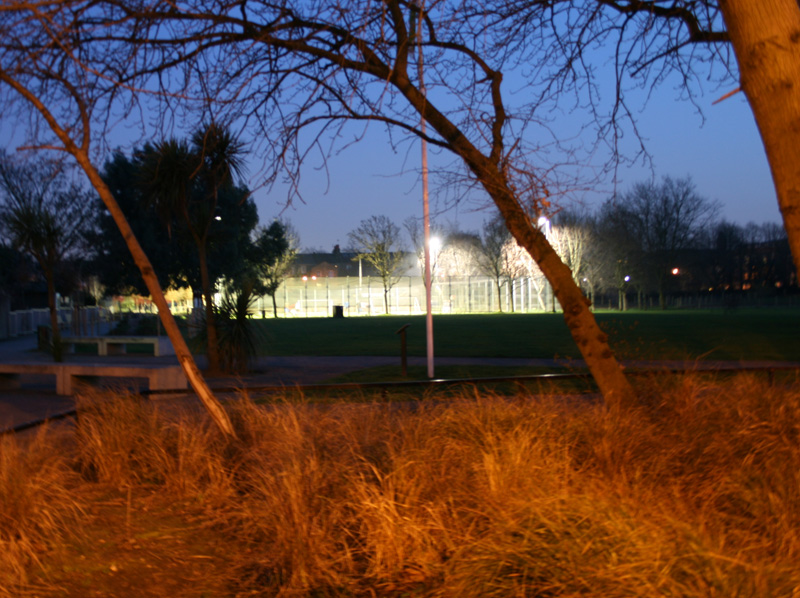
Paradise Passage is worth a visit at dusk

1502 Paradise Passage2

for the ethereal light of the sports pitches

1502 Paradise Passage 3

turning Holloway into holiday destination

1502 Paradise Passage 1

Any exhibition involving Esther Teichmann is going to be a sensual experience. We Come From the Water at Jonathan Miles new project space/gallery Lychee 1 submerses you in its dialogues like the water it speaks of in terms of a weight, an origin.

Esther Teichmann

Esther Teichmann

It was wonderful to encounter Chantal Faust’s work for the first time, her Plantlife series is stunning.

Chantal Faust

Chantal Faust

Carol Mavor weaves language and image to create weighted slippery moments.

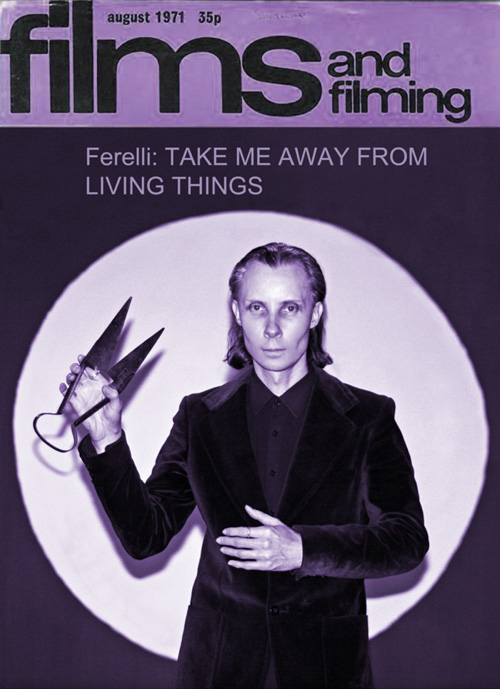
Had the pleasure of attending Mark Ferelli’s Magic Lantern Show : Devil Daddy

1502 Ferelliweb

A ritual flame is brought to light the oil burner of a nineteenth century magic lantern.  A twist of fume travels out the painted tin chimney as a slow disc of warm, broad light illuminates on screen.  Within its orbit develops the image of a ruined chapel, alone, deep in the hills of a cruel heath-land landscape stricken by winter.

Weaving original film stills, contemporary location shots, bird song and spoken word, Ferelli re-imagines both time and setting of the ‘lost’ british folk horror film classic ‘Blood on Satan’s Claw’ (g.b.1970) evoking, prompting, the ethereal return of the film’s central character, ‘Angel Blake’, seductress, priestess and idiot savant to the monstrous, blood-thirsty hunger of an old pagan god. The ritual operation of lantern image, sound and spoken text navigate uneasy layers of simultaneity, born of the past film location and ever present film story, a performance crossing this uncanny landscape.

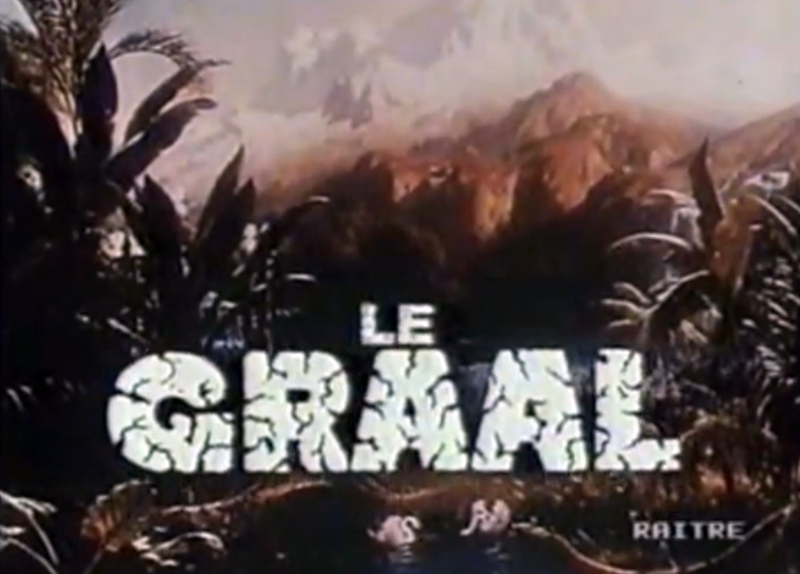
This event was prefaced by a selection of Edison’s Black Maria films and an excerpt from Hans Jurgen Syberberg’s 1977 seven and a half hour epic, Hitler: A Film From Germany.

Hans Jürgen Syberberg Hitler - A film from Germany

Hans Jürgen Syberberg Hitler – A film from Germany

I may never get beyond the opening credits of this surreal film but was captivated by the romantic backdrop and the voiceover which sets the premise on which the film evolves as an investigation into evil and guilt stating that if man is offered any amount of material wealth or the paradise of the imagination he will always choose paradise even when he knows it is false.

Our relationship to nature is close to the heart of one of my classmates, Gloria Ceballos who has just had an impressive solo show – Nature: a cultural artefact open at the Instituto Cervantes. Her work explores our experiences of nature in an urban environment focusing on the idea of three natures. 

Gloria Ceballos The Three Natures

Gloria Ceballos The Three Natures

I was recently asked by a male visitor at an exhibition if spiritual concerns were predominantly a female pursuit.

For Ana Mendieta in the 1970’s when a lot of land art was being made by artists such as Robert Smithson she felt her works were more spiritual and in tune with nature as opposed to the brutality of the industrial spirit. She left little trace in the landscape unlike her male contemporaries who were interested in the earth as material. She was interested in the earth’s sensual qualities, exploring the primary relationship of humanity with the earth as mother.  Through tapping into the ancient spirits of a primordial age and using the same elements of earth, fire and blood in her art as her ancestors used in their rituals she hoped to infuse her work with power and magic. She was often aligned with feminist and goddess groups but held firm that her work should not be tethered to gender issues, it was more universal.

Exploring the complexity of the female perspective today Disturbance was an exhibition culminating on International Women’s Day featuring Hermione Allsop, Alexandra Drawbridge, AnnaMaria Kardos, Paula MacArthur, Kate Murdoch, Mitra Saboury, Wendy Saunders, Susan Sluglett and Geraldine Swayne at Atom Gallery in Finsbury Park.

Kate Murdoch

Kate Murdoch

Kate Murdoch’s silent gathering bears witness to those unheard voices from the past when a girl was not expected to speak out.

My time at the RCA will soon be over. It’s been an incredible experience that I never imagined I would participate in.

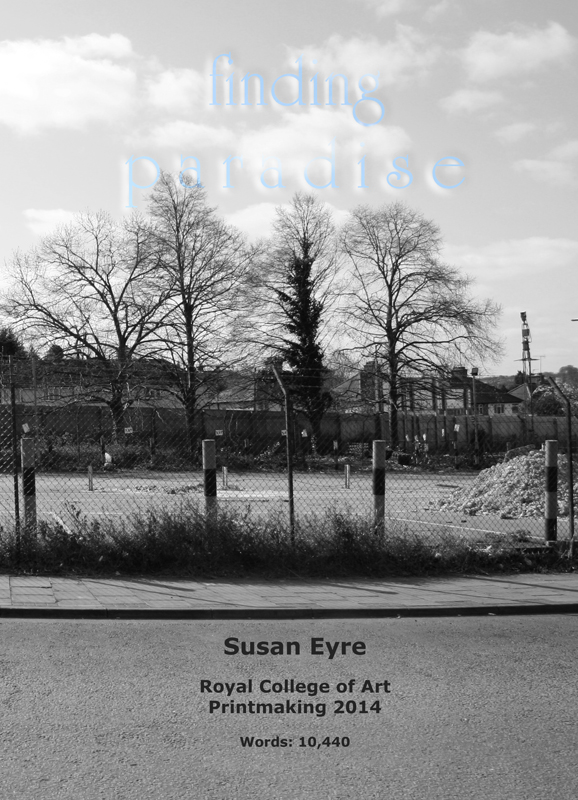
After spending last summer wholly immersed in writing my dissertation I have had the honour of receiving a distinction. It wasn’t an easy birth so it’s really rewarding to find my energies were worthwhile and I ended up with something I can be proud of that will be archived at the Royal College of Art.

1502 Cover dissertation

The visions of paradise that we conjure in our imaginations will be influenced by our culture, personal aspirations and spiritual beliefs but however paradise manifests itself in our consciousness it will symbolize the promise of bliss.

Formed from joining the ancient Iranian words pairi, ‘around’ and daêza, ‘wall’, paradise was first used to describe a walled enclosure. Over time its meaning expanded to include the landscaped parks local nobles created to hunt animals trapped within their walls. These royal parks were lavishly planted with beautiful trees, shrubs and flowers and so paradise came to refer to any delightful garden. Ultimately used as epithet for the Garden of Eden, imagined as the most exquisite garden of them all,  its meaning became ever more sacred, taking on the very idea of Heaven itself.

Also I have met some personal challenges so am feeling good about that too.

One of the reasons I initially hesitated over applying to the RCA was the knowledge that as part of the MA I would be sent on a teaching placement. This terrifying possibility is now in the past. I went to Manchester School of Art and was made very welcome.

1502 circle of influences

My fears were unfounded and I was able to give a talk and tutorials which although an intense and exhausting experience was not the horrific one I imagined it would be. So I feel ready now to set a new challenge.

‘Praise for the sweetness of the wet garden’

1401 Dad's garden

So it’s been a while since I last made a post on this blog.

It’s hard to keep up a diary sometimes when so much is happening.

I am going to try and keep it more current so that when I write about something it is still fairly fresh in my mind. I often feel I don’t have time to reflect on things so this space is a good discipline for that purpose.

Back to school after the Christmas break. It’s been a surreal time as my Father, a passionate gardener while he was able, passed away just before Christmas and this has meant my thoughts have been scattered in all sorts of directions.

Normality mostly, then tears. So my work is about ideas of paradise, still it is an abstract thought for me.
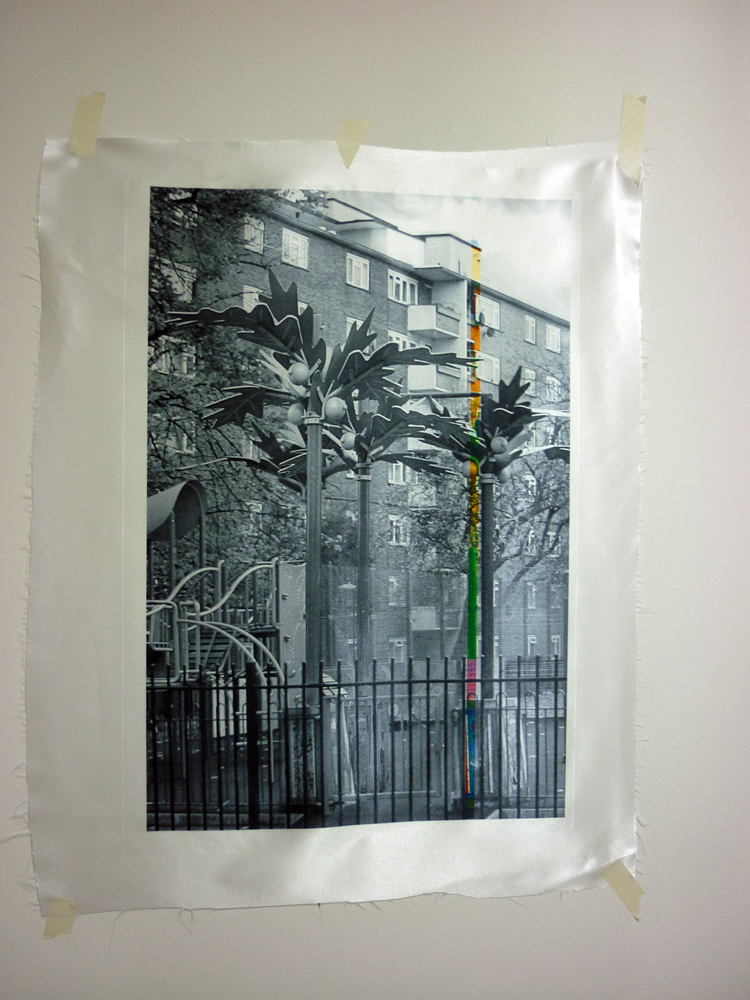
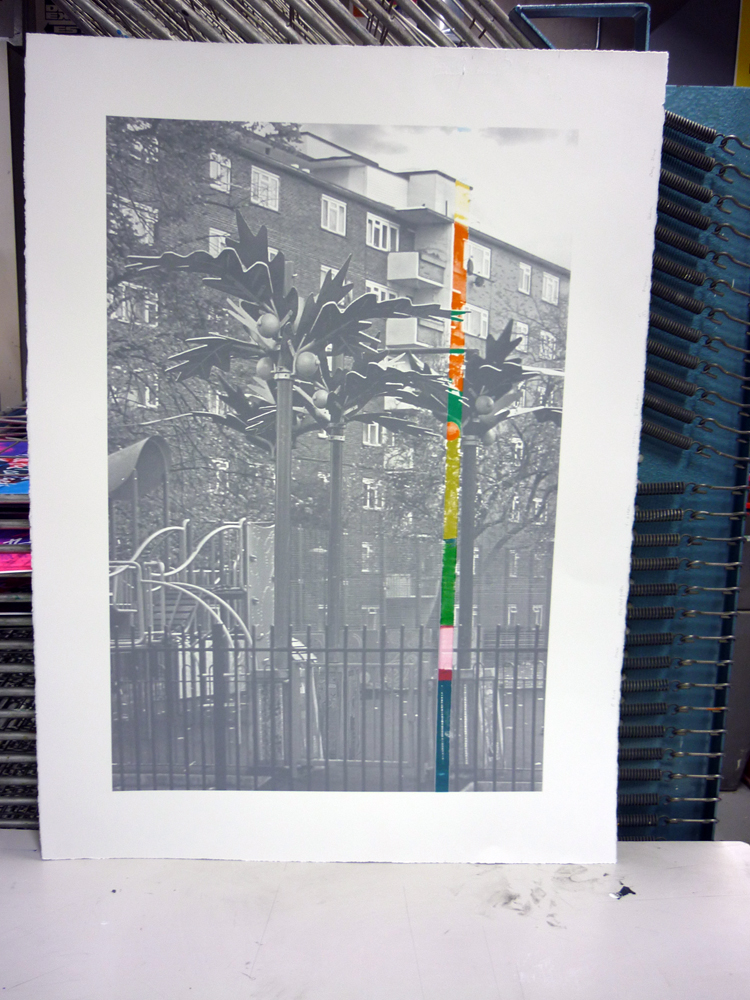
I have been working with a photograph taken in Paradise Road in Stockwell. The children’s playground there has plastic palm trees. The palm trees look like oversized Playmobil with added bolts.

Somehow I want to convey that even with a scene so far removed from an idyllic idea of paradise there is a space for imagination, for a glimpse to something else. There must always be an escape route.

I made some images for sublimation prints using greyscale but leaving a thin strip of  highly saturated colour and put these onto polyester.

1401 Paradise Road Stockwell sublimation print

I also screen printed the image in dark grey onto paper and then used monoprint directly onto the screen to add a thin strip of bright colours.

1401 Paradise Road Stockwell screen print

Art Lacuna Gallery near Clapham Junction are running a series of FOR ONE NIGHT ONLY exhibitions.  The first of which was paintings by Ralph Anderson.

I found these really interesting in the use of colour and how he works with greyscale and then adds the colour afterwards in a swirling spectrum of refracted light.

ralph-anderson_retrobate_art-lacuna_flyer

Now a catch up from November – a quick run through of  some of the exhibits I visited in The Giardini at the Venice Biennale.

The Giardini

The Giardini

Still lush in November.

Switzerland Pavilion

Switzerland Pavilion

We were blessed with amazing sunshine to add an extra dimension to the Swiss Pavilion.

1311 Russian Pavillion 3

The pile of husks in the Russian Pavilion had accumulated over the summer

Russian Pavilion

Russian Pavilion

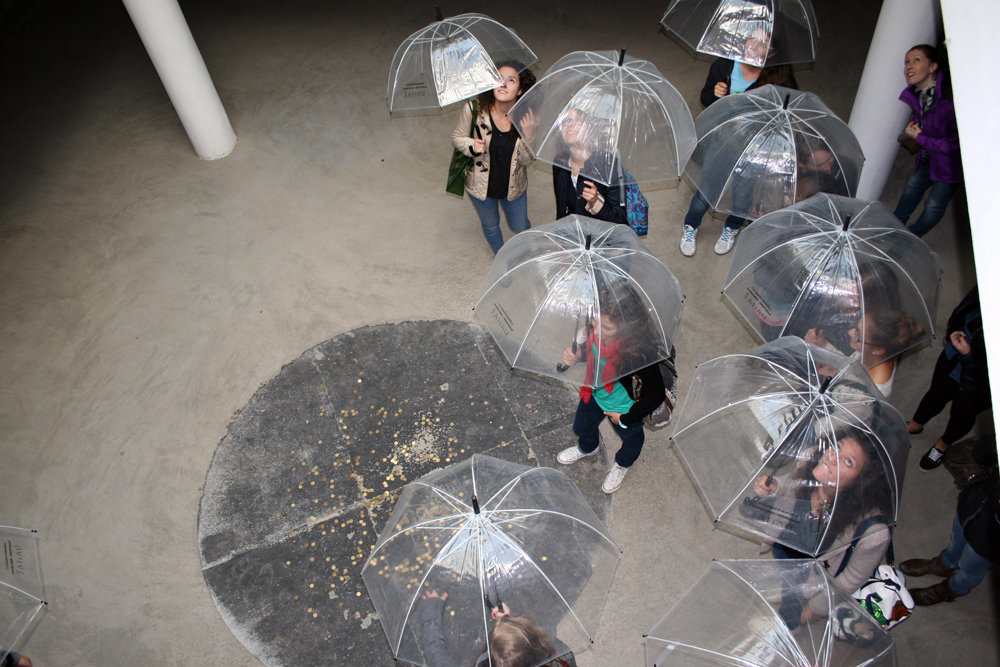
The need for umbrellas was not quite so crucial this visit  as there was no longer a torrential downpour of gold coins from above but a stuttering trickle.

1311 Russian Pavillion

The coins have been circulated across the globe as each participant kept their souvenir

Russian Pavilion

Russian Pavilion

Only a few coins remain in the system.

Korean Pavilion

Korean Pavilion

The Korean Pavilion looks enticing with its kaleidoscopic lights and ritual shoe removal. Maybe it would better to only suppose what was inside

Somehow missed the Canadian Pavilion last visit

Canadian Pavlion

Shary Boyle ‘Ophiodea’

Using projections onto a stage set in a very dark setting the mood shifted

1311 Canada (5)

Shary Boyle

between dreamscapes

1311 Canada (4)

Shary Boyle

and stark illumination

1311 Canada (6)

Shary Boyle

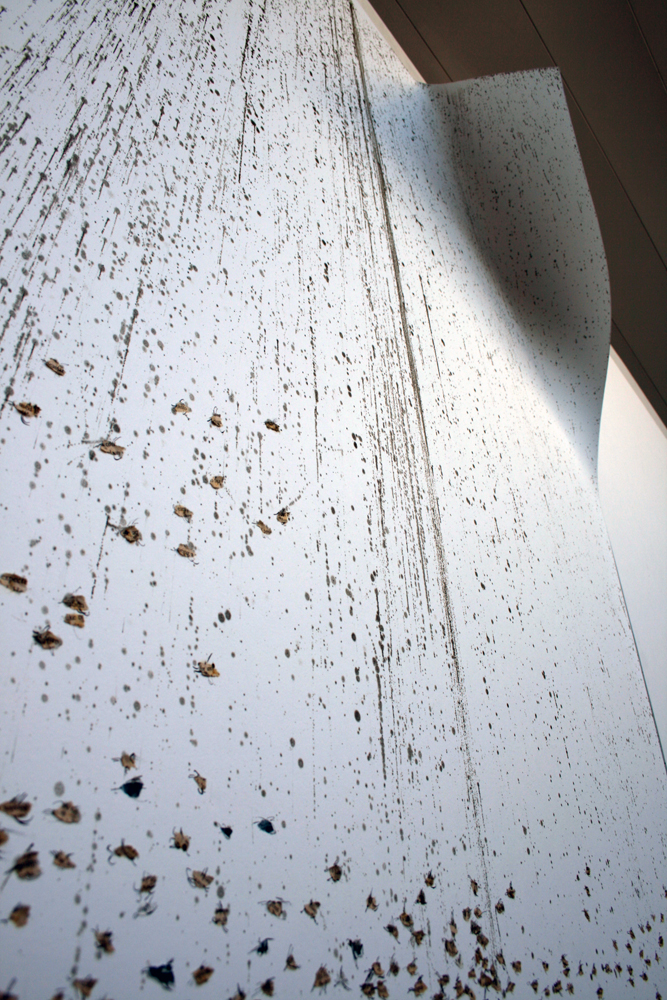
As intended the elements had been at work in the Australian Pavilion spattering mud, releasing paper and rusting metal.

1311 Australian Pavilion (7) 1311 Australian Pavilion (6)

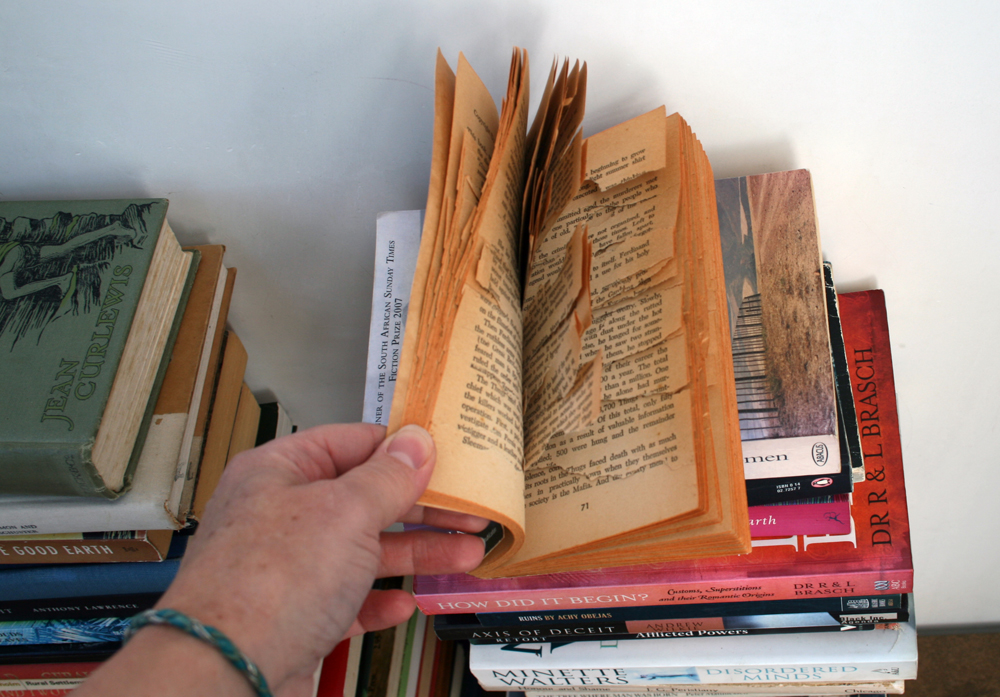
I was invited to look in the books stacked in the corner- the ageing pages had been cut into, hurrying their disintegration while creating new readings.

Australian Pavilion

Simryn Gill – Australian Pavilion

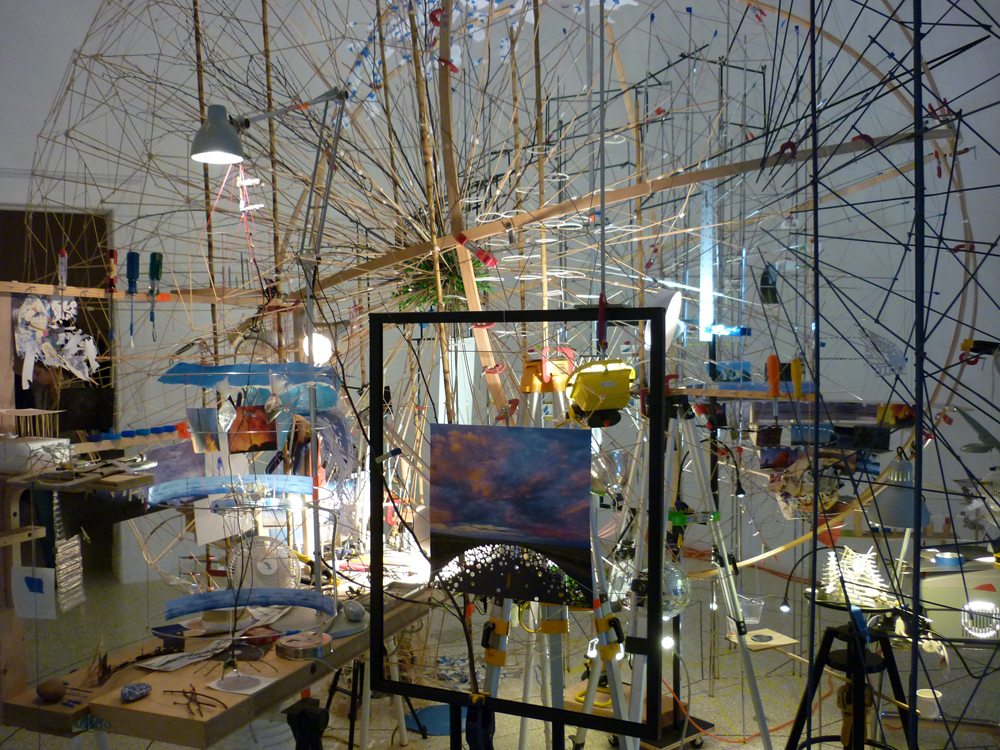
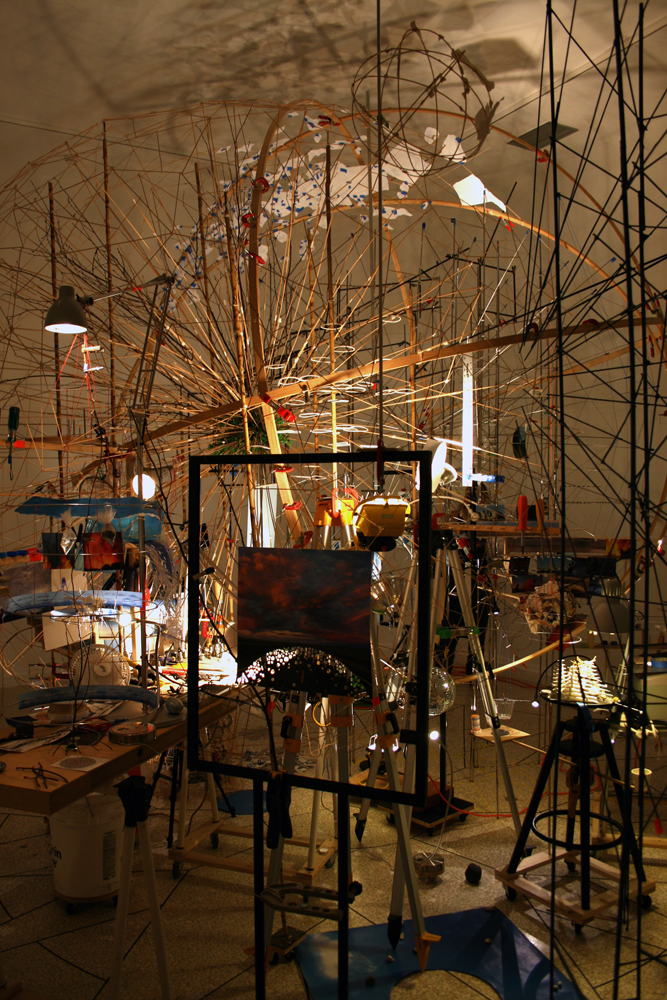
Enjoyed another blast of Sarah Sze in the American Pavilion.

1311 Sarah Sze 3

Sarah Sze

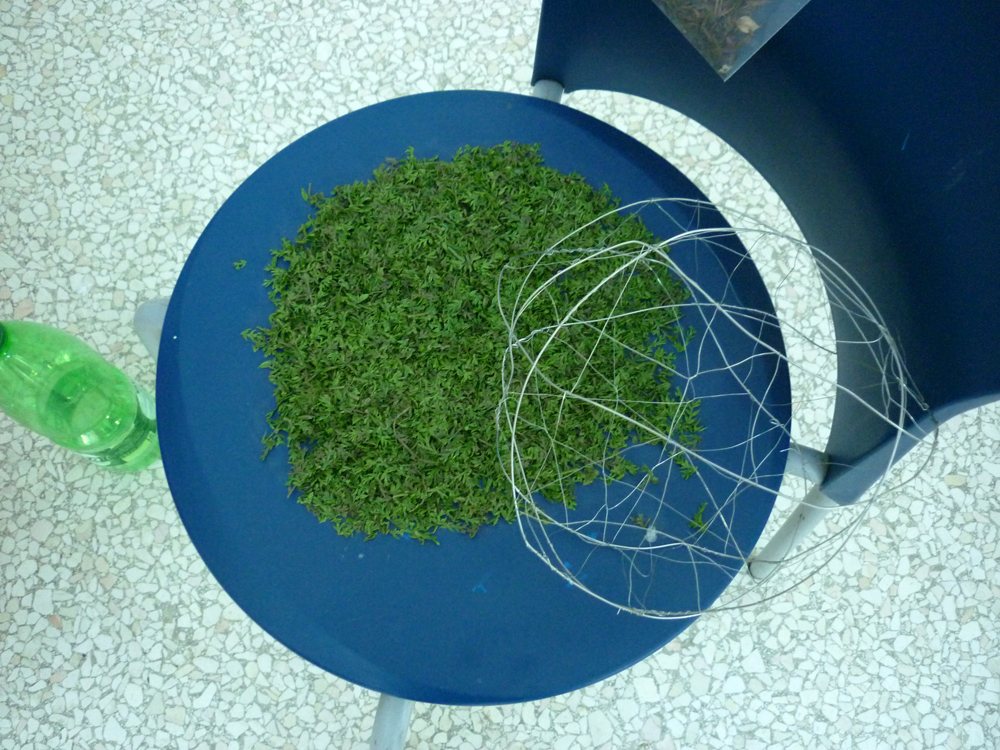
Fresh green moss.

1311 Sarah Sze 2

Sarah Sze

American Pavilion

American Pavilion – Sarah Sze

I was interested to look at the Shaker Gift Drawings. These drawings were believed to be created by sixteen shakers possessed by heavenly beings who offered a portal to view heaven itself.

Shaker Gift Drawing

Shaker Gift Drawing

Superfluous decoration was forbidden in the sect but these depictions inspired from heaven were exceptions and used to reflect life on earth in the shaker community.

The idea of The Encyclopaedic Palace which was the thinking behind the Central Pavilion this year was as a repository for all knowledge. With this all encompassing idea in mind the curator has included lots of outsider art.

There were many collections shown here which were never intended for such a setting, some quite private images on public display, all these manifestations of endeavour showing what a curious bunch we are.

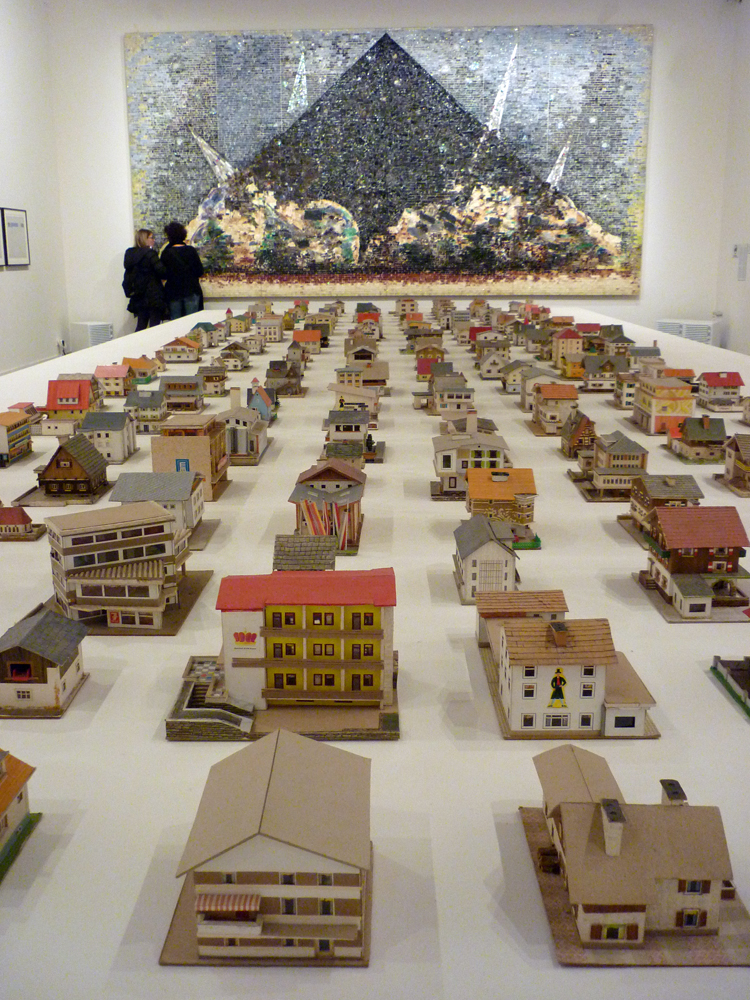
The collection of houses made by an insurance clerk from Vienna are exhibited under the names of the artist and architect who found them in a junk shop.

They create a kind of suburbia to the destruction of Manhattan.

Jack Whitten

Jack Whitten ‘9-11-01’
The Houses of Peter Fritz

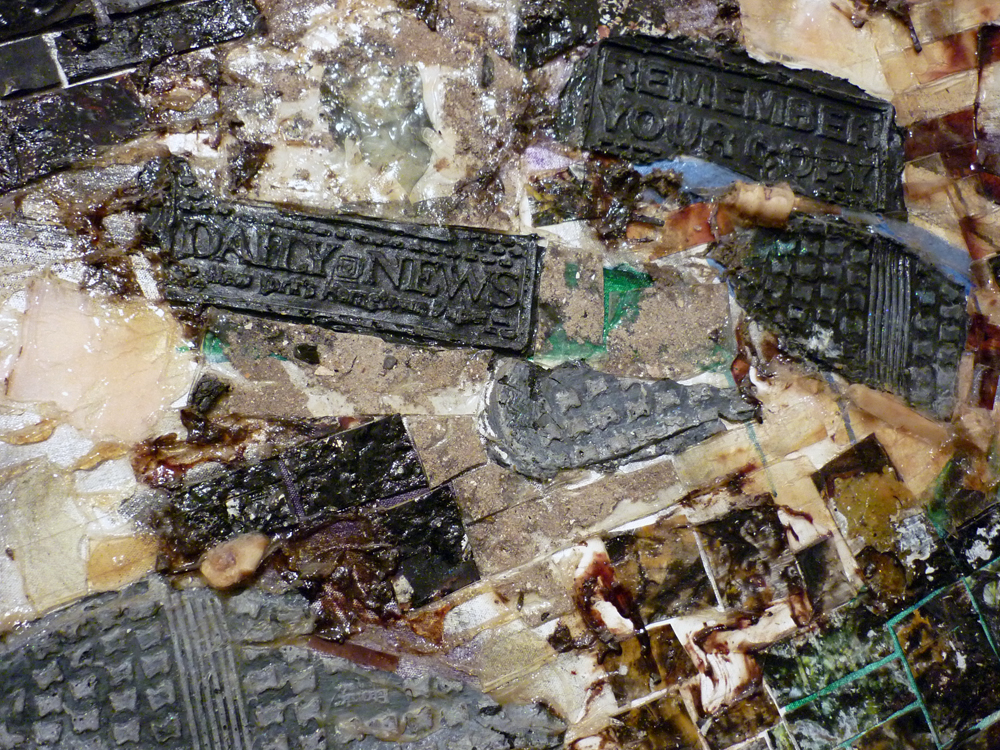
Jack Whitten’s huge memorial to 9/11 has a heavily textured surface.

It looks like it could be made of the very debris from the site.

JackWhitten

Jack Whitten ’09-11-01′

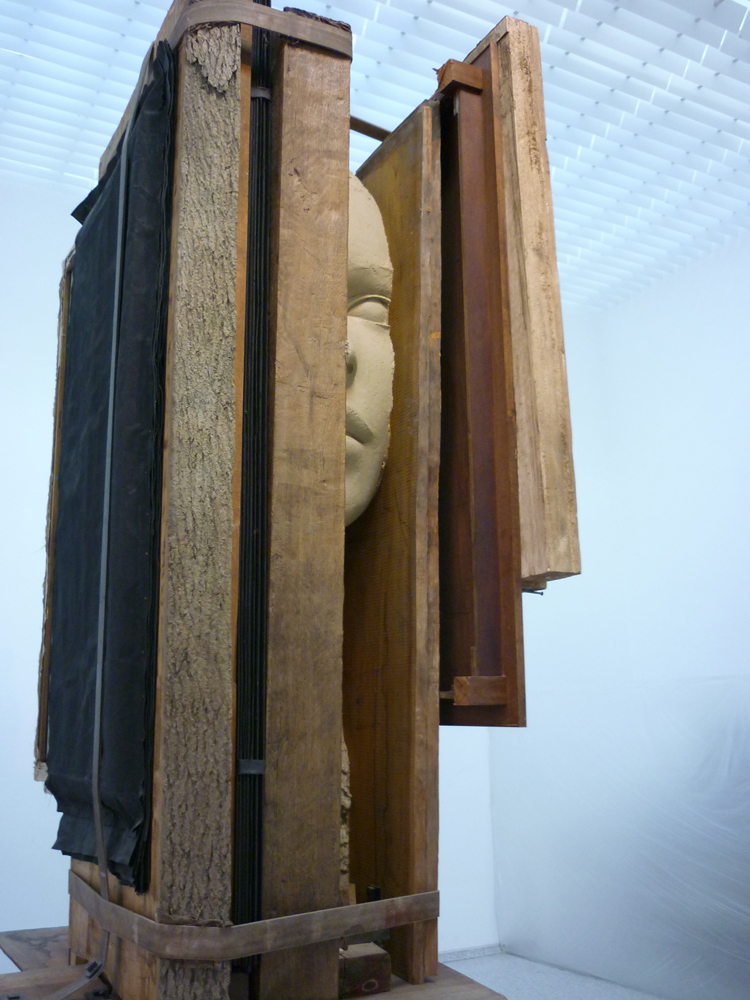
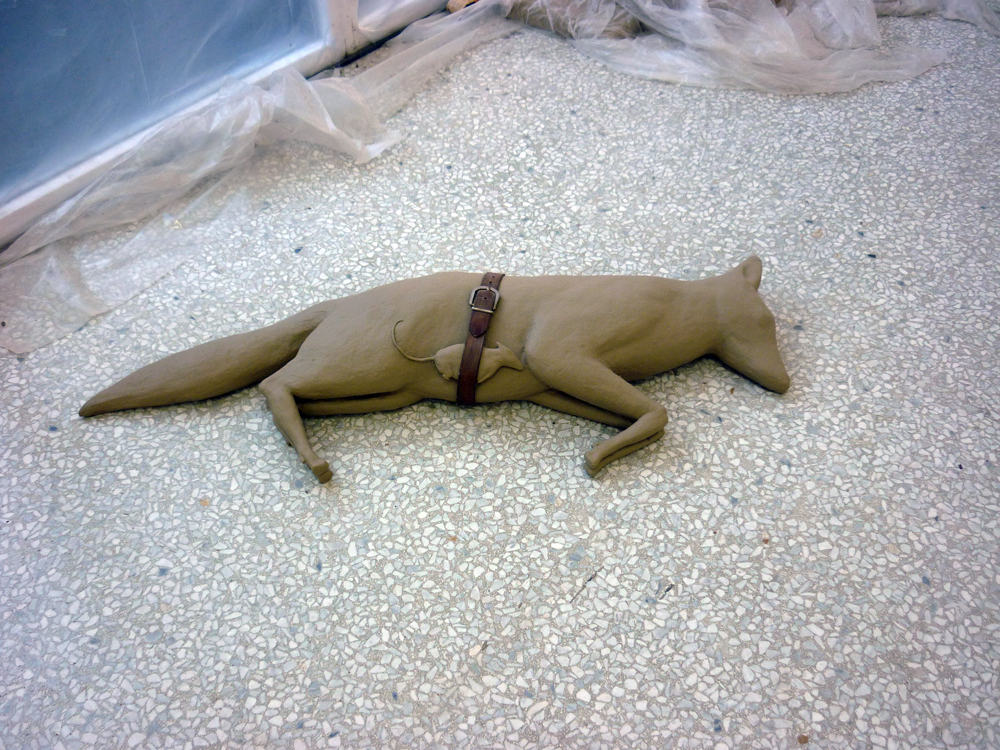
The Netherlands – ‘Room with Broken Sentence’ shows a series of work by Mark Manders.

Mark Manders

Mark Manders

The windows are covered with newspaper giving an under construction look to the pavilion and inside too the theme of under construction continues with a casual studio in progress setting, polythene wrappings pushed aside, work propped or submissively sited which somehow emphasizes the power and scale of the big work

Mark Manders

Mark Manders

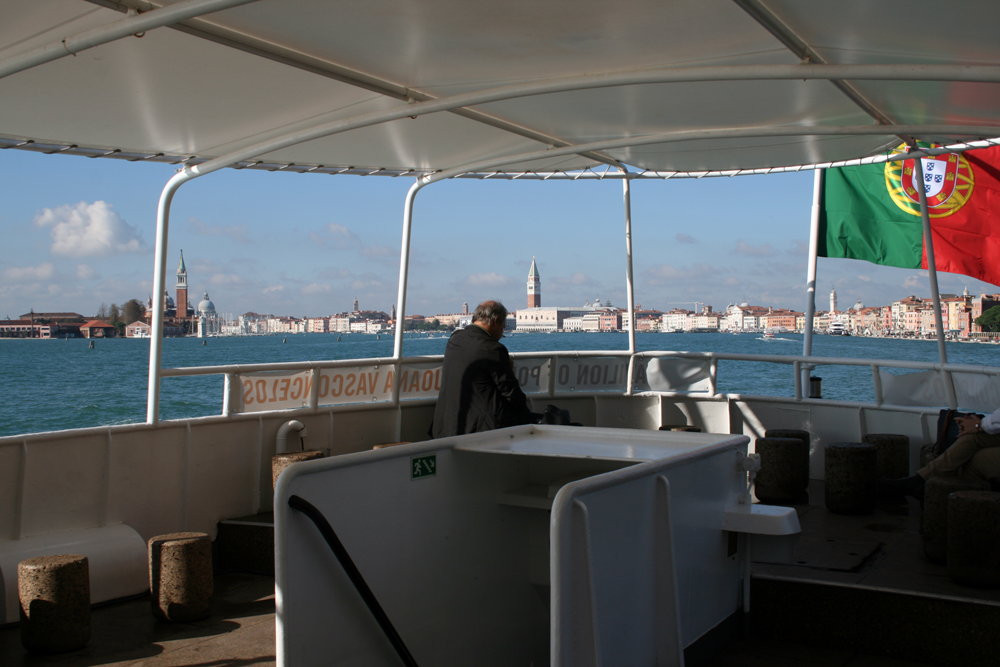
Couldn’t resist another trip into the undulating wombworld of Joana Vasconcelas

Portugese Pavilion

Portuguese Pavilion

Joana Vasconcelas

Joana Vasconcelas

My visit to the Venice Biennale was marked by my receiving news that I had a place at the Royal College of Art for the Autumn.  A great start to a very inspiring few days.

It does feel a bit like I am going to be launched into space. Exciting and an amazing opportunity but also not knowing what to expect with anxieties that I will be lost or unable to cope.

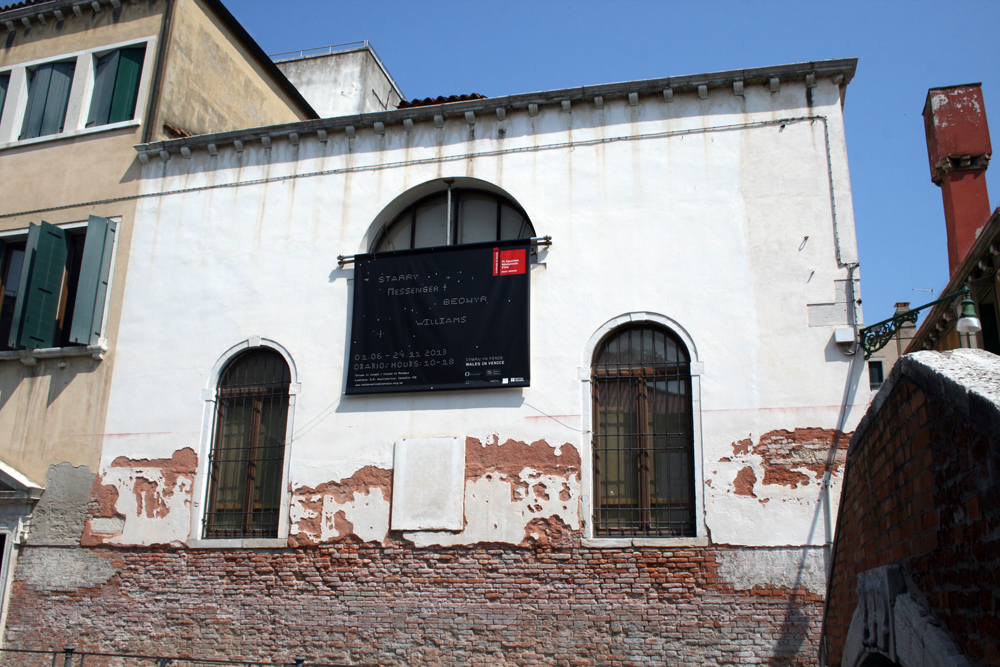
Bedwyr Williams ‘The Starry Messenger’ and Sarah Sze’s Triple Point both explore feelings of place within the universe. Very apt for my frame of mind.

Wales in Venice

Wales in Venice

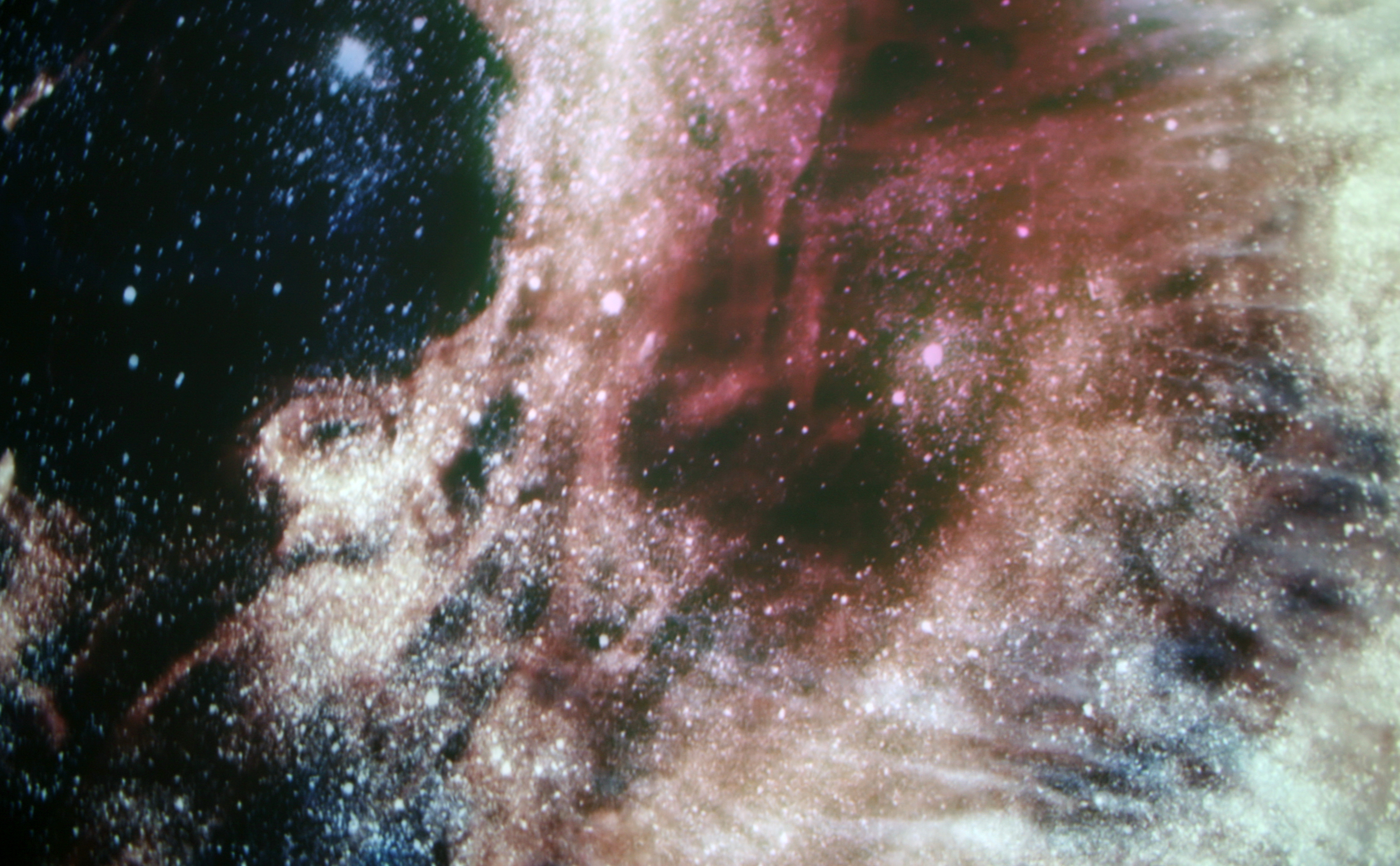
‘The Starry Messenger’ explores the relationships between stargazing and the individual, the cosmos, and the role of the amateur in a professional world.

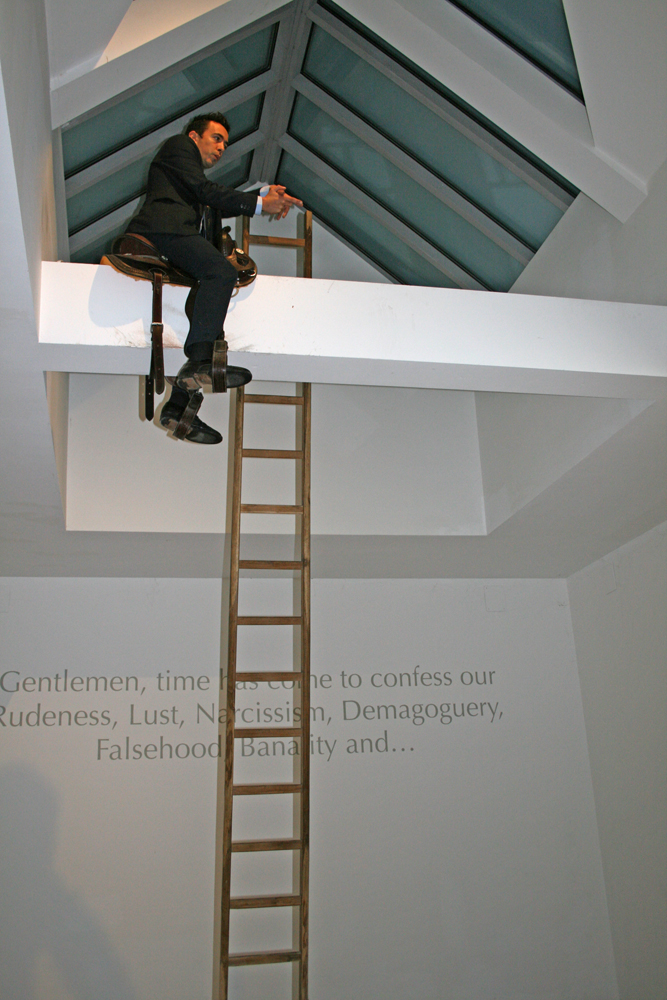
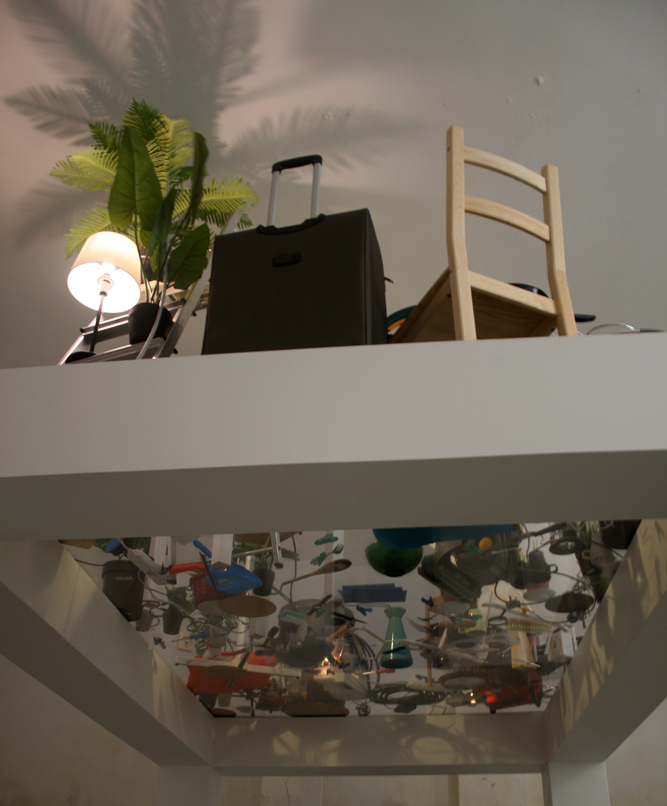
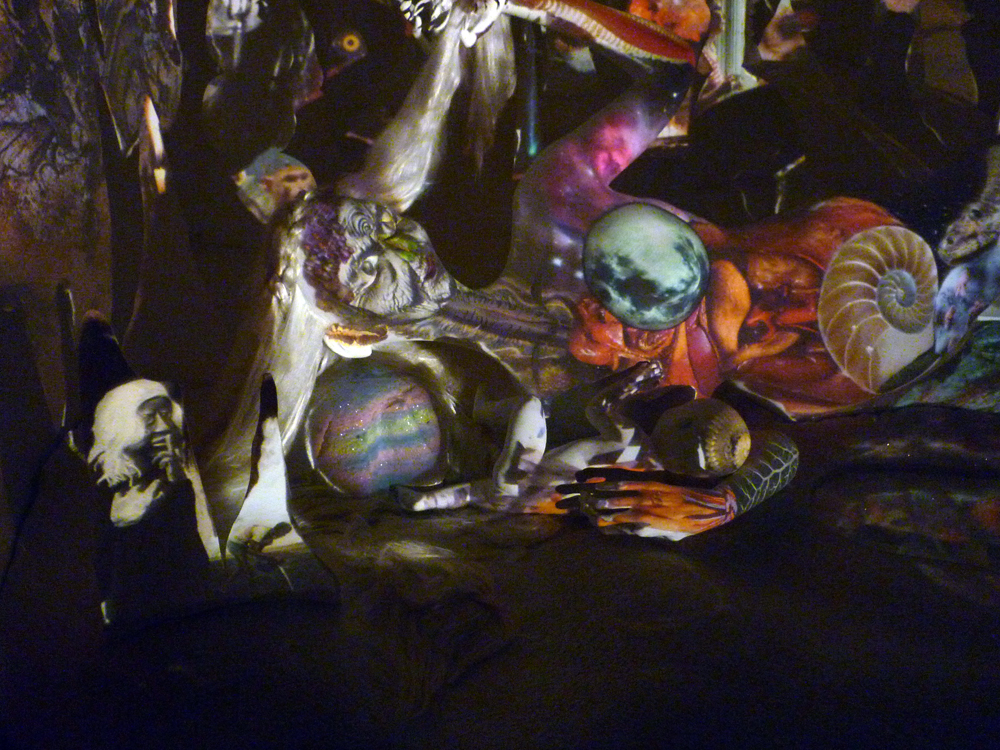
Inside the former church and convent in a darkened room there is a small observatory with a door ajar through which we can see the starry cosmos. There is the sound of a man weeping, just like Kevin does when he thinks about the vastness of space and his own insignificance. Moving through the installation you walk under glass with household objects placed on its surface above your head which I took as a possible reference to Leonardo Da Vinci’s drawing ‘A cloudburst of material possessions’. Maybe it is space debris.

Bedwyr Williams The Starry Messenger

Bedwyr Williams The Starry Messenger

There is a film with a Mighty Boosh style protagonist who represents a character trapped within a mosaic mural.

Bedwyr Williams The Starry Messenger

Bedwyr Williams The Starry Messenger

From the geological formation of stone out of oozing mud through its journey and subsequent use in a mural to the demolition of the building and its return to the earth. From looking out at the stars through a telescope to ‘staring into space’ the outer and inner worlds collide in a wonderfully amusing narrative encompassing the life the universe and everything dialogue.

Bedwyr Williams The Starry Messenger

Bedwyr Williams The Starry Messenger

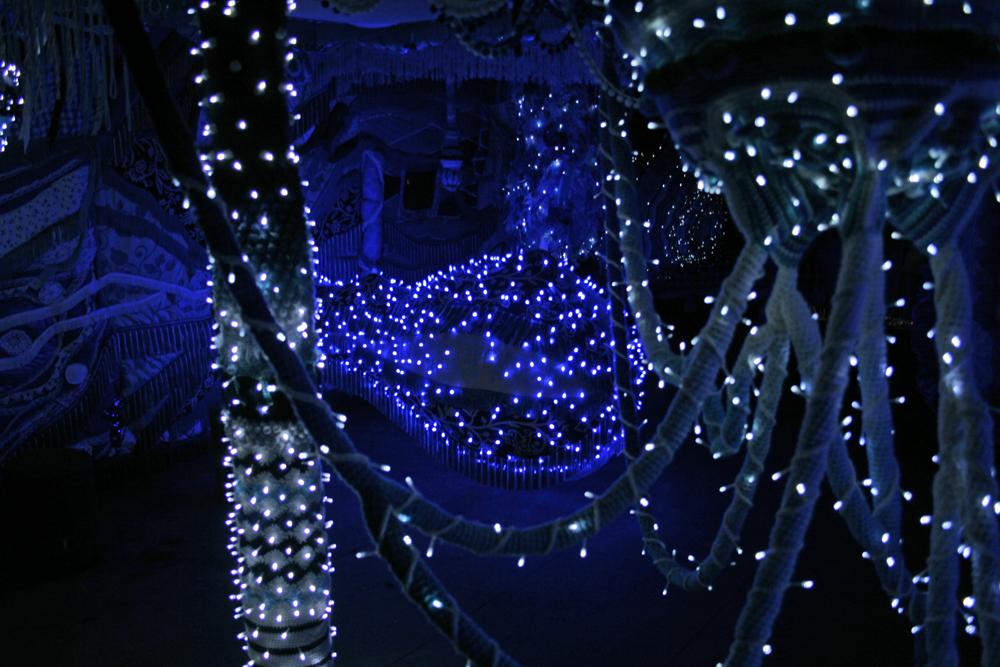
Sarah Sze explores the desire to locate our place within a disorienting world.

Sarah Sze Triple Ponit

Sarah Sze Triple Point

Her fragile sculptures echo the balance and chaos of the world around us.

Sarah Sze Triple Point

Sarah Sze Triple Point

They appear to spin or be in the process of expansion, beautifully mysterious like the working of the atom or the universe they are full of wonder.

Sarah Sze Triple Point

Sarah Sze Triple Point

Playing with pattern, order and taxonomy she creates a laboratory busy in its own pursuits which makes us feel we are close to understanding something great.

Sarah Sze Triple Point

Sarah Sze Triple Point

I was excited to see she had used moss a lot throughout this installation, even turning its image into wallpaper.

Sarah Sze Triple Point

Sarah Sze Triple Point

Triple Point refers to the phase when gas, liquid and solid form of a substance are all in equilibrium, her use of natural forms keep our ideas grounded in our surroundings while drawing us into the mysteries of evolution.

The extraordinary collection of stones once owned by artist Roger Caillois were on display in the Central Pavillion.

Roger Caillois Stones

Roger Caillois Stones

Caillois believed that nature should be examined as something other than as the utilitarian force that Darwin purported and that aesthetics and the need for decoration should be considered integral to our understanding of the natural world.

Roger Caillois Stones

Roger Caillois Stones

He considered the beautiful patterns within ancient natural forms were a sort of cryptic ‘universal syntax’, a unifying aesthetic language.

Roger Caillois Stones

Roger Caillois Stones

He wanted to understand the mysteries of the subjective experience through its relationship to factual reality.

I find it fascinating trying to understand the aesthetic experience.

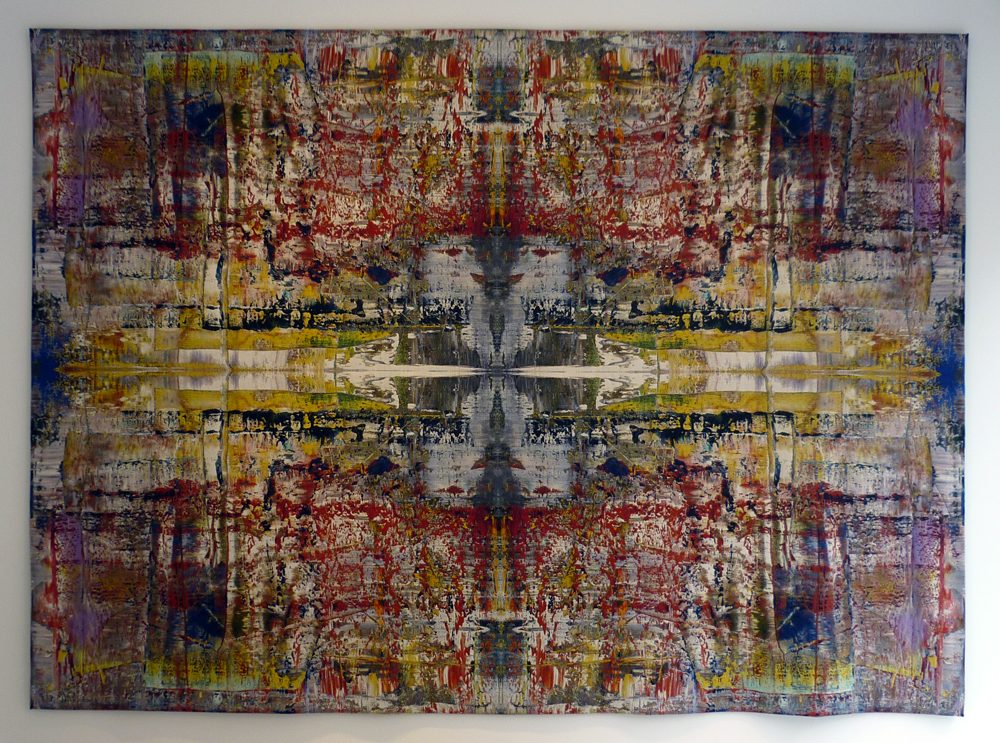
Gerhard Richter’s tapestries at Gagosian, Davies Street emanate pure aesthetic pleasure, colours and form coalesce erupt and fade.

These works are based on Abstract Painting (724-4) (1990). The visual effect of the tapestries is a Rorschach-like multiplying of the forms and colours of the original canvas.

Gerhard Richter

Gerhard Richter

Like entering a hypnotic state, like staring into space both literally and metaphorically you are transported to a place where it feels familiar and strange at the same time.

Gerhard Richter

Gerhard Richter

Venice was a perfect location to think about mysteries, the sacred and the wonders of the world.
1307 Monastry