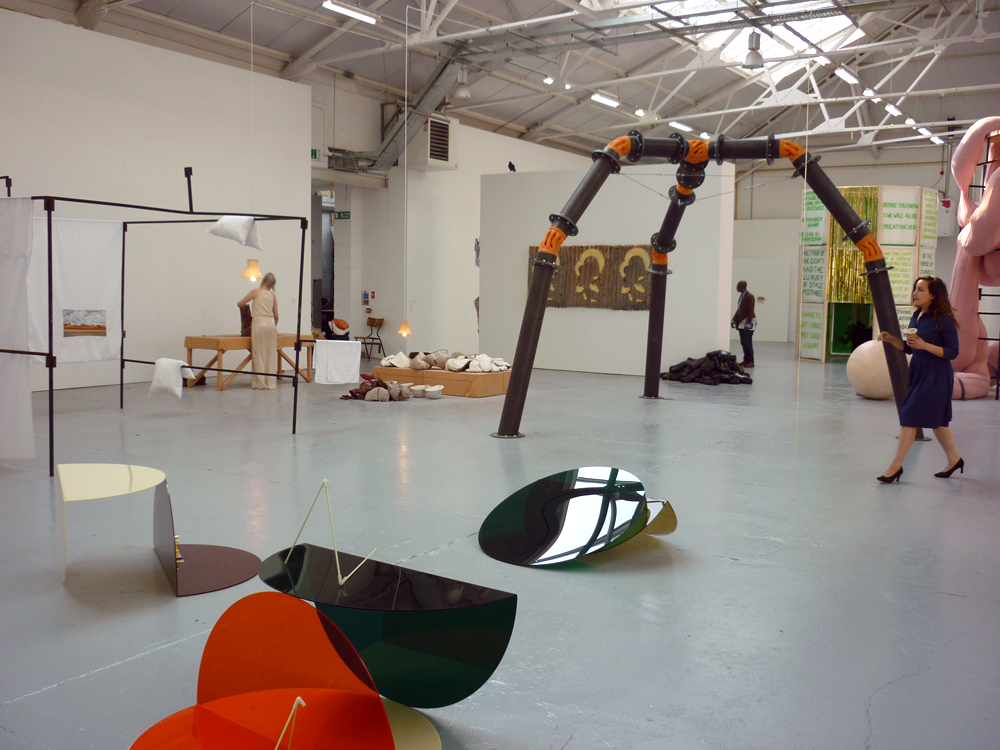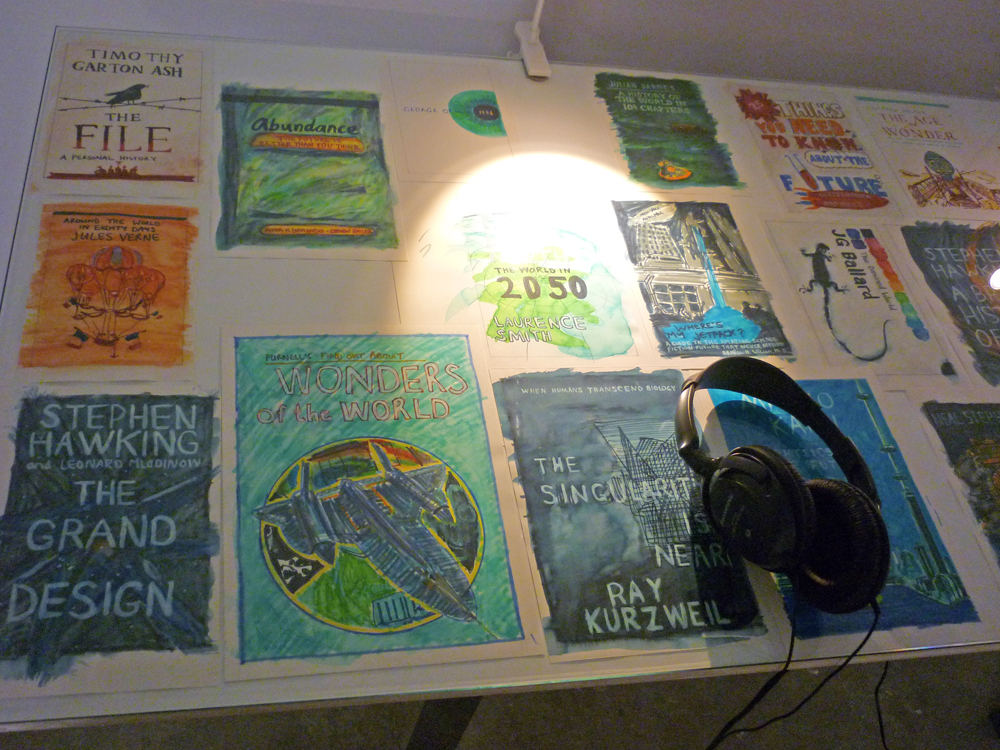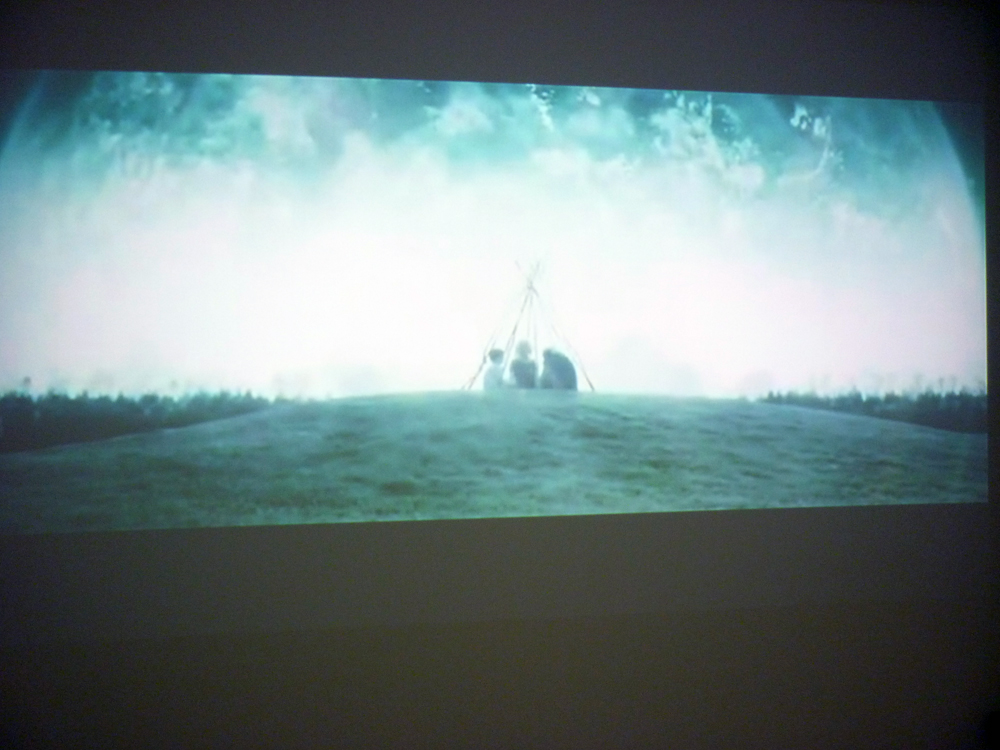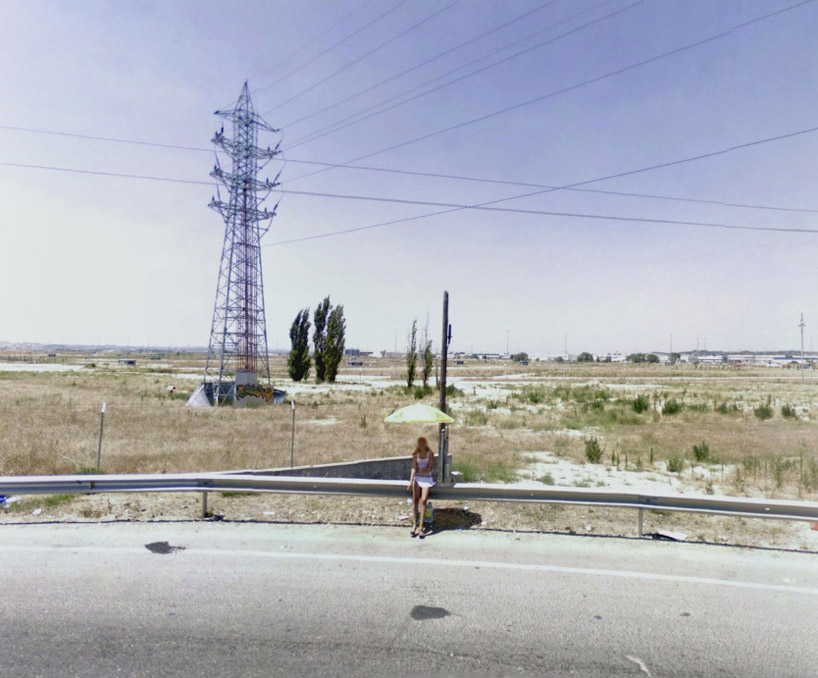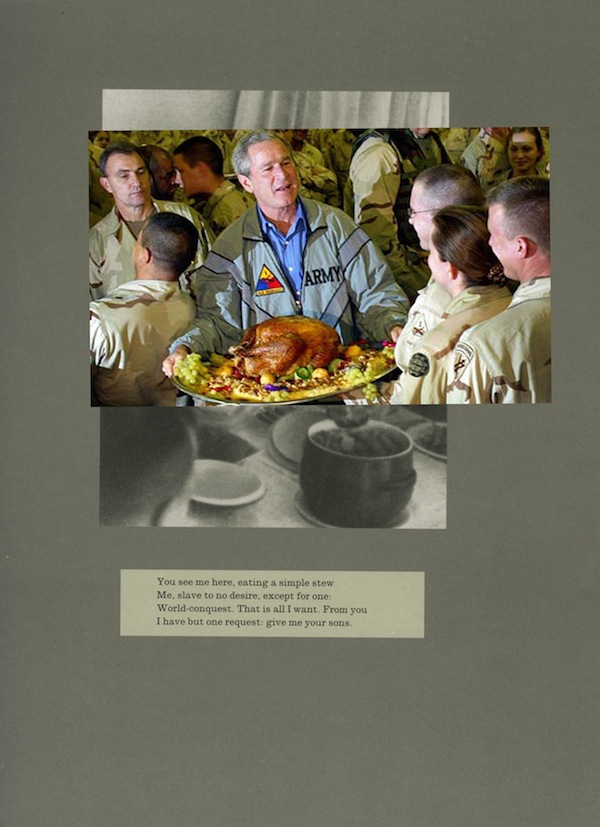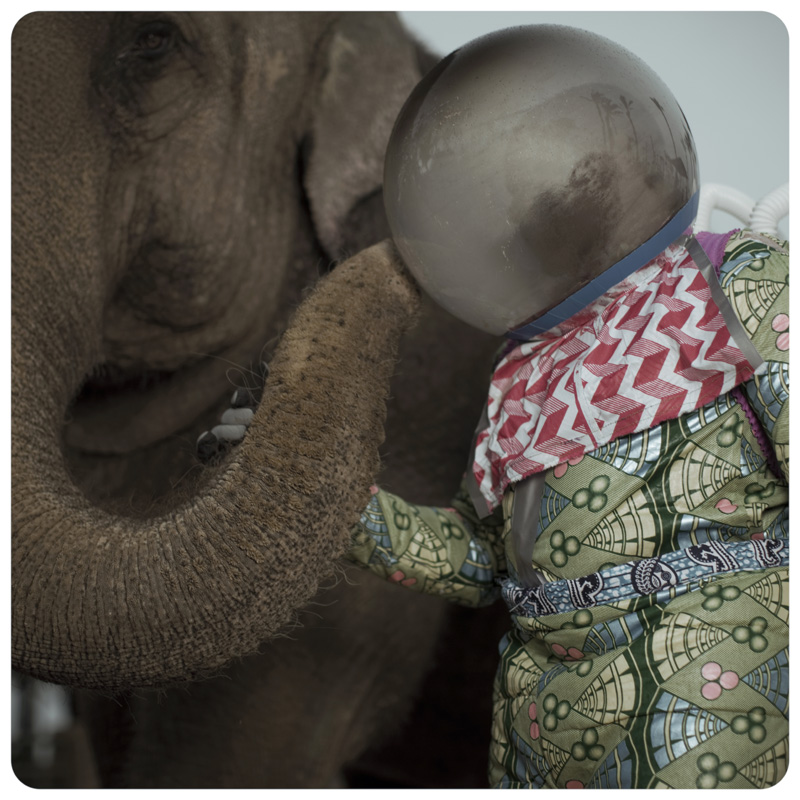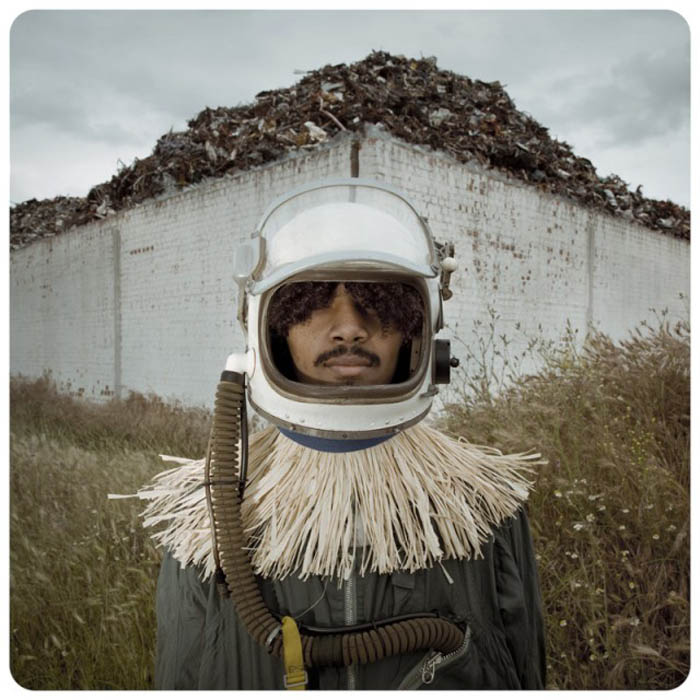
The final talk in the Whitechapel Gallery programme ‘To Make a Tree’ was from Ivan Morrison (Heather was busy in rehearsals for their travelling puppet show tour of Wales)
A great raconteur Ivan presented an overview of their practise concentrating on key interests and their overriding belief in the importance of integrity of materials.
Making something have more depth by doing it the long way even if the end result looks the same, he strongly believes that the commitment to an object though a long making process imbues it with a value beyond the visual.
He is also a great believer in the importance of failure – natural entropy. From the ashes of disaster…
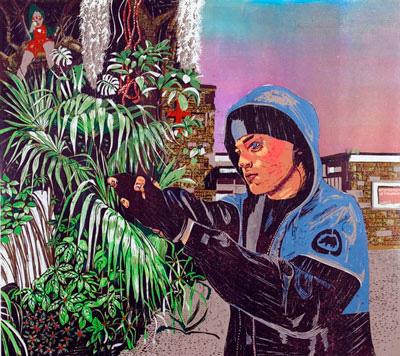
He decided the best way of forming a direct engagement with nature within an urban environment was to become involved in gardening.
This involvement was to become one of his first projects; the documentation of his gardening experience in Birmingham.
Postcards were printed and sent out to selected people stating the progress of his gardening endeavours.
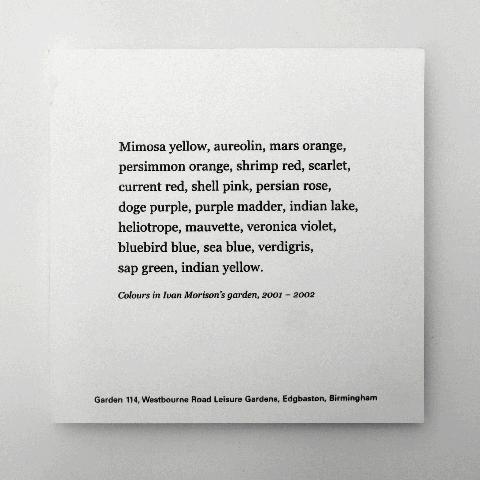
Ivan Morrison
He listed the colours to be found in the garden at certain times of the year.

Ivan Morrison
As time went on the success and more often the failures were documented in what became an ongoing narrative of the battle every gardener faces in order to maintain control and defy attack.
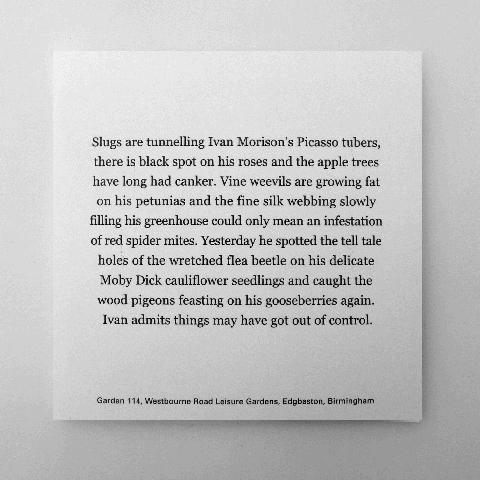
Ivan Morrison
The Morrisons are inspired by the passions of other people, the importance of family and ancestors, of staking a claim in the soil by planting an arboretum tended through generations, or the spirit of the idealist who builds an escape vehicle on the back of a truck and heads for the open road.
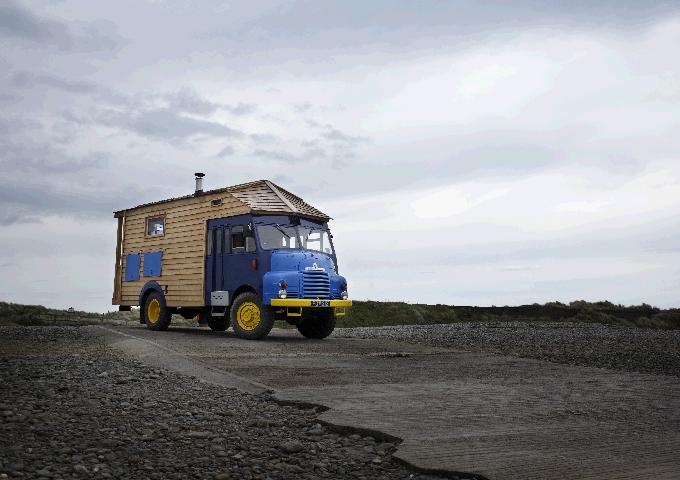
Heather and Ivan Morrison ‘Tales of Space and Time’. Converted Bedford Green Goddess, Douglas Fir, books, other media
This idea of an escape vehicle became translated into other forms of refuge.
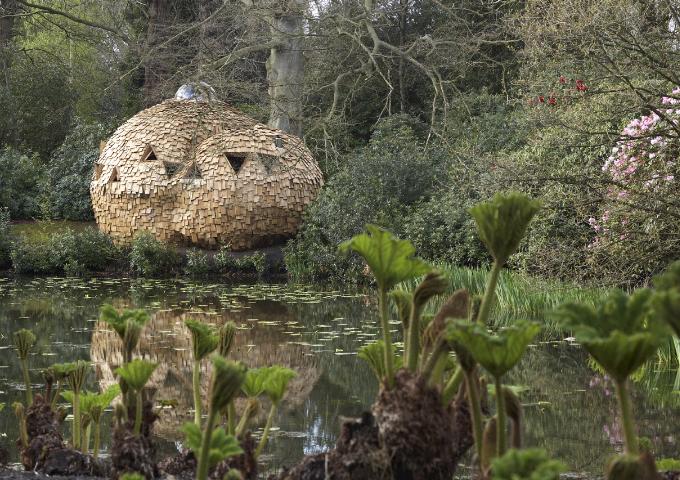
Heather and Ivan Morrison ‘I am so sorry, Goodbye’
Ivan Morison explains; ‘The conjoined domes of ‘I am so sorry. Goodbye.’ are inhabited by a guardian whose task it is to keep the stove lit, water boiled and visitors supplied with hibiscus tea. The guardian has the vocabulary of the words: I, am, so, sorry and goodbye. These words were first conveyed to us whilst staying in an old upmarket hotel on Alexandria’s corniche. Late one night I received a call in which the only words that were said, by the slow doleful male foreign voice, were ” I am so sorry sir… I am so sorry sir… Goodbye sir.” After putting the phone down I felt witness to something I didn’t fully understand, but felt that we had been given the task to pass on this cryptic message.’
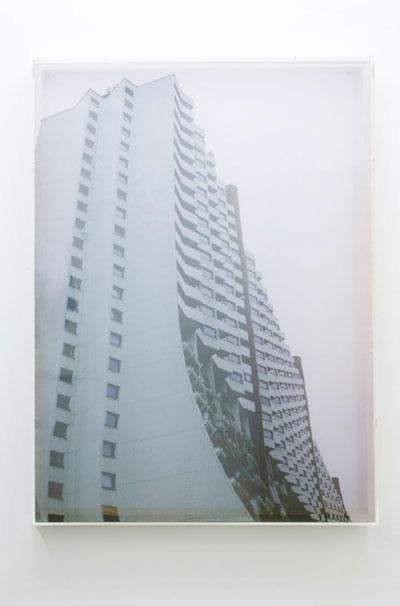
The refuge is hand built from naturally fallen trees in Tatton Park. Made from its own environment it looks both archaic and futuristic. Dystopian or utopian it could come from any era. An apocalyptic future or the idealisms of a hippy commune. The Morrisons are interested in social architecture and how architecture impacts social behaviour. These thoughts are also influenced by science fiction and dystopian novels such as J.G. Ballard’s 1975 novel, High-Rise. The idea of the building design having a direct effect on the social relationships of the inhabitants was part of the thought process for the Morrisons in creating a site specific structure ‘Plaza’ in Vancouver.

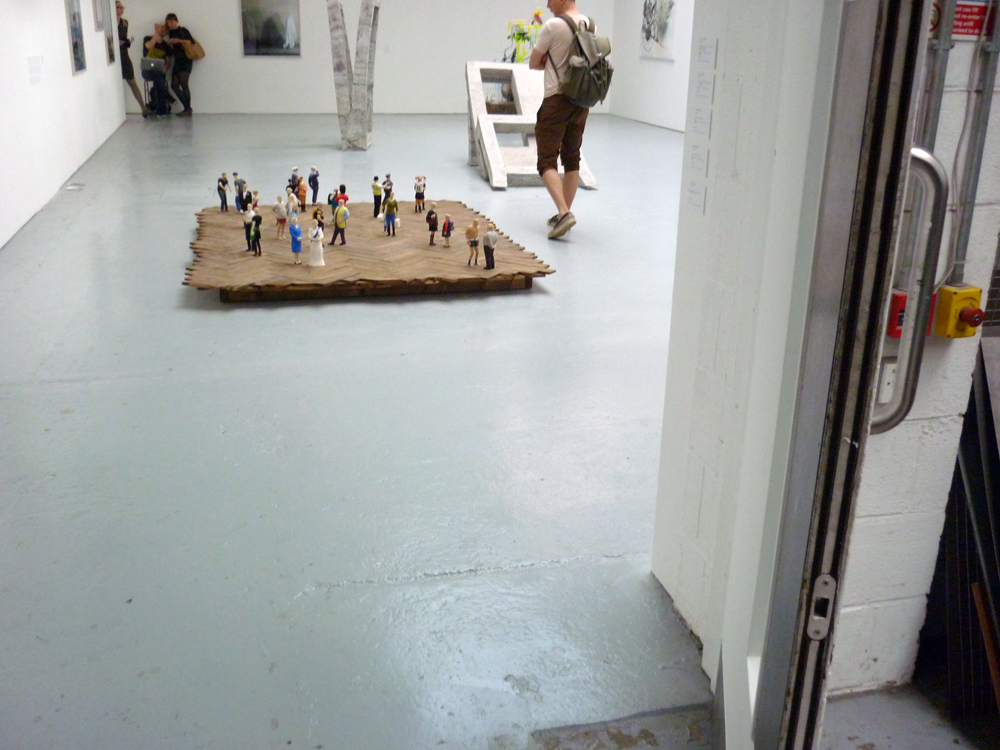
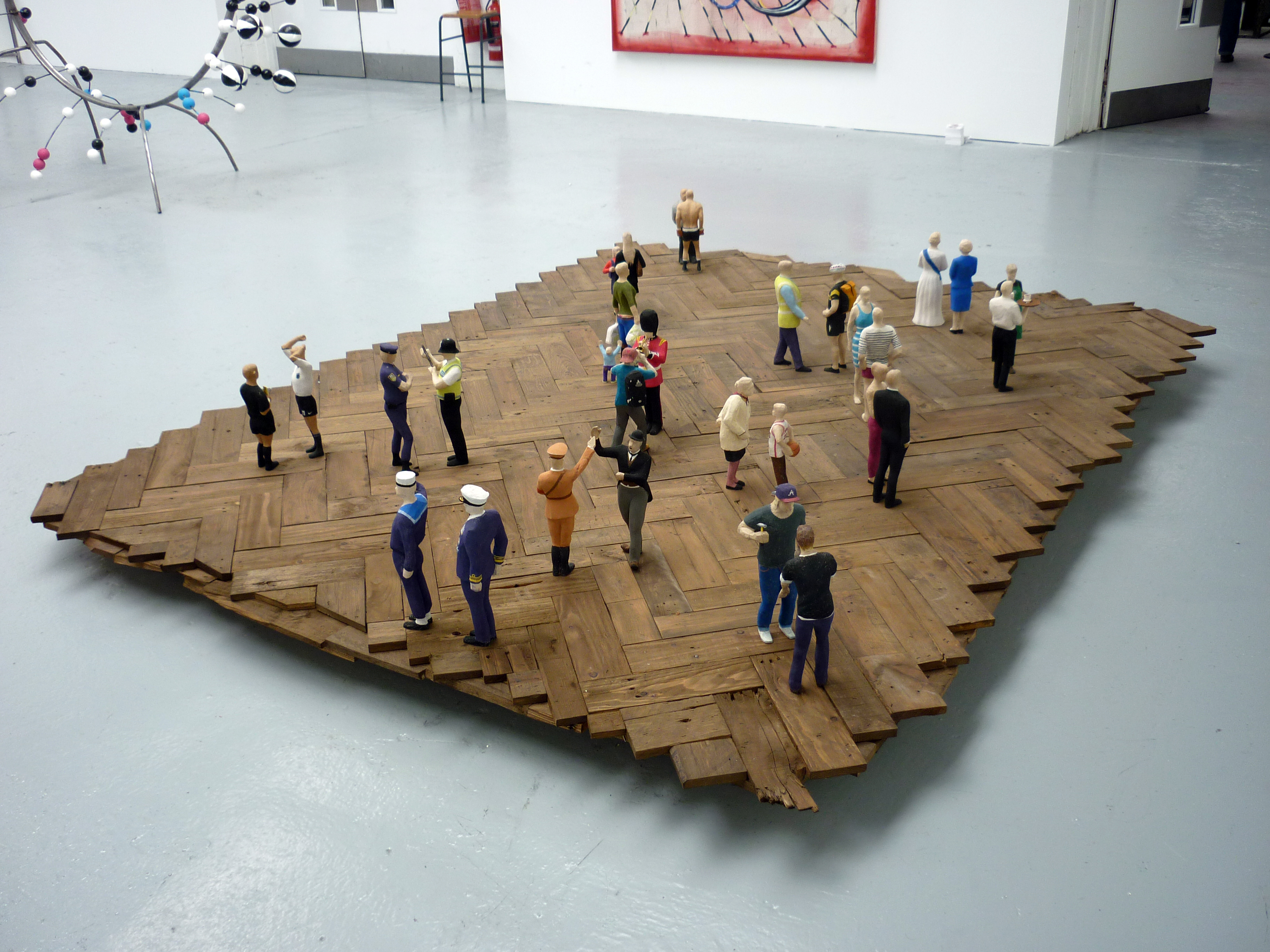
Heather and Ivan Morrison Plaza
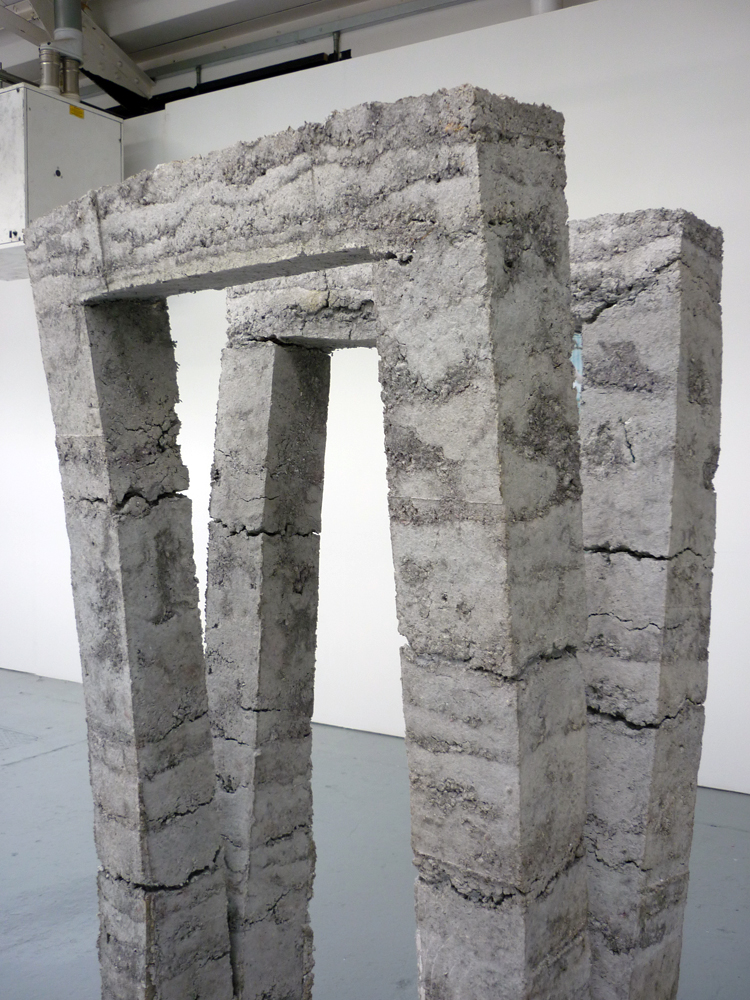
‘Plaza’ looks about to fall down. It is made of reclaimed dark heavy wood, burnt black. In contrast to the pale linear city it looks like the bones exposed at the moment of collapse.
A reminder of all the great cities that have fallen over time. It is an exciting place because it is dynamic. It creates a shift in perception.
The Maldives are facing a very direct impact on their environment from climate change, not a natural entropy.
Communities come together to build sandbanks to try to keep the sea at bay.

Portable Nation
At the Venice Biennale the art collective Chamber of Public Secrets explored east west views of nature. Where western thought considers nature and culture to be in opposition, eastern thought considers nature as a guide, a source of inspiration and harmony.

Portable Nation
For the pavilion they presented the culture and nature of the Maldives as one aesthetic experience in line with the concept of contemporary Environmental Romanticism.
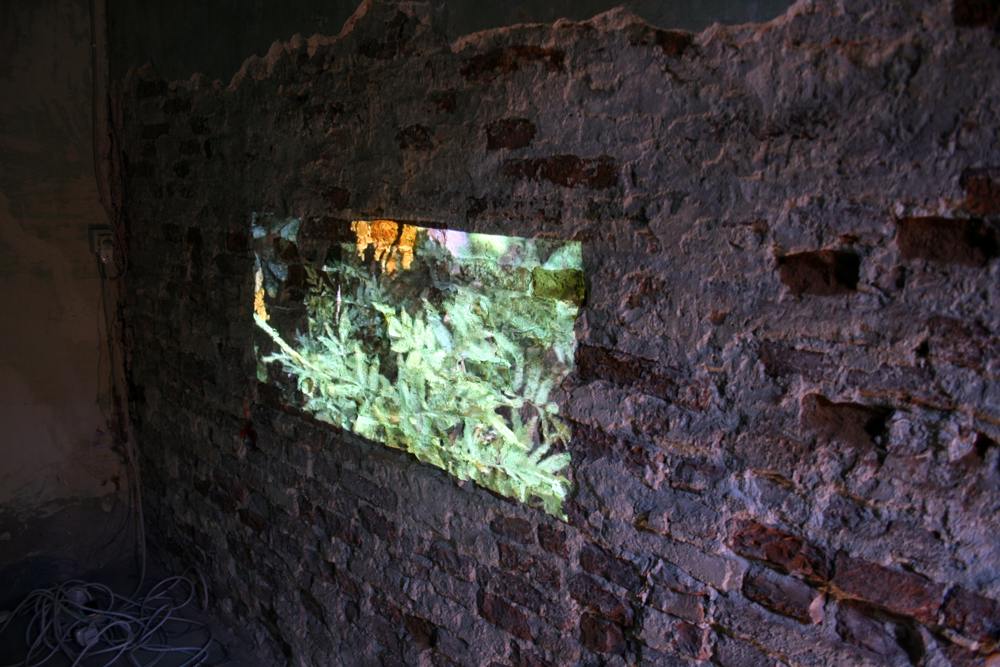
Portable Nation
The crumbling brickwork of the pavilion was a perfect backdrop to the video projections of nature giving an ethereal ghostlike quality to the images – a disappearing landscape.
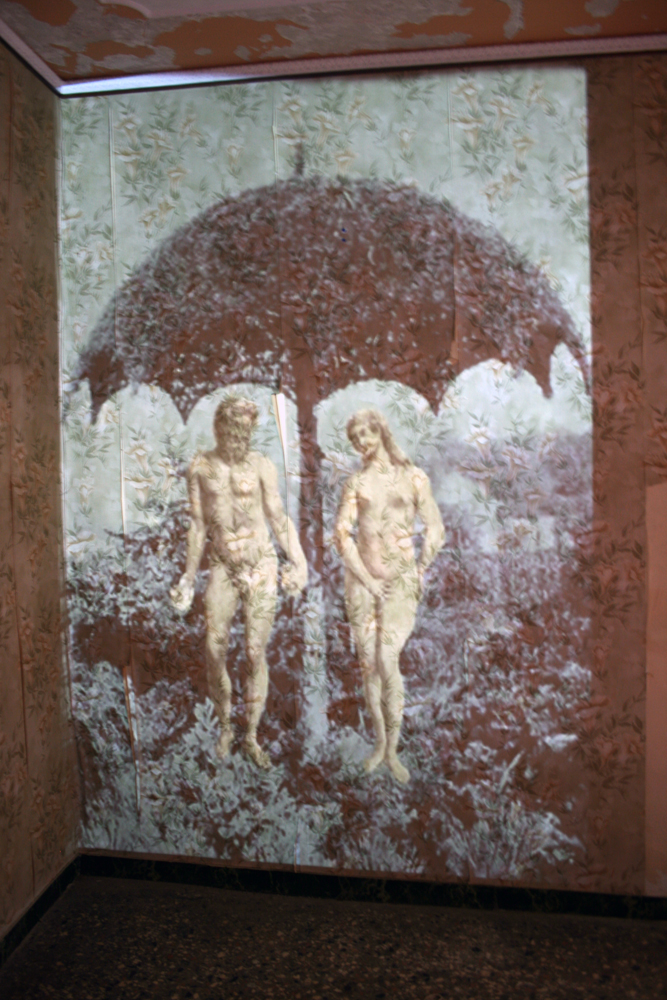
Portable Nation
For many the Maldives is synonymous with paradise.
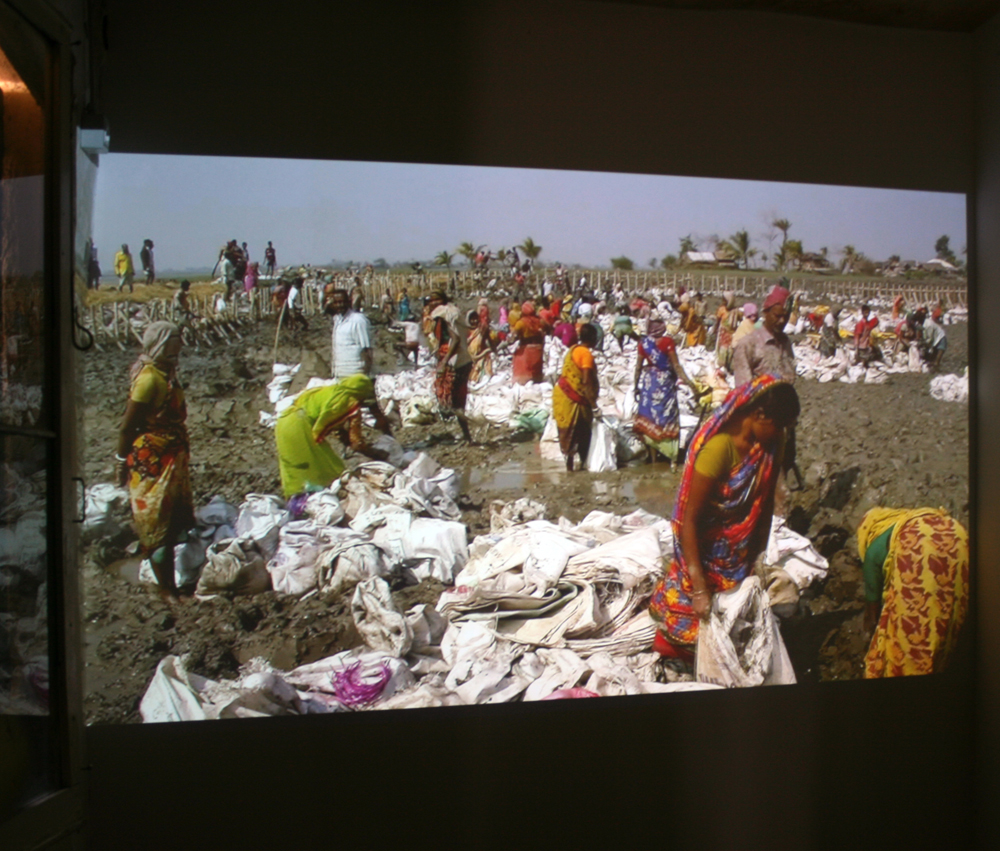
Portable Nation
A place for the western romantic to escape to has become a place that its own people want to escape from.

Portable Nation
Simryn Gill for the Australian pavilion fully embraced entropy in her work.

Australian Pavilion
‘Here art grows on trees’ allows the elements into the Pavilion.
The drawings of insects on paper made from the pulp of decayed plants will over the seasons return to a state of decay, exposed to the rain and sun and insects of the Giardini.
The work is about the passage through time of paper, the artwork, the pavilion, the artist.
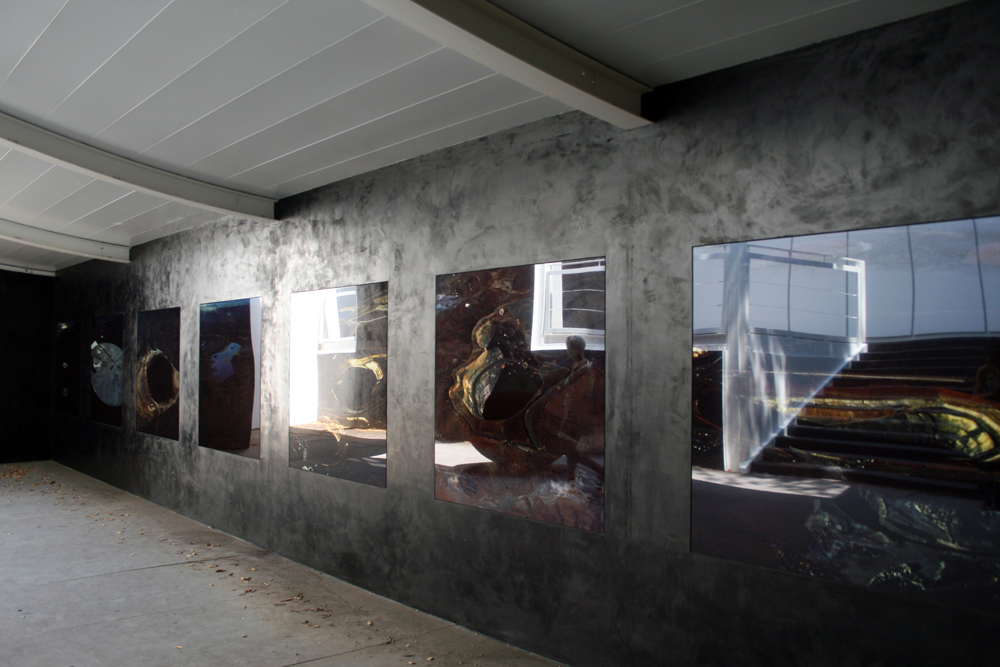
Simryn Gill ‘Eyes and Storms’
Looking at cycles, at circles. Eyes and Storms are photographs of mines. Huge circles carved into the earth.
It will be interesting to see how the work has changed when I return in November with the RCA study trip.
Another artist undertaking a similar project at the moment is Matt Calderwood on the roof of the De La Warr Pavilion in Bexhill.
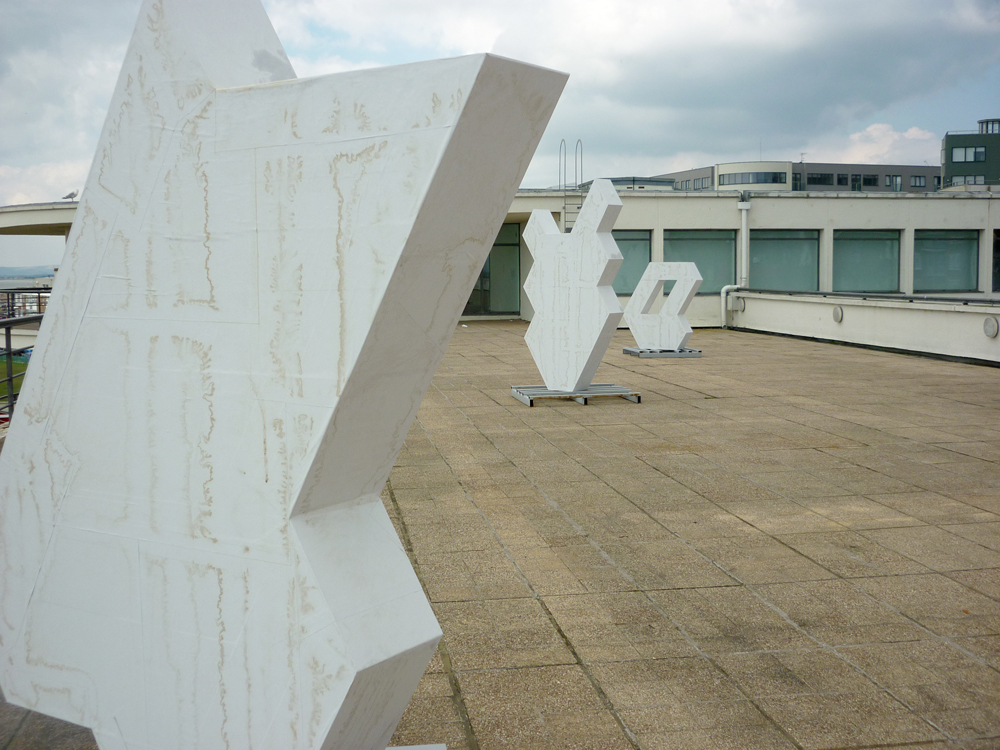
Matt Calderwood Exposure Sculpture
The paper covered steel frames of ‘Exposure Sculpture’ will remain on the roof, at the mercy of the elements, over the summer period to be taken into the gallery and reconfigured later in the year.
Terike Haapoja in the Nordic Pavillion at the Biennale questioned the human view of nature and wanted to express the interdependency of all living things, the energy passing between us and through us.
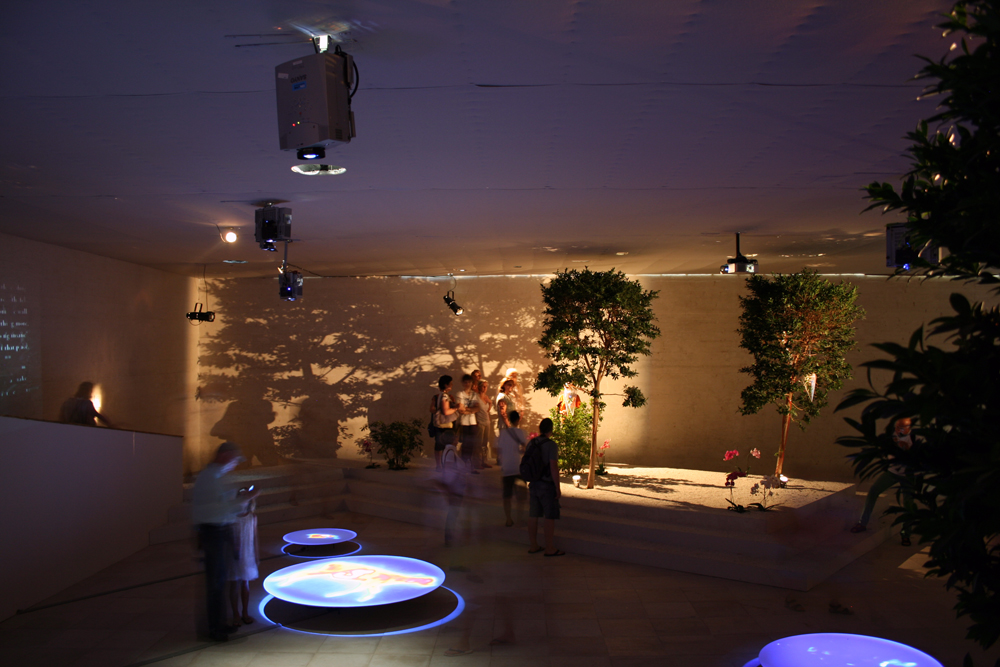
Nordic Pavillion
By talking or breathing to the CO2 sensor next to a branch on the trees in the Pavilion the visitor can activate the lights and open the glass chambers.

Terike Haapoja
Breathing together.

Nordic Pavillion
The loss of heat from a body at the moment of death is recorded. It is a poignant witness to the warmth of life slowly dispersing.
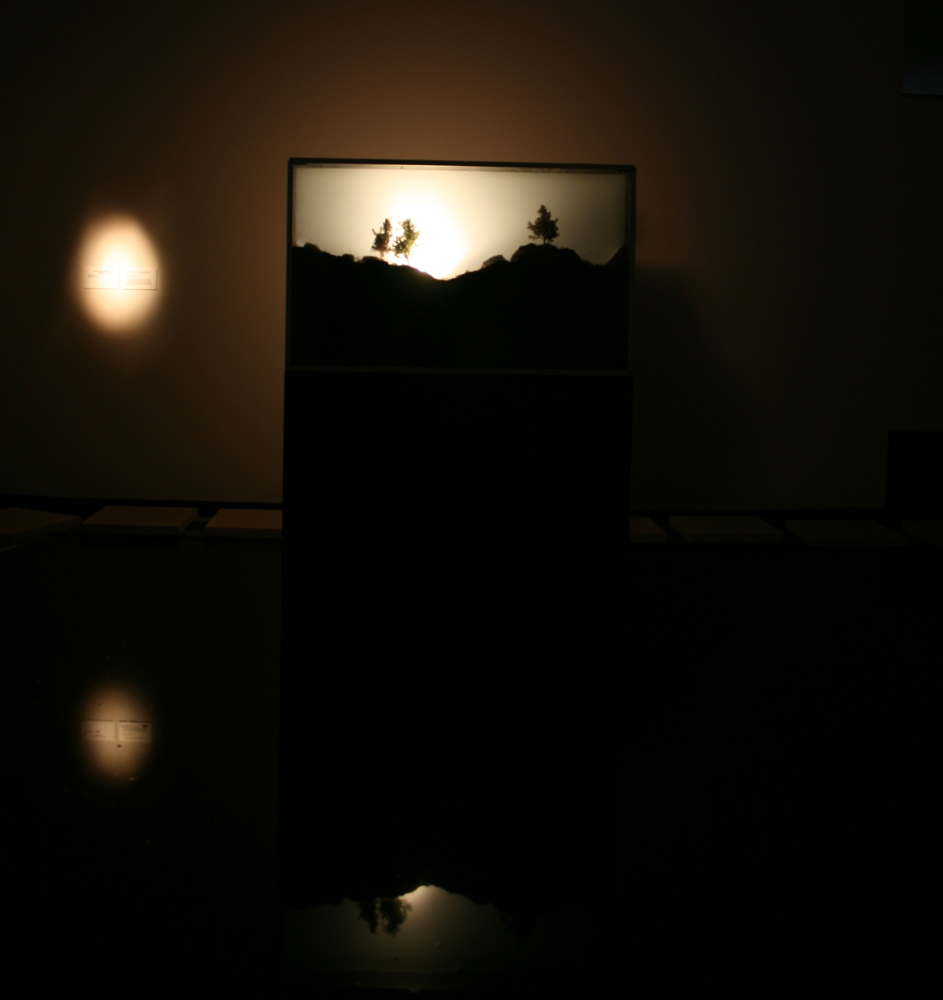
Terike Haapoja
Thinking about the natural processes of life and death can lead to thoughts of the spiritual.
Our ancestors had other than scientific explanations for things they didn’t understand and believed in spirits.
Mark Leckey’s exhibition ‘The Universal Addressability of Dumb Things’ looks at the objects we interact with today in a similar vein. As things possessed.
His concept is of ‘techno-animism’ – the blurring of the animate and the inanimate.

Mark Leckey
At the Biennale a digital taster was showing of the main exhibition held at the De La Warr pavilion in Bexhill on Sea.

Mark Leckey at The De La Warr Pavilion
Felix the Cat – the first image ever transmitted on TV
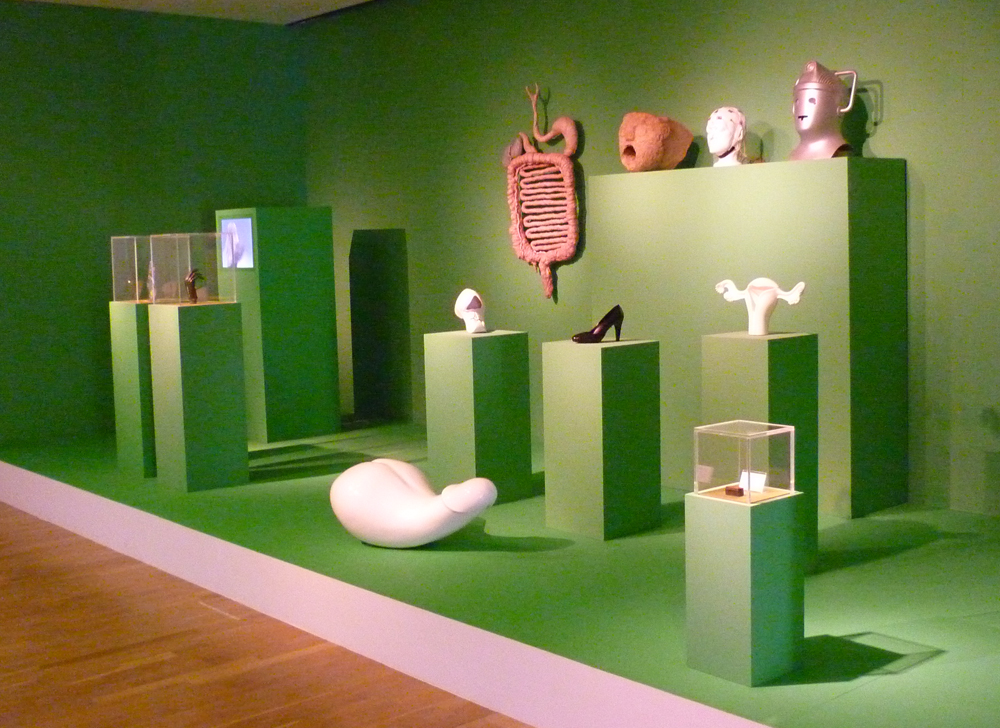
Mark Leckey The Universal Addressability of Dumb Things
The exhibition was presented as a collection of objects that all talk, literally or metaphorically, to each other.
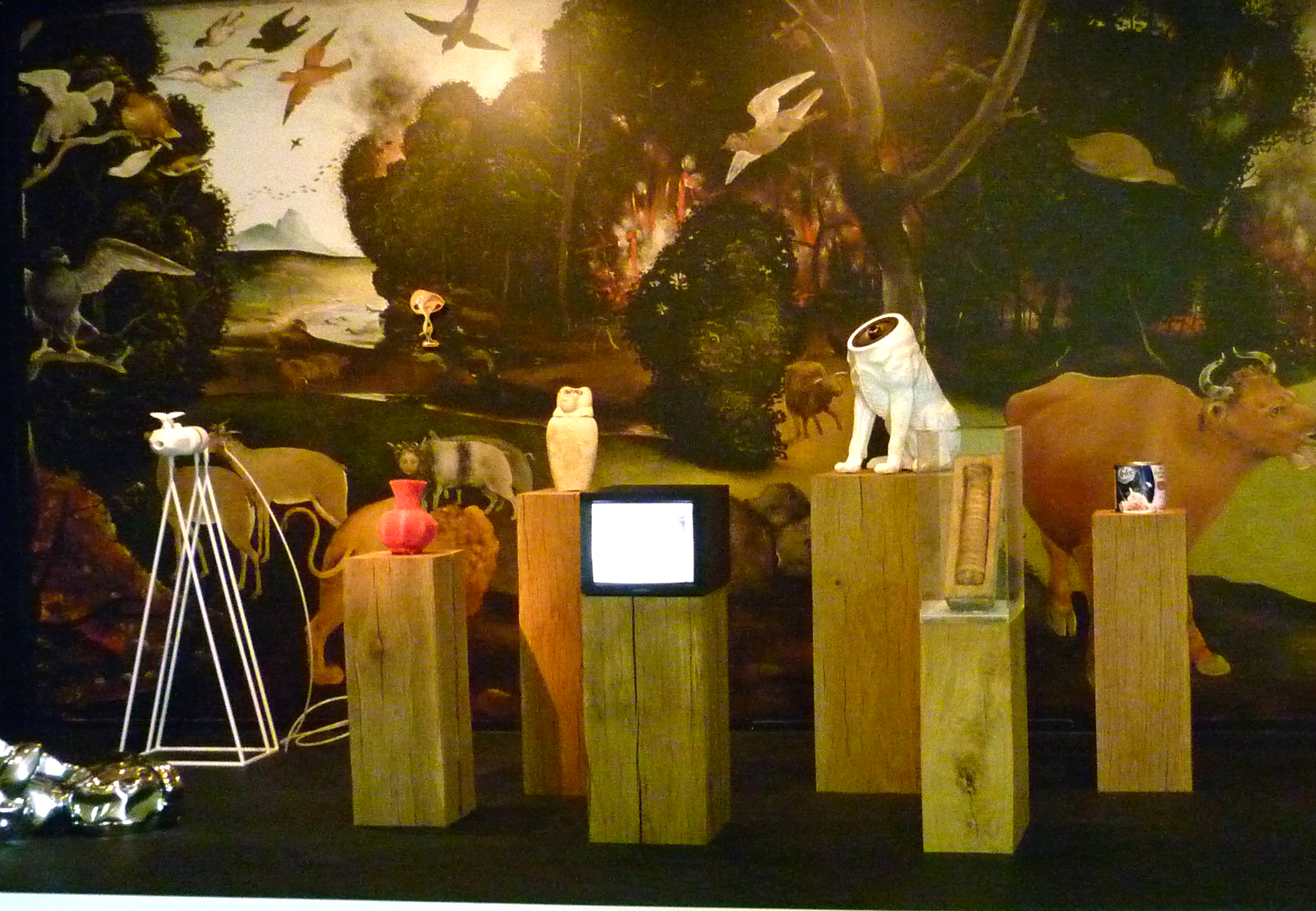
Mark Leckey The Universal Addressability of Dumb Things
I was interested in the backdrop image which is Piero di Cosimo The Forest Fire c1495-1508.
The painting is thought to show the birth of civilization as man gained supremacy over the animals through the use of fire and language.
Concerned with the history of early man, inspired by passages from Book 5 of De Rerum Natura by Lucretius (98–c.55 BC), who traces the origins of life on earth and the birth of community life, emphasizing the role of fire as a catalyst for change.

Roger Hiorns
The machine encrusted with crystals making its original purpose defunct it becomes something else.

Nicola Hicks Maquette for Crouching Minotaur
Imposing presence of a minotaur skull, a symbol of the unnatural. A monster created from desire that cannot be controlled.
Doesn’t feel impossible.
William Blake believed he was visited by spirits from other worlds in his imagination.
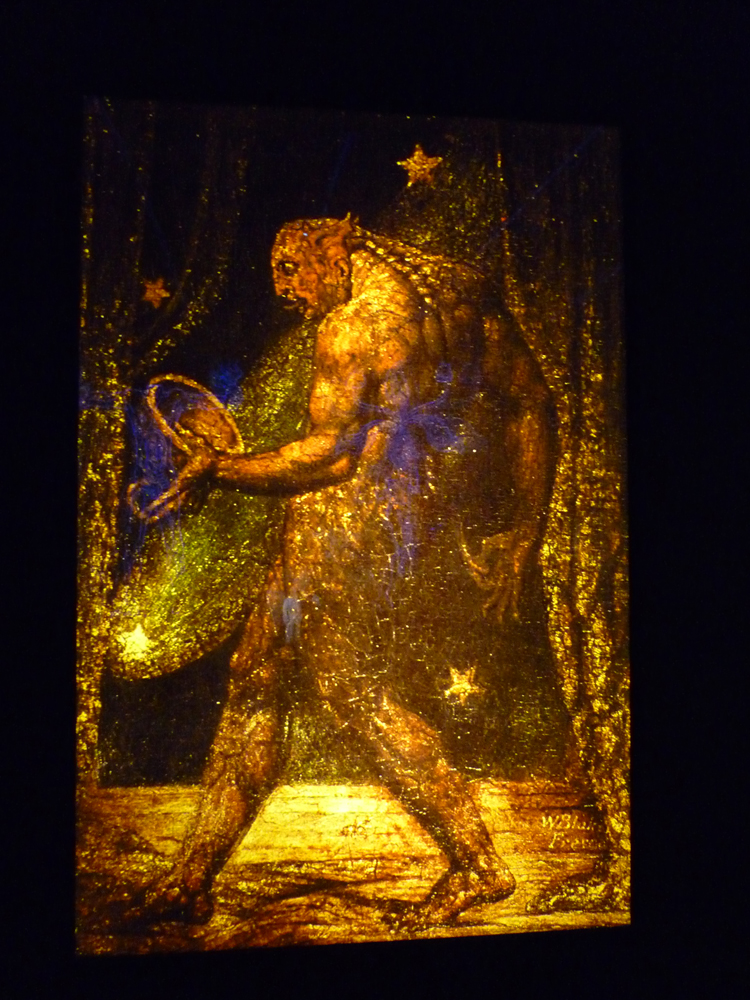
William Blake The Ghost of a Flea
This is his record of the spirit of a flea which has undergone a demonic transformation inhabited by the souls of bloodthirsty men.
Possession.
At the Biennale in the Belgium pavilion Berlinde De Bruyckere created a mausoleum.

Berlinde De Bruyckere’s ‘Cripplewood’
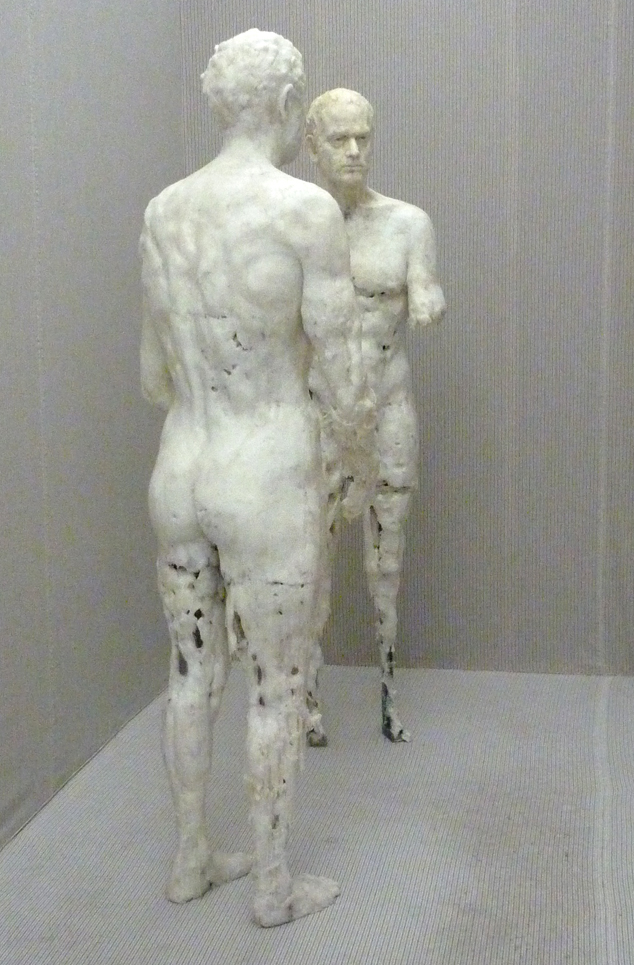
A tree is cast in wax, it is then traced with blood red veins and pink mottled flesh. A process of metamorphosis has begun.
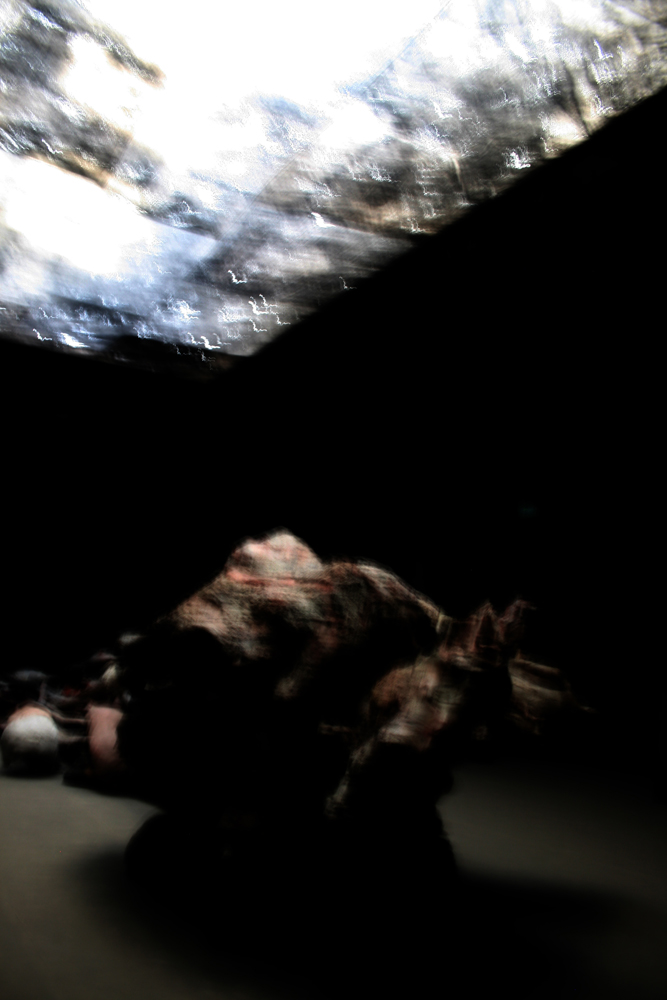
Berlinde De Bruyckere’s ‘Cripplewood’
Bound with what appears to be bloodied bandages and laying on its side, the trees limbs take on the fragile nature of the bones of a giant disfigured human corpse.
The circle of life, the exchange of energy is something that Lin Xue wanted to convey in his detailed fantastical landscape drawings made with sharpened bamboo and ink.
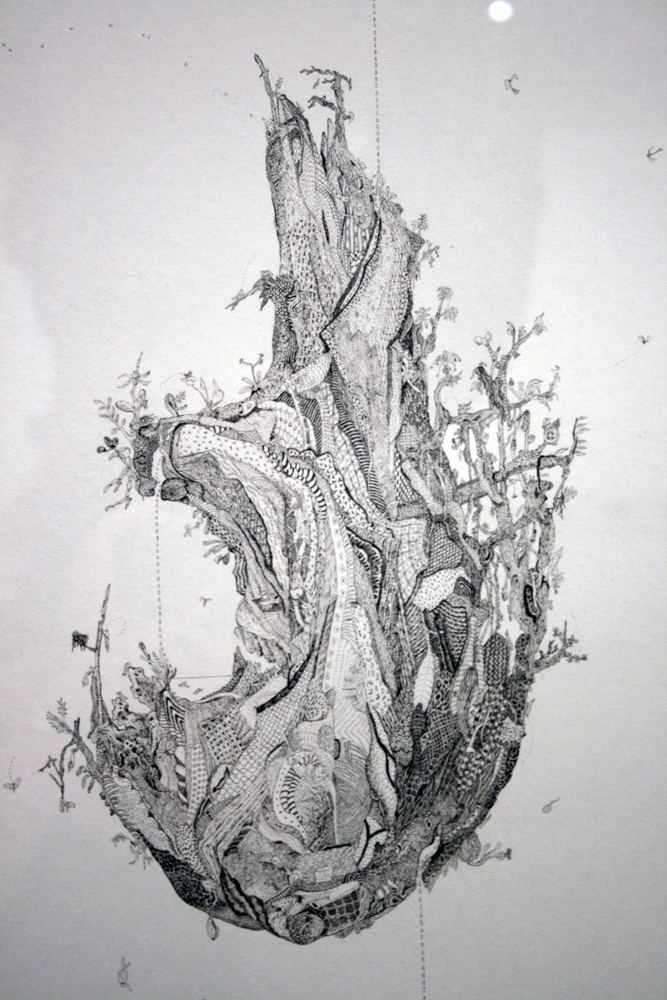
Lin Xue
The “Treasuries of Knowledge” exhibition by Khaled Zaki and Muhammad Banaw for Egypt looked at the two cycles of the universe – the first infinite cycle of nature and the second cycle of humanity continuously walking the earth.

“Treasuries of Knowledge” Khaled Zaki and Muhammad Banaw
At the point where the two cycles overlap is the point of creation, of wisdom and where such mysteries as knowledge of the afterlife might be found.
Lara Almarcegui is also interested in renewal.

Lara Almarcegui
Working at the boundary of urban regeneration and natural decay she filled the Spanish pavilion with builders rubble.
Mirroring the unpredictable power of a landslide the mounds of rock look like they could keep pouring into the room.
There is a strong smell of brick dust also filling the space and adding to the slight sense of claustrophobia, that you might be trapped, or can’t breathe.

Lara Almarcegui
The mound of smashed glass though is quite seductive, it sparkles like ice. You want to make crunching footsteps over it and gather it up to see the light play on its shattered surface.
The materials of construction are presented in their raw form. Buildings mechanically broken down to be reused and dispersed into other landscapes.
Gina Soden’s painterly photographs on the other hand depict nature slowly reclaiming abandoned and derelict buildings left to ruin.
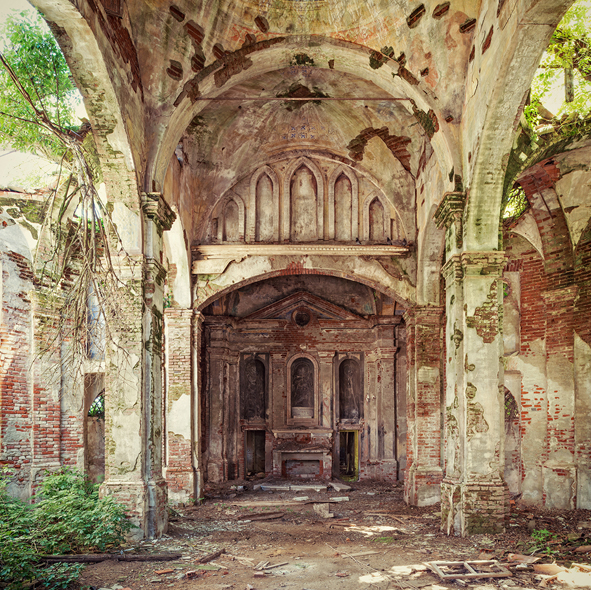
Gina Soden
Showing at ‘Natural Selection’ at The Fine Art Society she captures the beauty of decay. There is a nostalgia here, a sense of the past crumbling away before us, returning to the earth.
Where Gina Soden looks at nature reclaiming ancient buildings, Paul Davies celebrates the dynamic juxtaposition of the clean lines of architecture in an organic setting.

Paul Davies Modern Cathedral Invert
The balance of power between nature and the manmade is explored in his highly textured paintings of modernist buildings in dramatic landscapes.
The forest becomes the cathedral.
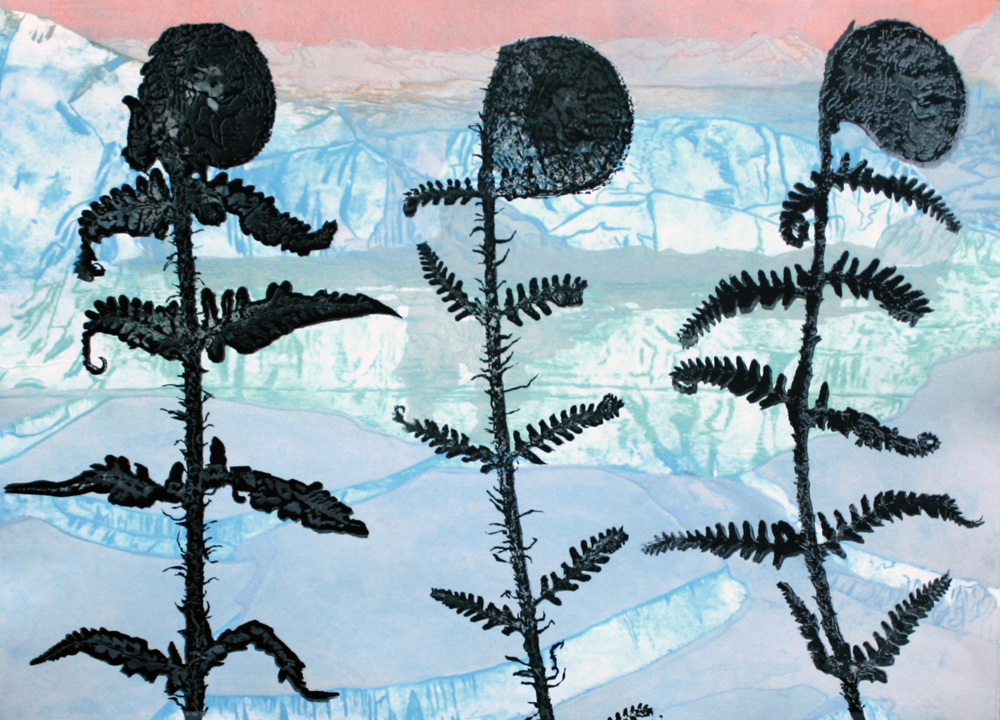
I was intrigued to find that the name for the unfurled heads of fern is shared by a Bishop’s staff of office – Crosier.
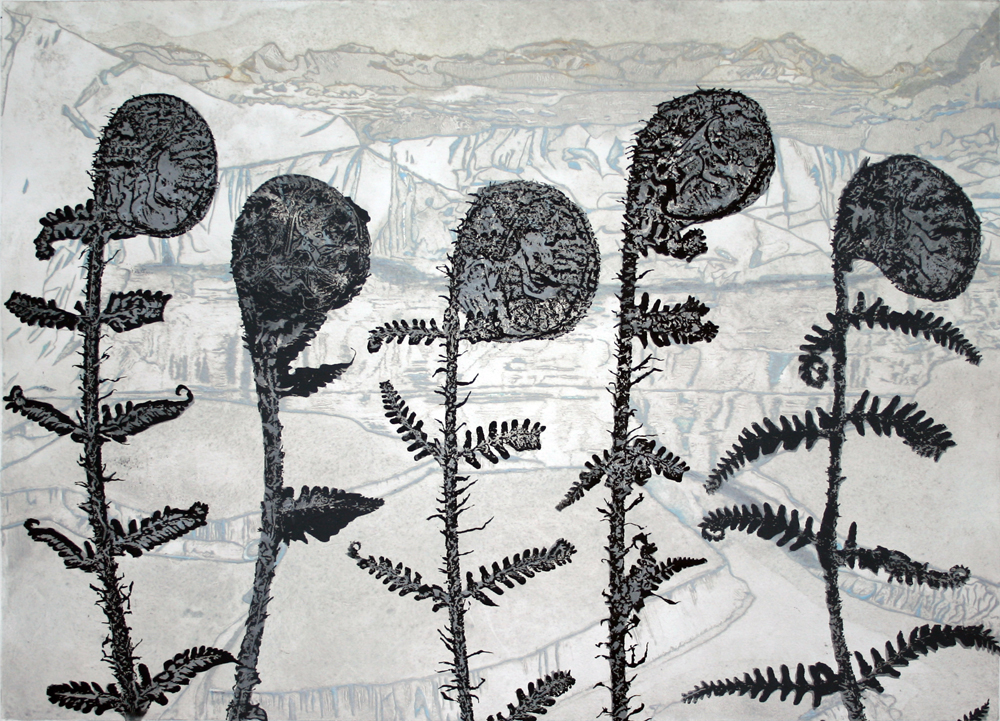
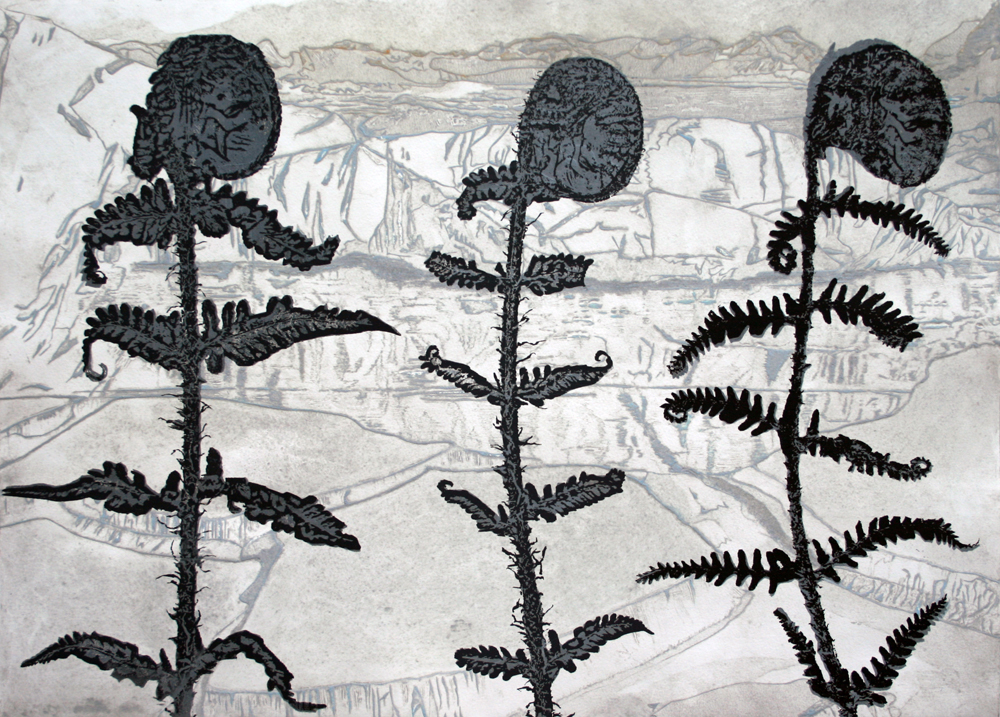

I have finished this set of prints. The title is ‘Succession’.
As the ice retreats; from first life to ferns to first trees to forests to man to religion.
A few people have seen the prints now, the majority do not spot the embryos tucked in the furls of the fern unless I push them to look harder.
I like things to be hidden so I think it’s OK this is the case.
I also did some with more colour but am happiest with the grey tone ones.