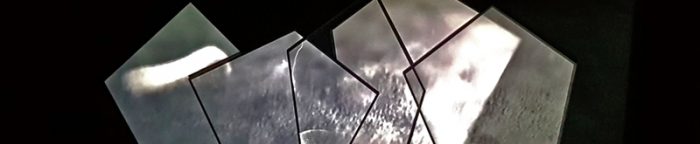
Archives for posts with tag: solargraph

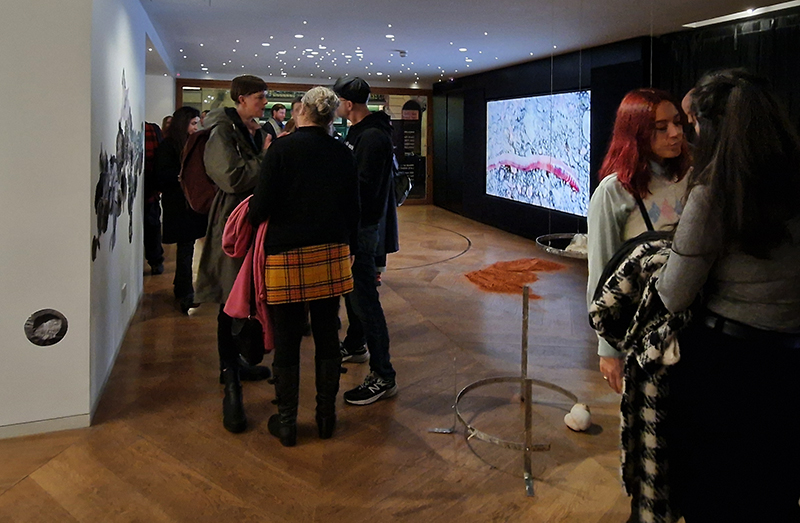
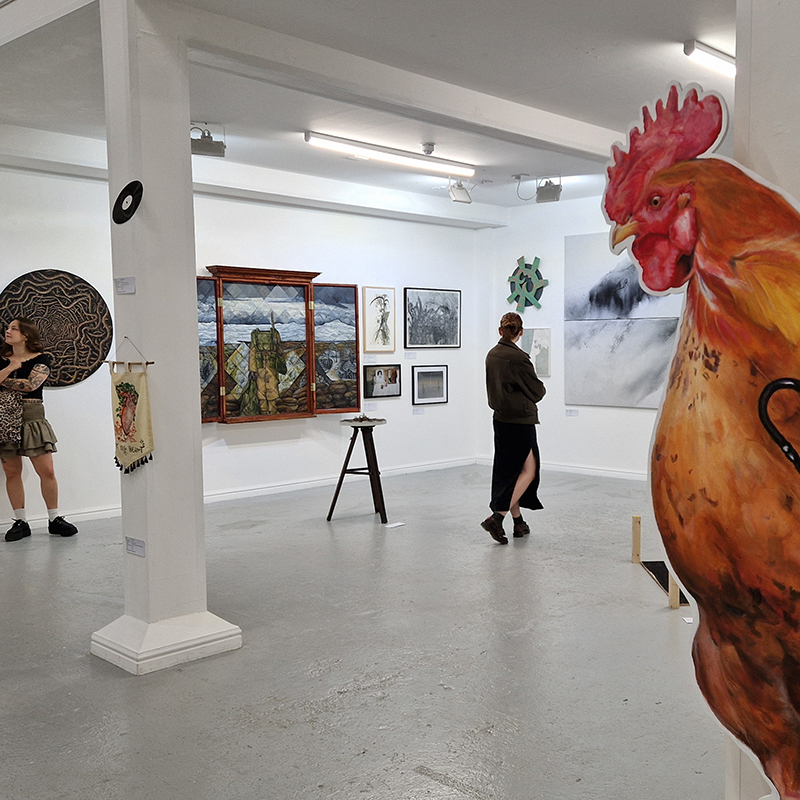
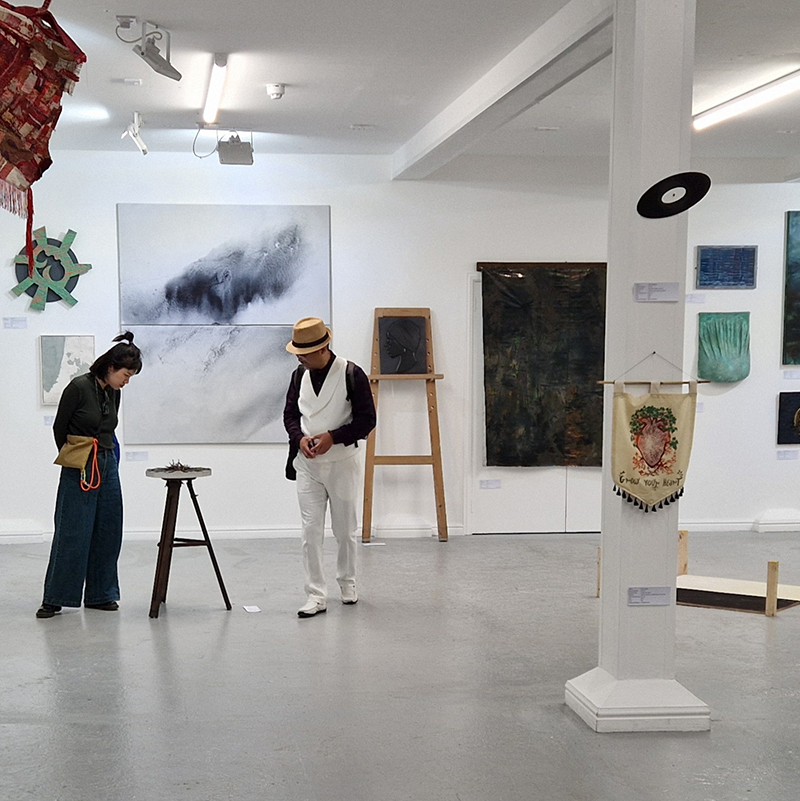
The Geological Unconscious had a wonderful six week run at Hypha HQ, Euston. Responding to Jason Groves’ inquiry into the mineral imaginary in his eponymous book, as well as the ‘Writing of Stones’ as proposed by writer and mineral collector Roger Caillois, the exhibition exposes the complex entanglements between the organic and the inorganic; the human and the lithic. 

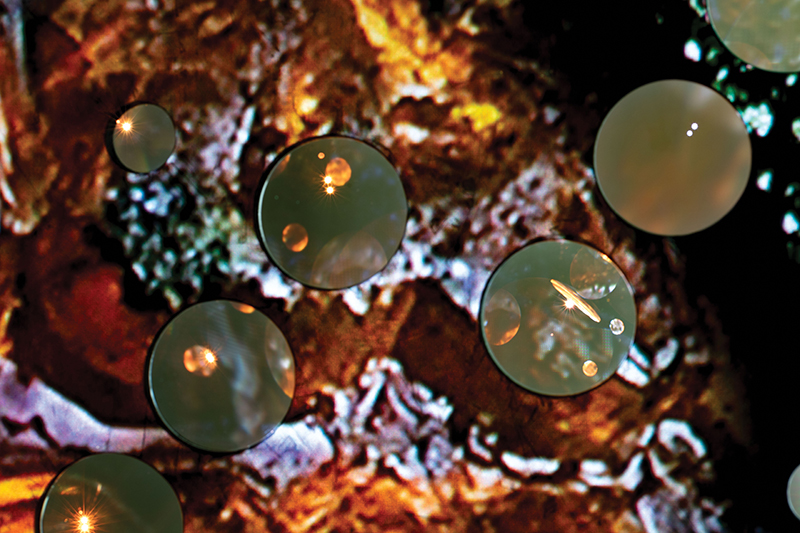
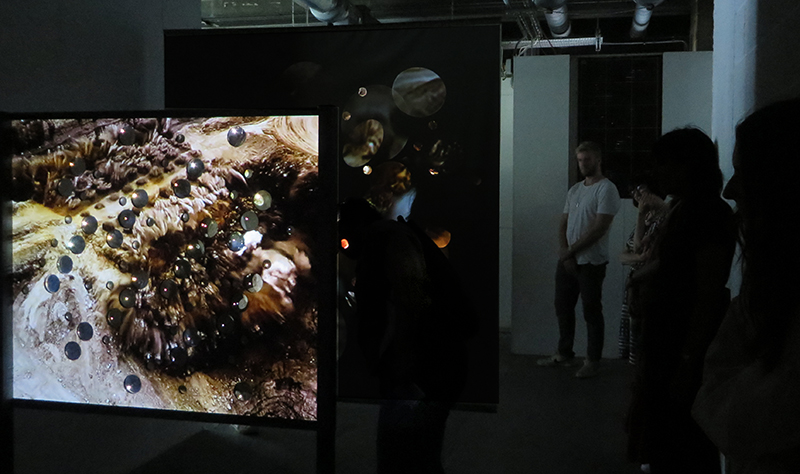
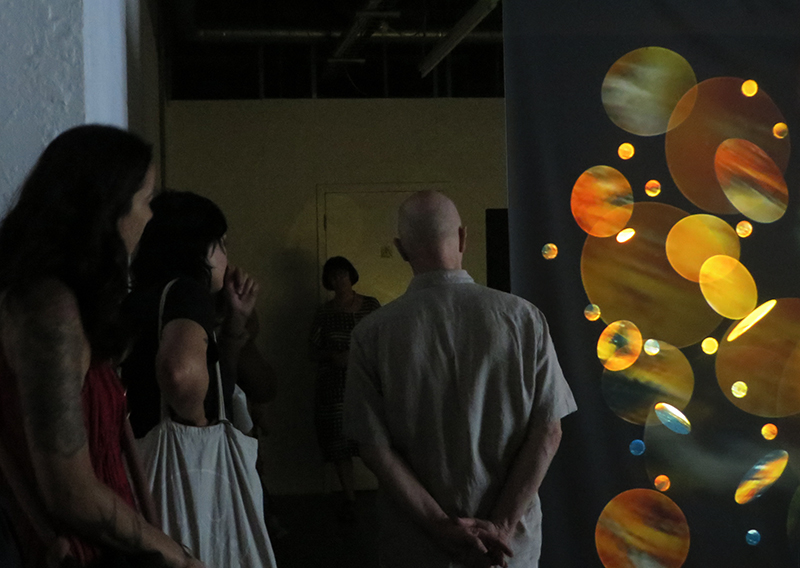
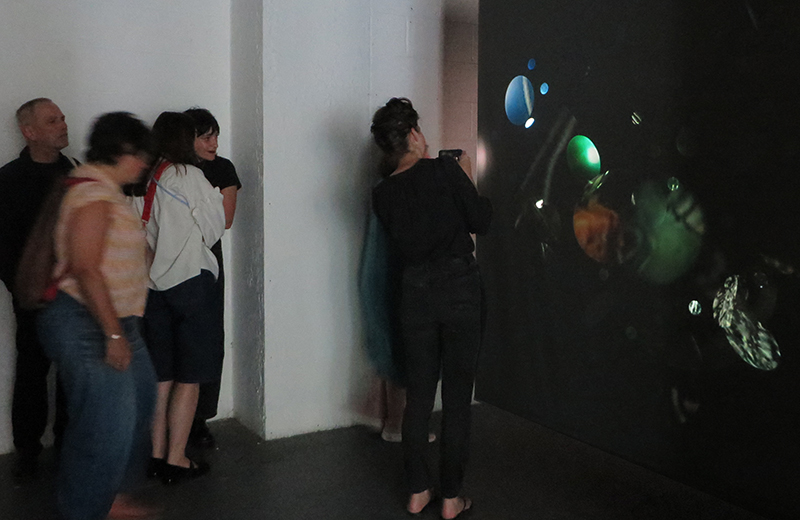
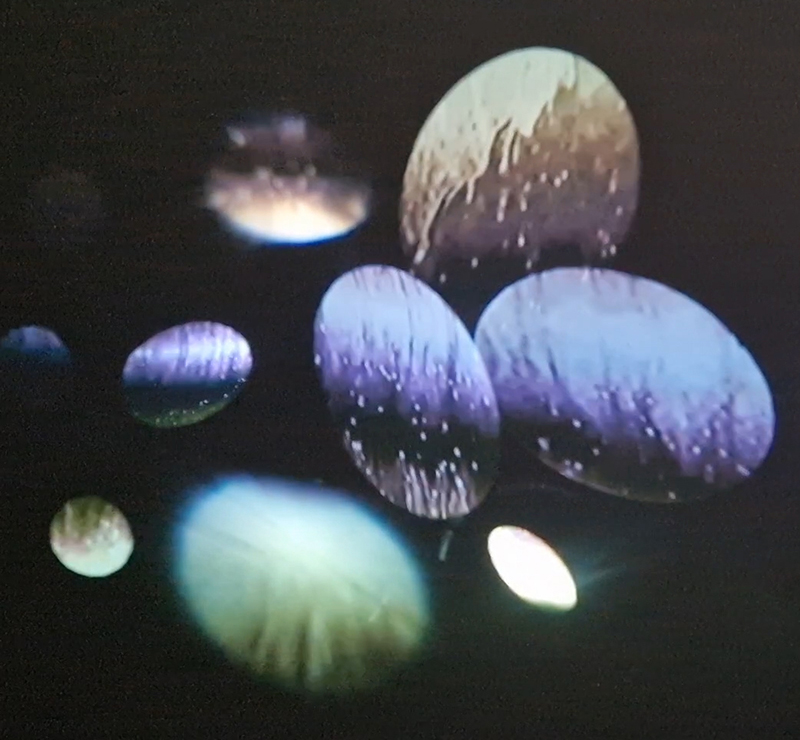
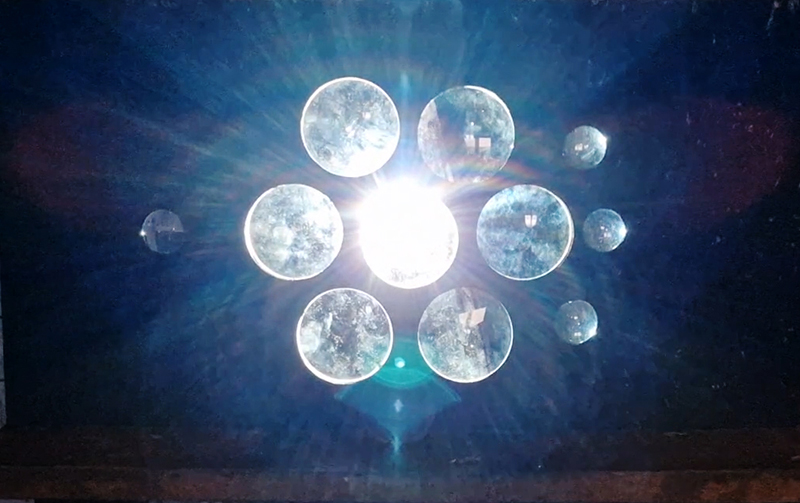
Very happy to receive lots of positive feedback for my video installation Lithos Panoptes. People were very engaged with how the work reveals itself in stages, from the kaleidoscopic imagery displaying on the two way suspended screen to discovering the board of distorting lenses behind the screen and finally stepping back to see the original film from the human perspective before it is transformed by the lenses.

Referencing a many-eyed giant of Greek mythology, Argos Panoptes (always eyes still awake), the work considers the perpetual vigilance of rock as record keeper and witness. Video of human activity projected through distorting optical lenses transforms the anthropocentric position to imagine the perspective of the rock.

The pattern of lenses is informed by the molecular structure of magnetite, a mineral found in magma and metamorphic rock in Earth’s crust as well as in meteorites and the cells of organisms.
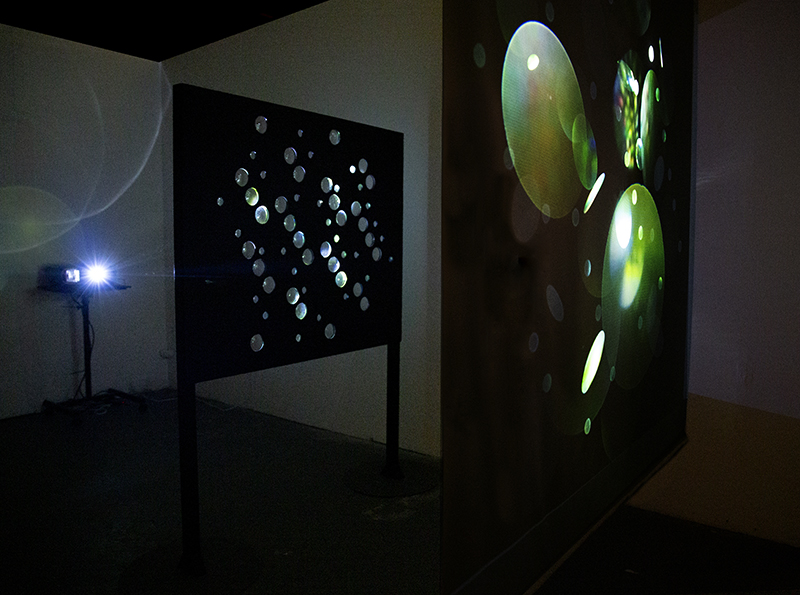
Through actual and metaphoric lenses, the relationship between the organic and non-organic is explored.

Lithos Panoptes 2025, Optical lenses, wood, steel, projector. Video 09:27 min Sculpture: H172 × W170 × D50 cm, Rear projection screen: H180 × W180 cm.
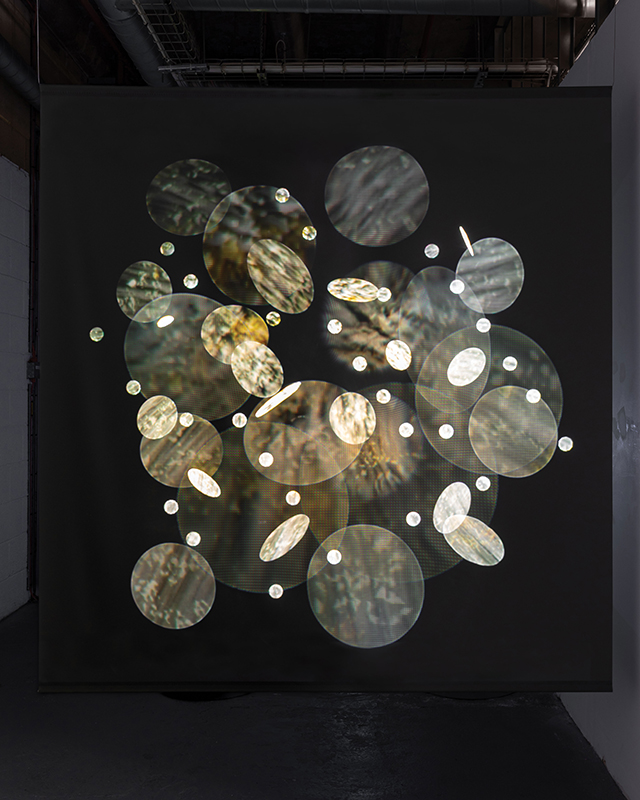
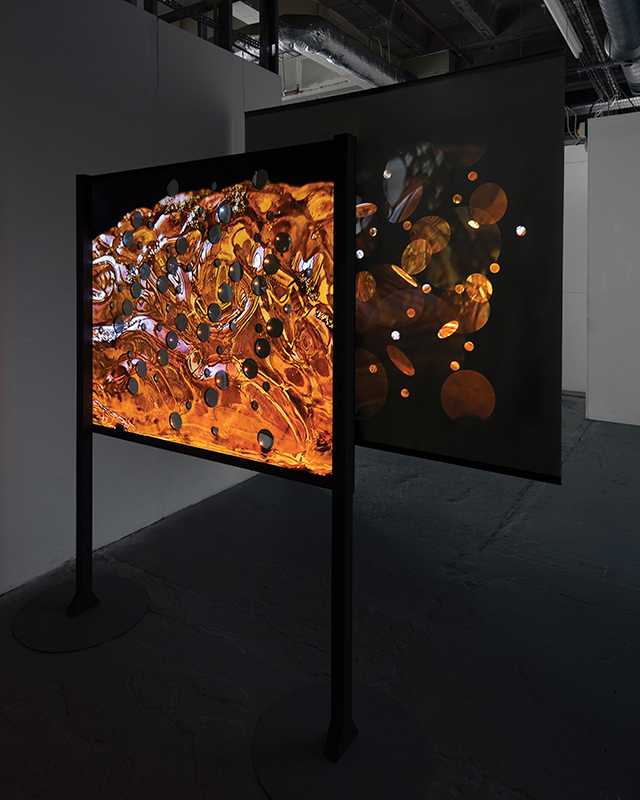
Photography by Benjamin Deakin

Mined magnetite is used in industrial and mechanical processes and its use in combustion engines and vehicle braking systems is releasing nanoscale pollutant particles into the air which are finding their way into human brain cells, vastly overwhelming the innate magnetite present, causing concerns linked to the development of degenerative brain diseases.
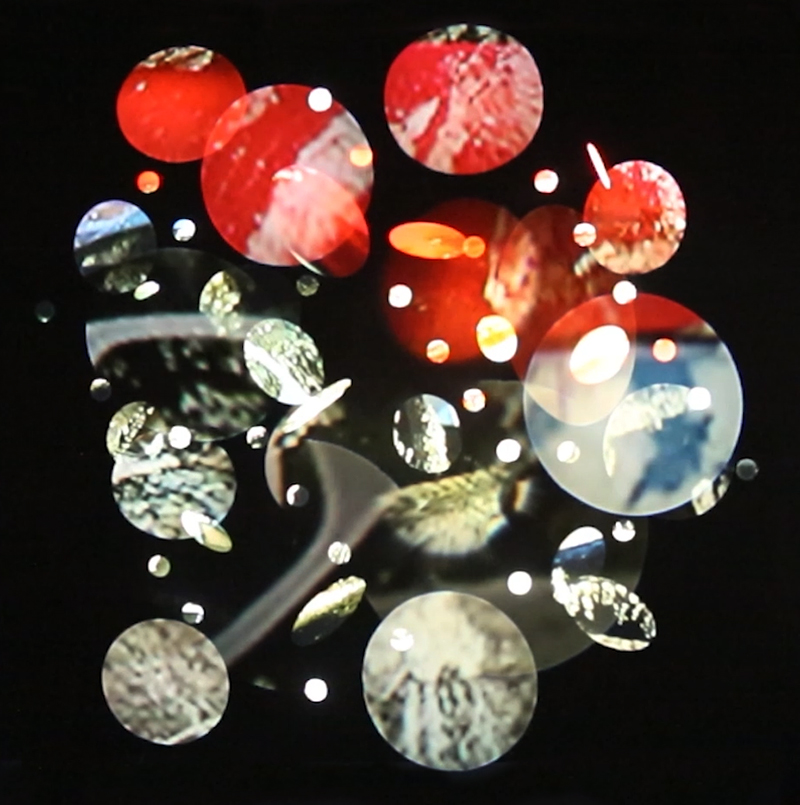
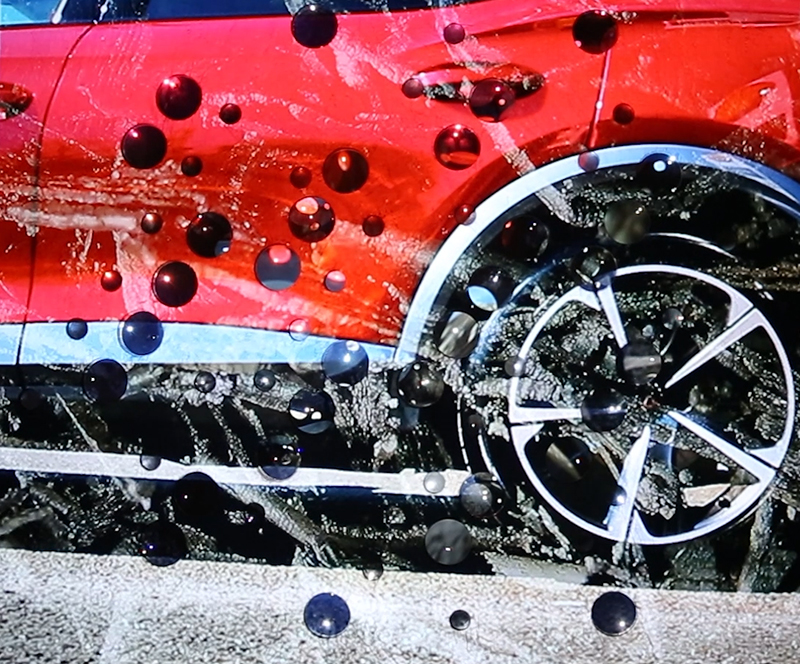
As well as referencing an ever watchful, many-eyed giant of Greek mythology, Lithos Panoptes also considers the numerous eyes (ocelli) of the chiton (a species of mollusc) whose rock crystal lenses have evolved over many millions of years to keep watch along rocky coastlines across the globe.

The only creature with eye lenses made of mineral and not protein, the chiton is also unique in having rows of teeth primed with magnetite which allow chomping on the hard rock surfaces it clings to. Some chiton’s teeth also contain the recently discovered mineral santabarbaraite, named after the mining district Santa Barbara in Italy where it was found – it is one of the few minerals named after a woman.
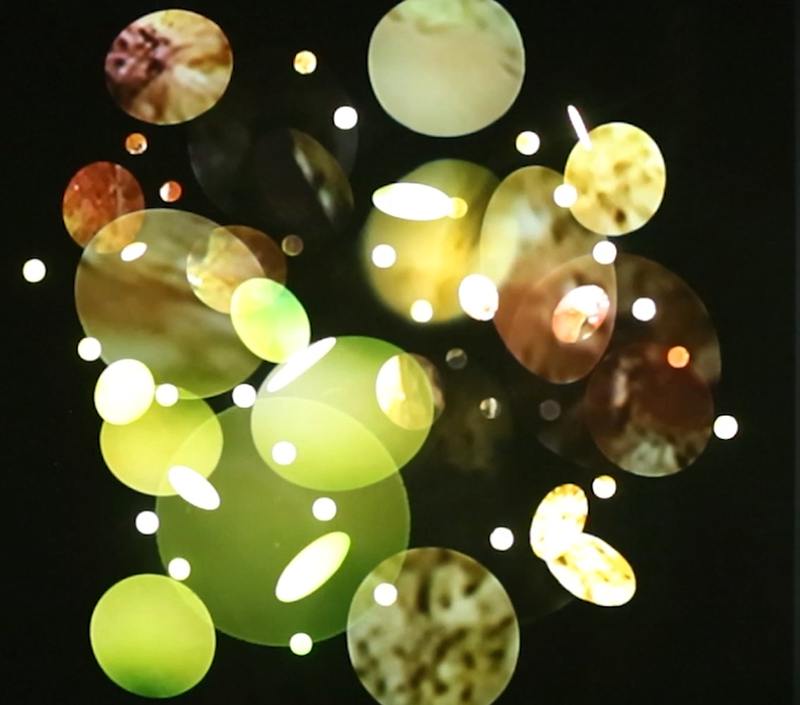
I was surprised to discover that the benedictions of Saint Barbara are still sought today, with shrines installed at tunnel entrances at Crossrail and even at CERN, the epicentre of scientific rigour. Before the boring machines were set in motion, services seeking her blessings were performed by local priests, with some even being winched down excavation shafts to carry out their duties.

Saint Barbara, who is associated with sudden death from fire, lightning and explosions, including military armaments, was adopted as patron saint of miners and tunnellers when the use of explosives in mining escalated during the 1600’s.

As the statues of Saint Barbara installed at these tunnel entrances are now buried, I have substituted images of my mother Barbara, coincidently born within hours of this Saint’s Day, in my video installation Lithos Panoptes.

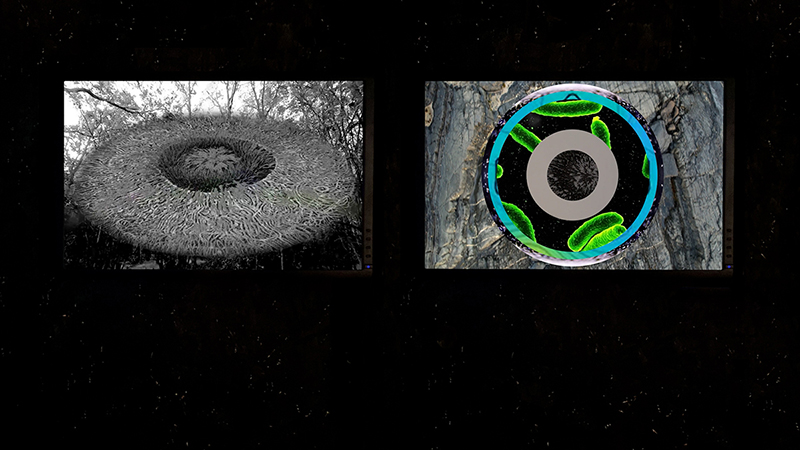
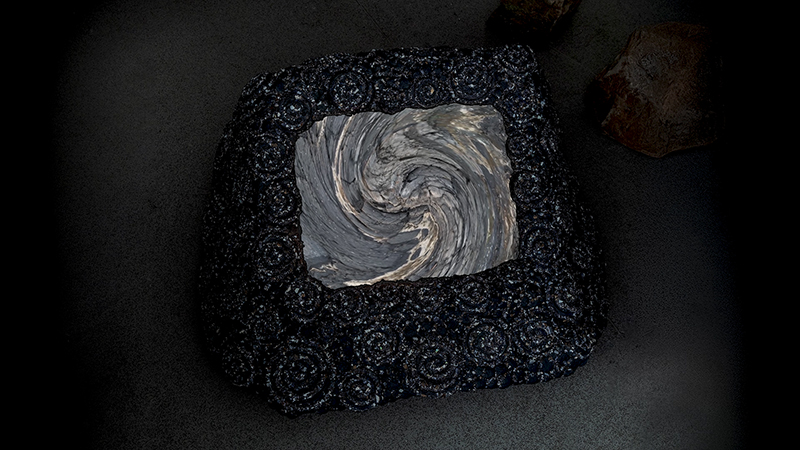
Tucked into a dark recess of the gallery, Belly of a Rock suggests an imagined place of chemical conversations at the intersection of the organic and inorganic. A hybrid between rock, mollusc and technology this video sculpture responds to an early lifeform’s emerging self-awareness, desire to communicate and urge to create as described by Italo Calvino in his story ‘The Spiral’. We don’t always know what we are creating.
Thrilled to show these works alongside Julie F Hill @juliefhill, Rona Lee @ronaleeartist, Charlie Franklin @charlie__franklin and Deborah Tchoudjinoff @deboraht_ff

Julie F Hill’s sculptural print installation Parent Body uses scanning electron microscope imagery of samples recently returned from asteroid Bennu. The cave-like entrance, provides an embodied experience of the data and invites intimate contemplation of expanded scales. The ambiguous rock-like yet flowing forms echo the words of Jeffrey Jerome Cohen ‘stone is fluid when viewed within its proper duration’. Hill’s miniature work Return, considers the chemical and molecular cross exchanges between earth and space and in a gesture of reverse sample return (scientific missions and human extractive processes both take), a bead of Iridium is returned to the belly of asteroid Itokawa. Her small-scale embroidery work Water and Night, is based on observational studies of moonlight on water, continuing her explorations of water as the eye of landscape as proposed by Gaston Bachelard.

Julie F Hill, Parent Body, physically manipulated soy-ink print on tissue, chalk and clay pigments, chrome metal, water, clamp, funnel. c. W3 × H2.2 × D2.5m. 2025. Return, 3d print of asteroid Itokawa cast in plaster-of-paris, Iridium, 20 ×11× 8mm. 2024. Water and Night, silver metalized embroidery thread, 5.3 ×11 cm. 2025

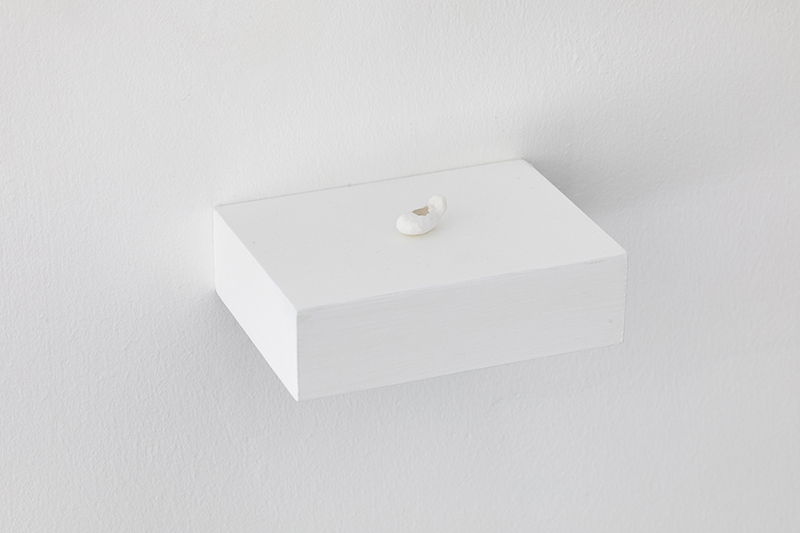
 Photography Julie F Hill (1+3) Benjamin Deakin (2)

Deborah Tchoudjinoff’s moving image installation work The City of Gold (with sound in collaboration with Joe Farley) considers vast, beyond human, geological timescales when continents have once again become as one. Starting as a short fiction text, Deborah began to form an imagined world of cities in a future Amasia. The fictional cities are named after minerals that are heavily sought – rare earths, copper, uranium, gold, and coal – hinting at a narrative of an Earth depleted of the resources we rely on. The City of Gold is one of the five imagined cities. In a world where these natural resources are no longer, she questions what it would look like and who would be the inhabitants.

Deborah Tchoudjinoff, The City of Gold, video with sound, sculptural installation, 2m × 4m × 2m. 2025.

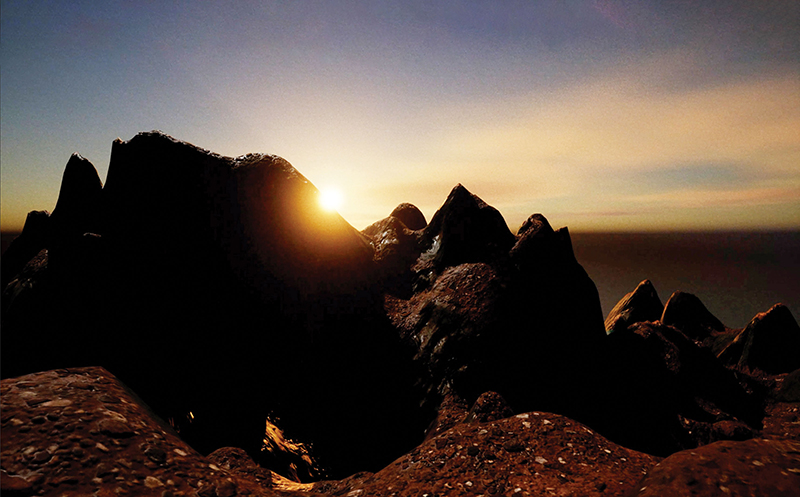
Photography B J Deakin (1) Julie F Hill (3)

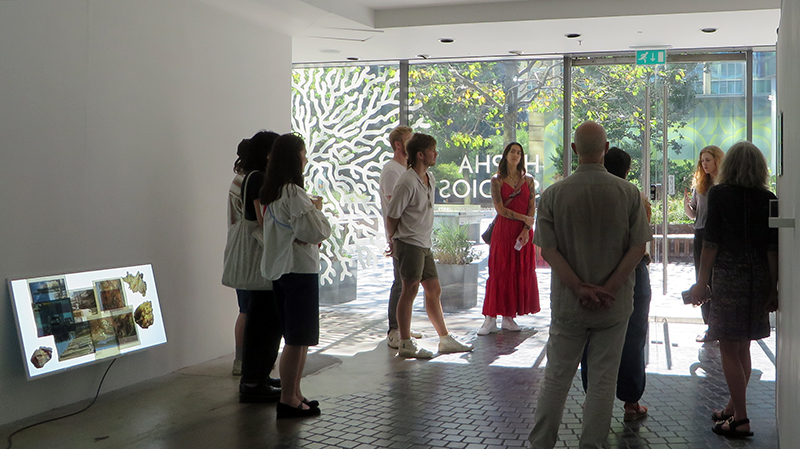
For Litho/Domous Rona Lee has chosen to work with book plates originating in the post-war period of the ‘great acceleration’ – a time in which population numbers, use of natural resources, popular consumerism, technological dependency and environmental degeneration burgeoned. Unified in their varying representations of the geologic but broking no contradiction between their celebration of extractive processes such as tourism and industrialisation and idealisation of the ‘wild’, the images selected by Lee conjure a pre-fall world in which imaginaries of lithic instability are firmly suppressed.

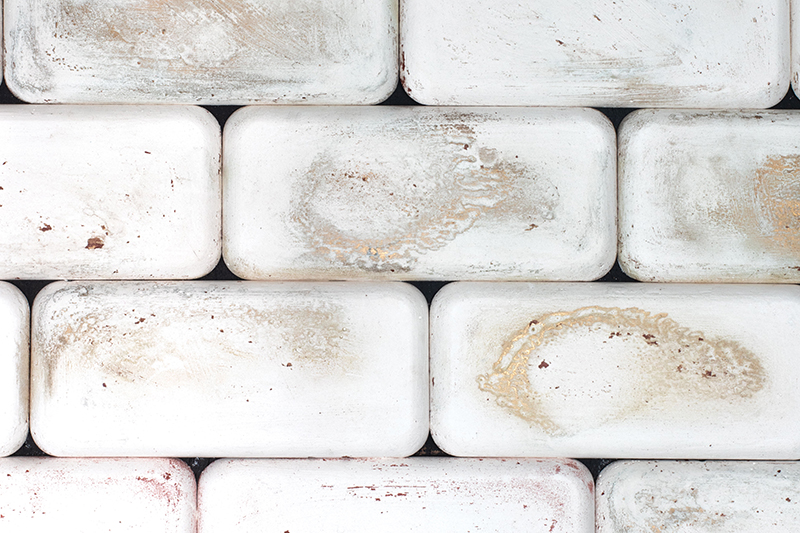
Two handfuls of silt (the residue of scientific samples collected at a depth of 4,000 meters), squeezed into the artist’s hands, fired and then gilded, form Rona Lee’s I want, I want, I want (2012), the title of which references William Blake’s engraving of the same name, wryly conjures the possibility of reaching down into the ocean’s depth, as though into a rock pool, while simultaneously cautioning against the folly and voracity of such ambitions.

Rona Lee, Litho/Domous, light panels, bookplates. 2025. I want, I want, I want, fired and chromed handfuls of sediment, 2012.

Photography B J Deakin

The sculptures presented by Charlie Franklin, Landform and FRAGS, are lumpy, solid looking forms that speak of geological debris or ruins. All three pieces were soaked in the waters of the North Sea, on the easterly edge of the UK. This process allowed the natural elements to determine their individual patination or colouring, along with indentations and scuffs, where materials have been worn away by salt and stone. Cave Drawings (Aladdin’s Cave, Series of Grottos, Marble Curtain, Fairy Grotto, and Solomon’s Temple) are a series of five found postcards depicting the caves at Cheddar Gorge in Somerset, UK which have been hand coloured by the artist. Franklin is interested in how the addition of colour can provoke a personality or aura within each cave interior, allowing for grand experiments to be realised on an intimate scale.

Charlie Franklin, Landform, Cardboard, found fabric, gaffer tape, gouache, scrim, plaster, adhesive, acrylic paint, copper leaf, sea water residue, 87 × 26 × 30cm. 2025. Cave Drawings, felt tip on found postcards, 14 × 9cm. 2025. FRAGS, cardboard, rope, gaffer tape, scrim, oil paint, aluminium leaf, plaster, adhesive, acrylic paint, copper leaf, seawater residue, work in two parts, 29 × 22 × 28cm / 12 × 29 × 23cm. 2025.

Photography B J Deakin, Julie F Hill

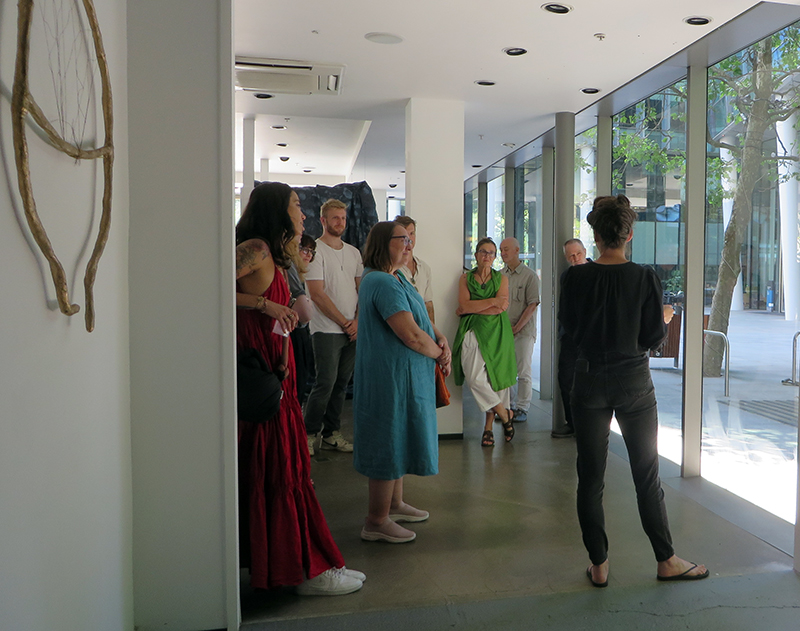
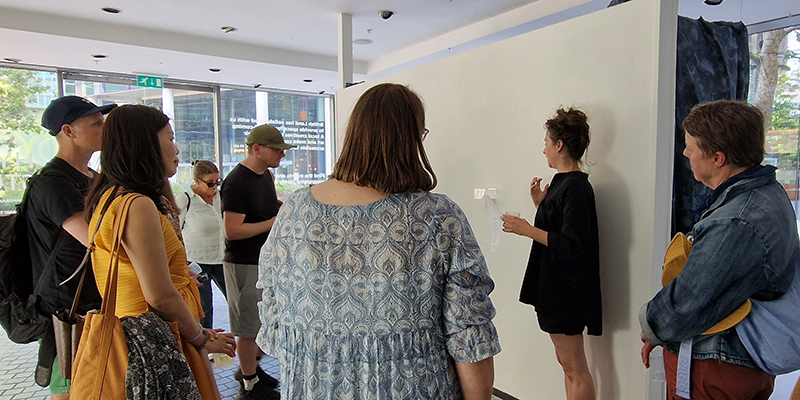
A highlight of our events was an Urban Geology Walk led by geologist Ruth Siddall.

“The gravel pit, like other mining holes, is the reverse image of the cityscape it creates — extraction in the aid of erection.” Lucy Lippard

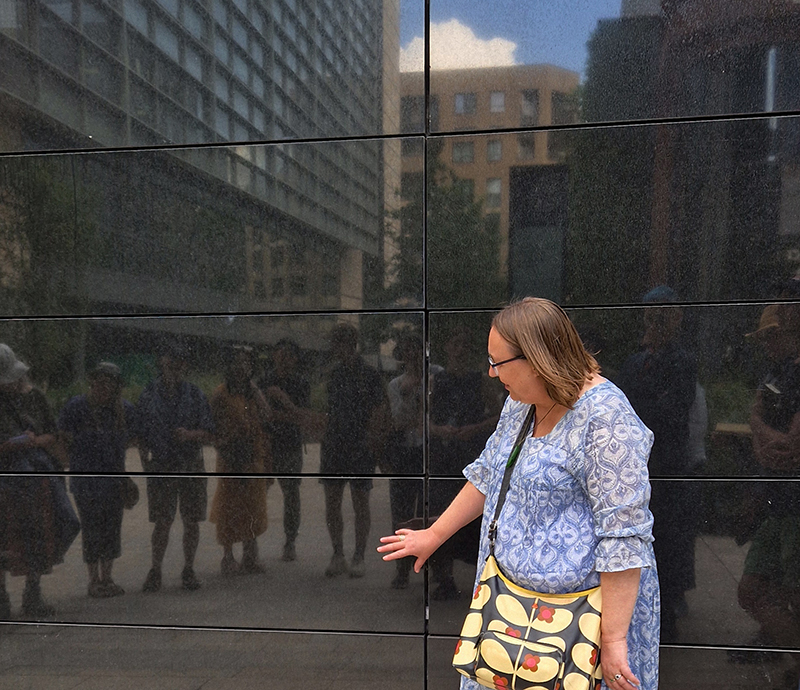
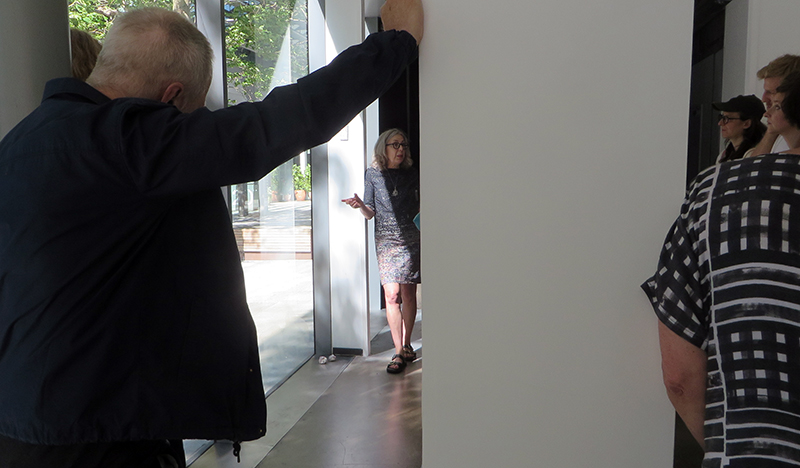
Ruth lead a group walk to explore the geology of the local built environment around Regent’s Place and Fitzrovia. Her knowledge of geology is astounding and her passion for stone infectious. Everyone came away incredulous, having their eyes opened to the deep time history of the rocks that build our city. The deep, black, Archaean dolerite from Mashonaland in Zimbabwe that Ruth points to is 2.2 billion years old. The large block of polished stone shaped like a giant pebble, itself crammed with pebbles of other rocks, is a sculpture by John Aiken, Monolith & Shadow. A patchwork of Jurassic limestone from southern Spain is crowded with the spire-shaped fossil shells of the gastropod Nerinea, stained red and yellow with ochres.

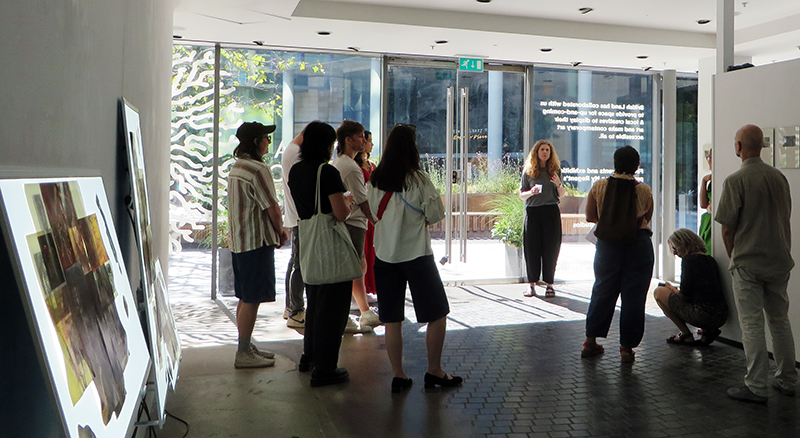
After the walk Ruth joined us for a tour of the gallery – it was fantastic to hear her insight and corroboration on some of the research that fed into the artworks.
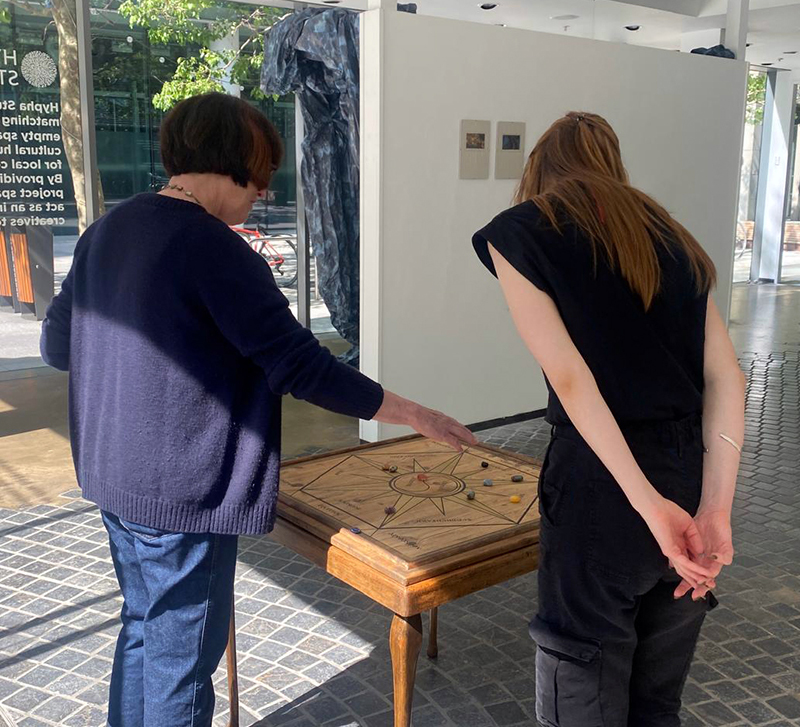
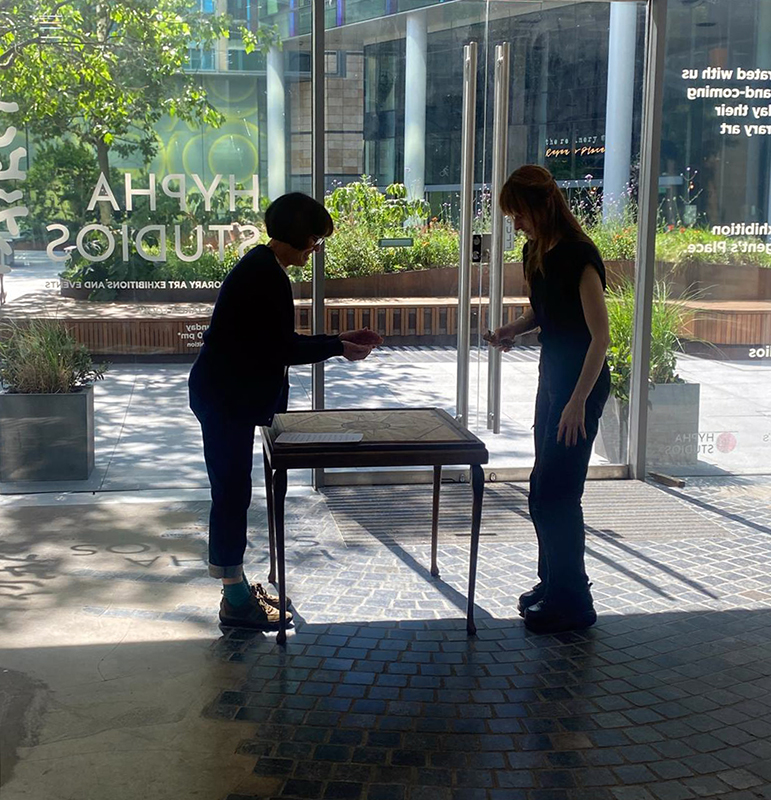
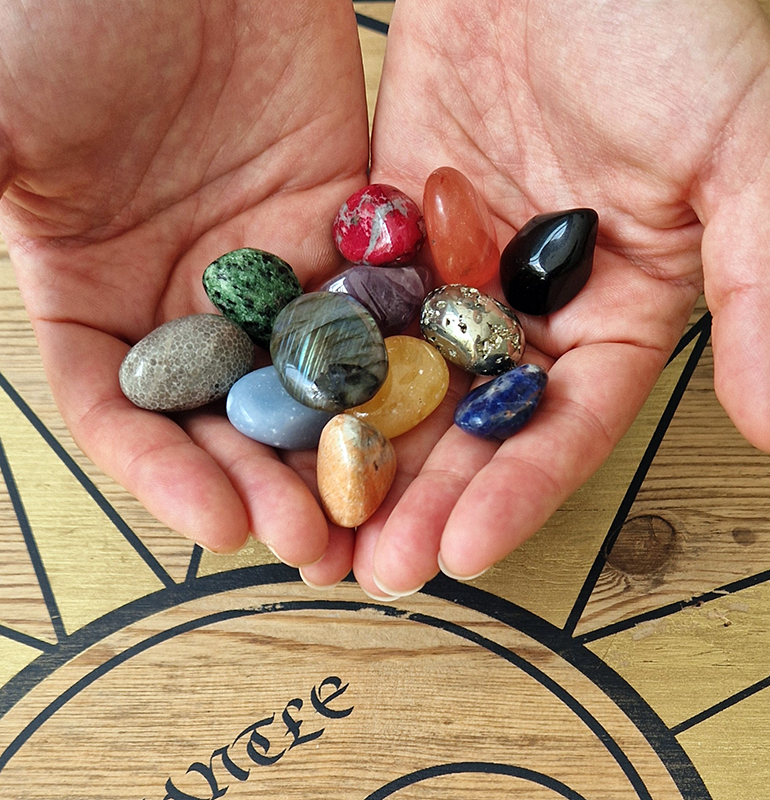
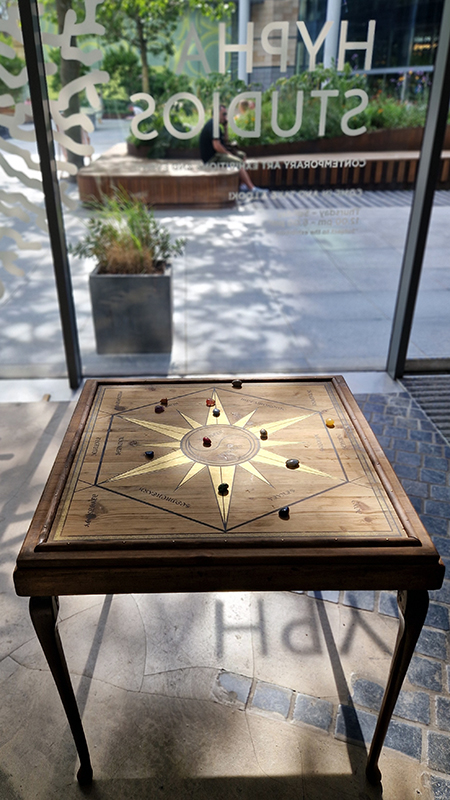
I offered Lithomancy drop-in sessions on Friday afternoons as part of a programme of events for The Geological Unconscious. Visitors were invited to throw gemstones with specially assigned characteristics onto a wooden board divided into geologically themed sections. They are then given personal interpretations based on the position of the cast stones by drawing from the esoteric ritual of lithomancy which seeks to divine the future from the reading of stones.

This performative experience proposes insights into the power and allure of stones emanating from the symbolic meanings attributed to them and exposes the entangled relations between the human and the geologic found in our language and desire to align the human condition with the lithic.

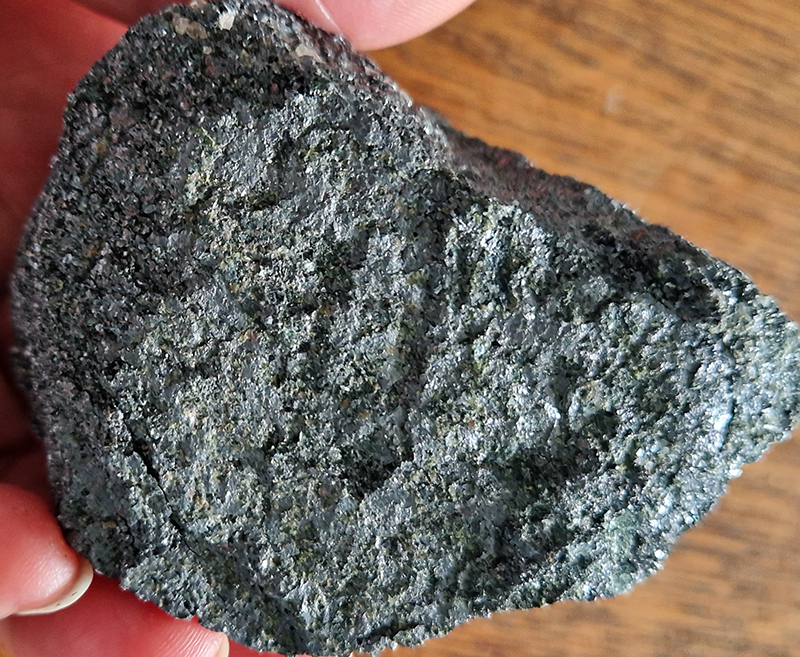
We had many interesting visitors to The Geological Unconscious and have made some wonderful new contacts. Not least among these was meeting Melanie Wheeler who has recently completed a residency in the UCL Geology Department where she worked with the technician to re-curate the rock room. Julie and I were lucky to be taken on a tour of the newly curated collection and receive gifts. So excited to have a beautiful sample of magnetite.

In ancient Greek, magnetite was known as “magnes lithos,” meaning “stone from Magnesia” – the region in Thessaly, Greece, where magnetite was first discovered, supposedly by a shepherd who noticed the nails in his boots were sticking to the rock under his feet.
As an additional daily drop in activity during The Geological Unconscious we offered cheong tasting. Chef Moonhyung Lee explored human-mineral entanglements through digestion using stones to create cheong (Korean fermented syrup). The use of weighing stones helps create the environment for preservation, a process which amplifies the bioavailability of minerals in food. Moonhyung Lee is a food designer with a background in graphics. She is currently based in London and works at zero waste restaurant Silo.

It was great to have so many people join us for our Closing Event artist talks and the launch of the exhibition publication with preface by Jason Groves and short essay by Ruth Siddall.
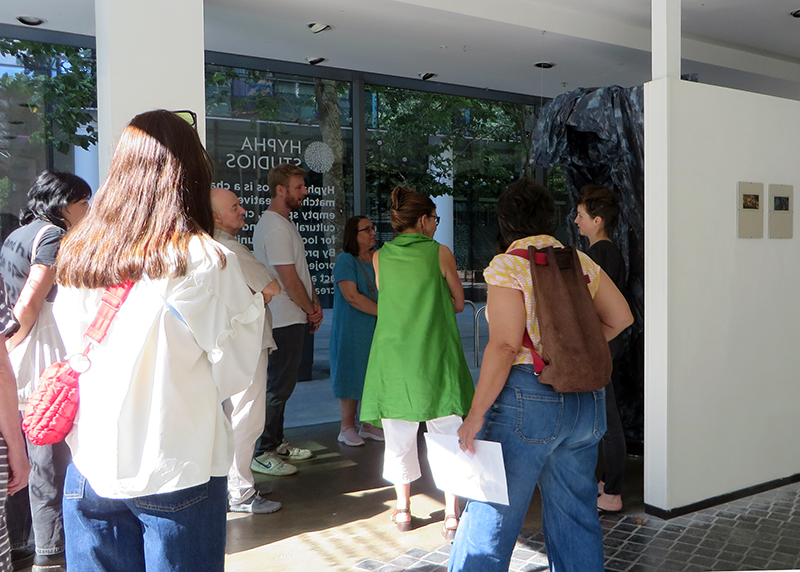
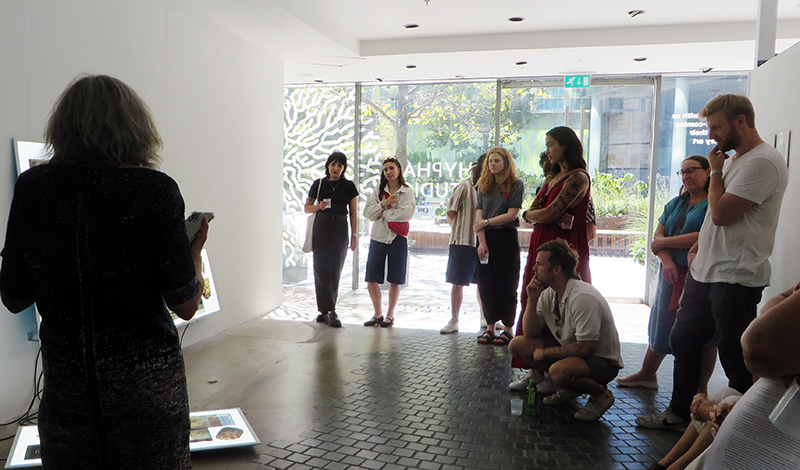
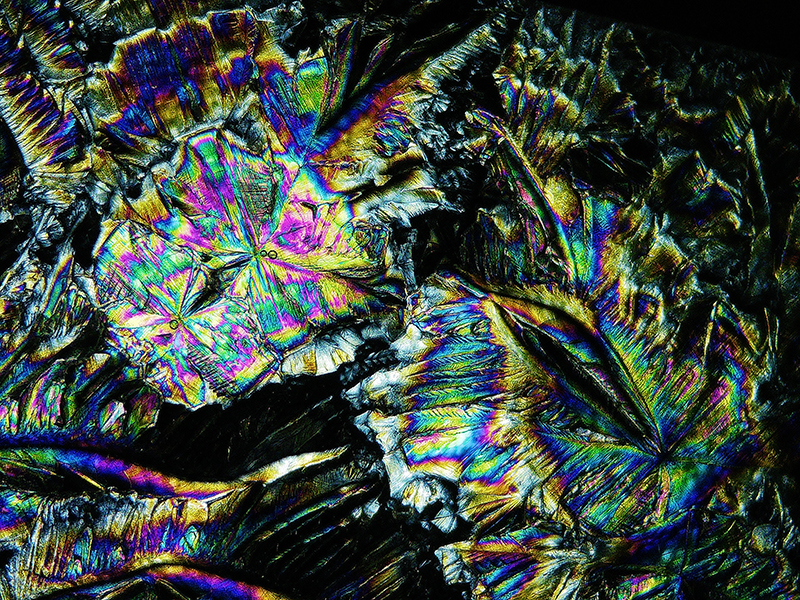
We also had the microscope set up at the closing event to look at some crystal growth in solutions prepared by Julie who works extensively with crystals.

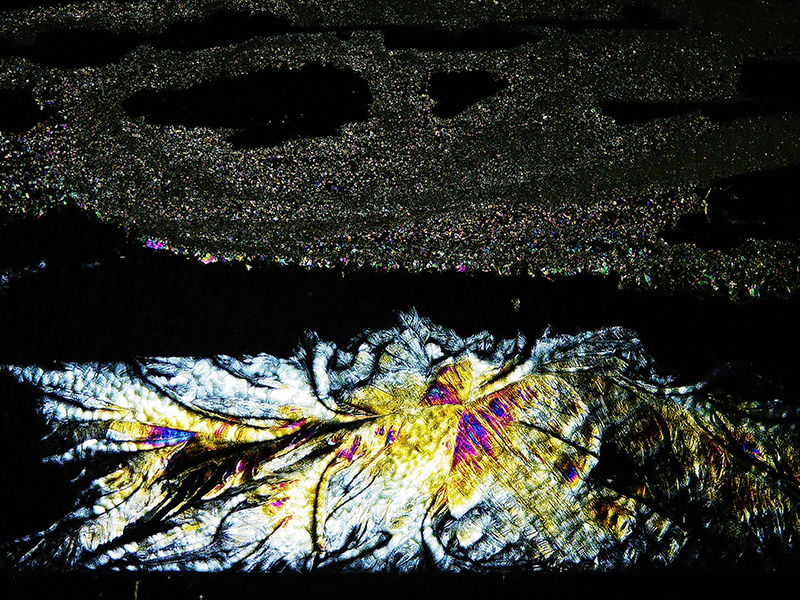
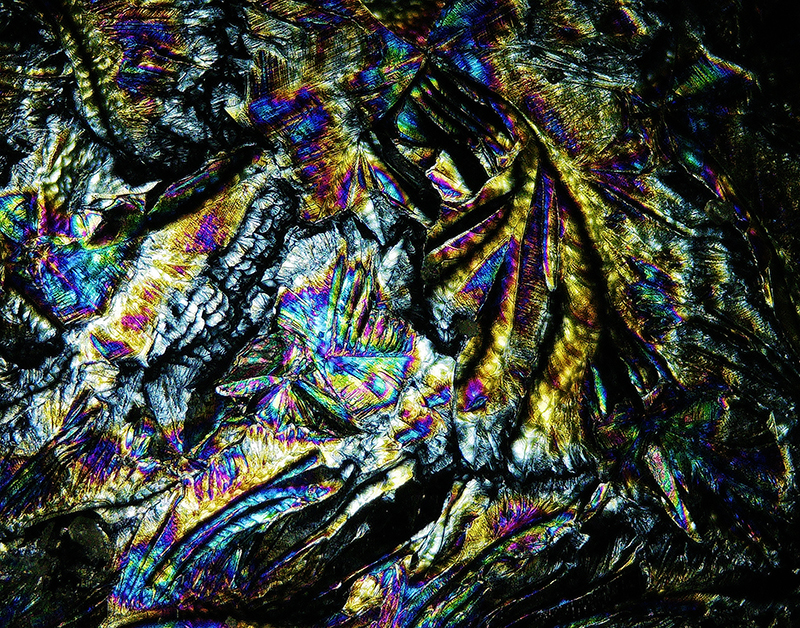
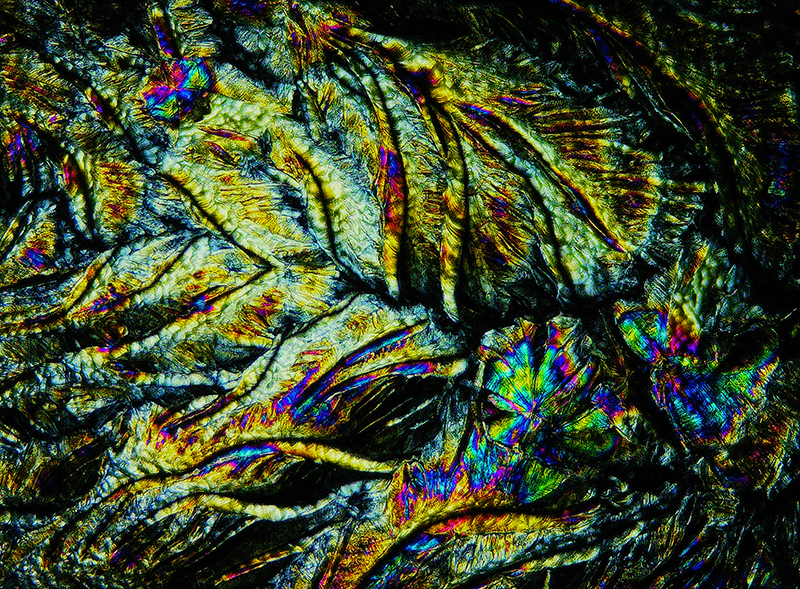
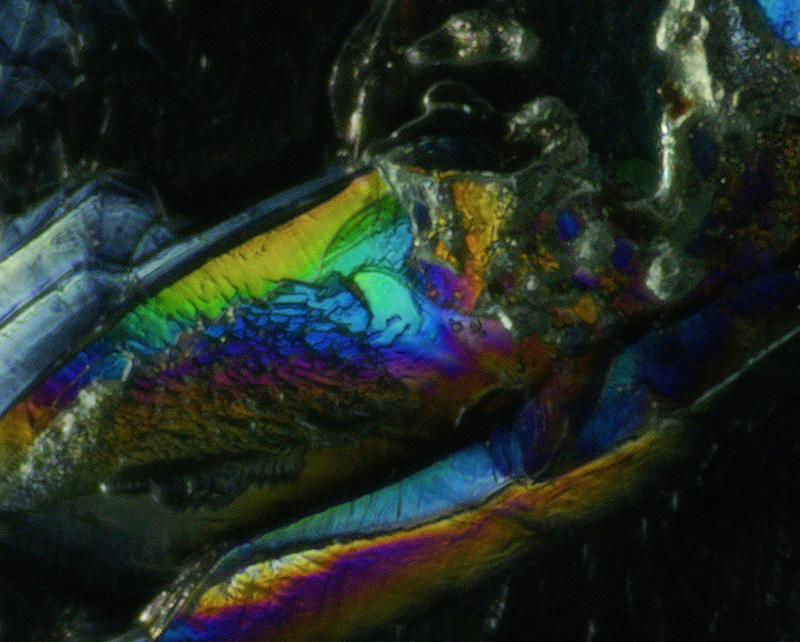
I had tried some ‘Vitamin C’ crystal growing microscopy experiments at home. These images use a polarising filter under the microscope to reveal the vibrant colours. Next step will be to set up a timelapse of the crystals growing.
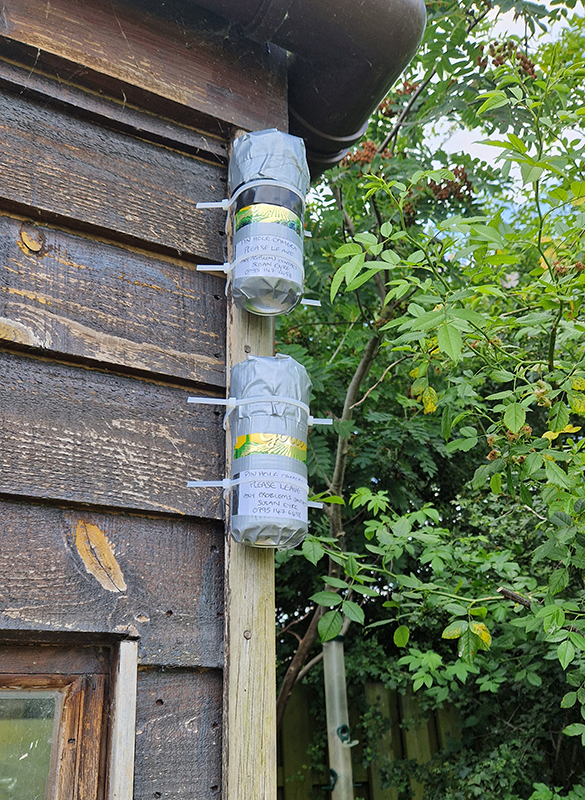
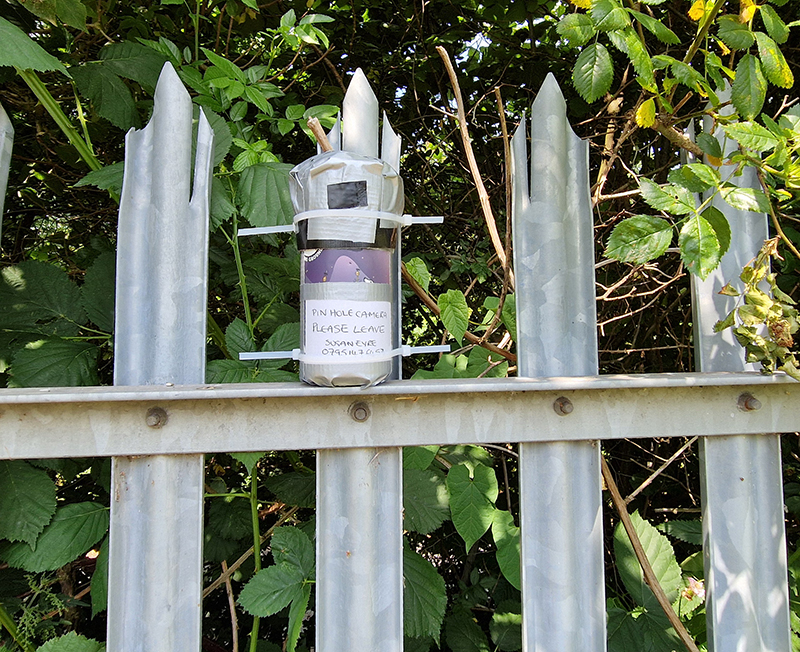
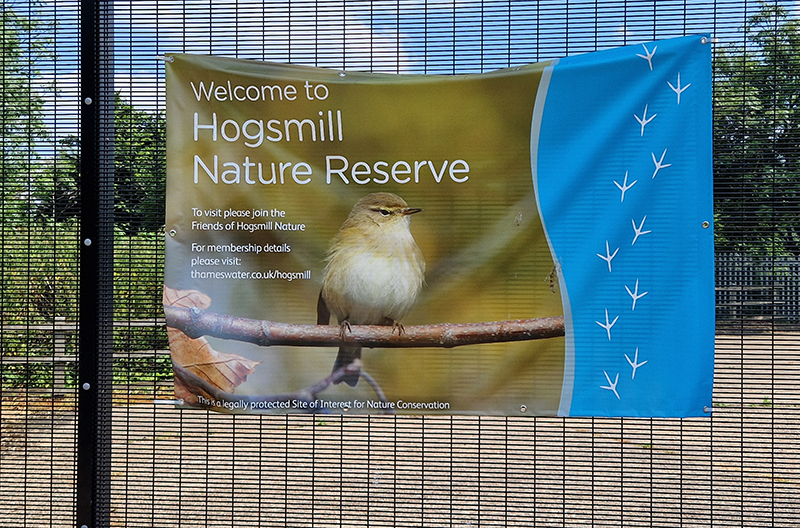
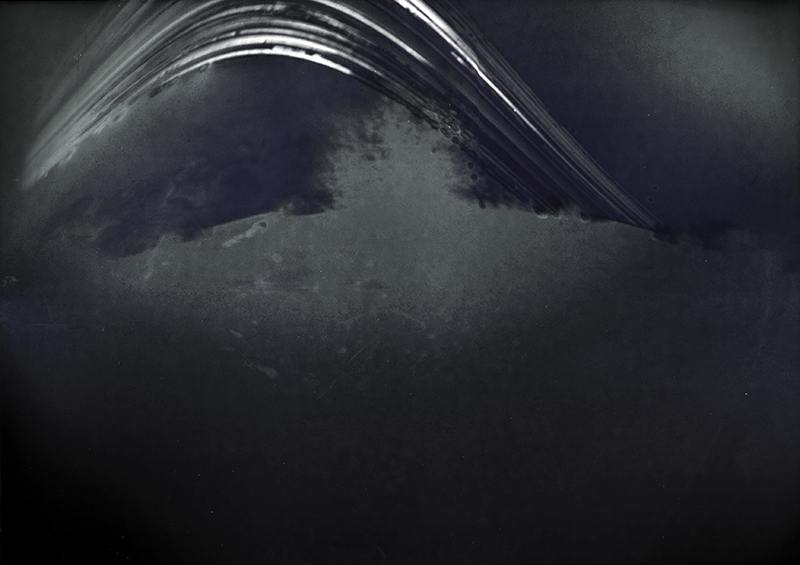
Summer Solstice 2025. The shortest night of the longest day brought an awful darkness. Collected the last two solargraphs I had installed at the Hogsmill Nature Reserve. These have been collecting light from the sun for a whole year, recording every sunrise and sunset. May the light shine through.

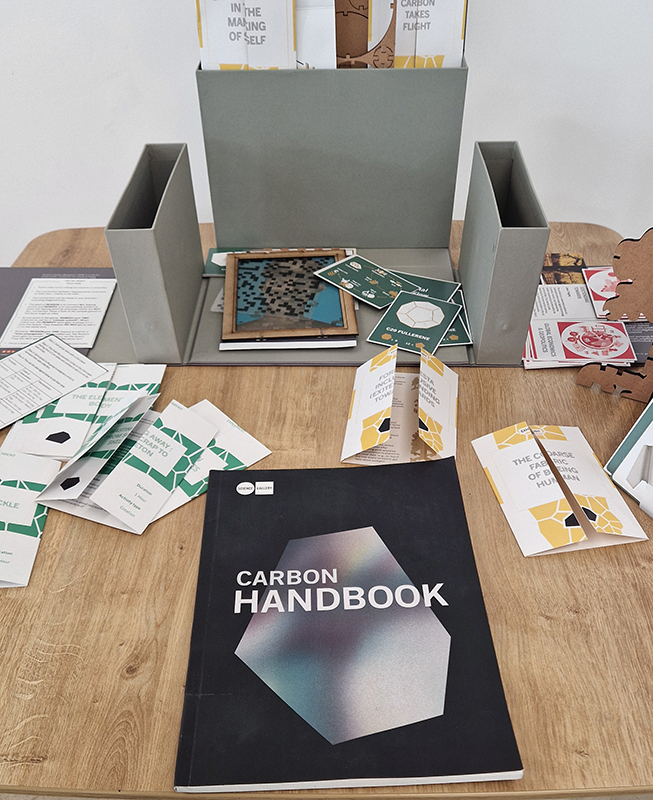
I was delighted that my video Cosmic Chiasmus: crossing the universe was included in CARBON: Under Pressure, at the Mazumdar-Shaw Advanced Research Centre as part of Glasgow Science Festival 2025, in a special exhibition partnership with Science Gallery Bengaluru.

The video offers a glimpse into a subatomic world where cosmic rays travel from distant galaxies to collide and silently interact with atoms and technology on Earth. Alongside the screening of the video I was also invited to give an artist talk and cloud chamber demonstration. It was great to share the wonders of the cloud chamber with visitors who were able to see cosmic ray trails for themselves.

It is an incredible journey that cosmic rays make, blasted across space, spiralling along magnetic field lines to end up entangled with carbon in our bodies.

Not only is all life physically permeated by cosmic rays with the potential for nuclei collisions, but some cascading particles smash into atoms of nitrogen and combine with oxygen to create radioactive carbon-14 which enters our atmosphere. Plants absorb it during photosynthesis, and it is incorporated into their carbon skeleton, which we then eat. While plants and animals are alive, carbon-14 is continually replenished as the organism takes in air or food. But when an organism dies no more carbon-14 is absorbed and that which is present starts to decay at a constant rate. By measuring the radioactivity of dead organic matter, the current carbon-14 content can be determined and the time of death established. Cosmic ray activity gives us carbon dating techniques.

Reading

The Geological Unconscious – Jason Groves. Returning to this book that sparked the ideas we explored in our exhibition. A redirection of geology to consider a type of connection between things that are not in themselves geologic. Stones that stare, stones that speak. An image of the human could develop through geologic processes, becoming part of the mineral consciousness. Quoting Heather Sullivan ‘There is a difficulty for biology and philosophy to maintain a reliable distinction between life and non-life.’

The Writing of Stones – Roger Caillois. A paean to the capacity of minerals to form images within the imagination, which in turn is considered to be nothing more than an extension of matter.

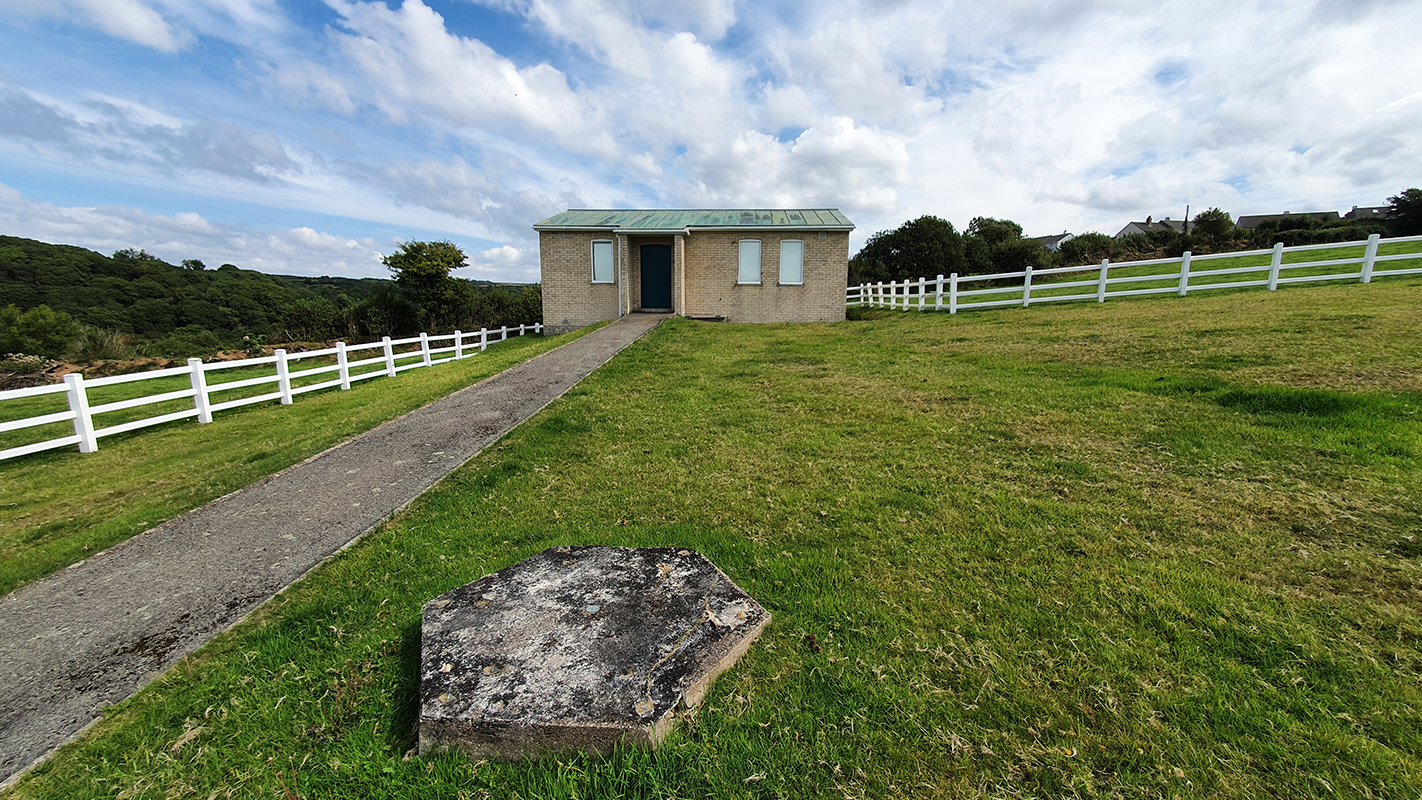
The Performances of Sacred Places: crossing, breathing, resisting – edited by Silvia Battista. I read this for some background research while thinking about how I might make work responding to the abandoned sites of the cosmic ray detector huts at Haverah Park on the North Yorkshire Moors.

‘An horizon stands, in modern hermeneutics, for what is possible to see from the position of a specific observer. That is, not only a location in space but also a position in the cultural and historical apprehension of the world.’ Silvia Battista

The book opens by questioning relationships between the site and its ascribed attributes, which may be mercurial qualities not easy to define or quantify. It reflects on the performativity theories of Karen Barad which argue that matter, in its complexity, is an active participant in our relationship to the world and Jane Bennet’s call to recognise the ‘vitality of matter’ that crosses the human non human divide. In the section on ‘crossing’ the sensitive work of Louise Ann Wilson explores ritual around death, grief and loss through walking in rural locations echoing walking an interior landscape of memory. Walking the labyrinth and the pilgrimage are also considered as journeys that take place in physical and metaphysical space.

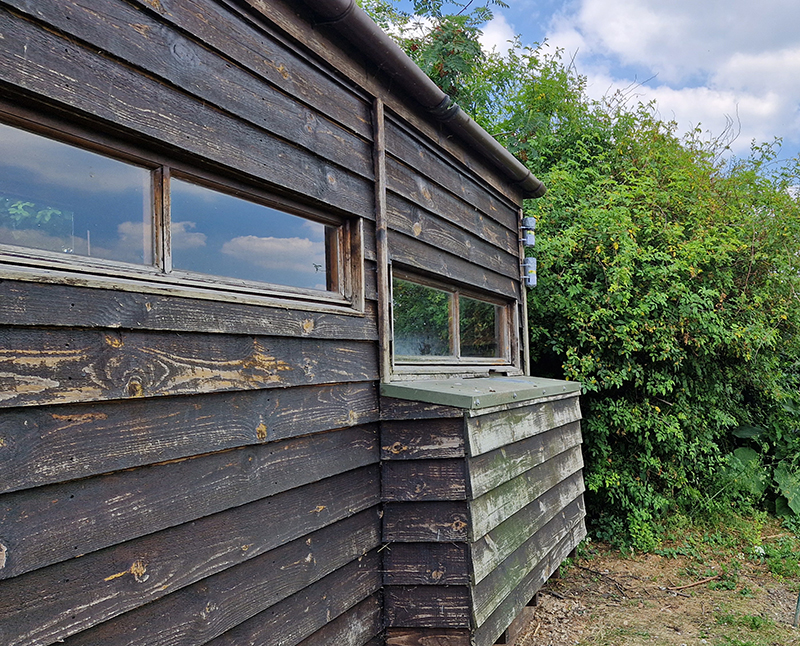
To welcome back the light of longer days I collected one of my solargraph cans from The Hogsmill Nature Reserve where it had been fixed to a hide for 6 months, since the summer solstice, looking out across the water where the birds gather. Really pleased with the image and that it captured the reflection too.

So delighted that Cosmic Chiasmus: crossing the universe was included in the amazing Serendipity Arts Festival, an annual interdisciplinary festival held across multiple venues in Panjim, Goa, India. I just wish I could have visited 💎🌌✨️☀️

My video was shown as part of the selected module exhibition CARBON, curated by the Science Gallery Bengaluru team in collaboration with artist and curator Ravi Agarwal.

Artists: Annelie Berner; Susan Eyre; Marina Zurkow; David Hochagatterer; Dhiraj Kumar Nite; Jan Sweirowski; Jane Tingley; Maria Joseph and Nuvedo; Shanthamani Muddaiah

Curated walkthrough with Jahnavi Phalkey

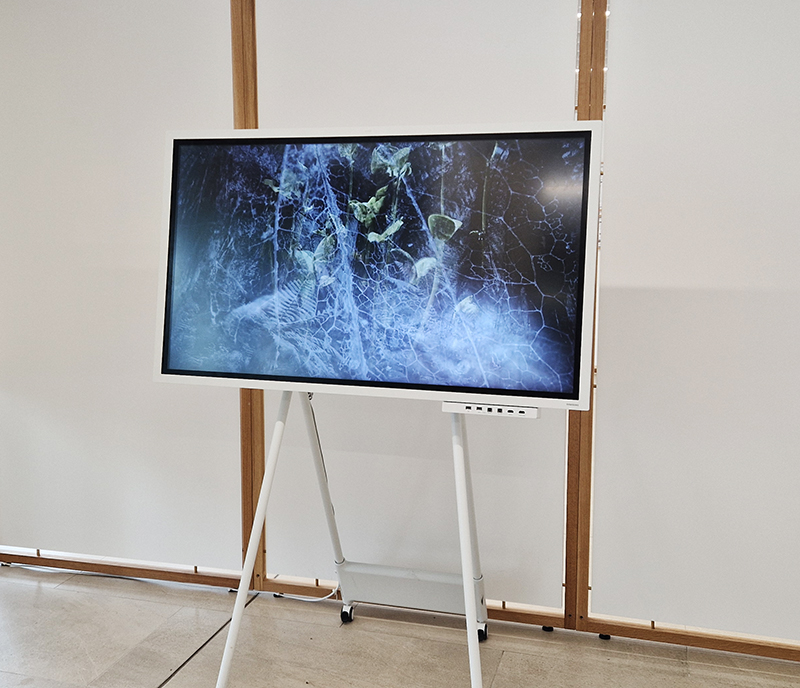
The video (05:29 min) offers a glimpse into a subatomic world where cosmic rays travel from distant galaxies to collide and silently interact with atoms and technology on Earth. Above our heads where cosmic rays interact with the Earth’s atmosphere radioactive carbon-14 is formed. This is then absorbed by plants that are eaten by animals and humans. When an organism dies, no more carbon-14 will be absorbed and the current amount in the organism will start to decay. By measuring the remaining carbon-14 in organic matter, the time of death can be established. Cosmic ray activity gives us carbon dating techniques.

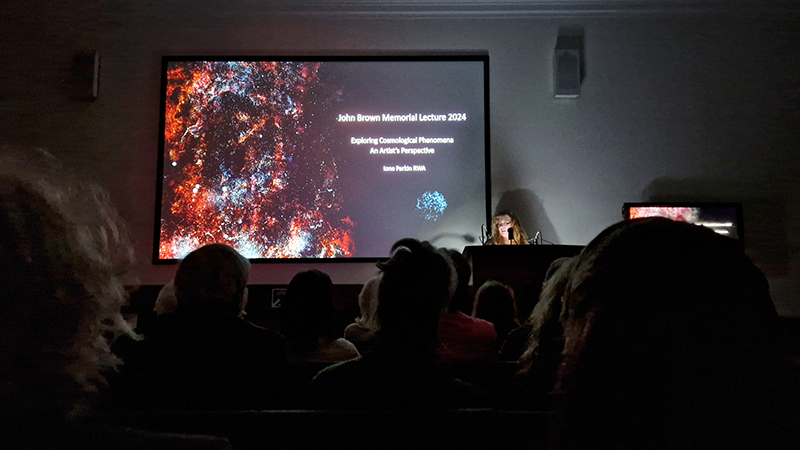
I attended The John Brown Memorial Lecture: Exploring Cosmological Phenomena: An Artist’s Perspective, talk by Ione Parkin RWA at The Royal Astronomical Society. Ione is the Co-Founder/Lead Artist of the Creativity and Curiosity Art-Astronomy Project (C&C). She is an Honorary Visiting Fellow of the School of Physics and Astronomy at the University of Leicester and a member of the British Association of Planetaria. Through her many cosmological paintings the ephemeral, gaseous, nebulous phenomena of space are given an earthly materiality that still retains the sense of the intangible. Ione has created an impressive body of work. I especially liked the cloud chamber mixed media pieces and photopolymer etchings created through the fluorescence microscopy process of firing laser beams of light of one wavelength at the surface of the painting then capturing the light emitted from a longer wavelength. Look forward to seeing these works irl rather than digital images.

I am over the moon that Ione has selected my sculpture The Azimuth Obelisk (of sedimentary knowledge) to be included in Cosmos: The Art of Observing Space, a major exhibition she is curating at the Royal West of England Academy in 2026. Cosmos will bring together a body of artwork inspired by themes of astronomy, cosmology, astrophysics, planetary atmospherics, space-exploration, solar dynamics and celestial mechanics. There will be a catalogue published to accompany the exhibition with a Foreword by Professor Chris Lintott (Professor of Astrophysics, University of Oxford).

In the studio I have been conducting some more tests towards a video installation which will respond to the crystal structure of magnetite and a quote from Jason Groves book The Geological Unconscious – ‘What truth could be more unexpected ….than the one in which the mineral envisions while also being envisioned.’

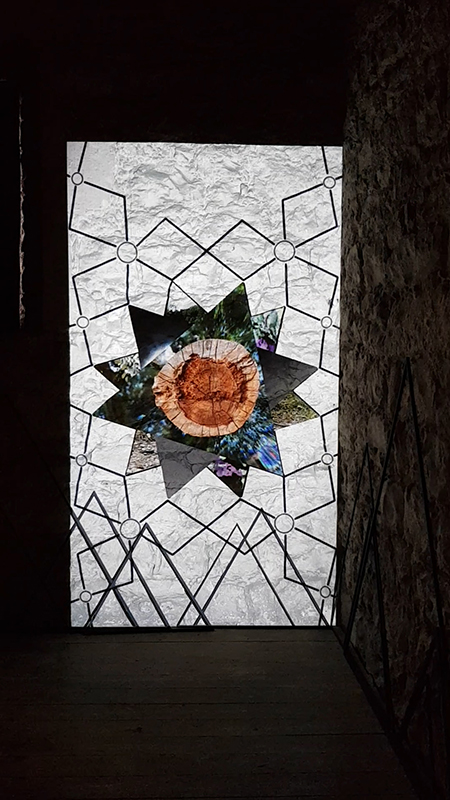
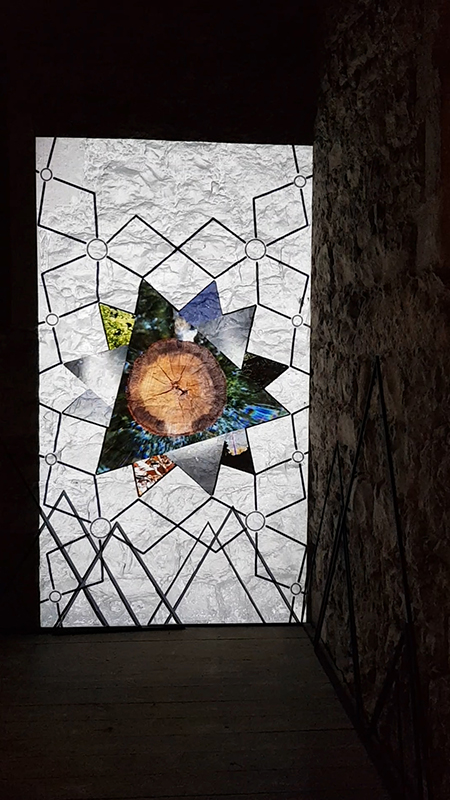
Magnetite is attracted to a magnet and can be magnetized to become a permanent magnet itself. It’s crystal structure was determined in 1915 as one of the first crystal structures to be obtained using X-ray diffraction. Magnetite contains both ferrous (divalent) and ferric (trivalent) iron. At present I am just testing the concept and technical issues using a small board with some lenses inserted in a circle pattern. The large lenses used to distort the projection represent the oxygen present in the crystal structure, I have drilled some smaller holes to test lenses to represent the iron component. In my tests I was surprised to find that when the small lenses were inserted in the holes the projection image was no longer visible on the wall. The small lenses I have are quite thick, but still it was unexpected. I am sourcing some thin lenses to test.

Projection with no lenses in board – no distortion of image

With all lenses inserted – large lens distortion occurs but small lens images not visible

Tests with only large lenses inserted for distortion

Tests using back projection screen and looking directly at the lenses

Exhibitions visited

In the Thick of Things at APT curated by Chris Marshall and Cash Aspeek including works by Laura White, Asaki Kan, Leila Galloway and Deborah Gardner. Big messy works, tumbling, sliding and colliding following the vein of arte povera letting the materials speak. Had a touching conversation about the last days of our respective parents with Cash who had made a very personal series of work using her parents marital bed of 60 years as both subject and material.

Conglomerates at Hypha Gallery Mayfair, a group show featuring work by Paola Bascon, Rhiannon Hunter, Rona Lee, Hannah Morgan, Davinia-Ann Robinson and Sam Williams. A warm and earthy show exploring care formed through relations with self and other beings to create substrates for resistance, deep-knowing, storying and kinning as processes of paying attention to that which is unheard.

Reading

While reading Margaret Atwood’s disturbing novel Oryx and Crake (to gain insight after seeing the stunning collaboration between Wayne McGregor and Max Richter in Maddaddam at ROH recently) I came across a reference to Mesembryanthemaceae – a plant which disguises itself as small pebbles by taking on patterns and colouring of the ground it grows on. I had forgotten about these strange plants commonly called stone lithops or living stones. The thick leaves can store enough water for the plants to survive for months without rain and during dry periods they shrivel into the ground. With no stem they are partially subterranean, sending light down to the buried leaf cells via ingenious reflecting ‘window cells’ on the two wide leaf tips.

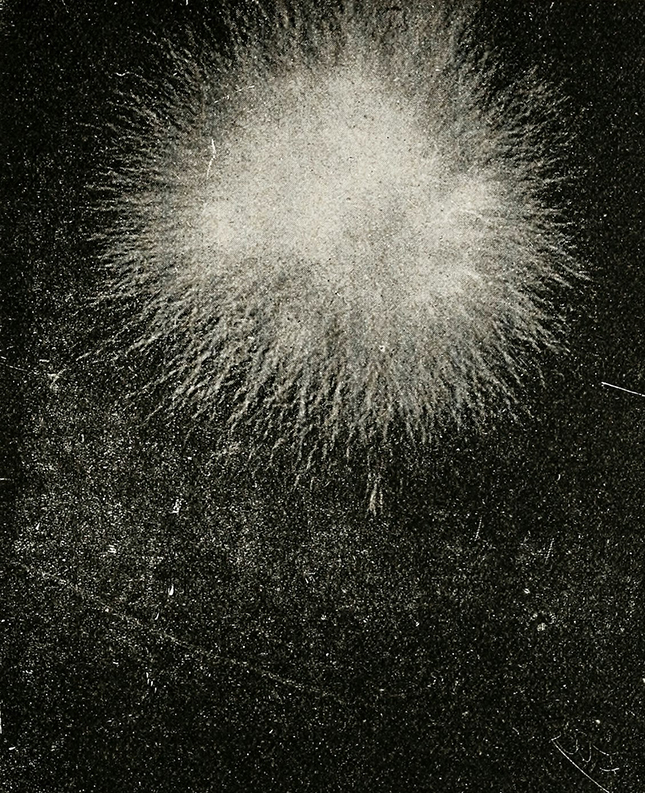
In The Human Soul: Its Movements, Its Lights, and the Iconography of the Fluidic Invisible, originally published in French in 1896, Dr. Hippolyte Baraduc (1850–1909) postulates the existence of “the fluidic invisible” — a “vital cosmic force”, which he calls Odic liquid, that extends across the universe and “saturates the organism of living beings and constitutes our fluidic body”. Instead of all things being composed of one elementary substance, as in philosophical accounts of the monad, in this cosmic vision, we all live in a sea that we cannot see, which Baraduc names Somod.

This remarkable image posted by Public Domain Review is one of the many attempts to capture the “vital cosmic force” made by Dr. Hippolyte Baraduc a French physician and parapsychologist who believed he could photograph thoughts and emotions.⁠

Pure electography of the hand by Iodko’s method. The hand of an over-electrified person, placed on a plate gives a very remarkable impression of the electrified cutaneous surface.”

I am intrigued as to what might ‘over-electrified person’ mean? I was also fascinated by this image – “Luminous spectre of the north pole magnet, obtained by the red electric photographic lamp, surrounded by fine pearls of psychecstasis.”

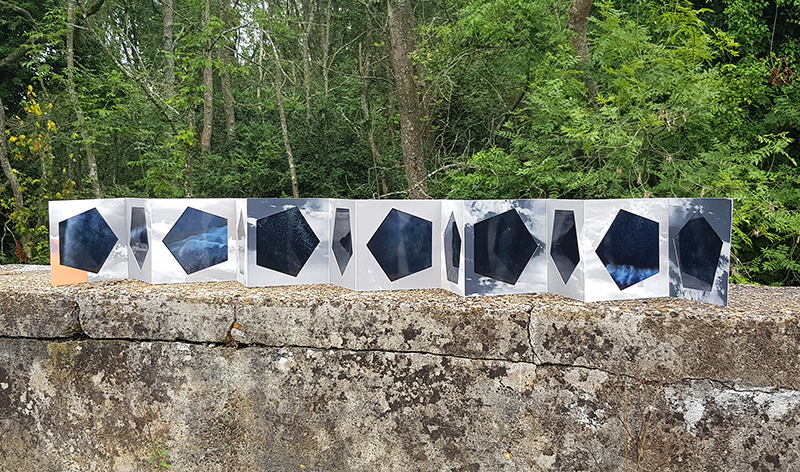
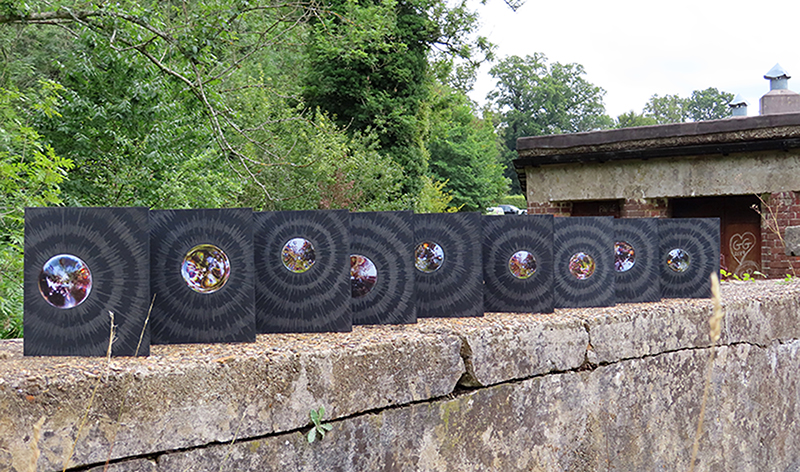
Delighted to have both my artists books In/Out and Unbound accepted into the Art, Science and Creativity exhibition curated by Liverpool Book Art at Liverpool Central Library in the autumn. The starting point for this exhibition is a quote from Albert Einstein:

“Where the world ceases to be a stage for personal hopes, aspirations, and desires, and we stand before it as free creatures, full of admirations, questions and contemplation, we enter the realm of art and science. If we describe what we see and experience in the language of logic, we do science; if we convey connections through forms that are inaccessible to the rational mind, but intuitively recognisable as making sense, we do art.”

Open Studios 2024 – showing the two channel video installation Radical Pair in my studio.

In Thames-side Studios Gallery showcase of studio holders works I presented one of the sculptures from the Instruments of the Anemoi series.

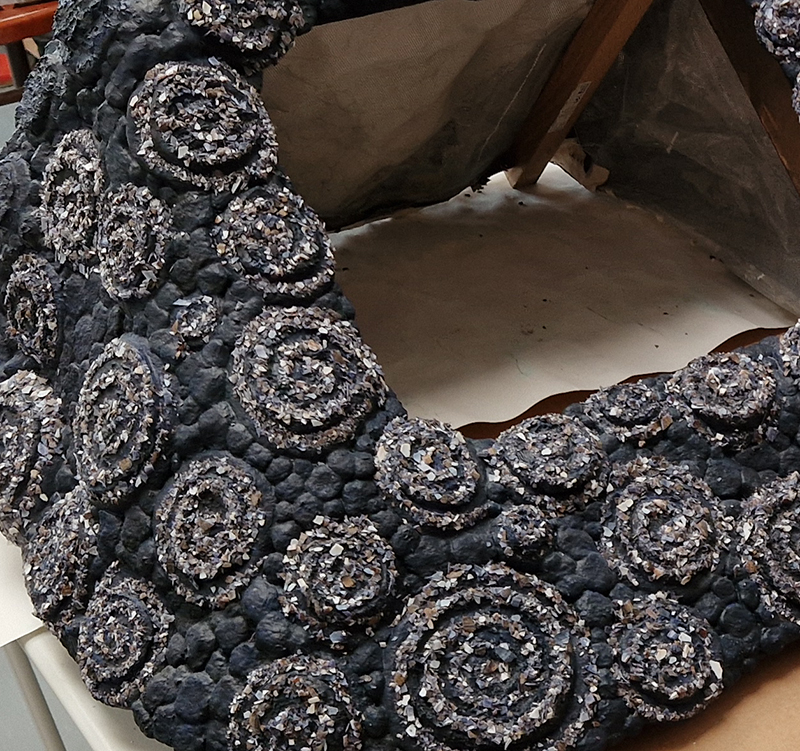
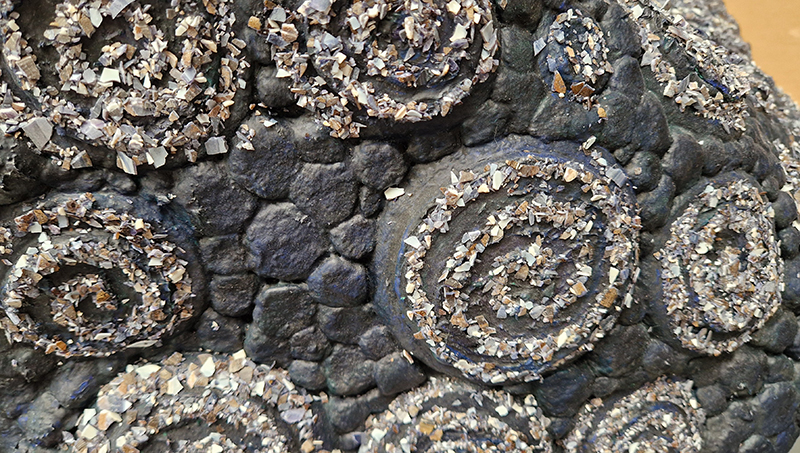
Work in progress on hybrid sculpture Belly of a Rock adding spirals of crushed mussel shells to the crusted casing that will house a monitor screen. Earth rotates faster at the Equator than it does at the poles causing spiral convection currents in the liquid iron outer core. Earth’s magnetic field is created in this swirling outer core where magnetism is about fifty times stronger than it is on the rocky surface of the Earth.

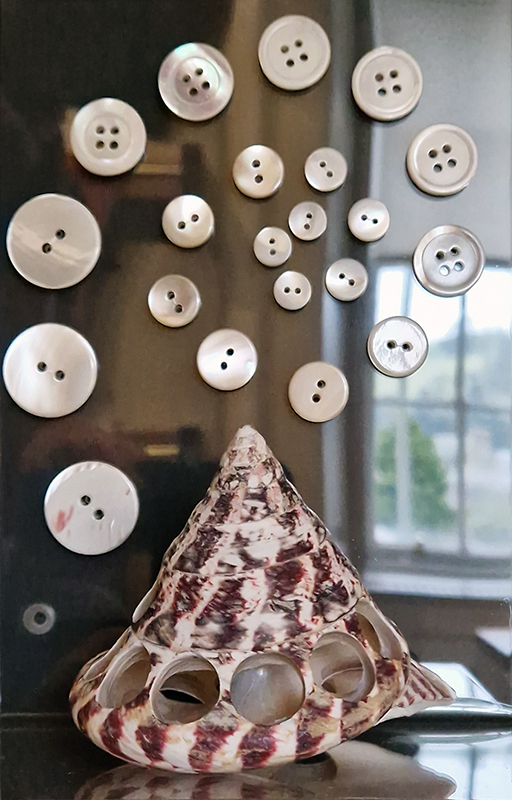
Trochus (sea snail) shell buttons seen at Borders Textile Towerhouse, Hawick. The buttons made from these molluscs found in warm waters are used for the Borders quality knitwear industry. Genuine shell can apparently be identified from imitation by touch, it always feels cool even in hot temperatures.

We do not yet know another form of life other than carbonaceous life. All life on Earth uses the same biochemistry of carbon.

Reminded by the solstice, I finally installed some solargraph pin hole cameras at Hogsmill Nature Reserve. I have had the tins prepared for a long while so not sure if they will work. The lagoon was worryingly green.

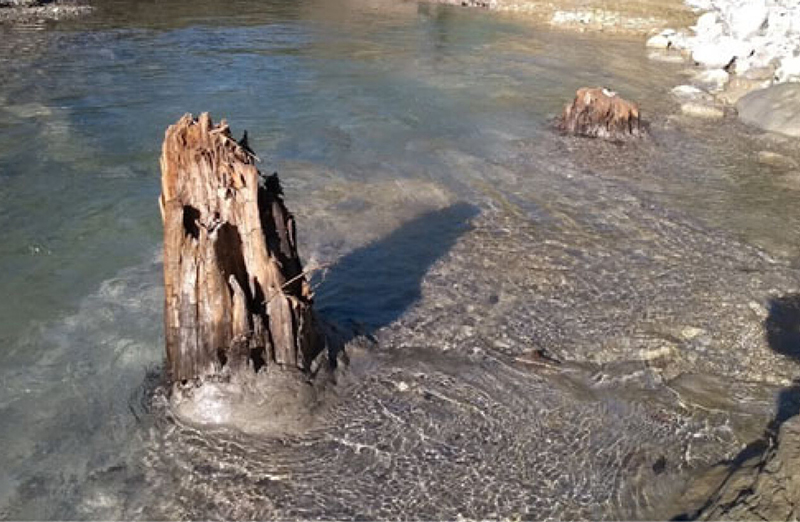
A recent Royal Society research article reveals that extreme solar events such as solar flares and coronal mass ejections can release bursts of energetic particles towards Earth which are found preserved in the rings of partially fossilized trees as huge spikes in carbon-14. Through the individual analysis of ancient tree rings from subfossils found in the Drouzet River in the Southern French Alps, scientists discovered evidence of a giant solar storm dated to around 14,300 years ago. This event appears to have been enormously more powerful than the Carrington Event of 1859 when fires broke out in telegraph offices.

Radiocarbon is produced in the upper atmosphere as cosmic rays collide with particles in the atmosphere. It is absorbed by plants during photosynthesis and enters the food chain of organisms and because it decays at a known rate, scientists can use it to determine when the organism died using carbon dating processes. Solar storms tend to deflect the number of energetic particles coming from outer space but a violent storm will create much more radioactive carbon-14 which will subsequently be absorbed by life on Earth. Radiocarbon dating is not exact because the atmospheric 14C/12C ratio varies due to cosmic ray activity, nuclear explosions and solar activity. Still from Cosmic Chiasmus: crossing the universe.

For scientists using the radiocarbon dating technique it is important to know the carbon-12 content of the contemporary atmosphere. A calibration curve of carbon-12 in the atmosphere is provided by an international body using many archive records but the most precise and accurate are based on dendrochronologically dated tree-ring series. Stills from Time Crystals.

Other evidence of this major radiation storm 14,300 years ago is also seen in ice cores having a higher concentration of an isotope of beryllium extracted from Greenland. These incredibly powerful geomagnetic storms are known as Miyake events. Nine Miyake events have been identified in the last 15,000 years, the most recent being around 774 CE.

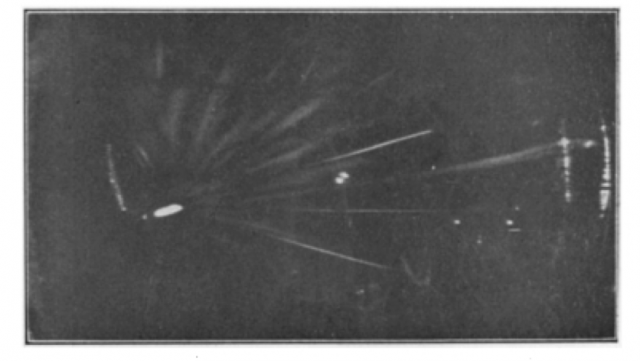
Radioactivity was discovered by Henri Becquerel while working on a series of experiments on phosphorescent materials in 1896. Cosmic Rays were discovered by balloon enthusiast Victor Hess in August 1912. He went almost 5.5km up in a hydrogen filled balloon with a balloonist and a meteorologist equipped with an electrometer which could read the level of radiation. This expedition was to determine the source of radiation which was bewildering scientists working on radiation such as Marie Curie who found some radiation registered on their equipment when they removed the source of radiation and even when instruments were shielded by a lead casing. C.T.R. Wilson was also baffled by apparent radiation seen in his cloud chamber, which he had developed to study atmospheric phenomena. One of the first images from Wilson’s cloud chamber –

A cloud chamber is a box containing a supersaturated vapor. As charged particles pass through, they ionize the vapor, which condenses to form droplets on the ions. The tracks of the particles become visible as trails of droplets, which can be photographed. In 1911 Wilson presented his first rough photographs of particle tracks at the Royal Society in London. In 1929 Hans Geiger and Walter Müller developed a gas filled ionization detector that registers individual charged particles and was ideal for studying high-energy cosmic rays. Bruno Rossi further developed the Geiger counter and demonstrated that the Earth’s magnetic field bends incoming charged particle showers. In 1936 Seth H. Neddermeyer and Carl D. Anderson discovered the Muon as most common cosmic particle in cosmic ray showers. In 1938 Pierre Auger observed showers with energies of 1015 eV – 10 million times higher than any known before.

In 1947 Patrick Blackett presented a paper in which he suggested that Pierre Auger emitted by high-energy cosmic rays contributed to the light in the night sky. In September 1952 a simple experiment by Bill Galbraith and John Jelley allowed the first observation of Cherenkov light produced by cosmic rays passing through the atmosphere. By the end of the decade, observation of Cherenkov radiation in the atmosphere had been developed further as a means for studying cosmic rays. I will be looking further at Cherenkov radiation in the coming weeks as I begin research on the historical site of Haverah Park in North Yorkshire, the site of an extensive cosmic ray air shower detection array which led the world for two decades in studies of cosmic rays of the highest energies. Haverah Park array used water Cherenkov detectors. I will also be looking at the cosmic ray detection innovations of Astronomer Royal Sir Arnold Wolfendale

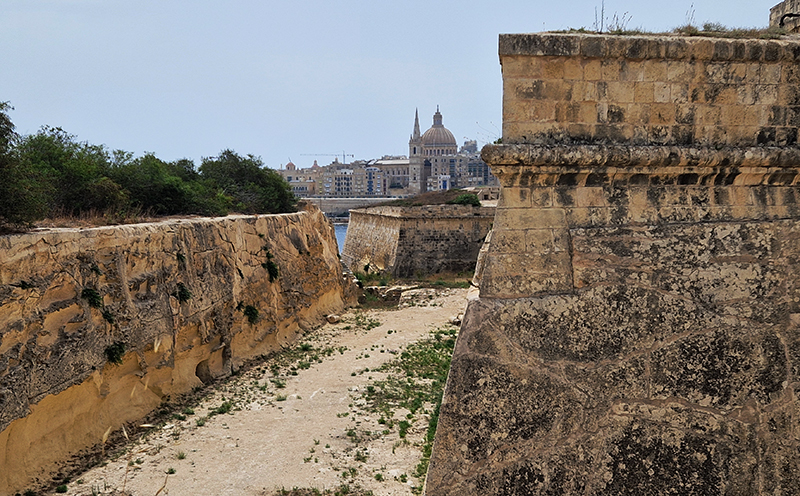
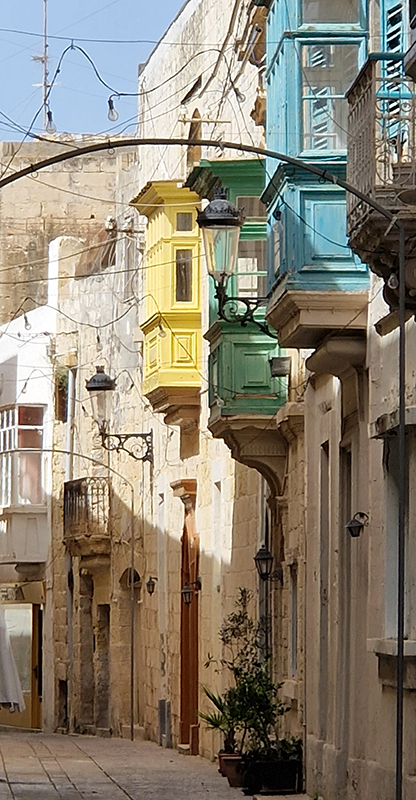
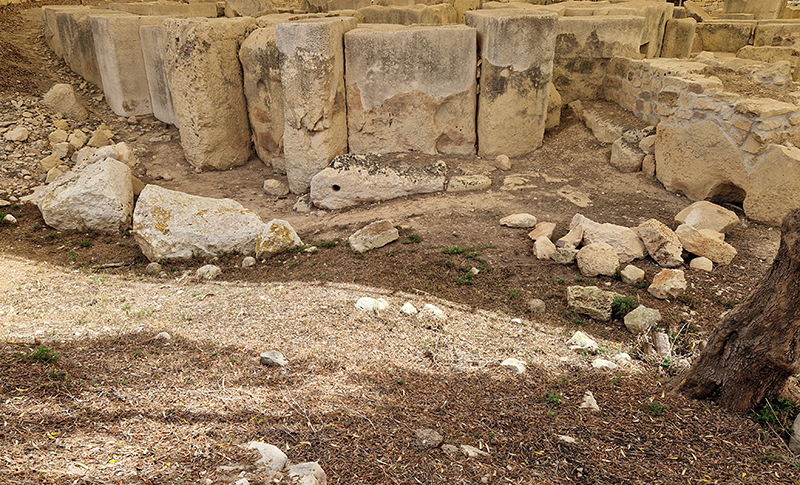
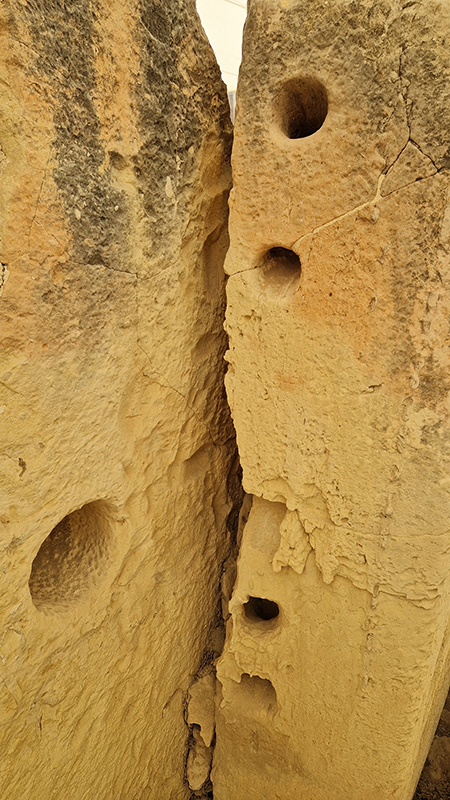
A visit to Malta. Architecturally beautiful, bathed in golden light, the palimpsest of Malta’s history is fascinating to uncover. 20,000 years ago after the last Ice Age, the sea level in the Mediterranean was 130 metres lower than today and Malta was one land mass connected to Sicily.

Due to its geographic location Malta was a contested site for naval and trade powers for hundreds of years, yet before the first empire builders arrived there is no evidence of conflict between communities found at the archaeological sites for the first 5000 years of settlement.

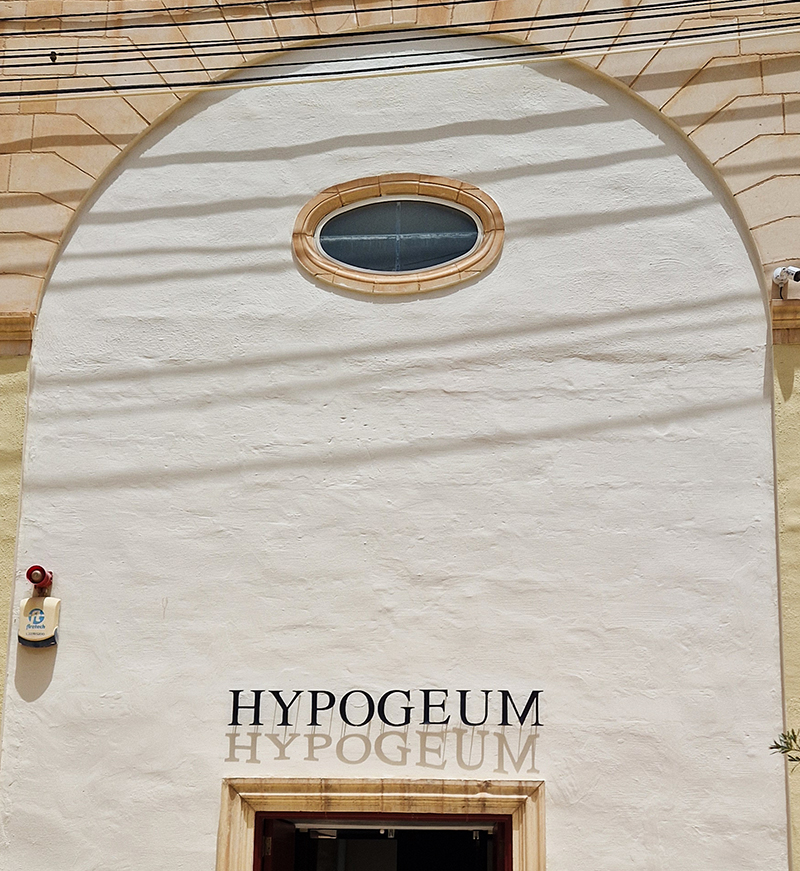
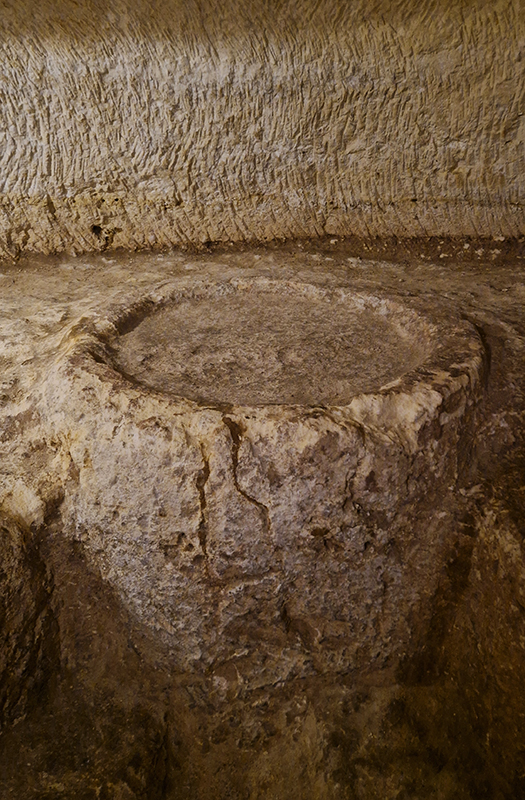
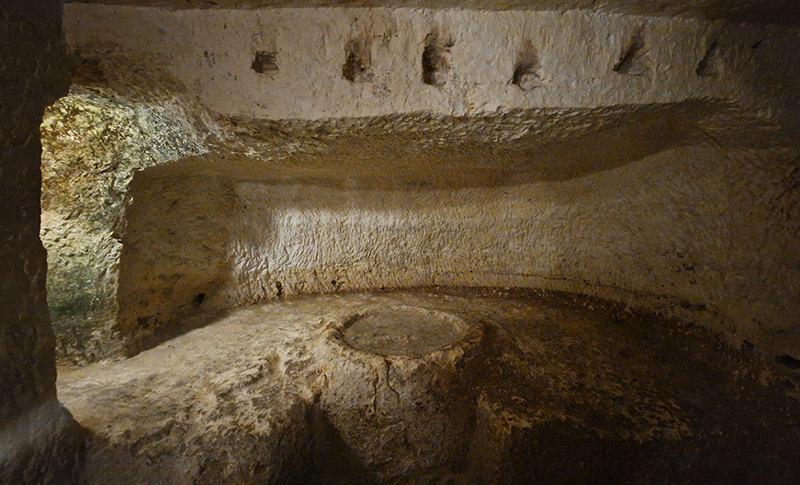
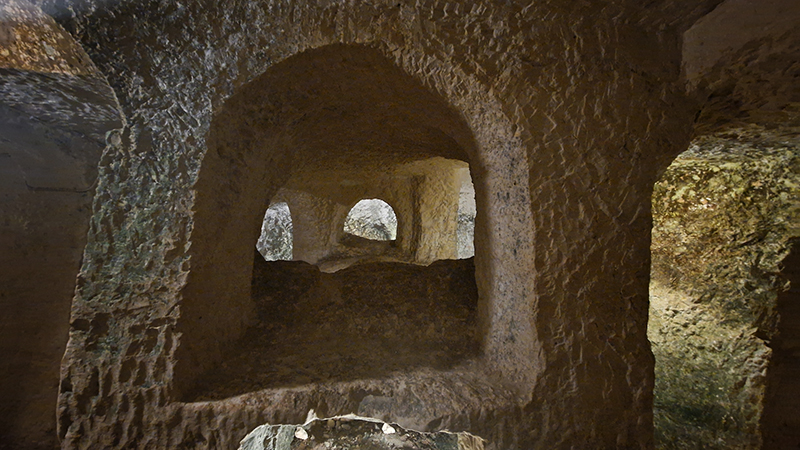
Evidence of first settlers dates to about 5900 BC. These people were hunters and farmers who kept domestic cattle and built temples. The earliest remains found at the Neolithic subterranean temple and burial site of about 7,000 individuals – The Ħal Saflieni Hypogeum – the only known European example of a subterranean ‘labyrinth’ date from about 4000 BC.

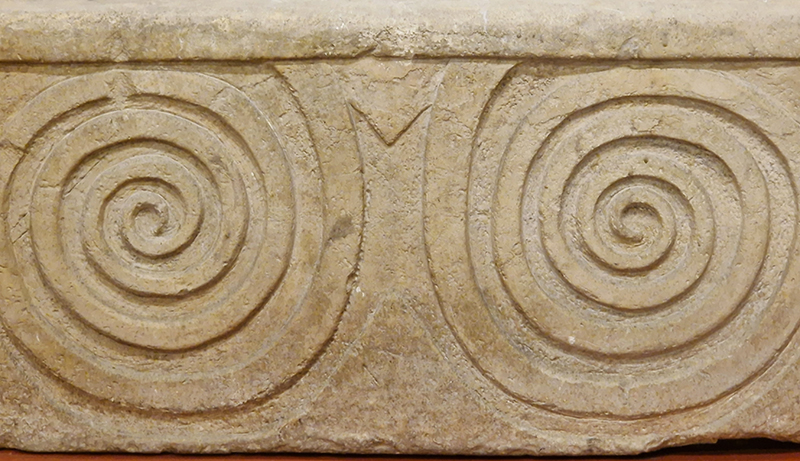
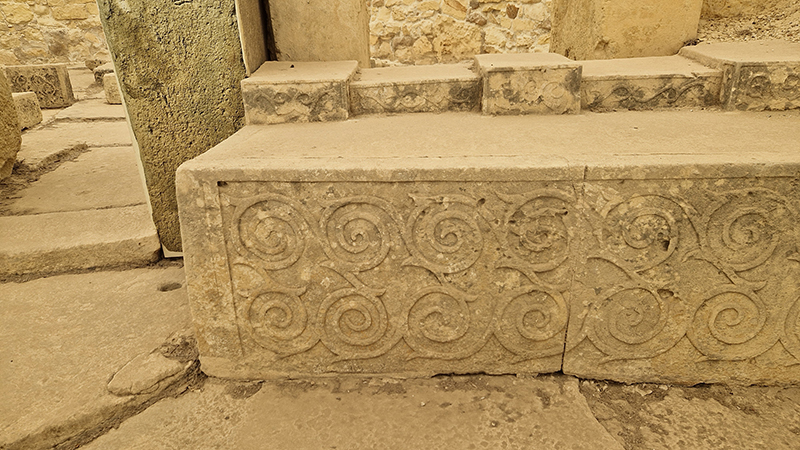
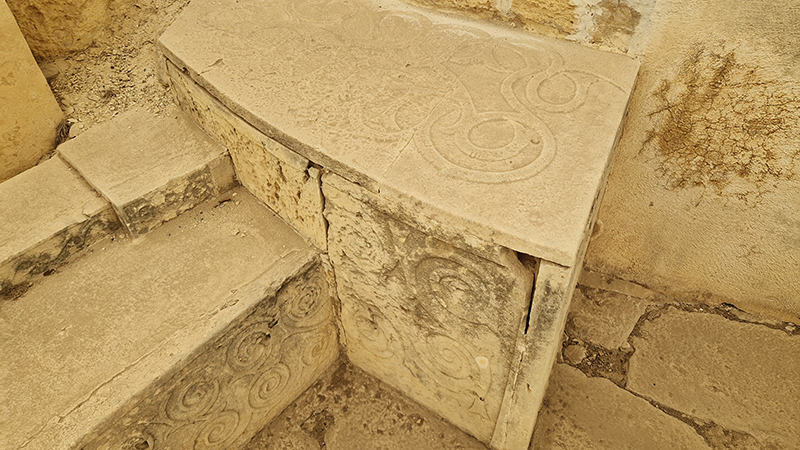
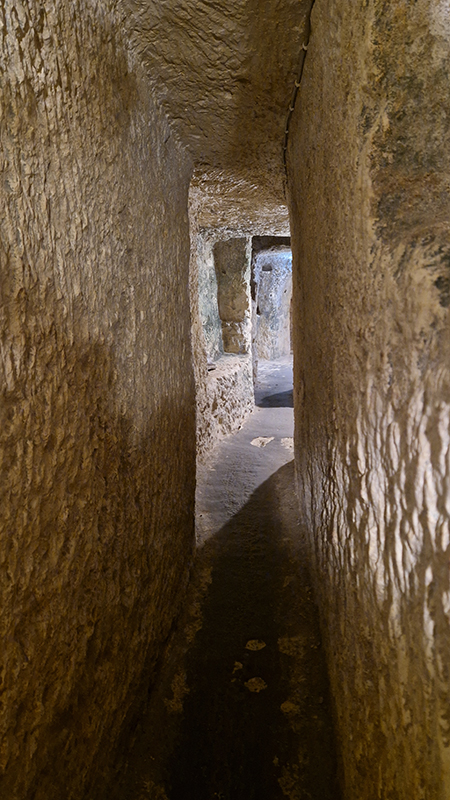
The whole system, which in places replicates the architecture of temples above ground, was cut into the limestone using just stone or antler tools. Some of these deep underground chambers are decorated with spiral and chequerboard patterns in red ochre. A highlight of the visit is the acoustic demonstration of a deep resounding echo filling the chamber when someone with a low voice speaks softly into a small, excavated niche. The particular acoustic frequencies measured throughout the chambers suggests a deliberate design and a potentially important cultural role for making music. Archaeologists believe the dead were probably left exposed until the flesh had decomposed and fallen off before the bones were buried in mass graves along with copious amounts of red ochre but so much is unknown.

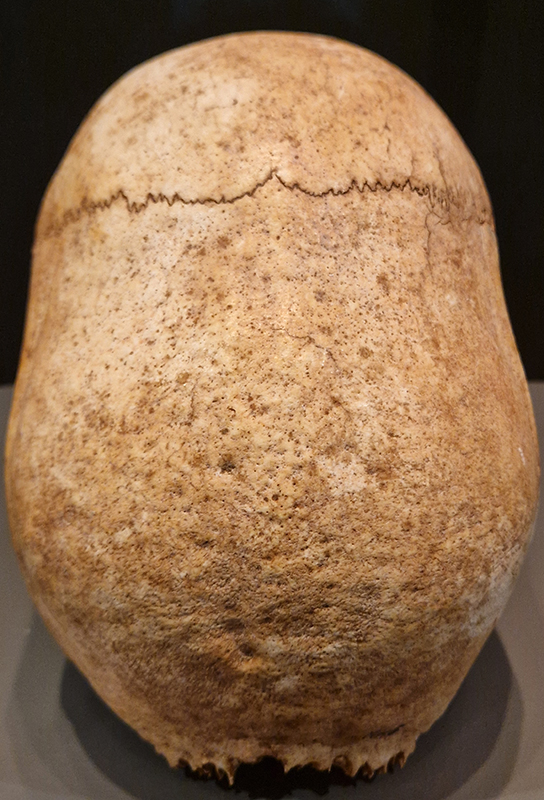
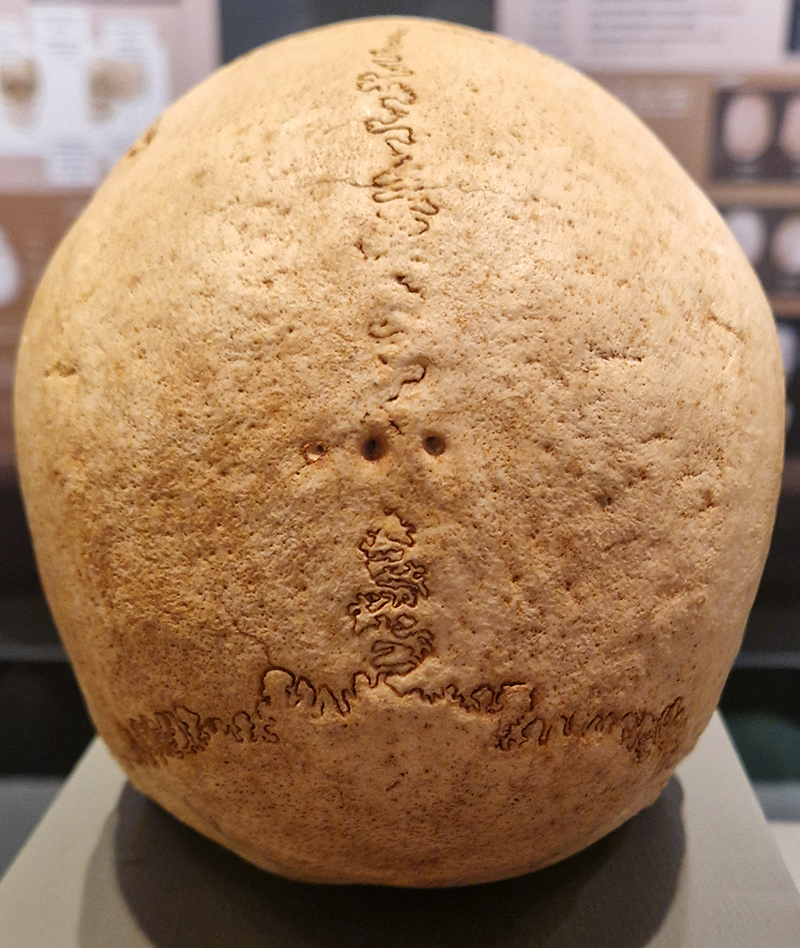
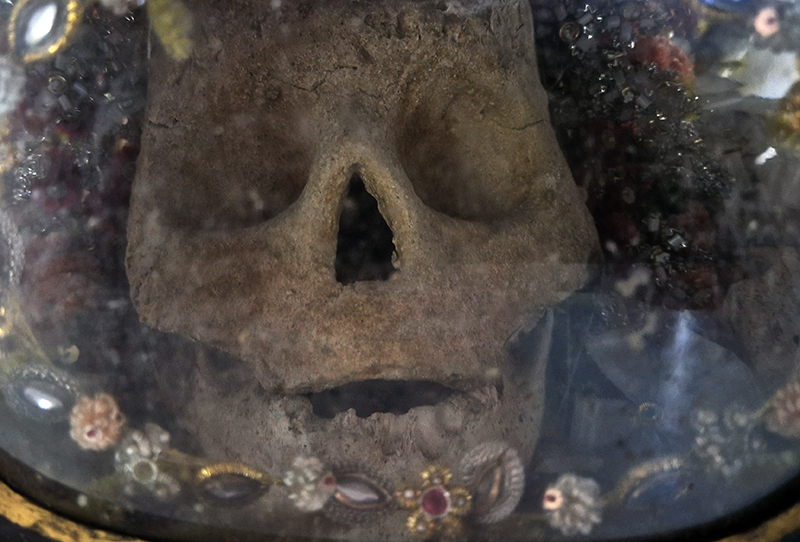
Photography is not allowed in the labyrinth of tunnels, so I have no images inside the ancient site where so many people were buried, but saw skulls found here, known as the long skulls, at the Museum of Archaeology.

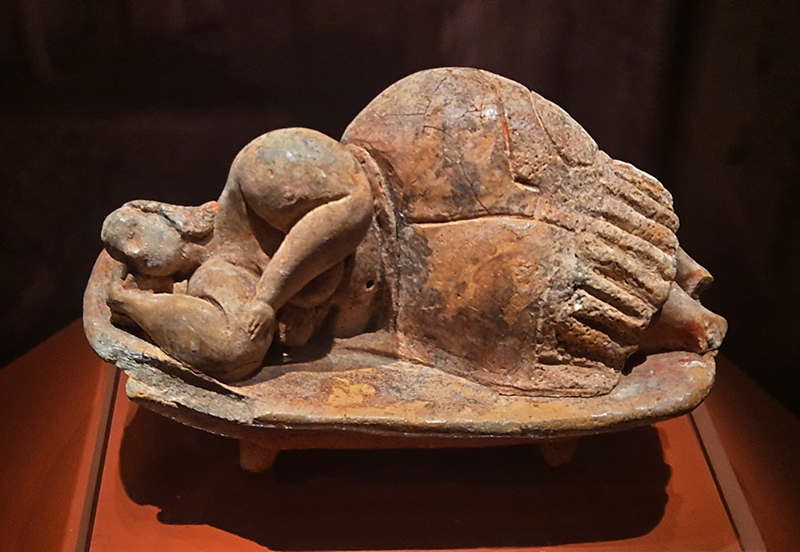
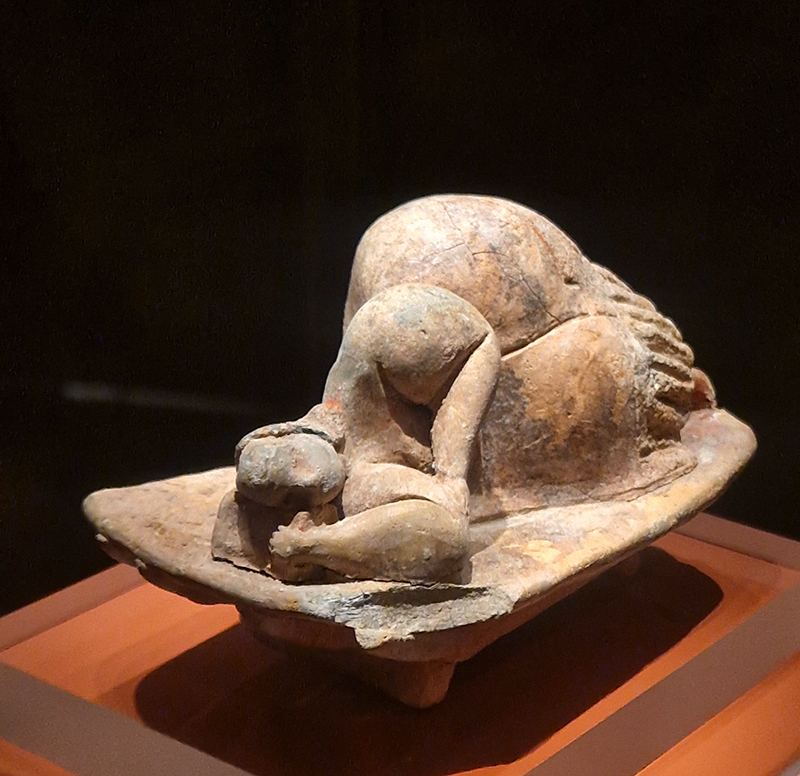
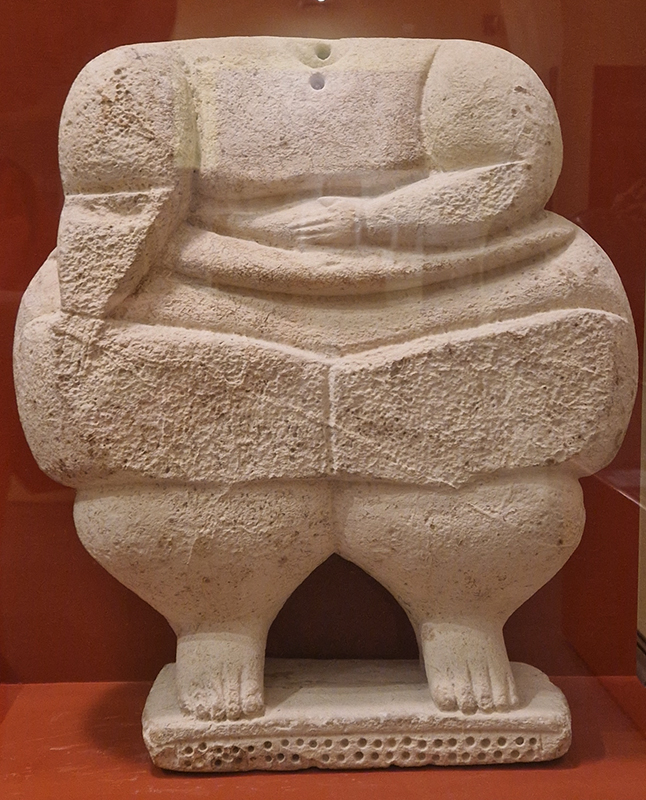
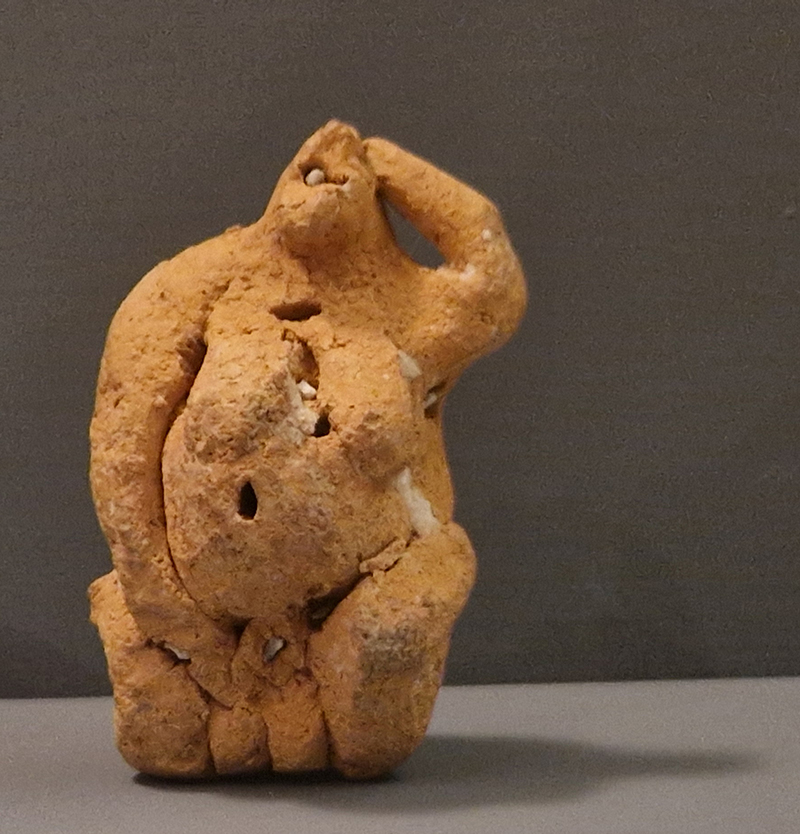
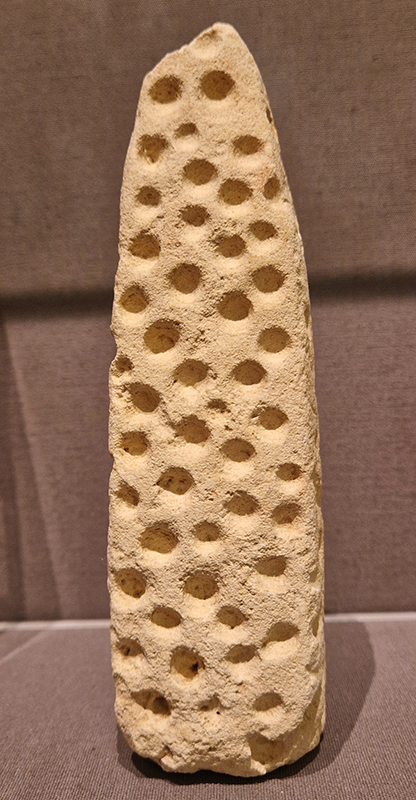
Also at the museum is the famed clay figurine of a ‘sleeping woman’ discovered in the Hypogeum.

The ancient temples and early artworks hint at past cultures we have no way of understanding.

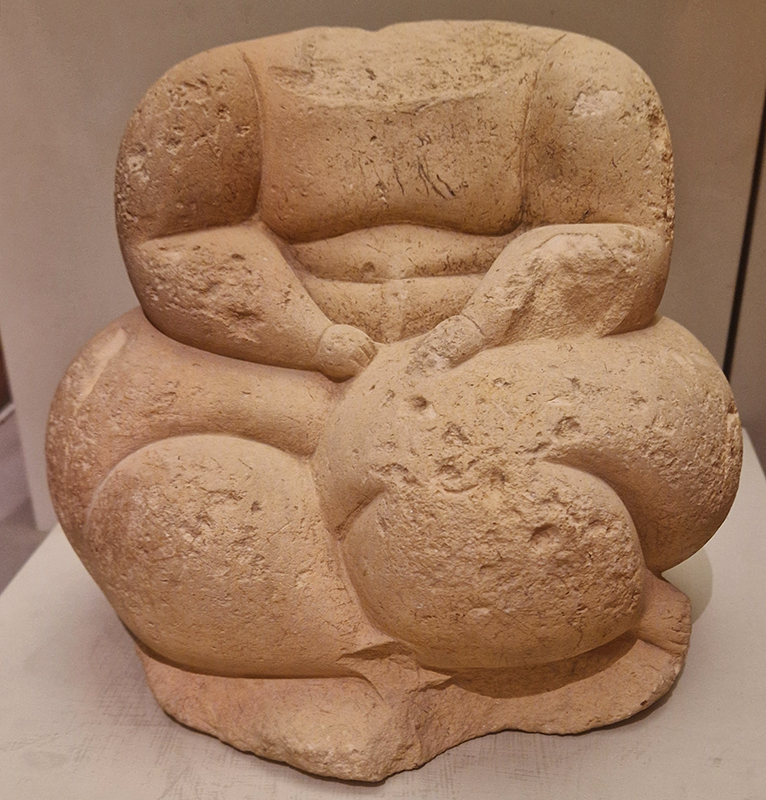
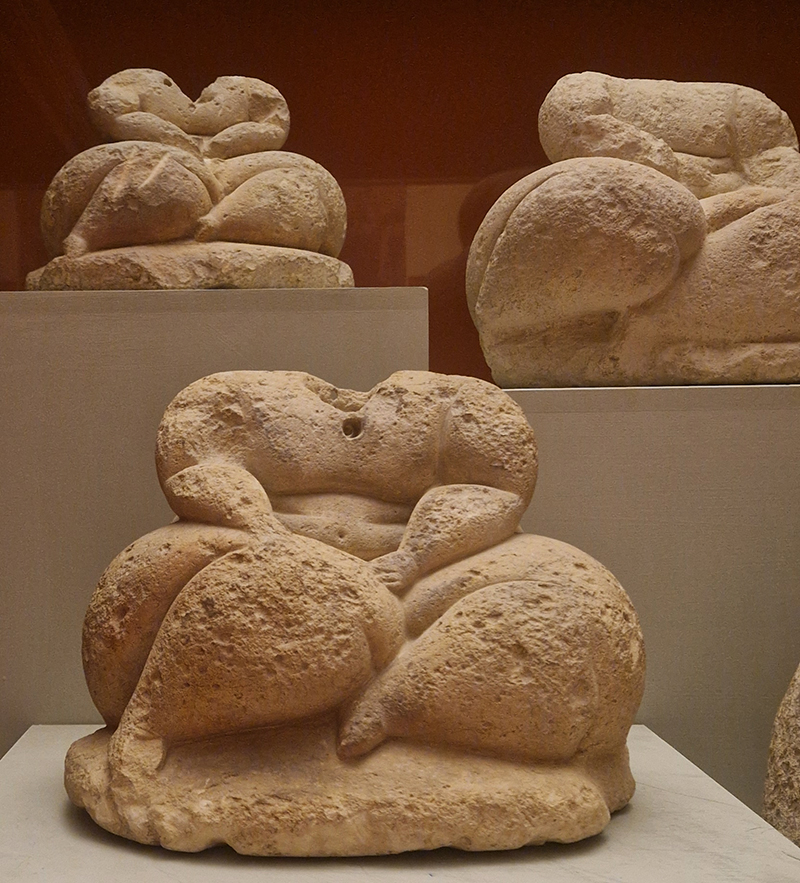
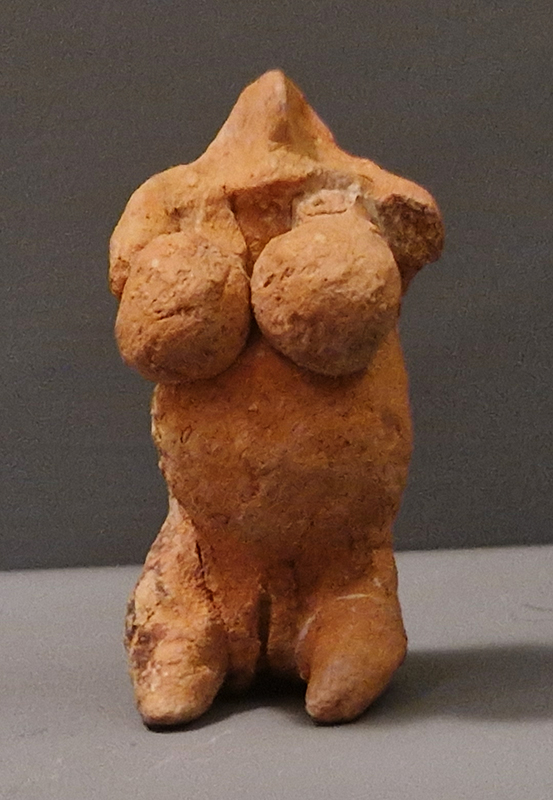
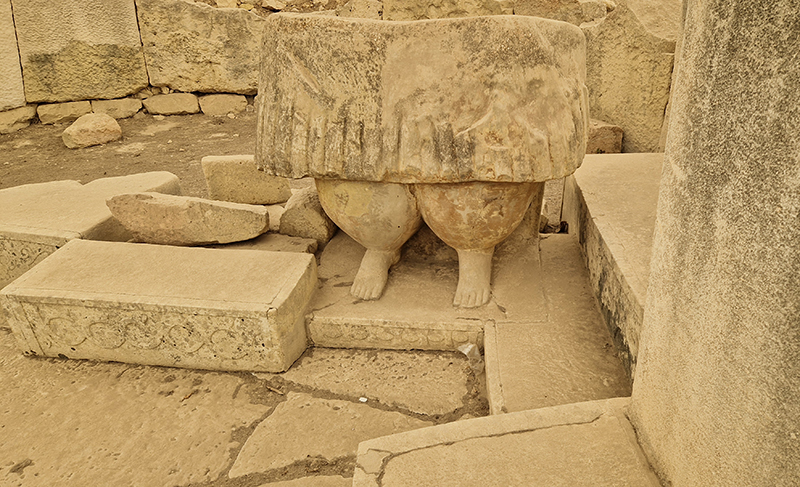
Many figures were found at other temple sites. Although some figures are female and there are many phallic figures, it is not clear of the gender of the ‘fat’ figures some of which appear to allow for interchangeable heads.

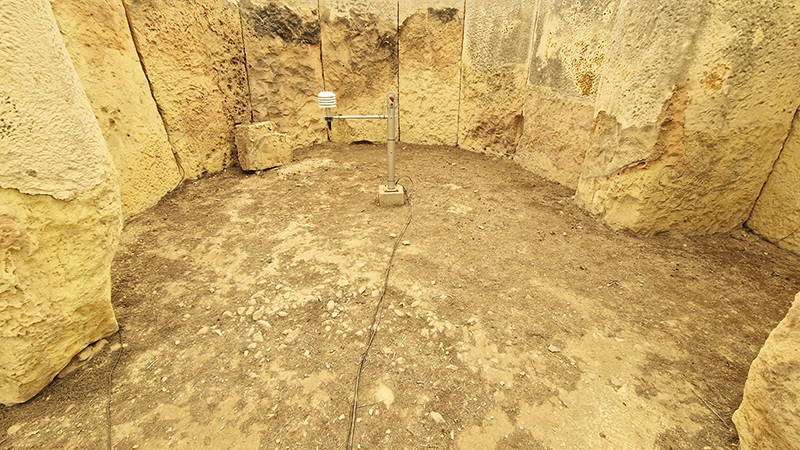
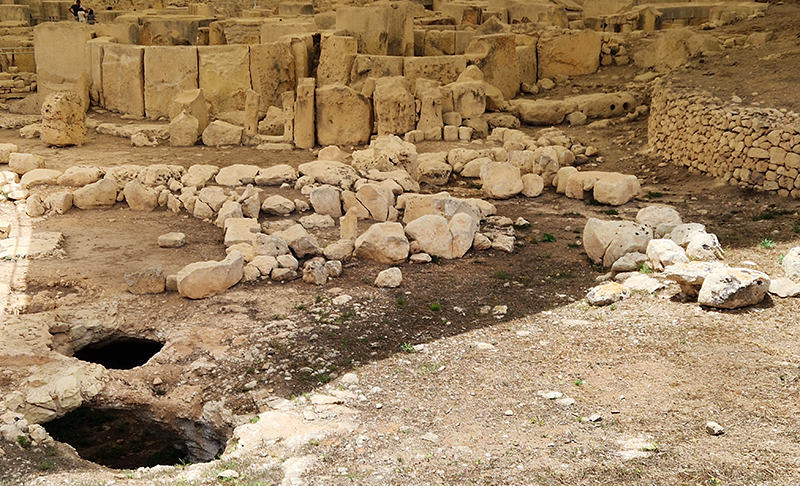
The Tarxien Temples complex of megalithic monuments with intricate stonework date to approximately 3150 BC.

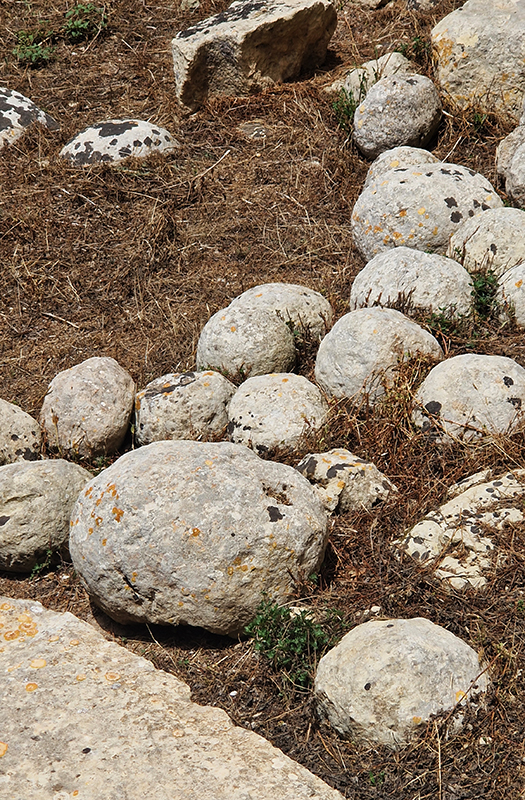
In about 3850 BC new settlers arrived, also farming and building temples but after 1,500 years suddenly disappeared from the landscape. New research using carbon dating, pollen from earth cores, tree ring and human bone analysis, and the location of sediment embedded molluscs, suggests a society battling with soil erosion from felling all the trees, subsequent dietary deficiencies, and a major climate catastrophe around 2350 BC, possibly a dust cloud from volcanic eruptions, which may have led to their ultimate demise.

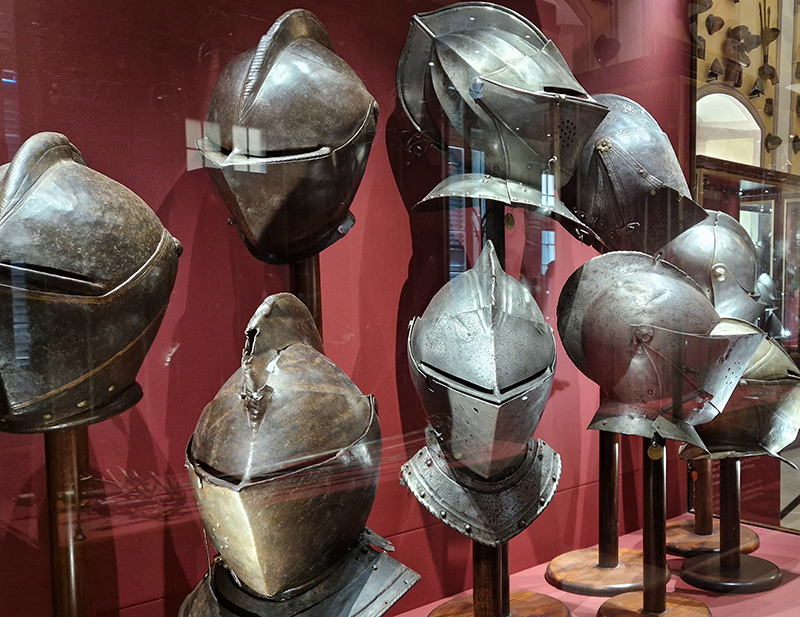
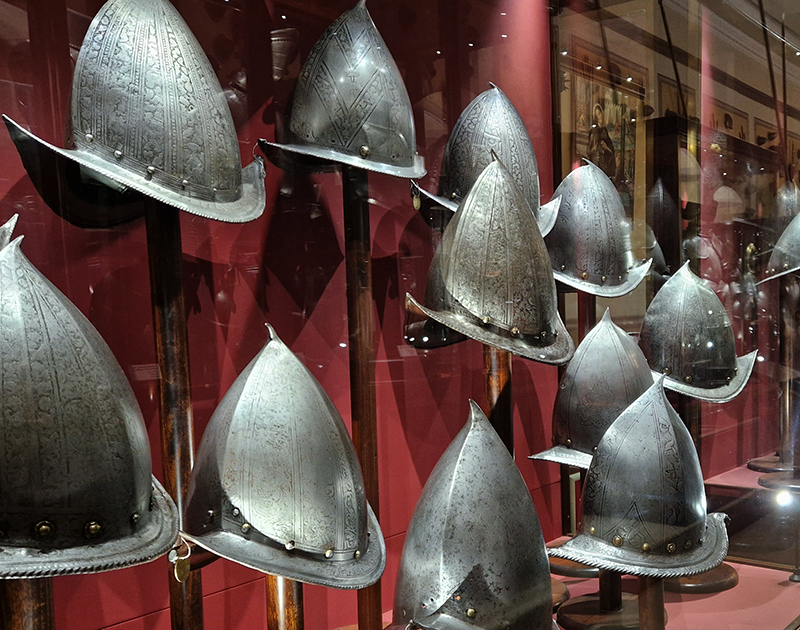
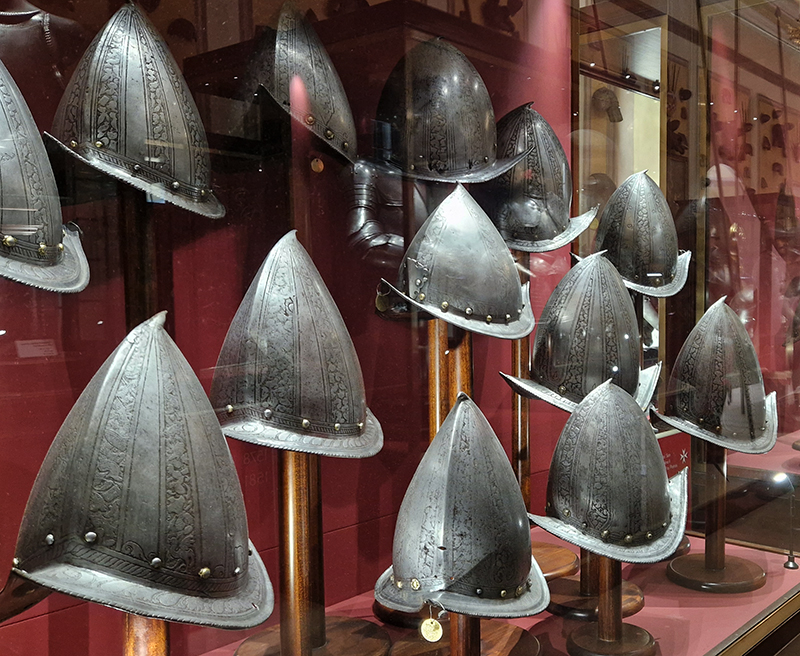
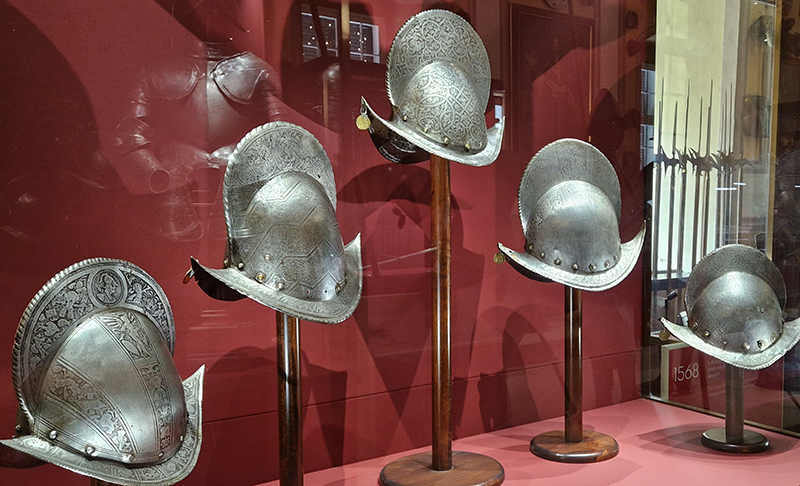
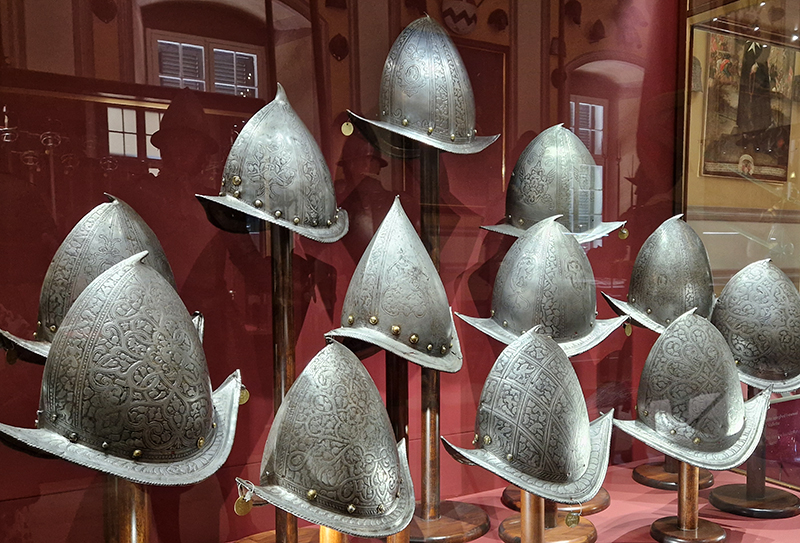
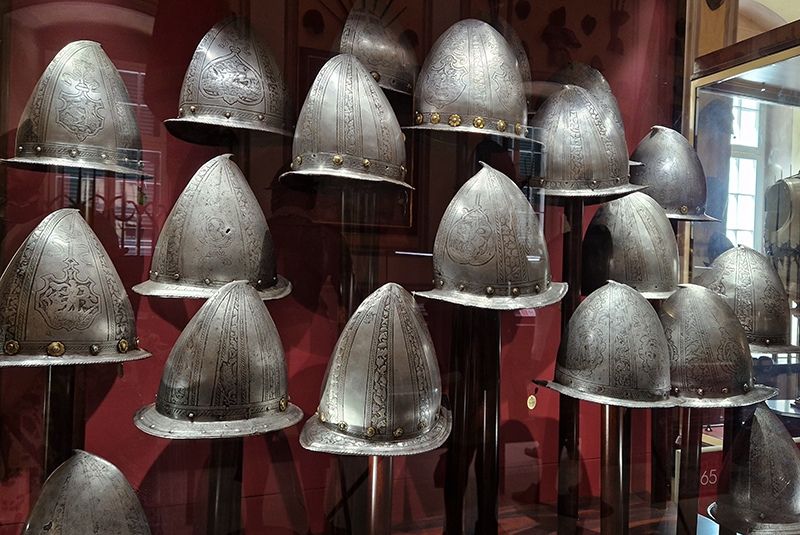
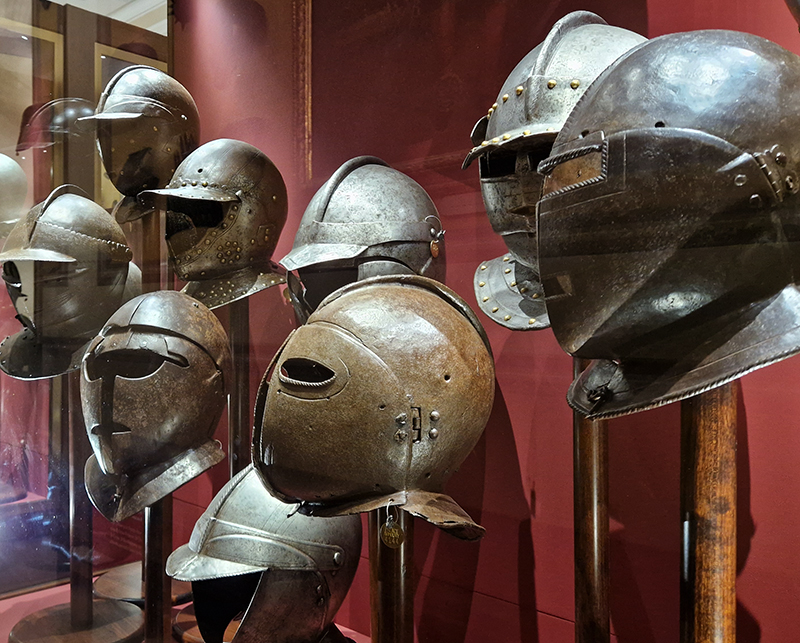
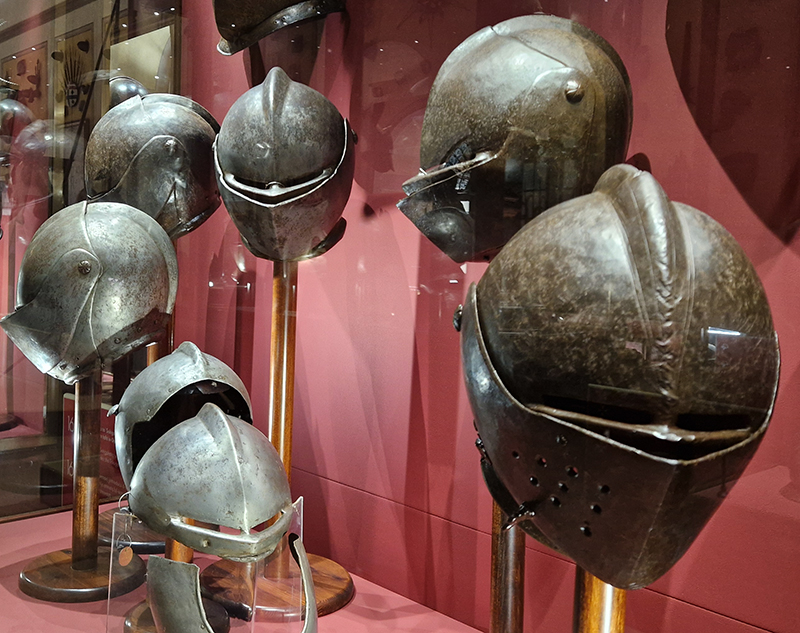
Malta suffered so much war, stretching back hundreds of years, war after war, so many wars, so depressing. A colossal amount of armour, some so intricately detailed, is held at the Grandmasters Palace Museum.

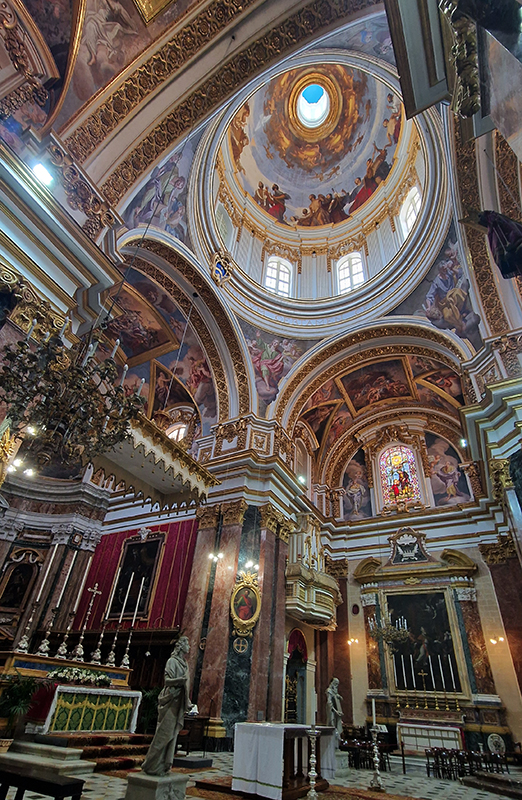
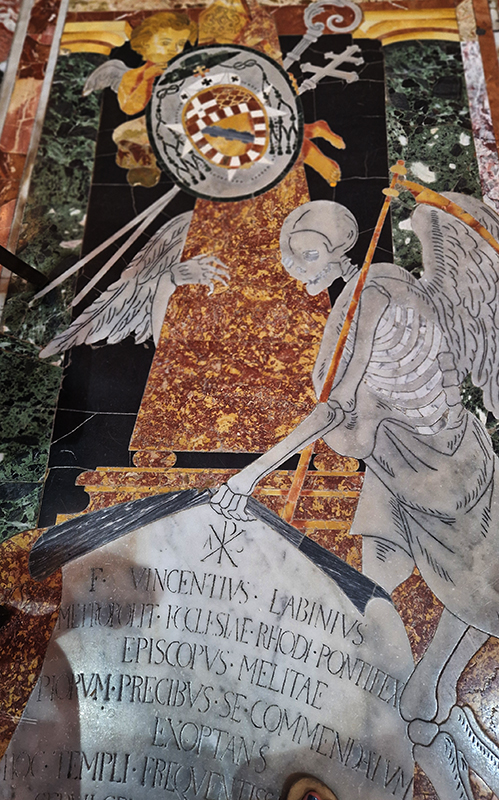
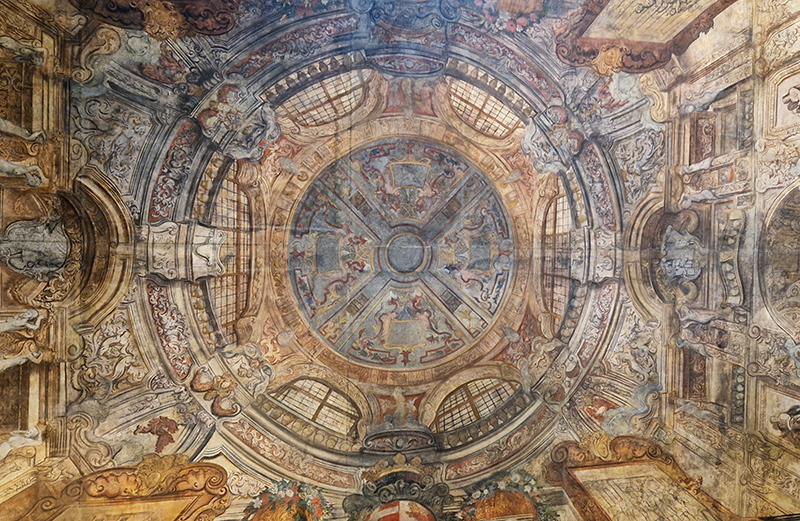
The Phoenicians arrived in Malta around 870 BC from Lebanon, and Malta subsequently came under the control of the ancient city of Carthage as a strategic trading post right up until the Romans take it in 255 BC bringing with them the Roman Catholic religion. A Cathedral was founded in the 12th century (according to legend it was built on the site where the Roman Governor met St. Paul when he was ship wrecked on Malta) was damaged by a huge earthquake in 1693 and rebuilt in the opulent Baroque style.

St. Paul’s catacombs located outside the walls of the ancient city of Melite is a system of underground galleries and tombs dating from the third to the eighth centuries CE.

The Byzantines of Malta fought off an invading Arab army for many weeks but the capital city of Melite fell in 870AD and all inhabitants were massacred. The city was rebuilt as Mdina by the Muslim conquerors. The Normans invaded Malta in 1091 to little resistance and this paved the way for the reintroduction of Christianity. Next came the Order of Knights of the Hospital of Saint John of Jerusalem, colonising Malta in 1530. The Order of St John was given Malta as a fief for the annual donation of a peregrine falcon, better known as the Maltese falcon. It was kept and trained in a great hall of the Grandmasters Palace where owls, song birds and other exotic birds were kept.

The Knights ran a strong naval fleet and knew the importance of astronomy for navigation. They established an astronomical observatory at the Grandmaster’s Palace. Also a meridian line, inlaid in marble, ran across the floor of one room with a hole in the ceiling above – noon was marked as the sun crossed the line.

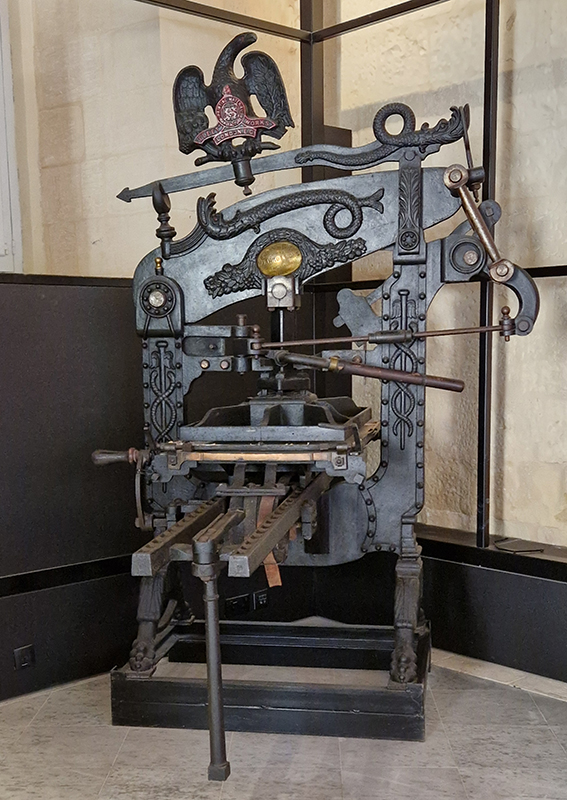
The Order of St John capitulated on the arrival of Napoleon Bonaparte in 1798. During his week on Malta Napoleon abolished slavery and instigated free education but there were other changes not so beneficial to the population and after two years of French rule an uprising led to Malta becoming a protectorate of the British. The magnificent printing press in the administrative hub of the Grandmasters Palace was manufactured by Londoners Harrild and Sons (founded 1809) of Farringdon.

Malta played a vital role providing a strategic location for hospitals during the first world war and was heavily bombed during the second world war. Discontent on British commitment to supporting Malta’s economy and hikes in imported food prices eventually led to riots by the population and came to a head on 7th June 1919 when British troops fired into the crowd, killing four and injuring 50. Relationship souring, Malta finally gains independence in 1964, becoming a republic in 1974.

While in Malta I was reading Cloud Cuckoo Land by Anthony Doerr, a novel that whisks you across time and space as characters inhabit times from the 1453 Ottoman siege of Constantinople to a spaceship escaping future Earth. It resonated with a land whose history is still so present and helped set markers across the centuries to cross reference what was happening in different parts of the world at the same time.

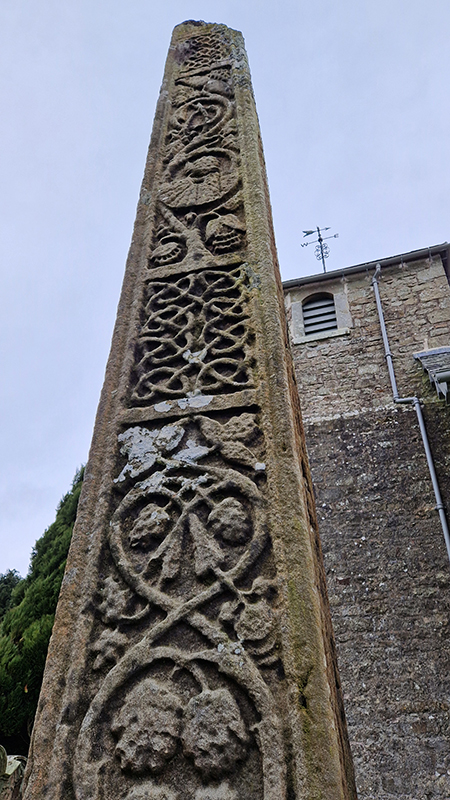
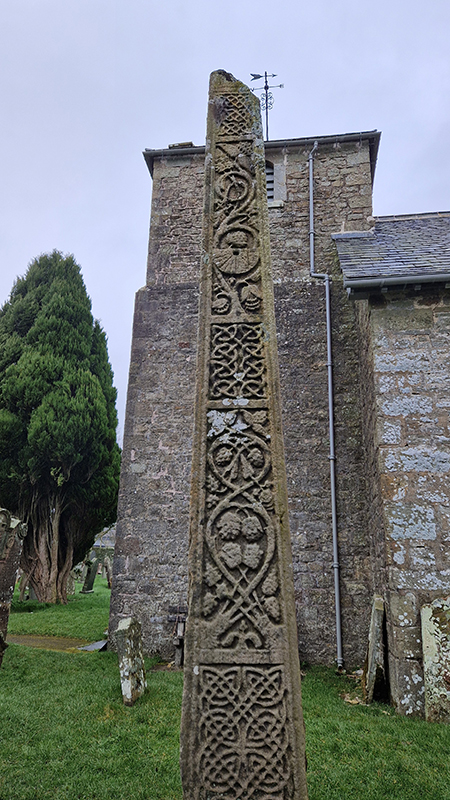
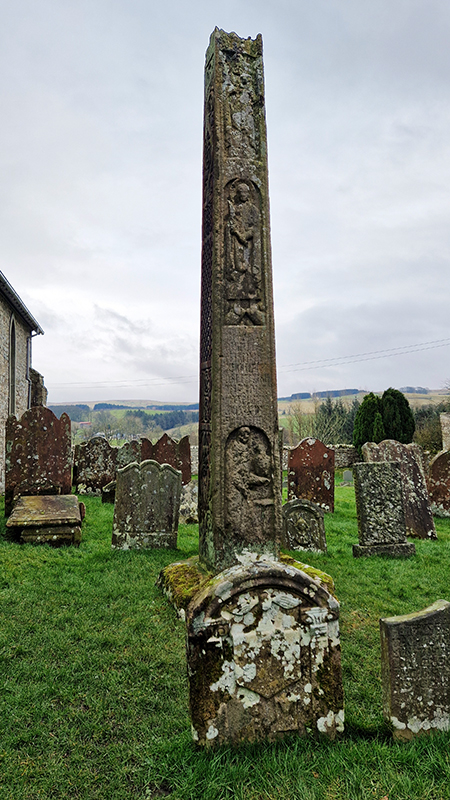
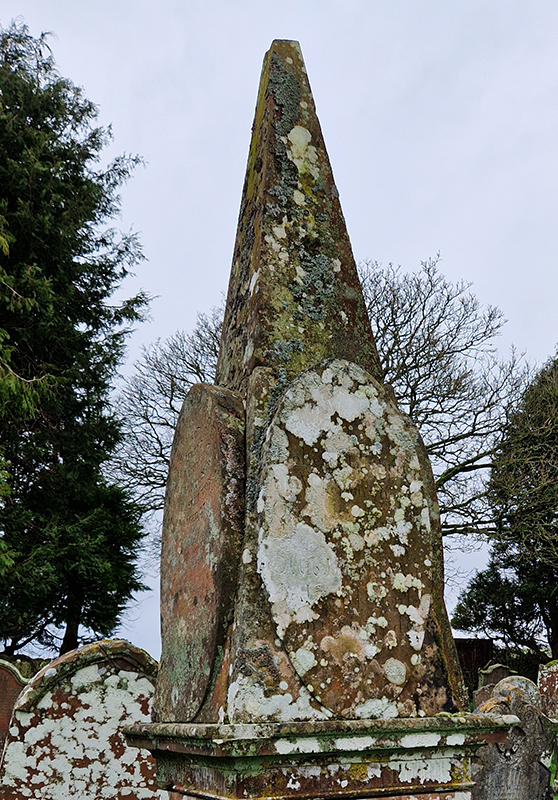
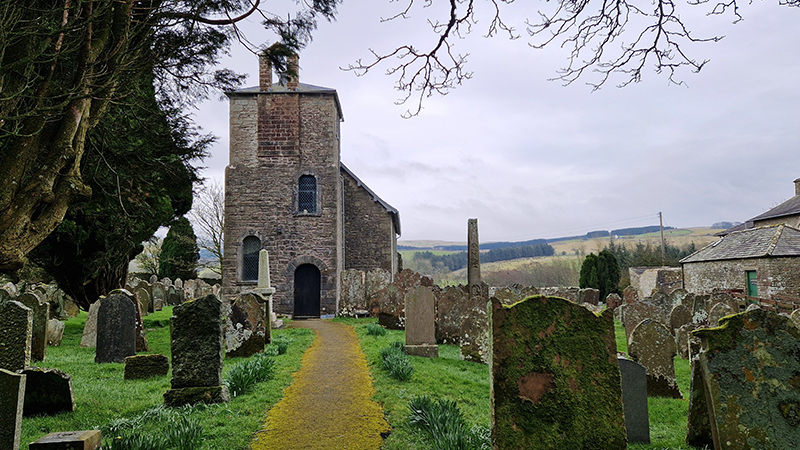
In Cumbria earlier in the year I visited Bewcastle, site of a Roman out post fort. The Anglo-Saxon Bewcastle Cross from the 7/8th century, hewn from a single piece of sandstone stands at 4.5m in the splendid village churchyard of St. Cuthbert’s Church. The head of the cross is missing and the carving very worn but features an intriguing mix of religious and non-religious figures, reliefs and inscriptions in a runic alphabet. The oldest carved sundial in Britain can be seen on the south face of the shaft, this medieval timepiece was carved at a later date, after the cross was erected, and is missing the indicator. From the late 7th century, around when this cross was being commissioned the Byzantines were busy building defence walls around Malta to counter a growing Muslim threat they feared.

Gallery Visits

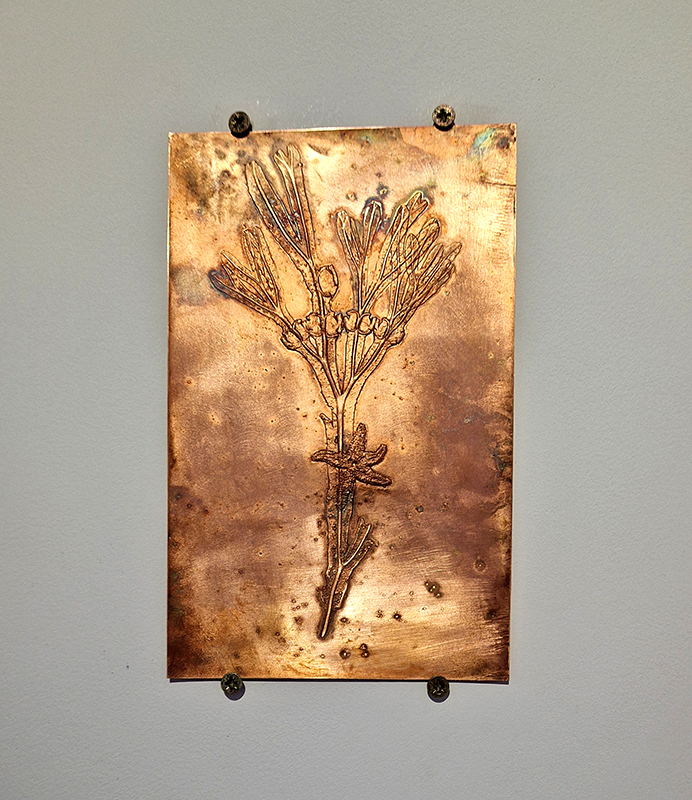
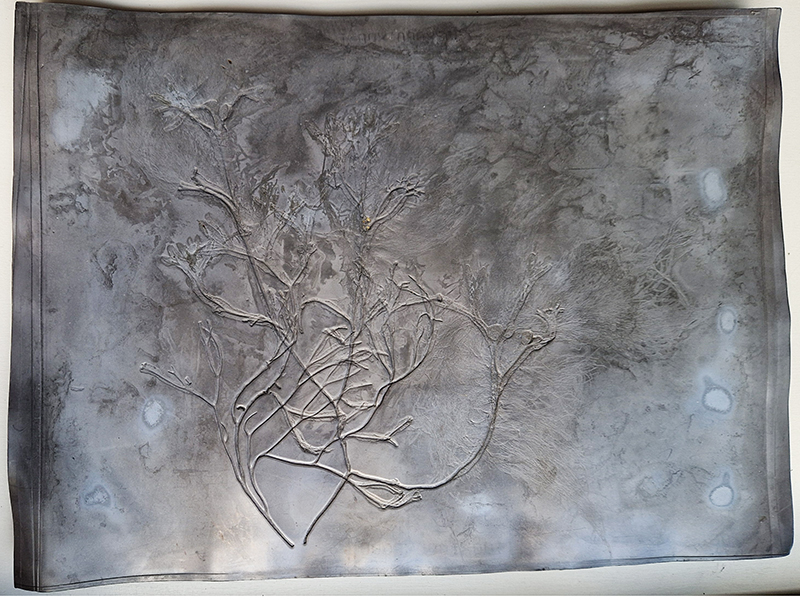
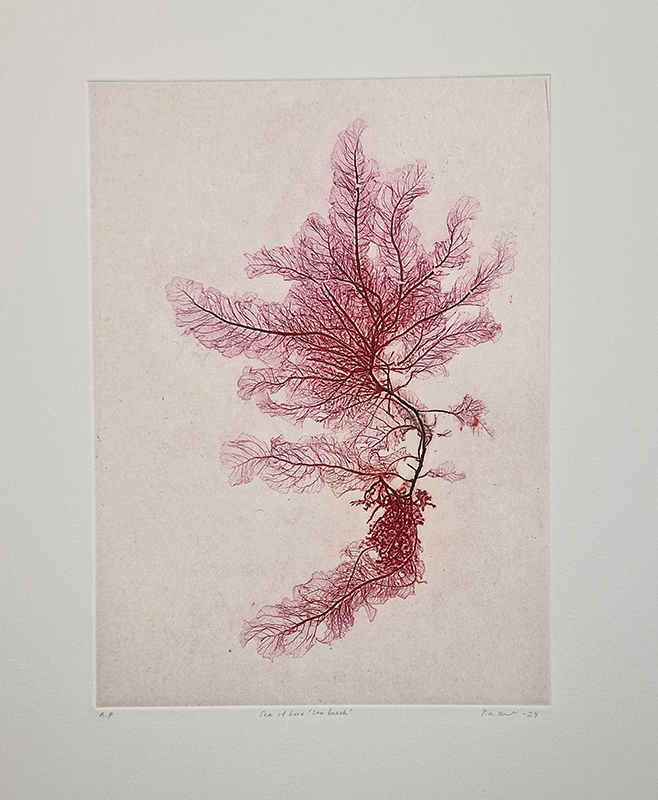
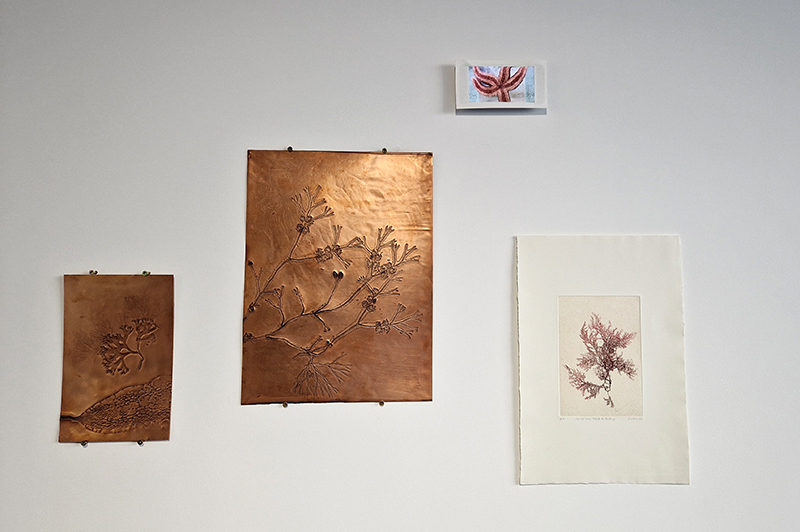
Pia Östlund Sea of Love at No Show Space. Really enjoyed my visit to this beautifully curated exhibition. So nice to have a gallerist take time to talk about the work. The nature printing explored in this show is an involved process of imprinting dried seaweed under pressure between polished lead sheets, taking latex moulds from the imprints which are then made conductive by coating in graphite and electroplated with copper to make a printing plate. Pia Östlund spent two months at BORCH Editions in Copenhagen, working with the master printers on refining the platemaking process of nature printing. Nature printing is an intaglio printing technique from the mid-19th century that makes it possible to make direct impressions of the surface of natural objects.

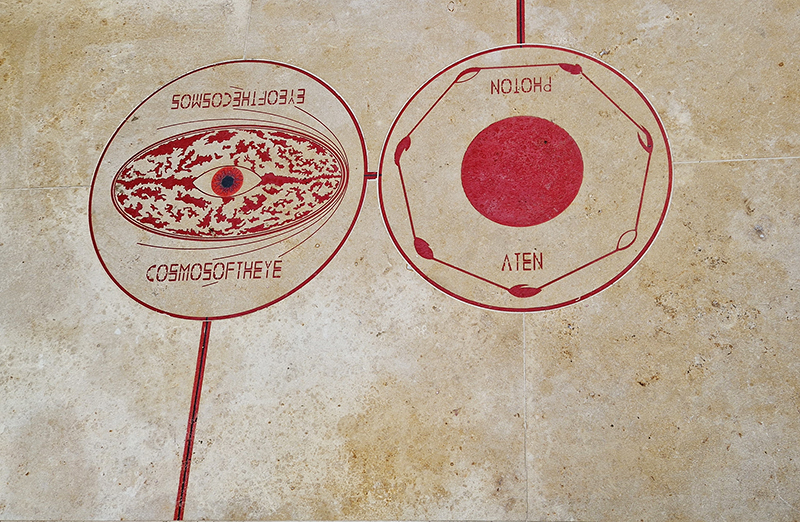
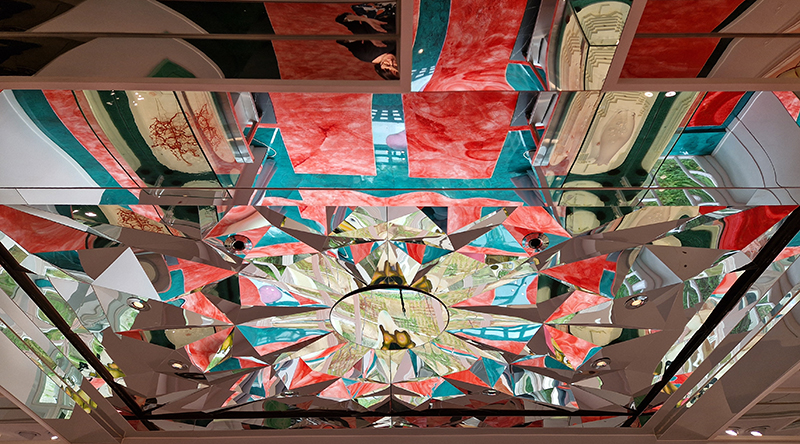
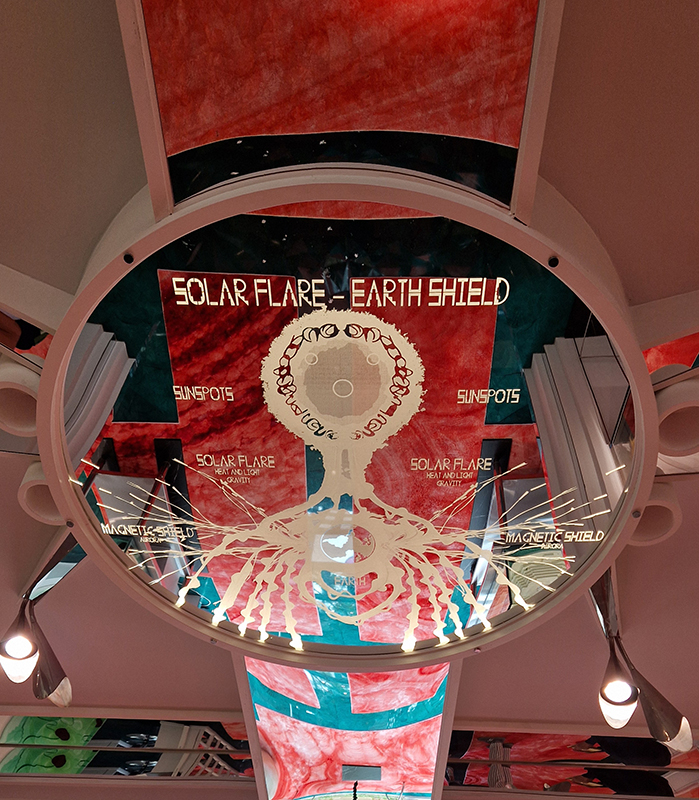
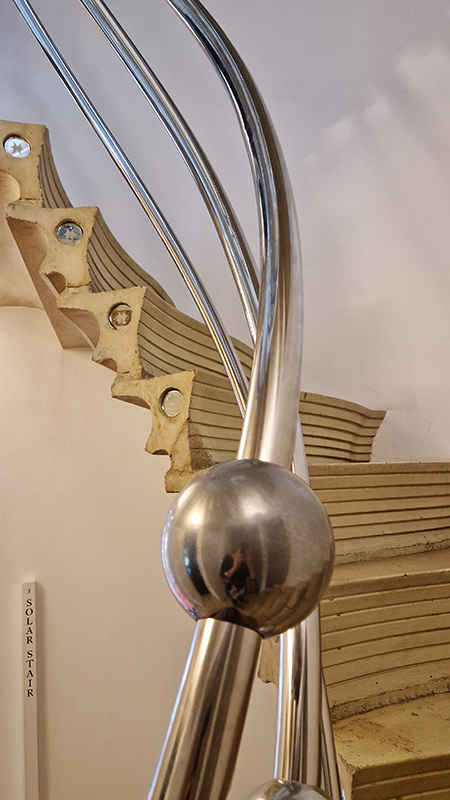
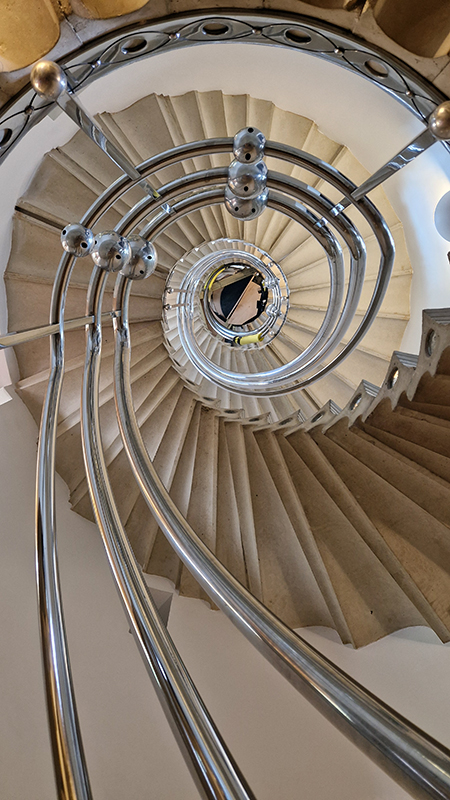
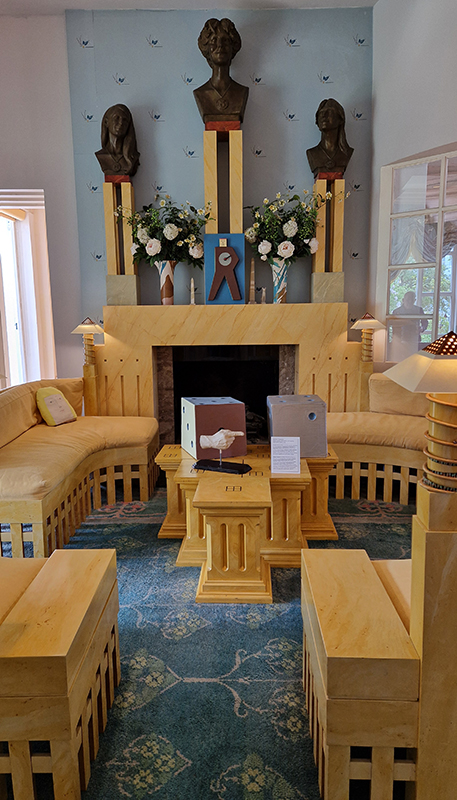
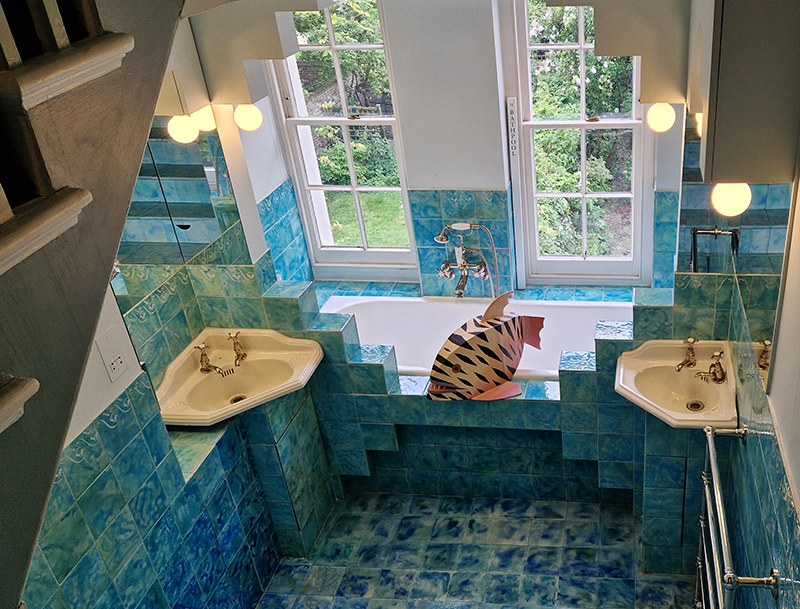
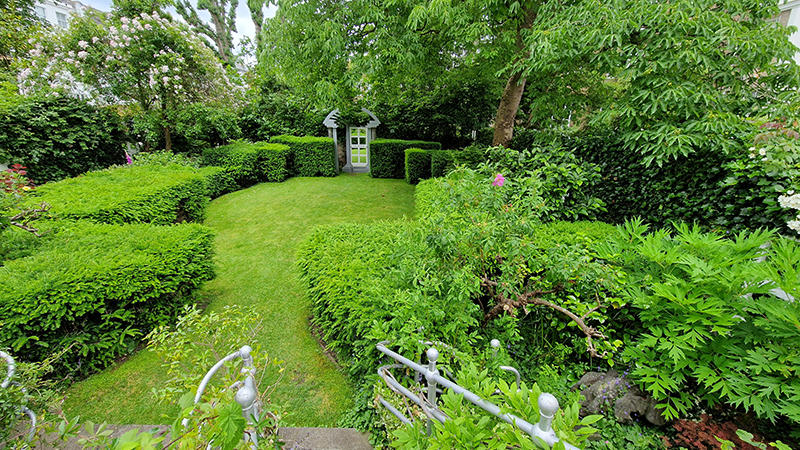
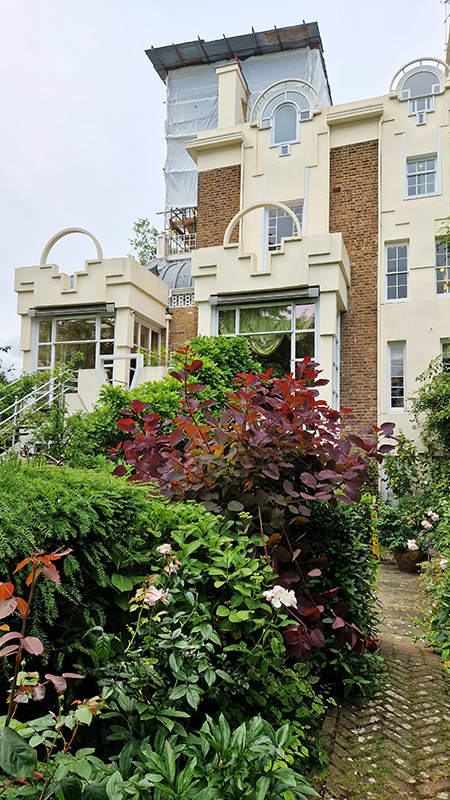
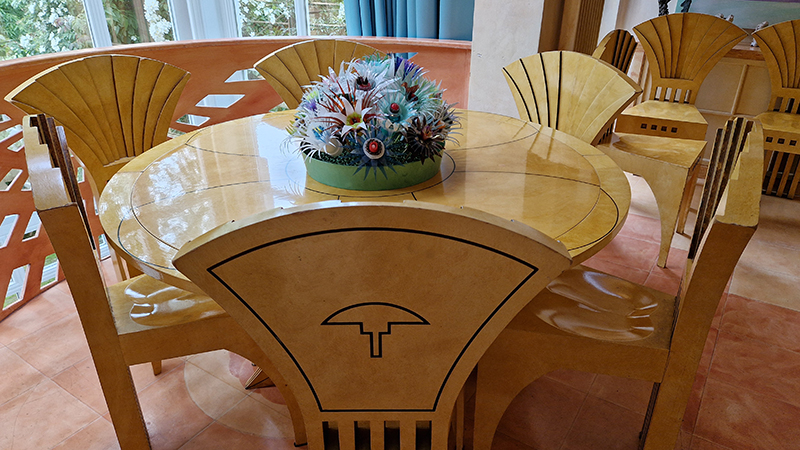
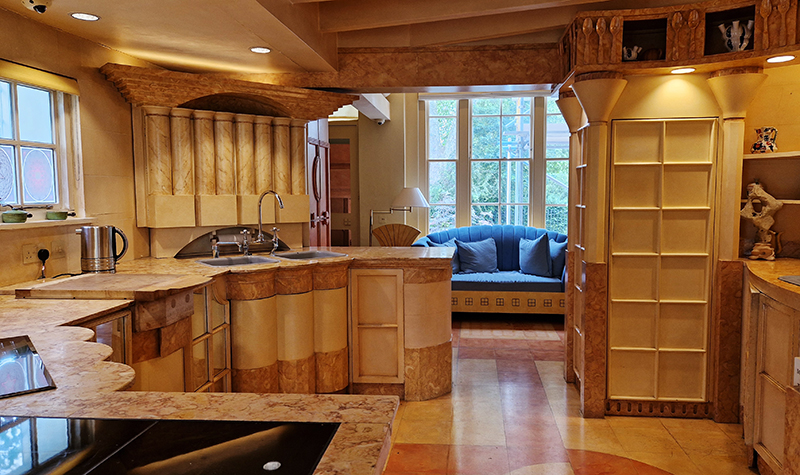
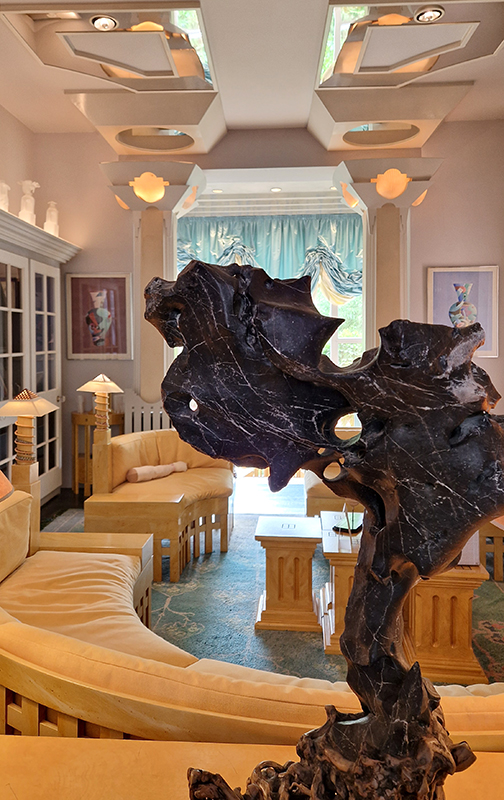
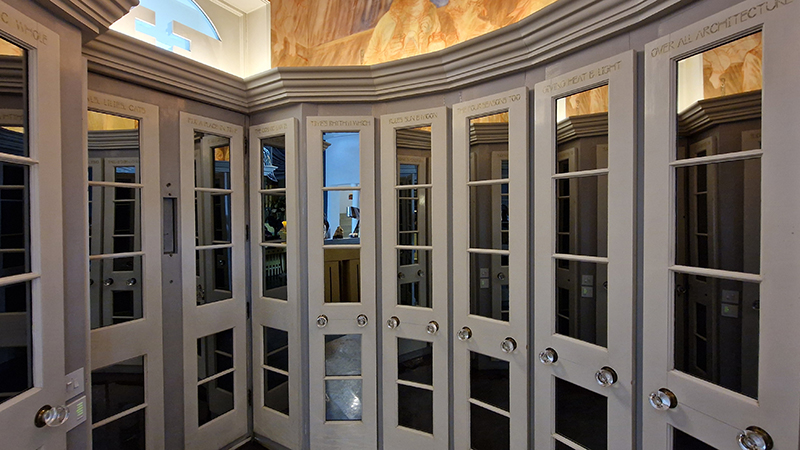
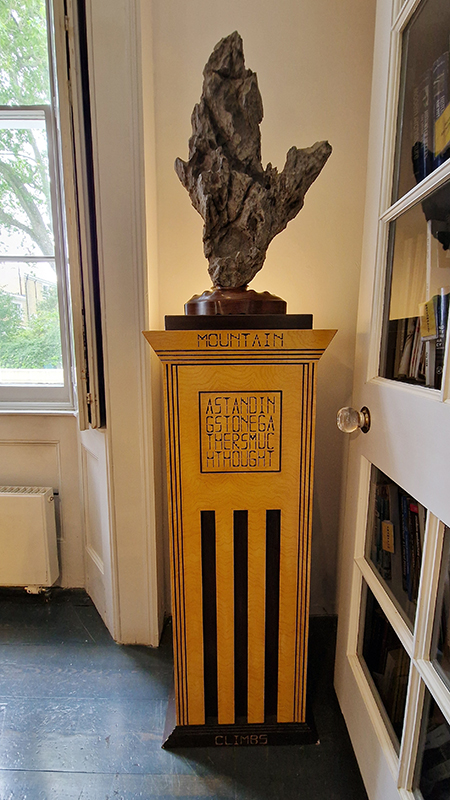
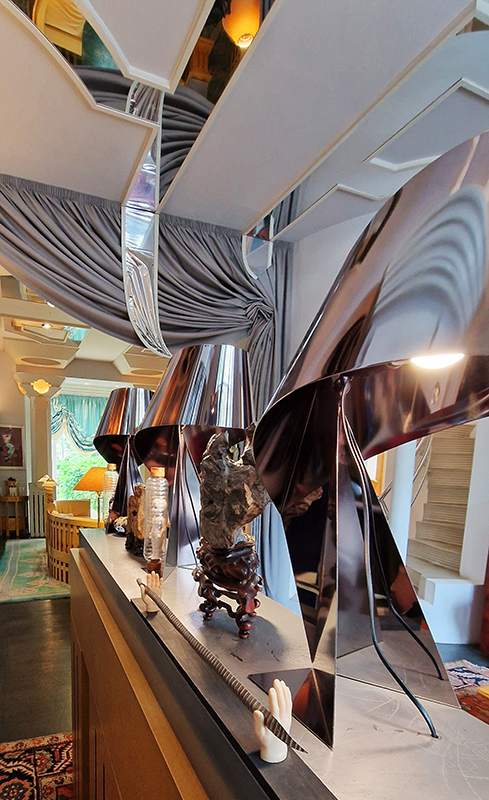
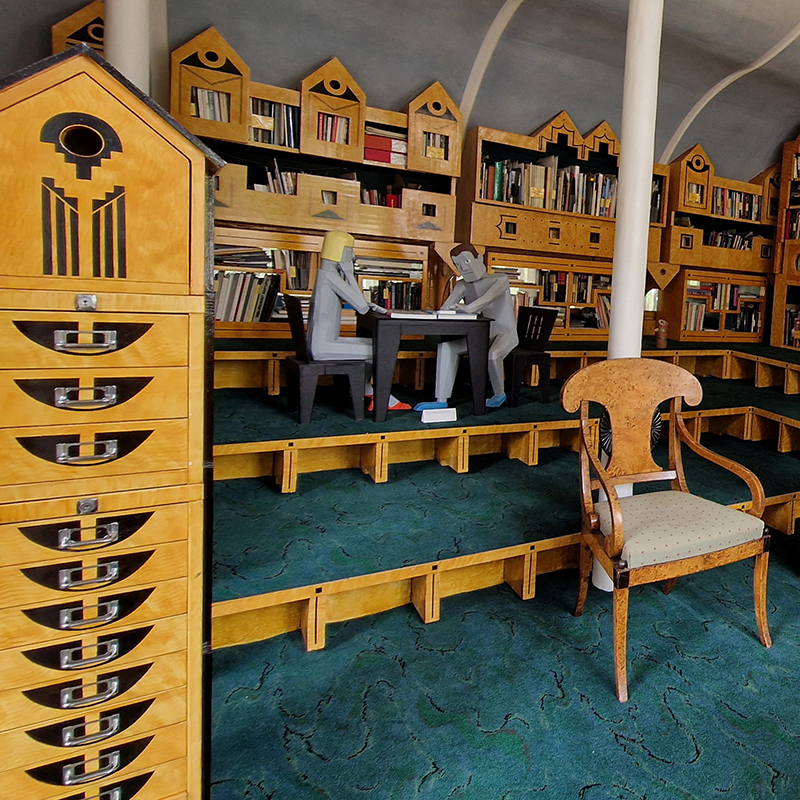
Sensory overload at The Cosmic House, a ‘built manifesto for Post-Modernism’. The original 1840’s residence has been remodelled by Charles Jencks into a complex system of symbols that embrace the creation of the universe, the rotation of the Earth around the Sun, day and night, the seasons, the elements, the understanding of science, and the history of architecture.

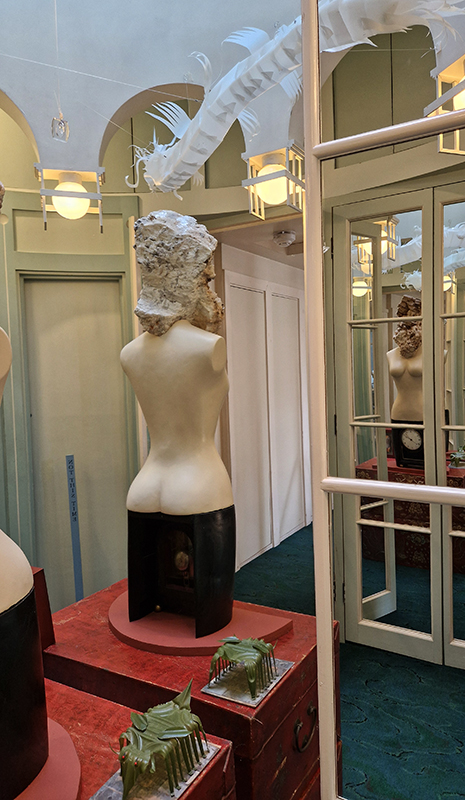
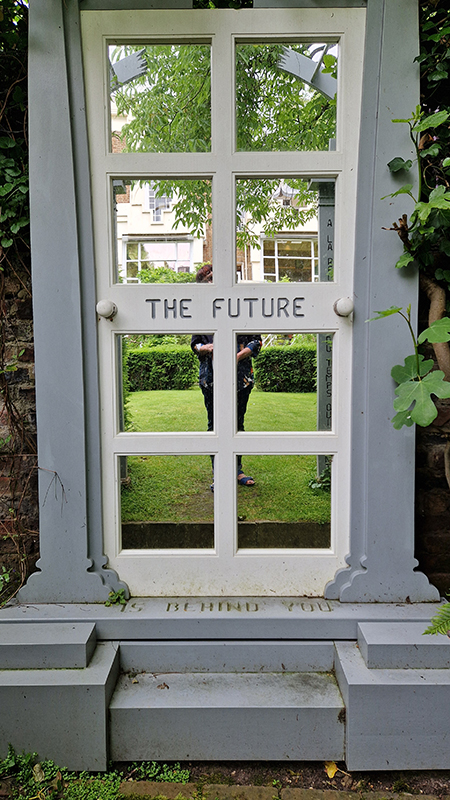
It’s like entering a kaleidoscope, mirrors everywhere, shifting perspectives, glimpses through to other spaces, optical illusions, and all saturated with vibrating colour.

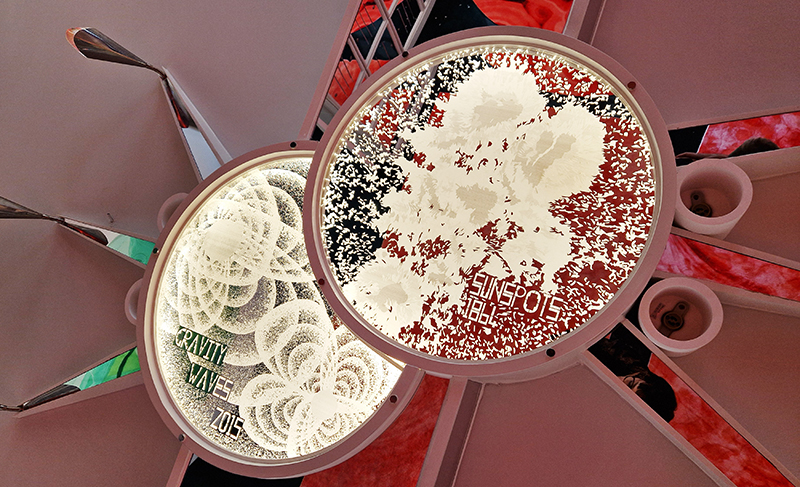
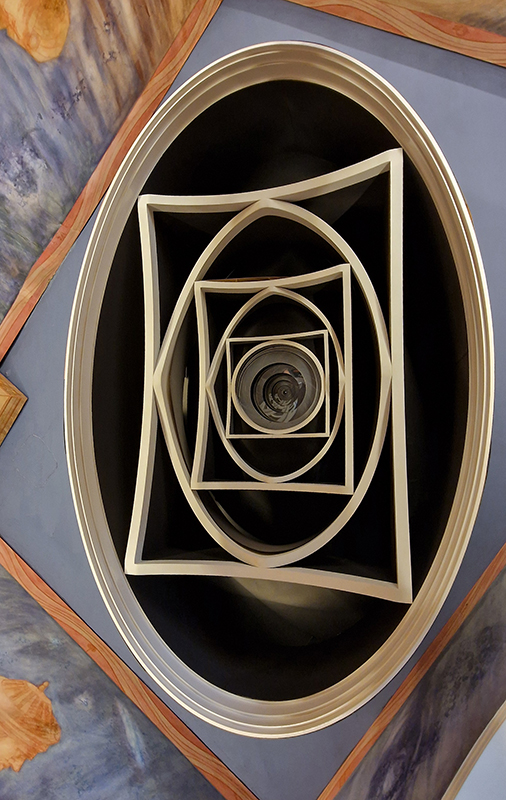
The latest addition to the house is the museum gallery, which Jencks designed but did not live to see completed, with mirrored ceiling plaques on all my favourite things like magnetic fields, solar flares and gravity waves. Amazing place to visit.

There is currently an exhibition THE WORLD TO ME WAS A SECRET: CAESIOUS, ZINNOBER, CELADON, AND VIRESCENT by Tai Shani here whose theatrical colourful works suit this setting.

 “How do you calculate upon the unforeseen? It seems to be an art of recognizing the role of the unforeseen, of keeping your balance amid surprises, of collaborating with chance, of recognizing that there are some essential mysteries in the world and thereby a limit to calculation, to plan, to control.”  Rebecca Solnit, A Field Guide to Getting Lost

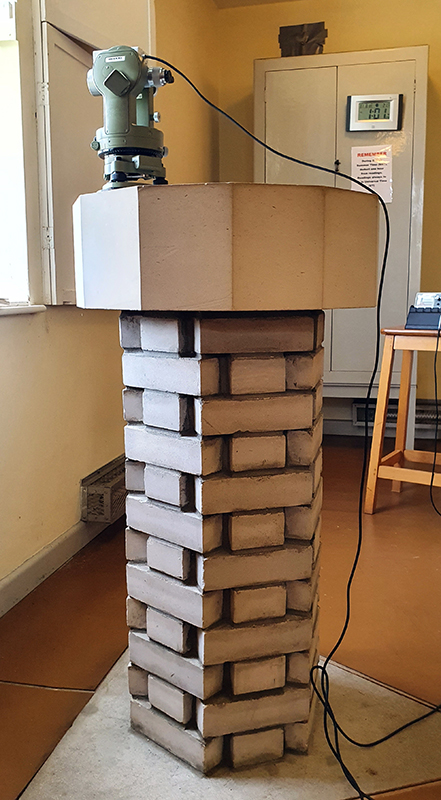
At Hartland Magnetic Observatory and other magnetic observatories around the world solar activity is examined daily and forecasts are given if this is likely to have any geomagnetic effect on Earth. The main geomagnetic field is also constantly changing due to convection flows and waves in the Earth’s core. As this change cannot be predicted, uncertainty slowly increases over time.

Most of my work at the moment is towards the exhibition A Stone Sky, with Julie F. Hill at Thames-side Studios Gallery later in the year. Very excited to be working alongside Julie and to have space to be ambitious in scale.

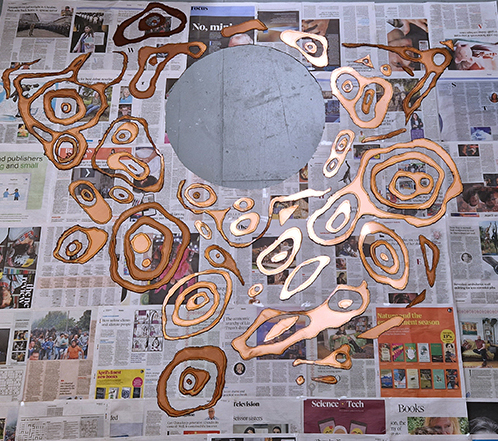
The Absolute Hut installation, reimagining the magnetic observatory room, will be a combination of planning to build the structure and unpredictability through processes used for the surfaces. Measuring for the north facing wall to be built in sections for easier transportation. Testing scale and coverage of field contour shapes cut in copper with a plasma gun.

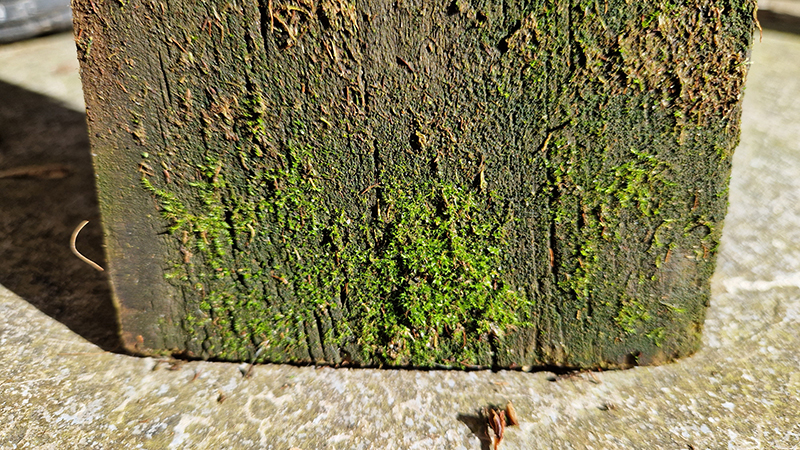
I am hoping the north wall structure can be made up soon and the boards attached. I will then keep it outside facing north until the exhibition in an attempt to grow some moss on its surface. I have only had some very small success so far growing moss, despite trying a new culture recipe and being very diligent misting every morning and evening.

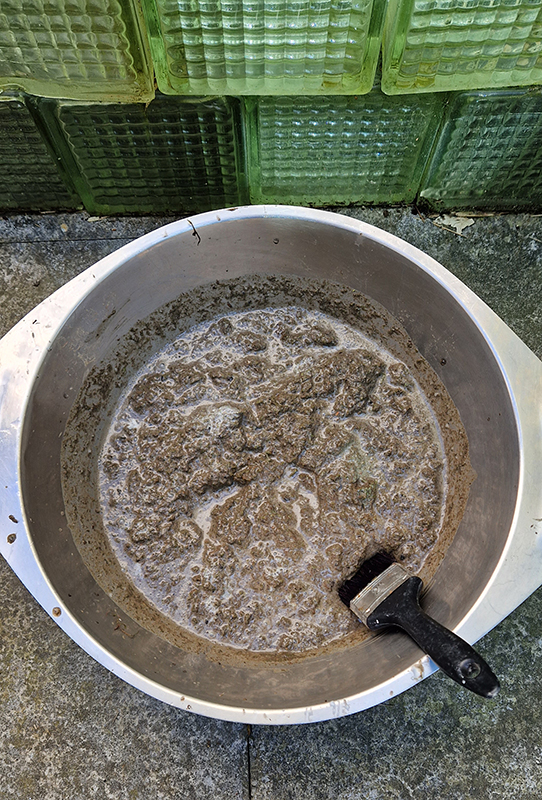
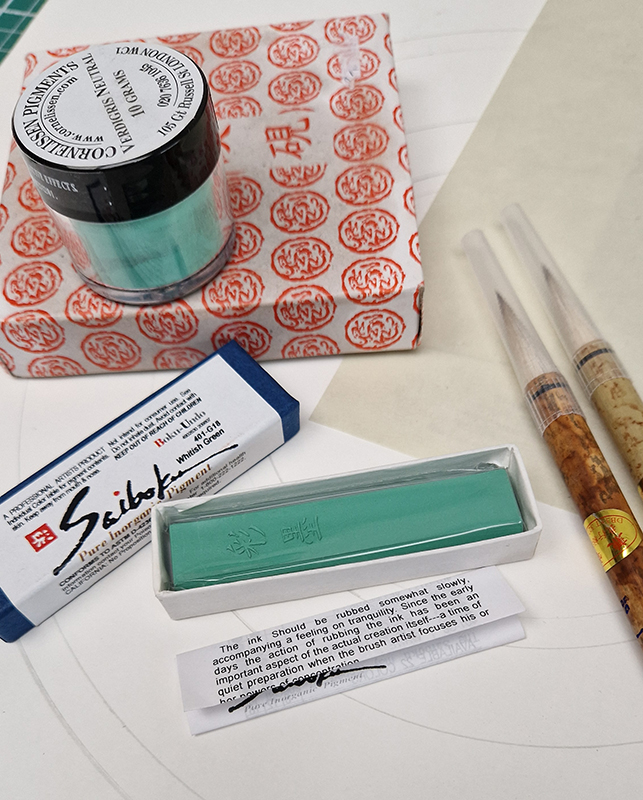
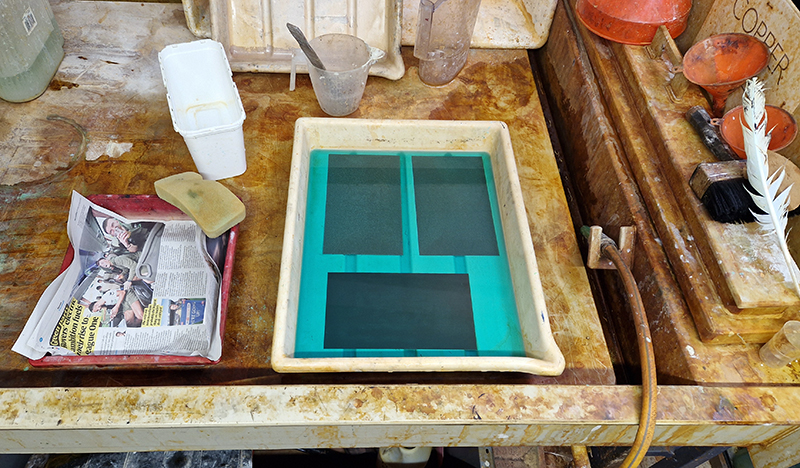
The topological contours of suminagashi marbling, which also echo fluid magnetic field lines, have inspired me to experiment with this idea for The Absolute Hut roofing. I have bought a sumi ink stick in whiteish green, an ink grinding stone and some verdigris pigment from Cornelissen in preparation to try this idea out. In this process the magnetic field lines appear embedded into the fabric of the hut that monitors (senses) the emanations from the Earth’s core.

Through the north facing window of The Absolute Hut, The Azimuth Obelisk (Obelisk of sedimentary knowledge) will be viewed. The sculpture is formed by tearing, drilling and layering sheets of paper. As sedimentary rocks build over time, so the obelisk has a lot of time invested in its making and conceals the history of past events in the hidden layers of the recycled prints and drawings.

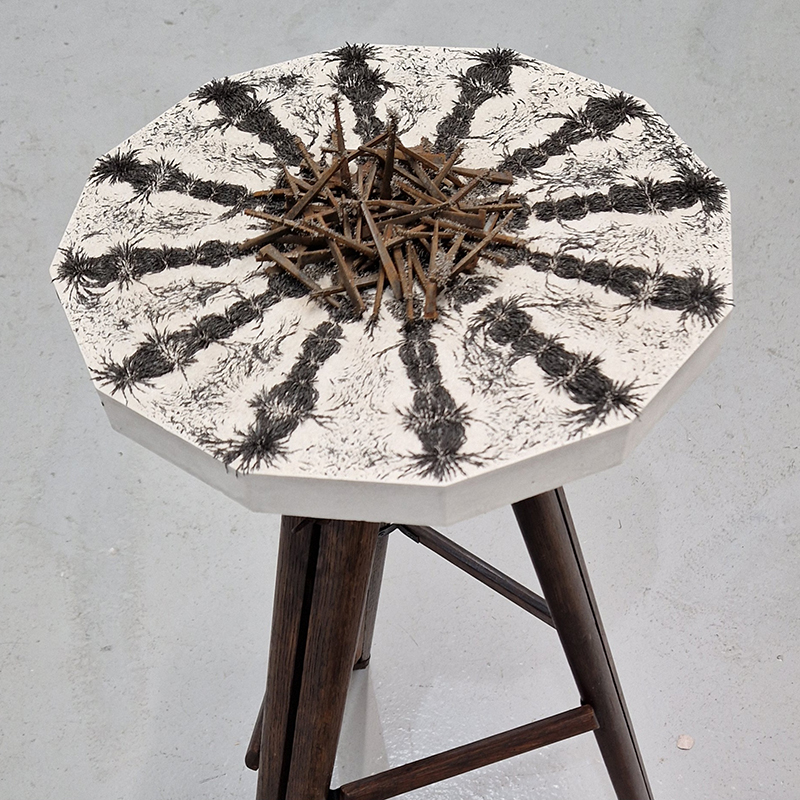
I am still working on etching the Directional Magnetic Steel pieces. It can be a frustrating process as some batches work well and some do not etch well at all but come out dull and patchy and I’m not sure why. My idea was to use these pieces to draw a line across the gallery floor signifying the westward drift of the magnetic field from geographical north but now I am thinking more about mapping out a spiral shape in shaped pieces to echo the rotation of the Earth’s molten core.

All information about the Earth’s core has come from studying seismic data, analysis of meteorites, lab experiments with temperature and pressure, and computer modelling. Seismometers convert vibrations due to seismic waves into electrical signals. The velocity and frequency of seismic waves changes with pressure, temperature, and rock composition. The discovery that Earth has a liquid layer beneath the crust and a solid inner core has come from detailed analysis of the different types of waves that pass through the body of the Earth. Looking at the composition of meteorites, fragments of asteroids, formed about the same time, and from about the same material, as Earth provides clues to what minerals the core might contain. Diamond anvil cells are instruments used to recreate the pressure existing deep inside the planet by squeezing materials between two diamonds surfaces. A combination of this data is used to in complex computer modelling programs resulting in detailed animations of the geodynamo, a process powered by the convection of heat in the outer core along with the rotation of the planet.

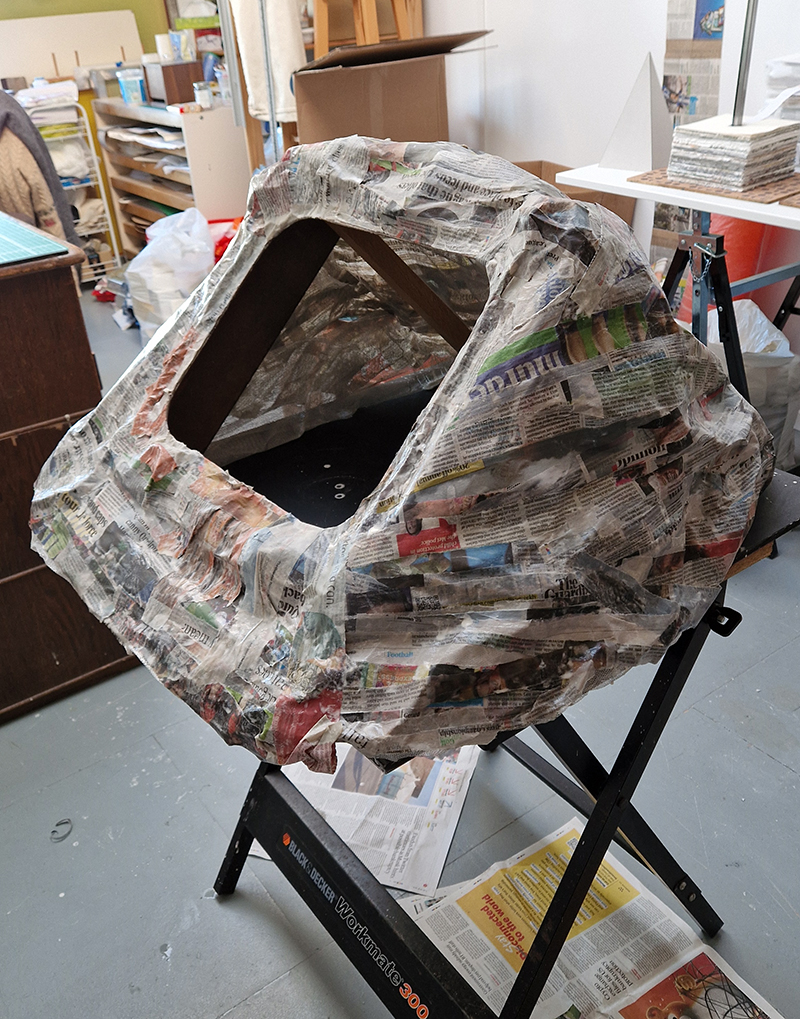
Also a few more layers of papier mâché have been applied to the sculpture that will house a screen with video for the work Belly of a Rock.

Other work in the research stage looks at the first use of a magnetic compass, the cardinal points of navigation and the compass predecessor the wind rose.

In classical antiquity, a time stretching from Homer to the early middle ages, geographic orientation usually referred to landmarks or astral phenomena to determine direction. Eos meaning dawn, and Hesperus, evening were named for sunrise and sunset with north (arctos) being marked by the constellation Ursa Major and later the Pole Star. The winds also became associated with direction, and named in accordance with their qualities such as hot and humid or cold and dry. In Greek mythology Astraeus, the god of dusk, and Eos, the goddess of dawn, gave birth to many sons of the twilight including the Anemoi, the four gods of the winds, each ascribed a cardinal direction. Boreas being the god of the cold north wind,  Notus the god of the hot south wind, Eurus from the east and gentle Zephyrus from the west.

The number of points on a wind rose began with the four cardinal points which were added to and refined over time. The winds were often given names that referred to a particular locality from where they seem to blow, so different places came up with various local names. Aristotle designed an asymmetrical 10 point wind rose which was later refigured by Timosthenes who is credited with inventing the system of twelve winds and using this more for navigation than for “the study of things high in the air.

Classical wind roses were eventually replaced by the modern compass rose during the middle ages.

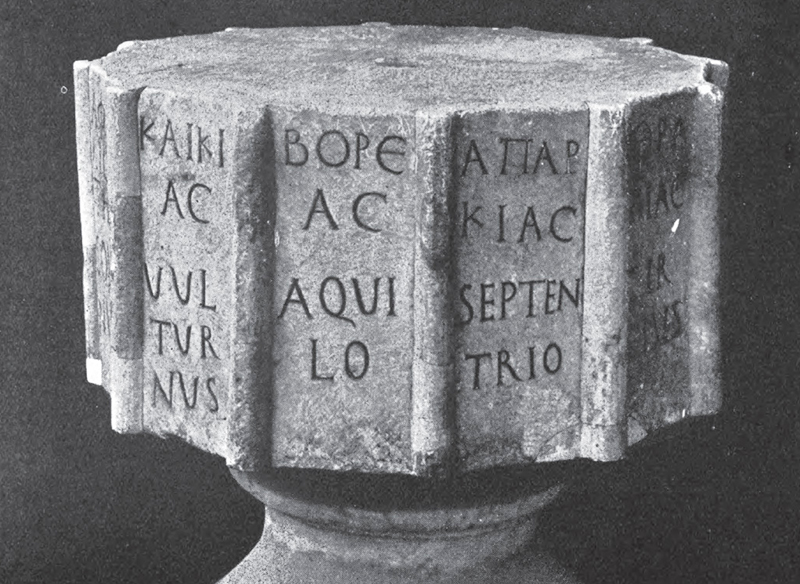
The “Vatican table” is a marble Roman anemoscope dating from the 2nd or 3rd Century CE, held by the Vatican Museums. Usually an anemoscope would be topped with a weather vane. Divided into twelve equal sides, each one is inscribed with the names of the classical winds, both in Greek and in Latin. 

At a quantum scale, all matter is underpinned by uncertainty. My fascination with particle physics began from simply wondering what everything was made of when you looked really closely. I looked up ‘fundamental building blocks of the universe’ and was blown away by this mysterious other world, so far away in terms of scale I can comprehend, yet a part of me and everything I interact with.

Quanta is a discrete unit that cannot be divided. Quantum physics is the study of energy and matter at the most fundamental level. The chemical reactions in a birds eye that allow it to ‘see’ Earth’s magnetic field involves the quantum entanglement of radical pairs of electrons. These electrons are excited by light, particularly the blue of twilight.

Photography was the first available demonstration that light could indeed exert an action sufficient to cause changes in material bodies. William Henry Fox Talbot 

The subject of the photograph (the sun) has transcended the idea that a photograph is simple a representation of reality,  and has physically come through the lens and put it’s hand onto the final piece. Sunburn Chris McCaw

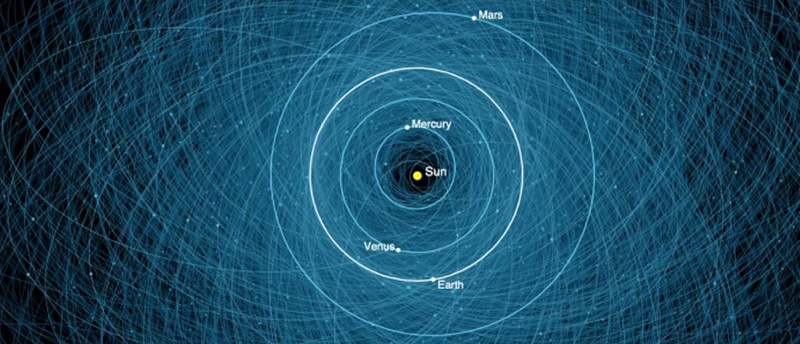
This month NASA announced a new planetary defence strategy to protect Earth from an asteroid impact. NASA’s Double Asteroid Redirection Test (DART) on 11th October 2022, changed the orbit of the Dimorphos Asteroid in the first full-scale demonstration of asteroid deflection technology.

This marks humanity’s first time purposely changing the motion of a celestial object.

“An asteroid impact with Earth has potential for catastrophic devastation, and it is also the only natural disaster humanity now has sufficient technology to completely prevent,” Lindley Johnson, NASA’s planetary defense officer. First any potential collision objects must be identified. This will be the job of the Near Earth Object Surveyor, along with ground-based optical telescope capabilities, to find the still undiscovered population of asteroids and comets that could impact our planet.

A magnetometer is being sent on an eight year journey to Jupiter. It was launched this month from Europe’s Spaceport in French Guiana.

ESA’s Jupiter Icy Moons Explorer (Juice) has magnetic and electric field sensors on the end of the magnetometer boom. The boom is folded in three parts and packed against the side of the spacecraft for launch. Once unfolded in space, the sensors will extend clear of the main body of the spacecraft, allowing very accurate measurements without magnetic interference from the spacecraft itself.

The boom’s instruments will measure Jupiter’s magnetic field, its interaction with the internal magnetic field of Ganymede, and will help study the subsurface oceans of the icy moons.

Ganymede is the only moon in the solar system known to have its own magnetic field. The magnetic field causes auroras, which are ribbons of glowing, hot, electrified gas, in regions circling the north and south poles of the moon. Because Ganymede is close to Jupiter, its magnetic field is embedded in, or lies within, Jupiter’s magnetic field.

The discovery of the moons orbiting Jupiter by Galileo Galilei in 1610 was the first time a moon was discovered orbiting a planet other than Earth. The discovery eventually led to the understanding that planets in our solar system orbit the Sun, instead of our solar system revolving around Earth.

Gallery Visits

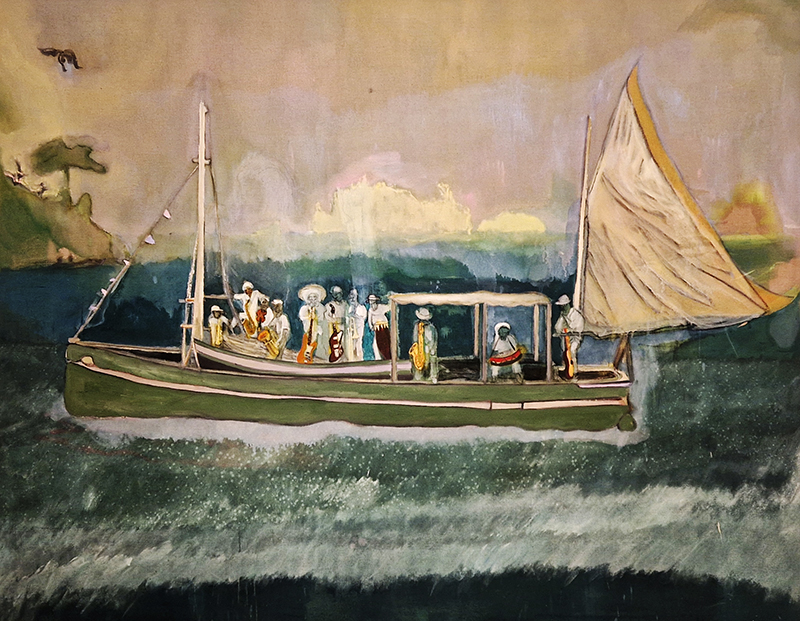
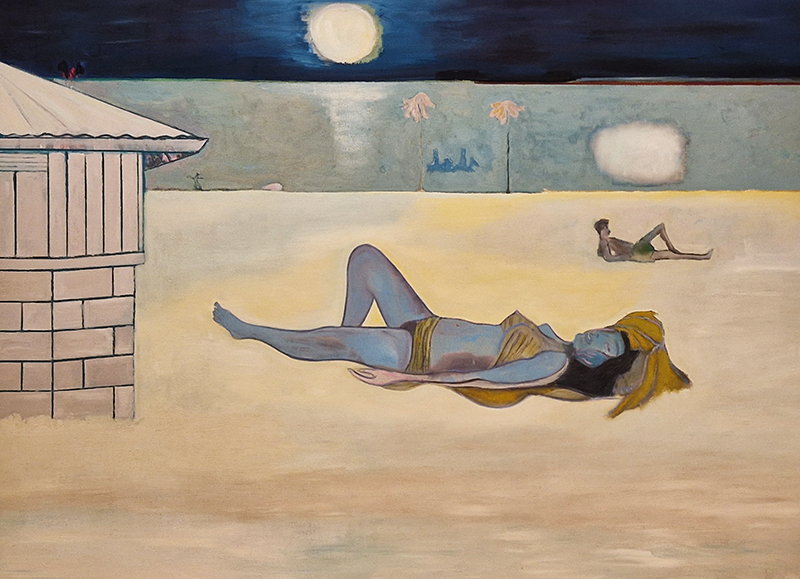
Peter Doig at The Courtauld. My highlights were the luminous moons, moon bathing and an etching of a cave.

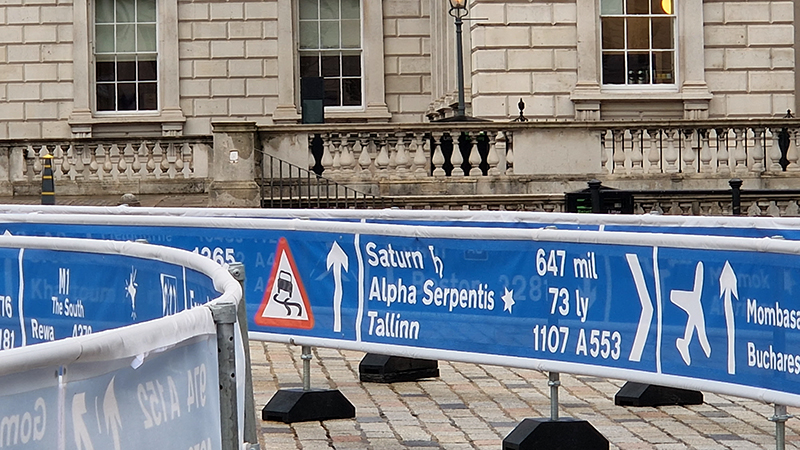
Jitish Kallat Whorled (Here After Here After Here) at Somerset House had a romantic premise with a prosaic aesthetic. I love the concept and the theory and it’s certainly a jarring juxtaposition to be directed to celestial destinations by motorway signage. Routes through the work map circular movements through space and time. Is this the Hitchhiker’s guide to the galaxy?

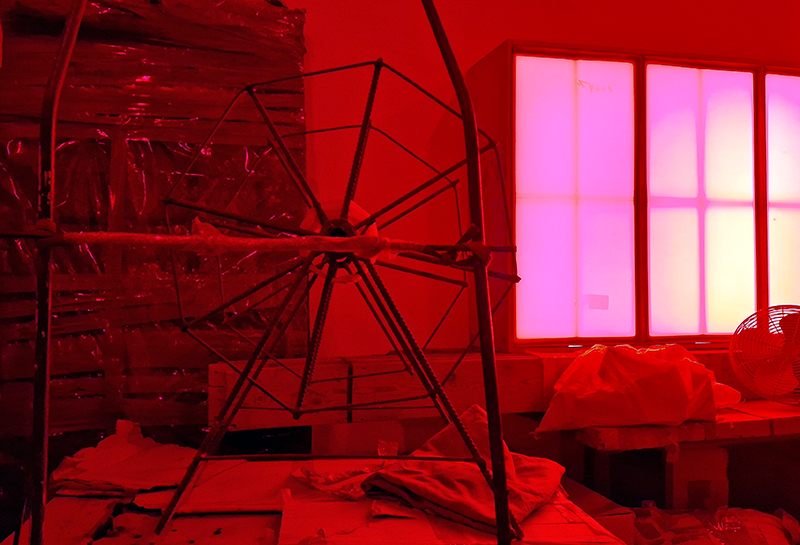
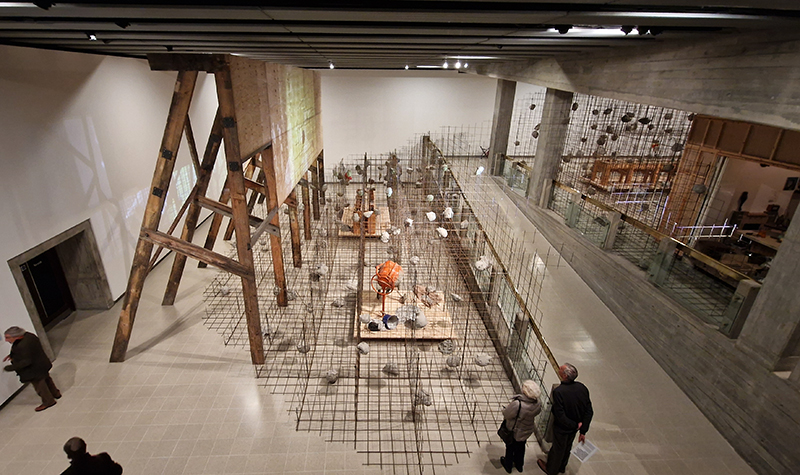
Mike Nelson Extinction Beckons at Hayward Gallery.

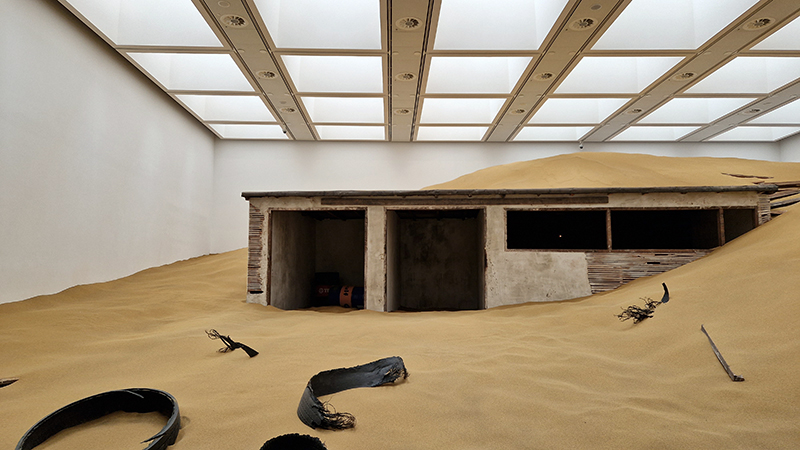
The impact is in the SCALE. Punchdrunk meets abandoned engineering.

It’s very difficult to express the changes that have occurred since starting this post back in March. I was researching the electro magnetic spectrum towards new work and a potential UCL Observatory/Lumen Studios collaboration and looking ahead to installing the audience participatory work Scales of Intangibility at a secret location in Edinburgh with Hidden Door.

Change came on a global and personal scale with no time to prepare or assimilate. Suddenly no exhibitions, no gallery visits, no studio access and above all this was the loss of my Mother. A tiny woman with huge impact and treasured wherever she was known. Many people have found lock down a time to reflect, slow down and enjoy the spring awakening but for many others it has been blighted by loss.

This blog is a diary of interests that usually relate to my work and I use it to remember things I’ve seen and to help contextualize my thoughts. My Mother’s illness and death have been the main focus of my thoughts since March so writing about it serves a similar purpose of holding onto something.

My very active and independent Mum became seriously unwell at the beginning of lock down and was taken into hospital. So began weeks of waiting, telephone calls and anxiety. No hospital visits and little information to be gleaned from busy overstretched staff. A couple of weeks in came the feared news that she had contracted Covid-19. We all must endure the ultimate loss of our parents but to be forcibly separated while they suffer was never a consideration. For a time one ward had a covid designated tablet and so Mum, who had never used a mobile let alone smart phone, was introduced to Skype. Often she was too weak to lift the tablet and so we spoke remotely to the space above her head, the darkness of a blanket or the blurred view of a patient opposite. Occasionally, and especially the first time after weeks of isolation, when our eyes locked across the covid divide and we exchanged smiles her exhausted face lit up. From these depths it seemed impossible but slowly she recovered enough to be discharged and I moved in to care for her at her Suffolk home.2004 washing

Her joy at being home soon dampened as her new reality became evident. Fighting for breath at the slightest exertion and despairing at her failing body she clung to her faith and prayed for release.

2004 beach

In three weeks she was back in hospital. A week later she died in the early hours of a foggy June morning. I was able to be with her at the end for her final few hours, a raw and precious experience for both of us.

The three hour drive from home to the hospital as the sun dipped and then rose, bracketing the night she died, was a surreal experience compounded by a comprehensive display of extreme weather heightening my mortal awareness of the sublime in nature.

Masked, I stood at the bedside holding her hand as she drifted in and out of sleep and lucidity. When she asked if this was the end I had to say yes, we have to say goodbye and grasped clumsily for appropriate words of comfort. She replied that she wasn’t afraid and told me that she loved me. Presently, she opened her eyes one last time and maybe it was the anecdotal light she saw that drew her gaze upwards as her face softened in willing acceptance. Slowly her consciousness ebbed and each faltering intake of breath grew a little further apart so that I didn’t notice for a few moments when she had gone.
2006 nature

At the funeral the Reverend spoke of her earthly body, no longer needed, being returned to the elements. Nature seemed very vibrant that day.
Time passed, passes fast.

I have spent a lot of time distractedly editing webpages of old projects. What to do with all these images of past work, past events. Now I have inherited my Mother’s photographs too. Albums of blurred, faded images of people and places, many unknown.

Process driven work is good at times when focus wanders.  Cutting shapes for a hanging sculpture I had started before life was abruptly suspended – Paradise (suspended)

2005 wip paradise suspended

A meshing of images and geometries which serve as a motif for the unknown universe  fragmented and suspended echoing a time when dreams have been put on hold and the routines of daily life broken and held in limbo.

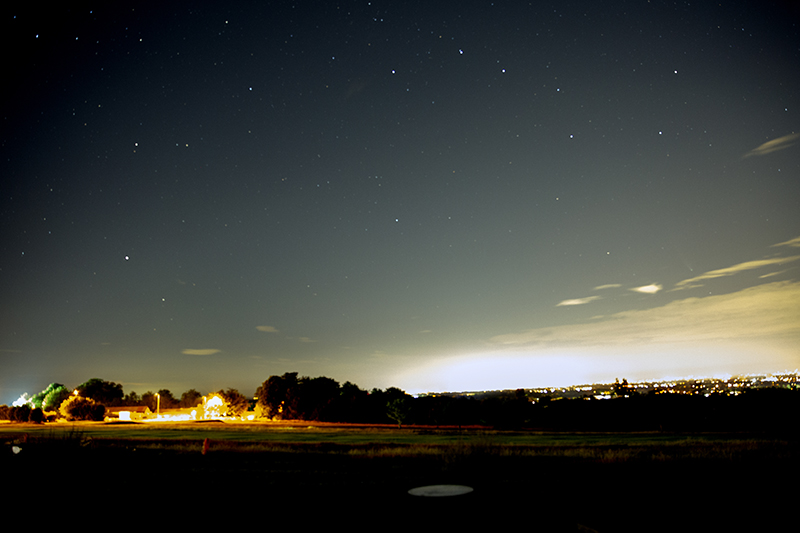
Made a post lock down foray to Epsom Downs to try and spot the comet Neowise.

2007 epsom downs

Naively thought on arrival that the packed car park at 1am was fellow astronomy enthusiasts but it turned out to be a hang out for displaced clubbers. Advised to leave by a couple of concerned girls who said that if I had the camera out here it would certainly get nicked. There was too much light pollution anyway.

2007 epsom downs 2

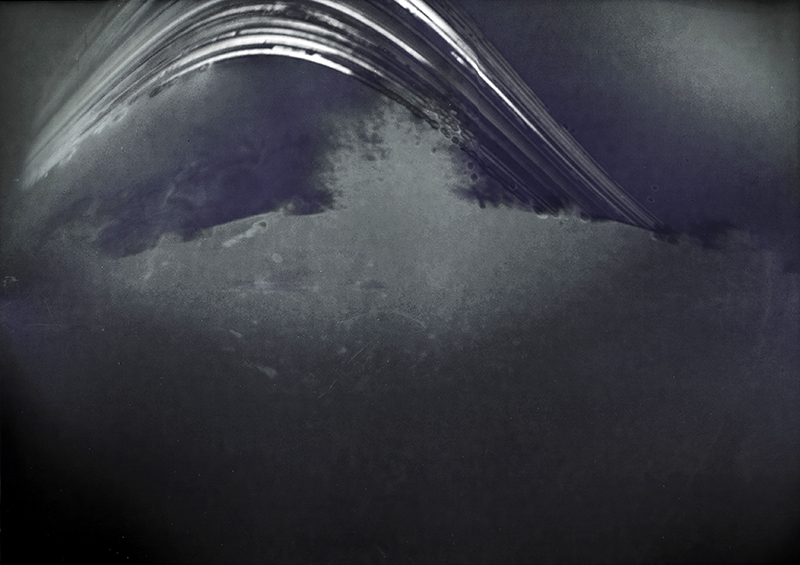
Lock down solargraph retrieved and scanned to discover some pinhole alignment issues. 2005 lockdown solargraph


Back in March …

Researching early radio and television transmissions.

FM radio and television signals can penetrate through the ionosphere and then travel at the speed of light through space but as they are omni-directional the signals soon become extremely diffuse and hard to pick up. A receiver on another planet would need to look for unusual patterns to pick the signal out from all the background noise present.

2003 Science_and_Invention_Nov_1928_pg618

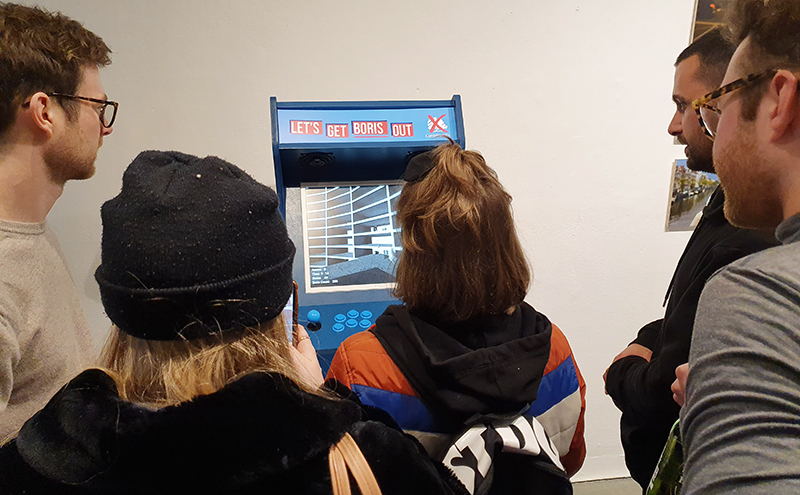
Hidden, an exhibition at the RCA showcasing work from the College’s technical and non-academic staff.

Kam’s video game was very popular

2003 Hidden RCA 2

I joined Olga Suchanova for her Solargraphy workshop as part of the exhibition programme she had curated at Lumen Studios Crypt.

The exhibition explored how solargraphs are able to “condense time” within one image. Solargraphs capture the movement of the Earth around the Sun, as well as the tilt of the Earth.                                                                                                                    2003 pin hole solargraphy

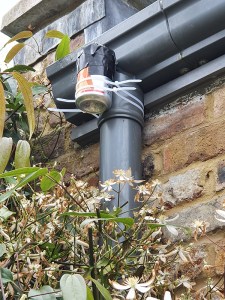
We each made a pin hole camera from a drinks can with photographic paper inserted inside. Mine is now attached to the drainpipe to catch the daily arc of the sun.