Archives for posts with tag: Holly Graham

Delighted to share the news that I have been longlisted for The Aesthetica Art Prize 2024. A live recording of The Breath of Stars will be included in the digital showcase at York Gallery. The Aesthetica Art Prize celebrates contemporary art across a range of media and I’m looking forward to joining the Future Now conference for critical and cultural debate running alongside the art prize exhibition.

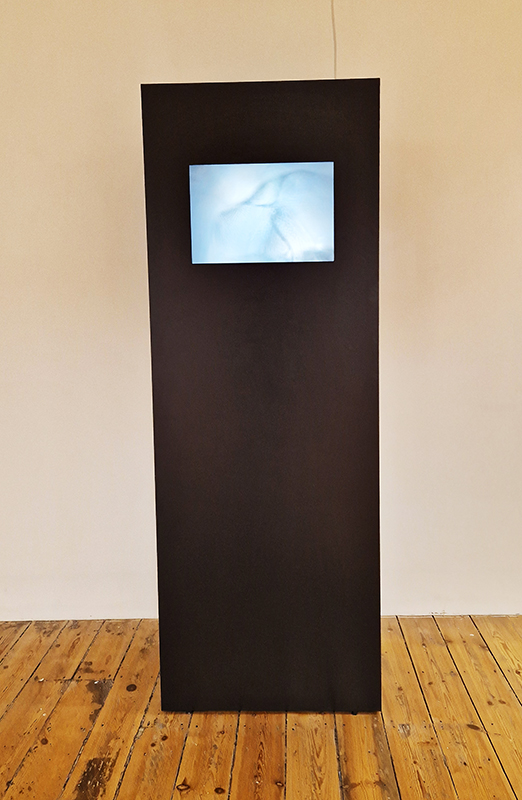
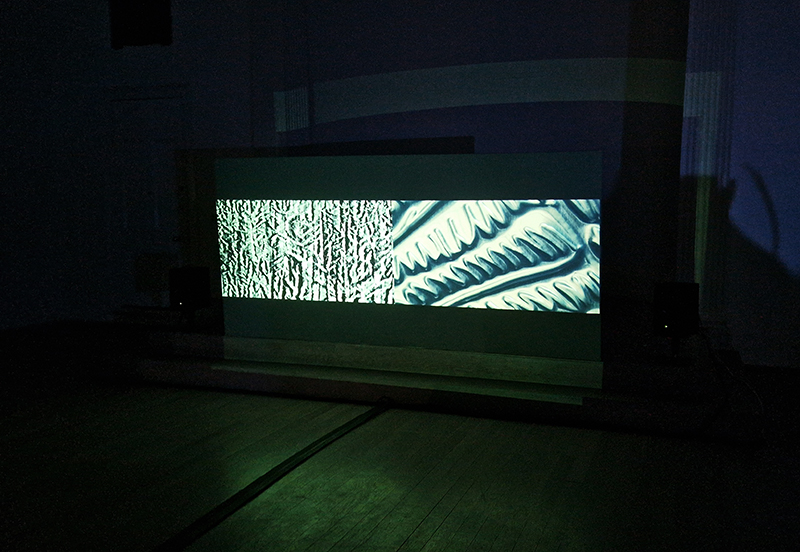
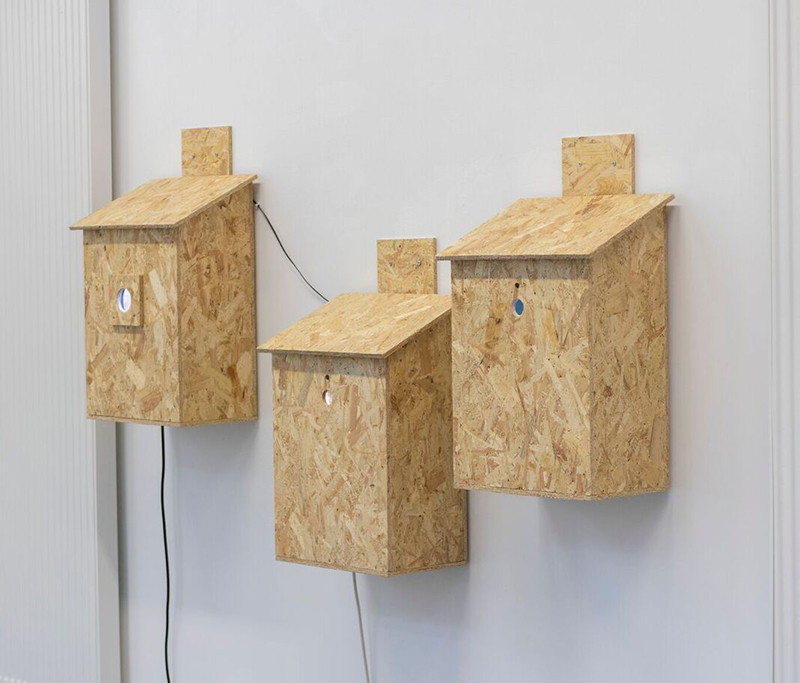
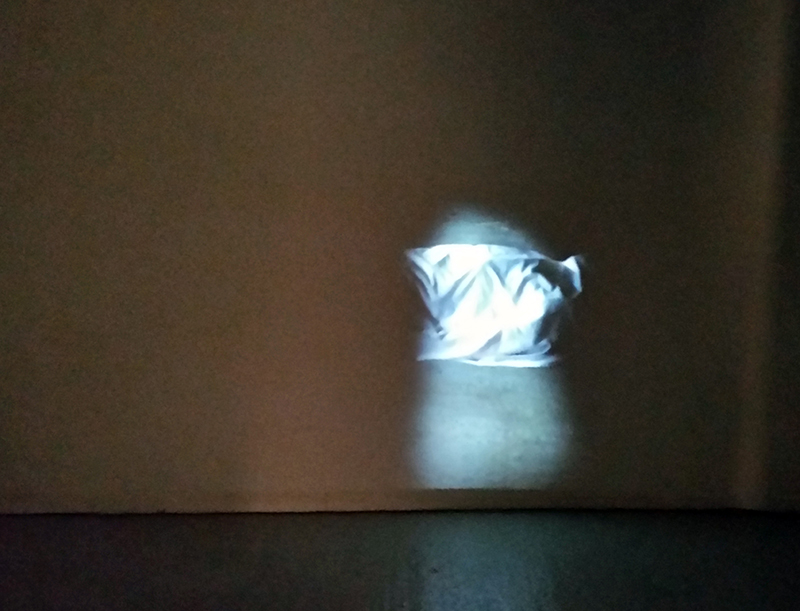
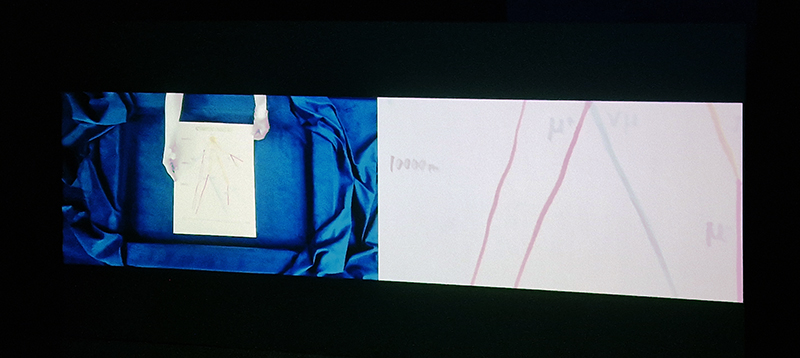
The Breath of Stars (Cosmic ray detectors, mini computers, wooden box (20×20 cm), video projection; live duration) is a digital video work activated in real time by the passage of cosmic rays through a pair of scintillator detectors. Cosmic rays from exploding stars or other extreme events, power across the universe, collide with atoms in the Earth’s atmosphere, break apart, and shower down upon us. Some particles silently interact technology on Earth. In this work, particle detectors and mini computers are connected to a projector. Every time a cosmic ray passes through the plastic scintillator blocks inside the detectors, its energy is recorded, and a starburst video is displayed.

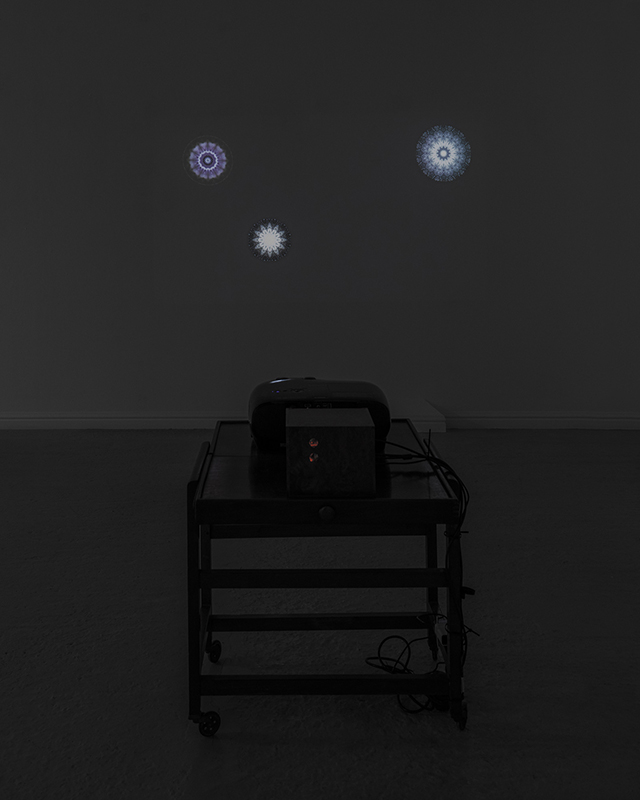
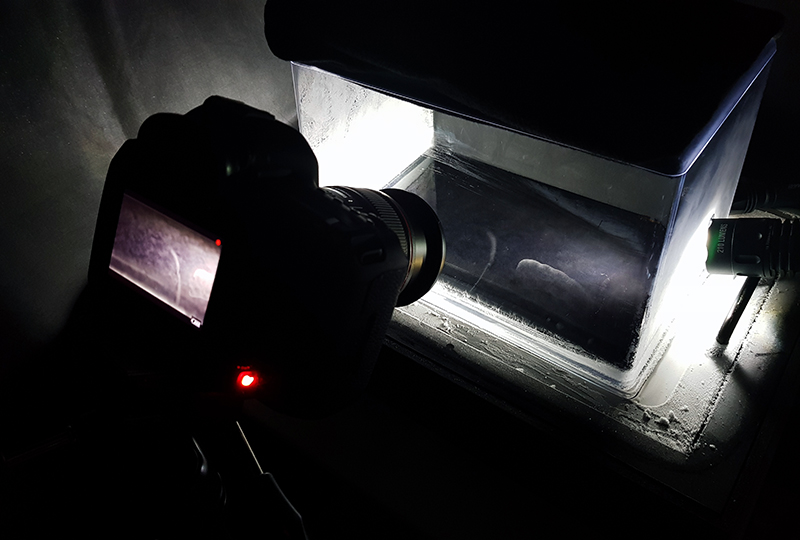
The kaleidoscopic video images that appear are created from mirrored footage of cosmic ray trails filmed during my cloud chamber experiments. Cosmic rays are subatomic  – smaller than an atom – they are protons or the nuclei of an atom which has had its electrons ripped away. We can’t see the actual particles but we can see the trails of condensation they leave behind as they whizz through a cloud chamber.
Cosmic rays arrive at Earth randomly, and this can be witnessed by the sudden flurries and silent gaps of the video imagery. The kinetic energy in just one particle can be equivalent to the energy of a cricket ball bowled by the fastest bowler on the planet  – so much energy squeezed into one tiny particle gives it a huge velocity. Light travels a thousand billion kilometres in one year – a light year – no object with mass can travel at the speed of light but an ultra-high energy cosmic ray would only lag behind the photon by 100th of the diameter of human hair. Most cosmic rays heading for Earth are deflected by the planet’s magnetic field – without this protection, life on Earth, as we experience it, could not survive this bombardment of radioactive matter.

Around 95% of the universe is ‘dark’ to us, formed of unknown and possibly unknowable matter. Phenomenon such as dark matter may be inaccessible to us, but cosmic rays offer a more tangible contact with outer space as they have mass. Although too small to see, we can witness their effects via technology, such as that used in The Breath of Stars, which affords us the opportunity to gaze beyond and between the stars to gain an insight into the structures of the cosmos and imagine what might be hidden in those dark spaces.

I am very excited that Cosmic Chiasmus: crossing the universe is showing at the super brand new Science Gallery Bengaluru in their inaugural exhibition CARBON: under pressure.
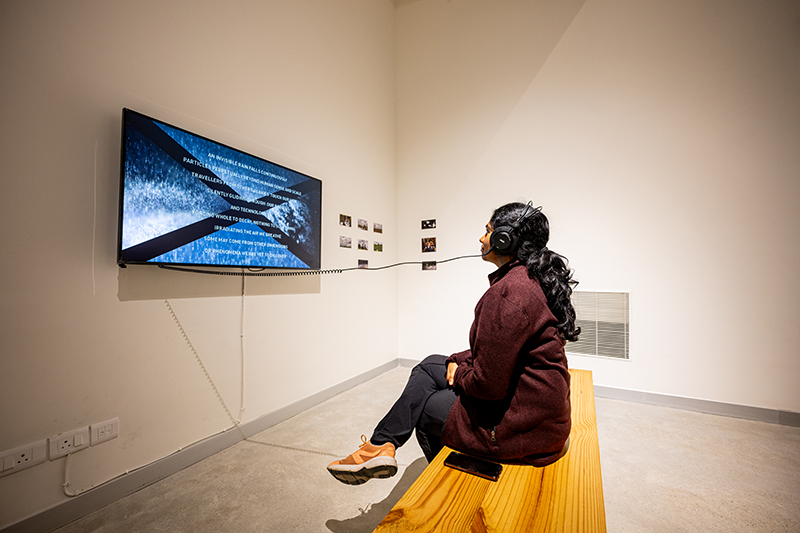
Science Gallery Bengaluru (SGB) is part of the Science Gallery International Network pioneered by Trinity College Dublin. The exhibition explores the ubiquitous nature of carbon, its energy history and the potential futures it enables. Given its unique capability to form bonds and compounds carbon is a foundational element of both life and non-organic matter and its properties have been harnessed as fullerenes, graphene, nanobuds, nanotori, nanocones, and nanohorns, enabling the creation of new screens, batteries, ultra-fast computers, ultra-thin sensors and cables of braided nanotubes. Carbon-14 in organic materials serves as the basis for radiocarbon dating, and Carbon-12 was the standard Dmitri Mendeleev used to determine the atomic weights—and now mass—of all other elements. Carbon dioxide is used as the standard to understand and regulate the flow of exchanges between ecology and economy. Industry driven by coal and oil-fired productivity have triggered alarming climatic effects and created a chasm between geo-biological time as shaped by the material memories of the planet and historical time—that shaped by human action. Carbon is an archive of buried sunshine, bridging the divide between substance and phenomena; caught between the finitude of nature’s resources and the near infinite wonderous potential it holds.

Cosmic Chiasmus: crossing the universe offers a glimpse into a subatomic world where cosmic rays travel from distant galaxies to collide and silently interact with atoms and technology on Earth. Cosmic rays are particles that move extremely fast. They are raining down on planet Earth all the time. Although they are called rays they are not like photons, as light is made of, because they have mass, but they do travel at nearly the speed of light. Cosmic rays go through a violent process of creation, transformation and decay. From the heart of stars or the depths of black holes these particles power across the universe with unimaginable energy colliding with life on Earth and triggering other processes such as cell mutation, computer data corruption and carbon-14 formation. Above our heads where cosmic rays collide with atoms in Earth’s atmosphere radioactive carbon-14 is formed. This radioactive carbon-dioxide in our atmosphere is absorbed by plants and enters the food chain. The radiocarbon decays while an organism is alive but is continually replenished as long as the organism takes in air or food. When an organism dies no more Carbon-14 is absorbed and that which is present starts to decay at a constant rate. By measuring the radioactivity of dead organic matter, the carbon-14 content can be determined and the time of death established. Cosmic ray activity gives us carbon dating techniques. It is an incredible journey that cosmic rays make, blasted across space, spiralling along magnetic field lines to end up entangled with carbon in our bodies.

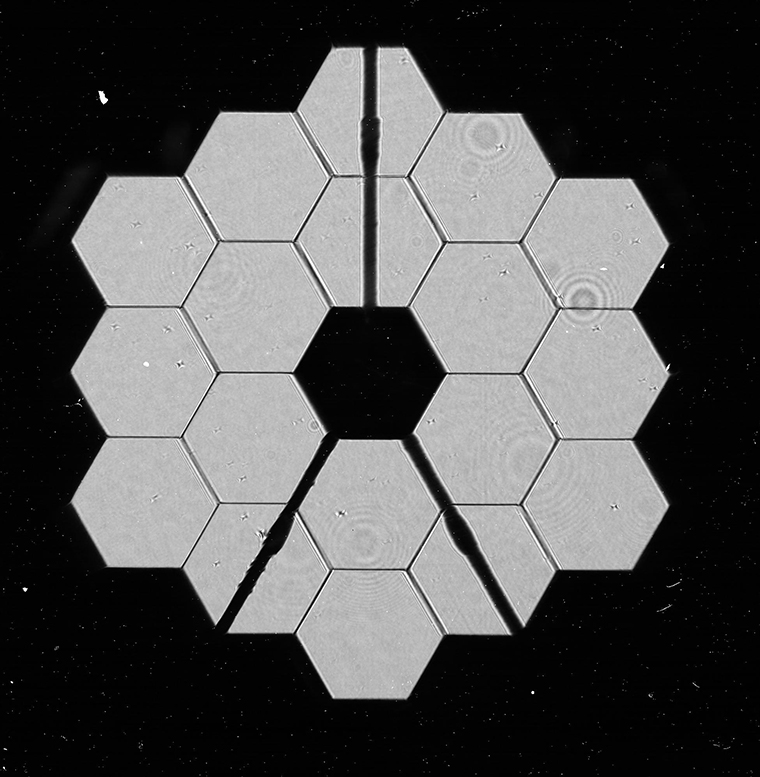
The James Webb Space Telescope selfies of its own light searching mirrors shows cosmic ray activity impact. Space weather can have serious implications for technology. Satellites are particularly vulnerable. and can be sent off-orbit or suffer electrical interference. The satellite population orbiting Earth has more than doubled since 2020, and with more satellites launched in the past year than during the first thirty years of the Space Age, reliance on this technology is increasing at a rapid rate.
I am making new work looking at information insecurity caused by space weather for an upcoming group show at APT Gallery which takes the lifeboat as a metaphor for precarity. Participating artists: Rachael Allain / Caroline AreskogJones / Beverley Duckworth / Liz Elton / Susan Eyre / Kathleen Herbert / Kaori Homma / Anne Krinsky.   
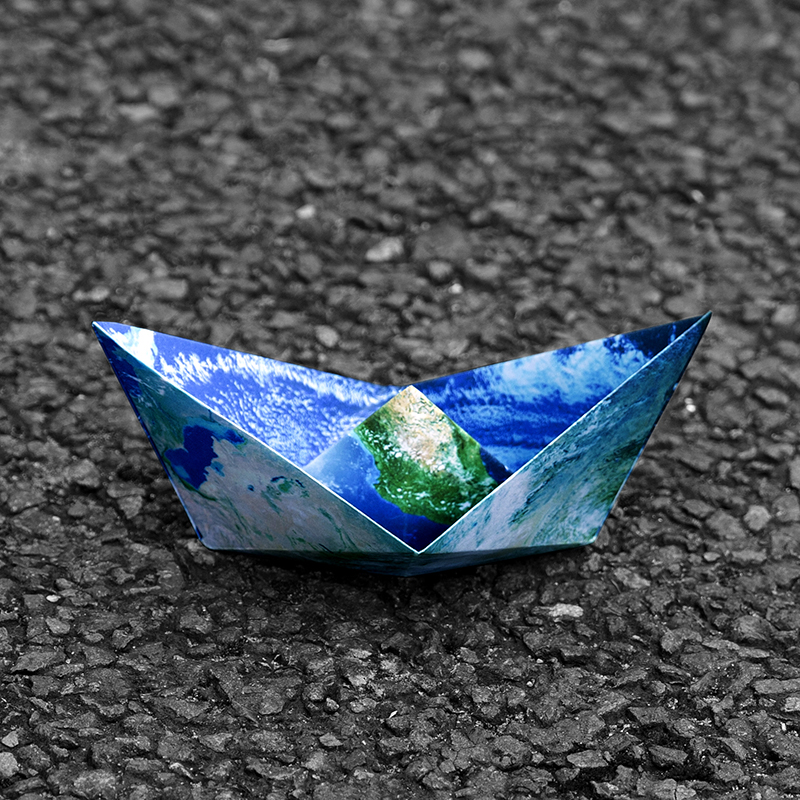
Life Boat brings together artists with a shared interest in exploring precarity as a site of dynamic transition. Each takes an investigative approach to the environmental, social and historical themes evoked by the lifeboat, as a means of addressing ecological crisis, liminal landscapes, close and distant horizons, boundaries and displacement, lines of rescue, navigation and transformation.

“How do you calculate upon the unforeseen? It seems to be an art of recognizing the role of the unforeseen, of keeping your balance amid surprises, of collaborating with chance, of recognizing that there are some essential mysteries in the world and thereby a limit to calculation, to plan, to control.” Rebecca Solnit, A Field Guide to Getting Lost

Gallery Visits

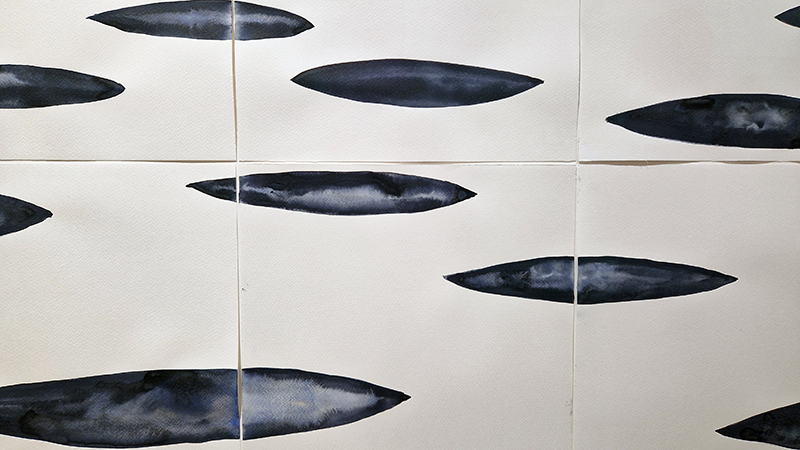
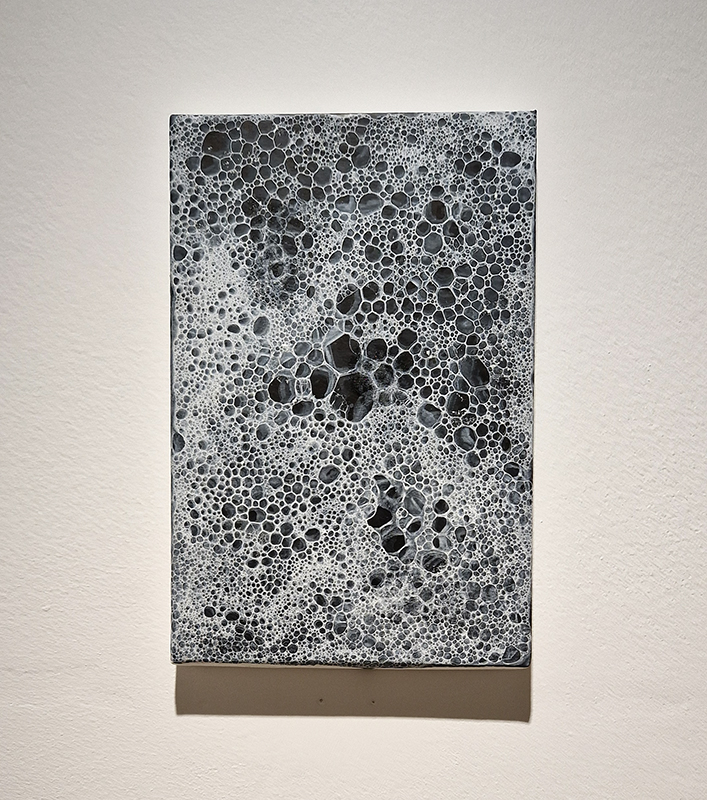
Tania Kovats as above so below at Parafin. She says: ‘I make drawings more than I draw drawings.’ There is something captured in the simplicity of her work, a haptic viscerallity that is very emotionally stirring.
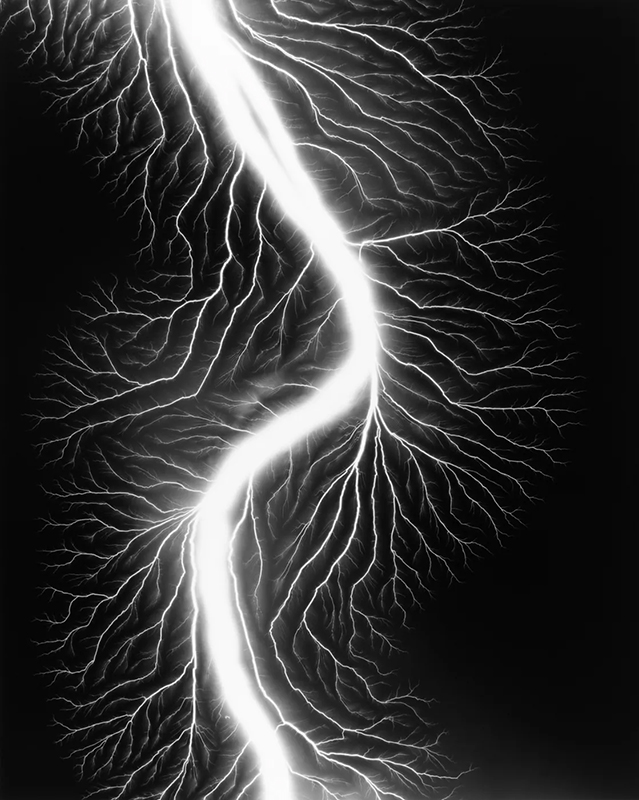
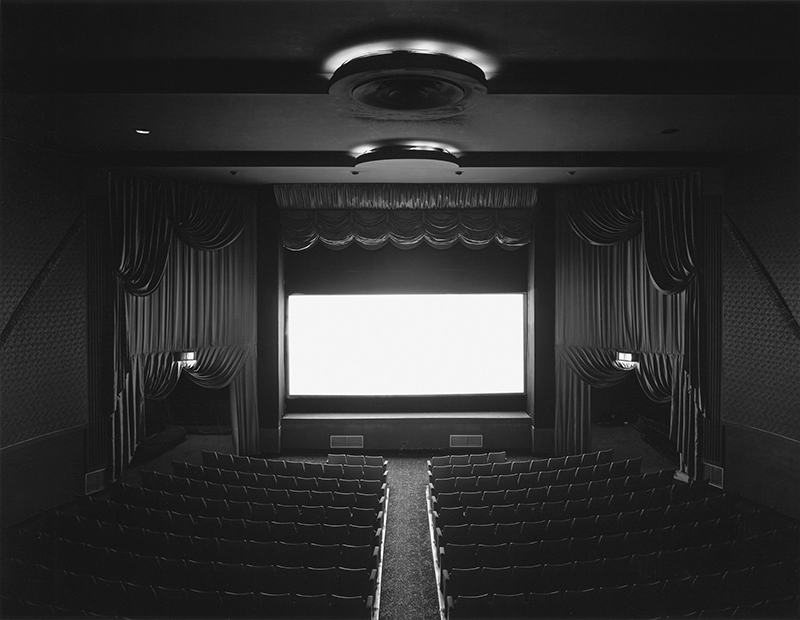
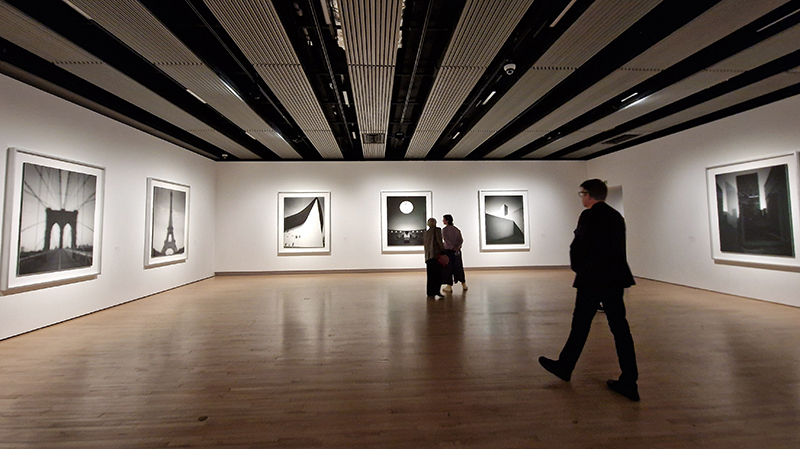
Hiroshi Sugimoto: Time Machine at Hayward Gallery. Beautifully crafted, astonishing work. Hard to believe his models are waxworks or museum taxidermy dioramas, not living subjects and that it is his studied use of light that so cleverly activates his images. I particularly like the Theatres series where he set his camera on an exposure equal to the length of the film being projected into an otherwise dark and empty cinema. The resulting images of a blinding white screen bleeding light like an opening to heaven are remarkable records of passing time. I also loved the work stemming from his interest in mathematics and optical sciences and his experiments with different electrical discharge tools. Sugimoto discovered that he could produce shapes that looked like amoeboid organisms, so he set out to recreate the conditions of the ocean from the time that life began. Using rock salt from the Himalayas (today’s mountain range was once the ocean floor), he mixed his own primaeval seawater. Submerging electrically charged film into the water, the artist was amazed to see light particles move across the surface like microorganisms.

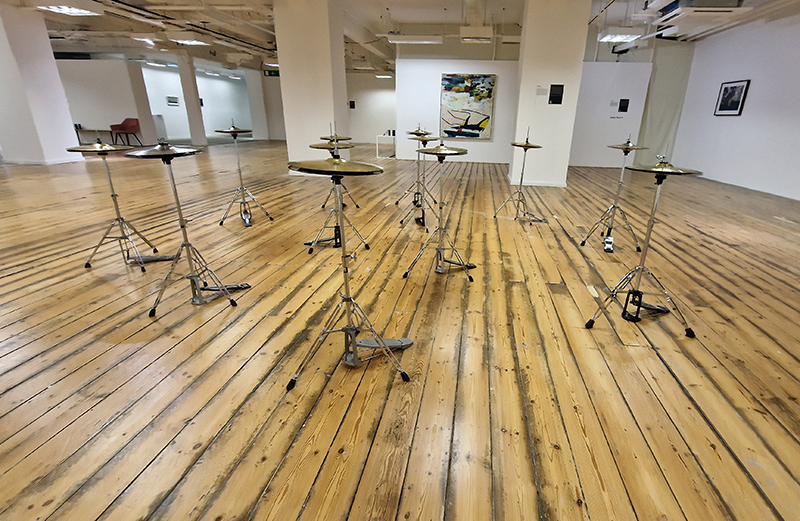
SEISMIC: ART MEETS SCIENCE at GIANT Gallery, Bournemouth, a collaboration with SEISMA Magazine curated by Paul Carey-Kent who was leading a tour of the works when I visited. Artists: Uli Ap, Edward Burtynsky, 0rphan Drift, Peter Matthews, Claire Morgan, Elpida Hadzi-Vasileva, Lisa Pettibone, Shuster + Moseley, David Rickard, Troika. Scientists from corresponding fields of interest are called upon to comment on the work of the curated artists. I was curious to see David Rickards Cosmic Field (3.7mHZ) – a commission by Seisma magazine – which sees cymbals clash when a cosmic rays passes through a hidden Geiger counter. Unfortunately, I didn’t get to witness the full effect as the detector mechanisms hadn’t been charged up, and so only one cymbal was responding with an occasional clash. There are some clever maths in the title and references to John Cages silent composition and the oscillations of the sun. I would like to have learnt more about how the Geiger counters can be sure they are recoding cosmic rays and not just background radiation. It was interesting to read about how stars have sound trapped within and resonate at natural frequencies, like waves inside a wind instrument. Astrophysicist Dr William Chaplin refers to this process as gentle breathing which can be seen in periodic changes in brightness as the stars breathe in ( compressed and bright ) breathe out (relaxed and darker). Other work in the show included Lisa Pettibone’s Truth to Illusion a screen that appears to show a digital undulating image is revealed through a peep hole to be caused by a rotating light and glass mechanism. Light can reveal and mislead in the quest for an understanding of reality. Jewell of Space by Claudia Moseley and Edward Shuster is a mesmerising moving sculpture of light refracting and scattering across a constellation of glass, shadowing the lensing effects of light across the galaxy. Clare Morgan’s Heart of Darkness – a grid of bluebottle flies – a comment on complexity in a system and the importance of each individual to create a whole. Elpida Hadzi-Vasileva’s animal organs given new context – the body turned inside out (cow’s stomach) – the unseen revealed (lamb intestine).
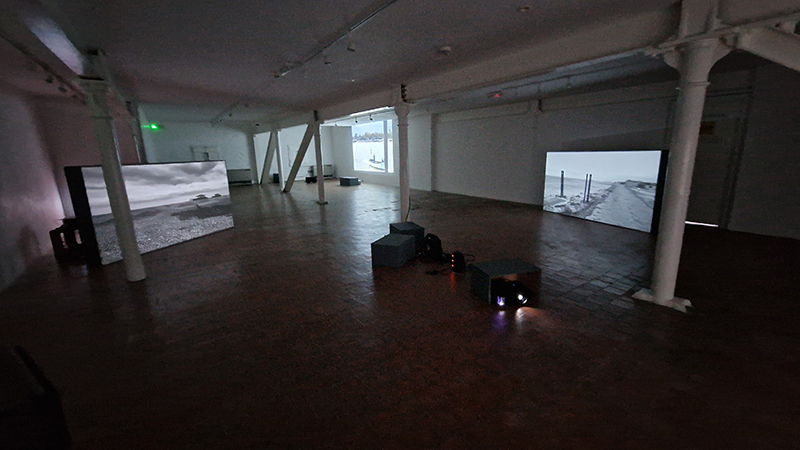
The Accurate Perception Available When Our Eye Becomes Single at The Cut, Halesworth, Suffolk. A lucky chance to see another iteration of this impressive collaboration between Richard Ducker (video) and Ian Thompson (sound). This atmospheric multi-screen installation transports you to the remote otherness of Orford Ness with its innate aura gained from status as a top secret military site and atomic development centre of the 1950’s.
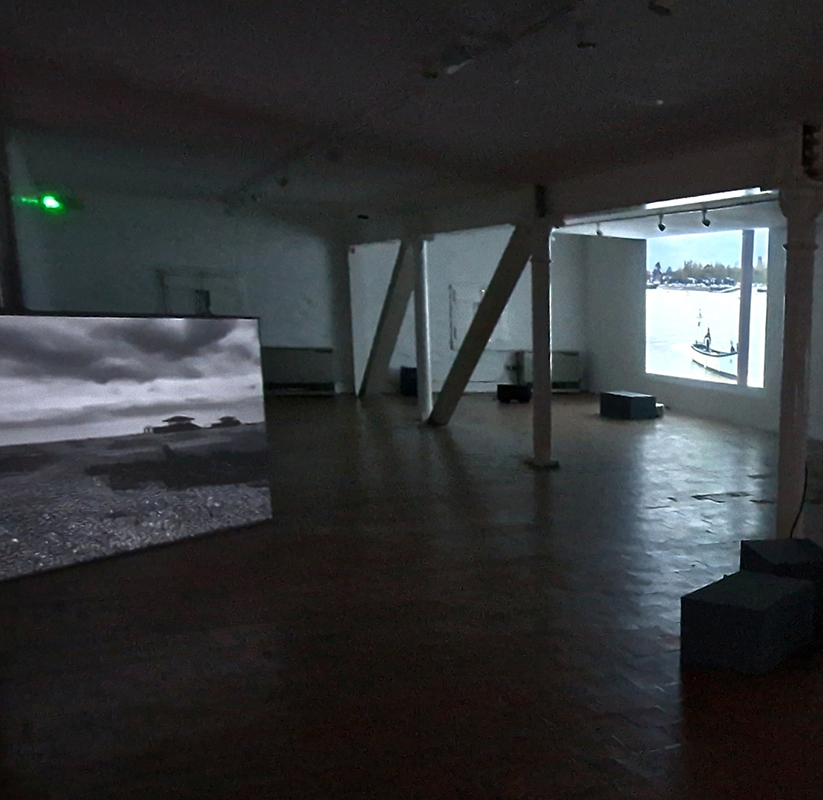
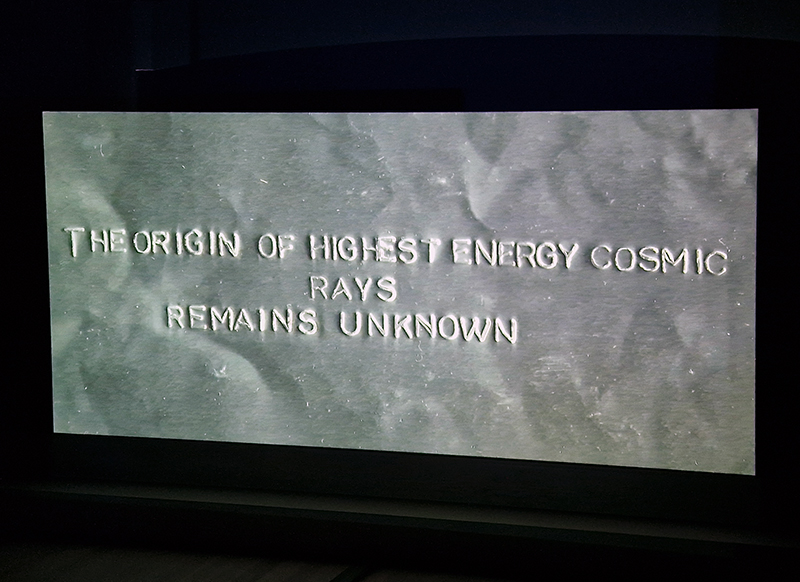
Holding Cosmic Dust: An Almanac, a video installation at The Swiss Church in London by Hot Desque. I enjoyed their previous theatrical inspired installation at Thames-side Studios Gallery where lighting played a key role in creating atmosphere. Again lighting was key, this time very low lighting meant identifying friends at the event was unpredictable. This installation is partnered with an intervention within the permanent, archaeological collection of the Corinium Museum, in Cirencester, positing a speculative archaeological dig in which a matriarchal society is uncovered. The installation draws out connections between archaeology, history and fantasy. There was in conversation with historian Frederika Tevebring about the speculative nature of archeology and evidence of matriarchal societies, but due to challenging acoustics and lighting much of this fascinating talk was lost. I would have liked to hear about the cosmic ray connections. Was it to do with Carbon dating? Participating artists: Holly Graham, Rubie Green, Rebeca Romero, Amba Sayal-Bennett, Abel Shah and Suzanne Treister.
Reading

All The Light We Cannot See by Anthoney Doerr. An extraordinary evocation of the depths of human tenderness and cruelty and the power of knowledge. This is a beautifully written fiction spanning the decades from the 1930’s into the 21st century when advances in radio technology went from a being a source of public information and enlightenment to a weapon of war. Through the wonder of the young protagonists in discovering the magic of radio transmissions, the author also stirs in the reader a reminder that it is invisible waves crisscrossing our world, carrying information vast distances, across political and geographic boundaries. I loved this book.

The Future of Geography: how power and politics in space will change our world by Tim Marshall. Clear and accessible writing takes the reader through the history of the space race to the ubiquity of orbiting satellites and on to the era of astropolitics, military strategy and the battle for future resources. The stakes are high.

Entangle: Physics and the Artistic Imagination edited by Ariane Koek, written in conjunction with an exhibition at Bildmuseet in Sweden. The book is filled with fascinating essays from both artists and scientists giving personal perspectives on their interest in and interaction with particle physics. The importance of an open imagination, the thrill of the unknown, the quest for knowledge that may never be accessible, are relevant to all participants. The common ground between art and science, and the benefits to both fields of joint conversations, is increasingly being acknowledged. Scientists offer the abstract theories, controlled experiments or new technologies that feed artists imaginations, throwing up new questions for both to consider and relate to the human experience.

Watched the deeply moving film by Werner Herzog, The Enigma of Kaspar Hauser – a fictionalised documentary of a teenager suddenly released from an existence of inexplicable confinement chained in a cellar with no human contact other than his captor. The film follows the internal struggle of Kaspar as he is subjected to the demands of society, and take on the current belief systems of the Church. His confusion at the world and despair at how much he doesn’t understand is an allegory for the limitations of human knowledge. The film spotlights the failure of logic and science to provide answers to the human condition.
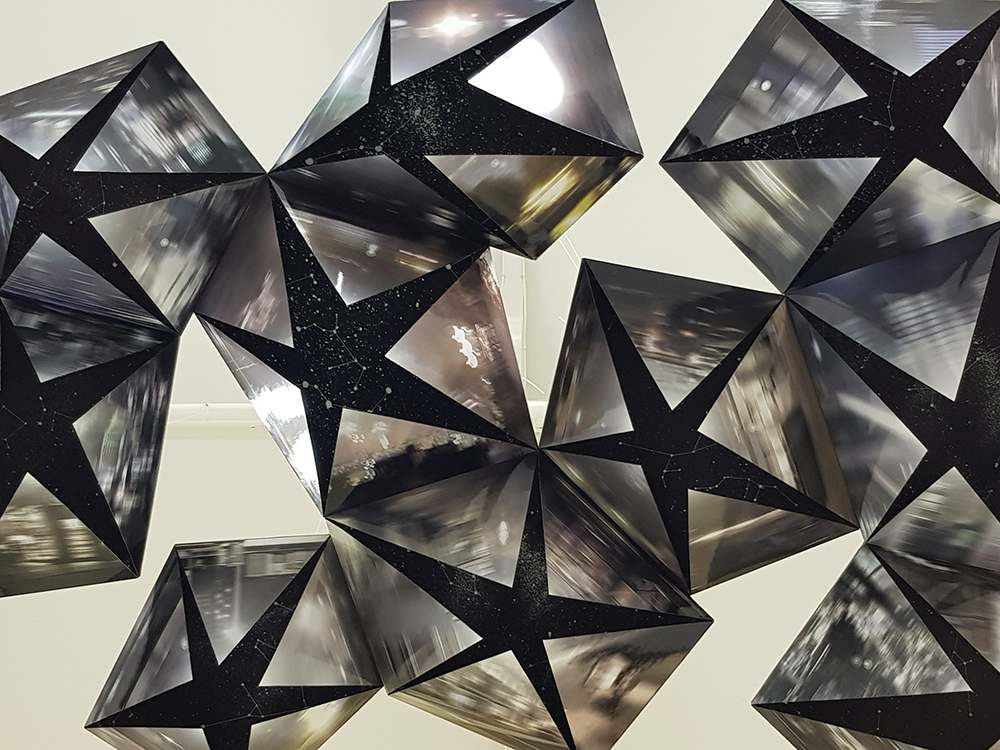
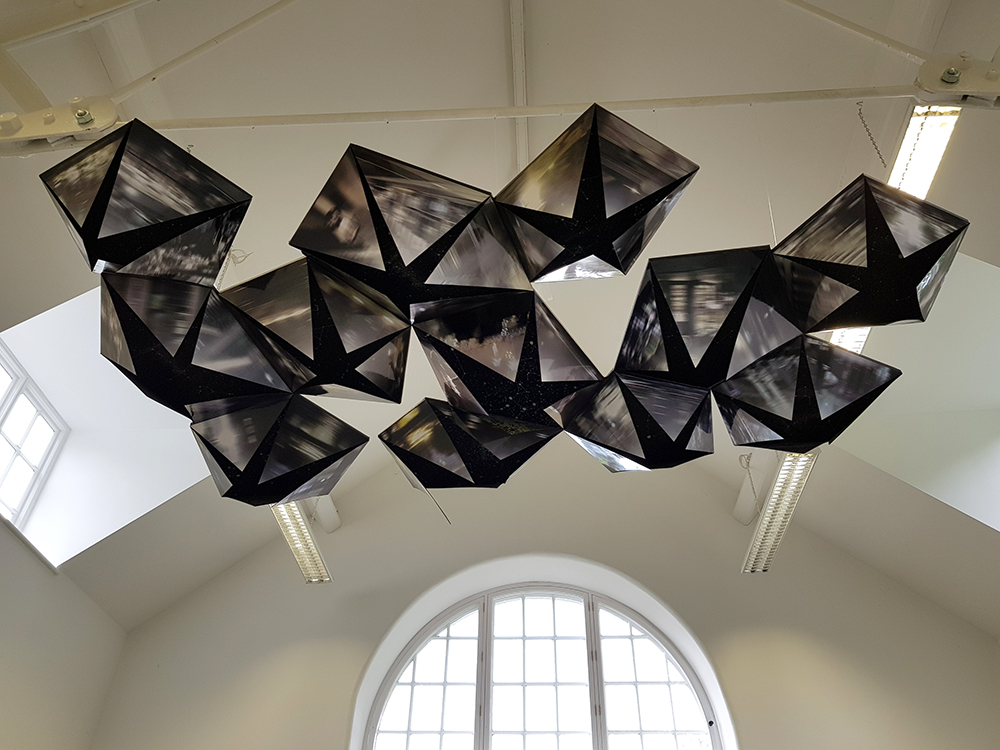
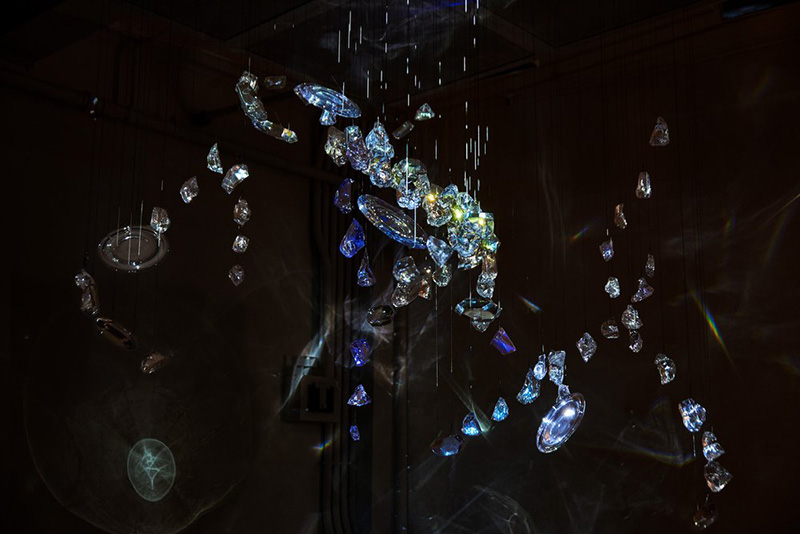
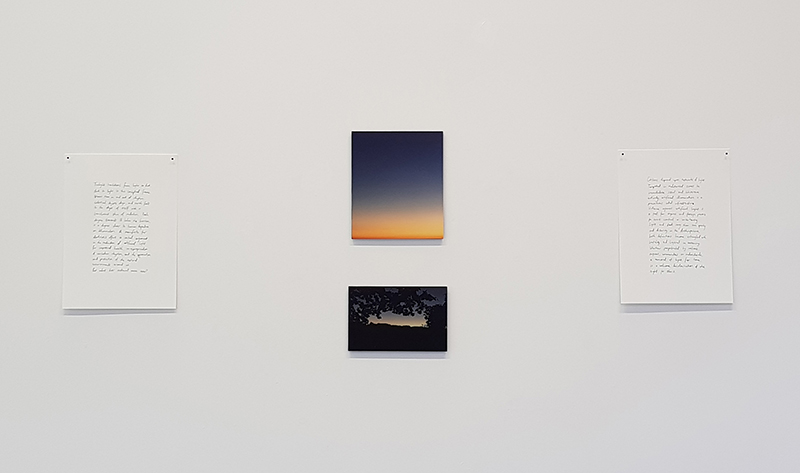
New work pentacoronae installed at Grizedale Project Space for In Search of Darkness exhibition curated by art collective Lumen Studios.

1809 Pentacoronae

“Sky glow” is the yellow umbra leaching into the night sky from light polluting urban areas; obscuring our view of the constellations, shrinking our universe and severing our relationship to the stars.
Our ancestors mapped the stars and the shapes and patterns they drew across the darkness became familiar anchors for navigation; describing mythological characters; aligning celestial cycles with the fortunes of everyday life and revealing harbingers of portentous events. This rich history is being lost to a population bathed in the radiant intensity of artificial illumination.

1809 Pentacoronae 2
Light doesn’t always make things more visible. There are other ways to discover the mysteries of the universe and look beyond what our immediate senses tell us is there. Dark Matter is a significant component of the universe, yet we cannot see it. It doesn’t reflect or emit light and so scientists are finding other ways to detect it. In digital visualisations of Dark Matter, organic patterns emerge that could be the veins under our skin or the spreading branches of trees.

1809 Pentacoronae 1
As ever more powerful telescopes and data gathering equipment open new areas of the universe to our view, generating imagery we could never see with our naked eyes, we are drawn to experience space via mediated technologies. Dark sky areas such as Grizedale Forest are precious locations where we can still stargaze, wonder and map our own stories across the sky.

1809 Grizedale Forest

Following on from the group residency earlier in the year we returned

1809 Forest WIP

with new work responding to the naturally dark skies of the Grizedale area  Maria Luigia Gioffre  – a re-tracing of the astral map of 7 July 2018

1809 Maria Luigia Gioffre credit John Hooper

Maria Luigia Gioffre Genealogy of an Asemantic Night – photo John Hooper

Eunjung Kim the journey of unseen travellers across time, memory, the cosmos

1809 eunjumg kim

Julie Hill-‘intimate immensity’ the milky way as bodily encounter

1809 Julie Hill credit John Hooper

Julie F. Hill Dark River photo John Hooper

Anthony Carr– circadian rhythms disrupted

1809 Anthony Carr credit John Hooper

Anthony Carr The Moon, Is The Only Light We’ll See photo John Hooper

Melanie King– ancient light captured

1809 Melanie King credit John Hooper

Melanie King Ancient Light, Grizedale Forest  photo John Hooper

Louise Beer— sounds of the tides slowed; an echo from 420 million years ago

1809 Louise Beer credit John Hooper

Louise Beer Beneath the Moon’s Gaze photo John Hooper

Rebecca Huxley— twilight transitions, a manifesto to darkness

1809 rebecca huxley

Rebecca Huxley 18 degrees below the Horizon 

Diego Valente— “Forests aren’t simply collections of trees….”

1809 Diego Valente

Diego Valente A Copy With No Original

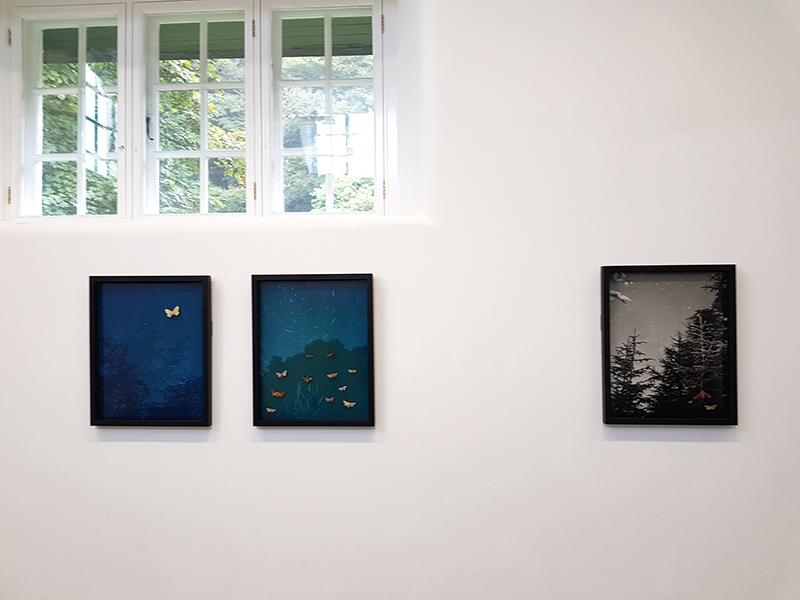
and William Arnold – common lepidopteran misadventures in artificial light

1809 William Arnold 2

William Arnold Dark Spectacle

1809 project Space.jpg

I had the cloud chamber running at the opening event. Photo courtesy of Lumen

1809 Cloud Chamber demo

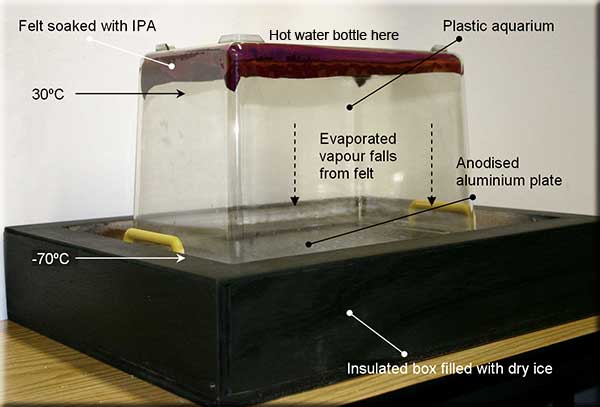
A cloud chamber gives us a glimpse into the invisible world of particles produced in the radioactive decay of naturally occurring elements and those generated when cosmic rays strike the top of the Earth’s atmosphere. It is a sealed environment containing a supersaturated vapour of pure alcohol sitting over dry ice. Charged particles passing through the chamber cause the vapour to condense resulting in tiny cascading trails. These particles pass though us continuously without our awareness. Witnessing this usually unseen activity can lead us to look beyond what our immediate senses tell us is there and consider the possibility of other intangible phenomena.

1809 Cloud Chamber demo 2

Finale! (another great shot from John Hooper)

1809 dry ice credit John Hooper

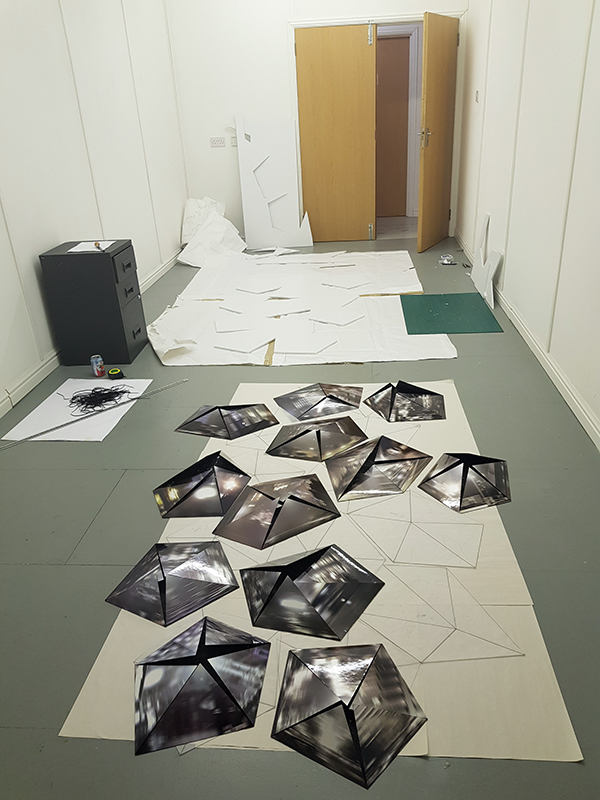
At the studio I am moving just across the corridor – mostly so I will have a window but I also gain more space which was great timing to lay out and assemble the suspended sculpture for Grizedale in an empty room.

1809 laying out

1809 assembling

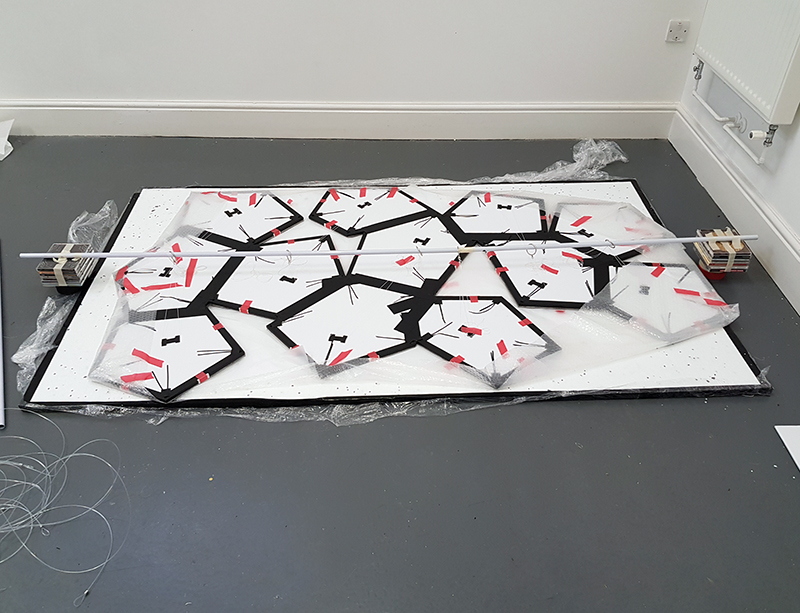
So glad I spent time on careful packing for transporting

1809 preparing for install– getting it up on the scaffolding and hanging was not easy when only one person present has ladder training and therefore allowed at height due to local council health and safety directives.  Thankfully Sean took it in his stride.

1809 install angst

Out of the Studio
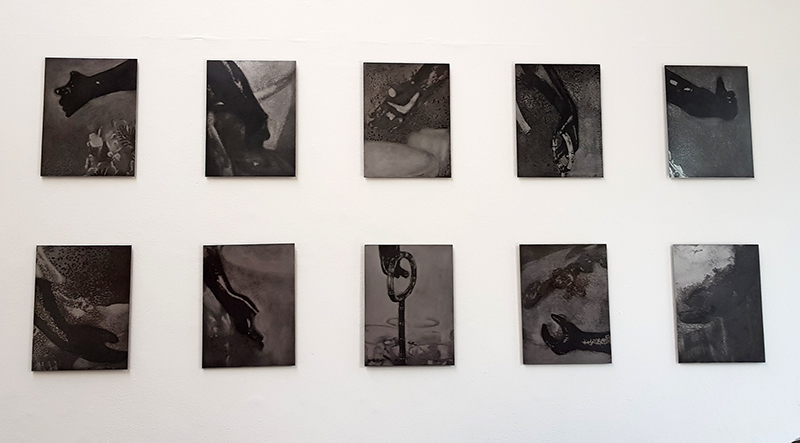
Holly Graham Sweet Swollen at Jerwood Project Space. The seductive title is evocative of succulent ripened fruit but also the tenderness of a bruise. This poignant work draws on the history of sugar as a luxury brought to our shores in the 18th century with the taint of colonial violence and the demeaning of those forced to produce treats for European palates. A series of sugar lift etchings depict hands in isolation, the gestures originating from the stylised ‘blackamoor’ figurines that ornament receptacles of the bitter sweet cargo.

1809 Holly Graham

Charmaine Watkiss showing beautiful ephemeral work at the MA Drawing Final Show at Wimbledon College of Art. A collision of then and now, displacement of body and soul, reaching back for symbols of meaning.

Highlights at this years New Scientist Live were talks from Jon Butterworth – Journeys into Particle Physics, Roberto Trotta – What Has Einstein ever done for you? and Dean Burnett – What makes your brain happy?

I came away thinking about what influences my perception of time and the chemicals that subtlety alter how I experience the world.

If you travel close to the speed of light, distances contract in your direction of motion, while time will dilate more and more the faster you move.  A muon lives: about 2.2 microseconds on average. The speed limit of the Universe = the speed of light. Something moving at the speed of light that only lives 2.2 microseconds, should make it only 0.66 kilometers before decaying. A muon has similar properties to an electron. However, it is 200 times heavier. Muons travel at approximately 98% of the speed of light. The closer you move to the speed of light, the slower your clock appears to run. Cosmic ray muons have such high energies that a journey which takes about 300 microseconds from our point-of-view only takes about 1 microsecond for the muon. Time dilation allows these particles to live.

1802 muon

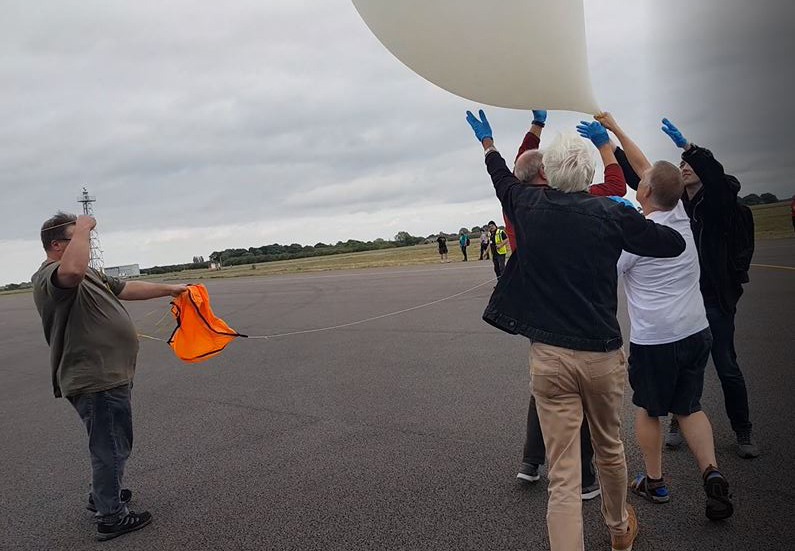
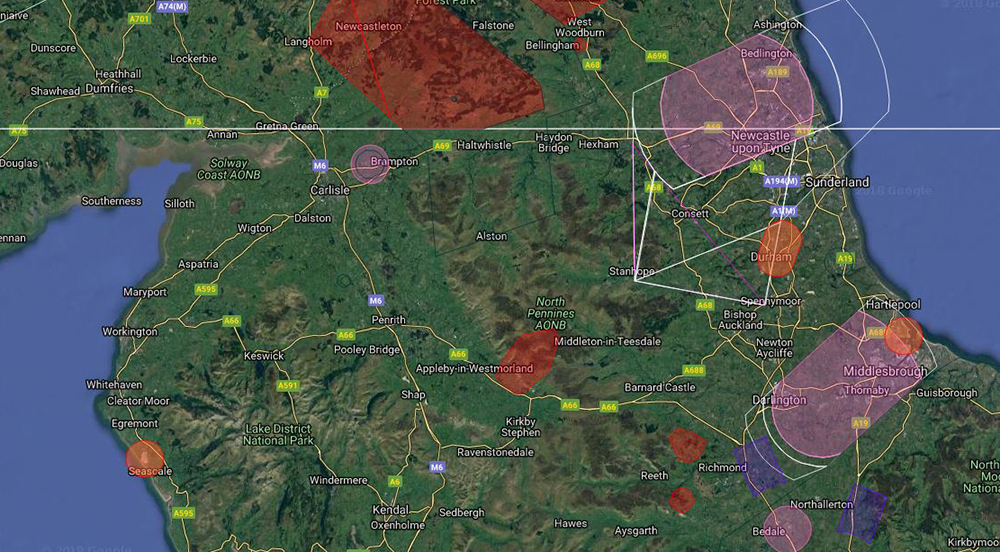
I am beginning research for the High Altitude Balloon project. I need so much help! The good people of the HAB community are thankfully giving me lots of advice. One big concern is that the Allenheads Contemporary Arts potential launch site is high up and in the centre of a very narrow bit of the UK.  Wind makes for a difficult launch and could just take it straight out to sea.

1809 windy HAB.jpg

One of my first jobs is to check with the Civil Aviation Authority that the launch site is safe from their perspective.

18090 CAA.JPG

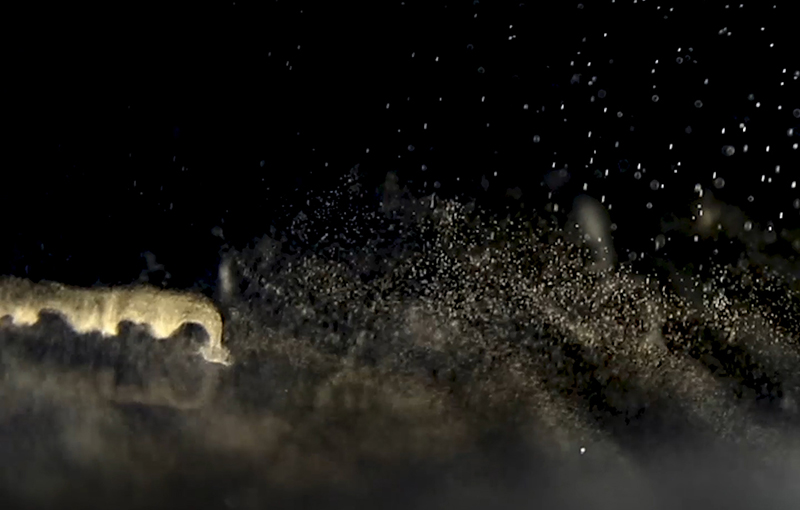
I want to film particularly at the altitude where peak cosmic ray activity takes place – this is where the secondary particles that we see in the cloud chamber are smashed into existence.  As the particle activity will be invisible I want to film the aesthetics of the curve of the earth and blue haze of the atmosphere bleeding into the blackness of space. I think my target height will be 30km.

1809 cosmic trails.jpg

Cosmic rays are mostly protons and atomic nuclei created in stars and super novae explosions or other unknown events.  Sometimes a rare one will arrive with unimaginably high energy. The first “Oh-My-God particle” was recorded in October 1991 and had an energy 40 million times greater than the Large Hadron Collider can generate with 100 quintillion the photon energy of visible light, it was travelling at 99.999 999 999 999 999 999 999 51% the speed of light. One of these could be passing through you right now.


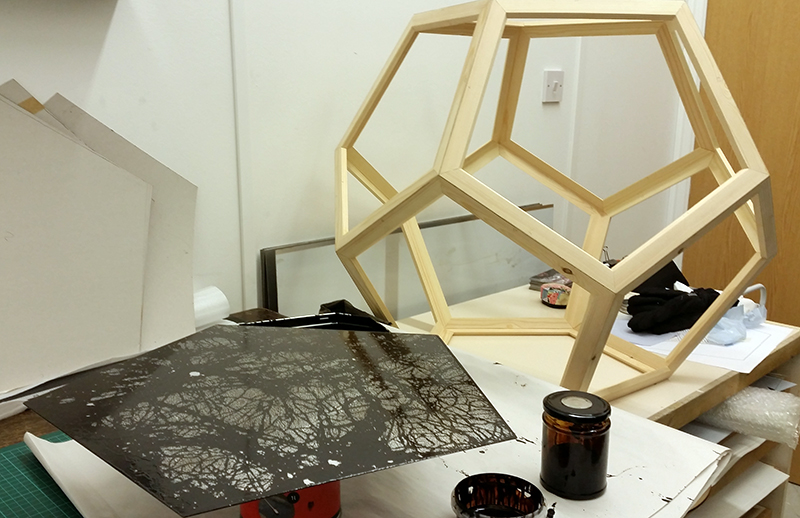
Big news is that Laboratory of Dark Matters has been awarded Arts Council England funding. I am still struggling to believe. We are also getting some support from the Institute of Physics for when we take the exhibition to the North East. This news is such a boost for our project and has unleashed a rush of activity, but also a torrent of admin. I had been making some progress with the sculpture.1702 Dodecahedron.jpg

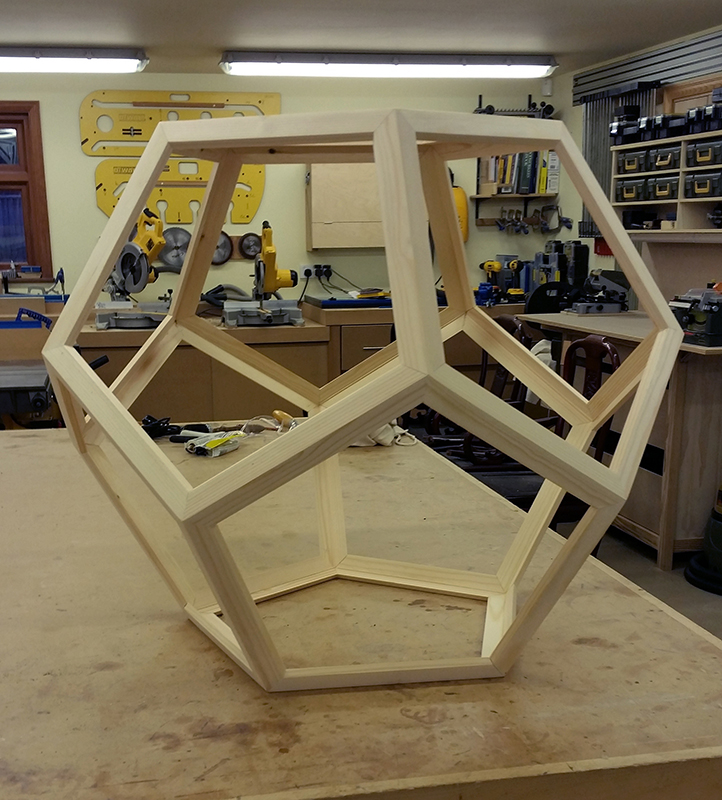
Results of a day at Woodhall Barn Workshop under the steady supervision of wood wizard Christopher Hall and I am very chuffed with my dodecahedron frame.  The angles have to be cut so very accurately using a table saw and digital level to achieve the precision needed for it to fit together. It’s basically 30 identical pieces ripped from 2 x 4 pine at 31.7° and mitred at 36° and glued together. We got these top tips ‘How to make a dodecahedron the easy way’ from YouTube. It was not easy.

Reading Plato’s Timaeus and Critias I was hoping to find some more information on the relationship drawn between the dodecahedron and the cosmos but have found no further explanations. Plato describes a primitive chaos where the four elements of fire, earth, water and air formed from a turbulent mix of ‘being’, ‘space’ and ‘becoming’ to be assigned by their solid or fluid characteristics to the tetrahedron, cube, icosahedron and octahedron respectively then adds .. ‘There still remained a fifth construction, which the god used for embroidering the constellations on the whole heaven’…it’s almost an afterthought or maybe just too illusive to elaborate on.

1702-studio

I have started the experiment with sugar lift and etching aluminium to see if I can bite right through the plate and keep the structure of the image. I screenprinted a sugar lift mixture onto the plate on both sides. The image was adapted from data visualisation of dark matter kindly supplied by Ralf Kaehler of the Kavli Institute for Particle Astrophysics and Cosmology.

I drenched the plate in stop-out and left it to dry before immersing in hot water which dissolves the sugar and reveals the image. It was surprising how much fine detail came through. Though one side of the plate was always better than the other – this could be due to lots of things that are hard to control accurately like concentration of sugar, thickness of stop-out, temperature of water. A primitive chaos.

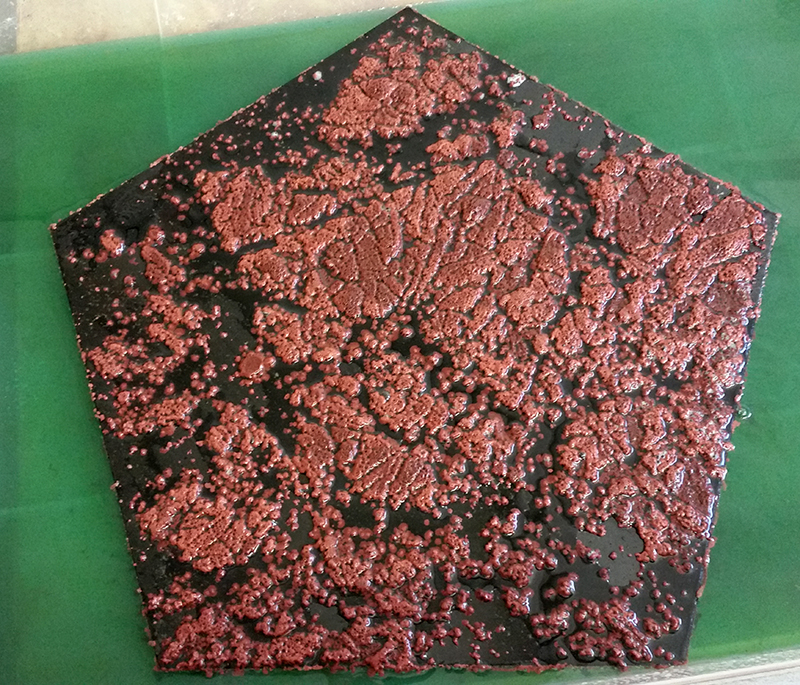
1702-detail-stopoutI am etching in saline sulphate as it gives quite a deep etch into aluminium.

great colours and quite mesmerising to watch as thick red deposits appear

1702-etching-process

Chemistry at work, lot of bubbles and heat. Several hours later after lots of dips, touch up of stop-out and fresh saline sulphate baths, light begins to appear through the plate

Cleaned up to see the results and decide where to go from here

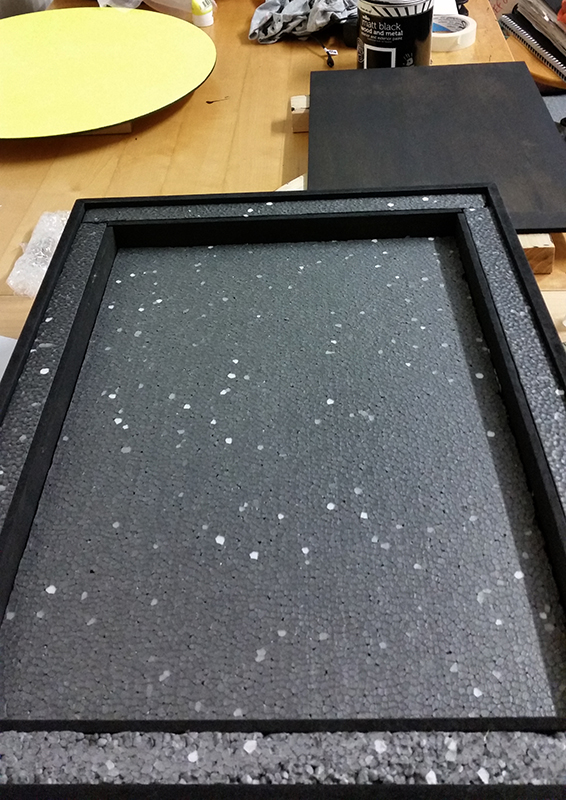
The cloud chamber is also coming along. With the help of next door cutting my wood I have assembled the box. Even the insulation for the dry ice is cosmic.

1702-cloud-chamber-box

Had an interesting day listening to panel discussions and talks at Belief and Beyond Belief on the South Bank. Topics covered were Science versus Religion: Do We Need to Choose? ; Quantum Theology: When Faith Meets Science; The Big Bang and Beyond; God of the Gaps. Religion and science ask the same questions but have different mechanisms to answer those questions.

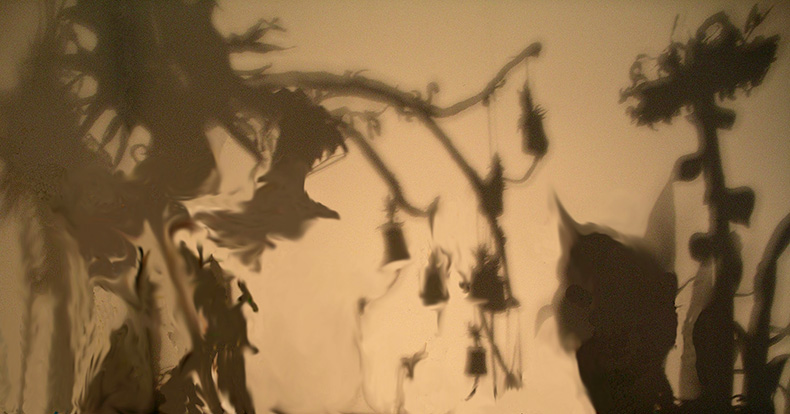
1701-shadows

These were some of the points discussed – When we look to understand the human condition and question the meaning of life, what truth are we seeking? The scientists present seemed more content to live in doubt but appreciated aspects that religion offered such as community, emotional beliefs and quiet reflection. The difficulty for scientists was in accepting that religions think they are based on truth. This religious truth comes from faith and cannot be tested as the argument is that God is beyond definition and therefore transcends understanding. It may be that searching for answers to resolve uncertainty is a survival trigger that persists as a craving in the human condition. .

1608 Paradise Row 7

The methodology of science is devised to look at facts unbiased, it has no moral or ethical framework. A theory in science is not a hypothesis. The scientists said they get frustrated by people saying they don’t ‘believe’ in their theory when they are based on facts. A theory may begin with a lot of intuition and wondering and develop like an artistic process of discovery within parameters; but then there is lots of testing, running the ideas through a sieve to filter out possible truths. A theory may start in mathematics but then is brought into the realm of language and the visual to express what we don’t understand. Georges Lemaitre in 1931 chose to explain his theory of the origin of the universe as “the Cosmic Egg exploding at the moment of the creation”; this became known as the Big Bang Theory. Pervasive metaphors colour our perceptions.

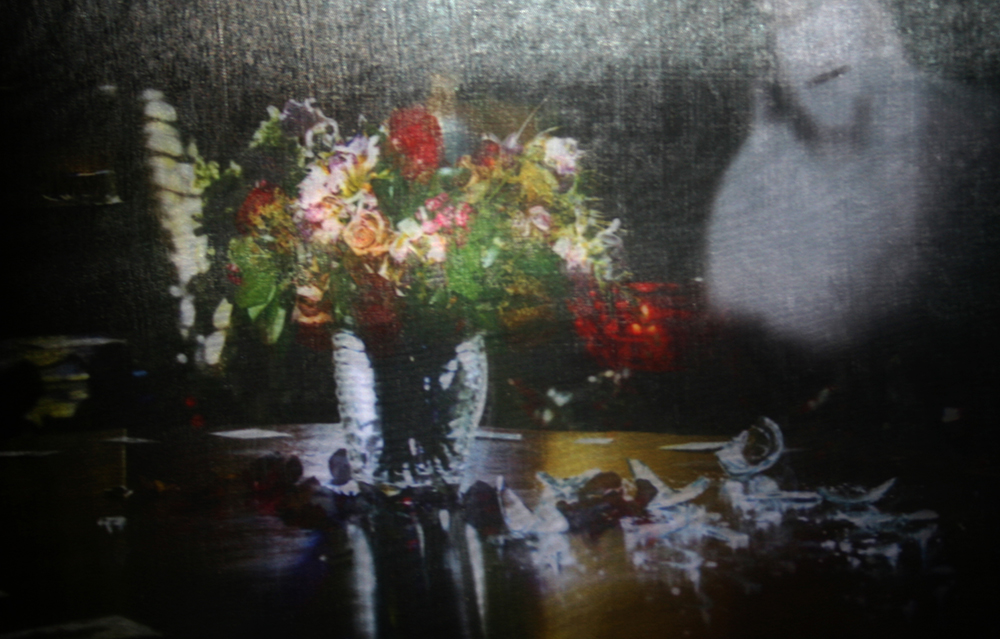
1701-seance

Science is perfectly happy to interrogate contradictory theories at the same time unlike religious belief which involves accepting one truth. All religions can’t all be right but their own belief in one truth makes it hard for them to accept a non-exclusivity of truths. Science cannot offer us all the answers. There cannot be a theory of everything, there must always be a gap in our understanding because to understand everything we would have to be omniscient – to look in from the outside. Or step outside of our own subjectivity. Thinking about this I went back to look at Schrödinger’s Mind and Matter, particularly his chapter Science and Religion which asks if science can help answer the questions of a possible eternity. Plato was the first to frame the idea of a timeless existence, more real than our actual existence which he saw as a shadow from some realm of ideas. He looked at the patterns in mathematics and geometry embedded in the structures around him that were determined by reason and logic and concluded that mathematical truth is timeless; discovery of it does not bring it into existence, it never changes and goes on forever. Schrödinger opens up further ideas on the indestructibly of the mind using the theories of space/time from Einstein and world view from Kant. This moves into more mind bending ideas, that theoretically time can be reversed. Here I struggle. The theories when pulled from mathematics into language sound fantastical, yet I am asked to believe mathematics is a truth. Then we come to the quantum world where observation and measurement do not apply. And so on.

1701 Soul Searching ve 1.jpg

Conclusions were: Our consciousness is the intrinsic unknown. We have to seek paradise even if it is unachievable and live our lives in a precarious state of doubt.

Analogies can be made, replacing religion with art. Making in Transit hosted an evening at Cube exploring art and science in collaborative situations to discuss the strengths and challenges in bringing them together. ‘Both physics and art thrive on the premise that there is structure as well as genuine ambiguity and mystery in the universe and although  very different in terms of practice, they both depend on an ability to visualise or conceptualise abstract notions and patterns.

There was an introduction to the world of Jiggling Atoms, a collaboration of scientists and artists who bring fun to workshops and experiments in arts and physics. Named after the visual interpretations of maths formula from Richard Feynman they display the same constant energy.

1702-feynman-diagram

Dr Daniel Glaser the director of the new Science Gallery London made the point that a successful collaboration is not so much about sharing knowledge but about tolerating each others ignorance, in this way a gap can be opened up for those who know nothing about either field to enter. The role of each party isn’t always clear or equal. He suggested the platonic ideal of ‘the essence’ was something artists could extract and Dr Chiara Ambrosio  suggested art should question the boundaries of science. Her interests are in the use of images to produce knowledge such as when high speed photography or microscopes revealed the secrets of the natural world. It was not as symmetrical as we supposed.

I returned the next day for an evening Imaging the Invisible to explore how we observe what we can’t see. Scientists and artists gave their perspectives on the invisible and how it operates in their own spheres. Bernard Siow and Yolanda Ohene from the Centre for Biomedical Imaging at UCL were passionate about the body imaging technologies they are developing, enabling extraordinary visualisations such as the muscle fibres of the heart.

Artist Dave Farnham has created sculptures through 3D print technologies that replicated internal structures from his friends who were going through medical scanning procedures due to illness.

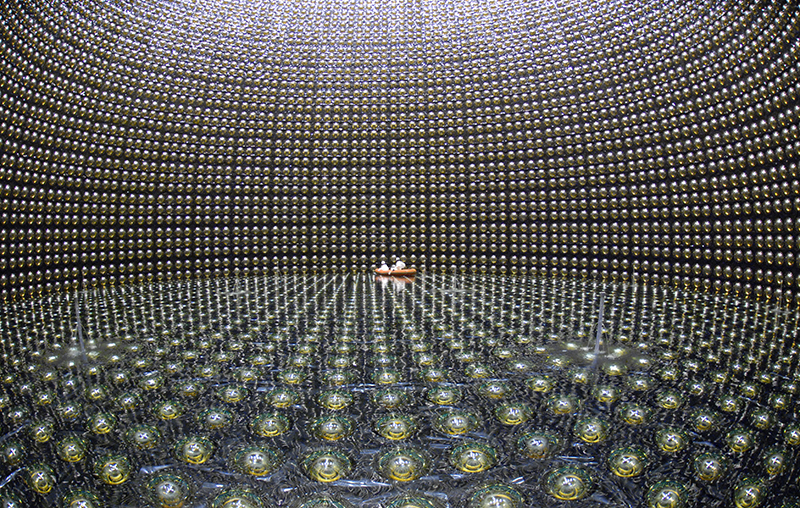
Particle physicist Dr Ben Still introduced us to the world’s largest cosmic particle observation device The Super Kamiokande, set 1,000m underground in Japan.

1702 credit Kamioka observatory, ICRR.jpg

Using 50,000 tons of ultra-pure water as a target to detect neutrinos. The quantity is to increase the chances of a collision.  A neutrino interaction with the electrons or nuclei of water can produce a charged particle that moves faster than the speed of light in water. This creates a cone of light known as Cherenkov radiation, which is the optical equivalent to a sonic boom. The neutrino is a subatomic particle able to travel through matter without interacting, they have no electric charge and almost zero mass.
Lead is what we think of as most impenetrable. A lead lined coffin for Alexander Litvinenko. However it would take a light-year of lead, to stop just half of the neutrinos flying through it.

Anselm Kiefer Walhalla at White Cube Bermondsey weights the air with lead. We are in the lead coffin.

1702-anselm-keifer

Alternative materiality at Chain by 15 an artist led exhibition in Peckham presented an Itchy and Scratchy world brought together by the Pokémon generation.

1702-hadas-auerbach

The Head Must Go cross stitch on linen by the uncompromising talent Hadas Auerbach was a delicate and poignant highlight.

1702-venus-anadyomene

Enjoyed the beautifully staged performance  –Venus Anadyomene -a collaborative 3 channel video and performance by Verity Birt, Holly Graham and Richard Forbes Hamilton; part of ongoing research around de-colonising histories, feminist narrative and collective voice.

The layering of voices, looping narrative and rhythmic pulse hooked into lost voices of history transporting the audience into a dreamlike territory.

I was invited by Lumen:School of Light to show everydaymatters at Ugly Duck for a weekend showcase of artists who explore the relationship between astronomy and light.

1702-everydaymatters

everydaymatters dissects landscapes to discover the hidden structures of the universe.

1702-everydaymatters-holloway-n7

Images taken from everyday prosaic paradises such as Paradise Road, Stockwell and Paradise Row Bethnal Green, are divided into constituent proportions of dark energy, dark matter and the visible world opening the spaces between what is seen and unseen.

1702 Anna Gray.jpg

Anna Gray’s water filled glass sculpture gave endless pleasure

1702 Anna Gray 2.jpg

the mini planetarium experience from Sylvana Lautier, Rose Leahy and Kim Yip Tong was blissful immersion

1702-sylvana-lautier-rose-leahy-kim-yip-tong

Spaceheads & Rucksack Cinema multi media performance was funky

1702-spaceheads-with-rucksack-cinema

Was quite energising to set up and take down over one weekend with lots going on

1702 School of Light PV.jpg


I have been gathering tips and components to build a cloud chamber for viewing cosmic particles but mostly my time has been spent in funding application form filling.

1611-cloud-chamber

Feeling the admin has been taking over. Not a creative time and am also finding the ground is not so firm beneath our feet when it comes to securing the promise of a grant.

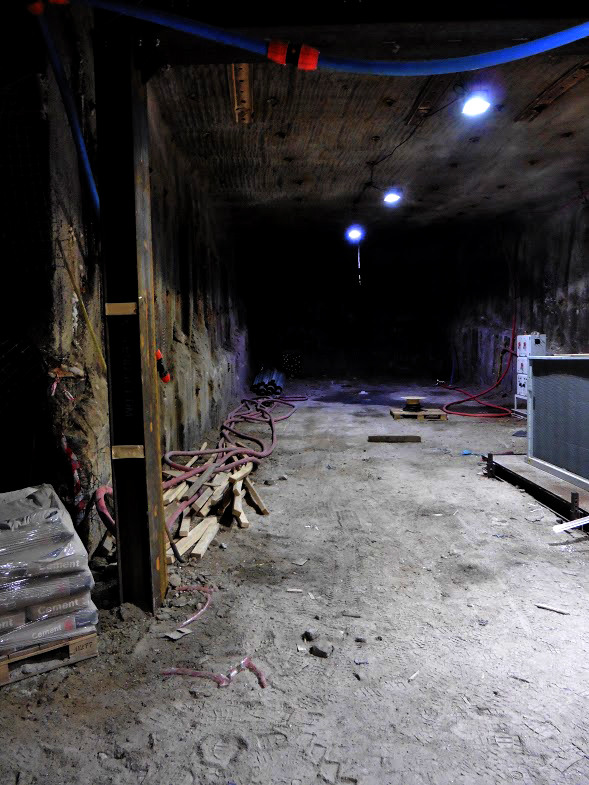
1605 dm boulby tunnel

Challenges ahead but Laboratory of Dark Matters is taking shape and we are listed on Guest Projects website link here.

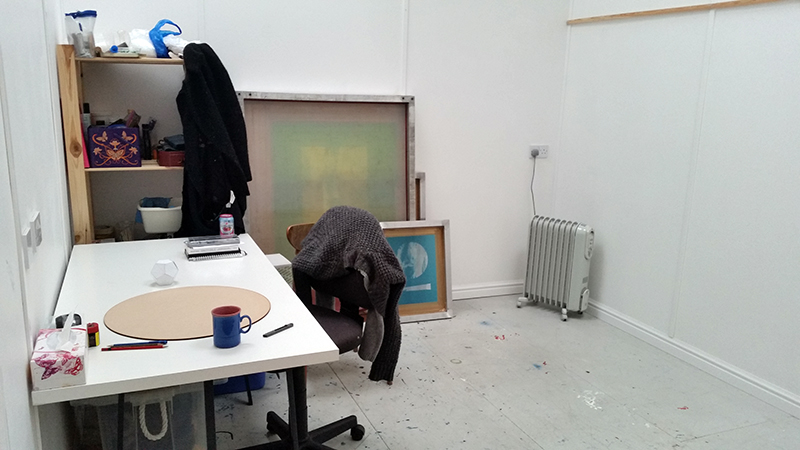
1612-new-studio

I have moved studio once again, only a very short distance but into my own space. This is so I can film the cosmic particles I hope to see in the cloud chamber in low lighting and mess about with dry ice. I am starting to plan work using imagery of the cosmic trails. Looking at pentagon facets of the dodecahedron.

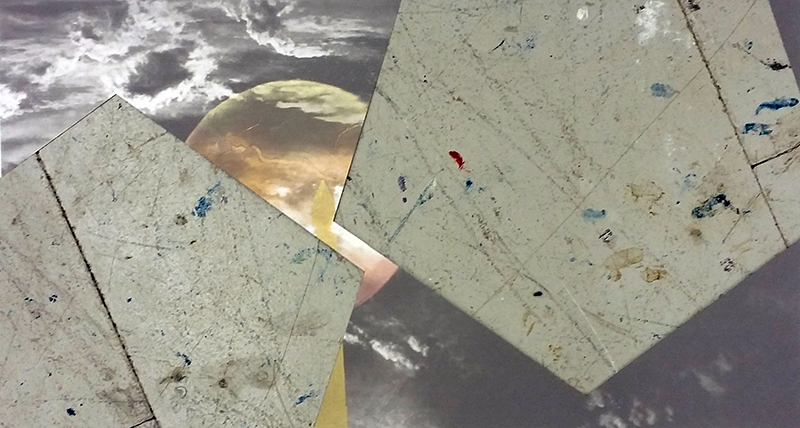
1612-template

Made a trip to Allenheads Contemporary Arts for the final weekend of events of their major project As Above So Below that saw artists come together to explore a shared curiosity and quest to answer questions about our existence and relationship to our planet. Iron River was a beautiful live sound performance synched to a video installation from Bennett Hog and Sabine Vogel using an exposed piano frame, pebbles and bass flute to describe the extraction process of iron ore abundant in the local water.

1612-neal-willis

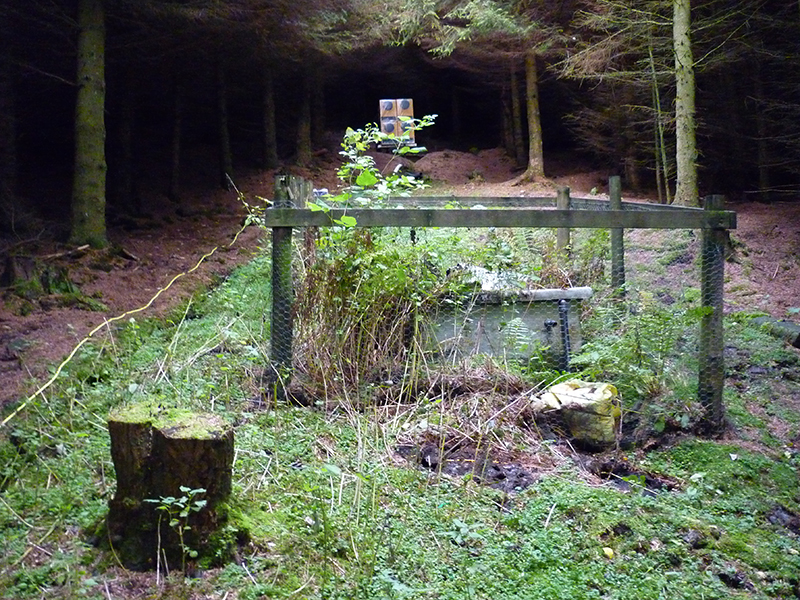
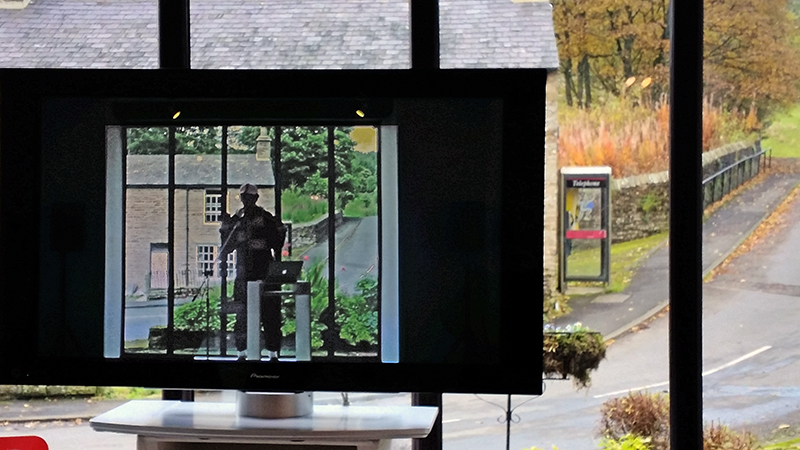
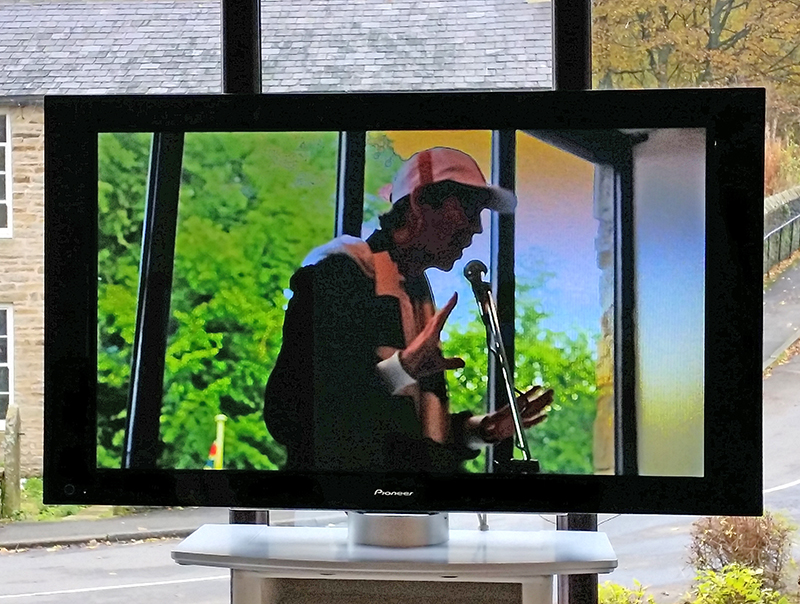
Eerie sounds, almost words, deep and earthy boomed from the woods and echoed around the valley in Neal Willis’ coded interpretation of barbed wire patterns What Language of the Fox? I thought Bill Aitchison’s Stuck In The Middle With You was brilliant. The recording of his performance was positioned in the spot where the original delivery took place during the summer – the view on the screen and out through the window was the same, just browner outside now.

1611-as-above-so-below-10

Listening to Bill make connections, set up a scenario only to knock it down became mesmerizing and addictive, I was swept away.  Listen to this work at the link above.

1611-as-above-so-below-1

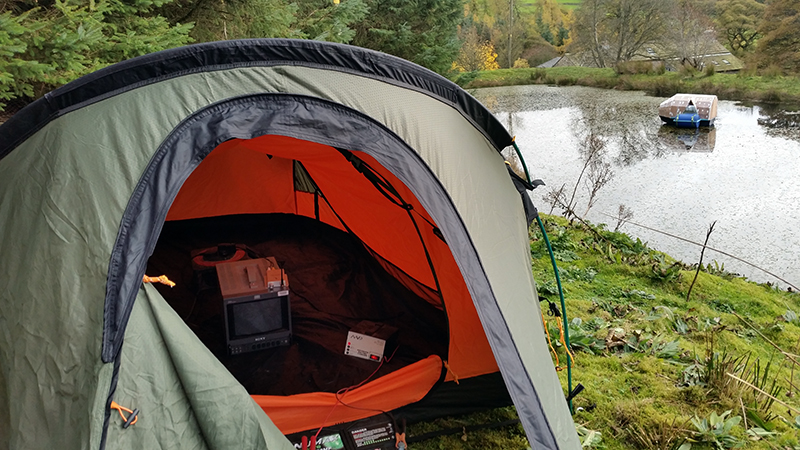
Lucien Anderson’s Prototype 2, or Splashdown floats in enigmatic isolation on the Allenheads reservoir.

1611-as-above-so-below-3

There is video relay to an observatory tent but it looks like contact may be lost…

1611-as-above-so-below-6

Thresholds (Proximity, Distance and Loss) a poignant video installation from Jo Hodges and Robbie Coleman was running in the coal shed featuring sound from Lost Cosmonaut a recording from 1962 purporting to be broadcast from a damaged, State abandoned, Russian spacecraft overlaid onto imagery from a remote and subsequently abandoned Northumbrian village.

Pat Naldi’s research unearthed song lyrics written in criticism of the local mine owner during the early 19thC which the local Dale Singers performed on the green for Assembly 2016

1611-as-above-so-below-4

Alan Smith From NVC 100 to 10 Thoughts both reduces and expands inquiry as he condenses big questions into a series of 10 thoughts. Set in the cosy cosmos of his caravan it is a personal exploration of the very wide world we are invited to share in.

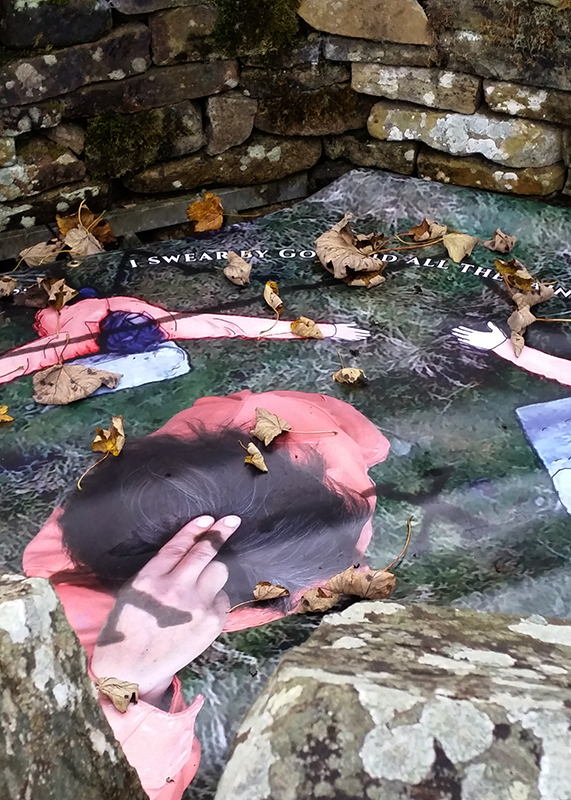
Bridget Kennedy installed The Measure Of It over the opening to Gin Hill Mine Shaft referencing the opening of seams for mining in medieval times when a prescribed square measure was termed an Ancient Meer and an oath was taken to claim ownership.

1611-as-above-so-below-2

“I swear by God and all the saints, and I call them all to witness, this is my vein; moreover if it’s not mine, I neither this my head or these my hands henceforth perform their functions” from De Re Metallica by Georgius Agricola.

Also made a visit to Yorkshire Sculpture Park

1611-not-vital-yorkshire-sculpture-park

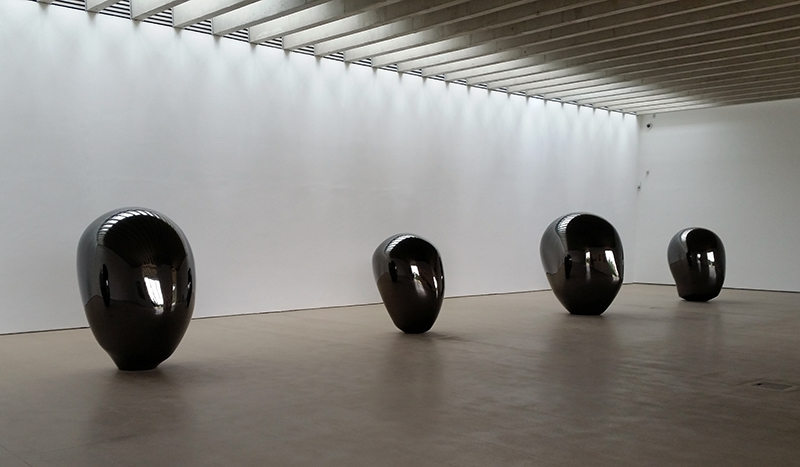
The current headline show was from Not Vital – big shiny heavyweight sculpture, inside & outside. A lot of metal.

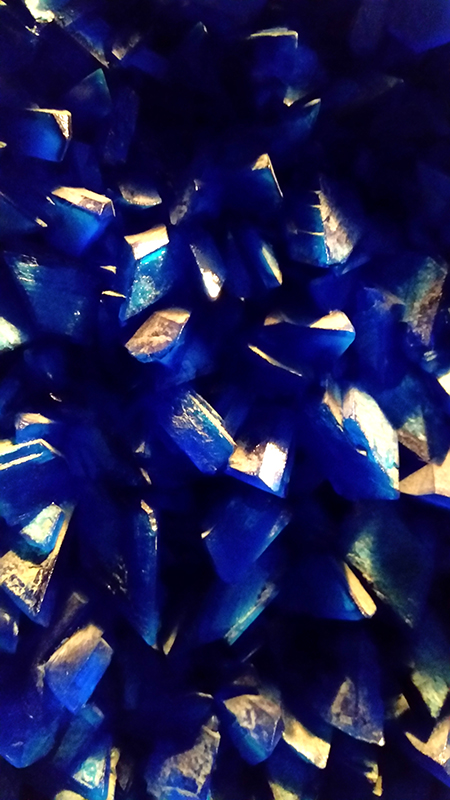
Was a nice surprise to discover Roger Hiorns Seizure has found a home here. Just as dazzling inside but a shame its place of genesis, the totally incongruous London estate setting is lost.

1611-roger-hiorns-yorkshire-sculpture-park

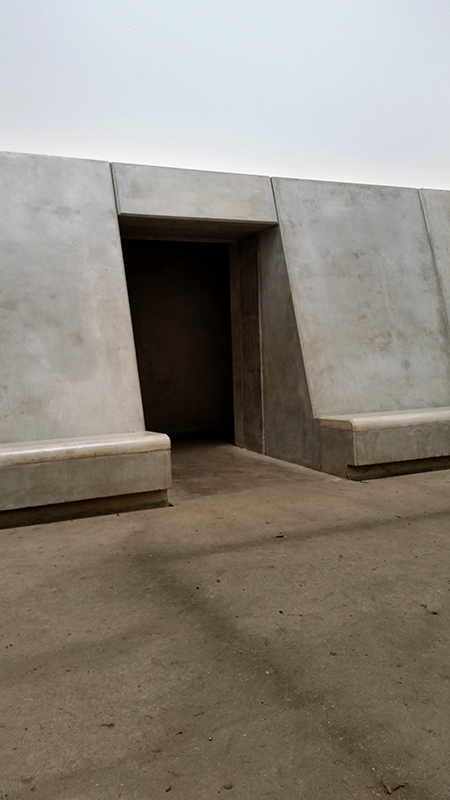
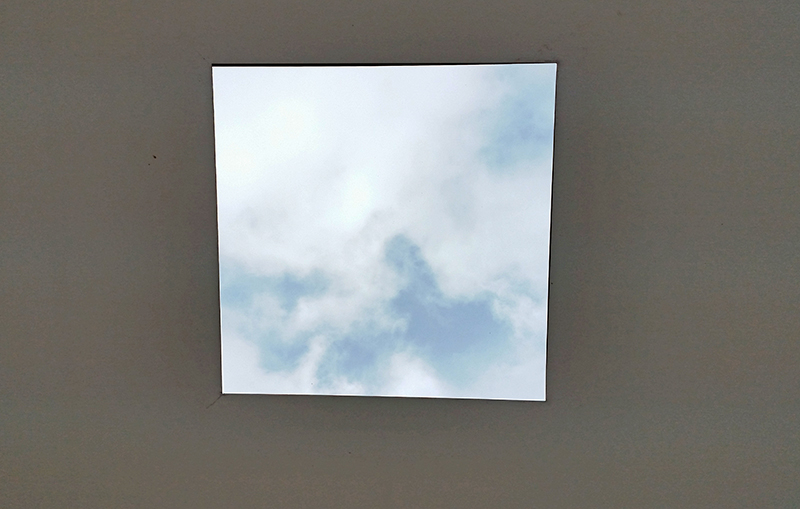
Excited to experience James Turrell’s Deer Shelter Skyspace.

1611-james-turrell-yorkshire-sculpture-park-4

The elements have left their mark on the floor.

1611-james-turrell-yorkshire-sculpture-park-3

Incredible how the light changes the space, and framing the sky in this way makes it so luminous and almost tangible at the same time.

1611-james-turrell-yorkshire-sculpture-park

When gazing up through the aperture of a ‘Skyspace’  it’s important to give your eyes time to adjust to gain the full reward. The contemplative state, like fire watching, that Turrell induces in his audience is common to all people through all time. He is fascinated by early cultures in which the position of the sun, moon and stars are responded to through environment. He appreciates light has a strong connection to our spiritual beliefs. Light is the materialization of energy. We are naturally eaters of light, our whole body is scattered with stray rods and cones outside of the retinal area which makes our relationship to light very primal. Our bodies are made from matter fed by the fruits of photosynthesis. Light is life. In using the stuff of nature as medium a direct connection is made between our body and the universe.

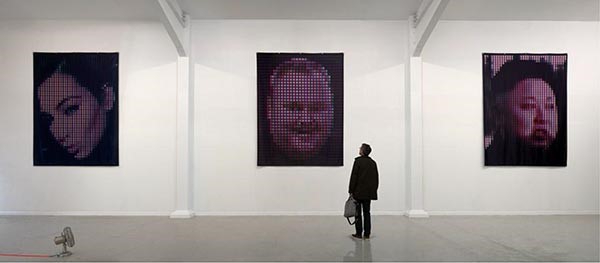
Caspar Sawyer’s exhibition Gamut at Thames-side Studios Gallery was another way of considering how our brains decipher the light messages that are fed to them, this show was about the pixilation of our world.

1611-caspar-sawyer

Most striking are the giant heads of the 3 Kims triptych, leering in and out of focus as the angle and distance of perspective varies as you move around the gallery. The camera however, reverts the image back to tiny pixels and into focus. They are really not that clear to the naked eye when you are in the gallery.

The media construction of the larger than life characters made evident in oversized pixels.

1611-caspar-sawyer-2

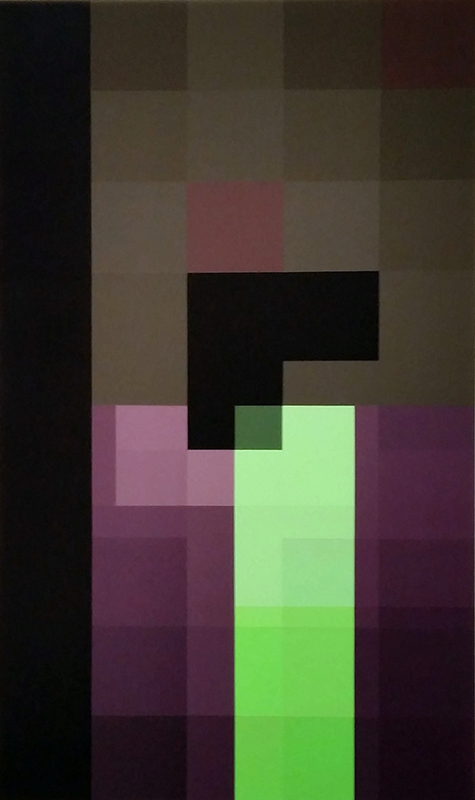
The sublime dissolving into sub-pixel RGB grids as we move too close.

Vibrant colour blocks as pixelated studies of constructed titles – internet searches for an image that best represents one word,

1611-caspar-sawyer-1

reduced to pixels and blended with other word searches until the image represents the title – the source images never known even to the artist.

1611-caspar-sawyer-7

And my favourite – This Moment is the Most Profound Experience You Will Ever Have in Your Whole Life (in progress)

1611-caspar-sawyer-8

The image is revealed as a moving reflection of your body as you traverse the space, a shadow that casts light. Quite profound really. I am light.

Total takeover -Alex Hartley’s ‘architectural intervention’ A Gentle Collapsing II at Victoria Miro is wonderfully indulgent romanticism

1611-aex-hartley-5

Stepping though the gallery doors to the garden becomes stepping though a portal to another time and place.

1611-aex-hartley-2

The edges of reality blur as it isn’t clear where fantasy begins and ends. It is a place to enact and dream and enjoy its unreal realness.

1611-alex-hartley-1

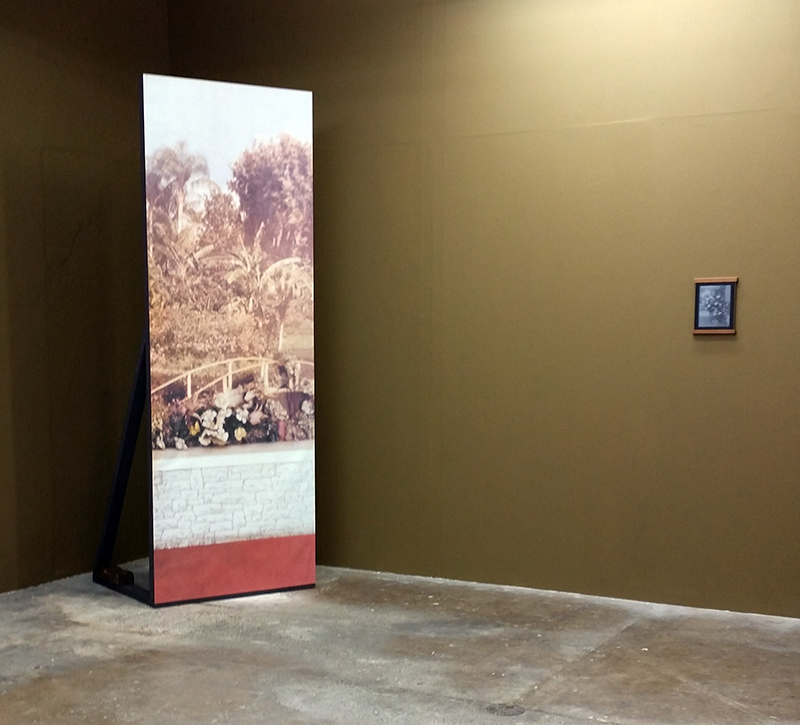
Other works inside are just as bewitching; paintings like translucent marble slabs  with hidden inner lives.

1611-aex-hartley-3

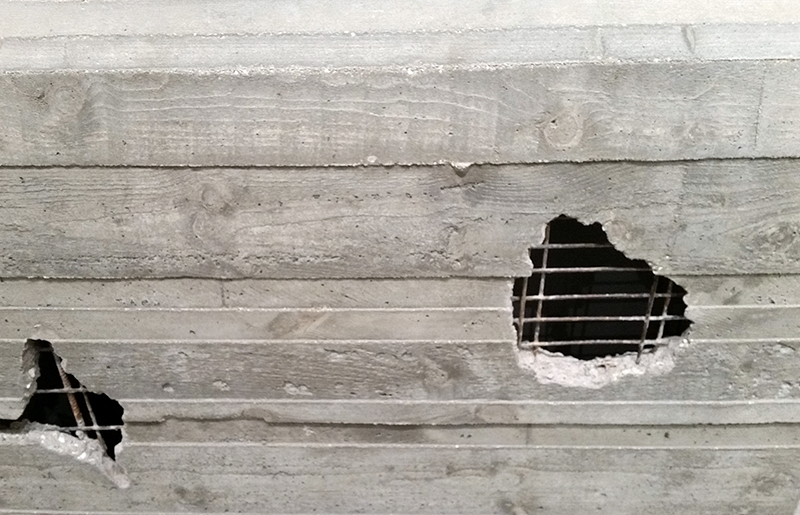
Frosty surfaces shielding mysterious landscapes. Concrete pretending to be wood.

1611-aex-hartley-4

I am always impressed by Alex Hartley.

Holly Graham showing After Harry Jacobs: The Studio and hypnotic looped animation After Harry Jacobs: Basket in Backdrop at ASC Studios as part of Artlicks weekend. ‘the works in the exhibition engage the backdrop as a context for action and seek to question the perception of its neutral or auxiliary role.’

1611-holly-graham-1

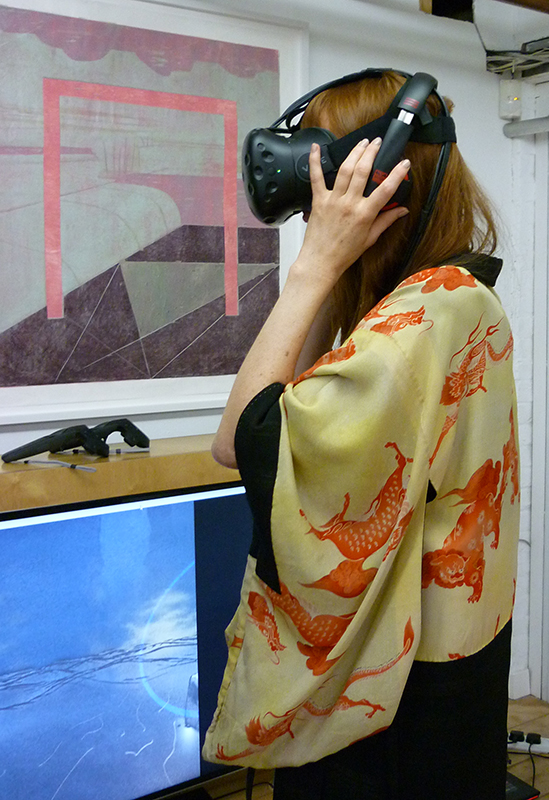
Scarlett Mueller creates her stunning hand printed woodcuts through layering techniques. At Anise Gallery for I Saw it Whole her work had been deconstructed and reimagined in a VR experience allowing the viewer to digitally enter the image. It was fun but unnecessary, her work has space for the viewer to enter without digital enhancement.

1611-scarlett-mueller

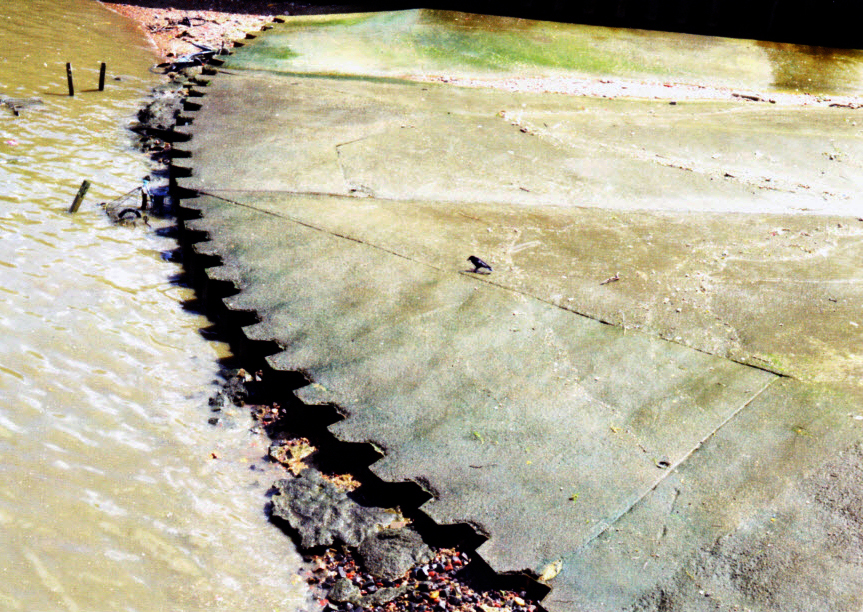
There is something extra green about the green that is exposed on the river banks at low tide.  These glistening and gelatinous edges are captured by Anne Krinsky  in Tide Line Thames along with distressed defences like scabs barely holding together the banks of the old river. (old not ancient).

1611-anne-krinsky

Mysterious architecture, cogs, slippery steps, lengths and measures map out a life that dissects London, is passed over again and again without thinking. This exhibition is a pause in that momentum to look at the environment in the raw.

1611 Anne Krinsky 2.jpg

Adding layers. Infinite Mix an off-site iteration from the Hayward Gallery. Sound and moving image. Some very raw and powerful images drilled into the mind with earworm rhythms and stanzas. Excellent stuff.

1611-cyprien-gaillard-still-from-nightlife

Cyprien Gaillard Nightlife