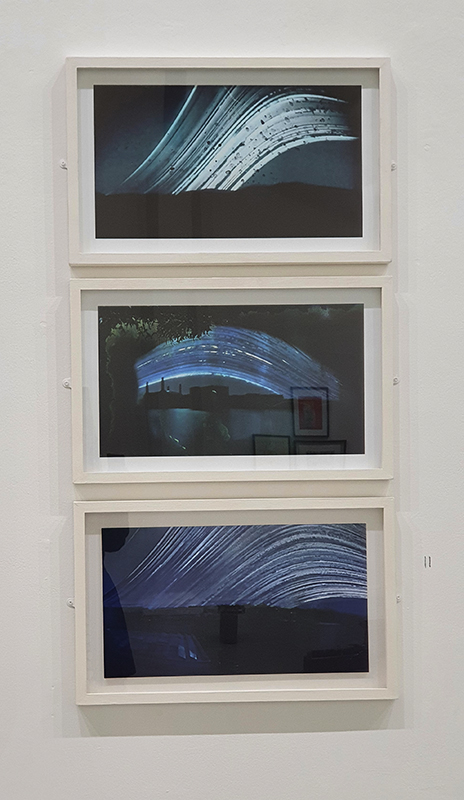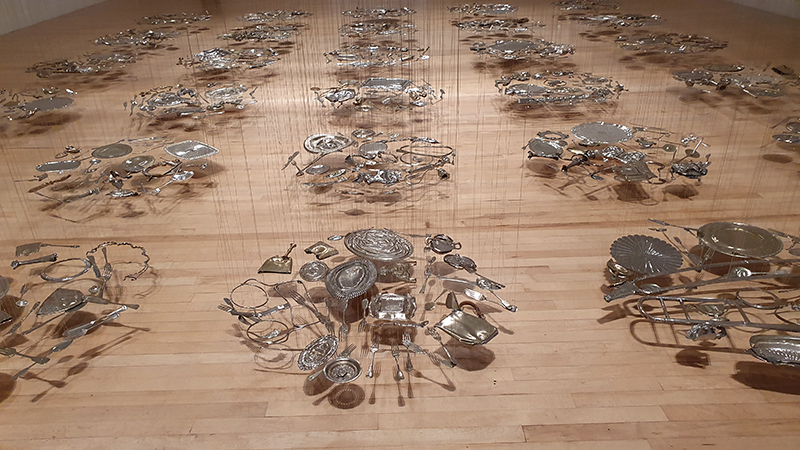
Archives for posts with tag: Italo Calvino

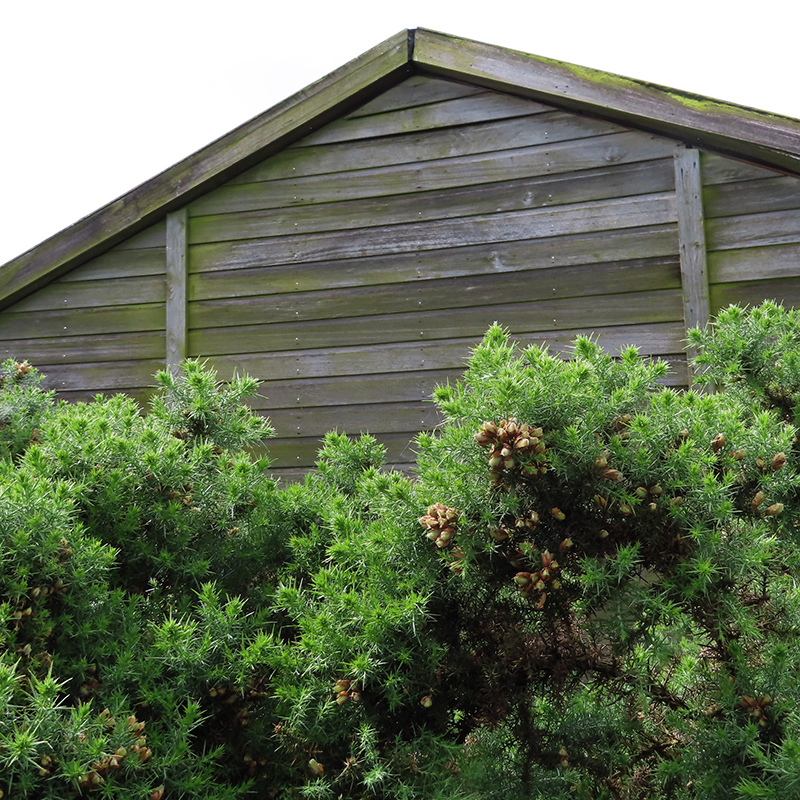
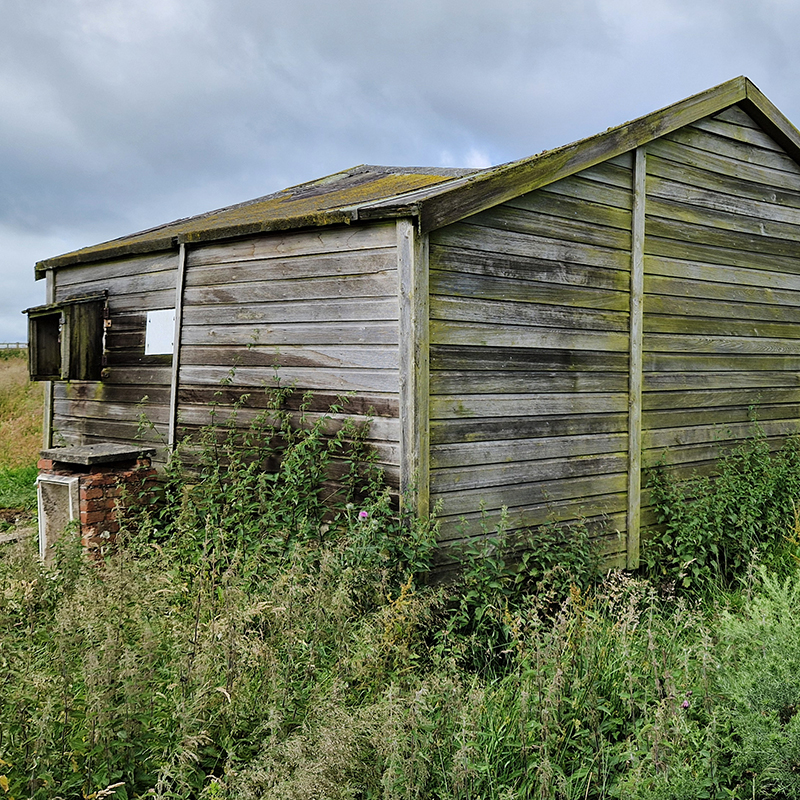
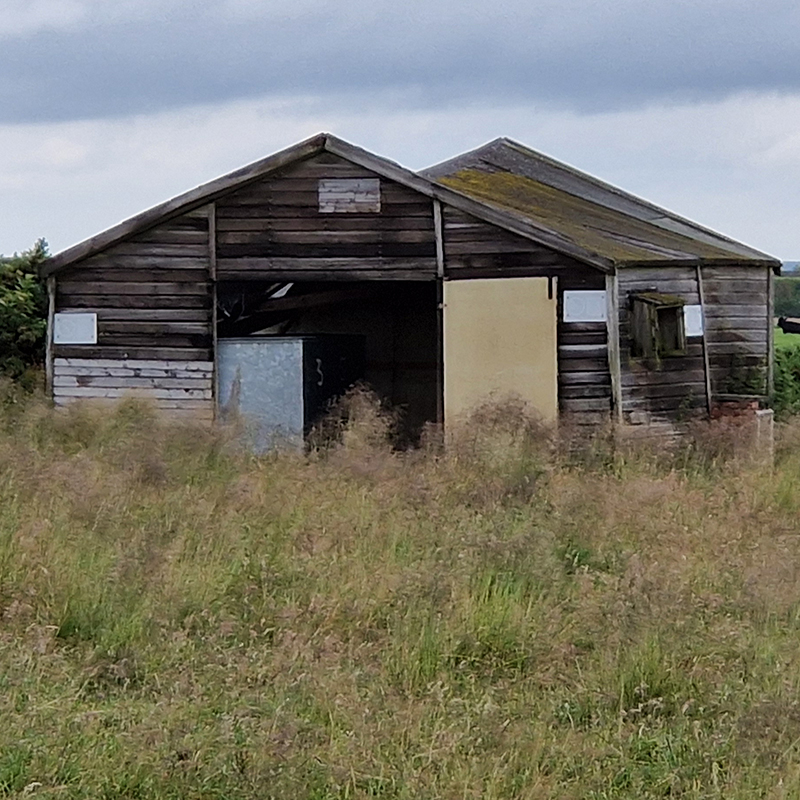
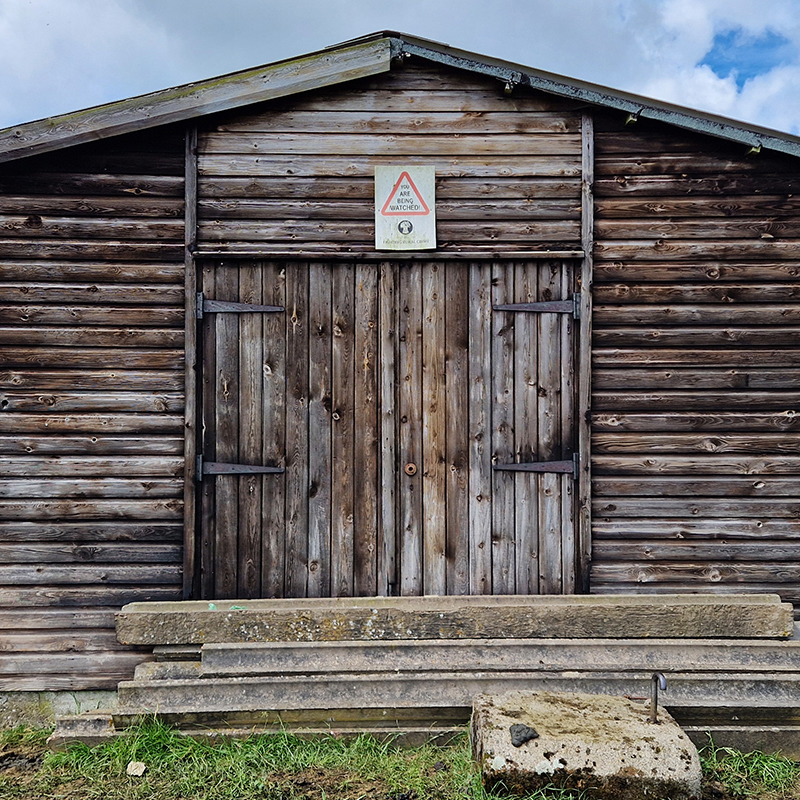
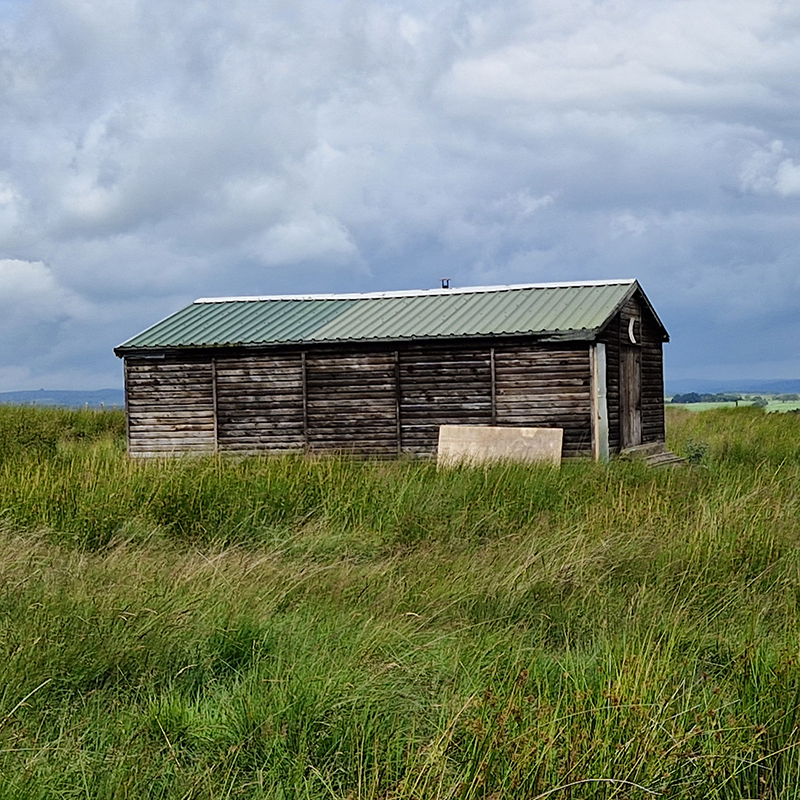
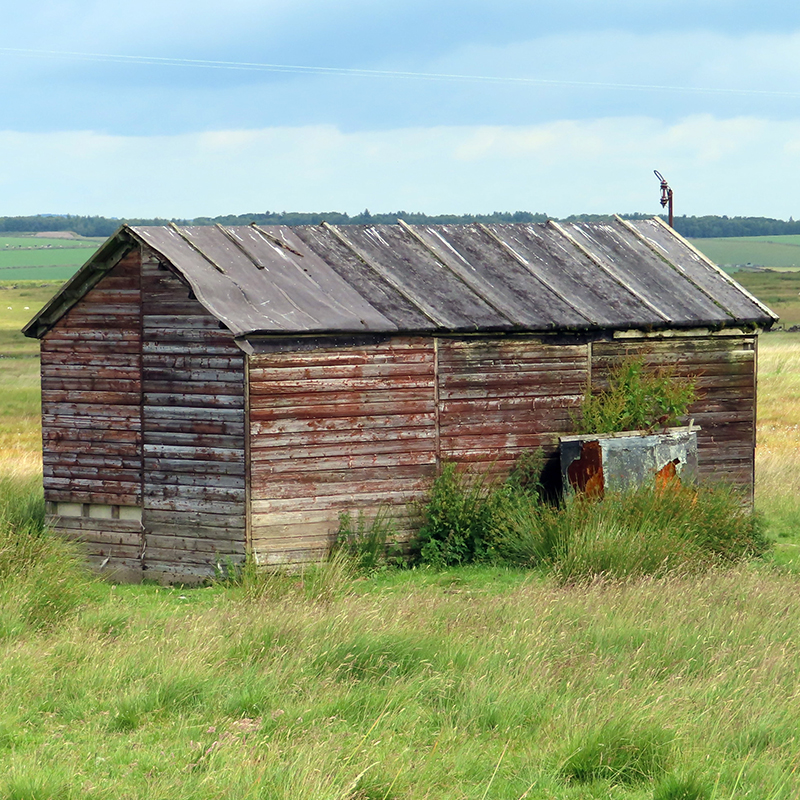
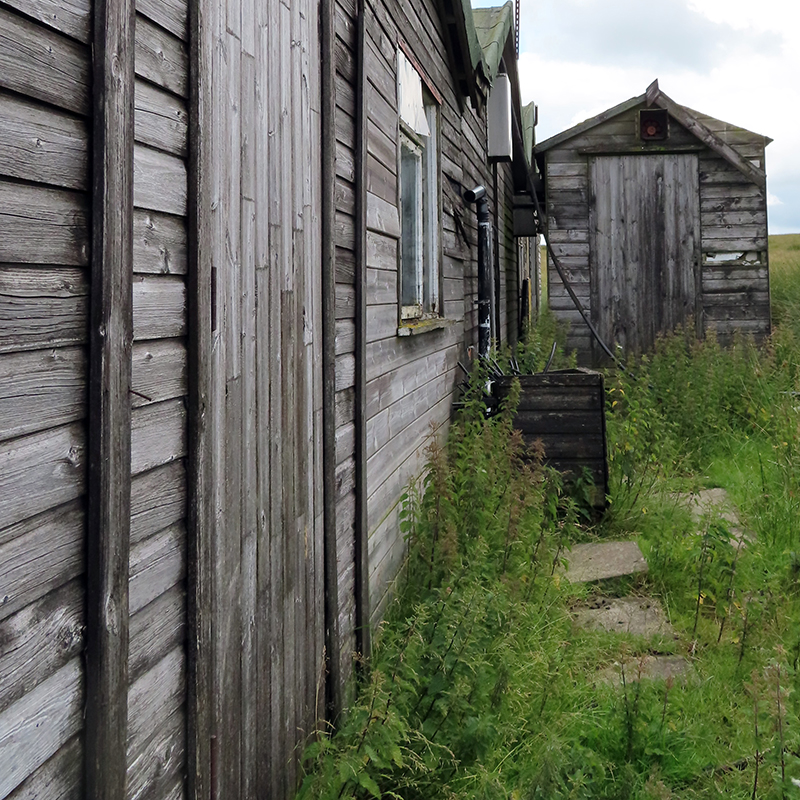
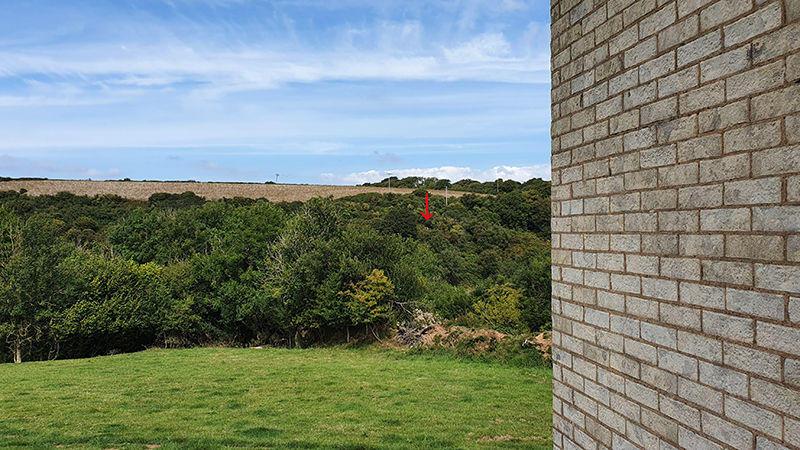
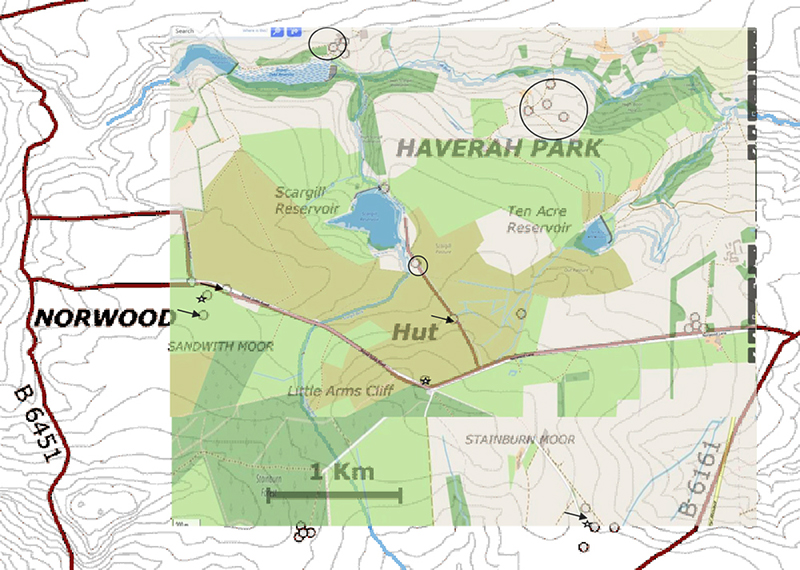
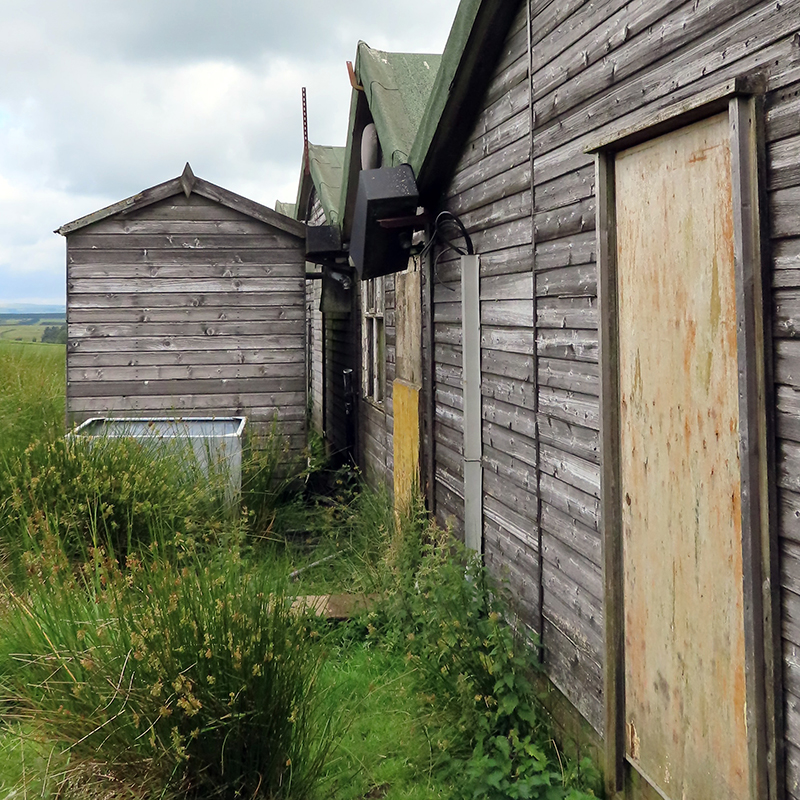
In search of huts. I have been on a mission to locate and document the remaining huts from a cosmic ray detection experiment at Haverah Park on the Pennine moorland in North Yorkshire.
When high-energy cosmic rays enter the atmosphere, they set off a chain-reaction particle cascade known as an extensive air shower. The Haverah Park experiment was home to one of the largest extensive cosmic ray air shower arrays in the world.
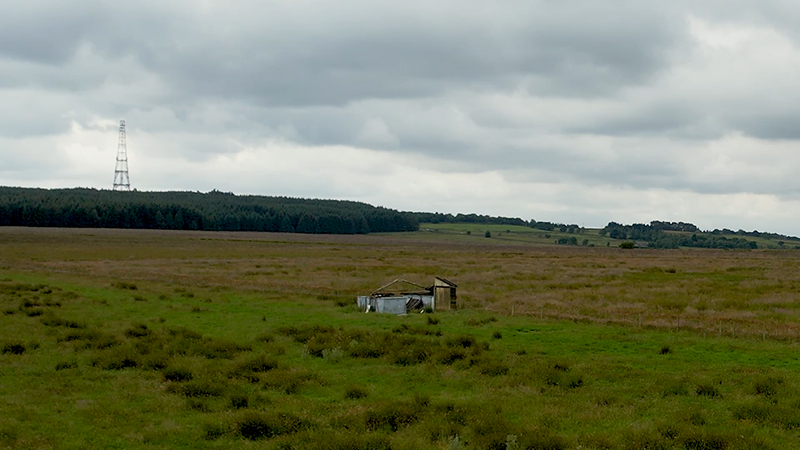
It was operated by the Physics Department of the University of Leeds for 20 years, closing in 1987. An array of over 200 water-Cherenkov detectors covering 12 km2 were active during its operation and many 1000’s of extensive air showers were recorded, including ones of such size that the cosmic rays that generated them had energies previously unthought of, adding to the mystery of where they come from.

The large energy density of cosmic rays is close to that of starlight, adding their own glow to the sky as they blast across the universe. Cosmic rays are the atomic nuclei of elements ranging from hydrogen to uranium accelerated to high energies, with half being protons and most positively charged.

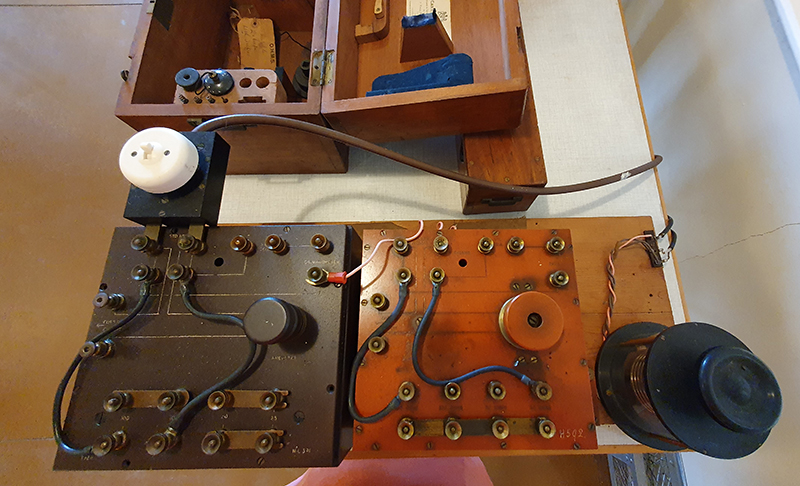
Much of the technology used to observe cosmic rays has changed little over the decades since first inventions and still plays a role within newer technologies.

It appeals to me that the excitement of observing particles from other galaxies happened at these unassuming structures.

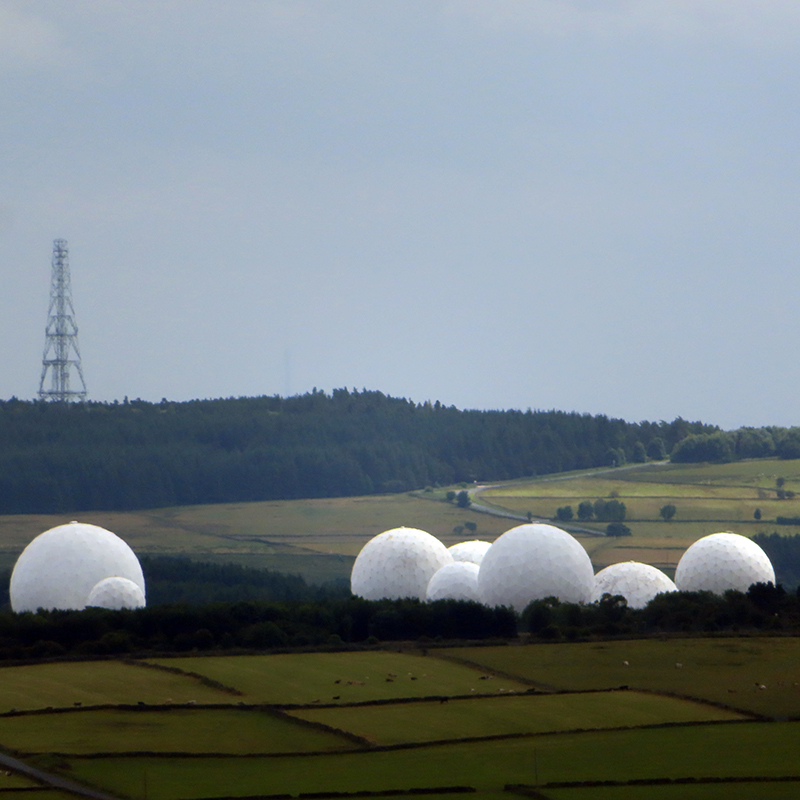
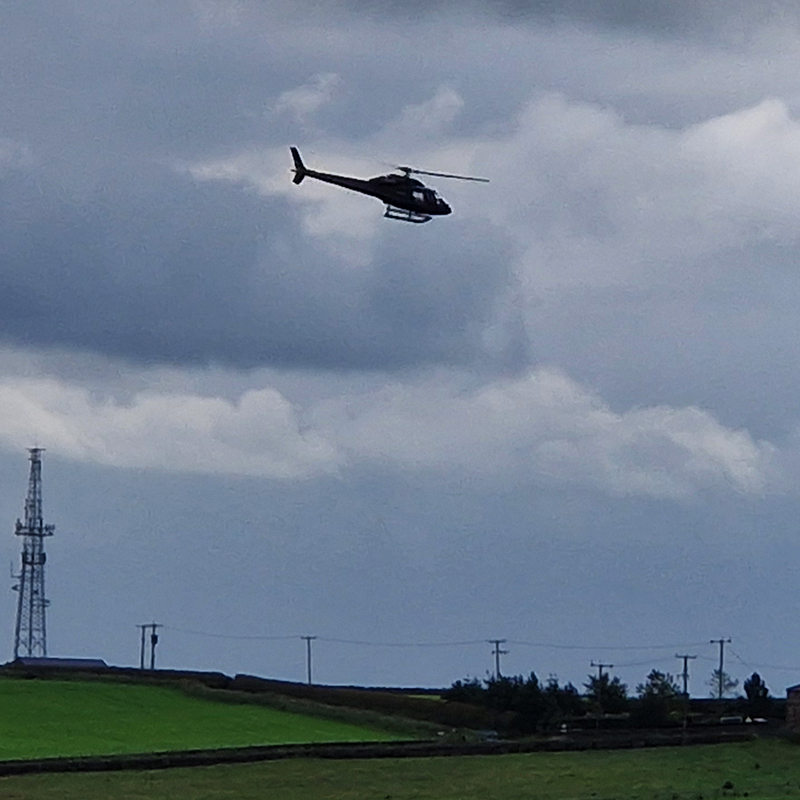
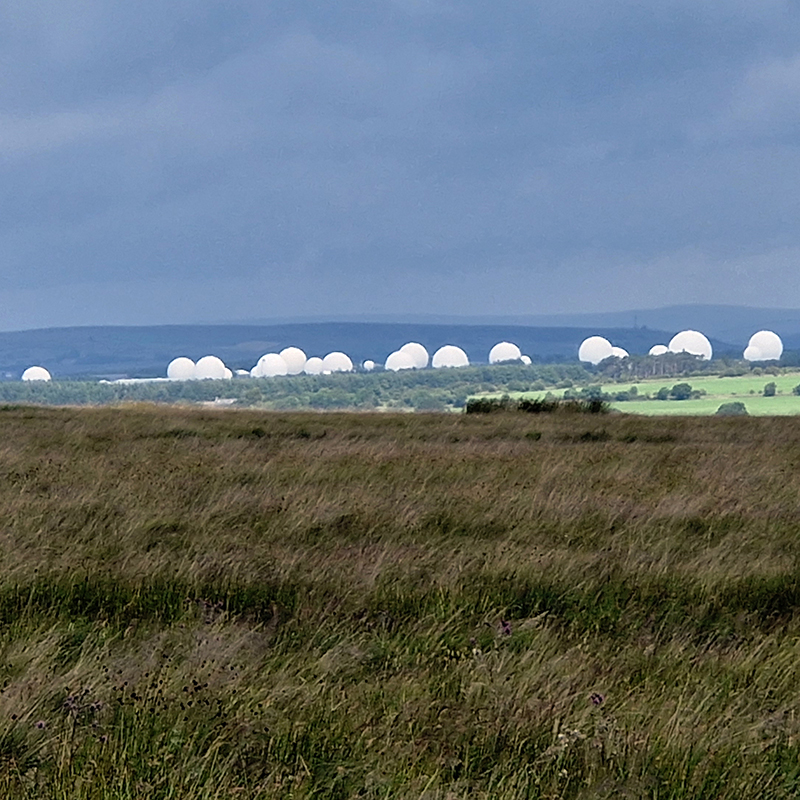
Sharing the landscape of Haverah Park cosmic ray air shower detector array huts are the striking white radomes that shield secret radar equipment at RAF Menwith Hill. The spy station has been there since the cold war space race began in the mid-fifties. Little is known about what goes on here but broadly it is said to gather electronic intelligence and is operated by US National Security Agency (NSA) and UK Government Communications Headquarters (GCHQ). As satellite technology has increased so has the number of radomes which now number 37 at the site. It is worth noting that satellites are vulnerable to unpredictable space weather and cosmic ray interference.
The total number of particles detected in a shower can be used to estimate the energy of the primary cosmic ray. Some particles contain the highest energy form of radiation known to exist anywhere in the universe and their origin is one of science’s greatest mysteries. Air showers of secondary particles generated from a primary cosmic ray hitting the Earth’s atmosphere are spread over many kilometres when they hit the ground so it is useful to have detectors spread over a large area. The difference in the time of arrival of recorded particles at multiple detectors can be used to estimate the arrival direction of the primary cosmic ray. However, this does not necessarily reveal the origin of the particle as magnetic fields within the galaxies bend their trajectories so that the memory of their original direction is obfuscated.

The cosmic ray detectors I made for the The Breath of Stars use a block of plastic scintillator which emits a short burst of UV light when a charged particle passes through it which is picked up by a single-photon-sensitive device. The detectors used at Haverah Park are water Cherenkov detectors. These are large steel tanks of purified water with photon sensitive detectors in the water.

While the speed of light in a vacuum is a universal constant its speed through a material may be significantly reduced as it is slowed by the medium. A particle passing through a material faster than that at which light can travel through the material loses electrons thereby emitting light. When cosmic rays pass through the water tanks, they emit Cherenkov radiation because they travel faster than the speed of light in water. Cherenkov light is similar to the production of a sonic boom when an airplane is traveling through the air faster than sound waves can move through the air. Pavel Cherenkov along with Ilya Frank and Igor Tamm discovered and demonstrated this phenomenon in 1934, astonishingly, it had been predicted in 1888 by Oliver Heaviside, and in 1910 Marie Curie had noticed a strange blue glow from her radium experiments.

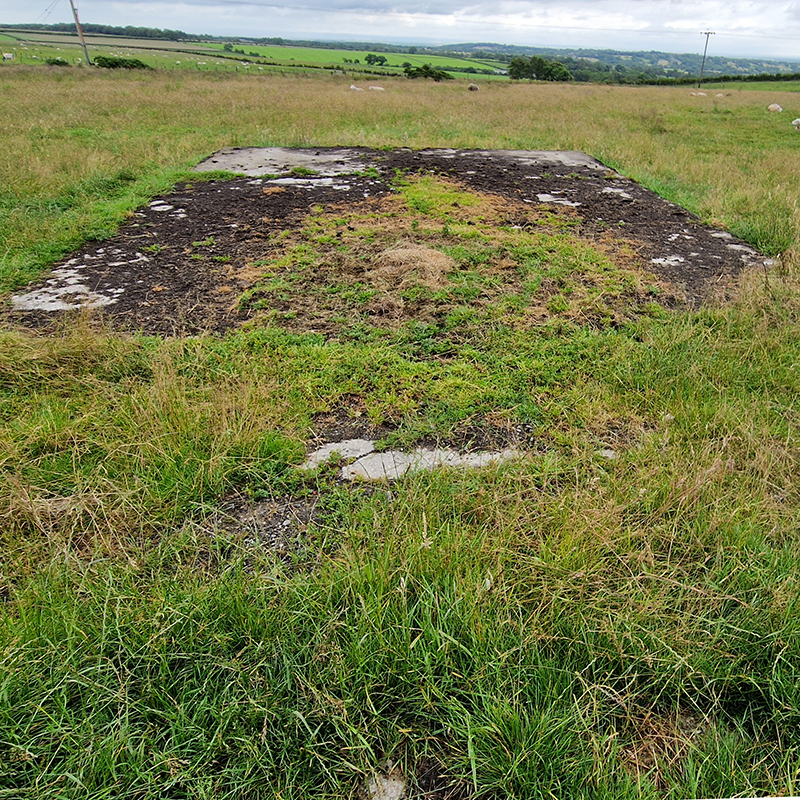
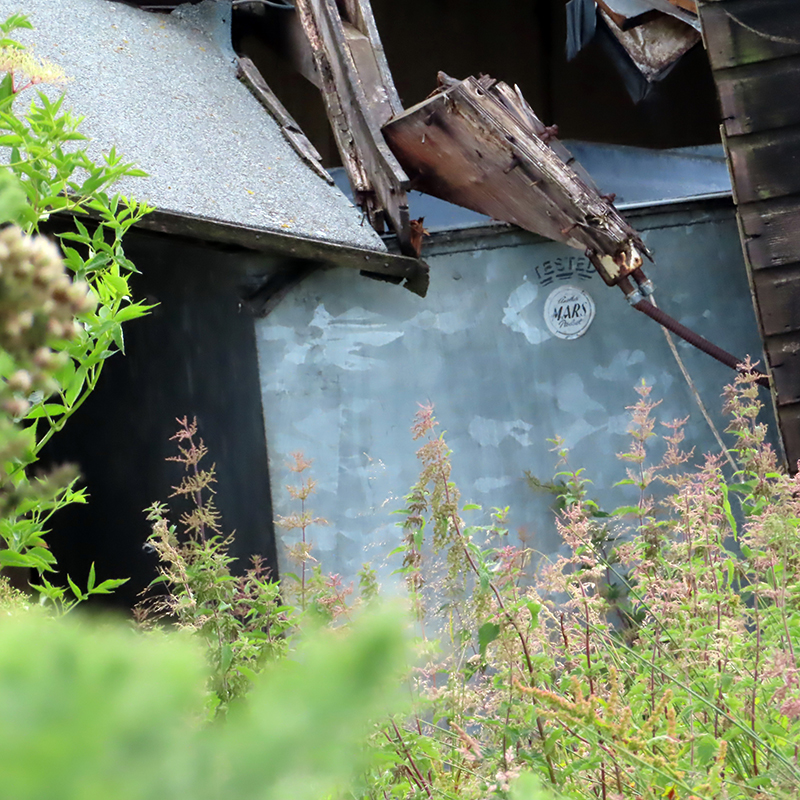
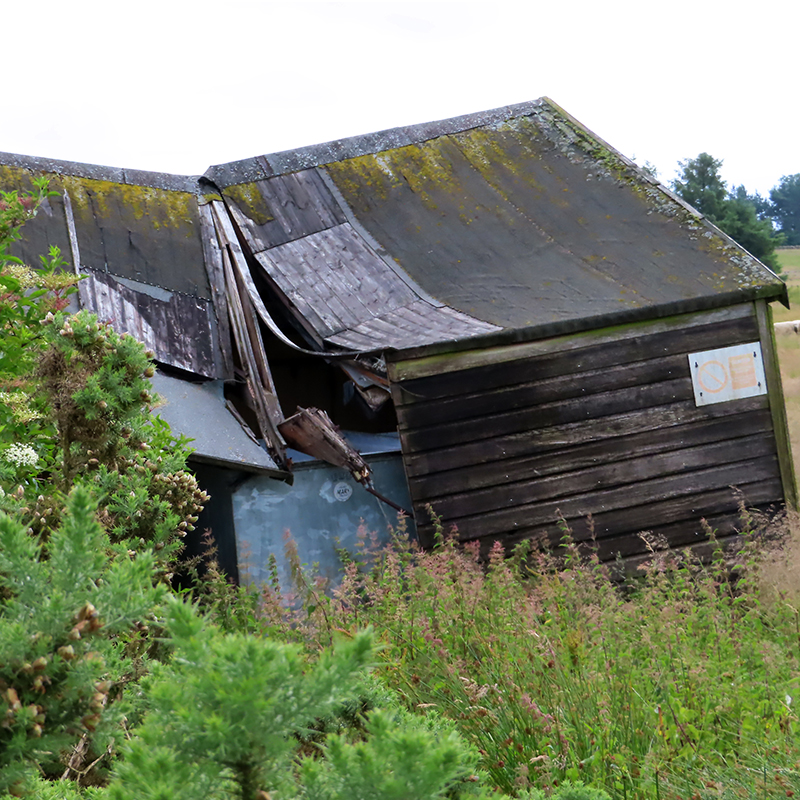
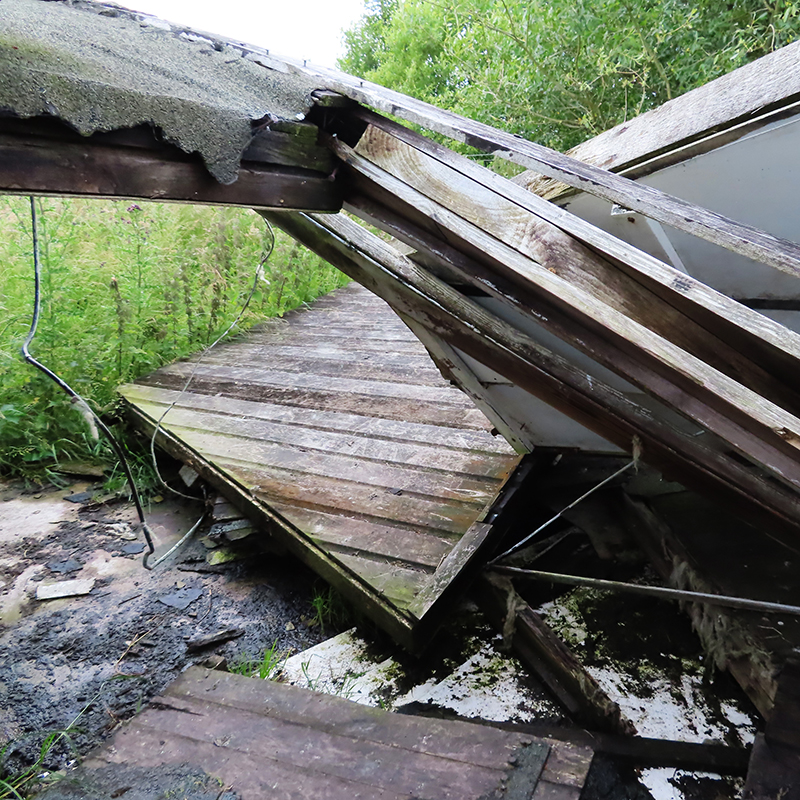
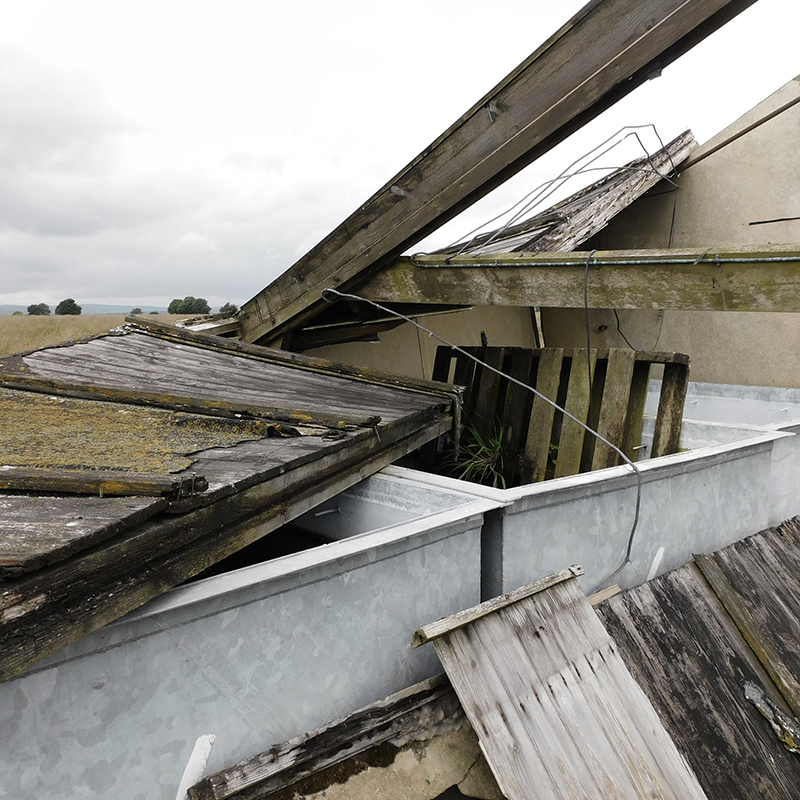
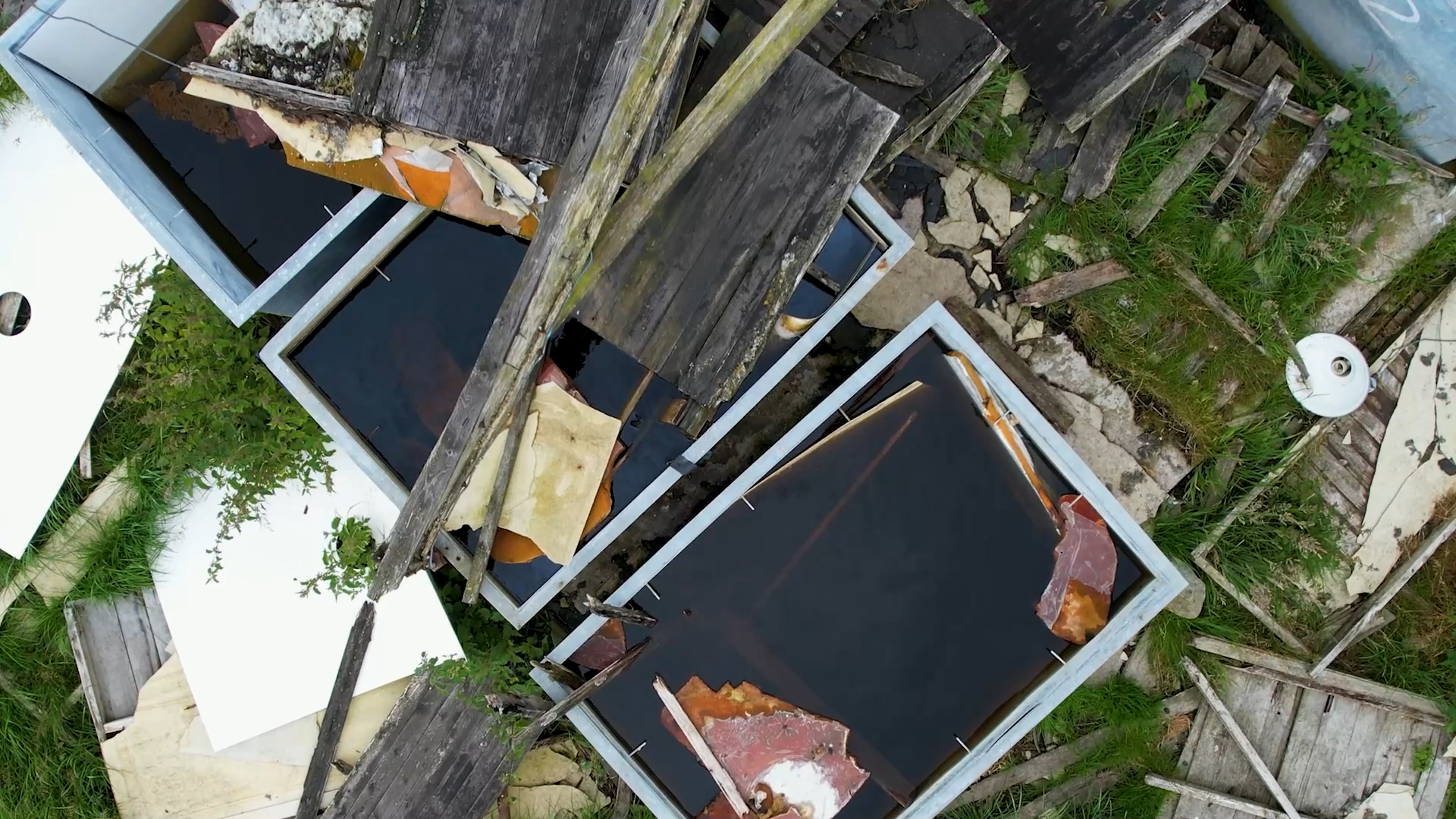
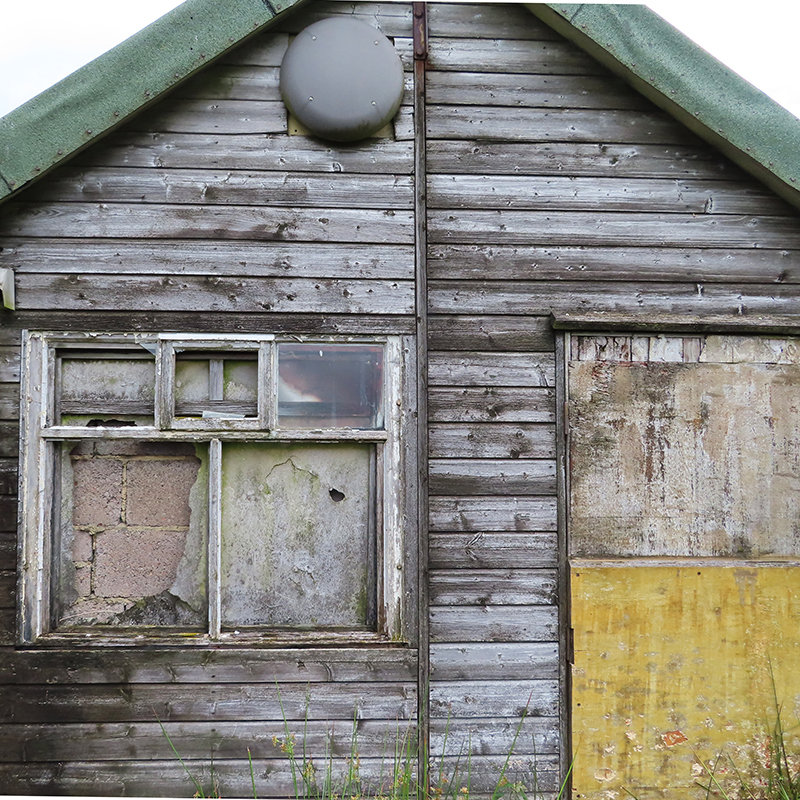
Other huts from the Haverah Park experiment are in a state of collapse.
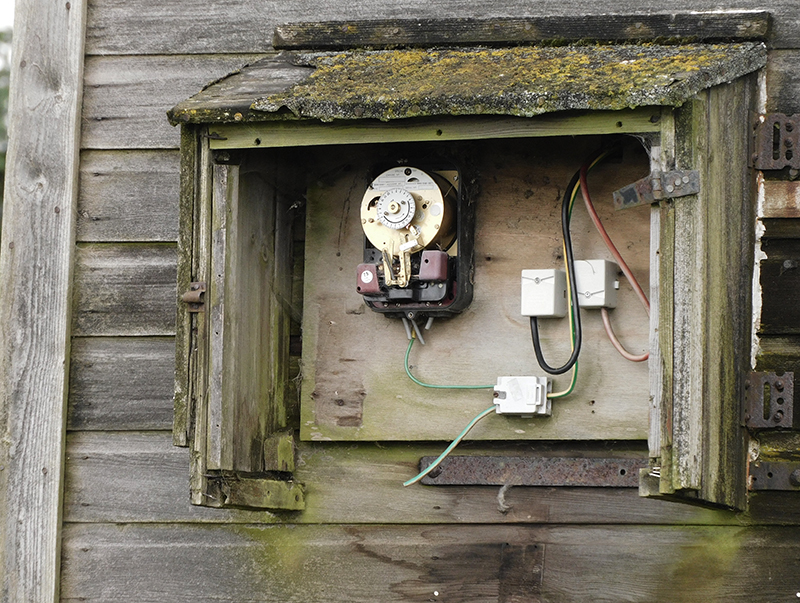
There are so many high energy particles hurtling around the universe that they almost equal starlight in energy density. Cosmic rays travel at almost the speed of light and because they are charged particles most cosmic rays are confined, spiralling within our galaxy for a million years or more, by the magnetic fields which permeate it.

Five million cosmic rays pass through your body each day. Some will collide with atomic nuclei. A particle passing through a material at a velocity greater than that at which light can travel through the material emits light. Maybe we glow a little.

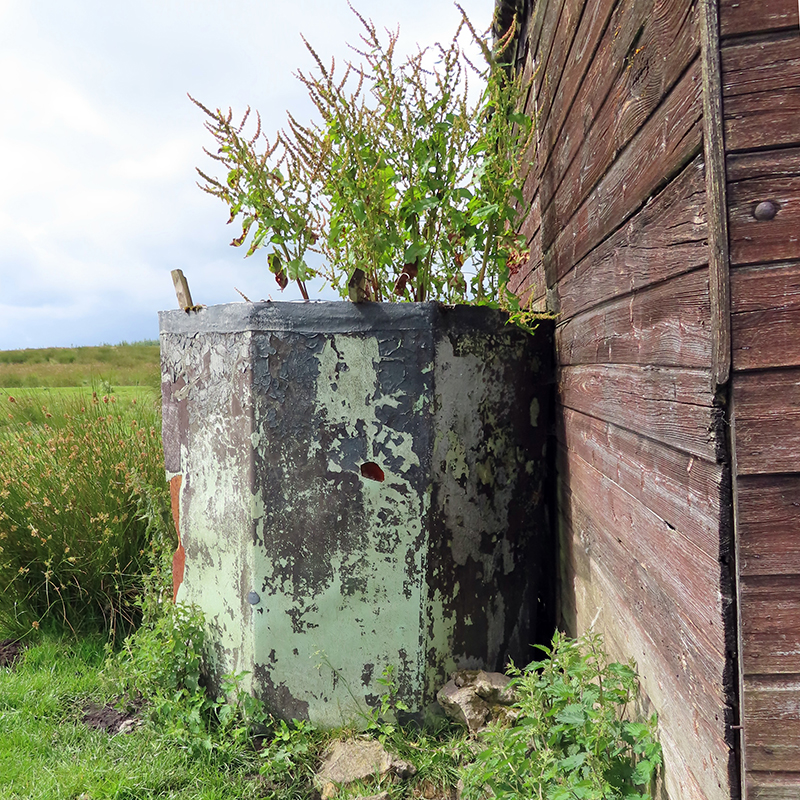
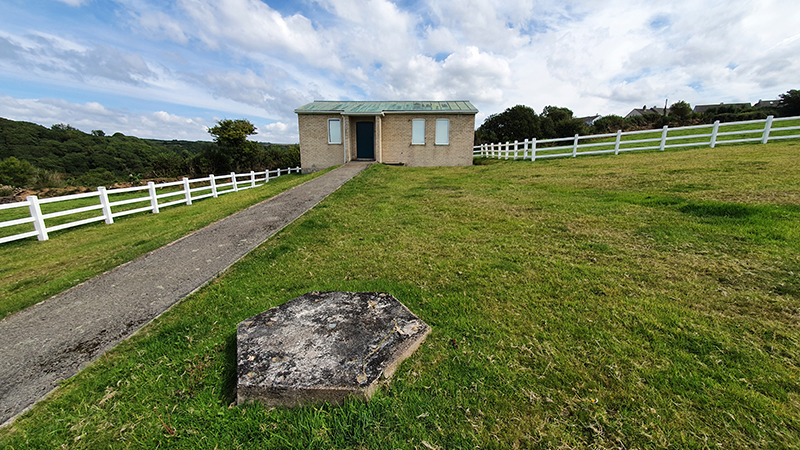
Following the disappearing trail. Haverah Park hut with an intriguing hexagon tank.

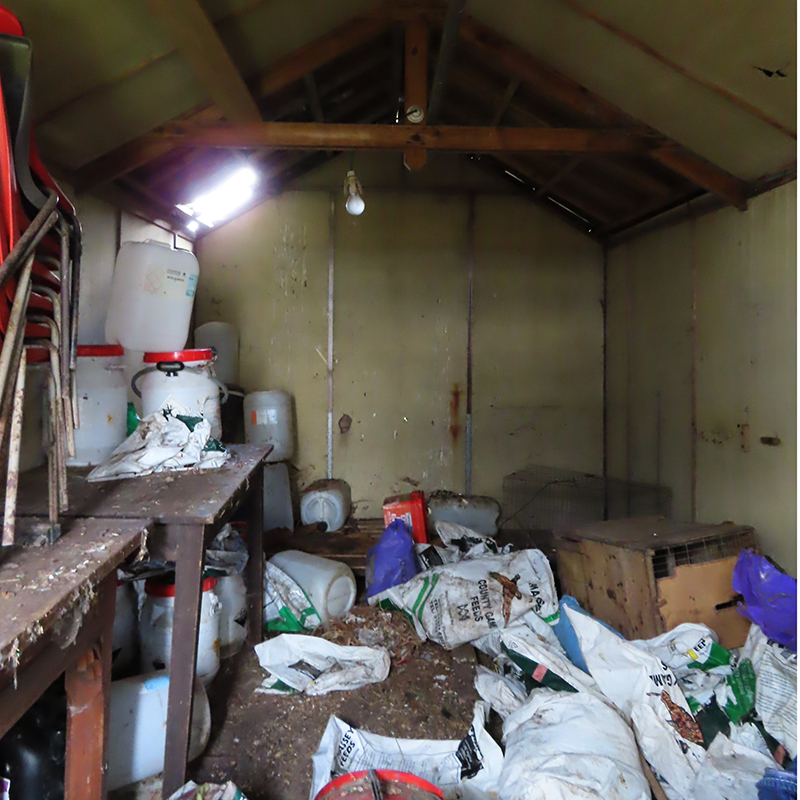
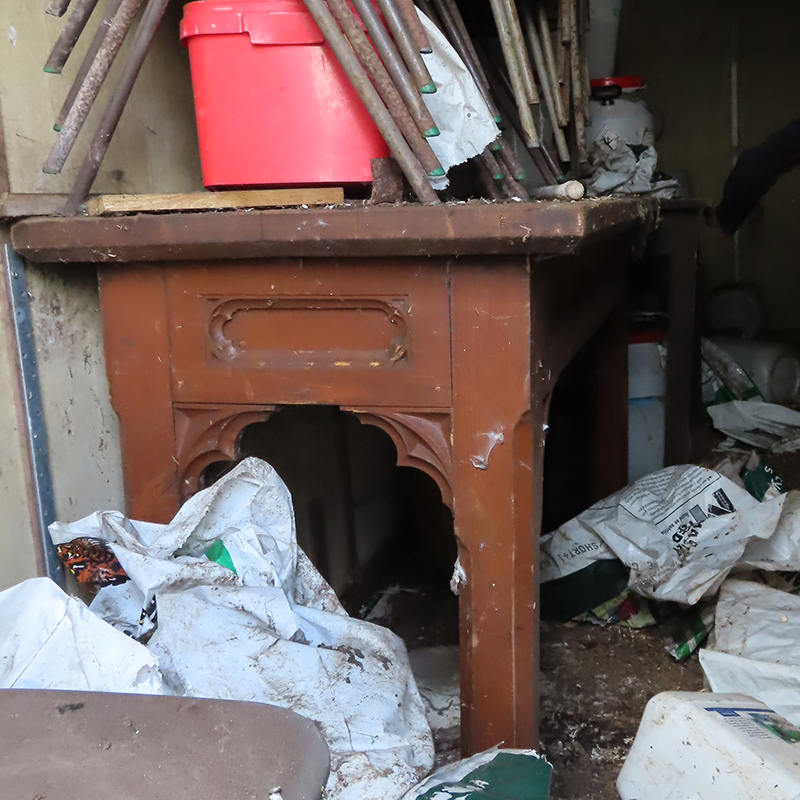
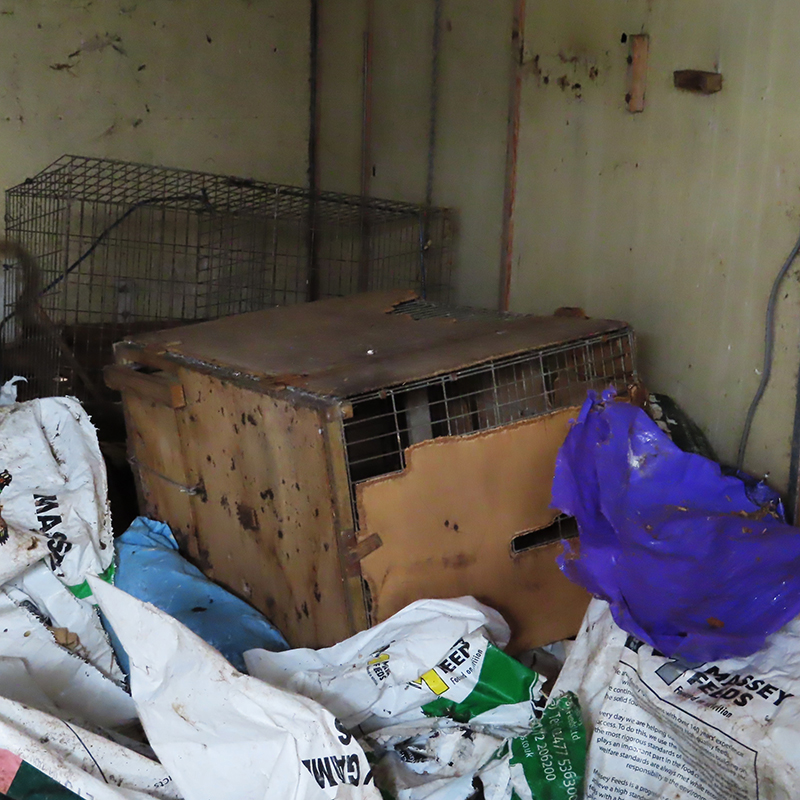
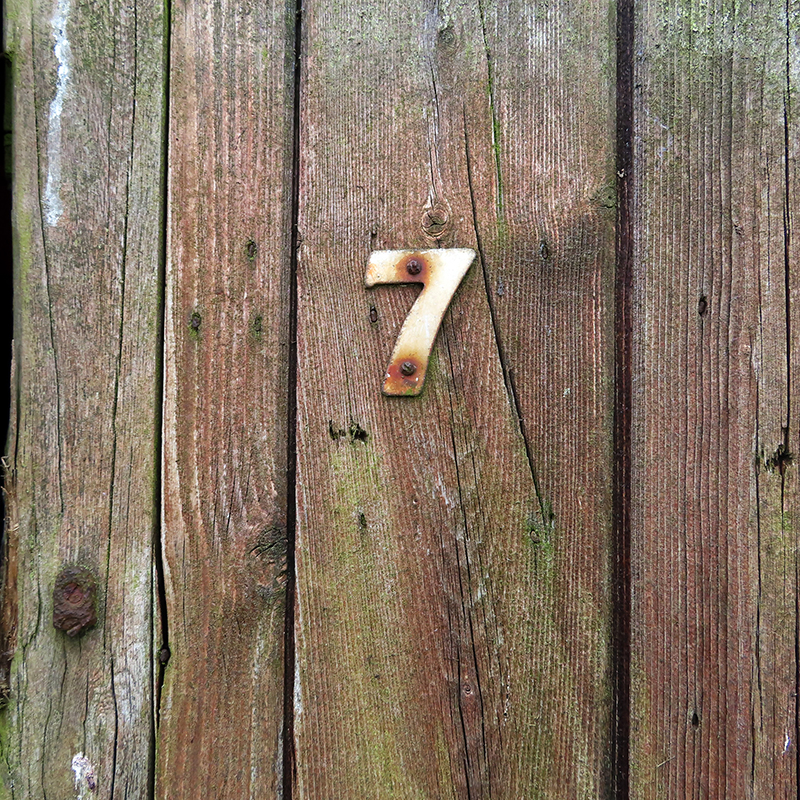
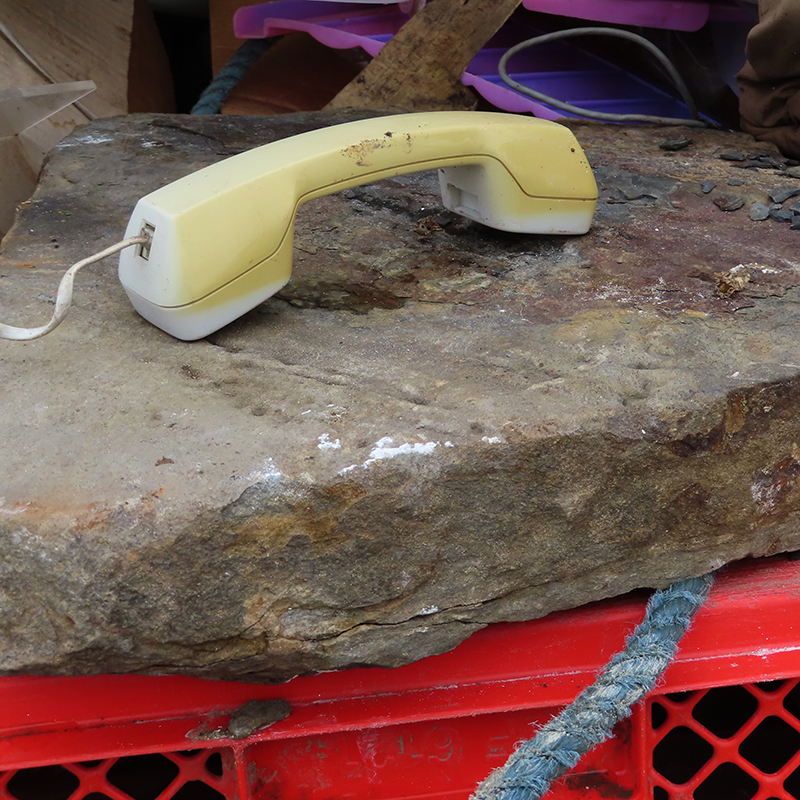
Inside Hut no. 7 is a dumping ground. Waste is a big problem in space as well as on Earth. The thickening shell of space junk in low Earth orbit, if left to accumulate, could cause a conductive shield to form, weakening the effectiveness of the magnetosphere, which protects life on earth from most cosmic radiation.
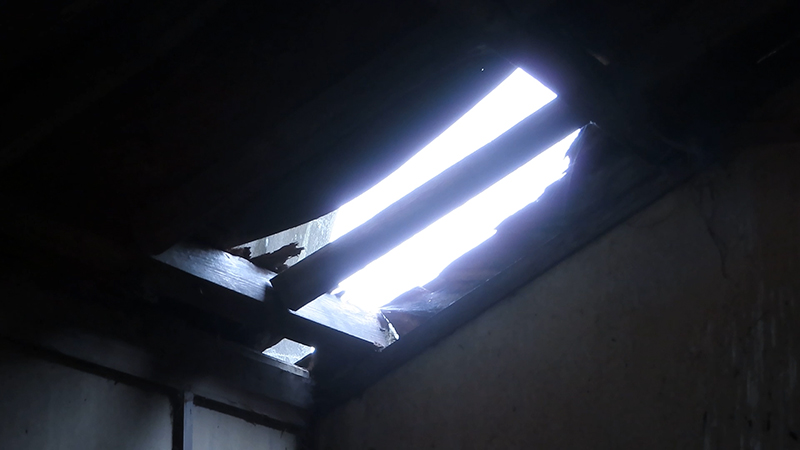
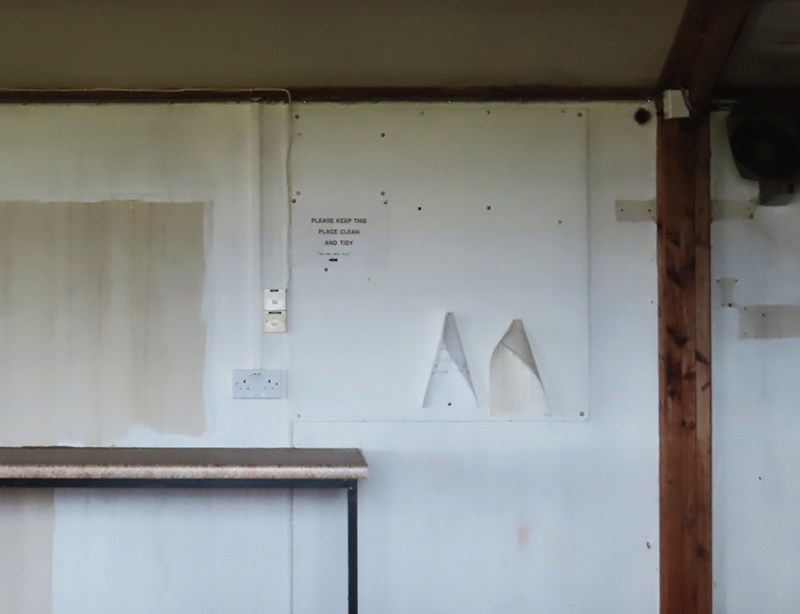
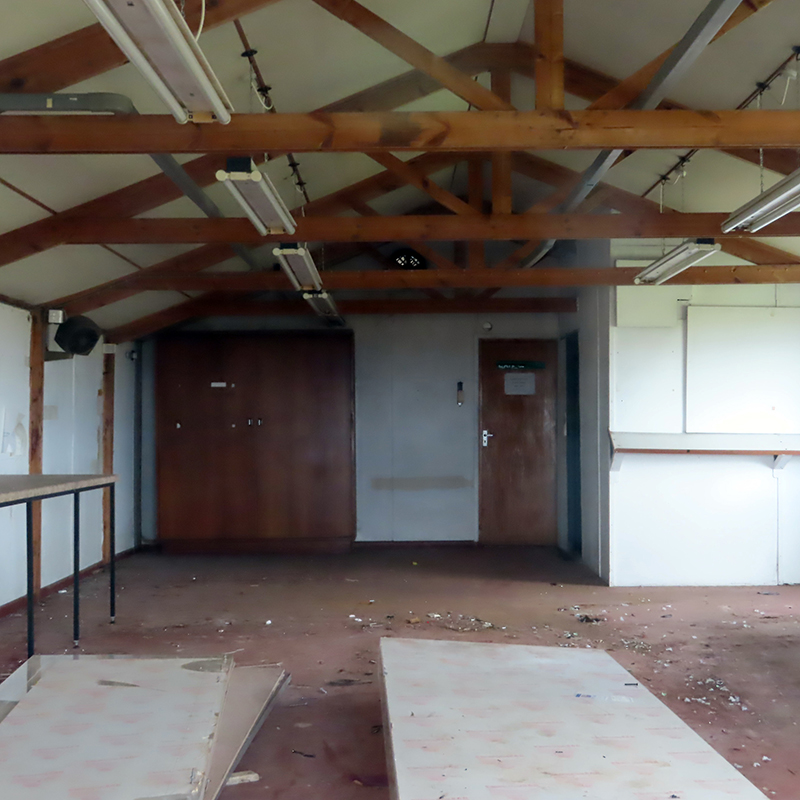
A decaying wall map of the entire Haverah Park experiment is just visible through a window of one of the huts in the central hub, but not much else remains inside.
It looks like these huts have been recently emptied into a skip which, by chance, was collected while I was there. Unfortunately, the driver had no enlightening information for me about the future of the huts.
Cherenkov radiation is a form of energy that gives off a blue glow when electrically charged particles are moving at speeds faster than light is able to travel through the same medium. The experimental physicist Blackett, who received the 1948 Nobel Prize in Physics for his investigations into cosmic rays, believed that extensive air showers should produce flashes of light that could be perceived by the human eye when lying down and looking upwards under dark skies. Whether he achieved seeing this phenomena himself is not known, but he inspired colleagues Galbraith and Jelley, in 1952, to devise an experiment to detect light from air showers using a rubbish bin painted black on the inside, a recycled searchlight mirror and a small phototube. With these simple items, they made the first observation of Cherenkov light produced by cosmic rays passing through the atmosphere. Not all the twinkling in the night sky is starlight.

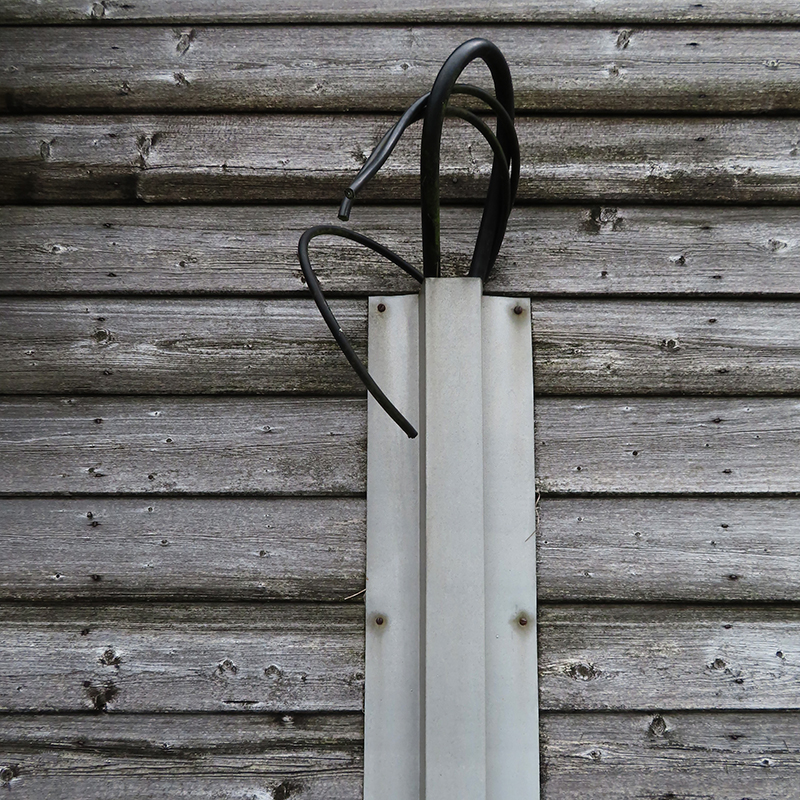
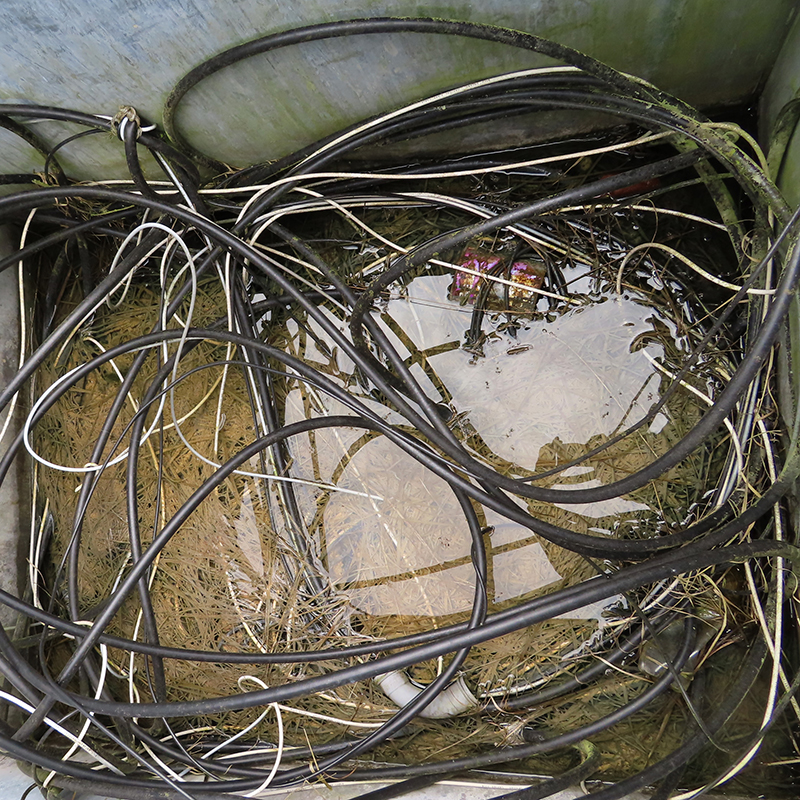
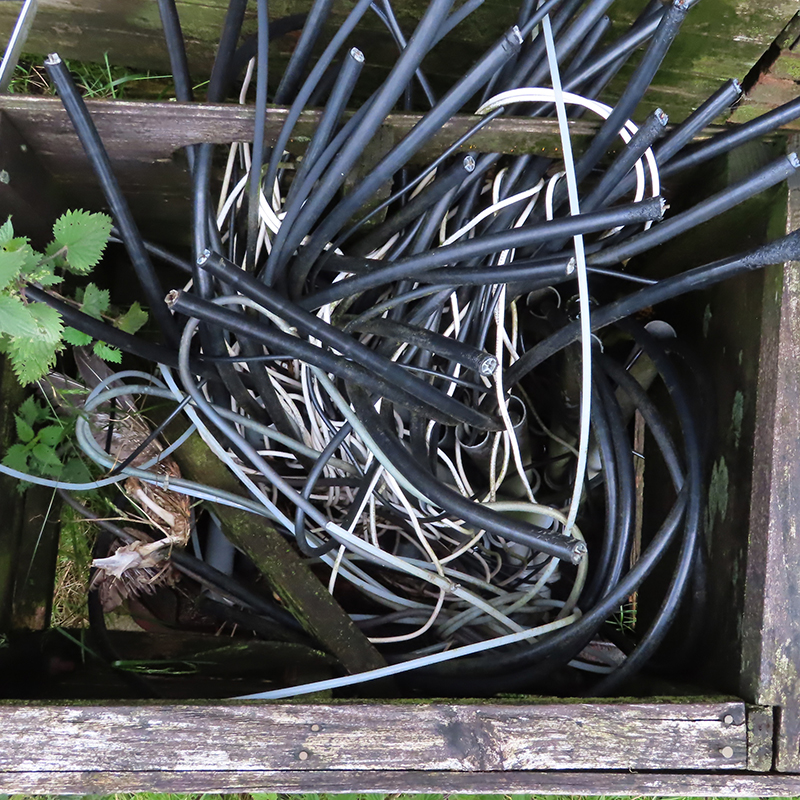
During the Haverah Park experiment, the water Cherenkov detectors deployed across the moors were connected by underground cables and transmitted information to the control huts via radio signals in the microwave frequency range. All communication is now severed. Cut cables coil in rain filled tanks. The cosmic rays are still pounding down upon these new unwatched ecosystems but the detectors have moved elsewhere.

I am looking forward to meeting Professor Alan Watson FRS here in the autumn. He is eminent in the field of cosmic rays and helped initiate the extensive air shower project, working at Haverah Park for 25 years. He has kindly agreed to meet and share his insider knowledge of the history and operations at the site.

The idea to build a truly giant shower array was launched by Alan Watson and Jim Cronin shortly after Haverah Park was decommissioned and thanks to the ground breaking work undertaken in these huts, it evolved to become the vast Pierre Auger Observatory in Argentina, named in honour of the man who first discovered extensive air showers.

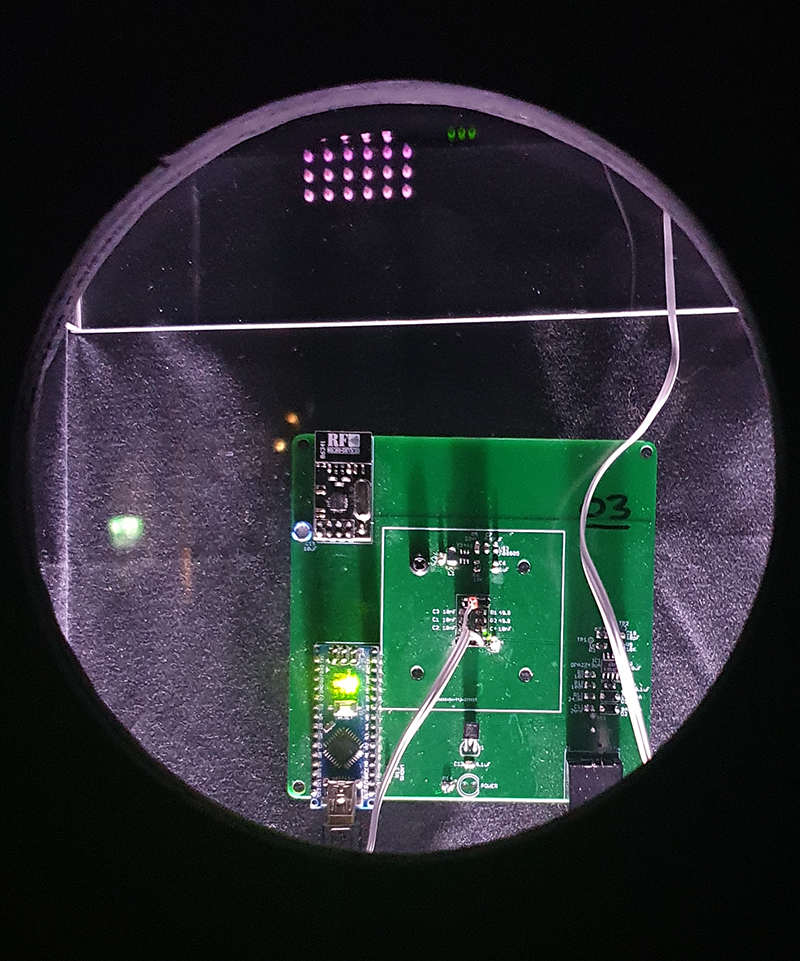
Peering into the darkness, trying to fathom the structures of the universe or what’s inside the hut, and the nature of that relationship.
The ultra high energy particles detected at Havarah Park and new arrays across the globe are very rare, possibly less than one per square kilometre per century, so it is big news when one arrives. Because they have such high energy, it is thought they shouldn’t be affected by galactic magnetic fields, and therefore, the direction of the particle could be determined and the source located. The Amaterasu particle, named after the sun goddess in Japanese mythology, the second most powerful particle to be recorded, appears to have emerged from the Local Void, ana area with no astronomical objects that might produce such a particle. There is no explanation of where these particles come from, just hints of bigger mysteries to unfold.

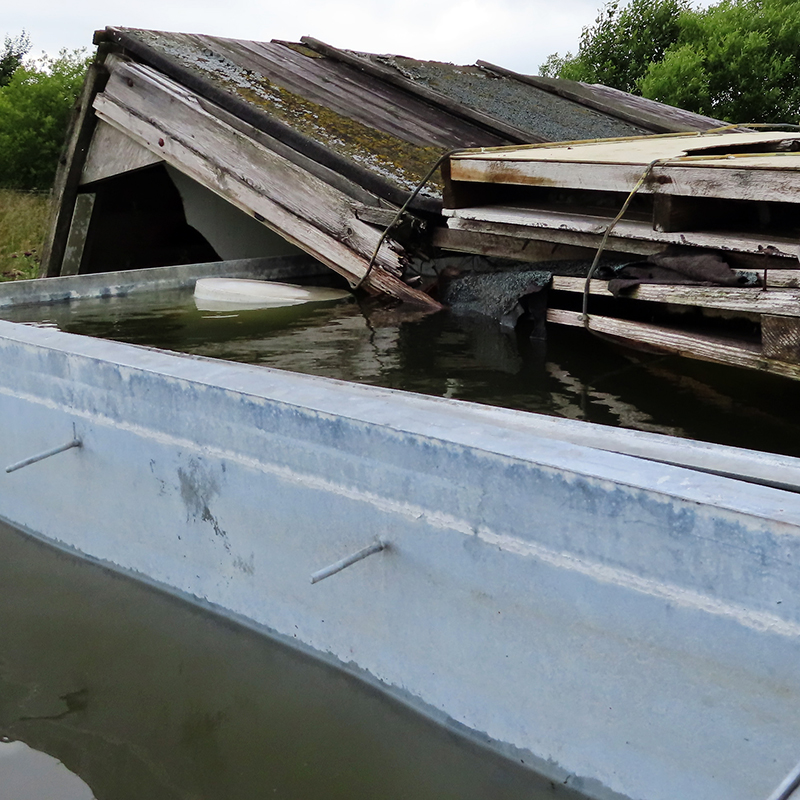
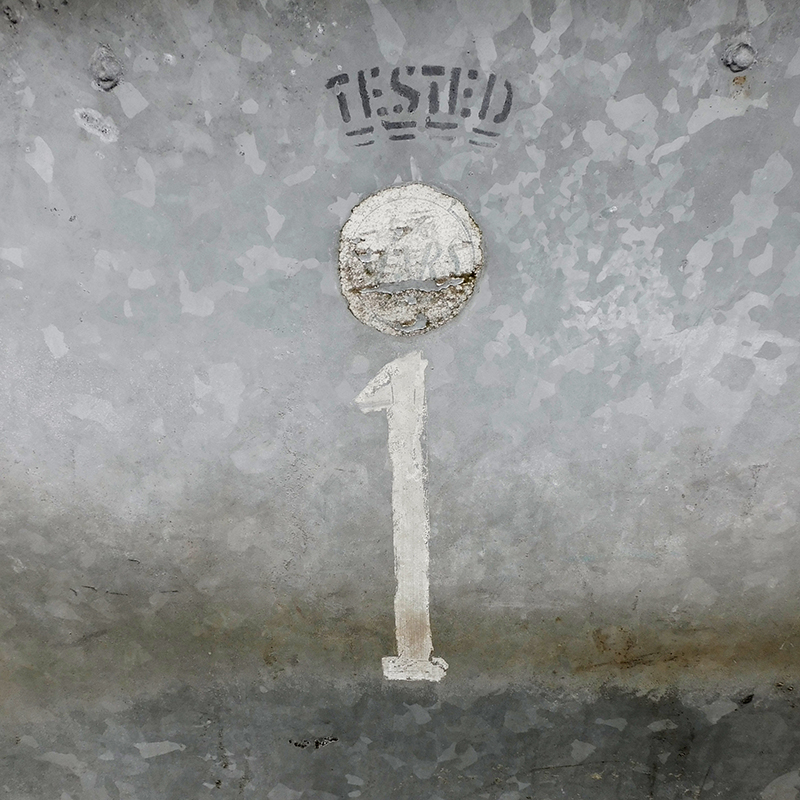
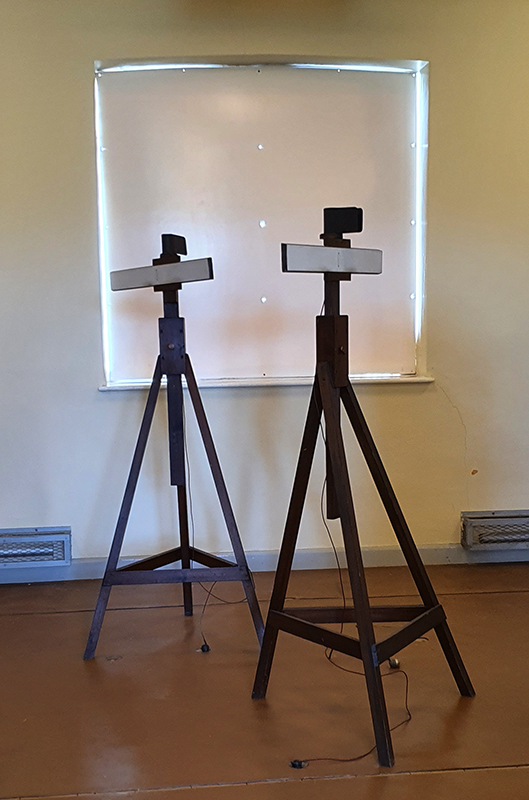
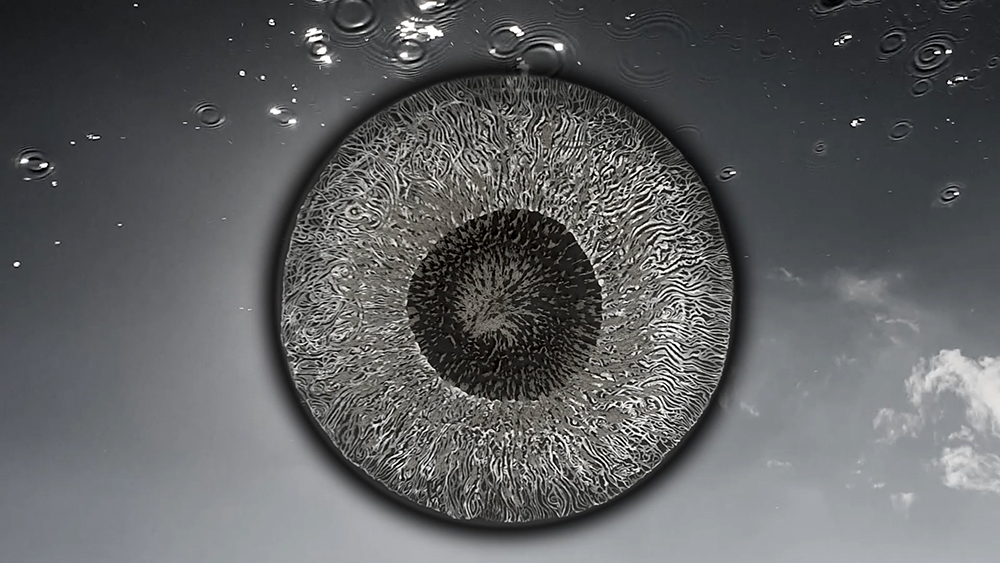
Many water tanks remain around Haverah Park, stripped of their purpose as water Cherenkov detectors they now reflect the sky in the rainfall they collect rather than record showers of particles from space.
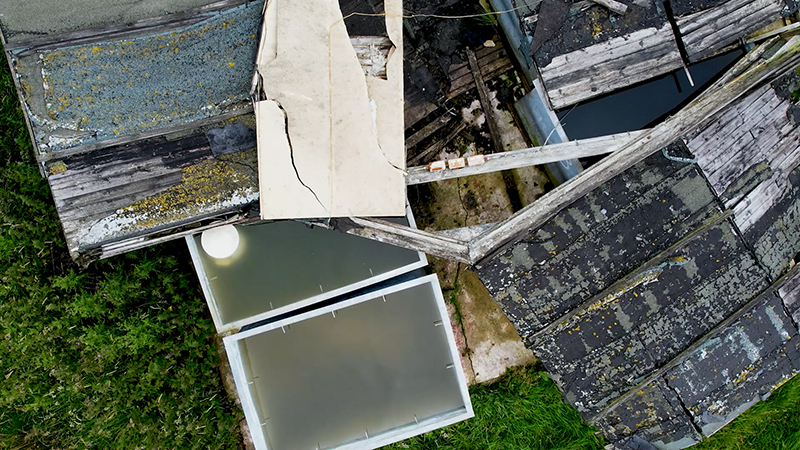
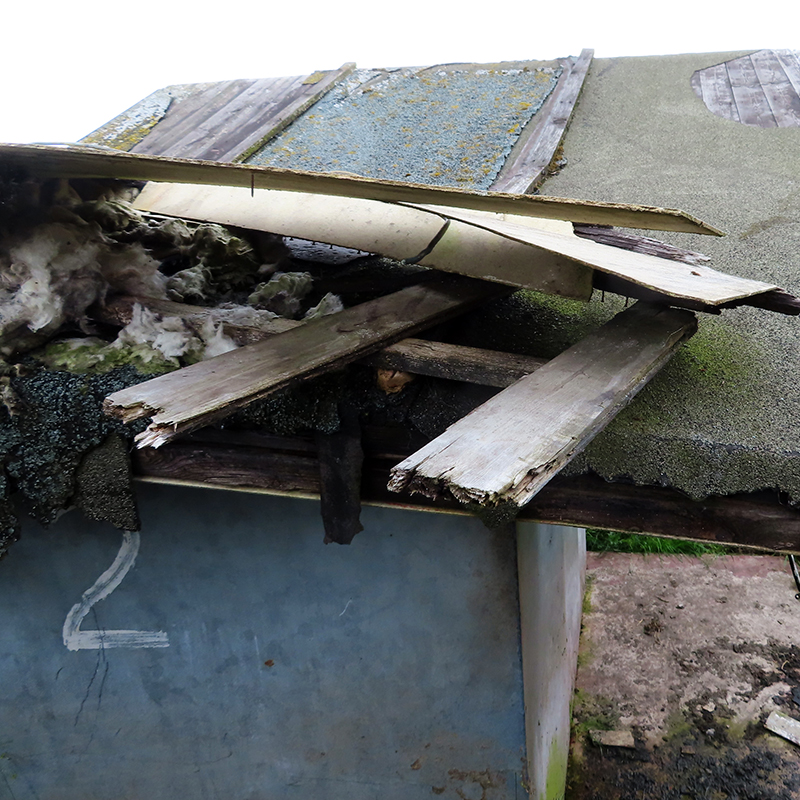
During operation, huts were built in groups of three, each with six large galvanised steel tanks lined with white plastic to diffuse the light and filled with local purified water. Each tank was monitored by extremely sensitive photon detectors which recorded the Cherenkov light emitted as particles passed through the water. At the end of the large array experiment, one of the detectors was opened, and the water was found to be crystal clear and good enough to drink. The proof that water could be kept bacteria-free in a sealed container for over 25 years gave confidence in using the same technology for a future larger cosmic ray detector array to be developed.

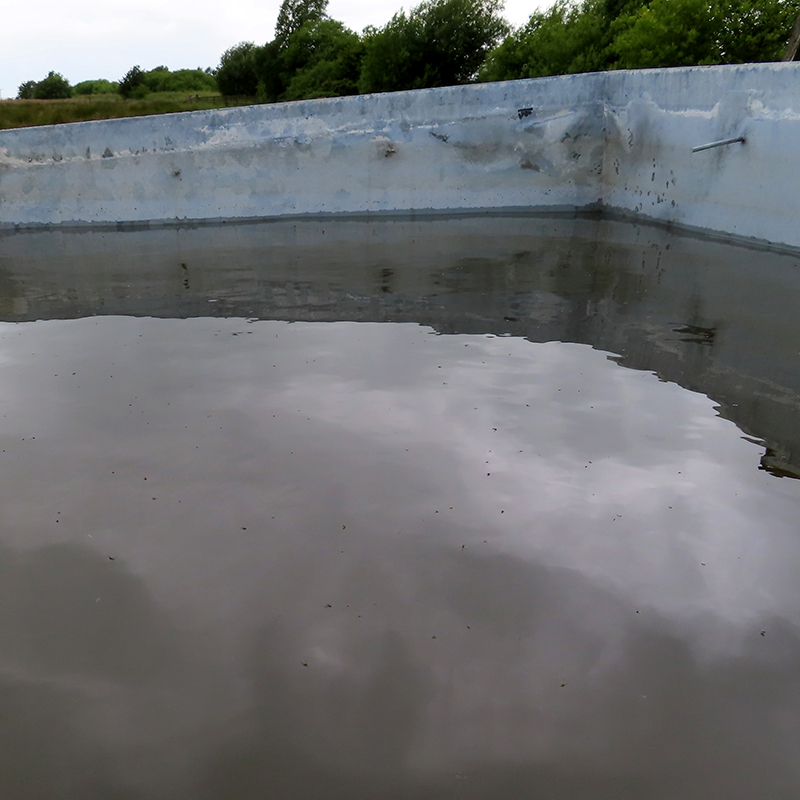
Haverah Park was once one of the largest extensive air shower arrays in the world, with an area of 12 km2, but in the end, it just wasn’t big enough.

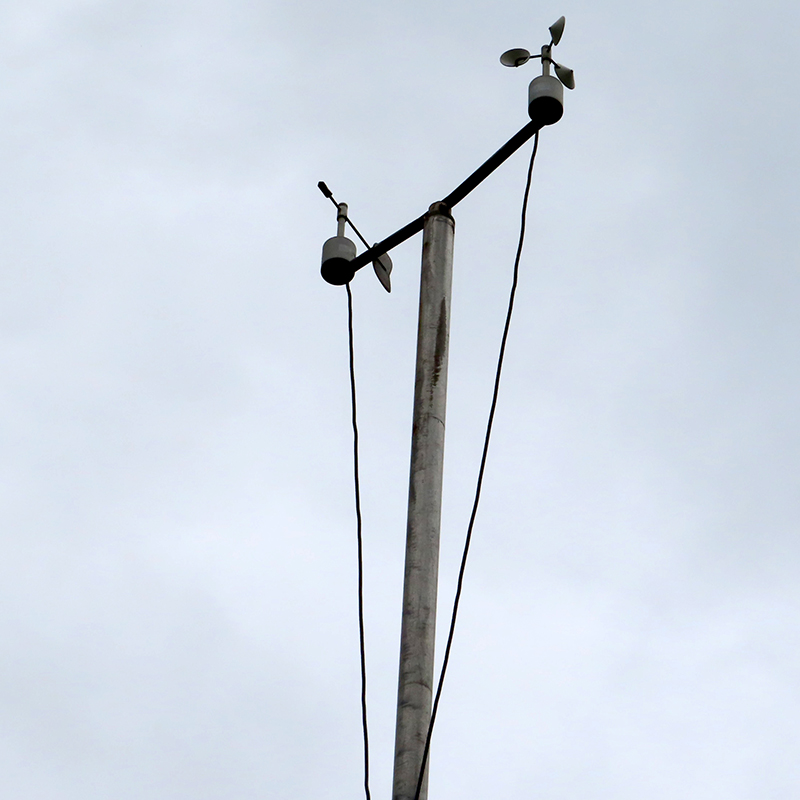
When Alan Watson and Jim Cronin proposed building a new 3000 km2 shower array, the question from funders was, ‘why do you want to make the array so large?’. The answer is, of course, to discover those known and unknown unknowns, but funders don’t usually like unpredictable outcomes. Luckily their plea was bolstered by the Fly’s Eye Cosmic Ray Detector Array out in the Utah Desert recording the Oh-My-God particle in 1991, it’s energy was 40 million times greater than that of any particles ever produced in any terrestrial particle accelerator. This and other evidence of extremely high energy particles sparked interest in the field of astrophysics and validated the discovery of similar particles at Haverah Park, which had not been taken seriously at the time. This ambitious proposal gained momentum during the 1990s to become the Pierre Auger Observatory in Argentina, with the detector design developed from the water Cherenkov tanks so successfully operated at Haverah Park. The huts here may be in ruins, but their legacy lives on at the world’s largest extensive air shower detector array, which is edging closer to answer the question ‘Where do ultra-high-energy cosmic rays come from?’

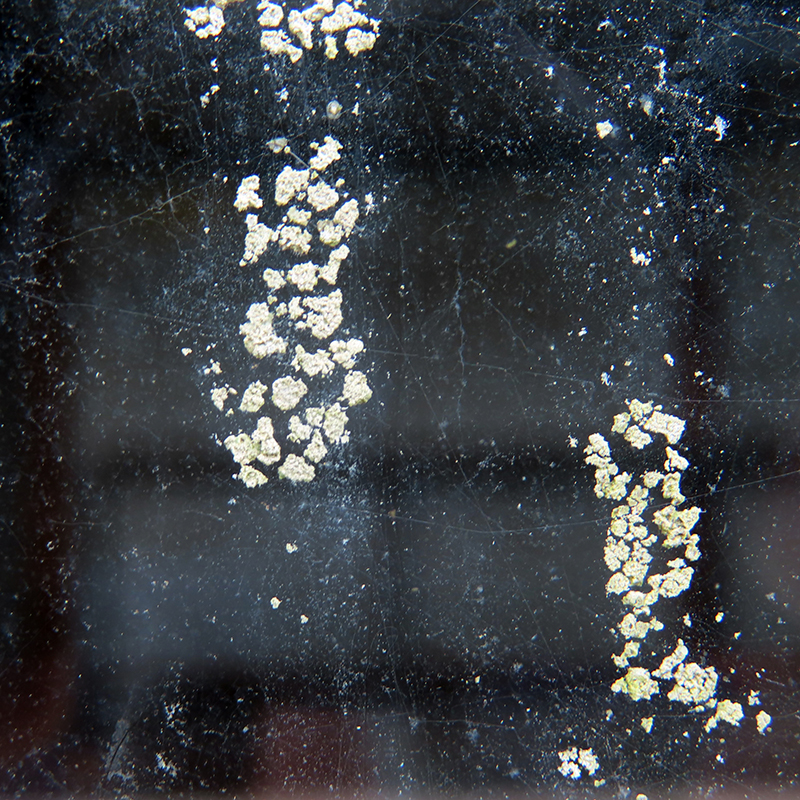
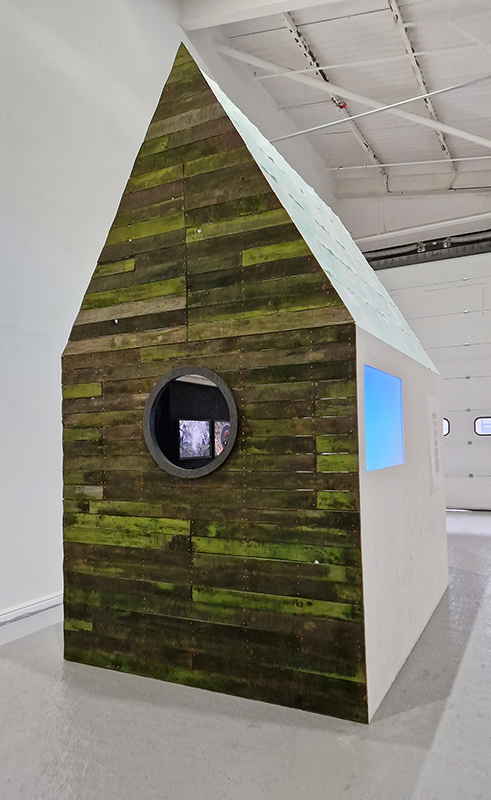
I am looking forward to developing work responding to the legacy of the Haverah Park experiment and building on my experience of creating The Absolute Hut (of absolute potential) New surfaces to explore, more moss, and also lichens here.
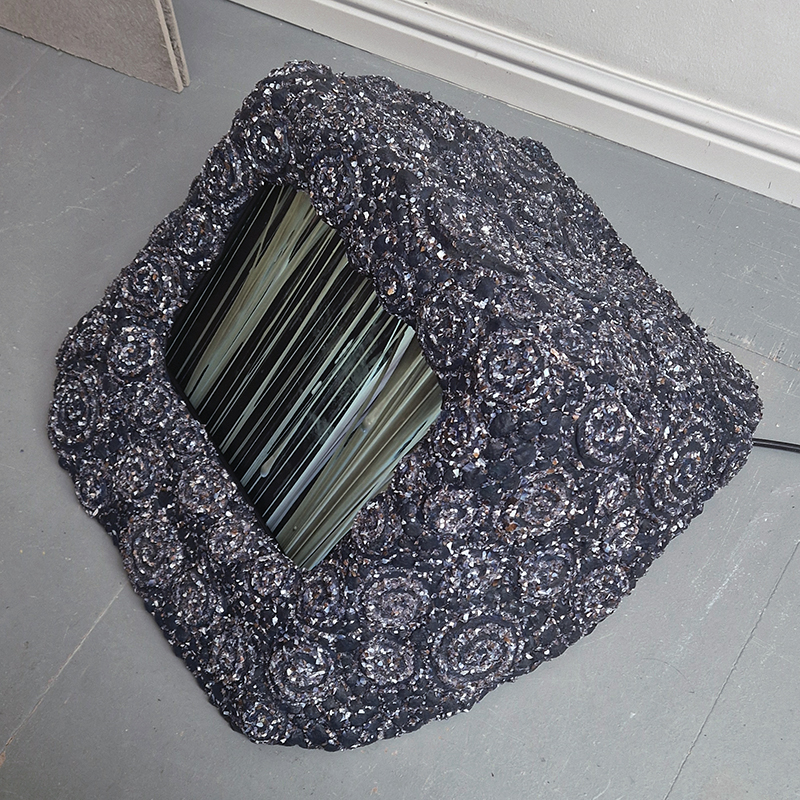
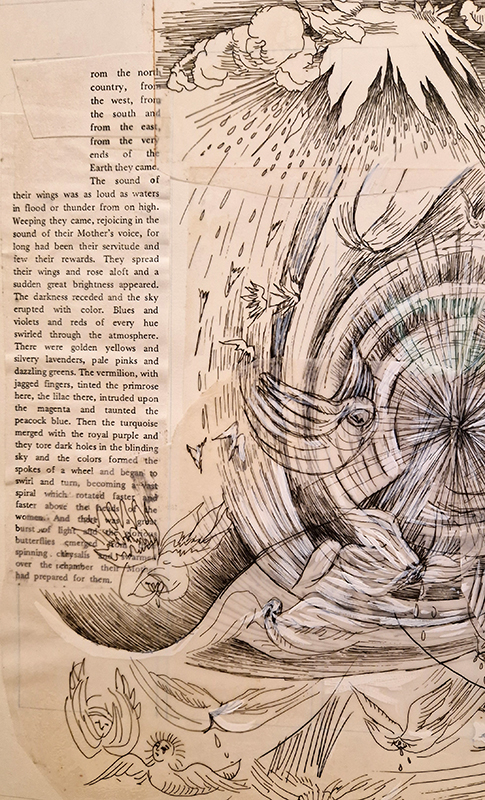
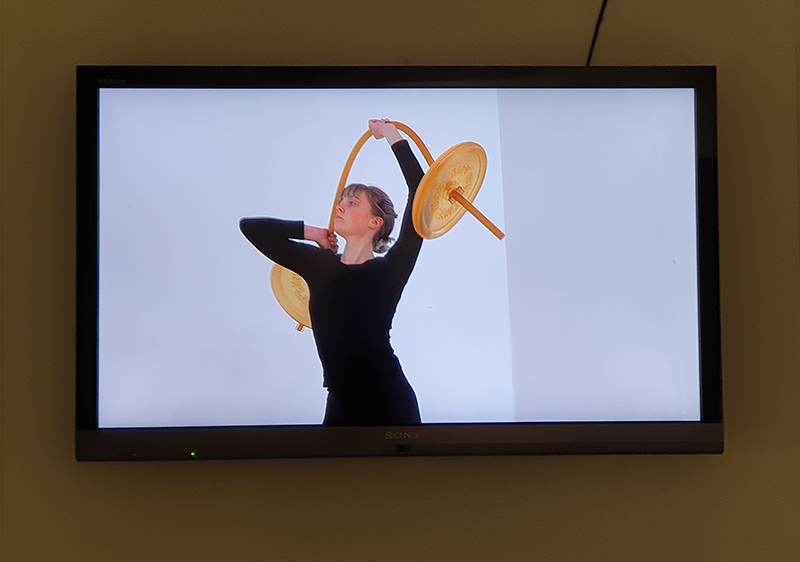
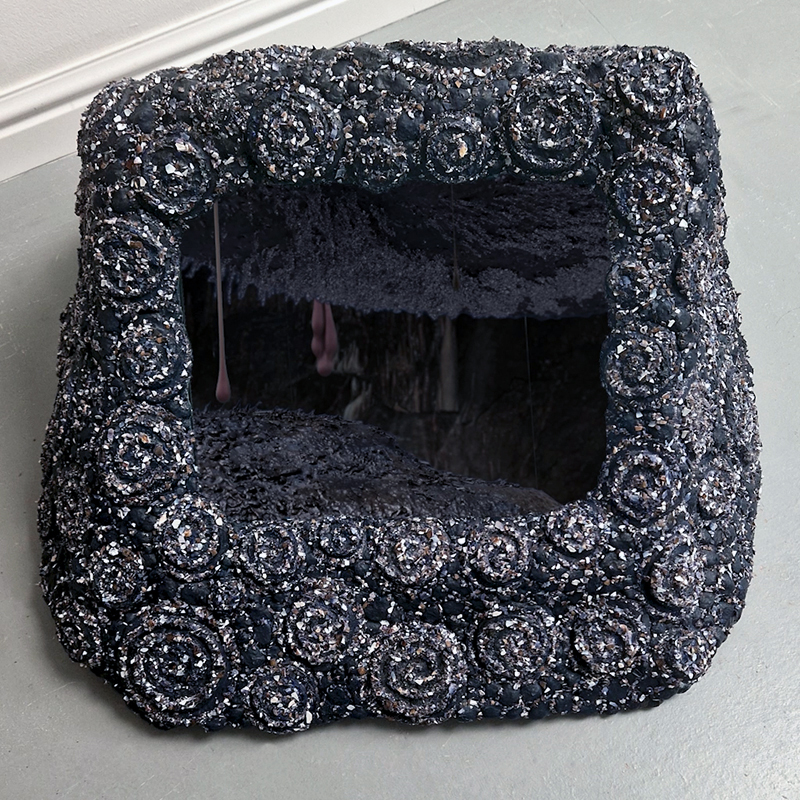
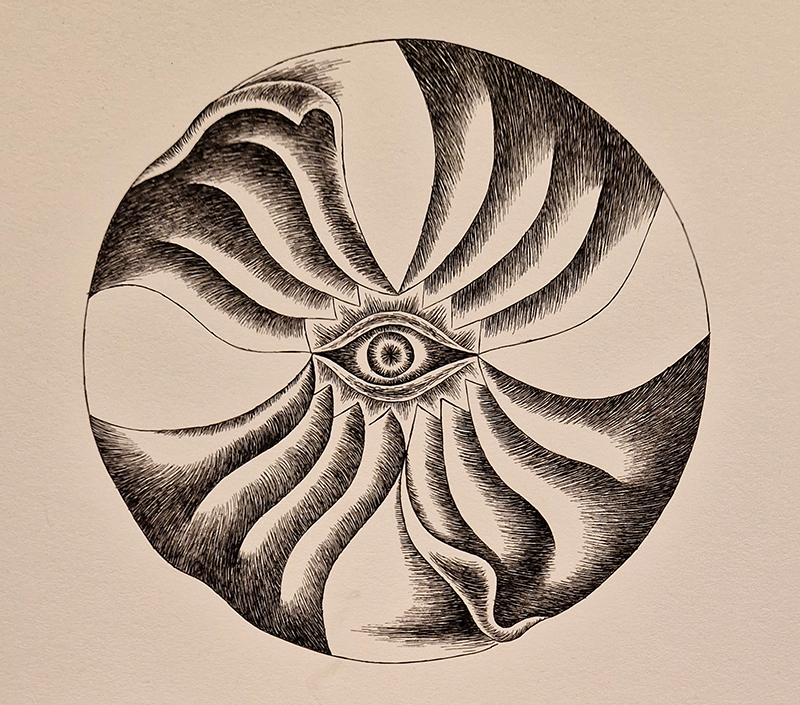
‘The Belly of a Rock’ video has waited a long time for its crusted shell. A hybrid between rock, mollusc, and technology inspired by the chemical conversations and urge to create described by Italo Calvino in his story ‘The Spiral’. We don’t always know what we are creating. Within ‘the belly’ surfaces slide and scrape along lines of fissure, distended innards ooze and rocks moan as they are distorted by untold pressure. The turbulent spiralling of the core births rock and lifeforms acted upon by the drag of the oscillating magnetic field.  
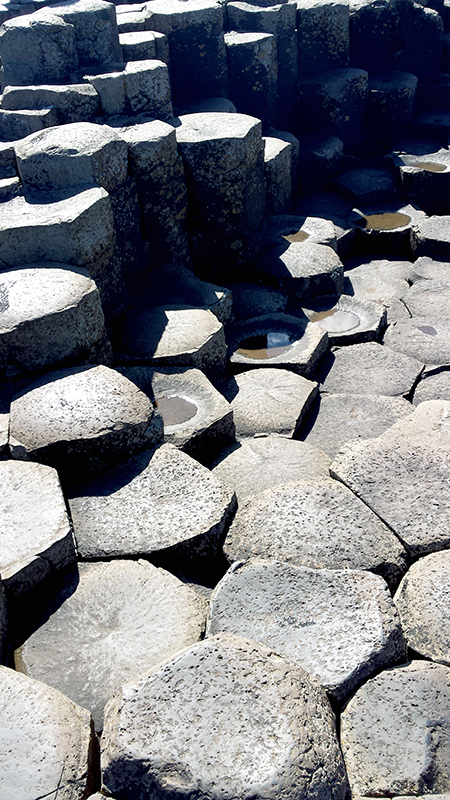
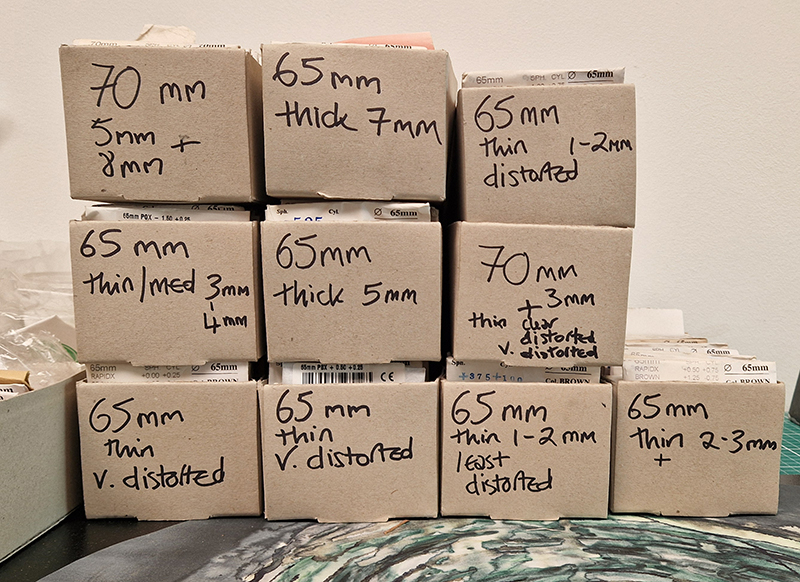
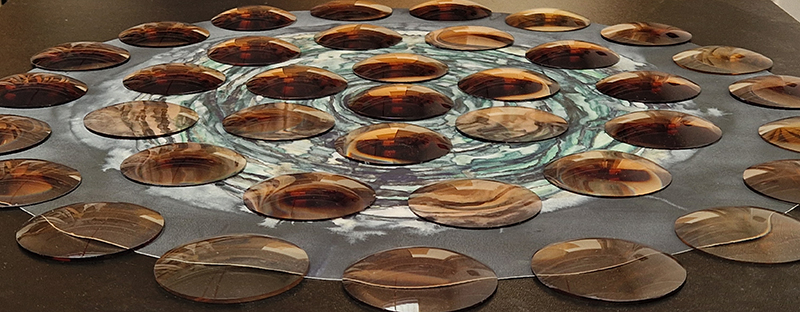
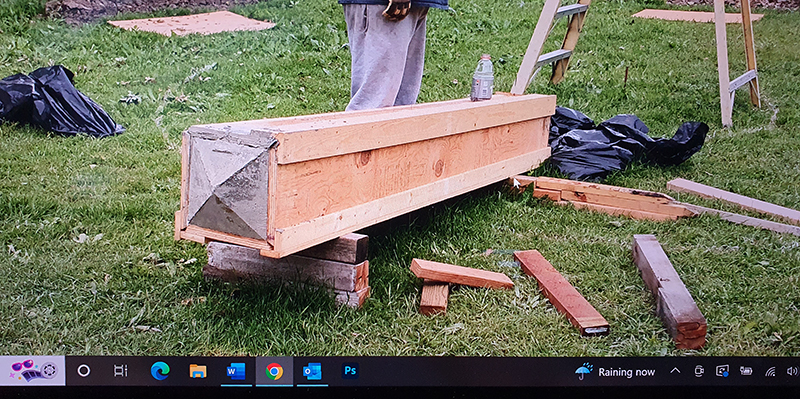
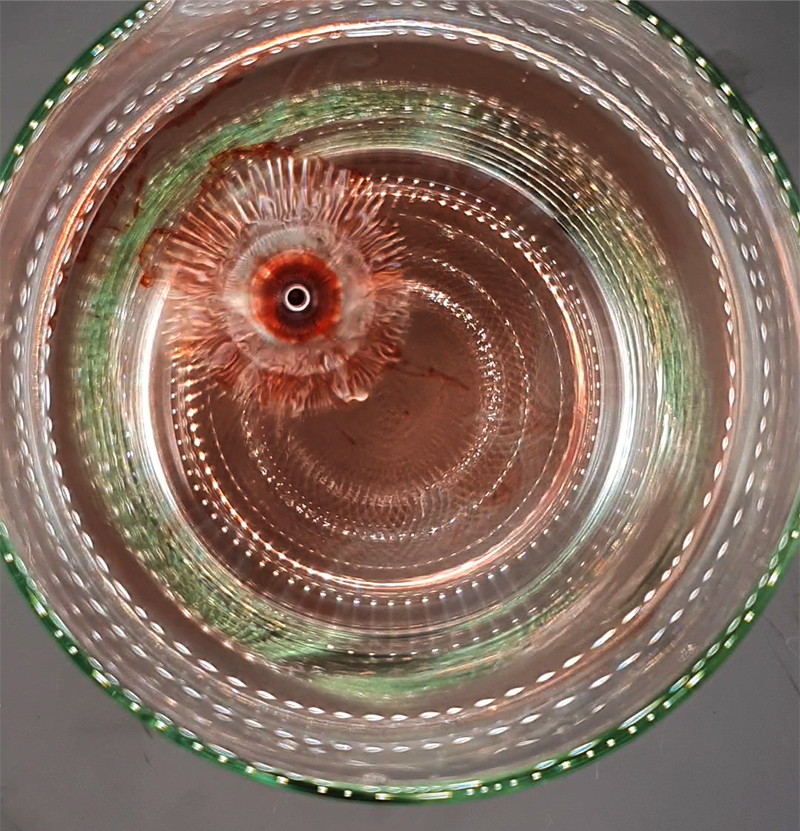
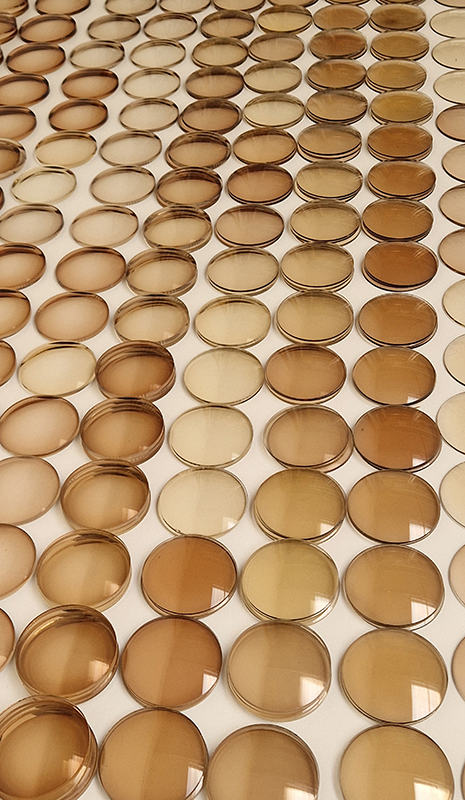
I have acquired a large number of photochromic optical lenses. These I have sorted by diameter, thickness and distortion. Initial thoughts about their use include using them as petri dishes to grow crystals which are embedded into small concrete hexagonal pillars of differing heights with reference to the geology of giants causeway. Using them to create composite windows into a new hut structure filled with video projections referencing the fly’s eye cosmic detector array.
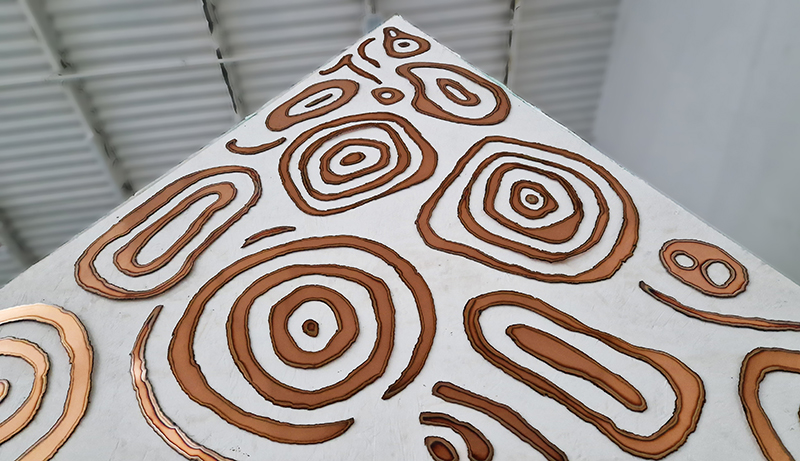
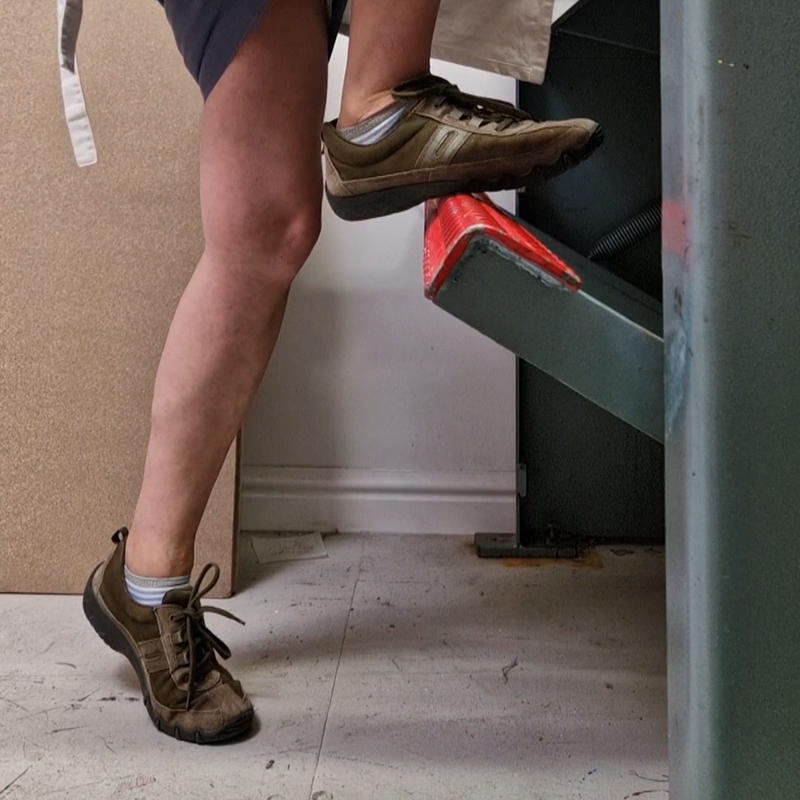
A good workout on the guillotine making 201 cuts in copper sheet in preparation for a new concrete tablet in the Instruments of the Anemoi sculpture series.
Gallery and other outings:

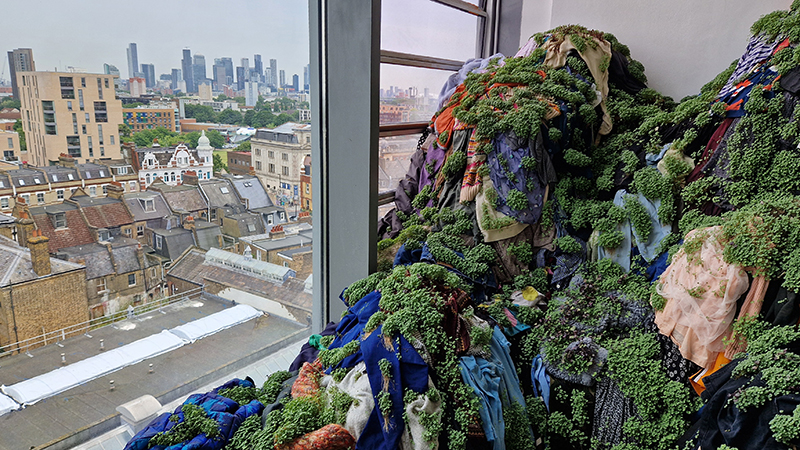
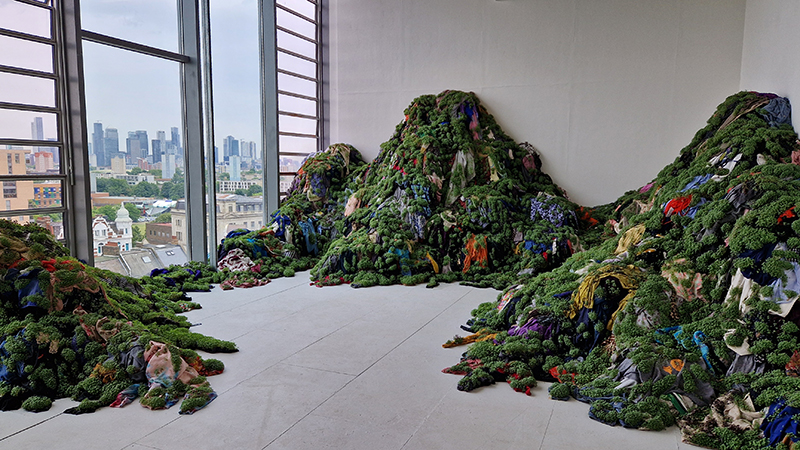
Beverley Duckworth’s installation Surplus at Goldsmiths MFA final show. Beverley’s work is grown through a diligent process of care. Found materials are literally given new life in the seeds which are embedded into them, which then transform and colour them. The installation includes an intermittent sound element of recordings of the melody played by waste trucks in Taiwan to call people to bring out their rubbish.
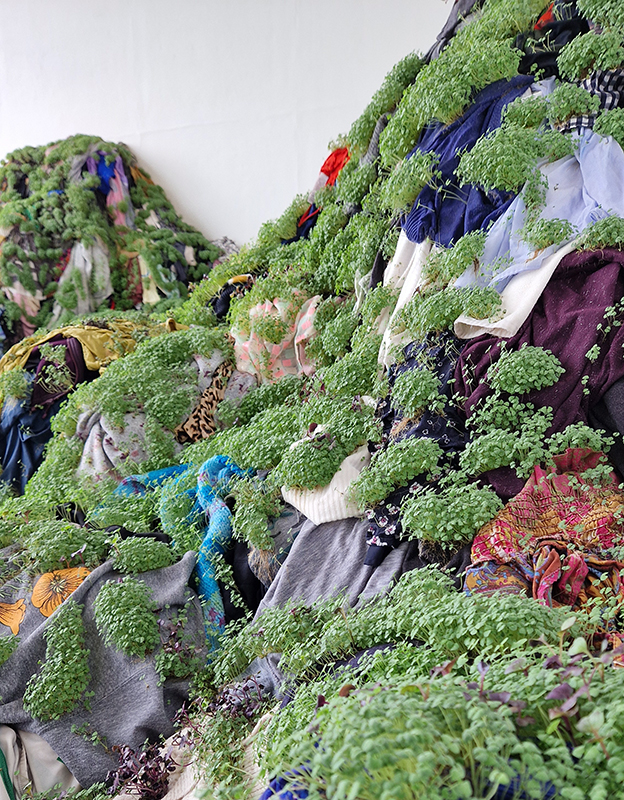
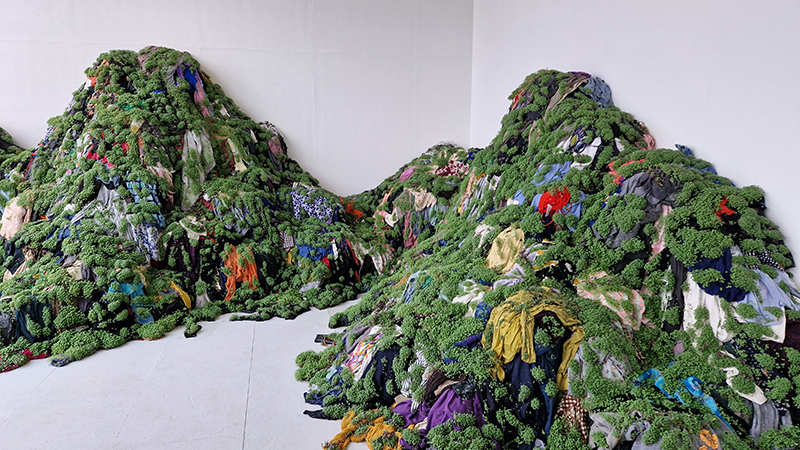
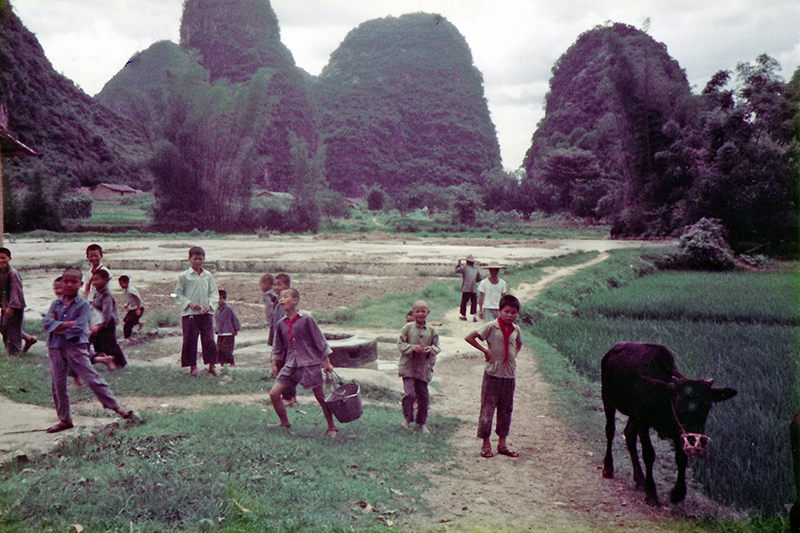
Apparently I wasn’t the first person to be struck by similarities to the landscape of Yangshuo near Guilin China. I visited in 1984 and think it is no longer a quiet little village.
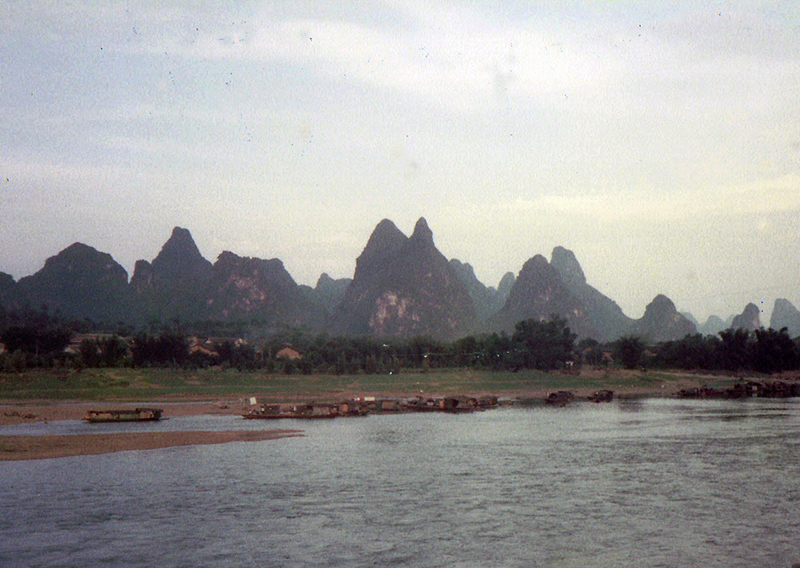
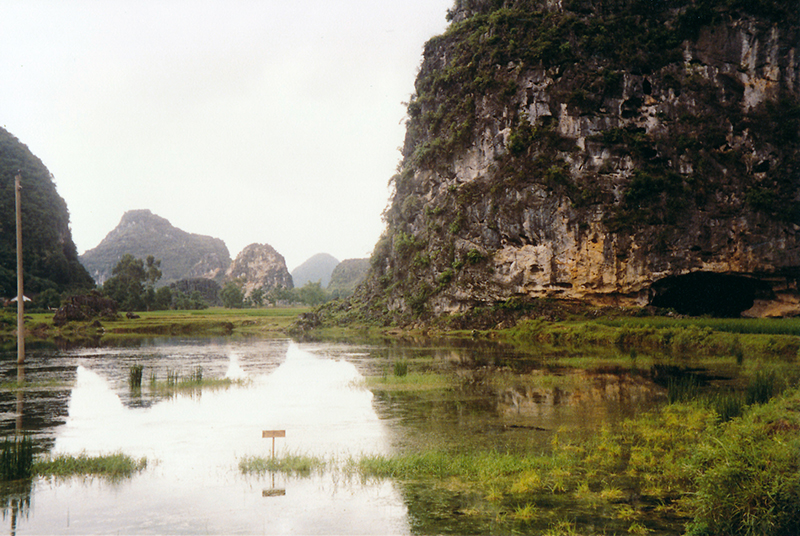
It was the first time I had been back inside the Ben Pimlott building at Goldsmiths since by own graduation, a scary twenty years ago. The building was brand new then and the views with little visible green fed into my installation Re:construction – a large screen print with tiny viewing hole to a tiny oasis amidst the grey, albeit a synthetic one.
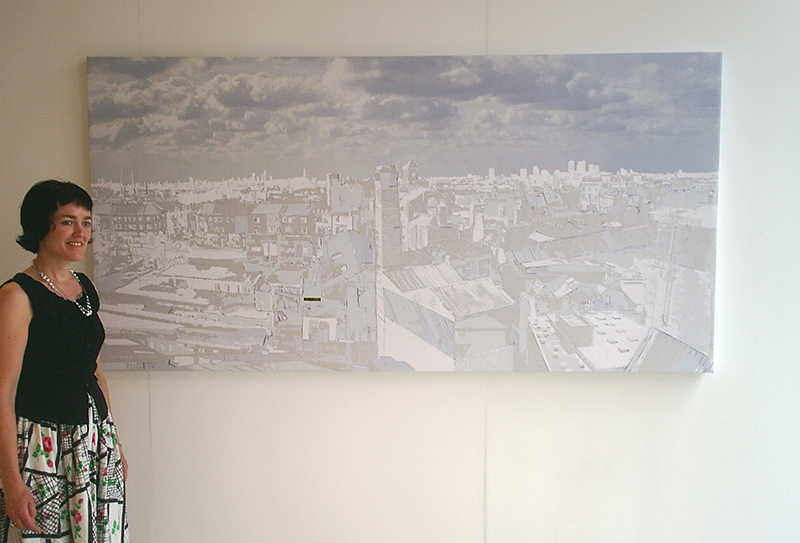
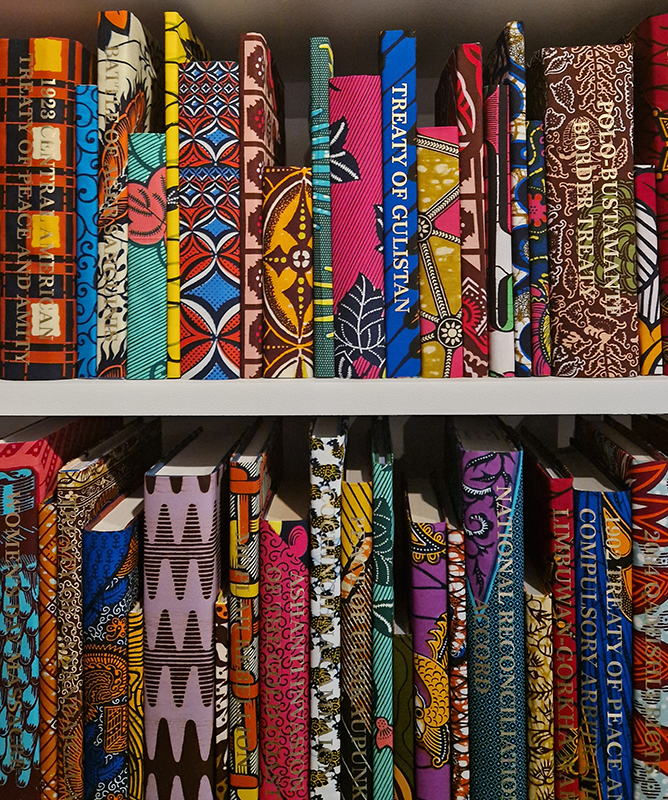
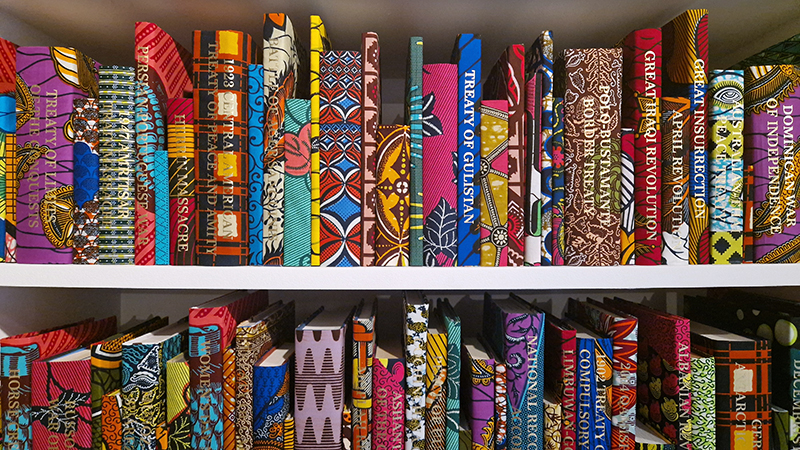
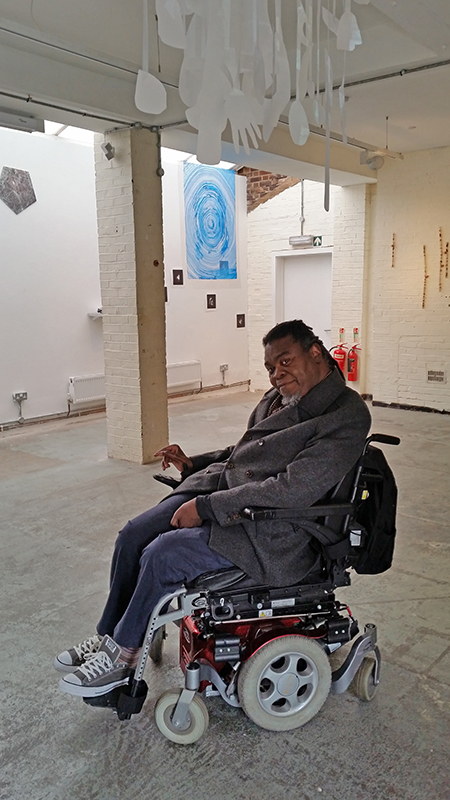
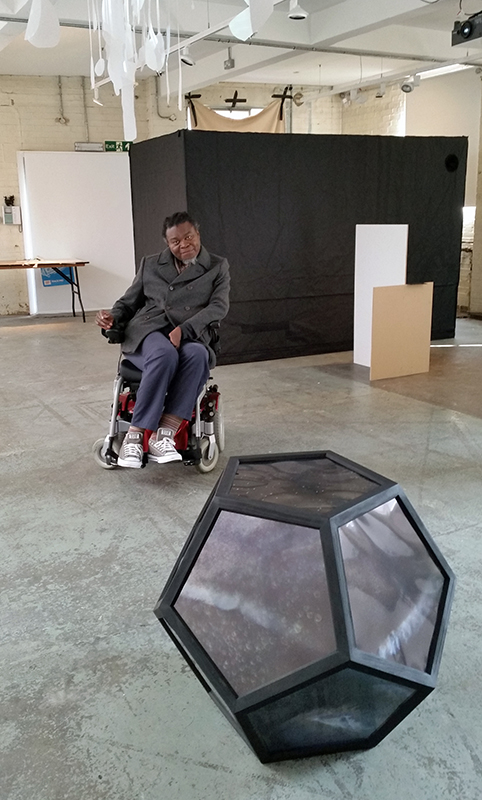
Yinka Shonibare Suspended States at Serpentine South. Horrors of war and colonialism are filed under dazzling colour, birds on the brink of extinction stare in plea or accusation, beacons of light in the darkness come from miniature replicas of sanctuaries.
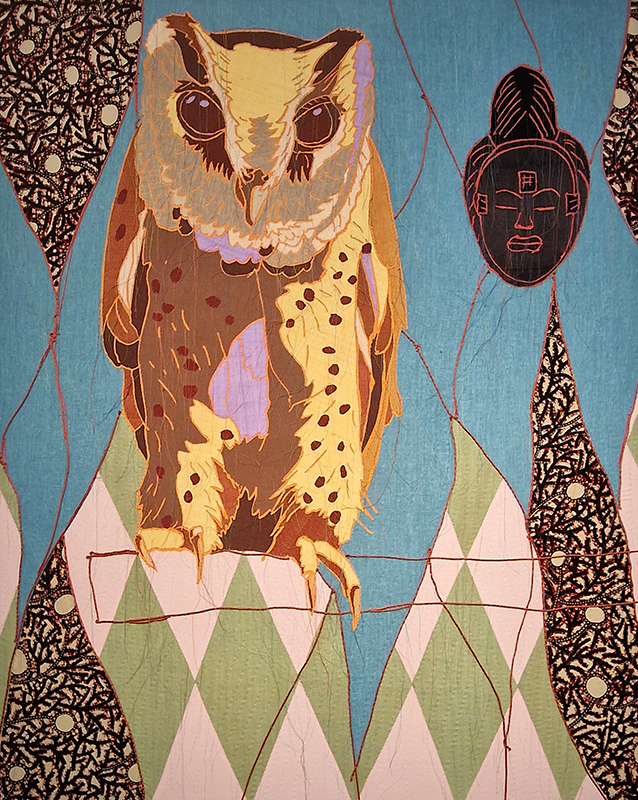
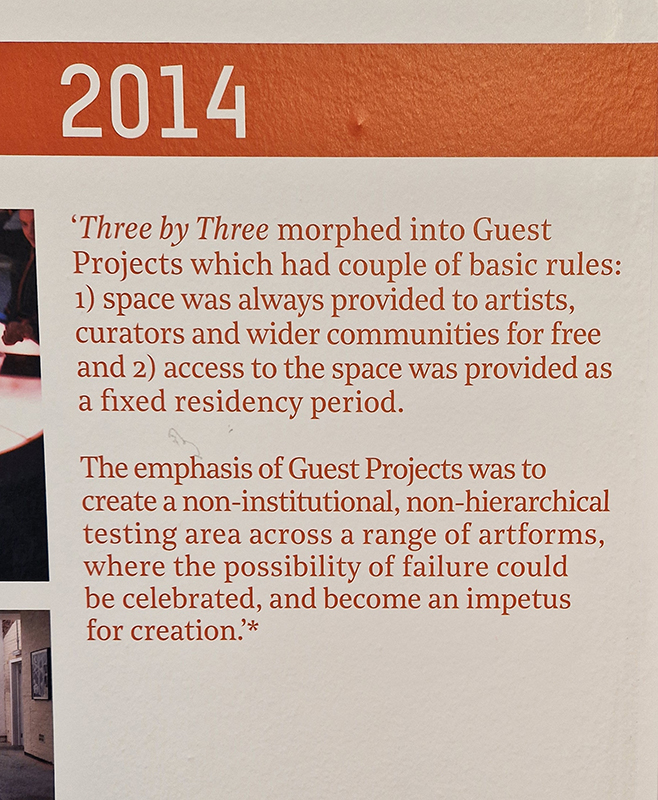
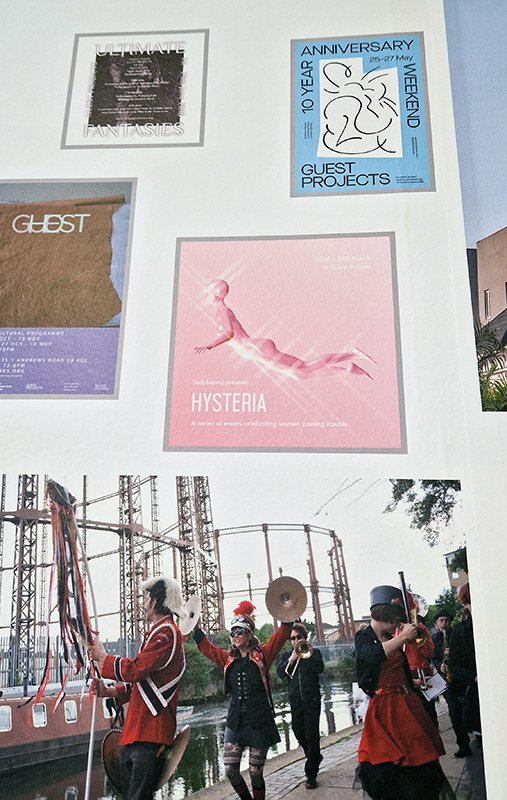
Yinka’s socially engaged inclusive practice spills over into real help for artists and communities. The exhibition celebrates Guest Projects and G.A.S. Foundation in Lagos. Guest Projects is such a generous idea and I have been so lucky to benefit from it with the project Laboratory of Dark Matters
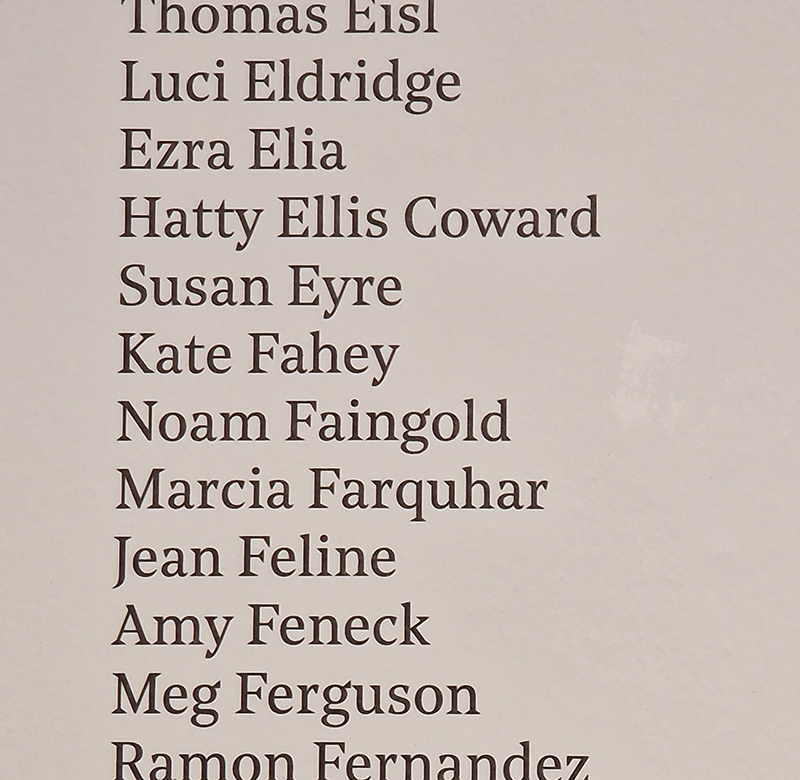
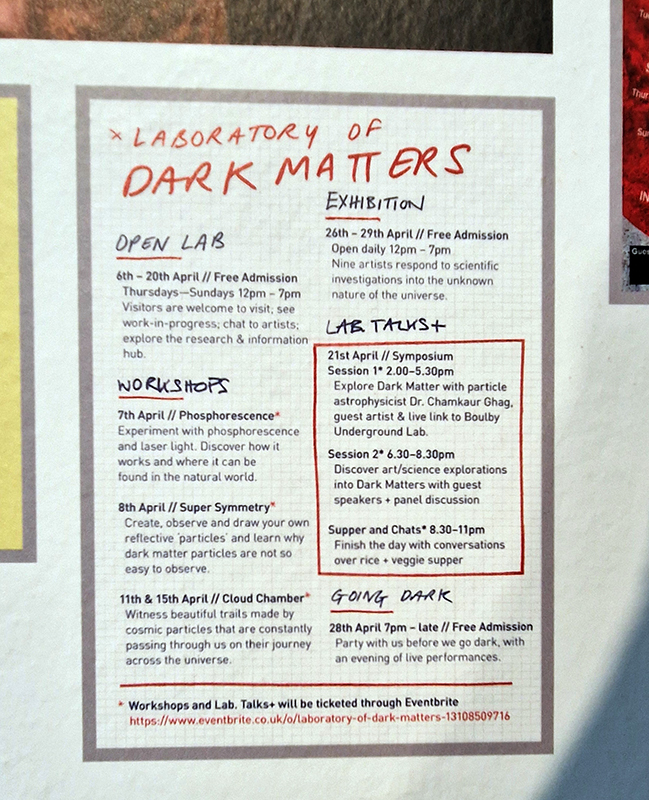
Being awarded a month’s residency at Guest Projects was crucial to the success of Laboratory of Dark Matters as a site for developing ideas and subsequently touring the project. Wonderful to meet Yinka and also to be part of the selection committee for the next round of projects.

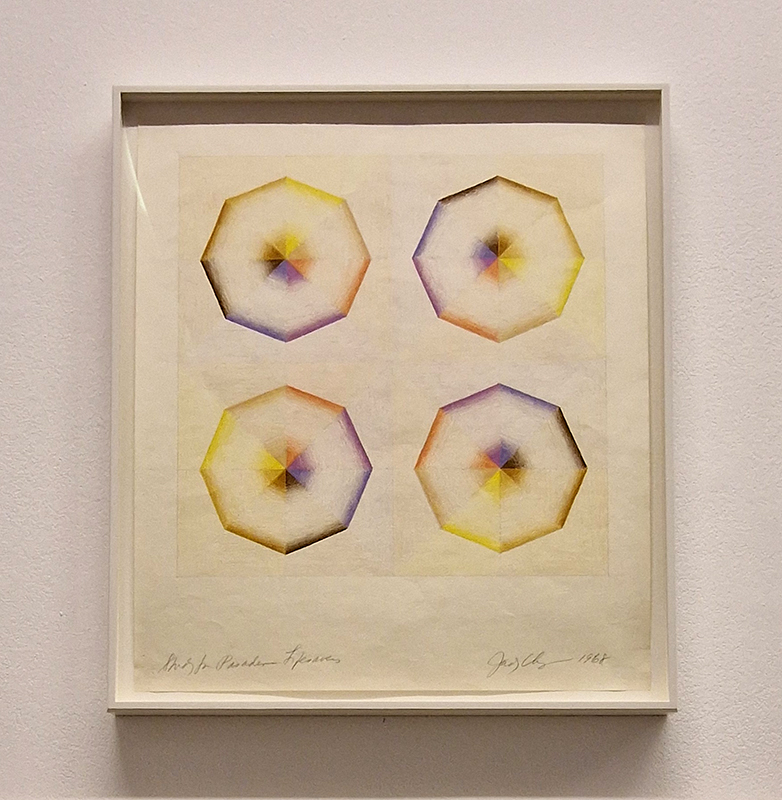
Judy Chicago Revelations at Serpentine North. The highlight of this show is the video documenting The Dinner Party (1974-79) installation and the preparatory drawings and sample plate. What a shame the actual installation wasn’t here, I will have to visit the Brooklyn Museum, New York sometime to see it. The research, collaborations, crafts and designs that went into creating it was phenomenal.
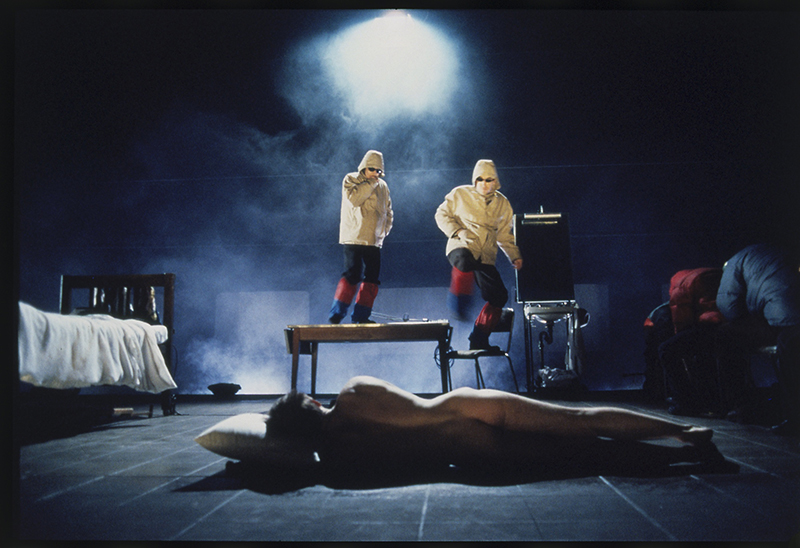
Saw Complicité’s excellent Mnemonic at The National Theatre, 25 years after first seeing it at Riverside Studios. ‘A body is found in the ice, and a woman is looking for her father while a man searches for his lost lover. Mnemonic is as much about origins as it is about memory, and remembering what is lost. Mnemonic asks us: what is our place in the natural world? How have human relationships with the environment shaped patterns of migration? Who are we, and where do we come from? ‘
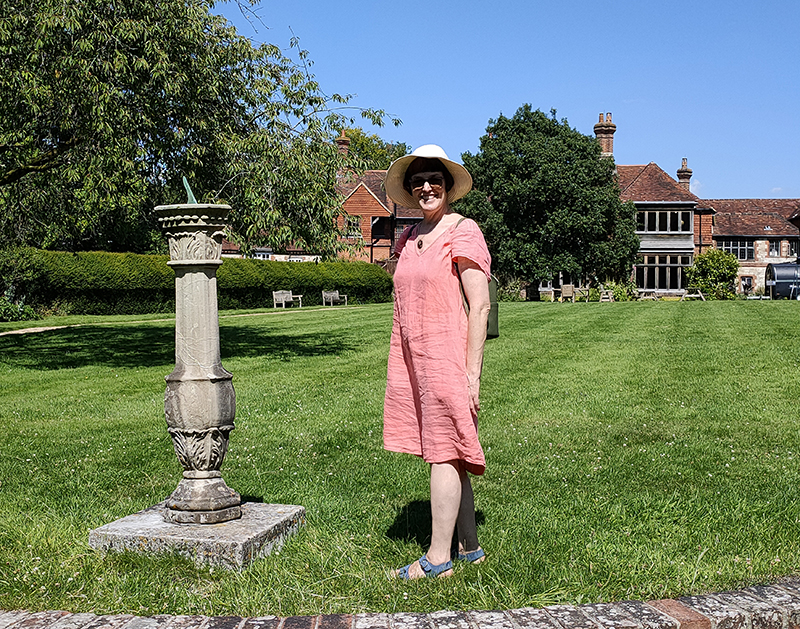
Visited the delightful mellow brick country home and extensive gardens of pioneering naturalist Gilbert White at Selborne. His book ‘The Natural History of Selborne’ (1789) has never been out of print since it was published more than 230 years ago. He was brought to many people’s attention, including mine, during the pandemic and lockdowns of 2020 when writer Melissa Harrison included his diary readings in her podcast The Stubborn Light of Things.
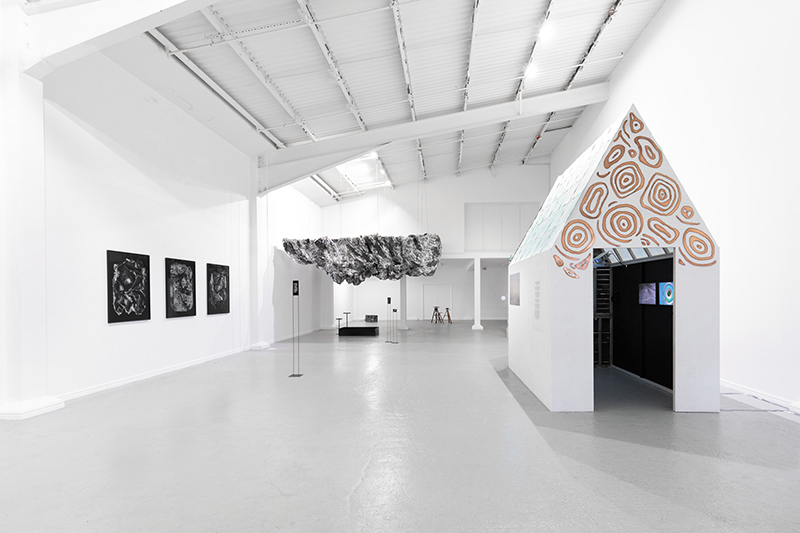
‘A stone sky rotated above our heads’ – Italo Calvino, Cosmicomics

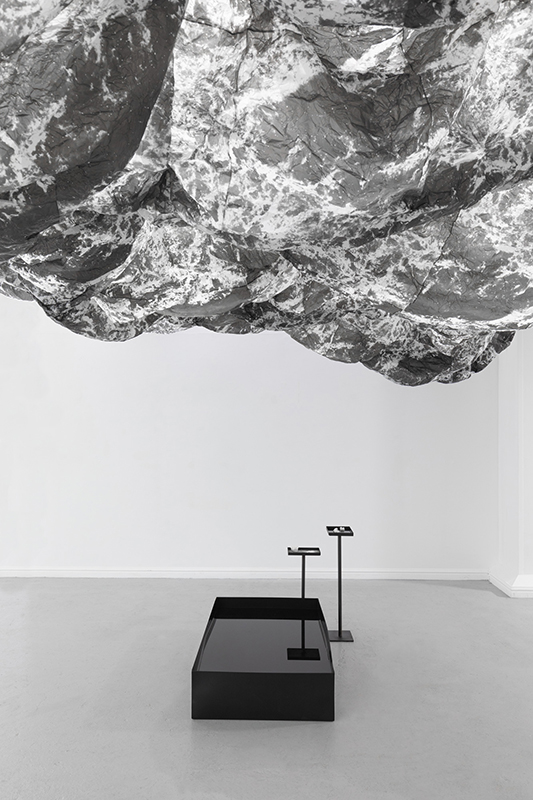
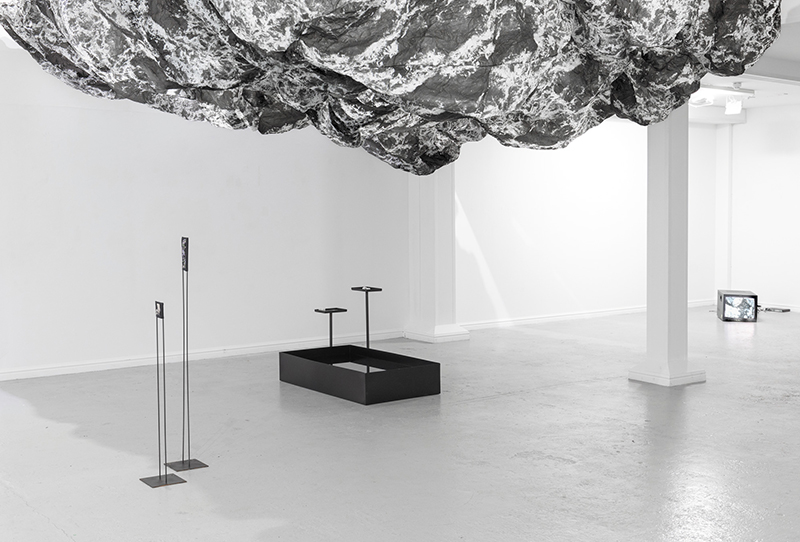
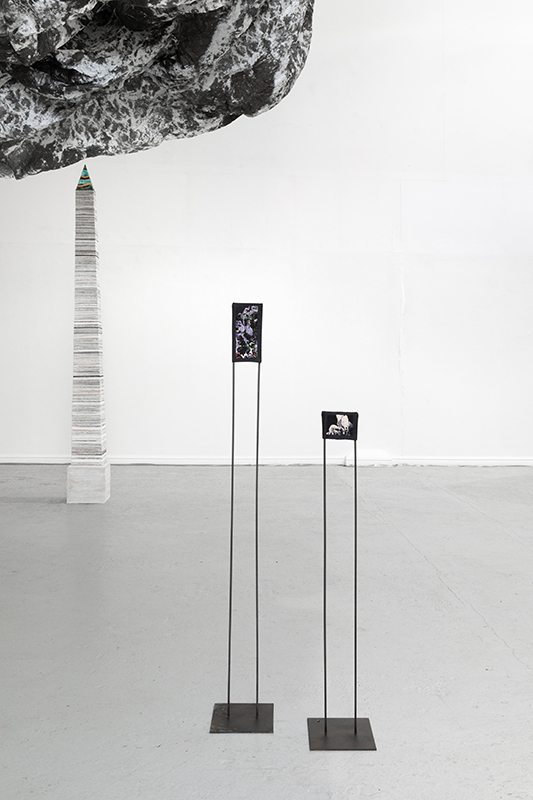
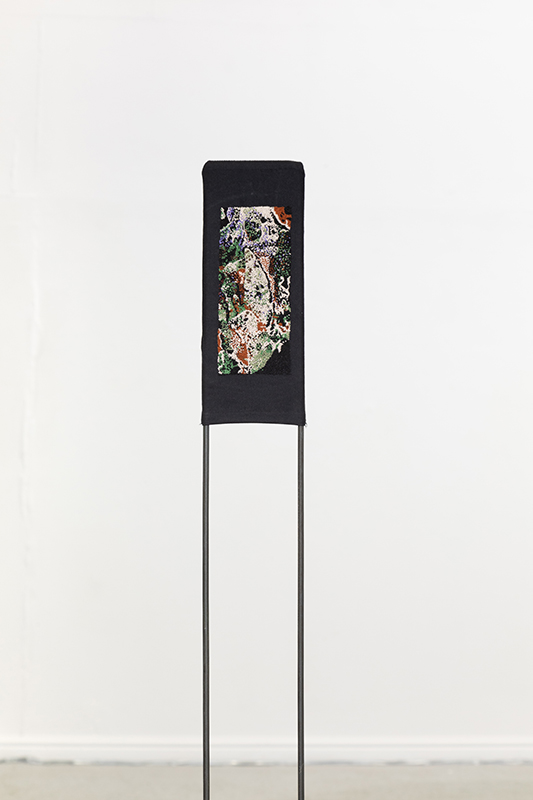
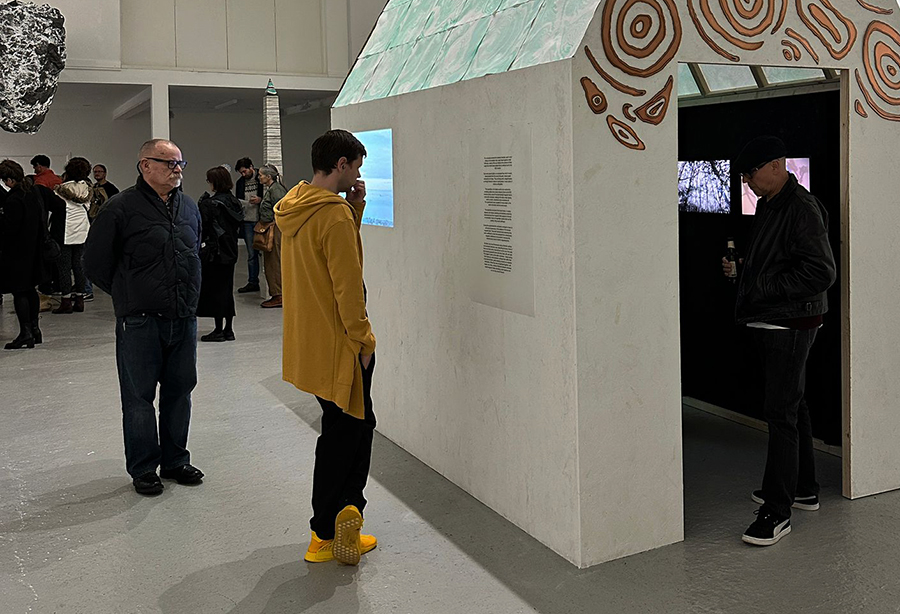
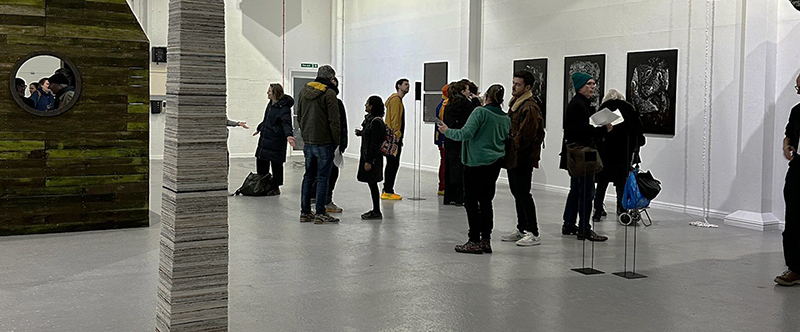
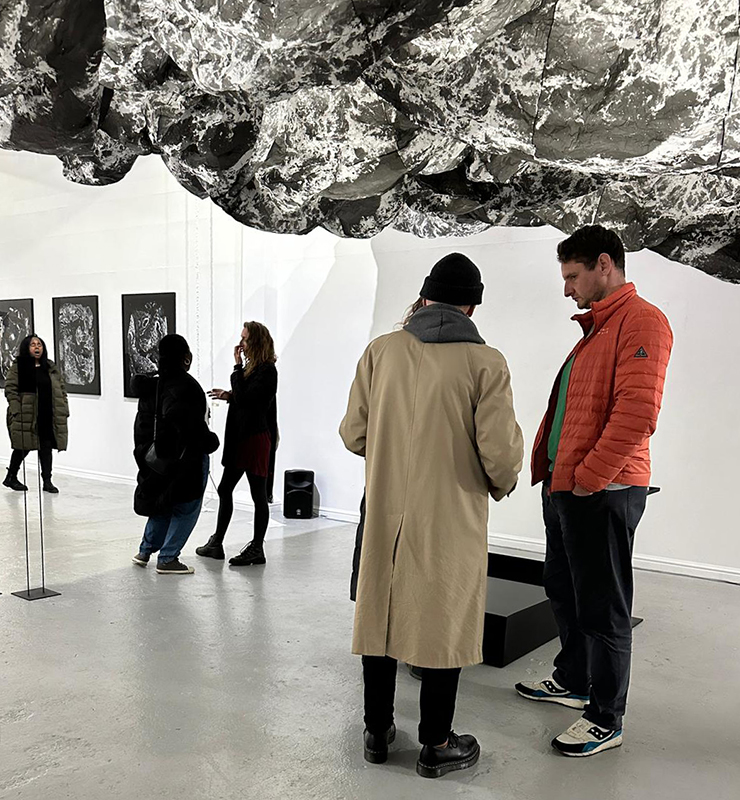
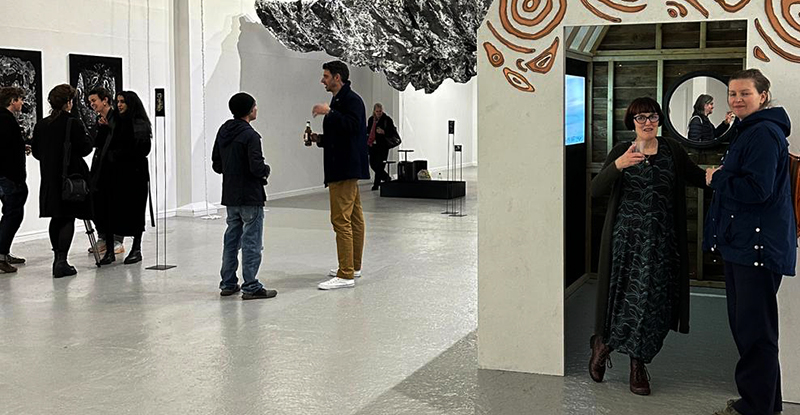
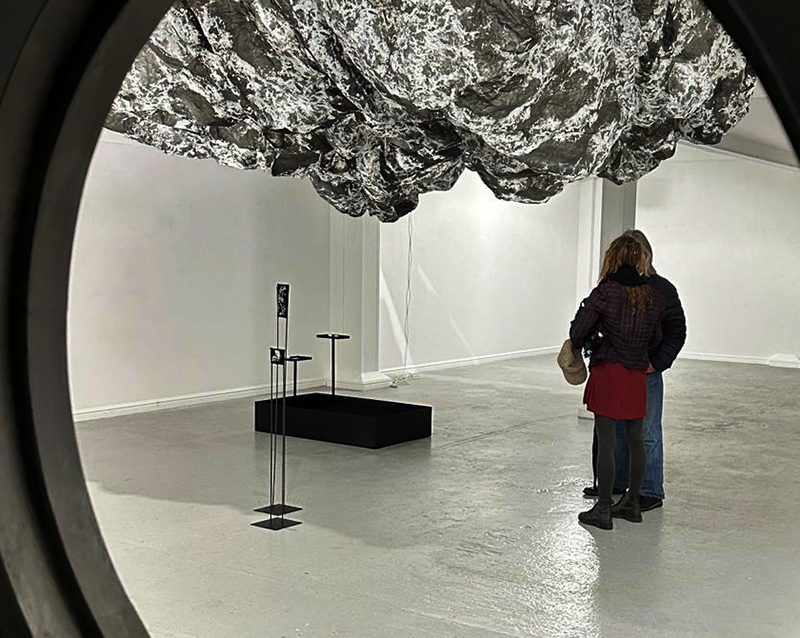
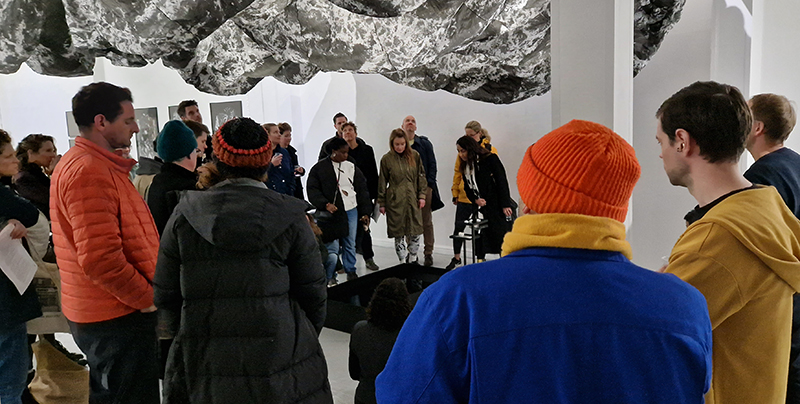
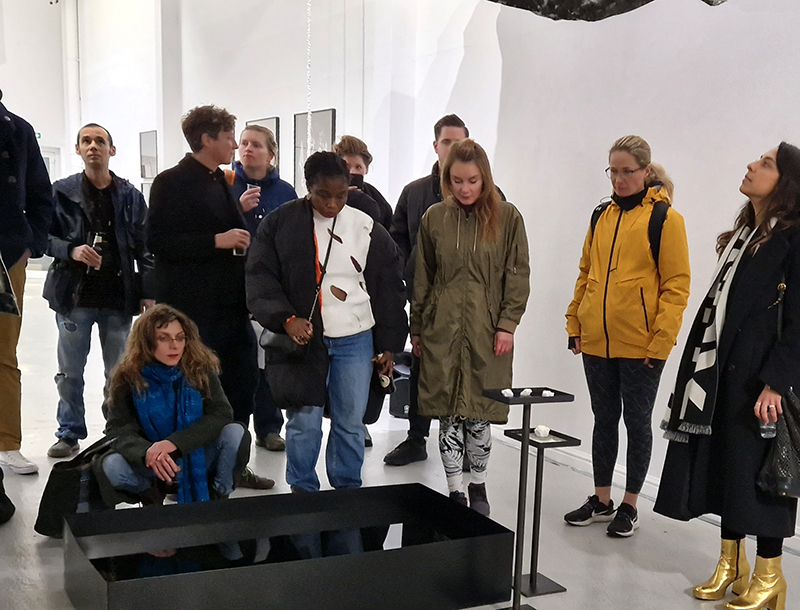
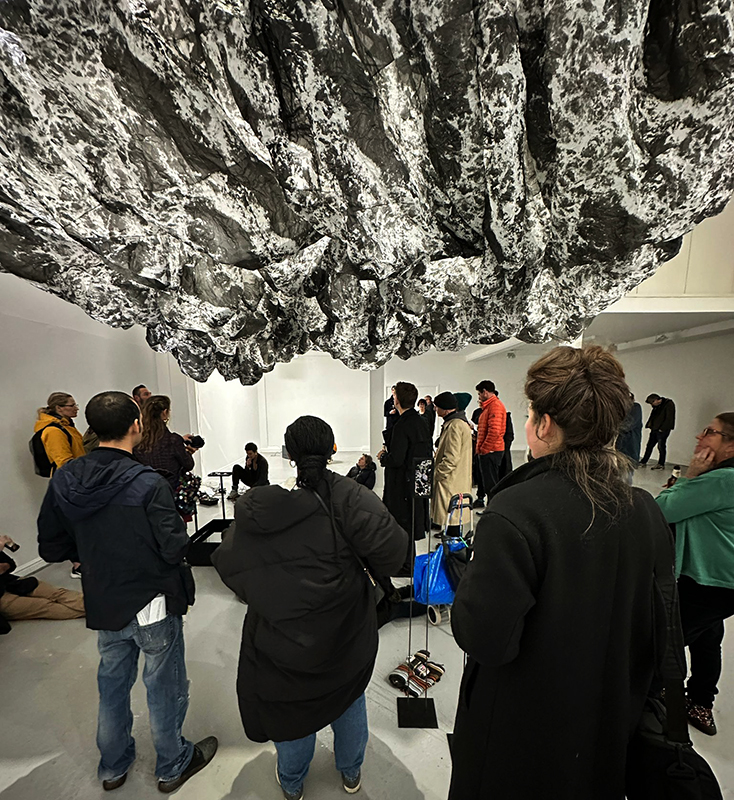
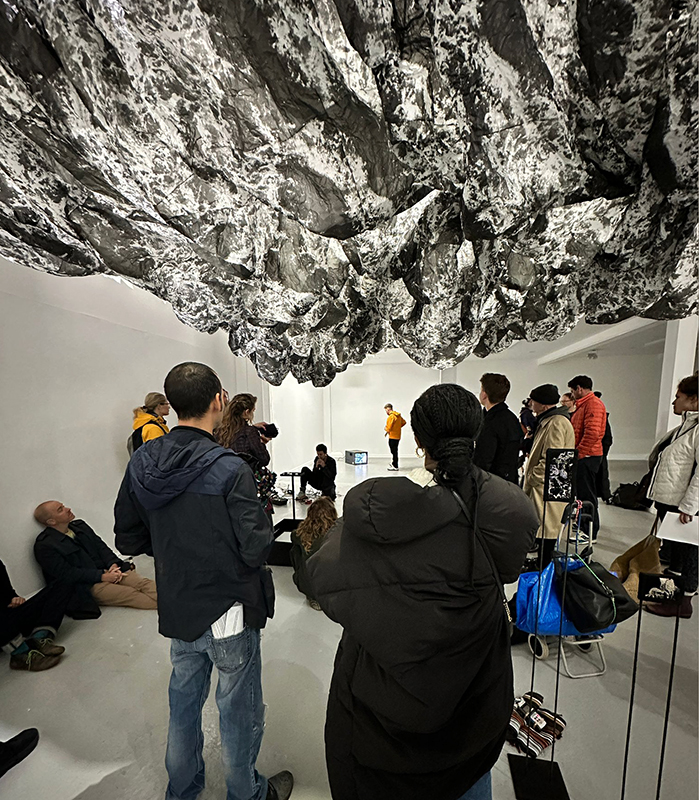
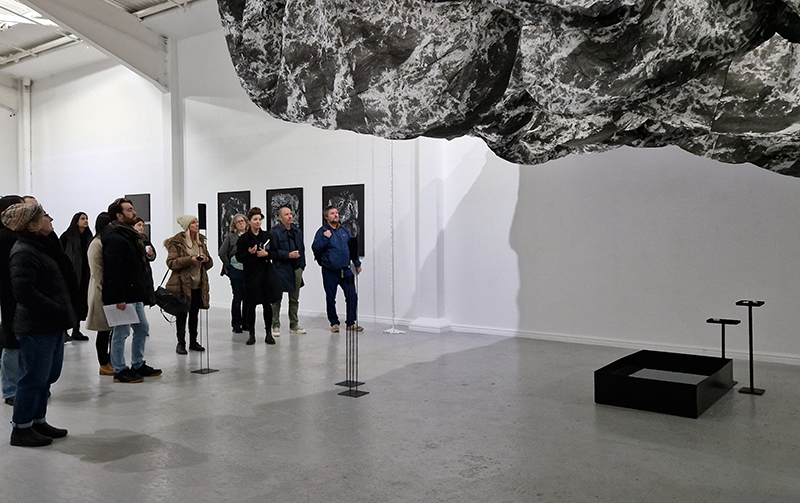
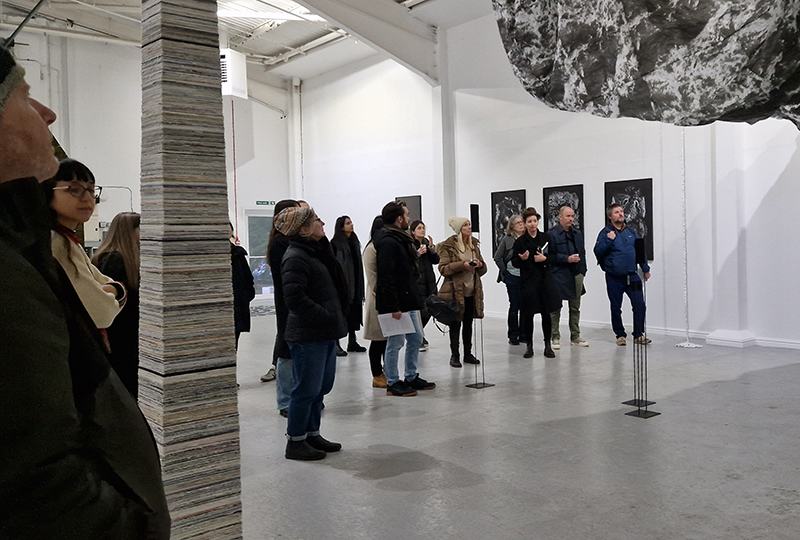
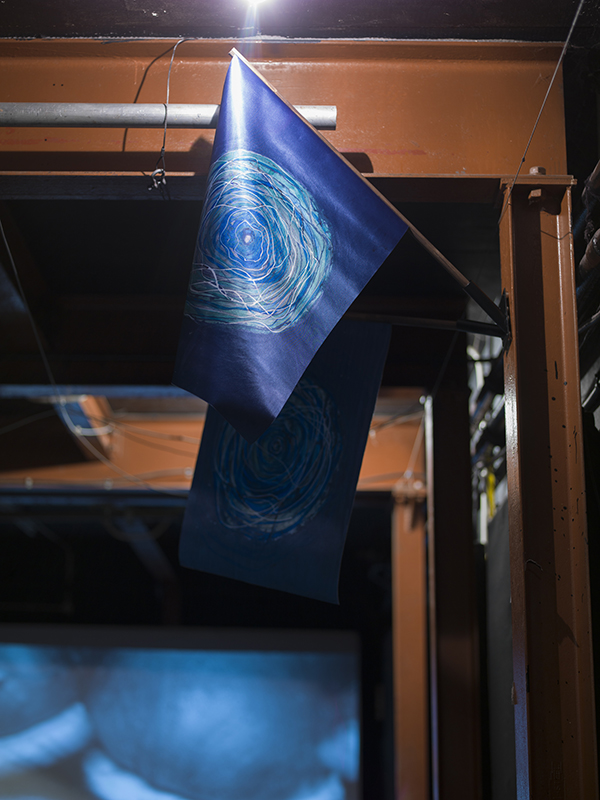
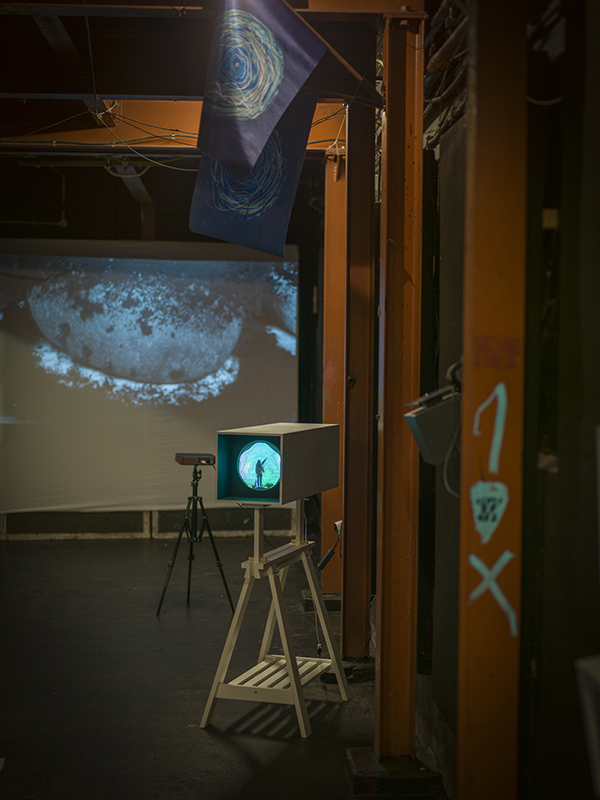
The culmination of two years work – A STONE SKY duo exhibition with Julie F Hill opened at Thames-side Studios GalleryReimagining the idea of an observatory – the exhibition proposes a cavernous realm of real and speculative possibilities that arise from beyond the limits of human perception. Engaging with the extended sensory range offered by technologies such as orbiting space telescopes through to the ability of birds to ‘see’ the Earth’s magnetic field, the artists’ reveal intimate connections between earth and space.

Installation shot by Ben Deakin Photography.

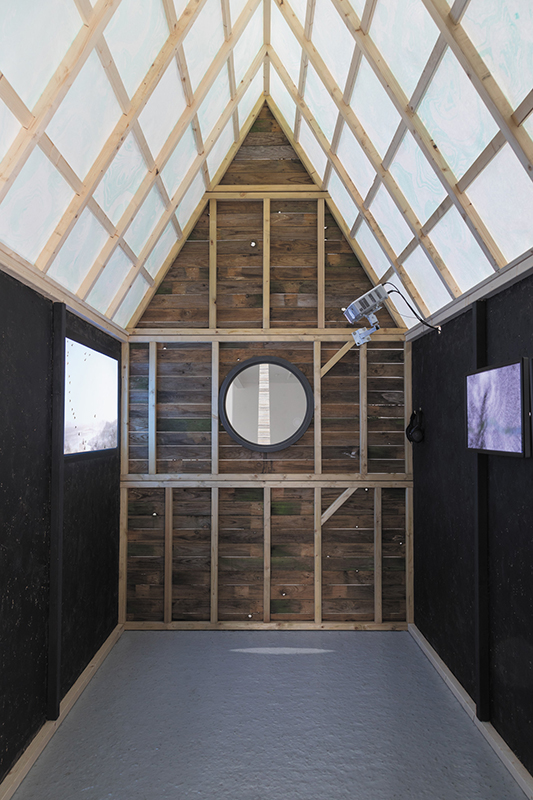
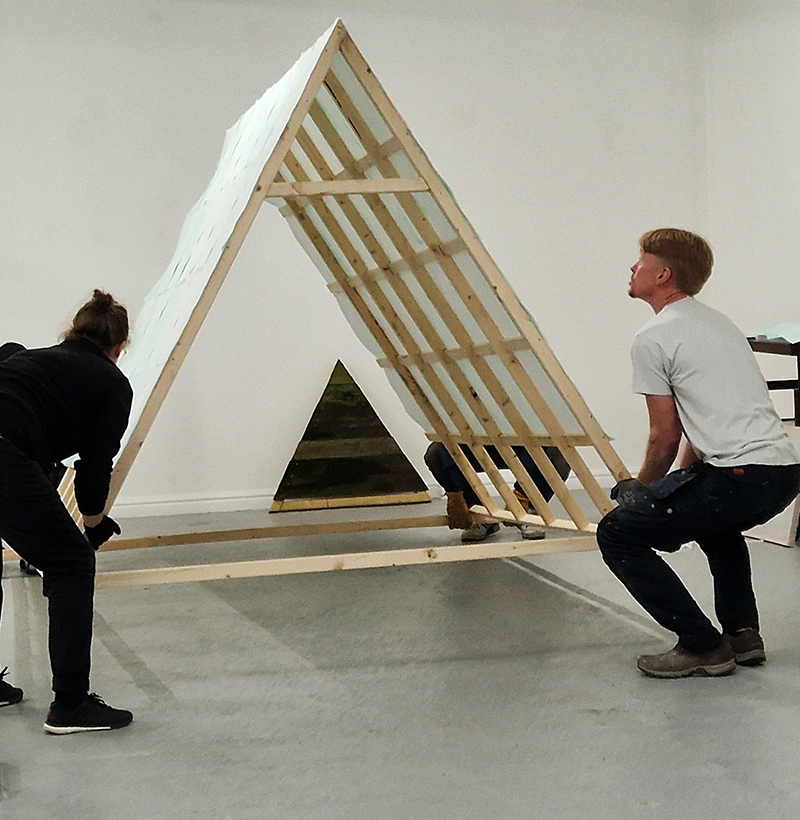
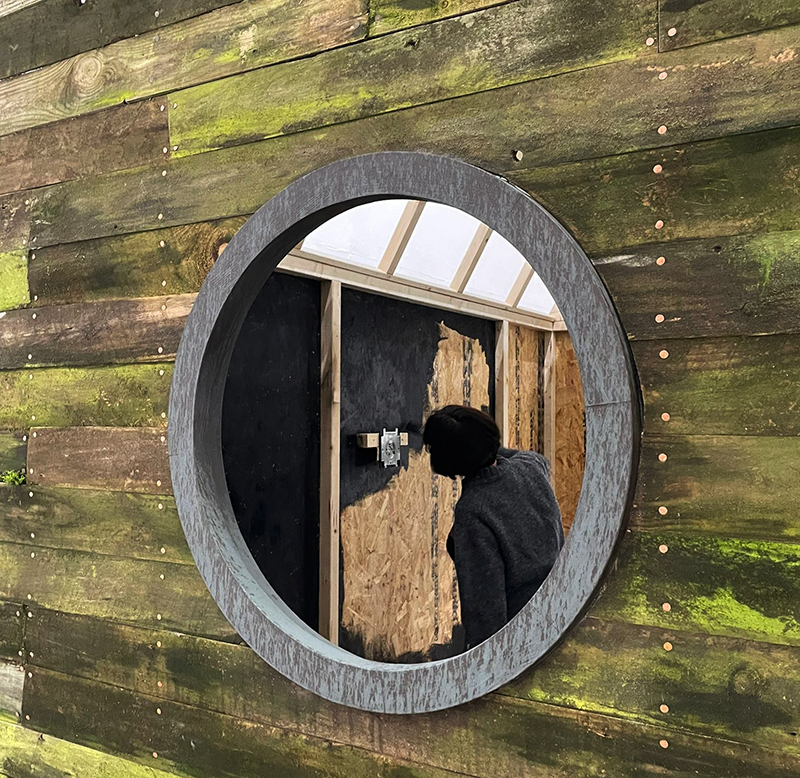
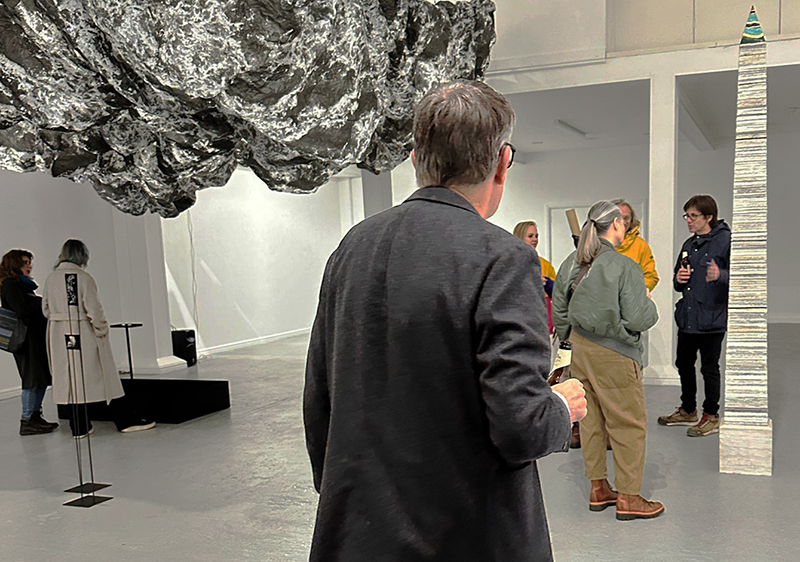
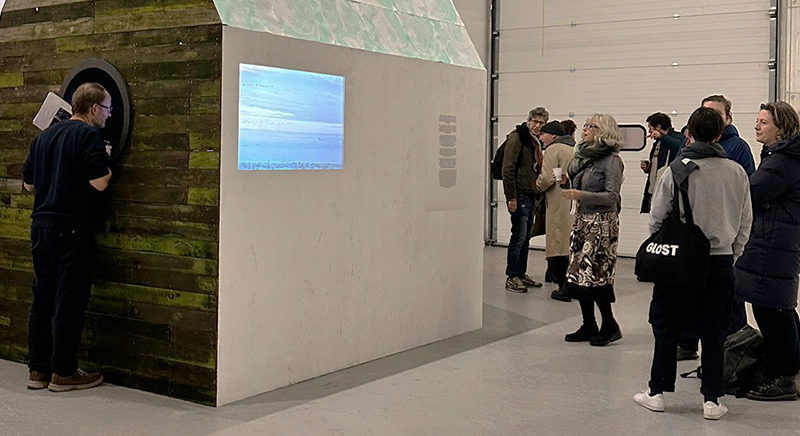
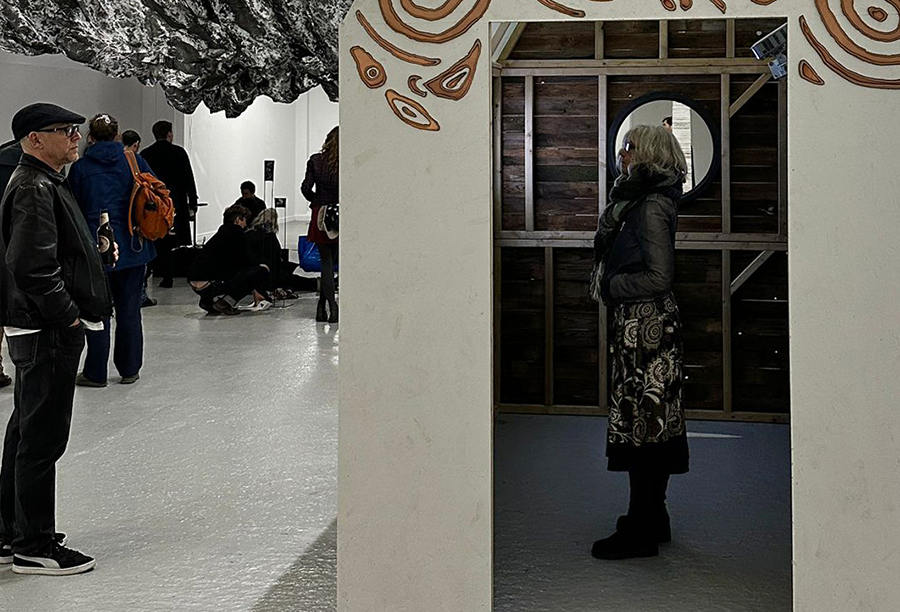
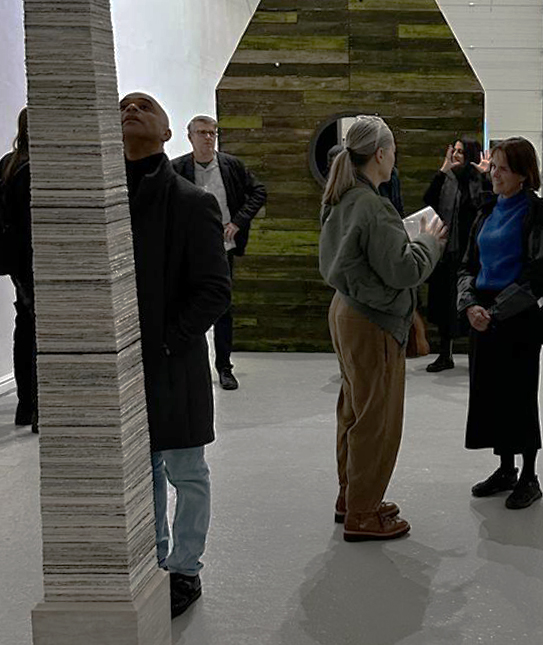
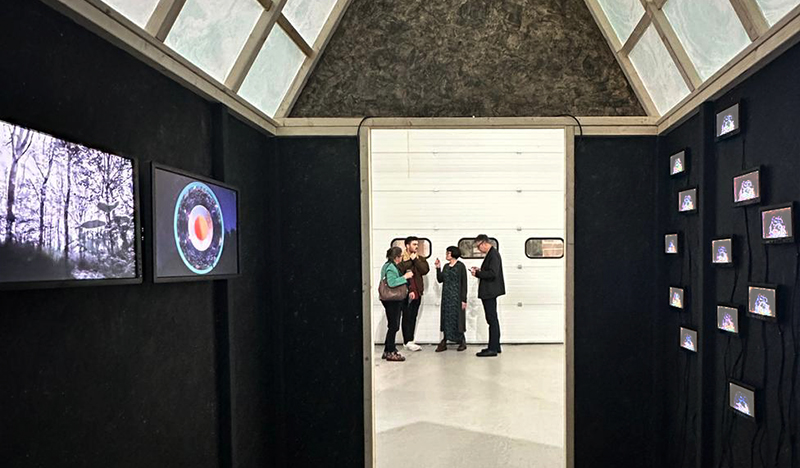
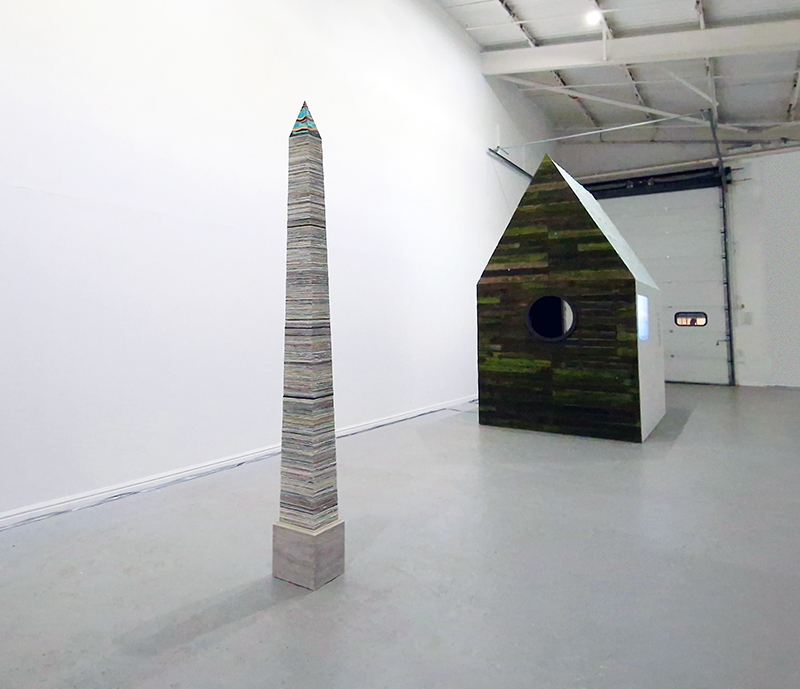
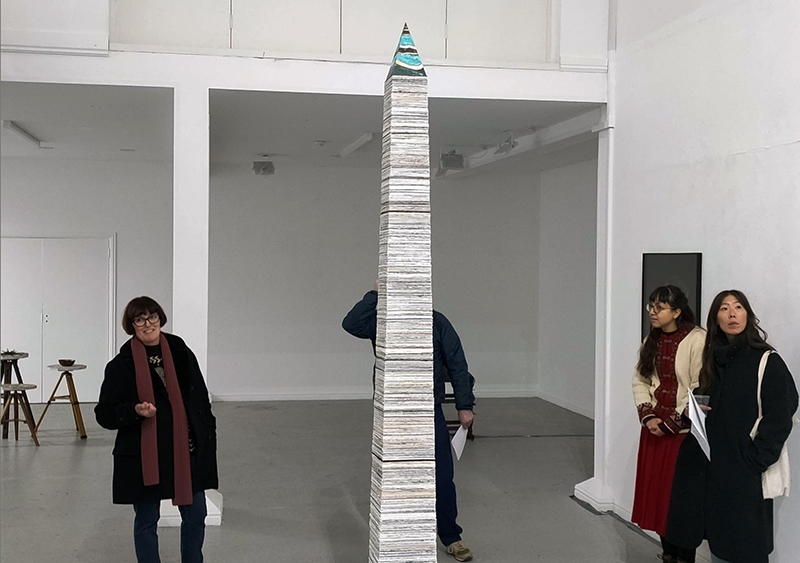
Susan Eyre seeks to navigate a path across time from the first human encounter with the magical qualities of the lodestone to current understanding of the interaction of the magnetic field with terrestrial life. Her works respond to the architecture, instruments and materials, found at a magnetic observatory while scientific objectives are expanded to include natural navigation techniques and extra-sensory methods used by the non-human realm, to form the basis of speculation as to the ability for humans to perceive the Earth’s magnetic field. Installation, sculpture and moving image works include a reimagined observation hut operating as a sensory hub with video screens suggesting portals into a web of neural pathways; an obelisk of layered recycled paper echoing Earth’s geological and magnetic history secreted in sedimentary strata of rock and a digital video work activated in real time by the passage of cosmic rays through a scintillator detector.

Images by Ben Deakin Photography

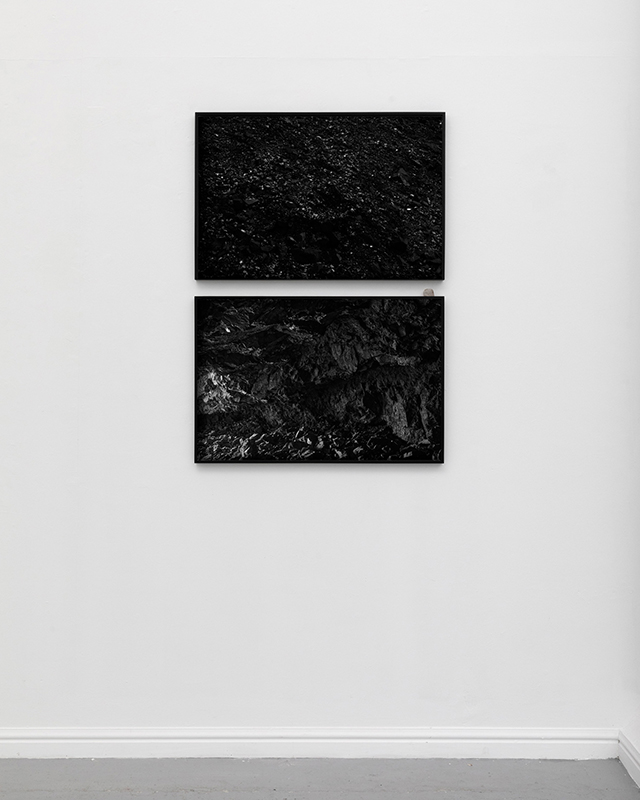
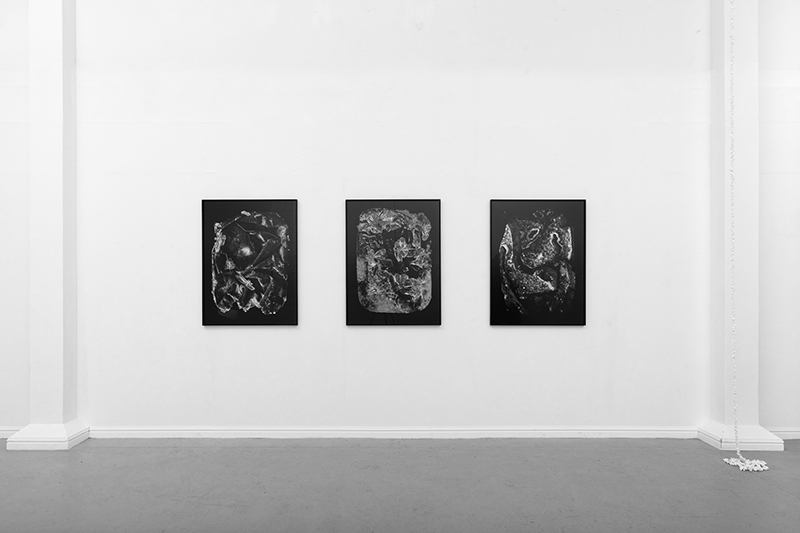
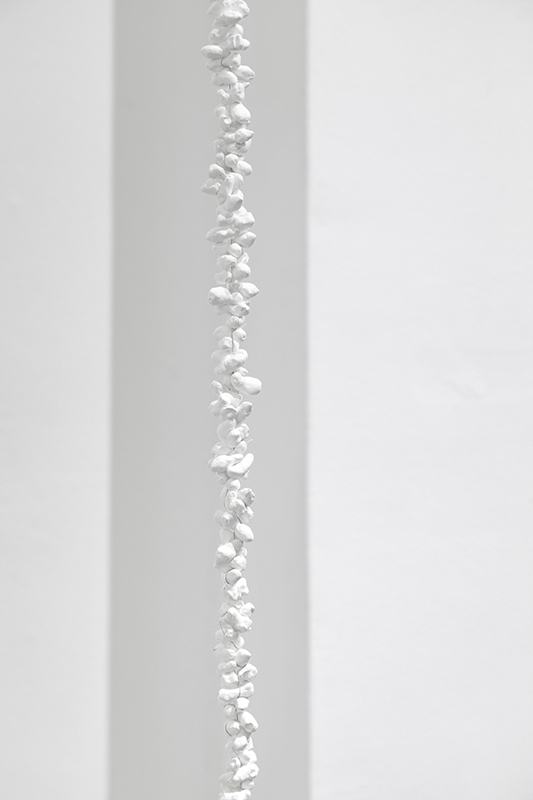
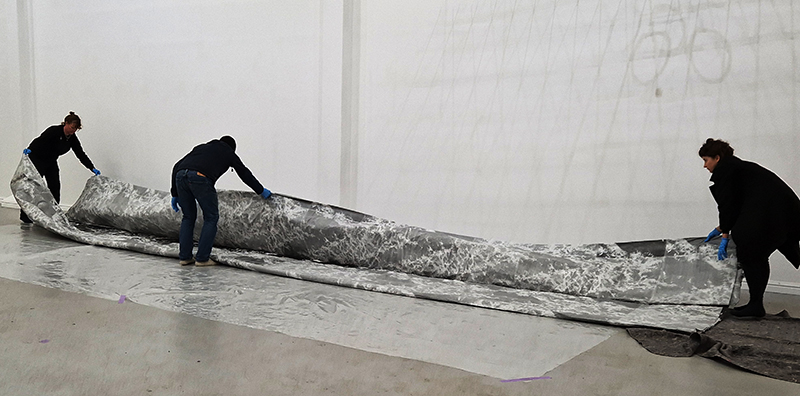
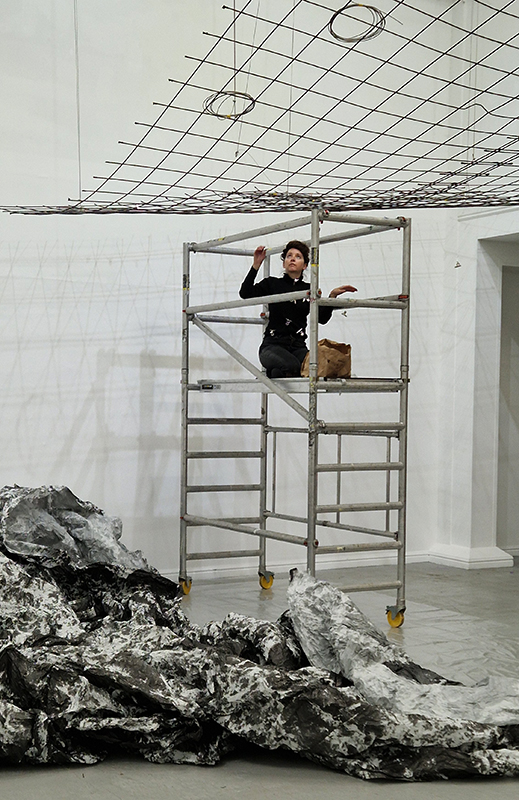
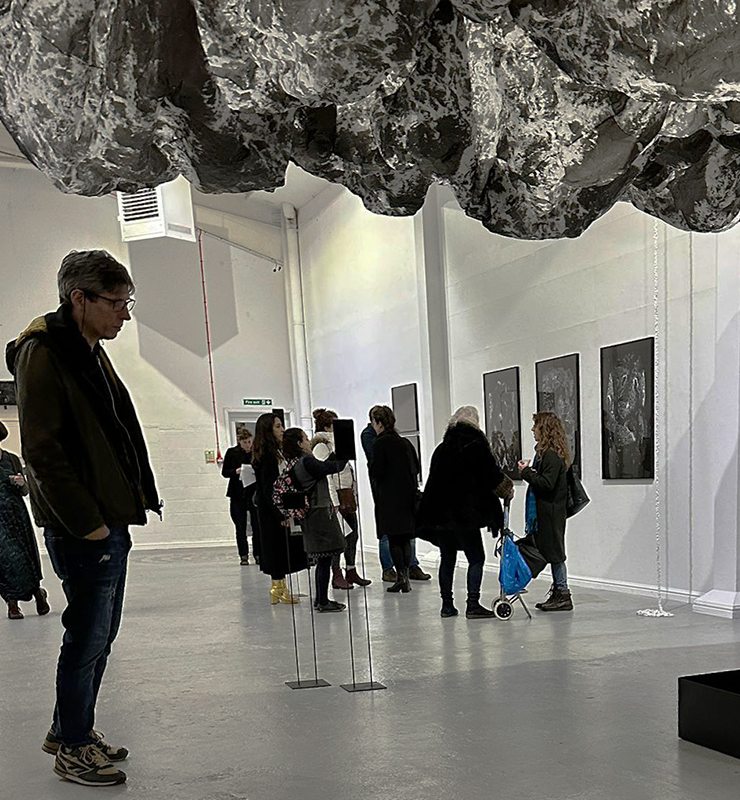
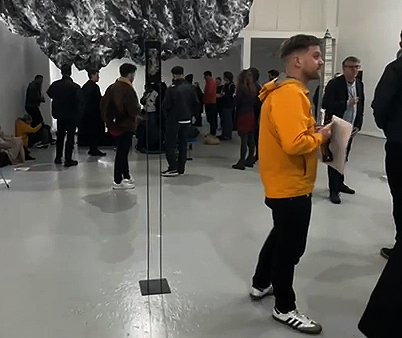
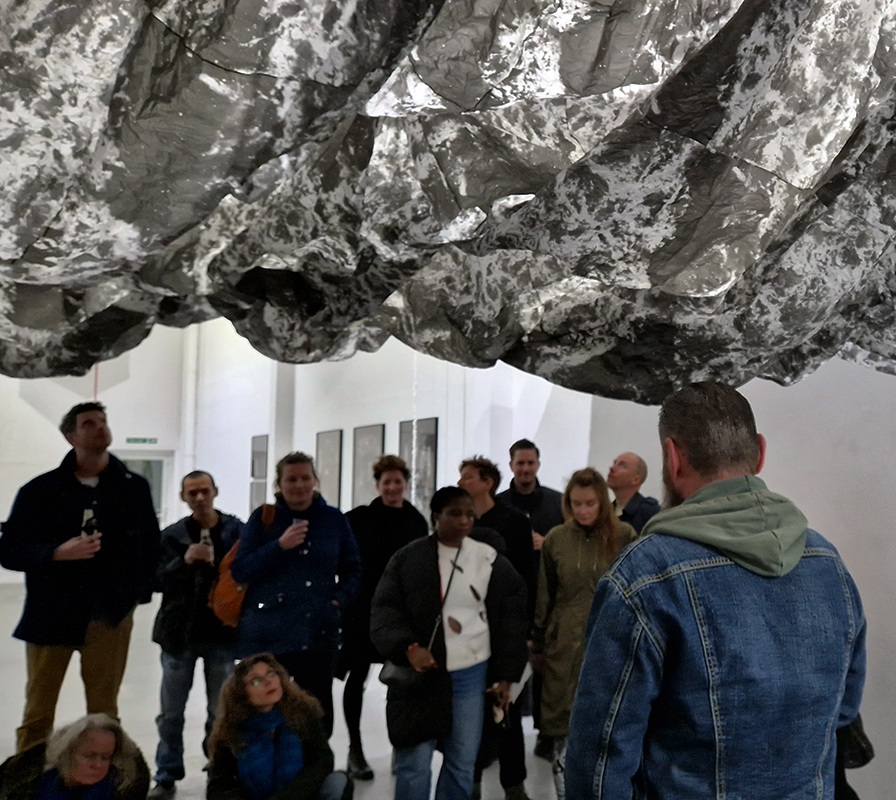
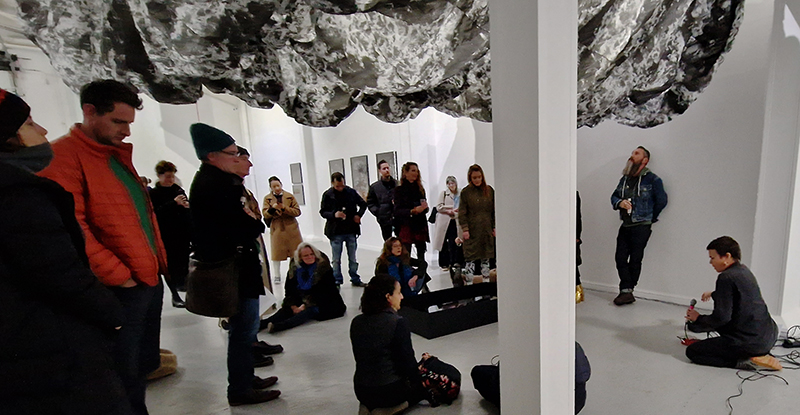
Julie F Hill explores the entwined darknesses of earth and cosmos. Crystalline and mineral substances from the deep earth fuse with astronomical data to suggest the deep-earth as an instrument for coming to know the cosmos. Crystalline and mineral substances formed in the continuum of deep earth and deep space allow us to peer back into cosmic time, both through the technologies created with them and the geological record they hold. Whilst darkness often indicates uncertainty and lack of knowledge, Hill asserts that it’s through darkness when we can be most perceptive to the interconnectedness between earth and cosmos. Through it we are able to extend our kinship with the inorganic and expand consciousness of what constitutes nature. Works include a large-scale sculptural print installation made from James Webb Space Telescope data that is reworked into a cavernous space, providing an experience of intimate immensity alongside more smaller sculptural and photographic works.

Images by Ben Deakin Photography

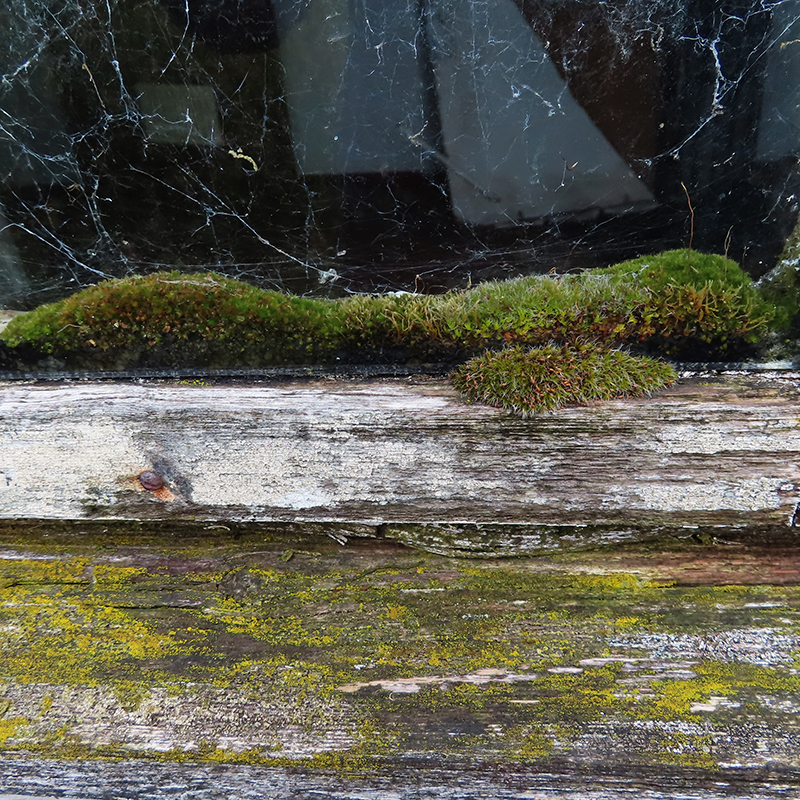
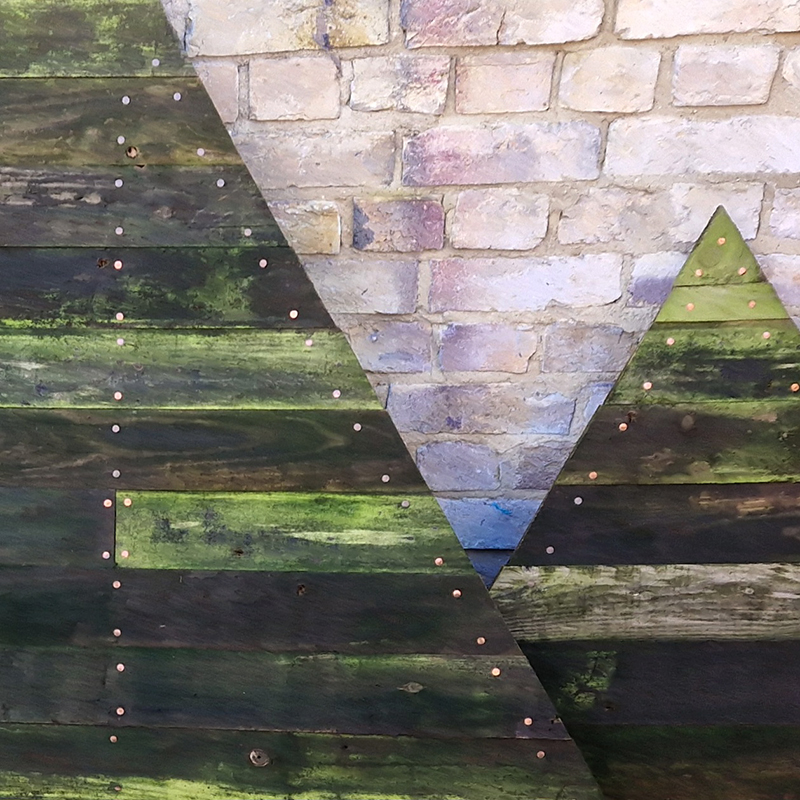
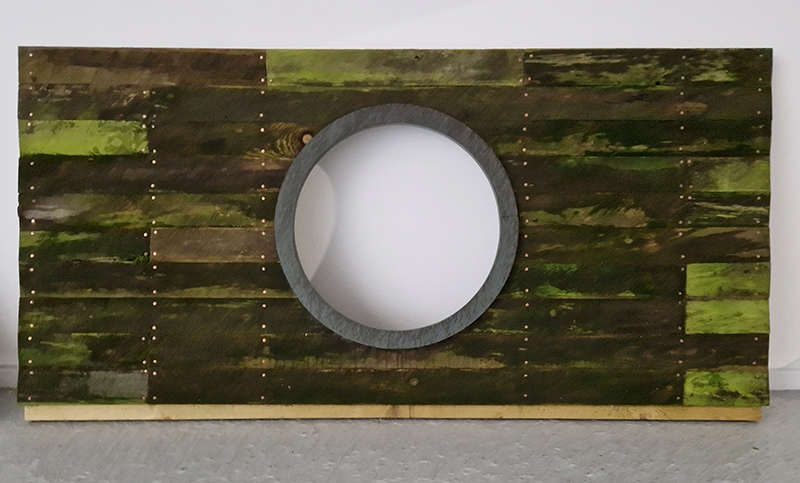
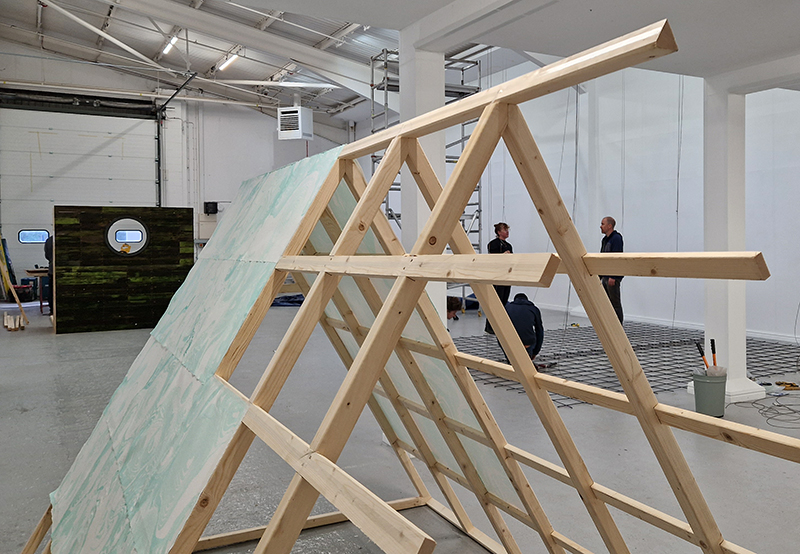
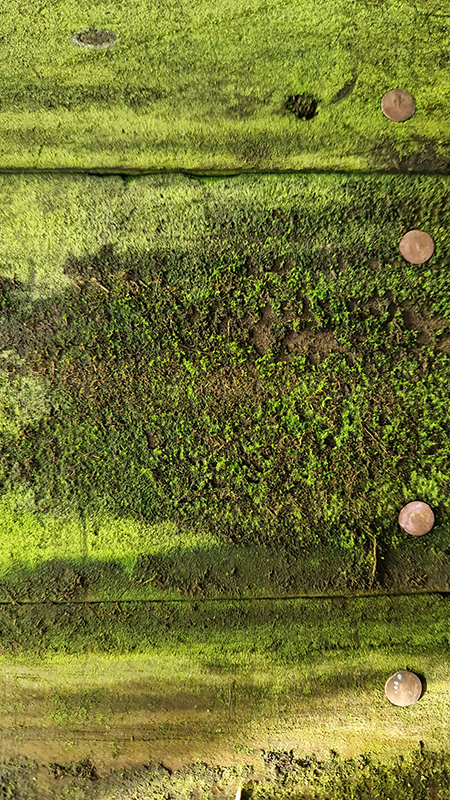
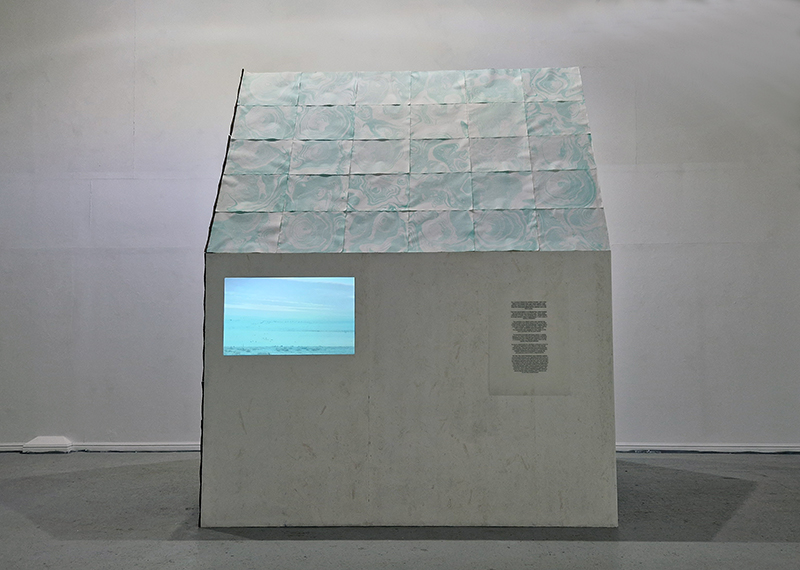
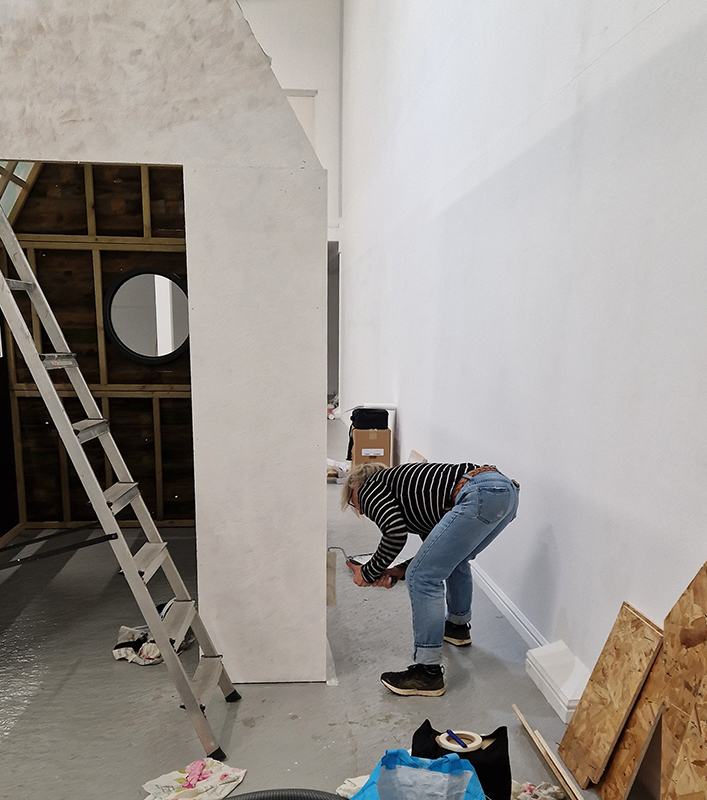
We both had ambitious large scale works to install and were grateful for the help we received from our partners (both Kevins), friends and technicians. Trevor Neale was magnificent in constructing The Absolute Hut. Anne Krinsky patiently helped apply double sided tape to the roof structure ready for the Suminagashi paper tiles and Caroline AreskogJones energetically painted the hut white and neatly edged the two way projection window. I was thrilled that, as a result of a wet few weeks, moss had started to grow on the wooden boards of the north facing wall in time for installation.

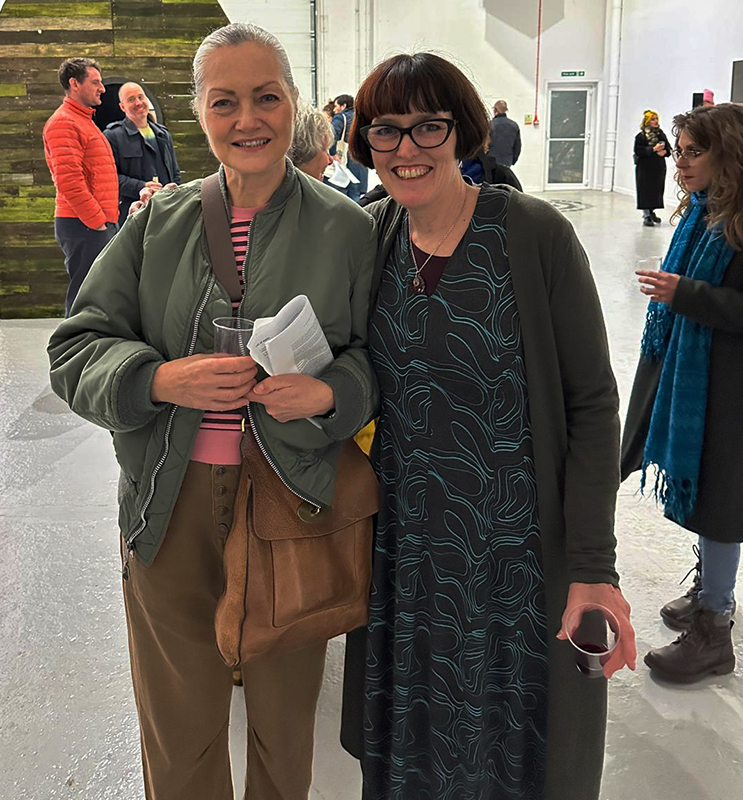
A big thank you to everyone that made it to the opening night, we were super chuffed with the positive responses.

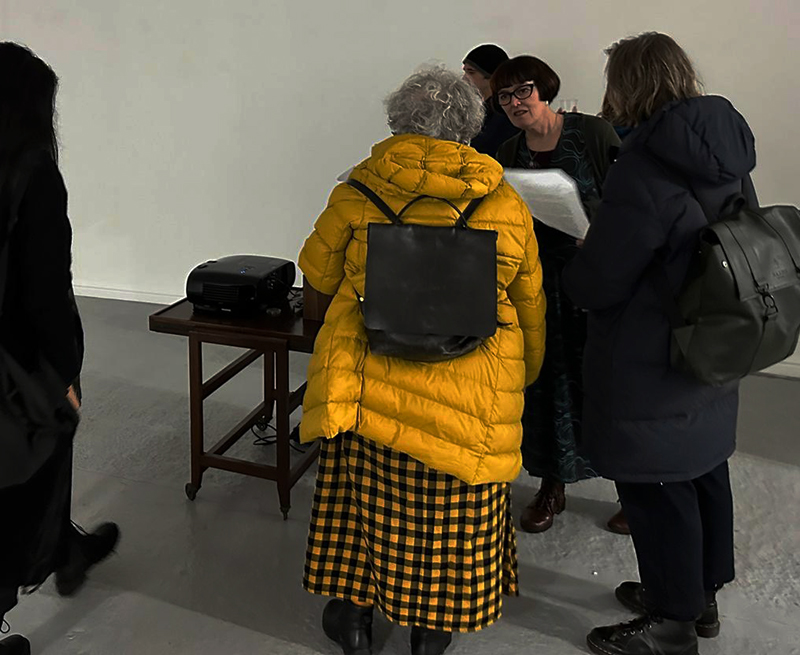
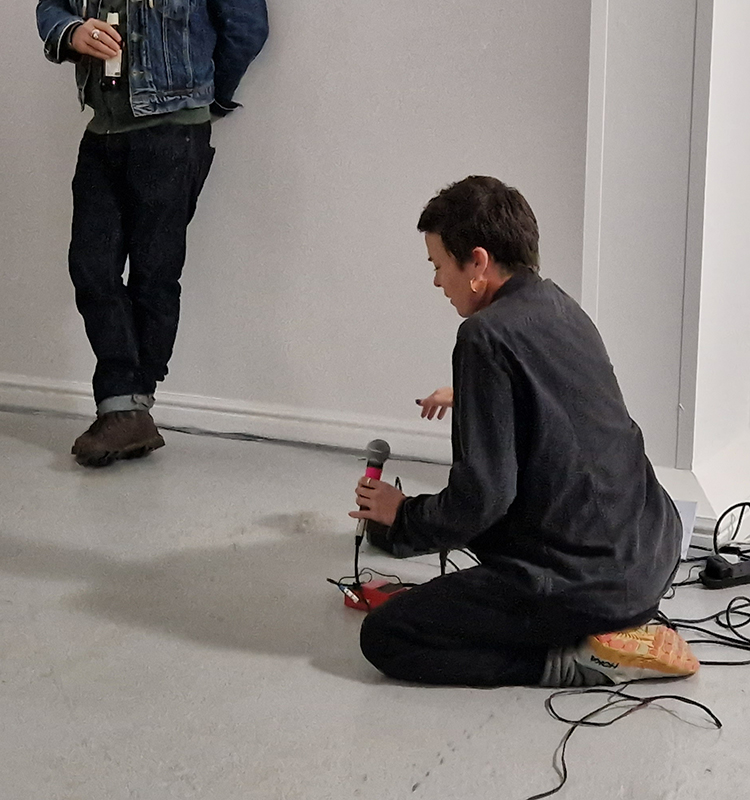
At the private view Julie’s large scale print installation was activated by a vocal performance conjuring abyssal voices of deep, cosmic time, performed and devised with Eleanor Westbrook whose voice produces incredible hauntingly beautiful sound.

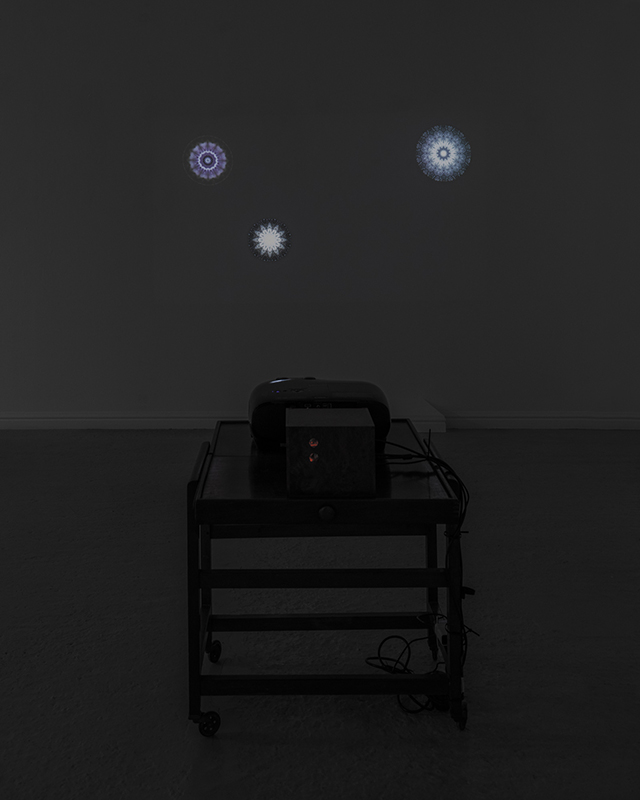
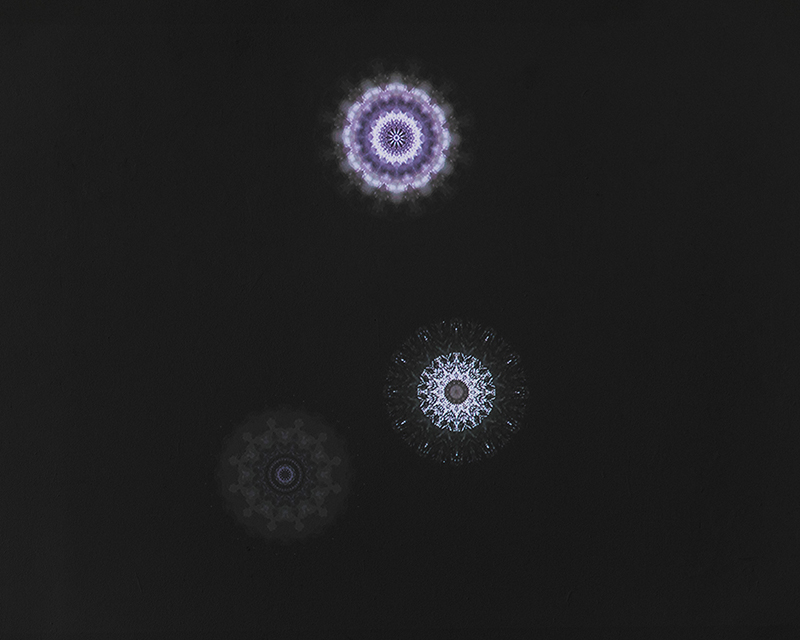
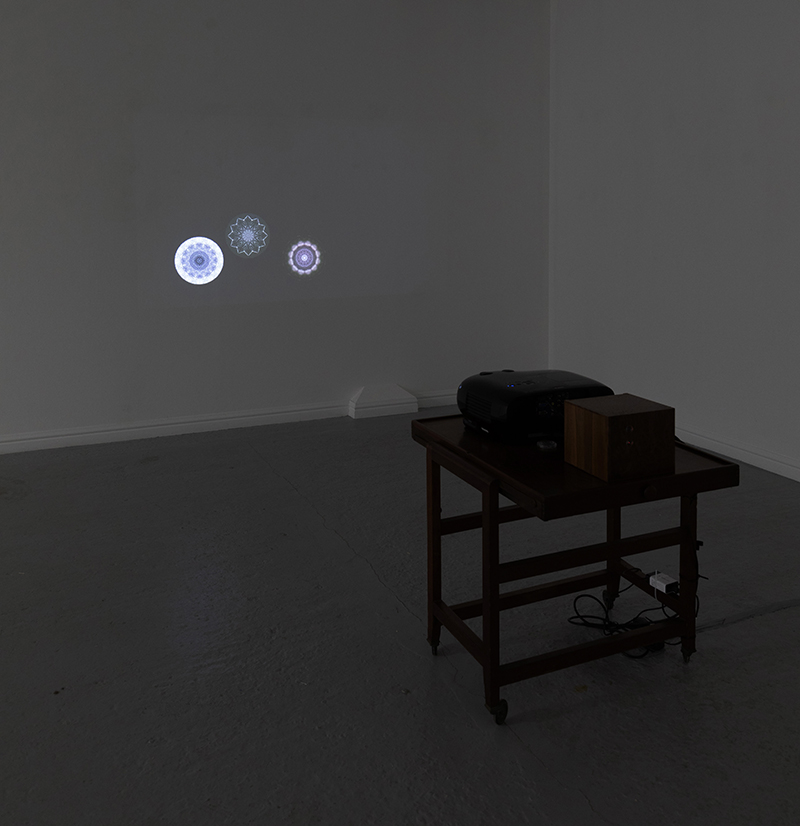
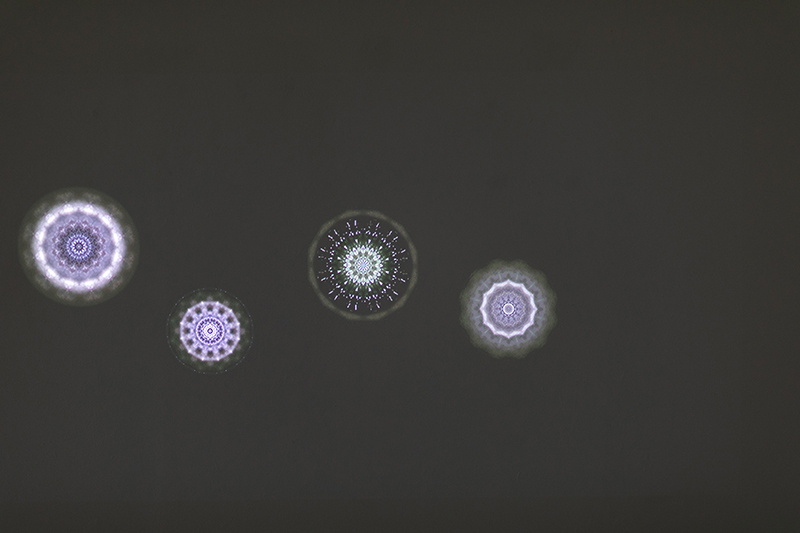
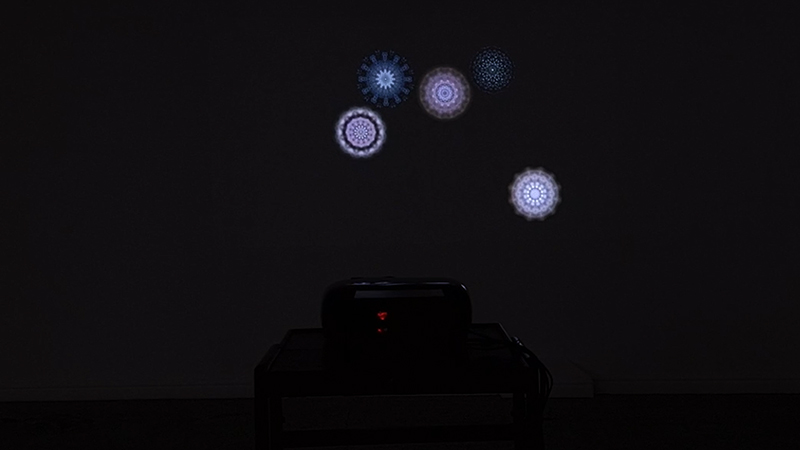
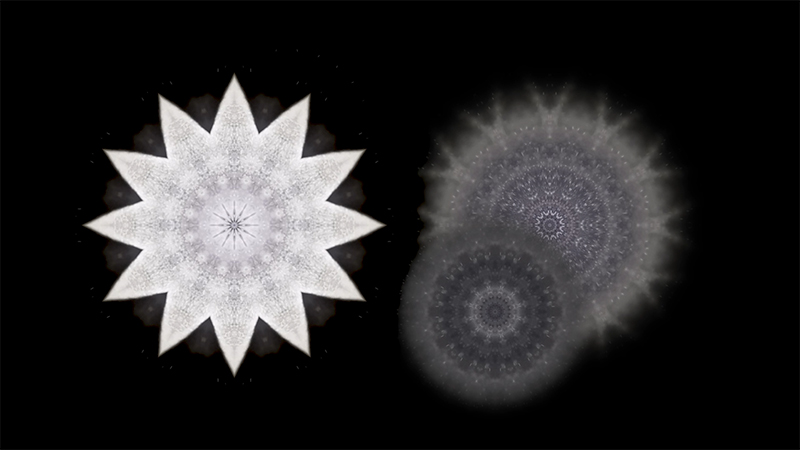
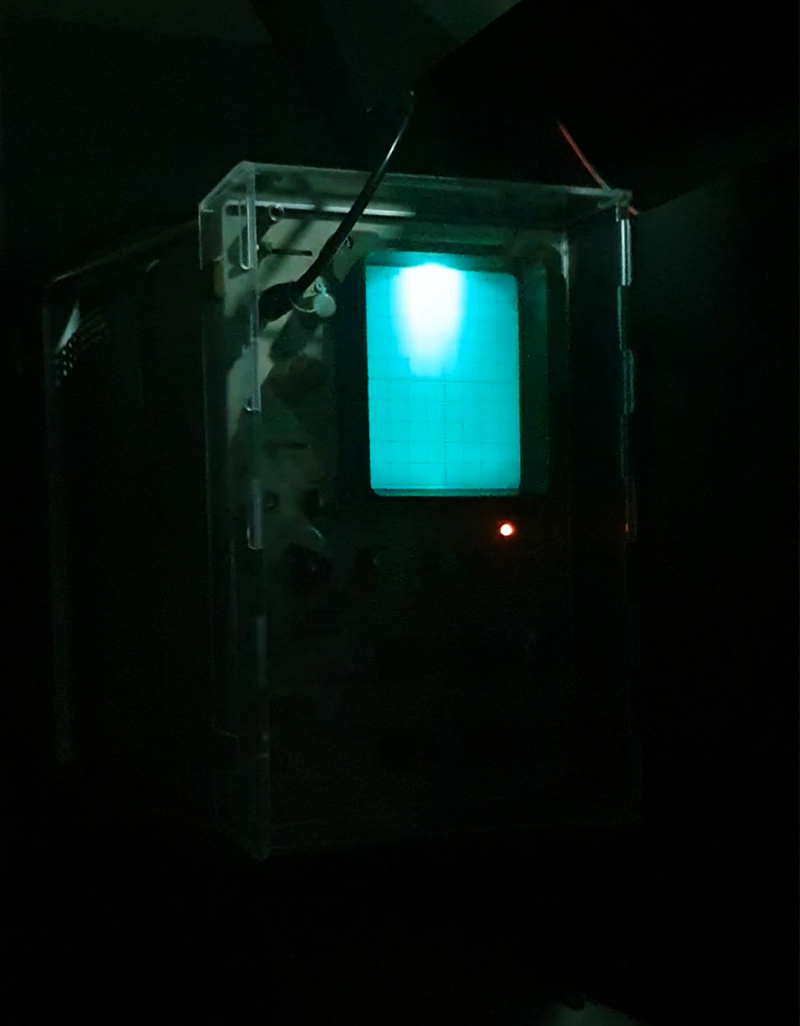
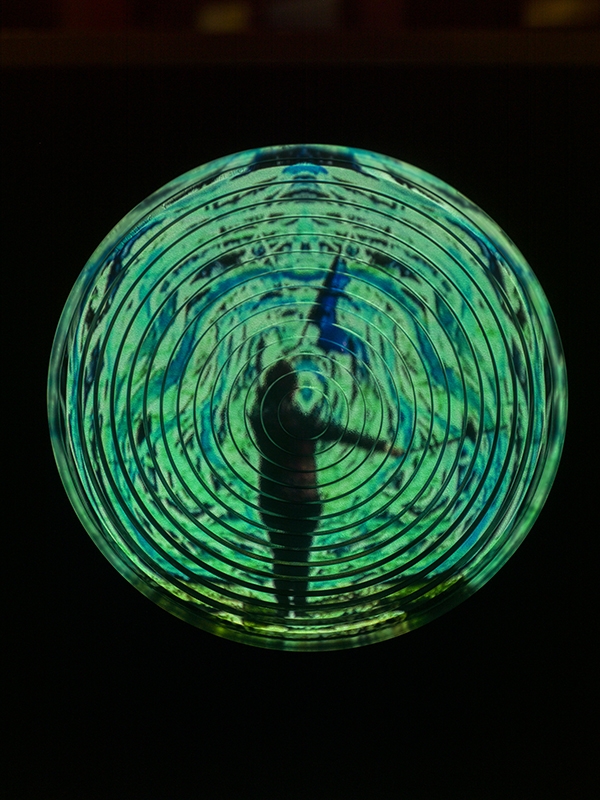
I was particularly excited to share The Breath of Stars, digital video work activated in real time by the passage of cosmic rays through a scintillator detector. After two years in development it was so exciting to watch the random starbursts appear in real time as witness to the unseen activity of cosmic rays passing through the gallery.

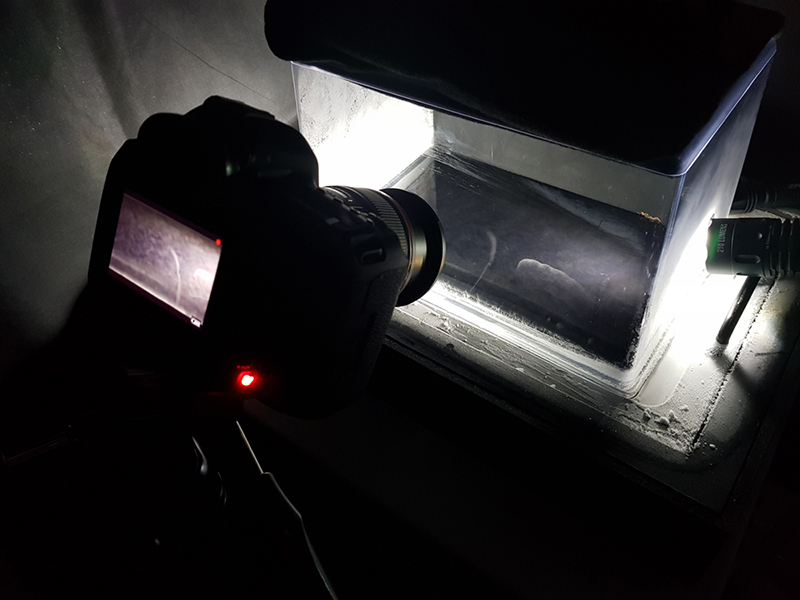
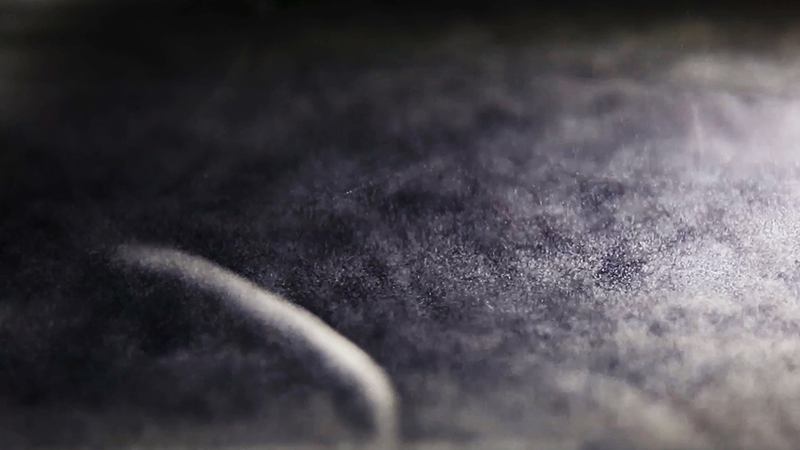
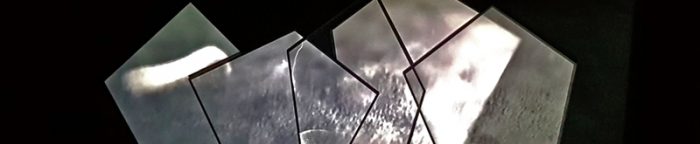
The kaleidoscopic video images that appear for every particle recorded by the detector, are created from footage of cosmic ray trails filmed in a cloud chamber.

The interaction of cosmic rays with atmospheric electrical fields influences the unpredictability of the magnetosphere and this random activity can be witnessed by the sudden flurries and silent gaps of the live video imagery.

These subatomic visitors from outer space power across the universe with unimaginable energy, coming from the heart of exploding stars or the depths of black holes; some may come from phenomena yet to be discovered or even from other dimensions. Travelling at close to the speed of light cosmic rays spiral along magnetic field lines, strike the edge of the Earth’s atmosphere, break apart and shower down upon us. Some particles collide and silently interact with atoms and technology on Earth. Most cosmic rays heading for Earth are deflected by the planet’s magnetic field and without this protection life on Earth could not survive this bombardment of radioactive matter. The interaction of cosmic rays and the solar wind with atmospheric electrical fields combines to influence the unpredictability of Earth’s magnetosphere, impacting the functioning of GPS satellite technology and computer processors on which humans have come to rely in daily life.

My research trip to Hartland Magnetic Observatory in North Devon was a catalyst for this body of work centring around a north facing observation hut aligned with an obelisk as a fixed azimuth mark. I am very grateful to The British Geological Survey for allowing me access to the site and particularly to Tom Martyn who shared his knowledge and gave a fascinating tour of the observatory.

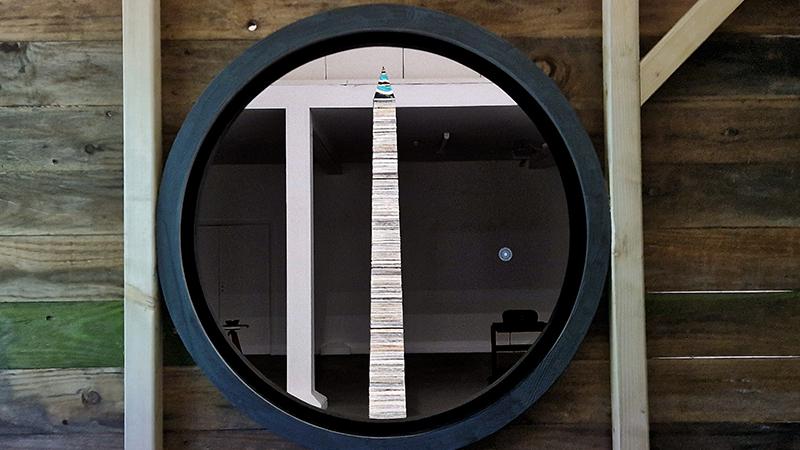
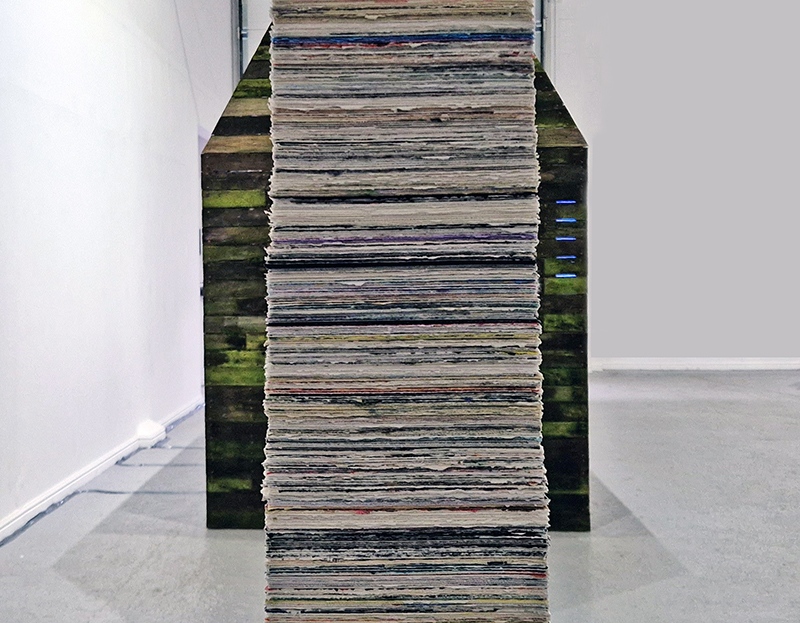
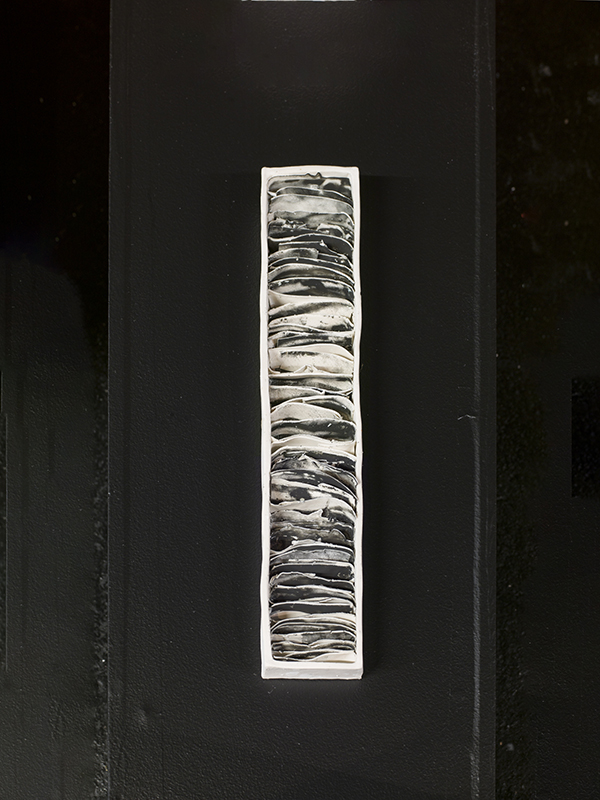
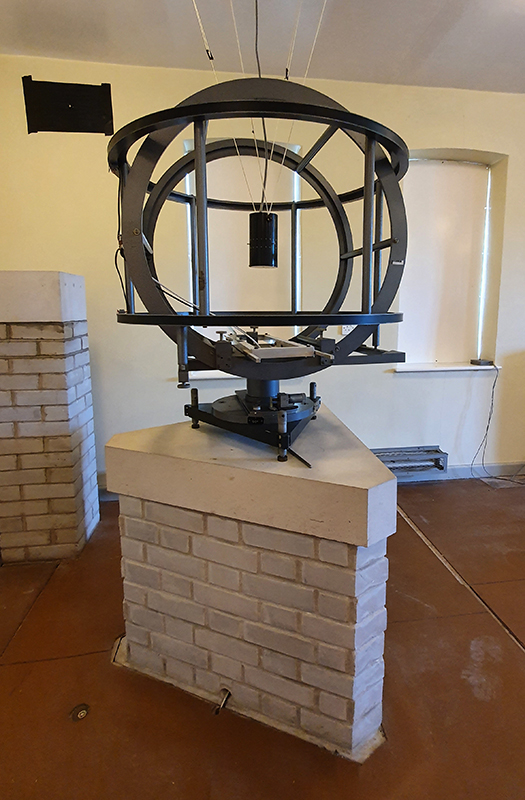
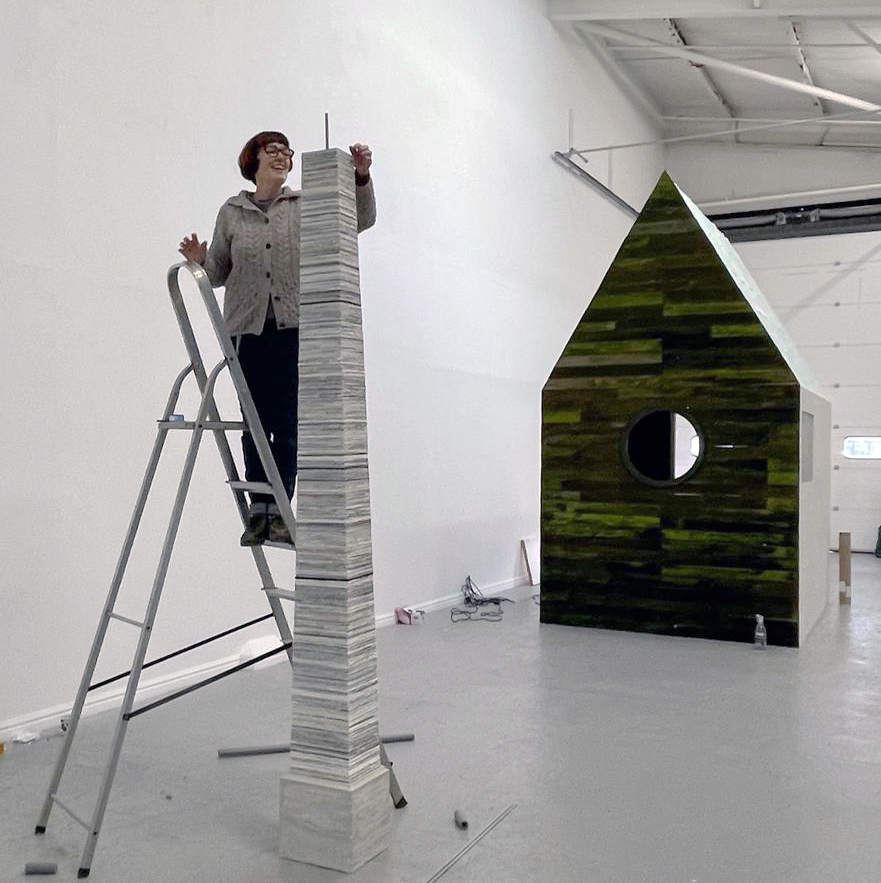
The Azimuth Obelisk (of sedimentary knowledge) is a reimagining of an obelisk erected at Hartland Magnetic Observatory in the late 1950’s near the site’s northern boundary. Viewed through the window in the north wall of The Observing Building (also known as the Absolute Hut) it acts as a permanent azimuth mark from which the drift of the magnetic north pole is monitored. Currently almost hidden by undergrowth, the observatory’s concrete azimuth mark has been replaced by a digital GPS position. Much as the Earth’s geological and magnetic history is secreted into the strata of sedimentary rock, this sculpture also expresses the passage of time through the layering of recycled paper prints and drawings whose history becomes embedded within the stacked layers.

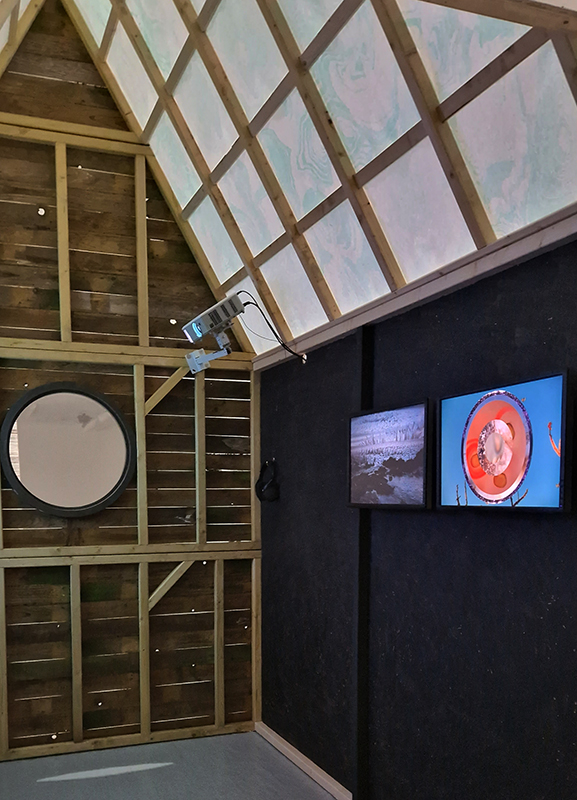
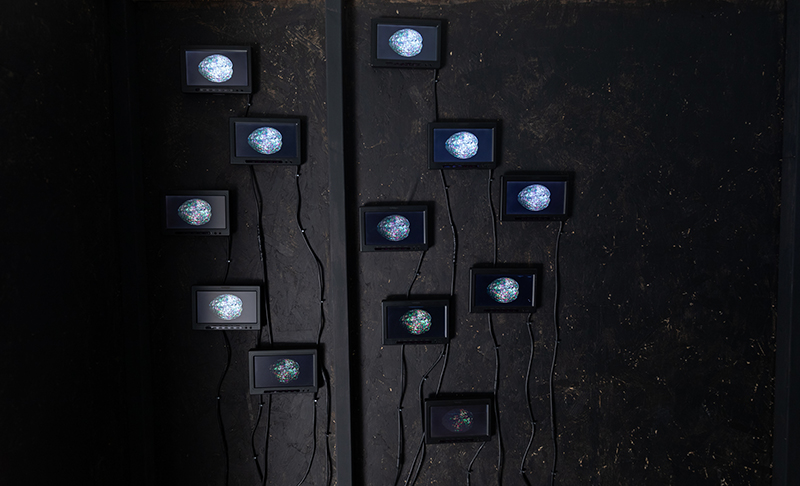
The Absolute Hut (of action potential) operates as a sensory hub with video screens suggesting portals into a web of neural pathways where a range of actions and processes are running concurrently reflecting on the dynamics between the Earth’s geologic structure and navigation using the magnetic field.

The title refers to the way neurons send information electrochemically around the body. The signals they send are called action potentials which is a temporary shift from negative to positive within the cell caused by certain ions entering the cell. Action potentials can be triggered by an interaction with the magnetic field causing a reaction in the body.

The installation is conceived from a combination of features, impressions and functions of the observing building and instruments at Hartland Magnetic Observatory in North Devon and the observation huts built in the 18th century at The Kings Observatory in Kew for meteorological and magnetic observations.

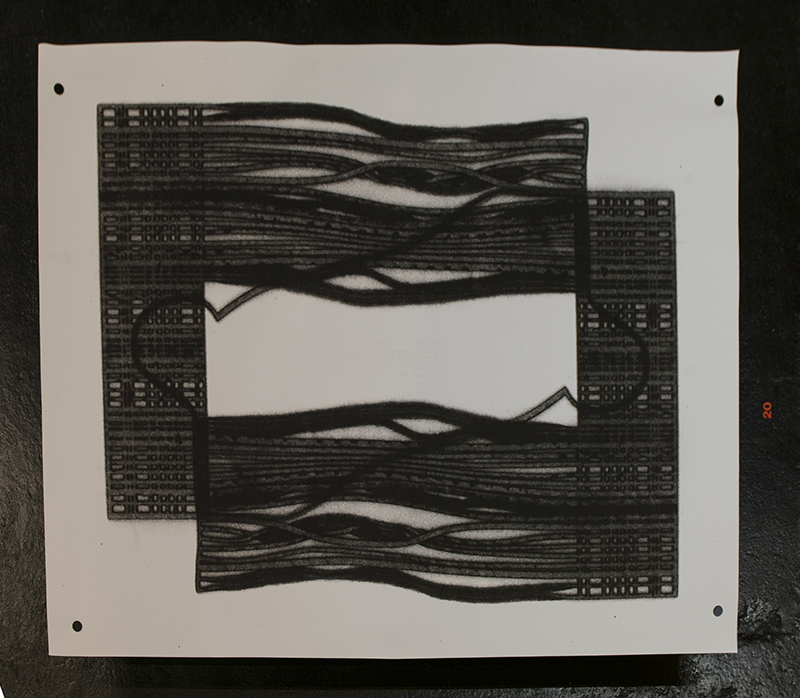
Topological contours of suminagashi marbling and plasma cut copper reflect the fluid motion of the Earth’s molten iron core and the pulsating alpha waves of the human brain when subjected to magnetic fields.

‘the internal skies have their own birds’ Italo Calvino Cosmicomics

The fascinating and perilous journeys made by migrating birds has been a natural wonder for centuries with the first records of this phenomena made more than 3,000 years ago. The innate knowledge of migratory birds is mentioned in Job and Jeremiah and the ancient Greek writers Homer, Hesiod and Aristotle noted their passage.

Job 39:26 Doth the hawk fly by thy wisdom and stretch her wings towards the south?

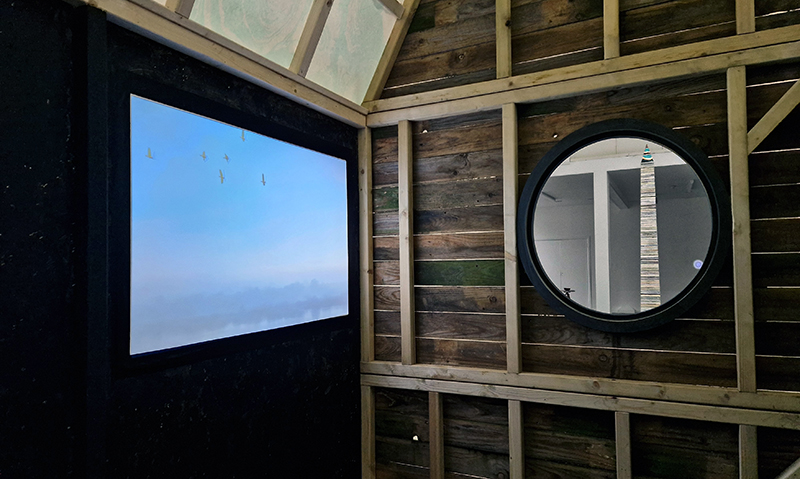
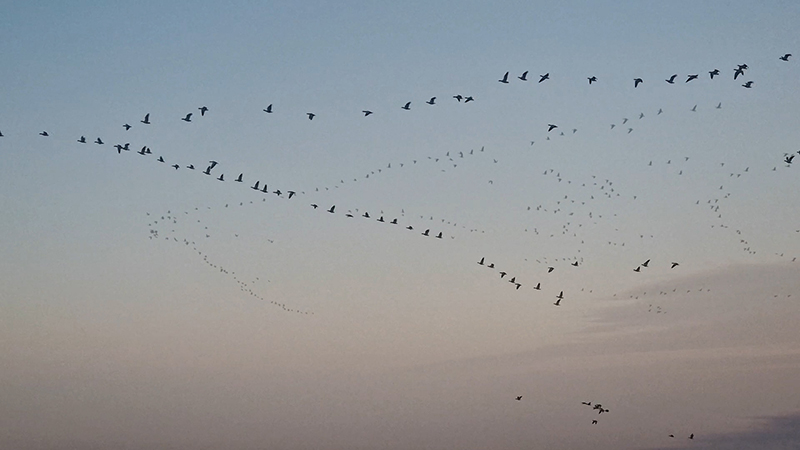
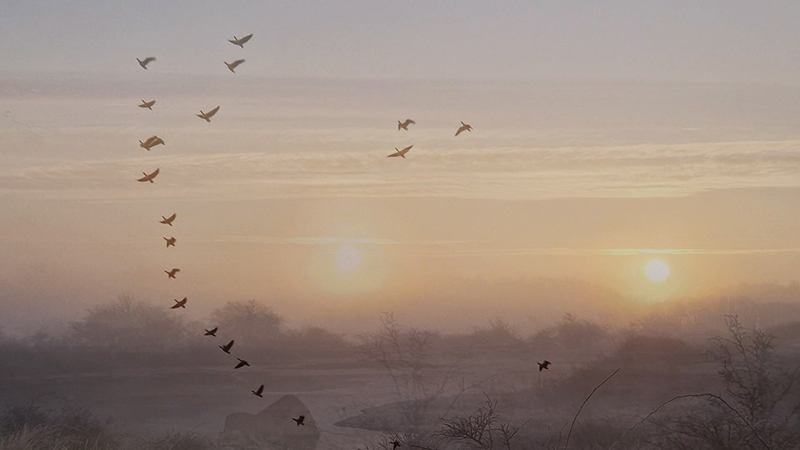
Wintering light two way video projection of migratory pink footed geese filmed at RSPB Snettisham on the North Norfolk coast.

Research has proven that birds and many other animals can use the earth’s magnetic field for navigation. There are two ways this happens. In birds there is a protein in the retina of the eye – (cryptochrome molecules) which trigger action potentials enabling them to visualise the magnetic field. In other animals and magnetotactic bacteria tiny crystals of magnetite respond to the field. This may also be true of humans as we do have these crystals in our brain cells.

Birds use three different compasses to navigate across the globe; the sun, the stars and the magnetic field.

Birds are also able to detect rapid movement such as individual flashes or flickering of a fluorescent light which humans see as a continuous light. Hawks which pursue other birds through dense forests at high speeds, follow the movement of their prey while avoiding branches and other obstacles. To humans travelling at this speed, the fleeing prey, branches and obstacles would just be a blur.

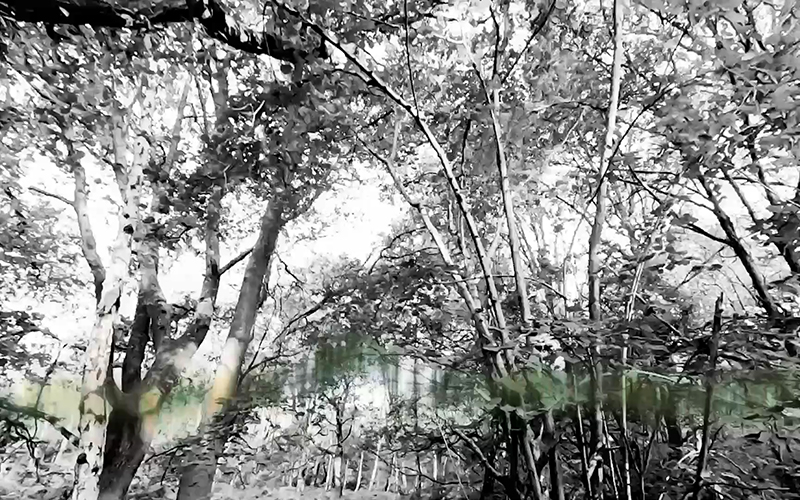
Degrees of Variation considers what it might be like to have the sensory powers of a bird where a protein in the eye is excited by polarised light making it possible to see the magnetic field and follow a visual navigatory cue in an accelerated world. The video imagines flight over water and through woods while being guided by the force of a magnetic field.

Calvino’s story The Stone Sky is wonderfully descriptive of the volatile geological structure of the Earth. This fluidity is what makes life on Earth possible. Only planets with fluid cores have magnetic fields. The geological interior generates a field that reaches into outer space offering a protective shield.

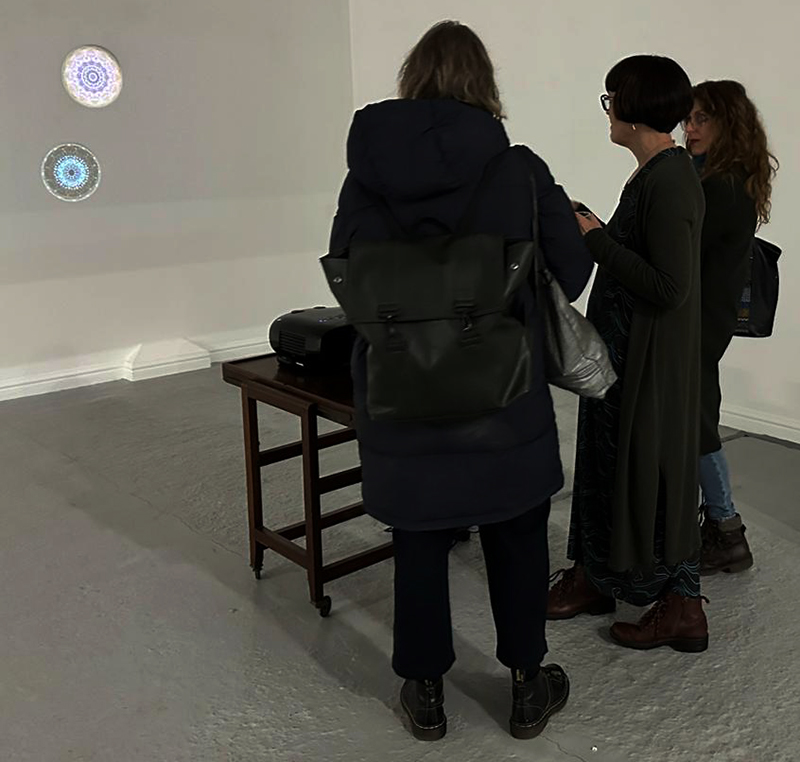
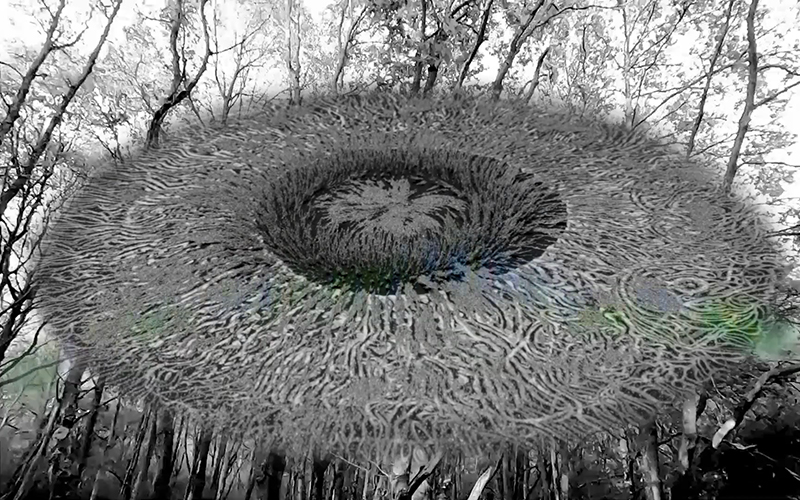
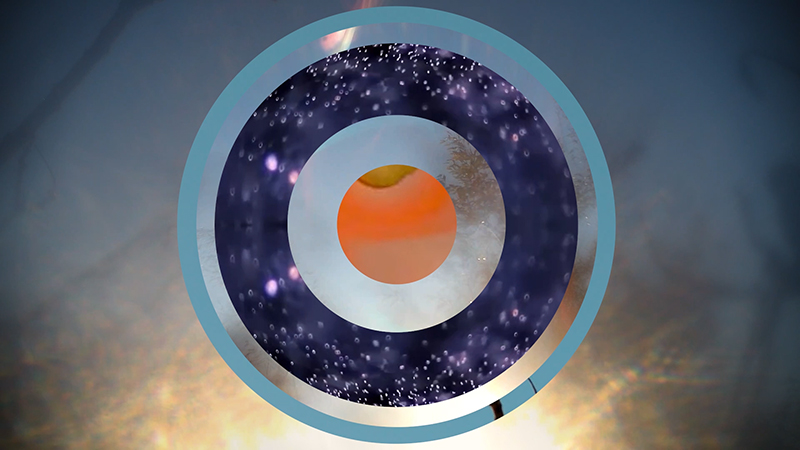
internal skies : external spheres video sequences within concentric circles mimic the geological structure of the Earth to explore the relationship between Earth’s magnetic field and various methods of navigation including via magnetoreception and celestial observation. Sequences include star trails around Polaris (the current north star), birds and bees that use the magnetic field for navigation, magnetotactic bacteria, magnetised iron filings, aerial views of the coastline around Hartland and early morning polarised light which excites the cryptochrome protein in a birds eye.

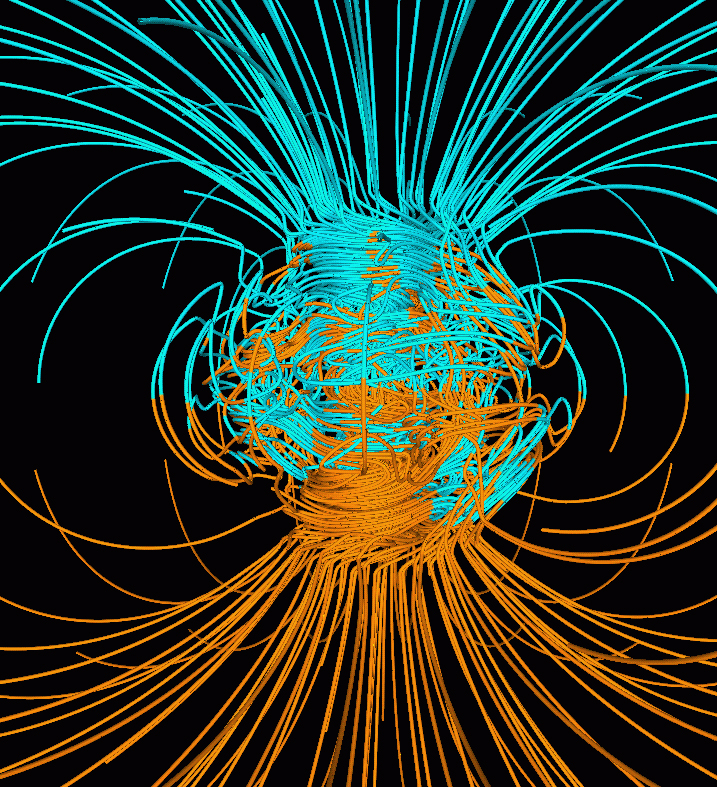
The Earth’s geomagnetic field is created by a combination of three separate fields and timescales. The main field is generated in the earth’s molten iron core.  Observing the field gives clues to the planet’s deep interior which is inaccessible to direct observations. Changes are measured in the annual drifting of magnetic poles. Secondly electrical currents caused by solar weather and cosmic rays bouncing off the Earth’s main  field charge the surrounding ionosphere causing fluctuations in the field. This field changes by the micro second as we orbit the sun. The Earth’s magnetic field also acts as a shield against most potentially harmful charged particles from outer space. Finally the residual magnetisation of the geology of the rocky mantle and crust, measured in deep geological time also offers clues to the geological history of Earth.

The understanding of the world surrounding us forms in the darkness of our skulls. 

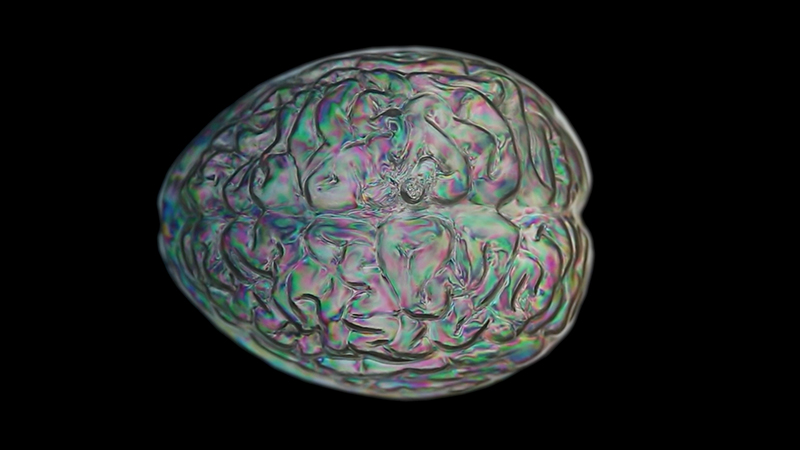
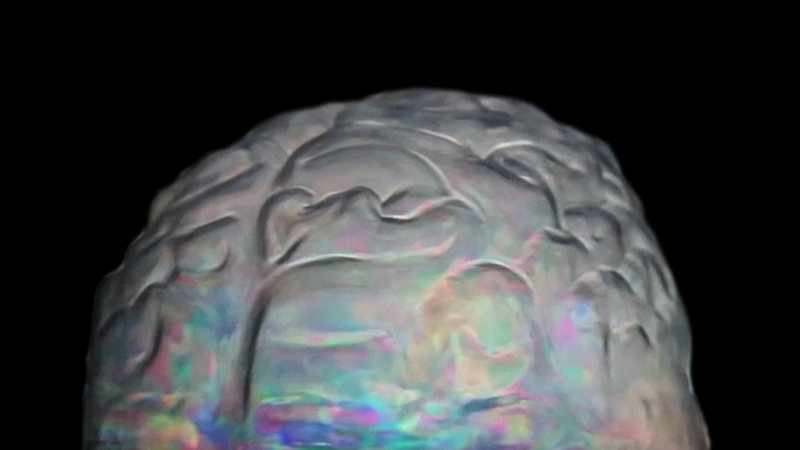
interference – a panel of 12 small video screens inside The Absolute Hut (of action potential), showing images of the human brain filmed by using polarizing filters to create pulsating birefringence colours, relate to the narrative pinned to the outside of the hut.

The narrative is a mix of fact and fiction based on a real experiment carried out at Caltech where scientists found Alpha waves in the human brain do respond to Earth’s magnetic field and other research suggesting that it could be possible for the magnetic field in one animal’s brain to transmit information to another animal’s brain by triggering action potentials creating the same thoughts and emotions.

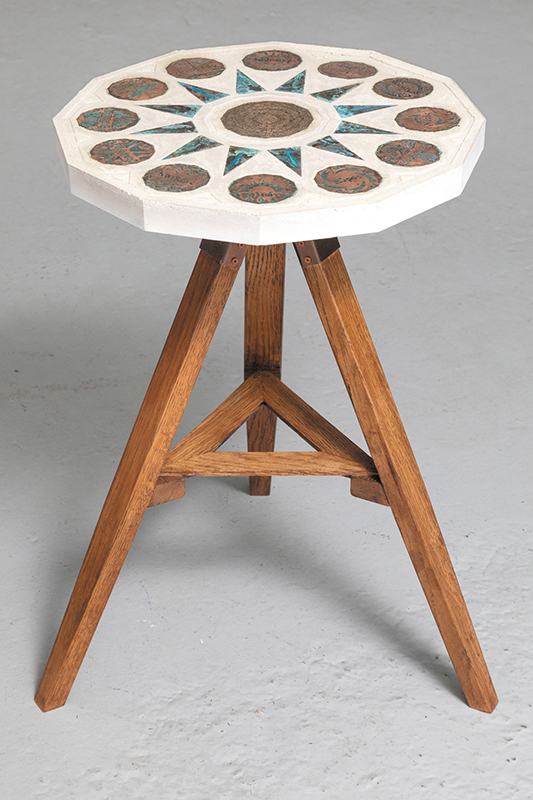
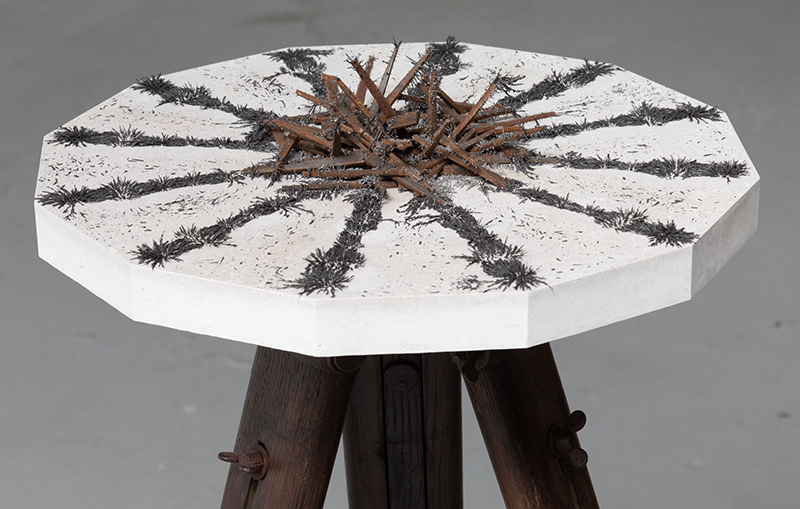
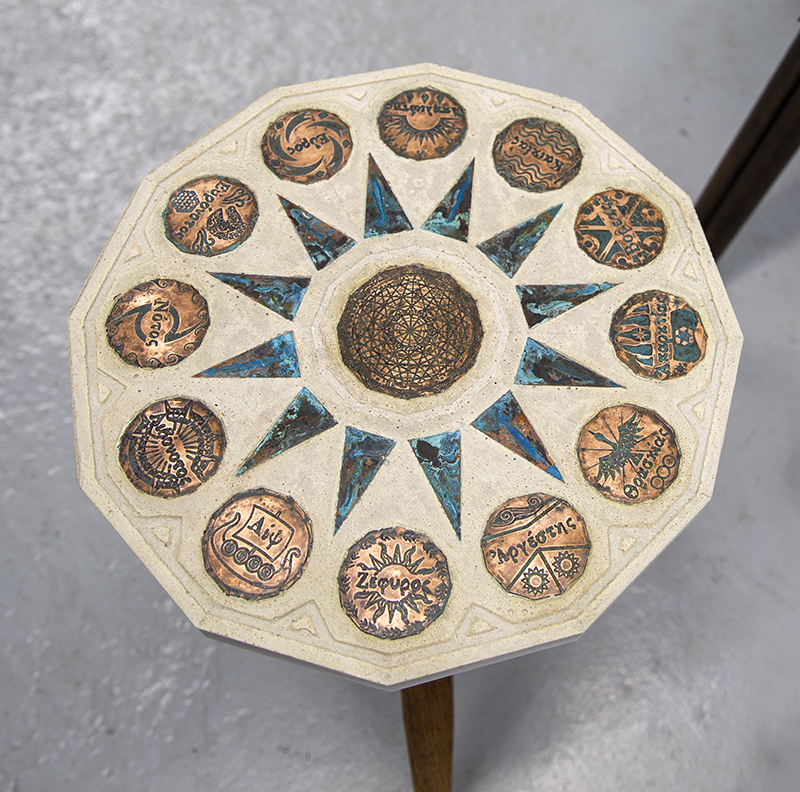
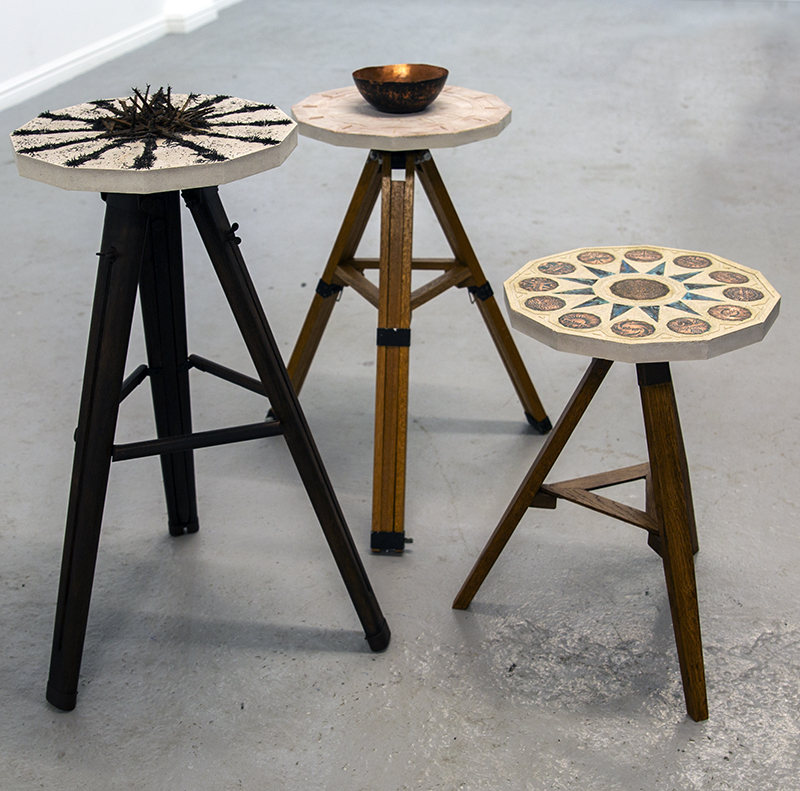
Instruments of the Anemoi are a set of dodecagon tablets cast in Snowcrete, a non-magnetic cement, as used in a magnetic observatory. Suggestive of the pedestals that support various instruments used in monitoring the Earths’ magnetic field they also respond to an ancient anemoscope “table of the winds” carved in marble around eighteen hundred years ago and inscribed with the Greek and Latin names of classical winds on each of its twelve sides. Envisaged here as speculative objects, instruments and schematics wrought by the wind gods, the first emissaries of navigation and orientation.

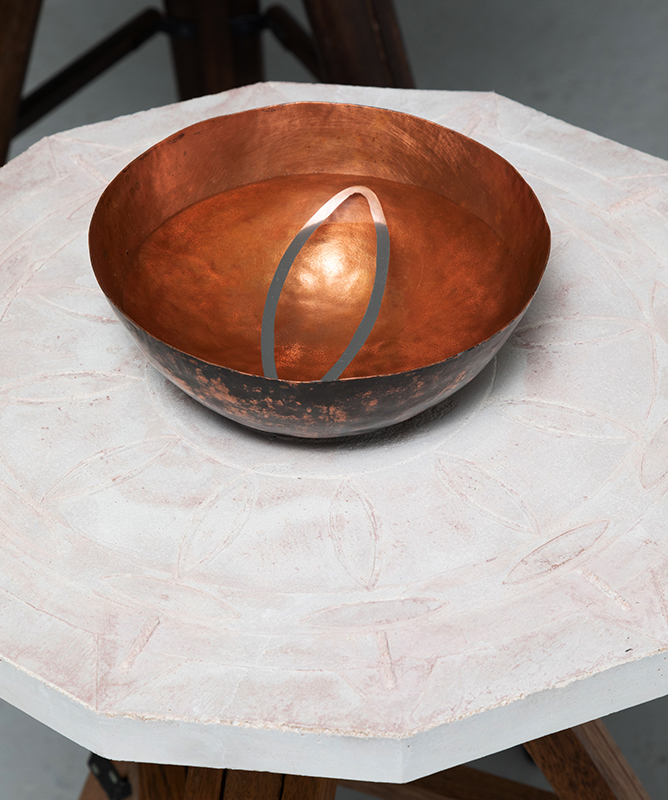
One tablet holds a copper bowl with a ‘silver fish’ floating in water. The shape of the ‘silver fish’ is based on the oval shaped compass needle (illustrated in Breve Compendio de la Sphera de la arte Navegar by Martin Cortes 1551)  and refers back to wafer thin fish shaped iron leaves used by 11th century Chinese geomancers.

Nails and iron filings on the second tablet reveal an embedded magnetic field recalling a legend that the discovery of the lodestone was made by a Greek shepherd who noticed the nails in his boots were attracted to the rock (magnetite) beneath his feet.

The third tablet is embedded with copper etched with images and names based on associations and attributes of the twelve Greek wind gods set in a traditional compass rose.

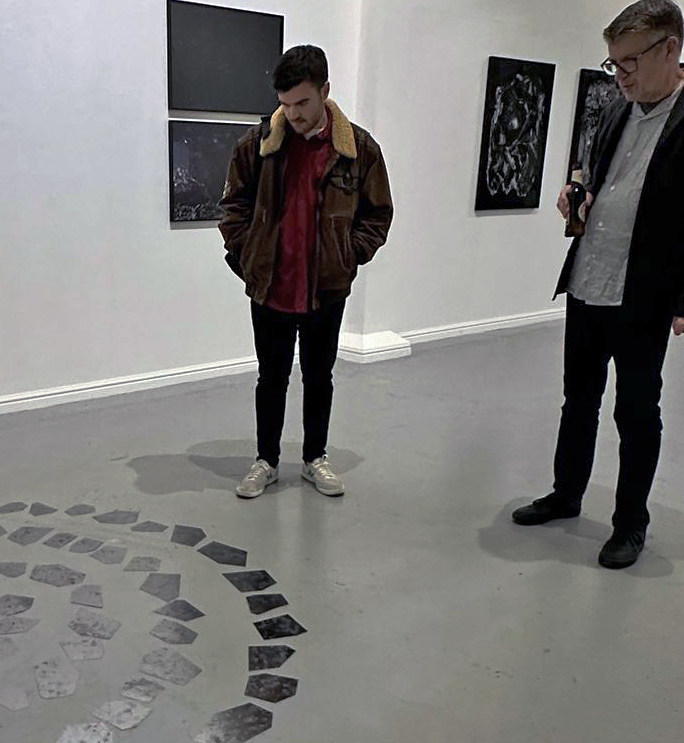
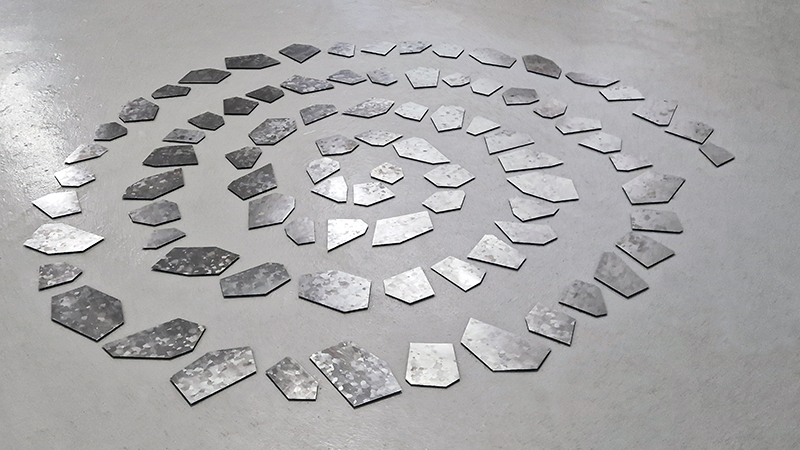
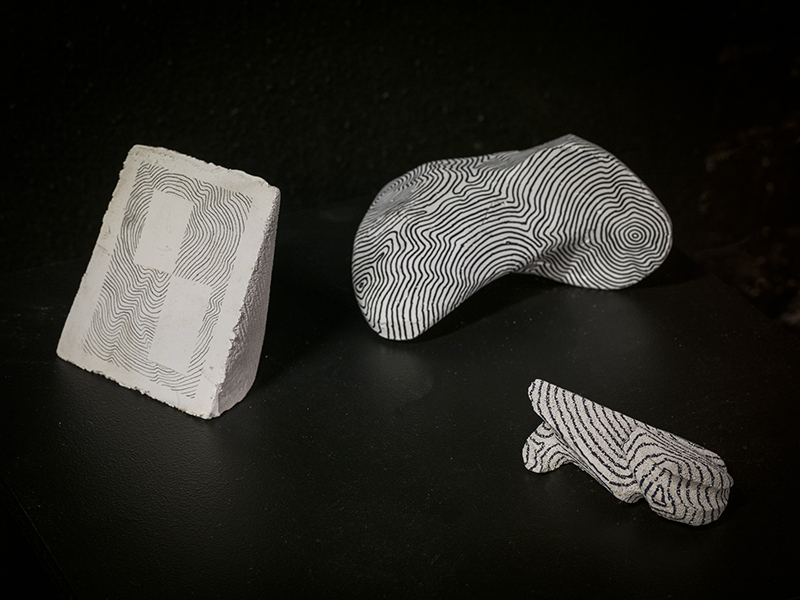
Domain of the Devil Valley Master uses industrial directional magnetic steel, sanded and etched to reveal the Goss texture of rolled iron silicon alloy crystals. The jigsaw pattern of magnetic domains give this material exceptional magnetic properties. The simple evocation of a spiral described in geologically informed polygons draws upon many references, from the shape of our own Milky Way Galaxy sculpted by vast cosmological magnetic fields and the spiralling molten dynamo generating Earth’s magnetic field, to the inner pathway of spiritual growth and the route to the symbolic omphalos (navel) at the centre of the world where the sky entrance and the underworld meet. The title of this work originates from an ancient Chinese manual on the skills of persuasion, The Book of the Devil Valley Master, containing the first known mention of a compass, known at the time as a south-pointer.

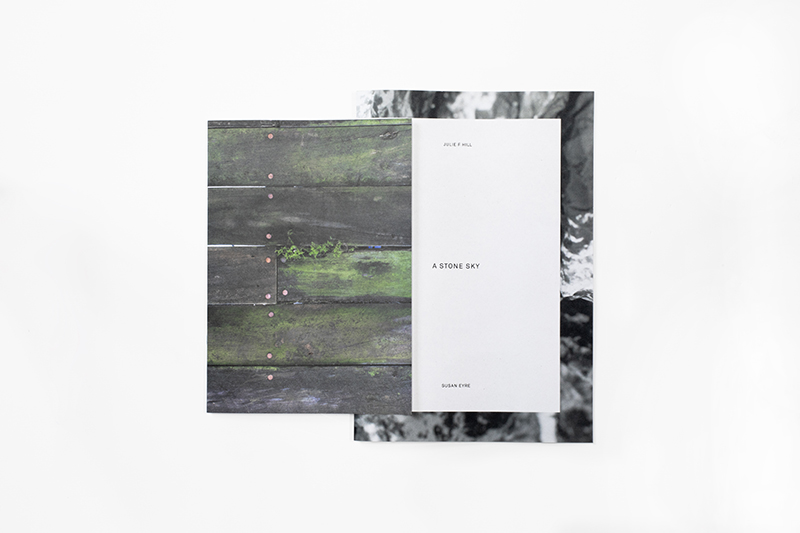
The exhibition closed with an afternoon event launching our publication which includes the essay Dark Nights and Signs of Unseen Things by Anjana Janardhan. There was also a live cloud chamber demonstration of mesmerising cosmic ray trails, artist tours and informal readings.
Publication available – DM via blog comments box for more details or visit Julie’s shop

Work in progress on the Azimuth Obelisk sculpture has taken a new direction and I have abandoned the idea of casting the obelisk in aerated concrete. I also have new dimensions to work with having found an interesting article on the historic dimensions of obelisks with the advice that ‘designs that have too large a gap in scaling between elements will lack hierarchical cooperation and lead to a sense of emotional unrest‘.

Looking at layering of sedimentary rock holding memory of magnetic field information I am aiming to make the sculpture from layered paper to echo the effect of strata, using unwanted old work on paper as well as other paper that would otherwise be discarded. It has been satisfying tearing down old prints that were languishing in plan chests and old work from foundation courses and art classes. It even has an obelisk within the obelisk. I am collecting donations from everyone I know who works with paper as I have estimated I need about 8,000 sheets to reach a height of over 2m.

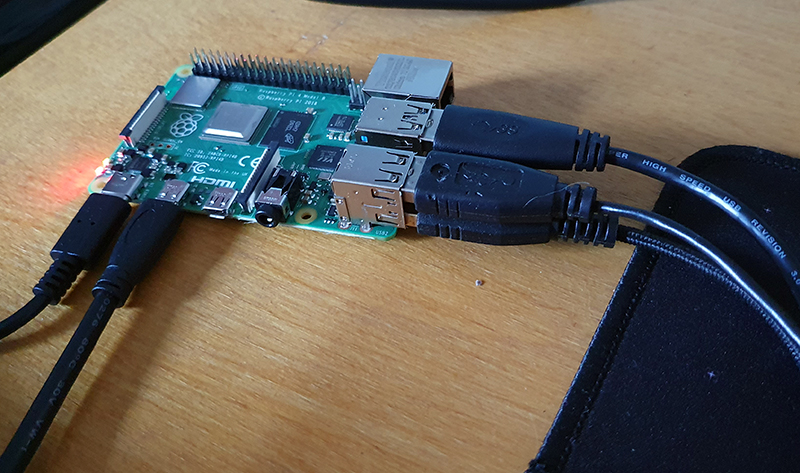
Work in progress on The Breath of Stars cosmic ray interactive work is still pending. After spending hours formatting and loading the raspberry pi with the video files of cosmic trail starbursts I heard from Jamie the programmer that .avi files are not going to work and these might need converting to WebM files which might not be easy. Hoping to find a solution to this soon.

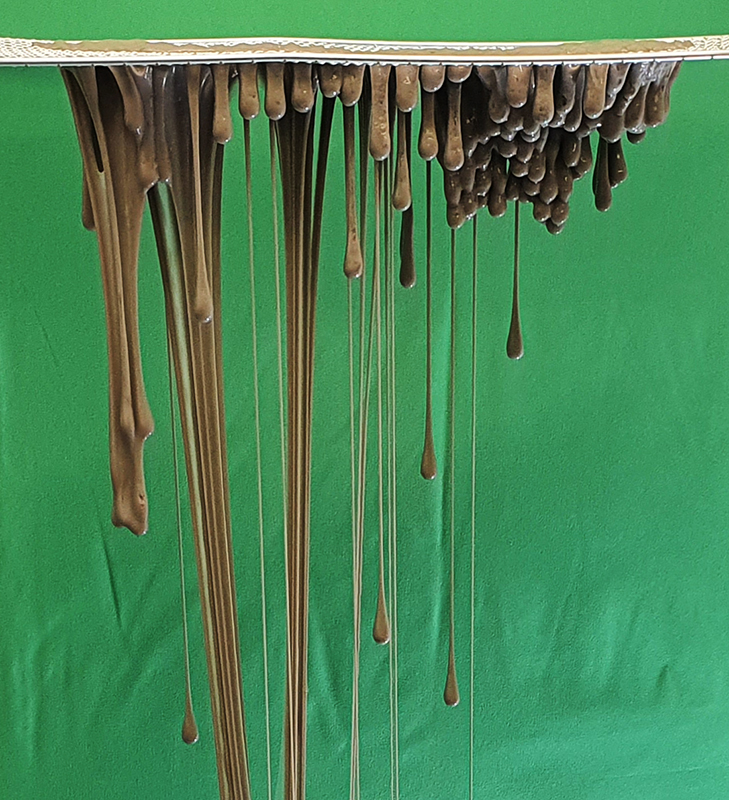
Great fun greenscreen filming slime for Belly of a Rock – a video sculpture partly inspired by the Cosmicomics story The Spiral and partly inspired by paleomagnetism where magnetic minerals in rocks can archive a record of the direction and intensity of the magnetic field when they form.

“I began to give off excretions which took on a curving shape all around” The Spiral, Italo Calvino

“..I accompanied the effort of making the shell with the effort of thinking I was making something, that is anything: that is, I thought of all the things it would be possible to make. So it wasn’t even a monotonous task, because the effort of thinking which accompanied it spread towards countless types of thoughts which spread, each one, towards countless types of actions that might each serve to make countless things, and making each of these things was implicit in making the shell grow, turn after turn…” Italo Calvino The Spiral

Fabulous shells lent to me by my neighbour for spiralling inspiration. The size of them not easily appreciated in these images. They are huge. I have no idea how old the molluscs that made these could be.

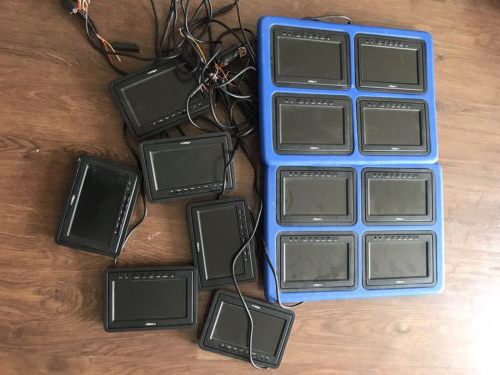
Other work in progress is towards using the small monitors bought as a good deal on eBay set in a circle displaying video dissected into twelfths. Testing ideas with kaleidoscopic images from soap bubble videos and relying on technical help from next door getting the monitors to work

Delighted to be invited to join Sandra Crisp and Jockel Liess for an exciting moving image event. Each artist has a unique approach to film incorporating the study of form, surface and location. DM for an invitation.

Sandra Crisp: E_Life uses 3D generated animation to present a digital environment populated with intensely textured and dynamic geometry.

Jockel Liess: Variations on a theme is a generative audiovisual system which starts from a point of fascination with the aesthetics of irregular organic patterns.

My work Aóratos (new edit for this event) transports the viewer between everyday locations and terrains visually transformed via the use of an endoscope, a microscope, and cameras launched in a high-altitude balloon.

Paused to see the wonderful World Time Linear Clock at Piccadilly Circus Underground Station built in the early1920s and recently refurbished.

The band of roman numerals scrolls West at the same relative speed as the earth rotates, completing a circuit in 24 hours.

“The clock by which we measure time on our watches and digital devices is very misleading; it is determined by the daily rotation of the Earth around its axis and its annual rotation around the sun. This astronomical time is linear and regular. But the actual clock by which we live our socioeconomic lives is an emergent phenomenon determined by the collective forces of social interaction: it is continually and systematically speeding up relative to objective astronomical time.”    Geoffrey West

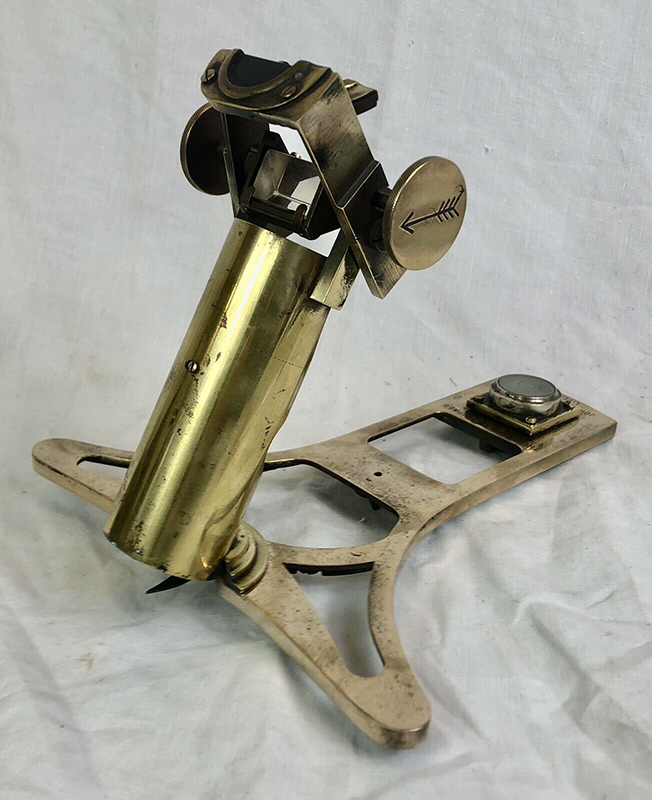
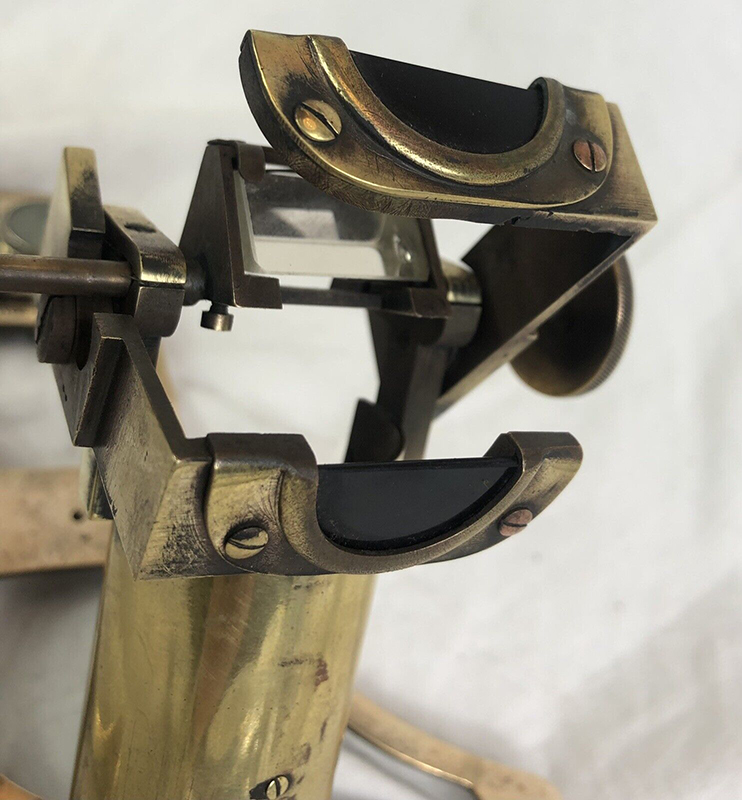
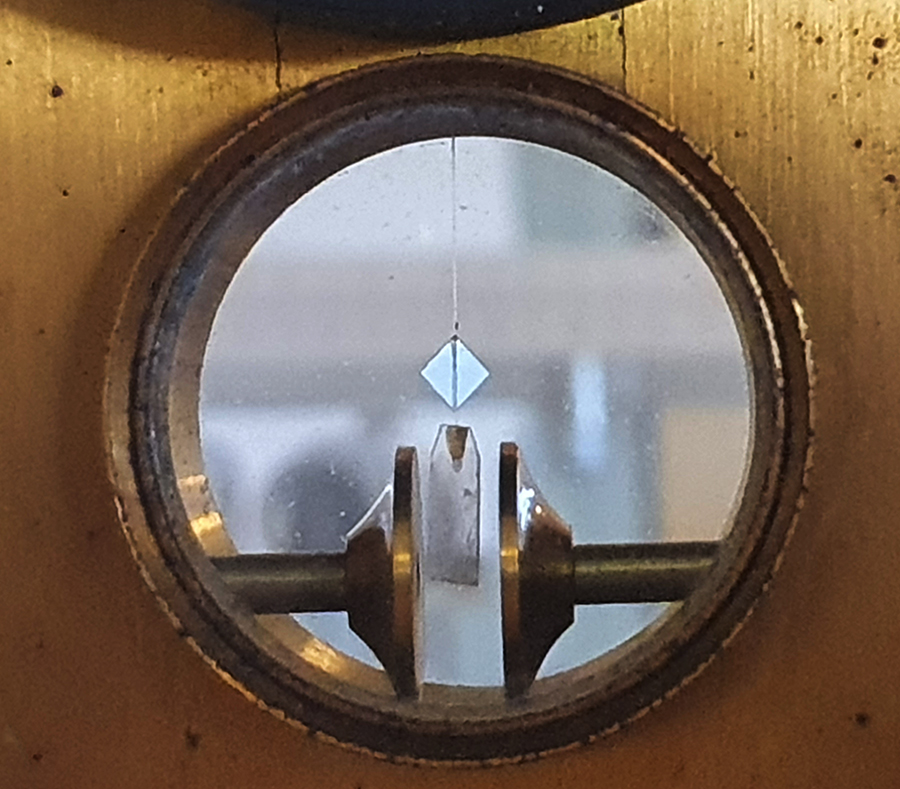
I also did a little research to find out more about the Azimuth Mirror I was given as a present. An azimuth mirror is used for taking the bearings of terrestrial and celestial objects. An azimuth is defined, from any given observation point, as the angle between an object or point and a reference line, usually to true North, moving away from that reference line in a clockwise direction on a horizontal plane. Through the use of mirrors, lenses and prisms, the instrument allows both, the readings of the compass card, and the object to be seen at the same time and in the same direction. It is portable equipment which is placed over a magnetic or gyro compass to aid navigation using either a landmark, when the arrows would be pointed down, or from a celestial object when the arrow would be pointed up. The little glass circle was once a spirit level but that has dried up. The word azimuth is used in all European languages today, it originates from medieval Arabic meaning “the directions”.

Finally made it to meet the Go Stargazing Walton Astronomy Group at their monthly session. We found them on the green at Esher which has been recently over illuminated with bright LED streetlights by a thoughtless council ruining the skies for astronomical observation and disorientating local wildlife and plant life. The local MP Dominic Raab IS NOT A MEMBER of the All Party Parliamentary Group for Dark Skies. Click on the link and ask your MP to join in protecting our dark skies.

When we look up to the heavens, we largely see the same view that captivated and inspired our ancestors. The constellations, the Milky Way, shooting stars, and the night sky are woven into the fabric of our society, cultures and religions. The night sky is one of the most inspirational views that our planet offers.

We are on the precipice of losing the night sky. Right now, SpaceX and other companies are planning to launch tens of thousands of bright satellites in orbit around the Earth.

There is an Avaaz petition at this link urging protection of the night skies.

Bringing back memories of the 2015 Nelly Ben Hayoun film Disaster Playground

….NASA celebrates a Smashing Success – A team of researchers confirmed that the DART spacecraft’s impact with Dimorphos successfully altered the moonlet’s orbit around its parent asteroid by 32 minutes – marking the first time humans have changed the trajectory of a celestial object in space.

To me this feels like a major historical event. What has this little nudge set in motion?

Exhibition visits

Expanded film at the BFI London Film festival.

Framerate: Pulse of the Earth by ScanLAB Projects presents Destruction, extraction, habitation, construction, harvests, growth and erosion are presented as a shared immersive experience. The 3D time-lapse scans of British landscapes observe change on a scale impossible to see with traditional filmmaking techniques.

One of my favourites was Monoliths by Lucy Hammond, Hannah Davies, Asma Elbadawi and Carmen Marcus – we are shaped by the spaces that made us. Through footage shot in the north of England and personal narrative the women embody three monoliths – standing stones, whose symbolic power becomes increasingly important as the women talk.

Elizabeth Murton and Jane Glynn, explore the dynamics of time and movement in Fluid Time at The WaterMill, Mill Green Museum, Hatfield with live dance performance of Elizabeth Murton’s The Giant Weave from BEEE Creative full of joy and energy.

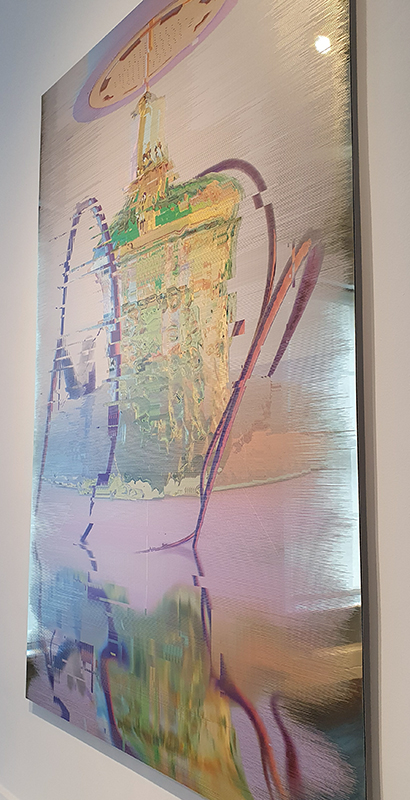
Libby Heaney in remiQXing still at Fiumano Clase. A solo presentation of video and physical works exploring the emerging field of quantum computing as both a subject and medium, turning the gallery space into the showroom of her fictional quantum computing company QX (Quantum eXperience). Some fabulous super shiny prints on mirrored dibond and ethereal prints direct to media on clear acrylic.

Transports of Delight at Danielle Arnaud curated by Edward Chell. In the 1830s, East London doctor and amateur naturalist Dr Nathaniel Bagshaw Ward invented a sealed glass case, an ecosphere in which plants could survive heavily polluted air. Named after its inventor the Wardian case enabled the transport of plants by sea around the world and transformed global economies and environments, shaping the world we live in. Exhibition includes works by

Anna Barriball | Daphne Wright | David Cotterrell | Edward Chell | Gerard Ortín Castellví | Günther Herbst | Harun Morrison | Helen Maurer | Joseph Banks | Joy Gregory | Laure Prouvost | Lee Maelzer | Leelou Gordon-Fox | Maria Thereza Alves | Mariele Neudecker | Nick Laessing | Nils Norman | Owen Griffiths | Peter Hofer | Pia Östlund | Rosa Nguyen | Stephen Lee | Uriel Orlow |

ABSURD at OHSH Projects exploring the absurdity and strange rituals of our daily lives, the bizarreness of
which are brought to light when taken out of context. The institutions, structures and traditions we have built around ourselves and imbued with power and importance can highlight this most starkly; through religion, schooling, government, work and even our own homes. Curated by Henry Hussey and Sophia Olver. Exhibition includes works by Gillies Adamson Semple, Samuel Bassett, Jonny Briggs, Tom Bull, Ladina Clement, Janina Frye, Johnny Hogland, Mark Jackson, Lea Rose Kara, James Lomax, Hynek Martinec, Rasmus Nosstring and Lottie Stoddart.

Hypha Studios presents a showcase of some previously selected artists at the project space on Conduit Street. Hypha Studios matches artists with empty spaces across the UK. Artworks include those by Beverley Duckworth, Foka Wolf, Dion Kitson, Futures After and Josh Wright’s “Lost in a Just In time Supply Chain”, Anna Fearon, Tom Skipp, Molly Stredwick, Gabriela Pelczarska, Salvatore Pione.

Subatomic at The Science Gallery is a project by composer Christo Squier and experimental particle physicist Dr. Teppei Katori that looks at ways of interacting with cosmic rays, something I have been working on myself in the work The Breath of Stars for the last year or so. I was equally excited and anxious to see what they were presenting. They have created a particle shrine which takes data from the Super-Kamiokande observatory in Japan as well as live data from cosmic ray detectors to create a light and sound experience with vibrating mirrors. Rather jealous of the technical resources this project had access to.

There was also a performance of live music by a small orchestra responding in real time to data from the Super-Kamiokande observatory and compositions inspired by cosmic ray observation data.

A lot of the data used in the music responses and the particle shrine is publicly available data from the Super-Kamiokande observatory in Japan. I did notice that the cosmic watch detectors hooked up to the particle shrine are not set in coincidence mode to be sure it is cosmic particles that are being recorded. A lot of what Christo said during his presentation echoed how I feel about cosmic rays, the fact that they come from other galaxies and pass through us making that physical connection with outer space.

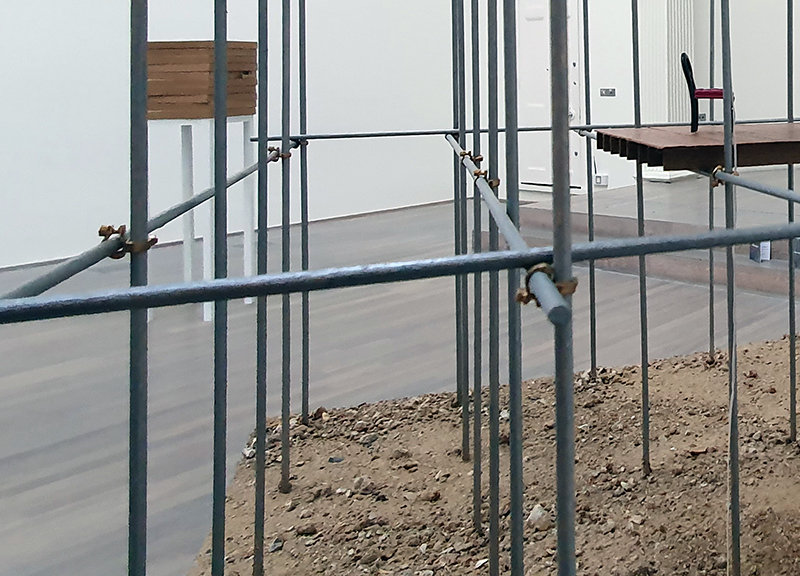
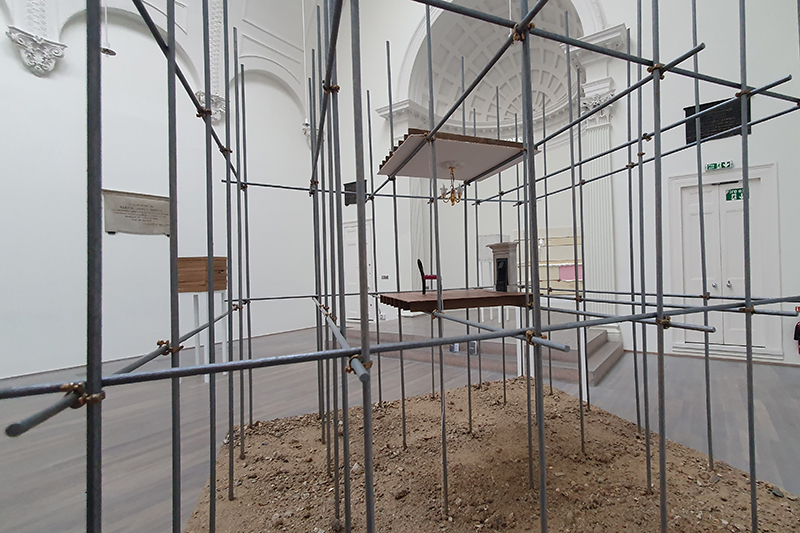
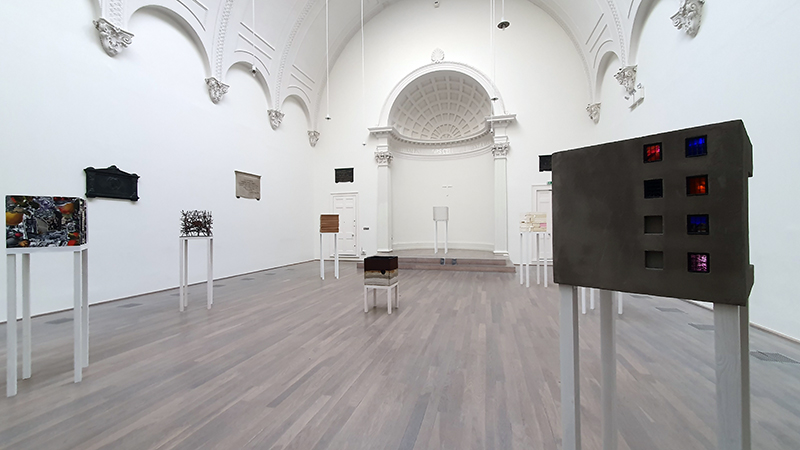
Sanctuary at The Swiss Church takes inspiration from the disparate and striking surrounding architecture, and the stories of people within the Covent Garden community, artists Ali Clarke and Gary Scholes have created a series of structures that symbolise individual sanctuaries. Amazing detail in some of the constructions, especially impressed with the scaffolding bolts.

Reading

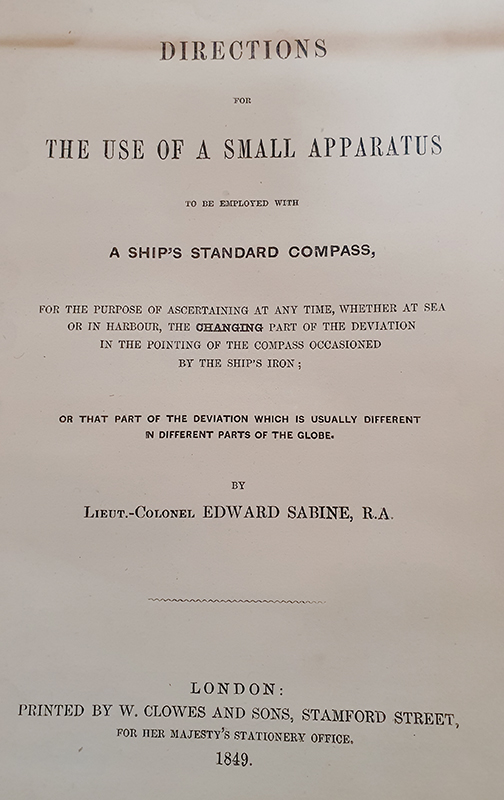
Came across some great finds at the local Oxfam bookshop on mapping and magnetism and time, all interconnected.

I read Conquest of the Useless as I thought it might be relevant to research on exploration of the unknown. It was definitely a worthwhile read portraying the total dedication to following through a dream, the power of the creative urge. Watched the film Fitzcarraldo afterwards which although extraordinary doesn’t convey the true life drama and hardship recorded in the book experienced by the actors and film crew in telling the story.

Listening

BBC Radio 4 In our Time – The Earth’s Core. Melvyn Bragg and guests discuss the Earth’s solid inner core and liquid outer core, their structures and their impact on life on Earth.

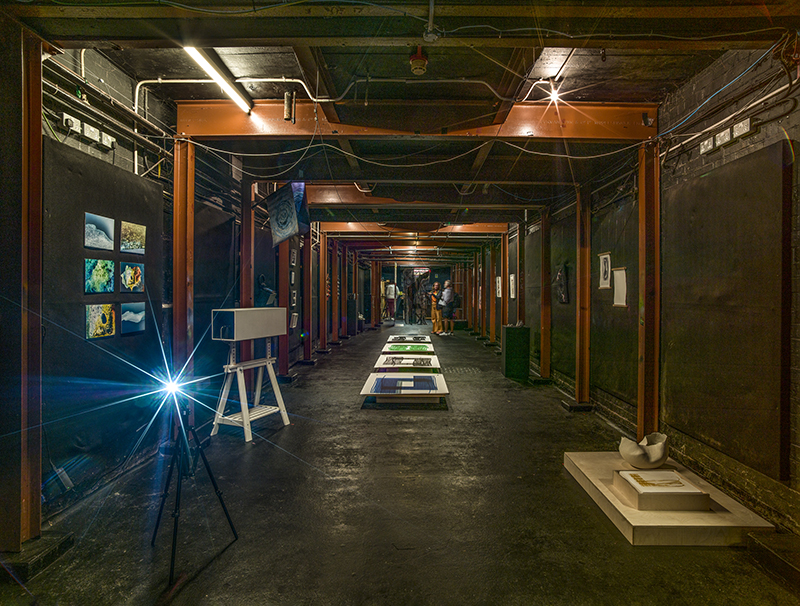
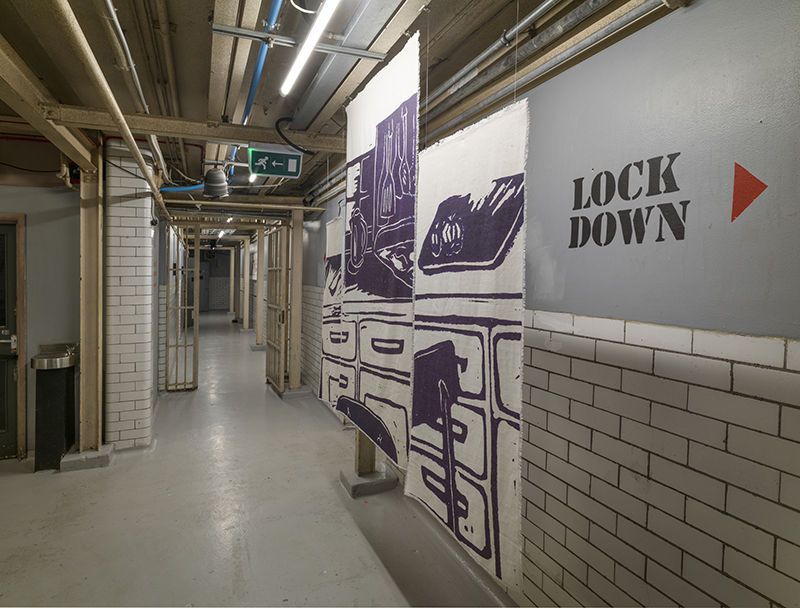
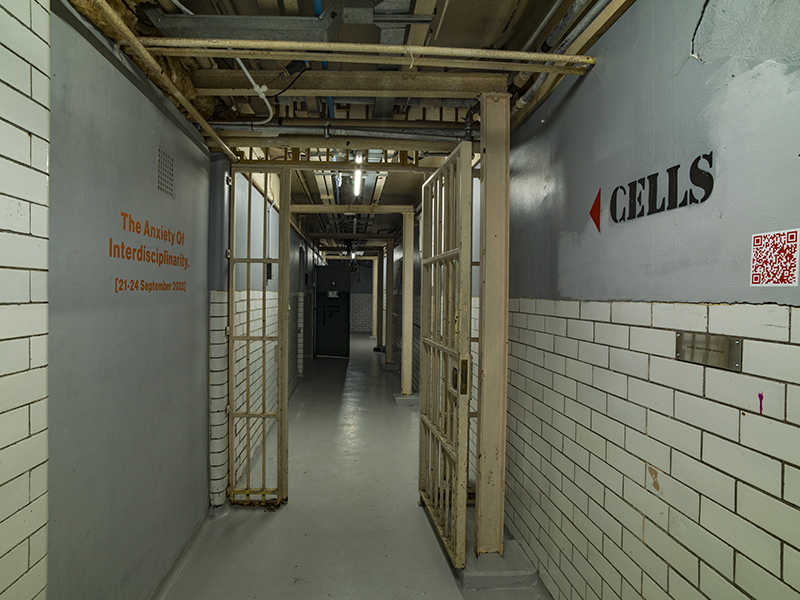
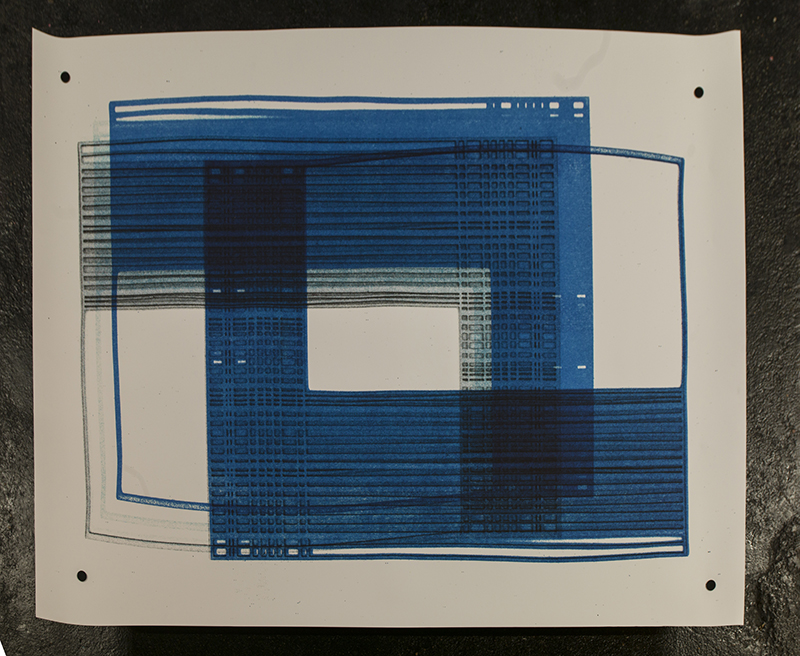
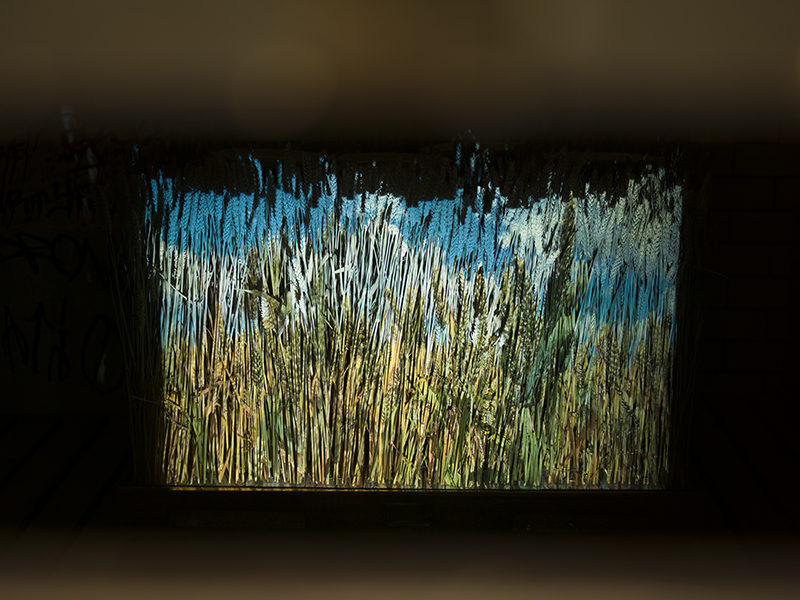
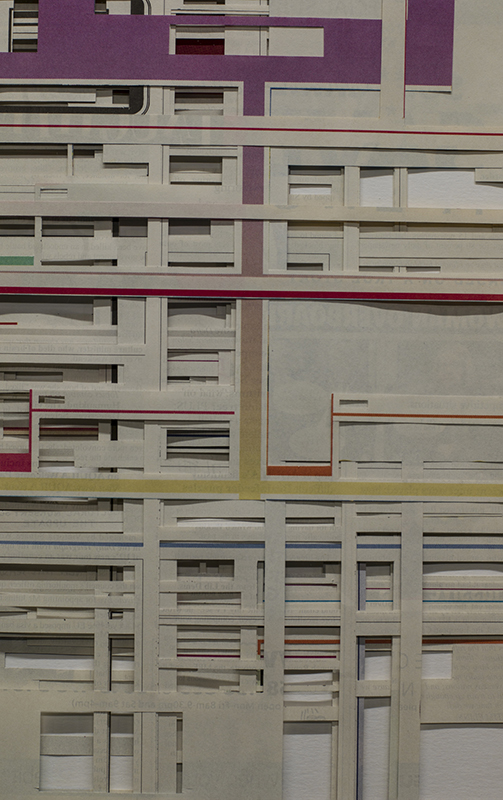
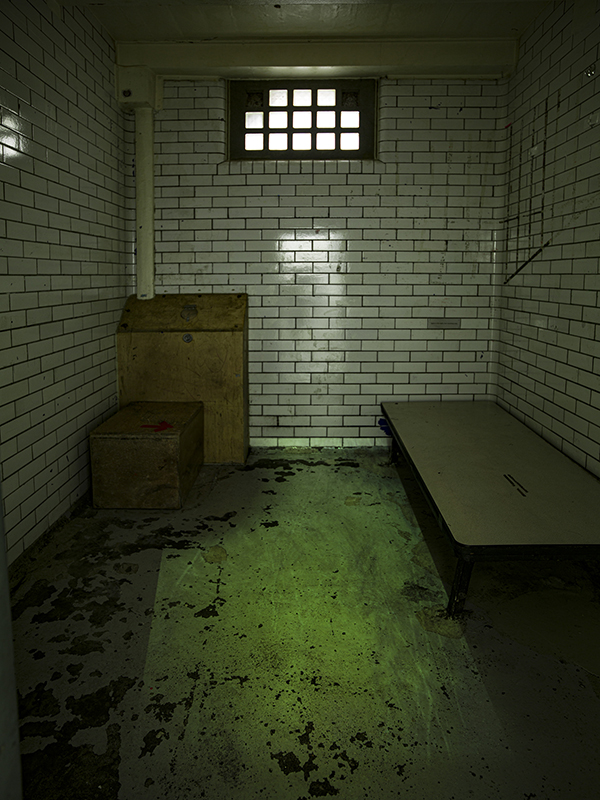
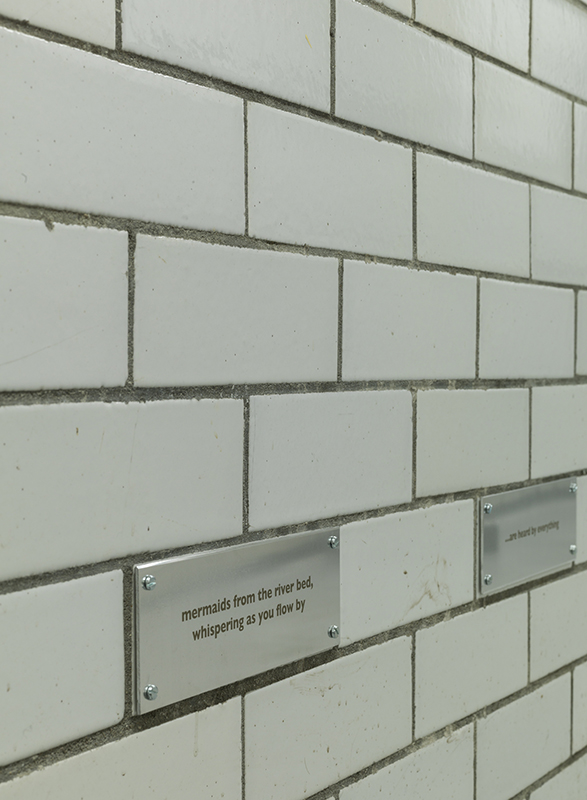
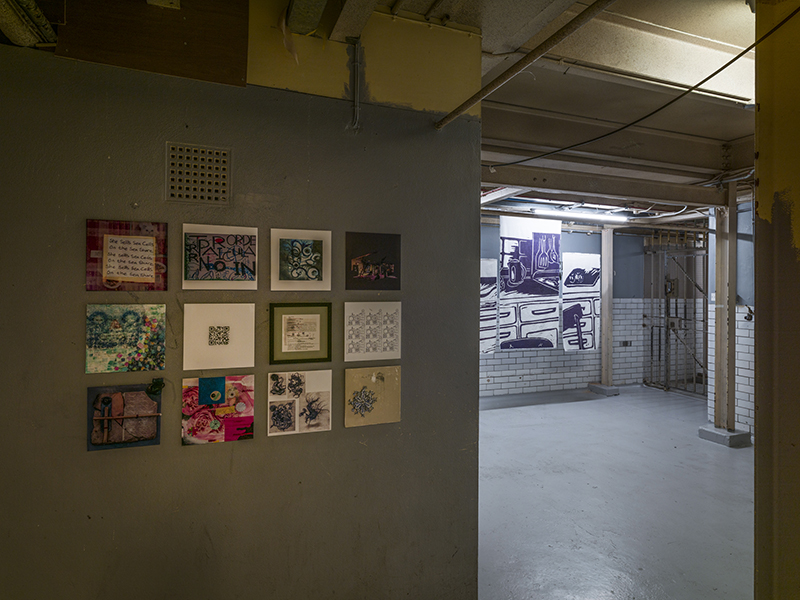
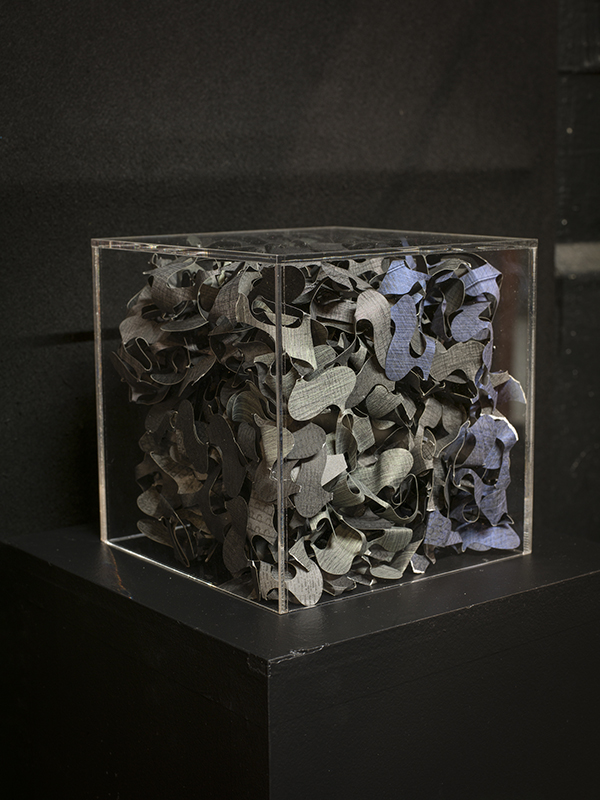
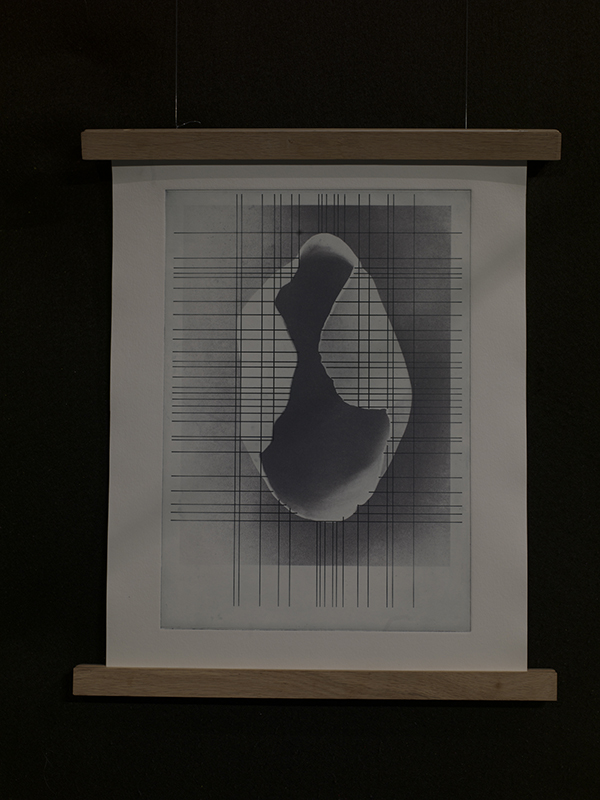
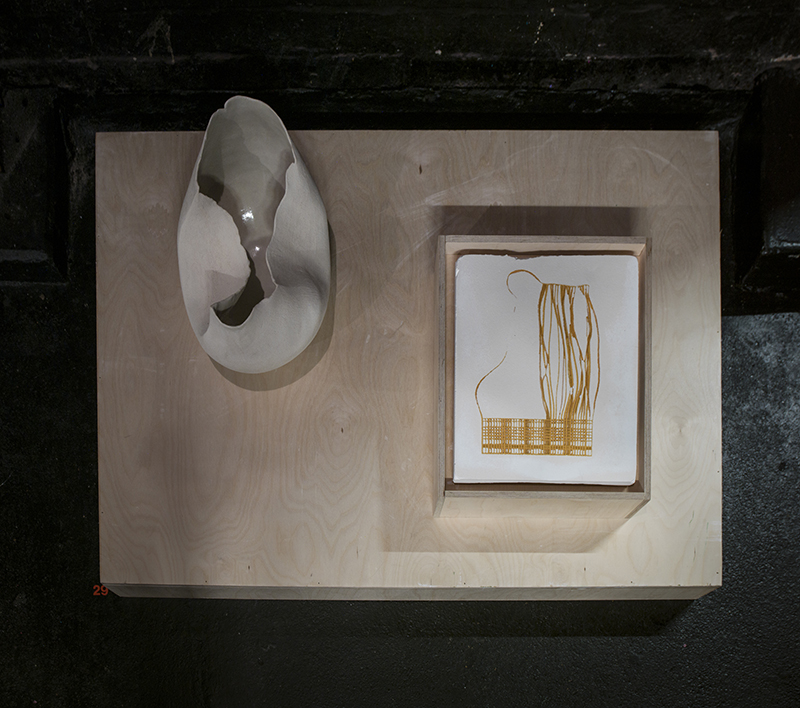
Delighted to have my video installation At a Distance included in The Anxiety of Interdisciplinarity  exhibition in the subterranean labyrinth of former police cells that is The Island Venue in Bristol. Curated by Sarah Strachan and Ayeshah Zolghadr. Exhibition Images by Steve Russell Studios.

This is a satellite exhibition of the International Printmaking Conference taking place at The Centre for Print Research, University of the West of England, Bristol. Motivated by the International Multidisciplinary Printmaking Conference IMPACT 12’s theme ‘Merging and Metamorphosis’, the exhibition aims to trace the metamorphosis of conversations between disciplines, seeking to reframe printmaking practice as a ‘site of interdisciplinarity’ and consider contemporary approaches to print as ‘a site of ambivalence, tension or a fertile ground for exploration and experimentation.’

Works include:

Valerie O’Regan, Vertical Landscape  Nicky Harwood Parachute  Åse Vikse The Sixteen  Hannah Robin Baker “In Conversation With…”  Heather Burwell Nostalgia Erika Cann Feldspar Score  Katy Drake Expose  Pauline Scott-Garrett An Almost Invisible Wound  Debby Lauder Fair, Fine, Brisk  Sarah Strachan The Security Dilemma  Lon Kirkop Ċella ta’ Wieħed  Rana Al Ogayyel Visual Sound and Hear the Print Judy Dibiase Trace  Laura Greenway Never Enough  Mick Paulusma Being There  A. Rosemary Watson line_space_form III.VII.I   Katherine Van Uytrecht Cellular Sound  Ayeshah Zolghadr Individuated Copy Series  Nicole Pietrantoni Still Life: Darwin’s Barberry  Simon Leahy-Clark Untitled  Cameron Lings Drawing: The Expanded Field  Mary Rouncefield Escape To Infinity  Jon Michaelides 16 x 64  Susan Eyre At a Distance  Corinna Reynolds Traces of Pathways Strachan + Zolghadr Boundary Objects  Heather Burwell Playing Games  Alexandra Sivov “Listen To Me!”  Joe Dean Southern Trains Loop  Corinna Reynolds Traces of Pathways  Daniel Bell Growing Blackness

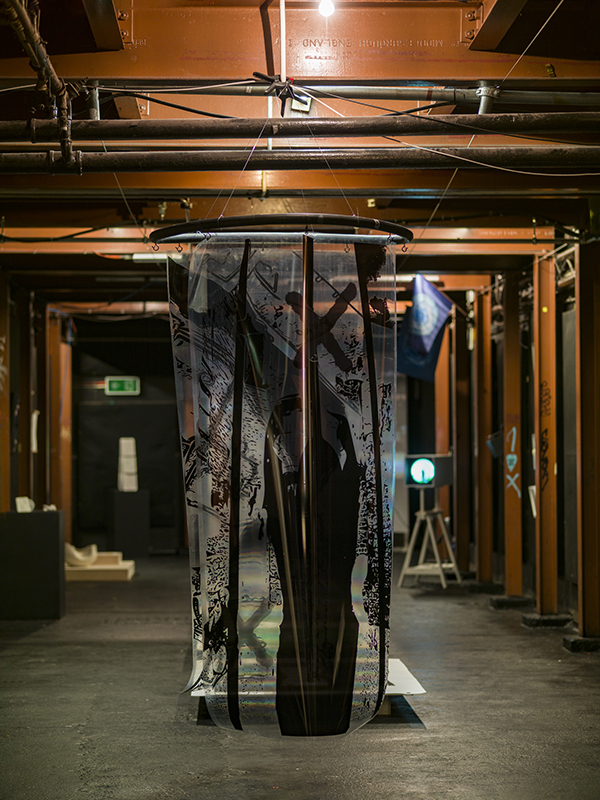
At a Distance looks at remote methods of communication and relates this to the mysterious twinning of electrons in quantum entanglement where particles link in a way that they instantly affect each other, even over vast expanses. Einstein famously called this phenomenon ‘spooky action at a distance’. Filmed on 29th March 2019 in Cornwall as the iconic Lizard Lighthouse powers up its lamp, solitary figures using semaphore flags sign ‘We Are One’ out across the ocean in the hope the message will be echoed back. Drawing on the physical language of print that embodies touch, separation and mirroring the flags have been printed using hand painted dye sublimation inks applied via a heat press. This process transfers the ink from a paper matrix onto the substrate textile. The image passes momentarily across space in a dematerialized state as vapour before being reformed as its mirror opposite.

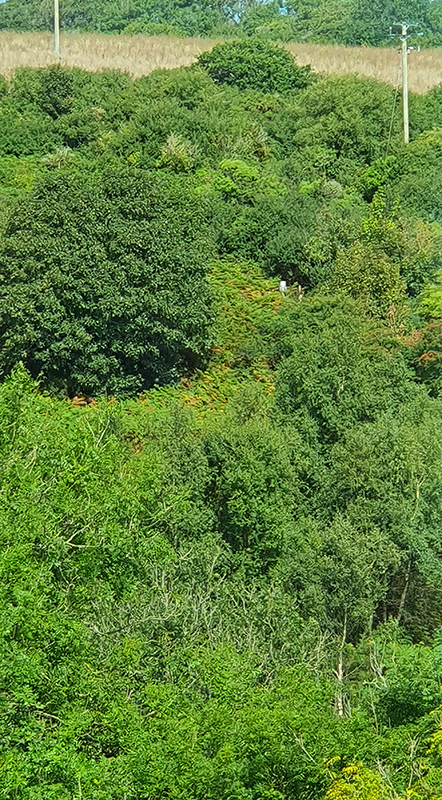
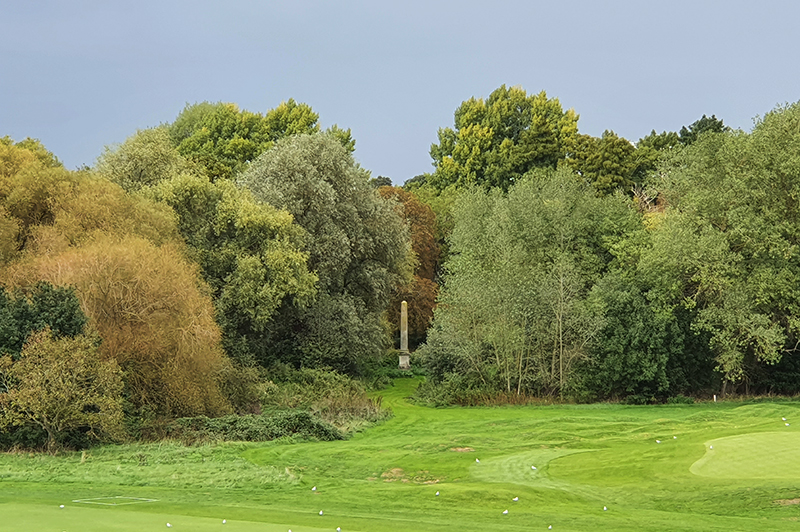
Research visit to Hartland Magnetic Observatory. I am very grateful to The British Geological Survey for allowing me access to the site and particularly to Tom who shared his knowledge and gave a fascinating tour of the observatory. He was a little perplexed by my request to see the obelisk with the azimuth mark determined by observations of Polaris as he thought this description was a slight exaggeration of what was actually present. The ‘obelisk’ is almost hidden in thick undergrowth and impenetrable woodland so this object, just glimpsed amongst the trees remains an enigma.

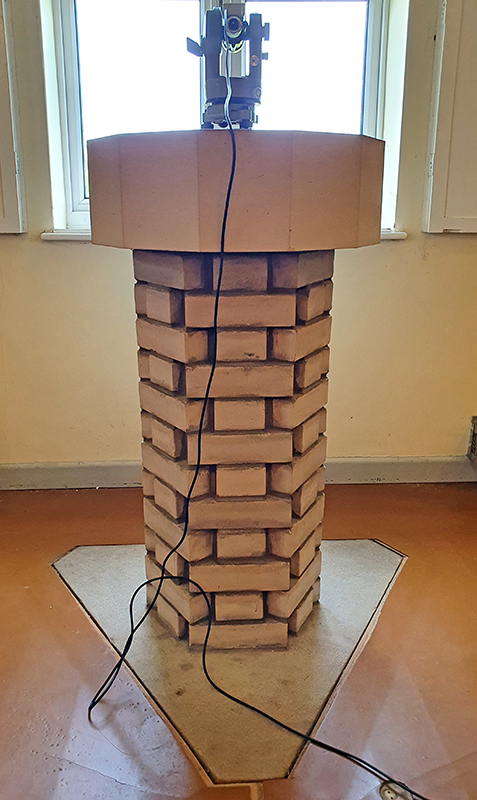
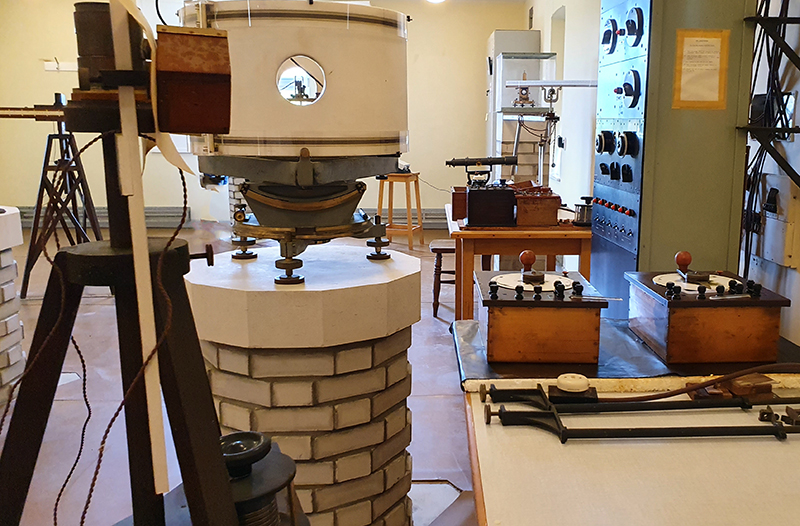
Hartland was established in 1955 and is part of a network of international observatories sharing information with governments and industry, the charts of the shifting magnetic field are also publicly available. The buildings are made of lime bricks and timber, with concrete flooring and roofing of copper.

The Earth’s magnetic field acts as a shield against potentially harmful charged particles from outer space. It is also holds clues to the planet’s deep interior and geological history which are inaccessible to direct observations.

Magnetic declination is the angular difference between magnetic north and geographical or true north for any point on the earth’s surface. The British astronomer Sir Edmund Halley was interested in the magnetic field and knew about declination based on the observations of sea captains and explorers in various parts of the world. He made two scientific voyages in the Atlantic Ocean as captain of the HMS Paramore between 1698 and 1700 when he charted declination in the Atlantic and from his observations published the first geomagnetic field map in 1701. His observations involved recording the position of celestial objects and the angular distance of the sun on the horizon.

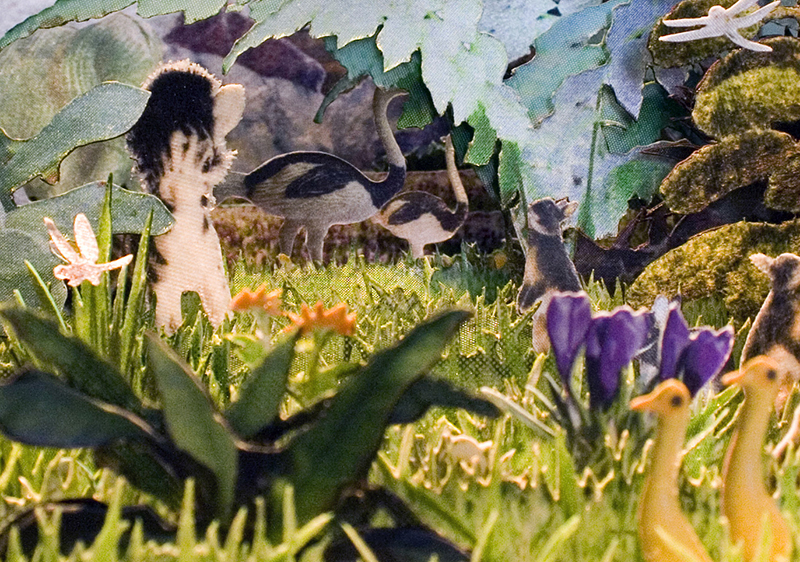
I am intrigued to know what the middle species he encountered between a bird and a fish might be. Penguins with long swan necks?

Alexander von Humboldt determined that the magnetic field increased in intensity with distance from the equator based on magnetic field observations during his scientific journeys 250 years ago. He initiated coordinated observations across the globe and thus laid the foundation for international data exchange and collaboration.

Observation is essential to gain insight into the complexities of the geomagnetic field which is created by a combination of three separate fields. The main field is generated in the earth’s core, the second from electrical currents caused by solar weather as cosmic particles bounce off the Earth’s main field charging the surrounding ionosphere and thirdly from the magnetisation of the surrounding geology of the rocky mantle and crust.

The purpose of a magnetic observatory is to measure the size, direction and changes to the natural magnetic field at the surface of the earth. There is no clear separation between north and south currents at the equator as many diagrams suggest, everything just gets a bit muddled with tangled currents.

The fluctuations in the geomagnetic component fields occur over hugely different timescales, changing by the second as we orbit the sun, to the yearly drifting of magnetic poles and the millennia of deep geological time. To study these changes an observatory must make measurements at exactly the same point over a long period of time.

Activity in the ionosphere causes a compass needle to shift slightly throughout the day but these changes, although rapid, are very small, so the instruments measuring these fluctuations must be very sensitive and operate in an environment free from man made magnetic contamination which is why I was advised to park some way from the observatory.

Rapid changes in the geomagnetic field due to magnetic storms can impact navigation data which is particularly important for the oil industry that uses this data for accurate drilling references. Data monitoring solar variability can also help studies into the mechanisms of climate change. It has been noticed that the Sun’s coronal magnetic field has doubled over the last century and this may have an effect on cloud formation which has an impact on warming the planet.

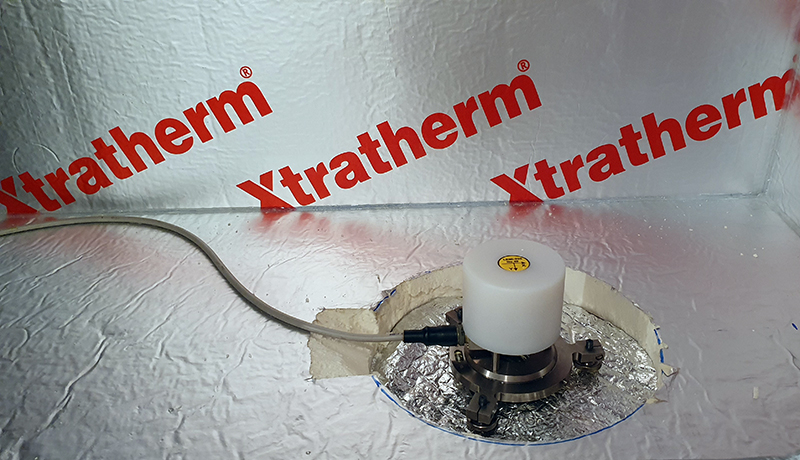
Today at Hartland, the intensity and direction of the magnetic field is sampled using one manual and two automated instruments. A fluxgate magnetometer (variometer) is used to measure variations in the direction of the field every second. It has copper coils and three orthogonal sensors (measuring north, east and vertical). This instrument is extremely sensitive, mounted on a marble block on a pillar set into the bedrock to avoid tilting, it must be kept at a constant 23C temperature. It is housed in a special building with thermally insulated inner chambers within inner chambers, isolated in the dark, it is only visited once a year. We didn’t even walk too close to the building which appeared to have no door.

The second automated instrument is a proton precession magnetometer to measure the strength of the field. This also has its own building and new equipment is being tested here. As new instruments are introduced previously unseen minute fluctuations are revealed.

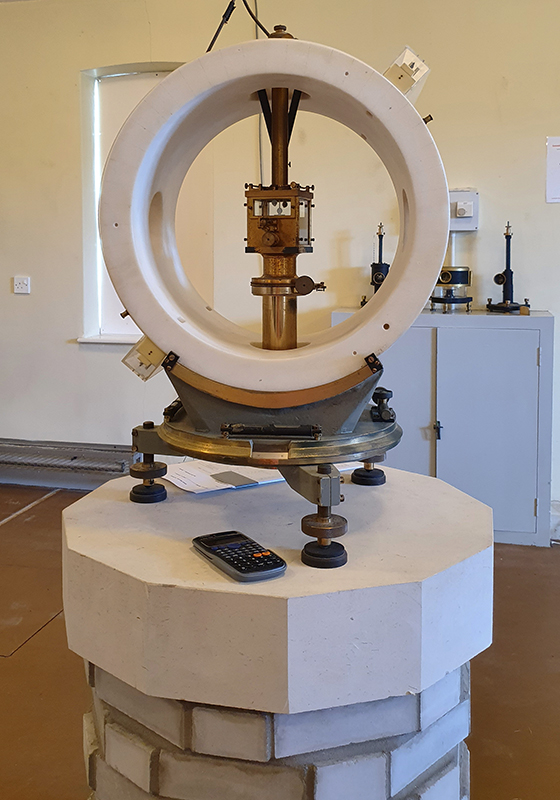
The manual instrument is a fluxgate theodolite housed in the Absolute Hut looking out of the North facing window. It sits on a lime brick and concrete pillar. This instrument has a magnetic sensor mounted on the non-magnetic telescope of the theodolite to detect when it is perpendicular to the magnetic field vector. True north is determined by reference to a fixed mark of known azimuth. This was the obelisk though today it is determined by GPS.

Absolute and variable measurements are combined to give a full record of the field.

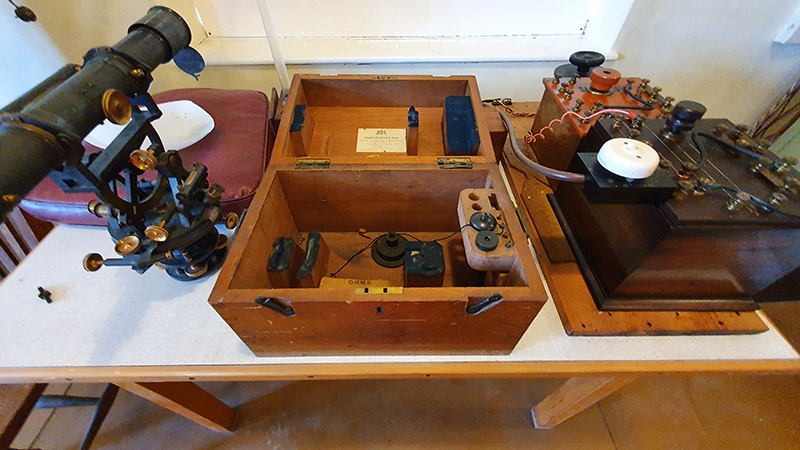
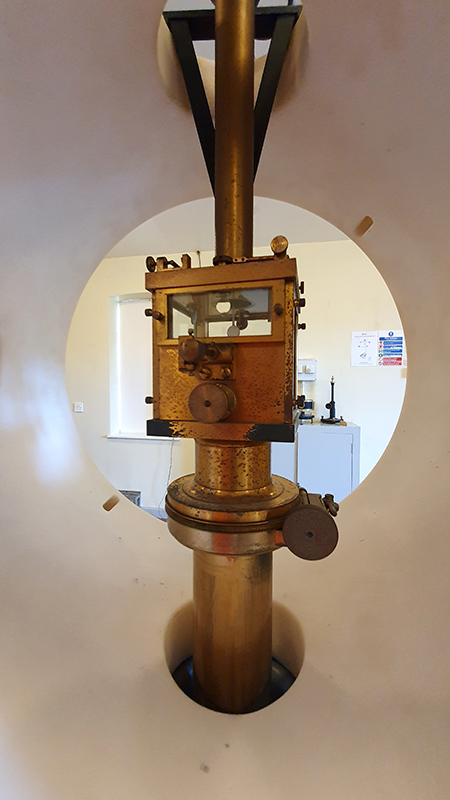
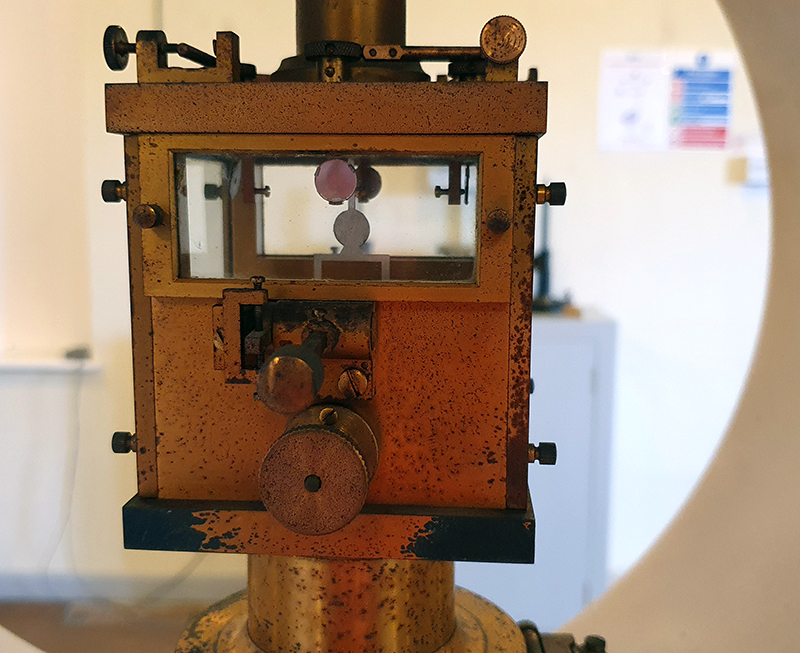
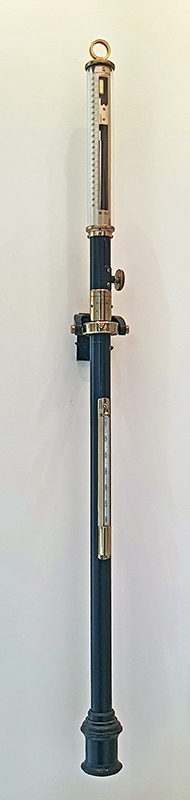
It used to be that all the measurements were made by hand and this took time and skill to produce accurate results. The beautiful old instruments used still sit in the buildings at Hartland.

The Dye Coil measured the strength of the field in the vertical direction, using a coil that vibrates in the presence of a magnetic field as the sensing element. The Schuster-Smith magnetometer measured the strength of the field in the horizontal direction, using a magnet, a mirror and a light source to make a sensitive detector. The decinometer measured the angle between true and magnetic north using a freely suspended magnet and a theodolite to measure the angles. Three Danish LaCour variometers were kept in the recording house, each measuring the strength of the field, one for the north-south component, another for east-west and one for the vertical component of the field. All three used magnets attached to mirrors, which were free to rotate in the Earth’s magnetic field. A thin beam of light shone onto each mirror was reflected back onto a rotating drum covered in photographic paper. The drum driven by clockwork rotated once a day.

There are also three satellites which monitor the magnetic field from space (though these may only have about three more years of useful life). ESA’s ‘Swarm’ mission is dedicated to the study of the mysteries of the magnetic field which although invisible, together with electric currents in and around Earth, generates complex forces that have immeasurable impact on everyday life. 

Using measurements from ESA’s Earth Explorer Swarm mission, scientists have developed a new tool that links the strength and direction of the magnetic field to the flight paths of migrating birds. This new research means that the study of animal movement can now combine tracking data with geophysical information and lead to new insights on migration behaviour.

Hartland Observatory is situated on the dramatic North Devon Coast with stunning local geology. When the Earth formed about 4.5 billion years ago from the collision, accretion and compression of matter it was rock all the way through. Heat from the massive violence of formation along with radioactive decay caused Earth to get hotter and hotter. After about 500 million years as a rocky lump it reached the melting point of iron. Known as the iron catastrophe this liquifying caused planetary differentiation to occur as lighter material rose to the surface becoming the mantle and crust while heavy metals sank to the core becoming the churning dynamo powering the magnetic field.

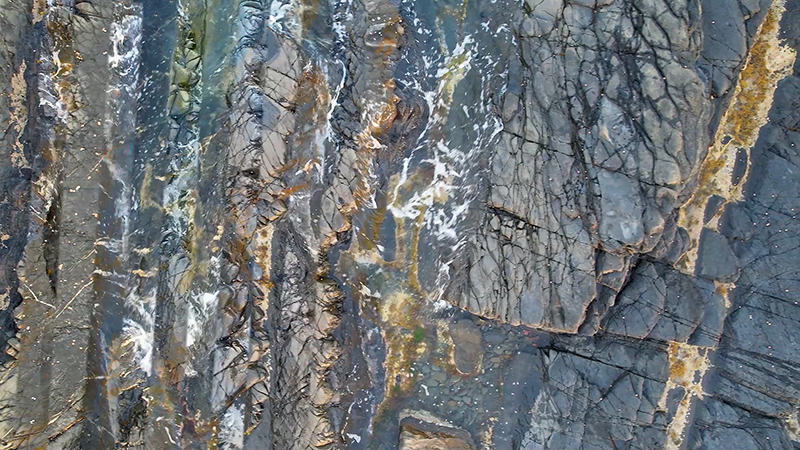
During my visit the weather was kind and so I was able to fly my drone around the cliffs and rocky bays. I am still terrified of disaster every time I take it out, compounded by almost getting caught out by the incoming tide but I did get some useful footage for my ‘Belly of a Rock’ video sculpture I am working on.

When night falls after a warm day at certain times of year bioluminescence can be experienced at high tide in Hartland Quay. A young woman, and her mother (who swims across the bay at night here regularly) invited us into the pitch darkness to see the green sparks fly as we splashed in the rising water. It was incredible to witness. Swimming in the water limbs are coated in a luminescent glow. I tried to film the flashes on my phone and thought I had been unsuccessful as what I captured appeared totally dark. However, back at home I tried pulling out what information there was on each frame and managed to get a film sequence that might not show exactly what I saw but has an essence of the experience.

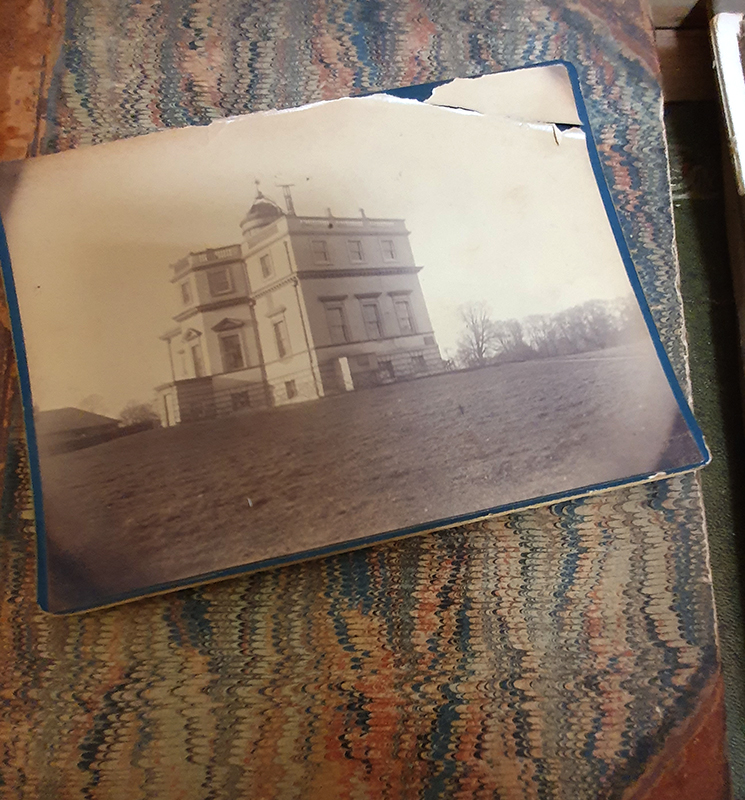
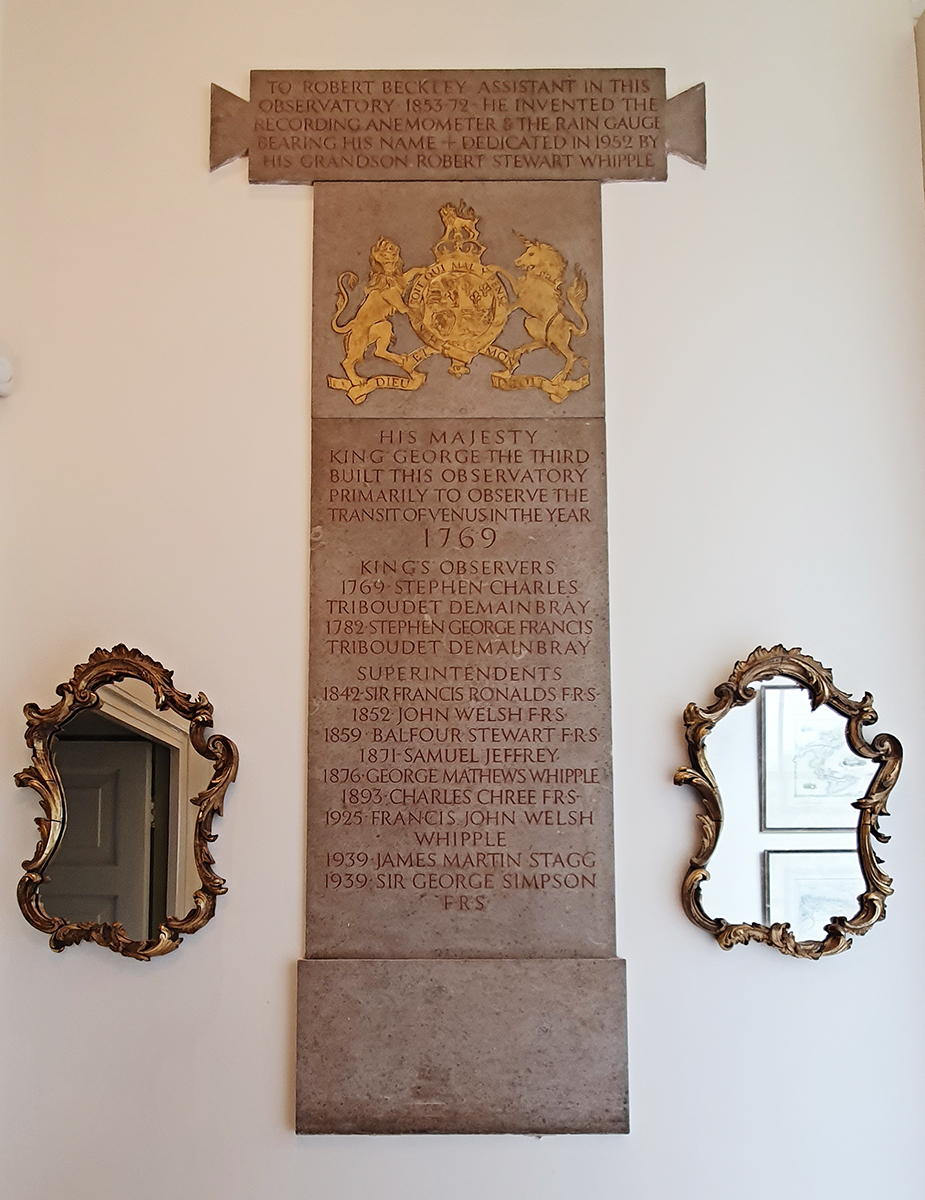
Visit to The King’s Observatory built by George III for the purpose of observing the transit of Venus across the sun in 1769. This observation allowed measurement of the distance from Earth to the sun, later named as the astronomical unit at around 150 million kilometres (8.3 light minutes).

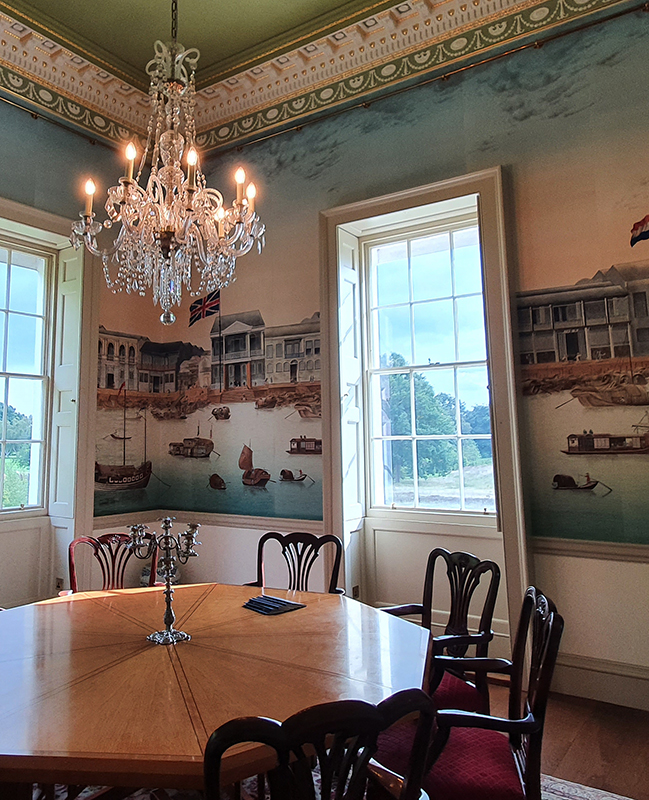
It is now a family home and so the decor although representative of Georgian taste does not reflect the working laboratory that it once was.

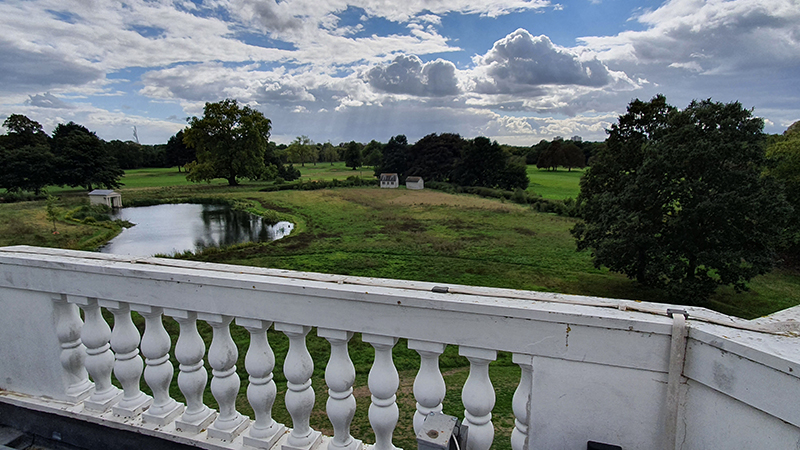
Fascinating to discover it was also the site of the meridian line marked true north-south by two obelisks either side of the west room which housed a tracking telescope. There is a third obelisk due south from the east room which housed a mural quadrant used to measure angles. It wasn’t possible to walk over to the obelisks as the Observatory is in the middle of a golf course now, but there is a path to them via the Old Deer Park which I will walk another day. An accurate clock here provided standard time to the government before the task was transferred to Greenwich Observatory.

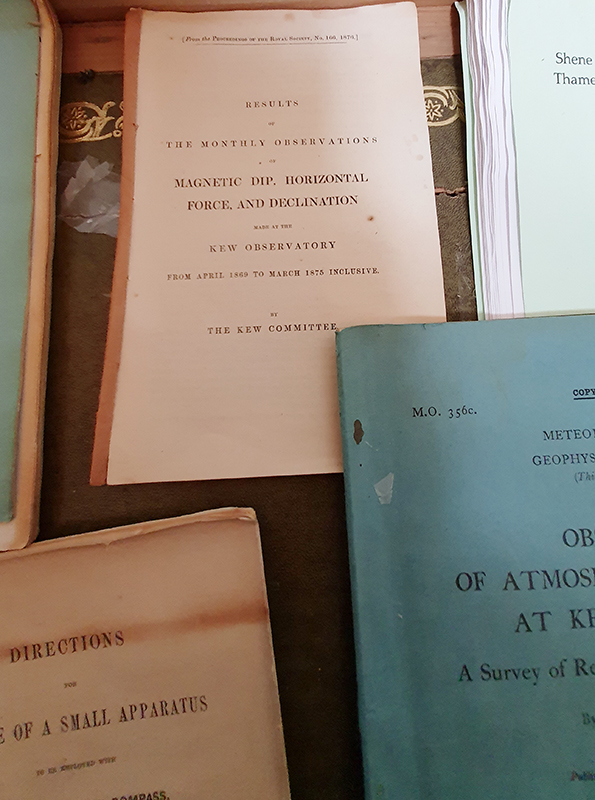
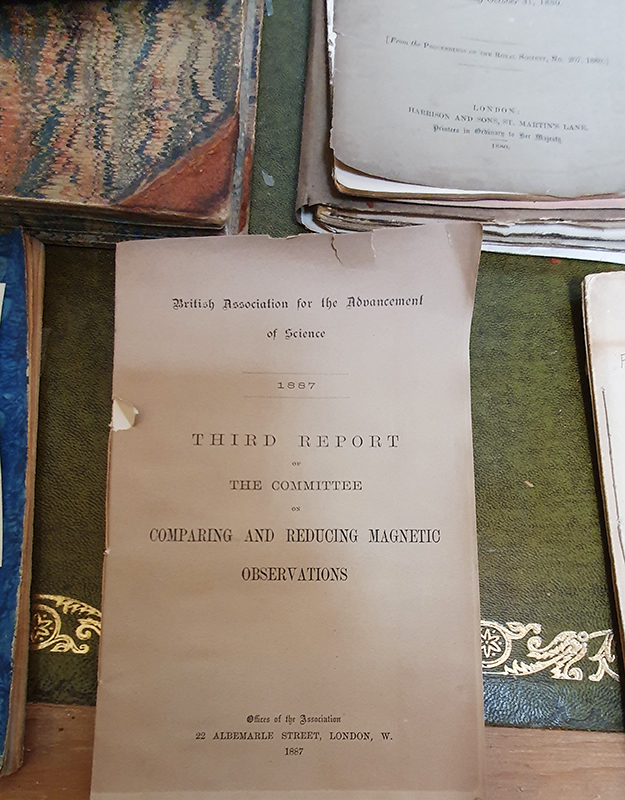
In 1842 it was renamed Kew Observatory and taken over by The British Association for the Advancement of Science. The Meteorological Office was based here, making regular records of the weather from 1773 until 1980. It was also home to the National Physical Laboratory between 1900 and 1914 when scientific instruments were checked for accuracy and stamped with KO, a hallmark of excellence if they passed.

The two huts remaining in the grounds were used for meteorological and magnetic observations and are built with no nails which might interfere with the instruments used within.

Francis Ronalds, director at Kew Observatory from 1842, invented several camera designs subsequently used in both weather forecasting and in understanding the perennial perturbations in terrestrial magnetism. Photography was used early on in its development for use in scientific investigations. Ronalds’ first instrument captured observations from his atmospheric electricity apparatus. He went on to record atmospheric pressure and temperature using the same method and had soon extended his approach to geomagnetism. His magnetographs “established the standard technique employed for magnetic observatory recording worldwide for more than a century” – Encyclopedia of Geomagnetism and Paleomagnetism.

In 1908 the geomagnetic instruments were relocated to the magnetic observatory established at Eskdalemuir in Scotland to undertake magnetic work for which Kew was no longer suitable after the advent of electrification in London led to interference with their operations.

Ronalds had also established an atmospheric electricity observing system at Kew with a long copper rod protruding through the cupola dome of the observatory connected to electrometers and electrographs to manually record the data.

Lord Kelvin later installed an updated electrical observation system and CTR Wilson (the inventor of the cloud chamber) set up a secondary system using different principles which has been useful in historical air pollution research.

I am extremely grateful to Professor of Chemistry at the University of Oxford Peter Hore for spending time chatting on zoom with me about his fascinating research into the ability of birds to navigate using the Earth’s magnetic field.  There is a link to a YouTube lecture by Peter on Radical pair mechanism of magnetoreception here.

Research confirms there is a chemical reaction in the bird’s eye sensitive to magnetic fields as weak as that of the Earth. This happens in an array of reactant molecules which can be changed into extremely short lived radical pairs which are magnetically sensitive. The reaction in the molecules to produce radical pairs is triggered by light from the sun or stars. It is thought that this chemical compass is sensitive to direction not intensity of the field and may use the energy from blue/green photons to power this reaction. During this reaction, as the bird changes direction, some radical pairs perform one way and others another creating difference across the array of molecules which is detected by the bird.

My question to Peter was to ask for his thoughts on whether a bird’s ability to ‘see’ the magnetic field manifests itself visually and if he has any understanding of what the bird experiences. He had to confess that how this sense is experienced by birds is not known but he had done some speculative modelling with a PhD student representing the field as fluctuating visual contour lines mapped over the landscape.

The birds eye is very complex and so there is still a lot to be learned about how this ability functions. Bird’s retinas have rods that are sensitive to light intensity and cones sensitive to red, blue and green wavelengths of light like us but they are also sensitive to ultra violet light. There are also double cones in the bird’s eye and their function is not clear, it could be that these are seconded for magnetic reception at night when they are not active.

Often birds fly high above the clouds when migrating and starlight appears to be enough to trigger the reaction in the molecules. In normal sight chemical messages are sent from the retina to visual processing centres within the central nervous system via ganglion cells. There are many of these ganglion cells in the birds eye and it may be they send the information bypassing any rods or cones. Studies on the retina show a reaction to the magnetic field when blue light is present but the activity has not been traced from the retina to a specific part of the brain yet which might determine if this sensitivity does manifest itself visually.

It is very difficult to imagine a sense we do not have.

Learning the migratory route and destination is vital to birds survival in many cases. Often the young bird will have to undertake the first migratory journey on its own, its parents having left earlier. These instinctive instructions for the journey are passed on from one generation to the next. The genetic instructions are quite broad, leading to a large designated destination zone which could be within a 200 mile radius. However, when returning, along with the hereditary instinct using the stars and sun to navigate the birds also have learnt the magnetic map and can return to the exact spot they left as a fledgling. Young birds in a planetarium will follow the stars if they are rotating correctly.

Peter is a chemist so his interest is in the chemical reactions of the radical pairs but he is part of a wider research group that also looks at this behaviour in bats and fish.

I also asked his thoughts on the human capacity to sense the magnetic field. Unfortunately, although we have cryptochromes in many of our cells we do not have the particular molecule Riboflavin which is the one activated by blue light to become magnetically sensitive. Whether we once had this molecule and lost it or birds evolved this molecule separate to our evolution is not understood but he did believe current research on human brain alpha wave activity in response to the magnetic field might throw up some interesting ideas to look at. A speculative approach to gaining sensitivity to the magnetic field may be by transplanting a tiny compass as used in a mobile phone onto the body, setting it to vibrate when pointing north. The body may ‘learn’ to recognise north in this way.

Listening to The Life Scientific with guest David Eagleman has shed further light on what might be possible as his research shows the human brain can be trained to receive input from alternative sources, for example learning to hear through the skin. He believes it will be perfectly possible for us to experience new senses in the future, including magnetoreception.

Work in Progress

I have been scouring the internet for tips on casting a concrete obelisk and getting an idea of the dimensions. I am thinking about using aerated concrete, for lightness but also to give an appearance of the texture of volcanic rock.

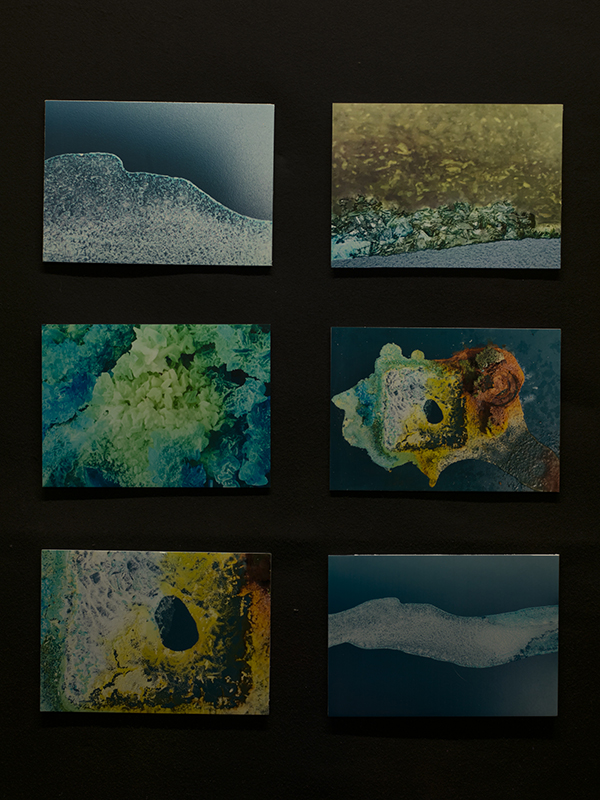
Chemical conversation tests for the video sculpture Belly of a Rock inspired by Italo Calvino The Spiral in The Complete Cosmicomics. “The water was a source of information, reliable and precise [ ] full of substances and sensations and stimuli”

I have been testing paper clay recipes and shapes for the video sculpture Belly of a Rock which will be somewhere between a rock and a mollusc.

Out of Studio

Visit to Richard Saltoun Gallery to see Haptic Vision a retrospective of artists Jo Bruton and Rosa Lee working in the 1980’s and 90’s creating paintings that encourage the eye to wander across a richly textured surface of optical illusions. “The necessity of ‘making’, of being within that space as a primary concern, where the Subject is nearby and woven into the repetitions and patterns of everyday life.” – Jo Bruton, 2022

Eternally Yours at Somerset House reflects upon the hope and healing which can be found in the memories and stories that everyday objects hold in our lives. The repair becomes a shared experience expanding the idea of bonding to include the emotional connection.

I really liked the DIY sensors and data gathering device created by Superflux. Re-imagining technology as a useful tool for communities to gather and share information on the environment, monitor local air pollution and be active in creating a just and equitable society.

New River Folk is the outcome of an Engine House Residency by Laura Copsey and Philip Crewe at the new Quentin Blake Centre for Illustration about to be developed at New River Head, Clerkenwell. This site was part of an artificial watercourse opened in 1613 to supply water to London at first through overground wooden pipes. When more pressure was needed a six-sail windmill pumped water from the site. After storm damage to the windmill in 1720 horses were harnessed to turn the wheel and power the pump. The round base of the windmill remains, and is the oldest construction of its kind in central London. The artists drew on local history around the site, creating an archeology expanding on the lives of Mole Catcher William ‘Mollitrappe’ Smythe, Well-Keeper Black Mary Woolaston and Tankard-Bearer Joan Starkey. They also collaborated with the river itself to create 16mm film imagery and recordings.

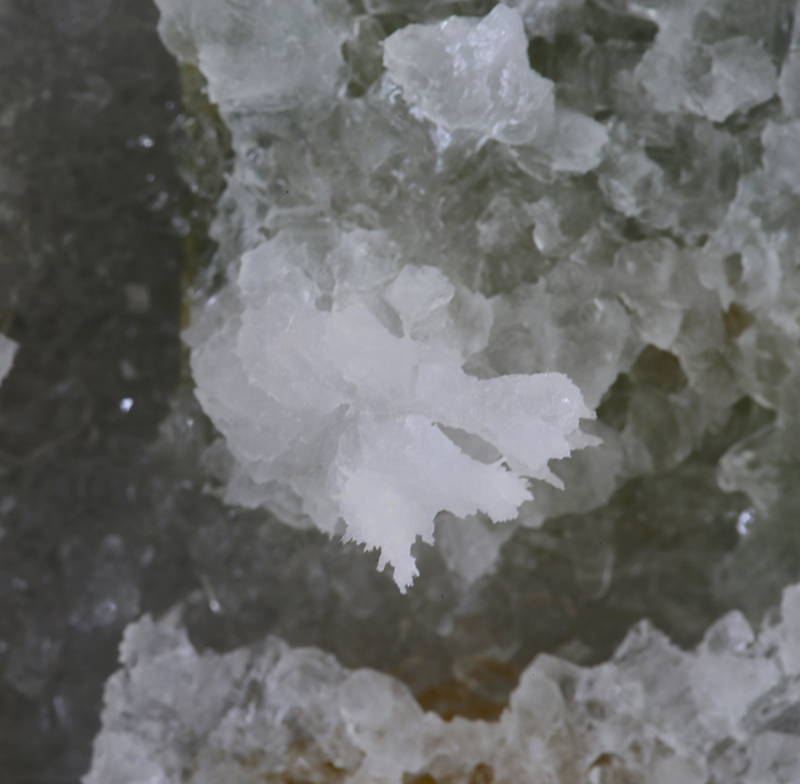
I was fascinated by the crystals that had formed on the bricks in the old windmill. The salt crystal growing experiment I set up while planning an exhibition proposal is still sitting in my studio – if it is still growing it is doing so very slowly, the initial growth was surprisingly fast.

Reimagining Joya is an exhibition at Thames-side Gallery inspired by the experiences and artistic responses of a group of artists who have all participated in Joya: Art + Ecology / AiR residency. The curators, Olga Suchanova, Tere Chad and Barbara Slavikova, have selected a body of works which explore the way we inhabit, survey, feel, and relate to the natural landscape and its living creatures.

Cornelia Parker at Tate Britain. Simple materials, deconstructed and presented immaculately. I was in awe of the invisible framing of her linen squares and wire grids where the objects appear held against the glass as if by magic. Many works are born in violence, condense violence into form or render it impotent. These include Bullet Drawings using lead from bullets melted down and drawn into wire; shotgun sawn off by criminals sawn up by police; handgun used by criminals precipitated to rust by science engineers. Gentler work included the back of button cards appearing as coded messages or star charts – something I was very familiar with as a child growing up in a village drapers shop.
Forest: Wake this Ground at The Arnolfini, Bristol showing works by Rodrigo Arteaga, Mark Garry, Alma Heikkilä, Eva Jospin, Jumana Manna, Zakiya Mckenzie, David Nash, Maria Nepomuceno, John Newling, Rose Nguyen, Ben Rivers, Ai Weiwei, and Hildegard Westerkamp.

Rodrigo Arteaga burned drawing series Monocultures and Fallen Tree documenting the radical change in the forest floor and threatened indigenous species.

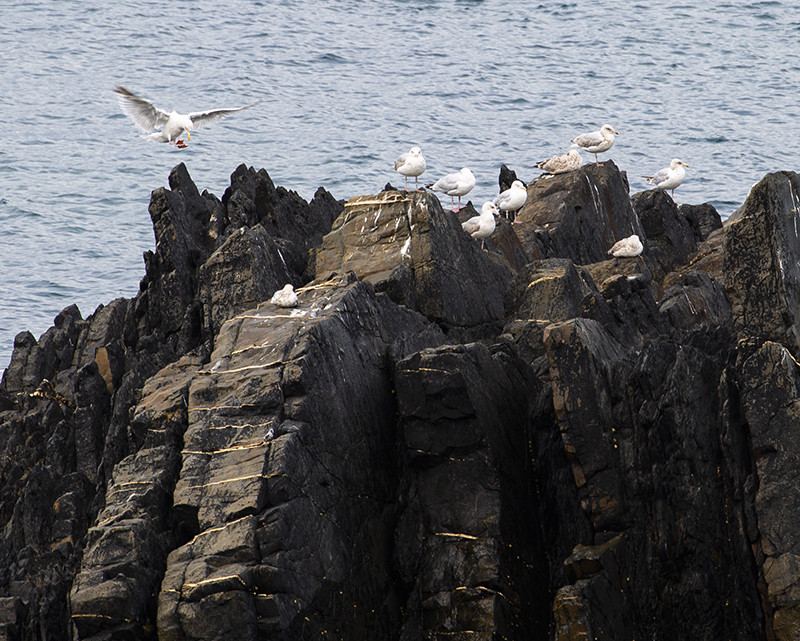
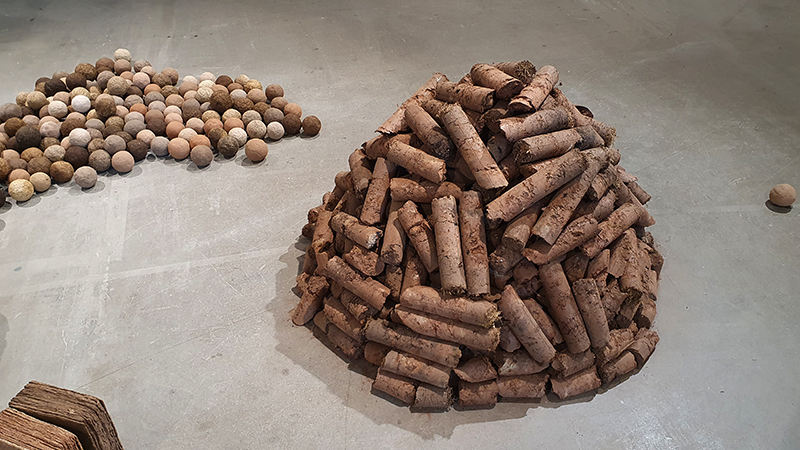
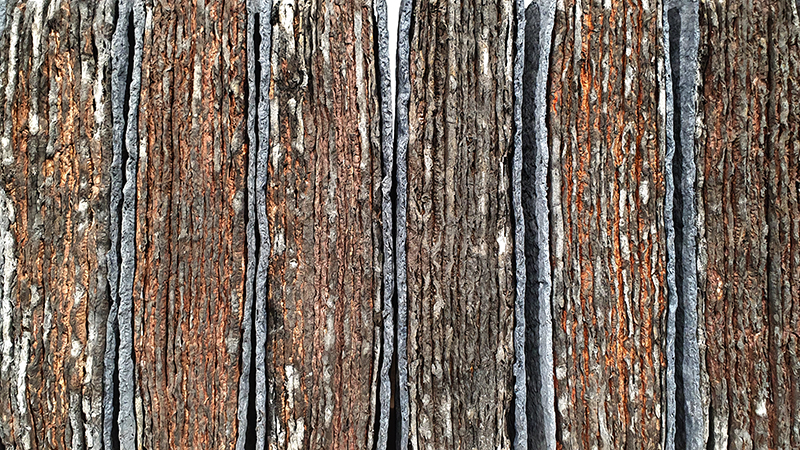
John Newling extracts of soil form his own garden reveals a surprising diversity of minerals in the many colours of the balls and cores. The Night Books burning forests, made from pulped textscoal dust and crushed charcoal worryingly notes that the work physically released carbon through the process of making. The vertical strata reminds me of the cliffs at Hartland Bay.

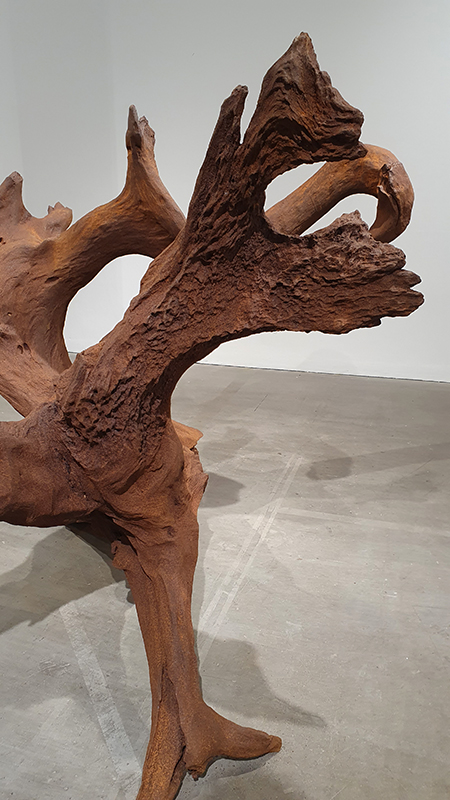
Ai Weiwei cast from the ancient and endangered Pequi Vinagreiro tree (found in the Bahian rainforest), reflect both the uprootedness of arboreal species and the displacement of people.

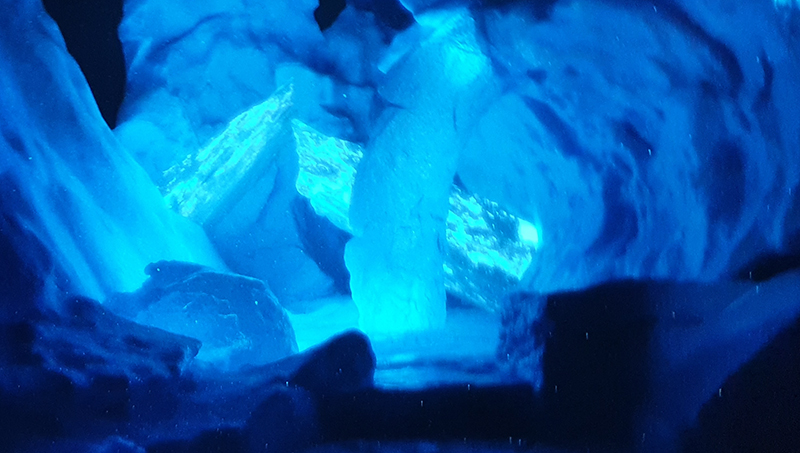
Ben Rivers film Look Then Below shot beneath the Mendip hills and ancient woodland in Somerset, imagines a dystopian but seductive future.

Eva Jospin Forêt Palatine, made from recycled cardboard, at once evokes folklore and decay. I liked the surface texture which in parts almost looked volcanic.

Paths of Resistance by Tracy Hill is a site-specific fabric installation in response to magnetic fields measured in the space at Arnolfini as part of the IMPACT 12 programme of events. The work explores the hidden energies that shape our experience of the world.