Archives for posts with tag: moss

“the lamps are going out all over Europe, we shall not see them lit again in our life-time”

Sir Edward Grey, foreign secretary 1914
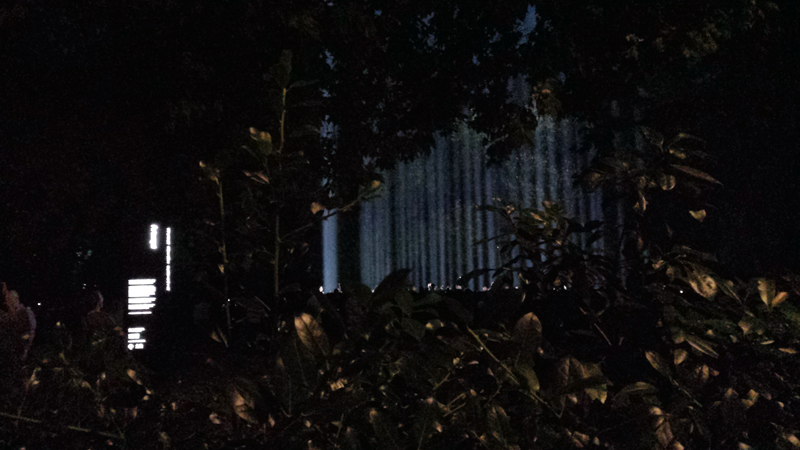
Ryoji Ikeda Spectra

Ryoji Ikeda Spectra

Seven days of light piercing the London sky to commemorate the anniversary of WWI

Ryoji Ikeda Spectra

Ryoji Ikeda Spectra

Artangel commission by Ryoji Ikeda acted as the beacon it represented
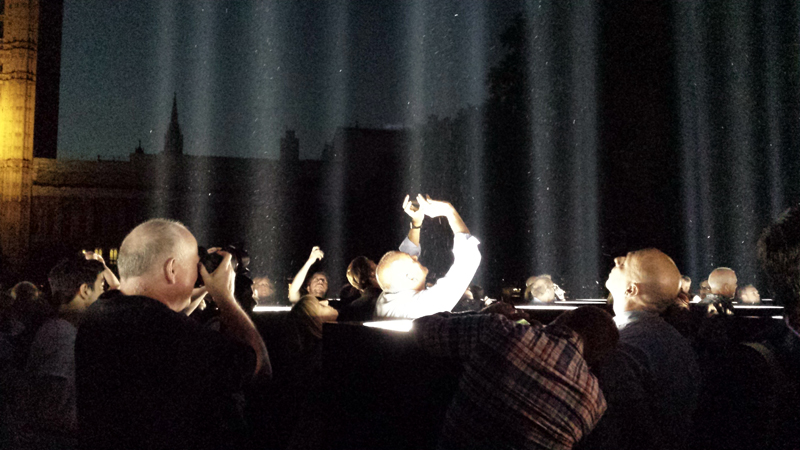
Ryoji Ikeda Spectra

Ryoji Ikeda Spectra

We are drawn to the light

I have been writing and reading about James Turrell for my dissertation. His use of light as medium for his work is poetic and magical.
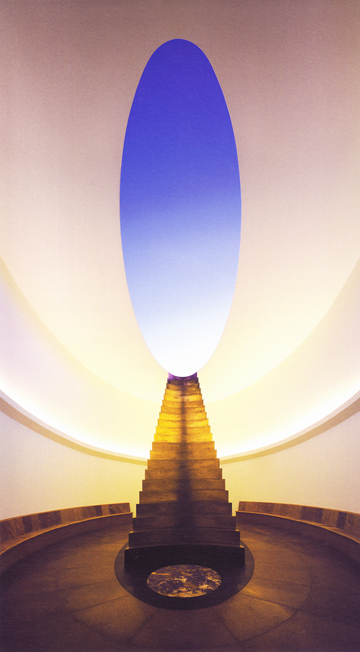
James Turrell - Roden Crater

James Turrell – Roden Crater

Light is the materialization of energy. We are naturally eaters of light, our whole body is scattered with stray rods and cones outside of the retinal area which makes our relationship to light very primal.

Our bodies are made from matter fed by the fruits of photosynthesis.

Luckily we don’t suffer instant death like all the moths and flying insects
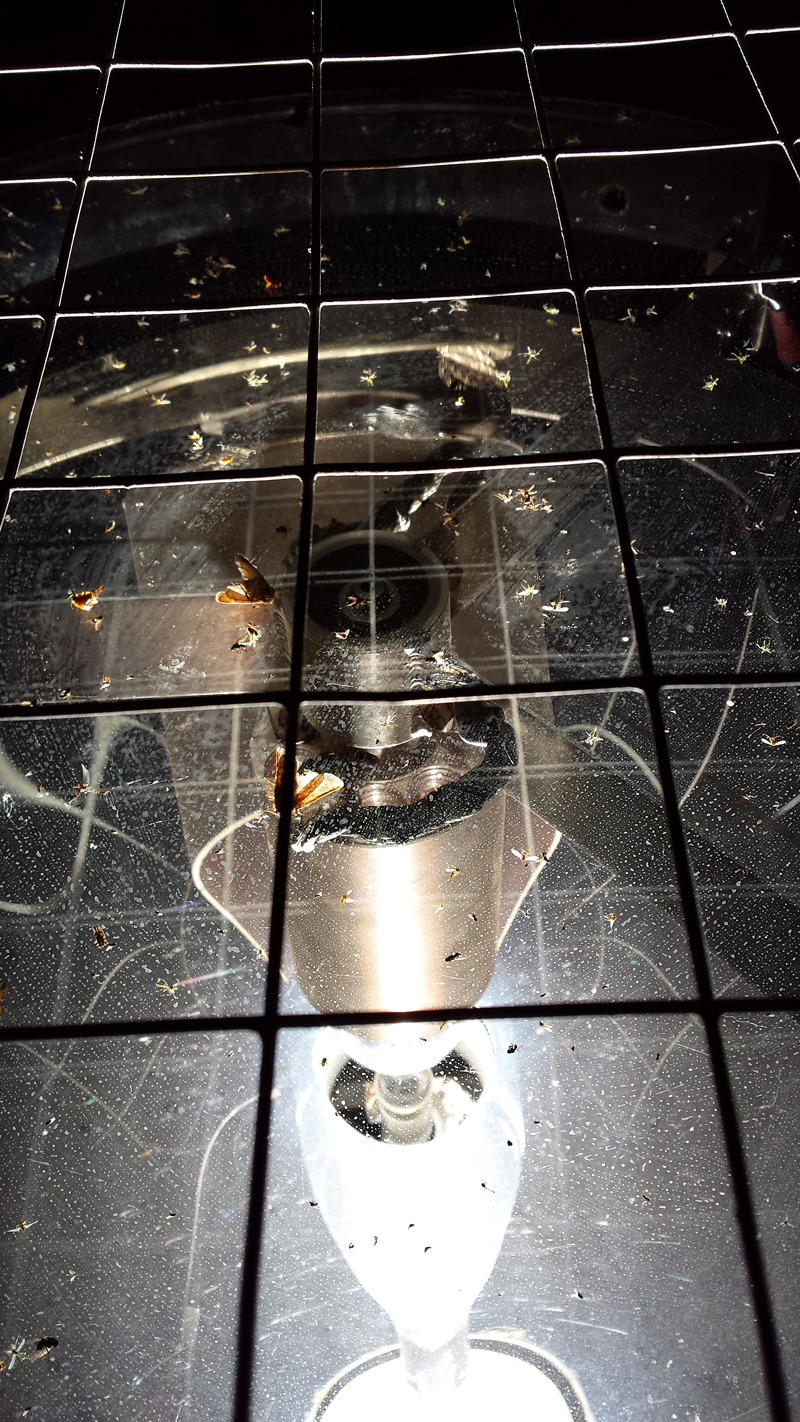
Ryoji Ikeda Spectra

Ryoji Ikeda Spectra

but it was a chance to think about the brutality of war and those that did suffer a terrible fate

With all that is happening now in Palestine, Iraq, Ukraine and elsewhere those words spoken a hundred years ago resonate, what progress have we made

when will the lamps be lit again

Social adhesion was a topic in our discussions during a workshop run by Sean Lynch at Flat Time House.

Flat Time House was the studio home of John Latham  who died in 2006. Before he died he declared the house a living sculpture, naming it FTHo after his theory of time, ‘Flat Time’.

Flat Time House aims to make a wider audience aware of Latham’s work and ideas, his spirit of discovery, and through his example to understand and appreciate the crucial role of art and the artist in society.

Starting from a series of photographs of Bellenden Road taken by John Latham in 1986 a weekend workshop led by the generous and entertaining artist Sean Lynch aimed to speculate about how urban space and environment is constructed, and what allegories and associations we can draw from it. It was purely about discussion of ideas and sharing stories. Sean’s own work is about urban environments and interventions, looking at the crafts people involved in construction as well as how art is received within a community. He has extensive knowledge of the O’Shea brothers who were stone carvers in Oxford revered at one moment and shunned the next. Details of his exhibition on the subject at Modern Art Oxford here

Sean is brimming with idiosyncratic stories gleaned from newspapers or local characters telling of encounters with faeries and magic bushes or pub crawls as performance art.
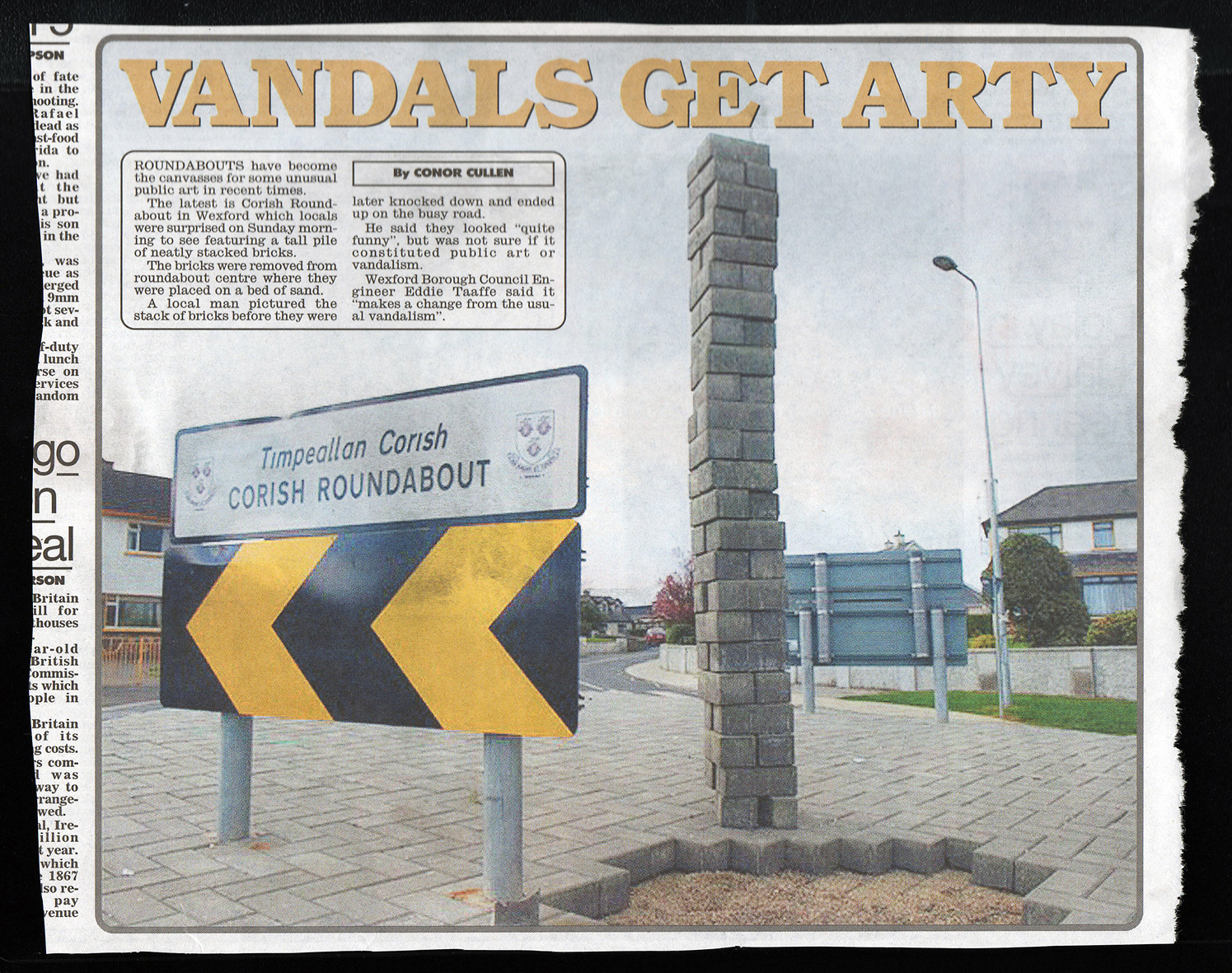
1409 vandals

Sean also talked about Robert Smithson who went to Mexico and was captivated by the delapidation of his hotel rather than the Mayan Ruins that most people would expect to be the focus of such an expedition.

Read the enigmatic essay ‘Yucatan is Elsewhere’ at this link – essay

Reminded me of visiting the ruins of a hotel on the Azores earlier this year
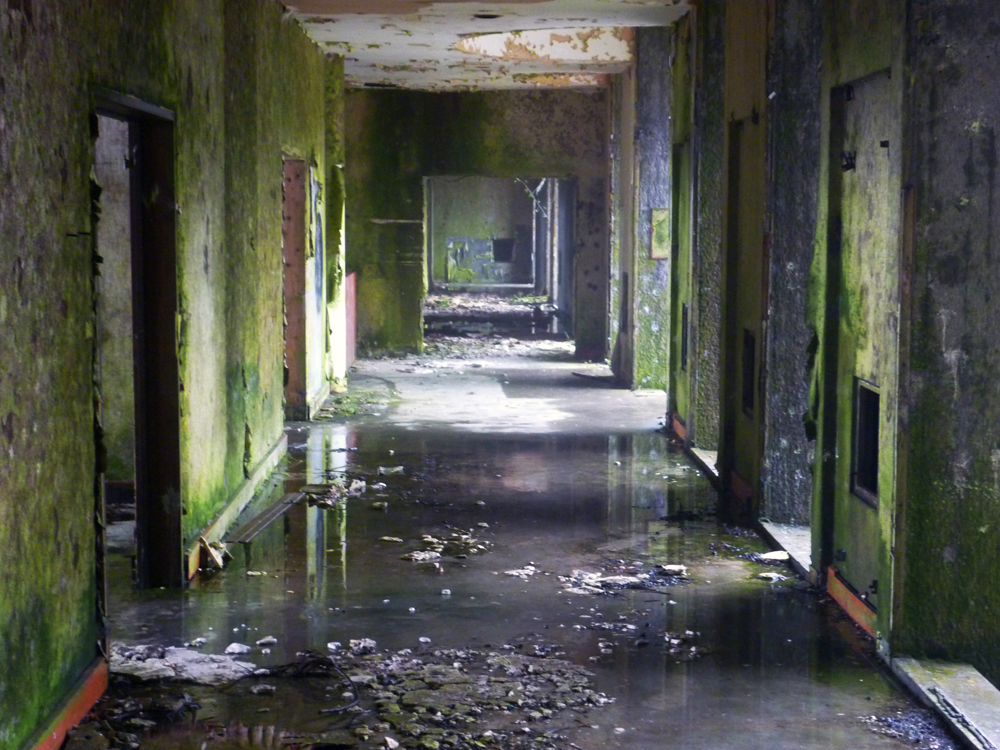
1409 Azores

For the workshop we were asked to bring along our own thoughts on public space.

I read a section from my in progress dissertation about my visit to Paradise Industrial Estate.
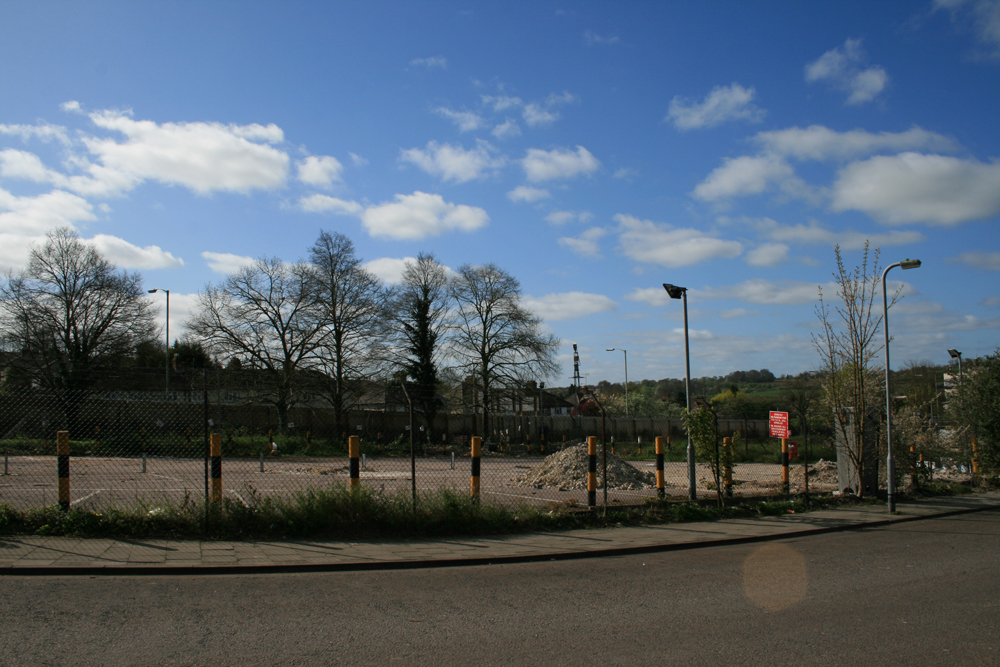
1409 paradise

We went for a couple of walks around Peckham looking at the local architecture and the council interventions.
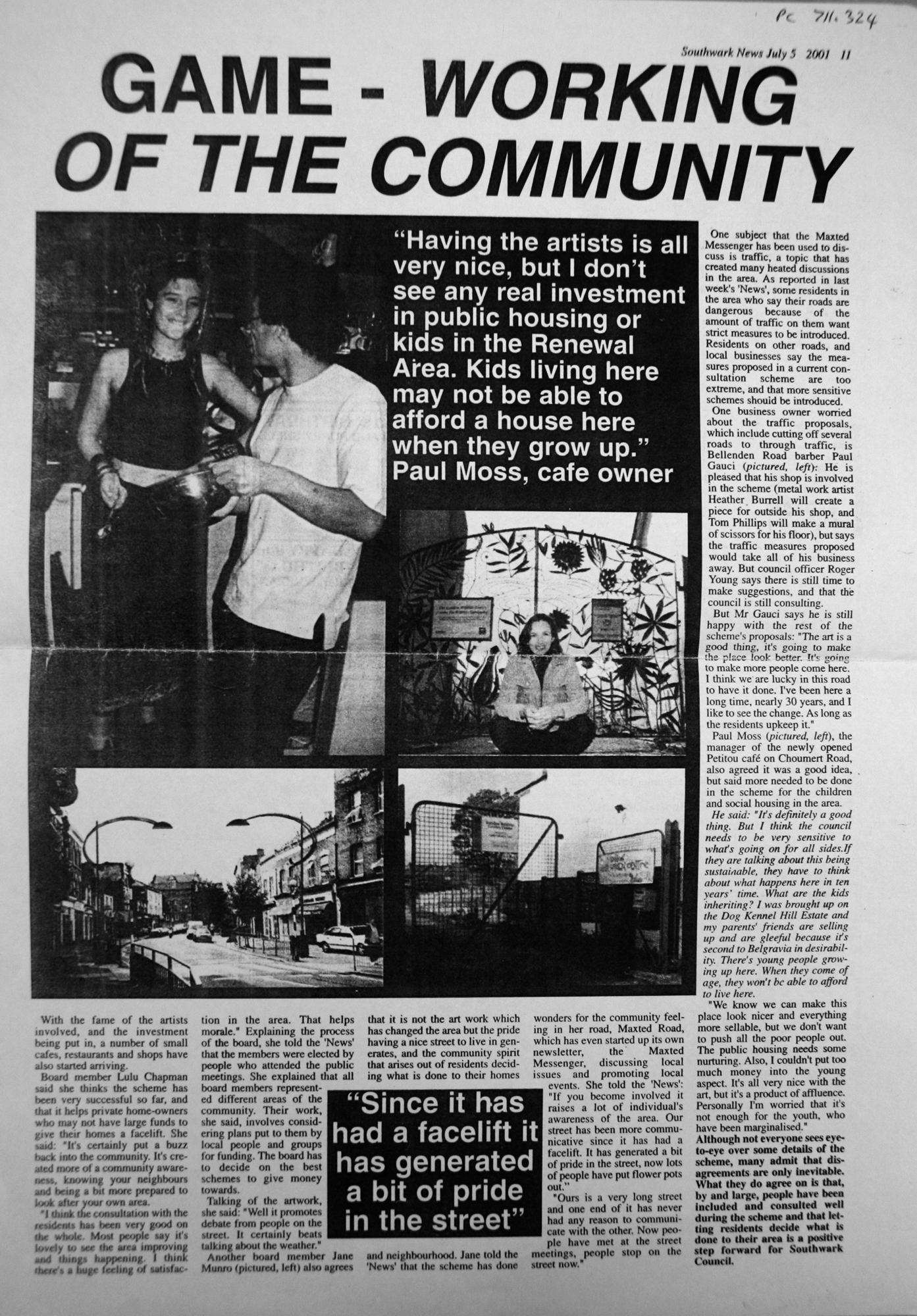
1409 Bellenden Road

We were joined on one walk by vocal local campaigner Eileen Conn who has a dream for a new society based on community and gave us the low down on the Bellenden Road area make over.

John Latham’s wife Barbara turned up too with more stories.

1409 Peckham Mural (2)

We walked down to the green to look at where in the 1760’s William Blake had his vision of shining angels in the tree.

For a local community project Artist, The Guy – created a mural on the side of a house for the Dulwich Festival 1993 with the help of local volunteers.
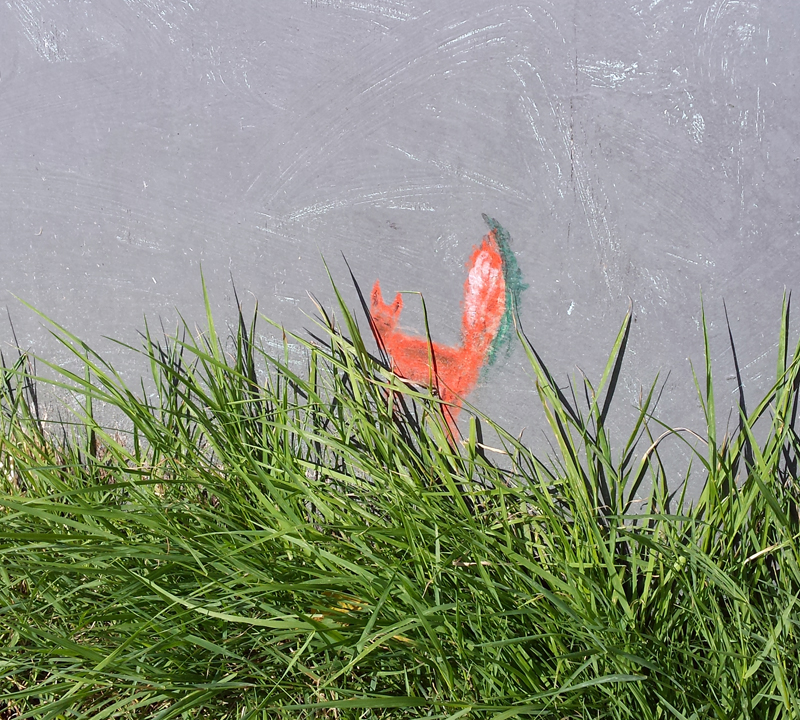
 1409 Peckham Mural (1)

Great news –  Sean Lynch will be representing Ireland at the 2015 Venice Biennale.

Also interested in how the values of society are articulated in public spaces is 2014 RCA graduate James Seow.

His beautiful inked etching plates on show at Anise Gallery depict iconic public squares such as 9/11 Memorial Plaza, Tiananmen Square and Paternoster Square in extruded structural form giving them the aura of sacred space.
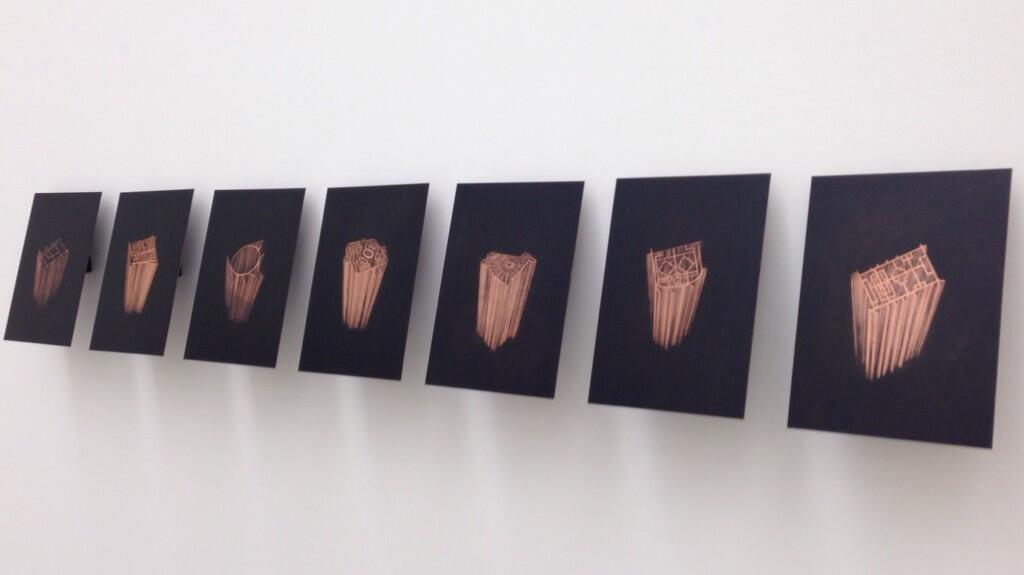
James Seow  Always Feel Safe

James Seow Always feel safe…

The gallery exhibits chosen artists that capture architecture through a variety of architectural forms.
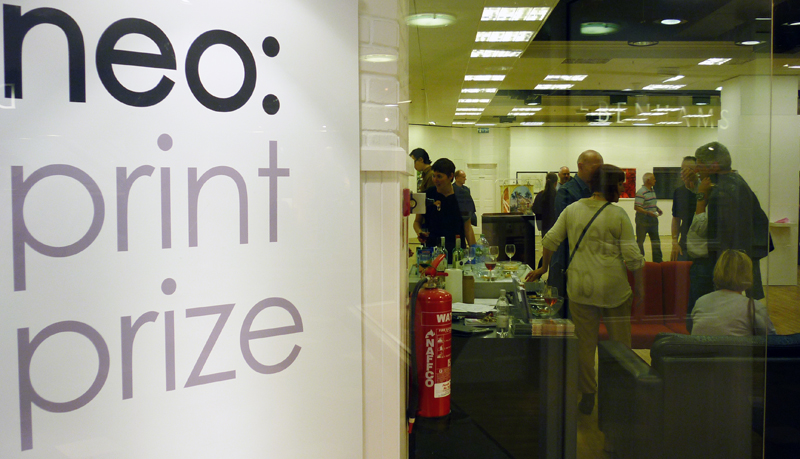
1409 neoprintprize

Delighted to have work selected by Gordon Cheung, Paul Coldwell, David Cleaton-Roberts and Eileen Cooper for the neo:print prize in Bolton.
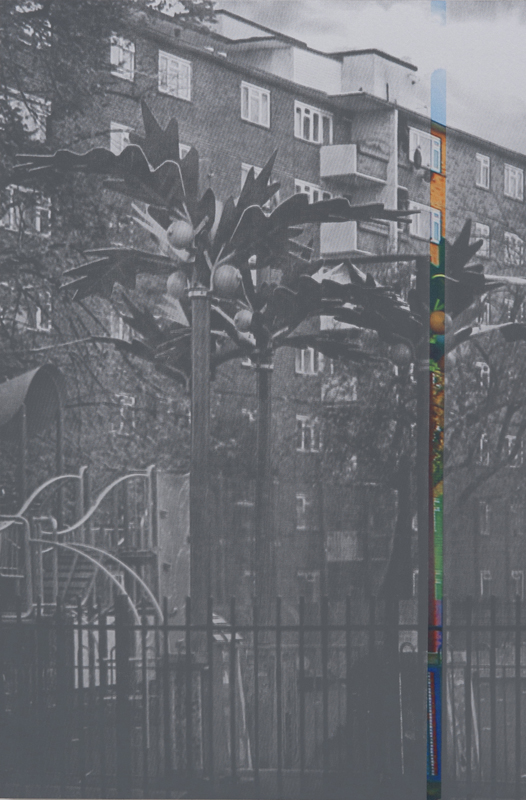
Paradise Road SW4

Paradise Road SW4

A great team of selectors so feel really proud.

An extra bonus was to win an award sponsored by Hawthorn Printmaker Supplies for my etching ‘Forest of Eden’
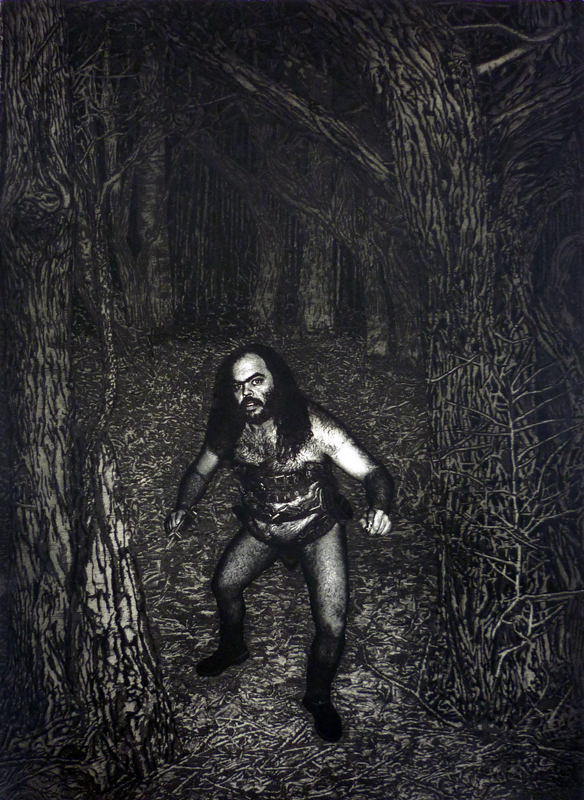
Forest of Eden

Forest of Eden

Rei Matsushima who has just graduated from the RCA also won a prize for her wonderful print ‘Mentaiko (cod roe)’
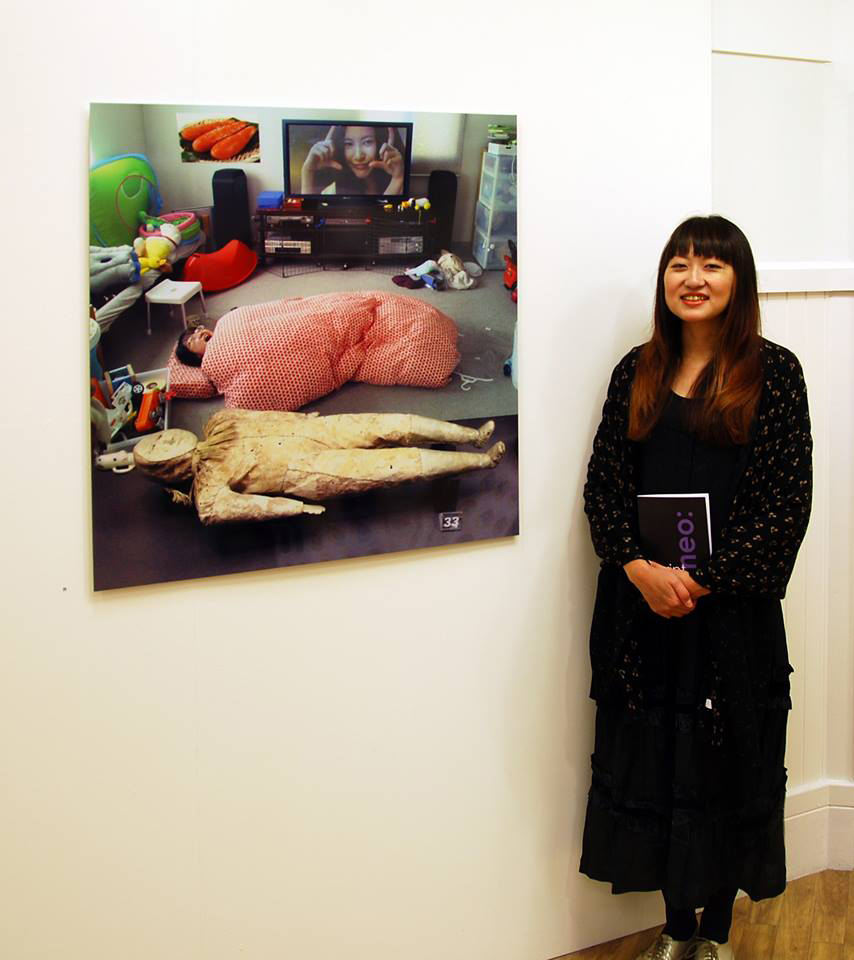
Rei Matsushima

Rei Matsushima

A series of events were held as a celebration of ‘Myth’ at the Royal Opera House.

The ‘breath of life’ and ‘the sacred fire within’ could be experienced through yoga in the great hall
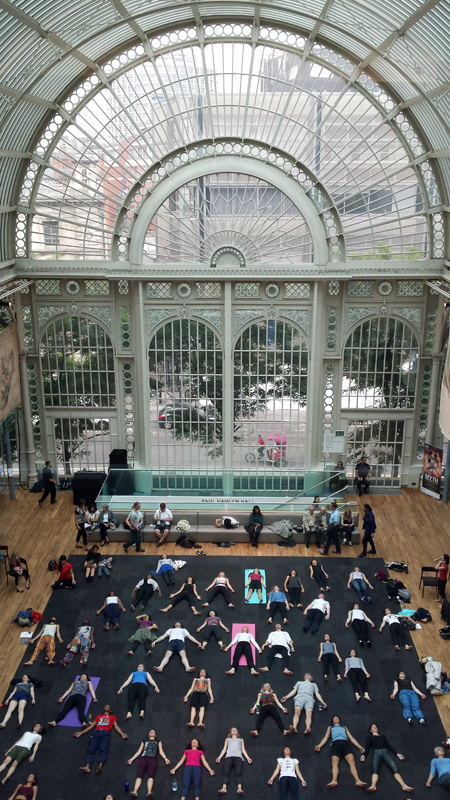
1409 ROH

A screening of the stunning film interpretation of Leda and the Swan featuring Eric Underwood and Claire Calvert dancing in Richmond Park

Leda and The  Swan

The Indifferent Beak

A sudden blow: the great wings beating still

Above the staggering girl, her thighs caressed

By the dark webs, her nape caught in his bill, He holds her helpless breast upon his breast.


How can those terrified vague fingers push

The feathered glory from her loosening thighs?

And how can body, laid in that white rush,

But feel the strange heart beating where it lies?


A shudder in the loins engenders there

The broken wall, the burning roof and tower

And Agamemnon dead.

Being so caught up,

So mastered by the brute blood of the air,

Did she put on his knowledge with his power

Before the indifferent beak could let her drop?


Inspired by Yeats 1923 poem, choreographer Charlotte Edmonds wanted to convey the entwining bodies and passion of the encounter
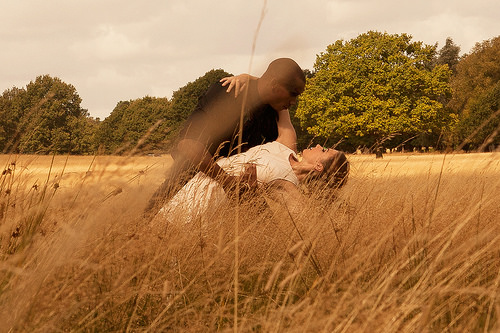
Leda and the Swan

The Indifferent Beak

Matt Collishaw also sought to convey burning passions
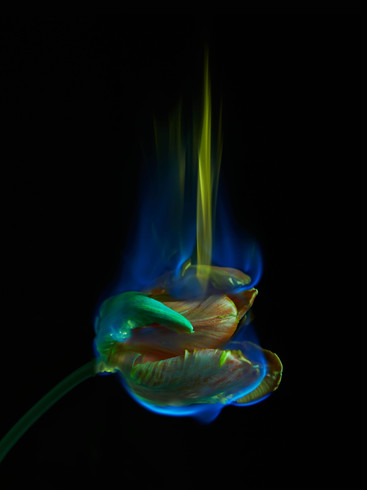
Matt Collishaw

Matt Collishaw

The dangers of desire.

Bill Viola gave us suffering for transcendence.

Bill Viola - Fire Martyr

Bill Viola – Fire Martyr

Andrea Büttner is interested in ideas of spirituality on a quieter scale.

The ‘Little Works’  of the Carmelite nuns of Notting Hill, ‘The Little Way’ of St. Thérèse of Lisieux, a carmelite saint which influenced the delicate drawings of Gwen John.

Noticing the small and lowly she makes connections between the humility of the nuns with the unobtrusive yet persistent spreading of moss.

Lives lived in the background.

She discussed her ideas with insightful curator Chus Martinez, Head of the Art Institute, Basel at Tate Britain. She was launching her book Hidden Marriages which draws inspiration from the National Museum of Wales collection of drawings by Gwen John (1876–1939) and the extensive collection of mosses preserved in its herbarium.

Much of her work makes connections between art history and social or ethical issues, with a particular interest in notions of poverty, shame, vulnerability and sexuality, and the belief systems that underpin them. Although working a hundred years apart, Gwen John and Andrea Büttner share an interest in the spiritual, social and aesthetic notions of ‘littleness.’

Mosses fall under the term cryptogam (meaning hidden sexuality). Moss is also described as a ‘lower plant’— implying a lesser, or more primitive, evolutionary development than flowering or ‘higher plants.’ Hidden Marriages: Gwen John and Moss draws these two seemingly unconnected collection areas together, making links between the reproductive processes of ‘lower plants’ and the contested sexuality of Gwen John; between littleness as an aesthetic, biological, and social discourse; between the scientific ordering of the Museum and the harmony and beauty that John sought in her work; and, ultimately, the way institutions ascribe relative importance to objects, ideas and people.

Büttner makes large woodcuts about lowly things like tents.

Andrea Buttner Tent

Andrea Büttner Tent

She said she views her woodcuts almost as brochures or advertisements to her videos.

Andrea Büttner Piano

Andrea Büttner Piano

She had some great duo scope images on slides and in her book of moss collectors intently surveying the ground, heads down, eyes lowered, kneeling as though in prayer
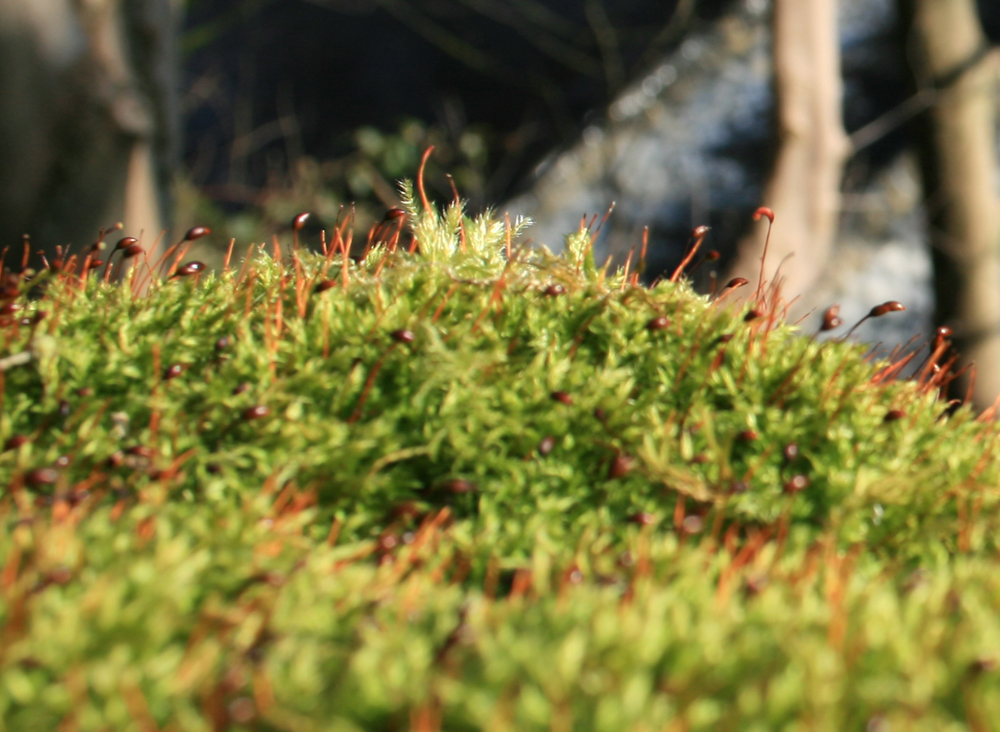
1306 Moss


My visit to the Venice Biennale was marked by my receiving news that I had a place at the Royal College of Art for the Autumn.  A great start to a very inspiring few days.

It does feel a bit like I am going to be launched into space. Exciting and an amazing opportunity but also not knowing what to expect with anxieties that I will be lost or unable to cope.

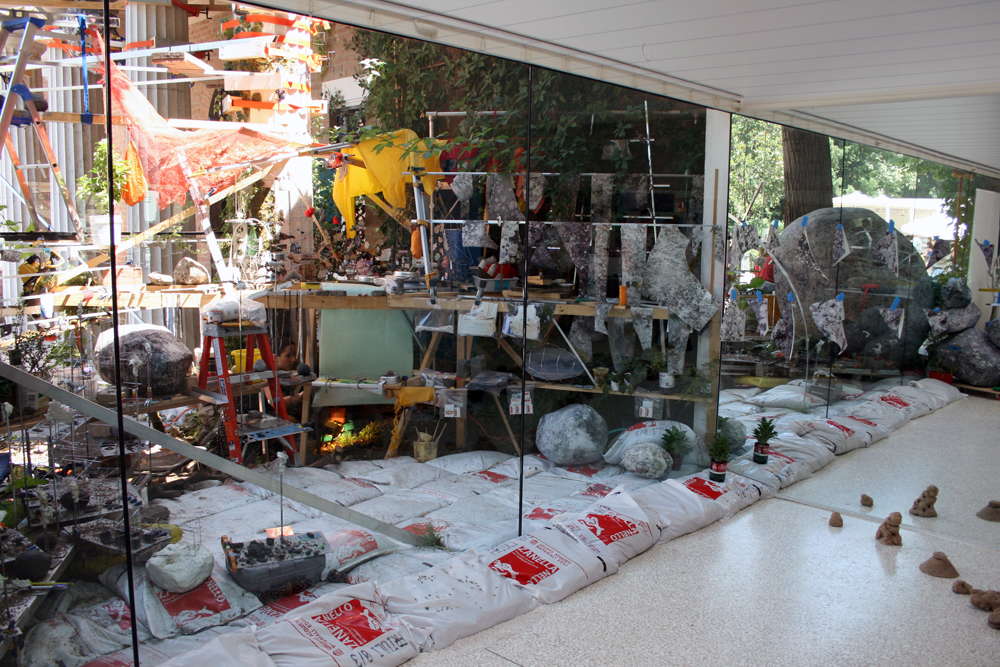
Bedwyr Williams ‘The Starry Messenger’ and Sarah Sze’s Triple Point both explore feelings of place within the universe. Very apt for my frame of mind.

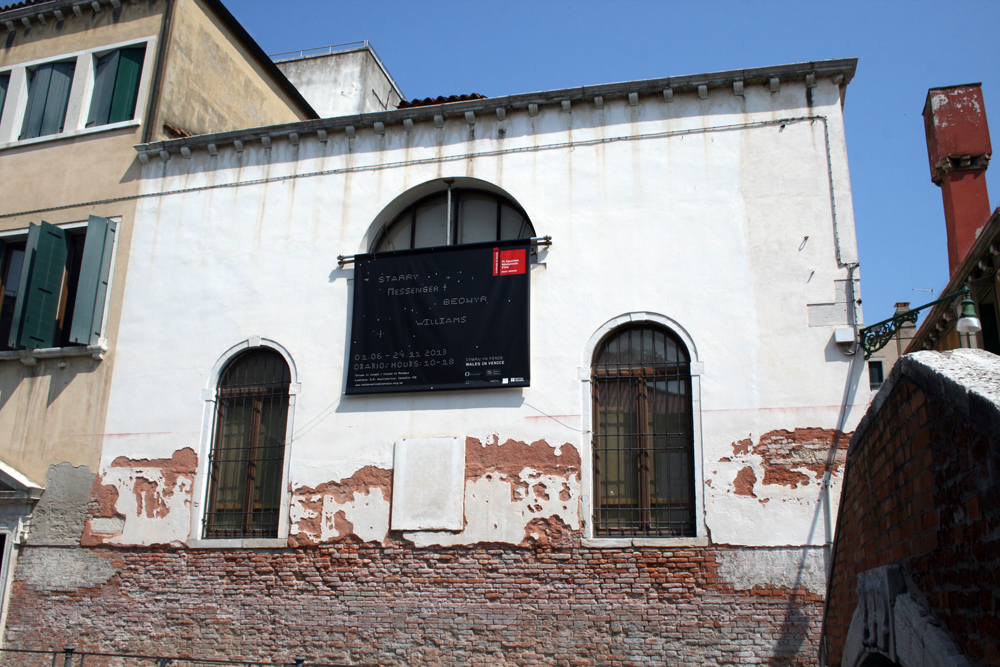
Wales in Venice

Wales in Venice

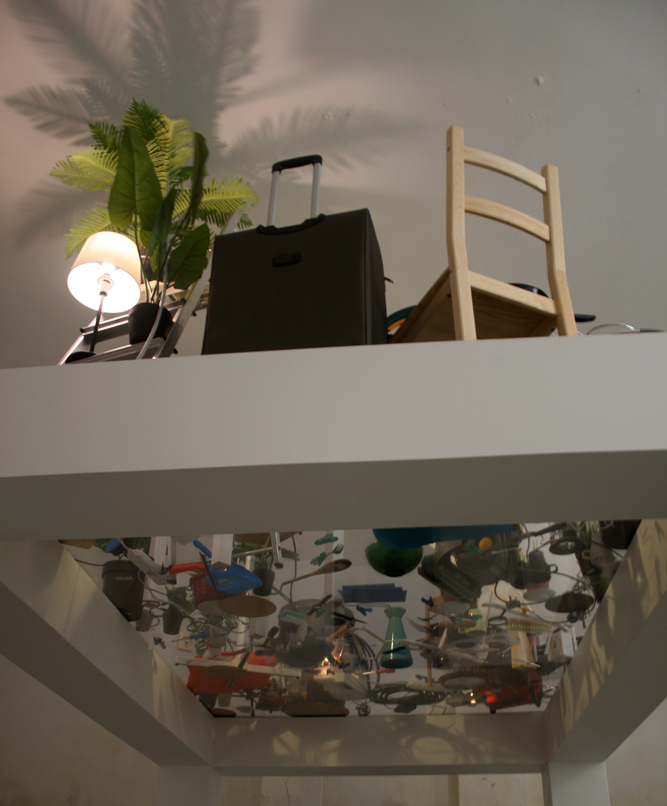
‘The Starry Messenger’ explores the relationships between stargazing and the individual, the cosmos, and the role of the amateur in a professional world.

Inside the former church and convent in a darkened room there is a small observatory with a door ajar through which we can see the starry cosmos. There is the sound of a man weeping, just like Kevin does when he thinks about the vastness of space and his own insignificance. Moving through the installation you walk under glass with household objects placed on its surface above your head which I took as a possible reference to Leonardo Da Vinci’s drawing ‘A cloudburst of material possessions’. Maybe it is space debris.

Bedwyr Williams The Starry Messenger

Bedwyr Williams The Starry Messenger

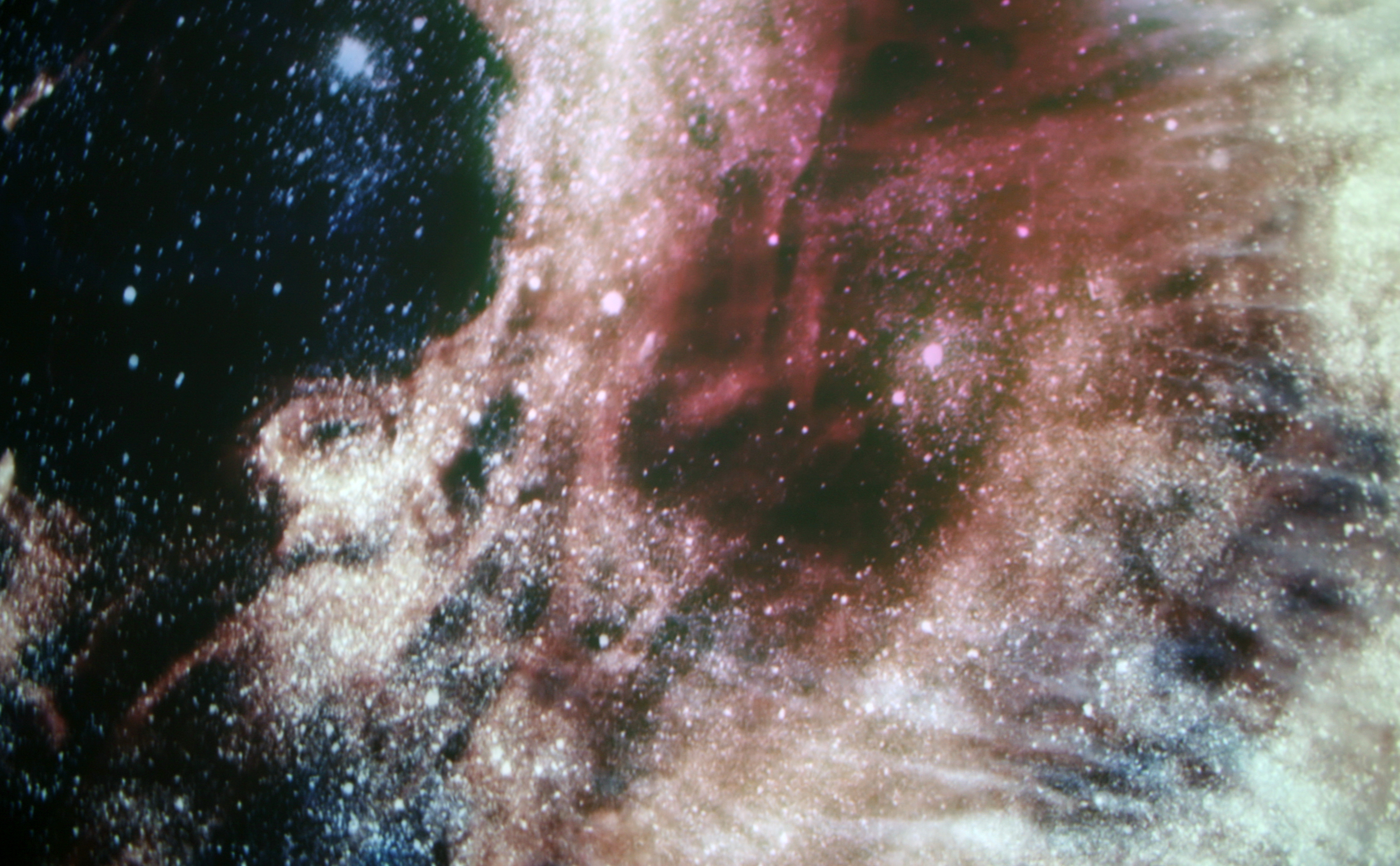
There is a film with a Mighty Boosh style protagonist who represents a character trapped within a mosaic mural.

Bedwyr Williams The Starry Messenger

Bedwyr Williams The Starry Messenger

From the geological formation of stone out of oozing mud through its journey and subsequent use in a mural to the demolition of the building and its return to the earth. From looking out at the stars through a telescope to ‘staring into space’ the outer and inner worlds collide in a wonderfully amusing narrative encompassing the life the universe and everything dialogue.

Bedwyr Williams The Starry Messenger

Bedwyr Williams The Starry Messenger

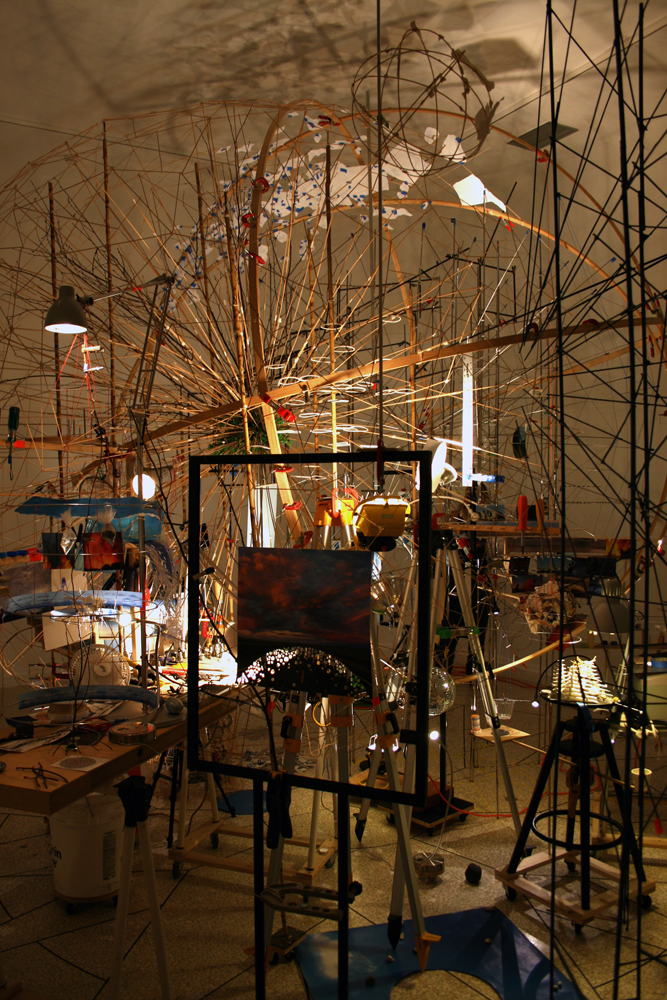
Sarah Sze explores the desire to locate our place within a disorienting world.

Sarah Sze Triple Ponit

Sarah Sze Triple Point

Her fragile sculptures echo the balance and chaos of the world around us.

Sarah Sze Triple Point

Sarah Sze Triple Point

They appear to spin or be in the process of expansion, beautifully mysterious like the working of the atom or the universe they are full of wonder.

Sarah Sze Triple Point

Sarah Sze Triple Point

Playing with pattern, order and taxonomy she creates a laboratory busy in its own pursuits which makes us feel we are close to understanding something great.

Sarah Sze Triple Point

Sarah Sze Triple Point

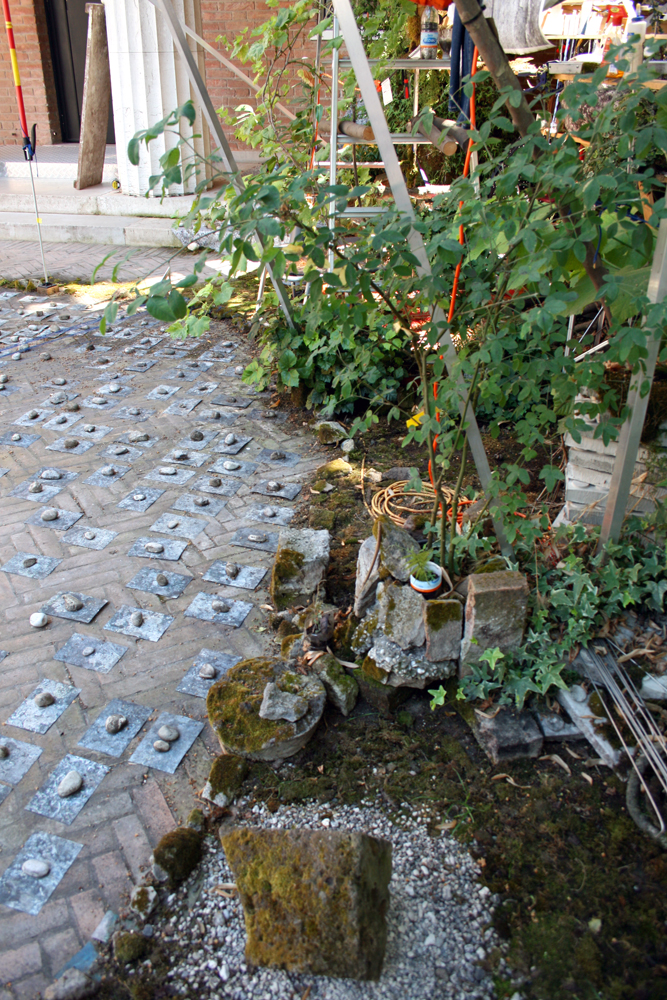
I was excited to see she had used moss a lot throughout this installation, even turning its image into wallpaper.

Sarah Sze Triple Point

Sarah Sze Triple Point

Triple Point refers to the phase when gas, liquid and solid form of a substance are all in equilibrium, her use of natural forms keep our ideas grounded in our surroundings while drawing us into the mysteries of evolution.

The extraordinary collection of stones once owned by artist Roger Caillois were on display in the Central Pavillion.

Roger Caillois Stones

Roger Caillois Stones

Caillois believed that nature should be examined as something other than as the utilitarian force that Darwin purported and that aesthetics and the need for decoration should be considered integral to our understanding of the natural world.

Roger Caillois Stones

Roger Caillois Stones

He considered the beautiful patterns within ancient natural forms were a sort of cryptic ‘universal syntax’, a unifying aesthetic language.

Roger Caillois Stones

Roger Caillois Stones

He wanted to understand the mysteries of the subjective experience through its relationship to factual reality.

I find it fascinating trying to understand the aesthetic experience.

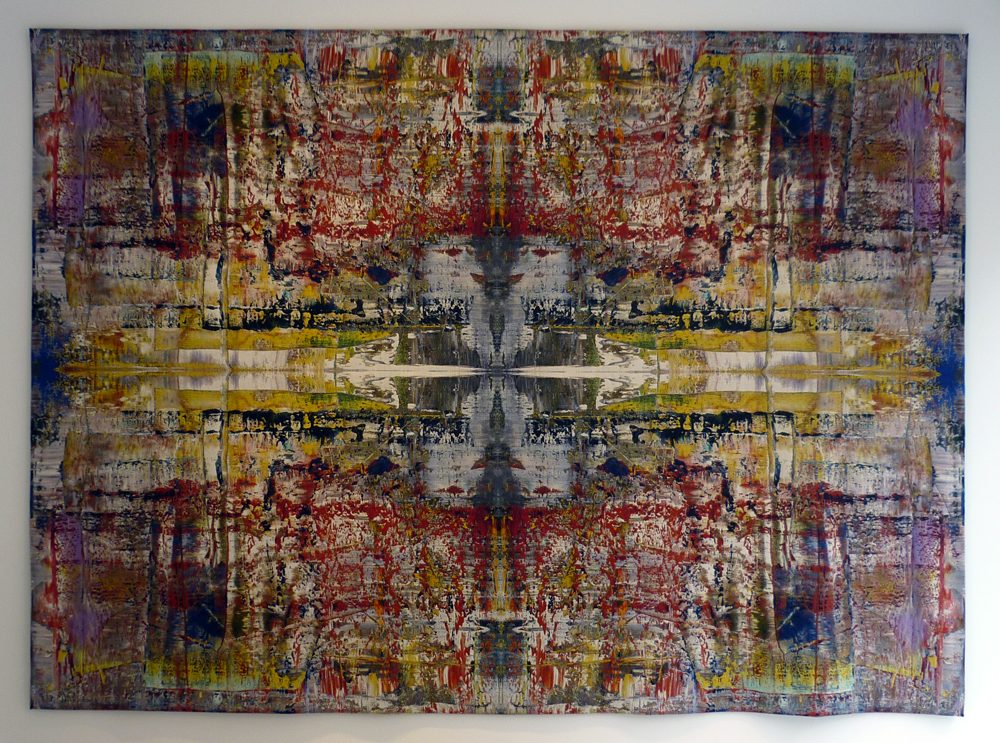
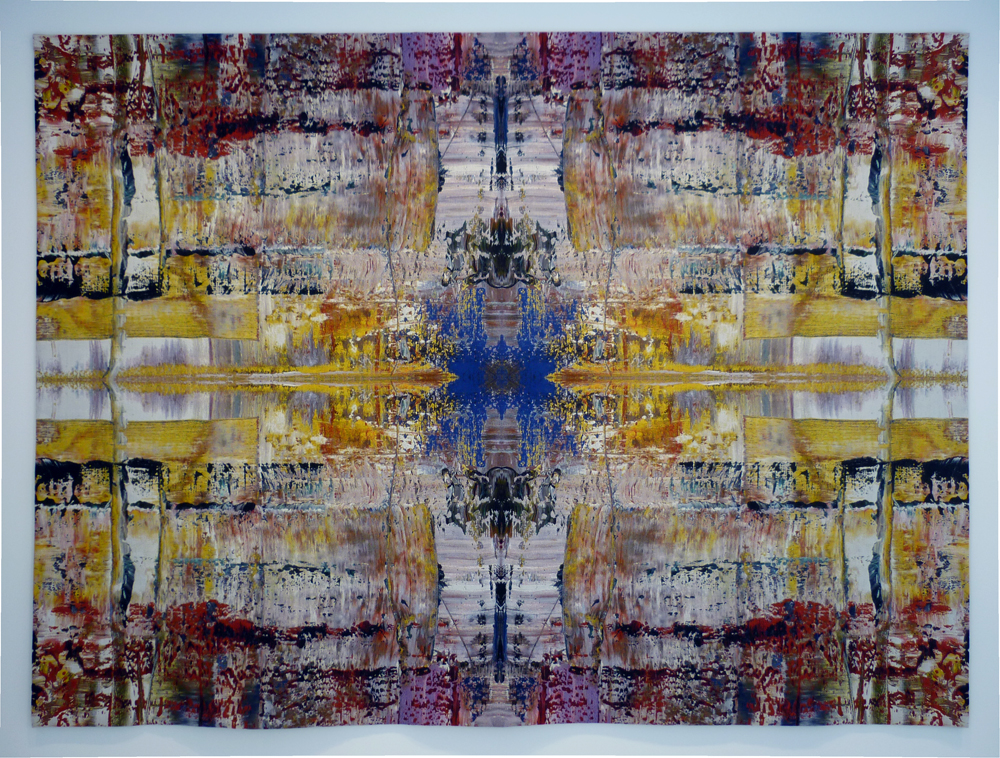
Gerhard Richter’s tapestries at Gagosian, Davies Street emanate pure aesthetic pleasure, colours and form coalesce erupt and fade.

These works are based on Abstract Painting (724-4) (1990). The visual effect of the tapestries is a Rorschach-like multiplying of the forms and colours of the original canvas.

Gerhard Richter

Gerhard Richter

Like entering a hypnotic state, like staring into space both literally and metaphorically you are transported to a place where it feels familiar and strange at the same time.

Gerhard Richter

Gerhard Richter

Venice was a perfect location to think about mysteries, the sacred and the wonders of the world.

1307 Monastry

I have been looking at moss. It gets everywhere.

1306 mossy trees

I found an interesting blog that puts moss in context historically…

‘This soft plant pre-dates just about everything that surrounds it…older than ginkgo, older than Turtle Island, older than the very first tree, quite possibly older than the dirt itself.

The moss pre-dates the very notion of history.  Because the moss comes from an Earth that would be completely unrecognizable to you and me, completely alien even to the trees themselves.’  Read more…

1306 mossy wall

Then thanks to Giovanni Aloi Founder and Editor in Chief of Antennae, the Journal of Nature in Visual Culture my attention was brought to the news that ancient mosses are returning.

‘Frozen mosses that were buried under glaciers 400 years ago have now been regrown. Surprisingly, the hardy “bryophytes” required no special techniques to regenerate. That means they might be candidates for colonizing extreme environments — even in space.  During the Little Ice Age, which occurred between the 16th and 19th centuries, massive glaciers moved in and covered various regions in the Northern Hemisphere. These glaciers slowly retreated throughout the 20th century, and the rate of ice melt has sharply accelerated since 2004. The substantial glacial retreat is now revealing beautifully preserved vegetative communities, says Catherine La Farge, a bryophyte botanist at the University of Alberta. “It’s kind of like a blanket being pulled back, allowing you to see what the Little Ice Age was like.” ‘ Read more…

1306 Moss

So maybe my work should be looking at ‘Return of the Moss’ not ‘Return of the Forest’.

It’s not quite such a dramatic image. I have been looking at some impressions of the first trees, there were a bit fern like.

Fern looks so primordial. I have been working on making stencils to screen print over the ice collagraph. Using the scans from the ferns I pressed I have added an embryo as a harbinger of what is to come.

1306 Embryo

Every summer Ochre Print Studio opens its doors for an Open Studio Exhibition and I usually help curate this.

Lots of work arrives from all the members. We line it up and start looking for connections.

Ochre Print Studio

Ochre Print Studio

Also need to fit my own work in.

Yellow Sky

Yellow Sky

Subluna and Graft i

Subluna and Graft i

Went to see ‘Disgraced’ at the Bush Theatre. Set in New York. Today. Corporate lawyer Amir Kapoor is happy, in love and about to land the biggest career promotion of his life. But beneath the veneer, success has come at a price. When Amir and his artist wife, Emily, host an intimate dinner party at their Upper East Side apartment, what starts out as a friendly conversation soon escalates into something far more damaging.’

Disgraced by Ayad Akhtar

Disgraced by Ayad Akhtar

This blog from Paul in London sums it up nicely

‘Over the course of 90 minutes everything that is civilised and awfully respectable about two New York couples is gradually undone and at times the conversation is so frank and uncomfortable ‘. ……Read more

The characters reflected a fast retreat to their roots when under pressure, to the lessons of their parents to shared histories and a sense of belonging.

It seems origins are very important and potent.

Look at the moss slowly spreading, changing the climate and allowing new growth and eventually the advent of man.

It was a good exercise for me to give a talk at the Robert Phillips Gallery in conjunction with the Surrey Contemporary 2013.  Time to think about my own origins and how they influence my work. I dragged out old sketchbooks and notes to refresh myself on the ideas that have led me to this point.

I wasn’t sure how long I would be able to talk for. I started by talking a little about my own background – growing up in the countryside – living in the city and how this has made me very conscious of the difference between my contact with nature then and now. Also the influences of the ecological call to arms on my feelings about the natural world and my love of the urban landscape.

Binformation

Binformation

 ‘Binformation’ always provokes lots of discussion so that was a good piece to be able to discuss. Rubbish is remarkably personal, it’s something we all produce relentlessly and often harbour guilt about. So it can be comforting to think that maybe in millennia that layer of plastic will turn into something beautiful to be mined.

While doing a bit of research for my talk at Riverhouse I went back to some old sketchbooks from Goldsmiths days and pulled out his quote that I had come across at the time. Those feelings that once everything was better go back a long way.

 “One thing is sure. The earth is now more cultivated and developed than ever before. There is more farming with pure force, swamps are drying up, and cities are springing up on unprecedented scale. We’ve become a burden to our planet. Resources are becoming scarce, and soon nature will no longer be able to satisfy our needs.” Quintus Septimus Florens Tertullianus Roman theologian, 200 AD

I have been falling in love with Angela Carter again. Reading ‘Nothing Sacred’ and marvelling at her insight of 40 years ago.

1306 angela carter

Writing on the discovery of the idea of the Sublime she looks at the industrial landscape of Bradford and notes the seductive attraction of grit and grime heralded by the art-house films of the fifties appealing to the romantic who was not born and bred in a back to back house.

‘The history of taste may well be that of the obscure and probably warped predilections of the bourgeois romantic intellectual gradually filtering down through the mass media until everybody knows for certain what they ought to like. After all, only a handful of eccentrics enjoyed mountains until a mountain got up and followed Wordsworth across a lake’.  New Society 1970

Despite the urban growth and industry of the northern city she finds there is still a direct contact with nature in the markets of Doncaster – ‘It’s cold and wet underfoot, here.’

‘Outside, among the fruit and vegetable stalls, it had started to rain in earnest and the cabbage stalks and shed lettuce leaves were turning to soup in the puddles. It’s very tiring, not being alienated from your environment.’

New Society 1976