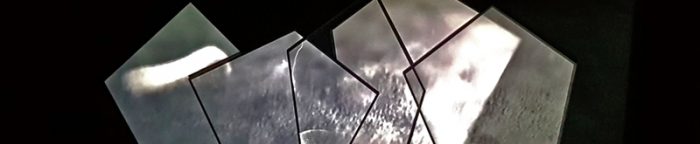
‘What truth could be more unexpected ….than the one in which the mineral envisions while also being envisioned.’ Jason Groves, The Geological Unconscious
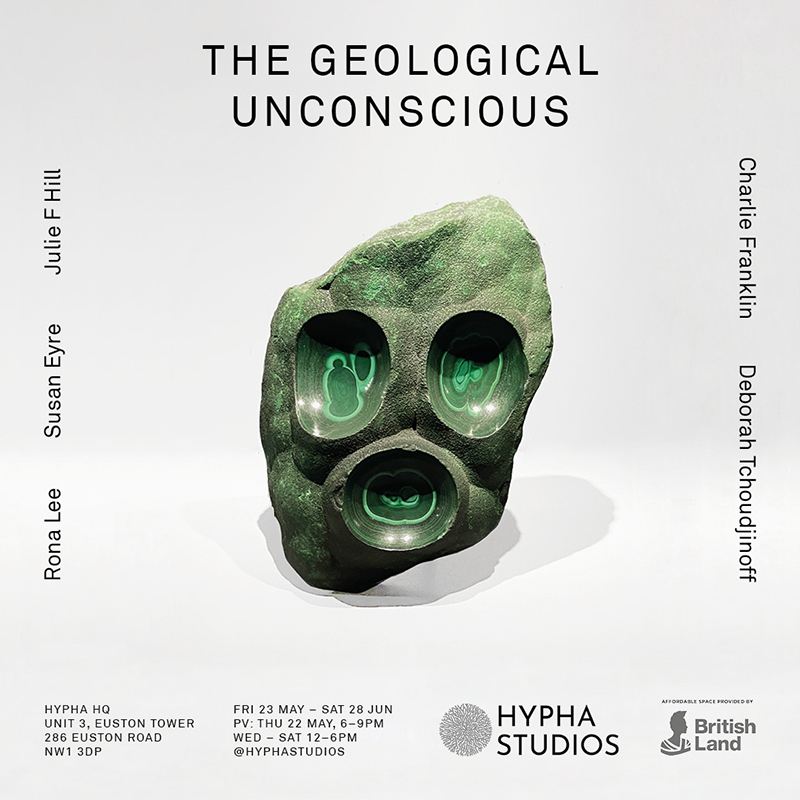
‘This is the blueprint of nature itself; both hidden and revealed in a nodule of silica.’
Roger Caillois, The Writing of Stones
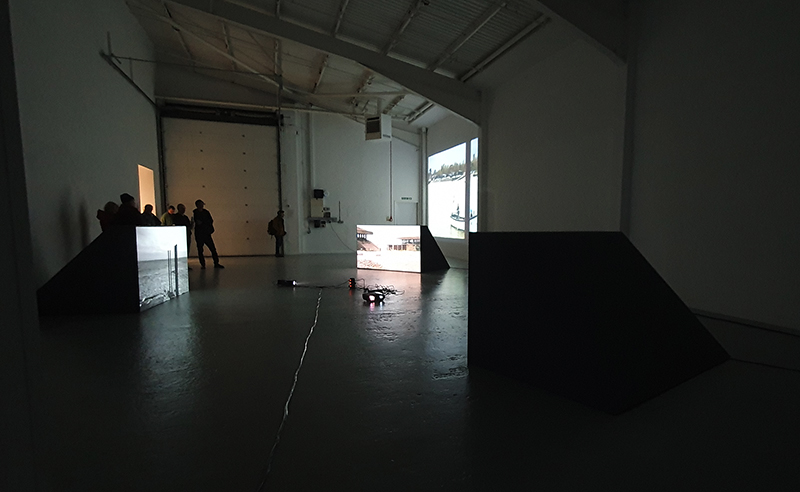
The Geological Unconscious opened with an exceptionally busy Private View. It was a fantastic evening with lots of great feedback. With a multi-disciplinary approach, large-scale installations and sculptural works sit alongside embroidery, video, expanded print and photographic work, to create material intimacies that help situate us in scales beyond the human.
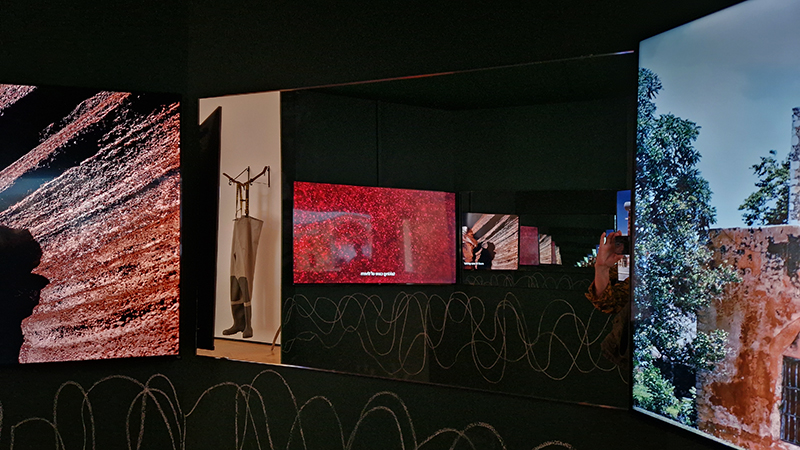
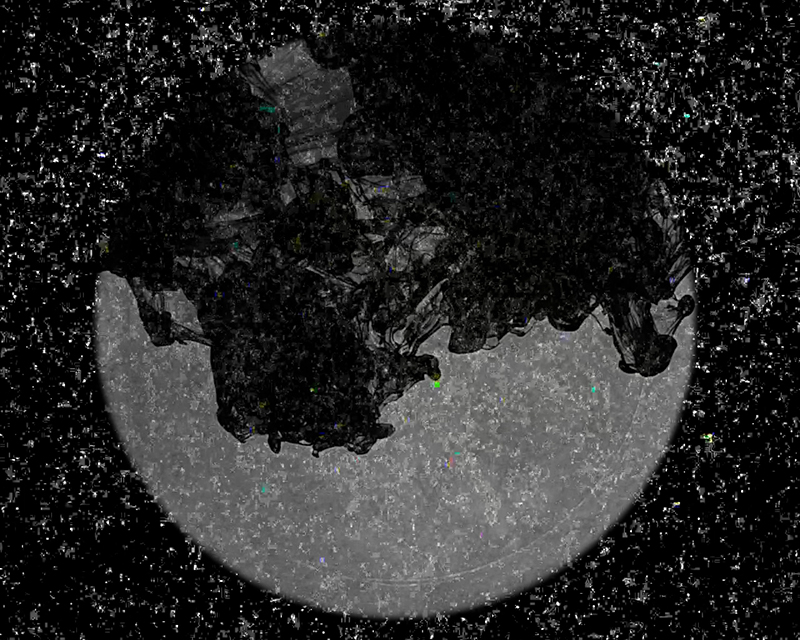
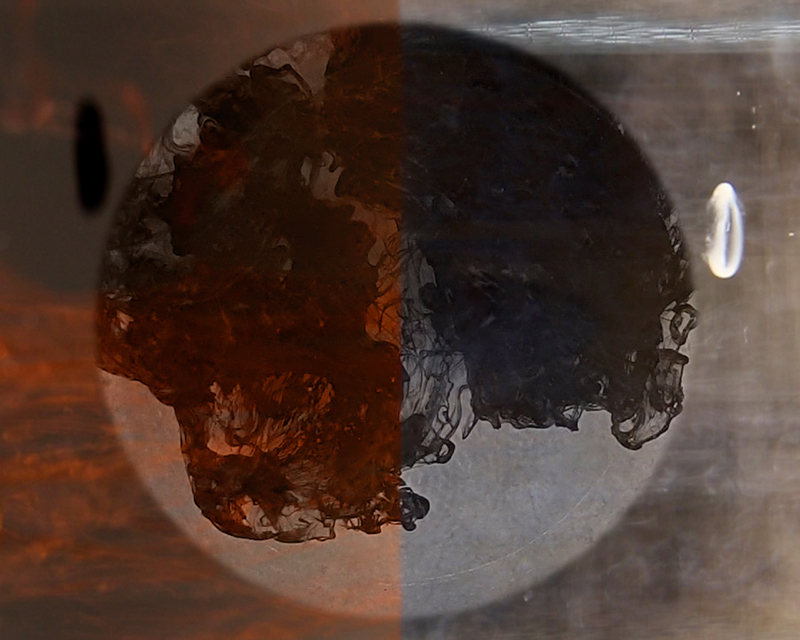
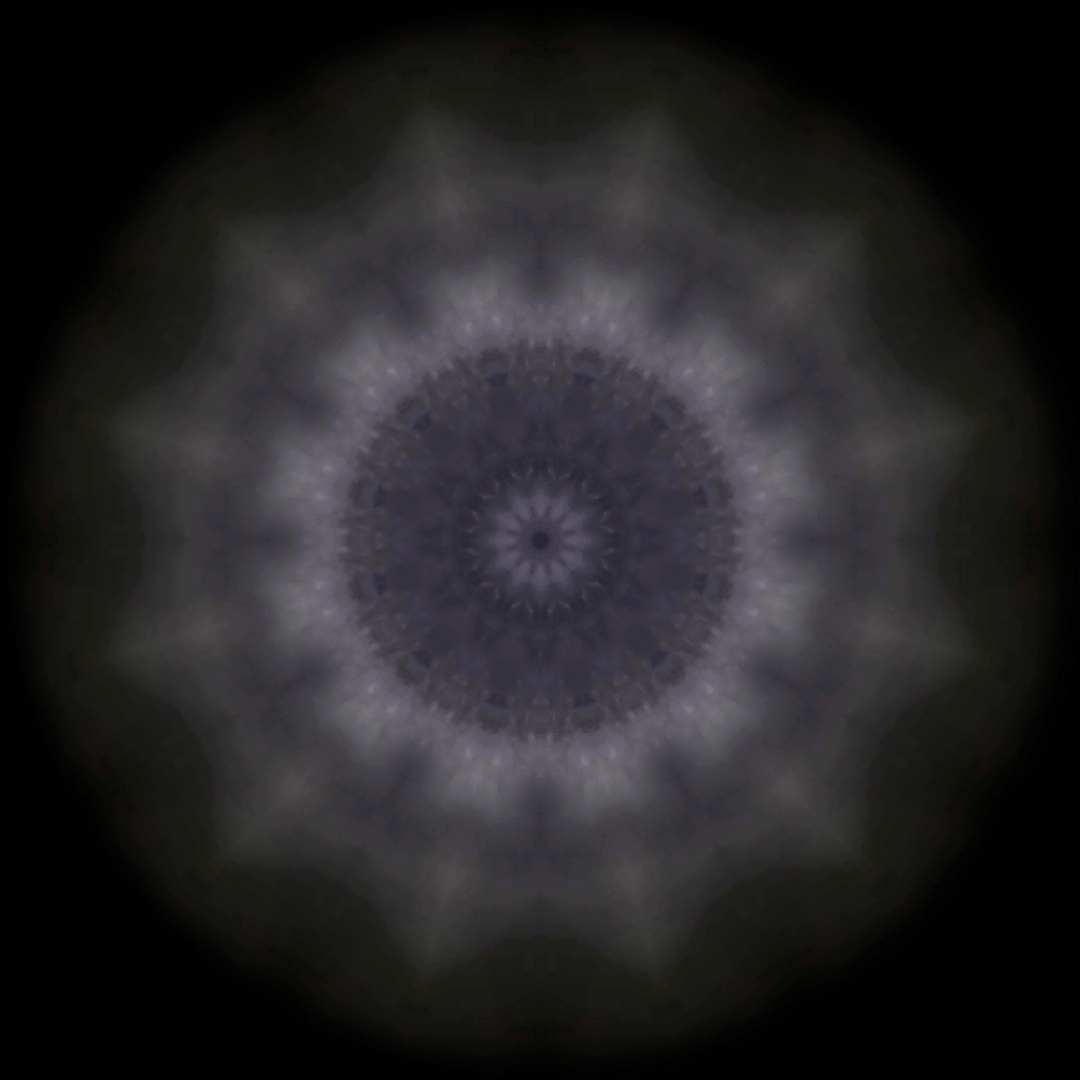
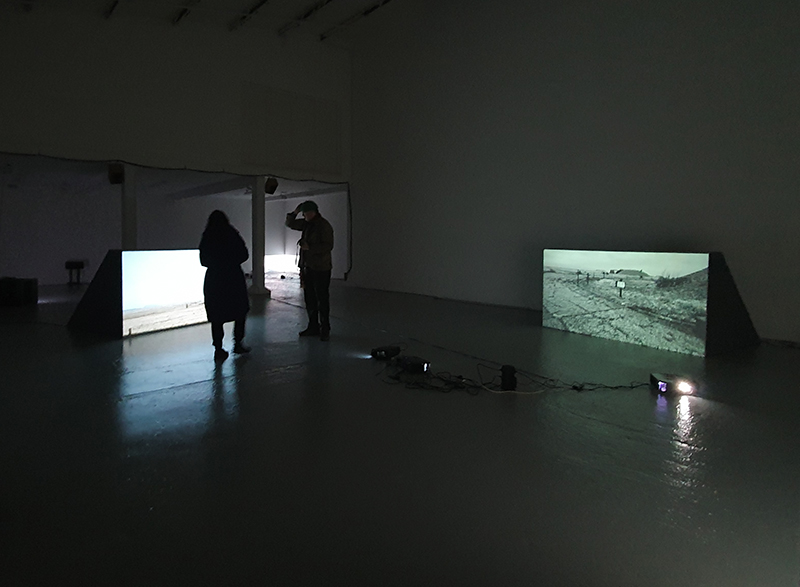
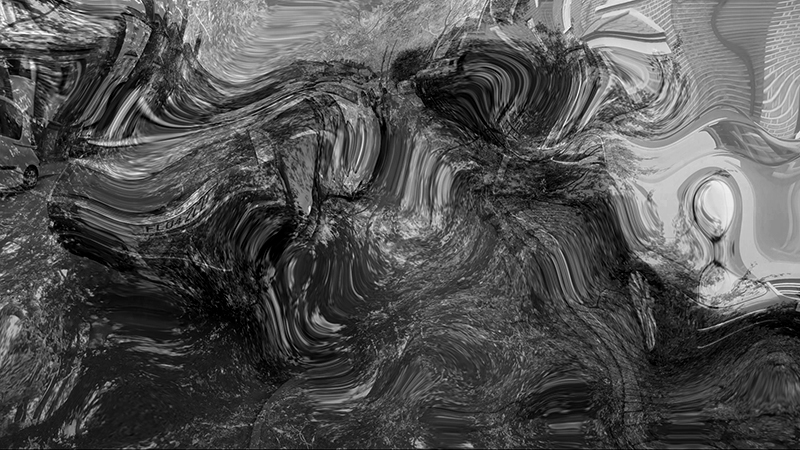
My video installation Lithos Panoptes imagines a view of the world from the perspective of the rock via the molecular structure of magnetite. Referencing a many-eyed giant of Greek mythology, Argos Panoptes (always eyes still awake), the work considers the perpetual vigilance of rock as record keeper and witness.
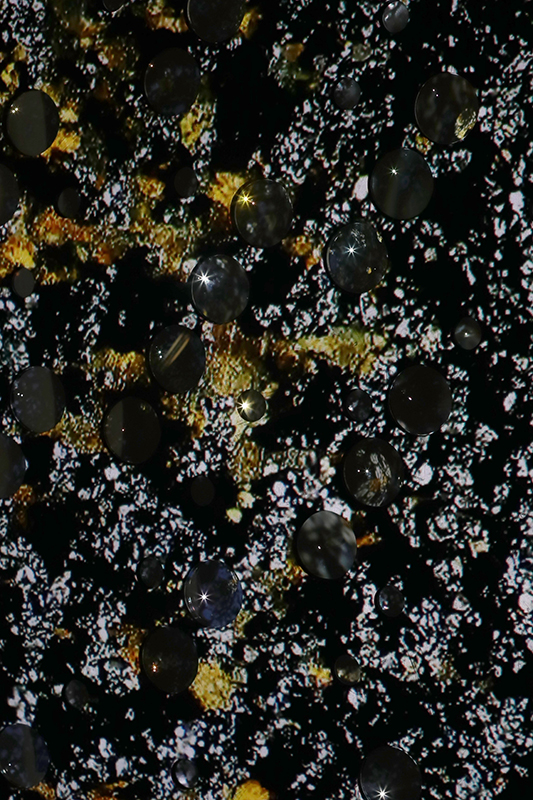
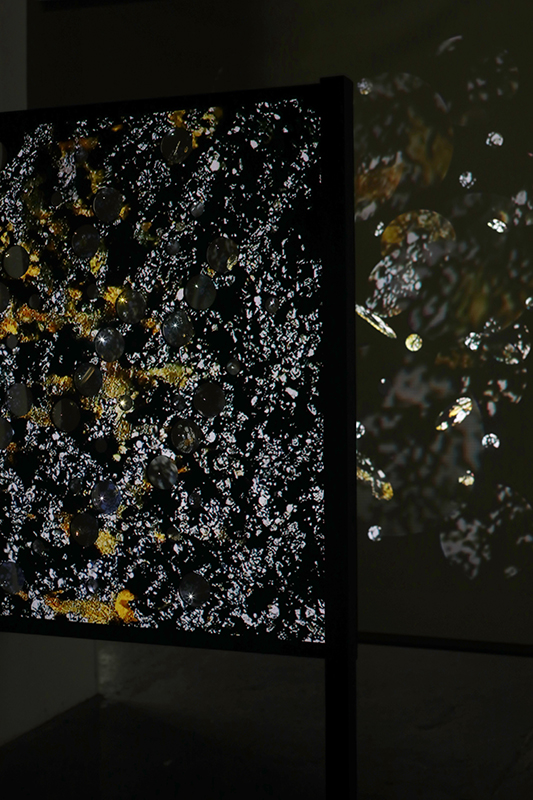
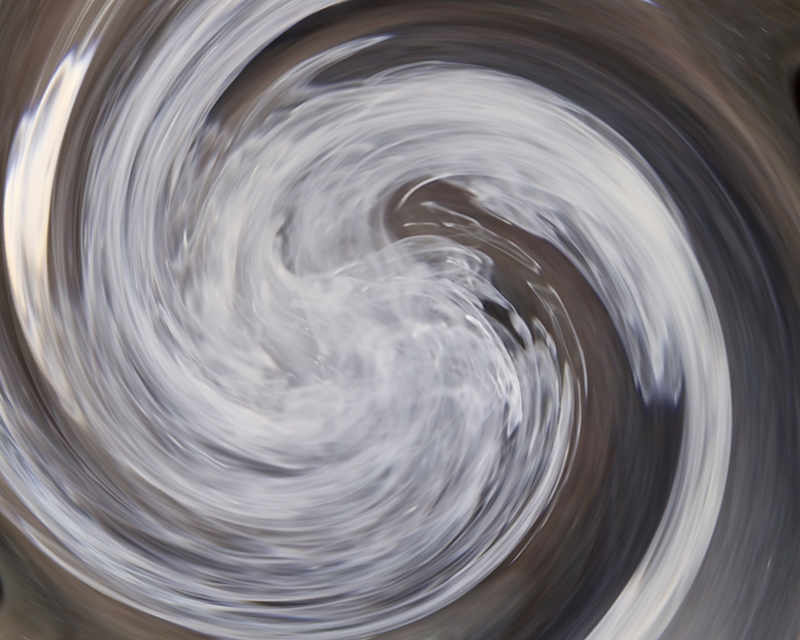
Video of human activity projected through distorting optical lenses transforms the anthropocentric position to imagine the perspective of the rock.

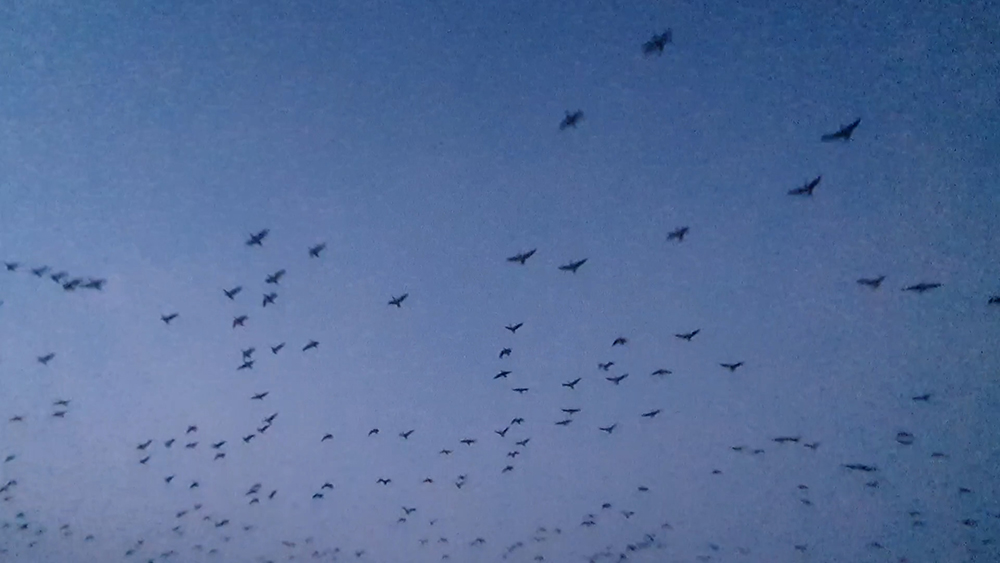
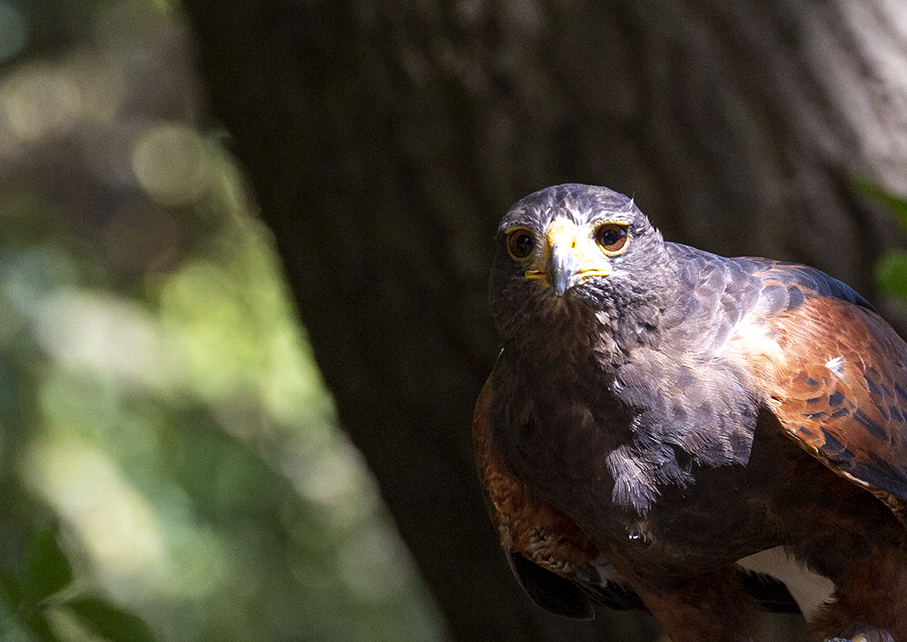
Magnetite is a mineral found in magma and metamorphic rock in Earth’s crust as well as in meteorites. Magnetite nanoparticles are also found naturally in organisms and are known to aid magnetoreception, a
means whereby animals and birds orientate themselves by sensing polar direction.
Through these actual and metaphoric lenses the relationship between the organic and non-organic is explored. Imagery includes allusions to scientific research into the dramatic overwhelming of innate magnetite in human brain cells by nanoscale pollutant particles of magnetite released into the air by traffic; the unique qualities of the chiton, a mollusc with hundreds of tiny eyes made from rock rather than biological material and teeth primed with magnetite and containing recently discovered mineral santabarbaraite; Saint Barbara, patron saint of miners and tunnellers, adopted when the use of explosives in mining escalated in the 1600’s and whose benedictions are still sought today with shrines installed at tunnel entrances at Crossrail and even at CERN, the epicentre of scientific rigour.
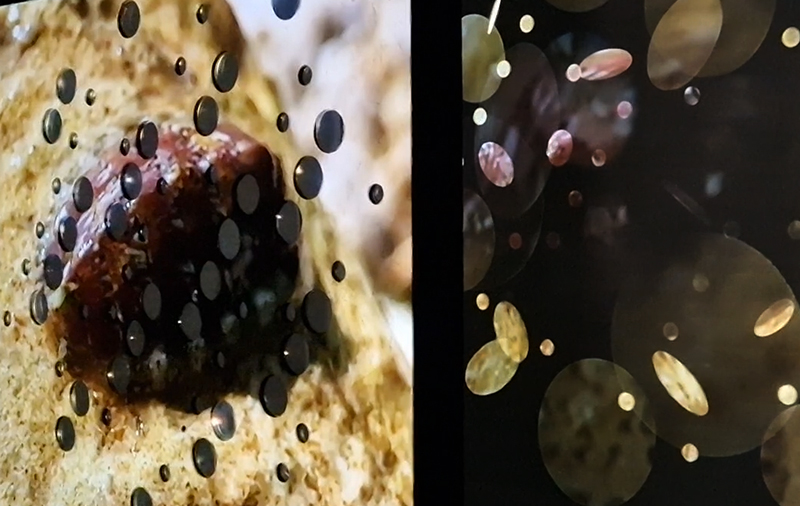
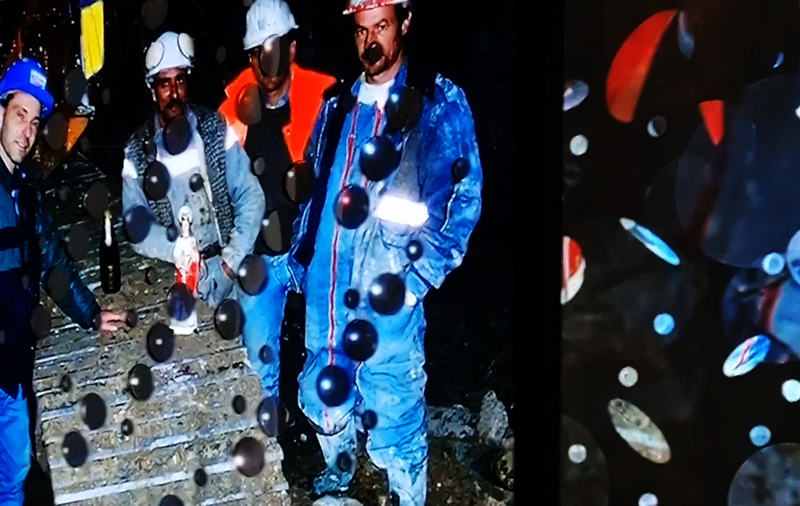

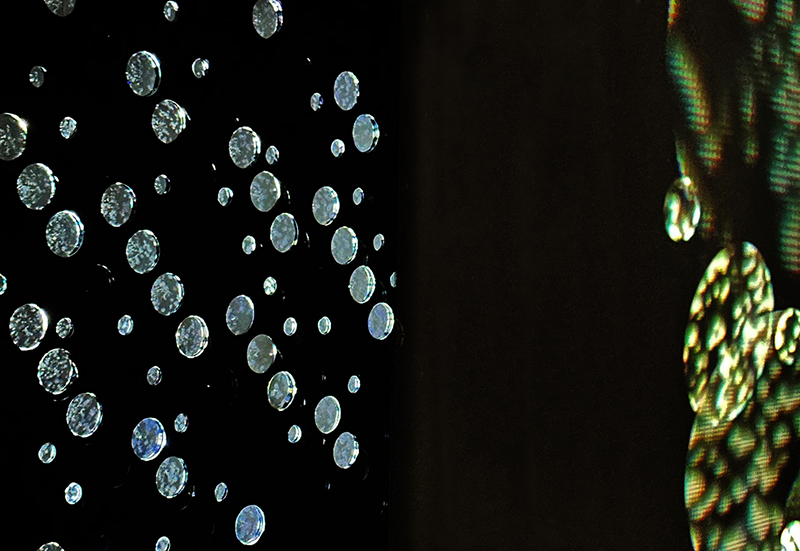
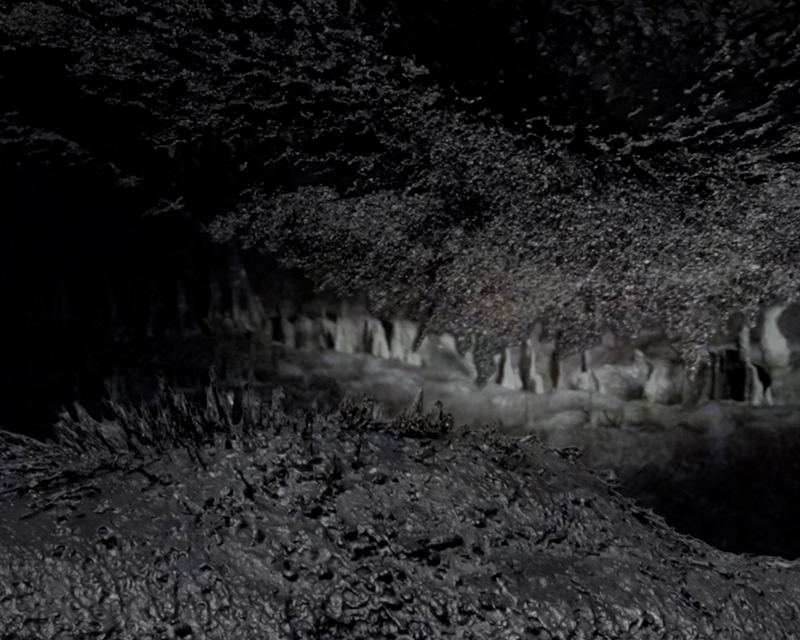
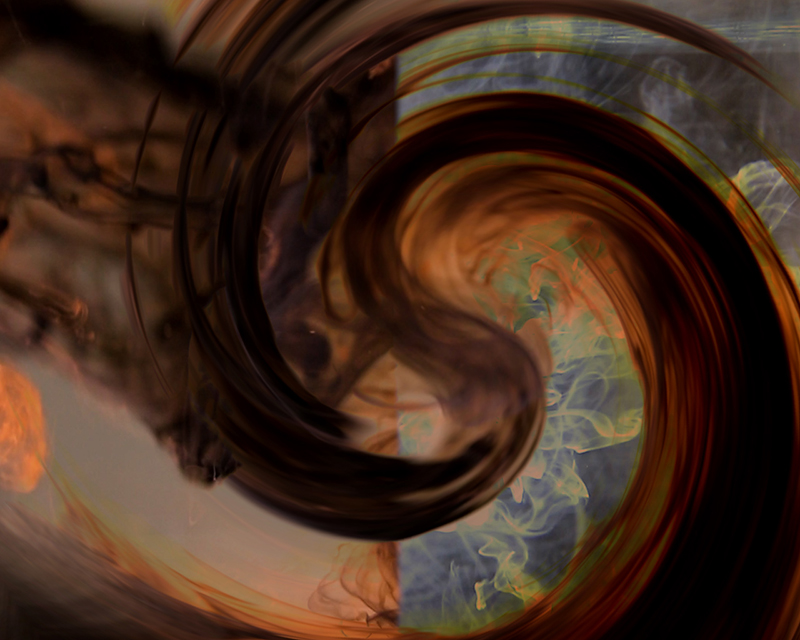
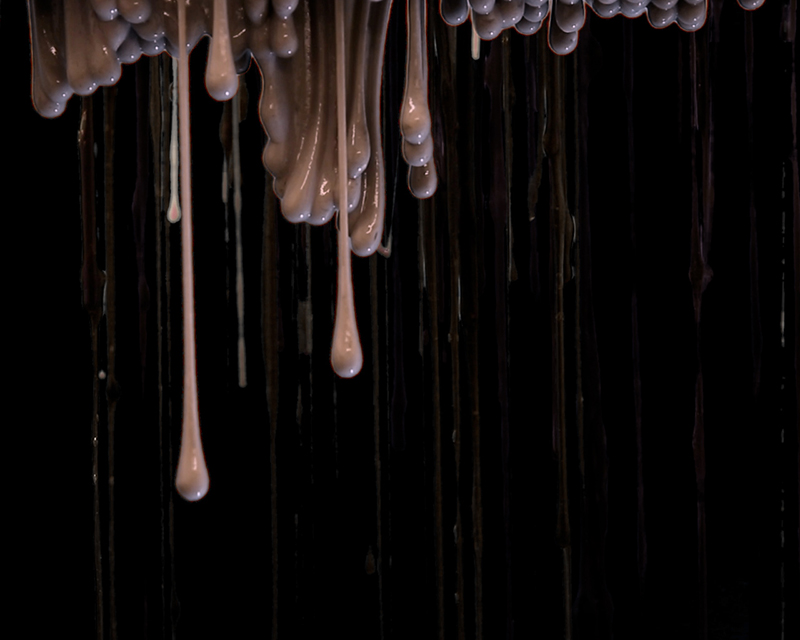
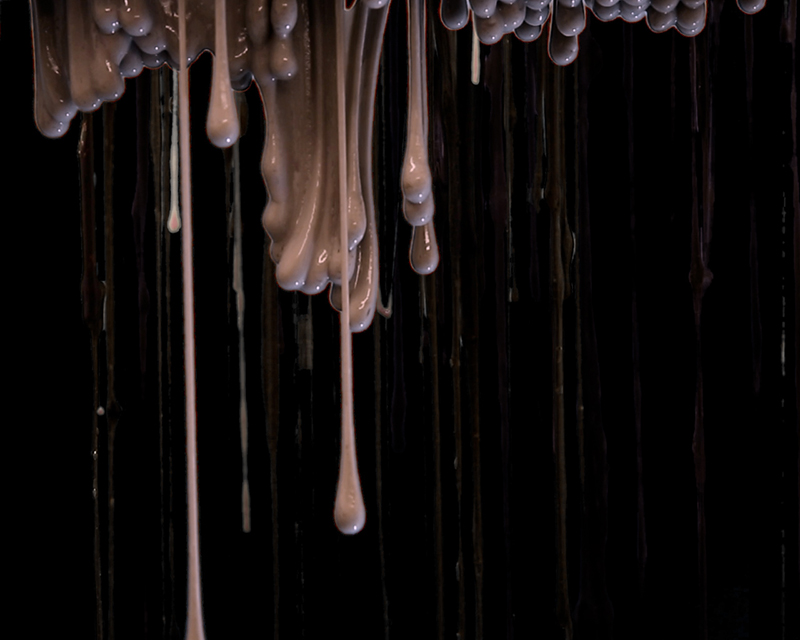
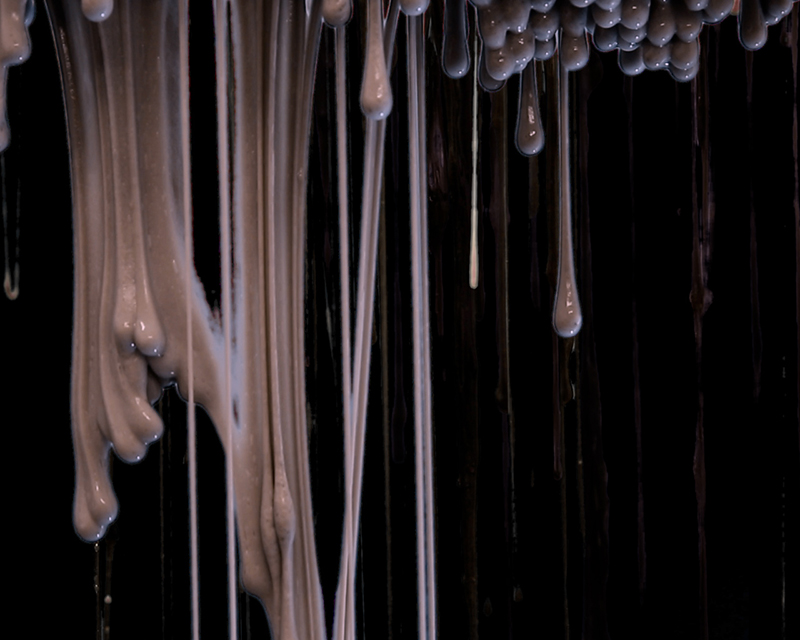
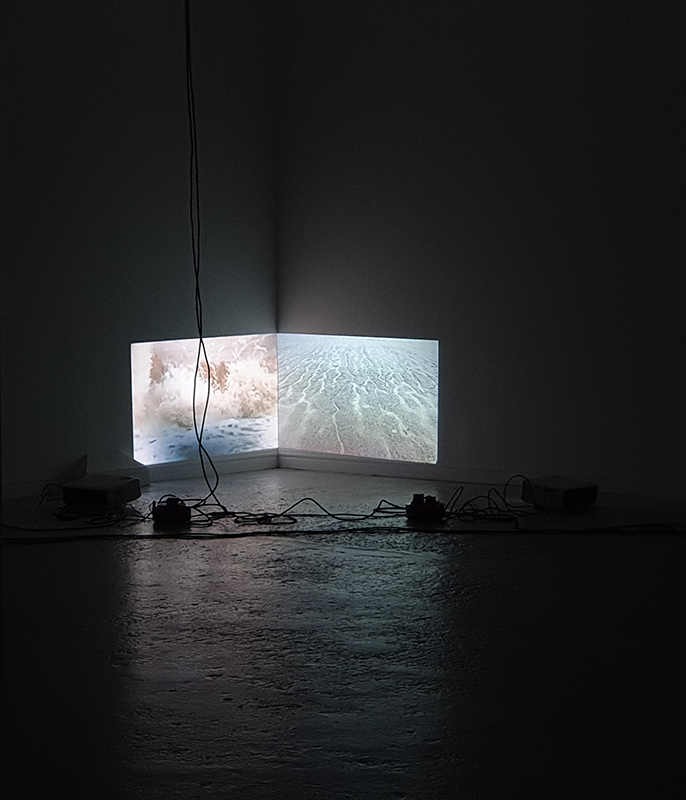
Also showing the video sculpture Belly of a Rock – describing an imagined place of chemical conversations at the intersection of the animate and inanimate. Under a crusted shell, surfaces slide and scrape along lines of fissure, distended innards ooze and rocks moan as they are distorted by untold pressure. The turbulent spiralling of the molten core births rock and lifeforms which are acted upon by the drag of an oscillating magnetic field.
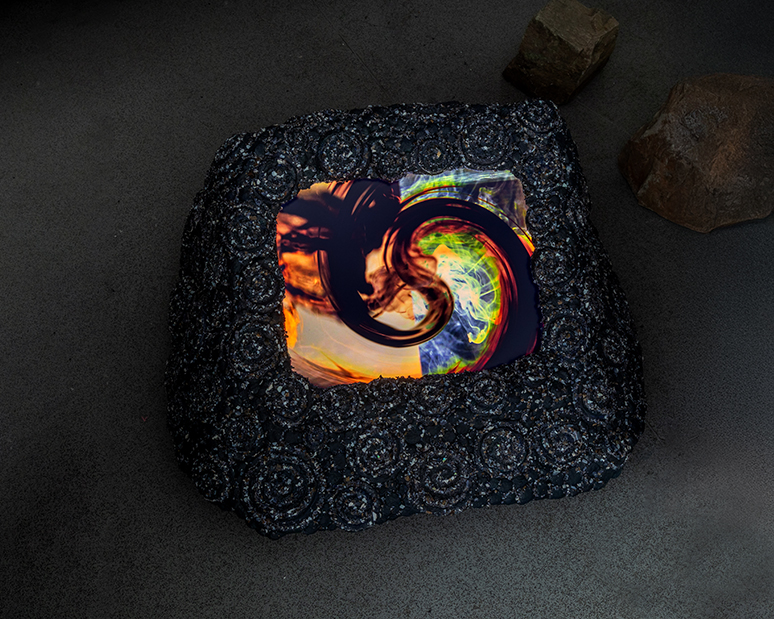
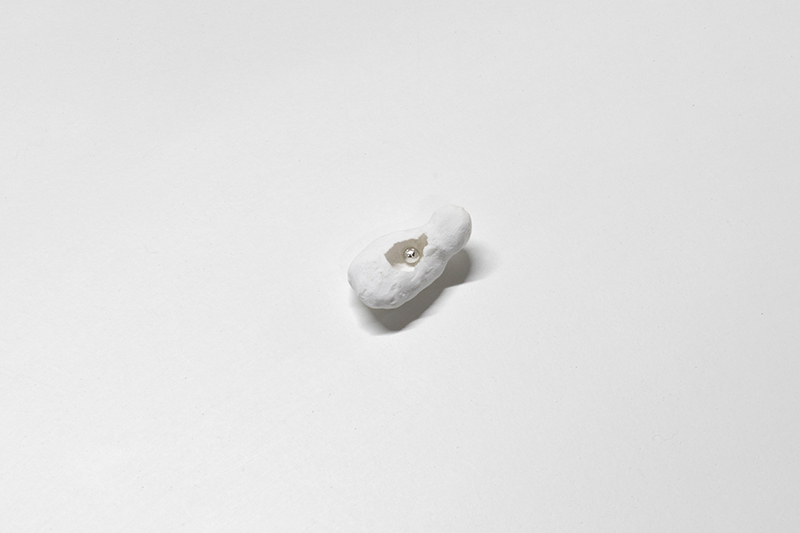
Julie F Hill’s large-scale sculptural print installation Parent Body, uses scanning electron microscope imagery of samples recently returned from asteroid Bennu. The data features detail of carbon-rich and organic ‘nano-globules’ which have been theorised as ‘proto-cells’. The sculpture evokes astro-geological-biological material lineages across deep space and cosmological time. In a contrast of scale, Julie is also showing Return, 3d print of asteroid Itokawa cast in plaster-of-paris with a bead of Iridium. Iridium is an rare-earth element more abundant in asteroids than the Earth’s crust. This miniature work considers the cross exchanges between space and earth and in a gesture of reverse sample return (scientific missions and human extractive processes both take), a bead of Iridium is returned to the belly of asteroid Itokawa.
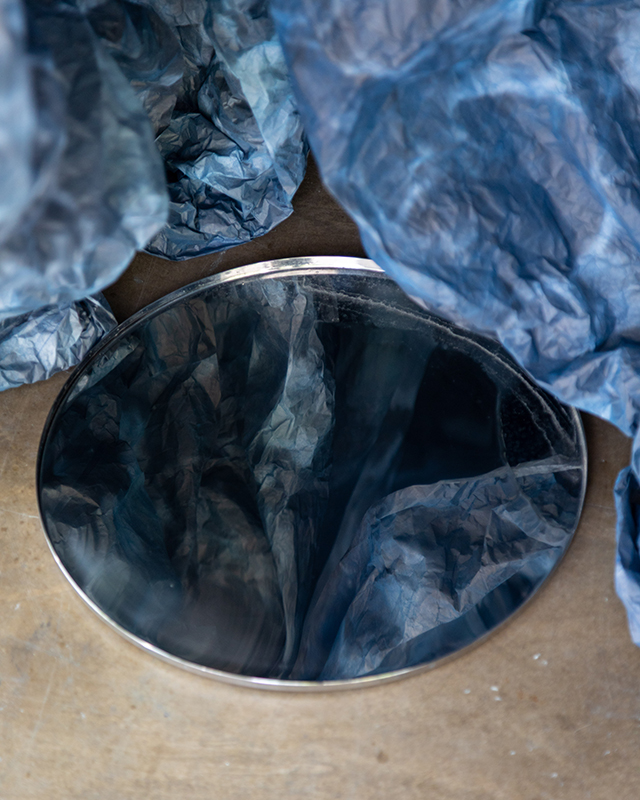
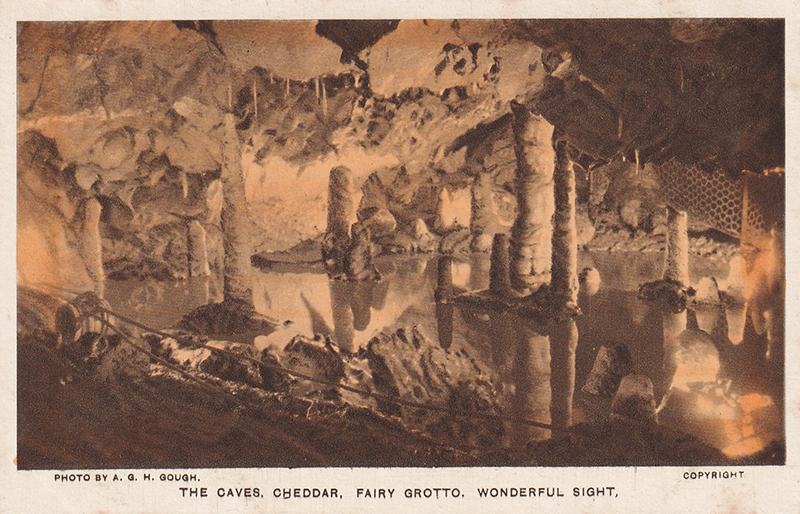
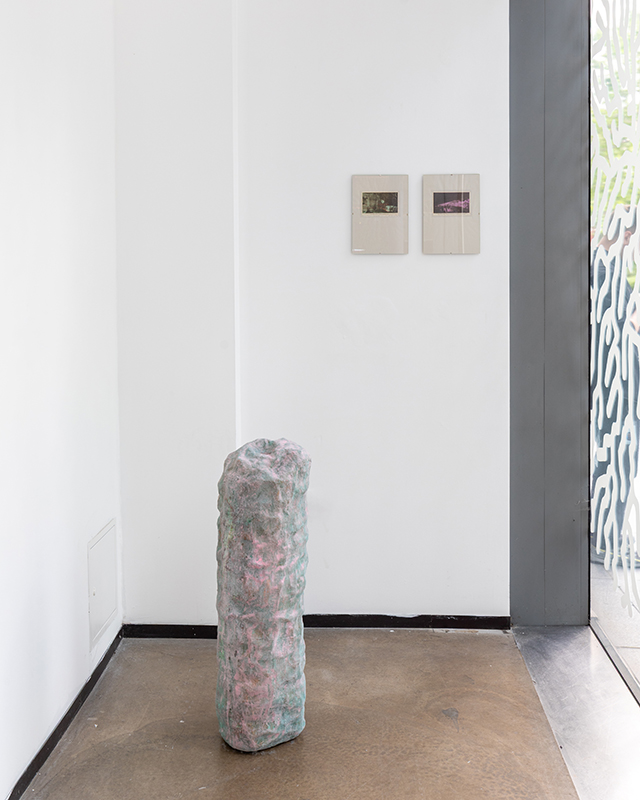
Charlie Franklin’s work considers control, physical experience and memory within the natural landscape. Her research includes how formations such as standing stones, grottos and geological debris remain or change across time. With a particular interest in materials and the properties they hold, she is experimental in her approach to making. Everyday items including cardboard, plastic sheeting and gaffer tape are repurposed to build the foundations of her sculptural work. Franklin also collects found imagery such as postcards and photographs, which she reworks to become something else.
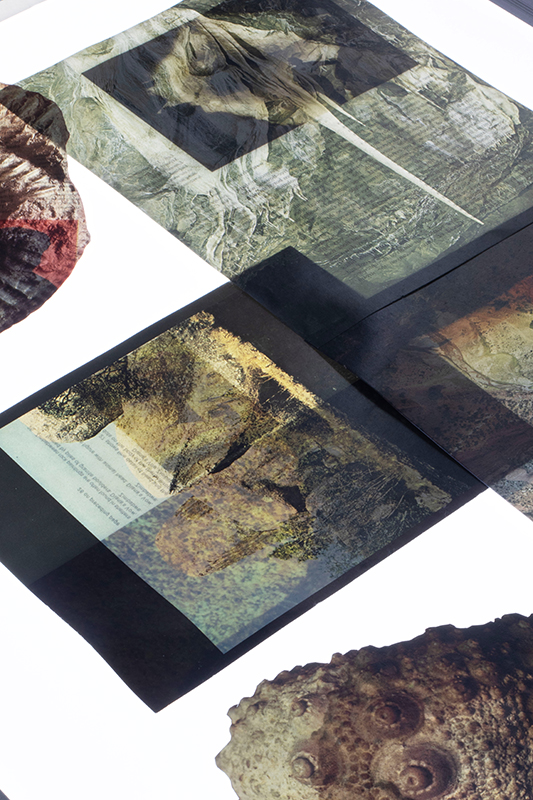
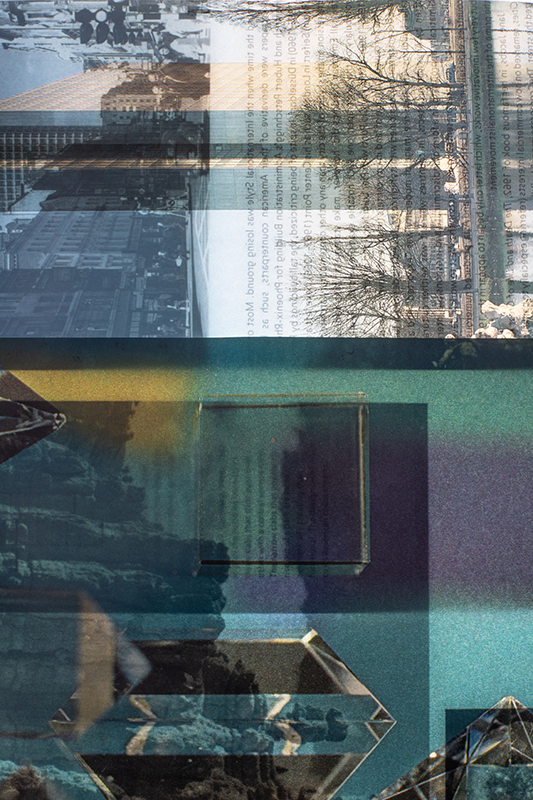
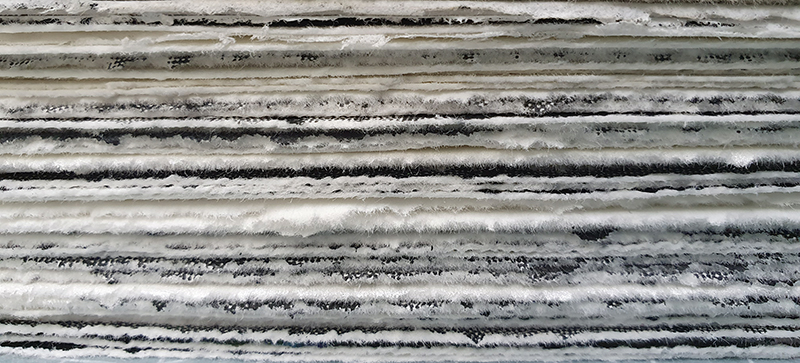
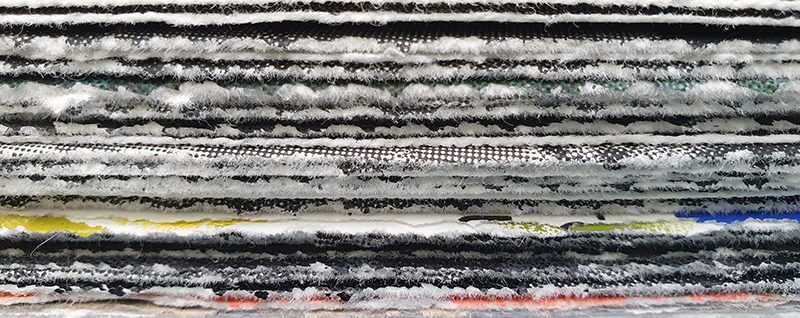
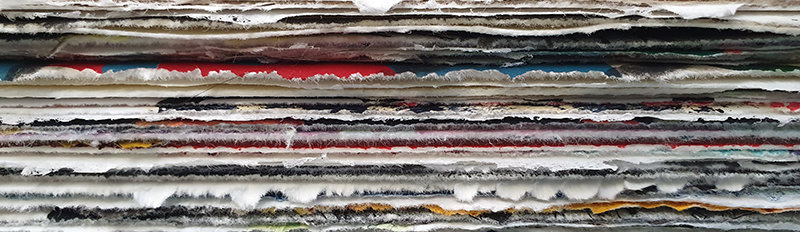
In Litho/Domous, Rona Lee layers photographic plates from mass produced ‘coffee table’ books onto lighting panels, utilising the ‘bleed’ between them that this reveals, to evoke the tectonic instabilities of
contemporary eco relations. Originating in the post war ‘golden age of capitalism’, and designed as statement pieces for home display, the aspirational focus of these image-rich publications on culture, travel, landscape, can be said to prefigure the arc of the smartphone in making the world consumable. At the same time titles such as The Mineral Kingdom and Library of Nations speak to the legacies of the Enlightenment project, offering up an order of things in which Mankind / the Anglophone world is positioned as ascendant and Nature – along with ‘other’ cultures – is ‘put on the table’.
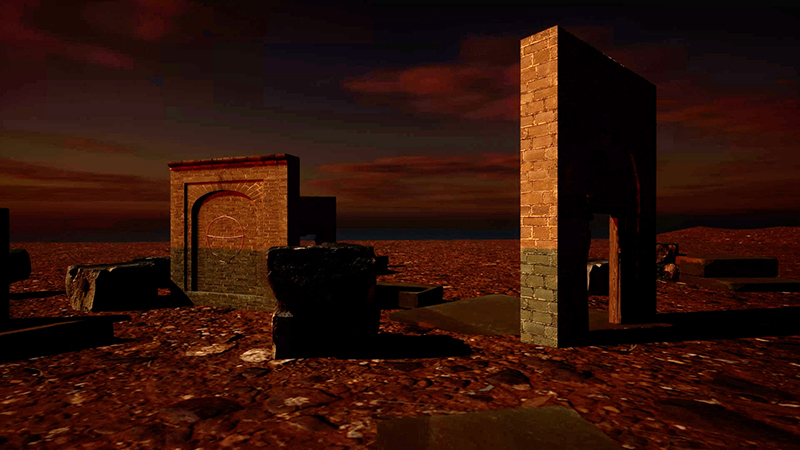
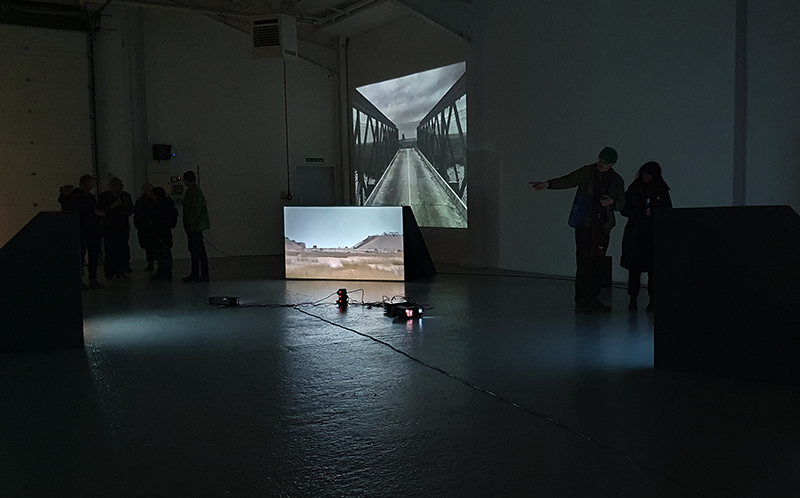
Deborah Tchoudjinoff’s video installation The City of Gold takes a speculative look at Earth in the far future. Her work considers vast, beyond human, geological timescales where continents have once again become one. Past supercontinents create room to speculate upon future ones if we understand Earth as shifting, moving matter. Starting as a short fiction text Tchoudjinoff began to form an imagined world of cities in a future supercontinent of Amasia. The fictional cities named after the minerals that are heavily sought – rare earths, copper, uranium, gold, and coal – hinting at the narrative of an Earth depleted of the resources we rely on. The City of Gold is one of five imagined cities.
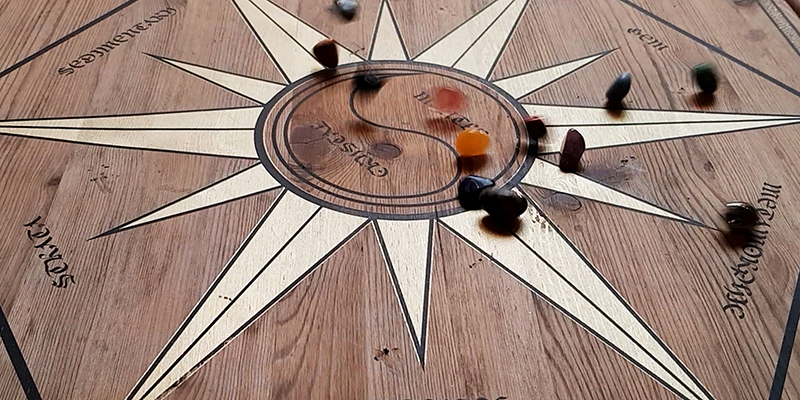
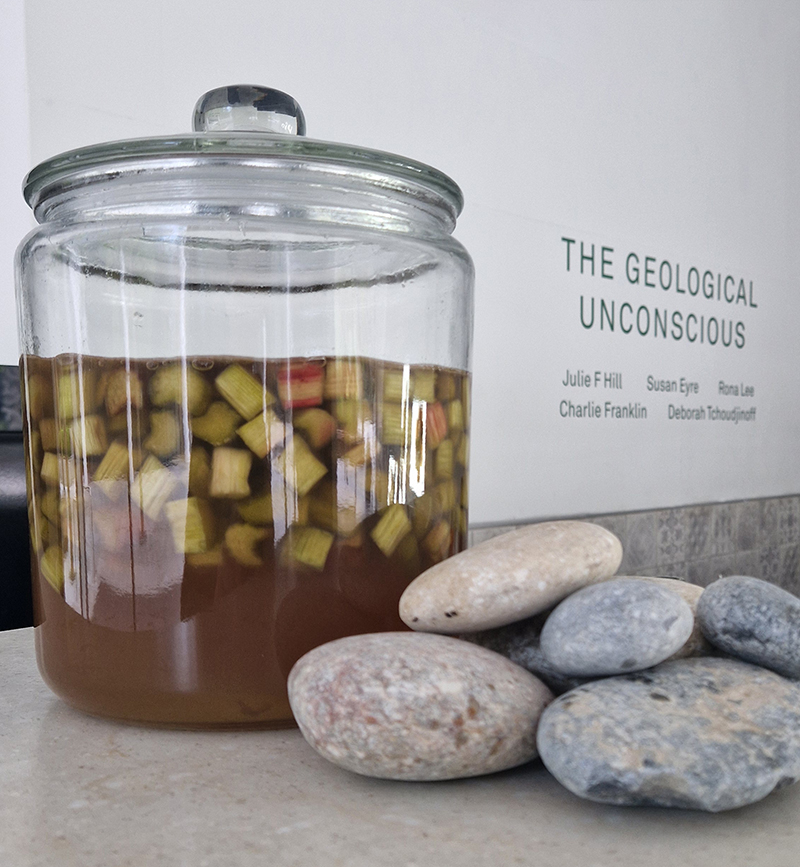
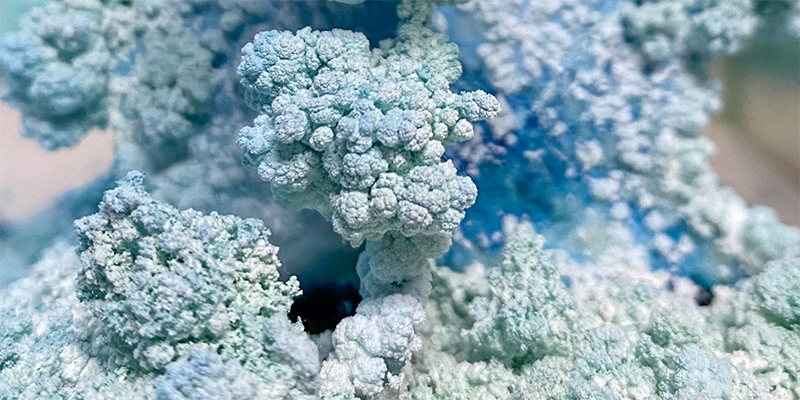
An accompanying events programme includes an urban geology walk with Geologist Ruth Siddall, discussing the origins of the local built environment; Cheong tasting by chef Moonhyung Lee who explores human-mineral entanglements through digestion; a crystal growing workshop led by Julie F Hill and I will be offering visitors lithomancy readings every Friday afternoon. The reading of stones proposes insights into the power and allure of stones emanating from the symbolic meanings attributed to them and exposes the entangled relations between the human and the geologic found in our language and desire to align the human condition with the lithic.
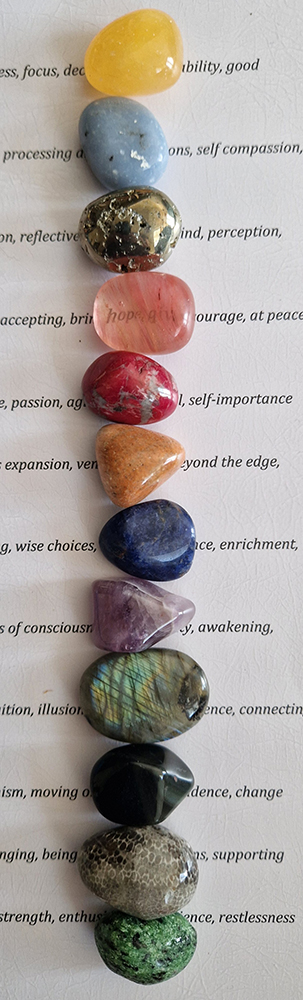
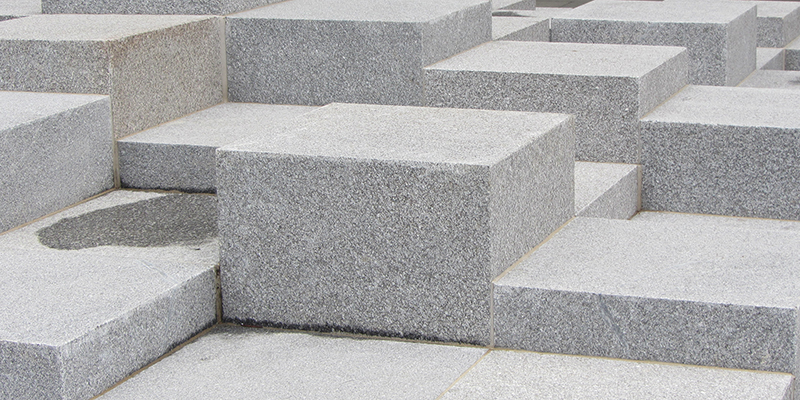
Once I start thinking of minerals as something we swallow to make our body function, I also start to think of how our body comes to be composed of these minerals, and that when we gradually decay after death we become mineral components again. So, the gesture of swallowing a tablet or vitamin pill is as magical, or let’s say as supernatural, as we want, because we really are swallowing a stone. – Otobong Nkanga
Link to Marina Walker essay The Writing of Stones published by Cabinet Magazine.
London once had many stones. They made convenient landmarks for gatherings and councils, or else marked boundaries or distances. As a result, they often crop up in place names – Link to The Londonist ‘Lost Stones of London’.
Gallery visits
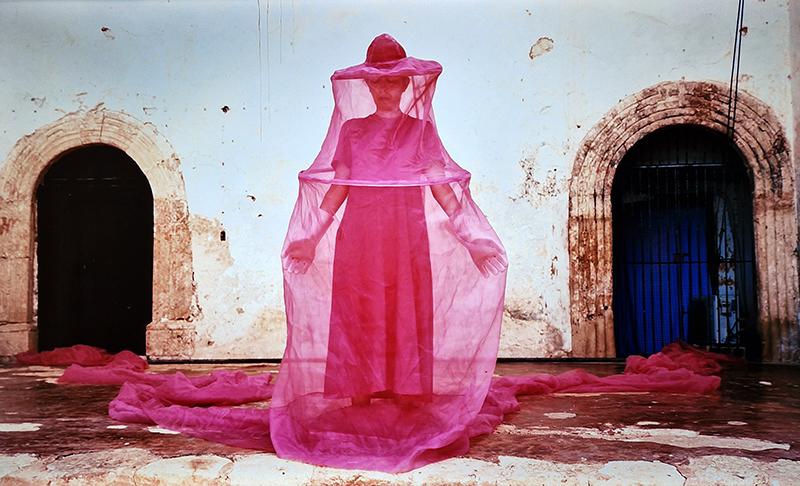
Mónica Alcázar-Duarte in Cultural Reforesting Exhibition at Orleans House Gallery. In this exhibition, the artists remind us that we not only have a relationship with nature but also that we are nature. We are human animals. Together, with our more-than-human neighbours, we are a growing, singing, howling forest.
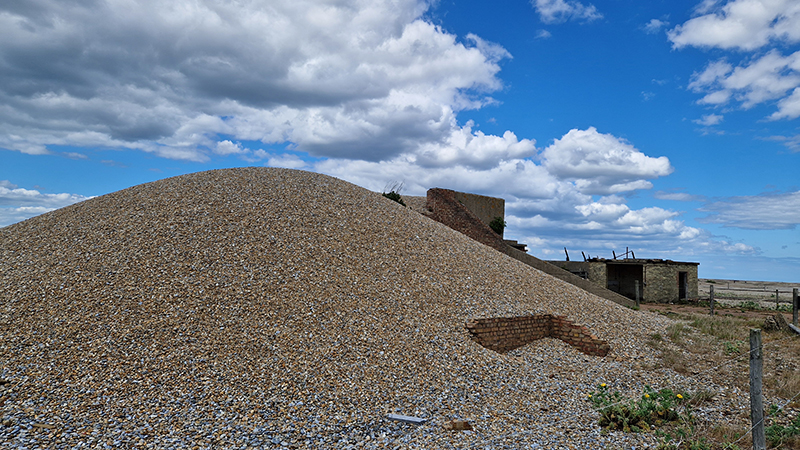
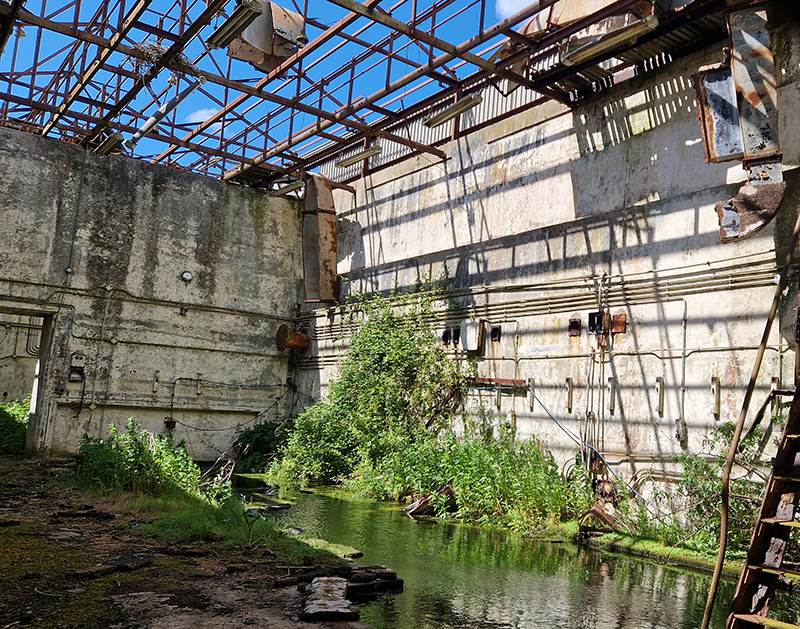
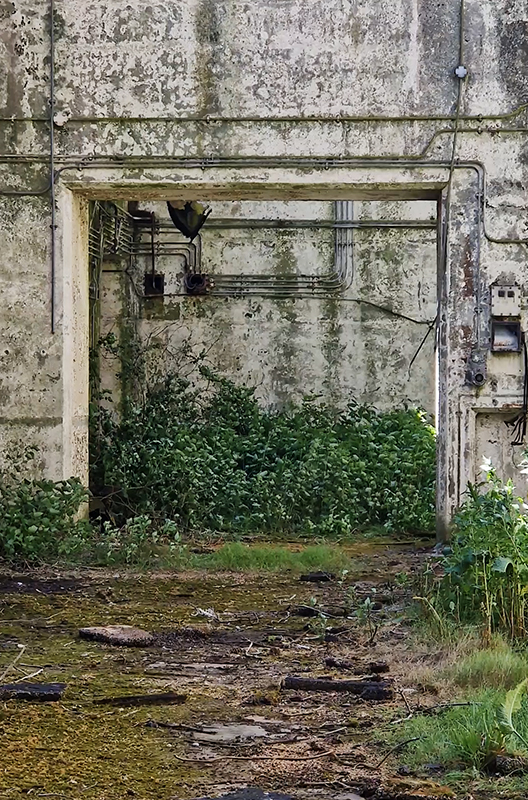
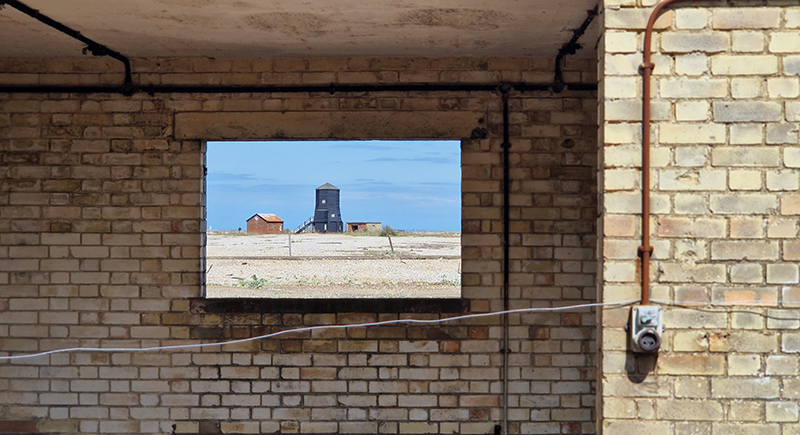
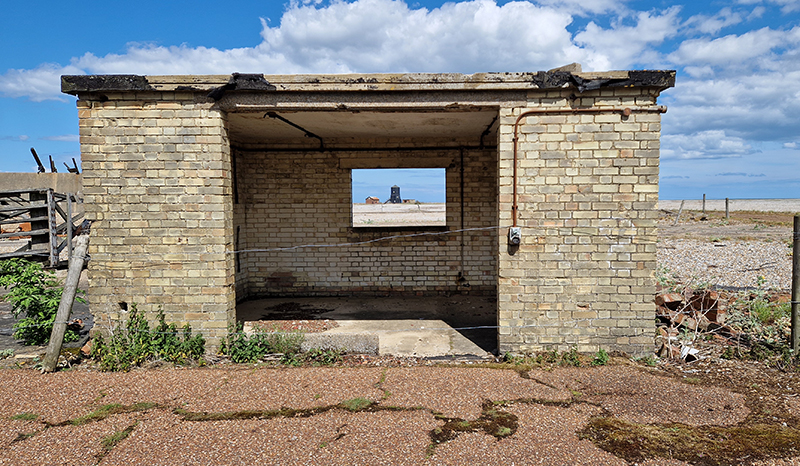
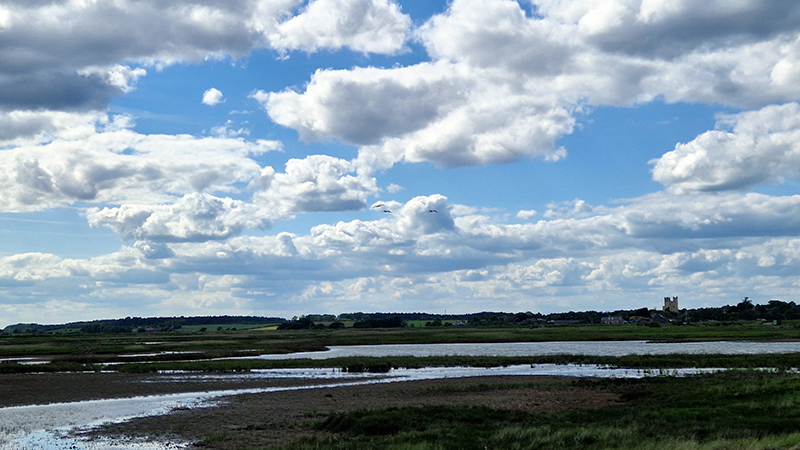
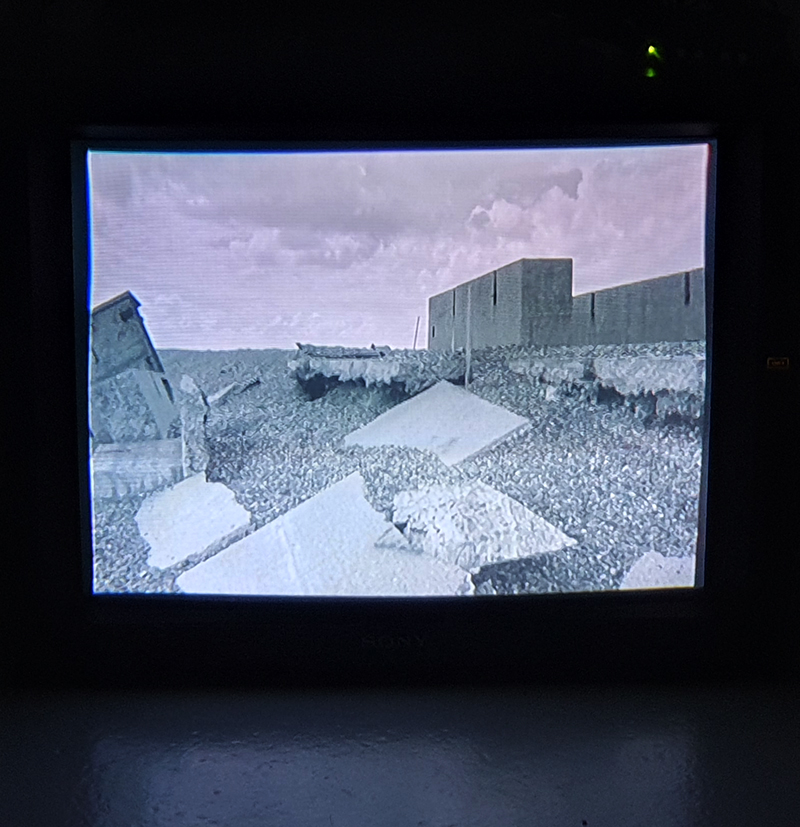
Under the big Suffolk skies of Orford Ness. Walking landscape that bears the scars, physical and emotionally resonant, of years of intense military top secret experiments. Here radar was developed, the aiming of bombs was refined, material vulnerability was tested with destructive, explosive projectiles under simulations of attack and famously it is the site of environmental tests during the late 50’s, early 60’s, in the development for detonation of the atomic bomb.
The weight of the shingle shored up around the buildings and on the roofs used to dampen the explosions.
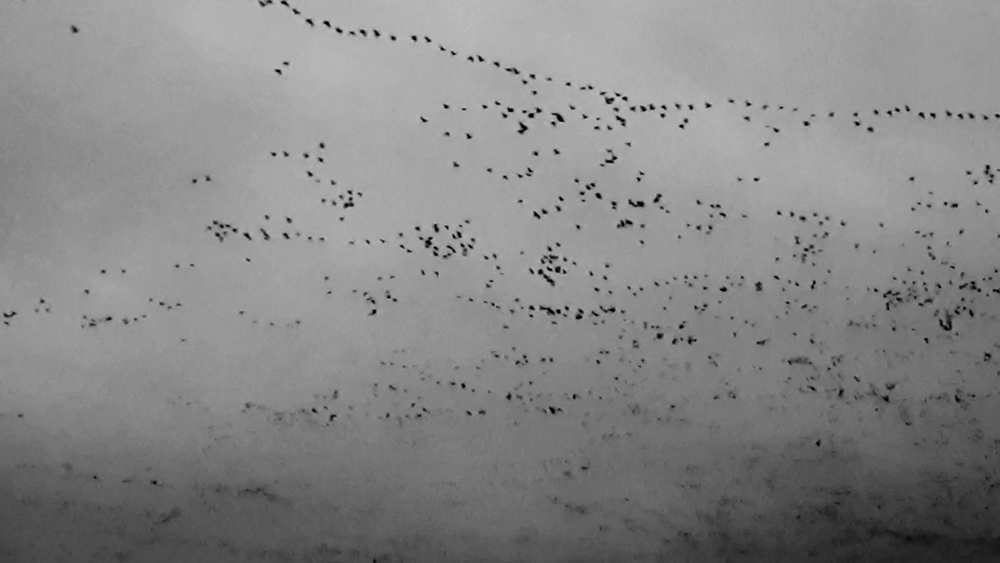
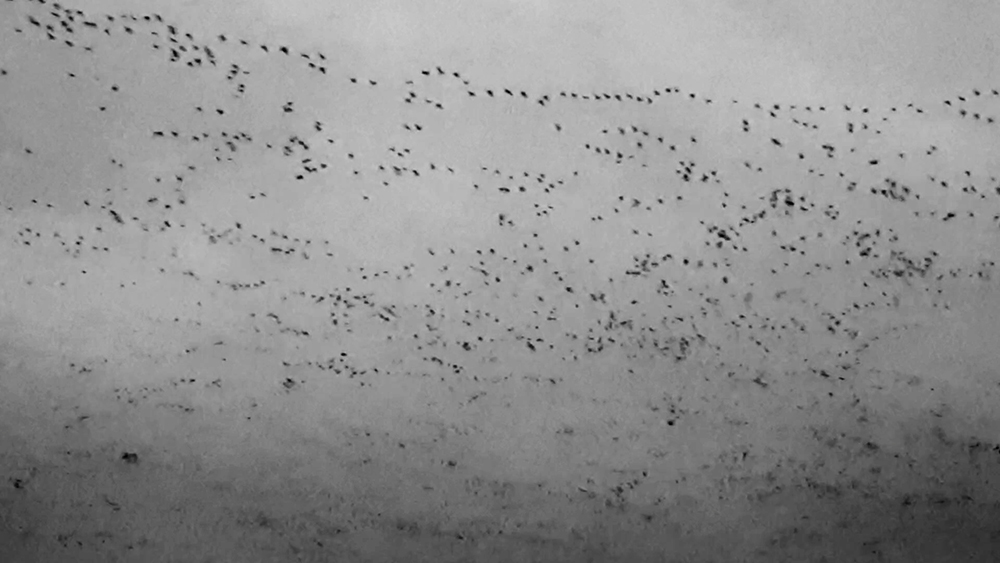
There is a lot to respond to. It is now a spectacular nature reserve but apparently not so many birds here this year. We were lucky to see a short eared owl hunting and some gangly spoonbills in flight.
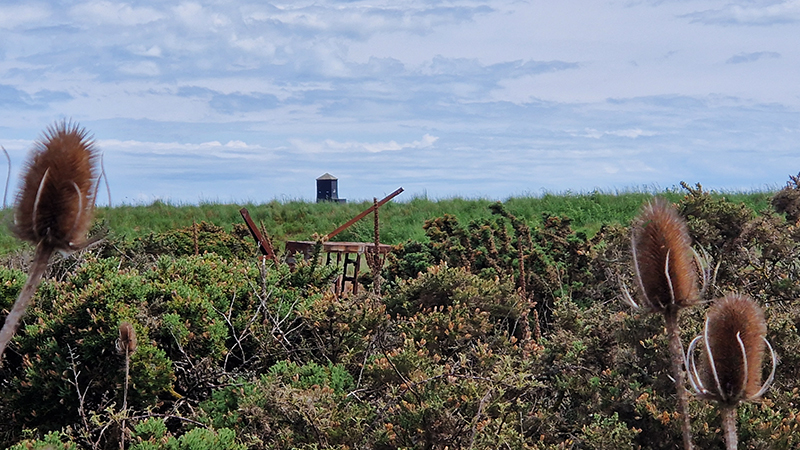

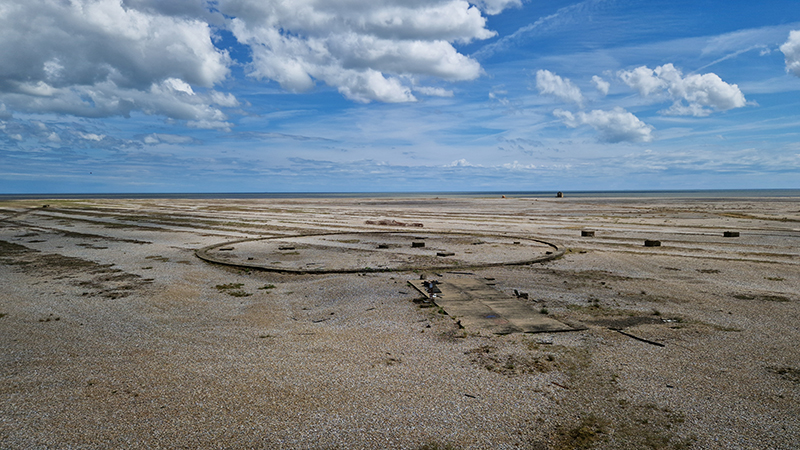




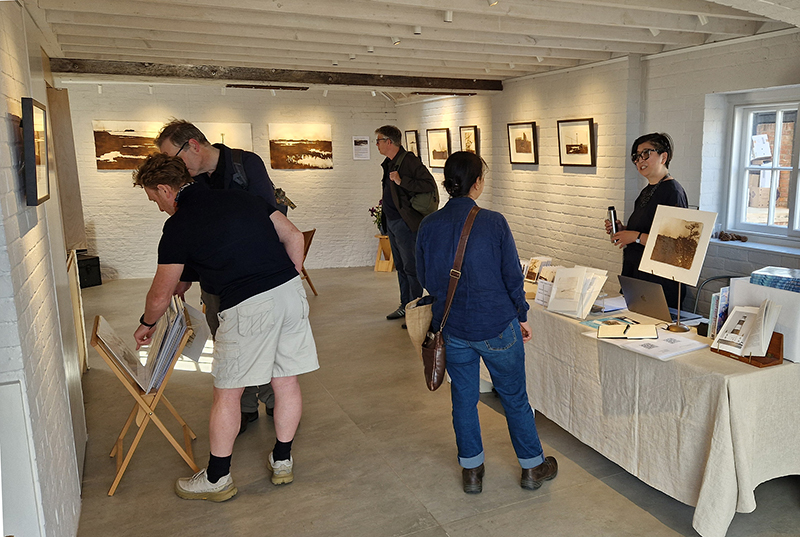
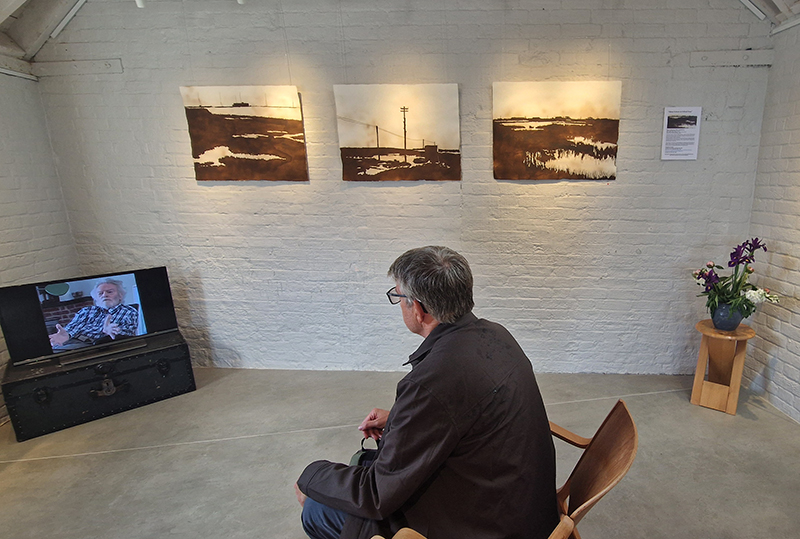
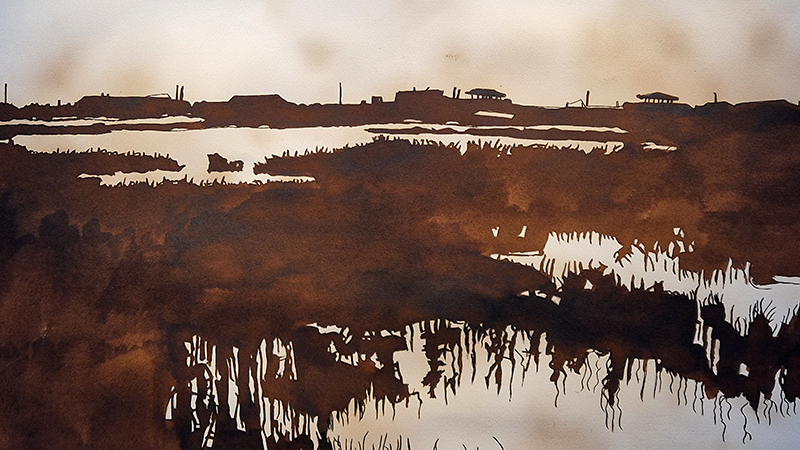
Kaori Homma Silent Echoes at The Watch House, Orford Quay – Inspired by Orford Ness, the UK’s only site of atomic experimentation, this exhibition explores the hidden histories and lingering memories within its landscape. Through the unconventional method of Aburi dashi or fire etching, the artist explores not only the visible remnants of the secret history of Orford Ness, but also the unspoken memories that linger in the air. Unlike ordinary drawings made by the pigments on the surface of paper, Homma’s works are made by fire which etches the images into the body of paper as a burn mark.

Electric Dreams at Tate Modern celebrates the early innovators of optical, kinetic, programmed and digital art, who pioneered a new era of immersive sensory installations and automatically-generated works. This major exhibition brings together ground breaking works by a wide range of international artists who engaged with science, technology and material innovation.
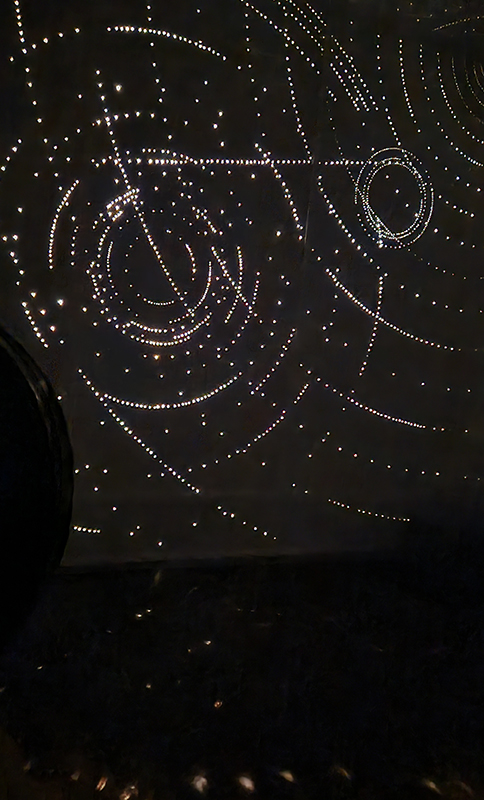

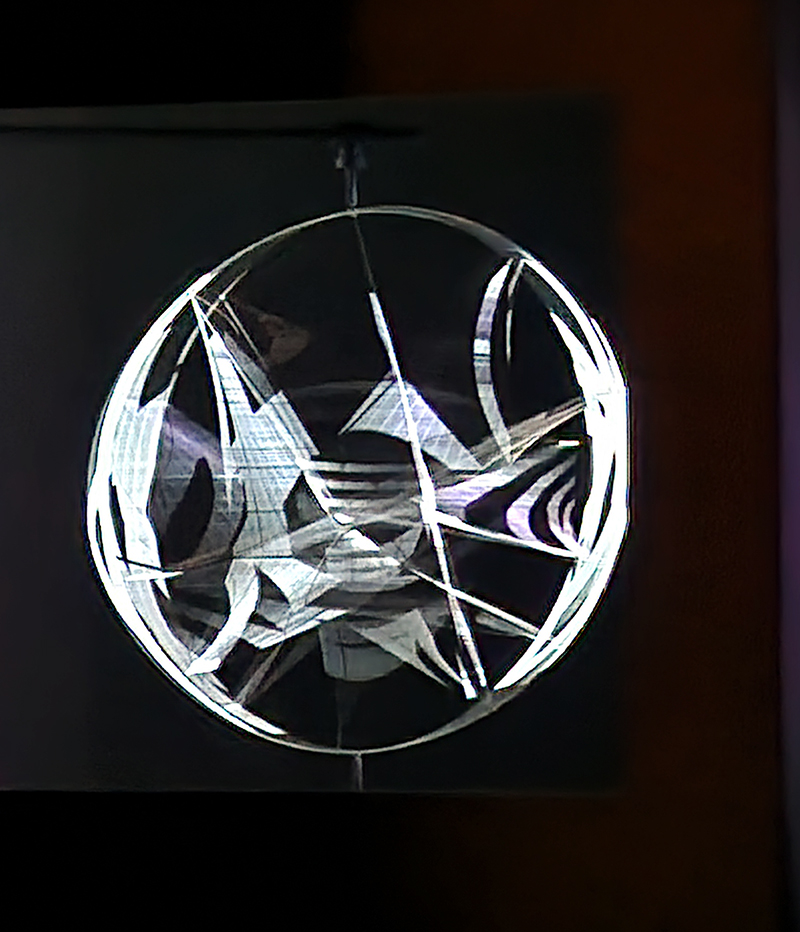
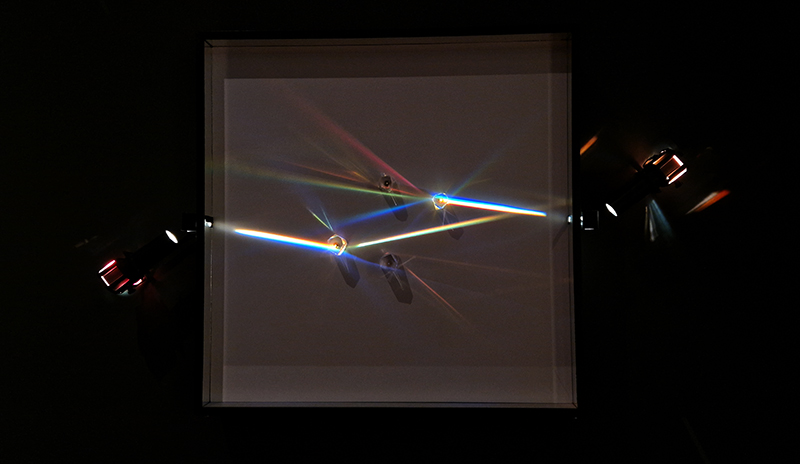
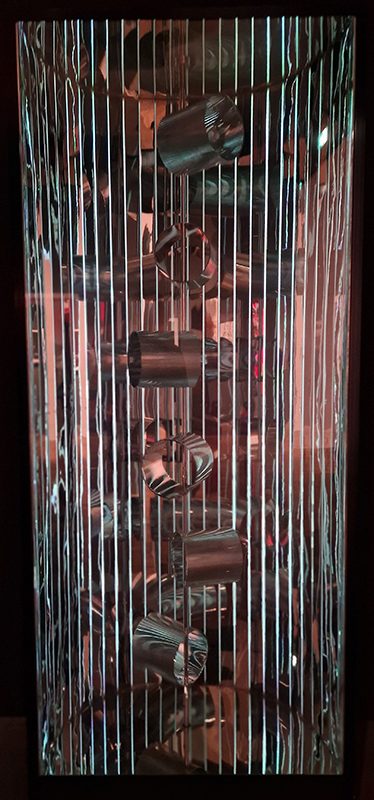
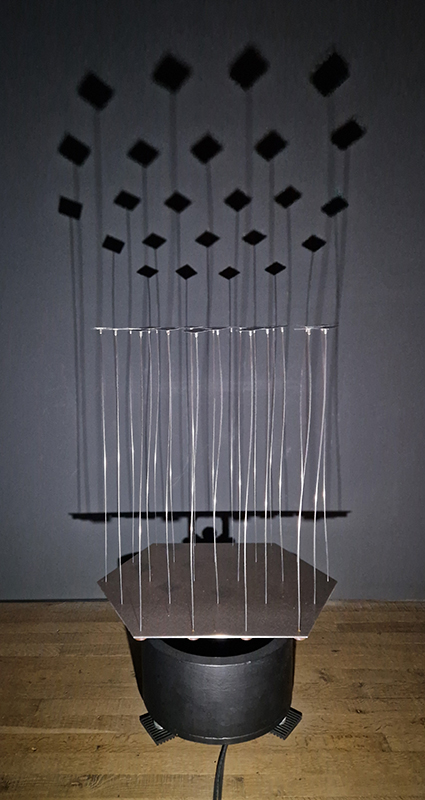
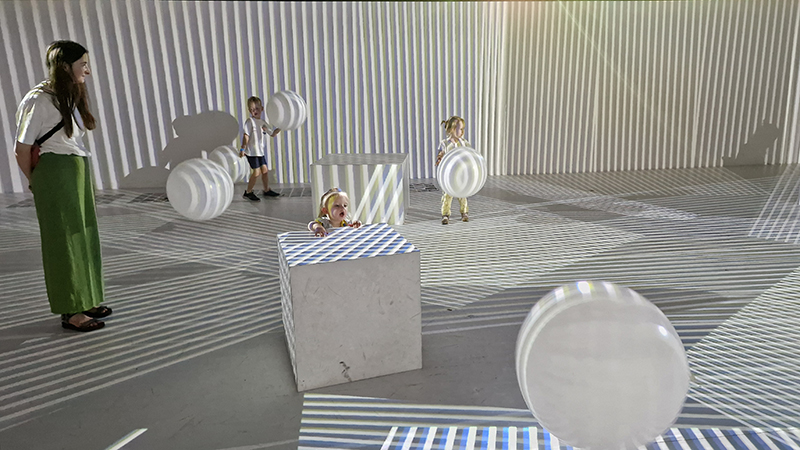
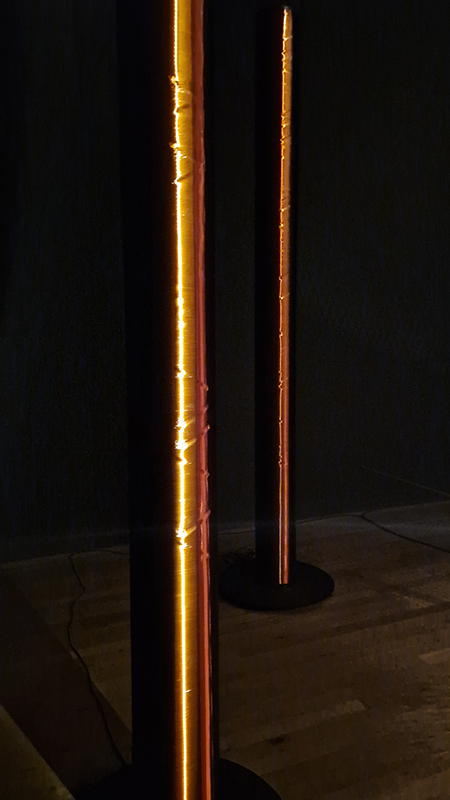
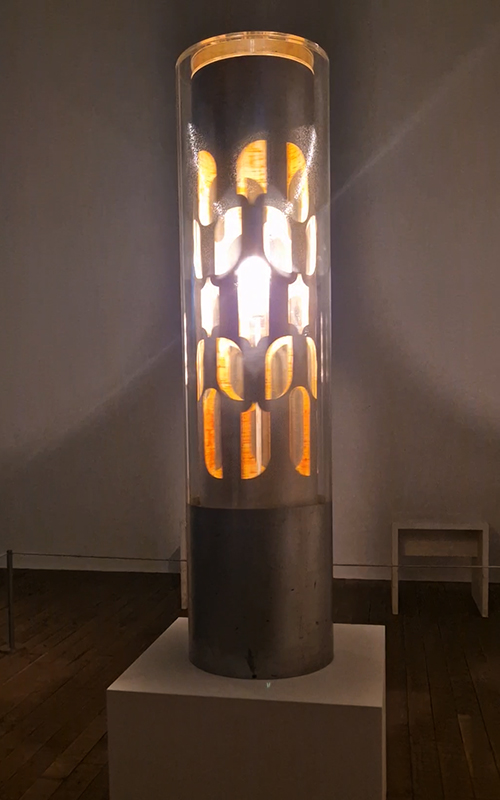


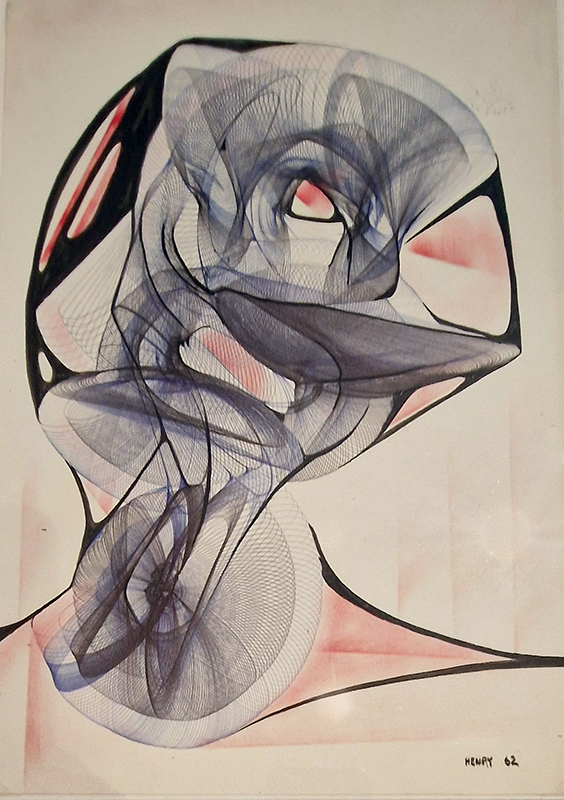
Desmond Paul Henry used a repurposed bombsight computer, designed to drop bombs more accurately, as developed at Orford Ness, to make a drawing machine which he then hand embellished.
The Pleasure of Misuse curated by Indira Dyussebayeva-Ziyabek and Maria Hinel at Royal Society of Sculptors. ‘The humour that springs from manipulating or referencing the mundane is paradoxically self-reflexive – appropriated objects suddenly appear anthropomorphic, our laughter becomes directed at ourselves and the intermittent absurdity of the human condition. The Pleasure of Misuse explores the mechanics and psychology of humour in the everyday, considering its potential to heal and its power to disarm, creating the sense of complicity and the space for self-reflection amid these anxious times.’
Images – Andy Holden, Ty Locke, Peter Fischli & David Weiss, Cornelia Parker, Richard Wentworth
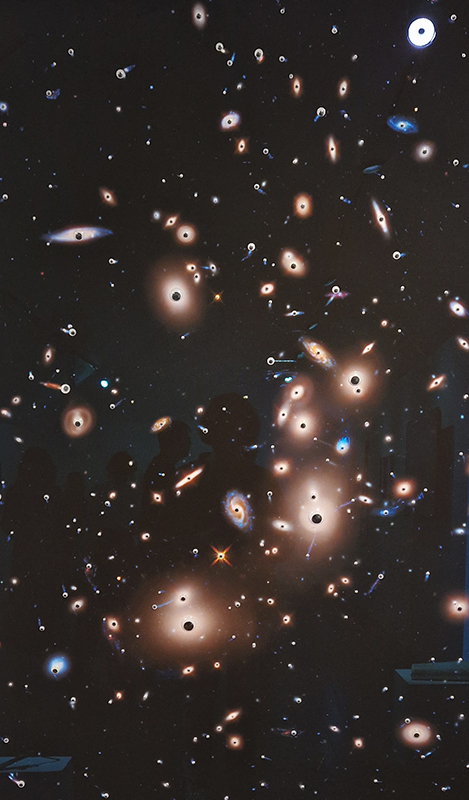

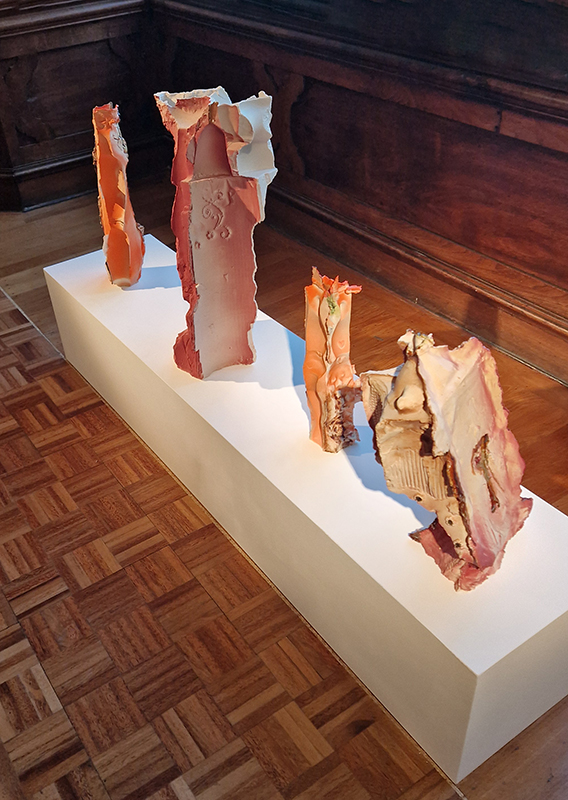
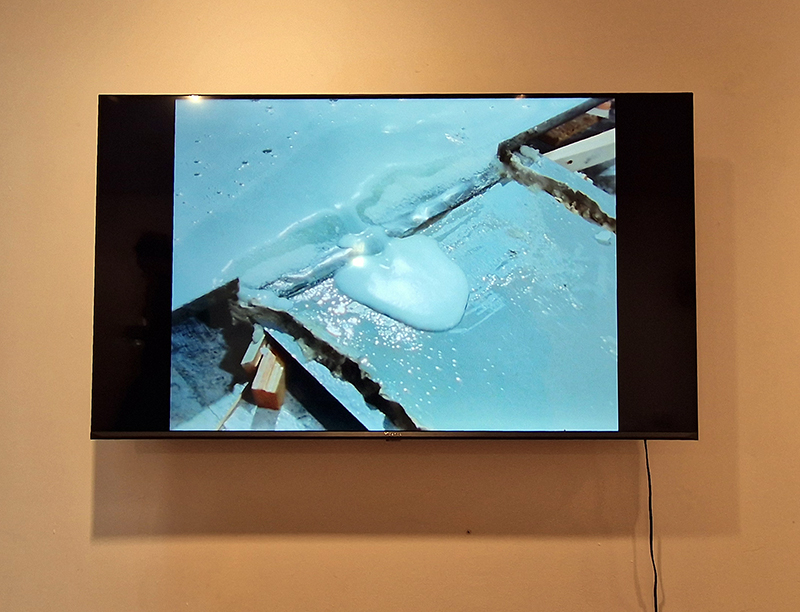
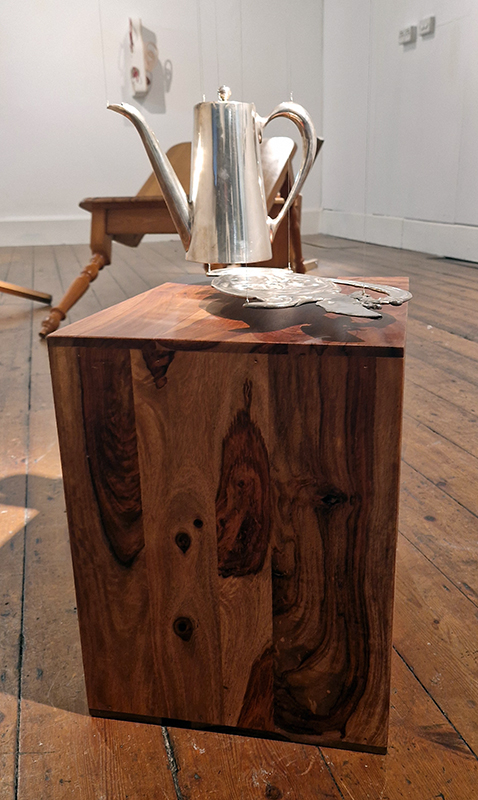
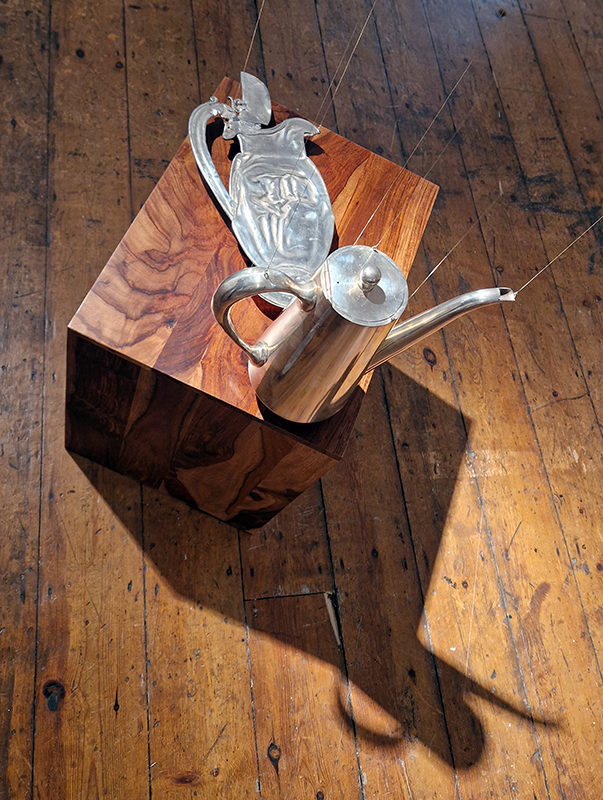

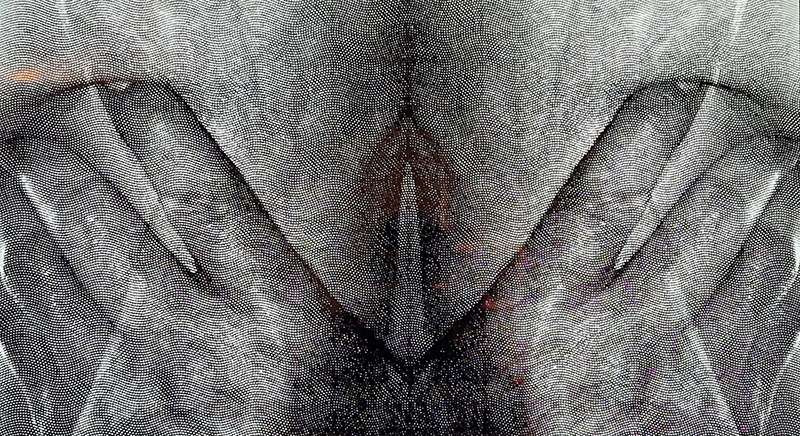
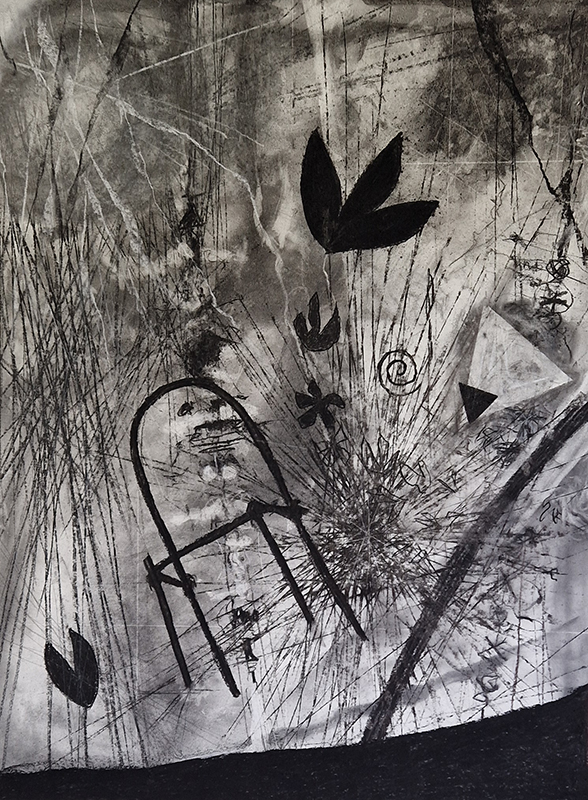
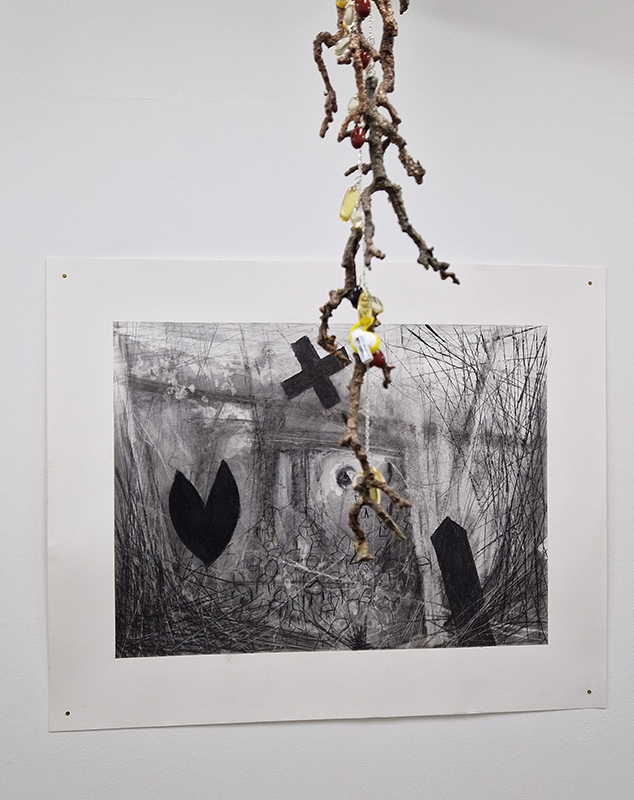
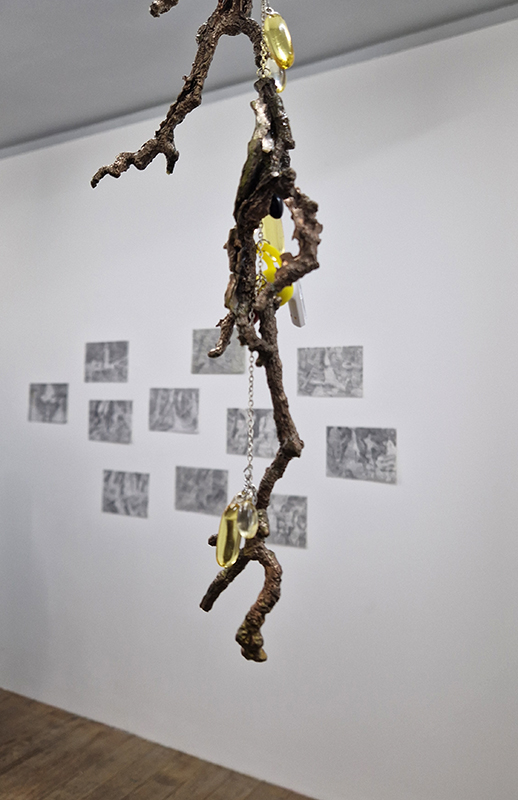
Samuel Zealey, Angela Eames, Tony Fleming, Charlotte Guerard, John Strutton and Kate Fahey in Heavenly Skeletons at Coleman Project Space – six contemporary artists whose work repositions drawing as an expanded multidisciplinary field. Heavenly Skeletons is a dynamic investigation of how drawing translates abstract concepts into tangible form…
Gorgeous show with thoughtfully chosen works that like Samuel Zealey’s vertiginous sculpture balance perfectly.
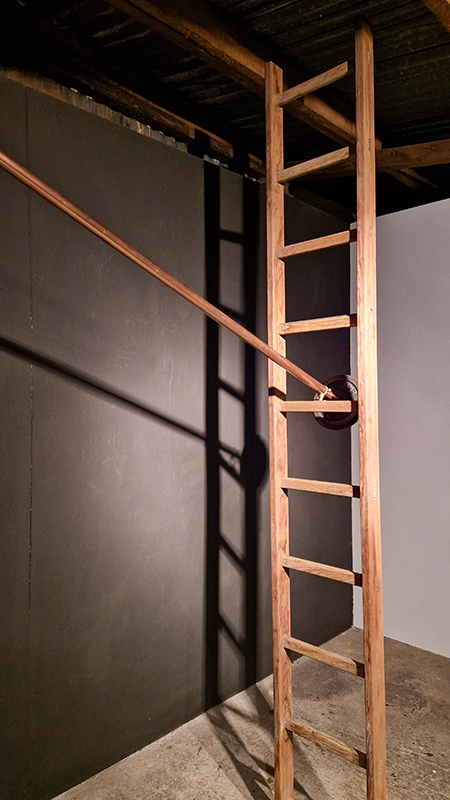
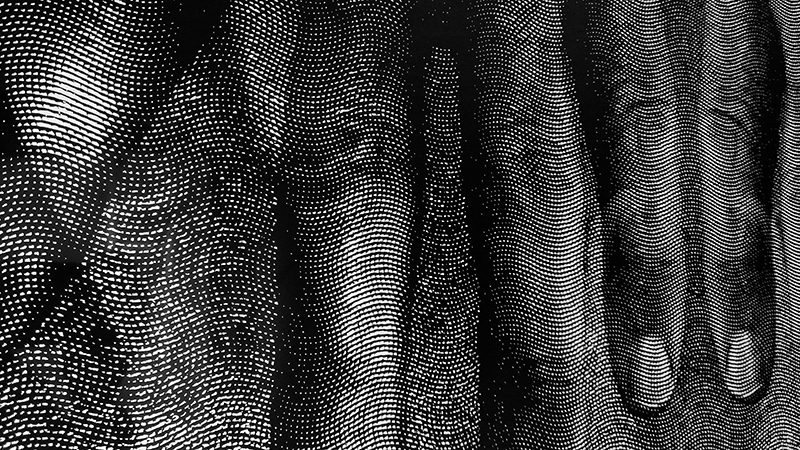





 Susan Eyre