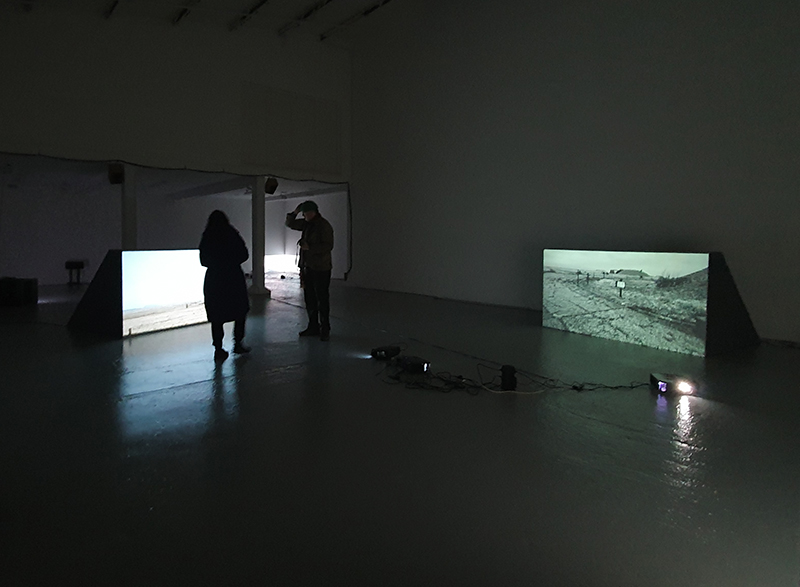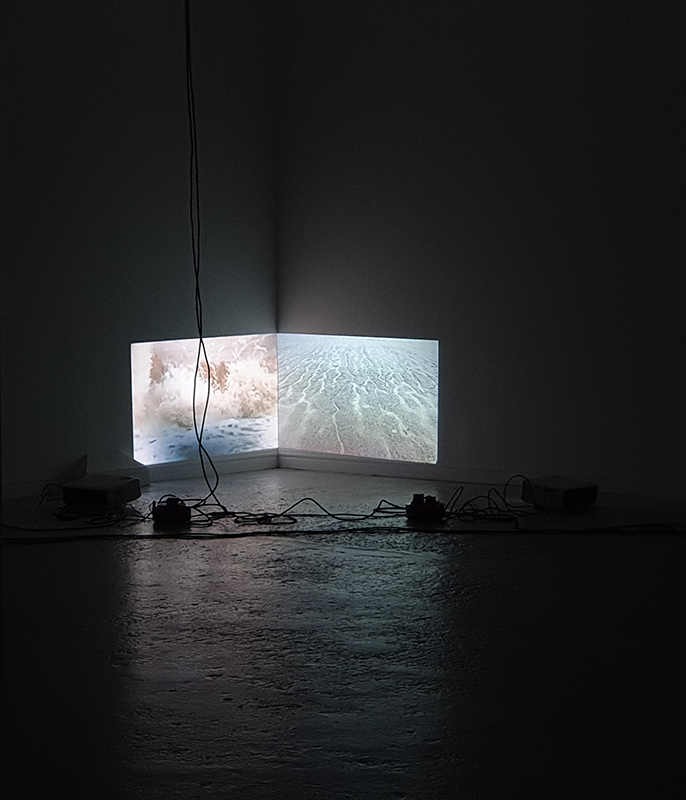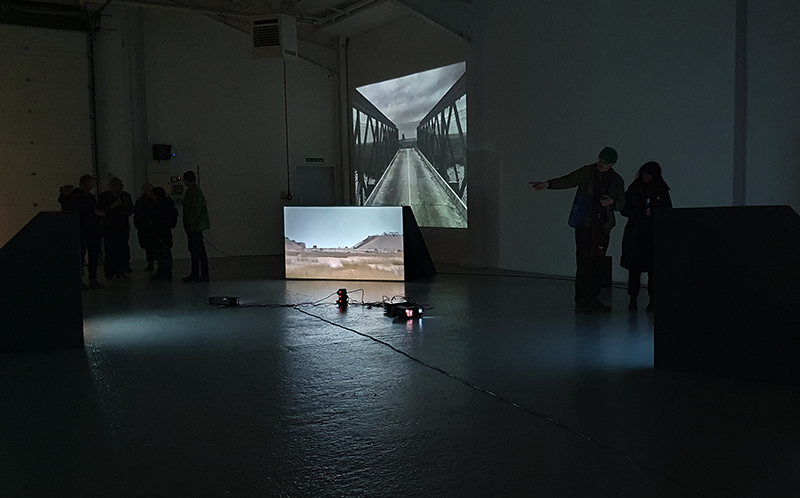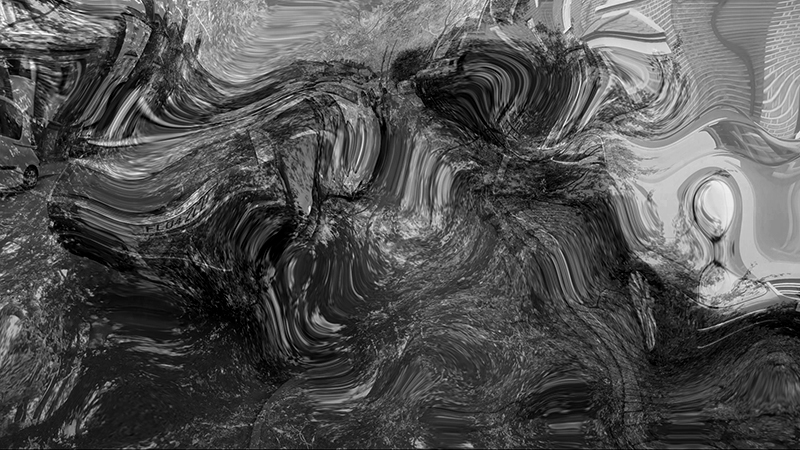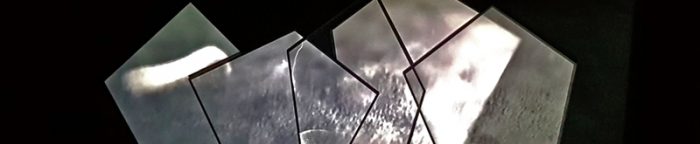
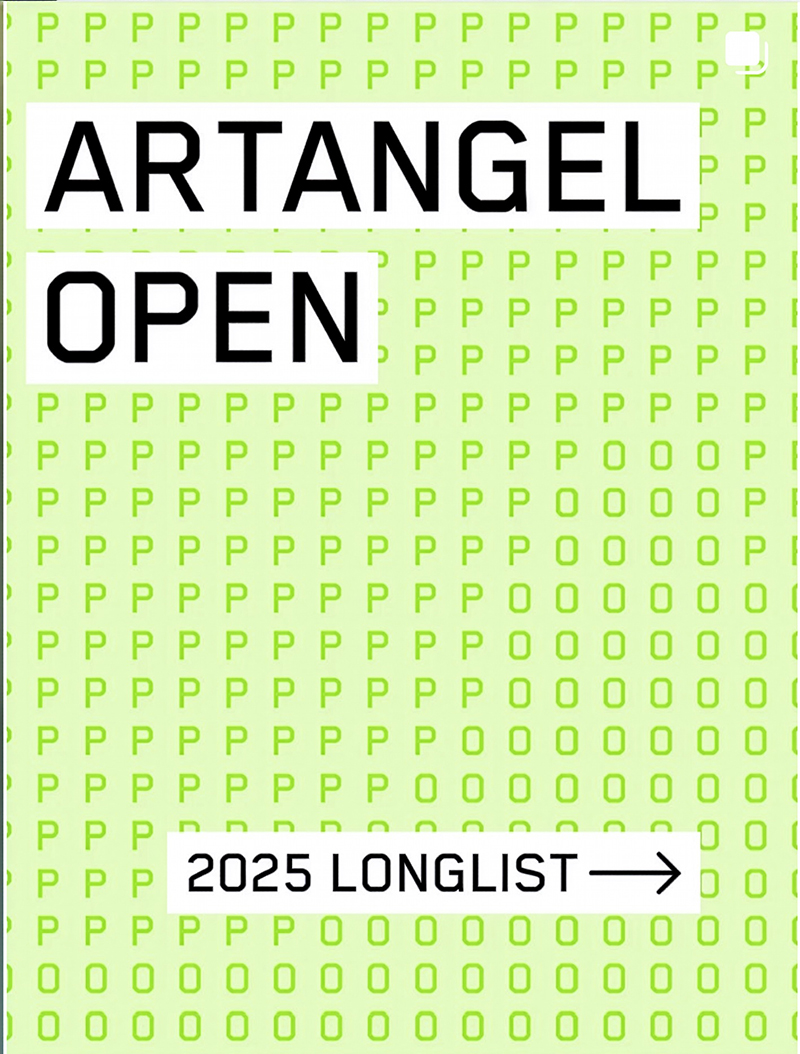
Over the moon to be longlisted for the 2025 Artangel Open amongst such amazing company. I am grateful to Artangel and the selection panel Zineb Sedira, Nitin Sawhney CBE, Freddie Opoku-Addaie, Andrea Luka Zimmerman and Mariam Zulfiqar for considering my proposal regarding the Haverah Park Experiment.
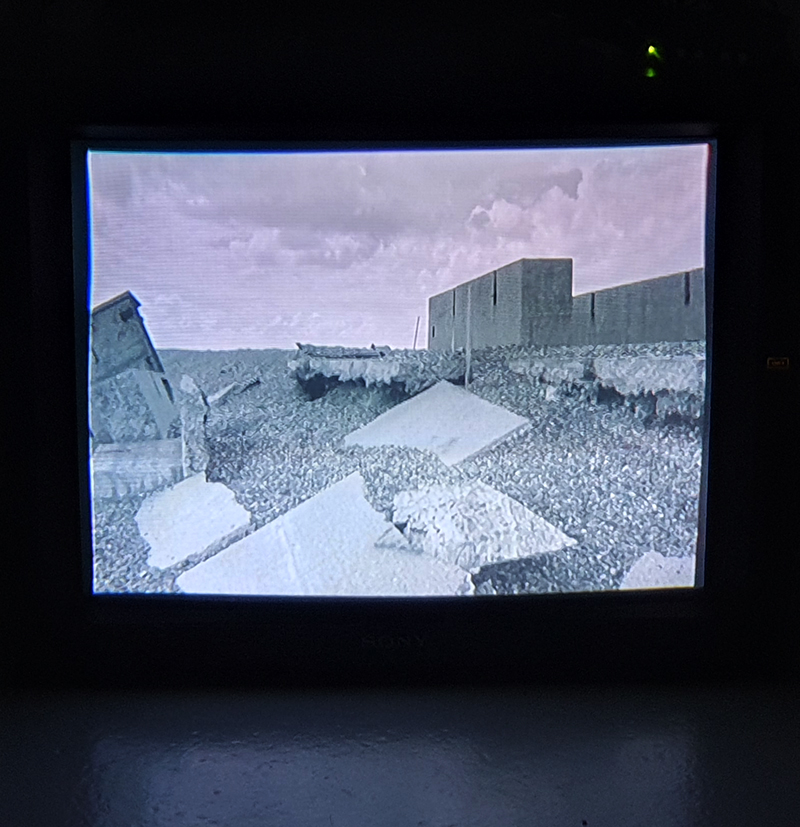
Cosmic rays impact technology and life on Earth but their origin and source of enormous energy is still a mystery. I seek to activate the historically remarkable yet humble Haverah Park detector huts abandoned in various states of collapse across the North Yorkshire moors, through workshops, performance, dark sky gazing, creating artworks that interact directly with cosmic rays and installations that respect local land use, to reflect on pioneering cosmology, human curiosity and wonder.
Cosmic rays are fast-moving particles from space that constantly bombard the earth from all directions. About 5 million pass through your body every day. Wherever they come from, the highest-energy particles hold secrets to the origin of their enormous energies which can be many millions of times greater than any earthbound particle accelerator can generate.
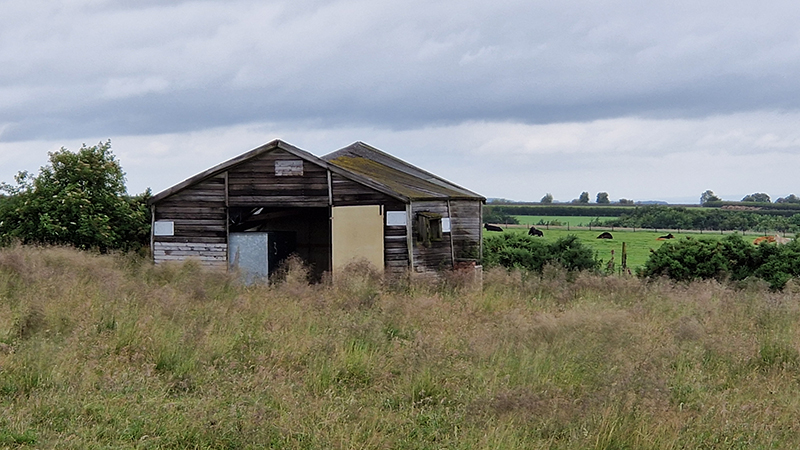
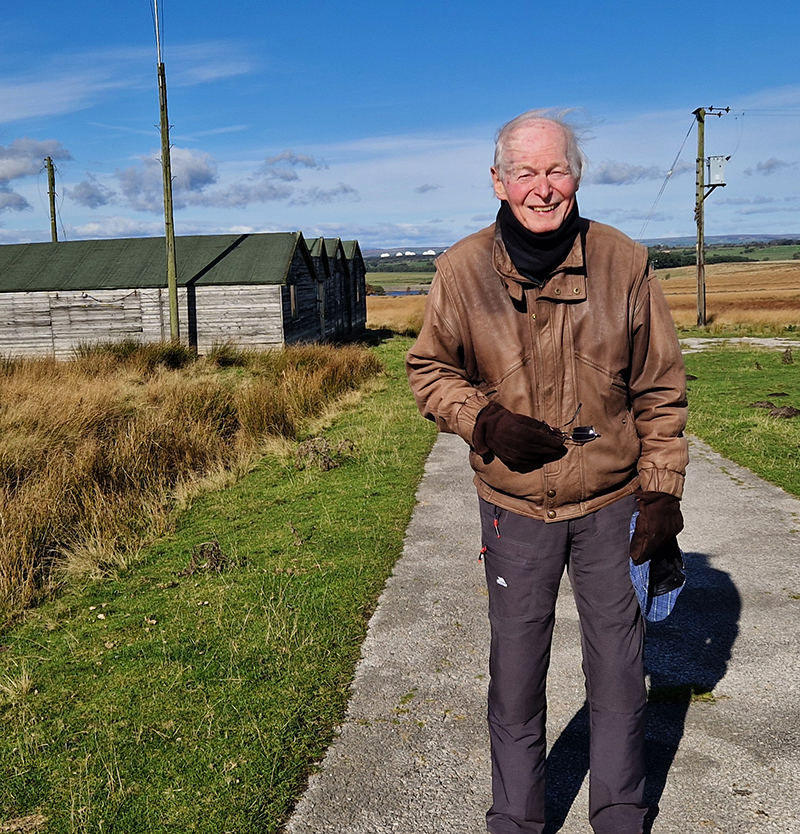
The Haverah Park experiment began in the 1960’s, led by the University of Leeds, and ran for over 20 years. I met with Professor Alan Watson in 2024 to visit the huts and hear about his role in setting up the project and his subsequent life’s work in search of ultra-high energy cosmic rays. It appeals to me that the astonishing achievement of observing particles arriving on Earth from other galaxies happened at these unassuming structures. The huts were built to protect the array of over 200 water-Cherenkov detectors from freezing. When cosmic rays pass through the water tanks, they emit a blue glow of Cherenkov radiation because they travel faster than the speed of light in water. This light can be recorded and calculations made to discover the energy of the primary particle. The shadow of the moon can be seen by detectors on Earth as it absorbs many galactic cosmic rays causing a ‘shadow’ in the otherwise uniform flux of particles from space.
Although I have not been shortlisted for the Artangel commission, I am excited to continue my investigations into these unexpected sites of space exploration and develop these ideas for artworks and a public programme further.
Congratulations to all artists selected and good luck to the shortlisted artists.
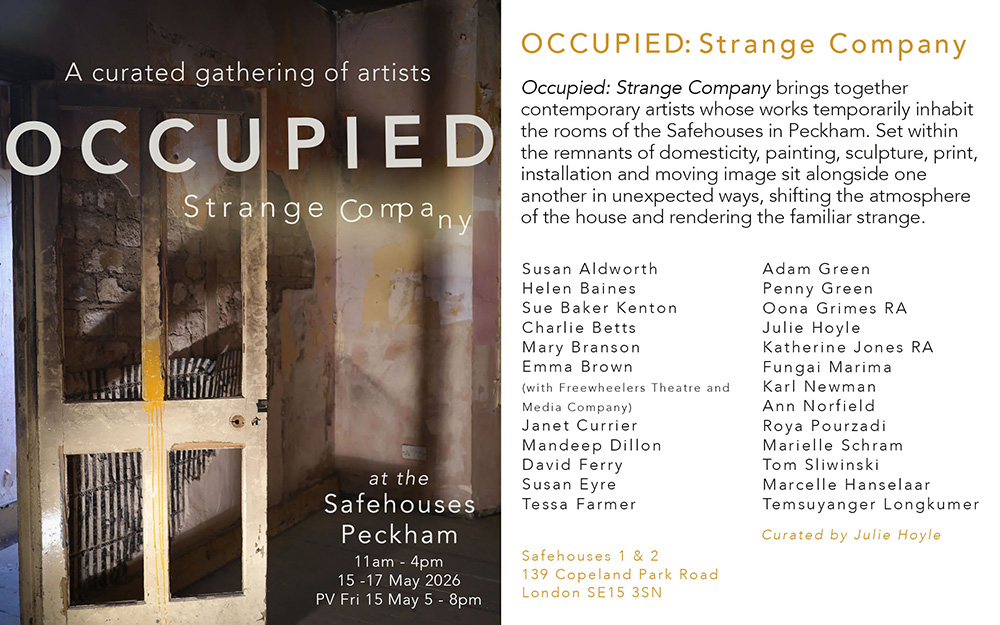
I am excited to be taking part in the upcoming occupation of the Safehouses, Peckham with such a fabulous selection of artists.
Curated by Julie Hoyle the exhibition brings together a cross-section of artists from Royal Academicians to emerging practitioners, alongside artists working within disability and community contexts.
Works include painting, sculpture, print, installation, ceramics and moving image. Moving through rooms, staircases and thresholds, visitors will encounter works that move between the intimate and the uncanny, the material and the imagined.
I will be showing work informed by the otherworlds of creatures we share our spaces with as exotic places of discovery and sites of emerging or alternative consciousness.
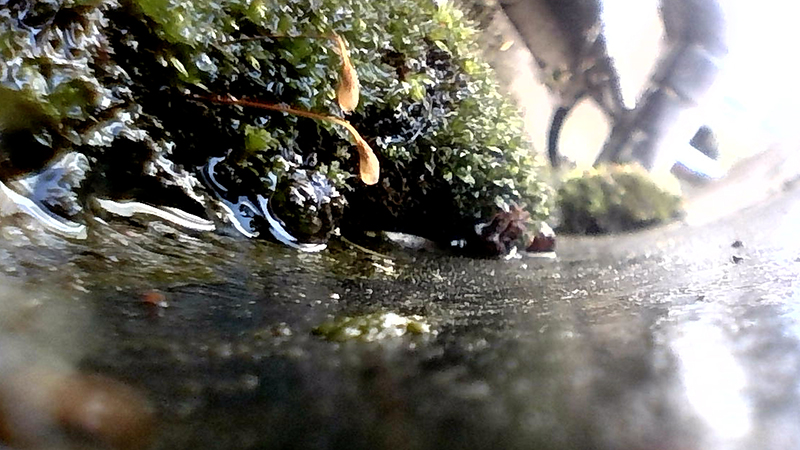
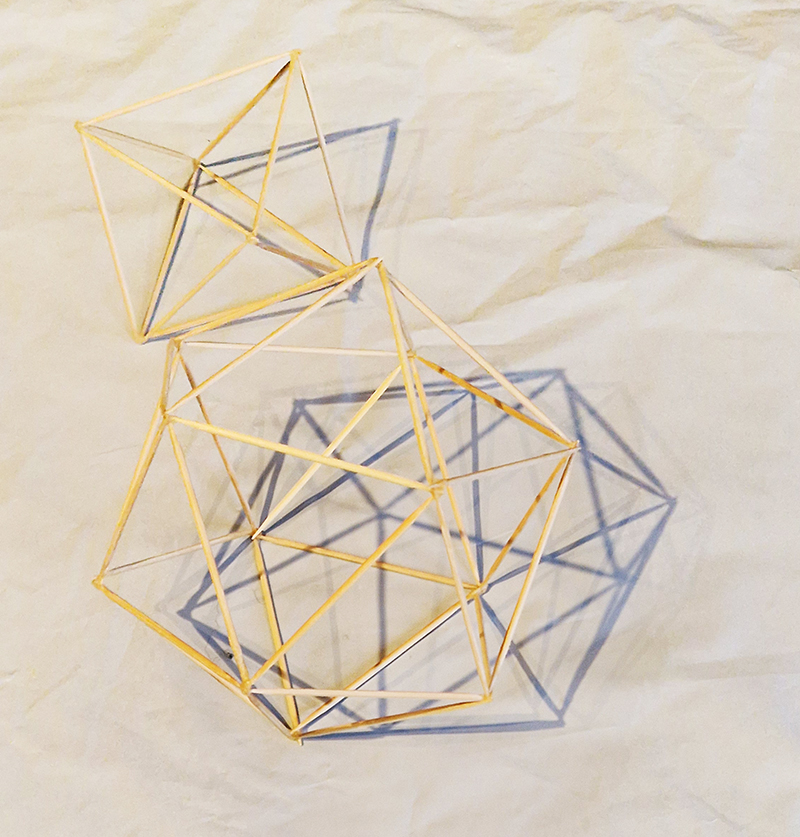
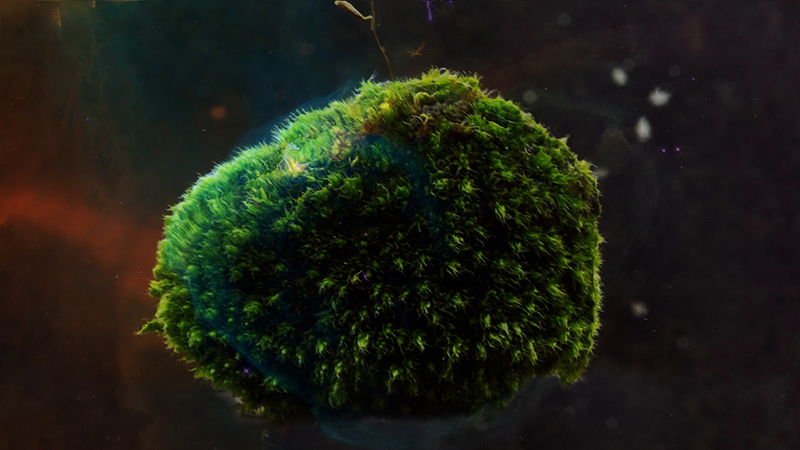
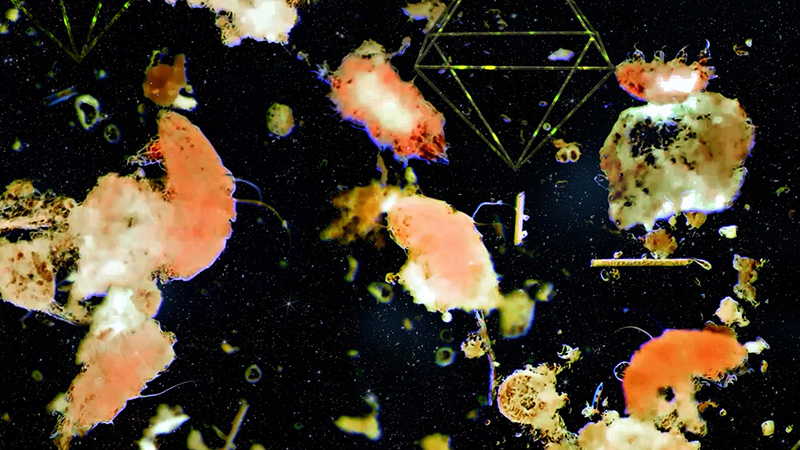
I have been working on a new video Guttanaut thinking about the extraordinary diversity of life we share our planet with and the invisible creatures found very close to home. This has involved gathering moss from my house gutters and filming the life found within under my microscope, recording the sounds of the gutter with a hydroponic microphone and inserting an endoscope camera into the gutters and drainpipes. Gutta, as used in the title, originates from the Latin meaning ‘a drop’. For the microscopic explorers in this film, a drop of water may comprise their whole universe. They are very tiny and I have been astounded at the variety and energy of the life found here. I have made some icosahedron and octahedron shapes that represent the elemental qualities of water and air to accompany the projection and also to appear in the film in the guise of satellites or modes of exploration.
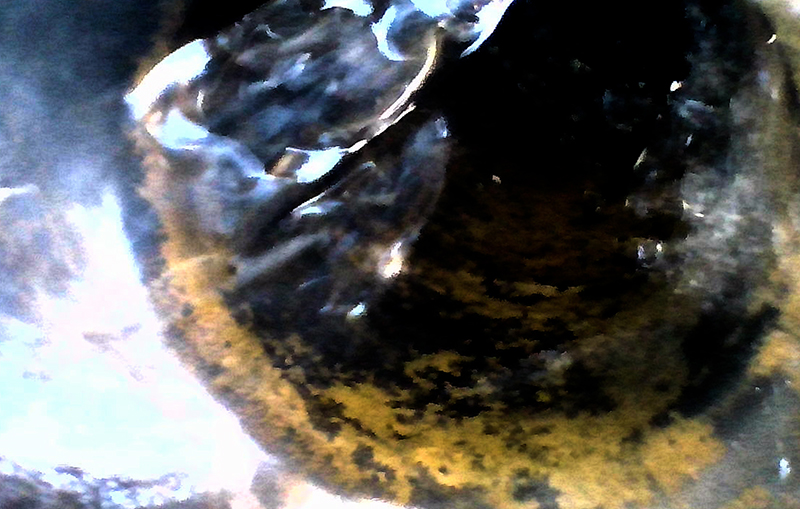
I will also be showing Belly of a Rock, a hybrid between rock, mollusc and technology, this video sculpture reflects on an early lifeform’s emerging self-awareness, desire to communicate and urge to create. These works celebrate the extraordinary found in hidden corners. Molluscs are known to show a synchronized response to the moon, altering their behaviour based on both light intensity and tidal movements associated with the lunar cycle. They use the moon as an environmental cue to adjust feeding times, metabolic activity, and reproductive spawning. It may be that these behaviours are adapted to match the movement of plankton, which is also affected by moonlight, or to ensure they are submerged during high tide, which is influenced by the moon’s gravity.
Great to have another studio visit from curator Catherine Li in preparation for my upcoming show at Brompton Cemetery Chapel. The title will be, Appearances are a Glimpse of the Unseen, a quote attributed to Anaxagoras, a pre-Socratic philosopher, exiled for controversial natural explanations of the cosmos. It suggests that despite the limitations of human senses we can discover the underlying structure of reality through careful observation and reasoning. Aligning to the precepts of scientific enquiry, in studying the “appearances” of the visible world to reveal the imperceptible, Anaxagoras concluded that matter is made of finely mixed ingredients and wholly entangled so that “everything has a portion of everything,” and it is “Nous” (the mind), that acts as an organising force in creating reality by relating what is seen to what can be inferred.
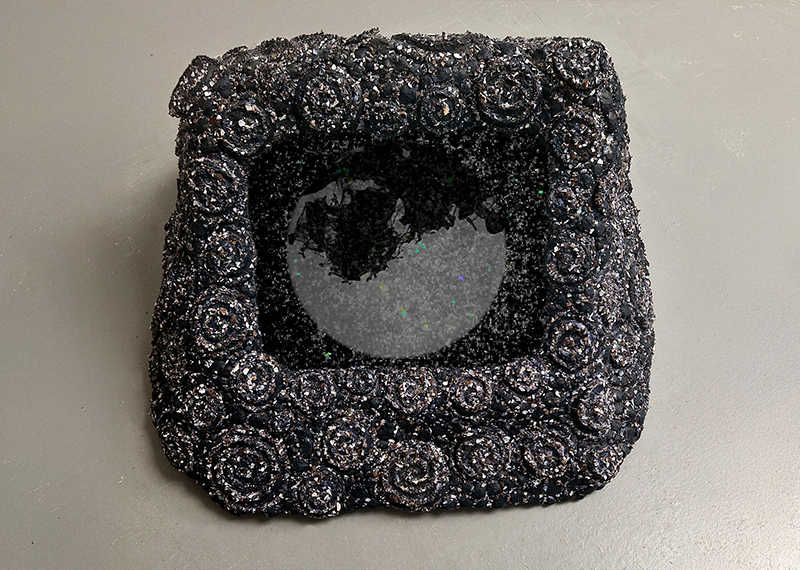
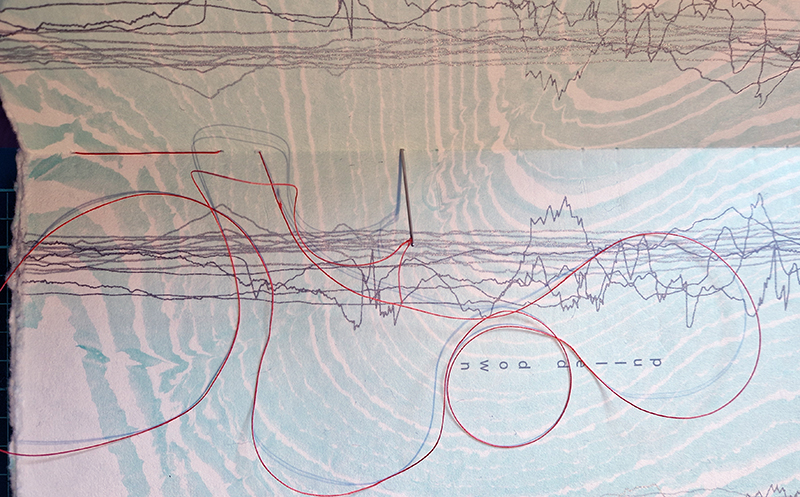
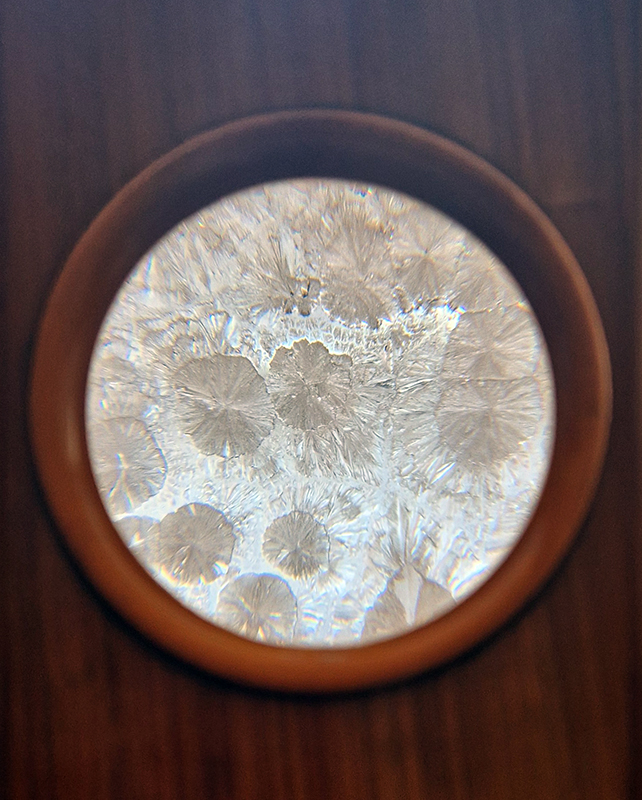
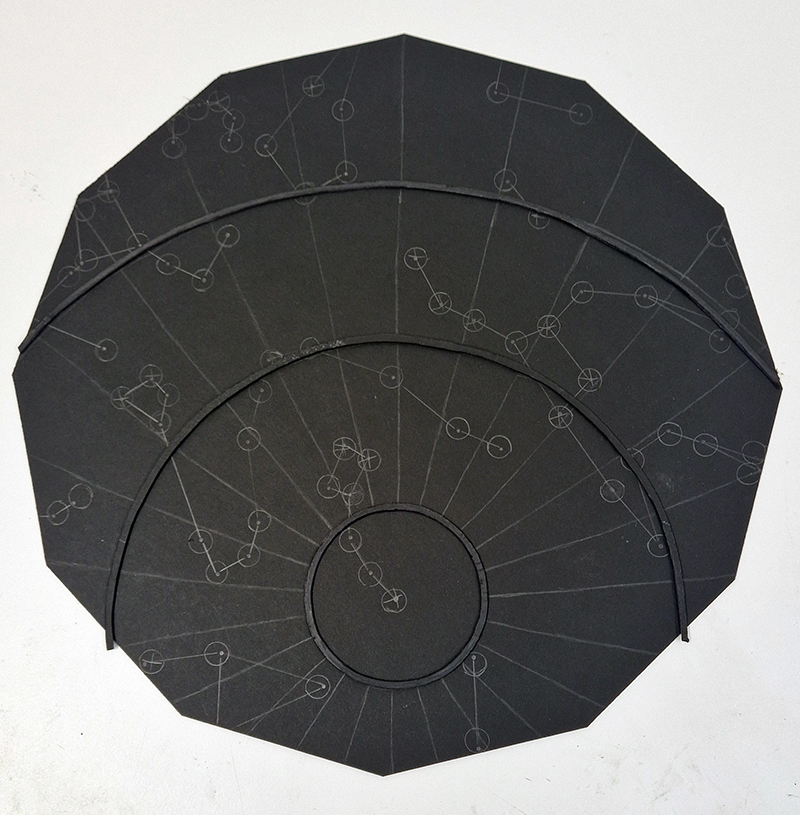
I will be showing some existing and some new works that draw on the desire to see what is beyond our horizons, question how we interpret the world around us and consider what influences our perception of reality. I have been stitching the Book of Reversals, a poetic interpretation of the formation of planet Earth and its turbulent internal fluid core that generates an unpredictable but protective magnetic field prone to sudden changes in polarity. I am adapting an old slide viewer to show crystals changing colour using a polarising filter. I am making a new edition to the series of sculptures Instruments of the Anemoi – this one is based on a star chart, centred on the star Thuban, which was the pole star before Polaris. I am experimenting with black concrete, though it may end up being dark grey, and I am growing crystals as analogues for the stars. Also, it was great to have the opportunity to set up the sculptures of everydaymatters in an empty studio to assess their inclusion in the show.
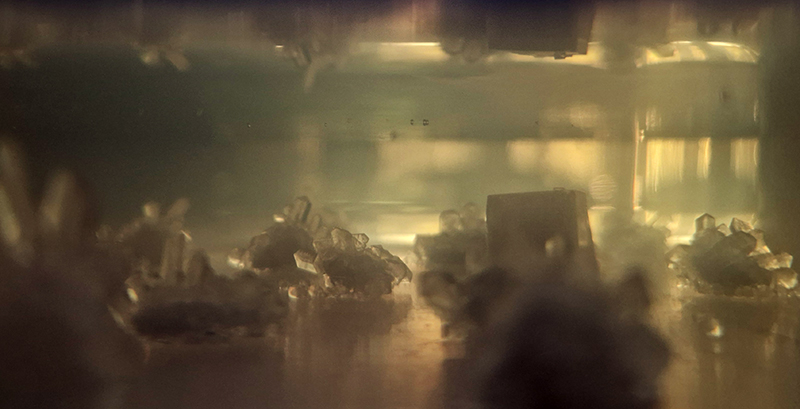
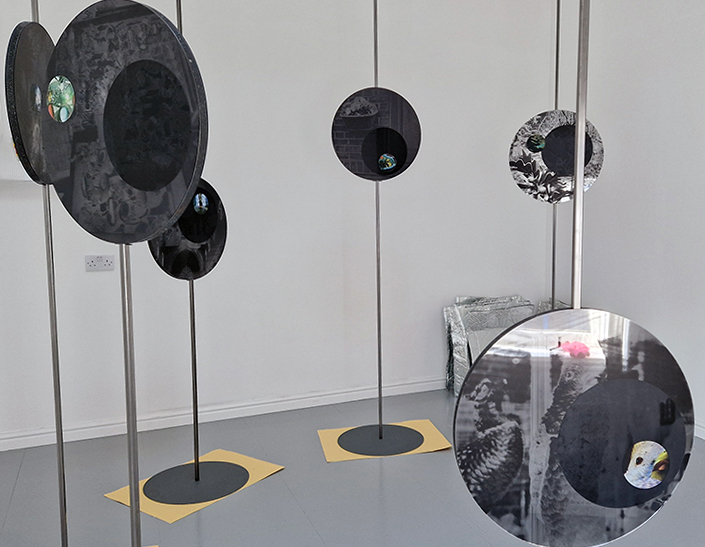
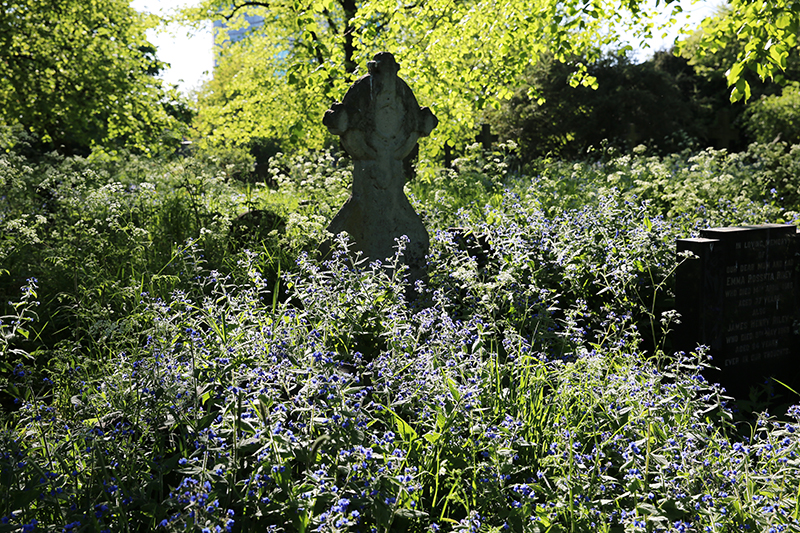
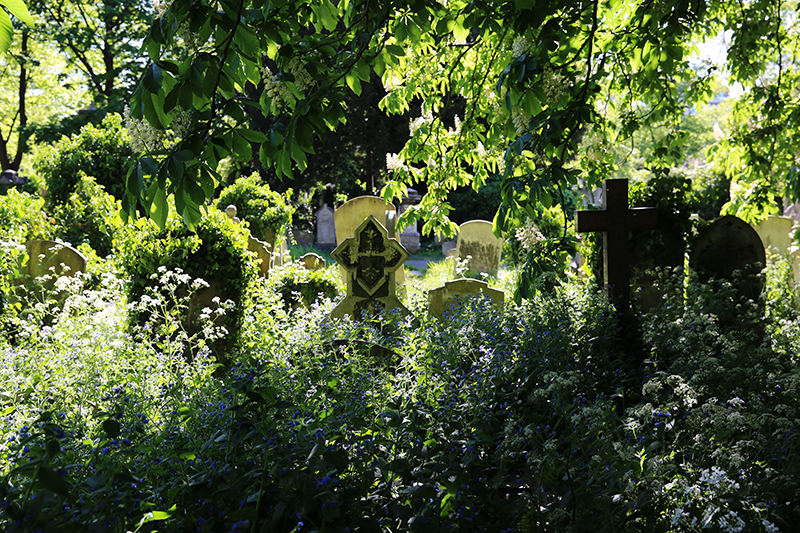
I also spent some time in the cemetery taking photos for new images to print on organza and float in water for a site specific edition of work submīrārī (earthbound) that reflects on this place of acutely felt impermanence with weathered stones, encroaching nature and the many carved dates of remembrance receding and fading.
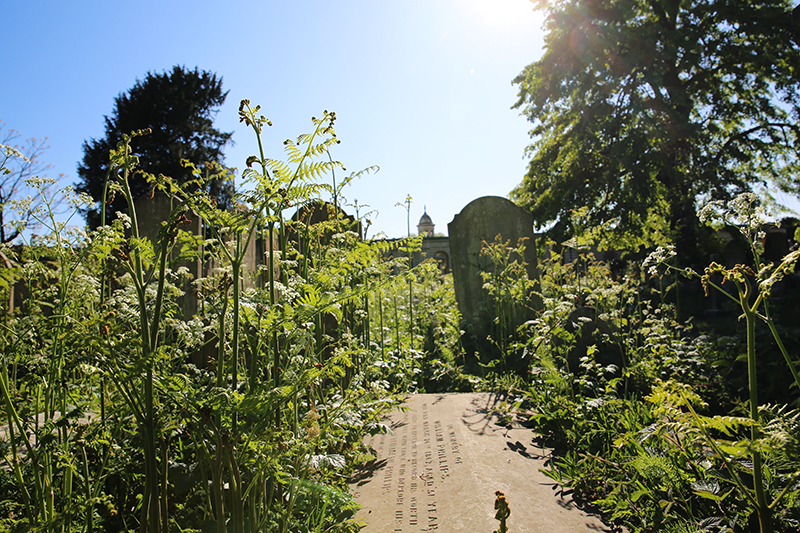
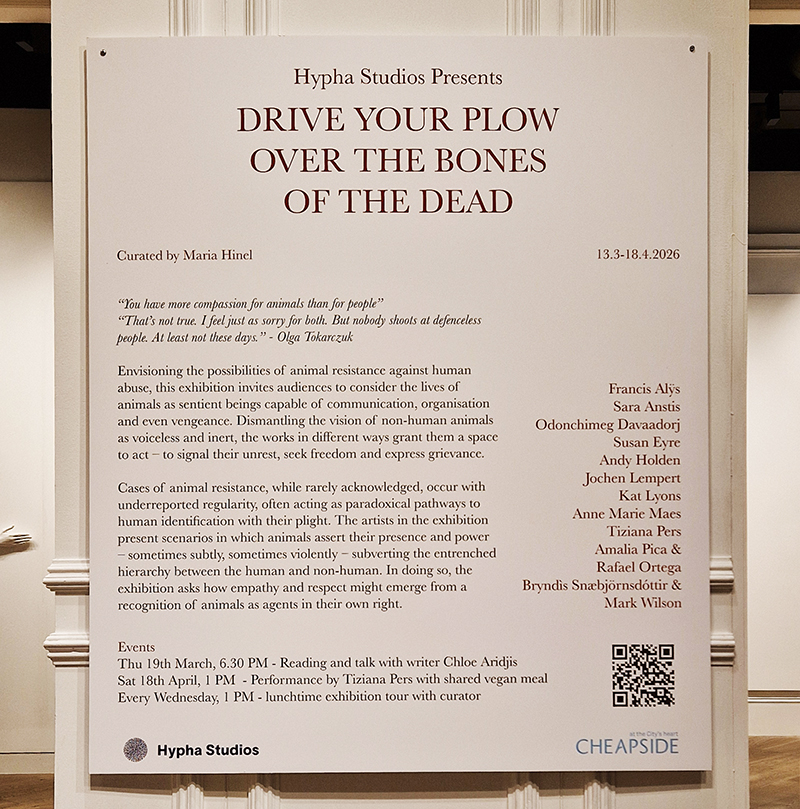
I was happy to speak about my work Radical Pair for a special invitation curators tour in the last week of Drive Your Plow Over the Bones of the Dead. The exhibition was beautifully curated by Maria Hinel who has an impressive art history knowledge and can also speak in real depth about the works she curates. I enjoyed hearing more about the other works in the show which draws on the novel by Nobel Prize-winning author Olga Tokarczuk and the works of William Blake, asking what forms of empathy might emerge when animals are recognised as ethical and political agents in their own right.
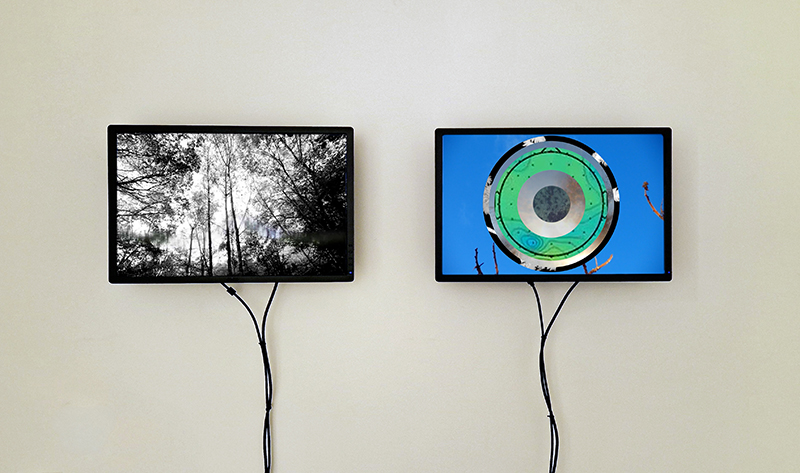
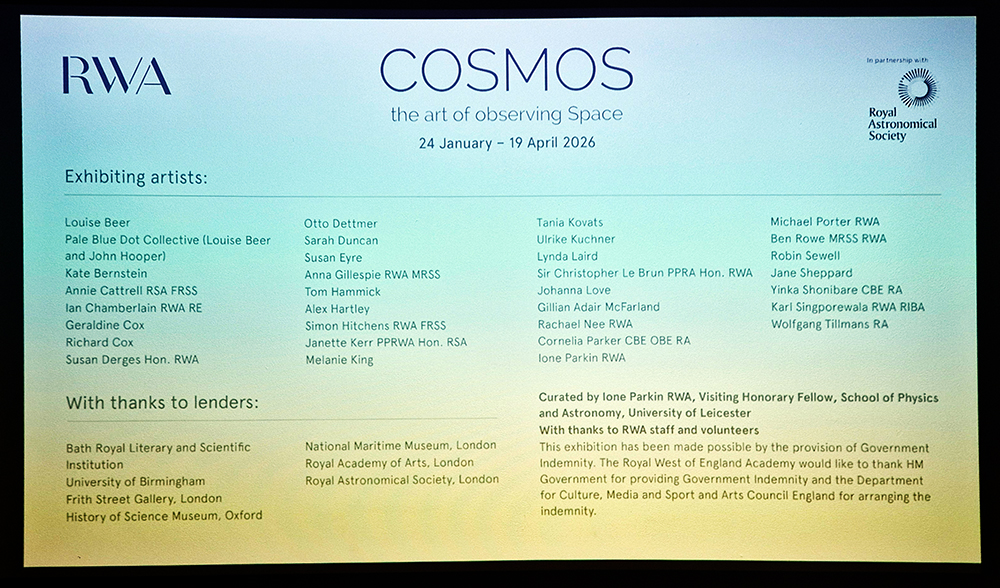
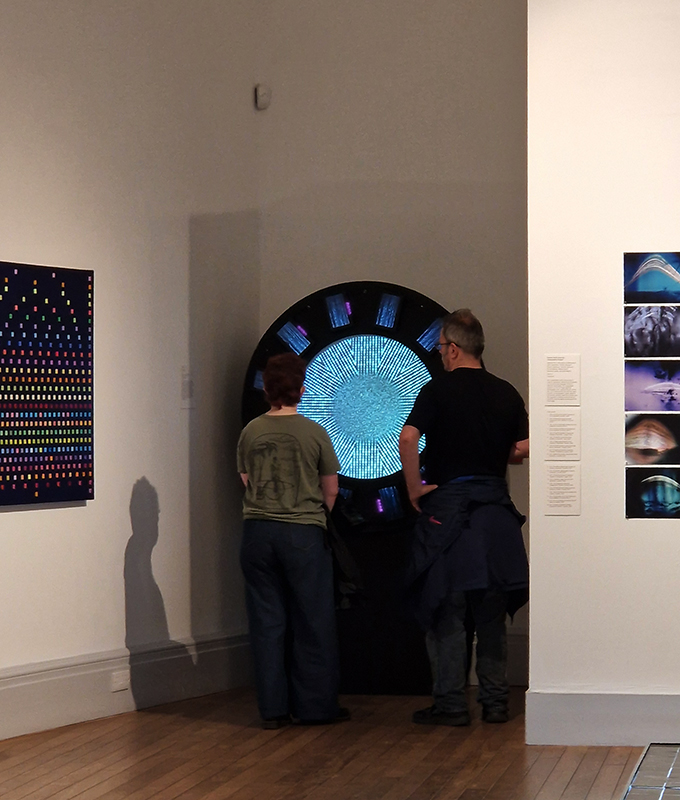
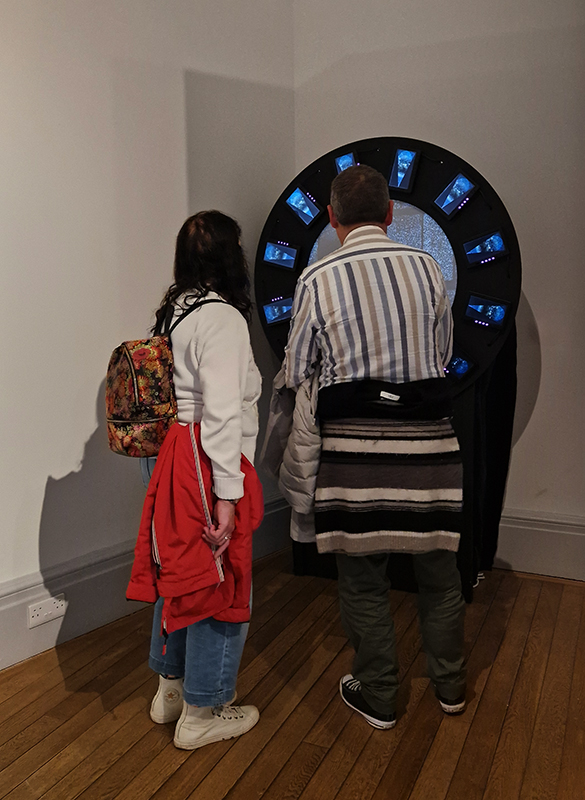
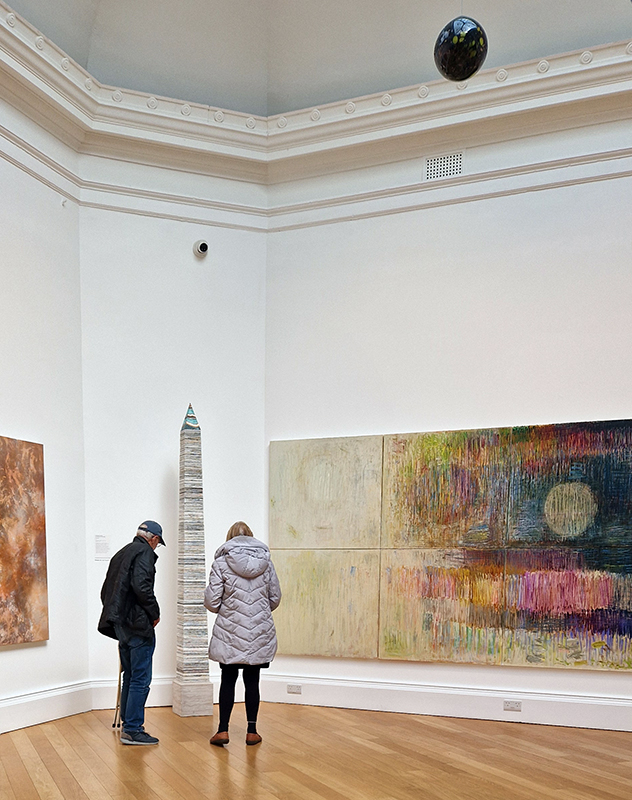
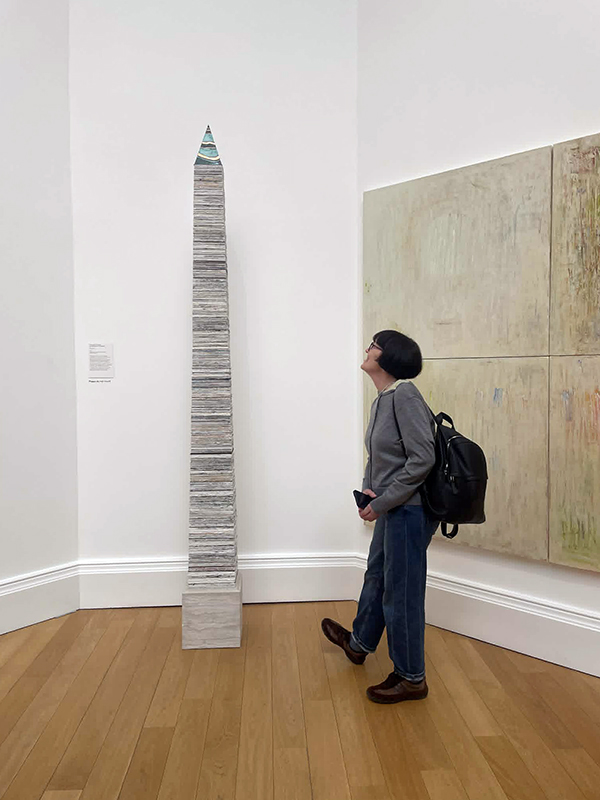
I made a trip to Bristol to spend some time with the works in Cosmos: the art of observing space at the RWA during the final week of the show. Such a rich selection of work to enjoy and it’s always nice to see people engaging with your own work. It hardly seems any time since install and now it has to come down. Great news though that the exhibition will be travelling to Aberdeen Art Gallery later in the year. It will be interesting to see how the works will be curated in a new space. It was an honour to have The Obelisk (of sedimentary knowledge) sitting between Ione Parkin’s Volatile Phenomena painting and Sir Christopher Le Brun’s Phases of the Moon IV of which he says ‘Compelling and grave, the Moon is one of the most haunting of natural symbols- more felt then understood. Here it is shown in a narrative of day and night, with passages of cool and warm light succeeding each other’.
The exhibition has been really popular and Ione did an amazing job alongside the Royal Astronomical Society to bring together such a diverse range of contemporary artwork inspired by themes of astronomy, cosmology, astrophysics, planetary atmospherics, solar dynamics, space exploration and celestial mechanics as well as many astronomy-related items of historical significance loaned from public collections.
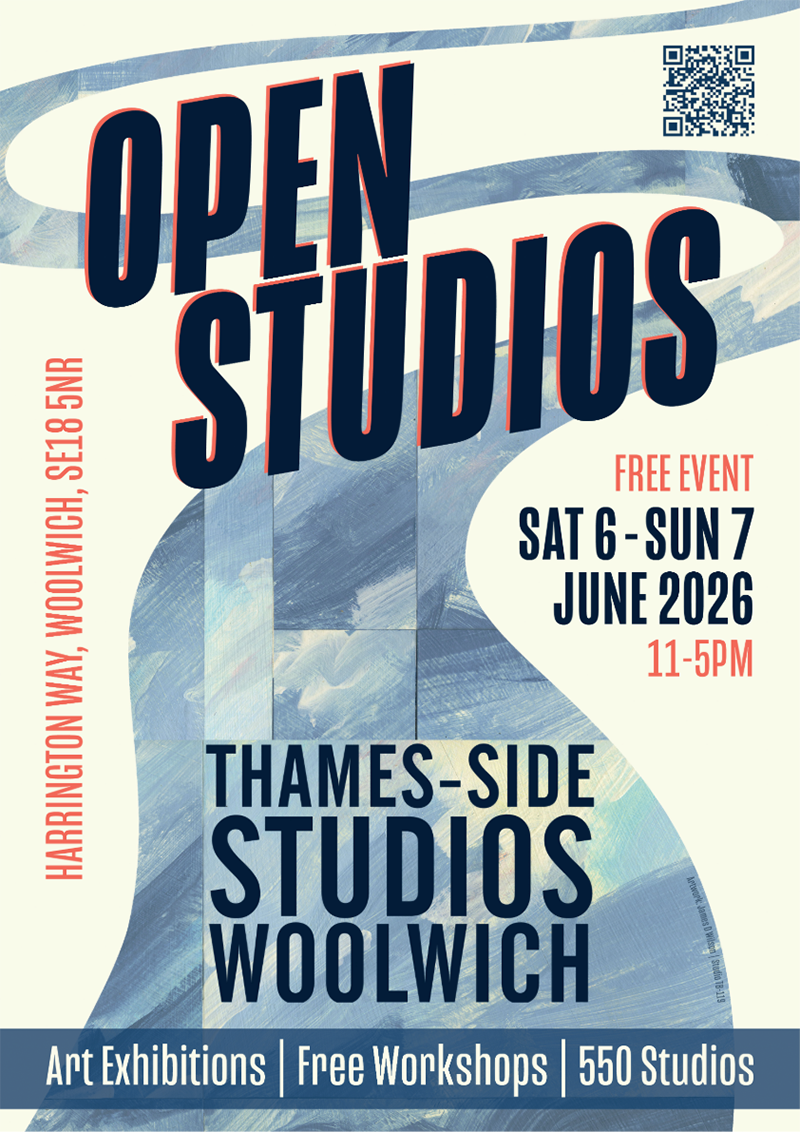
I will be opening my studio door for the upcoming Open Studios. It’s also a chance to meet the other artists in my corridor many of whom are new this year.
Out and About
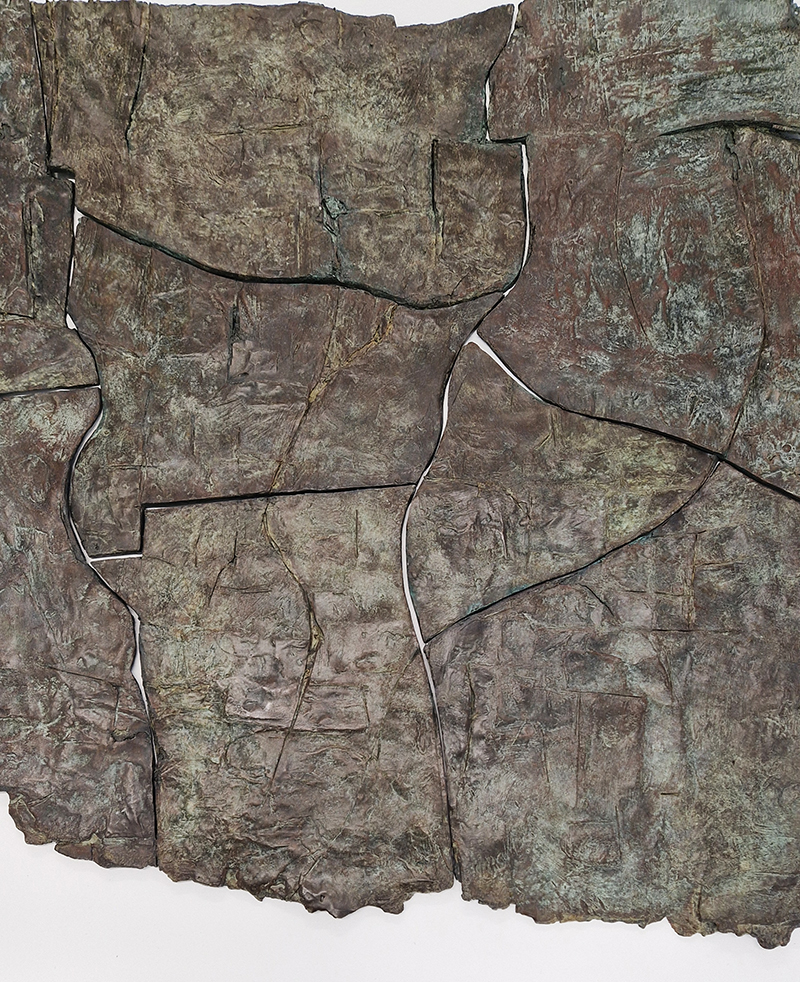
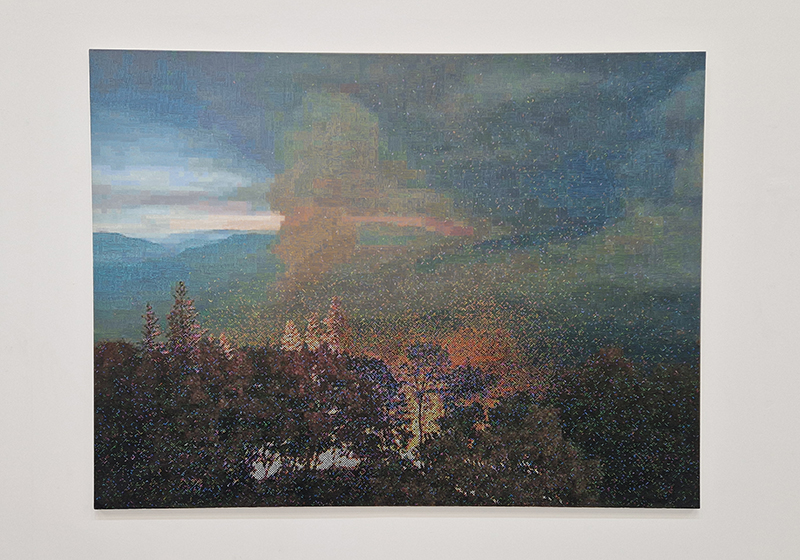
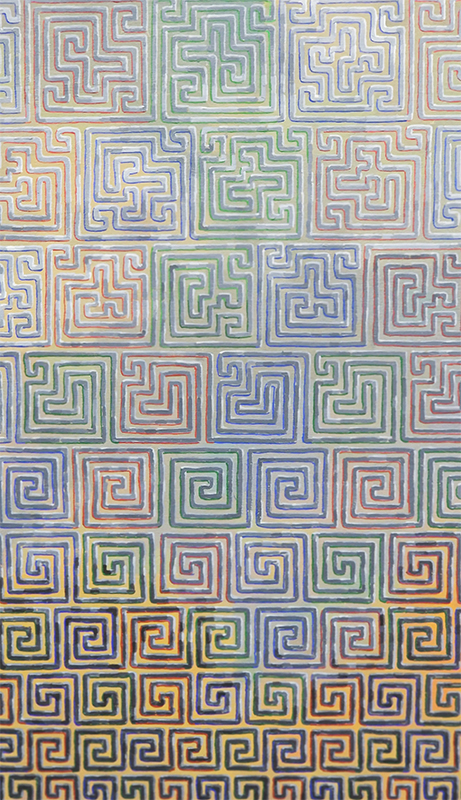
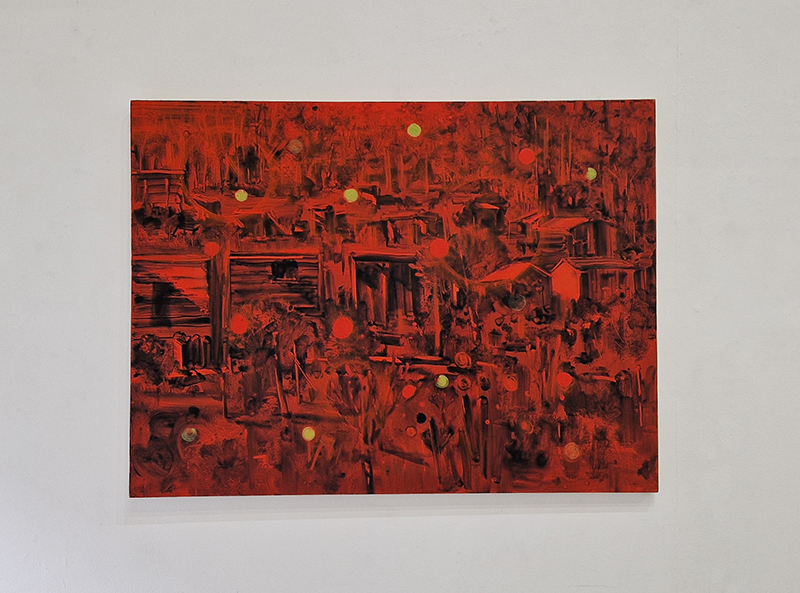
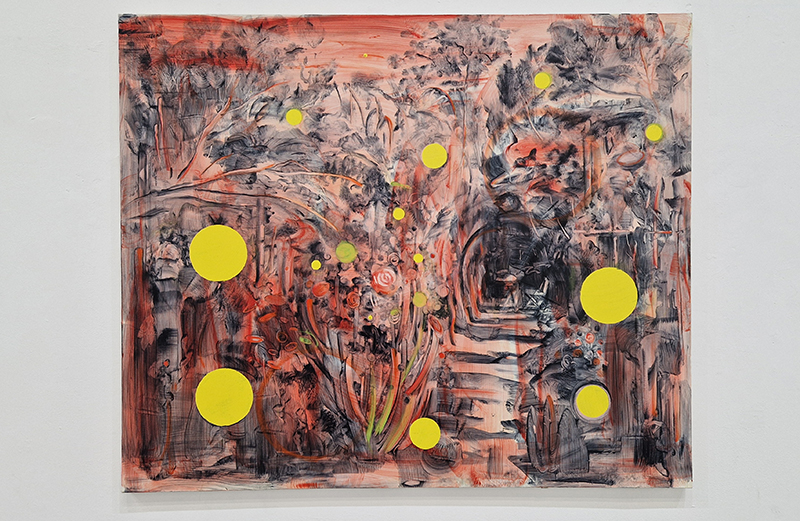
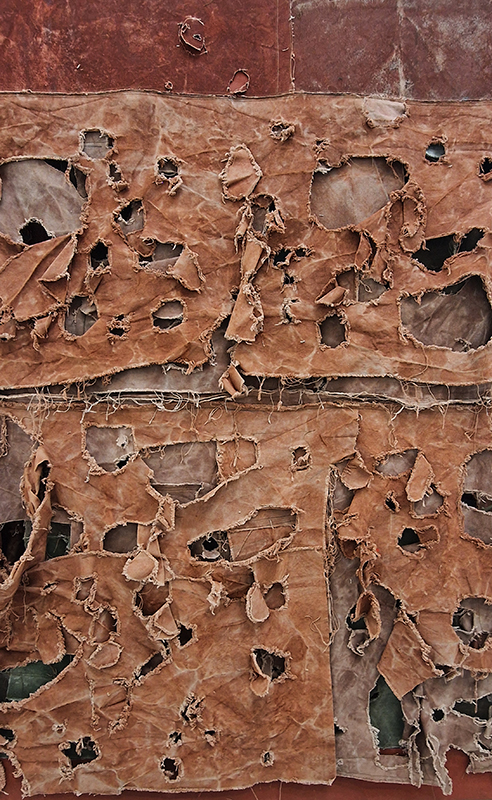
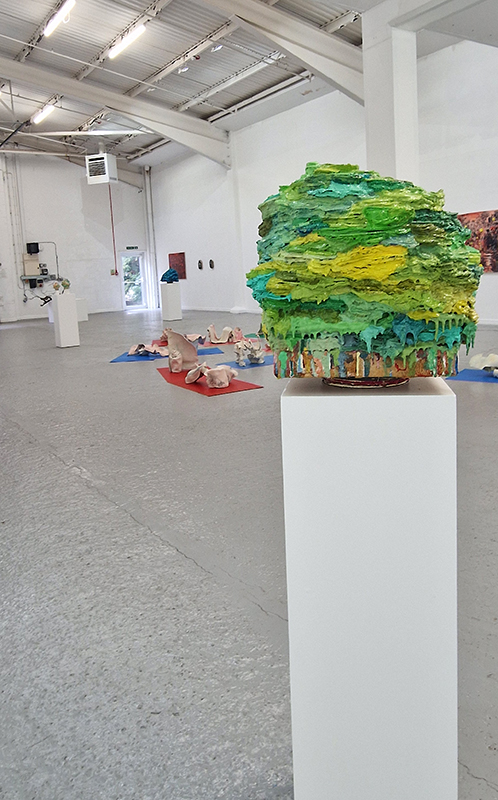
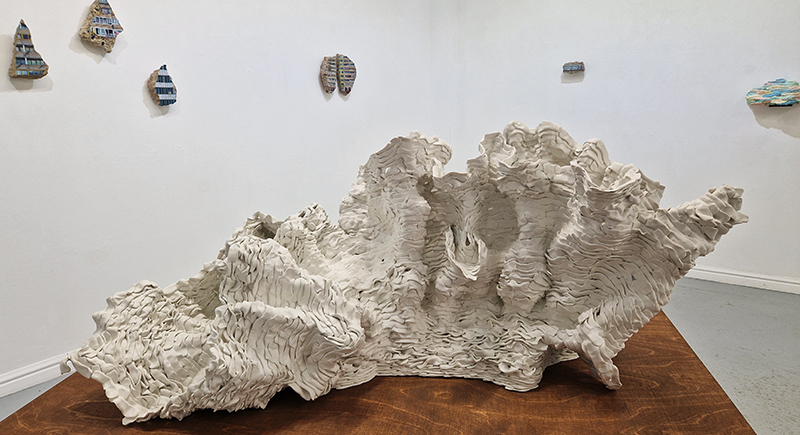
Making Ground curated by Andrew Ekins at Thames-side Studios Gallery, brings together artists whose practice finds common ground in an exploration of the relationship between a topographical terrain and a crumpled landscape of the human condition. Featuring: Kabir Hussain (sculpture in bronze), Dan Hays (conflation of digital technology, and the tactile, flawed and time-consuming medium of painting), Graham Crowley (luminous discourse), Simon Callery (painting rooted in materiality), Andrew Ekins (sediment of experience and memory), Joanna Whittle (real and imaginary landscapes), Harriet Mena Hill (repurposed salvaged material), Laura White (changeable matter).
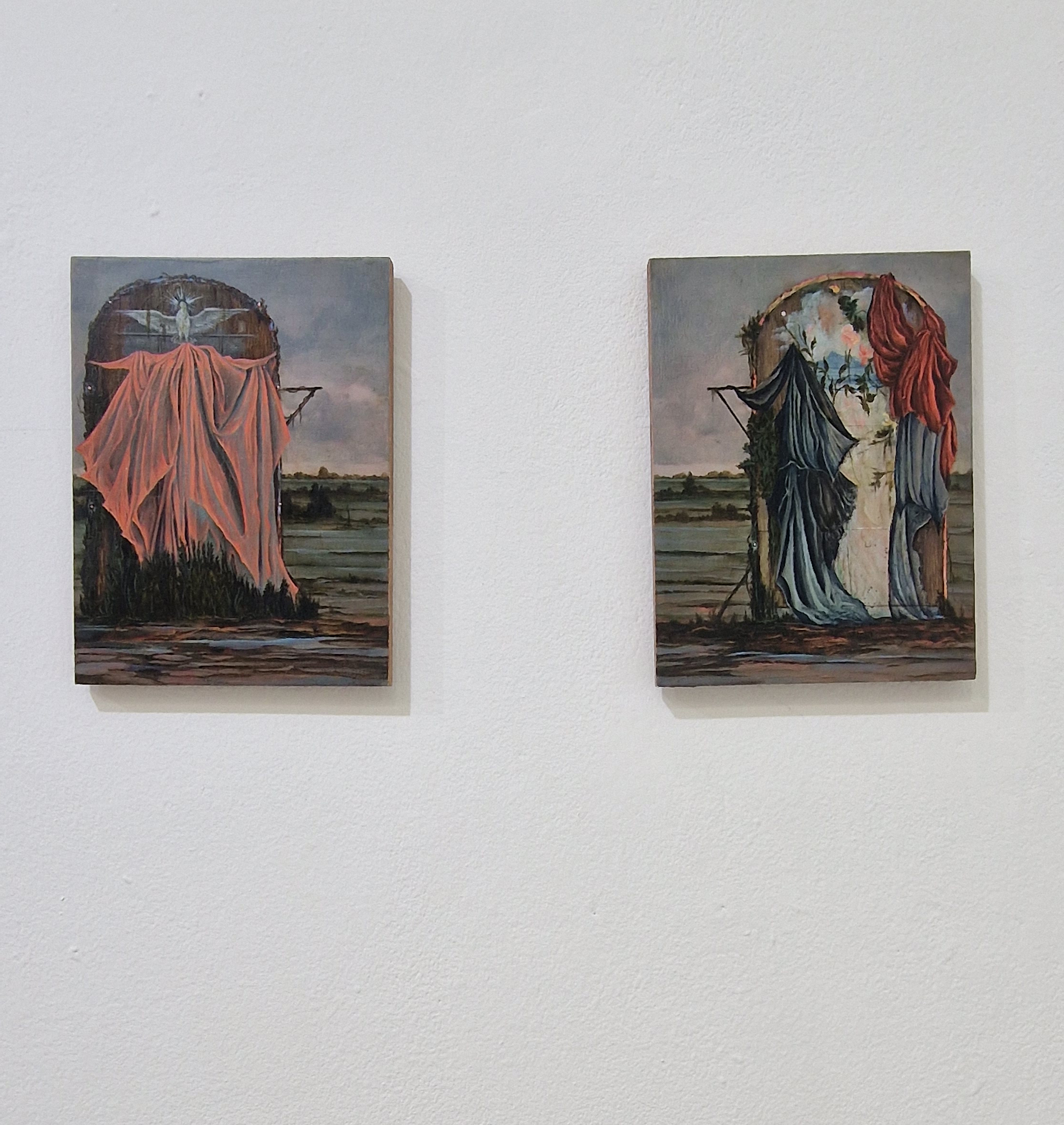
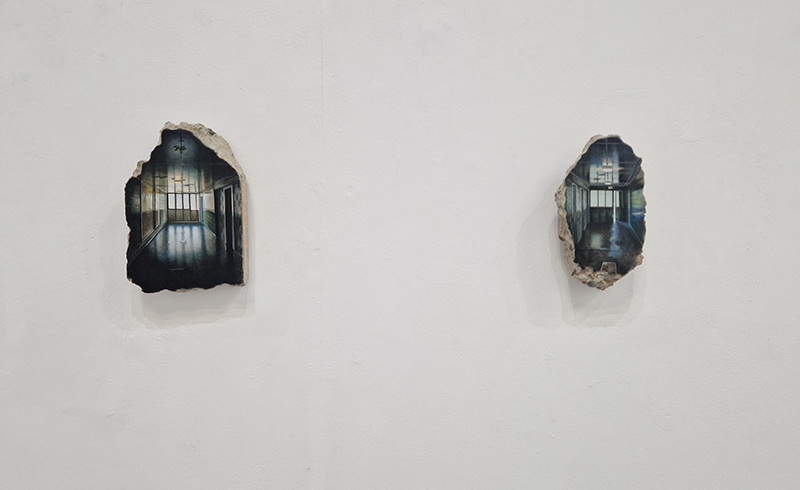
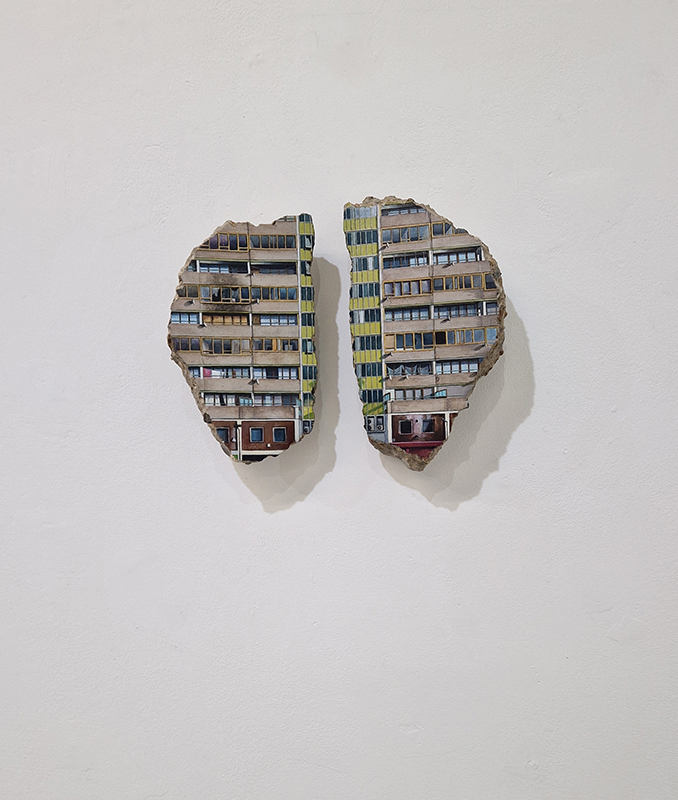
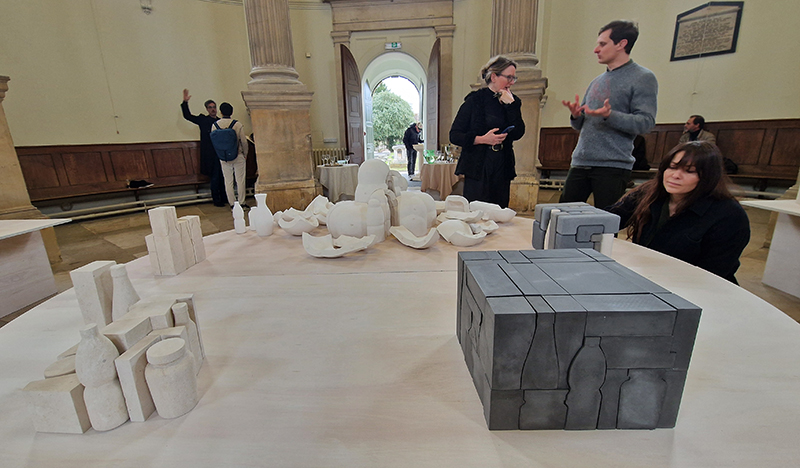
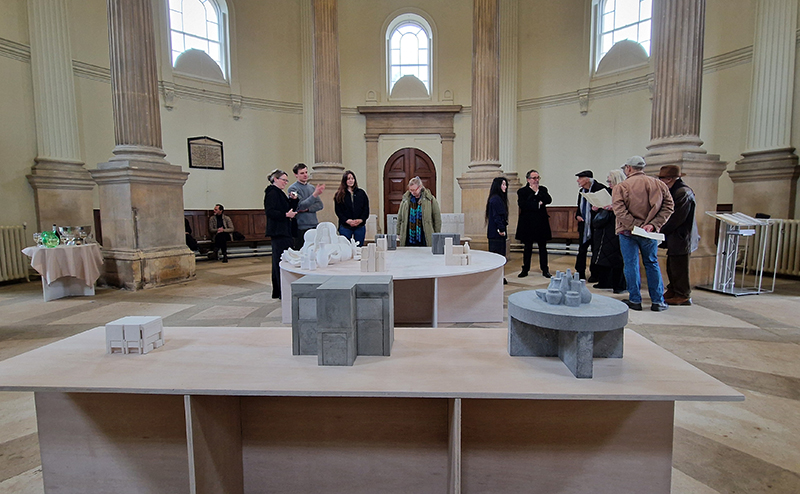
Gabriele Risso Vita Immobile at The Chapel at Brompton Cemetery curated by Catherine Li. Stone within stone within stone. The simply presented works in stone, which in themselves allude to the potential shapes that sit within the sculptors block, outlining simple objects or interconnecting forms as intricate puzzle boxes, sit beautifully within the stone chapel.
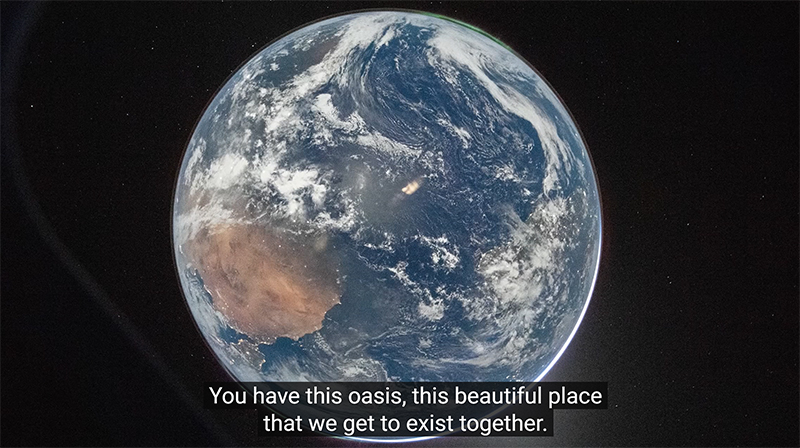
I completed watching series 2 of For All Mankind which is set in the 1980’s with a base camp already on the moon and ongoing jostling for space supremacy between USA and the Soviet Union that ends in an unlikely accord. So my mind is full of moon fiction while also watching the launch of NASA’s Artemis II and the videos of the astronauts Reid Wiseman (commander), Christina Koch (mission specialist), Victor Glover (pilot), and CSA astronaut Jeremy Hansen (mission specialist) as they fly the farthest humans have yet been into space on a 10-day journey around the Moon and back to Earth.