Archives for posts with tag: Gutter

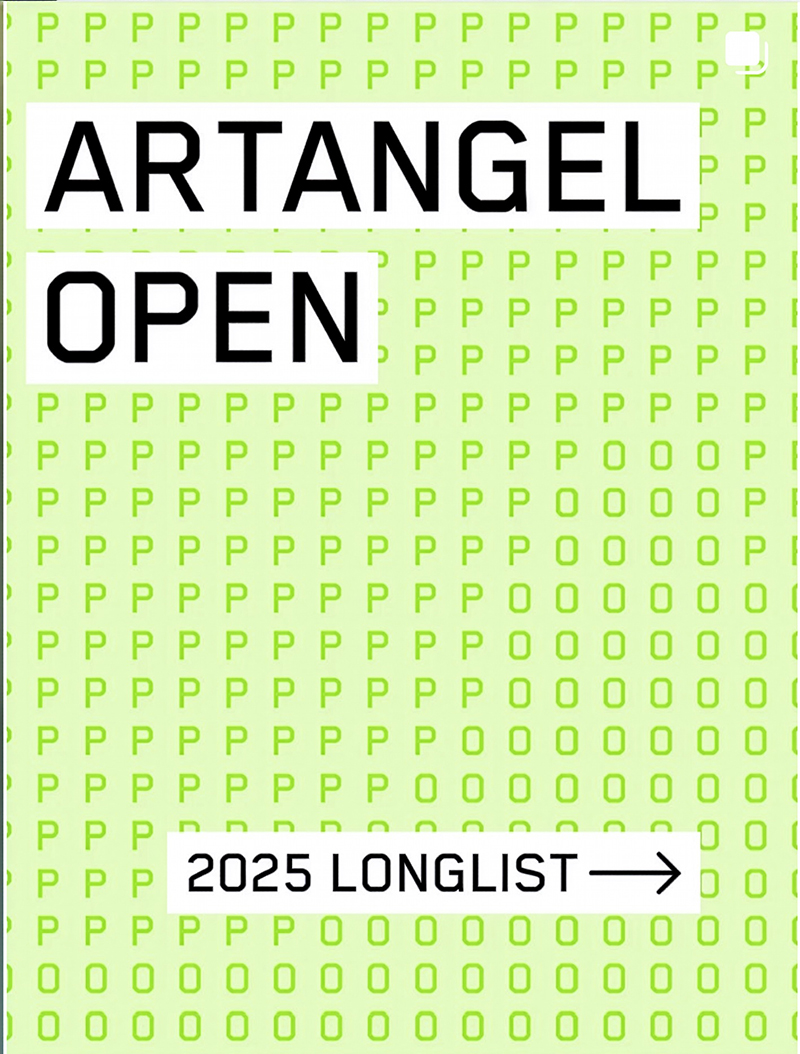
Over the moon to be longlisted for the 2025 Artangel Open amongst such amazing company. I am grateful to Artangel and the selection panel Zineb Sedira, Nitin Sawhney CBE, Freddie Opoku-Addaie, Andrea Luka Zimmerman and Mariam Zulfiqar for considering my proposal regarding the Haverah Park Experiment.

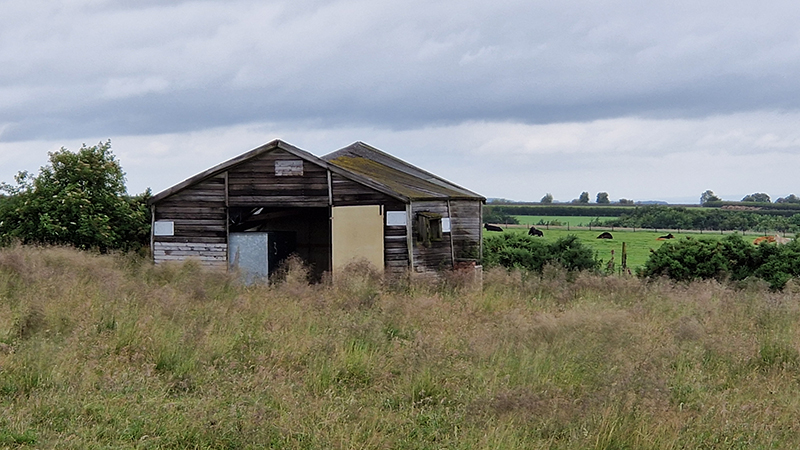
Cosmic rays impact technology and life on Earth but their origin and source of enormous energy is still a mystery. I seek to activate the historically remarkable yet humble Haverah Park detector huts abandoned in various states of collapse across the North Yorkshire moors, through workshops, performance, dark sky gazing, creating artworks that interact directly with cosmic rays and installations that respect local land use, to reflect on pioneering cosmology, human curiosity and wonder.

Cosmic rays are fast-moving particles from space that constantly bombard the earth from all directions. About 5 million pass through your body every day. Wherever they come from, the highest-energy particles hold secrets to the origin of their enormous energies which can be many millions of times greater than any earthbound particle accelerator can generate.

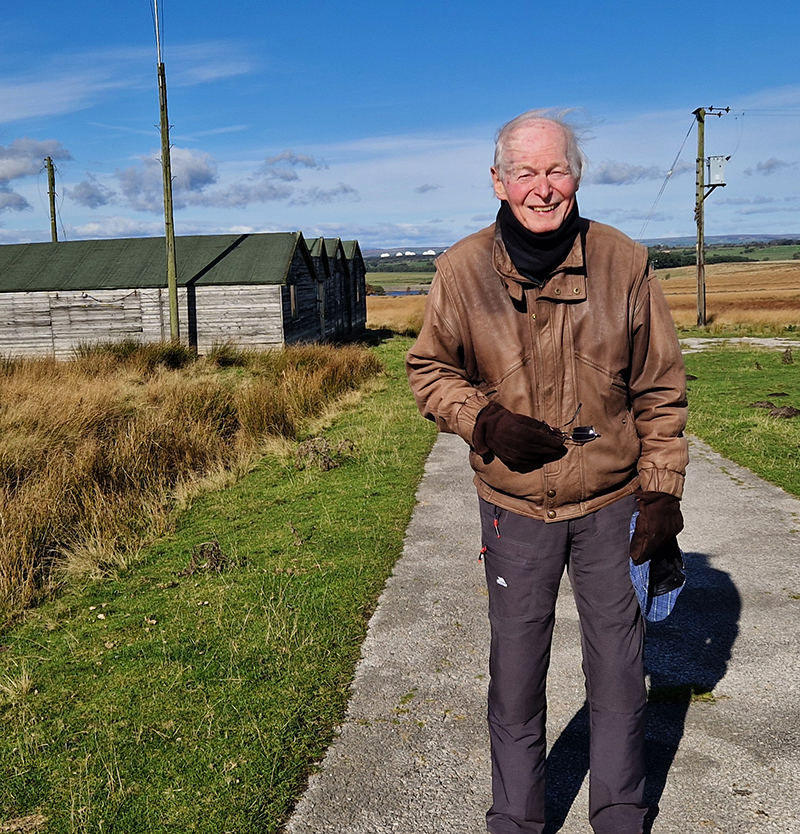
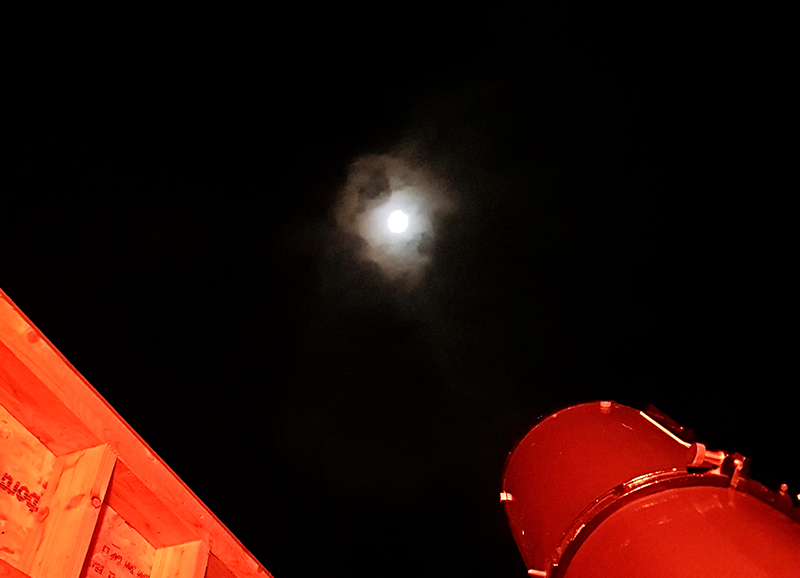
The Haverah Park experiment began in the 1960’s, led by the University of Leeds, and ran for over 20 years. I met with Professor Alan Watson in 2024 to visit the huts and hear about his role in setting up the project and his subsequent life’s work in search of ultra-high energy cosmic rays.  It appeals to me that the astonishing achievement of observing particles arriving on Earth from other galaxies happened at these unassuming structures. The huts were built to protect the array of over 200 water-Cherenkov detectors from freezing. When cosmic rays pass through the water tanks, they emit a blue glow of Cherenkov radiation because they travel faster than the speed of light in water. This light can be recorded and calculations made to discover the energy of the primary particle. The shadow of the moon can be seen by detectors on Earth as it absorbs many galactic cosmic rays causing a ‘shadow’ in the otherwise uniform flux of particles from space.

Although I have not been shortlisted for the Artangel commission, I am excited to continue my investigations into these unexpected sites of space exploration and develop these ideas for artworks and a public programme further.

Congratulations to all artists selected and good luck to the shortlisted artists.
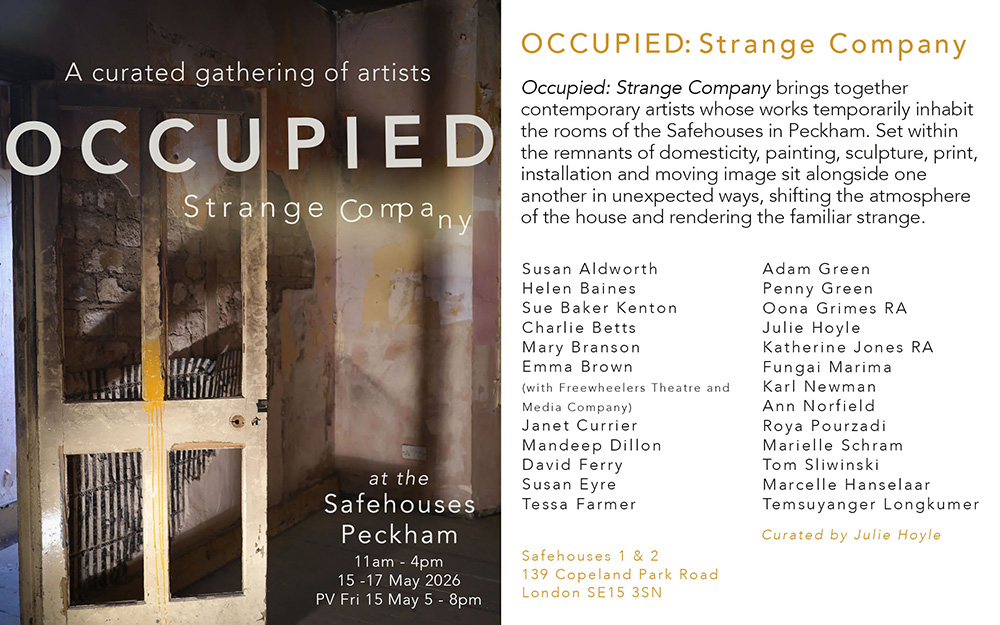
I am excited to be taking part in the upcoming occupation of the Safehouses, Peckham with such a fabulous selection of artists.

Curated by Julie Hoyle the exhibition brings together a cross-section of artists from Royal Academicians to emerging practitioners, alongside artists working within disability and community contexts.
Works include painting, sculpture, print, installation, ceramics and moving image. Moving through rooms, staircases and thresholds, visitors will encounter works that move between the intimate and the uncanny, the material and the imagined.
I will be showing work informed by the otherworlds of creatures we share our spaces with as exotic places of discovery and sites of emerging or alternative consciousness.
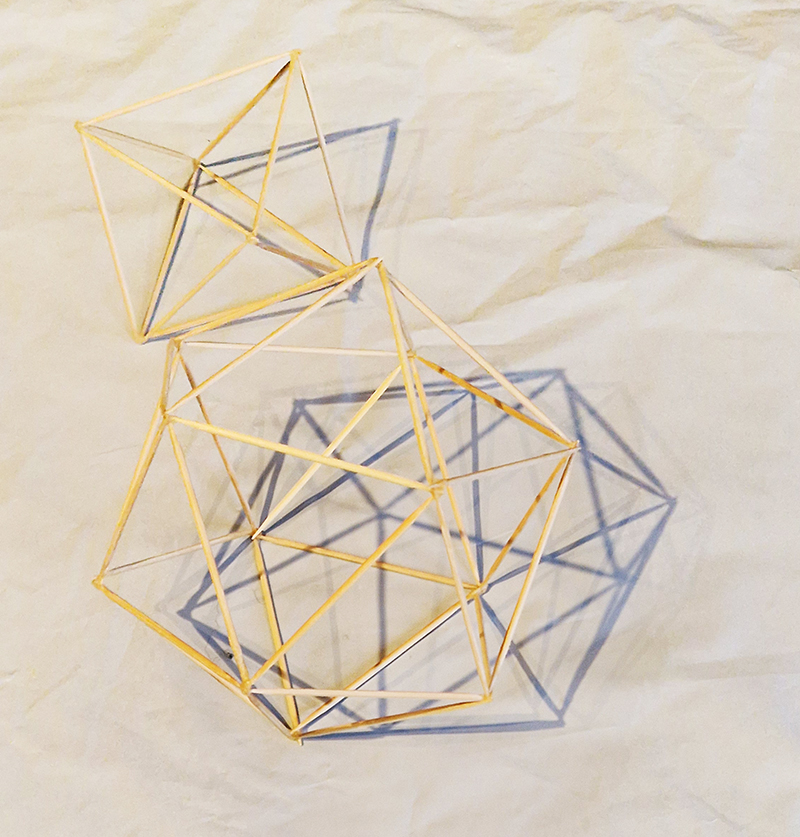
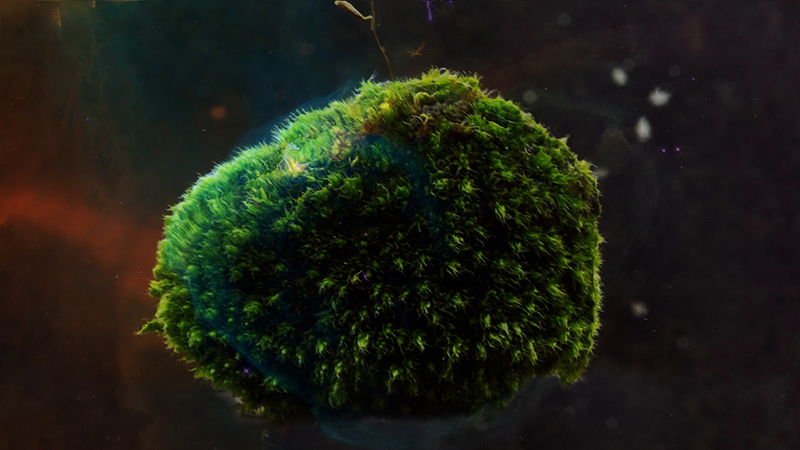
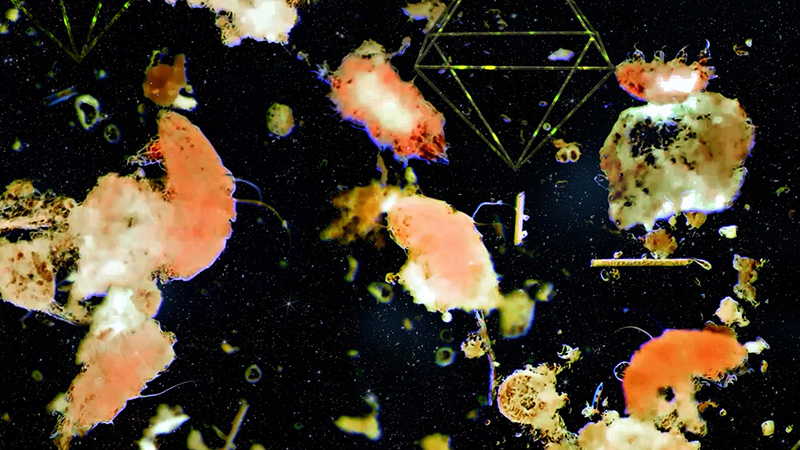
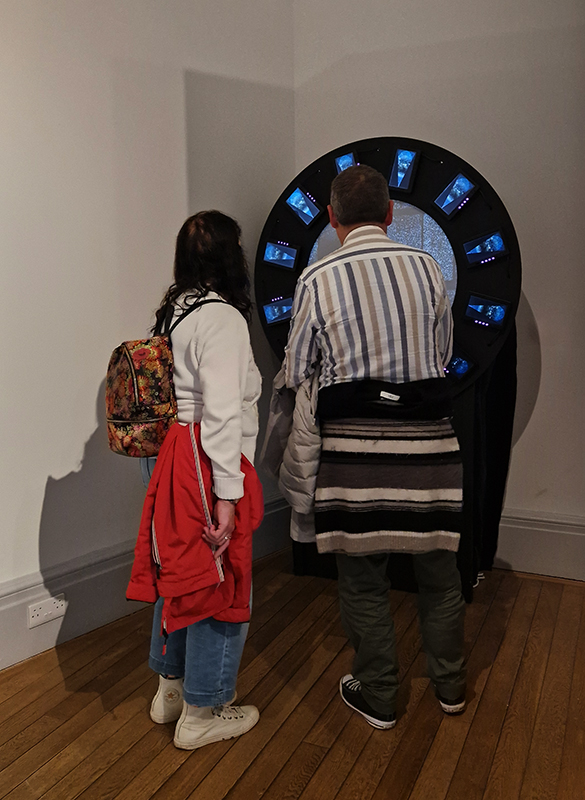
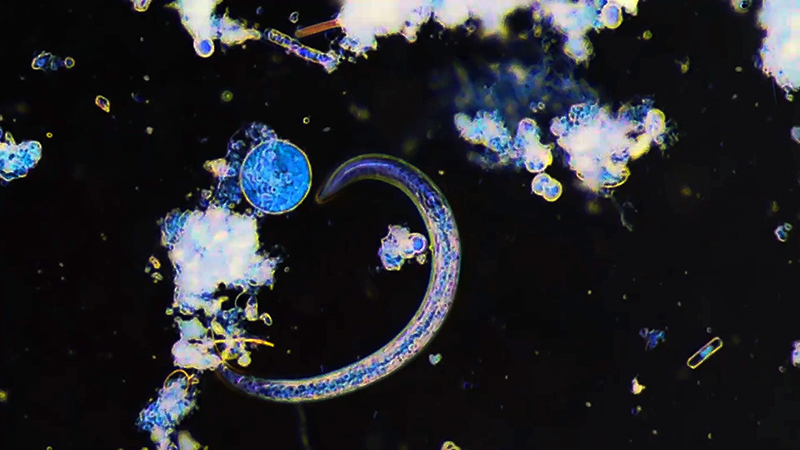
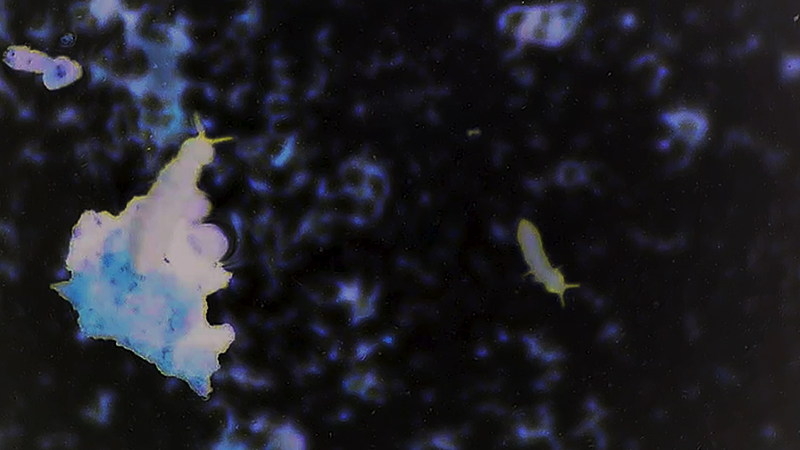
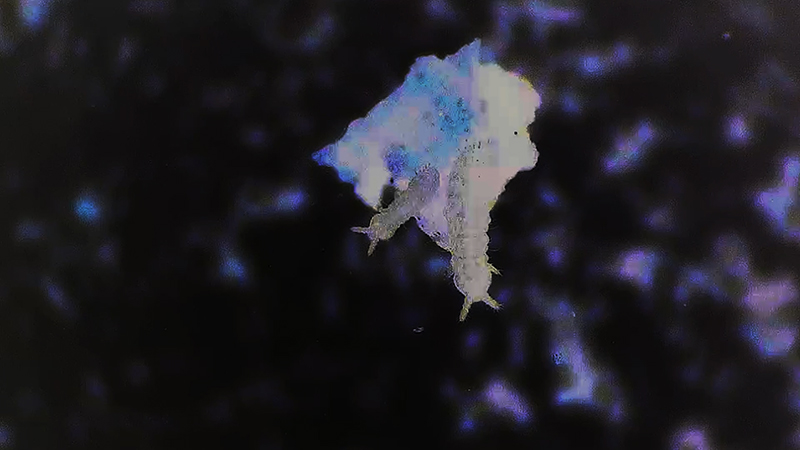
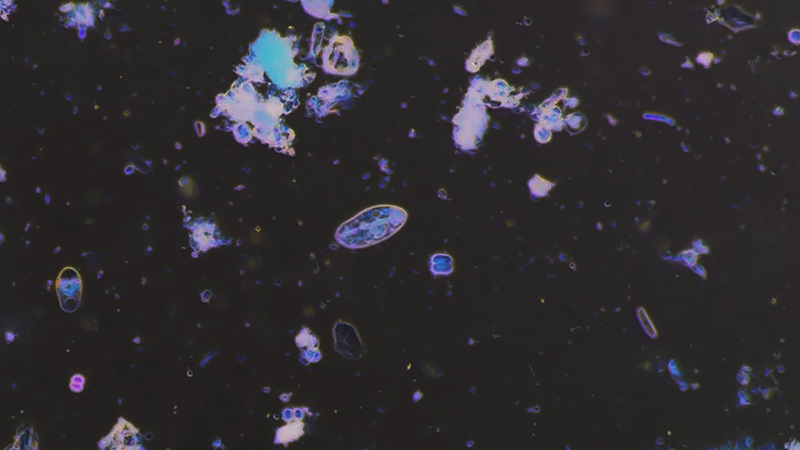
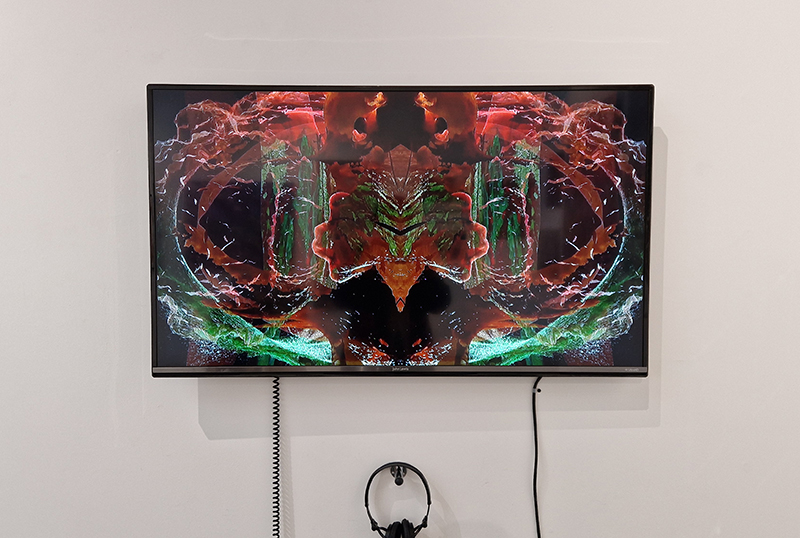
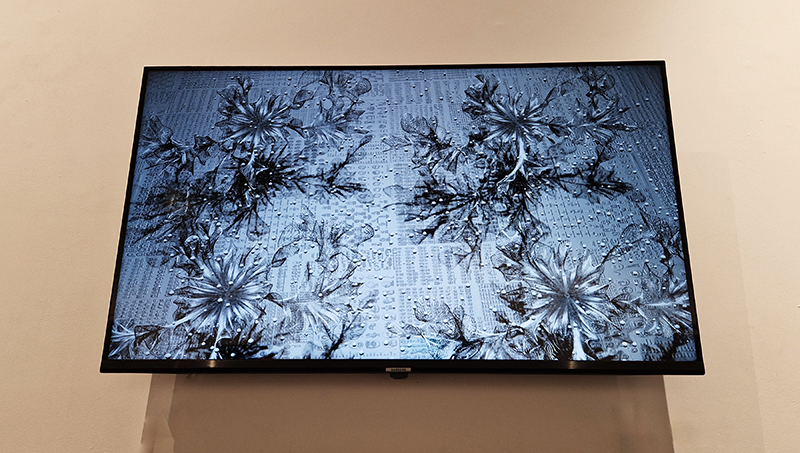
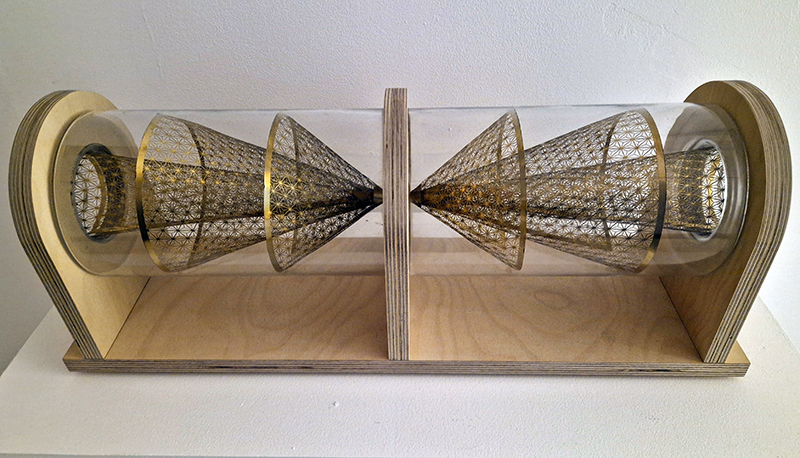
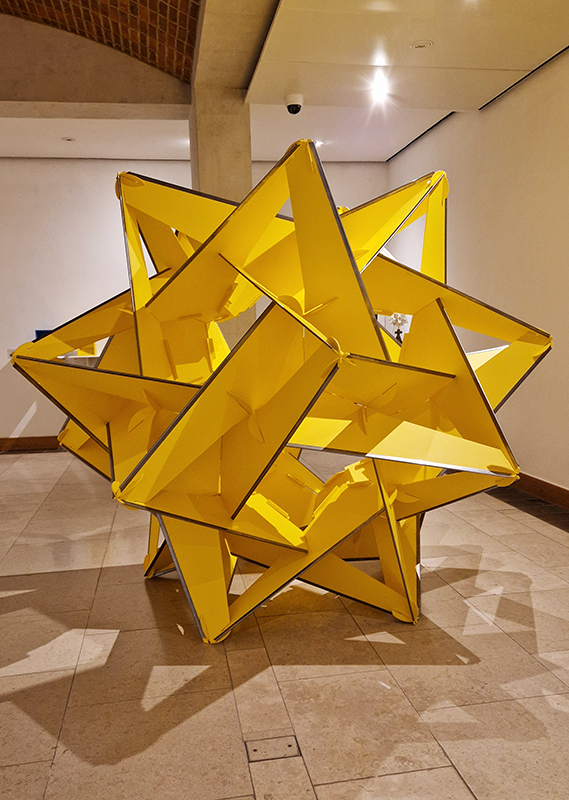
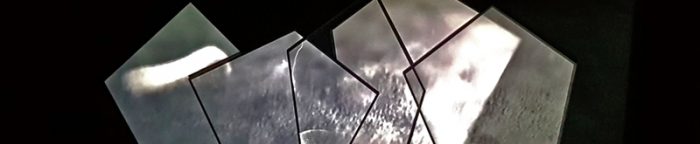
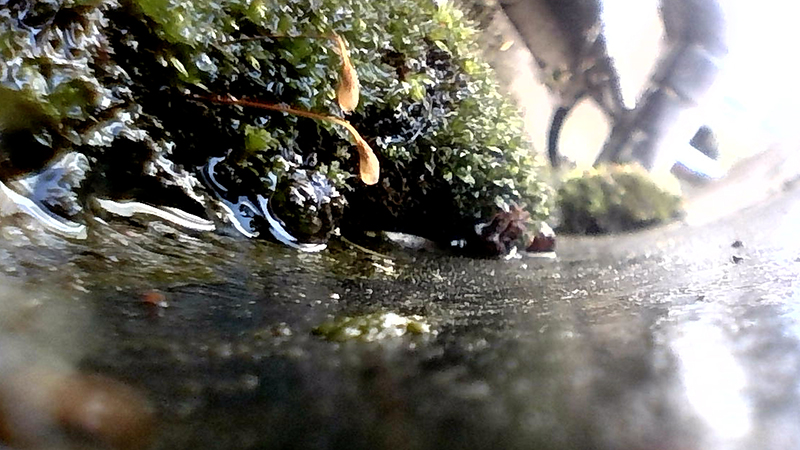
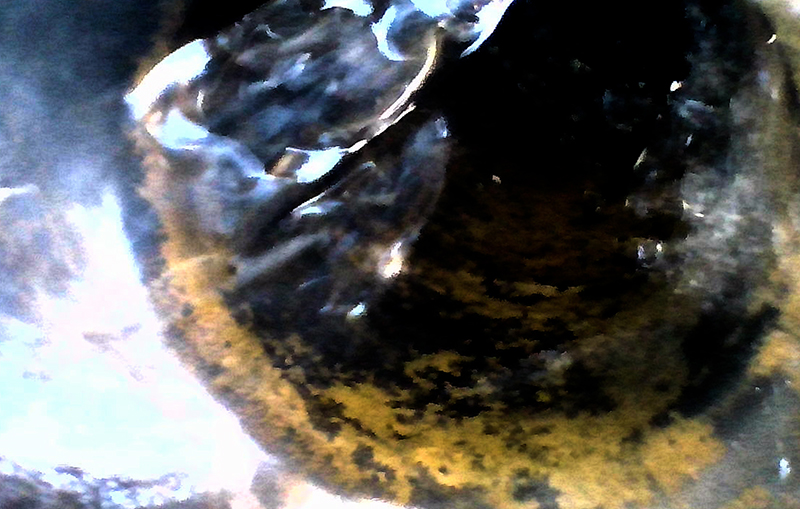
I have been working on a new video Guttanaut thinking about the extraordinary diversity of life we share our planet with and the invisible creatures found very close to home. This has involved gathering moss from my house gutters and filming the life found within under my microscope, recording the sounds of the gutter with a hydroponic microphone and inserting an endoscope camera into the gutters and drainpipes. Gutta, as used in the title, originates from the Latin meaning  ‘a drop’. For the microscopic explorers in this film, a drop of water may comprise their whole universe. They are very tiny and I have been astounded at the variety and energy of the life found here. I have made some icosahedron and octahedron shapes that represent the elemental qualities of water and air to accompany the projection and also to appear in the film in the guise of satellites or modes of exploration.
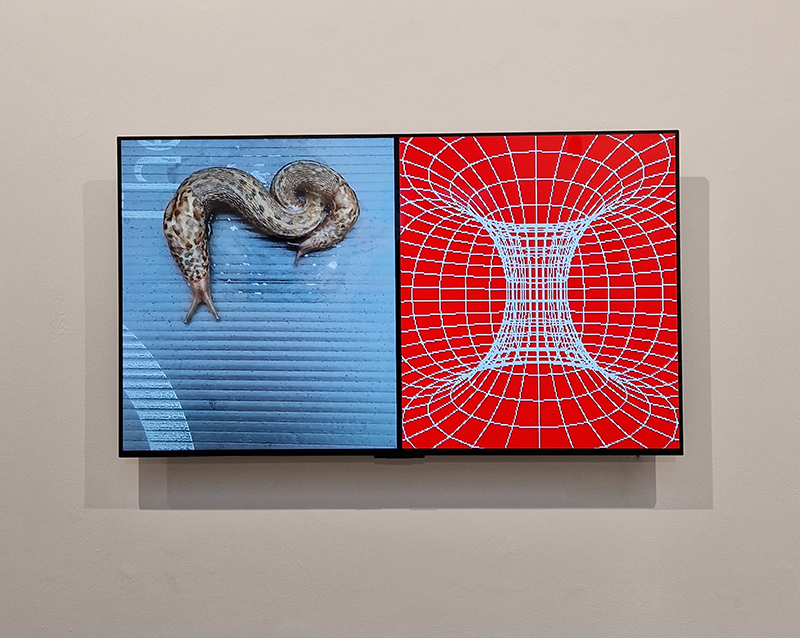
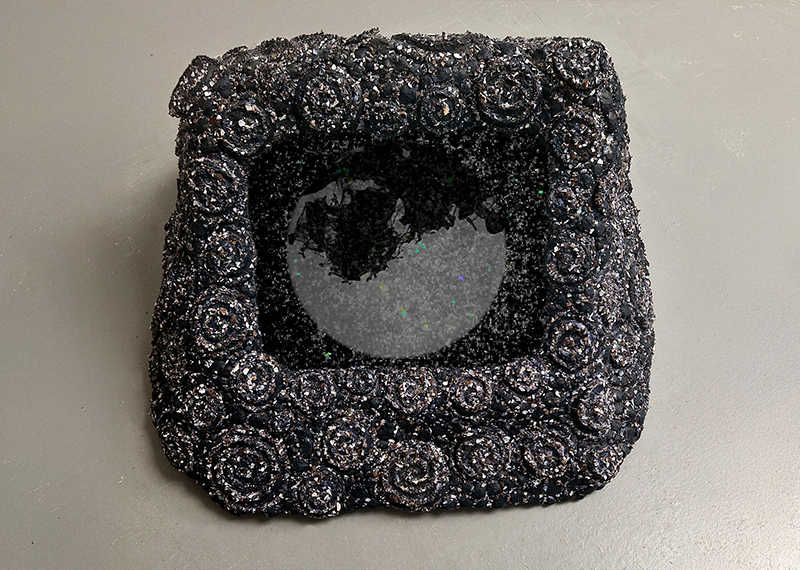
I will also be showing Belly of a Rock, a hybrid between rock, mollusc and technology, this video sculpture reflects on an early lifeform’s emerging self-awareness, desire to communicate and urge to create. These works celebrate the extraordinary found in hidden corners. Molluscs are known to show a synchronized response to the moon, altering their behaviour based on both light intensity and tidal movements associated with the lunar cycle. They use the moon as an environmental cue to adjust feeding times, metabolic activity, and reproductive spawning. It may be that these behaviours are adapted to match the movement of plankton, which is also affected by moonlight, or to ensure they are submerged during high tide, which is influenced by the moon’s gravity.
Great to have another studio visit from curator Catherine Li in preparation for my upcoming show at Brompton Cemetery Chapel. The title will be, Appearances are a Glimpse of the Unseen, a quote attributed to Anaxagoras, a pre-Socratic philosopher, exiled for controversial natural explanations of the cosmos. It suggests that despite the limitations of human senses we can discover the underlying structure of reality through careful observation and reasoning. Aligning to the precepts of scientific enquiry, in studying the “appearances” of the visible world to reveal the imperceptible, Anaxagoras concluded that matter is made of finely mixed ingredients and wholly entangled so that “everything has a portion of everything,” and it is “Nous” (the mind), that acts as an organising force in creating reality by relating what is seen to what can be inferred.

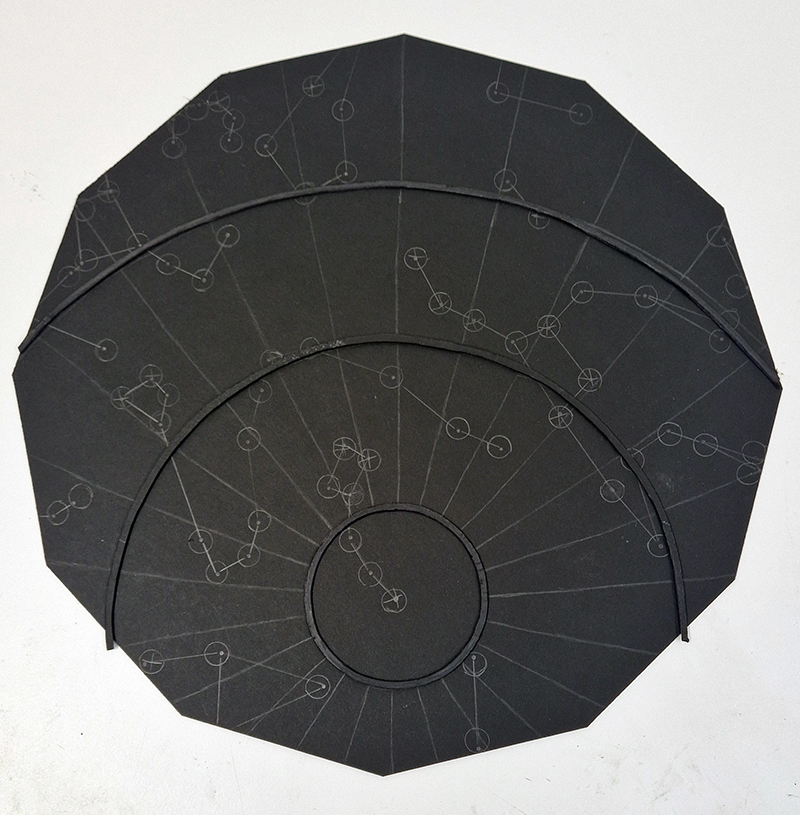
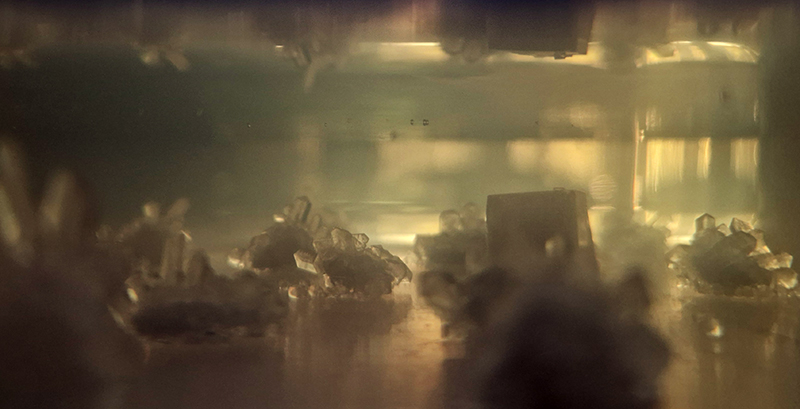
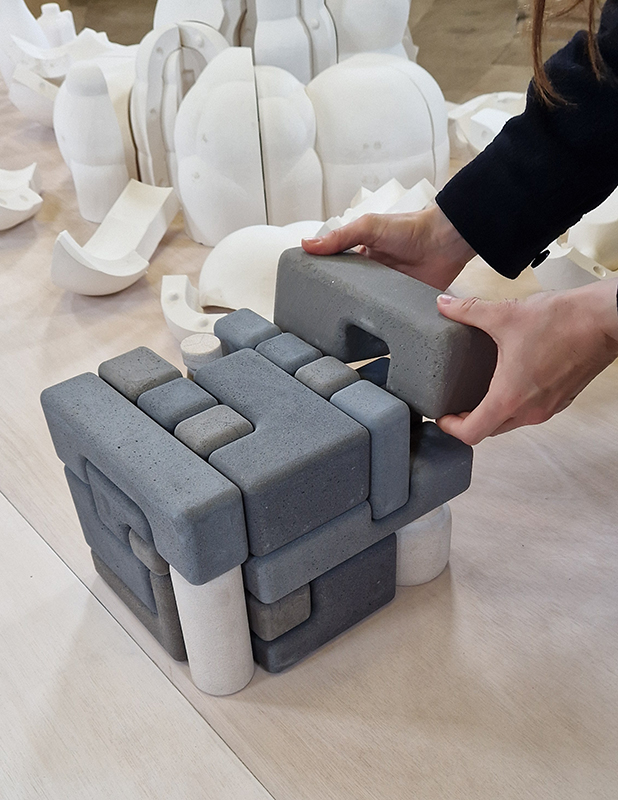
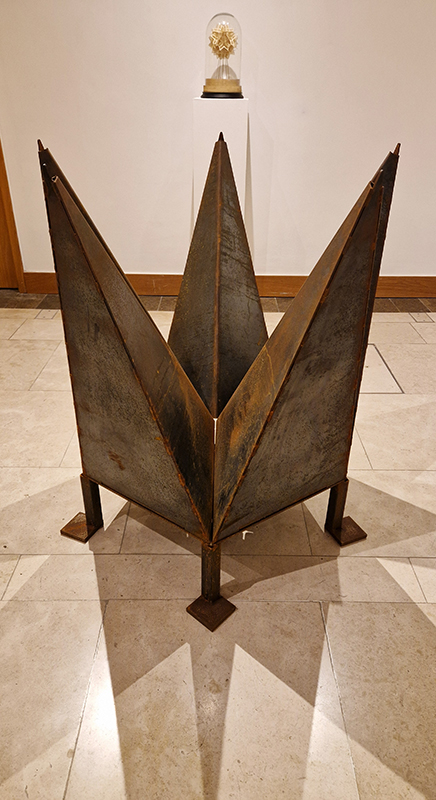
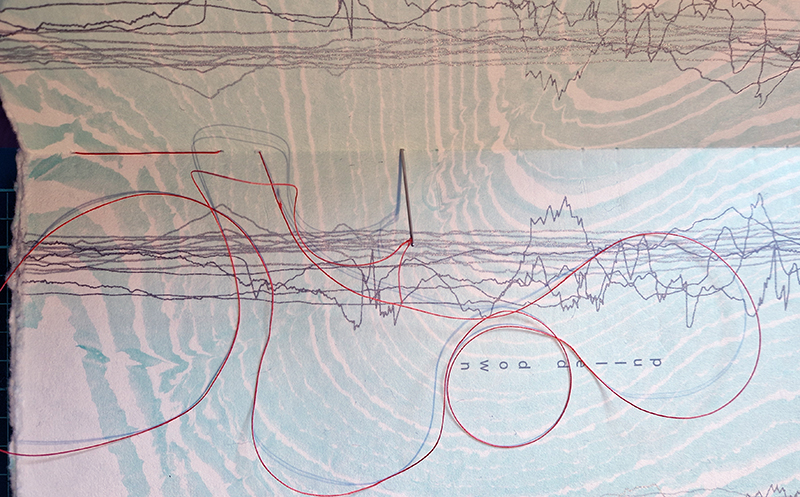
I will be showing some existing and some new works that draw on the desire to see what is beyond our horizons, question how we interpret the world around us and consider what influences our perception of reality. I have been stitching the Book of Reversals, a poetic interpretation of the formation of planet Earth and its turbulent internal fluid core that generates an unpredictable but protective magnetic field prone to sudden changes in polarity. I am adapting an old slide viewer to show crystals changing colour using a polarising filter. I am making a new edition to the series of sculptures Instruments of the Anemoi – this one is based on a star chart, centred on the star Thuban, which was the pole star before Polaris. I am experimenting with black concrete, though it may end up being dark grey, and I am growing crystals as analogues for the stars. Also, it was great to have the opportunity to set up the sculptures of everydaymatters in an empty studio to assess their inclusion in the show.
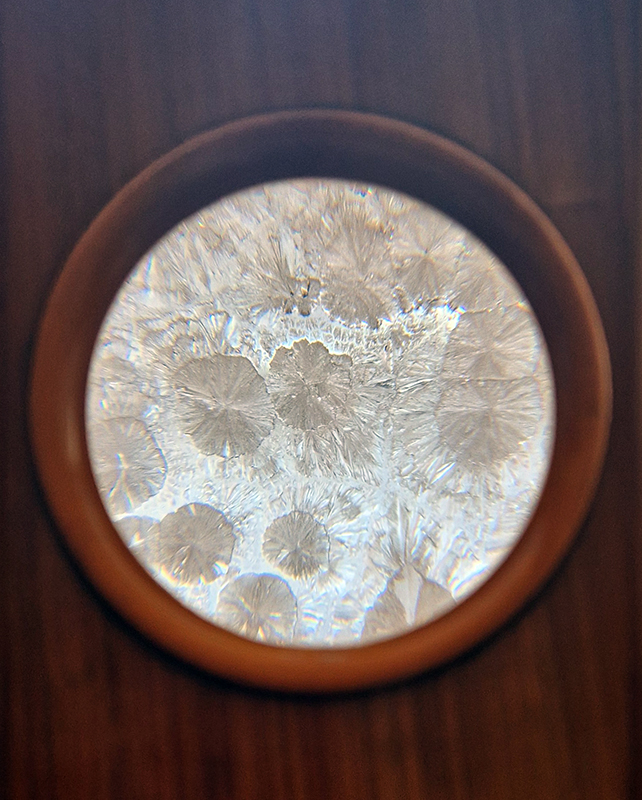
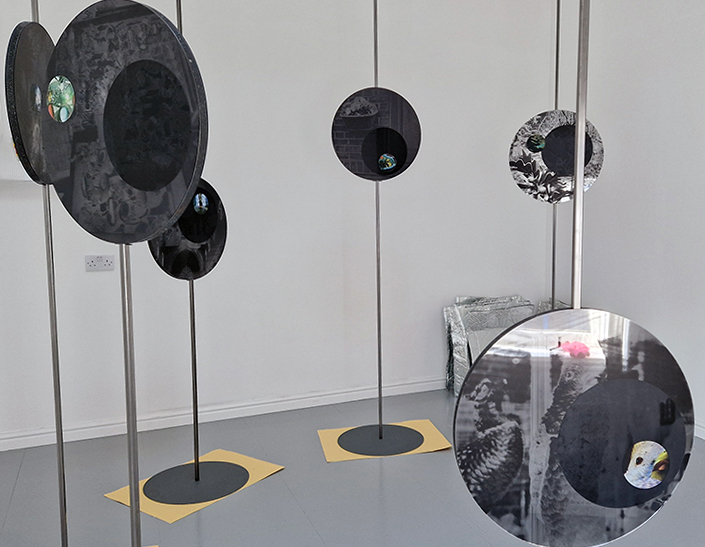
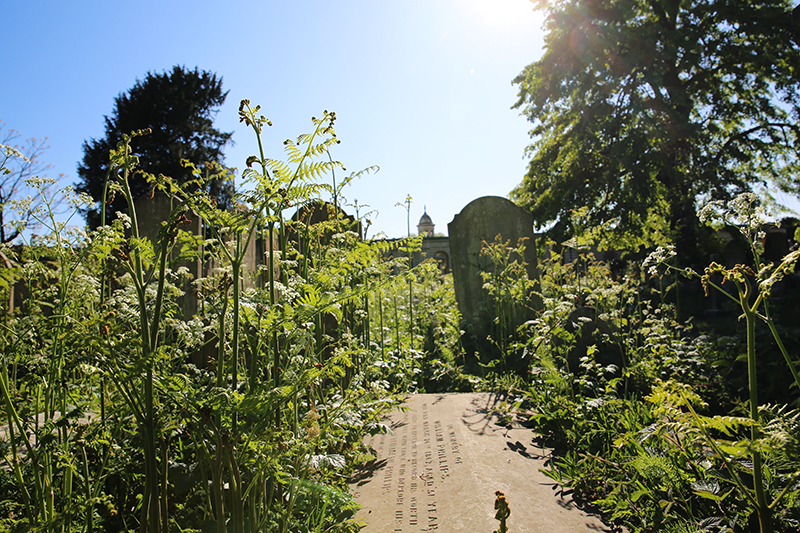
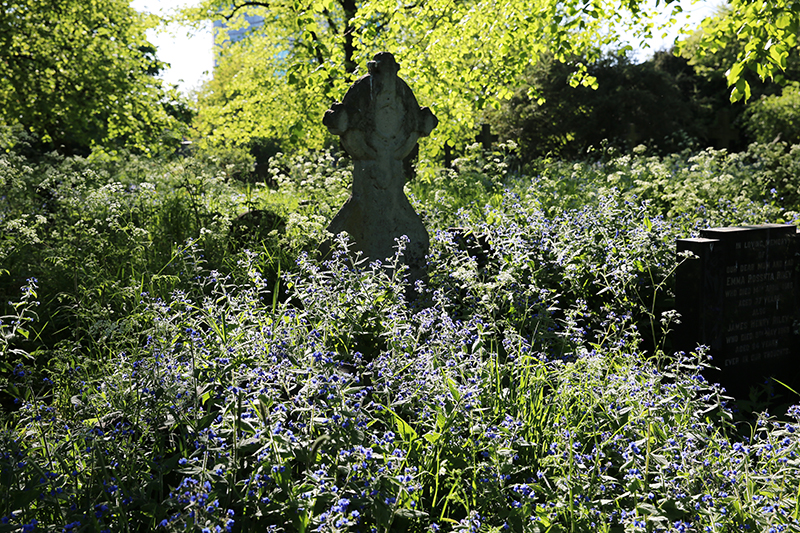
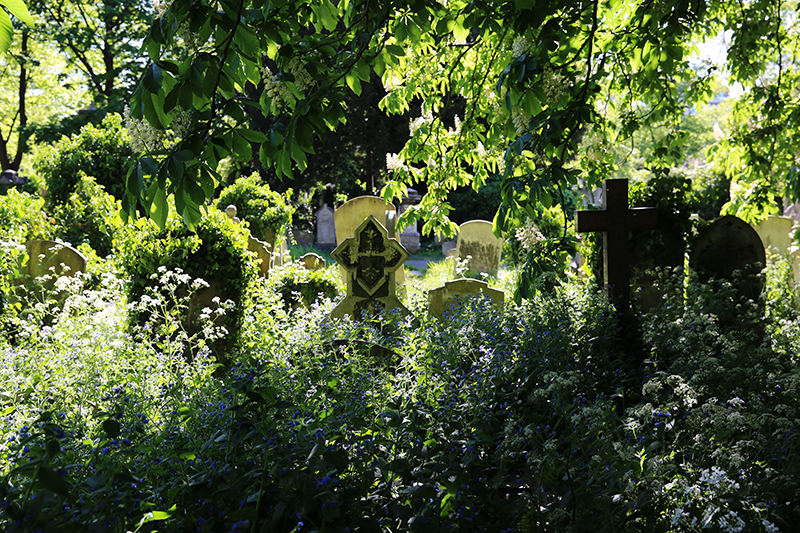
I also spent some time in the cemetery taking photos for new images to print on organza and float in water for a site specific edition of work submīrārī (earthbound) that reflects on this place of acutely felt impermanence with weathered stones, encroaching nature and the many carved dates of remembrance receding and fading.
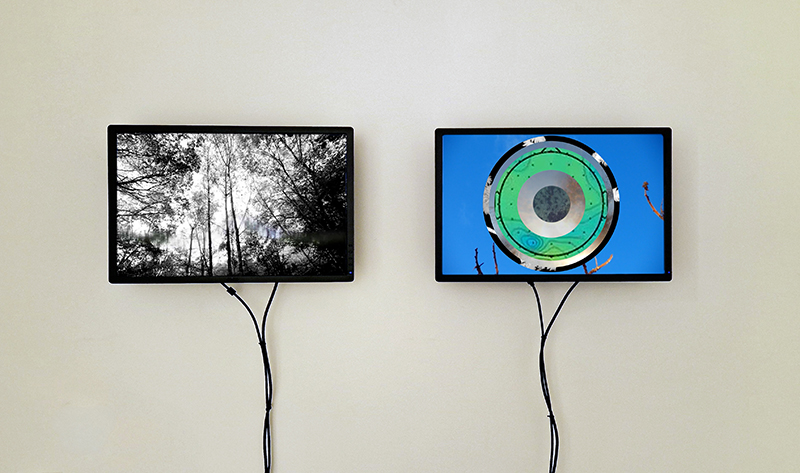
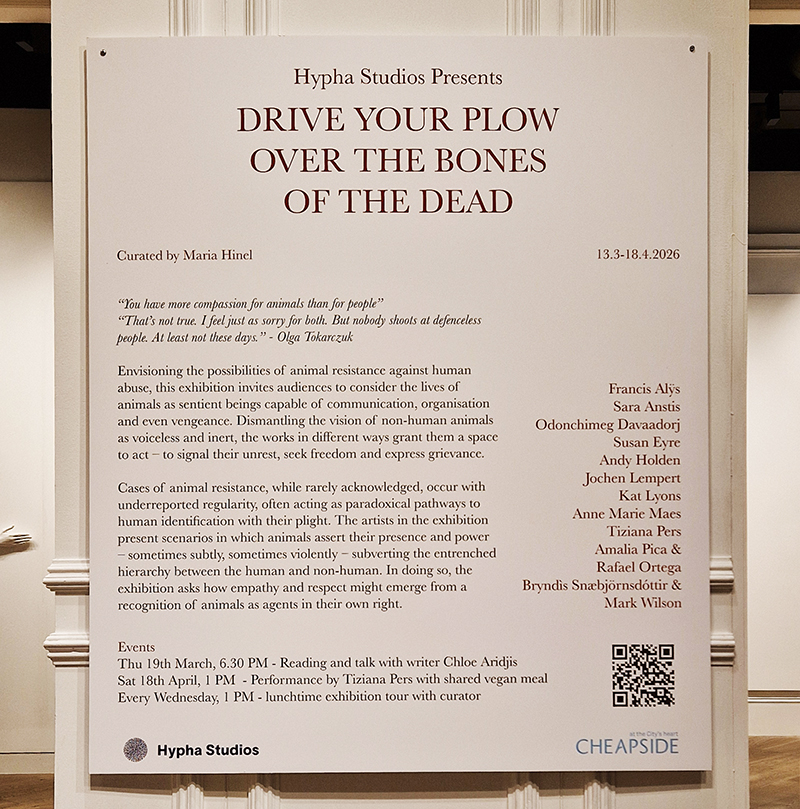
I was happy to speak about my work Radical Pair for a special invitation curators tour in the last week of Drive Your Plow Over the Bones of the Dead. The exhibition was beautifully curated by Maria Hinel who has an impressive art history knowledge and can also speak in real depth about the works she curates. I enjoyed hearing more about the other works in the show which draws on the novel by Nobel Prize-winning author Olga Tokarczuk and the works of William Blake, asking what forms of empathy might emerge when animals are recognised as ethical and political agents in their own right.
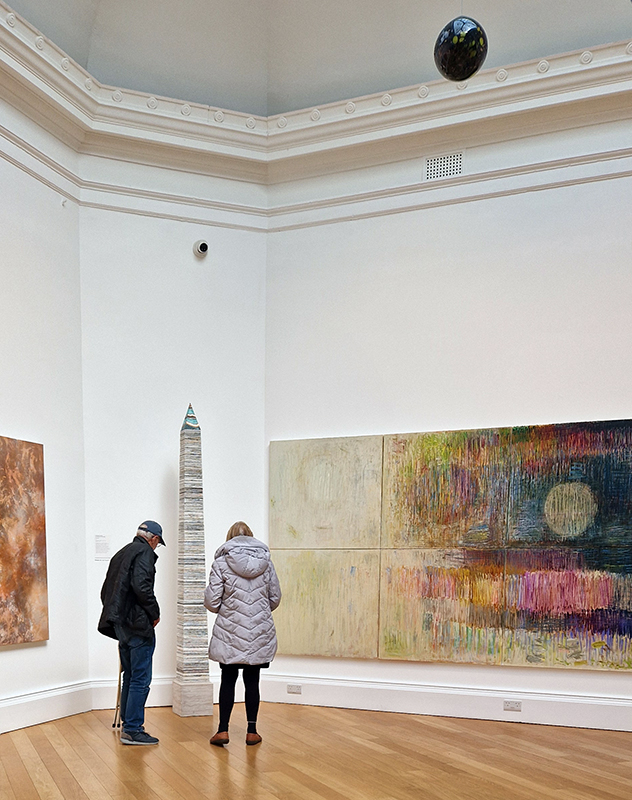
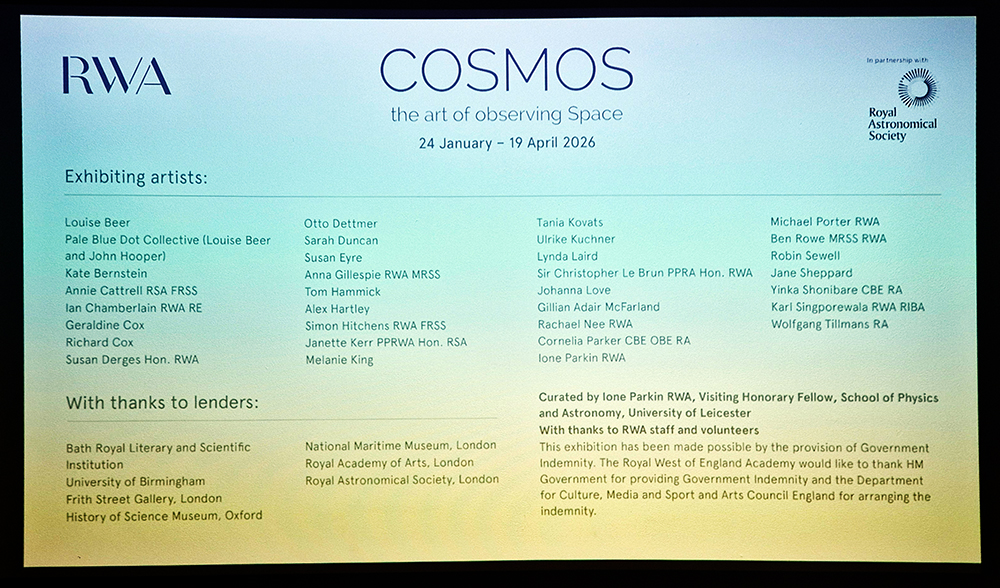
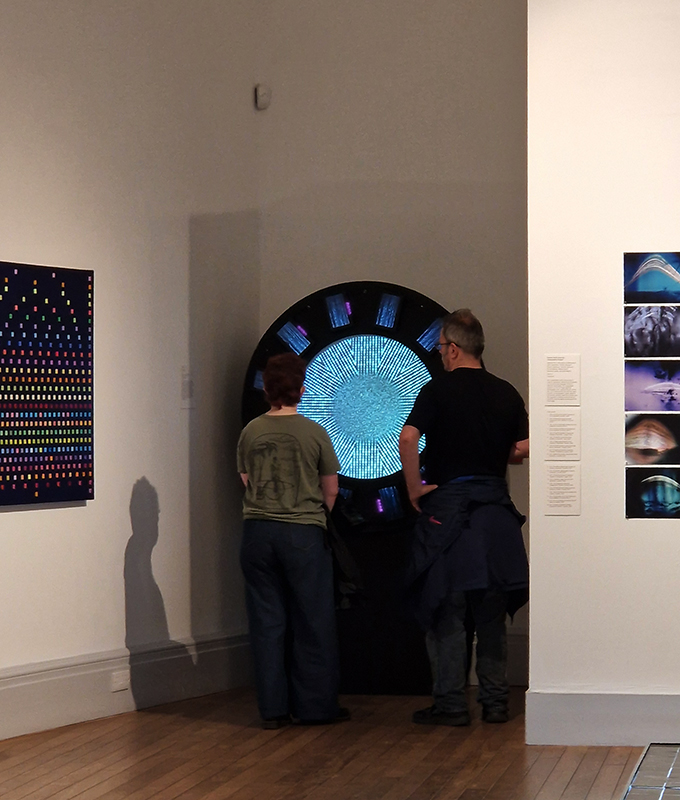
I made a trip to Bristol to spend some time with the works in Cosmos: the art of observing space at the RWA during the final week of the show. Such a rich selection of work to enjoy and it’s always nice to see people engaging with your own work. It hardly seems any time since install and now it has to come down. Great news though that the exhibition will be travelling to Aberdeen Art Gallery later in the year. It will be interesting to see how the works will be curated in a new space. It was an honour to have The Obelisk (of sedimentary knowledge) sitting between Ione Parkin’s Volatile Phenomena painting and Sir Christopher Le Brun’s Phases of the Moon IV of which he says ‘Compelling and grave, the Moon is one of the most haunting of natural symbols- more felt then understood. Here it is shown in a narrative of day and night, with passages of cool and warm light succeeding each other’.

The exhibition has been really popular and Ione did an amazing job alongside the Royal Astronomical Society to bring together such a diverse range of contemporary artwork inspired by themes of astronomy, cosmology, astrophysics, planetary atmospherics, solar dynamics, space exploration and celestial mechanics as well as many astronomy-related items of historical significance loaned from public collections.
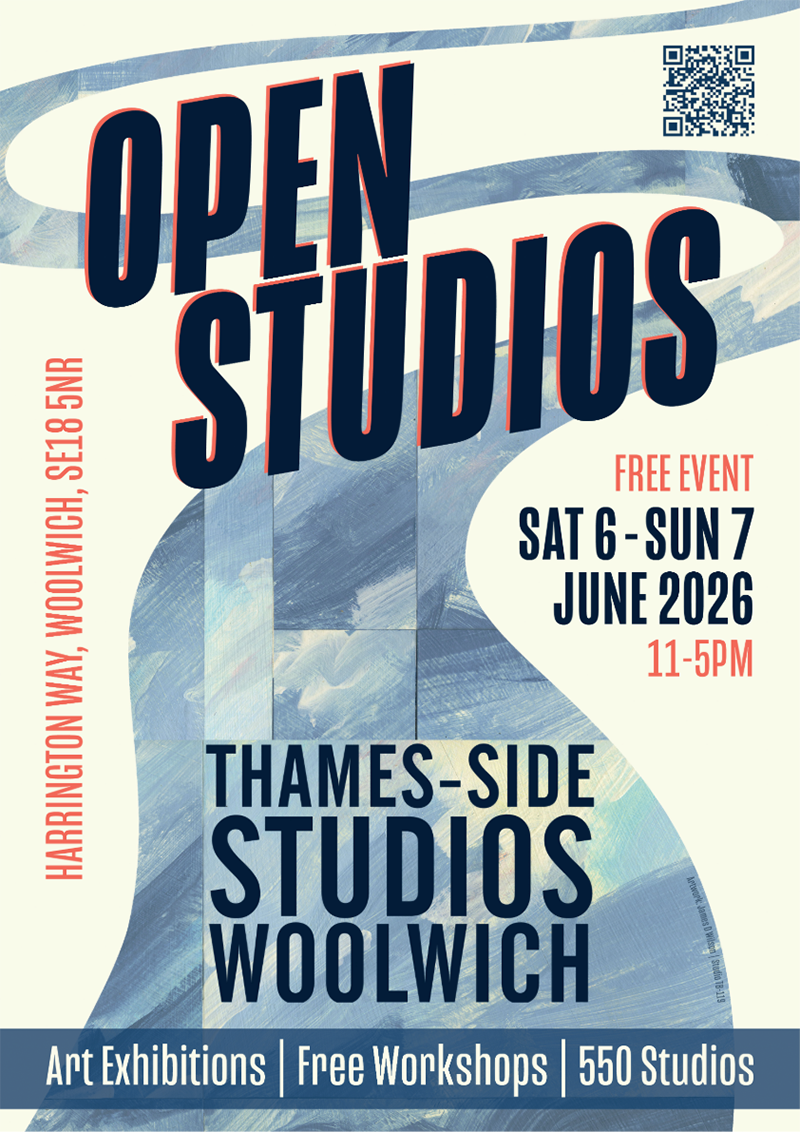
I will be opening my studio door for the upcoming Open Studios. It’s also a chance to meet the other artists in my corridor many of whom are new this year.
Out and About

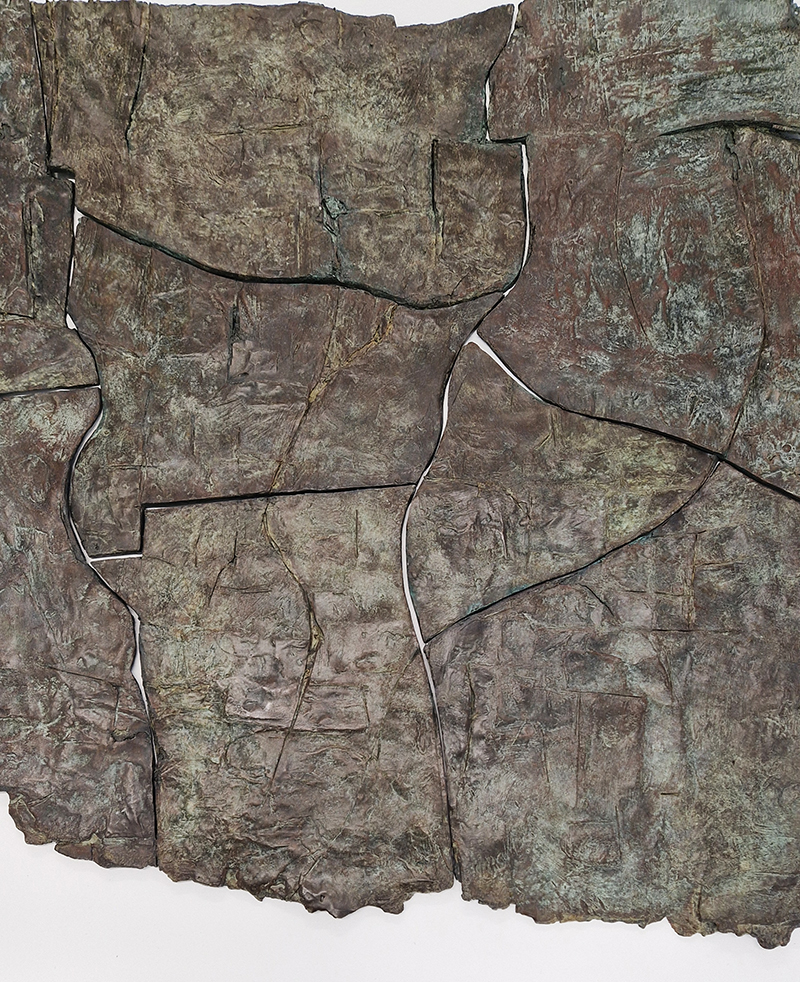
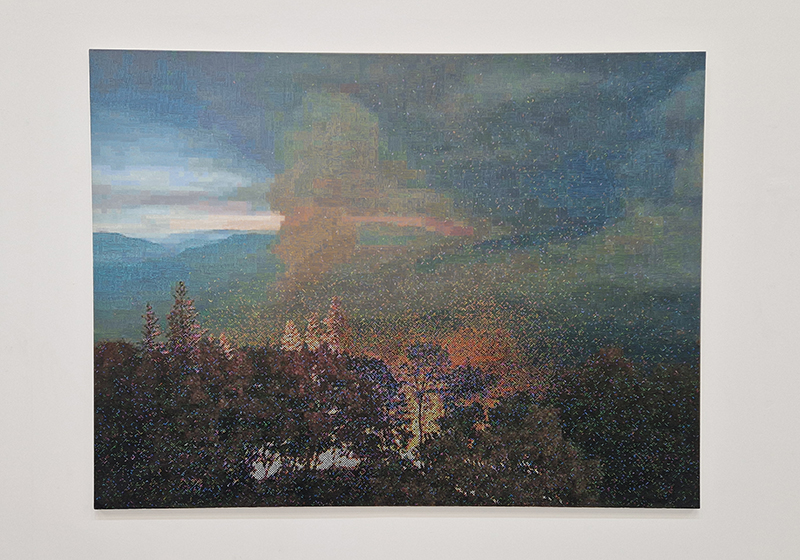
Making Ground curated by Andrew Ekins at Thames-side Studios Gallery, brings together artists whose practice finds common ground in an exploration of the relationship between a topographical terrain and a crumpled landscape of the human condition. Featuring: Kabir Hussain (sculpture in bronze), Dan Hays (conflation of digital technology, and the tactile, flawed and time-consuming medium of painting), Graham Crowley (luminous discourse), Simon Callery (painting rooted in materiality), Andrew Ekins (sediment of experience and memory), Joanna Whittle (real and imaginary landscapes), Harriet Mena Hill (repurposed salvaged material), Laura White (changeable matter).
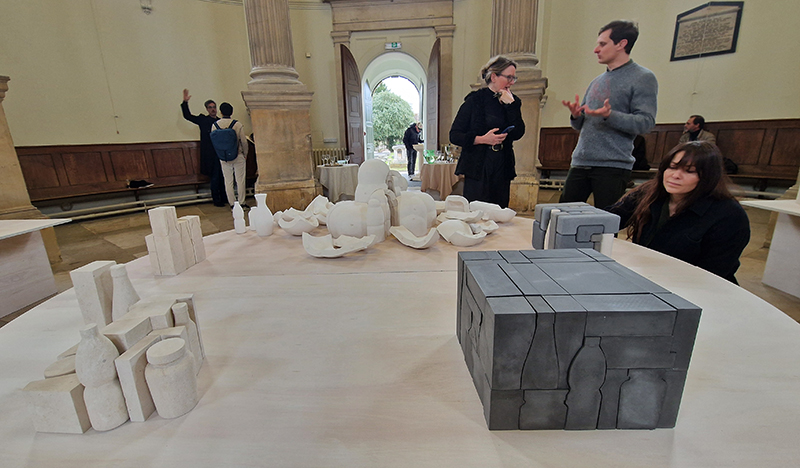
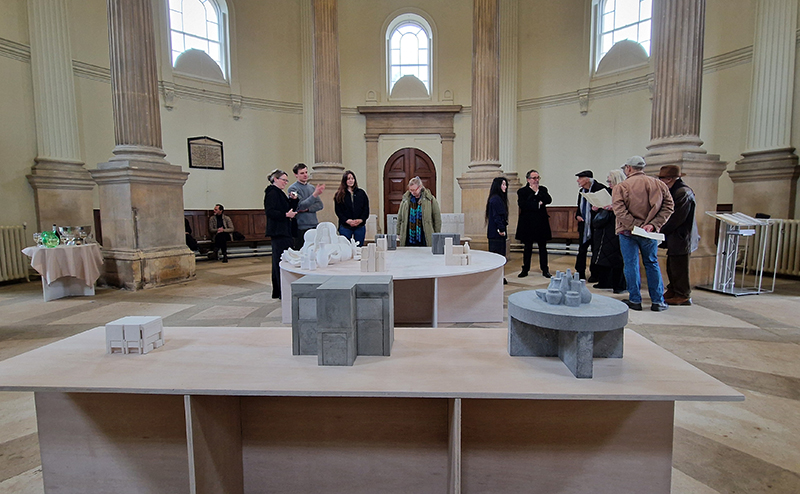
Gabriele Risso Vita Immobile at The Chapel at Brompton Cemetery curated by Catherine Li. Stone within stone within stone. The simply presented works in stone, which in themselves allude to the potential shapes that sit within the sculptors block, outlining simple objects or interconnecting forms as intricate puzzle boxes, sit beautifully within the stone chapel.
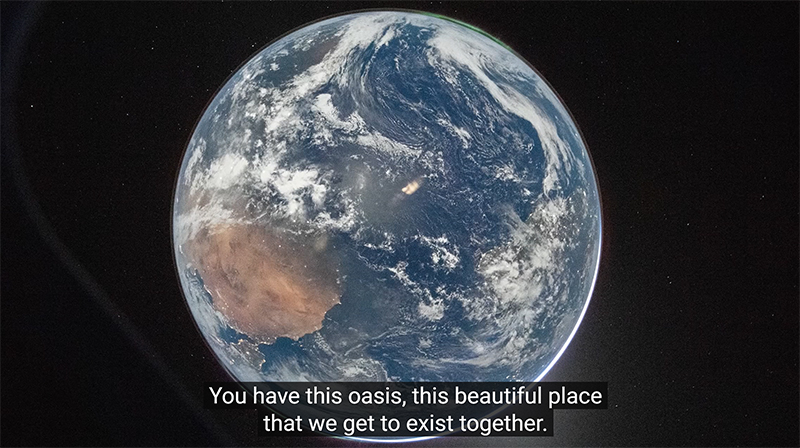
I completed watching series 2 of For All Mankind which is set in the 1980’s with a base camp already on the moon and ongoing jostling for space supremacy between USA and the Soviet Union that ends in an unlikely accord. So my mind is full of moon fiction while also watching the launch of NASA’s Artemis II and the videos of the astronauts Reid Wiseman (commander), Christina Koch (mission specialist), Victor Glover (pilot), and CSA astronaut Jeremy Hansen (mission specialist) as they fly the farthest humans have yet been into space on a 10-day journey around the Moon and back to Earth.
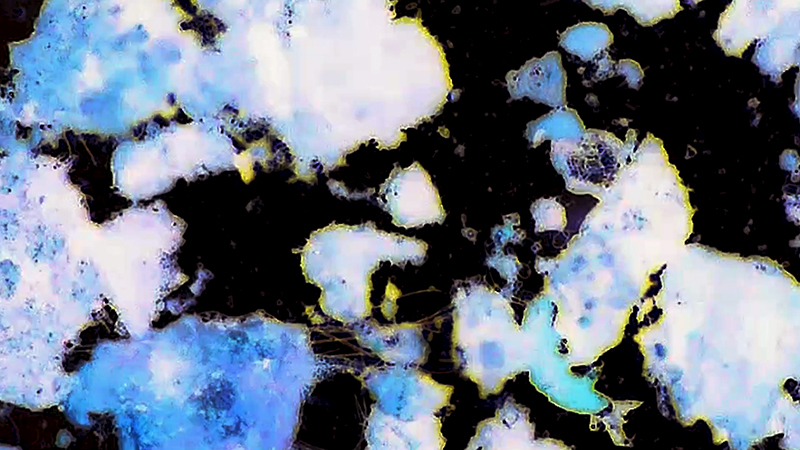
I am enjoying discovering the gutter creatures who share my home. Gathering video footage of an alternative cosmos to go towards making work which will be shown in Occupied: Strange Company at the Safehouse next year, a group exhibition curated by Julie Hoyle.

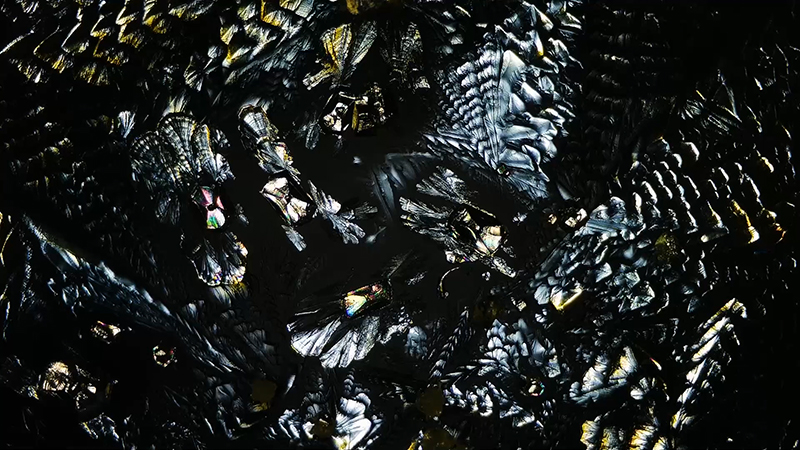
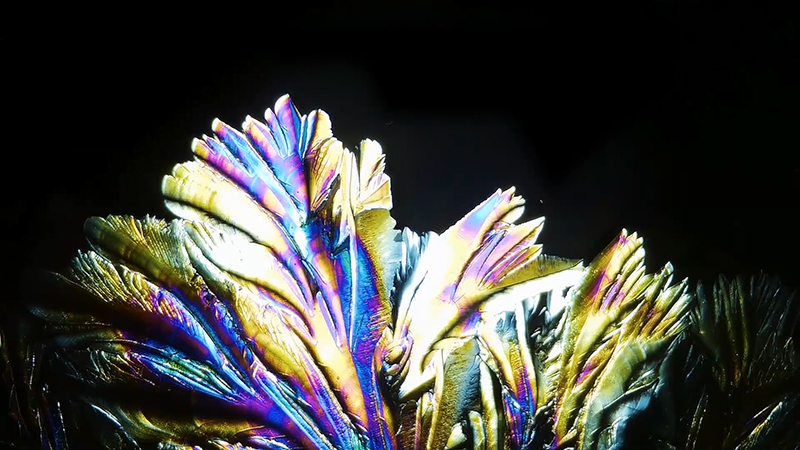
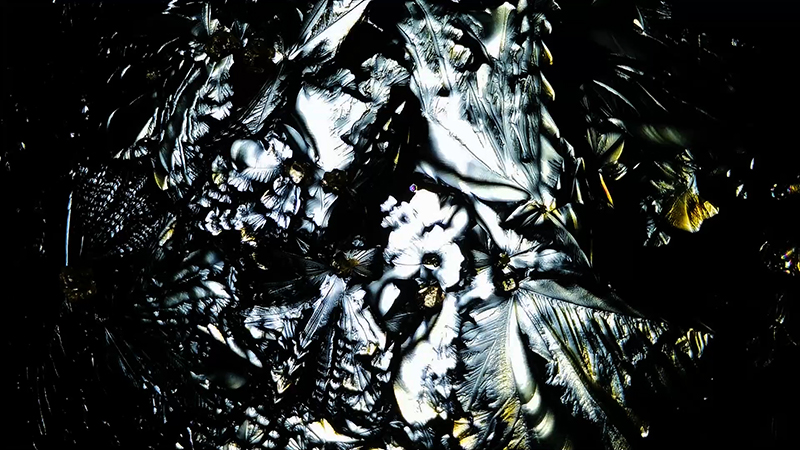
My experiments growing citric acid crystals have been going well. I am filming these transformations under polarised light which reveals the many vibrant colours but I also like the images without the filter. The structures remind me of feathers so I am thinking about creatures that flutter as well as those that swim.

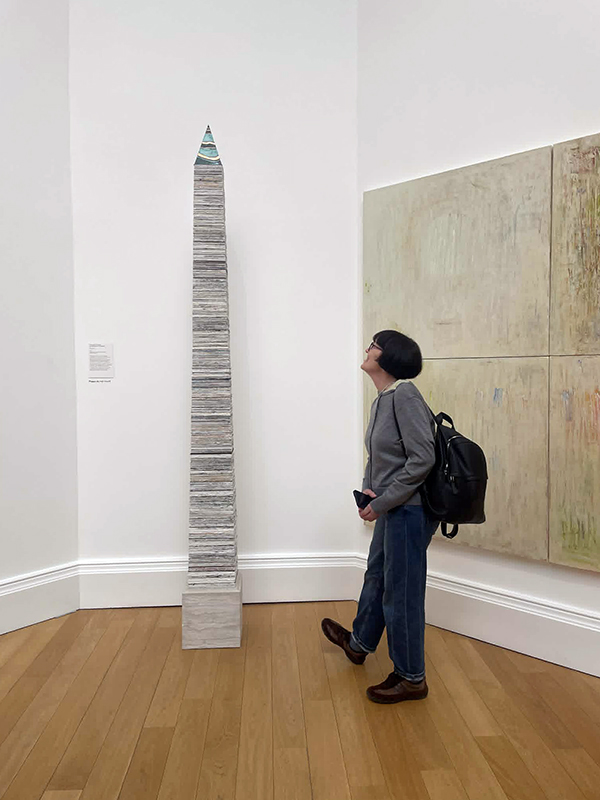
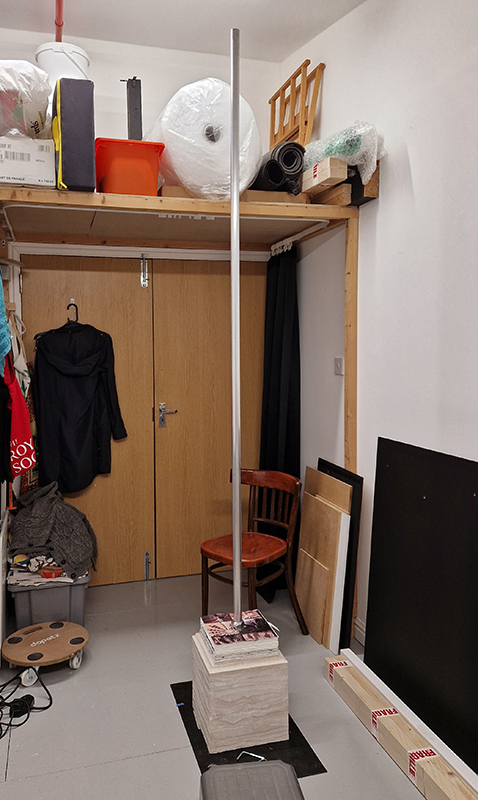
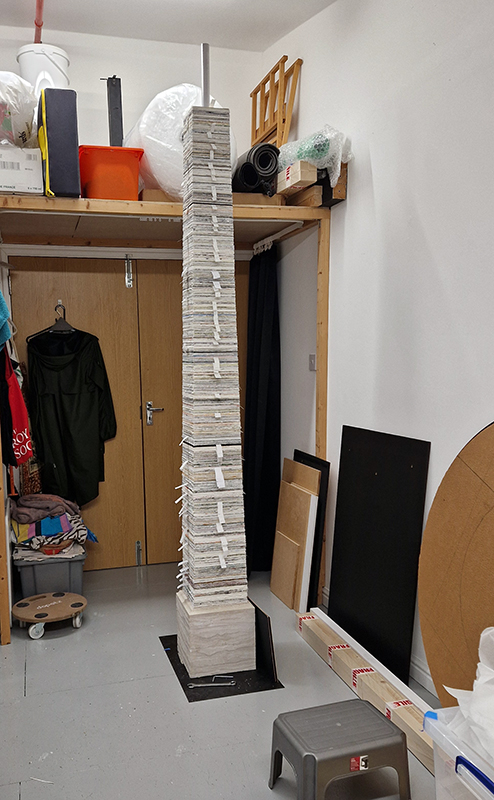
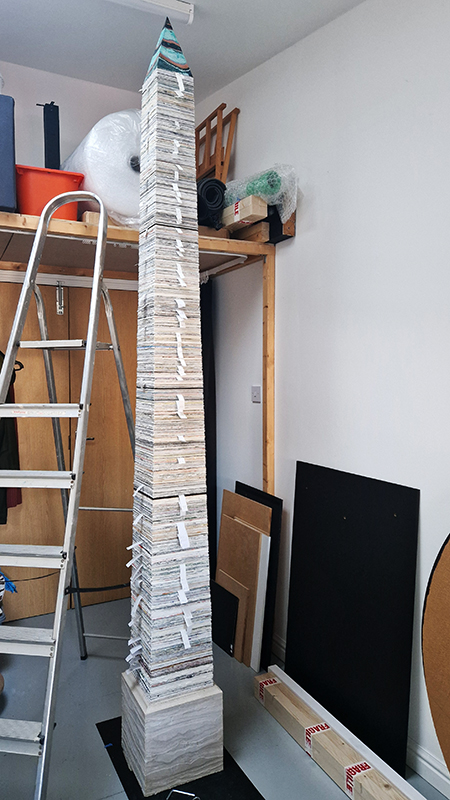
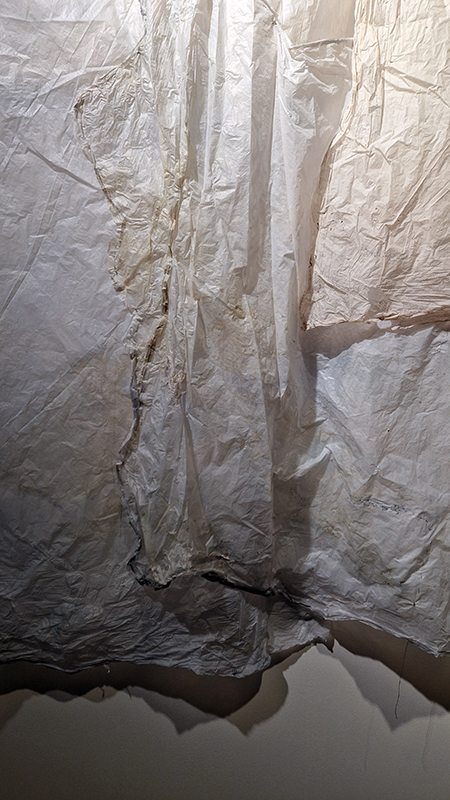
Time in the studio has been spent checking over and preparing works that will be showing in Cosmos: The Art of Observing Space curated by Ione Parkin which opens in the new year. I am thrilled to be part of this exhibition bringing together contemporary and historic artists and featuring an extraordinary range of work inspired by the cosmos. I have completed a test build of The Azimuth Obelisk (of sedimentary knowledge) using a new internal structure for before packing it all away again ready for transport to The Royal West of England Academy in Bristol. This work is a reimagining of an permanent azimuth mark erected at Hartland Magnetic Observatory in North Devon from which the drift of the magnetic north pole is monitored. Made of many layers hand torn from recycled works on paper it echoes the geological and magnetic history of the Earth which is secreted in the strata of sedimentary rock. The protruding tabs of paper seen in these studio images are markers for each section of paper squares of a tapering size and will get tucked away at installation in the gallery. With the added thickness of my new studio roof insulation the obelisk only just fits in now.

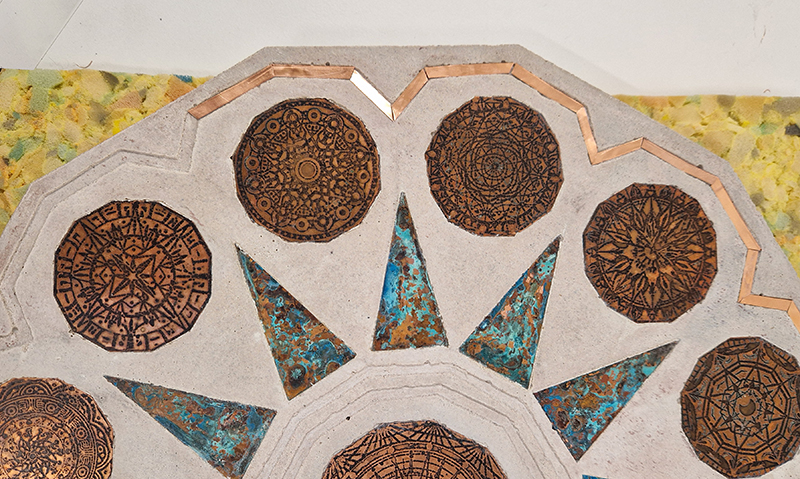
I have started work on inserting copper segments into the new sculpture for the Instruments of the Anemoi series. The other larger pieces of etched and patinated copper were added at the time of casting, held in place with tape and hope when the concrete was poured into the mould. This series of sculptures are suggestive of the pedestals that support various instruments used in monitoring the Earths’ magnetic field but are envisaged here as speculative objects used by the wind gods as the first emissaries of navigation.

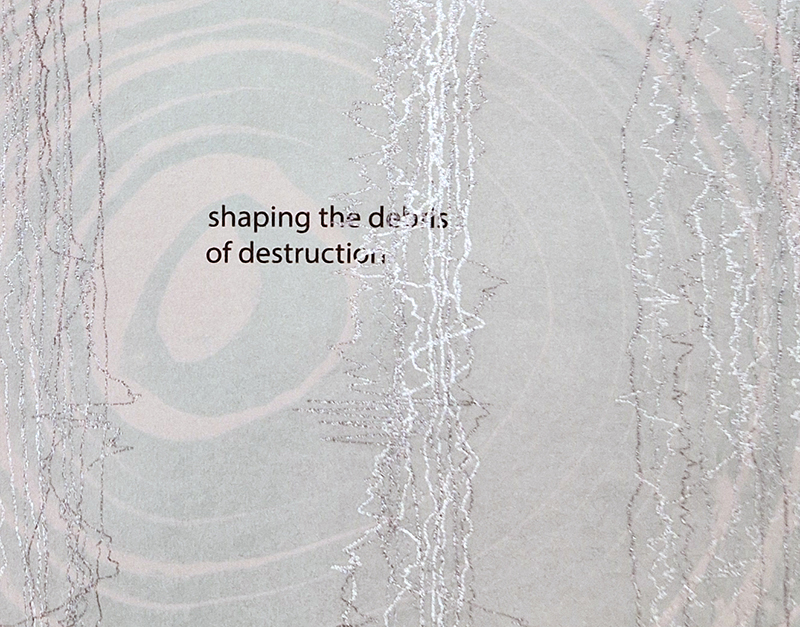
I am still battling with writing text for The Book of Reversals, an artist book that responds to the record of Earth’s magnetic field reversals being written in bands of minerals on the ocean floor.

The crisp crust fractures / Fragments slide across a viscous veneer

Submarine mountains tower / Ocean trenches gape

Tectonic plates subduct / melting into the mantle 

Deep time traces are consumed / surfaces ceaselessly reformed

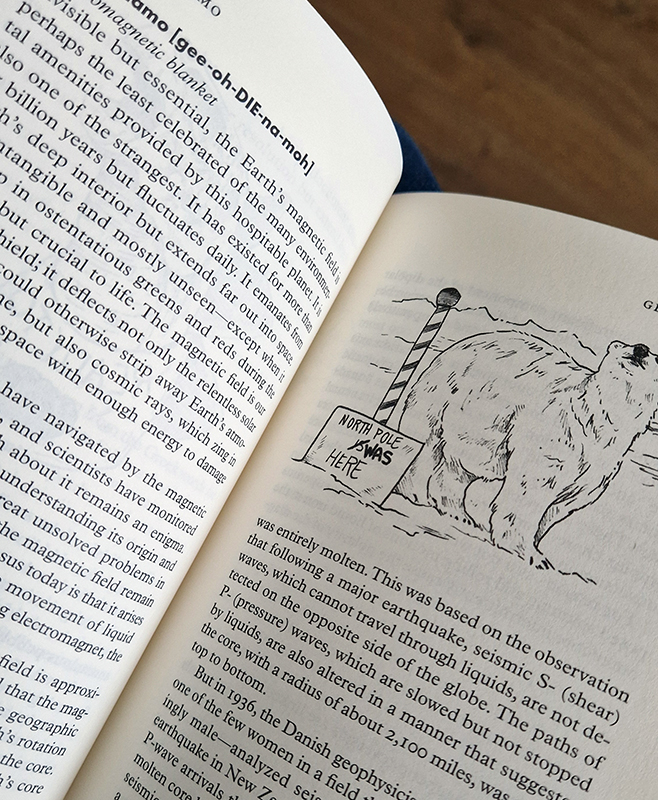
The Earth’s magnetic field has been a fascinating mystery for many hundreds of years and Gillian Turner’s book North Pole, South Pole recounts the stories of those who sought to solve its origin and mechanism. Something I hope to look at in more depth is how pottery and bricks preserve the direction of the magnetic field in their minerals during the process of firing which heats and then cools the clay – the same process that occurs in a lava flow. Iron-bearing minerals (like magnetite) in clay become “magnetic” when heated in a kiln. As the pottery cools, these minerals lock into the Earth’s magnetic field direction and strength at that time. The study of the magnetic properties of ancient pottery, known as archaeomagnetism, has been used to make records of the inclination of the magnetic field from past millennia. Inspired by these studies of manmade artefacts to determine the historical position of the north magnetic pole, physicists Bernard Brunhes and Pierre David took samples from exposed lava flows and their underlying clay in central France. In 1906 they came to the astonishing conclusion that about six million years ago the magnetic field seemed to point in the opposite direction, the first indication of magnetic field reversals.

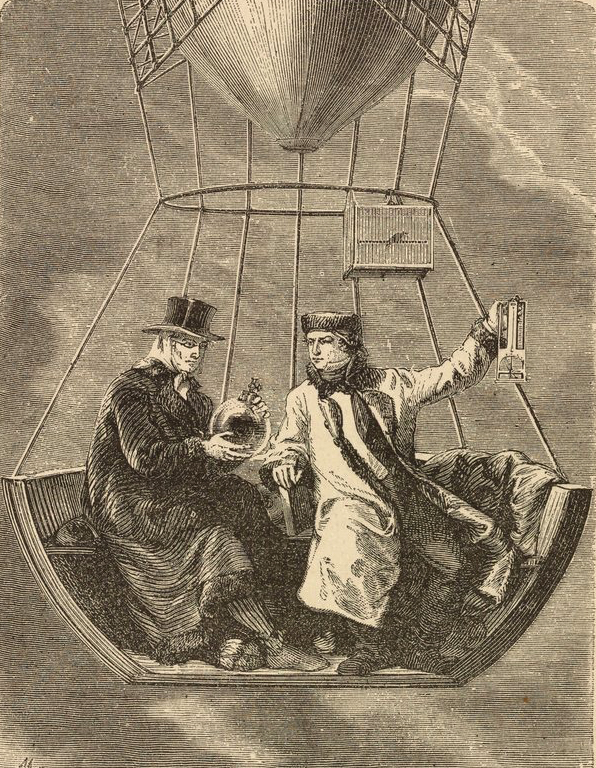
Also with thanks to Gillian Turner’s book North Pole, South Pole I have learnt that there were early hydrogen balloon ascents to determine if the Earth’s magnetic field intensity varied with altitude, helping to decide if the magnetic field came from within the Earth or was extra terrestrial. In 1804 Jean-Baptiste Biot and Joseph Louis Gay-Lussac made a pioneering ascent to 4,000 feet (1.2km). In Turner’s book she writes that the dip needle necessary to take the measurements iced up and so the results were unreliable. I feel for them, but it seems they conducted many other experiments on temperature and gases in the atmosphere while aloft and in any case we now know they would have needed to ascend many kilometres higher than they achieved to notice any weakening in the magnetic field.

This plate is from John Howard Appleton’s (1844-1930) Chemistry, Developed by Facts and Principles Drawn Chiefly from the Non-Metals, published in 1884.

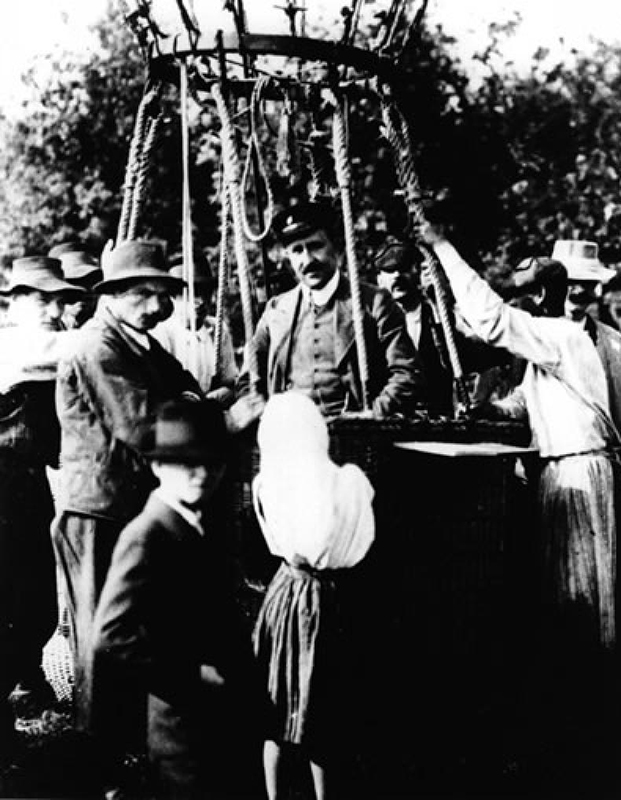
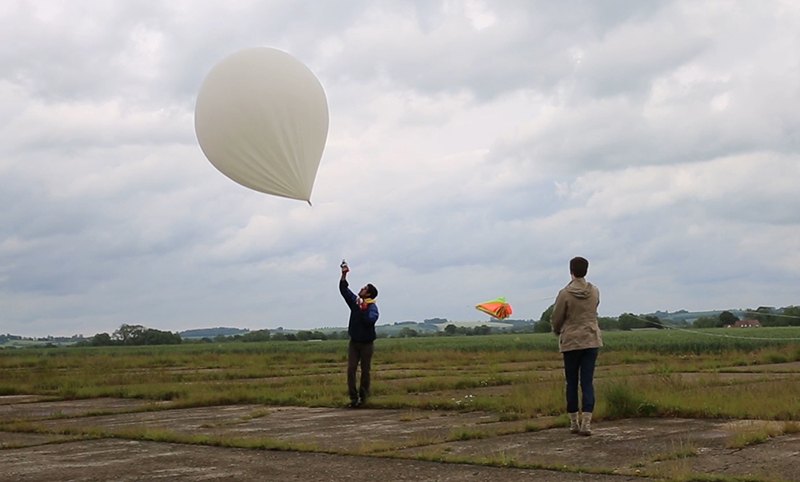
I am trying to remember when I first had the idea to launch a cloud chamber in the payload of a high altitude balloon. I knew about the hot-air balloon experiments carried by Victor Hess to determine the origin of cosmic radiation, and his discovery in 1912, when he made an ascent to over 5km during a near-total eclipse of the Sun, that radiation had to be coming from further out in space.

Hess on his return from the 1912 balloon ascent – Alan Watson pointed out that this was obviously staged at another time as he would not have been standing looking so well after his ordeal.

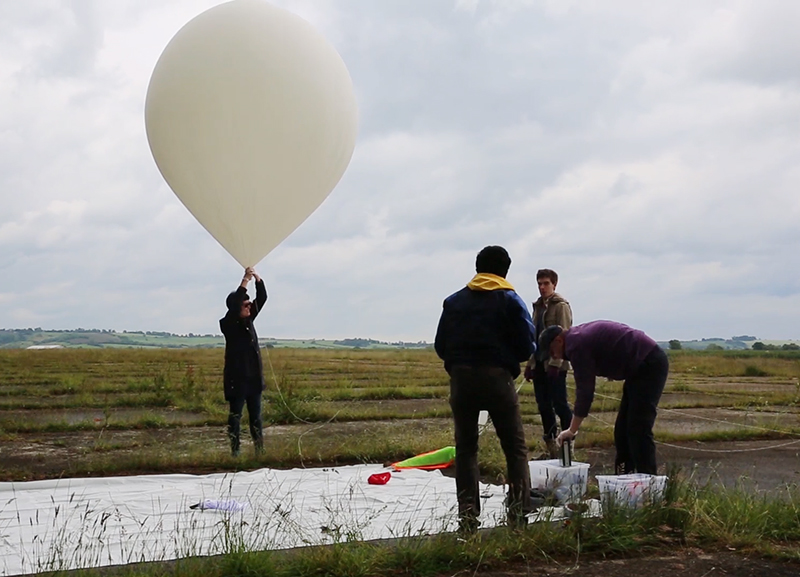
I remember looking into the dark skies during a residency at Allenheads Contemporary Arts and wondering about all the activity that I couldn’t see. I decided then I would like to film at 15km where most subatomic cosmic ray activity takes place, even if nothing would show on the film.

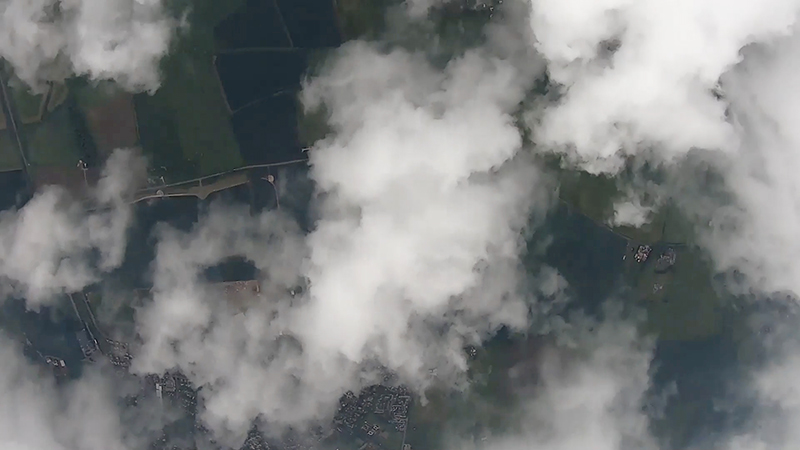
A high altitude balloon flight seemed the perfect solution and I was very grateful for the help I subsequently received from Imperial College Space Society and The UK High Altitude Society. The decision to include a cloud chamber in the payload was always a risk and as it turned out nothing of the cosmic ray activity was captured on film. However, the balloon did reach an altitude of over 37km and the payload was successfully recovered with some amazing video footage of its journey.

The record height for a hot air balloon ascent is 21km so in theory it could be possible to send a cloud chamber up in a hot-air balloon and film at altitude with potential for more success if some brave person were on board to operate the camera. Unlikely to be me.

Some intriguing news of ORC’s on the RAS websiteThe most distant and most powerful ‘odd radio circle’ (ORC) known so far has been discovered by astronomers. These curious rings are a relatively new astronomical phenomenon, having been detected for the first time just six years ago. Only a handful of confirmed examples are known – most of which are 10-20 times the size of our Milky Way galaxy. ORCs are enormous, faint, ring-shaped structures of radio emission surrounding galaxies which are visible only in the radio band of the electromagnetic spectrum and consist of relativistic, magnetised plasma. the three new cosmic rings – discovered not by automated software but by sharp-eyed citizen scientists – represent an important step toward unlocking the secrets of these vast, puzzling structures.

Out and About

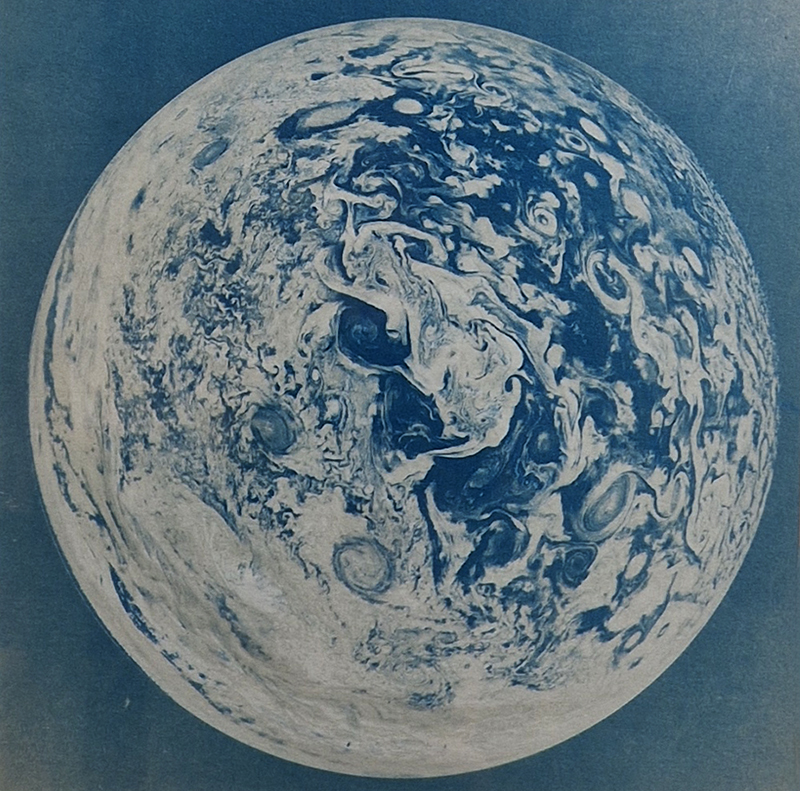
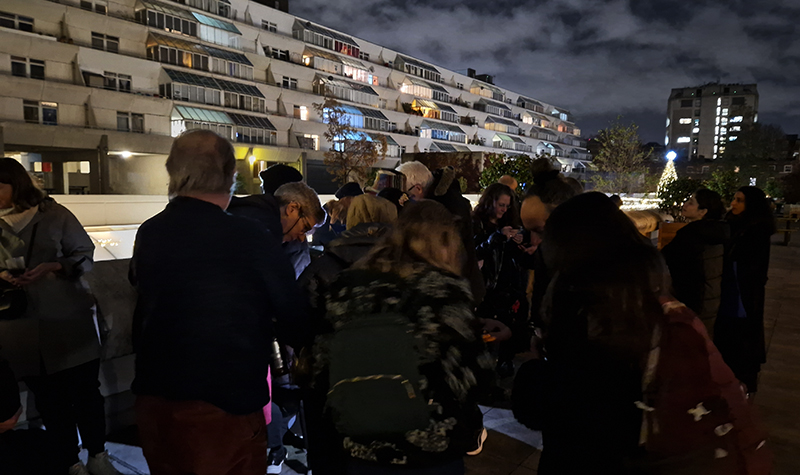
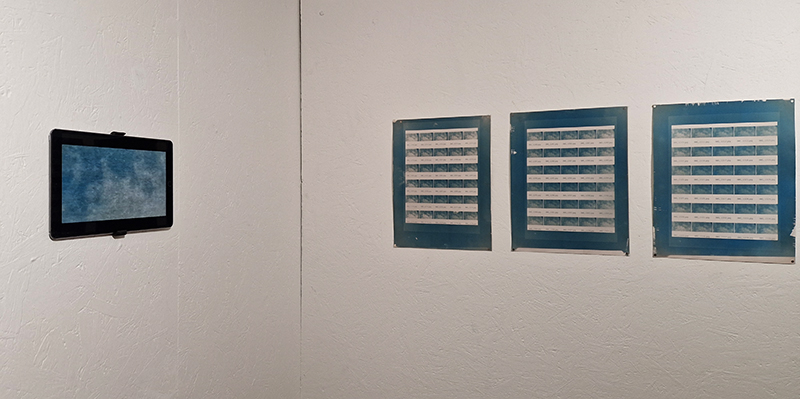
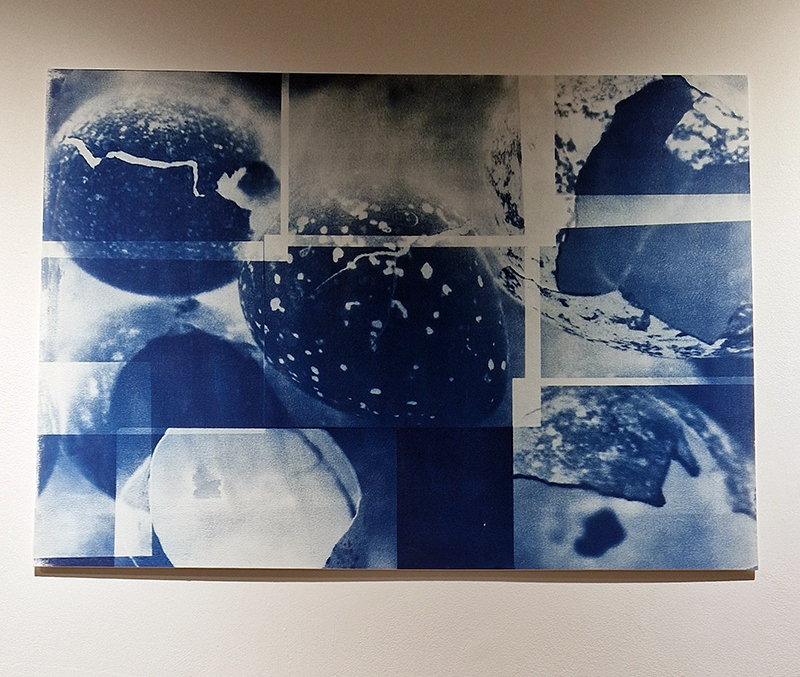
A wonderful evening with artist in residence Melanie King at Passengers connecting the celestial with the architecture of the grade II listed Brunswick Centre in Bloomsbury, London. Melanie used the residency opportunity to explore the duotone cyanotype process using multiple layers of cyanotype to mimic astronomical imaging construction and even used cyanotypes to create an of the Moon. The beautiful results were presented at an evening event with the additional treat of live telescope viewing of the Moon and Saturn from the second floor terrace of the Brunswick centre under the engaging guidance of astronomer and science communicator Paul Hill.

Liz Elton’s sensitive work Black and Blue (compostable bio materials, cabbage and fruit dye saddened with iron, silk, poppy and sage seeds) showing in A Changed Environment at Messums London. This group show examines changing ideas of beauty, ecology, and sustainability, as well as themes of place, memory, and identity, revealing how connections to the natural world can inspire both understanding and hope. I love the delicacy of this new work and the term ‘saddened by iron’ which is used in the dying process to dull a colour, and which, as Liz says, also emotes the hardships of industrial life.

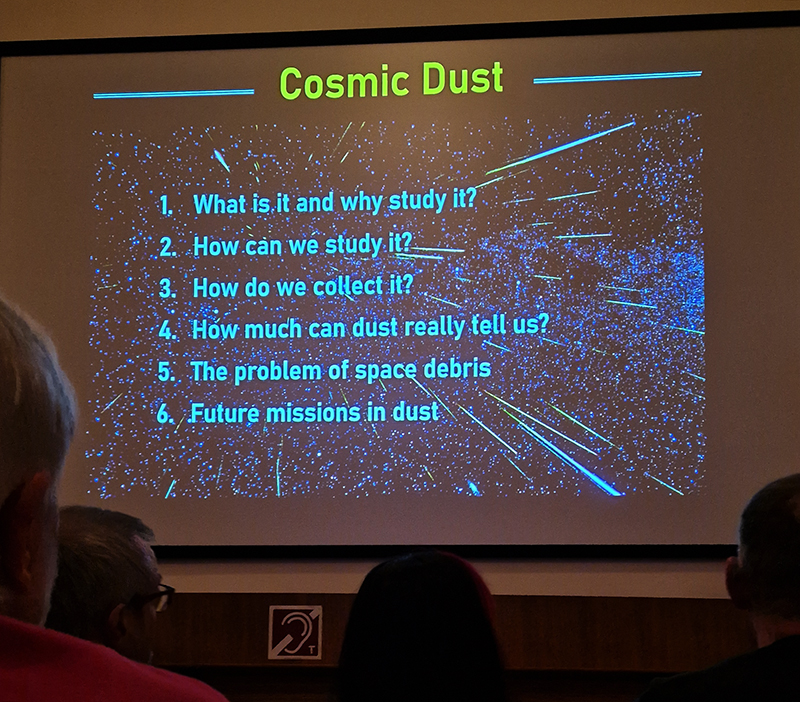
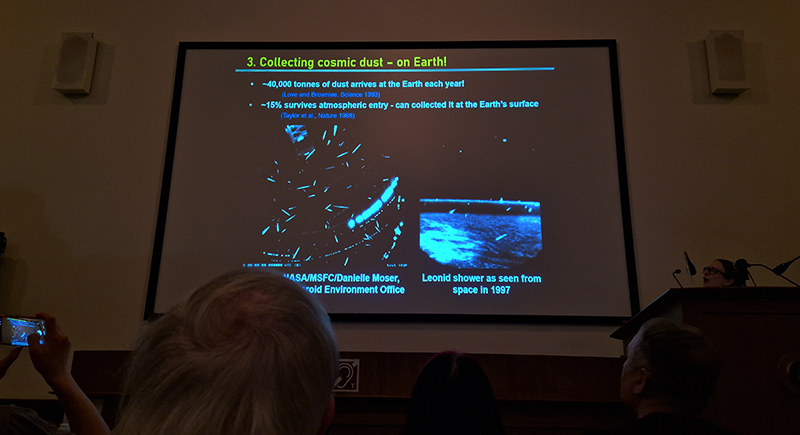
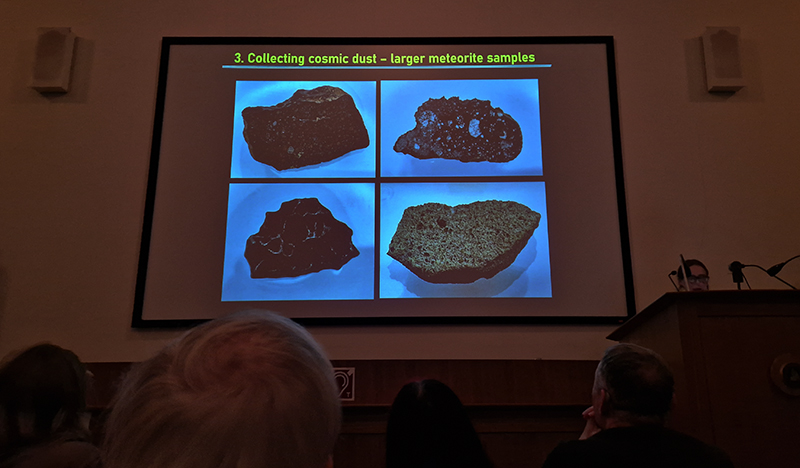
Cosmic Dust talk by expert on extraterrestrial space dust, and how it can impact astronomy and wider human endeavours in space, Penny Wozniakiewicz at The Royal Astronomical Society. ‘Natural’ cosmic dust is being polluted by man made dust from space debris. This is a real problem created by dead satellites, old upper stages of rockets, fragments form exploded rocket or stages, flecks of paint, aluminium oxide spheres from solid rocket burns, dropped space equipment. When any of this debris collides a cloud of smaller debris is ejected, this process is self propagating and even the tiniest piece of debris can cause serious damage to spacecraft and satellites. This is called the Kessler syndrome, a cascading effect that could render orbital space unusable for generations, threatening satellites, the International Space Station, and future space travel.

Good to visit the The London Group show 2025 at Copeland Gallery where lots of friends are showing excellent work and also to discover new work and artists.

I found Majid Majid’s video Faith Amongst The Ruins a difficult but compelling work. So scary and horrific because we know this is real footage, some of which I had seen before at the time of the attacks on hotels housing asylum seekers and refugees, but it is still so disturbing to watch these people, with so many children present, cheer on the violence. They have no empathy with the terrified people trapped inside the hotel or for the person in the car who is ambushed and stabbed. The glee of those filming the assault is chilling.

He writes: “As a refugee, I know places shaped by fear and rejection. This work revisits UK sites of last summer’s Islamophobic and racist violence, a mosque, a street, and a hotel housing asylum seekers transforming them through prayer. Placing a mat where hostility flared, I reclaim space as sacred ground. Video and traces of violence form a counter-narrative of dignity, belonging, and resilience.”

Images: Majid Majid, Sayako Sugawara, R James Healy, Victoria Rance, Jonathan Armour, Sandra Crisp, Jenny Wiggins, Victoria Arney, Carol Wyss, Sandra Crisp, Genetic Moo, Jacqueline Yuen-Ling Chiu.

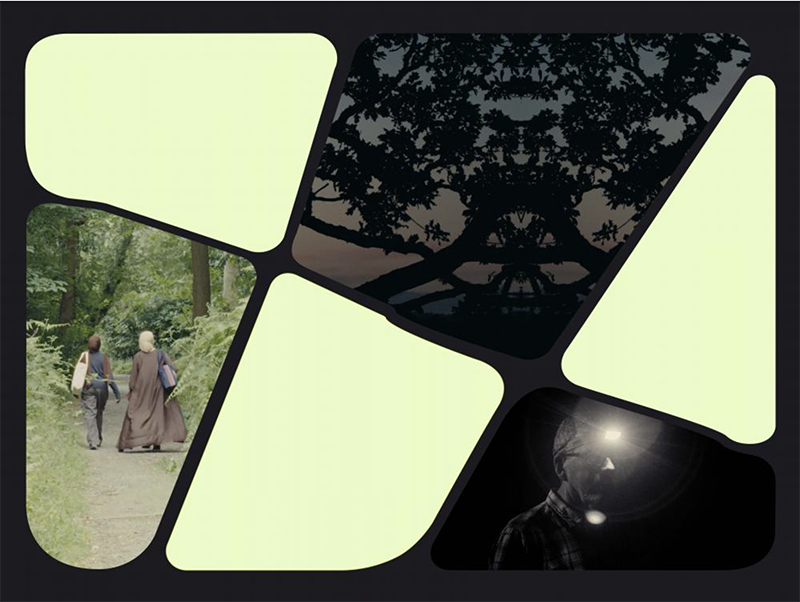
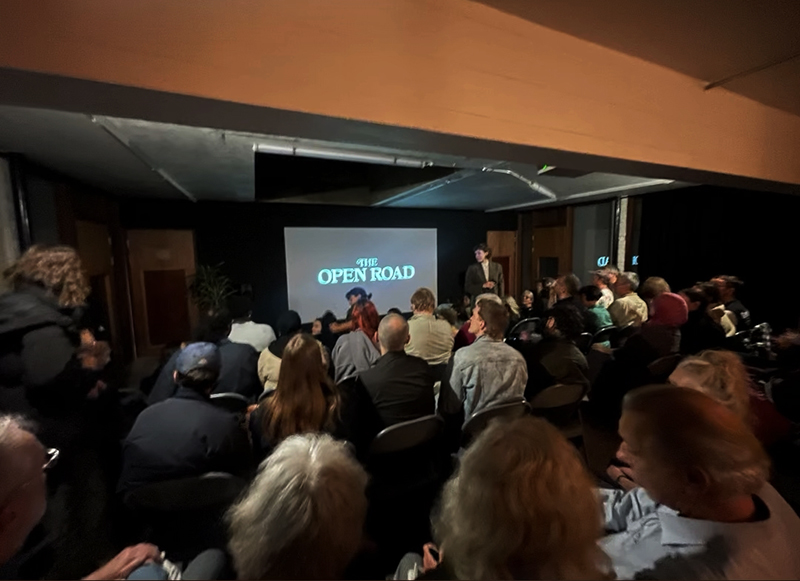
Three beautifully directed films screened at FormaHQ as part of The Open Road series of artists moving image works, co-commissioned by a partnership of visual arts organisations. The works are loosely inspired by The Canterbury Tales, drawing from a disparate cast of characters to recount competing stories in a patchwork of styles. David Blandy (Commons), Amaal Said (Open Country) and Sam Williams (The Eel’s Tale) each draw on storytelling traditions to give fresh perspectives on their journeys, on foot, by sea and through time. Heartbreaking to hear how terrified Amaal Said was to leave London for the open country of the south coast, especially with the current rise in overt racism, when out looking for locations and that they did suffer racist abuse while filming. Hers is a gentle and warm study of a mother and daughter and an absent grandmother, a longing for home and to feel ‘at home’. Sam William’s film sets the plight of the highly endangered glass eels who journey 4,000 miles from the Sargasso Sea to the Medway wetlands in Kent, swept along by currents, undergoing bodily transformation, following an instinctive desire on this epic migration alongside two other watery tales of transformative journeys across boundaries of identity and freedom. Coincidently, a recent episode of the Infinite Monkey Cage is all about these mysterious eels. David Blandy turned his attention to the vast and disparate collection of artefacts held in the Tunbridge Wells museum and gave some of these specimens a voice to tell of how they had lived before they became a part of this collective of human taxonomy.

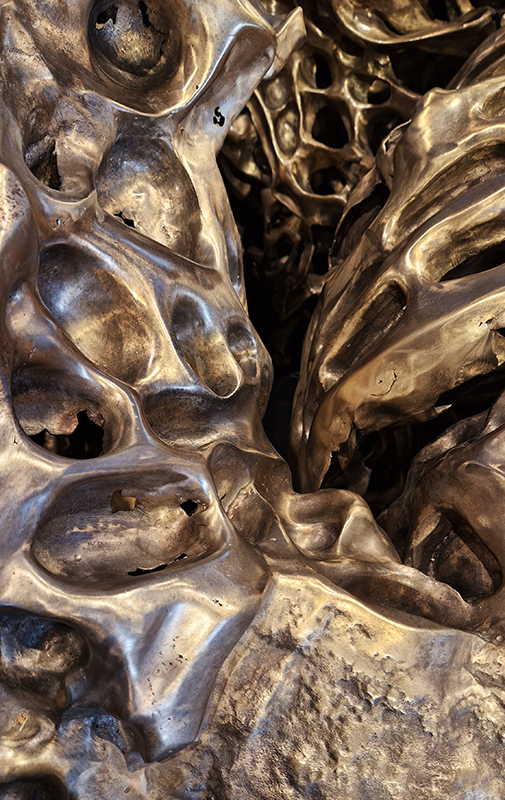
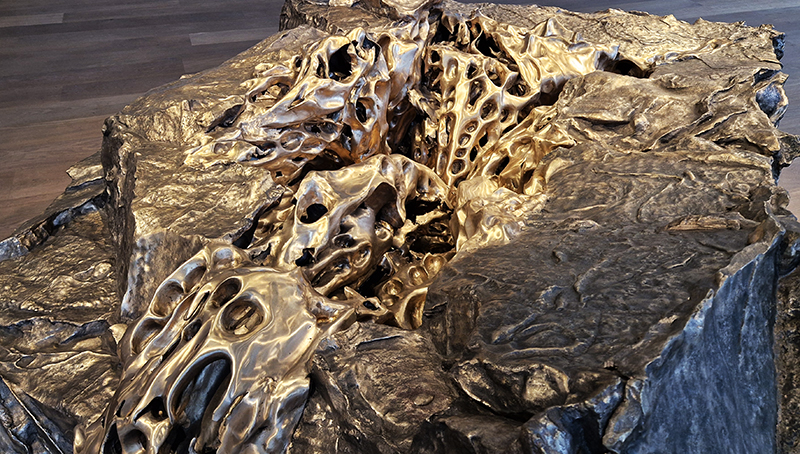
Cristina Iglesias The Shore at Hauser & Wirth features large-scale bronze works from the artist’s Littoral (Lunar Meteorite) series, part of her ongoing exploration of geological themes. The word ‘littoral’ refers to something relating to or situated along a coast or shore, or the region where the land meets the water. The weightiness of the objects is impressive ( I can’t imagine how they were brought into the gallery even with the technology available today – after coming here from the talk on stone henge and the incredible feat of bringing the standing stones across rough terrain for many kilometres and up a slope 5000 years ago seems even more impossible – yet there they are). The sound of water bubbling within each piece draws you to peer within and stay with the piece perhaps longer. The audience is invited to touch the sculptures. The bronze is polished and does need to be used and worn away in a more effective organic and dirty process. They are very clean.

The Royal Astronomical Society lecture Sighting the Sun and Moon? at Stonehenge – by Archaeoastronomist Prof. Clive Ruggles. Debunking many myths and overspeculation, concerning the use of the monument for observations of the sky the professor was clear about what can sensibly be said about the relationship of Stonehenge to the Sun, considering the conventional archaeological evidence that has been uncovered in recent years. He also recommended visiting the day before or after the actual solstice if possible for an experience without the many crowds as the alignment is almost identical. Also visiting at sunset can be just as magical and quieter. He turned his attention to the Moon, questioning if our prehistoric forebears also celebrated the occurrence of a major lunar standstill, an event occurring every 18.6 years around which time the Moon can be seen at fortnightly intervals exceptionally far to the north and south.

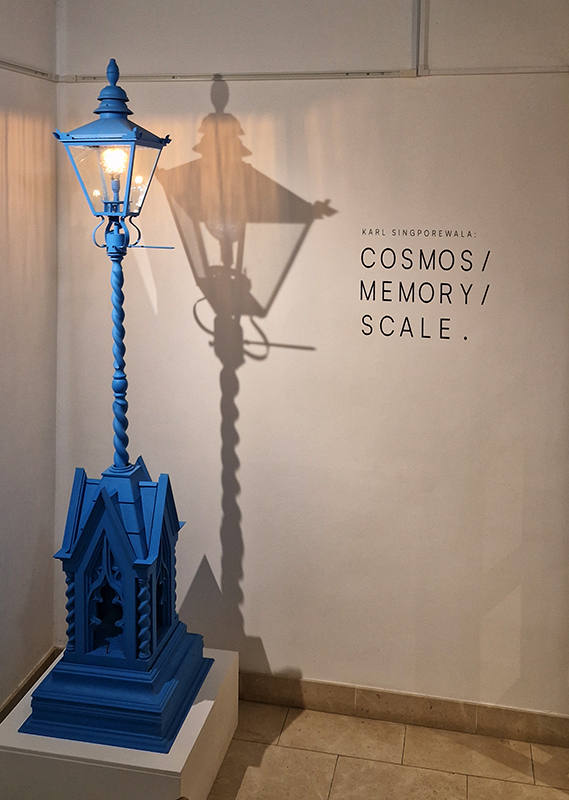
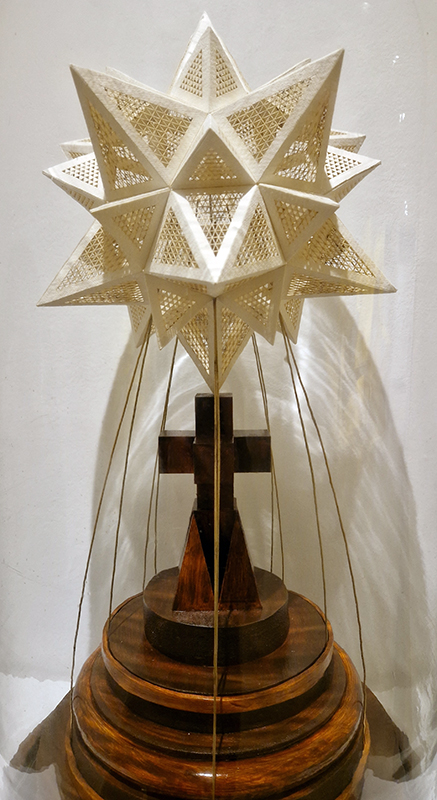
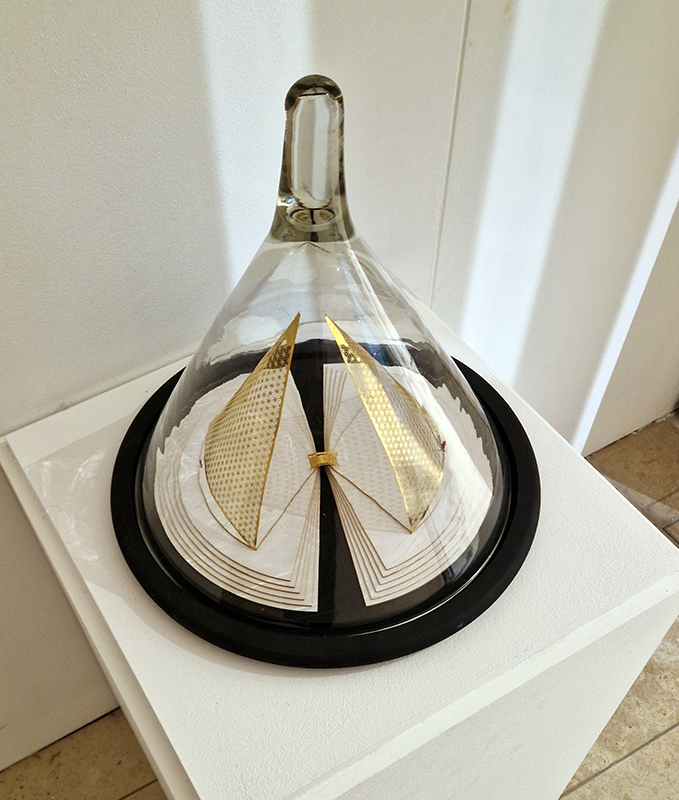
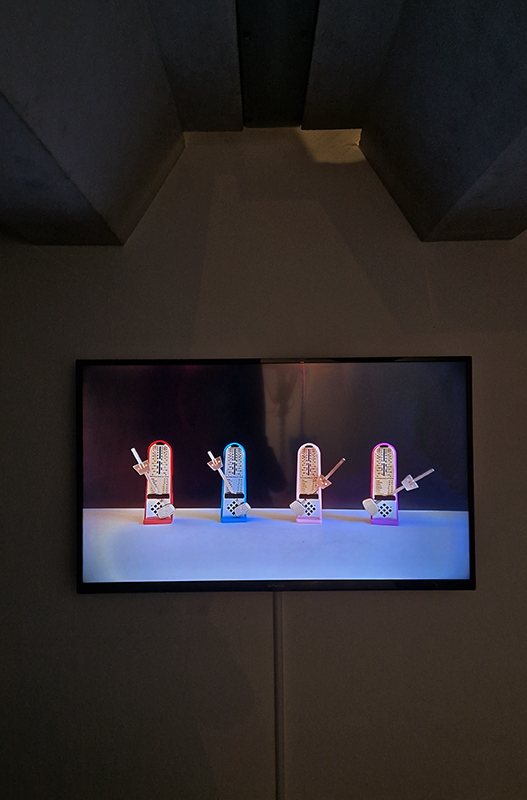
Karl Singporewala’s sculptural interpretations of Zoroastrian symbolism in Cosmos, Memory, Scale at SOAS Gallery convey a meditation on how material and memory intersect to shape the human experience. Cosmos speaks to both his fascination with astrophysics together with a metaphysical belief in the alignments of life. Stars and geometric forms recur as motifs, refracting both spiritual navigation and mathematical structure. Memory is treated as a living, shifting phenomenon. Inspired by oral tradition, family stories and inherited rituals. Scale, is used both literally and metaphorically in shifting perspectives and unexpected relationships. Good Thoughts, Good Words, Good Deeds.
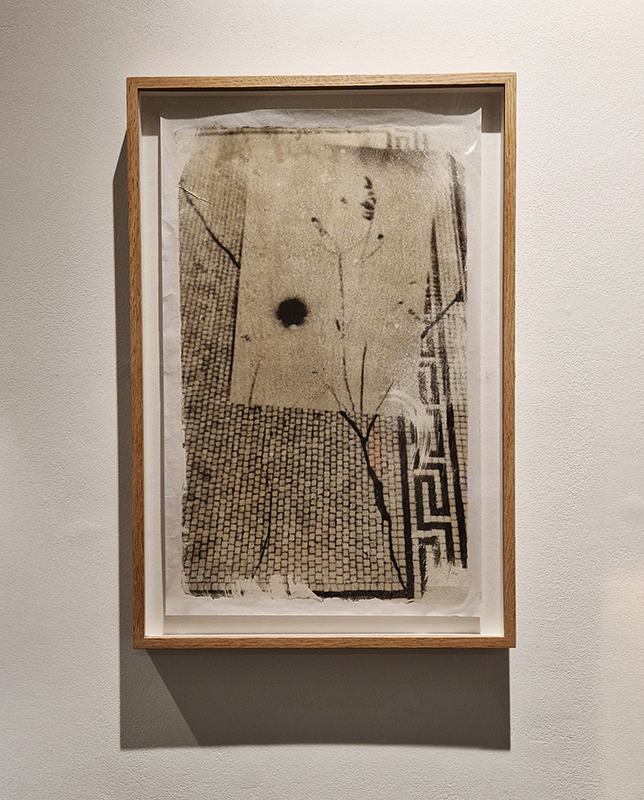
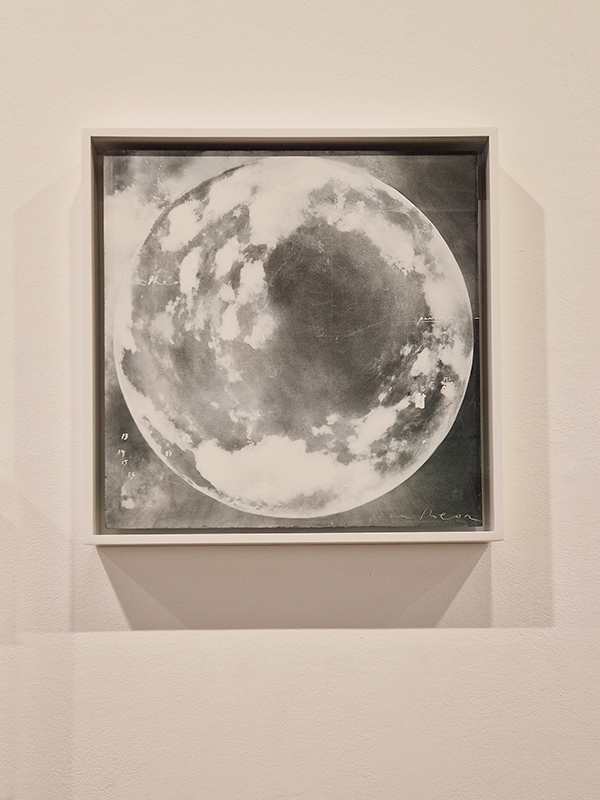
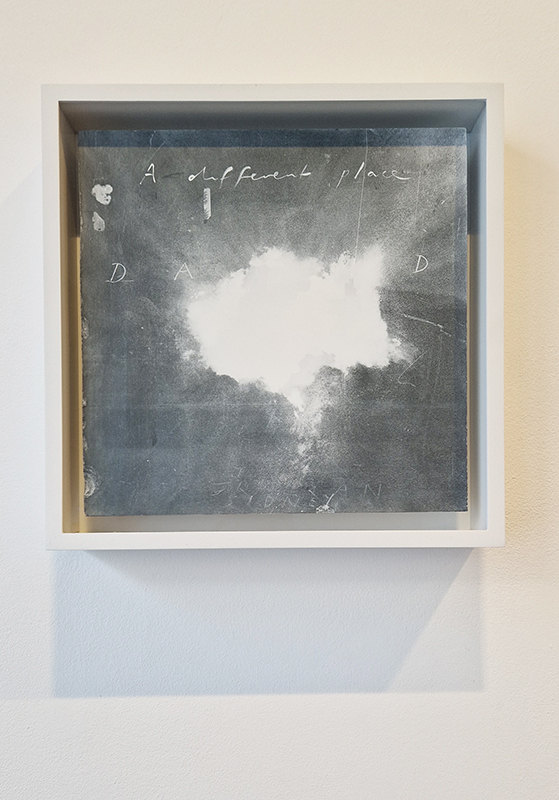
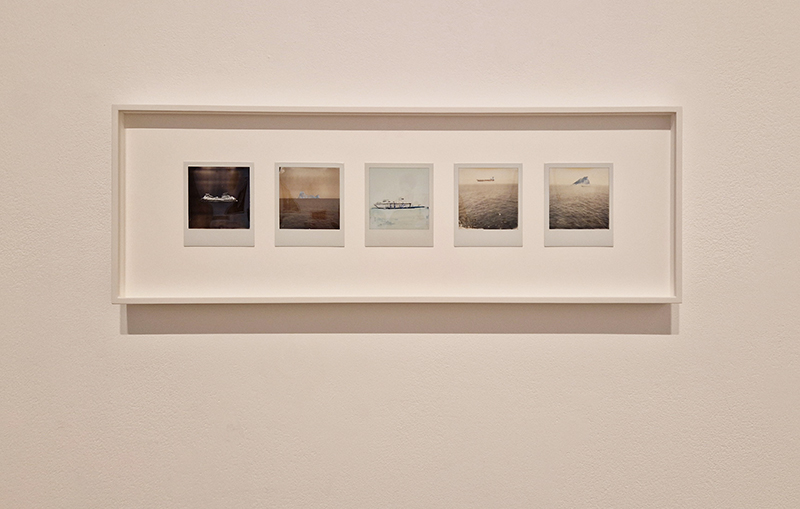
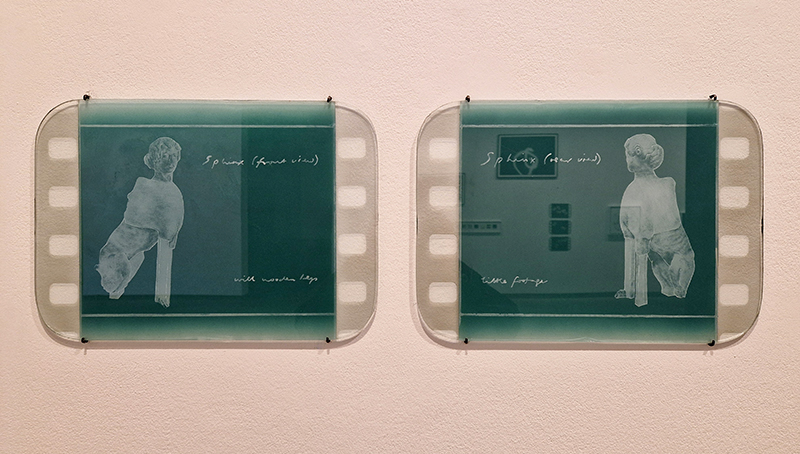
Dusty, chalky mythical drawings and solar eclipse traces from Tacita Dean in Black, Grey, Green and White at Frith Street Gallery Golden Square.

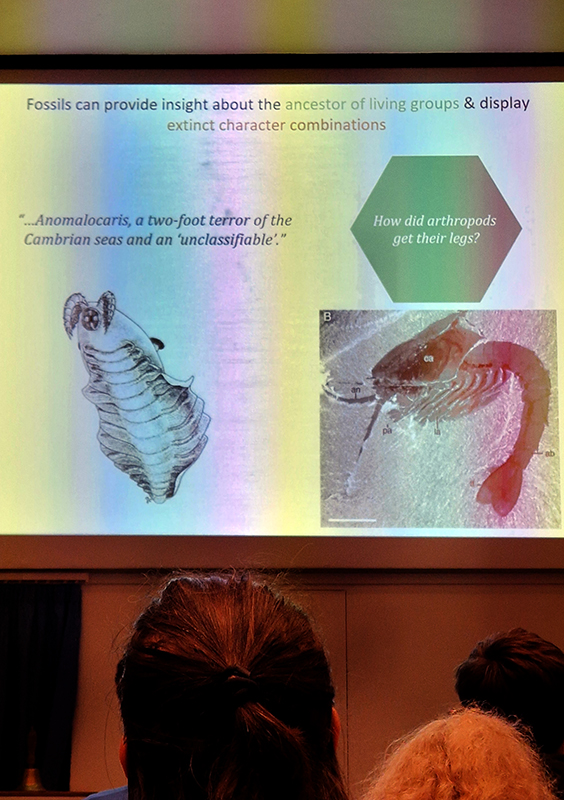
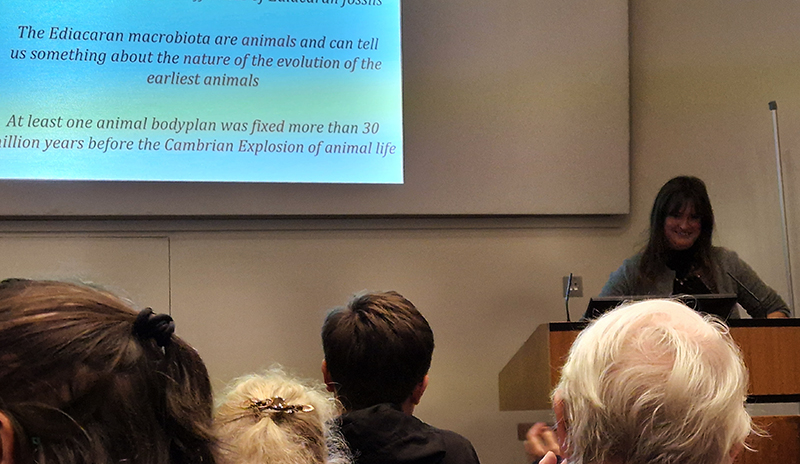
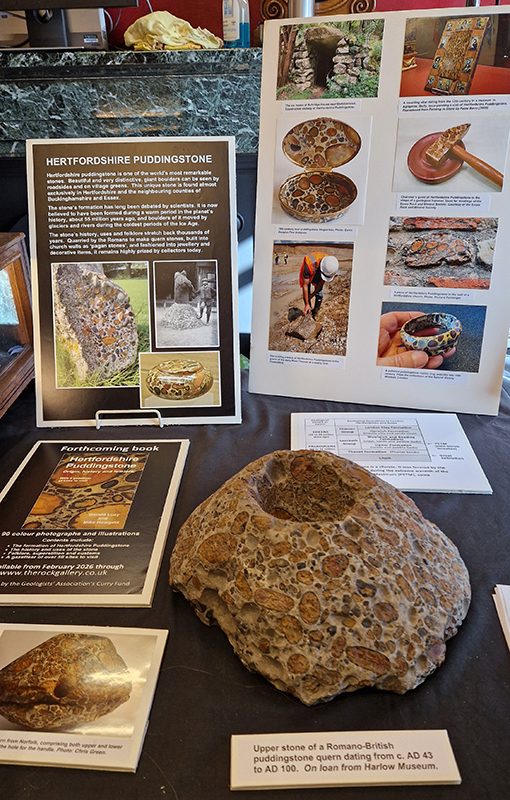
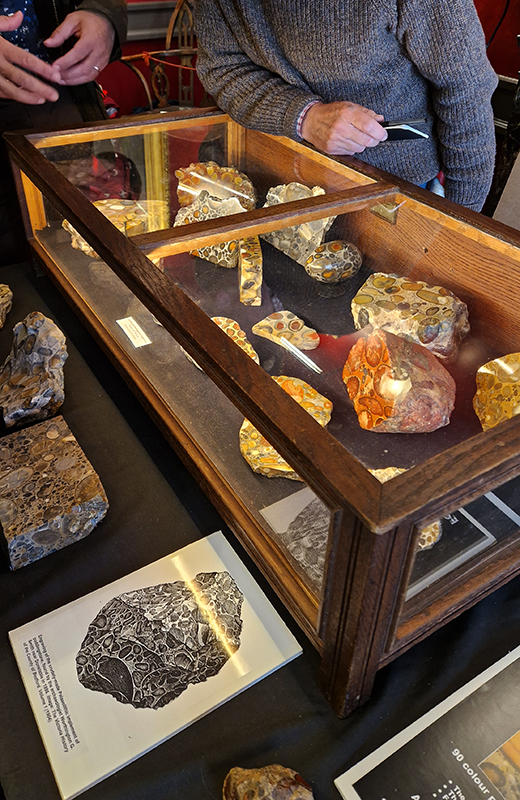
I spent a happy morning at the Geologists Association Festival of Geology 2025. This included a fascinating lecture The Early Evolution of Animal Life by palaeobiologist Frankie Dunn focused on the origin and early evolution of animals and particularly on the fossil record of the late Ediacaran Period (approximately 570 – 540 million years ago) – just before the Cambrian explosion of life. The aim of her research is to understand how animal body plans evolved in deep time. There also was some amazing and unique pudding stone on display.

I also picked up a great little book full of wonderful geologically enriching words by Marcia Bjornerud.