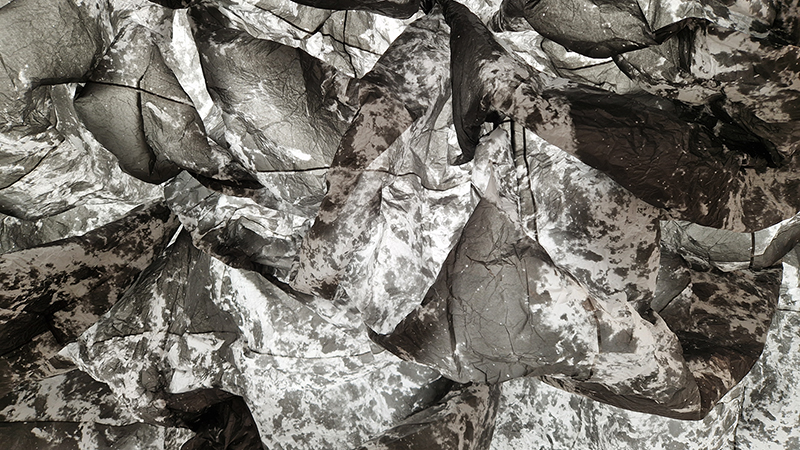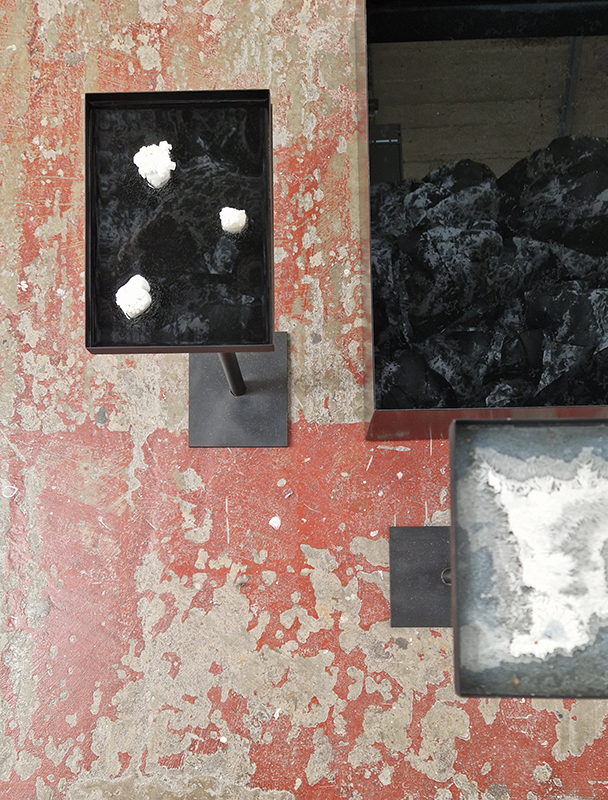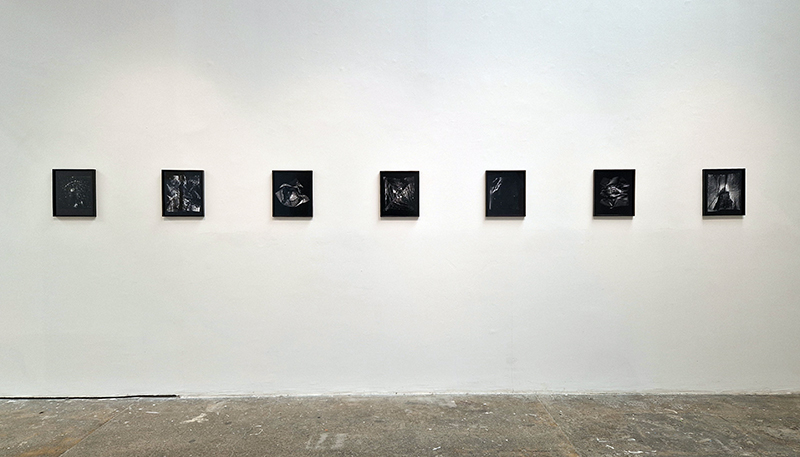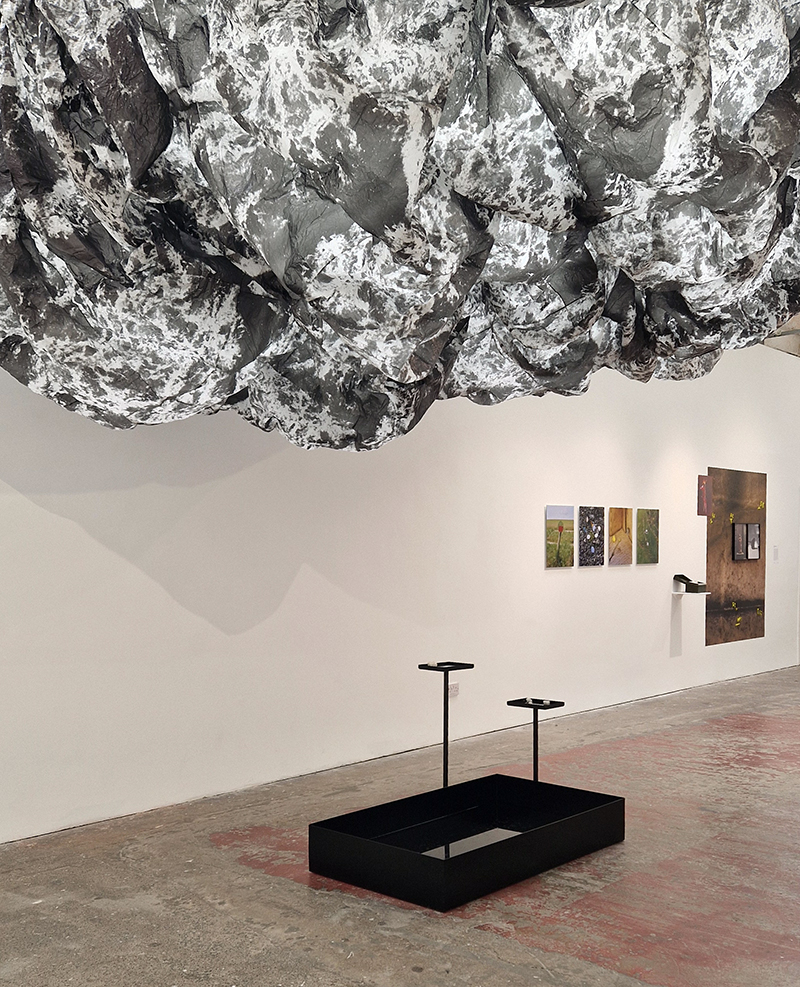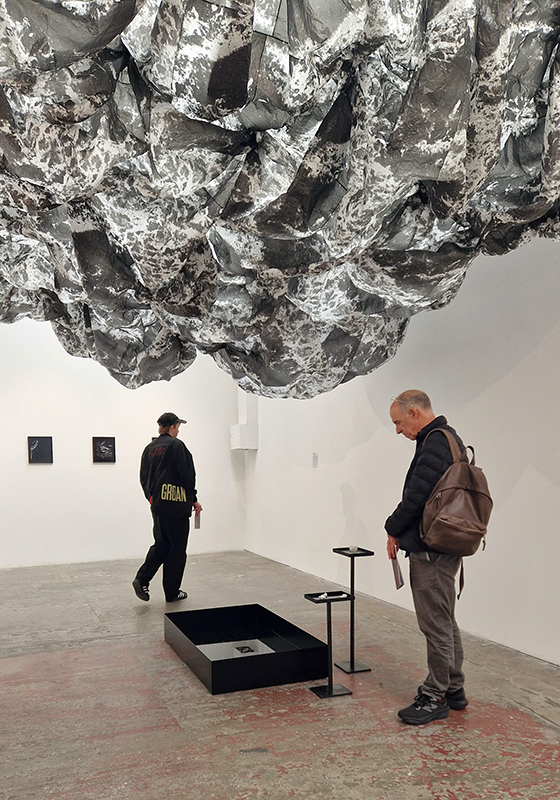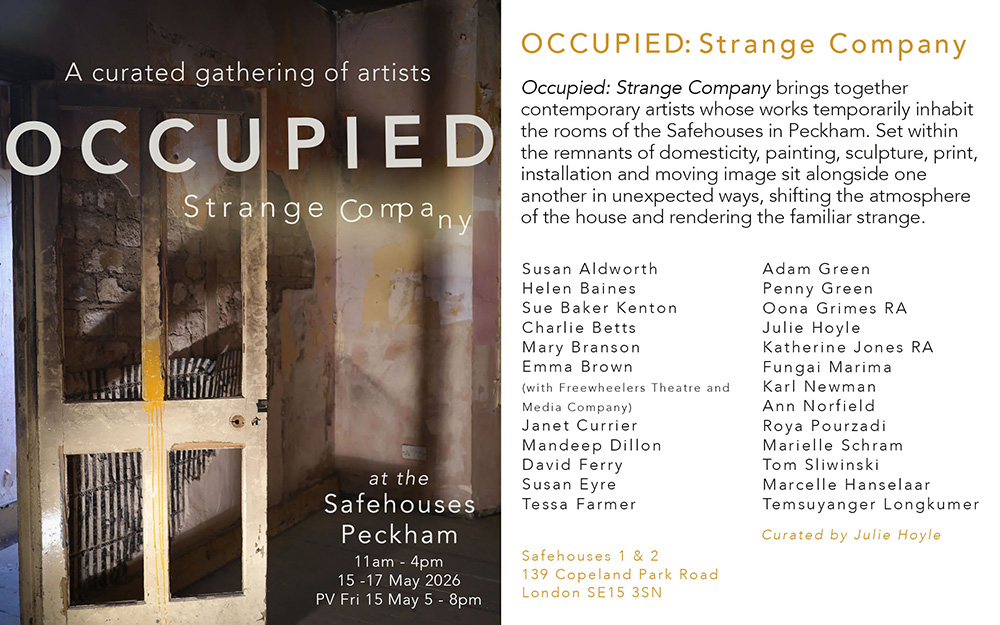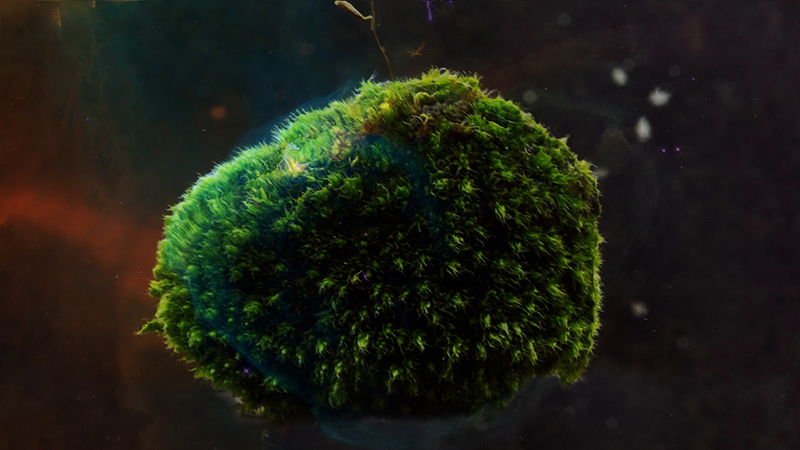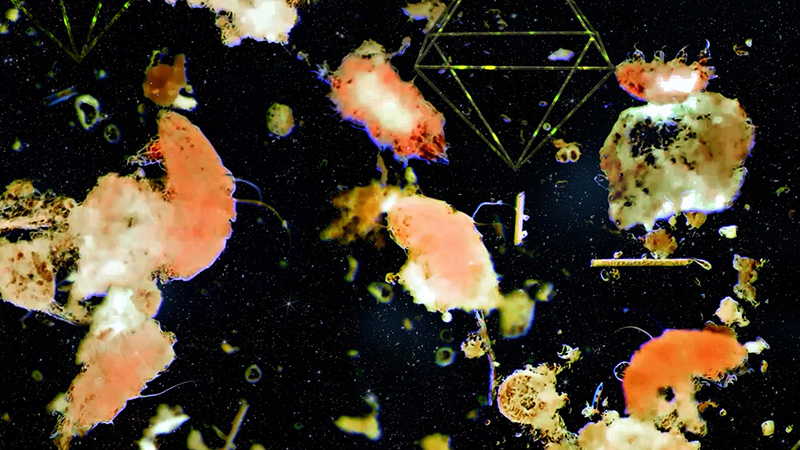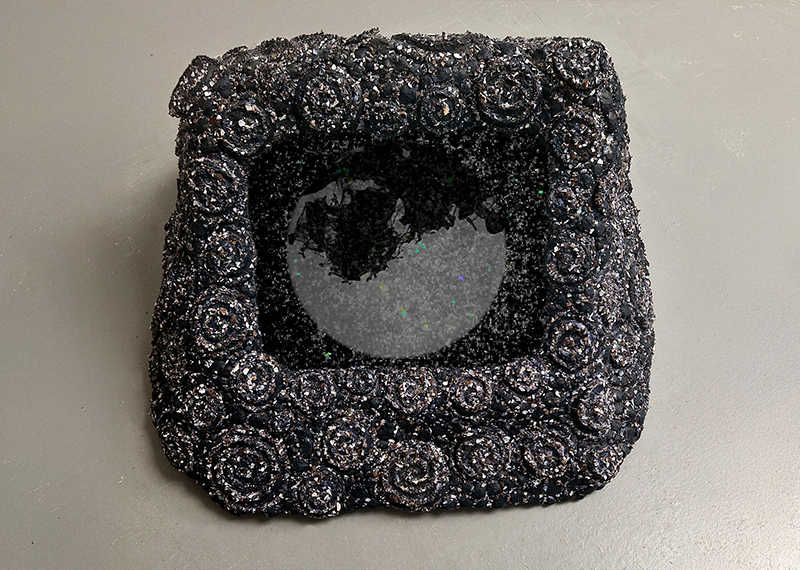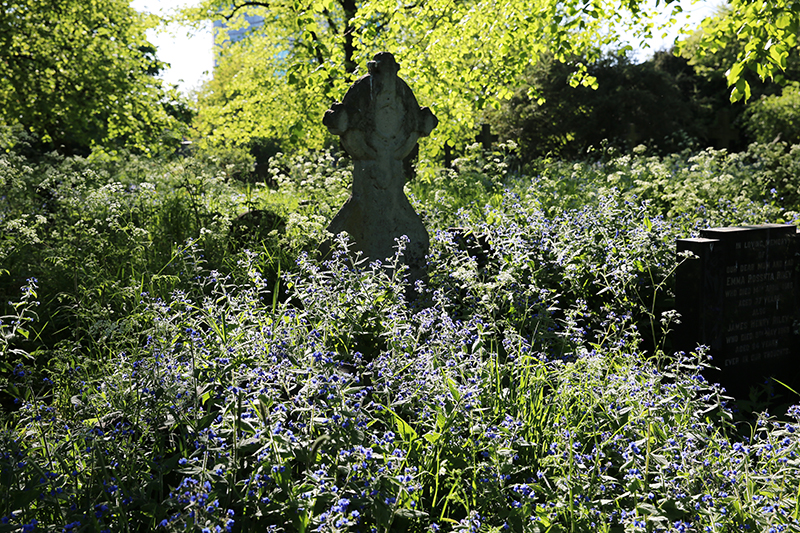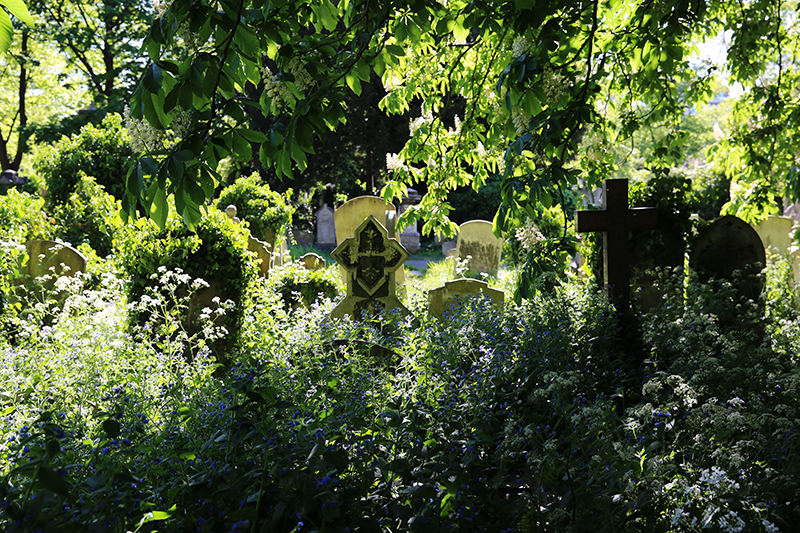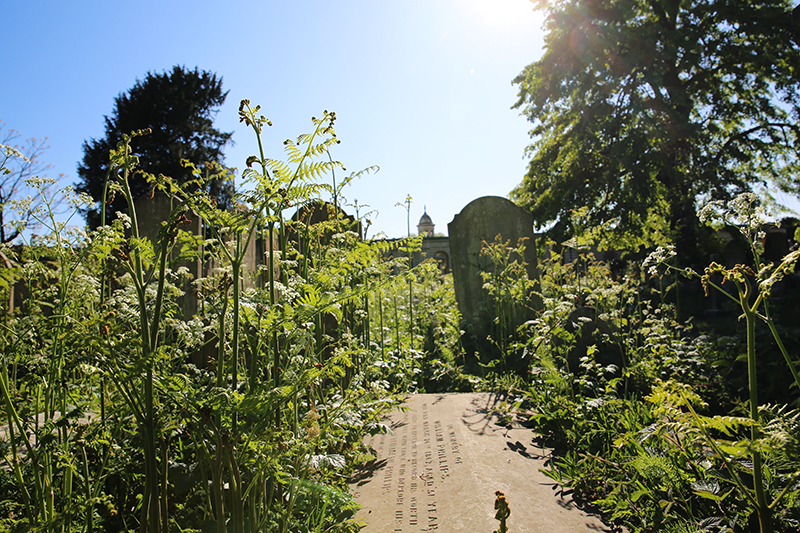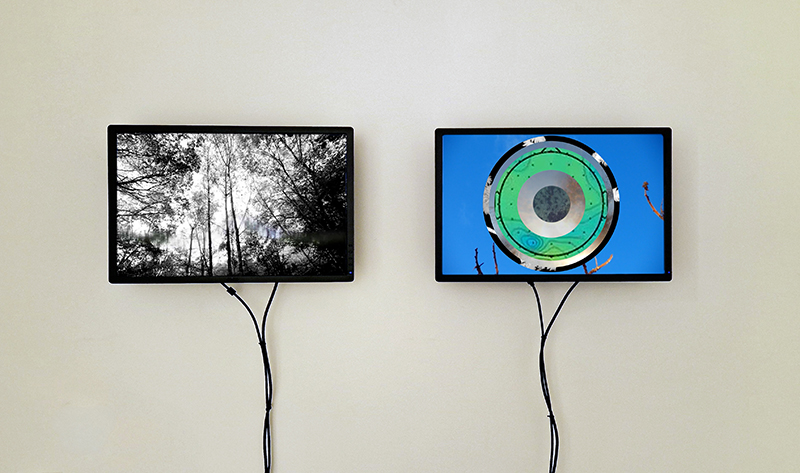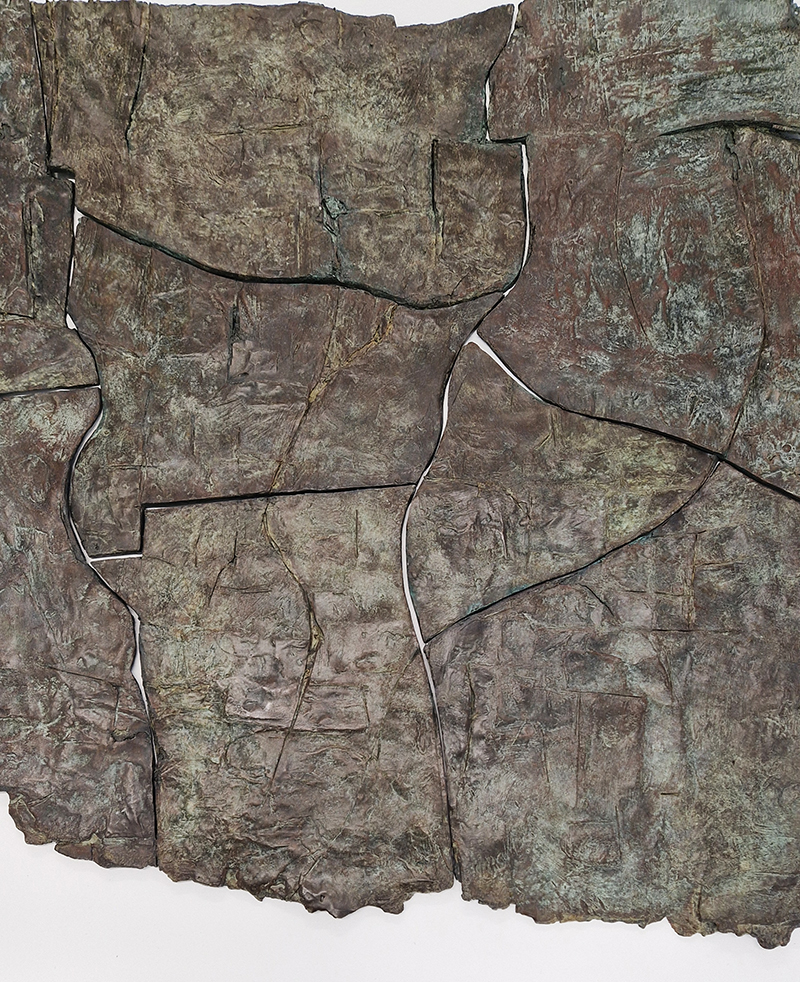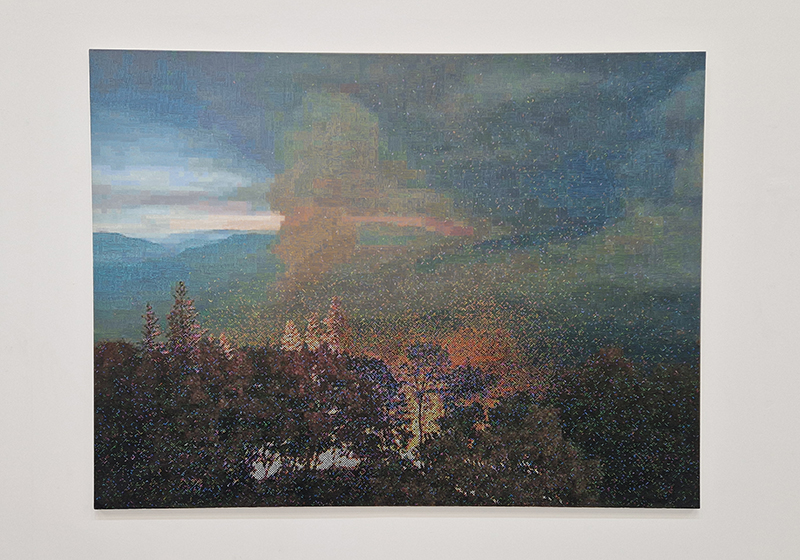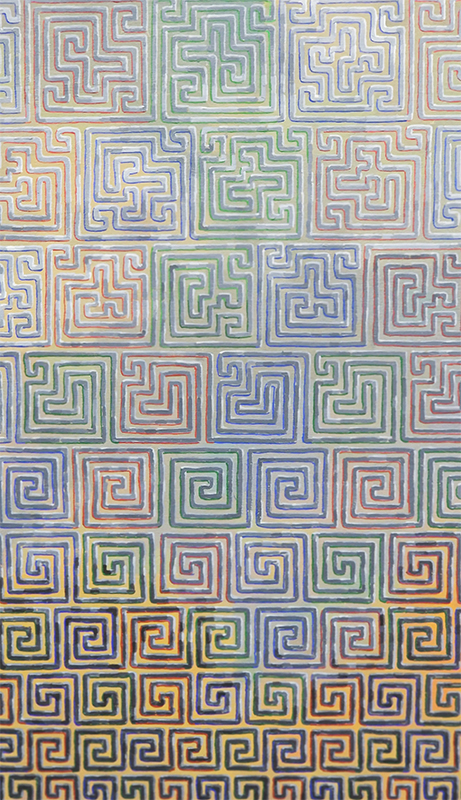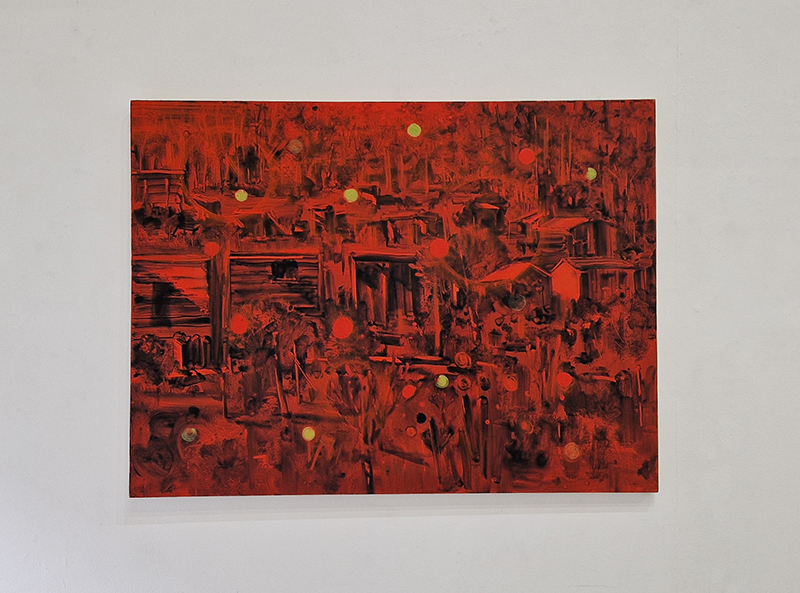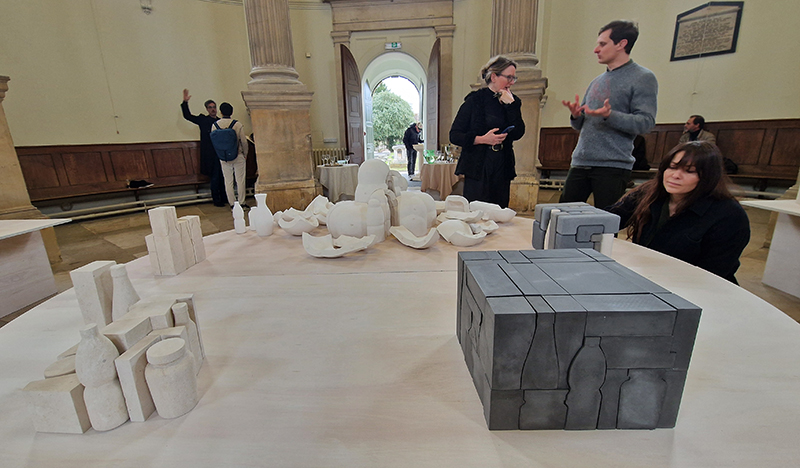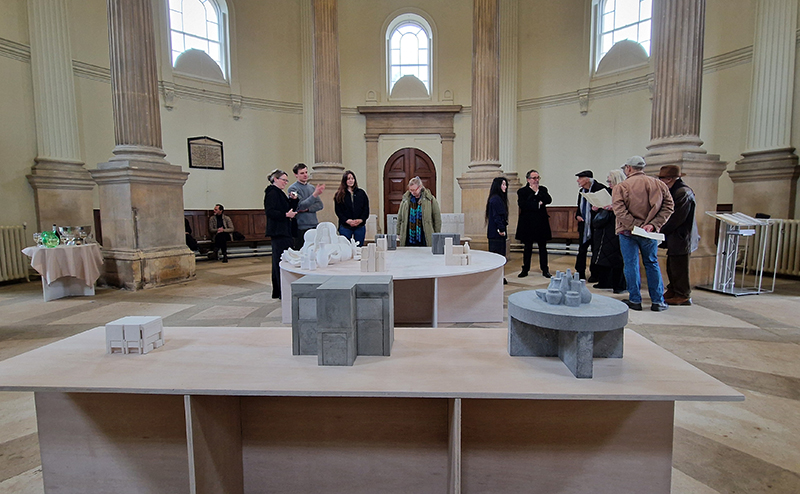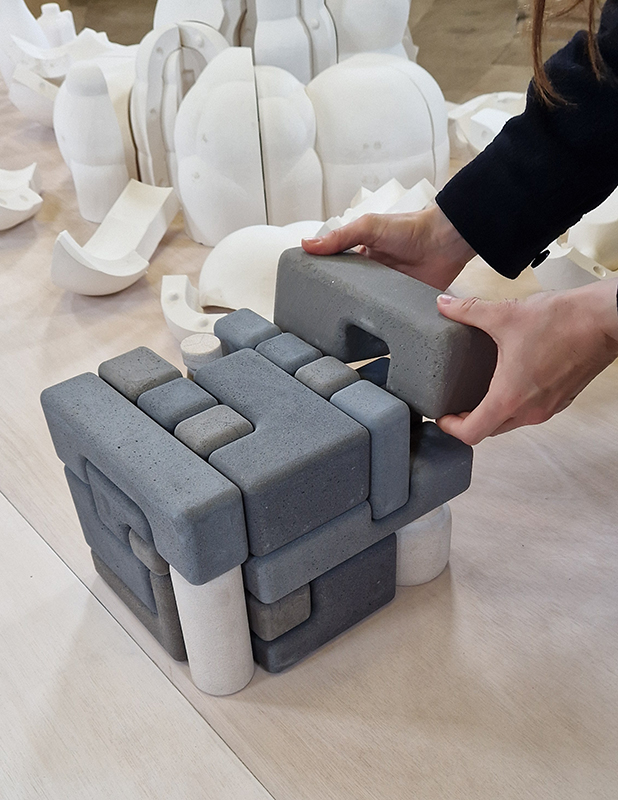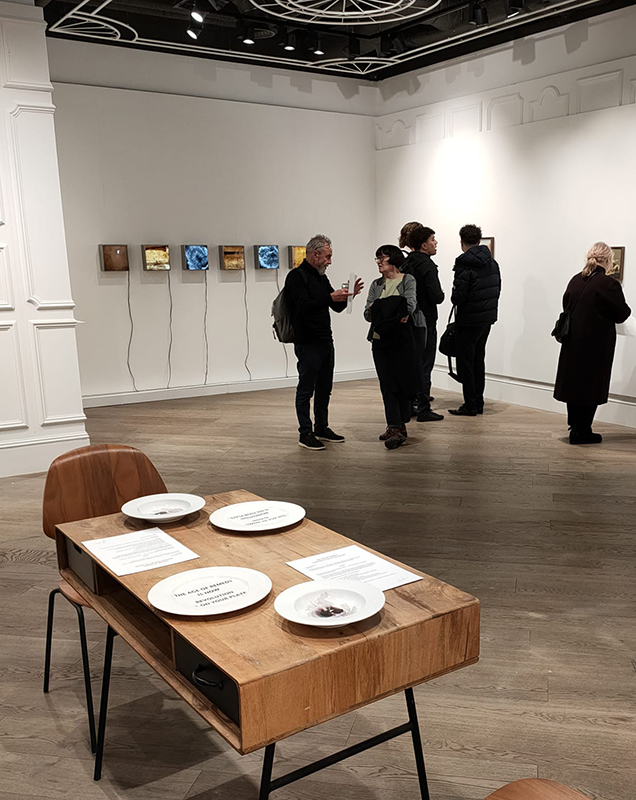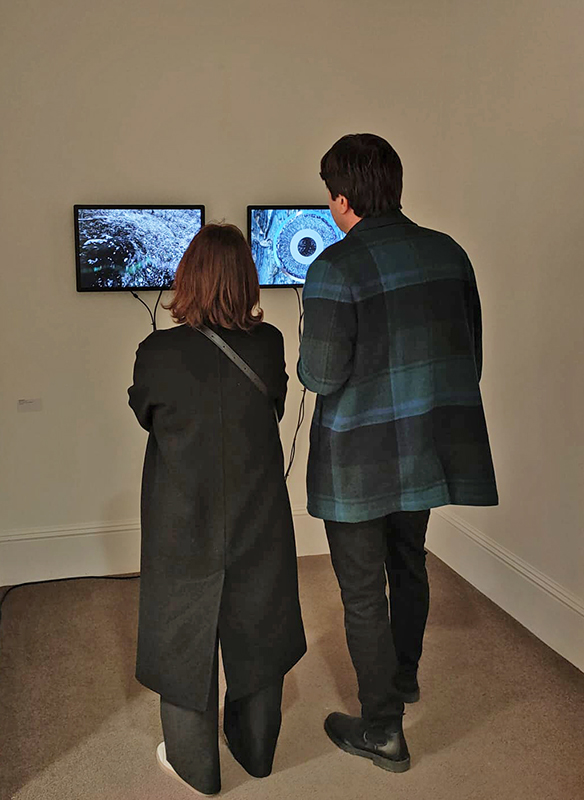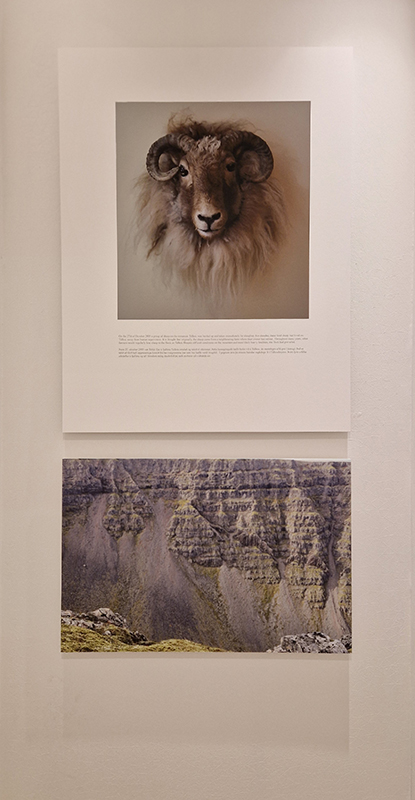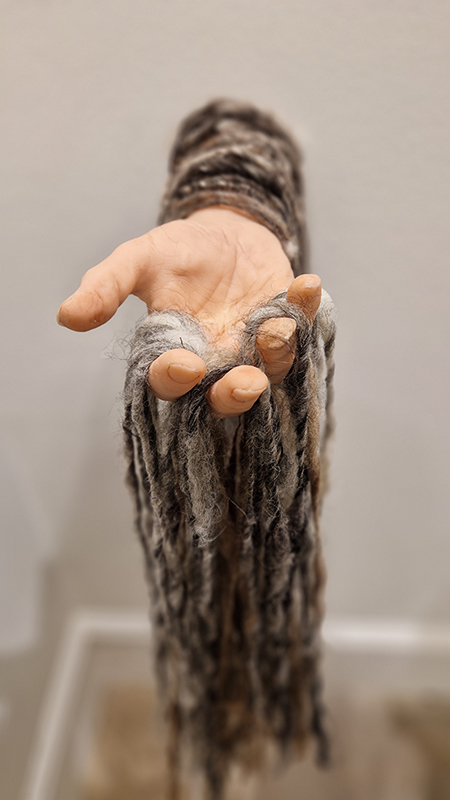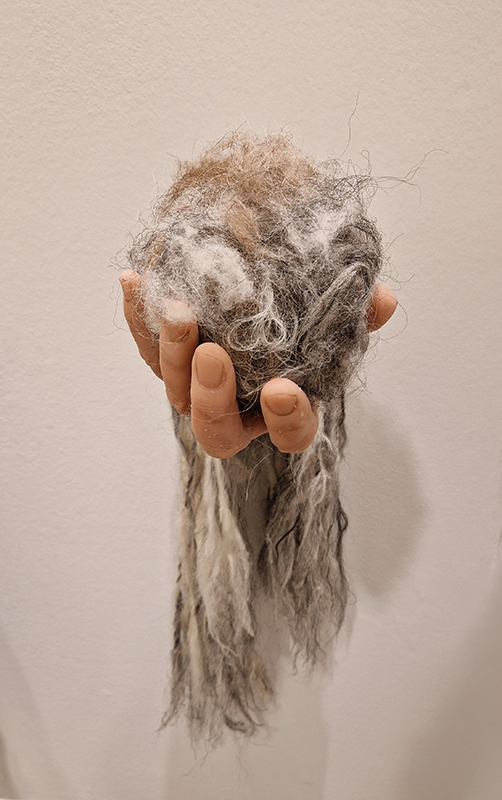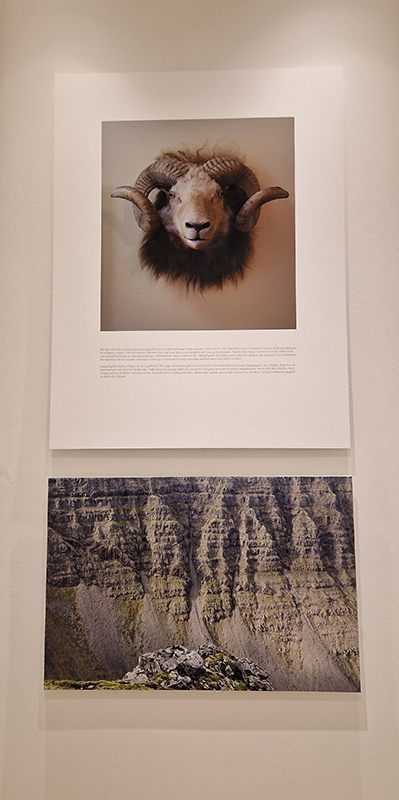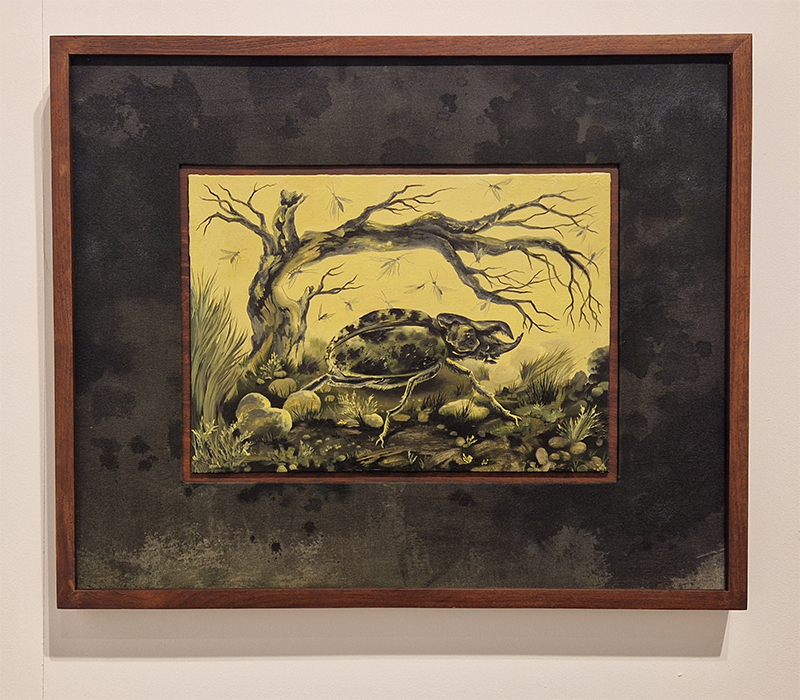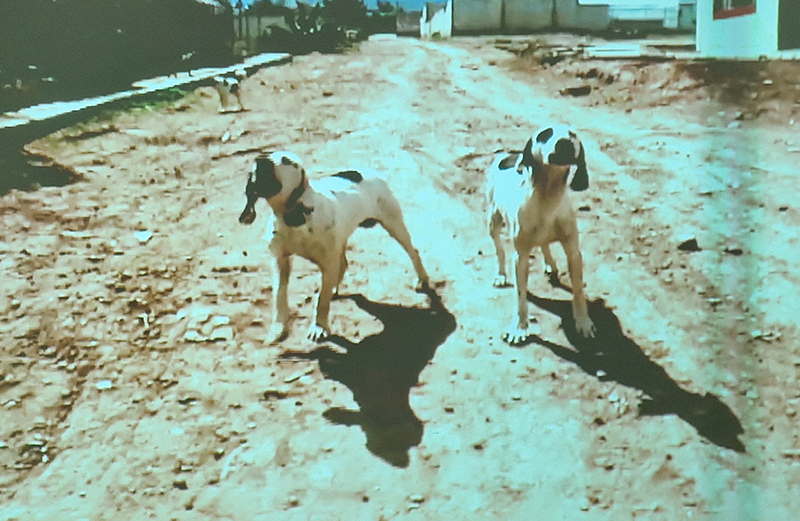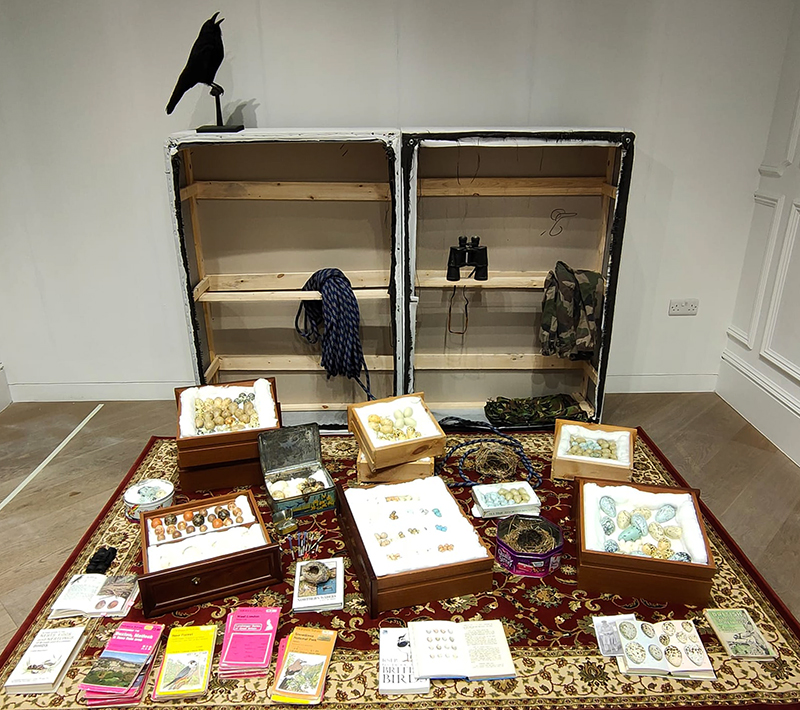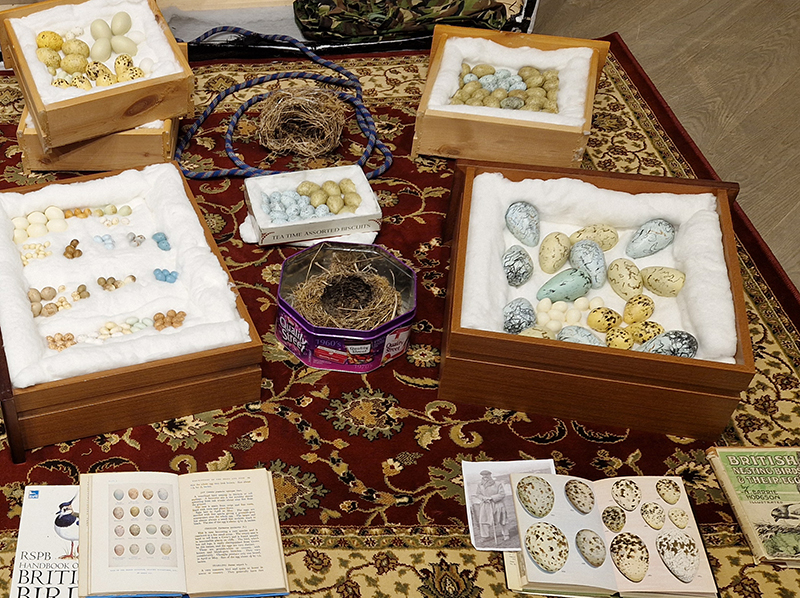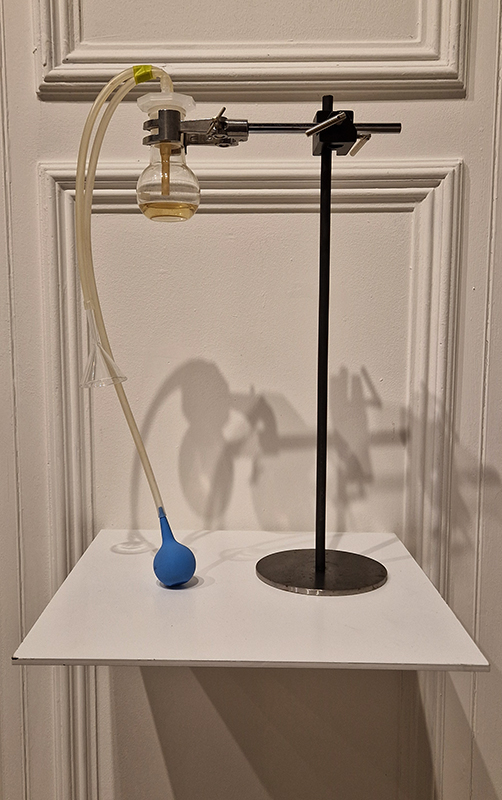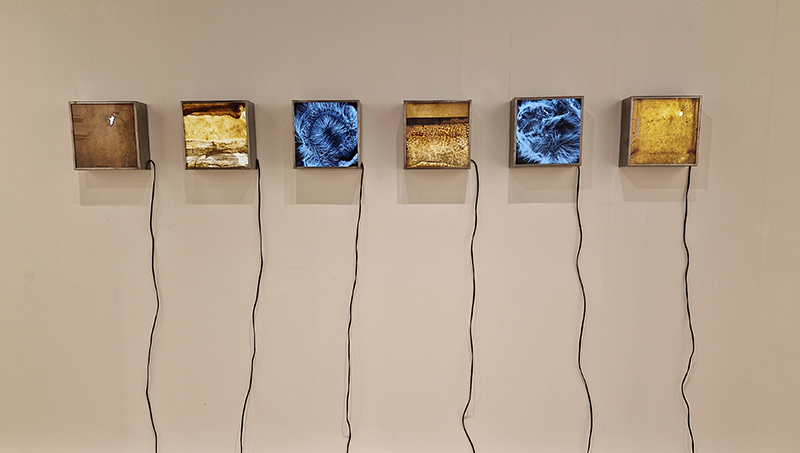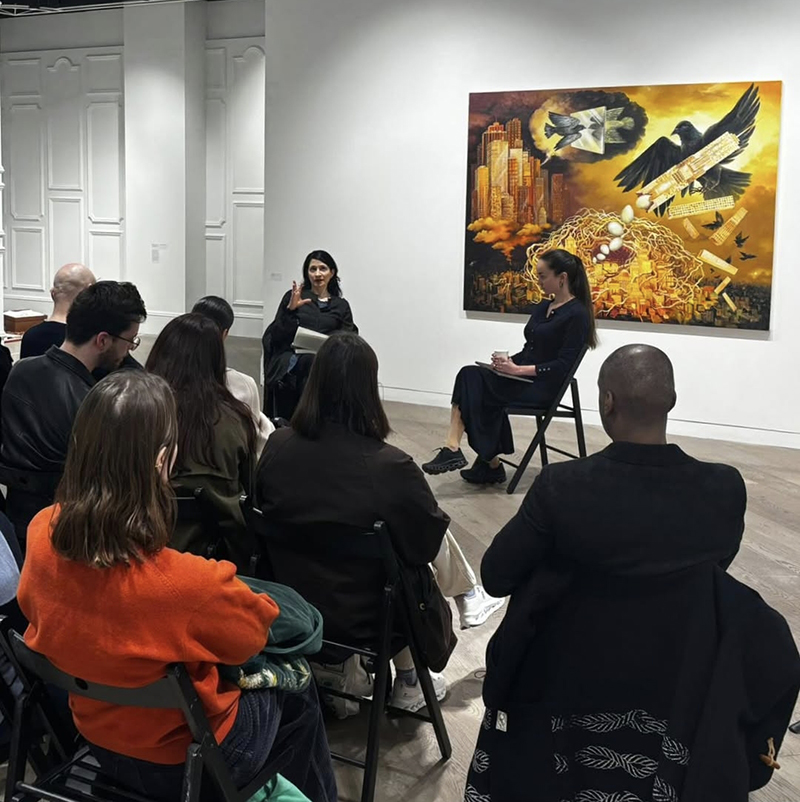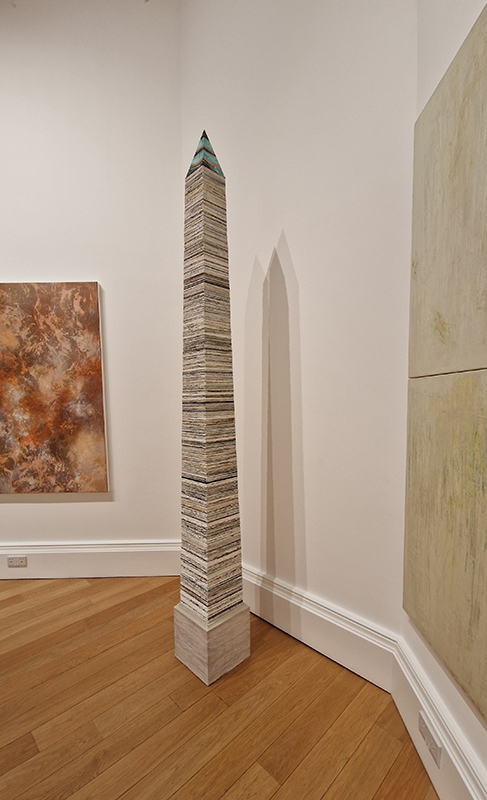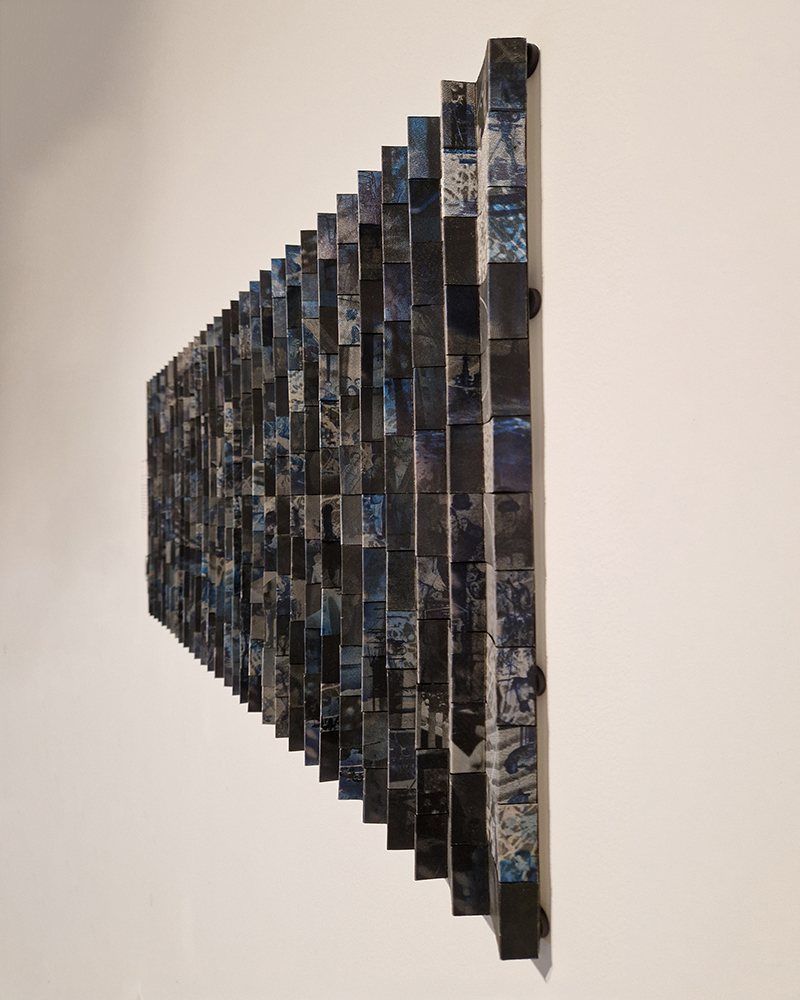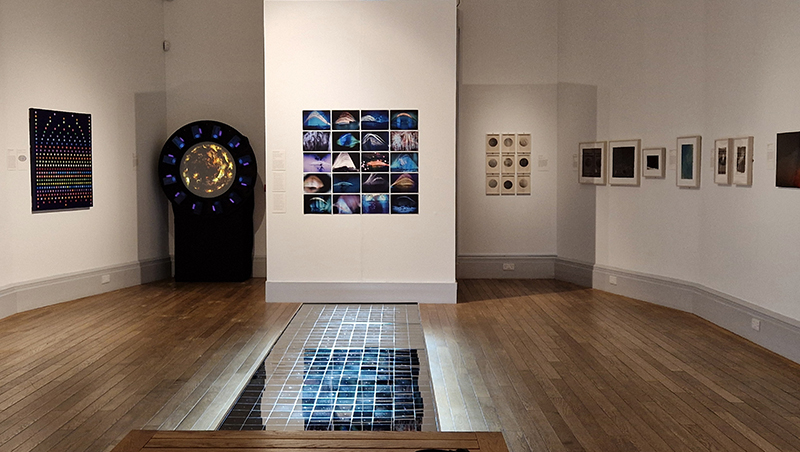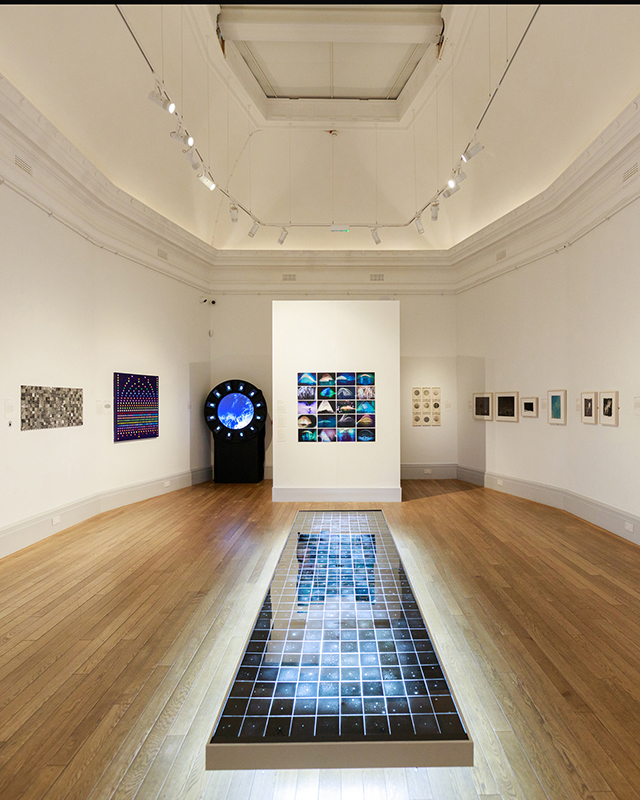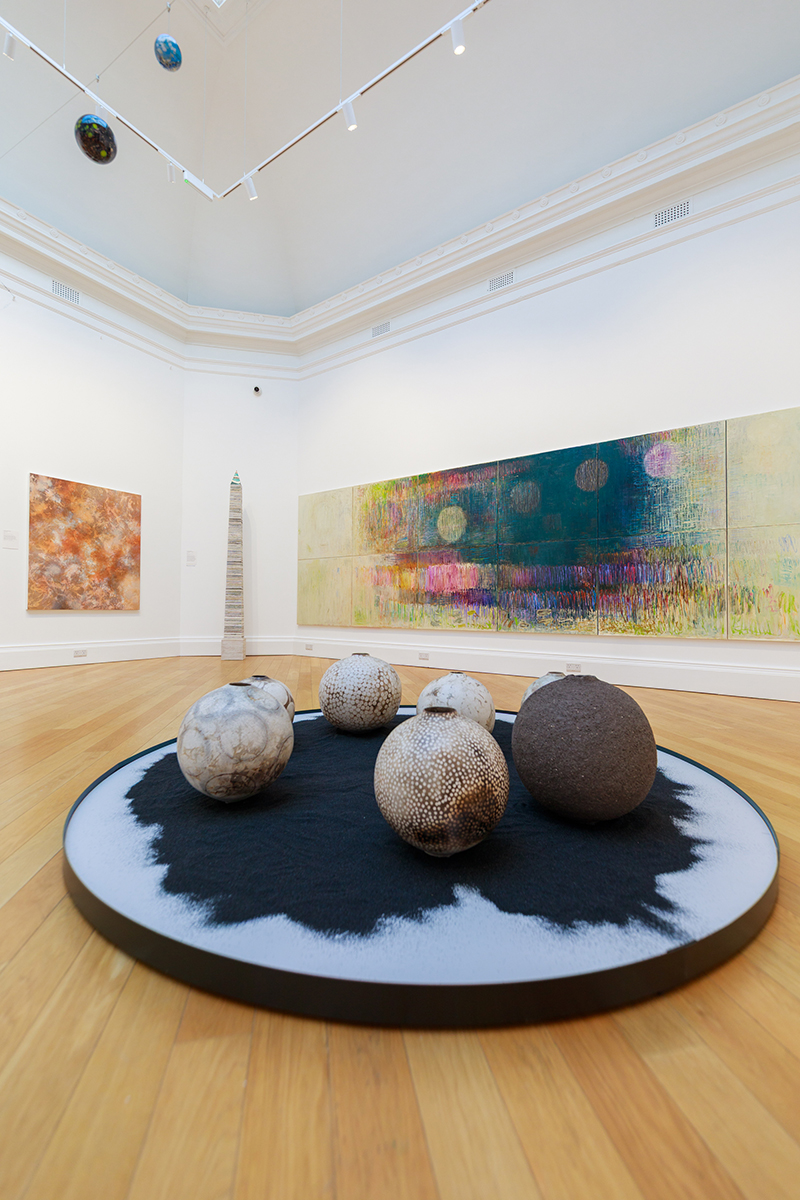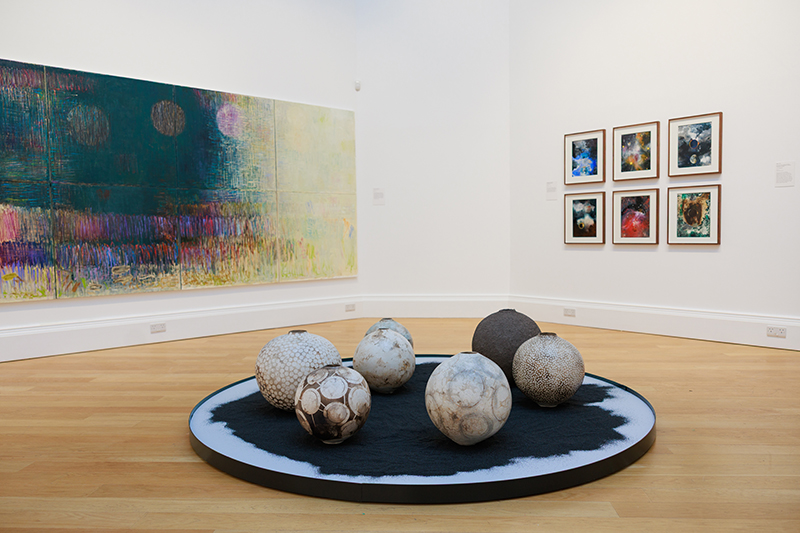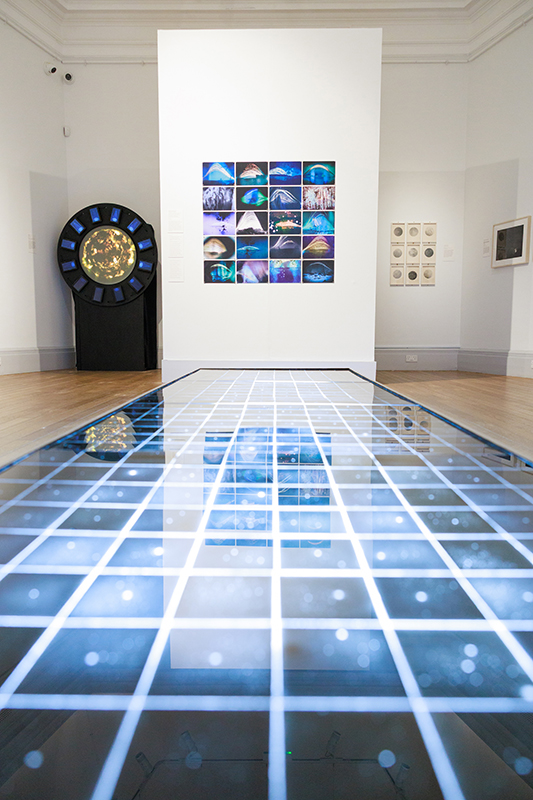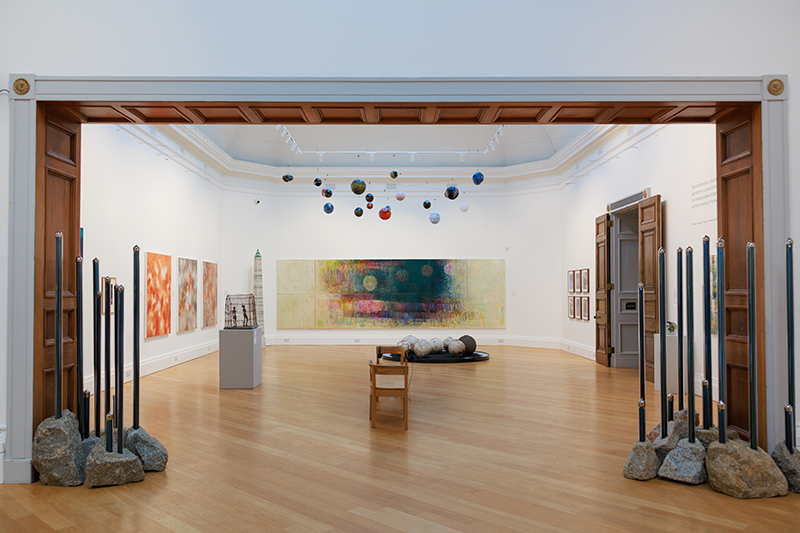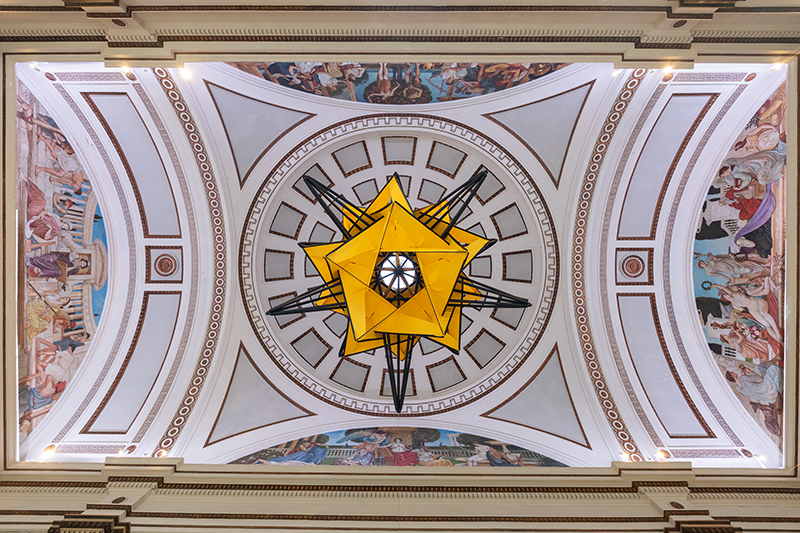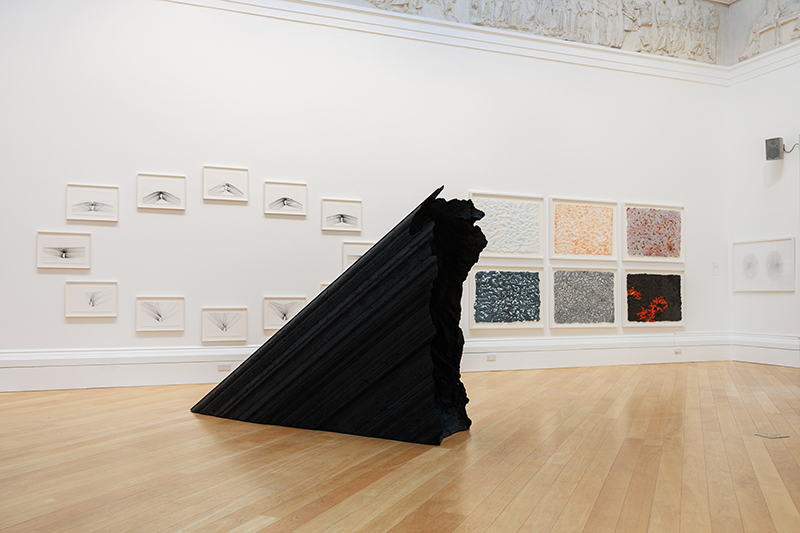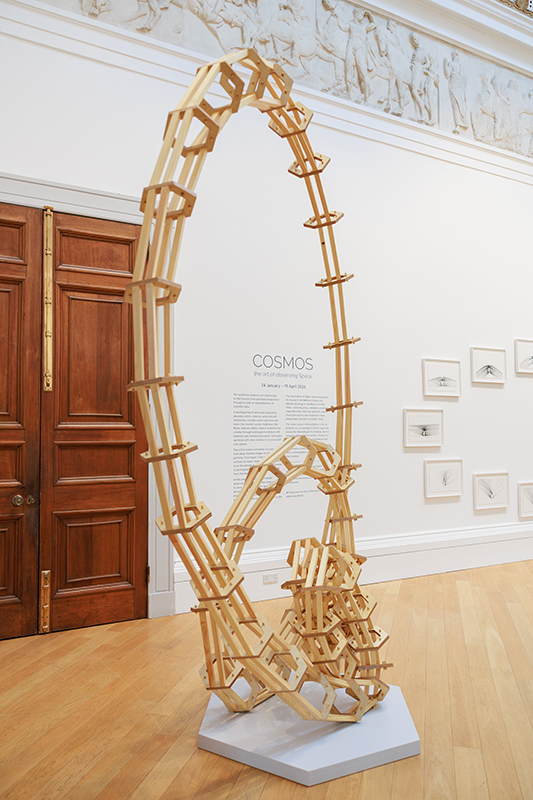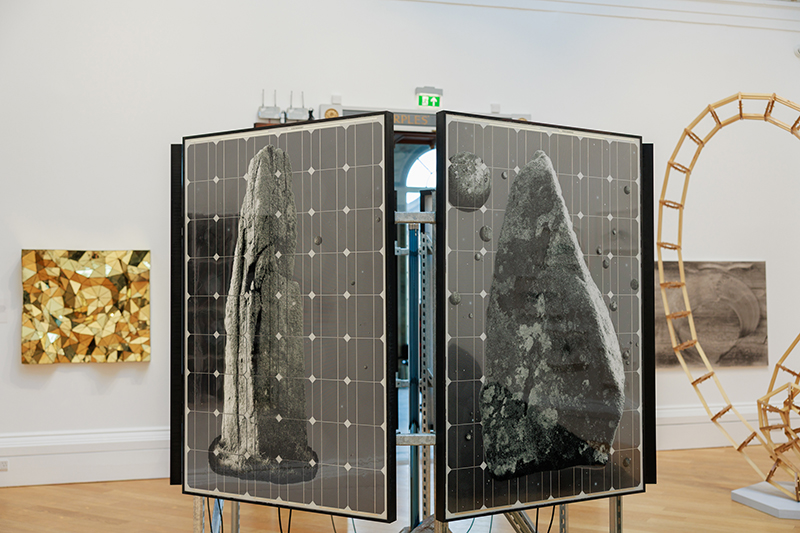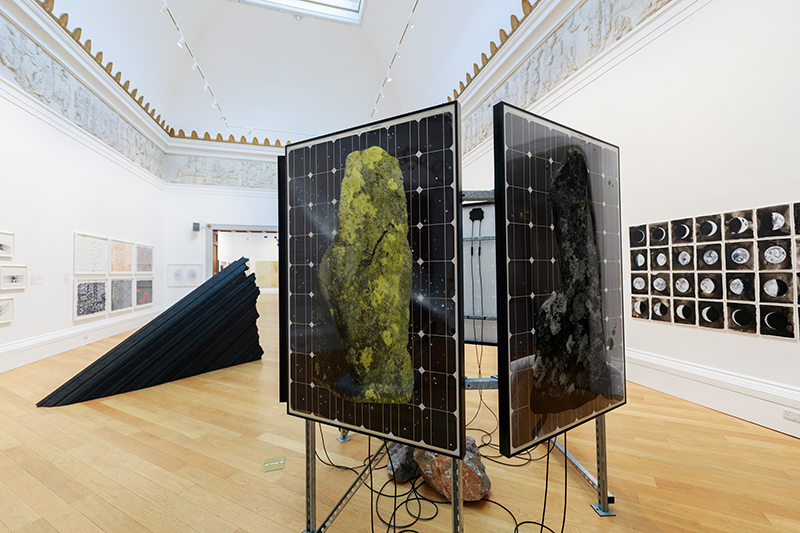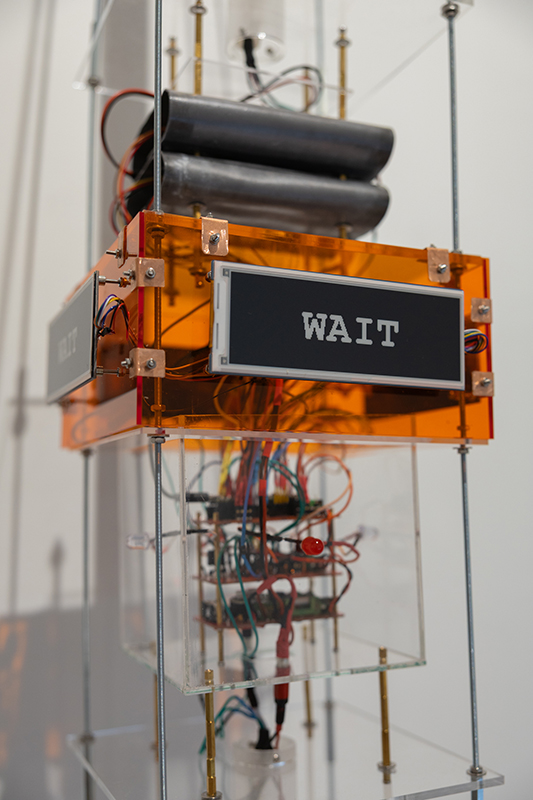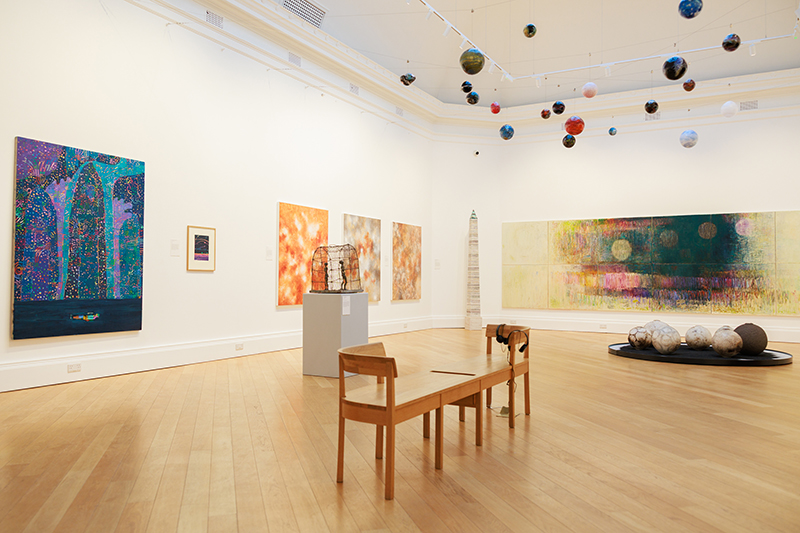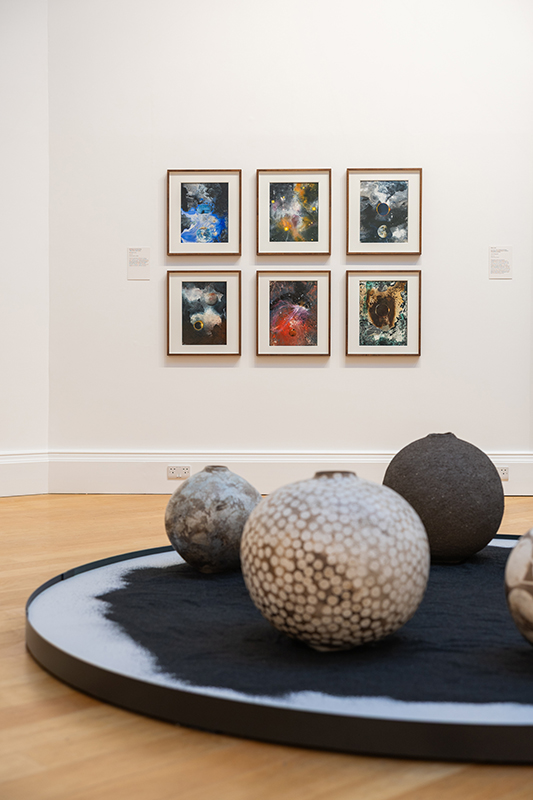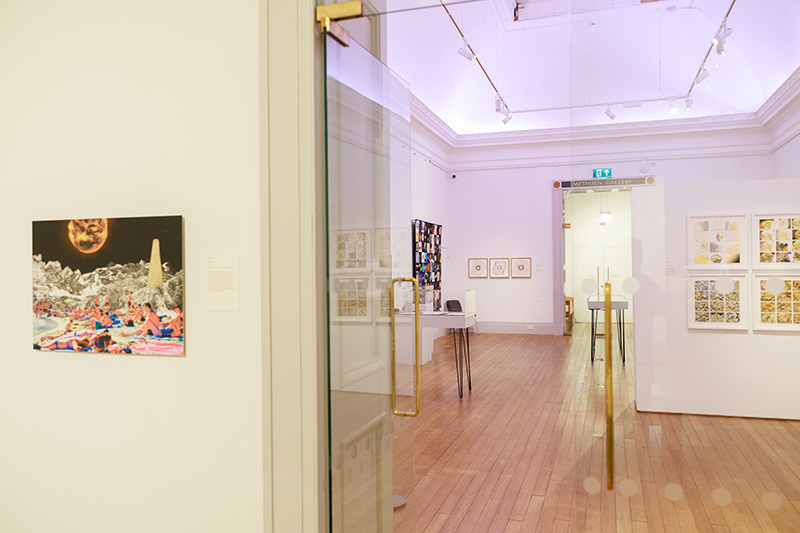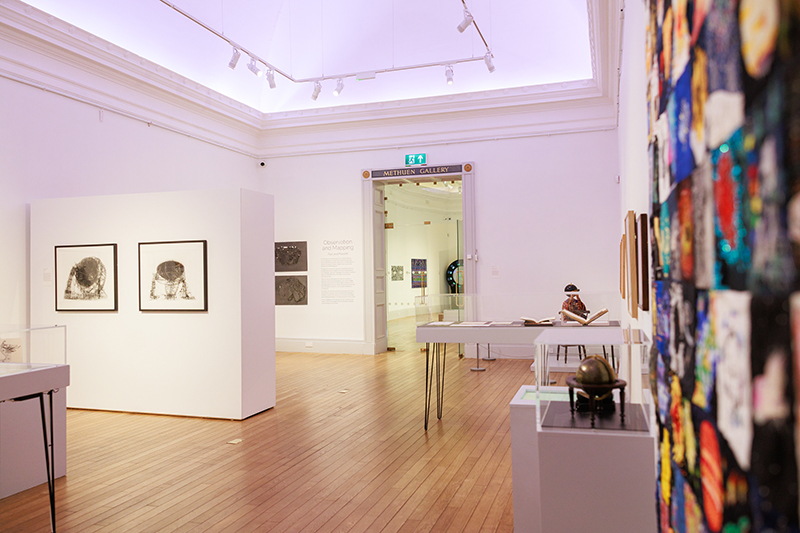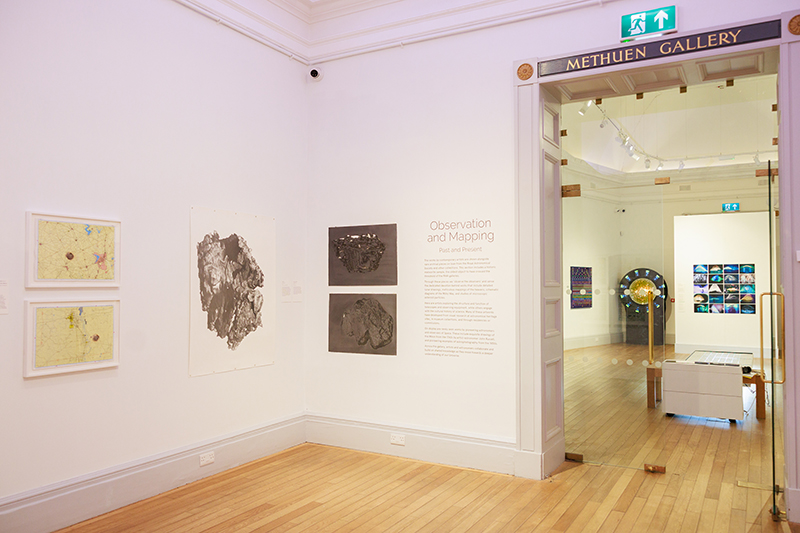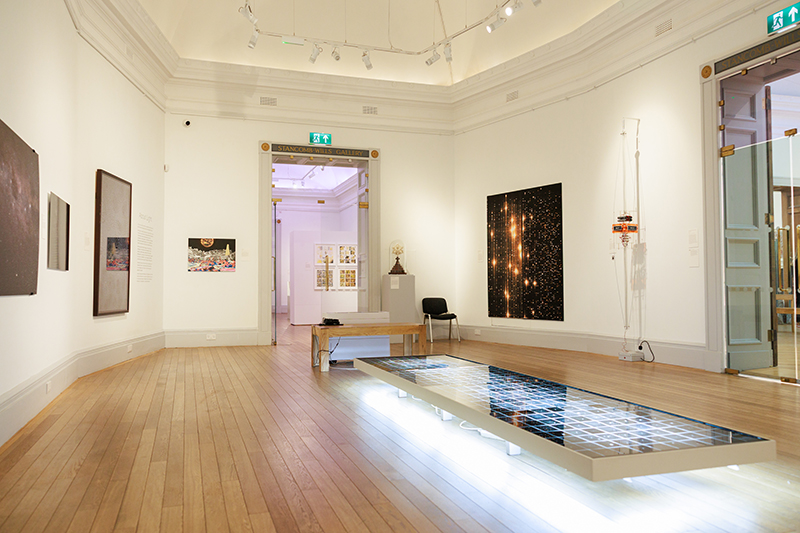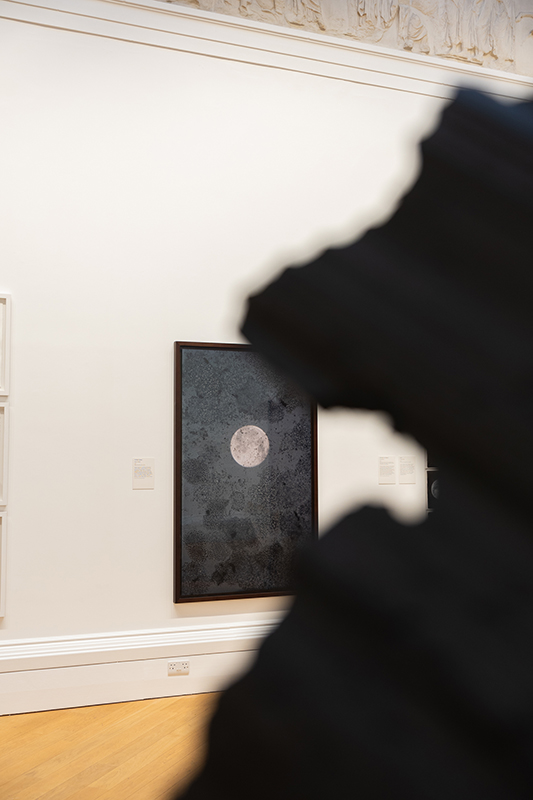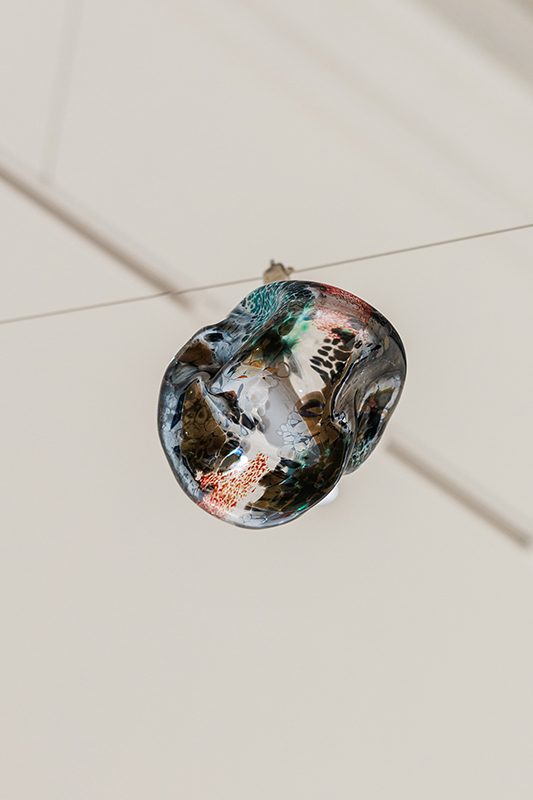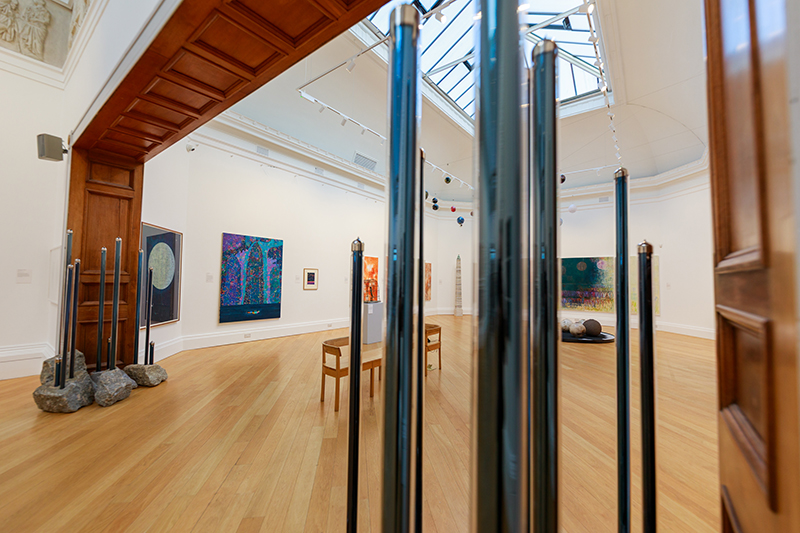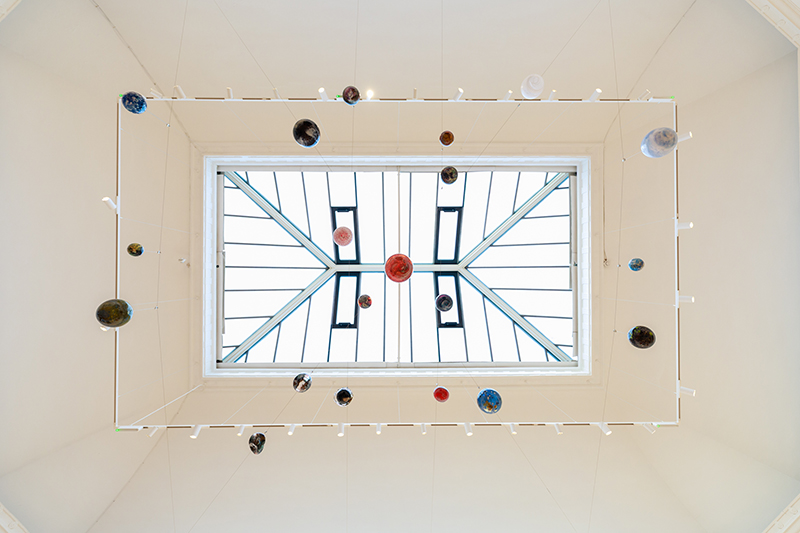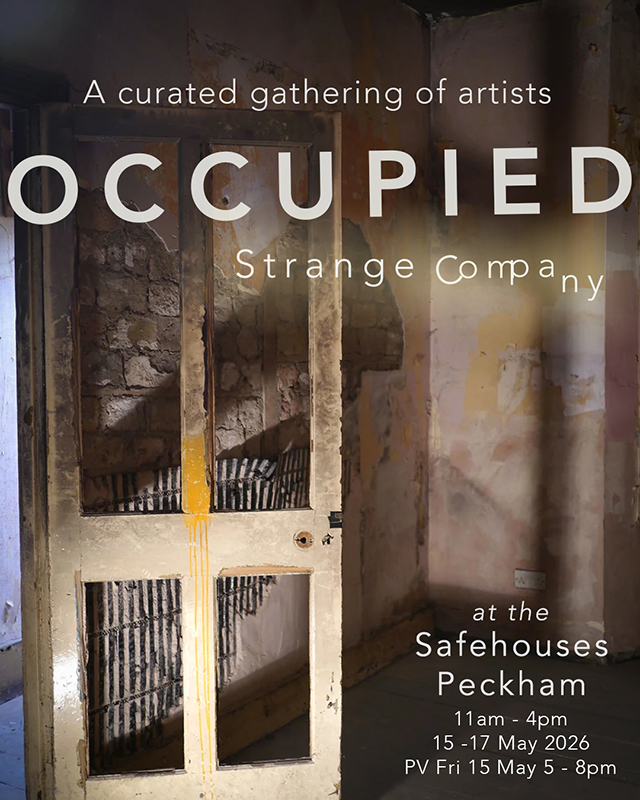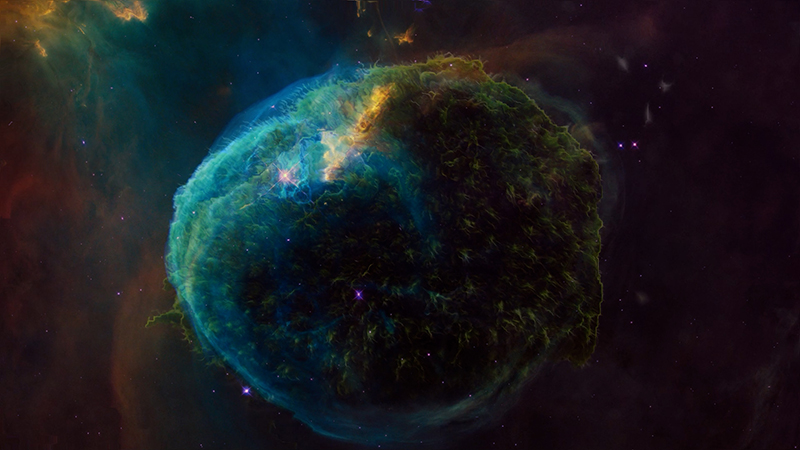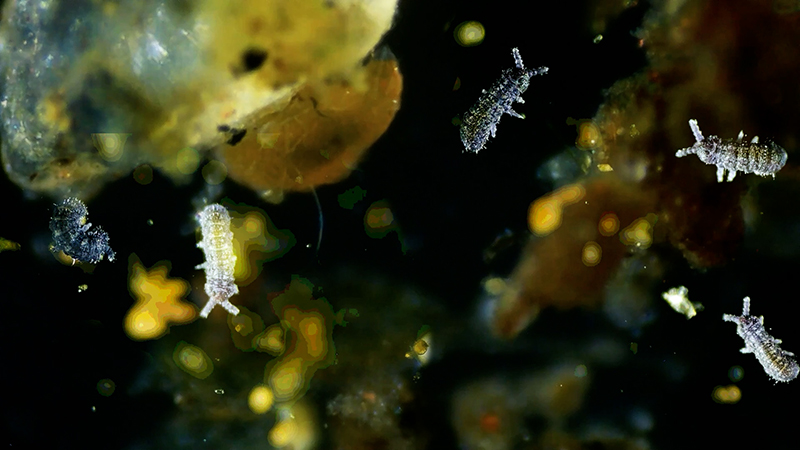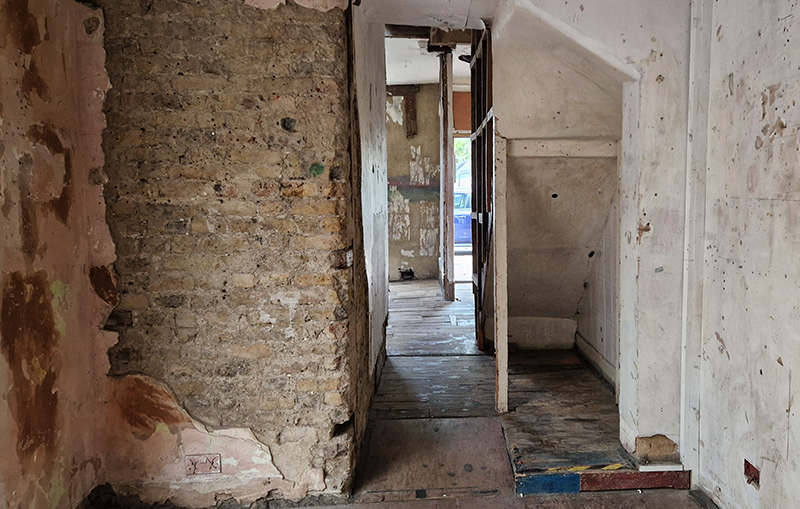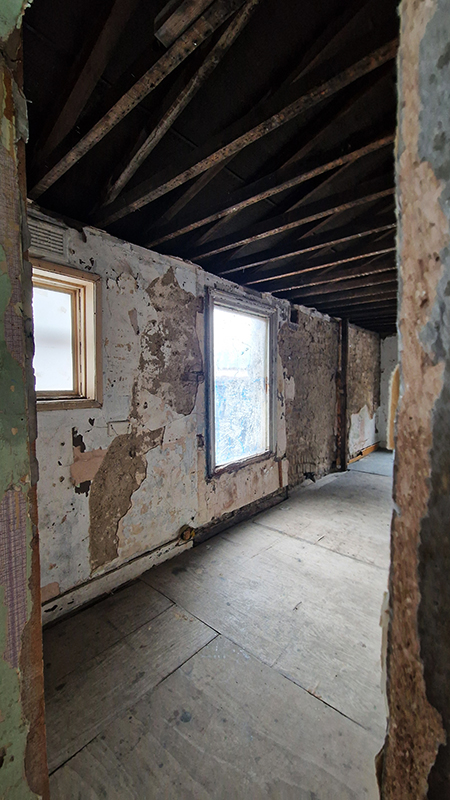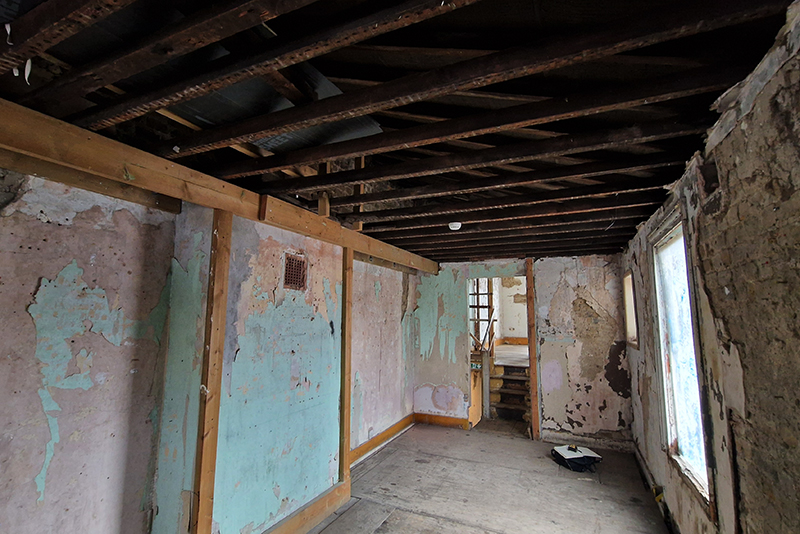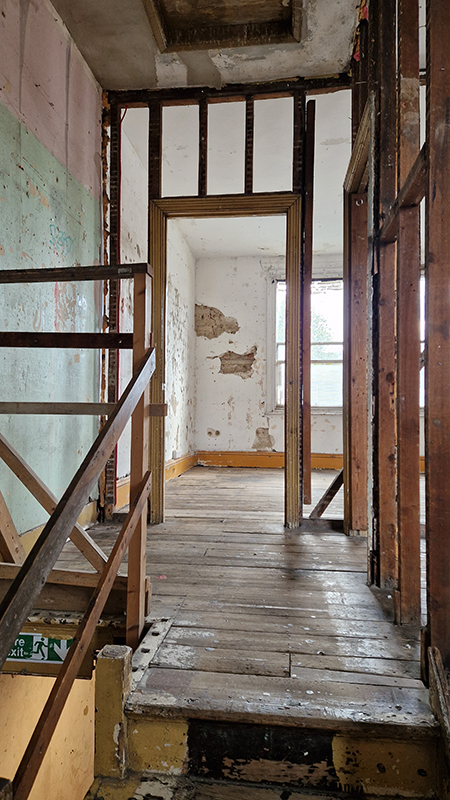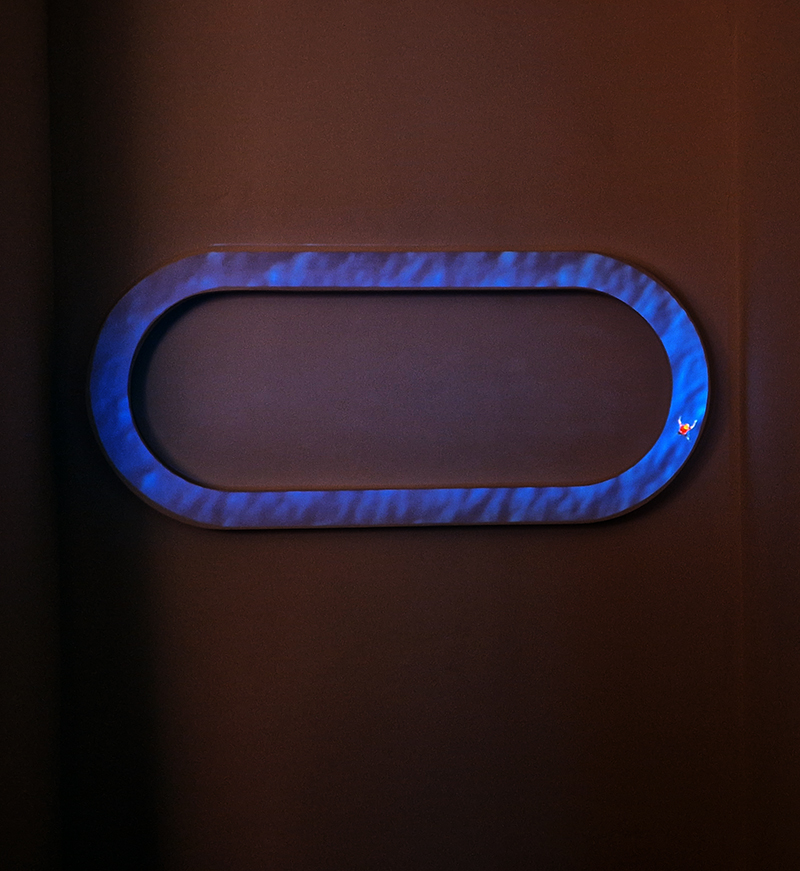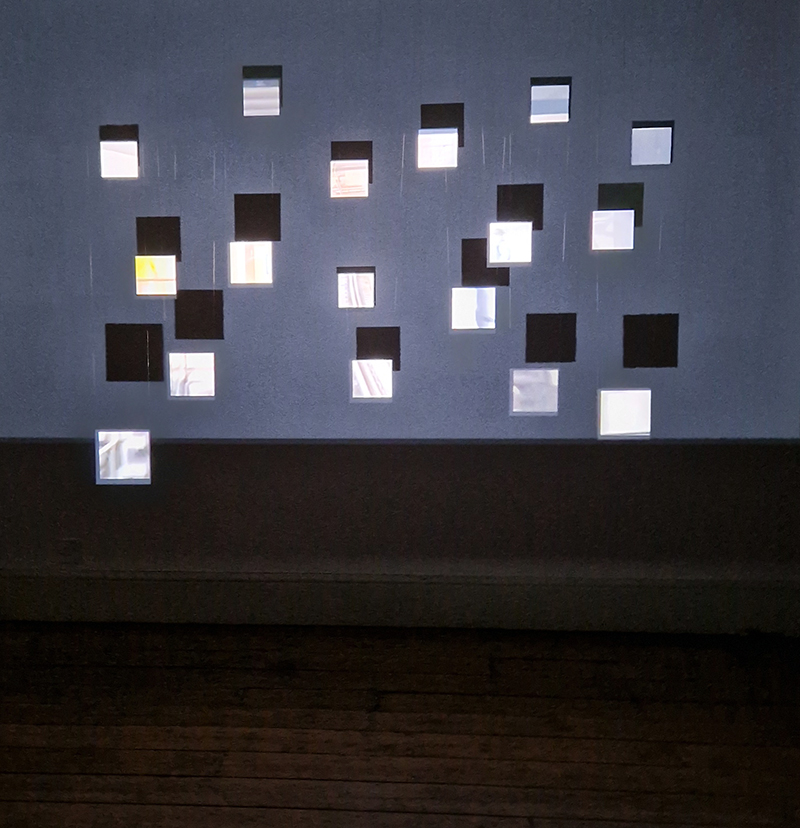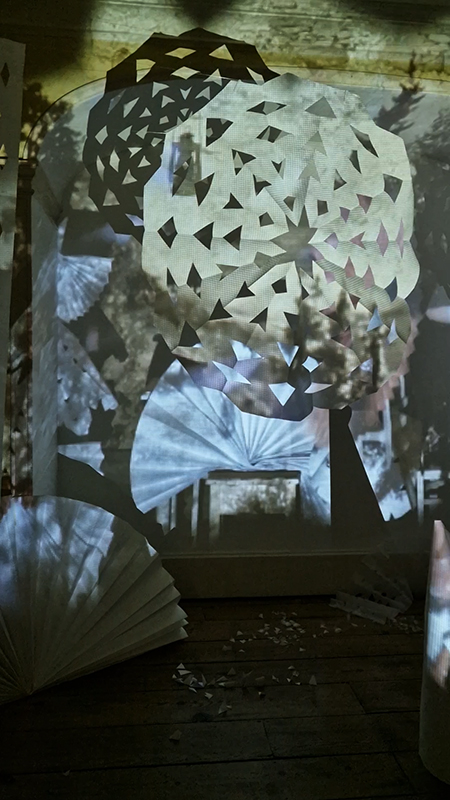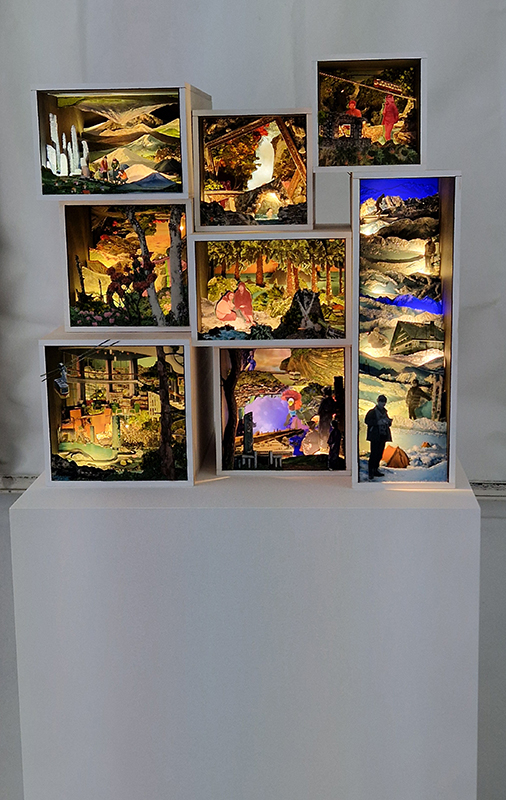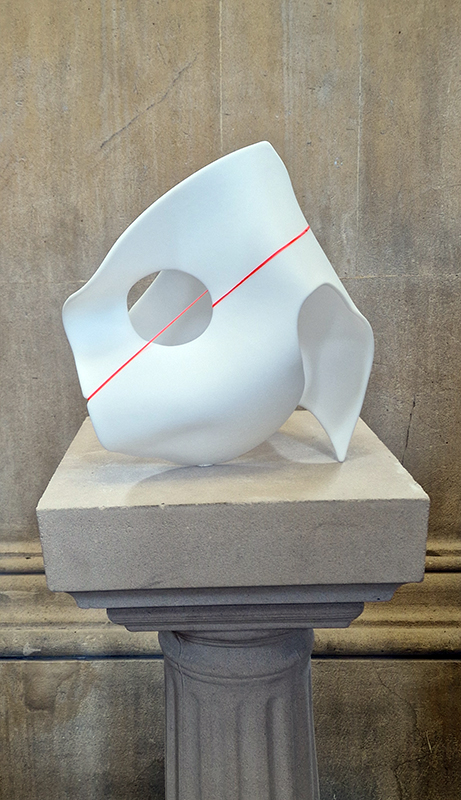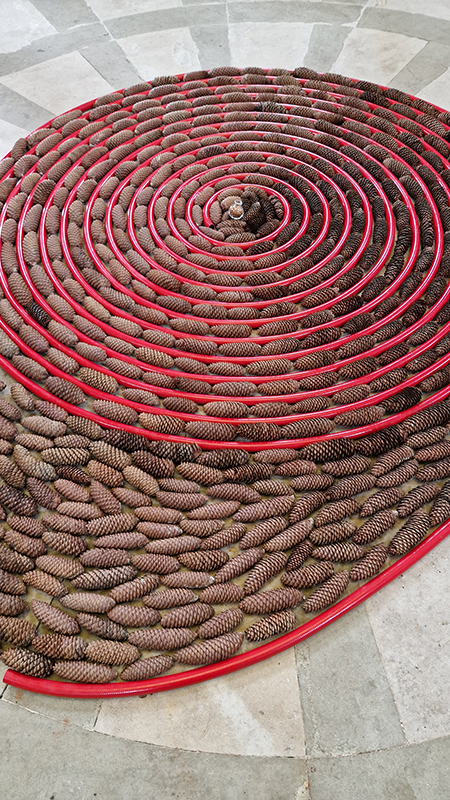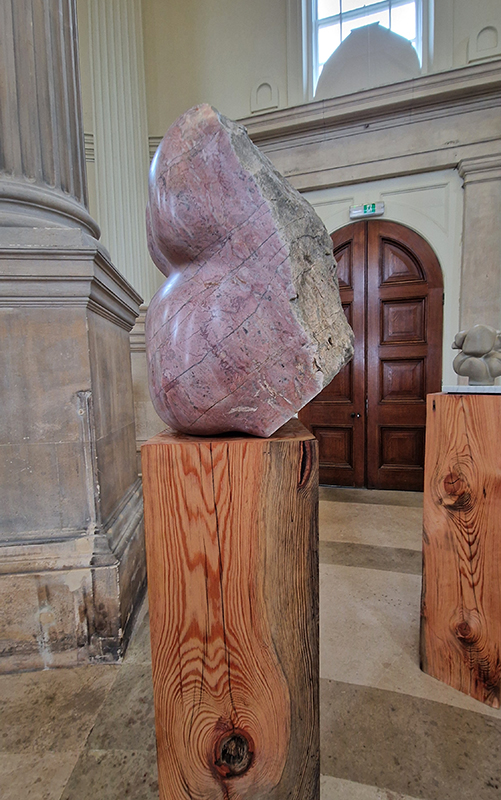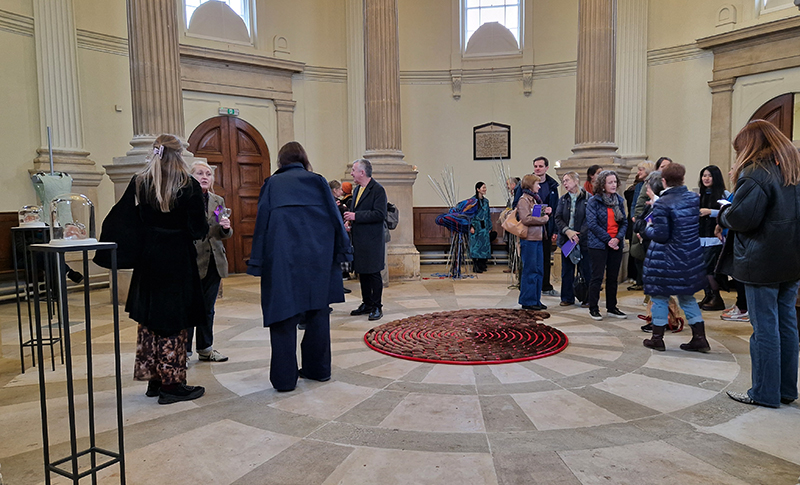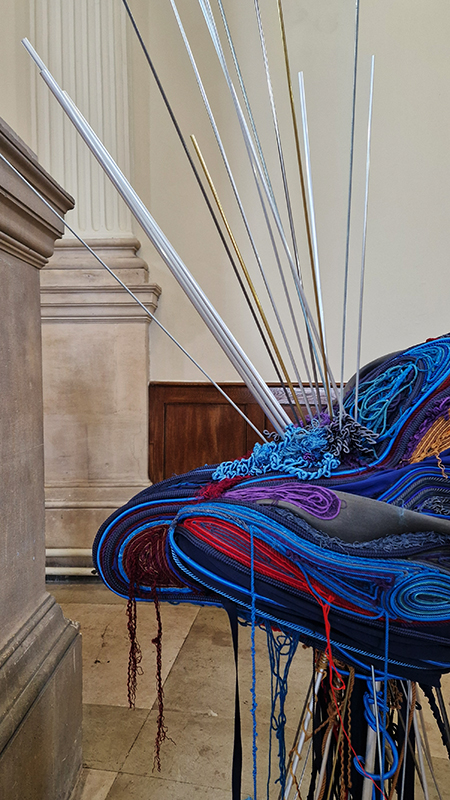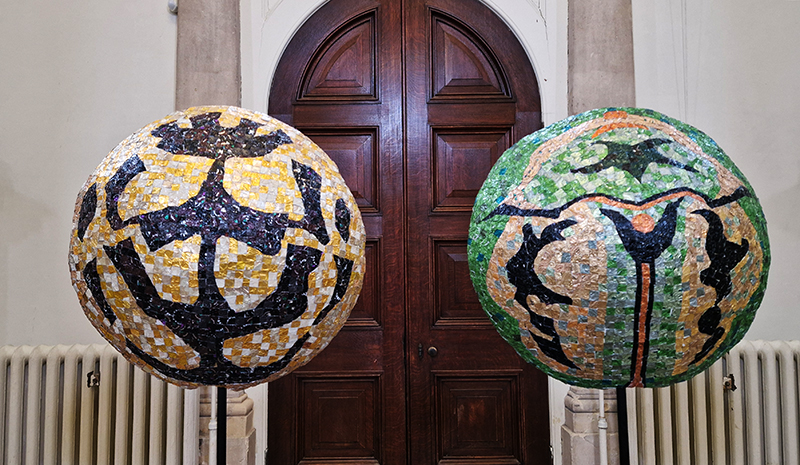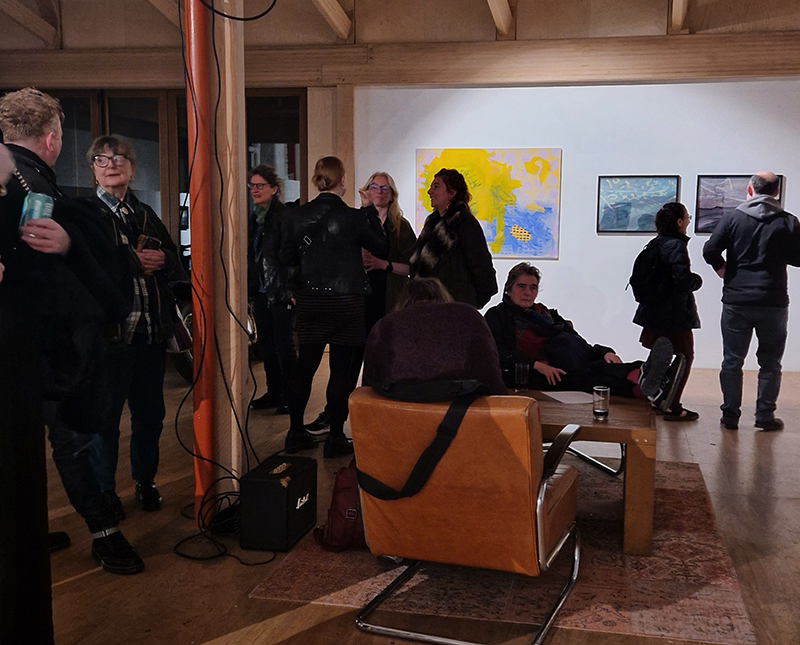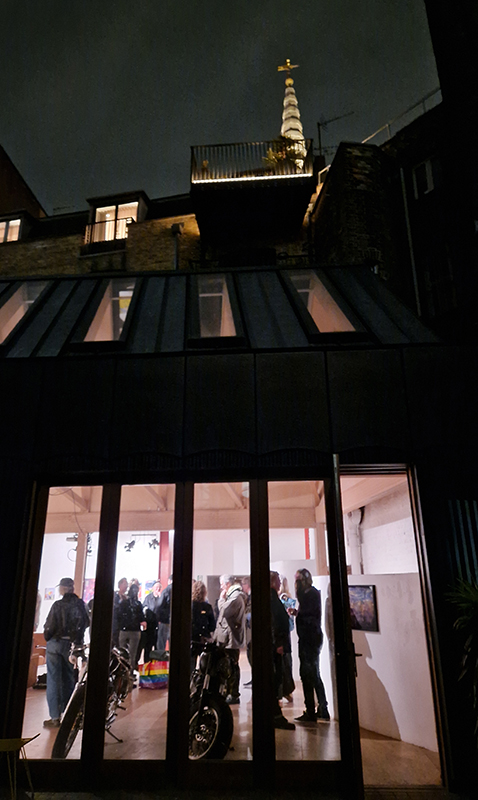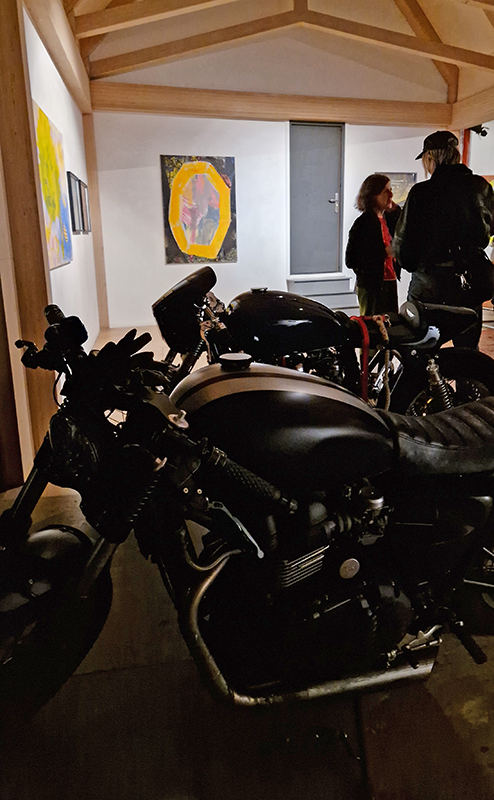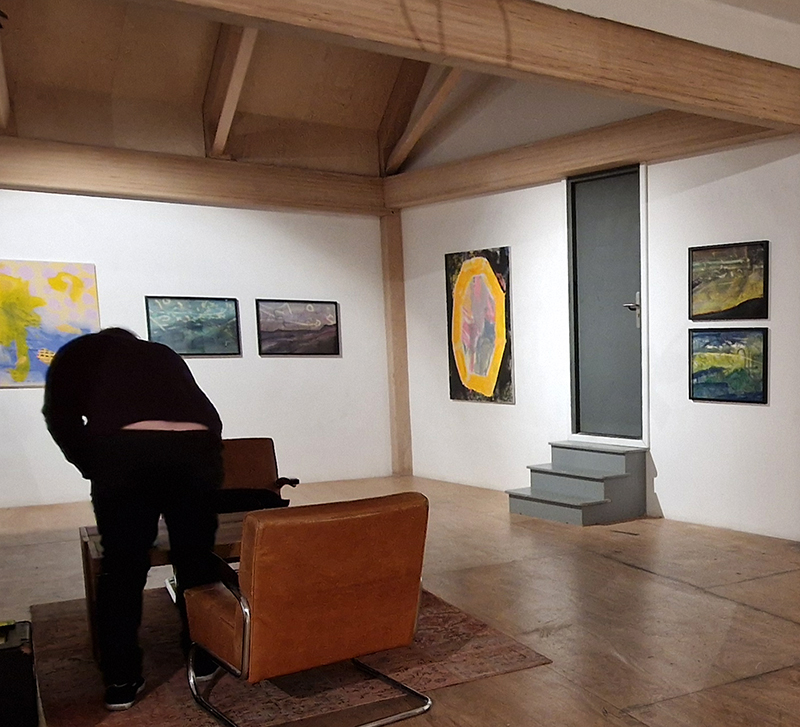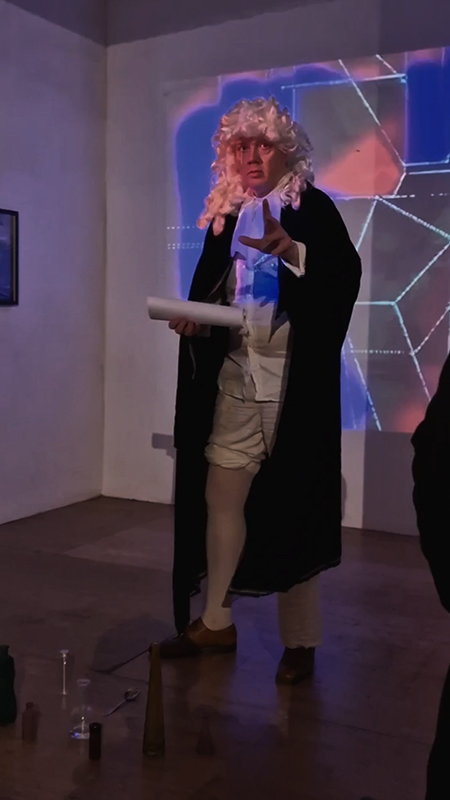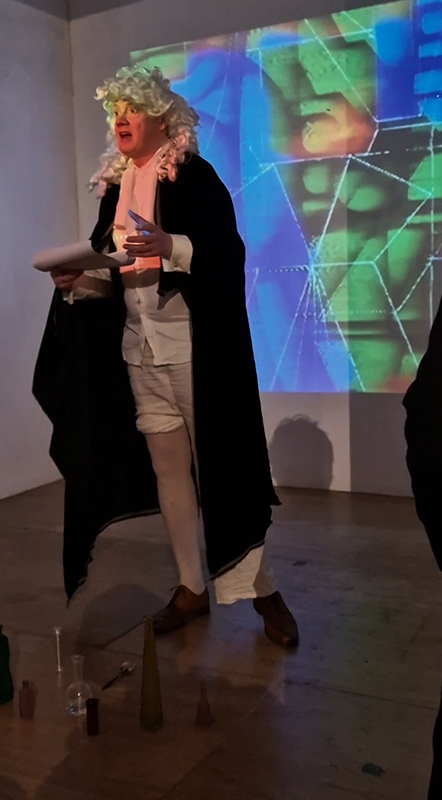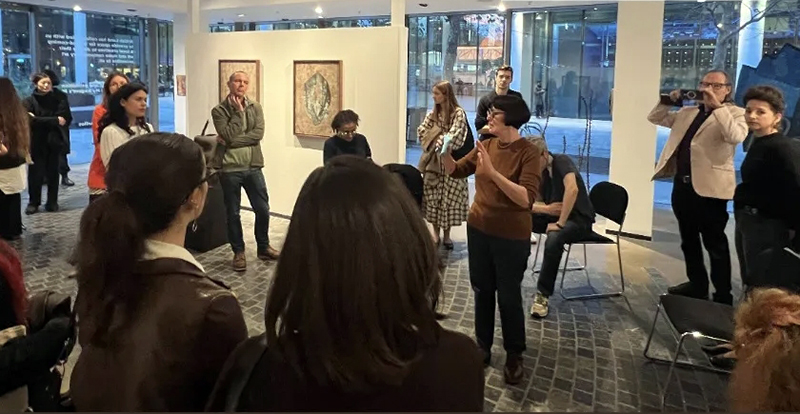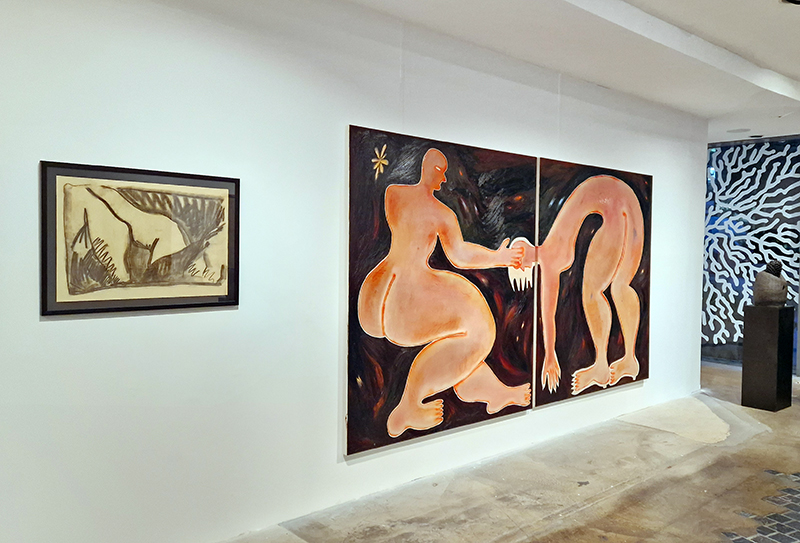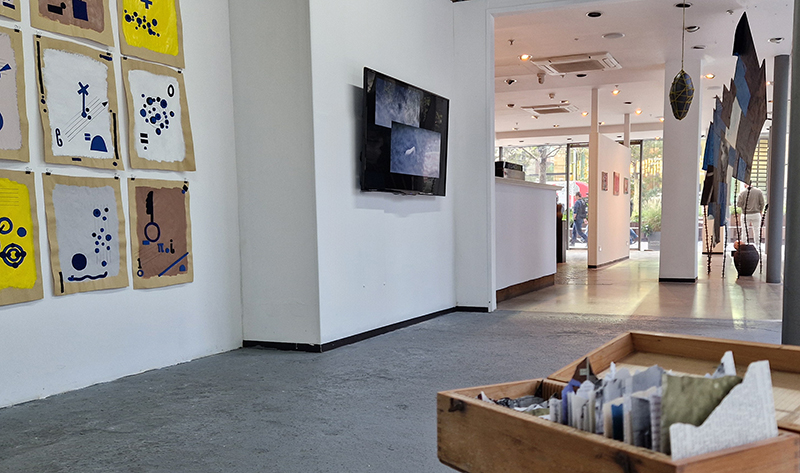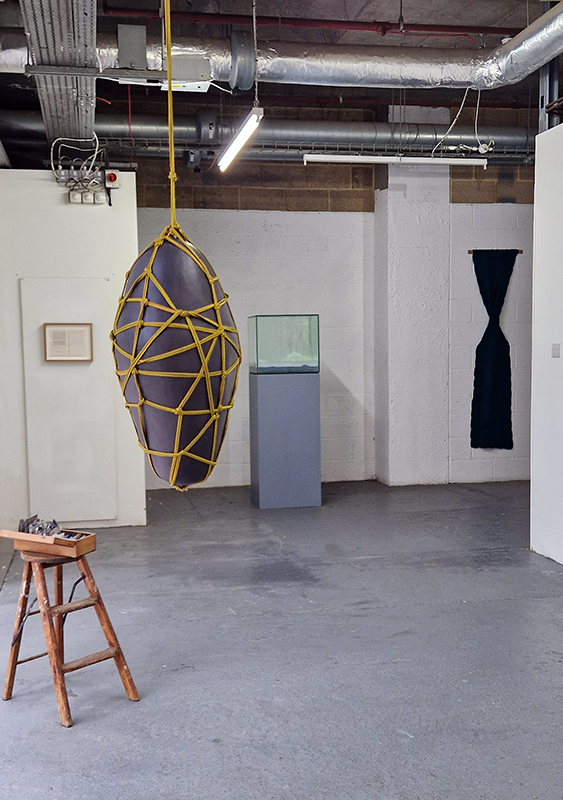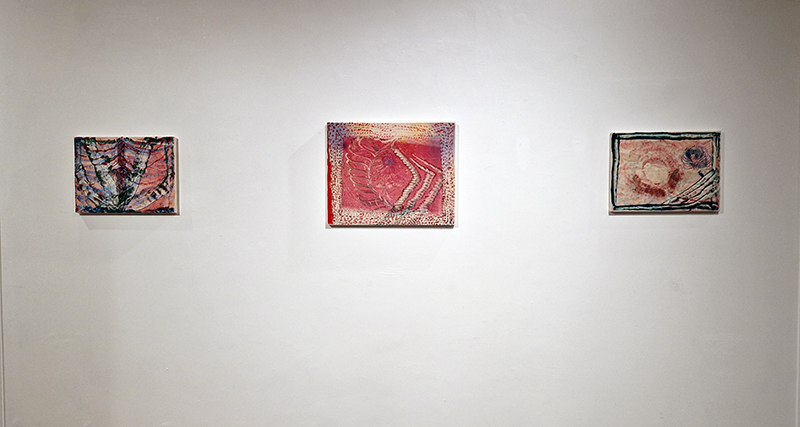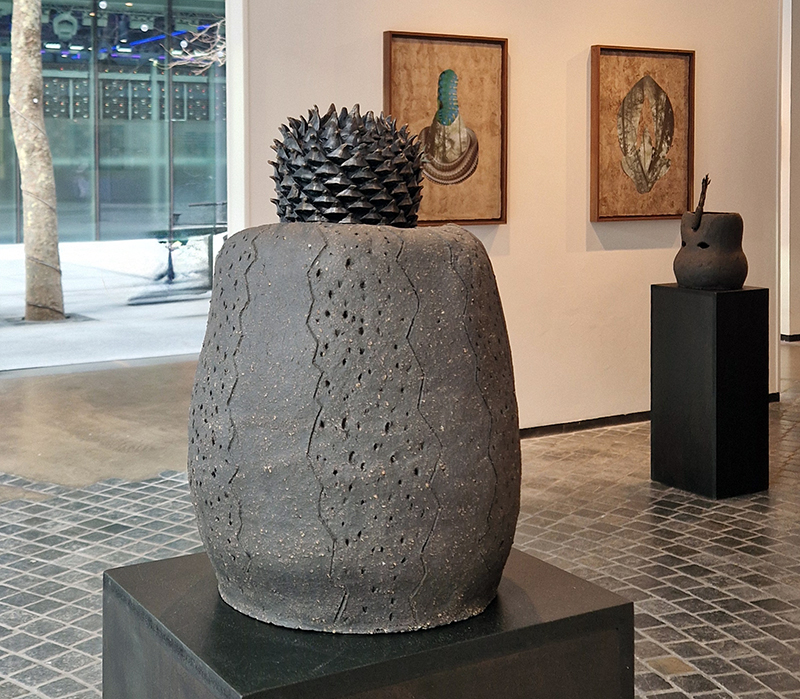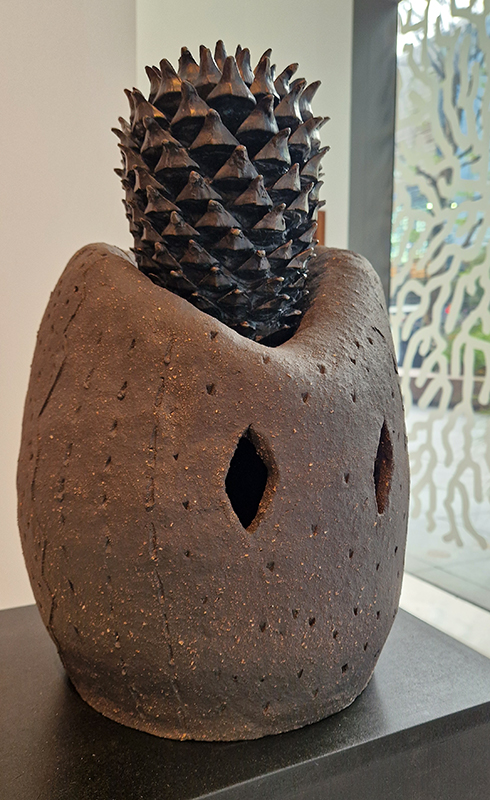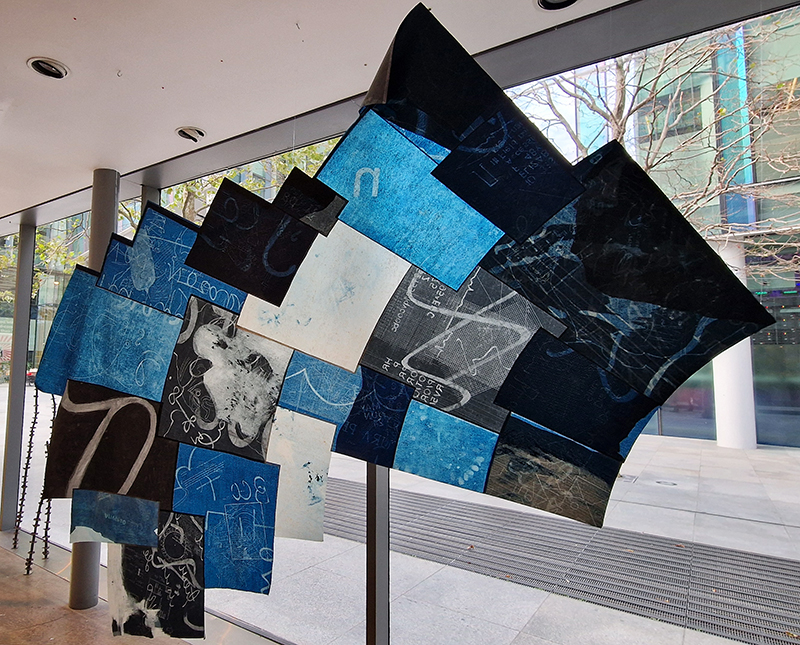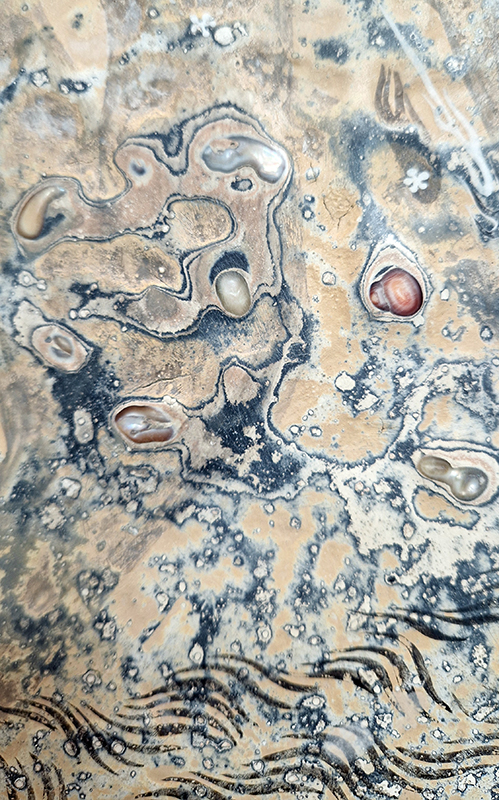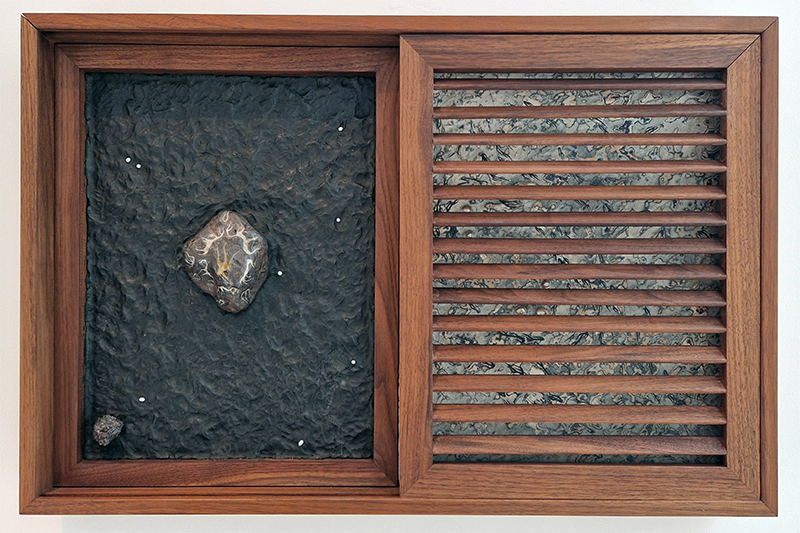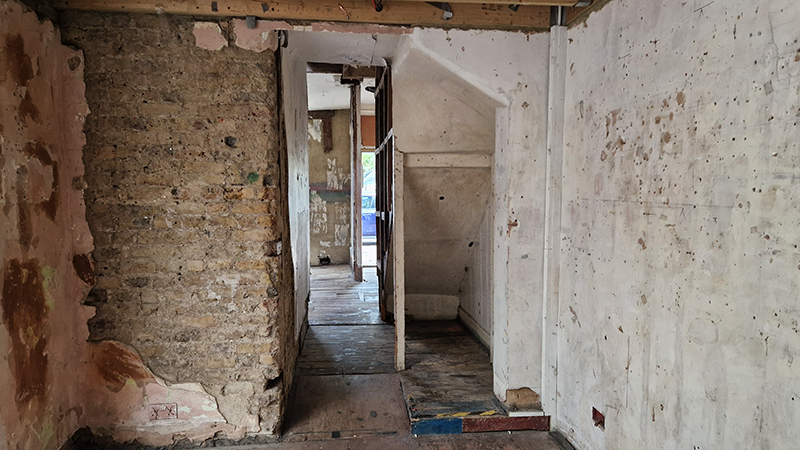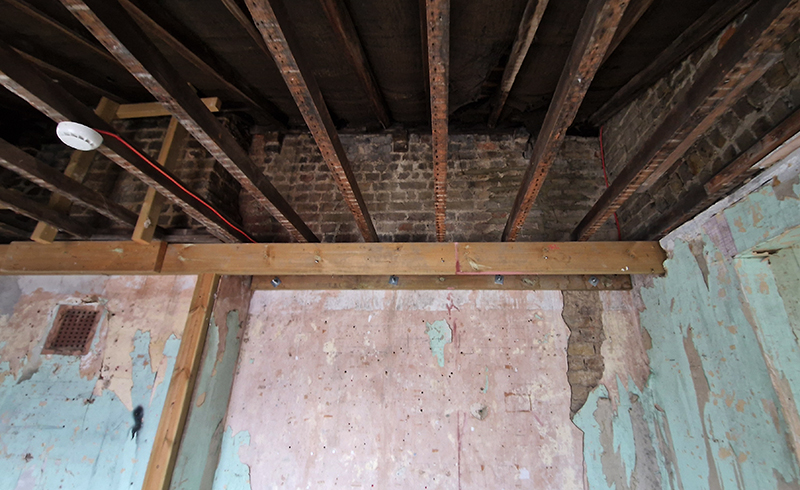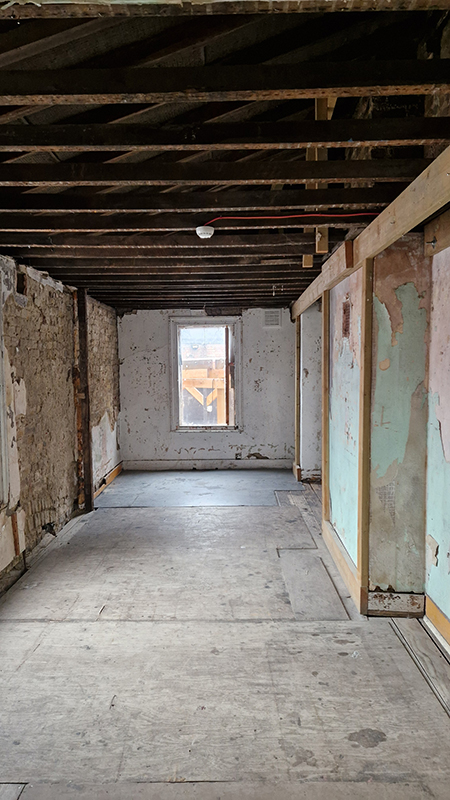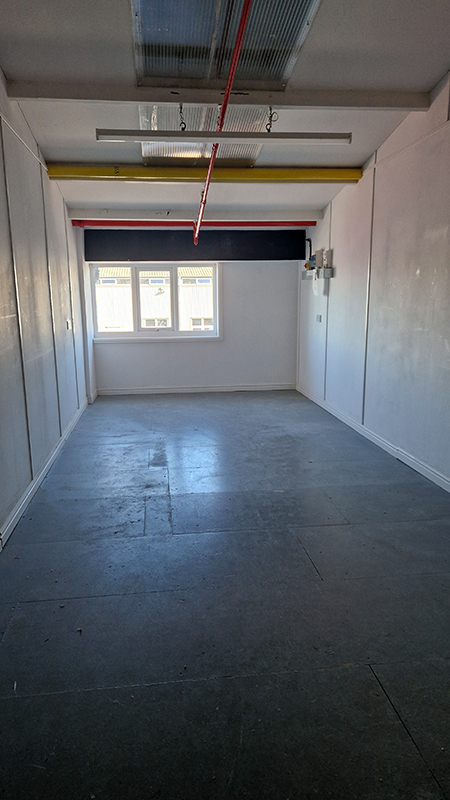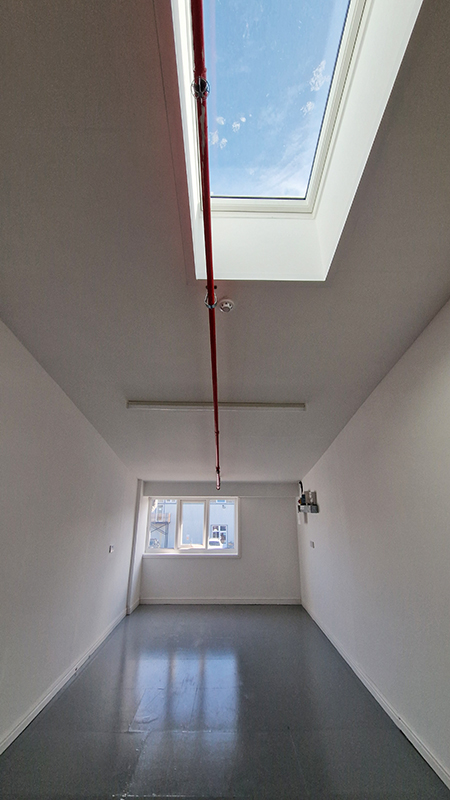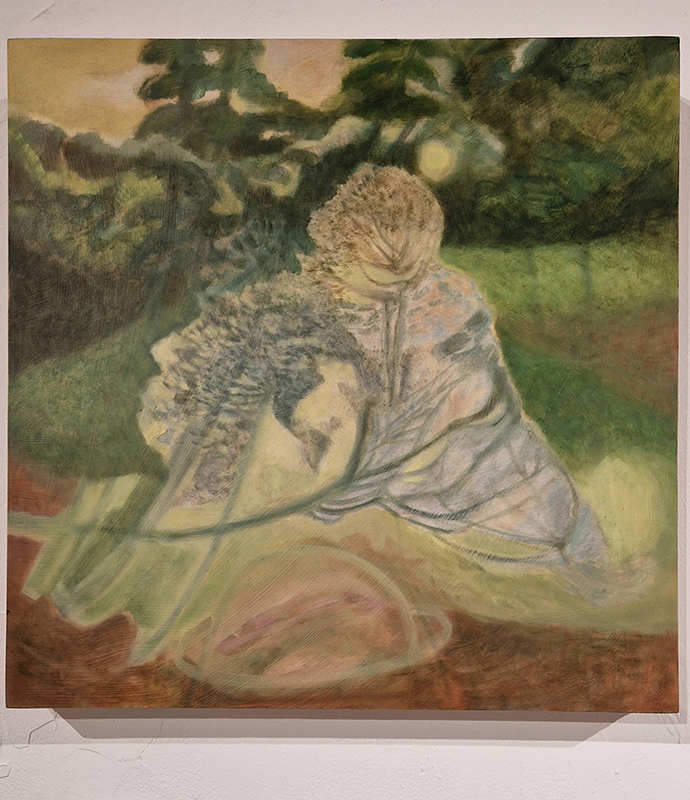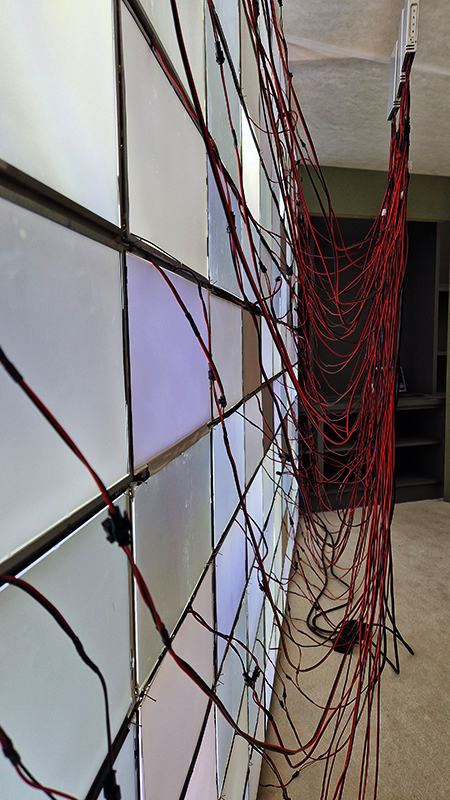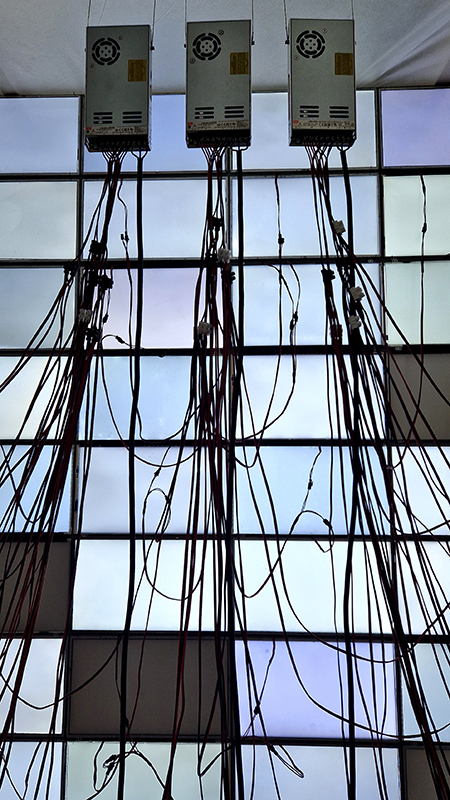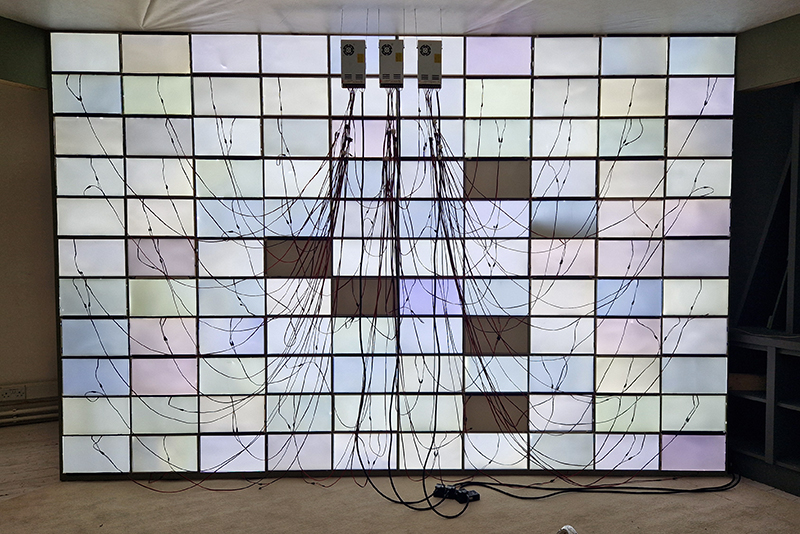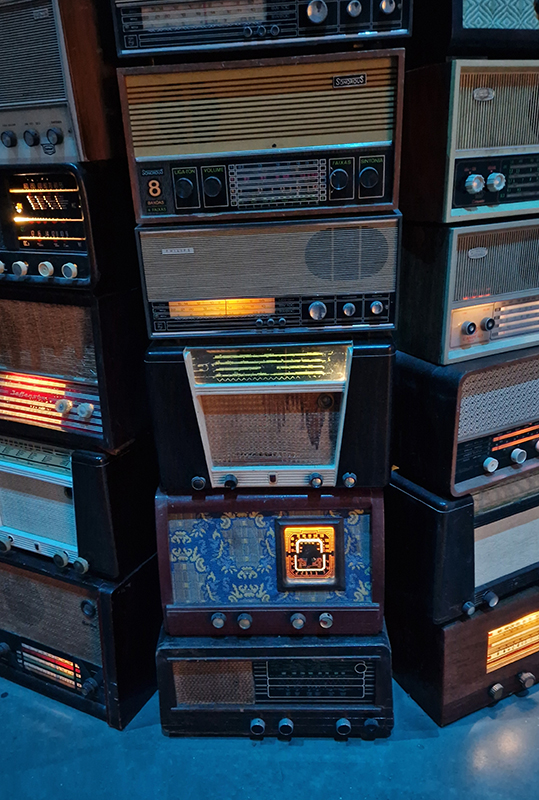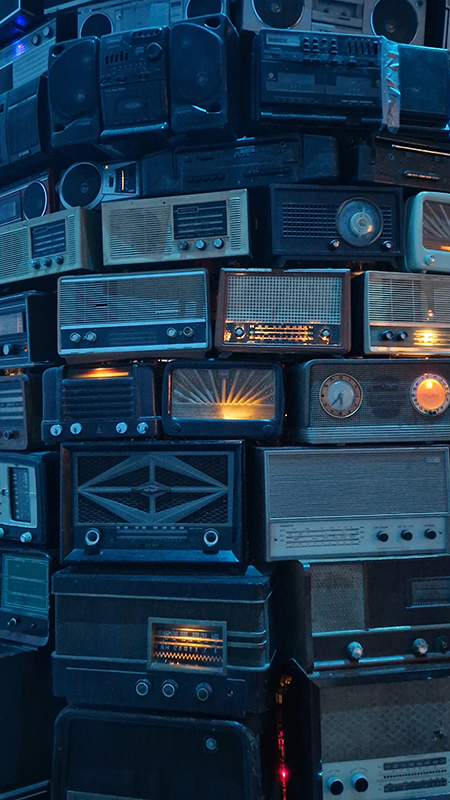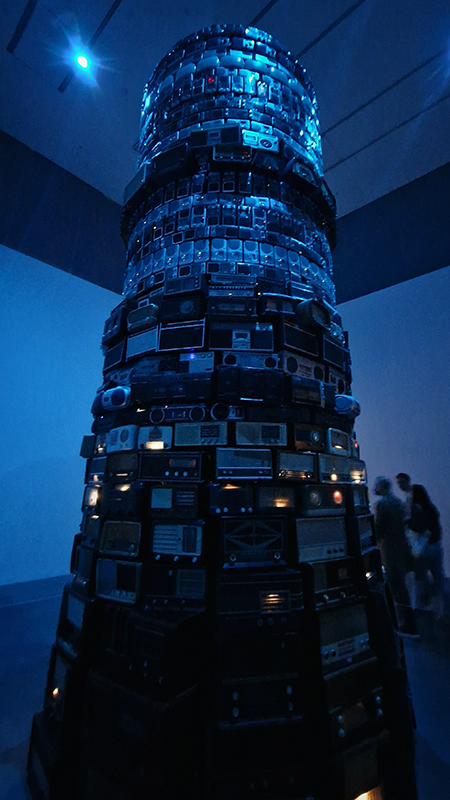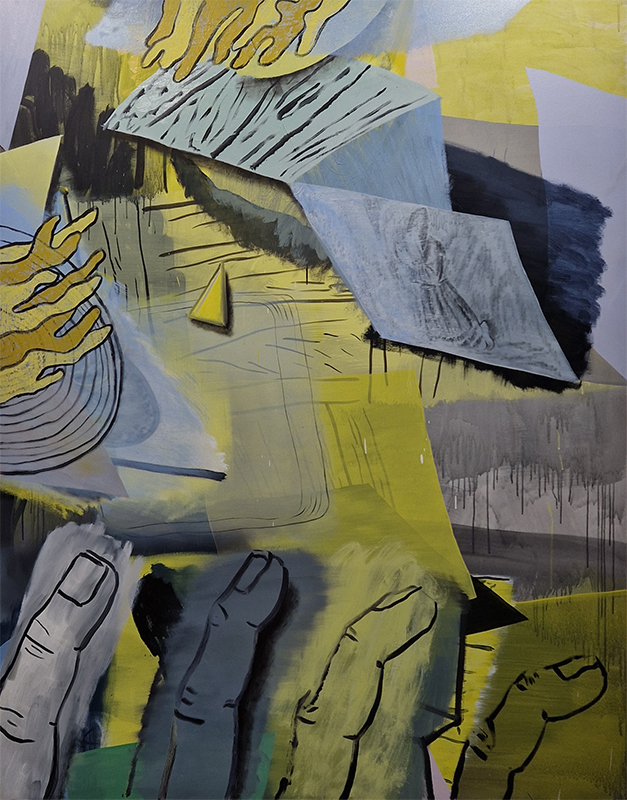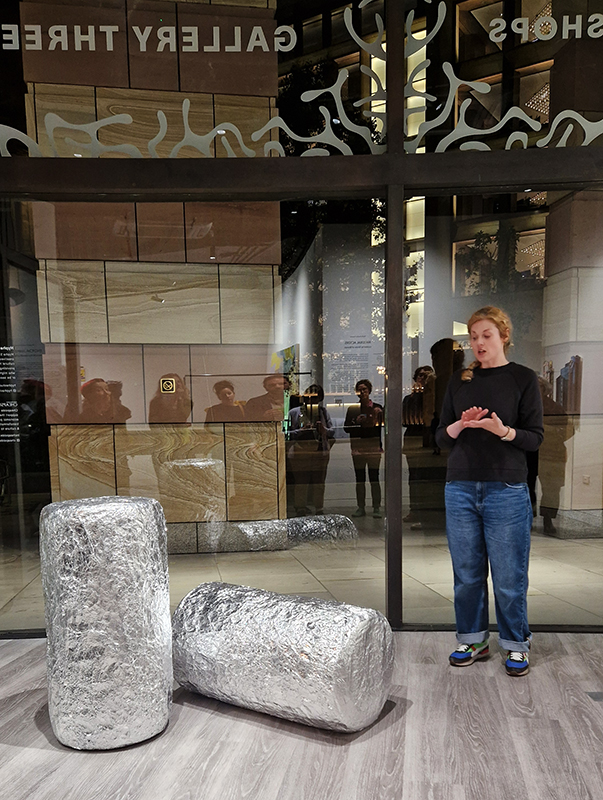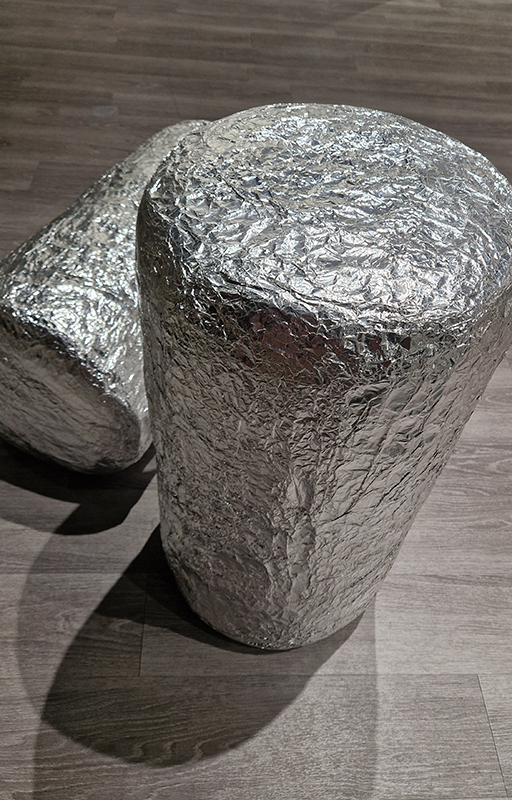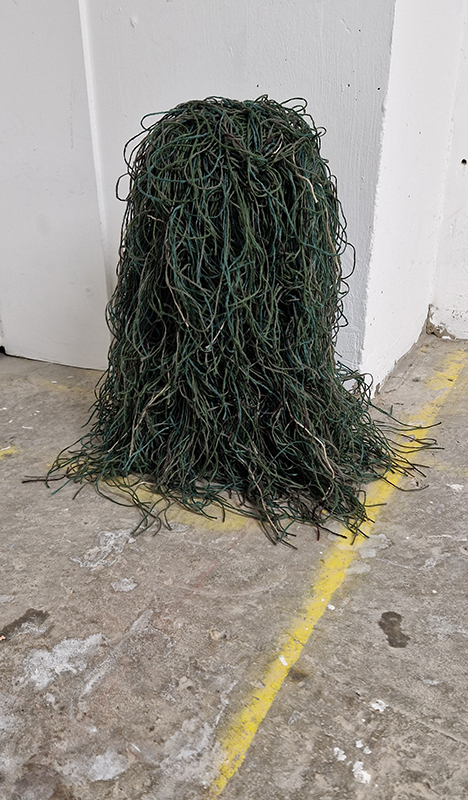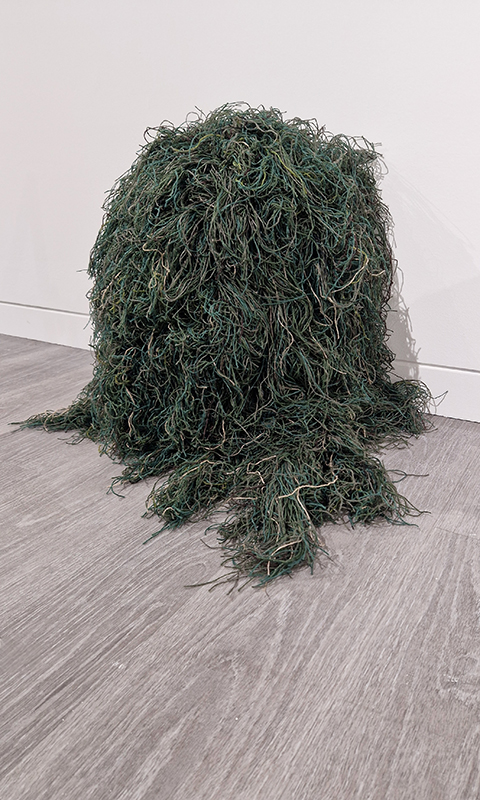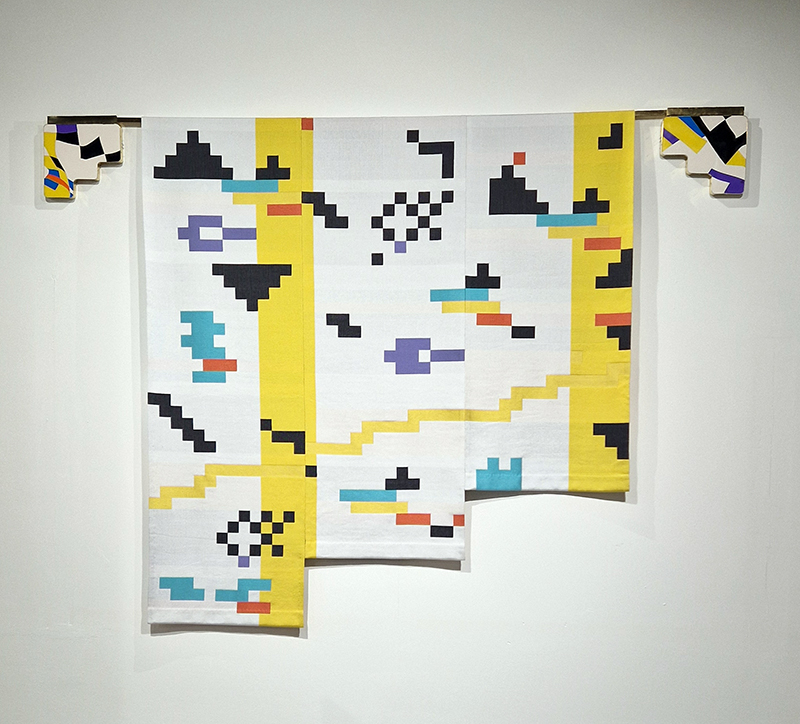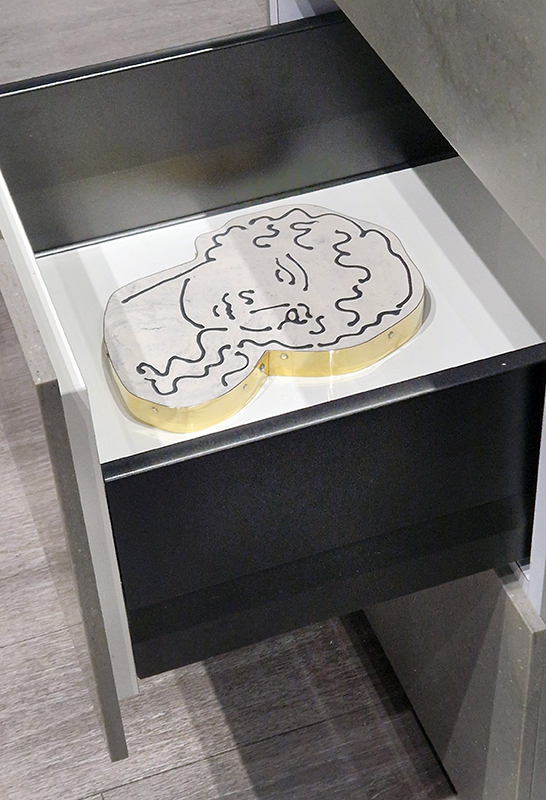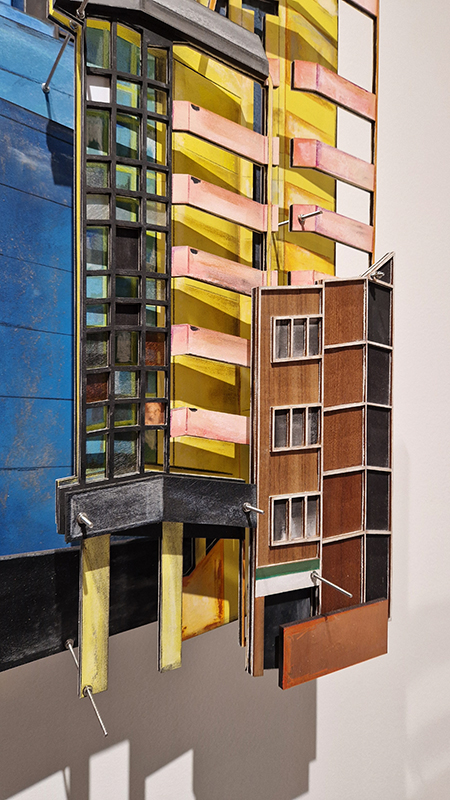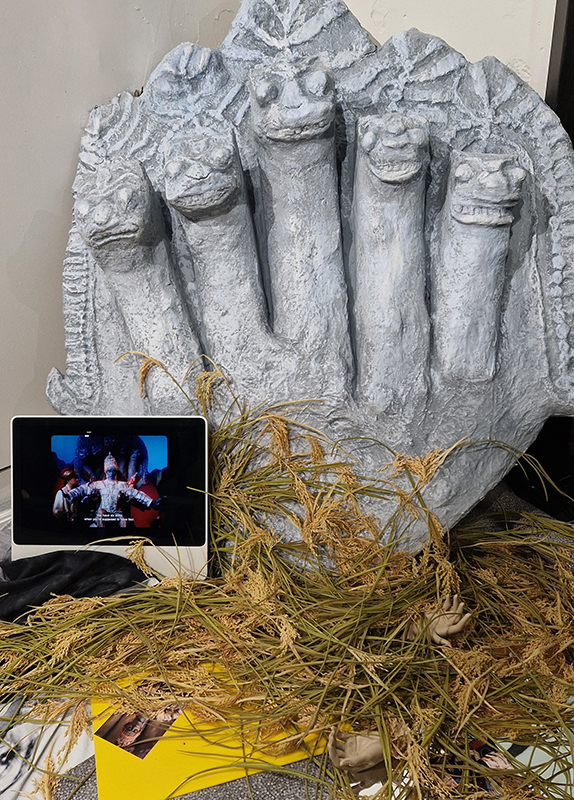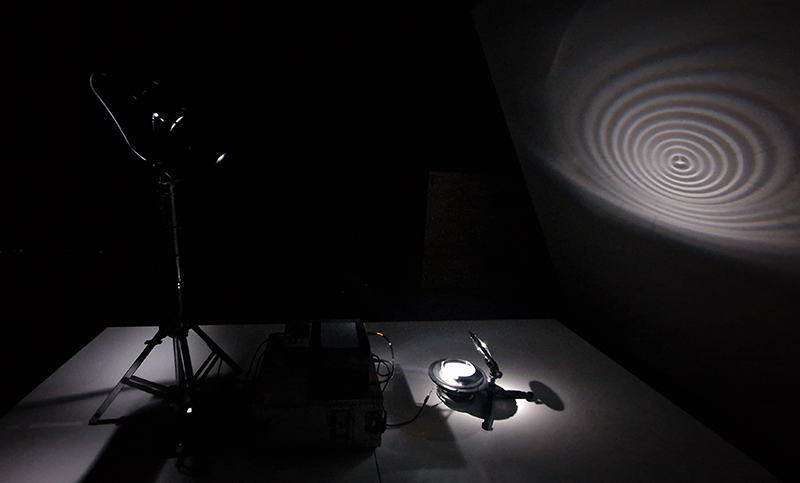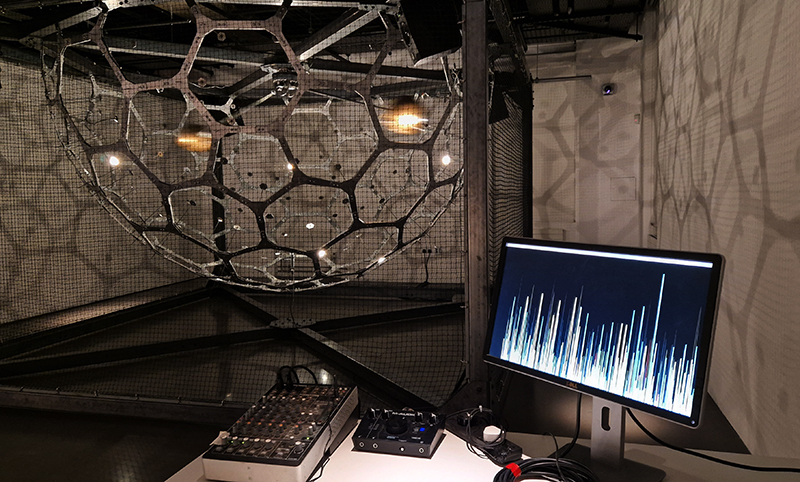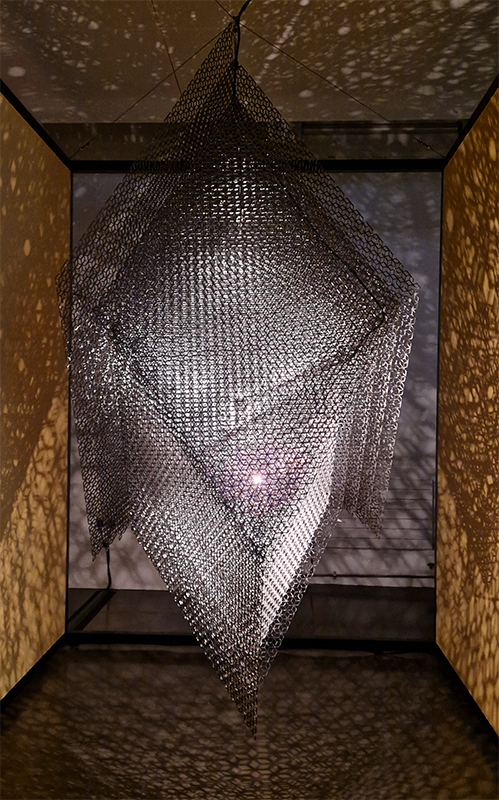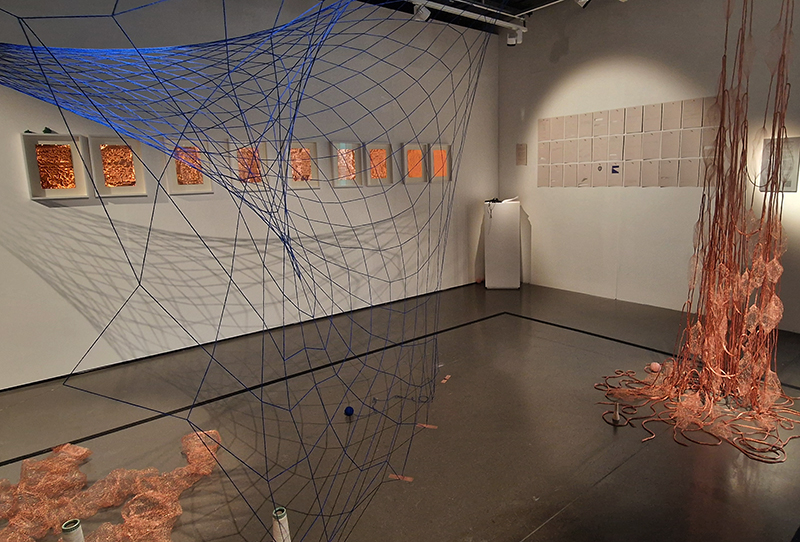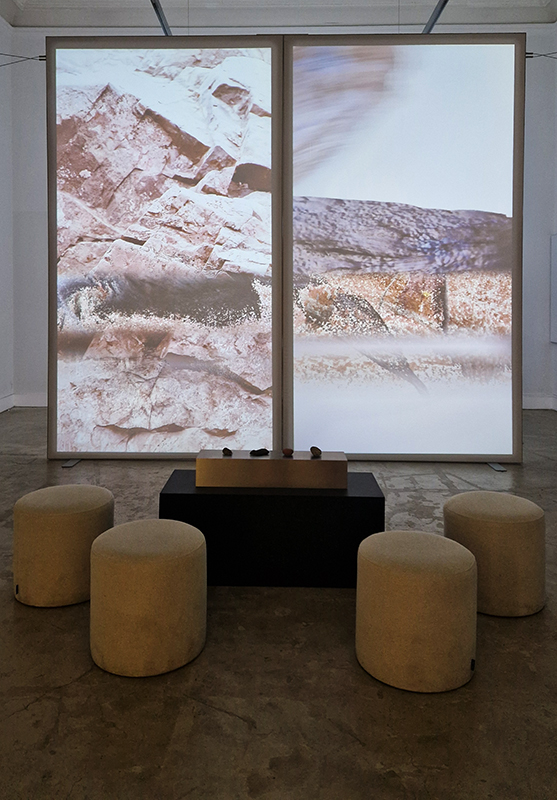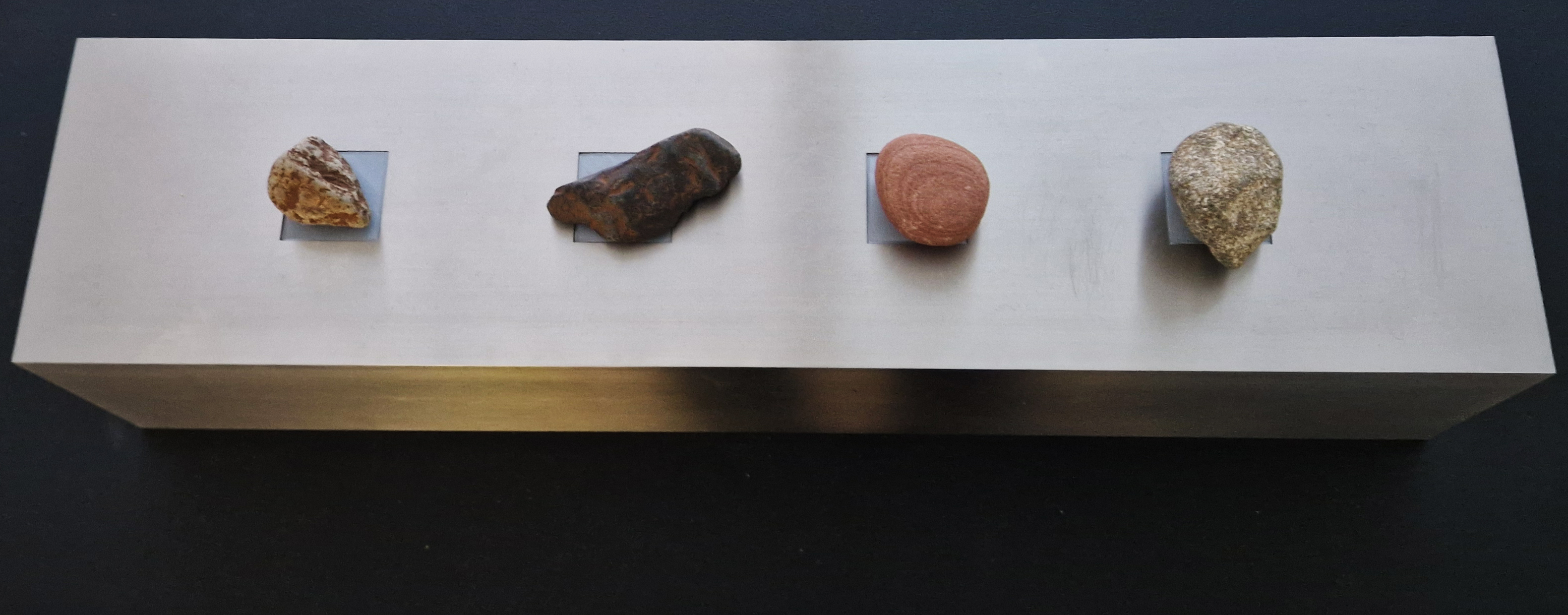
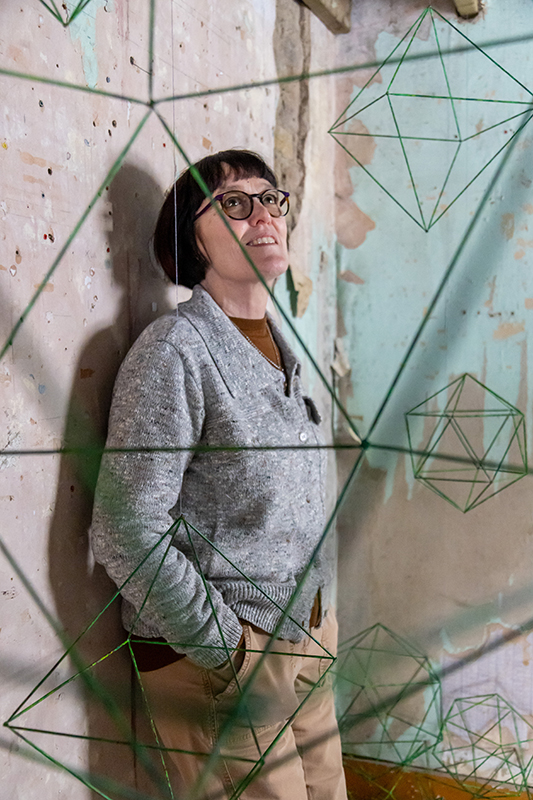
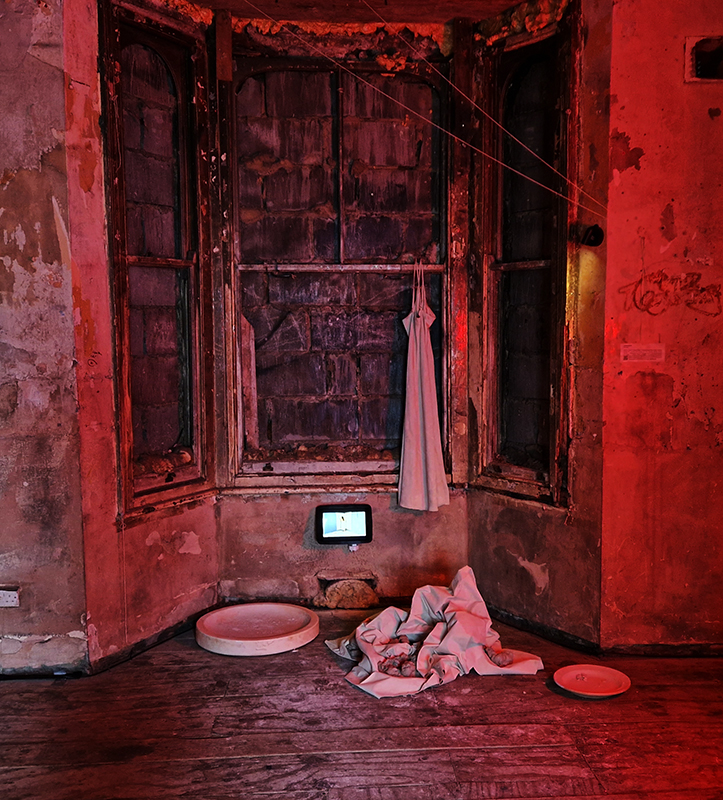
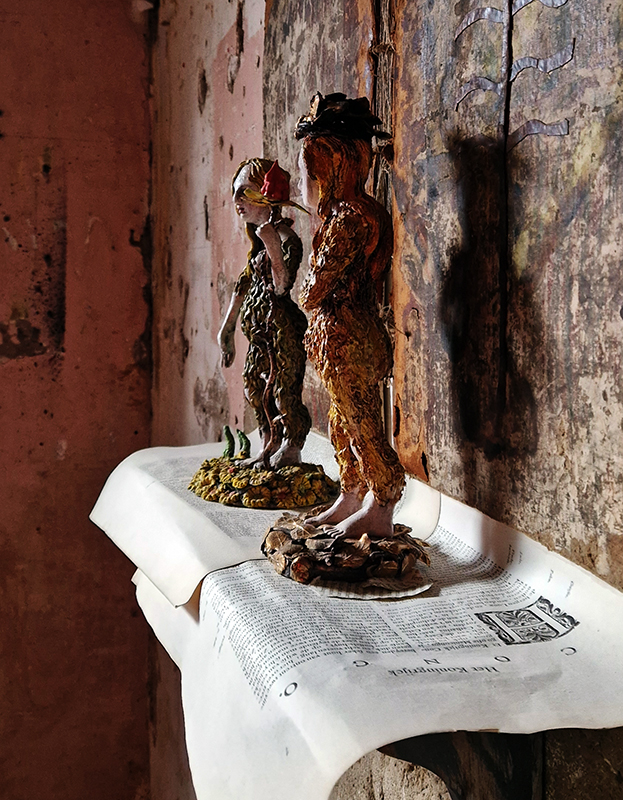
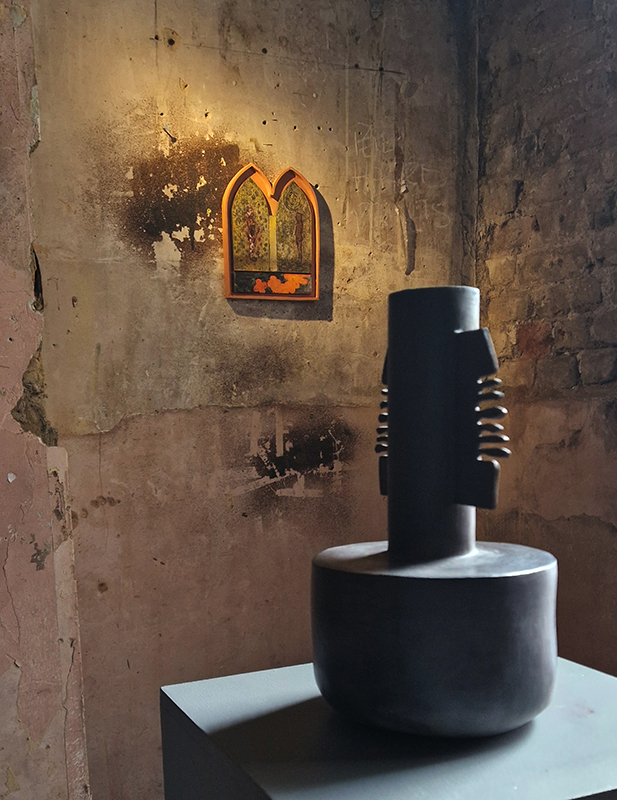
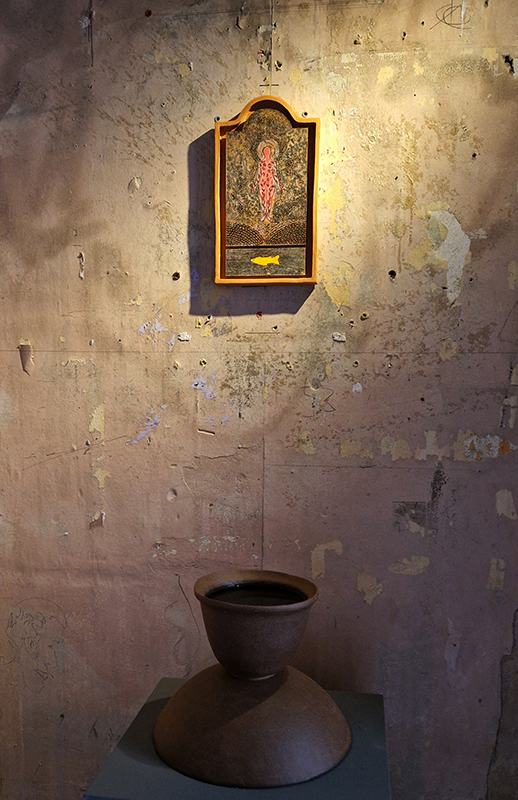
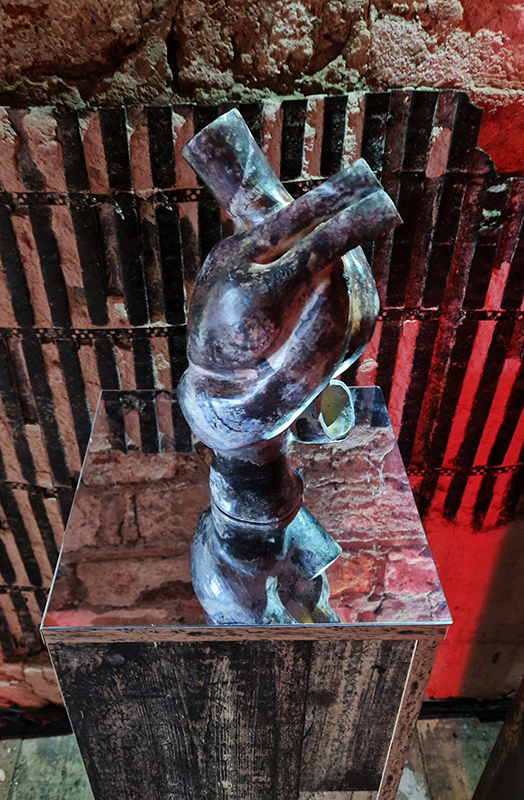
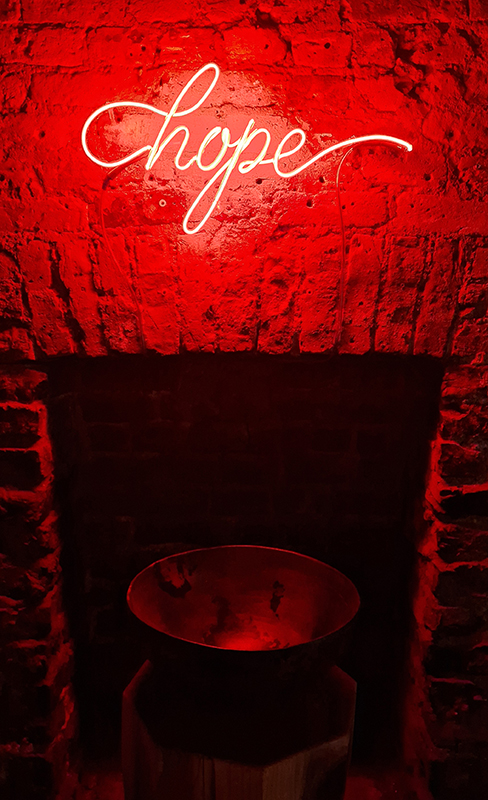
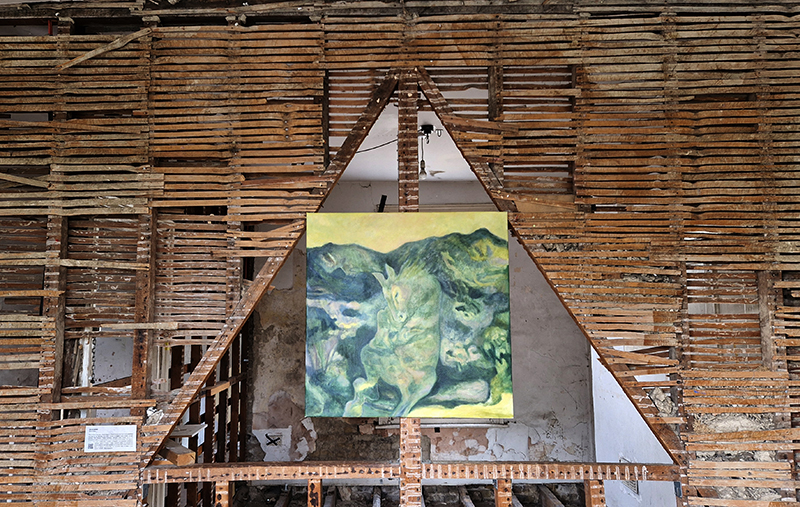
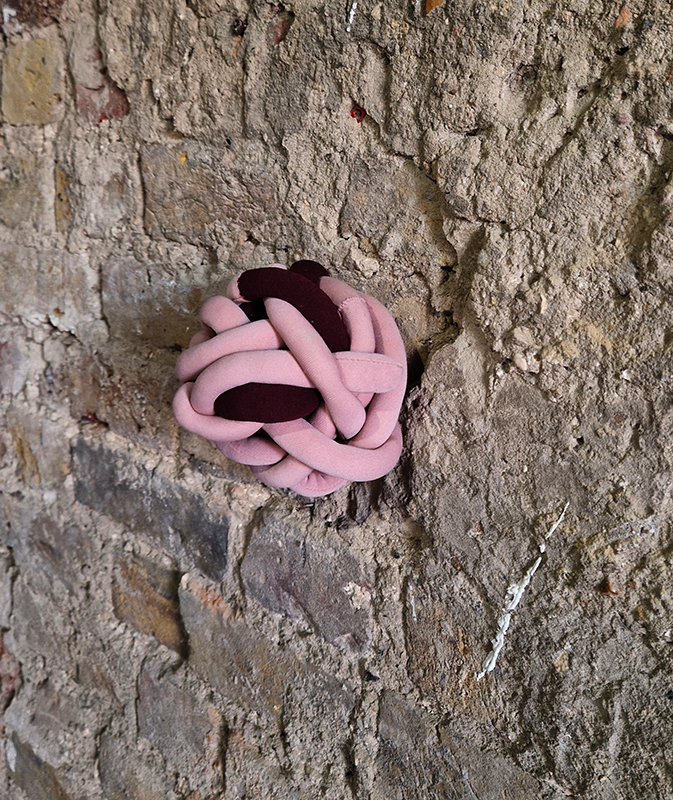
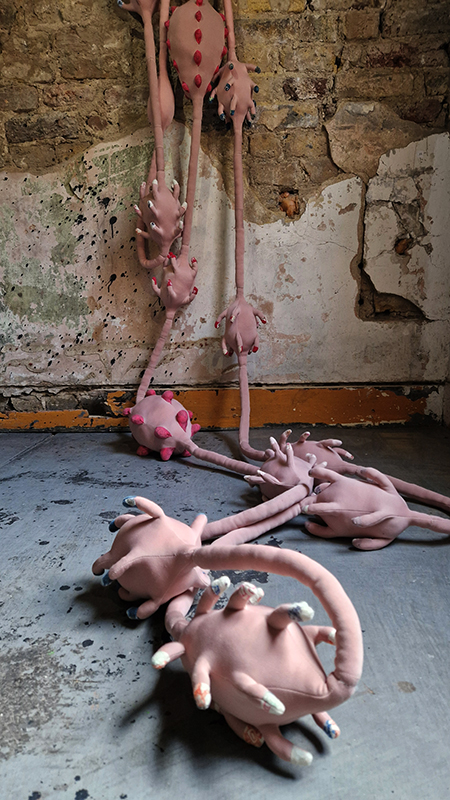
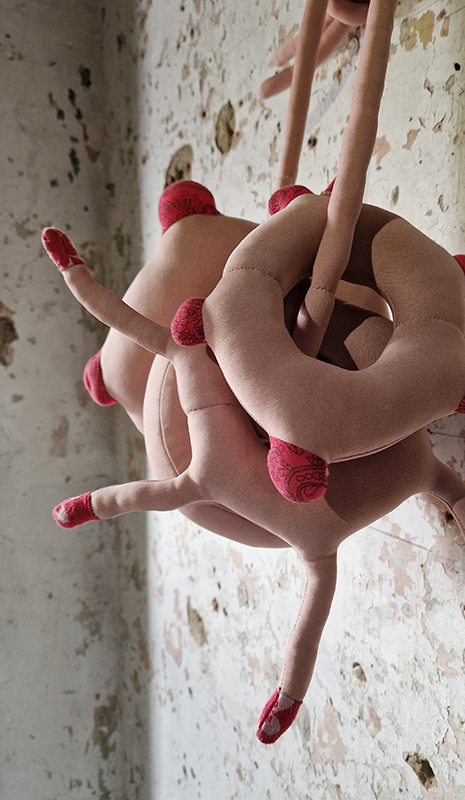
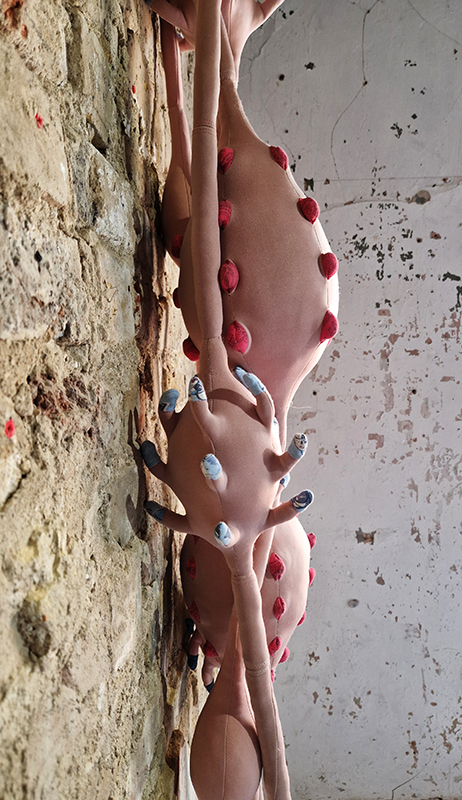
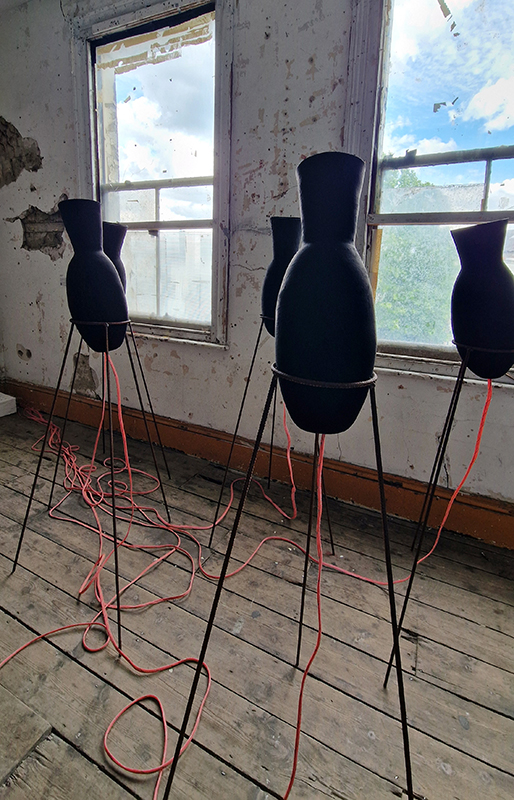
It was a brilliant busy weekend at the Safehouses Peckham for Occupied: Strange Company. So many visitors commented on the excellent curation of the works by Julie Hoyle. Each room had its own unique atmosphere yet all blended so seamlessly across the two houses. I was very happy with the placing of my two installations, one in the rafters the other in a dark recess under the stairs. Both works look to other life forms that we coexist with and often overlook – the mollusc and the creatures of the gutters.
Installation images of my work by Emma Brown Photography
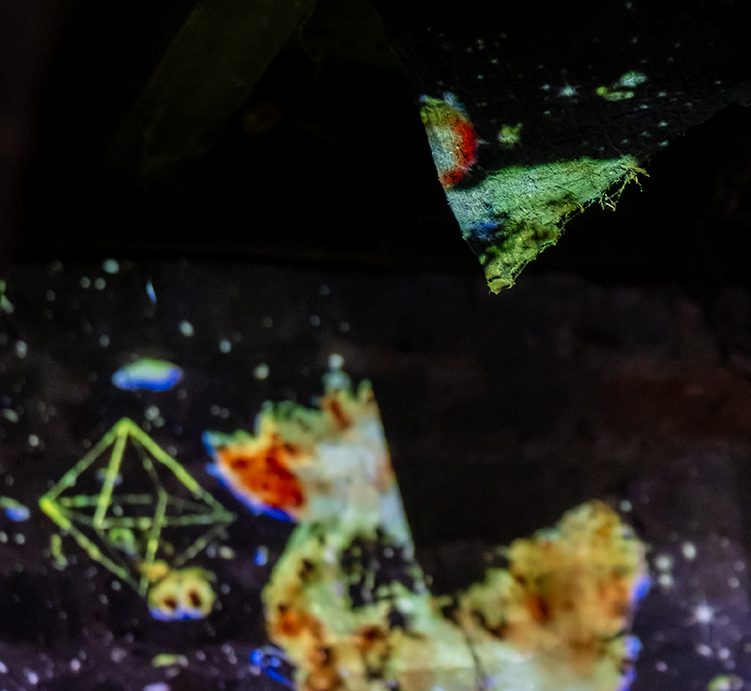
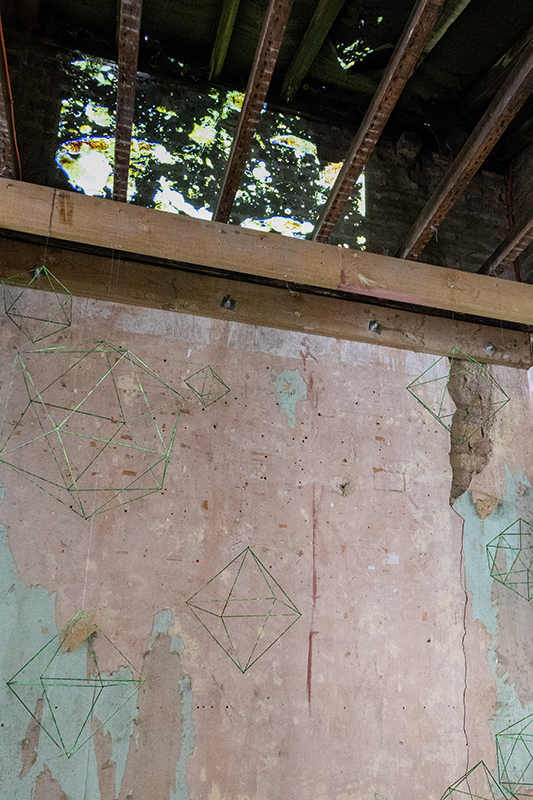
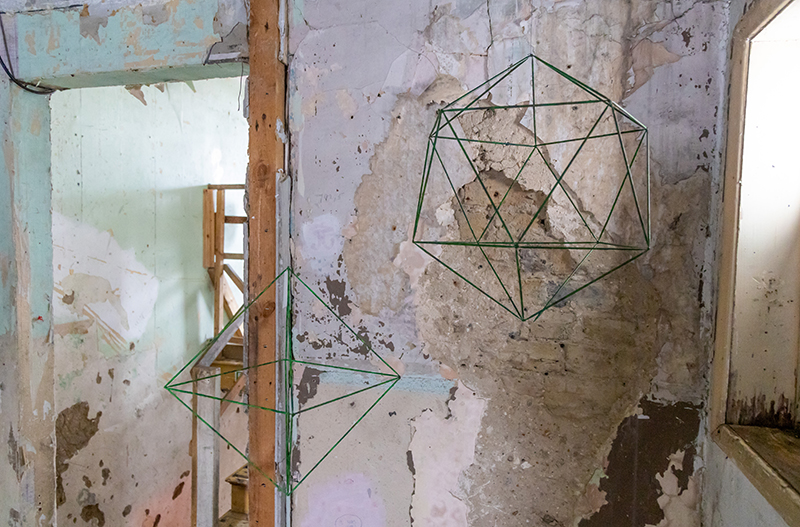
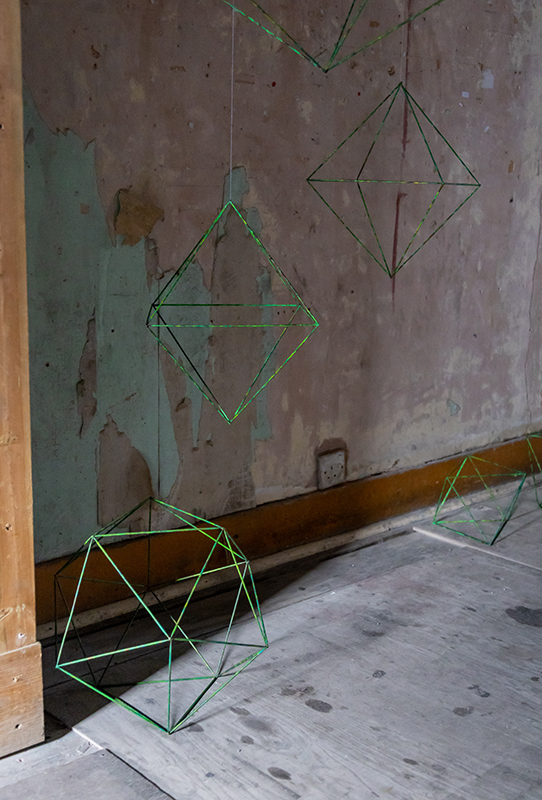
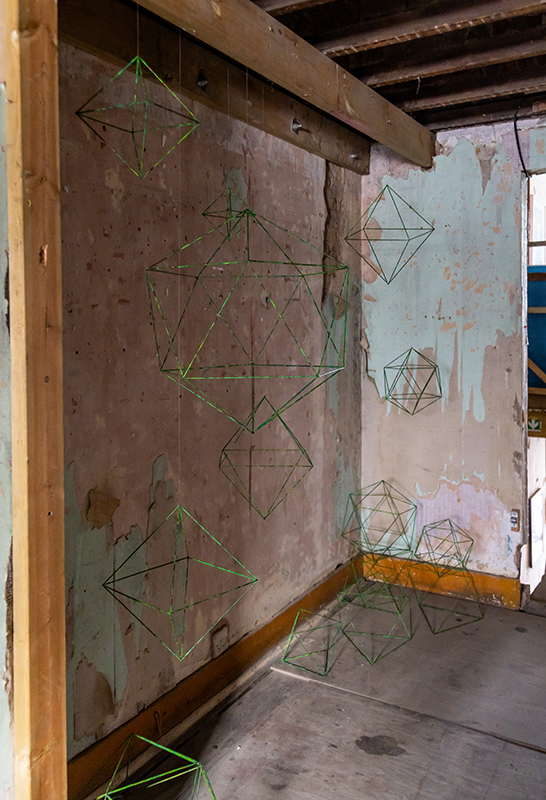
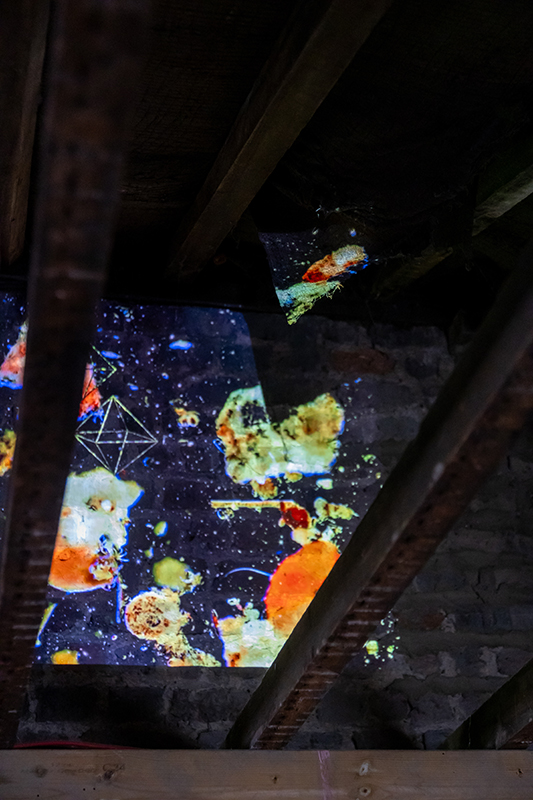
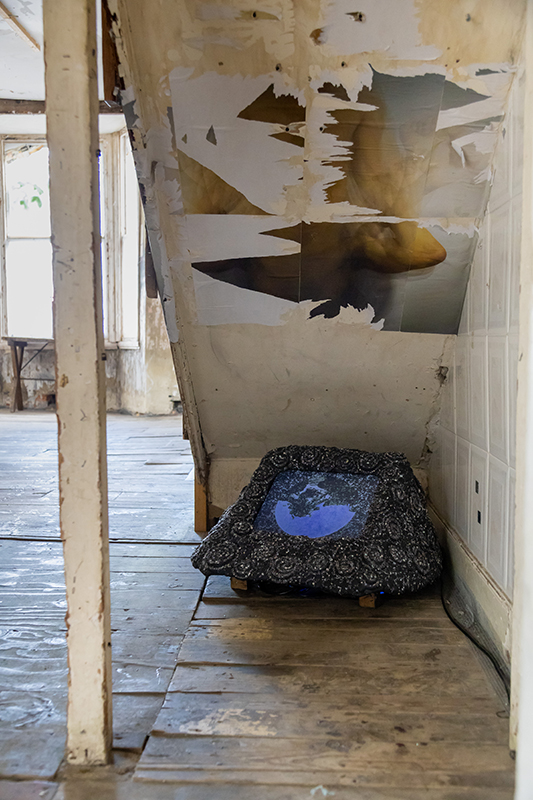
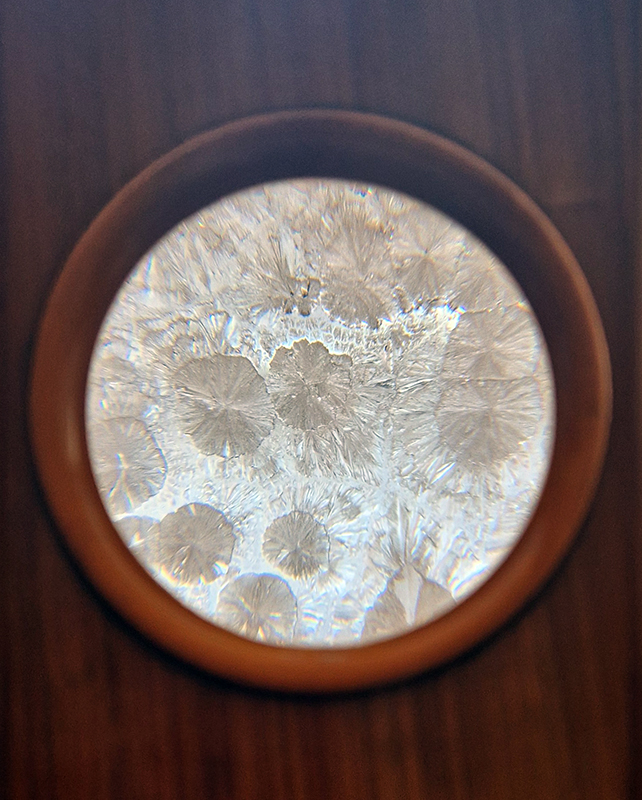
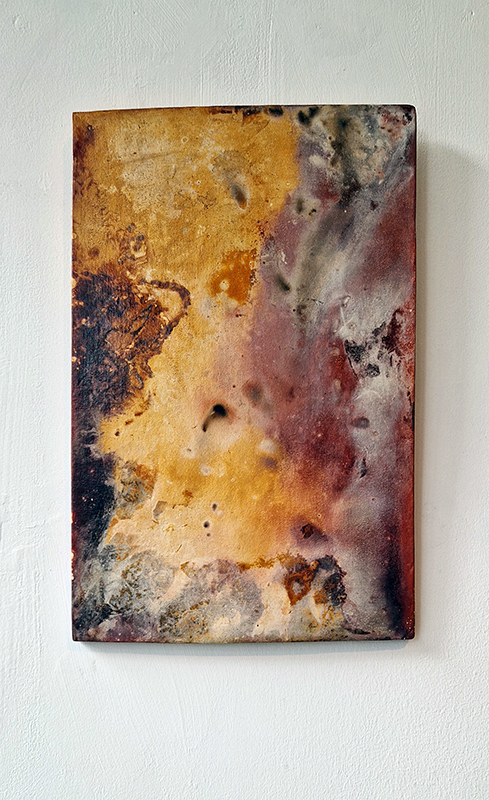
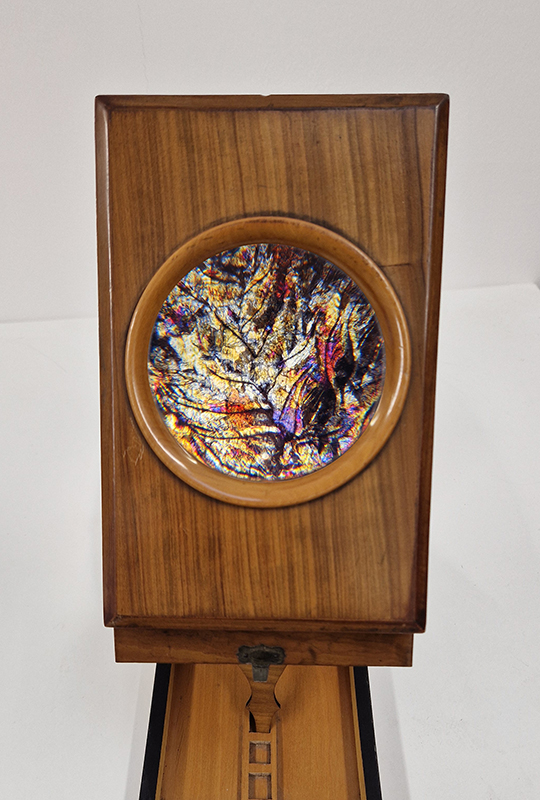
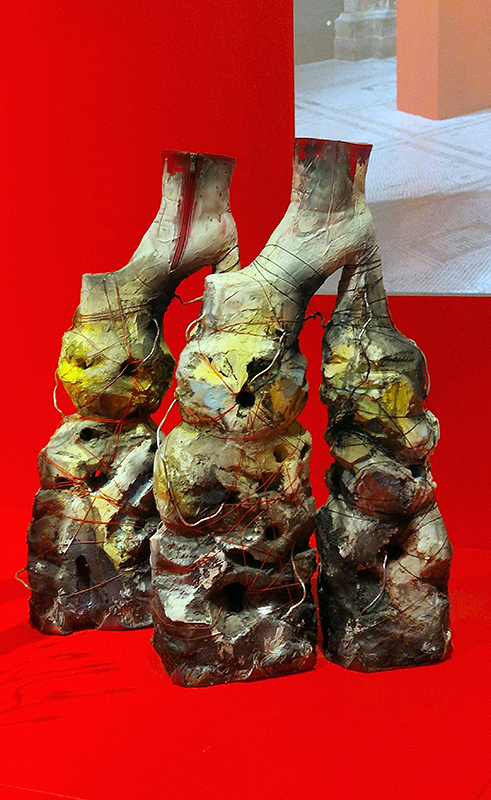
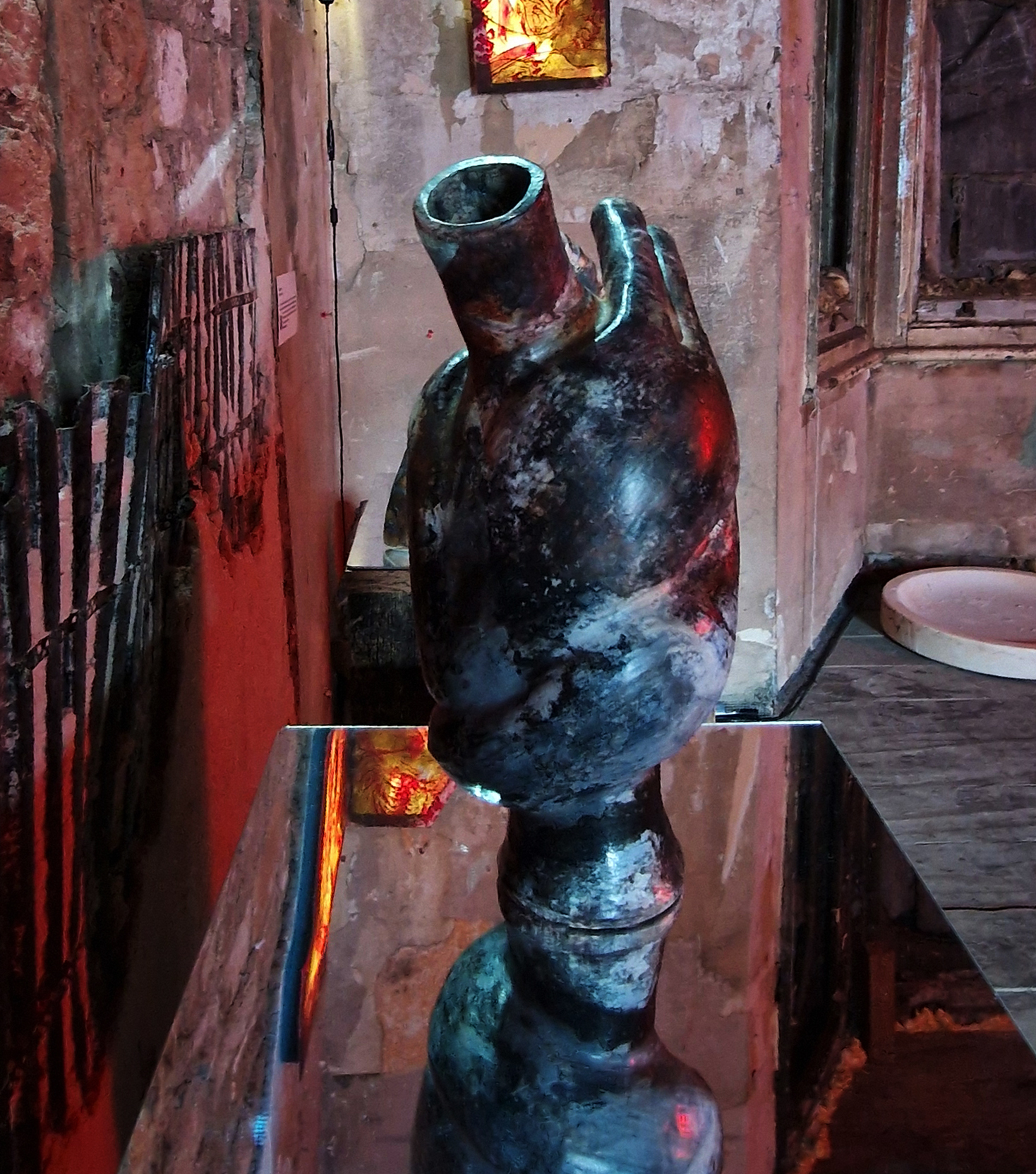
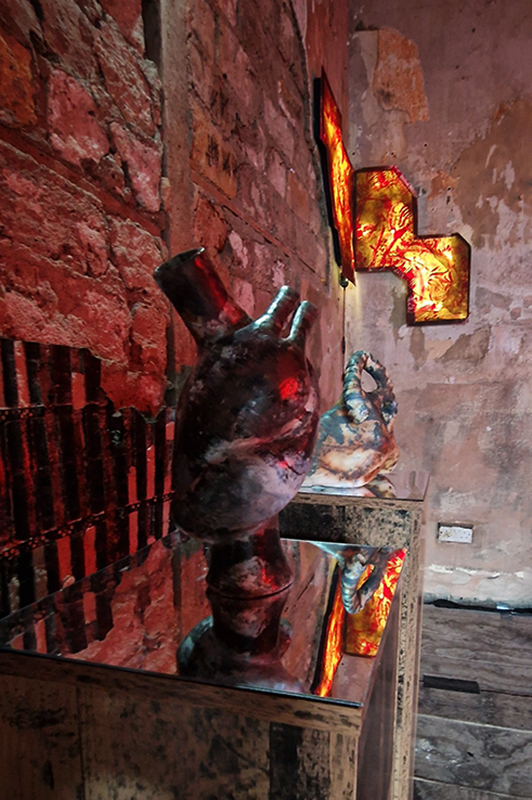
Belly of a Rock suggests a mysterious place of chemical conversations at the intersection of the organic and the inorganic where innards ooze and rocks moan in primordial formation. Reflecting on the emerging consciousness of early life and the urge to communicate and create, as described by Italo Calvino in his story ‘The Spiral’, where a simple mollusc secretes a beautiful spiral shell to impress a beloved, although neither have eyes to visually appreciate the endeavour this act of blind creation becomes a catalyst for evolution.
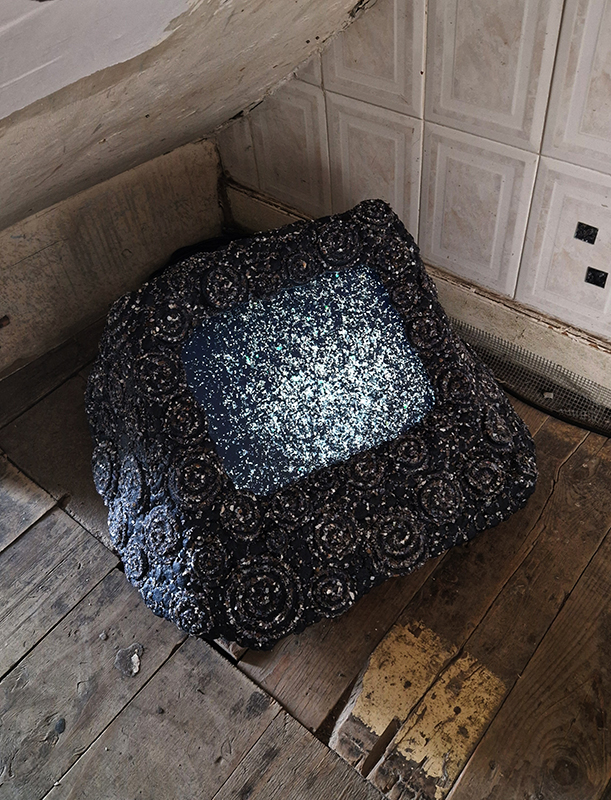
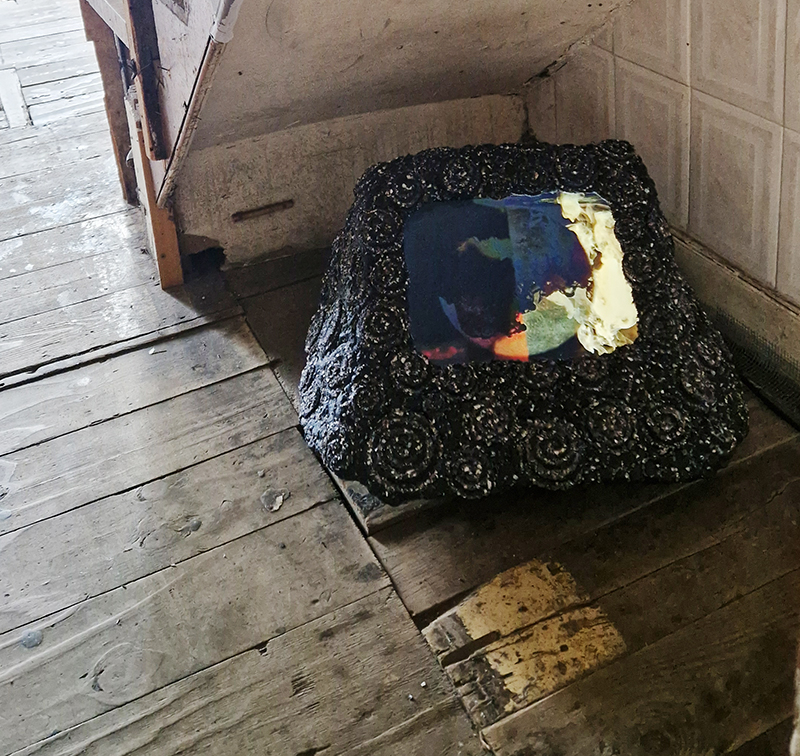
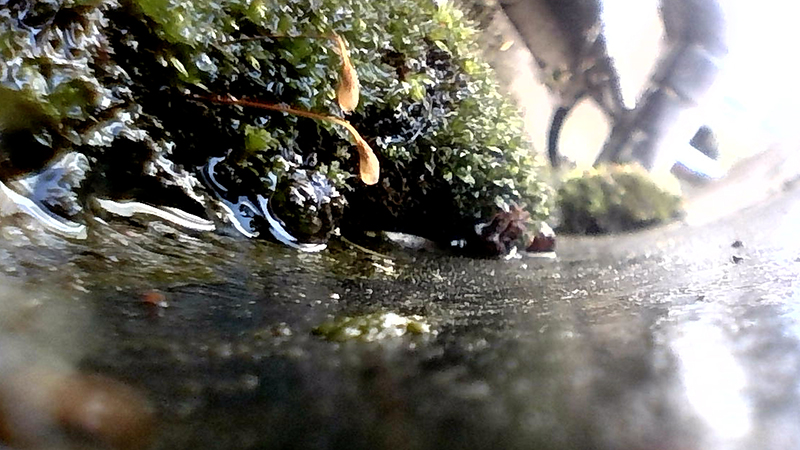
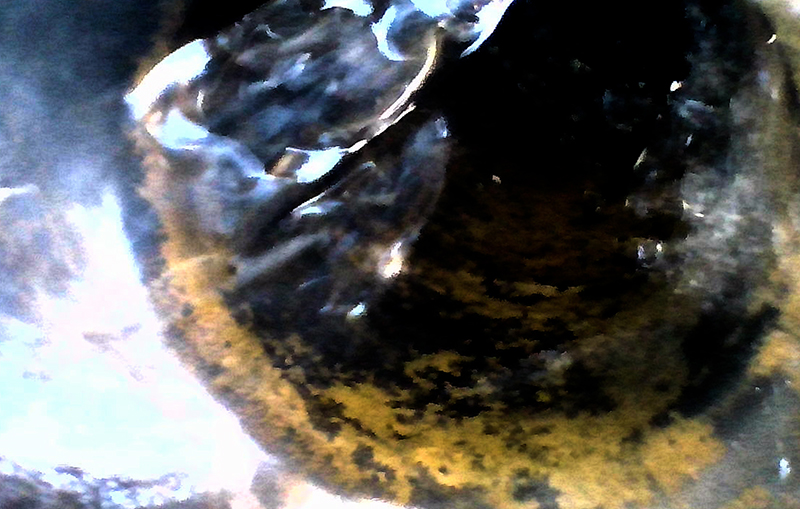
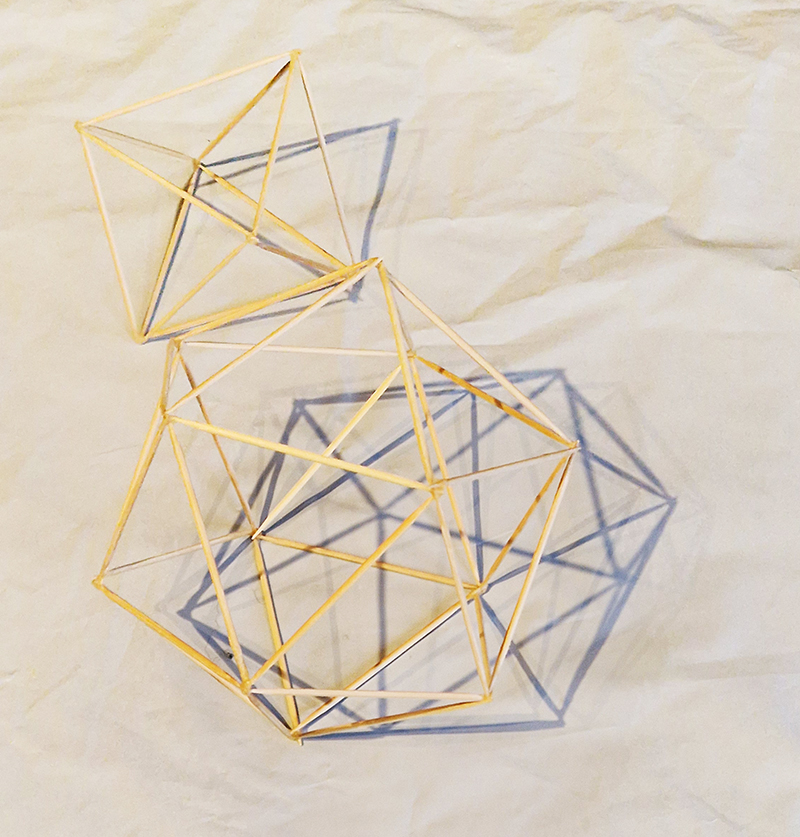
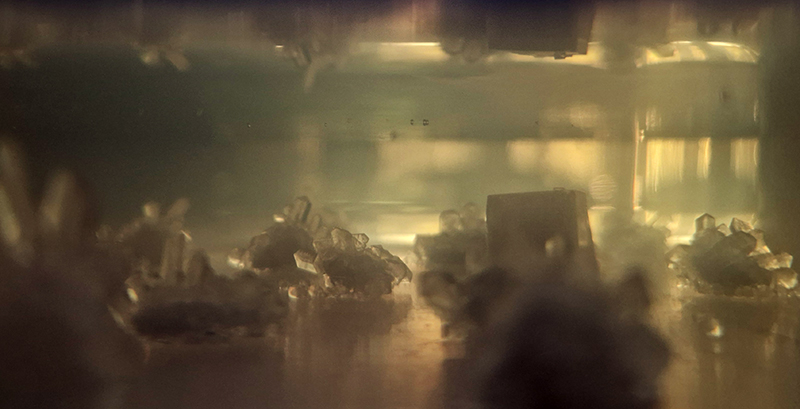
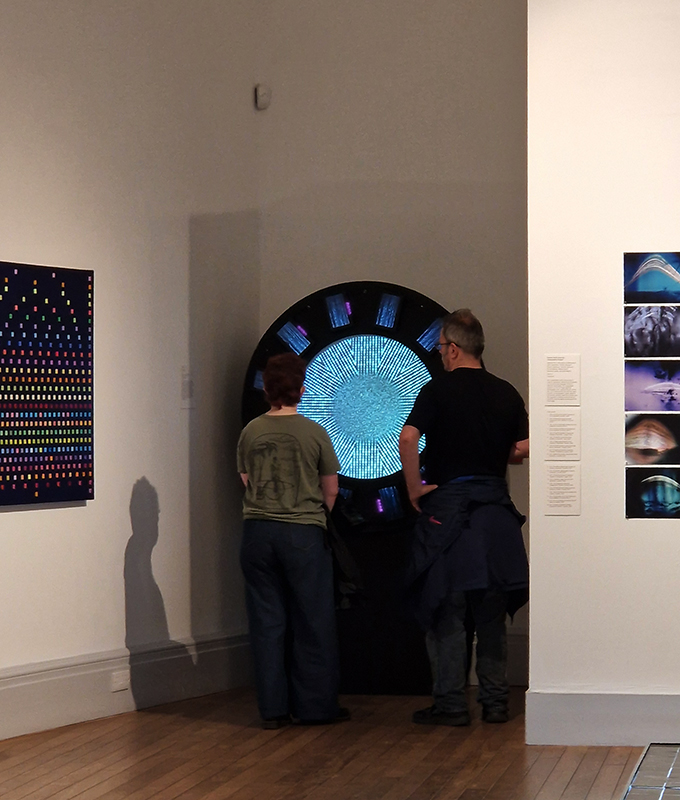
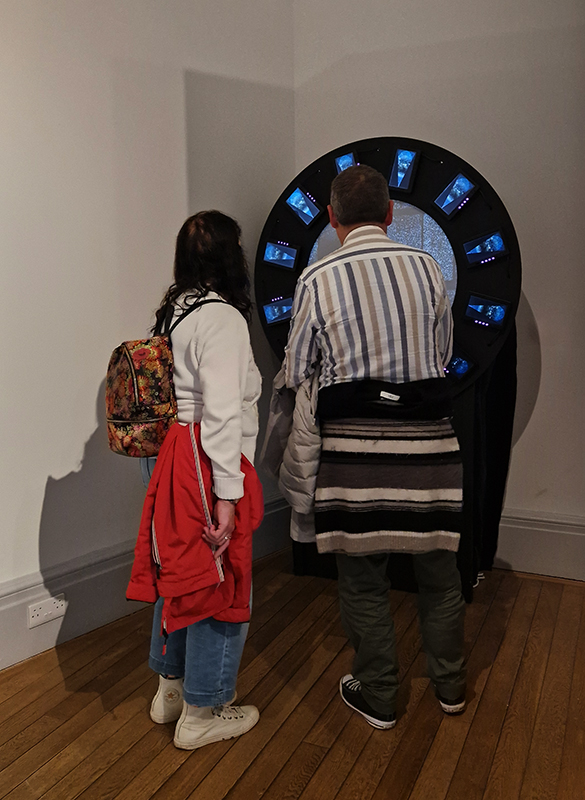
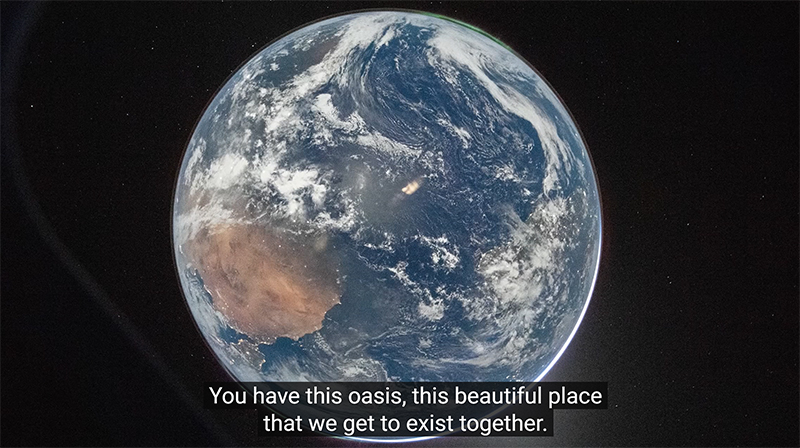
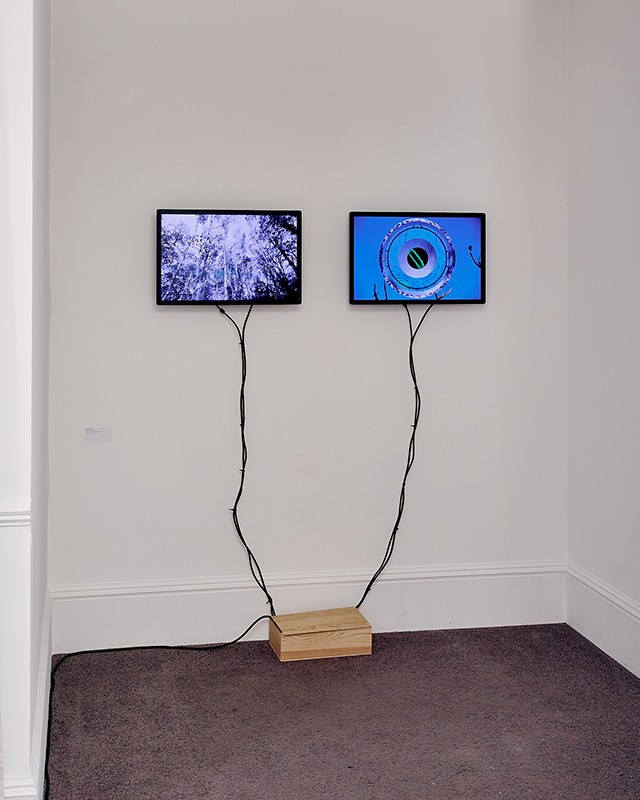
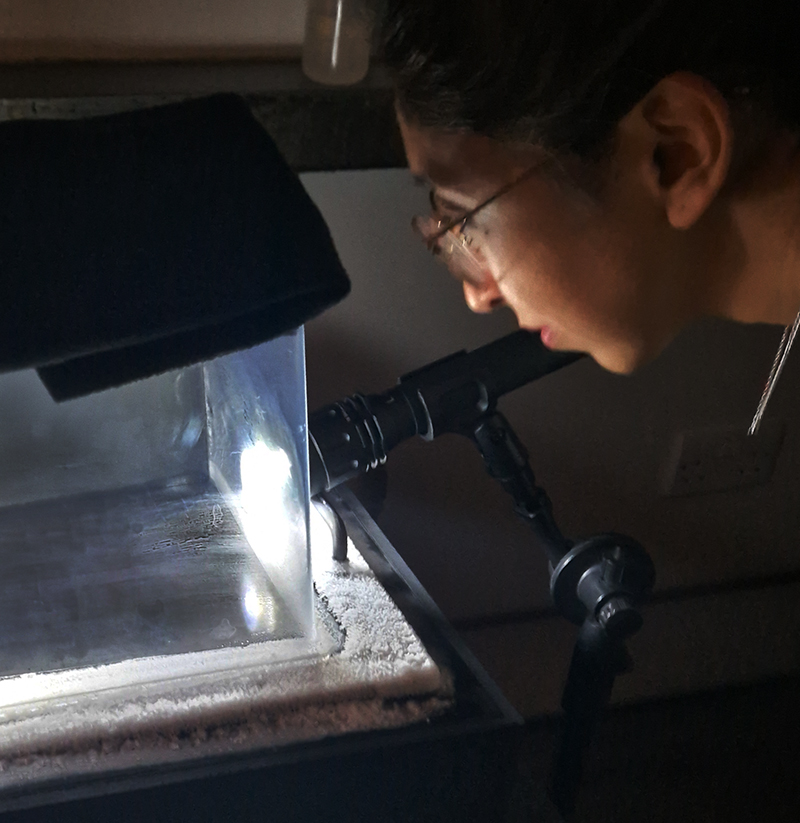
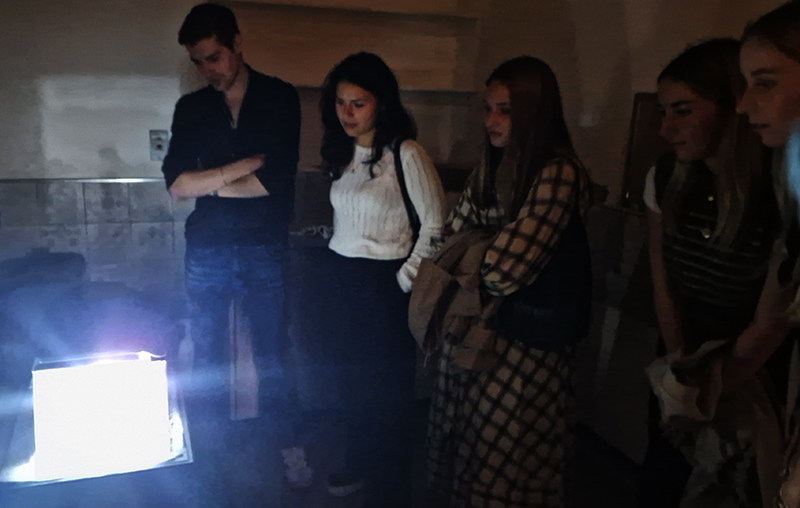
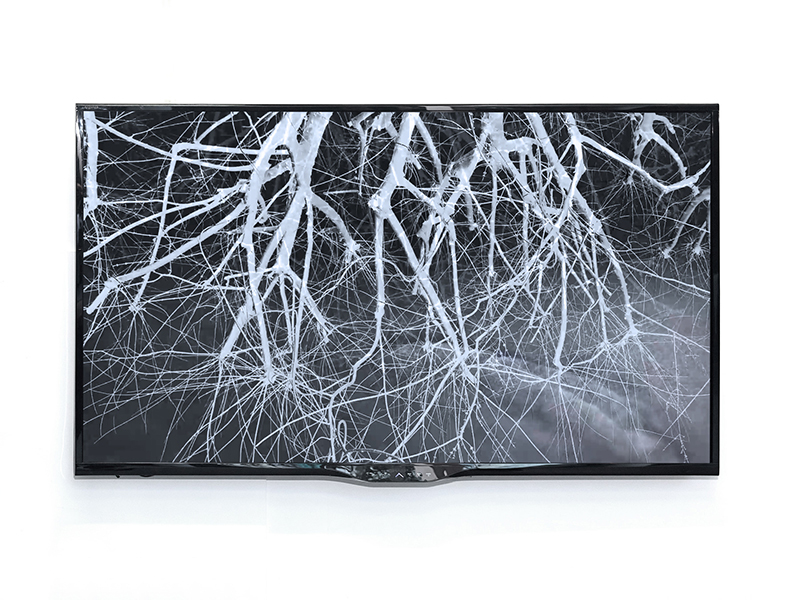
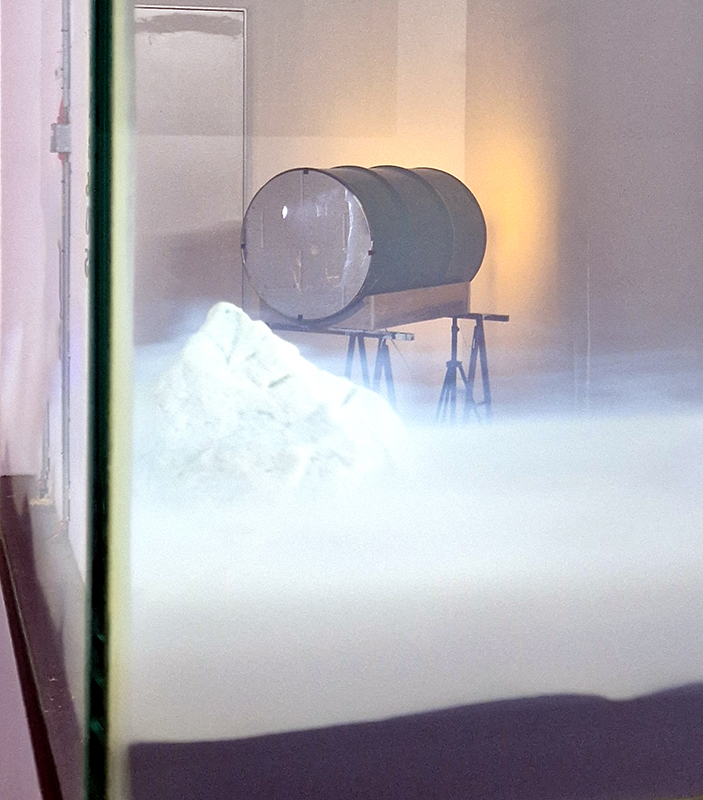
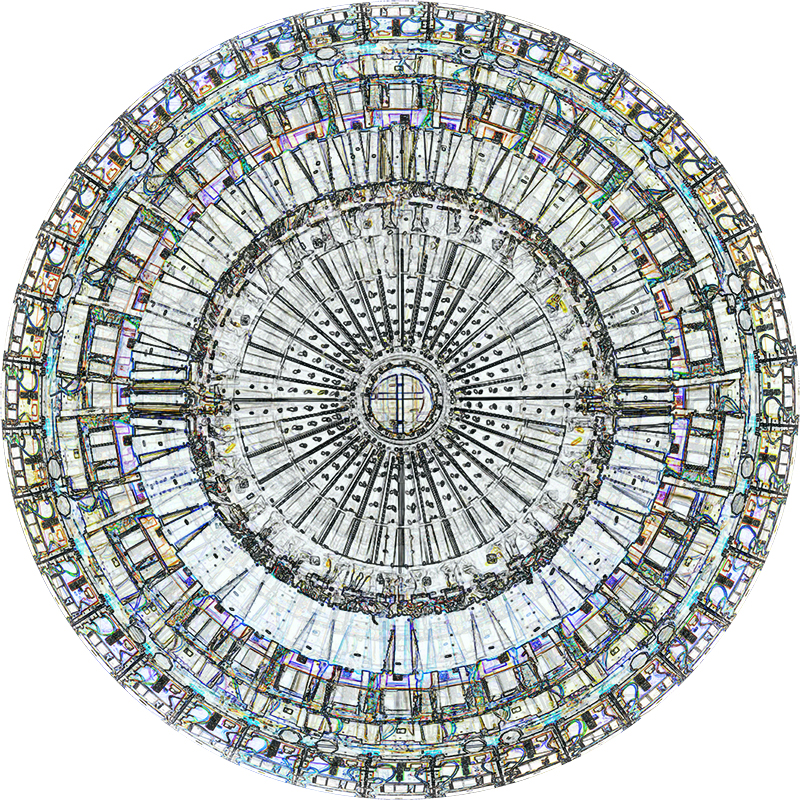
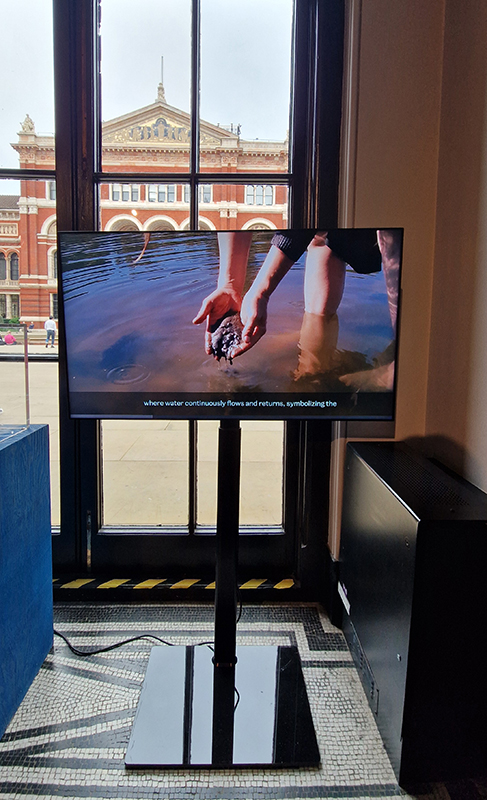
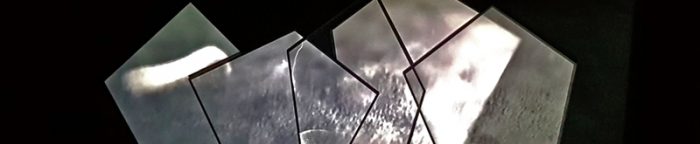
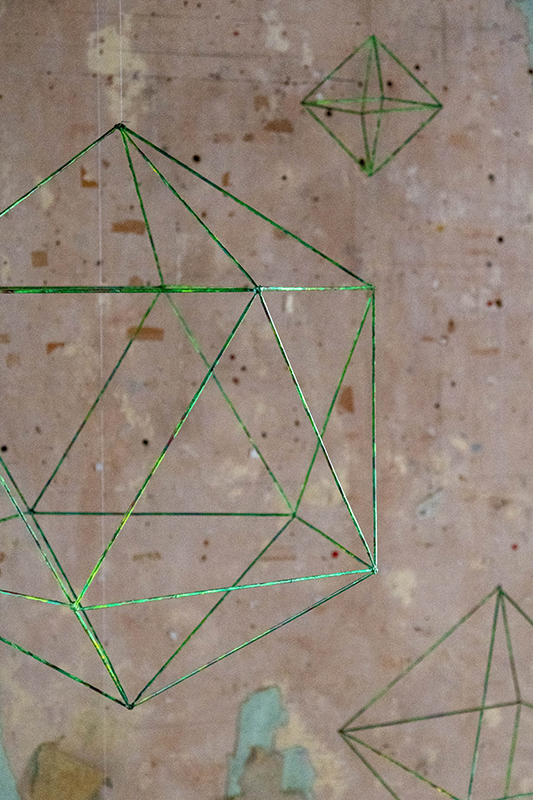
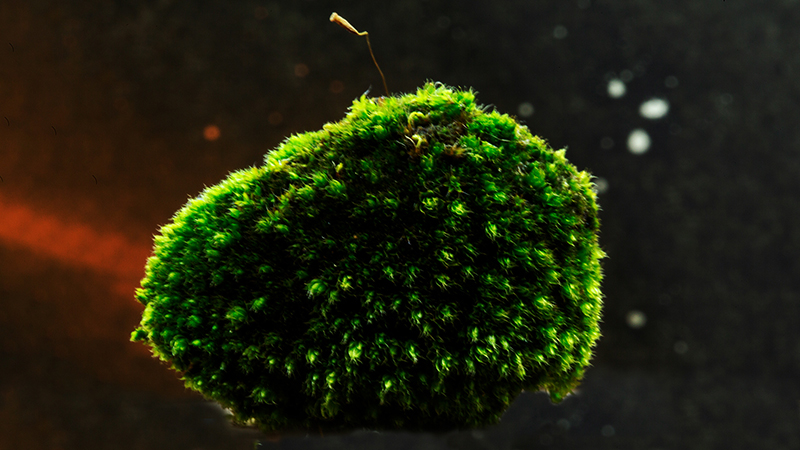
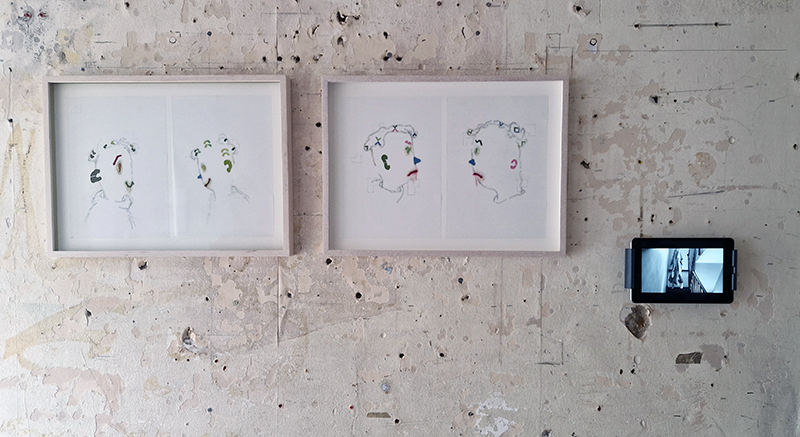
Guttanaut alludes to Oscar Wilde’s familiar quote ‘We are all in the gutter but some of us are looking at the stars’. This video installation transports the viewer to exotic otherworlds inhabited by microscopic creatures found in a drop of water or tuft of moss in the dank environs of house gutters. Icosahedron and octahedron shapes representing the elemental qualities of water and air appear as constructs for satellites or modes of exploration across this alternative cosmos.
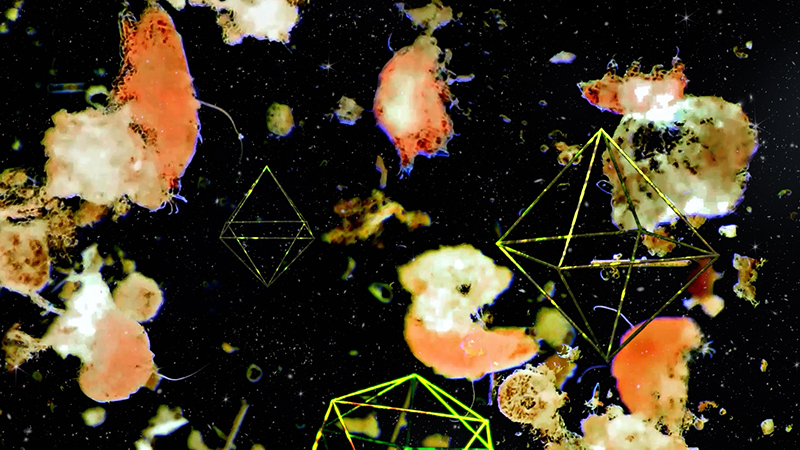
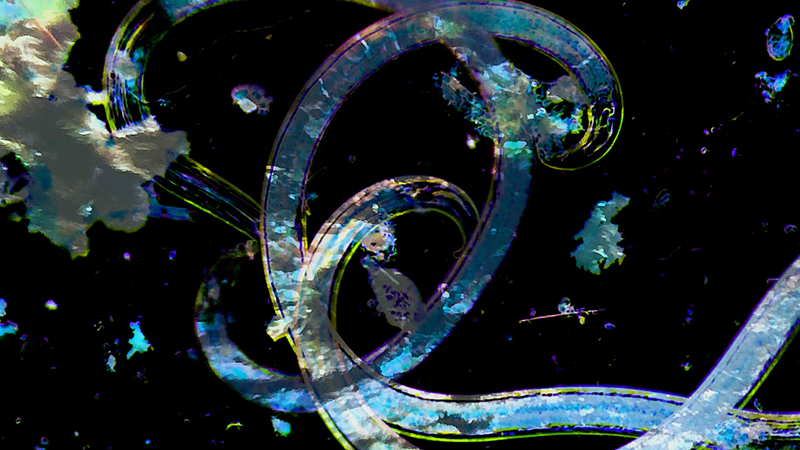
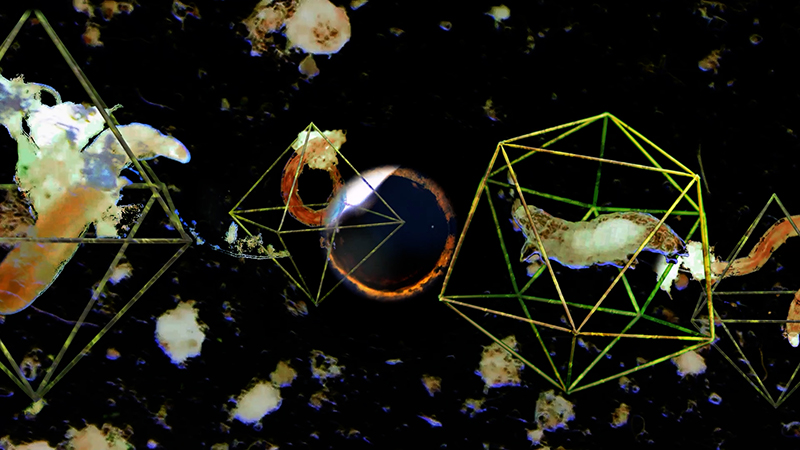
Julie Hoyle brought together a cross-section of artists from Royal Academicians to emerging practitioners, alongside artists working within disability and community contexts reflecting her interest in community and unexpected connections.
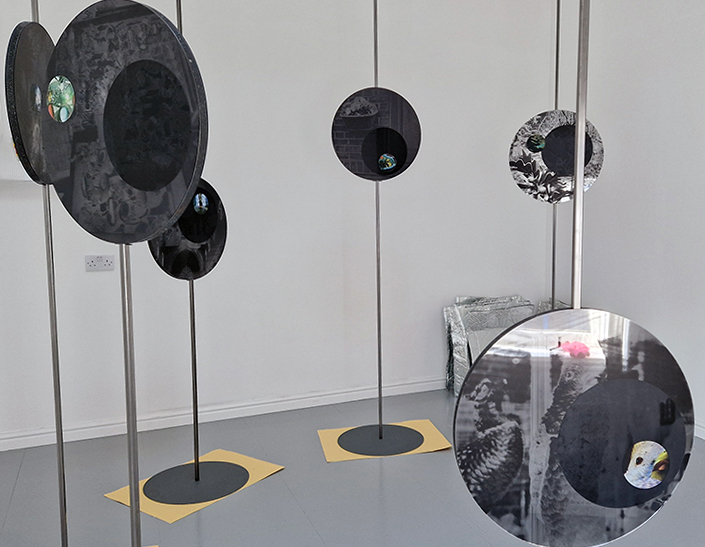
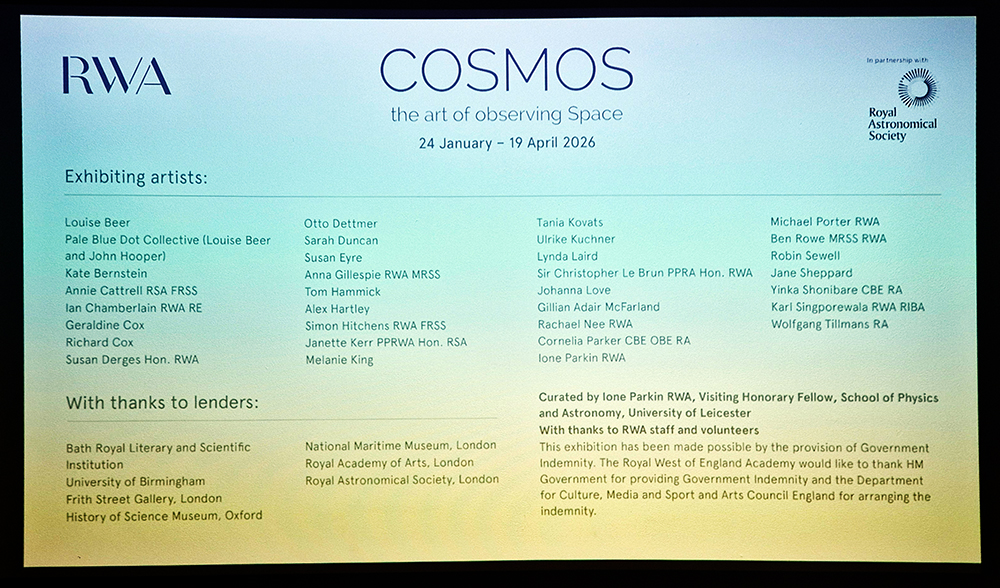
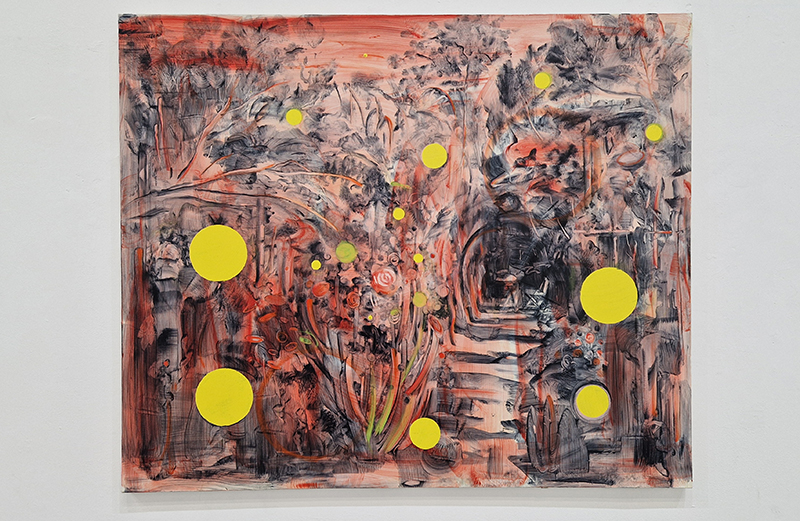
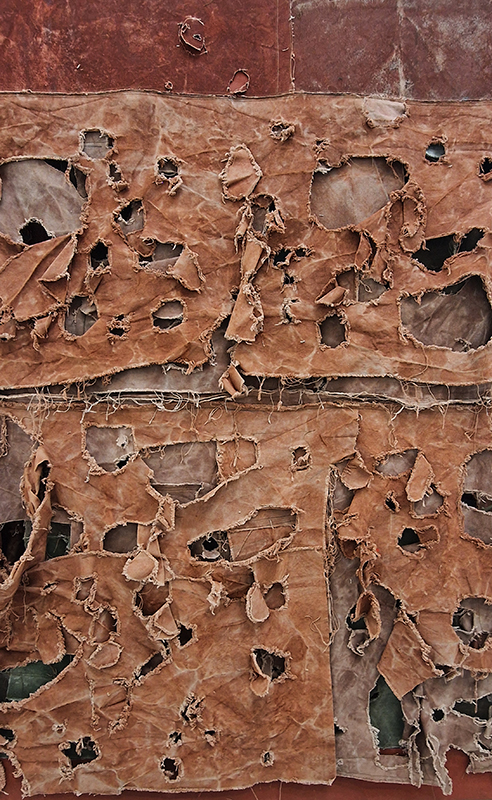
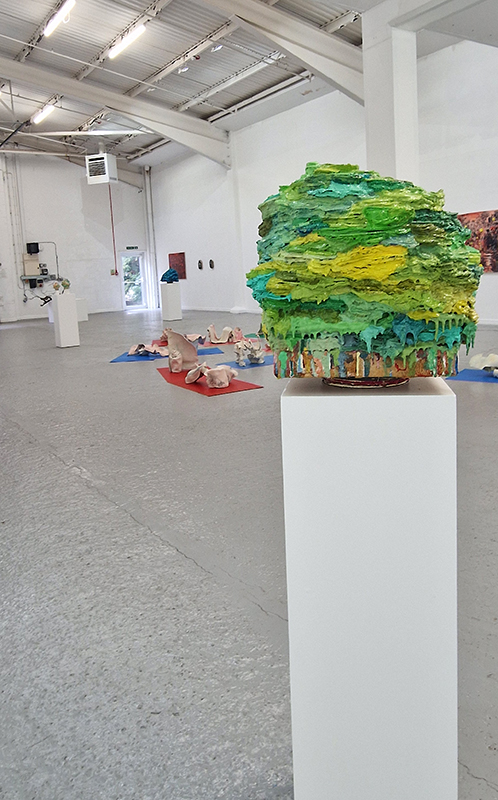
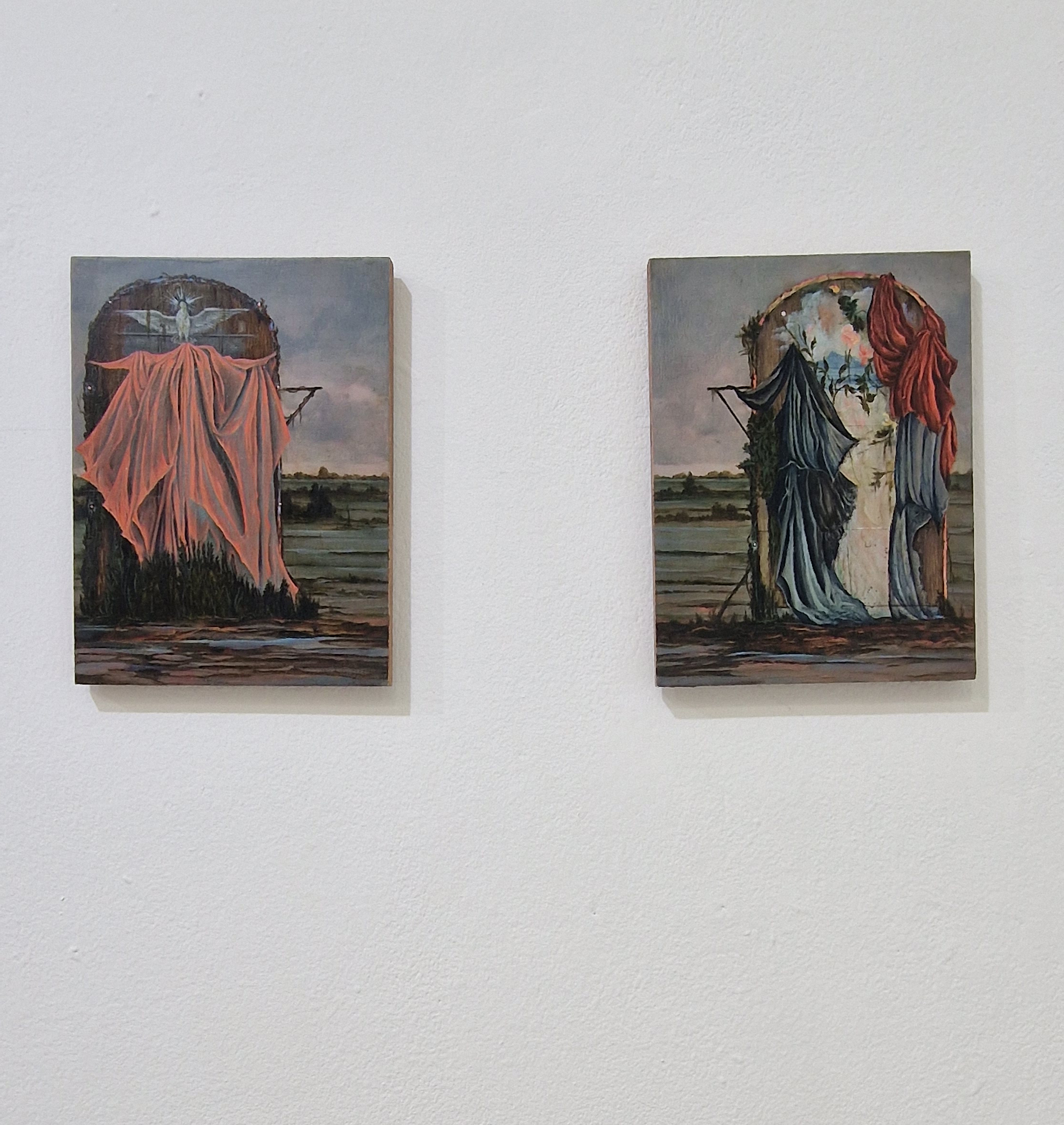
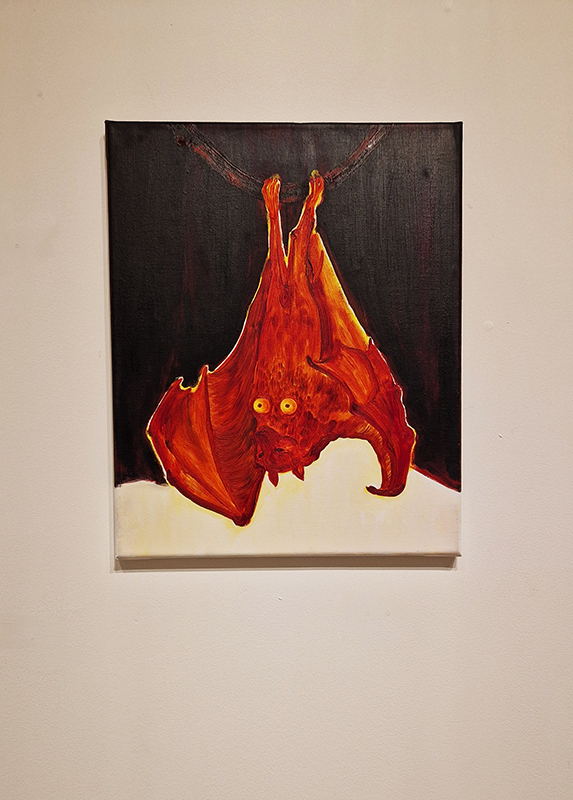
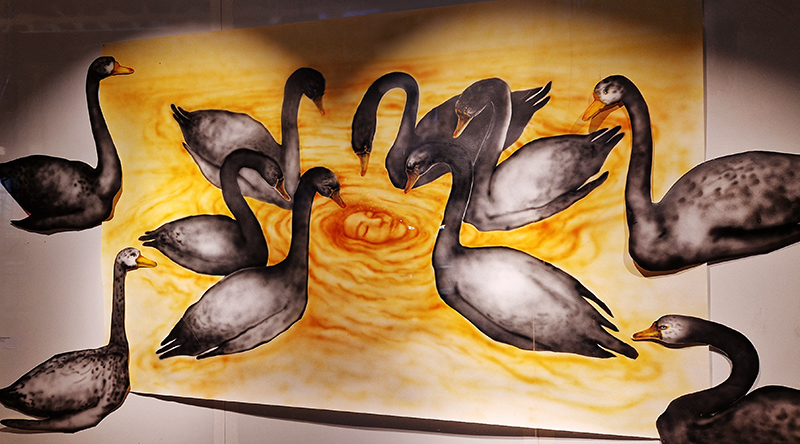
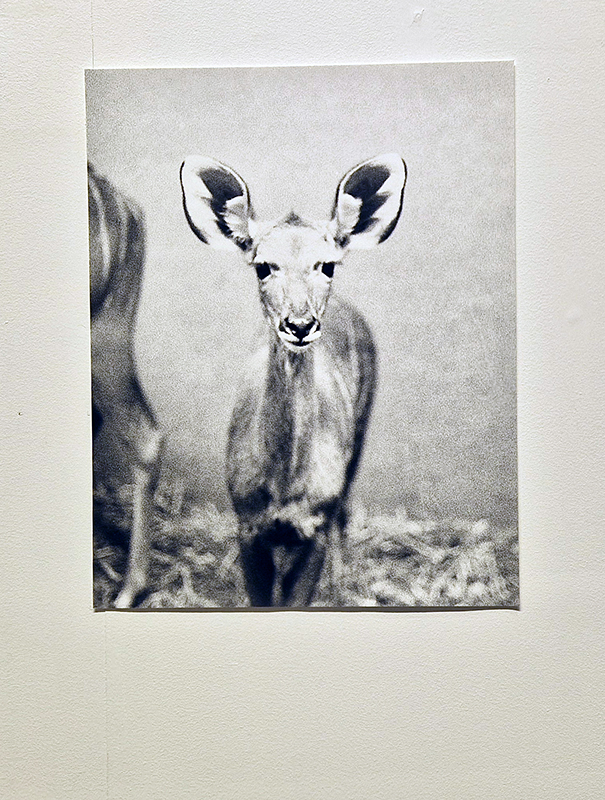
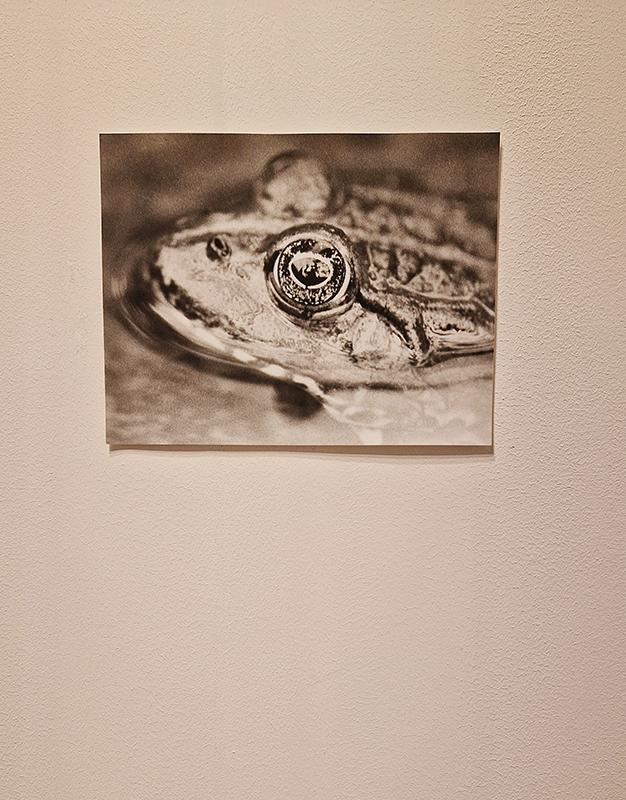
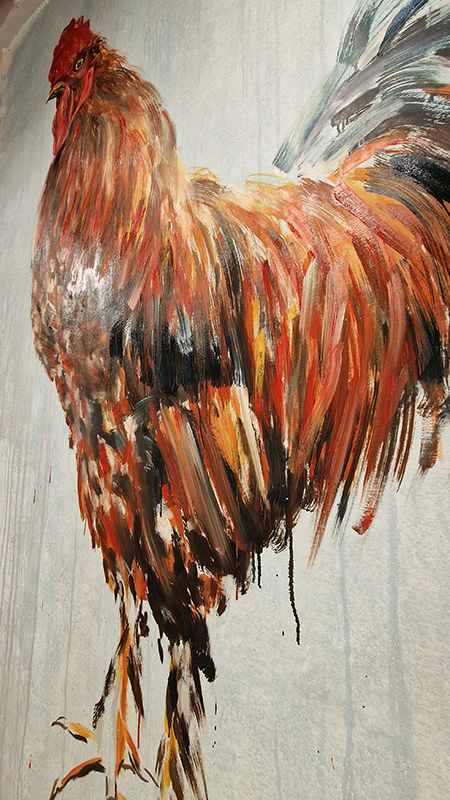
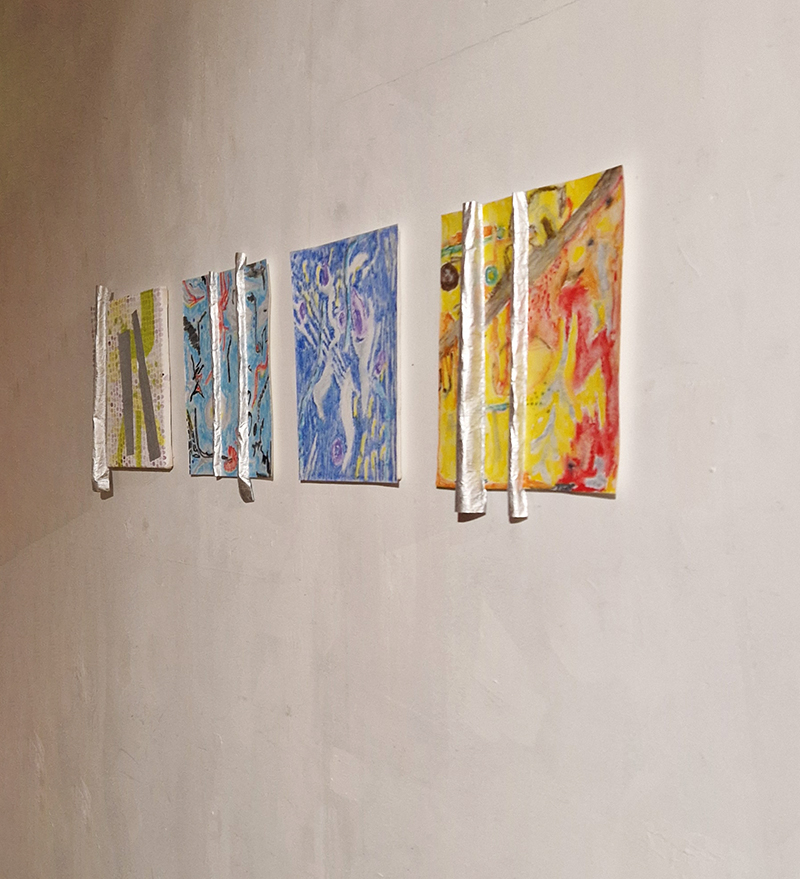
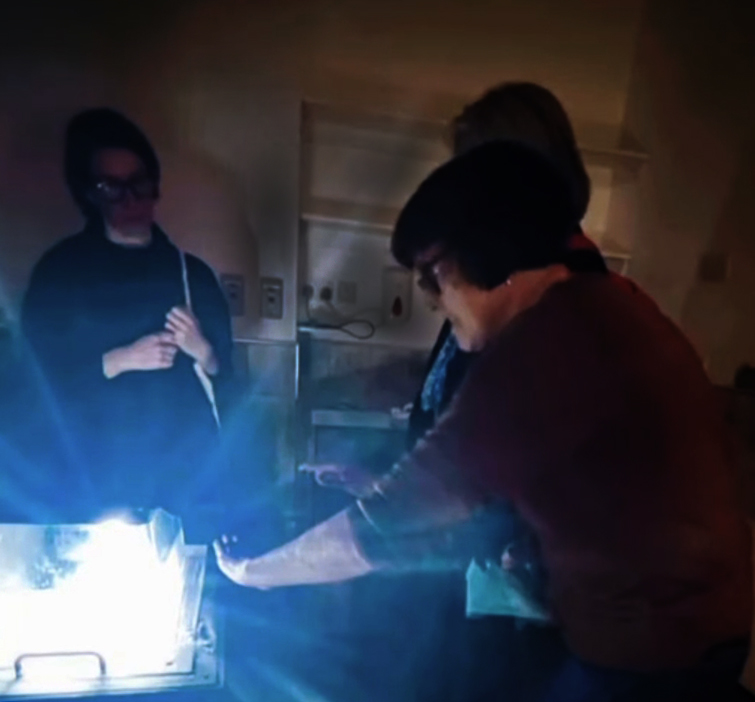
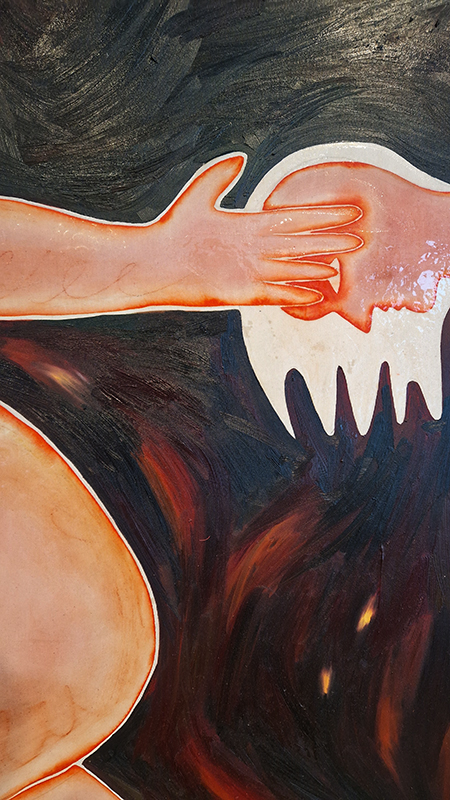
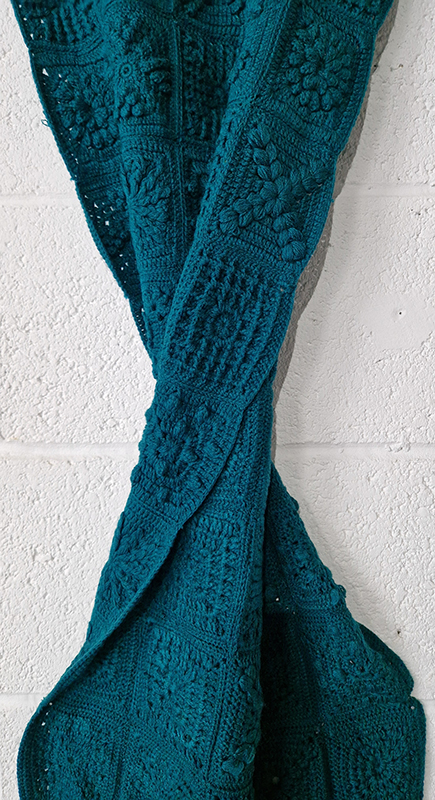
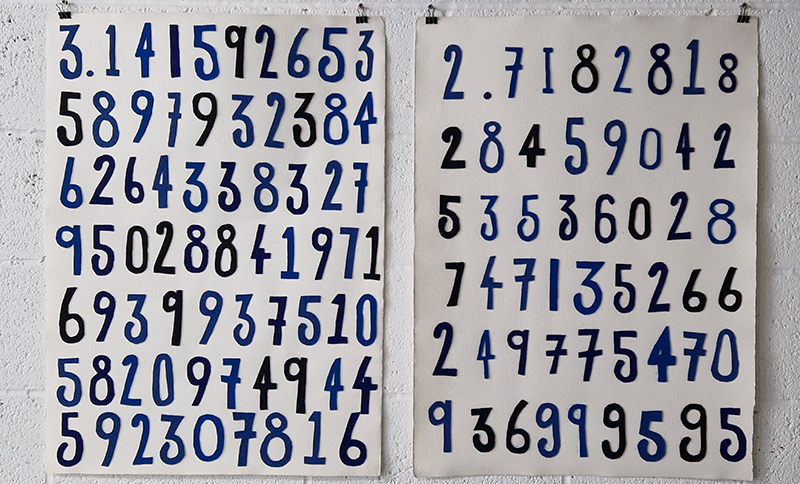
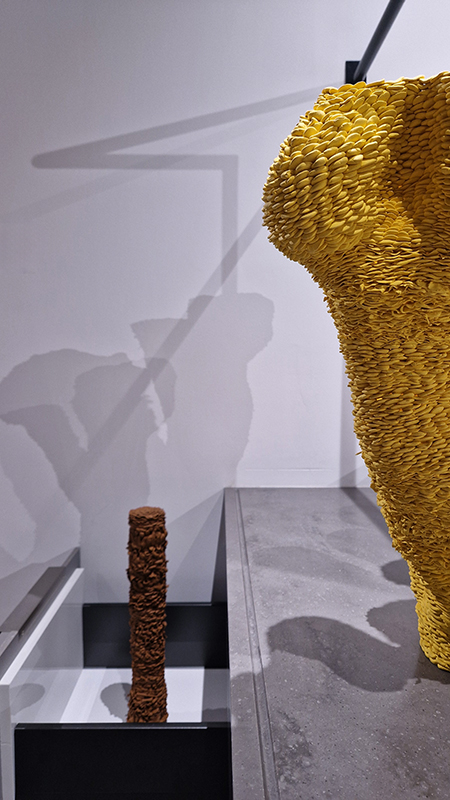
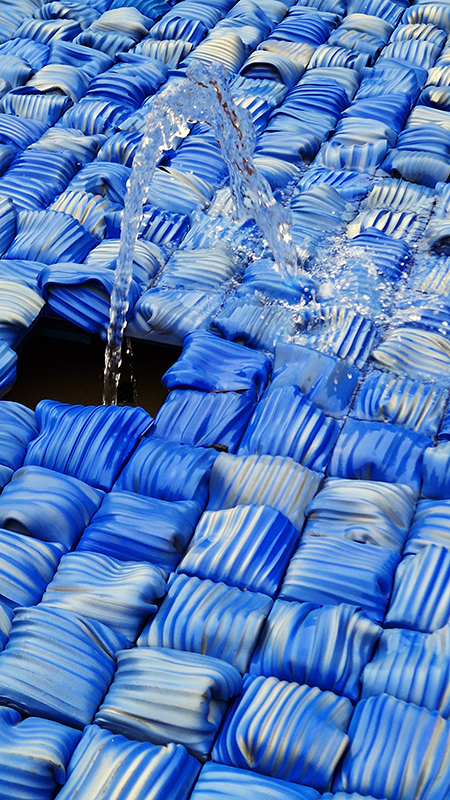
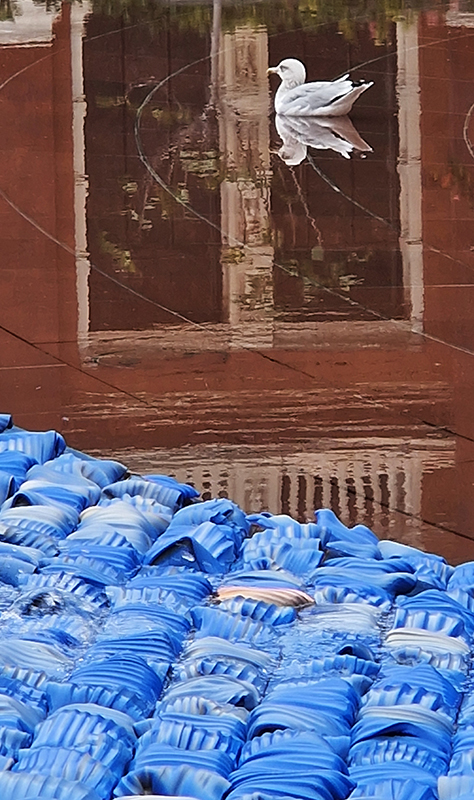
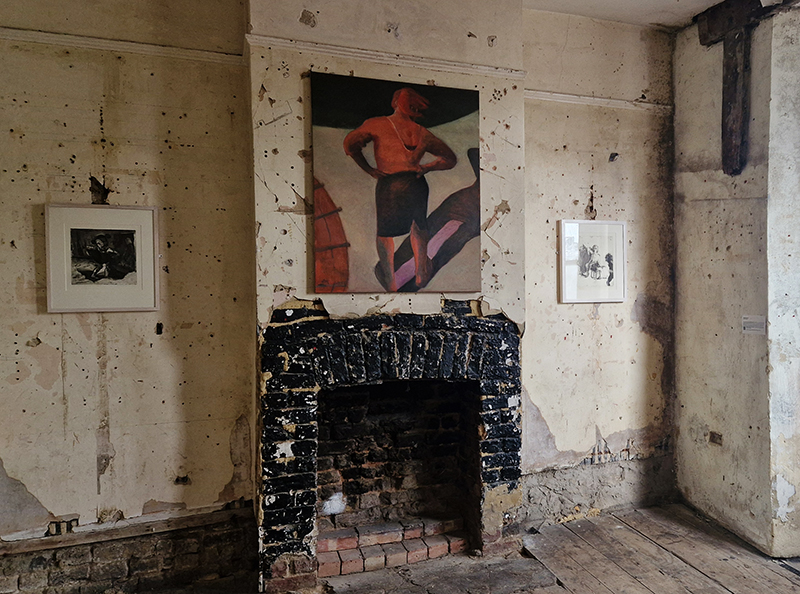
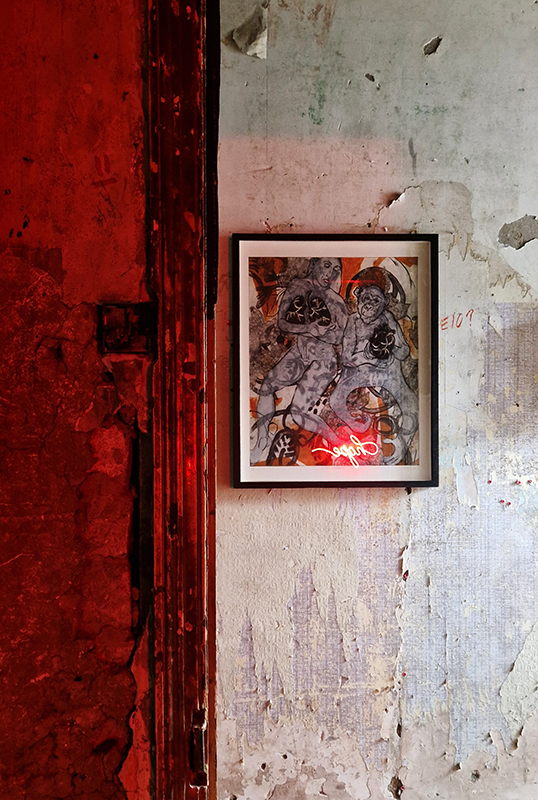
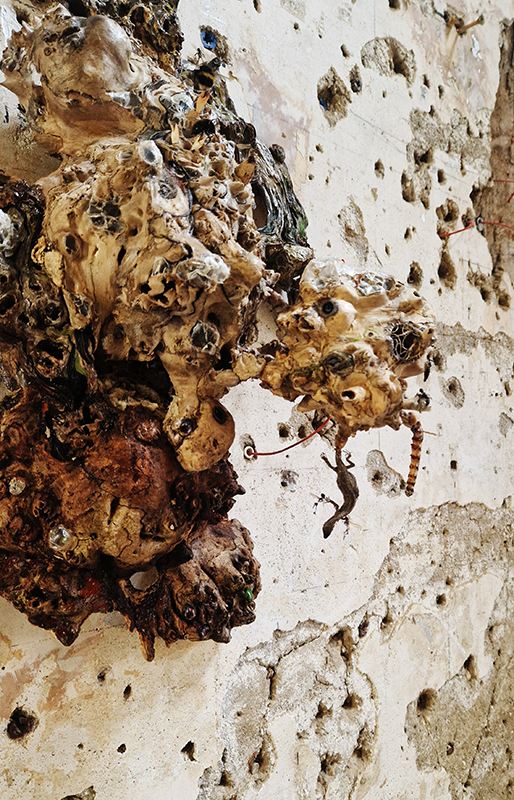
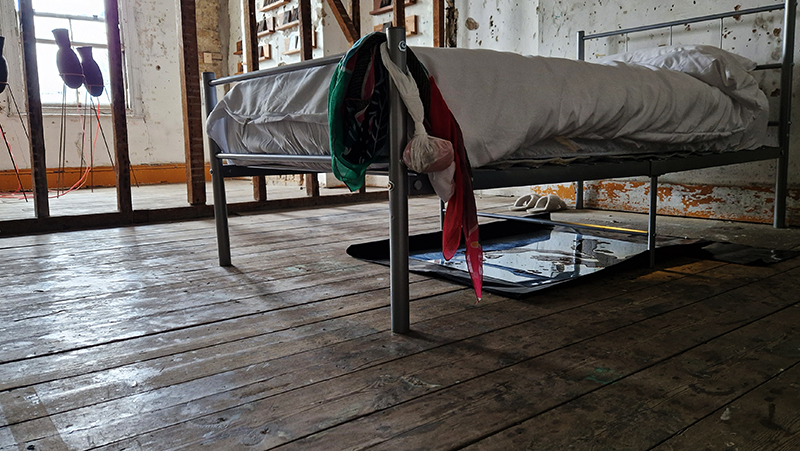
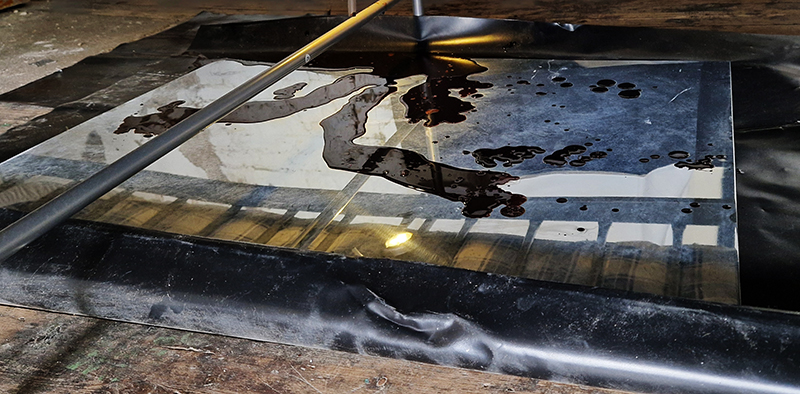
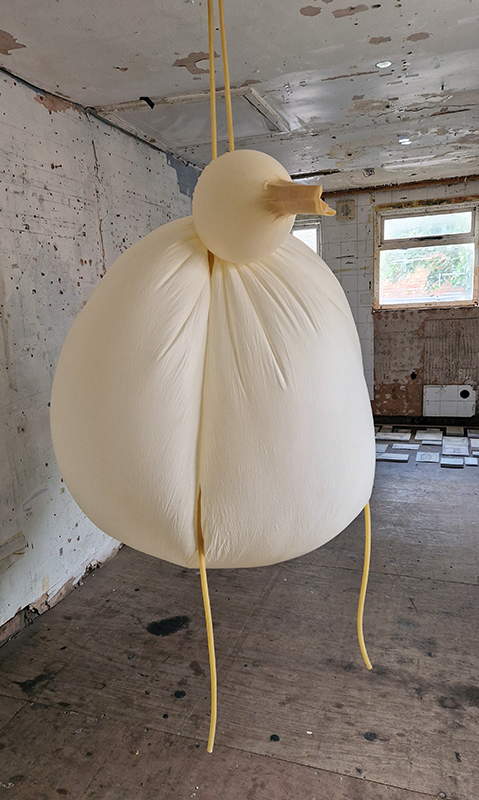
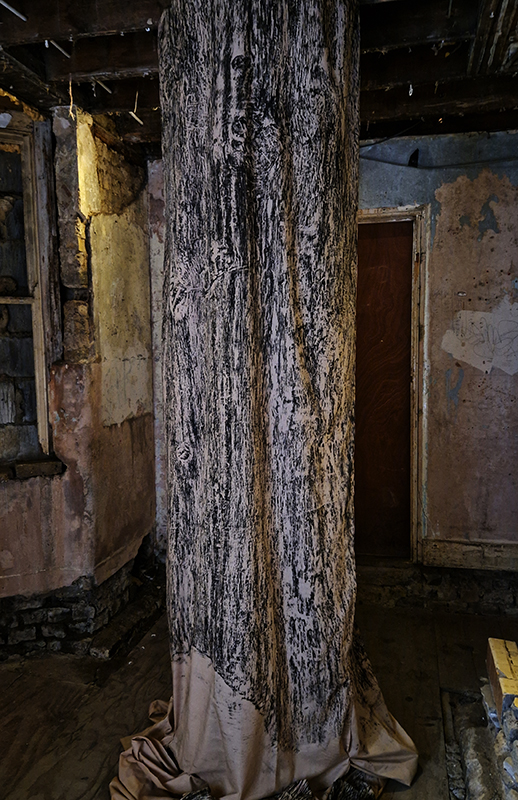
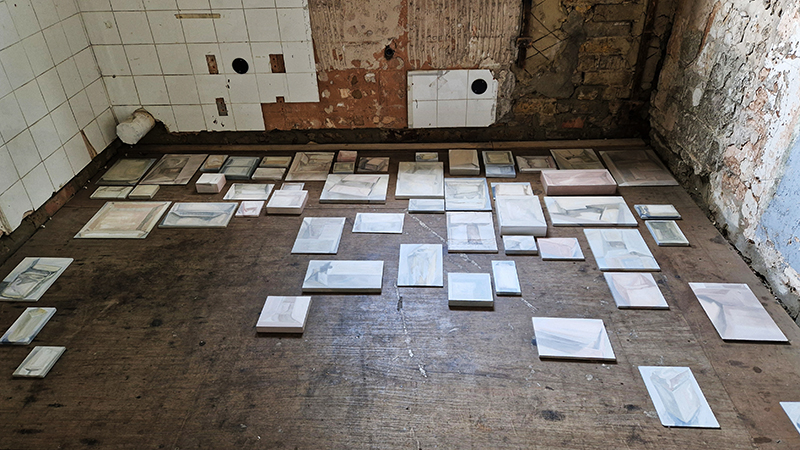
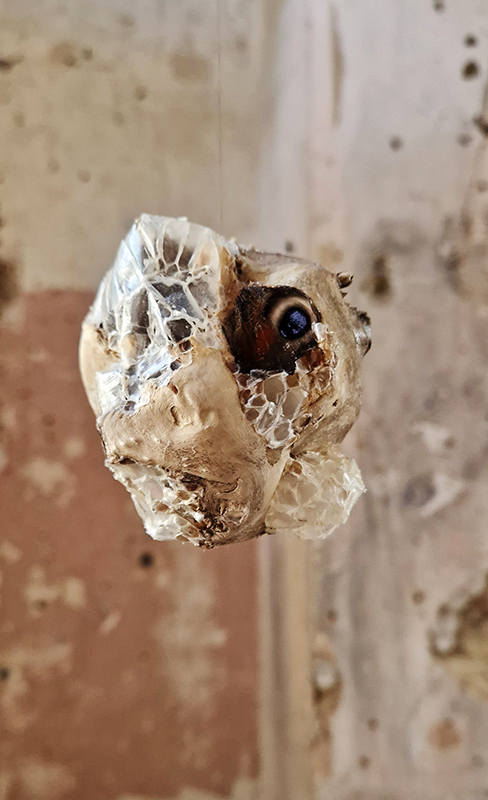
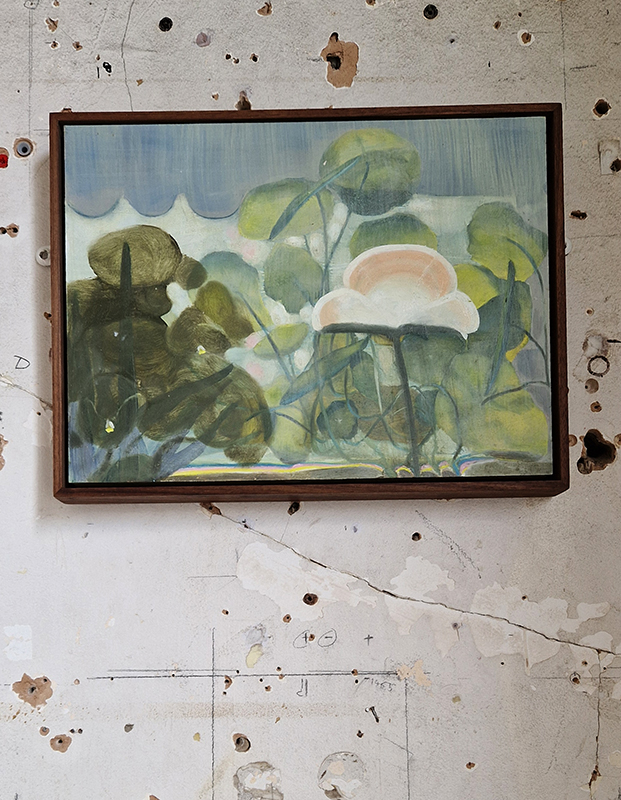
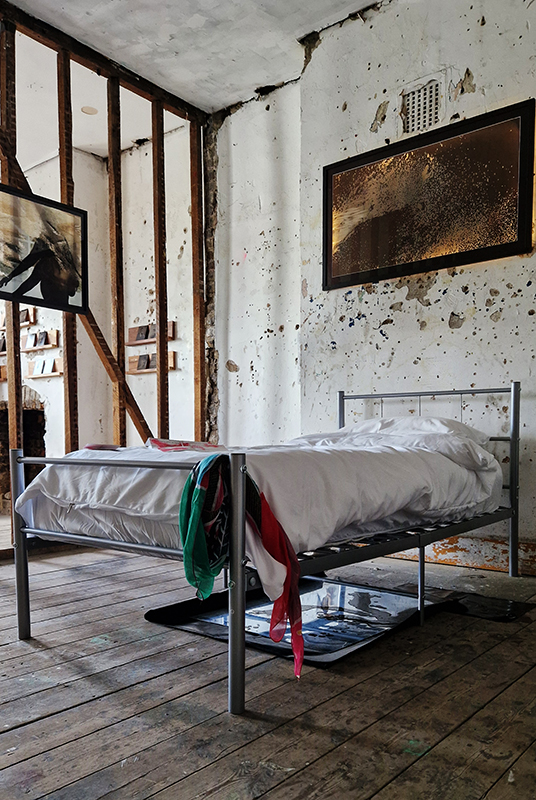
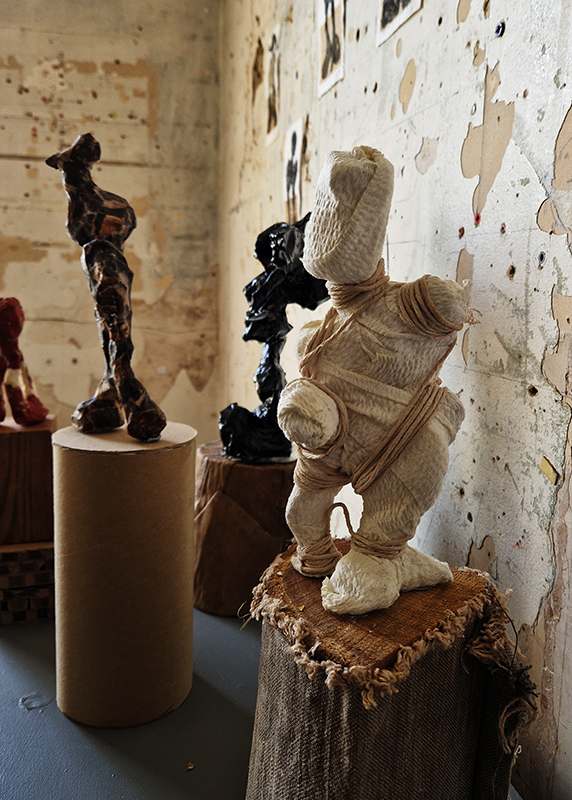
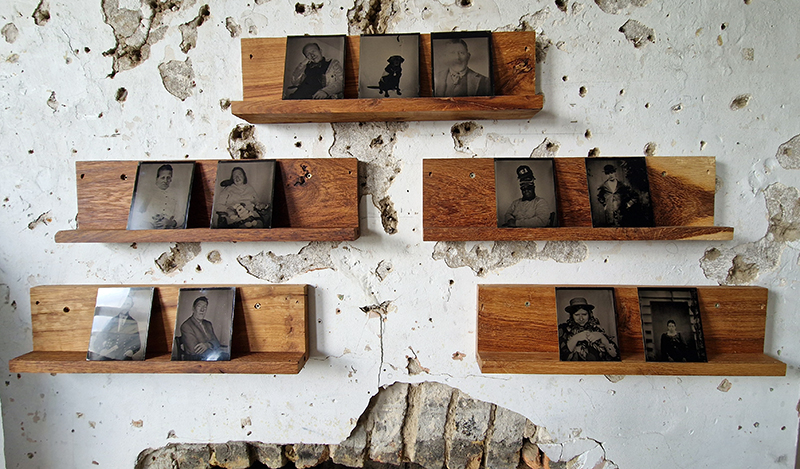
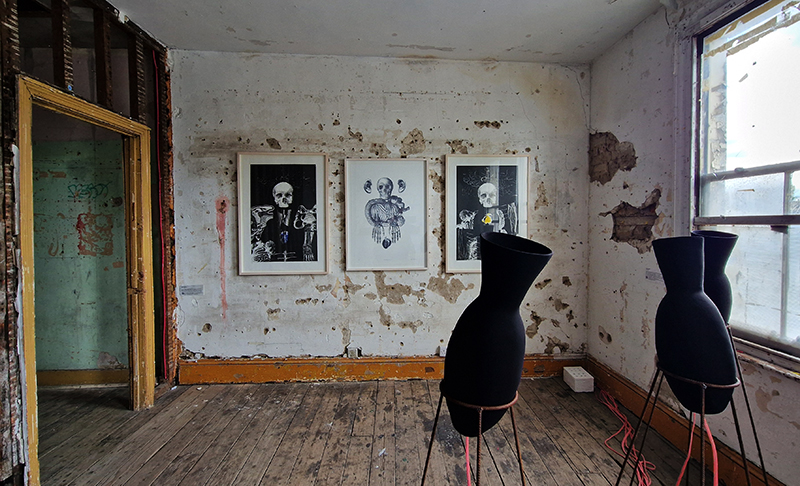
Works across the exhibition move between the intimate and the otherworldly, often unsettling the boundaries between body, space and perception. Included within a range of strange bodily presences are Susan Aldworth’s work Reassembling the Self. Internal, fragmented and reconfigured lithographs exploring how identity may be disrupted through trauma, illness, or simply the experience of being alive. As does Fungai Marima’s practice, using her own body as both subject and archive in performance. Repeated gestures of exposure and persistence draw attention to the private realities of anxiety and endurance. Charlie Betts’s practice is also rooted in movement and performance. Through drawing and action, she captures fleeting physical states that hold presence, absence and memory in tension. Mary Branson’s installation explores the fragile boundary between rest and exposure through vessel forms and the sound of breathing, evoking a vulnerable presence within places we assume are safe. This focus on vulnerability and embodiment resonates with Us and Them, a series of wet plate collodion portraits by Emma Brown in collaboration with Freewheelers Theatre & Media Company, a creative company of disabled artists and performers, reflecting on representation, visibility and shared humanity. In a shift of atmosphere, Marcelle Hanselaar transforms familiar interiors into psychologically charged scenes where bedrooms and domestic spaces become sites of unease, desire and dreamlike threat. Her figures appear exposed, restless and vulnerable, inhabiting worlds where intimacy and danger uneasily coexist. Beyond the body, the exhibition extends into the domestic, material and more-than-human worlds we inhabit. Janet Currier’s work turns to the objects and organisms we live alongside, where repetition, attachment and care become central. Rooted in the domestic and often autobiographical, her sculptural arrangements suggest that the things we tend to – fabrics, forms, fragments – hold memory and presence, quietly accumulating meaning over time. A similar sensitivity to material and instability is present in the work of Mandeep Dillon and Marielle Schram. Dillon’s ephemeral sculptures explore pressure, balance and the temporary nature of form, their fragile, inflatable structures responding to subtle environmental shifts and hovering between buoyancy and collapse. Schram’s small-scale sculptures and drawings translate emotional experience into tactile form, where diverse materials are handled with sensitivity and control, balancing strength and vulnerability. In both practices, making becomes a visible negotiation between material, form and feeling. Sue Baker Kenton and Ann Norfield consider how things are kept, categorised and carried through time. Baker Kenton’s installation of painted, box-like structures reflects on containment and hidden histories, while Norfield’s use of collected bones and print processes brings a quieter, more direct engagement with chance, hope and the precariousness of life. Together, they reflect on accumulation, fragility and the tenuous nature of what we hold on to. A more overtly uncanny register emerges in works that draw on folklore, memory and psychological space. Oona Grimes’s film and drawings draw on historical and cinematic references to create fragmented, misremembered scenes in which figures appear both comic and spectral. This sense of dislocation and re-framing is echoed in the work of Tom Sliwinski, whose drawings present a personal and immediate view of the world, where historic interiors and figures take on a ghostly presence. A different sense of time emerges in the work of Penny Green and Roya Pourzadi, whose figures and forms draw on myth, symbolism and cultural memory. Their works carry a feeling of something ancient yet still in motion, not fixed in the past, but moving through it. Pourzadi’s imagery draws on Persian histories and elemental forces, where water, vessels and symbolic figures suggest cycles of renewal, fragility and transformation. In contrast, Green constructs a world of masquerade, blending emblems and archetypes across time. Her Wild Women and reworked objects draw on mythological forest figures and medieval imagery, creating presences that feel both rooted in history and strangely alive within the present. Throughout the exhibition artists construct distinct visual worlds that shift between observation and imagination. Katherine Jones transforms familiar imagery through intense light and distortion, pushing it towards something simultaneously seductive and unsettling, beauty and unease seem to exist in tension. Helen Baines painting ‘Show Horse’ similarly draws on lived experience and symbolic imagery and questions the uncomfortable truth of how we bend animals to our will in the name of discipline, love or tradition. A suspended bird moves through a constructed interior that feels both familiar and uncertain in Karl Newman’s Melancholy Study holding a moment of stillness charged with anticipation. Rooted in a deep connection to the natural world, Temsuyanger Longkumer’s installation centres on the reconstruction of a tree, drawn from his printmaking practice. Re-situated within the interior of the house, the work introduces a presence that feels both elemental and enchanting. Oak, wormshells, shed snake skin, hedgehog spines, mouse bones are just a few of the organic and unsettling materials used in Tessa Farmer’s sculptural interventions. Her work introduces meticulously constructed miniature worlds, bringing a darkly intricate presence into the house. Imagined or parallel worlds shaped through narrative and invention is prevalent in Adam Green’s work. His painting shown here presents a system-like visual language of pattern, geometry and reptition, suggesting constructed environments that are at once playful but possibly unstable. Elsewhere, David Ferry’s photomontages reimagine landscape through layered and unexpected combinations, where deserts, oases and shifting terrains disrupt familiar visual language, creating a sense of both recognition and disorientation. Finally and beyond the interior, several works extend into speculative and cosmological realms. Susan Eyre’s video-sculptural installations imagine hybrid lifeforms at the intersection of the organic and inorganic, expanding the exhibition beyond the domestic into a wider consideration of time, scale and the unknown.
Together, the exhibition forms a temporary community of presences, installed in close proximity, the works begin to speak to one another in unexpected ways, forming subtle and unexpected relationships that create a charged and shifting environment in which the familiar is rendered persistently strange.
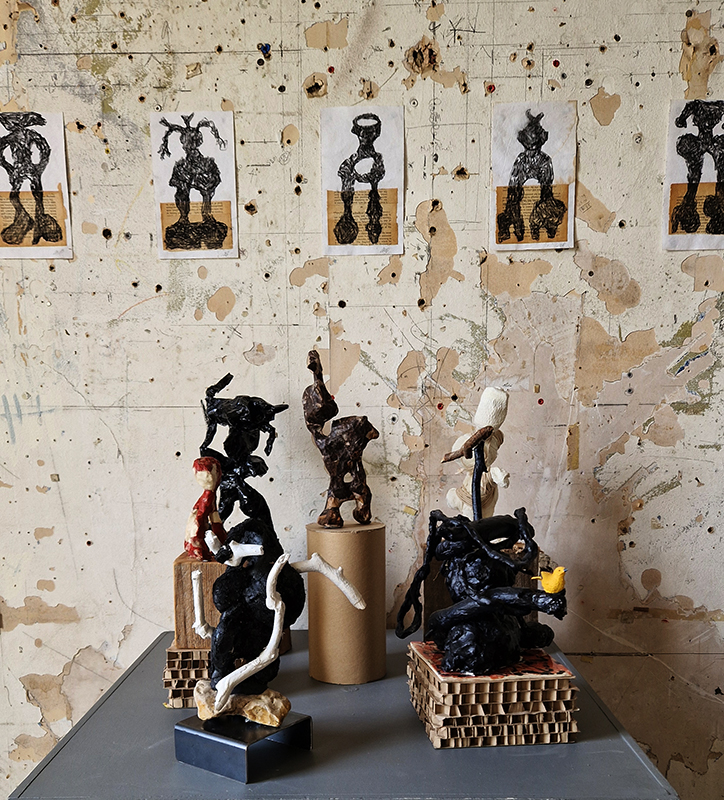
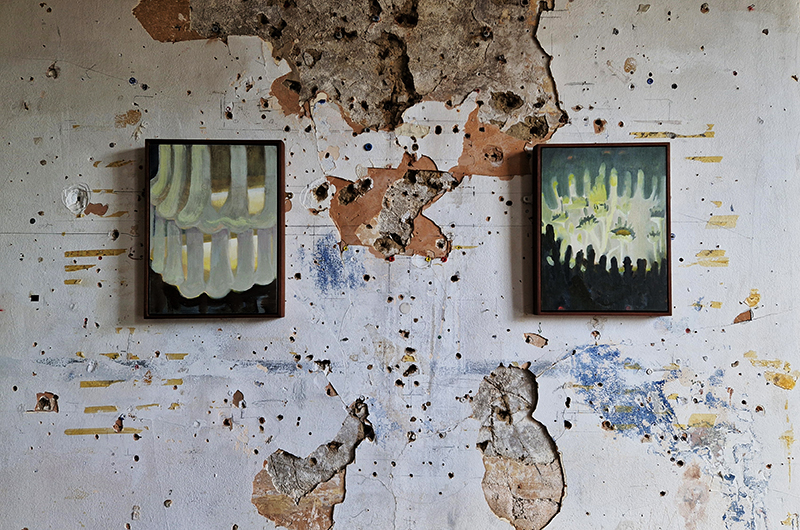
I am excited to be selected for the HIRESidency at Equivalentbehaviour founded by Katrina Stamatopoulos and Wojciech Kawczyk, who specialise in photographic scanning and digitising photographic film, prints and 3 dimensional mixed-media artwork.
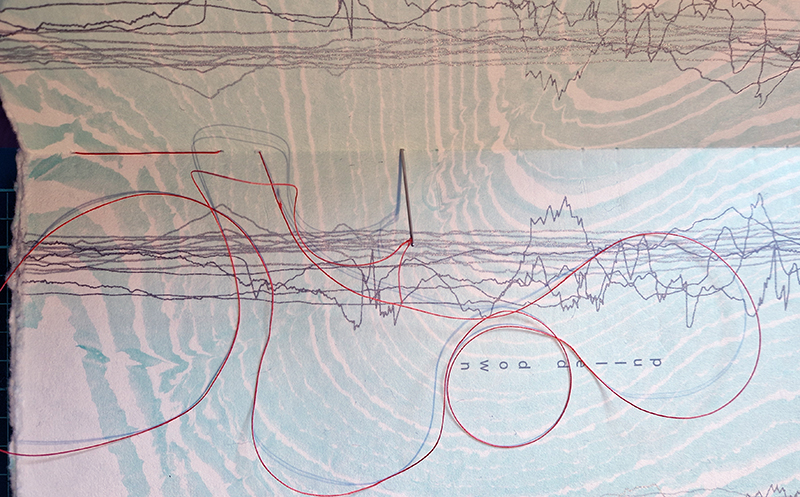
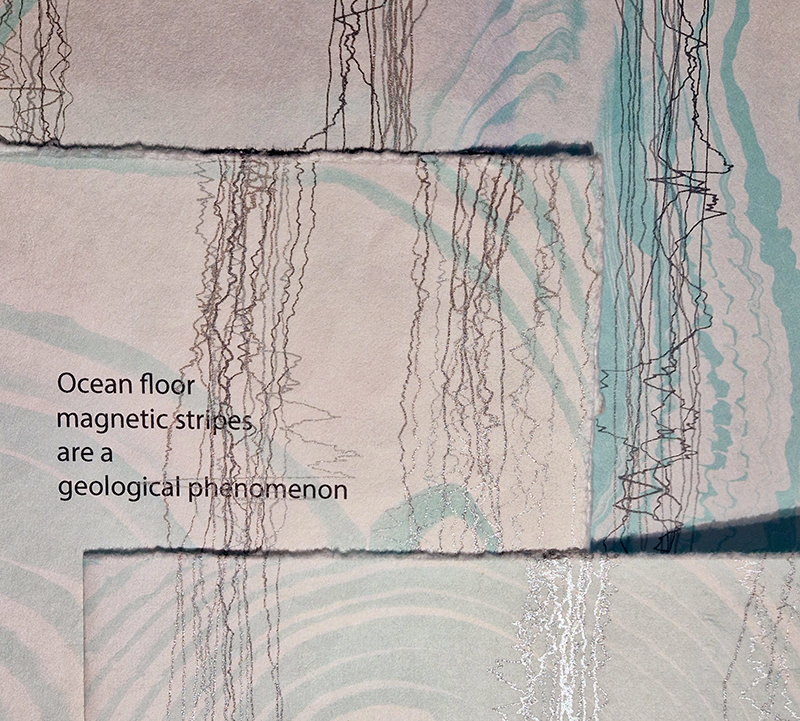
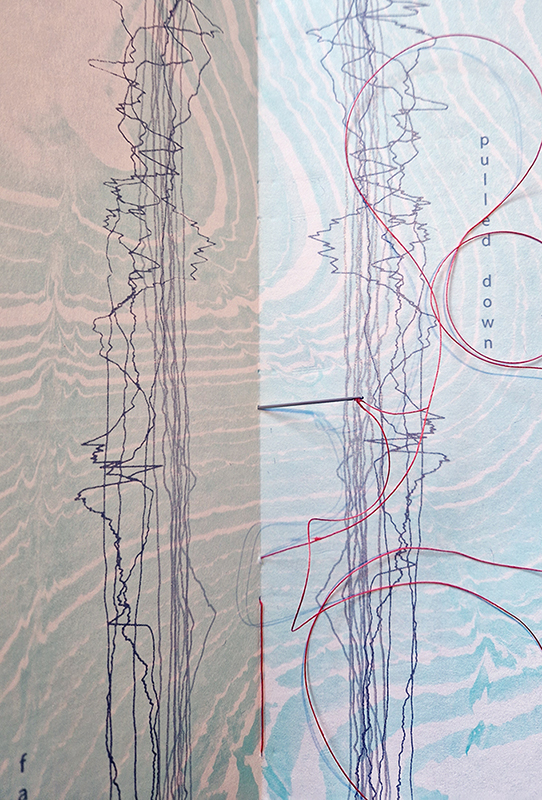
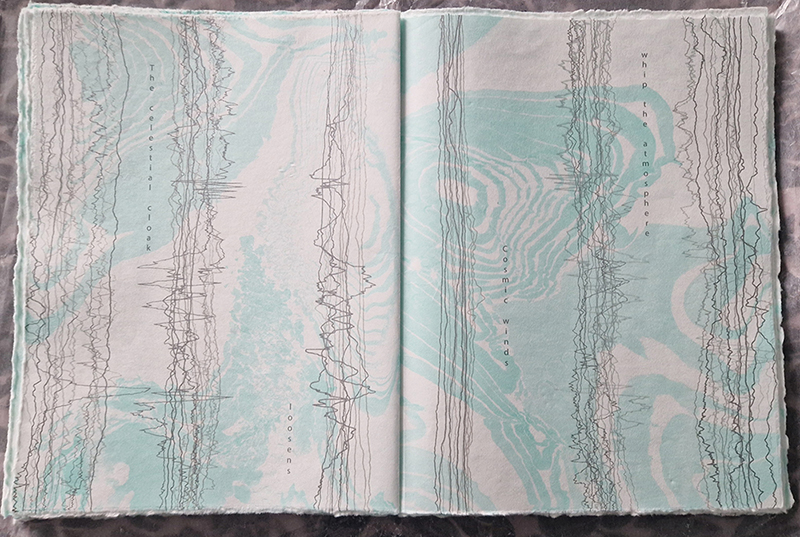
My proposal is to scan the Book of Reversals to make a digital work with narration. The physical work will be exhibited at Brompton Cemetery Chapel in the upcoming Appearances are a Glimpse of the Unseen. This book is a poetic interpretation of the formation of planet Earth and its turbulent internal fluid core that generates an unpredictable but protective magnetic field prone to sudden changes in polarity. Ocean floor magnetic stripes are a geological phenomenon consisting of alternating bands of differing magnetic polarity. Our planet is a complex and dynamic body where interactions occur ceaselessly between the inner core the outer core the mantle and the crust.
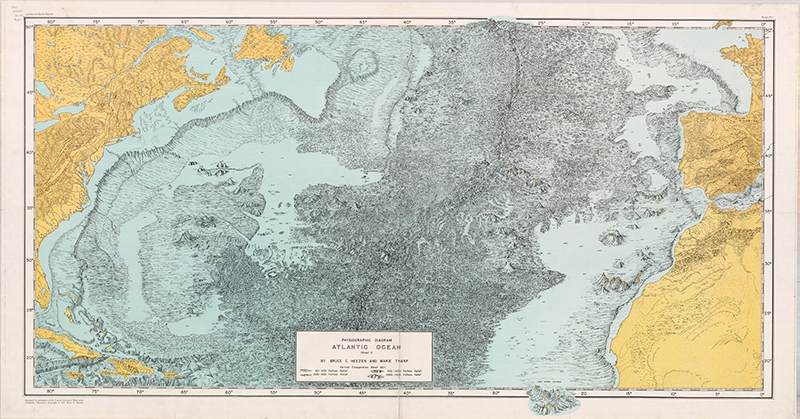
Marie Tharp was an American geologist and oceanographic cartographer. In the 1950s, she was instrumental in producing the first scientific map of the Atlantic Ocean floor revealing a detailed topography and multi-dimensional geographical landscape of the ocean bottom. She translated thousands of sonar readings from ships she was barred from boarding as a woman scientist. Mapping the Atlantic, she identified a continuous rift valley along the Mid-Atlantic Ridge: the first visual evidence of seafloor spreading, the mechanism behind plate tectonics and continental drift. When she showed the map to her colleague Bruce Heezen, he dismissed it as “girl talk.” The idea was still considered too radical, especially from a woman excluded from research vessels. But the evidence kept proving her right. As more surveys arrived and earthquake patterns matched her work, the scientific world accepted by the early 1960s, the planet is not fixed, but alive and in motion. In 1977 she co-published the first complete map of the world’s ocean floor, transforming geology, navigation, and our understanding of natural disasters. In 1997 the Library of Congress named her one of the 20th century’s greatest cartographers, and in 2023 National Geographic awarded her the Hubbard Medal. Thanks to Herstory_feminism for highlighting these amazing usually overlooked women who contributed so much.
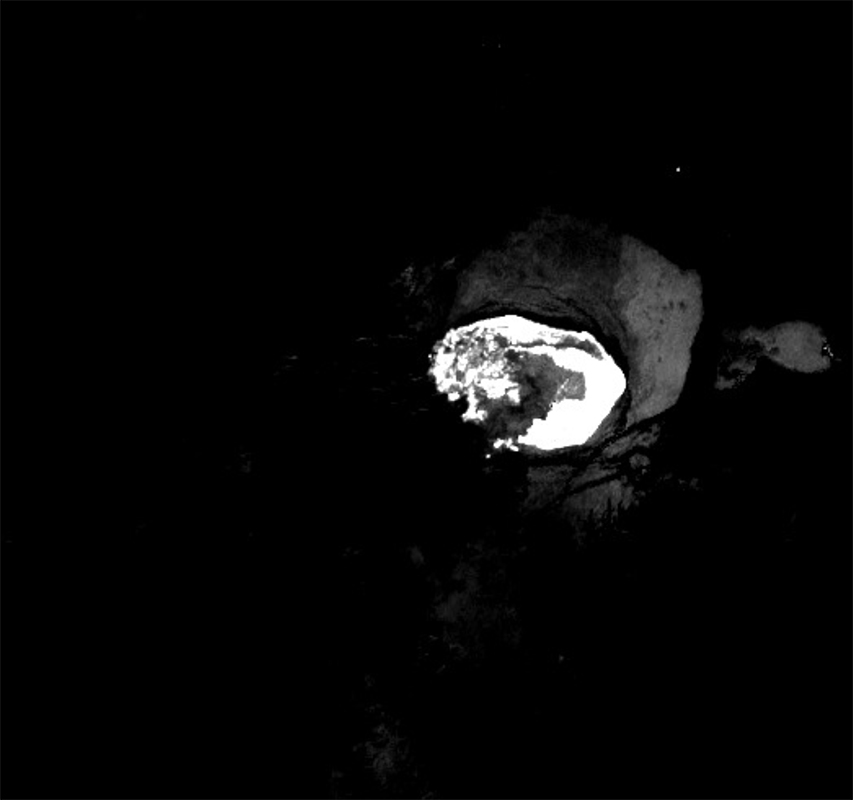
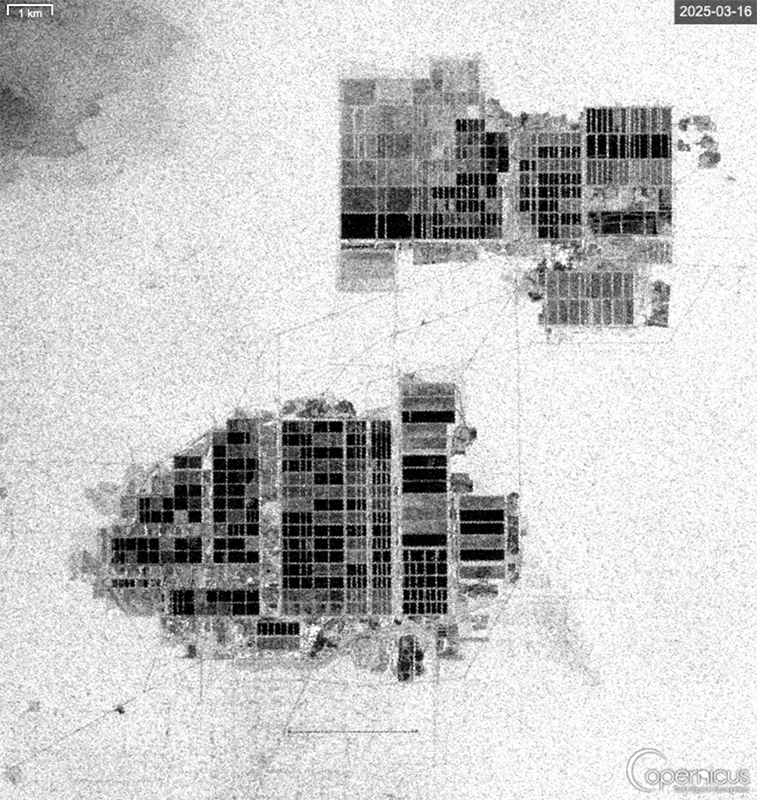
It was great to meet the team at ArtEO in an online group meet and introduction to the collective initiative that aims to make satellite imagery and data sets available to artists.
I am excited to have access to imagery that I would never be able to create for myself to feed into my work. I am interested to explore aspects of Earth’s magnetic field in relation to how it might be monitored using satellites, how it impacts the functionality of satellites and how satellites might themselves impact the magnetic field. While bringing so much data and valuable information for us to monitor the Earth and run its infrastructures and provide global communication the increasing number of satellites may put us at risk from over reliance on this technology in the face of an unpredictable force of nature. I hope to learn more about how satellites might help in predicting solar storms and what data sets are produced to model the interaction between high energy particles and the magnetosphere. I would also like to explore the relationship between satellite technology and natural phenomena and the balance between observing and disrupting. These images show an active volcano and a site of mineral extraction.
I have been busy with preparations for the upcoming Appearances are a Glimpse of the Unseen which will be in The Chapel at Brompton Cemetery curated by Catherine Li with the support of The Friends of Brompton Cemetery.
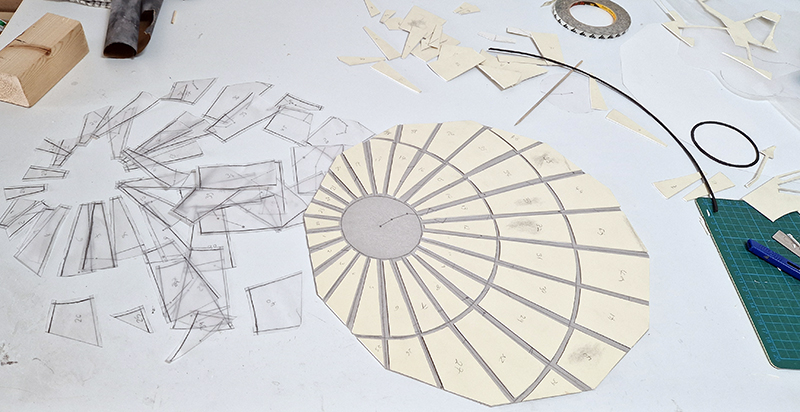
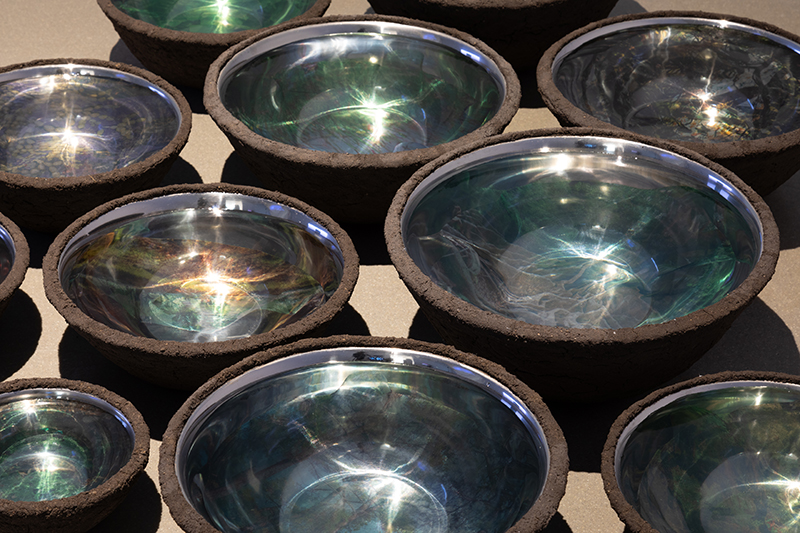
I am making a new sculpture in the series Instruments of the Anemoi set of dodecagon tablets cast in Snowcrete, a non-magnetic cement, as used in buildings at a magnetic observatory. Suggestive of the pedestals that support various instruments used in monitoring the Earths’ magnetic field they also respond to an ancient anemoscope “table of the winds” carved in marble around eighteen hundred years ago with the names of the classical winds, both in Greek and in Latin inscribed on each of its twelve sides.
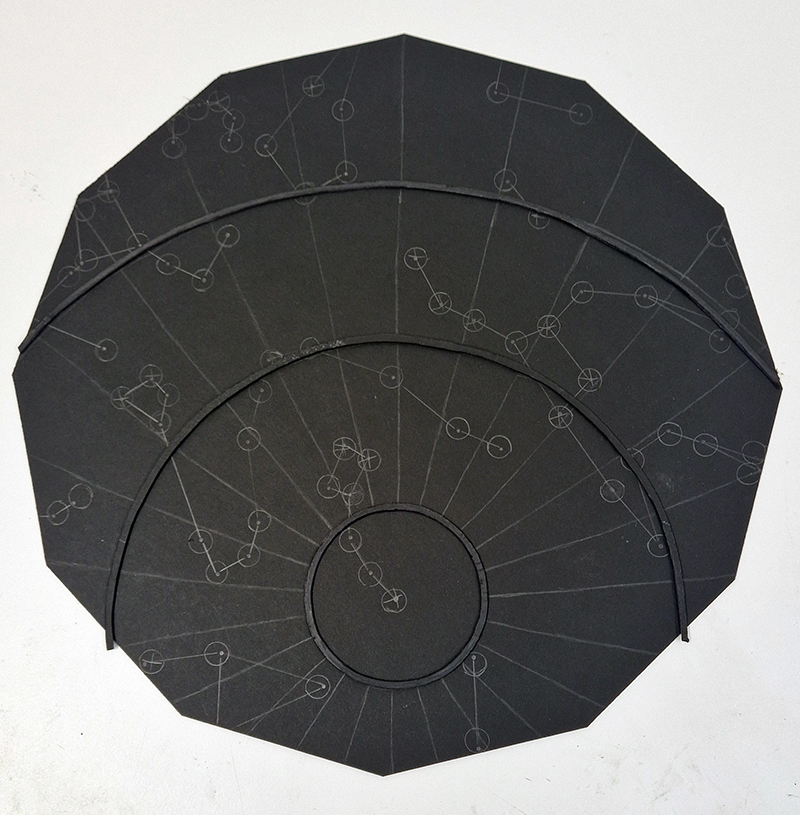
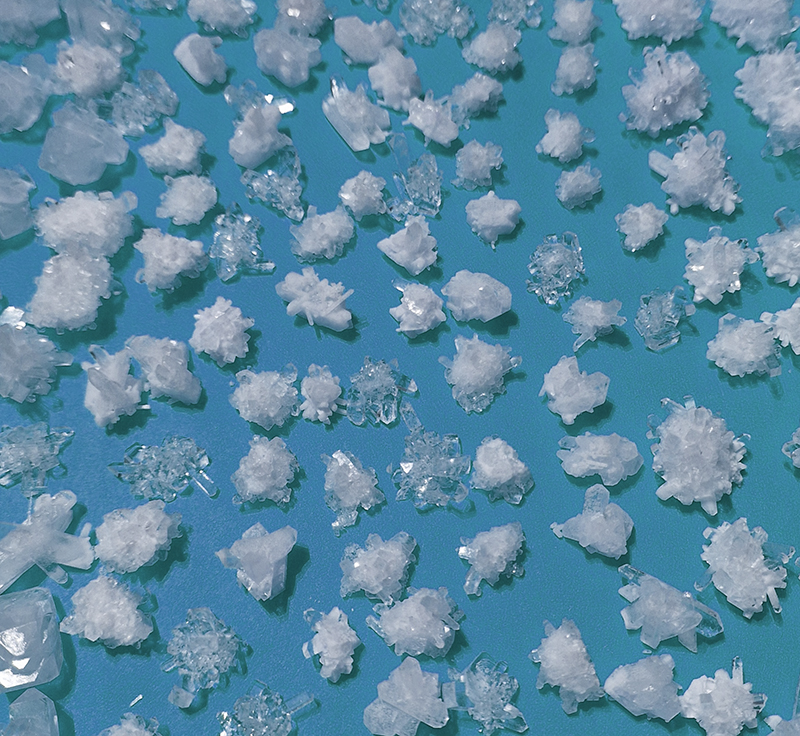
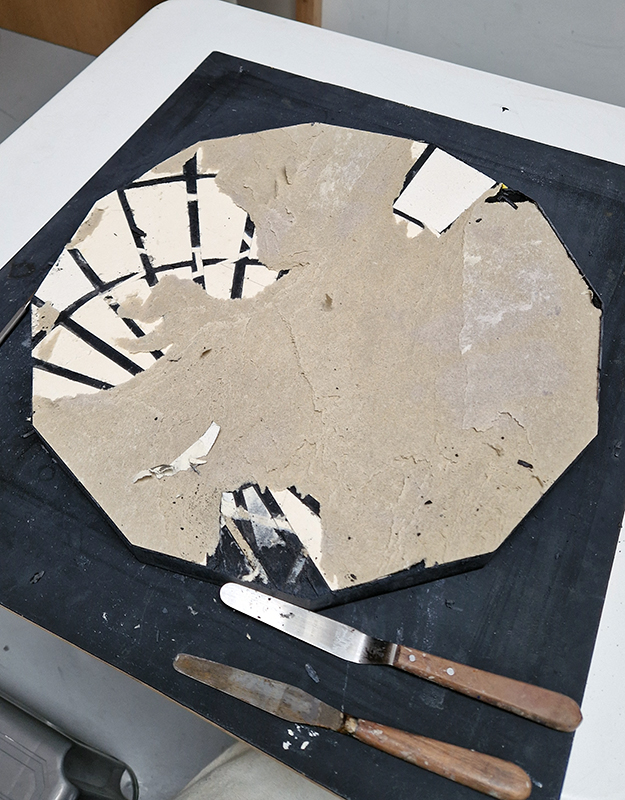
These sculptures are envisaged as speculative objects from past times, shown on repurposed theodolite or telescope tripods, reflecting on methods and tools of natural navigation such as magnetism, wind and stars. The new tablet will reference celestial navigation. Polaris has not always been the Pole Star as Earth’s axis of rotation wobbles over the course of about 26,000 years and many other stars take their turn at pointing to geographic North. I am centring Thuban in the constellation of Draco who took the position between two and four thousand years ago. I have been growing mono-ammonium phosphate crystals to use to outline the constellations whose lines are mapped by casting the concrete onto a collagraph set in a silicon mould. Once the concrete has set, it must be excavated from the cardboard collagraph by careful scraping and peeling away.
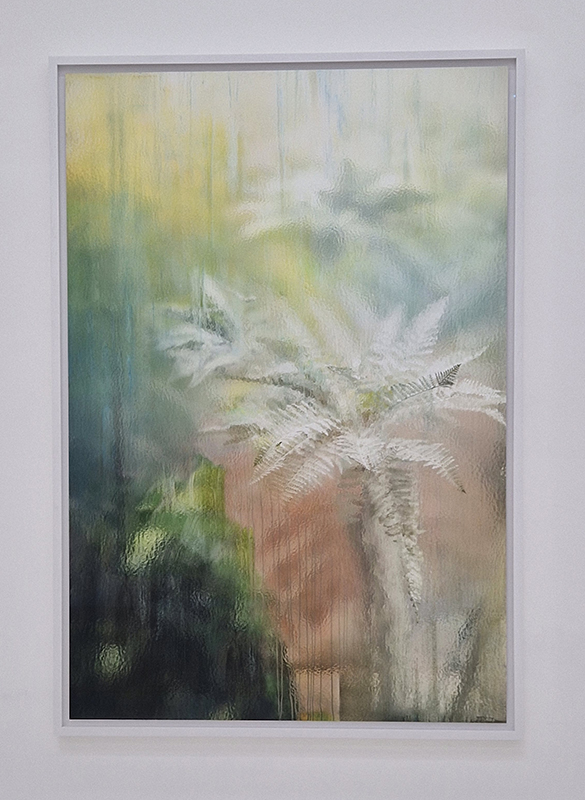
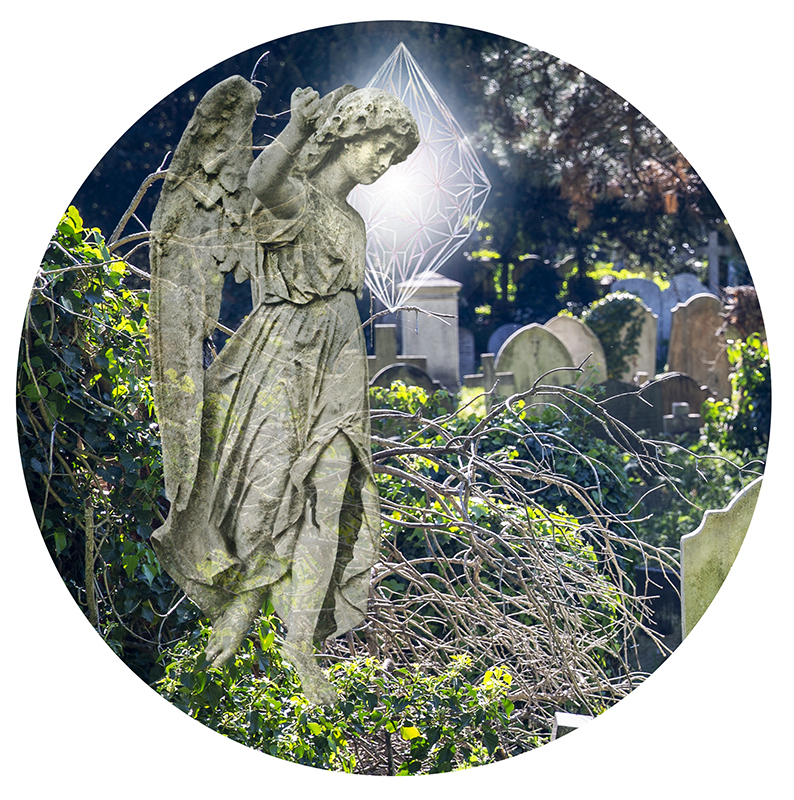
I have also been working on new images for submīrārī (earthbound), which feature the unique convergence of nature, history and serenity at Brompton Cemetery along with a myriad of angels that inhabit it. In looking for cultural and scientific explanations of angels I came across a book The Physics of Angels: Exploring the Realm Where Science and Spirit Meet, in which co-authors Rupert Sheldrake and Matthew Fox discuss parallels between quantum mechanics and early theories of angels, particularly Thomas Aquinas’ teaching that angels are immaterial bodies and creatures of light. The language used to describe the esoteric and the spirit world can often be substituted with the language of physics used to explain energy in its various manifestations.
The images I have been working on are to be printed with sublimation dyes onto organza. I was sad to discover that Promptside printers, who have been so generous to me in the past, in providing paper prints for me to heat press, are no longer operating. I am trying a new company Contrado.
Out of studio activities
Just squeaked in to see The London Group exhibition This That and The Other at The Handbag Factory on its final day.
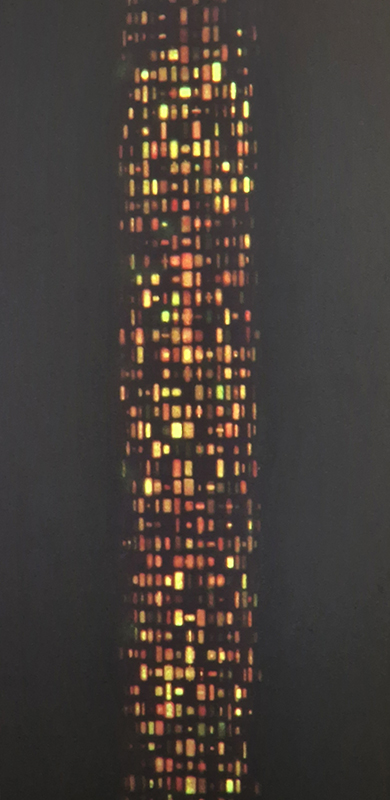
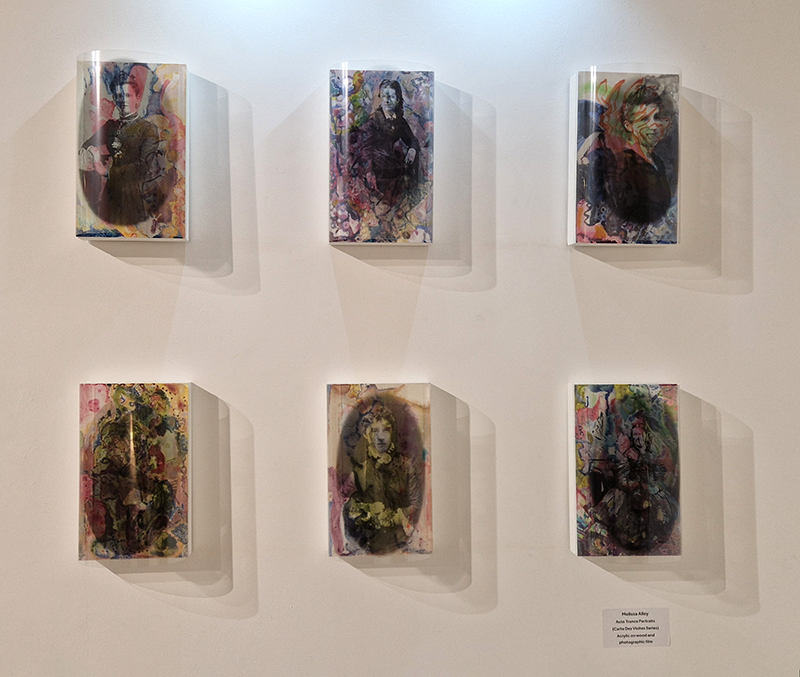
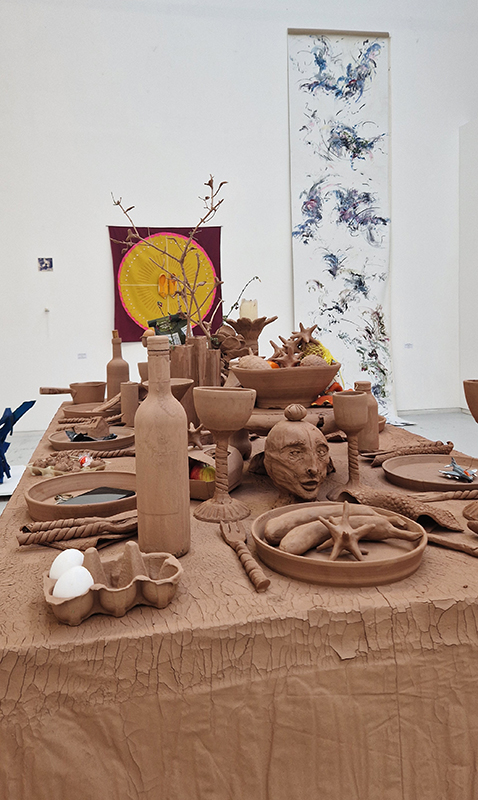
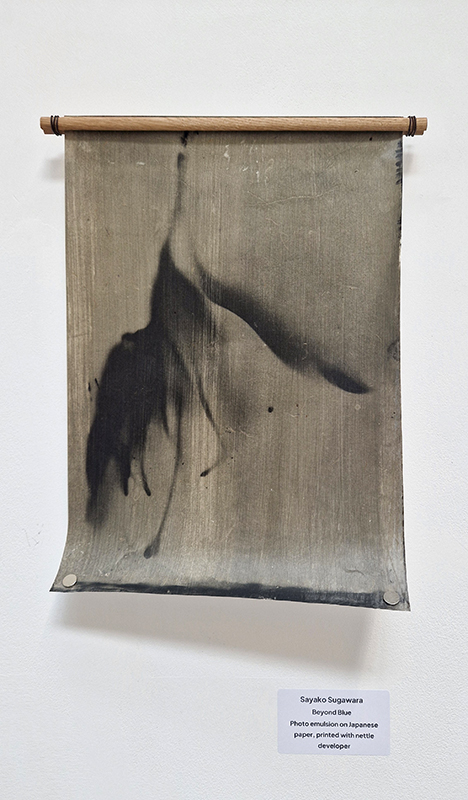
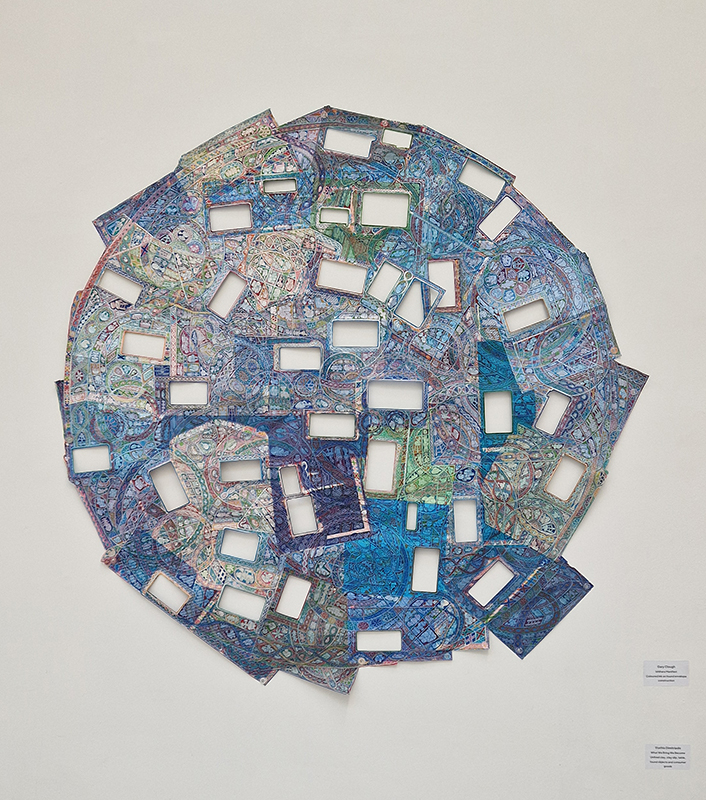
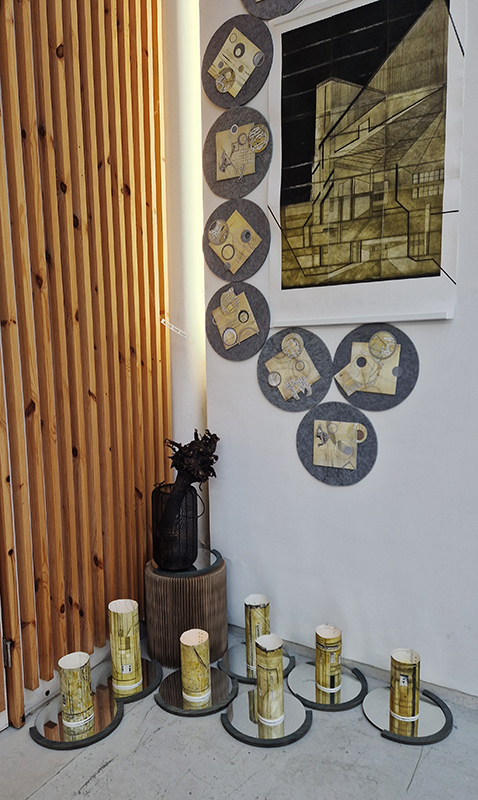
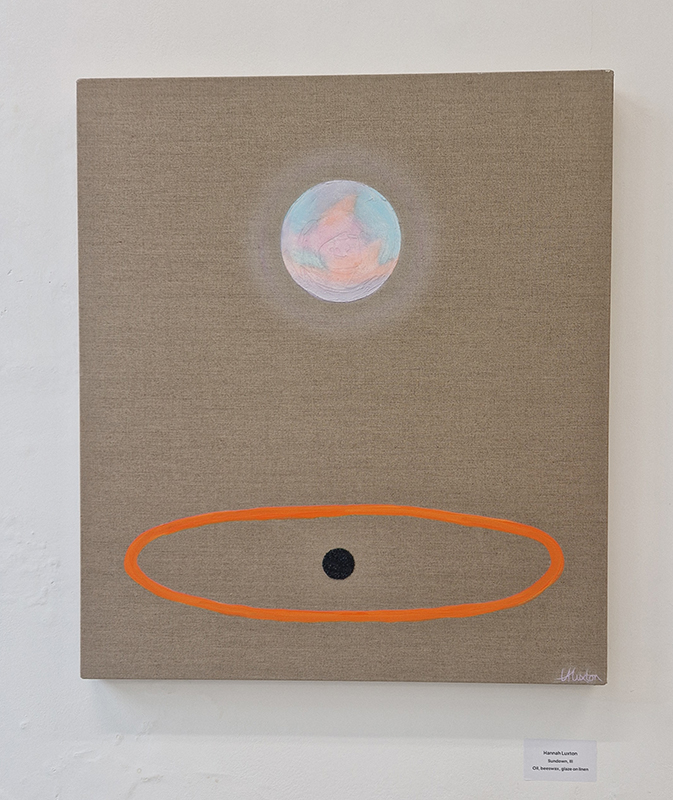
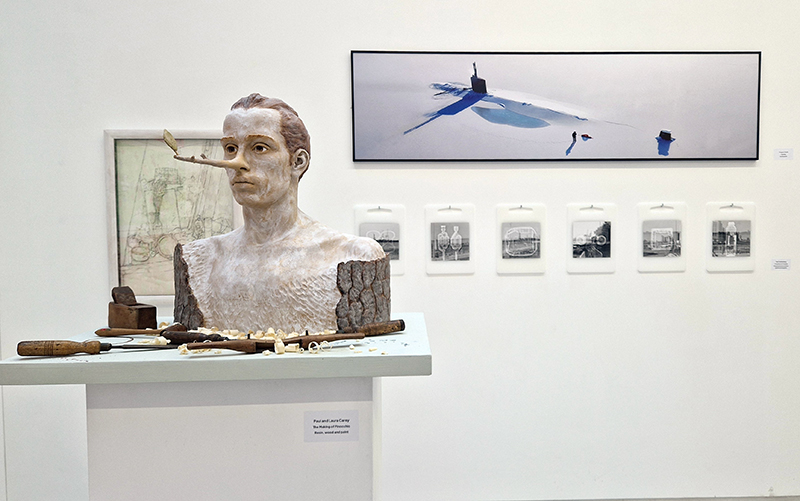
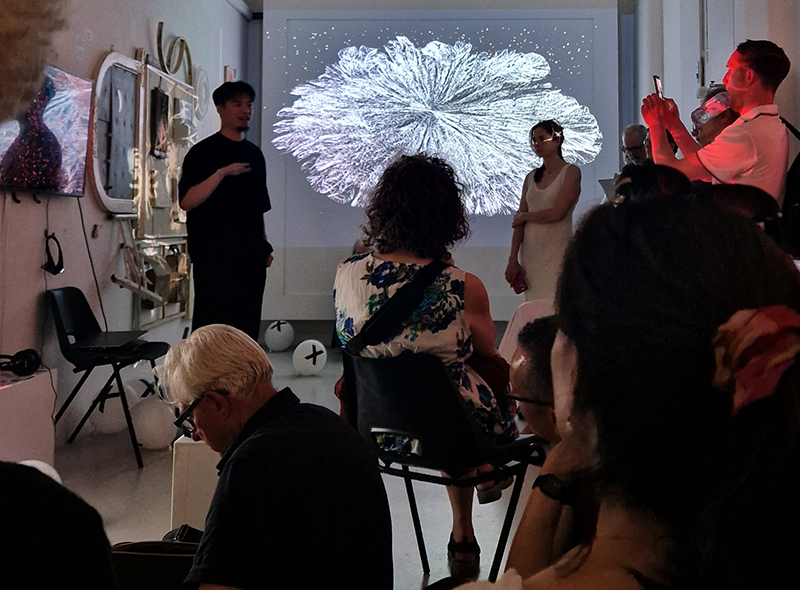
I managed to catch a couple of the talks ‘In the dark’ room and was intrigued by the work of Ash Xu which responded to the brainwaves of visitors wearing a headpiece attached to a screen monitor. The ‘Cosmic in the Brain’ series is an experimental artistic practice that merges neuroscience technologies with generative art, aiming to translate the abstract processes of human thought into the creation, evolution, and integration of stars within a virtual cosmos via Brain-Computer Interface (BCI) technology. The work is a collaboration between the artist and the audience. Through intuitive interaction, individual ideas are translated into a shared digital cosmos, allowing each participant’s inner world to contribute to the collective constellation. This process turns private thought into a visible, living landscape, one that unfolds in real time and belongs equally to everyone present.
I also was drawn to the video work by Eric Fong – A haunting journey through Horton Cemetery in Epsom, where thousands of pauper patients, mostly women, from five nearby mental asylums were buried. It is now an abandoned, derelict and overgrown site, where all grave markers have been removed, except one. The footage is overlaid with words drawn from the medical case notes of those buried there.
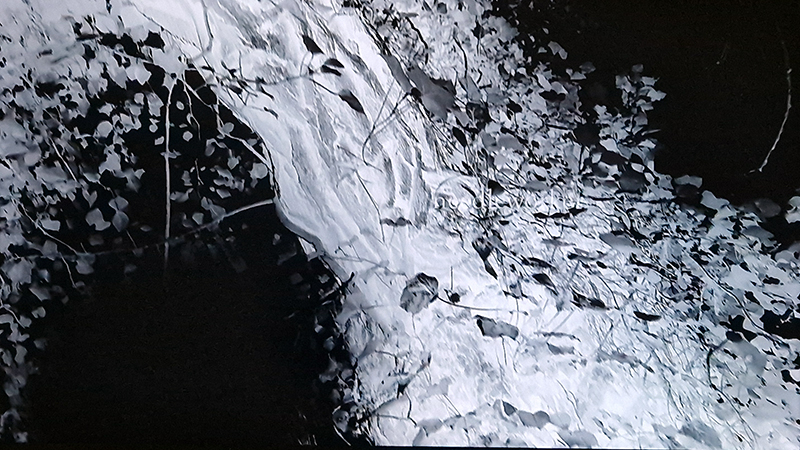
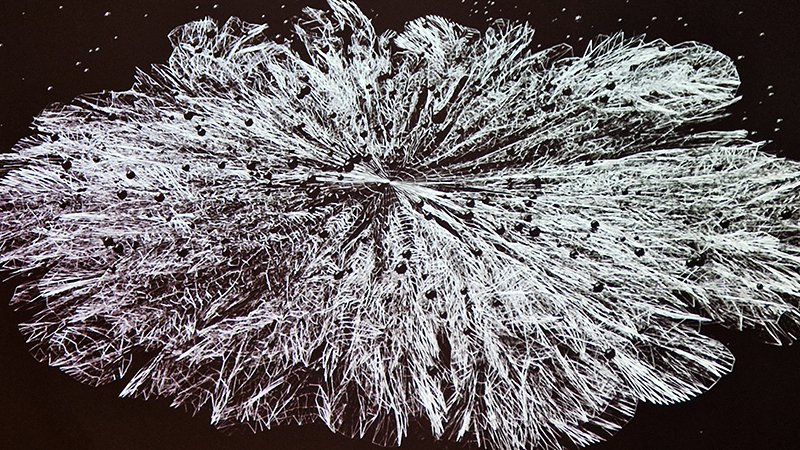
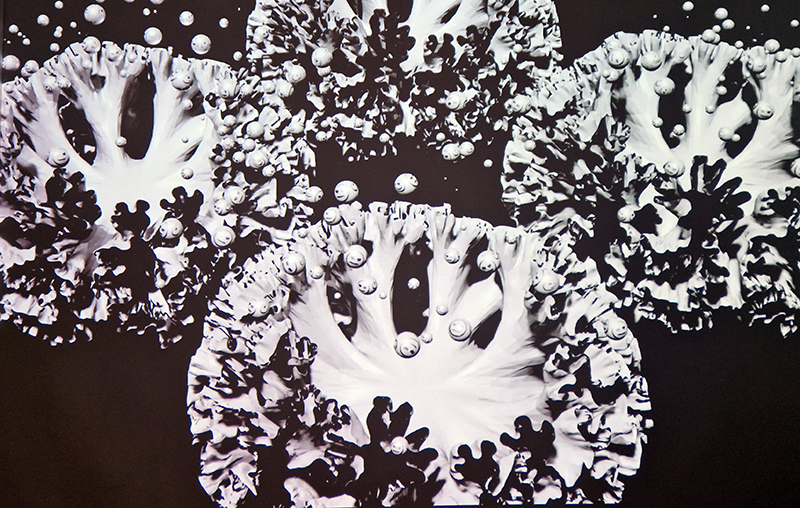
Mesmerising work by Sandra Crisp – ‘Dark Particles [slow_data]’ explores hybrid forms emerging where biological process and computational culture collide. Particle systems and differential growth generate organic structures whose surfaces are mapped with emoji and climate infographics — the residue of our information-saturated present absorbed into coral-like, cellular forms. Particles fall, accumulate, stick and die. Forms grow, darken and sediment. Rendered in monochrome on everyday hardware, the work embraces slowness. Like fossils, these forms carry traces of their moment — compressed into something unreadable, elusive and dark.
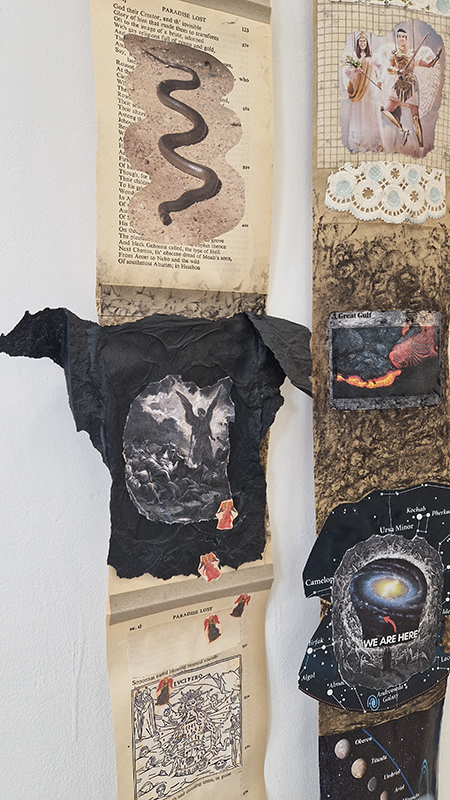
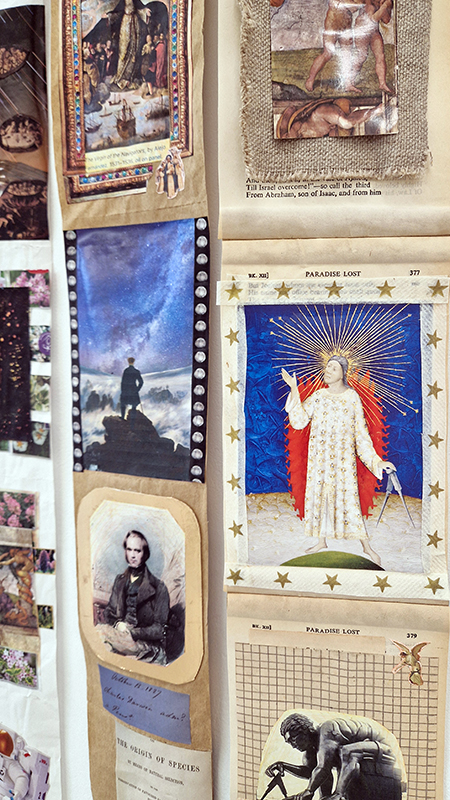
David Redfern On the 12th September 1768 Captain James Cook put in to the island of Madeira to resupply his ship ‘Endeavour’ at the beginning of his epic voyage around the world. Also on board ‘Endeavour’ was a private party of scientists, artists and the amateur botanist Joseph Banks. Banks discovered 25 new plant species on Madeira and needed to preserve the specimens he gathered. He pressed them in a book, a copy of a criticism of Milton’s ‘Paradise Lost’, written by Joseph Addison. The mythical Garden of Eden pressed up against scientific specimens contributing to the burgeoning science of botany. Paradise Lost Book leaves, gathered images 200 x 180cm. This work captured my attention as I am interested in ‘paradise’ and have been looking at angels in Brompton Cemetery at the moment and recently listened to two podcasts where angels feature – Cautionary Tales Podcast on John Dee and the Bureau of Lost Culture Podcast EVP – voices from the other side
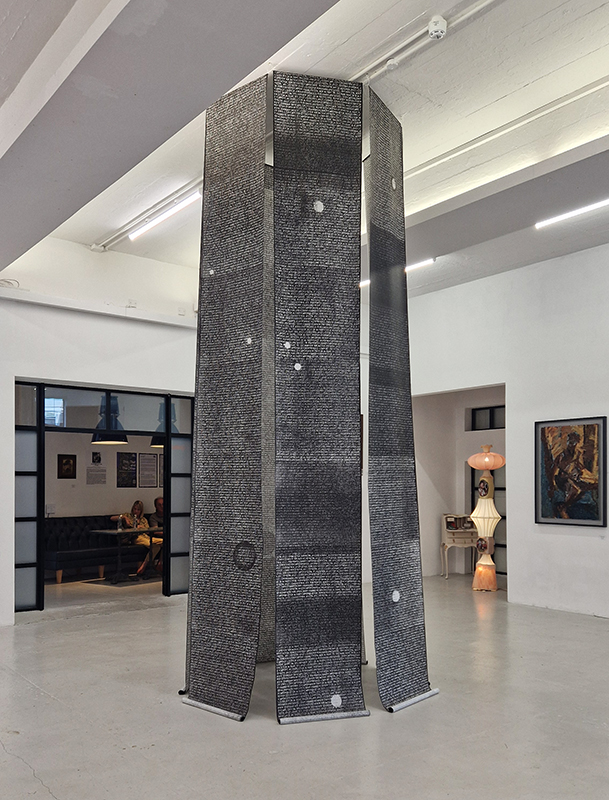
Imposing installation with amazing attention to detail from Carol Wyss 7 PILLARS OF WISDOM deconstructs the very concrete order of bones into lines of information — a basis of a new writing to chronicle human interaction. The title of the installation refers to a biblical proverb which outlines a range of moral duties. T. E. Lawrence wrote an autobiography of that same title, likely inspired by Ruskin’s 7 Lamps of Architecture book which Lawrence had previously read. The installation consists of seven large unframed scrolls. Each scroll combines intaglio and relief printmaking techniques on thin Japanese paper.
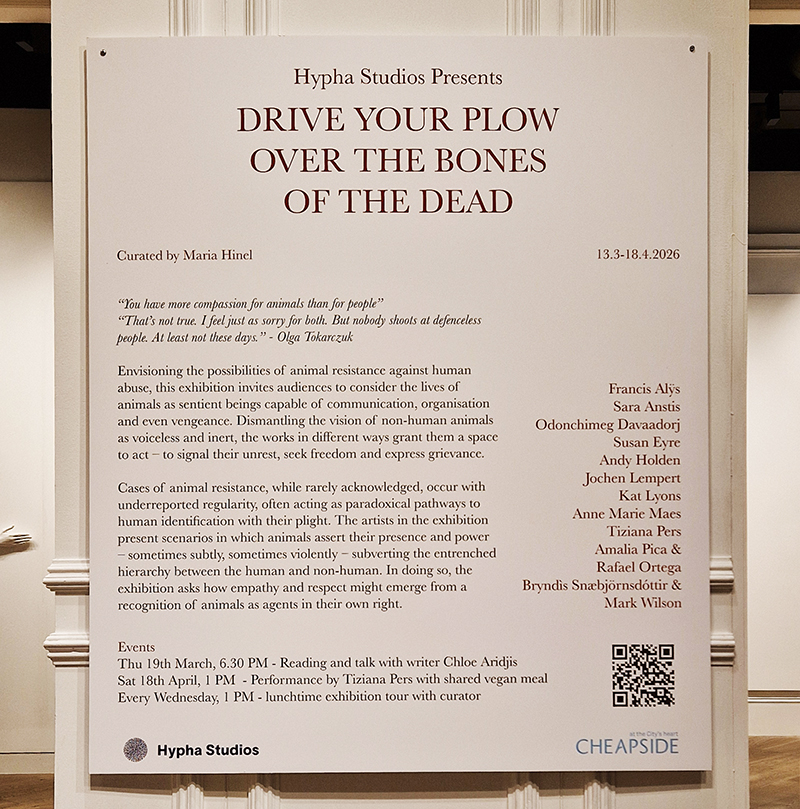
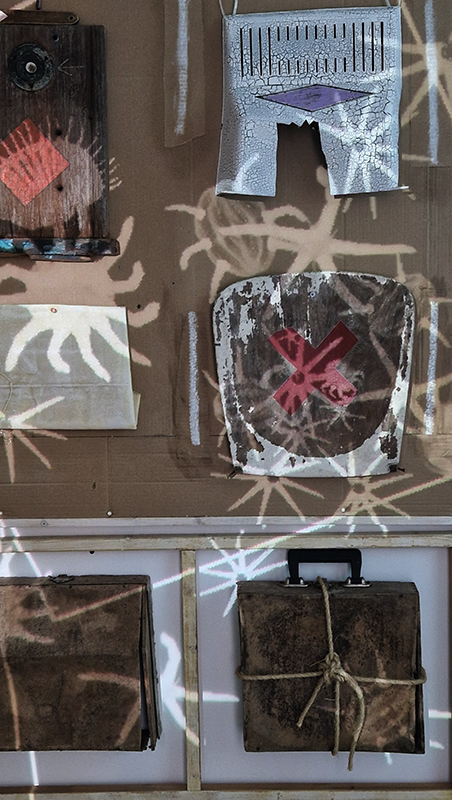
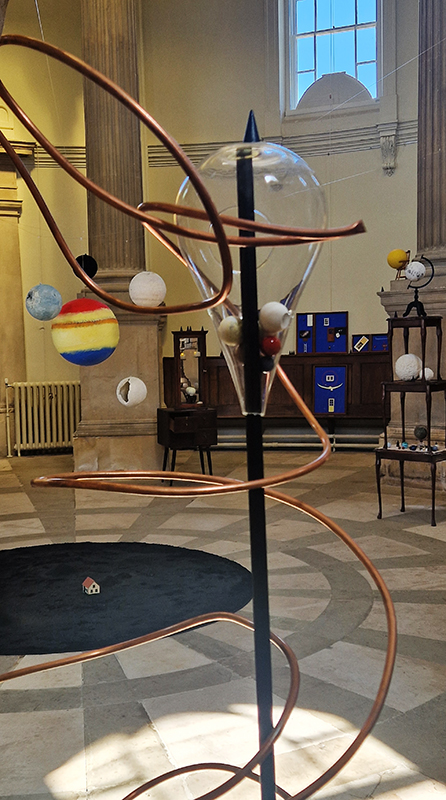
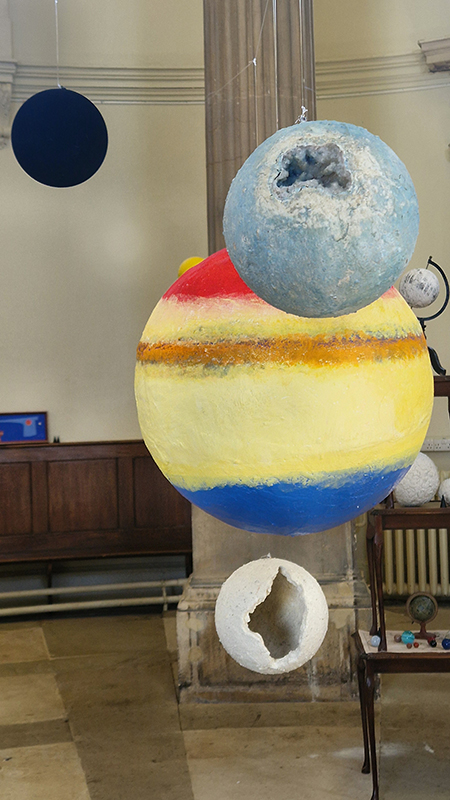
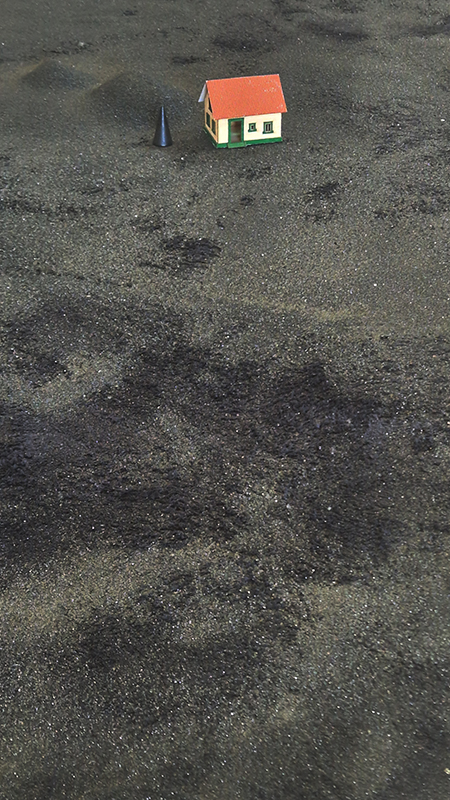
Qi Baiting House of Day, House of Night at The Chapel, Brompton Cemetery curated by Catherine Li brings together a ‘constellation’ of sculptures inspired by the circulation of objects via numerous flea markets. Drawing from Olga Tokarczuk’s image of living in two homes at once, one fixed in time and space and one infinite, these objects appear on interstellar journeys in which they hold together the material and the immeasurable: the located and the unplaced, the lived and the imagined. The objects remain tied to their historical time, imbued with traces lived experience, while their decontextualization allows other meanings to surface, as though they too were inhabiting more than one home at once. She also alludes to Ursula K. Le Guin’s The Carrier Bag Theory of Fiction: Sometimes the world is nothing more than things placed quietly together.
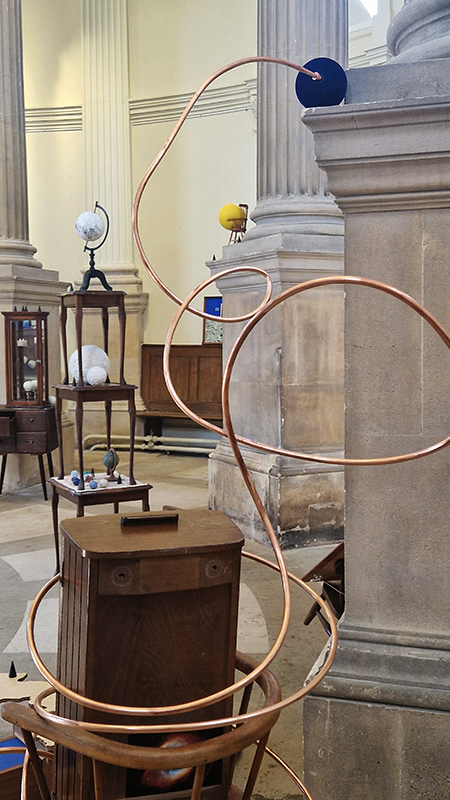
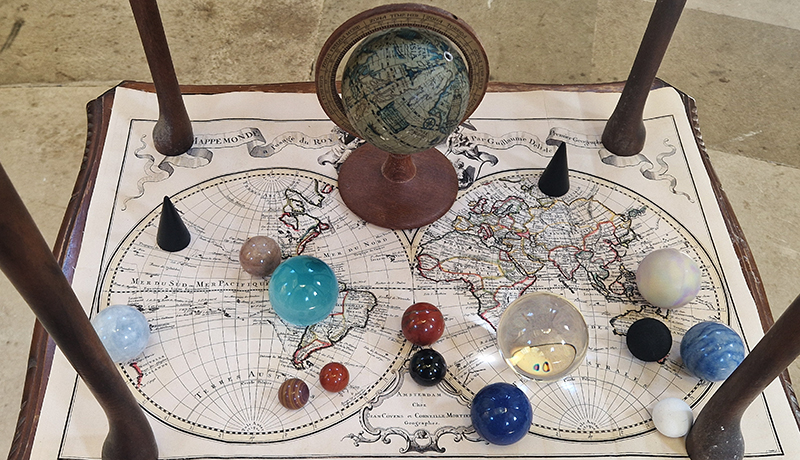
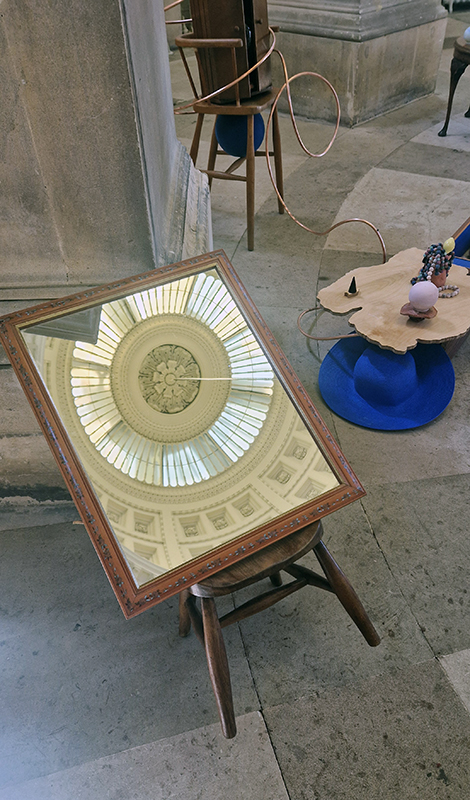
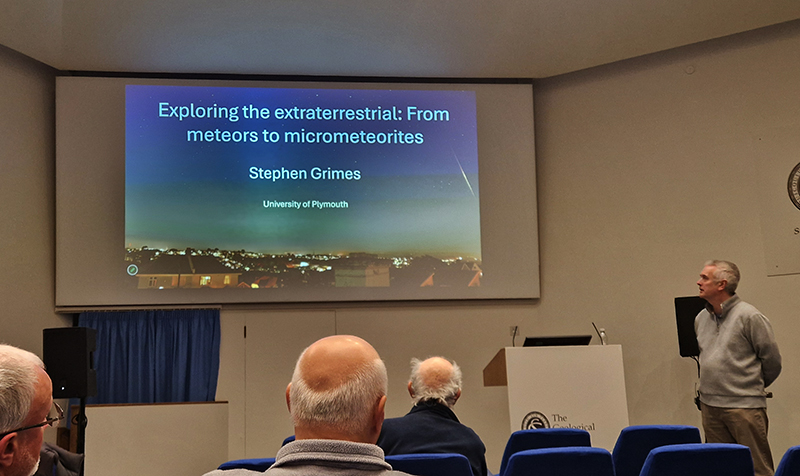
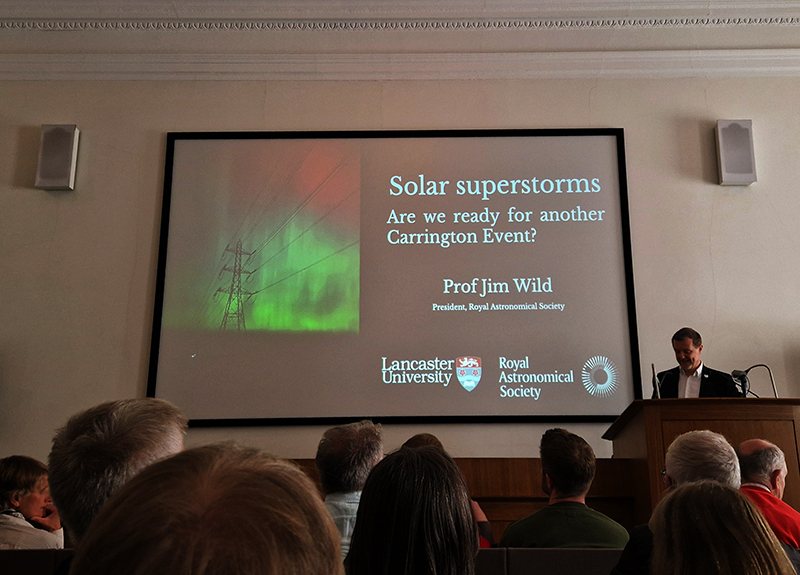
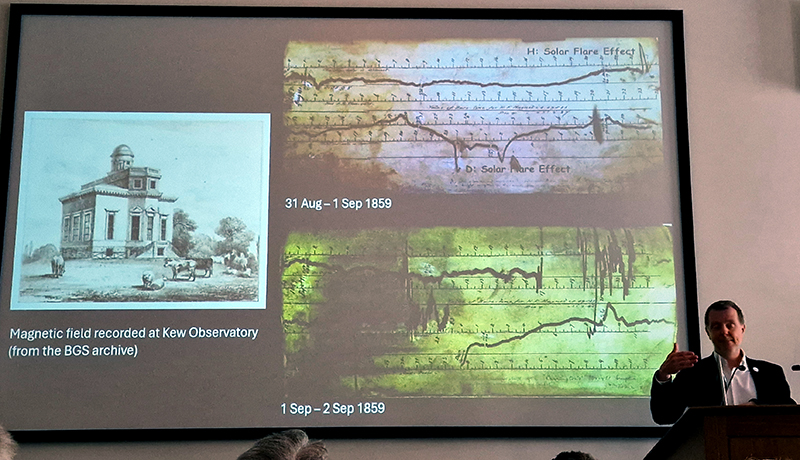
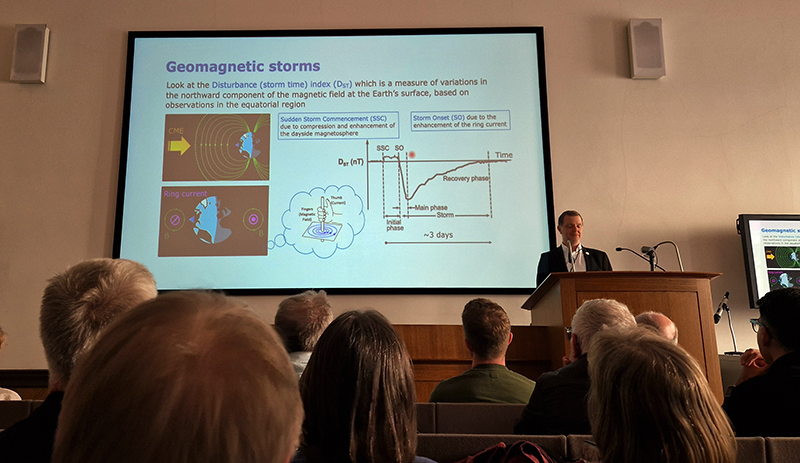
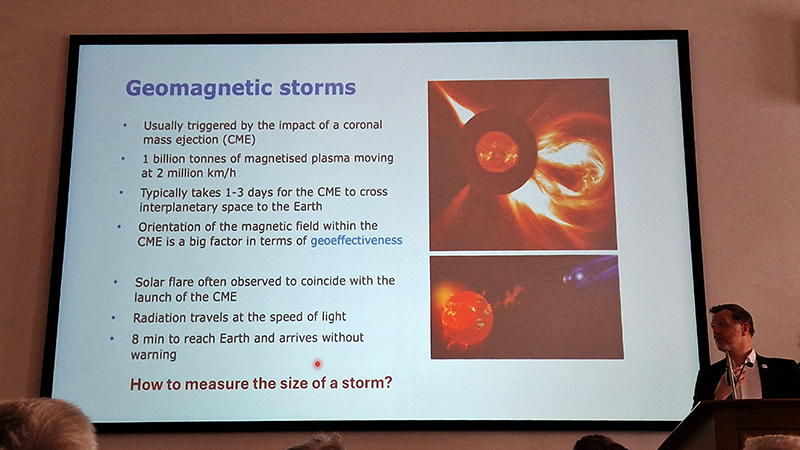
Royal Astronomical Society talk Solar superstorms: Are we ready for another Carrington Event? by Jim Wild, Professor of Space Physics within the Physics Department at Lancaster University and President-Elect of the Royal Astronomical Society.
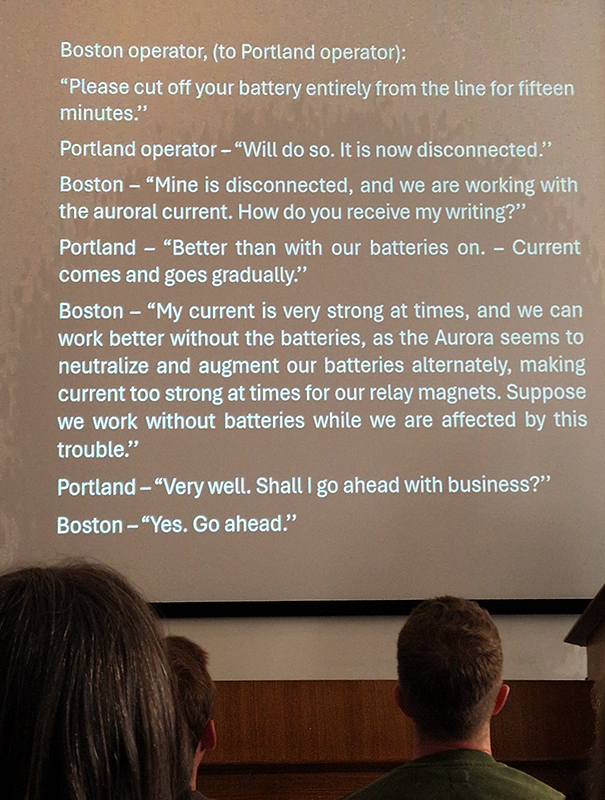
In September 1859, the English astronomer Richard Carrington made the first recorded observations of a solar flare. Unknown to Carrington, the flare coincided with a fast-moving coronal mass ejection that struck the Earth’s less than twenty four hours later, triggering the most powerful geomagnetic storm of the modern age. The storm, now known as “the Carrington event”, sparked auroral displays visible as far south as the Caribbean and disrupted operations of the global telegraph network. But this powerful space weather event pre-dated most of the technologies that we depend upon today, such as power grids, satellites, and wireless communications. How vulnerable are we? Are we prepared for the next Carrington event? In this talk, Prof Jim Wild considers the resilience of the modern world to extreme space weather.
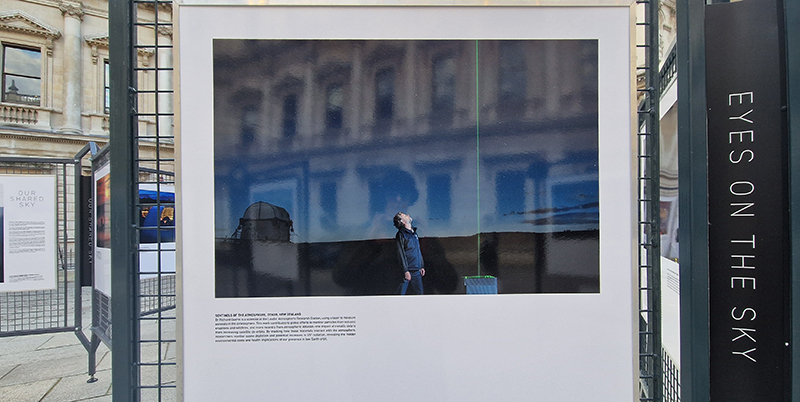
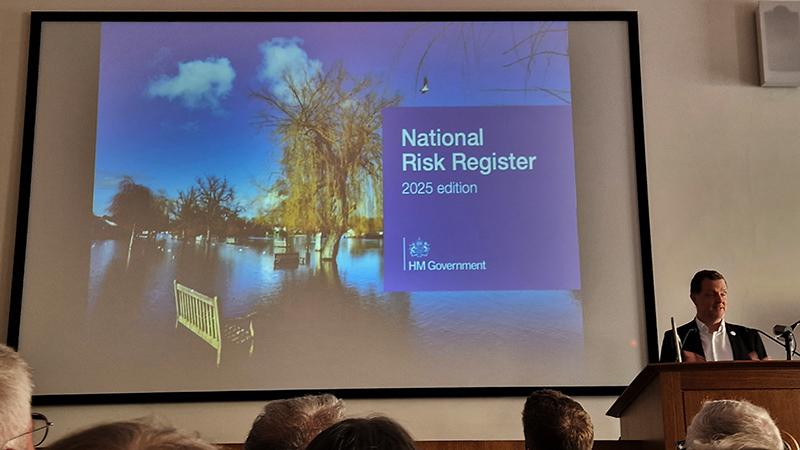
The UK National Risk Register sees space weather as significant risk. The term ‘space weather’ describes a series of phenomena originating from the sun, which include solar flares, solar energetic particles and coronal mass ejections. Day-to-day space weather causes little more than the Aurora Borealis in polar regions, but strong space weather events can bring disruption to many vital technologies. Orbiting satellites are particularly vulnerable to space weather effects, and can be damaged or temporarily disabled. Impacts may include regional power disruptions, loss or disruption of Global Navigation Satellite Systems (for example Global Positioning System (GPS)) and some telecommunications (for example satellite communications and high frequency radio), disruption to aviation, an increase in background radiation doses at high altitudes and in space, and possible disruption to ground-based digital components. The catalogue of tracked objects in orbit would be significantly impacted, raising the risk of on-orbit collisions. There may also be second order impacts such as fatalities and casualties (for example, in the event of power disruptions).
Peckham 24 The Eras Edition at Copeland Gallery exploring photography through the lens of time. ‘Time is a paradox; it is intangible, but its traces are omnipresent; it is an illusion, yet it’s governing our lives; it facilitates growth, while inducing decay. The projects exhibited at this year’s Peckham 24 explore these multifaceted aspects of time; they address the issues of our time, interrogate ecological transformation and its long-term implications, capture varying life stages and nostalgic formations, and explore the lingering of the past in the present.’
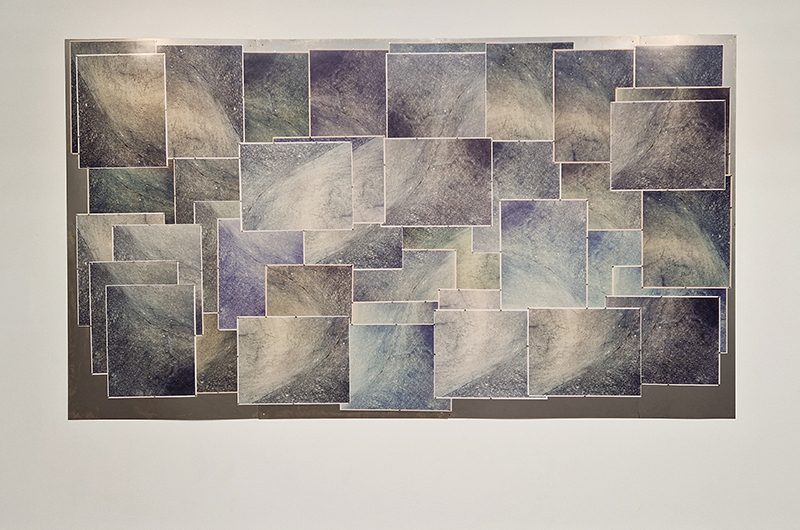
ROM a large-scale multi-image work by Eugenie Shinkle at first glance looks galactic but is in fact a series of photographs of the material surface of a decaying skatepark. The work reconstructs an experience of space, disorienting, immersive, and at times euphoric. Time is encountered here not as sequence or narrative, but as something embedded in matter and enacted through movement. Built in 1978, the Rom skatepark in Hornchurch, Essex was the first of its kind in the UK. No longer in regular use, the concrete structure is slowly decaying – cracking and delaminating, a consequence of decades of weathering, and of the wear and tear inflicted by the passage of thousands of wheels. Though they’re only a few decades old, the forms have a strangely primordial quality, the concrete stained and colonized by lichen, as if the recent past were already slipping into something more geological.
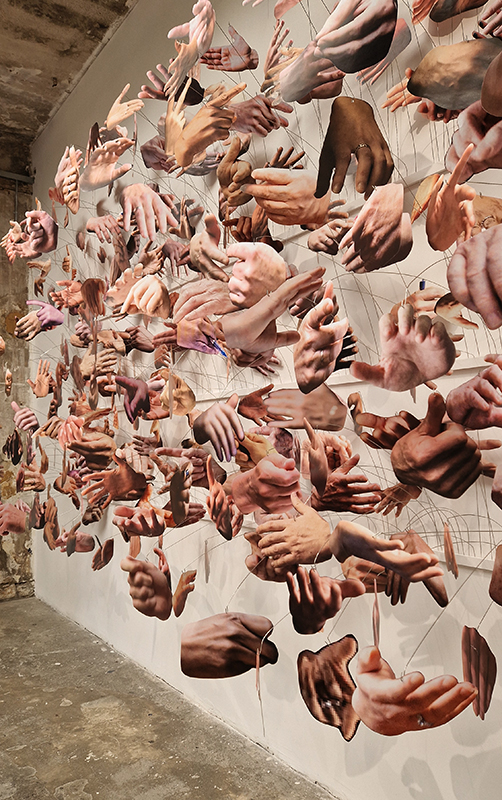
A Parliament of Empty Gestures by Mark Duffy is made from appropriated photographs produced and distributed by the House of Commons over the past two years. It is a comment on the performative and confrontational nature of political debate, the repetition of prescribed political gestures, and the constantly shifting blame game that is modern politics.
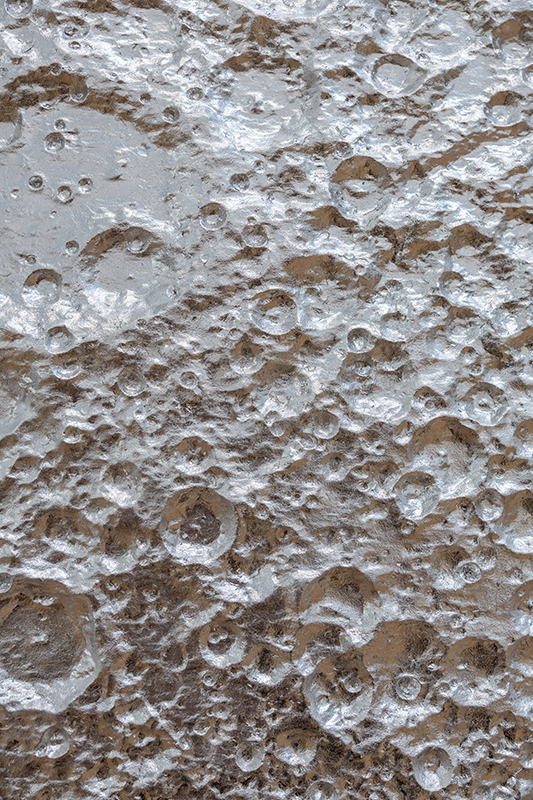
A fabulous iteration of Julie F Hill’s installation Cave and Chasms series where RAW data from space telescopes, such as Hubble and the James Webb is processed, sculpted, crystallized and mineralised drawing on the cosmic and terrestrial to offer an experience of intimate immensity.