Archives for posts with tag: Thames-side studios

Over the moon to be longlisted for the 2025 Artangel Open amongst such amazing company. I am grateful to Artangel and the selection panel Zineb Sedira, Nitin Sawhney CBE, Freddie Opoku-Addaie, Andrea Luka Zimmerman and Mariam Zulfiqar for considering my proposal regarding the Haverah Park Experiment.

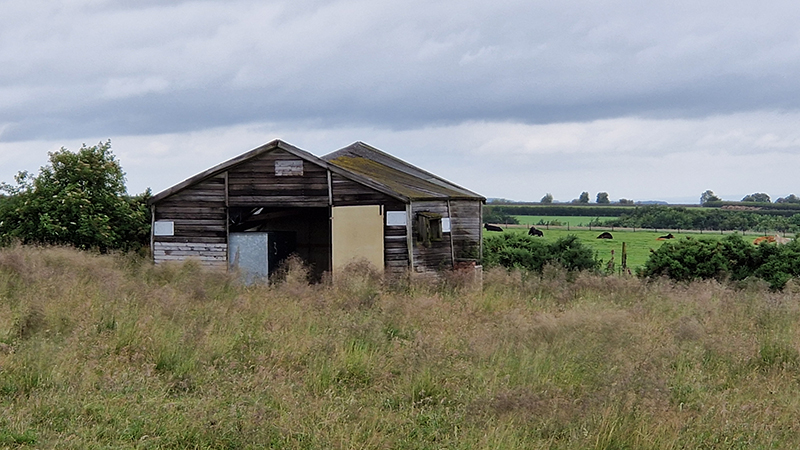
Cosmic rays impact technology and life on Earth but their origin and source of enormous energy is still a mystery. I seek to activate the historically remarkable yet humble Haverah Park detector huts abandoned in various states of collapse across the North Yorkshire moors, through workshops, performance, dark sky gazing, creating artworks that interact directly with cosmic rays and installations that respect local land use, to reflect on pioneering cosmology, human curiosity and wonder.

Cosmic rays are fast-moving particles from space that constantly bombard the earth from all directions. About 5 million pass through your body every day. Wherever they come from, the highest-energy particles hold secrets to the origin of their enormous energies which can be many millions of times greater than any earthbound particle accelerator can generate.

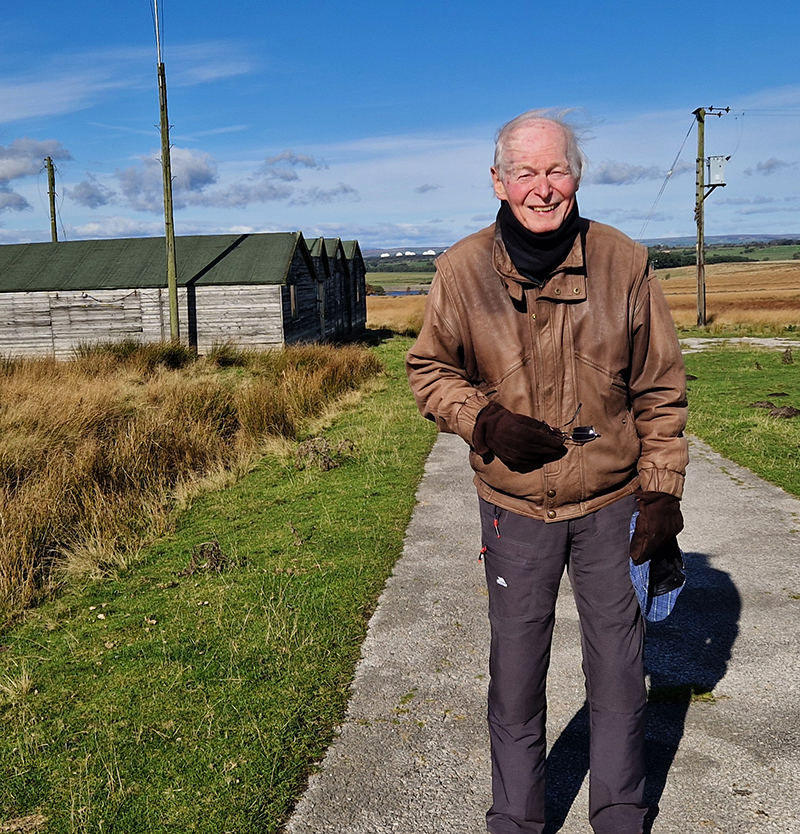
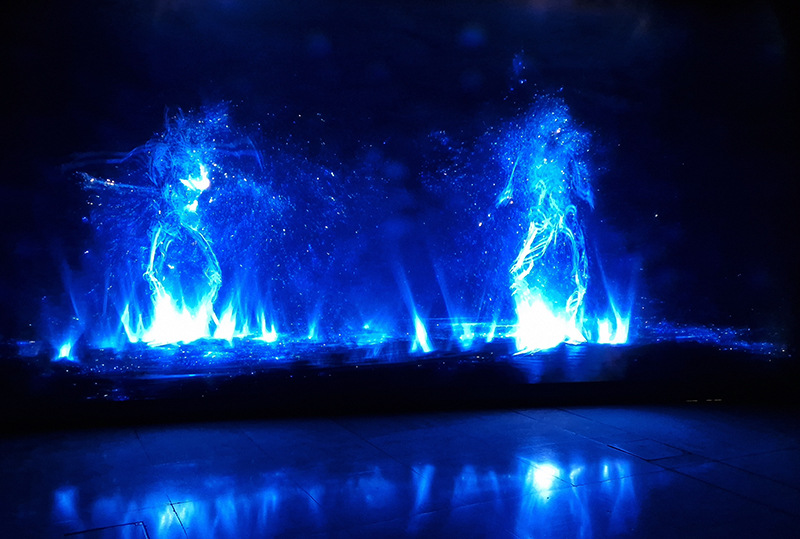
The Haverah Park experiment began in the 1960’s, led by the University of Leeds, and ran for over 20 years. I met with Professor Alan Watson in 2024 to visit the huts and hear about his role in setting up the project and his subsequent life’s work in search of ultra-high energy cosmic rays.  It appeals to me that the astonishing achievement of observing particles arriving on Earth from other galaxies happened at these unassuming structures. The huts were built to protect the array of over 200 water-Cherenkov detectors from freezing. When cosmic rays pass through the water tanks, they emit a blue glow of Cherenkov radiation because they travel faster than the speed of light in water. This light can be recorded and calculations made to discover the energy of the primary particle. The shadow of the moon can be seen by detectors on Earth as it absorbs many galactic cosmic rays causing a ‘shadow’ in the otherwise uniform flux of particles from space.

Although I have not been shortlisted for the Artangel commission, I am excited to continue my investigations into these unexpected sites of space exploration and develop these ideas for artworks and a public programme further.

Congratulations to all artists selected and good luck to the shortlisted artists.
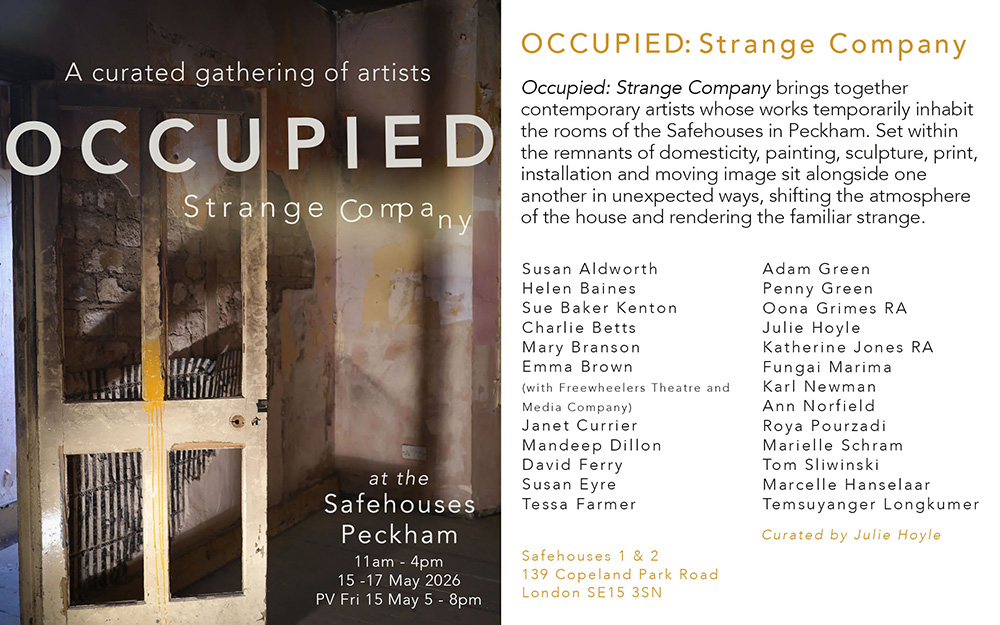
I am excited to be taking part in the upcoming occupation of the Safehouses, Peckham with such a fabulous selection of artists.

Curated by Julie Hoyle the exhibition brings together a cross-section of artists from Royal Academicians to emerging practitioners, alongside artists working within disability and community contexts.
Works include painting, sculpture, print, installation, ceramics and moving image. Moving through rooms, staircases and thresholds, visitors will encounter works that move between the intimate and the uncanny, the material and the imagined.
I will be showing work informed by the otherworlds of creatures we share our spaces with as exotic places of discovery and sites of emerging or alternative consciousness.
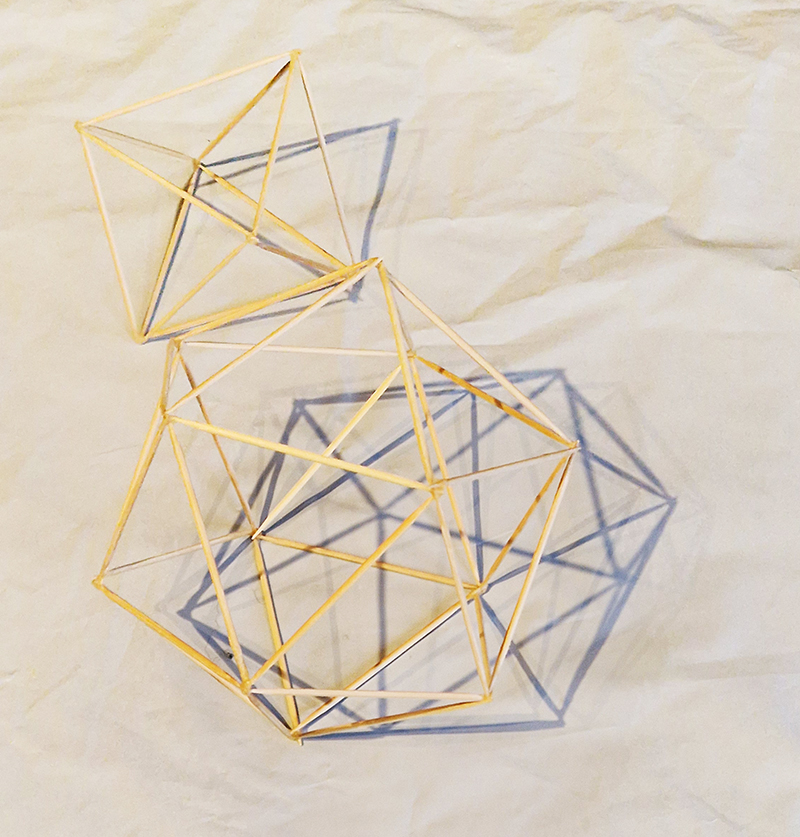
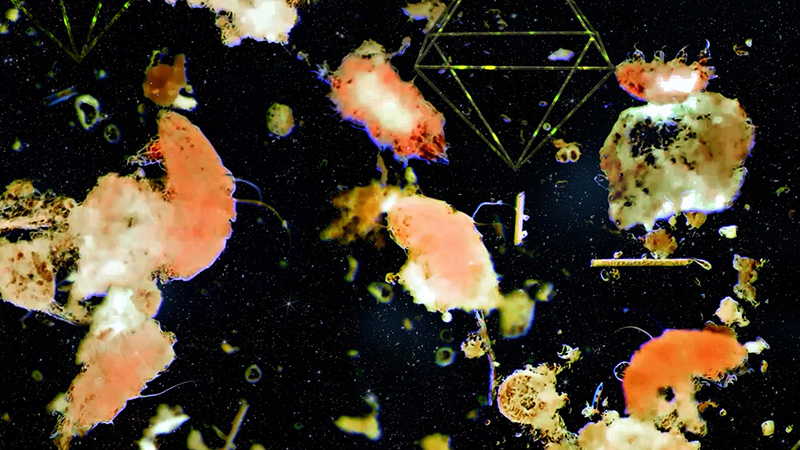
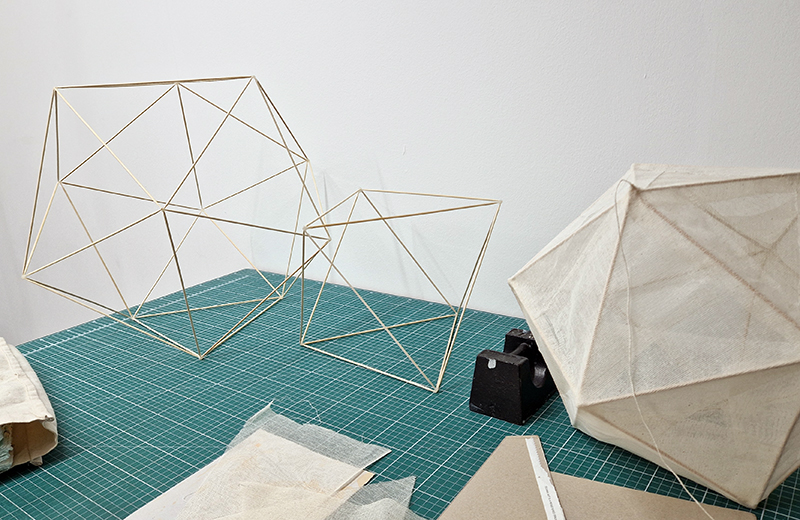
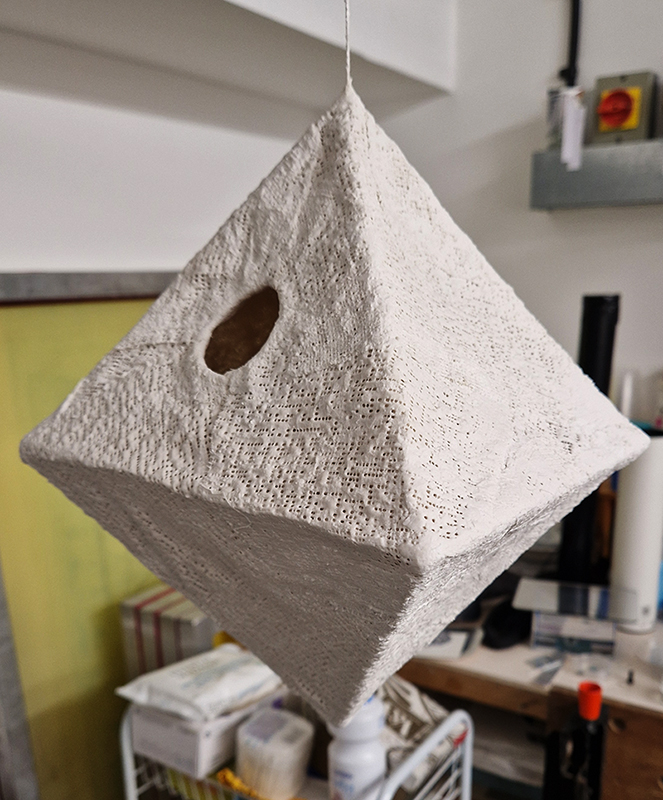
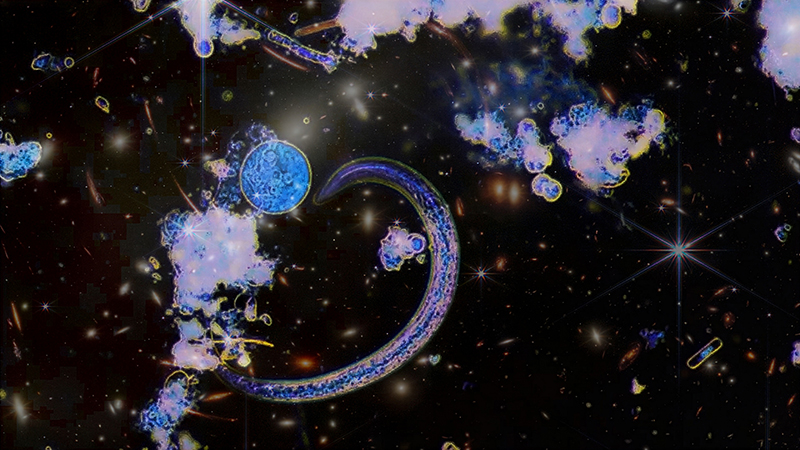
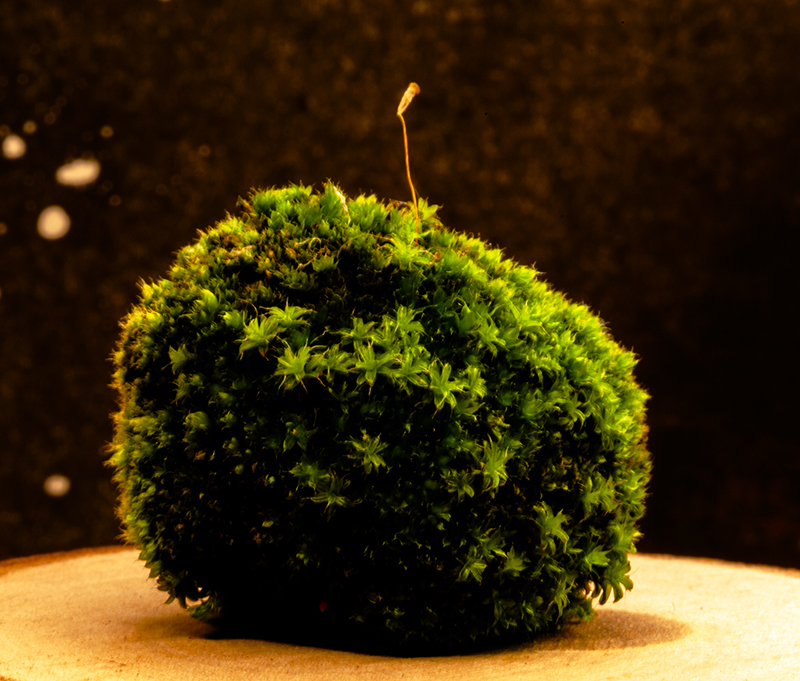
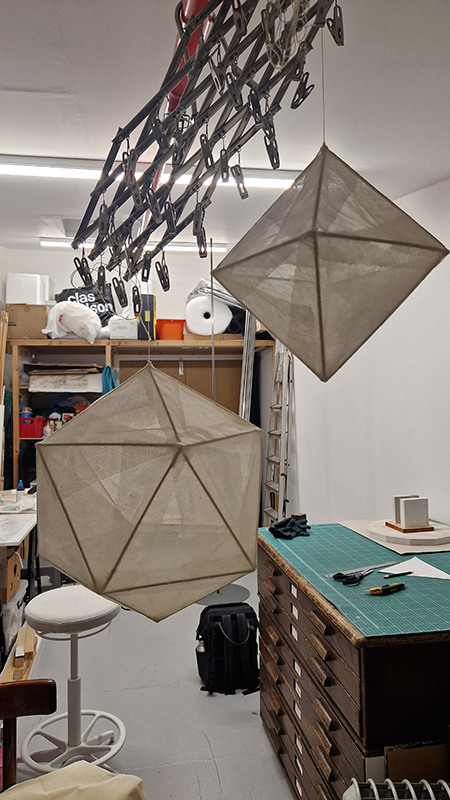
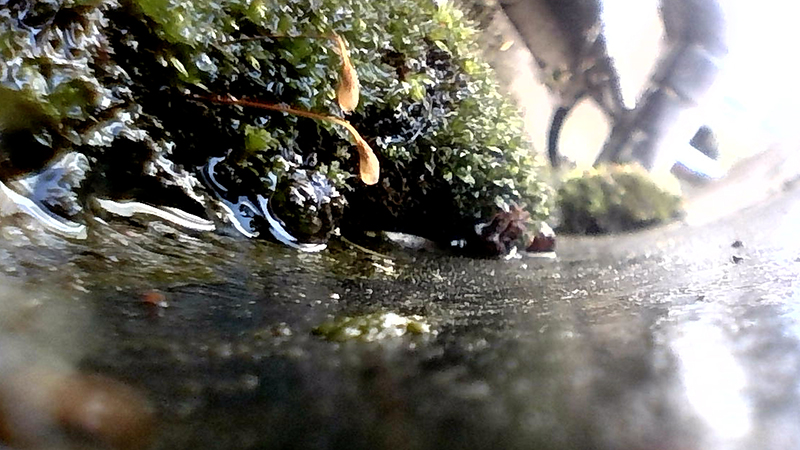
I have been working on a new video Guttanaut thinking about the extraordinary diversity of life we share our planet with and the invisible creatures found very close to home. This has involved gathering moss from my house gutters and filming the life found within under my microscope, recording the sounds of the gutter with a hydroponic microphone and inserting an endoscope camera into the gutters and drainpipes. Gutta, as used in the title, originates from the Latin meaning  ‘a drop’. For the microscopic explorers in this film, a drop of water may comprise their whole universe. They are very tiny and I have been astounded at the variety and energy of the life found here. I have made some icosahedron and octahedron shapes that represent the elemental qualities of water and air to accompany the projection and also to appear in the film in the guise of satellites or modes of exploration.
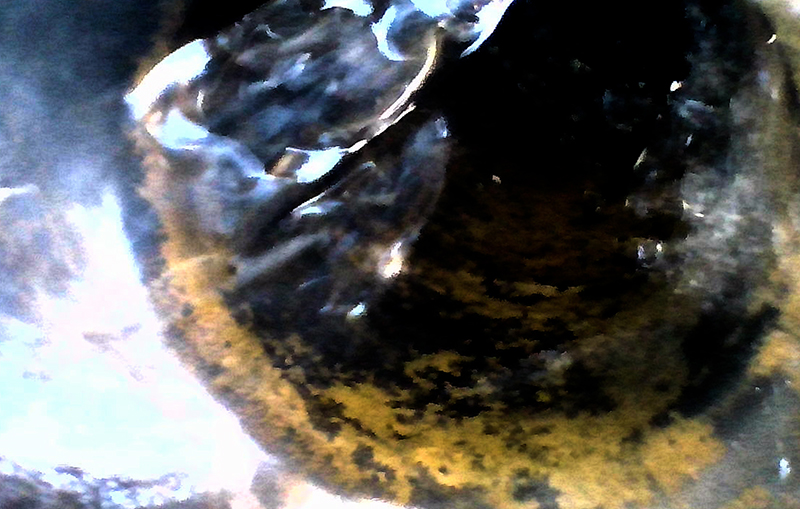
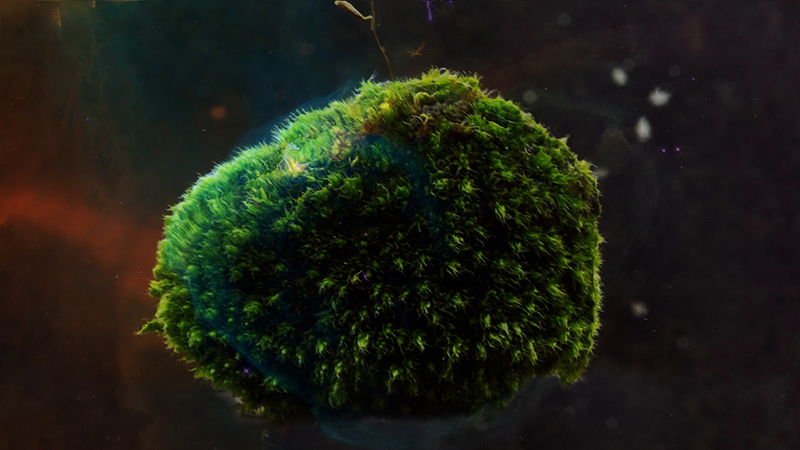
I will also be showing Belly of a Rock, a hybrid between rock, mollusc and technology, this video sculpture reflects on an early lifeform’s emerging self-awareness, desire to communicate and urge to create. These works celebrate the extraordinary found in hidden corners. Molluscs are known to show a synchronized response to the moon, altering their behaviour based on both light intensity and tidal movements associated with the lunar cycle. They use the moon as an environmental cue to adjust feeding times, metabolic activity, and reproductive spawning. It may be that these behaviours are adapted to match the movement of plankton, which is also affected by moonlight, or to ensure they are submerged during high tide, which is influenced by the moon’s gravity.
Great to have another studio visit from curator Catherine Li in preparation for my upcoming show at Brompton Cemetery Chapel. The title will be, Appearances are a Glimpse of the Unseen, a quote attributed to Anaxagoras, a pre-Socratic philosopher, exiled for controversial natural explanations of the cosmos. It suggests that despite the limitations of human senses we can discover the underlying structure of reality through careful observation and reasoning. Aligning to the precepts of scientific enquiry, in studying the “appearances” of the visible world to reveal the imperceptible, Anaxagoras concluded that matter is made of finely mixed ingredients and wholly entangled so that “everything has a portion of everything,” and it is “Nous” (the mind), that acts as an organising force in creating reality by relating what is seen to what can be inferred.

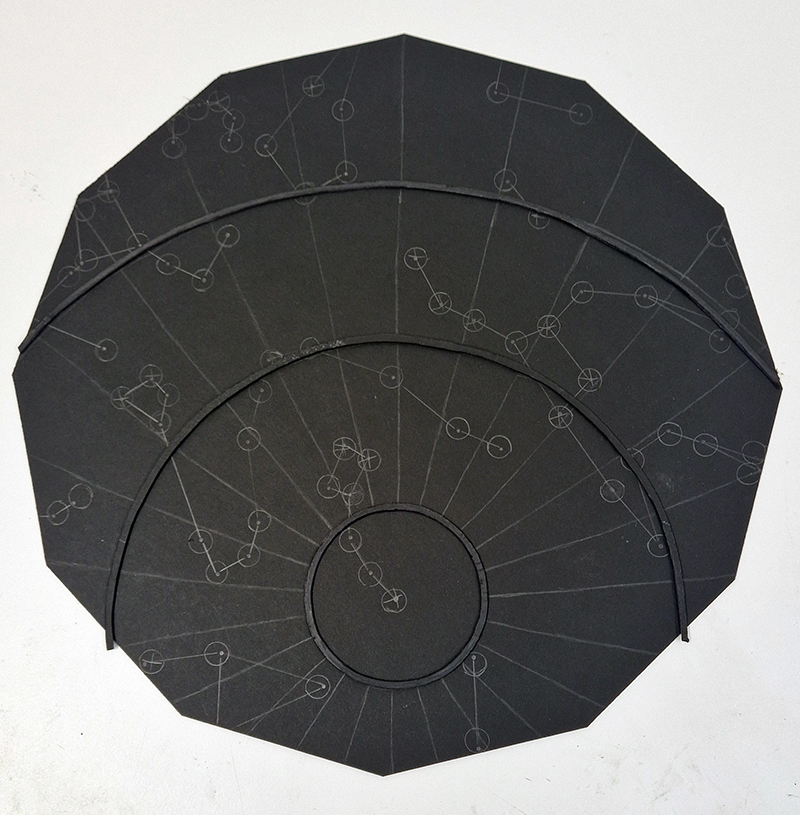
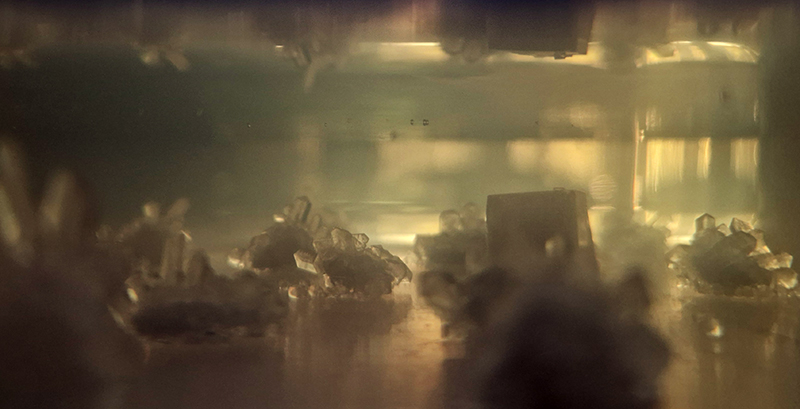
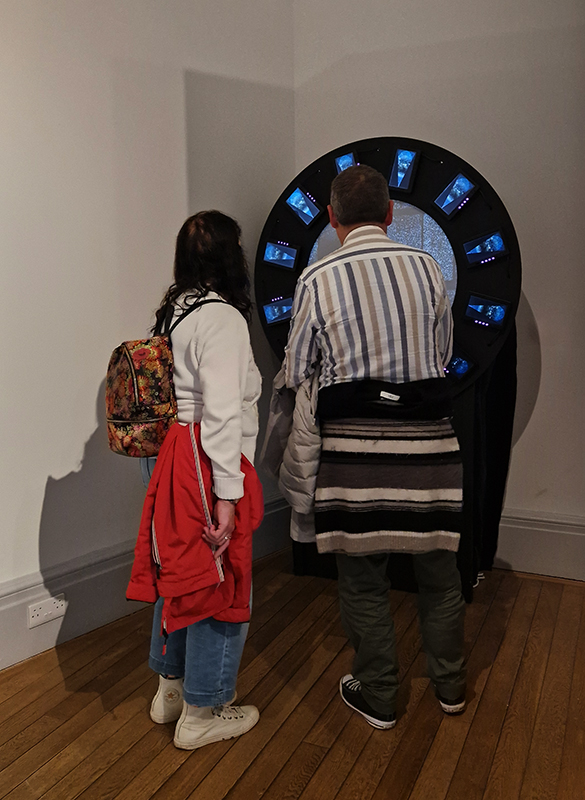
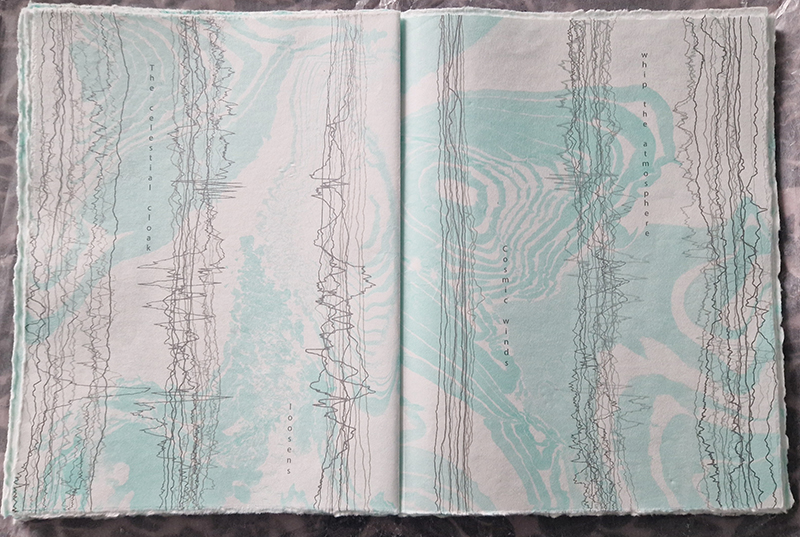
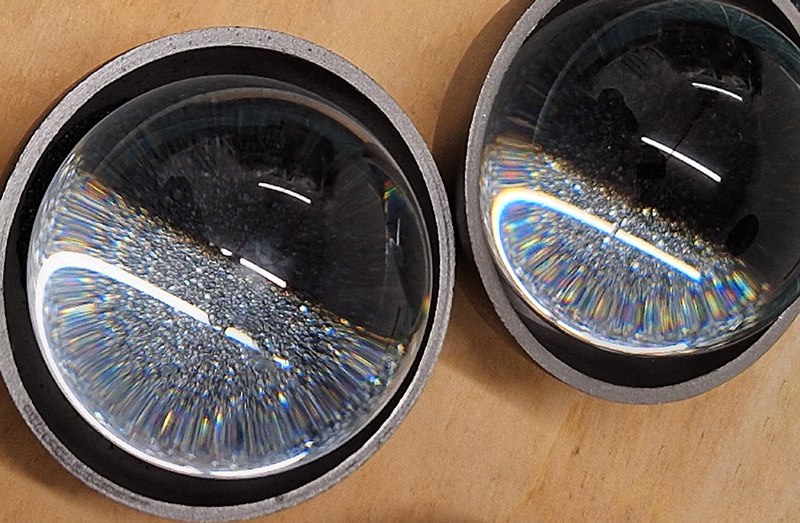
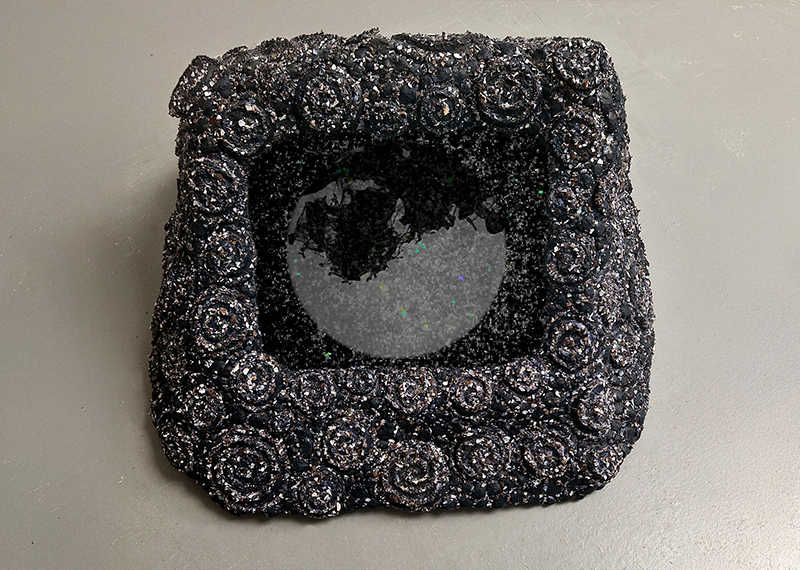
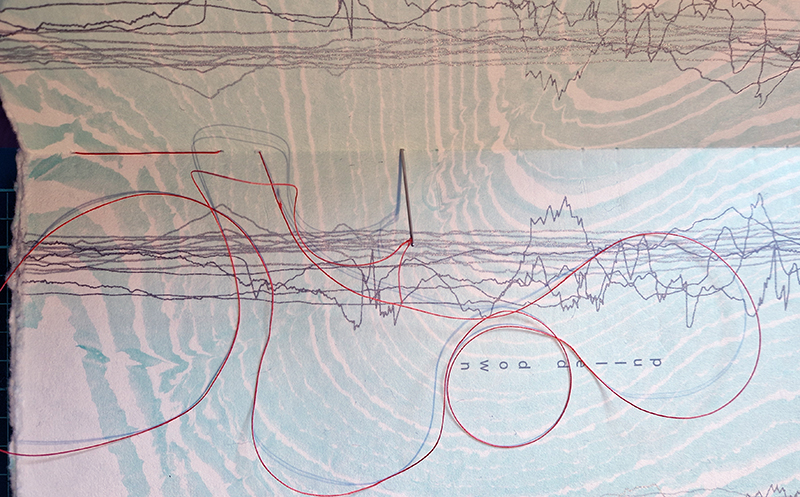
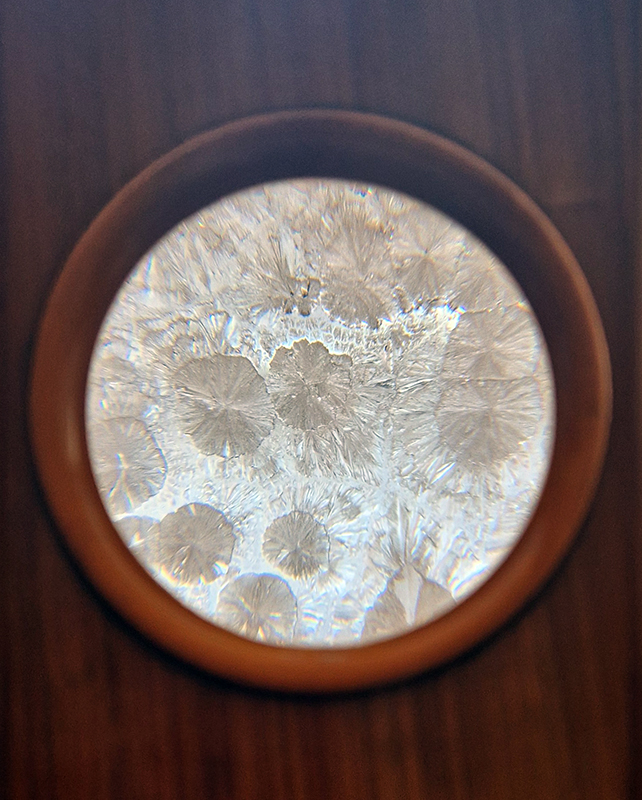
I will be showing some existing and some new works that draw on the desire to see what is beyond our horizons, question how we interpret the world around us and consider what influences our perception of reality. I have been stitching the Book of Reversals, a poetic interpretation of the formation of planet Earth and its turbulent internal fluid core that generates an unpredictable but protective magnetic field prone to sudden changes in polarity. I am adapting an old slide viewer to show crystals changing colour using a polarising filter. I am making a new edition to the series of sculptures Instruments of the Anemoi – this one is based on a star chart, centred on the star Thuban, which was the pole star before Polaris. I am experimenting with black concrete, though it may end up being dark grey, and I am growing crystals as analogues for the stars. Also, it was great to have the opportunity to set up the sculptures of everydaymatters in an empty studio to assess their inclusion in the show.
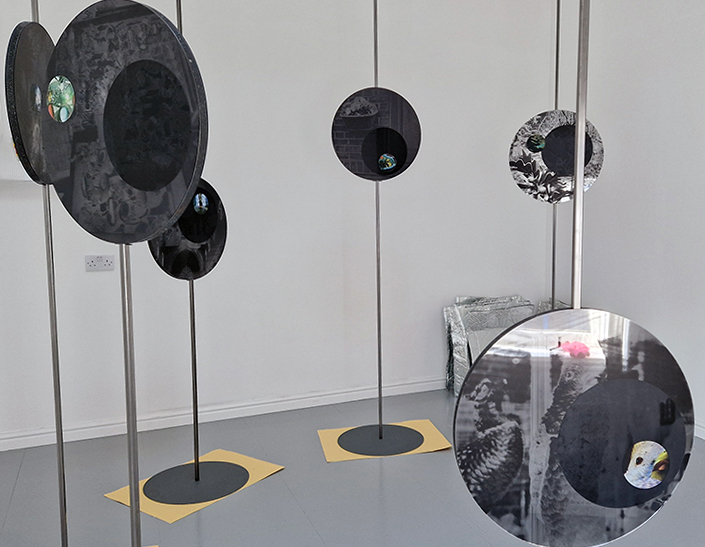
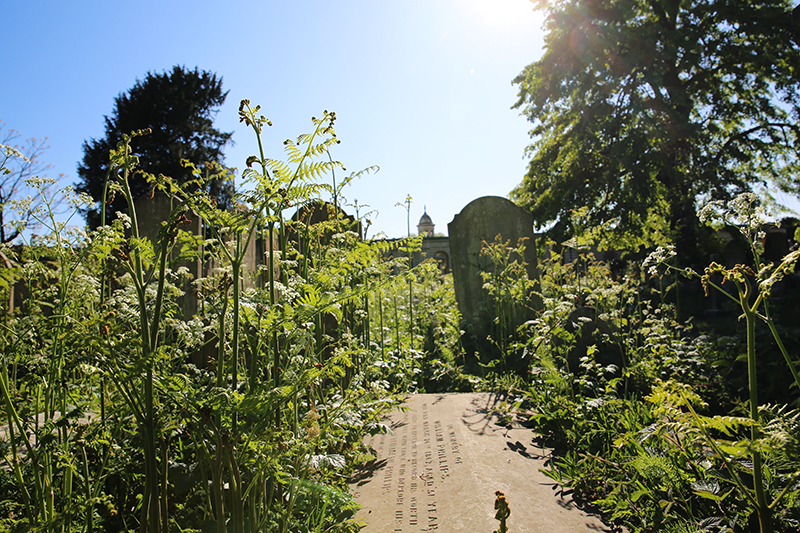
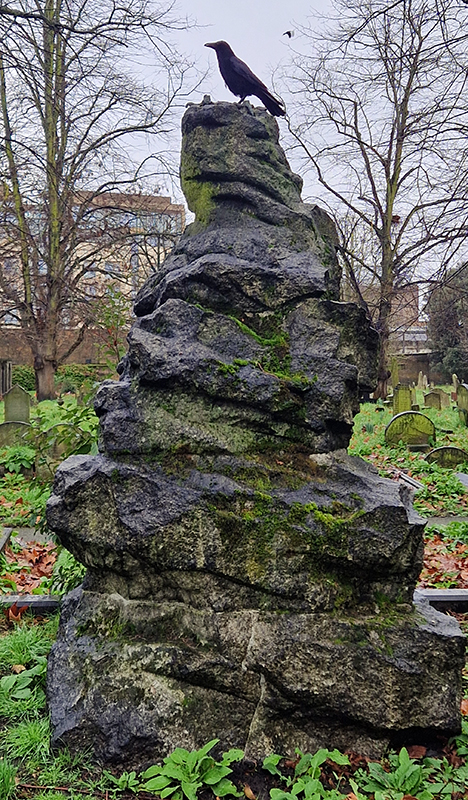
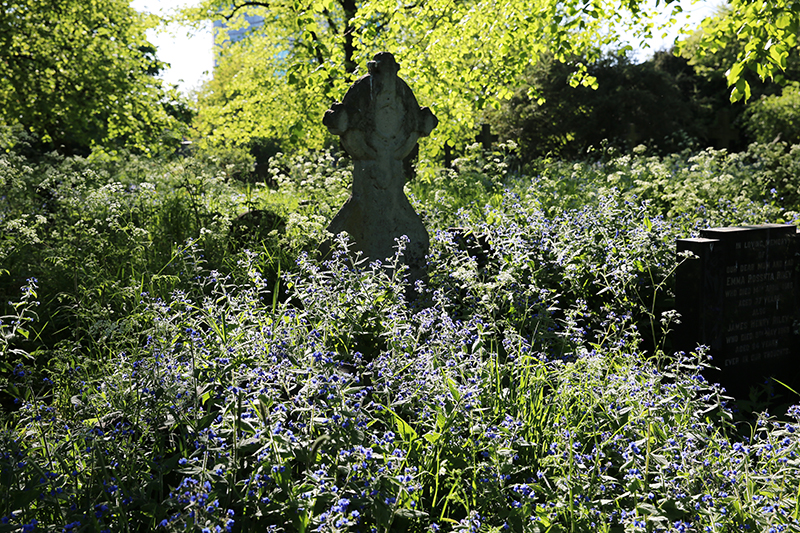
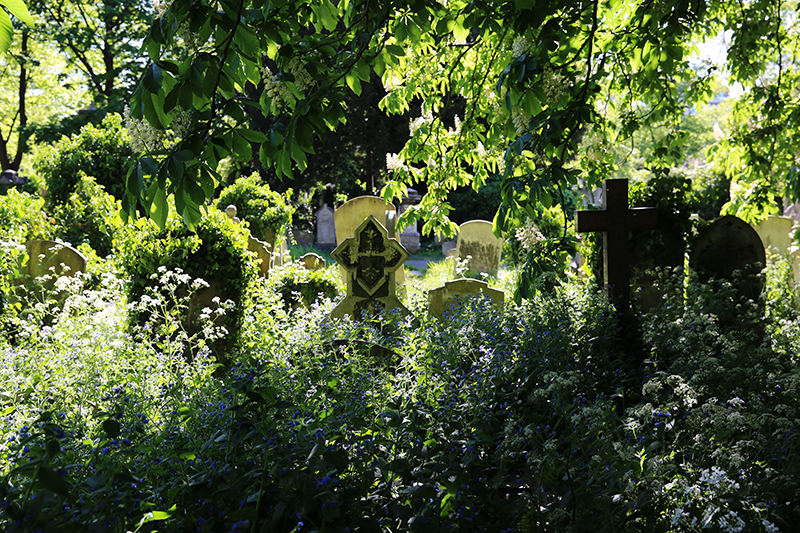
I also spent some time in the cemetery taking photos for new images to print on organza and float in water for a site specific edition of work submīrārī (earthbound) that reflects on this place of acutely felt impermanence with weathered stones, encroaching nature and the many carved dates of remembrance receding and fading.
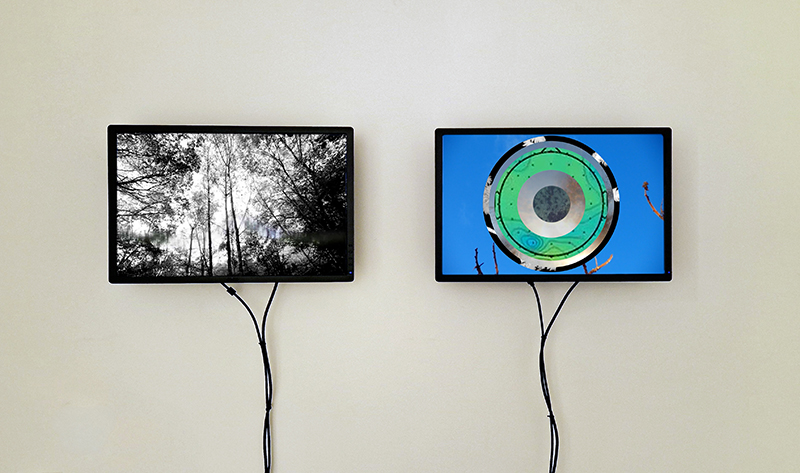
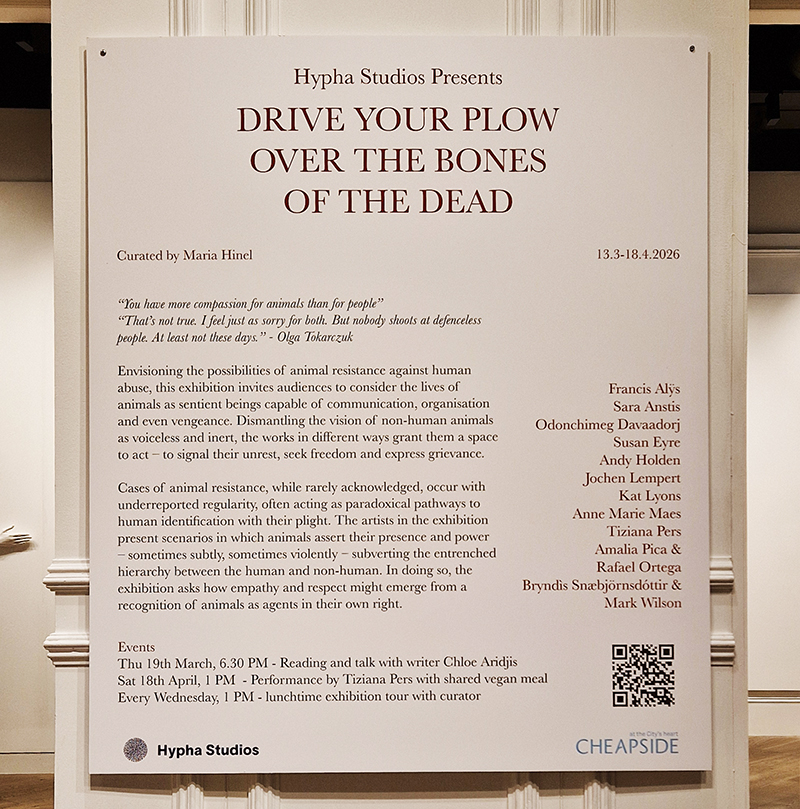
I was happy to speak about my work Radical Pair for a special invitation curators tour in the last week of Drive Your Plow Over the Bones of the Dead. The exhibition was beautifully curated by Maria Hinel who has an impressive art history knowledge and can also speak in real depth about the works she curates. I enjoyed hearing more about the other works in the show which draws on the novel by Nobel Prize-winning author Olga Tokarczuk and the works of William Blake, asking what forms of empathy might emerge when animals are recognised as ethical and political agents in their own right.
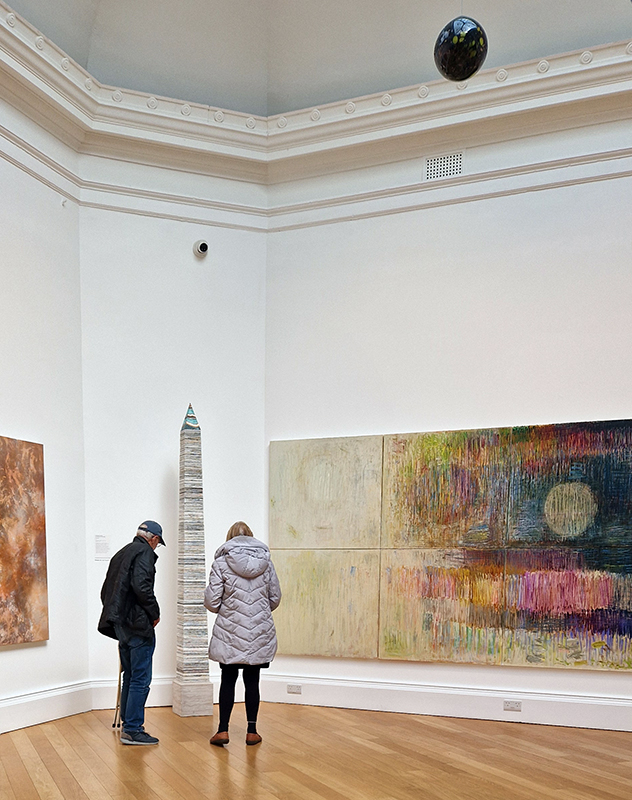
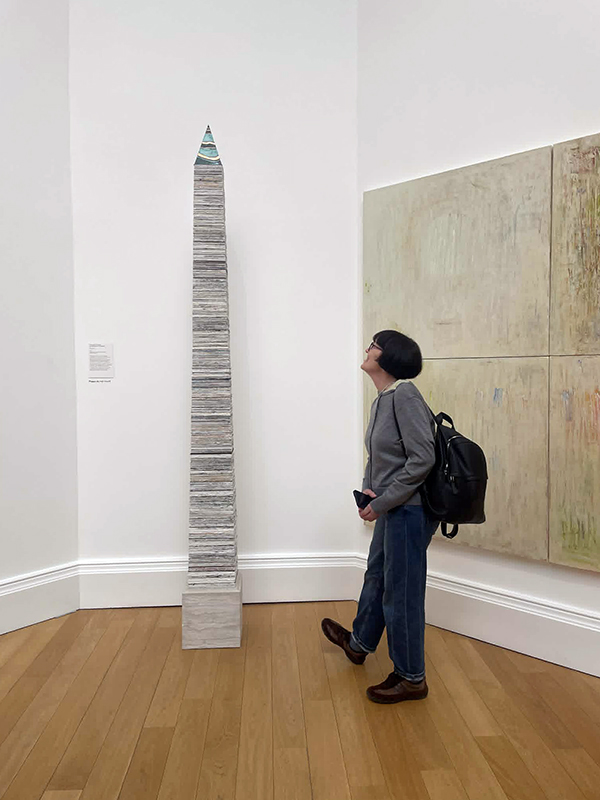
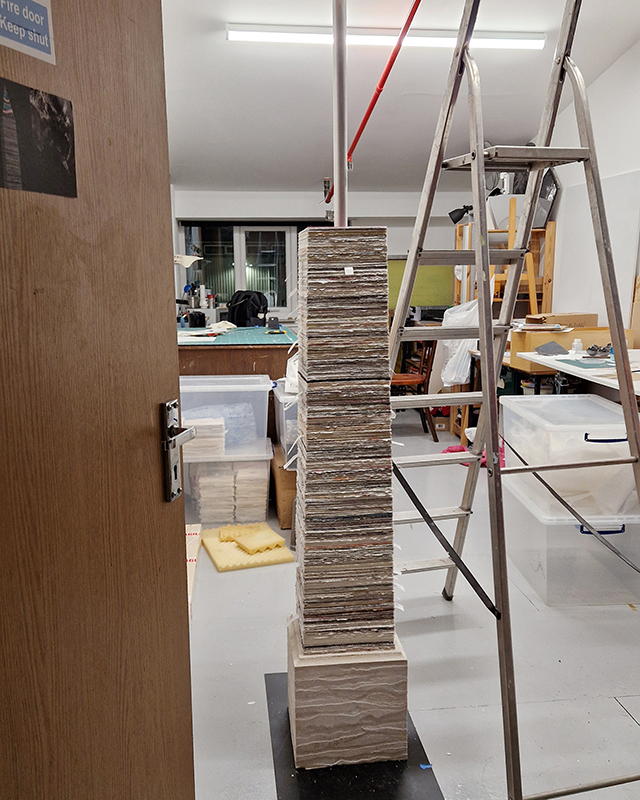
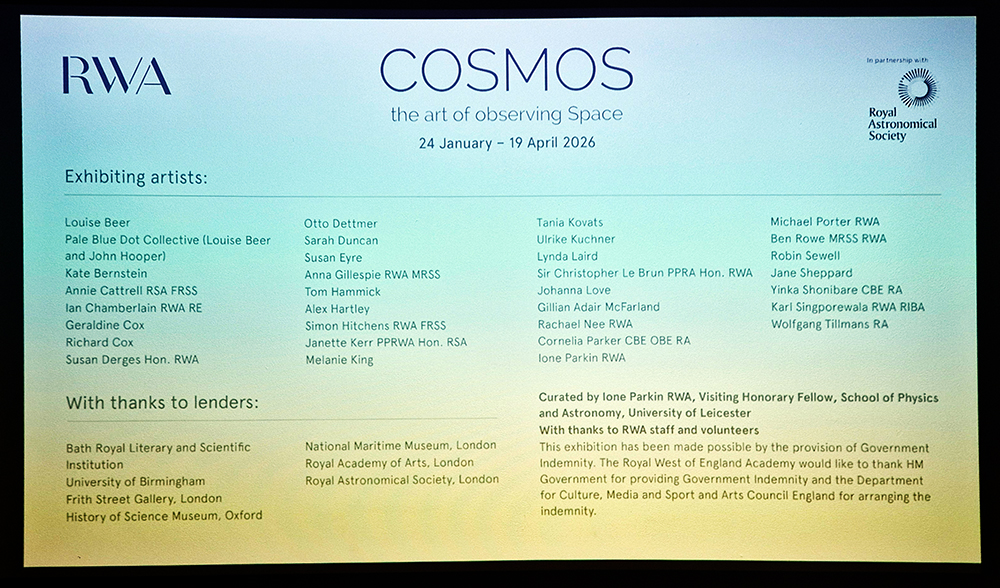
I made a trip to Bristol to spend some time with the works in Cosmos: the art of observing space at the RWA during the final week of the show. Such a rich selection of work to enjoy and it’s always nice to see people engaging with your own work. It hardly seems any time since install and now it has to come down. Great news though that the exhibition will be travelling to Aberdeen Art Gallery later in the year. It will be interesting to see how the works will be curated in a new space. It was an honour to have The Obelisk (of sedimentary knowledge) sitting between Ione Parkin’s Volatile Phenomena painting and Sir Christopher Le Brun’s Phases of the Moon IV of which he says ‘Compelling and grave, the Moon is one of the most haunting of natural symbols- more felt then understood. Here it is shown in a narrative of day and night, with passages of cool and warm light succeeding each other’.

The exhibition has been really popular and Ione did an amazing job alongside the Royal Astronomical Society to bring together such a diverse range of contemporary artwork inspired by themes of astronomy, cosmology, astrophysics, planetary atmospherics, solar dynamics, space exploration and celestial mechanics as well as many astronomy-related items of historical significance loaned from public collections.
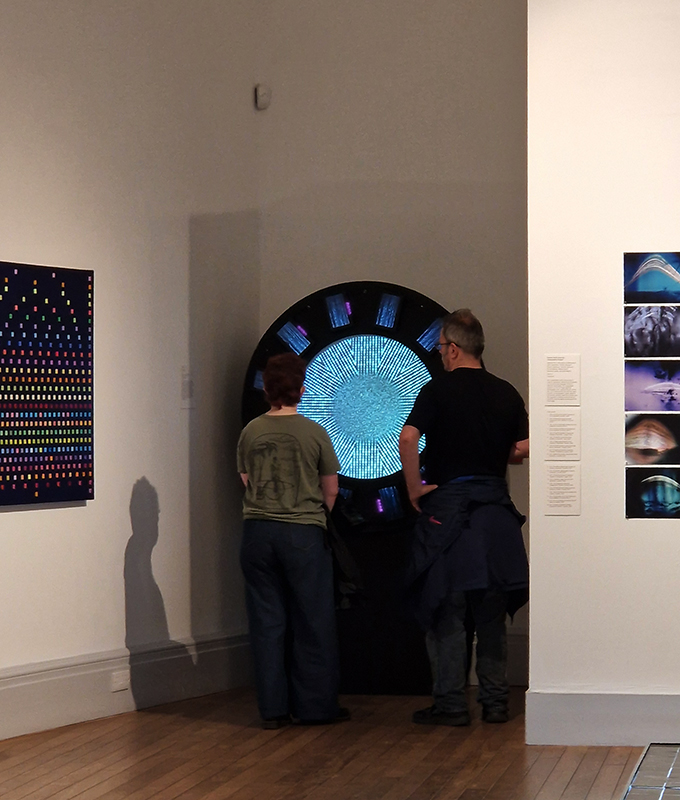
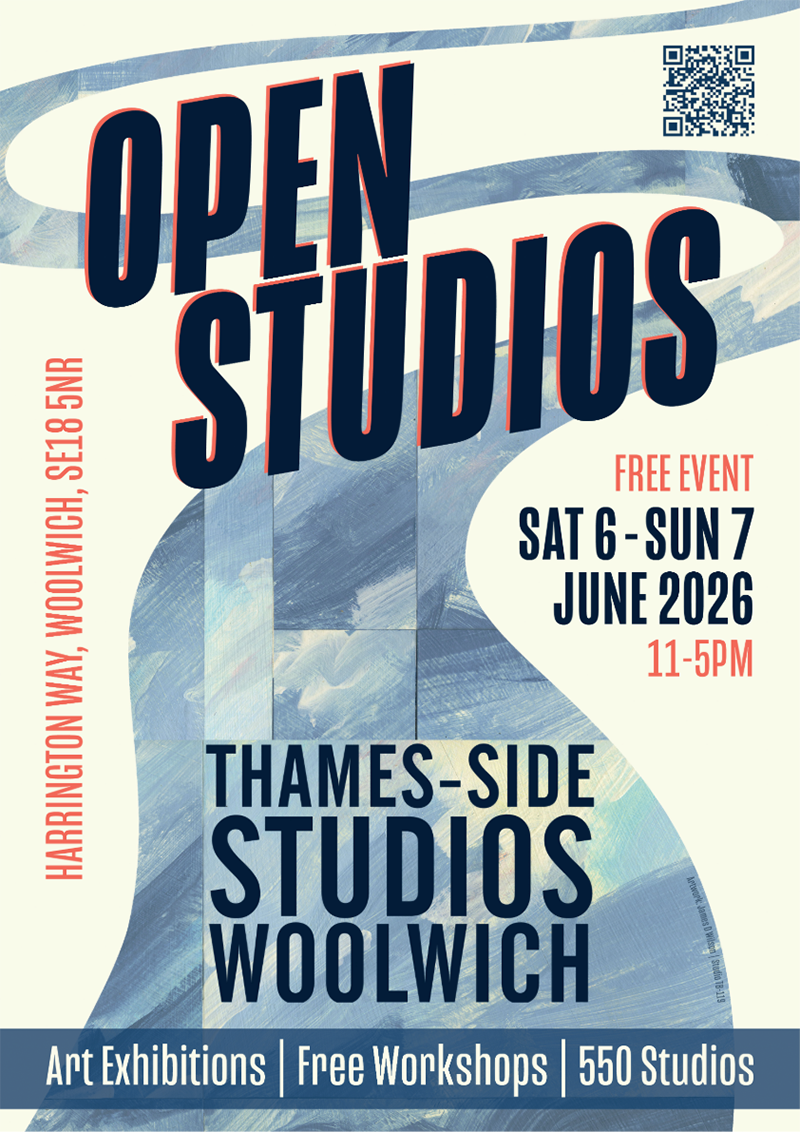
I will be opening my studio door for the upcoming Open Studios. It’s also a chance to meet the other artists in my corridor many of whom are new this year.
Out and About

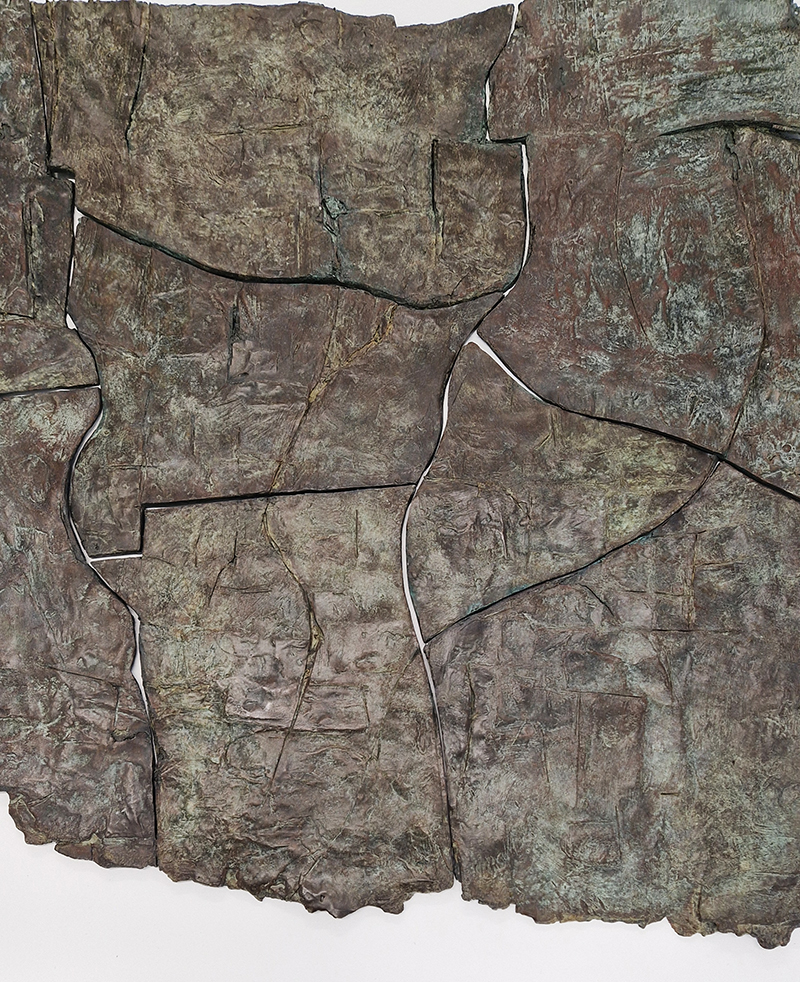
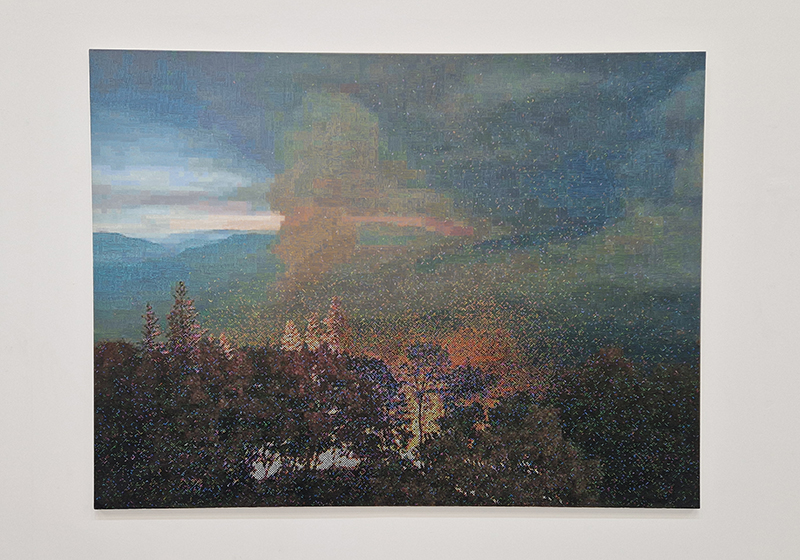
Making Ground curated by Andrew Ekins at Thames-side Studios Gallery, brings together artists whose practice finds common ground in an exploration of the relationship between a topographical terrain and a crumpled landscape of the human condition. Featuring: Kabir Hussain (sculpture in bronze), Dan Hays (conflation of digital technology, and the tactile, flawed and time-consuming medium of painting), Graham Crowley (luminous discourse), Simon Callery (painting rooted in materiality), Andrew Ekins (sediment of experience and memory), Joanna Whittle (real and imaginary landscapes), Harriet Mena Hill (repurposed salvaged material), Laura White (changeable matter).
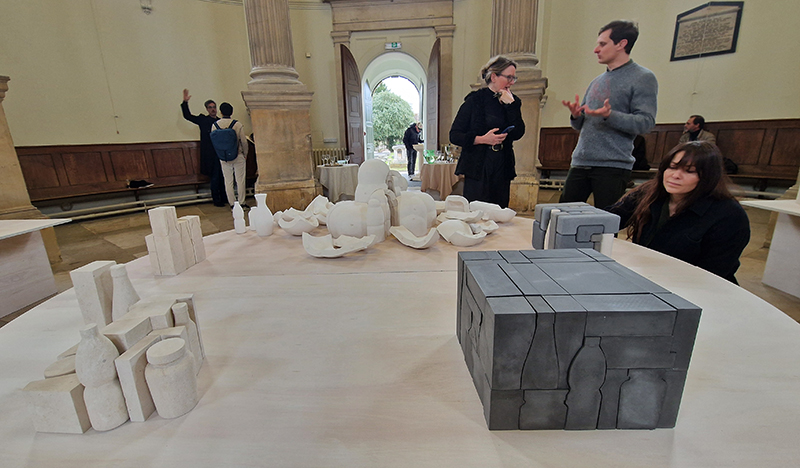
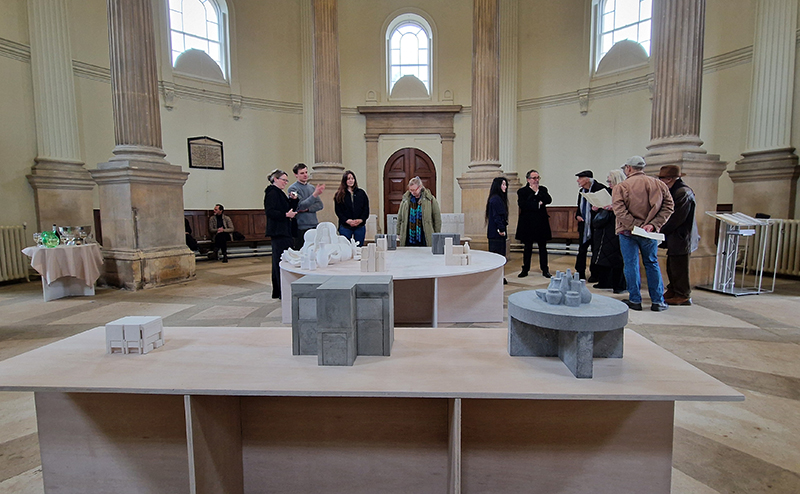
Gabriele Risso Vita Immobile at The Chapel at Brompton Cemetery curated by Catherine Li. Stone within stone within stone. The simply presented works in stone, which in themselves allude to the potential shapes that sit within the sculptors block, outlining simple objects or interconnecting forms as intricate puzzle boxes, sit beautifully within the stone chapel.
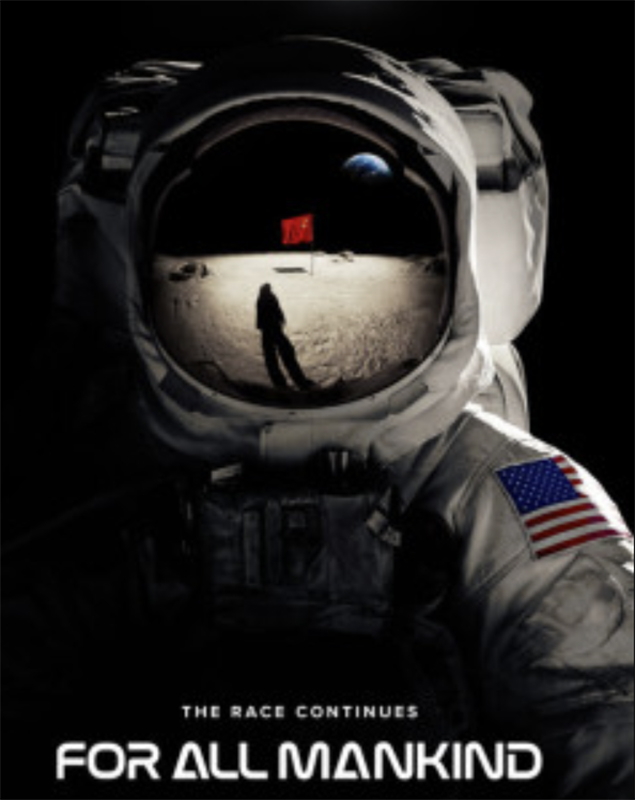
I completed watching series 2 of For All Mankind which is set in the 1980’s with a base camp already on the moon and ongoing jostling for space supremacy between USA and the Soviet Union that ends in an unlikely accord. So my mind is full of moon fiction while also watching the launch of NASA’s Artemis II and the videos of the astronauts Reid Wiseman (commander), Christina Koch (mission specialist), Victor Glover (pilot), and CSA astronaut Jeremy Hansen (mission specialist) as they fly the farthest humans have yet been into space on a 10-day journey around the Moon and back to Earth.
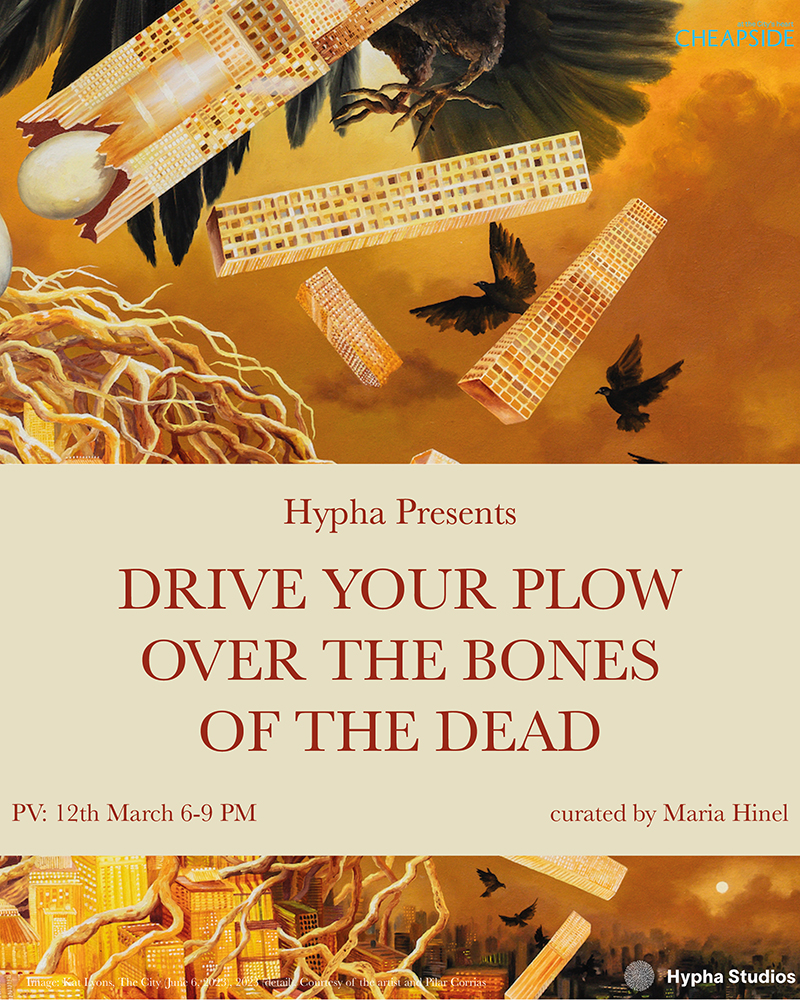
I am delighted to have work included in Drive Your Plow Over the Bones of the Dead showing at Hypha Studios, Gallery One, 1 Poultry, London.

Curated by Maria Hinel, the exhibition invites audiences to consider the lives of animals as sentient beings capable of communication, organisation and even vengeance. Dismantling the vision of non-human animals as voiceless and inert, the works in different ways grant them a space to act – to signal their unrest, seek freedom and express grievance. Drawing on the novel by Nobel Prize-winning author Olga Tokarczuk and the works of William Blake, the exhibition asks what forms of empathy might emerge when animals are recognised as ethical and political agents in their own right.

I have seen the 2017 film Spoor based on the book and the incredible Complicite production and read the brilliant book so it is wonderful to be in an exhibition drawing on this novel.

Artists include: Francis Alÿs | Sara Anstis | Odonchimeg Davaadorj | Susan Eyre | Andy Holden | Jochen Lempert | Kat Lyons | Anne Marie Maes | Tiziana Pers |Amalia Pica & Rafael Ortega | Bryndìs Snæbjörnsdóttir & Mark Wilson.

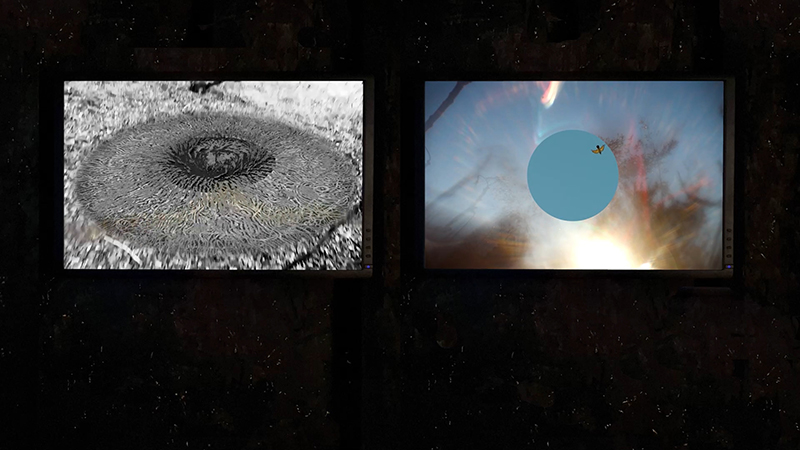
I will be showing the two channel video Radical Pair 2023 04:48 min.
Research has proven that many animals, including birds, bees and even bacteria use the Earth’s magnetic field to orientate themselves, sometimes in conjunction with the sun and the stars. 

In the context of this exhibition, Radical Pair highlights the very different and subtle ways animals experience the world that we share. Considering the perspectives of fellow creatures is a step towards building alliances between humans and non-humans in a damaged world, as expressed by Donna Haraway in Staying with the Trouble: Making Kin in the Chthulucene (2016) where she urges humans to build a non-hierarchical, and interdependent world embracing all beings as part of complex, interconnected systems.

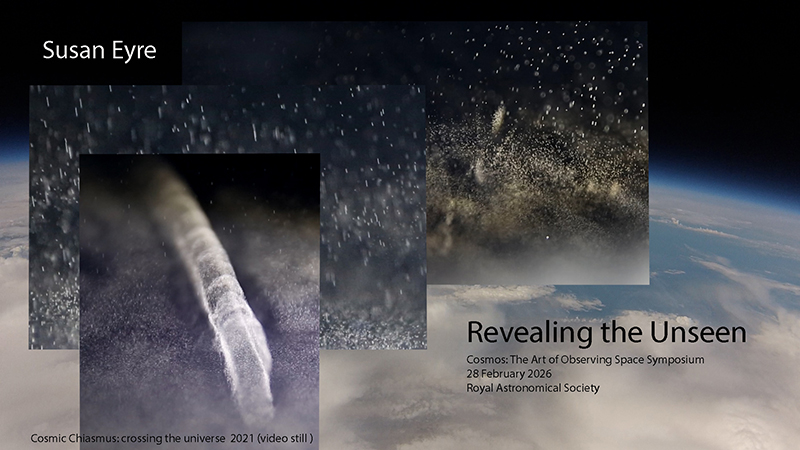
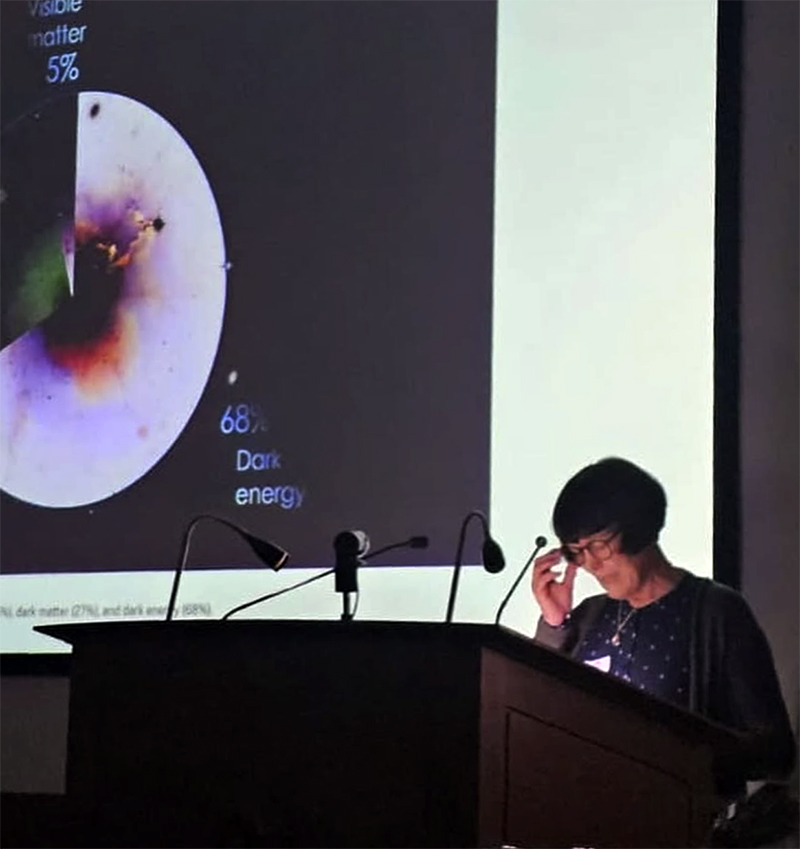
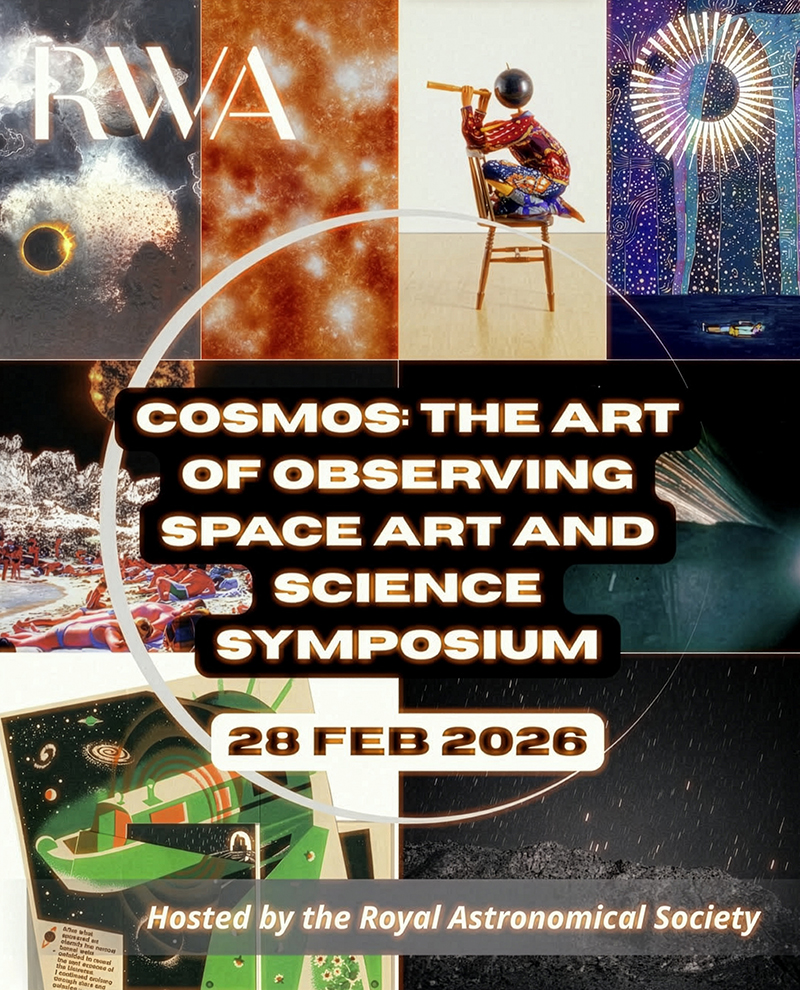
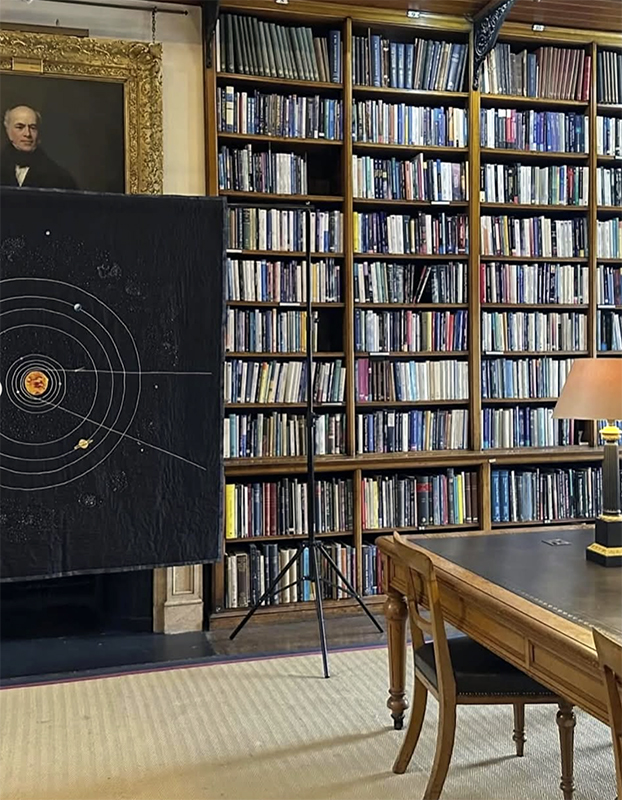
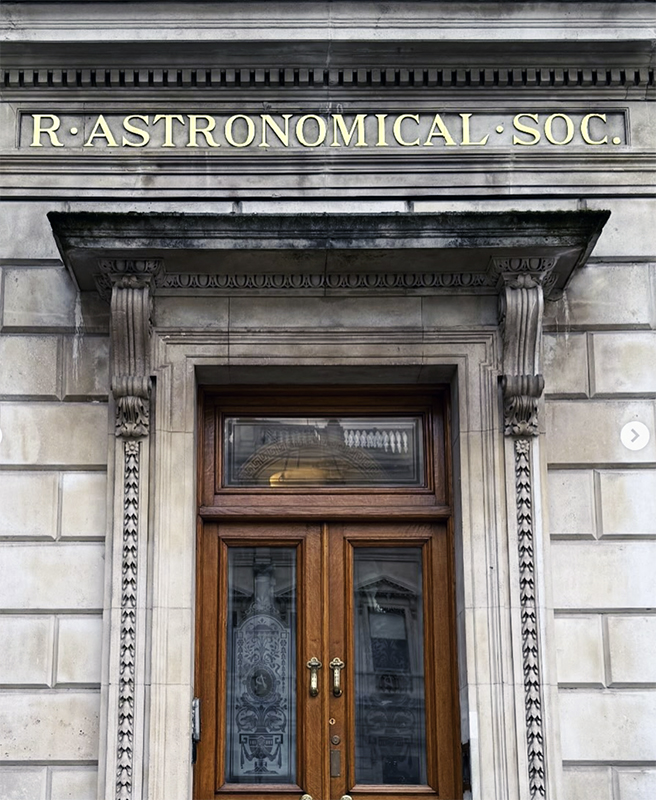
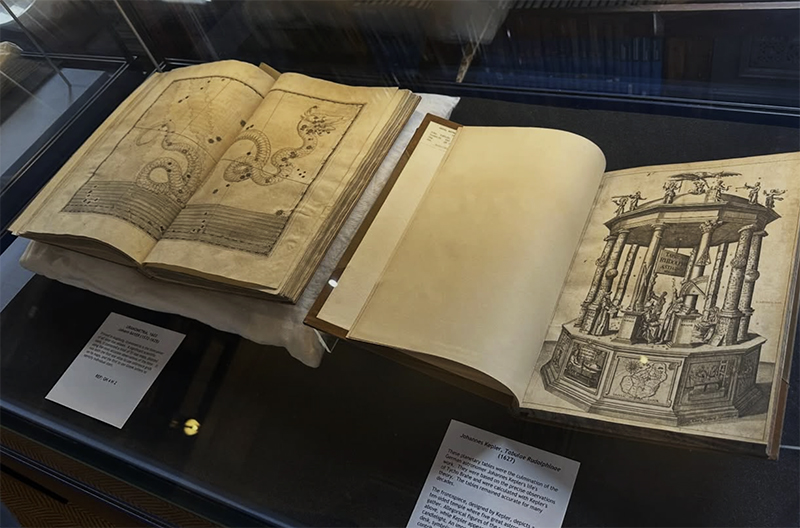
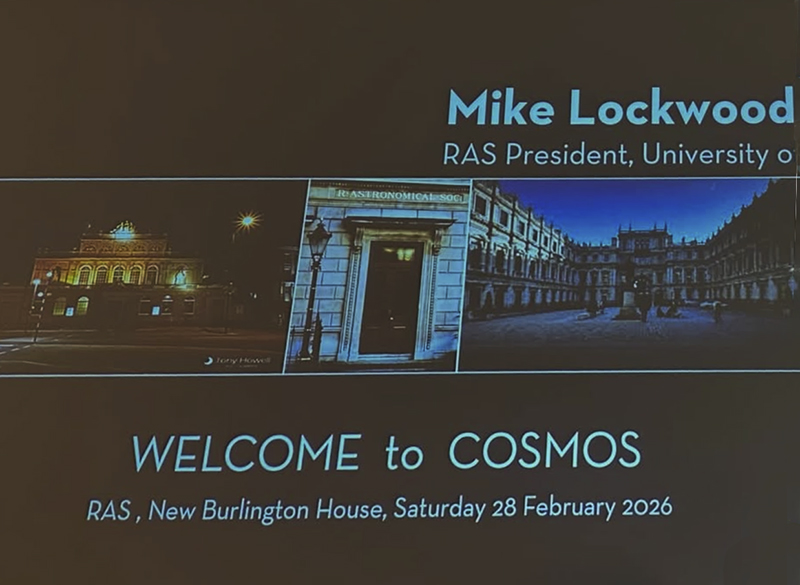
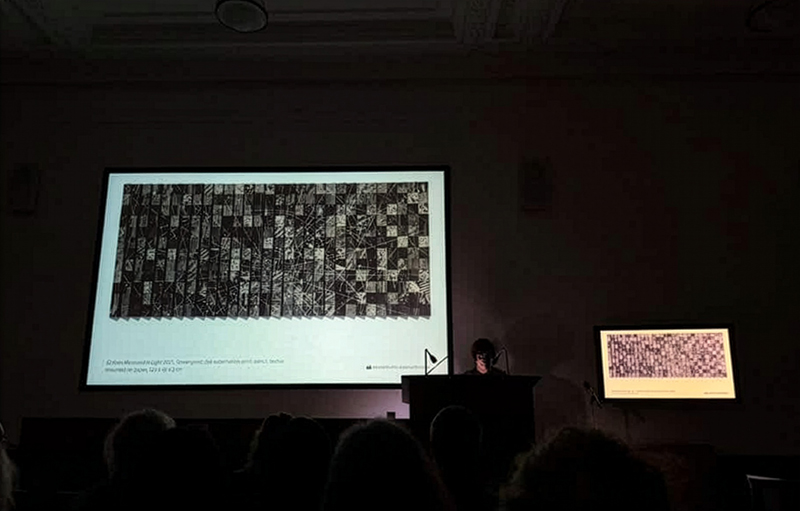
I had a wonderful day at the Royal Astronomical Society delivering my talk Revealing the Unseen as part of the symposium bringing together voices from art and science to celebrate the exhibition Cosmos: the art of observing space currently on show in Bristol at the Royal West of England Academy.

Alongside myself speakers included:
Professor Mike Lockwood, President Royal Astronomical Society who regaled us with some extraordinary astronomical facts such as the concept that light does not travel and experiences no time passing. | Ren Renwick, Director of the RWA who was happily able to promote Cosmos as one of the most successful exhibitions at the RWA | Ione Parkin RWA, curator of Cosmos: the art of observing space who expressed for all of us the human fascination for the mysteries of the universe as well as a look at the evocative planetary surfaces of her own work| Dr Sian Prosser, archivist at the RAS who shared her motivation for the library to be active in the production of knowledge and not just a repository for artefacts. | Kate Bernstein, book artist who gave an insight into her making process and collaboration with the RAS. | Lynda Laird, multidisciplinary photographic artist who explained the research behind her installation celebrating the astronomical discoveries of Caroline Herschel | Johanna Love, artist, academic and researcher who revealed a microscopic world of dust and mysterious asteroids explored through drawing. | Annie Cattrell RSA FRSS, interdisciplinary artist who shared her research and inspiration leading to the creation of many impressive large scale installations that explore ways of experiencing what is generally out of reach. | Christopher Le Brun PPRA Hon RWA, internationally renowned painter who spoke about how he uses the motif of the moon as a means to explore light and dark, a push and pull, through the medium of paint. |  Ian Chamberlain RWA RE, printmaker and researcher who delved into how time is relevant in his deeply observational etchings | Louise Beer, artist and curator who spoke from the heart on the importance of dark skies to feel a connection to the cosmos. | Gillian Adair McFarland, visual artist and researcher who shared her dynamic process of creating imagined planets from blown glass. | Amaury Triaud, Professor of Exoplanetology at the University of Birmingham, who talked about his passion for bringing art into the laboratory and science into the gallery.

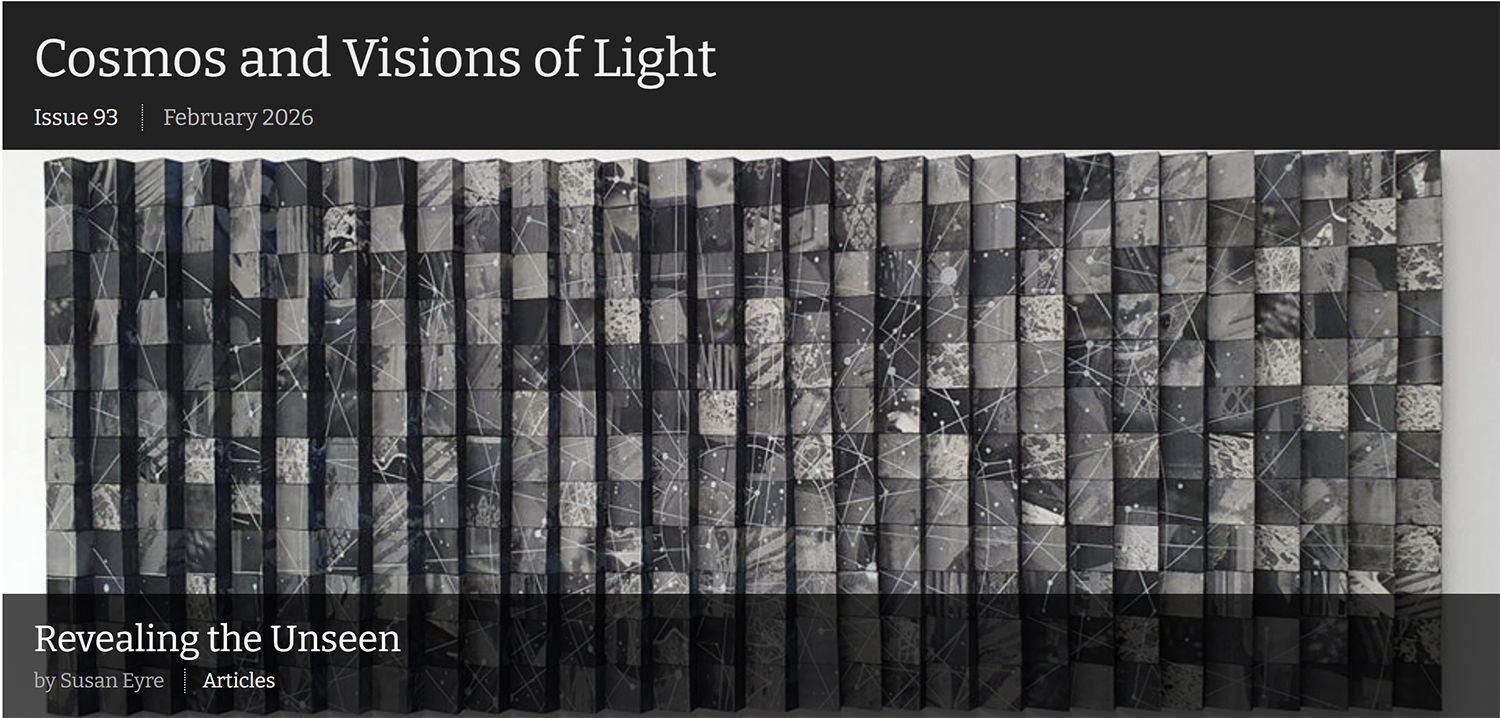
I am very pleased to have been invited to contribute an article for the current issue of Interalia Magazine Cosmos and Visions of Light – An online magazine, edited by Richard Bright. This issue, explores, among other things, art and cosmological phenomena; light and pattern; geometrical shapes and mathematical laws; information and radio astronomy; topology and wormholes; colour and evolution.

Contributions include interviews with Louise Beer and Ben Rowe; articles by Ione Parkin, Chris Wood, Susan Eyre, Geraldine Cox, Steven Giovinco, Siobhan McDonald, Florian Neukart, John Etnyre, Enrique Gaztanaga, Jonathan Goldenberg, Csanád Horváth & Natasha Hurley-Walker.

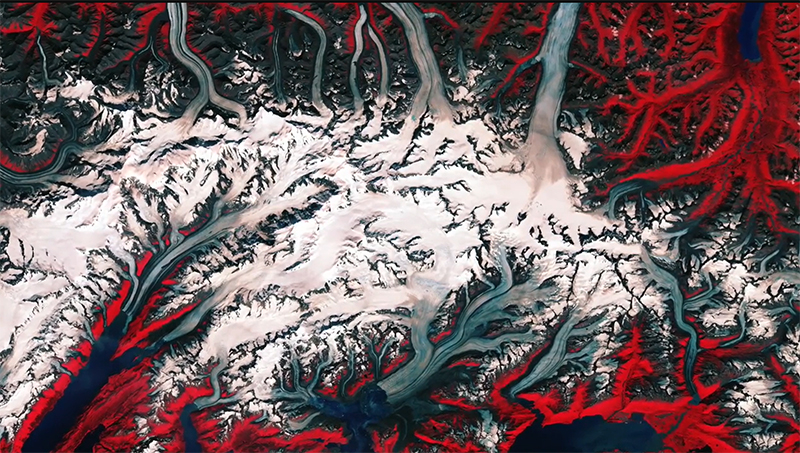
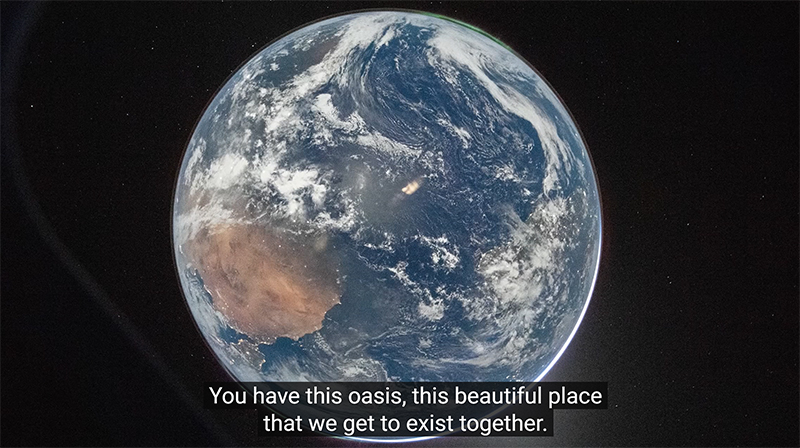
Following an application to the ArtEO Earth Stories Open Call I have been invited to join the ArtEO R&D Community. ArtEO helps artists to work with environmental data and imagery, connecting them with tools and expertise to help tell Earth’s story. Although I wasn’t included in the funded programme, this online initiative sounds like it could offer some exciting opportunities. It has been designed for artists who want to work at the intersection of art and Earth Observation (EO) and aims to offer access to specialised tools, selected ArtEO and curated EO data, workshops and events alongside a network of peer artists and technical experts. Image credit ESA and NASA Earth Observatory.

In the studio

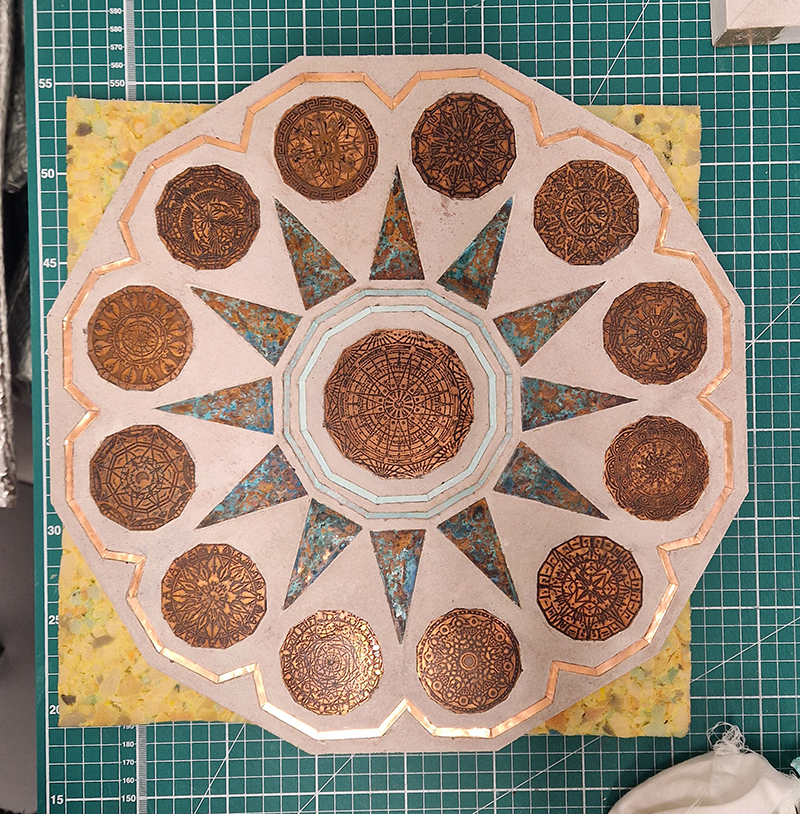
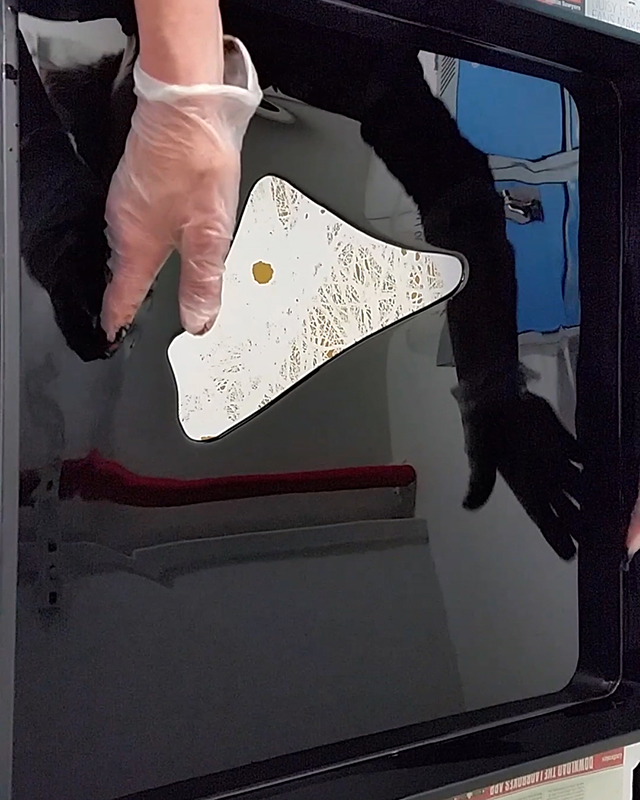
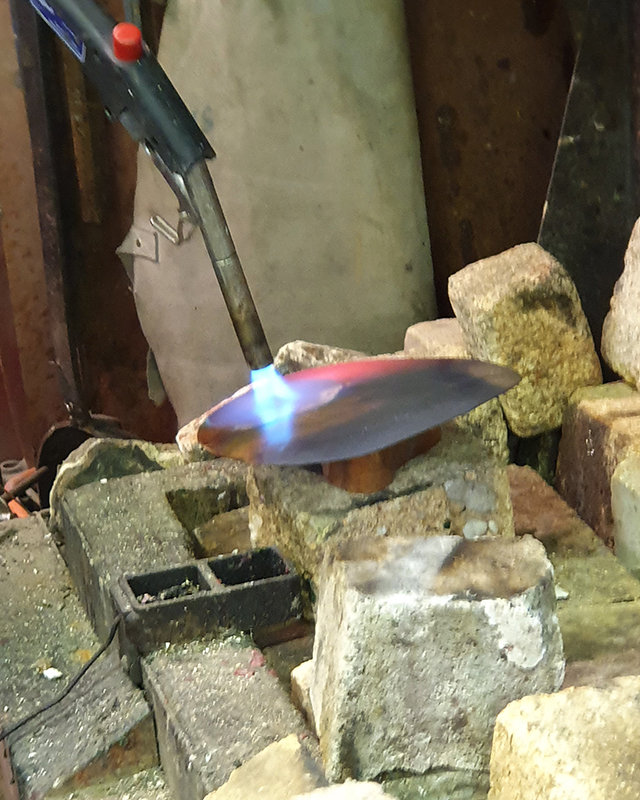
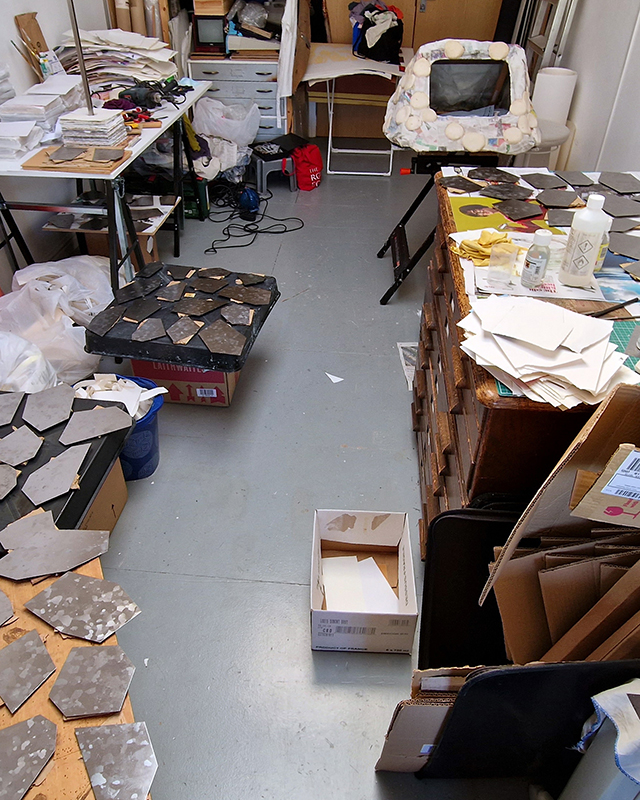
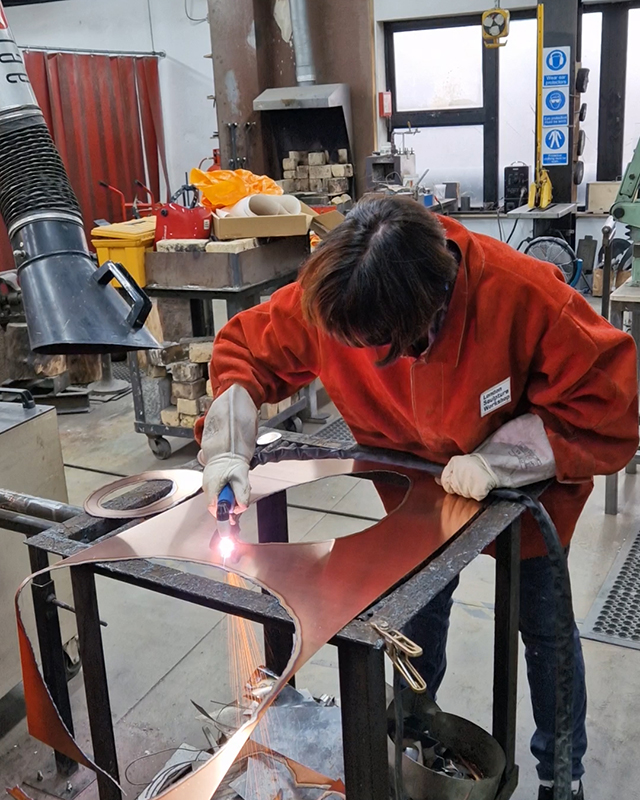
I have finished adding copper pieces and applying patination ink to the new tablet in the Instruments of the Anemoi series of concrete tablets. These sculptures reflect on early means of navigation. This one looks at wind rose origins and replaces one I made earlier.

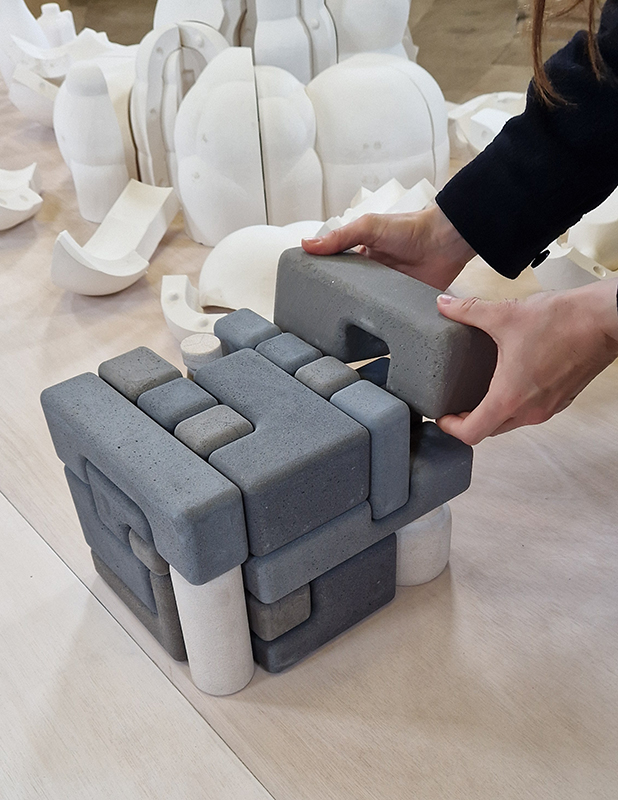
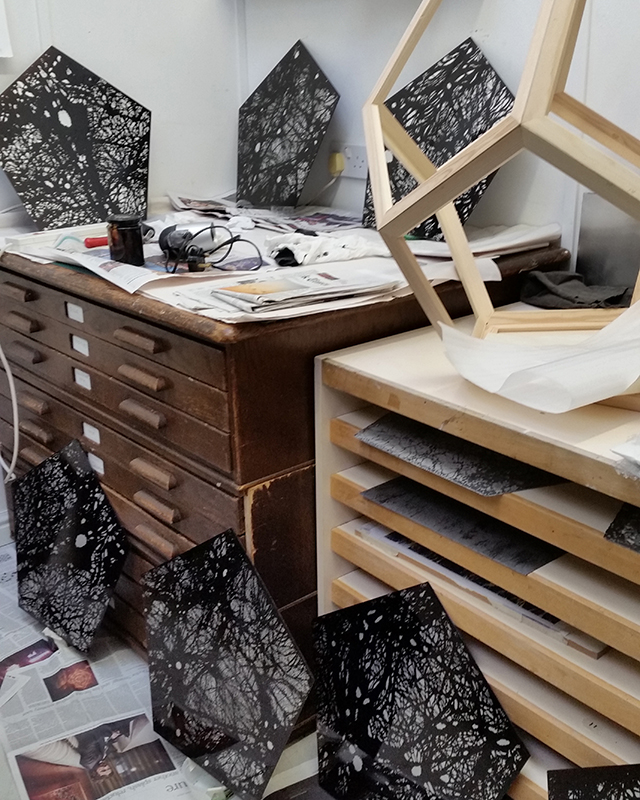
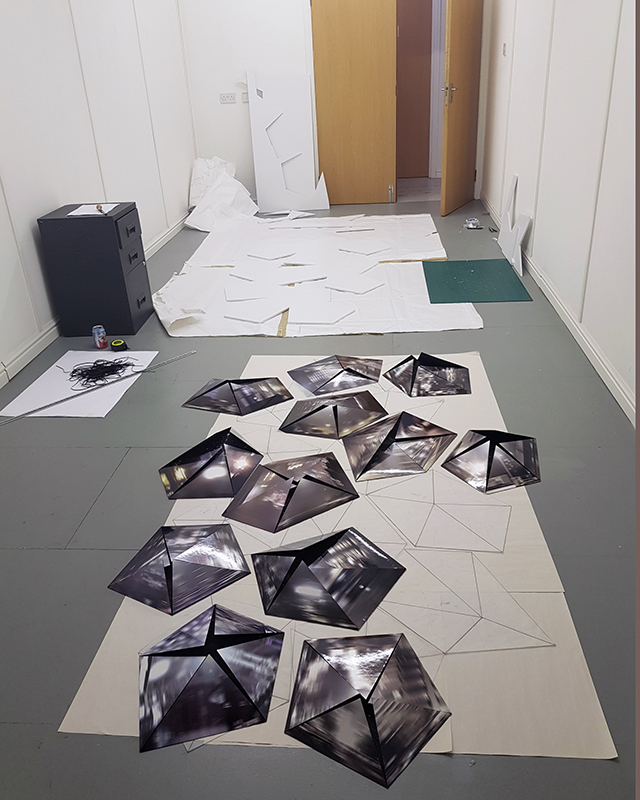
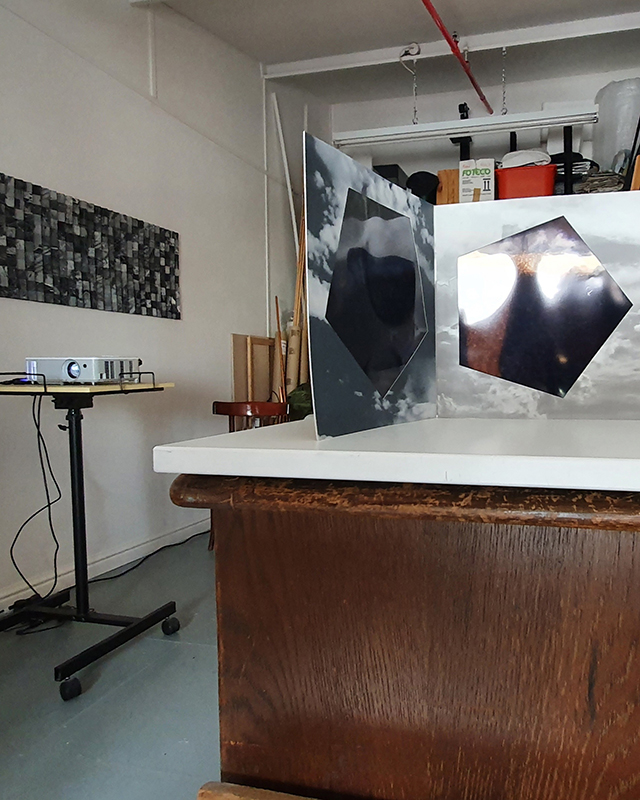
Work in progress for upcoming exhibition Strange Company: at the Safehouses. Alluding to Oscar Wilde’s familiar quote We are all in the gutter but some of us are looking at the stars, this work considers the otherworlds inhabited by creatures of the gutter as exotic places of discovery. I am experimenting with making models based on the platonic solids that represent water and air as speculative modular living capsules for space exploration.

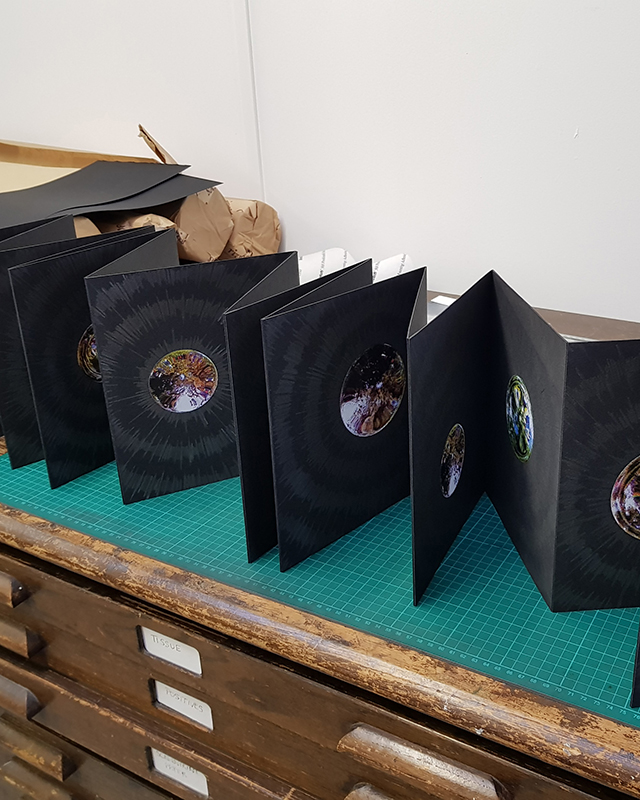
I have made some decisions and printed the text for The Book of Reversals – an artist’s book that offers a poetic interpretation of the creation of Earth’s turbulent magnetic field, its liability to flip poles and how the secrets of the inner core have been discovered through seismic tremors. I have printed the text in a vertical format to echo the lines of the magnetic stripes secreted in the minerals by spreading lava on ocean floor.

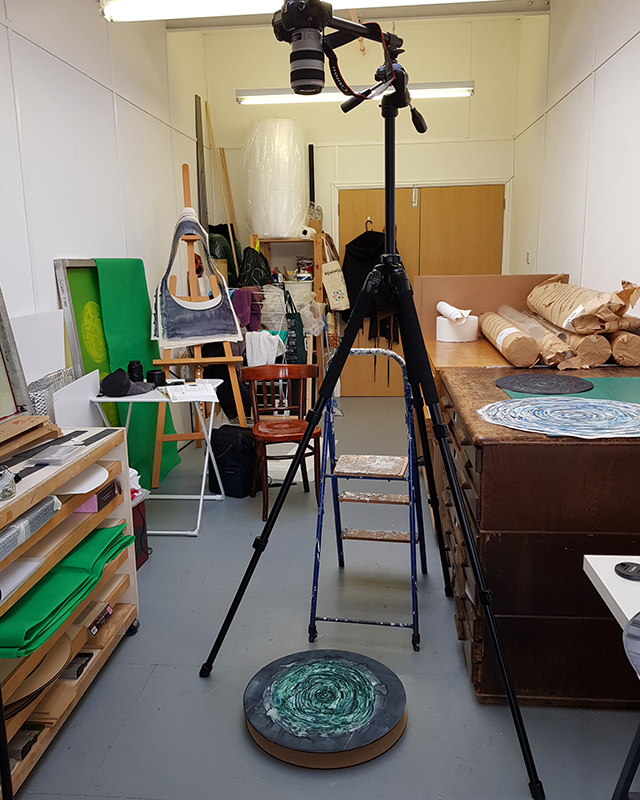
I have been experimenting with crystal spheres, iron half spheres and different sands. I’m not sure where these ideas might be going as yet. There is something planetary and spectrographic about these.

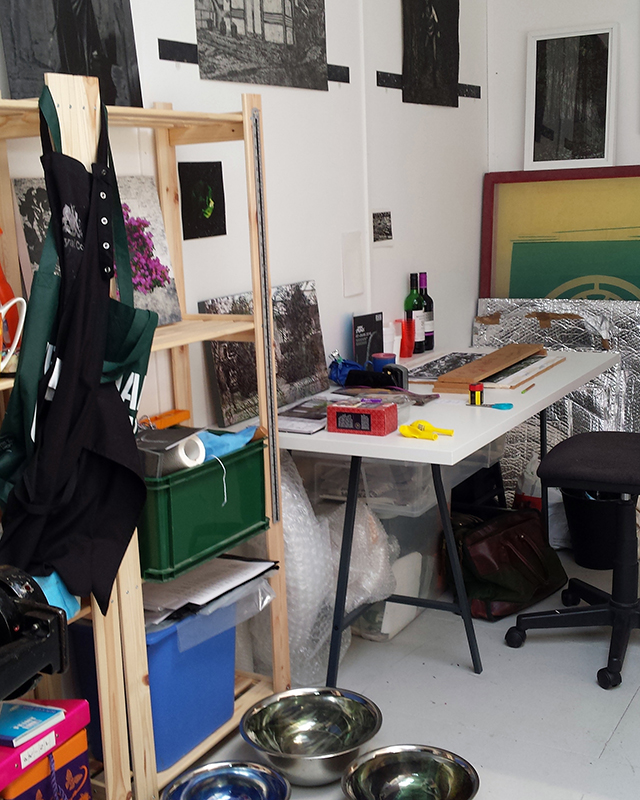
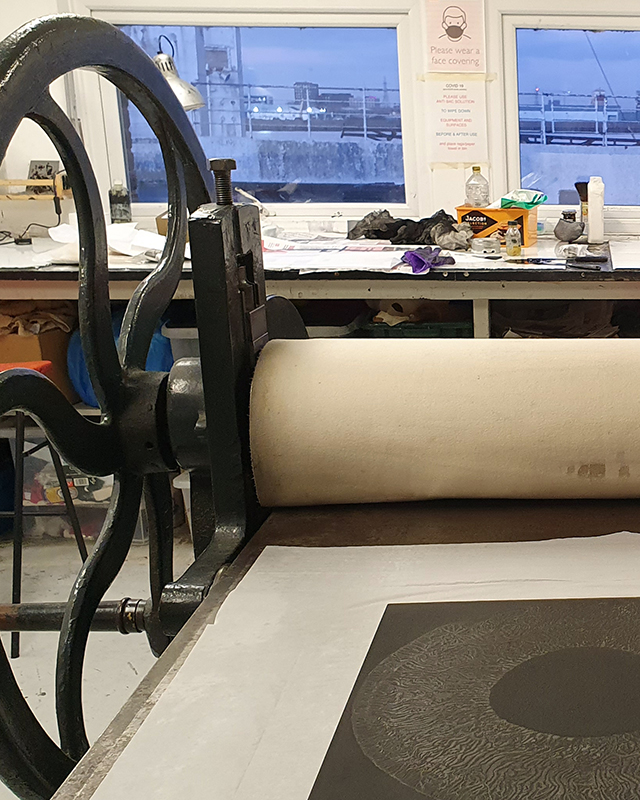
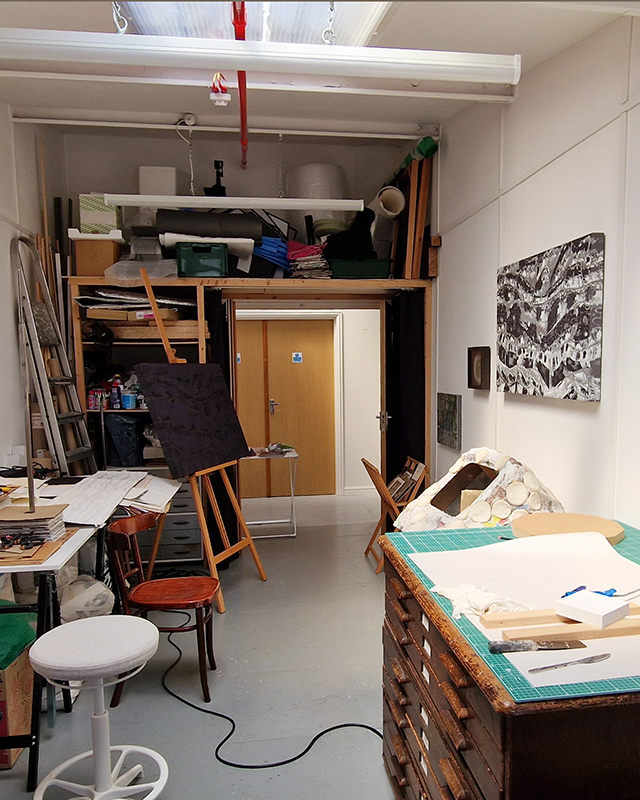
It was rather a surprise to realise I have been at Thames-side Studios for 10 years! Taking my first studio here after completing my MA. From labyrinthine depths with no natural light, to nearer the print studio with a half share, to my own space but no window and finally to where I am now with skylight and window. It’s brilliant to have Thames-side Print Studio just up the corridor from my studio and also The Gate Dark Room and London Sculpture Workshop on site, plus the amazing gallery that I’ve been lucky to show in. I love the community here.

Out and About and Online

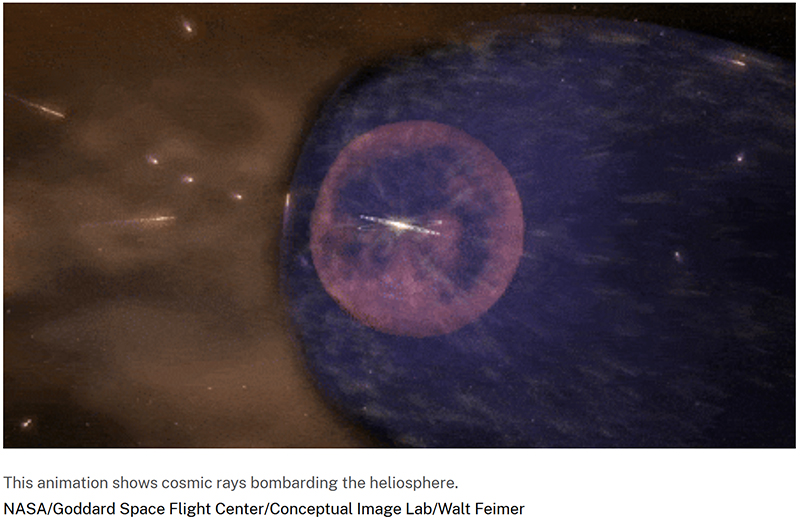
Mapping the heliosphere, the huge bubble created by the Sun’s wind that encapsulates our entire solar system – IMAP spacecraft was launched September 2025 to measure interplanetary magnetic fields and solar wind particles.

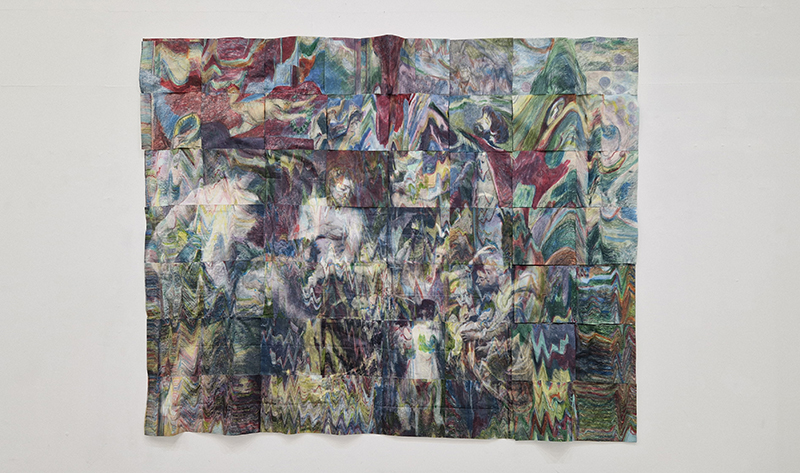
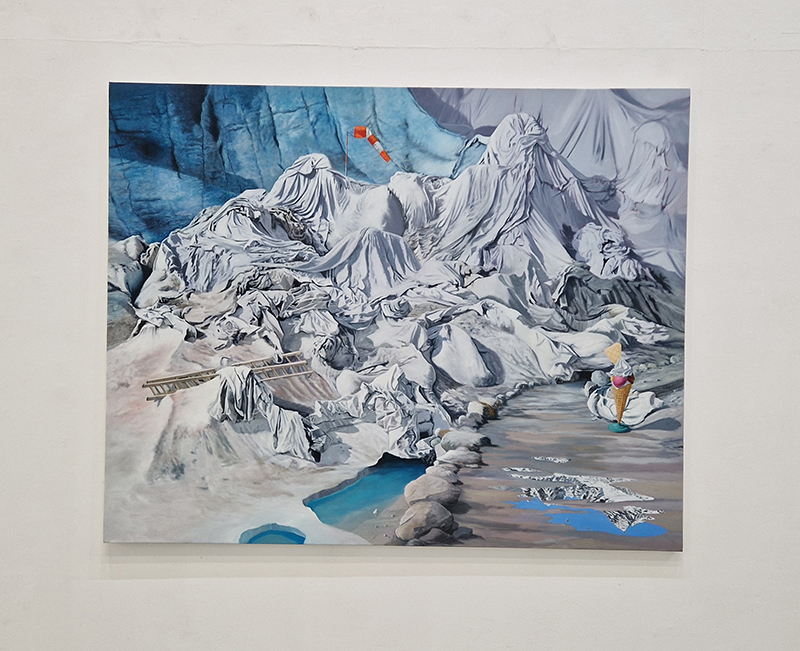
I popped into Thames-side Gallery to see Disturbances a group show embracing interruption and disturbance as a catalyst to shift perspective. I was impressed by the large collaged work of Caroline Macdonald which is combination of digital print and monoprint, and Benjamin Deakin’s surreal super realist paintings.

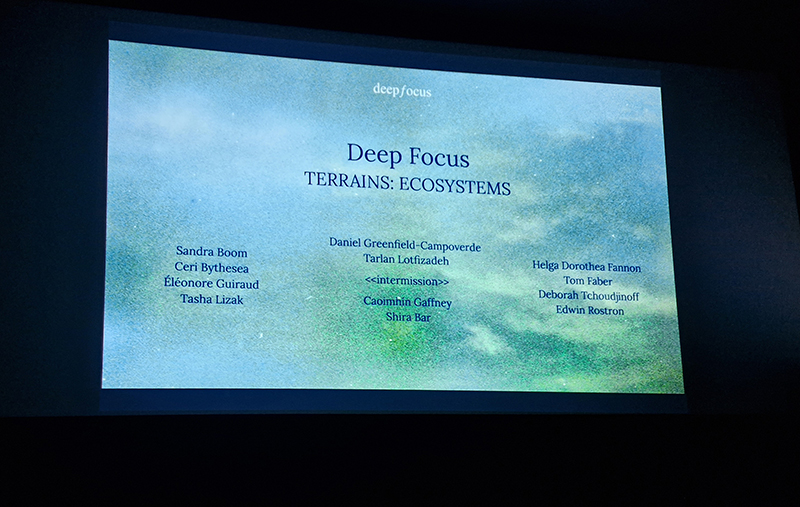
I enjoyed the selection of films showing in Deep Focus: Terrains: Ecosystems at Goldsmiths Cinema. Looking at varied and personal approaches to landscape. I liked the idea of Tom Faber’s The Hiding Place as questioning whether the character was influencing the weather through their own emotional state or was being influenced by the weather. This didn’t come across to me in the film but I really liked the drama of the film where sequences of extreme weather were suddenly scrunched up as if on a painted canvas. This techno wizardry is done using Blender. It was also great to see Deborah Tchoudjinoff’s latest digital film, in her world building series, based on a future where certain minerals have become extinct. This one is The City of Coal and instead of a dark gritty place, it is full of light, set in the bowl of an inactive volcano where the last block of coal is enshrined in a baurtiful translucent block, like an ice cube. What once seemed ubiquitous, burnt without conscience is now held up as a marvellous relic. All the forests that went into making the seams of coal are gone, in their place are new forms of hybrid trees.

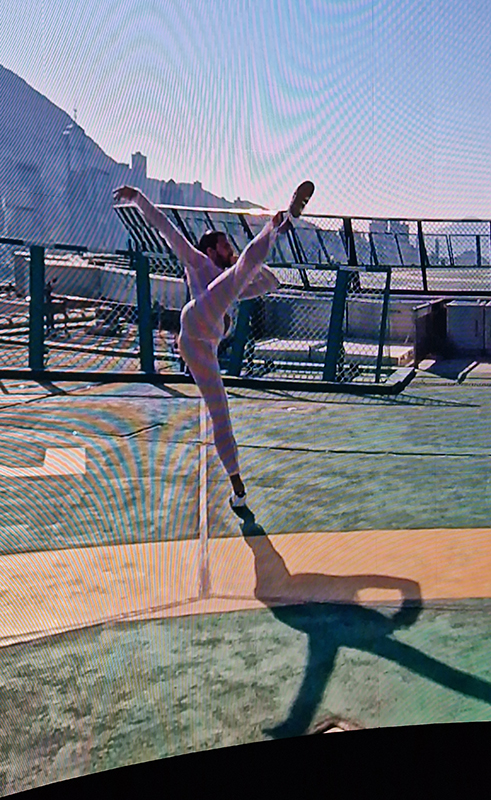
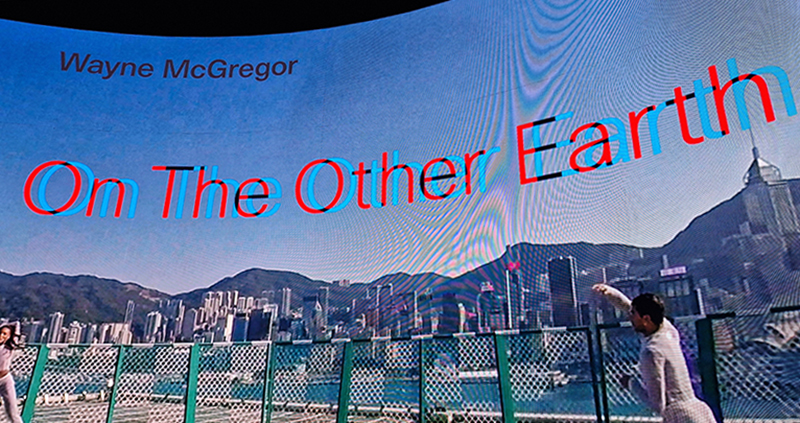
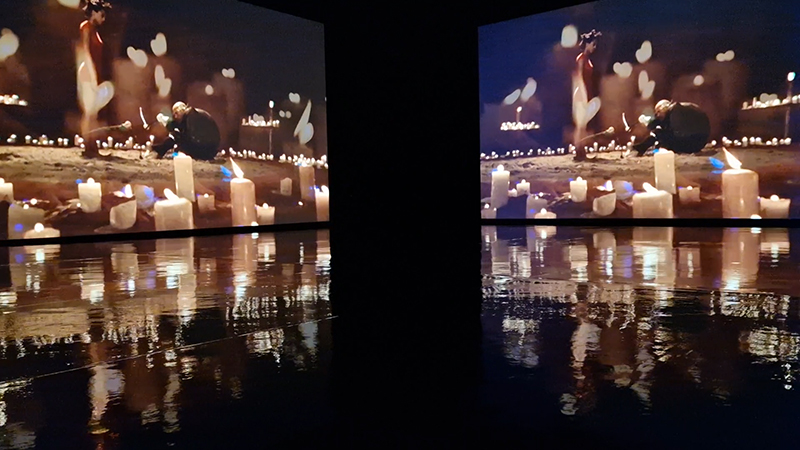
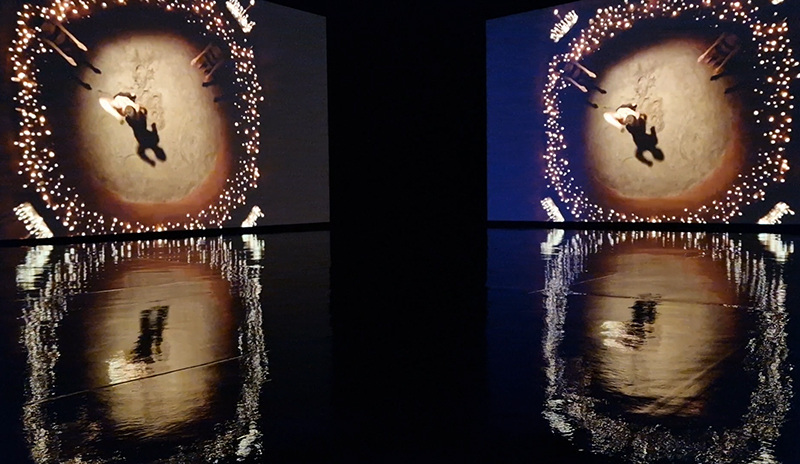
On the Other Earth at Stone Nest a 57-minute 3D, 360° installation places you at the heart of a virtual performance. Surrounded by a 3D panoramic LED environment, you can see every detail as hyperreal dancers from Company Wayne McGregor and the Hong Kong Ballet move around you. Right in the middle of the 3D action, it’s hard not to move out of the way a a dancer passes right up to and though you. I really like the section when the dancers were all upside down, like bats, but dressed in white and when they leaped it was like they flew momentarily. Wonderful.

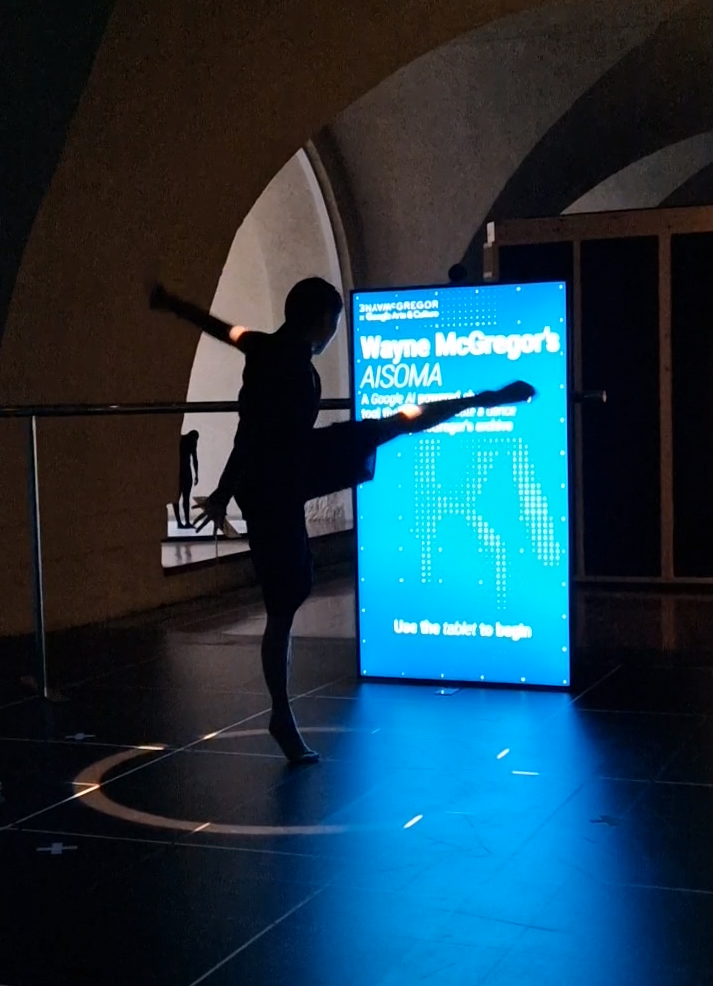
Some beautiful and thoughtful experiences in Infinite Bodies examining how Wayne McGregor’s work responds to the evolving relationship between the human body and technology. Human still wins. Thankfully.

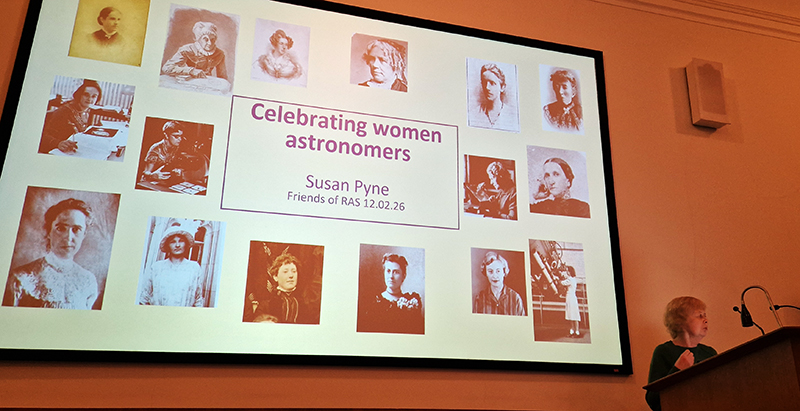
Dr. Susan Pyne gave a talk at the Royal Astronomical Society Celebrating Women Astronomers. For centuries, women astronomers made discoveries that were often overlooked or credited to men. Focusing on five of the many women who transformed our understanding of the Universe she reminded us how very difficult it was for women to advance in the field of astronomy, firstly being denied education and admittance to university, but even once admitted, not being awarded a degree despite studying for it, having to leave employment on marriage, not being allowed to use the instruments at an observatory. It was a long slow road to the first woman Astronomer Royal, Prof. Michele Dougherty, being appointed just last year. Caroline Herschel (1750-1848), famous for her discovery of comets was the first woman to be paid a salary as an astronomer; Annie Maunder (1868-1947) who persevered as a human computer at Greenwich, recorded the first evidence of the movement of the sunspot emergence from the poles toward the equator over the 11-year solar cycle and published The Heavens and Their Story in 1908; Cecilia Payne (1900-1979) determined that stars were composed primarily of hydrogen and helium.

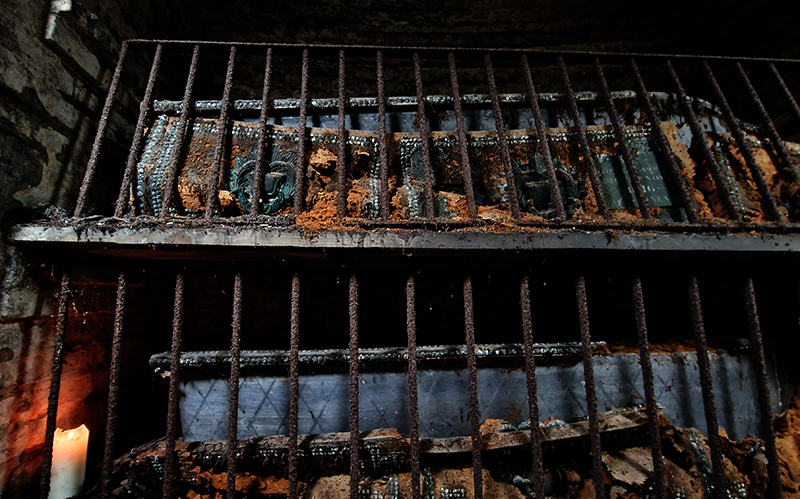
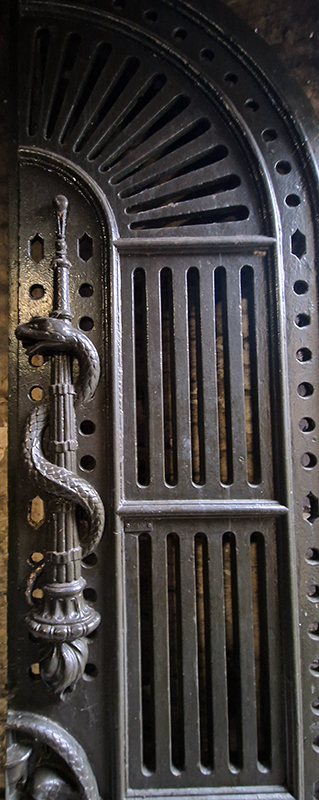
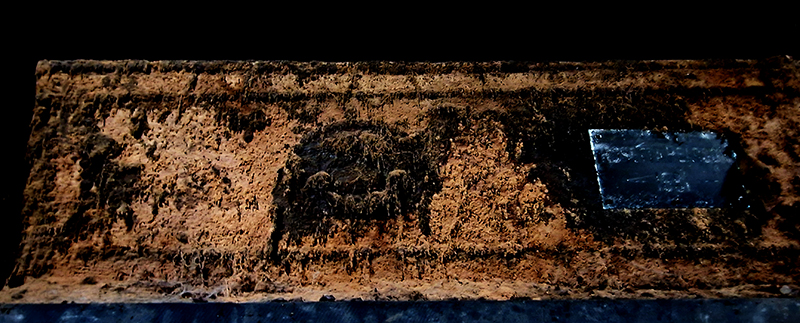
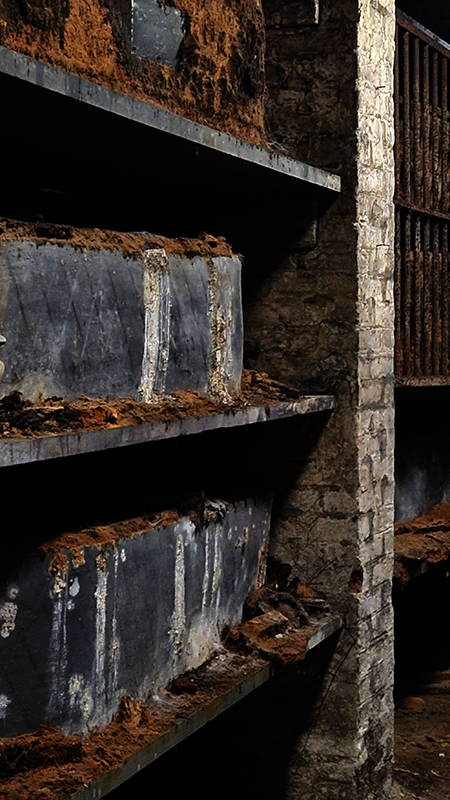
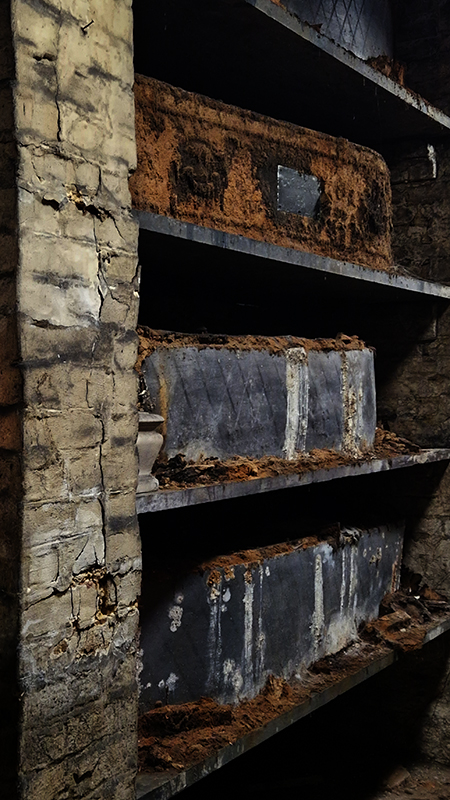
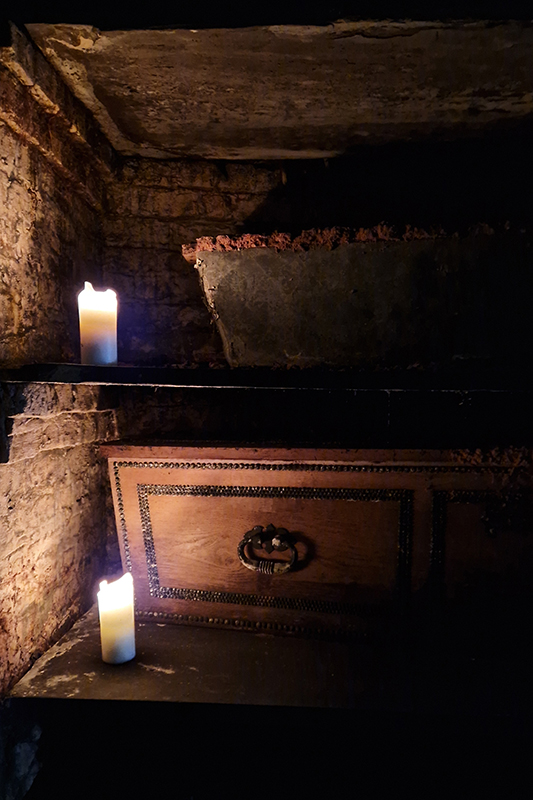
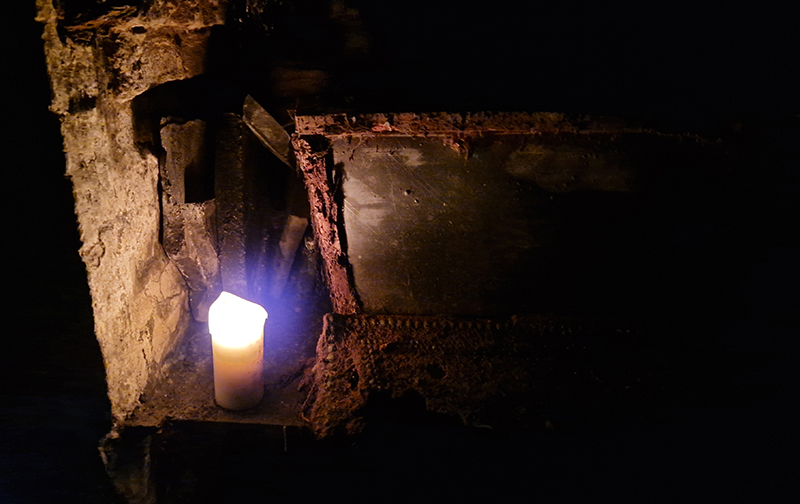
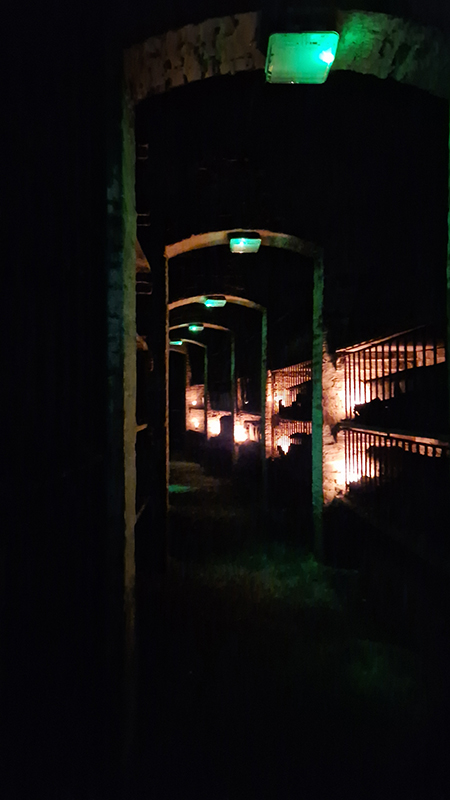
Illuminating tour of Brompton Cemetery Catacombs. These subterranean tunnels offered the Victorians – status, security and sentimentality when body snatchers were rife. The lead lined coffins were supposed to be airtight, preserving the body within, but many it seems were not.

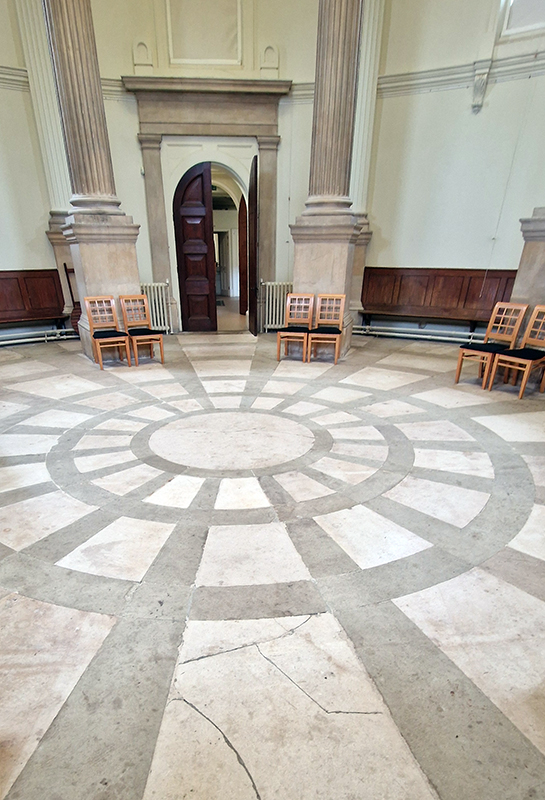
I also had a chance for another quick look at the majestic octagonal Cemetery Chapel where I will be having a solo show later in the year.

Listening to the Inside Science podcast Should we rethink navigating by GPS? I was fascinated to hear that a report from the Royal Institute of Navigation recommends teaching sailors to navigate by the stars again as a top priority.

Reliance on satellite GPS is no longer viable in a world of conflict where jamming and spoofing of GPS is putting maritime and aviation safety and security in jeopardy. All countries have their own GPS systems but all are vulnerable to interference. The satellites are 20km away, twice the diameter of the earth, but are basically a 5okw lightbulb in space which is very easy to drown out with more local noise. It is now also easy to spoof a position with software readily available online. As well as ships these jamming and spoofing signals are effecting1500 planes a day which have to reset and counter spoof signals, also trains, mobile phones and anything that accesses GPS can be effected. There are technological solutions that can be put in place to determine where the signal is coming from but it looks like there will forever be a need to read the stars.

The program goes on to look at satellites under fire from solar weather which can also effect navigation systems. Predicting space weather is difficult but Imperial College London have developed some magnetic field detector instruments which are on the Solar Orbiter probe, speeding through space, to give us more warning about solar activity which could affect us here on earth and be valuable info for the safety of the next launch to the moon.

I have also been enjoying the first series of For All Mankind which was originally aired in 2019. The series dramatizes an alternate history depicting “what would have happened if the global space race had never ended” after the Soviet Union succeeds in the first crewed Moon landing ahead of the United States. It is entertaining TV, some nice 60’s/70’s sets and what if scenarios.

An occasion on which one is reminded of the state of things in the real world.

Carlo Rovelli was at Second Home discussing his book Reality Is Not What It Seems: The Journey To Quantum Gravity which presents the story of the human imagination and reveals how the atomic world view first proposed by Democritus nearly 2,500 years ago can be found interwoven through history into our cultural life. It tells the story of what we know about our universe and how we came to know it, from the early atomic intuitions of Greek and Roman thinkers who observed the world about them and came to the conclusion that objects could not be a continuous whole but must be made up of lots of tiny parts.

1706 Susan Eyre Diazographo photo Sara Lynd

Susan Eyre Diazôgraphô photo Sara Lynd

The book goes on to show evidence of the ancient ideas now emerging from the Planck satellite and CERN, to the genuinely new knowledge being offered by Loop Quantum Gravity, of which Rovelli is a founding theorist. He was a generous and thoughtful speaker. When I started his book  I was a little upset to find Plato to be considered obtuse and an obstacle to the progression of physics for ignoring the atomic theories of Democritus and questioning the benefits to itself of why an object should take a particular form, but then in chapter two Plato is absolved of criticism for his pioneering understanding that mathematics is at the root of all scientific truths that ‘Number governs forms and ideas’

1706 Susan Eyre Diazographo 2 photo Sara Lynd

Susan Eyre Diazôgraphô photo Sara Lynd

The talk moved on to discuss the nature of time and how we experience it. Someone quoted Nelson Goodman from 1951 in The Structure of Appearance. ‘A thing is a monotonous event; an event is an unstable thing’.


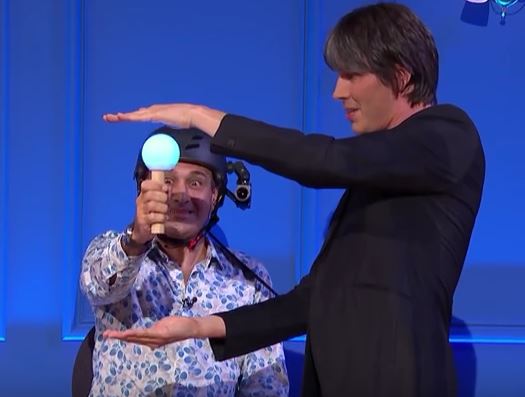
I found this clip of Brian Cox explaining time travel  sort of helpful in that I can follow his explanation but it still leaves me confounded.

1706 Brian Cox

In his book Rovelli equally values the thoughts of poets and physicists who contemplate the same questions about the structures of the universe.

1706 Baptistry Florence

Marvelling at correlations between Dante’s plan of paradise, possibly inspired by the cupola ceiling of the Baptistery in Florence, that speaks of a spherical universe made of ever increasing circles that reach a point where the outer circle appears to be enclosed by those that enclose it – a poetic description of a 3-sphere.

Rovelli believes the universe cannot be infinite – ‘that’s too big ‘ – and he seems aligned with the 3 sphere universe theory that the universe is not infinite but has no boundaries.  I found myself thinking – surely this must still sit within something? Still it was gratifying to find that this in line with Jean-Pierre Luminet and the Poincaré dodecahedral space  which I have been fascinated by –

A positively curved universe is described by elliptic geometry, and can be thought of as a three-dimensional hypersphere, or some other spherical 3-manifold (such as the Poincaré dodecahedral space), all of which are quotients of the 3-sphere.

Another name for the Poincaré dodecahedral space is the soccer ball universe…..

1705 Yinka Shonibare at York Museum

Yinka Shonibare’s work at York Art Gallery as part of Doug Fishbone’s Leisure Land Golf

We are still waiting for any definitive answers about the shape of the universe, whether it is infinite or finite, whether it is flat, positively curved or negatively curved, whether it is simply connected as in Euclidean geometry or like a torus which is flat, multiply connected, finite and compact among many other contributing possibilities. I have been doing some research on the Poincaré conjecture, mostly looking at the diagrams of the mathematical theories.

1706 Poincare's homology sphere

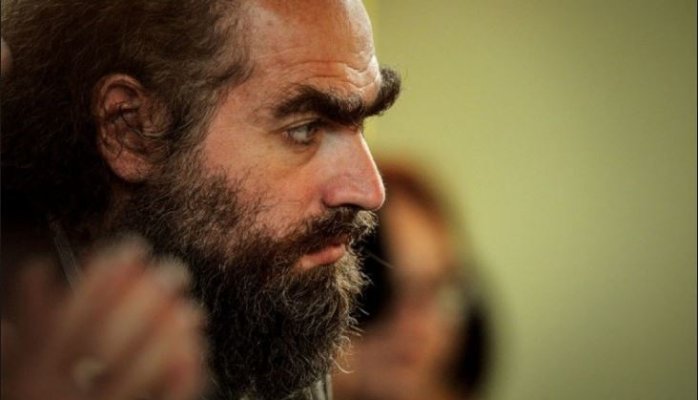
I came across the story of Russian mathematician Grigori Perelman whose theories ultimately  proved the Poincaré conjecture and he was awarded the Fields medal. He declined the award saying he wasn’t interested in fame. Other quotes have him saying if he can control the universe why would he want to claim a million dollars prize money. Perhaps some myths have been built around him, as seems to happen with a person who doesn’t conform to expectations.

1706 Grigori Perelman

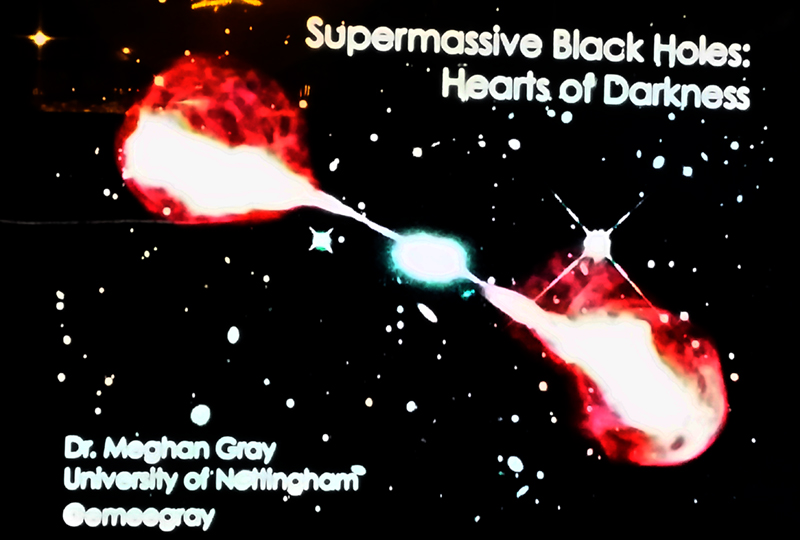
An earlier visit to Second Home was for a talk on Super Massive Black Holes by Dr. Meghan Gray.

1705 Supermassive black holes

I found her description of what a black hole is really helpful to try and visualise what is happening. The idea that space curves around matter. That really dense and heavy matter condensed into a small object makes a deeper pocket in spacetime.

1705 black hole

The largest black holes are called “supermassive.” These black holes have masses greater than 1 million suns combined and would fit inside a ball with a diameter about the size of the solar system. Scientific evidence suggests that every large galaxy contains a supermassive black hole at its centre. The supermassive black hole at the centre of the Milky Way is Sagittarius A*, it is 4 million times as massive as the sun and 27,000 light years from Earth. The smallest ones are known as primordial black holes. Scientists believe this type of black hole is as small as a single atom but with the mass of a large mountain.
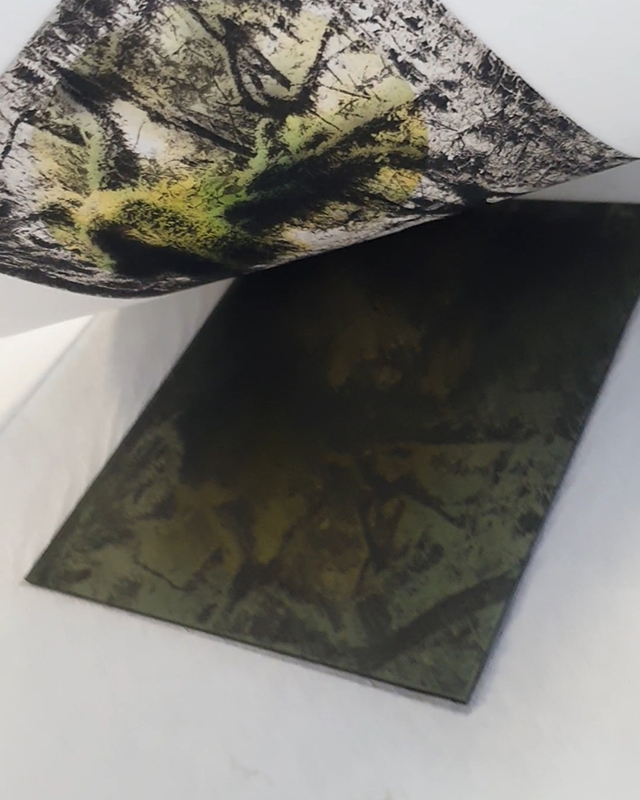
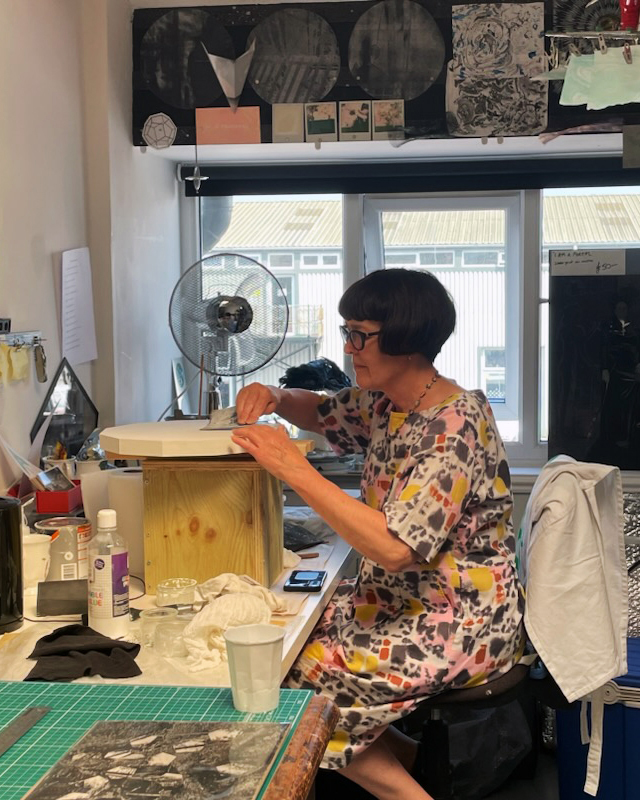
The most common type of medium-sized black holes is called “stellar.” The mass of a stellar black hole can be up to 20 times greater than the mass of the sun and can fit inside a ball with a diameter of about 10 miles. Dozens of stellar mass black holes may exist within the Milky Way galaxy.

Information overload awaits you at sixtysymbols

1706 sixty symbols

Made a trip to Whitby for a site visit to Cleveland Ironstone Mining Museum ahead of our Laboratory of Dark Matters exhibition opening this summer.

1705 CIMM tunnel

We were given a very warm welcome and are looking forward to bringing our work to the North East. We are delighted that along with Arts Council England funding we have now received the support of The Institute of Physics and The Science and Technology Facilities Council to take our project to the mining museum.

1706 LODM exhibition supporters

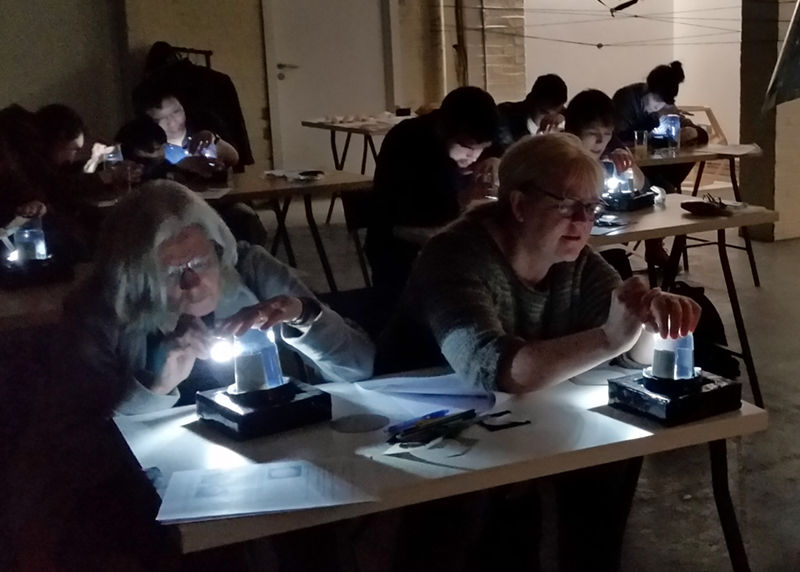
I will be running some more cloud chamber workshops.

1706 Cloud Chamber workshopMy second Open Studios and the first with the new management Thames-side studios who did an excellent job promoting the event, running activities and guiding visitors around what is quite a big site now.

1705 Open Studios Pairi Daeza

Susan Eyre Pairi Daêza

The word Paradise originates from ancient Iranian pairi daêza meaning around and wall.

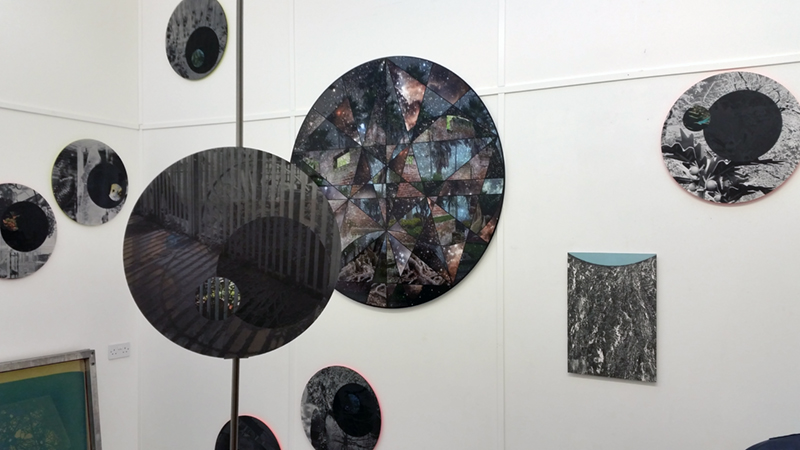
The work everydaymatters is informed by the discovery that the matter we know, that which is visible to us and includes all the stars and galaxies is only about 5% of the content of the universe, dark matter making up about 25% and the remaining 70% being dark energy, it dissects landscapes to discover the hidden structures of the universe.

170519 Open Studios (2)

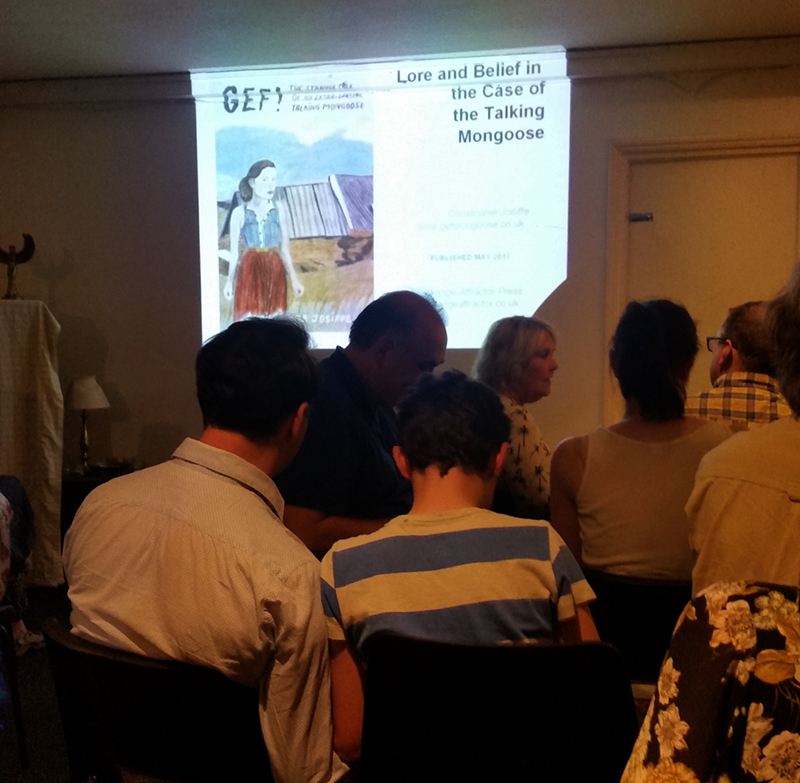
Spent an interesting evening at Treadwell’s listening to Lore and Belief in the Case of the Talking Mongoose, a lecture by Chris Josiffe.

1705 treadwells talking mongoose

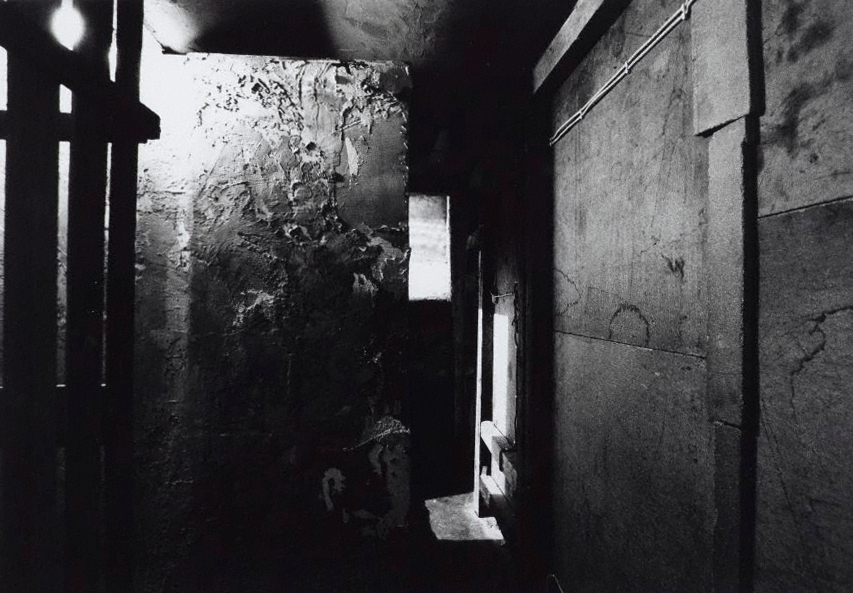
In the early 1930s, an isolated Manx farm family became international celebrities after claiming their home was inhabited by a weasel-like animal. Gef the Talking Mongoose could speak coherently, shape-shift and perform telepathy. Investigators came in their multitudes, and improbable though it may sound, many were convinced. It was a time when spiritualism was strong, and psychic investigation popular.  Gef was purported to live between the walls of the house. This made me think of Gregor Schneider and his double walled rooms, lead lined, claustrophobic passages.

1706 Totes Haus u r Keller Venedig Gregor Schneider

I made a trip to Brockley to see In Conversation with (7): Beyond Controls; a drawing and print collaboration between Neil Ferguson & Carol Wyss.

From an initial line, each drawing was scanned, emailed and printed out to be developed further by hand. The repetitive nature of these procedures regularly exposed the limitations and idiosyncratic qualities of the scanners and printers. The structure of “Beyond Controls …” would always be infinite, sequences without final drawings, but rather statements held in digitalized time. Cycles of series that cannot be closed, circles that cannot be joined.

1706 InCon-BeyondControl-NeilFerguson-CarolWyss2

The result was 10 sets of 32 drawings, 10 inkjet monoprints and a captivating video of  each set of drawings digitally layered and edited with Photoshop making the decision on visibility of content through its own algorithms. Wonderful.

Another visit was to  a new project space HEWING WITTARE in Walthamstow to see Shapeshifting – tactics to combat drowning featuring works by Chudamani Clowes, Rebecca Glover and Anna Liber Lewis.

1706 Chud Clowes rescue blanket sea

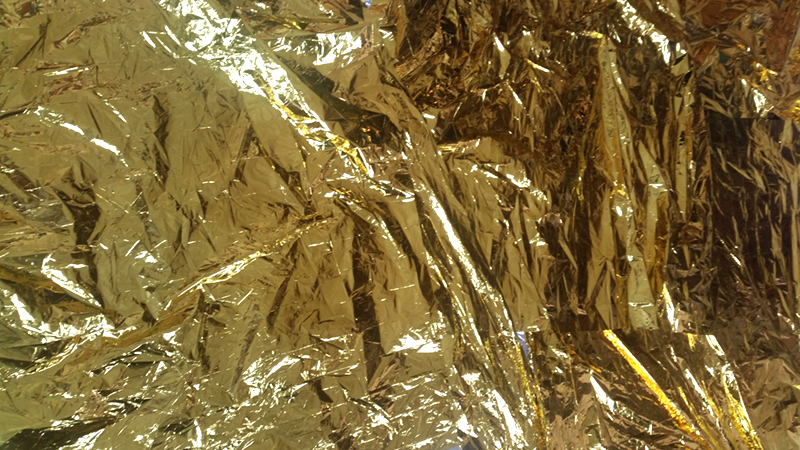
The artists use the watery world as a metaphor for our current political climate in which the fight for survival, shelter and equality is growing tougher by the day….

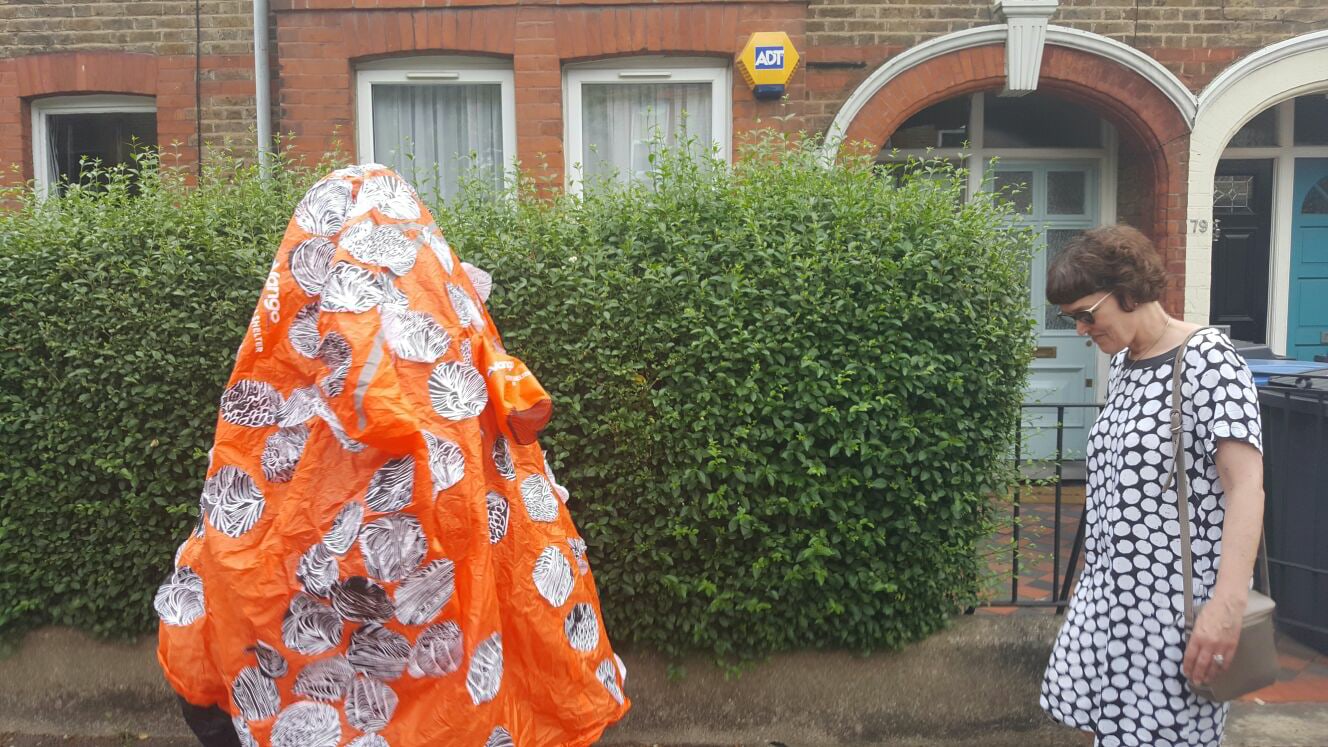
Chud Clowes engaged in a perambulative performance dressed as an Urchin to highlight the journeys made across the globe by thousands of migrants often at the mercy of the oceans and elements as well as political currents that sweep them from place to place

1706 Chud Clowes Urchin performance

We were led to Lloyd Park, site of  the William Morris Gallery, for some squid and fish printing on one of the hottest days of the year.

Later the same day entering Edel Assanti gallery to see new work from Jodie Carey – Earthcasts the visual and the physical collided. In this white space 50 gnarled and towering sculptures created a landscape hinting at the cool depths of a silver birch tree glade or the snowy trunks of an alpine forest while the heat of the day still pulsated in my body and hung heavy in the atmosphere.

1706 Jodie Carey

It was a rich experience oscillating between ancient responses to the multiple upright monument, the rituals of the standing stone yet could also be the concrete posts from some deconstructed enclosure, the high wire fencing removed. Jodie Carey’s painstaking process of burying old timbers in the earth to create casts that are then filled with plaster and subsequently excavated echo the temporal and material nature of our lives lived on soil and imprinted with our own encounters.

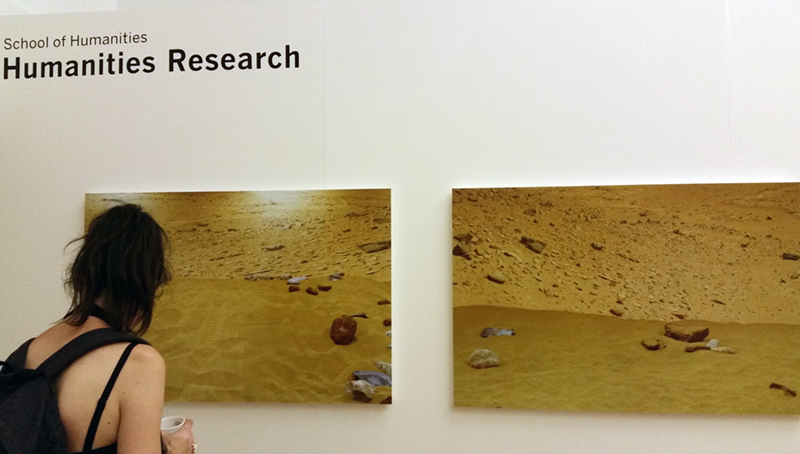
Along to SHOW 2017 at the RCA to be swept even further away. The heat more in keeping with the surface of Mars images presented as part of the final research of Luci Eldridge’s PhD by thesis; Mars, Invisible Vision and the Virtual Landscape: Immersive Encounters with Contemporary Rover Images 2017

1706 Luci Eldridge Phd PV RCA

Luci Eldridge ‘Stepping into the Image of Mars’

Images captured at the Mars Yard being used to test the European Space Agency’s ExoMars rover, due to launch in 2020. Courtesy of Airbus Defence and Space.

‘ The eyes of the Mars rovers provide viewpoints through which we regard an alien terrain: windows upon unknown worlds. Rover images bridge a gap between what is known and unknown, between what is visible and invisible. The rover is our surrogate, an extension of our vision that portrays an intuitively comprehensible landscape. Yet this landscape remains totally out of reach, millions of miles away. This distance is an impenetrable boundary – both physically and metaphorically – that new technologies are trying to break.’ Luci Eldridge

1705 reworking dodecahedron

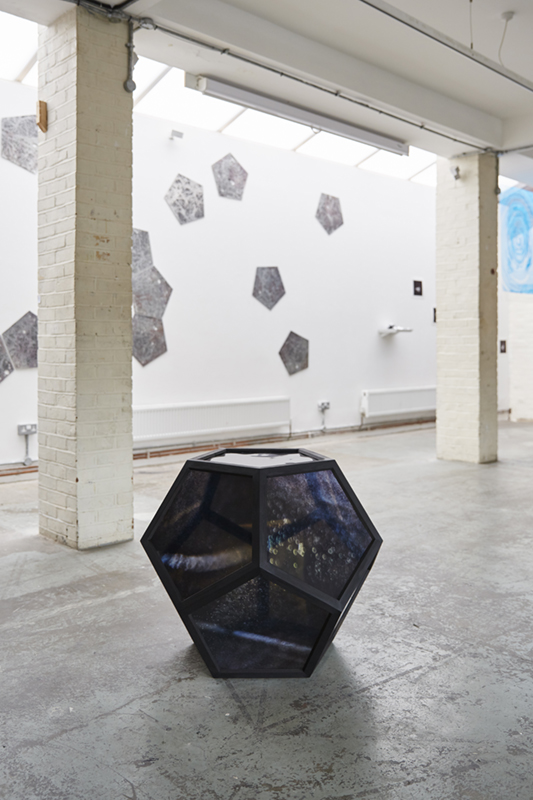
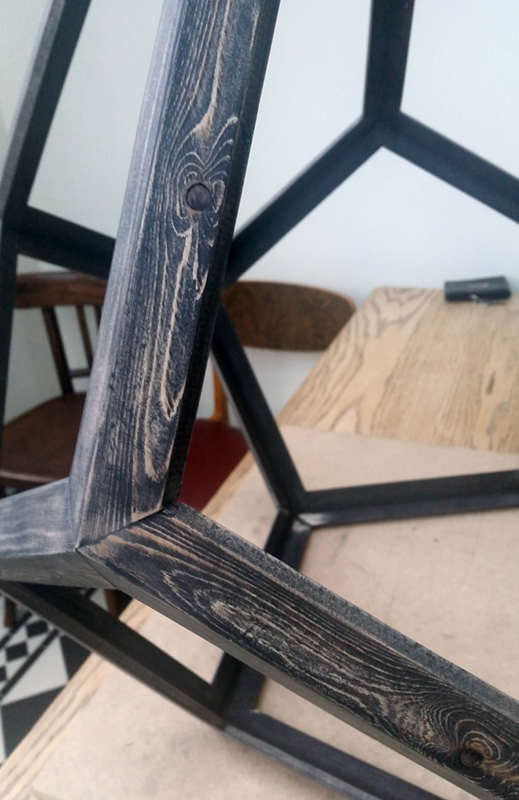
I am reworking the dodecahedron frame for the mining museum. Sanding, then darkening with my favourite black Stabilo pencil.

1706 dodecahedron

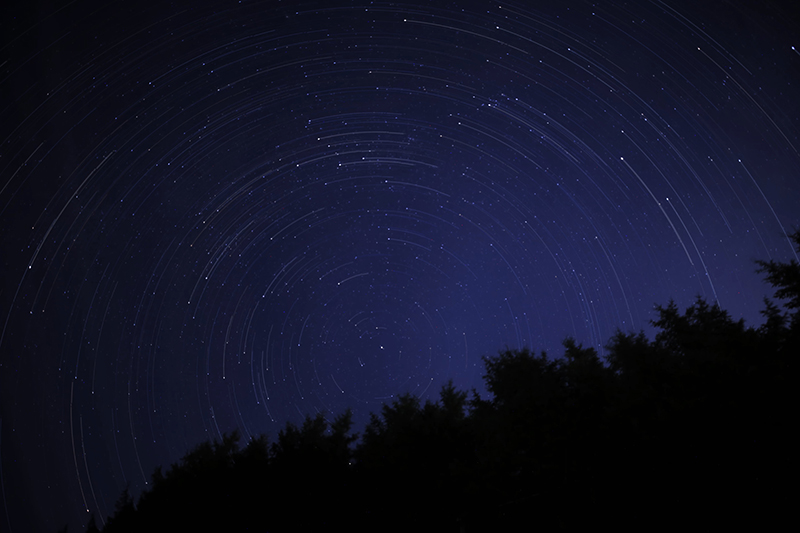
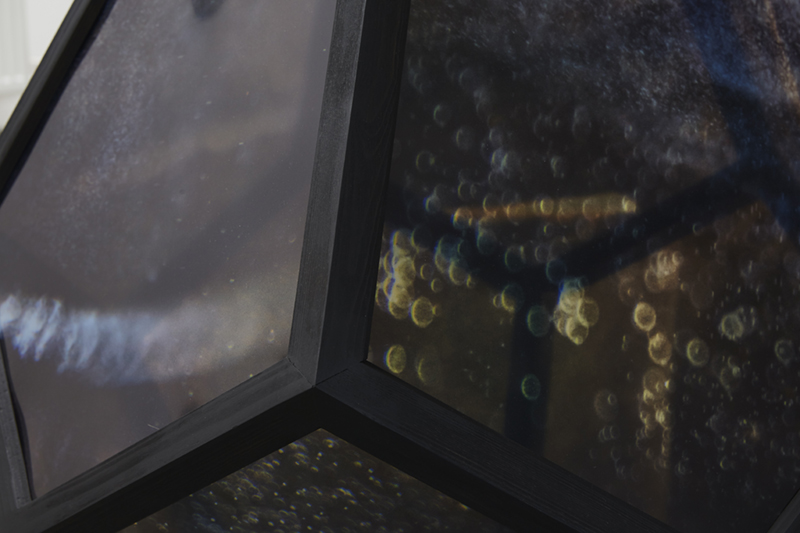
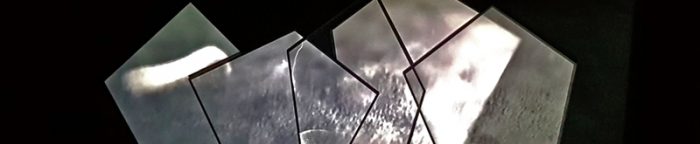
The images of cosmic trails now sit behind Perspex facets which has added another layer of reflection, the outer world, the universe surrounding and surrounded by itself

Diazôgraphô = Greek for to embroider. As to embroider the stars on the heavens…