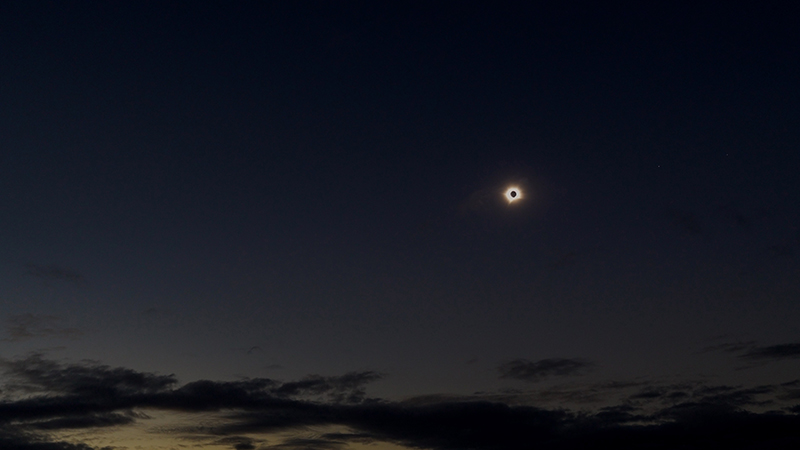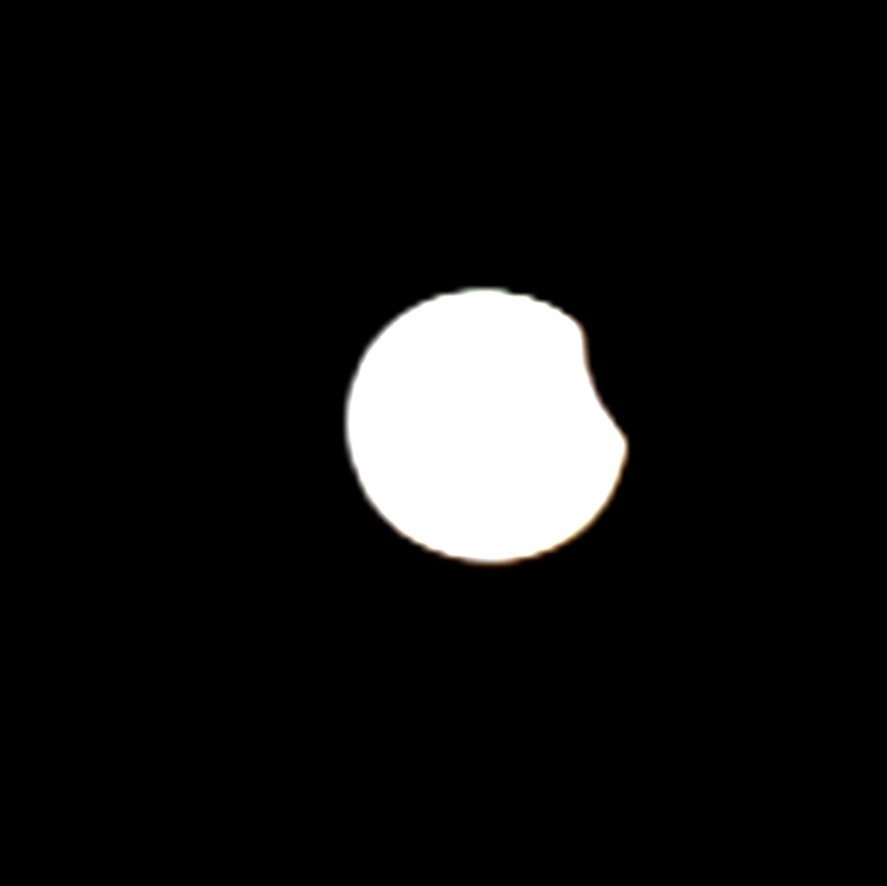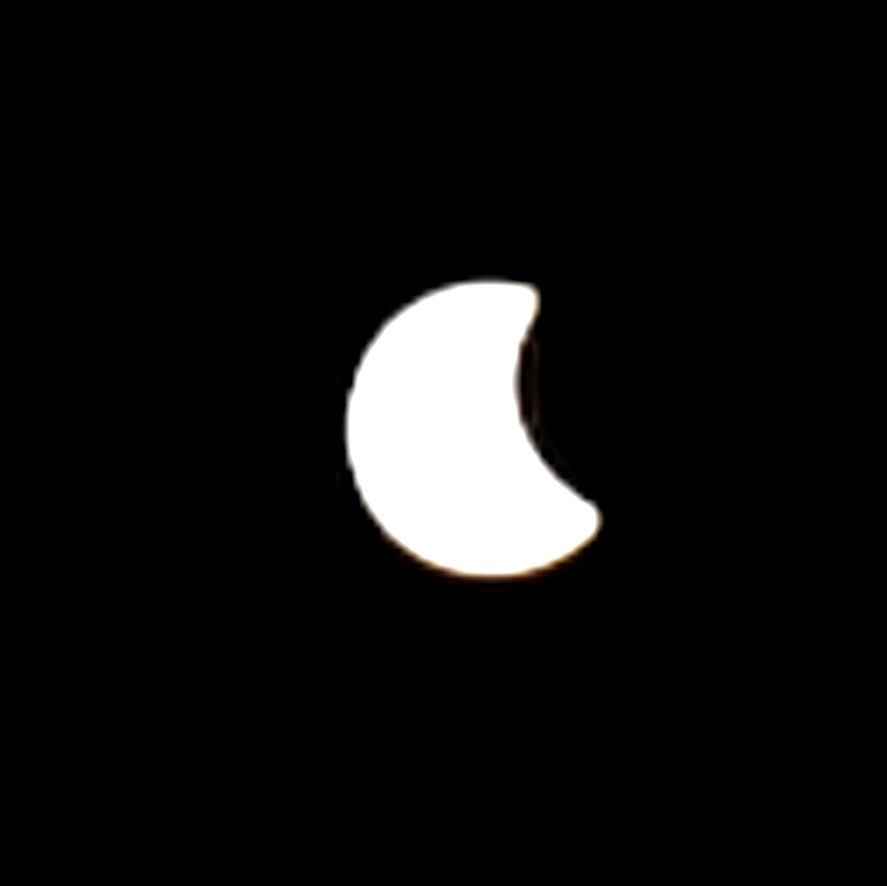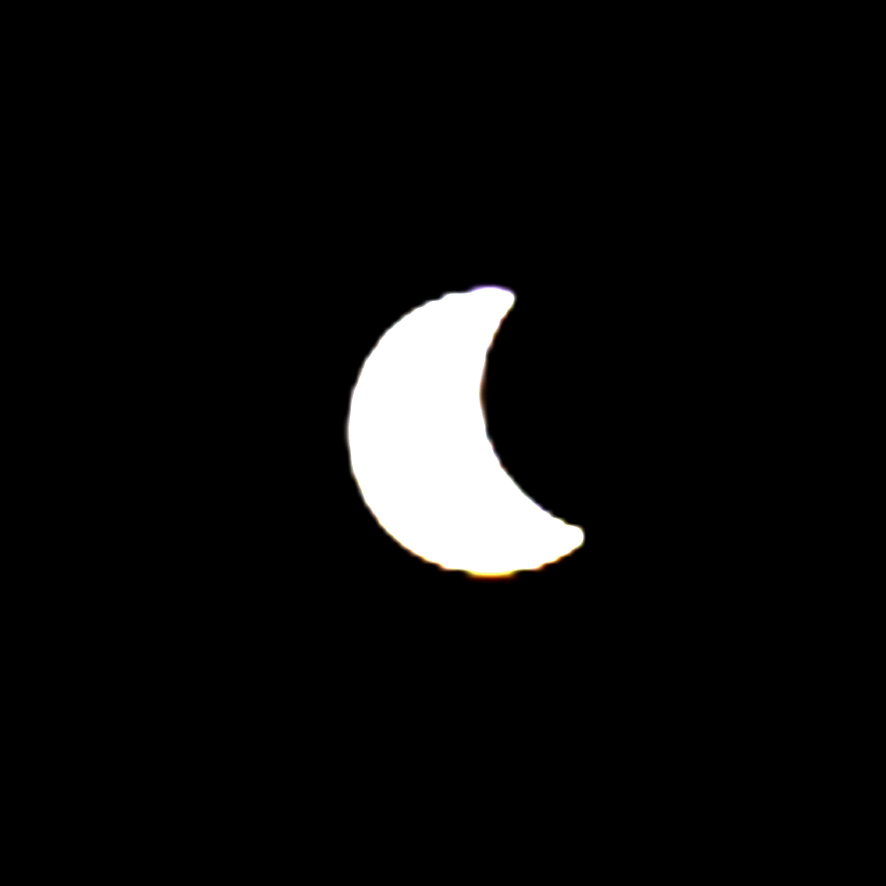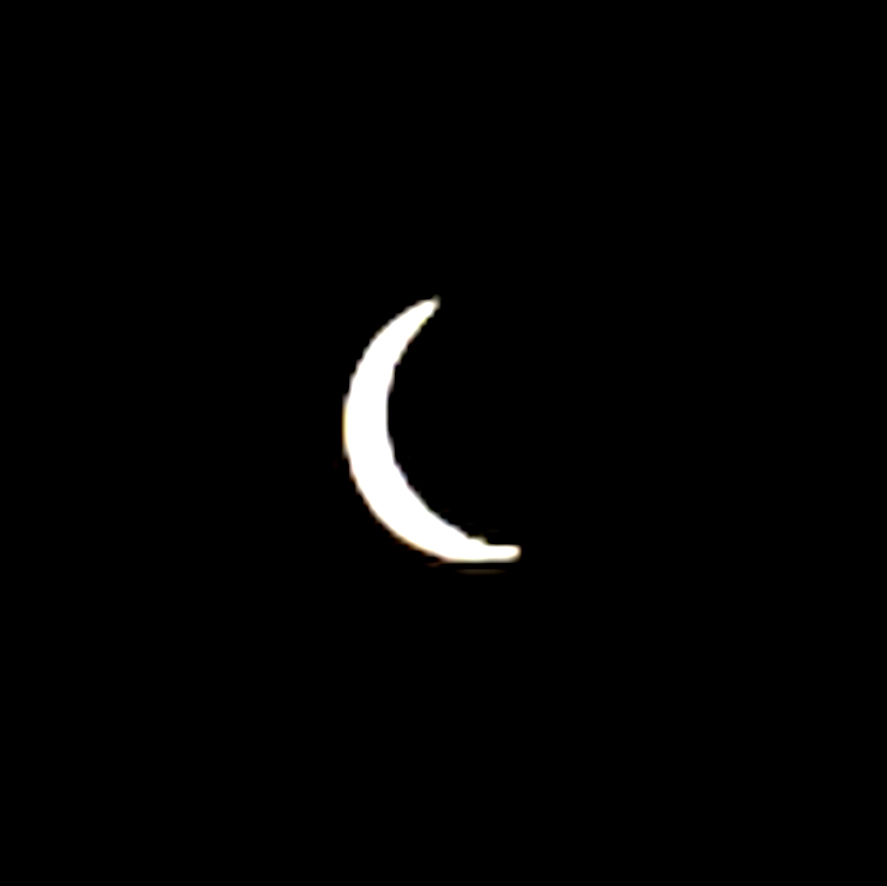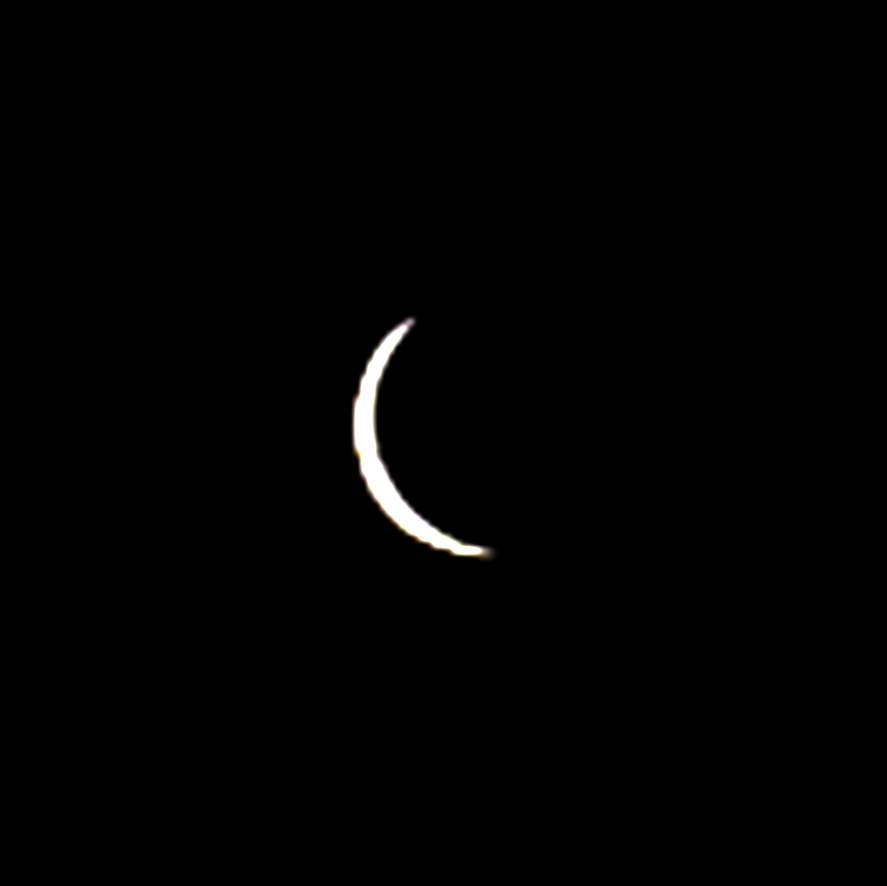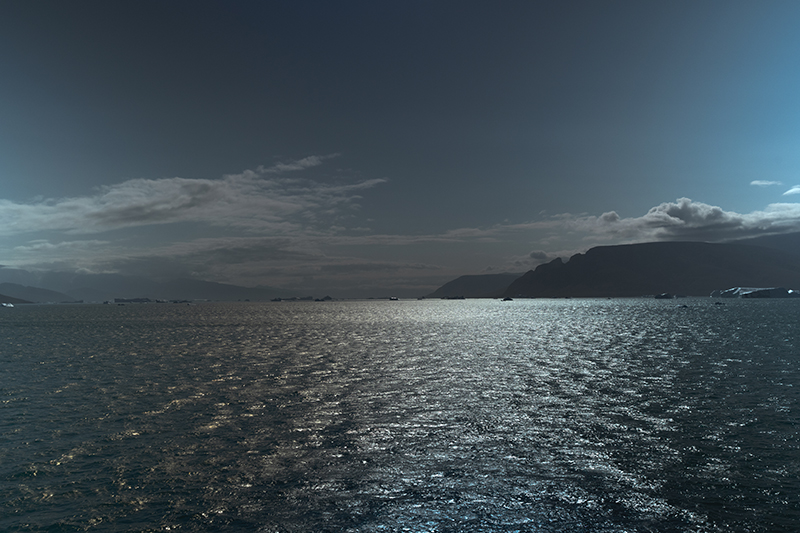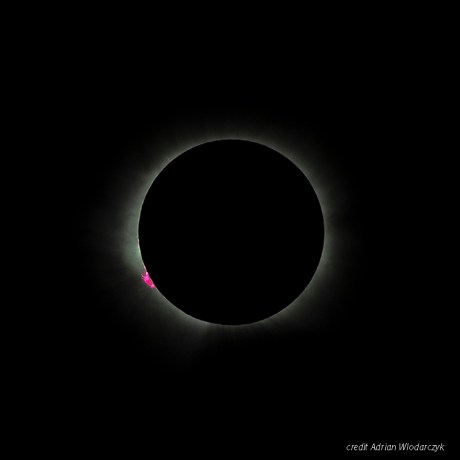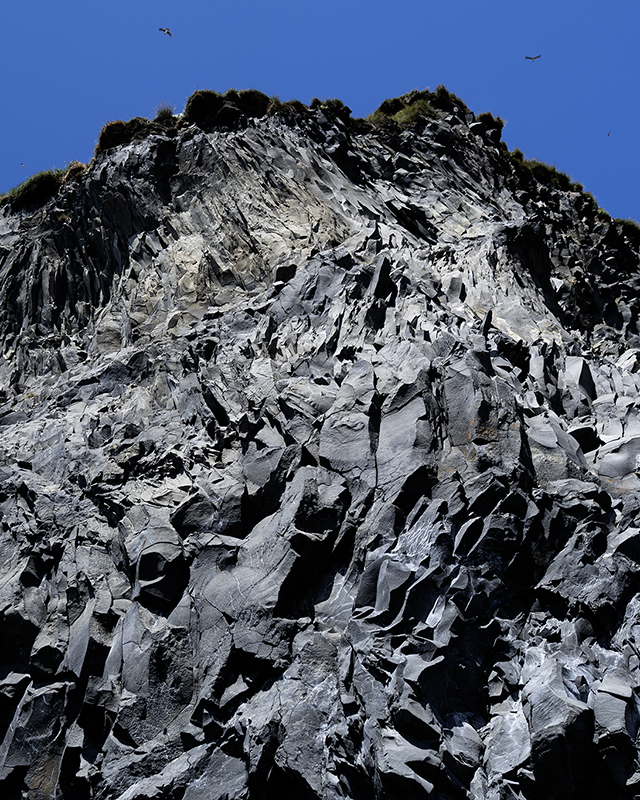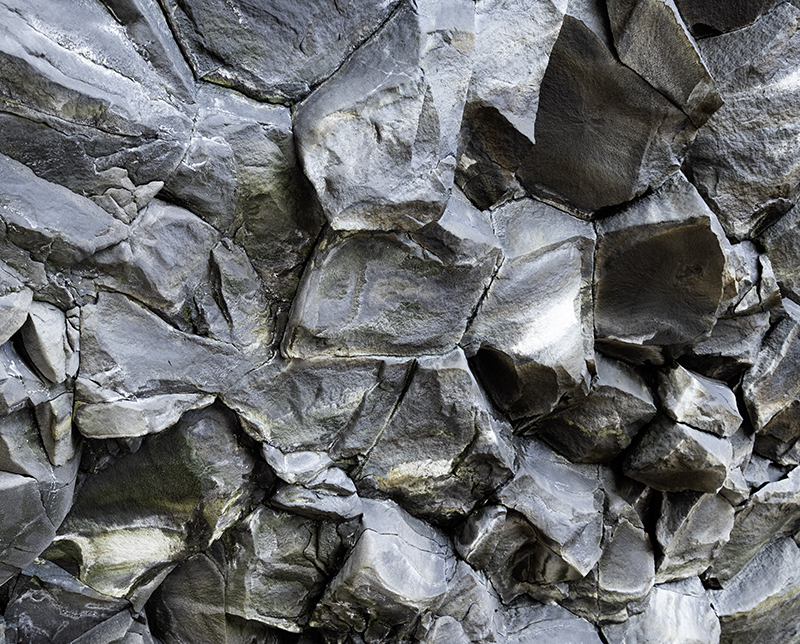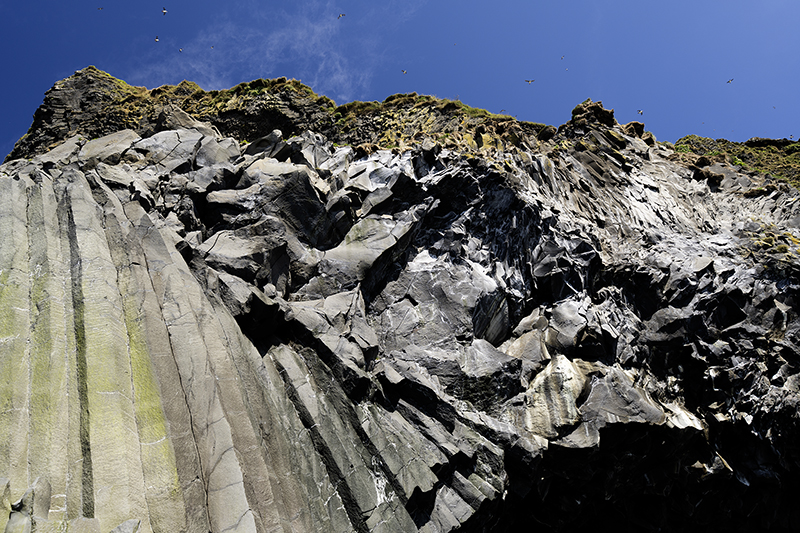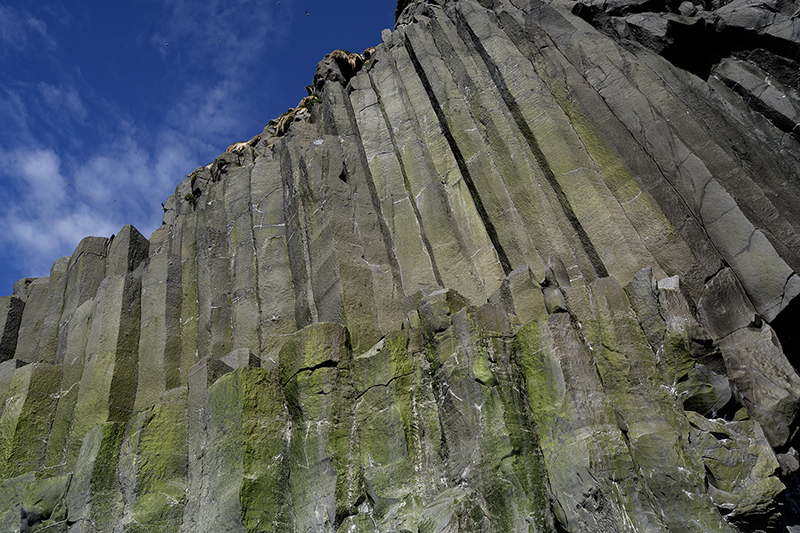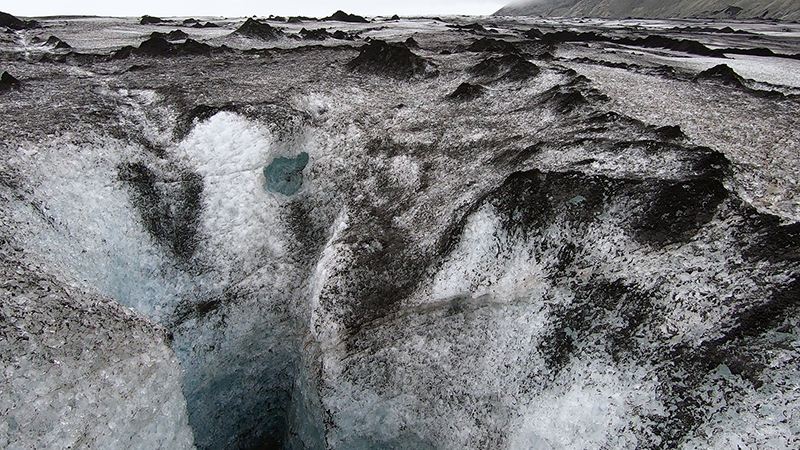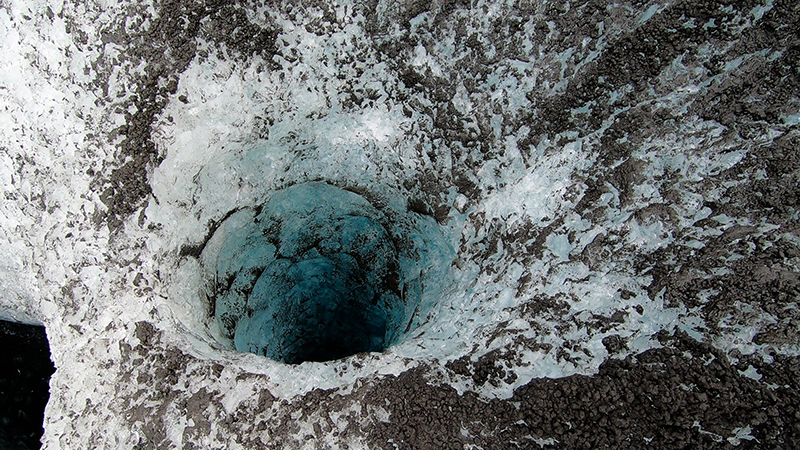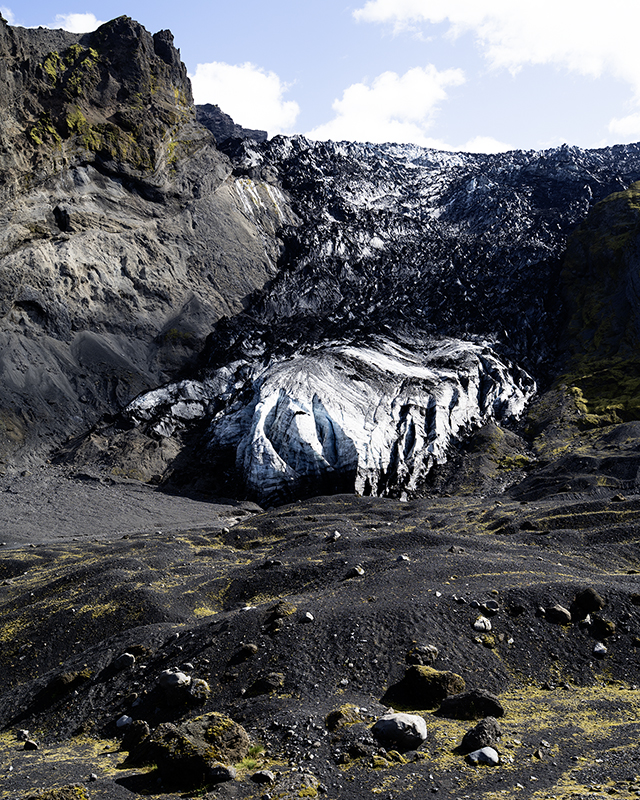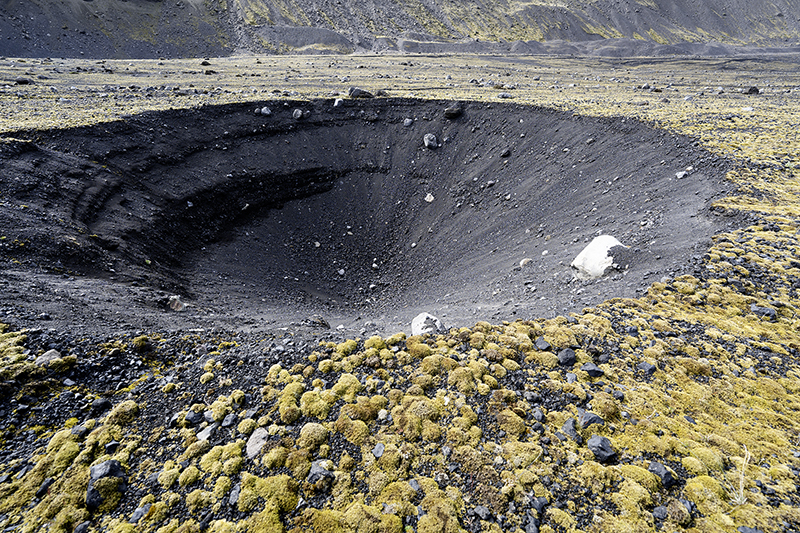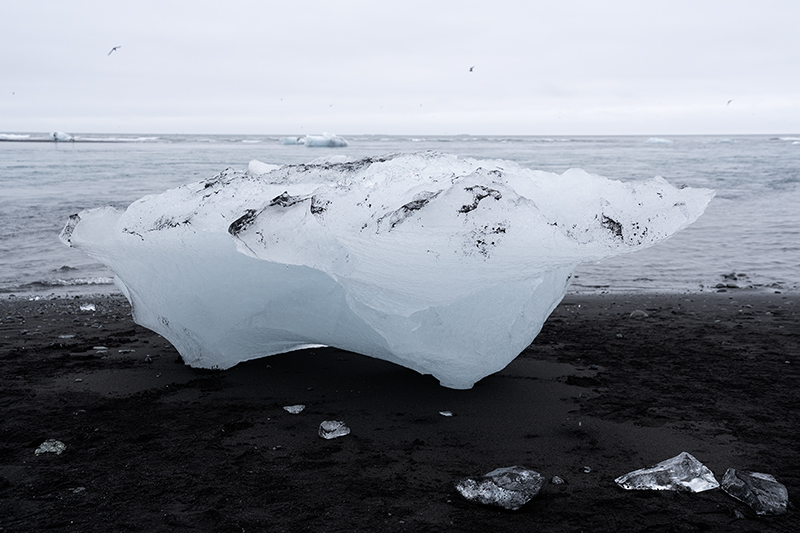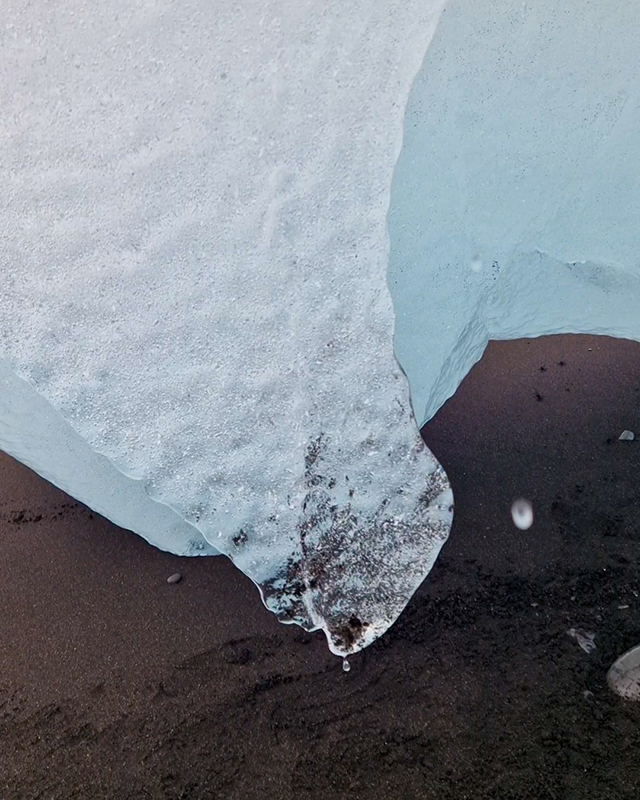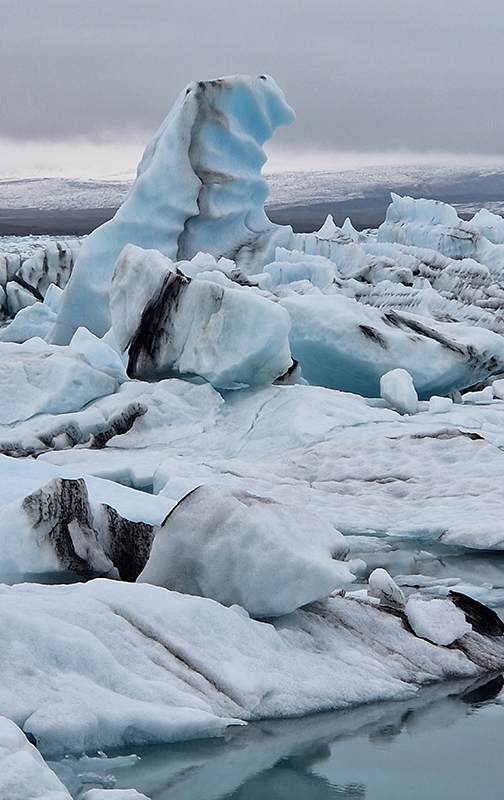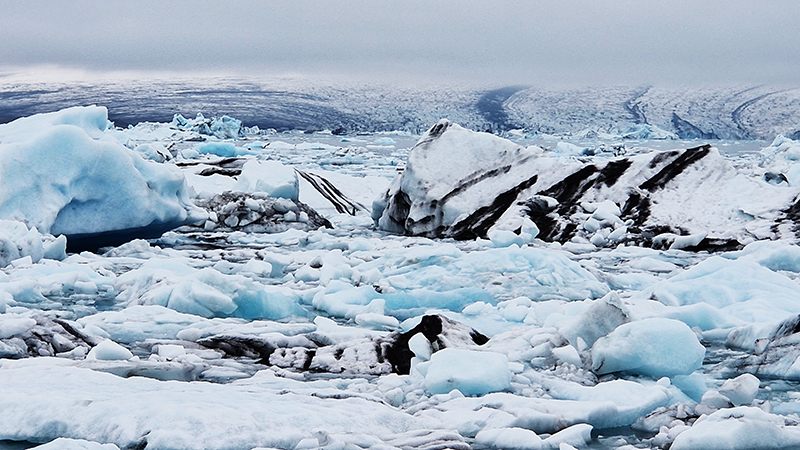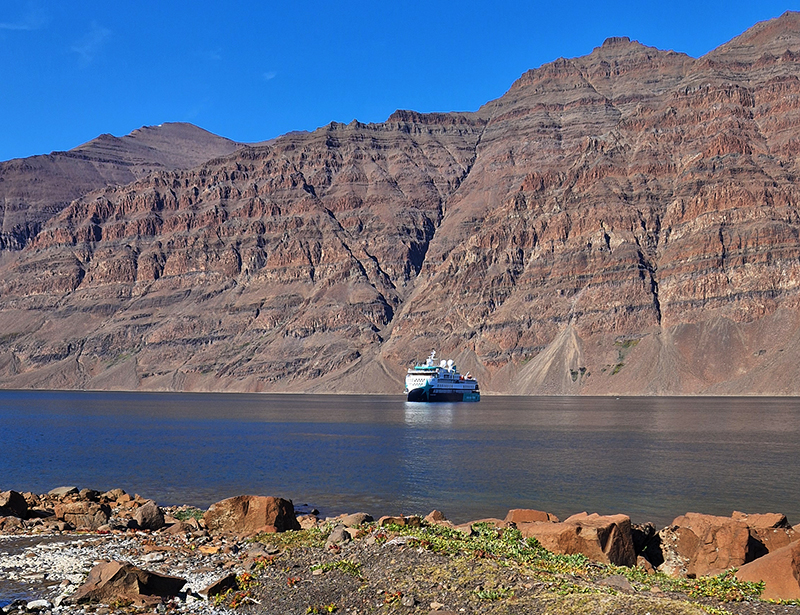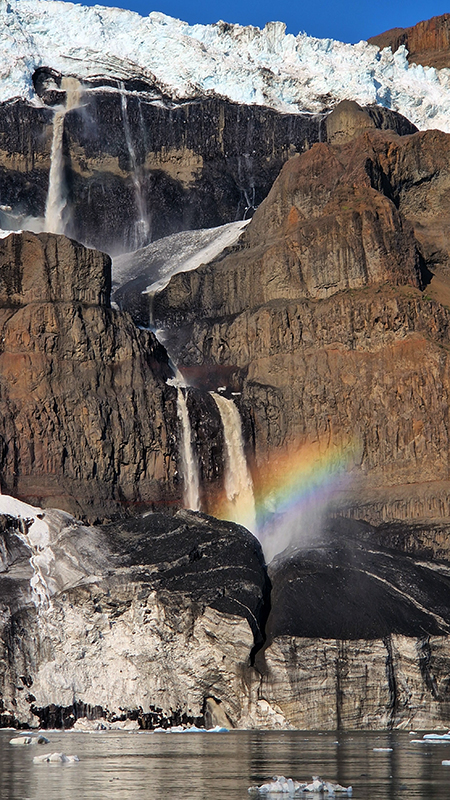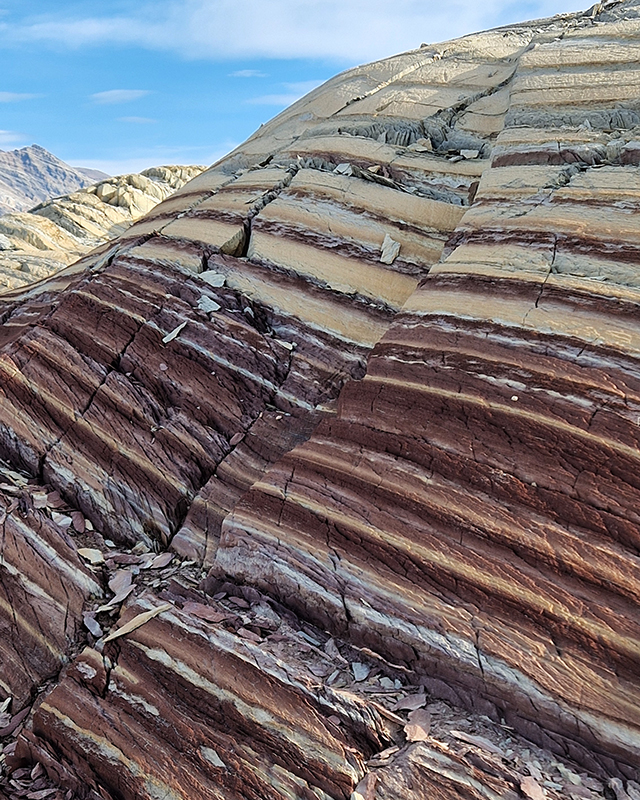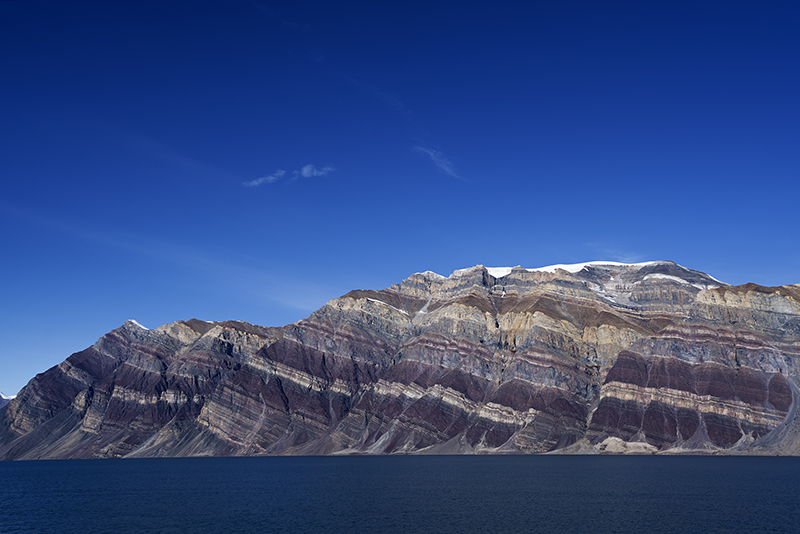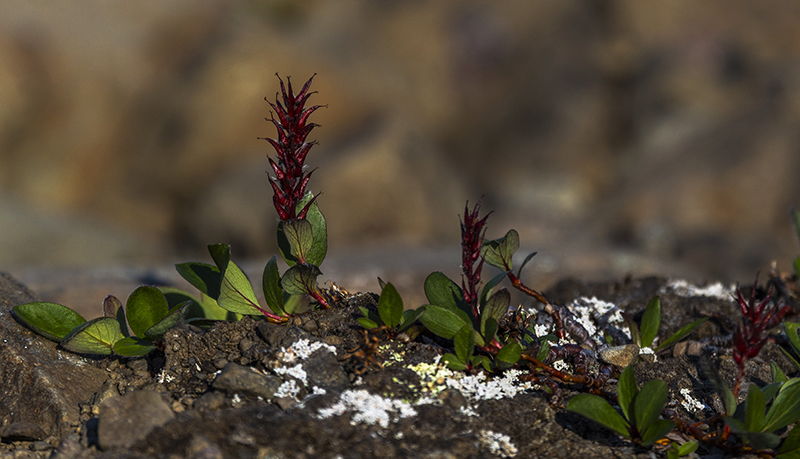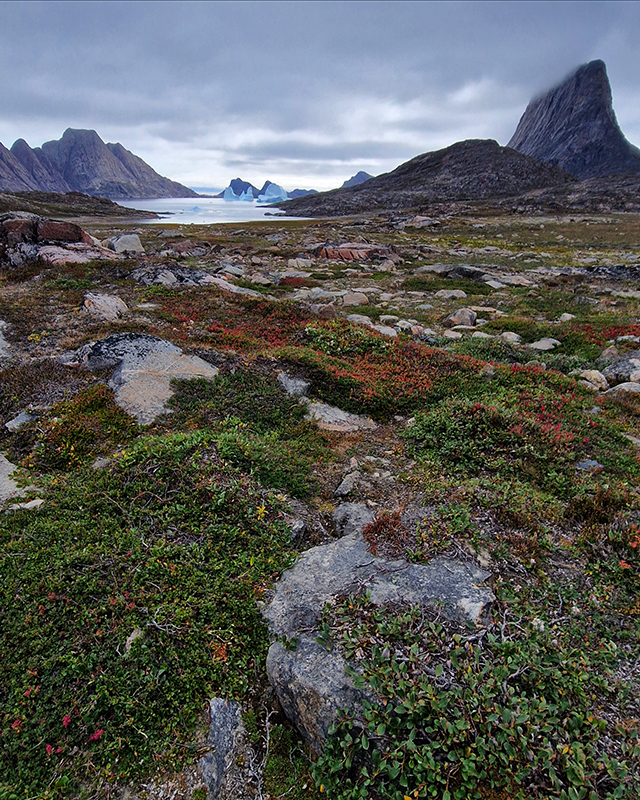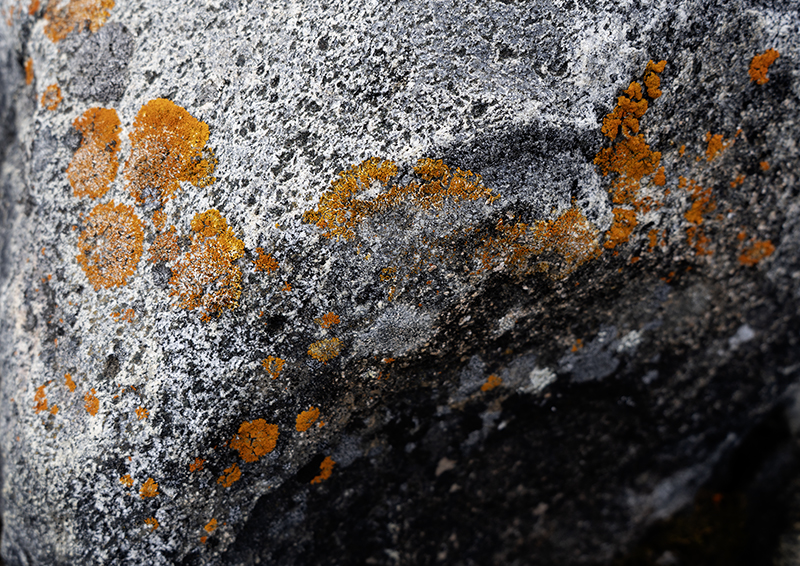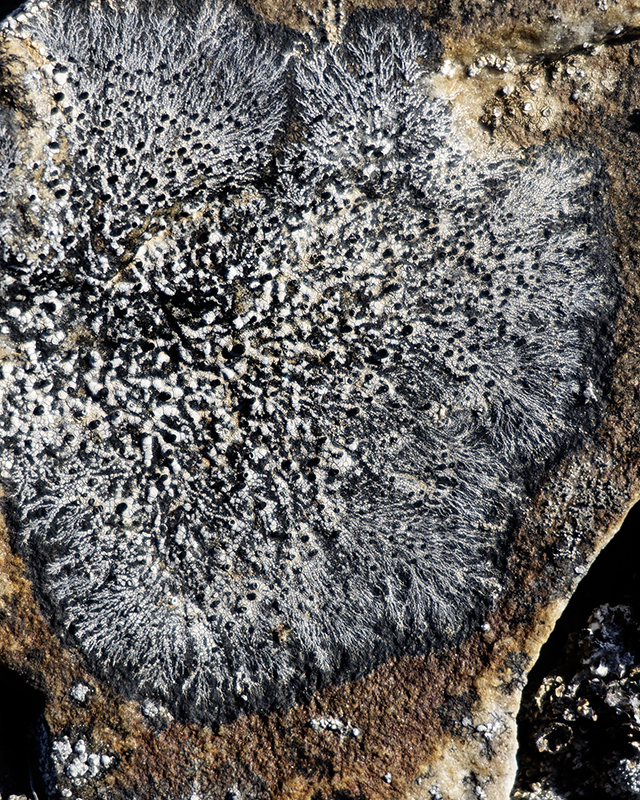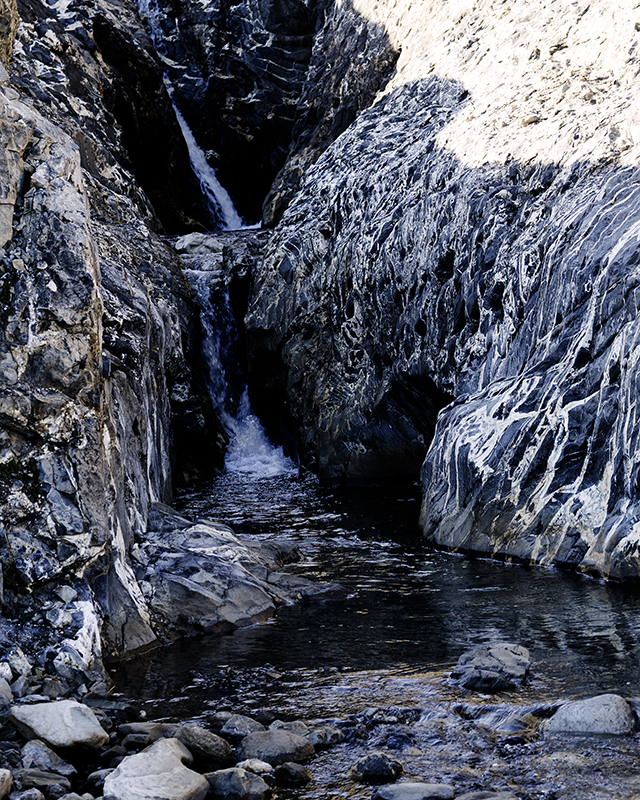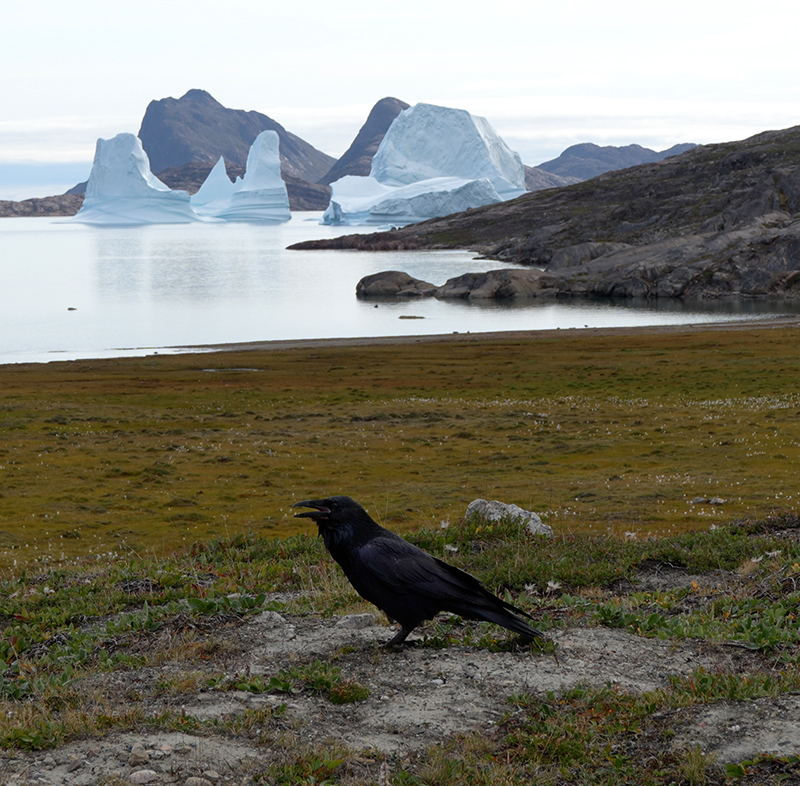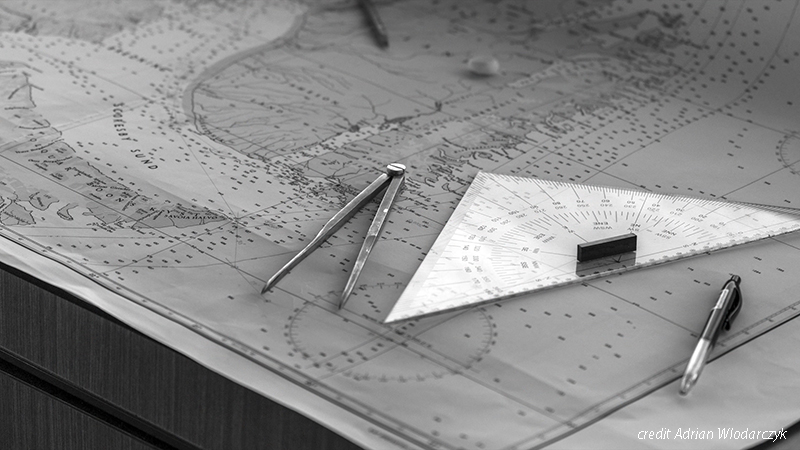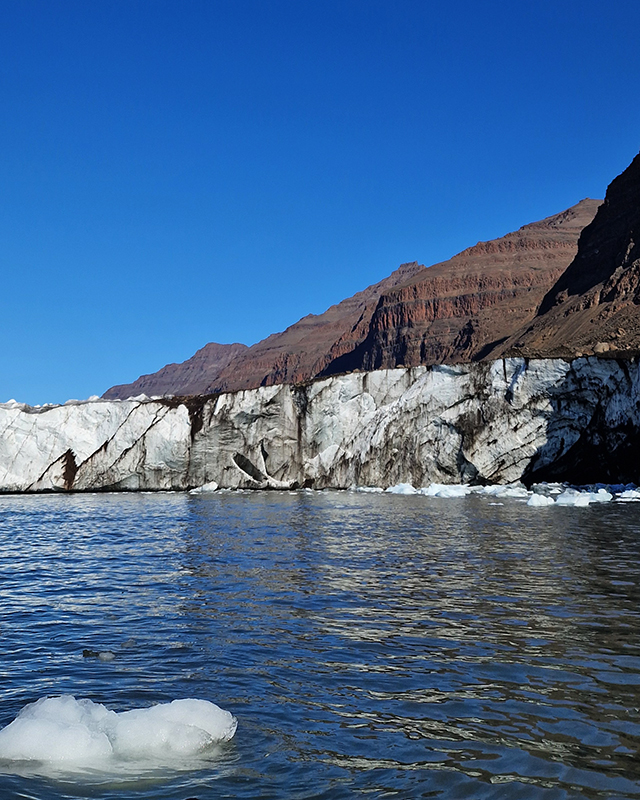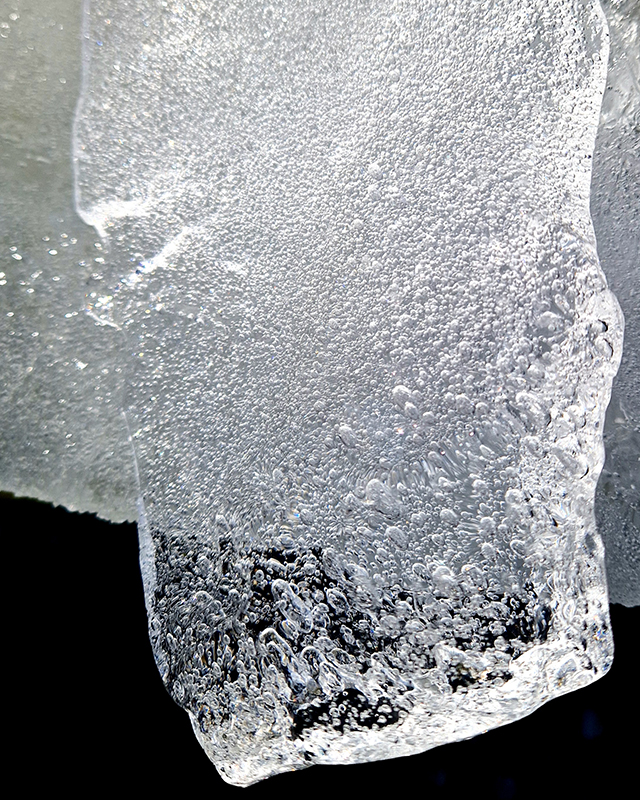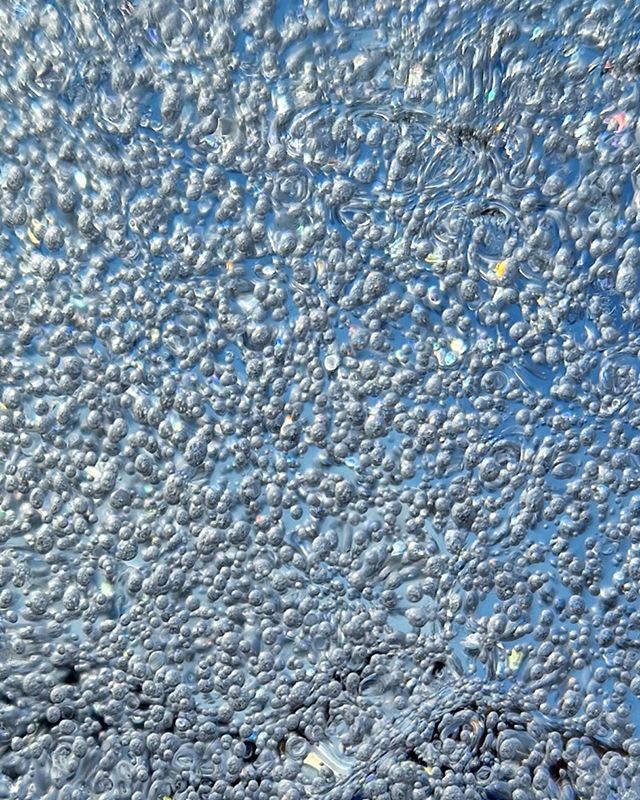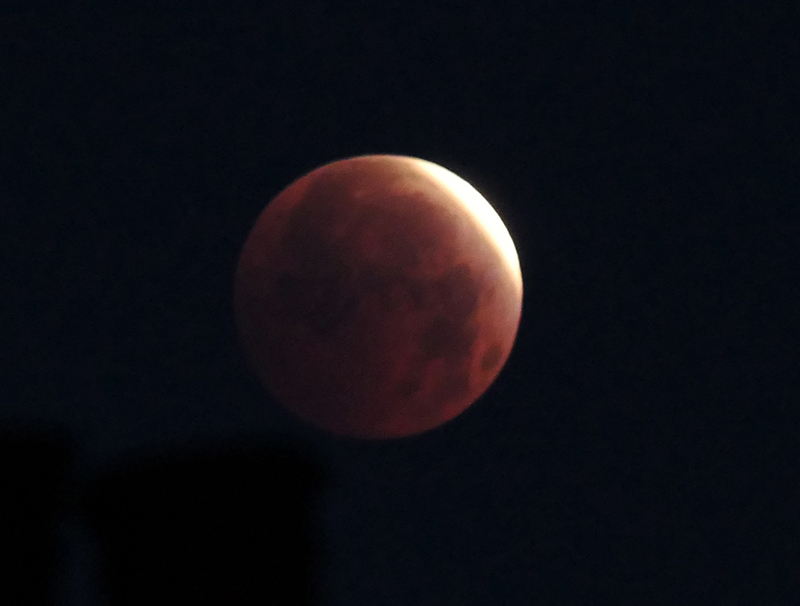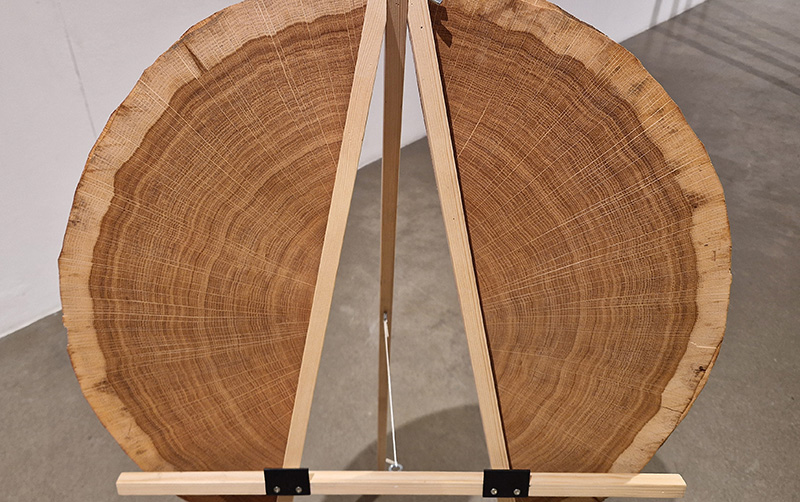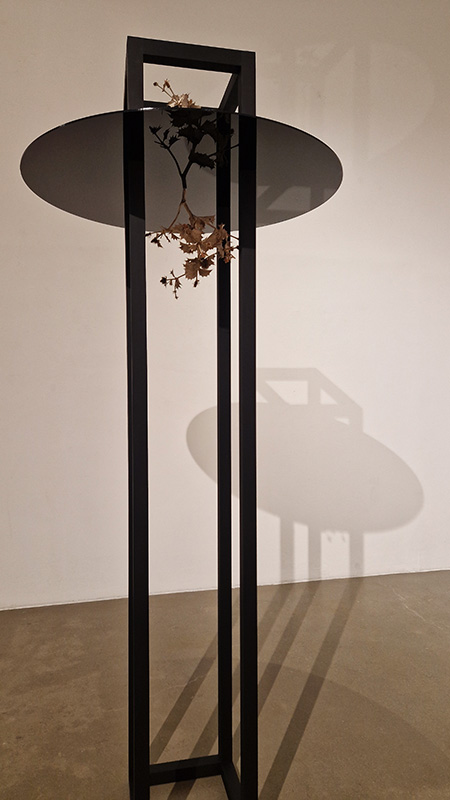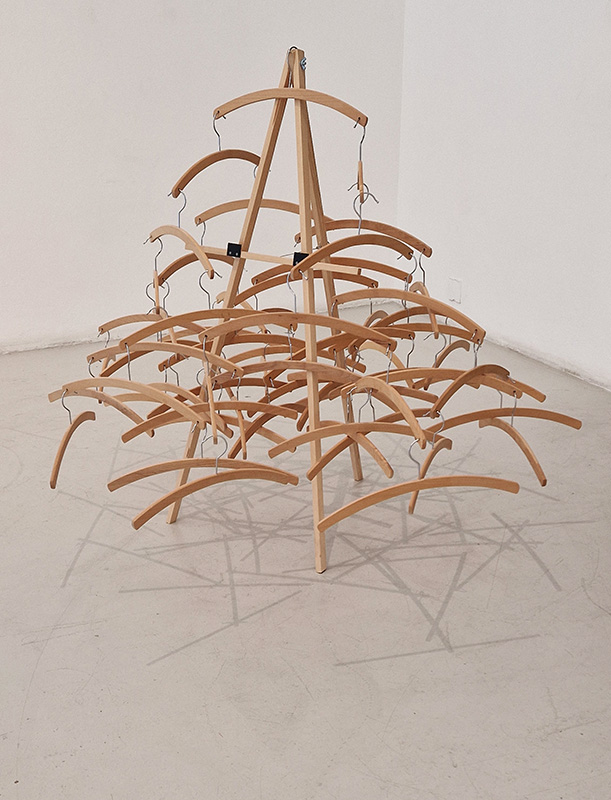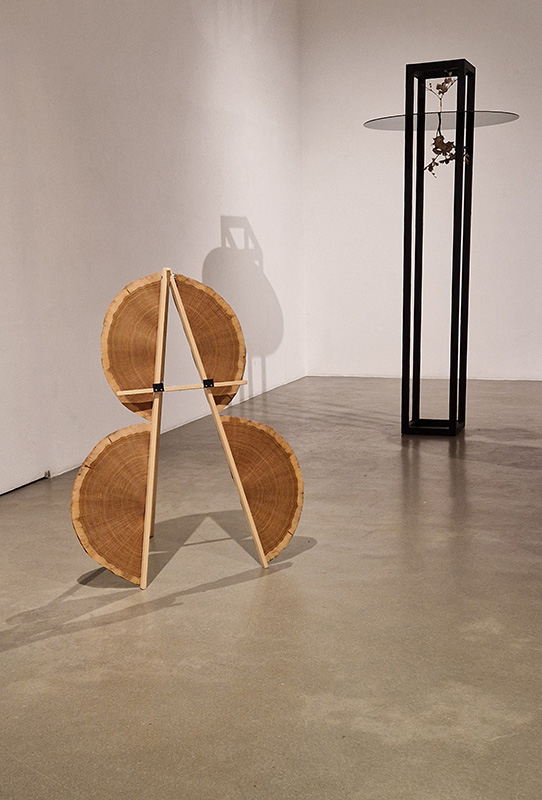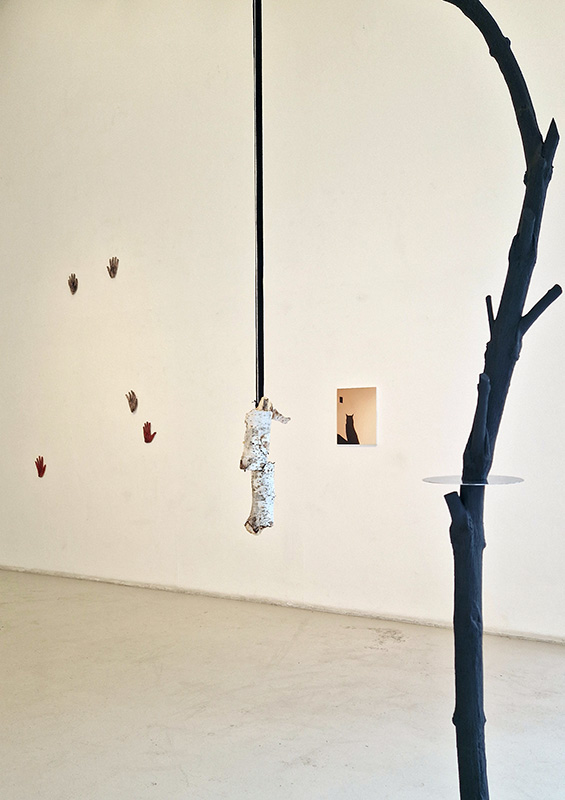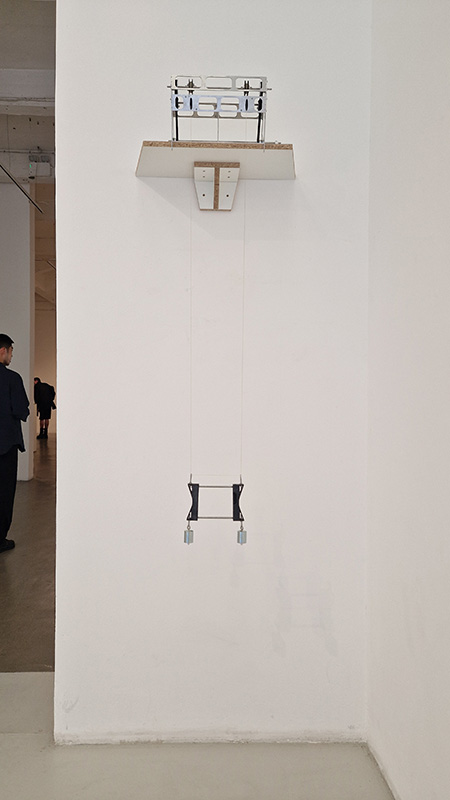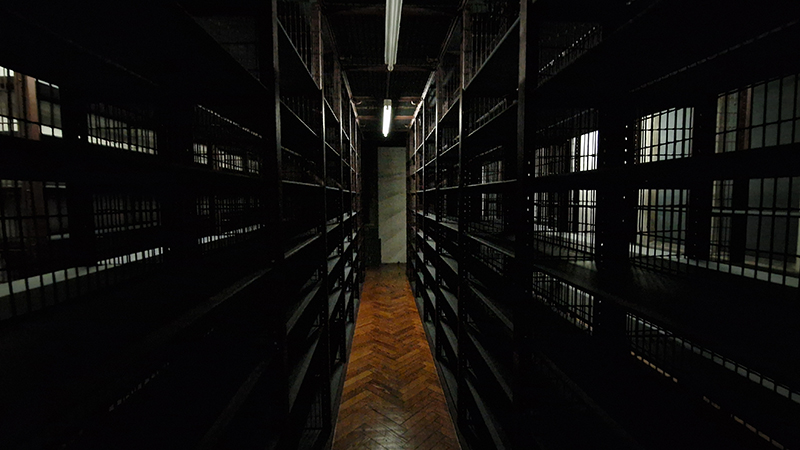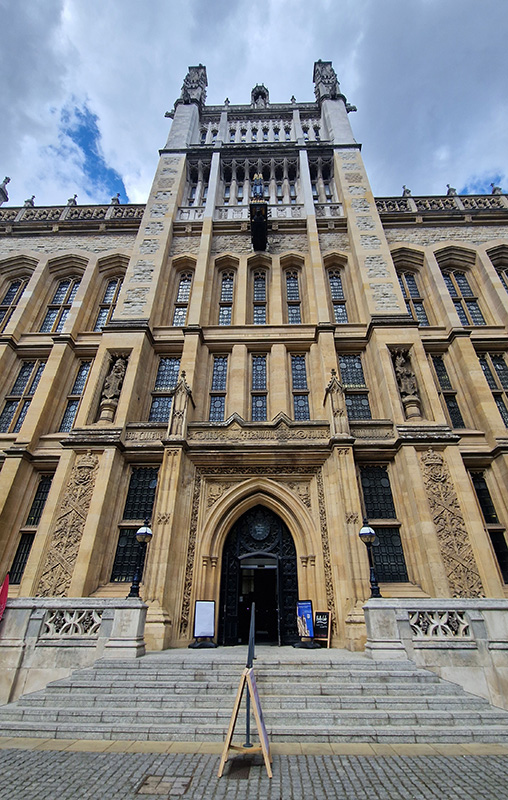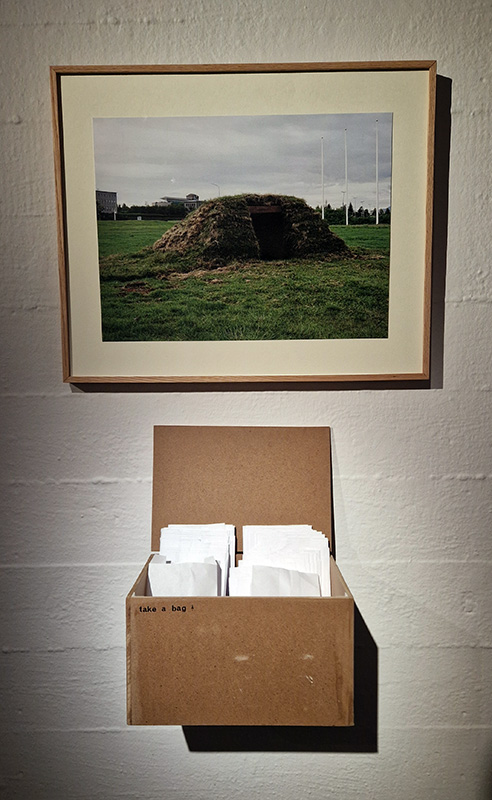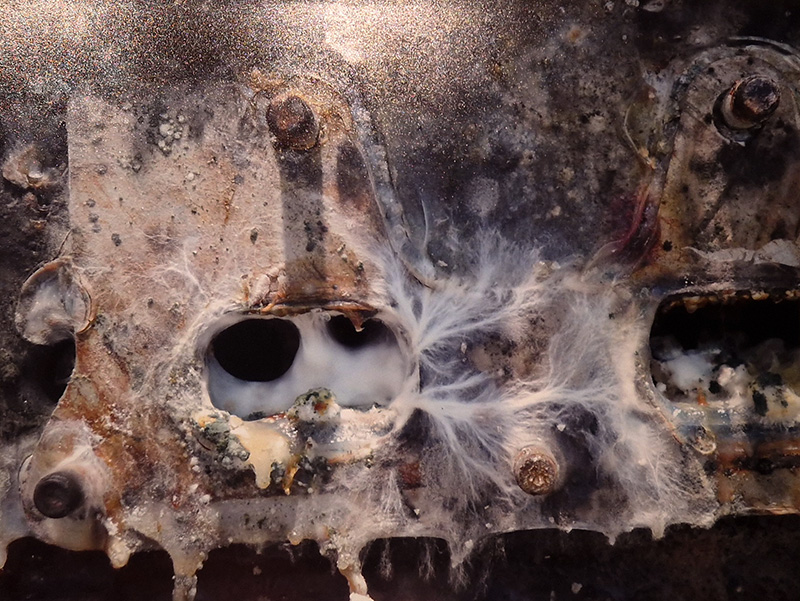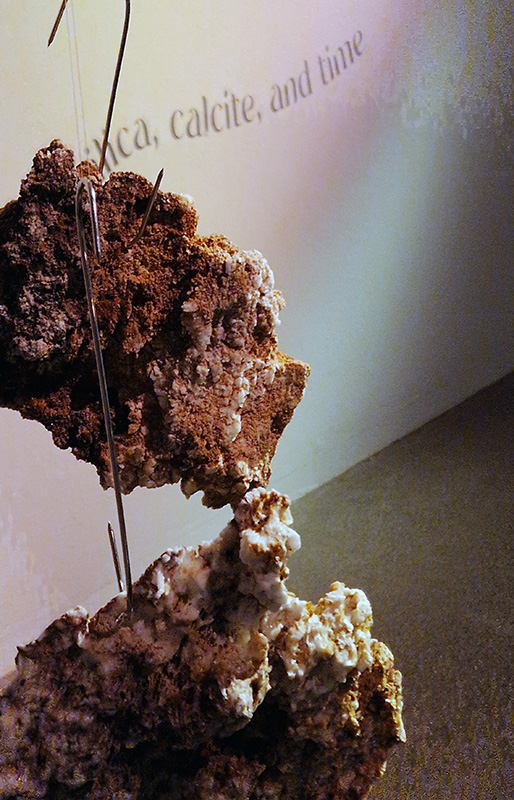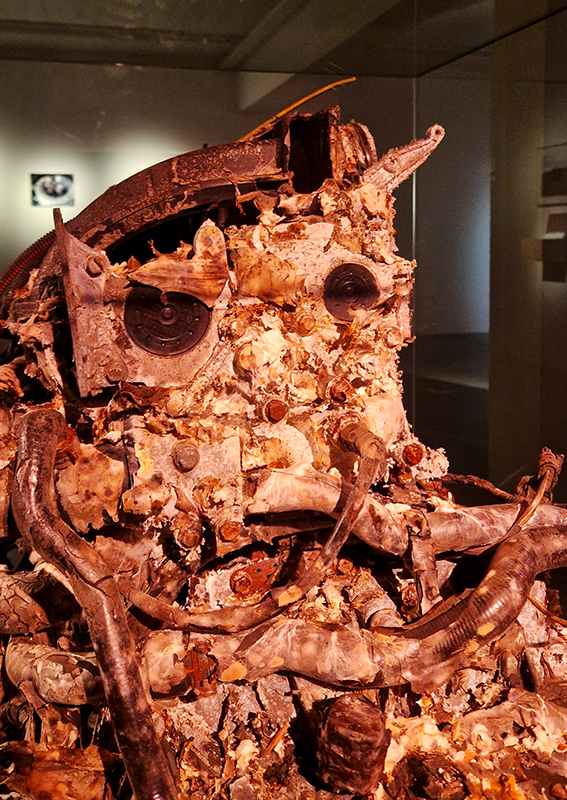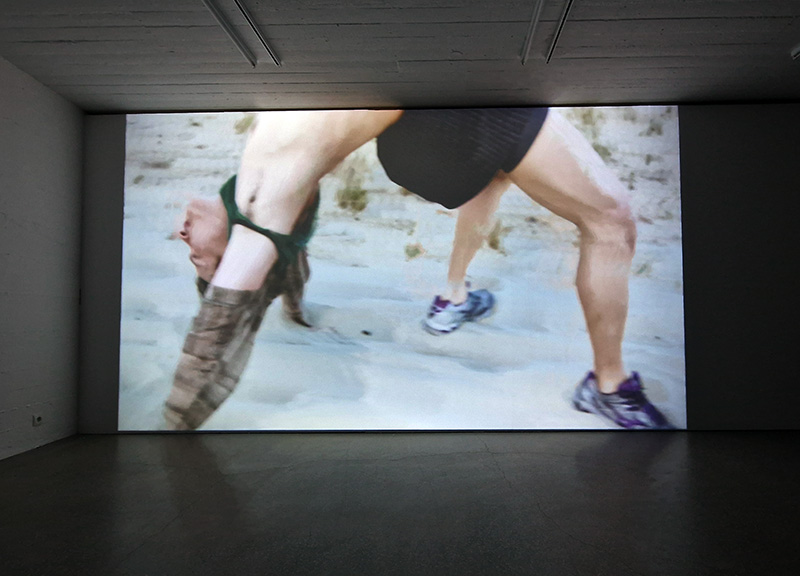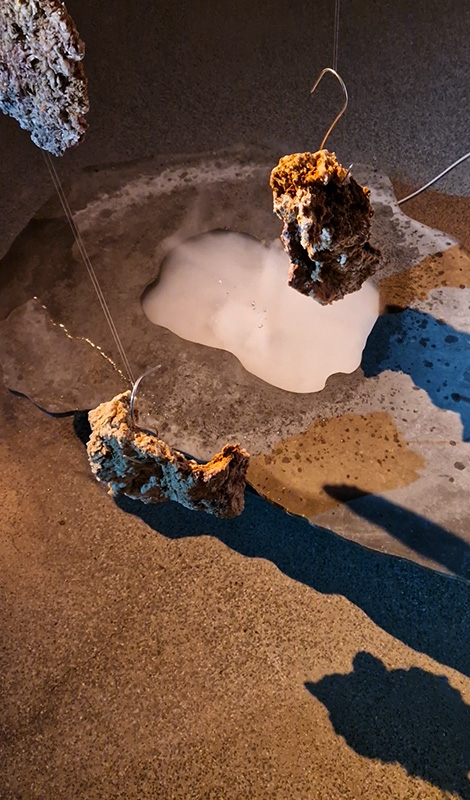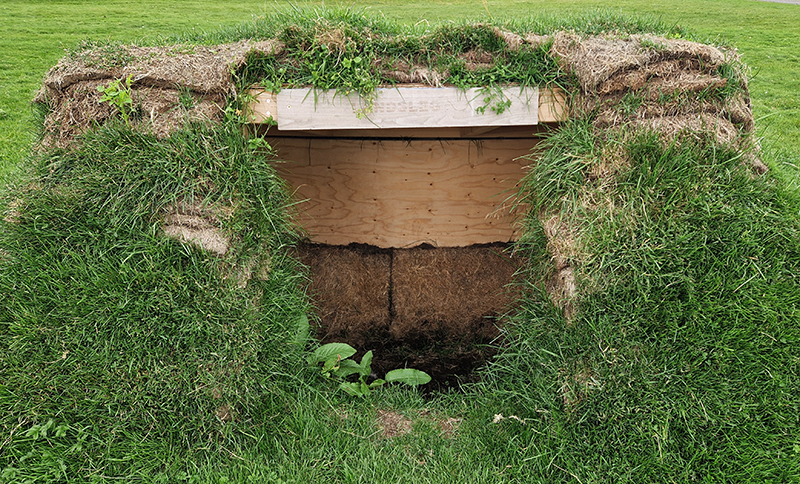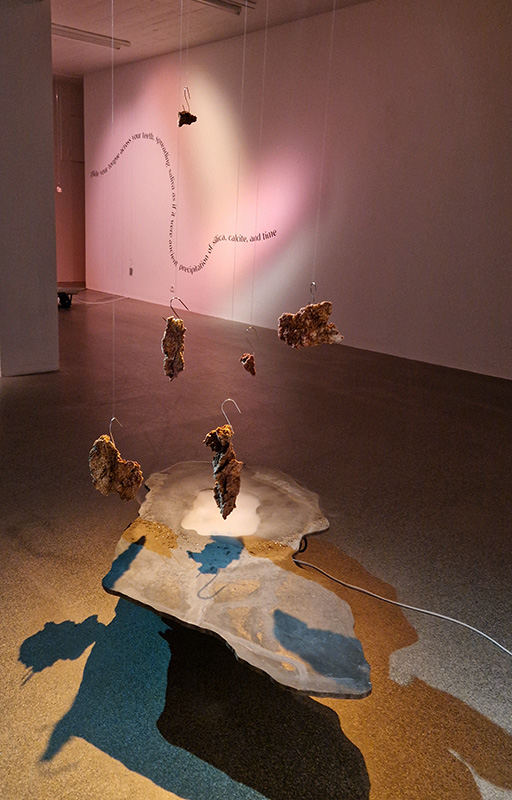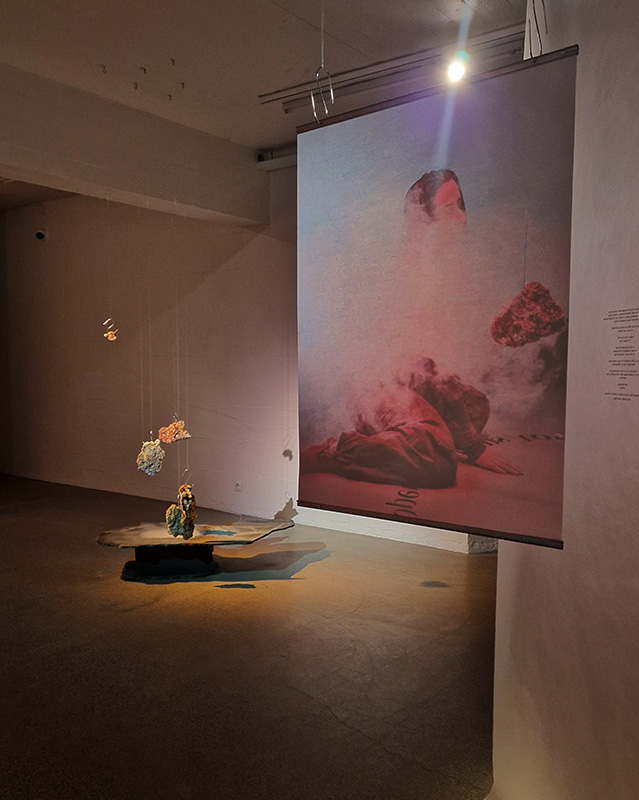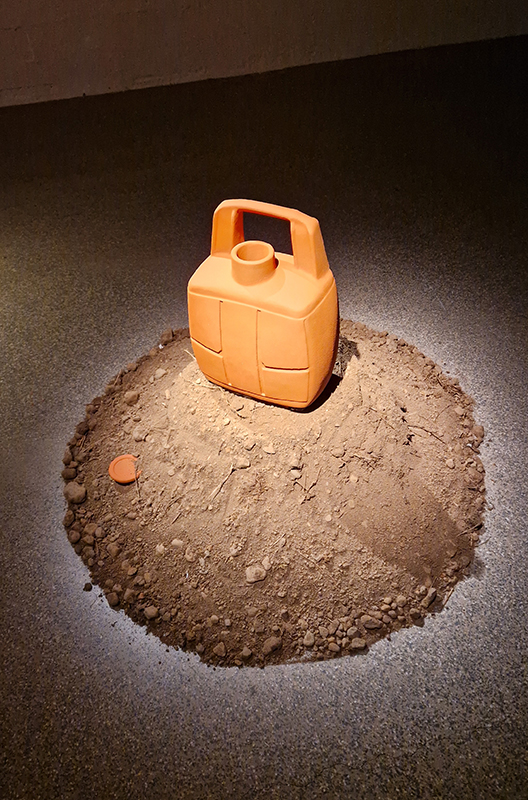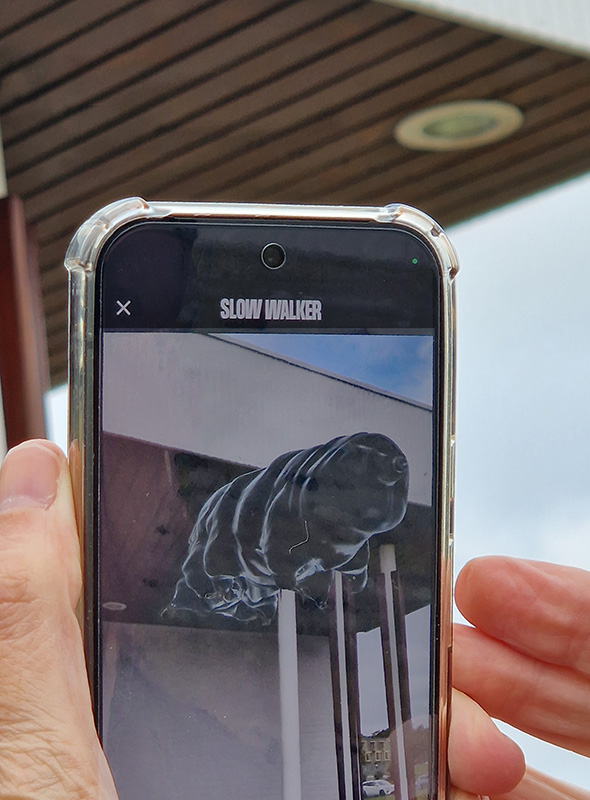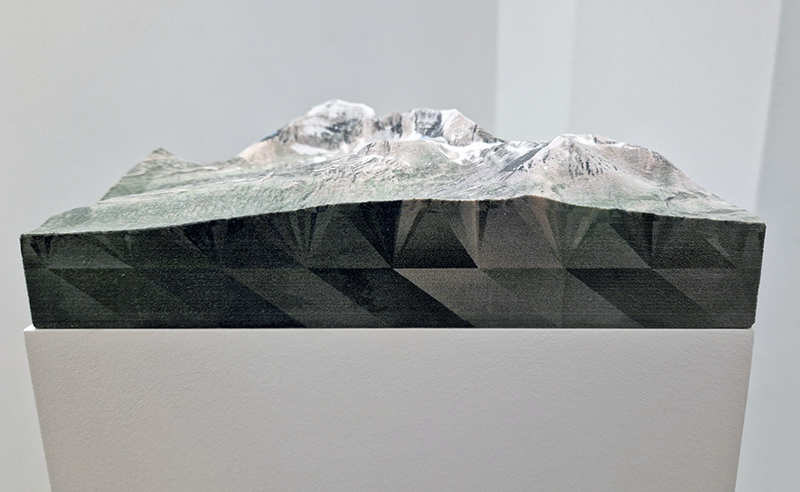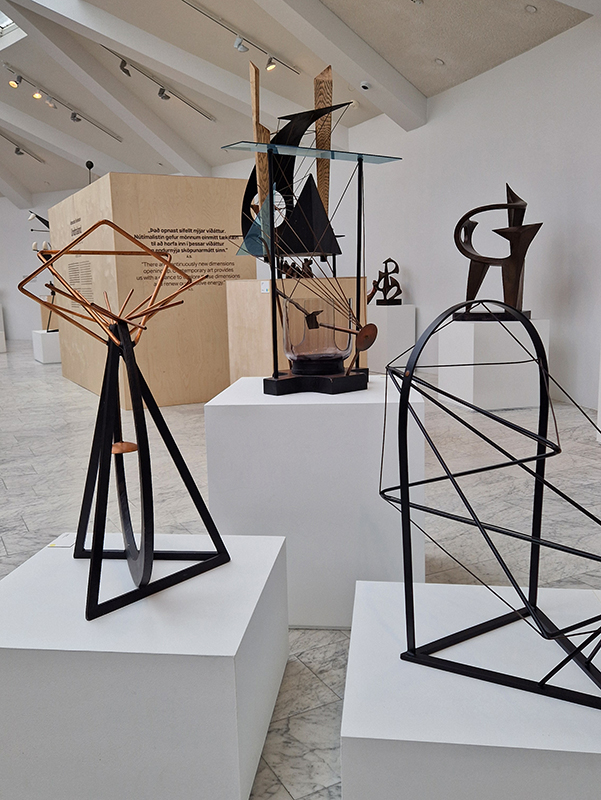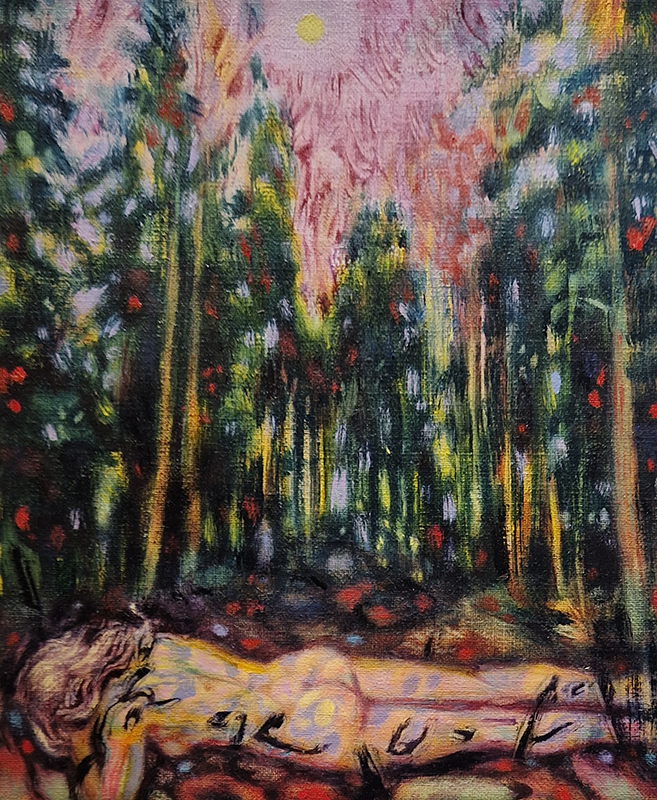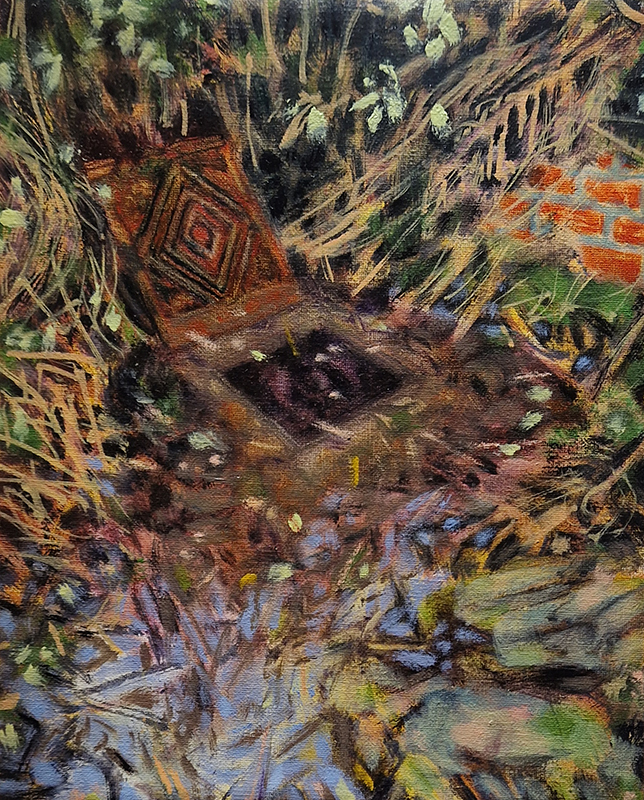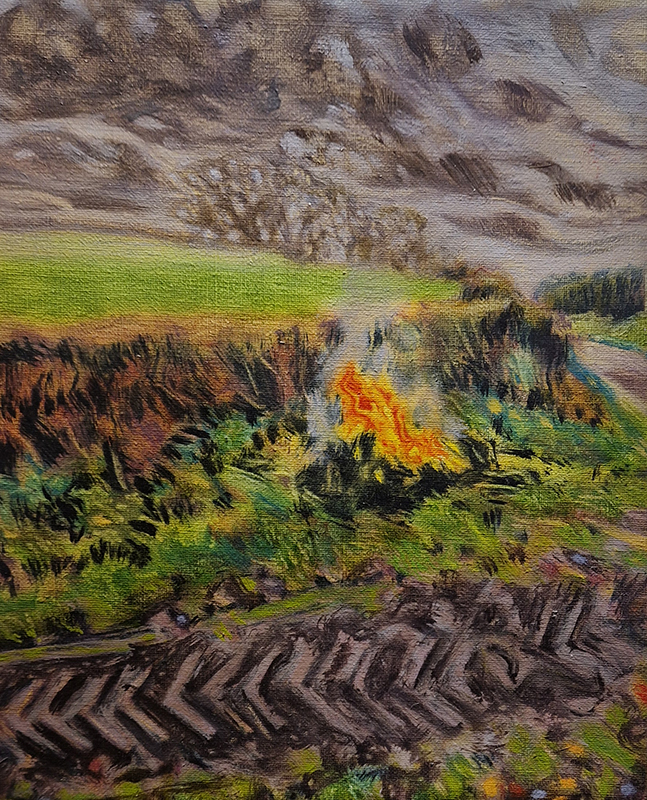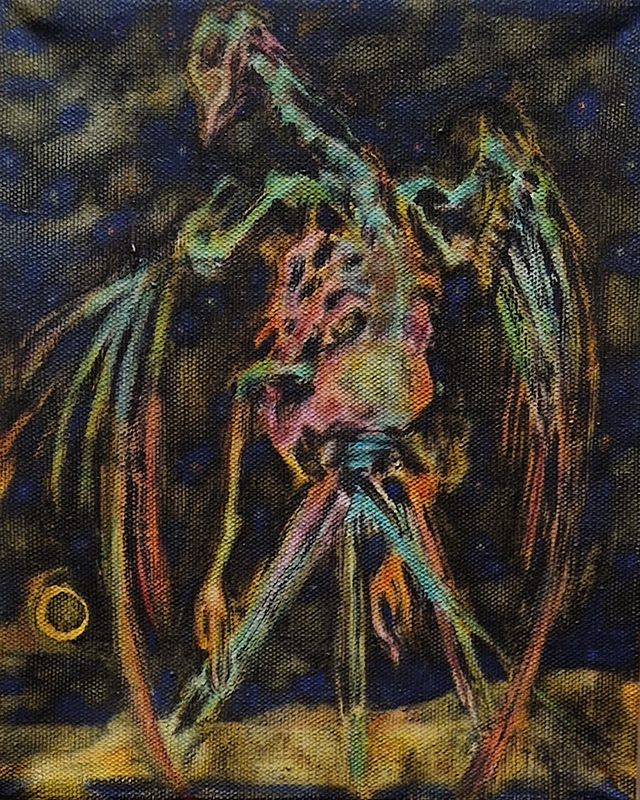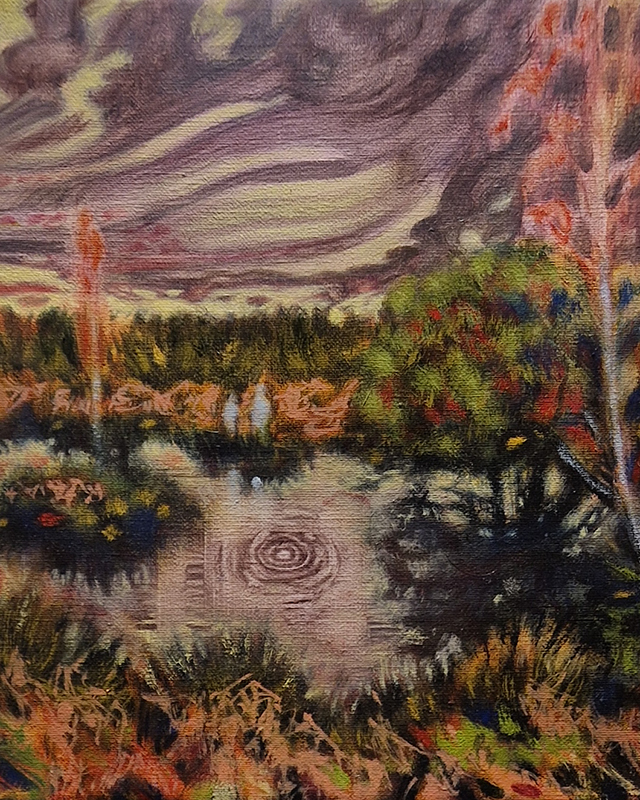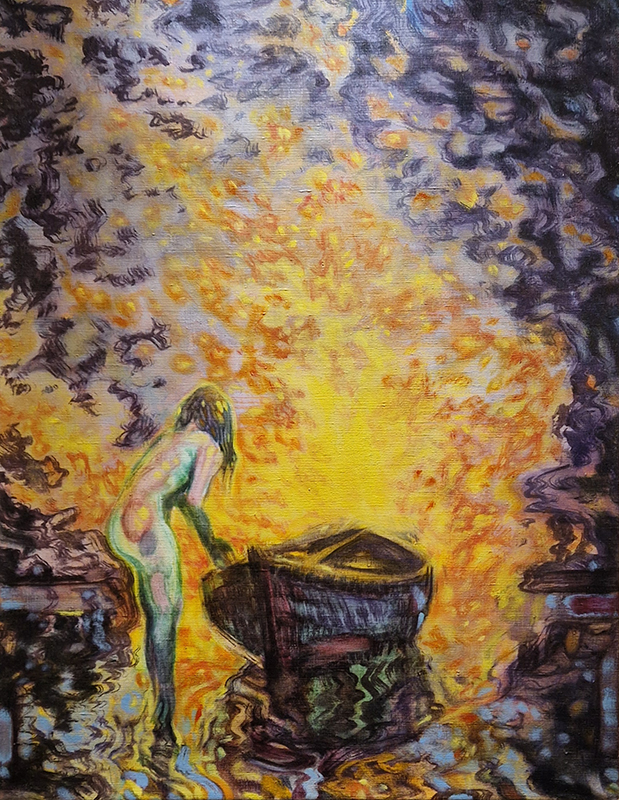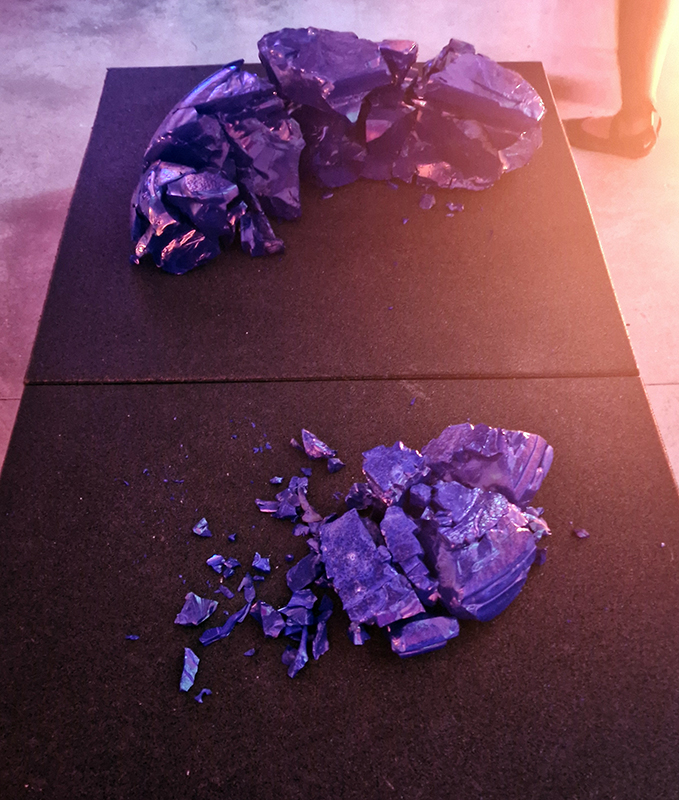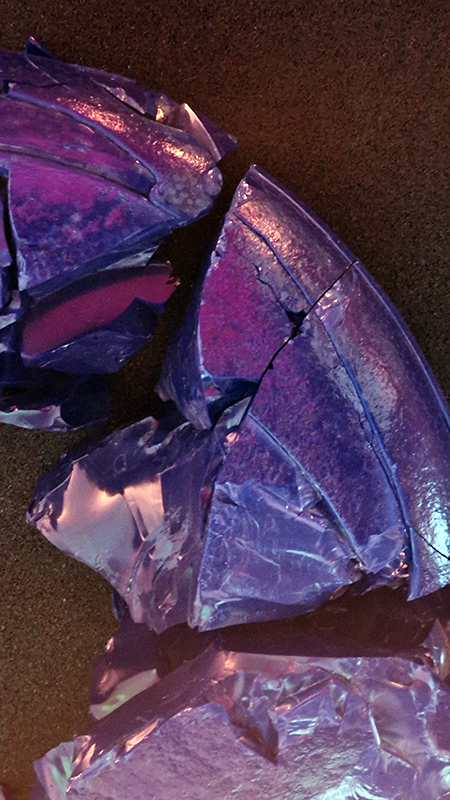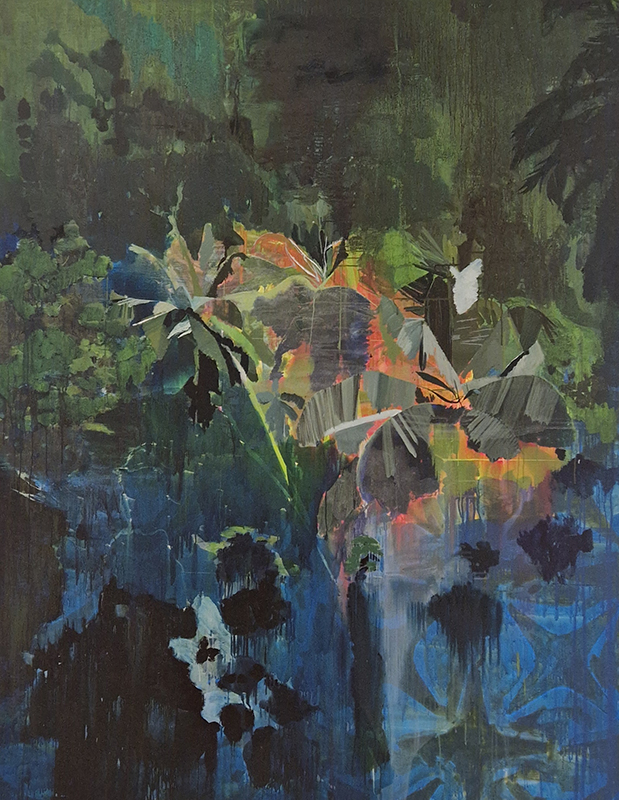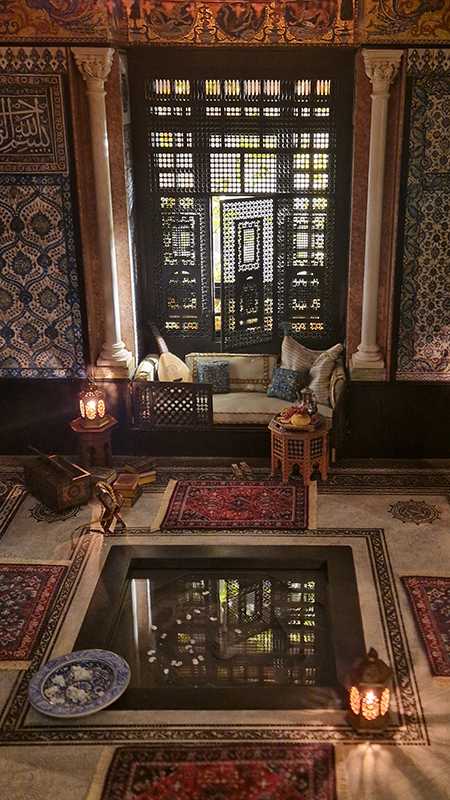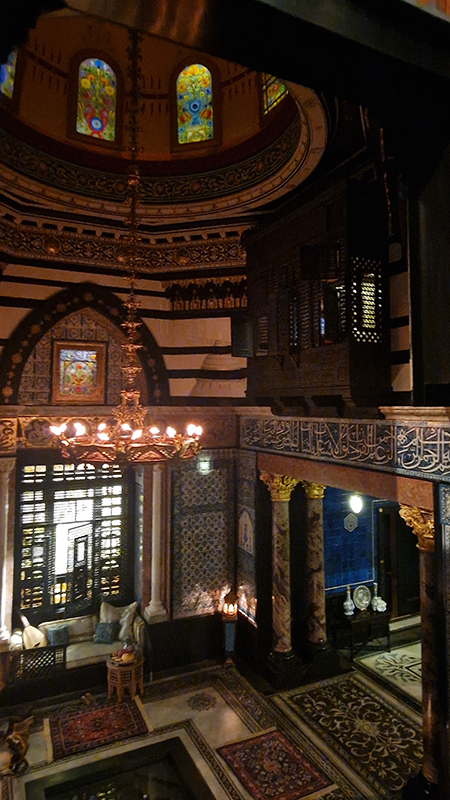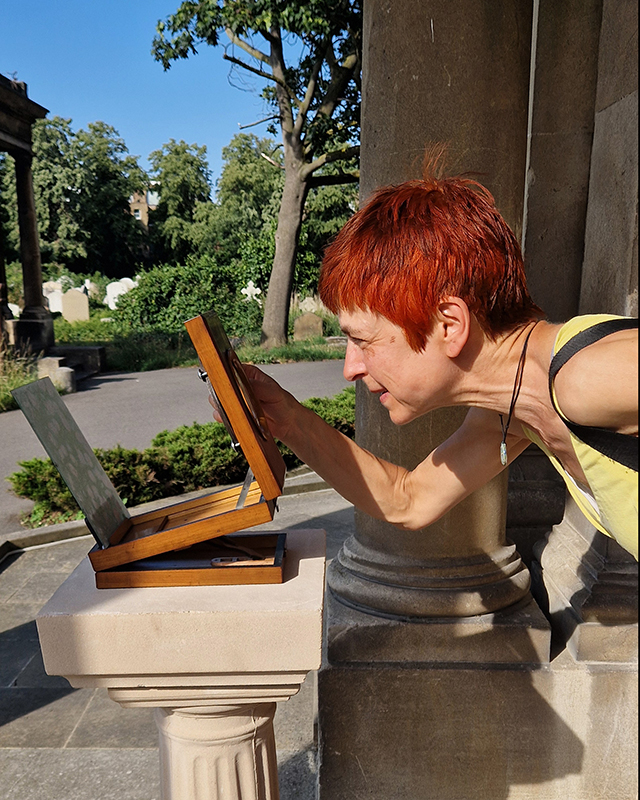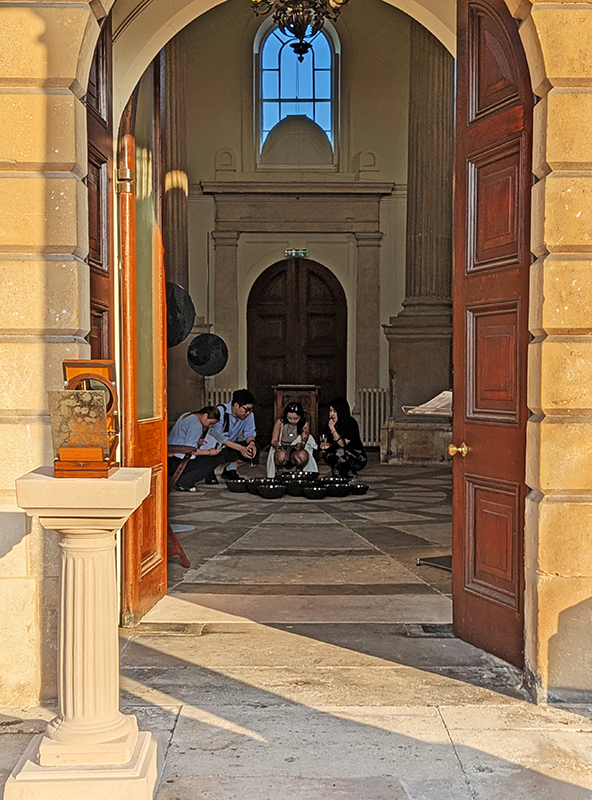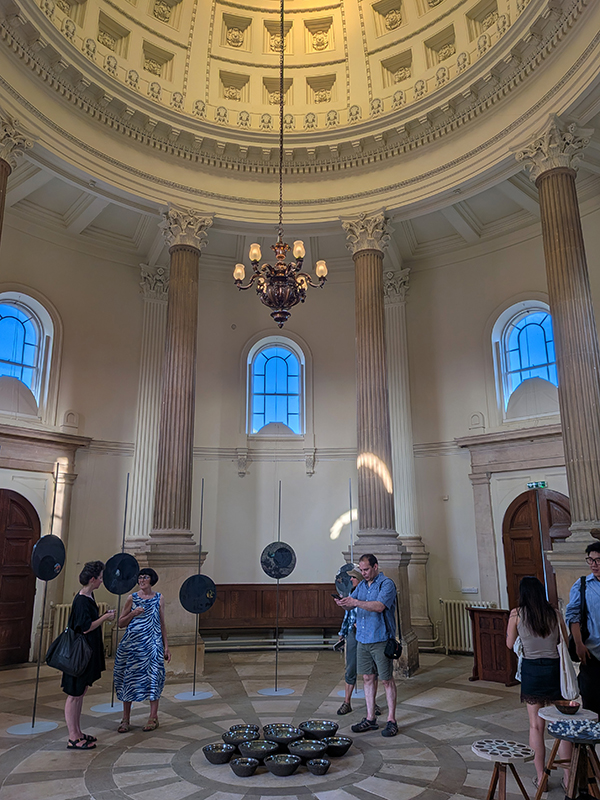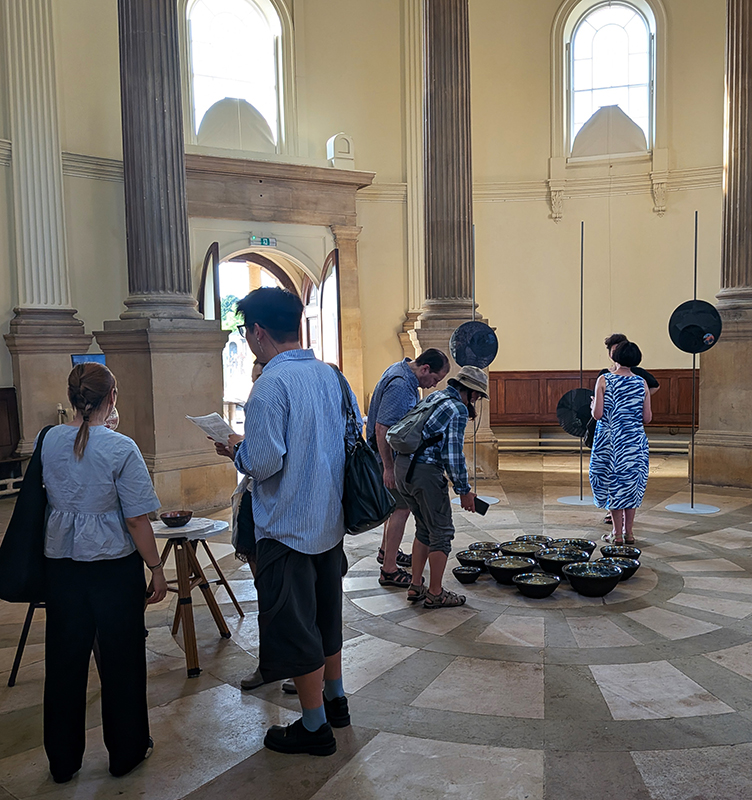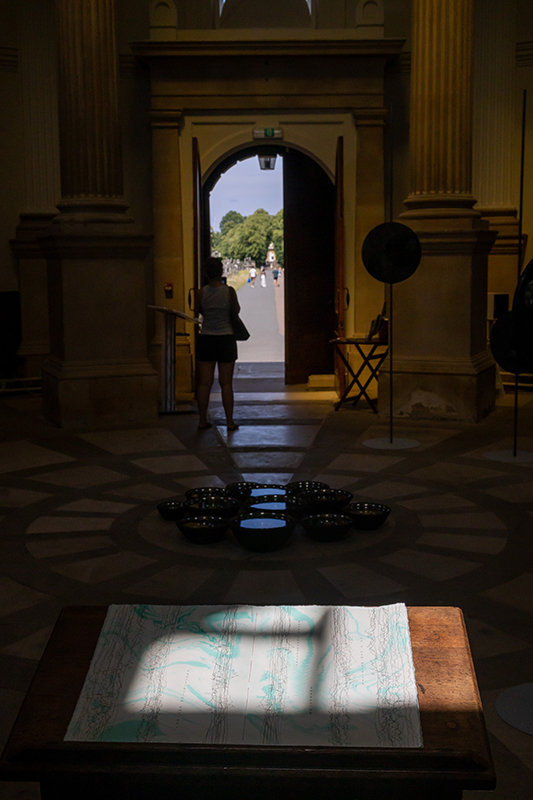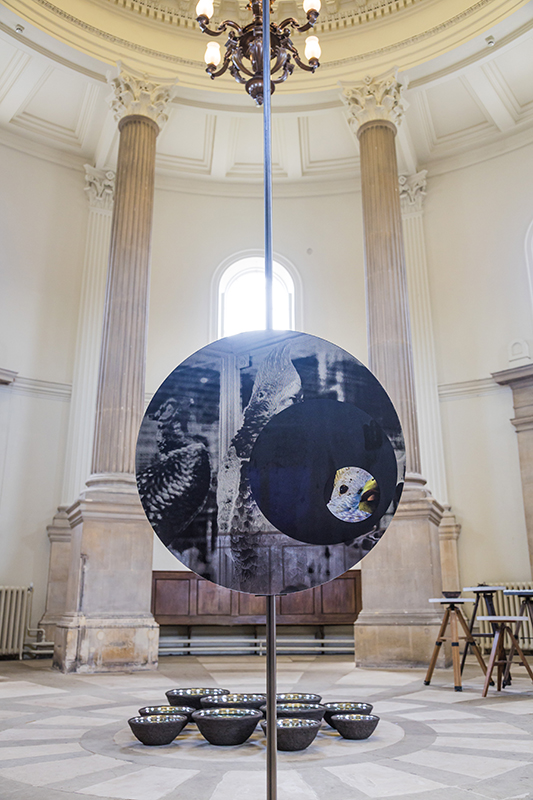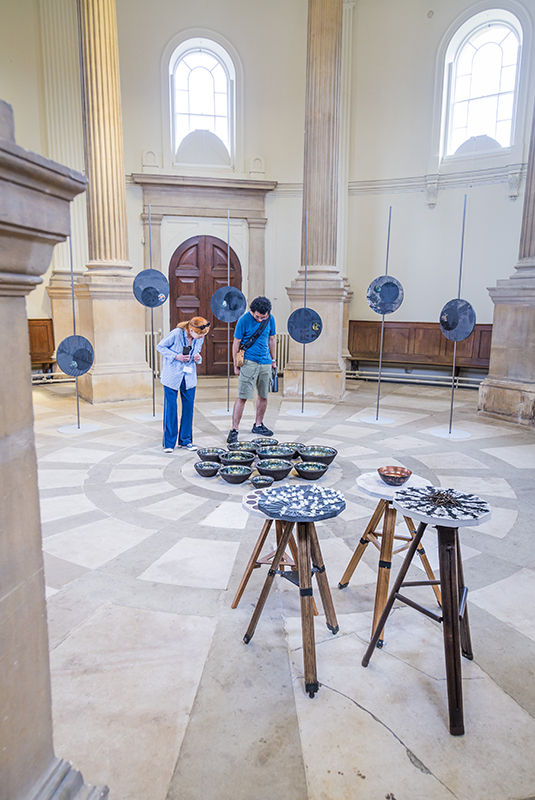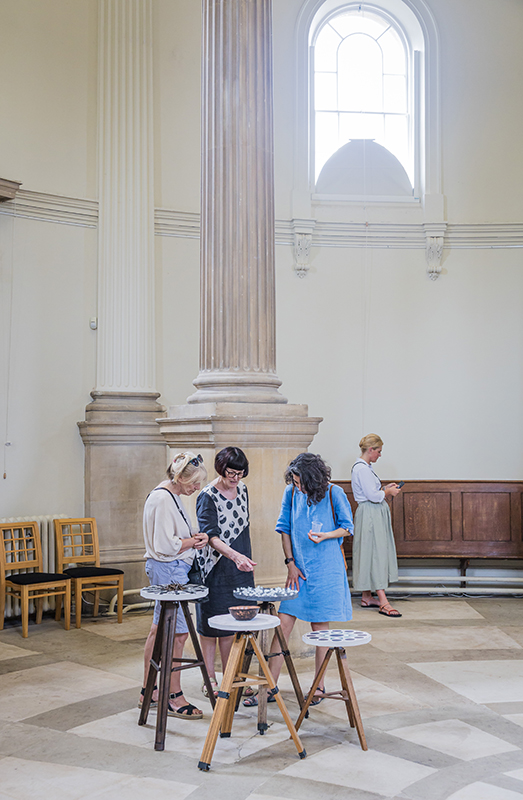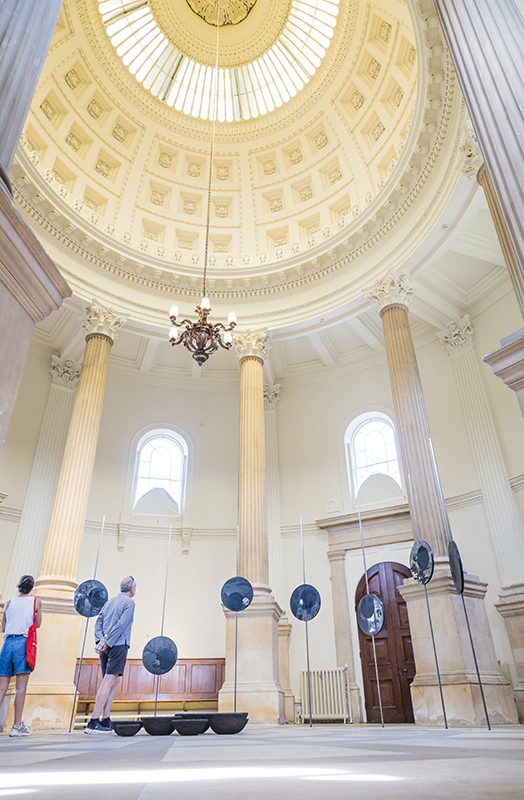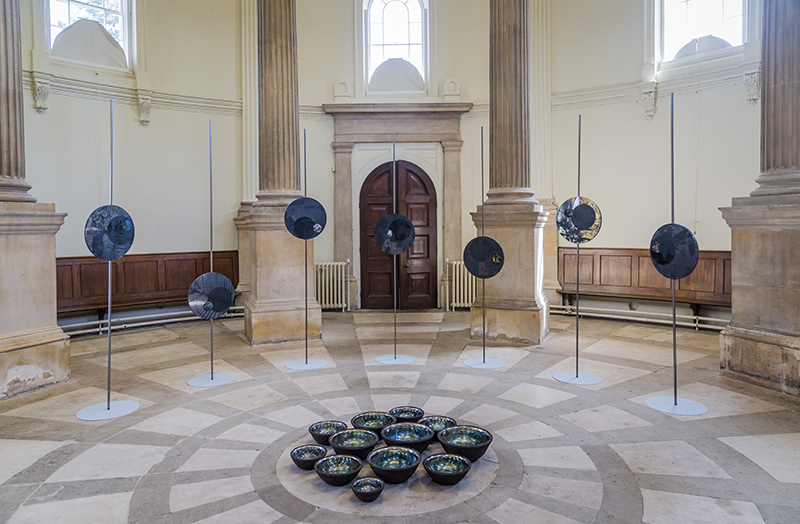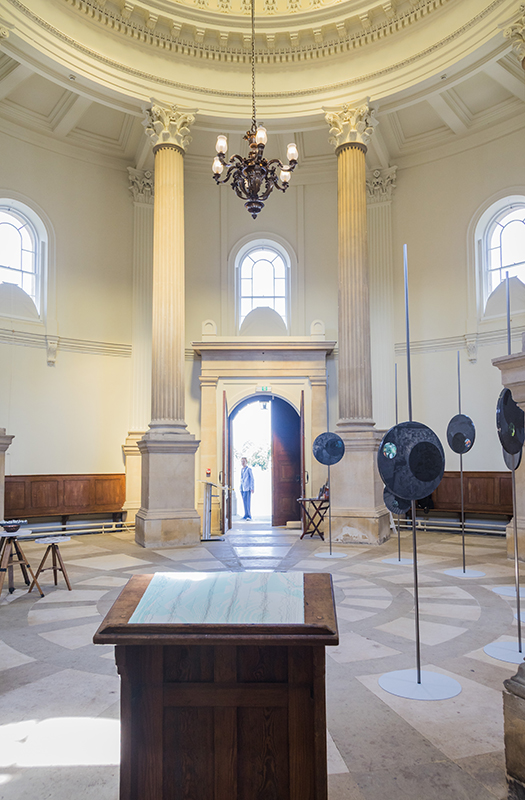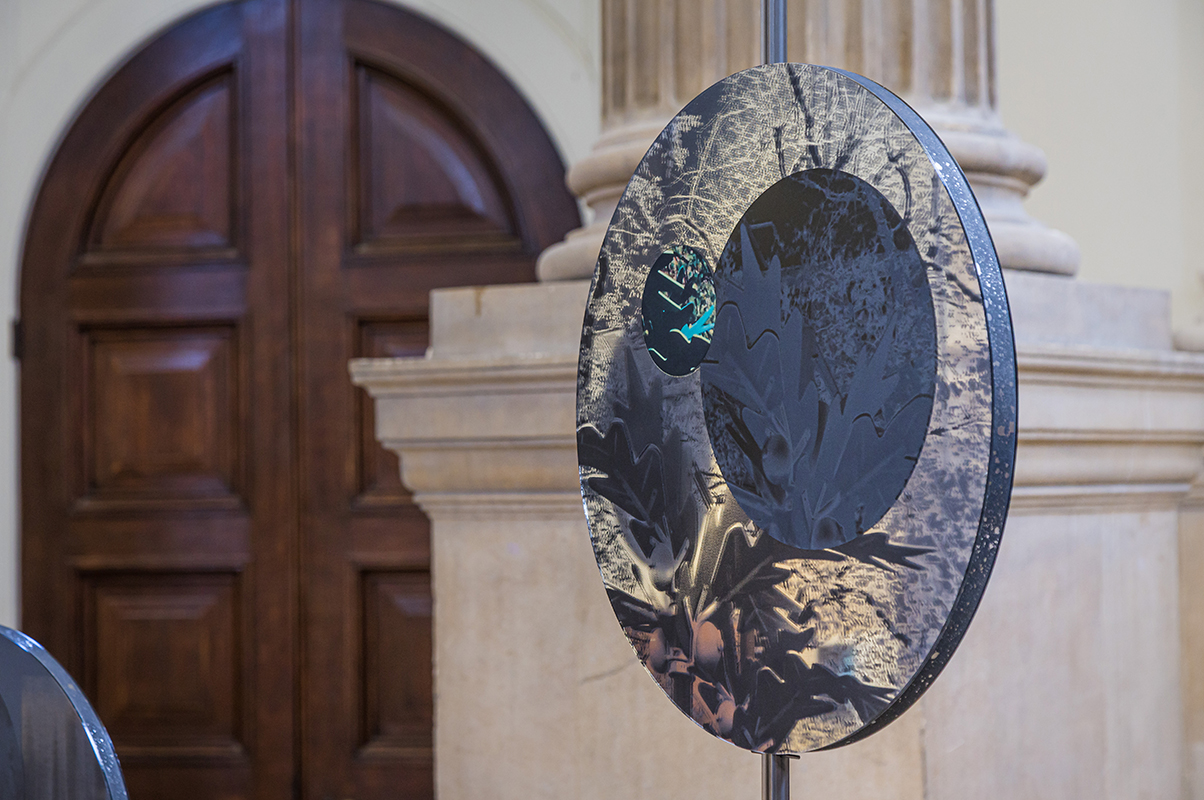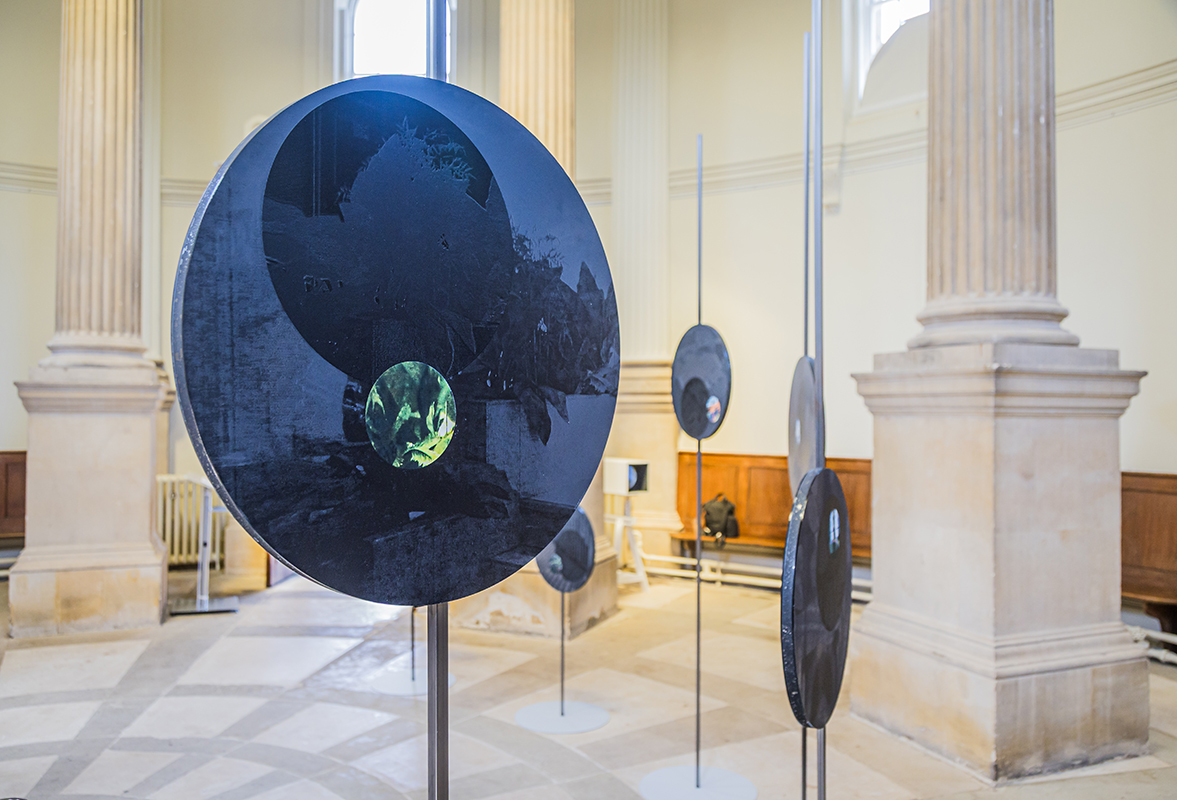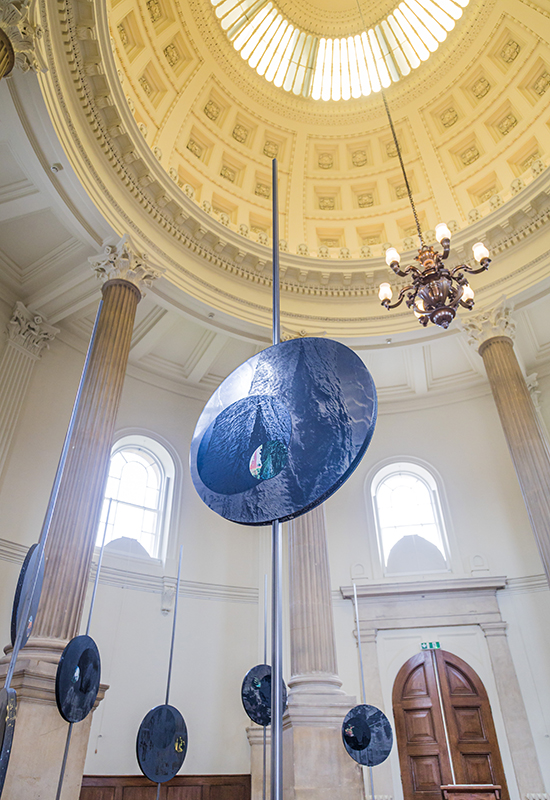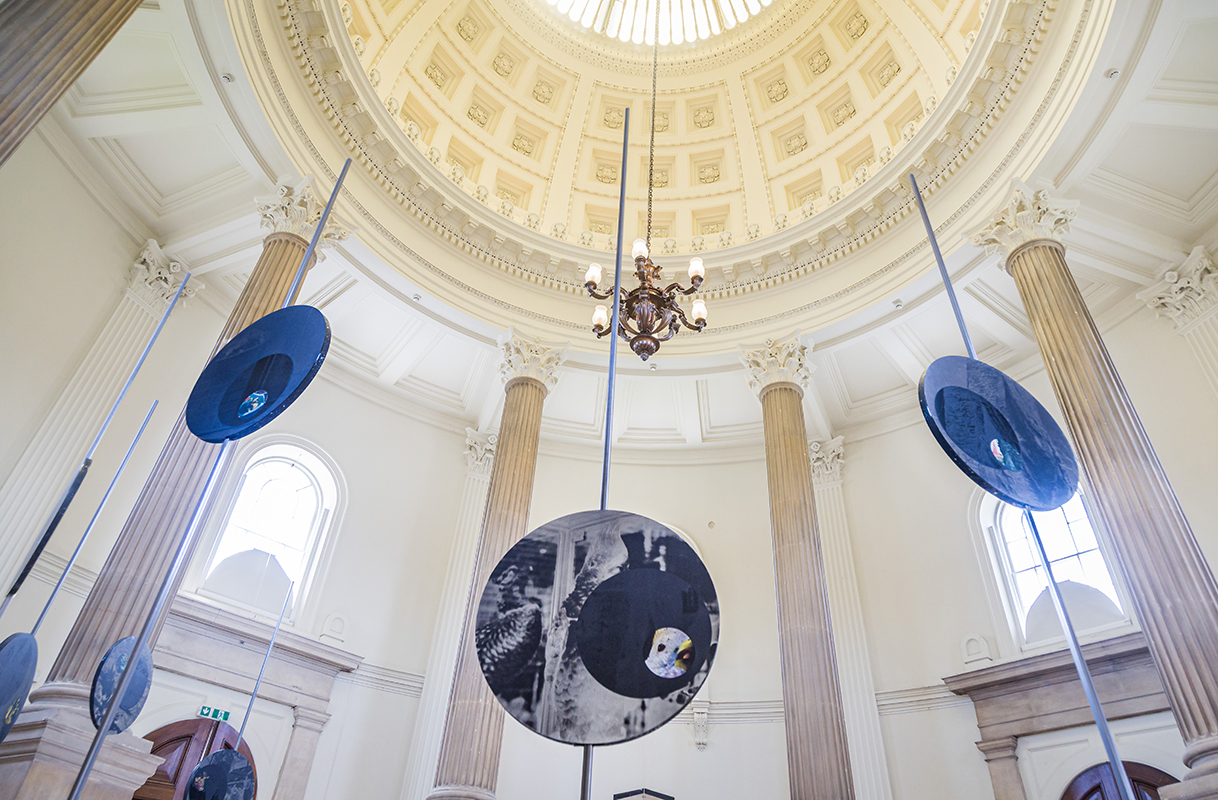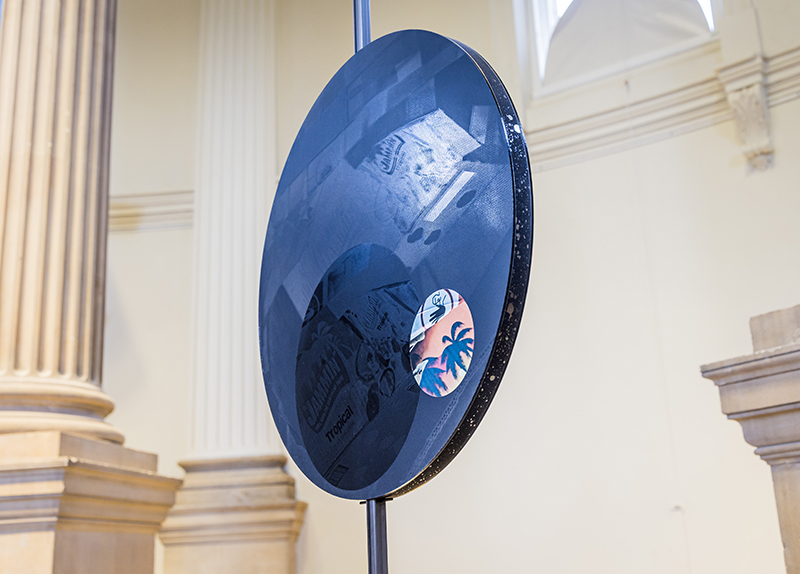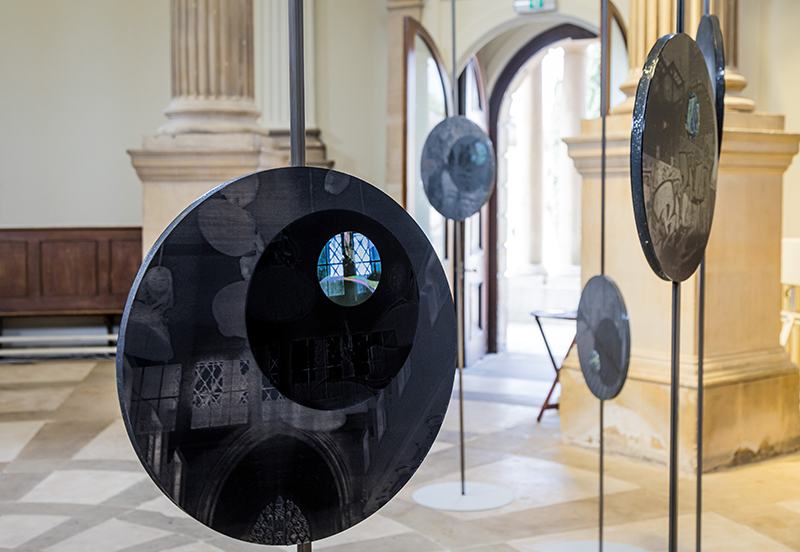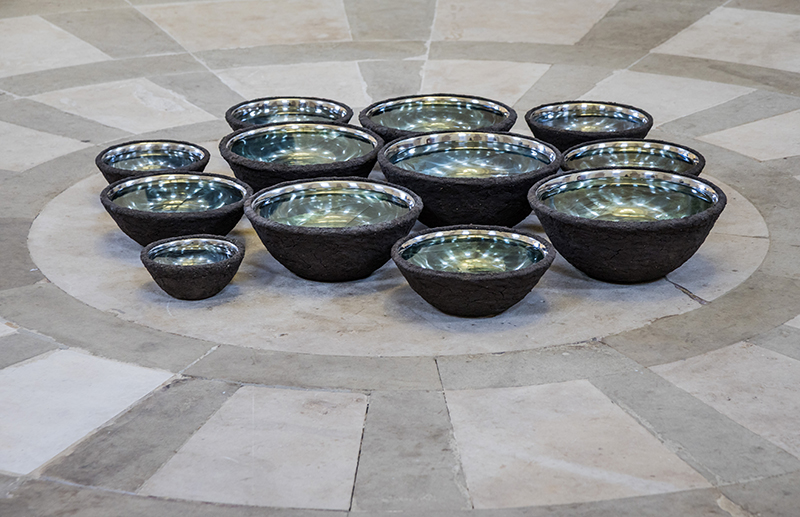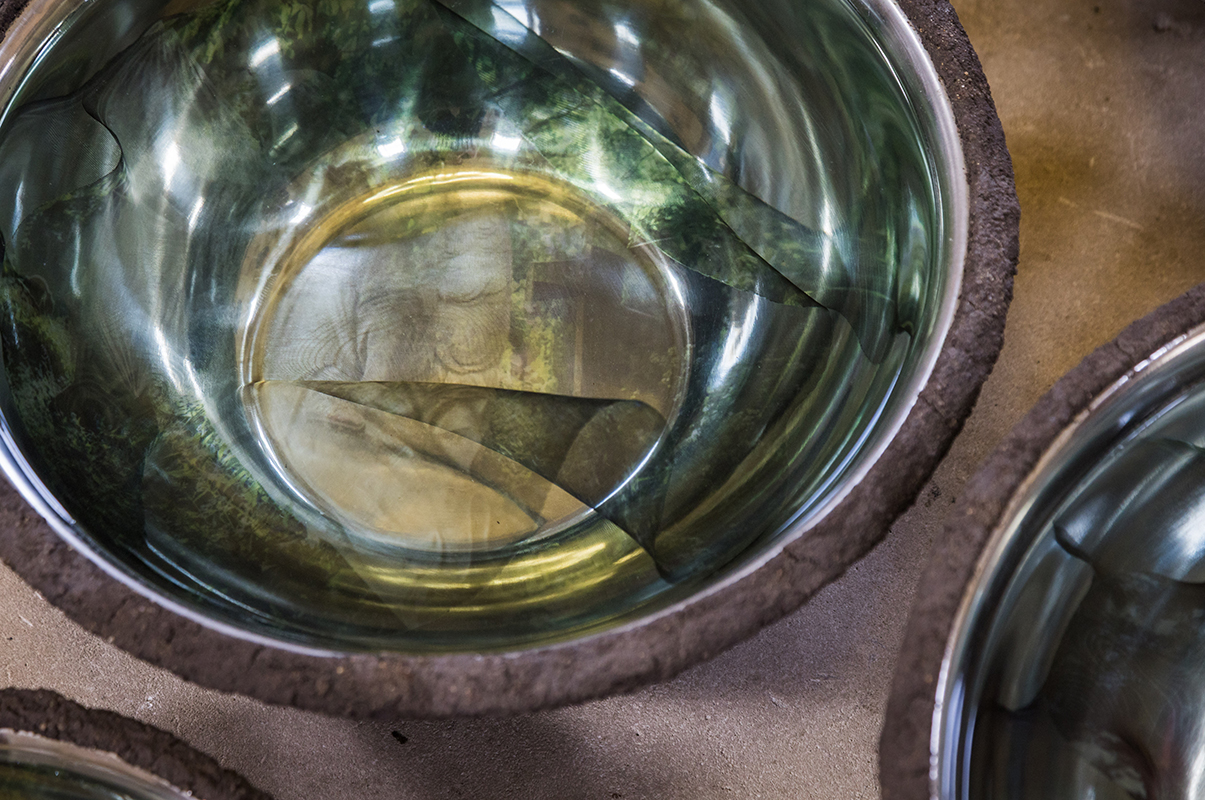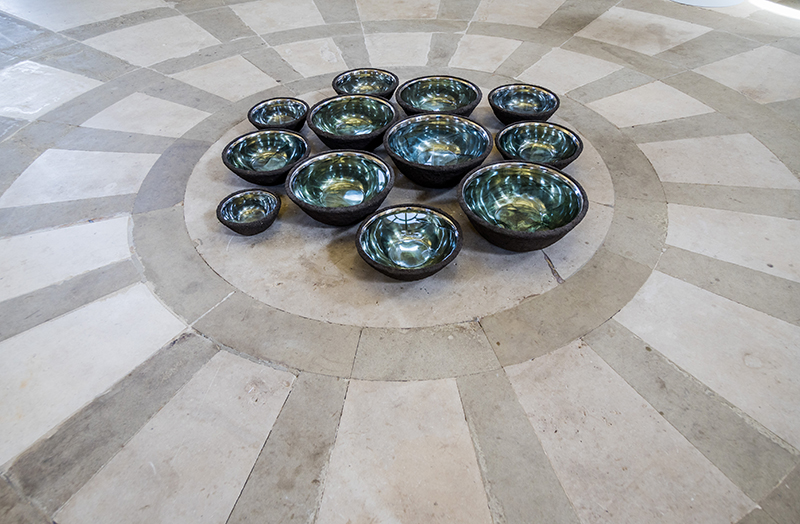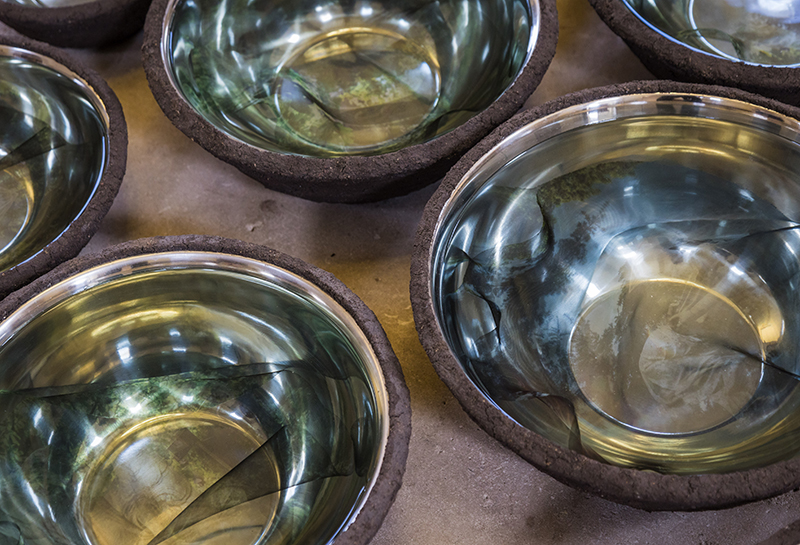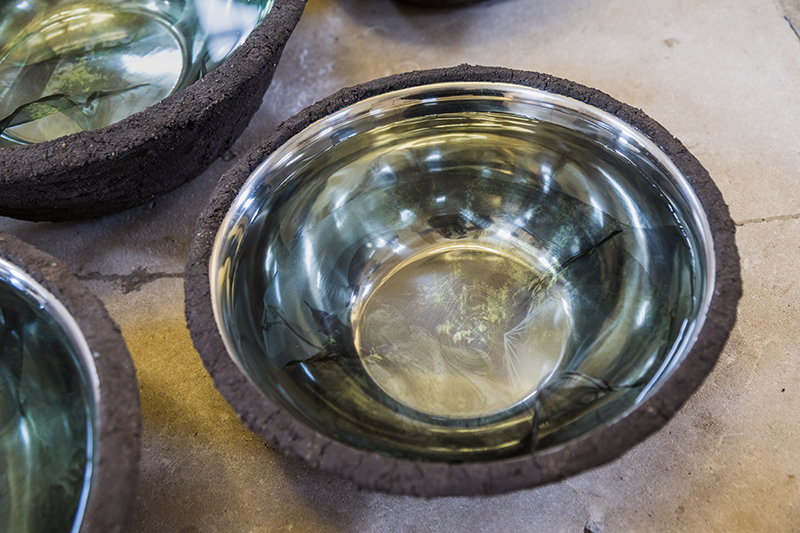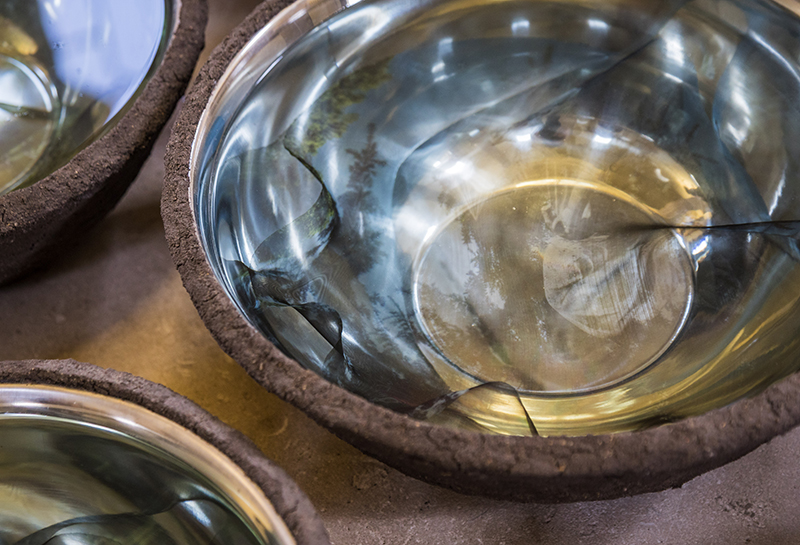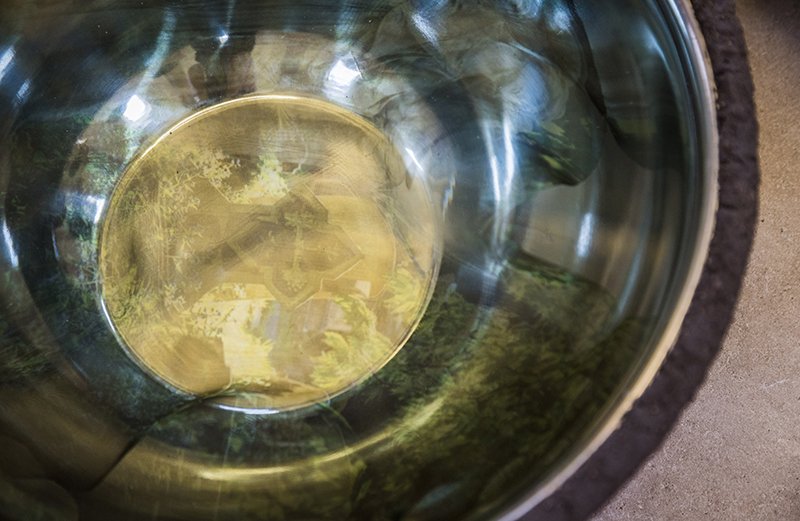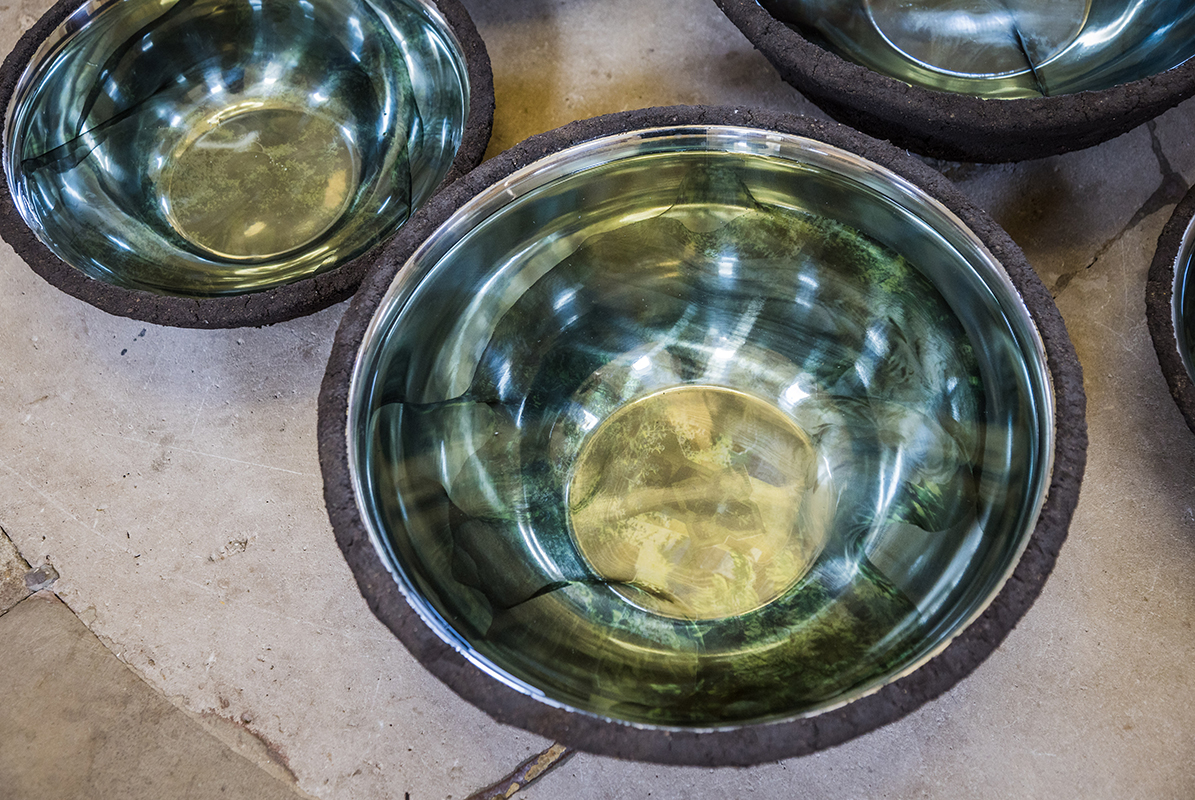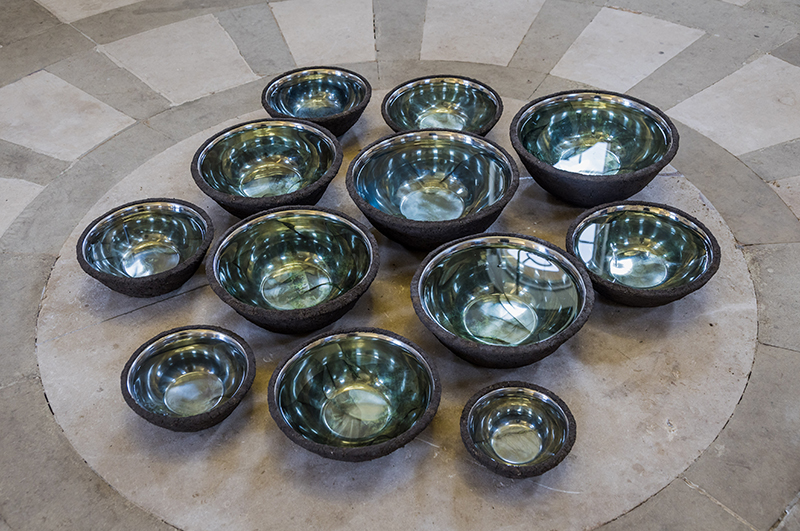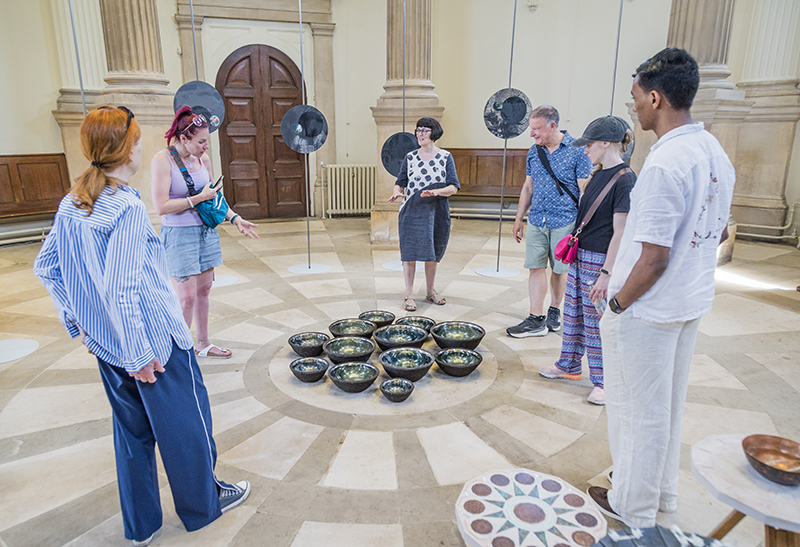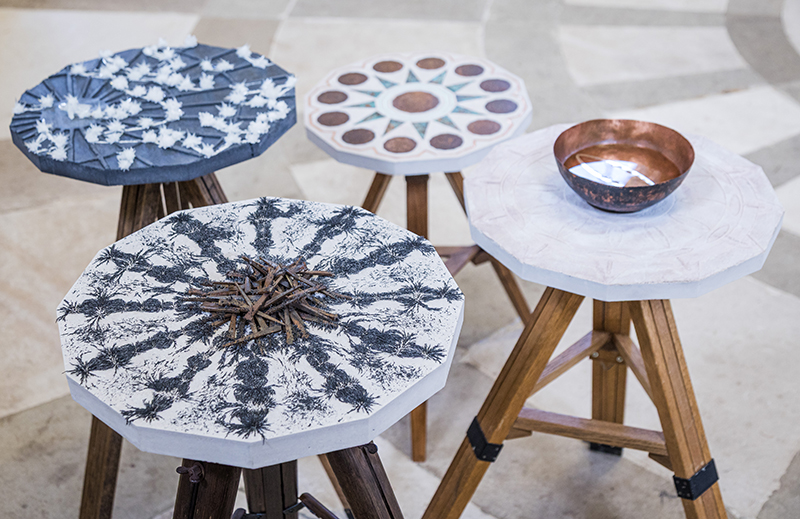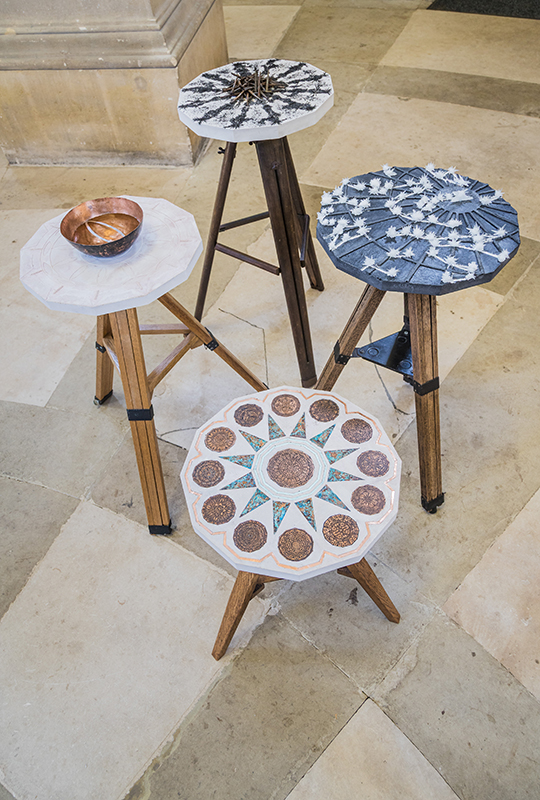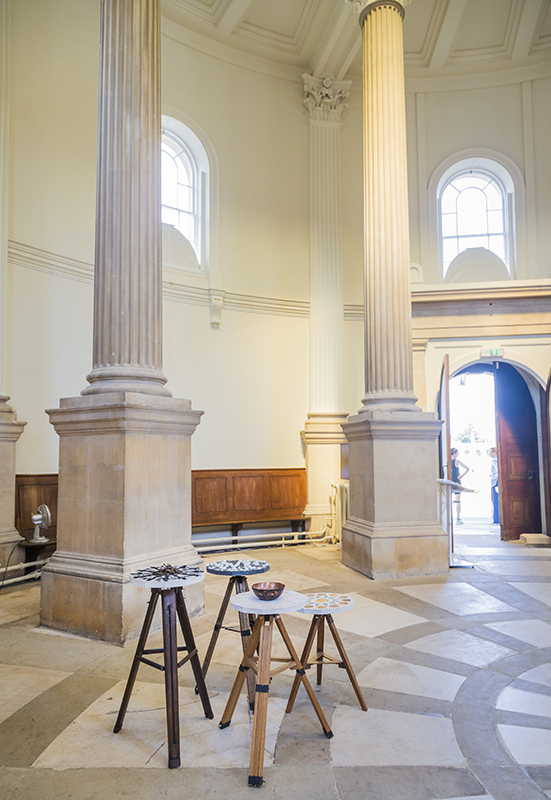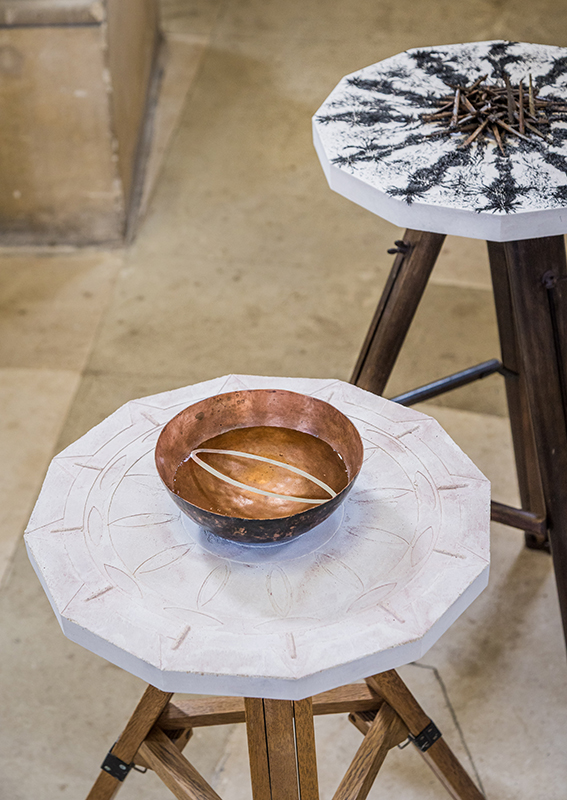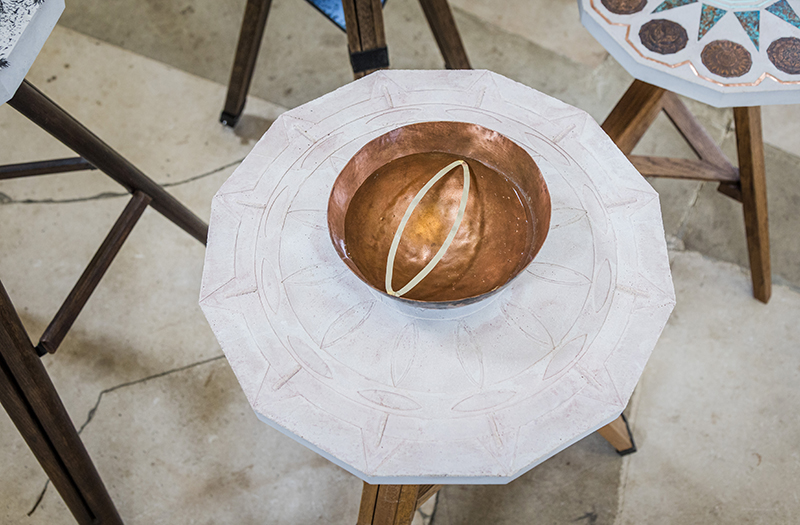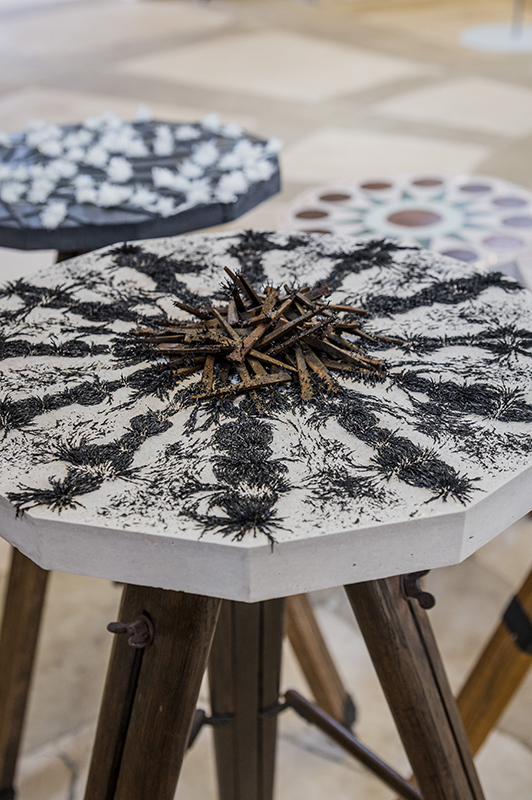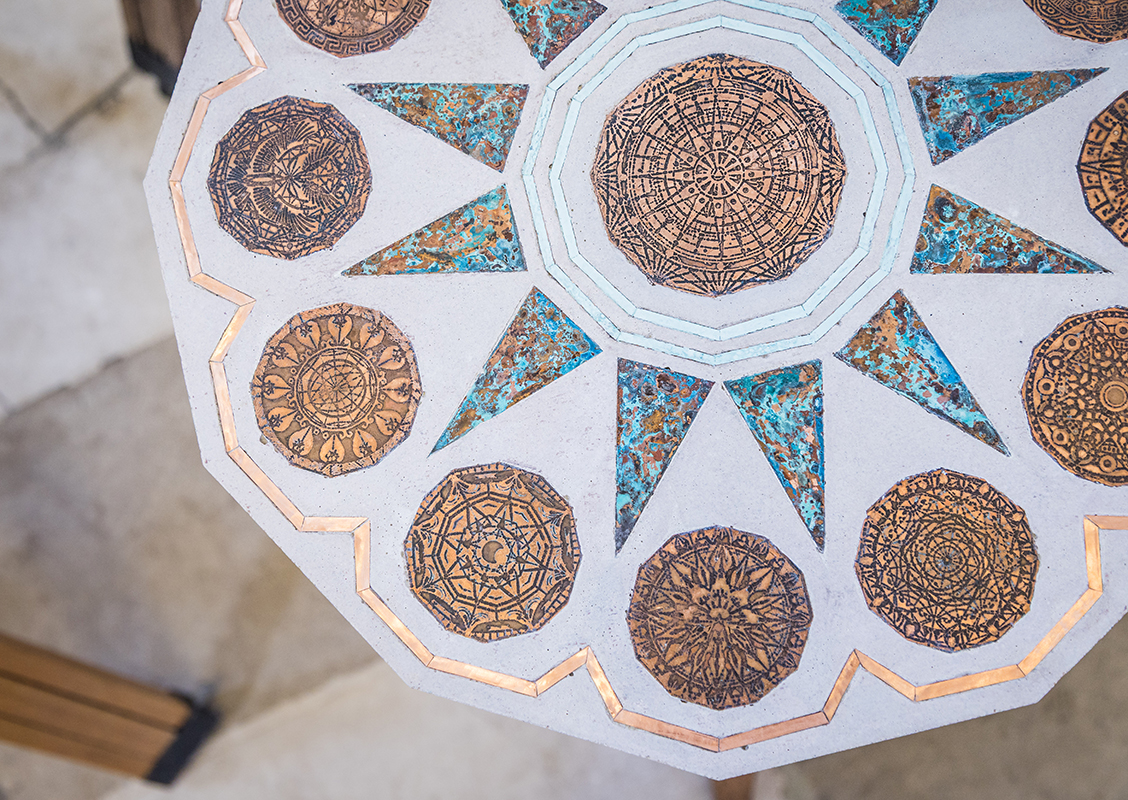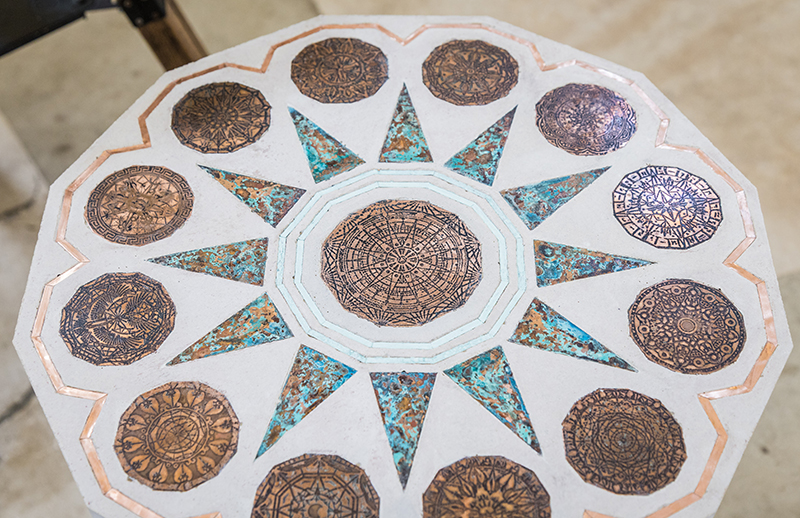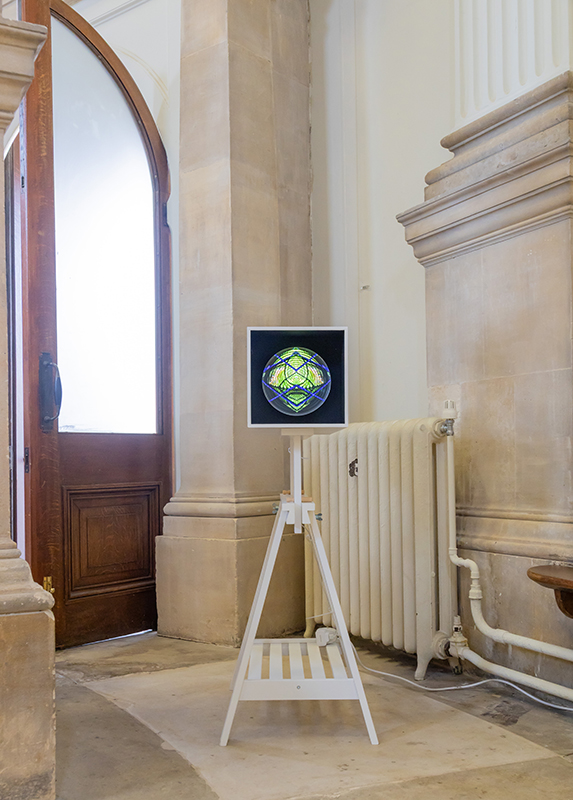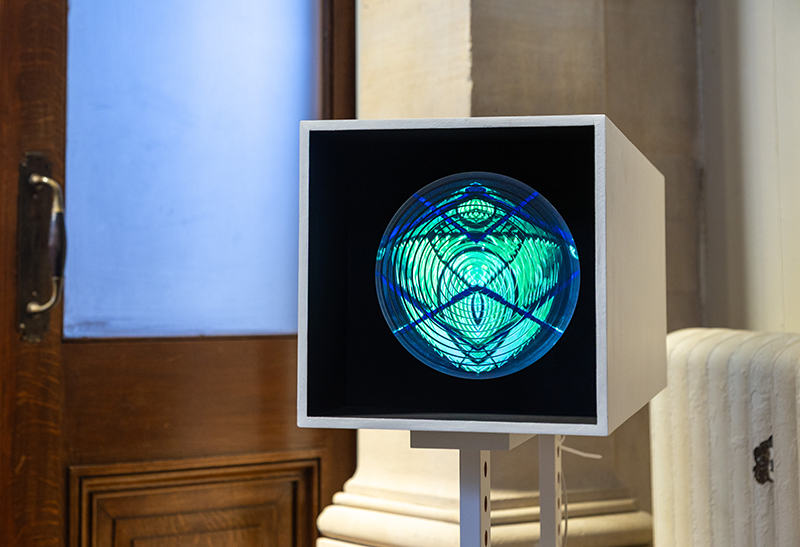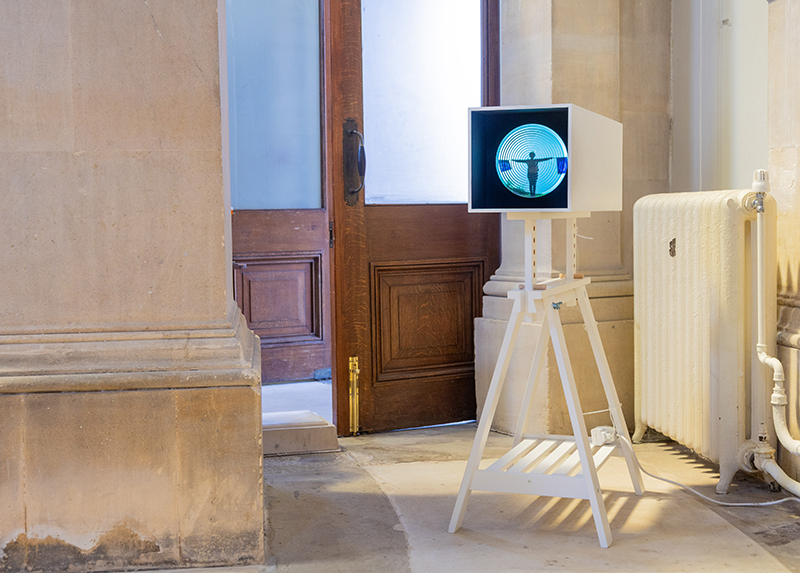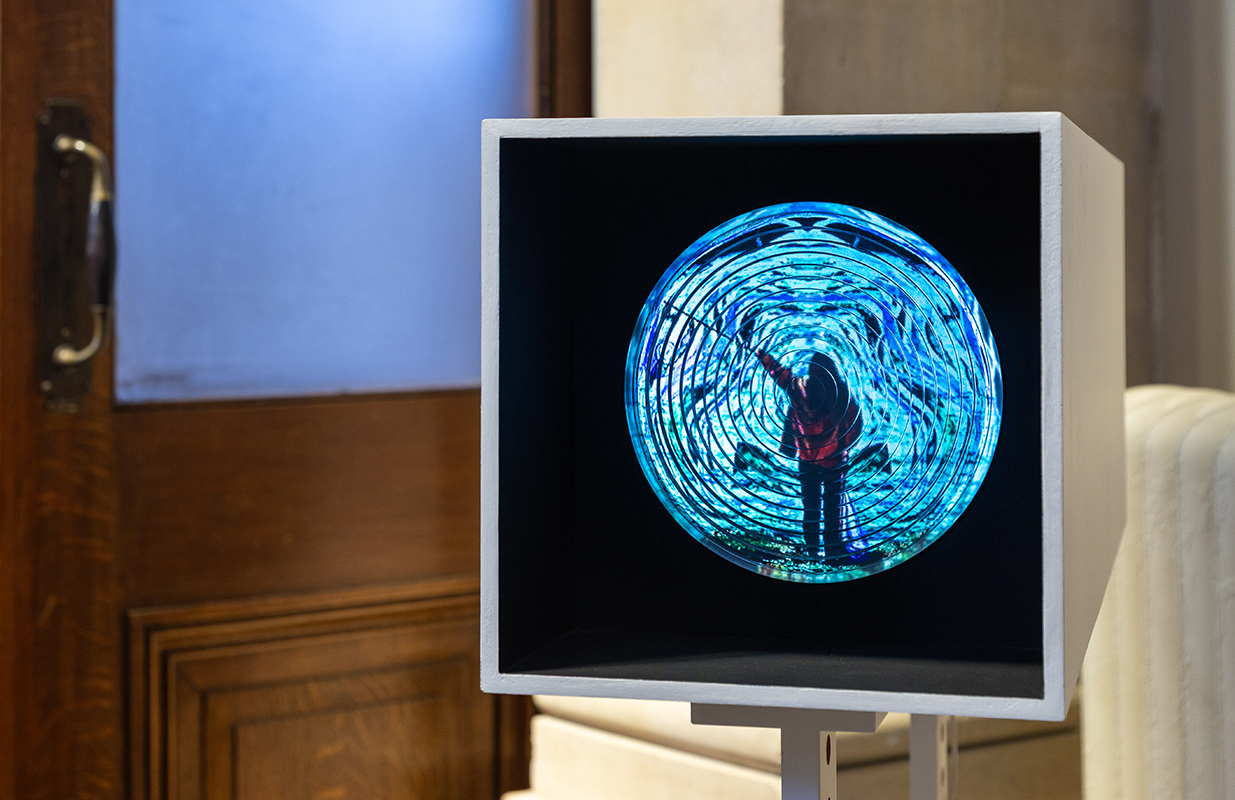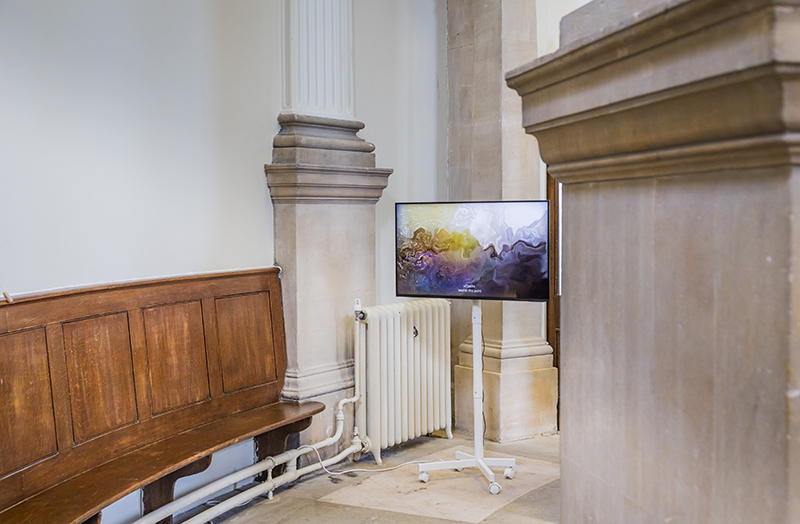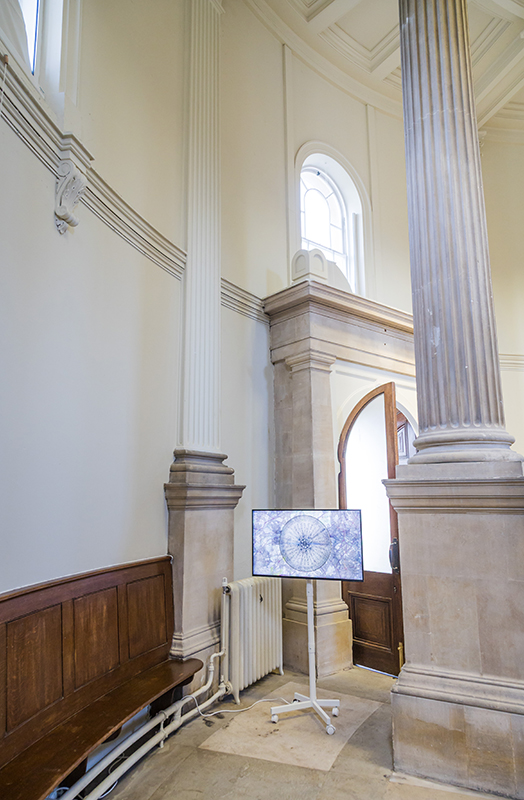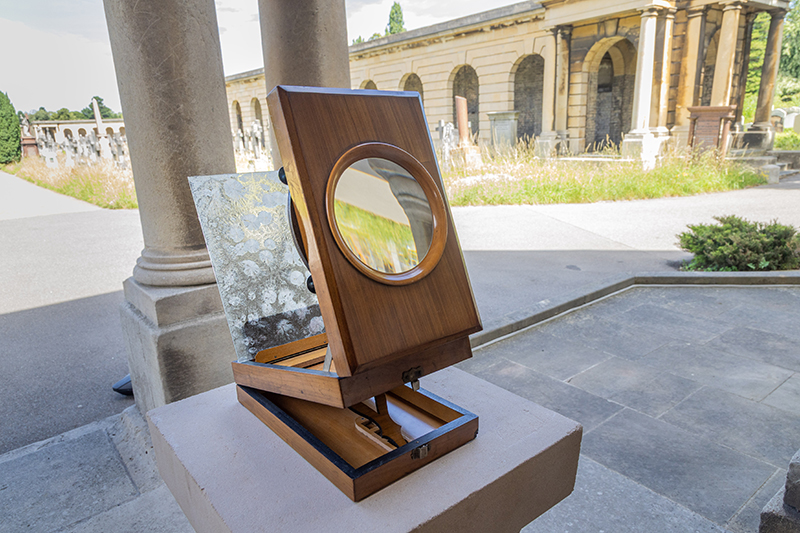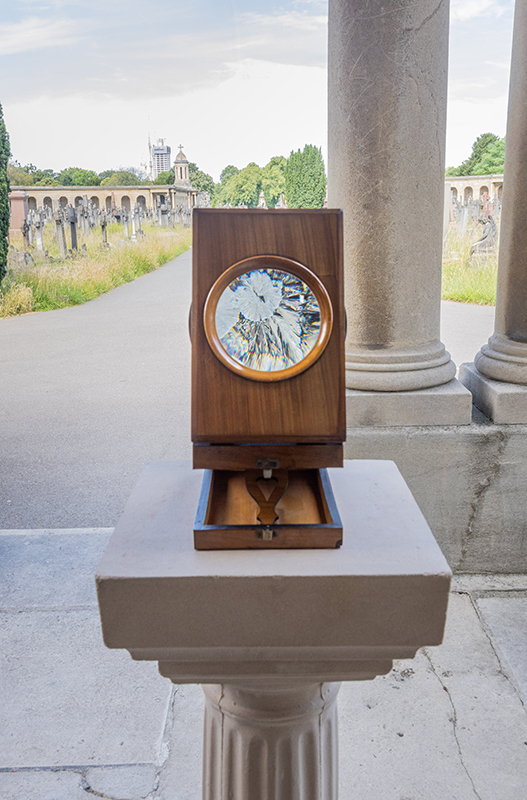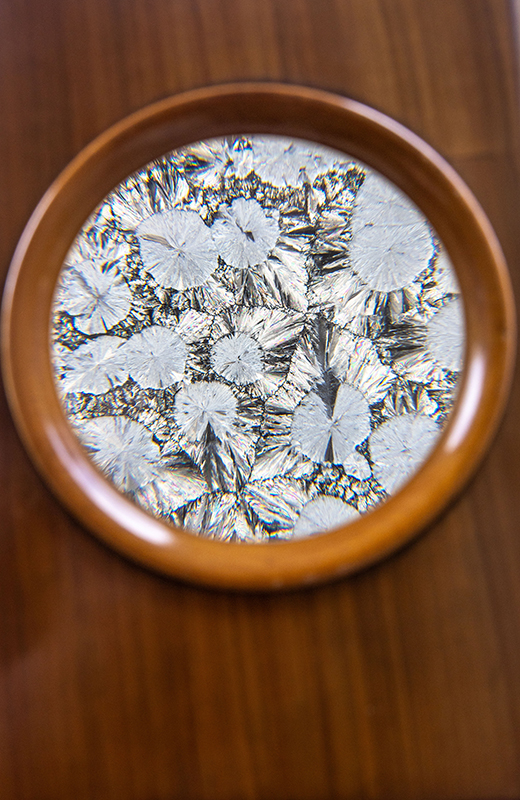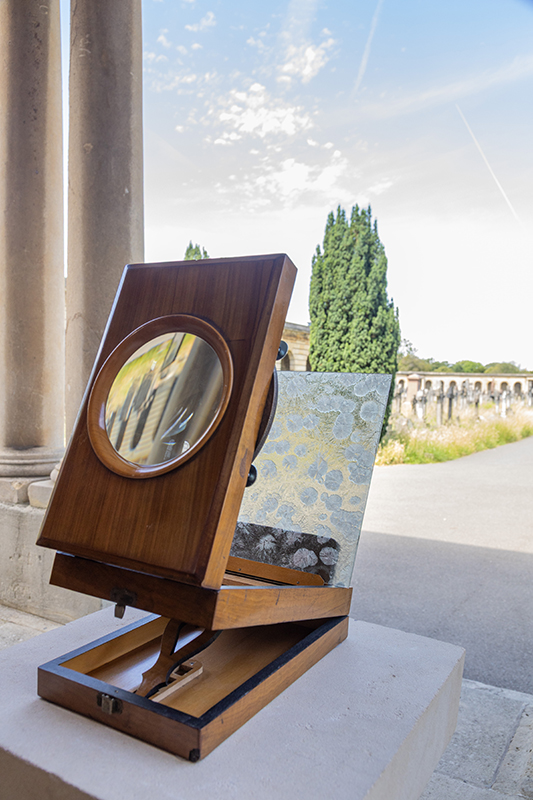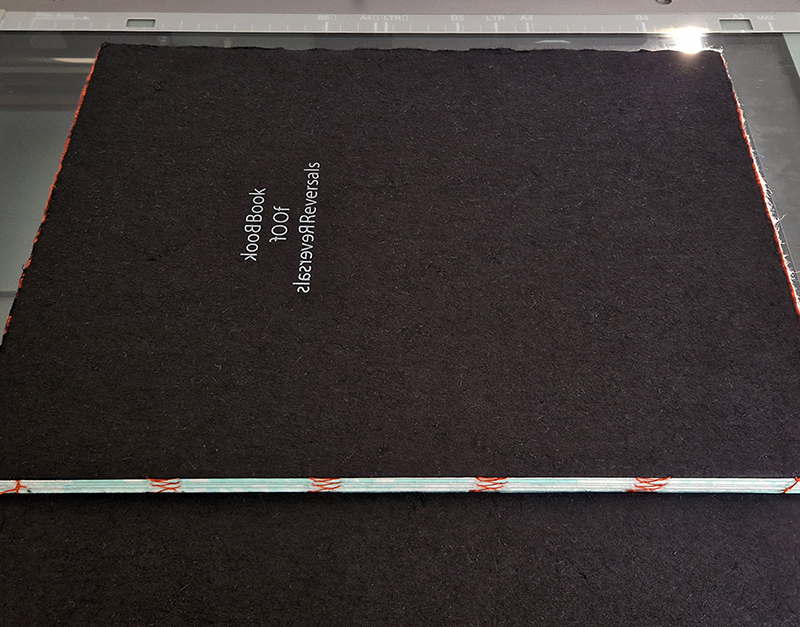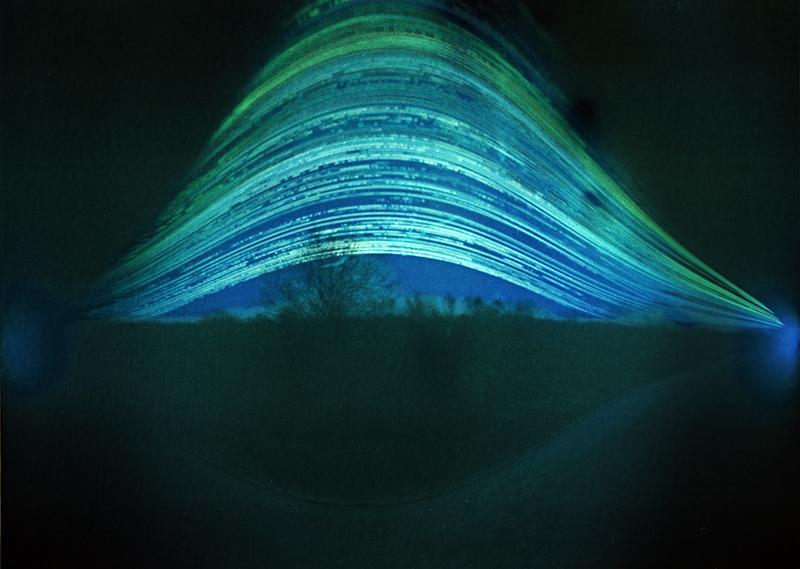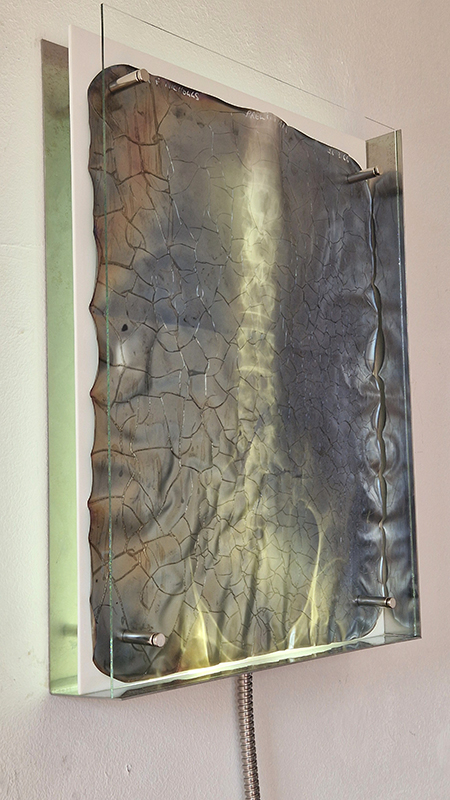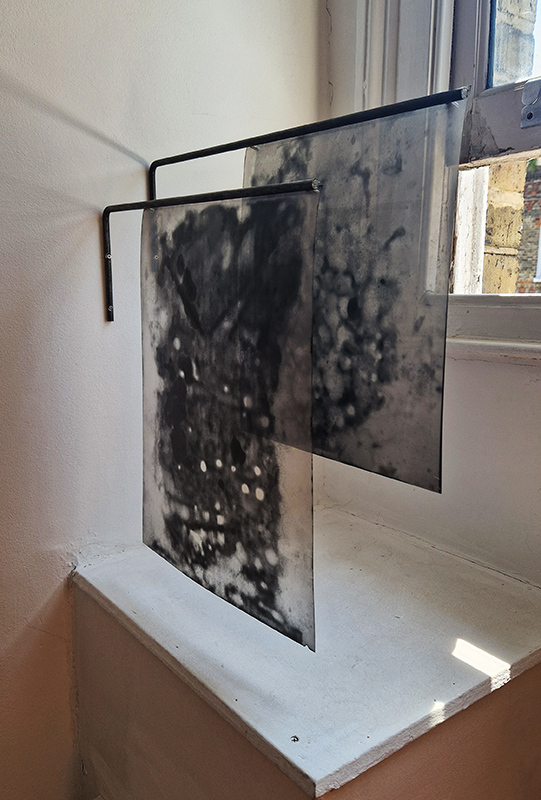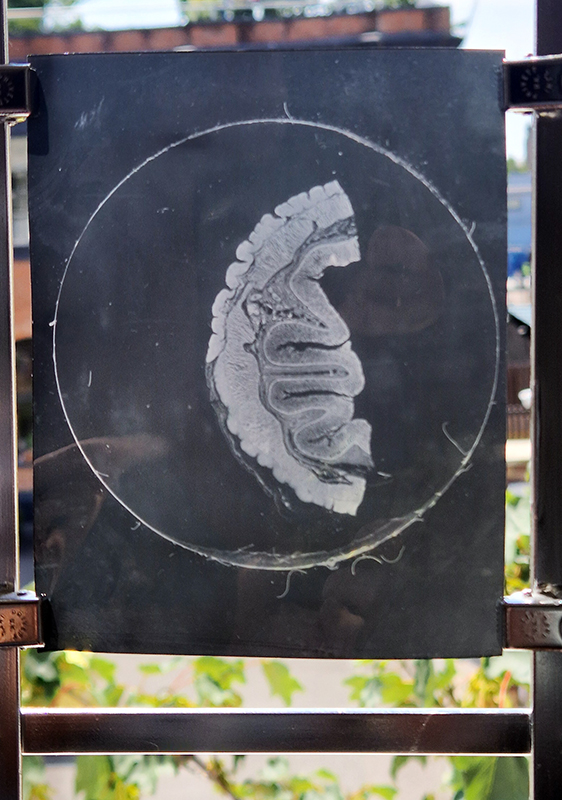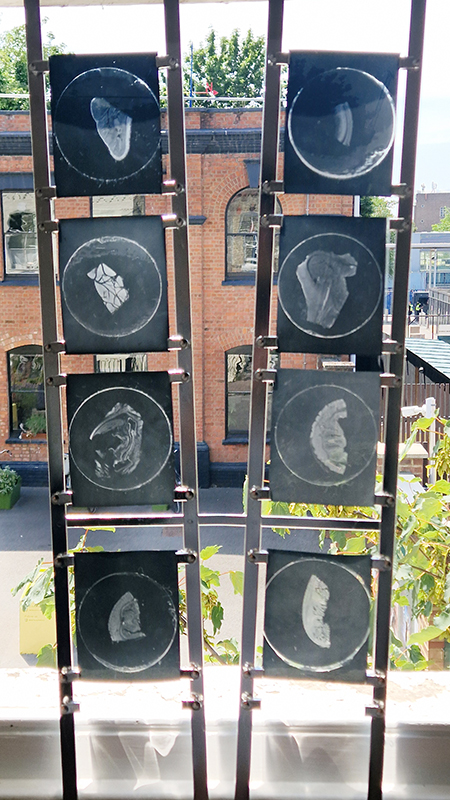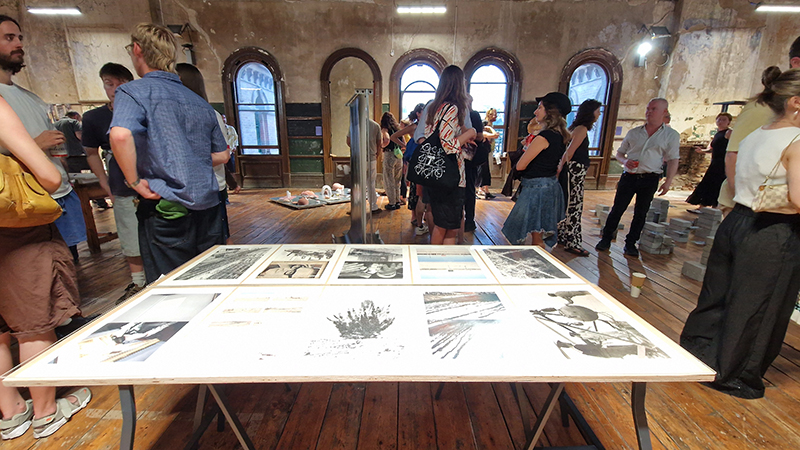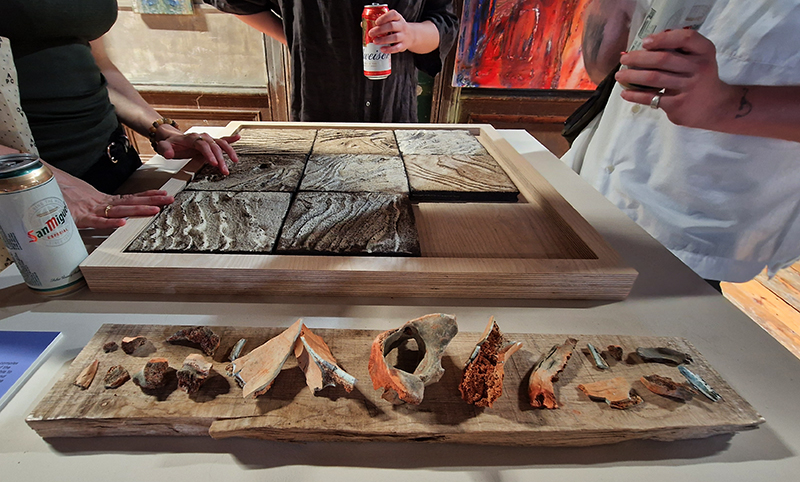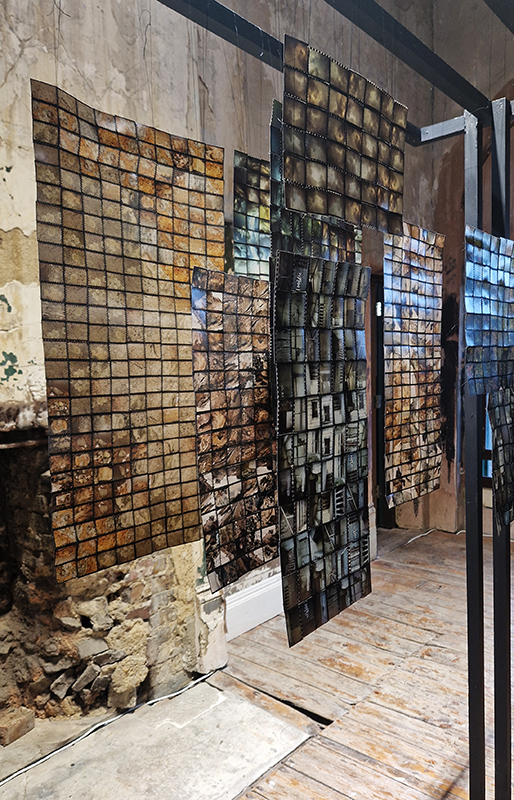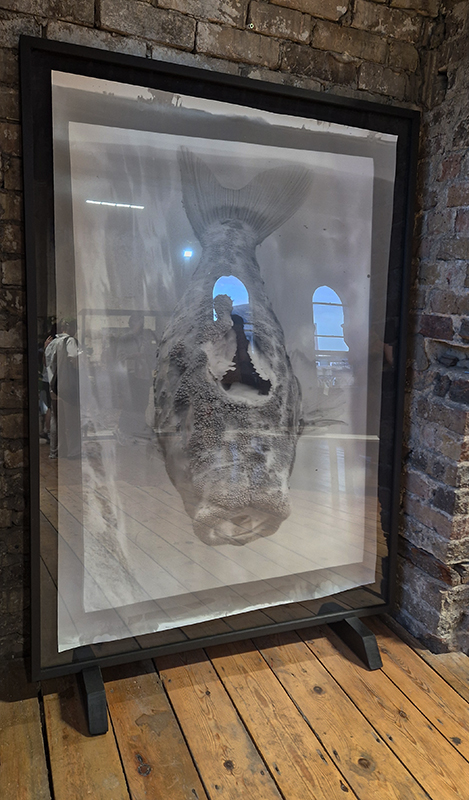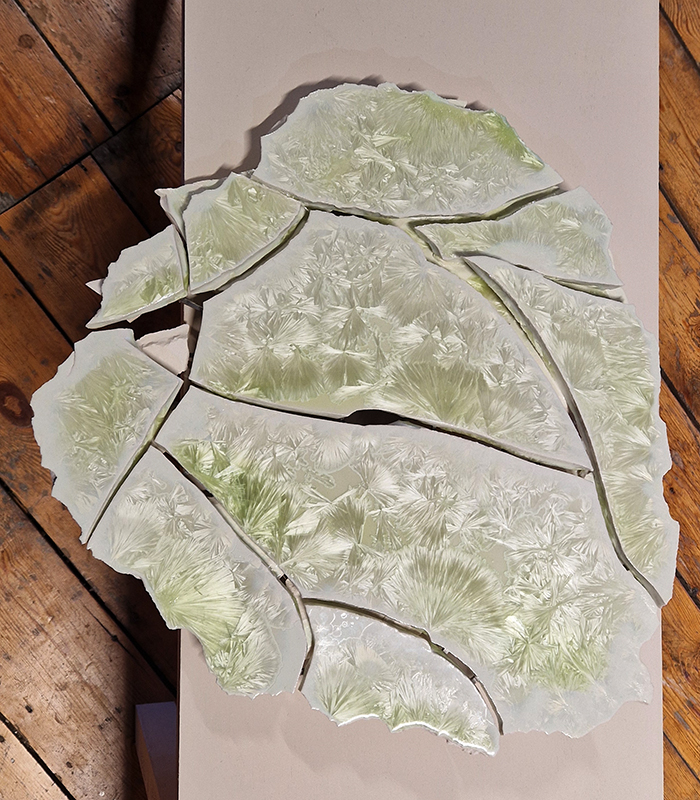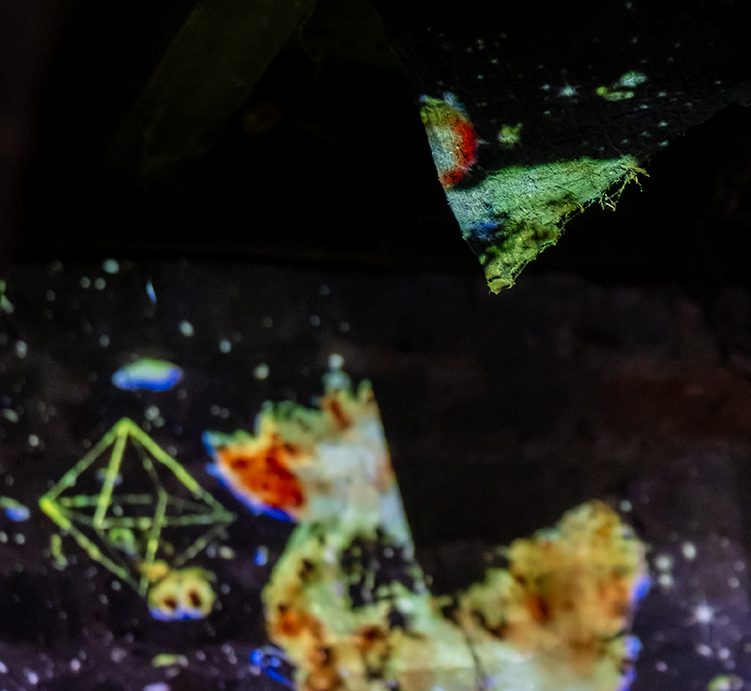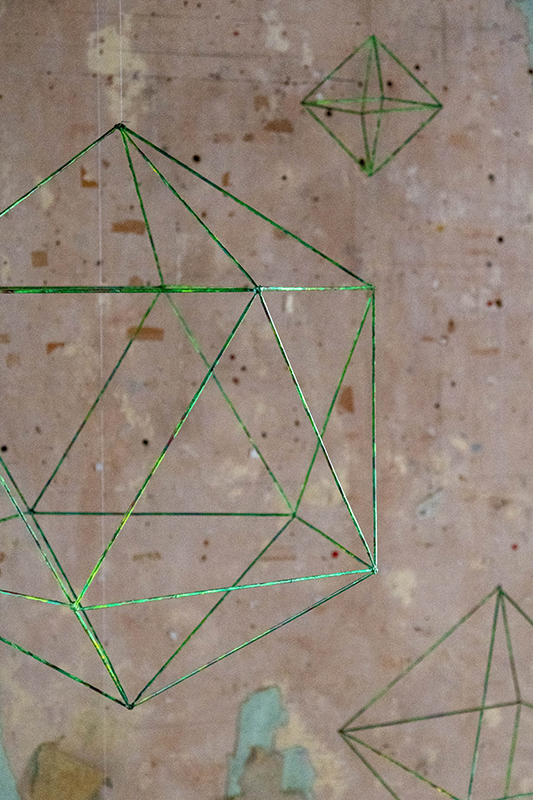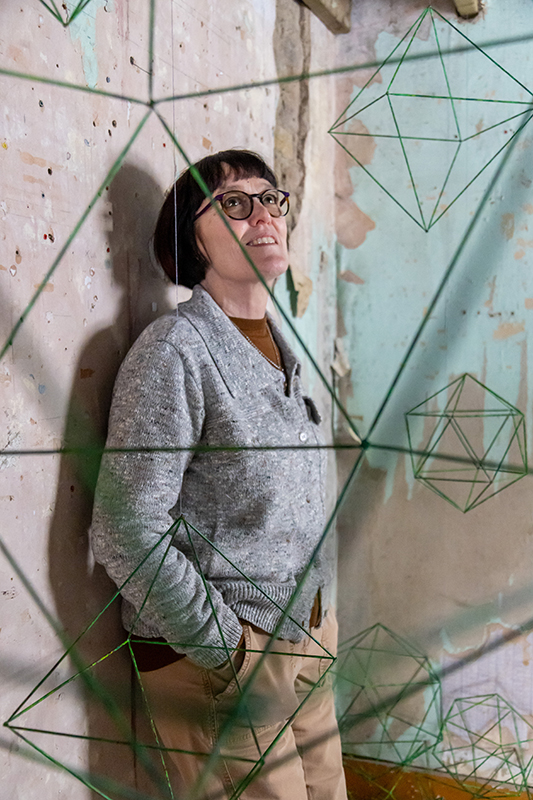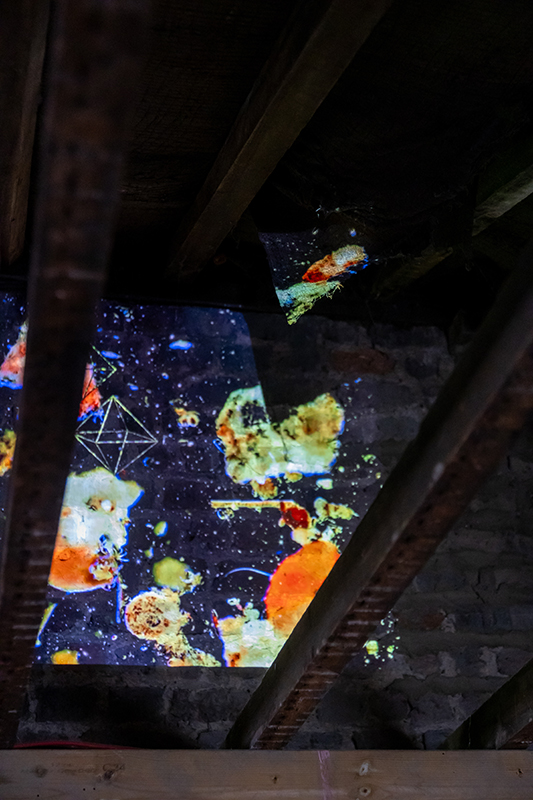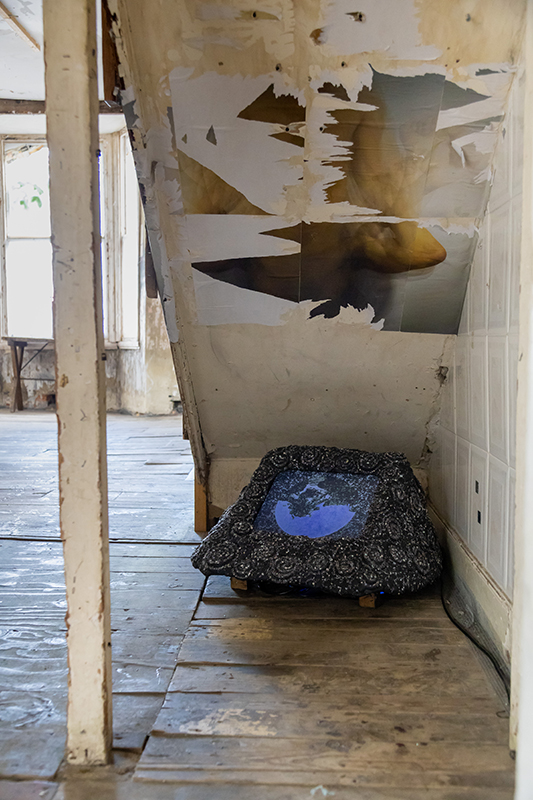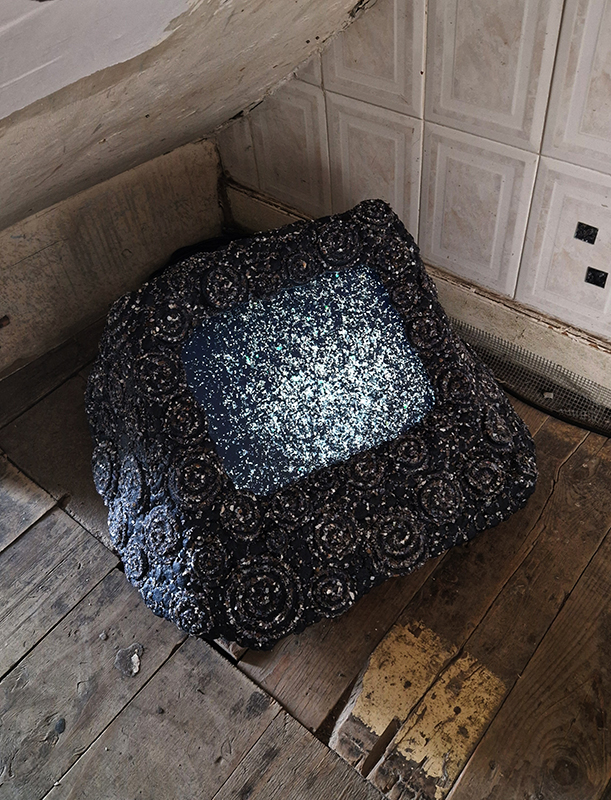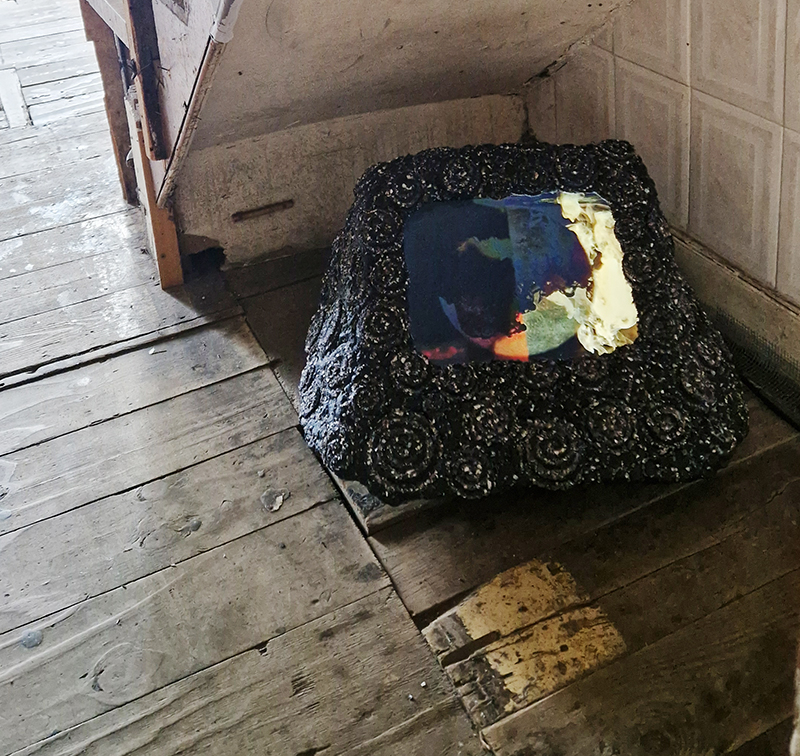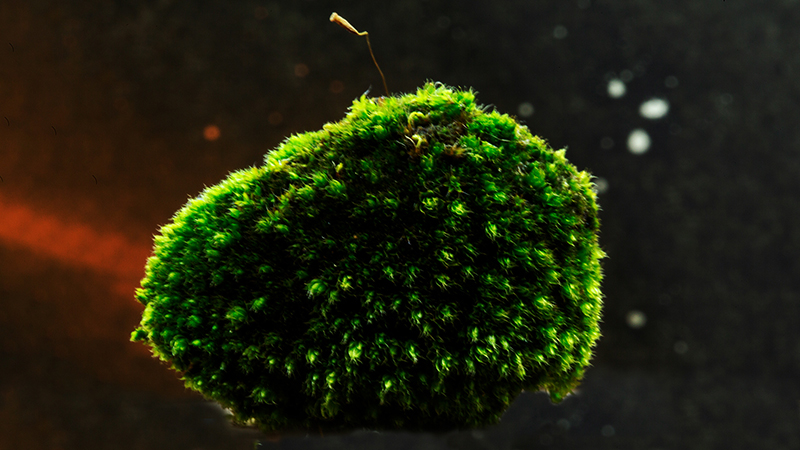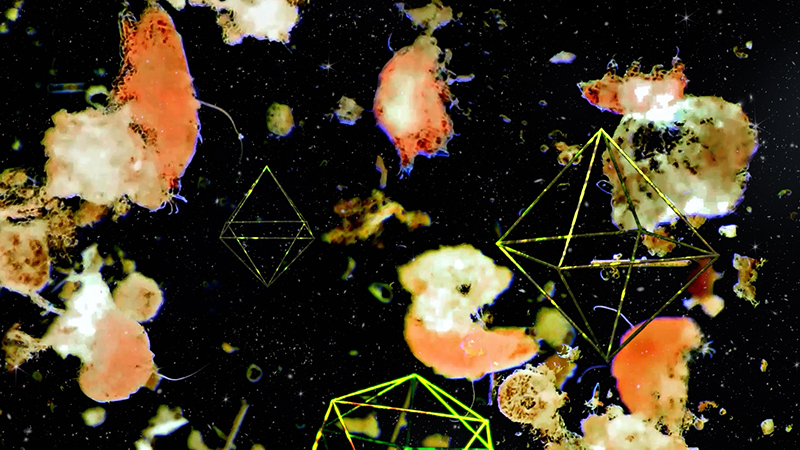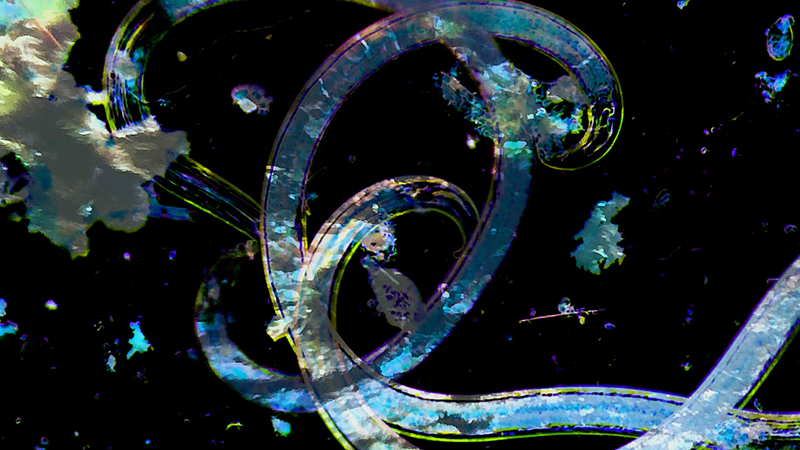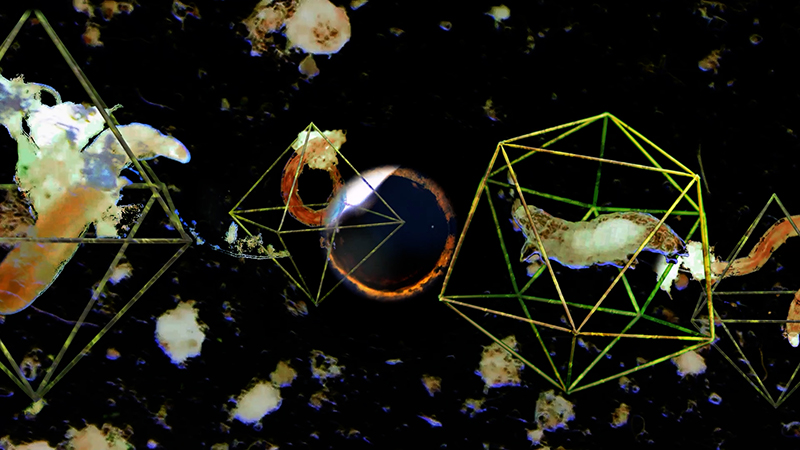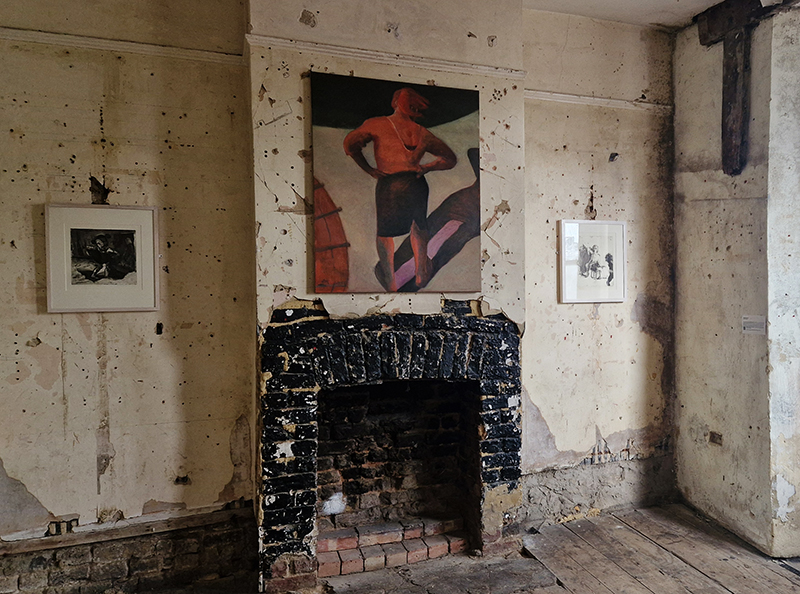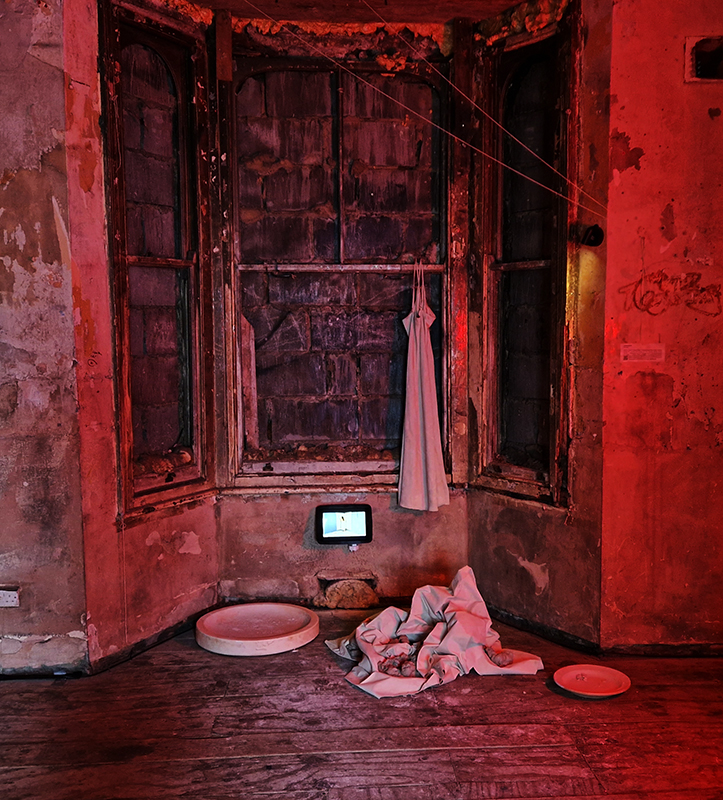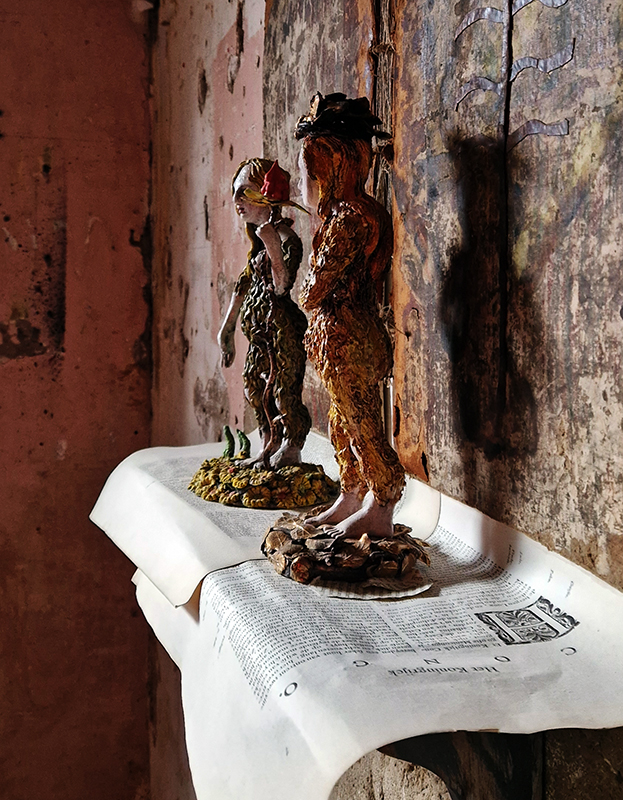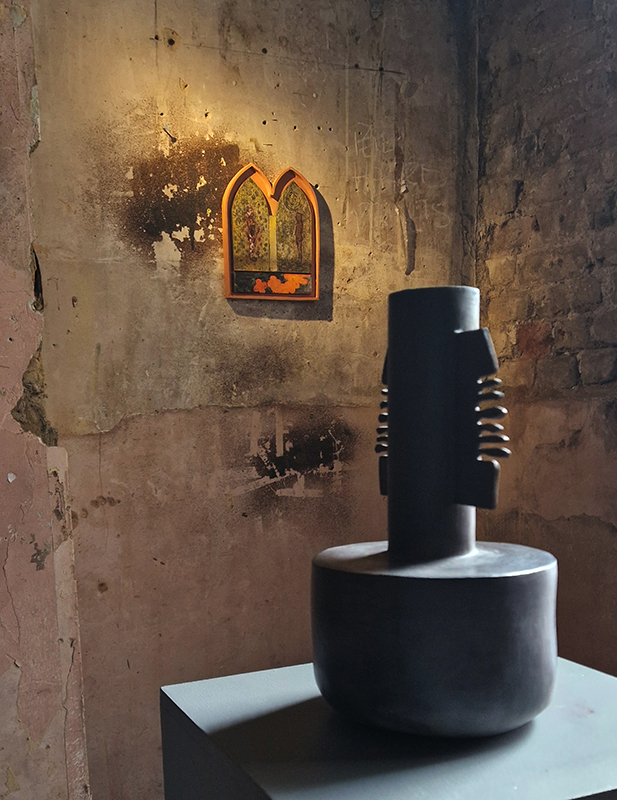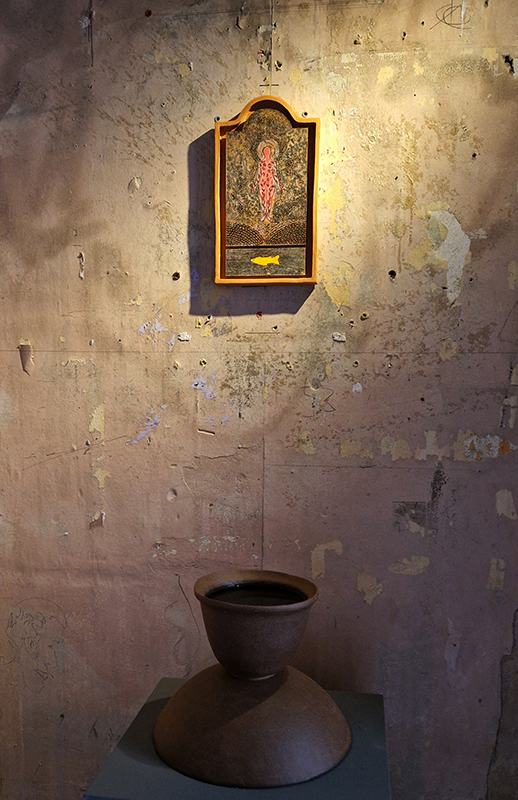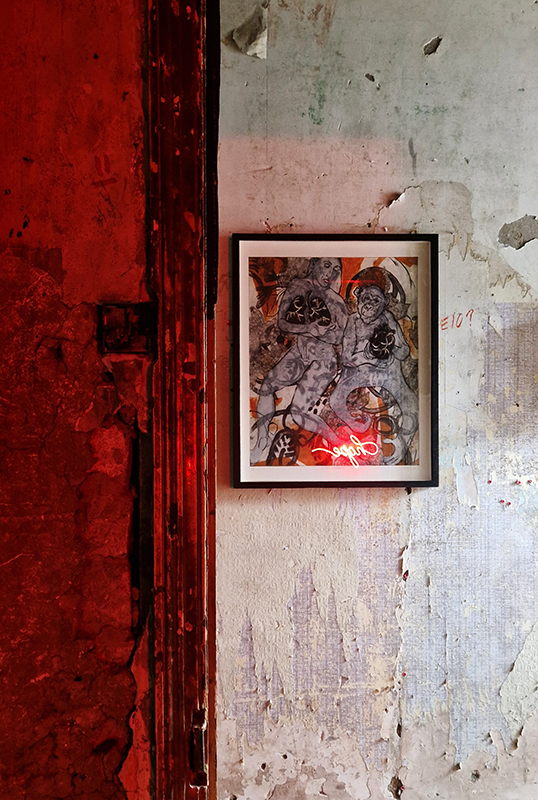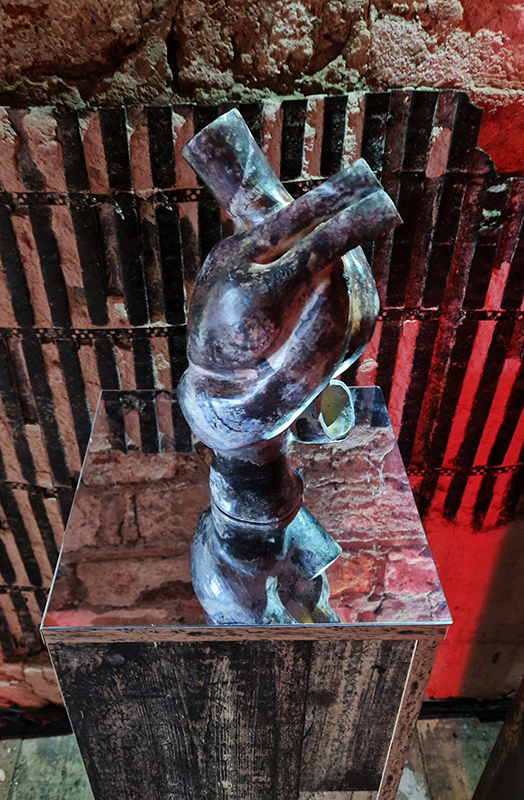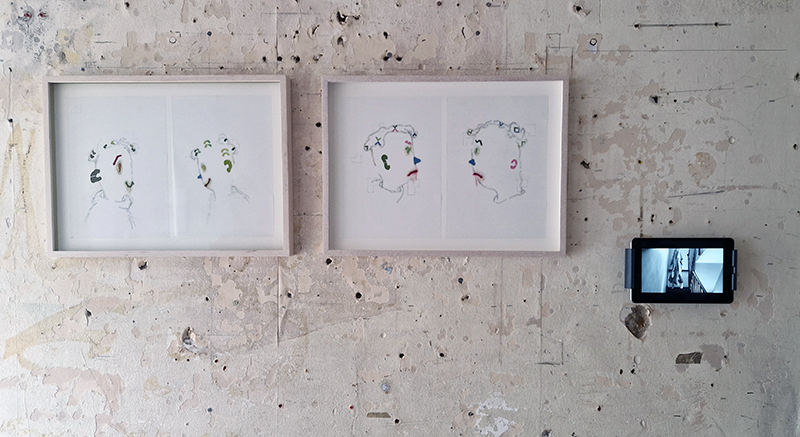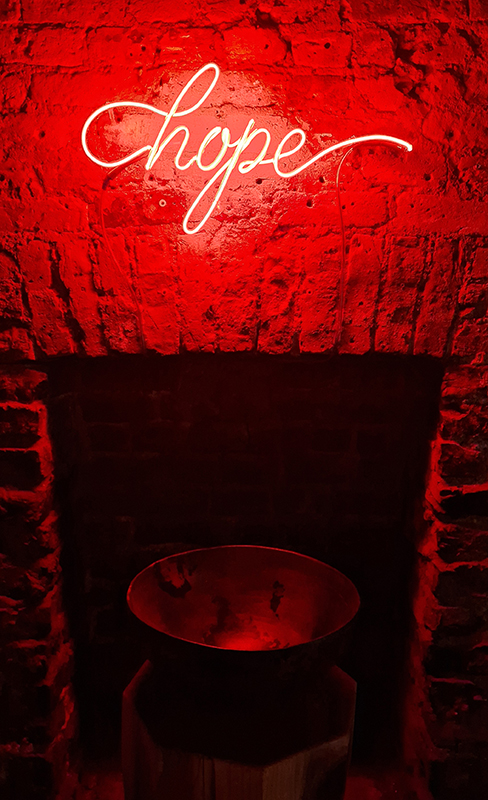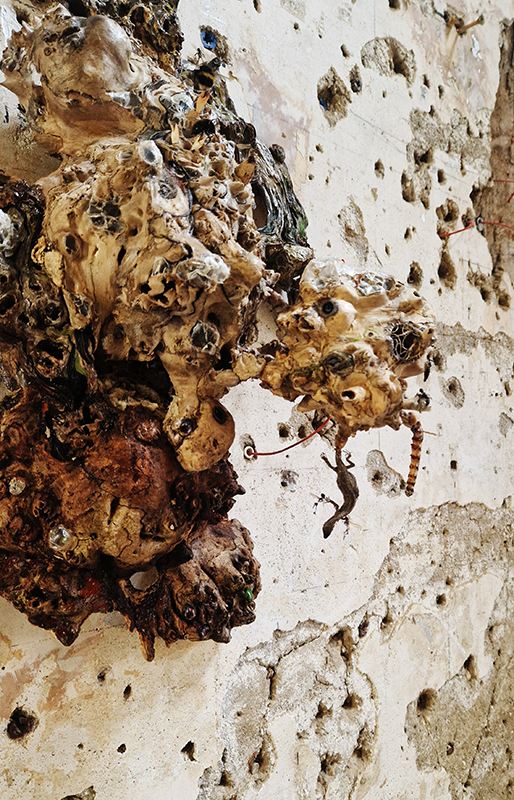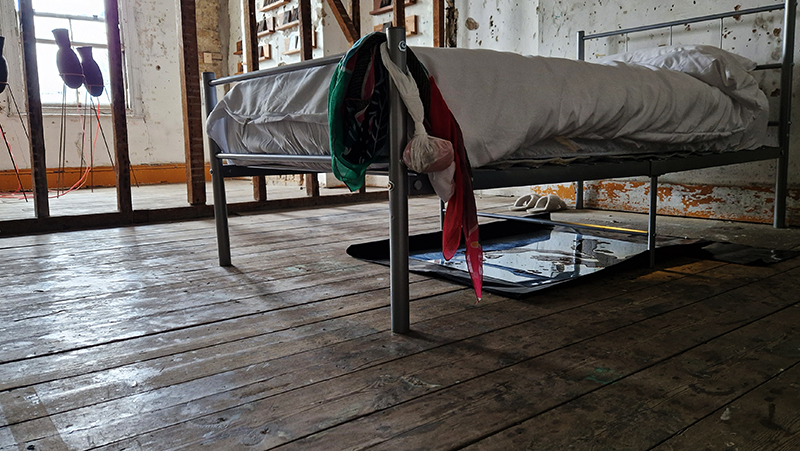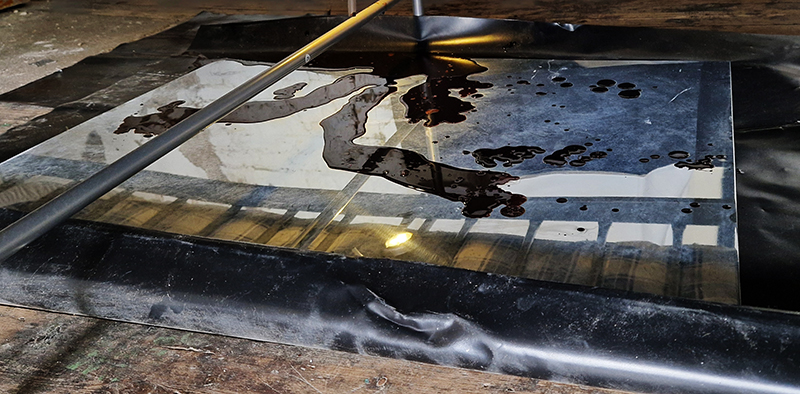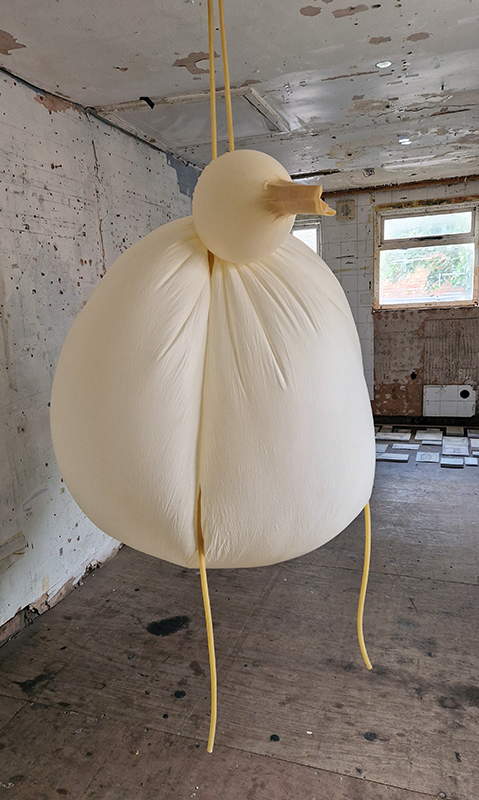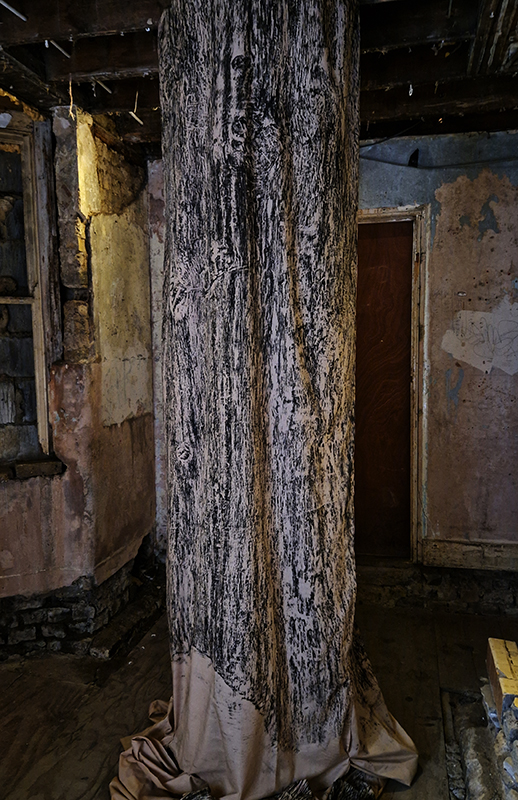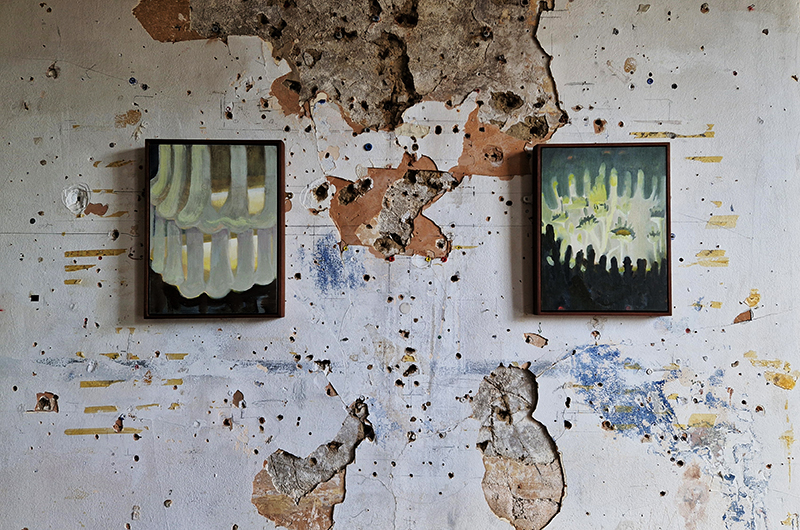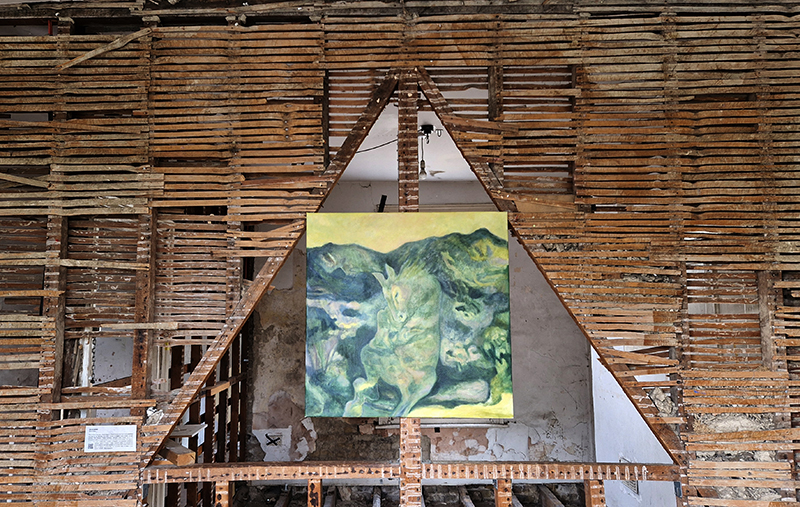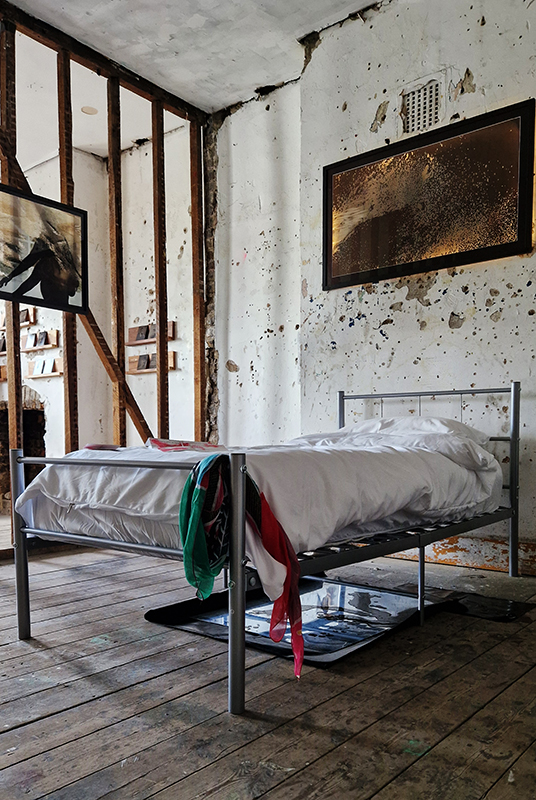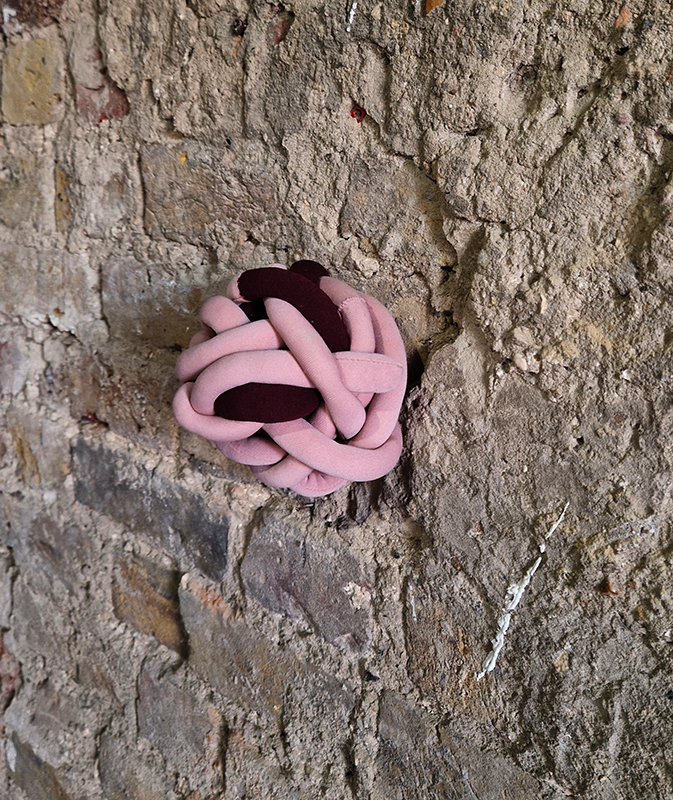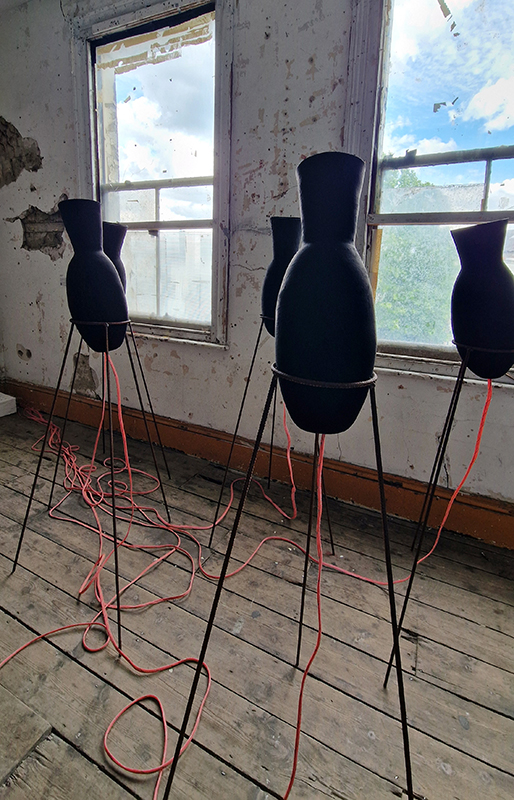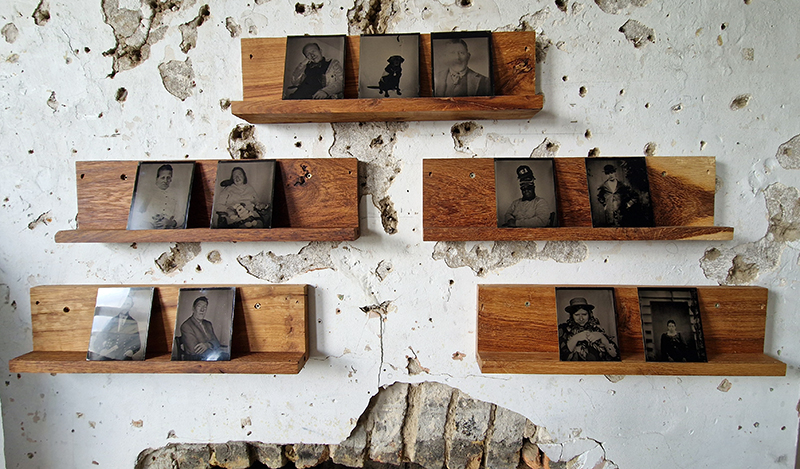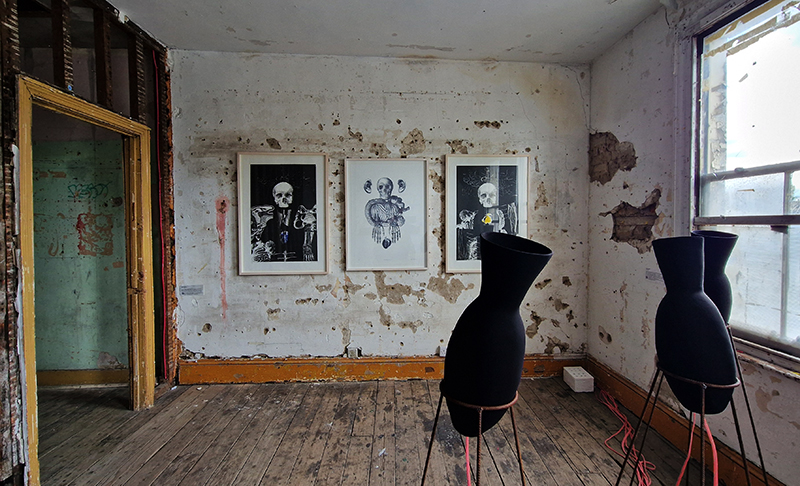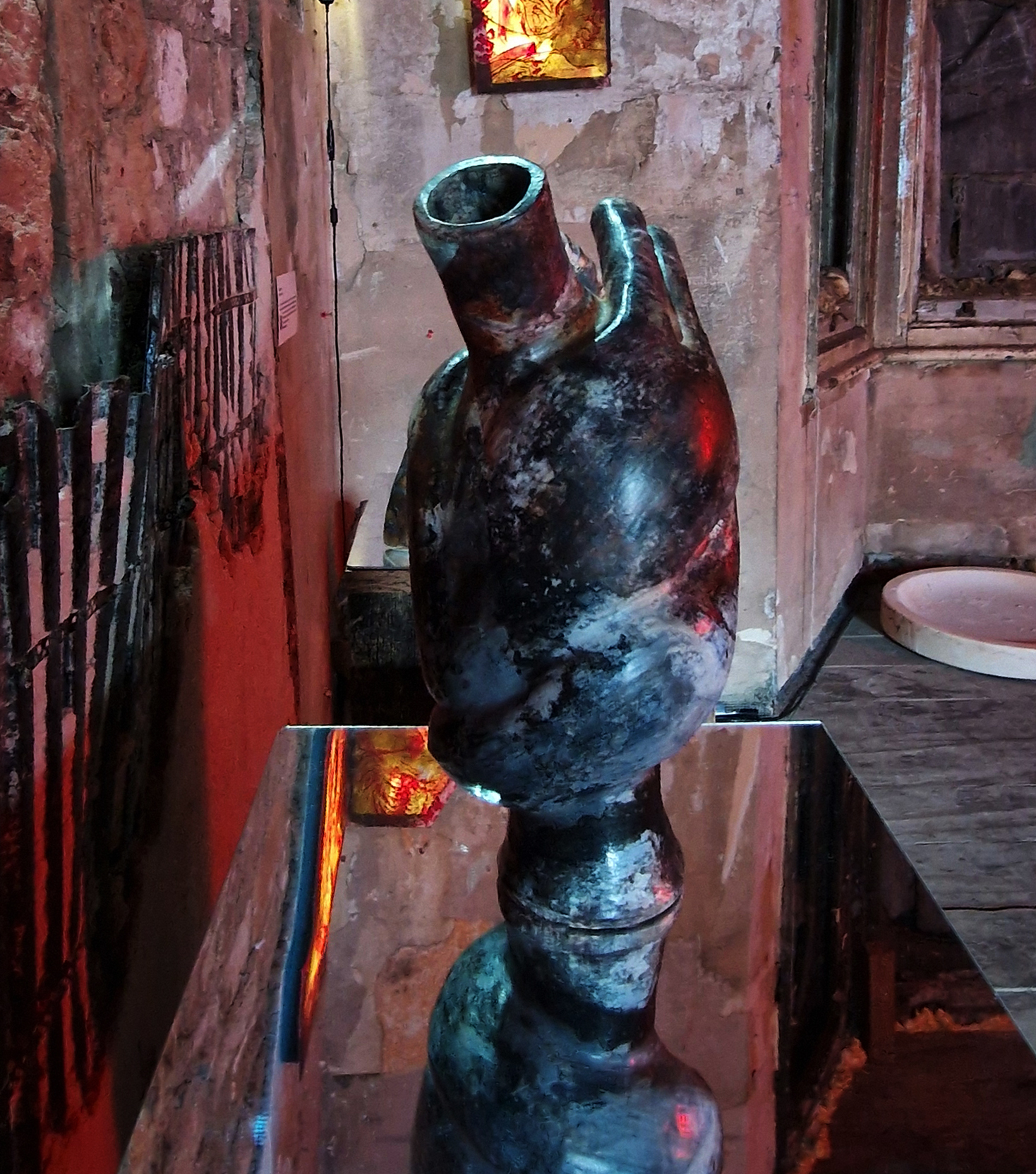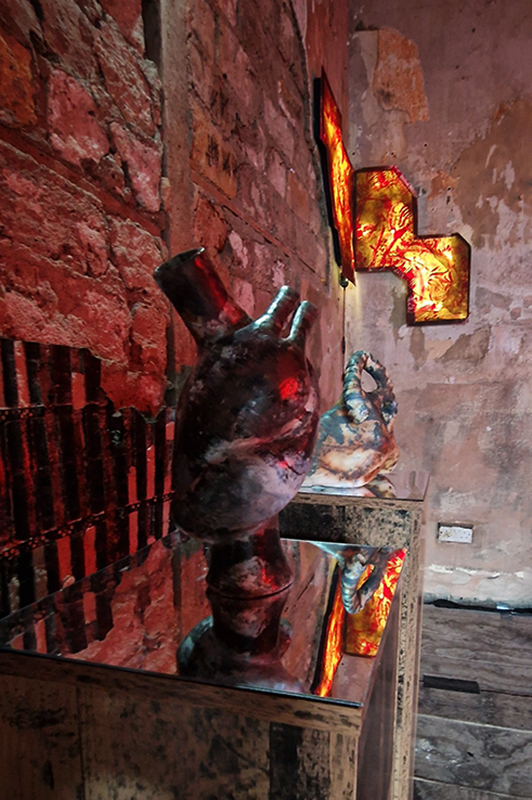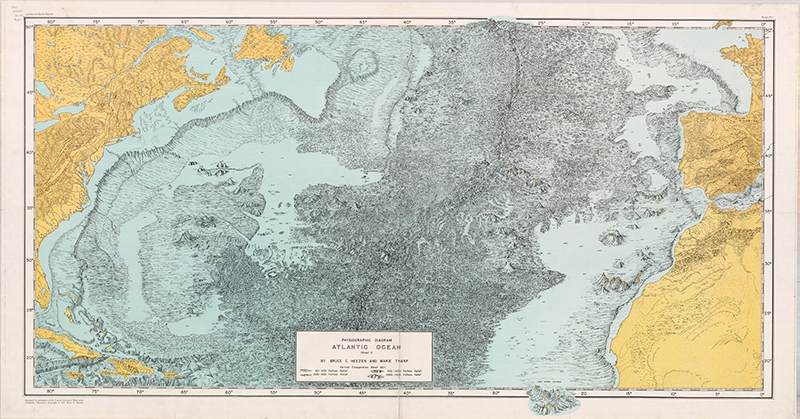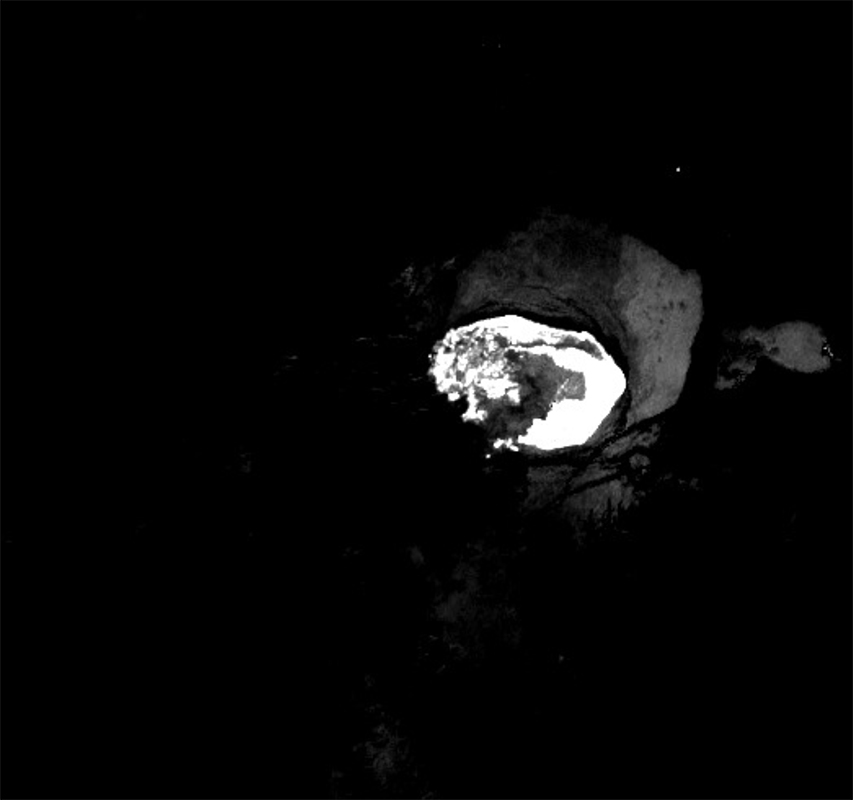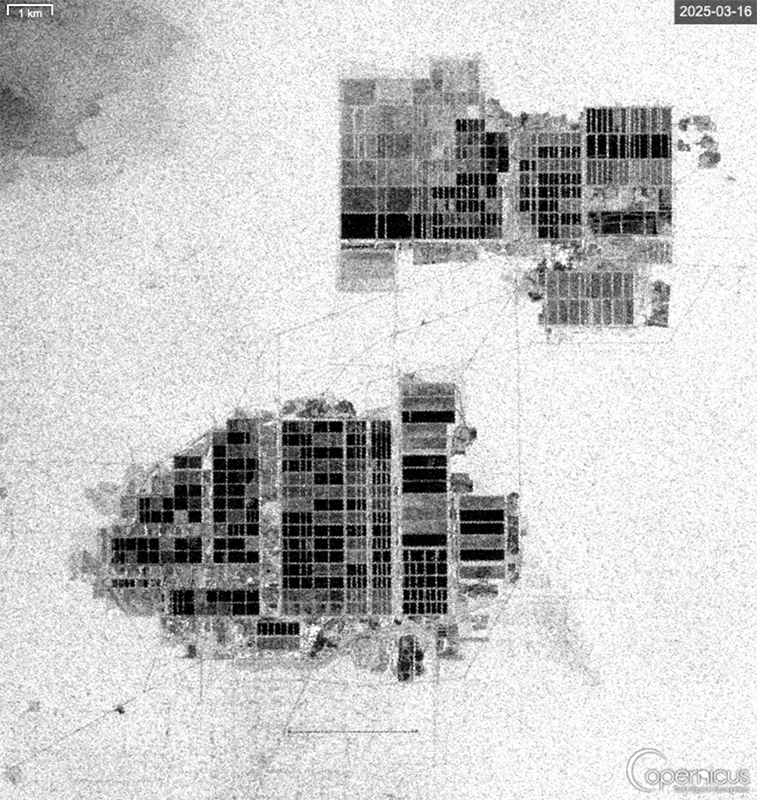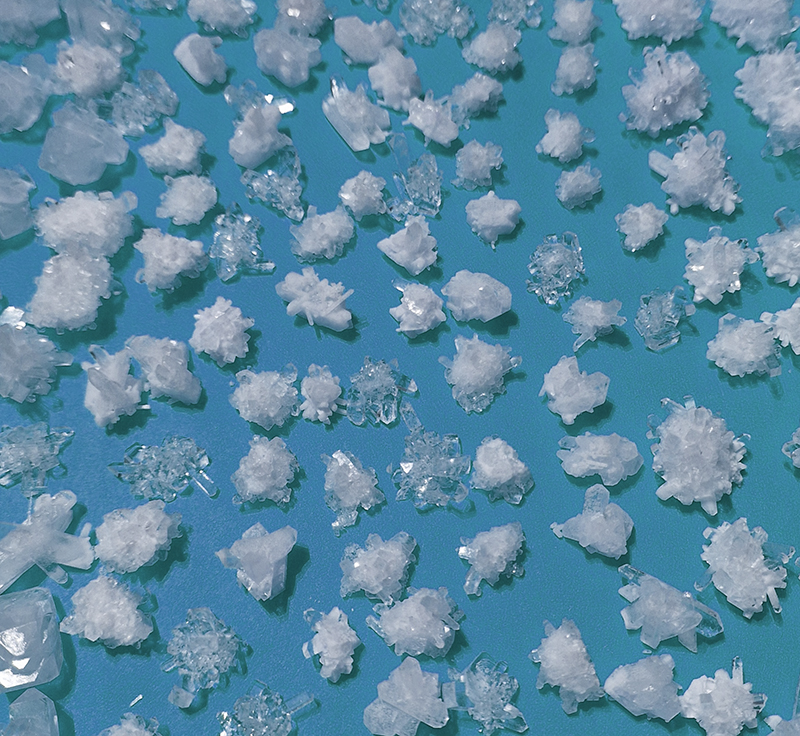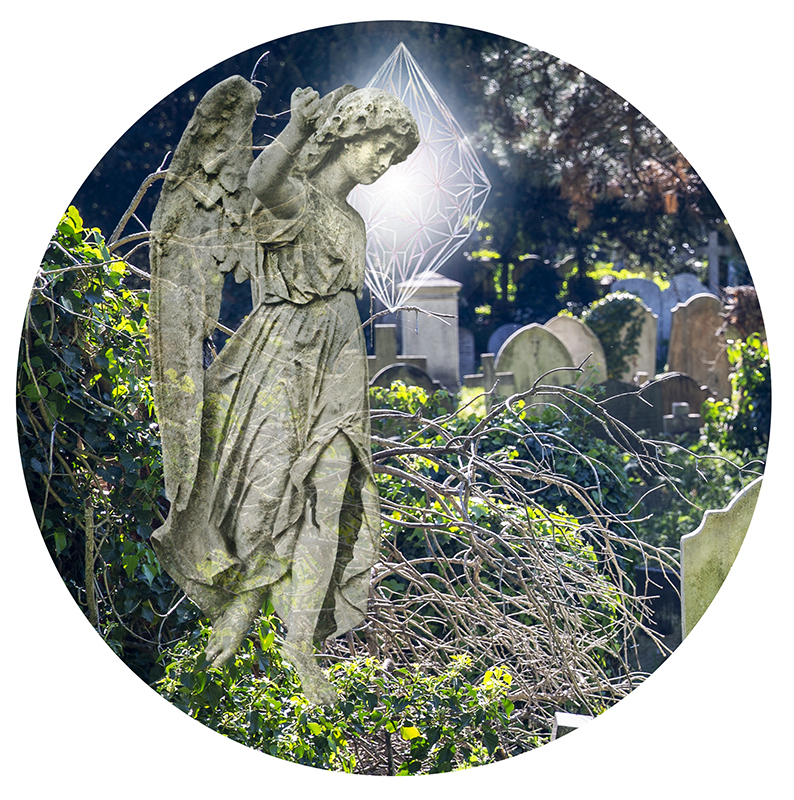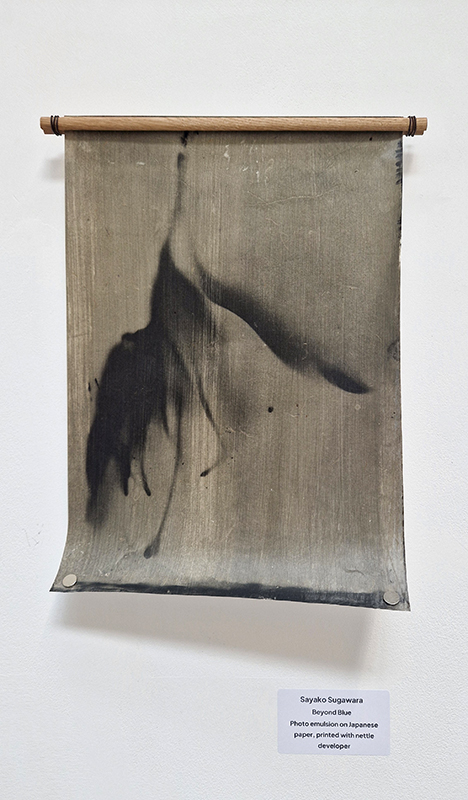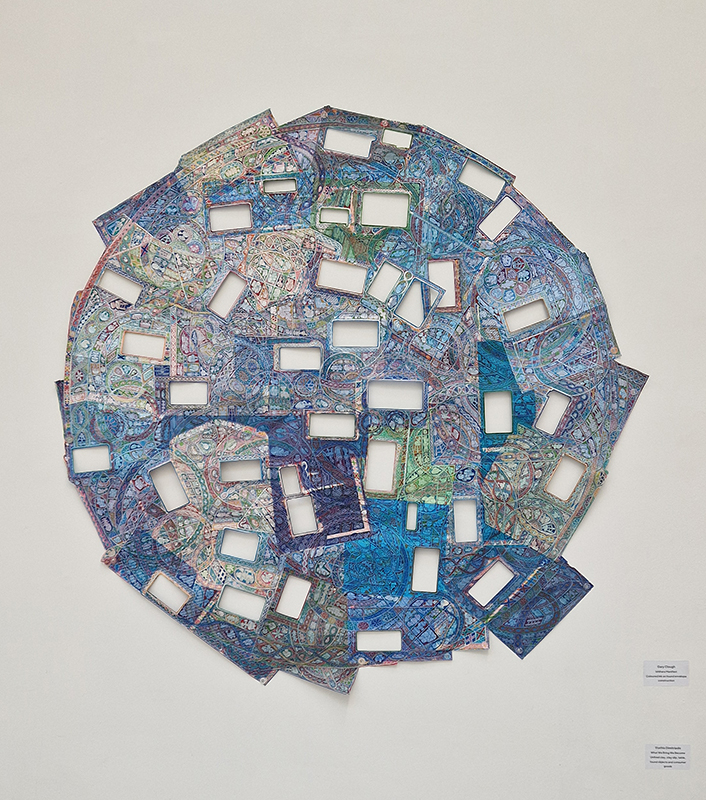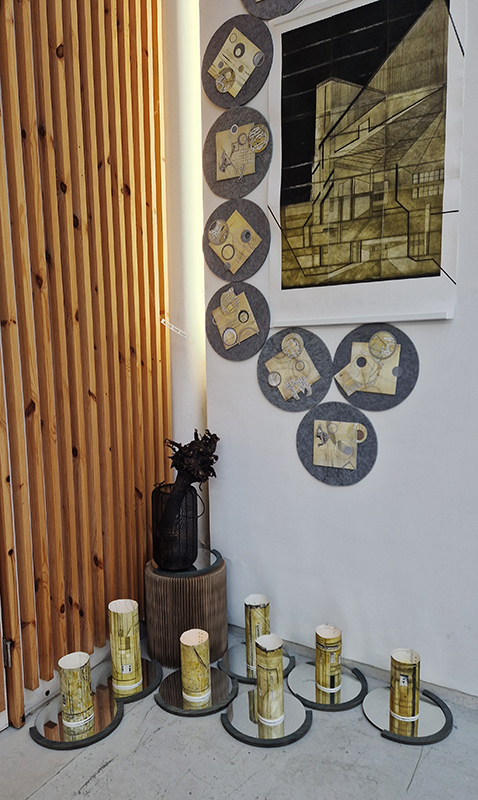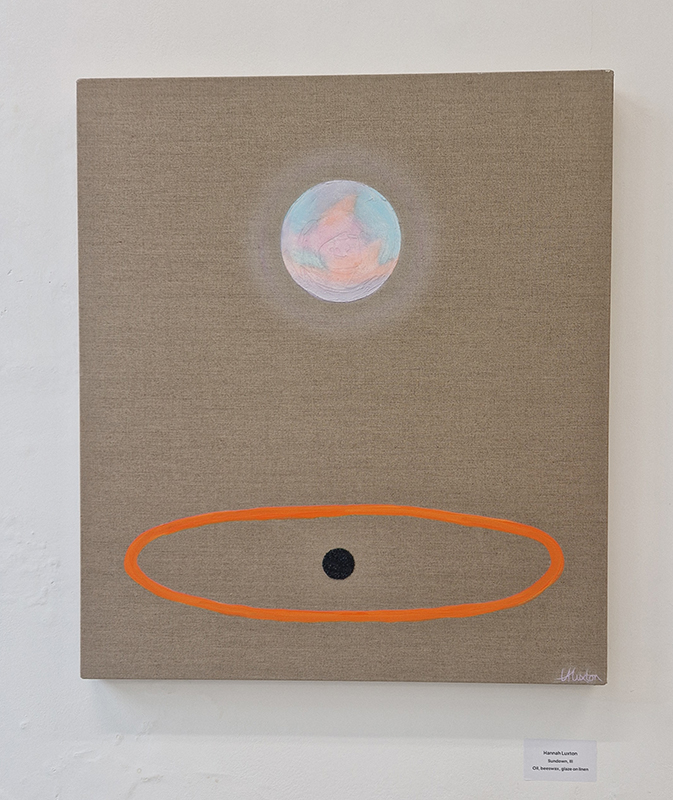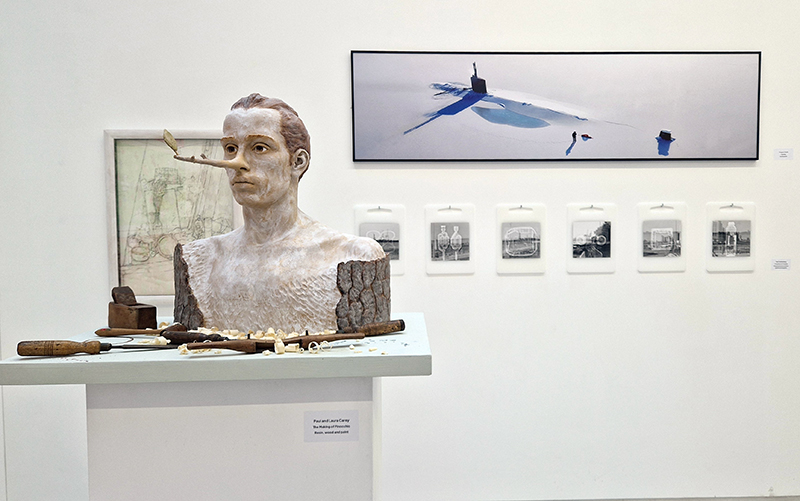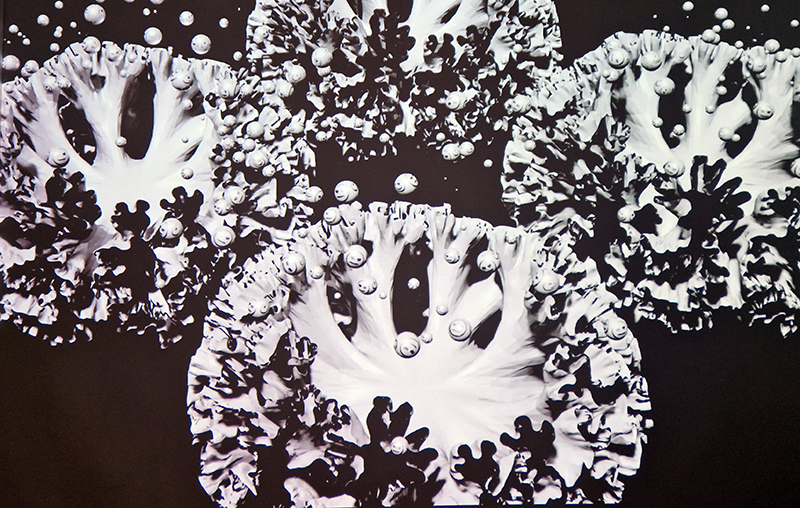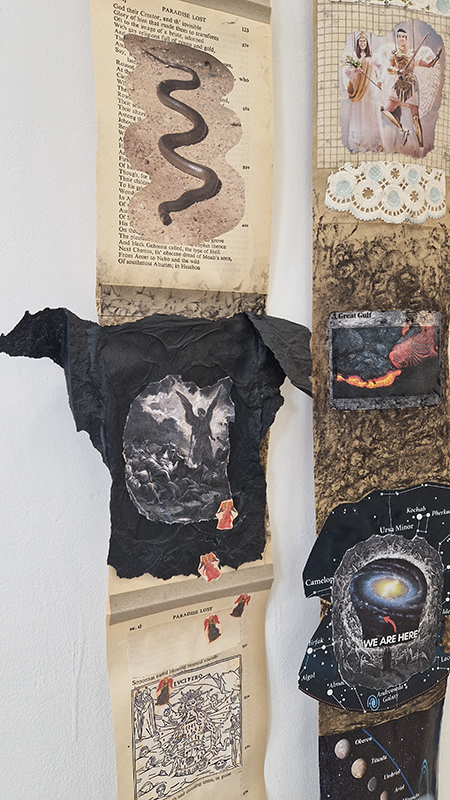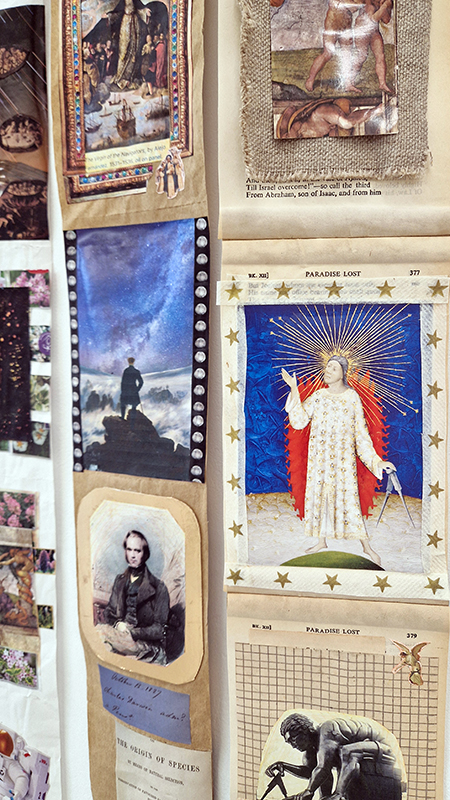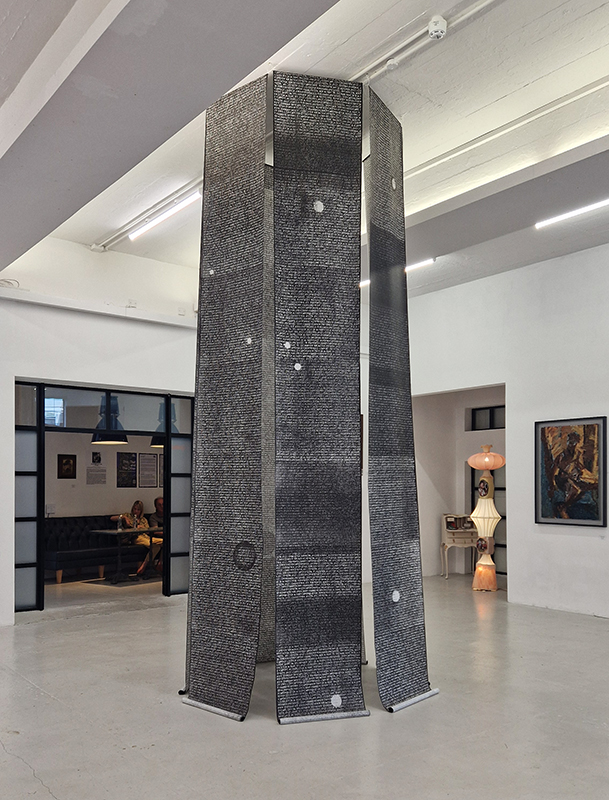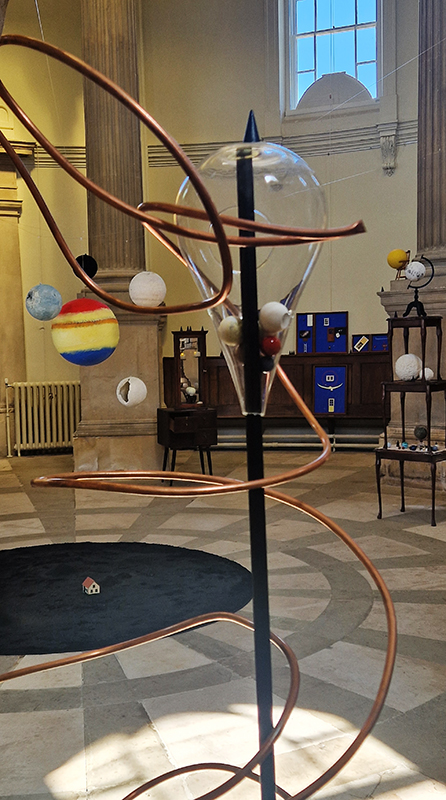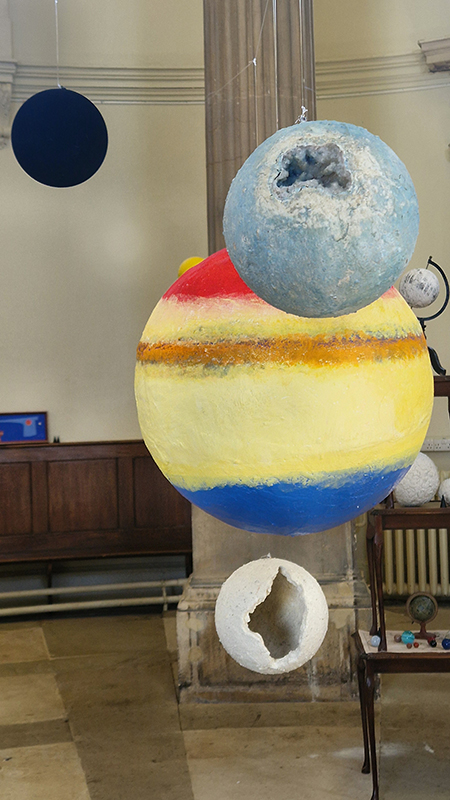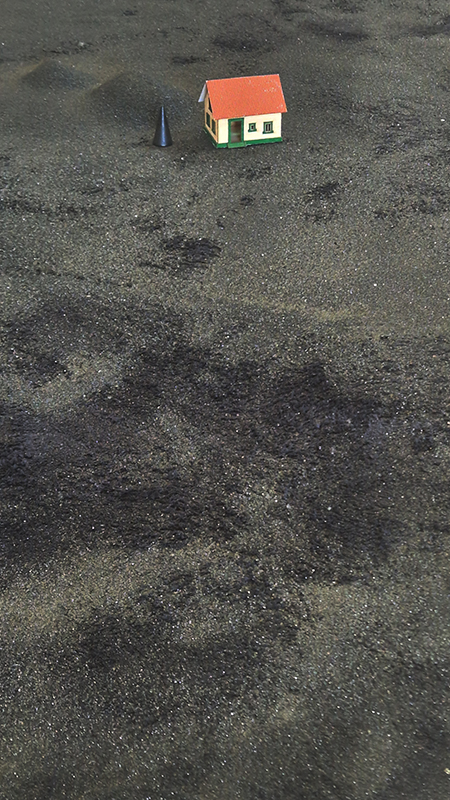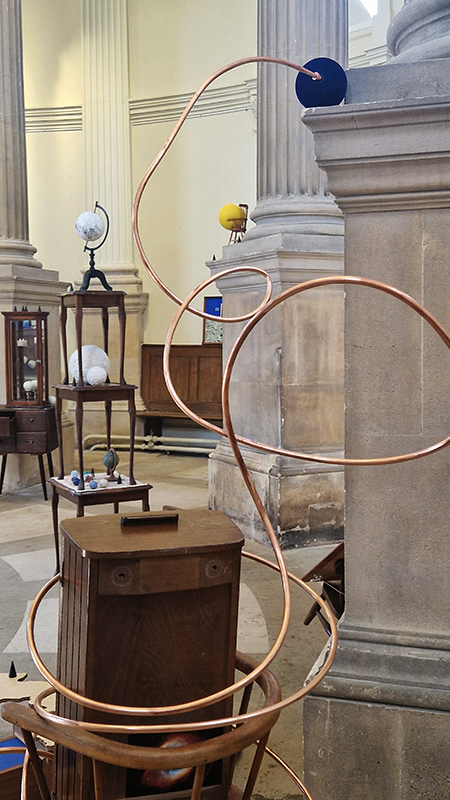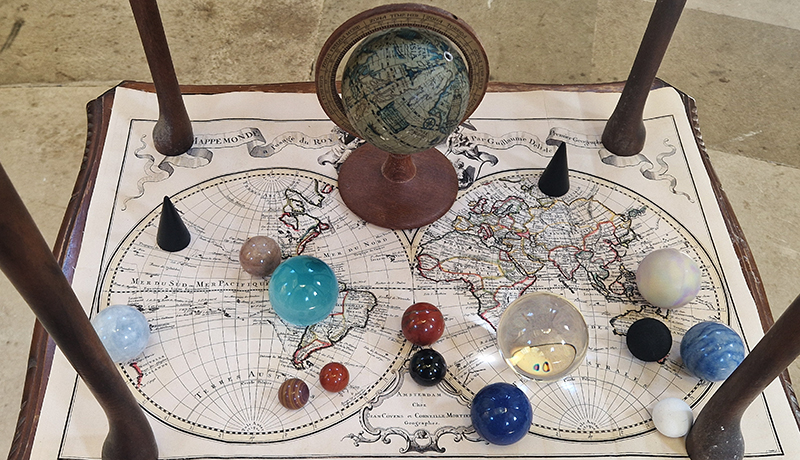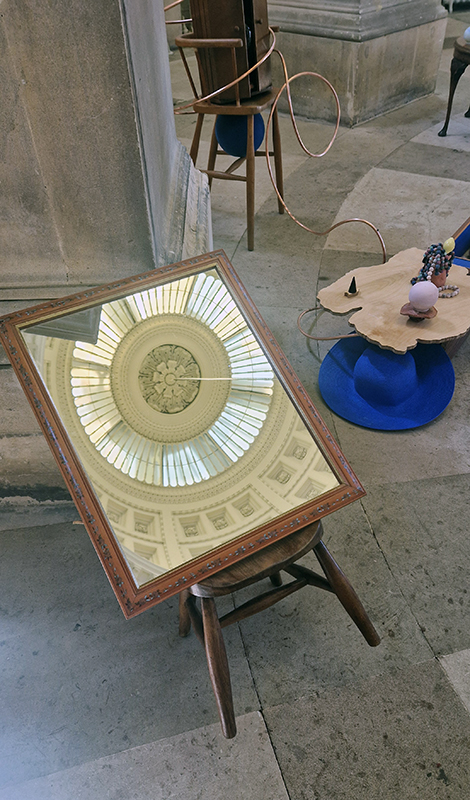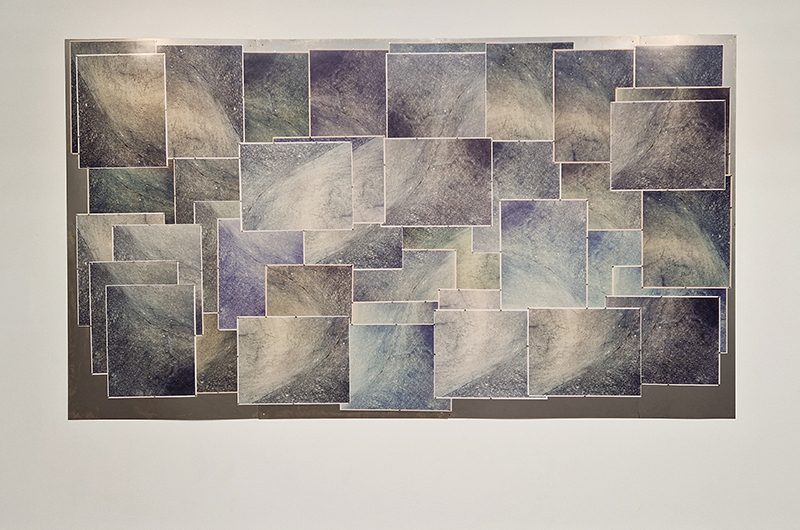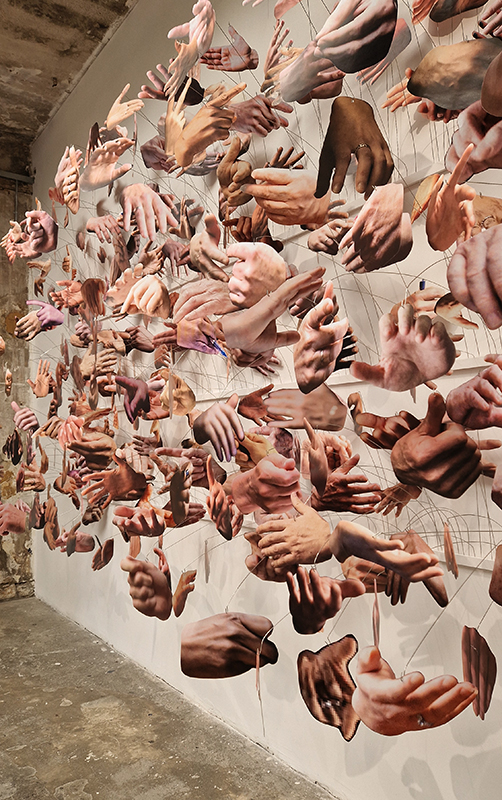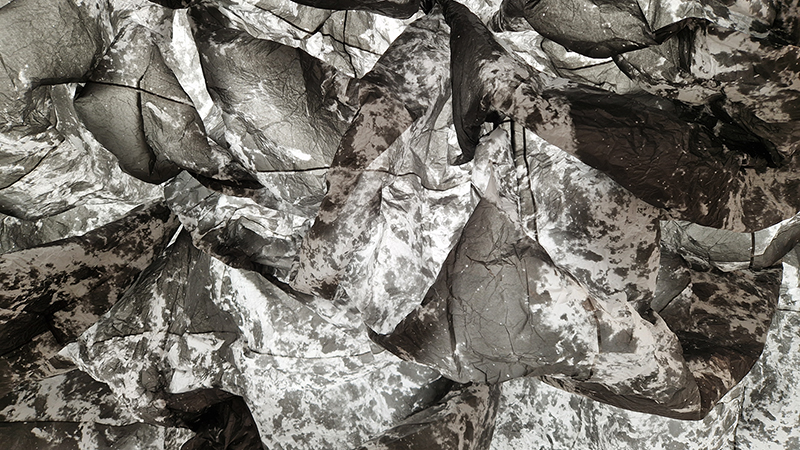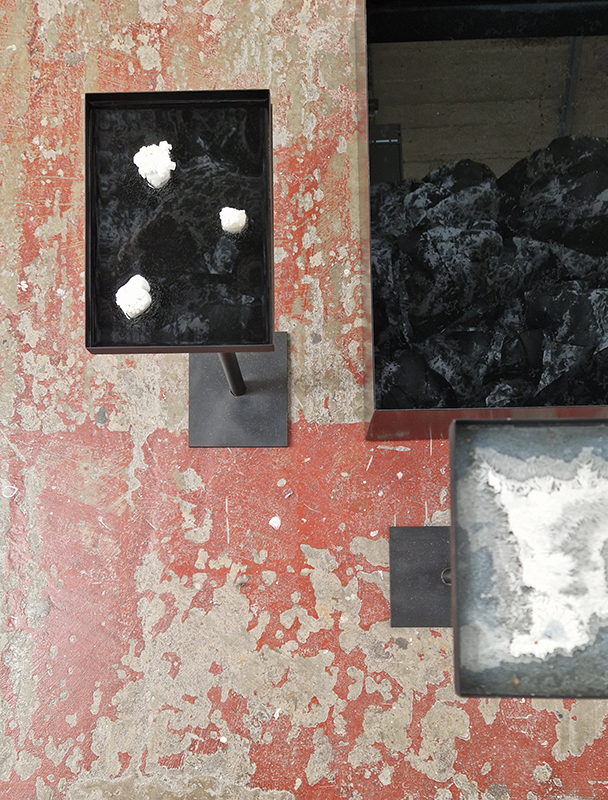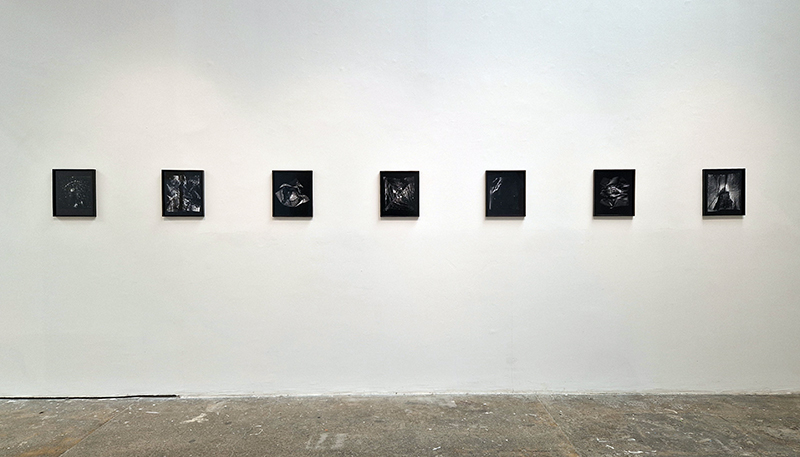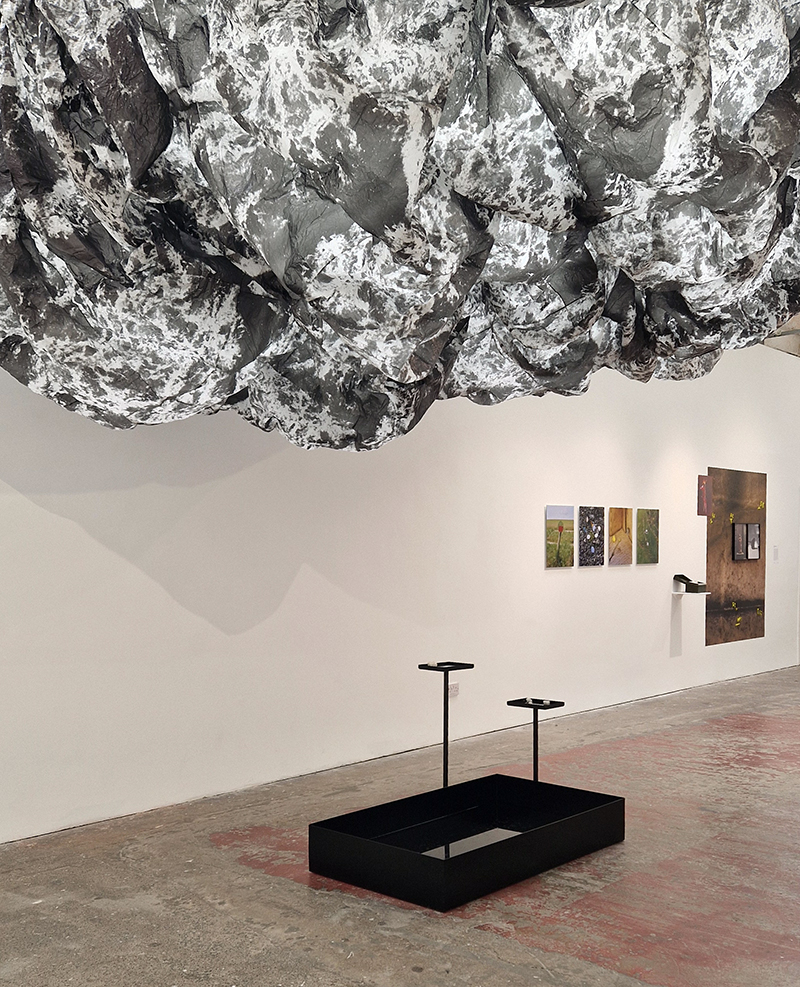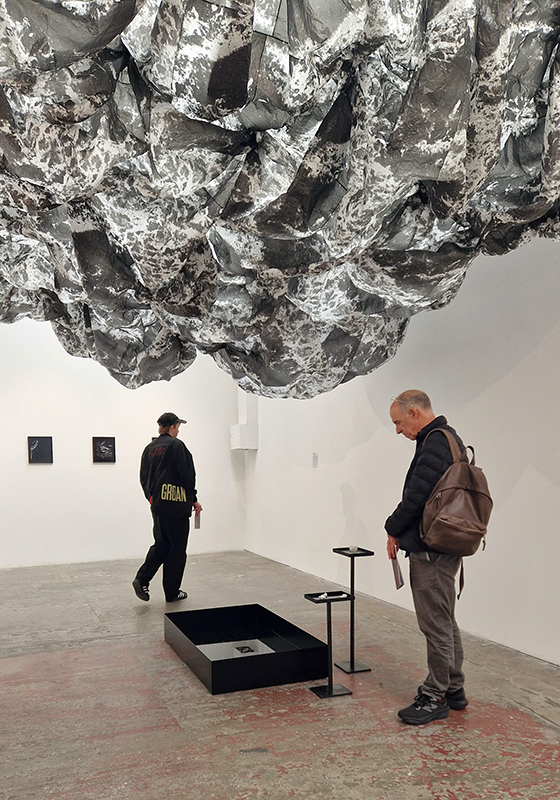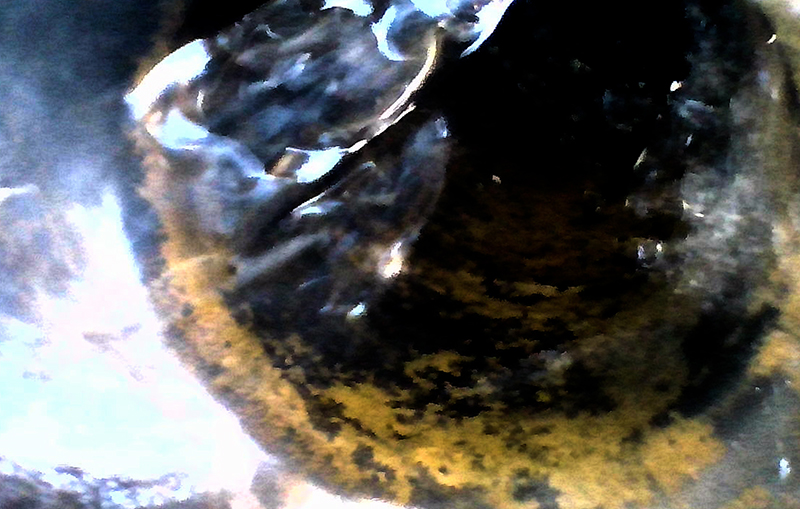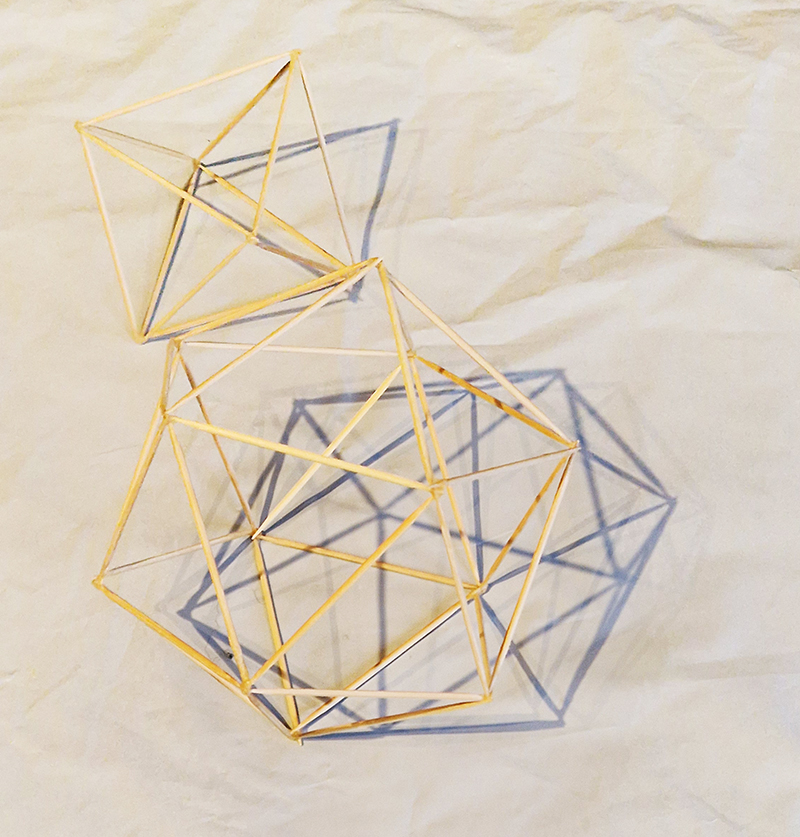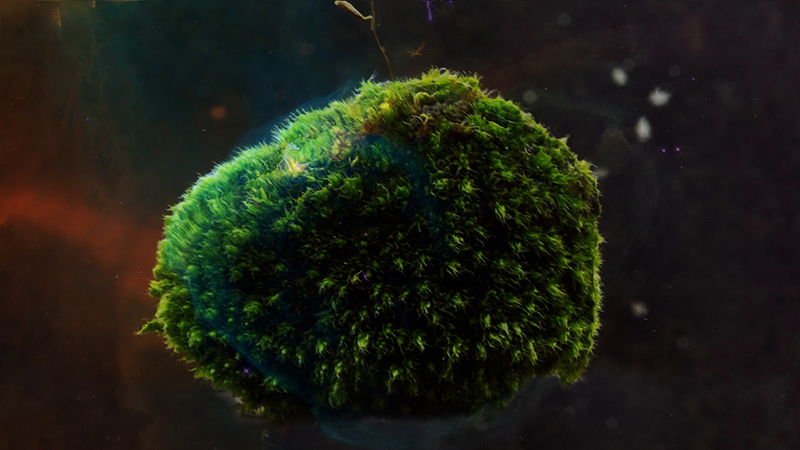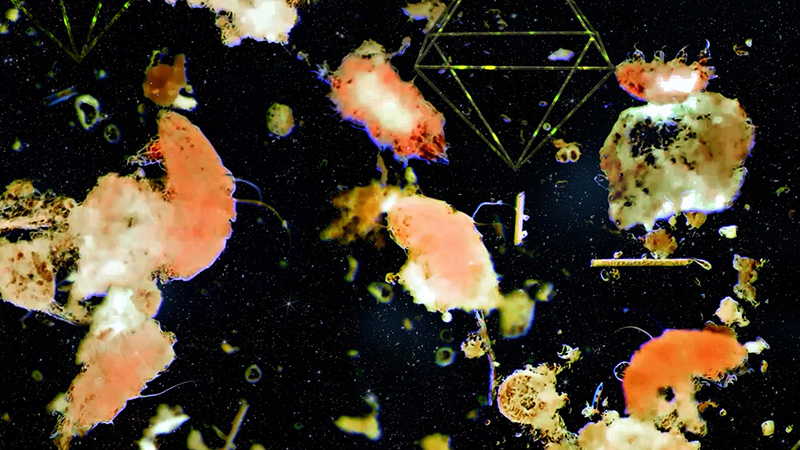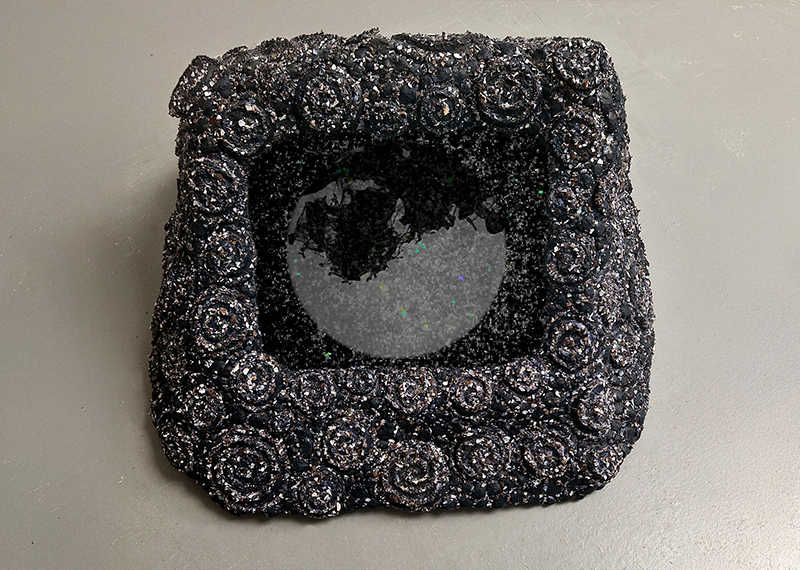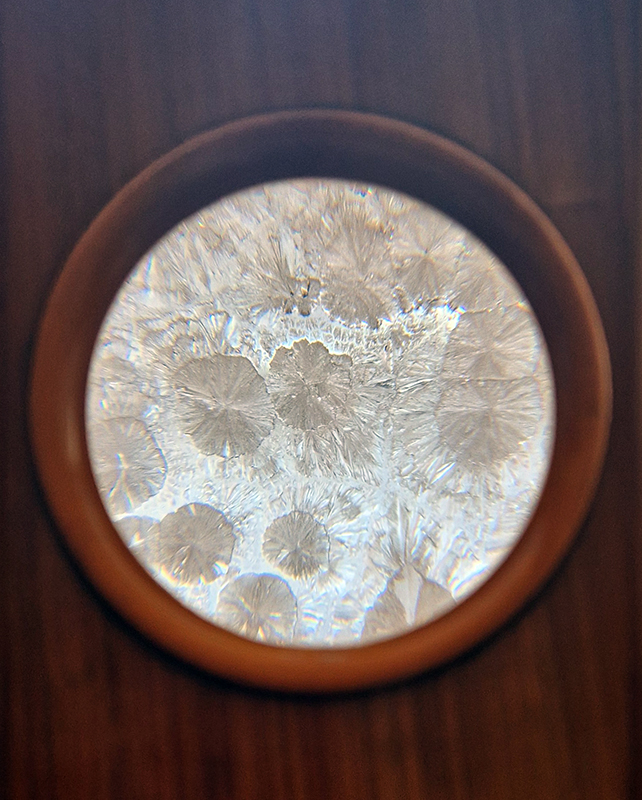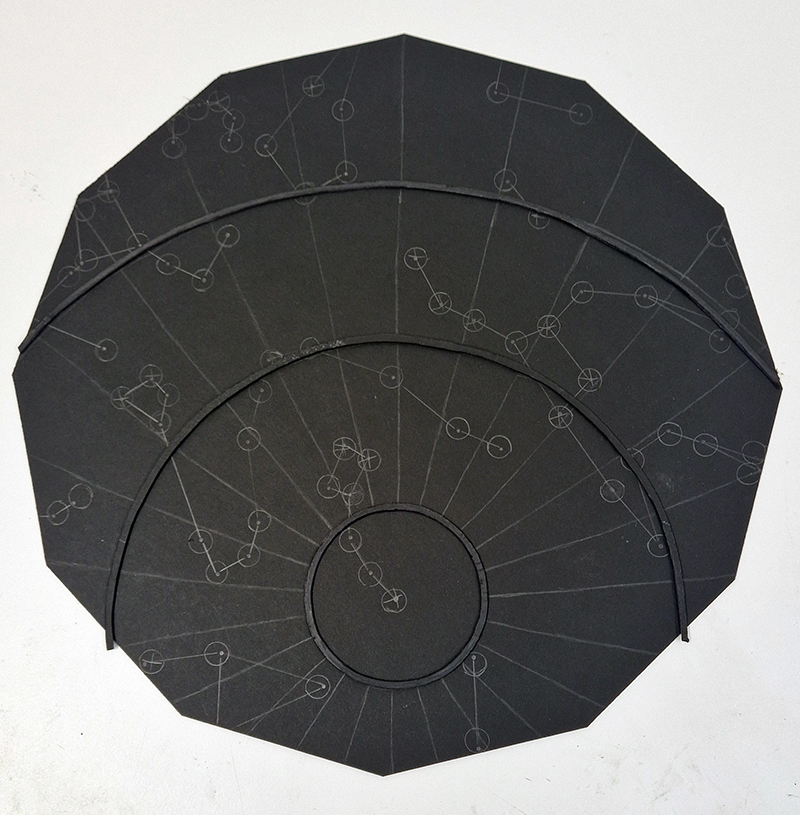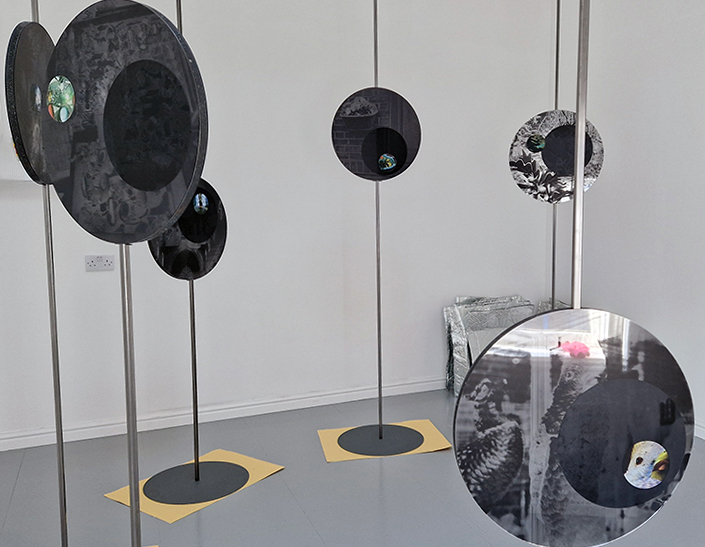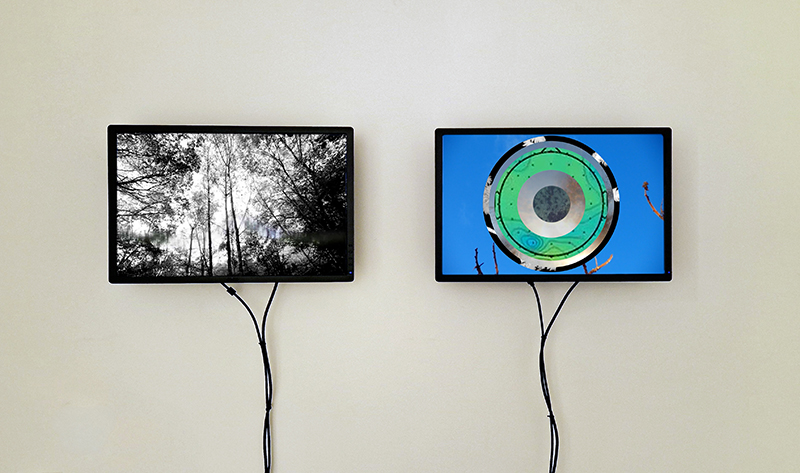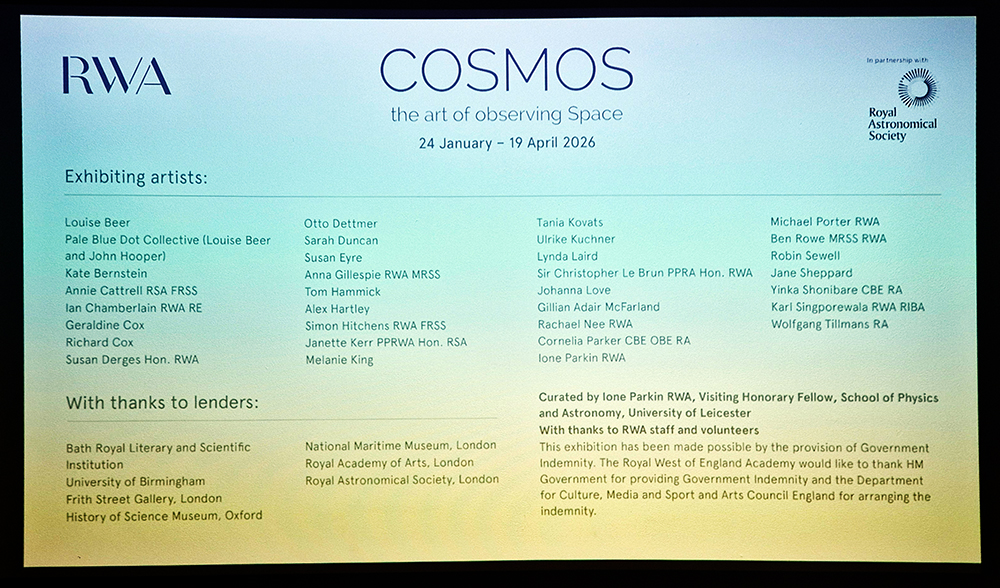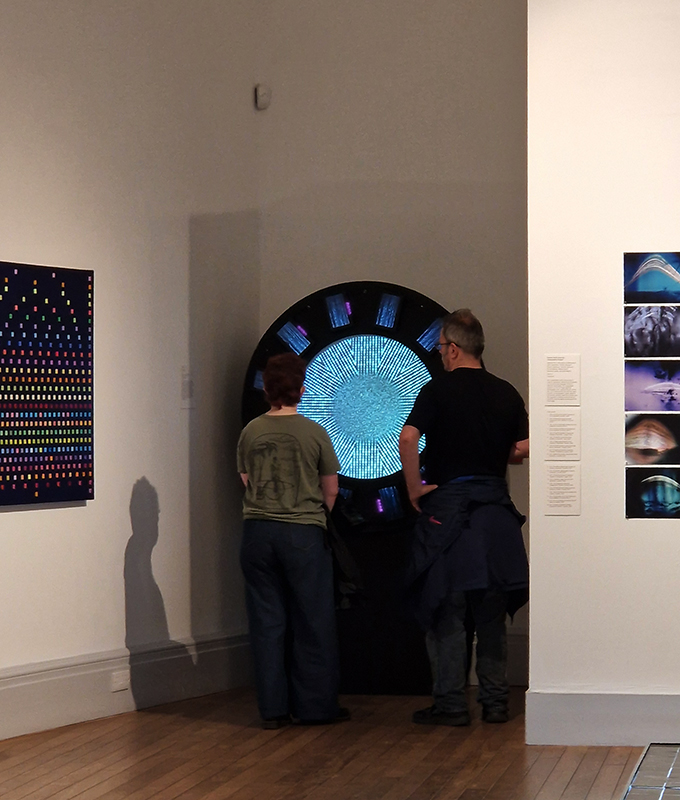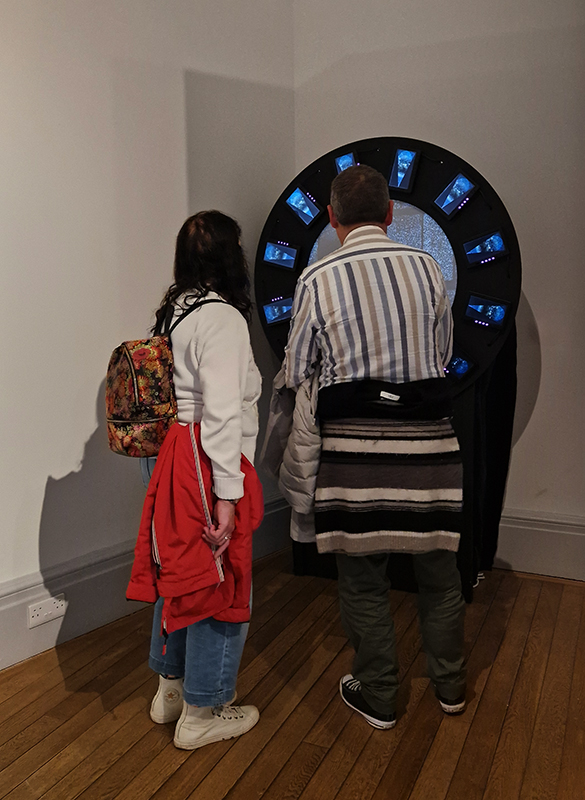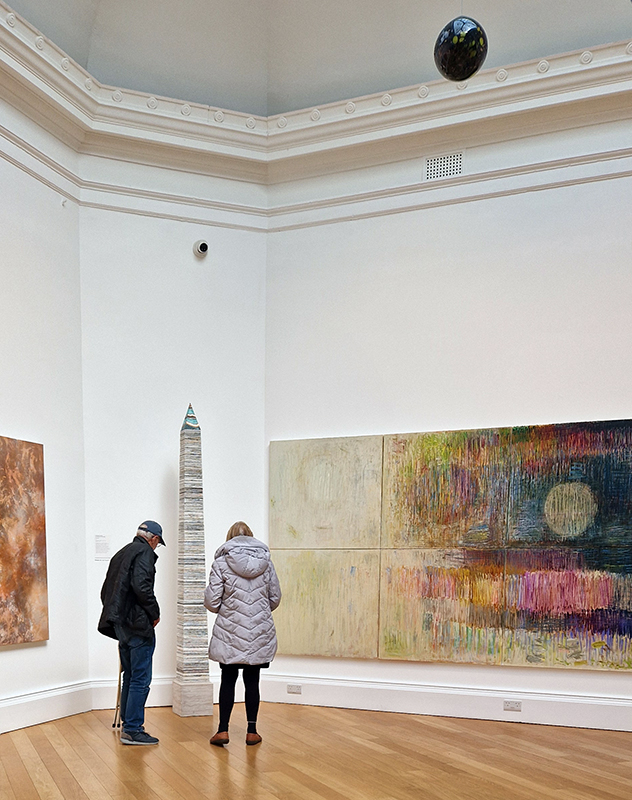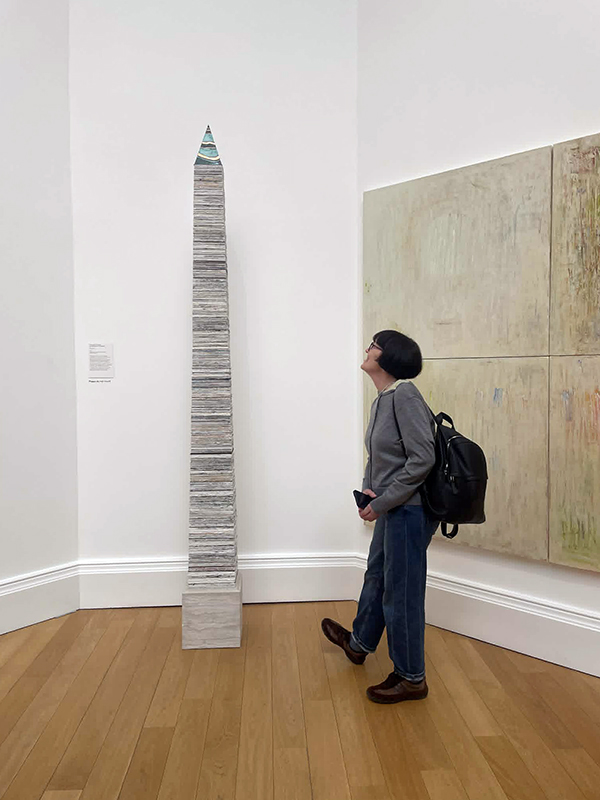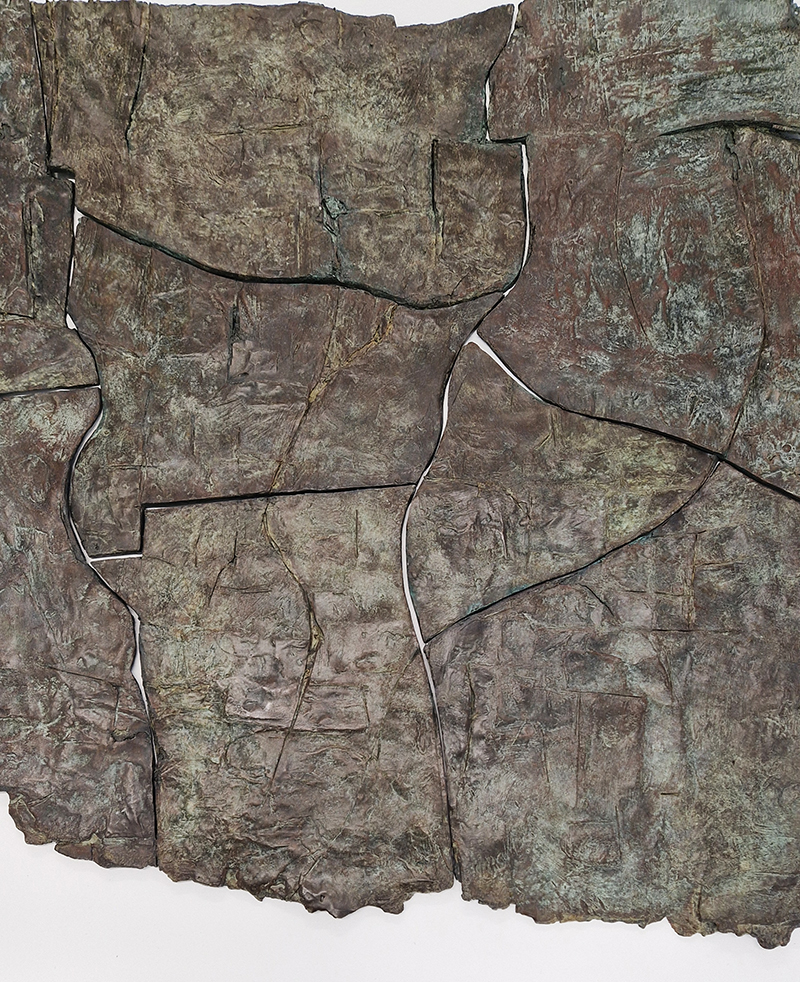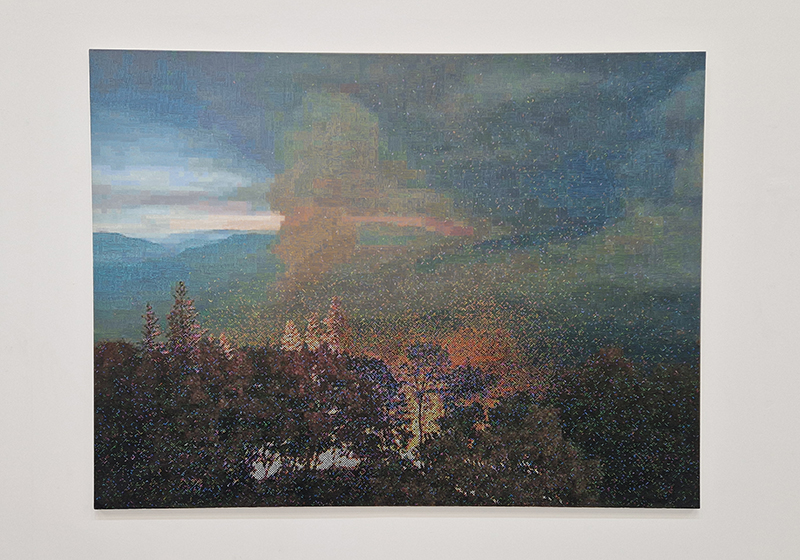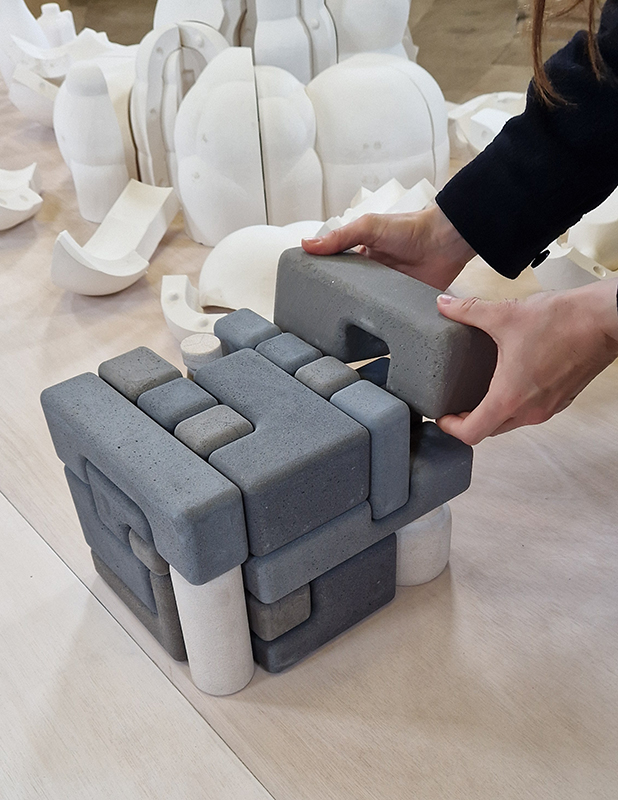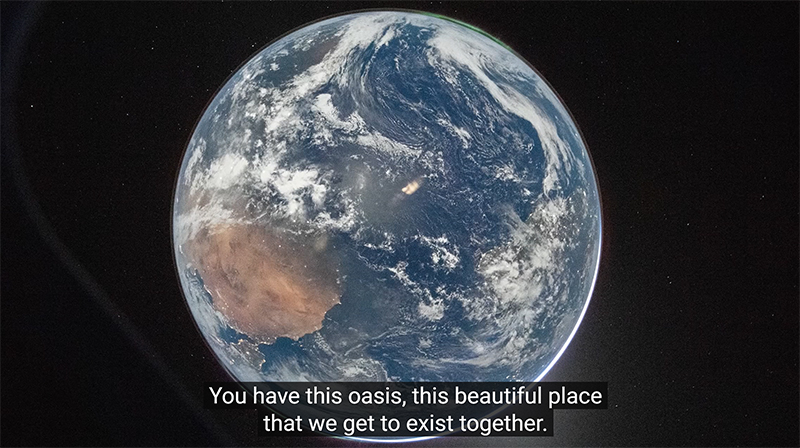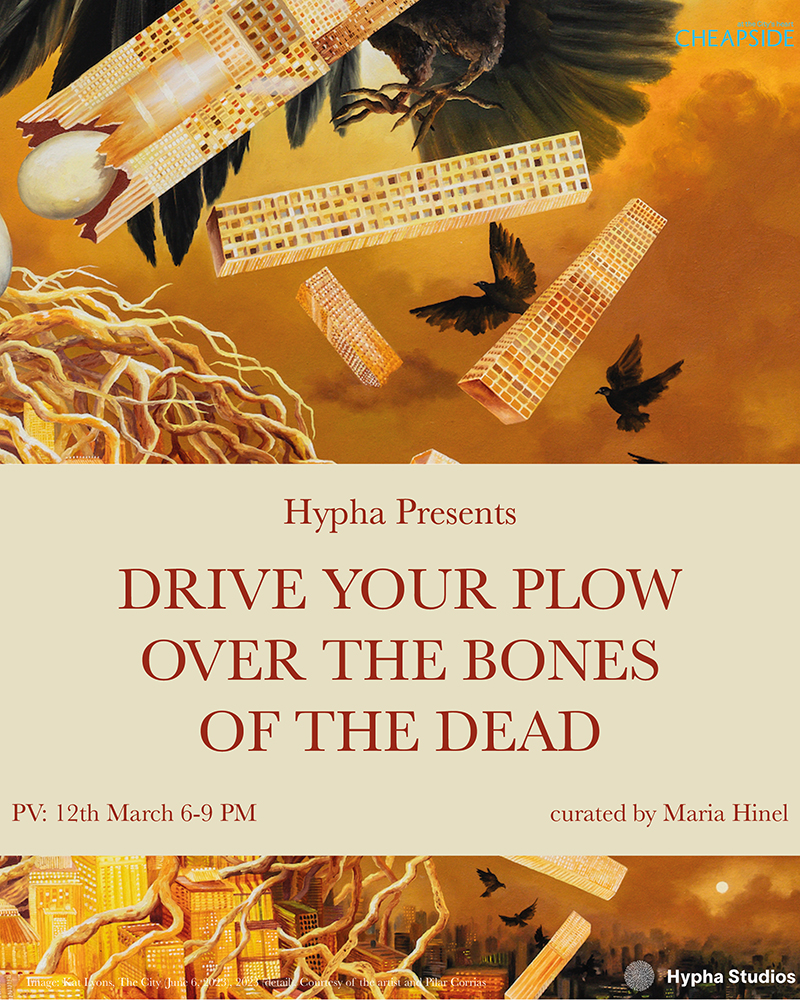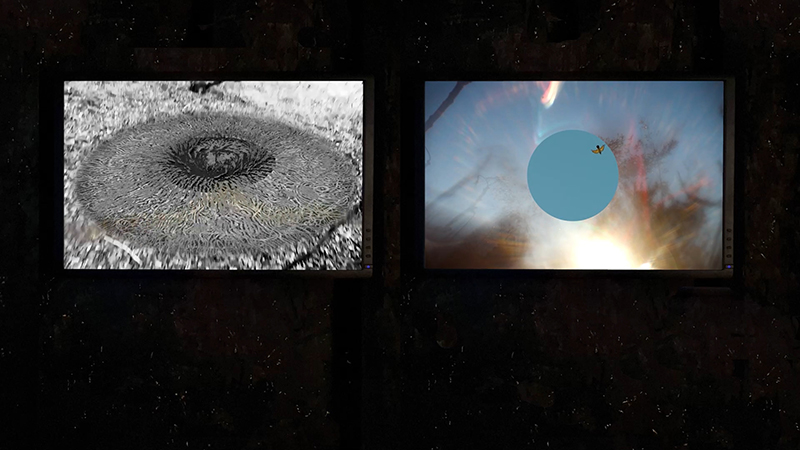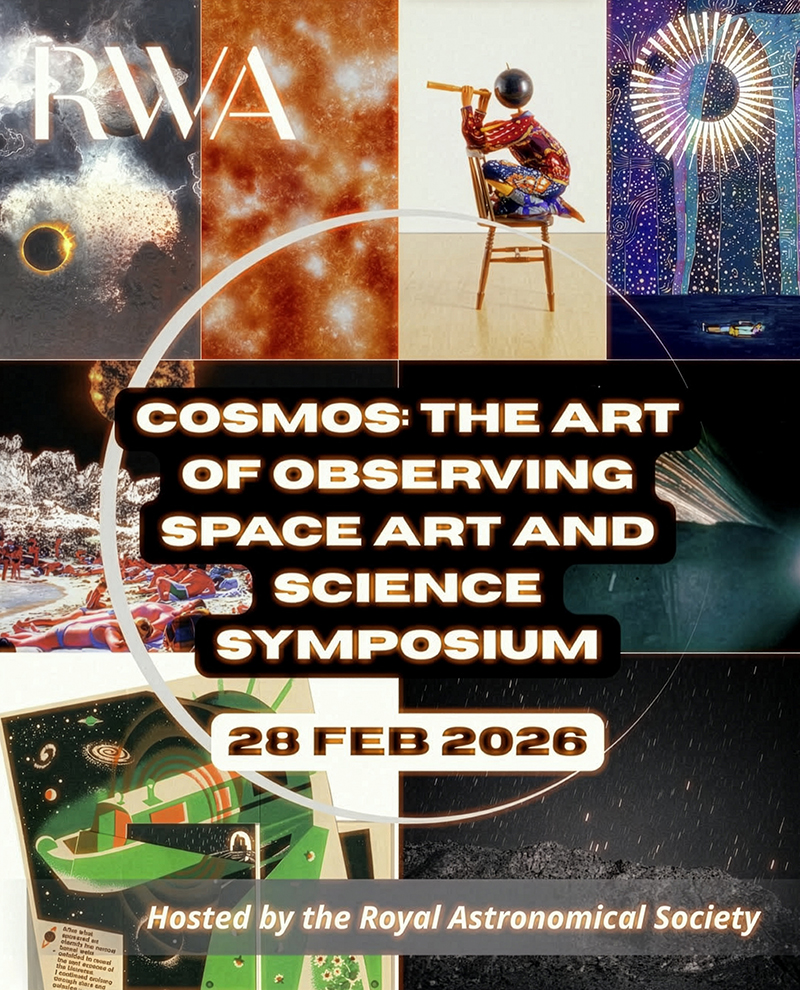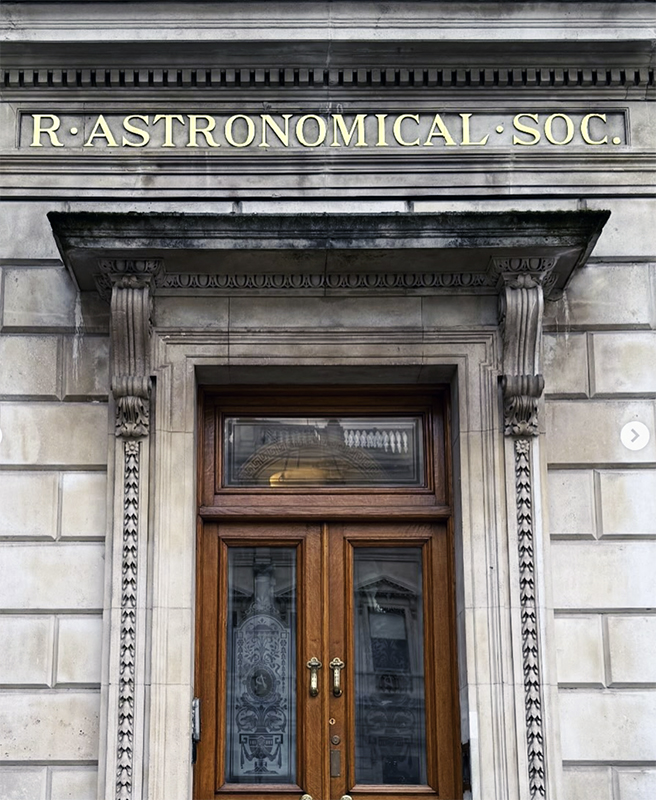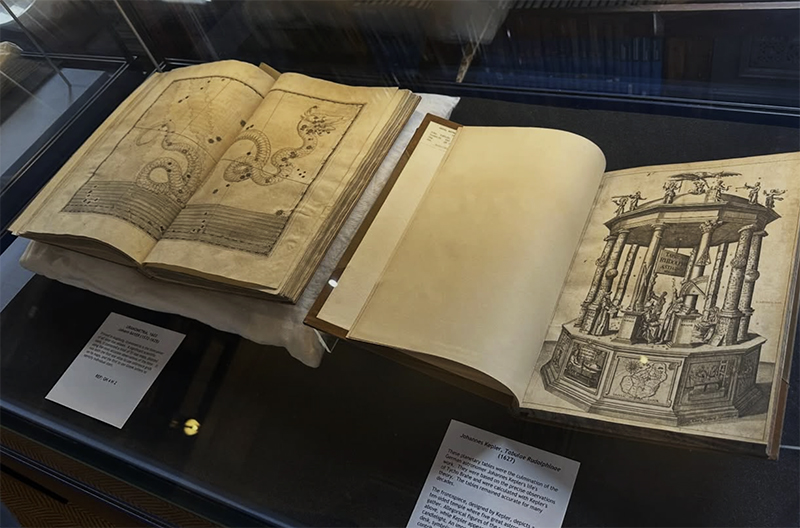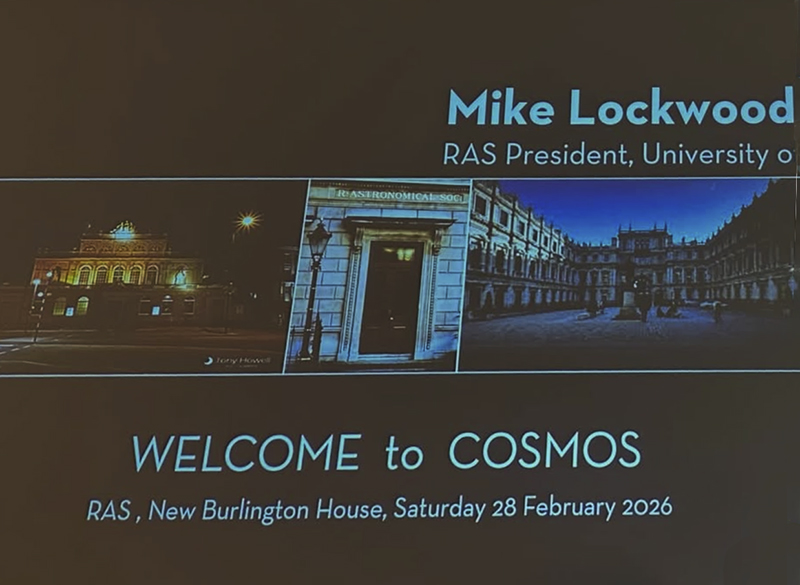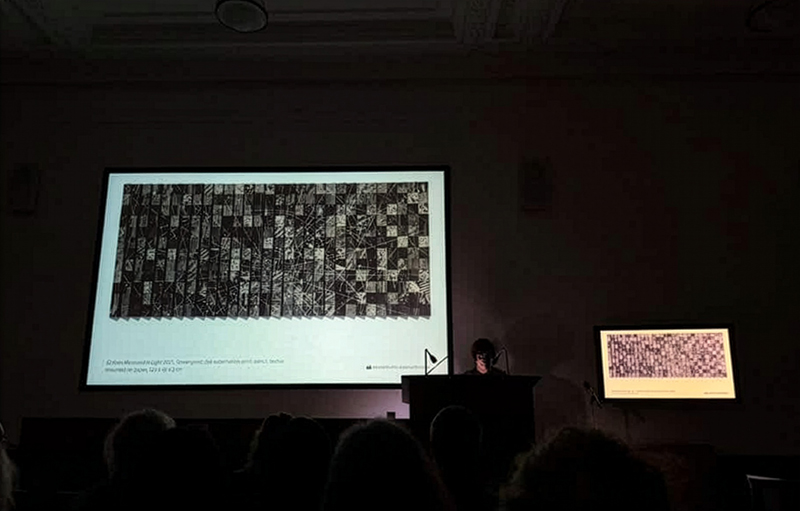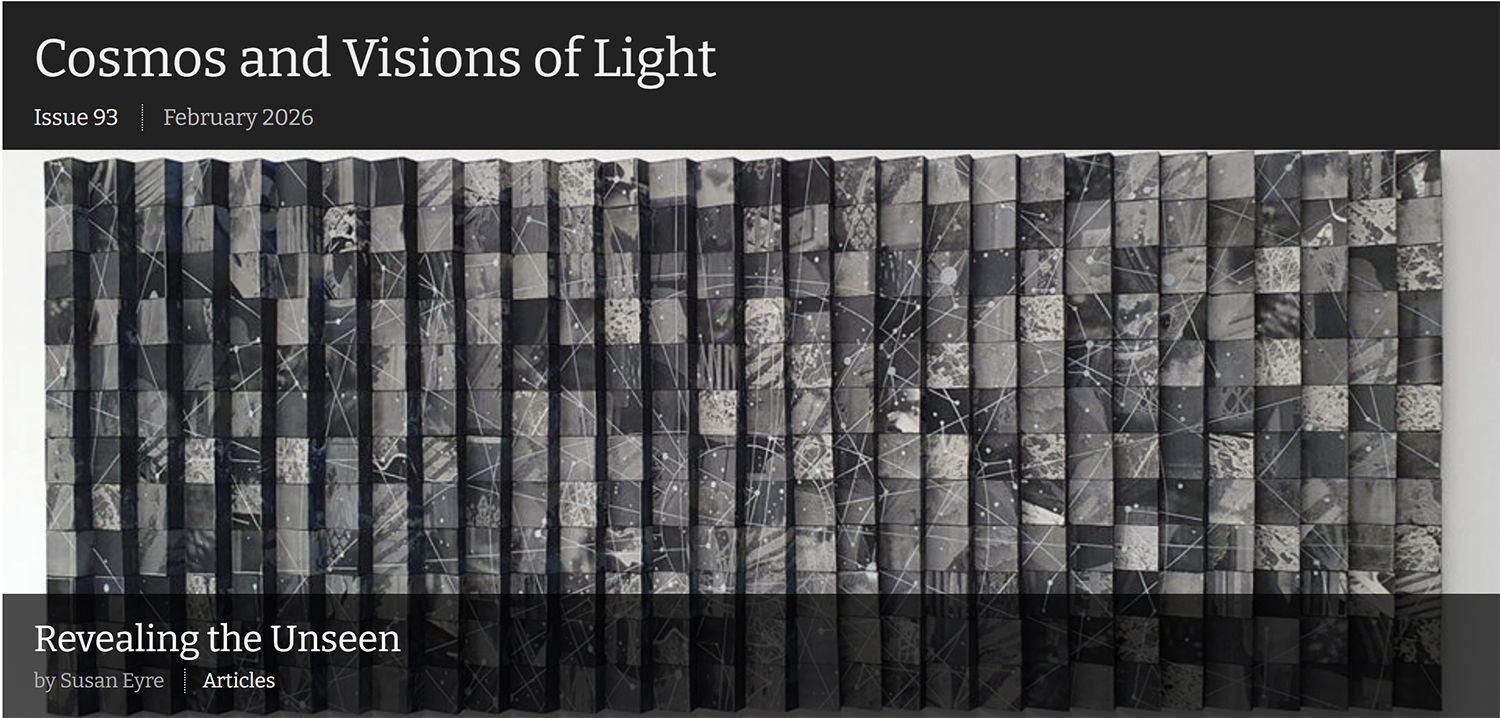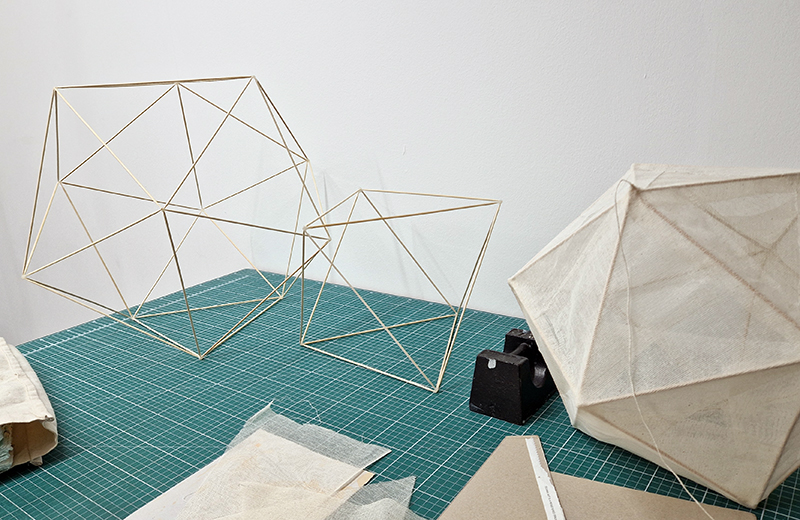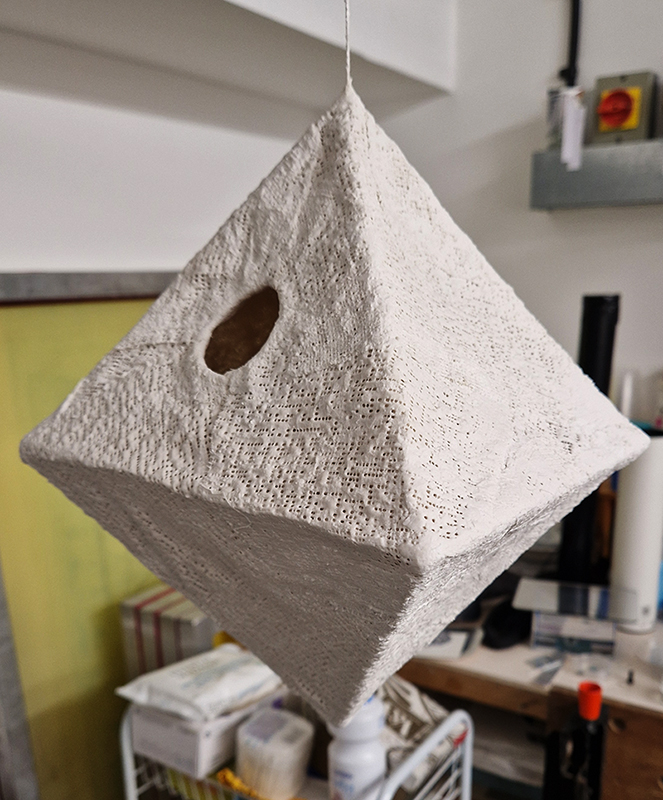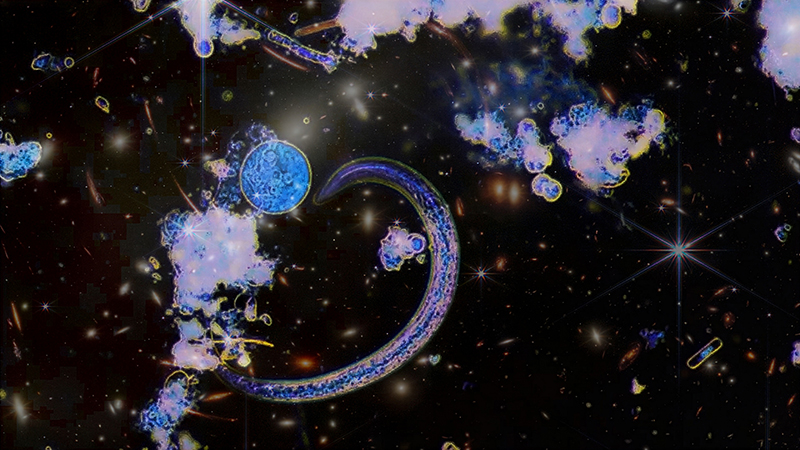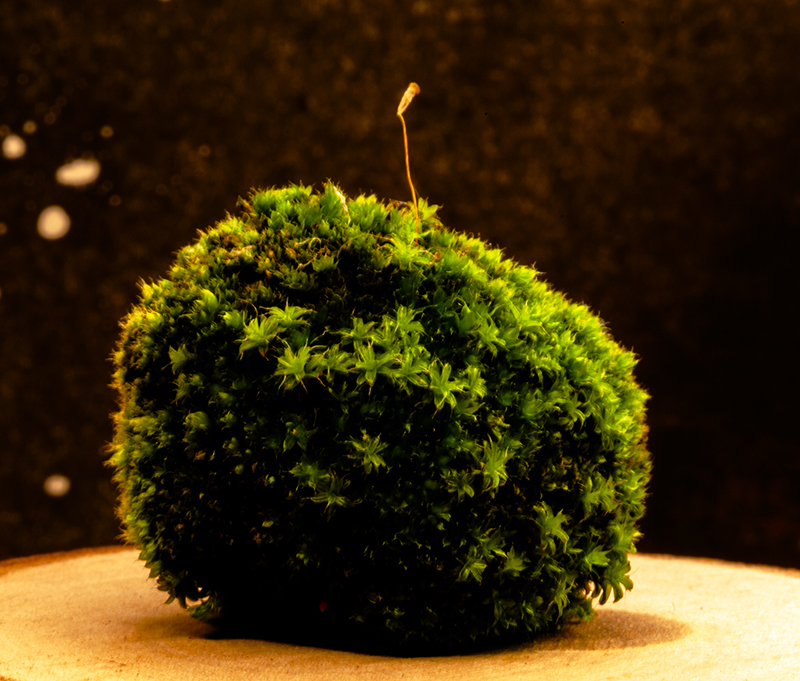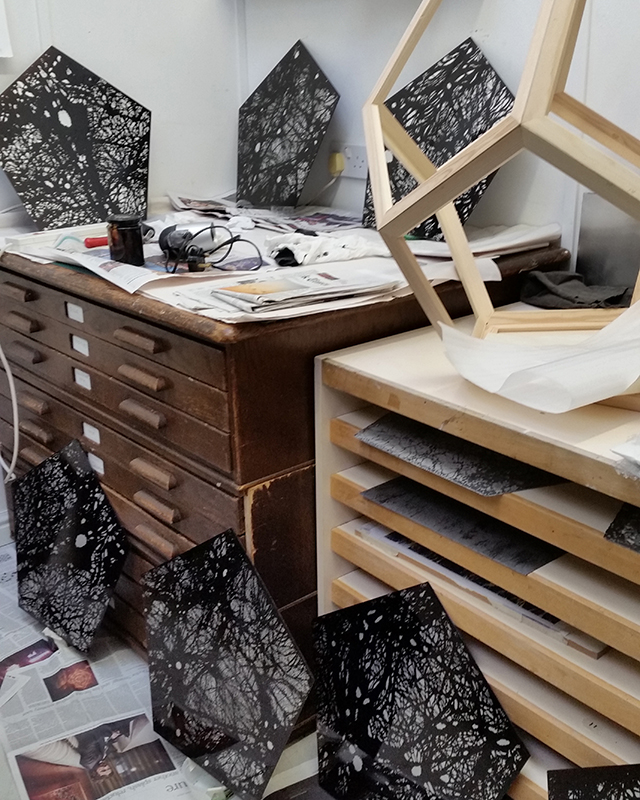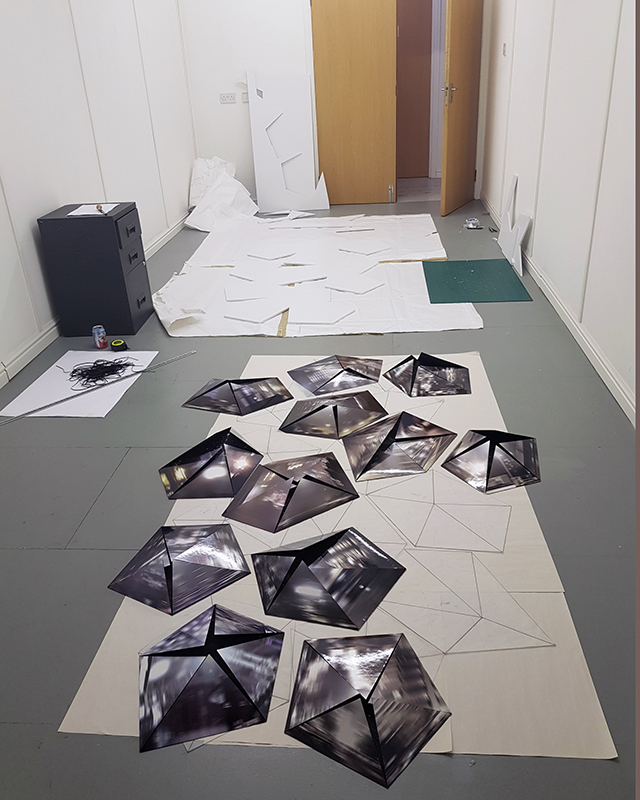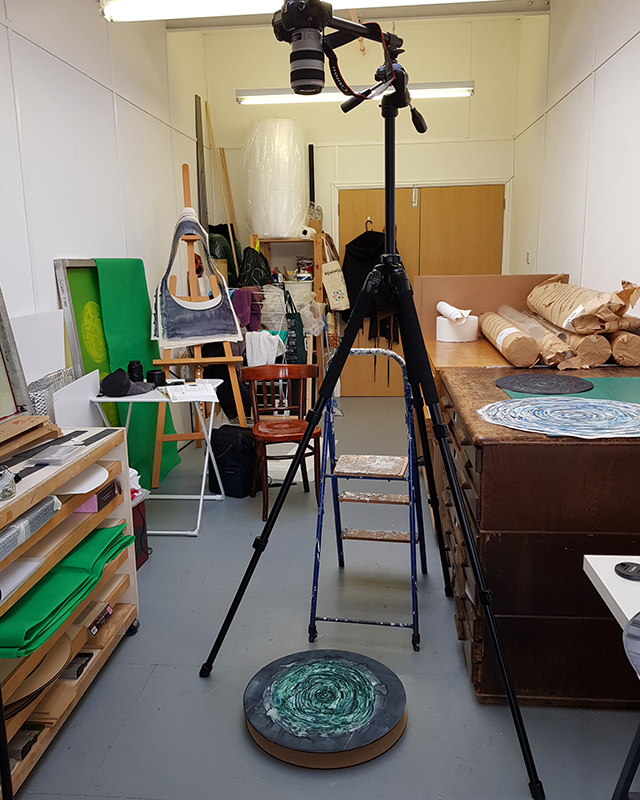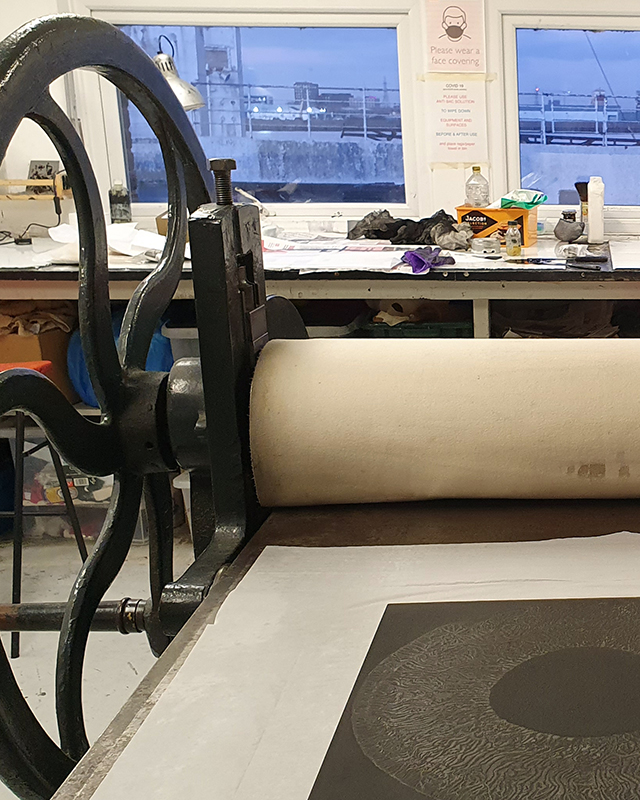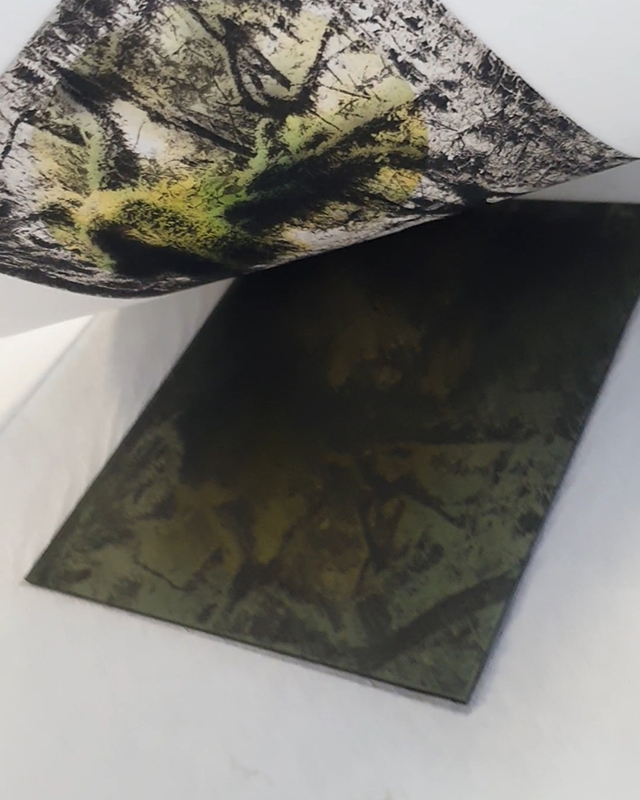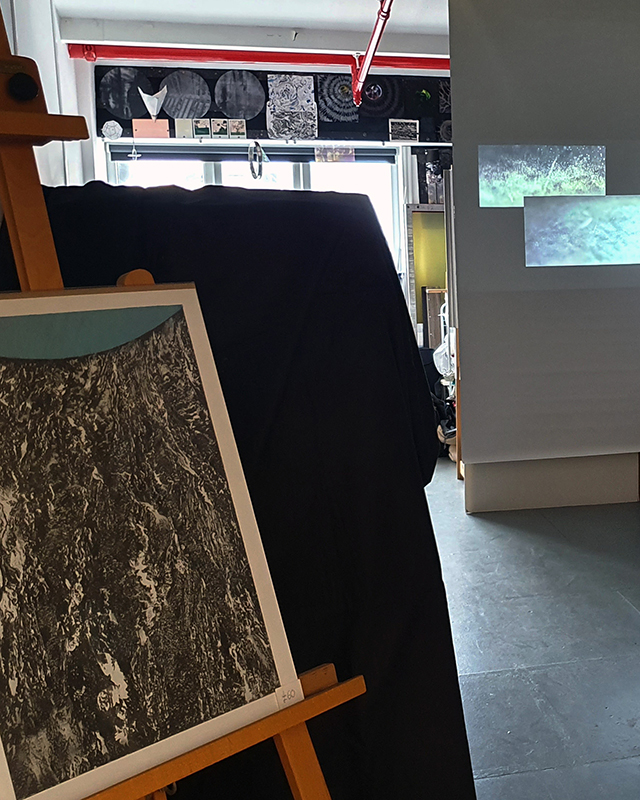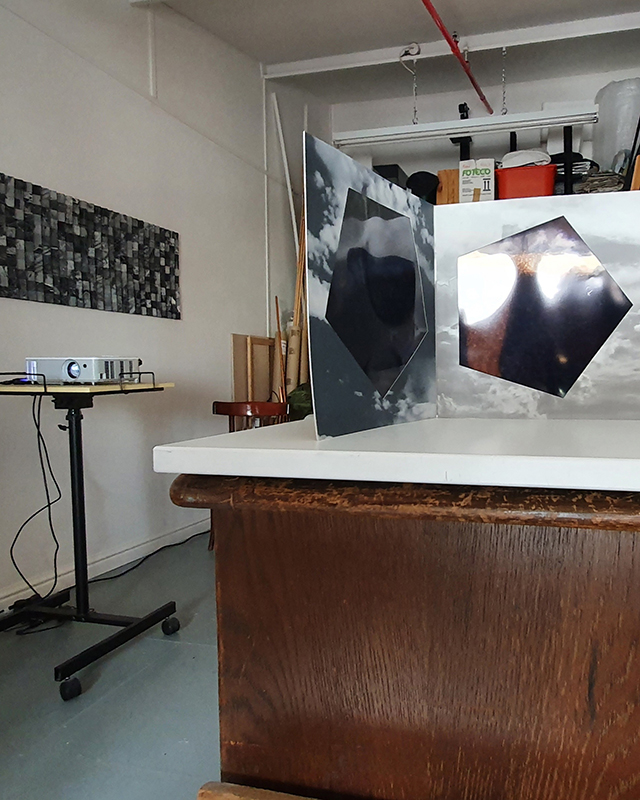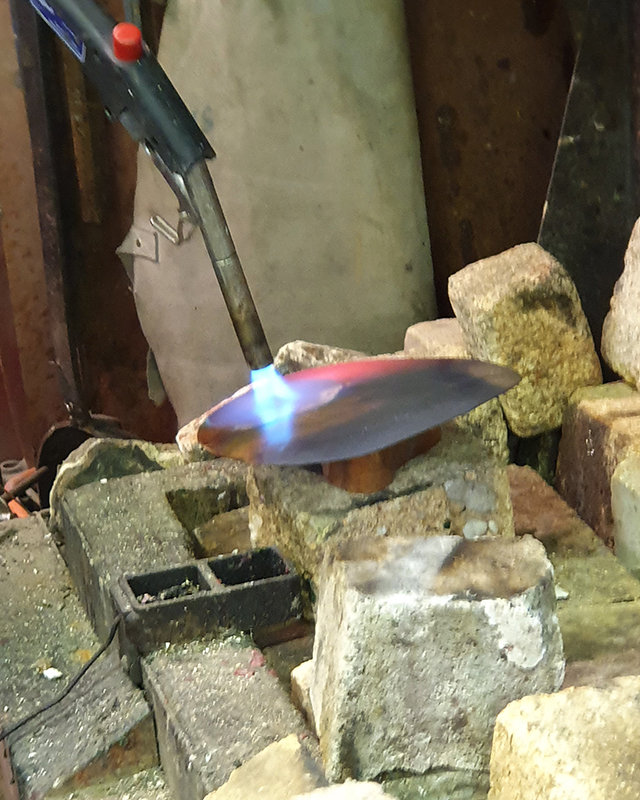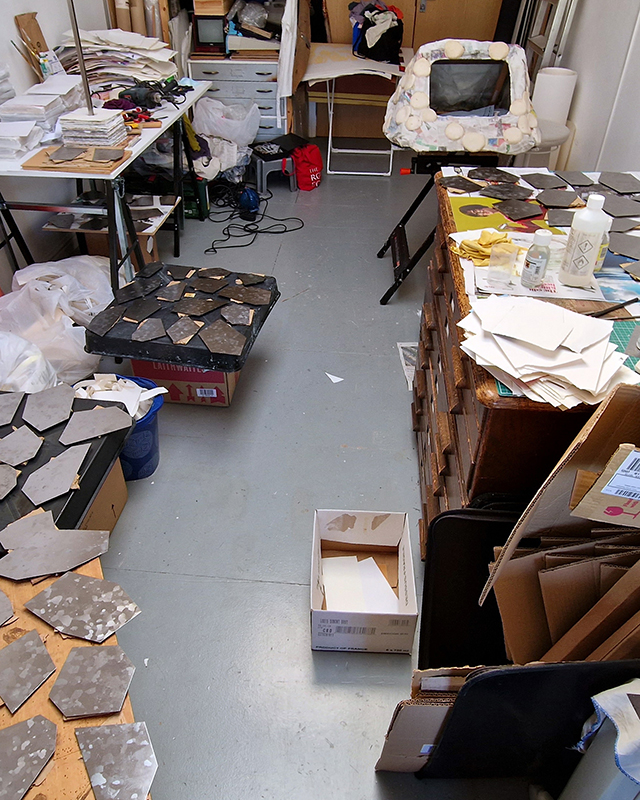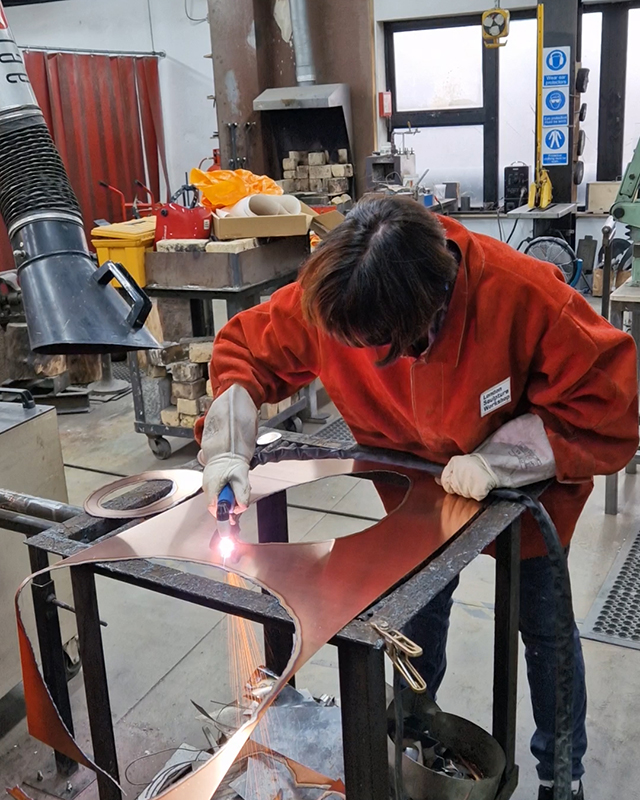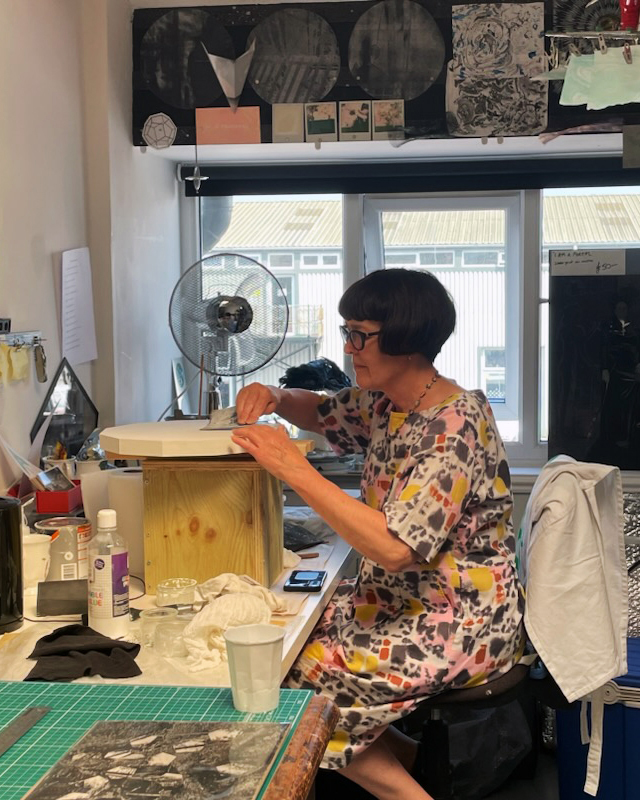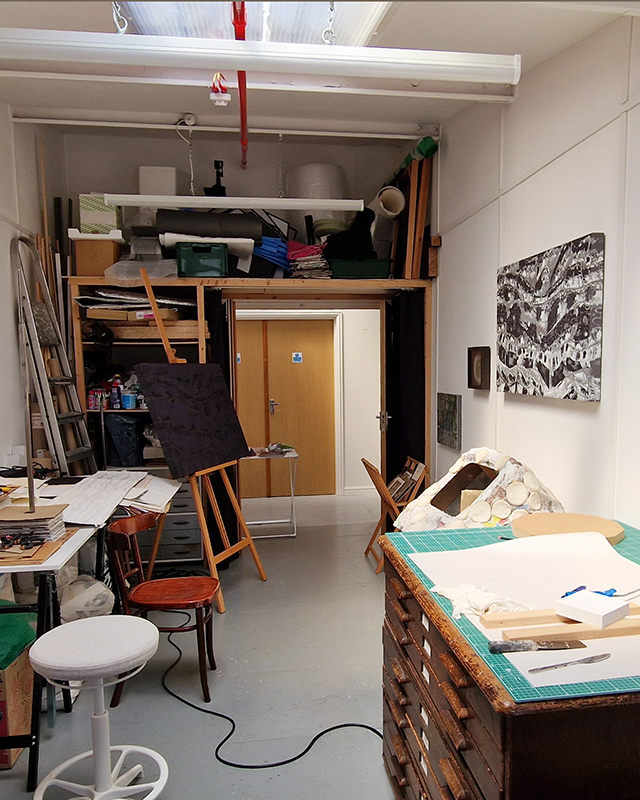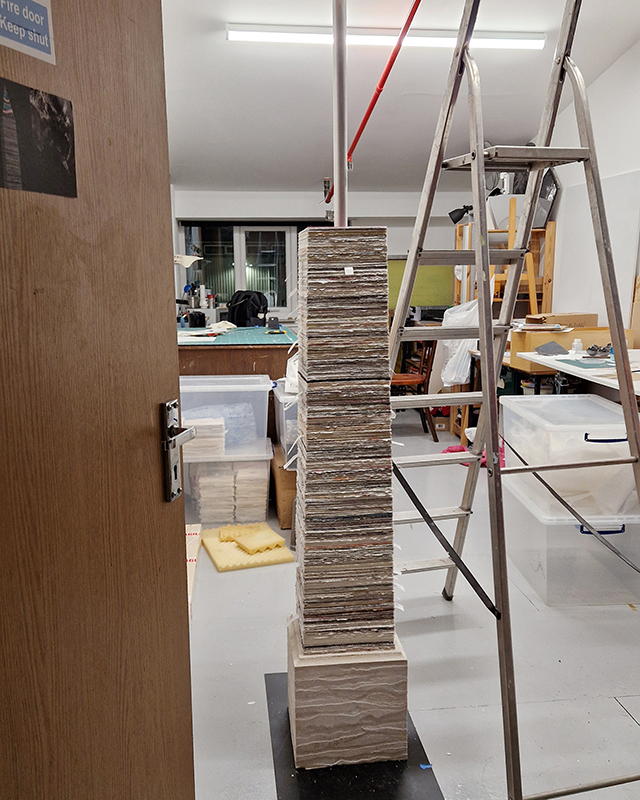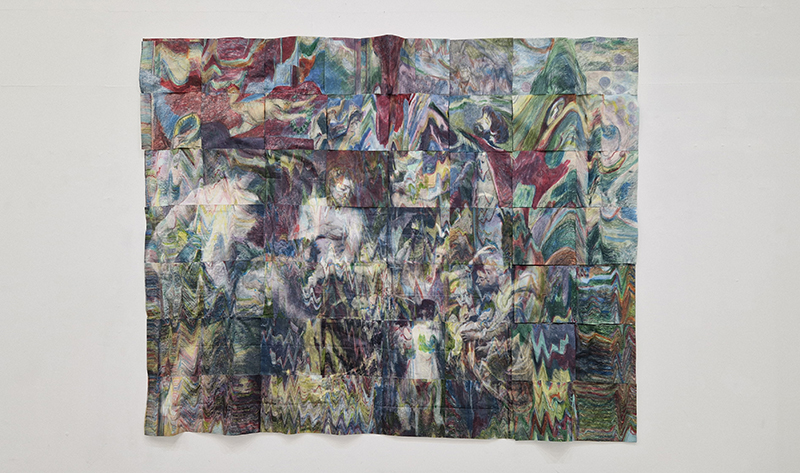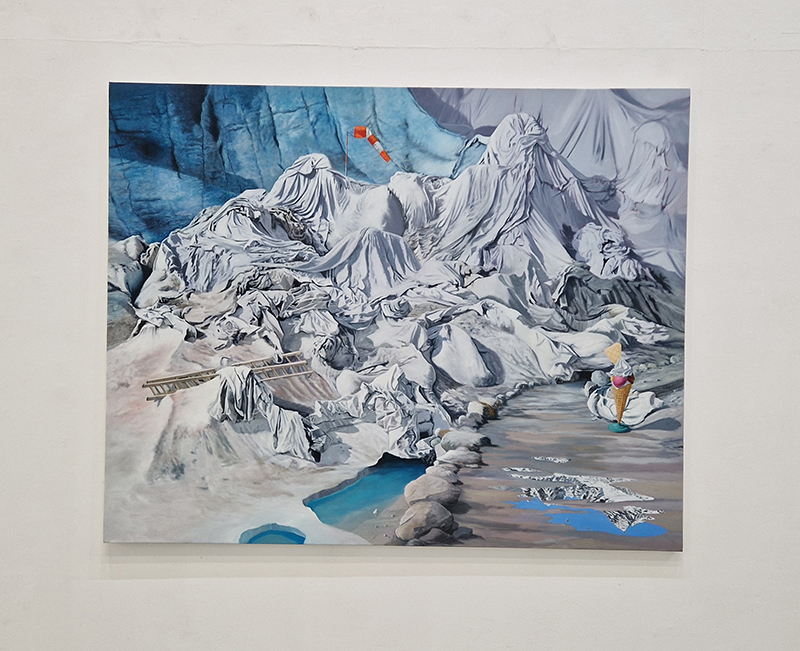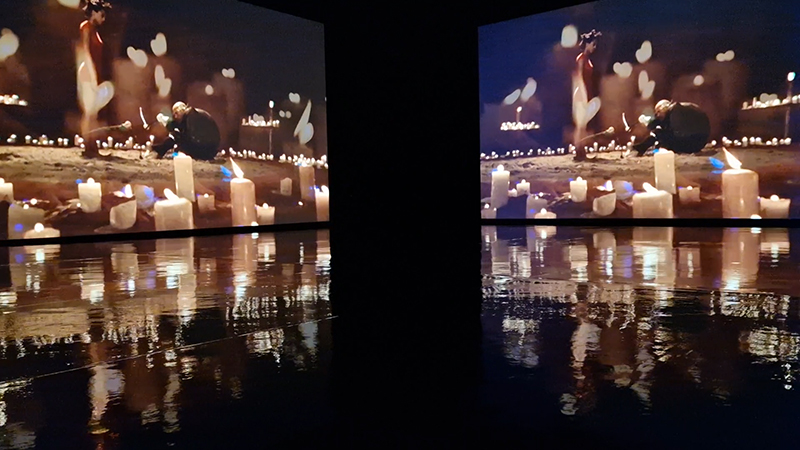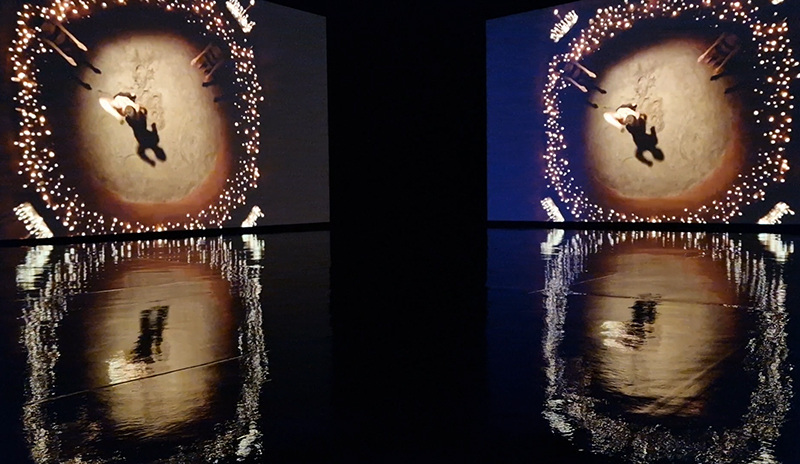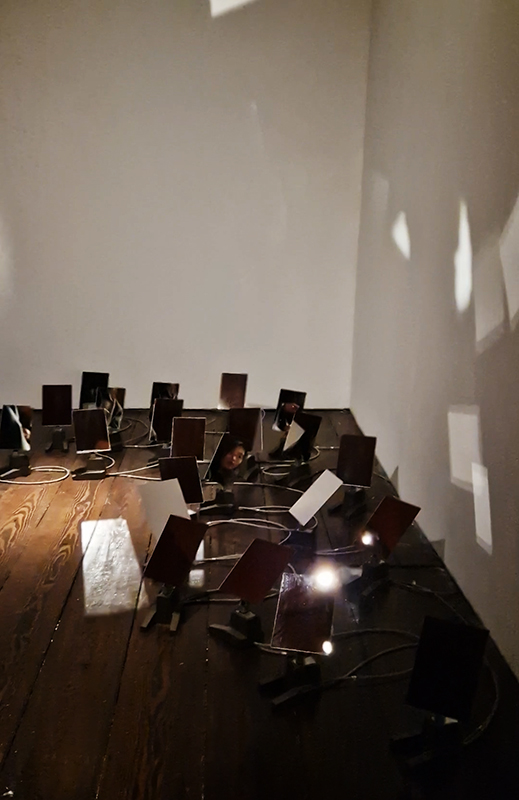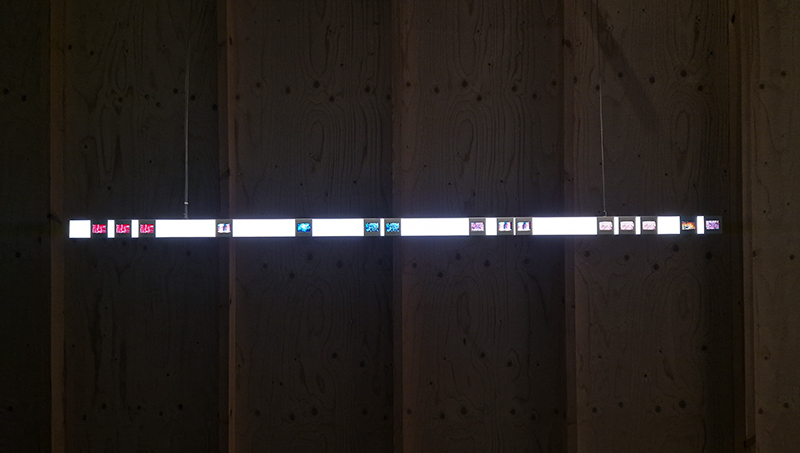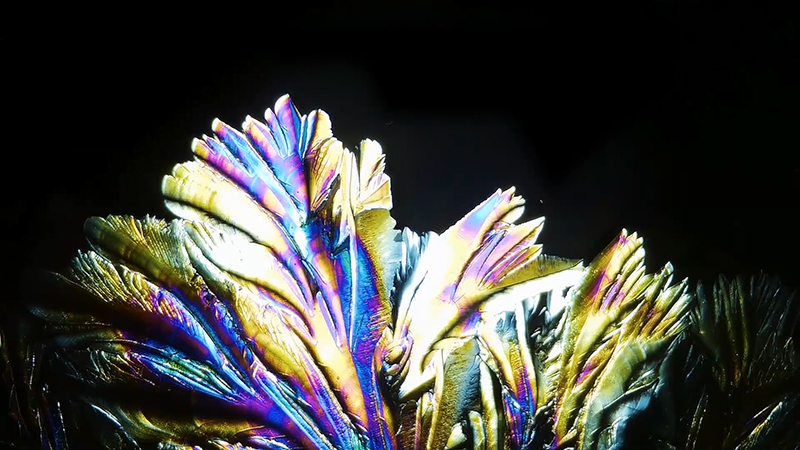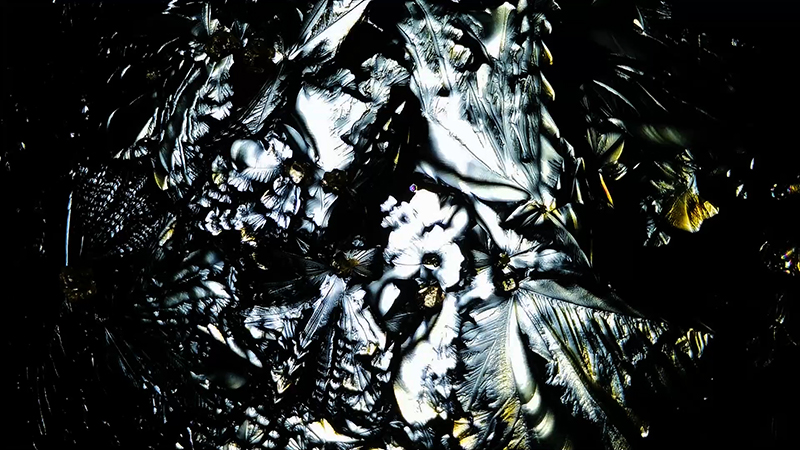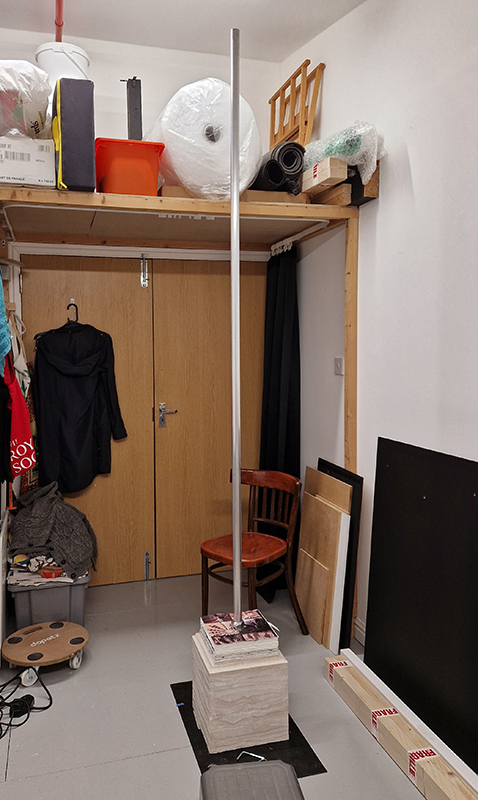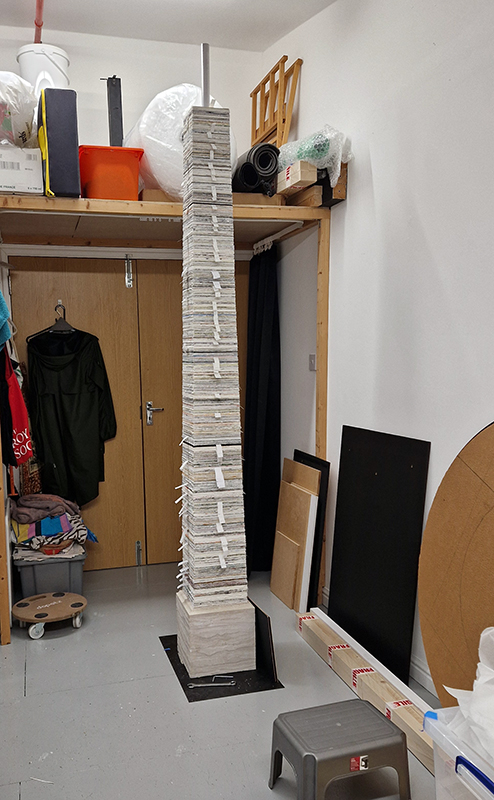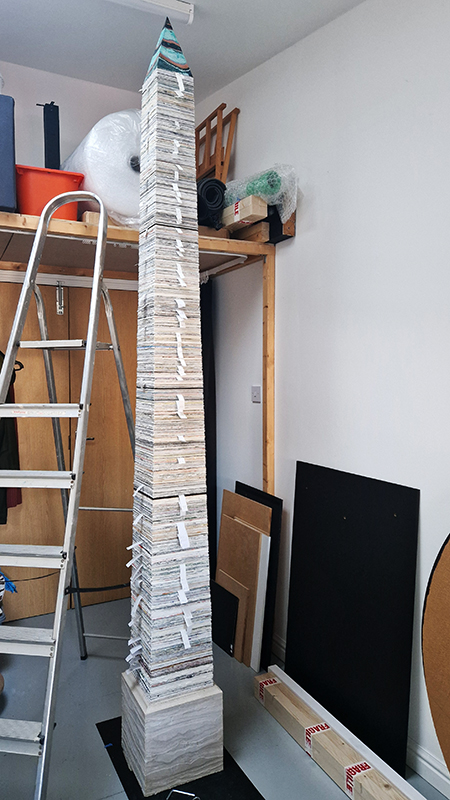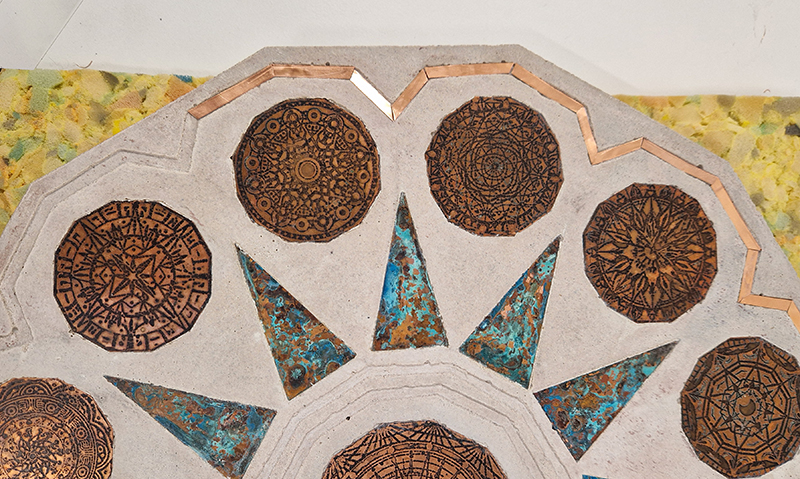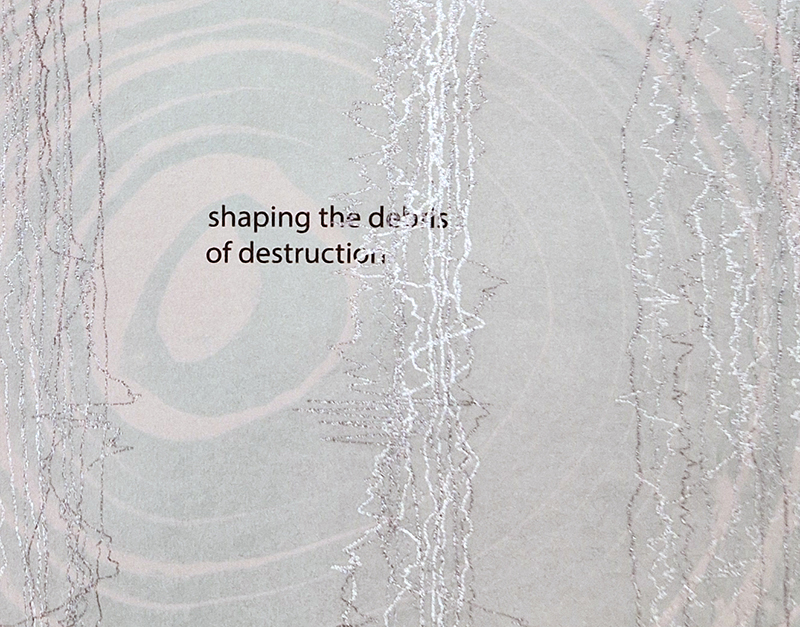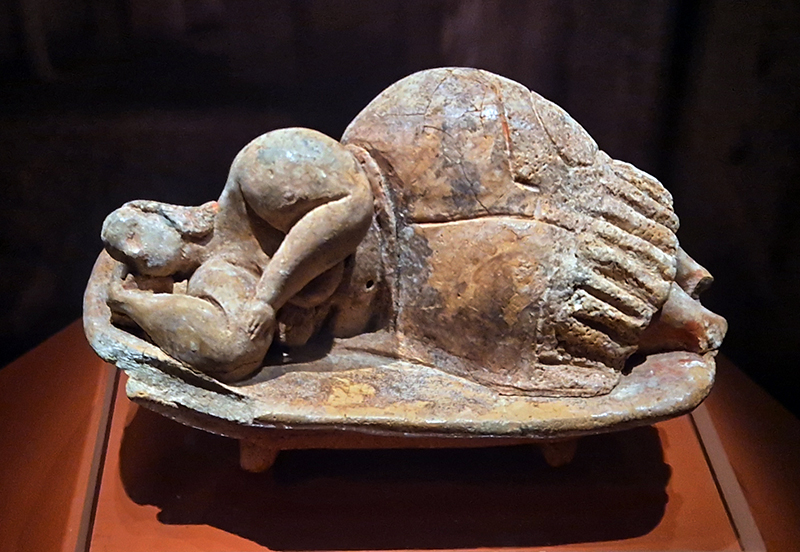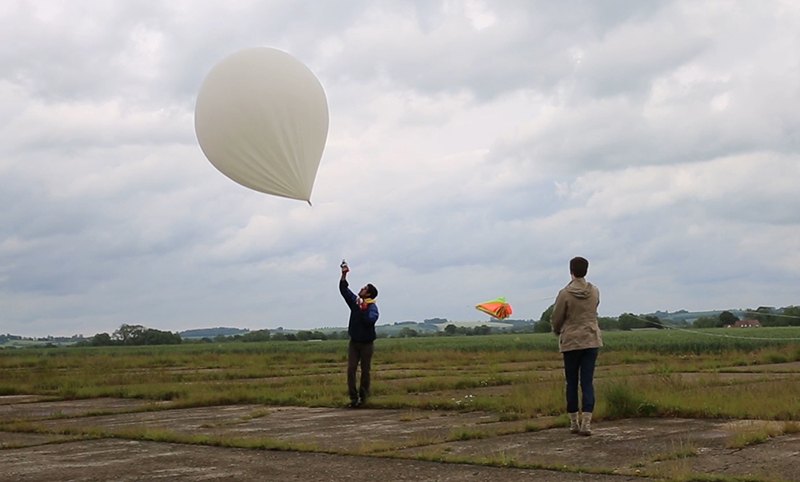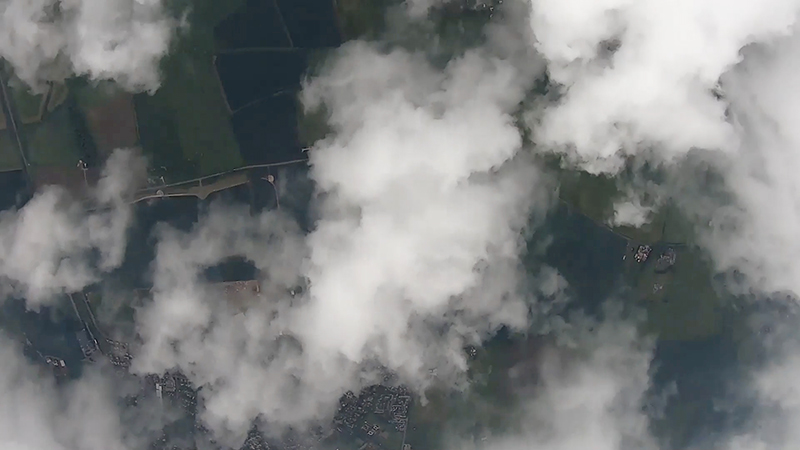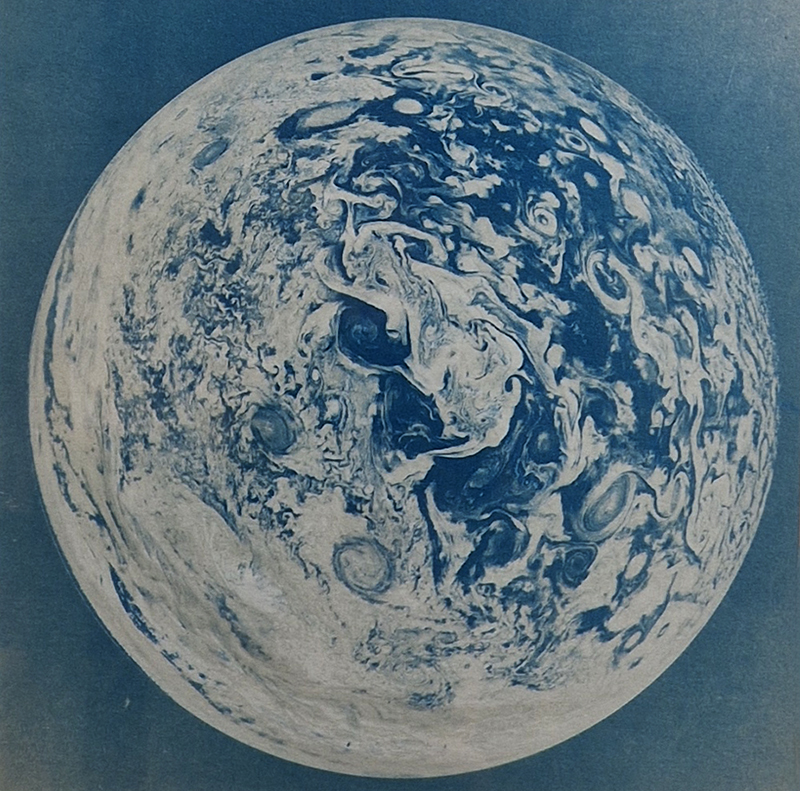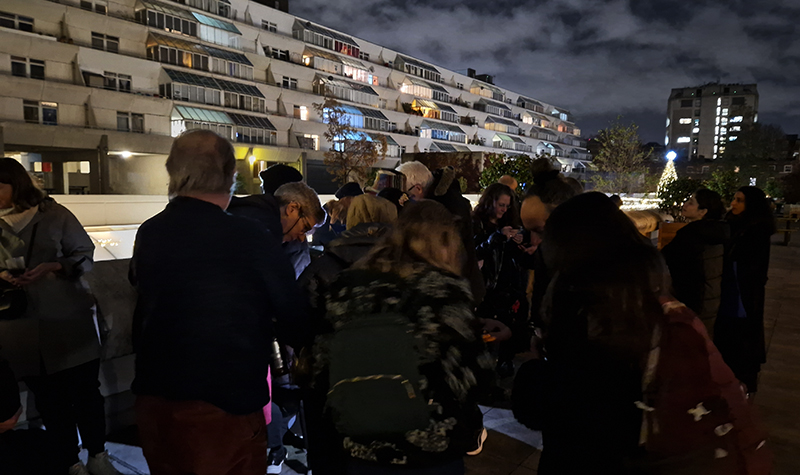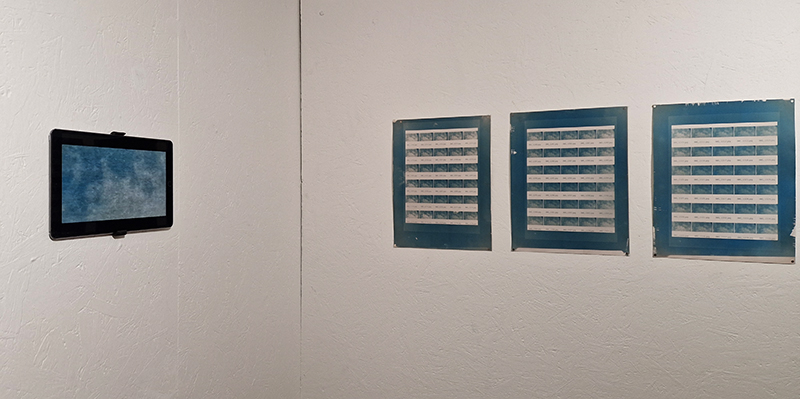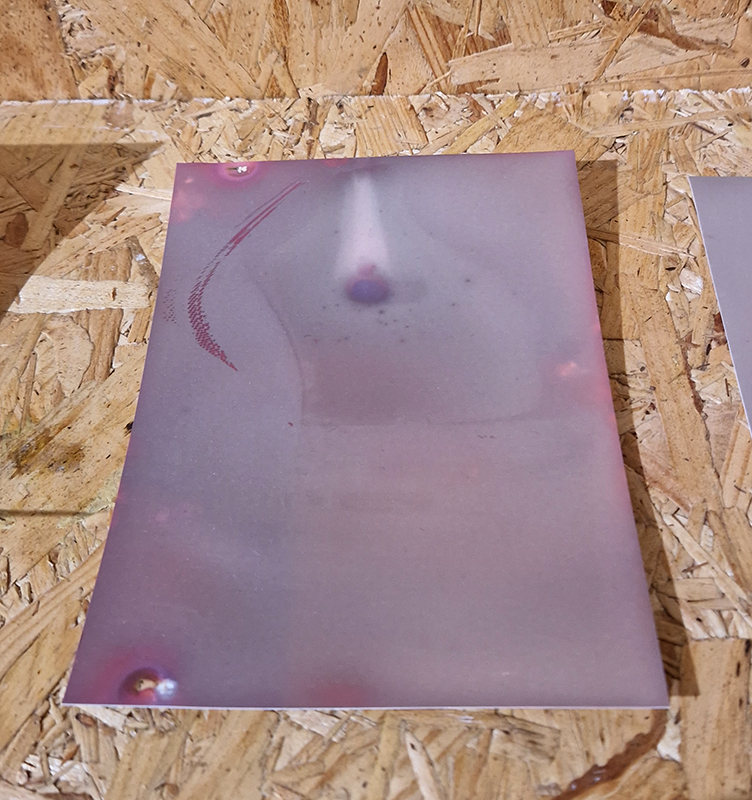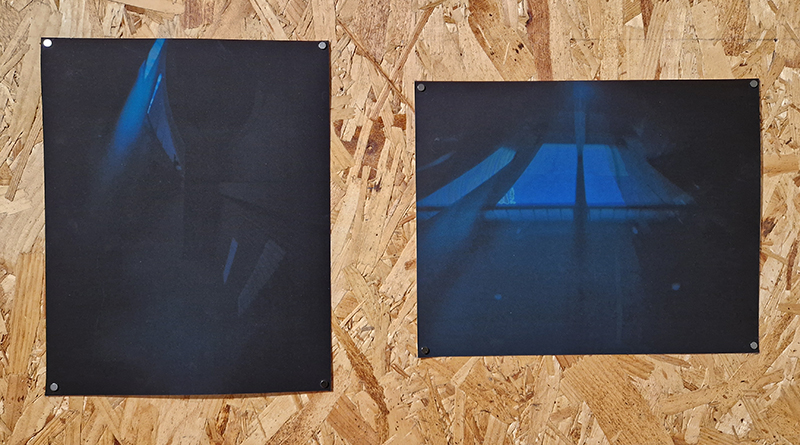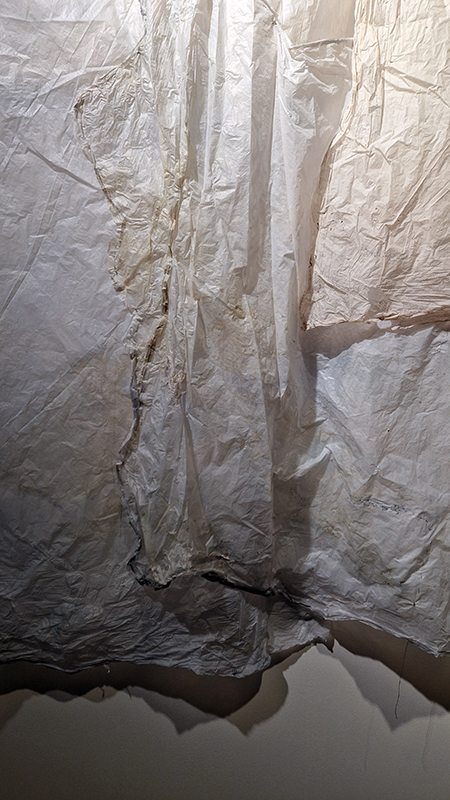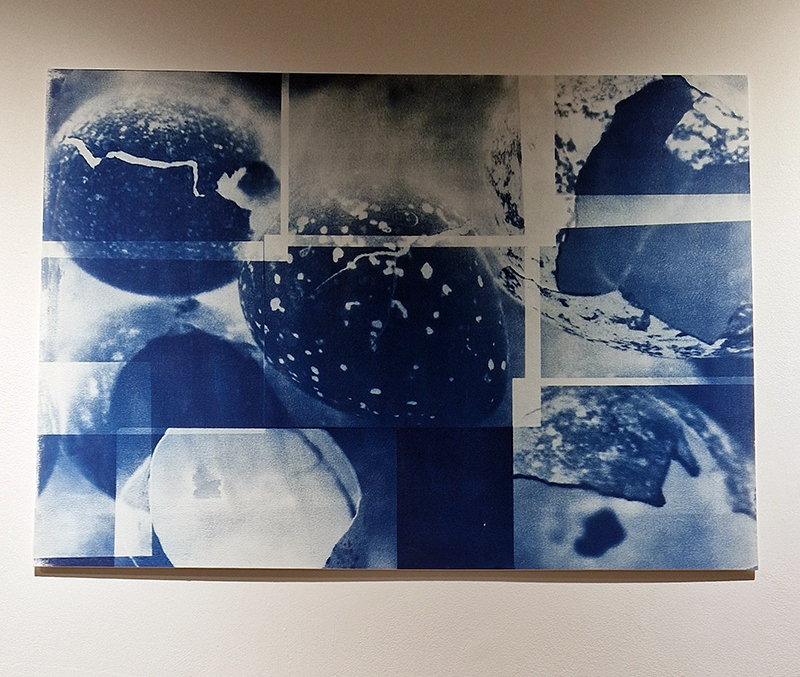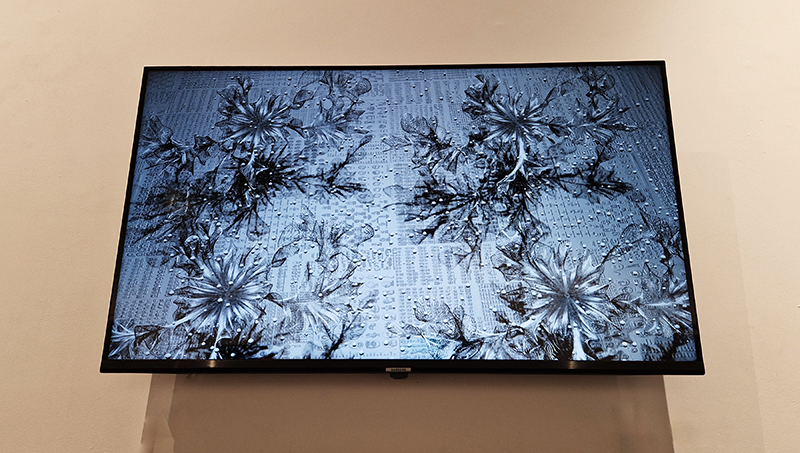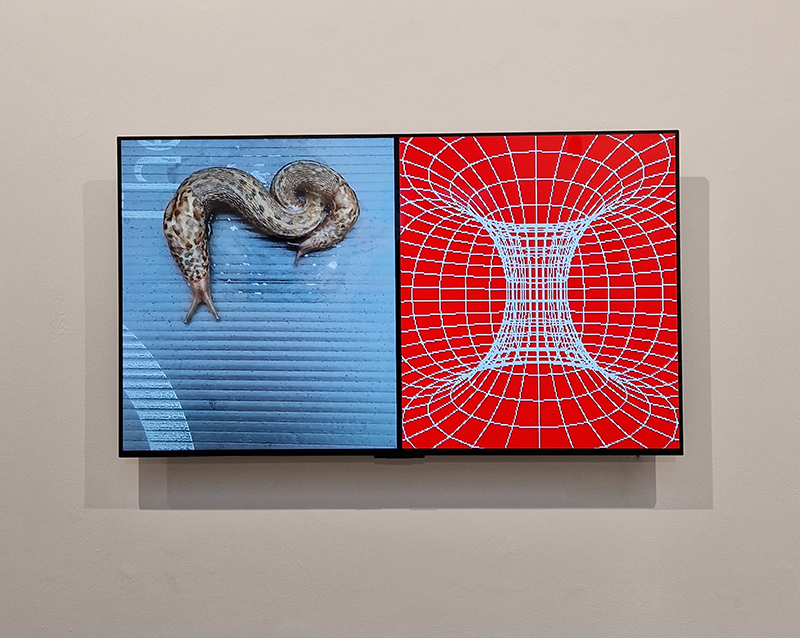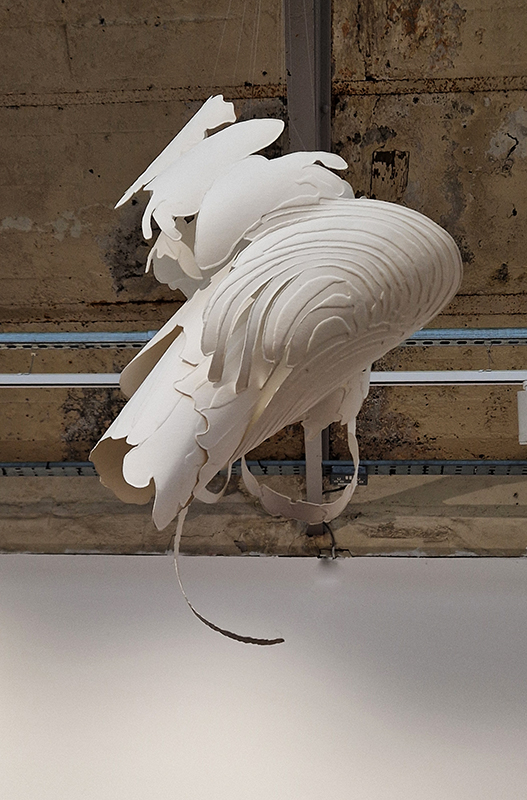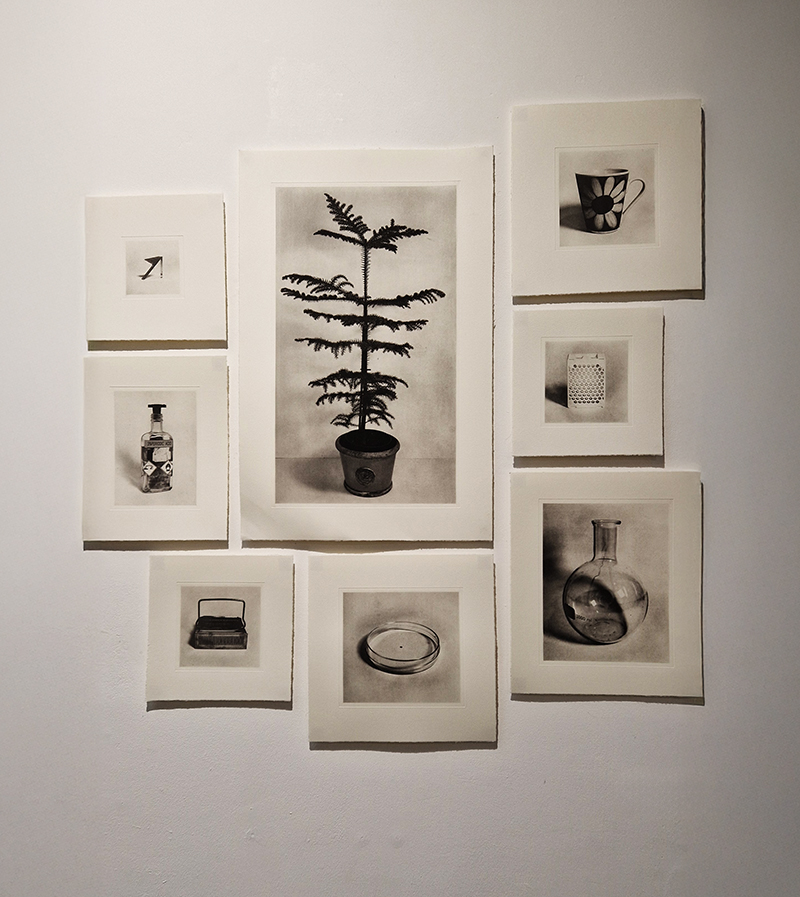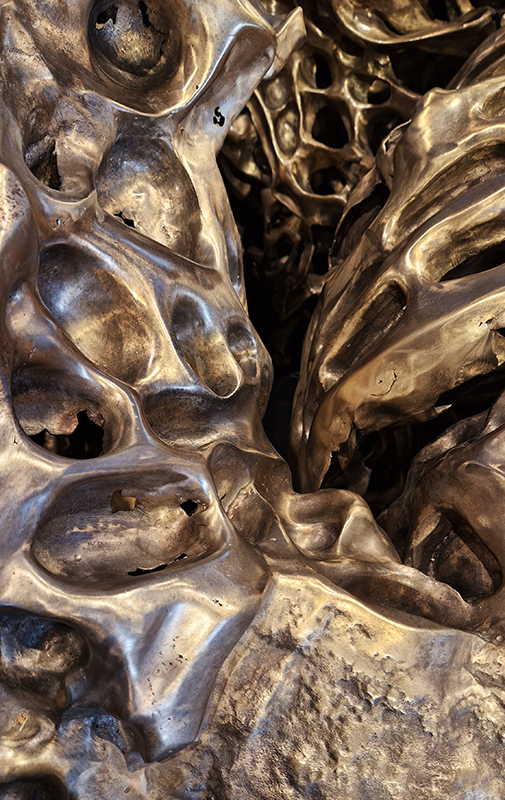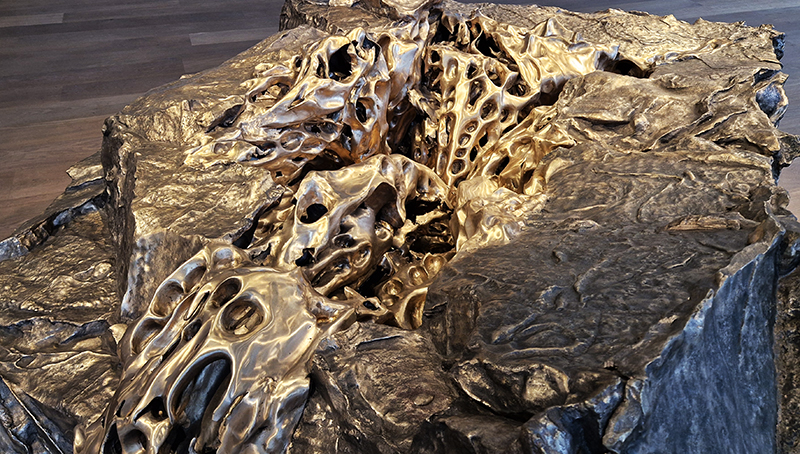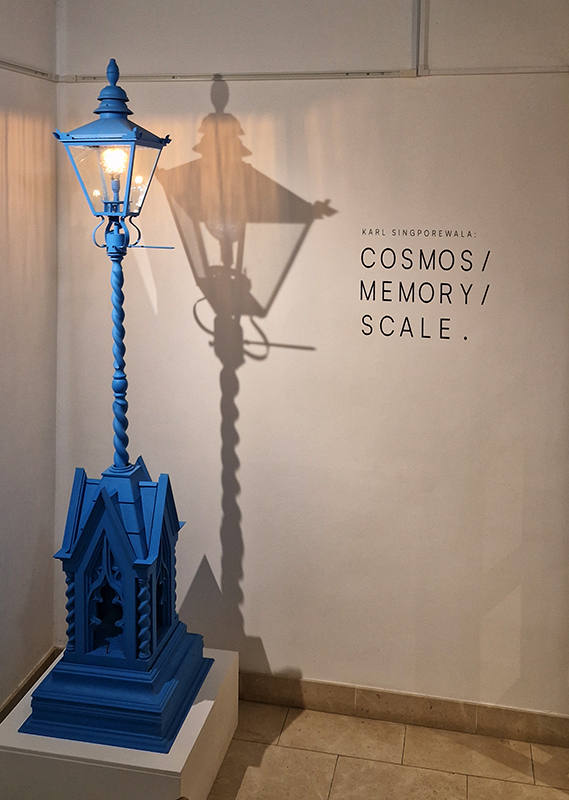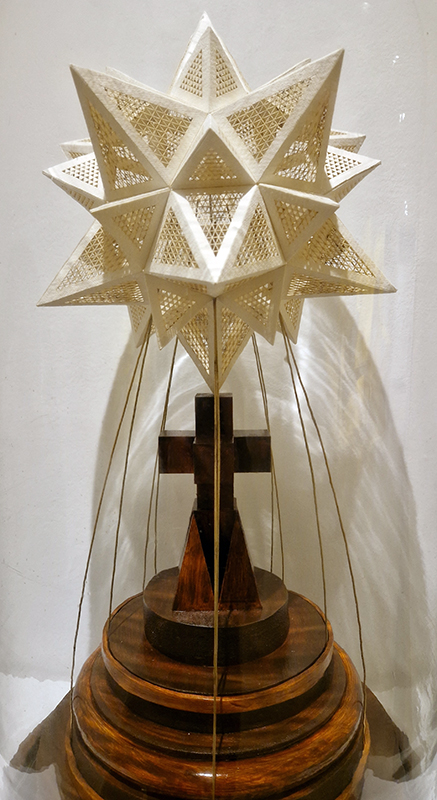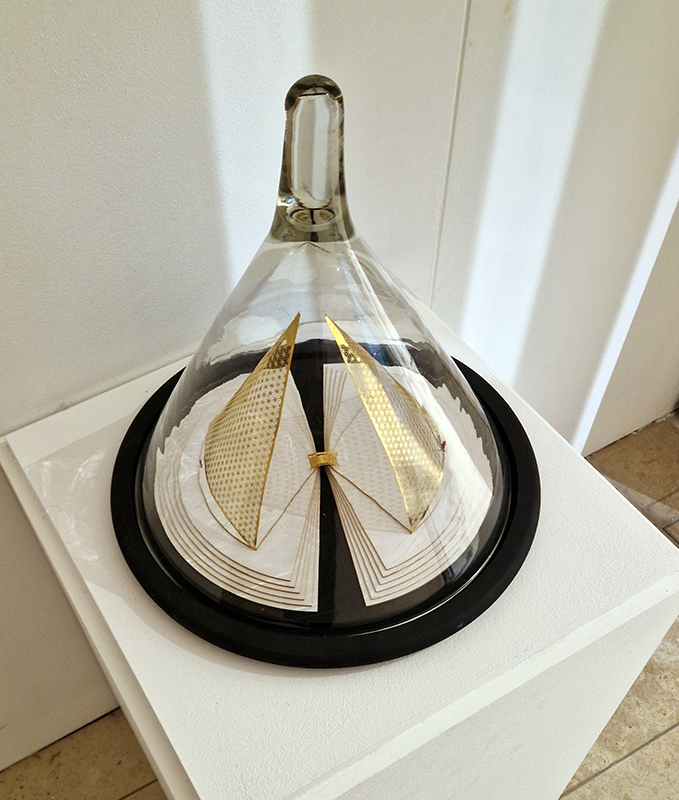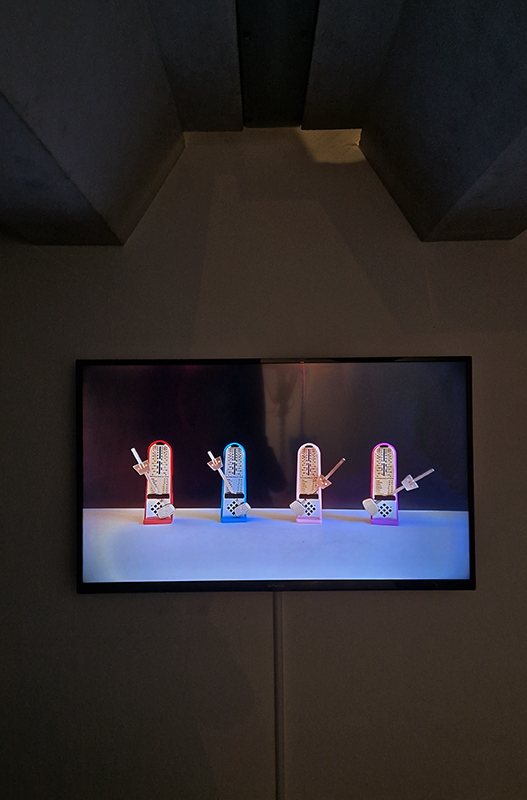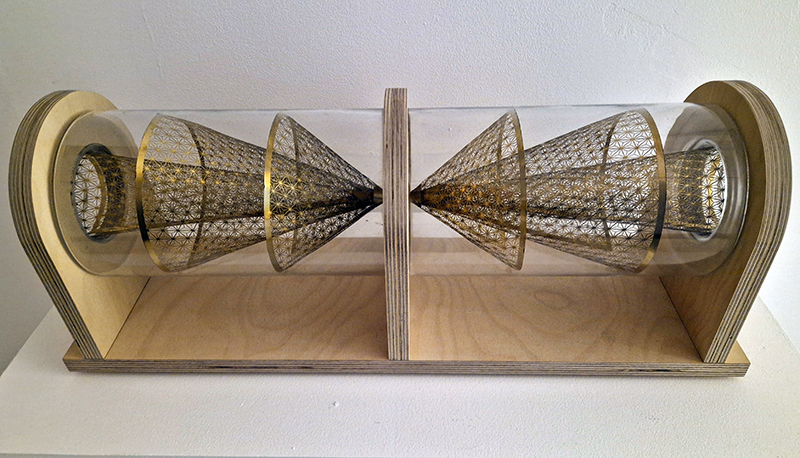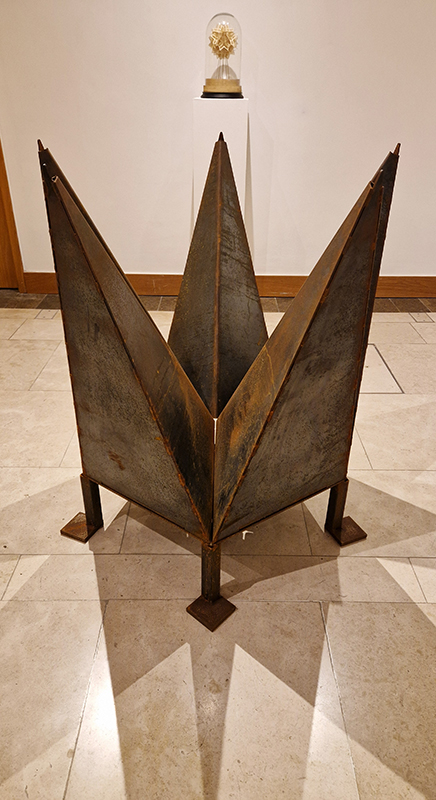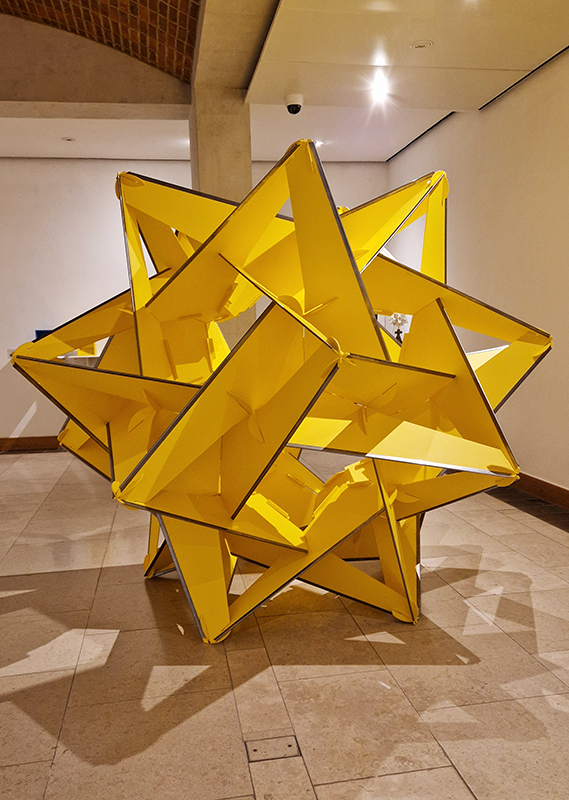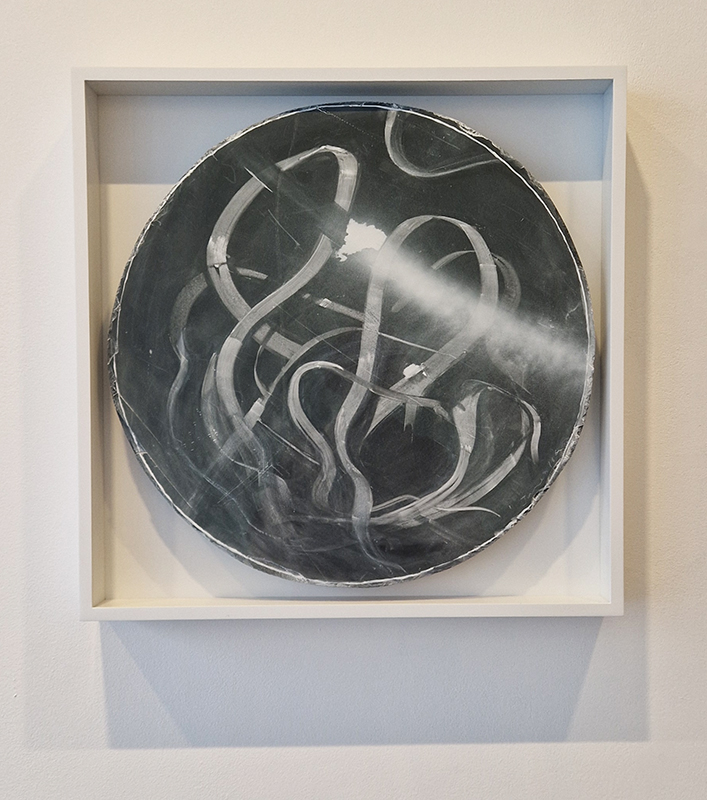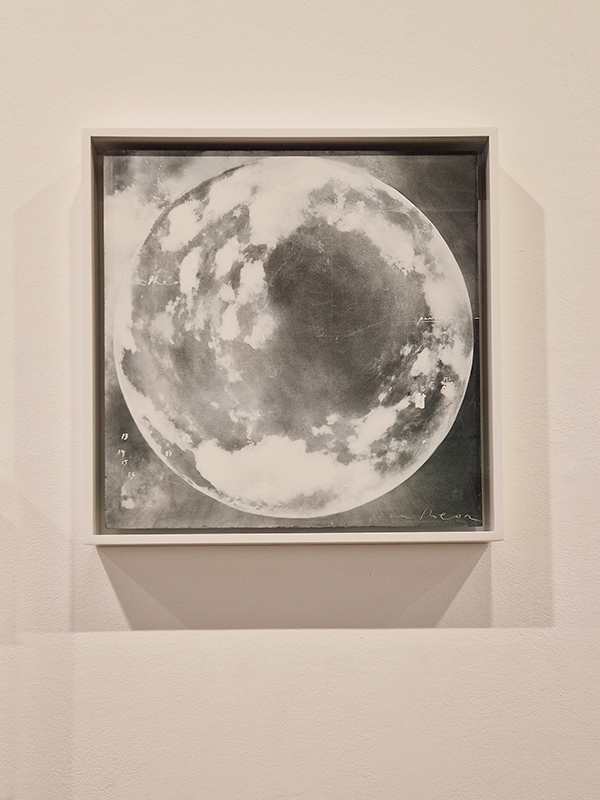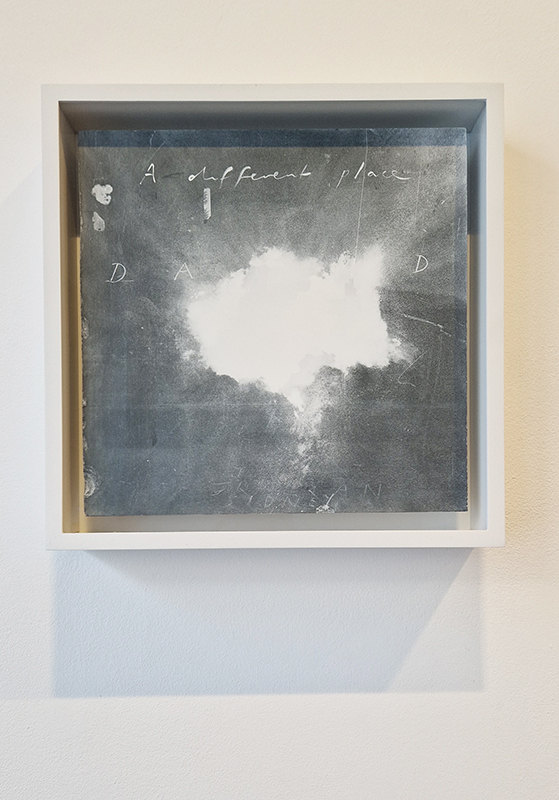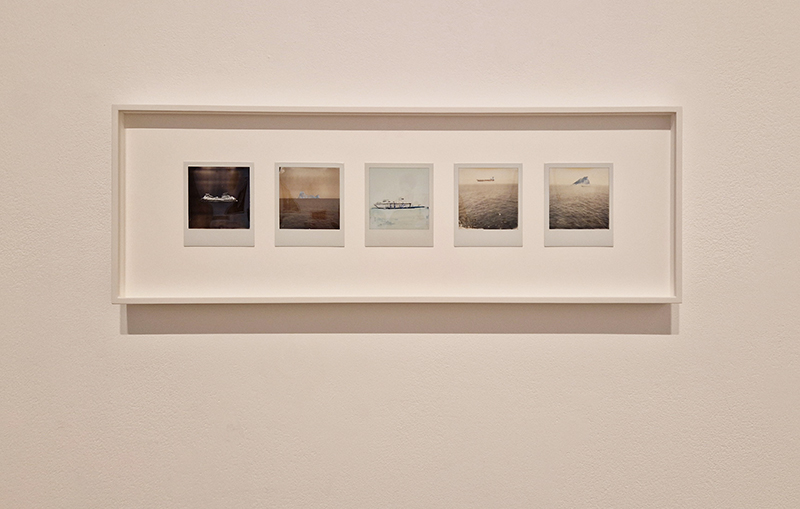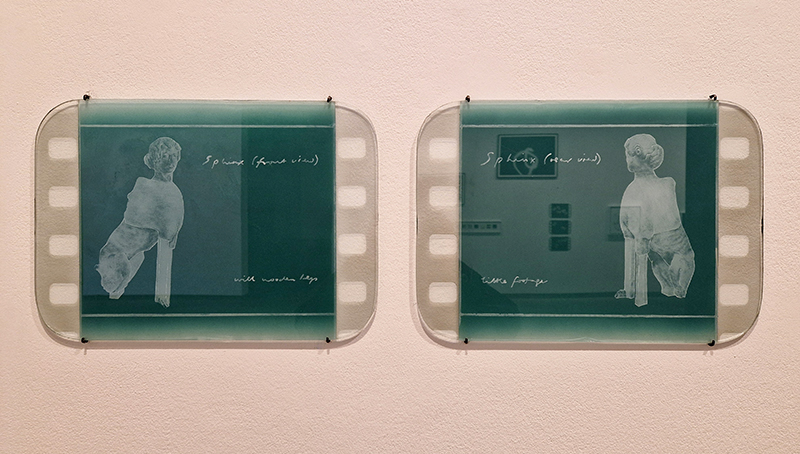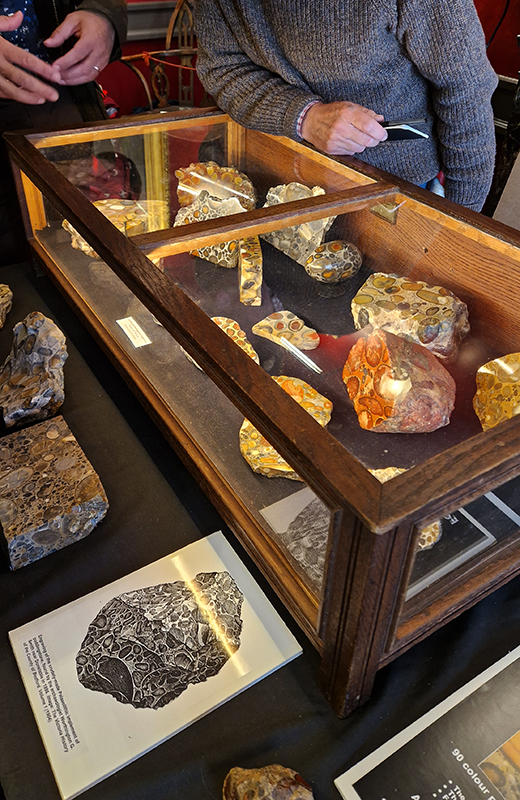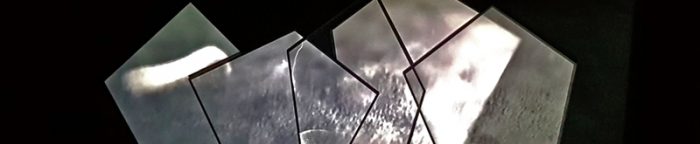
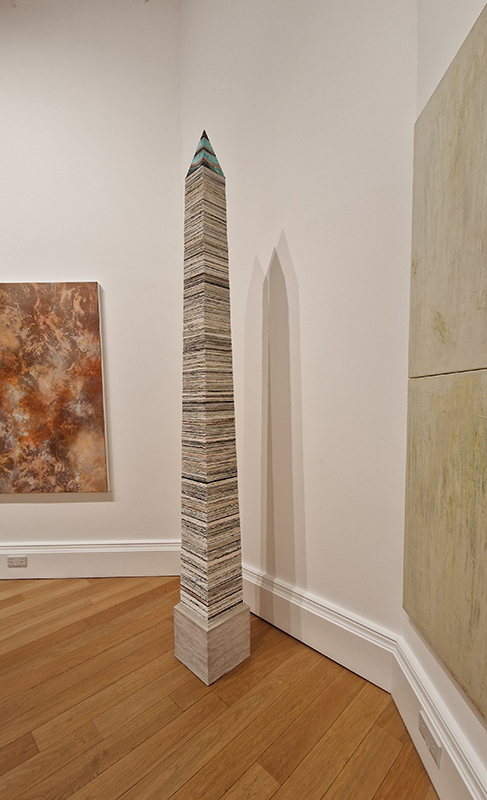
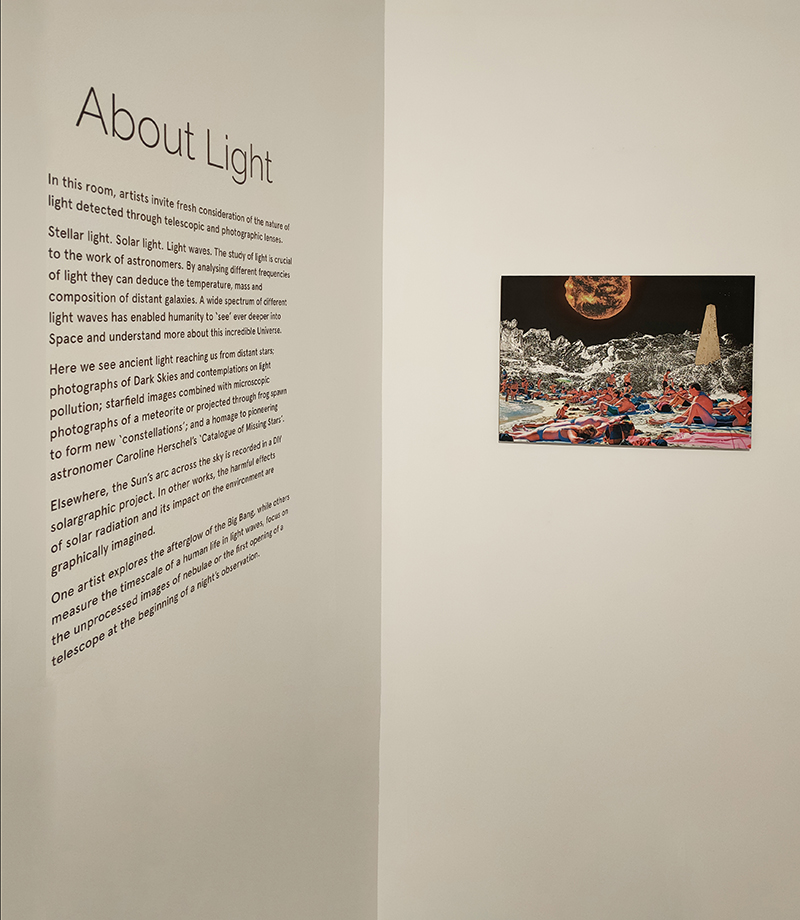
Honoured to be invited to contribute a postcard for the RWA secret auction which offers the unique chance to purchase original, large postcard-sized works of art by leading figures from the art world. The exhibition Cosmos: the art of observing space which ran at the RWA earlier this year will soon be traveling to Aberdeen Art Gallery. My works Azimuth Obelisk (of sedimentary knowledge), 92 Years Measured in Light and Sun Factor will join the tour.
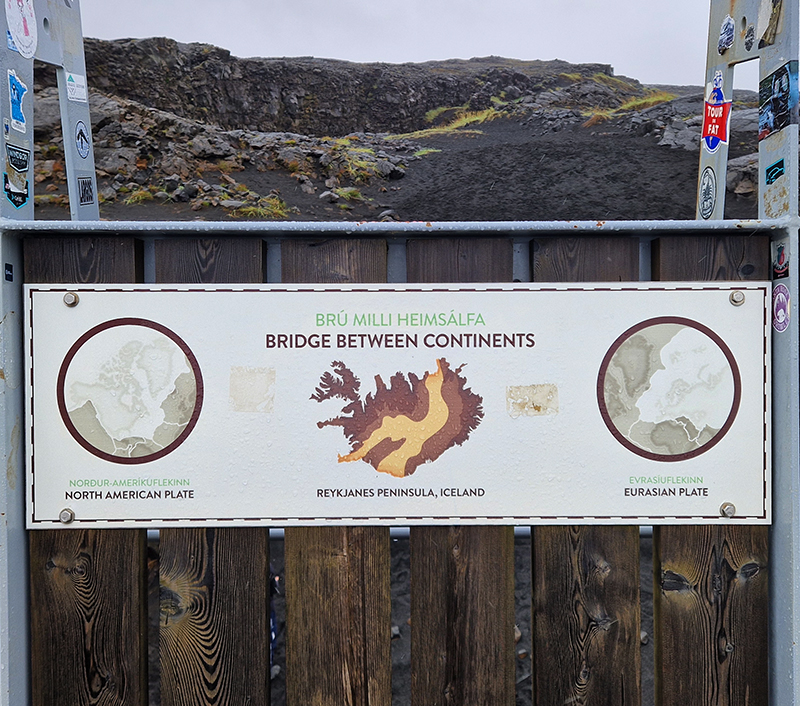
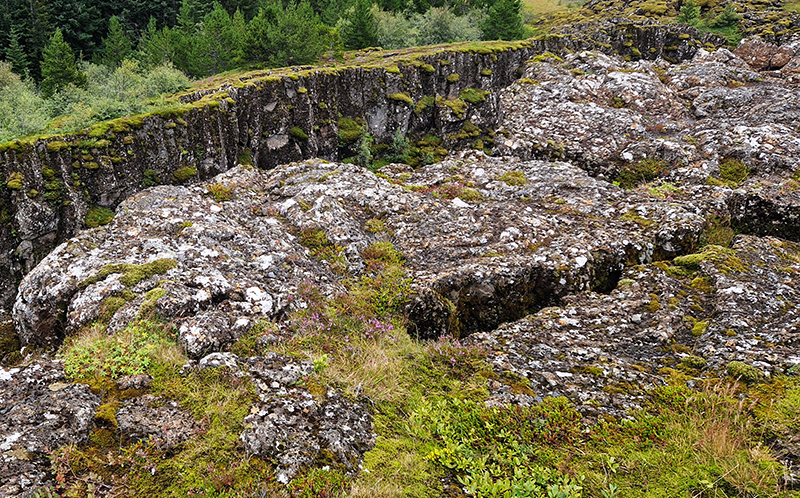
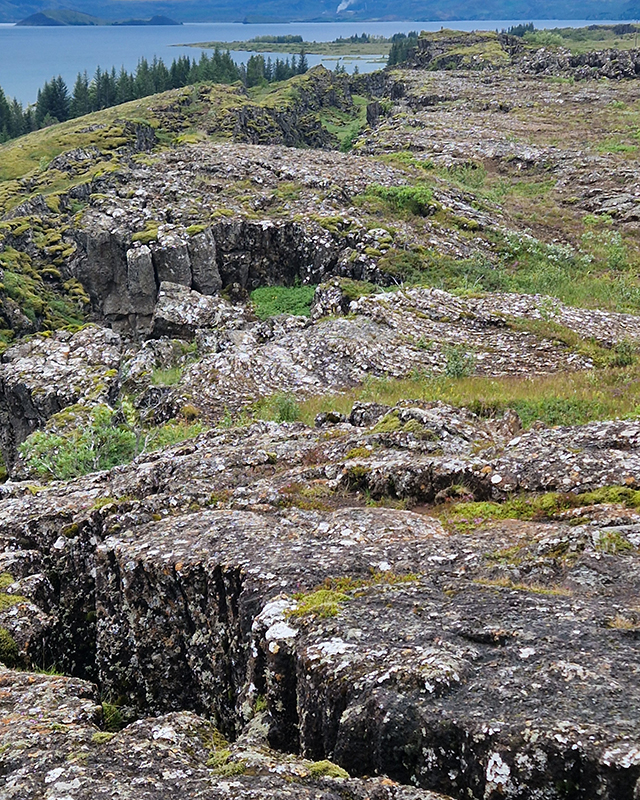
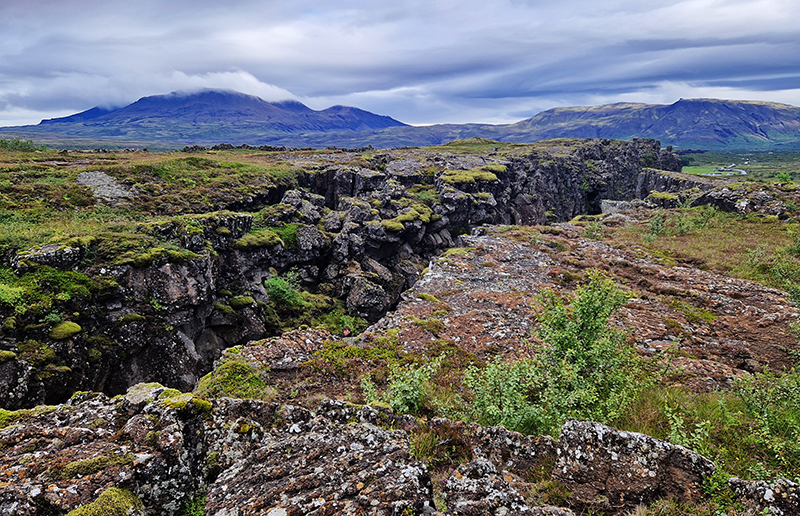
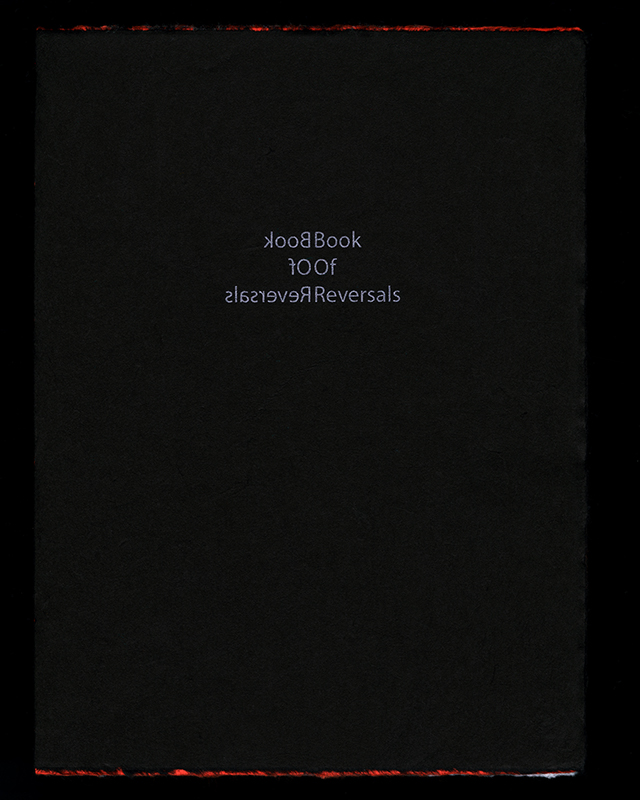
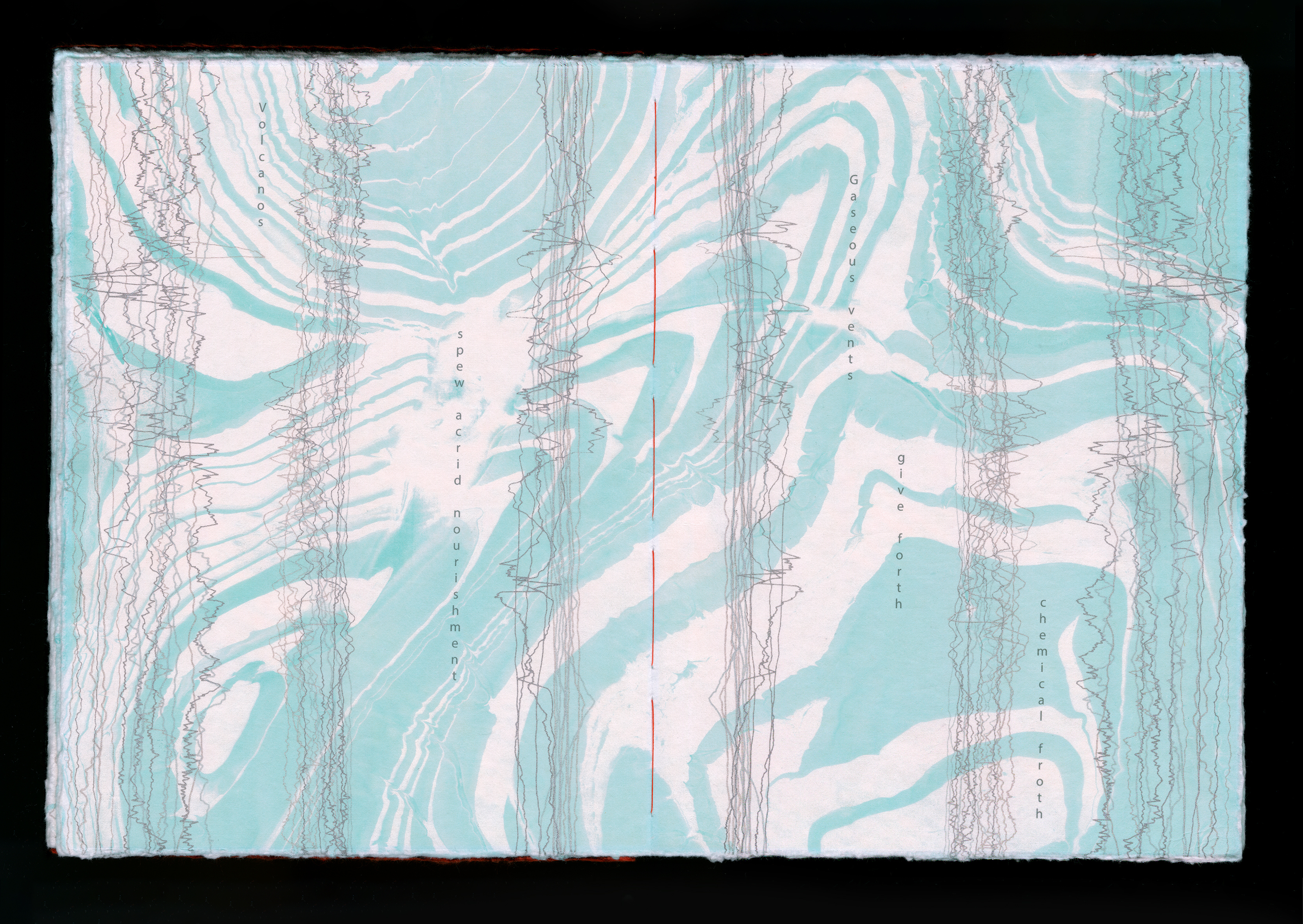
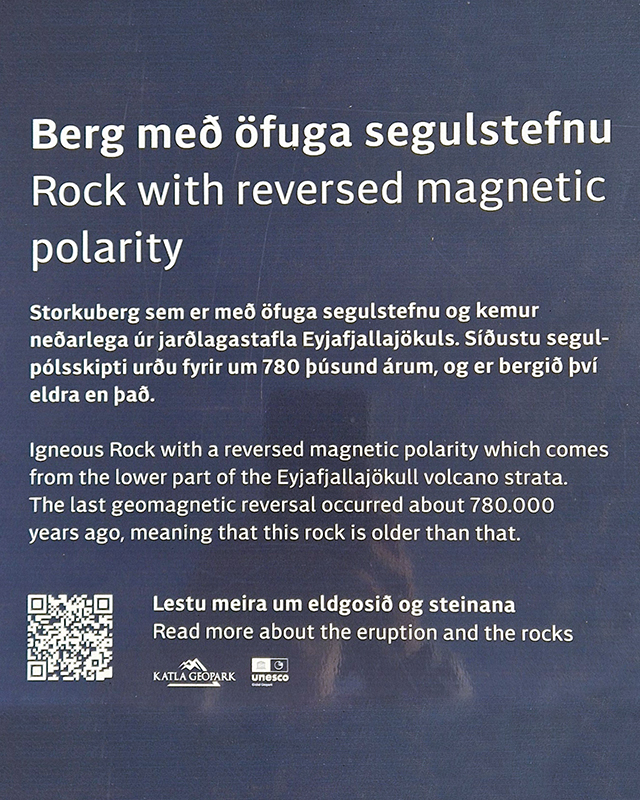
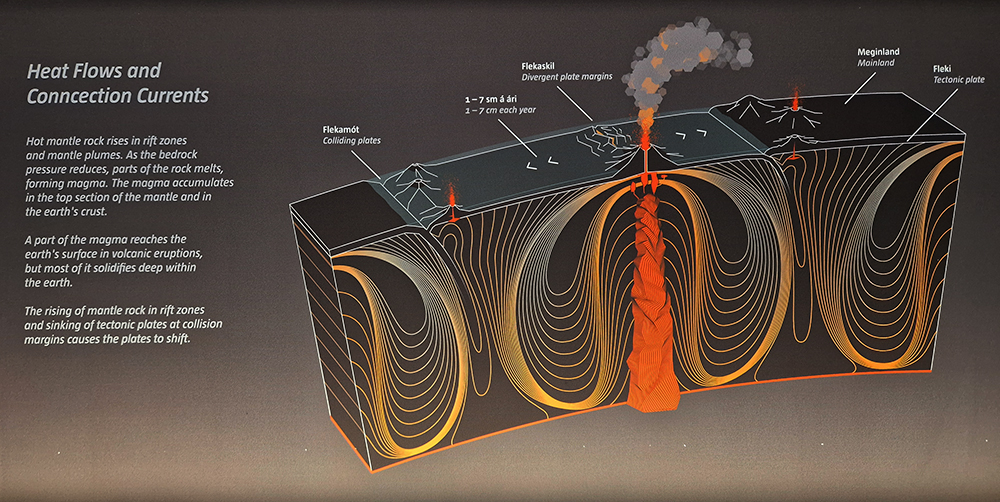
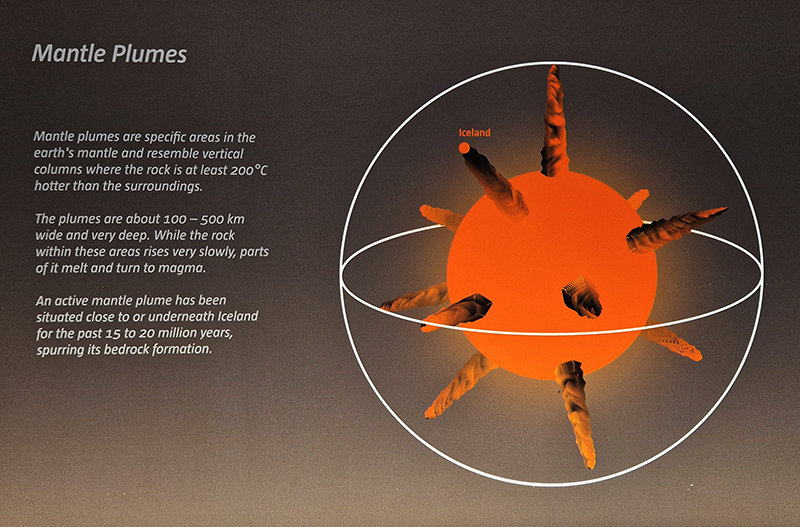
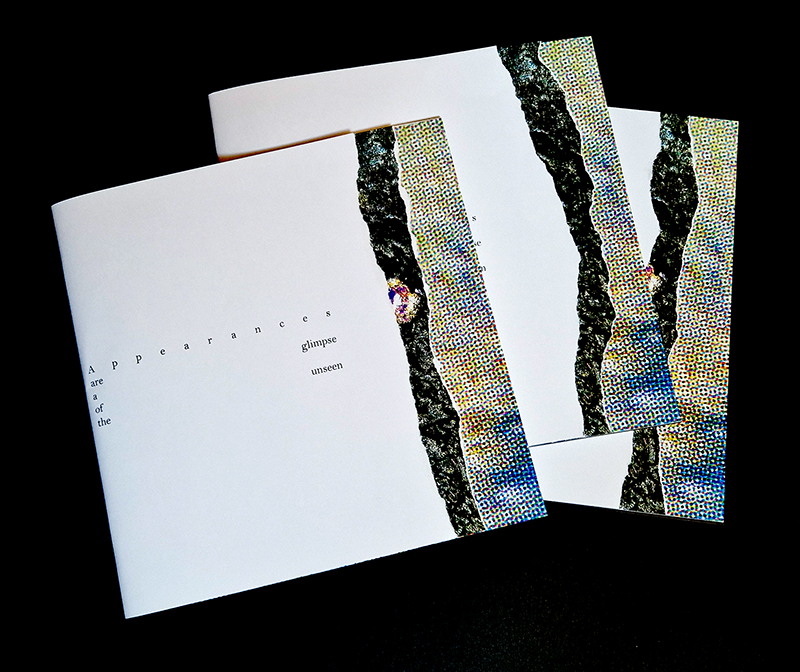
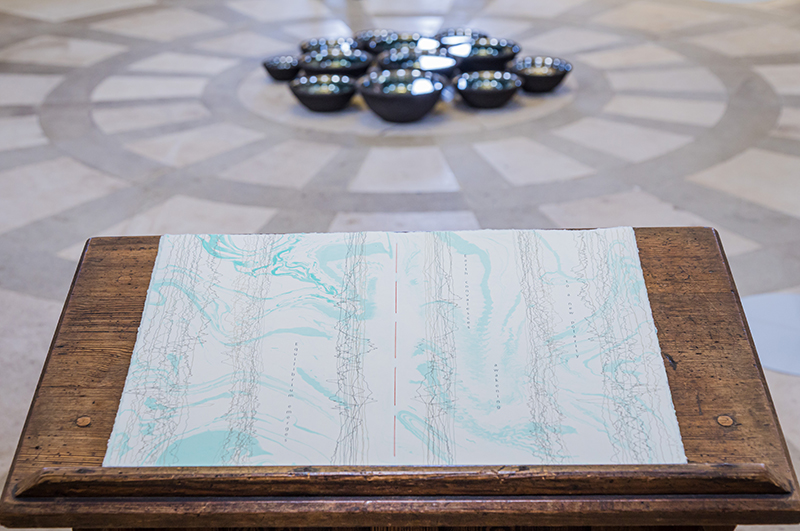
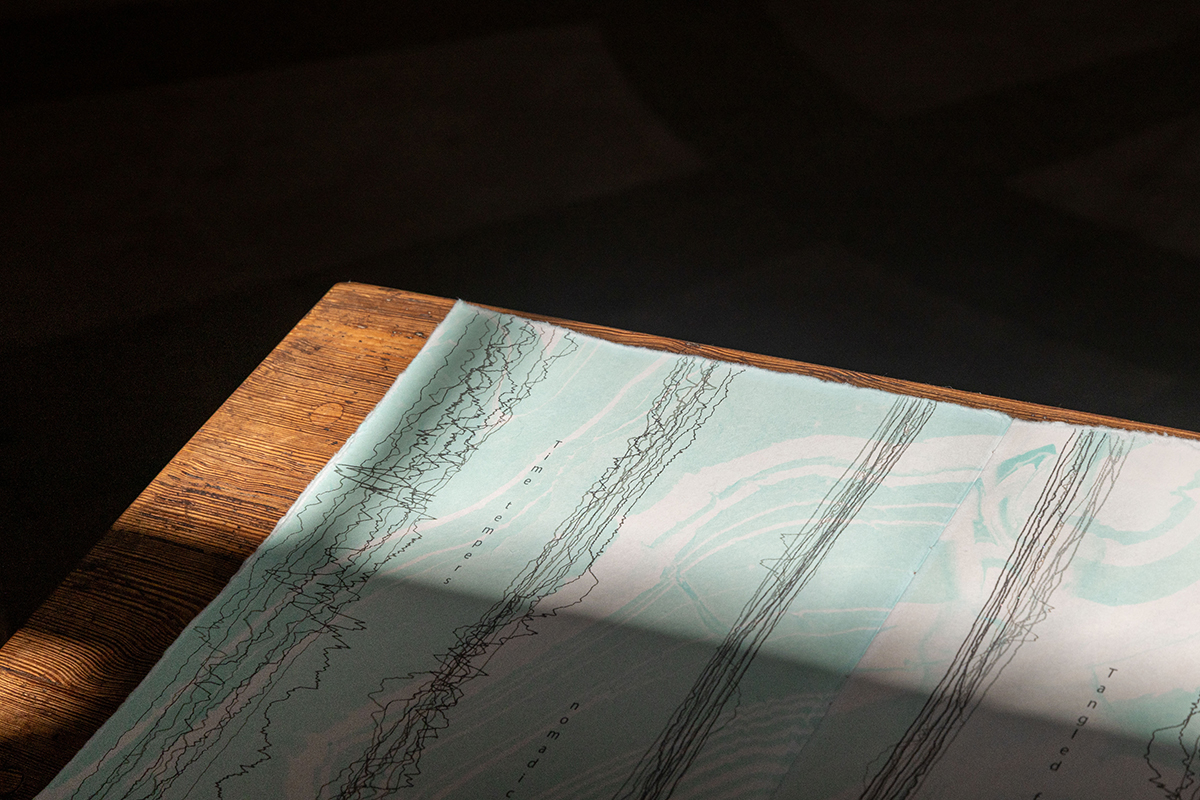
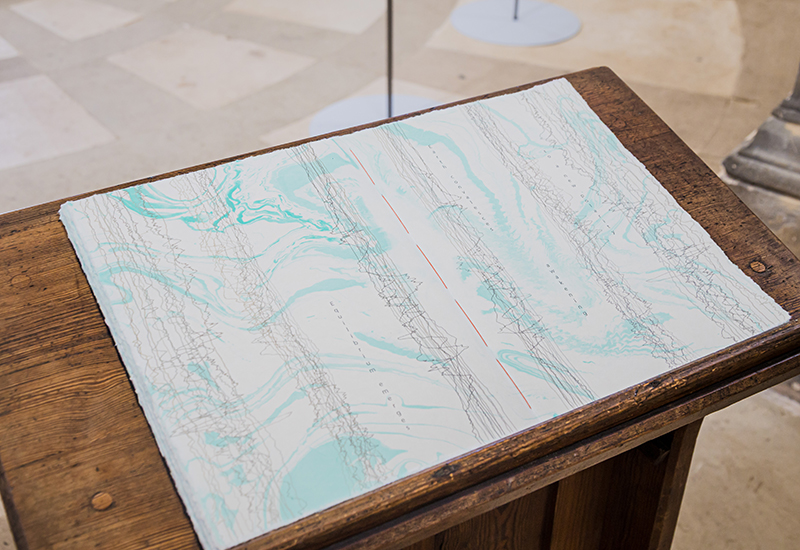
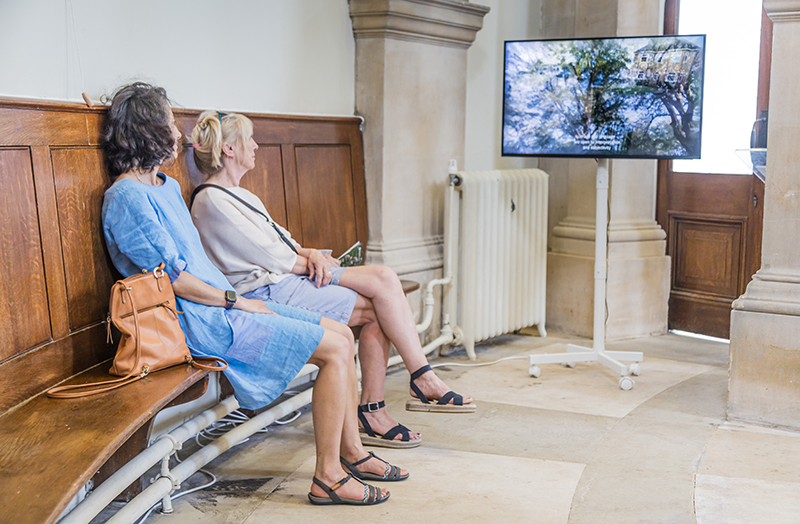
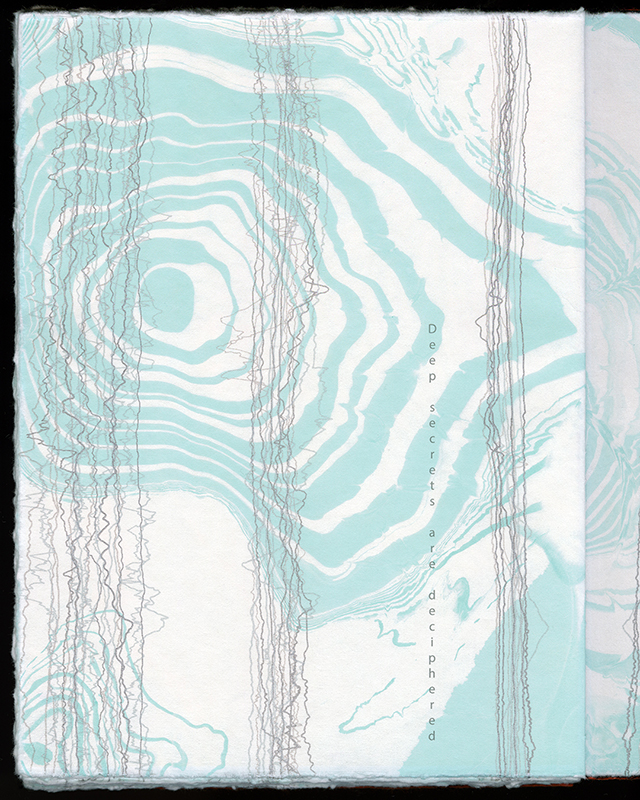
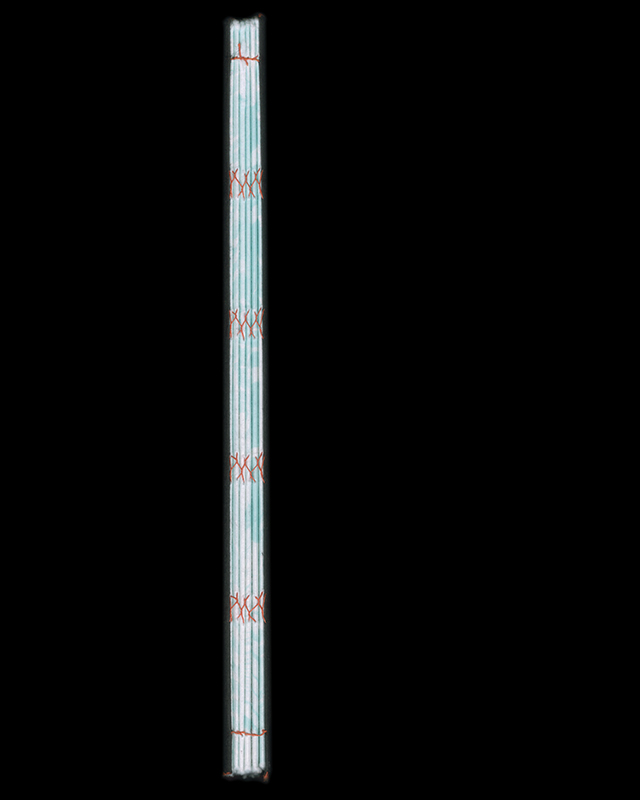
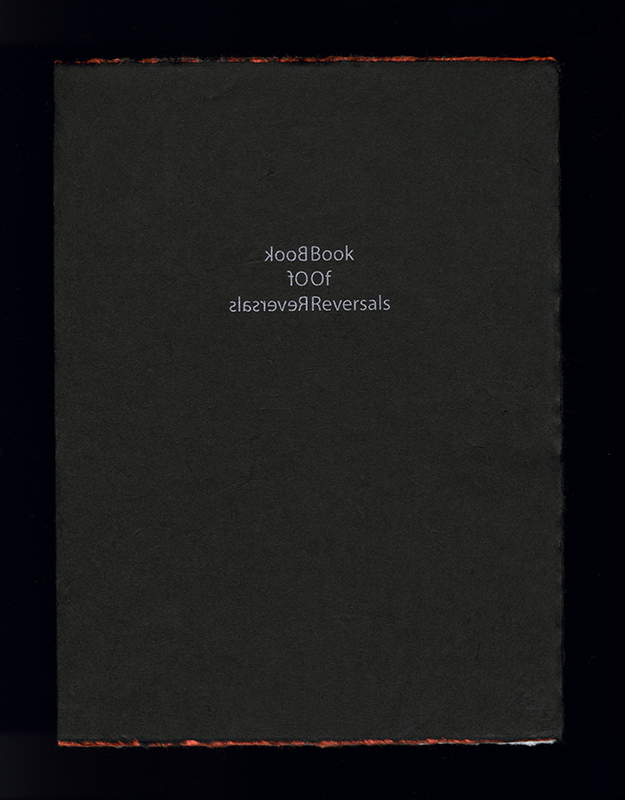
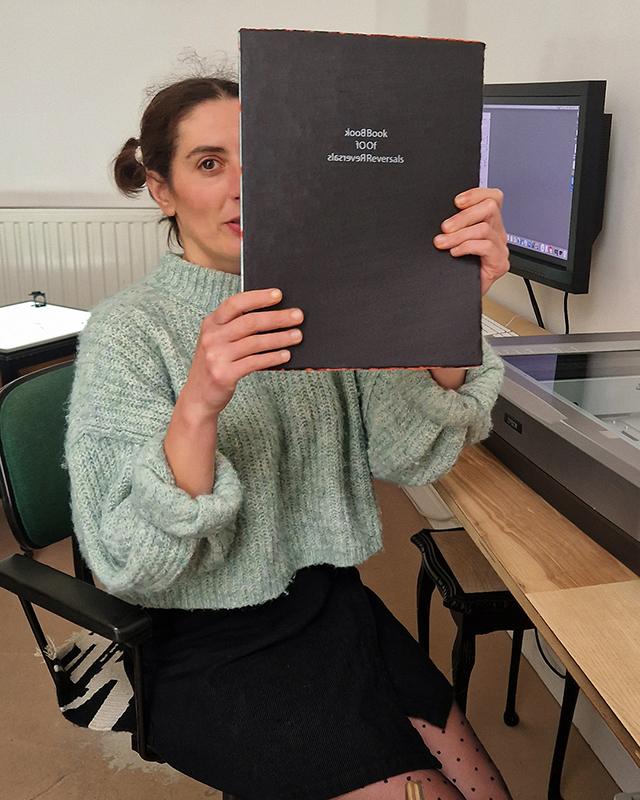
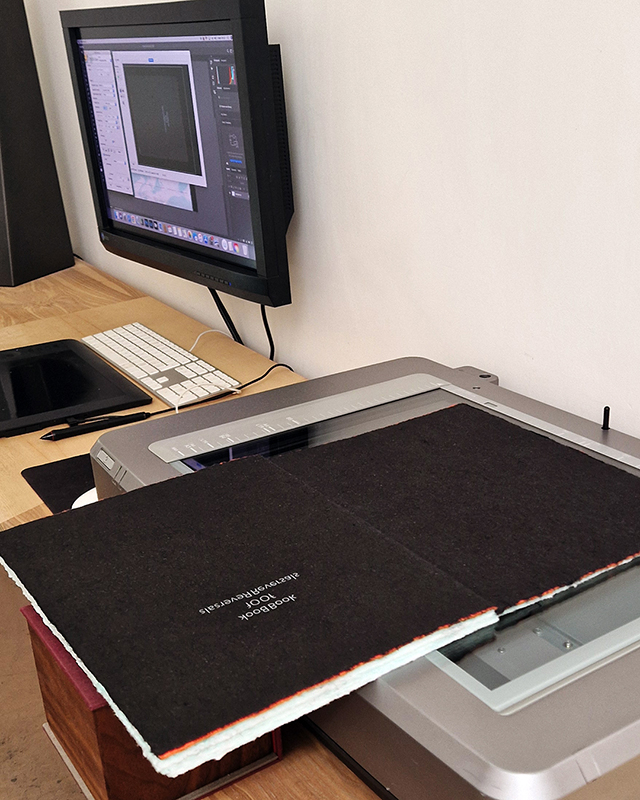
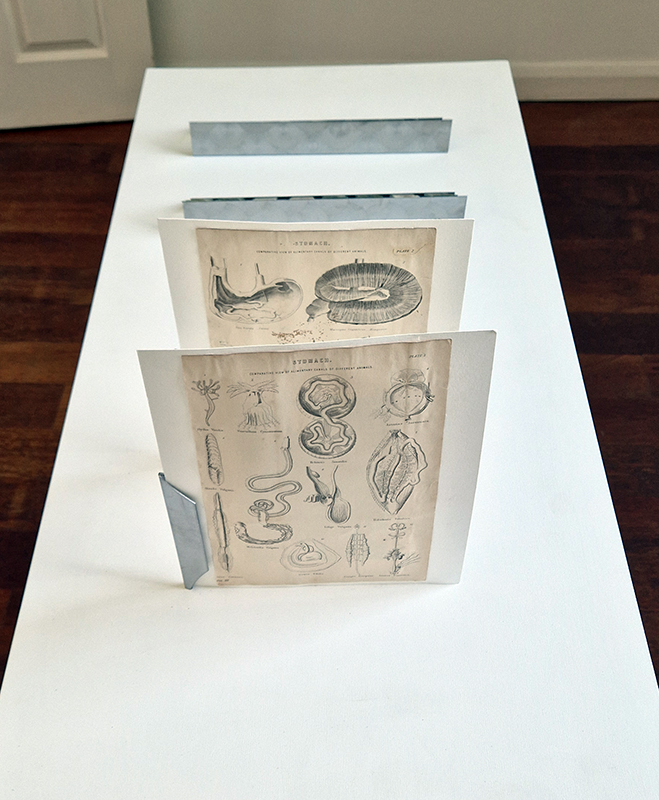
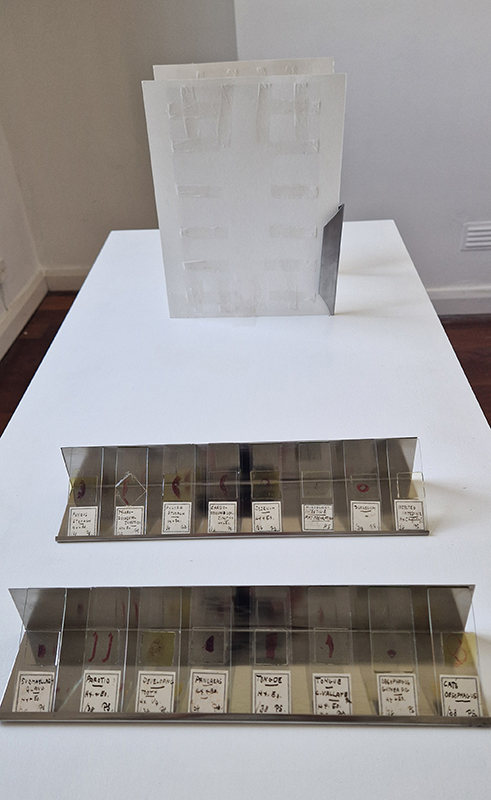
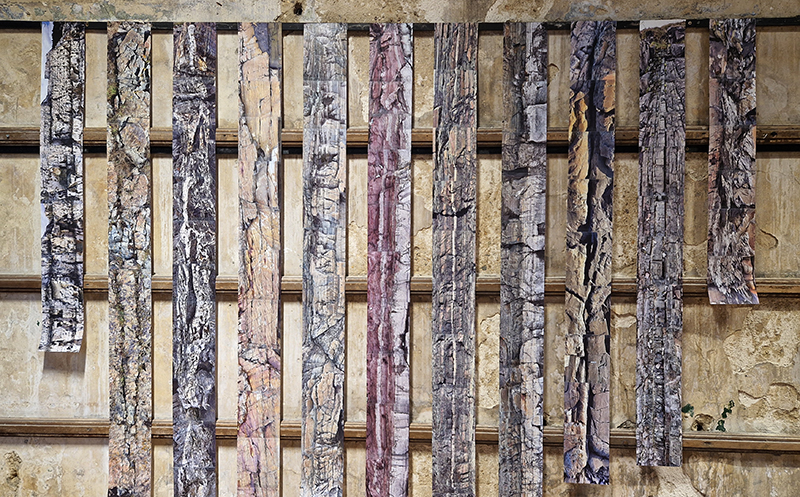
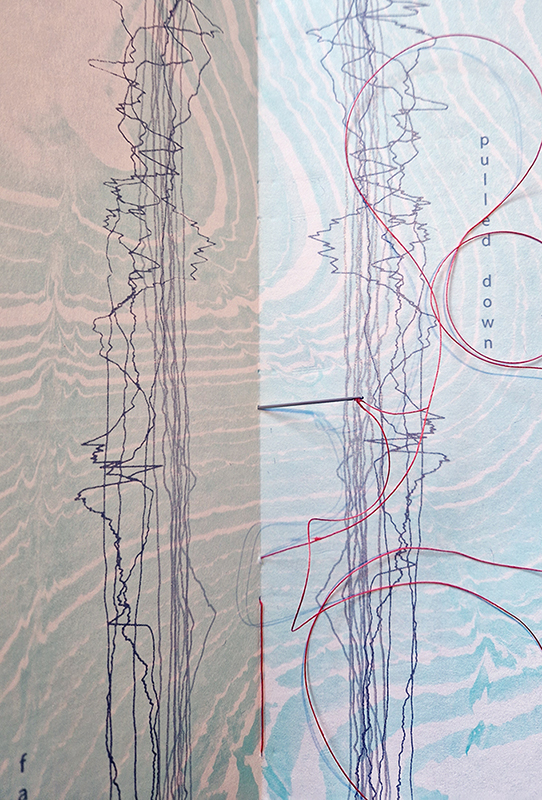
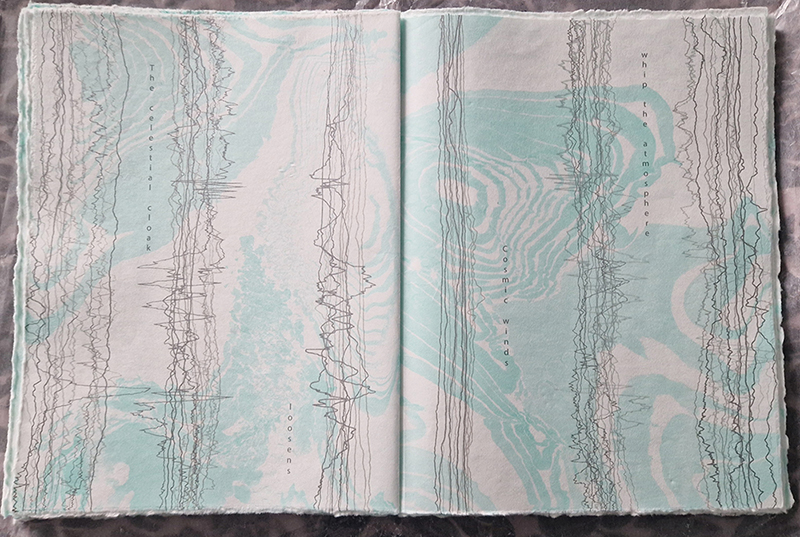
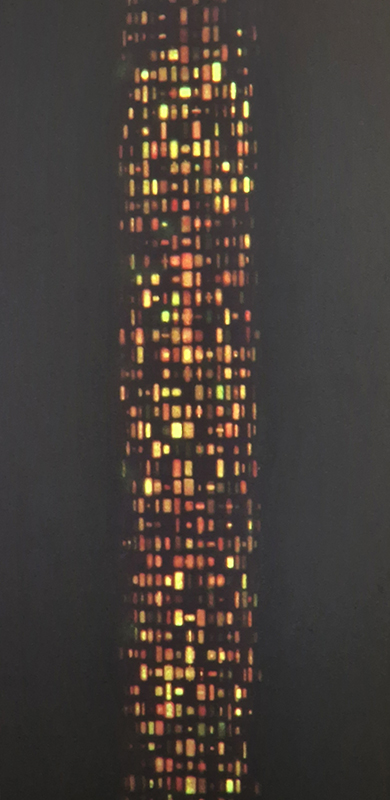
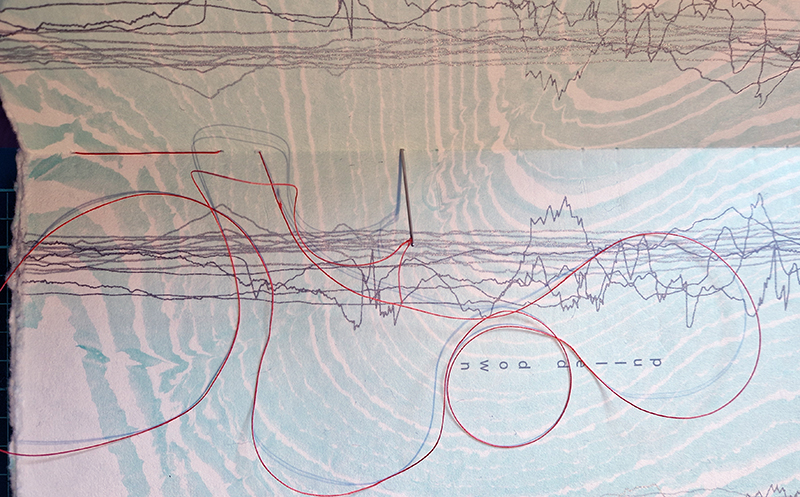
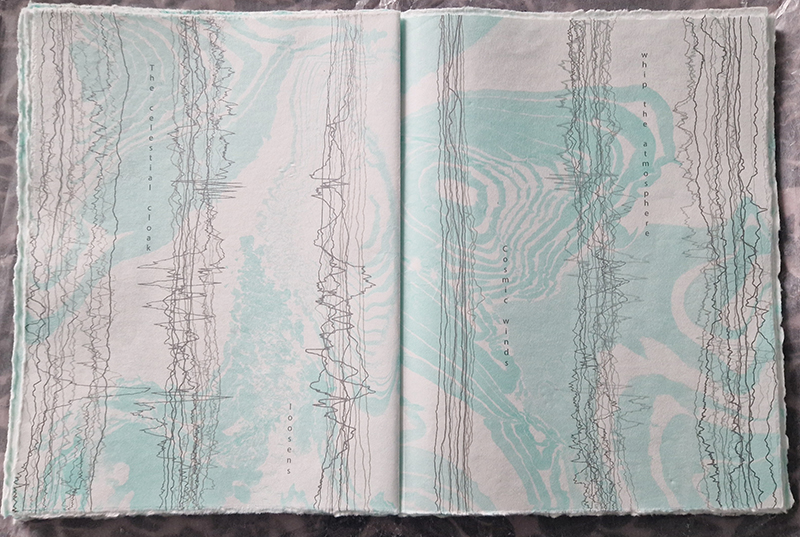
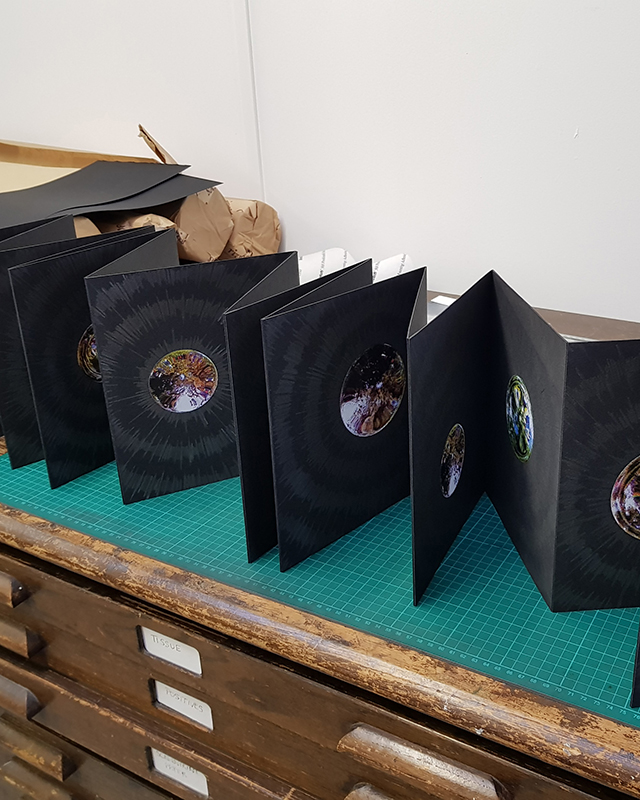
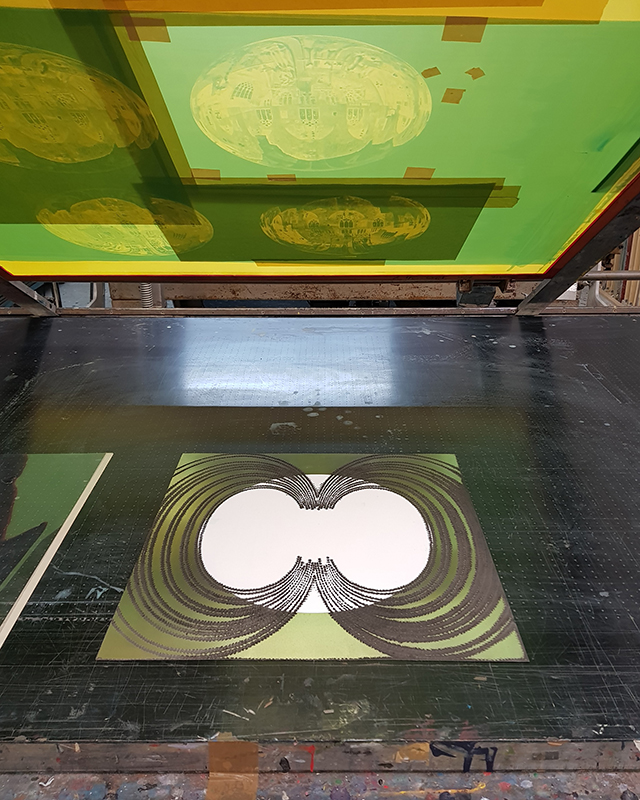
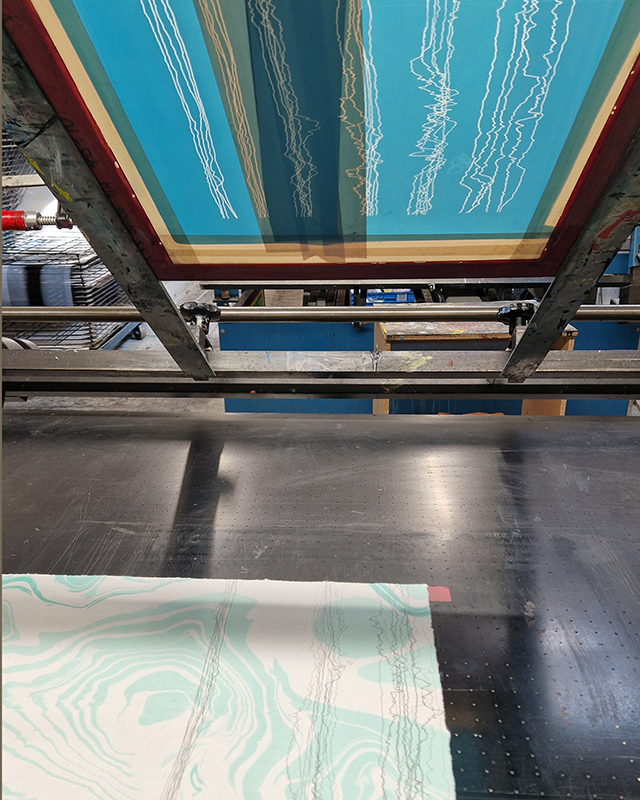
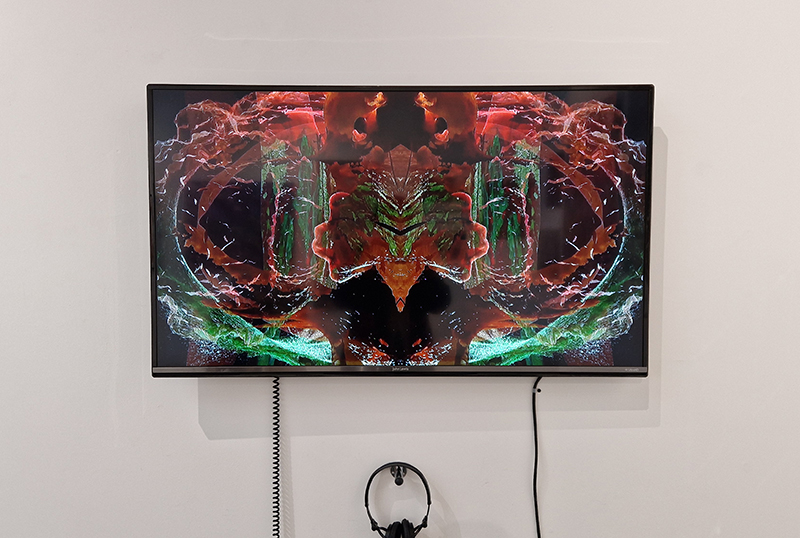
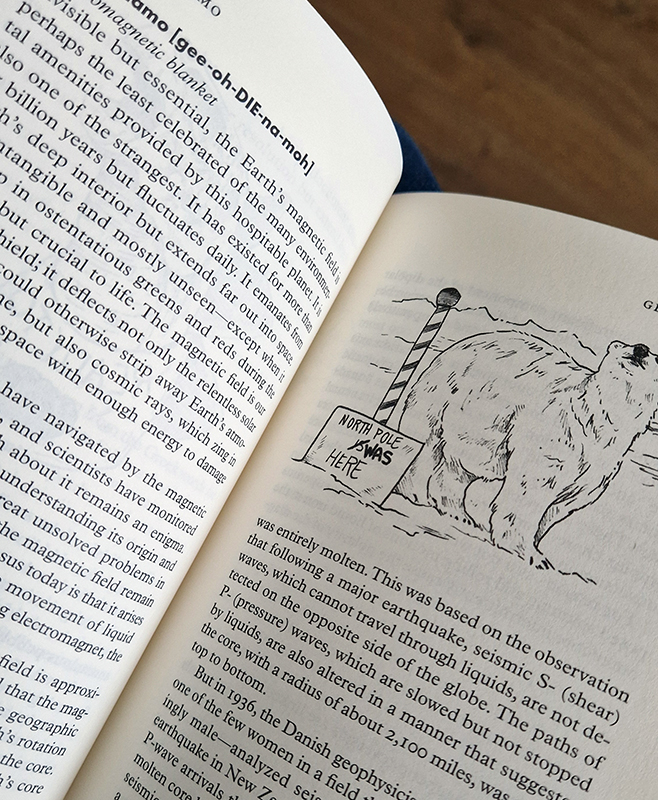
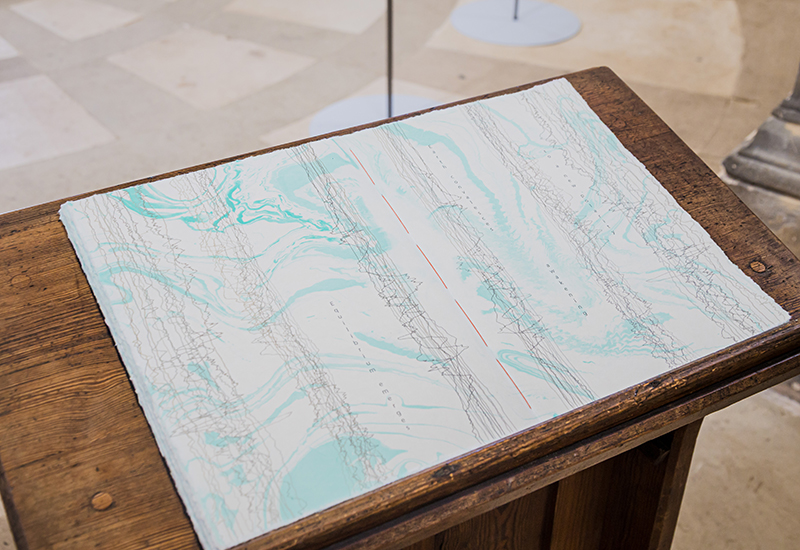
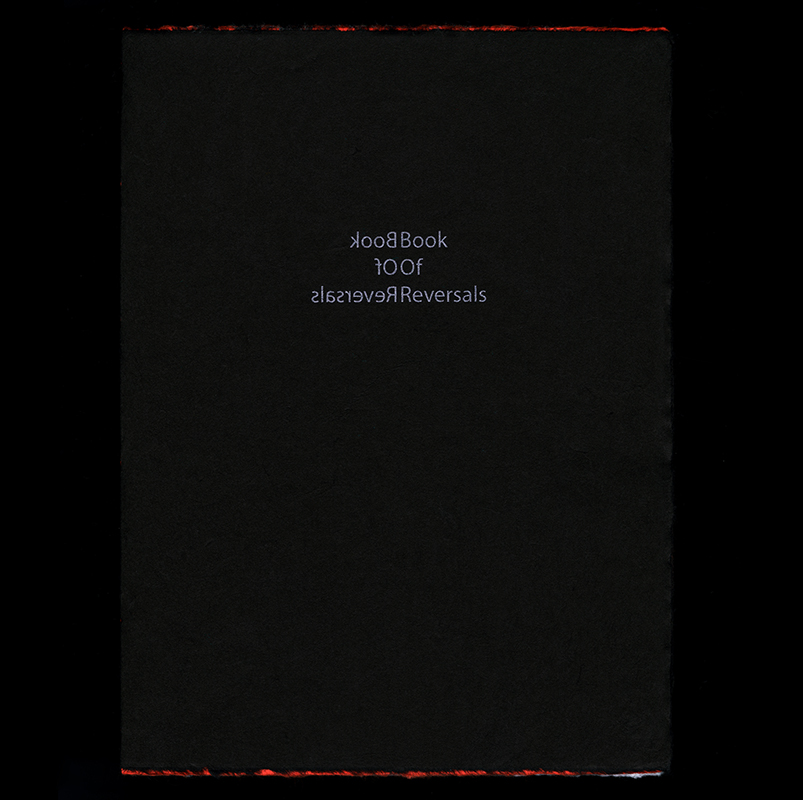
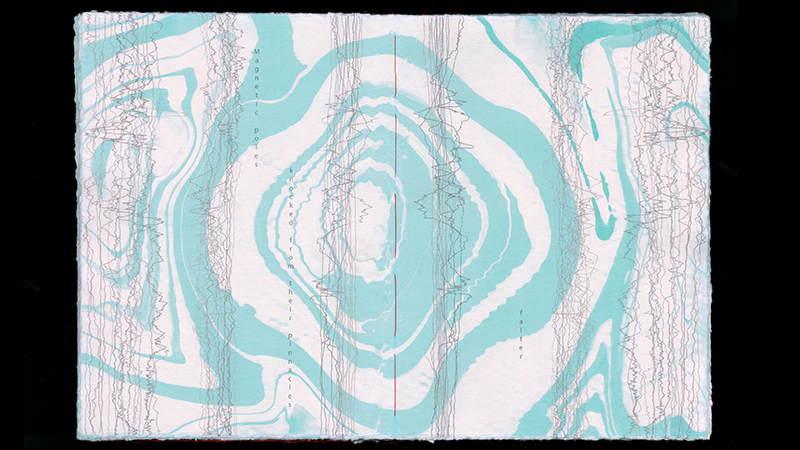
I have created a digital iteration of the Book of Reversals. Using the scanned images made during my HiResidency at Equivalentbehaviour and a recorded dialogue of the text over the gentle sounds of the sea. The Book of Reversals offers a poetic overview of the formation of planet Earth and its turbulent fluid core that generates an unpredictable but protective magnetic field prone to sudden changes in polarity. Graph readings from magnetometers stationed around the British Isles, which record variations in the Earth’s magnetic field, are screen printed in vertical stripes, either side of the book’s spine, emulating the geological phenomena of magnetic stripes found on the ocean floor. These symmetrical bands, found at mid-ocean ridges, are created as magma rises, cools, and forms new oceanic crust whose magnetic minerals align with Earth’s prevailing magnetic field.
The narrative reflects on the complex dynamics of Earth’s history of polarity reversals, periods of weakened magnetic field, ceaseless interactions between the inner core, the outer core, the mantle and the crust and how its secrets may be discovered.
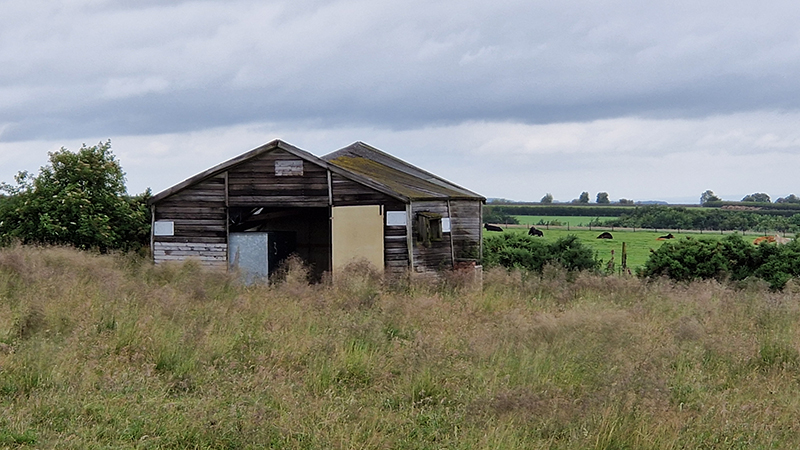
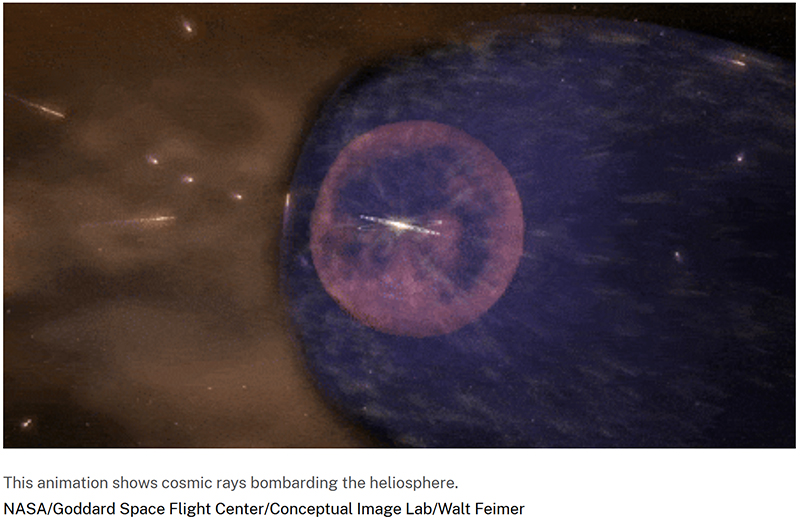
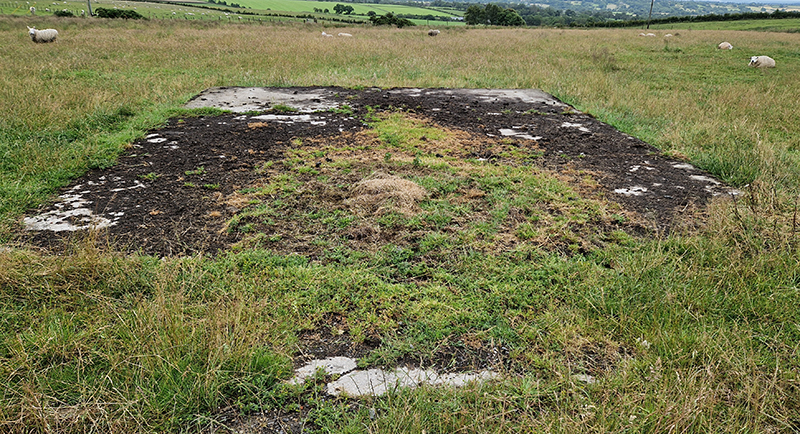
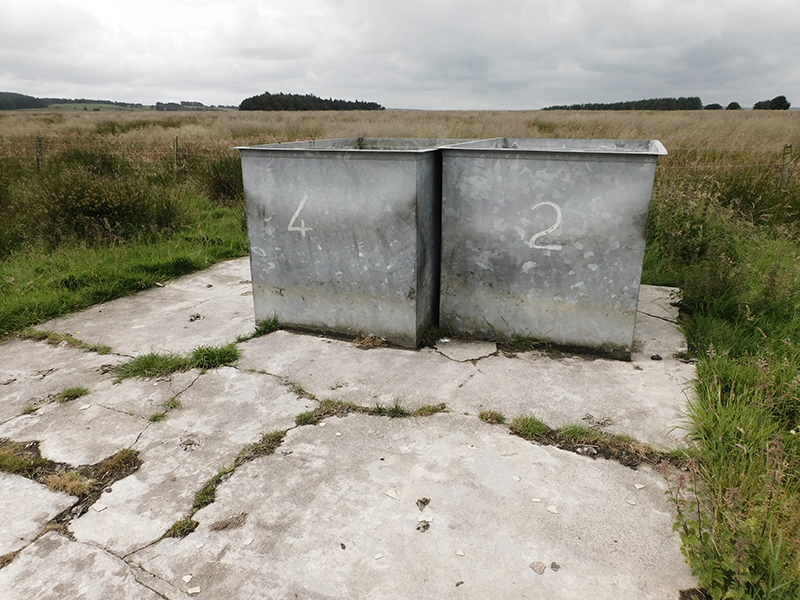
I am pursuing ideas put forward in my longlisted Artangel proposal to commemorate the pioneering cosmic ray science that took place at during the Haverah Park experiment. This was once home to one of the largest extensive cosmic ray air shower arrays in the world, studying the highest-energy cosmic-rays, until it closed in the late 1980’s. My proposal stated that any sculpture or intervention made where the remains of the huts stand, should take current land use into account.
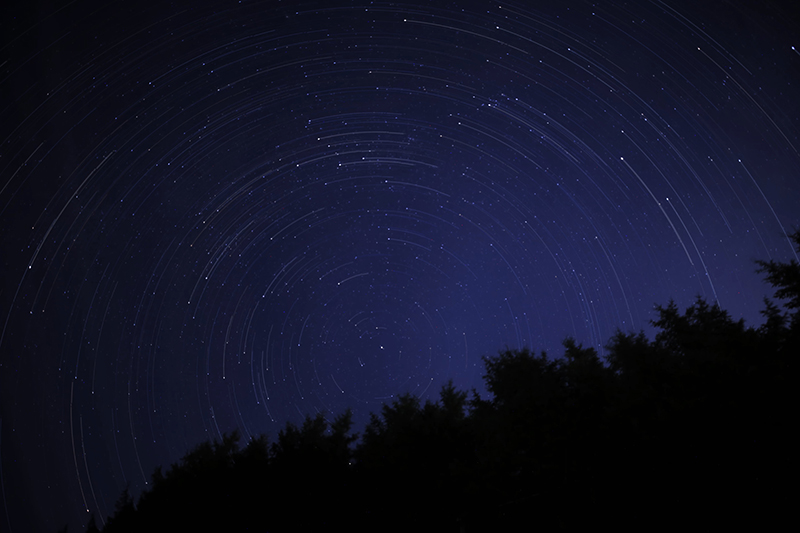
Having visited the detector huts abandoned across the North Yorkshire moors and seen that sheep are kept on the land here, I have been thinking about how the sheep might experience the night sky.
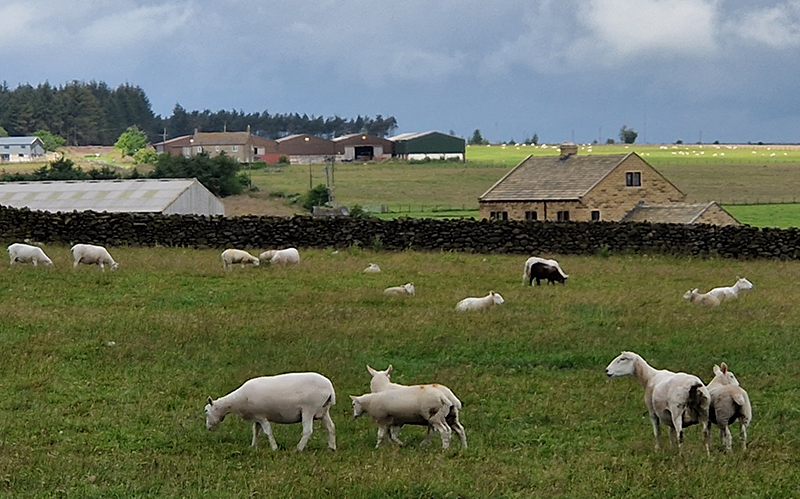
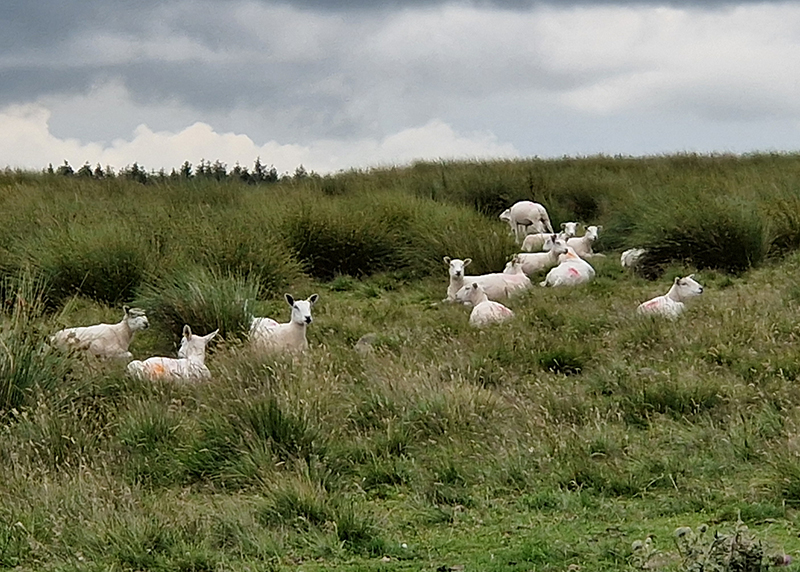
I had an idea to create a star gazing platform for the sheep, however from just a small amount of research I discovered that there is a fatal illness in sheep which farmers refer to as ‘stargazing’ due to the unnatural position of the sheep’s head looking up. Also, sheep have evolved eyes where the pupil automatically remains horizontal to the ground so that they can spot predators approaching even when they are feeding with their heads down. It seems they might not look skywards unless they are afflicted by a terrible brain disease. Despite this unfortunate discovery, it has been interesting to discover how sheep interact with the world.
Although popular culture often portrays sheep as unintelligent, scientific evidence shows they can form complex social relationships within their flocks and have an extremely good learning ability and memory. Their vision is quite different from ours as they have monocular vision with horizontal, rectangular pupils, giving an impressive panoramic visual field. However with blind spots front and rear, and poor depth perception they can be easily spooked. Although they can see well in low light they are unable to gain sharp focus on distant objects, so even under the dark skies of the moors they might not see the stars clearly if they could look up.
Their vision might be compromised in some instances but it is possible sheep may be sensitive to Earth’s magnetic field. Research has shown that on days when the weather is not so likely to influence how they align their bodies, they appear to show a preferred north-east–south-west alignment which could mean they use magnetoreception for orientation. Similar tendencies have also been observed in cattle, deer, and other mammals.
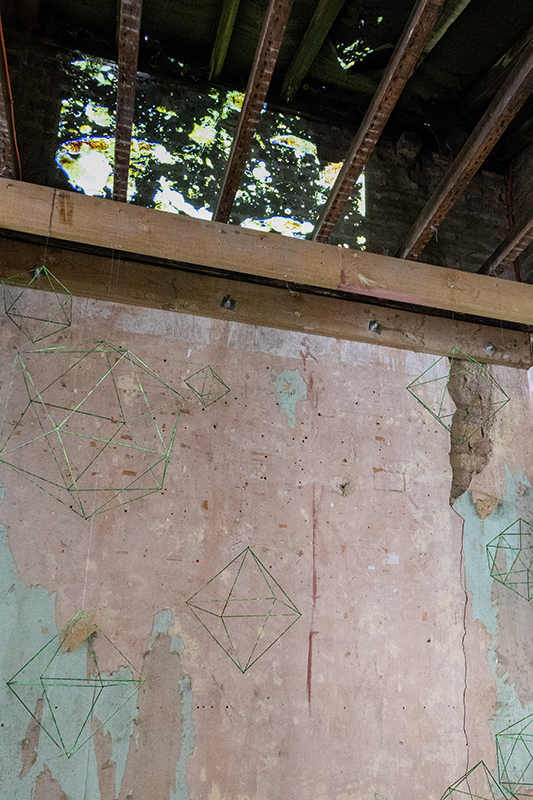
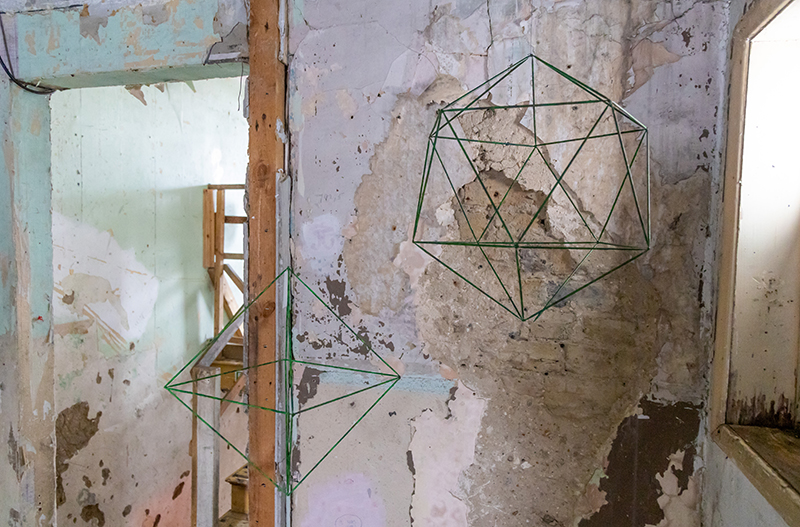
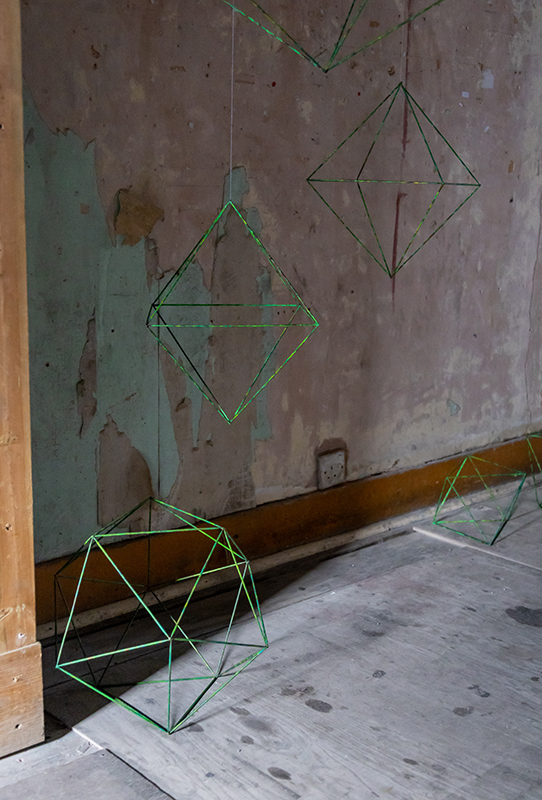
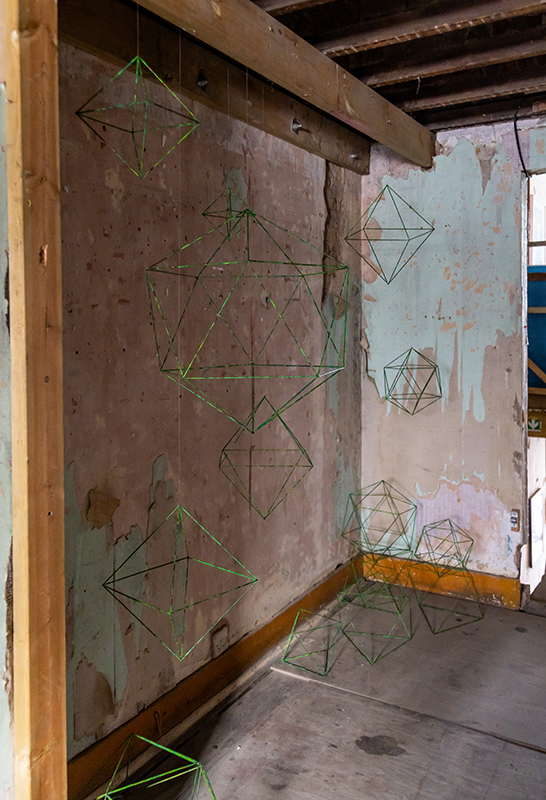
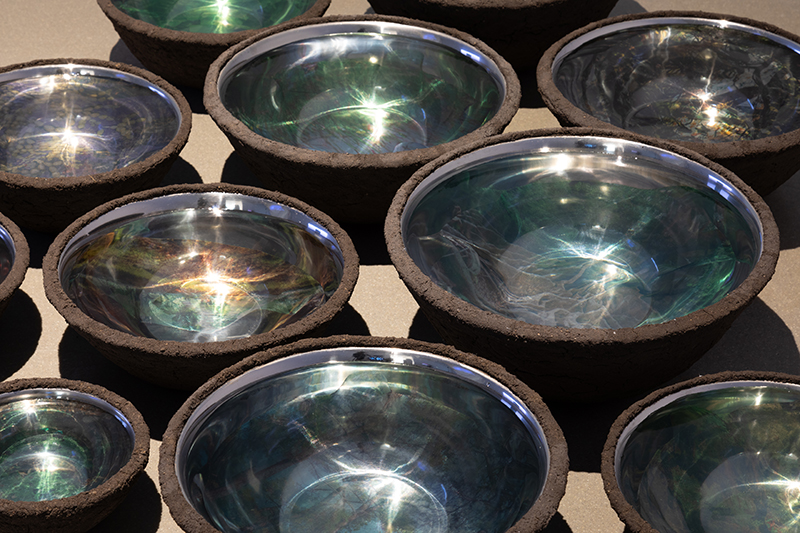
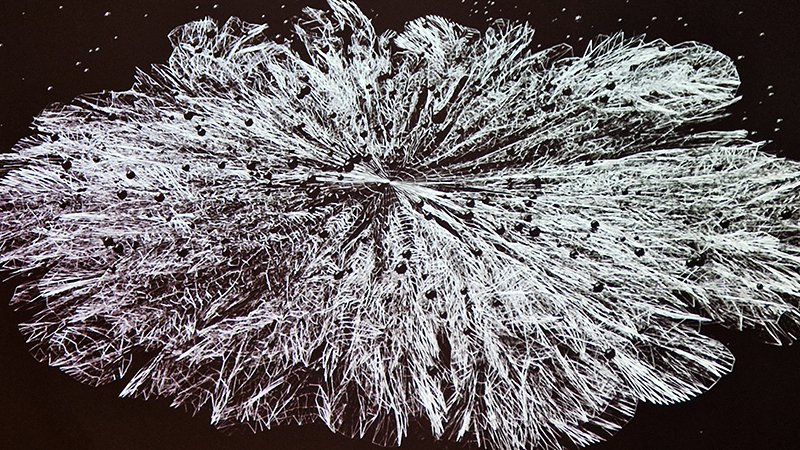
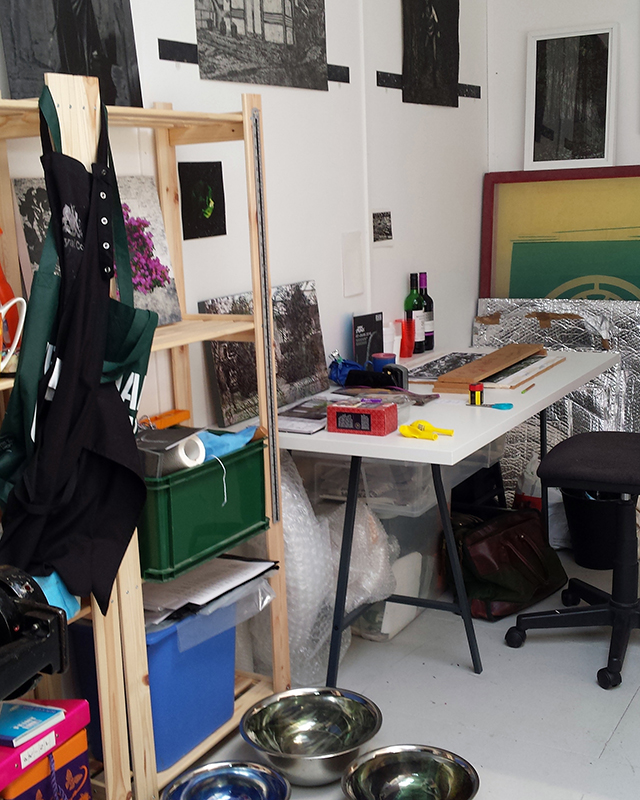
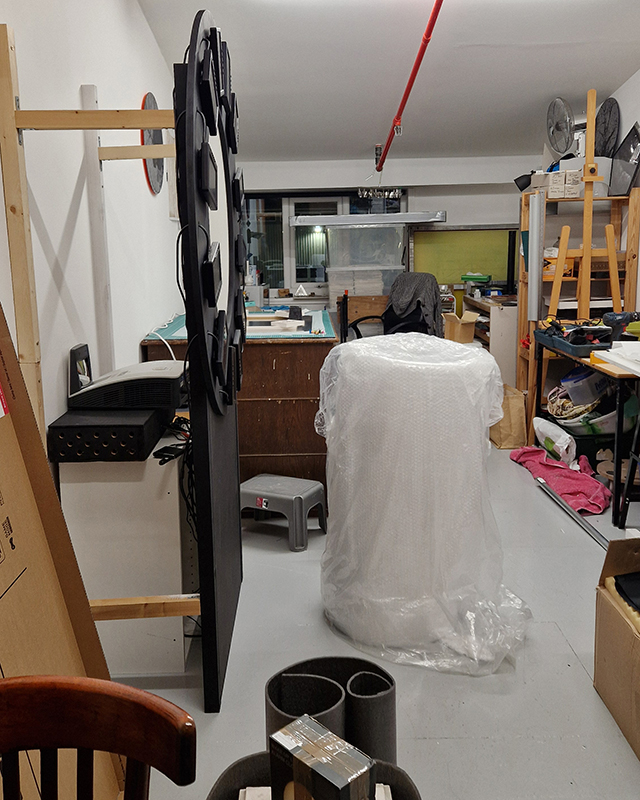
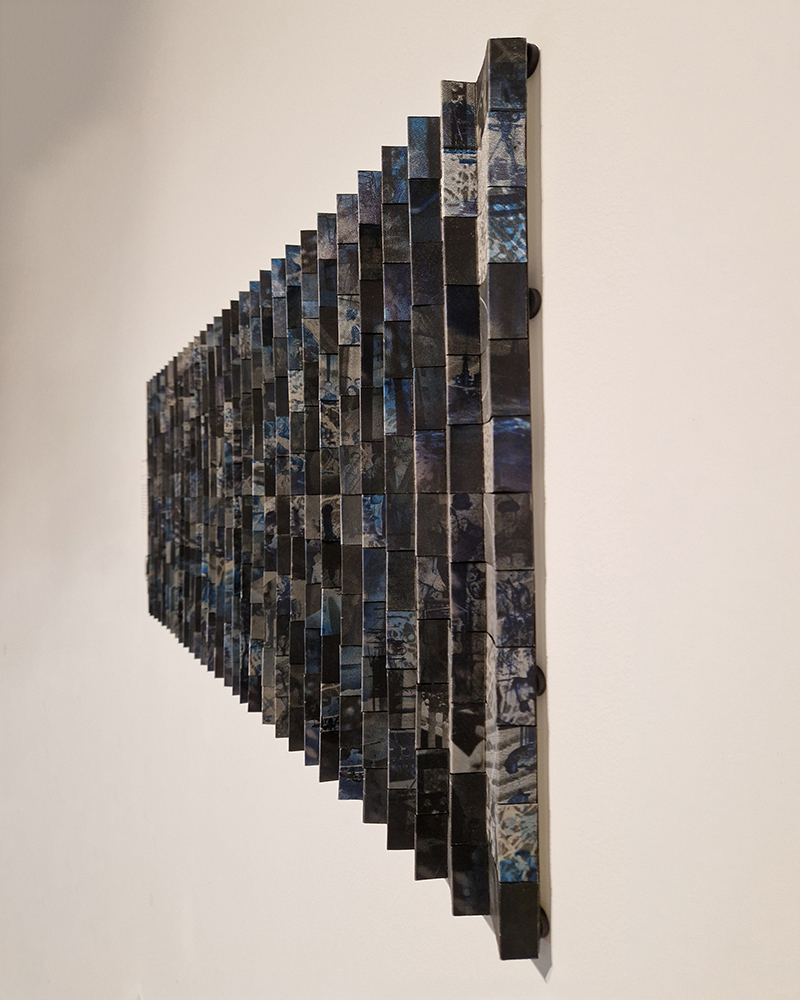
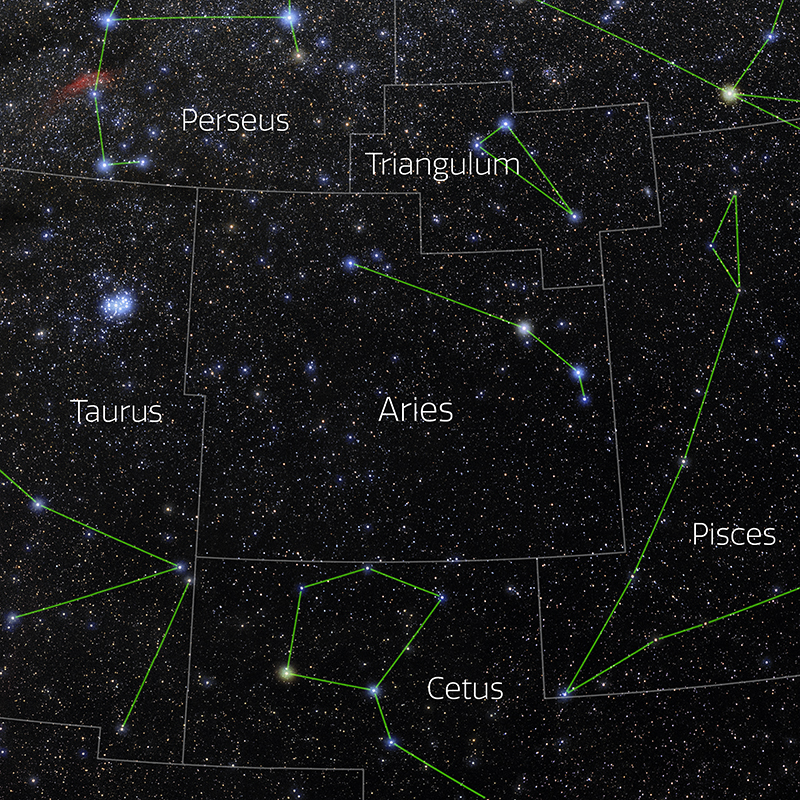
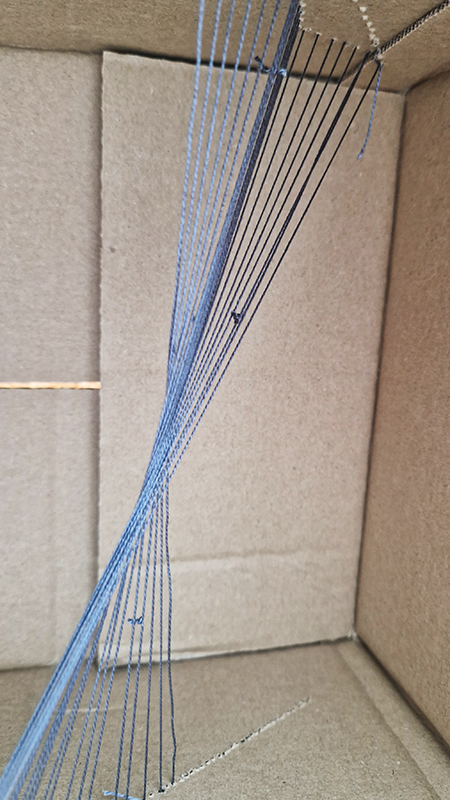
For work connected to this project I have been doing some preliminary experiments with thread and cardboard boxes. I made some small cardboard models in the shape of the huts but have moved on to thinking of representing the water tanks which were used to record the shower particles as they arrive in a thin disc like structure, sweeping through the atmosphere at nearly the velocity of light. My current thinking is that a series of ‘tanks’ will be wall based with thread woven across the inside marking out the shapes of constellations, potential origins of cosmic rays. The inside of the ‘tanks’ will be lined with rich blue cyanotypes – images made with starlight (the sun). The blue echoes the colour of the scintillating light of Cherenkov radiation which emits photons with short wavelengths and high frequencies, which the human eye sees as blue and violet.
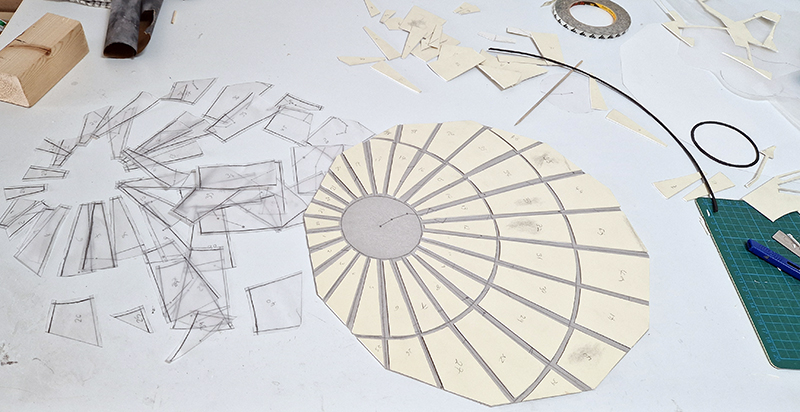
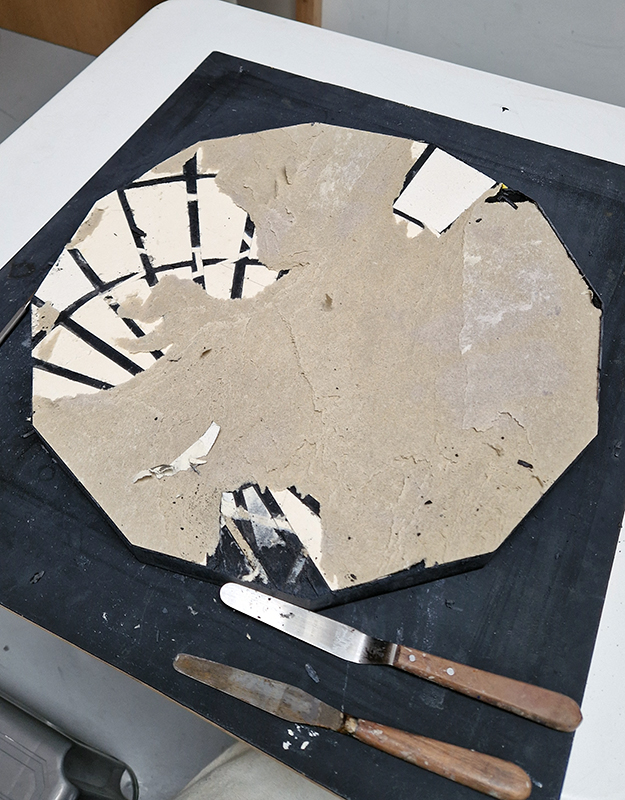
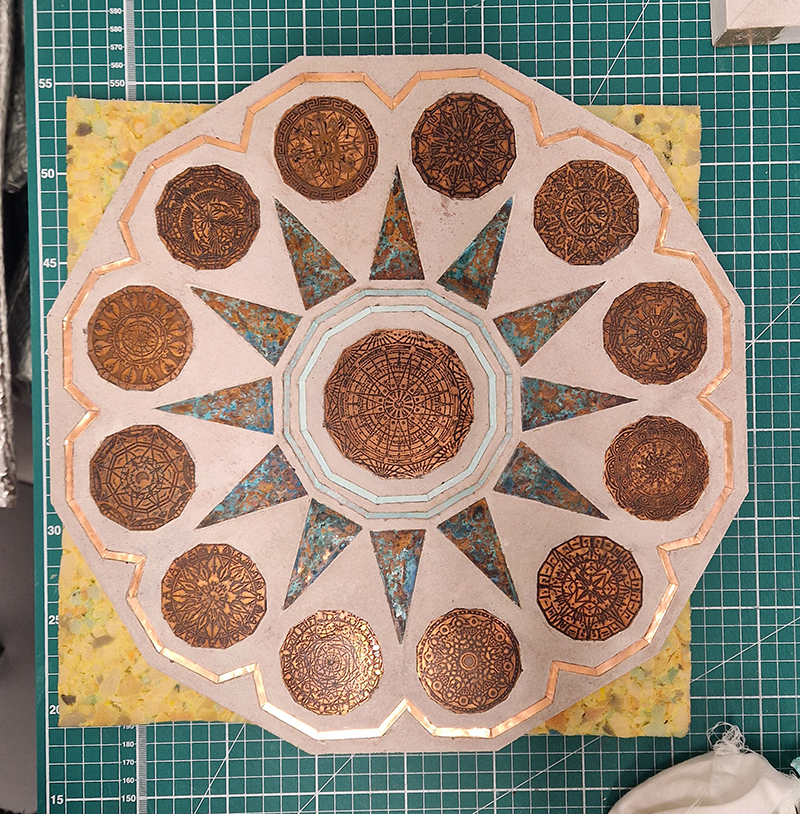
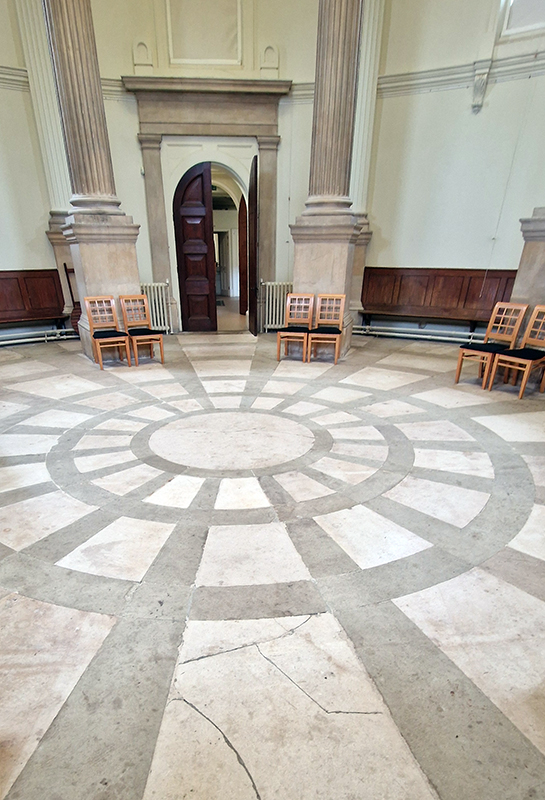
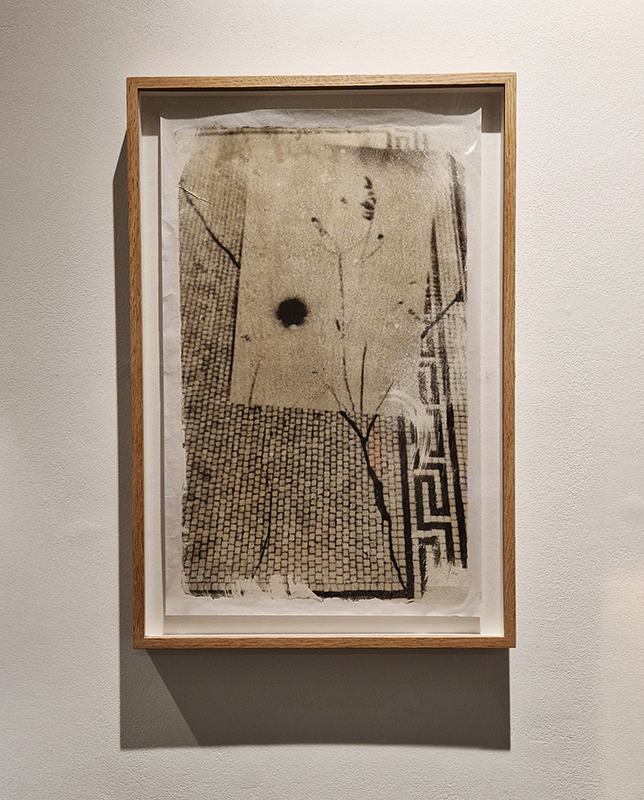
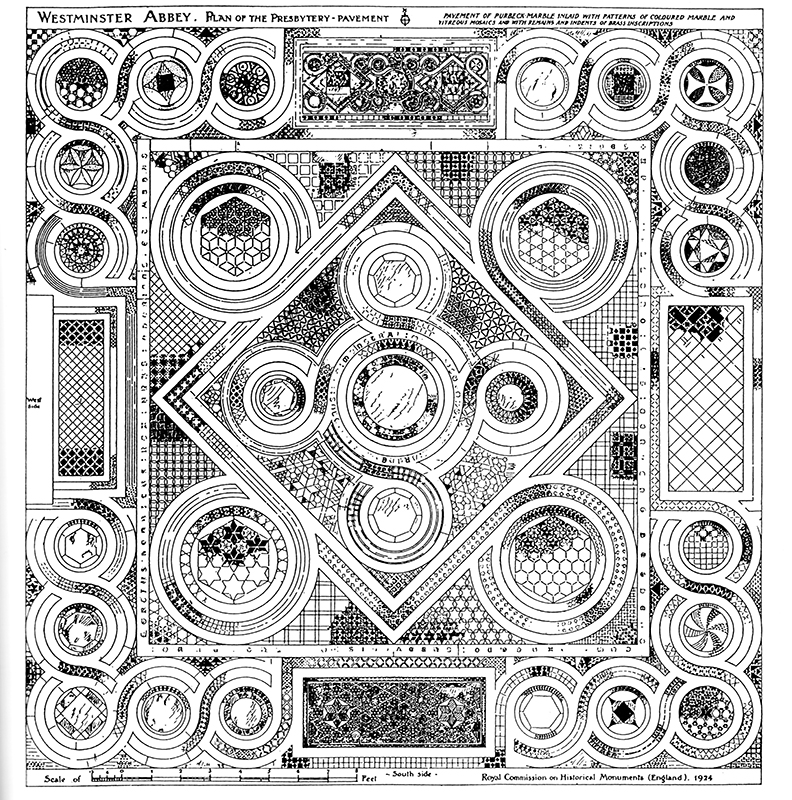
Other ideas in progress include a reinterpretation of the Cosmati Pavement of Westminster Abbey. The mosaic is full of medieval symbolism and sacred geometry and number systems. I am looking to relate ancient symbolism and contemporary iconography to think about changing relationships to fire, water, earth, air and the cosmos. Plato imagined the universe was created as a living creature in the shape of a sphere, perfect and complete in itself. Patterns of Thought author Richard Foster suggests that ‘as our minds become progressively tuned to ecological and global concerns, so the Platonic image of the world as a living creature is re-awakened from its sleep.’
Galleries and other visits
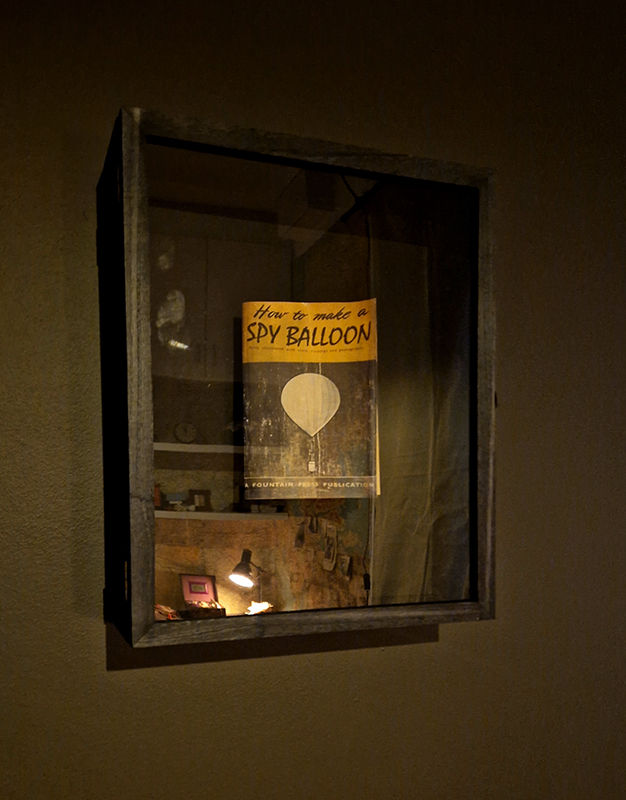
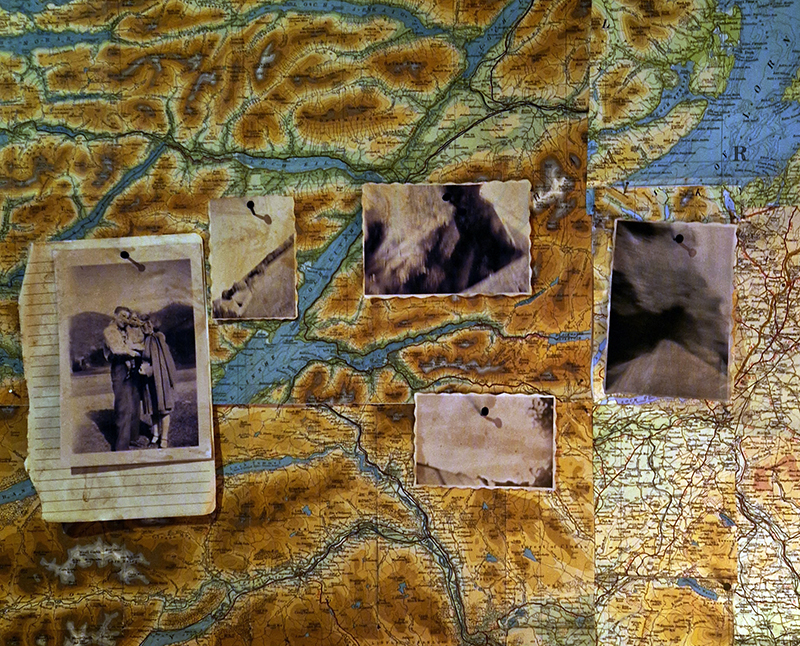
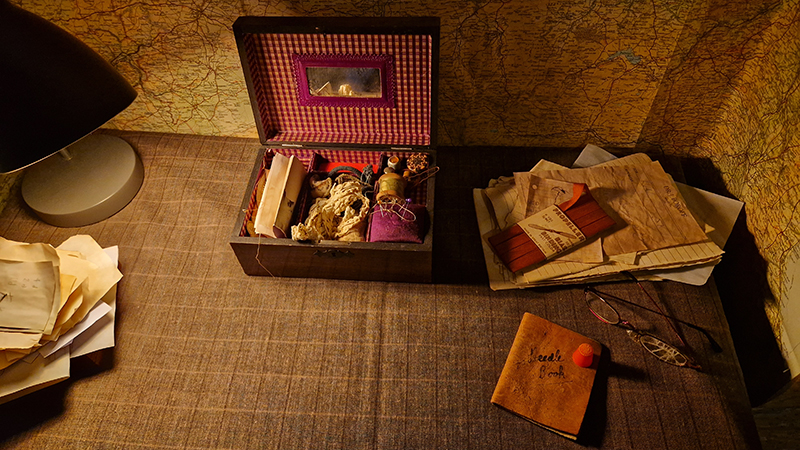
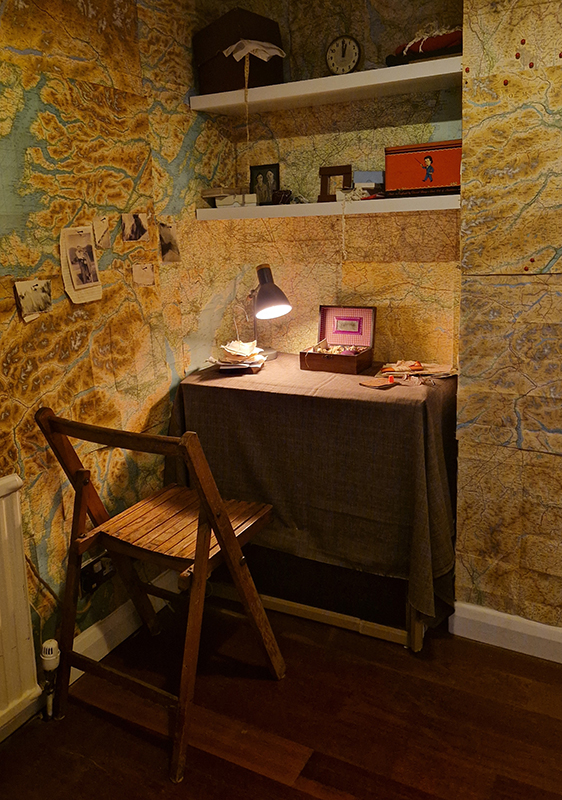
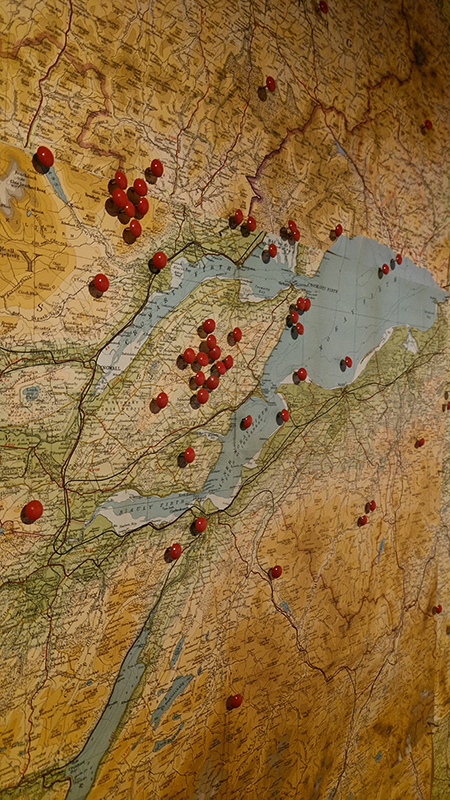
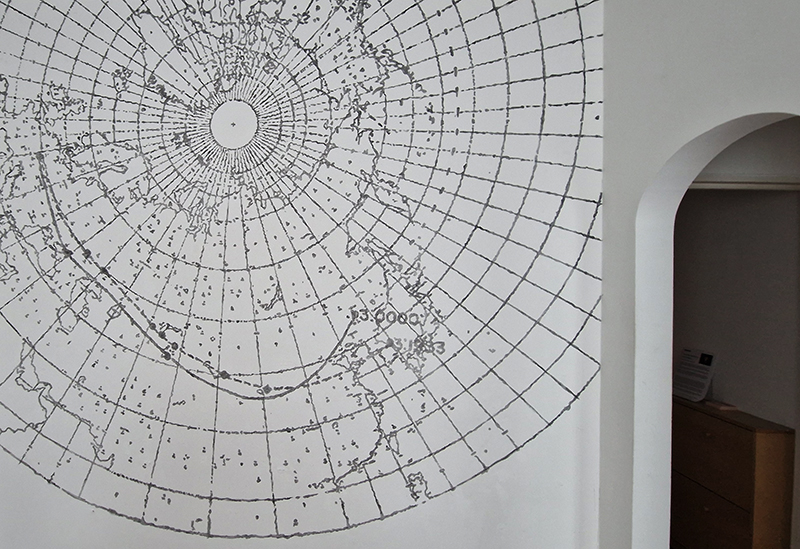
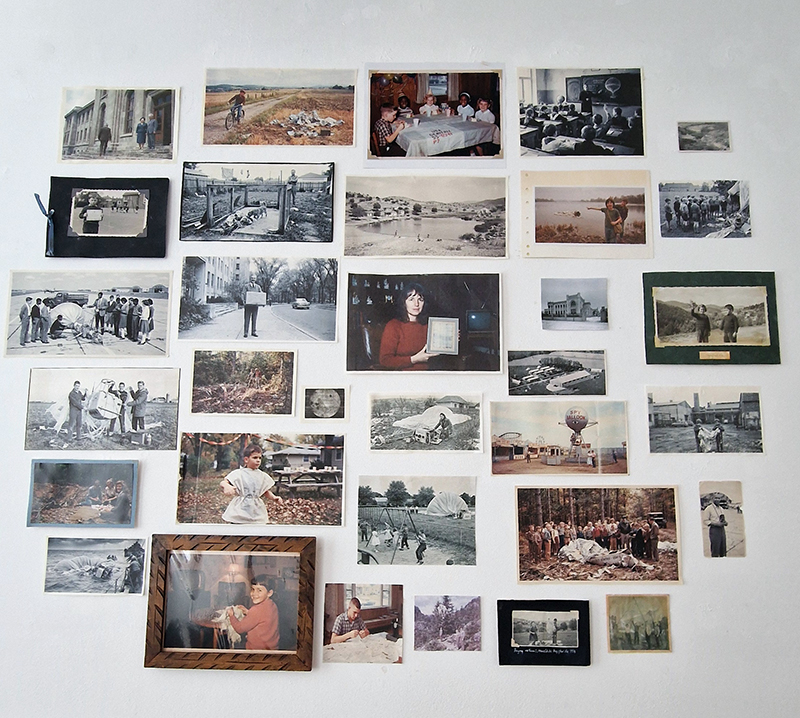
Really enjoyed Annabel Elgar Birds Fly Low at HAPAX Living Room. A speculative reconstruction of a secretive life stemming from finding a pamphlet of instructions for making a spy balloon tucked inside a box of sewing items bought at an online auction. Photographs, keepsakes and other items in the box including a prescription for Thorazine, first administered in the 1950s to treat anxiety, psychosis and agoraphobia, provide intriguing but evasive clues to the owner known only as K.V.M. Faded receipts from a store in Cromarty, Scotland led Annabel to an airfield at Evanton, a launch site for Project Genetrix, a 1950s US programme gathering Cold War intelligence. Surveillance balloons, disguised as weather devices, flew over China, Eastern Europe and the Soviet Union, with over one hundred launched from Evanton in 1956. The installation at HAPAX includes atmospheric analogue photographs of the items alongside historic photos from the cold war era of the tangled and smashed remains of the ‘spy’ balloons found by the Russians. The pamphlet is sealed away into a frame, not disclosing any of its secrets to the viewer.
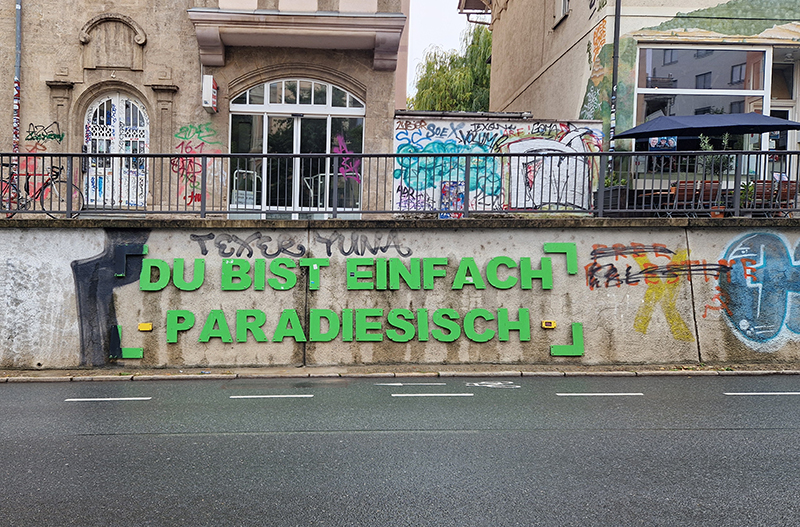
A trip to Jena (J in the alphabet odyssey).
“You are simply heavenly/paradisiacal” is a declaration of love to the city of Jena, playing on the name of the nearby popular park called “Paradies” (Paradise). The name stretches back to the Middle Ages. The area along the eastern bank of the Saale River was home to a monastery orchard and lush, idyllic water meadows. Because of its beautiful, fertile green landscape, the locals began referring to this specific stretch of land as “Das Paradies” (The Paradise).
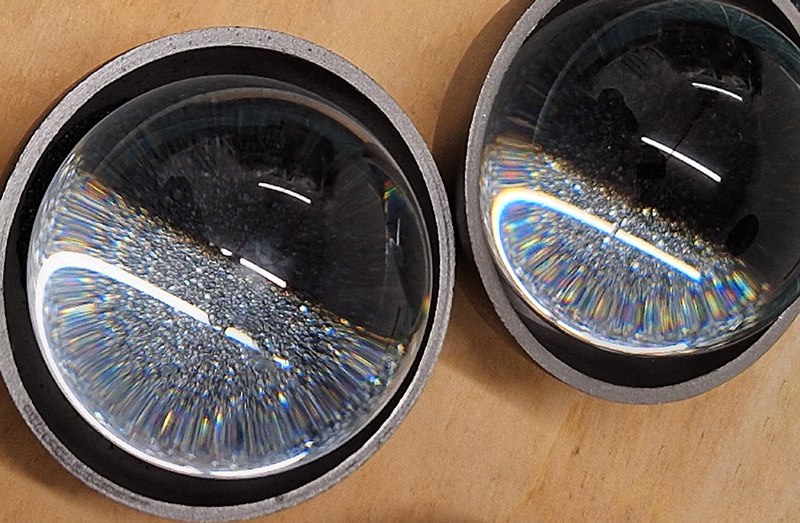
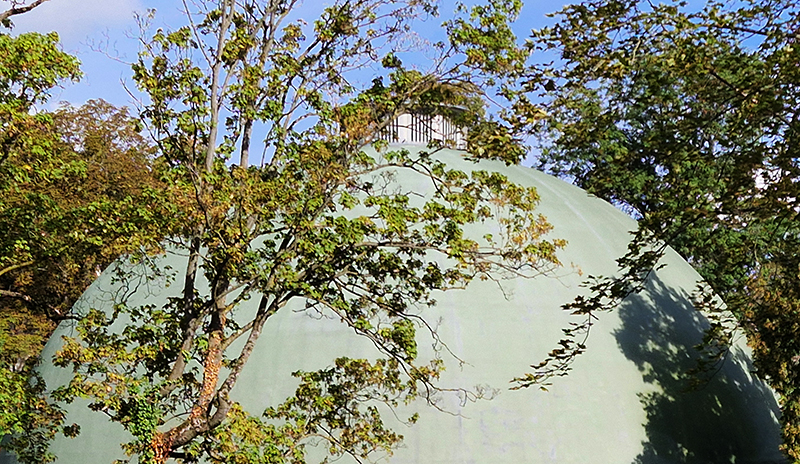
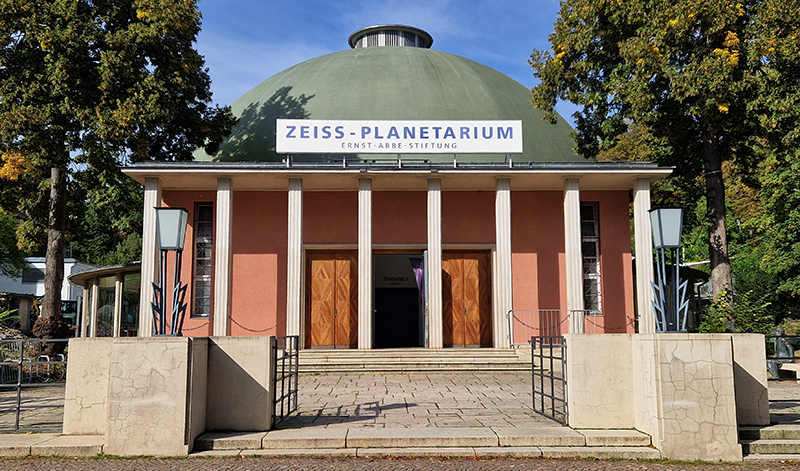
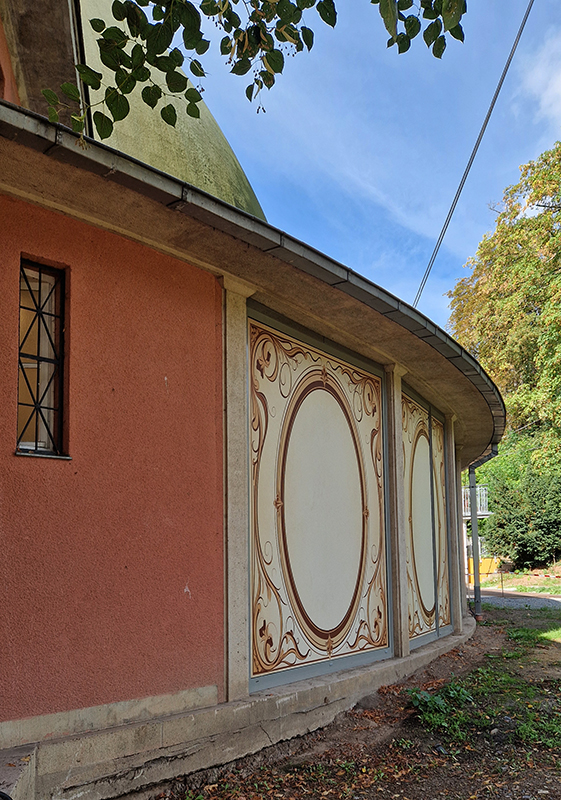
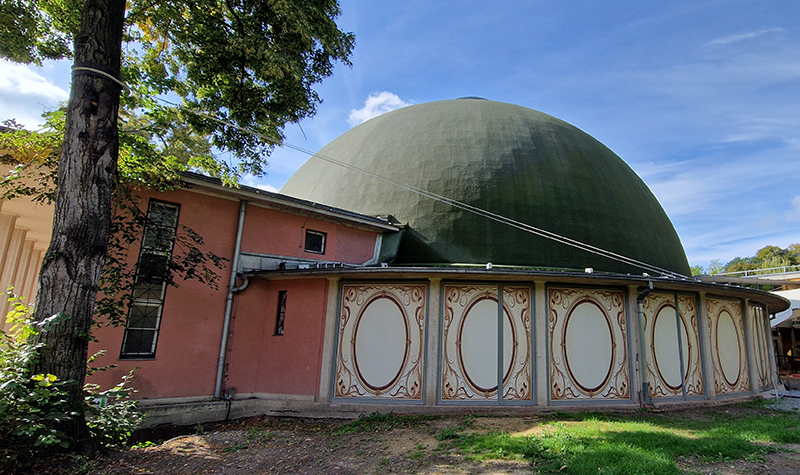
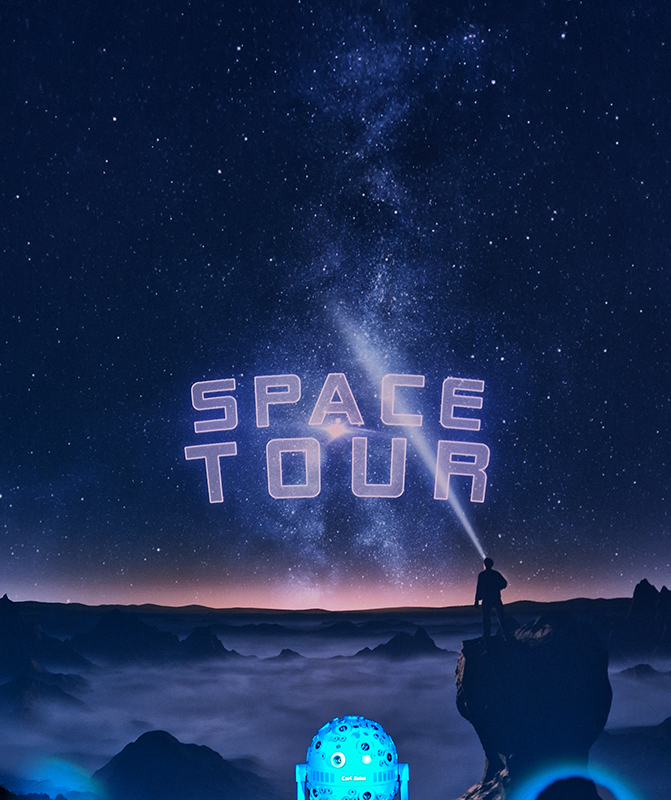
Often called the “City of Light,” Jena in Germany is the home of the world’s oldest operating planetarium and the legacy of optical pioneer Carl Zeiss. Disappointingly, The German Optical Museum (DOM) which holds optical instruments from eight centuries in its globally unique collections, is closed for refurbishment until 2028. The Planetarium, however, has recently reopened after refurbishment, in time to celebrate its centenary. Due to the many train delays in Germany (I was surprised to find the service is constantly delayed) we missed the English version of the planetarium show which is presented just once a week, so ended up seeing the rock and pop space tour which takes you from our solar system to our galaxy, onwards to the wider universe and zooms back in again to find our tiny dot amidst the infinite vastness. The building is very beautiful.
Visited The Goethe Laboratory which is in the former chambers of Jena Botanical Garden’s inspector’s house. It is dedicated to Goethe’s work as a natural scientist, his interests in botany, geology, colour theory and morphology. Between 1775 and 1830 Goethe visited Jena many times, actively involved with the University, establishing museums and collections and working on his experiments in colour theory. Goethe collected and was fascinated by fossils, noticing similarities in the development of bones across species. Through his careful analysis, he succeeded in the (re)discovery of the intermaxillary bone in humans. He had a passion for the deep time of geology and collected lava rocks from Vesuvius and Etna, rock crystals from the Alps, along with limestone and many others.
»It is a pleasant task to explore nature and oneself at the same time, to do violence neither to her nor to one’s own spirit, but to bring both into balance with one another through a gentle reciprocal influence.« – Johann Wolfgang von Goethe: Proverbs in Prose 1.369
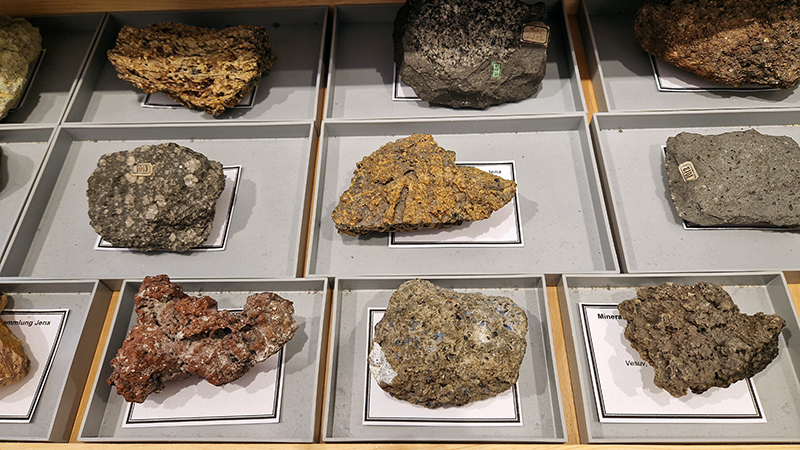
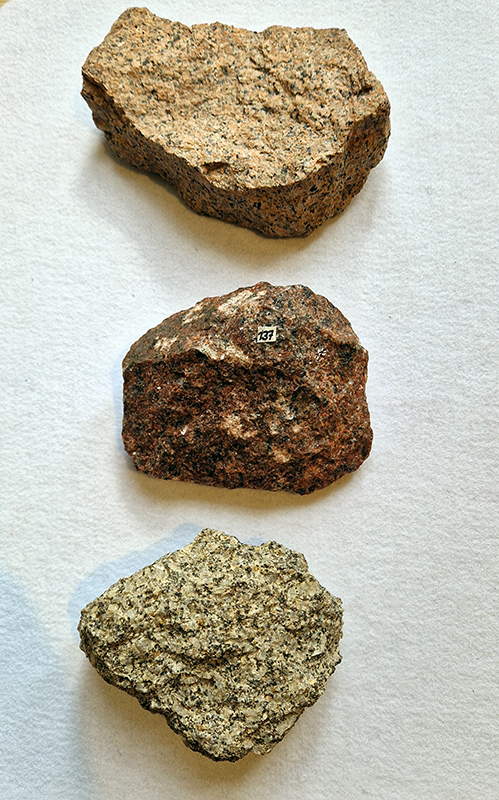
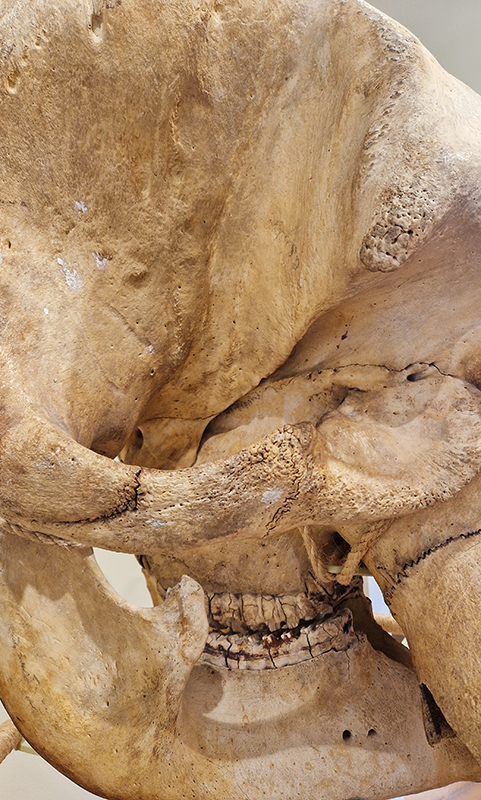
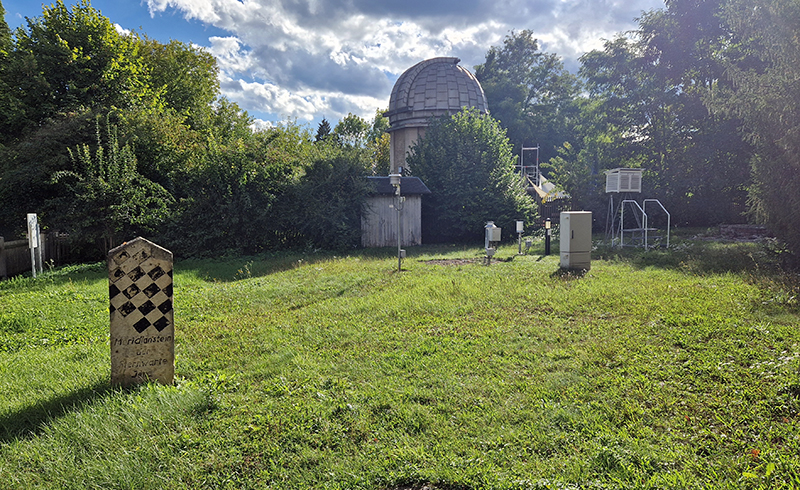
Also visited Schiller’s Garden House where the poet Friedrich Schiller lived and wrote in the late18th Century. He was a good friend of Goethe and the garden features an original stone table where, whenever Goethe was in town, they sat here chatting almost every day. Following Schiller’s death, the estate was purchased by the state and Duke Carl August, the Grand Duke of Saxe-Weimar-Eisenach, had an observatory built on the site. Optical engineer, lecturer and physicist, Ernst Abbe became director of this observatory while living in Schiller’s former garden house. A meridian stone was erected in the grounds to serve as a southern marker for telescope alignment and precise time determination.
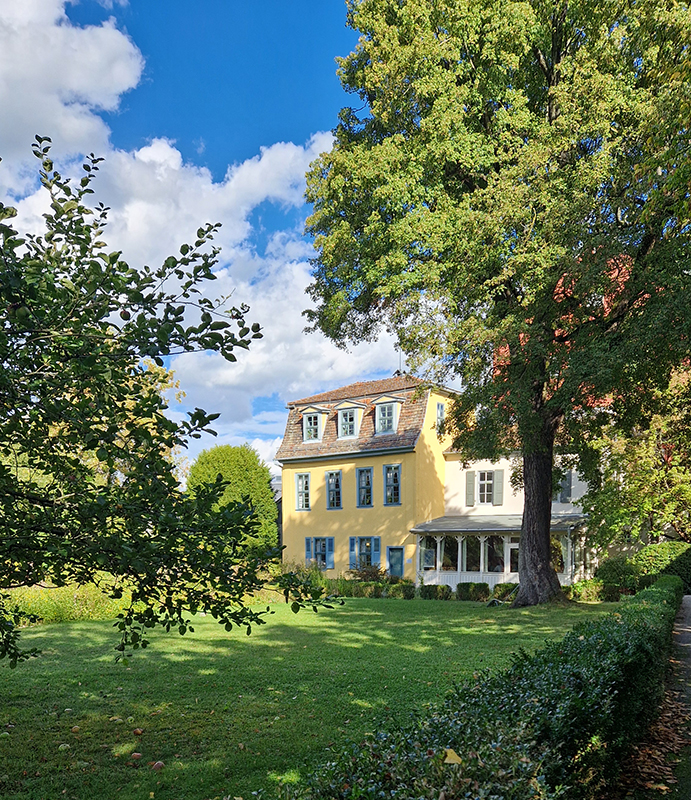
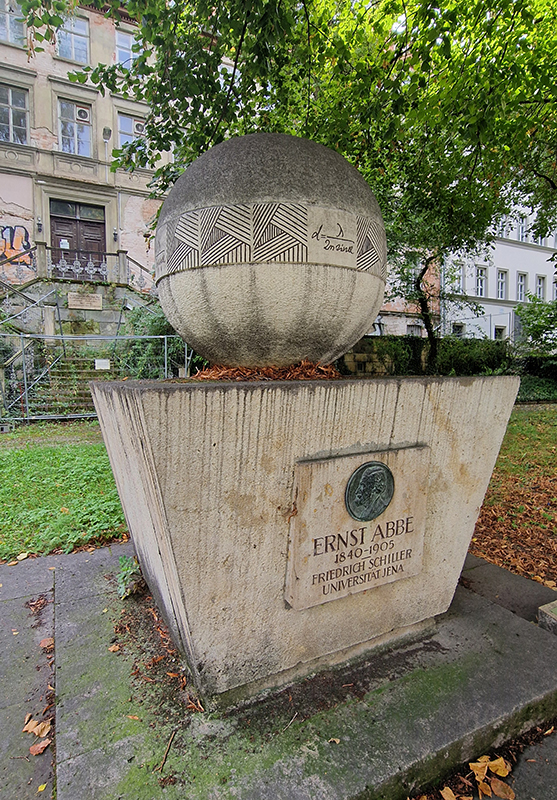
Together with Otto Schott and Carl Zeiss, Ernst Abbe developed numerous optical instruments. He came up with the mathematical foundation of microscope design and formulated the limit of optical resolution in an imaging device due to diffraction, nowadays also known as the “Abbe limit”.
There was a beautiful and fascinating exhibition Electrum mundi – Amber worlds at The Jena Phyletic Museum, a globally unique institution founded by Ernst Haeckel, dedicated to the history of evolution and the development of life on Earth. There are more than 200 amber deposits worldwide, it is found on all continents except Antarctica. Amber has always been intriguing for its unusual properties. The Greeks named it ḗlektron for its power to attract other materials. Desired as jewellery for its translucence and rare inclusions that hold lifeforms eternally preserved, pure amber is known as Solar Stone for its golden colour and is very valuable.
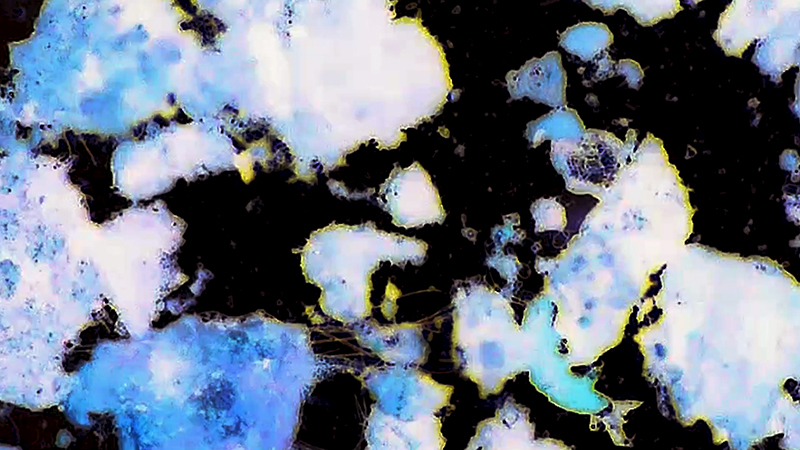
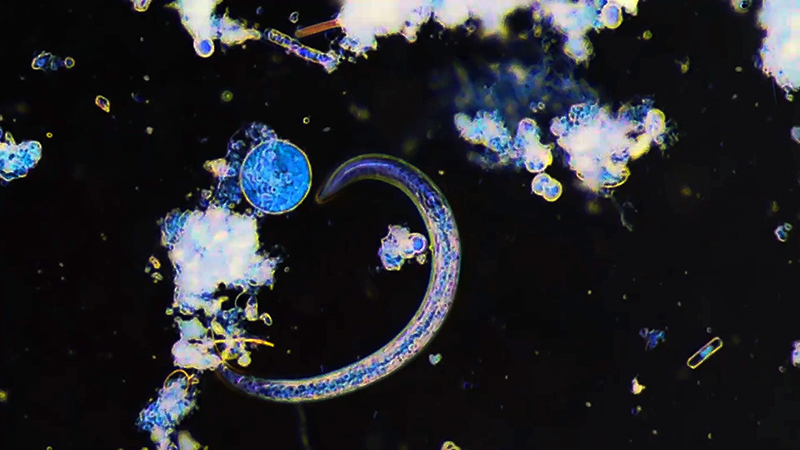
The presentation of the tiny amber pieces next to a blown up digital image revealing what is held at this scale in these miniature cosmos was very effective. There are three categorizations of tree resin depending on its age which can be determined by carbon dating, chemical analysis and also by any identifiable inclusions. Amber is fully fossilized and hundreds of millions years old, copal is sub-fossilized and a few hundred thousand years old, defaunation resin defines copal from 1760, the beginning of industrialization. The oldest amber found so far was in Illinois and dated to be 320 million years old. The oldest amber with inclusions, a mosquito and two mites, was dated at 230 million years old, a time when all land masses were merged into the giant continent Pangea. Baltic amber has been used in Europe since at least the neolithic period, travelling the amber road into Egypt and Asia.
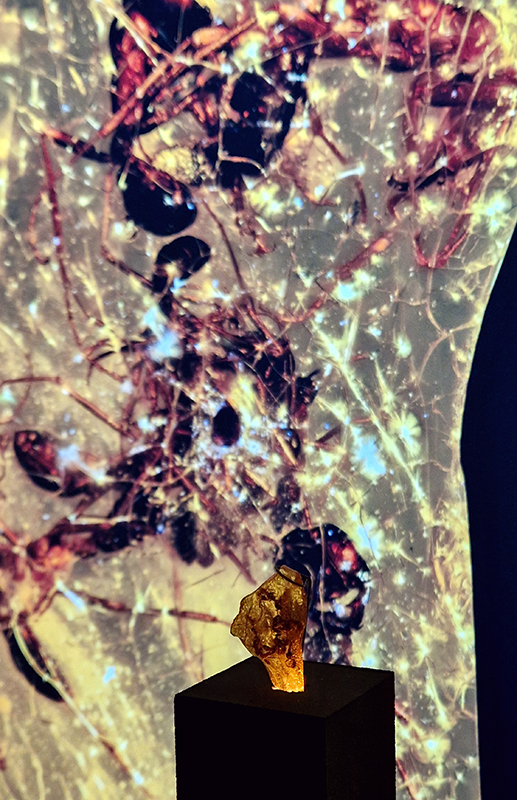
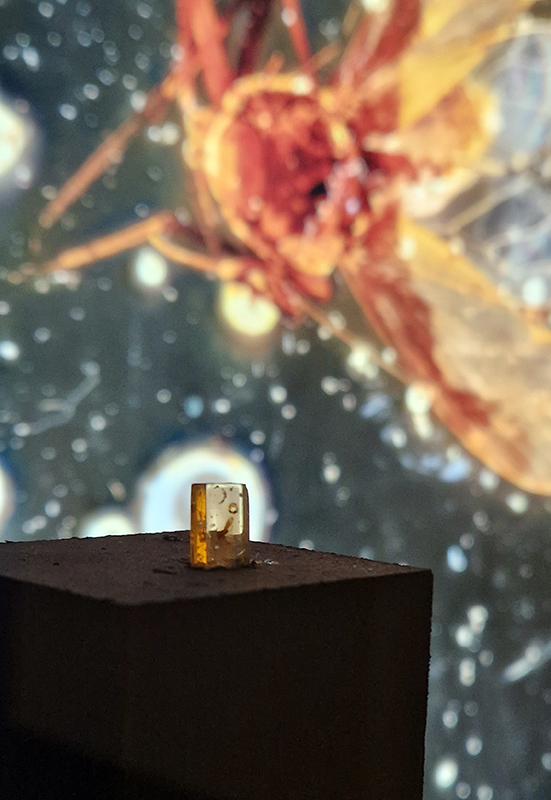
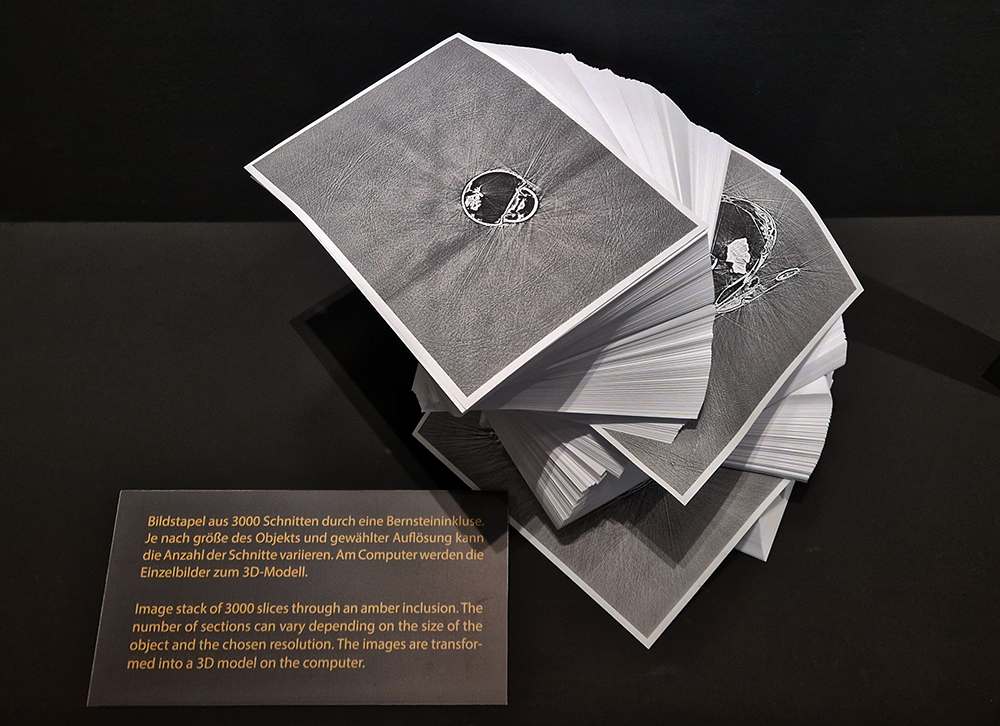
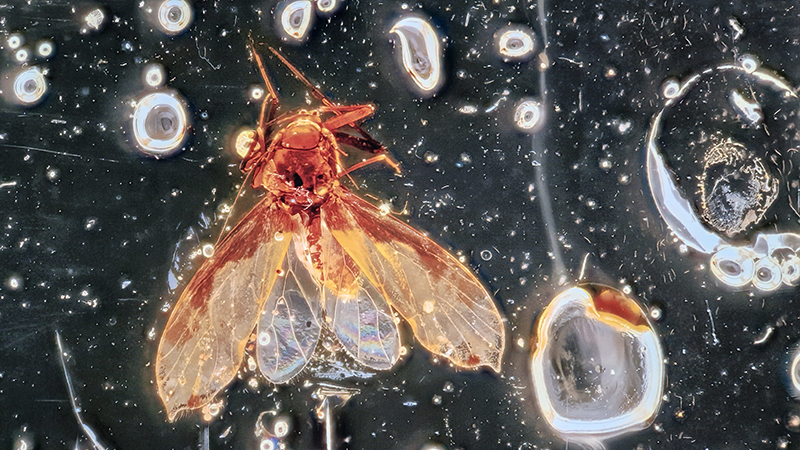
Thirty-six pieces of unpolished amber were located in Goethe’s mineral collection and have been non-invasively examined with micro-CT scanning. The insects in the inclusions were able to be identified and transformed into 3D computer models.
The demand for amber has put it at the centre of aggressive trade practices, illegal mining and the manufacture of fake inclusions. During the Middle Ages, the rich amber-producing Baltic coastline became known as the amber shelf was was controlled by the Teutonic Knights and turned into a strict state monopoly. At this time, amber was not just decorative but also used as a source of light, being burnt instead of beeswax, it was sought after as a guard against disease and used by the wealthy as gambling tokens. The state legacy of control continued until 1945.
Illegal amber mining is currently causing major environmental damage particularly in Ukraine and Russia, along with social problems caused by violent gang warfare and lack of policing exacerbated by the war. Extraction methods involve pumping water into the land, hoping the amber will float to the surface to be skimmed of, this flooding leaves huge areas of land devasted and unusable.
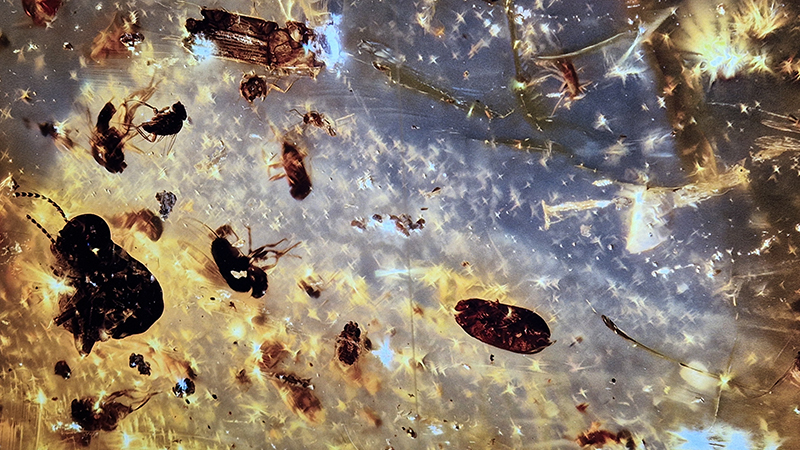
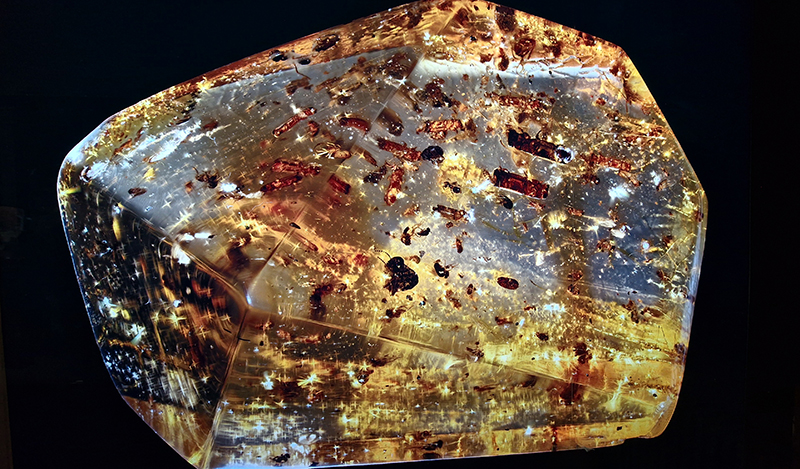
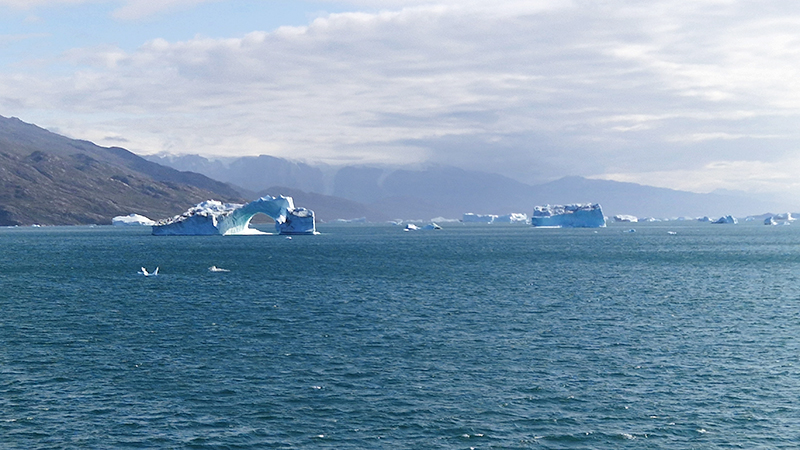
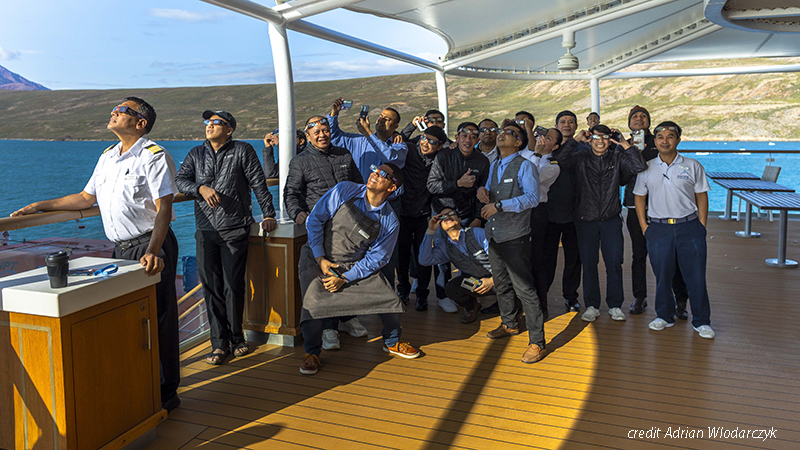
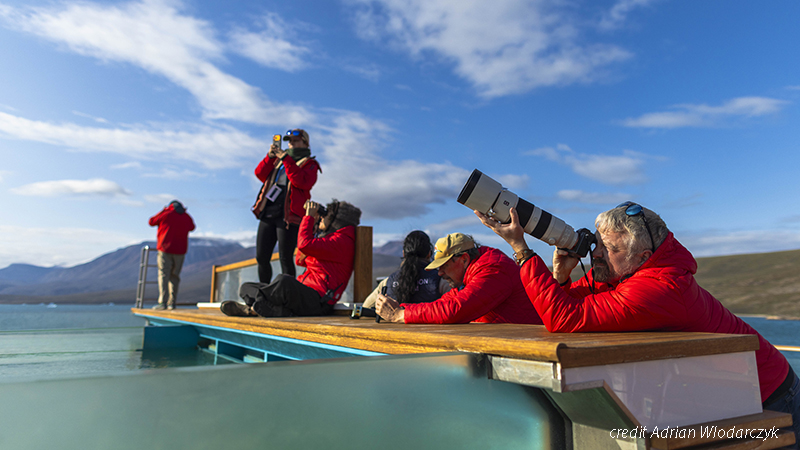
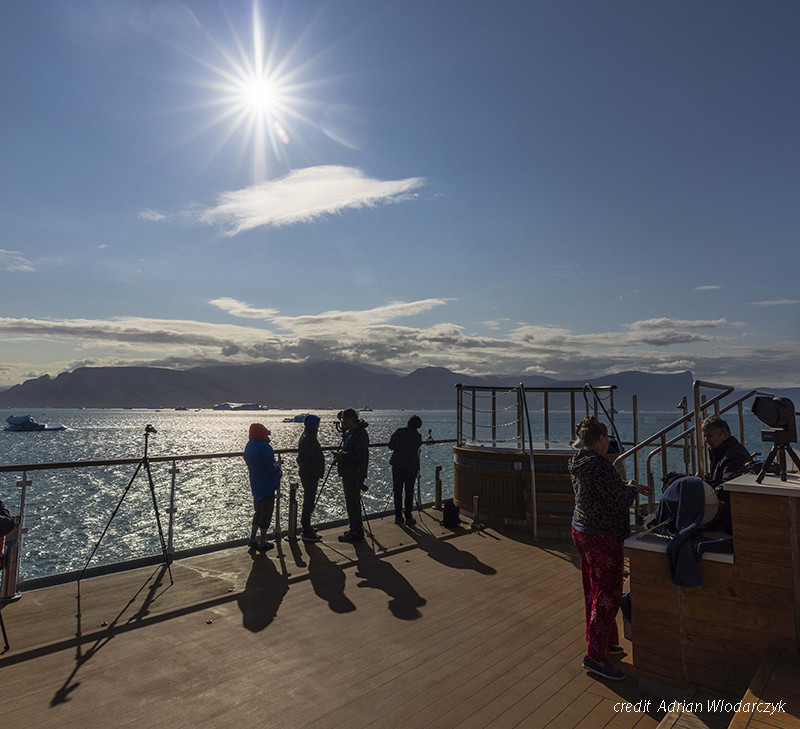
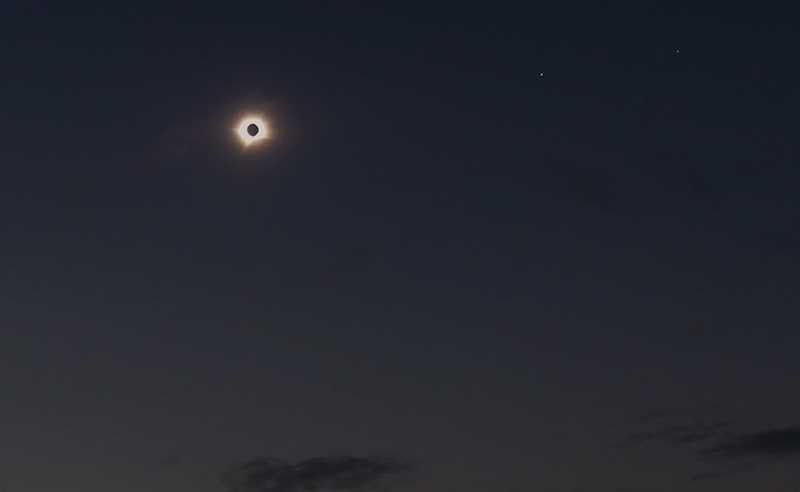
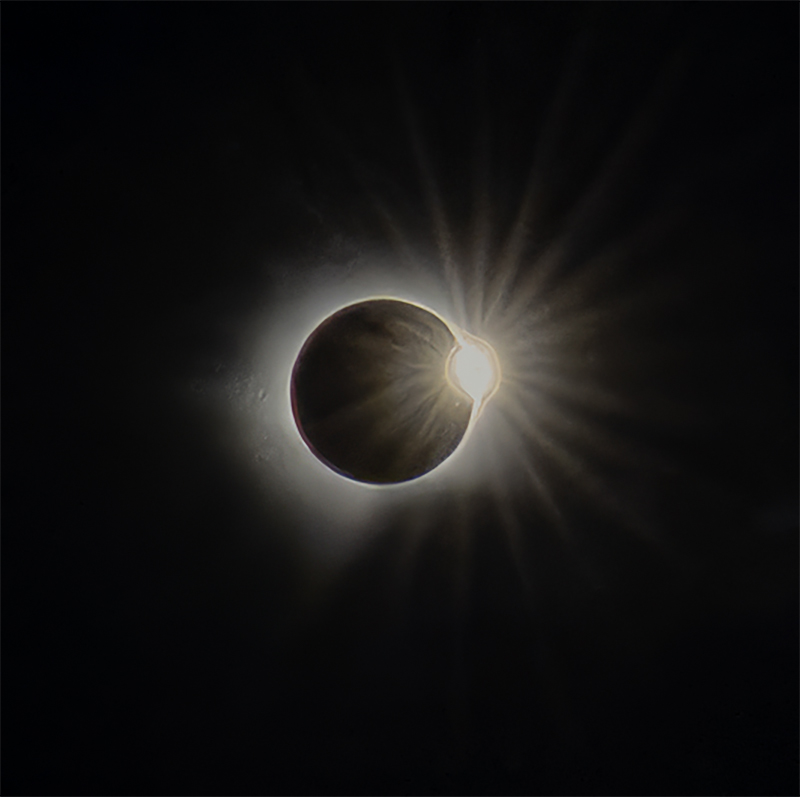
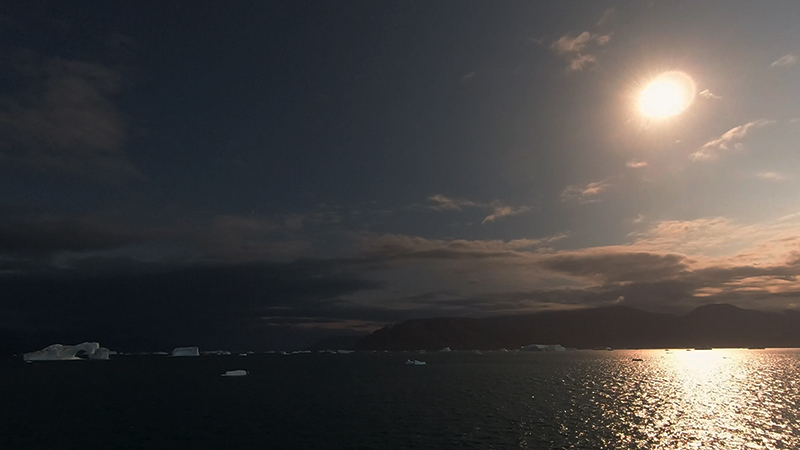
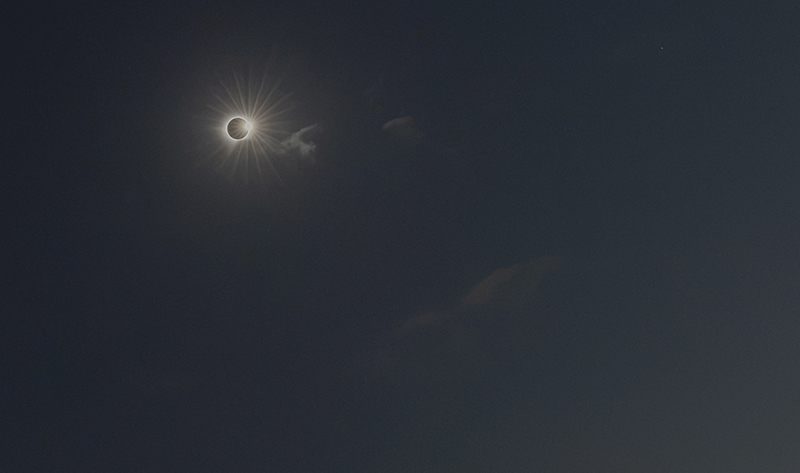
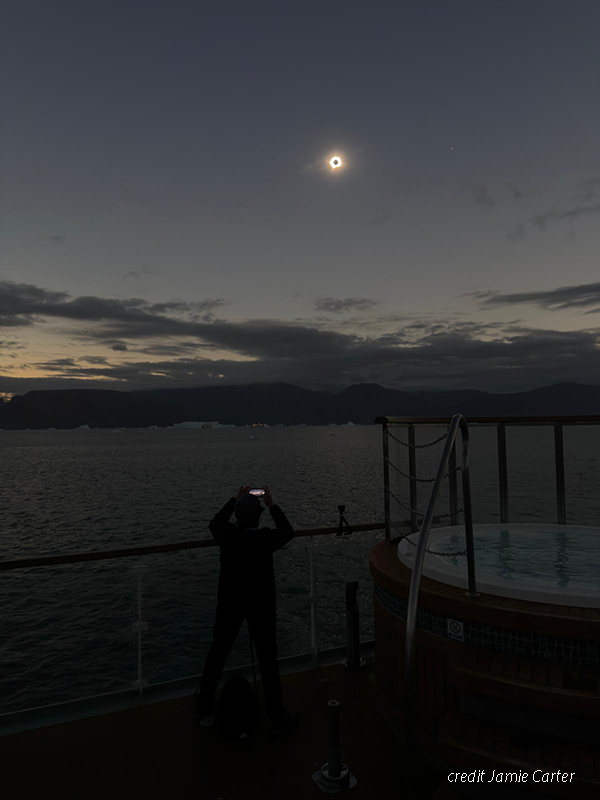
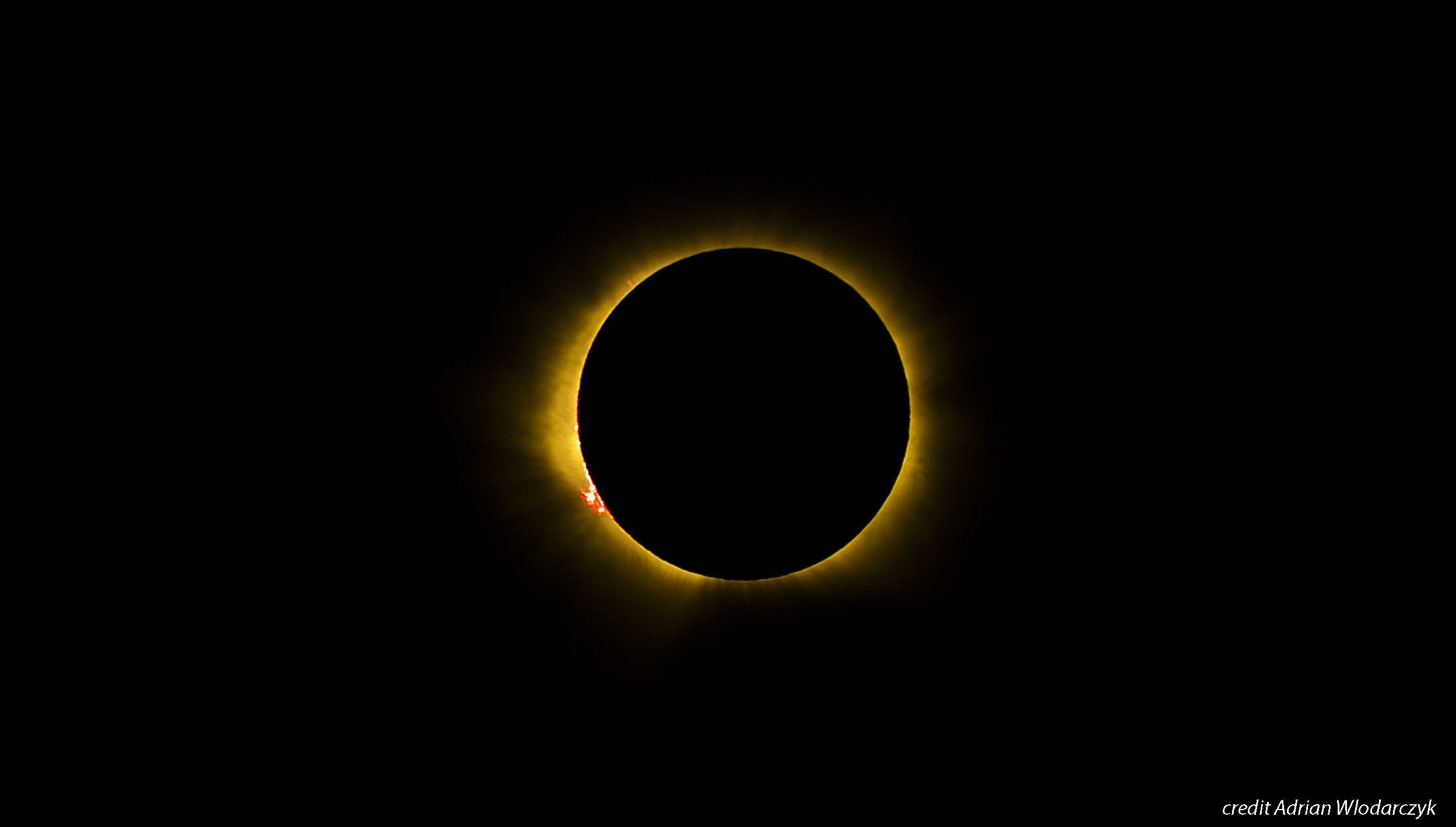
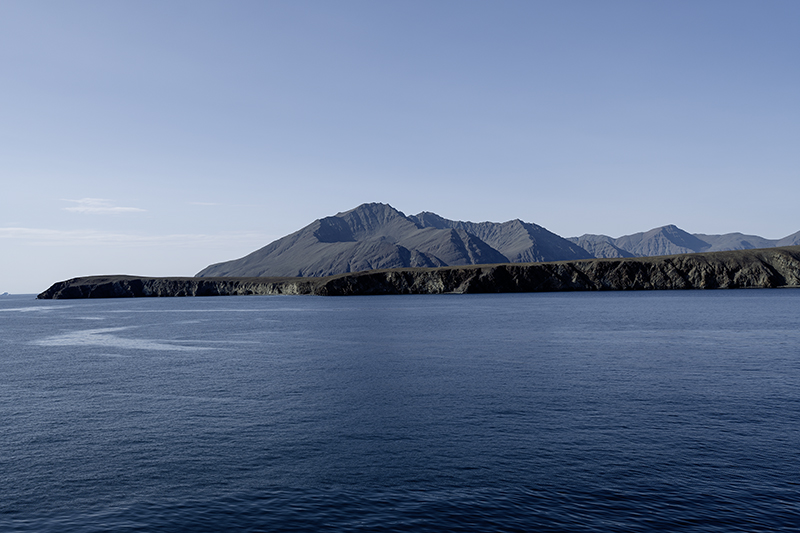
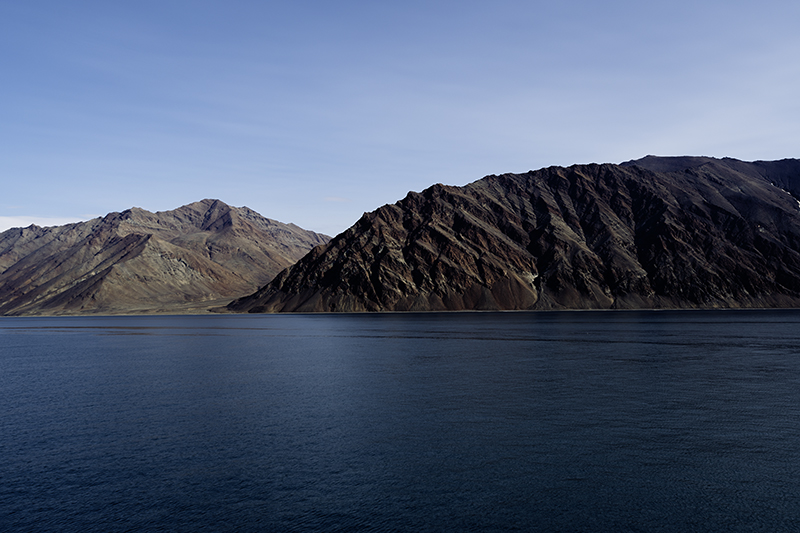
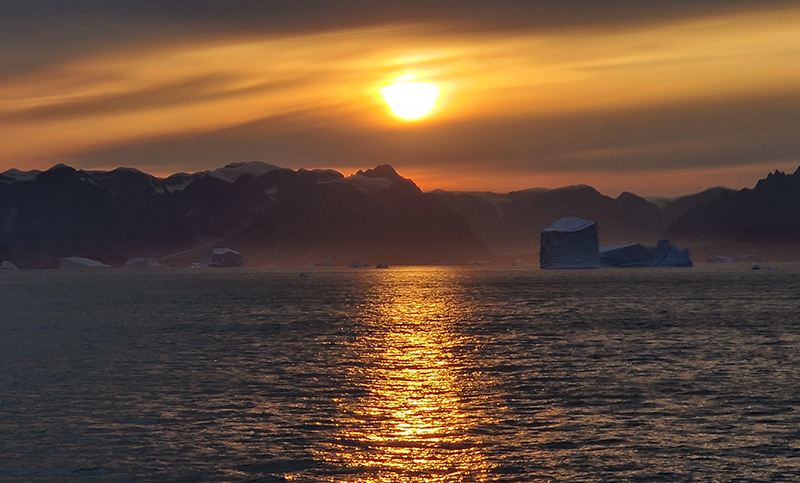
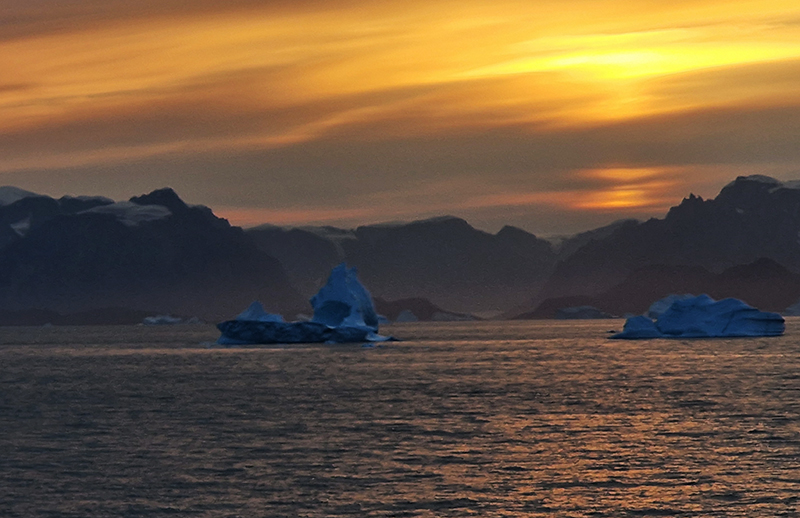
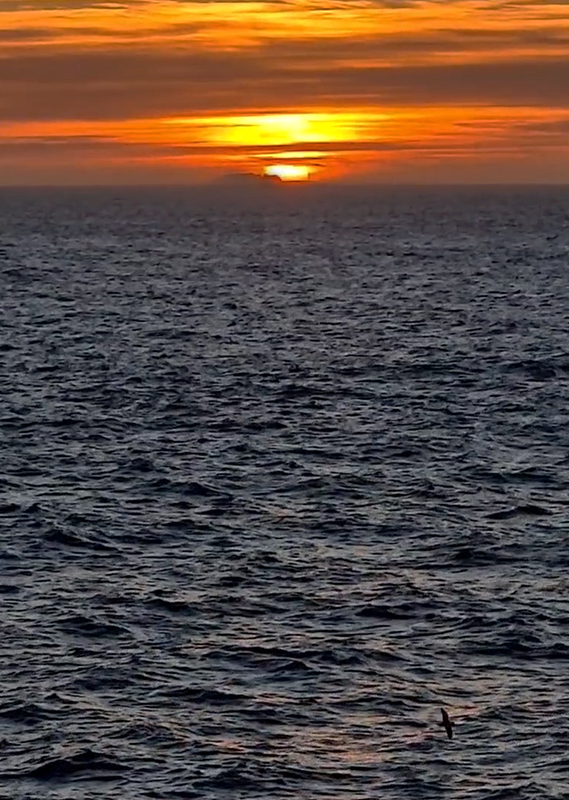
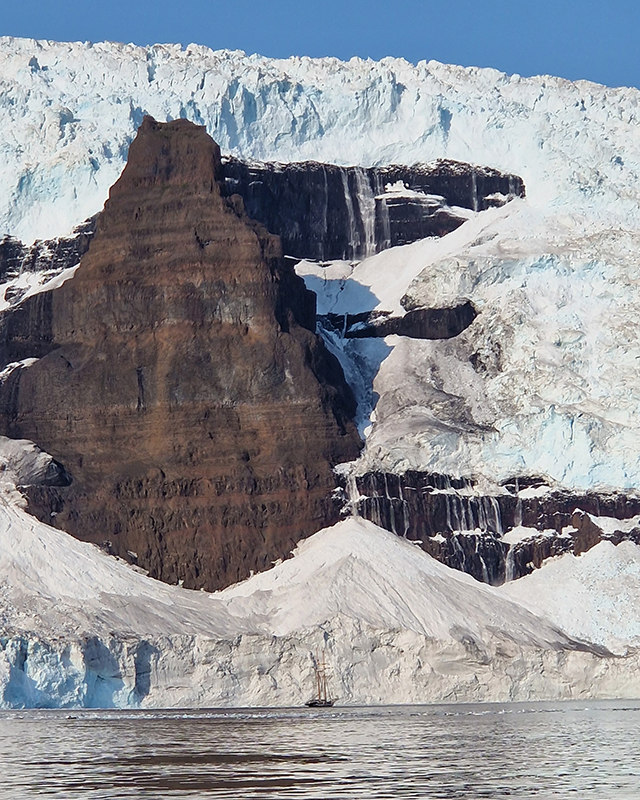
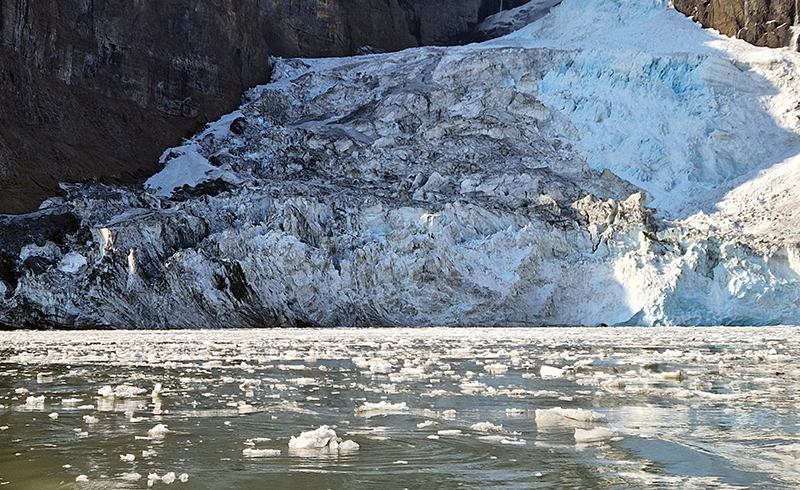
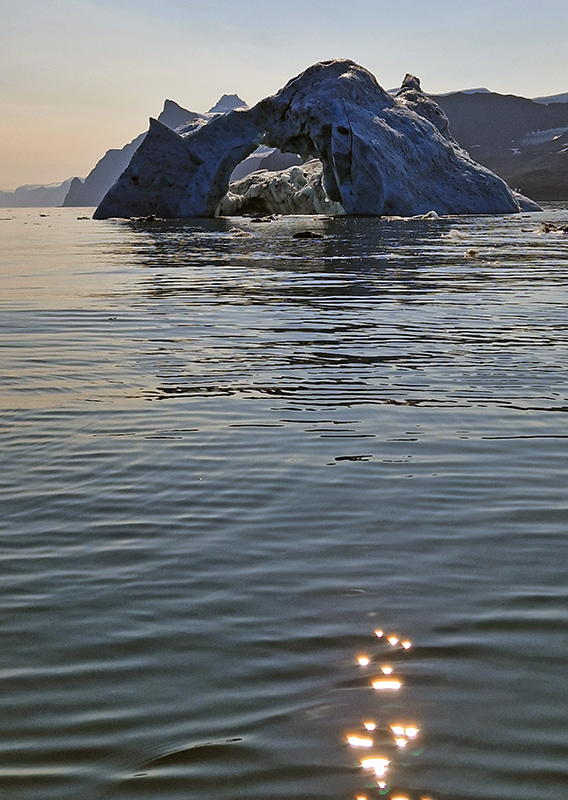
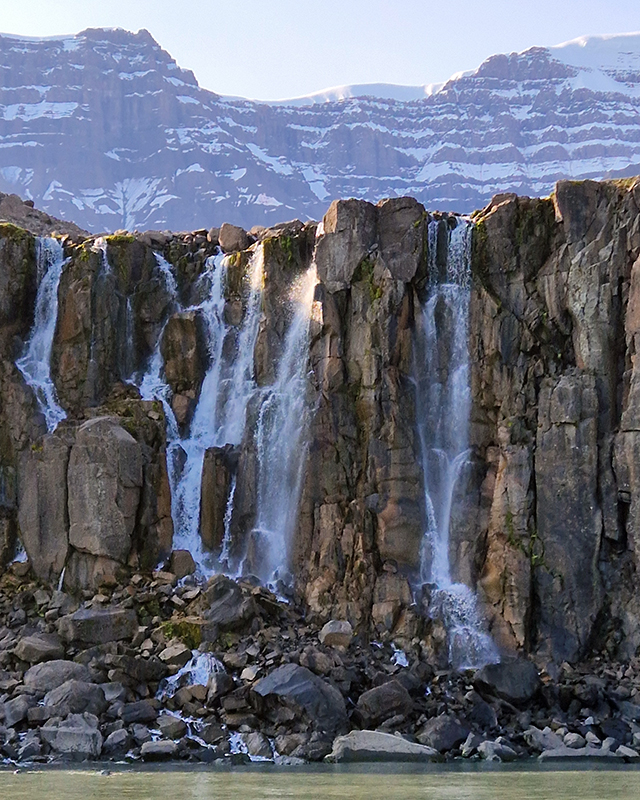
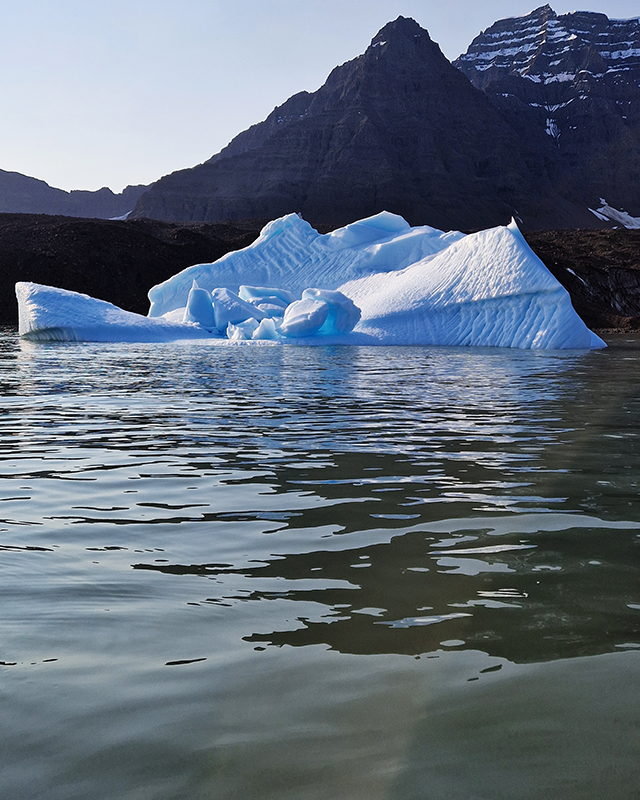
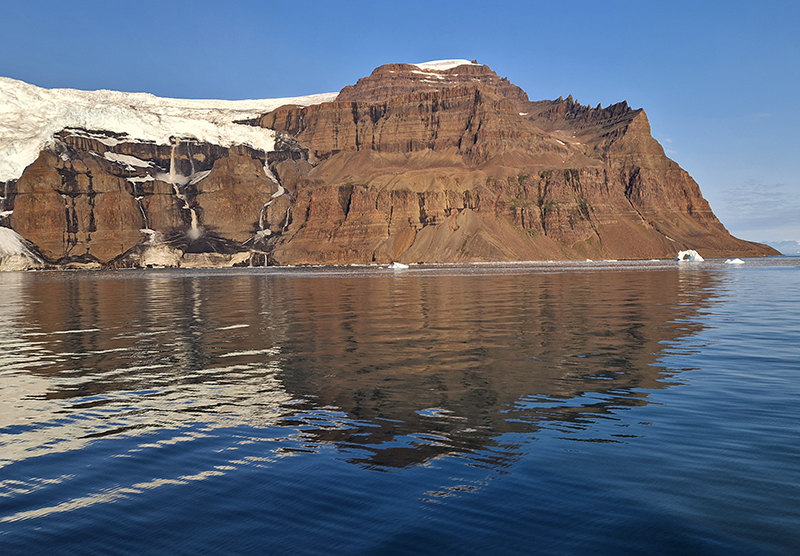
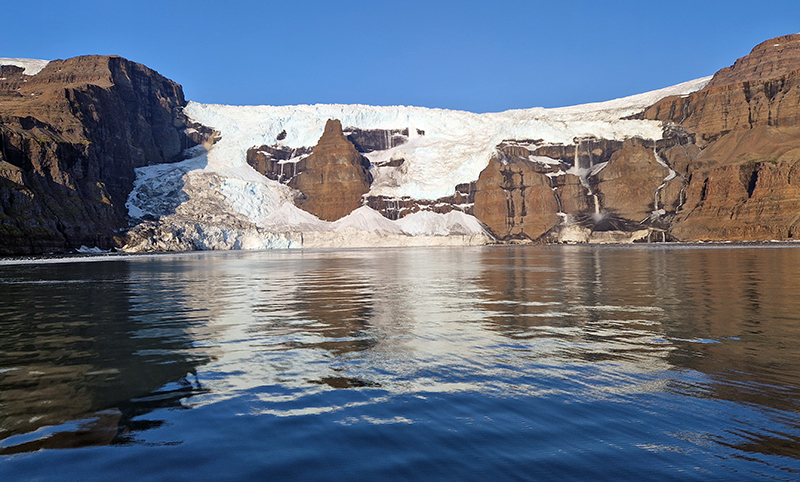
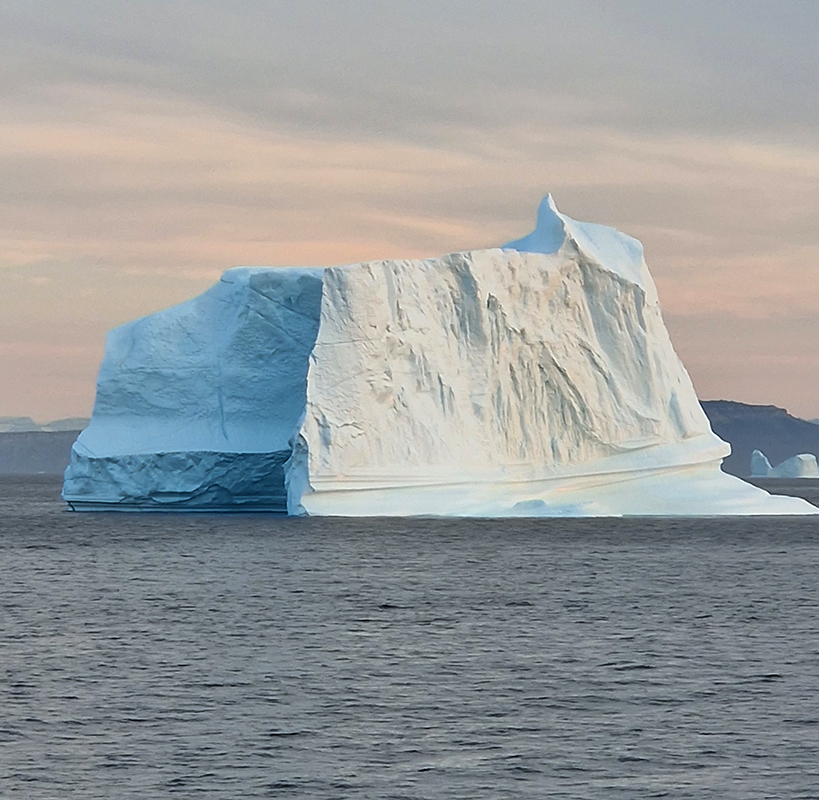
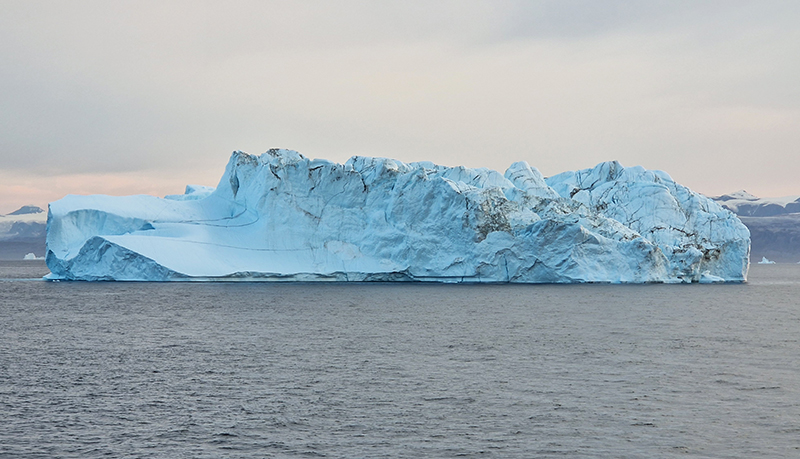
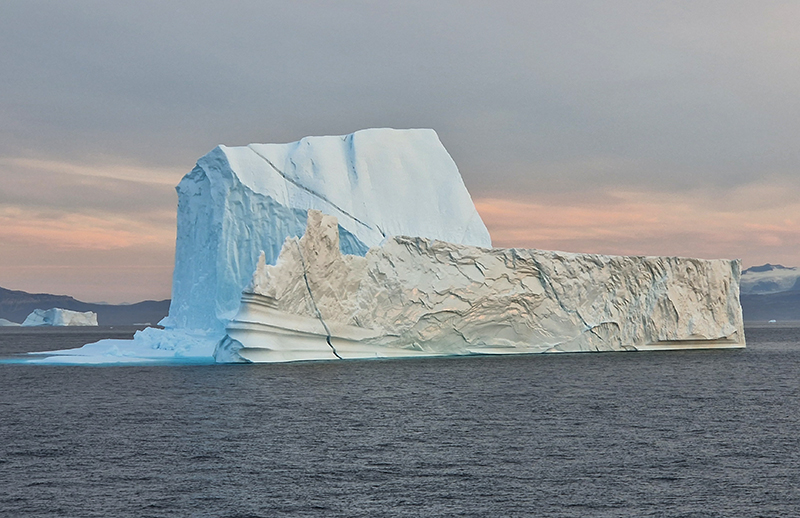
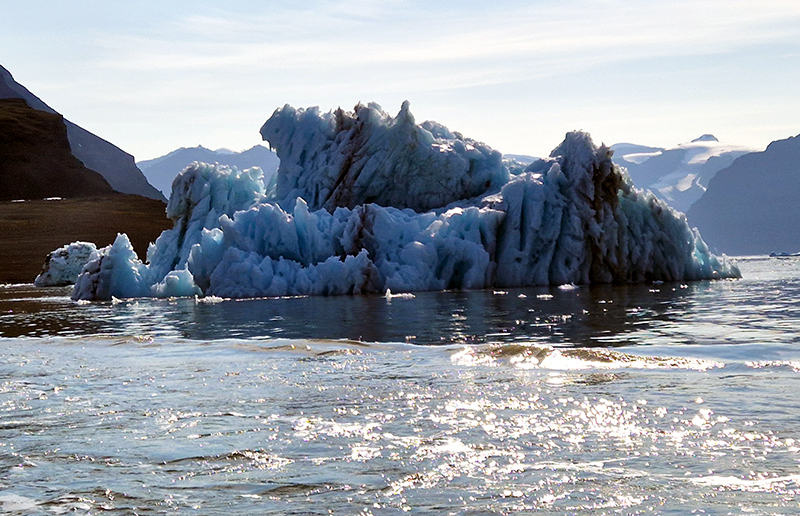
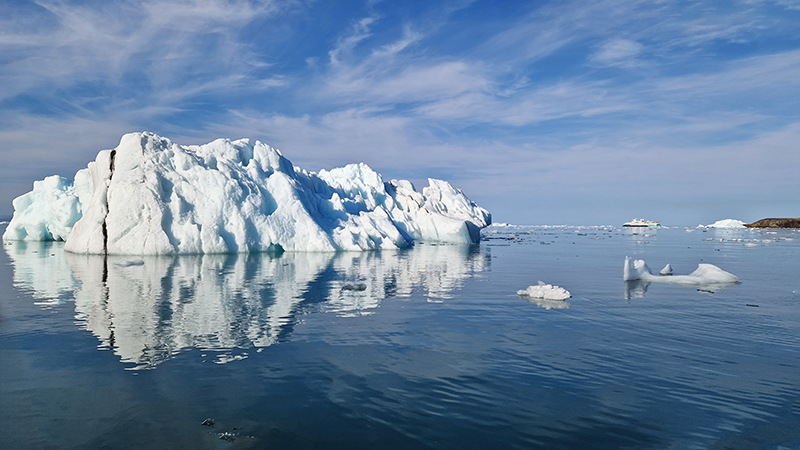
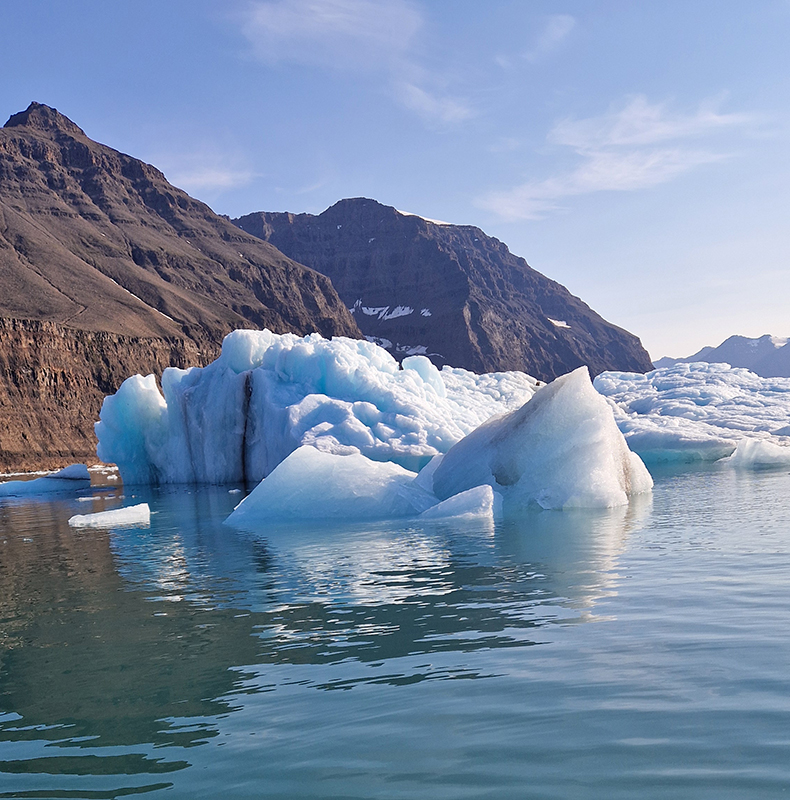
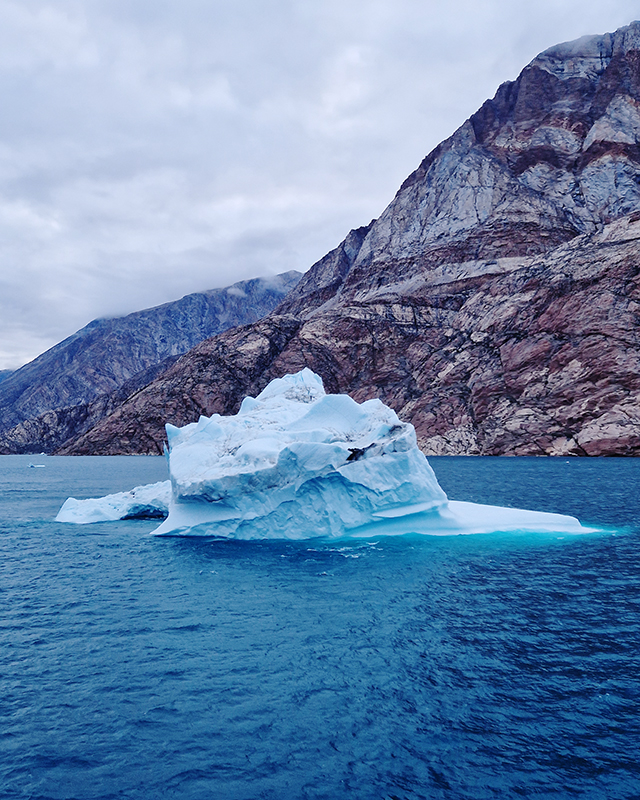
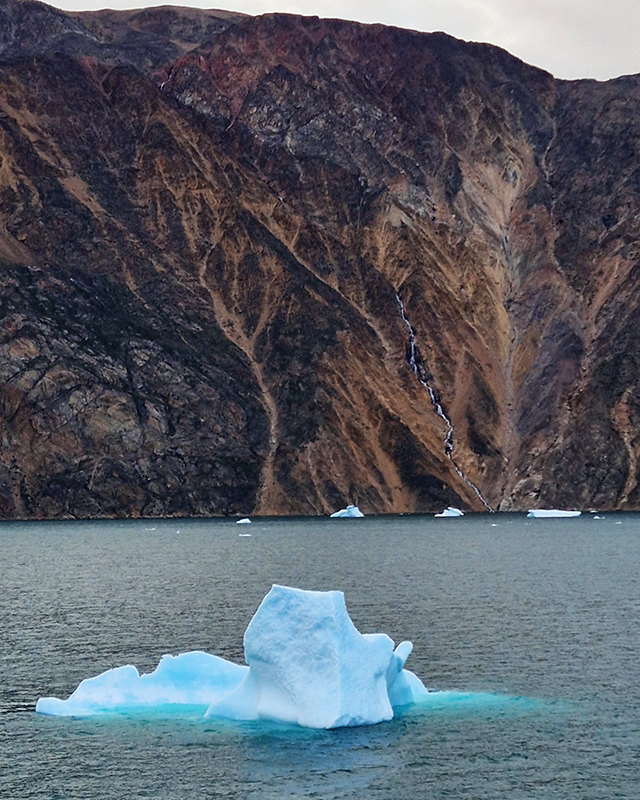
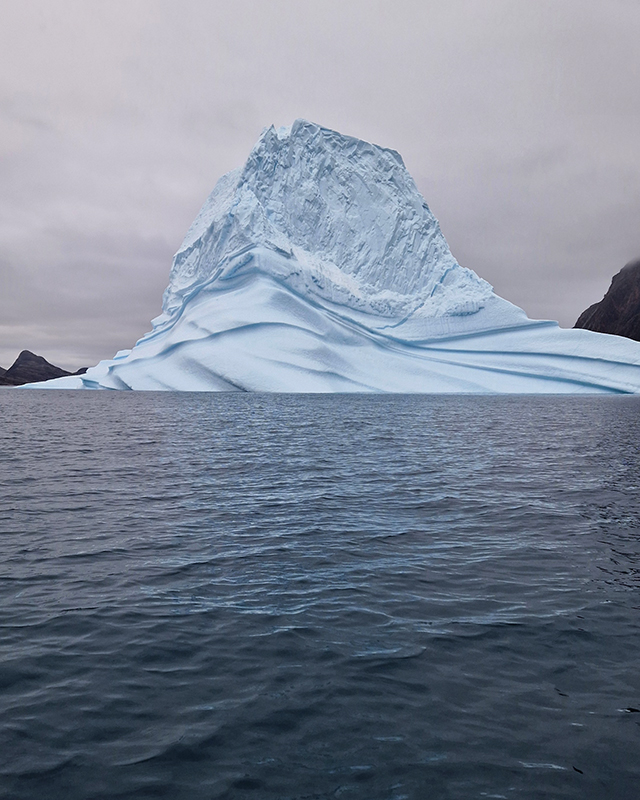
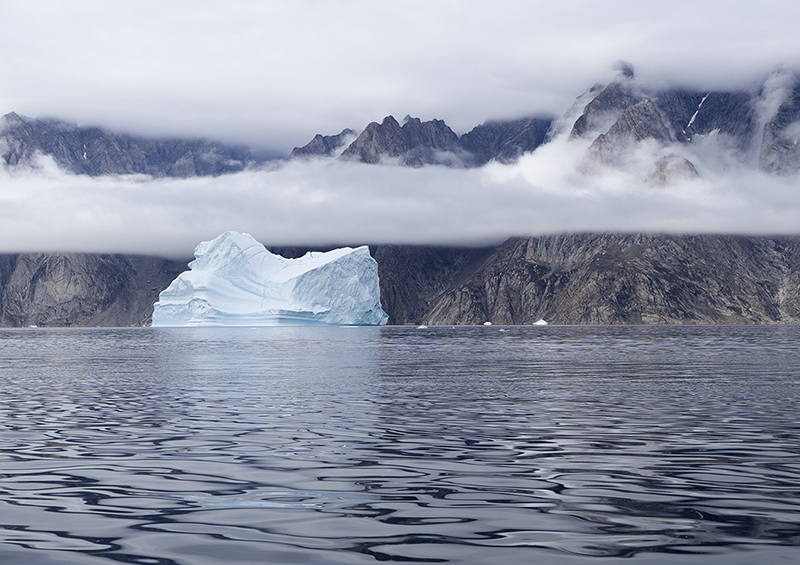
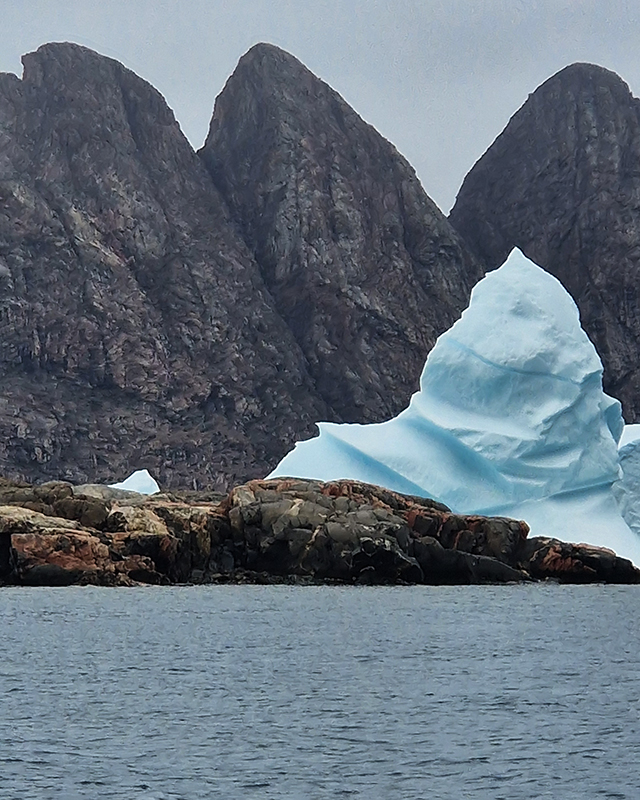
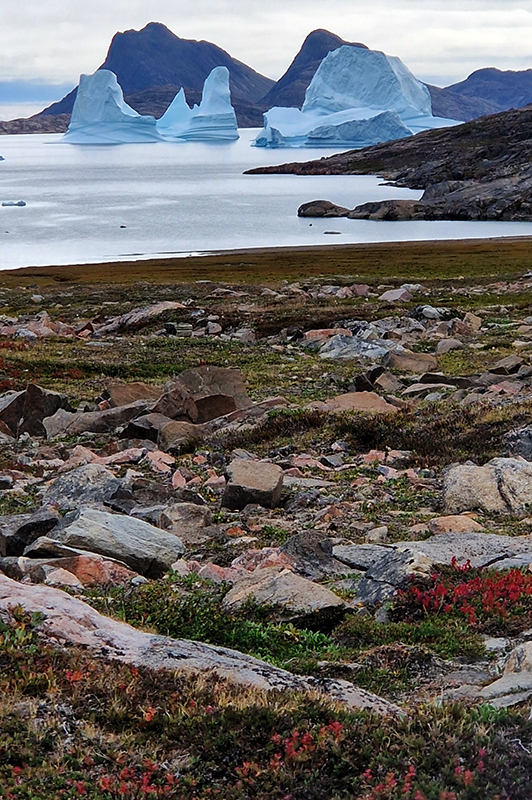
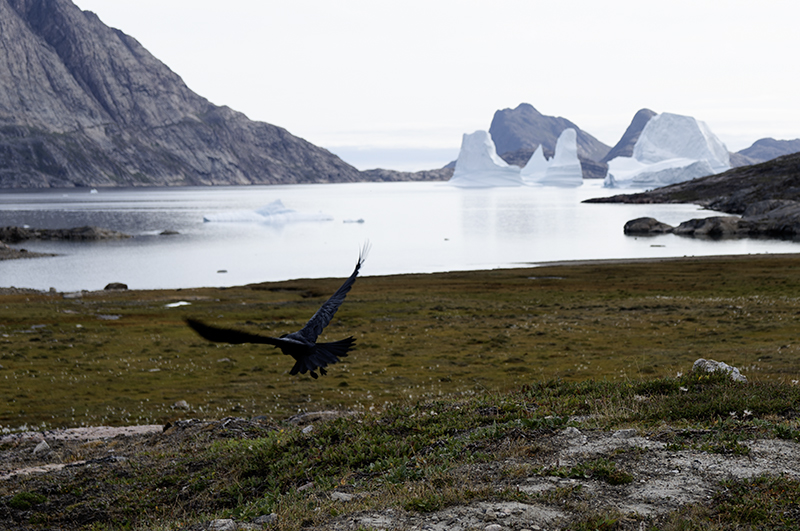
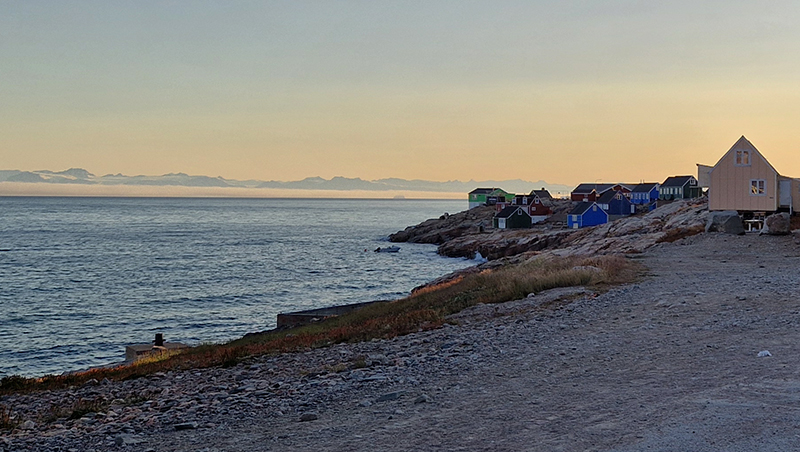
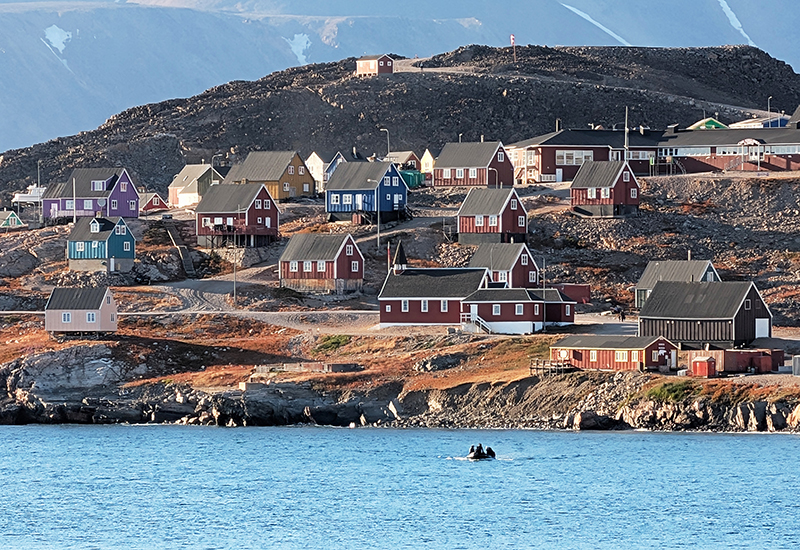
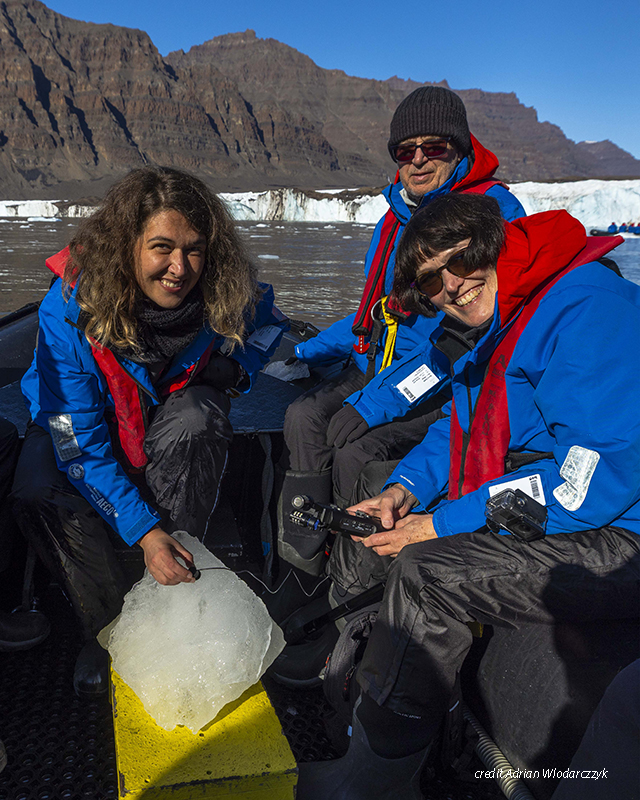
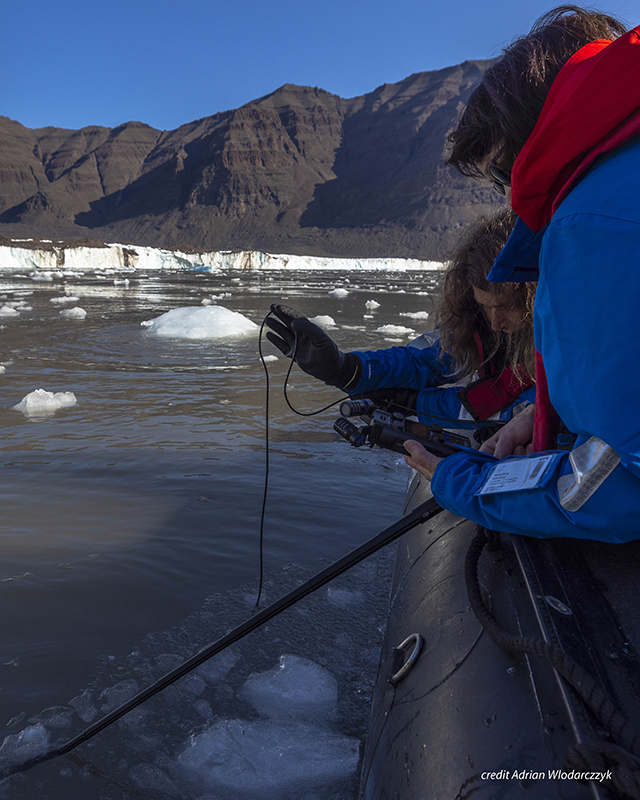
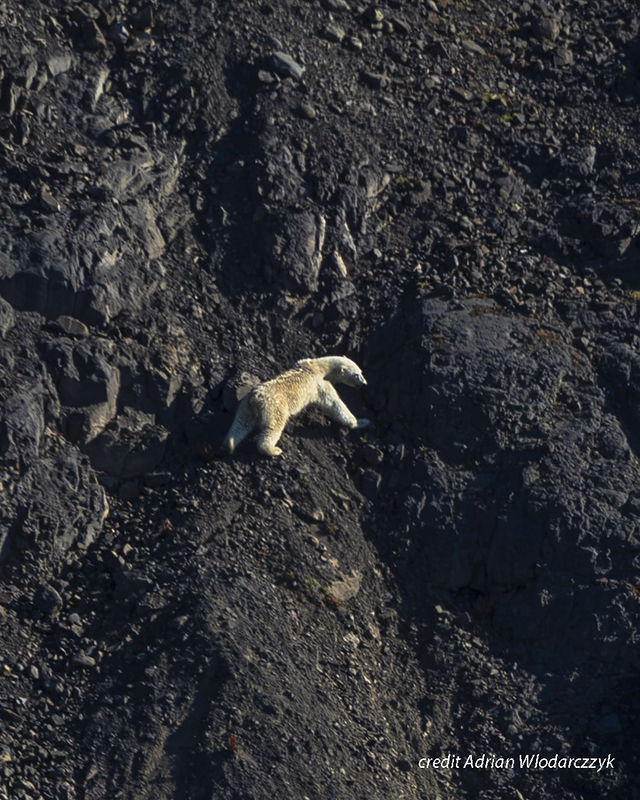
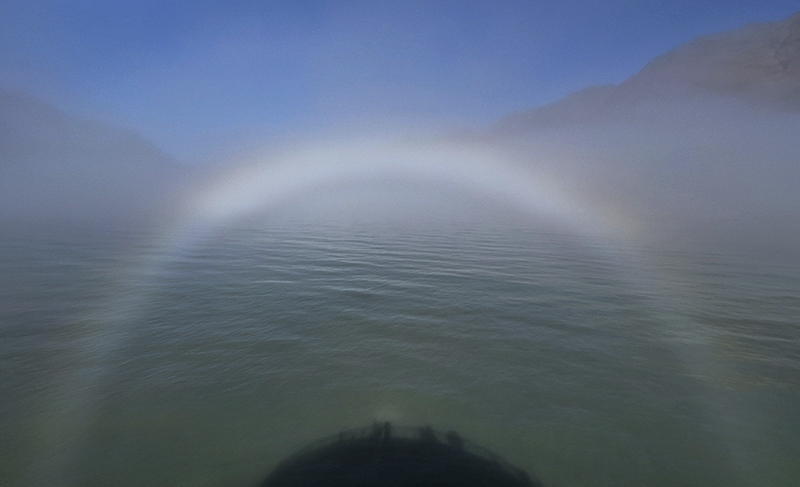
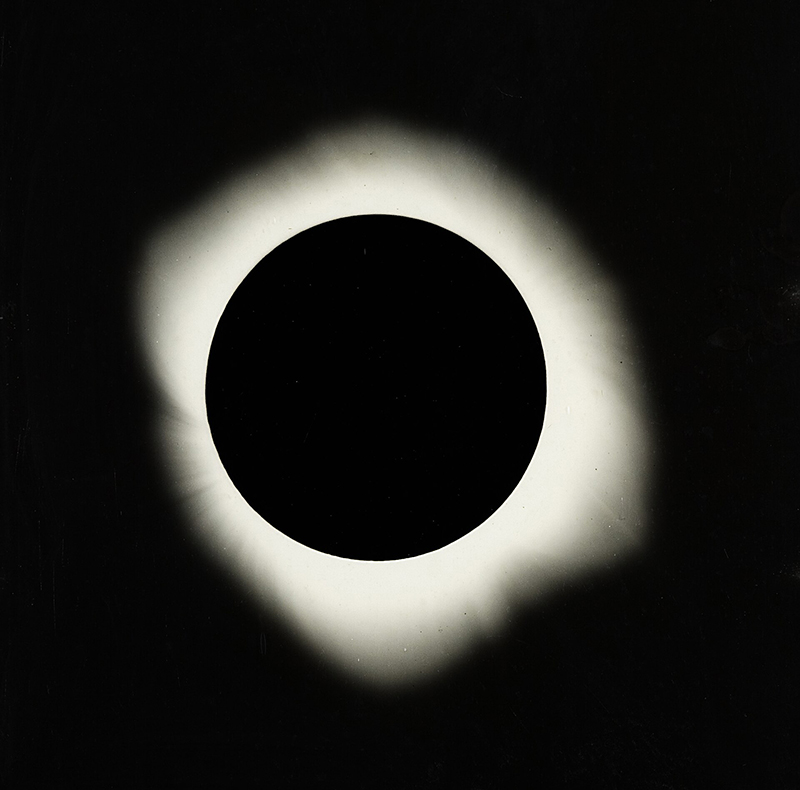
At a stop in Cologne on the way to Jena, I came across The Friends Rendezvous (Au rendez-vous des amis) painting by Max Ernst, 1922 at the Museum Ludwig. Having recently experienced the 2026 total eclipse of the sun in Greenland, surrounded by icebergs, the painting struck a chord with the background depicting a total eclipse and what looked like icebergs (though these turned out to be representations of the Alps). Ernst’s use of an eclipse in his painting is to signify a portent for change at the advent of the surrealist movement.
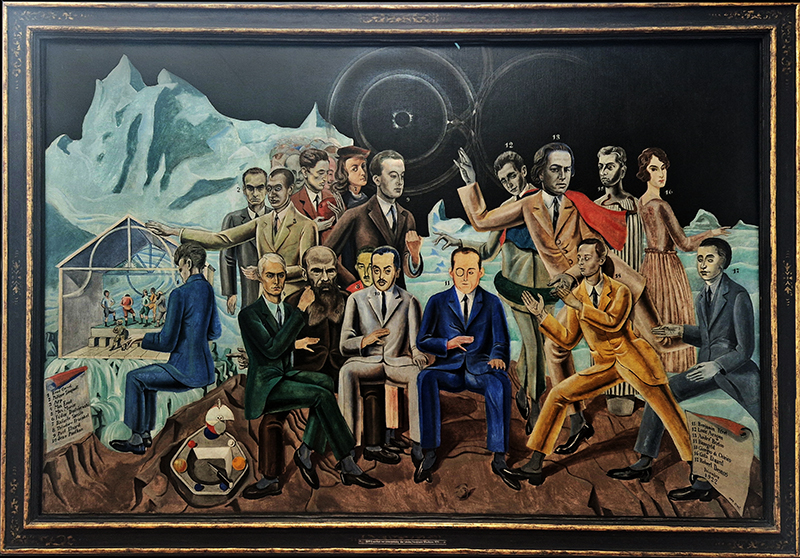
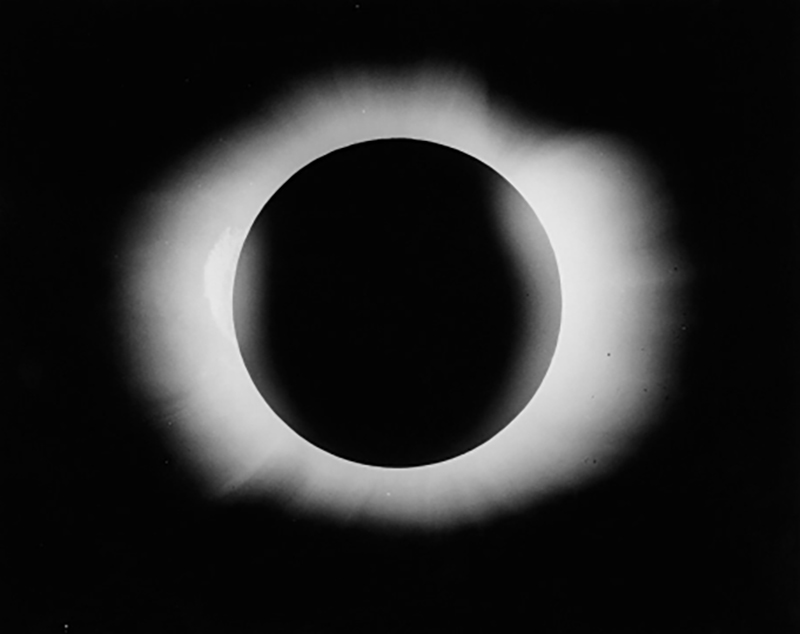
Ernst may well have been influenced by recent total solar eclipses that took on great significance as the observations obtained during these eclipses were able to confirm Einstein’s theory of general relativity, that gravity can bend space-time. In 1919 two expeditions set forth to make observations from Brazil, and an island off the west coast of Africa. Astronomer Royal Frank Dyson suffered equipment failure in Brazil but Arthur Eddington, was able to photograph the event giving results consistent with gravitational lensing. In 1922 it was possible to confirm these results when a total solar eclipse travelled the full width of Australia offering a full five minutes of totality and drawing astronomers from the United States, Canada, New Zealand, India and Britain to journey to a remote setting to make their observations.
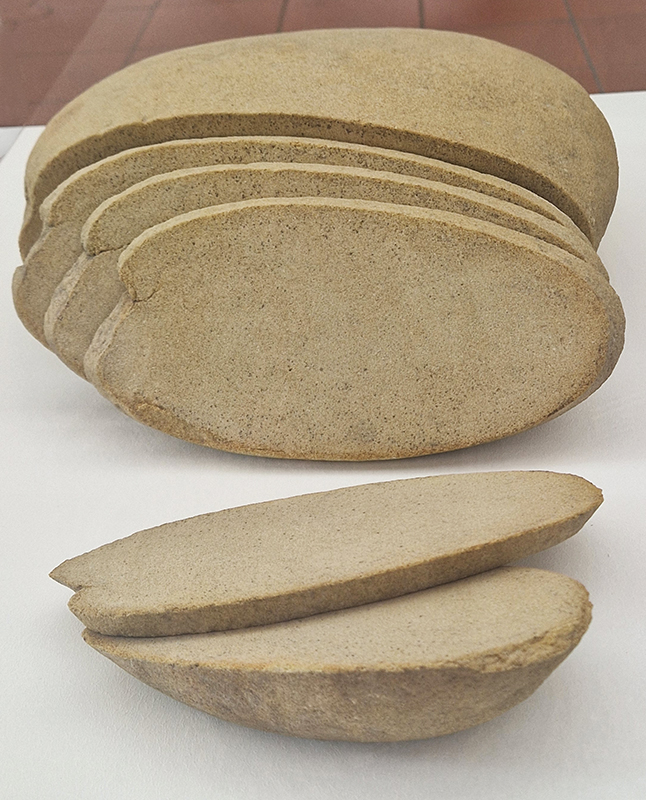
Also at the Museum Ludwig I found Palianytsia (white bread) 2022 by Zhanna Kadyrova very moving. She collects stones from the rivers of the Carpathian Mountains which resemble Ukranian loaves when sliced. Wheat shapes the landscape and economy of Ukraine. The exhibition text refers to the requisition of wheat by Bolsheviks in the 1930’s which left 4 million people to starve. The work was made the same year as the Russians invaded Ukraine causing a severe drop in wheat production and triggering major disruptions in global grain markets.
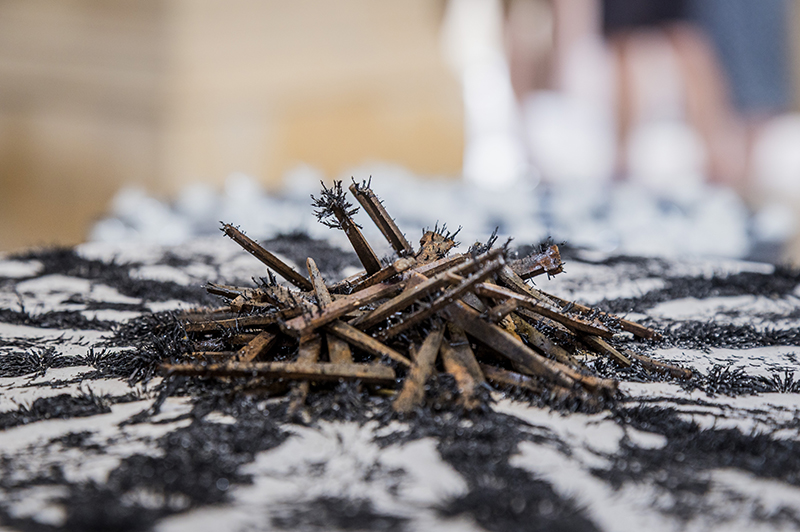
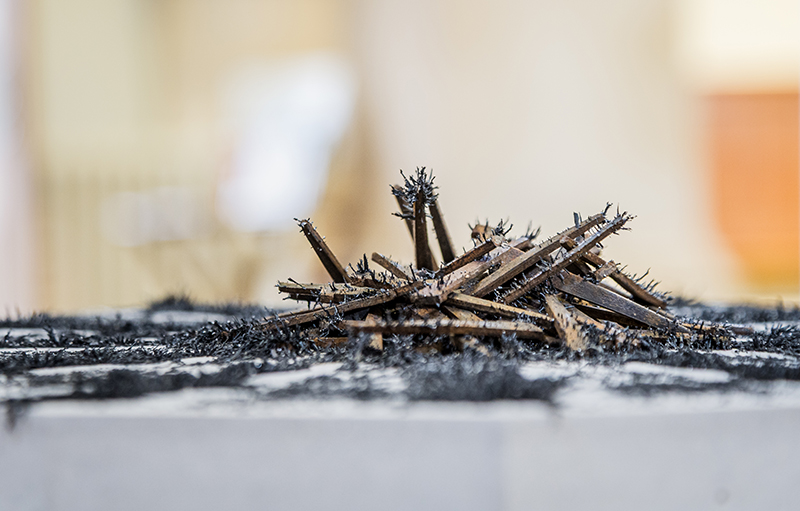
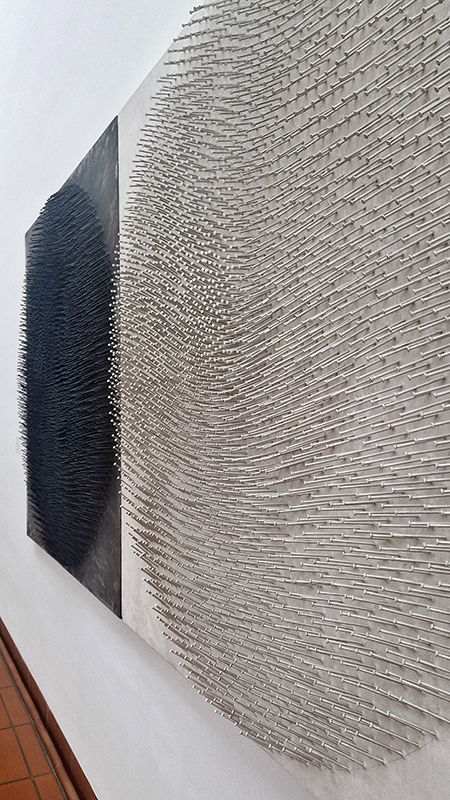
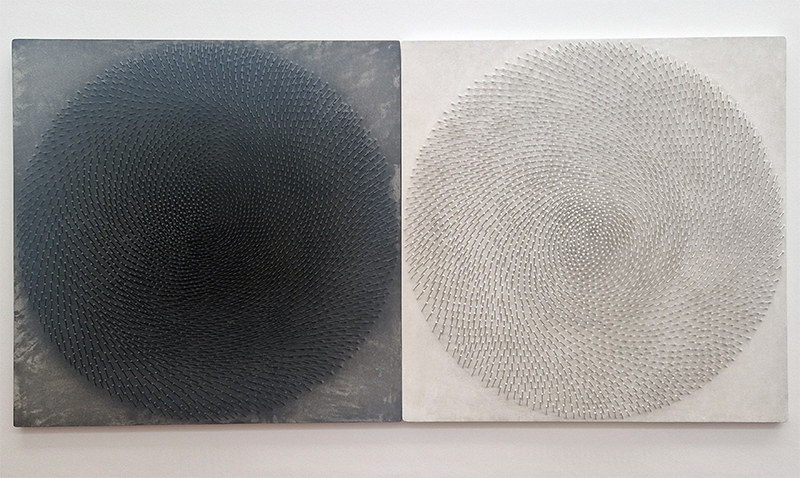
Having been looking at various methods of string art I was impressed by Günther Uecker’s nail reliefs from 1968, although no string or thread is involved.
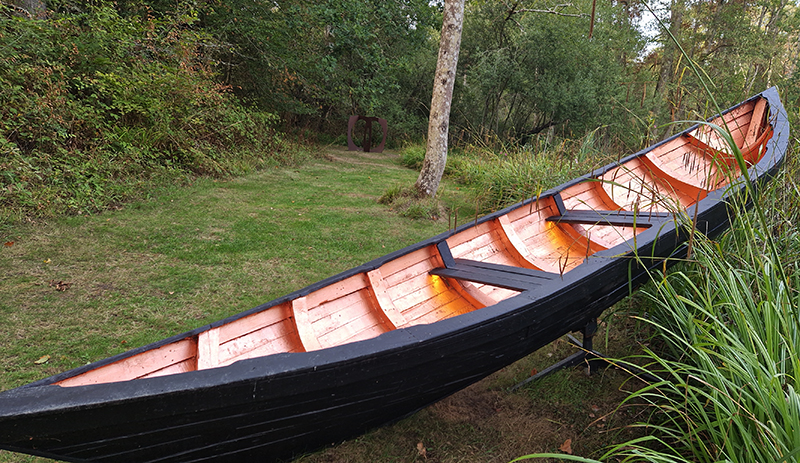
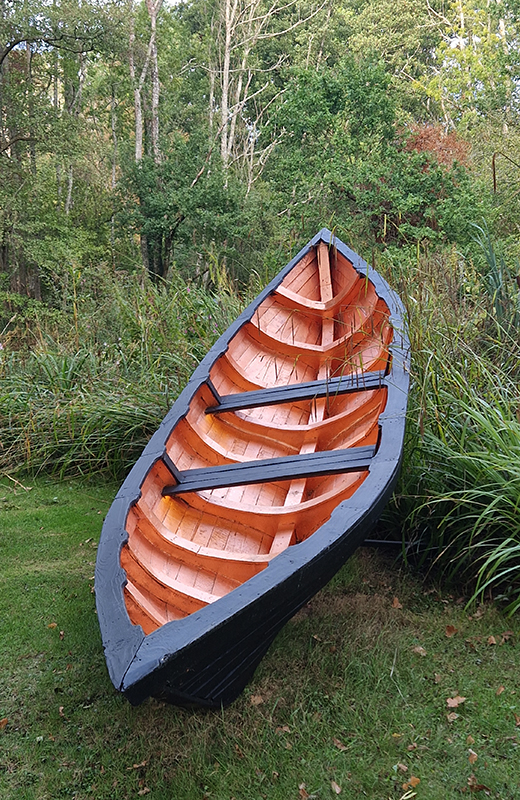
A very entertaining talk at Hannah Peschar Sculpture Garden, from Mary Branson on her past exploits, including her extraordinary work New Dawn installed in the Houses of Parliament, which celebrates the centenary of the Suffrage movement. There was also the opportunity to view her very touching and personal ‘A Conversation with My Mother’ installed here for the summer season. Inspired by a vibrant dream of having a conversation with her mother while in a boat at a time when her mother was suffering from dementia and was no longer able to speak. The boat, made from hand steamed and bent wooden pallets is lined with copper leaf giving it an unearthly inner glow. The boat is viewed from a bench set between speakers where you hear the garden appropriate poem, ‘Insects’ by John Clare, recited. From one side you hear the voice of Mary, and from the other, the voice of her mother recorded at a time just before the onset of her illness. The recital descends into static, which Mary says describes the loss of communication between them but I thought might represent the electromagnetic spectrum that could be a way of communicating across dimensions.
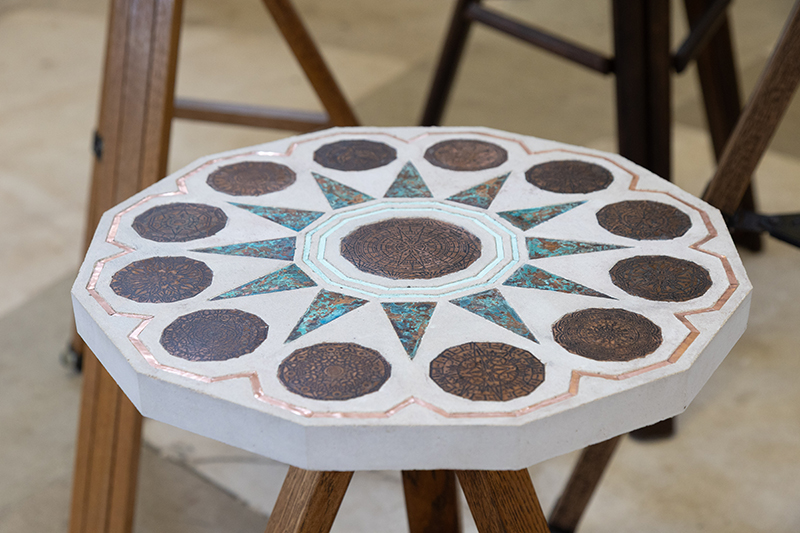
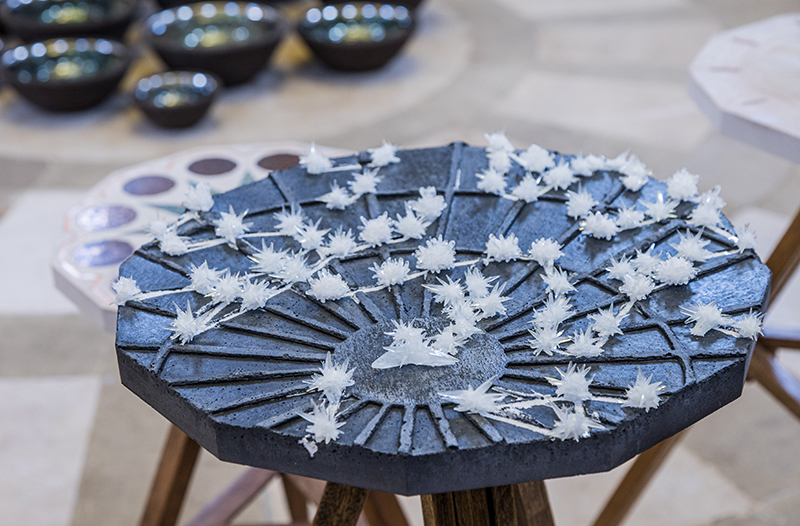
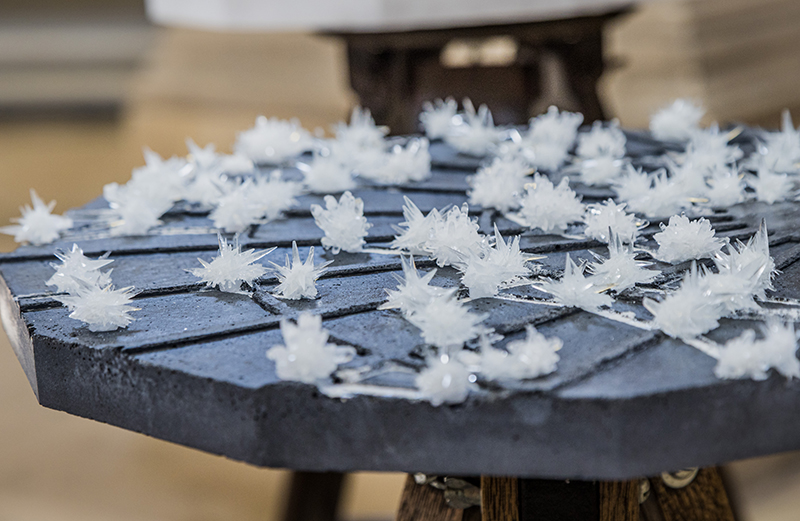
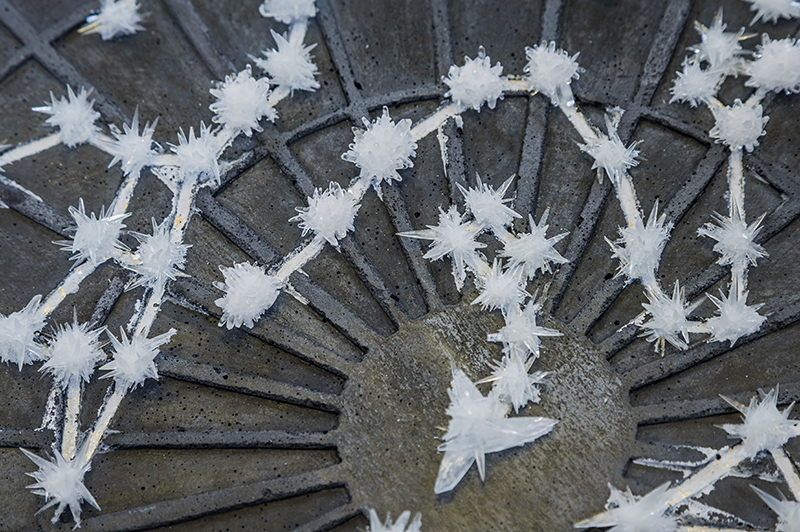
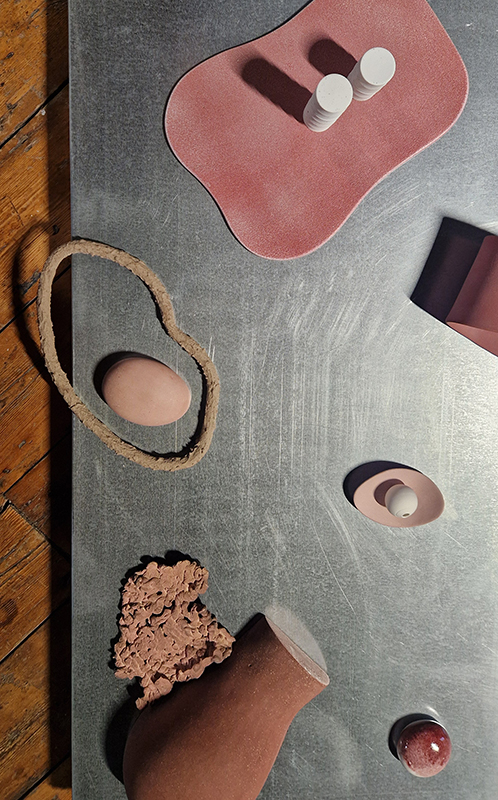
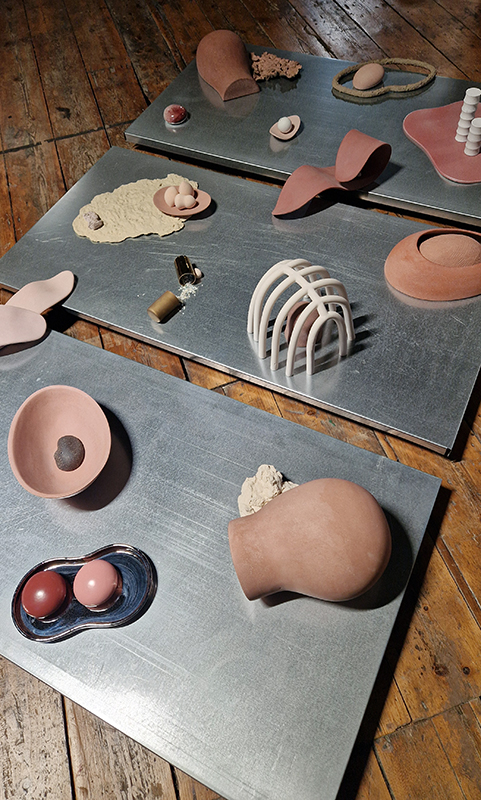
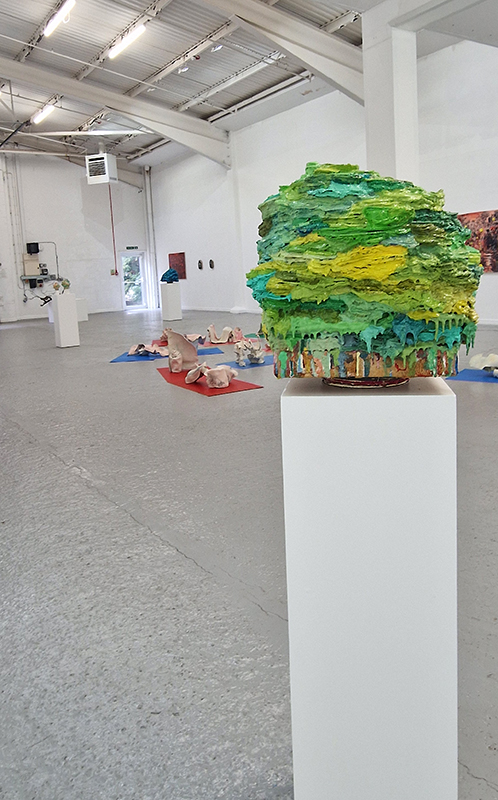
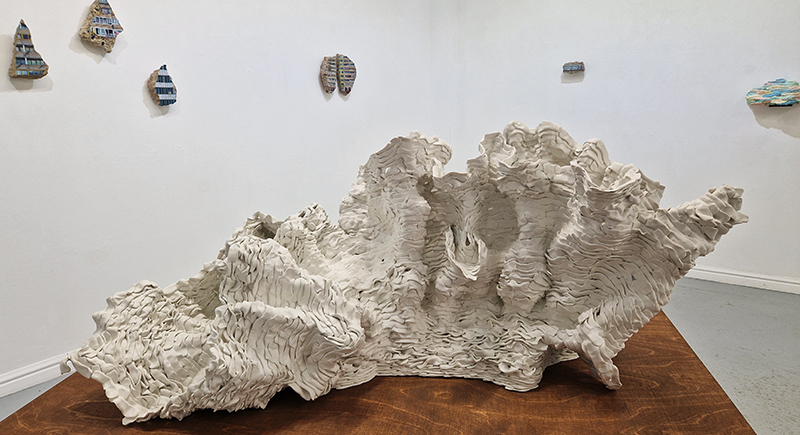
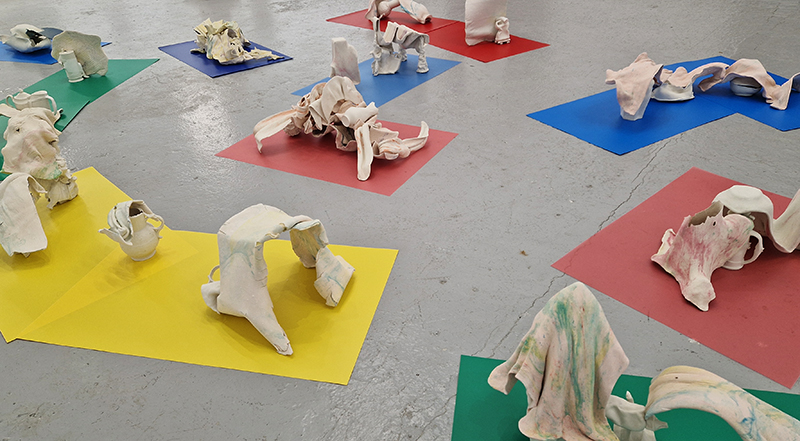
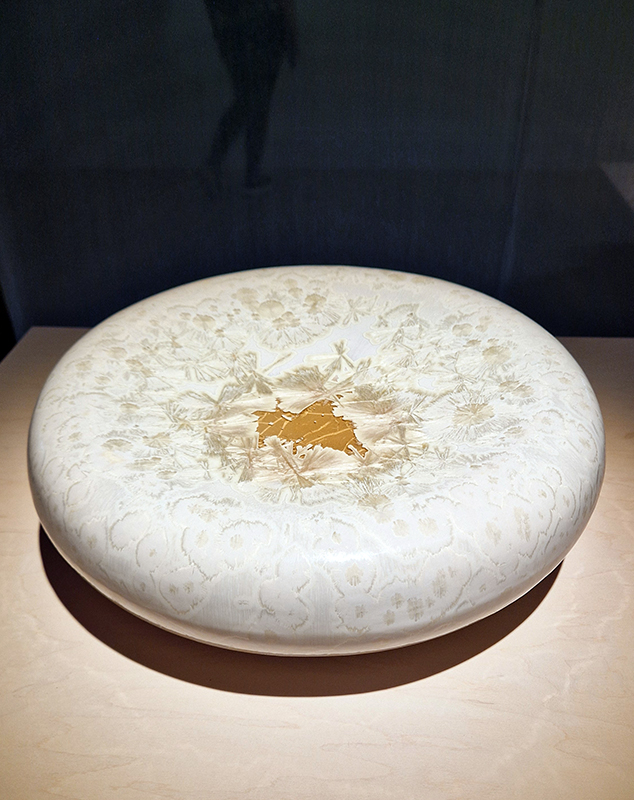
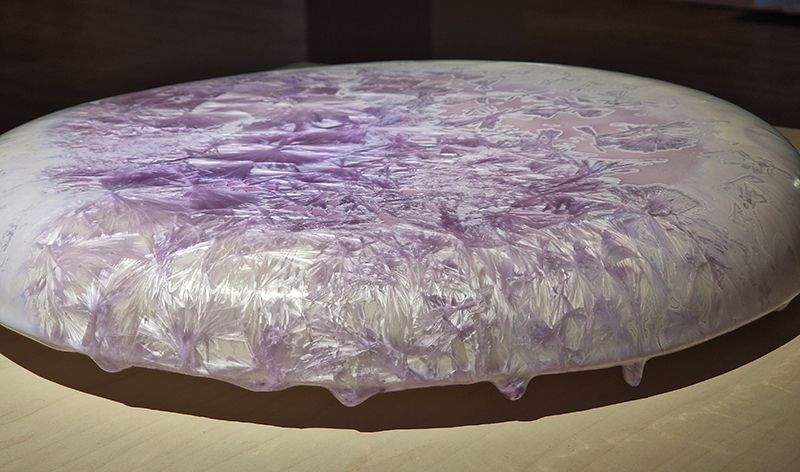
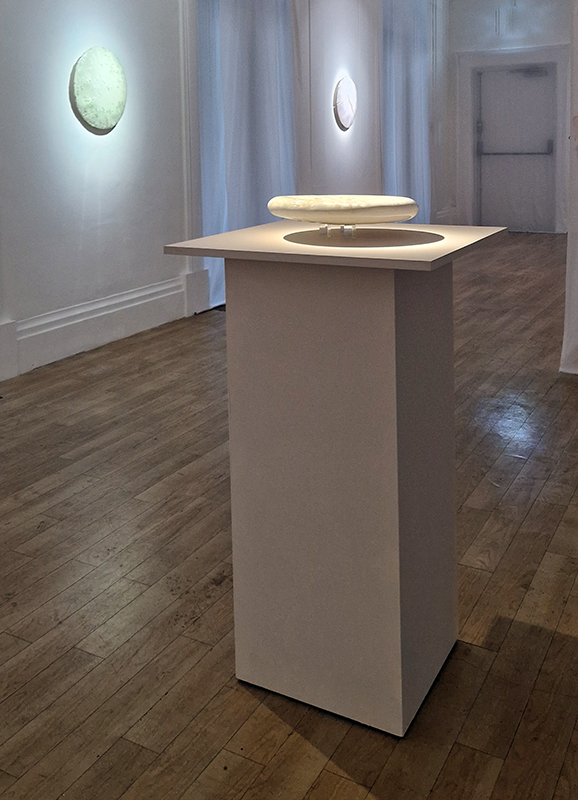
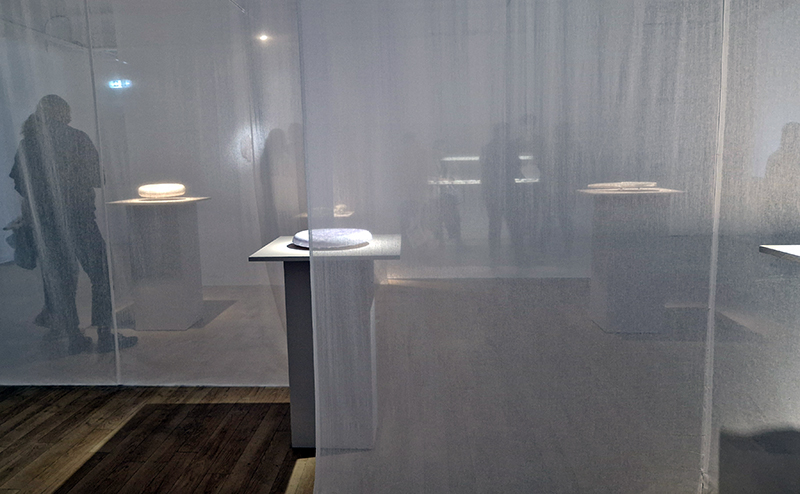
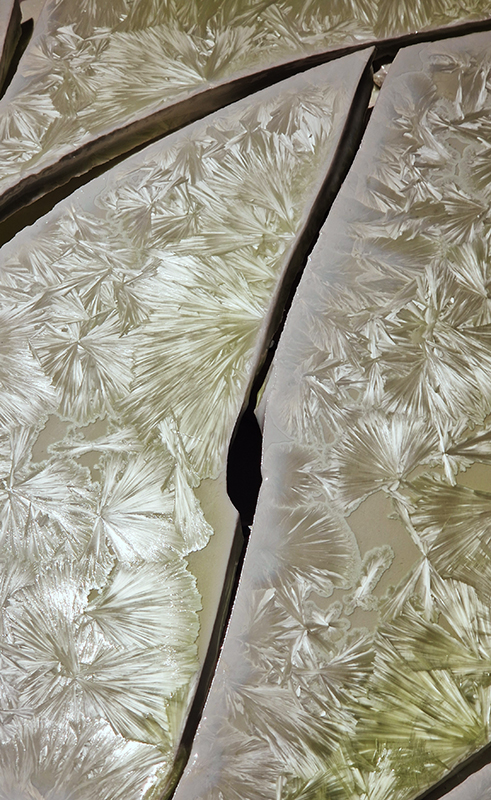
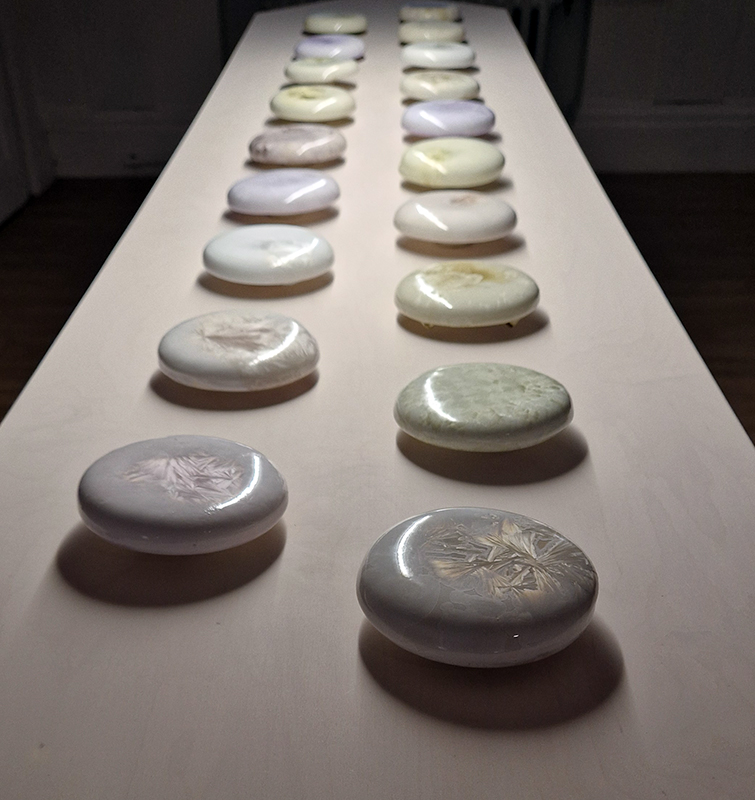
I love the work by Charly Blackburn showing in Lanthanides: Rare Earth Spectra, a presentation of works developed during her year-long residency at County Hall Pottery. I was lucky to be able to buy a small piece. Her funded research project, Developing Rare Earth Elements in Ceramic Glazing, investigates the use of rare earth elements within ceramics, exploring their magical, luminescent and light-reactive qualities alongside their wider social and technological significance.
Born from supernova explosions, pulled from the ground and purified at processing plants, Lanthanides are found in lenses, computer screens, lighting, fibre optics, corrective eye-surgery lasers, and MRI scanners. They illuminate streets, sharpen our glasses and peer into our bodies. This exhibition materialises these overlooked elements, revealing the otherwise silent conductors of our tech-laden lifestyles. Erbium pink. Praseodymium green. They are named as ‘critical’ and ’strategic’ but collectively, we barely know their elemental names.
These pieces are very alluring, Charly acknowledges that their crystalline beauty can distract from the more serious implications of the extraction, processing and technological reliance or rare earth minerals that she wishes to highlight. We settled on ‘painfully beautiful’ as an apt description.
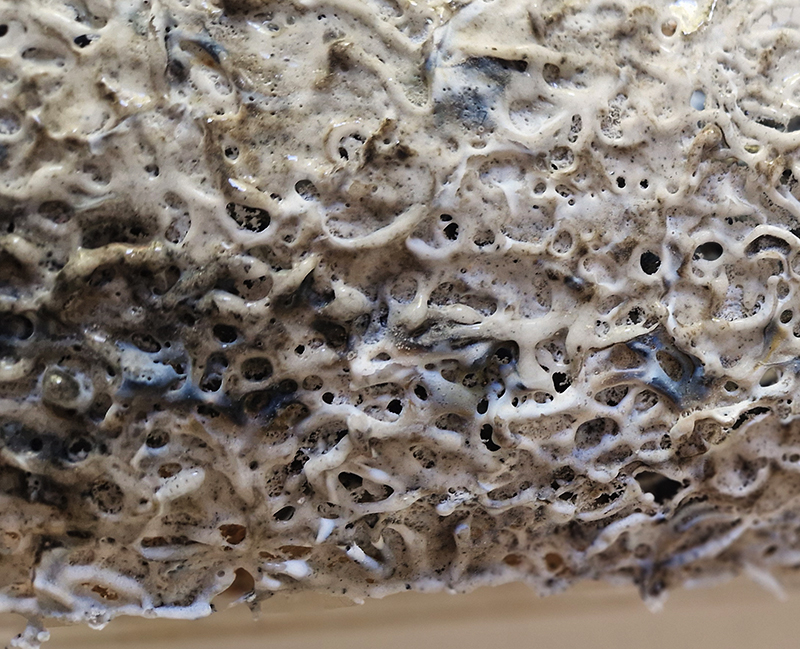
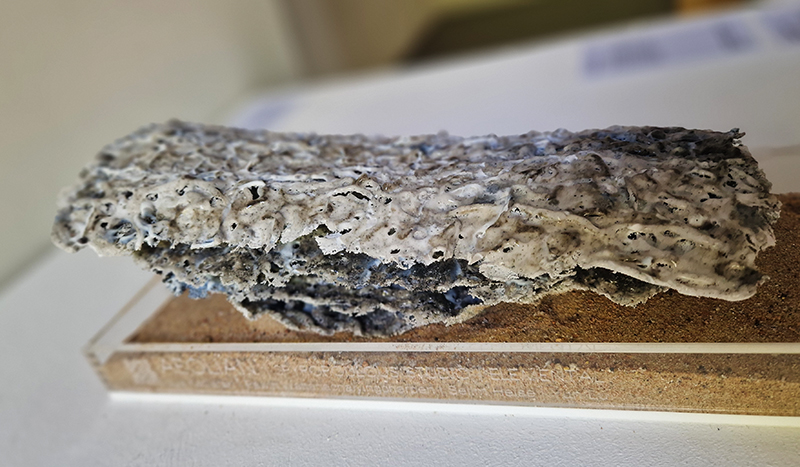
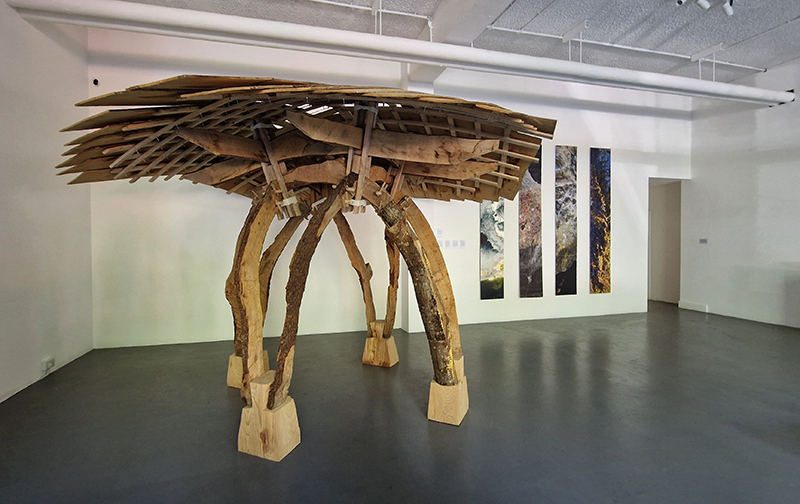
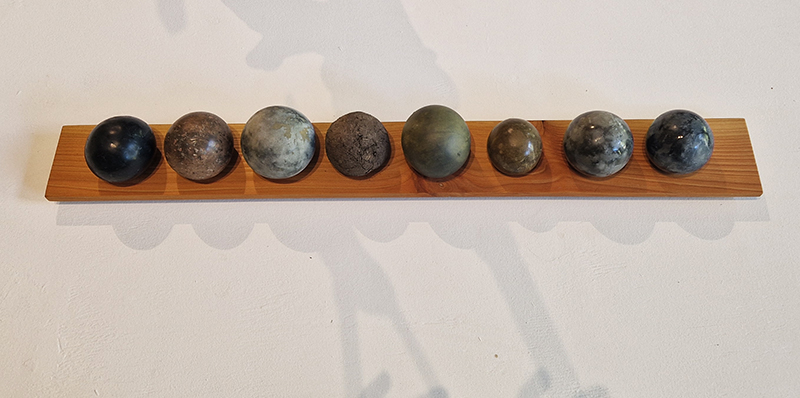
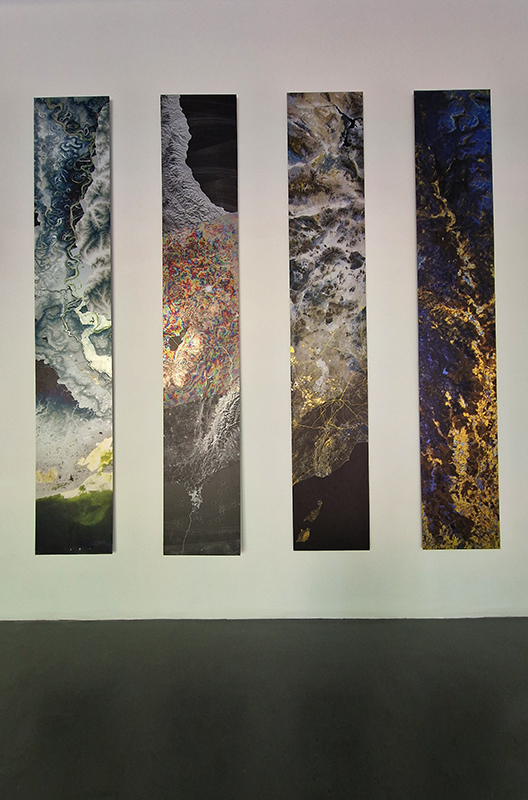
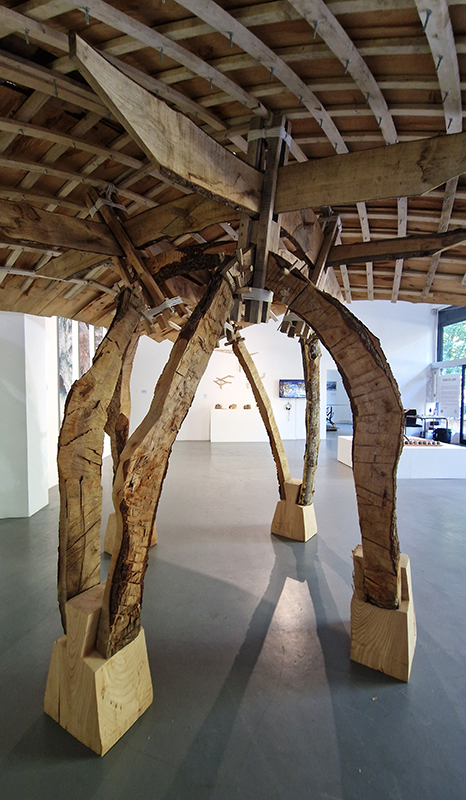
From The Land at Proposition Studios, Bethnal Green brings together works that examine the relationship between architecture and the living world. Works included Aeolian (sand welding experiments) Aeolian explores wind as an active architectural agent shaping form, motion and environmental transformation. Central to the research was the study of ‘fulgurites’, glass formations created when lightening strikes sand at extreme temperatures. Blade Building a collaborative timber construction. Earthly Planets, a variety of soil samples fashioned into spheres using the Japanese technique of Doro Dango. A series of rich composite images exploring the rise of the technosphere, generated from blending remote sensing, mapping and environmental data to render visible otherwise unseen infrastructures and processes shaping the earth system.
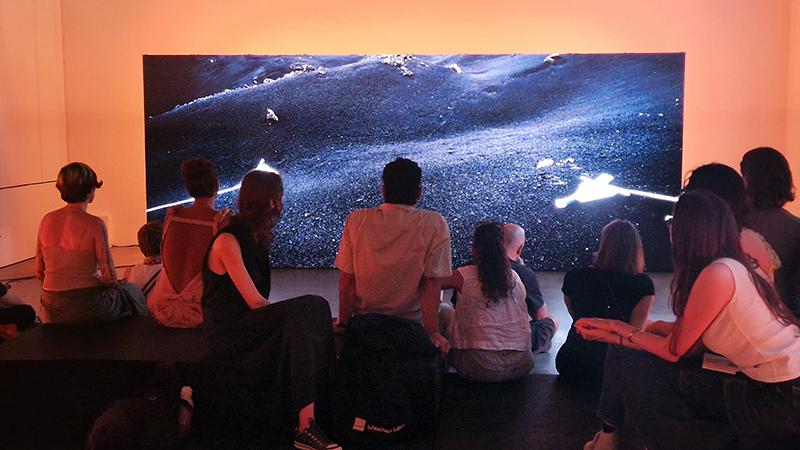
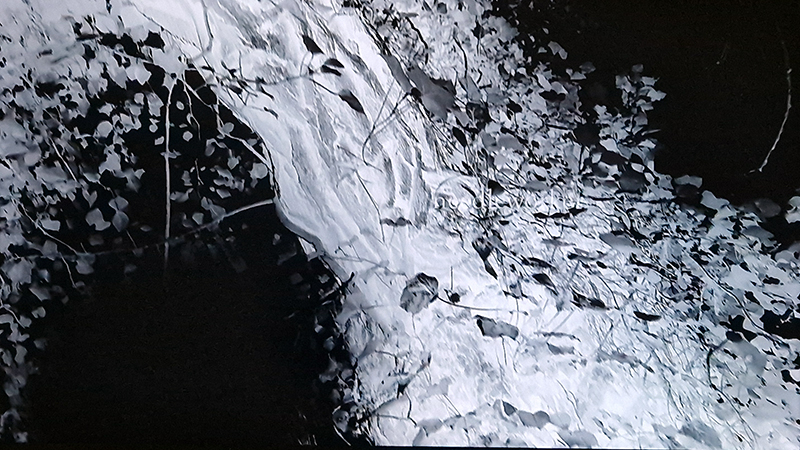
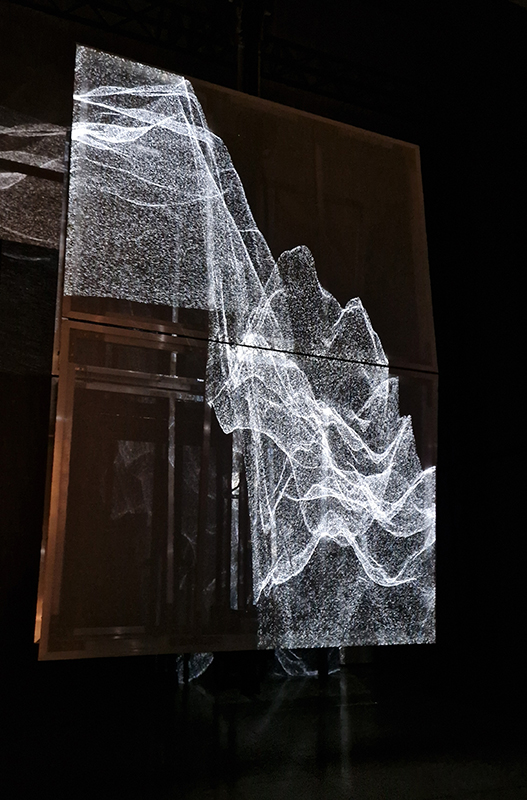
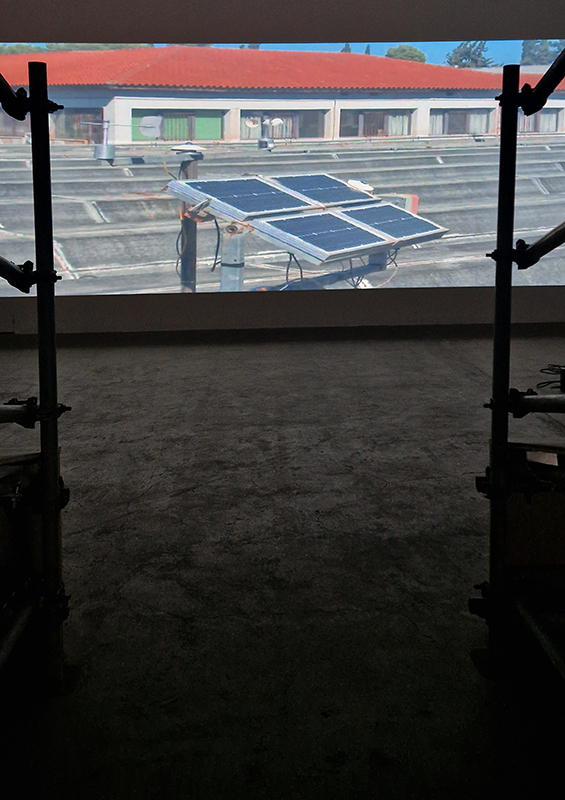
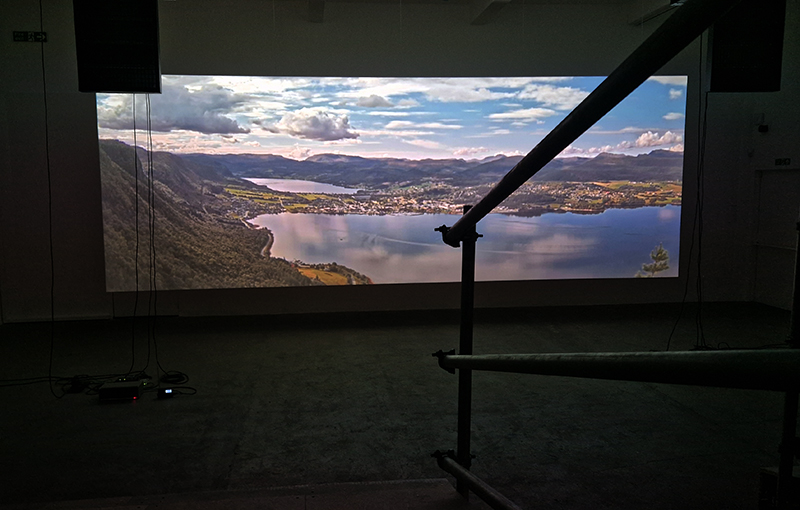
Jaspar Marsalis Still Life at Chisenhale Gallery. Bringing attention to parts of life that no-one can own. Viewing a large cinematic projection is from a steep slope of scaffolding to give the idea of stadium viewing with a safety warning not to touch the electrostatic speakers which are programmed to emit static tones created from the transmission frequencies of the imagery. The random footage of obscure landscapes is hacked from unsecured surveillance cameras that capture and send footage over an IP network rather than through traditional cables. Obsolete forms of surveillance hardware left behind yet still, almost poignantly, performing their original function. Attention is held by a curiosity as to what might appear next, might some extraordinary event be captured and shared.
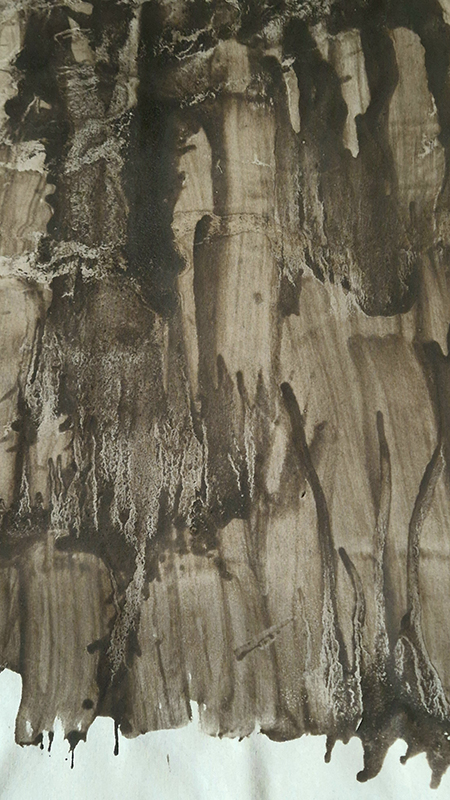
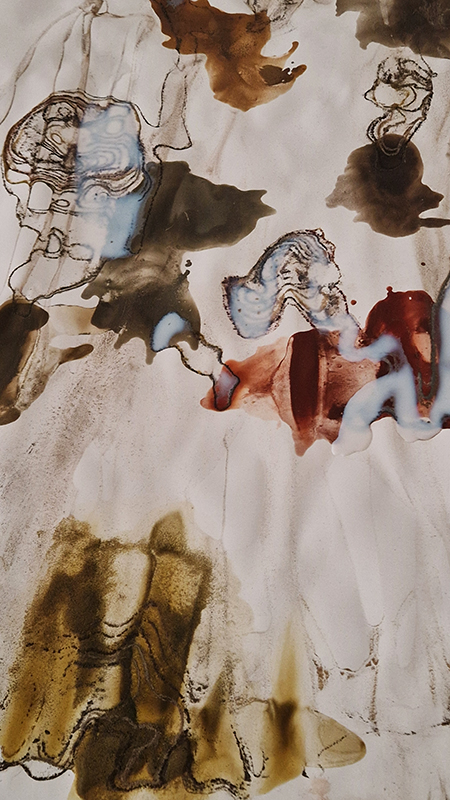
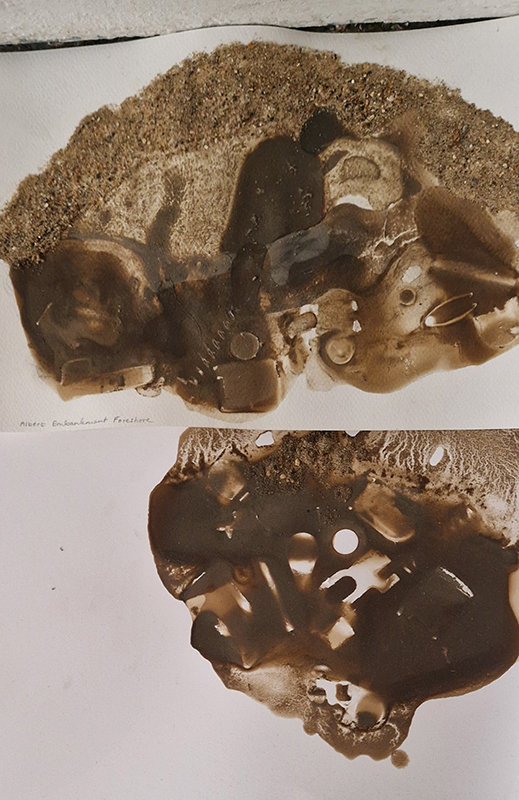
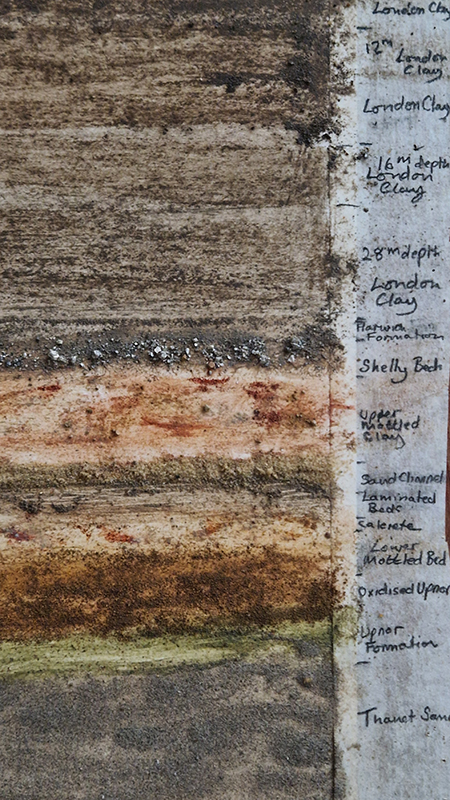
Gail Dickerson, Beaconsfield EarthAIR 2026, Environmental Artist In Residence exhibition showing research and works in progress and new works made with London Clay and Lambeth Group Sediments. Gail works closely with London Geodiversity Partnership and Museum of London in her exploration of local geologies and London Clay. An incredible amount of work with detailed cataloguing of the soil to reveal the changes at different depths and some great painterly collaborations with the earth.
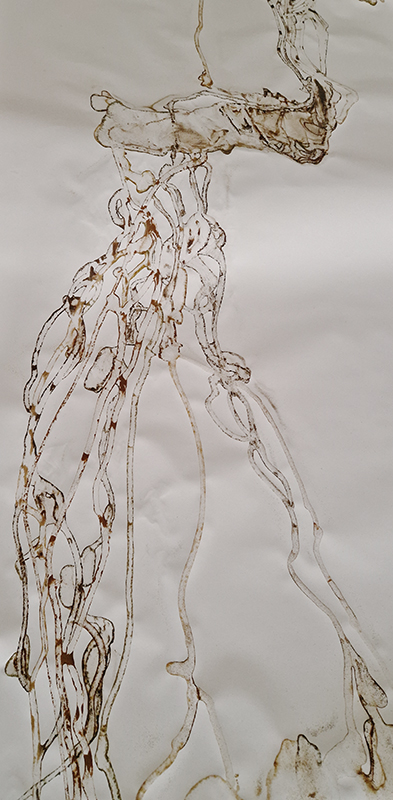
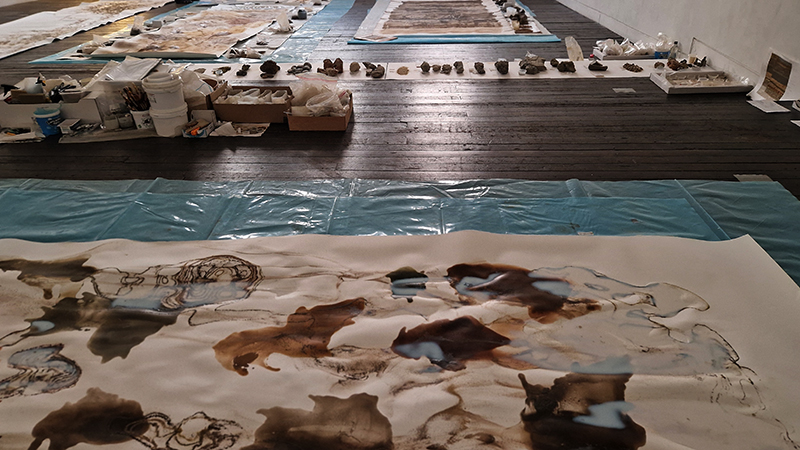
A visit to Goodwood Art Foundation Sculpture Park to see the fabulous Nancy Holt exhibition MoonSunStarEarthSkyWater. The last time I visited the park was in 2008 when it was the Cass Sculpture Park. A lot has changed. It only reopened 14 months ago and it is still shiny and new. Nancy Holt’s work, as curator Ann Gallagher points out, is all about perceiving. Some of the works in the gallery were made after her visit to the UK in 1969 where she was fascinated by ancient neolithic sites but also the bright orange markings of hiking trails in the lake district.
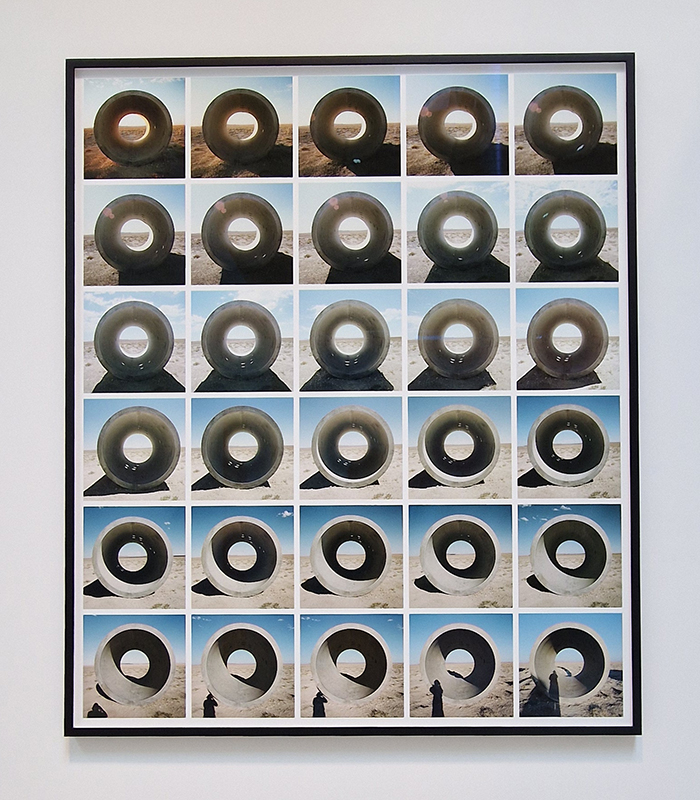
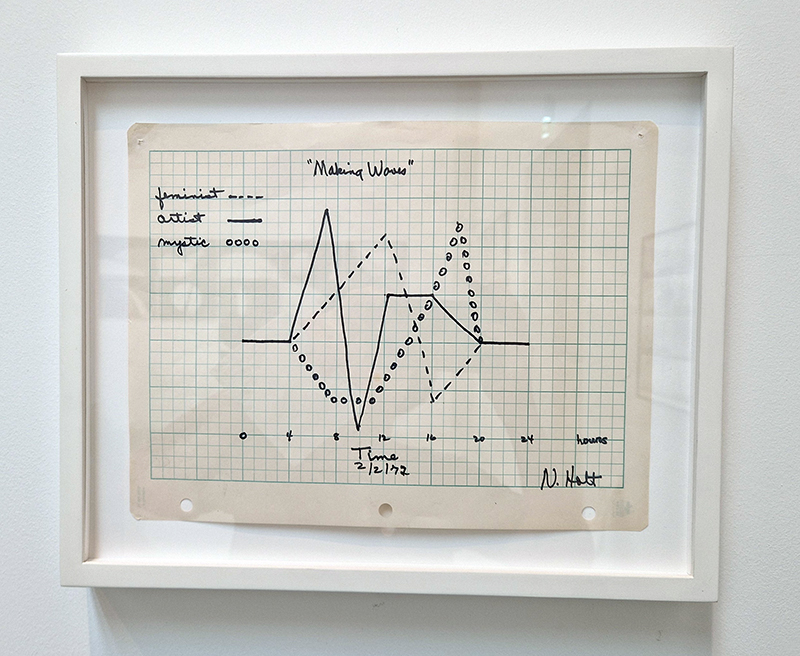
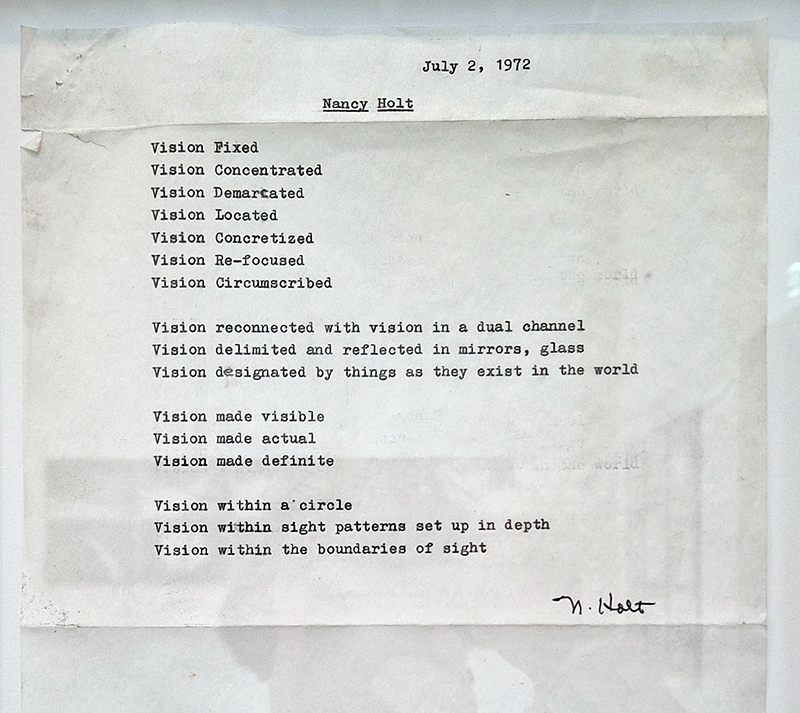
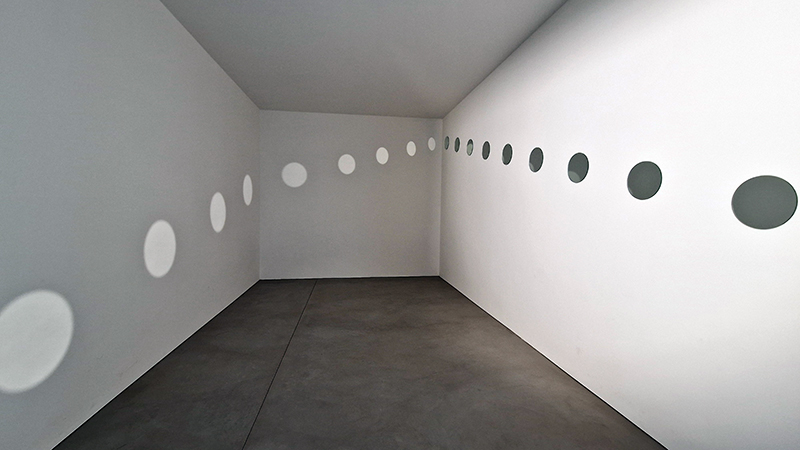
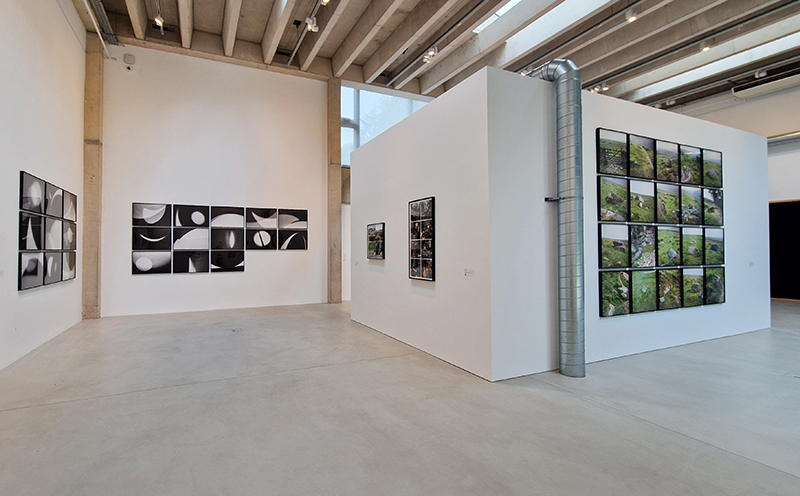
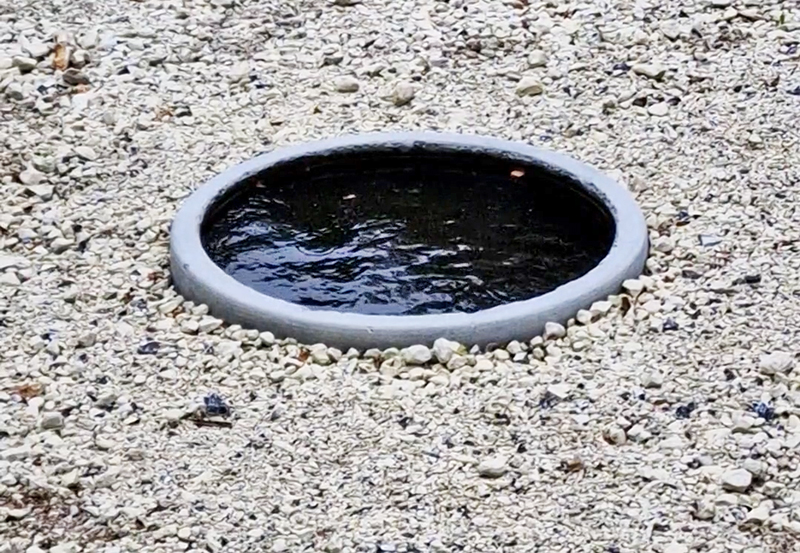
Nancy Holt’s Hydra’s Head (1974) earthwork, formed of six pools of water positioned according to the Hydra constellation, has its first posthumous installation within the Foundation’s chalk quarry, where the pools reflect the changing skies above.
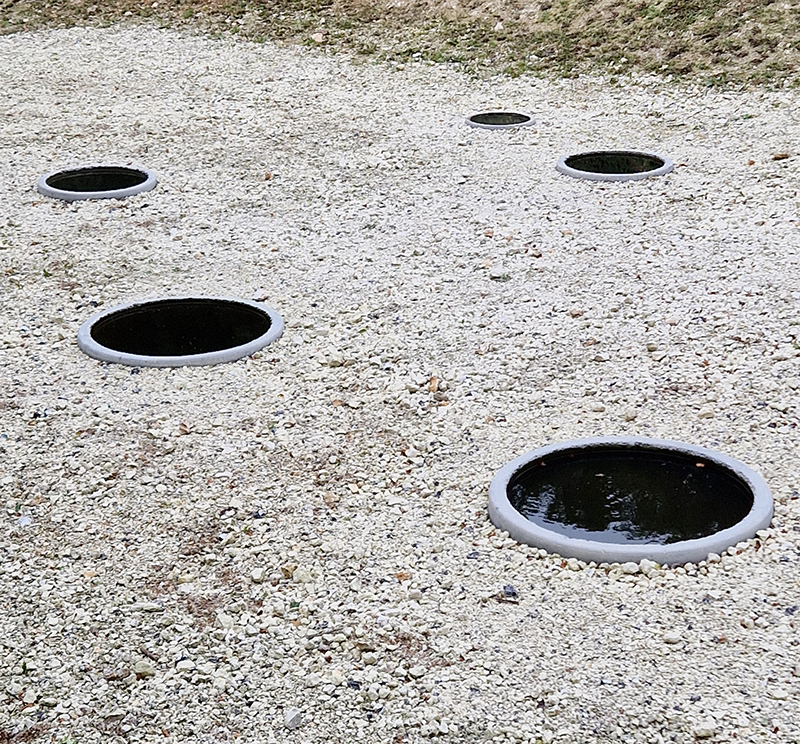
Also some great pieces by Eva Rothschild.
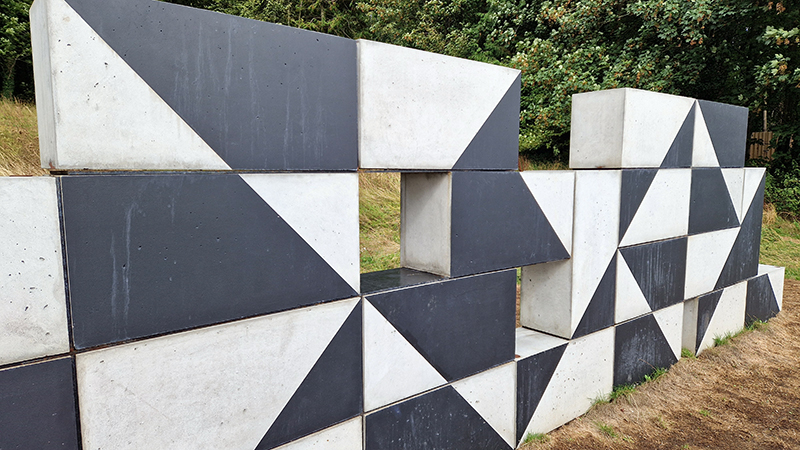
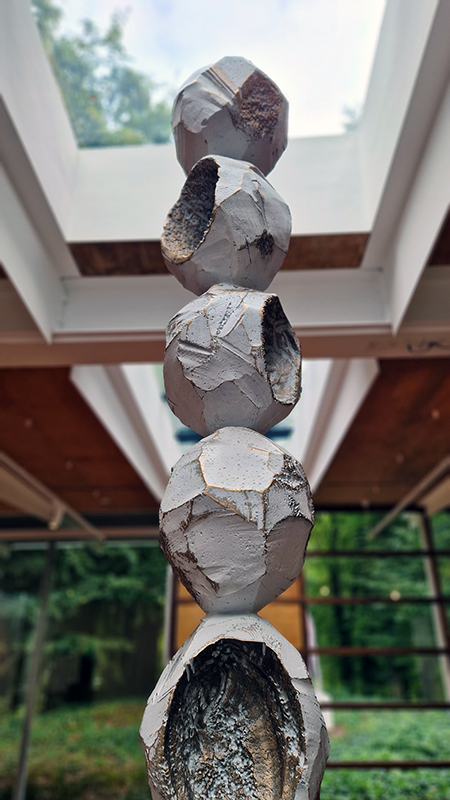
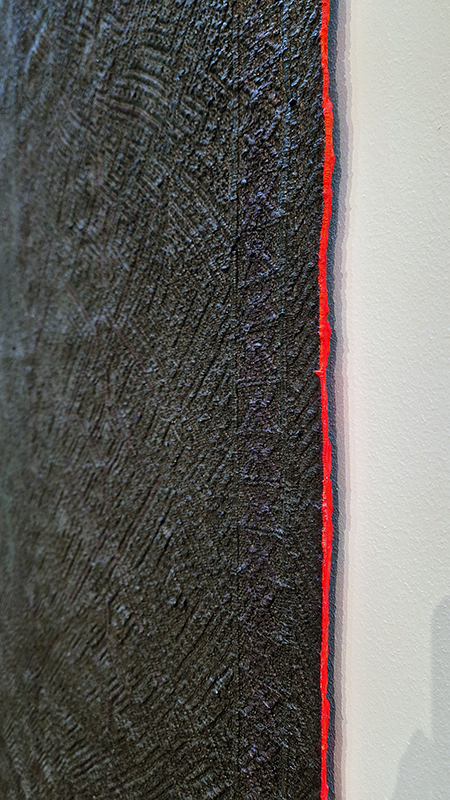
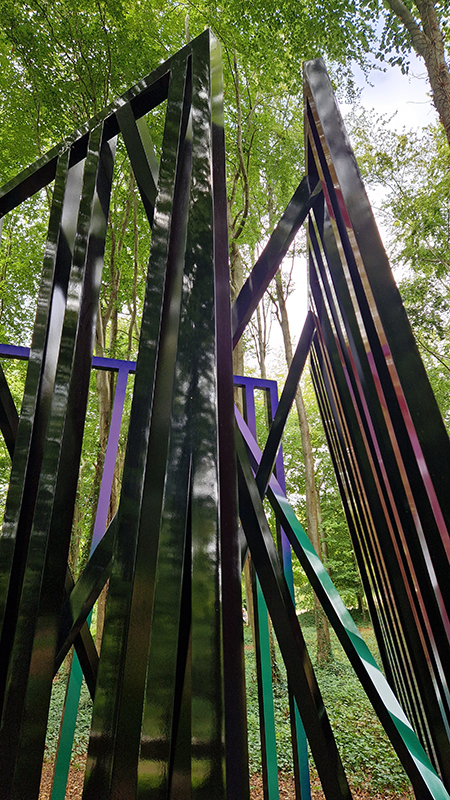
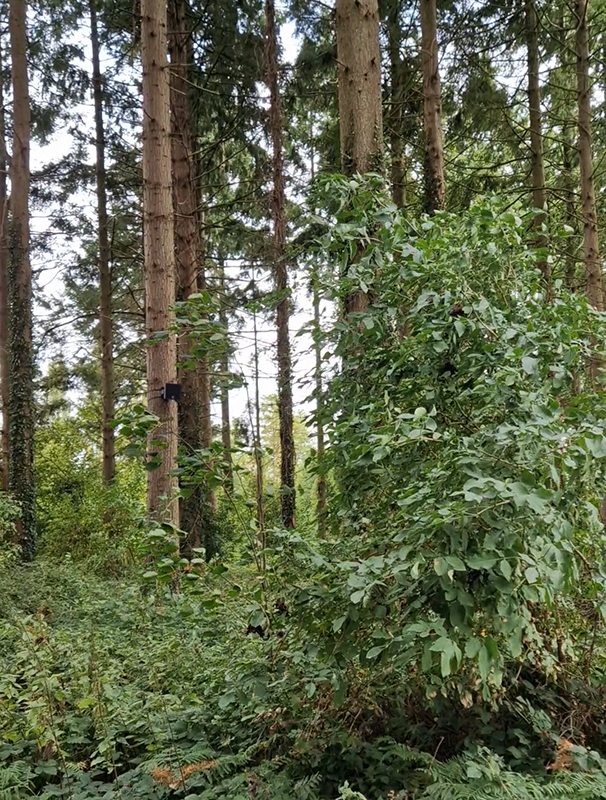
Rachel Whiteread’s solidification of space looking good set against a living, breathing woodland setting.
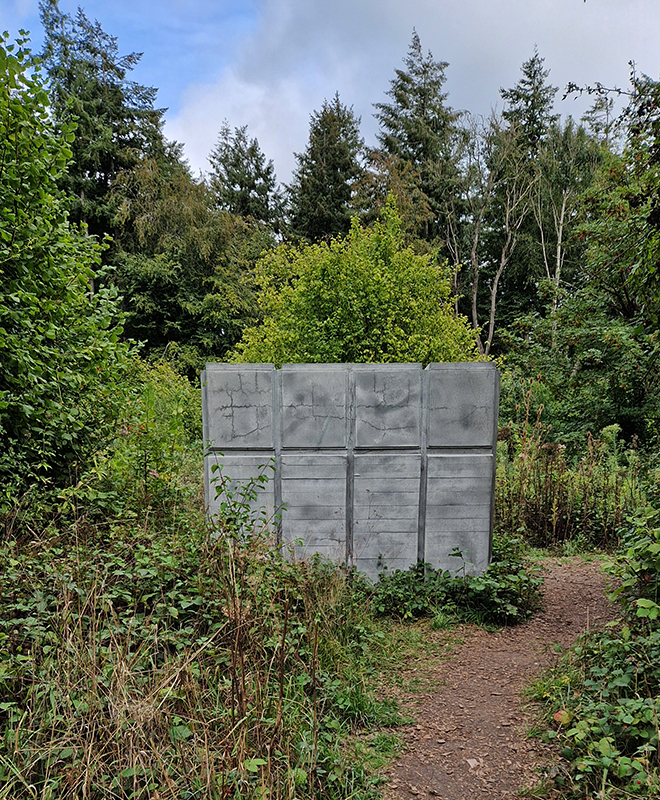
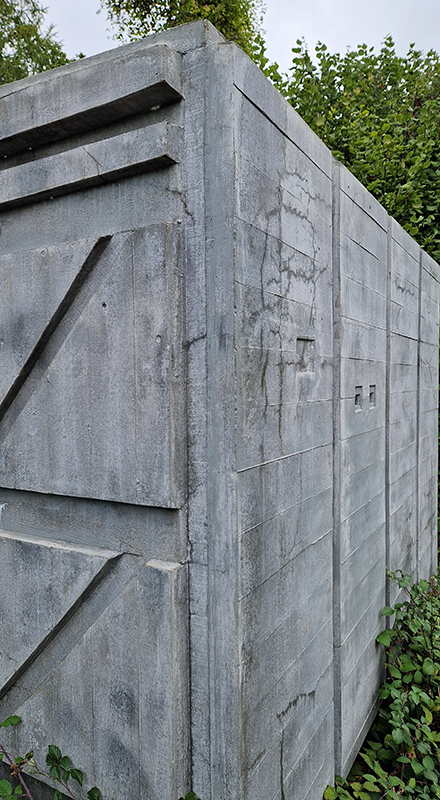
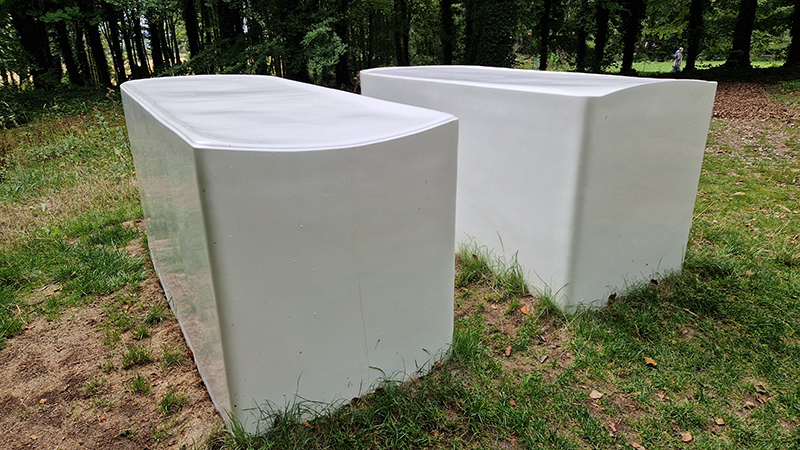
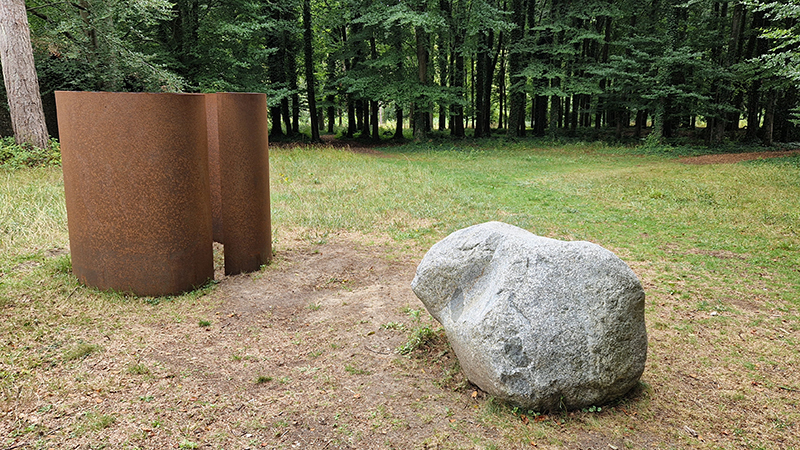
A vast magic cube throwing colours about by Hélio Oiticica, Susan Philipsz beautifully layered soundscape that draws you further into the woods and strong pairing of steel and stone by Lee Ufan.
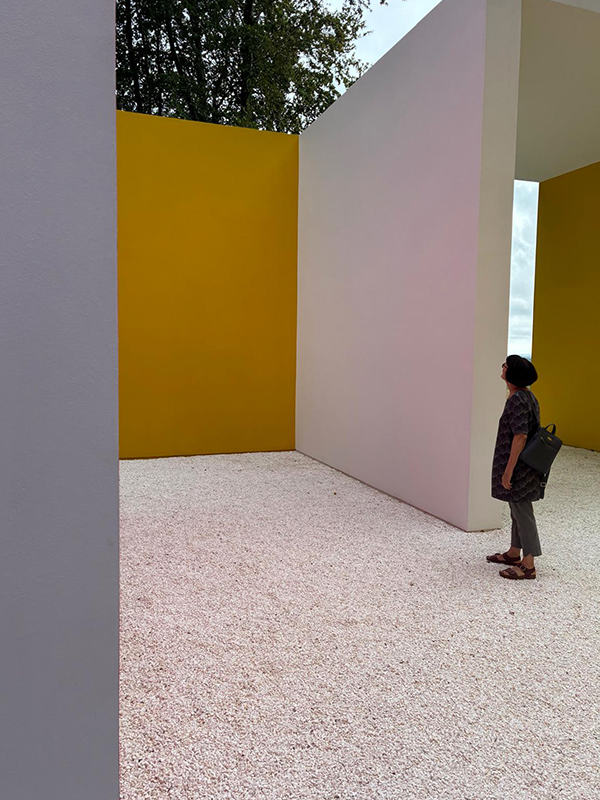
Saw a fantastic production of Arcadia by Tom Stoppard at the Duke of York’s Theatre, which explores the relationship between past and present, order and disorder, certainty and uncertainty. It slices across time to reveal perspectives on nature, fashions in stylised landscape with carefully placed ruins and even a real hermit installed. The search for truth, authenticity and academic renown is ripped apart. Acerbically funny and very clever.
Some passages from my 2014 MA dissertation Finding Paradise –
In his book Forests; the Shadow of Civilization Robert Pogue Harrison brings to our attention the rich history of our relationship with the forest as our first refuge and birthplace of civilization. From the legends and poetry of the past we are saturated in the belief that our origins are in the woods. He quotes from Virgil’s Aeneid
“These woodland places
Once were homes of local fauns and nymphs
Together with a race of men that came
From tree trunks, from hard oak”
Since these ancient beginnings when we first carved out a space in the forest we have always looked back to a time when we believed we lived in harmony with nature. Our shared beliefs took root in Greek mythology where poets told of a Golden Age of men living blissfully on the bounty of the land, a world of innocent sanctity lost to us amid the power struggles of the Titans. Virgil took up the theme of a lost haven of delight locating it in an idealized Arcady transposing pastoral imagery from the lush valleys and meadows of Sicily onto the wild and rocky Greek countryside. The fantasy of Arcadia was born which has inspired the artists and poets we have revered ever since.
The framing of a new perspective where landscape becomes picture was fuelled by sciences whose methodology required exactitude. Through measuring our world we hoped to gain control. First the poetic wisdom of the sage was abandoned, then the erudite scholar was replaced by the incisive research man extolling the objectification of nature. Nature that could be experienced vicariously through painting denied the viewer a visceral encounter and heralded the sublimation of desire for direct contact. The mythologizing of the rural began even before Virgil’s ‘Bucolics’ and continues today “massaged by technological spectacle” in mass entertainments such as ‘Avatar’.
Reading
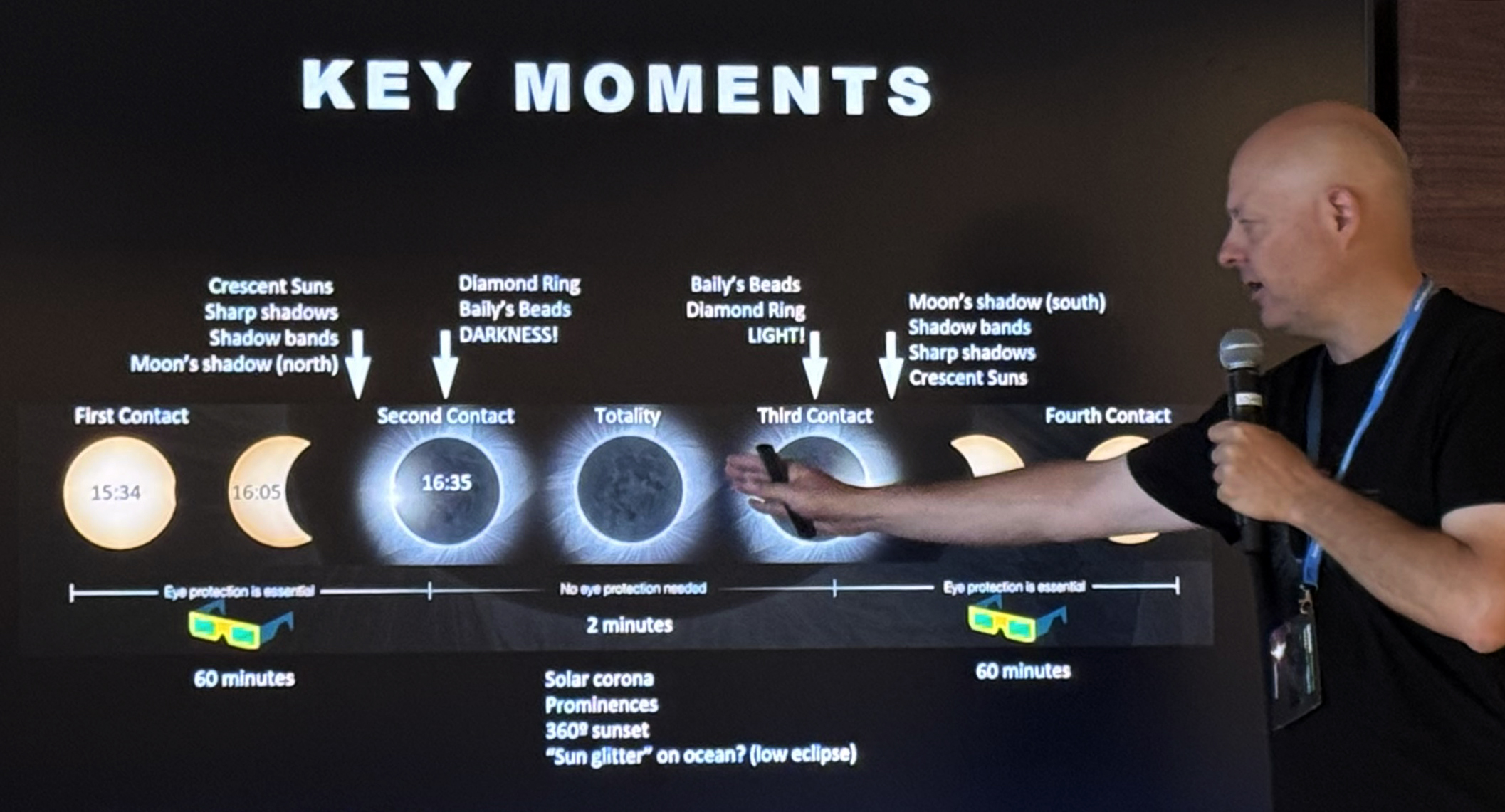
I have returned to reading The Physics of Angels and am intrigued by Rupert Sheldrake’s theories on the potential consciousness of the sun. Having spent quite a lot of time looking at the sun (through a filter) and watching it being totally eclipsed, I quite like the idea that it is conscious in some incomprehensible way, which would mean all the other stars are as well. A universe filled with cosmic bodies crackling and glimmering with electrical impulses of such complexity that what the sun is experiencing is totally outside what we can understand yet maybe we can acknowledge in some way.
‘If there’s a connection between our consciousness and complex, dynamic electromagnetic patterns in our brains, there’s no reason that I can see for denying the possibility of this connection in other cases and especially on the sun.‘