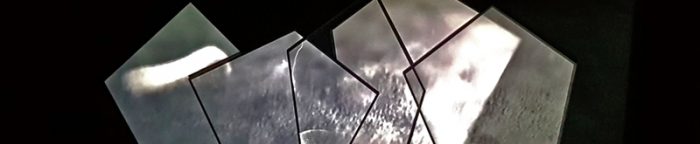
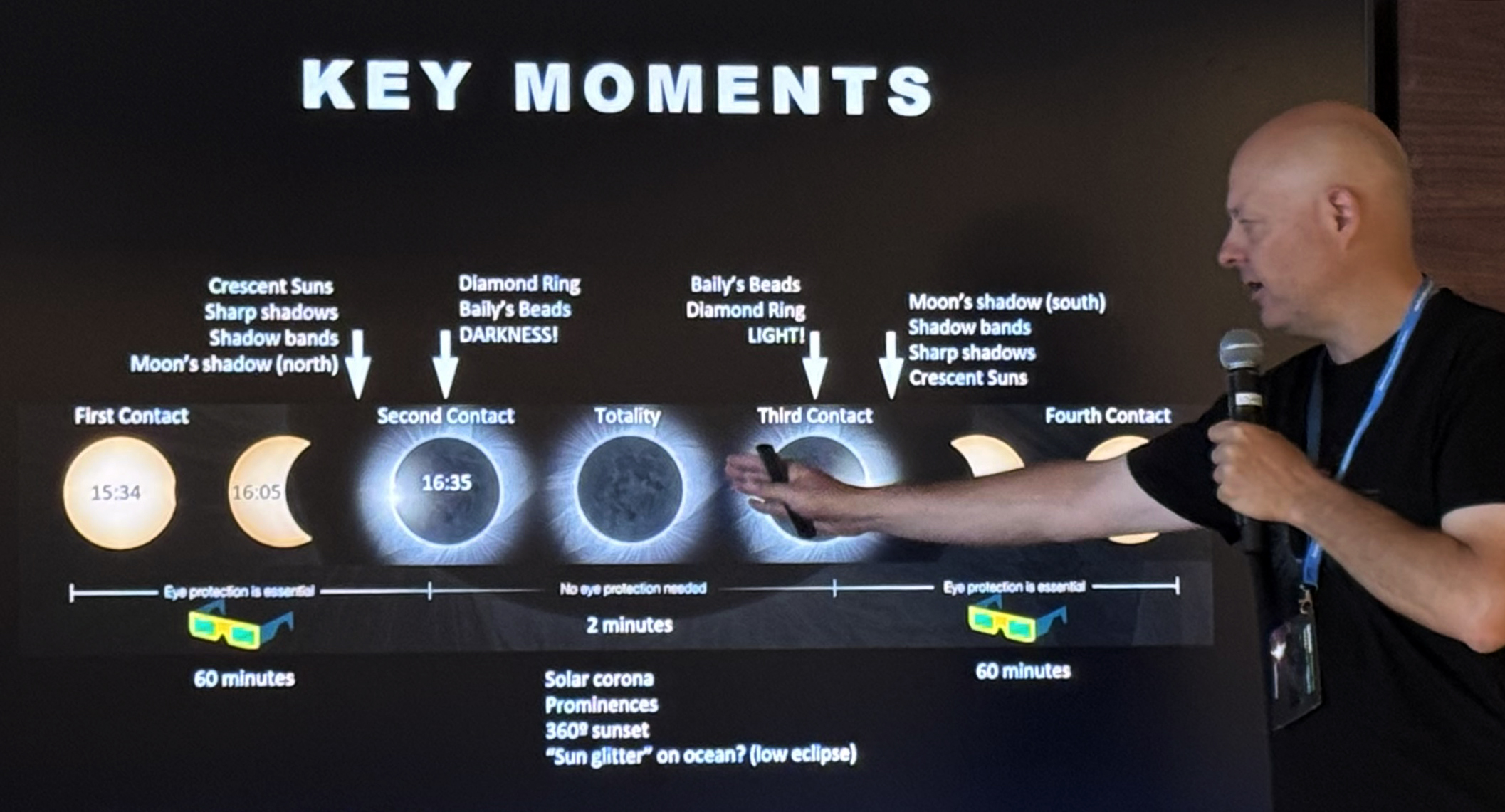
August 12th 2026 16:33 GMT first contact, 17:33 totality, lasting 2 minutes 17 seconds spent aboard the Sylvia Earle expedition ship led by the remarkable Greg Mortimer and perfectly positioned in Ofjord, part of Scoresby Sund, the largest and deepest fjord system in the world.
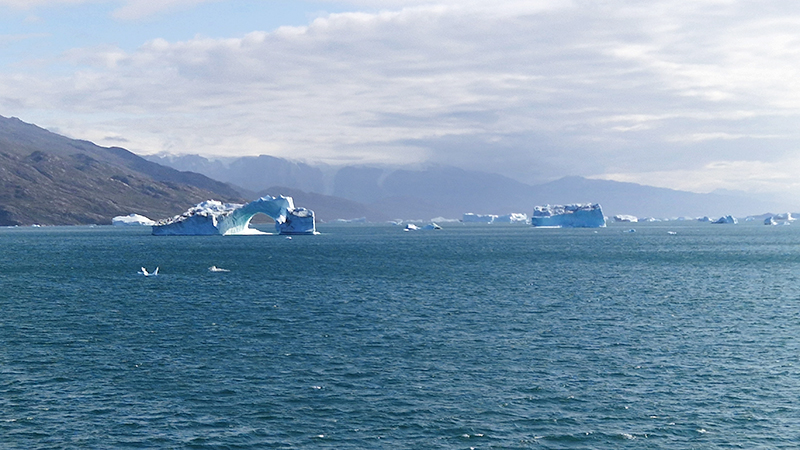
This fjord was so deep the ship could not drop anchor but had to use its virtual anchoring system to hold a steady orientation while every person on board including all crew members from every quarter gathered to experience one of nature’s exquisite astronomical events.
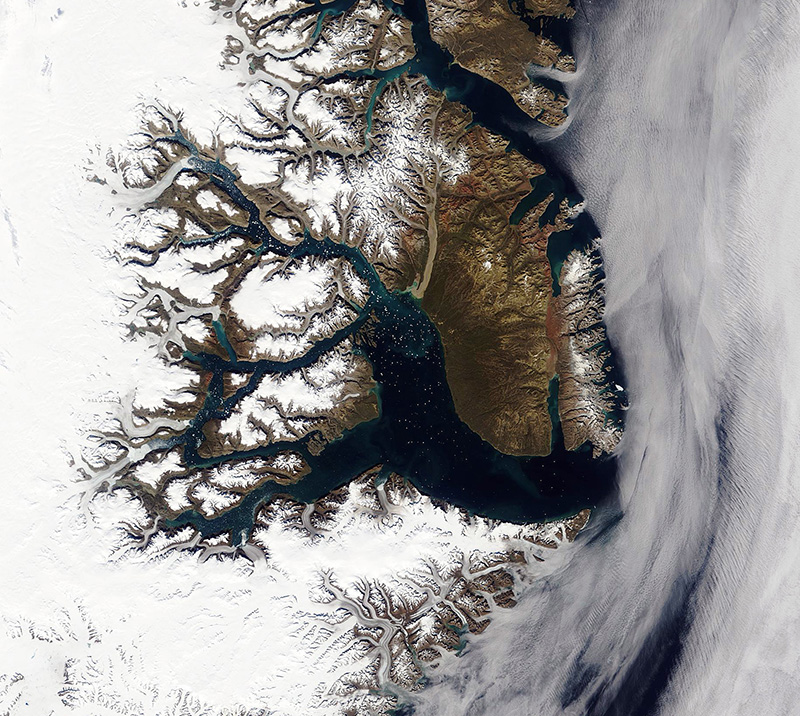
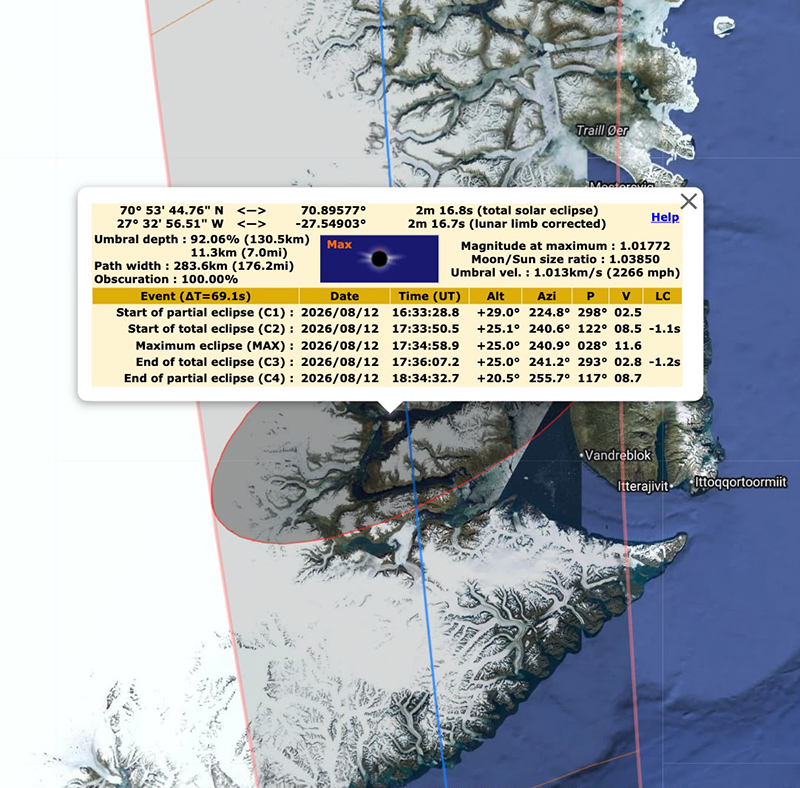
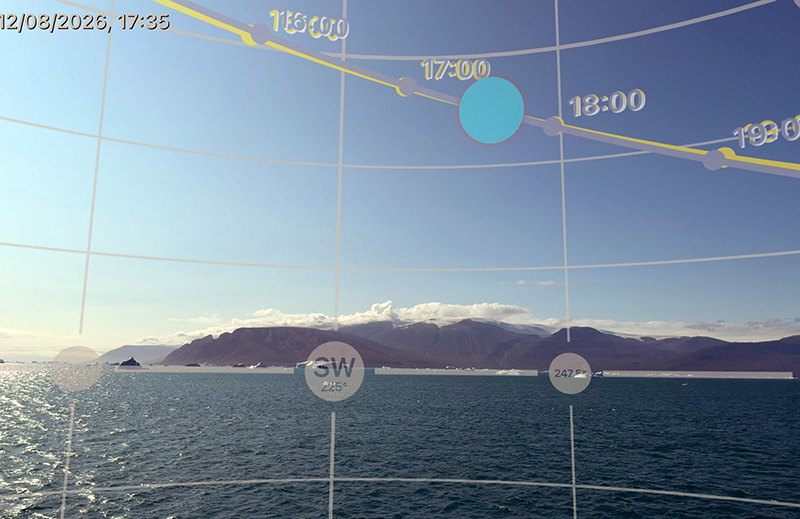
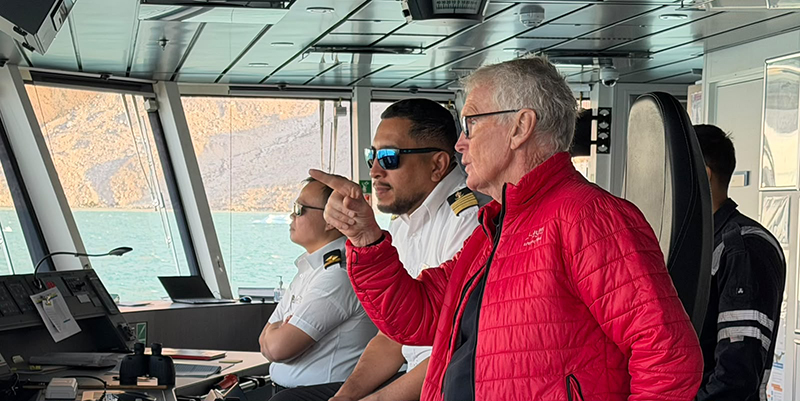
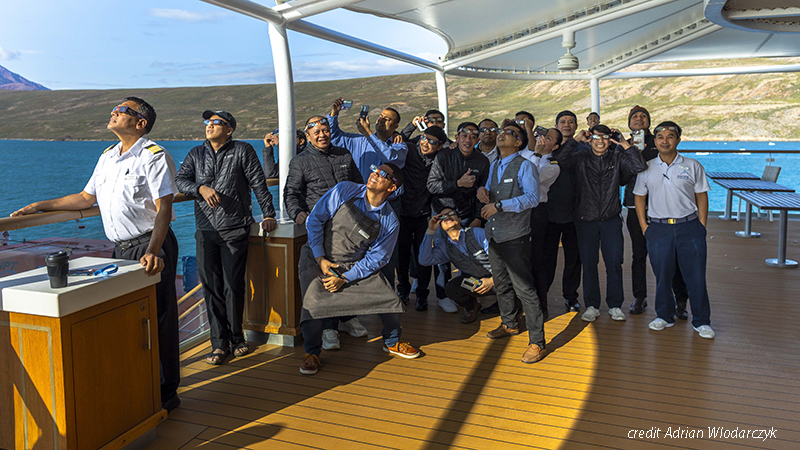
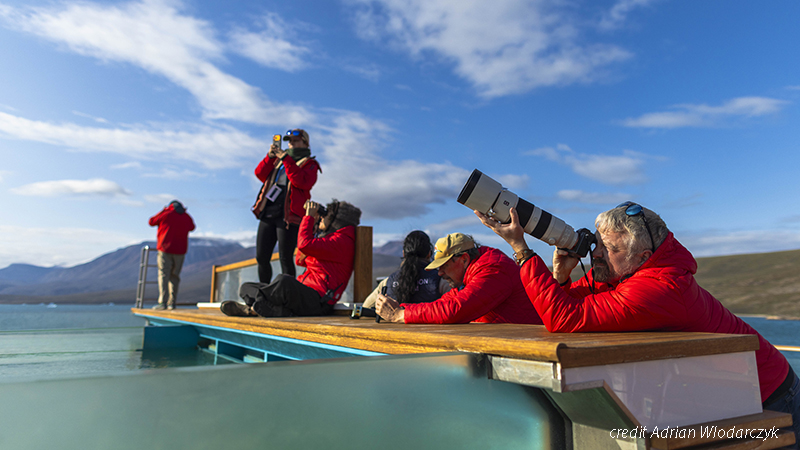
It will/is/has taken time to process the incredible experience of sailing from Iceland to east Greenland to witness totality in such a stunning location. We had booked the trip two years ago knowing there may only be a 40% chance of clear skies, but felt it was worth the risk as being in Greenland would be amazing anyway. As the day neared, the ship’s captain, expedition leader and astronomer held our fate in their hands as they poured over their charts and weather predictions, having to commit to a target destination several hours ahead of the event.
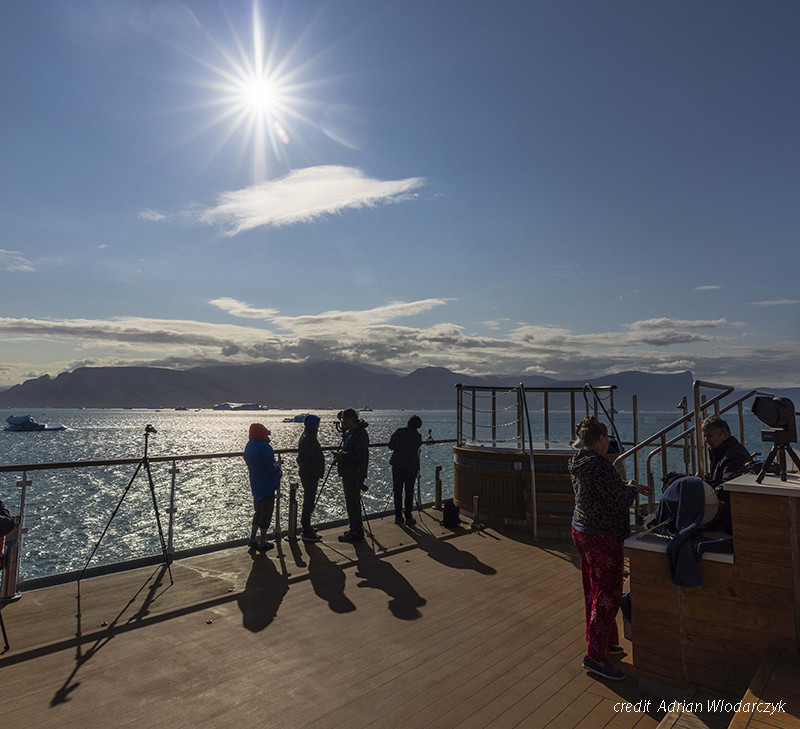
The brilliant team made a perfect choice, deciding to head for a conjunction of fjords yet keeping the ship back from the cliffs so that we looked up at clear skies with just the odd wisp of cloud. As excitement built around the ship there was some concern that we might not know when totality had started so that we could remove our solar glasses and filters and enjoy unfettered viewing. Jamie Carter our onboard eclipse expert was right – we knew instantly.
It was spine tingling to witness that moment, so accurately predicted, when the first sliver of the moon’s shadow inched into the circumference of the sun. It then took a leisurely hour to bite an increasingly larger chunk from its sphere as we gazed out from behind solar filters.
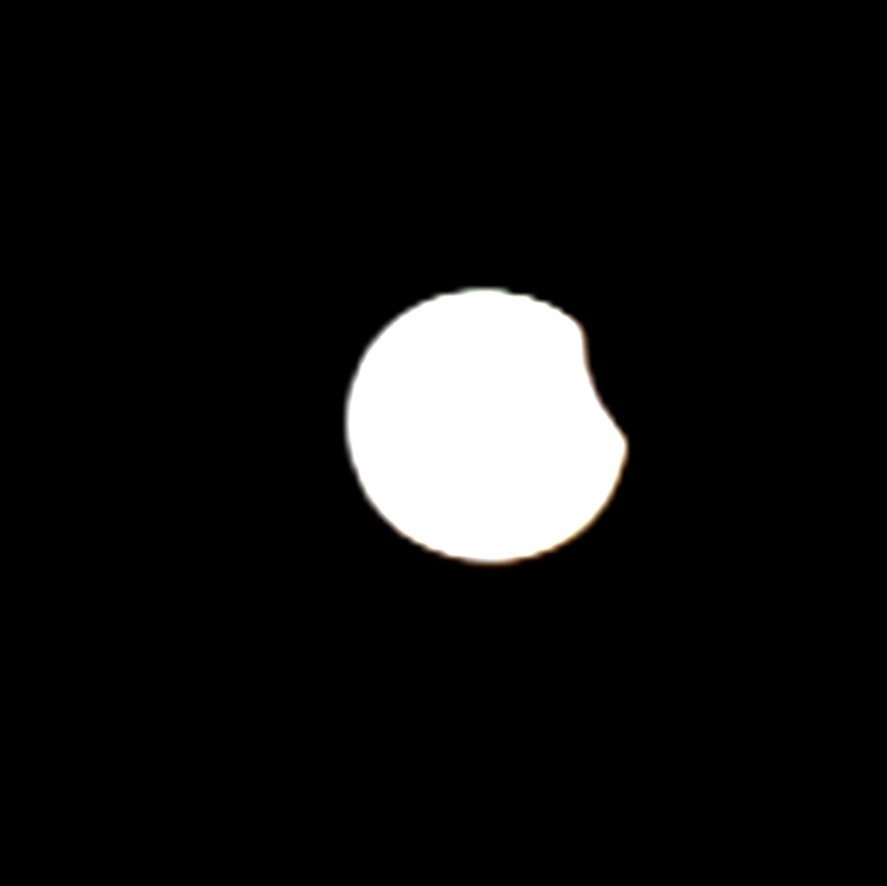
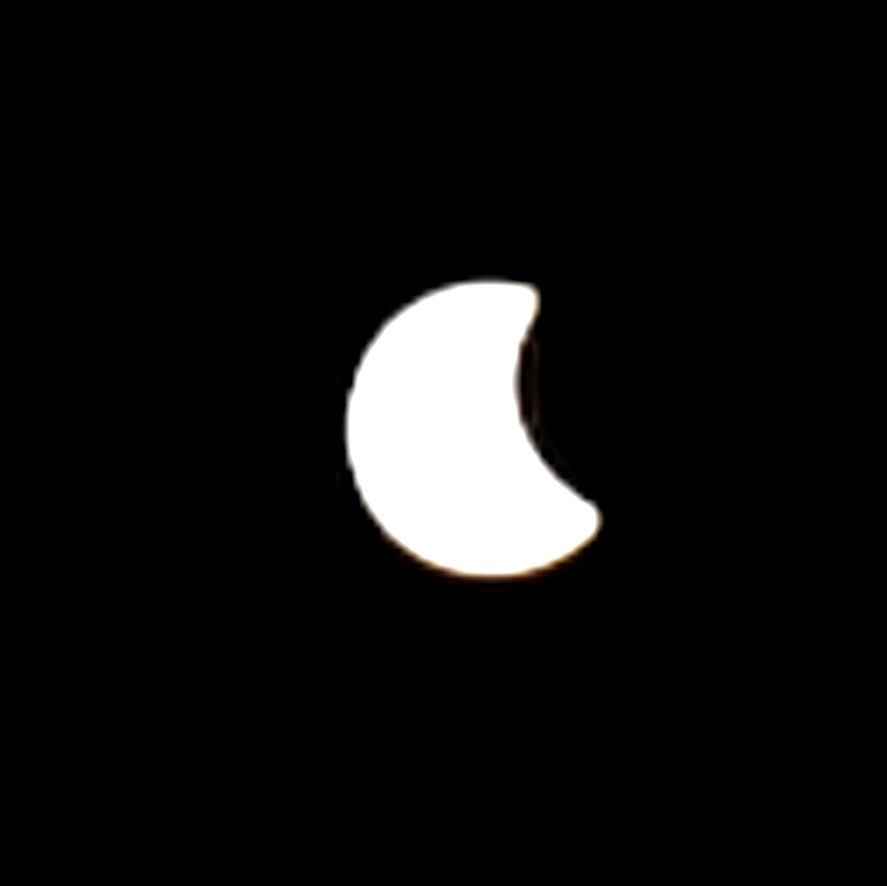
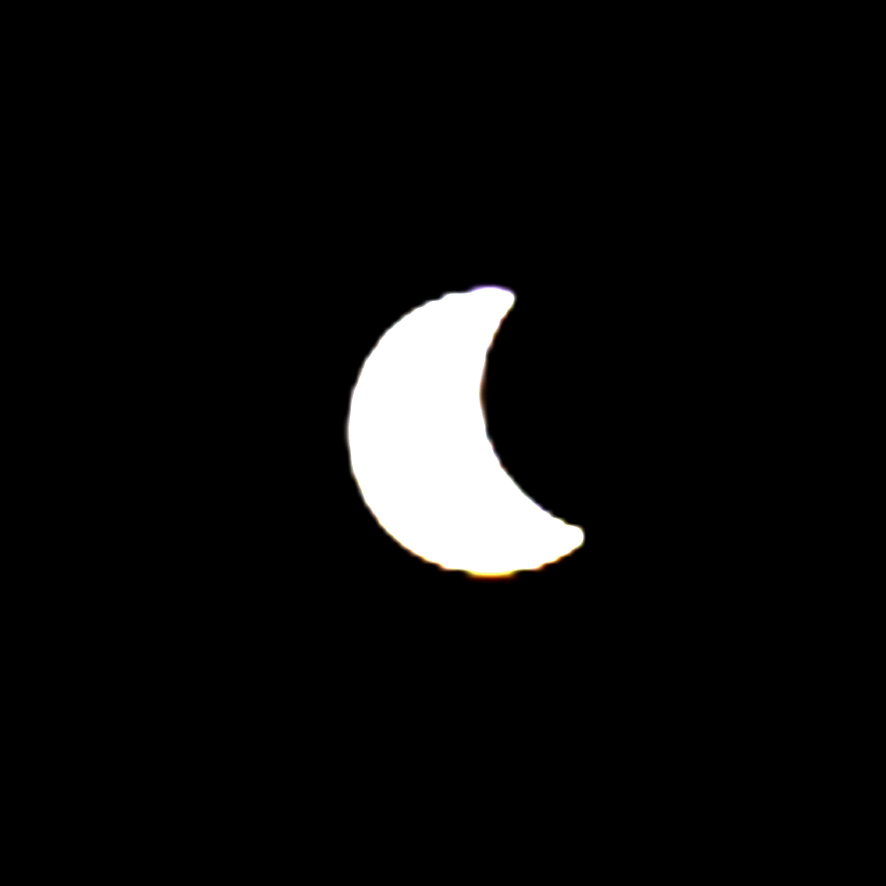

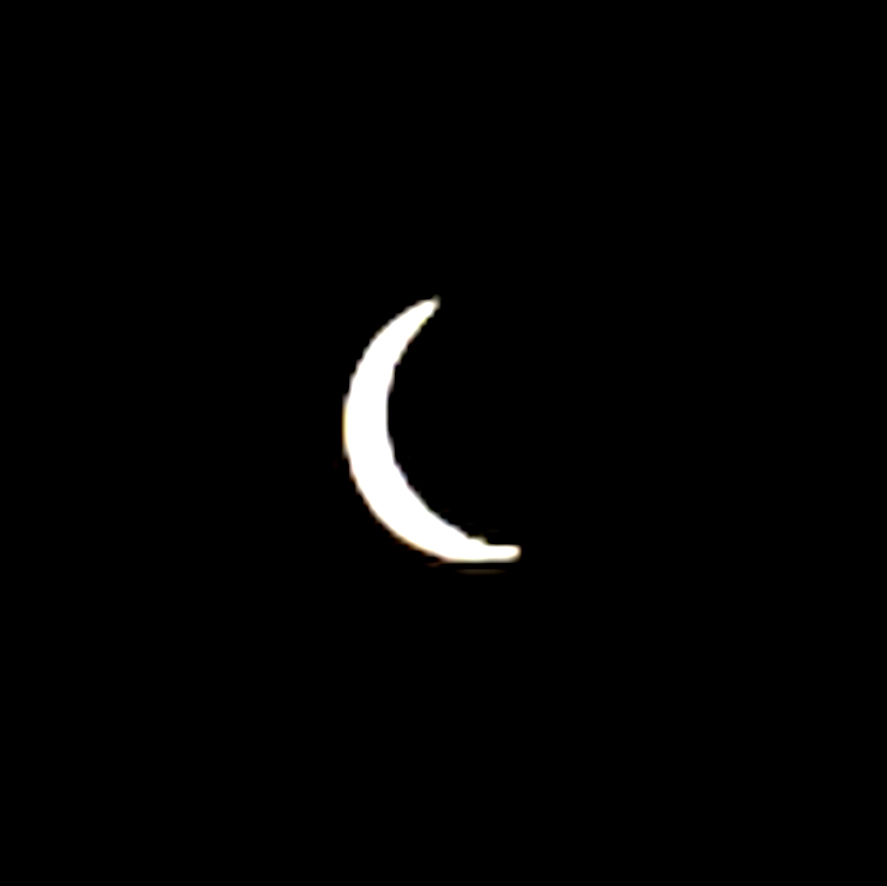
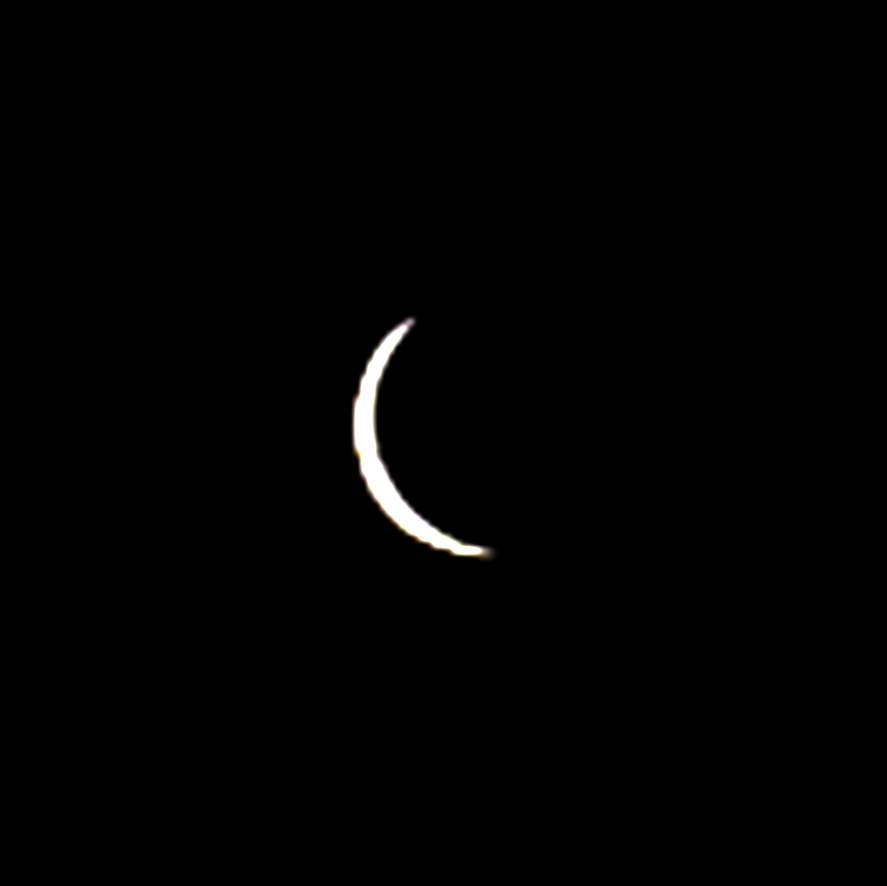
Even at almost complete totality the light escaping from the shrinking crescent was surprisingly illuminating over the fjord, dancing across the rippling water.
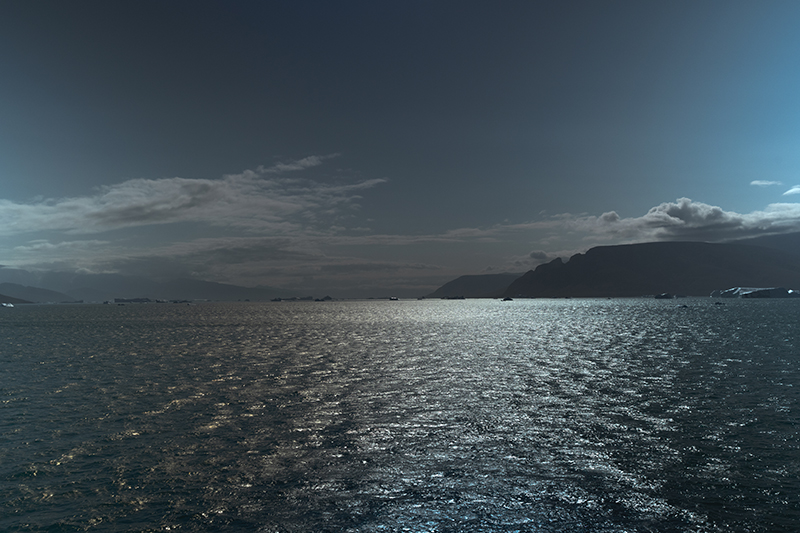
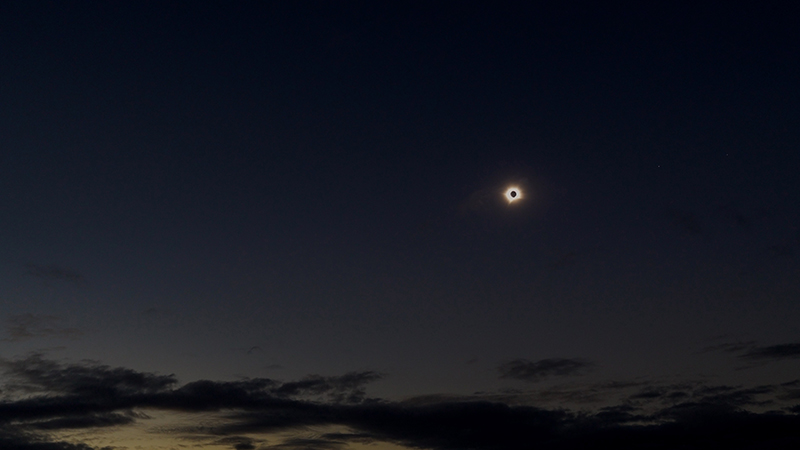
As the two celestial bodies slotted into perfect alignment, the light dimmed dramatically, bright pink solar prominences of glowing hydrogen became visible and flashes of light known as ‘baileys beads’, revealed the rough topography of the moon’s surface craters and valleys.
During the eclipse we noticed the bottom area of the sun’s corona was less defined. Gaps in the corona are due to dynamic changes in the Sun’s magnetic field causing regions in the outer atmosphere where the gas is much cooler and less dense so it does not scatter the same amount of light. This eclipse in 2026 is roughly two years after the peak of Solar Cycle 25 and while the Sun is still relatively active, it lacks the perfectly symmetrical corona seen during maximum activity.
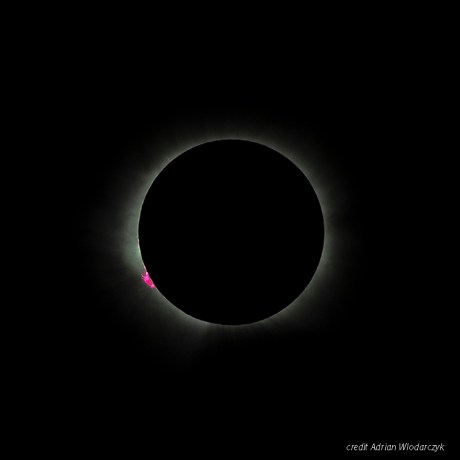
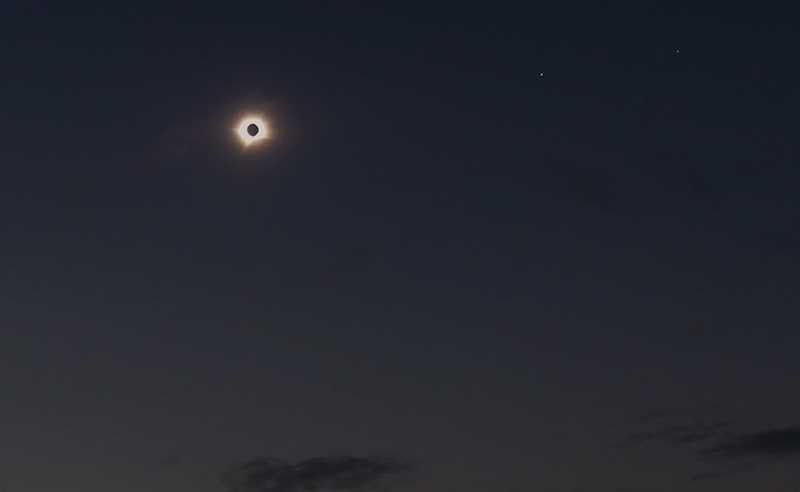
Planets including Mercury made a brief astonishing appearance.
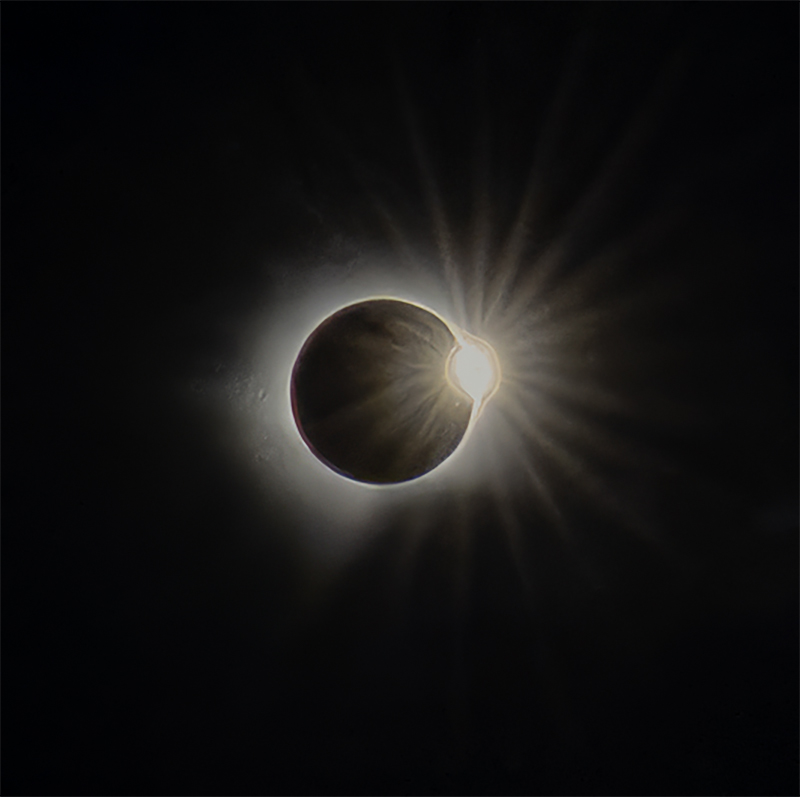
The precious minutes and seconds soon vanished in a dazzling blaze as the ‘diamond ring’ effect shattered the mysterious twilight with piercing rainbows of light. Glasses and filters were quickly replaced to watch the slow retreat of the moon’s shadow slipping off into the unseen.
In his eclipse lectures, Jamie Carter had stressed that we should not stress about getting photos but enjoy being present.
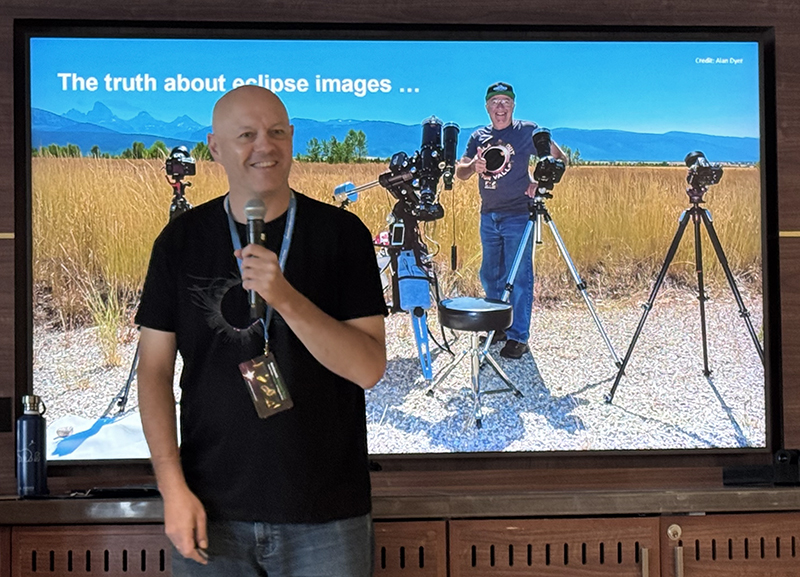
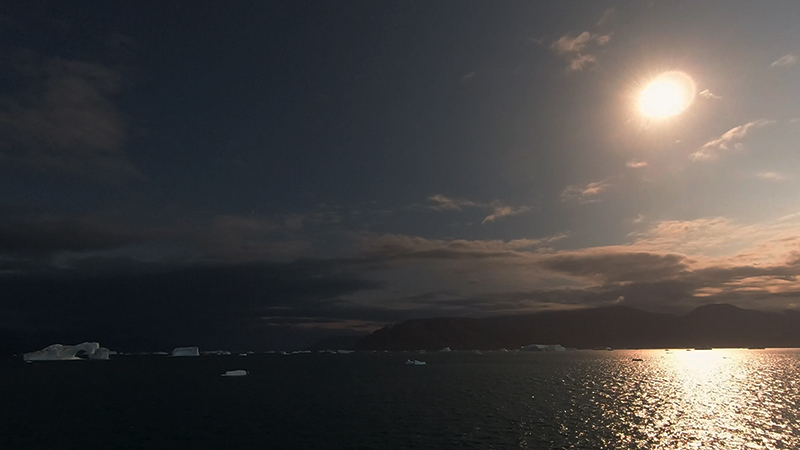
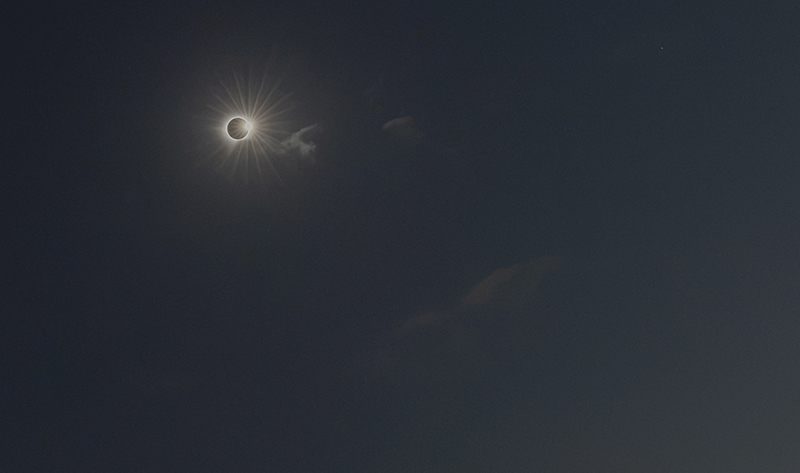
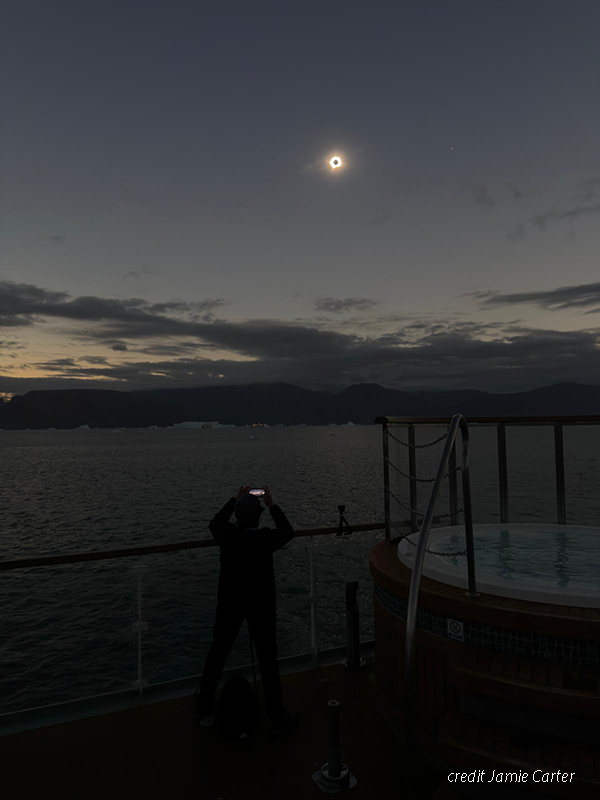
I did try to absorb the moment but also quickly snap some shots with my new Sony A7C II and a couple on my phone.
I also had a GoPro running on the side to capture the changing light across the landscape. I had chosen a wide angle rather than a zoom lens for the Sony camera so sacrificed detail for ambience. There is something rewarding about taking your own photos even if they are not perfect and I knew we would have professional images shared with us from the on board photographer Adrian Wlodarczyk. Adrian captured terrific zoom shots of the eclipse and all aspects of the cruise which are shared with everyone so we all have access to fantastic reminders of our arctic adventure.
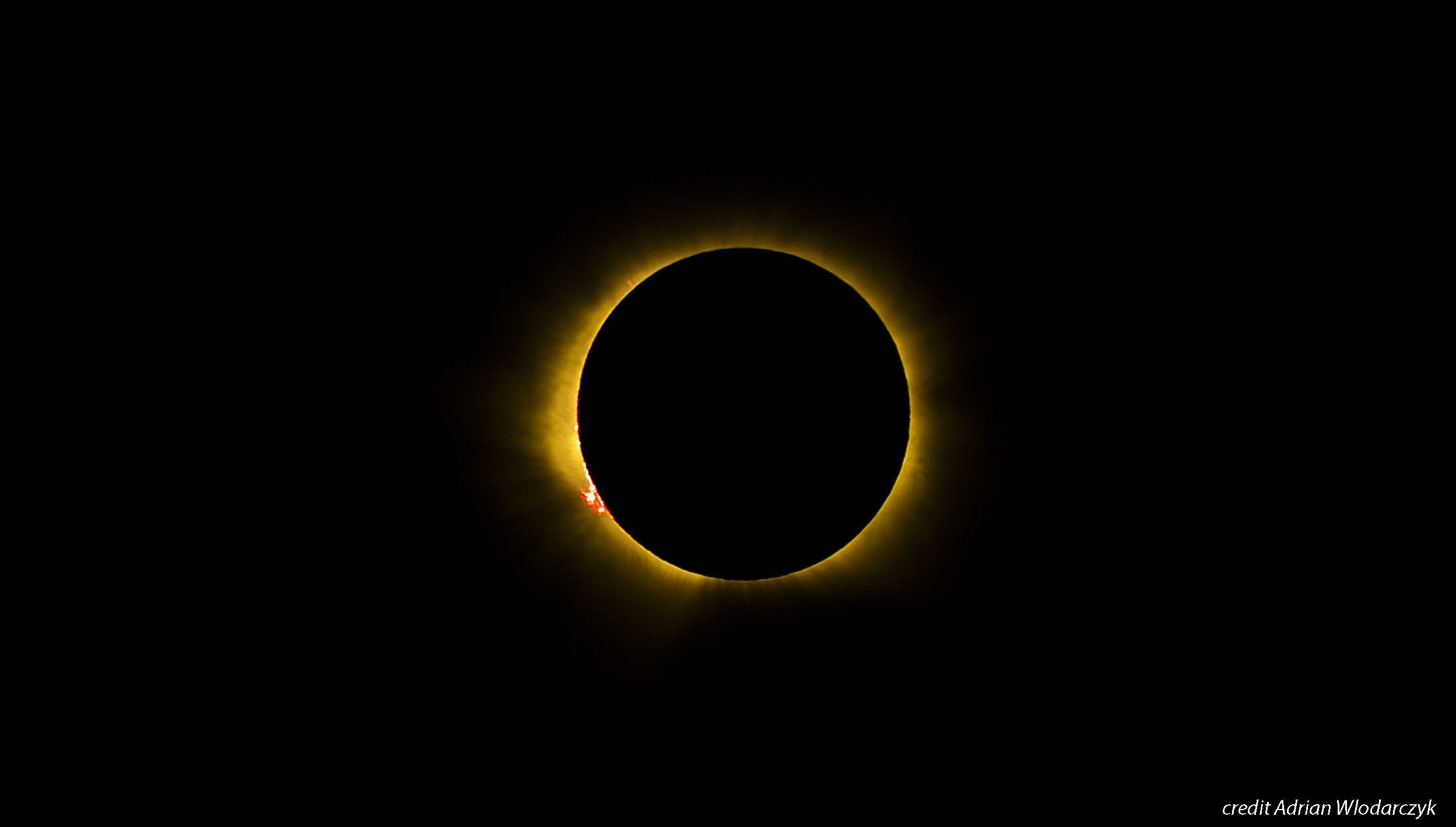
The total eclipse was obviously the highlight of the trip but there were so many other extraordinary encounters along the way.
Before sailing for Greenland, I had a rewarding time exploring Iceland in the company of local guide Kristjan Einvarður and volcanologist Dave McGarvie. Both were passionate and knowledgeable as well as being great fun. Blessed with clear skies and alarmingly warm temperatures we were repeatedly told that this weather was very unusual. (It did rain one day)
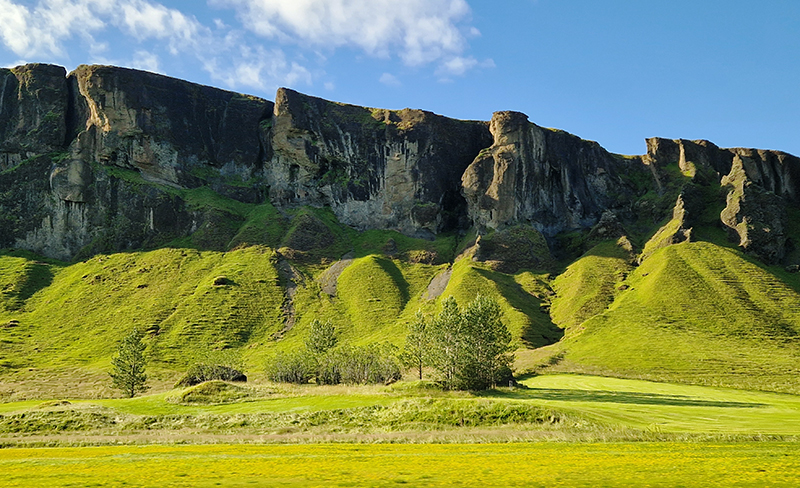
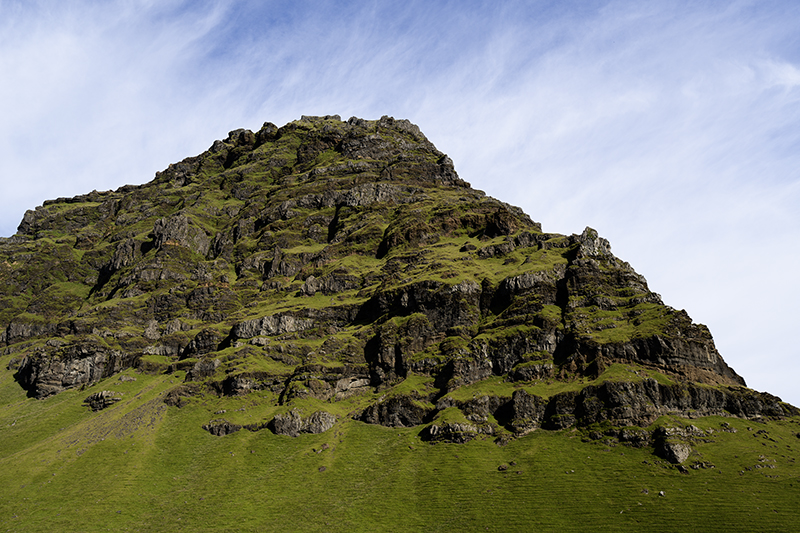
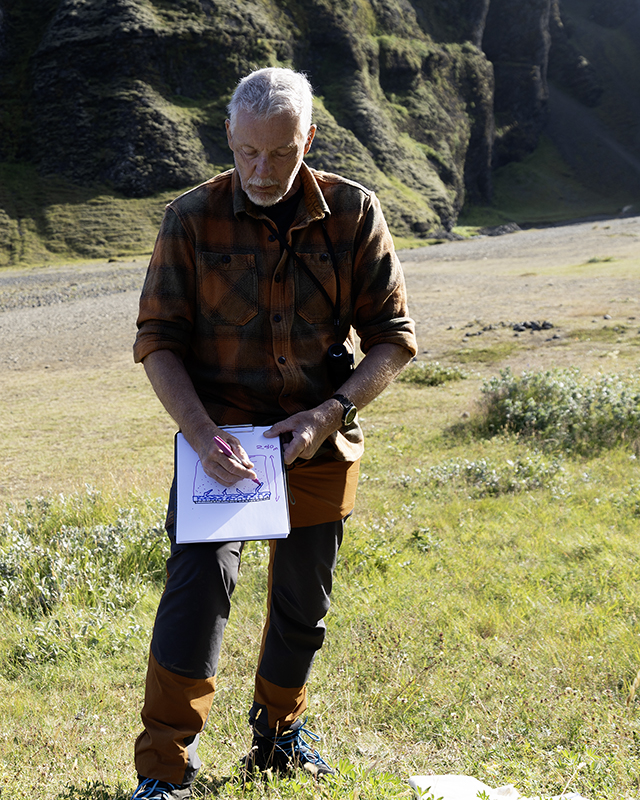
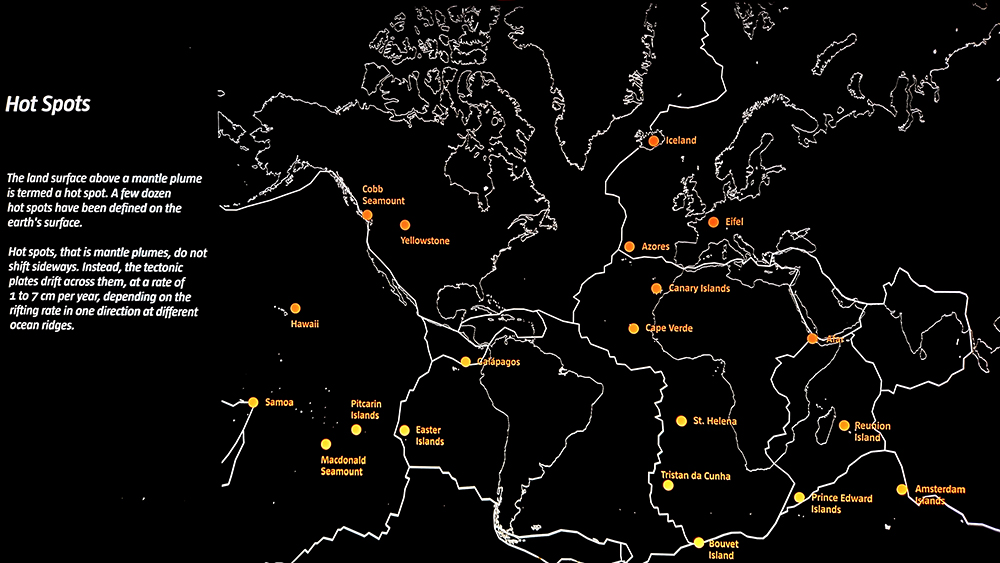
Volcanologist Dave McGarvie explained to us the unique nature of Iceland geology. All along the mid-ocean ridges, basalt magma erupts and builds new oceanic crust as it spreads across the sea floor. What is different about Iceland is the presence of a mantle plume where magma erupts from great depth, enough to build ocean islands. The island of Iceland is the only part of the worldwide mid-ocean ridge system that lies above the sea surface.
Because Iceland has such a thick crust created by sitting over a mantle plume, its central volcanoes produce rhyolite lavas flows which are much thicker than basalt lava flows and produce much more explosive eruptions. Magma that erupts under ice or water can’t spread far and so it builds upwards. Eruptions that occurred under ice can be identified by a table top or ridge appearance.
This is land where the North American and Eurasian plates are slowly drifting apart at about 2cm a year. As the plates diverge, cracks and fractures appear in the lava rock forming steep trenches. There is a small footbridge here where you can supposedly walk across from one continent to the other but in reality the division isn’t a single narrow trench but a complex, active rift zone that spans several kilometres.
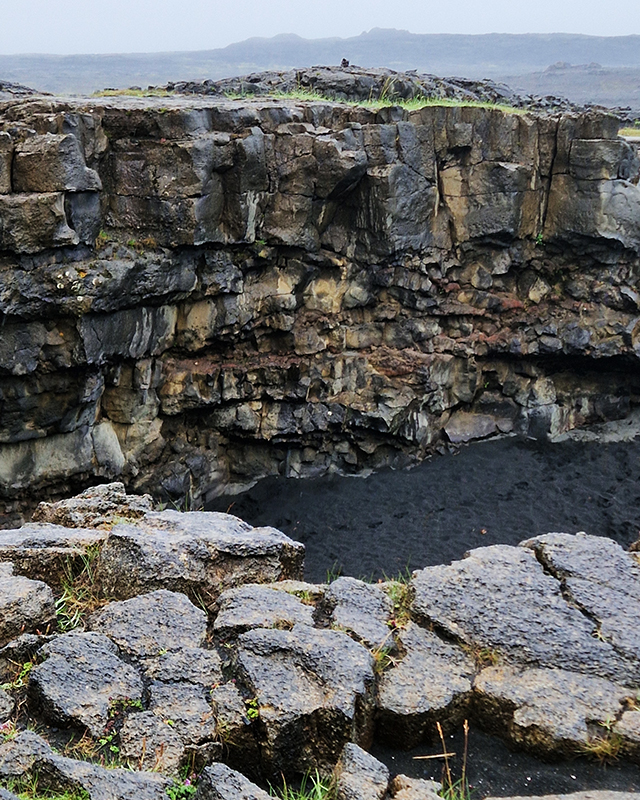
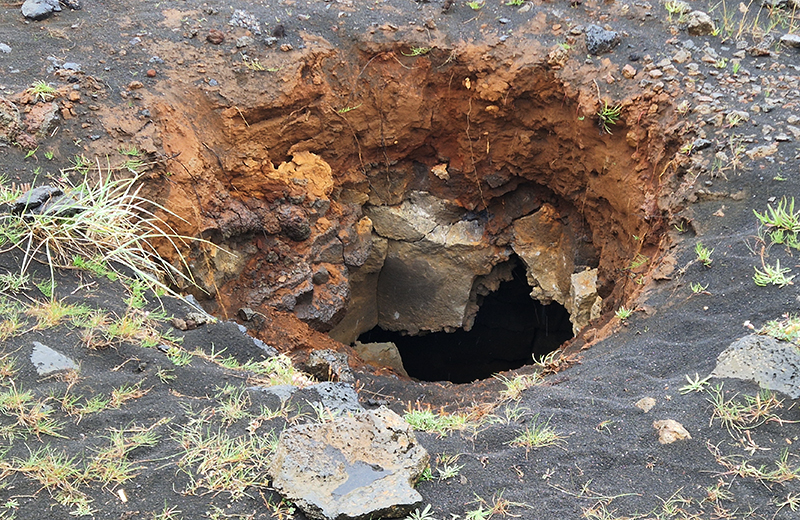
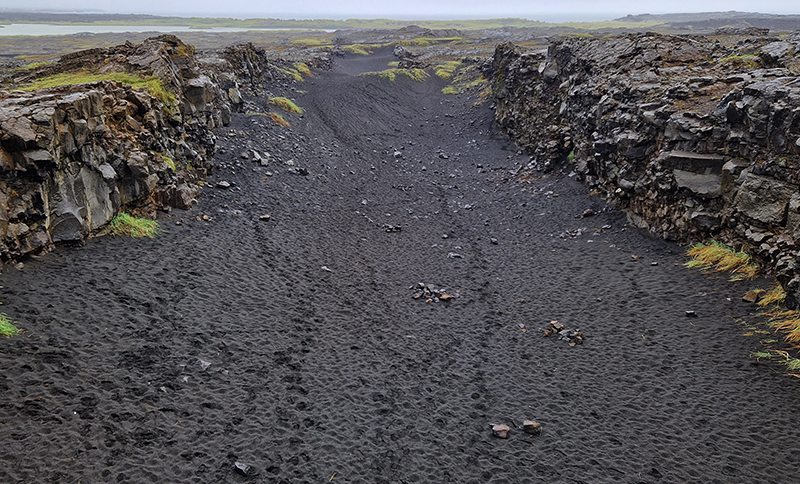
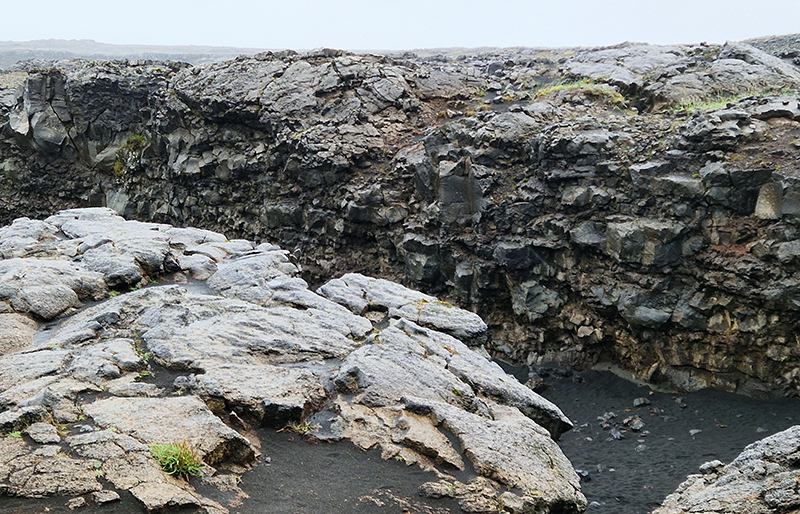
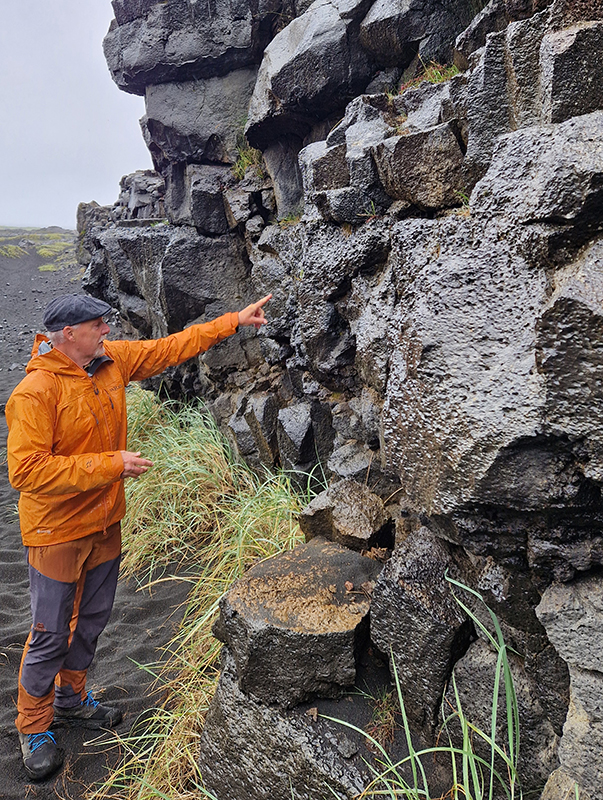
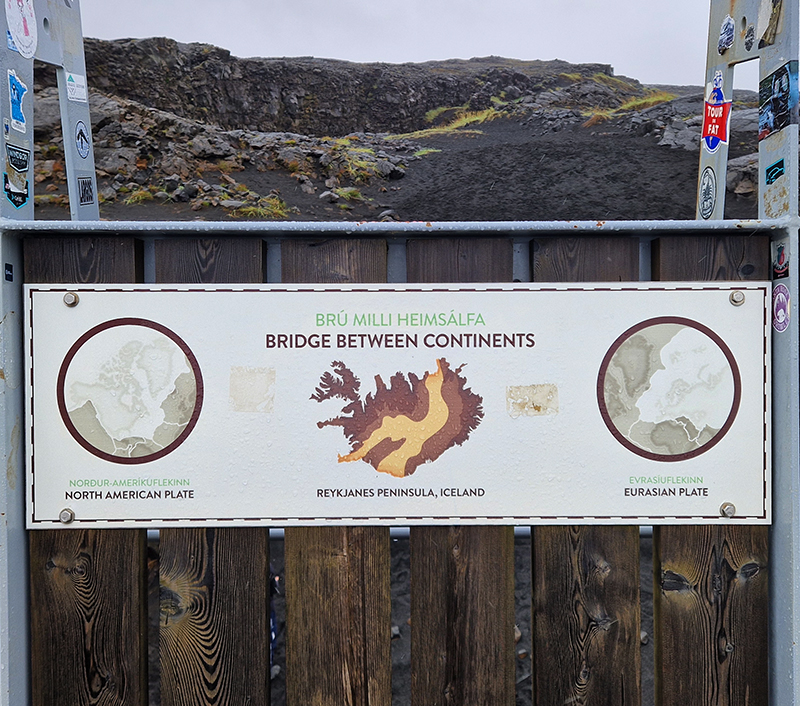
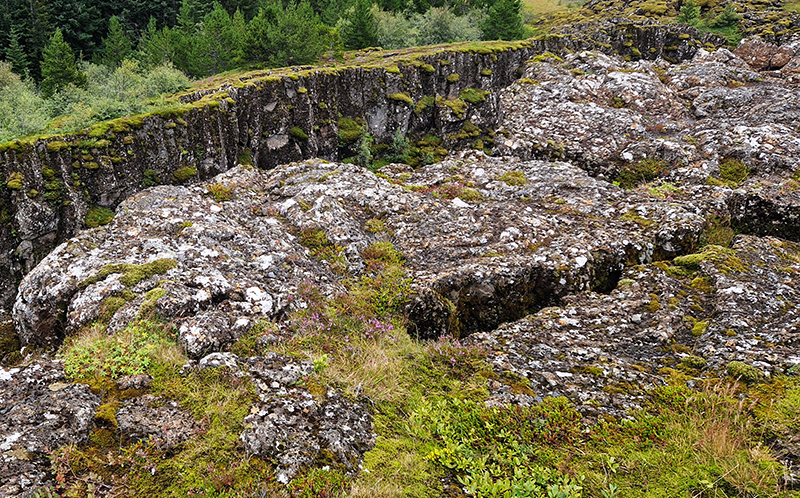
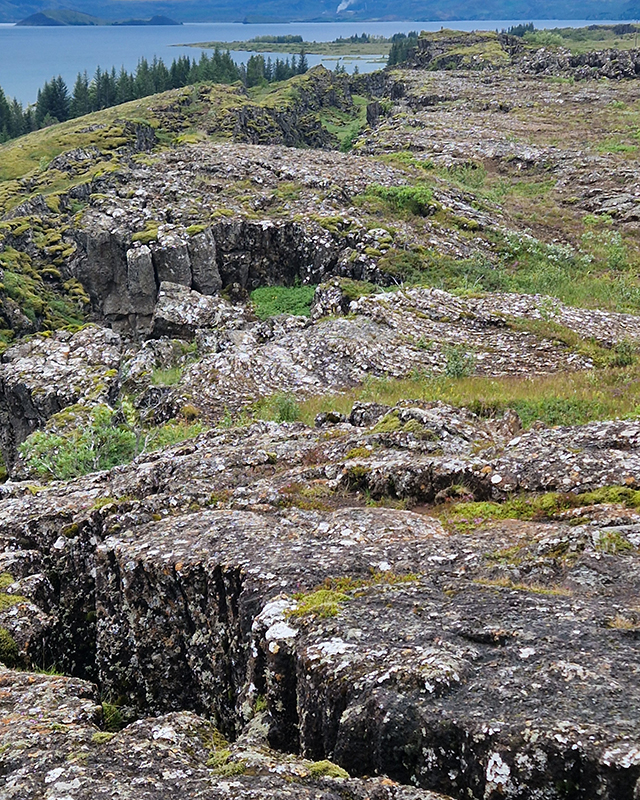
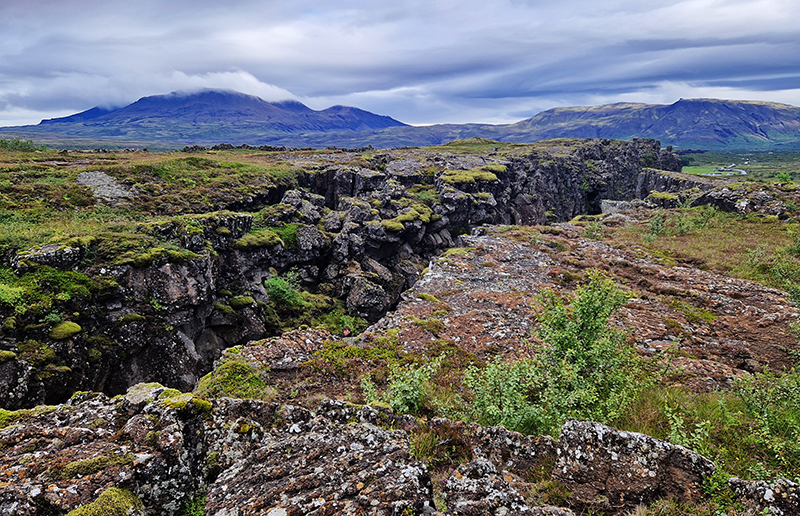
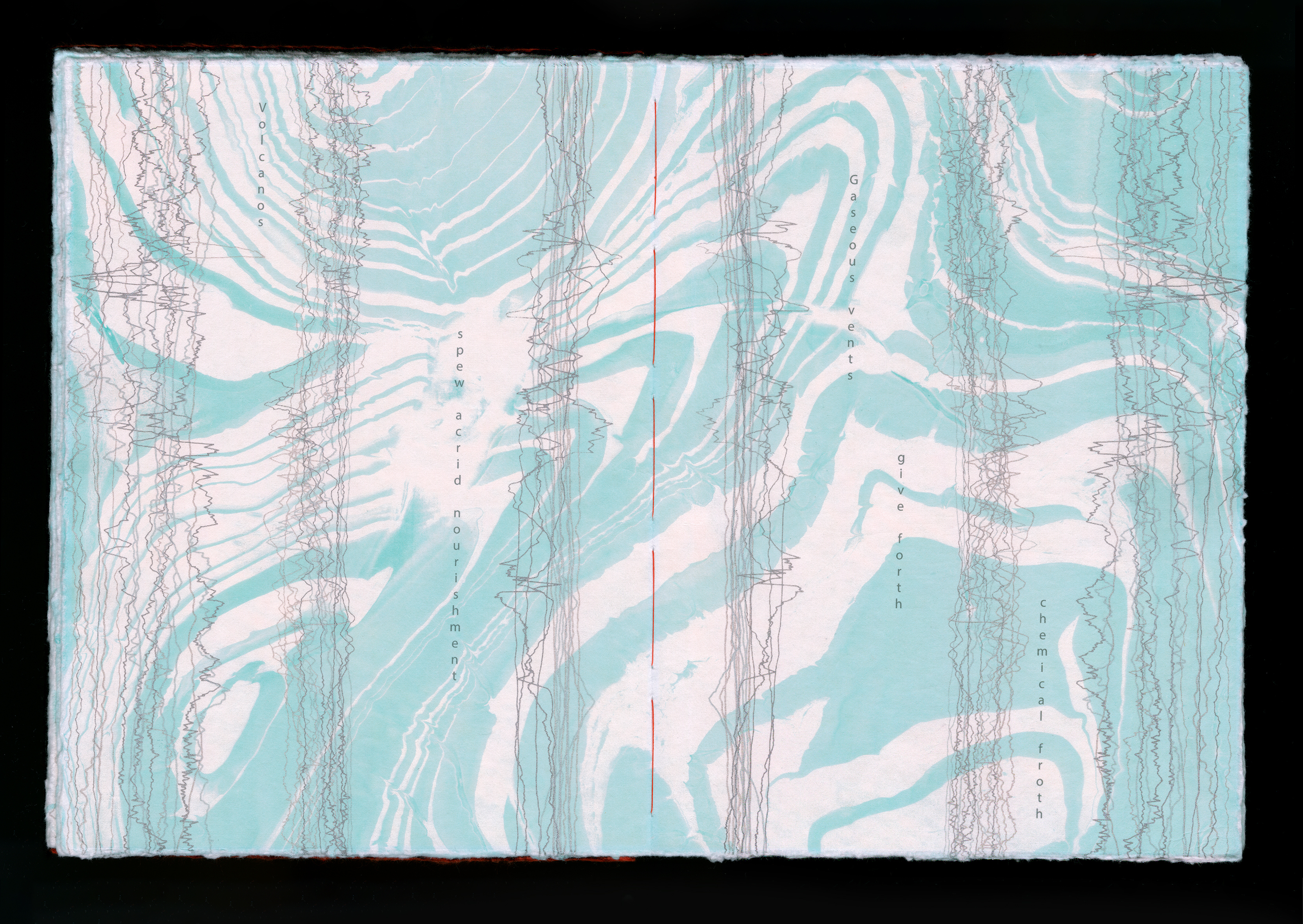
It was the discovery of magnetic stripes, created by sea-floor spreading of lava erupting from mid-ocean ridges during different eras of magnetic polarity, which led to the understanding of plate tectonics. This phenomenon inspired my Book of Reversals so I was thrilled to visit the Mid-Atlantic Ridge at Sandvik Bridge and also at Thingvellir National Park to see land shaped by these forces that I find fascinating. I am planning to use sound recordings from this trip to create an ambient background for the digital form of Book of Reversals which uses the scanned images from my HiResidency at equivalentbehaviour .

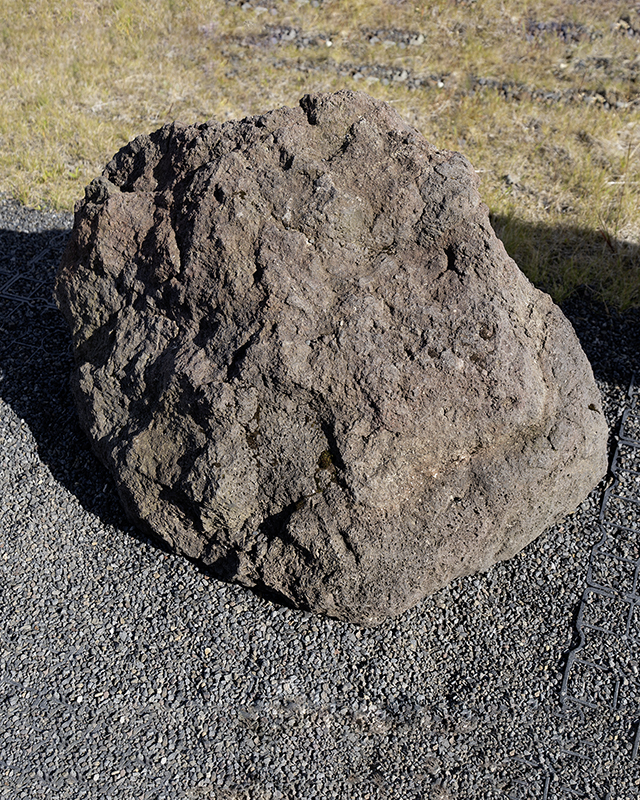
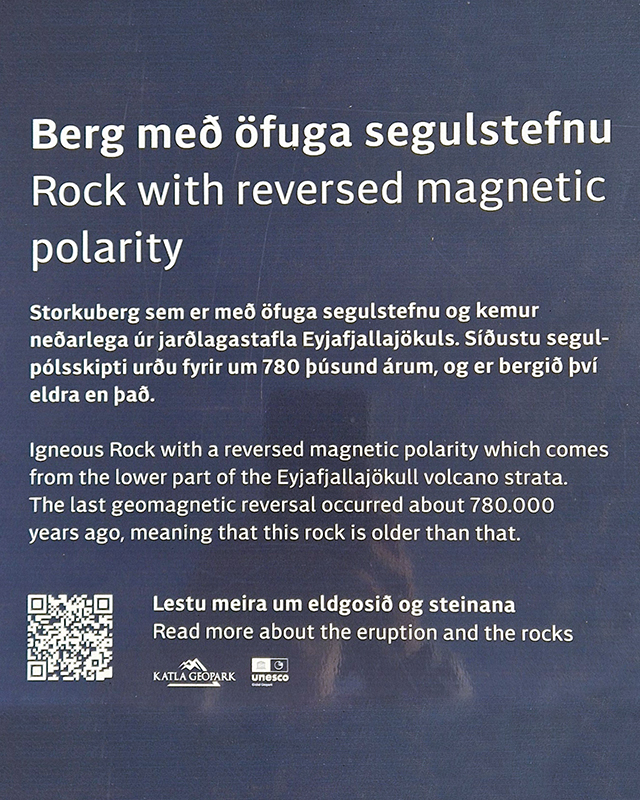
I was also delighted to see a ‘rock with reversed magnetic polarity’ displayed at the Katla Geopark. This rock was born when the north and south poles had flipped to the opposite ends of the Earth.
New raw lava fields are hostile jagged and bare terrains stretching vast distances. Over time the lava gains a cushioning of moss, lichens appear and these pioneer lifeforms pave the way for soil and tender flowering plants to take hold.
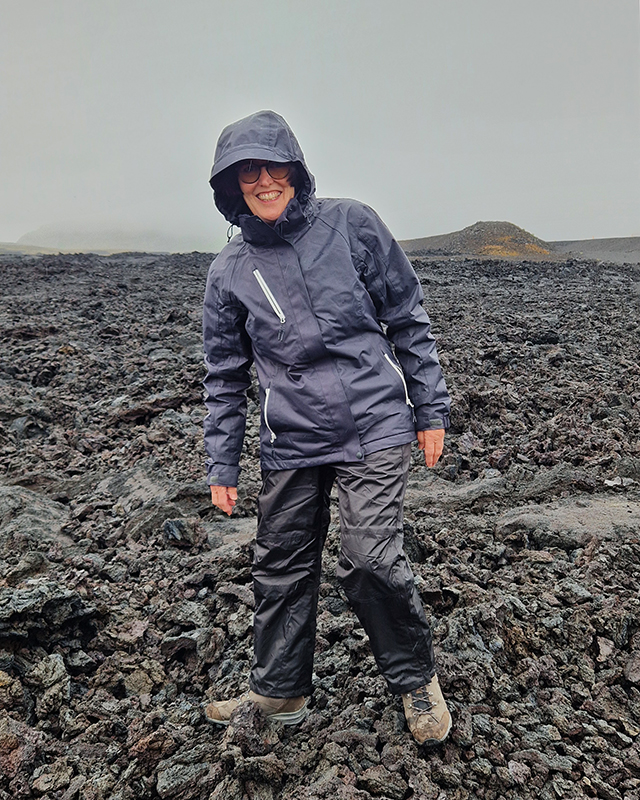
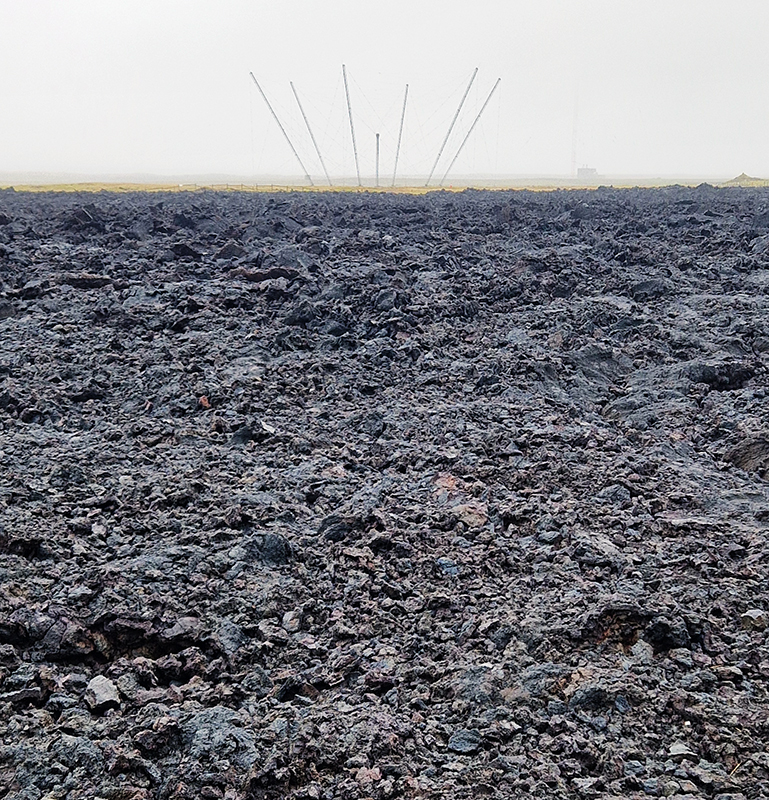
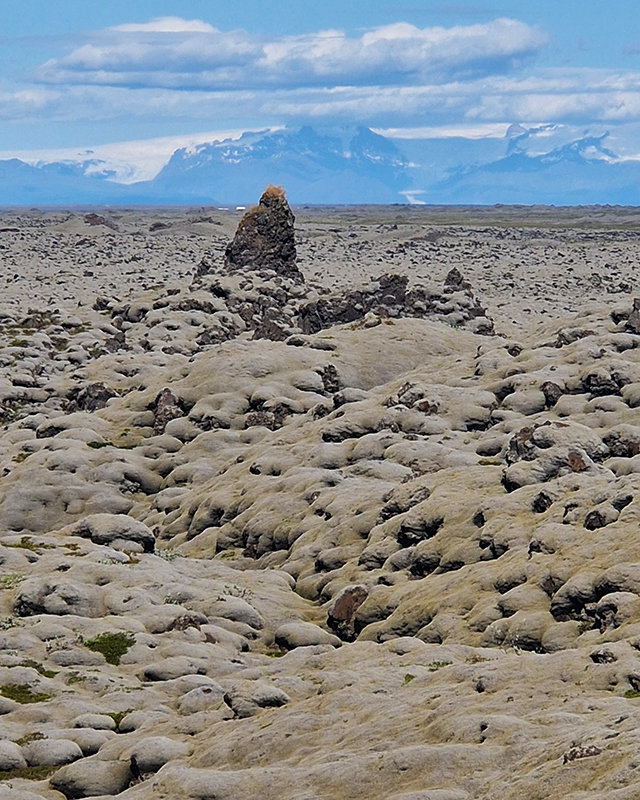
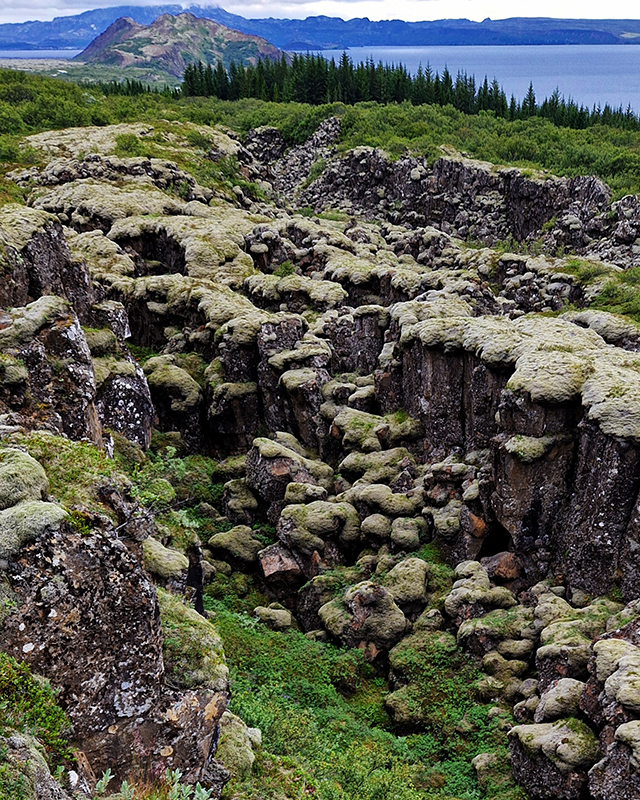
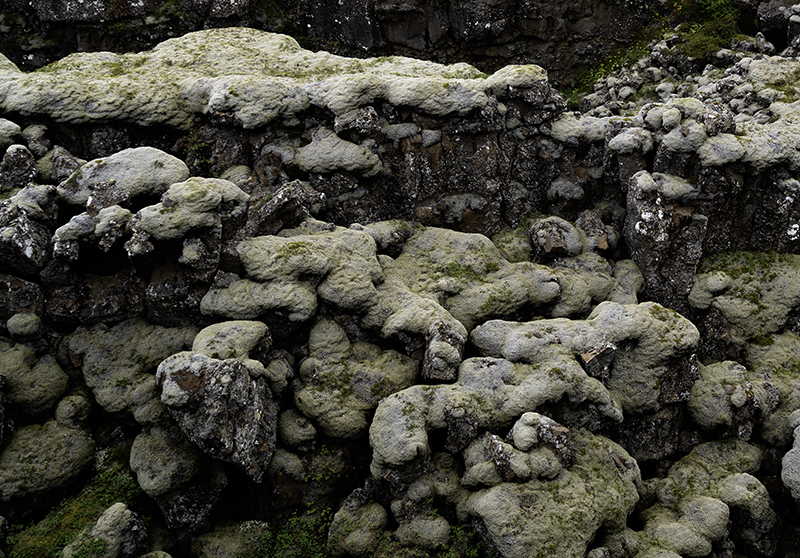
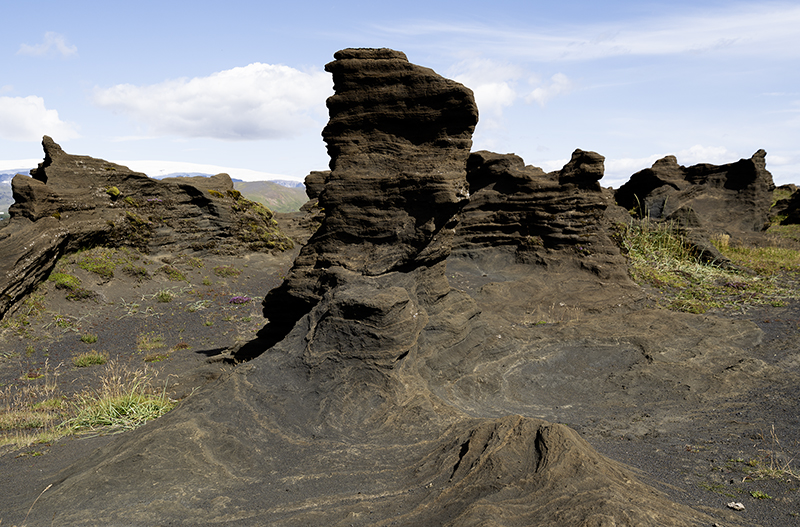
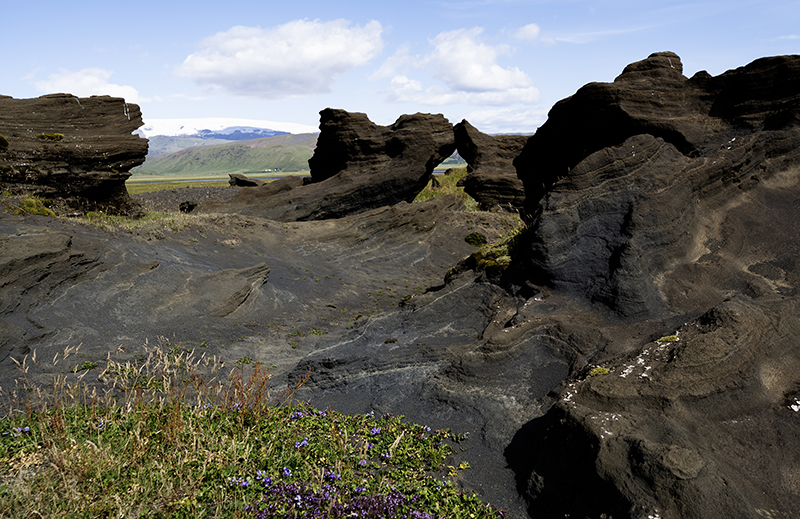
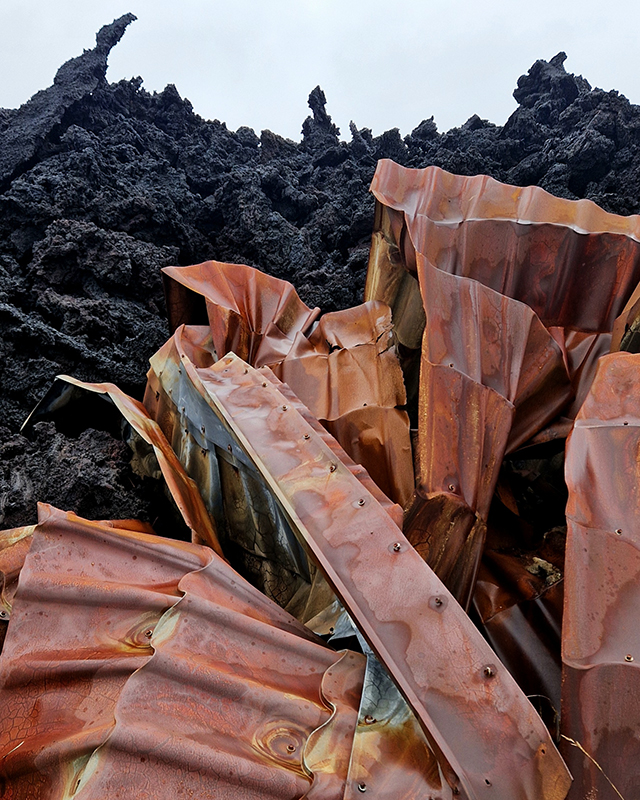
Iceland has many central volcanoes which are surrounded by chains of smaller cones and craters where lava erupts during fissure eruptions from faults where the land subsided during rifting. After almost 800 years of stability on the Reykjanes Peninsula a new cycle of fissure eruptions have occurred since 2021 and are continuing regularly. The most destructive happened in January 2024 when lava reached the town of Grindavík. It was poignant visiting this town where people had to suddenly flee with what they could carry, leaving their homes at the mercy of the lava.
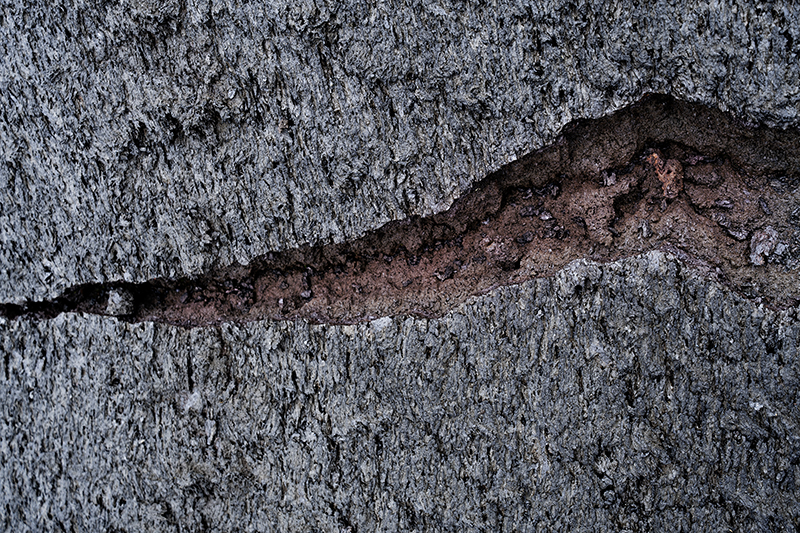
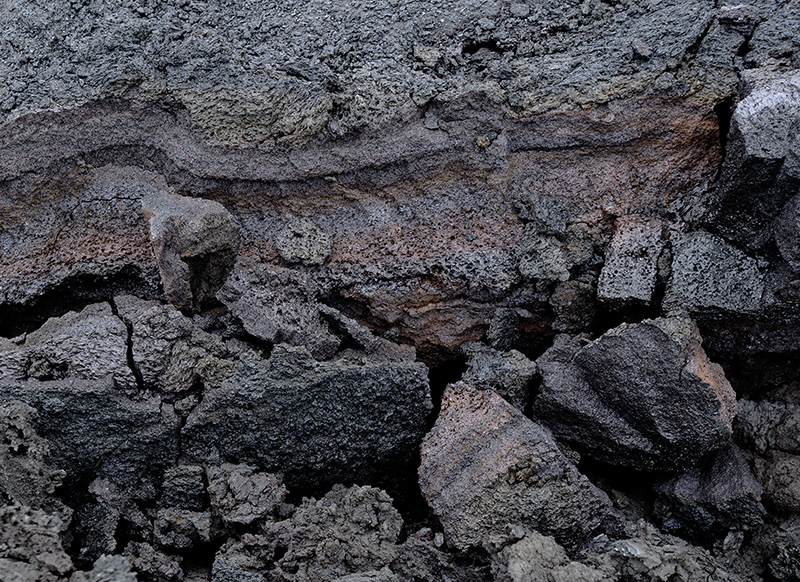
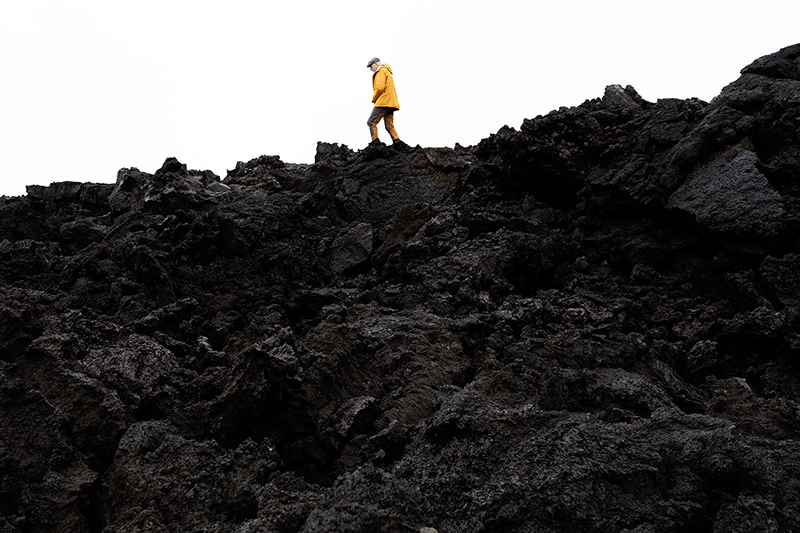
We made a visit to the Lava Centre at Hvolsvöllur to learn more about volcanology and mantle plumes.
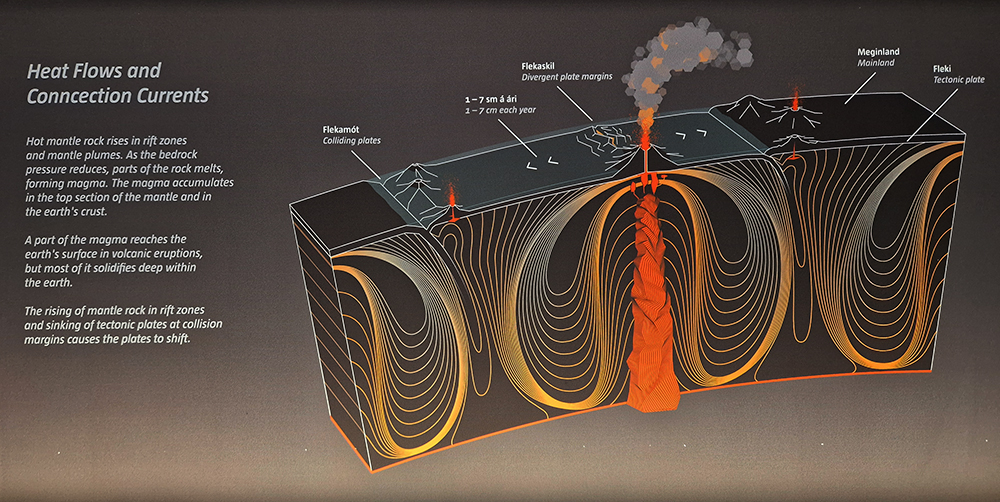
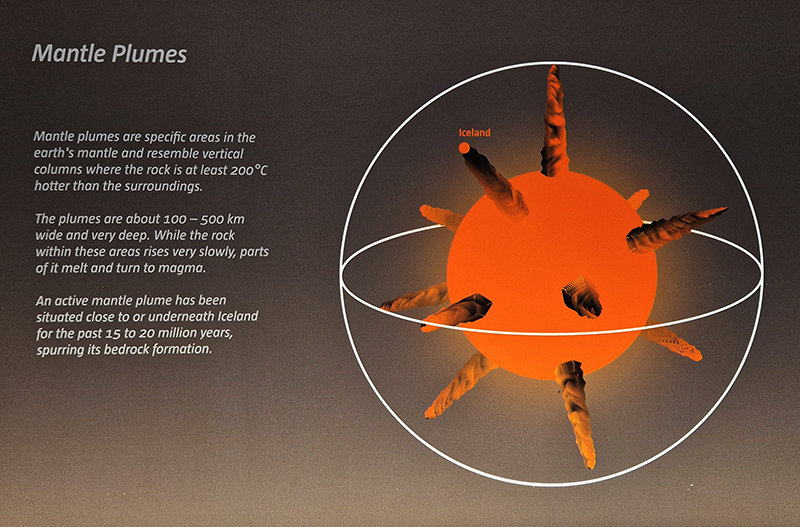
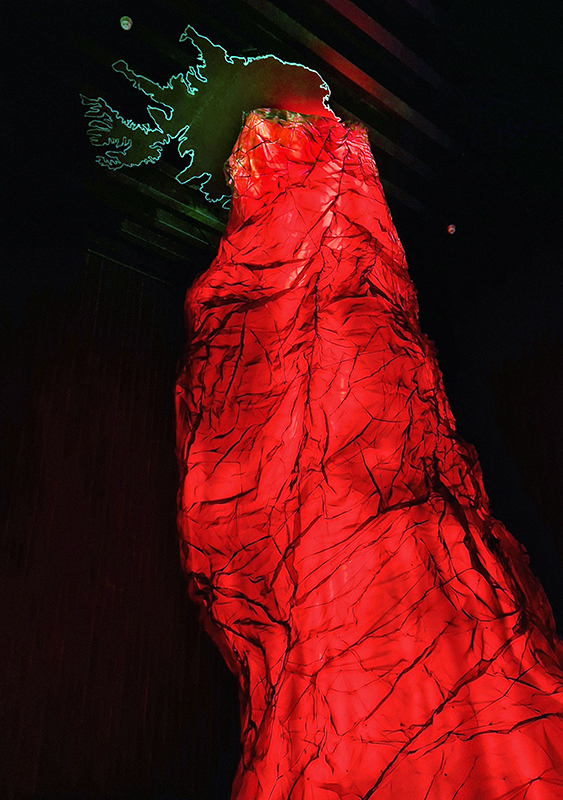
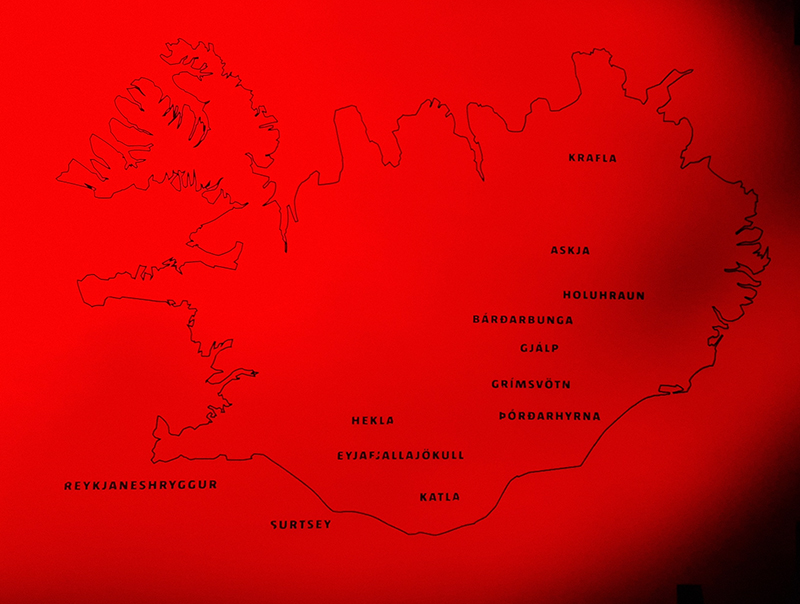
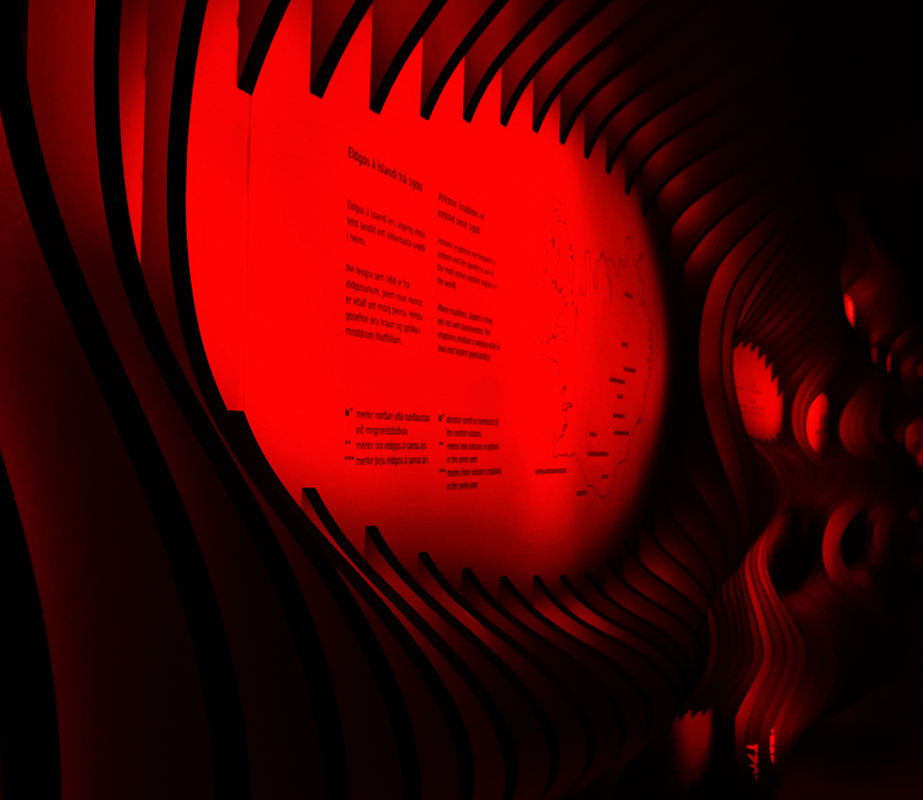
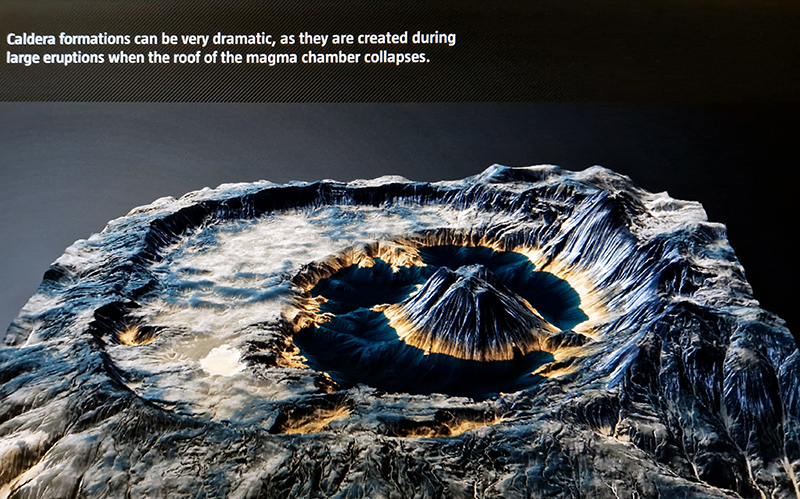
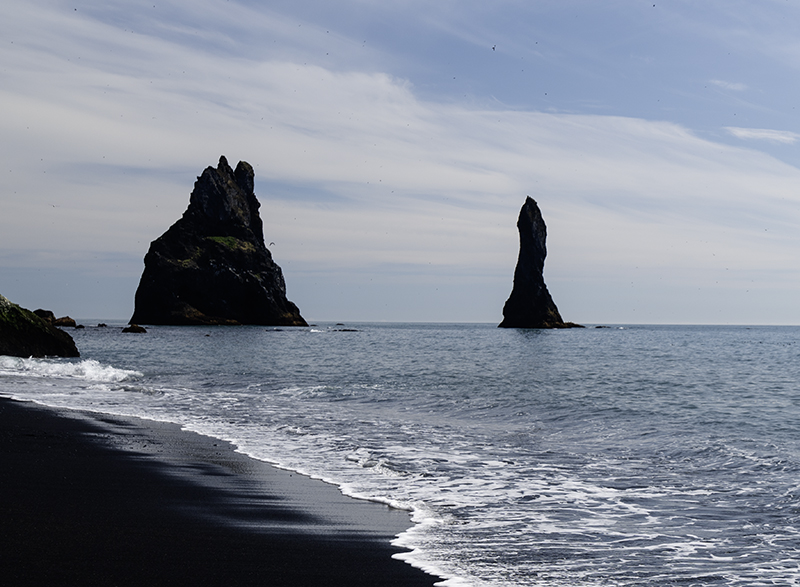
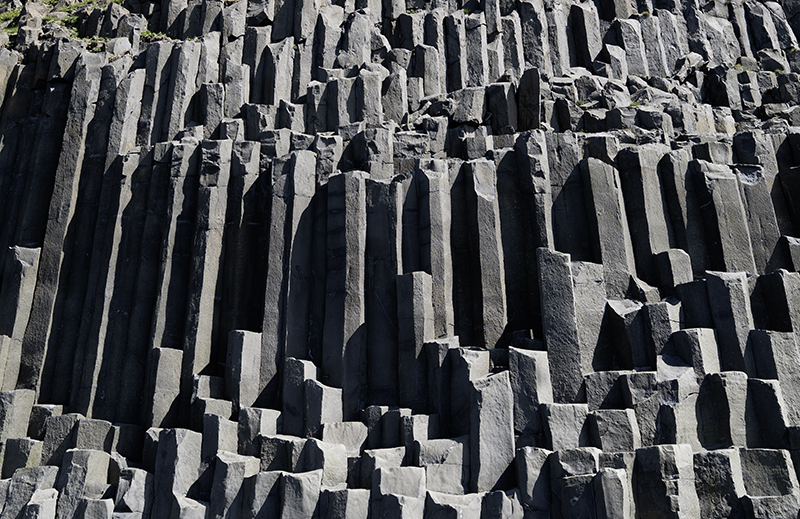
Under expert guidance we made many stops on our travels to look at rock formations, the layering of lava flows, pillars, columns and mosaics formed as lava cooled at varying speeds, cracking, filling with water, freezing and splitting further. We examined the aerated texture of lava, evidence of gas trapped in the magma, and the burnished iridescent surfaces found amongst the blackest basalt laced with minerals like olivine, laboradite and magnetite.
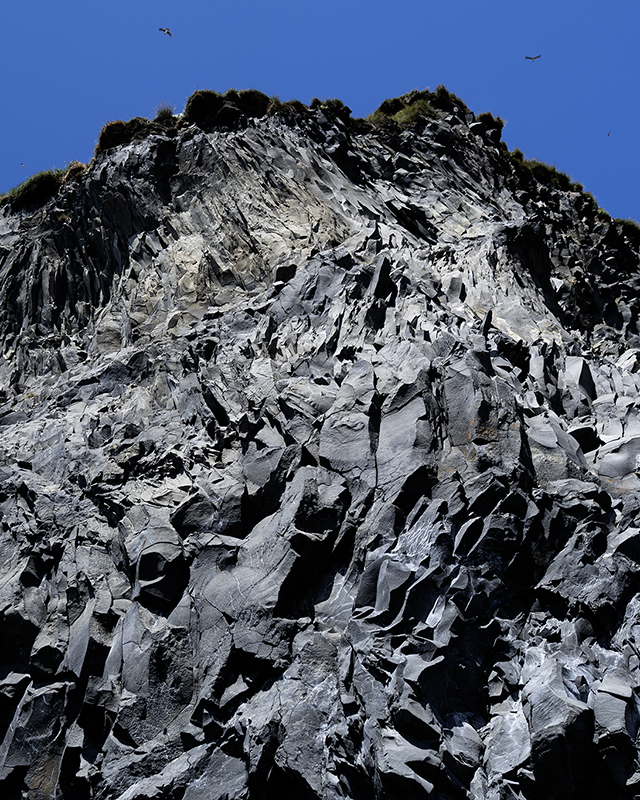
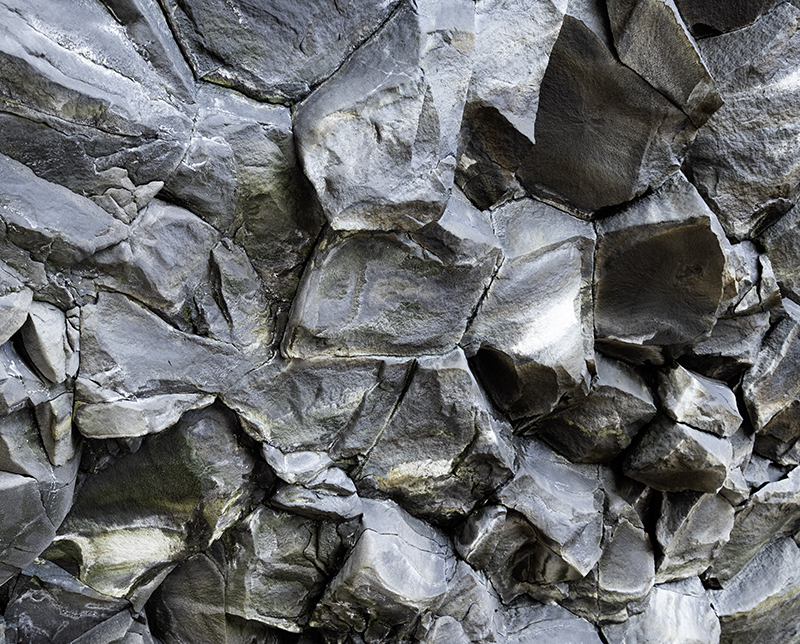
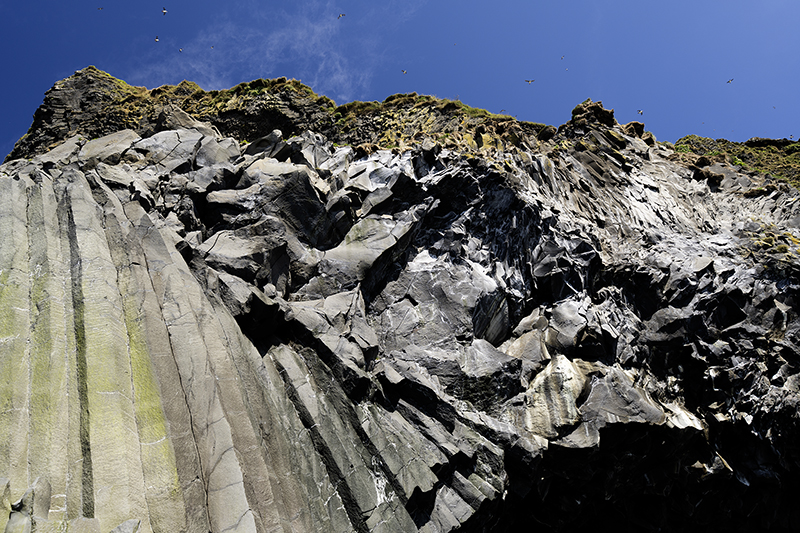
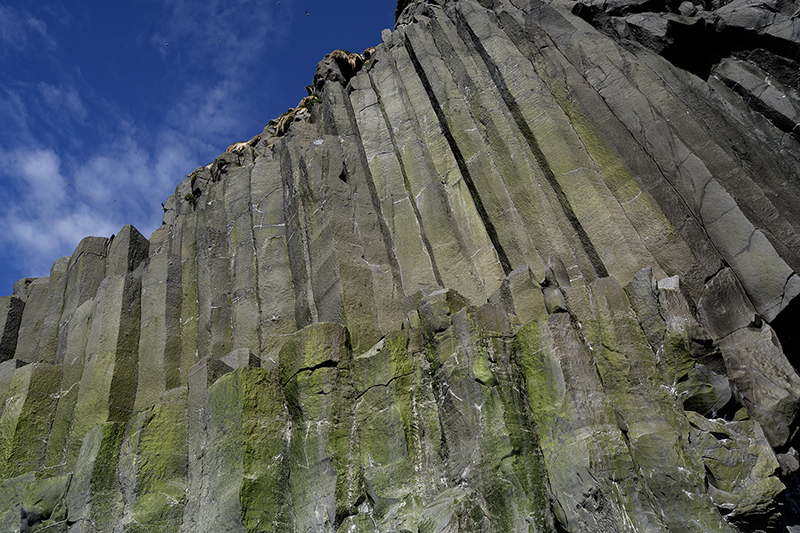
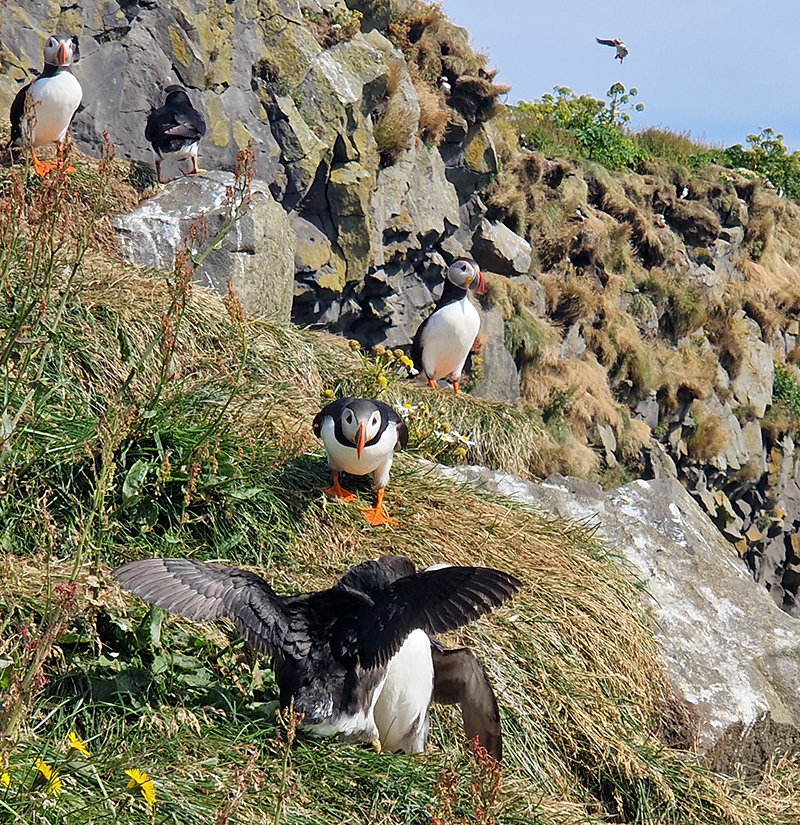
A very special treat was seeing puffins on the Dyrhólaey peninsula. Their stature does not look capable of flight, yet off they swoop from great heights, out to sea, diving for fish.
Iceland is home to about half the global population. They spend most of their life out on the open sea without their colourful attire which will reappear as breeding season brings them back to their burrows high on the cliffs.
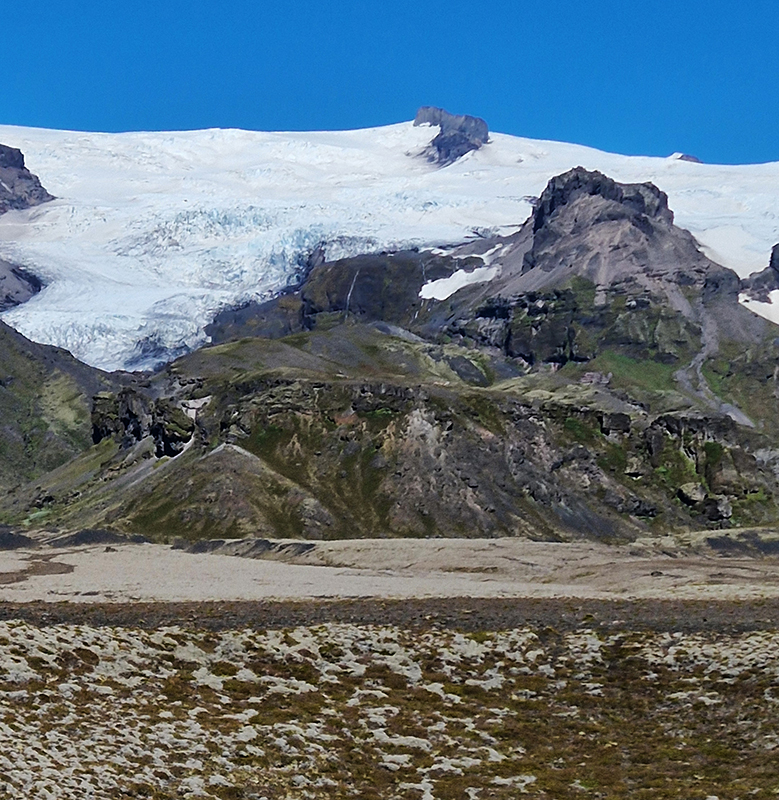
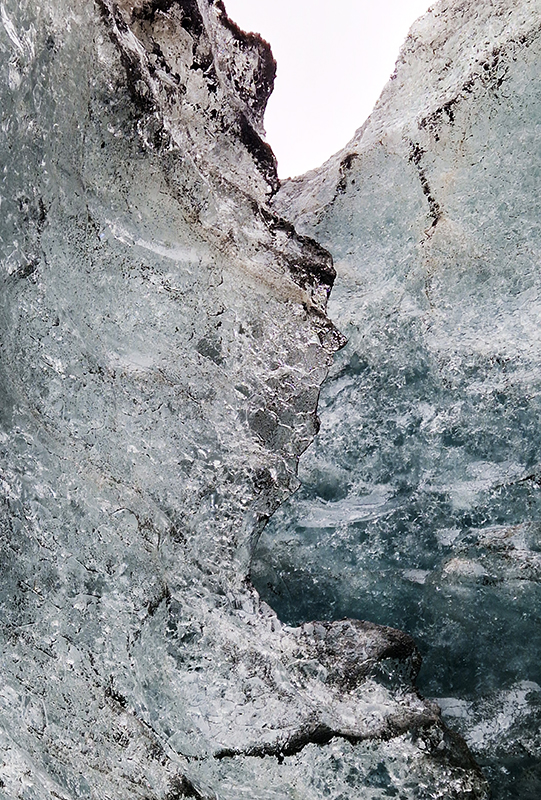
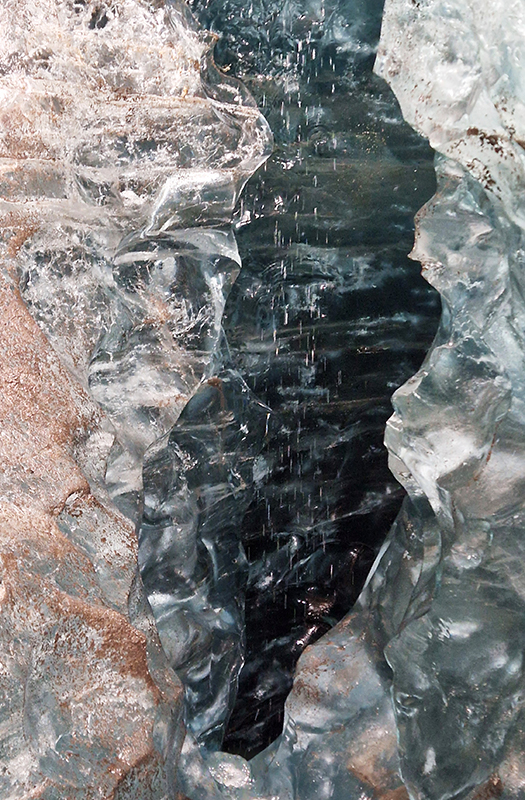
Getting up close to the ice in Iceland was incredible. The depth of the ice caps and glaciers is mind blowing but these giants are losing mass rapidly. We hiked on the Vatnajökull ice cap where it was about 150m deep but at the centre of this vast frozen landscape ice can be1000m deep. Walking in line and wary of crumbling ice holes we were led to view some deep crevasses sculpted by the constant flow of glacier melt. Iceland is one of the fastest warming areas on Earth and our guide helped us understand the impact of glacier retreat on ocean currents and global weather systems. Also, as glaciers melt, their diminishing weight causes the Earth’s crust to rebound, altering the melting point of magma in the upper mantle and leading to further seismic volatility.
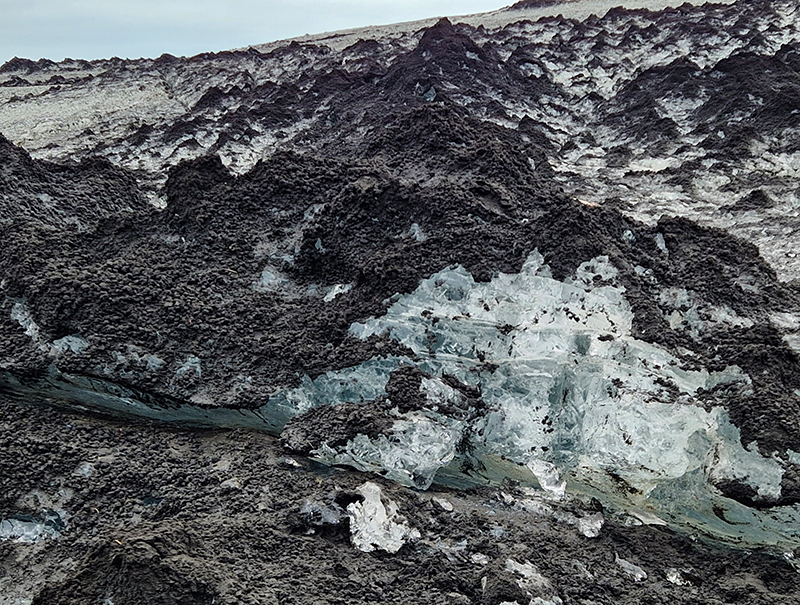
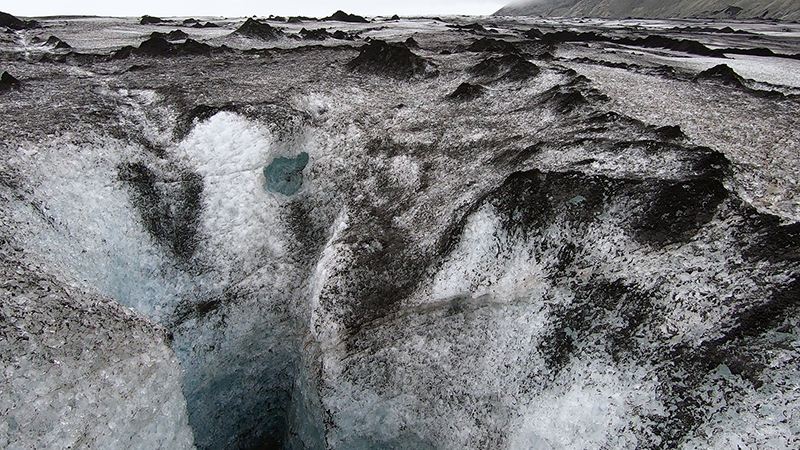
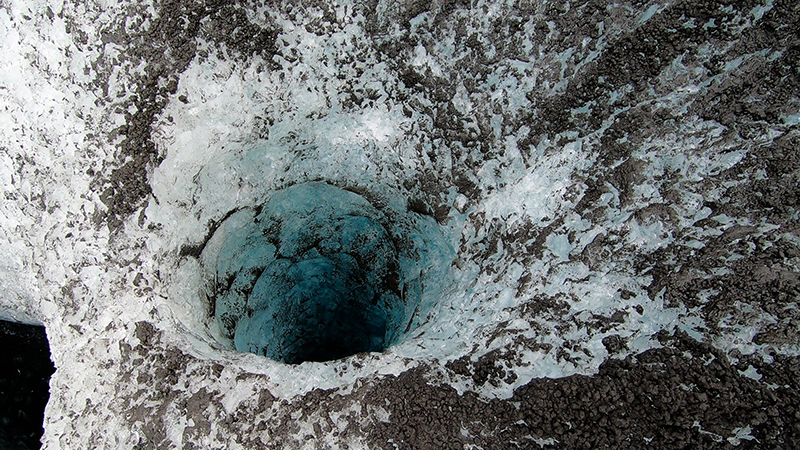
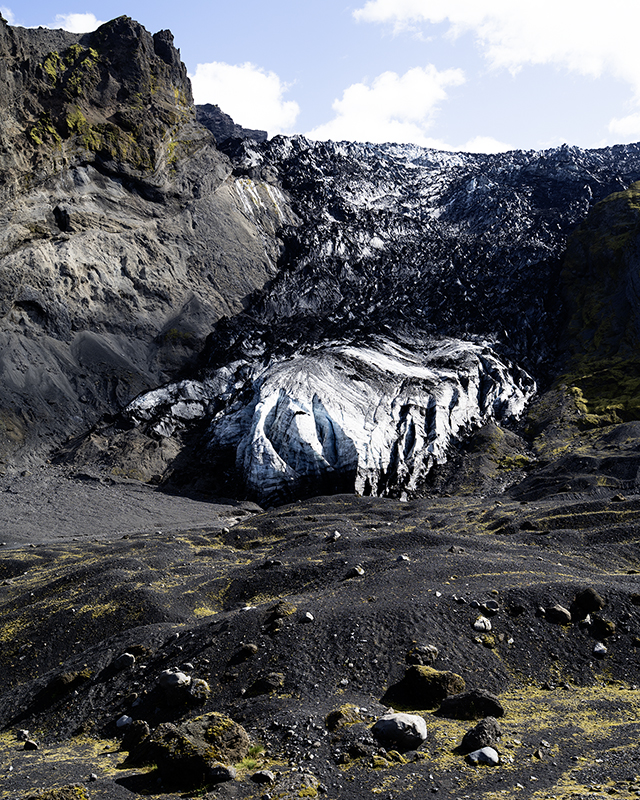
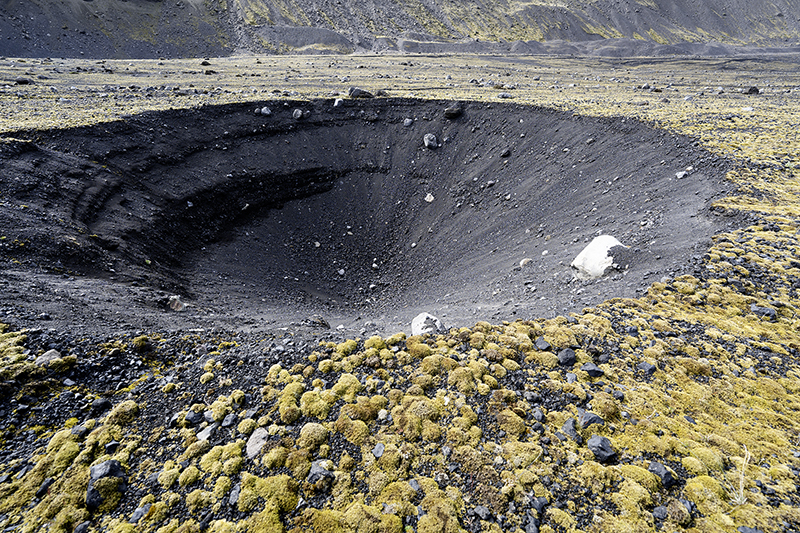
Our visit to the magnificent Gigjokull Glacier, the largest glacier of the Eyjafjallajökull volcano, famed for its internationally disruptive 2010 eruption, involved a jarring 4×4 ride over rock strewn terrain and through several fast flowing rivers of the Thórsmörk Valley. Volcanologist Dave McGarvie pointed out a large cone shaped hole to us that is believed to be where a huge chunk of ice was covered in deep ash and then slowly melted away leaving no evidence.
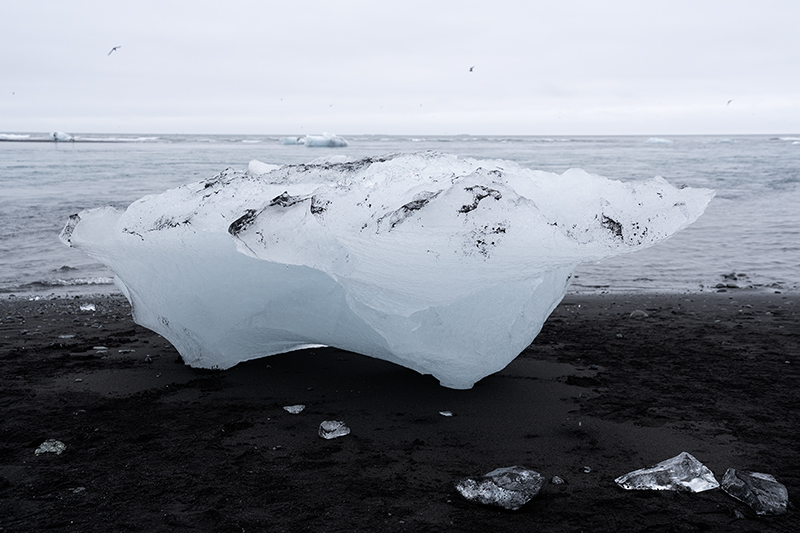
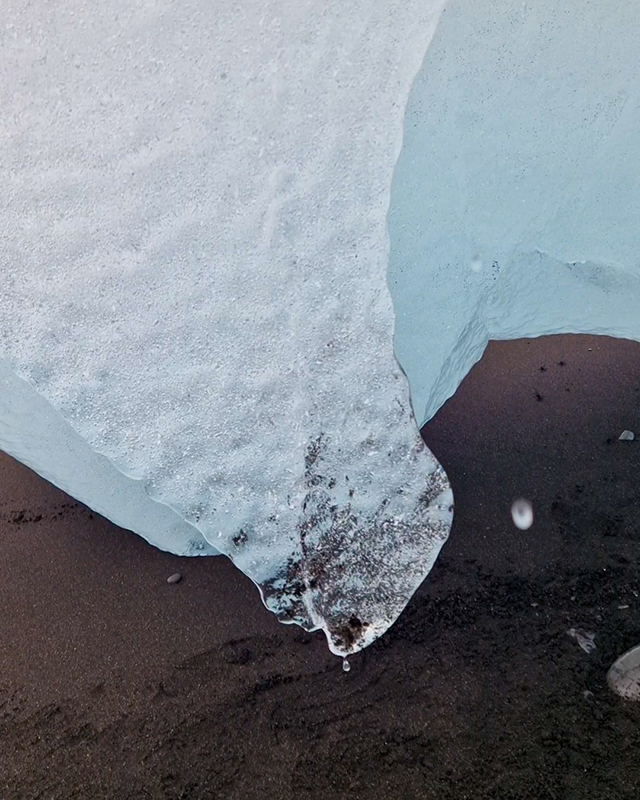
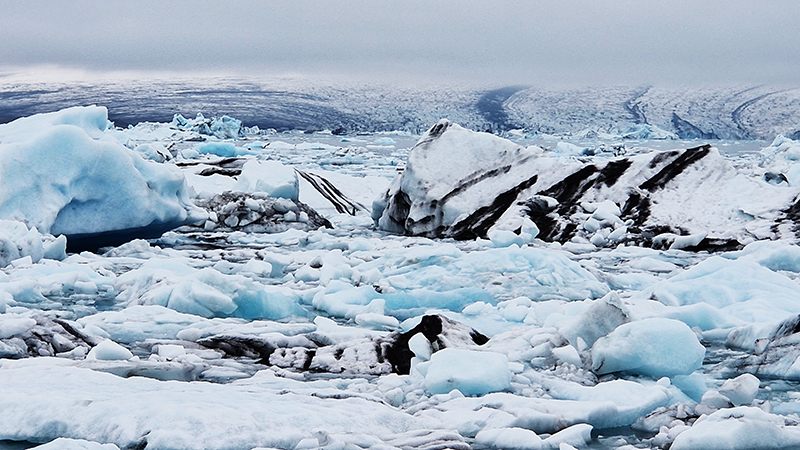
From the dark volcanic rocks come the famous black sand beaches, particularly set off by stranded sparkling ice, washed onto its shores at Diamond Beach. The adjacent Jökulsárlón Glacier Lagoon is an example of a landscape shaped by glacier change, as ice from one of the glaciers of the Vatnajökull ice cap calves into this lagoon, creating icebergs that jostle through the water towards the sea.
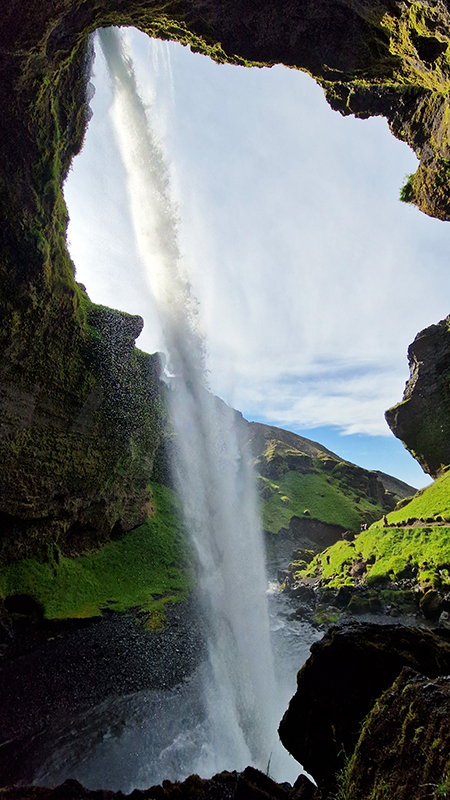
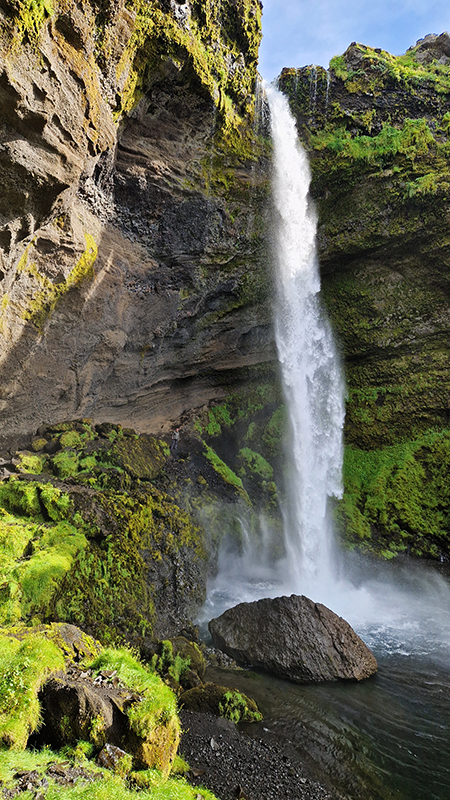
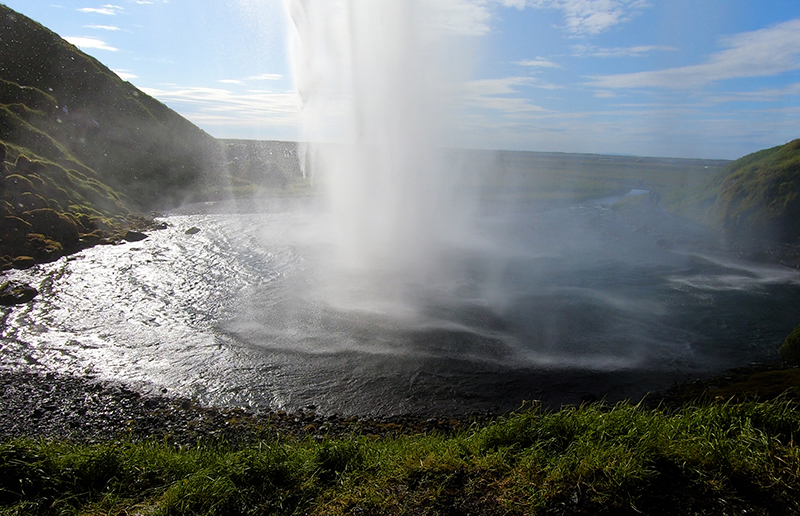
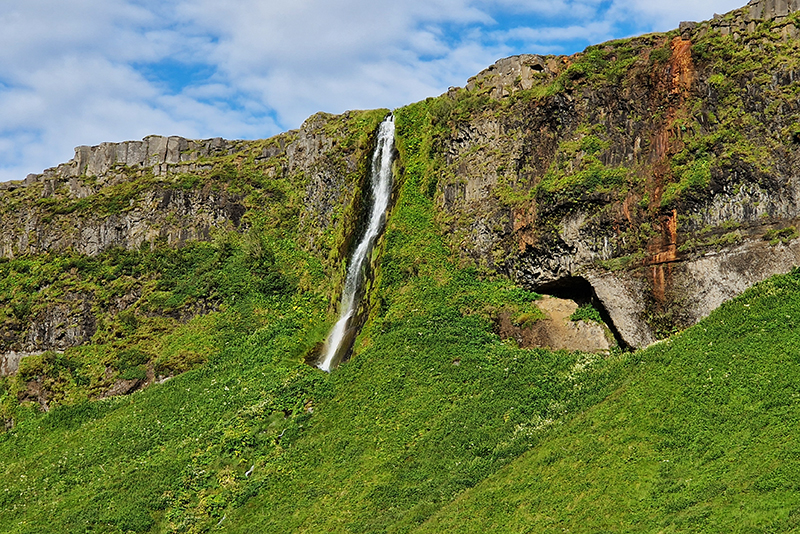
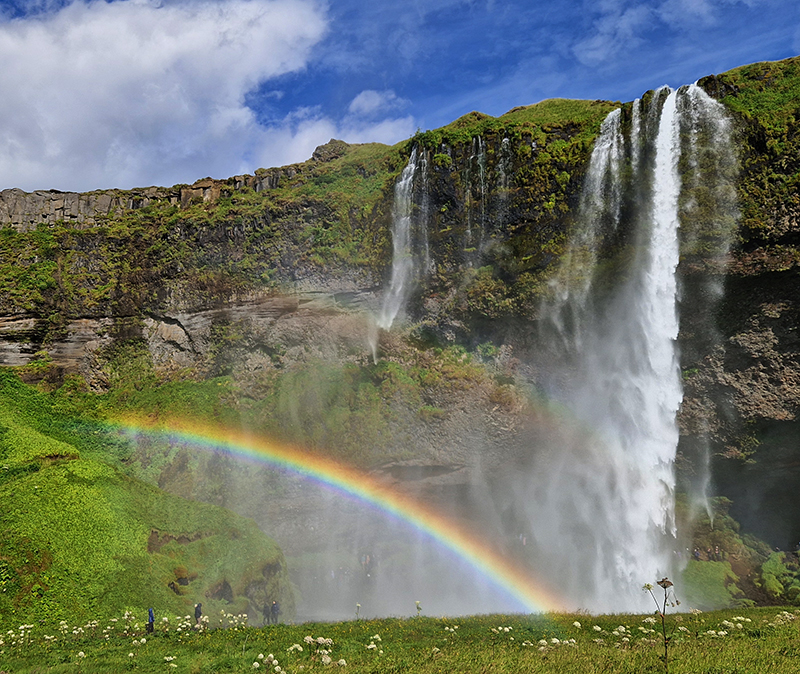
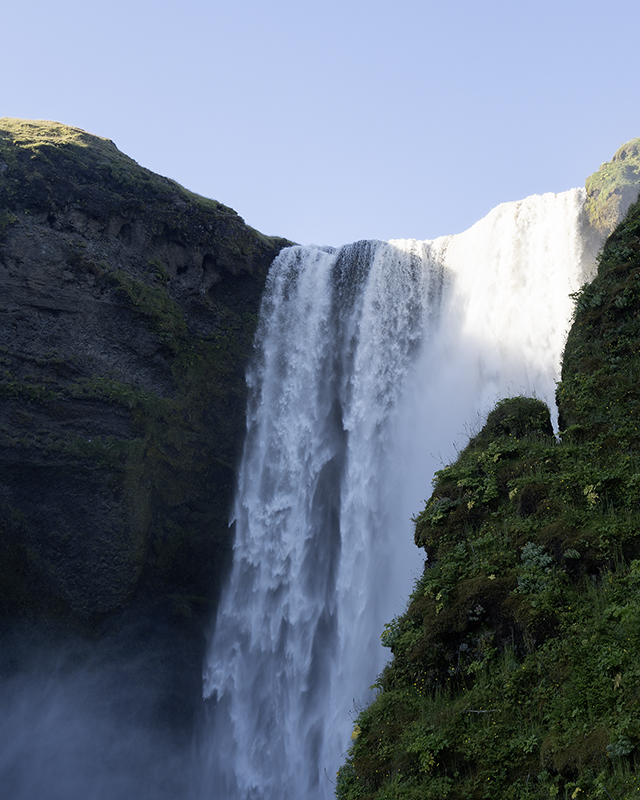
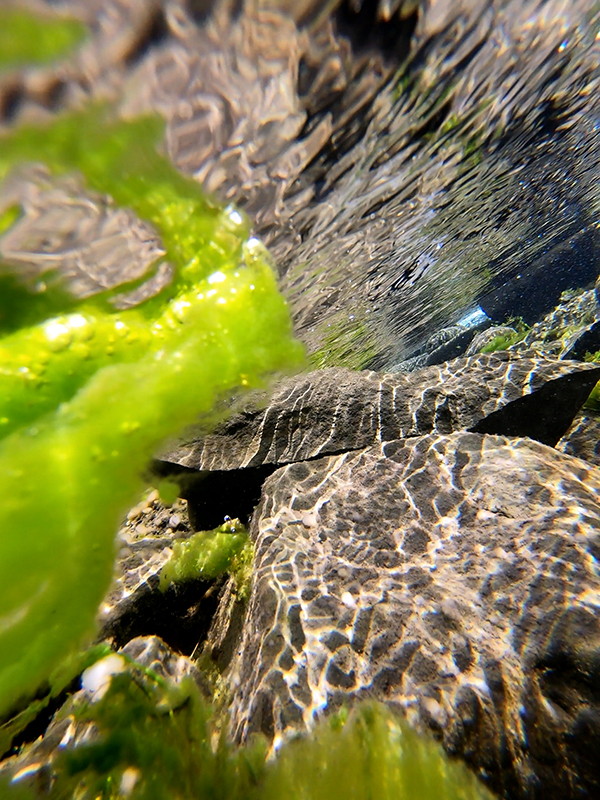
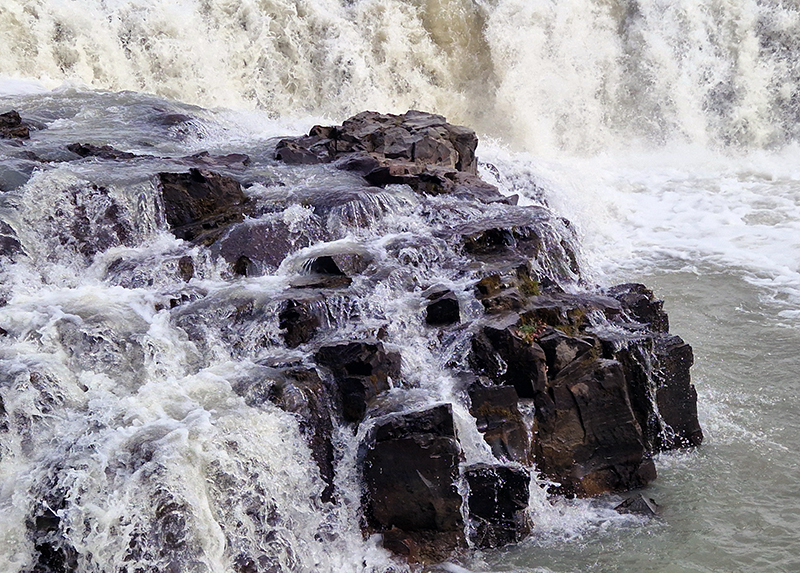
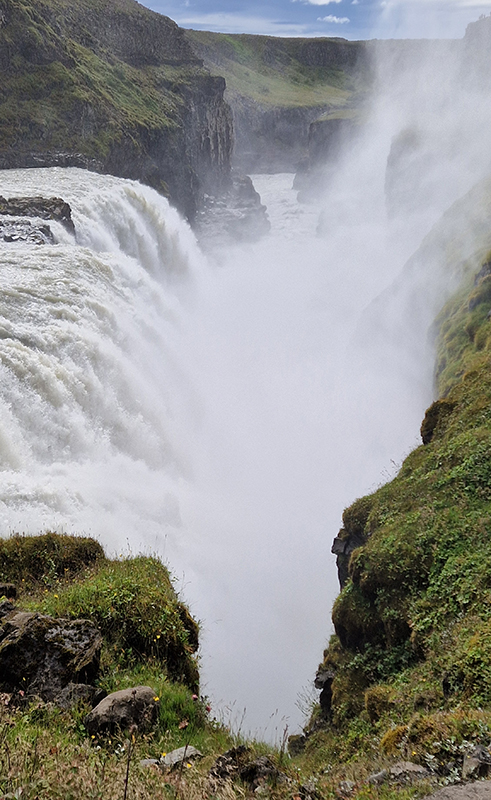
A wet climate, melting glaciers and steep volcanic cliffs create thousands of waterfalls across Iceland, roaring and tumbling from colossal heights into deep pools and ravines feeding a lattice of streams and rivers. Always magical to experience and such a contrast to the vast flatlands of lava fields.
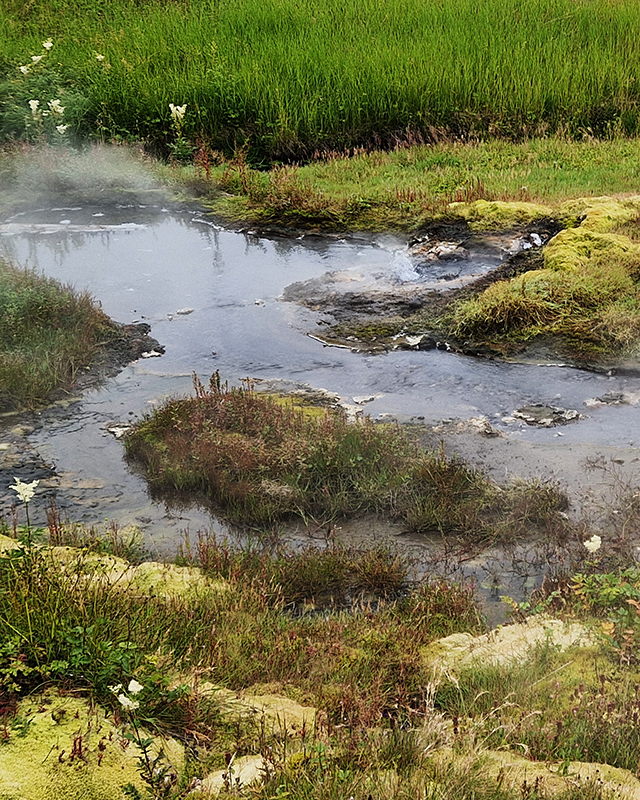
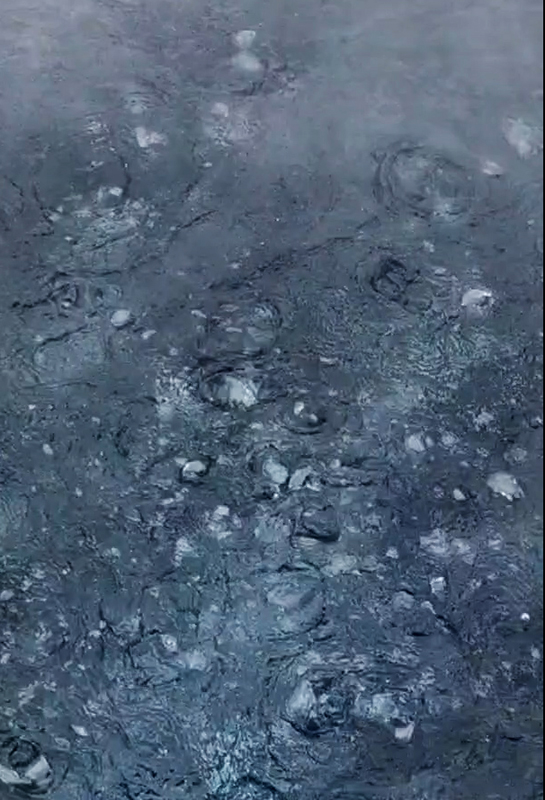
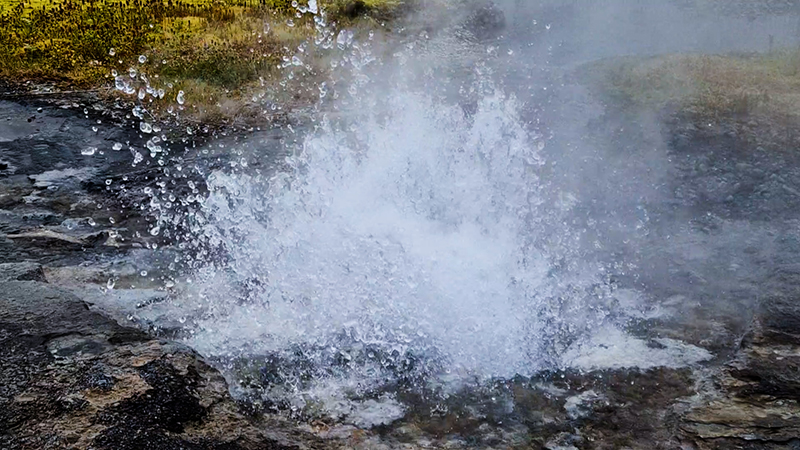
Water also soaks deep down through the porous volcanic rocks into the earth’s crust, where hot magma and bedrock heat the water to very high temperatures. As the water warms, it rises back up through cracks, faults, and fissures in the earth to emerge as a natural hot spring. Some springs are gently bubbling with escaping gases but at places like Gunnuhver, intense geothermal activity causes boiling mud pools and powerful steam vents. Sometimes water fills deep underground chambers, getting super hot until steam bubbles rise and push a small amount of water out of at the top, releasing pressure and causing the superheated water below to instantly turn into expanding steam, blasting boiling water and steam upwards in an exhilarating geyser. The chamber then refills and repeats.
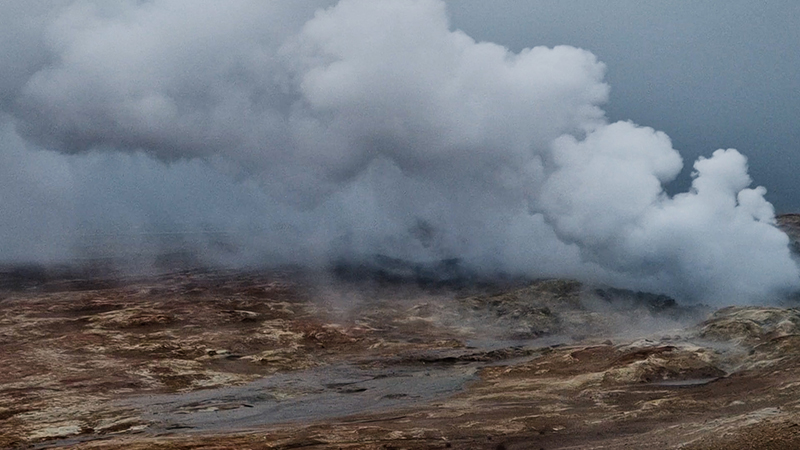
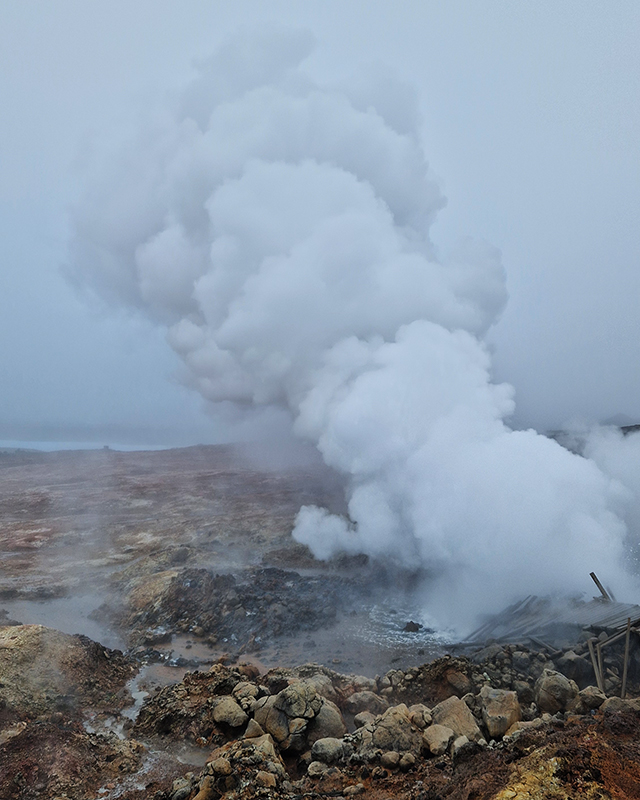
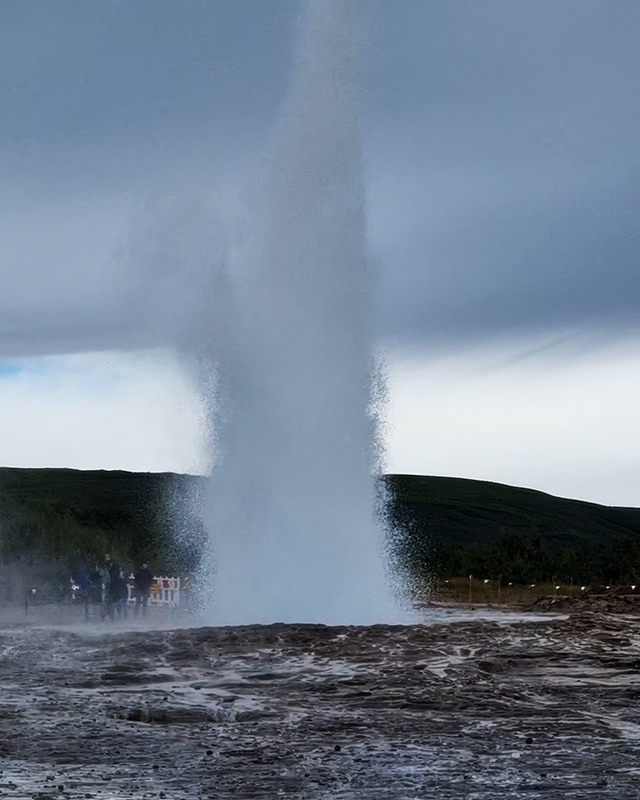
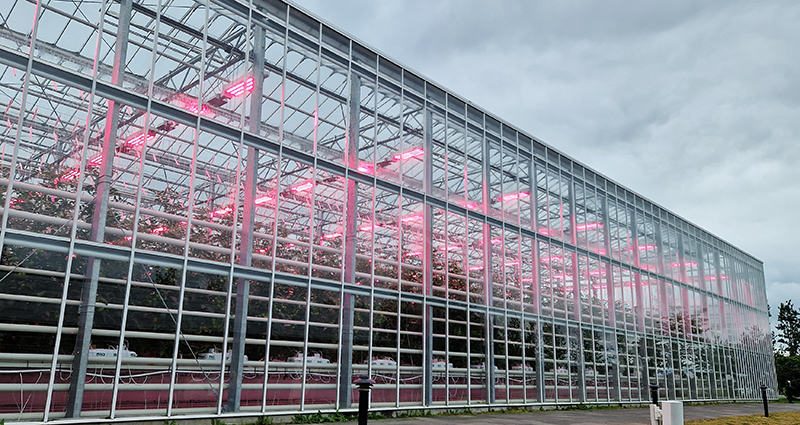
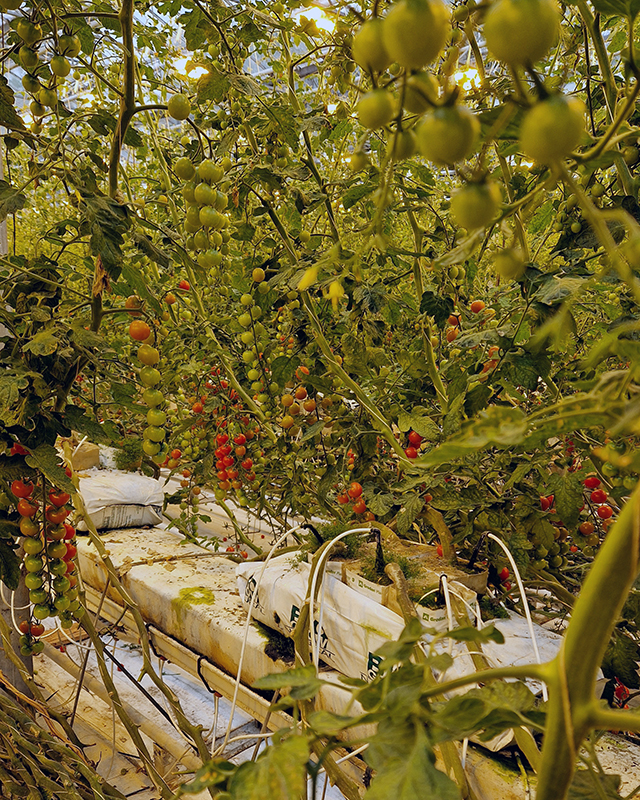
Iceland’s unique active geology and location over a mantle plume means that it can harness geothermal energy which provides around 30% of the island’s electricity with the rest generated by hydropower. Hot water is fed directly into heating systems and the run off from power plants is used to fill swimming pools, hot tubs and keep city pavements ice free. Crops that would not normally thrive in the Iceland climate are grown in huge commercial greenhouses using geothermal water to regulate temperatures – we had delicious fresh tomato soup here.
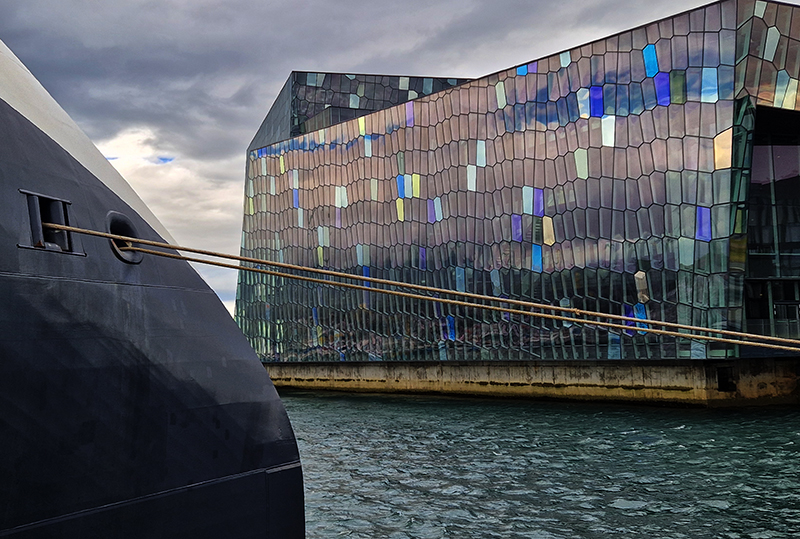
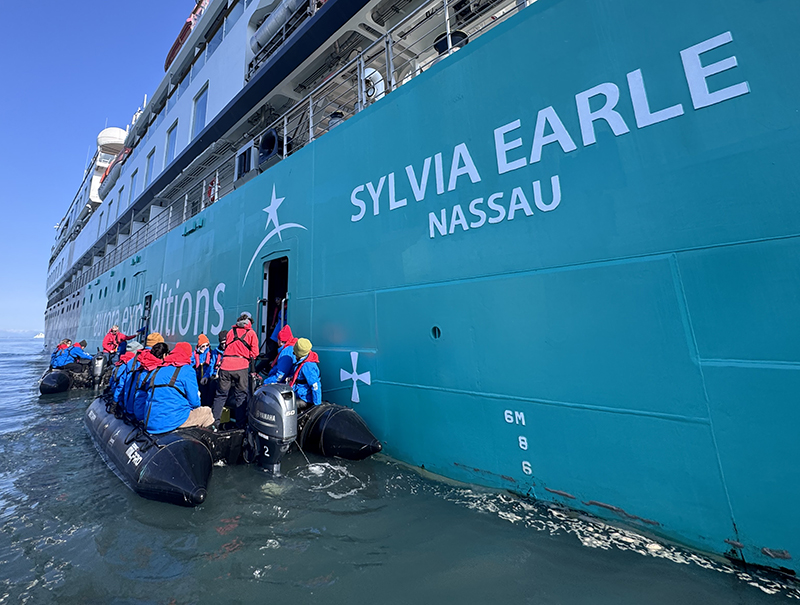
We sailed from Reykjavik to Kalaallit Nunaat (Greenland) aboard the Sylvia Earle ship, leaving as the evening lights played over the iridescent geometric glass façade of Harpa, architecturally designed in collaboration with artist Olafur Eliasson to reflect the basalt landscape of Iceland.
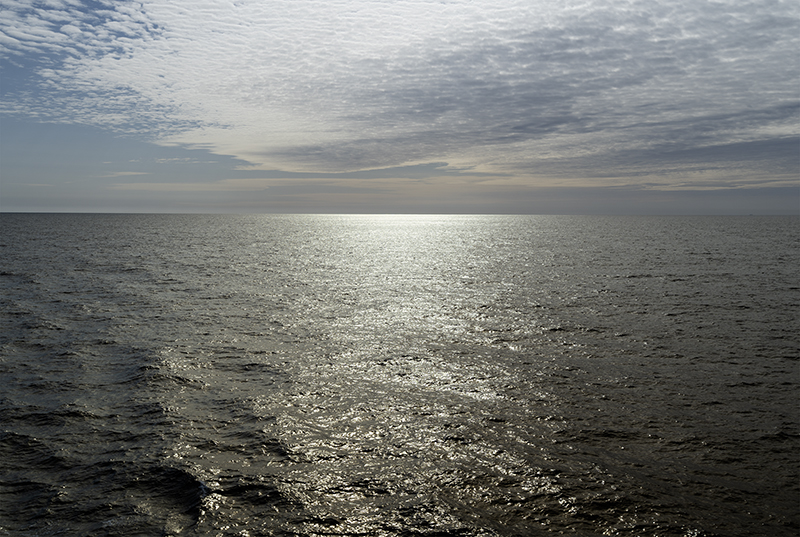
The ship is named after the amazing marine biologist, conservationist, oceanographer and explorer Dr Sylvia Earle who holds the record for deepest walk on the sea floor. Richard Powers loosely based his glass ceiling breaking, female character, Evelyne Beaulieu, in his excellent novel Playground on the extraordinary real life of Dr. Sylvia Earle. A recommended read.
Settling onto the ship we were issued with life vests, taken through a practice lifeboat drill and given a bio-check, hoovering all our kit that we might take off the ship with us when landing in Greenland. Mud boots were issued which would be scrubbed and disinfected after every landing.
The first day was spent crossing the Denmark Strait. On board we had briefings on Zodiac cruising, polar bear safety and lectures introducing Greenland and the Arctic skies. There were citizen science cloud surveys that feed into NASA satellite data to help monitor clouds in remote regions and give a perspective looking up rather than down. We were given charts to identify clouds at different heights and estimated coverage percentages to feed into a central database.
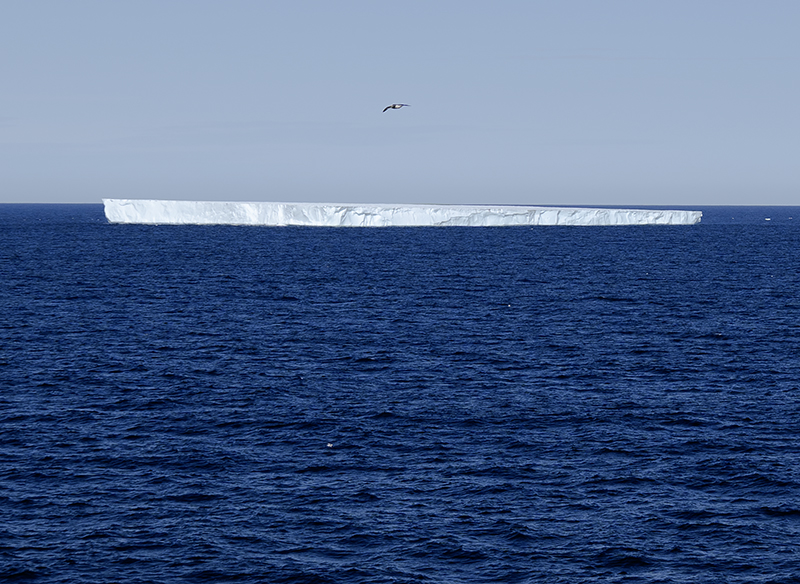
A solitary massive iceberg, met us just as we crossed into the arctic circle.
Fist sight of Greenland land.
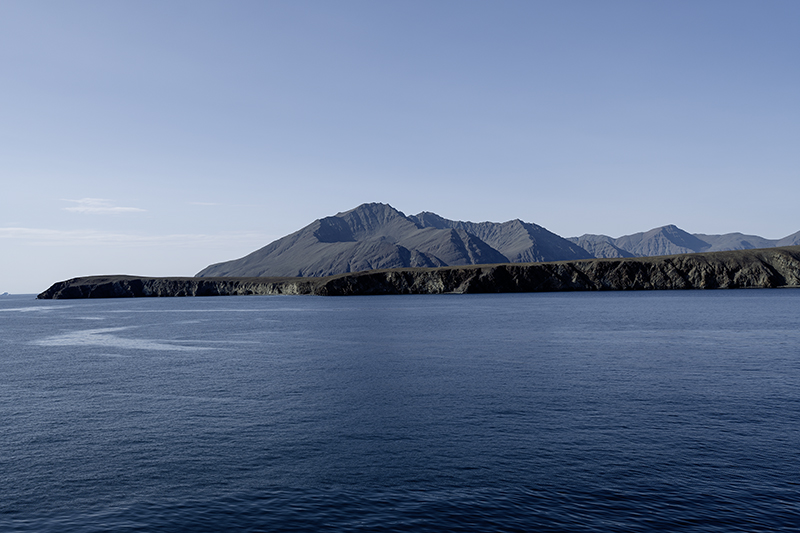
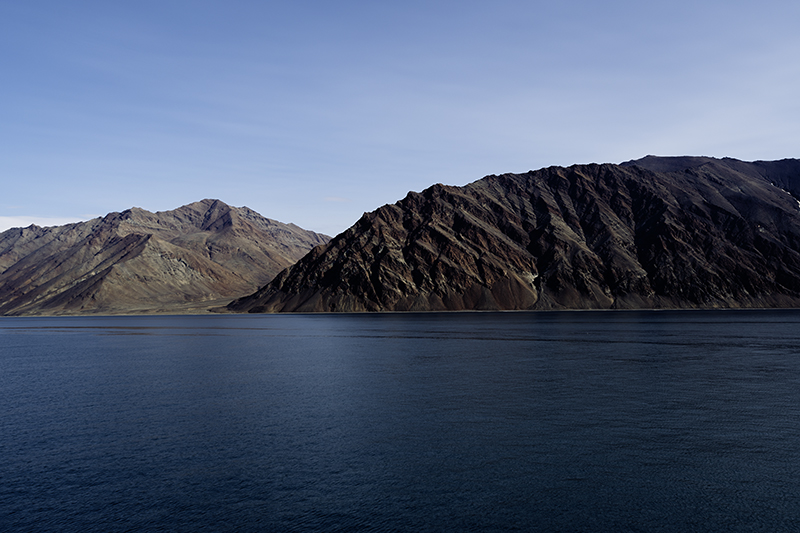
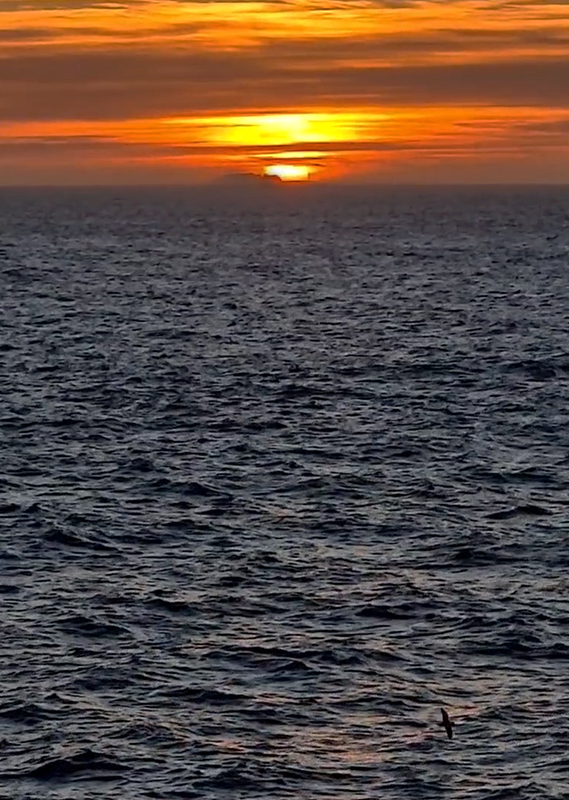
At this time of year lingering arctic sunsets hover above the horizon, the sky never fully dark before the sun rises again.
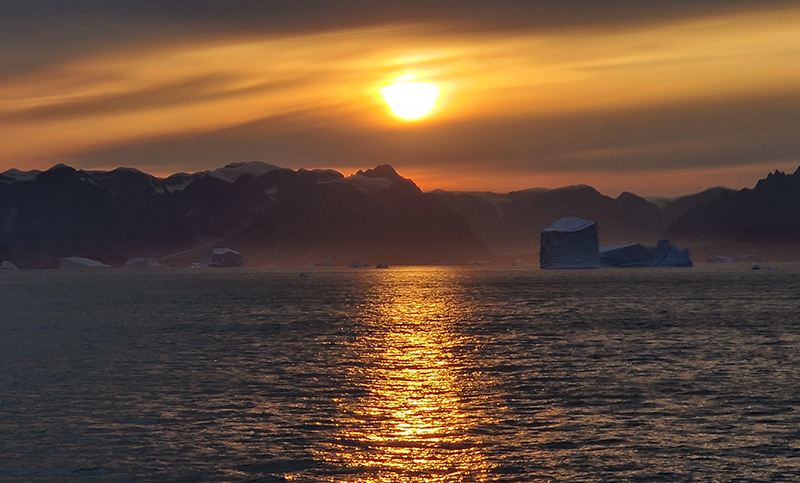
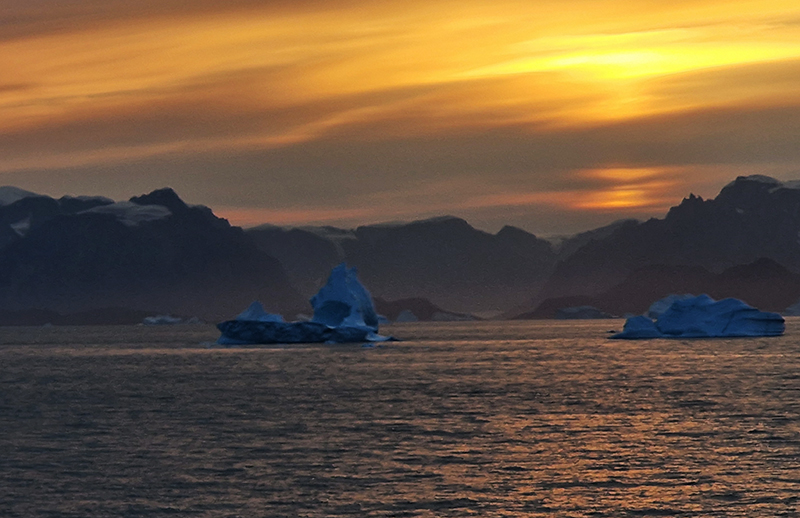
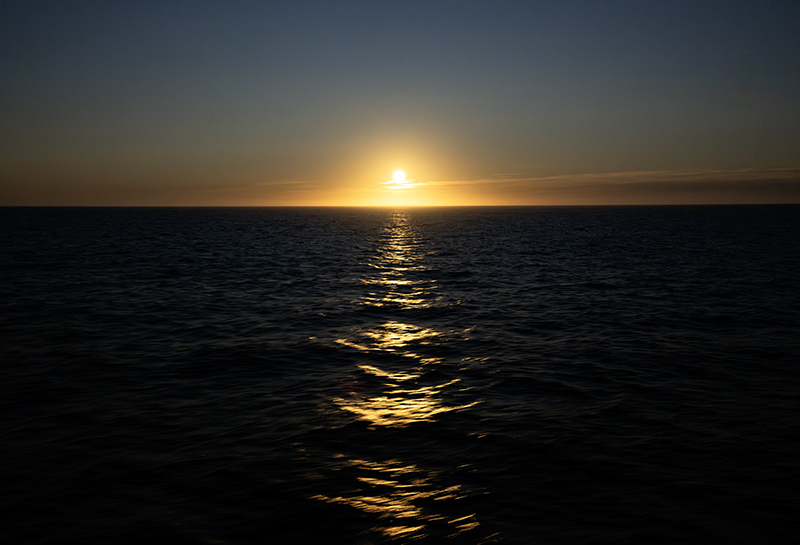
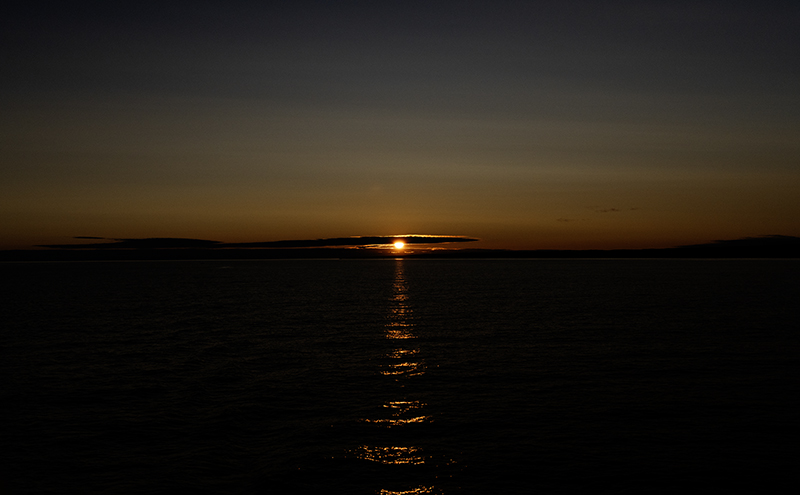
It wasn’t dark enough for us to see any aurora that might be occurring but New Scientist reporter Chelsea Whyte gave a fascinating presentation on the quest to create artificial auroras by Finnish physicist Karl Lemström and other 19thC science pioneers when the cause of auroras was still unknown.
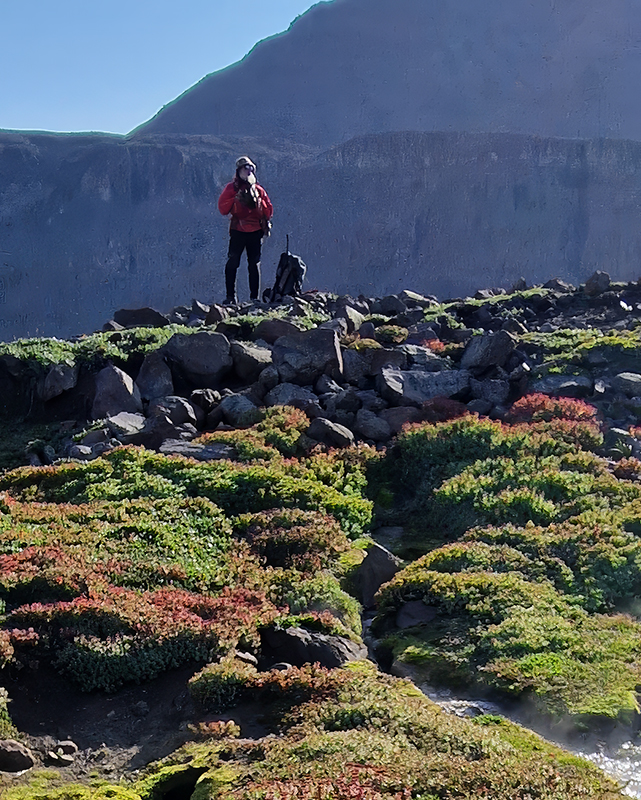
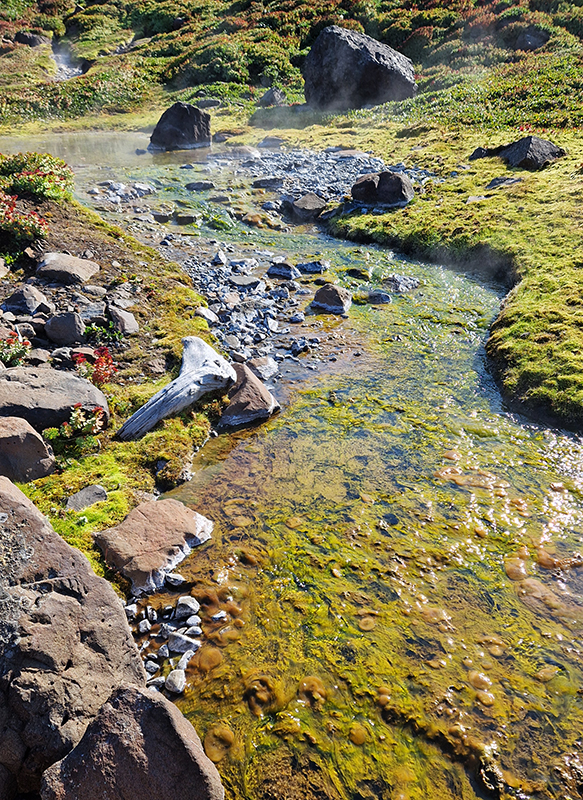
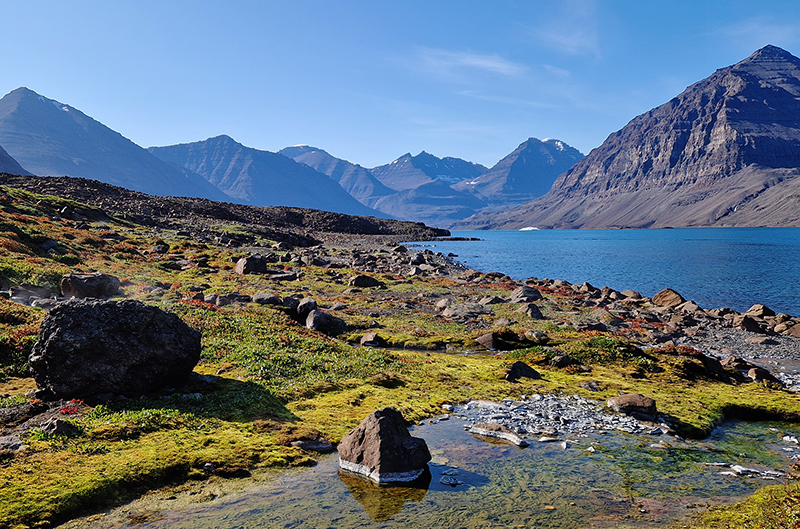
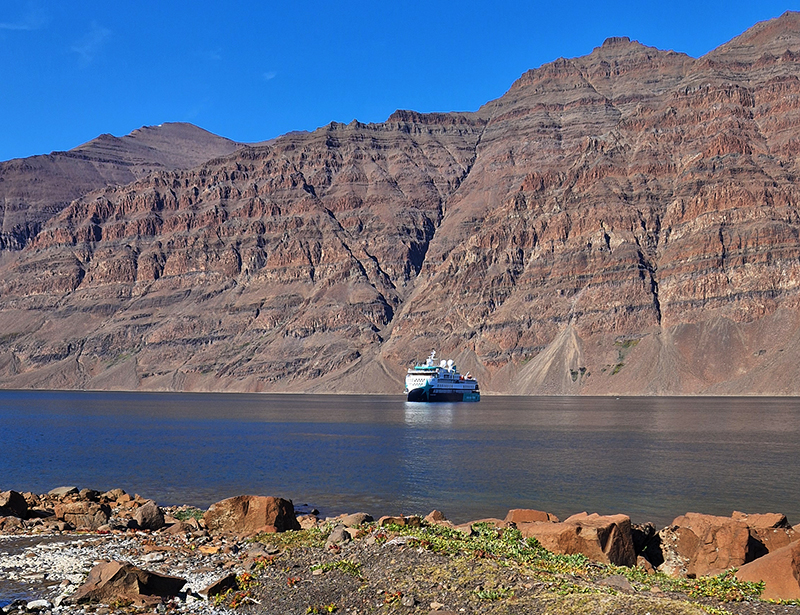
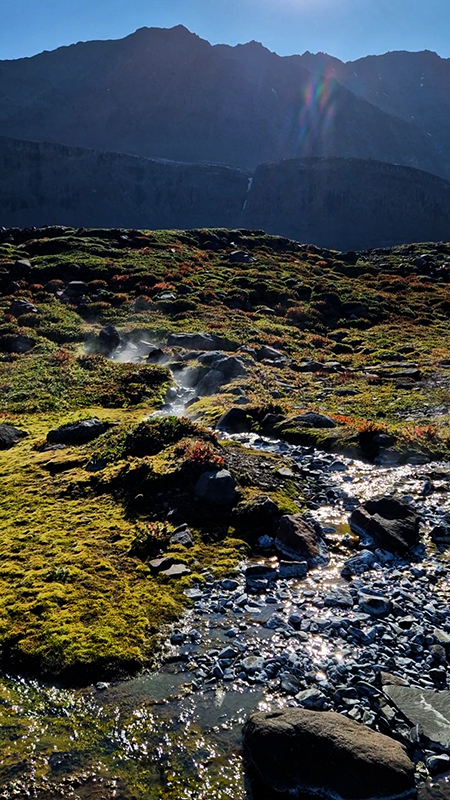
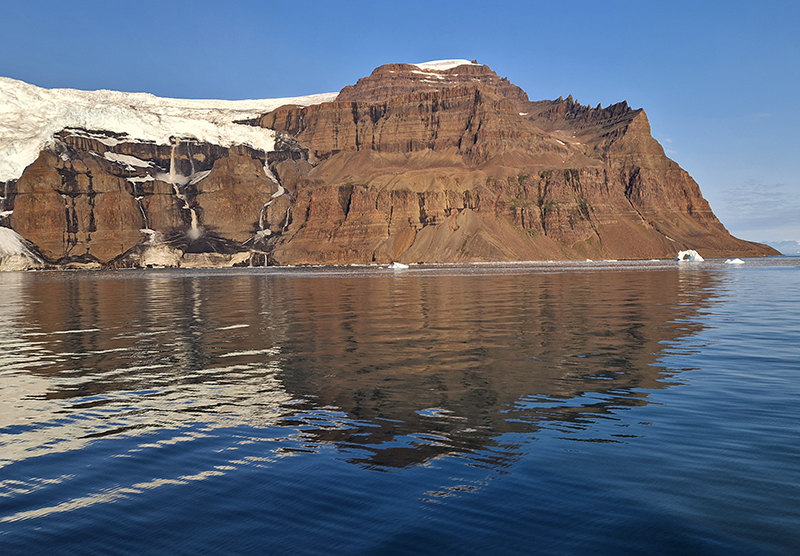
Our first landing via Zodiac boat was in Rømer Fjord. Surrounded by 55 million year old red basalt cliffs we explored bubbling hot springs and magical green oases, kept safe by a perimeter of expedition team leaders equipped with flares and rifles who constantly scan the horizon and shore line for approaching polar bears.
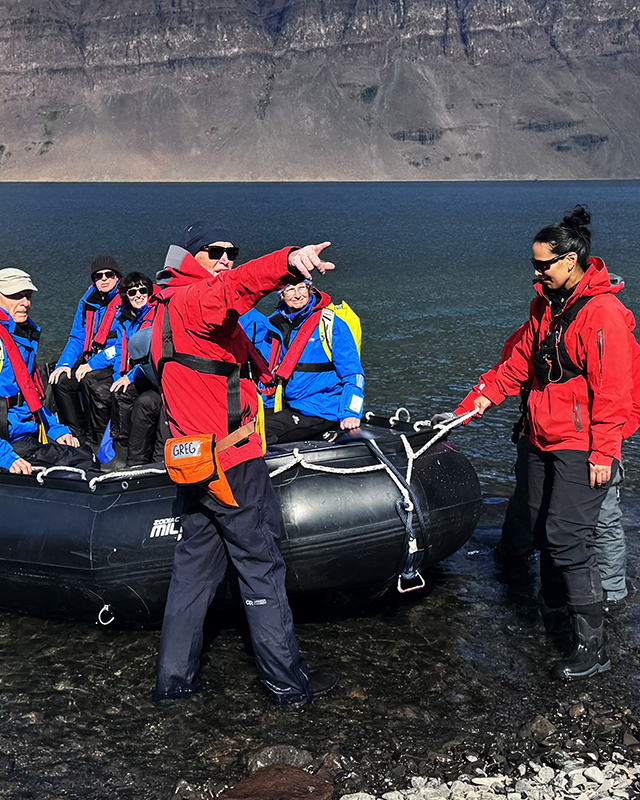
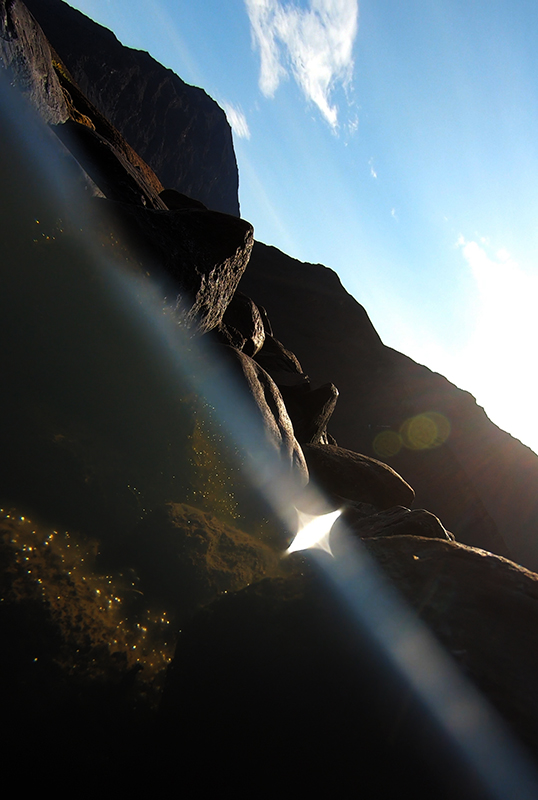
We saw Greenland under a dazzling sun that intensified the vibrant blues and startling whites of majestic icebergs and imposing walls of glaciers, throwing up rainbows over waterfalls and tinting the ice pink and gold, morning and evening. Even under cloud cover the ice has a radiant glow, as any light here bounces around the many reflective surfaces.
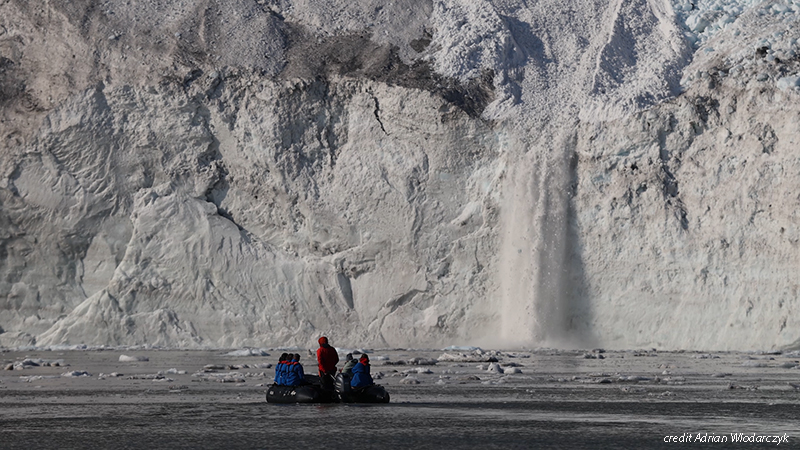
The silence of the fjords is broken dramatically by thunder claps of collapsing glaciers, near and far, as they shift, crack and calve.
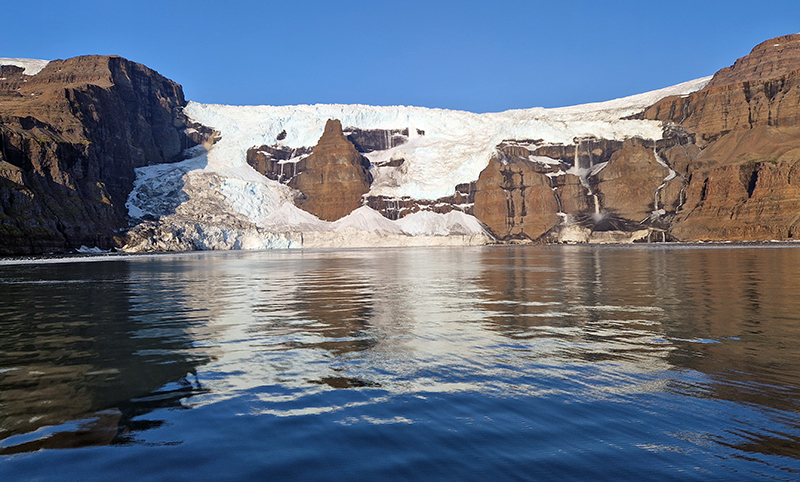
Riding on the zodiac boats was great fun and our expert drivers took us around icebergs and to glacier walls and sheer cliffs threaded with waterfalls allowing us to really get a sense of the size of these edifices. We saw great ice falls from the cliffs and even an iceberg roll at one point, sending out concentric waves across the fjord, a warning not to get too close.
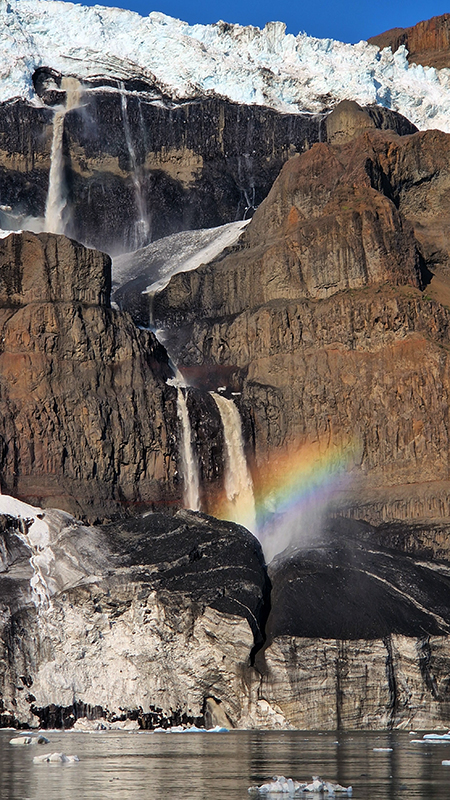
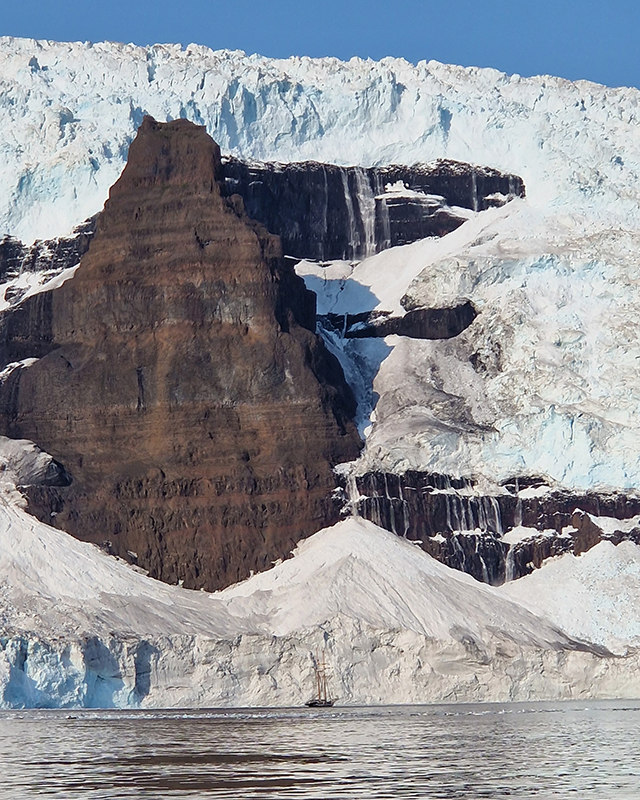
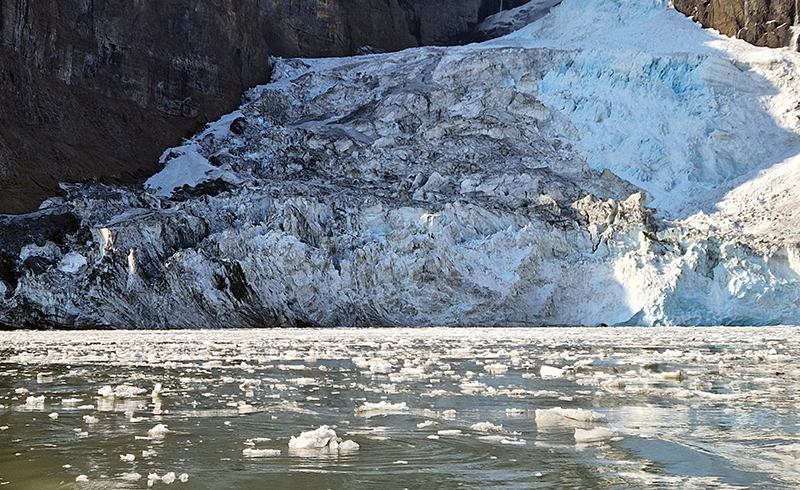
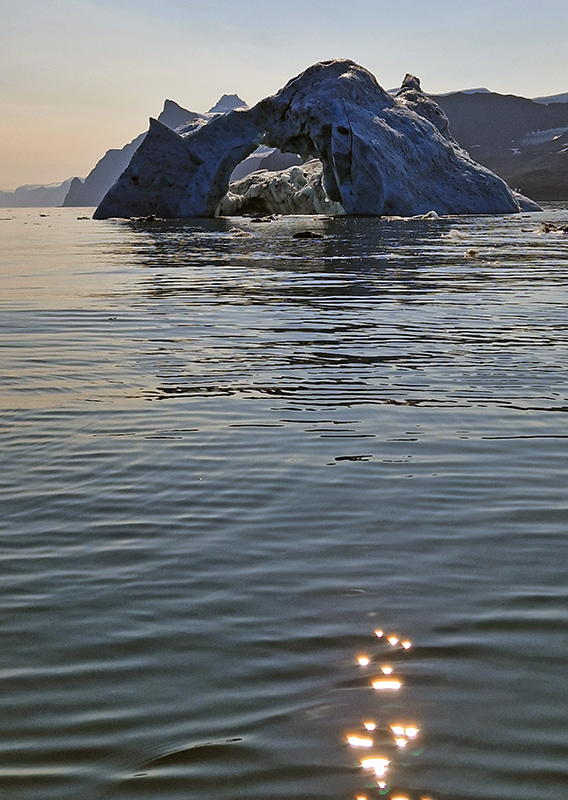
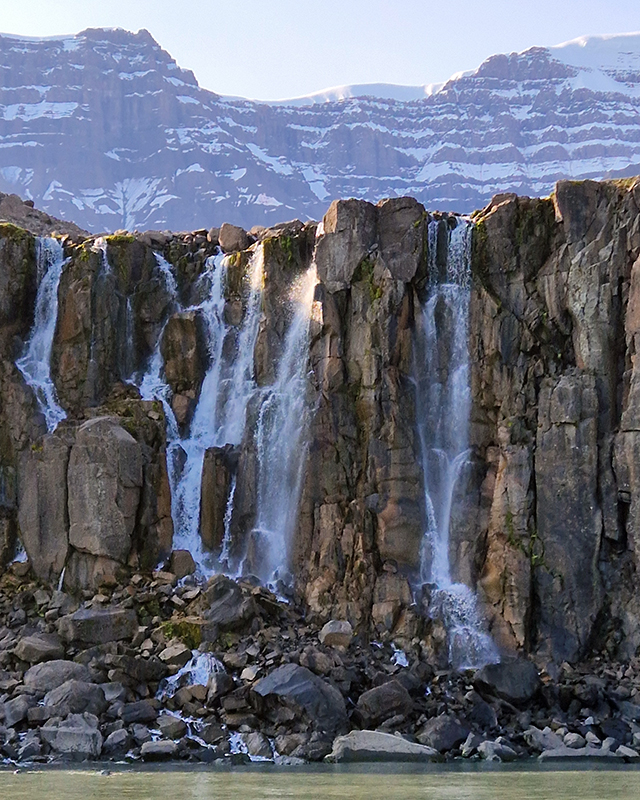
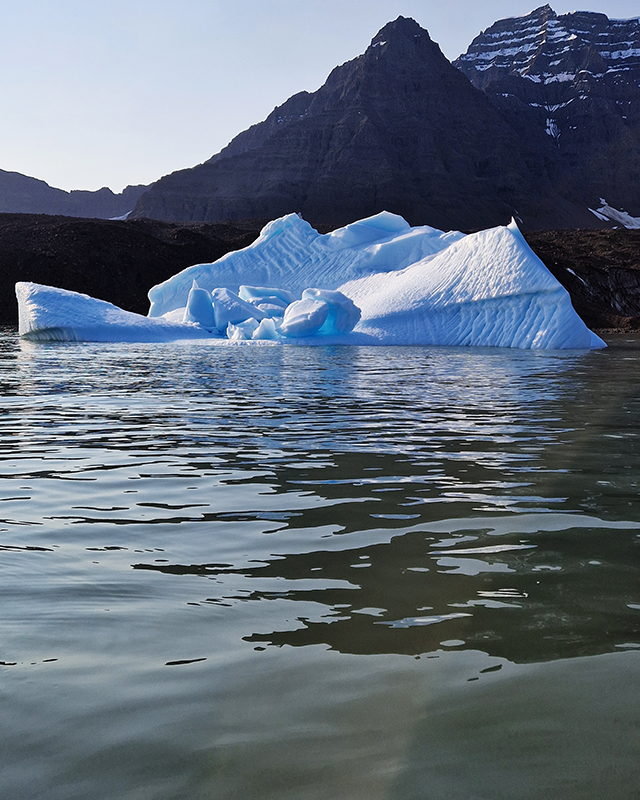
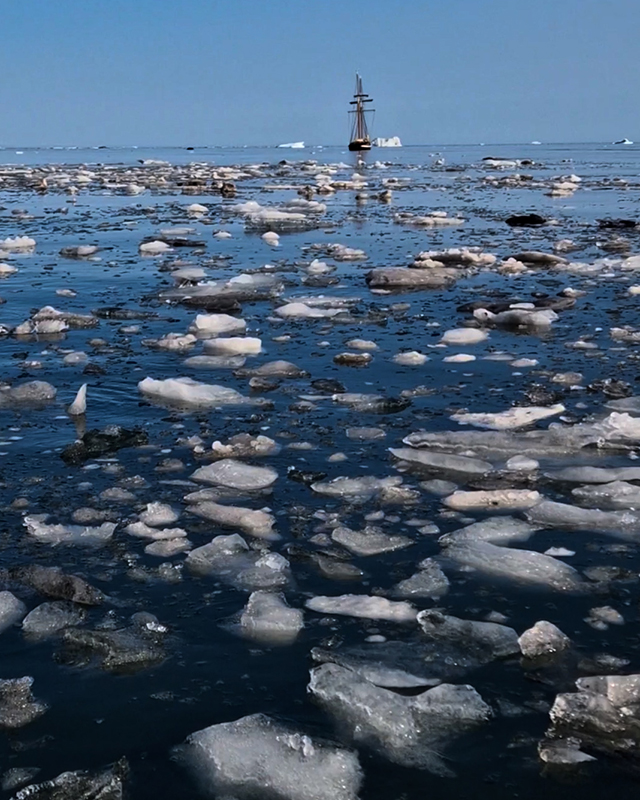
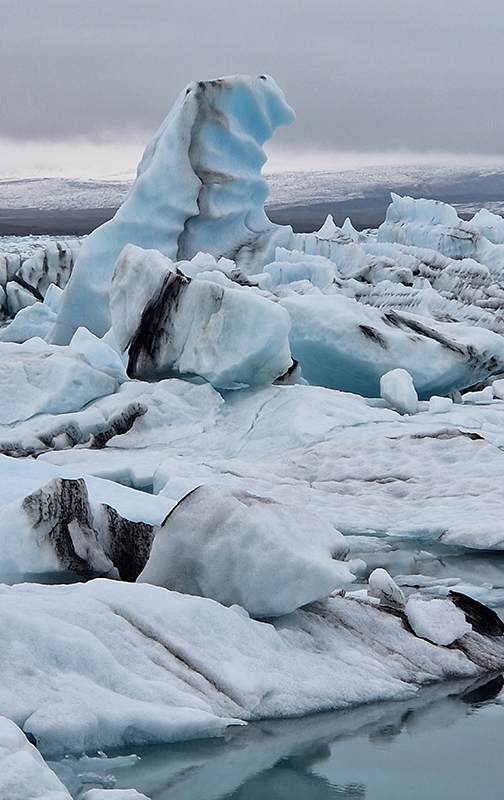
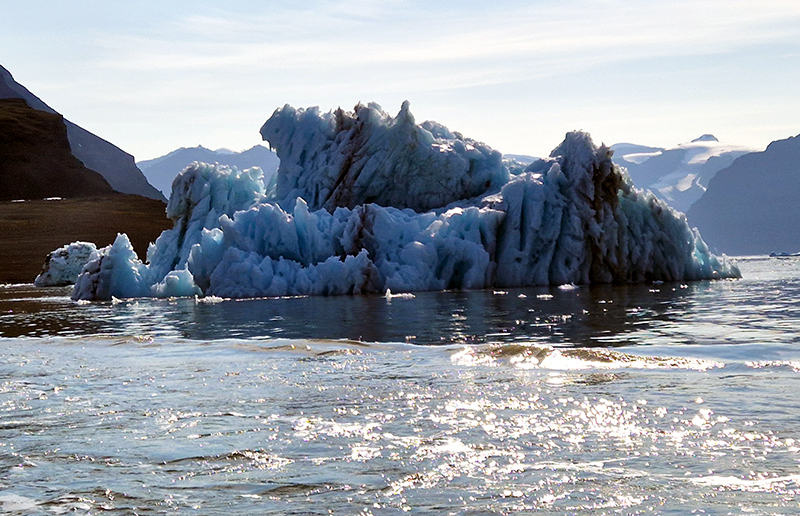
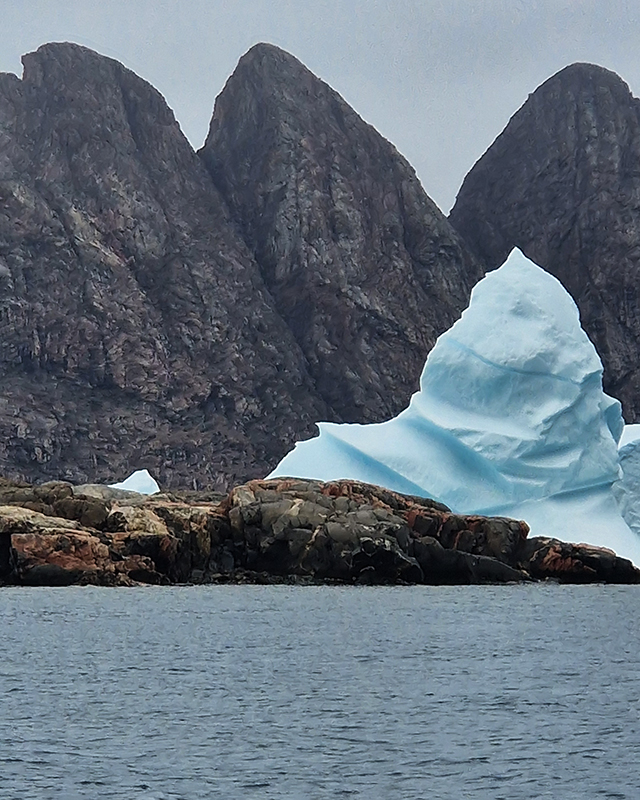
Our journey through the fjords was met by a long procession of floating ice palaces, giant ice sculptures in sublime shapes, striped in turquoise and teal glittering as the ship negotiated a seemingly impossible route through this otherworldy carnival.
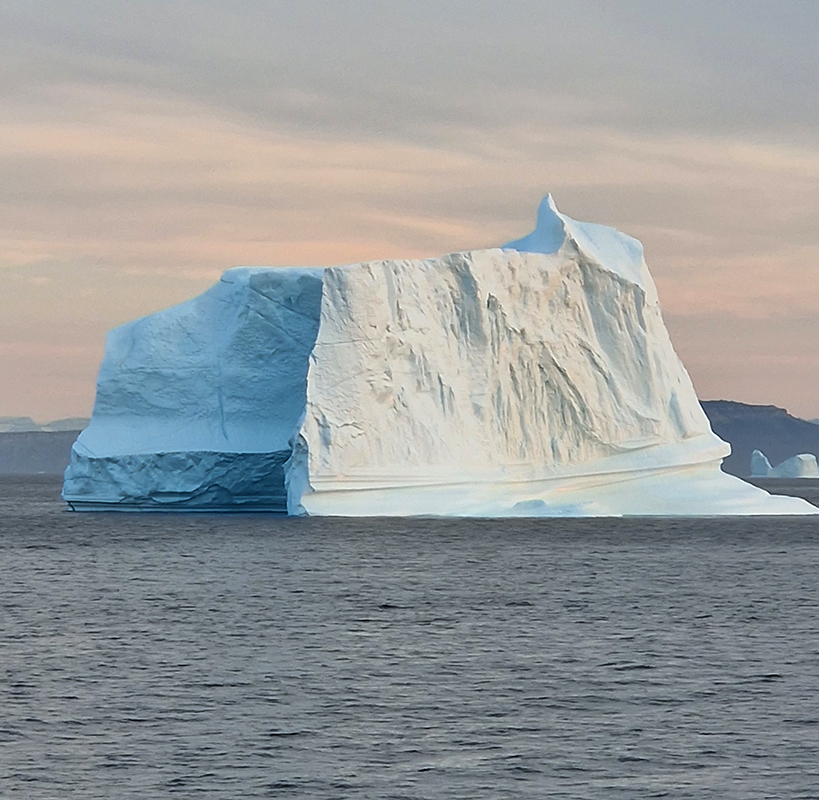
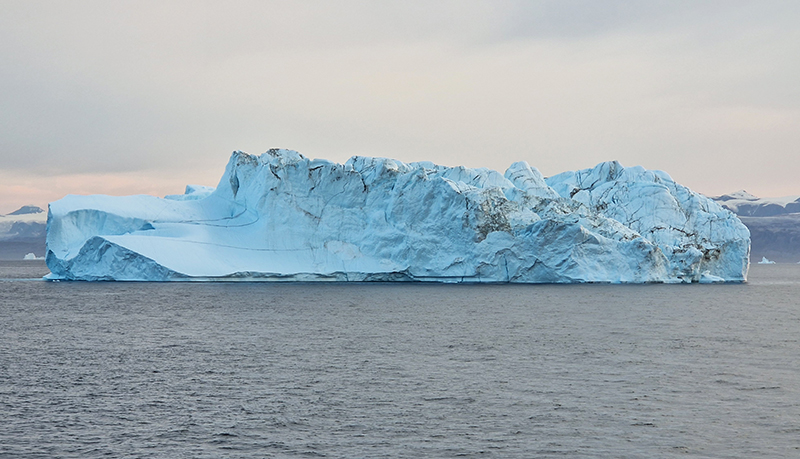
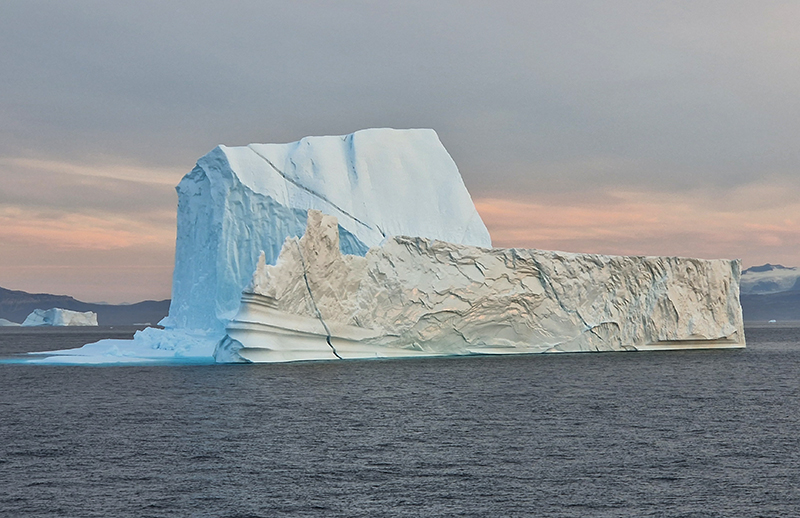
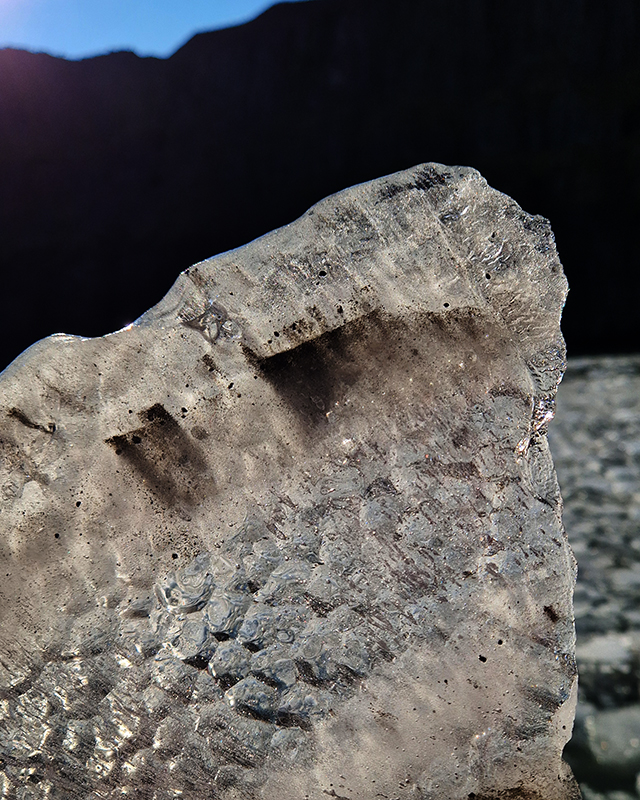
The luminous blue icebergs are from very old glacial ice. As more layers of snow are deposited onto a glacier, the snow beneath gradually transforms into ice. The sheer weight of the upper part of the glacier slowly squeezes air bubbles from its lower levels of ice to form clear ice. Light penetrates deeper into clear ice and all but blue wavelengths of light are absorbed. Deep blue streaks and lines within icebergs are formed when crevices in the ice fill with melt water and then refreeze.
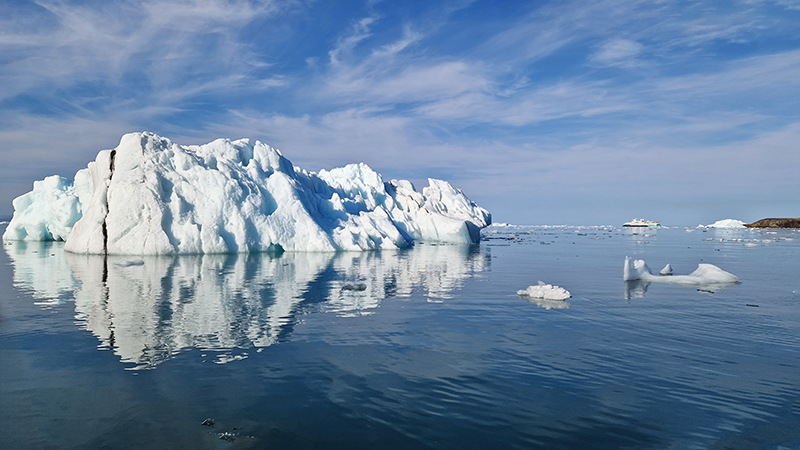
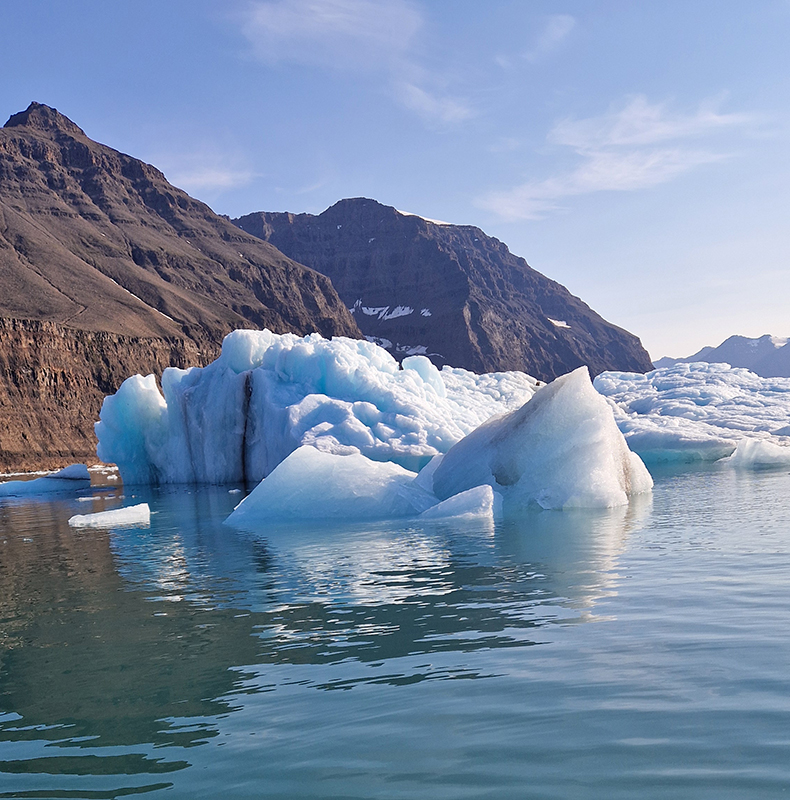
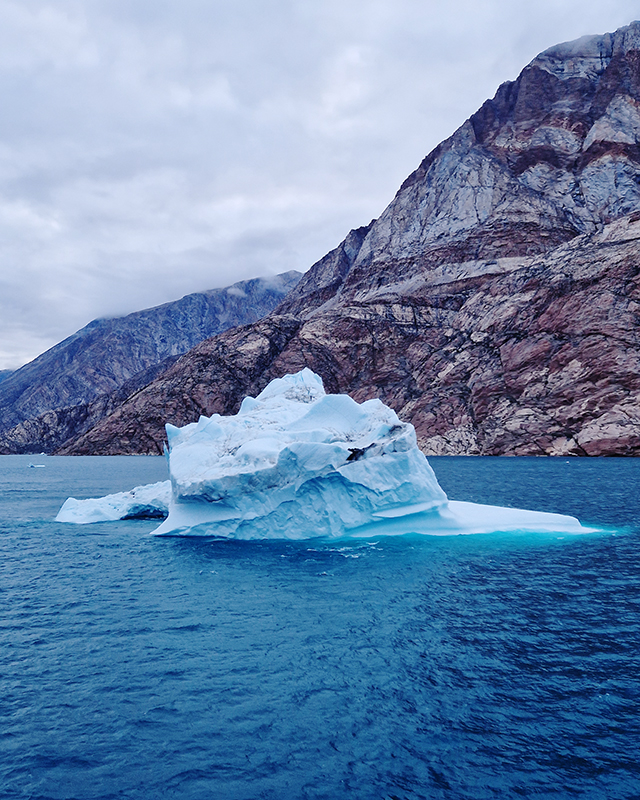
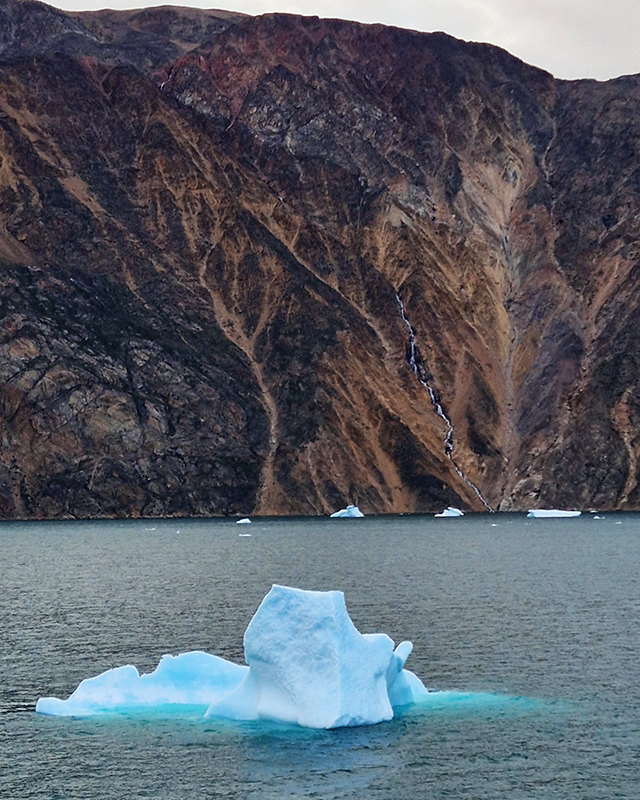
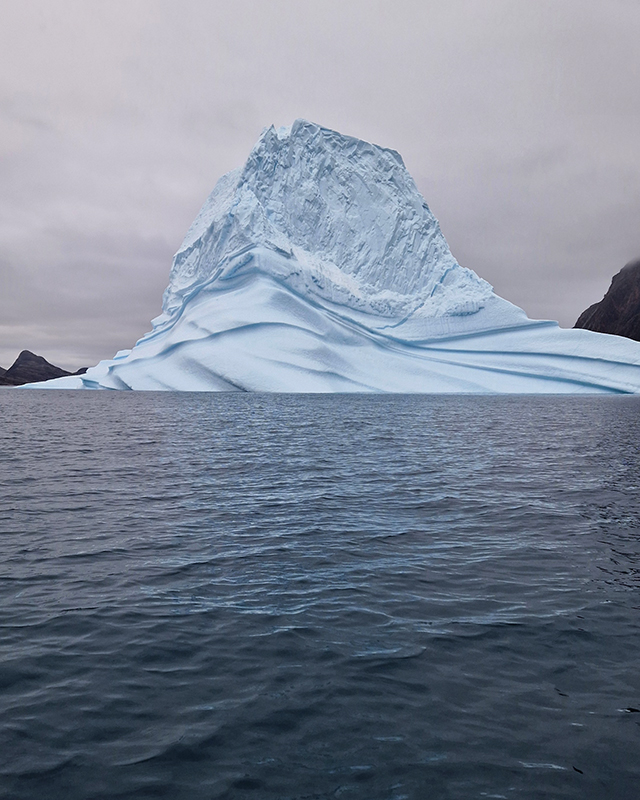
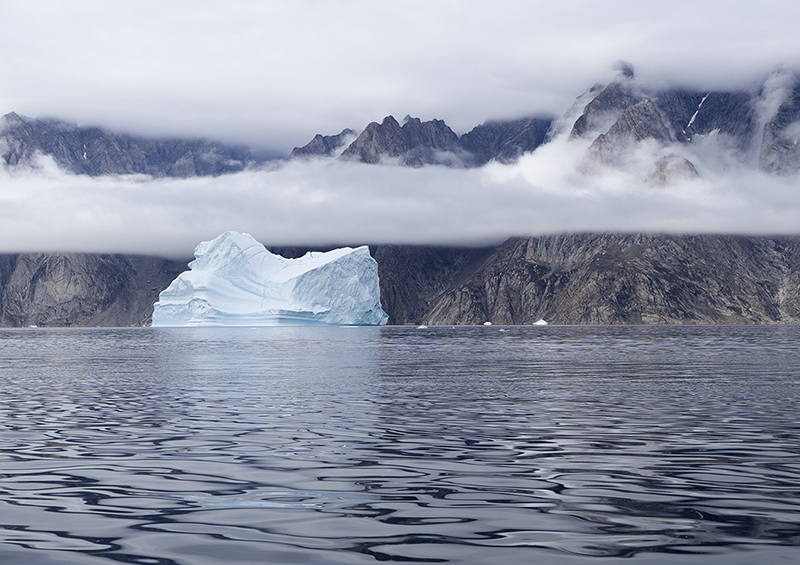
The majority of Greenland is covered in ice but we entered its grand fjord system in summer and so much of our experience of the country is dominated by the warm earth colours and magnitude of its cliffs and mountain ranges mirrored in the glassy surfaces of deep glacial lakes which overwhelm all sense of scale.
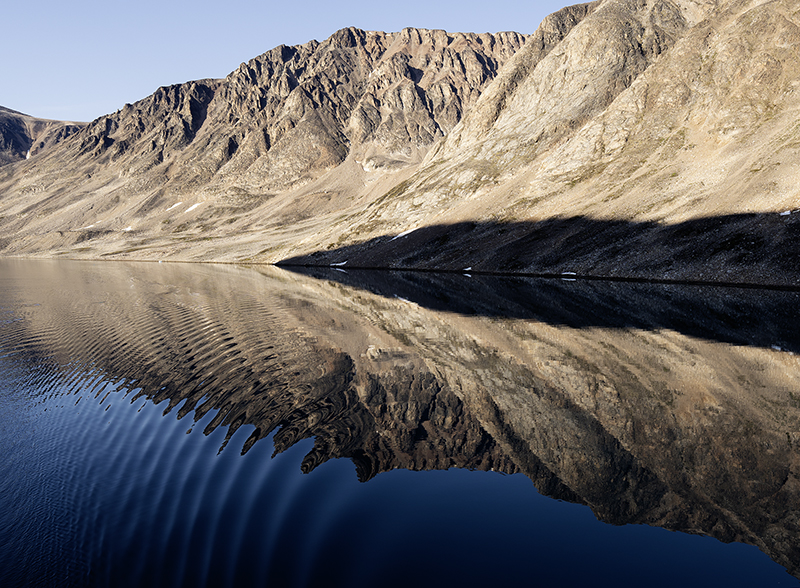
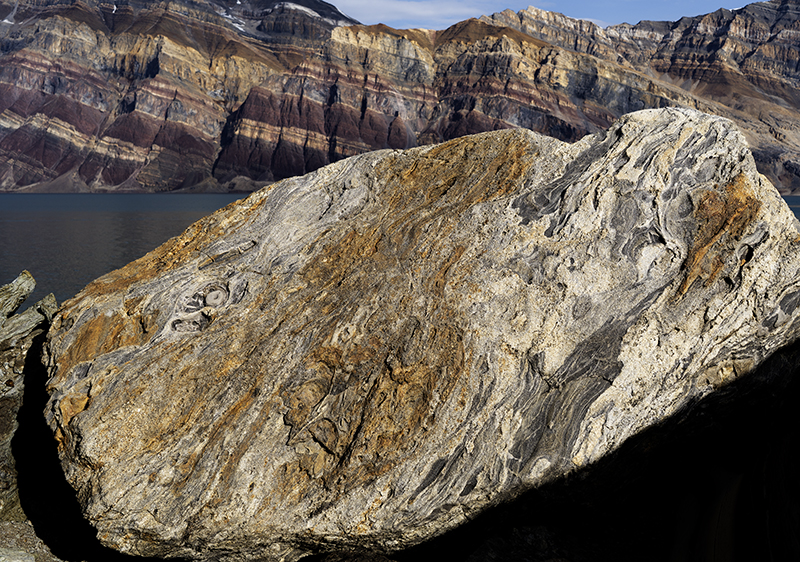
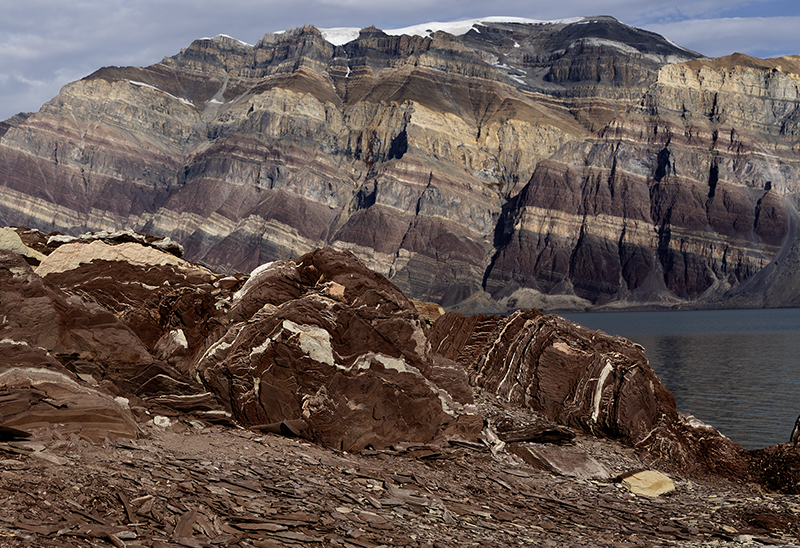
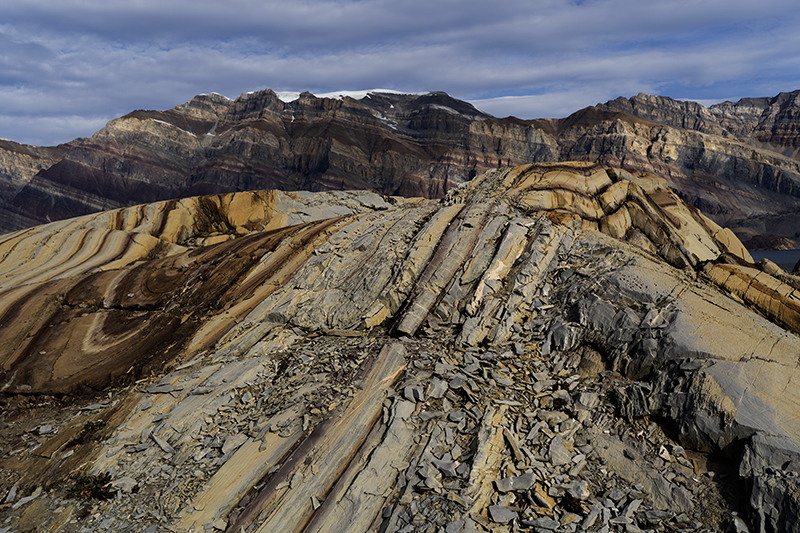
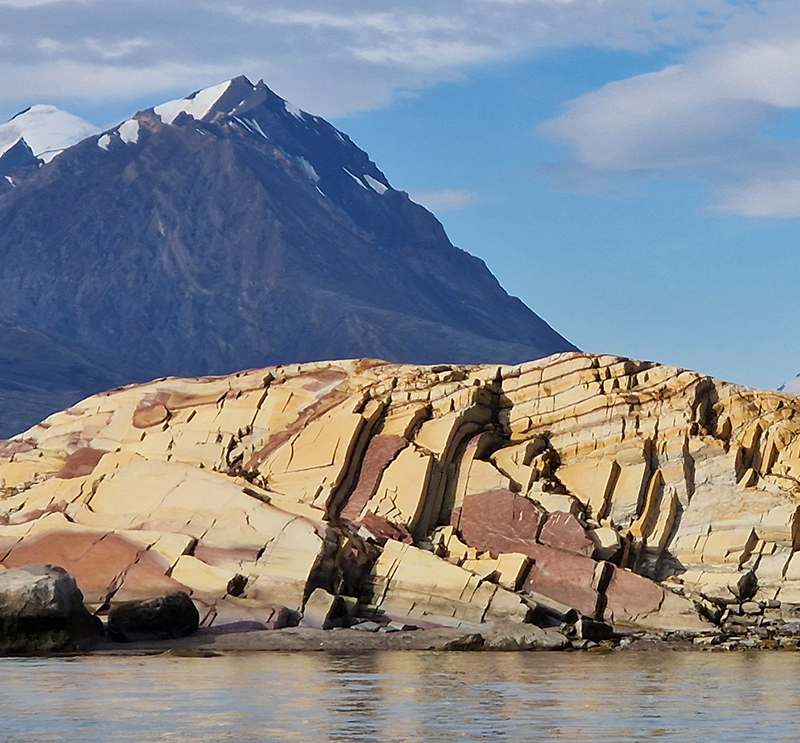
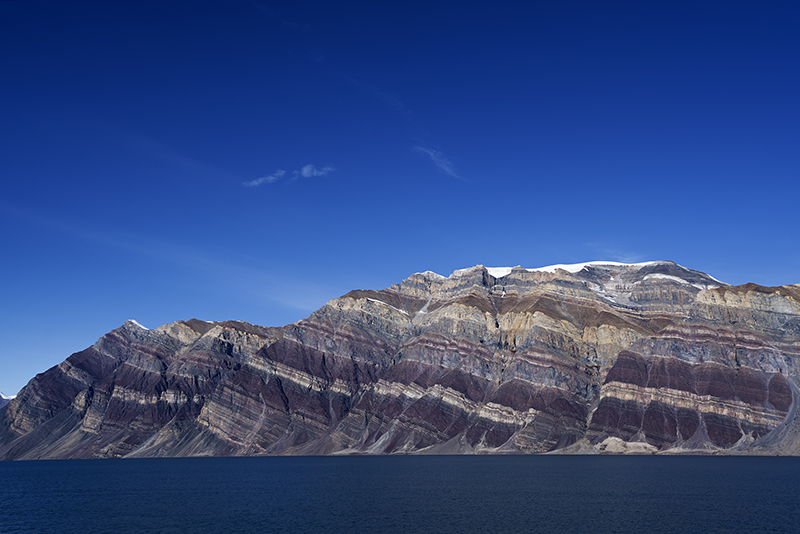
Greenland geology differs from Iceland in that it doesn’t have active volcanoes, mountains are made from sedimentary rocks and ancient tectonic movement. Greenland has some of the oldest rocks on Earth, dating back billions of years whereas Iceland is one of the youngest landmasses, still actively changing with surface rocks no older than 16 to 18 million years.
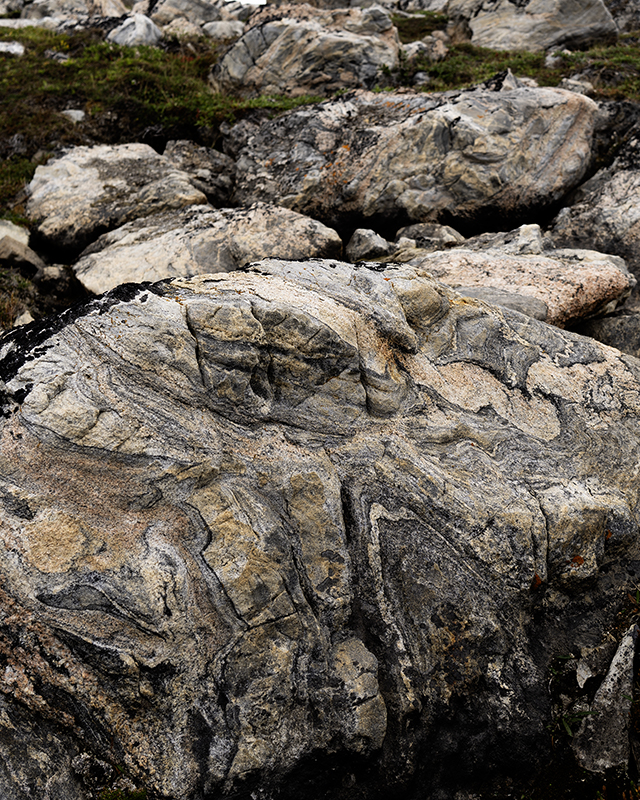
The distinct layering of rock, most obvious at Gateaux Point, are from ancient marine sediments deposited in a shallow calm seas roughly 900 to 600 million years ago. These alternating bands of limestone, mudstone and quartzite were later uplifted and twisted during a major mountain-building era around 490 to 390 million years ago, and further sculpted by glacial erosion leaving this extraordinarily beautiful landscape.
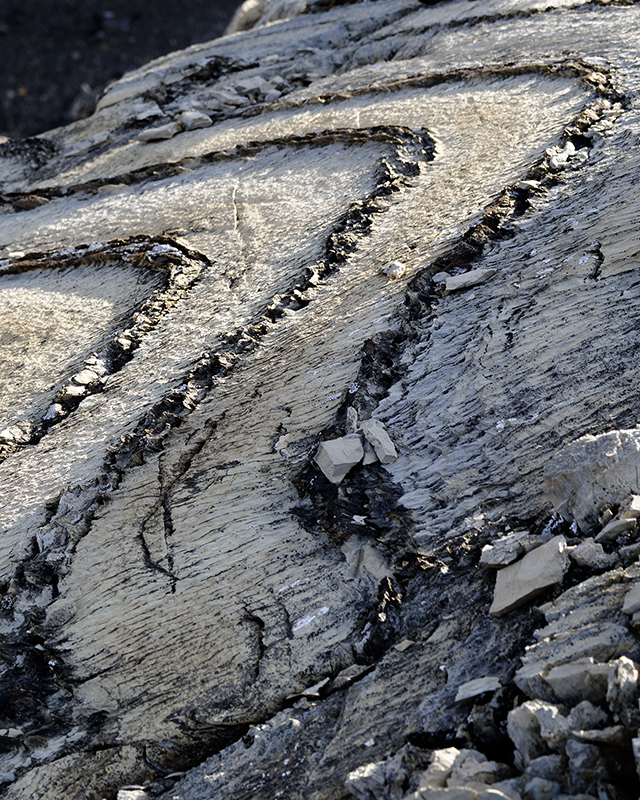
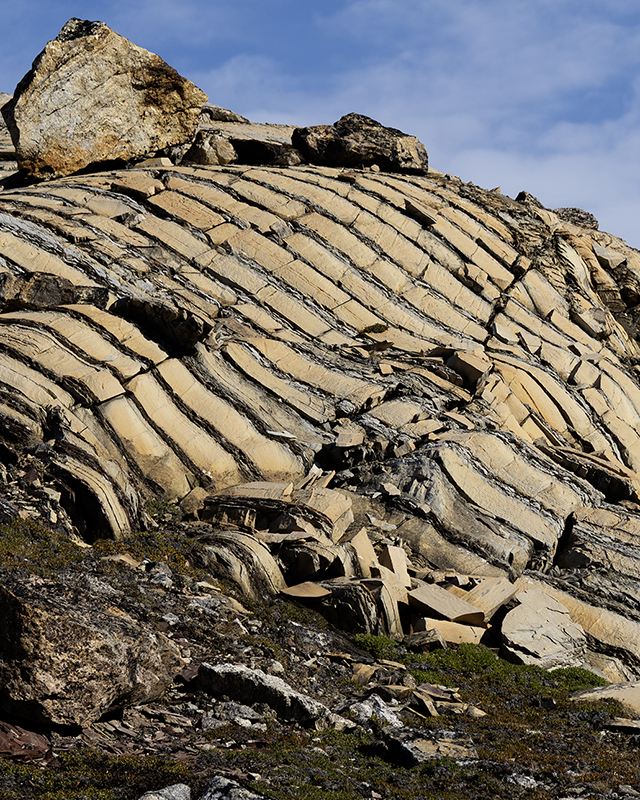
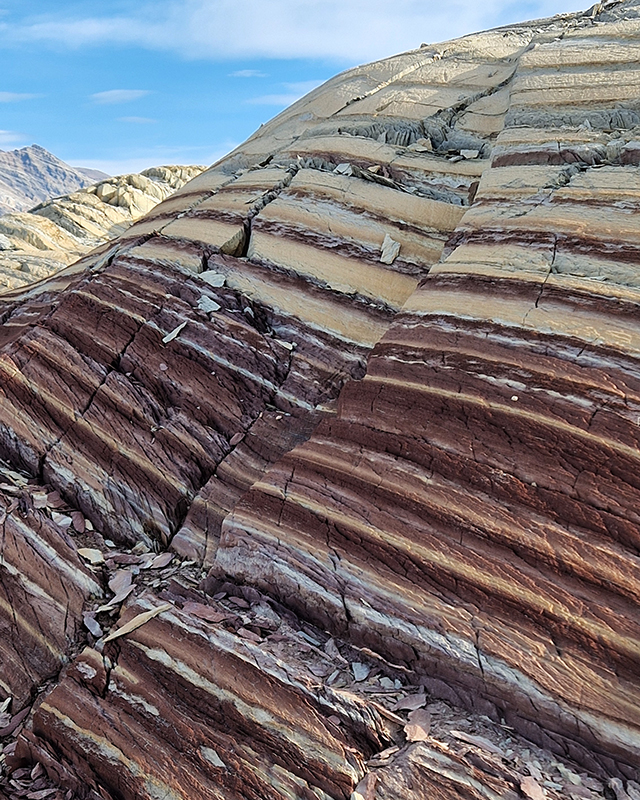
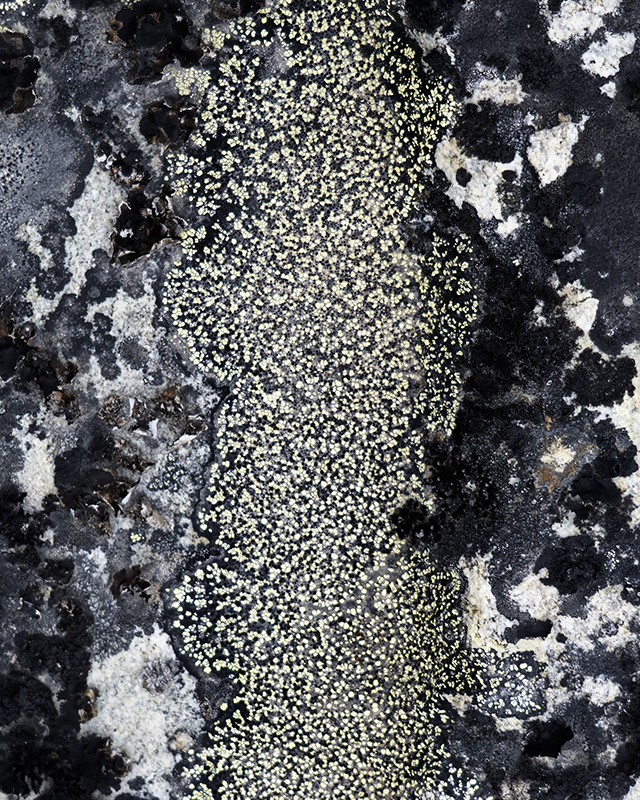
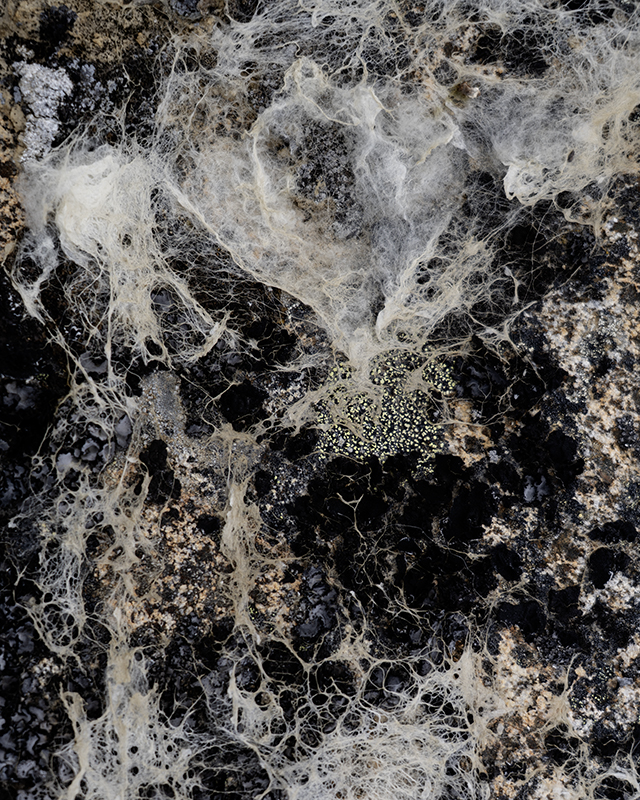
We walked on Arctic tundra. From a distance the land looks barren but up close we found micro forests, springy moss and delicate plant life. Black and vibrant lichens speckle the rocks. Freshwater shrimp can be seen darting in the streams.
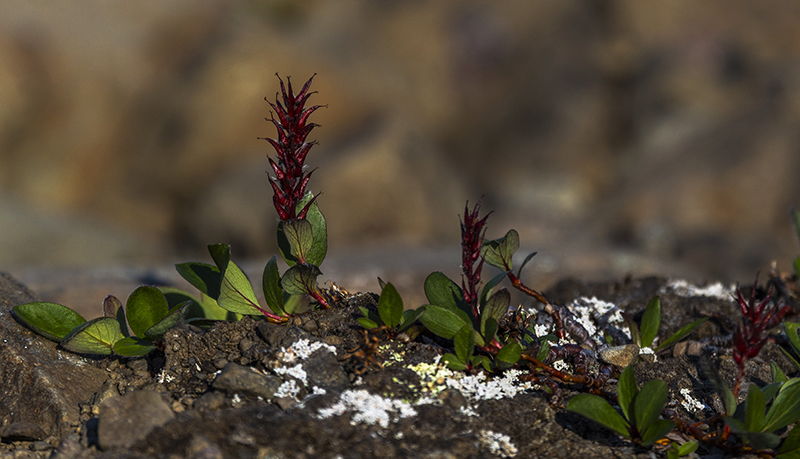
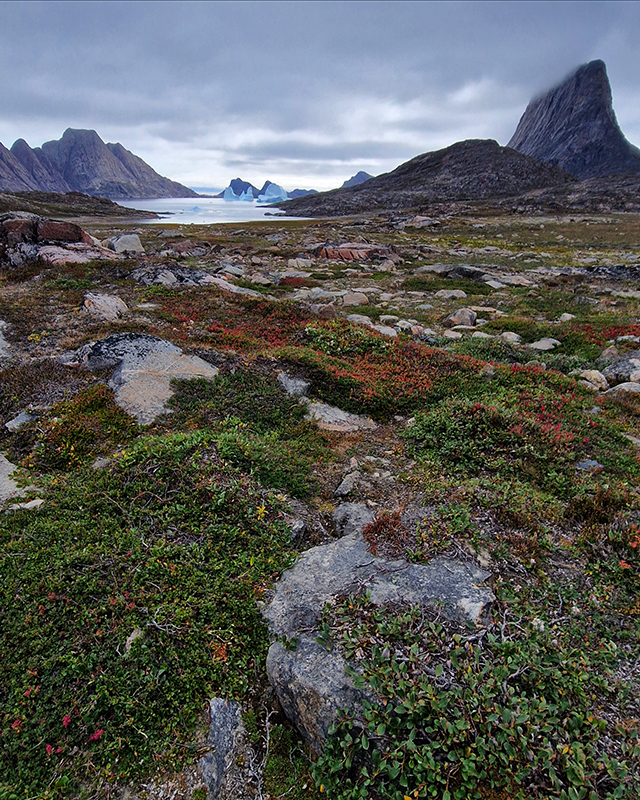
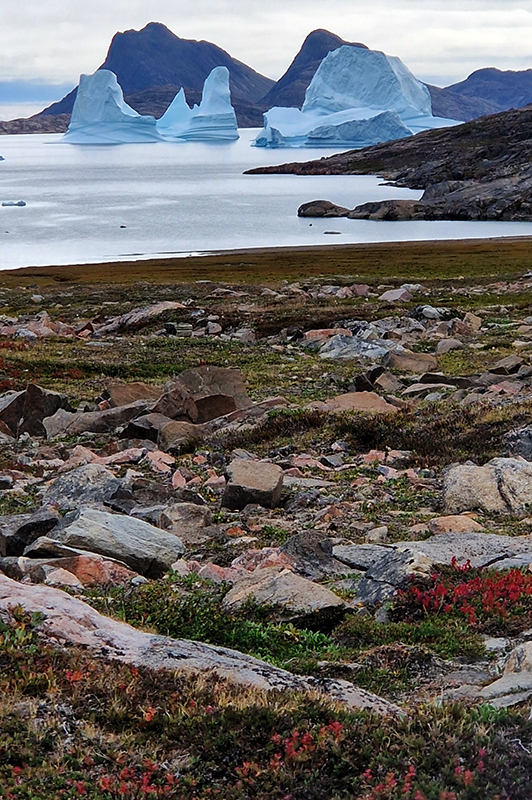
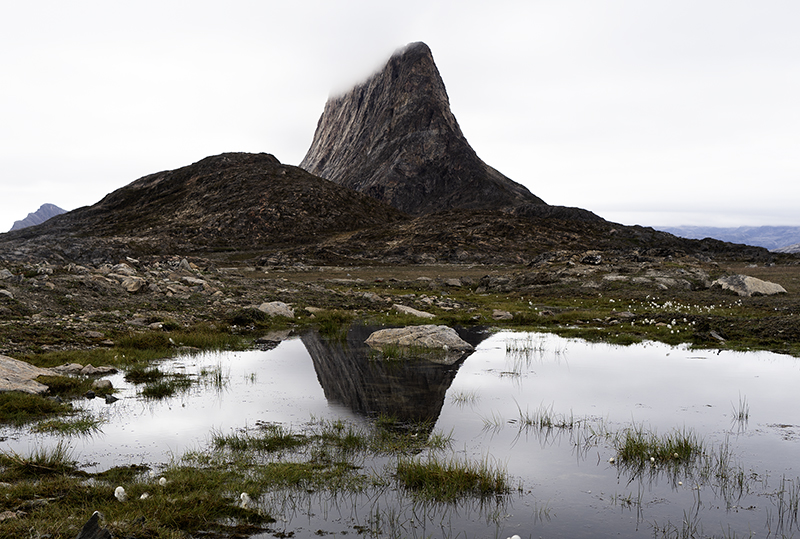
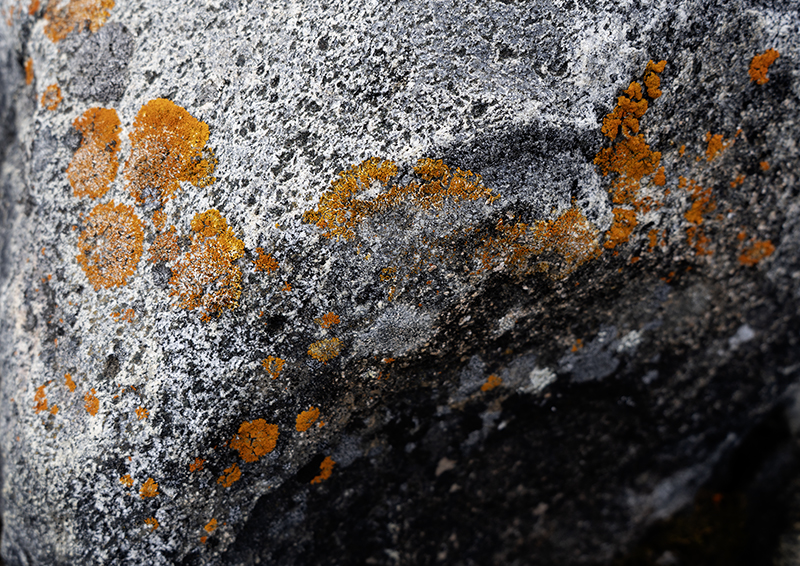
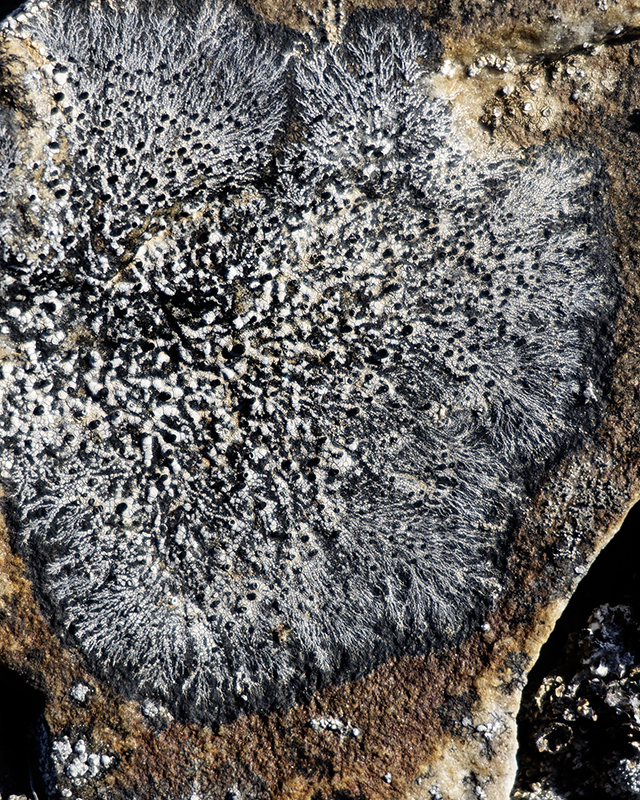
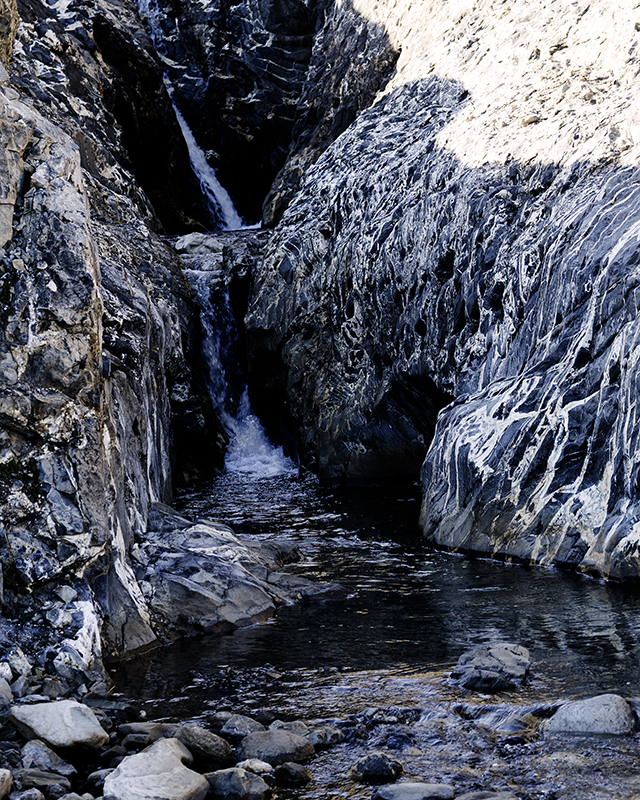
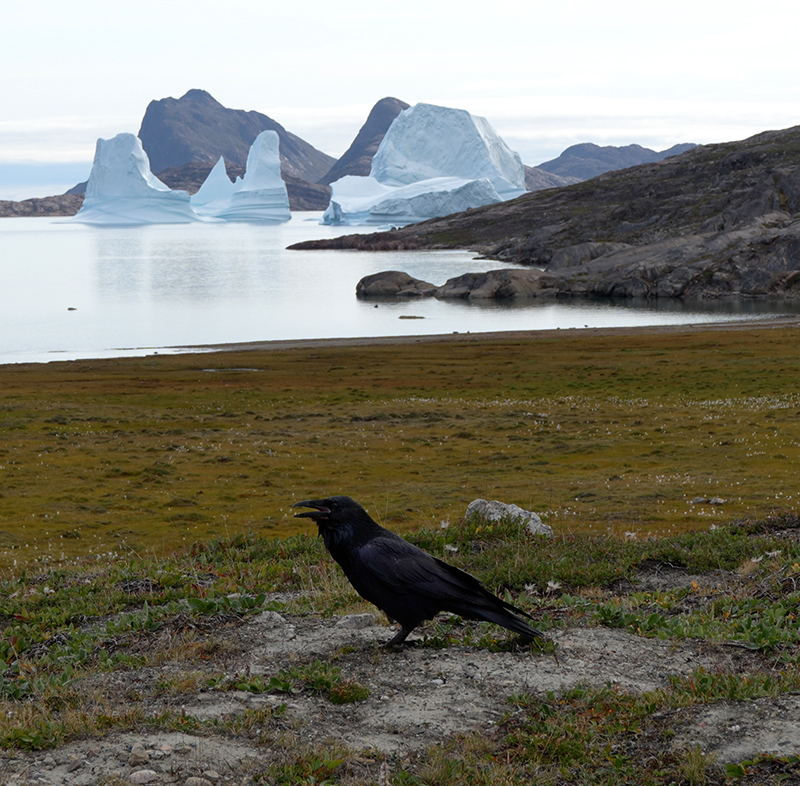
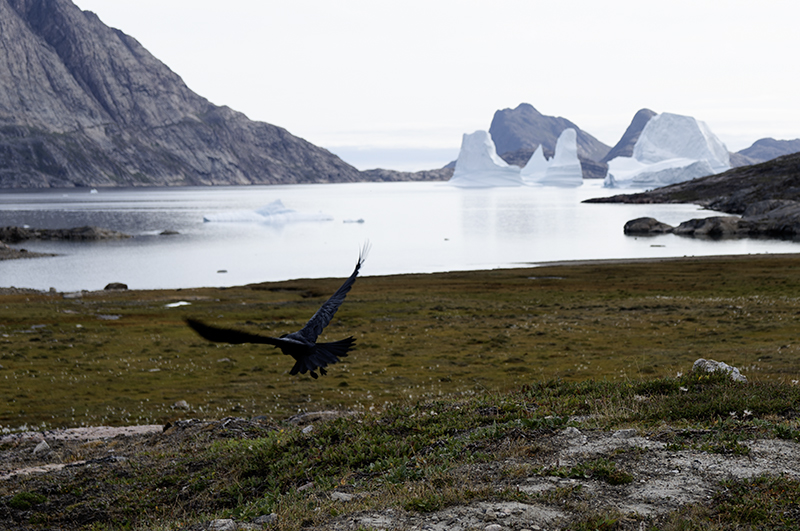
While out on the tundra, a raven circled us and landed very close by, all the while loudly cawing. It felt very much like a message was being delivered. The raven (tulugaq) is a powerful symbol in Greenlandic Inuit culture which credits the raven with helping to bring light and order to the world out of primordial darkness.
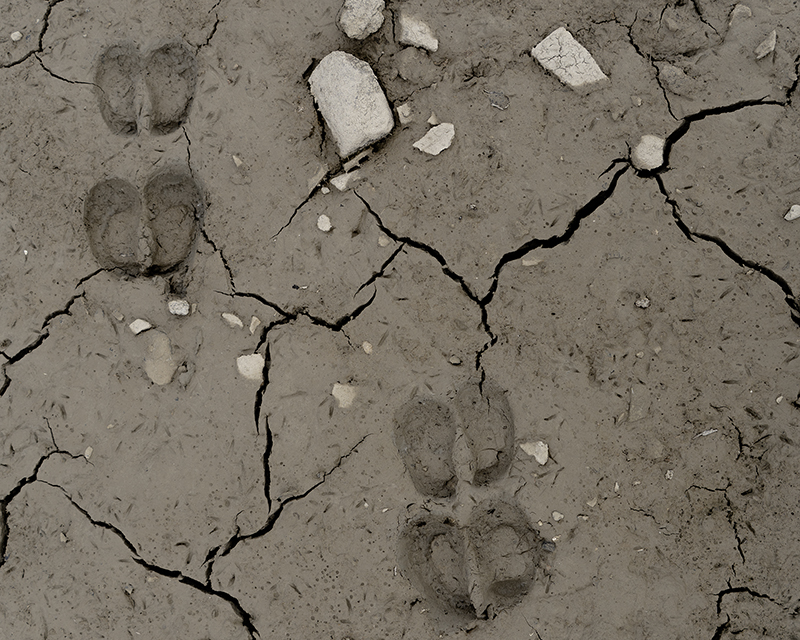
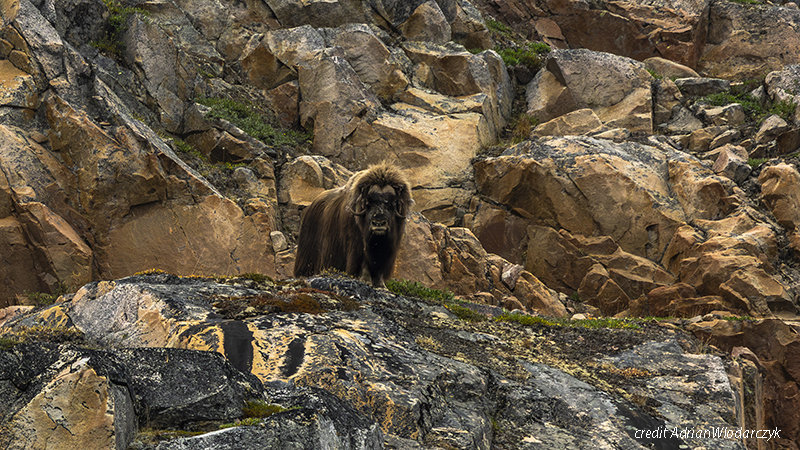
We saw muskox footprints in hardened mud and entangled silky soft muskox hair caught on the rough boulders they rub against and at last caught distant sight of one solitary beast surveying the fjord from on high. They stand still and slow their breathing to conserve energy to survive the extreme temperatures of the exposed arctic tundra. Muskox image credit to Adrian Wlodarczyk with the mega zoom.
There were also lots of seabirds skimming the water around the ship and diving into the water. Expedition team member JB gave a presentation on the ability of seabirds to see underwater due to the flat shape of their cornea which focuses the light more directly onto the retina – a bit like when peering through a tiny hole without your glasses.
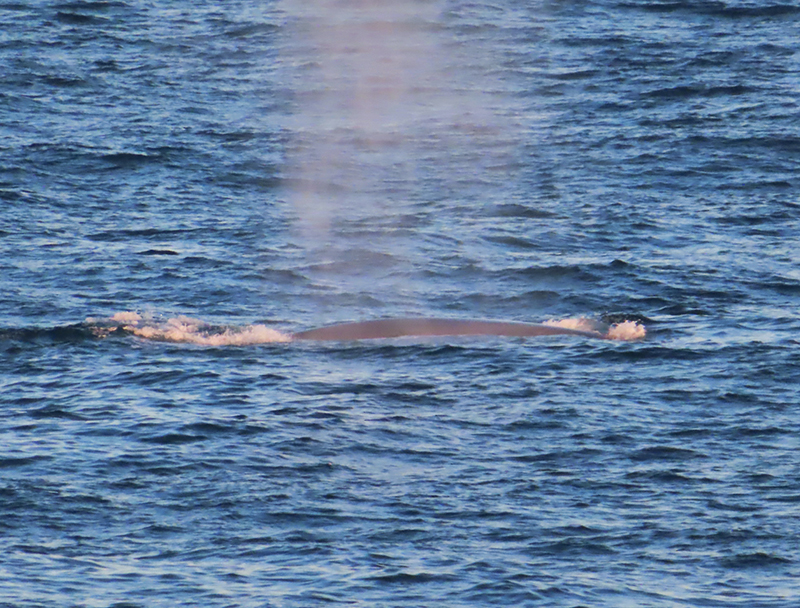
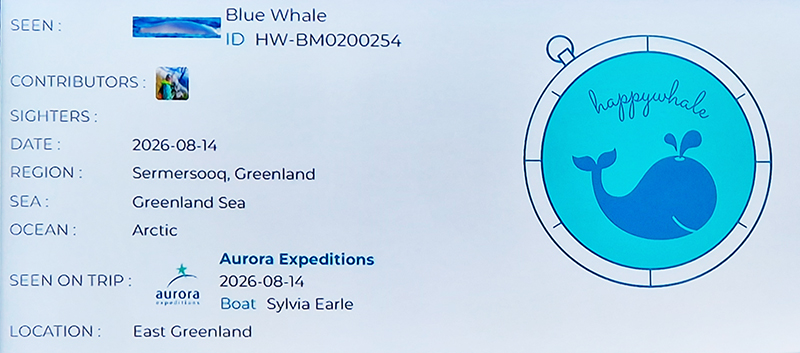
Other wildlife encounters included a blue whale, later identified by Happy Whale, as one not seen before.
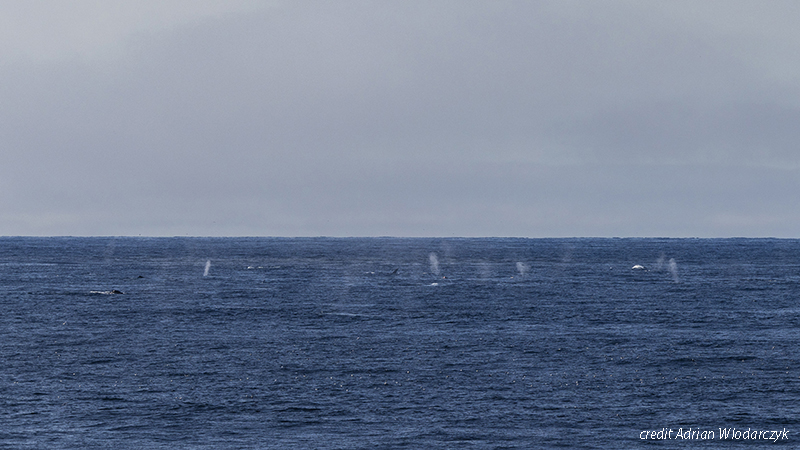
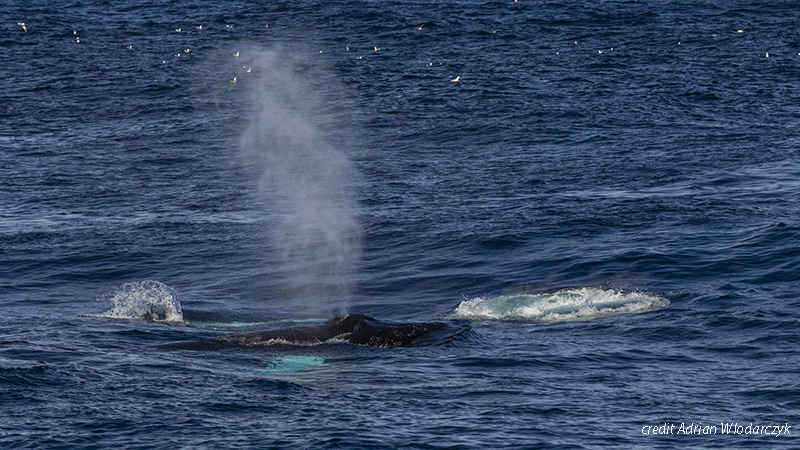
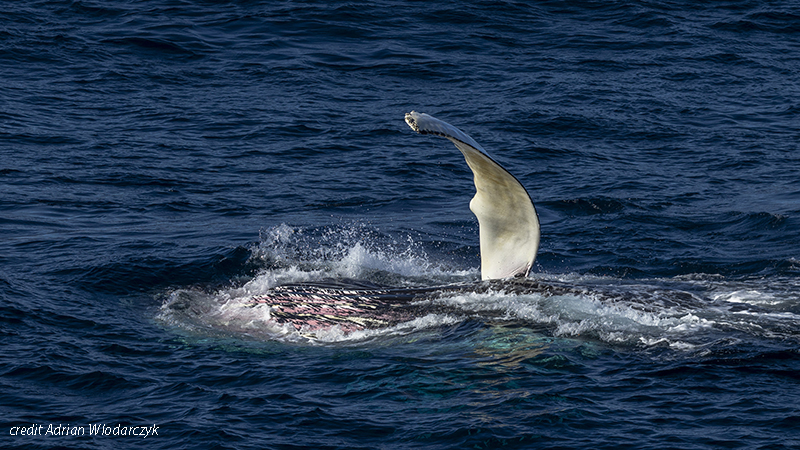
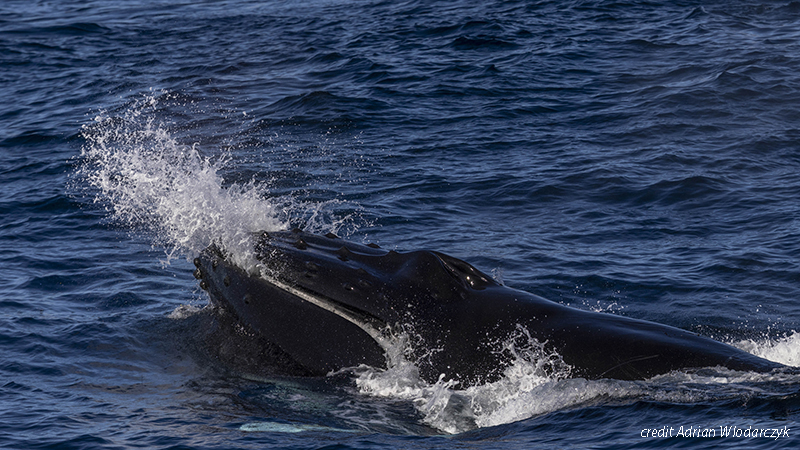
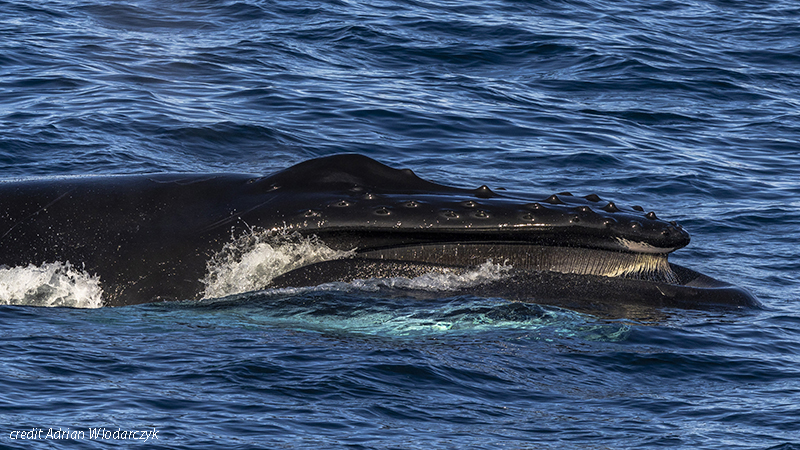
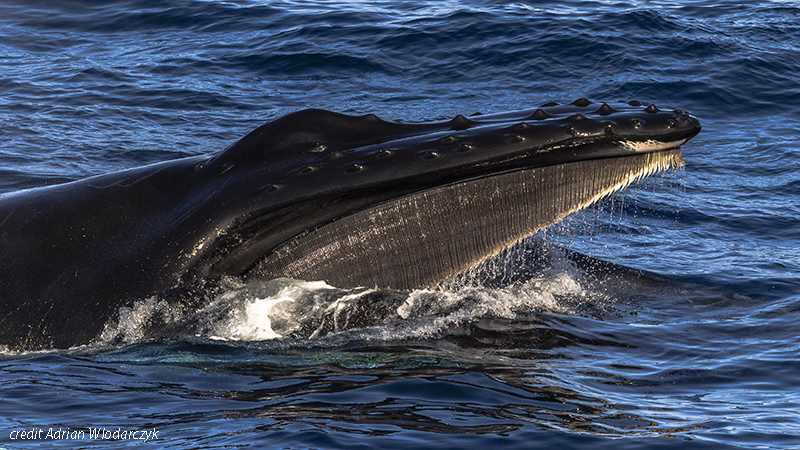
The most remarkable encounter was a gathering of hundreds and hundreds of humpback and fin whales engaged in a feeding frenzy. We were back out at sea and could see many plumes pfiffing up across the horizon. As the ship approached and slowed, the whales not only seemed unconcerned by our presence but appeared to actively use the ship to corral the krill into their gaping baleens. They were so close and so many and so energetic, it was very special. Those on board who had spent a lifetime at sea said they had neve seen anything like it. It even made the BBC news. . I messed up trying to film this experience so I have to credit Adrian Wlodarczyk again for saving the day.
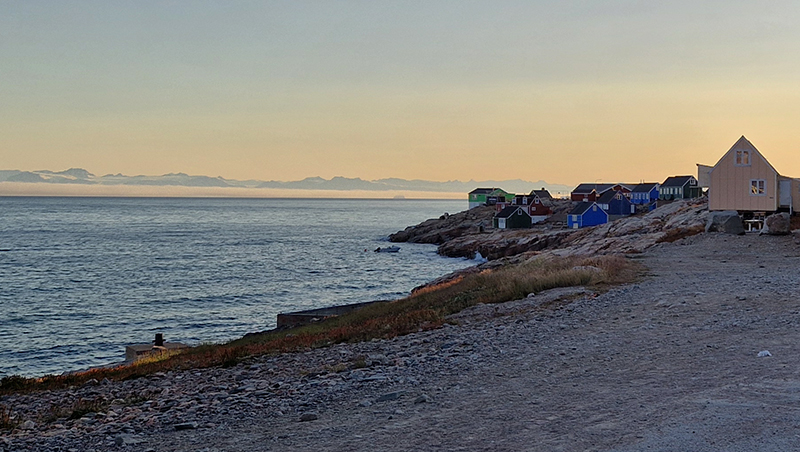
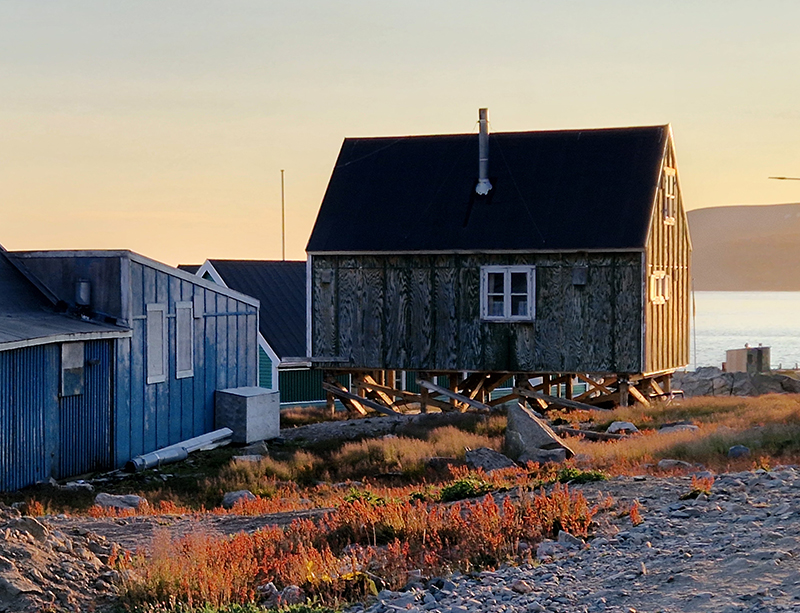
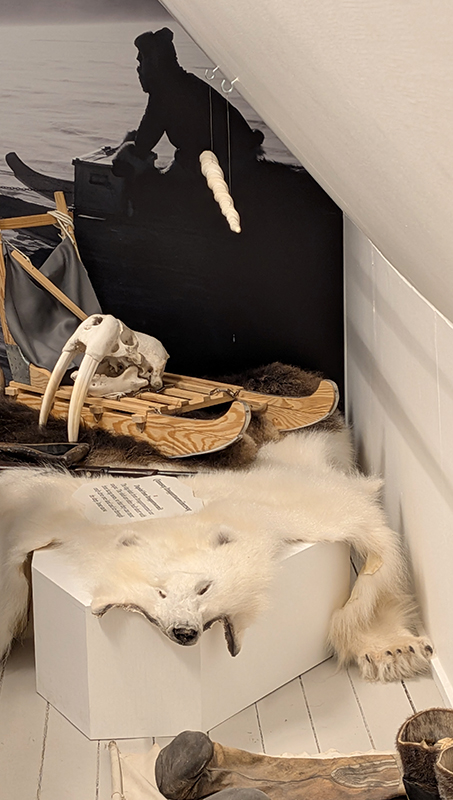
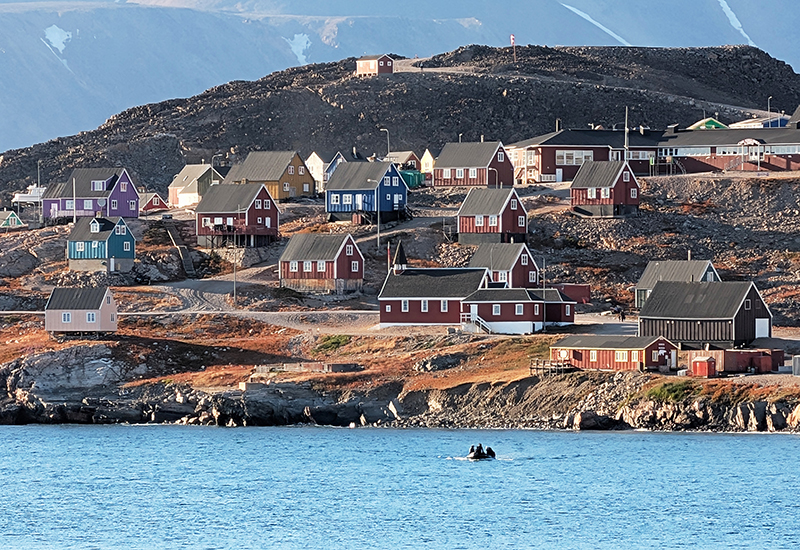
Our only contact with the people of Greenland was a visit to Ittoqqortoormiit, one of the most remote settlements anywhere, 500 miles form the nearest town it has a population of about 330 people. The people here are hunters and when we arrived a whale had been killed and brought ashore to stock the larders of the villagers, so most local people were down at the harbour on the other side to the quay where we came ashore via the Zodiac boats. We were advised to keep away from the harbour where this was happening and spent our time visiting the museum and enjoying the evening light on the colourful houses. This small settlement is at the forefront of climate change as they lose surrounding sea ice which is vital for travelling over to hunt seals, a problem shared by polar bears and so it also brings hungry bears to the village looking for an easier source of food.
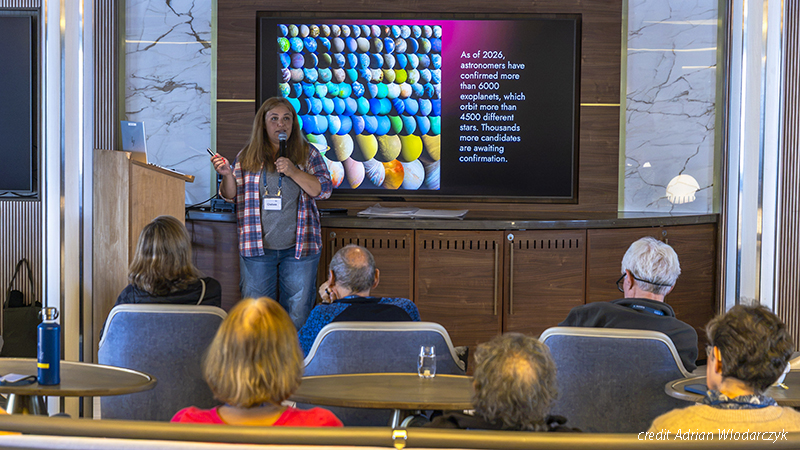
New Scientist reporter Chelsea Whyte gave a lecture on Animal Astronomy which I found fascinating. She talked about the many animals that use celestial navigation and the research has been done in this field. Thinking of my longlisted Artangel proposal involving creating a star gazing platform for sheep on the North Yorkshire moors as part of a sculptural intervention to commemorate the Haverah Park cosmic ray detector huts that have been abandoned here, it made me wonder if anyone has looked at how sheep experience the night sky. This is something I am excited to look into further.
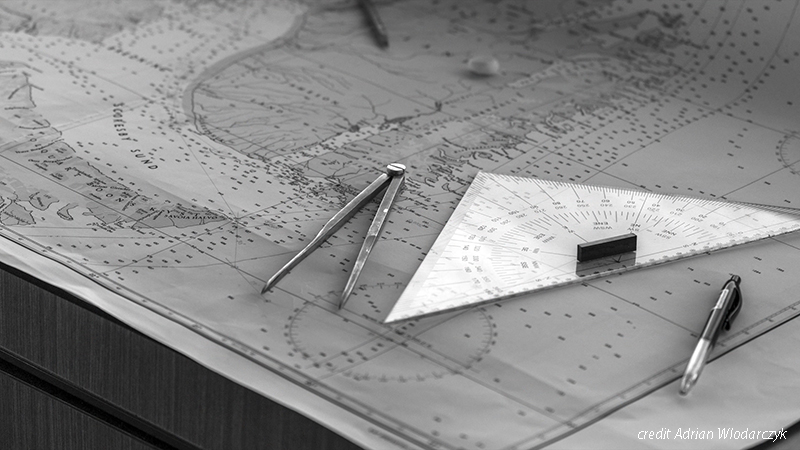
Greg Mortimer was happy to say that all his crew were all trained in the use of a sexton which is used to measure the angle between the horizon and an object in the sky, such as the sun, moon, or stars, to help determine a ship’s position at sea. I spoke with a young officer who said that a lot of the new recruits from India took their exams in the UK now because they didn’t insist on training using a sexton but India did, so the qualification was much harder to attain. I wonder if that will change after the Royal Institute of Navigation recommends teaching sailors to navigate by the stars again as a top priority. I heard about this on the Inside Science podcast Should we rethink navigating by GPS?
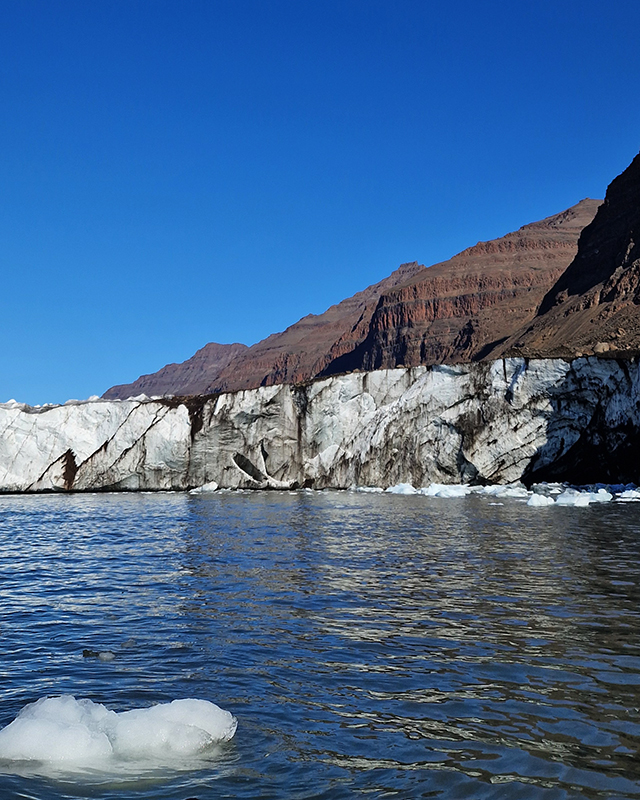
The final Zodiac cruise was to Bartholin Glacier. Out on ice strewn water the fizz and crackle of ancient air escaping its frozen enclosures can be heard as bubbles are released from the melting ice.
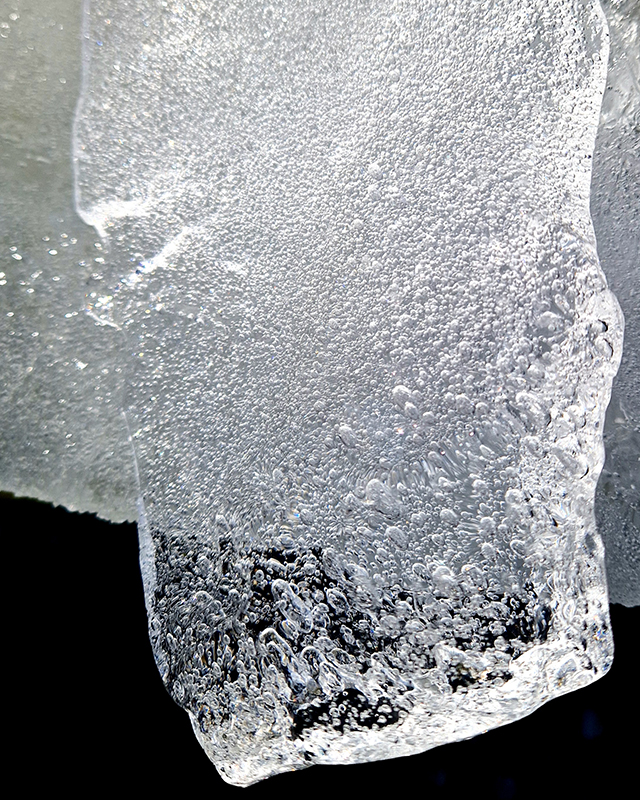
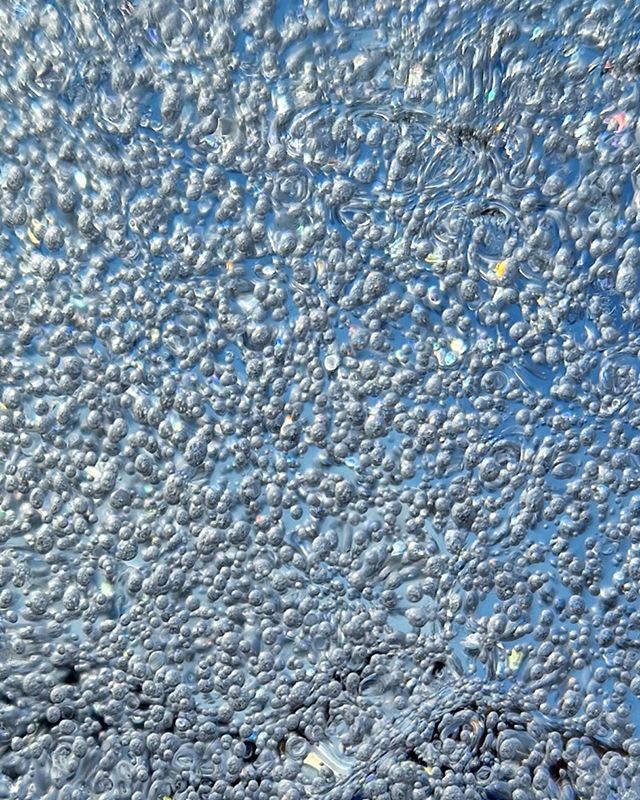
I attempted to record the sounds of the glacial ice and film underwater with the help of New Scientist reporter Leah Crane.
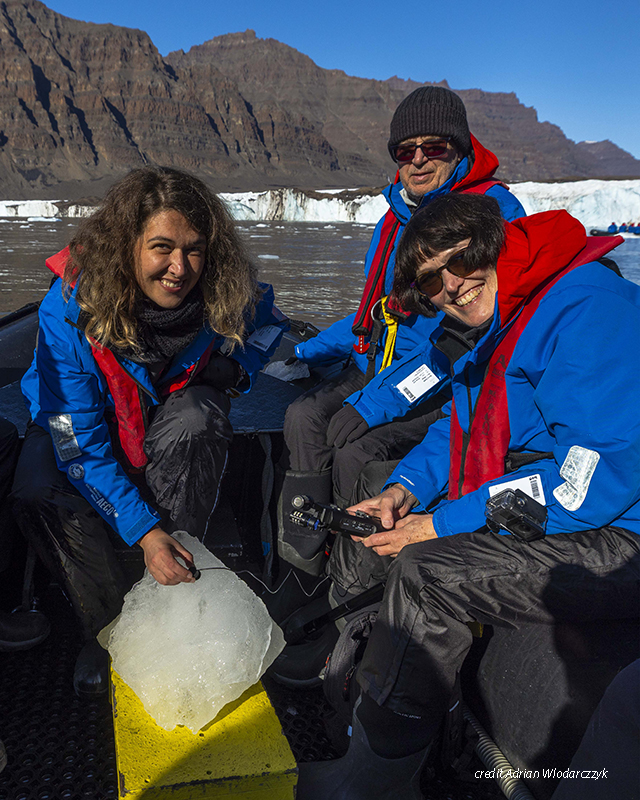
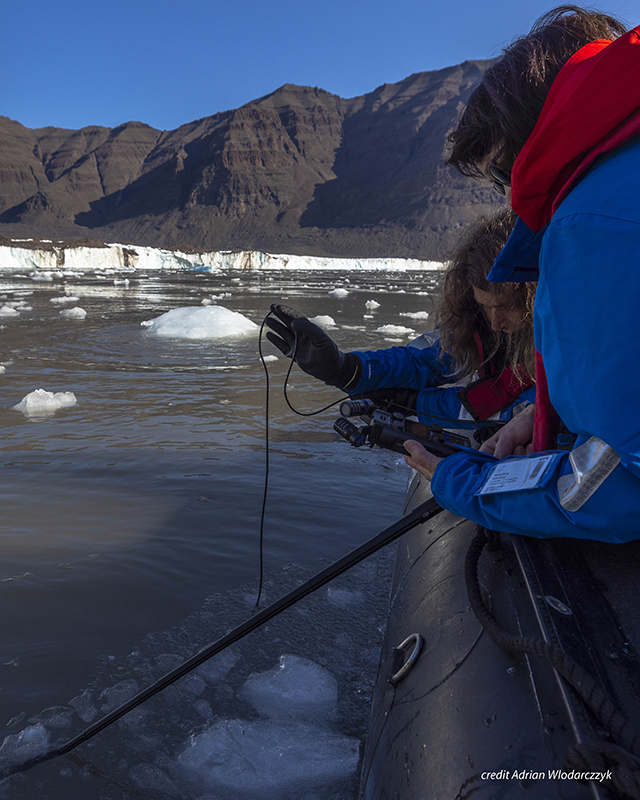
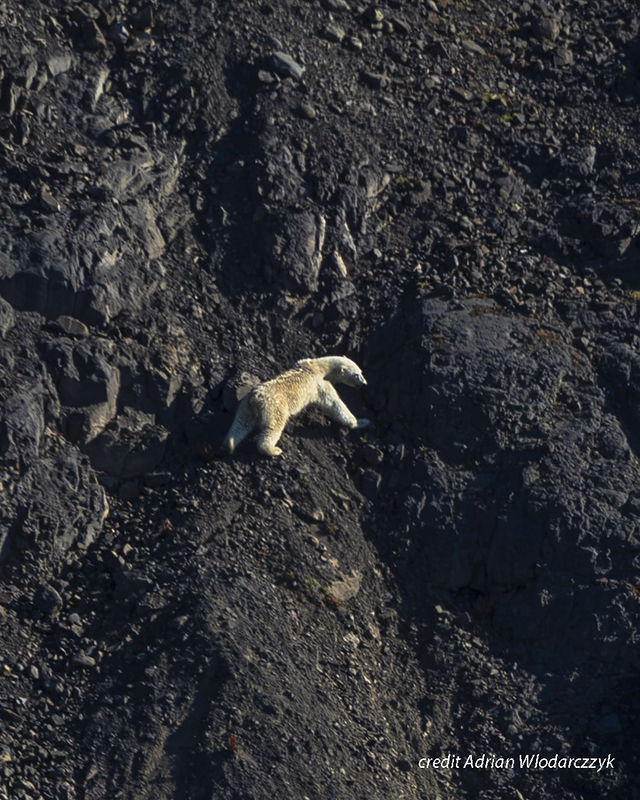
We had become used to the protective measures of polar bear scouts whenever we landed but it was when we were out in the Zodiac recording ice that a message over the walkie talkie alerted us to a polar bear in the water 200m from the ship. We held back and waited for news from the bridge. Eventually the bear swam over to the shore and we could quickly return to the ship for a distant view of its lone form traversing the steep banks of the cliff. Thanks to Aurora expeditions photographer Adrian Wlodarczyk for the images with Leah and of the polar bear.
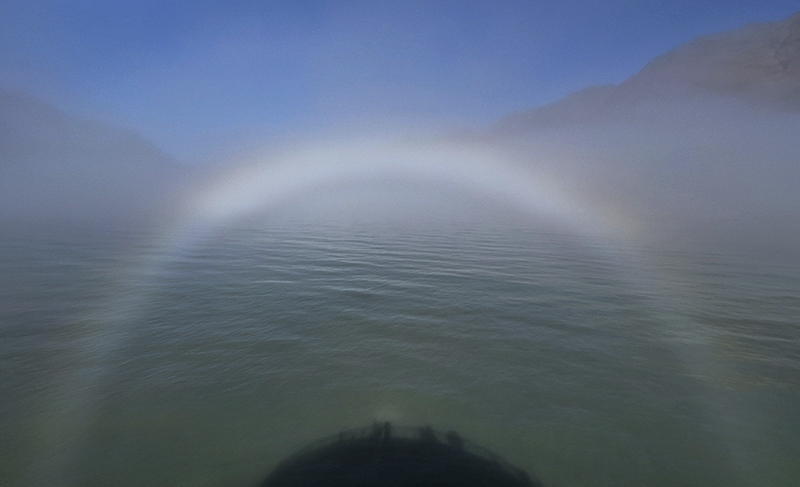
As the polar bear wandered off, fog descended over the glacier and a magical fog bow appeared. Fog droplets are much smaller than raindrops so they scatter light through diffraction rather than refraction blending the spectrum of colours to produce white light unlike a rainbow which splits the colours.
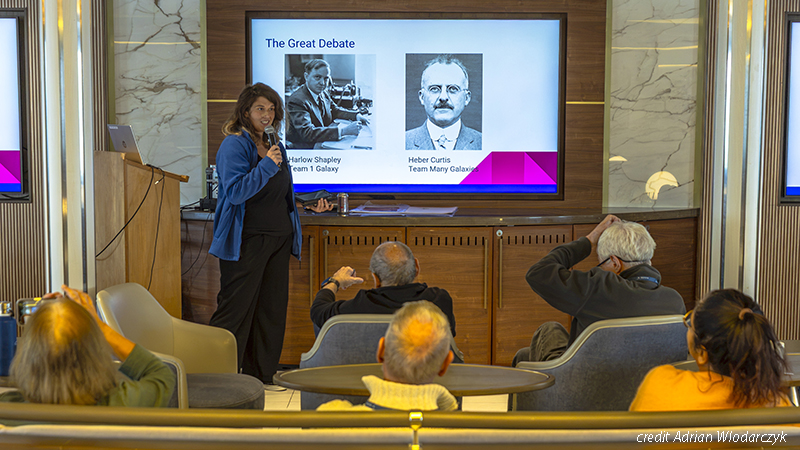
During the cruise there were many other talks, discussions and citizen science activities which covered Eclipses and Astronomy, the past and future of Greenland’s Glaciers, Wildlife and the Arctic environment, The Science of Awe, Whales as Ecosystem Engineers, Geology, Ice on Other Planets and Moons and what Ice Cores on Earth can tell us. I have so much information and overwhelming sensory experiences to process from this expedition. I am sure all that I have absorbed will surface in my work over time.
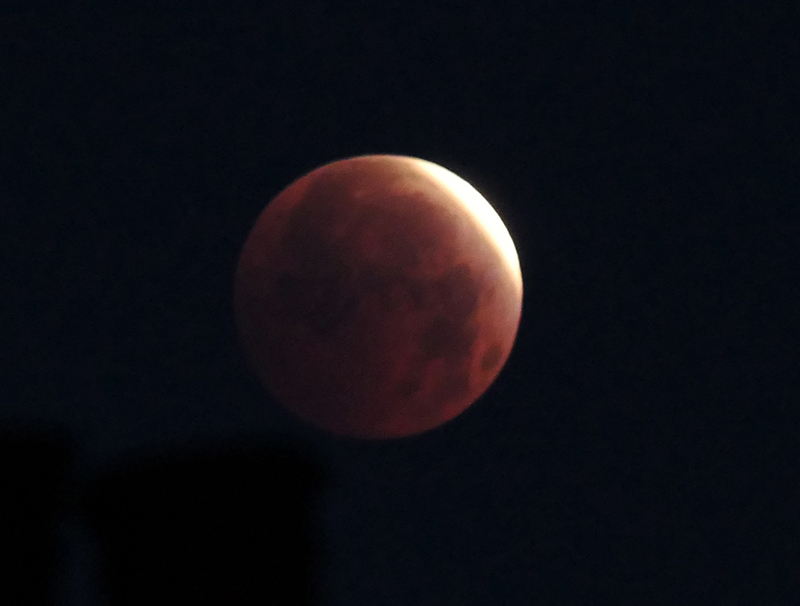
Back in London, I woke early to see the partial lunar eclipse which was rather lovely.
Gallery Visits
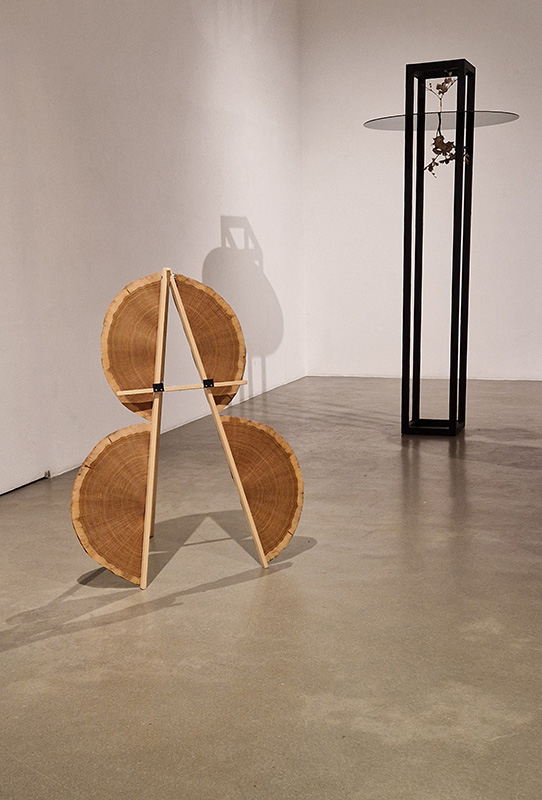
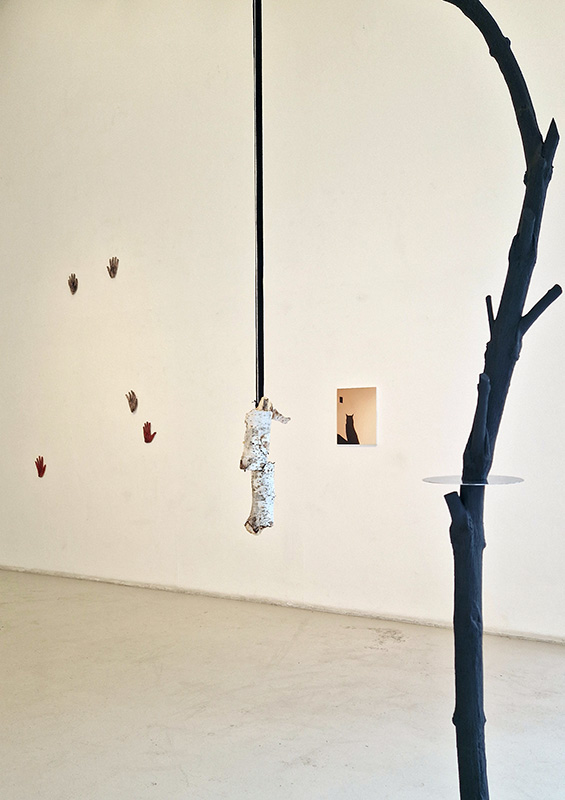
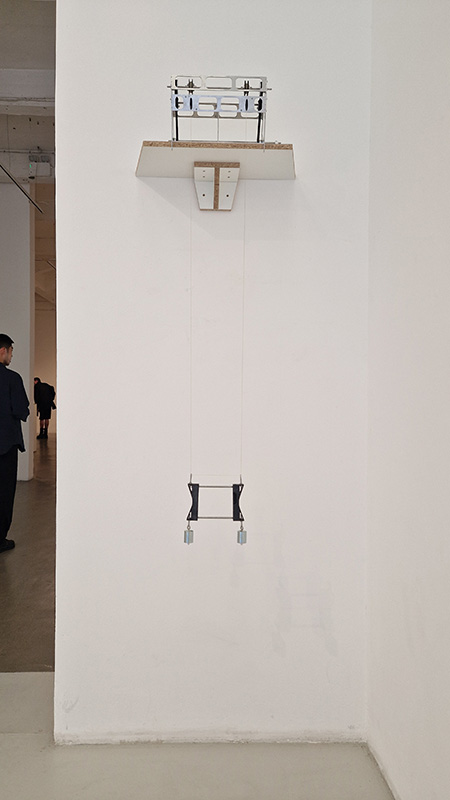
Group show, The Dead Cat and Everything Else at APT curated by Cecilia Sjoholm and Iain Hales, had a tantalizing title for me and I really liked the concept of showing works that could be seen to exist in multiple states at once, to oscillate between reality and thought experiment and consider if the act of viewing the work brings about a definitive perspective. It was asking a lot.
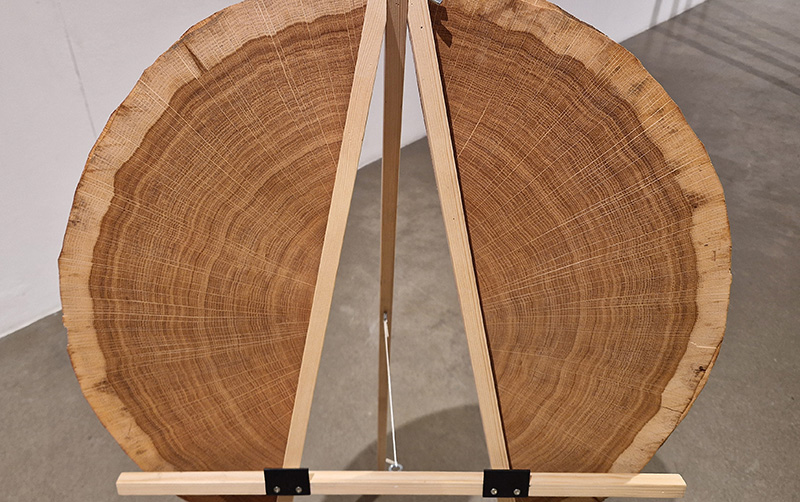
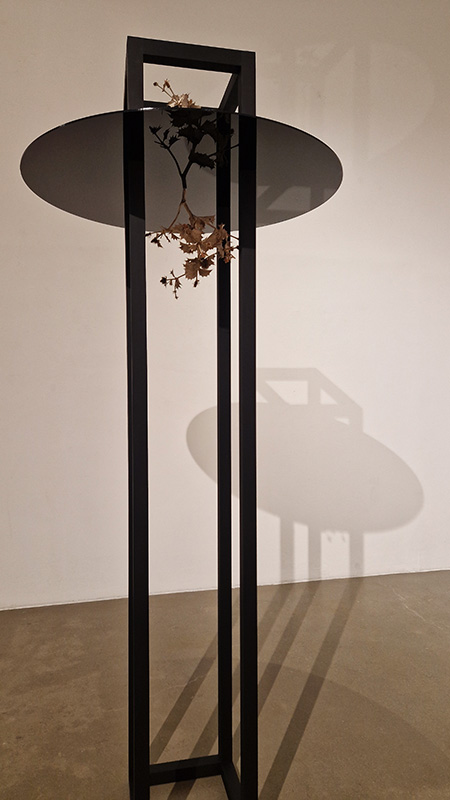
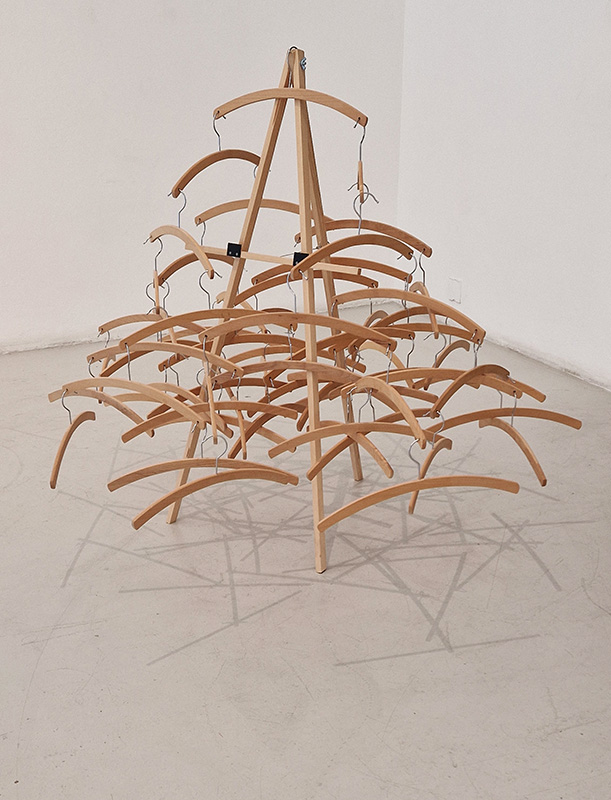
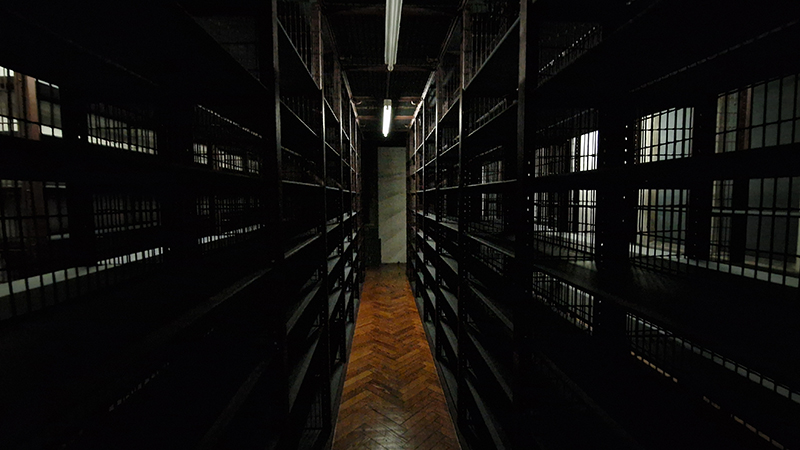
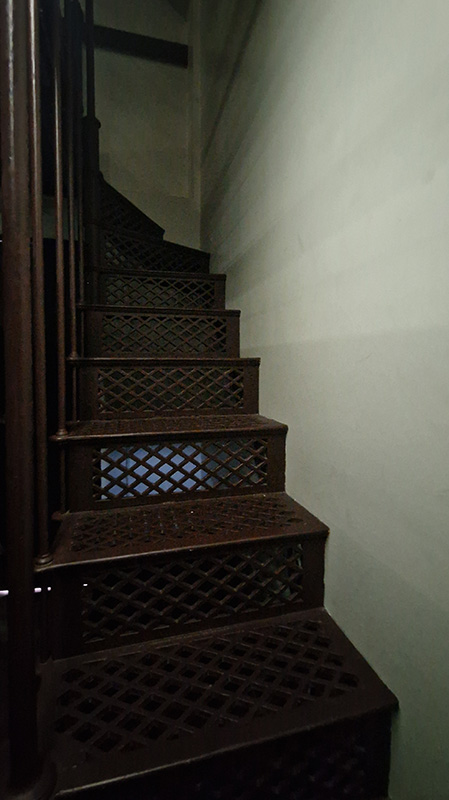
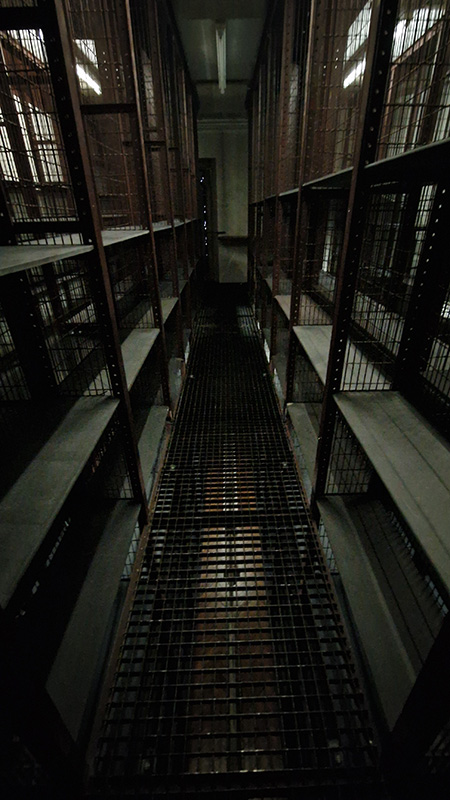
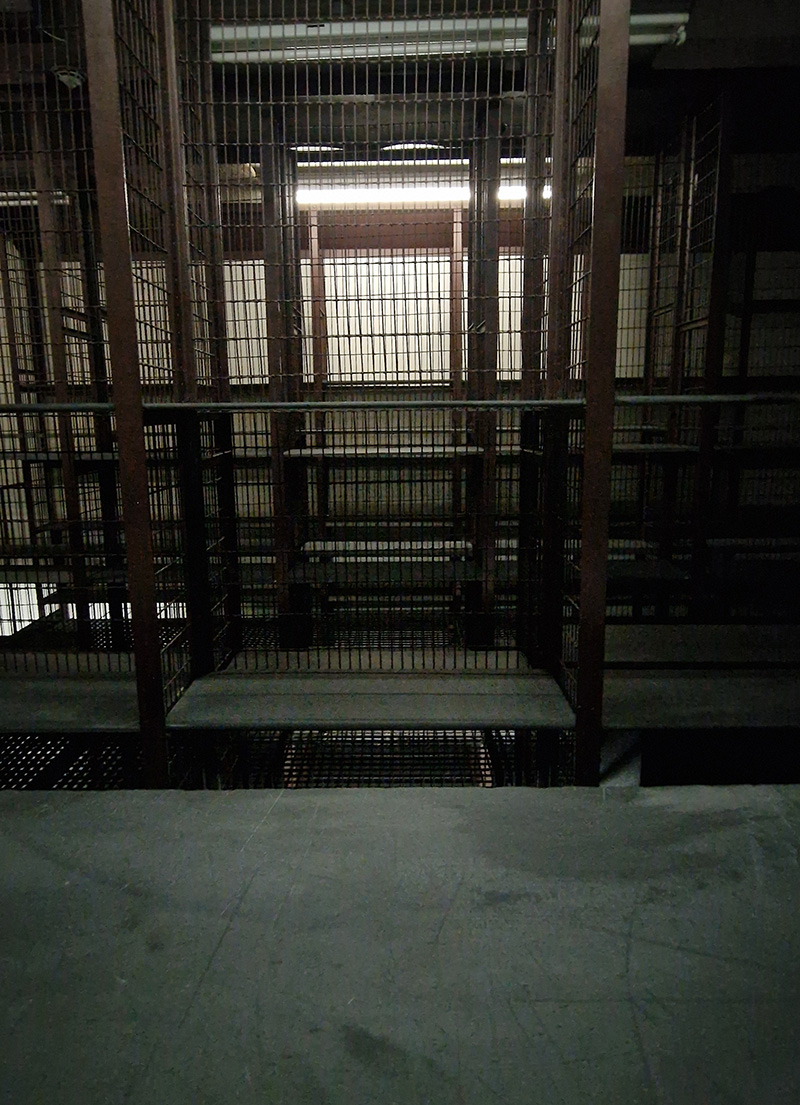
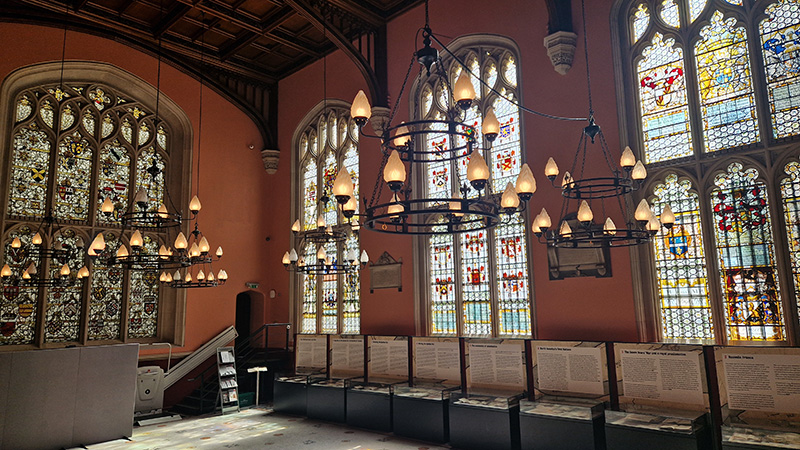
Terrence Gower Enemies and Rascals supported by Artangel and installed in the Original Cell in the Maughan Library, Kings College London, the first purpose built fire-proof building for housing public records and where the records were held for the tale that Gower unfolds within this cloistered space. The narration using transcripts from historical records tells the story of the newly formed America’s failed attempt to seize Canada from the British. Notable is the indigenous perspective who watch with horror as what they deem to be brothers ferociously fight each other for territory which had always been theirs and their plea for peace.
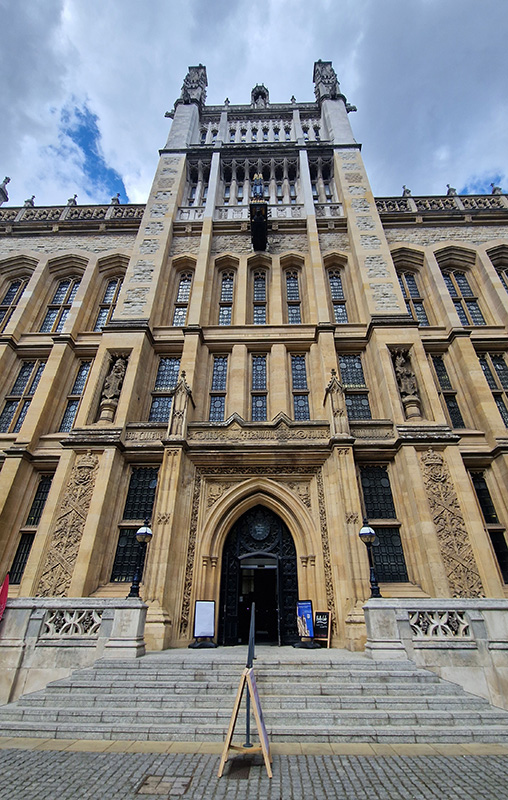
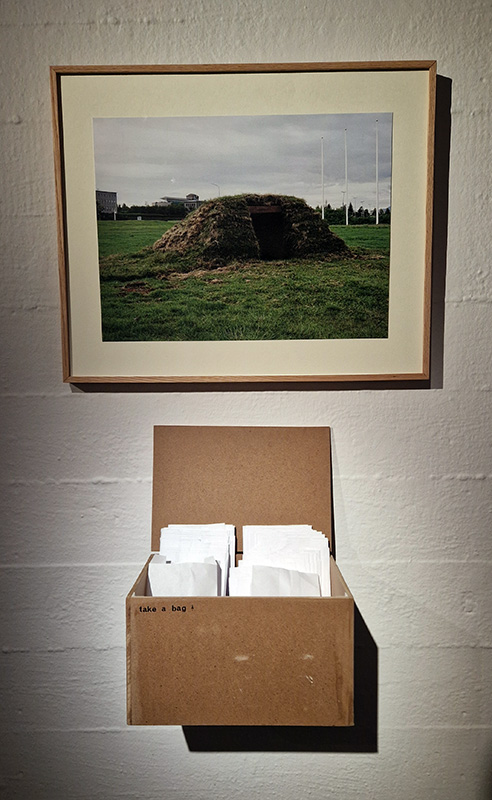
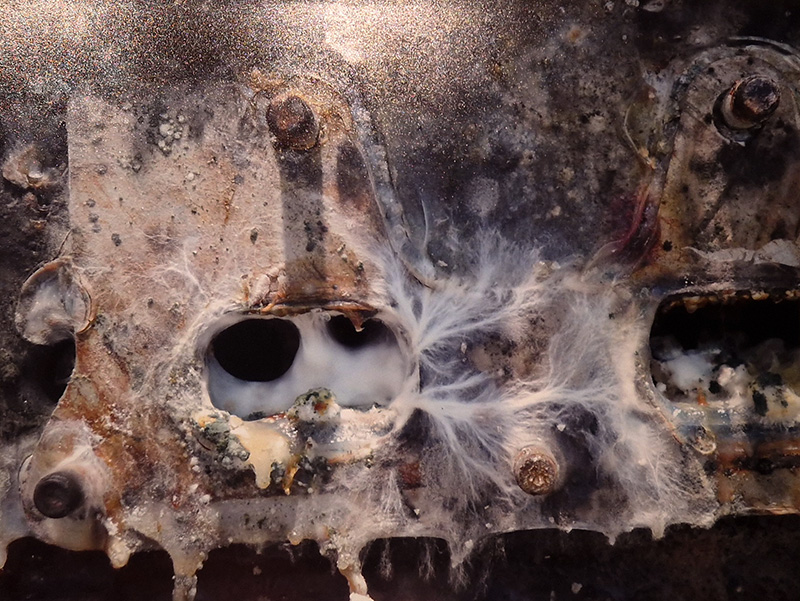
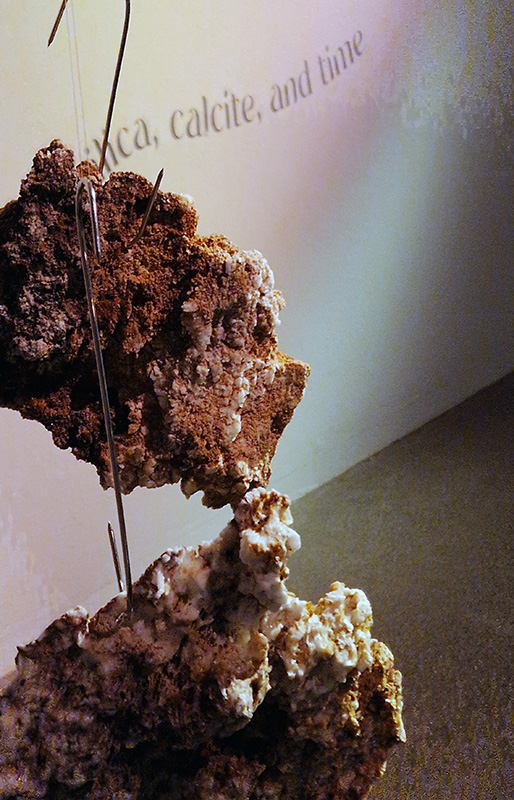
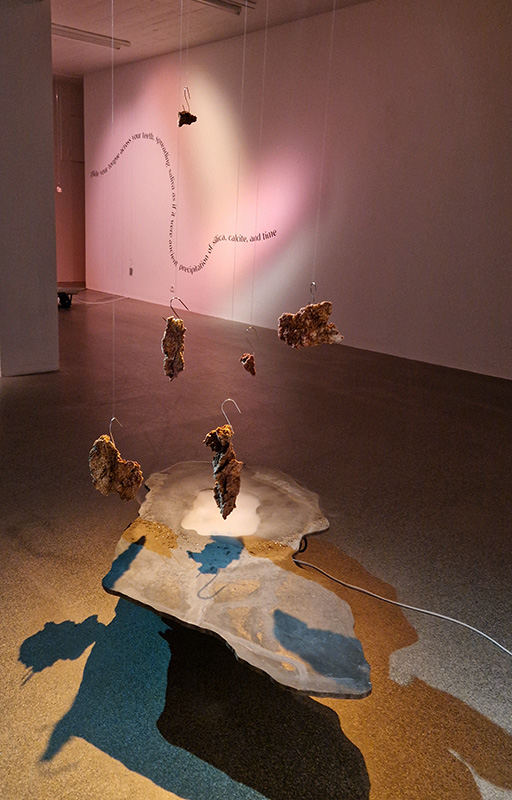
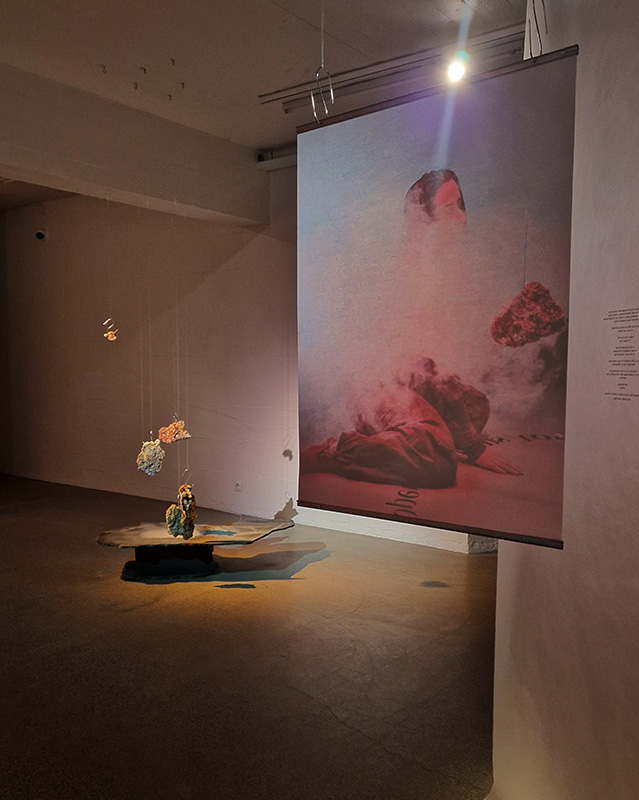
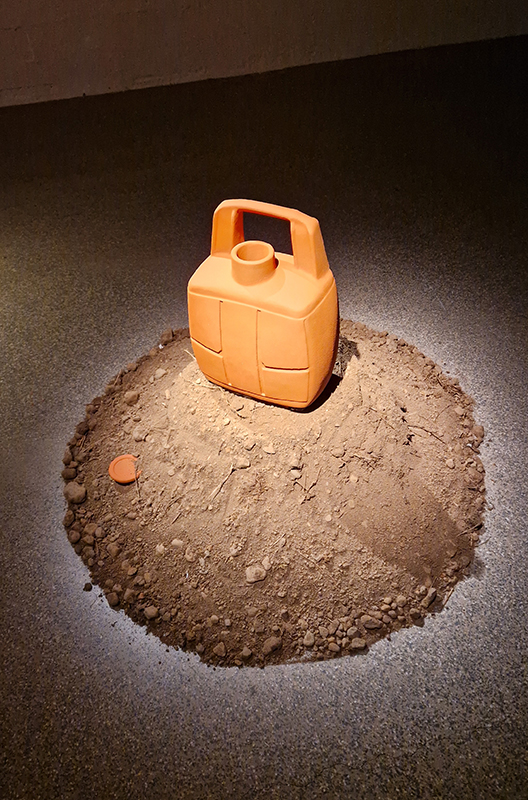
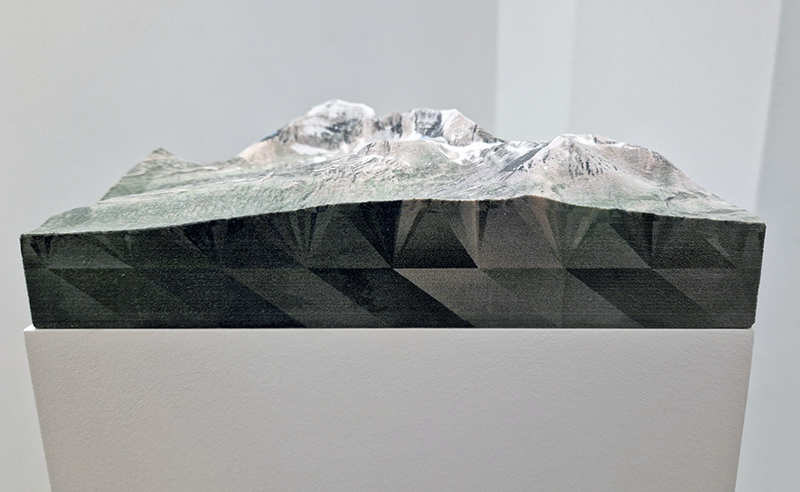
Membrane / Himna at The Nordic House, Reykjavik beautifully curated by Thomas Pausz presents seven artists whose works expand on ecological awareness of soil-making processes.
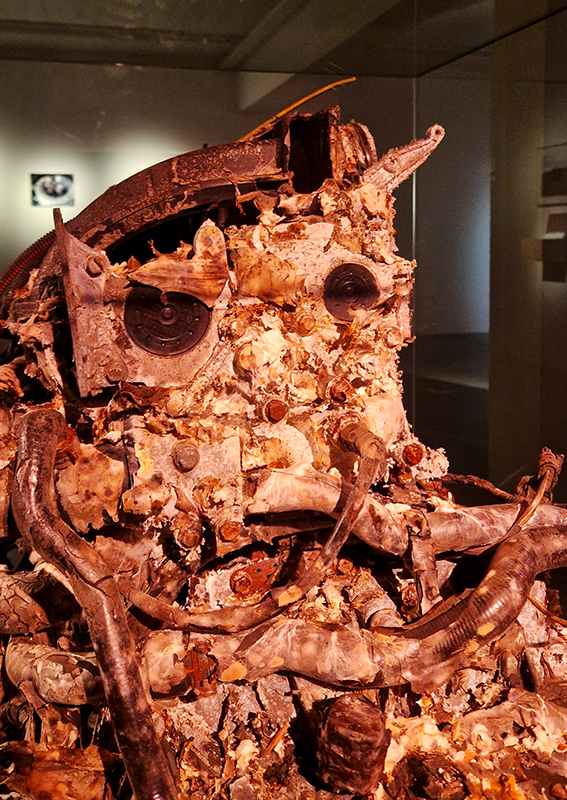
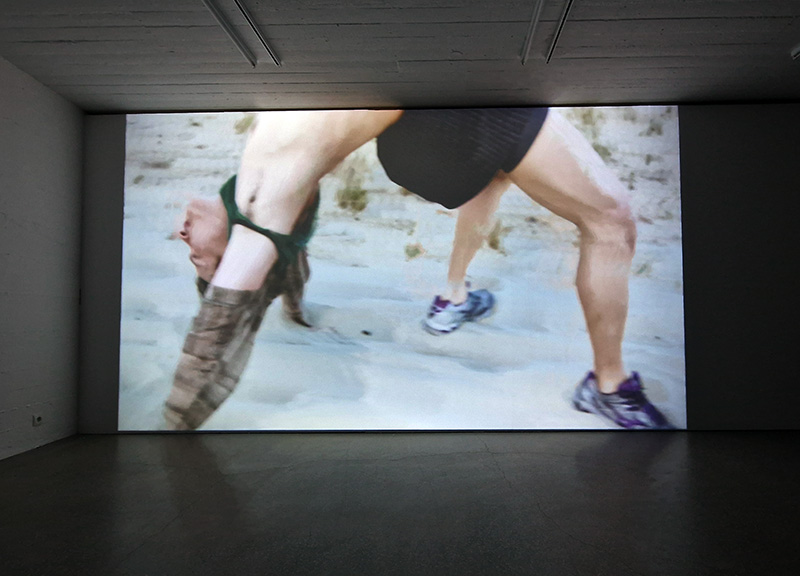
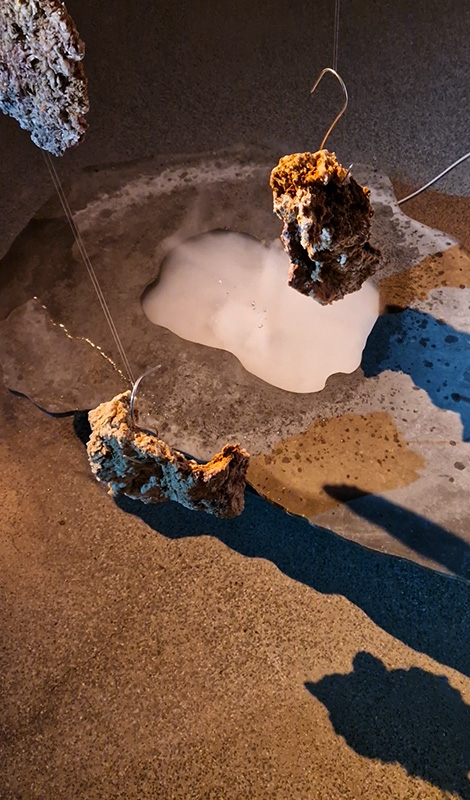
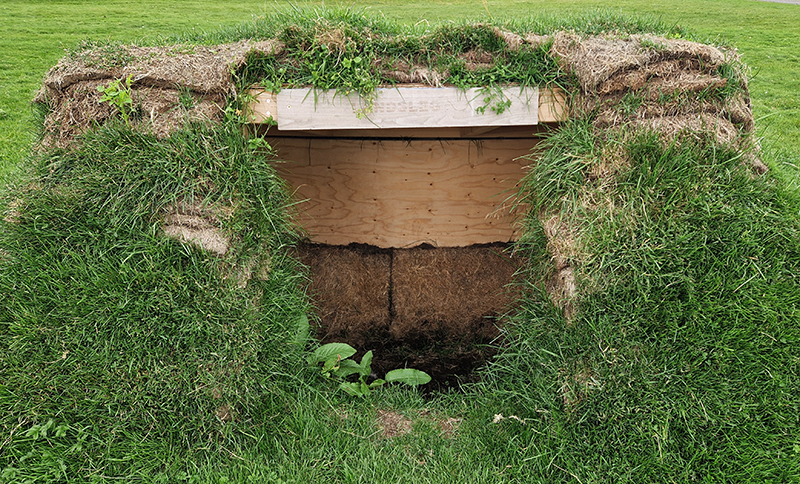
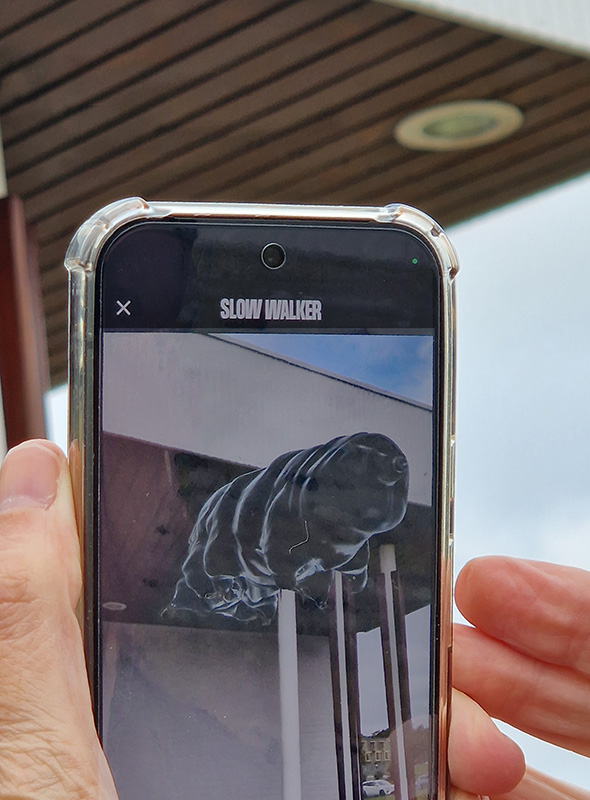
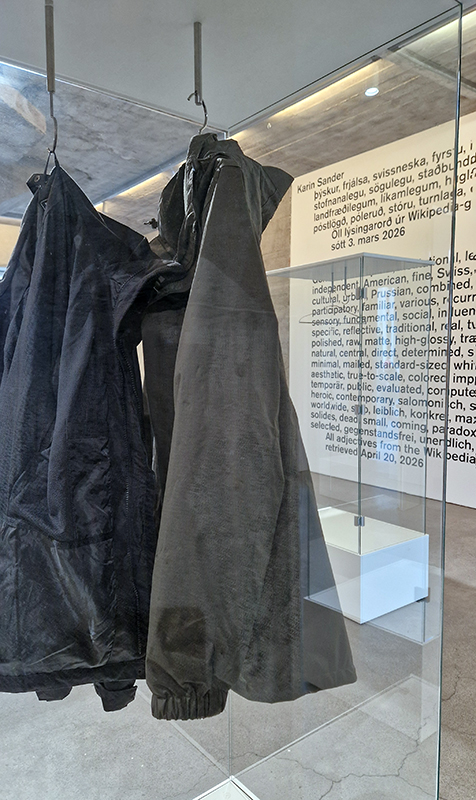
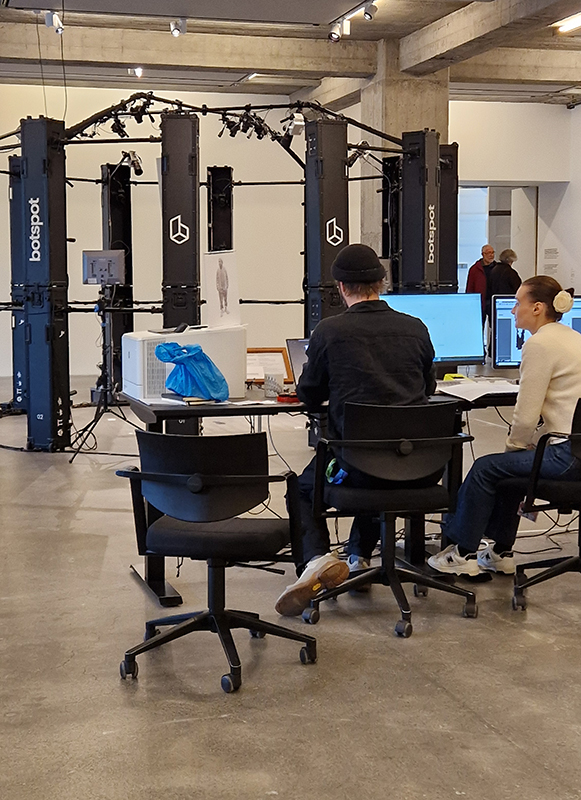
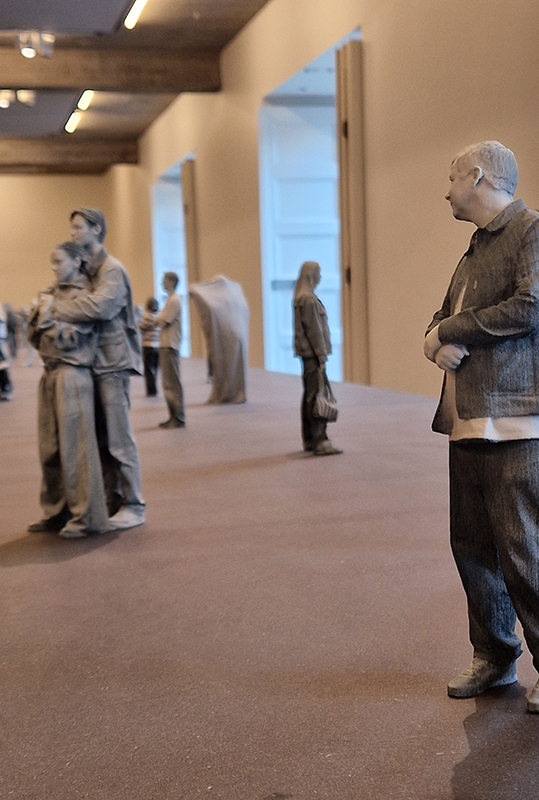
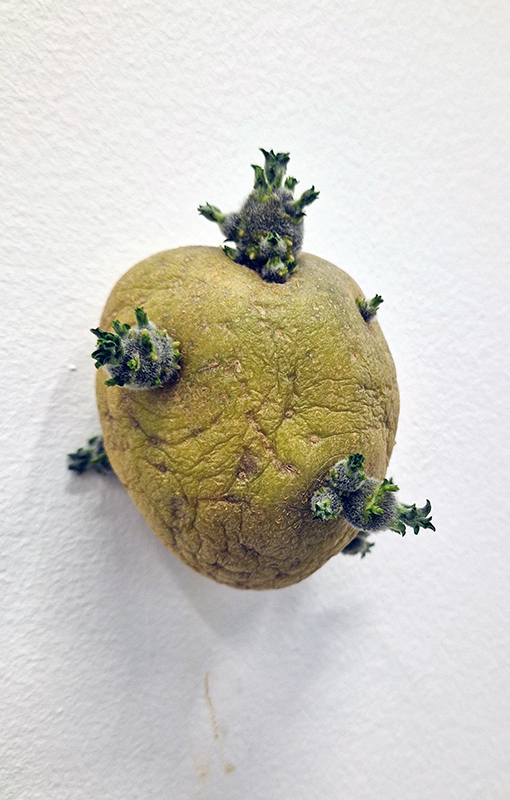
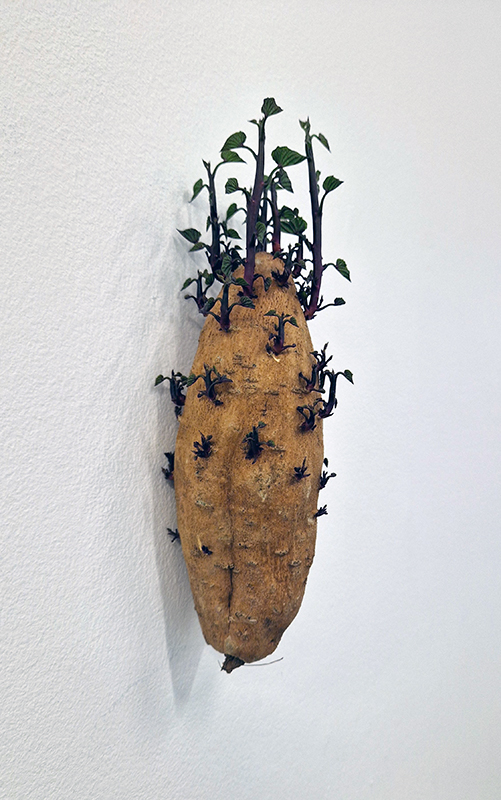
Karin Sander 1957 – 2057 at Reykjavik Art Museum. Many of her works rely on the participation of exhibition visitors or the influence of the surrounding environment, and her subtle interventions into the museum space invite reflection on the purpose and nature of the place itself. We hung our coats in a glass vitrine and became living sculptures balanced on plinths in a dangerously slippy courtyard. The exhibition explores notions of site-specificity in geographical, physical, and conceptual terms. Visitors are invited to have themselves scanned and 3D printed as freakily realistic small figurines. I liked the potatoes.
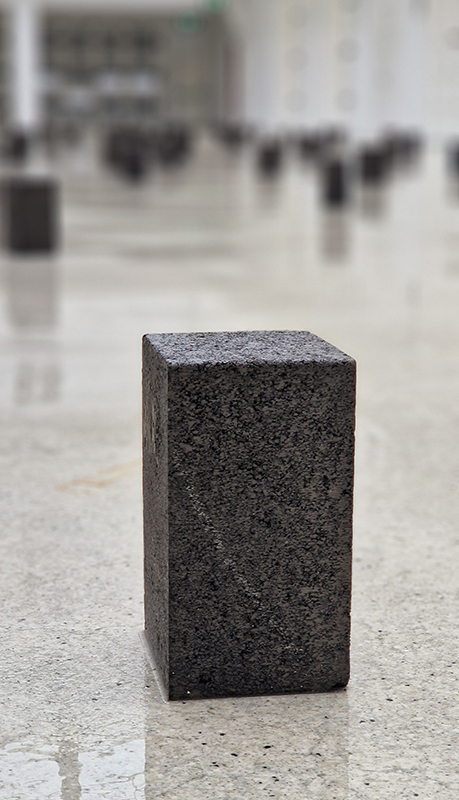
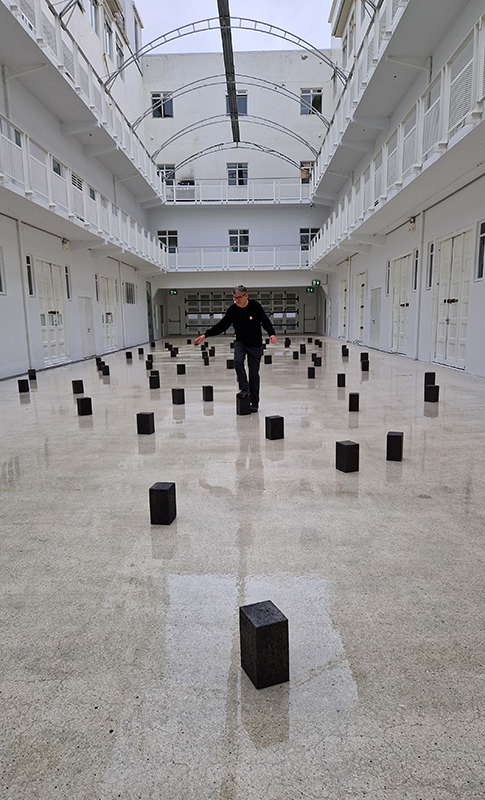
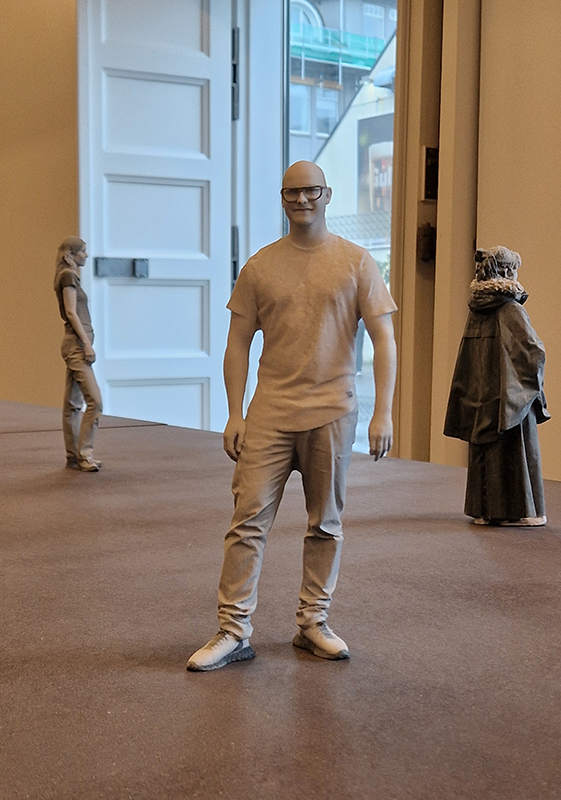
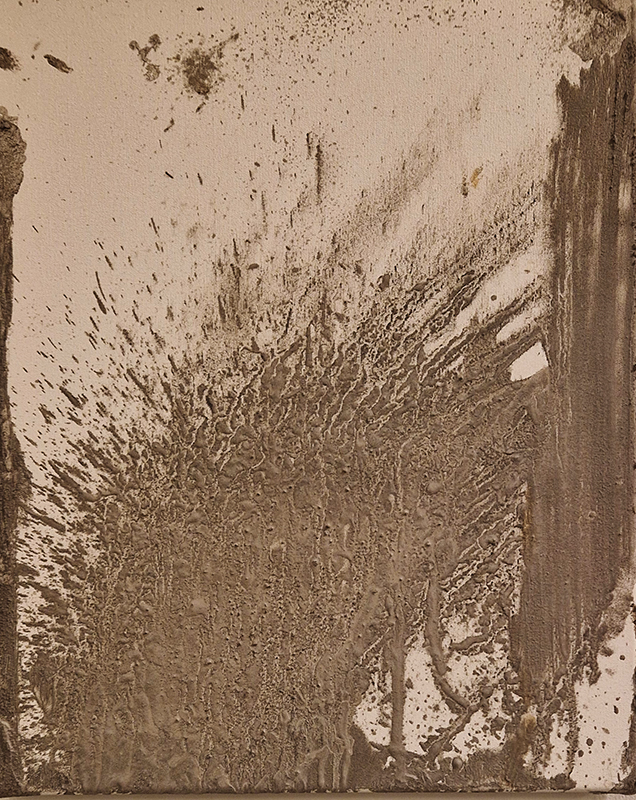
Wonderland, an exhibition series at Ásmundarsafn (Reykjavík Art Museum) where artists are invited to temporarily relocate their studios into the museum, offering the public an insight into their work and creative process. For his residency, Finnur Arnar Arnarsson moved both his studio and personal belongings into the museum, staying and working there continuously for nine weeks. The imagery he painted onto the building dome draws on notions of masculinity as shaped by societal concepts, prompting reflections on creation and destruction, the digital and ever-connected world, power, responsibility, and influence. The text translates as – The purpose of life is to minimise the harm you make.
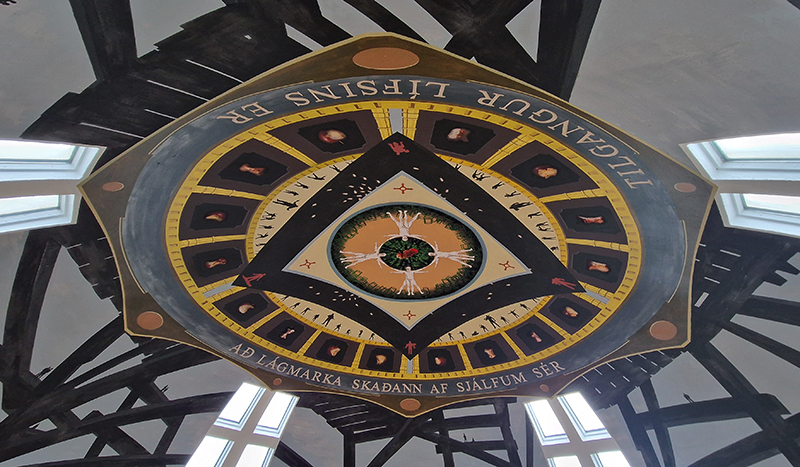
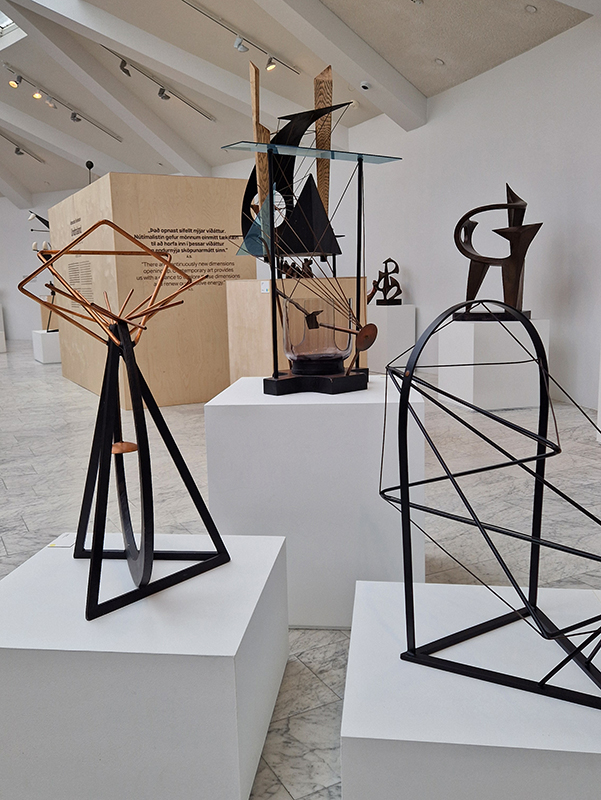
Sculpture Museum Ásmundursafn is dedicated to the works of the sculptor Ásmundur Sveinsson (1893-1982). The striking modernist building he designed was once his home and studio.
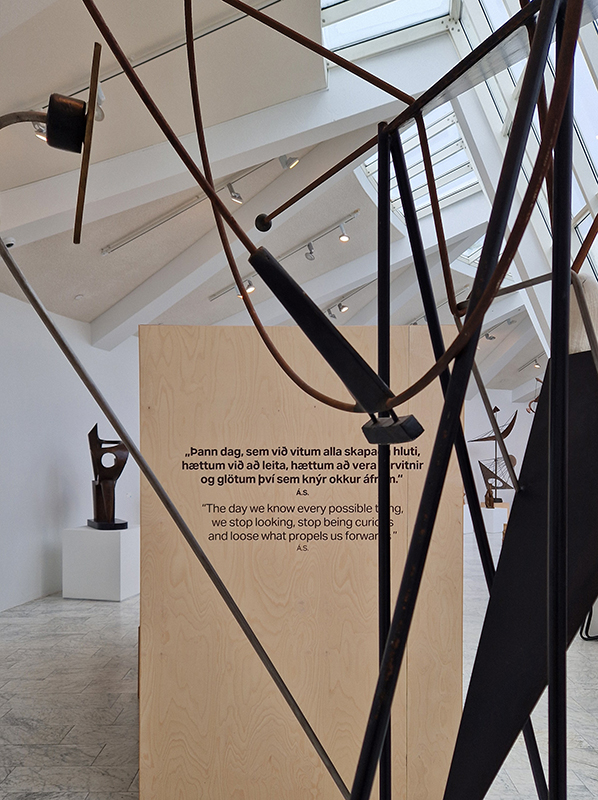
Dominic Shepherd The Hollow Hill, curated by Charlie Smith Gallery in appropriately subterranean and labyrinthine office basement.
Shepherd and his wife now live on The Hollow Hill, a place with its own histories, myths, and hidden currents. Their home sits at the original entrance to an Iron Age hill fort, built directly into the ancient ramparts high above the Dorset vales. The hill is a place shaped by time and disappearance. Beneath its surface lies a network of hidden waters, where springs emerge around and above the summit. Once the site of a holy well, reputed to contain a golden tablet with healing powers, the hill was also home to an anchorite’s chapel. Following the Reformation, these disappeared, though pilgrimage continued with the great agricultural fair held each Autumn equinox. The site later entered literary history through Thomas Hardy’s Far from the Madding Crowd. Where a hamlet once stood on the hill, before gradually vanishing in the late twentieth century, only the house where the Shepherds now live and a derelict farm building remain.
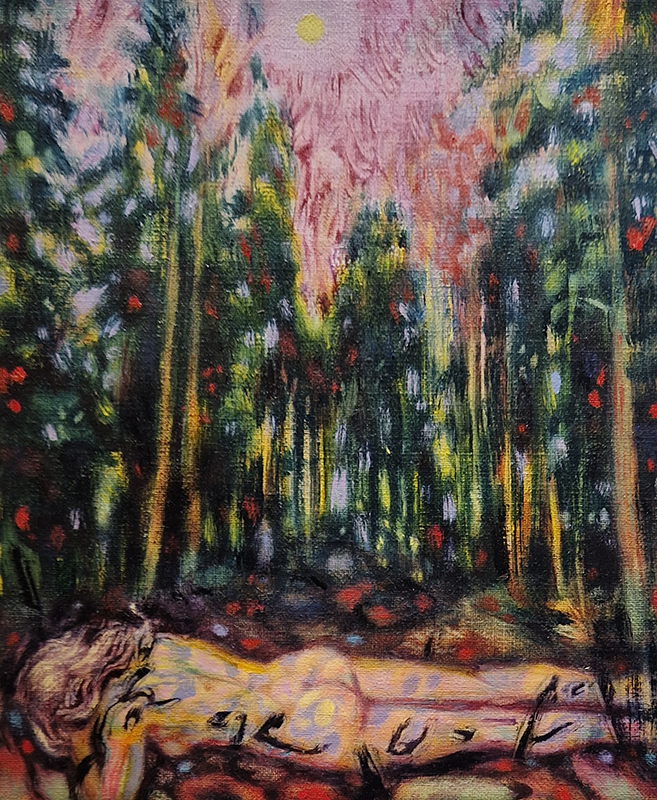
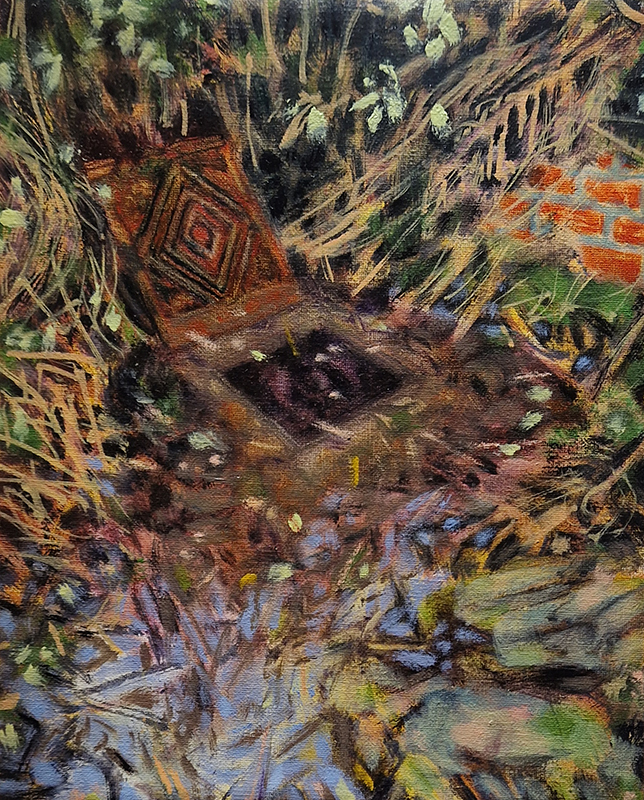
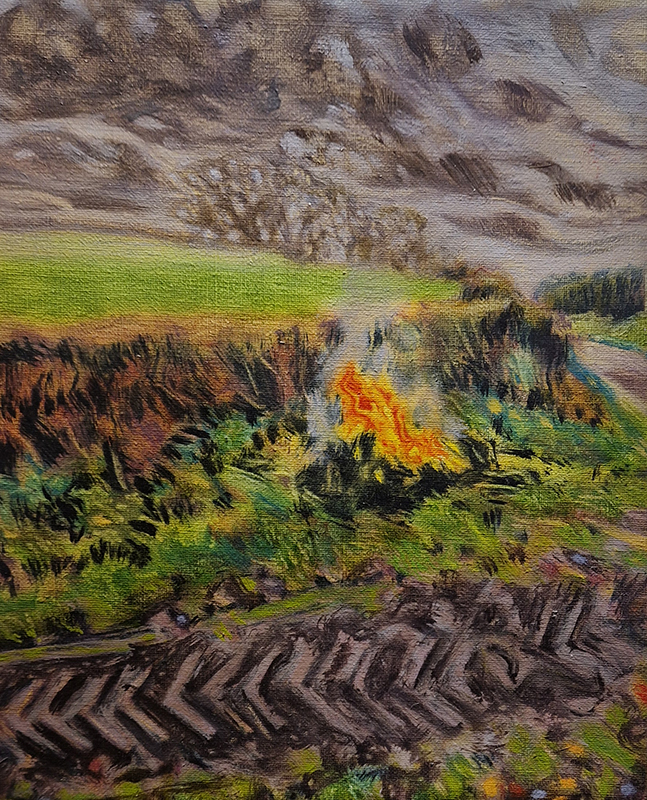
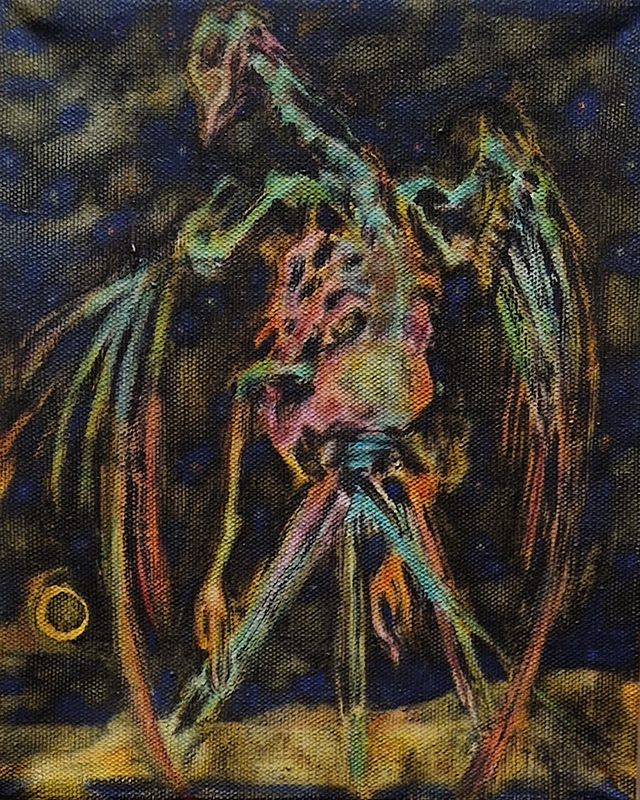
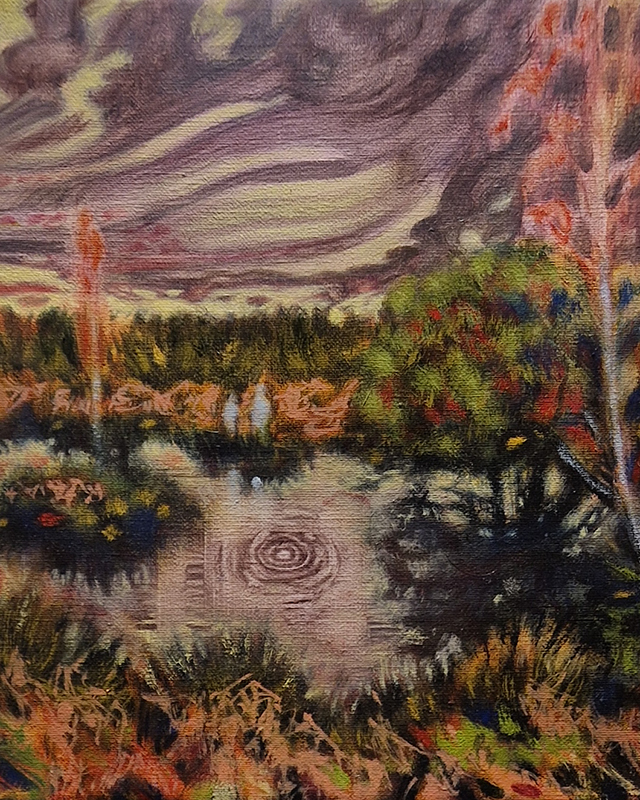
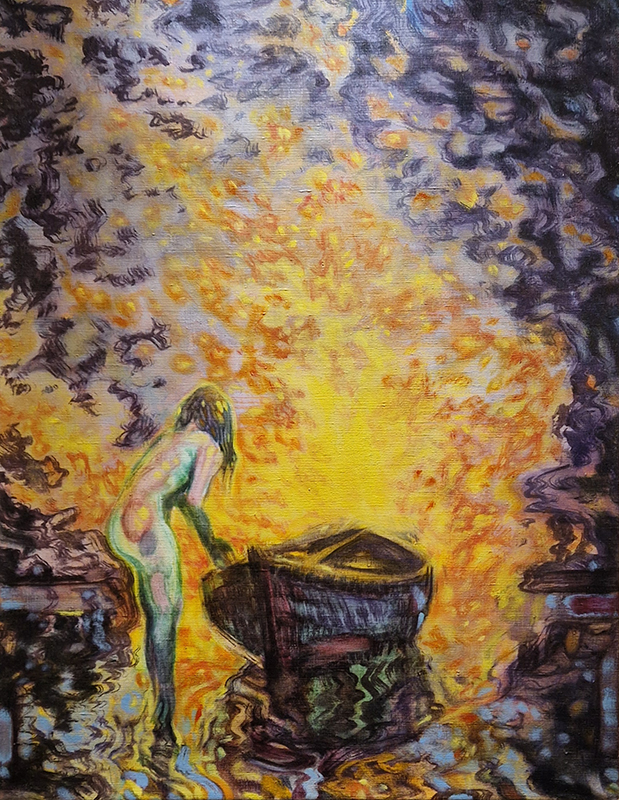
I wanted to see these new works as I had quoted Shepherd in my dissertation Finding Paradise (ROYAL COLLEGE OF ART
Printmaking 2014 words10,440).
By following the path of the poet “finding resonances and poetic contemplation in the forgotten zones”[1] we leave the confines of the everyday. As an example of the sacred emerging from the profane, Dominic Shepherd offers us a black mirror for our time in his digital photograph ‘The Puddle’. He doesn’t present the 21st century dark screen of a smart phone or tablet to scry the future but suggests we gaze into the murky depths of water slicked with oil on waste land. He points us in the direction of “the edgelands” to locate our dreams.
“It is within our imagination that one sees the invisible, the unformed, the possible. It is here, in the garden of the mind, that one can mentally contrast and bring to bud the ‘pastoral’ for our present and future age.”[2]
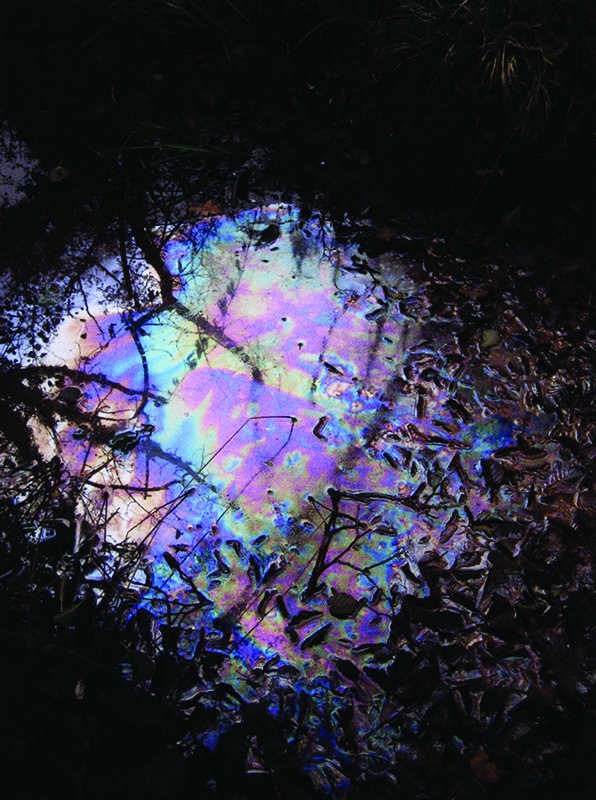
[1] Dominic Shepherd refers to poets Paul Farley and Michael Symmons Roberts, ’Edgelands: Journeys into England’s True Wilderness (London: Jonathan Cape, 2011). “The Golden Age, Between Wilderness and Utopia” in The New Pastoralism: landscape into architecture. Architectural Design May/ June 2013. (Chichester: Wiley, 2013) p.30. [2] Dominic Shepherd. “The Golden Age, Between Wilderness and Utopia” in The New Pastoralism: landscape into architecture. Architectural Design May/ June 2013. (Chichester: Wiley, 2013) p.31.
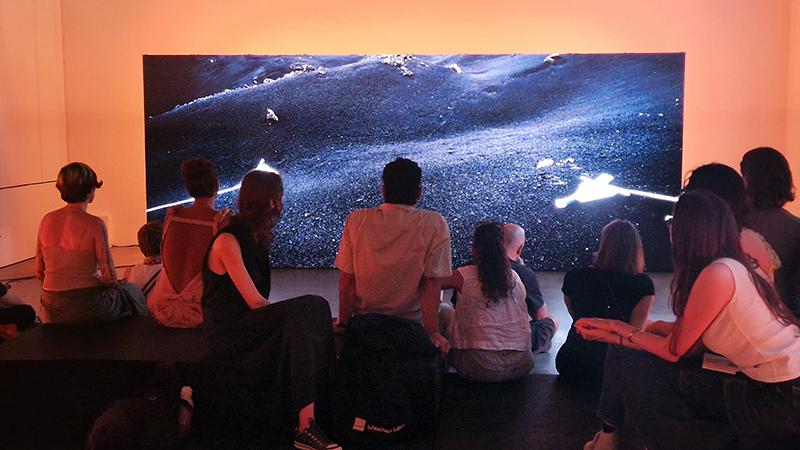
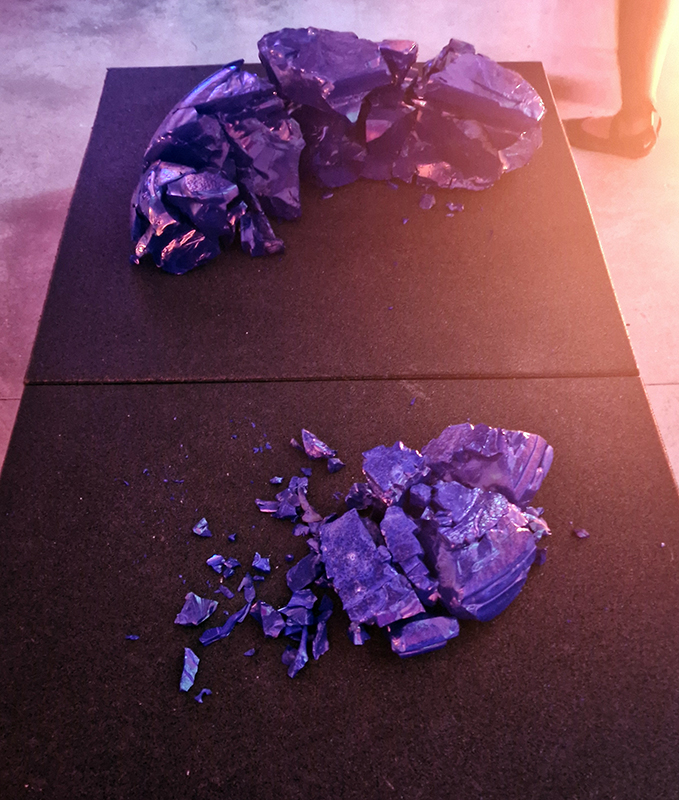
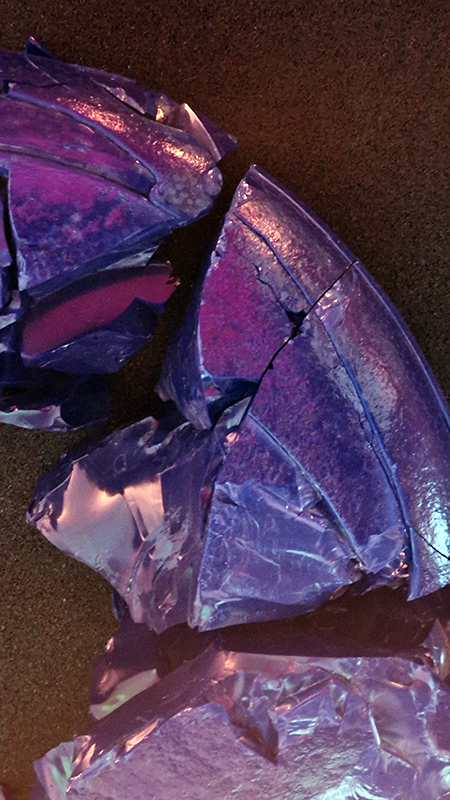
I enjoyed the opening of Elisa Giardini Papa video installation She Flickered In and Out of History at the ICA. A great precursor to my trip to Iceland to experience the volcanic landscape there. It’s a beautifully put together film drawing from an underwater volcanic eruption in 1831 that gave rise to a new landform between Tunisia and Sicily, sparking a violent sovereignty dispute among European powers. Six months later, the island vanished beneath the surface. Historical observations of the altered colour of the sun, caused by the release of volcanic particles and sulphur aerosols into the atmosphere, are also referenced where observers from the Mediterranean to the Middle East and the Caribbean reported seeing blue, green, and purple suns. The exhibition also featured shattered pieces of obsidian which is created when rhyolite lava is cooled quickly.
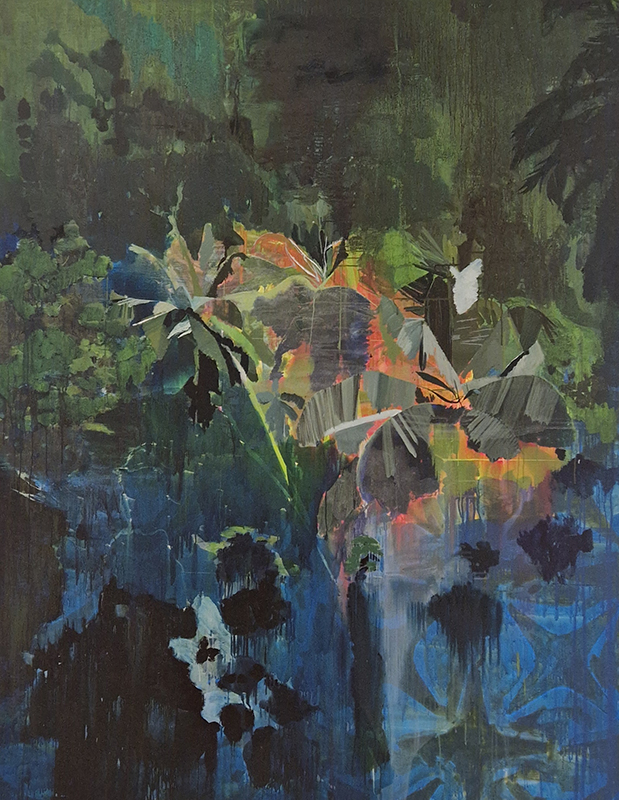
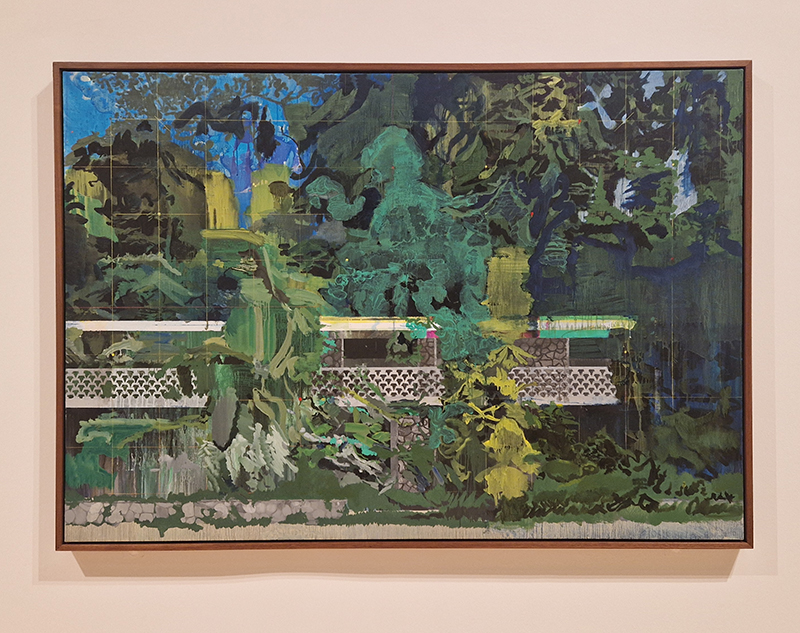
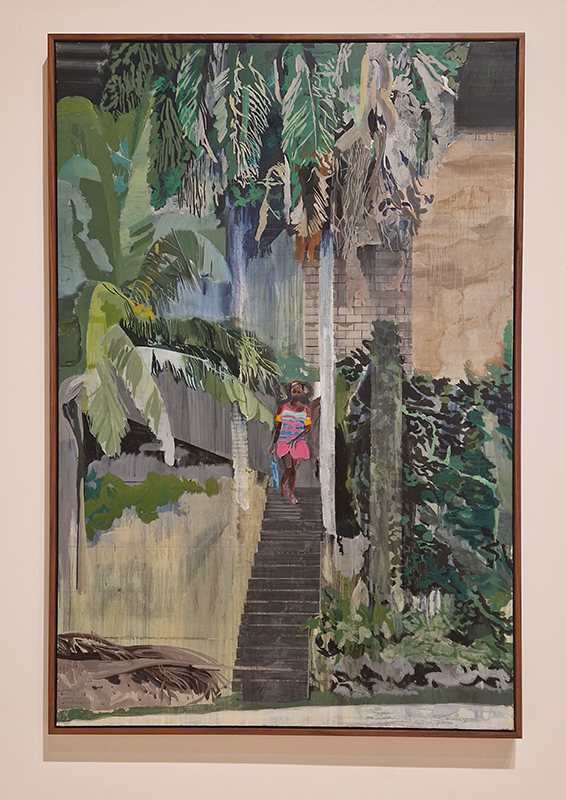
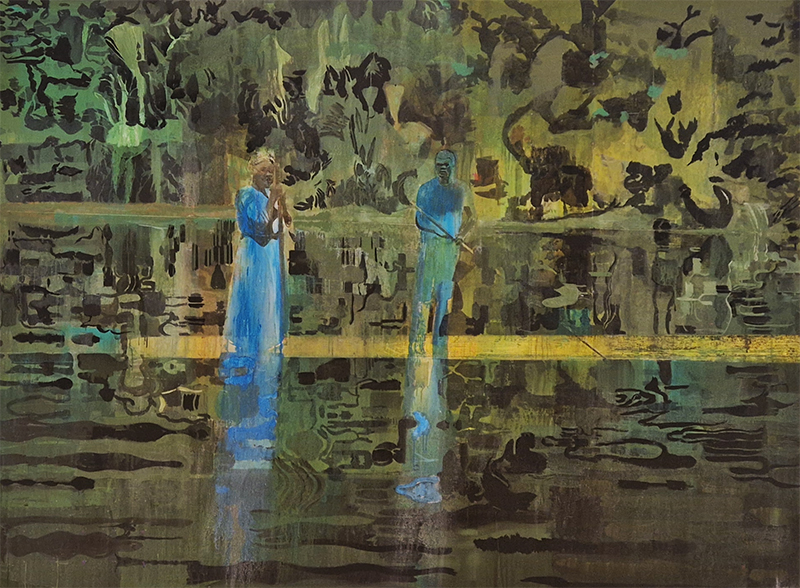
Hurvin Anderson at Tate Britain. I know these paintings originated from trauma and dislocation and feeling an outsider but they are so seductive. Sensory overload.
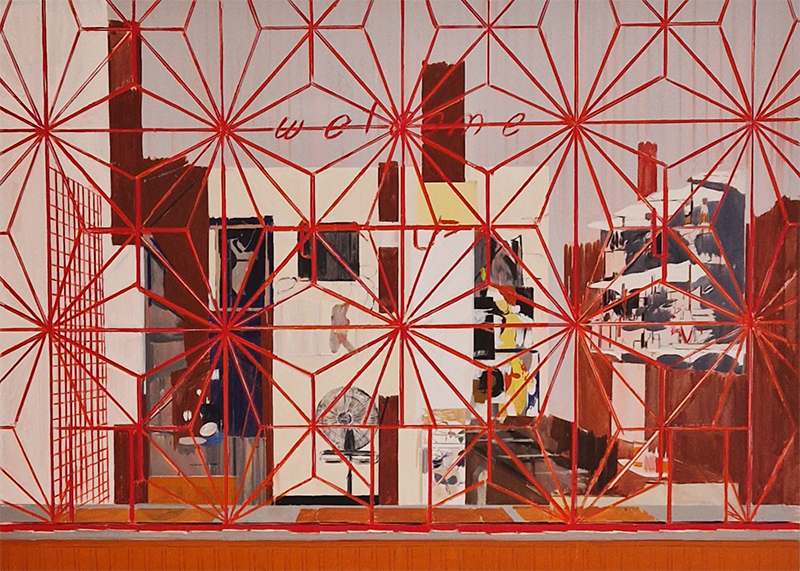
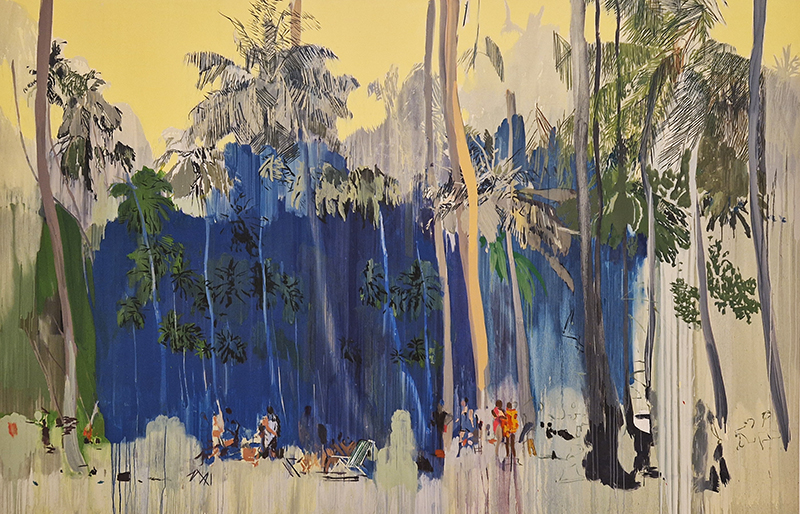
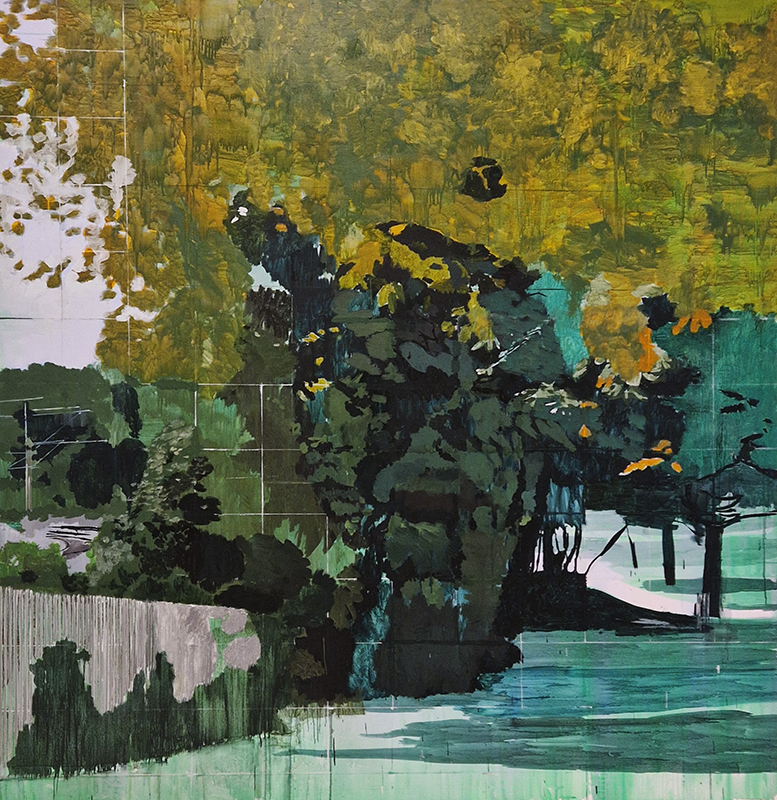
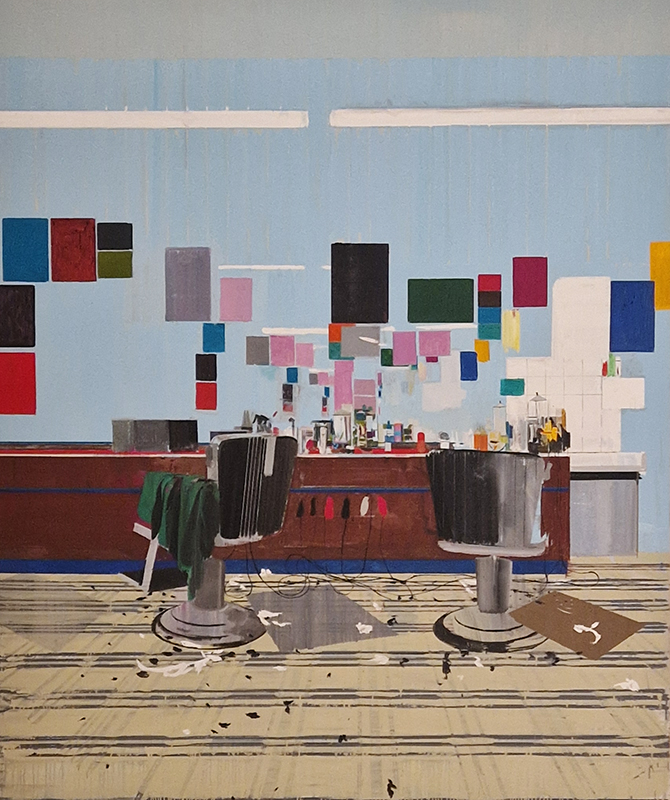
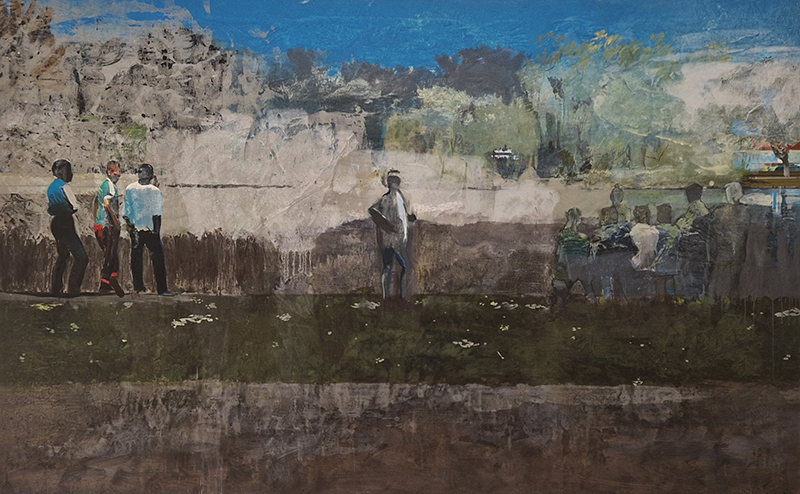
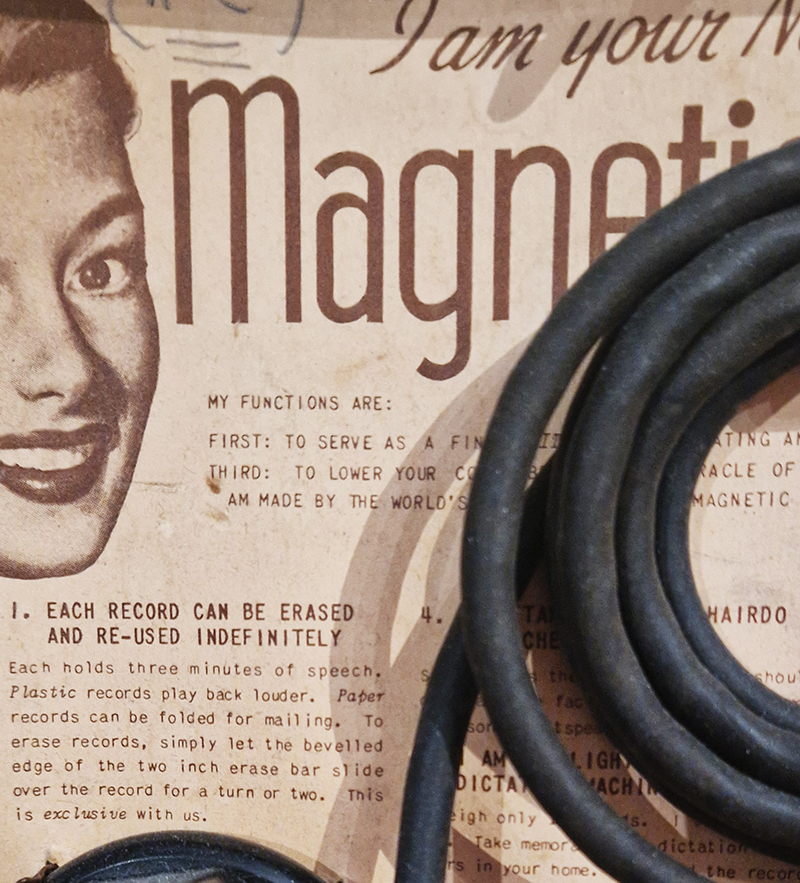
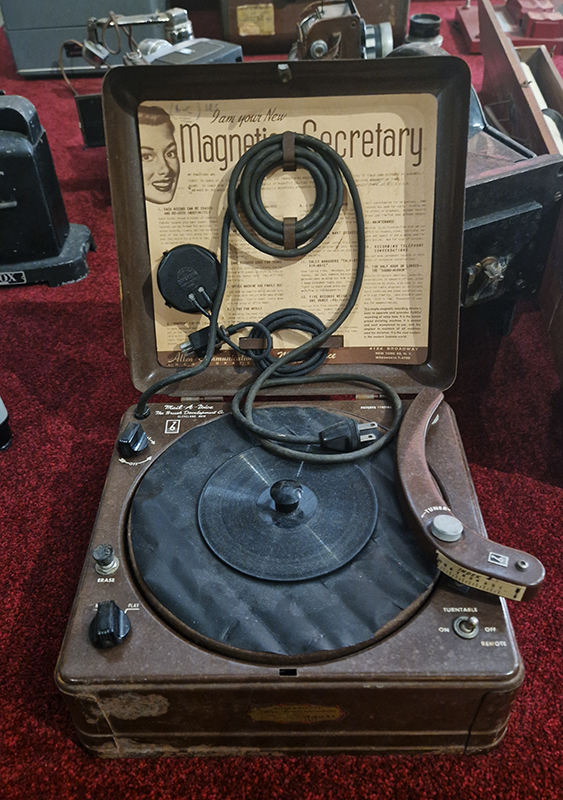
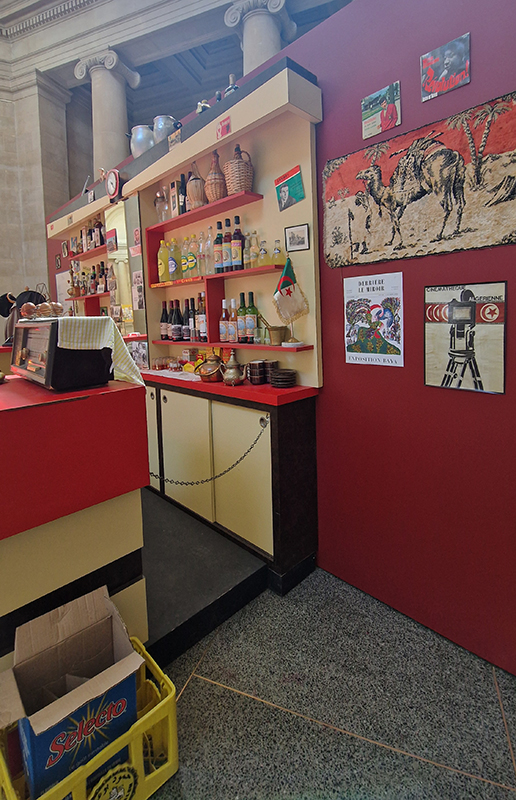
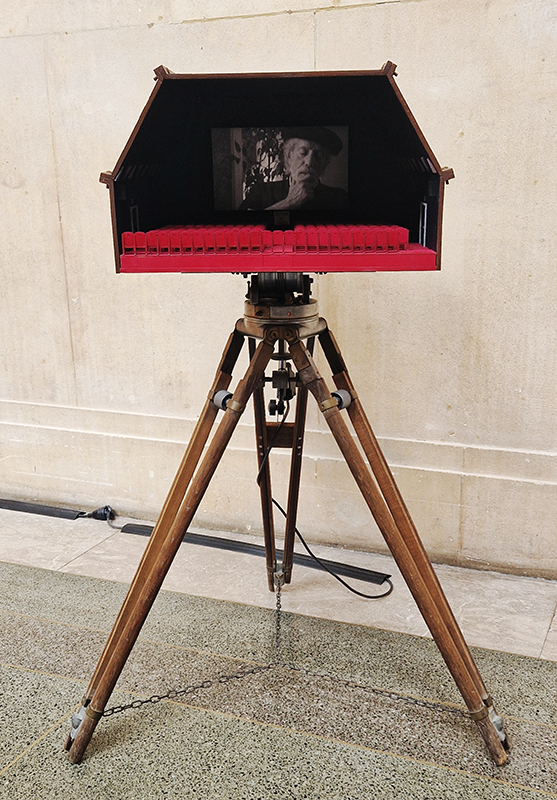
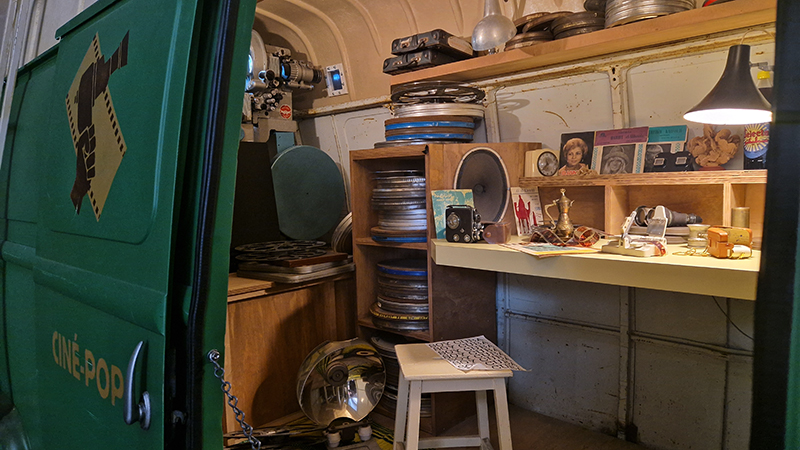
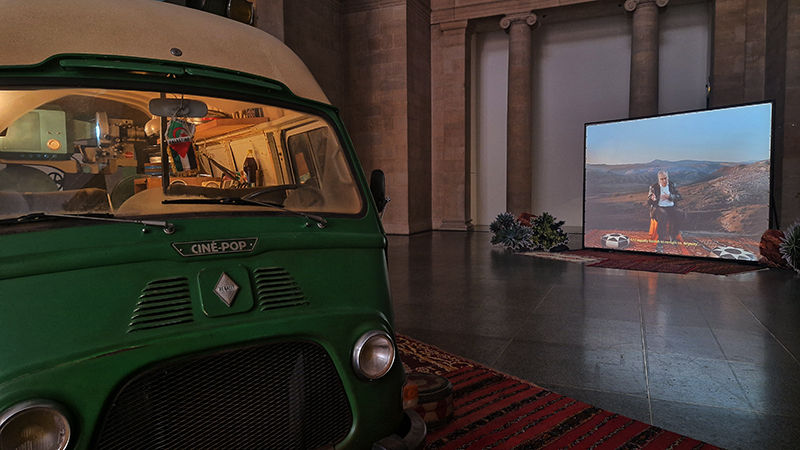
Zineb Sedira, When Words Fall Silent, Cinema Speaks at Tate Britain. Sedira’s work draws on personal encounters within the Algerian diaspora of Africa. Taking inspiration from family archives and the history of cinema. I loved the mini cinema on a tripod and was fascinated by the ‘Magnetic Secretary’.
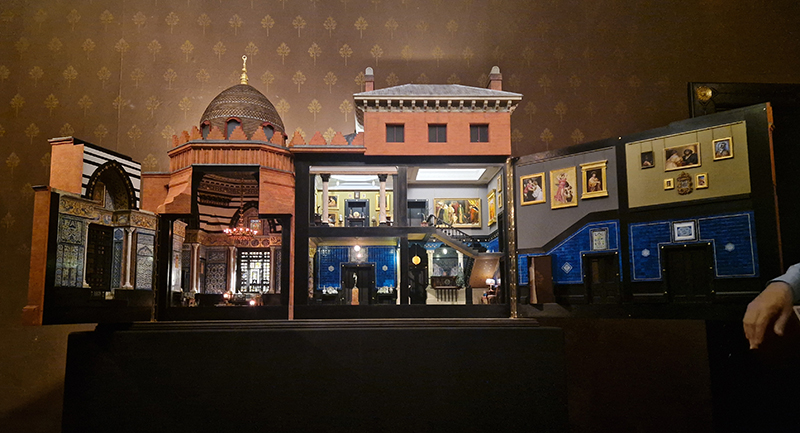
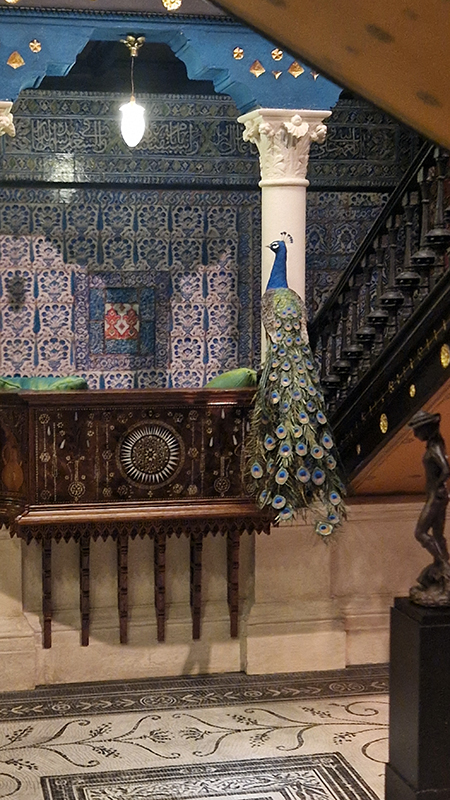
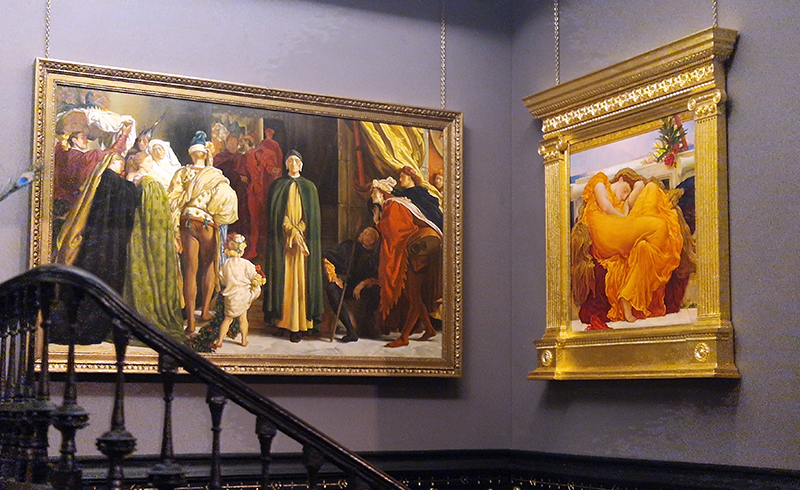
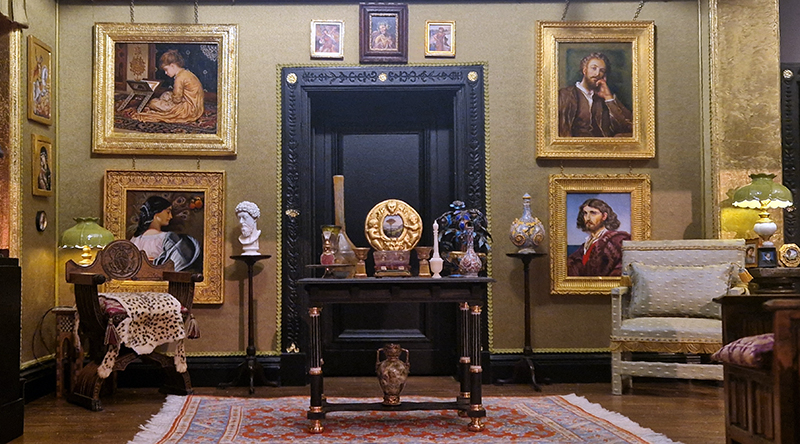
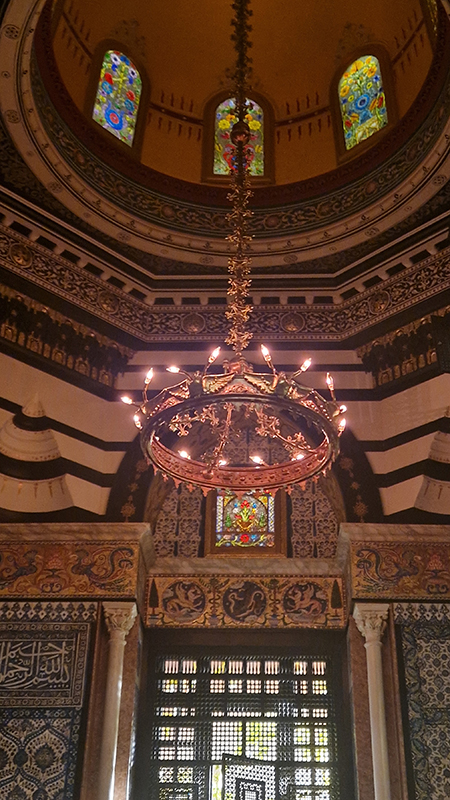
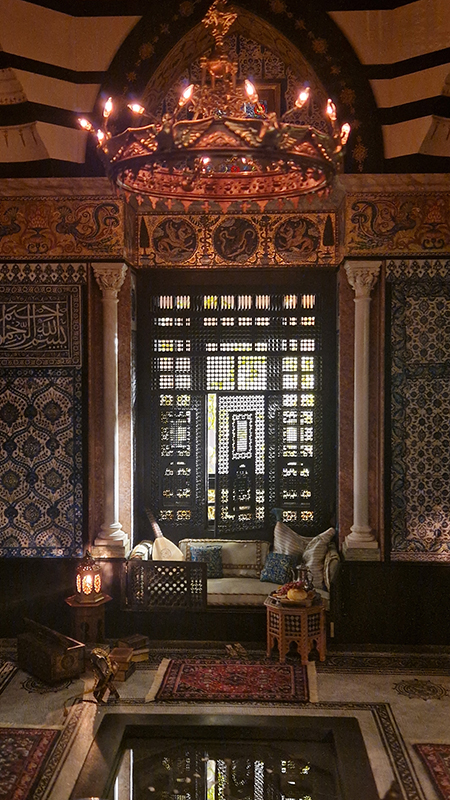
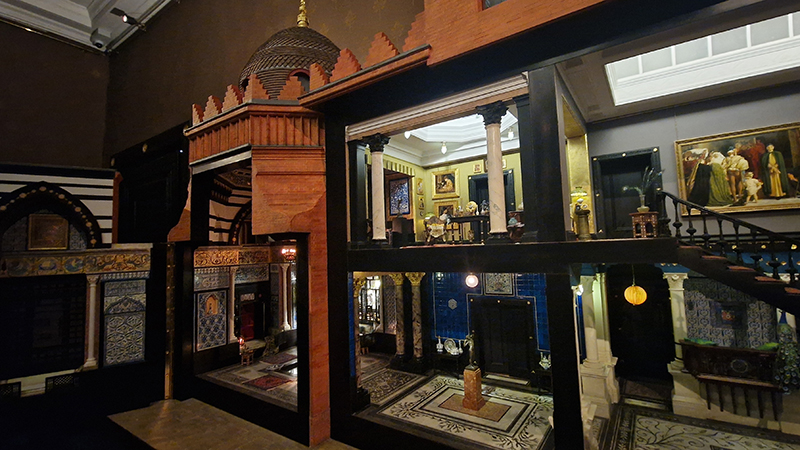
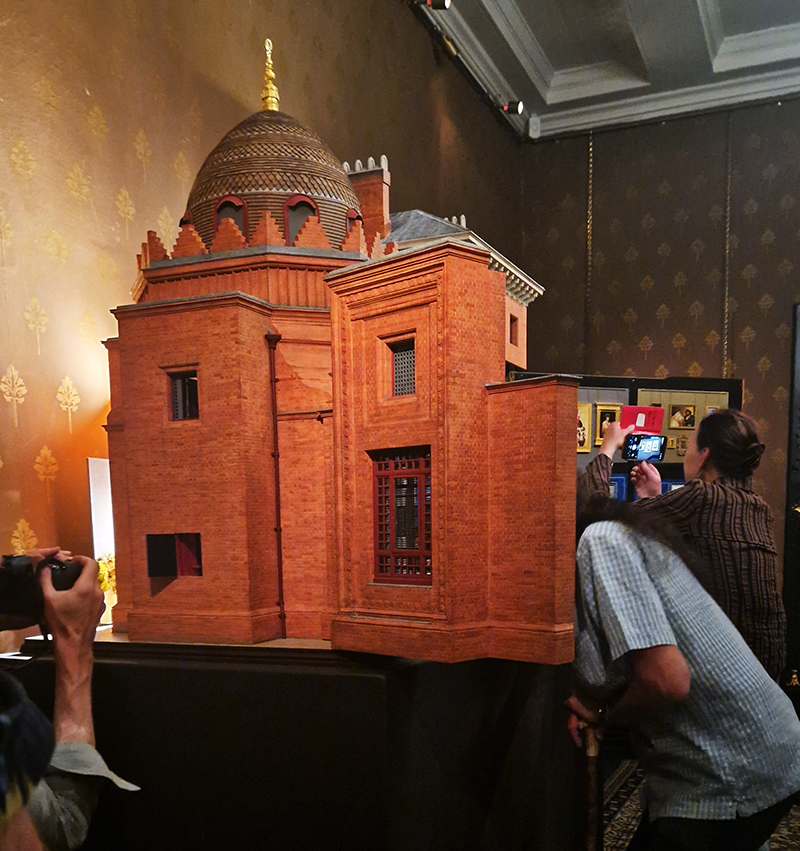
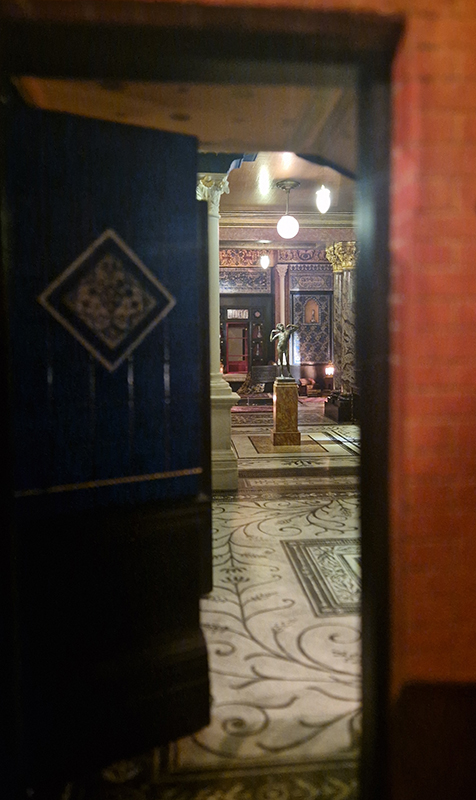
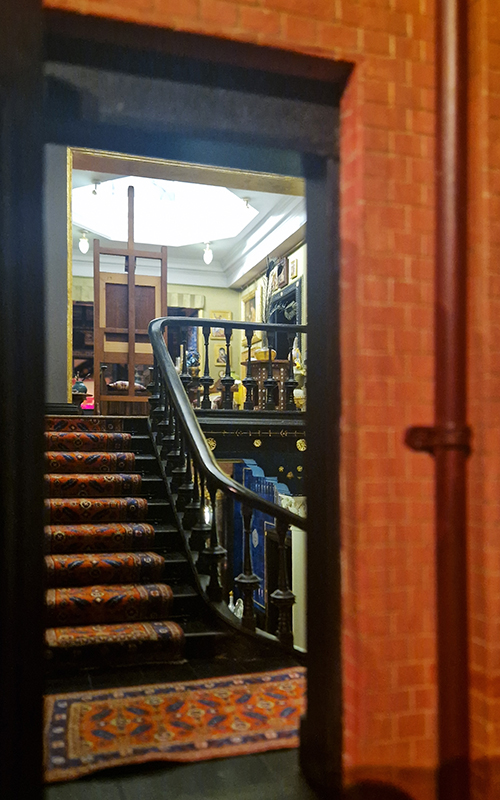
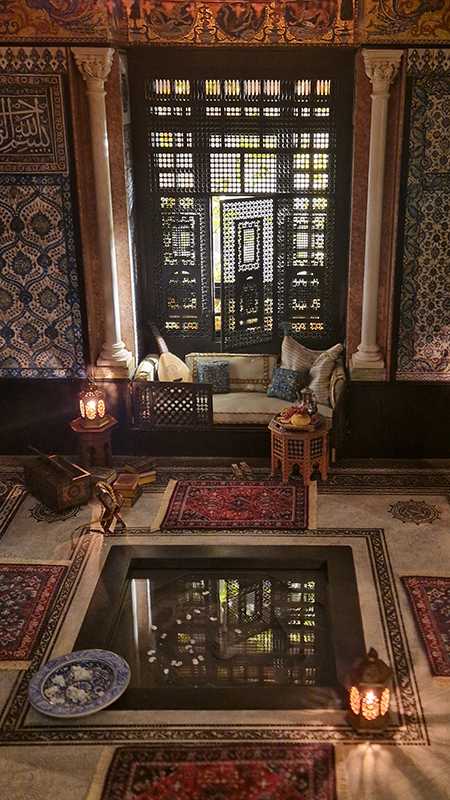
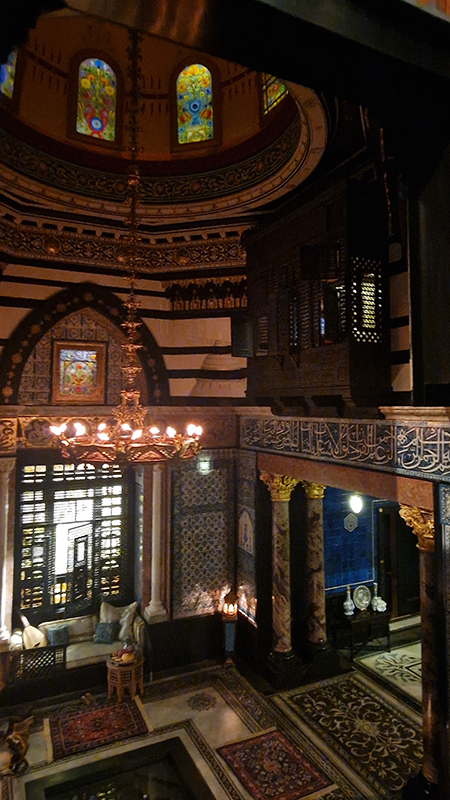
In sorting out my photos from the visit to Leighton House to see the 1/12th scale model by Susie Mulvany and Kevin Rogers I had trouble deciding which were of the full size house and which were of the model. Their excellence in creating miniatures is astounding. Leighton House is the former studio-home of Victorian artist and President of the Royal Academy, Frederic, Lord Leighton (1830 – 1896). He is most famous for painting Flaming June, which doesn’t hang here but is included in the model which aims to capture the essence of the house, rather an exact replica. Every painting is an oil painting, every carpet is woven, the dome is lined with real miniature gold leaf sheets, the windows are Victorian glass, the cabinet is inlaid….and so it goes on, every piece is meticulously made to match the original, just in miniature.
Reading
The Age of Miracles was the choice for the Greenland expedition book club aboard the Sylvia Earle. I can see why it was chosen for its speculation on what would happen if the Earth’s spinning slowed and days became longer and longer, but as the novel is aimed at a teen market with a coming of age saga dominating the storyline, there was a general consensus of disappointment that the science didn’t feature strongly enough and this catastrophic cosmic event wasn’t followed through convincingly. It begins with quite a gripping plot and I found some parallels that chimed with the covid pandemic interesting as it was written in 2012 but was not good for an audience looking for a more science based debate about the sun and circadian cycles.

