Archives for category: Uncategorized

Thinking about being a part of something, how we view and treat others.

Inclusion and exclusion are themes here.

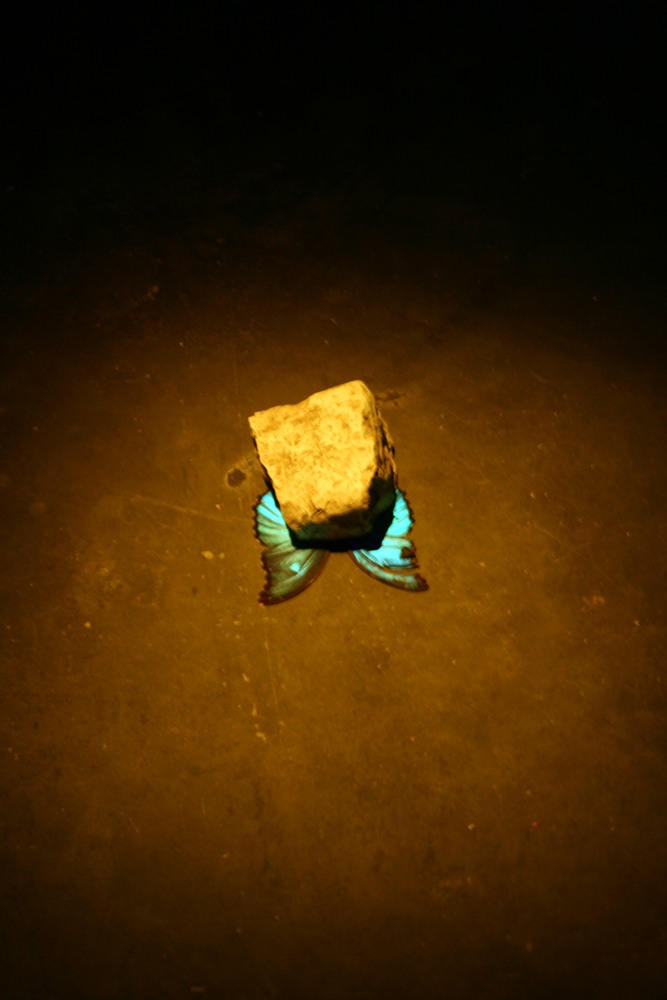
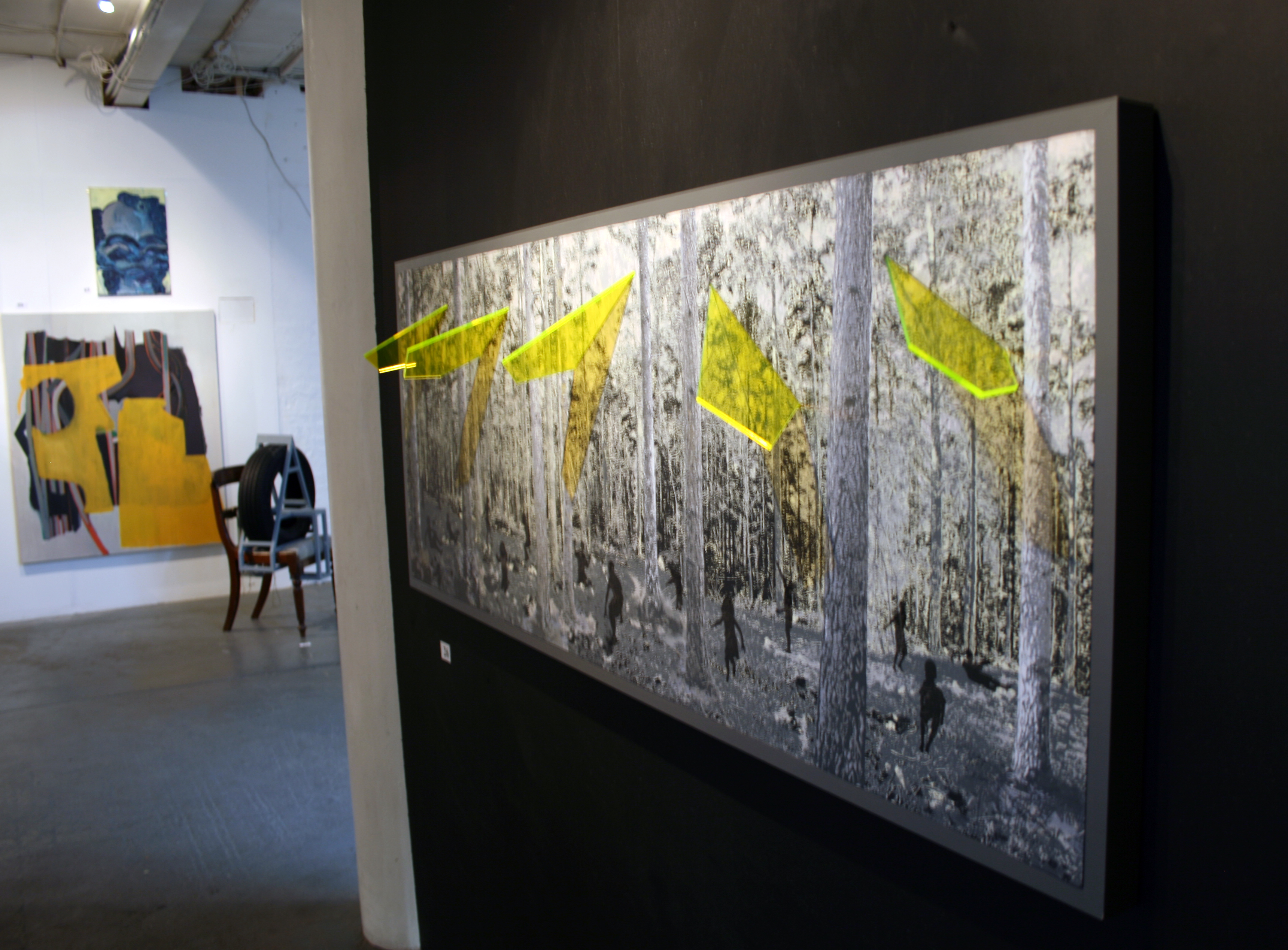
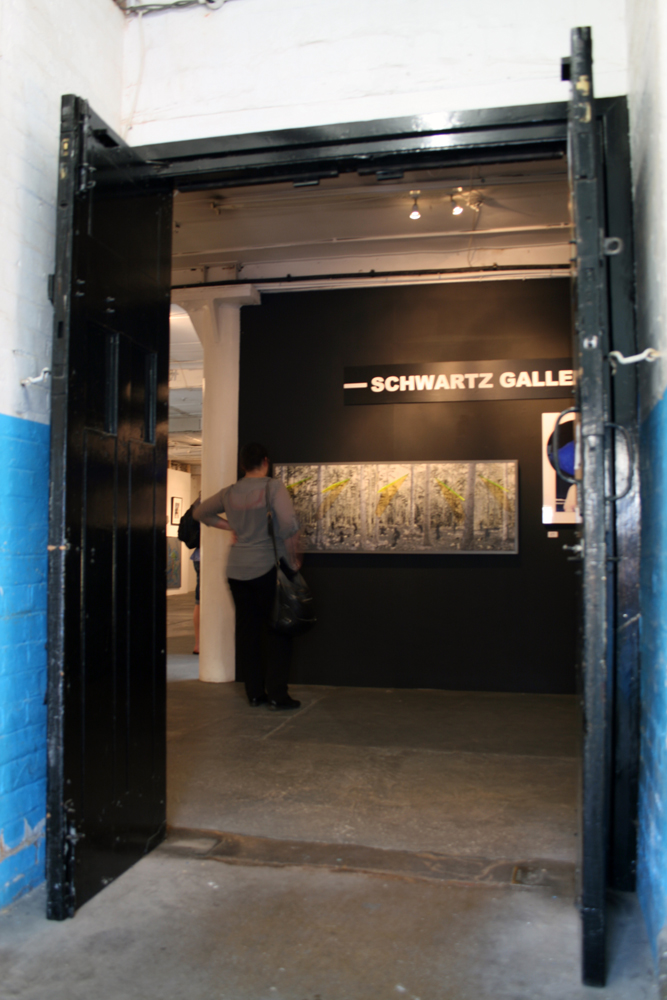
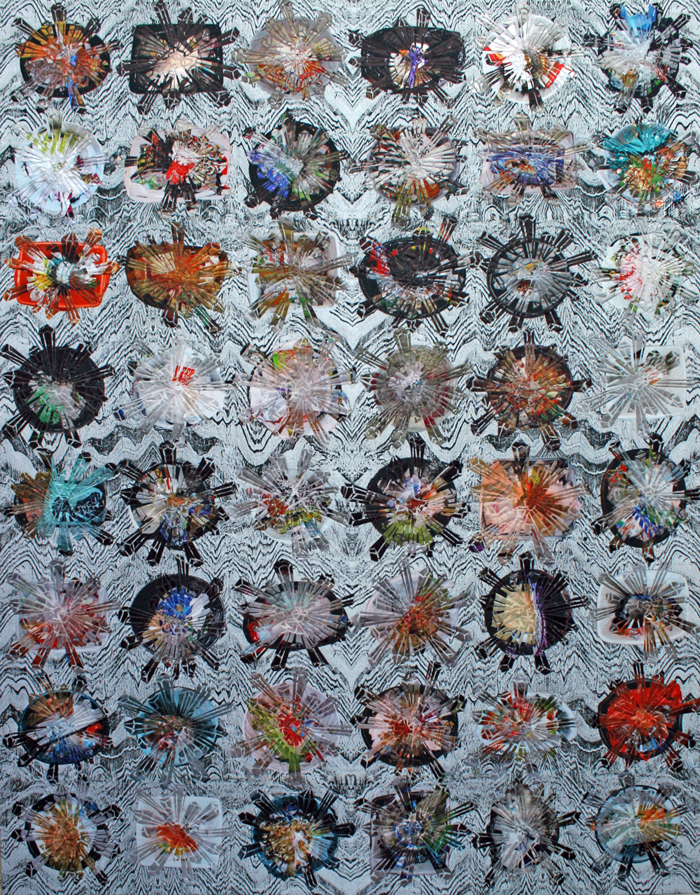
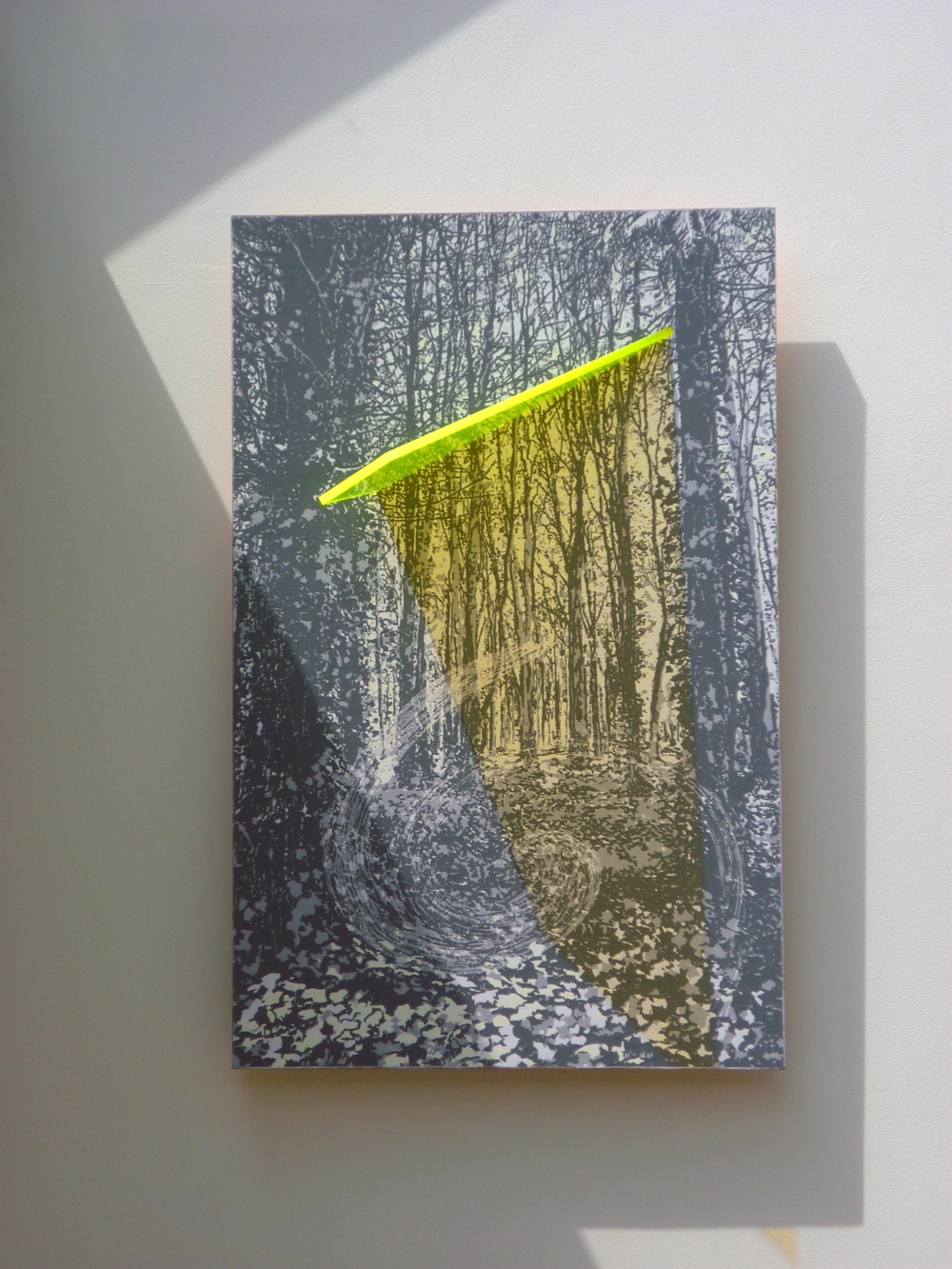
Starting with the exciting news that ‘Incidence’ had been selected to be a part of the HOT-ONE-HUNDRED show at Schwartz Gallery.

IMG_7571

Despite the fact that the gallery quite clearly states the show title is an ironic comment on the trend for power lists to create hype, it does as they also say, perpetuate the phenomenon.

It was a nice buzz to be part of.

1308 Hot One Hundred

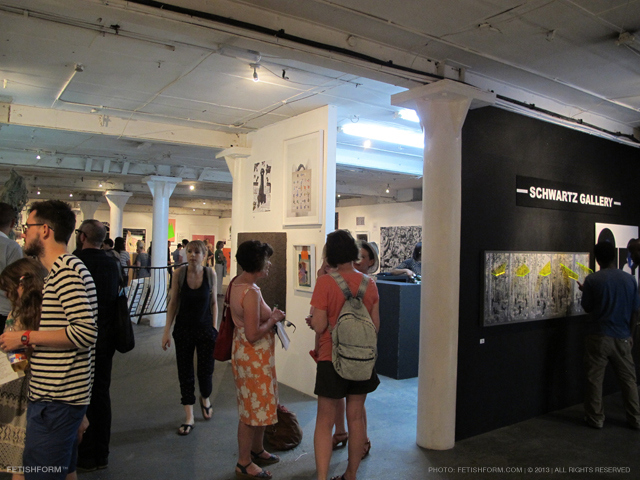
‘Incidence’ had been hung at the entrance. I was really pleased with how it looked, hung low against black and the shadows were working.
With 100 artists it could seem packed in but it worked well and with every circuit of the space something new would catch your eye.

1308 Hot One Hundred 2

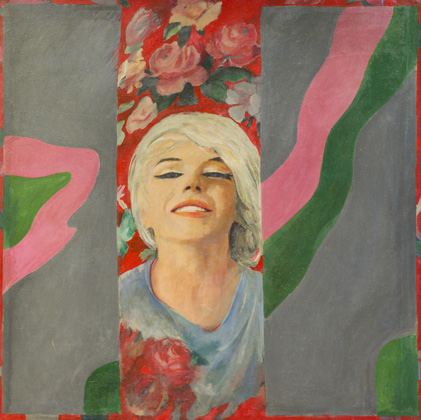
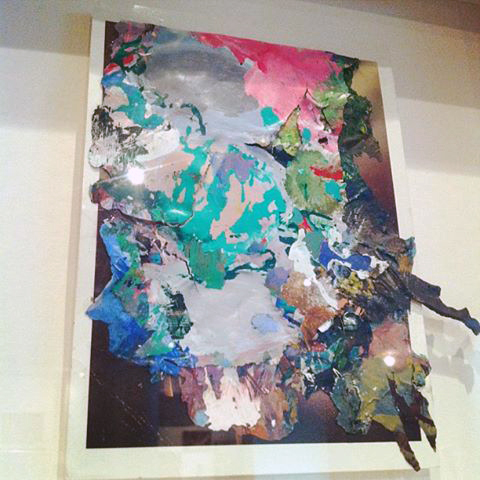
It was great to find Hannah Williamson also had a piece selected.

Hannah Williamson 'MM Dreaming'

Hannah Williamson ‘MM Dreaming’

Another favourite was a painting by Simone Fontana Reis.

Simone Fontana Reis 'Water Inside the Room'

Simone Fontana Reis ‘Water Inside the Room’

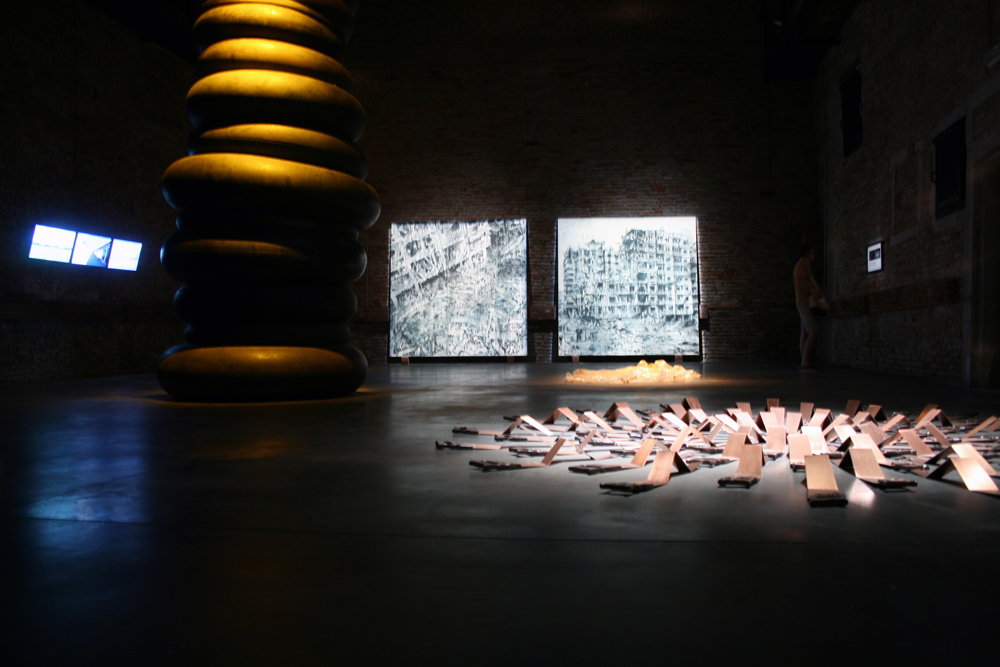
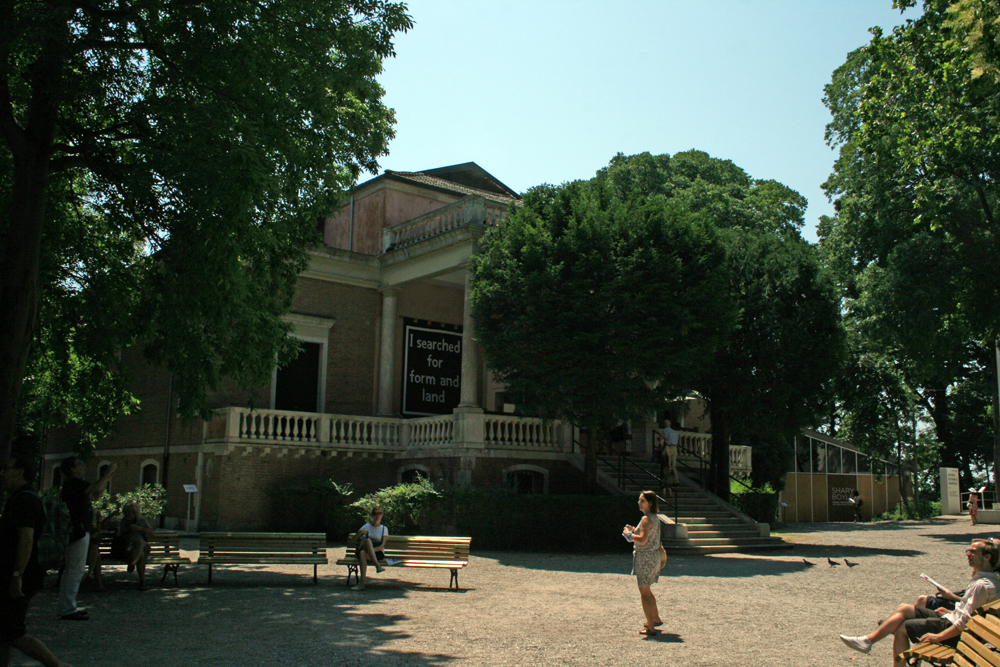
Jeremy Deller representing Britain at the Venice Biennale with his ‘English Magic’ exhibition was very popular.

Jeremy Deller English Magic

Jeremy Deller English Magic

He is not afraid to appeal to the masses and to celebrate ordinary people.

It was amazing he managed to pack so much into this pavilion.

Class status symbols, tax injustices, ancient history, Russian oligarch’s, warfare, media corruption, escapism and the idiosyncrasies of the public.
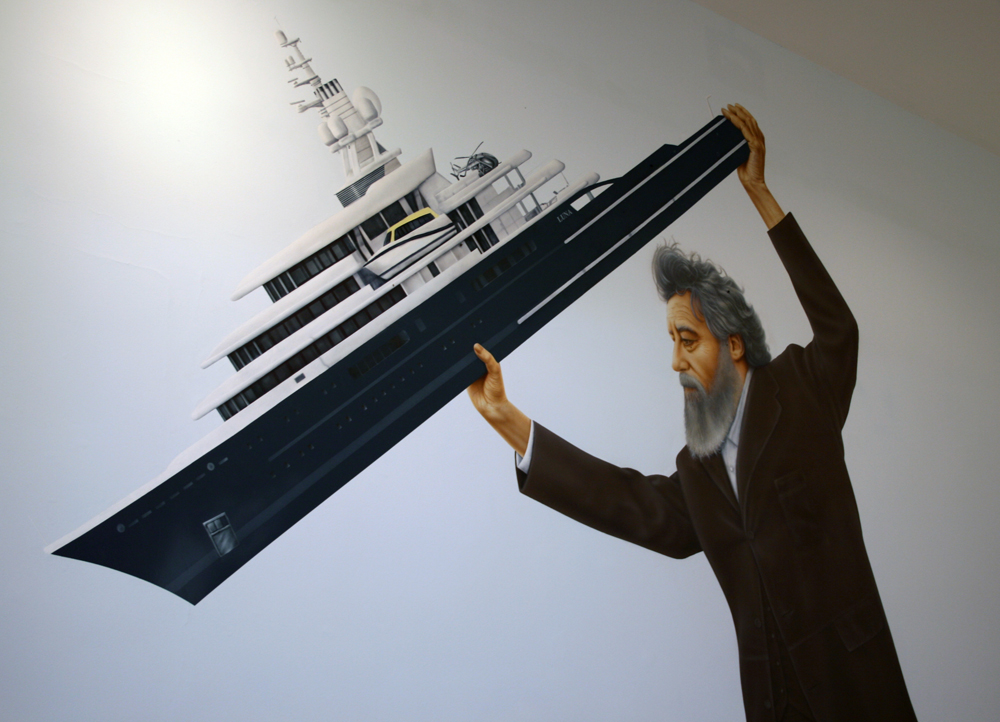
He used the socialist beliefs of William Morris as a motif in opposition to the arrogance and greed of Roman Abramovich who selfishly moored his yacht at the 2011 Biennale restricting others access to the site.

Morris comes back from his grave to cast the oligarch’s luxuary yacht asunder.

Jeremy Deller English Magic

Jeremy Deller English Magic

The status symbol of the Range Rover suffers a similar ignoble fate, being crushed to a cube at the scrapyard, and also being subjected to a hen harrier taking its revenge for a pair of these extremely rare birds being shot at Sandringham with all evidence pointing to Prince Harry and his friend.

Jeremy Deller English Magic

Jeremy Deller English Magic

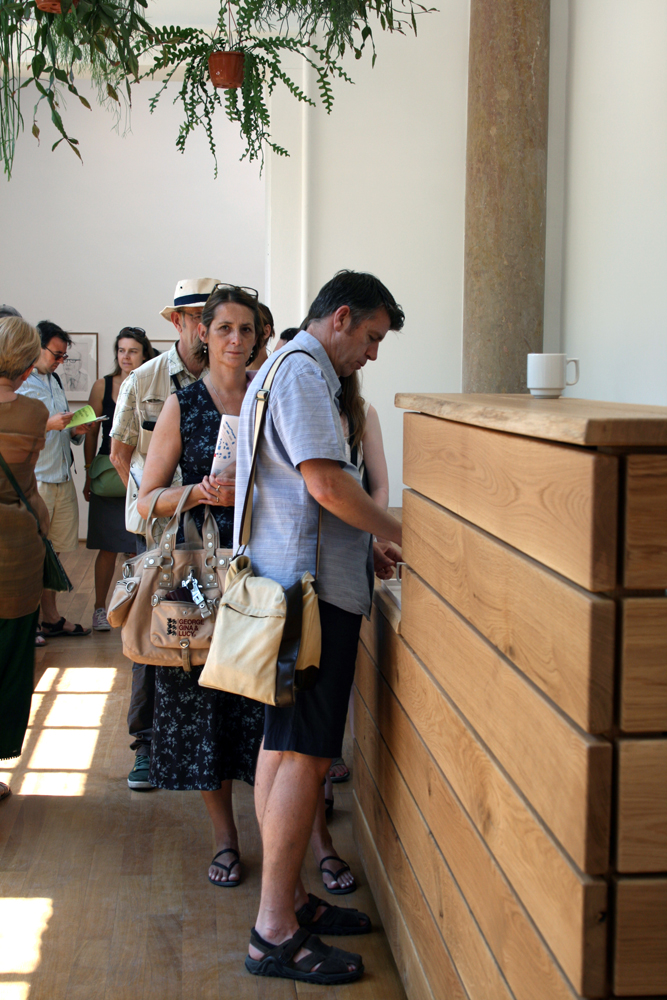
Tea is free for all and an orderly queue forms.

Jeremy Deller English Magic

Jeremy Deller English Magic

A diverse picture of England is presented through film in “English Magic” and is reflected in the accompanying soundtrack; that draws on three episodes in UK music history. Recorded at the iconic Abbey Road studios in London, the South London The Melodians Steel Orchestra were asked to interpret Vaughan Williams’ ‘Symphony in D minor’, UK acid house track “Voodoo Ray” by A Guy Called Gerald and David Bowie’s 1971 pop refrain “The Man Who Sold The World” all songs from different eras and generations but all products of British culture. Listen here.

Birds of prey swoop. swivel and focus their eyes on us,  the public are unleashed on a bouncy Stone Henge, and a ceremonial procession with banners of all trades marches through the city.

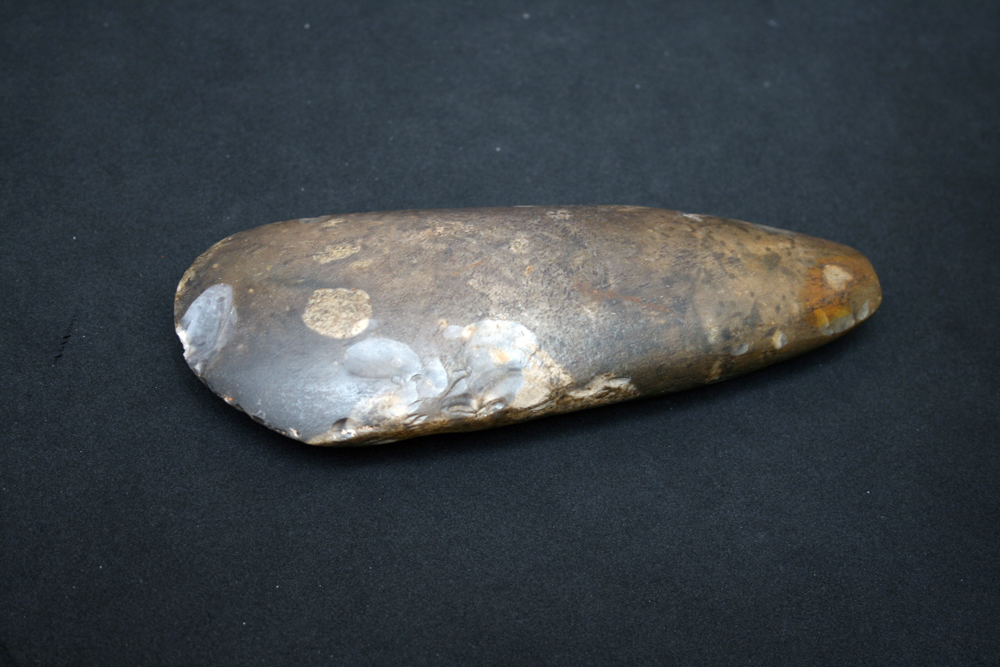
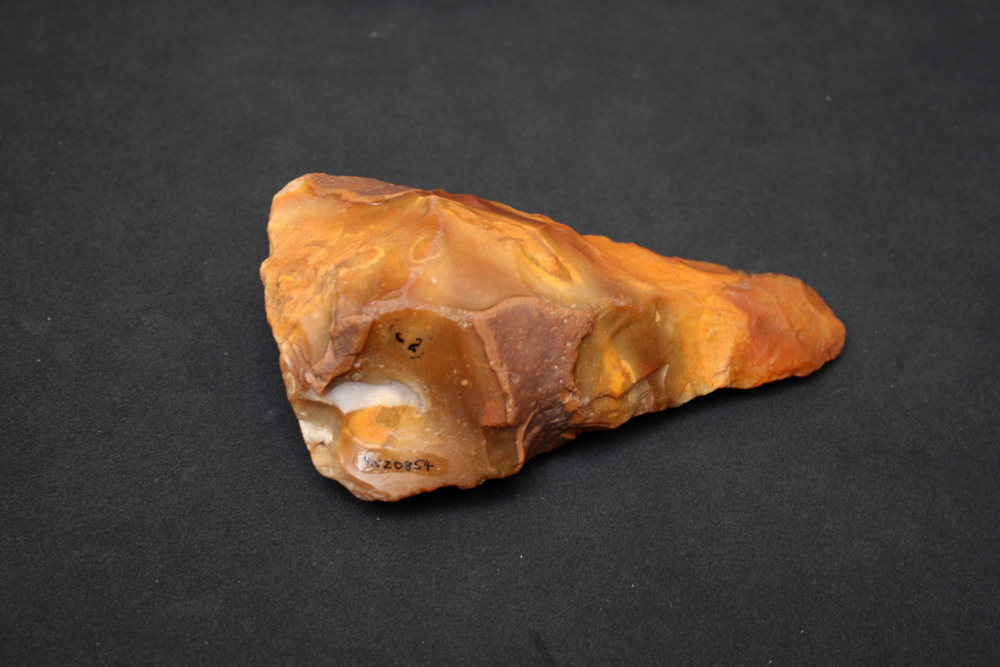
We were able to handle a 6,000 year old and 250,000 year old hand axe, to feel the weight and balance and contemplate who spent the 100 hours or so chipping this stone into shape.

Jeremy Deller English Magic

Jeremy Deller English Magic

It is believed these axes were for ceremonial use, cast into the Thames as offerings to a god which could signify an ancient sense of community and early religion.

Jeremy Deller English Magic

Jeremy Deller English Magic

Much of this exhibition is about social justice all woven together with cultural icons, and the British public.

Photos taken throughout Britain on days when David Bowie conducting his 1972 tour map out a country of economic depression, industrial action and IRA bombings in contrast to the colourful escapism that Bowie offered.

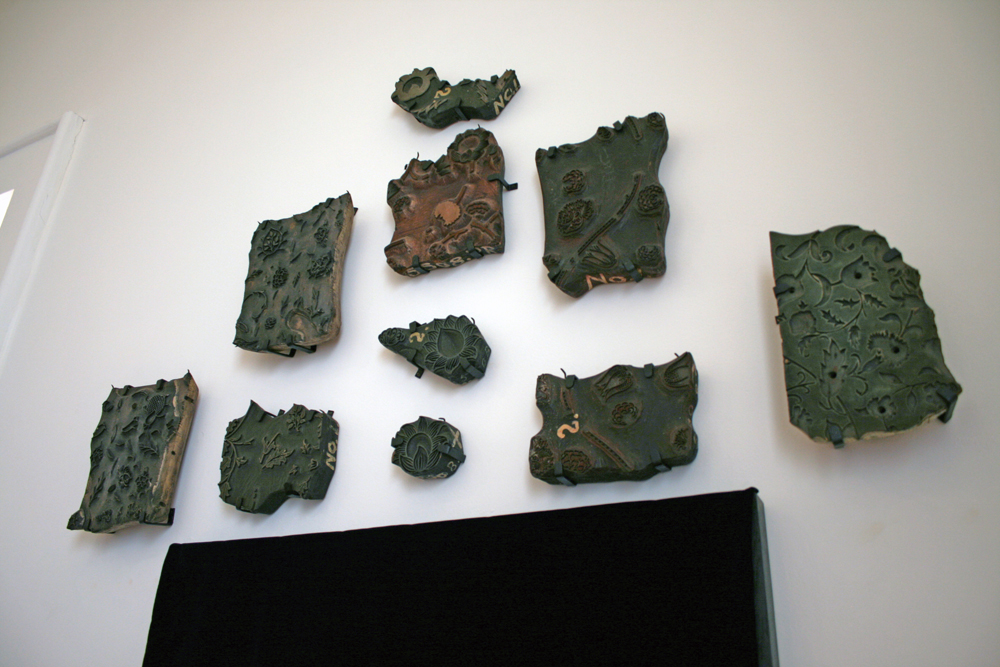
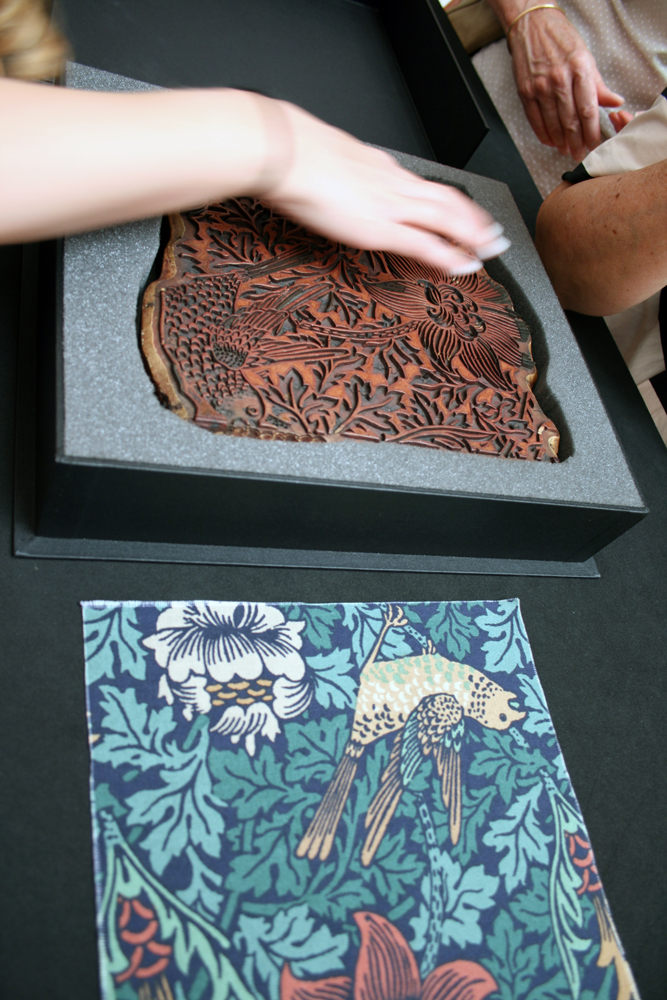
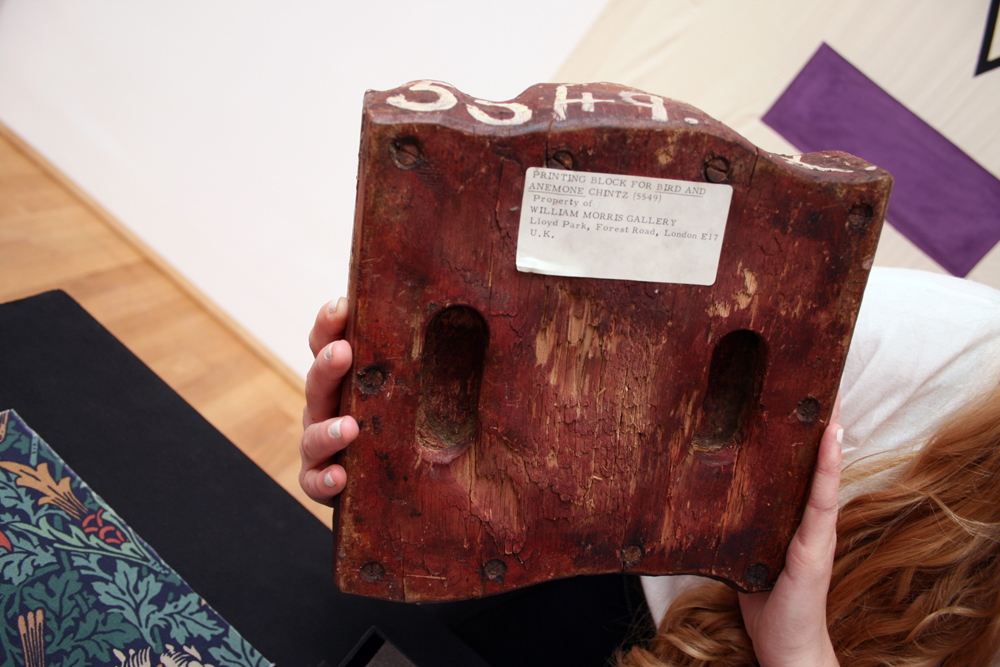
Not only are William Morris’s beliefs acknowledged but his beautiful woodblocks and sample prints are on show.

Jeremy Deller English Magic

Jeremy Deller English Magic

There is a hands on opportunity

Jeremy Deller English Magic

Jeremy Deller English Magic

Only allowed out for 2 hours a day due to the humidity in Venice we were lucky to be able to get up so close and see the detail and craftsmanship.

Jeremy Deller English Magic

Jeremy Deller English Magic

Definitely came out smiling and proud.

British Pavilion

British Pavilion

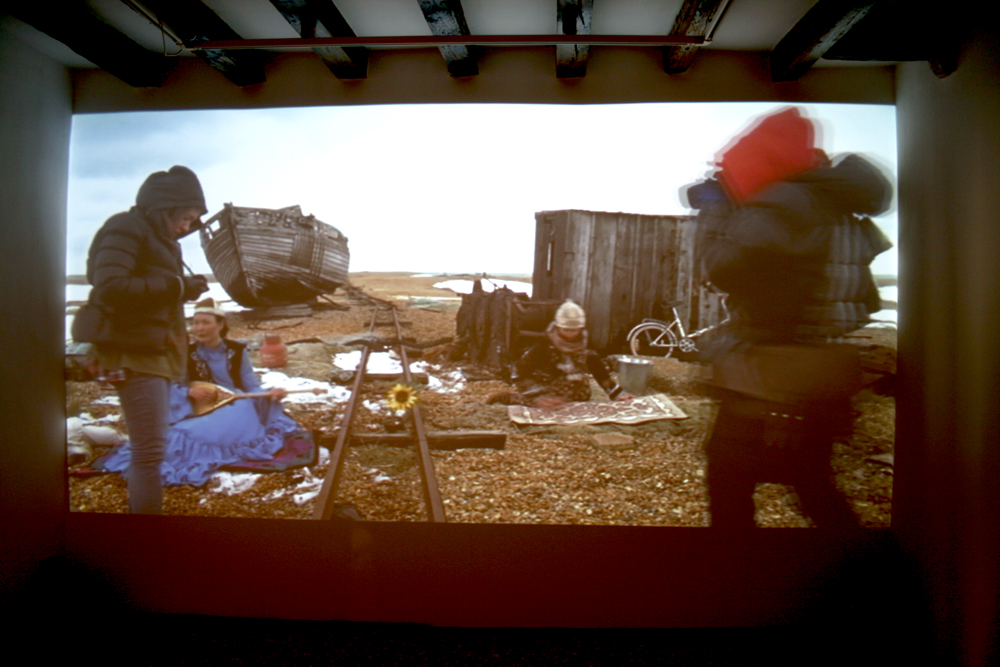
The Central Asian Pavilion explored ideas of community and voyeurism. Cultural boundaries and social justice.

The title of the show was WINTER – to describe a cultural climate in which public discourse is frozen but also one that offers the potential to develop into spring.

The yurt is usually a social structure but here it is made into a transitory space for an isolated journey.

Kamilla Kurmanbekova & Erlan Tuyakov 'The Way'

Kamilla Kurmanbekova & Erlan Tuyakov ‘The Way’

The role of the contemporary female and regional identity are explored in the video work by Aza Shade.

Aza Shade 'The Disappearing City' video still

Aza Shade ‘The Disappearing City’ video still

A mother stages a traditional environment specifically to sell to tourists in search of exoticism while the daughter expresses her frustration at being held in stasis and battles to trade her indigenous clothes for short western styles.

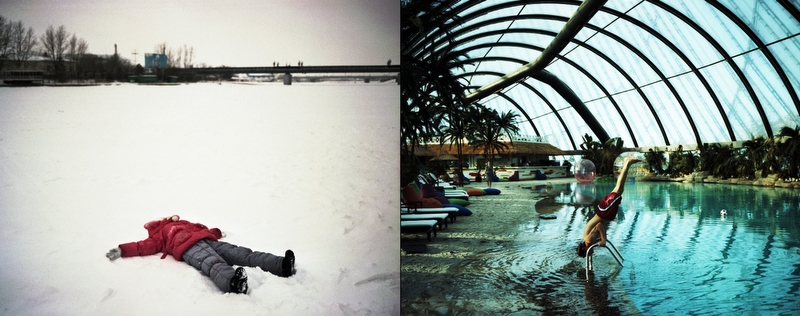
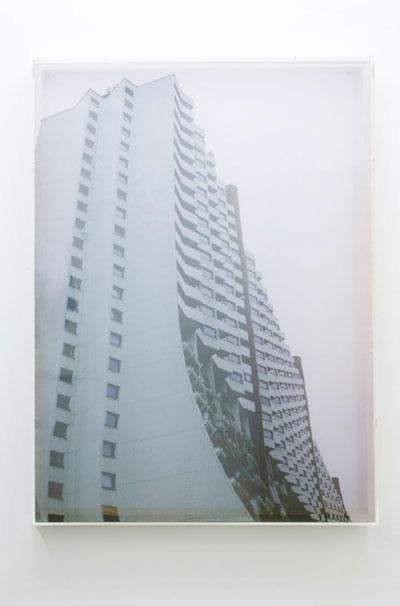
The extraordinary development of Astana the new capital of Kazakhstan built in 1997 the second coldest capital in the world is captured in Ikuru Kuwajima’s photographs.

Ikuru Kuwajima Astana Winter Urbanscapes

Ikuru Kuwajima Astana Winter Urbanscapes

Showing the stark contrast of the icy steppe with the tropically themed resorts, recreational facilities and opulent monumental government buildings these Winter Urbanscapes reveal a government with a strong man over nature statement and a lot of oil.

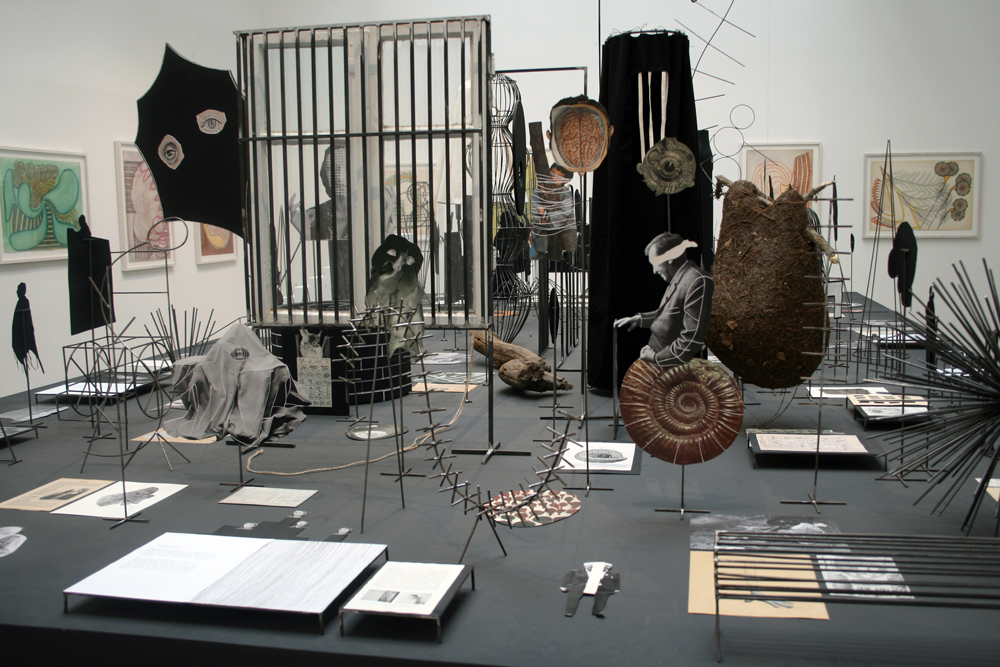
Eva Kotatkova looks at institutions and their effect on social behaviour. The nature of a country’s prisons, schools and mental health facilities are explored in her work.

Eva Kotatkova 'Asylum'

Eva Kotatkova ‘Asylum’

In ‘Asylum’ she collaborated with psychiatric patients to look at the social hierarchies of people who live outside the normal social order.

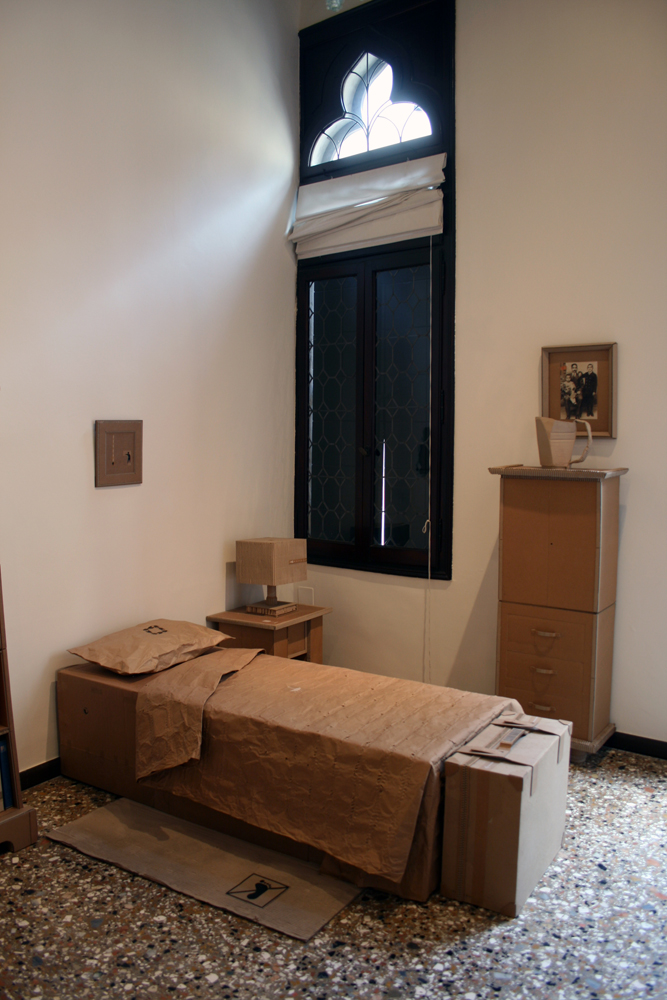
In the Iraq Pavilion the artists are attempting to establish some idea of normality through performing simple everyday tasks.

Welcome To Iraq

Welcome To Iraq

A determination to make positive use of what they have, and to begin a free cultural exchange with the rest of the world. There is a moving film of young alcohol smugglers risking death on the borders trying to make a living in an extreme and harsh environment while in the kitchen tea is offered.

Maxine Peake’s timely reading of Shelley’s political poem The Masque of Anarchy at the Manchester International Festival was beautiful and passionate.

Stand ye calm and resolute,

Like a forest close and mute,

With folded arms and looks which are

Weapons of unvanquished war.

Maxine Peake The Masque of Anarchy

Maxine Peake The Masque of Anarchy

On 16th August 1819  a peaceful rally of 60,000 pro-democracy reformers, men, women and children, was attacked by armed cavalry resulting in 15 deaths and over 600 injuries.

This was the Peterloo Massacre described in Shelley’s poem that shocked the nation.

As Sarah Frankcom the director of this recital says ‘It continues to be such an uncompromising reminder that collectively, even in the most difficult of times, we have the power to change the world in which we live.’

Rise like Lions after slumber

In unvanquishable number,

Shake your chains to earth like dew

Which in sleep had fallen on you-

Ye are many — they are few.

My visit to the Venice Biennale was marked by my receiving news that I had a place at the Royal College of Art for the Autumn.  A great start to a very inspiring few days.

It does feel a bit like I am going to be launched into space. Exciting and an amazing opportunity but also not knowing what to expect with anxieties that I will be lost or unable to cope.

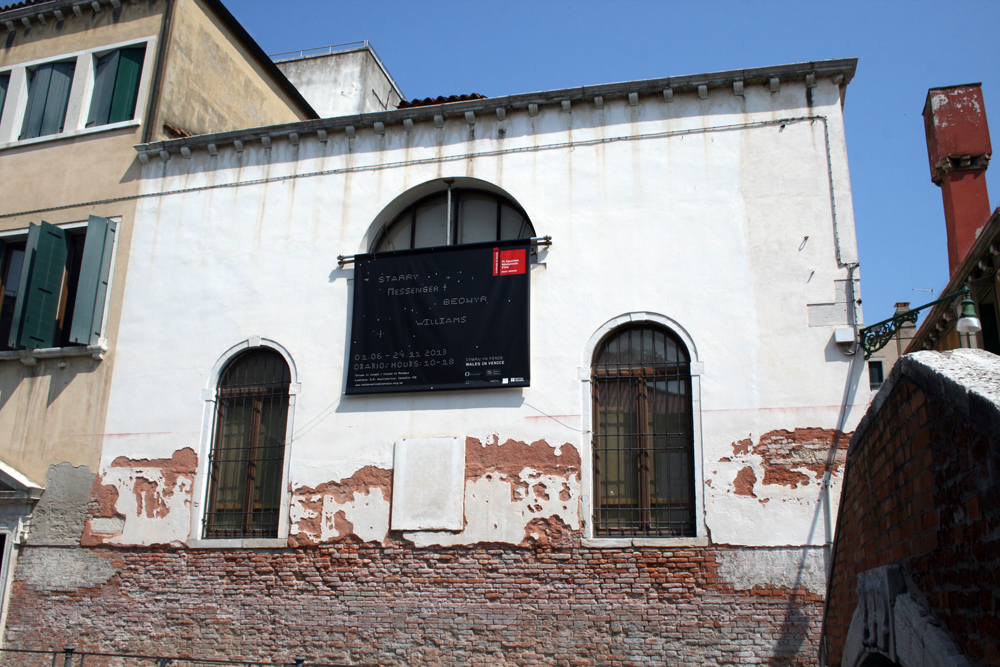
Bedwyr Williams ‘The Starry Messenger’ and Sarah Sze’s Triple Point both explore feelings of place within the universe. Very apt for my frame of mind.

Wales in Venice

Wales in Venice

‘The Starry Messenger’ explores the relationships between stargazing and the individual, the cosmos, and the role of the amateur in a professional world.

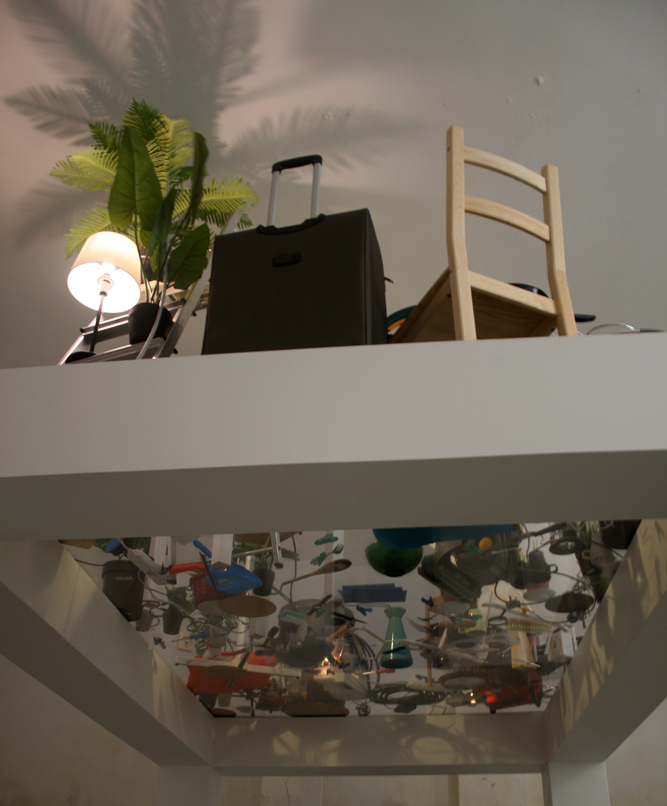
Inside the former church and convent in a darkened room there is a small observatory with a door ajar through which we can see the starry cosmos. There is the sound of a man weeping, just like Kevin does when he thinks about the vastness of space and his own insignificance. Moving through the installation you walk under glass with household objects placed on its surface above your head which I took as a possible reference to Leonardo Da Vinci’s drawing ‘A cloudburst of material possessions’. Maybe it is space debris.

Bedwyr Williams The Starry Messenger

Bedwyr Williams The Starry Messenger

There is a film with a Mighty Boosh style protagonist who represents a character trapped within a mosaic mural.

Bedwyr Williams The Starry Messenger

Bedwyr Williams The Starry Messenger

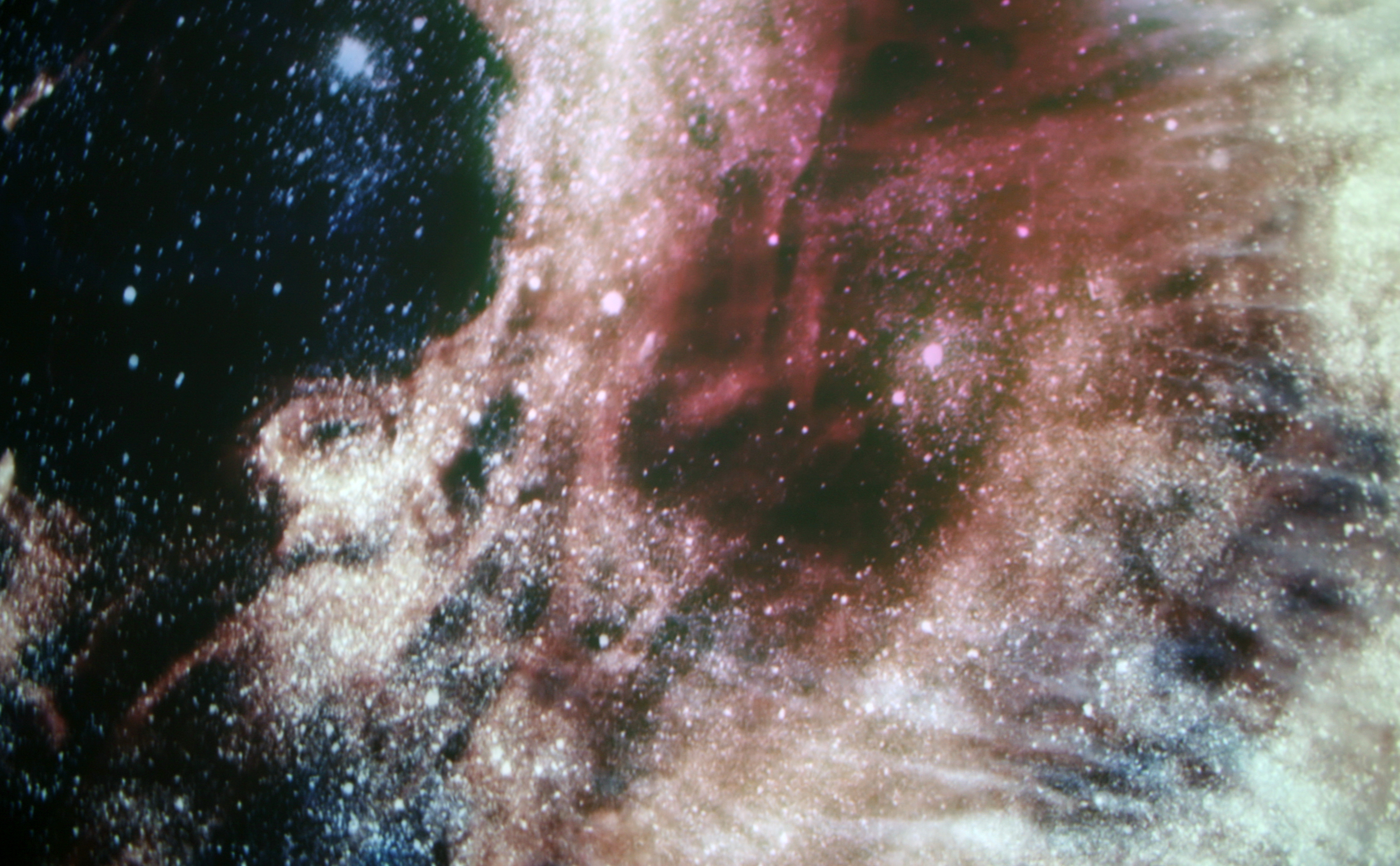
From the geological formation of stone out of oozing mud through its journey and subsequent use in a mural to the demolition of the building and its return to the earth. From looking out at the stars through a telescope to ‘staring into space’ the outer and inner worlds collide in a wonderfully amusing narrative encompassing the life the universe and everything dialogue.

Bedwyr Williams The Starry Messenger

Bedwyr Williams The Starry Messenger

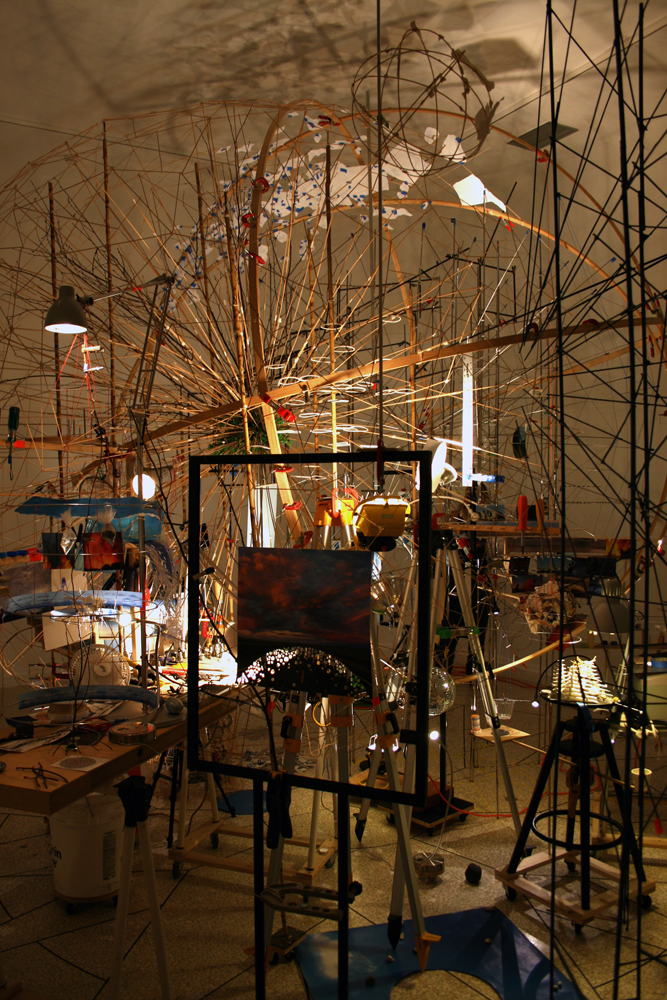
Sarah Sze explores the desire to locate our place within a disorienting world.

Sarah Sze Triple Ponit

Sarah Sze Triple Point

Her fragile sculptures echo the balance and chaos of the world around us.

Sarah Sze Triple Point

Sarah Sze Triple Point

They appear to spin or be in the process of expansion, beautifully mysterious like the working of the atom or the universe they are full of wonder.

Sarah Sze Triple Point

Sarah Sze Triple Point

Playing with pattern, order and taxonomy she creates a laboratory busy in its own pursuits which makes us feel we are close to understanding something great.

Sarah Sze Triple Point

Sarah Sze Triple Point

I was excited to see she had used moss a lot throughout this installation, even turning its image into wallpaper.

Sarah Sze Triple Point

Sarah Sze Triple Point

Triple Point refers to the phase when gas, liquid and solid form of a substance are all in equilibrium, her use of natural forms keep our ideas grounded in our surroundings while drawing us into the mysteries of evolution.

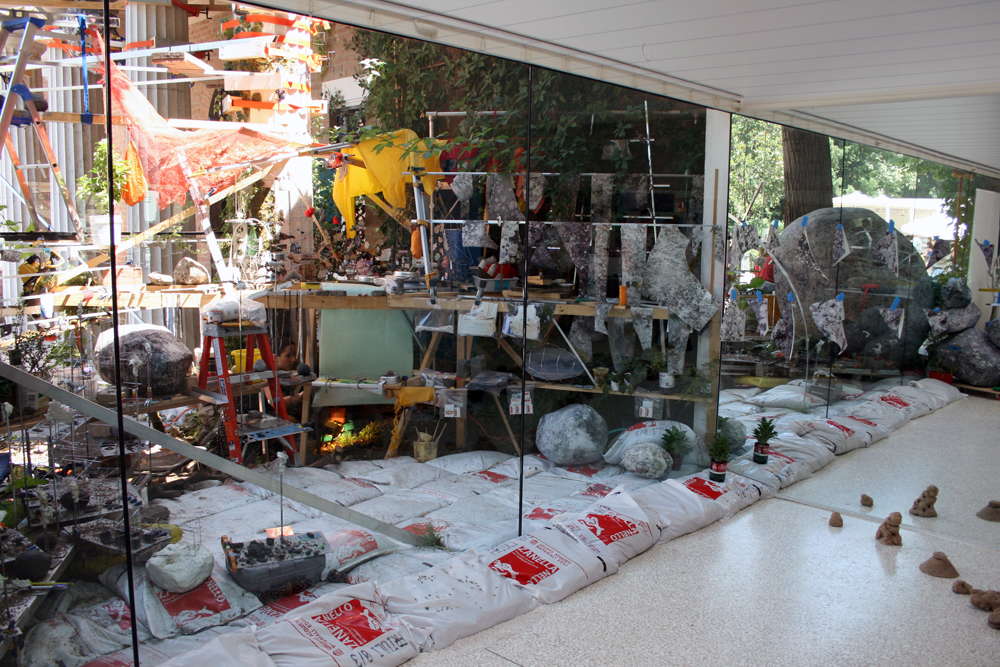
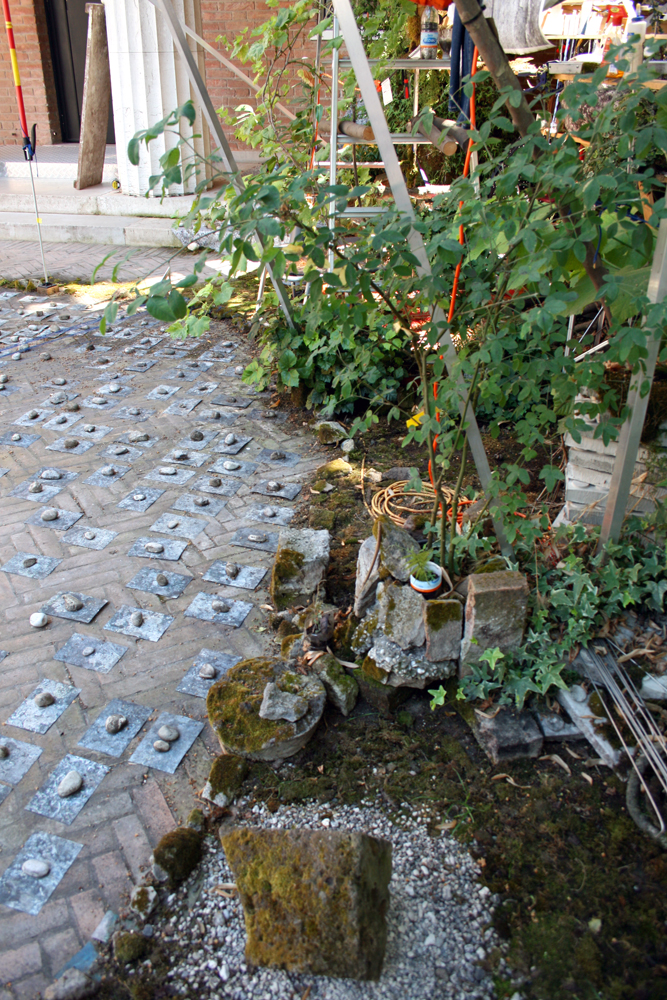
The extraordinary collection of stones once owned by artist Roger Caillois were on display in the Central Pavillion.

Roger Caillois Stones

Roger Caillois Stones

Caillois believed that nature should be examined as something other than as the utilitarian force that Darwin purported and that aesthetics and the need for decoration should be considered integral to our understanding of the natural world.

Roger Caillois Stones

Roger Caillois Stones

He considered the beautiful patterns within ancient natural forms were a sort of cryptic ‘universal syntax’, a unifying aesthetic language.

Roger Caillois Stones

Roger Caillois Stones

He wanted to understand the mysteries of the subjective experience through its relationship to factual reality.

I find it fascinating trying to understand the aesthetic experience.

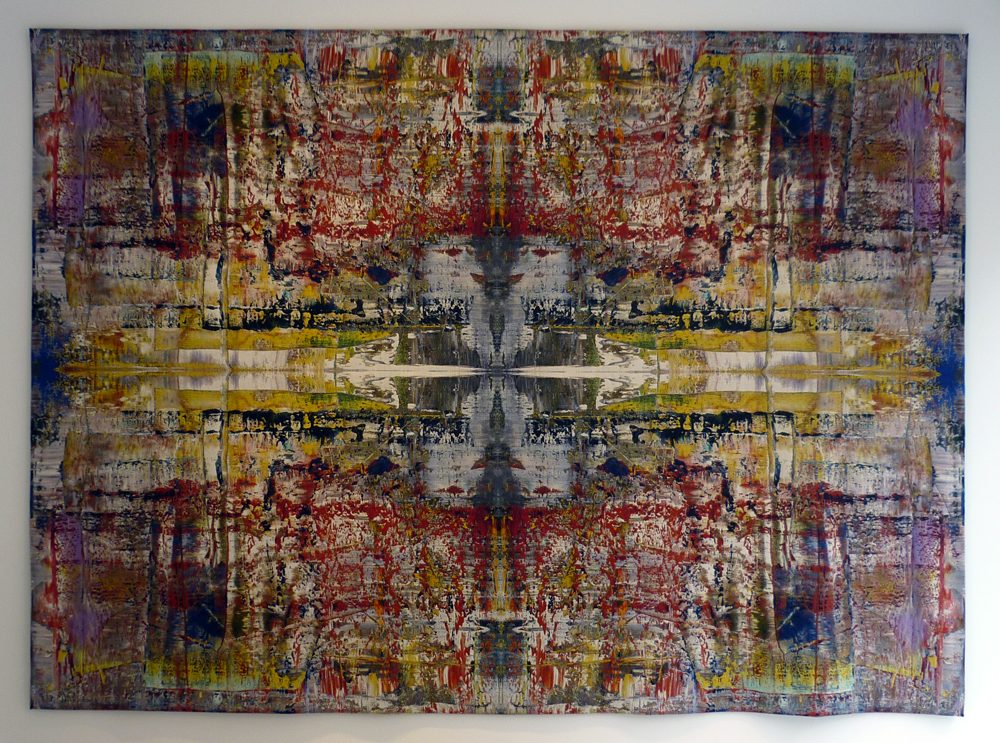
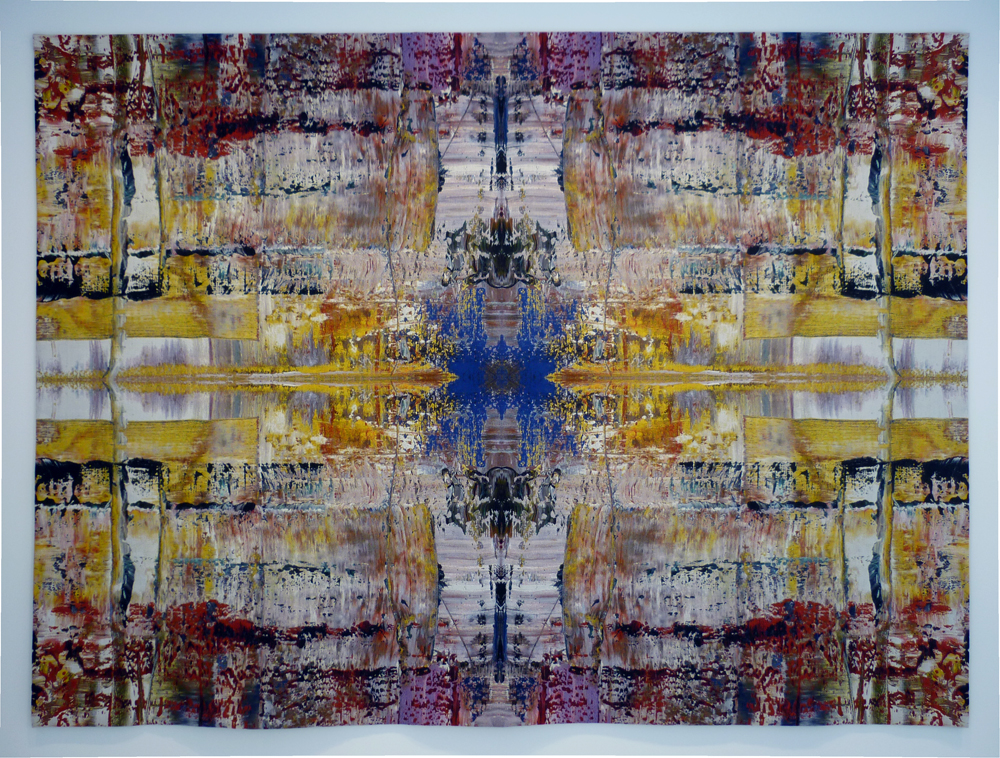
Gerhard Richter’s tapestries at Gagosian, Davies Street emanate pure aesthetic pleasure, colours and form coalesce erupt and fade.

These works are based on Abstract Painting (724-4) (1990). The visual effect of the tapestries is a Rorschach-like multiplying of the forms and colours of the original canvas.

Gerhard Richter

Gerhard Richter

Like entering a hypnotic state, like staring into space both literally and metaphorically you are transported to a place where it feels familiar and strange at the same time.

Gerhard Richter

Gerhard Richter

Venice was a perfect location to think about mysteries, the sacred and the wonders of the world.

1307 Monastry

I have been getting up close to mud and matter and thinking about the makeup of the environment around us.

It’s hard to look at a cup say and imagine the structure of its atoms. To think about the solid and then the squishy and how it all works.

From thinking about the origins of things, like the first plants and forests. Evolution and yet how all matter existed from the beginning and it’s just a huge process of recycling.

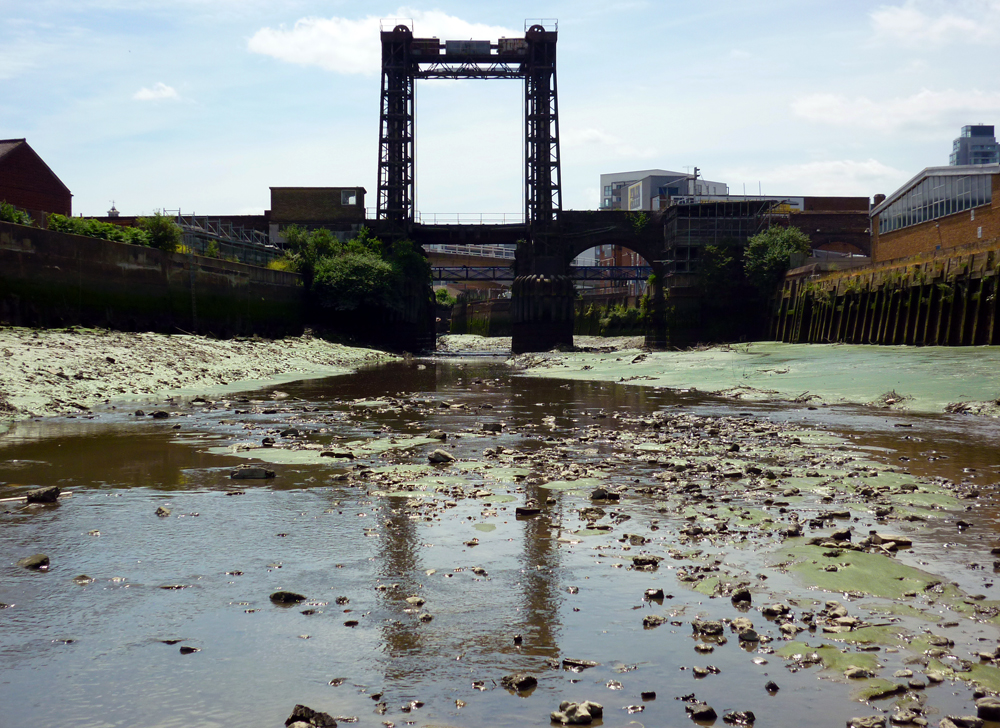
Deptford creek

Deptford creek

A great place for a new perspective on your surroundings is the Deptford Creekside Centre where you can join a low tide walk.

Low Tide Walk

Low Tide Walk

Equipped with thigh length waders and a long stick you are led down to the creek and given lots of insight into the history and wildlife of the creek.

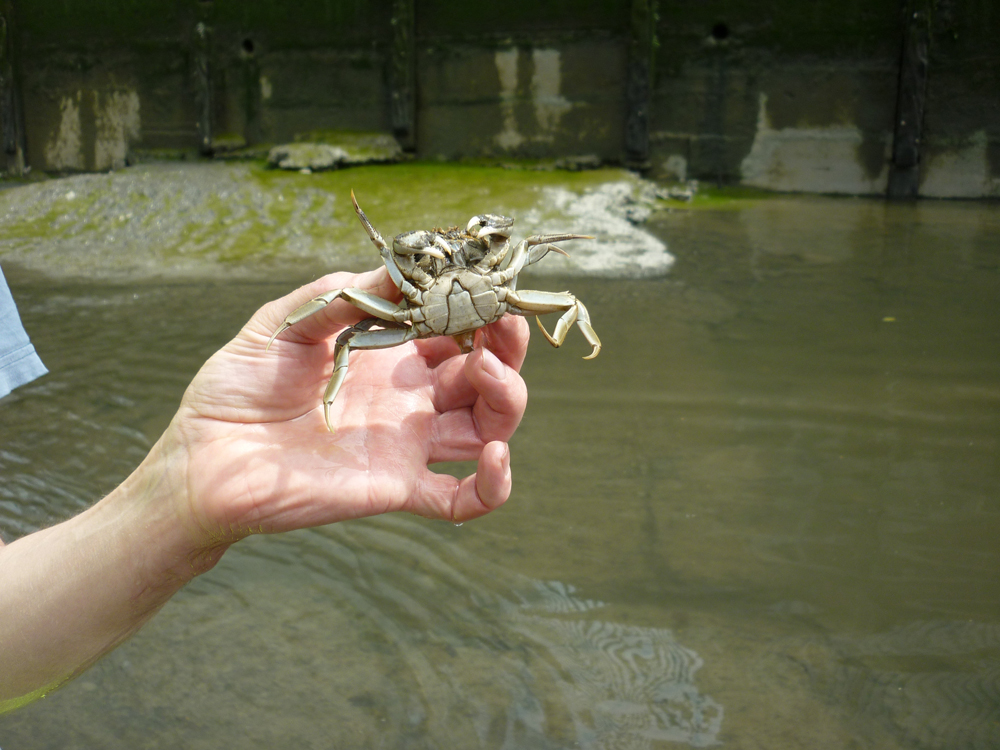
Deptford Creek Crab

Deptford Creek Crab

It is stunningly beautiful and feels a real privilege to enter this world below the horizon.

Deptford Creek

Deptford Creek

The river has carved intricate sculptures into the wooden posts along the banks.

Deptford Creek

Deptford Creek

The look posts look totemic and hung with vibrant algae quite primordial.

Deptford Creek

Deptford Creek

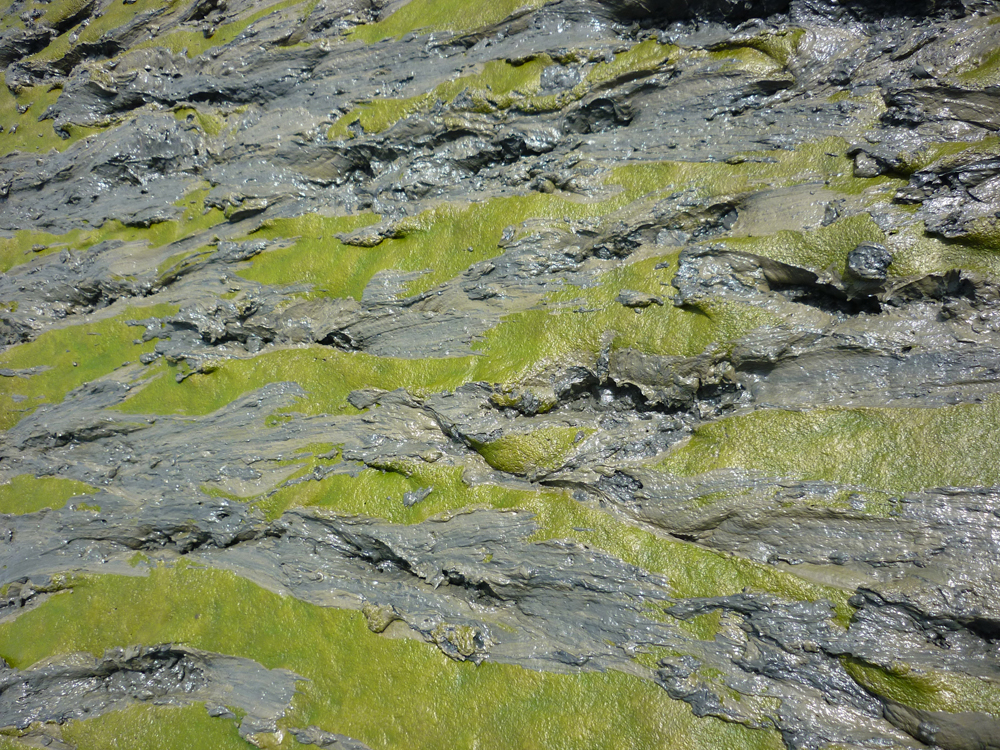
The creek bed is thick with mud and slime creating wonderful patterns as the water recedes.

Deptford Creek

Deptford Creek

There is the possibility of finding treasure swept along and revealed after each tide but you must ask if you want to take anything away. They have quite a collection of finds they like to add to at the discovery centre.

Deptford Creek

Deptford Creek

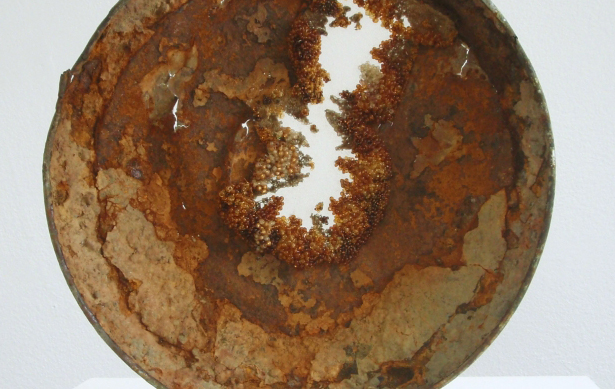
On a previous trip artist Lizzie Cannon had been lucky to find a wonderful rusty object which she has since embroidered with threads and beads to continue the growth of the rust giving the object a new organic dimension

Lizzie Cannon - Corrosion

Lizzie Cannon – Corrosion

A Matter of Substance exhibition and salon curated by Caroline Lambard and Elizabeth Murton at APT Gallery encouraged their audience to look beyond the surface of the material to the very structure of the crystals, atoms and particles that form them.

1307 A Matter of Substance

Catherine Jacobs beautiful photographs show tensions of surface sometimes broken by an indeterminate object that works as a disruption to the surface and our perceptions of what we are looking at.

Catherine Jacobs Uncertainties

Catherine Jacobs Uncertainties

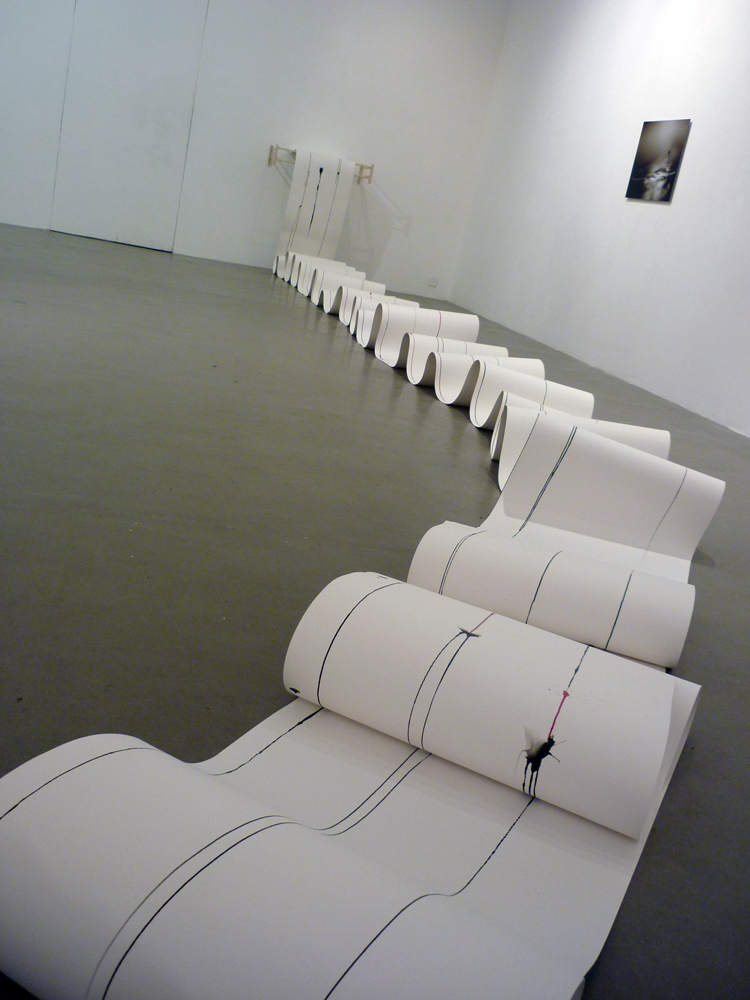
Elizabeth Murton’s scroll flows out across the floor in symbiosis with the marks upon it like a cascade of data presenting itself as a record of the inks journey.

Elizabeth Murton

Elizabeth Murton

Cool work for a hot day.

Phillip Hall-Patch

Phillip Hall-Patch / Caroline Lambard

There were salt crystals that sparkled like snow in magnified form like Icelandic landscapes and in salt block form eroded by a constant drip of water.

Phillip Hall-Patch Salt LIcks

Phillip Hall-Patch Salt LIcks

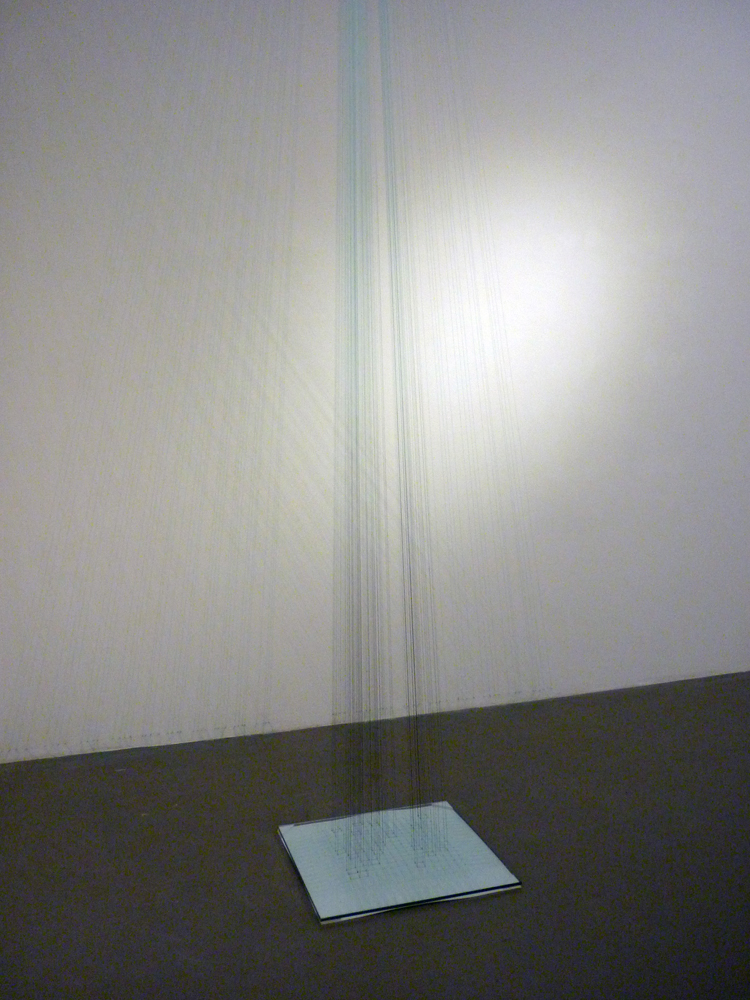
Caroline Lambard’s ethereal sculptures help to imagine 3D form from all perspectives through their delicate drawing in thread to delineate a space.

Caroline Lambard

Caroline Lambard

I have started on a new piece of work, the idea of an oasis, an escape, a view through to another place so it has been interesting to think about form and space.

A solid outer that hides a world inside.

1307 Oasis collagraph 1

It starts with the construction of a collagraph which I am slowly building up from cut card and carborundum.

1307 Oasis collagraph 2

Once made the idea will be to rip a section out to reveal an internal space.

Tumbling through time
1307 Tardis-in-Space

Space has been a bit of a theme in my recent excursions – in a sense of delineating a space architecturally as Charles Avery does in his precise drawings of an imagined world; in the exploration of space examined through Cristina De Middel’s photographs of ‘Afronauts’ which also play into ideas of sci-fi as does Jess Littlewood in her fictional landscapes; in attempting to make the unknowable palpable, Luci Eldrige has used radar imaging of Venus undertaken by NASA and translated it into richly coloured etchings. Then there is the space where the making takes place – the art institution.

The RCA SHOW has come around again.

RCA SHOW 2013

RCA SHOW 2013

This year the experience was heightened by the possibility that I may one day get the chance to participate in the creative dialogue of this institution.

Look at that amazing space for making.

RCA printroom

RCA print room

Since my application and interview in March I have received some really positive feedback from Jo Stockham the head of the printmaking course.
I have been encouraged to apply again next year if a place doesn’t become available for me this year so I was keen to see what the current graduates were exhibiting and if I could see progression from the exhibition they had in spring at Café Gallery Projects.

A favourite was Luci Eldridge. Fascinated by the ‘invisible visions’ acquired through the use of science’s cybernetic eye, she is captivated by images of lands we cannot empirically experience.

Luci Eldrige - four colour photo etching

Luci Eldrige – four colour photo etching

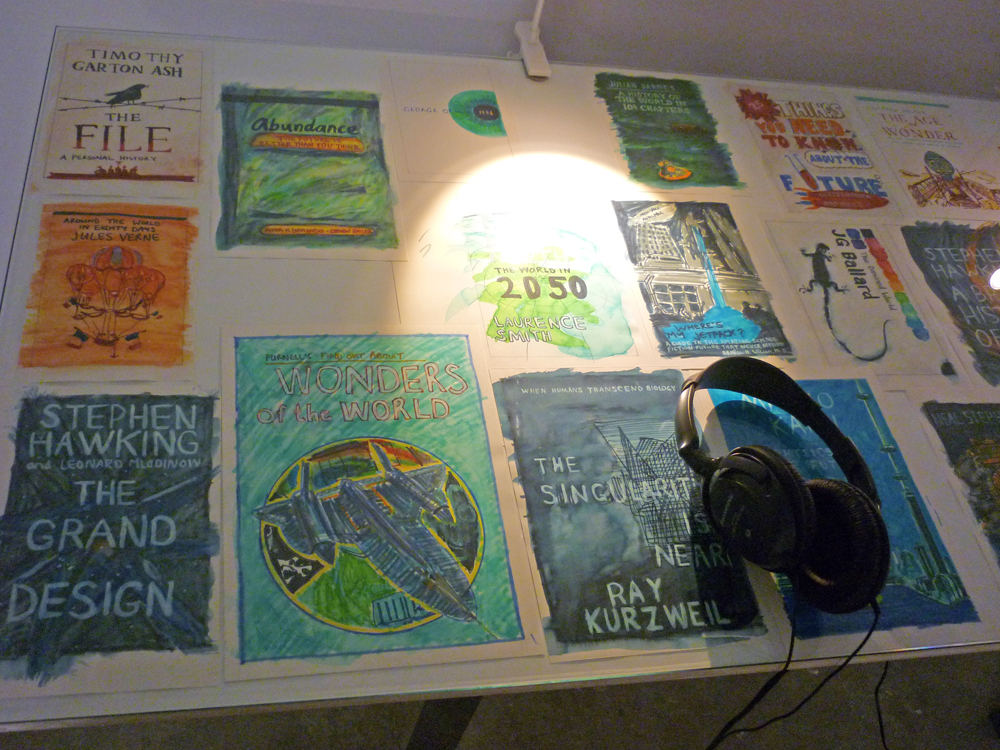
I also identified with the work of Jessica Wallis ‘The History of the End of the World’

Jessica Wallis - Book Cover Series

Jessica Wallis – Book Cover Series

Jessica Wallis - Formula for disaster DVD

Jessica Wallis – Formula for disaster DVD

Jessica Wallis - Formula for disaster dvd

Jessica Wallis – Formula for disaster dvd

I was intrigued by the films of Nicola Thomas – ‘Imitation’ and ‘ Dancing with Monk’ and her etched prints from The Look Series were captivating.

Nicola Thomas - Carole #3 etched print

Nicola Thomas – Carole #3
etched print

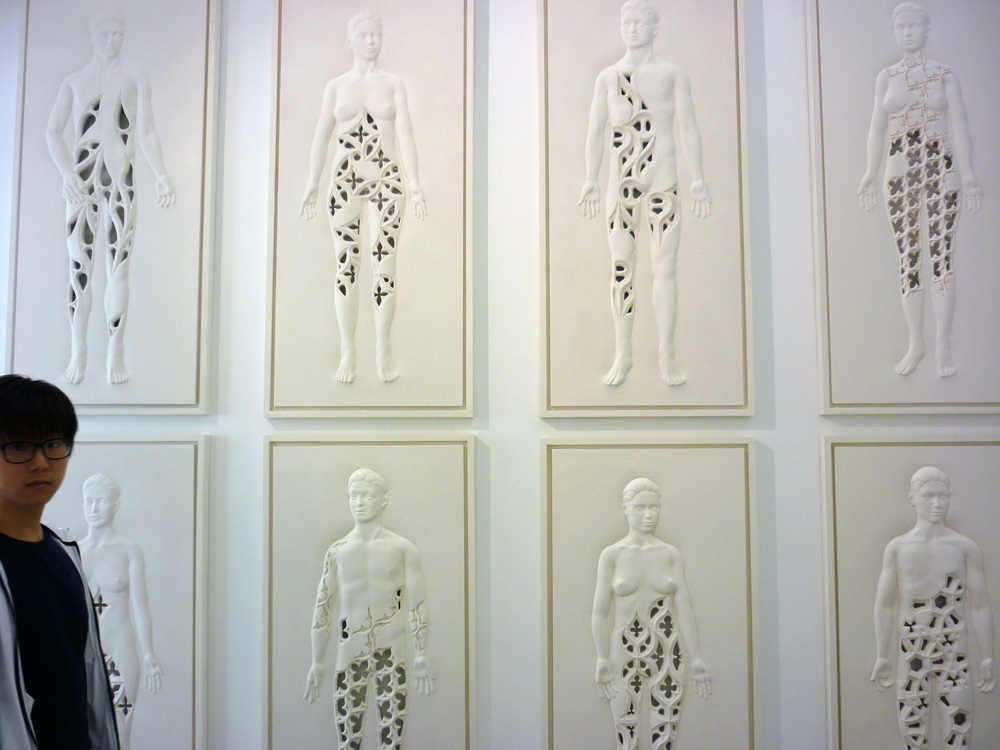
Bee Flowers work has a feel of the mausoleum

Bee Flowers - plaster acrylic

Bee Flowers – plaster acrylic

Alice Hartley must have had some upsetting school reports

Alice Hartley - screenprint on blue black paper

Alice Hartley – screen print on blue black paper

Elizabeth Hayley’s prints on brass had a wonderful quality of time passed

Elizabeth Hayley - silver gelatin on brass

Elizabeth Hayley – silver gelatin on brass

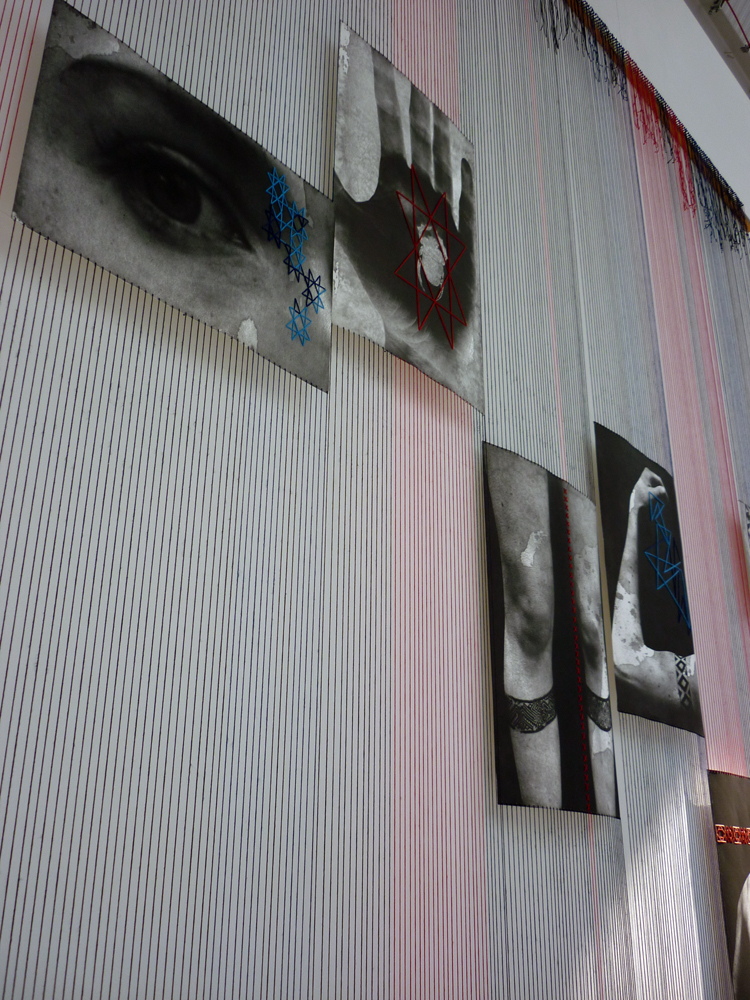
Yanna Soares - Loom of Neith - silk embroidery on etchings, cotton thread, wood

Yanna Soares – Loom of Neith – silk embroidery on etchings, cotton thread, wood

Liz Lake - run aground

Liz Lake – run aground

Hannah Thual - between exposed and concealed

Hannah Thual – between exposed and concealed

I realise I must have missed some of the printmaking exhibits.

From Painting I really related to the work of Zoe De Soumagnat

Zoe De Soumagnat - Al Fresco

Zoe De Soumagnat – Al Fresco

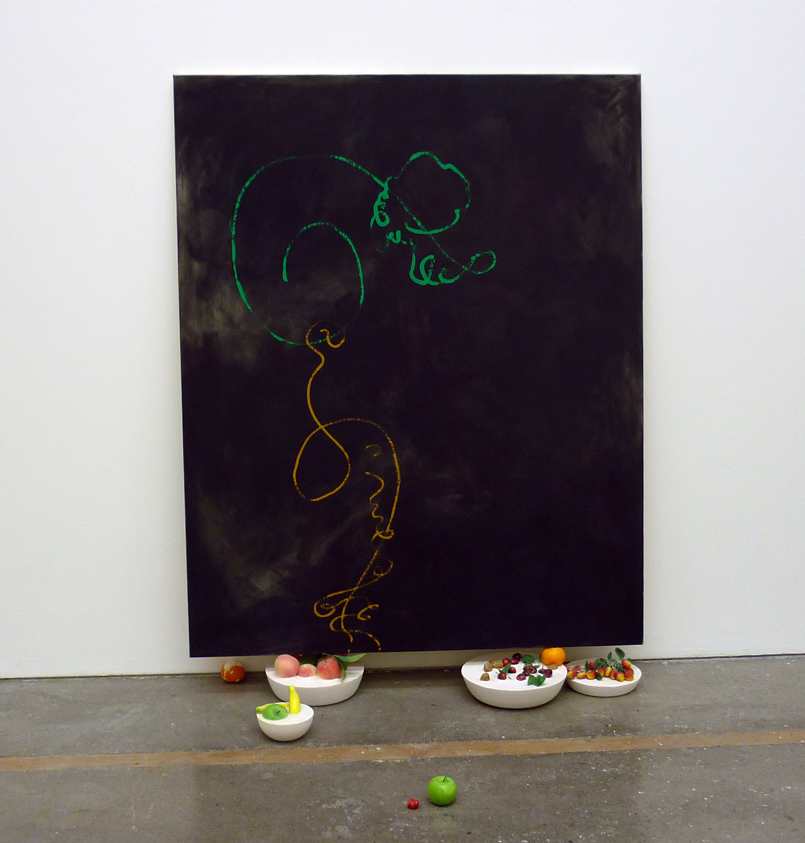
Zoe De Soumagnat - Black Painting. tasty

Zoe De Soumagnat – Black Painting. tasty

Tomie Seo - All in a vision and Court of Regulation

Tomie Seo – All in a vision and Court of Regulation

Lian Zhang - oil on board

Lian Zhang – oil on board

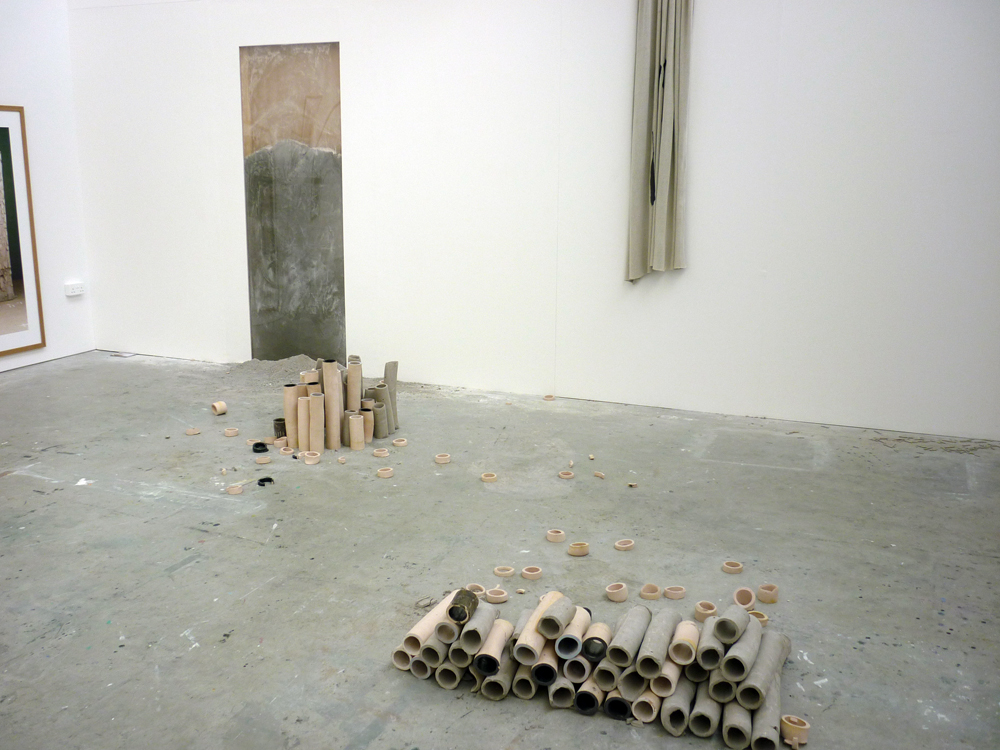
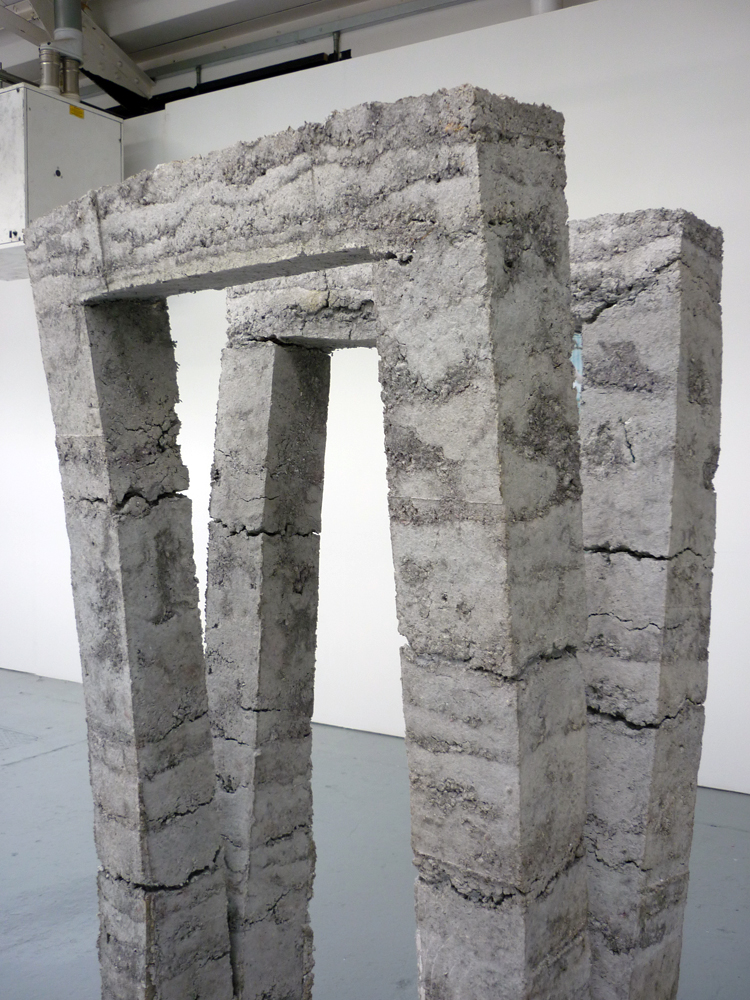
From Sculpture discipline I really liked how the paper constructions of Yana Naidenov looked like concrete

Yana Naidenov - rammed paper pulp

Yana Naidenov – rammed paper pulp

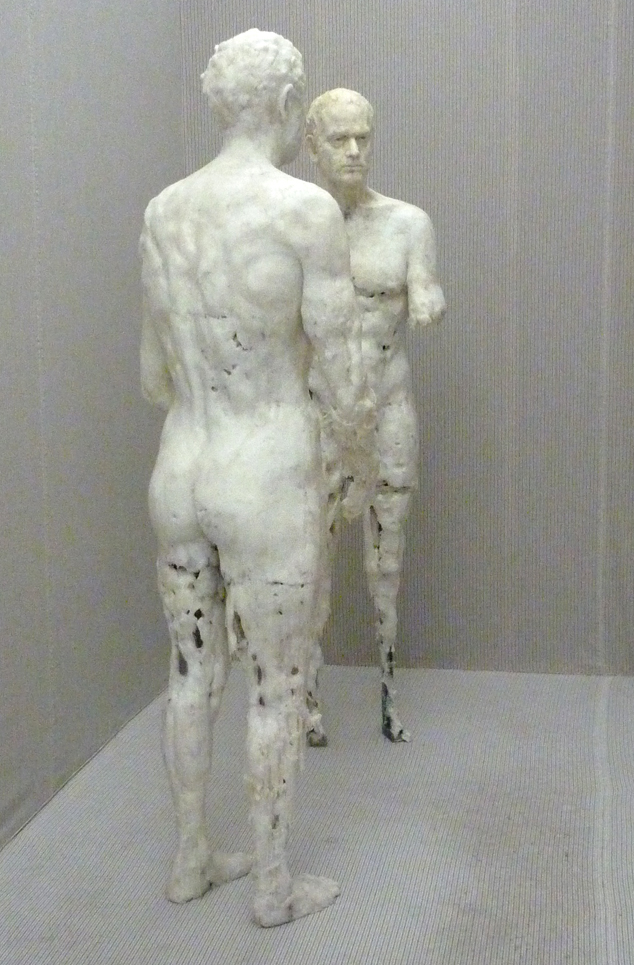
The materiality of Virgile Ittah’s sculptures were also intriguing, and rather unsettling

Virgile Ittah - For man would remember each murmur - fabric, mixed wax

Virgile Ittah – For man would remember each murmur – fabric, mixed wax

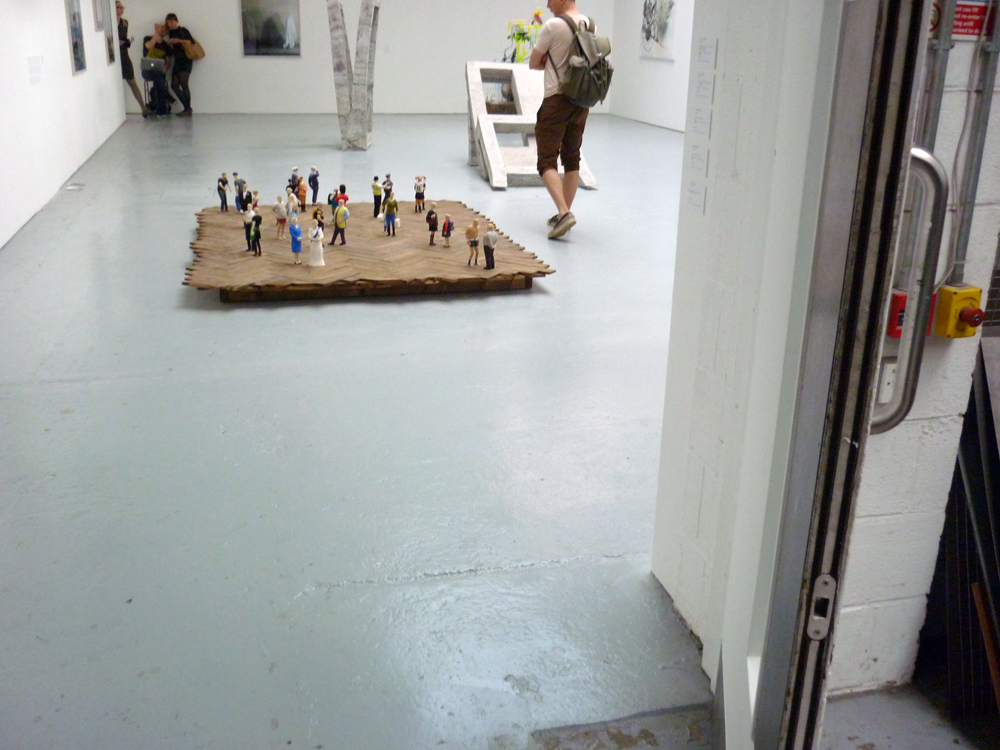
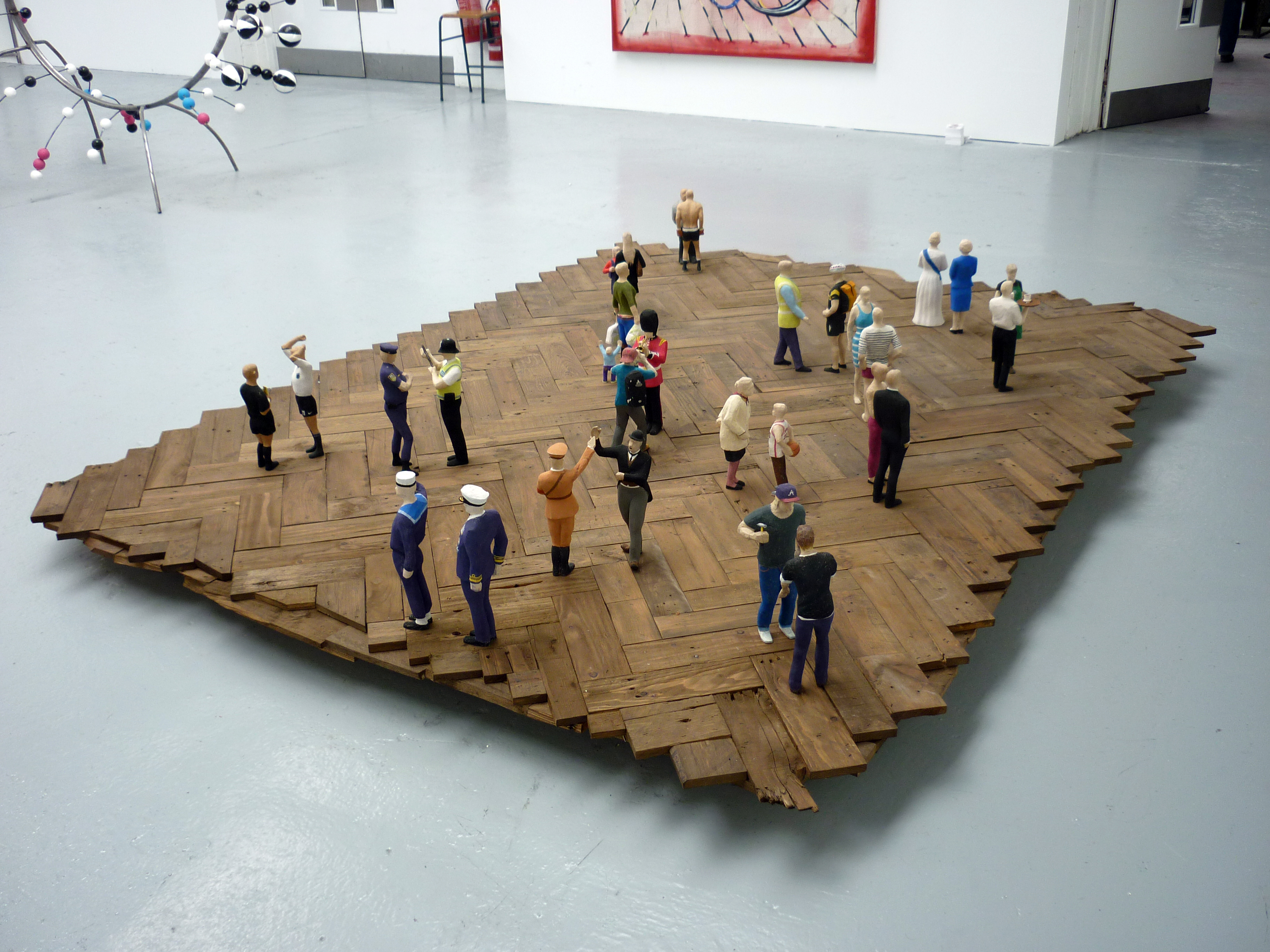
The Lilliputian sculptures of Sun Lah stood out

Sun Lah - wood and pastel

Sun Lah – wood and pastel

Observing from a distance

Sun Lah

Sun Lah

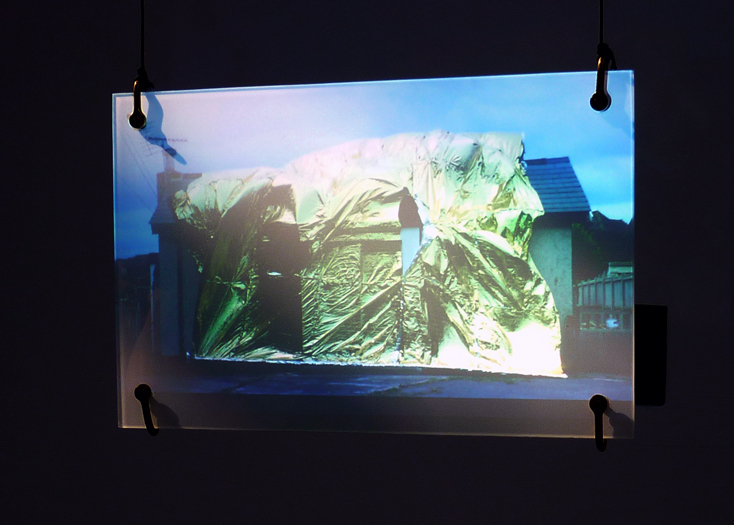
Loved this little projection from Lucy Joyce

Lucy Joyce - Gold House - video

Lucy Joyce – Gold House – video

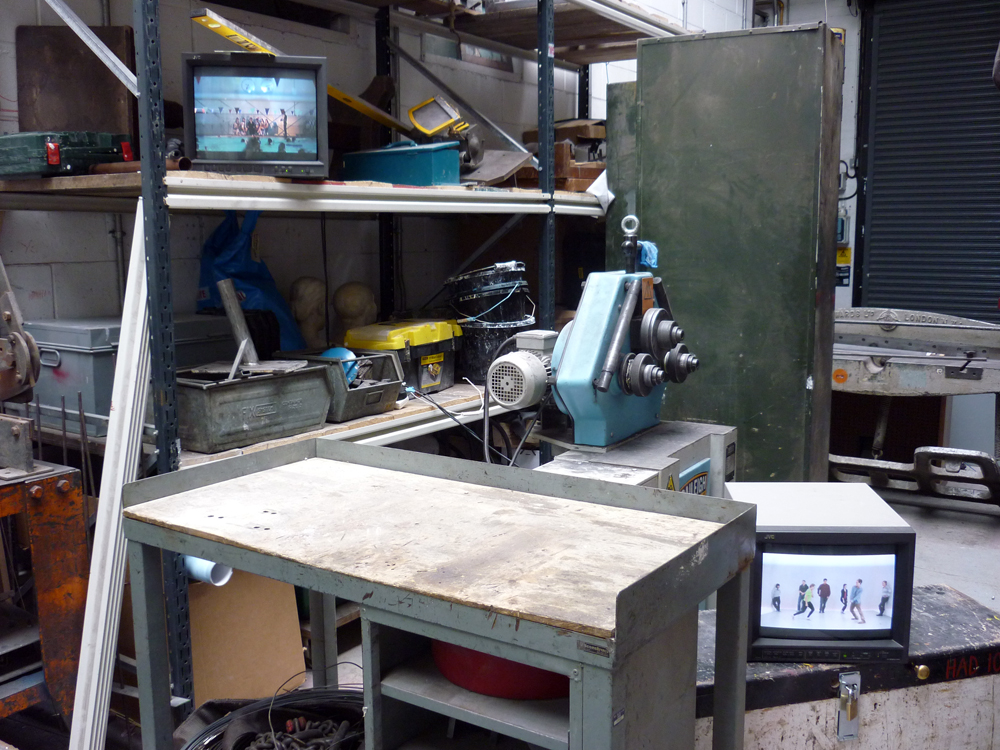
Lina Lapelyte - Candy Shop

Lina Lapelyte – Candy Shop

I liked photography student Julio Galeote’s work

Julio Galeote - excess

Julio Galeote – excess

The Charlie Dutton Photo and Print Open Salon had a really strong selection of work, it was tightly hung but as the work was all so strong it wasn’t a case of your eye skimming the wall and only taking in one or two pieces.

I was fascinated by a lot of the work showing and noticed Luci Eldridge had a couple of pieces in the show.

Luci Eldridge - The Invisible Sky

Luci Eldridge – The Invisible Sky

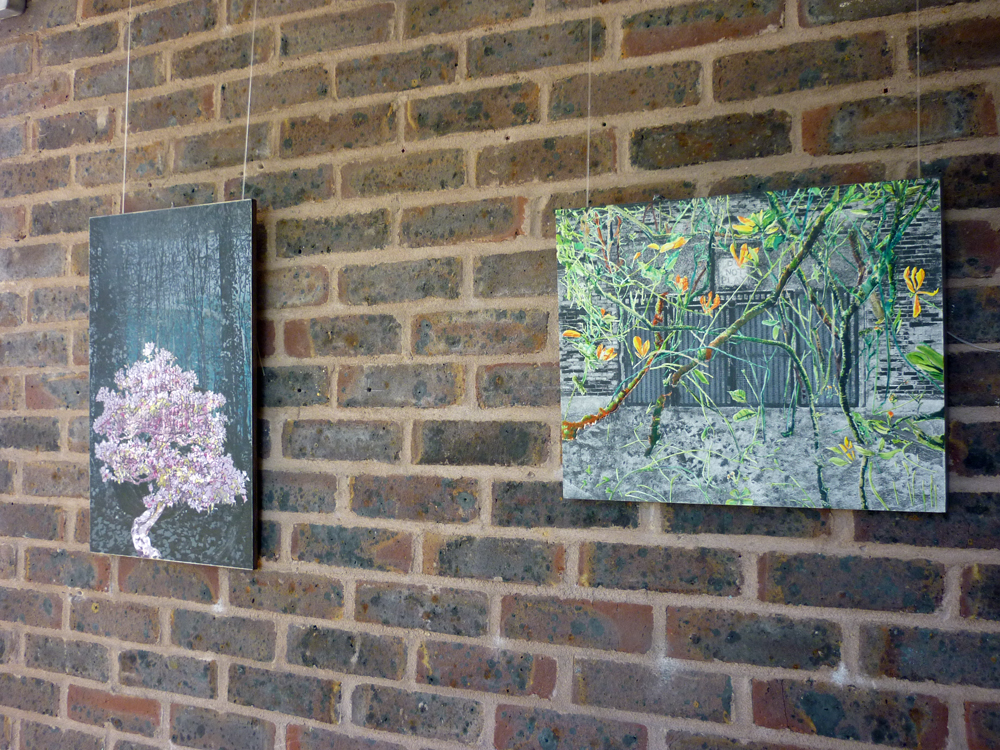
Hannah Williamson

Hannah Williamson

Adam Dix - Be As One - screenprint

Adam Dix – Be As One – screenprint

Frances Disley - Little Boy Lost - reduction lino cut

Frances Disley – Little Boy Lost – reduction lino cut

Alex Lawler - Celestial Navigation  - print on chiffon

Alex Lawler – Celestial Navigation – print on chiffon

Harry Meadows - Medallion

Harry Meadows – Medallion

I have often found that in the Deutsche Borse Photography Prize show there is one clear winner for me but this year all 4 candidates drew me in and inspired me.

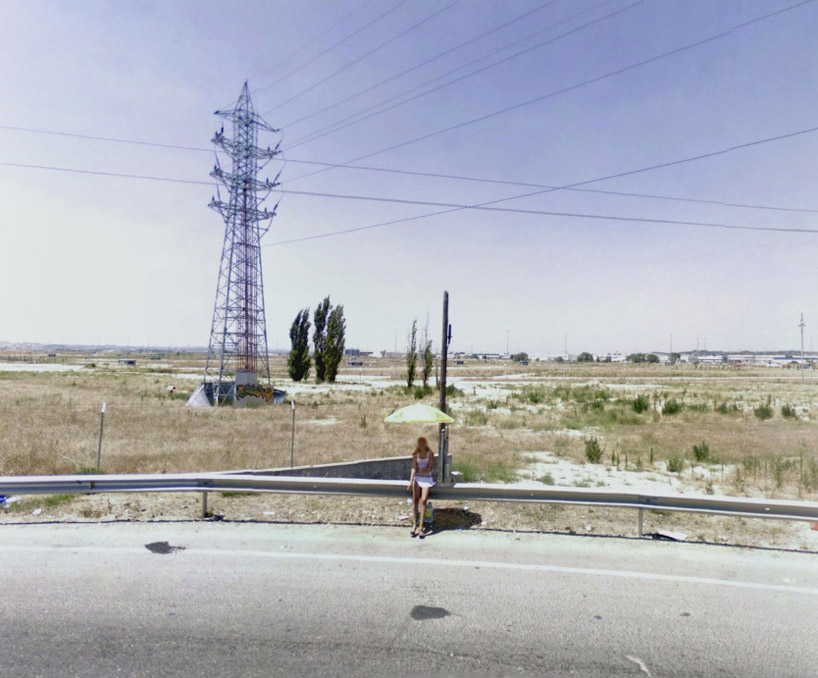
No Man’s Land is shot entirely with Google Street View. The coordinates for prostitutes operating in remote locations were picked up from internet chat rooms.

Henner’s method of online intelligence-gathering results in an unsettling reflection on surveillance, voyeurism and the contemporary landscape.

Mishka Henner - No Man's Land

Mishka Henner – No Man’s Land

Chris Killip documents the disintegration of the industrial landscape through the people that live there.

Chris Killip- What Happened - Great Britain 1970 - 1990

Chris Killip- What Happened – Great Britain 1970 – 1990

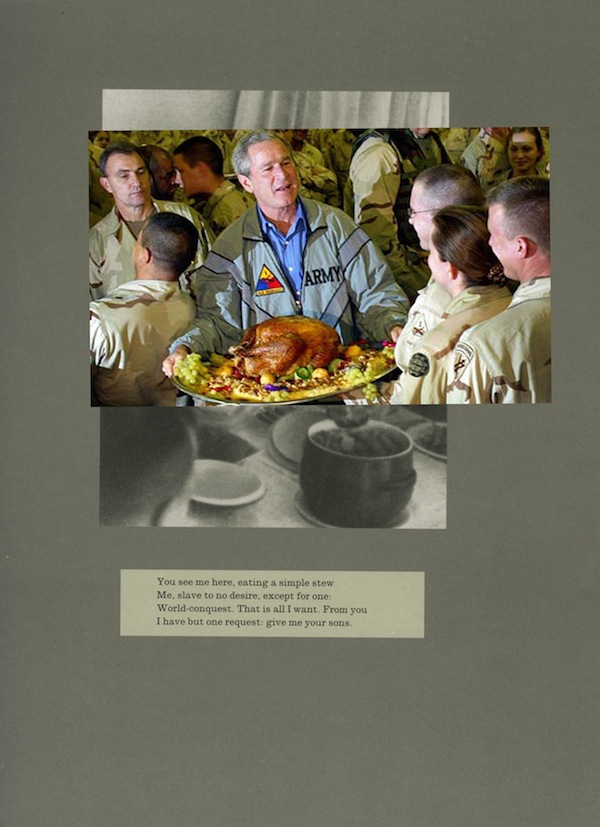
‘War Primer 2’ reimagines the pages of Bertold Brecht’s 1955 publication ‘War Primer’. Brecht’s book was a collection of photos and newspaper clippings that were paired with a four line poem.

Broomberg and Chanarin have layered google search results for the poems over the original images. The results are extraordinary.

Adam Broomberg and Oliver Chanarin - War Primer 2

Adam Broomberg and Oliver Chanarin – War Primer 2

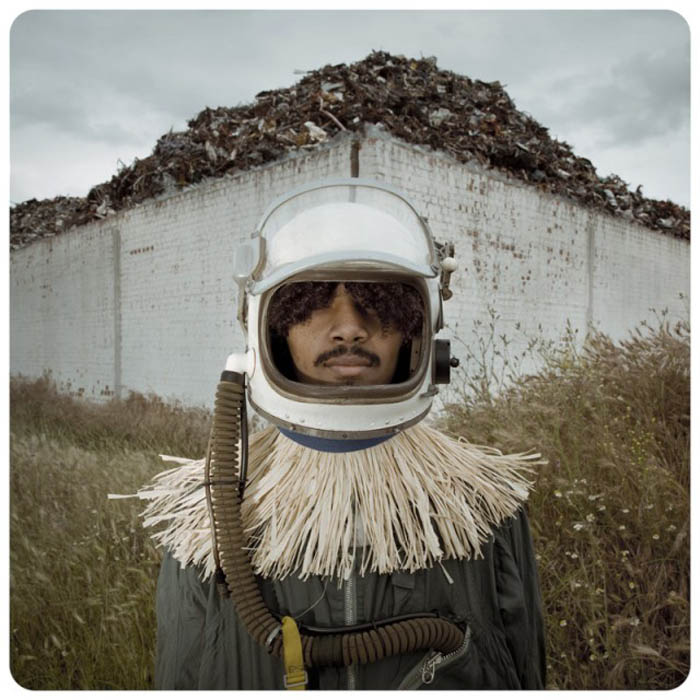
In 1964 Zambia started a space programme to send the first African astronaut to the moon.

Cristina De Middel - The Afronauts

Cristina De Middel – The Afronauts

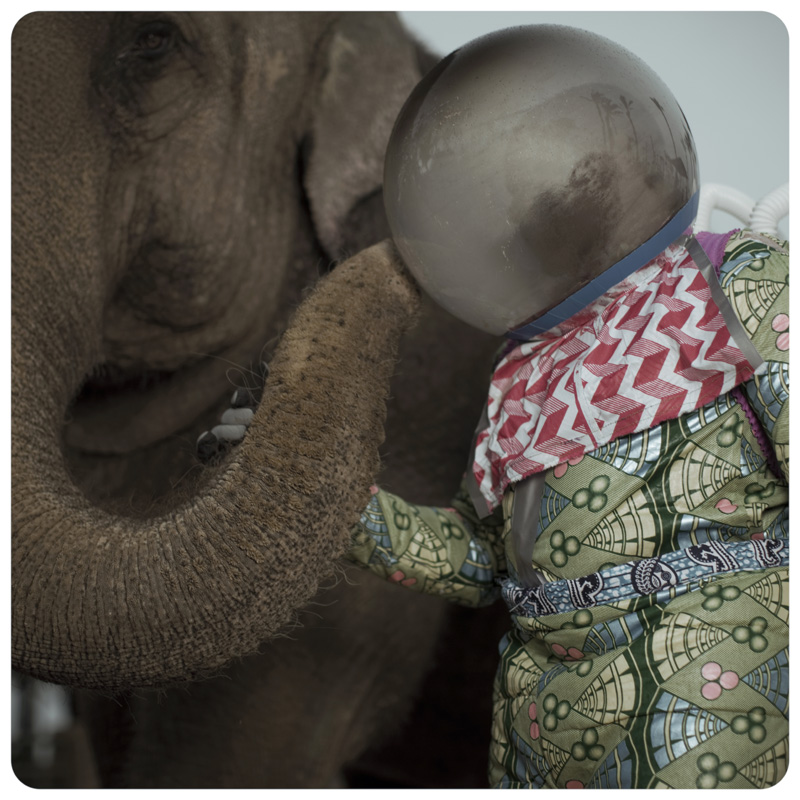
Through photographs, manipulated documents, drawings and letters  De Middel presents a folkloric tale which blurs myths and truths. Great costumes and funky fabrics.

Cristina De Middel

Cristina De Middel

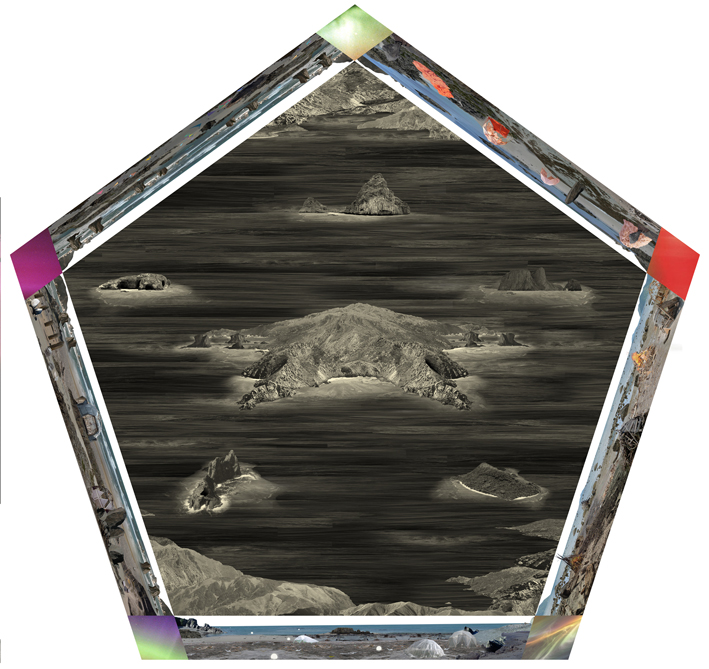
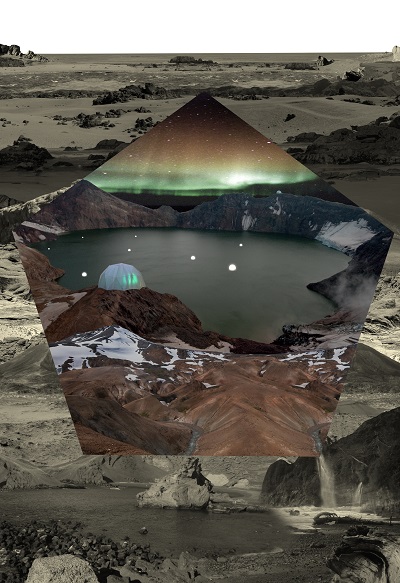
Jess Littlewood’s prints showing at BEARSPACE have a wonderful sci-fi quality without them being too unbelievable. There is a common motif of a pentagon, a makeshift habitat and an opening through to a stellar sky. They speak of new beginnings from dystopian endings.

Jess Littlewood - The Dissolution of Mother Island

Jess Littlewood – The Dissolution of Mother Island

Central to the exhibition, The Dissolution of Mother Island maps the inevitable collapse of the founding commune and the emergence of a new epoch, defined by five new derivative sects. Each sect inhabits a new island, and looking to the future each attempt to establish a unique society whilst never achieving true autonomy.

The further five exhibited works act as chapter headings, describing each sect and their specific obsessions. All maintain a fixation with the shrine like shelters of their past, highlighting futility in their attempts for individualism. These five new islands will now act as anthropological testing grounds in which Littlewood can explore the parameters and tendencies of human behaviour.

Littlewoods otherworldly landscapes are the product of extensive collecting, collating and archiving of images. Working digitally Littlewood builds layer upon layer of found imagery, the final outcome a window into an alternative world.

Jess Littlewood - Island Folly

Jess Littlewood – Island Folly

Wow, what a mind Charles Avery has.

Charles Avery View of the Port - from The Islanders

Charles Avery View of the Port – from The Islanders

He talks at a fast pace about the world that he describes through his expressive drawings, writing and sculptures. He has considered so much more about his imaginary world than most people ever consider about the one they actually inhabit. He has models of the island in his studio so that when drawing a new scene he is aware whether there should be a tower in the background or not. He knows where the toilets , the kitchens, the lifts are in buildings that are never more described than as background facade in a scene. This world is built on mathematical principles and animated with philosophical debate. Space is mapped out precisely in both the built environment and the geographical relationships but time in the concept as we understand it does not apply – events happen, time is not linear.

It was fascinating to hear about his process of creation at Whitechapel Gallery as part of the To Make A Tree programme.

Charles Avery

Charles Avery

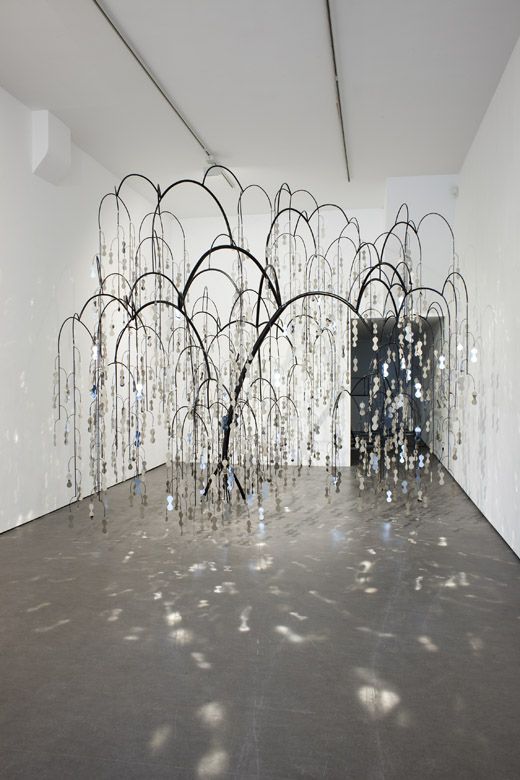
The trees in jardindagade are based on a mathematical formula.  He told us how hard it was to devise a formula for a willow tree to be well balanced and the leaves not to fall and tangle with each other. He decided to go outside and see how a real tree coped with this problem and found that it didn’t, it was messy and tangled, but it didn’t fall over.

He has ambitions to build the whole of jardindagade as an immersive installation –  let’s hope someone with some money was listening.

Saw Chimerica, an amazing new play by Lucy Kirkwood. It is a powerful exploration of two cultures – China and America.
We are taken back to the student protests of 1989 in Tiananmen Square and follow the search of an American photographer, who took the iconic shot of the student standing with his shopping bags in front of the tank, as he tries to discover the identity of  ‘tank man’.

The fate still remains unknown of the unarmed man who blocked a column of tanks as they moved along Chang’an Avenue towards Tiananmen Square.

1306 Chimerica 3

The script is very tight, funny and moving, playing out  a touching relationship between the photographer and his Chinese contact as they question their roles in history.

There are questions about cultural identity and personal responsibility.

Chimerica by Lucy Kirkwood

Chimerica by Lucy Kirkwood

Who is a hero and how can one voice rage against the machine.  I found it a little scary to contemplate the future in this context as China is such a hard country to relate to and it’s influence is spreading quietly across the world.

In China there seems little compassion for the individual.

Yet obviously there are individuals who raise their voices, people we can relate to in their desire for justice, for free speech and for clean air.

Chimerica by Lucy Kirkwood

Chimerica by Lucy Kirkwood

Chimerica explores the courage required to step outside the control of the state and the security of a job.

It also makes us wonder about the dramatic changes to the landscape, the explosion of consumerism and urbanisation and the sources of energy to power this explosion in growth.

1306 China coal

The ideas behind Chimerica can be found at  http://headlong.co.uk/work/chimerica/explore/

1306 smog

I have always loved the work of Antii Laitinen since being introduced to his work by Nettie Horn Gallery.

I went to listen to him at the ICA in conversation with Elizabeth Neilson, Director of Zabludowicz Collection, and Harri Laakso, a co-curator of the Finnish Pavilion at this year’s Venice Biennale.

He undertakes extraordinary feats of endurance to make his art such as building his own island from bags of sand, only to have it swept away by a storm and then starting again.

Antii Laitinen 'It's my Island'

Antii Laitinen
‘It’s my Island’

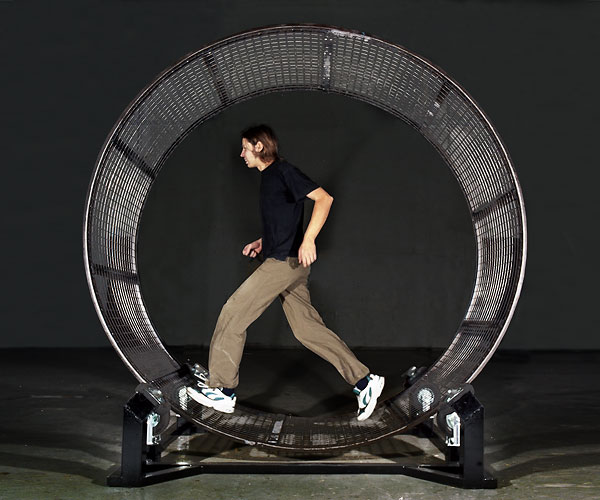
In his talk  he stressed that he uses nature as his material and his studio space and what he is exploring is the nature of human existence. He questions the value of effort which stems from his native Finnish culture and its Lutheran attitude to the benefits of hard labour. In ‘Sweat work’ he constructed a human sized hamster wheel and ran until he was dripping in sweat, he then removed his clothes and laid down onto photographic paper.

Antii Laitinen 'Sweat Work'

Antii Laitinen
‘Sweat Work’

The photographs were then hung on the wall where the image of his body slowly faded and disappeared.

Antii Laitinen 'Sweat work'

Antii Laitinen ‘Sweat work’

Each of his pieces has required physical exertion in often futile exercises. Originally training as a photographer he moved into performative work which he then documents himself through photography.

He likes to be in control. He prefers if possible to perform all the hard labour himself.

There was an interesting discussion on the reaction of different cultures to his sawing up of a tree into many pieces and then trying to fix it back together again like a puzzle. In Finland where there are vast forests and there is a pragmatic relationship to a tree and he had no problem getting any number of trees to chop down. In Vienna he caused an outcry at the stupidity of his endeavour. In Bristol he had real trouble getting a tree at all, and the tree he was finally given was a very small tree, barely a tree at all, weak and diseased. What is it that makes it hard for us to chop down a tree. The shortage of trees or the love of the old, a national instinct to preserve maybe.
What was it that mobilised the nation into protest recently – the threat to the forests. We might never visit them – but it’s good to know they are there. Our cultural history is tied up in the forests not as a source of fuel and income but as a refuge, as a source of myths and legends.

Antii Laitinen

Antii Laitinen

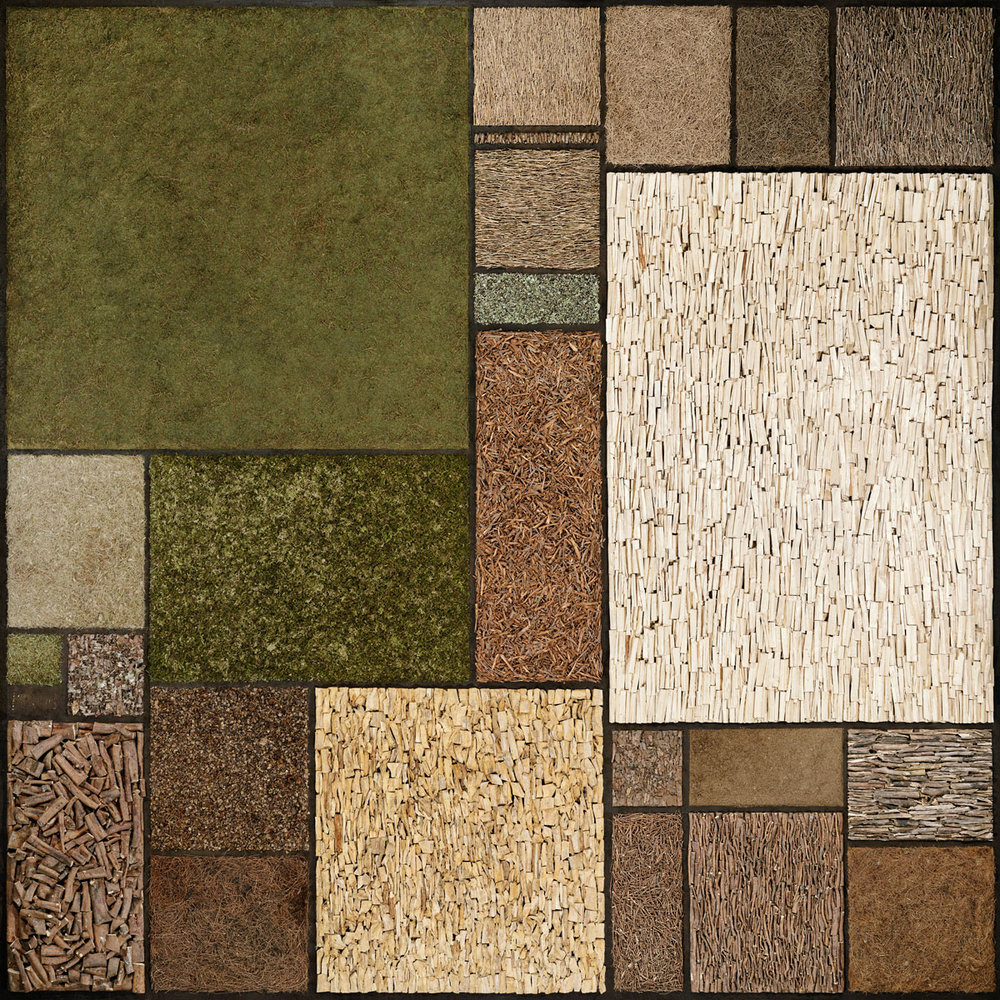
For the project “FOREST SQUARE”, new work made for the Venice Biennale 2013, Laitinen chopped down a ten meters square section of forest and sorted the entire found material such as the soil, moss, wood, pines, etc into various categories. He then reorganized the forest according to different colours – the composition referring to the pure abstraction and utopian ideal of spiritual harmony and order from the De Stijl movement.

Antii Laitinen 'Forest Square'

Antii Laitinen ‘Forest Square’

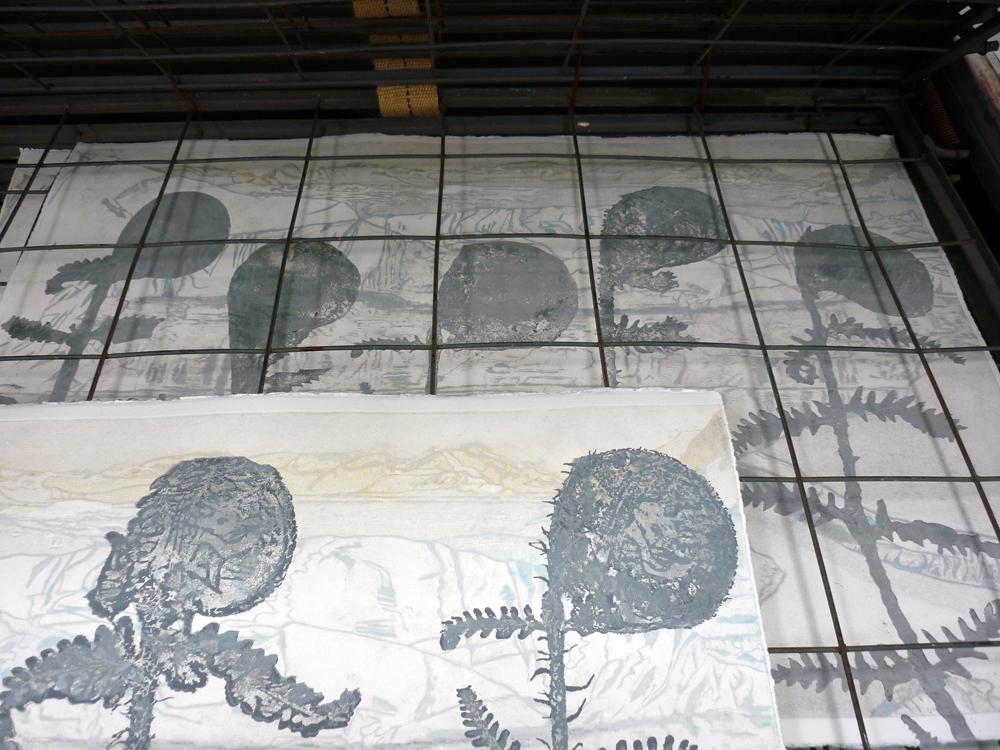
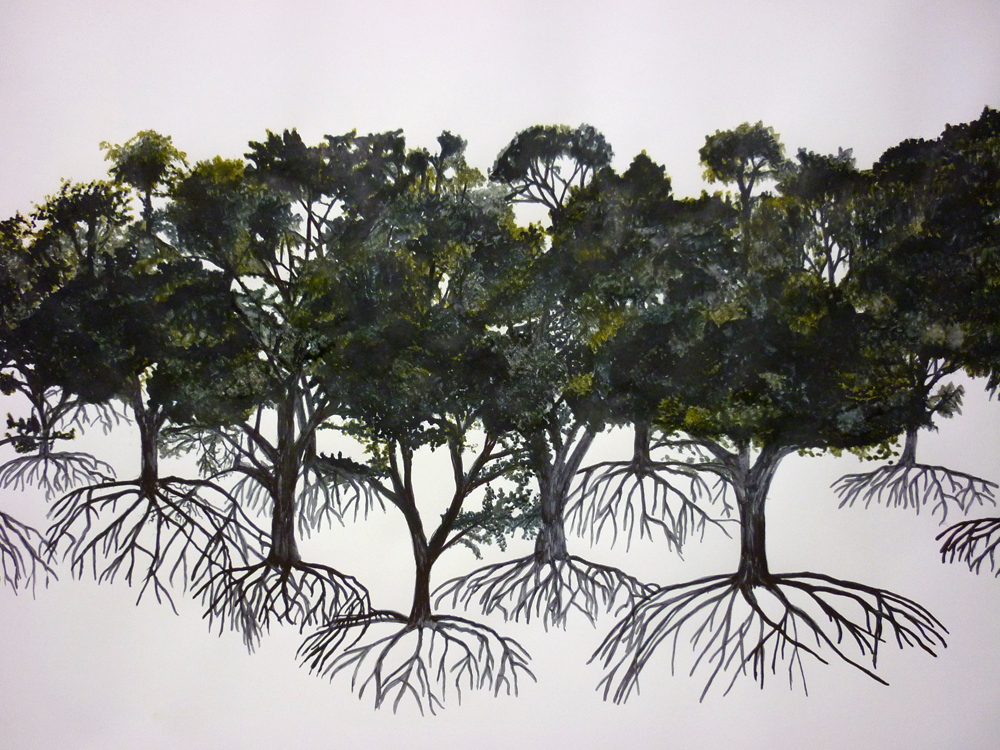
I am still working on the collagraphs  ‘return of the forest’ and still not entirely happy with the way it is going.

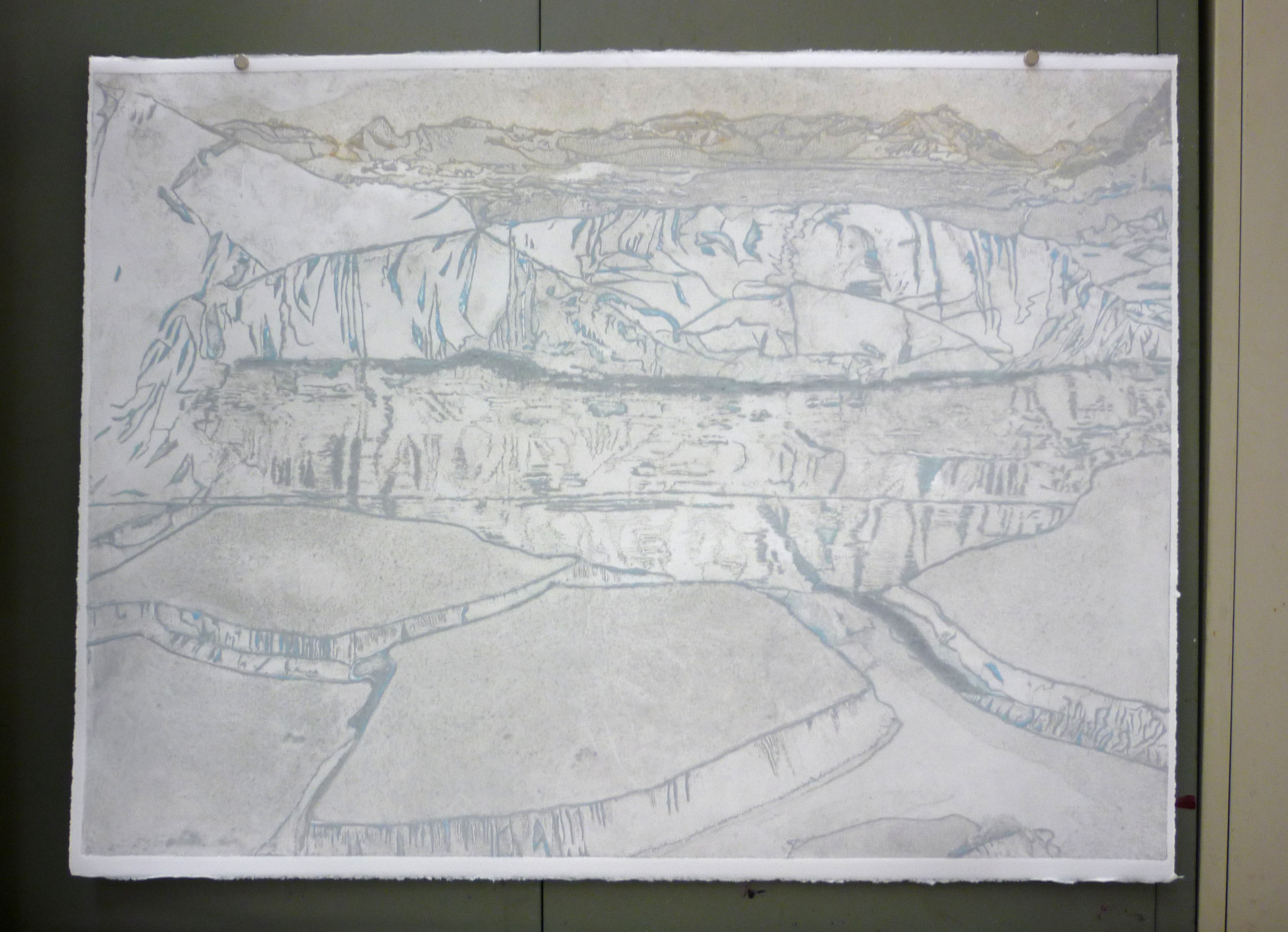
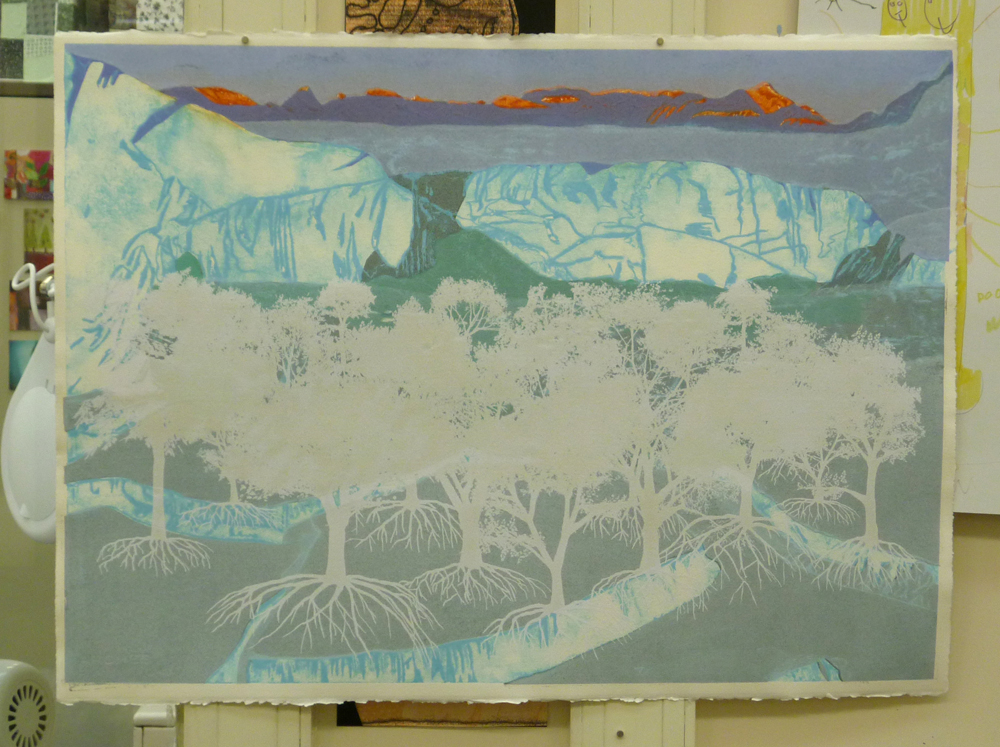
I have been painting trees with sublimation inks to print onto organza which I will then cut onto the iceberg collagraphs I have made.

The thing about sublimation inks is you can’t quite tell what colour they will print until you put them in the heat press.

130701 (2)

I was upset to find out that London Printworks Trust had closed in February.

It is so sad that such a great resource is lost. I did think it bad though that as a paying member I hadn’t been told it was closing, I guess as they were in financial difficulties they weren’t going to refund memberships.

Now I have to find another large heat press to use.

The Ochre Print Studio Summer Exhibition had lots of good feedback. Shame I had to miss the Private View this year.

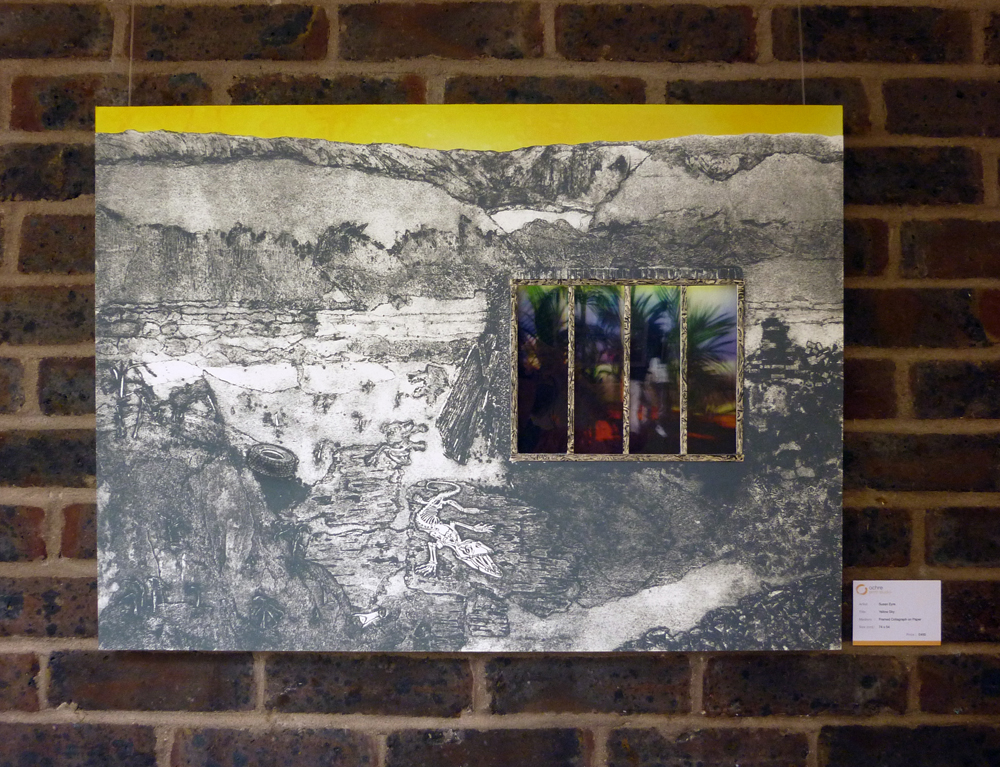
Susan Eyre 'Yellow Sky'

Susan Eyre ‘Yellow Sky’

‘Yellow Sky’ is about looking for refuge and reliance on a controlled environment to survive

Susan Eyre 'Graft i'

Susan Eyre ‘Graft i’

‘Graft I’ explores ideas about the changing landscape, the urban and the cultivated space, the hybrid landscapes and the empty inbetween spaces where imagination can flourish if nothing else.

Lots to see from other members and guest artists. It’s a good opportunity to bring the community at Ochre together.
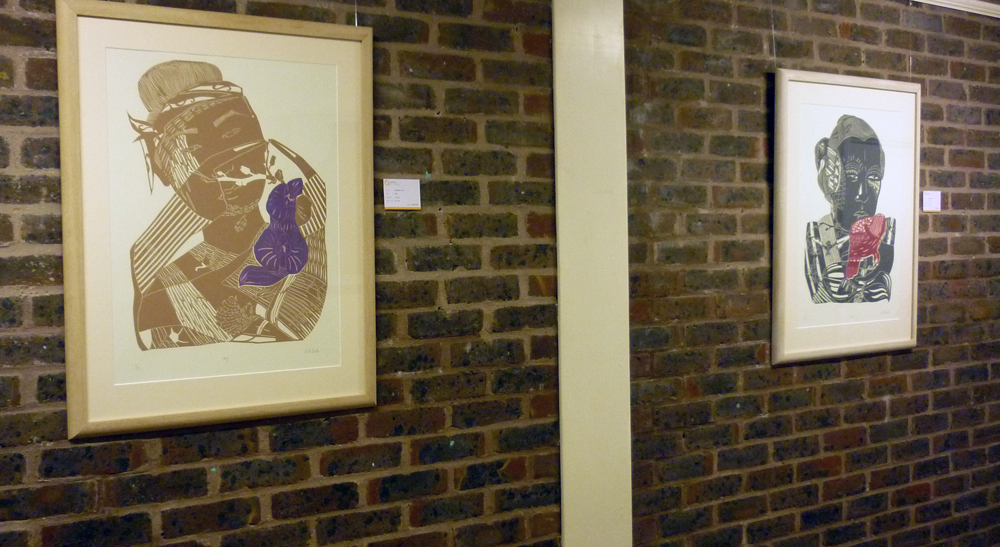
Tom Hammick

Guest artists -Tom Hammick – woodcuts

Richenda Court's lino cut

Richenda Court’s lino cuts

Julie Hoyle

Julie Hoyle screen prints on wood

Lockwood Group

Lockwood Group artists with learning disabilities

Anna Hennings - artist in residence

Anna Hennings – artist in residence

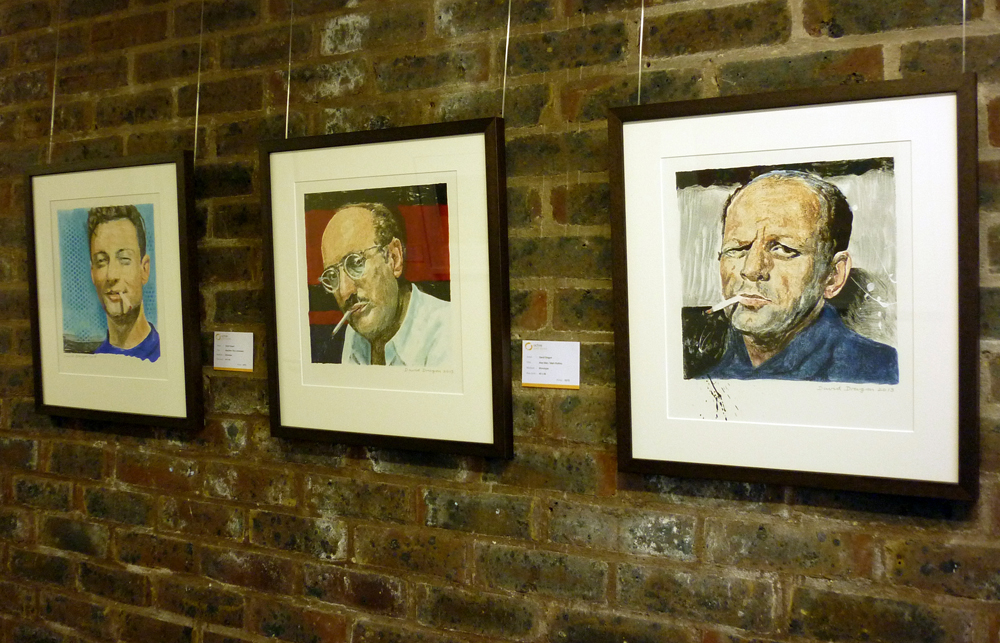
Guest Artist - David Dragon - monoprints

Guest Artist – David Dragon – monoprints


Susan Eyre 'Subluna'

Susan Eyre ‘Subluna’


Sold ‘Subluna’ at Ochre and also some of my ‘Collected Thoughts’ sold at the Surrey Contemporary.
Always a strange mixed feeling of loss and pleasure.

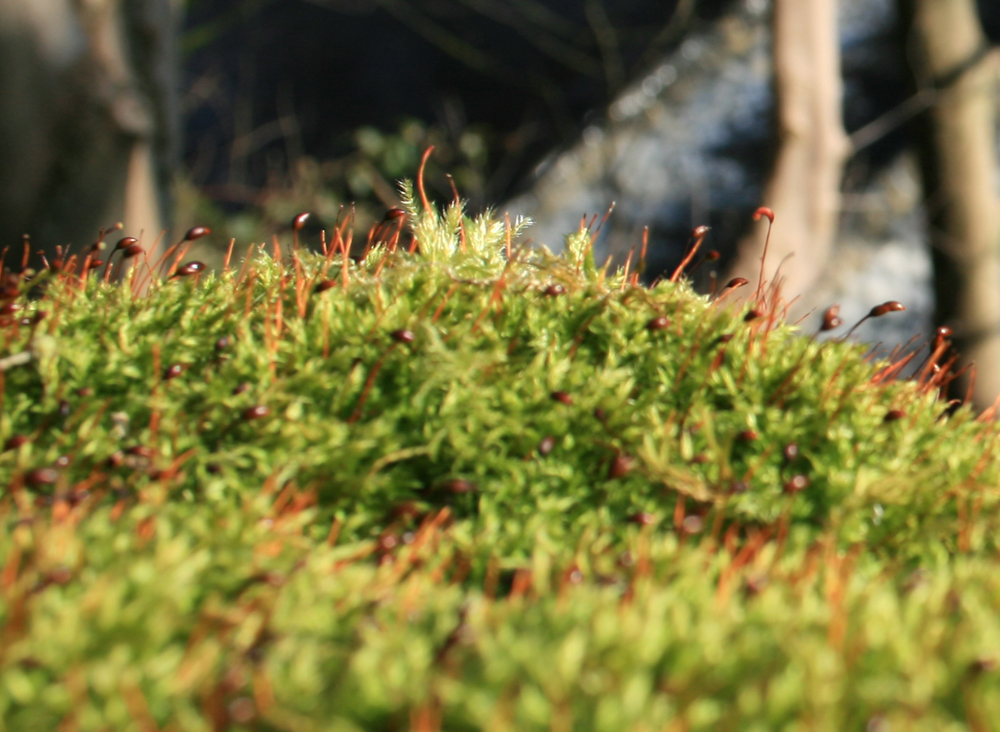
I have been looking at moss. It gets everywhere.

1306 mossy trees

I found an interesting blog that puts moss in context historically…

‘This soft plant pre-dates just about everything that surrounds it…older than ginkgo, older than Turtle Island, older than the very first tree, quite possibly older than the dirt itself.

The moss pre-dates the very notion of history.  Because the moss comes from an Earth that would be completely unrecognizable to you and me, completely alien even to the trees themselves.’  Read more…

1306 mossy wall

Then thanks to Giovanni Aloi Founder and Editor in Chief of Antennae, the Journal of Nature in Visual Culture my attention was brought to the news that ancient mosses are returning.

‘Frozen mosses that were buried under glaciers 400 years ago have now been regrown. Surprisingly, the hardy “bryophytes” required no special techniques to regenerate. That means they might be candidates for colonizing extreme environments — even in space.  During the Little Ice Age, which occurred between the 16th and 19th centuries, massive glaciers moved in and covered various regions in the Northern Hemisphere. These glaciers slowly retreated throughout the 20th century, and the rate of ice melt has sharply accelerated since 2004. The substantial glacial retreat is now revealing beautifully preserved vegetative communities, says Catherine La Farge, a bryophyte botanist at the University of Alberta. “It’s kind of like a blanket being pulled back, allowing you to see what the Little Ice Age was like.” ‘ Read more…

1306 Moss

So maybe my work should be looking at ‘Return of the Moss’ not ‘Return of the Forest’.

It’s not quite such a dramatic image. I have been looking at some impressions of the first trees, there were a bit fern like.

Fern looks so primordial. I have been working on making stencils to screen print over the ice collagraph. Using the scans from the ferns I pressed I have added an embryo as a harbinger of what is to come.

1306 Embryo

Every summer Ochre Print Studio opens its doors for an Open Studio Exhibition and I usually help curate this.

Lots of work arrives from all the members. We line it up and start looking for connections.

Ochre Print Studio

Ochre Print Studio

Also need to fit my own work in.

Yellow Sky

Yellow Sky

Subluna and Graft i

Subluna and Graft i

Went to see ‘Disgraced’ at the Bush Theatre. Set in New York. Today. Corporate lawyer Amir Kapoor is happy, in love and about to land the biggest career promotion of his life. But beneath the veneer, success has come at a price. When Amir and his artist wife, Emily, host an intimate dinner party at their Upper East Side apartment, what starts out as a friendly conversation soon escalates into something far more damaging.’

Disgraced by Ayad Akhtar

Disgraced by Ayad Akhtar

This blog from Paul in London sums it up nicely

‘Over the course of 90 minutes everything that is civilised and awfully respectable about two New York couples is gradually undone and at times the conversation is so frank and uncomfortable ‘. ……Read more

The characters reflected a fast retreat to their roots when under pressure, to the lessons of their parents to shared histories and a sense of belonging.

It seems origins are very important and potent.

Look at the moss slowly spreading, changing the climate and allowing new growth and eventually the advent of man.

It was a good exercise for me to give a talk at the Robert Phillips Gallery in conjunction with the Surrey Contemporary 2013.  Time to think about my own origins and how they influence my work. I dragged out old sketchbooks and notes to refresh myself on the ideas that have led me to this point.

I wasn’t sure how long I would be able to talk for. I started by talking a little about my own background – growing up in the countryside – living in the city and how this has made me very conscious of the difference between my contact with nature then and now. Also the influences of the ecological call to arms on my feelings about the natural world and my love of the urban landscape.

Binformation

Binformation

 ‘Binformation’ always provokes lots of discussion so that was a good piece to be able to discuss. Rubbish is remarkably personal, it’s something we all produce relentlessly and often harbour guilt about. So it can be comforting to think that maybe in millennia that layer of plastic will turn into something beautiful to be mined.

While doing a bit of research for my talk at Riverhouse I went back to some old sketchbooks from Goldsmiths days and pulled out his quote that I had come across at the time. Those feelings that once everything was better go back a long way.

 “One thing is sure. The earth is now more cultivated and developed than ever before. There is more farming with pure force, swamps are drying up, and cities are springing up on unprecedented scale. We’ve become a burden to our planet. Resources are becoming scarce, and soon nature will no longer be able to satisfy our needs.” Quintus Septimus Florens Tertullianus Roman theologian, 200 AD

I have been falling in love with Angela Carter again. Reading ‘Nothing Sacred’ and marvelling at her insight of 40 years ago.

1306 angela carter

Writing on the discovery of the idea of the Sublime she looks at the industrial landscape of Bradford and notes the seductive attraction of grit and grime heralded by the art-house films of the fifties appealing to the romantic who was not born and bred in a back to back house.

‘The history of taste may well be that of the obscure and probably warped predilections of the bourgeois romantic intellectual gradually filtering down through the mass media until everybody knows for certain what they ought to like. After all, only a handful of eccentrics enjoyed mountains until a mountain got up and followed Wordsworth across a lake’.  New Society 1970

Despite the urban growth and industry of the northern city she finds there is still a direct contact with nature in the markets of Doncaster – ‘It’s cold and wet underfoot, here.’

‘Outside, among the fruit and vegetable stalls, it had started to rain in earnest and the cabbage stalks and shed lettuce leaves were turning to soup in the puddles. It’s very tiring, not being alienated from your environment.’

New Society 1976

1306 Grey collagraph

Much happier with the way my collagraph is going now that I have pulled back from all the colour I have been using.

Also I am getting much more detail in the image through careful inking. Thinking about all the changes that the earth has been through in deep time. So slowly.

Waiting for the forest to emerge.

130529 (1)

This is still work in progress which I intend to print over. I have been thinking about blocking off the image in parts with paper stencils before I print the collagraph to leave blank spaces to print on.

Making a template for hanging ‘Collected Thoughts’ at the Surrey Contemporary.

1306 laying out collected thoughts

This way I can just fix the paper up on the wall and tap the nails straight though.

I hadn’t been to the Robert Phillips Gallery in Walton on Thames before. It is a bit tucked away but a lovely space right on the river with a little café and terrace.

The gallery has high ceilings and lots of light.

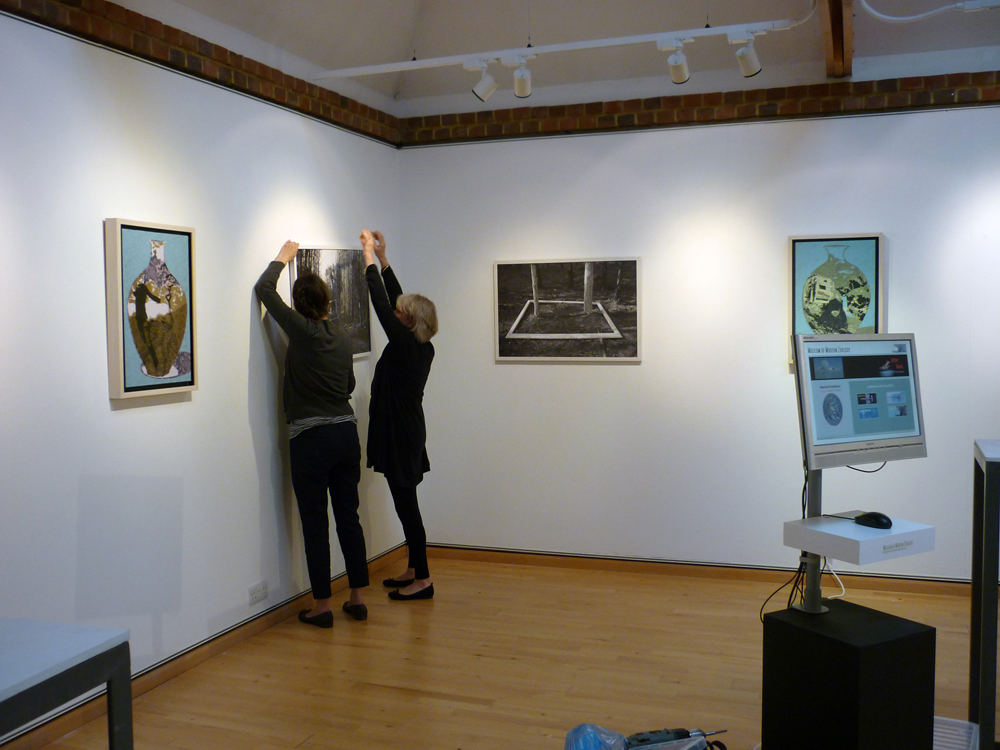
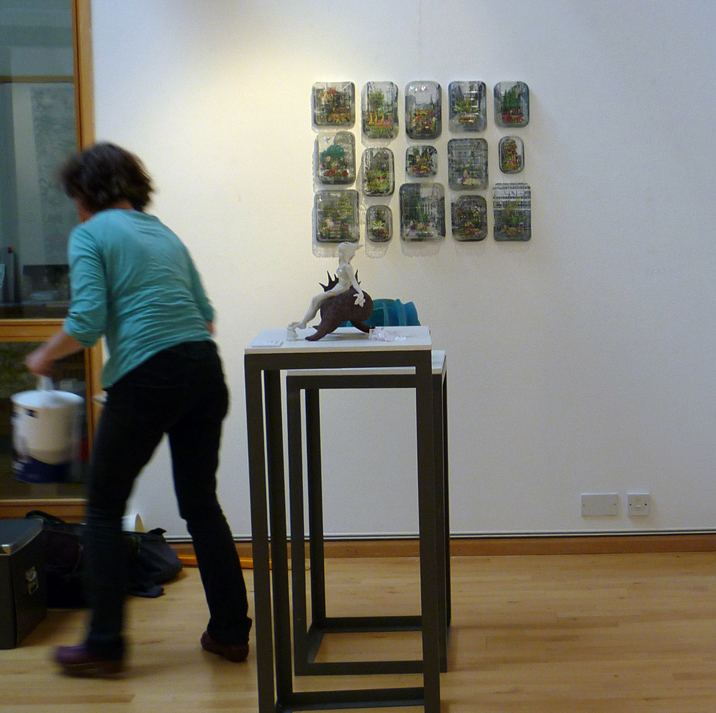
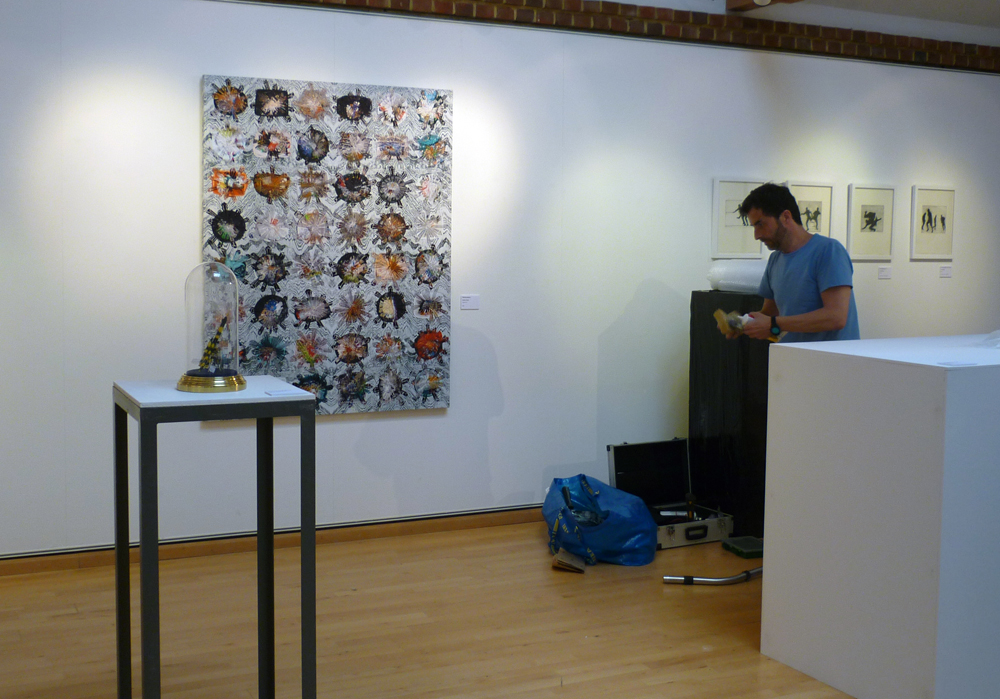
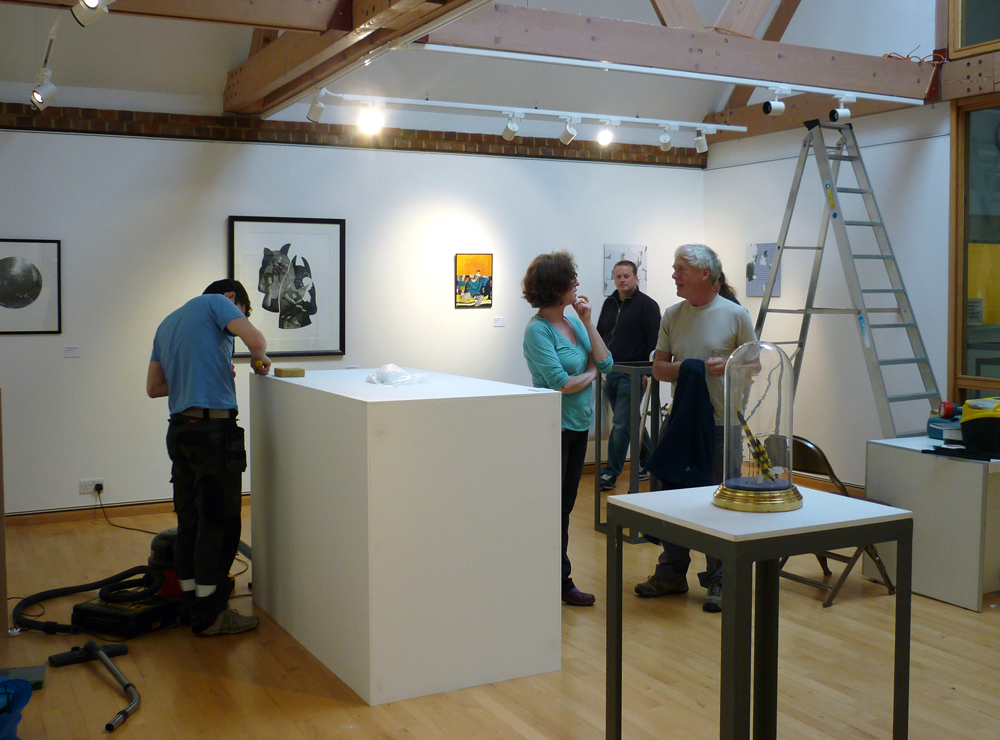
1306 Surrey Contemporary - setting up 6 1306 Surrey Contemporary - setting up 1306 Surrey Contemporary - setting up 5 1306 Surrey Contemporary - setting up 4 1306 Surrey Contemporary - setting up 3 1306 Surrey Contemporary - setting up 2

It was good to meet the other artists and chat about their work.

Stephanie Wright told me about the nervous excitement she feels when slicing through her thrown pot to reveal the figure inside and the alchemy of using glazes.

Stephanie Wright

Stephanie Wright

Dave Richards demonstrated his website documenting the Museum of Modern Zoology where new hybrid species have evolved via his imagination from a fusion of technology and the animate, like the Makagadikadi big cat which shares its aerodynamic structure with a racing car.

Dave Richards

Dave Richards

Jill Flower explained the inspiration behind her sculptures using recycled papers and stitch to convey the seven ages of man (and woman) through a literary journey.

1306 Jill Flowers

1306 Surrey Contemporary - Private View 1306 Surrey Contemporary - Private View 3 1306 Surrey Contemporary - Private View 2

The Private View was really busy.  Over the tap tap tap of Mat Clark’s morse code installation on the obsolescence of the art object Alison Clarke from Surrey Arts welcomed everybody while Chairman of Surrey County Council, Mr David Munro thanked all the sponsors and wished he had a rosette to award to an artist like he did for the prize bull at the county show. The artists present were not sure how they felt about that.

1306 Subluminal

So glad we have at last had some sunshine, and ‘Subluminal’ which I have hung in our sunroom is doing its thing with the rays.

If I worked it out maybe it could even be a sundial.

Would be so great for the big piece ‘Incidence’ to have a wall that gets the sun rather than be in a bag under the bed.

Incidence e

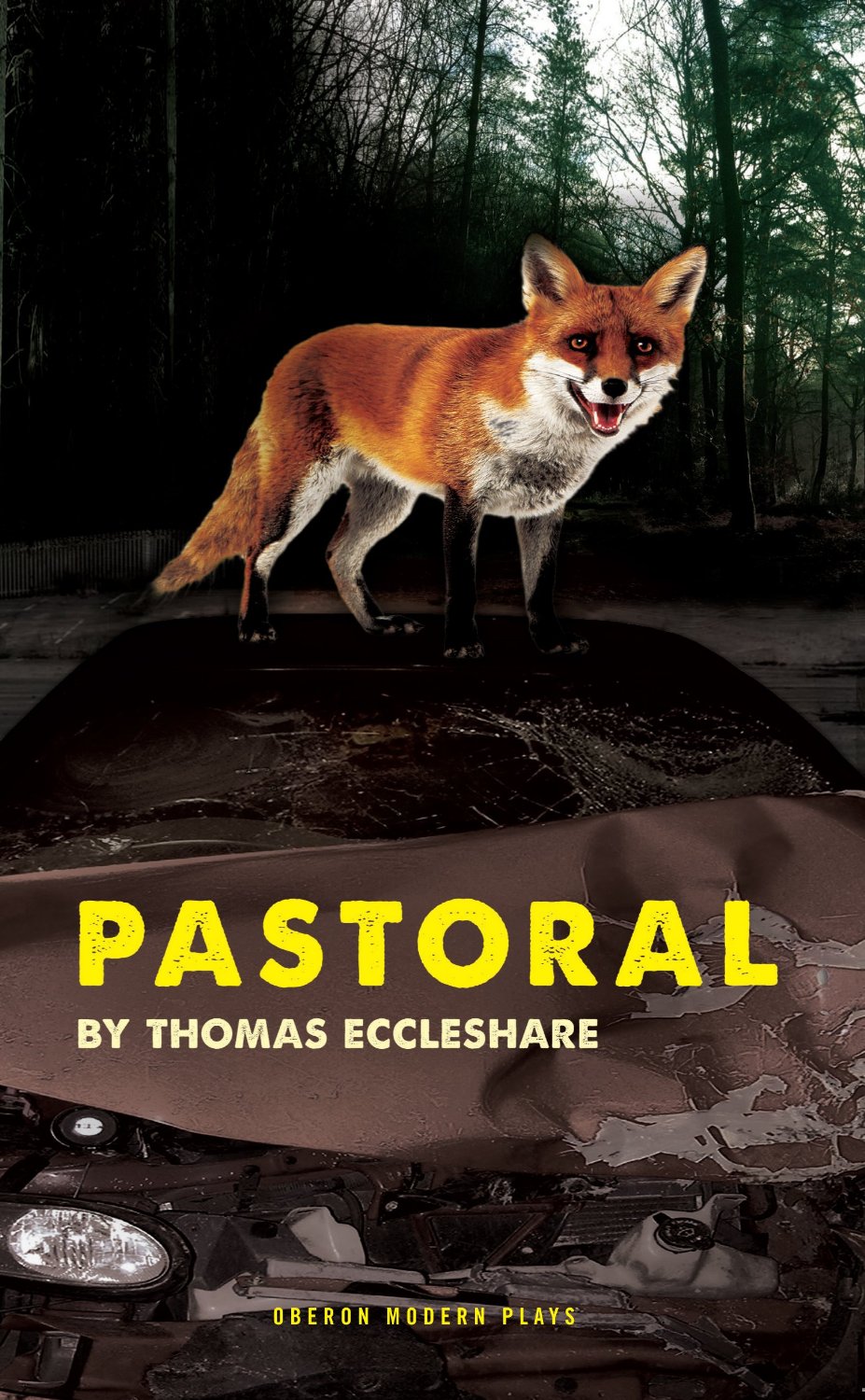
Had great inspiration on the themes of nature in the urban environment at the Soho Theatre in the witty and surreal play ‘Pastoral’ by Thomas Eccleshare.

Pastoral

Nature is fighting back. The forest is returning. The army have been called in but are being pushed back by the speed and strength of the growth.

The south is being abandoned as buildings collapse and roads are swallowed up and the only escape is to evacuate to the north behind the big plastic wall.

Pastoral

It’s everyman for himself when the only game for dinner is one hedgehog between 6.

The man from Ocado can only regret his perseverance to deliver his goods at all cost.

Great staging and wonderful delivery from Anna Calder-Marshall as Moll blessed with the freedom that comes with age to say what she thinks (about ‘the fats’  and other blights of our time)

The weeds bursting through Moll’s carpet did resonate with me – ‘Emergency’ made while at Goldsmiths had a similar idea at its core but in this case it was the rubbish from landfill mutating and bursting forth.

Emergency 0

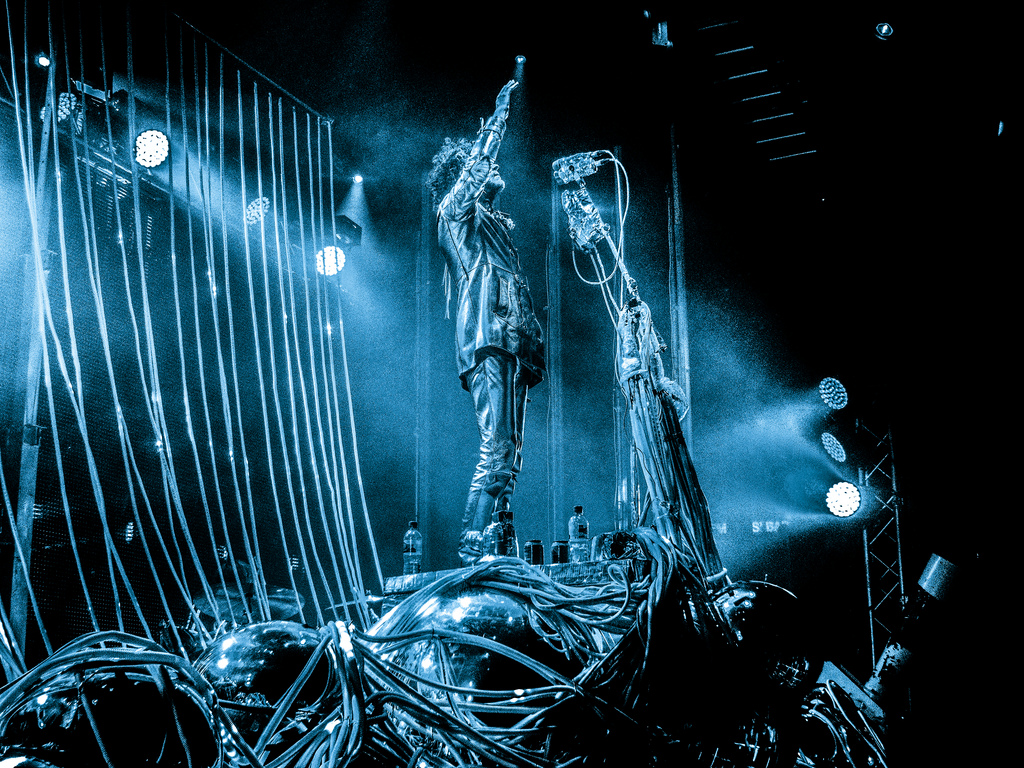
Some musical inspiration from Flaming Lips.

1306 flaming lips

Photo by Chris Boland

Blinding light show and space age silver sculptures.  Photography at www.distantcloud.co.uk

Wayne Coyne was ill and couldn’t really sing. He gave a moving speech at the beginning to say in the scheme of things what was going on at the Roundhouse that night was insignificant when children were dying at the hands of a hurricane. Real nature this time.

Also on a higher plane the soulful voice of Eska and her thoughtful lyrics.

1306 Eska

‘Seeds of her memory grew up from the earth….she’s in the flowers….’

http://www.eskaonline.com/#c87/youtube

Jane Ward at BEARSPACE

Jane Ward at BEARSPACE

Had the opportunity to meet Jane Ward whose work I have always admired at BEARSPACE. She was giving an informal talk about her working methods, how she chooses the images she then manipulates, her sources and inspirations.

She often uses aerial shots as a base from which she builds her imaginary worlds and the end result does have the feel of looking down, spiralling towards the ground as all perspectives are lost in a disorienting chaos. She says it is important that within this chaos there is space to escape and so always leaves an area of light in her work for this purpose.

Noa and Hannah had filled the walls of their beautiful Dulwich house with a wonderful selection of their paintings and prints. Each artist complementing the other as they both have a mystical quality to their work.

Noa Edwards

Noa Edwards

There is lots of space in their work for the viewer to become involved, Noa’s dark photograms have a ghost like ethereal haze making the images indistinct and alluring and Hannah’s colourful assemblages are joyous and expressive.

Hannah Williamson

Hannah Williamson

Marking Time with Debbie Lyddon at the Crypt Gallery.

Debbie Lyddon

Debbie Lyddon

Through the use of materials Debbie investigates the possibility of expressing time passing through process and experience.

Debbie Lyddon  Bitumen Buckets

Debbie Lyddon Bitumen Buckets

Letting the material do its own thing. These bitumen coated canvas buckets filled with salt water had been left  to evaporate for 6 months but were having the process of crystallisation reversed in the damp environment of the Crypt.

Time is not linear.

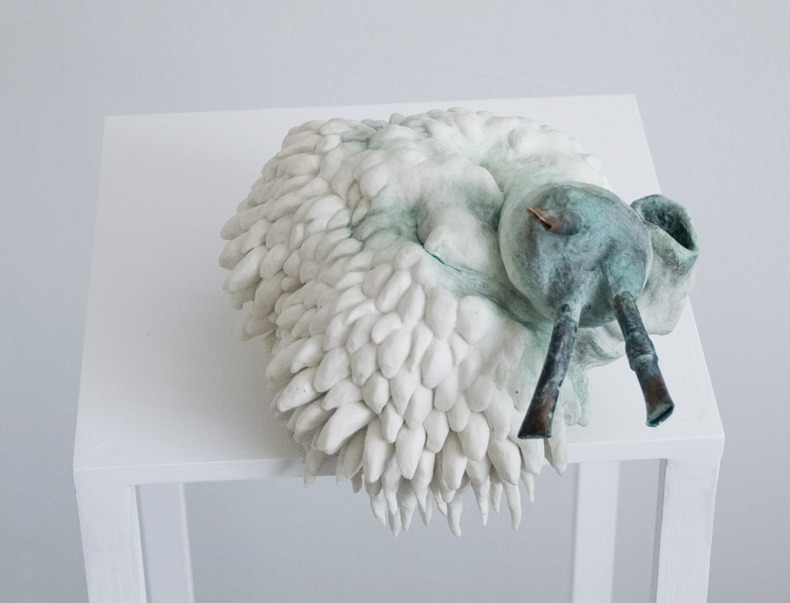
Lizzie Cannon is also interested in materiality and has used her residency at Bow Arts to explore using porcelain in her practise.

Lizzie Cannon

Lizzie Cannon

Her delicate sculptures look like they might have been formed over thousands of years from dripping limestone, they have the strange forms and translucent quality of stalactites .

Lizzie Cannon

Lizzie Cannon

Creating work that blurs the boundaries between the organic and the inanimate she fuses materials and forms together confounding us with a mix of the unexpected yet vaguely familiar.

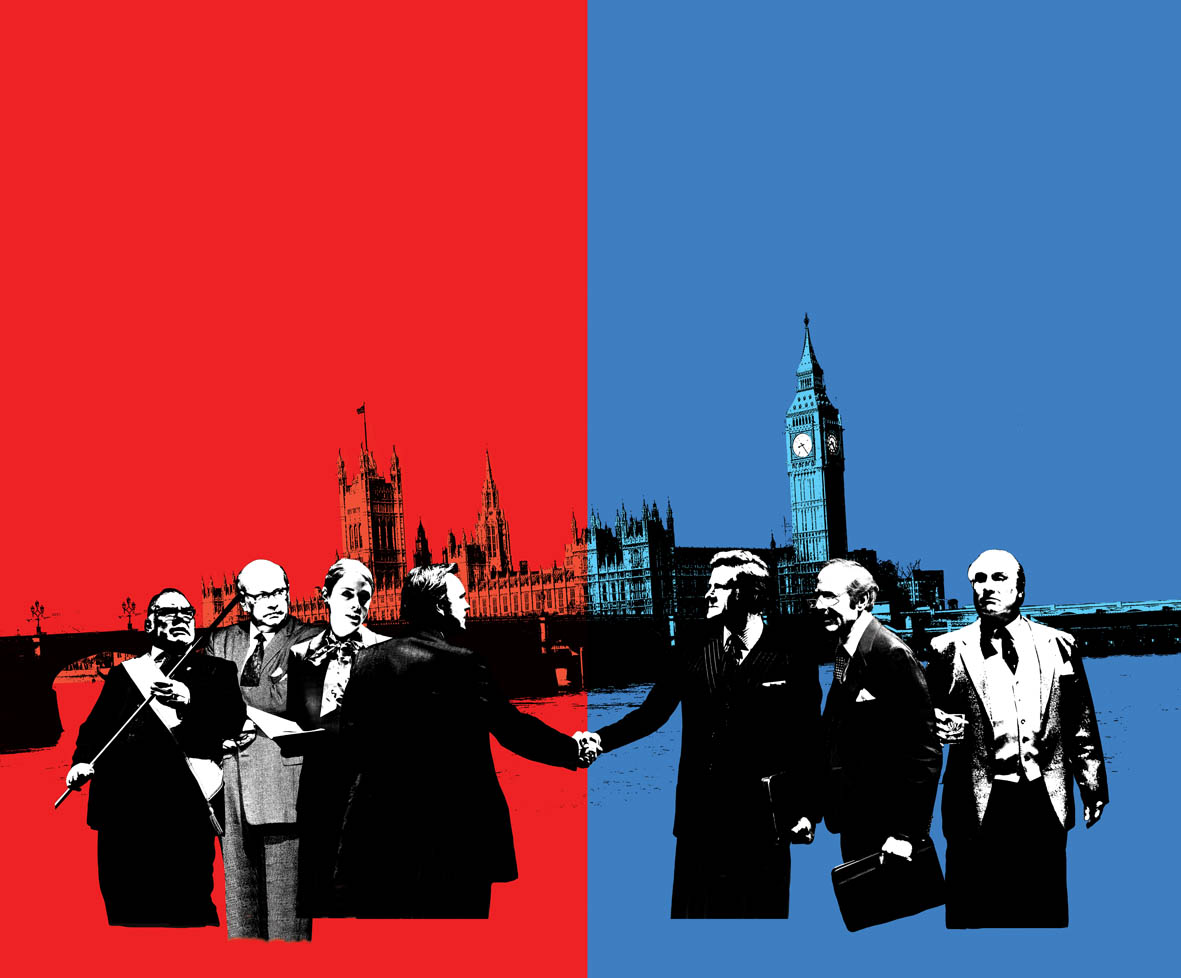
At the theatre it has been a mix of the political, politically correct and not.  I enjoyed Stuart Lee’s understated observations on the possibility of him voting conservative at the Loving Linda fundraiser for ovarian cancer. An evening of comedy in the wonderful Linda Smiths memory.

Linda Smith

Linda Smith

‘This House’ by James Graham playing at the National tells the tragic tale of the last days of the labour government pre Thatcher, the like of which will never be seen again – it didn’t seem appropriate somehow to well up at a political satire but it was heart-breaking stuff. All the more tragic in retrospect knowing now what was to come.

This House

This House

I had expected to well up at ‘Joe Egg’ but in fact it never really cut beneath the surface, written at a time when the language of disability had not been reformed it was slightly uncomfortable to listen to but as it was so dated it was hard to empathise and finally feel any real emotion. Top marks for the acting though.

Sally Tatum in Joe Egg

Sally Tatum in Joe Egg

The V&A had gone to town with their Bowie extravaganza – great use of location sensitive headphones adding the appropriate soundtrack.

1305 Bowie

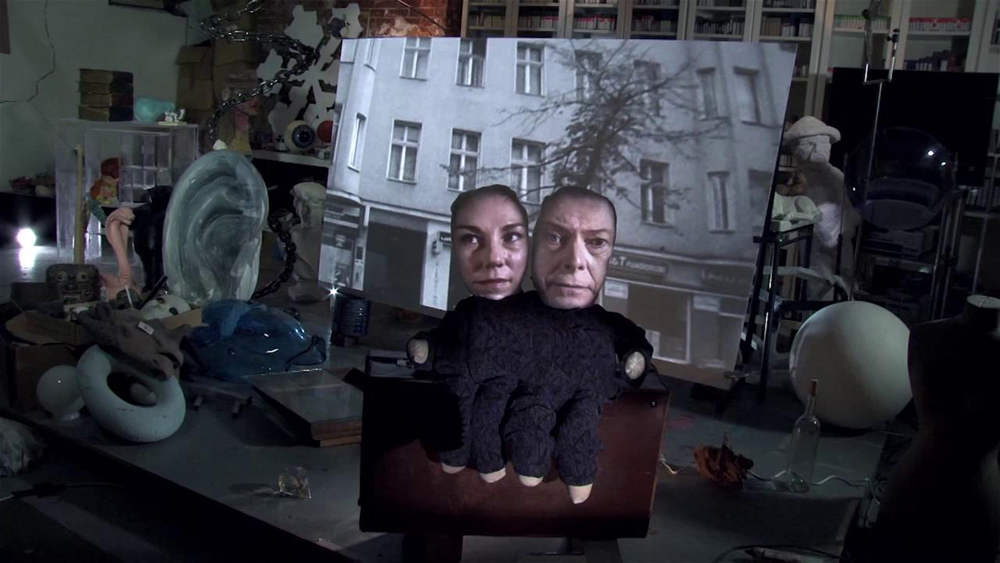
He has wowed us all again this year with his new tracks and another collaboration with Tony Ousler to produce an enigmatic video.

Bowie and Ousler collaboration

Bowie and Ousler collaboration

I was interested to hear about Bowie’s lyric generator which spliced random articles together – a lot of it made no sense but there would be the odd phrase that would capture his imagination and from there he would begin to write. It seems a fun way to work, loving rules and lists it really appeals to me. I could make work from a random starting point each time or follow a method like with my food shopping where I buy the next thing on the shelf to what I bought last week. This removes all tedious decisions about what to cook and throws up lots of interesting combinations for meals forcing us to eat things we might never have tried. However, instead of randomly generating ideas I am trying to keep focused on what I believe to be the nub of my interests –  the cultural impact of our disconnection with nature. Thinking about the evolution of the first trees and what they looked like  I cut some ferns in the garden just as they were about to unfurl – I have scanned them and was really pleased with the detail. I am pressing them and hope to use them to make  monoprints over the iceberg collagraph.

1305 Fern

Have made a good investment in a plan chest – now that I am working on paper a fair bit.

1305 plan chest

So lovely to have tidy studio and somewhere to lay stuff out.

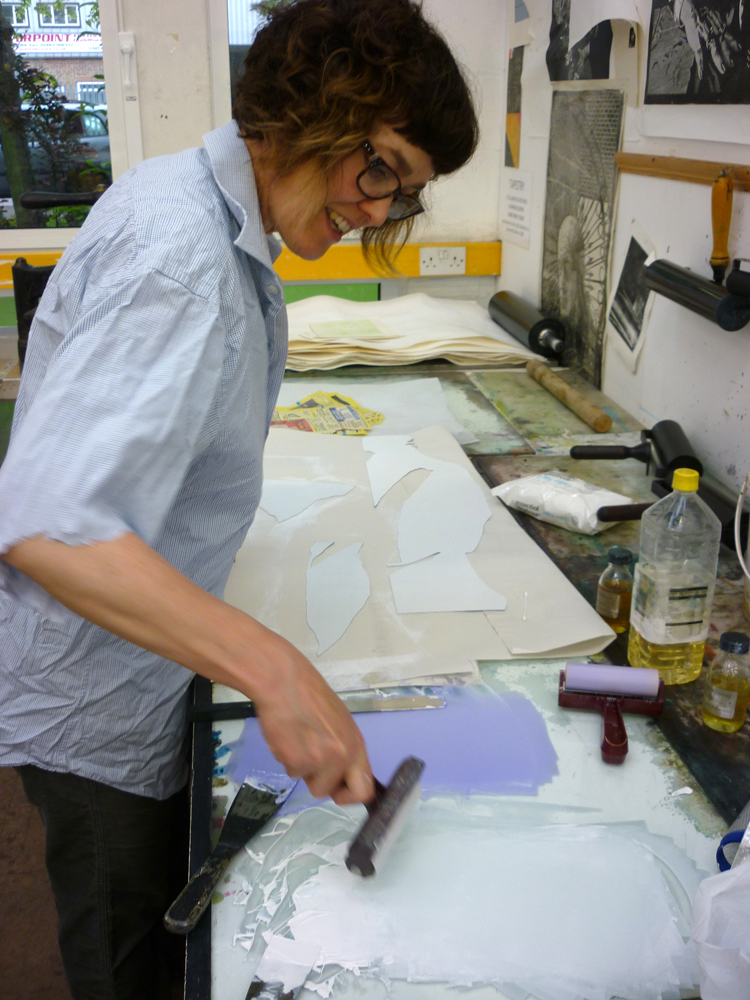
At Ochre I have been adding some more layers to the iceberg collagraphs.

1305 at Ochre

I am concerned that I have got a bit too seduced by the wonderful colours of the inks.

I am not really satisfied with the image  – need to think about this a bit more.

I am planning on adding a layer of printed organza over the trees to give more depth.

1305 dark trees

1305 light trees

I think I need to go back to a grayscale palette.

I have been working on a new stencil image for the forest, something which hopefully disrupts the landscape more  – and have been thinking about adding some beasts of the forest too.

Not worrying too much about historical accuracy but about the feeling of the forest being something menacing advancing across continents.

A more imaginary world.


The debate on the impact of opening our borders to the Romanian and Bulgarian people is in the news.
I watched the channel 4 news report which followed Nigel Farage to Bulgaria as he discovered not everyone was ready to leave their homeland at the drop of a hat and that Jeremy Paxman has a counterpoint in the local presenter that launched into an immediate assault on Farage citing the imperialist history of Britain and his own french protestant roots leaving him gulping instead of inanely grinning.

I also saw the amazing contemporary realist paintings of Romanian Dan Voinea and the vibrant woodcuts of Romanian twins Gert and Uwe Tobias.
Dan Voinea showing at Beers Lambert constructs paintings that capture something of an absurd moment, the figures he paints are exerted, intense and contorted. They are focused on some event which is not clear but is captivating, like being at the back of the crowd straining to see what everyone is looking at but having to be content with a fleeting glance leaving the rest to the imagination. He works from photographs taken in different eras mashing time together. His figures wear the clothes of the forties or the seventies but seem placed in a current context.

Dan Voinea

Dan Voinea

The Tobias twins showing at Whitechapel gallery also mess with time. Using folk art imagery, the typewriter and surreal paper collages they evoke past times in the making and composition of their work but there is something uncertain about its origins in the overall aesthetics making it hard to place.

Gert and Uwe Tobias

Gert and Uwe Tobias

Playful and vibrant their woodcuts on canvas are giant dramatic explosions of colour like putting an electic shock through an Ernst Haeckel illustration of protozoa.

1305 Gert and Uwe Tobias 2

While at the Whitechapel Gallery I was able to have another look into Giuseppe Penone’s Spazio di Luce

Giuseppe Penone

Giuseppe Penone

Openings are just so much better


1305 Prague 5

The beautiful city of Prague looks good in bright sunshine.

1305 Prague 4

With soaring gothic architecture

1305 Prague 6

glinting gold on dark passions

1305 Prague 3

sumptuous iconography

1305 Prague 2

secret doorways

1305 Prague 7

and intriguing botanical laboratories.

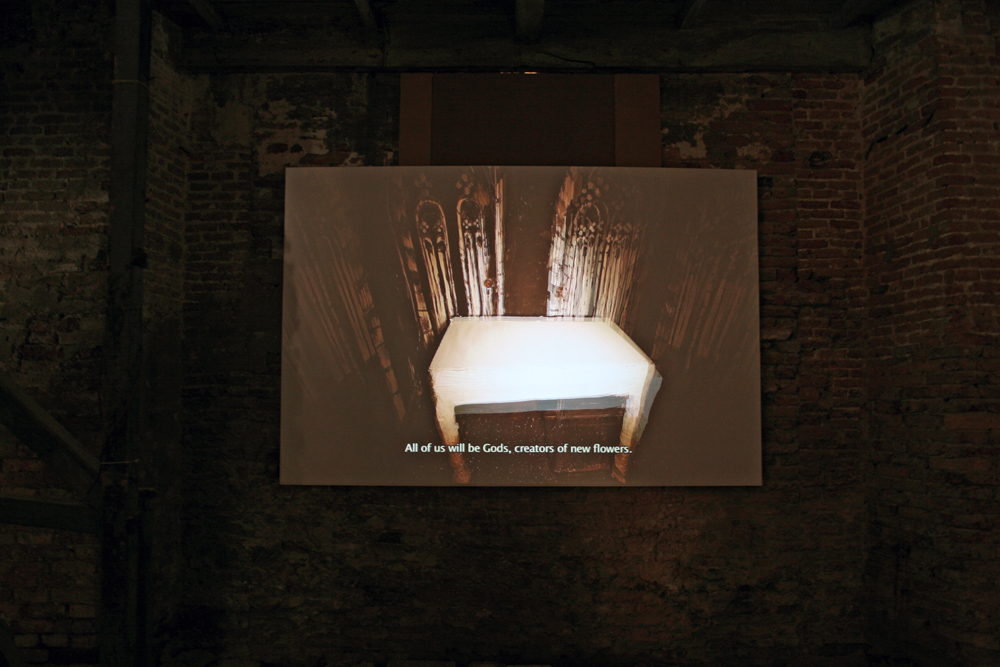
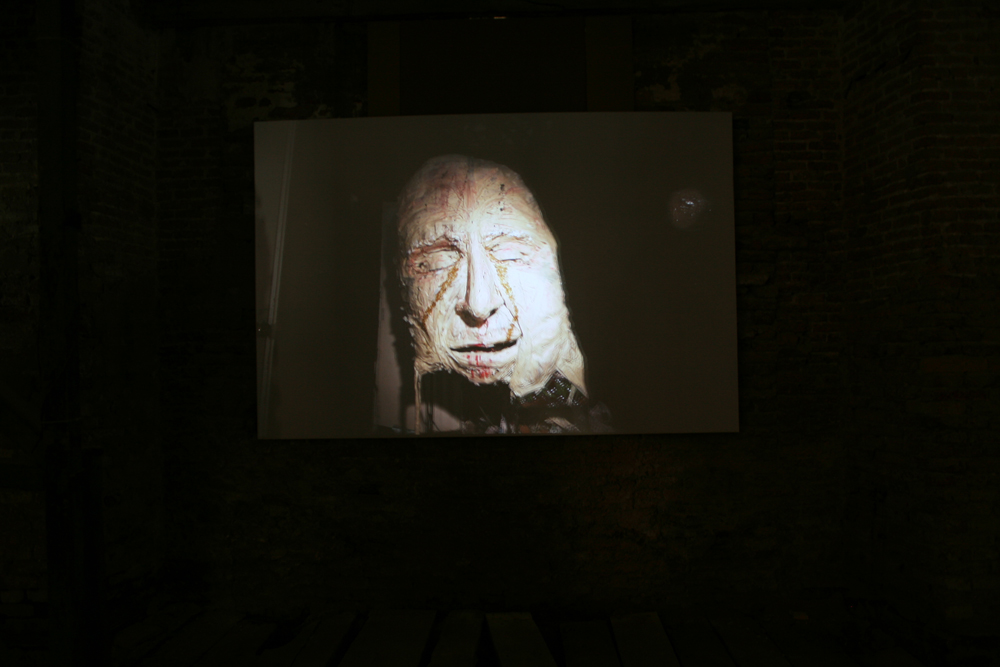
Visited the Dox Centre for Contemporary Art and saw the politically charged work of Krzysztof Wodiczko.

Krzysztof Wodiczko

Krzysztof Wodiczko

Wodiczko uses projection onto public buildings to give a voice to the inhabitants of the city who are little seen and heard.

We see the eyes and hear the voice of the migrant worker usually invisble speaking about his life in an alien environment.

Krzysztof Wodiczko Mouthpiece

Krzysztof Wodiczko Mouthpiece

He uses technology to aid cross cultural communication giving the use of media devices to those who have no access but the most need to be heard.

Krzysztof Wodiczko Out/Insiders

Krzysztof Wodiczko Out/Insiders

The dramatic new work made for this exhibition was inspired by events along the Czech German border where neo-fascists have been attacking the local Roma people one of the most marginalised communities.

The spoken testimonials and faces of the young victims are projected onto the statues of historical Czech figures. We couldn’t understand what was being said but the emotional impact was still strong as the dead stone was suddenly brought to life and completely transformed.

The tragedy of Orpheus’s descent into the underworld to reclaim his lost love was relayed via 1930’s Paris and the music of Django Reinhardt and Edith Piaf.

Little Bulb Theatre created a magical retelling of the myth at Battersea Arts Centre.

1305 Little Bulb

There was so much talent in this show, musicianship, amazing voices and inventive costumes – it was brilliance.

Little Bulb Theatre

More tales of love battling evil with a second visit to see Matthew Bourne’s Sleeping Beauty.

Sleeping Beauty

Wonderful staging of the forest as place of disorientation and dark spirits.

William A. Ewing the curator of Landmark:The Fields of Photography showing at Somerset House comments on the fact that we still turn to visions of pristine  ‘nature’ for solace.

The exhibition however covered many more visions of landscape than those of the pastoral or sublime.

Robert Adams

Robert Adams

Adams pioneered landscape photography which showed man’s impact on the environment.

He believed the whole picture should be shown and that it all has grace and a persistant beauty.

Edward Burtynsky

Edward Burtynsky

Burtynsky photographs industrial landscapes that although polluted and scarred have a sublime beauty.

Melanie Jackson’s The Urpflanze (Part 2) is showing at Flat Time House.

I saw the first installment of her exploration into Goethe’s imaginings of a primal plant at the Drawing Room in 2010.

1305 Melanie Jackson

Since then she has expanded her research and made some films which operate a bit like a scientific documentary.

I find her work fascinating, the references to crystals and fairy tales and this idea of going back to a point of origin are all things I am interested in.

1305 Melanie Jackson 2

She maintains ‘We are all still peasants dreaming of magic rewards’

1305 Melanie Jackson 3

One reward for going to the exhibition is to be given a glossy magazine set out like a science fiction comic book.

Full of startling and fantastical facts and notions, pages crammed with text and images struggling for space like a seed pod about to burst it has a big sense of hype, but of possibility too.

Back at the studio I have been experimenting screen printing acrylic over oils.

This is supposed to be a no no but in this case the oils from the collagraph were not thick and there is still quite a bit of paper exposed, also I used opaque textile inks which are thick and flexible so I thought it would be OK.

1305 acrylic over oil

The inks covered well. This opened up some new possibilities.

1305 acrylic over oil 2

Using very pale instead of very dark inks for the forest gave  the image a more cohesive ethereal image.

I dusted the wet ink of the trees with mica dust to give it a luminescent sheen but the powder clumped and wouldn’t sieve cleanly before the ink dried so I dusted it off with a brush giving the whole work a sheen which is OK but if I want to be more targeted then I need to sort out a proper shaker.

I have been cutting up and collaging the collagraphs of the gated garage.

1305 Collagraph collage

I have made two new backgrounds to work on.

1305 bonsai tree

I have also transferred the sublimation print on polyester of a bonsai tree onto a collagraph.

It was a fiddly task, first using bondaweb to fix it to thin black card, outlining the edge with a soldering iron then the patient process of carefully cutting out the shape in card.

I fixed 3M adhesive to the back of the card first so when cut out the backing could be pulled away and the shape placed on the collagraph before putting though the press.

1305 Shadowplay

I chose to use the image of a bonsai tree as it is cultivated as a perfect form – a fantasy tree, something from the imagination brought forth through careful nurturing.

The shadow of the tree does not conform to the idealization of nature. Despite our attempts at control it is never complete.