As part of The Matter of Objects; Medieval and Renaissance Materiality in Contemporary Conversation project initiated by Queen Mary’s University I have been paired with a research historian who has provided me with an image of an object that I will then respond to by making a piece of work.

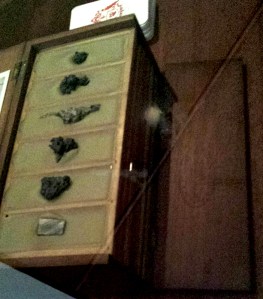
The object I have been given is a 16th century fall-front cabinet probably made in India for a Portuguese merchant. I wanted to participate in this project because I am interested in the physical matter of our surroundings and objects and also more intangible things such as aura of place and agency of object. I thought the period would also be interesting as a time when science and religion clashed as being the source of truth.
The project aims to bring together humanities researchers, artists and creative practitioners in discussions around these objects, their historical narratives, and their relevance to our world today. There is going to be an exhibition and launch event where artists and researchers will come together to discuss their processes of deconstruction, interpretation and creation.
It feels a bit like trying to discover an identity beginning just via the purely visual information from a digital image. I had no idea what a fall fronted cabinet would be so before I opened the image I had in my mind something much larger with perhaps some kind of carving that would reflect waterfalls or falling folds of fabric. Recent visits to Sutton House influencing me here with the linenfold wood panels perhaps.
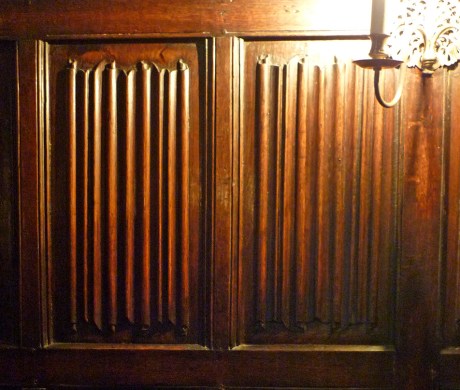
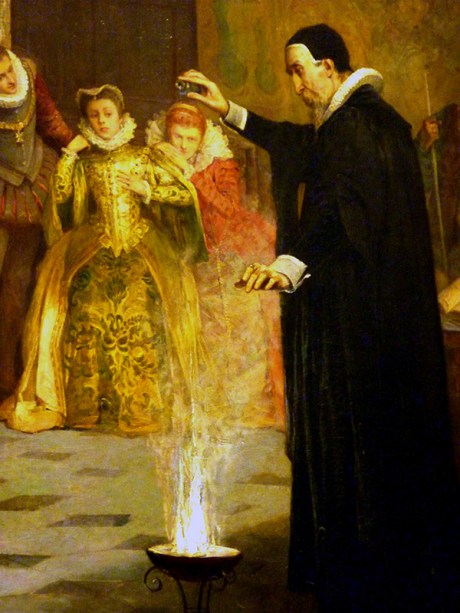
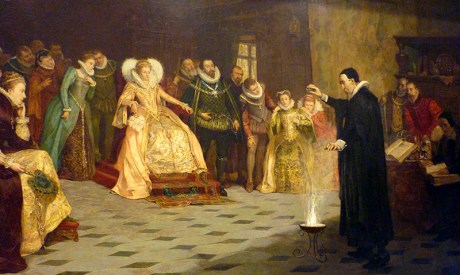
It was a lovely surprise to open the image and see something so intricate, ornate and compact. I am also influenced in my response by recent exposure to the Elizabethan polymath John Dee and his alchemical interests so all the little secret drawers made me think of what someone like him might have kept locked away.
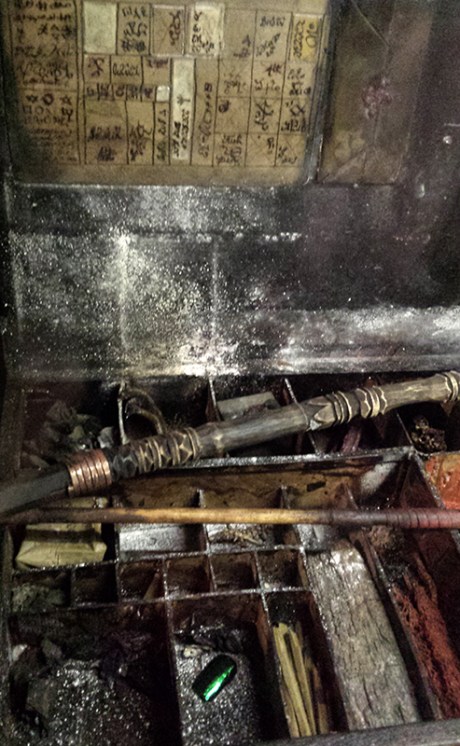
The patterns are complex with lots of triangles and geometric shapes mixed with other more organic patterns from nature. The stars and almost elliptical shapes seem to relate the heavens with the flower like patterns of earth.

It is an intriguing object with its secret drawers hidden behind a front panel – it would involve a small ritual to lock away and then open up and lay out the front ‘carpet’ to retrieve the precious items from within.
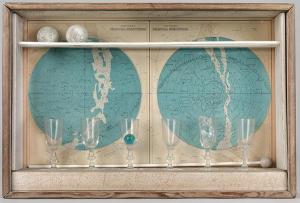
I came across what may be considered another fall front cabinet in the form of a shrine containing samples of metal placed in beeswax, its provenance even more mysterious.
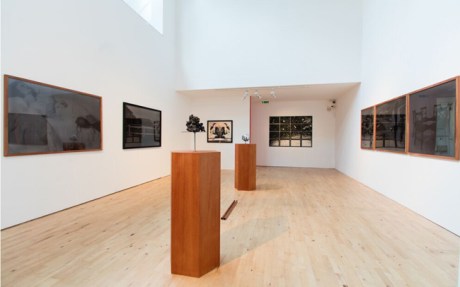
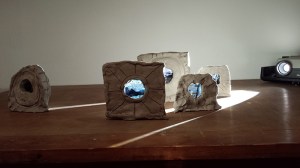
Charlotte Bergson: The Hunters of the Invisible
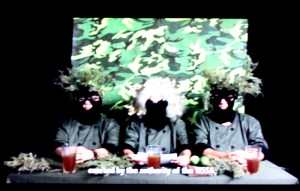
Losing sense of what or who is real Charlotte Bergson: The Hunters of the Invisible curated by Stine Nielsen Ljungdahl at Stanley Picker Gallery presents a carefully crafted mythology that has such a coherence of intent it is hard to determine fact from fiction.
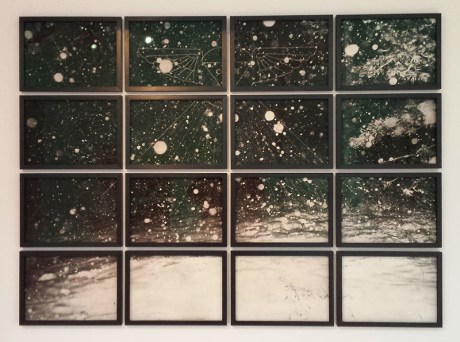
Charlotte Bergson: The Hunters of the Invisible
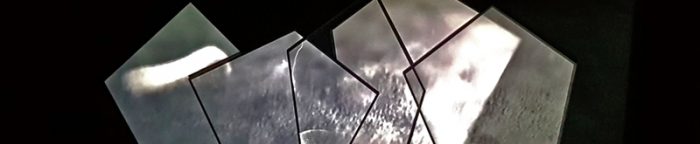
The hexagon is a recurrent motif as is the duality of twins.


Photographs and artefacts are presented as documentation accompanied by an in depth publication The Zone – A Journey Towards the Centre which further bolsters the world of Charlotte Bergson’s research into The Hunting Society. We are drawn into an illusory world where borders blur and it is not clear whose identity is real, be it artist, archivist, or a society that once held secrets to an alternative origin of the universe, where alchemy and ritual were practised as heady truths.
This is about origins.
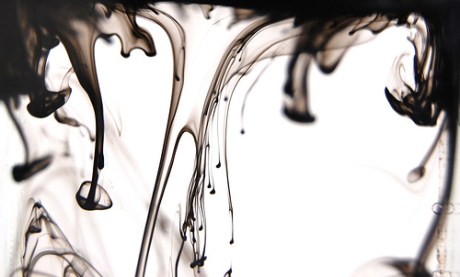
Trying to work out what is real. Sam Burford’s paper Searching for Traces of the Indexical within Synthetically Rendered Imagery presented at the Shadow Without Object symposium considers ways to understand the relationship in a simulated image between its genesis and its being made visible. The rendering equation introduced into computer graphics in 1986 created a breakthrough by enabling illumination in an image to be made by using the Monte Carlo method of geometric probability borrowed from particle physics theory.
Monte Carlo simulation is a statistical approach which is concerned with experiments employing random numbers. The light playing around generated objects in the image could be made to behave more like real light in its random scattering. These images still did not look real enough but everything changed in 2004 with the release of the Maxwell Render product which claims to render the perfect image. This new product could apply randomness in rendering to an image through an algorithm to add some noise and create what looks like in effect a low res image – this actually appeared more real.
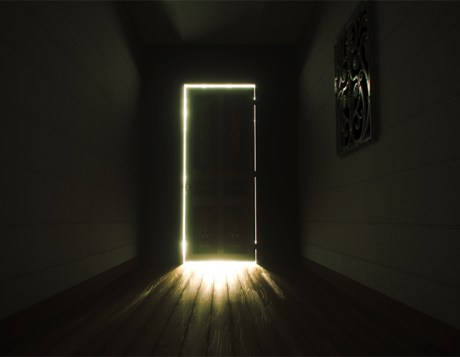
Photo realistic rendered images are almost impossible to identify as simulated and so to claim credit the author will often attach a proof rendering image. A bit like a birth certificate.
Stan Douglas in The Secret Agent at Victoria Miro uses digital rendering to create a series of large scale urban landscapes.
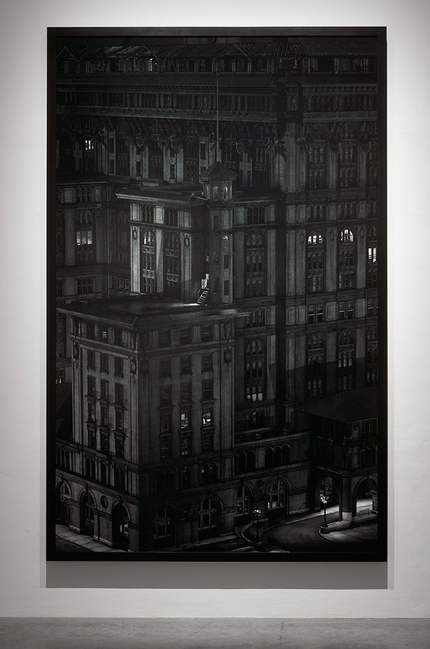
Stan Douglas The Second Hotel Vancouver
Unsettling in their clarity of detail and targeted lighting they create a confusion, a bit like having a word on the tip of your tongue, they are almost something. Almost a photograph of something almost like a film set; too sharp to be a memory. Borrowing from film noir tropes we are segued into a similarly stereotypical digital underworld. The six screen feature length installation The Secret Agent operates in the same world of noir subterfuge but instead of digital fakery it is the over dramatic acting, simplistic plot line and raw characterisation where we must suspend our disbelief.
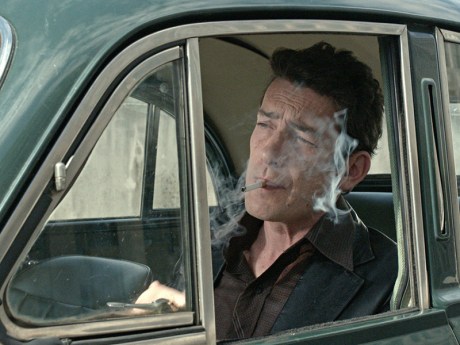
Stan Douglas The Secret Agent (film still)
Graham Fagan explores the constructed nature of history through the stories myths and fictions that build a contemporary identity.
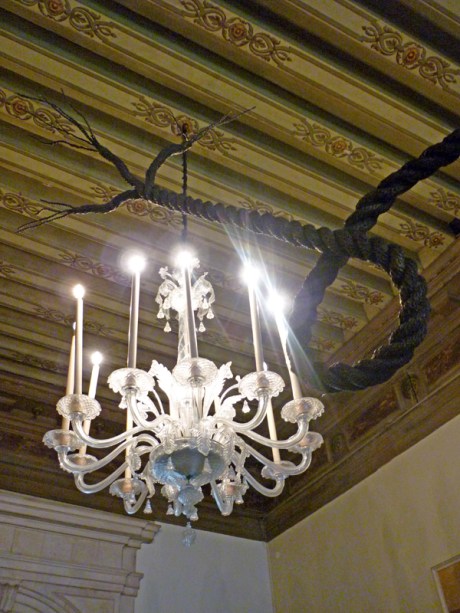
Graham Fagan
Pulling at threads of cultural difference but tying them together in a personal experience to engage emotion that doesn’t shy away from acknowledging conflict and injustice.
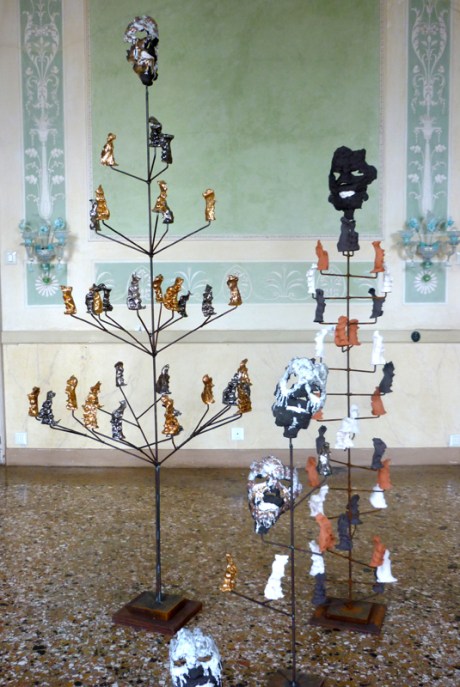
Graham Fagan
Drawn through the faded splendour of Palazzo Fontana in Venice by the haunting mix of sea shanty and classical string arrangement of The Slaves Lament we are immersed in a melancholic beauty. The words attributed to Robert Burns convey the debilitating heartache of being wrenched from home for cold cruelty.


Torn from that lovely shore, and must never see it more; And Alas! I am weary, weary O.
Colonialism is also referenced by C.T. Jasper and Joanna Malinowska in their video production ‘Halka/Haiti 18 48’05″N 72 23’01″w’ taking opera to the tropics.
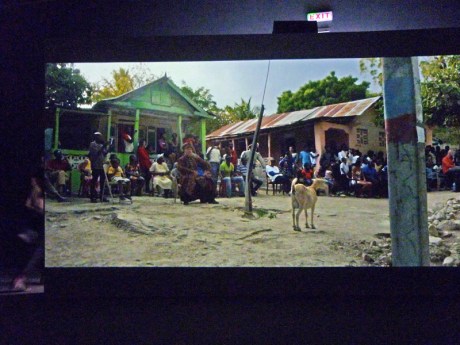
C.T. Jasper and Joanna Malinowska Halka/Haiti 18 48’05″N 72 23’01″W
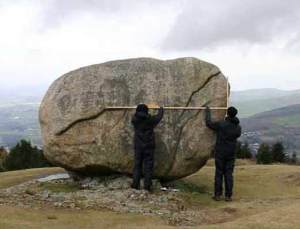
Inspired by Werner Herzog’s character Fitzcarraldo in the 1982 film of that name the artists expose the absurdities and examine the agenda of one culture imposing itself on another. In Herzog’s film, after many great struggles to achieve his goal, European Fitzcarraldo manages to drag a ship over the impeding mountains so he can export rubber, make his fortune and build an opera house in the Amazon basin. He only succeeds in this physical challenge with the help of the local natives. His undoing is in ignoring local culture. When his crew falls asleep, the native chief cuts the rope securing the ship and it floats away down the river. The chief’s actions are to appease the river gods who would be angry to see their waters circumnavigated and their power not respected.
Where do we begin to unravel our origins? The location of the artists film found at the coordinates of the title ‘Halka/Haiti 18 48’05″N 72 23’01″w’ reflects the complexity and amorphous nature of national identity. It is a Haitian village inhabited by the descendants of Polish soldiers who fought for Haitian independence. Originally sent to put down the slave rebellion in 1802 these soldiers found themselves sympathetic to a local culture under oppression much as had happened in their own homeland and so joined forces with the locals in the Haitian revolution and subsequently made their home here.
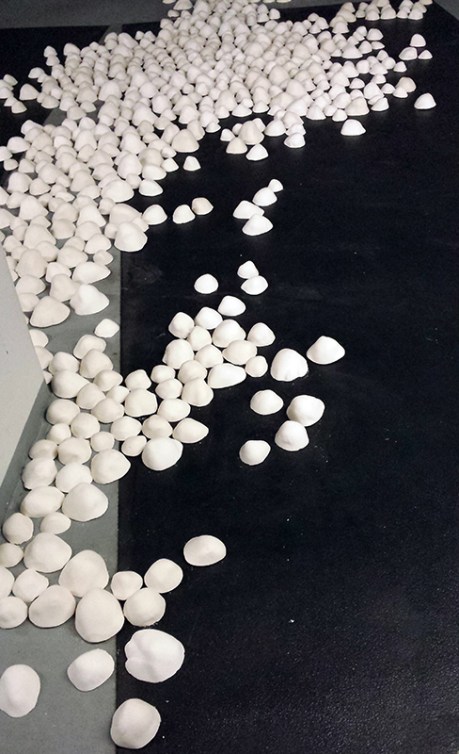
Ivan Grubanov’s installation in the Serbian Pavilion United Dead Nations provokes questions about how national identity is created and the symbolism of the flag in that process. In scattered piles across the floor are the discarded flags of states that are no longer in existence since 1895 when the Venice Biennale began.

Ivan Grubanov United Dead Nations
The list is an obituary of creation, rule and disappearance. Austro-Hungarian Empire (1867-1918),the Ottoman Empire (1299- 1922), Gran Columbia (1819-1930), Tibet (1913-1951), the United Arab Republic (1958- 1971), South Vietnam (1955-1975), the German Democratic Republic (1949-1990), the USSR (1922-1991), Czechoslovakia (1918-1992), and Yugoslavia (1918-2003).
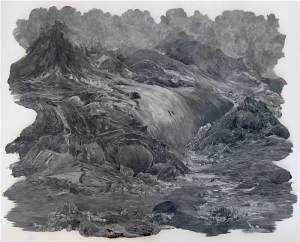
Romanian artist Adrian Ghenie paints emotional images exploring notions of survival and the fictions that define nations by questioning the truth of a collective memory.
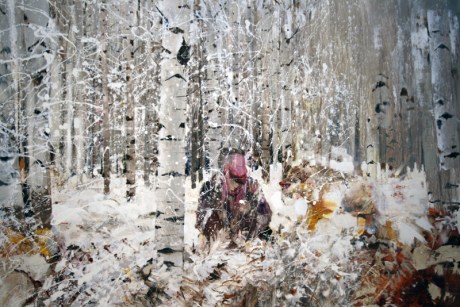
Adrian Ghenie
Far And Few [Between] curated by RCA printmaking alumni Lisa Chang Lee at No Format gallery explores identity from the perspective of Chinese expats now living in the UK.
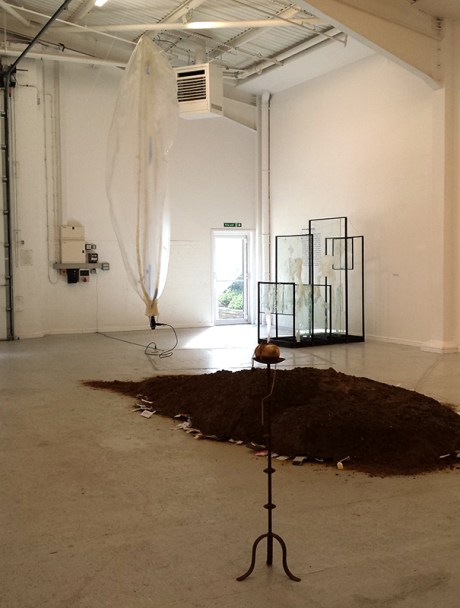 Observing the projection of the self creates a self consciousness that, like observing the path of an electron, is surely impossible to do without interfering with its trajectory.

Lisa Chang Lee Habitat-1

Haili Sun Curled Fugue
To question consciousness the works have a strong material presence linking identity to the land and the body and the interactions with the environment that build us.
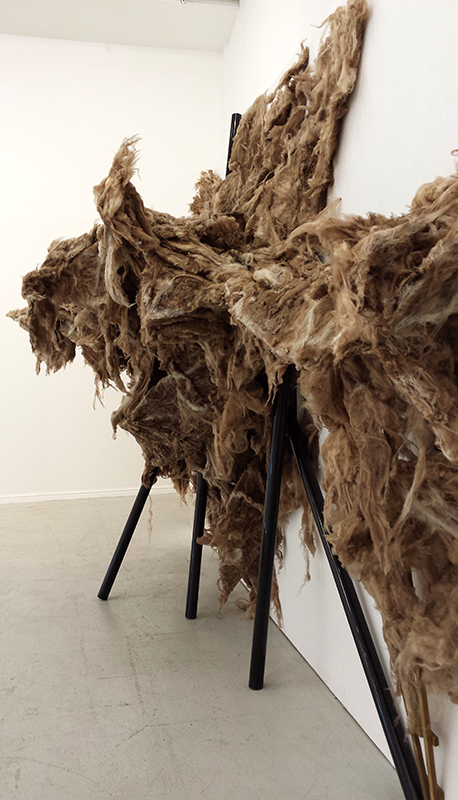
Le Guo Koan
How we forge our path and face our own nature is a universal theme. The Mark Bruce Company tackled this through dance in a reworked telling of The Odyssey.
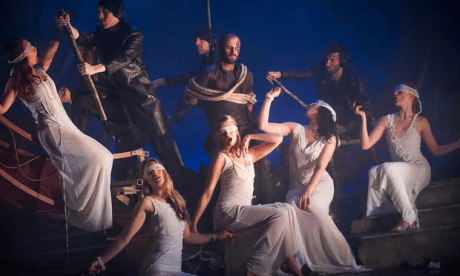
Mark Bruce Company The Odyssey
Like Pandora’s box it was an explosion of chaos as passions and demons were unleashed on stage leading and tormenting the wayward King on his epic journey, crossing lands beset with monsters and temptations to return home to face a Queen savage from years of despair. In a vortex of kitsch high drama and inventive to the point of surrealism the story may have been obscured but the message that mortality is beset by challenges, and we must be cautious who we trust – least of all ourselves, remained.
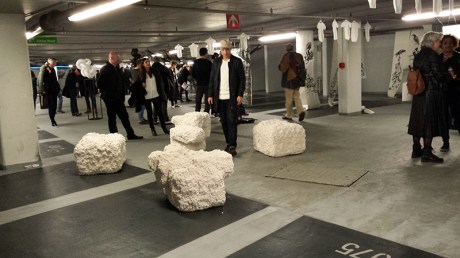
Szilard Cseke’s installation Sustainable Identities is a sterile plastic environment.
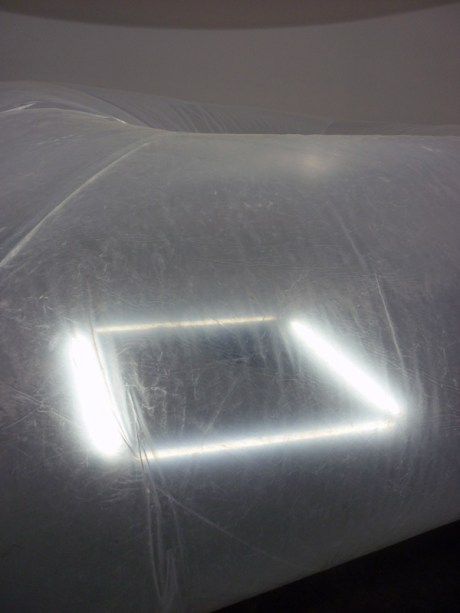
Szilard Cseke Sustainable Identities
Large white balls move silently along plastic tunnels above our heads on predetermined pathways.
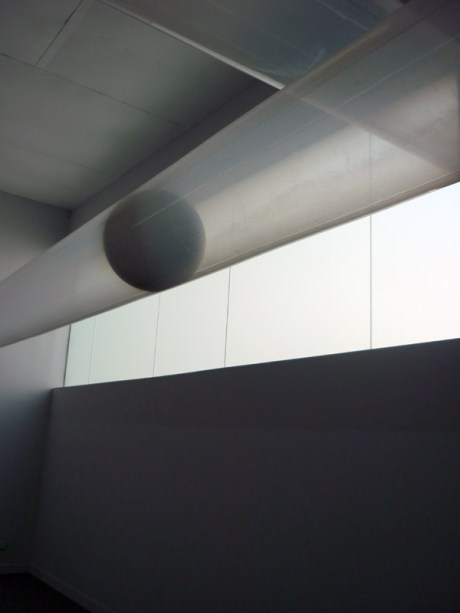
Szilard Cseke Sustainable Identities
Perhaps this is a warning of what our identity might become if we never leave the path to take that epic journey. Or worse, we have our identity taken from us.
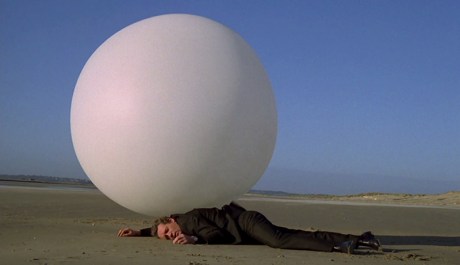
Patrick McGoohan in The Prisoner 1967
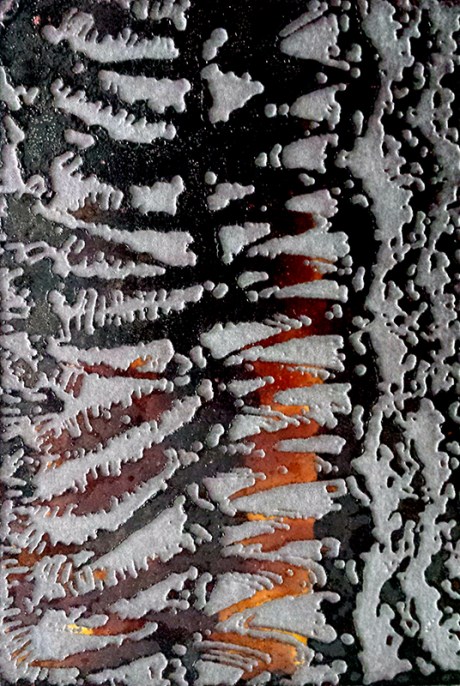 Tried aluminium in saline sulphate which gives a really deep etch. Used stop out and painting into hot hard ground. Was good to play around with new materials and get some tips from resident expert etcher Nick Richards.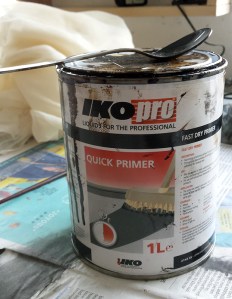
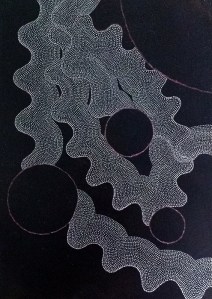



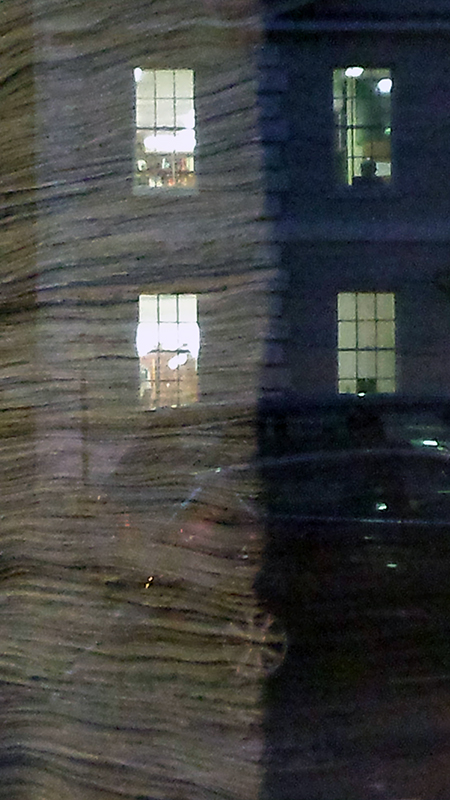


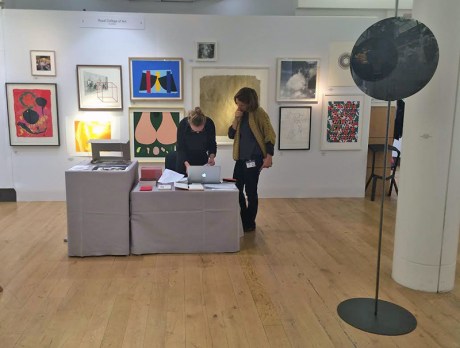 I was pleased to have two variable editions of Paradise Road sw4 shown by Dark Matter Studio in a grouping with work by Zoe Dorelli, Mary Yacoob, Marianne Walker and Patrick Jackson – The Inner City Pilgrims. A new collaborative project I am involved with whose aim is to re-mystify the city.

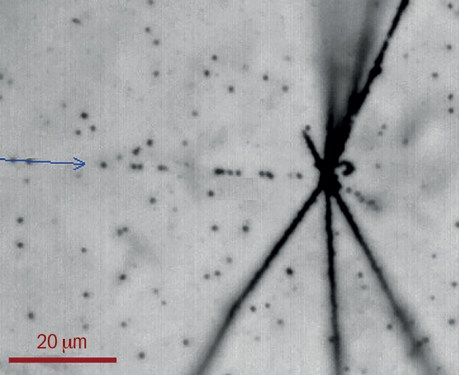
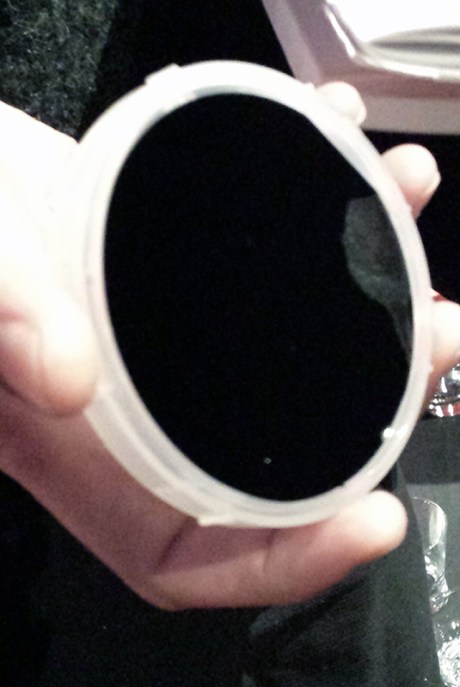
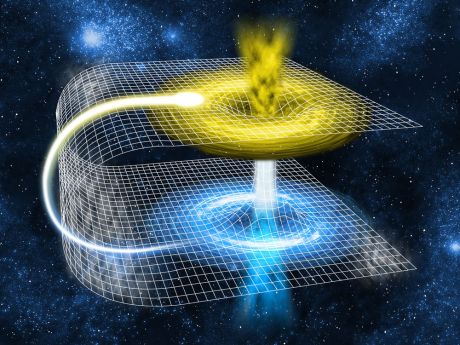 A wormhole has two mouths and a throat. For travel to be possible, wormholes would need to be full of exotic matter, that is to say a non-baryonic matter like dark matter i.e. not made of the stuff we are made of. It is as yet another unknown.







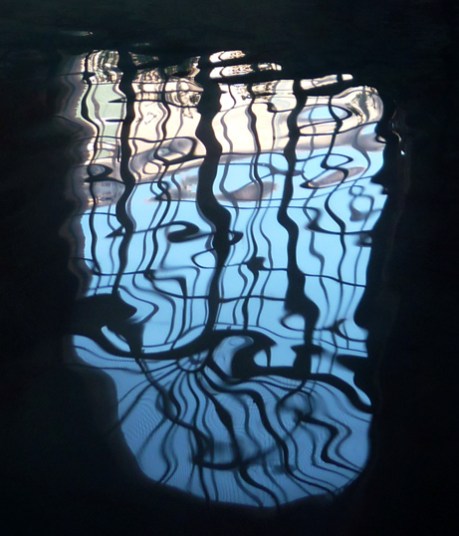
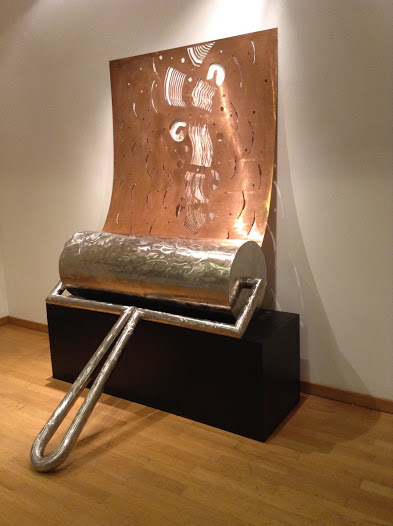
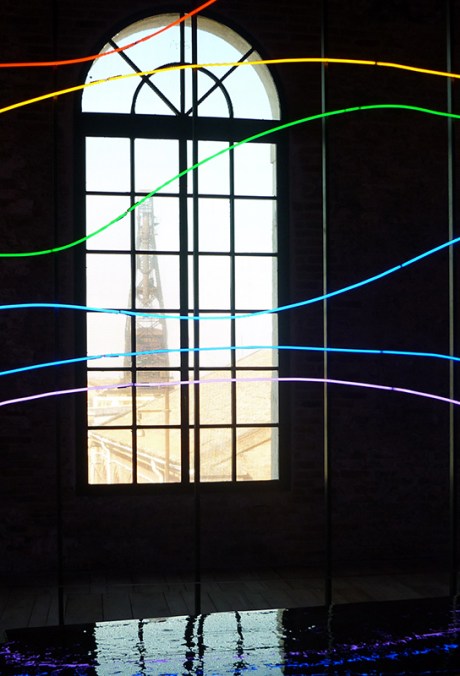
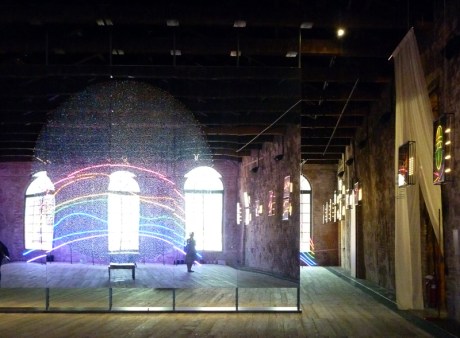

 Some pass through, while others enter the drops and reflect and refract back. Quantum theory is able to precisely calculate the probability that a photon, will reach your eye along with many others to create a rainbow on your retina – but (and this is the bit that I still don’t really get) – only by allowing each and every particle to explore the entire universe on their journey through the rain. My understanding after tackling the book is that this doesn’t really happen but in order to compute the probability the maths requires that it does. It’s a poetic thought that the photon hitting my eye has explored the entire universe before connecting with me.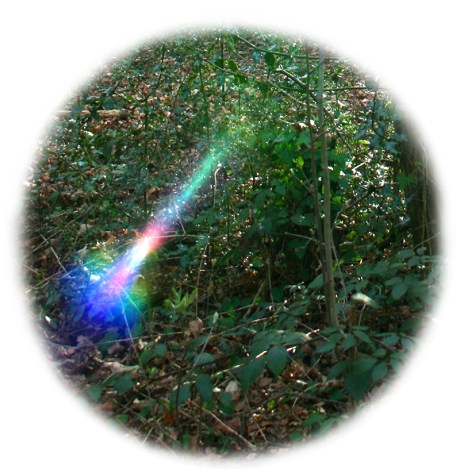




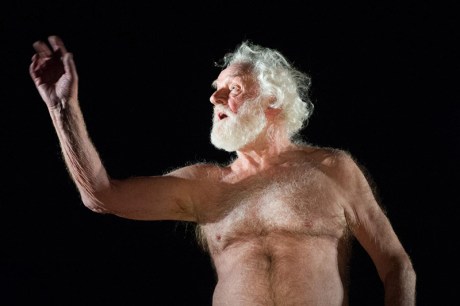
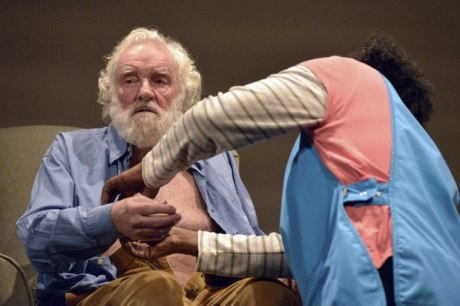
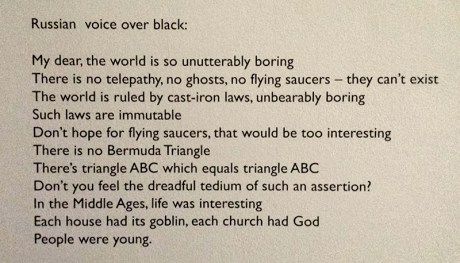


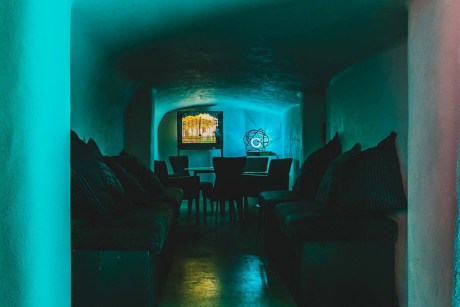

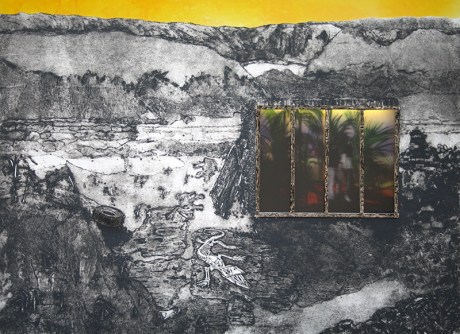
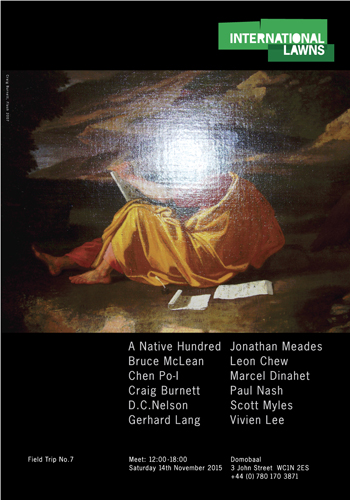 But I did hear the fantastical tale delivered by a dead pan Jonathan Meades which as best as I can recall was of a French political activist, drug addict, convict turned business and policy advisor who died crashing his high spec car on route to give an after dinner speech while over the limit on the very best of French wine.
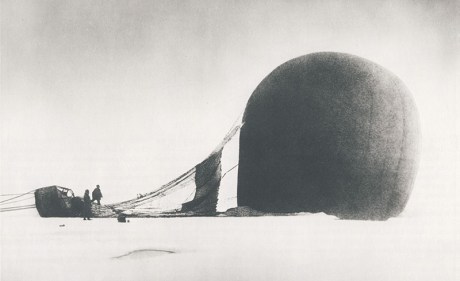 Found with the bodies were a number of exposed frames of film. Despite the terrible plight they found themselves in crashing on an uninhabited ice cap with no means of communication they continued to document their journey with images that then lay dormant for the intervening years.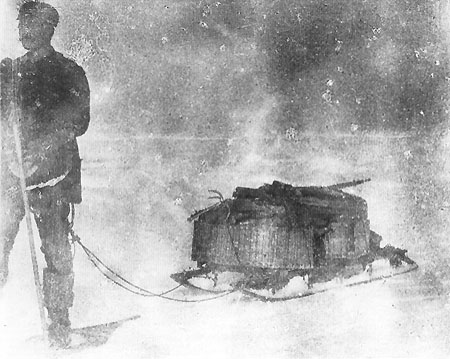

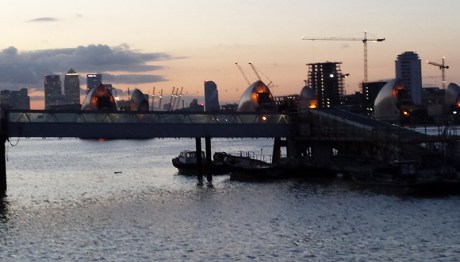
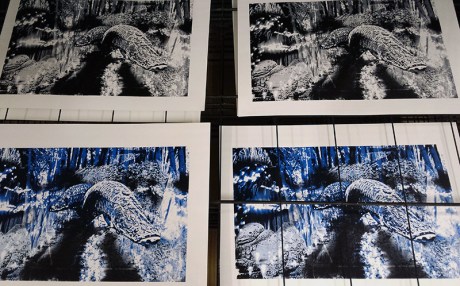 I had been working on an image I was thinking of using for an idea about the multiverse theory but wasn’t really happy with it so I cropped off a portion to use for my screen printing induction day. I saw these ancient fish in an aquarium in Shanghai, they look so prehistoric and are very alarming, hanging motionless in the water until they are offered a live snack then they move like lightning, leaping from the water to snap the victim in their jaws.
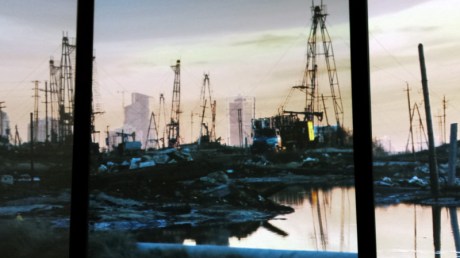 Grand Palaces, industrialization and dystopian landscapes give an epic scale to a turbulent narrative.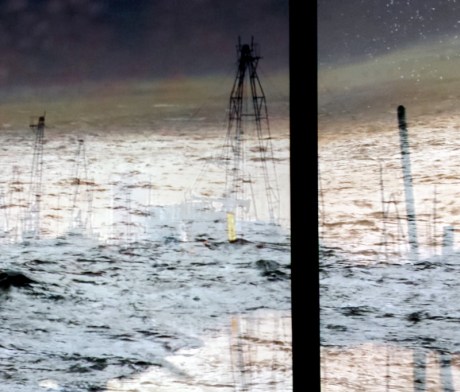
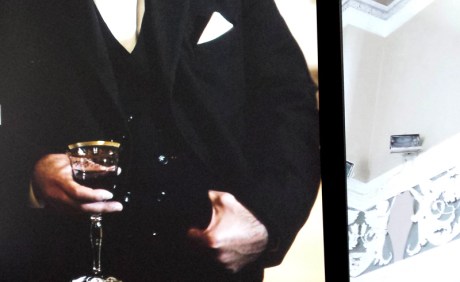
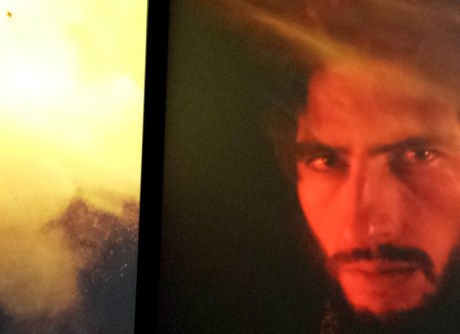
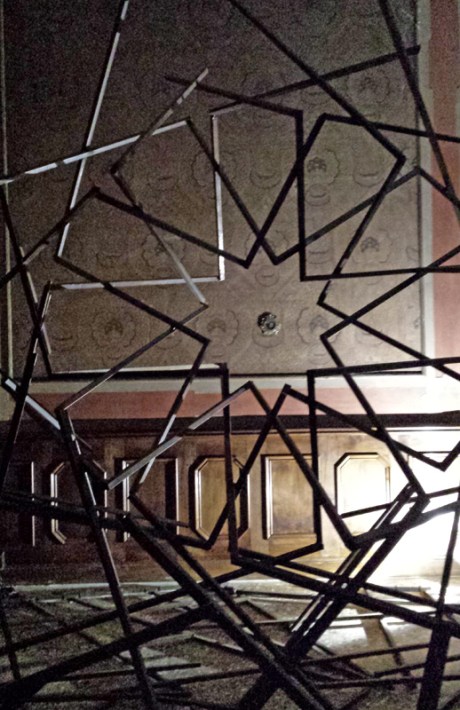


 Using fragments of artefacts, the ugly and the everyday objects he shows us the building blocks that together form the layering of associations that resonate as home.
 Caught within the threads are two boats weighted down and unable to move.
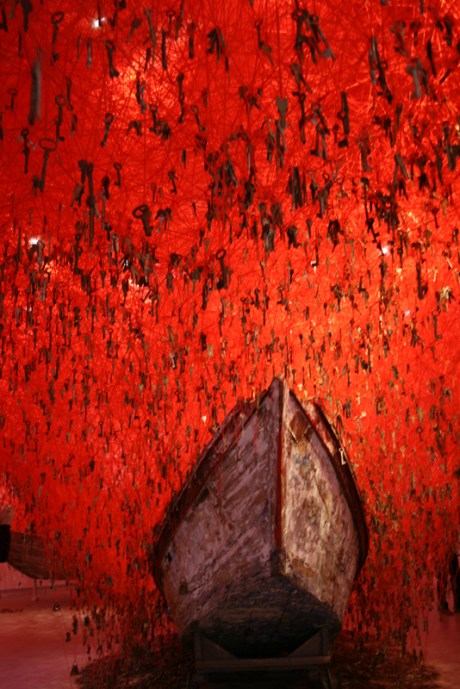 So many memories to unlock or lock away. And so many memories that we have lost the key to.


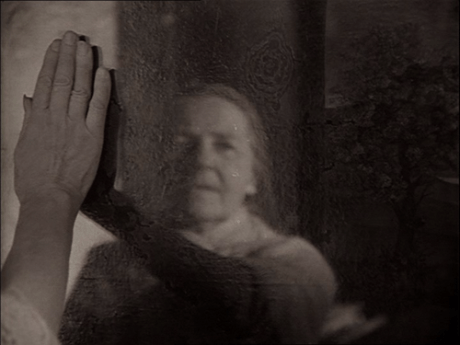
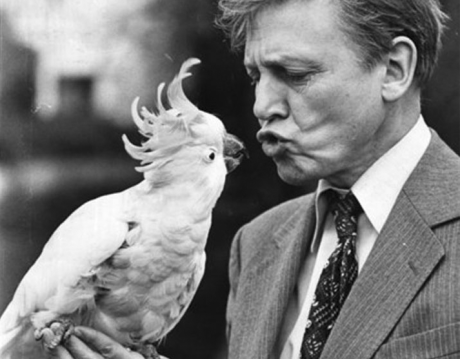 He took us back to the 1950’s and the first natural history programme broadcasts. Most evident from these documentaries is how attitudes to wildlife have changed in the last 50 years. Instrumental in taking the cameras out from the studio rather than bringing the wildlife into the studio David Attenborough has brought the natural world in ever increasing detail to our living rooms.
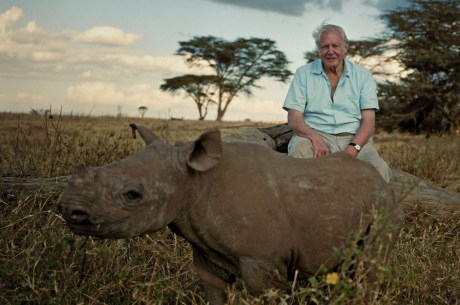 He offers us amazing visual richness and access to the extraordinary diversity of the planet, this does not translate as personal experience yet we now share a collective memory of these hugely popular series.
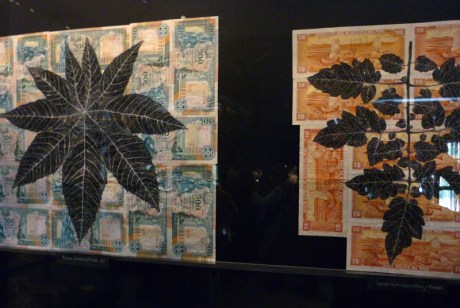
 ‘Capability Now’ at Orleans House Gallery looks back at the influence of landscape designer Capability Brown. It illustrates his contribution to the development of the English landscape Garden, characterised by its informal and naturalistic appearance, as opposed to the ordered, symmetrical, and geometric gardens that came before. Alongside the historical exhibits, contemporary artists present modern interpretations of Brown’s works and ideas. Lizzie Cannon exhibits Mended leaf [Acer rubrum] (2015) and Mended leaf 2 (2010).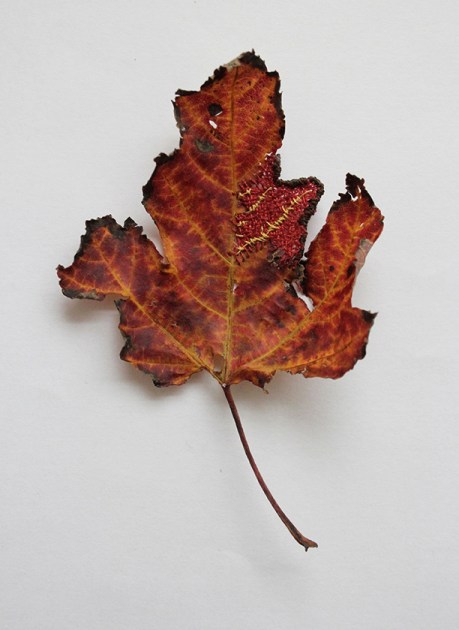



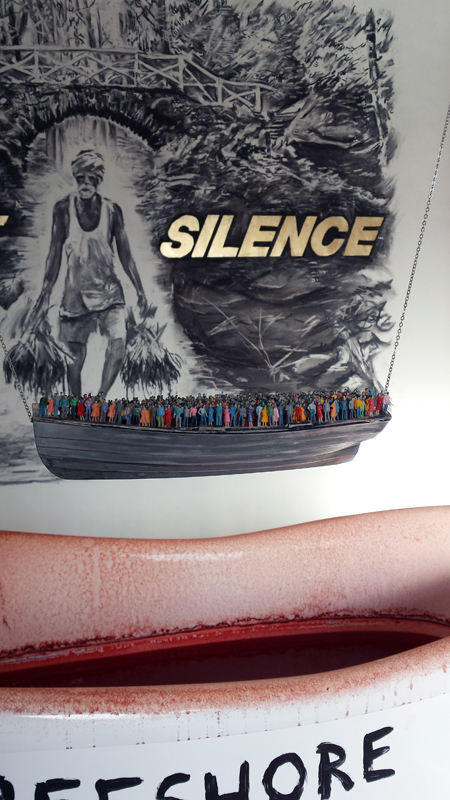




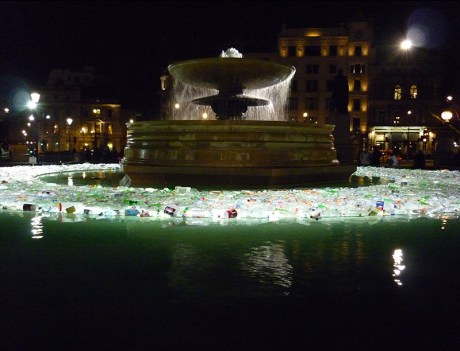



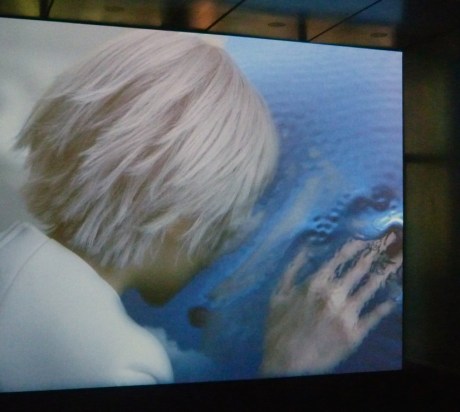


 In the centre of the room a captive dove beats its wings as it is plunged beneath the water.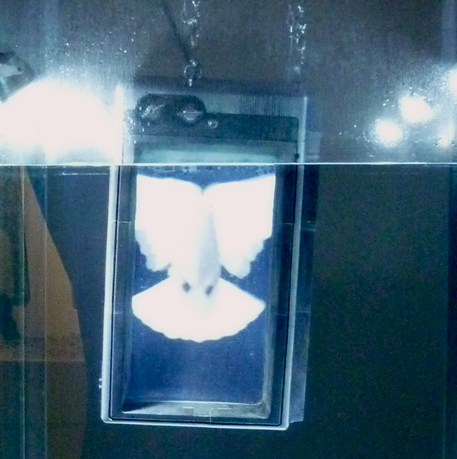
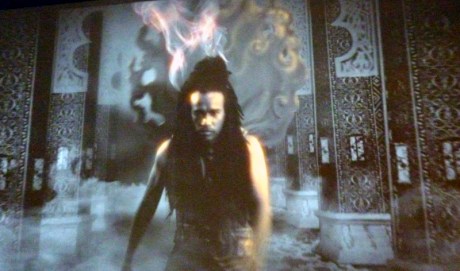

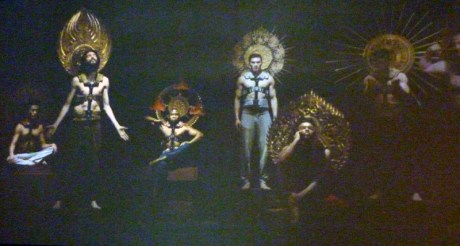
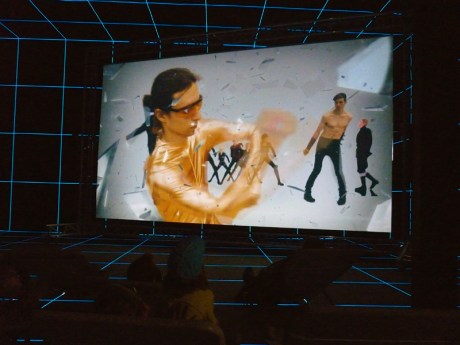
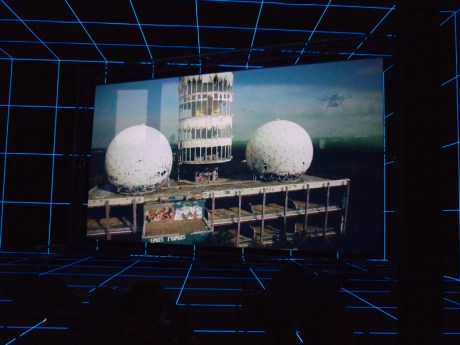


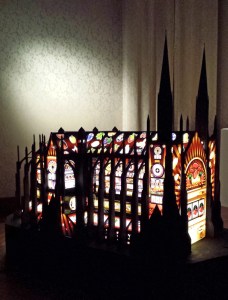


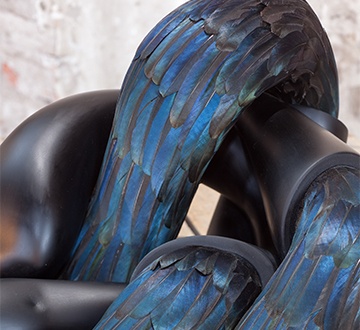

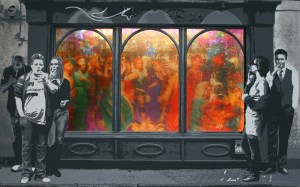
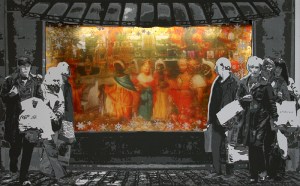 Seen through the haze of romantic delusion the figures of the wise men appear as elusive as the purchase of the perfect Christmas.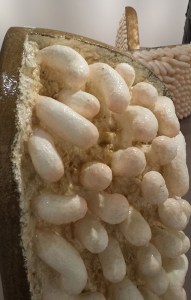


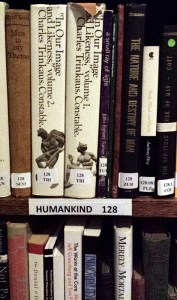 I was taking part in a tour of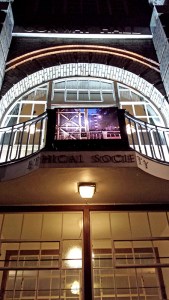
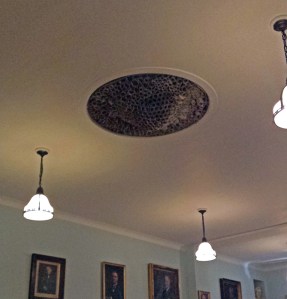


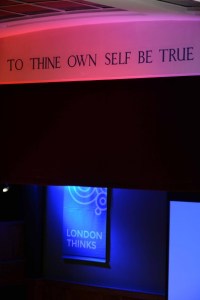

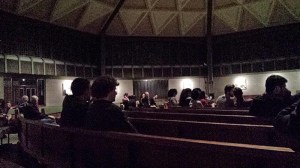
 I entered late in the day, there had been a schedule of performances but I had missed most of these. Coming in from torrential rain outside, the place was immediately a sanctuary. People milled quietly and took their seats along the pews. I sat waiting but not sure what for and in the hushed gloom had the uncanny feeling I had inadvertently joined a cult. After a while, strange resonating sounds from Michael Speers performance of distorted feedback filled the space. We sat in quasi religious contemplation.
 A leap of faith considers the universe, civilisation and the individual; questioning our existence in rel
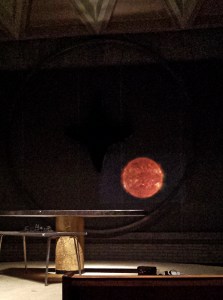 Among the artists in this show were Mark Ariel Waller projecting SO-LA, video footage from NASA’s Solar Dynamics Observatory above a bronze cast replicating ‘Sit Shamshi’ a 12thC relic of Iran which depicts two figures in a temple setting performing a ritual to the rising sun.