Archives for posts with tag: Alex Simpson

“A powerful solar flare hitting Earth is entirely plausible, and in the Internet Age would have a massive immediate effect that would go on to wreck the world economy. Satellites in low Earth orbit as well as communication devices on Earth would be destroyed – the ‘Internet Apocalypse’, causing blackouts, riots and supply-chain disruption, as well as ruining your last-second eBay bid”. Tim Marshall The Future of Geography

The dramatic increase in the number of satellites being launched into low Earth orbit unfortunately coincides with the current Solar Cycle 25, which is predicted to peak between January and October of 2024, with more solar storms of greater intensity and therefore a larger hazard for critical technologies and services. A growing risk awareness is evident as three new geomagnetic observatories have been installed across the UK in the last year to monitor space weather. They hope to predict solar storms and alert operatives to manage situations such as that in February 2022 when a Coronal Mass Ejection led to 38 commercial satellites being lost. Solar plasma from a geomagnetic storm heated the atmosphere, causing denser gases to expand into the satellites’ orbit, which increased atmospheric drag on the satellites and caused them to de-orbit.

Despite the unpredictability of our star’s activity, national space agencies and an increasing number of private companies are forging ahead with space based technology. There is a joint plan between space agencies (not including China or Russia) to construct a Lunar Gateway Space Station near to the moon where astronauts will live and conduct experiments for up to 90 days between visits to the moon. Gateway will be exposed to much higher levels of radiation than the ISS which is in low Earth orbit and so must be built to shield against higher levels of cosmic ray bombardment.
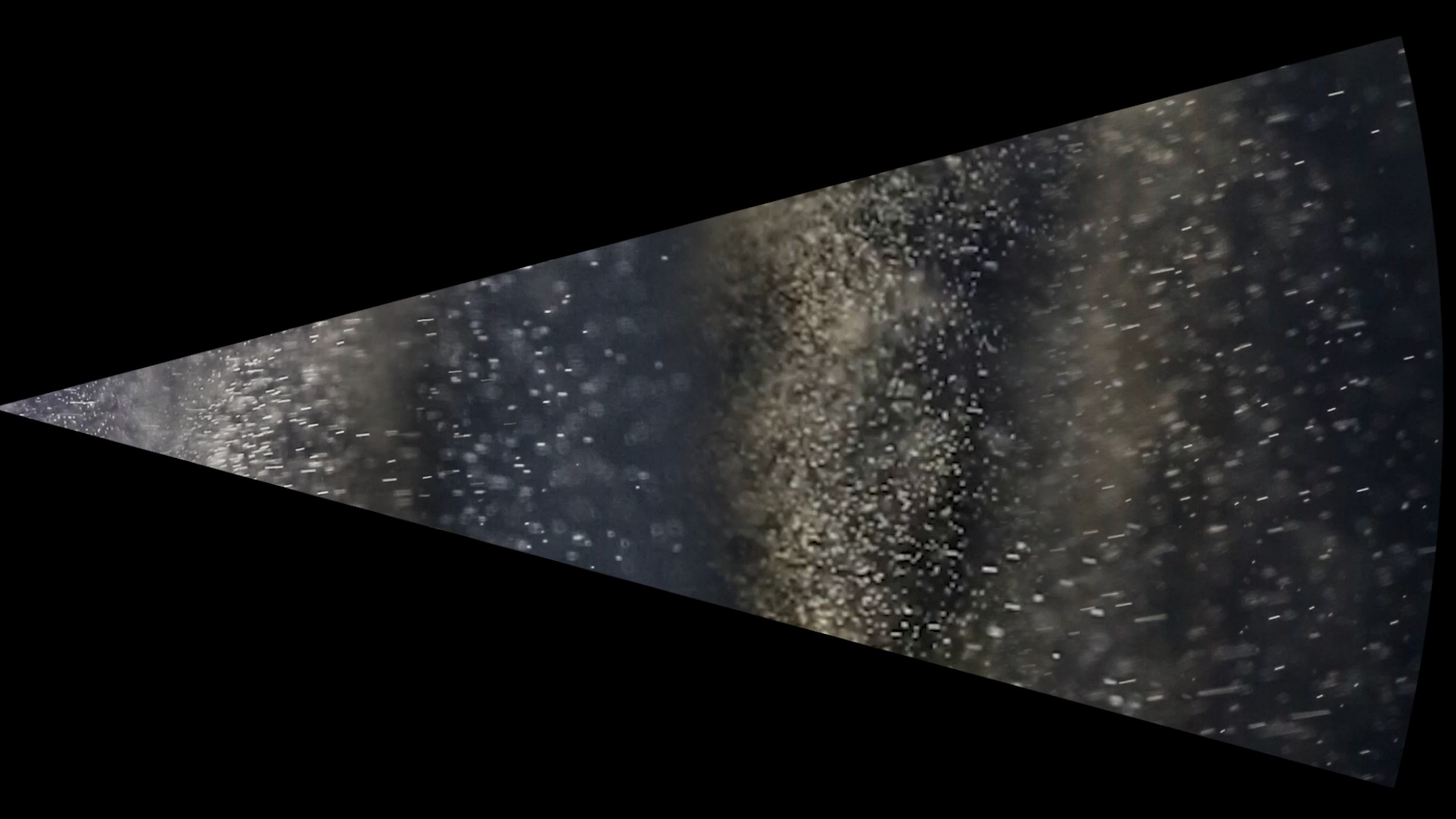
As of January 3rd 2024, the satellite tracking website “Orbiting Now” lists 8,377 active satellites in various Earth orbits. Communication and Earth observation make up the majority. The USA still outstrips all other operators but other nations are eager to catch up and within the past two decades, satellites from 91 new space-faring countries reached orbit.

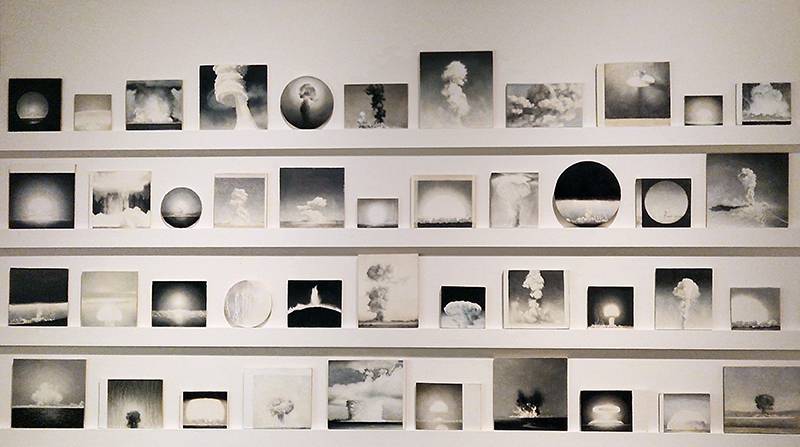
It is not only radiation from space weather that is a threat to satellite dependent infrastructure. As witnessed following the largest nuclear test conducted in outer space by the USA in 1962, which lit up the sky with Auroras, knocked out electricity in Hawaii 900 miles away, created significant magnetic field disturbances and an artificial radiation belt which damaged or destroyed several satellites and persisted for a decade. Nuclear detonations in space could make space unusable for satellites.

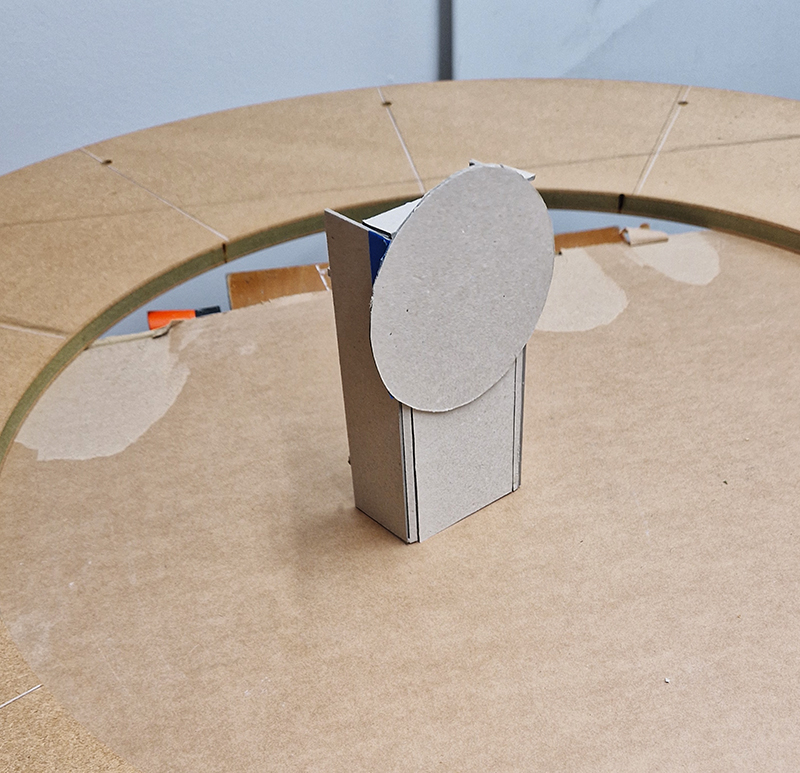
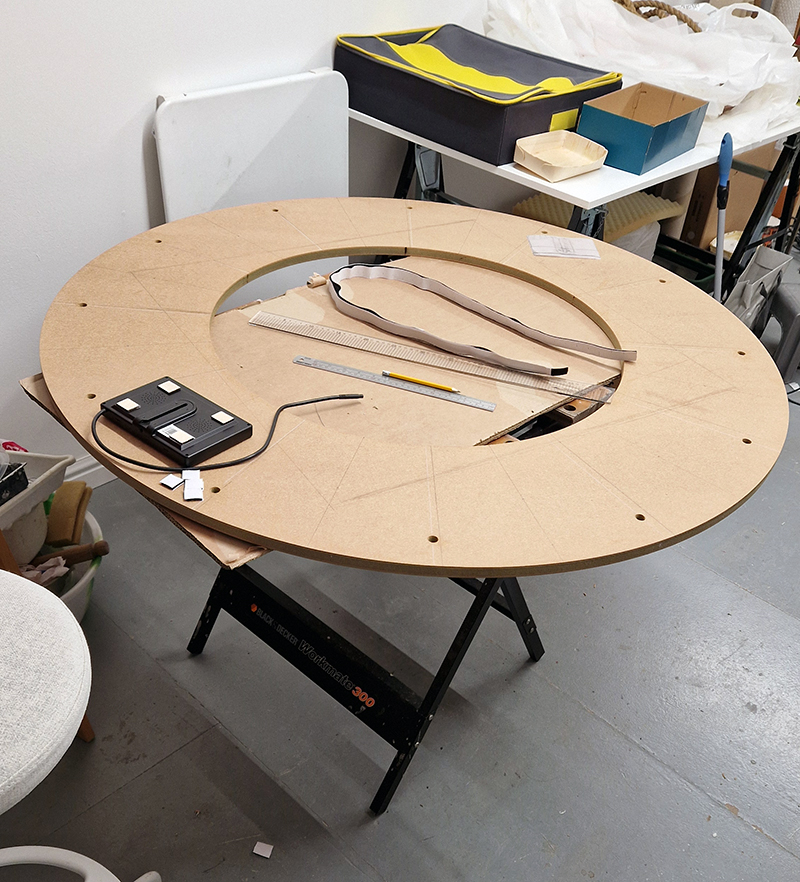
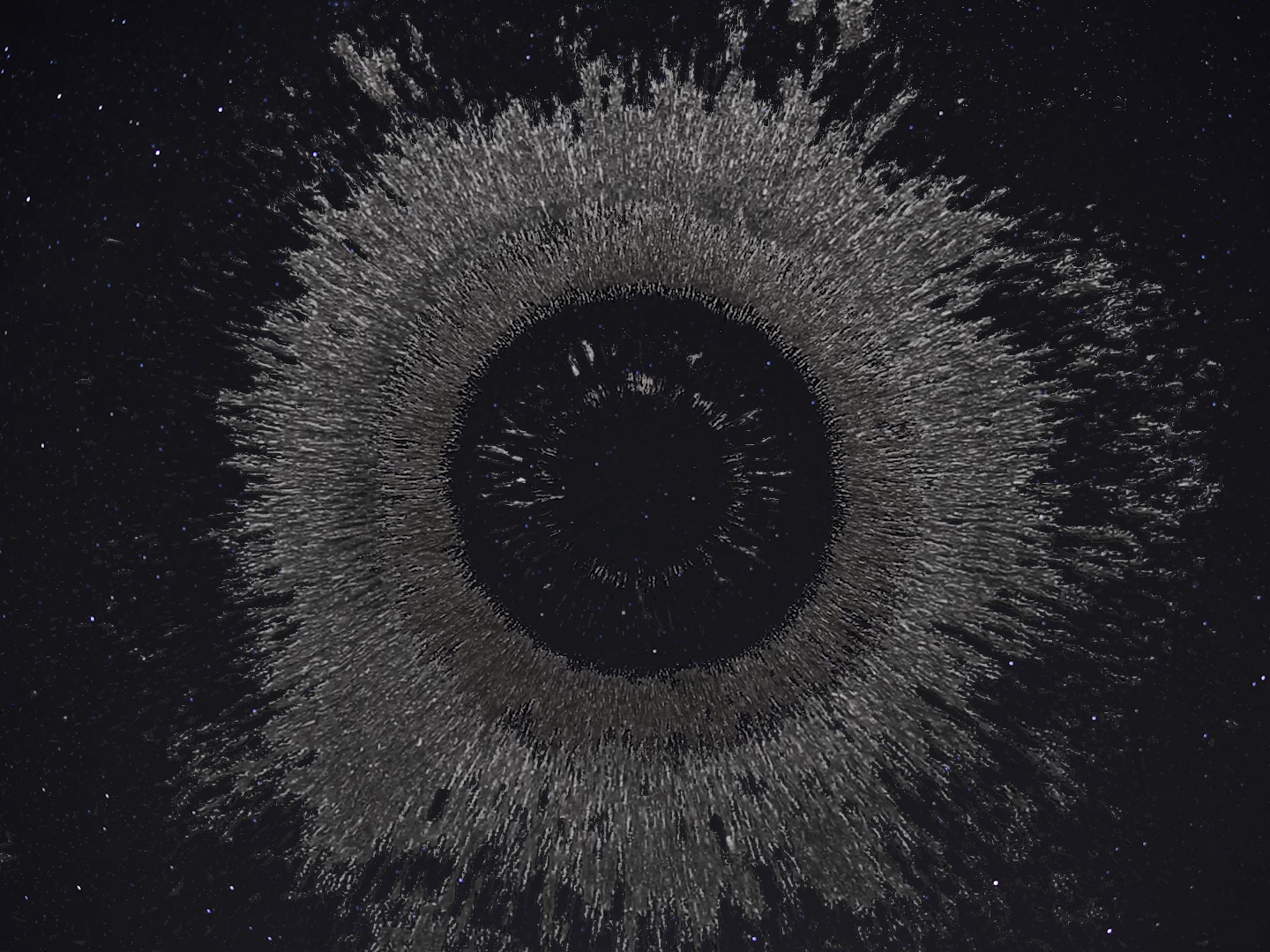
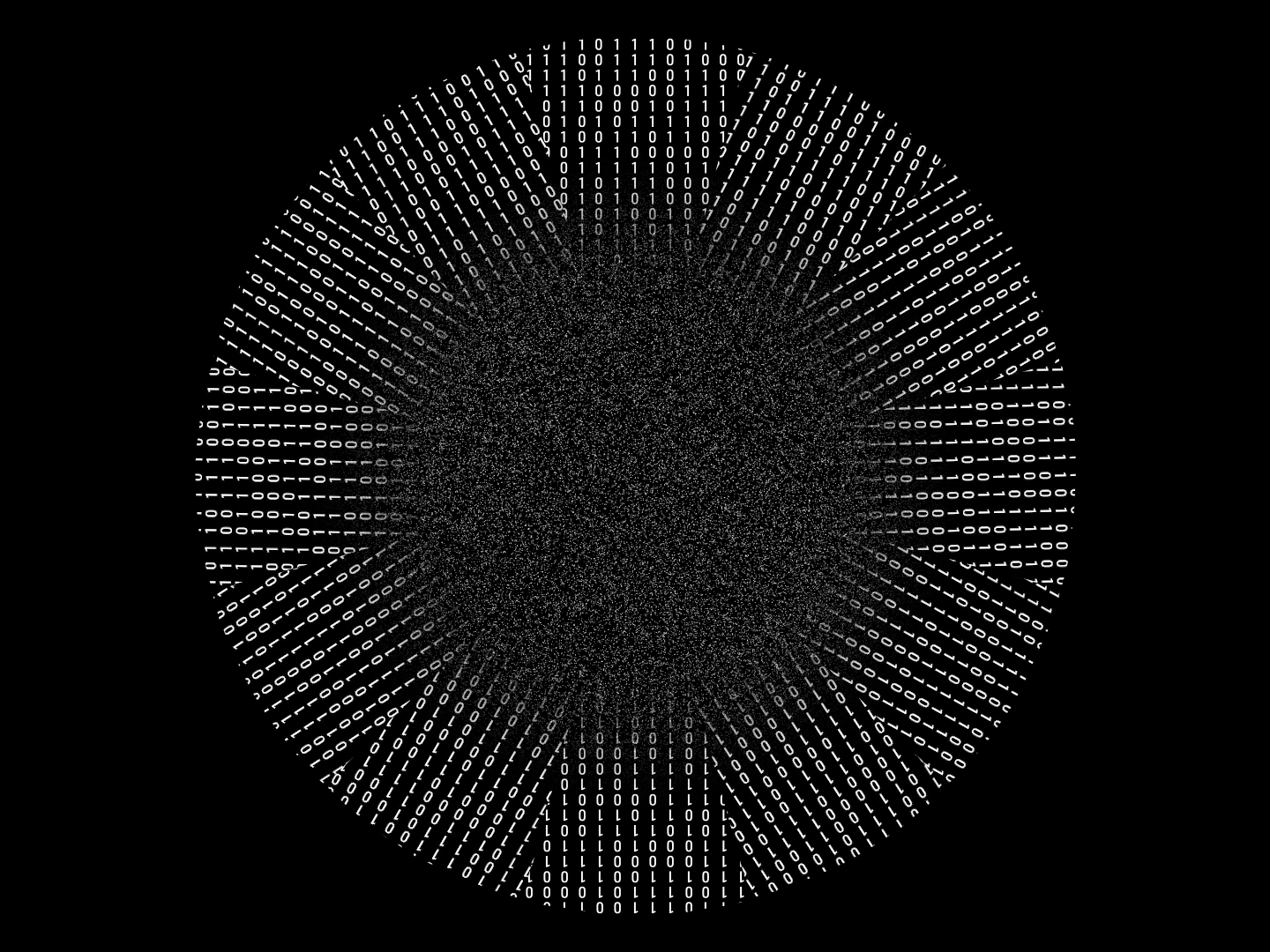
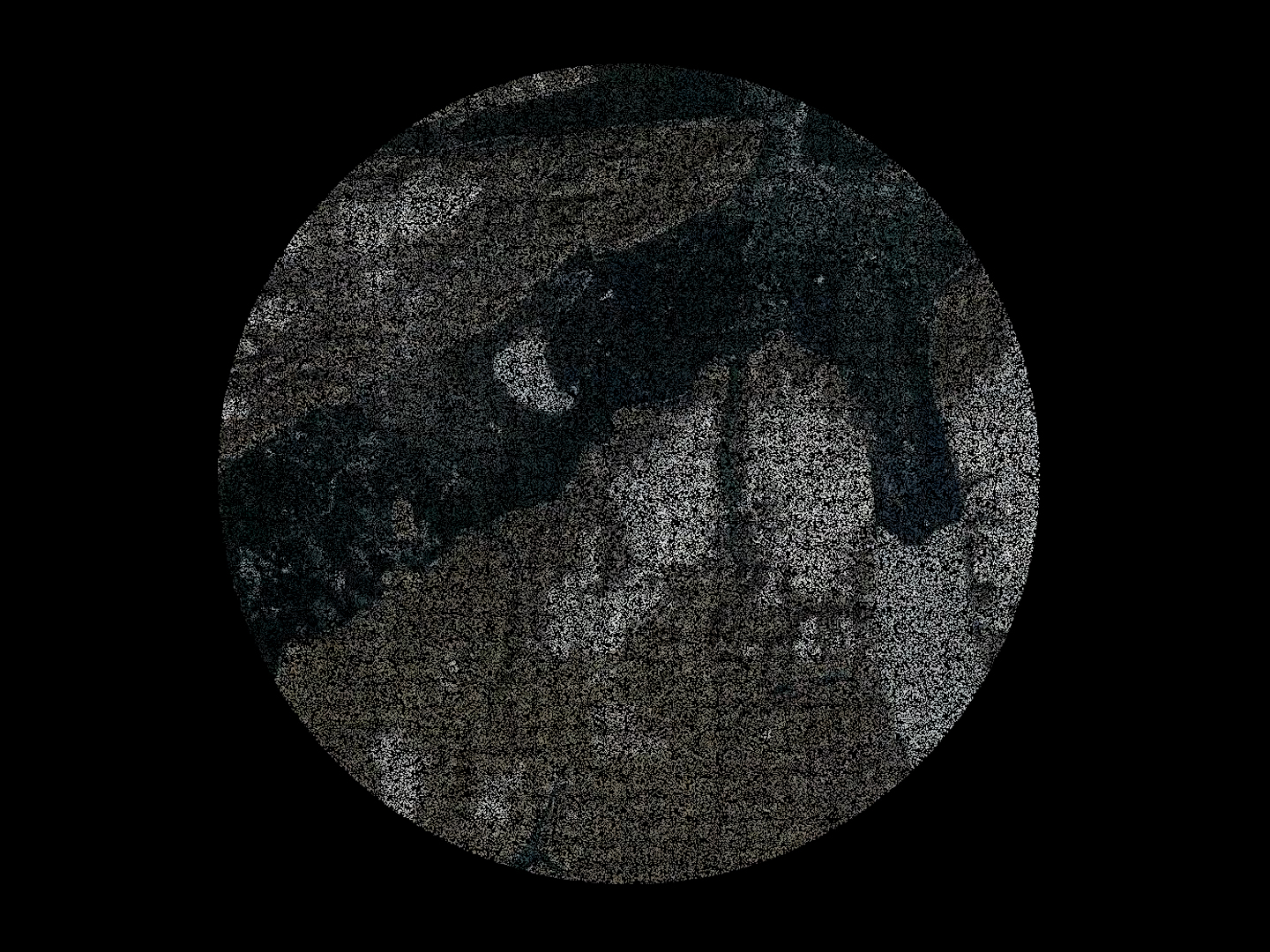
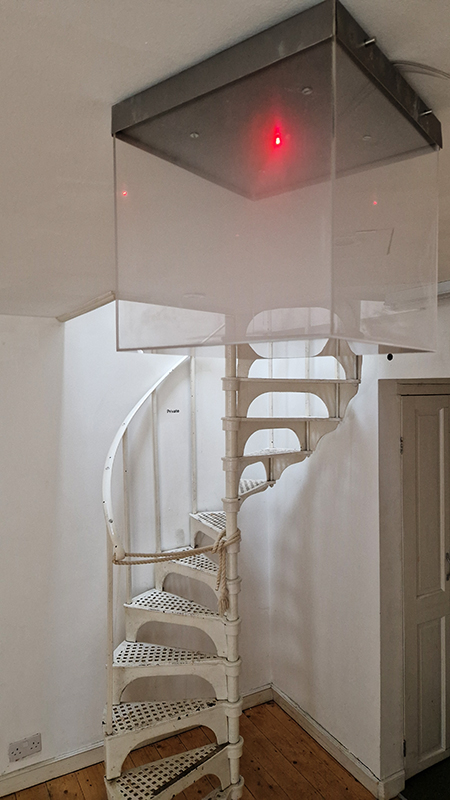
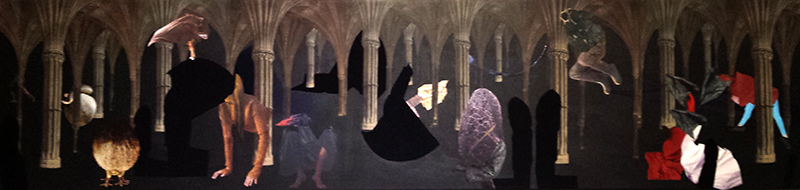
Work in progress on a new video installation for upcoming exhibition Life Boat at APT Gallery. Taking the lifeboat as a metaphor for precarity, eight artists respond to current uncertain times of ecological and social change and shifting landscapes from both local and global perspectives.
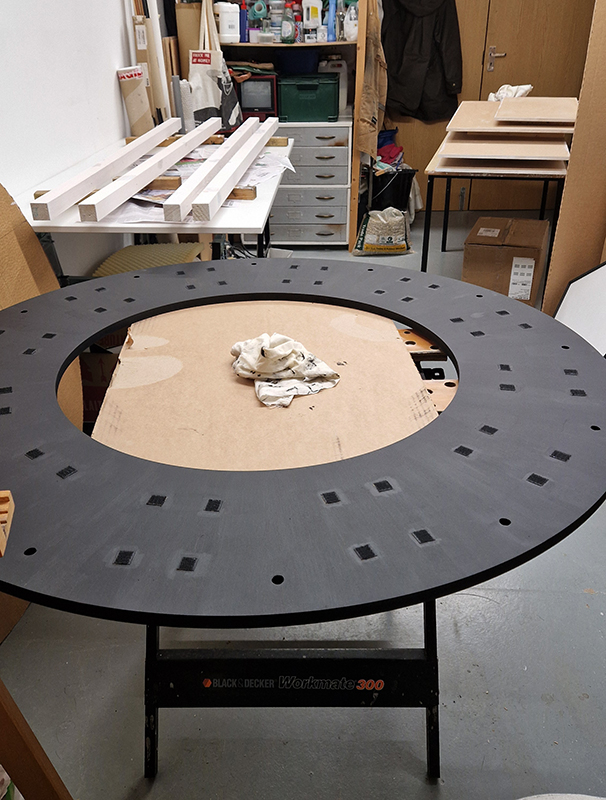
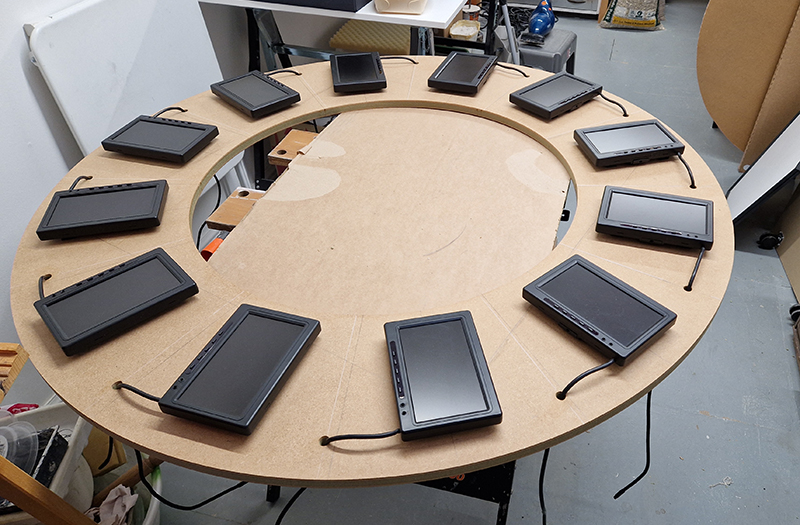
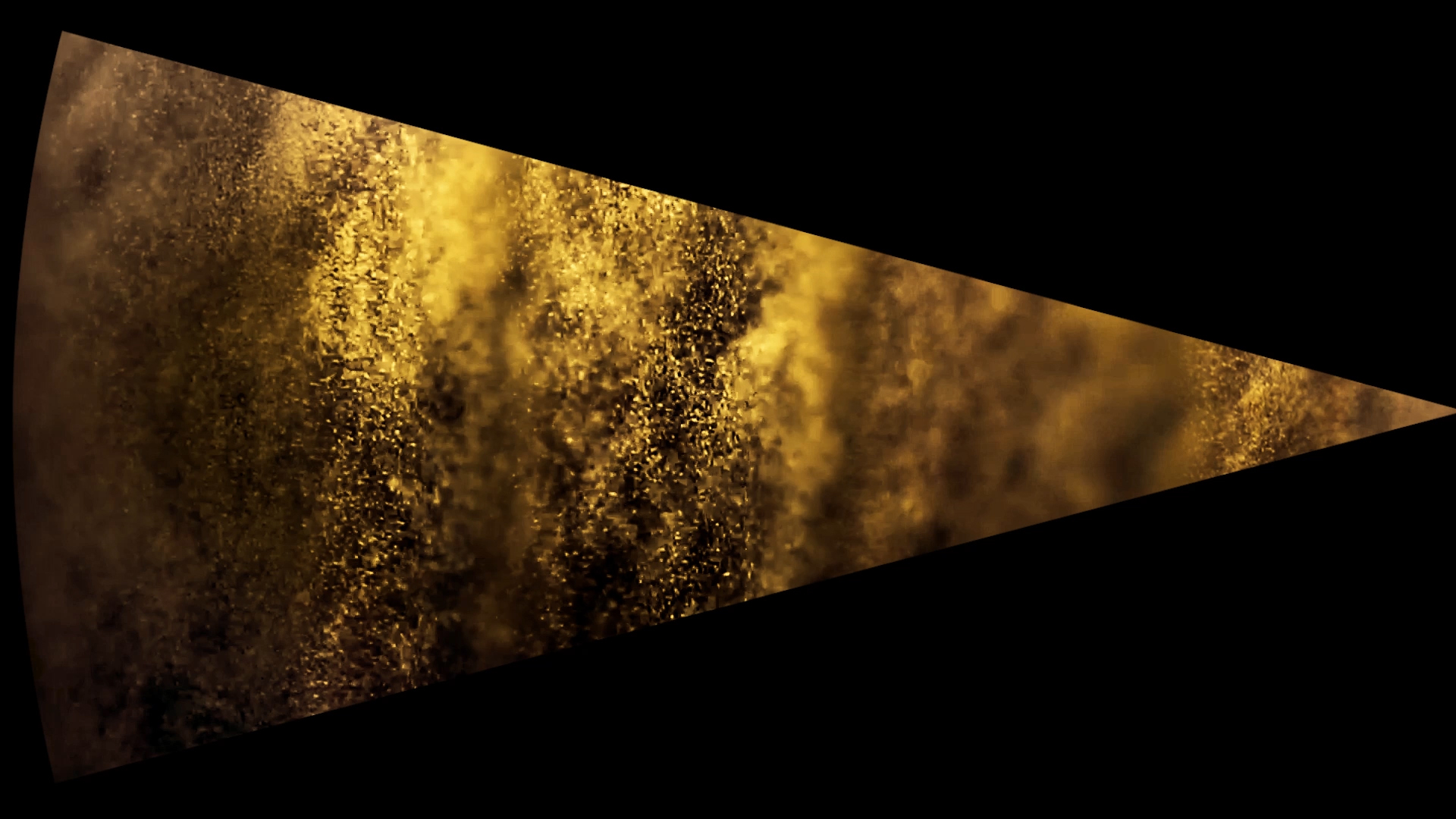
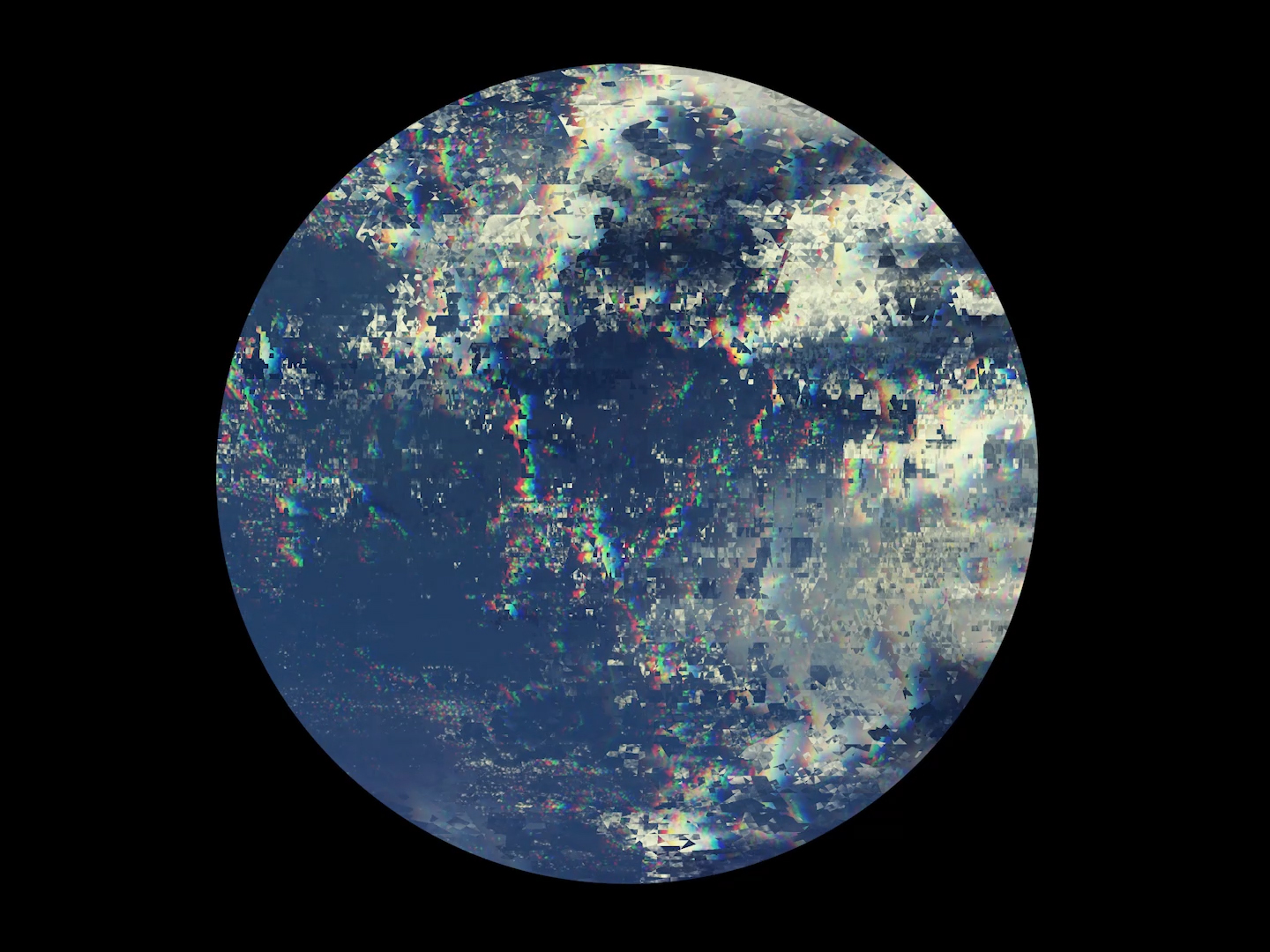
The video looks at the interaction between space weather and Earth’s magnetic field and the risk solar storms pose to satellites and related infrastructure.
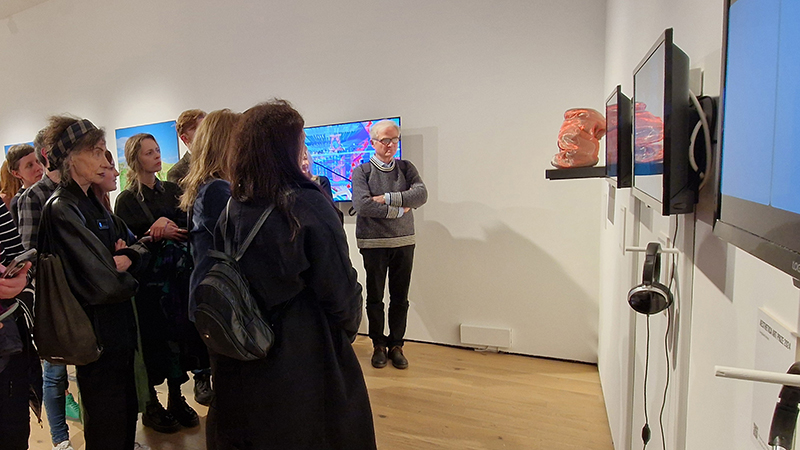
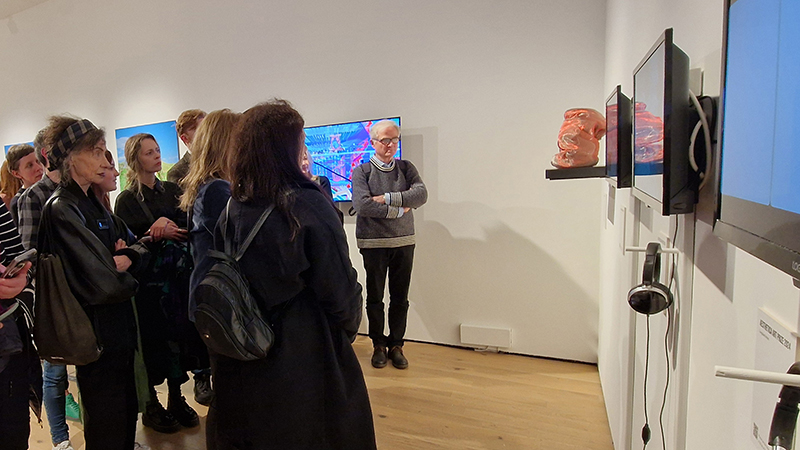
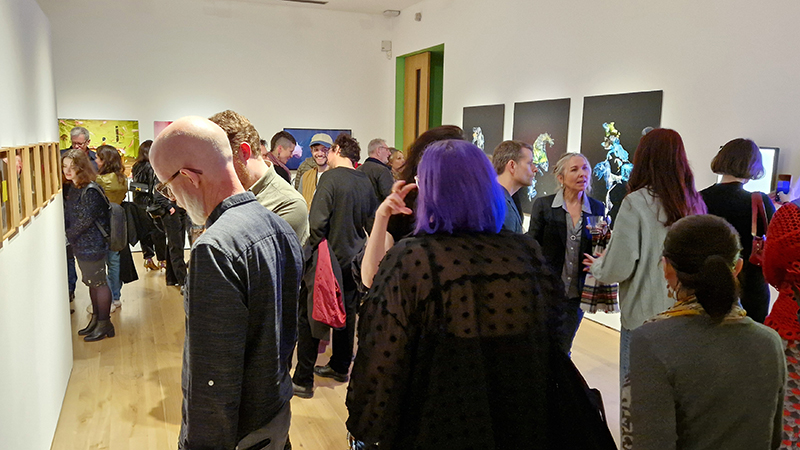
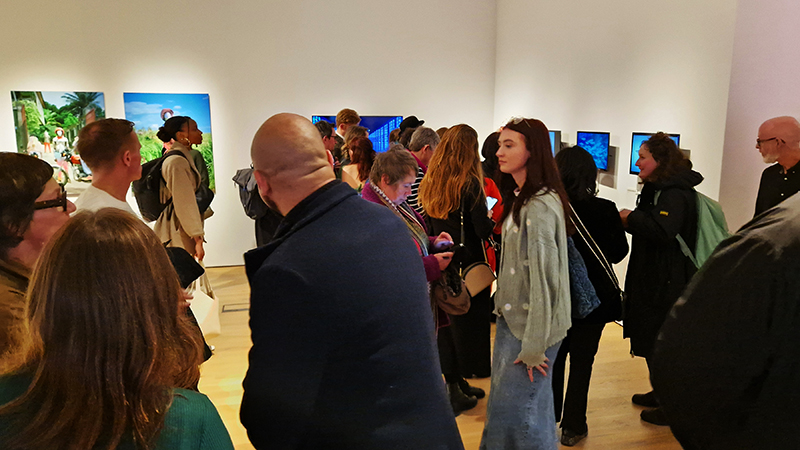
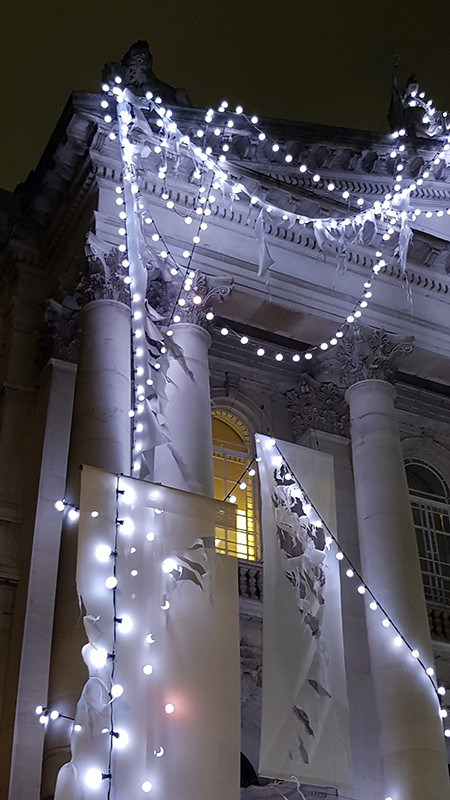
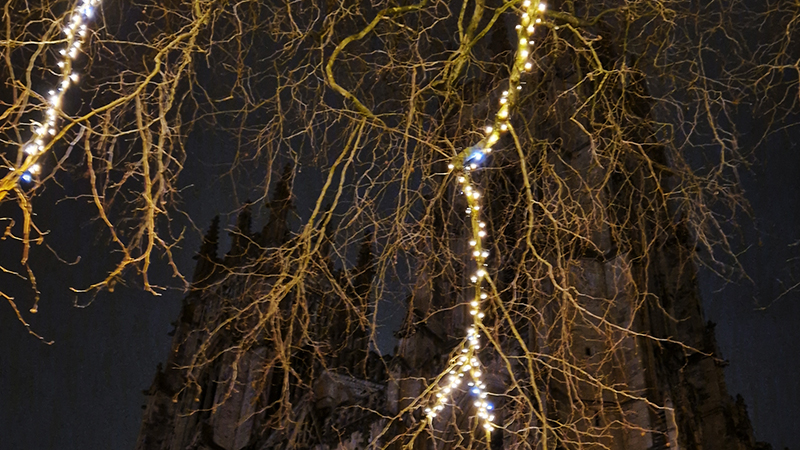
The ancient walled city of York was a great host venue for the Aesthetica Art Prize 2024 exhibition and the Future Now Symposium. Grey February is dispelled by the inspired decision of the local council and shops to keep the Christmas lights on.
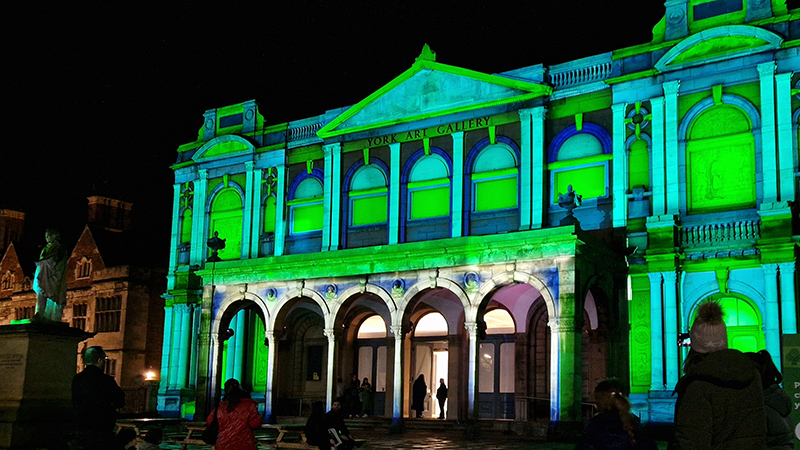
There are many artists alongside myself in the Aesthetica Art Prize longlist, and it was great to meet up with familiar faces as well as make new contacts at this event. With so many artists, the digital showcase of our work in York Gallery was on quite a long loop, but I felt happy to be in such good company.

A link to my Aesthetica 2024 longlisted artist online profile is here
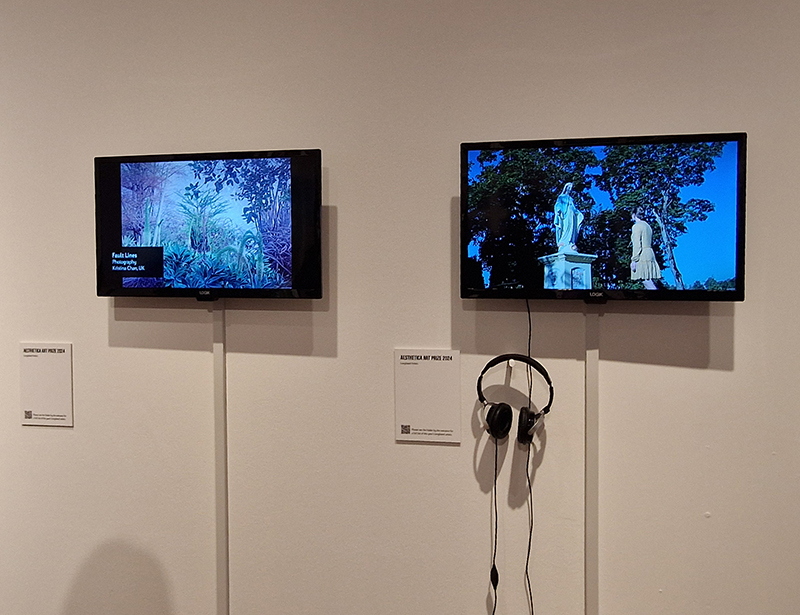
Private view of finalists work. Shortlist here

The winners of the main prizes, Maryam Tafakory for Nazarbazi [the play of glances]which explores love and desire in Iranian cinema, where depictions of intimacy between women and men are prohibited. and  Emerging Prize-winner Gala Hernández López, were well deserved with powerful, timely work.

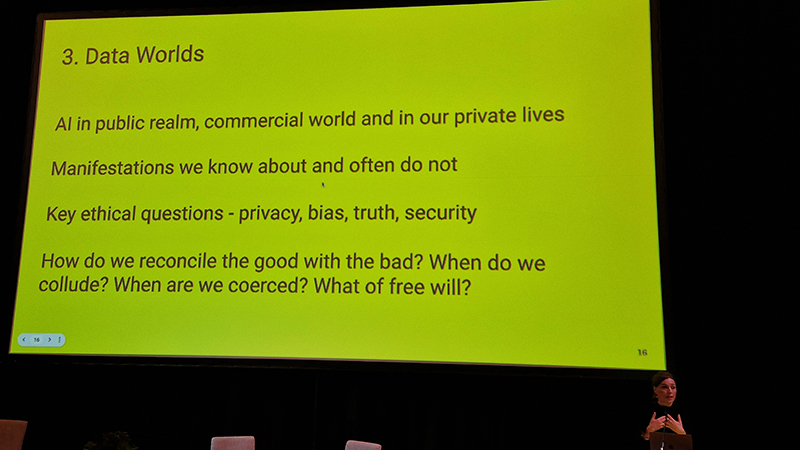
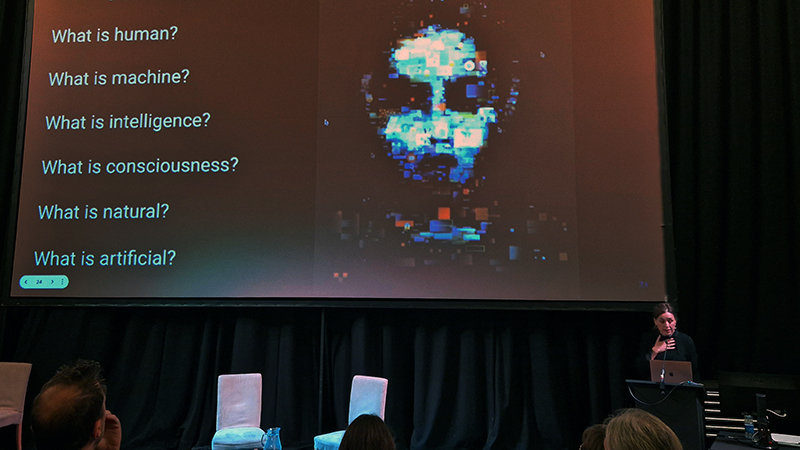
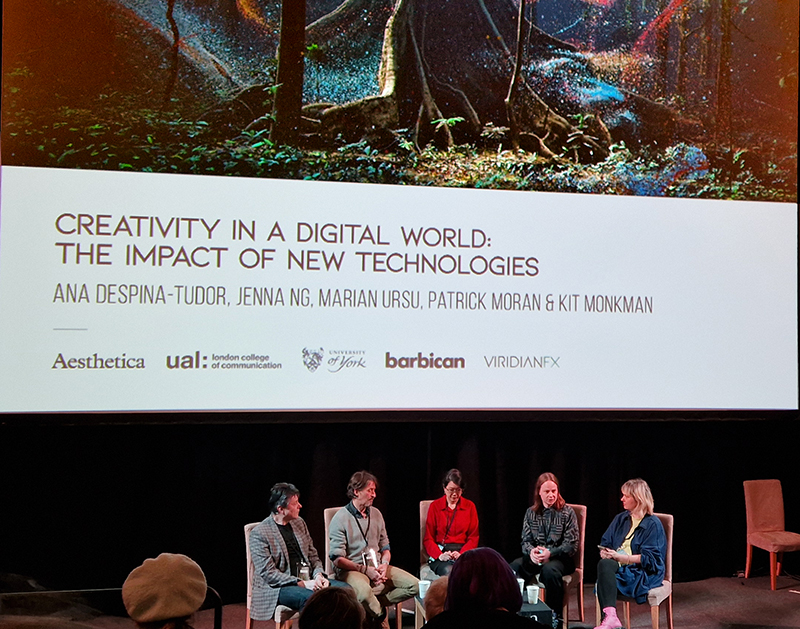
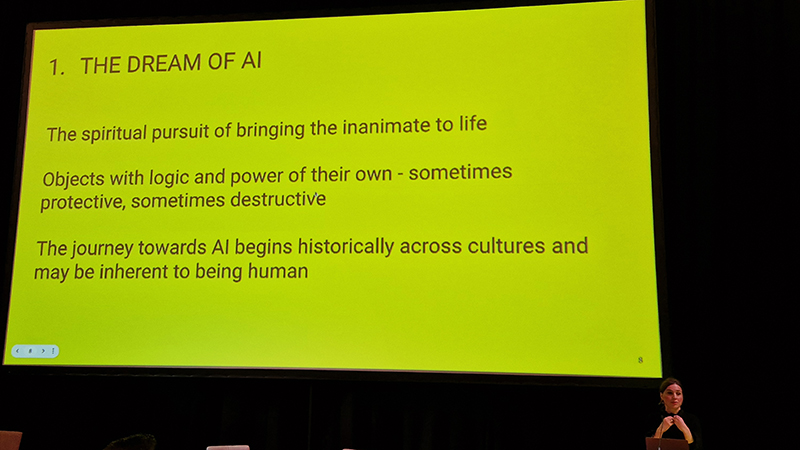
The Future Now Symposium threw up some interesting and potentially disturbing questions about AI despite some speakers such as Dr Suzanne Livingston and Marian Ursu, positive spin that AI could herald a new utopia of knowledge production and collaboration to solve the world’s problems. The panel discussing ‘The Impact of New Technologies’ were all in agreement that it is already too late to change or avert the learning bias of AI systems reflecting and perpetuating human biases, as the early modelling is embedded too deep in systems that no one really understands or can control. There was encouragement to welcome the new technologies such as chatGTP and text prompt generative fill software as new tools to be used to expand on what we can create rather than seeing these as taking over the creative thought process.
The myth surrounding the deception of the judges by Boris Eldagsen’s now-infamous AI-generated piece, The Electrician, which won a Sony World Photography Award in 2023, was laid to rest by Edgar Martins on the ‘Photography in Focus’ panel. The winning image had been entered to the competition as an AI generated image and was judged on that basis, there was no cover up but certain media sources sparked heated debates around our trust in images, giving the impression that the judges had been misled. This doesn’t mean to say that there isn’t a problem with image authenticity in the news and especially on social media as AI generated images are shared ubiquitously without the relevant acknowledgement.
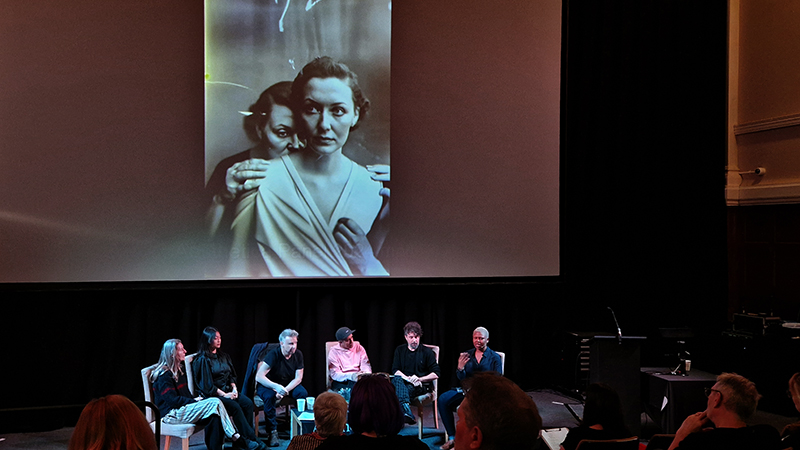
I very much enjoyed Sarah Perks in conversation with Heather Phillipson who describes her works as “quantum thought experiments,” which unfold in absurd and complex ways. Interesting to hear how her ideas develop from 2D sketchbook/collages, straight to full large scale 3D installation with no small scale models in between. Making such large work is a problem when it comes to storage, so some pieces have to be relinquished and then recreated if necessary, as it was for her Turner Prize nomination.

Margaret Salmon was another fascinating speaker with her quietly moving films that expose and elevate the minutiae of human experience. She showed a short film zooming in on the invasive ravaging nature of trawling the sea bed, indiscriminately gathering up everything in the haul, interspersed with a Whitstable trawlerman speaking about his life on the boats where this was just seen in terms of hard or easy work and how the day played out. It reminded me of the taped interview I have of Aunt Millie, a close elderly neighbour from my Suffolk childhood, who talked about mending the fishing nets piecemeal as a young woman when the village still had an active fishing industry. Fragile histories to be remembered.

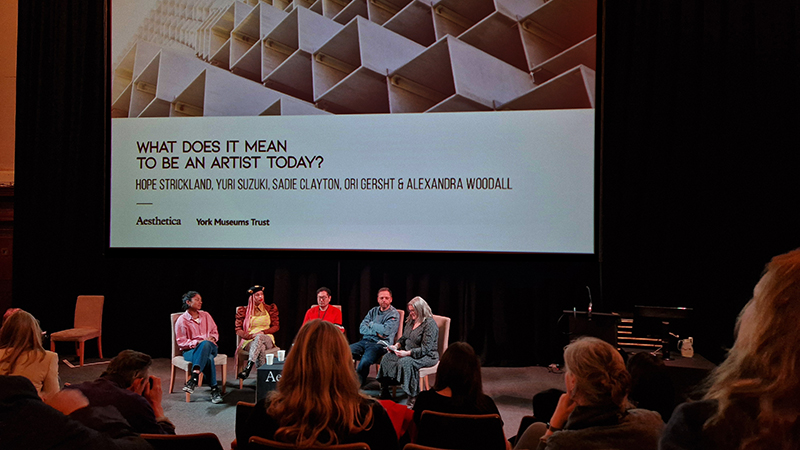
The panel discussion ‘What does it mean to be an artist today?’ was tempered by Ori Gersht accounts of his personal experience as a jew during the current conflict, both here and as witness to atrocities in Israel. How to respond.
Gallery Visits

Freya Gabie Duet at Danielle Arnaud. Great to hear Freya’s own account of her time spent as artist in residence on the Mexican/U.S border at one of the teatime talks hosted at the gallery. The shocking inequalities and water poverty that she witnessed are sensitively explored through her work. The ease with which she could cross back and forth was denied those indigenous to the Mexican side who live in the shadow of a shiny wealthy city that they would never visit.

The exhibition explores the landscape of El Paso and Ciudad Juarez as a repository of shared connections and experience. Giving the land voice to both remember and carry the complications, contradictions, and beauty of the place; the way these nuances act in harmony, and the notes of discord they strike. For this exhibition, Freya Gabie draws out threads that weave the two cities of Ciudad Juarez and El Paso together. Approaching the intricate back and forth of economic, social, and medical journeys that take place between the people and objects of the border, and examining how the border both generates the flow of goods, services, and people and dams it, revealing the ways the resulting impacts are felt.

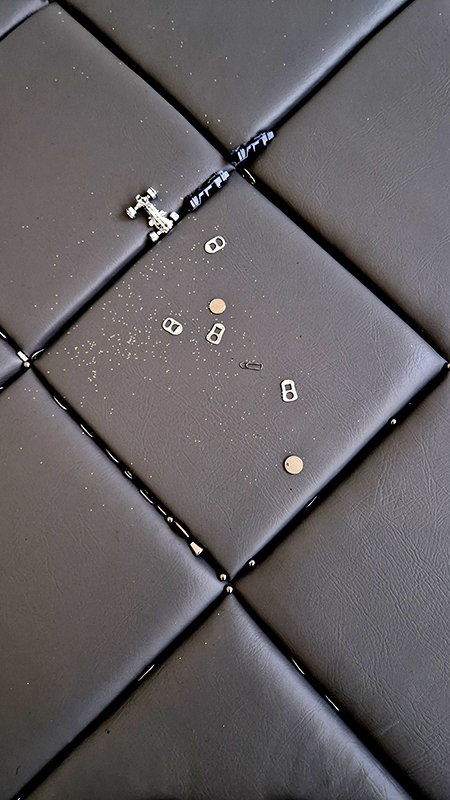
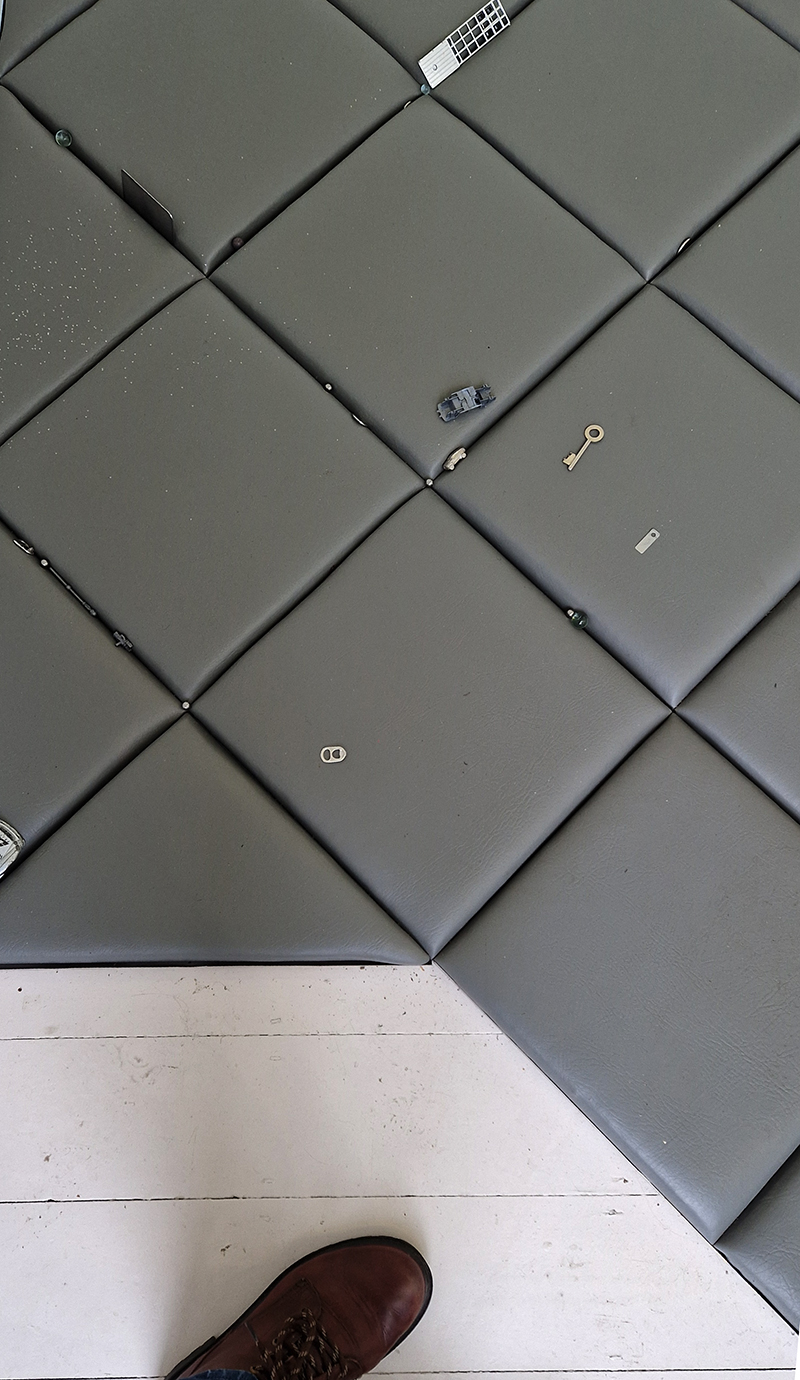
Agata Madejska Grand Habitat Horror Vacui at Flat Time House. The works evoke the personal intimacy and mess of domestic life lived at odds with prevalent power structures. They embody feelings of fragility, and exposure when a home must be constructed from fragments as seen in the small personal objects secreted in pockets or spilling across the floor, an accumulation of detritus that together makes a life, chafing against the world like grit in Vaseline. Due to my own current preoccupations, the dark padded grid of the entry room floor, that gave under the weight of mass and was strewn with discarded silver objects, read as low earth orbit littered with space junk, but was in fact a reference to the Chanel brand handbag.
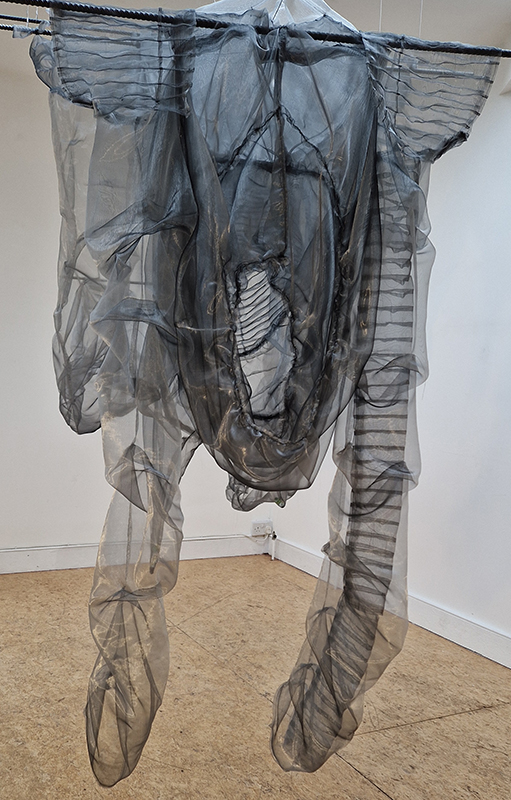
DISSONANT BLOOM a group show with works by Nancy Allen, Mauro Bonacina and Héloïse Chassepot at Sundy. Enjoyable tactile sculptures with interesting materials and painting to get lost in with no point of focus.

As a concept ‘Dissonant Bloom’ refers to our vexed relationship with nature but it also suggests that growth and flourishing are possible amidst unfavourable conditions. In the same way that the coexistence of competing species ultimately fosters biodiversity and ecological resilience. In the same way every work in this exhibition embodies aspects of blooming, either aesthetically or conceptually, but they do not necessarily do so in harmony with each other.

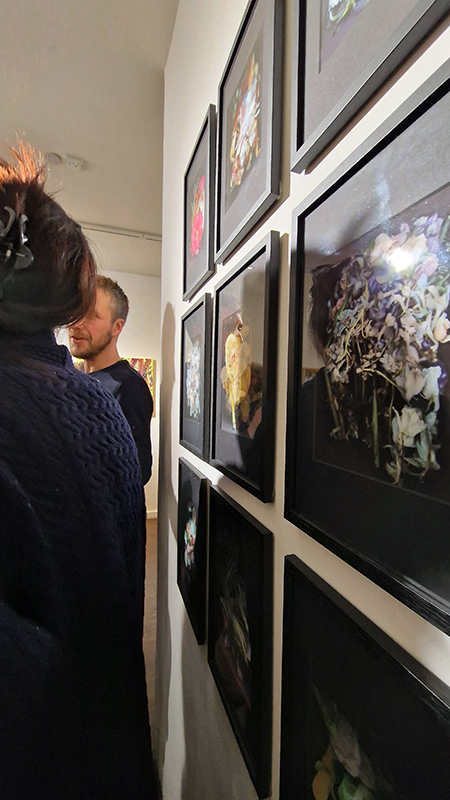
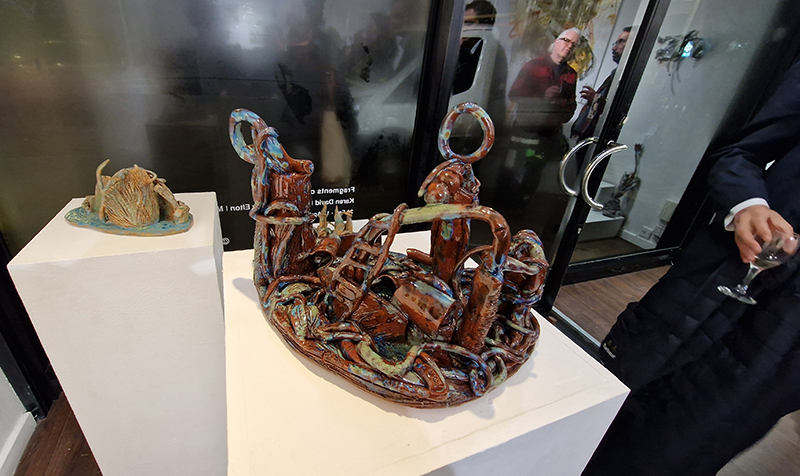
Fragments of a Lost Future with Karen David, Lana Locke, Liz Elton, Mimei Thompson, Susie Olczac at White Conduit Projects. In a time of climate crisis the works question hope for the future as a fantasy, or only for the non-human.

The Planet’s mineral, energy and agriculture resources have been efficiently, and even ruthlessly, exploited… They have harnessed energy of the atom, deciphered the molecular codes that oversee their own reproduction… Despite these achievements the people of this planet have in other respects scarcely raised themselves above the lowest level of barbarism. The enjoyment of pain and violence is as natural to them as the air they breathe. J.G. Ballard [“Report From an Obscure Planet”, 1992]

The fears of the near future described in J.G. Ballard’s science fiction novels are now our reality.

When corporations and politicians are busy monopolising airspace and arguing amongst themselves, whose voice will communicate this urgent crisis. We go about our daily lives with our heads partly buried in the sand, often too busy to fully engage with our current polycrisis. Activists rightly convey outrage, but can we embed these urgencies into our everyday lives? In ‘Report from an Obscure Planet’, Ballard describes the critical state of the Earth as viewed from another place. White Conduit Projects brings together these five artists who bravely and playfully incorporate this sense of crisis into the core and surface of their work. Starting with their everyday surroundings, they attempt new ways of communication, quietly bringing a Ballardian nuance to artworks that inhabit our domestic space.

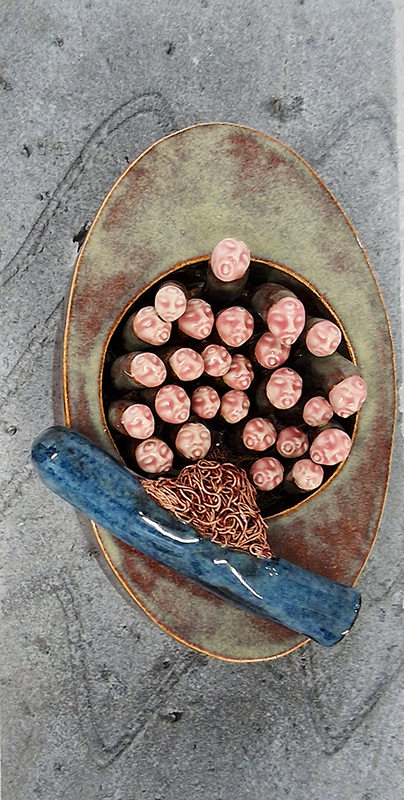
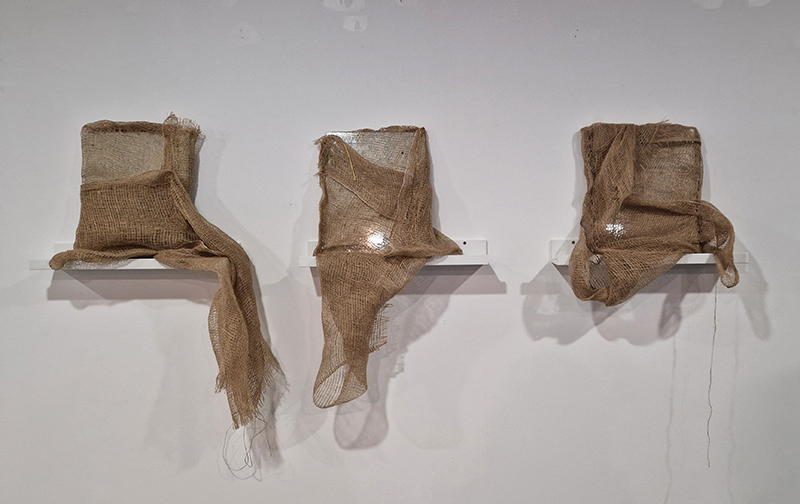
Loose Ends is a group exhibition at Thames-side Studios Gallery exploring connections and the interwoven poetics of material and the body by ten artists working across ceramics, textiles and performance.

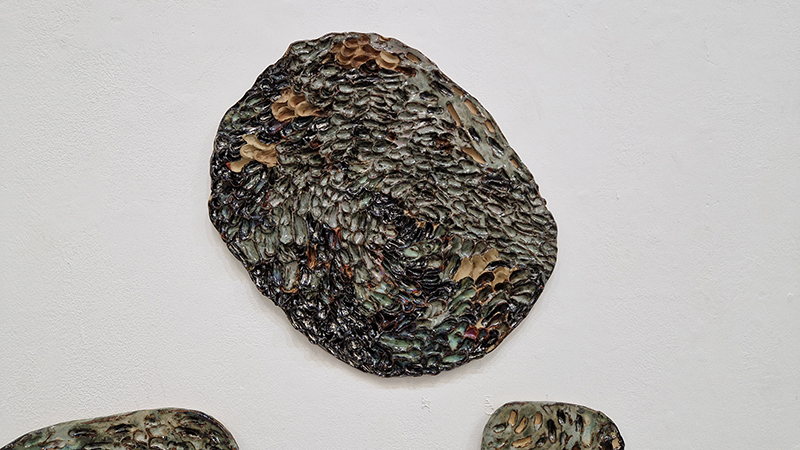
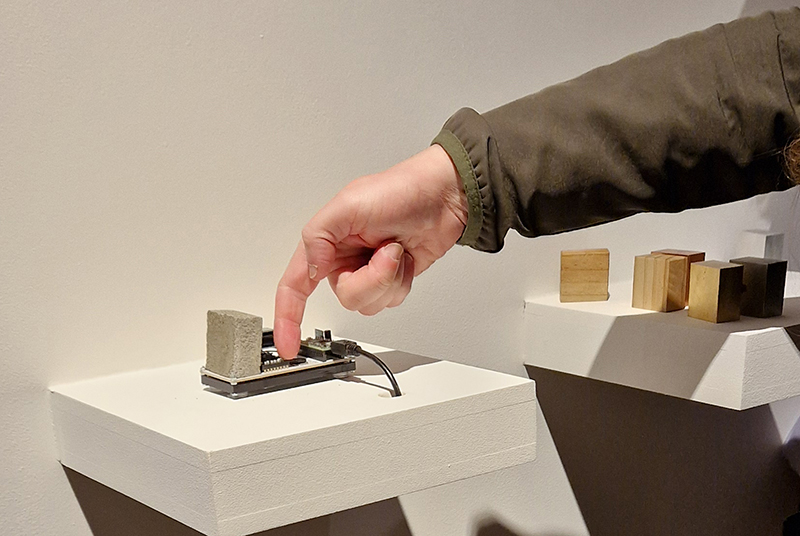
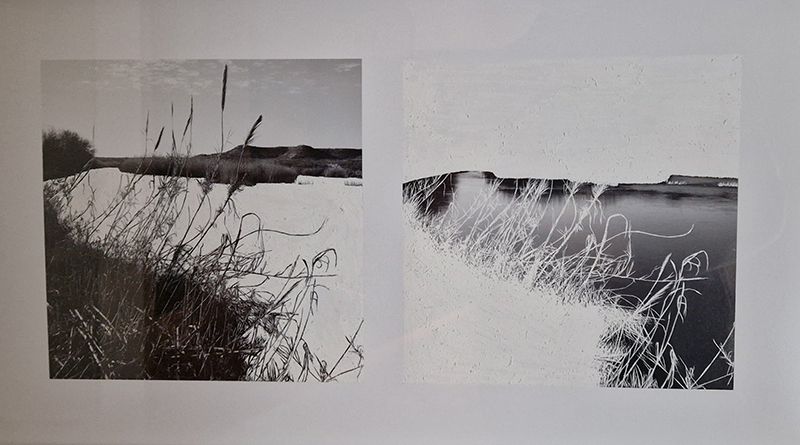
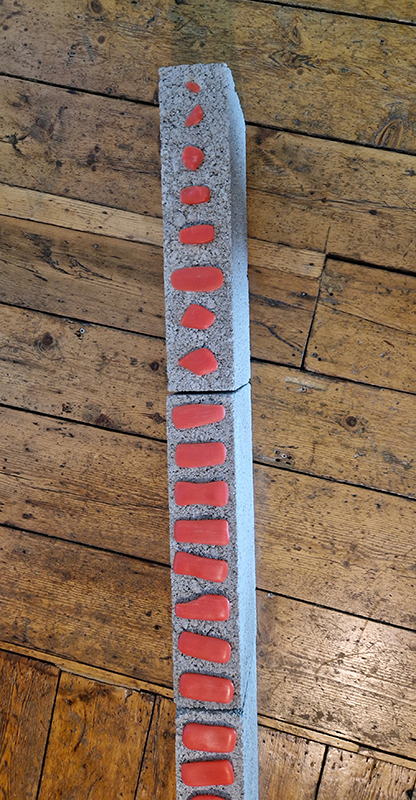
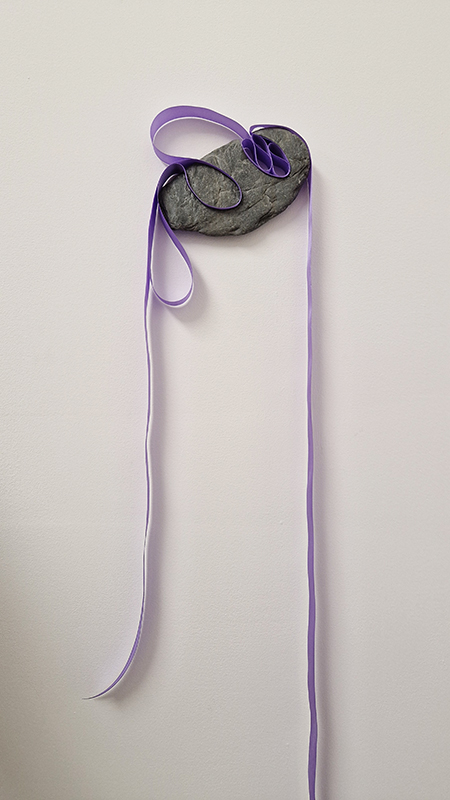
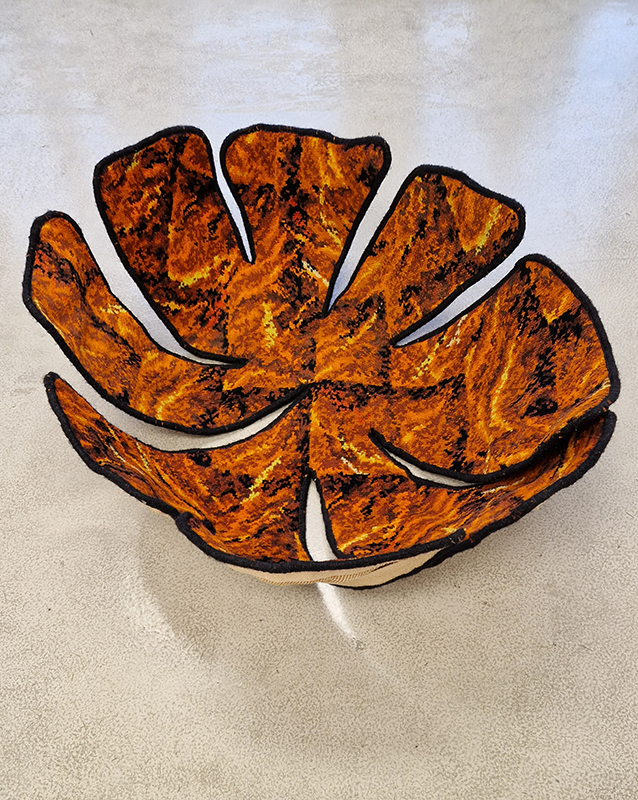
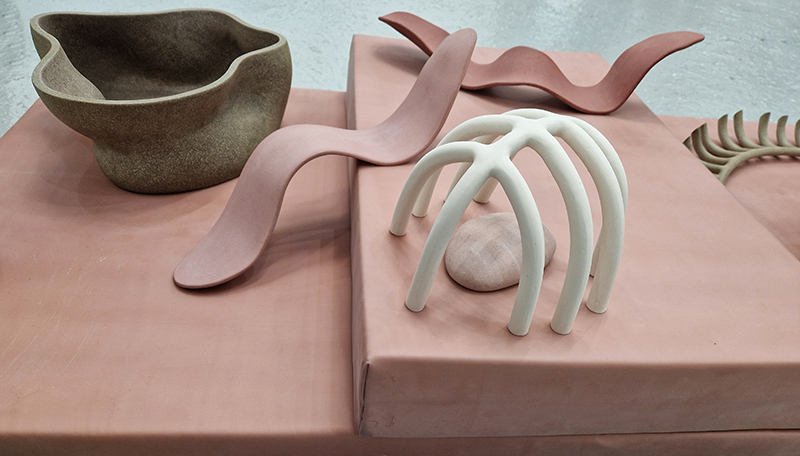
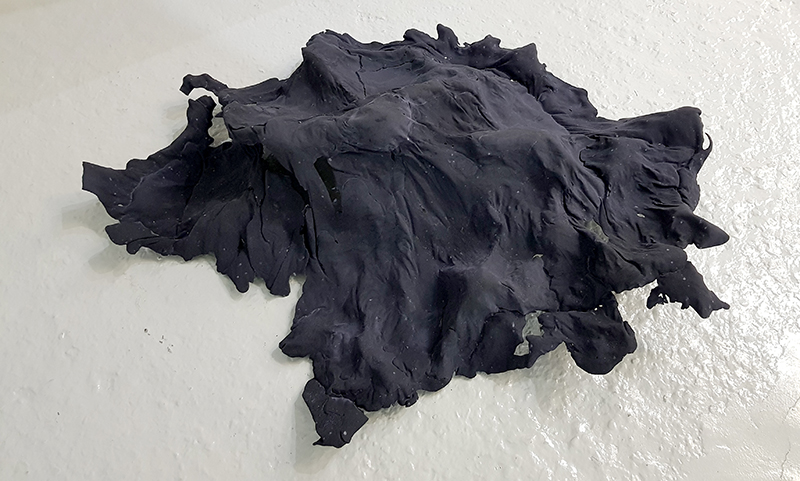
Blown away by the sheer elegant beauty of  Alex Simpson‘s impressive new ceramic work traversing across latex covered foam blocks.

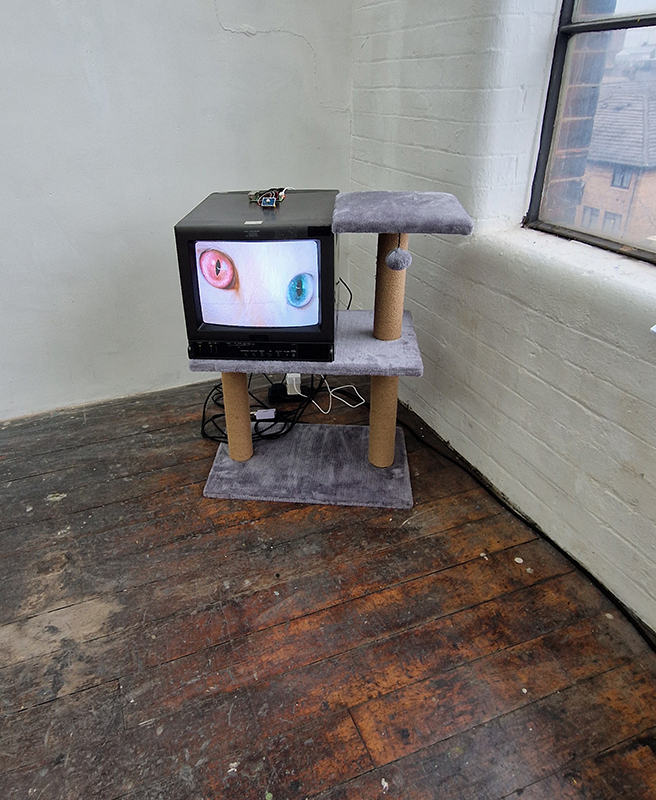
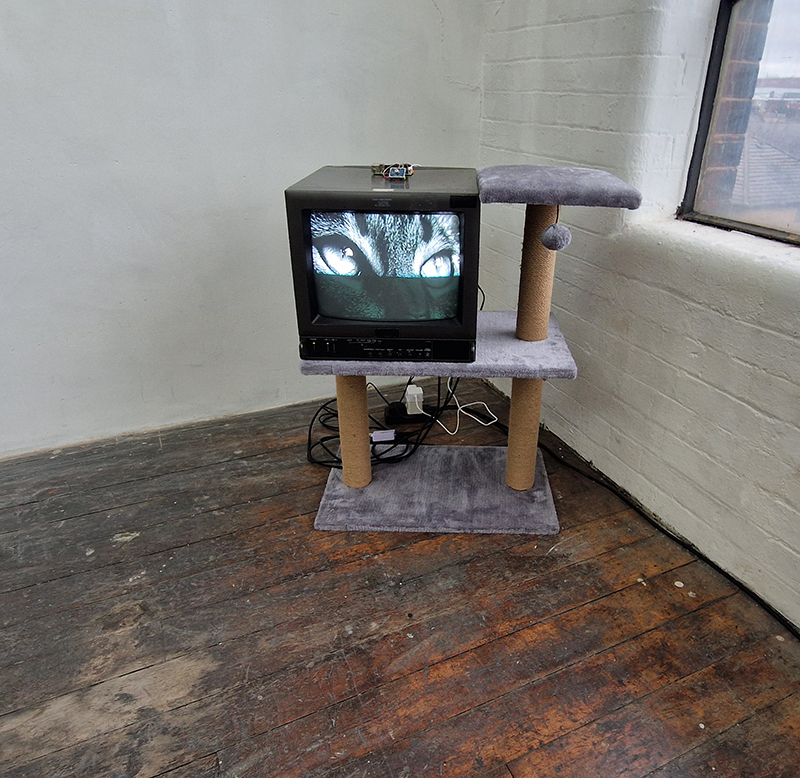
Robert Good Saturation Point Sunday Salon 29. Responding to Richard Brautigan’s 1967 ode to a coming technological utopia ‘All Watched Over by Machines of Loving Grace’ Robert explores what a cybernetic meadow might look like. Here he presents six digital artworks that hum, whirr, click and miaow with the first stirrings of a new digital landscape – one of computer vision, compromised identity and permanent connectivity. This meadow is not brought about by the unfathomable AI but is hand sown and nurtured with the level of technology we can still engage with; it is a human scale materialization of the inner workings of the digital world.

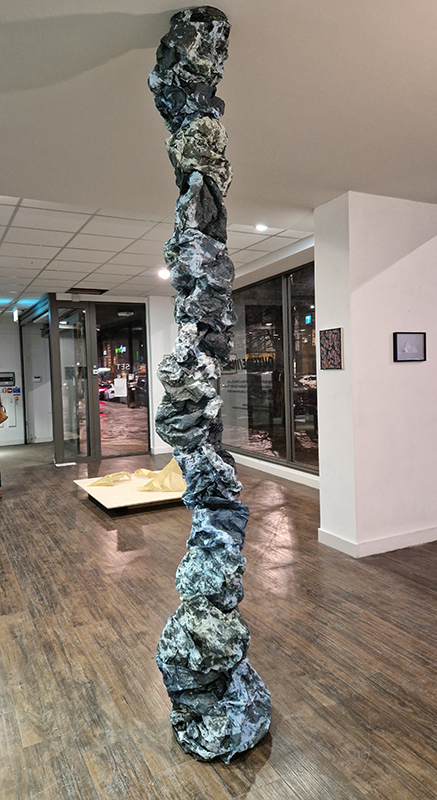
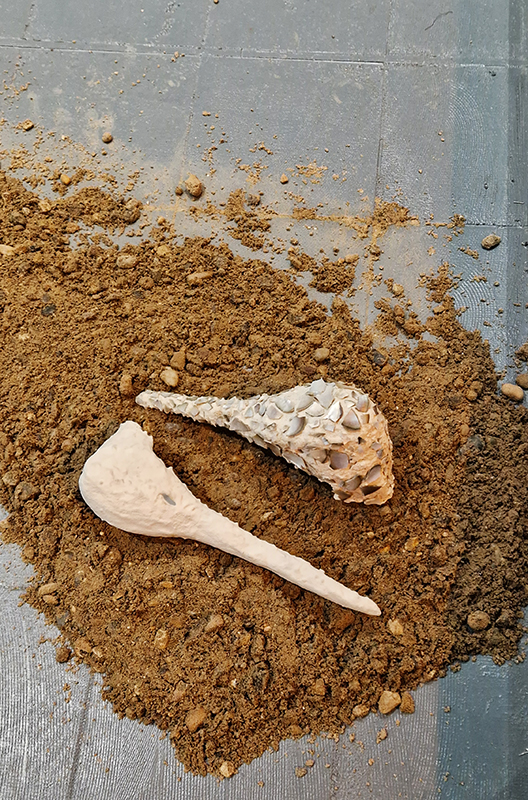
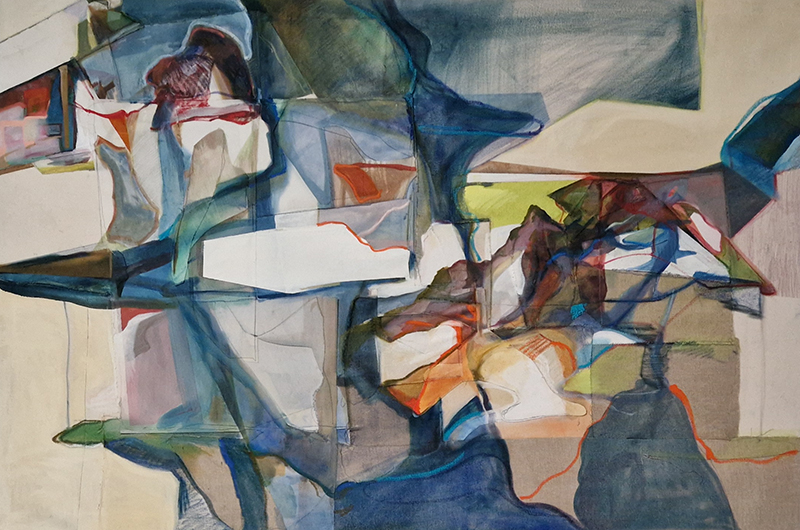
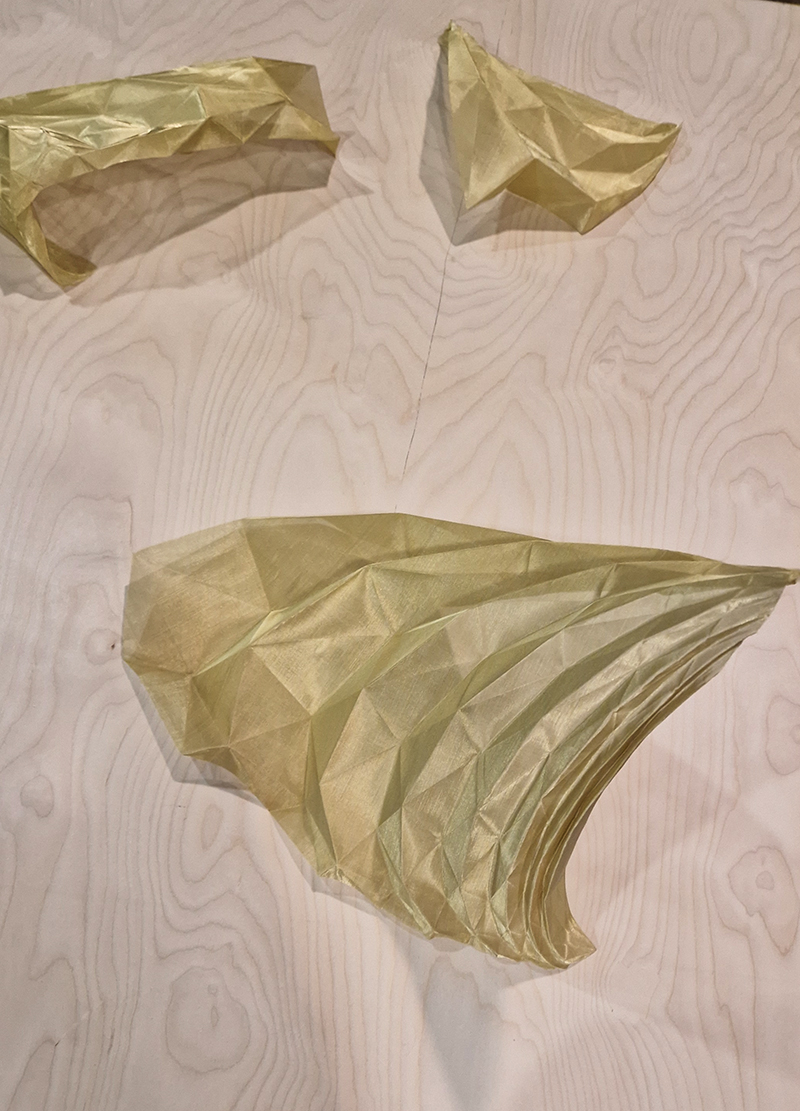
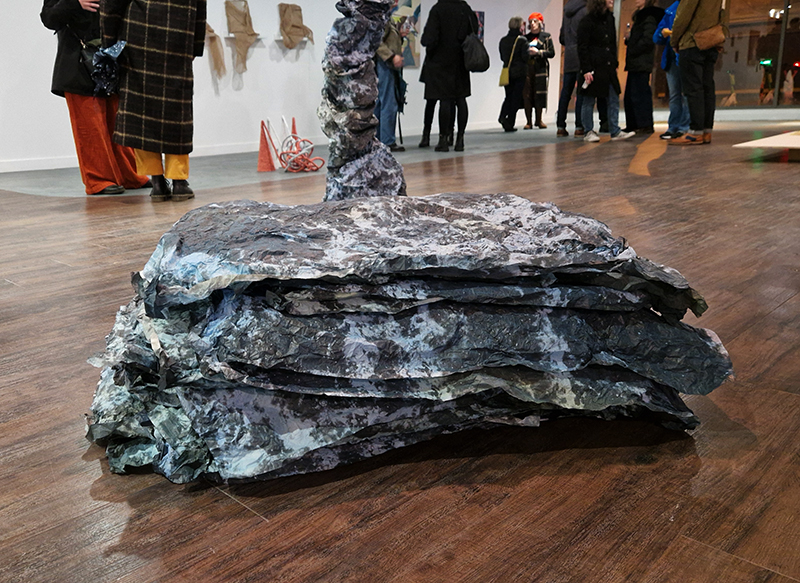
OUTSIDE IN at SET Ealing, a dynamic group show curated and including beautiful, stitched painting by Anna Lytridou, with works by Anja Aichinger, coloured paper clay forms by Eleanor Bedlow, fossil like forms by Anna Joy Reading, delicate folded brass mesh geometric forms by Brigitte Parusel, paintings of collapsed breasts by Jennifer Nieuwland, explorations of genealogy through painting by Jillian Knipe, abstract and evocative paintings by Linda Hemmersbach and Stacie McCormick and subtly coloured sculpted paper forms oscillating between stone and the night sky by Julie F Hill contemplating interconnections between the organic and the inorganic.

Listening

In Our Time Panpsychism – Melvyn Bragg and guests discuss the idea that some kind of consciousness is present not just in our human brains but throughout the universe, right down to cells or even electrons. This is panpsychism and its proponents argue it offers a compelling alternative to those who say we are nothing but matter, like machines, and to those who say we are both matter and something else we might call soul. It is a third way. Critics argue panpsychism is implausible, an example of how not to approach this problem, yet interest has been growing widely in recent decades partly for the idea itself and partly in the broader context of understanding how consciousness arises.

The Life Scientific – Professor of Computer Science at the University of Oxford, and the Director of Foundational AI Research at the Alan Turing Institute Michael Wooldridge on AI and sentient robots – Humans have a long-held fascination with animating an inanimate object, but the idea of Artificial Intelligence (AI) is often perceived as a dystopian threat: from Mary Shelley’s Frankenstein, through to the Terminator movies. We still often think of this technology as ‘futuristic’: whereas in fact, it’s already woven into the fabric of our daily lives, from facial recognition software to translator apps. He believes this will be a watershed year for AI development.

It might be interesting to consider if and how AI and technology might impact human evolution. Medical advances may already have influence. A 300,000-Year History of Human Evolution – Robin May The species we recognise as our own – anatomically modern humans – has existed for only 300,000 years, a blink of an eye in evolutionary terms. And yet during that time our species has been shaped by strong evolutionary forces, often unwittingly as an indirect result of human activities.

Visit to UCL’s Astronomical Observatory in Mill Hill.

1912 UCL observatory 3

Thanks to knowledgeable hosts Mark Fuller and Thomas Schlichter for a wonderful tour of the UCL observatory and to Lumen London for organising.

1912 UCL observatory 1

Shame it was cloudy but I enjoyed seeing the telescopes and hearing the history of this beautiful site. Looking forward to future collaborations.

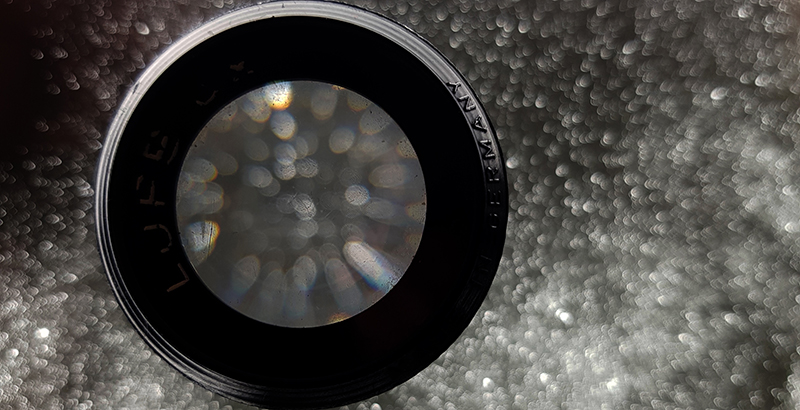
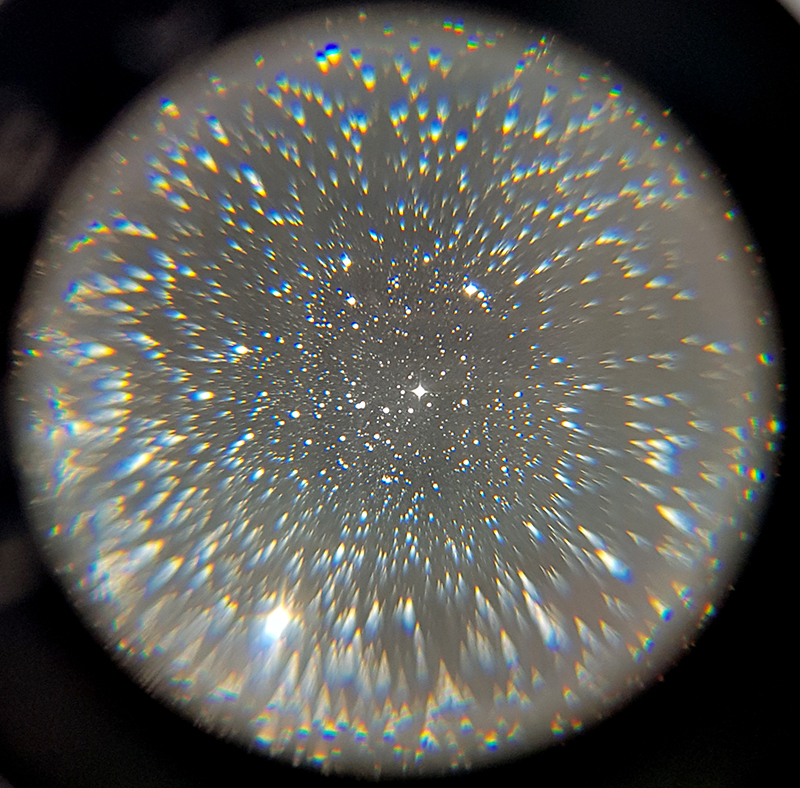
We didn’t see the stars outside but an archive image and a loop lens proved fascinating.

1912 UCL observatory 71912 UCL observatory 8

In the studio back after a busy year I have been tidying up, building mezzanine storage shelves and planning new work looking at cosmic planes, thinking about star HD70642 – a possible home from home and what lies beyond the horizon that I can never reach.


New Doggerland at Thames-side Gallery presents a future imagining of physical and cultural re-connection between Britain and the European mainland.

Doggerland was an area of land that once connected Britain to continental Europe. At the end of the last ice age a warming climate exposed land for habitation but gradually the lowlands were flooded as temperatures rose further then about 8,200 years ago, a combined melting of a glacial lake and a tsunami submerged Doggerland beneath the southern North Sea. Great work including these from Jane Millar, Oona Grimes and Sarah Sparkes.
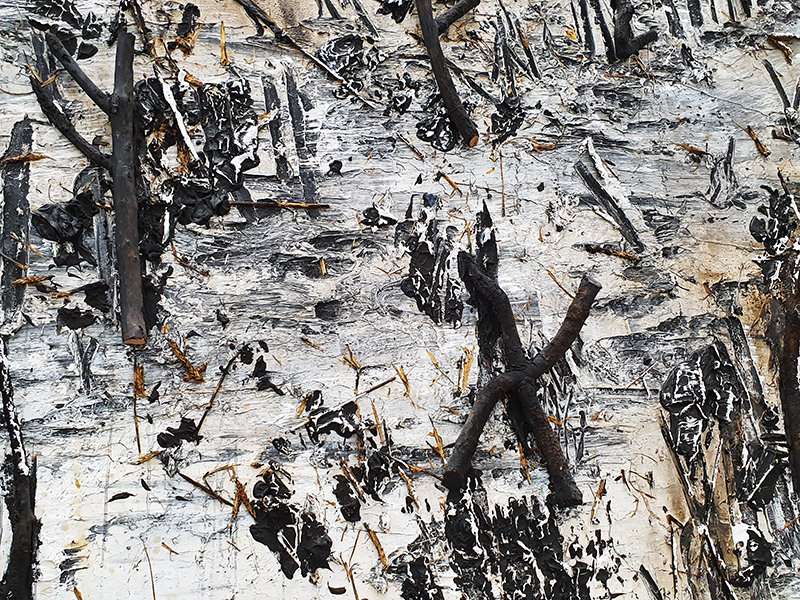
It was the place to be on 31/01/2020.

Nam June Paik at Tate Modern. Amazing pioneer of technology in art. Colliding nature, entanglement, connectedness, meditation, transmission.


Trevor Paglin From ‘Apple’ to ‘Anomaly’ (Pictures and Labels) at The Barbican Curve.

The long wall is filled with thousands of pinned photographs taken from ImageNet, a publicly available data set of images, which is also used to train artificial intelligence networks. ImageNet contains more than fourteen-million images grouped into labelled categories which include the unambiguous ‘apple’ along with such terms as ‘debtors’, ‘alcoholics’ and ‘bad persons’. These definitions applied to humans by AI algorithms present an uncomfortable future of machine induced judgement.

 ‘Machine-seeing-for-machines is a ubiquitous phenomenon, encompassing everything from facial-recognition systems conducting automated biometric surveillance at airports to department stores intercepting customers’ mobile phone pings to create intricate maps of movements through the aisles. But all this seeing, all of these images, are essentially invisible to human eyes. These images aren’t meant for us; they’re meant to do things in the world; human eyes aren’t in the loop.’ Trevor Paglen
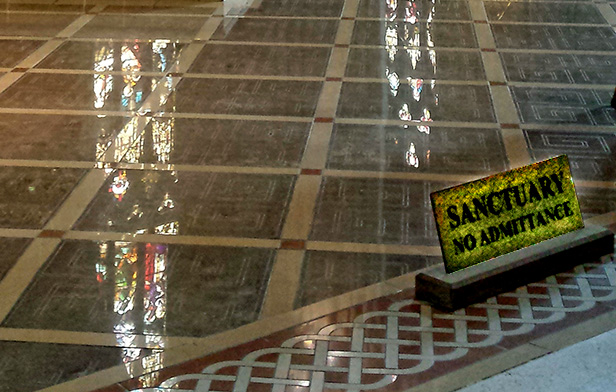
Interestingly there was no photography allowed in the Trevor Paglen show. So I tried Image net for an image to post. I searched for ‘artist’ but ImageNet is under maintenance so I tried Google and this is the first image I got.
2001 artist

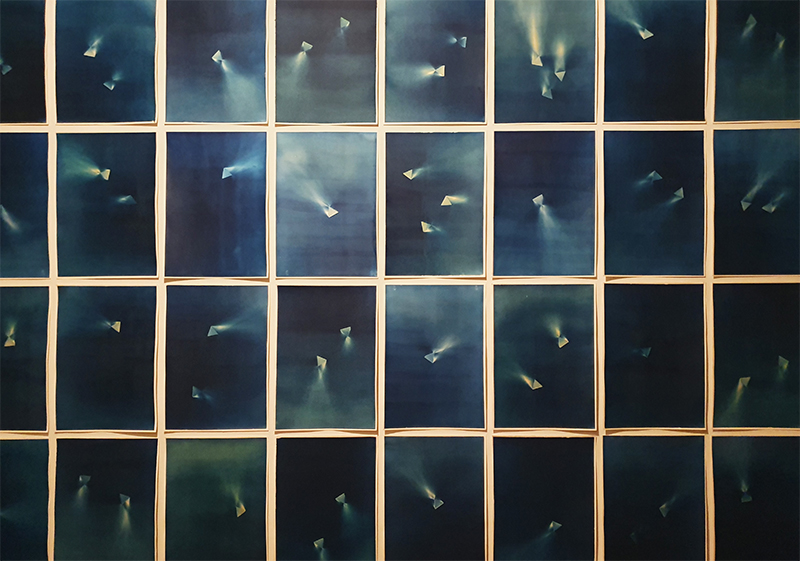
Another great show from Kathleen Herbert, A Study of Shadows at Danielle Arnaud. Using the cyanotype to interrogate the history and science of Prussian Blue and discover what emerges from the shadows through process and research. We learn – ‘Prussian Blue has a unique chemical structure and was originally created through the cyanotype process. It was the colour used to measure the blueness of the sky and was also used in the UK during the Chernobyl disaster as an antidote to radiation poisoning, preventing Caesium 137 from entering the food chain. Prussian Blue also has the ability to heal itself; if the intensity of its colour is lost through light-induced fading, it can be recovered by being placed in the dark.’

2001 Kathleen Herbert 4

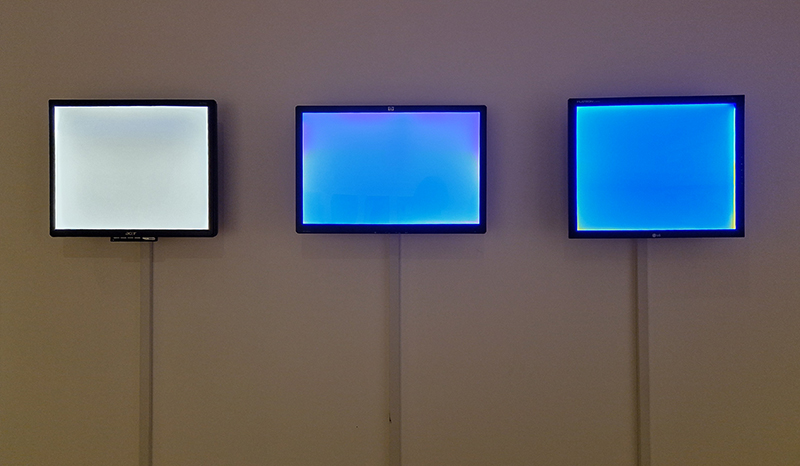
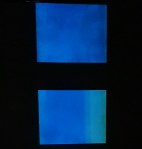
The sound and video work Everything is Fleeing to its Presence relates a narrative of impressions and scientific facts while the visuals of varying tones of blue appear and disappear in hypnotic succession. Together the effect is of immersion, like the chemically coated paper, in a pool of blue.

Mary Yacoob Schema at Five Years Gallery. Also using cyanotypes, but here exploring the architectural roots of this process through precise silhouettes, detailed drawing, structure and form which is then exposed to the unpredictable chemistry to produce beautiful outcomes.

2001 Mary Yacoob (1)

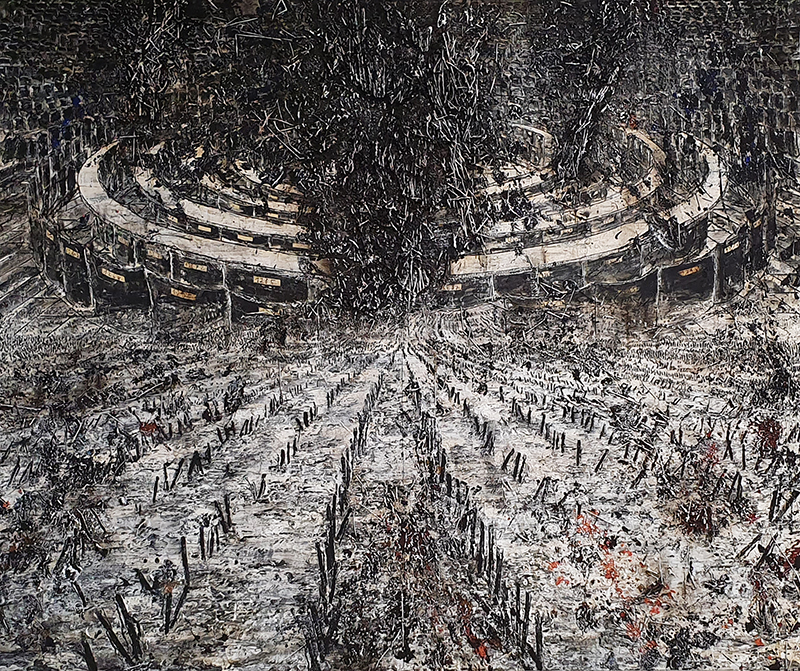
Anselm Keifer at White Cube Bermondsey.  Superstrings, Runes, The Norns, Gordian Knot all tied together in characteristically monumental paintings thick with stuff in an attempt to connect complex scientific theory with ancient mythology.

2001 Anselm Keifer 12001 Anselm Keifer 2

William Blake at Tate Britain. What visions, such torment. So much mortal flesh.

Anne Hardy The Depth of Darkness, the Return of the Light winter commission for Tate Britain, a sort of after party dystopia with an impressive soundscape of rain, thunder, birds and insects inspired by pagan descriptions of the winter solstice – the darkest moment of the year.

2001 Tate Britain Anne Hardy

We sit together for a minute at Thames-side Gallery. Alex Simpson and Alice Hartley share a similar sensibility making dynamic and intuitive works. The gallery is alive with gestural forms, captured fragments and movement held momentarily in stasis, both fragile and immediate.

2001 Alex Simpson2001 Alice Hartley

The Computer Arts Society, The Lumen Prize and Art in Flux join London Group members at The Cello Factory for a second In The Dark curated mash up of light and technology artworks that overlap and collide in Even darker. Curated by clever duo interactive filmmakers Genetic Moo, artists include Carol Wyss and Sumi Perera.


Bridget Riley at Hayward Gallery. Messing with perception; undulations and vibrations.

2001 Bridget Riley (1)

Mark Leckey O’ Magic Power Of Bleakness at Tate Britain. Sense of bleakness achieved in synthetic bridge recreation which gave gallery awkward angles. Voyeuristic social commentary, old rave footage. Magic found interspersed in otherworldly images contrast to dank underworld.

2001 Mark Leckey

Some beautiful artefacts in The Moon exhibition at Royal Maritime Museum Greenwich celebrating 50 years since the Apollo 11 Moon landing.

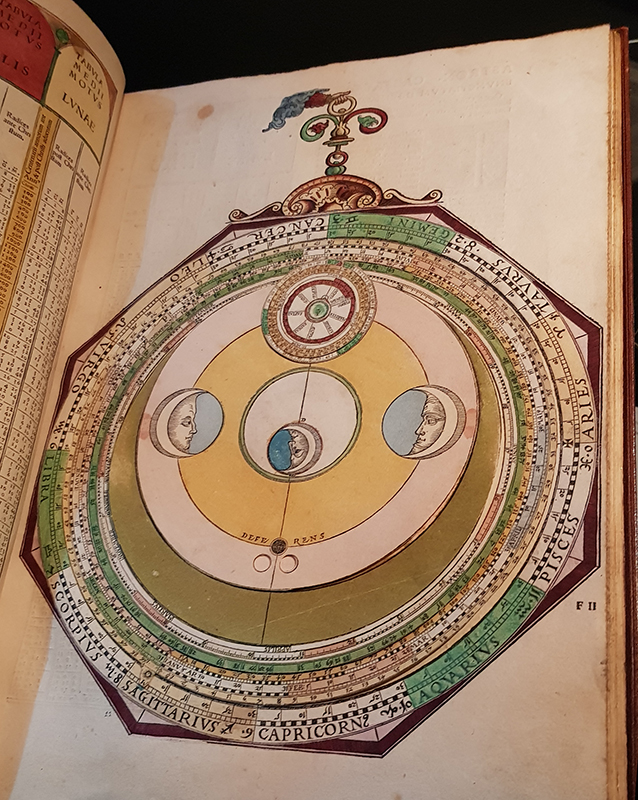
Astronomicum Caesarean 1540 – rotating paper discs are used to track the moon’s position which the physician would then interpret to predict if the patient might improve or relapse.

1912 Moon Exhibition volvelle

Orrery 1823-27 by John Addison includes a special geared section to show the rise and fall of the moon and mimicking the tilt of its orbit.

1912 Moon Exhibition orrery

Selenographia 1797 by John Russell. It models the slight wobble or libration of the moon meaning that over time a little more than half of the side of the moon is visible from Earth.1912 Moon Exhibition selenographia

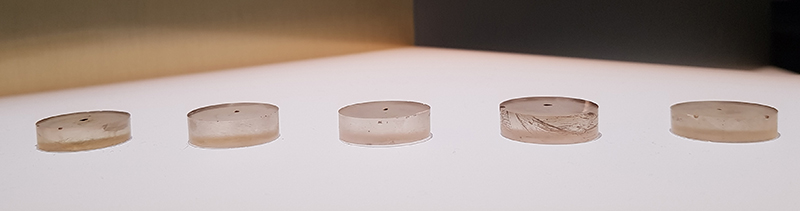
Moon rocks, encased.

1912 Moon Exhibition rocks

A Distant View III by United Visual Artists. A 3D rendering in wood of original NASA data imaging of the moon’s surface from the Orbiter mission 1966/7

1912 Moon Exhibition UVA

Very lucky to be invited by Rachael Allain for a tour of The Queen’s House at the National Maritime Museum Greenwich led by curator Matilda Pye. We saw the Susan Derges commission Mortal Moon inspired by the Armada Portrait of Queen Elizabeth 1 and a celestial globe, dating from 1551.

1912 susan derges-mortal-moon

The fractal elegance of the Tulip staircase.

1912 Queen's House Tulip Staircase

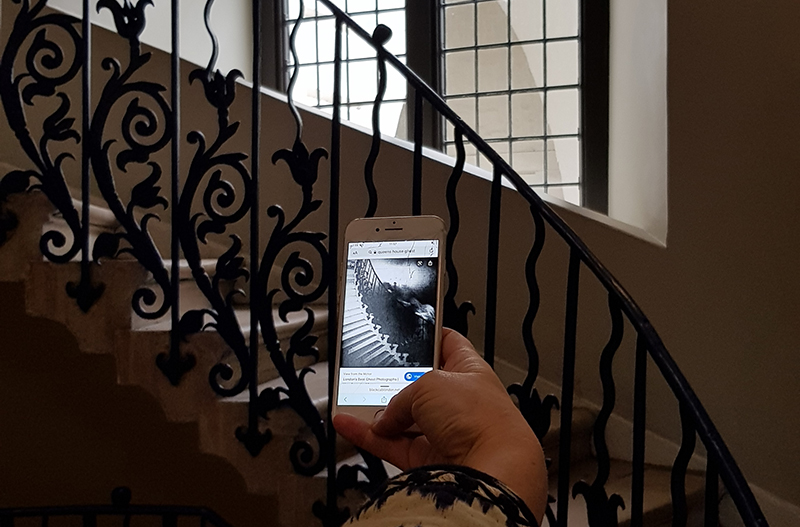
Which is also where the Queen’s House ghosts were inadvertently photographed by retired Canadian Reverend R.W Hardy on his visit in 1966. Recreated in situ by Matty with mobile. Apparently photographic experts examined the original negative and found no signs of tampering.

1912 Queen's House Ghosts

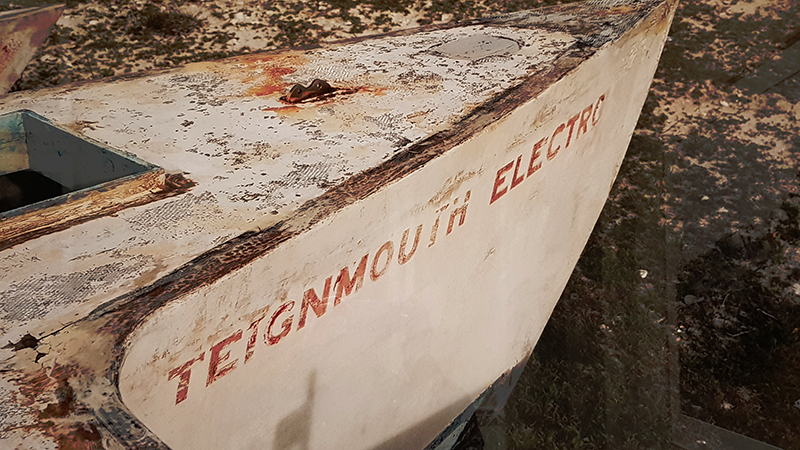
Ending the tour with Tacita Dean’s poignant photos of the desolate shell of the Teignmouth Electron, the yacht that bore Donald Crowhurst to his miserable and solitary death. It looks so small.

1912 Tacita Dean

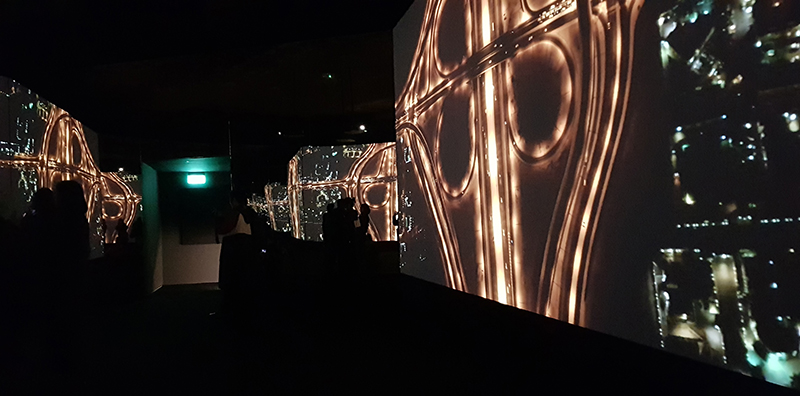
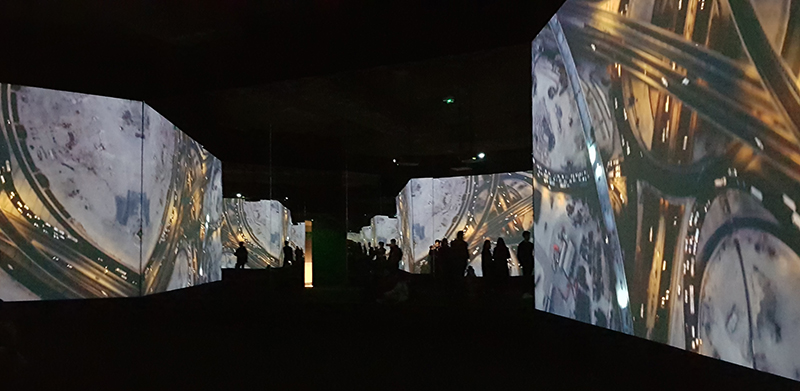
Immersive installations inviting a change of consciousness at TRANSFORMER: A Rebirth Of Wonder presented by The Store X The Vinyl Factory. Including Doug Aitken NEW ERA dramatic video-scape looking at the first phone call and future communication highway.

1911 Doug Aitken 21911 Doug Aitken

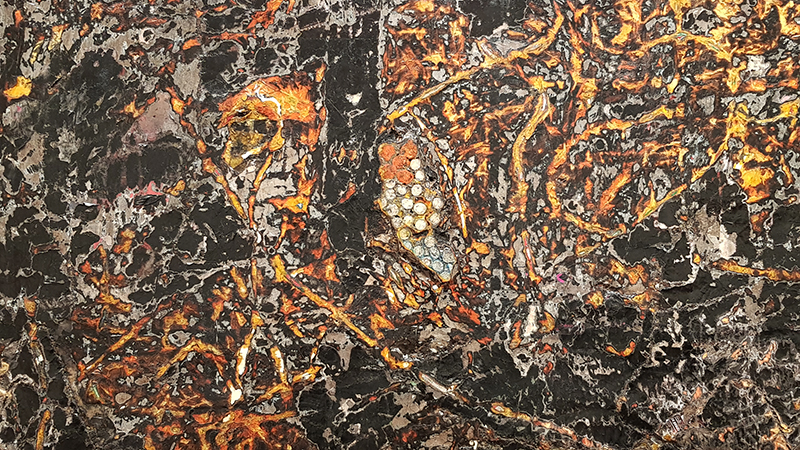
Mark Bradford’s paintings in Cerberus at Hauser & Wirth London recall the vibrant matter of creation, the splitting of the earth in molten rivulets to expose the dark underbelly.

1911 Mark Bradford

I am reading W. G. Sebald’s rambling Rings of Saturn. Revisiting my home county and local haunts through his eyes. He set off in 1992 but it feels like a journey back further in time as there are so many reminiscences and anecdotes from the past. Among the vaguely defined histories is the story of the demise of the estate of Henstead Hall under guardianship of the eccentric Major Wyndham Le Strange who shunned the outside world and took to a literally underground existence.

These images from 2014 when I visited the abandoned walled garden at Henstead became fragments for my work titled Pairi Daêza, an ancient Iranian word meaning ‘around’ and ‘wall’; the origin of ‘paradise’.

1705 Open Studios Pairi Daeza

A tenuous link but I discovered Henstead Hall subsequently become home to Douglas Farmiloe a self-described “Mayfair playboy” who had found himself in the scandal pages of the News of the World during the 1930s, after an indiscretion with a hostess from the West End ‘Paradise Club’.

Amazing News Update – Laboratory of Dark Matters has been awarded a month long residency at Guest Projects for April 2017. Exciting times ahead.

Image - Laboratory of Dark Matters.jpg

Laboratory of Dark Matters is a response by artists to scientific investigations into the unknown nature of the Universe; opening a dialogue between scientists and artists who are each driven by curiosity and seek answers to fundamental questions about matter and consciousness.

“All visible matter in the entire Universe, including all the stars, cosmic objects, black holes and intergalactic gases, amounts to less than 5% of the mass we know to be present.”  

The search for dark matter is a scientific endeavour but also requires a large degree of faith in both the existence of these elusive particles and in the scientists’ ability to eventually detect and identify them. For artists, creating work is often about searching for some unknown and embracing an unexpected outcome.

The participating artists will be Amy Gear, Daniel Clark, Elizabeth Murton, Kate Fahey, Luci Eldridge, Melanie King, Peter Glasgow, Sarah Gillett, Susan Eyre.

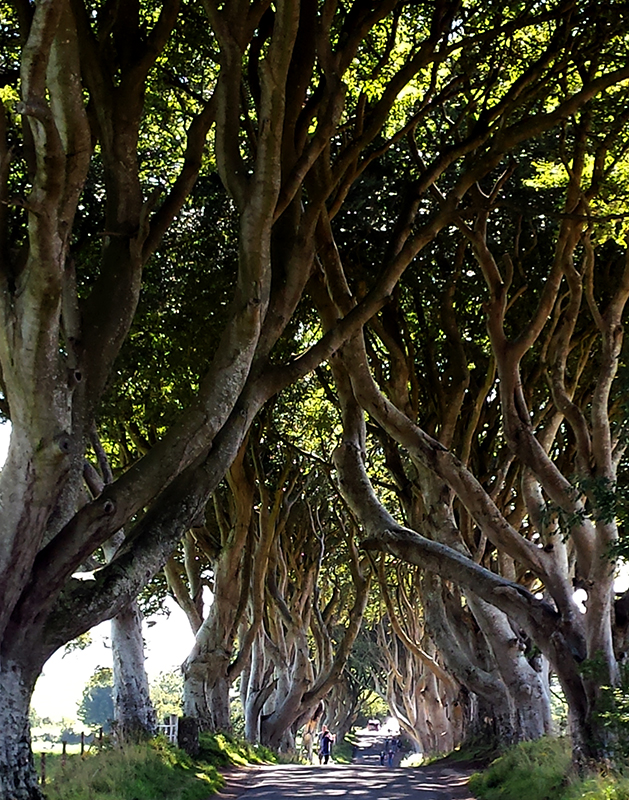
Unexpectedly found myself trailing Game of Thrones fans location hunting.

1609-dark-hedges

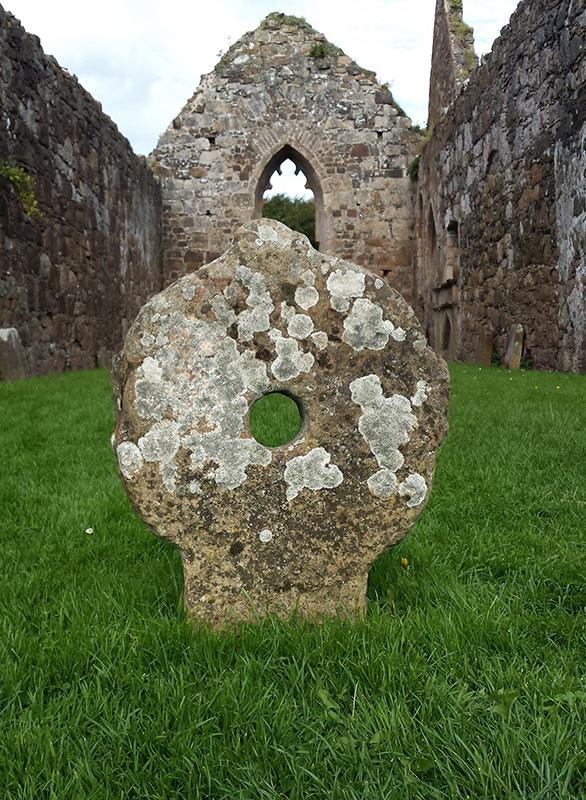
Visiting Northern Ireland’s dramatic coast and spiritual heartlands. Brooding ruins and primeval earthworks, geological anomalies and wide windswept bays. I was on the lookout for saints and sacred wells.

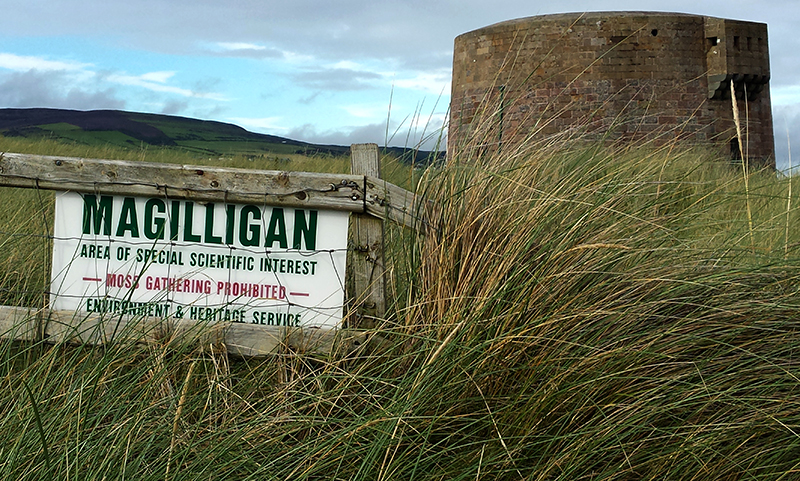
1609-magilligan-point

breathing it in

1609-magilligan-point-2

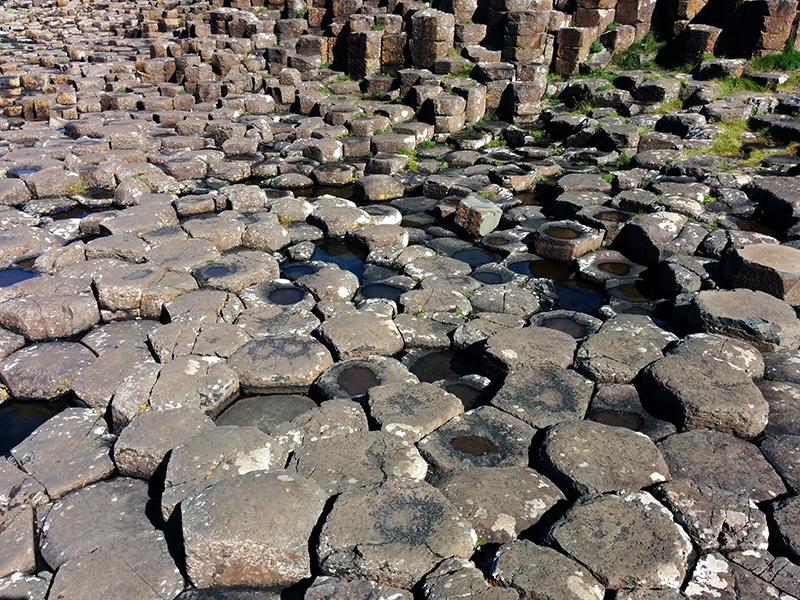
1609-giants-causeway

The walls of Dunluce Castle – struck through with the local geometric formations

1609-dunluce-castle

1609giants-causeway-2

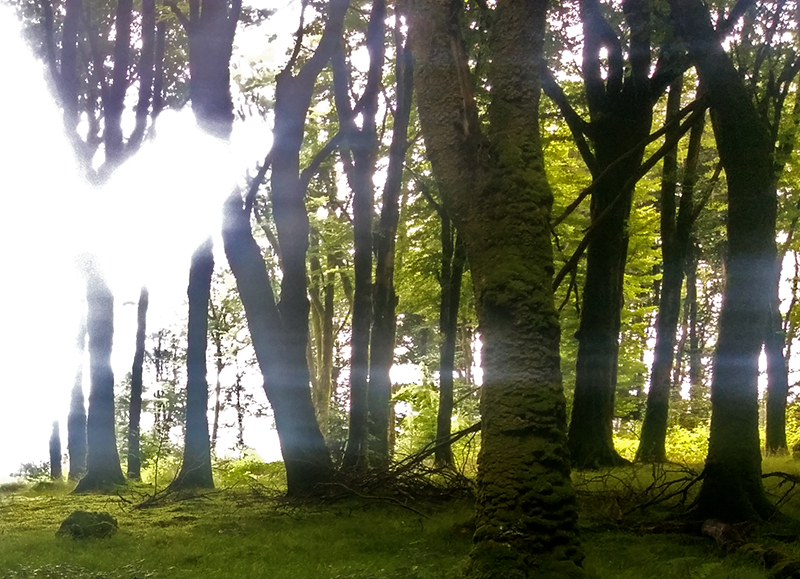
1609-knockmany-forest

mossy glade – moss prohibition

1609-martello-tower

1609-churchtown-point

‘The Armagh Astropark – where Heaven comes down to Earth…’

1609-astro-park-armagh


1609-st-patricks-armagh-rc

faith and ritual

1609-cranfield-holy-well

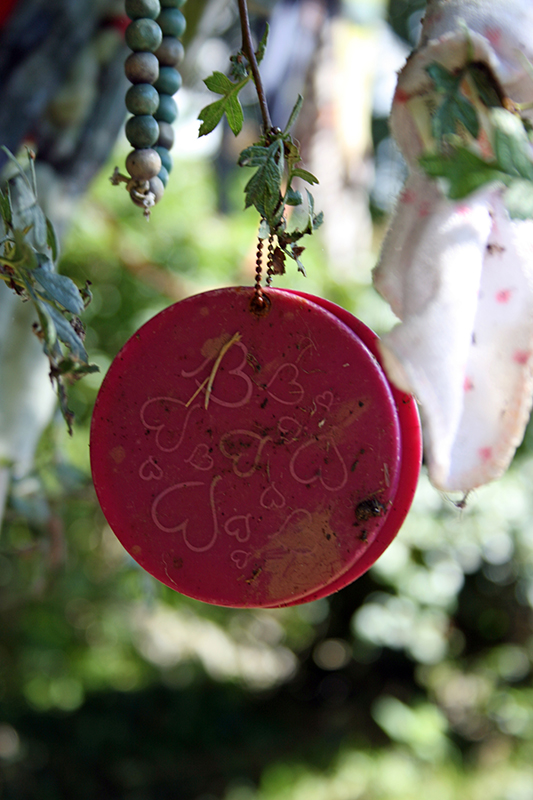
At Cranfield Holy Well there was no evidence of fine spring water and amber coloured crystals, it looked dank and more pestilent than healing. Still it is festooned with personal items tied to the overhanging branches, each one a little prayer. According to  custom, one must bathe the infected part of the body with a rag dipped in the well, pray and then tie the rag to a large overhanging tree, as the rag decays the affliction is supposed to disappear. Judging from the preservation of these items, for some, the cure is a long way off.

1609 Cranfield Holy Well 2.jpg

County Antrim wears its heart on its sleeve.

1609-armagh

1609-downhill-house

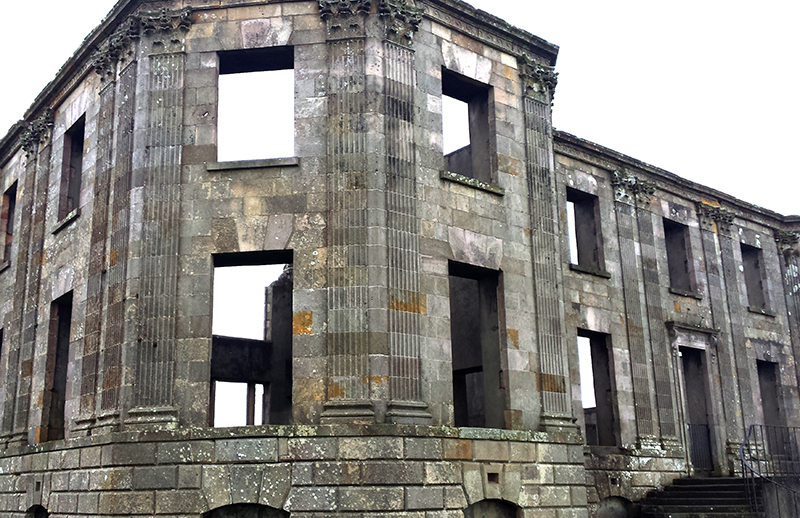
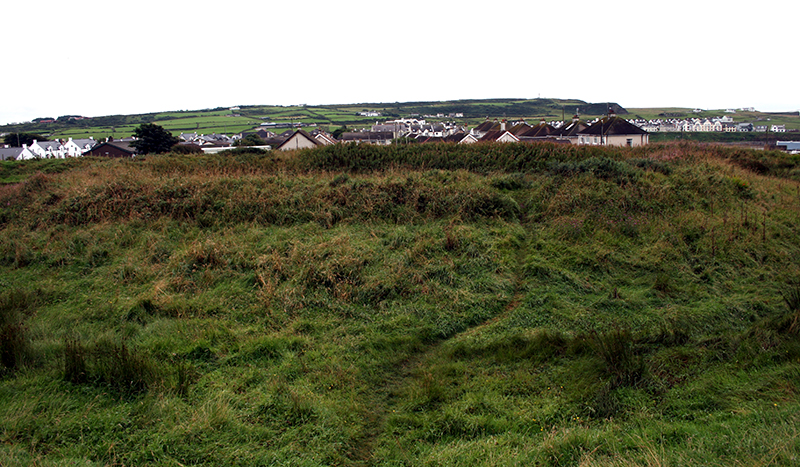
Settlements past and present – Downhill House a recent ruin and the grassy banks of Lissenden Earthworks

1609-lissanduff-earthworks

The enigmatic nun, dark Julia’s grave stone at the ancient Bonamargy Friary

1609-bonamargy-friary-dark-julia

The bronze age Tandragee Man brandishing  his legendary silver prosthetic limb

1609-tandragee-man

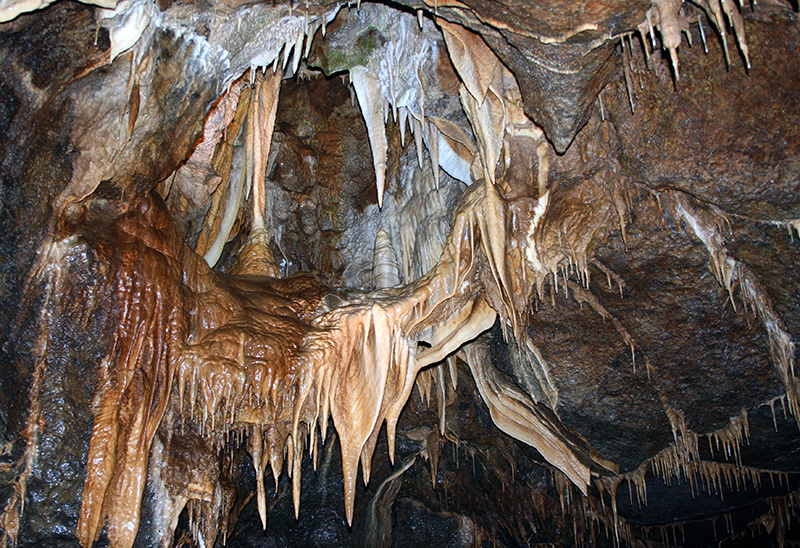
The even more ancient belly of the earth at Marble Arch caves

1609-marble-arch-caves

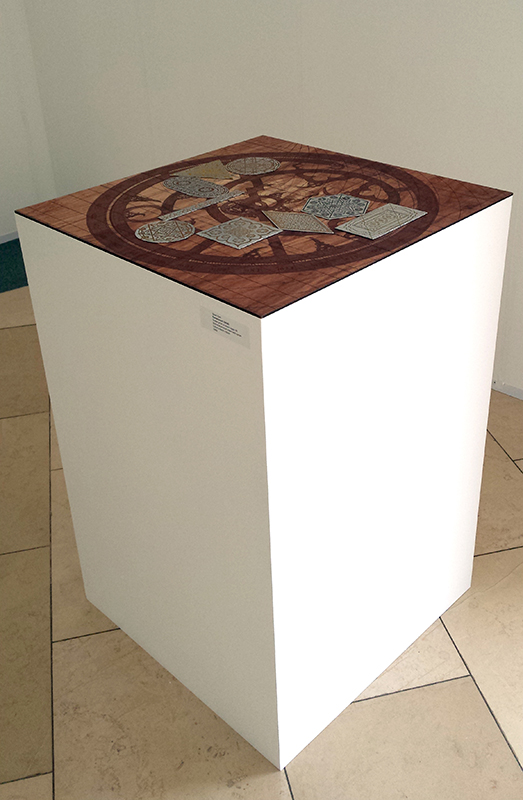
Containment slotted nicely into the Plastic Propaganda curated exhibition Sugar and Spice at St. Katherine’s Dock.

1609-containment-3

Made in response to the trade of exotic objects by merchants who journeyed across the globe five hundred years ago when navigation was reliant on the stars.

1609-containment-1

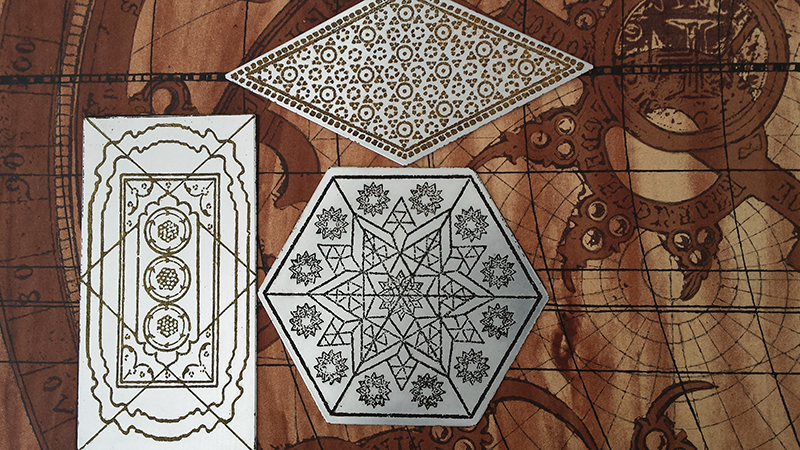
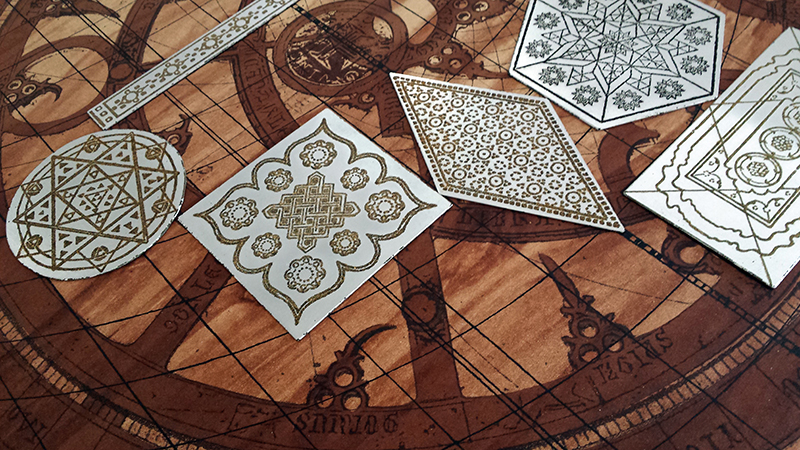
Shaped plates, etched using a sugar lift technique, are filled with inks made from ground spices and copperplate oils wafting traces of their origins in to the gallery space –  turmeric, coriander, cumin, paprika…

1609-containment-2

These operate as markers plotting the spice route from India around Africa to Europe according to the latitude and longitude lines taken from C16th maps of Mercator and Ortelius. The patterns combine ideologies of origins with destinations reflecting the breadth and mix of cultures that came together. I like how viewing becomes a ritual.

Sugar and Spice explored ideas of trade, hybridization and inter-cultural exchange and the legacy of the rich mercantile history of the docks. Looking back informs, educates and gives us the platform for continuous debate…

 …all more poignant post referendum.

Sarah Gillet’s magical show Quarry at Brocket Gallery was in itself a process of quarrying – exhuming material from a forensic analysis of Paolo Uccello’s painting   ‘The Hunt in the Forest (1470). The pursuit of quarry. This inversion of meanings repeats itself in the work as do the shapes and shadows of a forest that extends beyond the boundaries of any canvas into the dark depths of dream spaces where strange creatures abound.

1609-sarah-gillett

In such a space where would you turn to escape.

1609-sarah-gillett-2

It’s how I imagine the labyrinths of Venice should be during the carnival. Full of intriguing theatrical creatures appearing out of the void; playful menace.

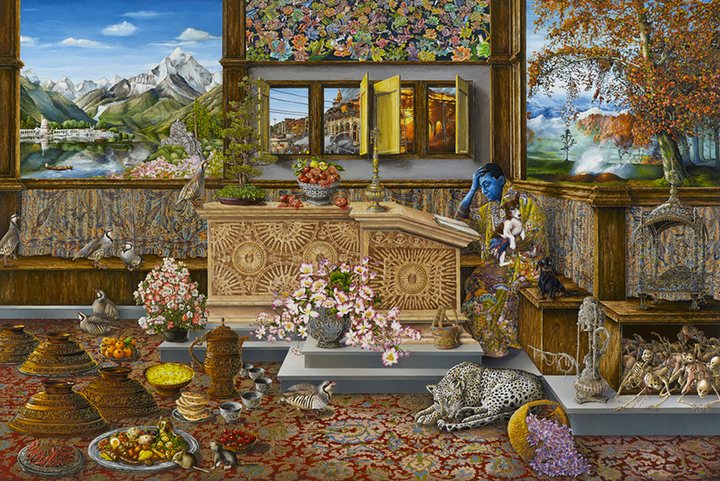
I have long enjoyed the work of Raqib Shaw and the dazzling paintings he creates with intricate enamelled surfaces glistening with gemstones and gold; the chaos of  battle played out to the personal beat of shamanic drums; the quest for unattainable perfection.  His obsession with self, pitted against the world, seems to have reached a melancholic peak with Self-Portraits at White Cube. This reimagining of old masters heavily laden with references to his own worlds of Peckham and Kashmir appear as premature reliquaries to a life saturated in self immolation.

1609-raqib-shawHe looks weary.

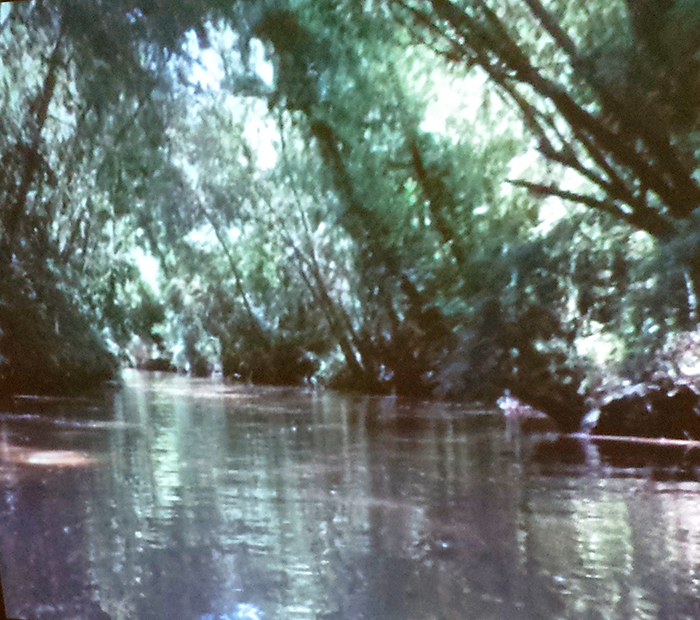
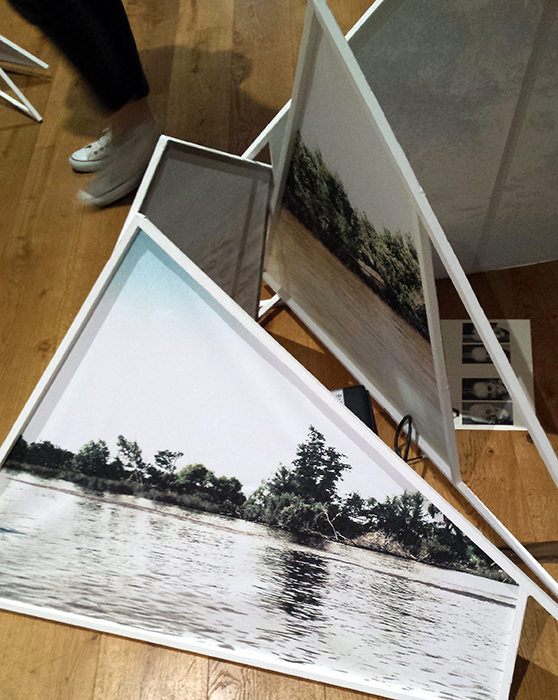
Hidden undercurrents of surface beauty are exposed in Victoria Ahrens thoughtful presentation of her PhD research ABSORB. A meditation on the history of the Paranà River in Argentina. From a mystical place of leisure for her Grandfather to the brutal grave of those who ‘disappeared’ during the military junta, thrown to their deaths to be slowly and anonymously absorbed into the landscape.

160908-victoria-ahrens-2

By allowing the waters of the river to wash over the plates and images that she creates the alchemical processes continue and those lost into the waters imbue the work with a gentle pathos.

1609-victoria-ahrens-3

From shards of shattered time an image is built that hovers between past and present.

Alex Simpson’s exploration of material in Through Viscera at Barbican Arts Group Trust was fresh and almost vibrating with energy.

Like a virus spreading across all surfaces, into the core of matter that lay extruded across the floor, eaten into and vein like, globular and thick with fungal felt, drying and dropping, leaving prints as scars.


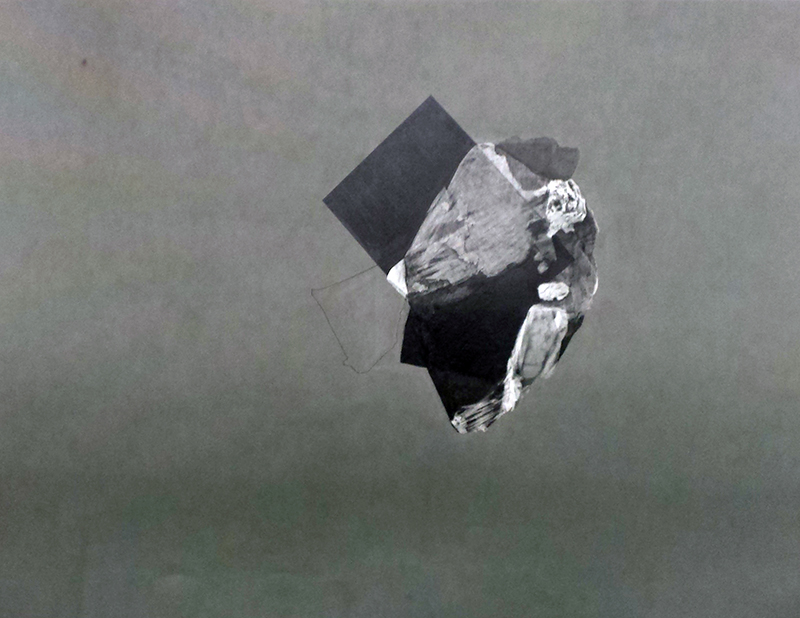
In Lichtlose Luft, at PARCspace the LCC’s photographic archive resource centre,  Johanna Love’s lithographic prints and drawings on digital prints of tiny specks of matter magnified to reveal the sublime contours reminiscent of a mountain landscape were a very successful exploration of finding the human relationship in a scientifically generated image.

1609-johanna-love-1

The technical image is a starting point for the work, either obtained through the electron microscope or the digital scanner. Through the process of drawing and digital manipulation, there is an attempt to bring the image back into the physical, material world of the living and imagination, for as Merleau Ponty (1964) states, ‘science manipulates things and gives up living in them.’

1609-johanna-love-2

Isolated like meteorites falling through a grey space that vibrates with the blurred colours we see on the back surface of the eyelid; these drawings capture the imagination.

Super/collider once again brought us a mind blowing yet entertaining talk at Second Home.  Dr. Andrew O’Bannon has been studying Holography for 15 years. He proposes a bold idea that all the information in our 3D universe may be contained in a mysterious 2D image, like a hologram. Promising not only to unite Einstein’s relativity with quantum physics, holography also has the potential to provide us with cleaner energy, faster computers, and novel electronics. Using ideas from string theory he studies holography and strongly interacting systems.

In everyday life, a hologram is a two-dimensional image containing enough information to reconstruct a three-dimensional object. In theoretical physics, holography proposes that some strongly-interacting systems are equivalent to Einstein’s theory of gravity in one higher dimension.

1609-dragonfly-hologram

“Many experiments to detect proposed dark matter particles through non-gravitational means are under way. On 25 August 2016, astronomers reported that Dragonfly 44, an ultra diffuse galaxy (UDG) with the mass of the Milky Way galaxy, but with nearly no discernible stars or galactic structure, may be made almost entirely of dark matter.” From BBC science

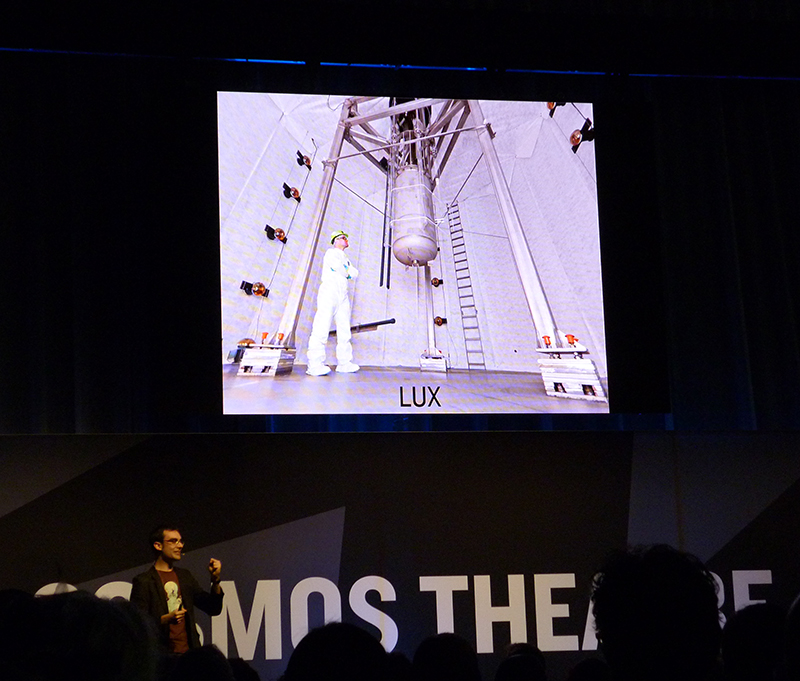
There were two talks at New Scientist Live that I found particularly interesting. The first was from Dr Andrew Pontzen a theoretical cosmologist explaining the evidence that dark matter exists and why it is proving so hard to detect. He spends his time working through theories that are then passed on to someone like Cham Ghag, an astrophysicist who will devise strategies to test theories in direct detection projects such as ZEPLIN and LUX.

1609-new-scientist-live-2

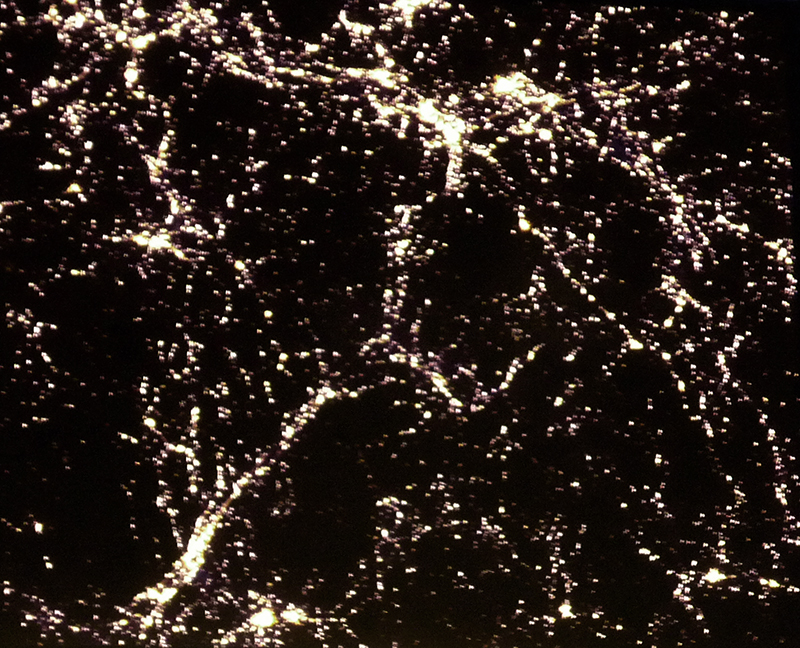
It’s not only the calculations from gravitational lensing that suggests way more mass is present than can be seen but also large computer modelling samples of how galaxies form and rotate. Removing a few stars from the model galaxy ends in a chaotic breakdown, but making a few stars ‘dark’ so that the mass remains but we cannot see them does not change the rotation of the remaining stars we can still see. The distribution of dark matter across the universe appears like a fibrous net, imaged from the cosmic microwave background, an echo still reverberating from the first few seconds at the birth of the universe. The second talk ‘Beyond the Higgs’ was from particle physicist Professor Tara Shears who inspects the data produced from the experiments colliding proton beams to create fundamental particles at CERN, for anomalies that might turn out to be evidence of an interaction with a new particle. The search goes on.

1609 New Scientist Live dark matter.jpg