Archives for posts with tag: lodestone

‘A stone sky rotated above our heads’ – Italo Calvino, Cosmicomics

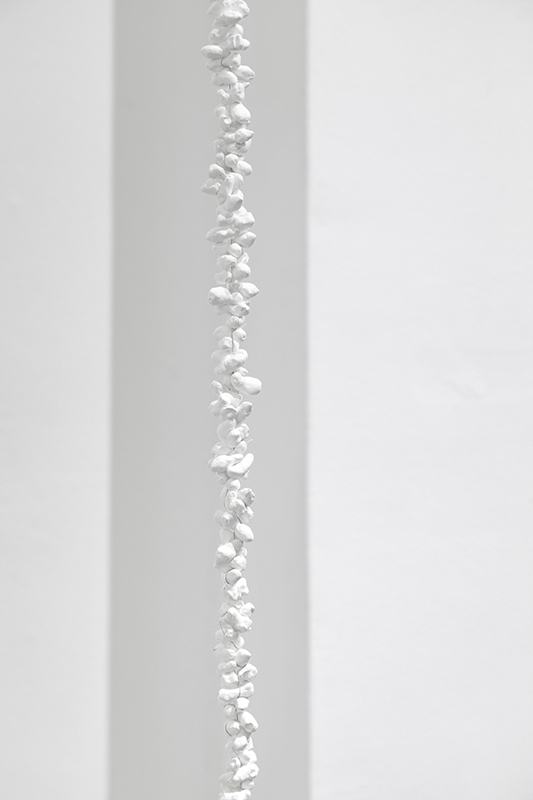
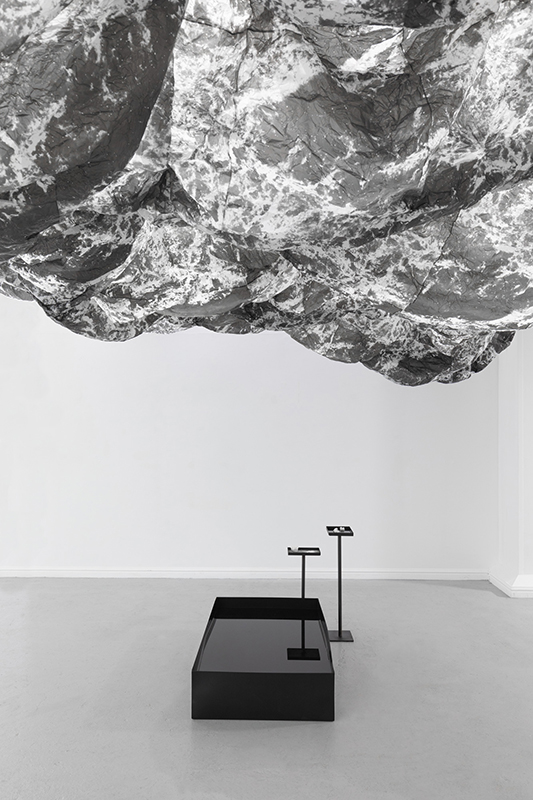
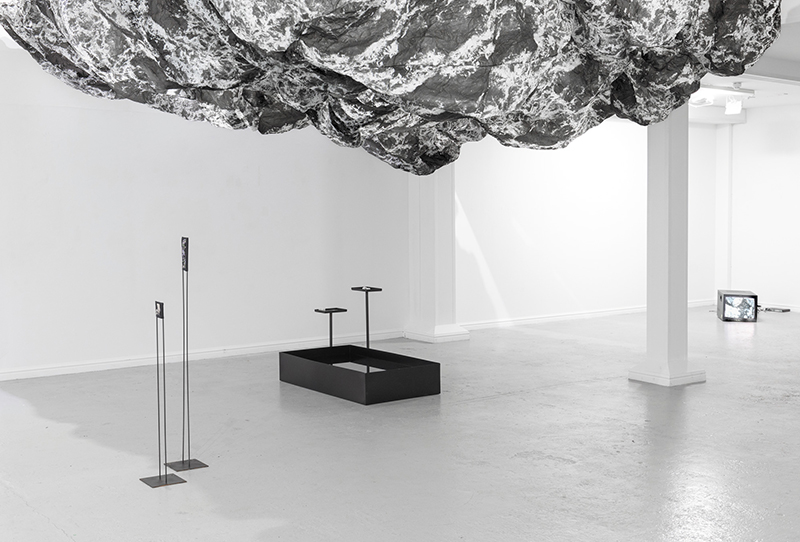
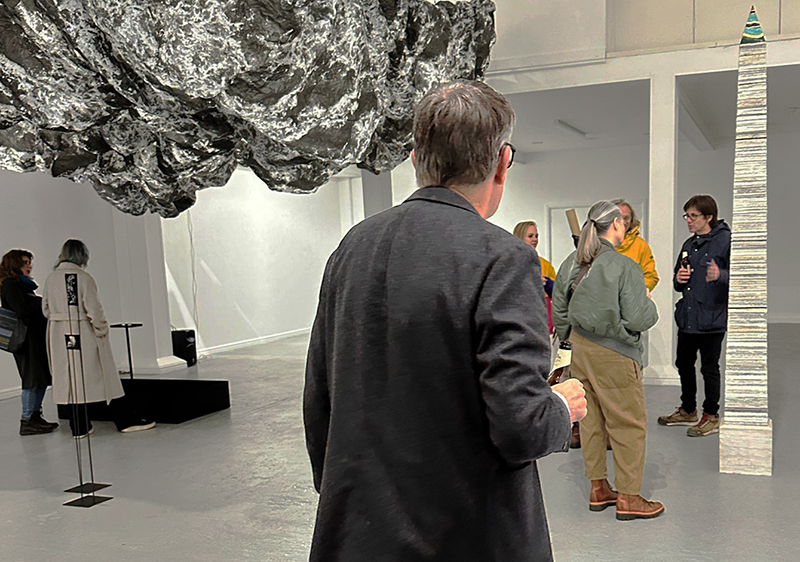
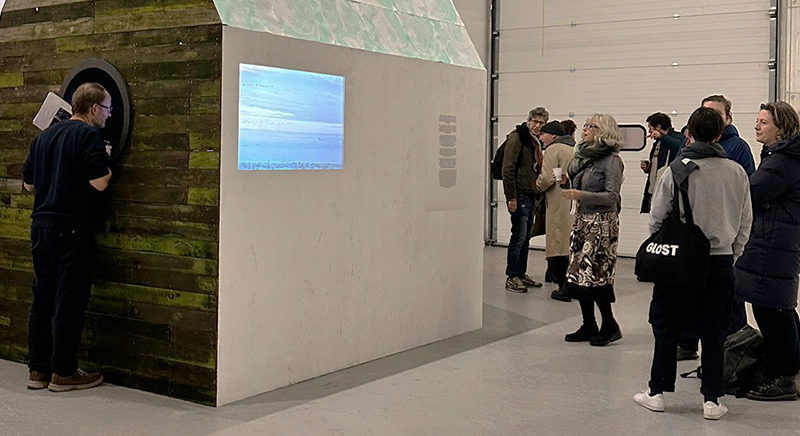
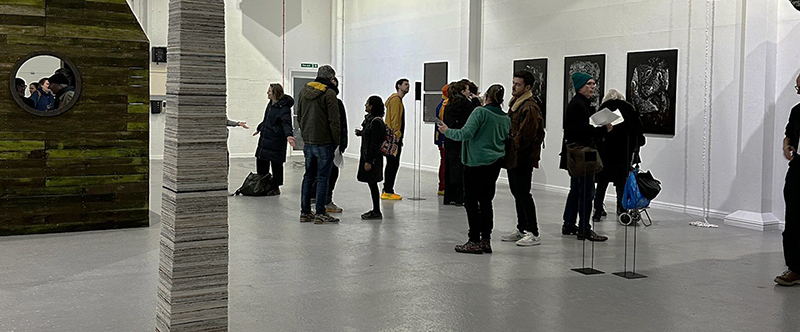
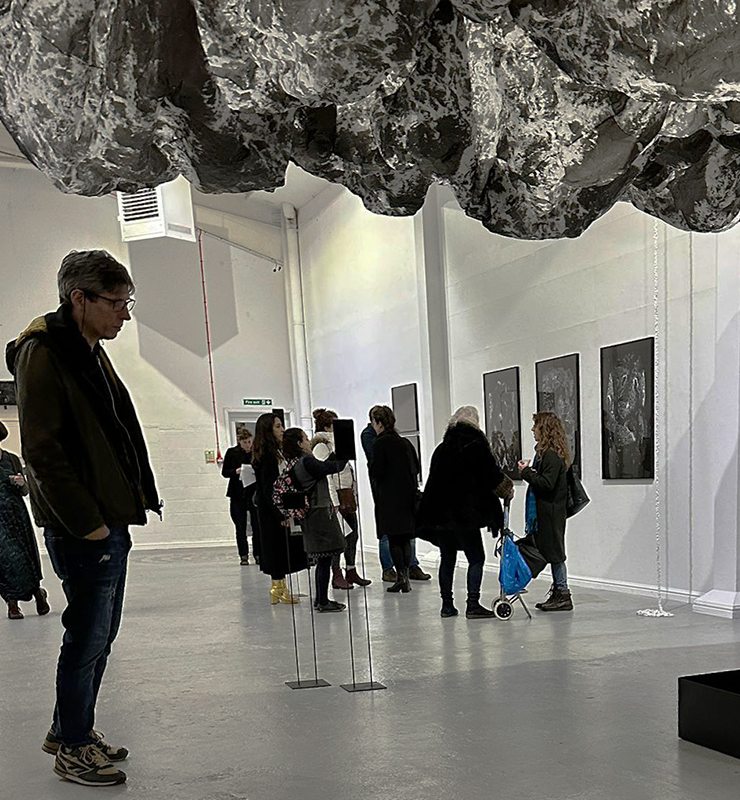
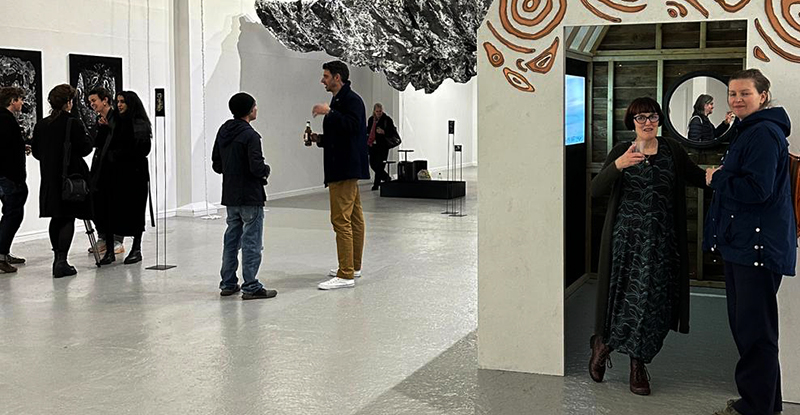
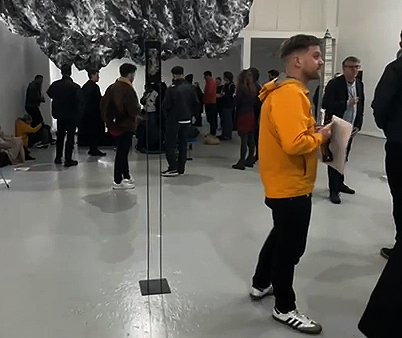
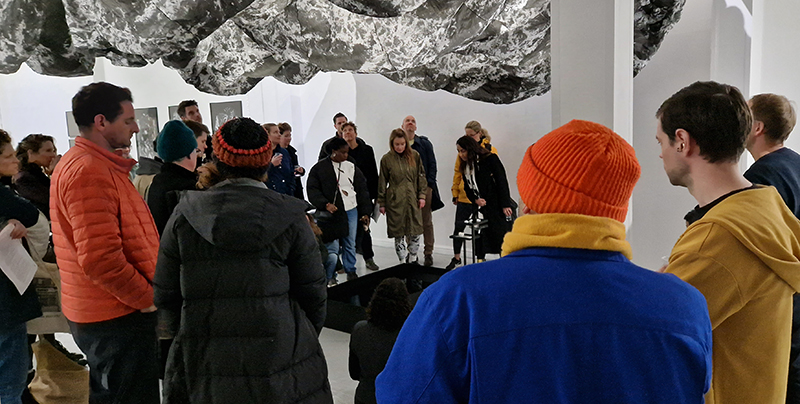
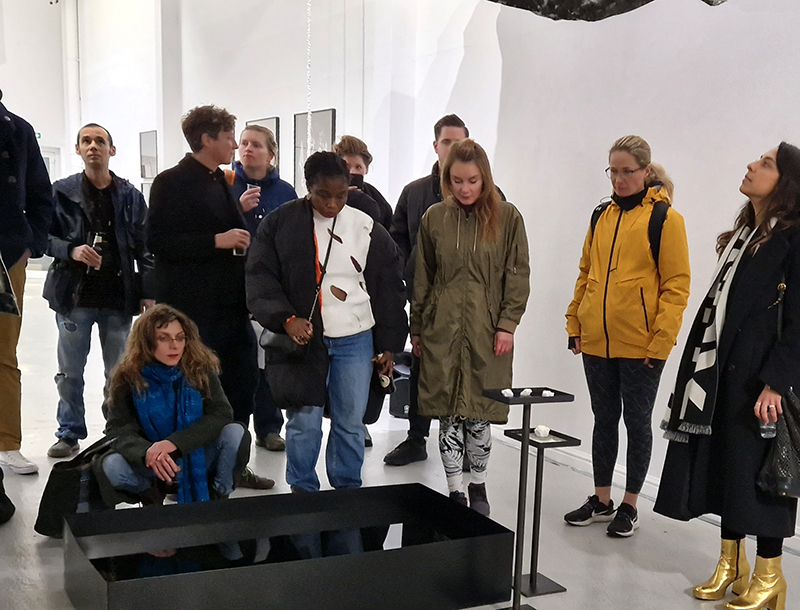
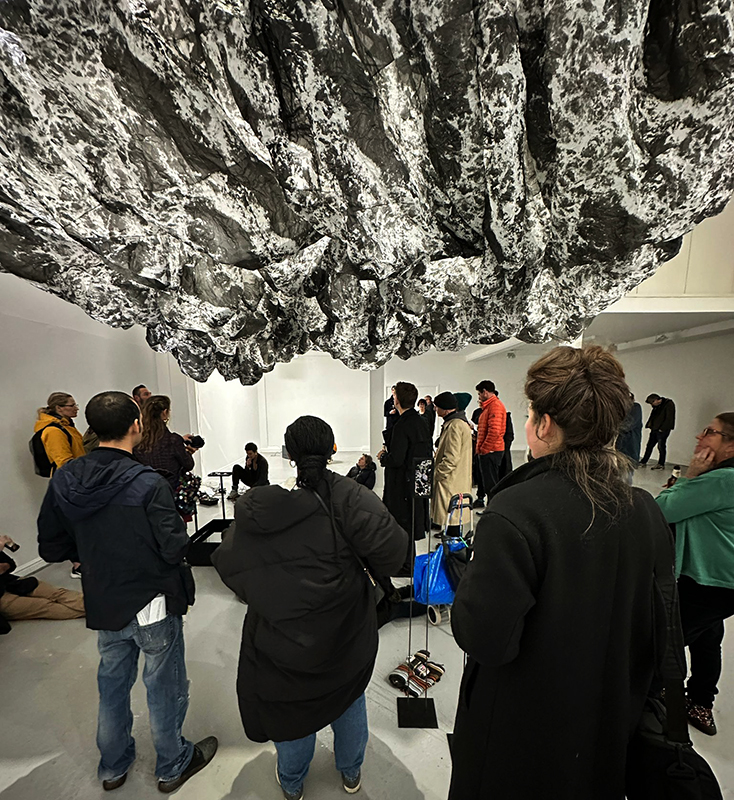
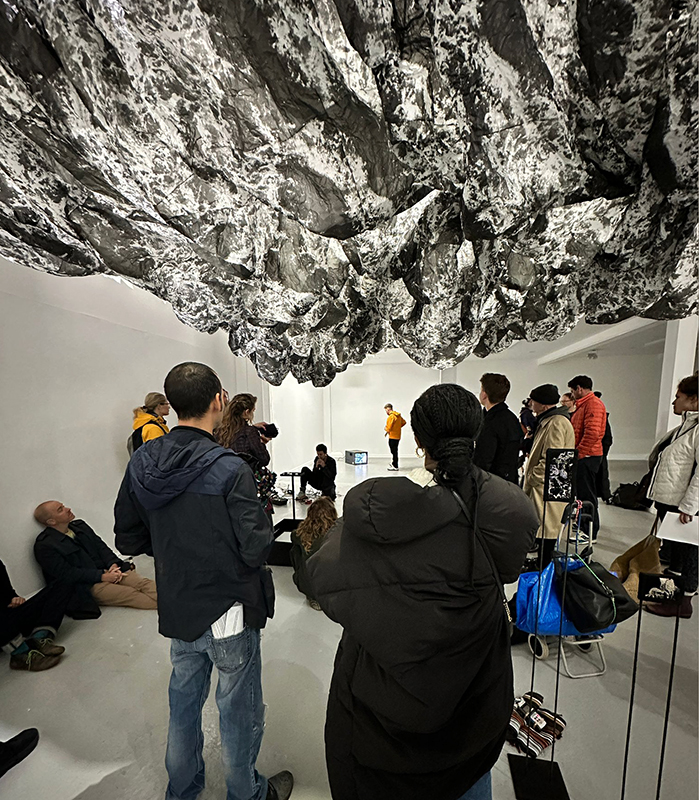
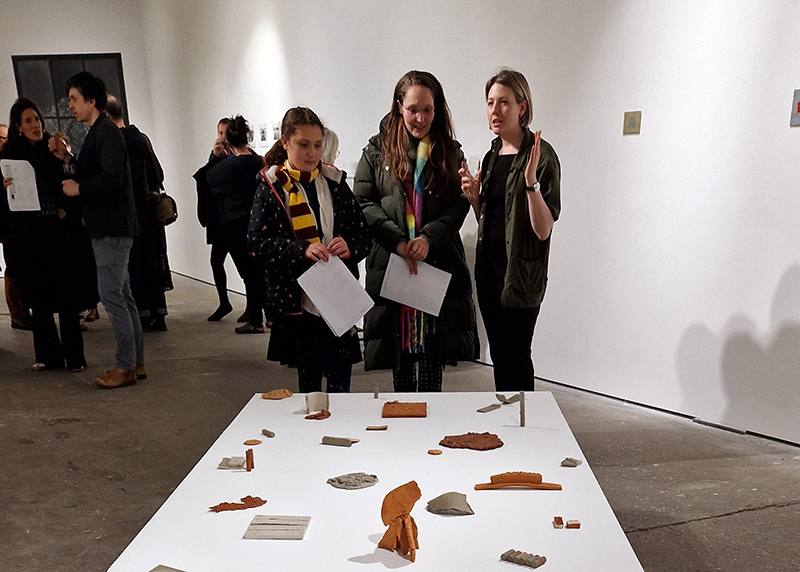
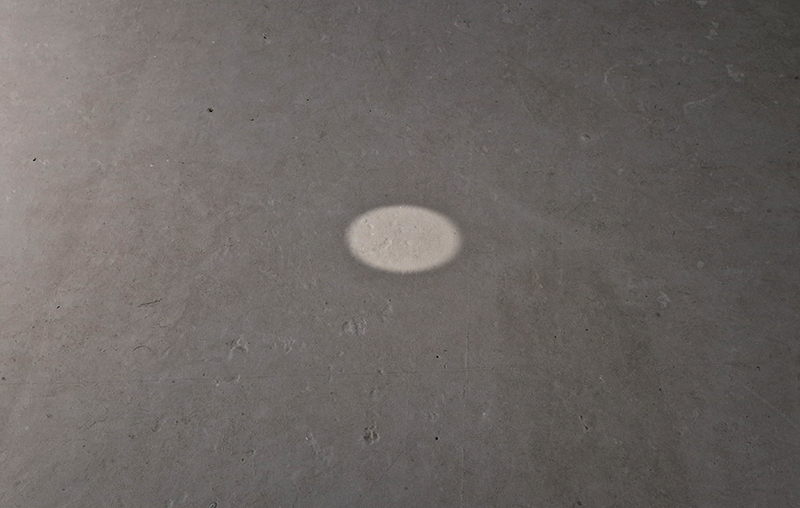
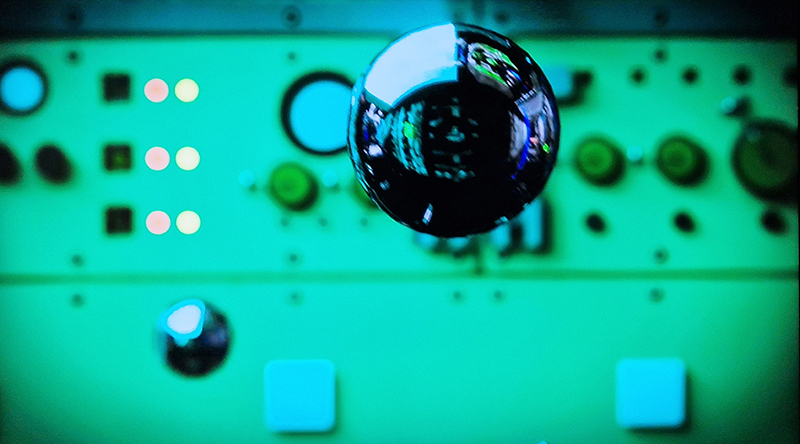
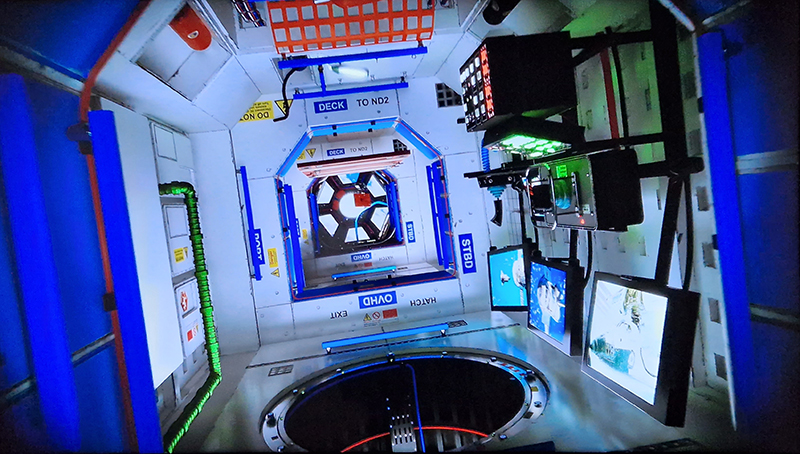
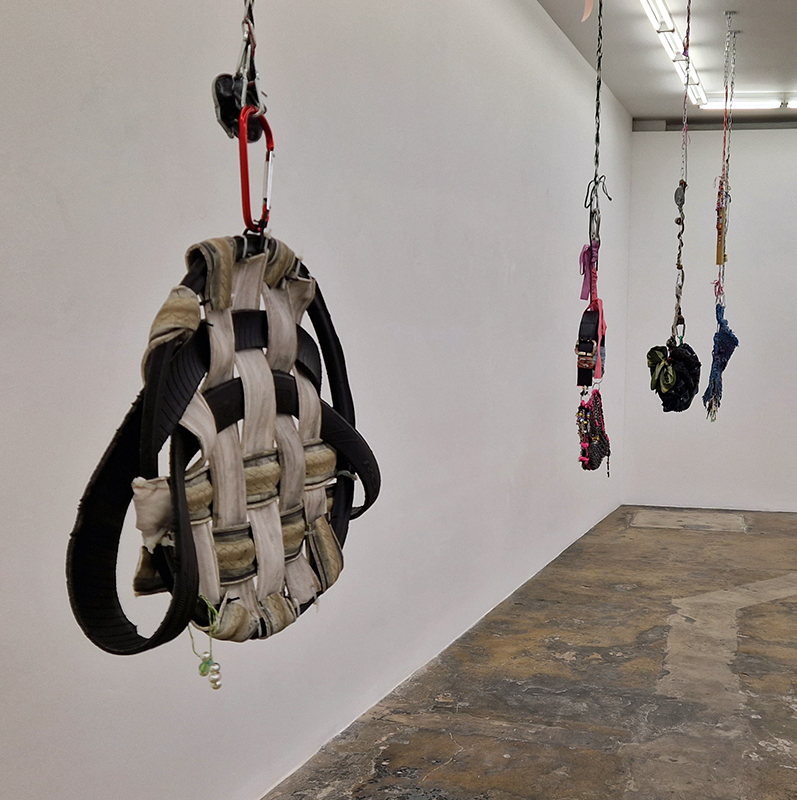
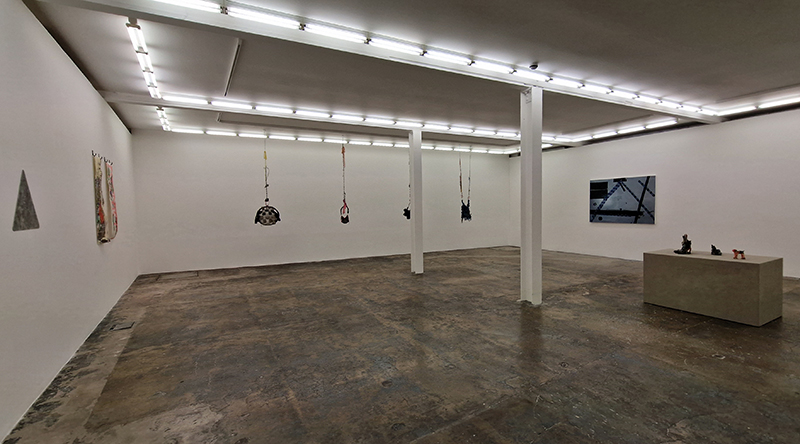
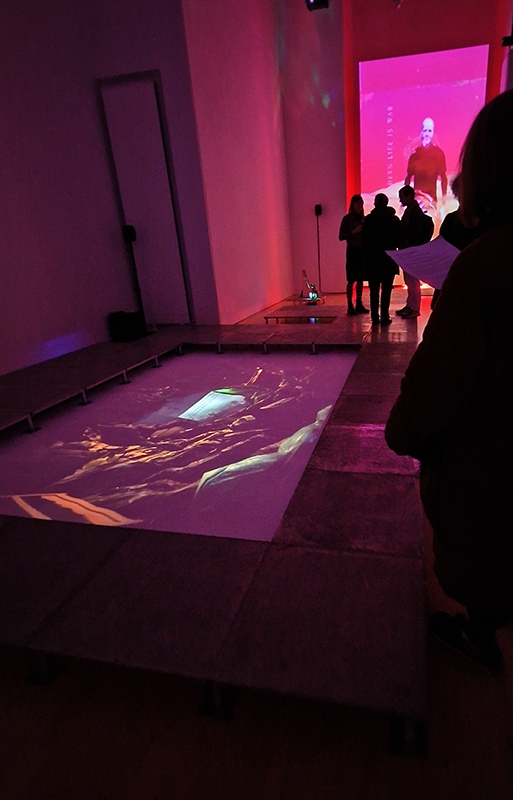
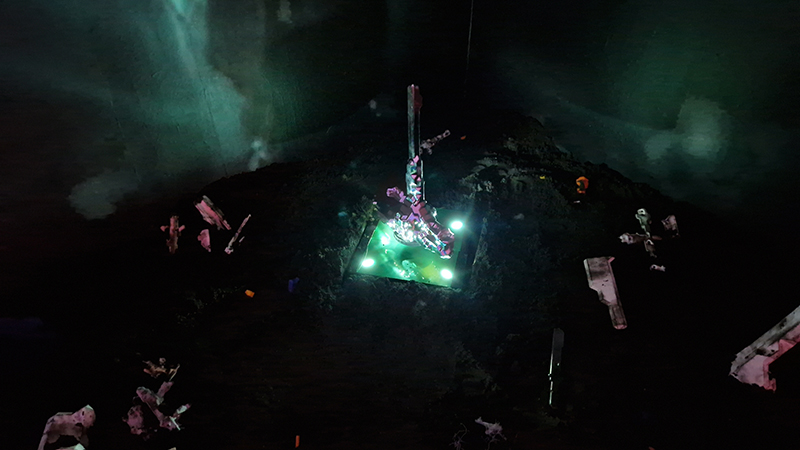
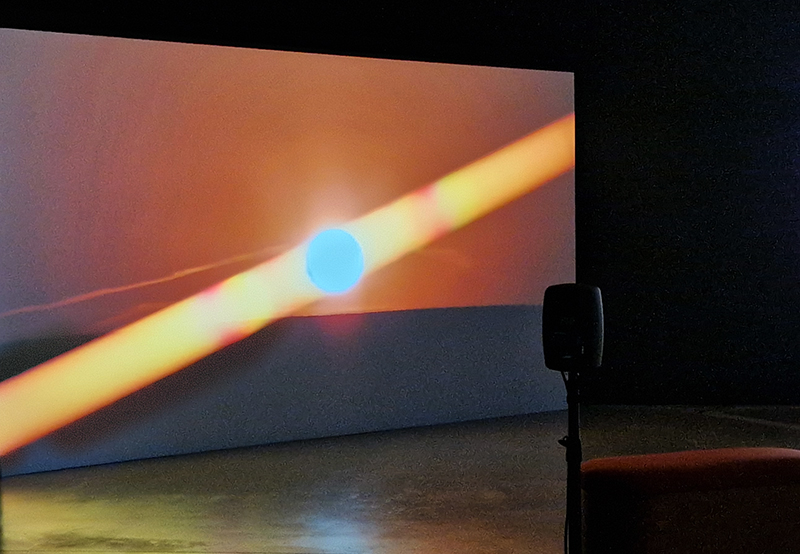
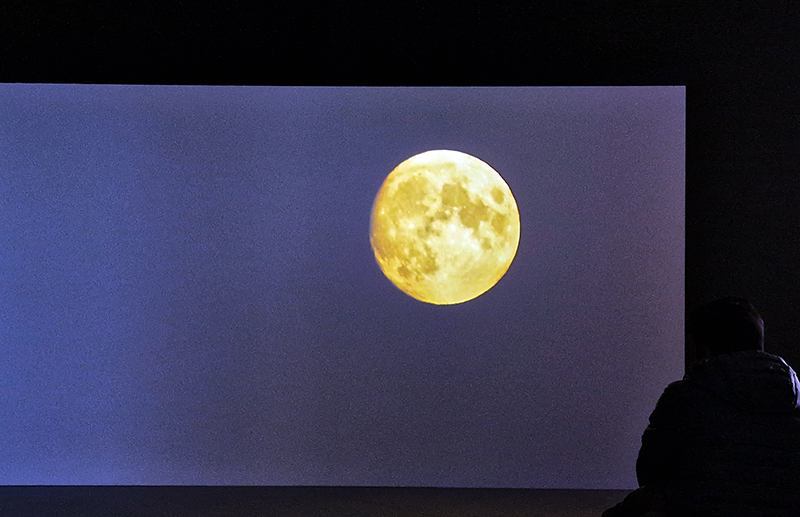
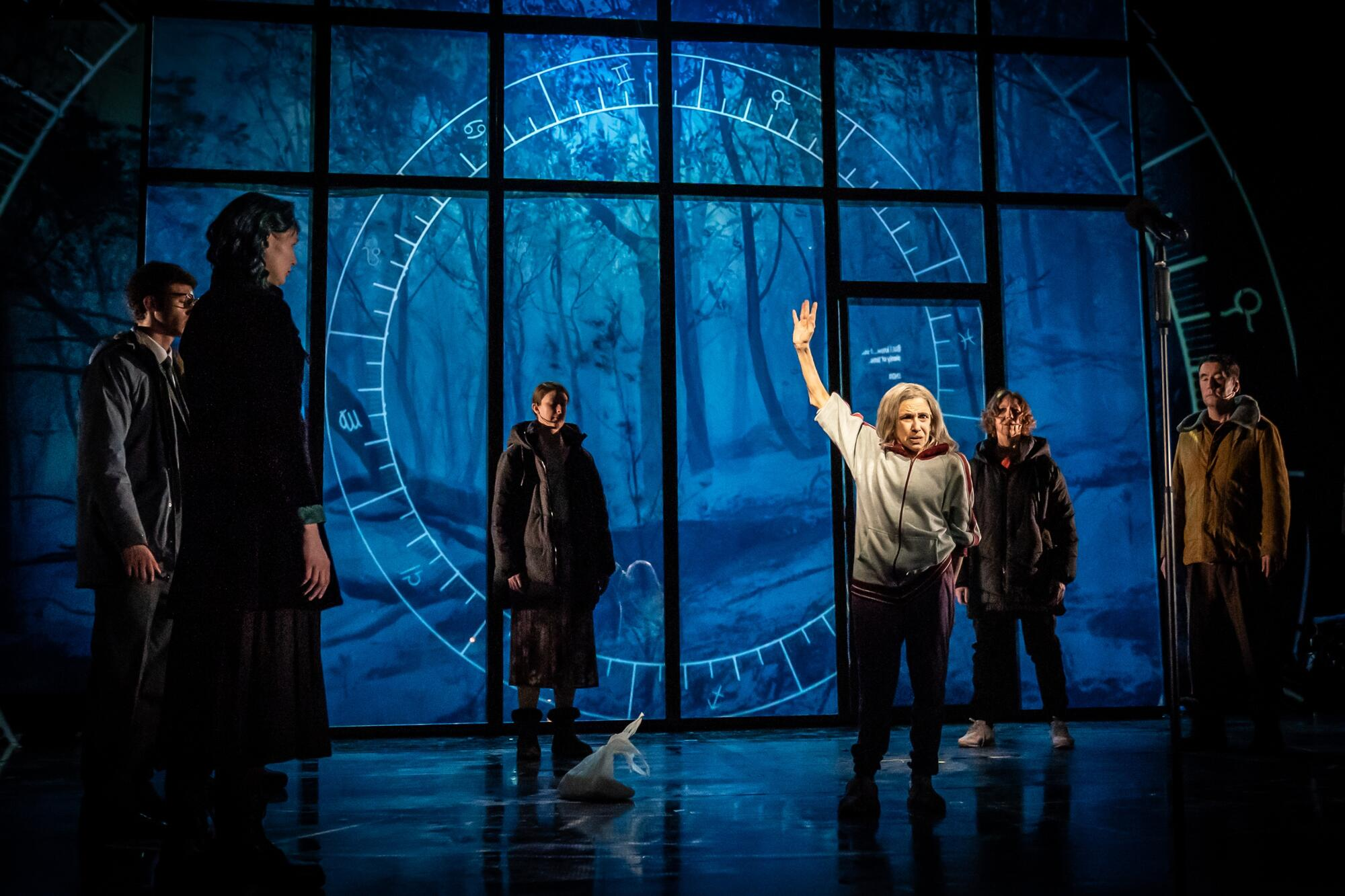
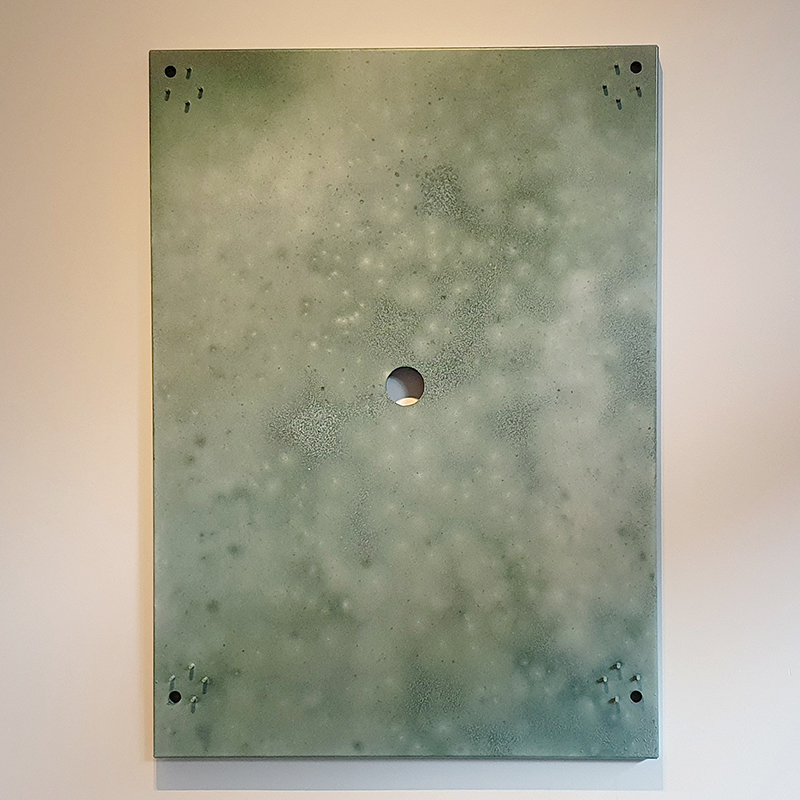
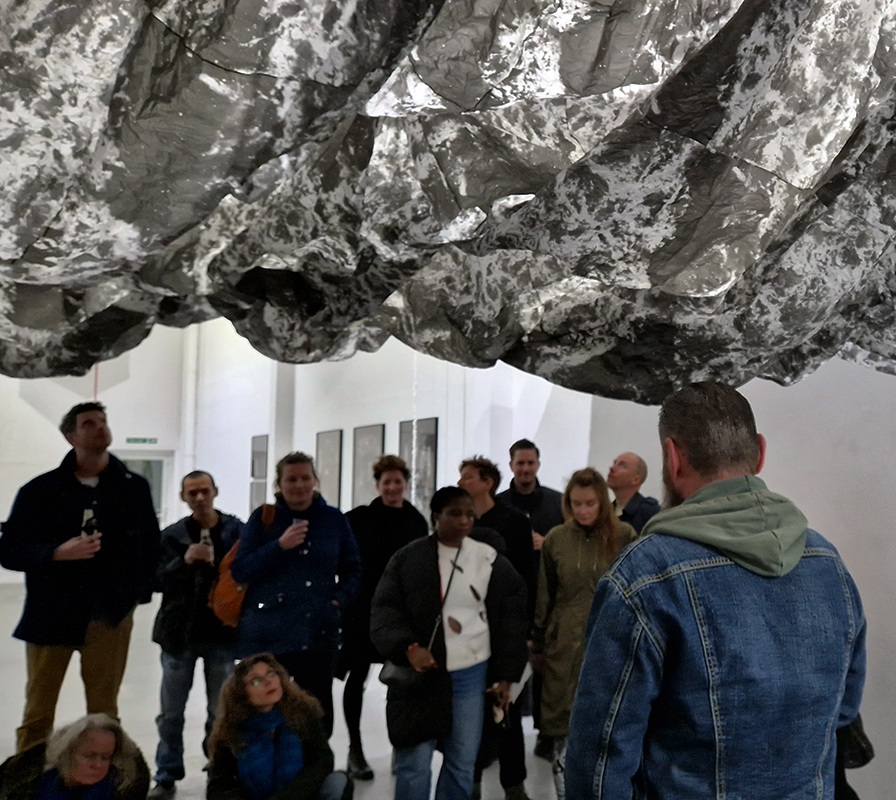
The culmination of two years work – A STONE SKY duo exhibition with Julie F Hill opened at Thames-side Studios GalleryReimagining the idea of an observatory – the exhibition proposes a cavernous realm of real and speculative possibilities that arise from beyond the limits of human perception. Engaging with the extended sensory range offered by technologies such as orbiting space telescopes through to the ability of birds to ‘see’ the Earth’s magnetic field, the artists’ reveal intimate connections between earth and space.

Installation shot by Ben Deakin Photography.
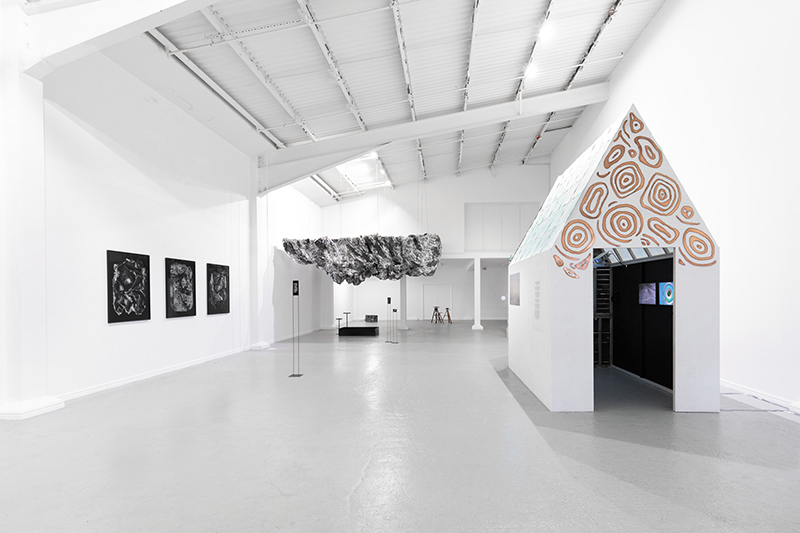
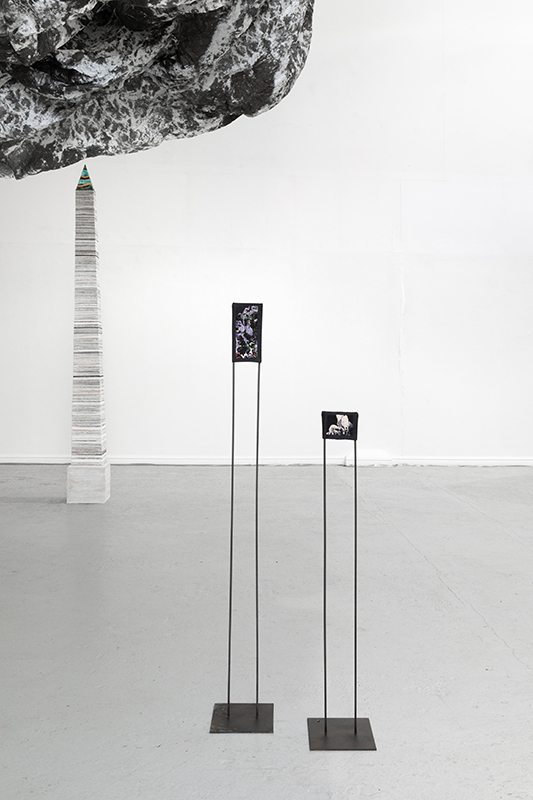
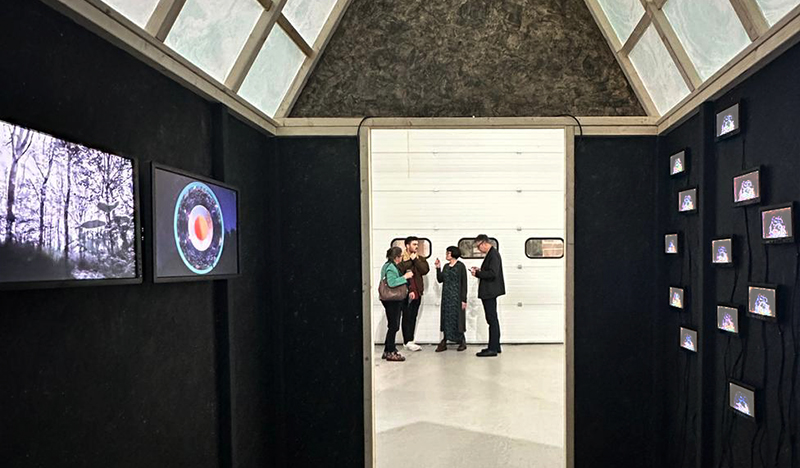
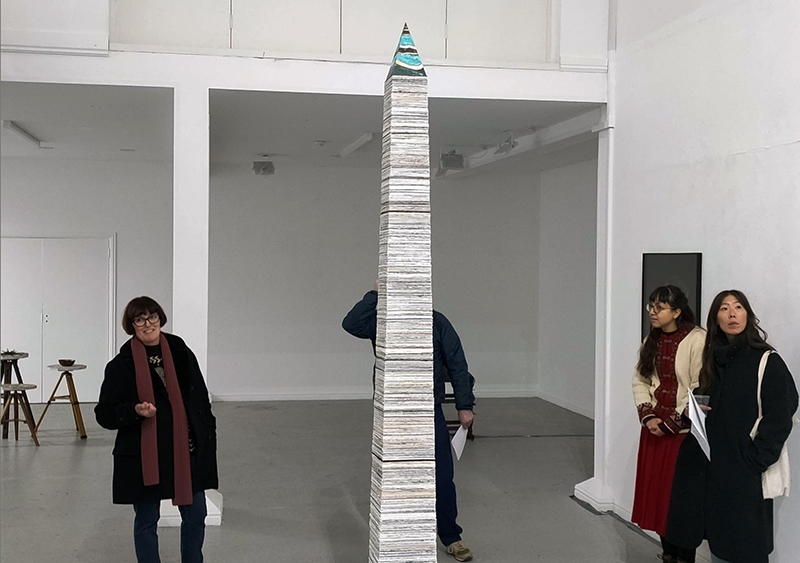
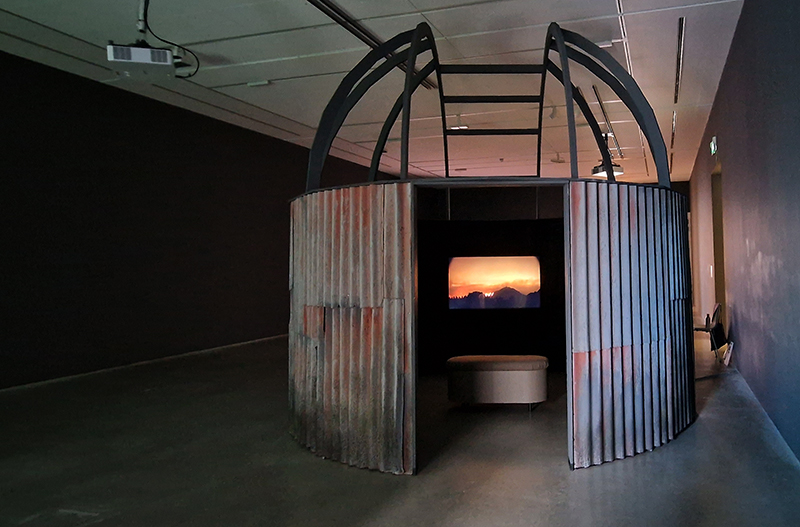
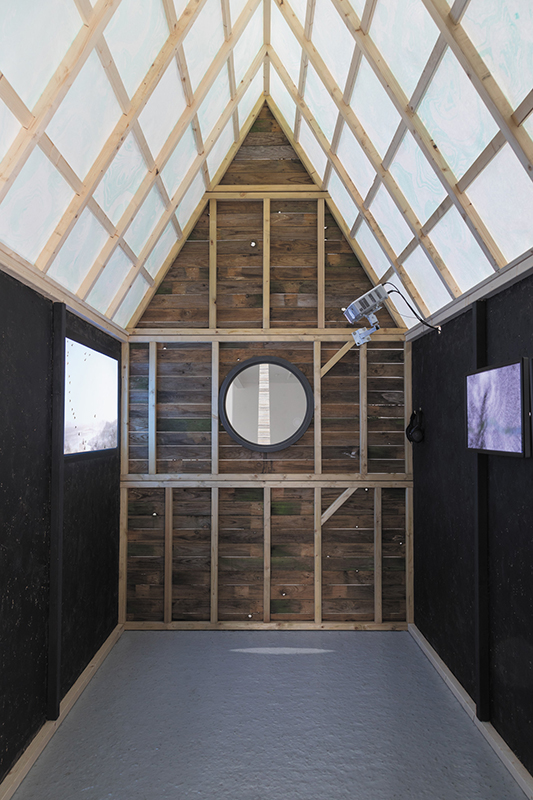
Susan Eyre seeks to navigate a path across time from the first human encounter with the magical qualities of the lodestone to current understanding of the interaction of the magnetic field with terrestrial life. Her works respond to the architecture, instruments and materials, found at a magnetic observatory while scientific objectives are expanded to include natural navigation techniques and extra-sensory methods used by the non-human realm, to form the basis of speculation as to the ability for humans to perceive the Earth’s magnetic field. Installation, sculpture and moving image works include a reimagined observation hut operating as a sensory hub with video screens suggesting portals into a web of neural pathways; an obelisk of layered recycled paper echoing Earth’s geological and magnetic history secreted in sedimentary strata of rock and a digital video work activated in real time by the passage of cosmic rays through a scintillator detector.

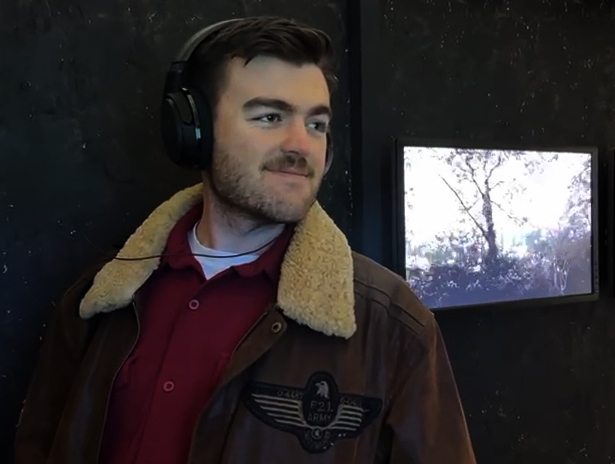
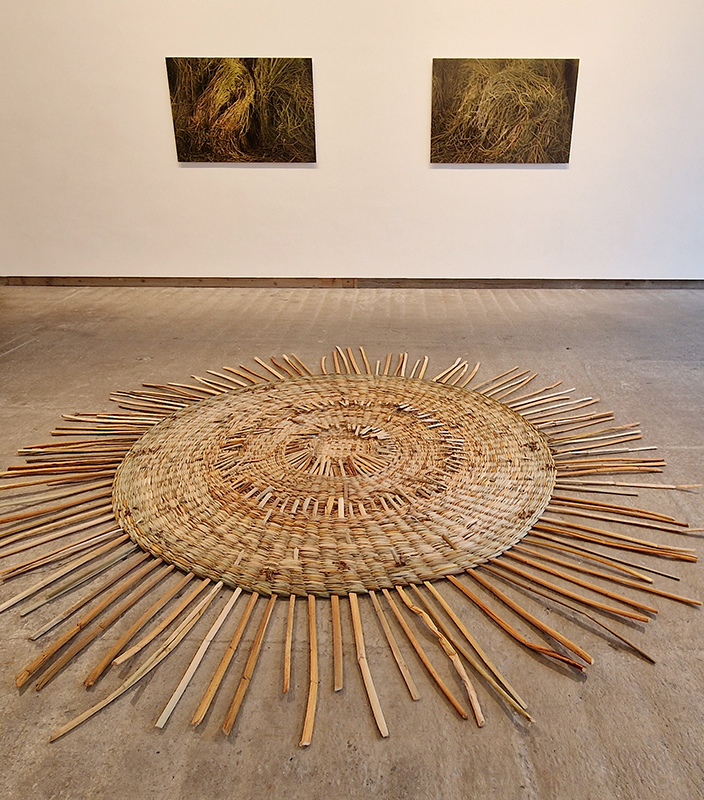
Images by Ben Deakin Photography
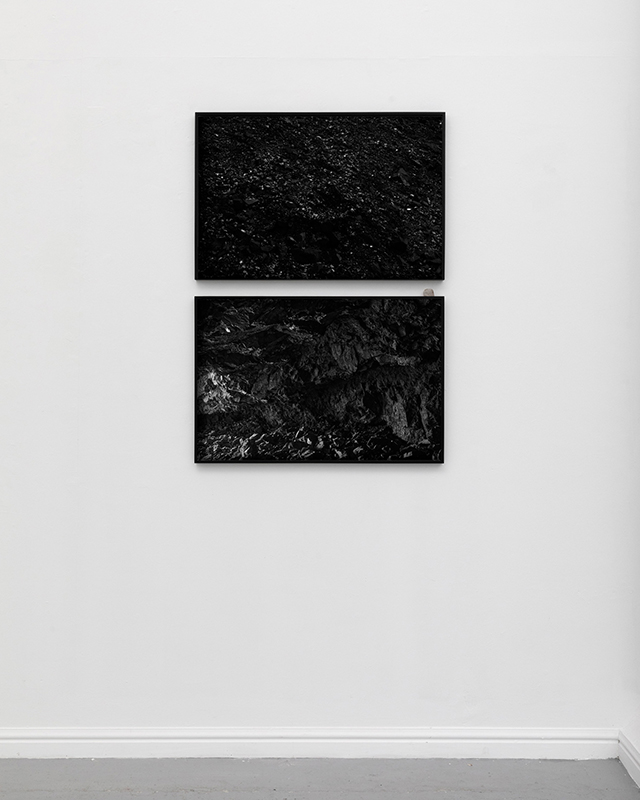
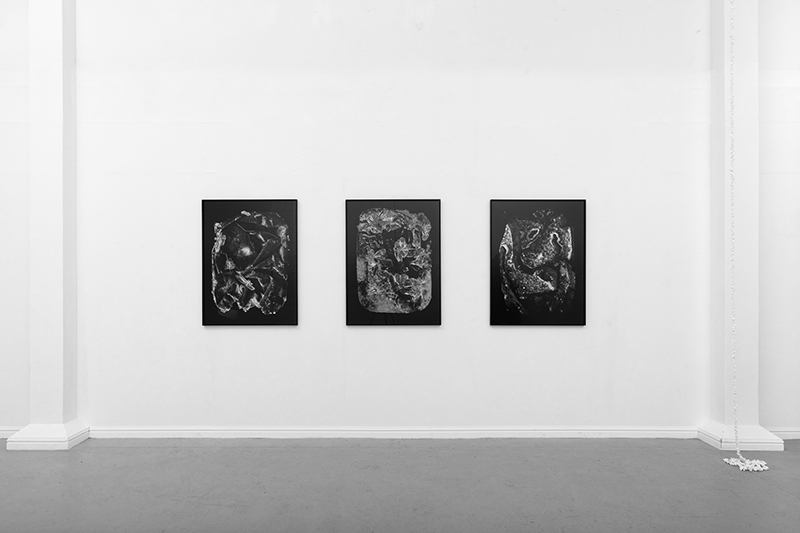
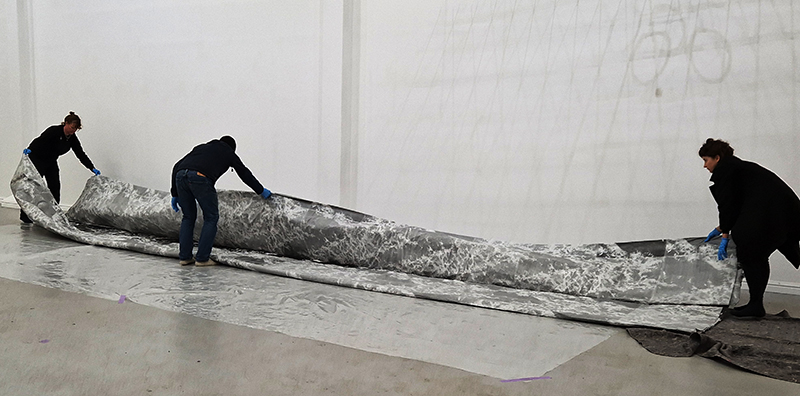
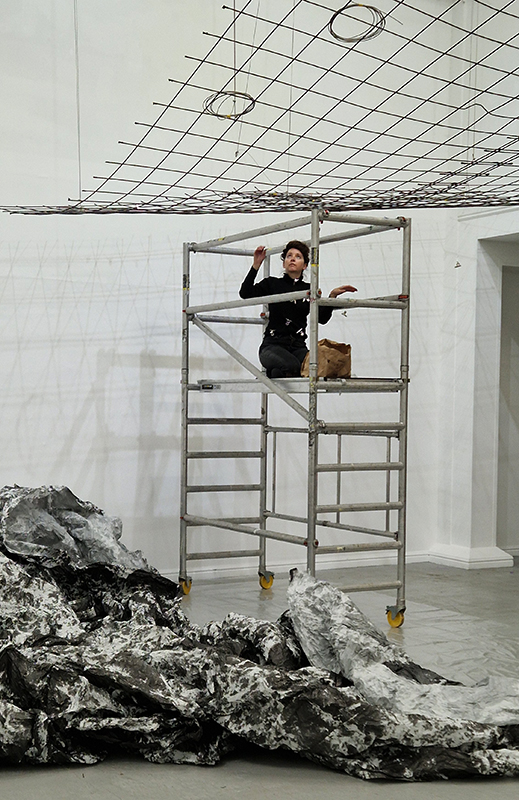
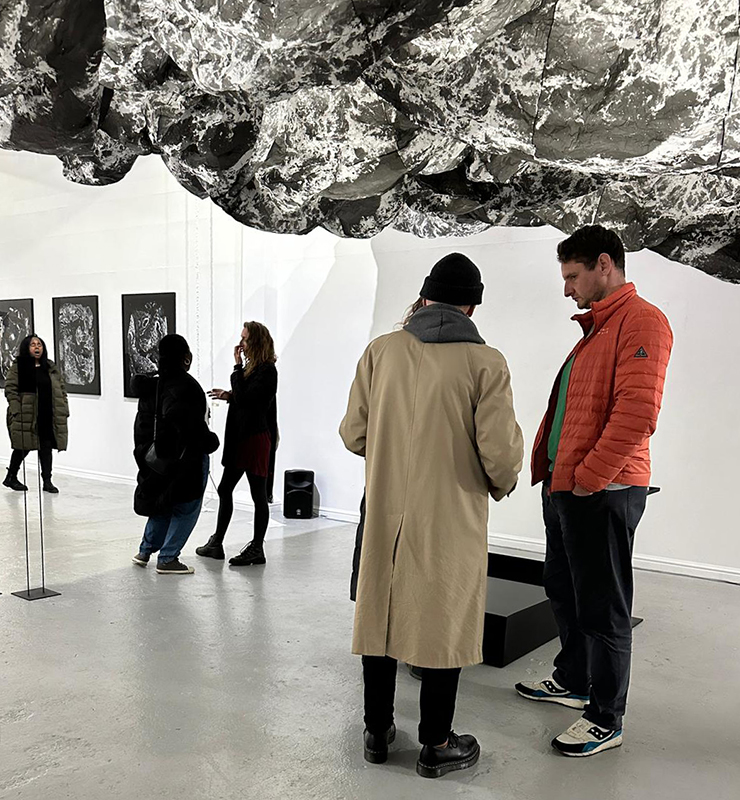
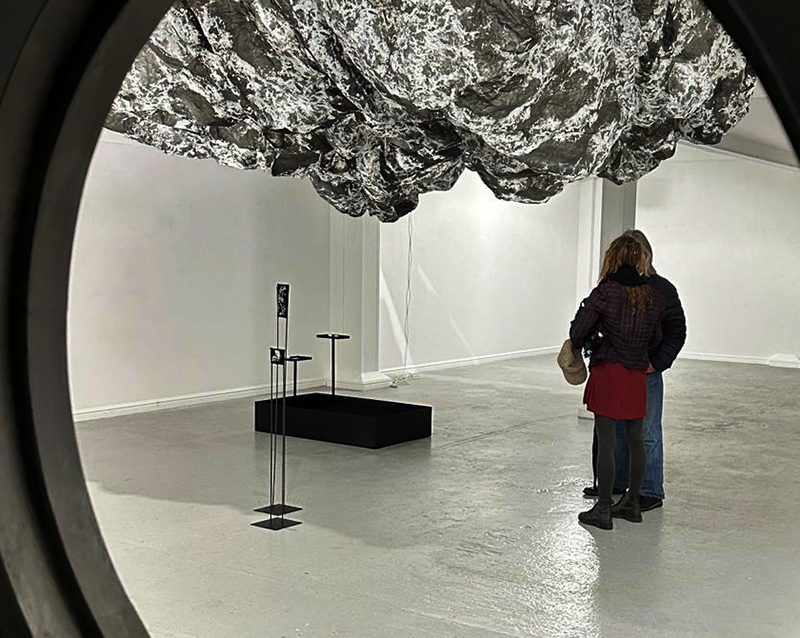
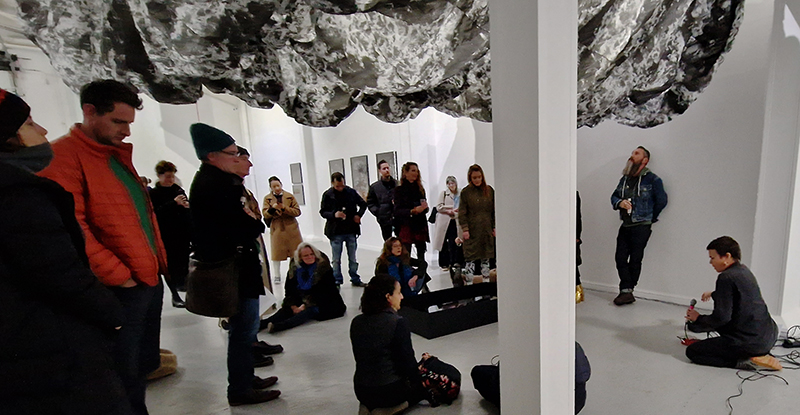
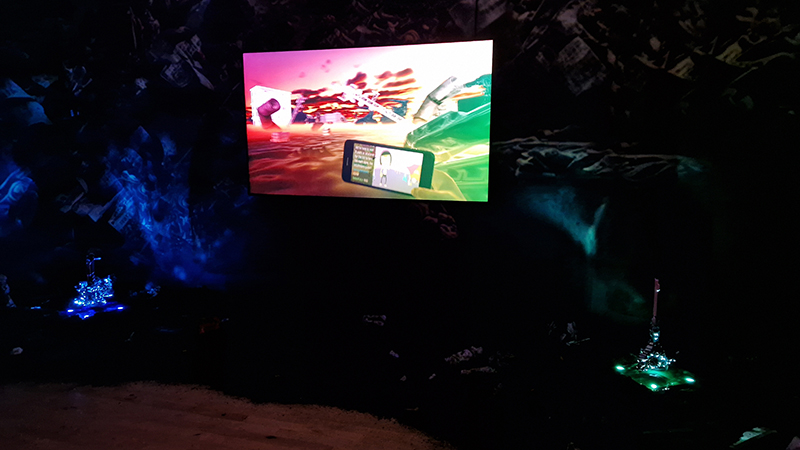
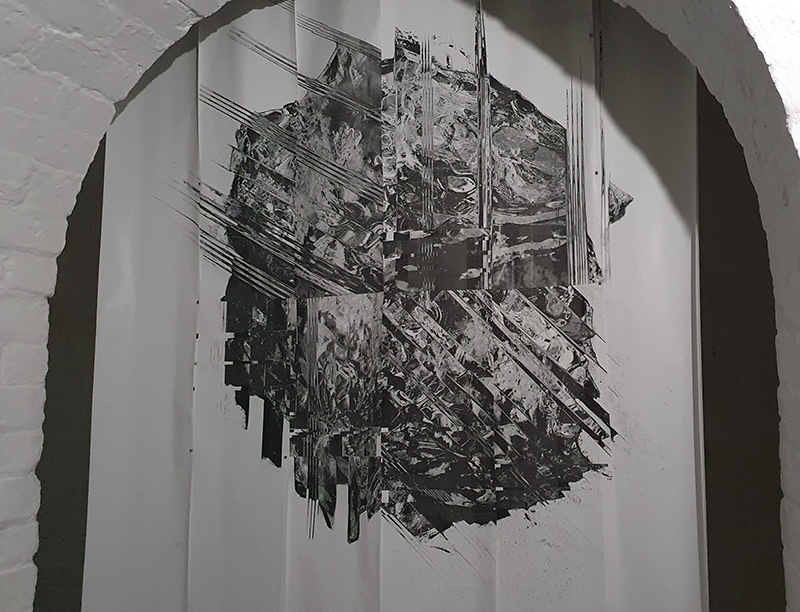
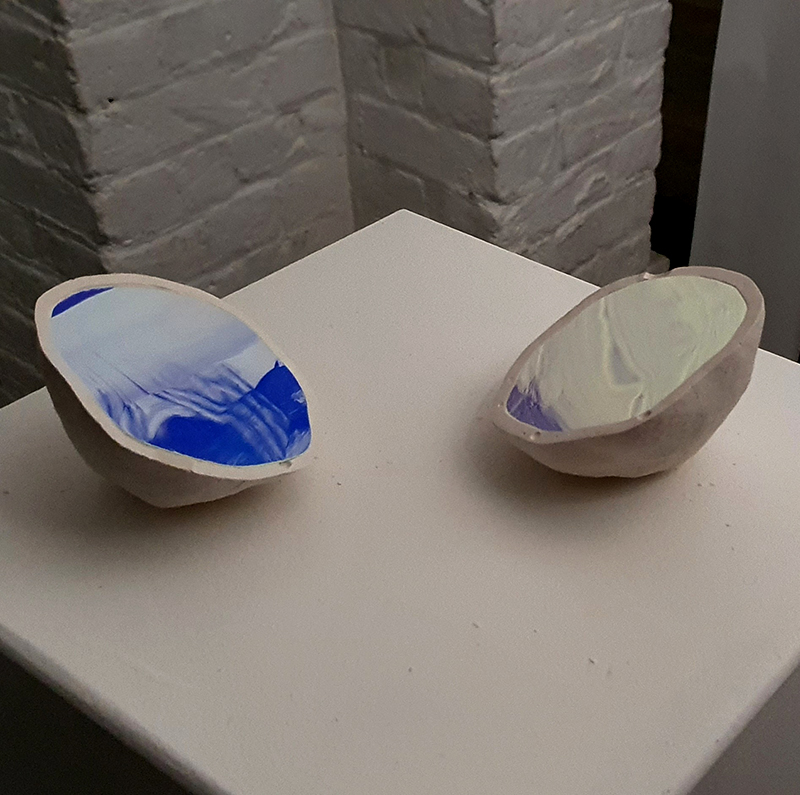
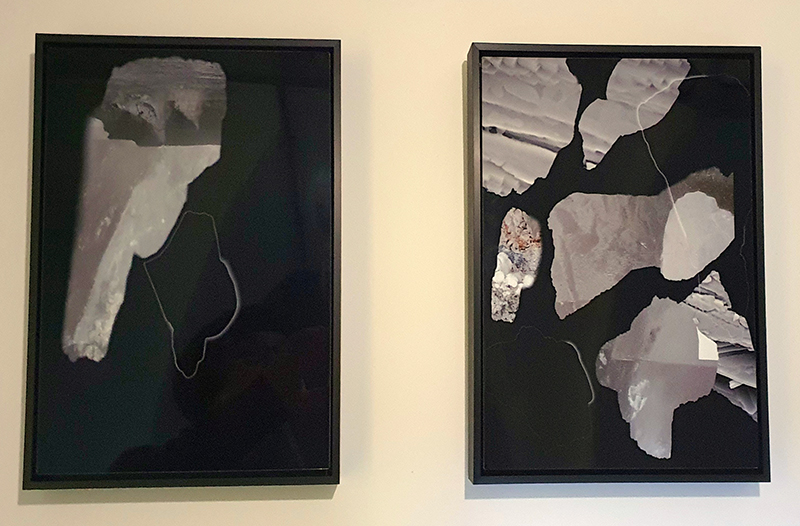
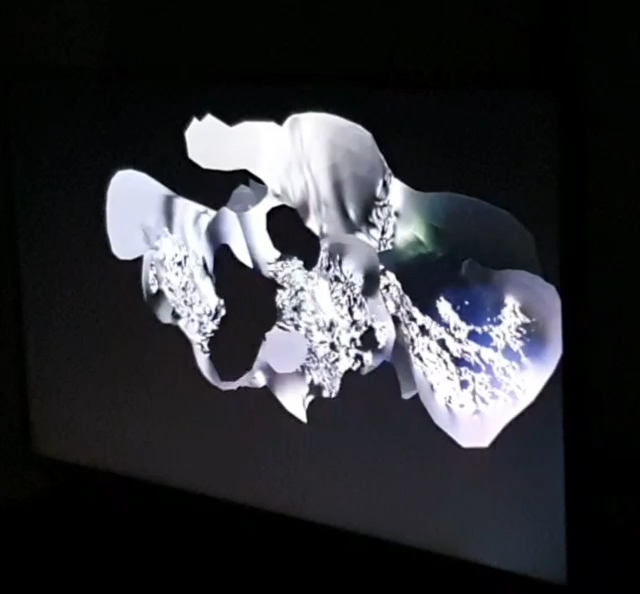
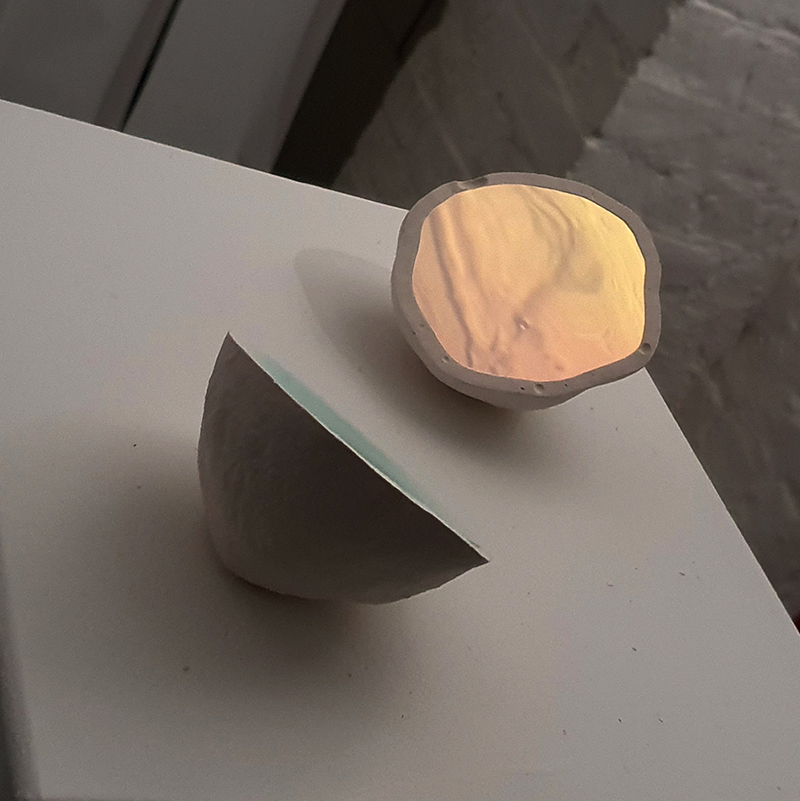
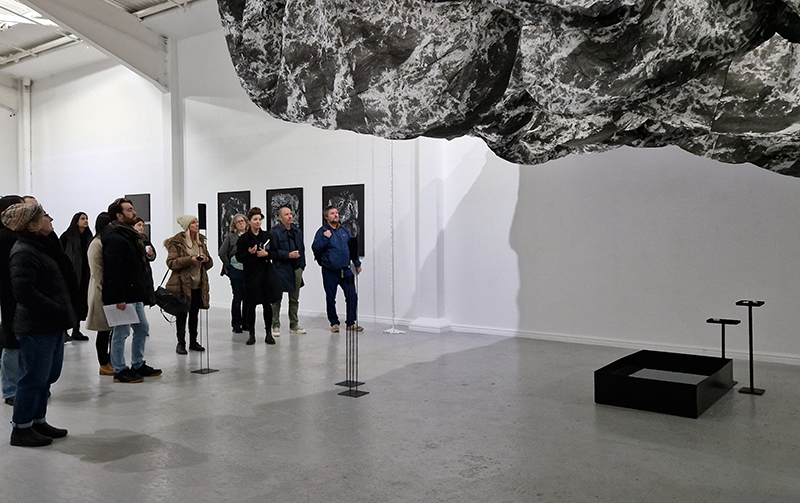
Julie F Hill explores the entwined darknesses of earth and cosmos. Crystalline and mineral substances from the deep earth fuse with astronomical data to suggest the deep-earth as an instrument for coming to know the cosmos. Crystalline and mineral substances formed in the continuum of deep earth and deep space allow us to peer back into cosmic time, both through the technologies created with them and the geological record they hold. Whilst darkness often indicates uncertainty and lack of knowledge, Hill asserts that it’s through darkness when we can be most perceptive to the interconnectedness between earth and cosmos. Through it we are able to extend our kinship with the inorganic and expand consciousness of what constitutes nature. Works include a large-scale sculptural print installation made from James Webb Space Telescope data that is reworked into a cavernous space, providing an experience of intimate immensity alongside more smaller sculptural and photographic works.

Images by Ben Deakin Photography
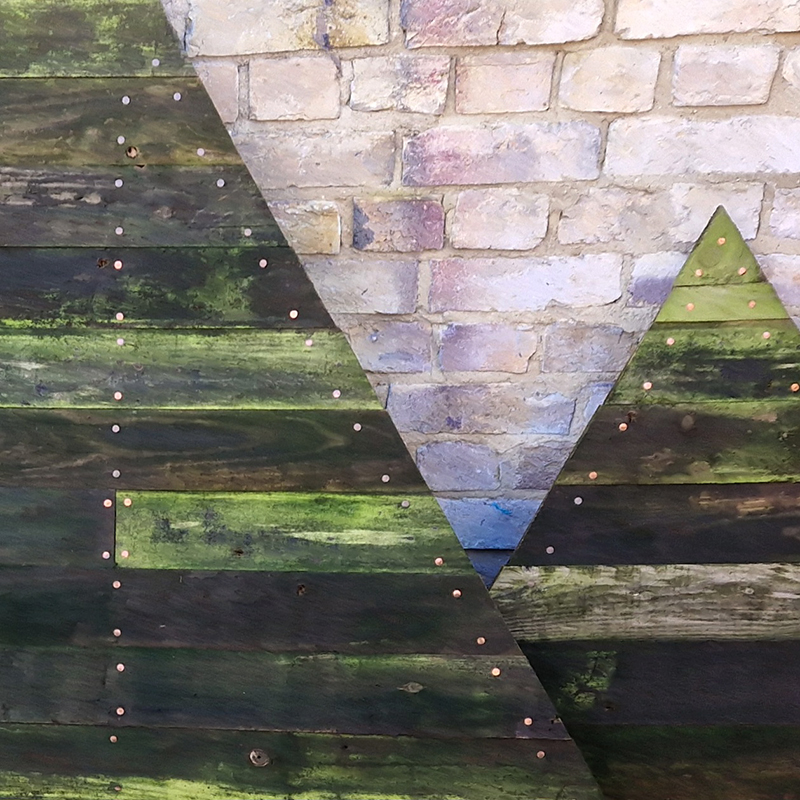
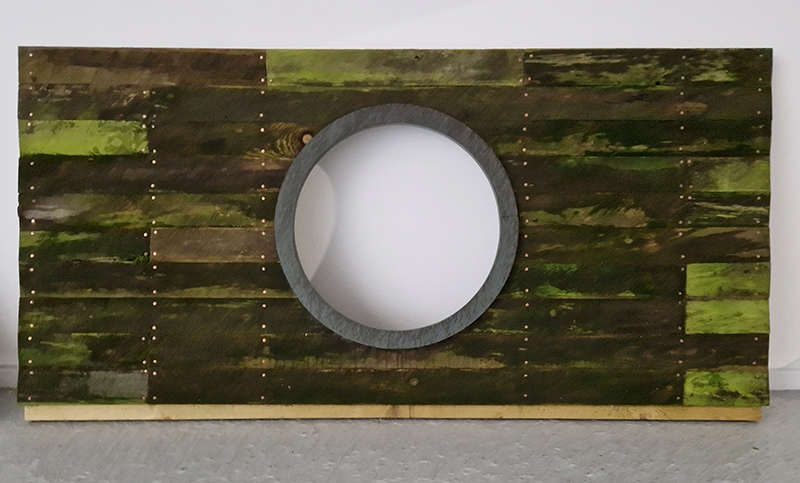
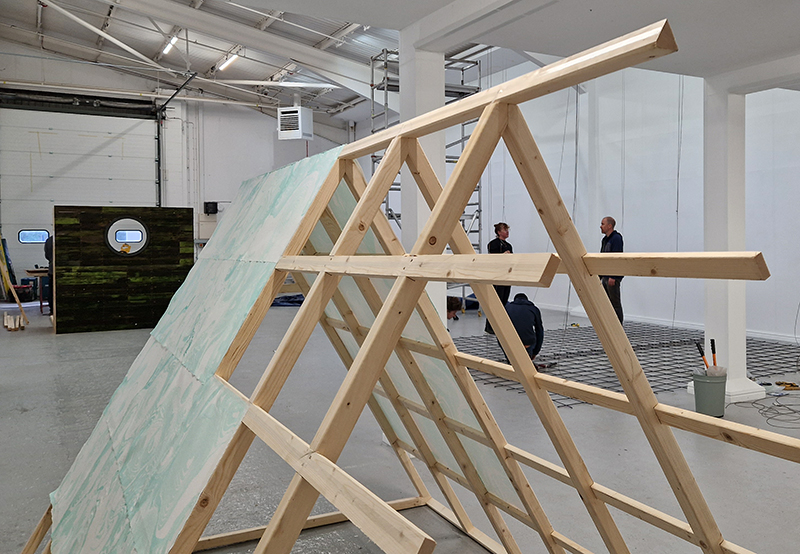
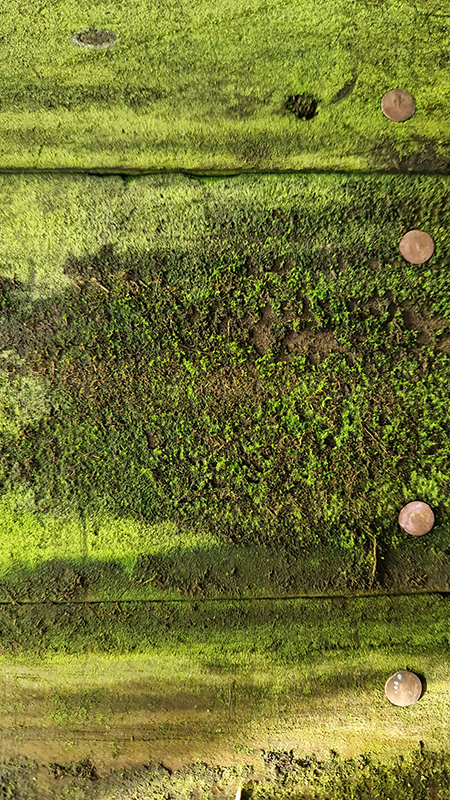
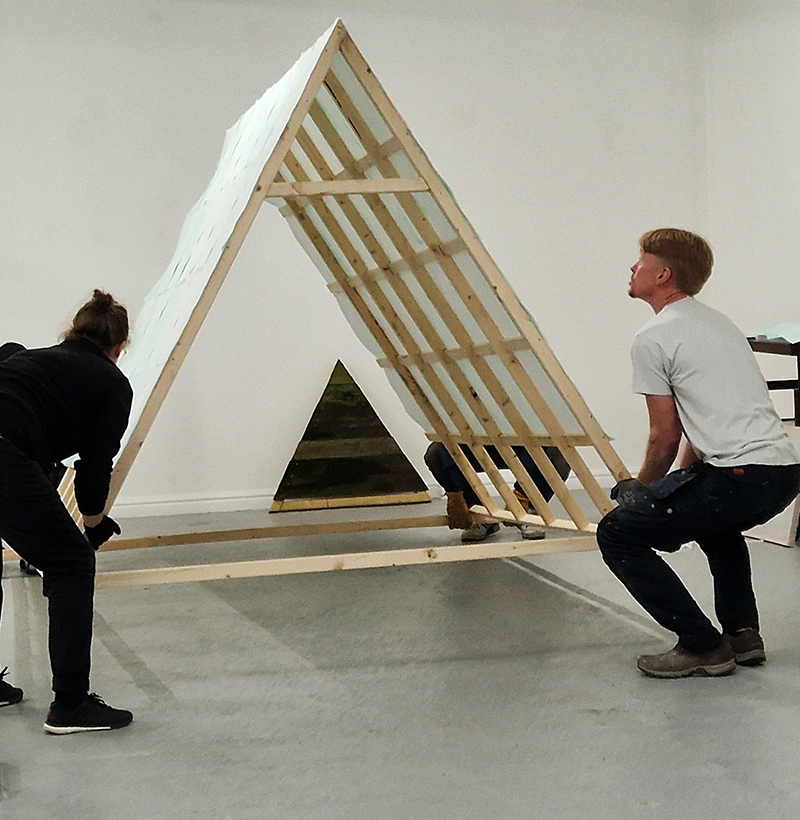
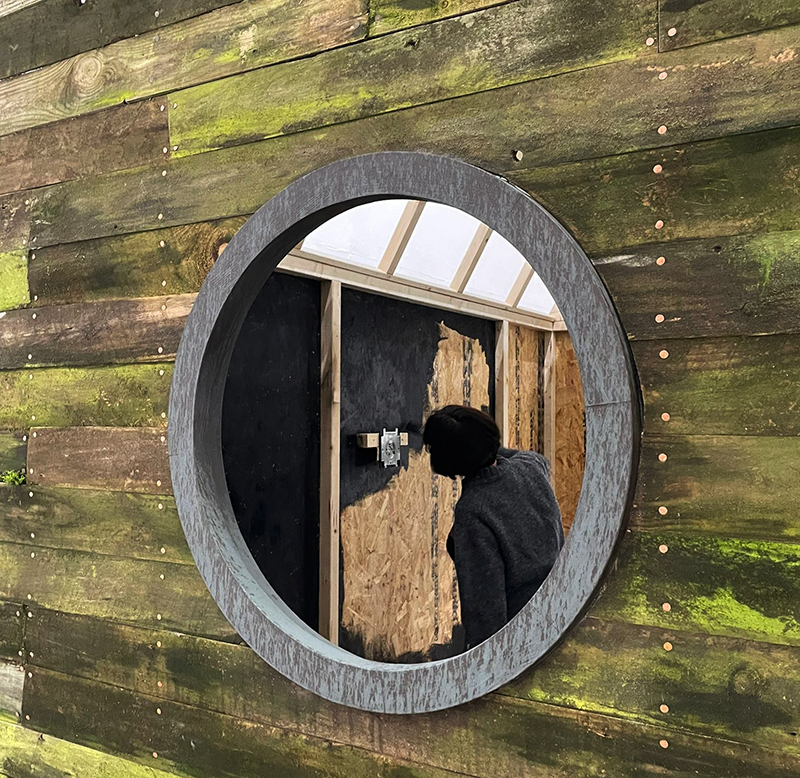
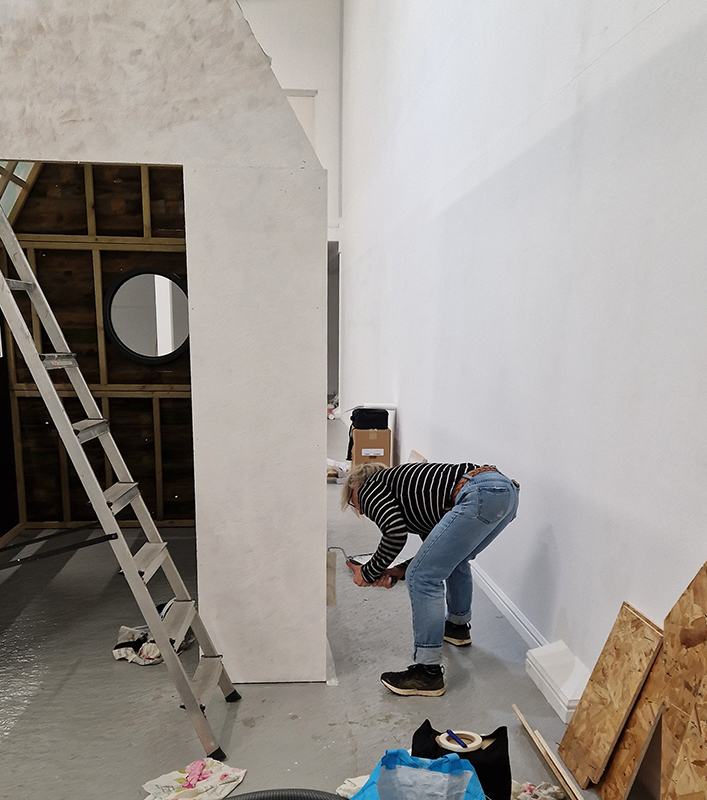
We both had ambitious large scale works to install and were grateful for the help we received from our partners (both Kevins), friends and technicians. Trevor Neale was magnificent in constructing The Absolute Hut. Anne Krinsky patiently helped apply double sided tape to the roof structure ready for the Suminagashi paper tiles and Caroline AreskogJones energetically painted the hut white and neatly edged the two way projection window. I was thrilled that, as a result of a wet few weeks, moss had started to grow on the wooden boards of the north facing wall in time for installation.

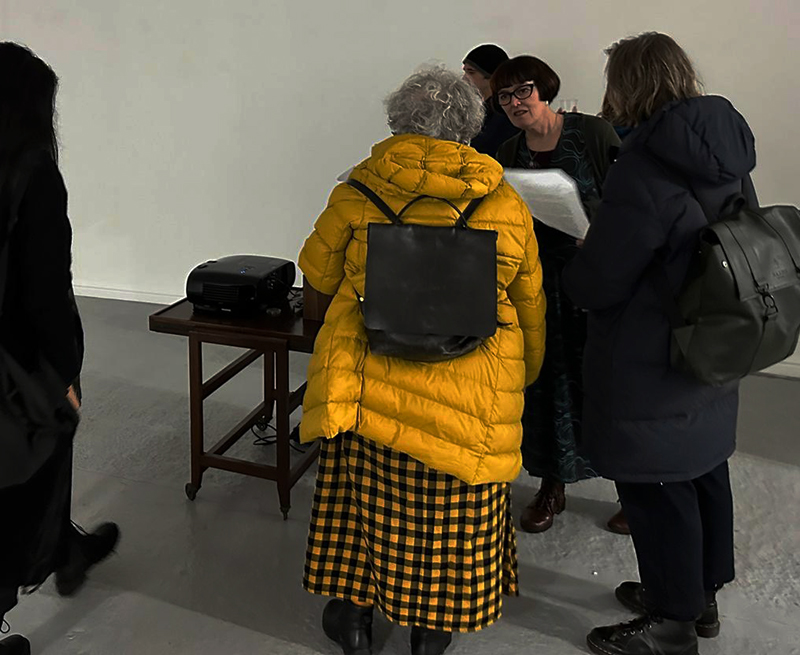
A big thank you to everyone that made it to the opening night, we were super chuffed with the positive responses.
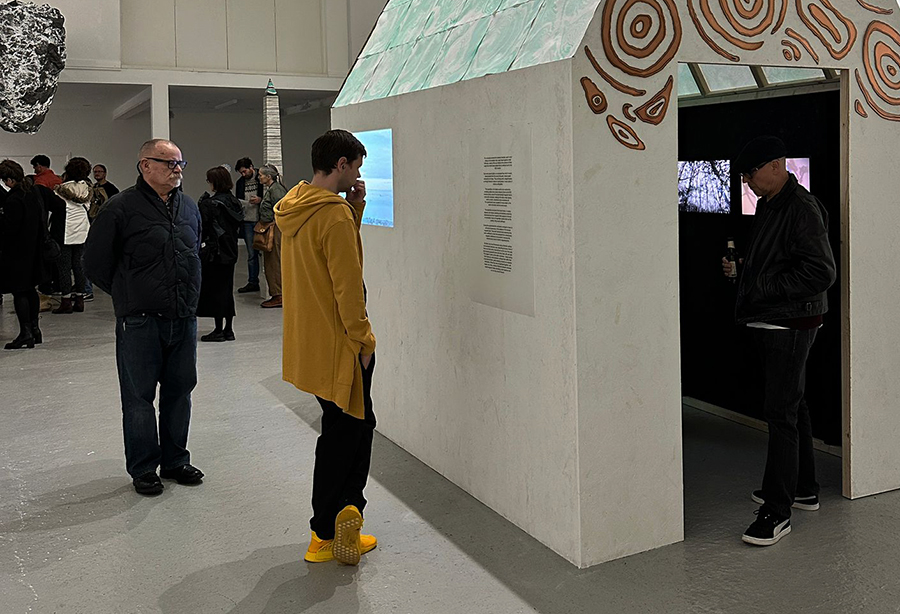
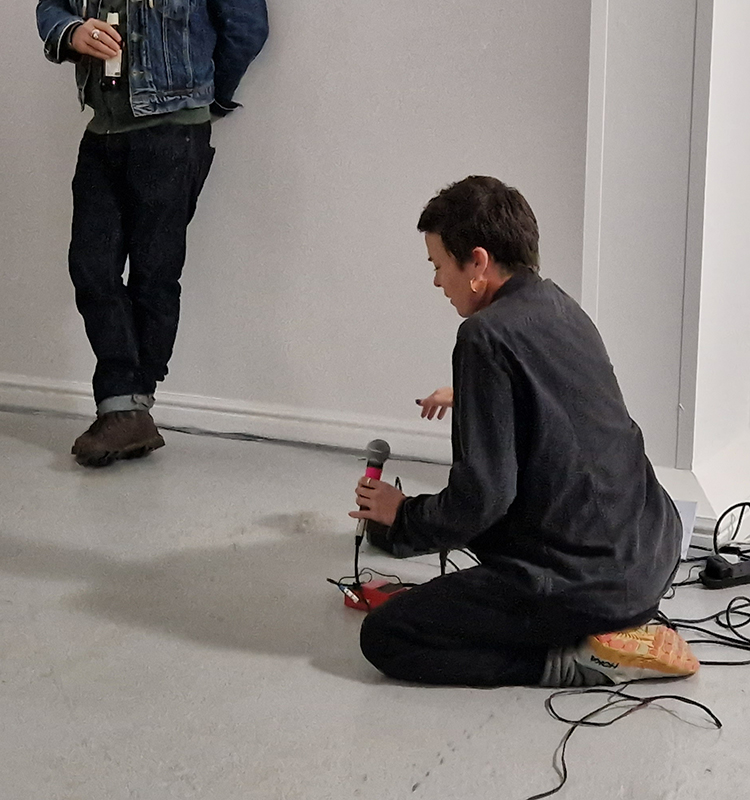
At the private view Julie’s large scale print installation was activated by a vocal performance conjuring abyssal voices of deep, cosmic time, performed and devised with Eleanor Westbrook whose voice produces incredible hauntingly beautiful sound.
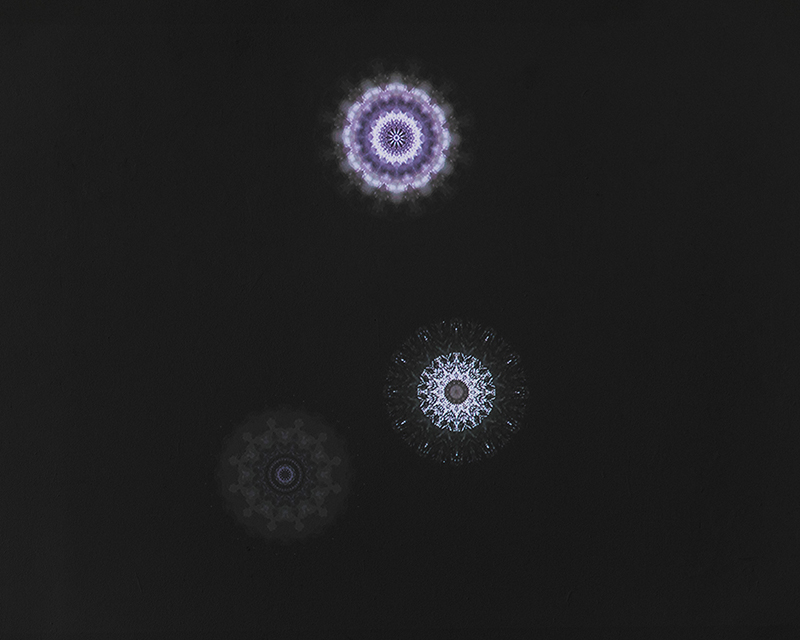
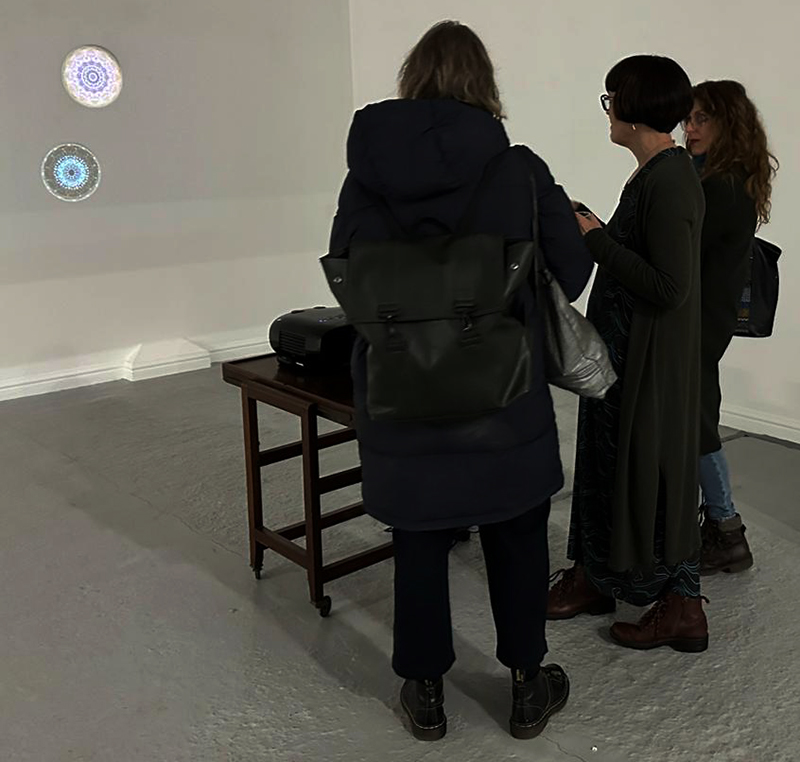
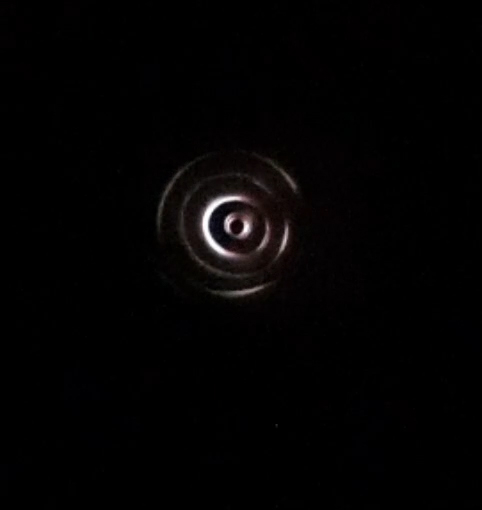
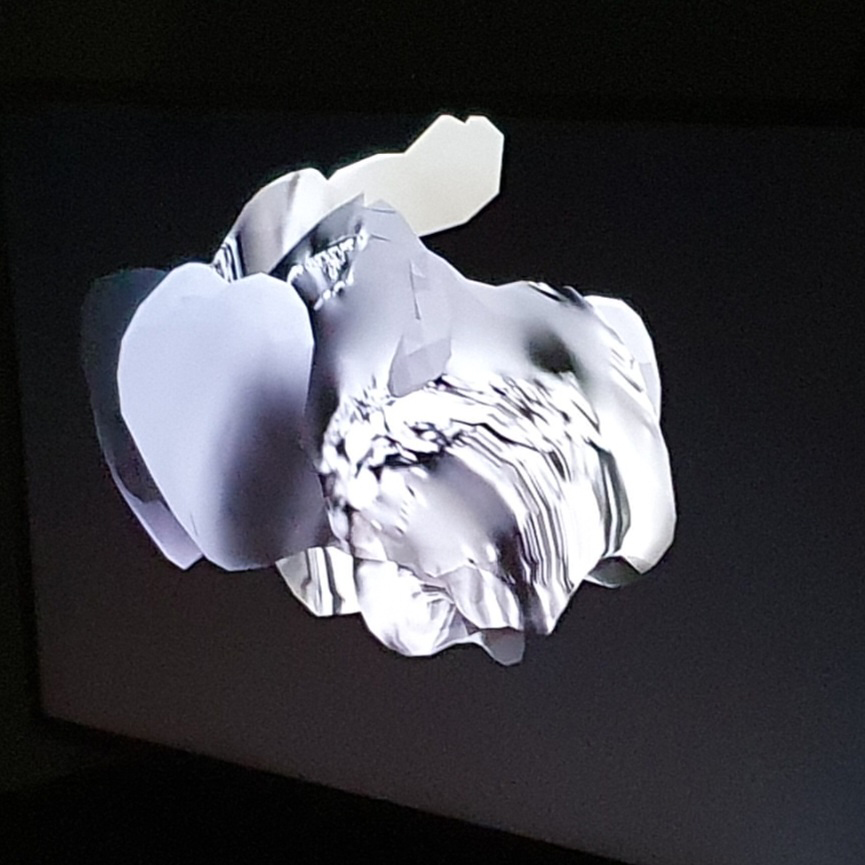
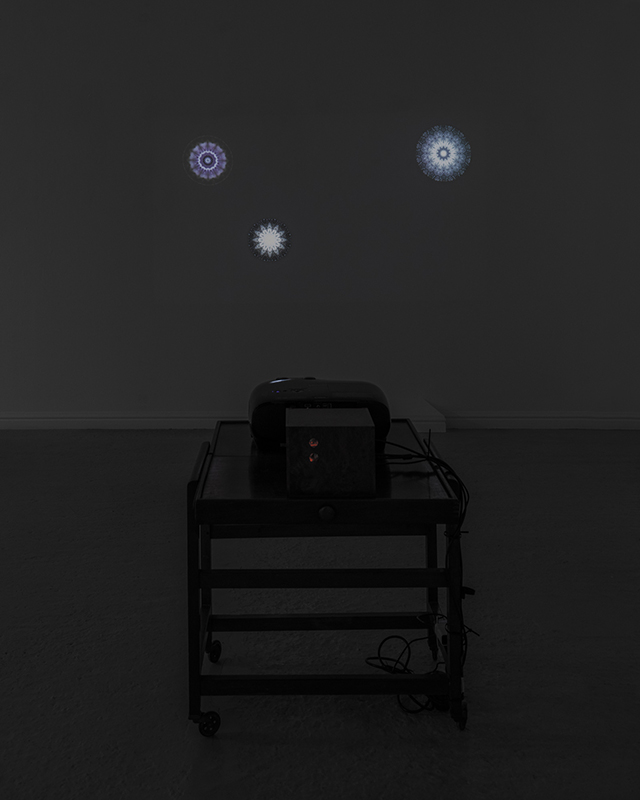
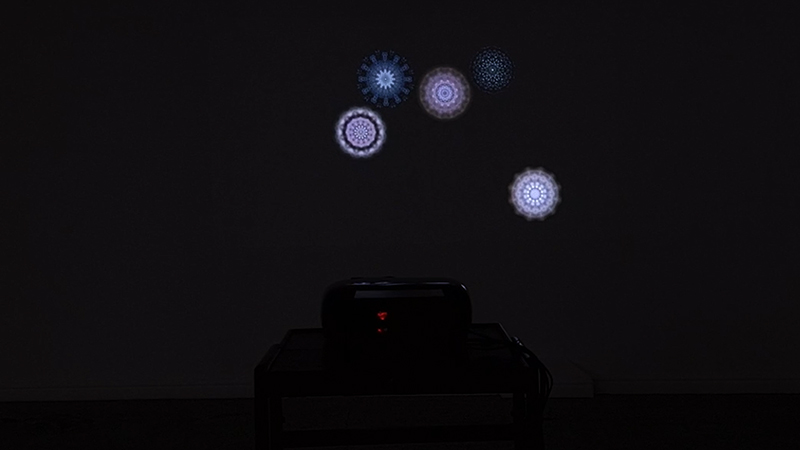
I was particularly excited to share The Breath of Stars, digital video work activated in real time by the passage of cosmic rays through a scintillator detector. After two years in development it was so exciting to watch the random starbursts appear in real time as witness to the unseen activity of cosmic rays passing through the gallery.
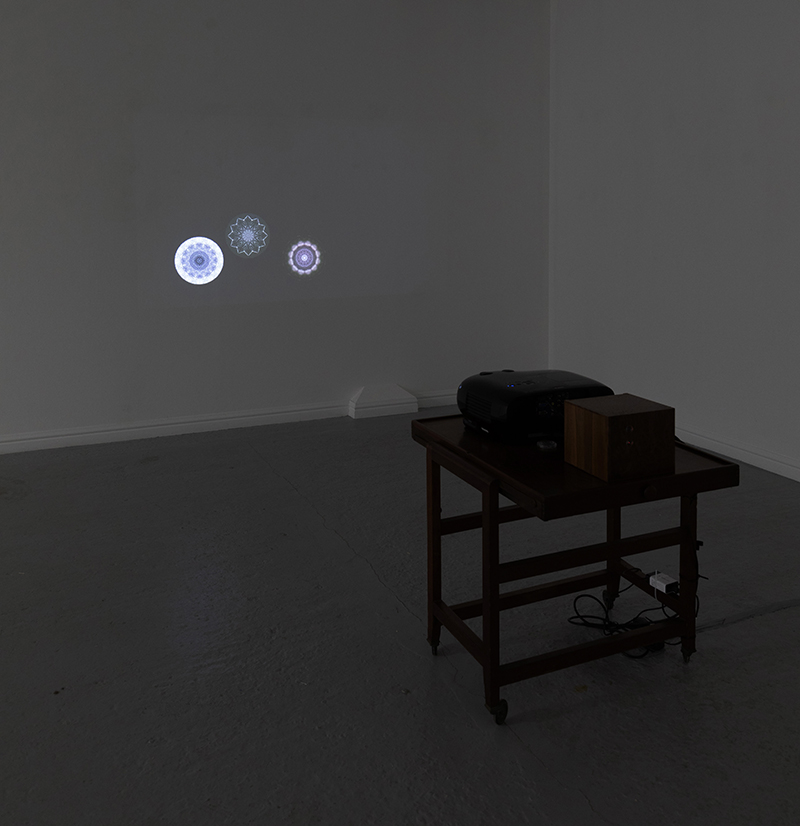
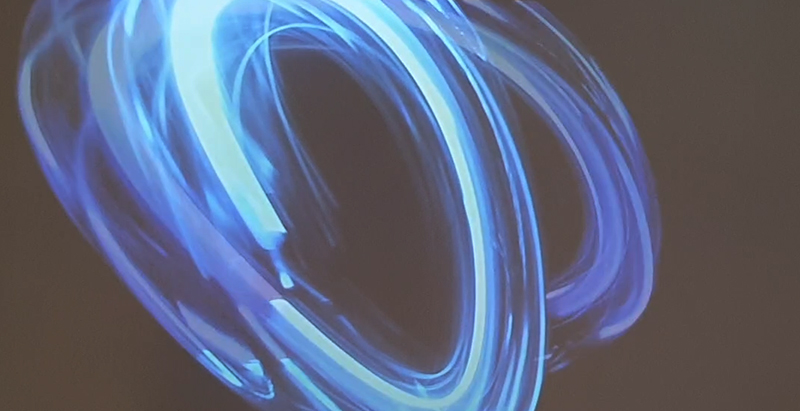
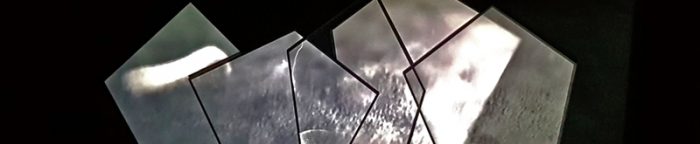
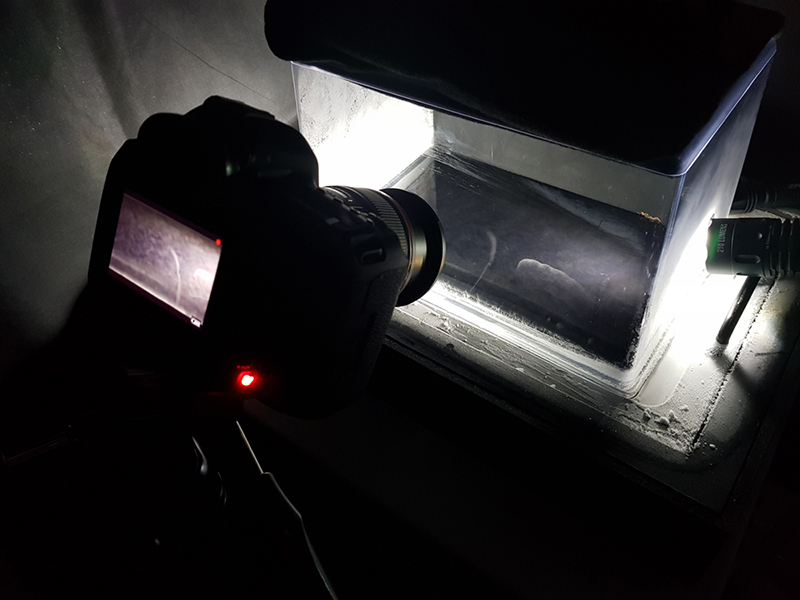
The kaleidoscopic video images that appear for every particle recorded by the detector, are created from footage of cosmic ray trails filmed in a cloud chamber.
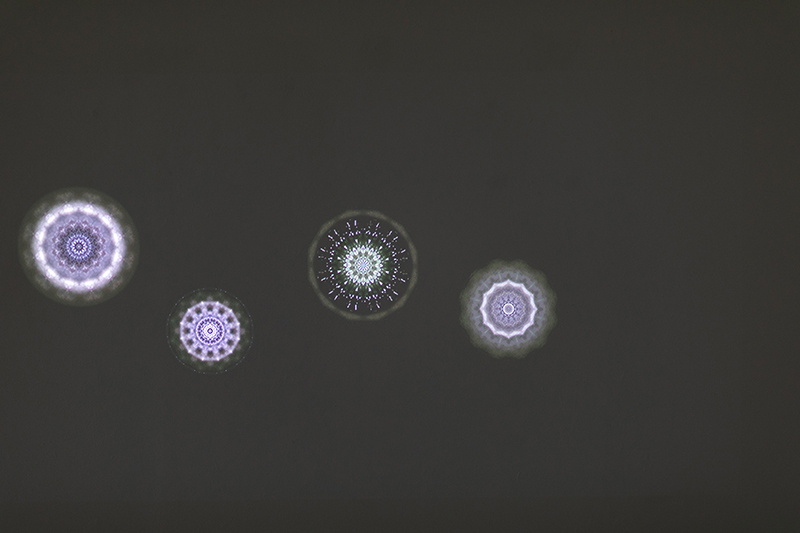
The interaction of cosmic rays with atmospheric electrical fields influences the unpredictability of the magnetosphere and this random activity can be witnessed by the sudden flurries and silent gaps of the live video imagery.
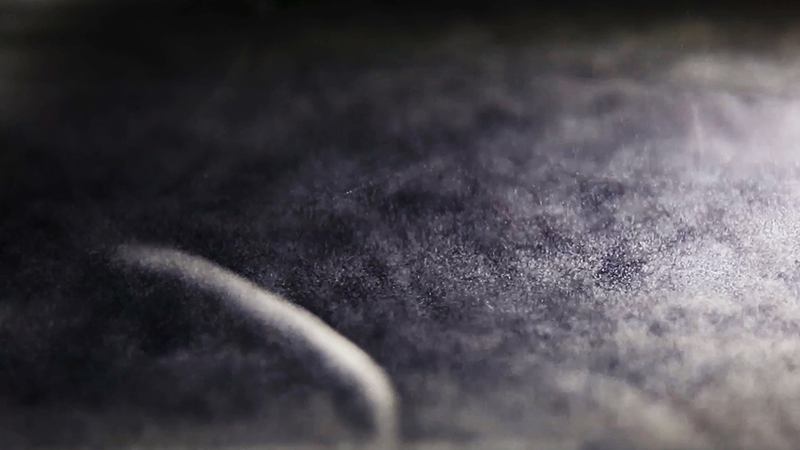
These subatomic visitors from outer space power across the universe with unimaginable energy, coming from the heart of exploding stars or the depths of black holes; some may come from phenomena yet to be discovered or even from other dimensions. Travelling at close to the speed of light cosmic rays spiral along magnetic field lines, strike the edge of the Earth’s atmosphere, break apart and shower down upon us. Some particles collide and silently interact with atoms and technology on Earth. Most cosmic rays heading for Earth are deflected by the planet’s magnetic field and without this protection life on Earth could not survive this bombardment of radioactive matter. The interaction of cosmic rays and the solar wind with atmospheric electrical fields combines to influence the unpredictability of Earth’s magnetosphere, impacting the functioning of GPS satellite technology and computer processors on which humans have come to rely in daily life.
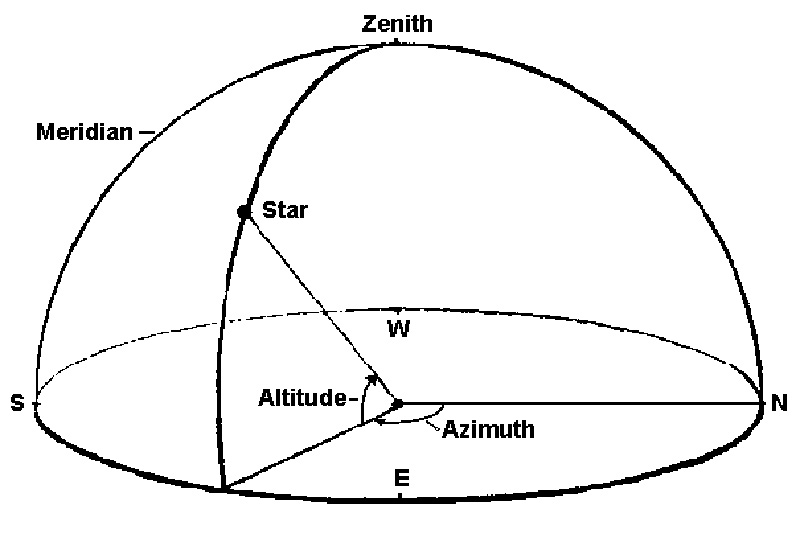
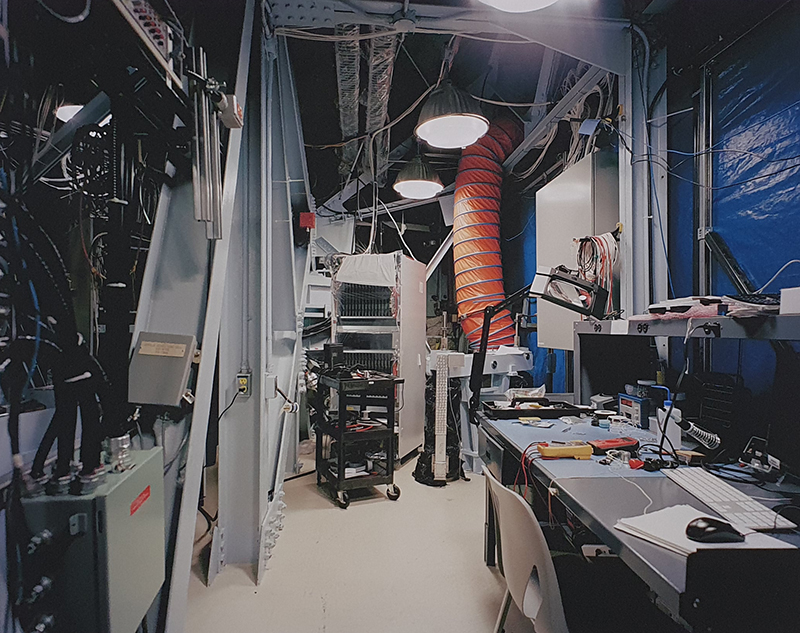
My research trip to Hartland Magnetic Observatory in North Devon was a catalyst for this body of work centring around a north facing observation hut aligned with an obelisk as a fixed azimuth mark. I am very grateful to The British Geological Survey for allowing me access to the site and particularly to Tom Martyn who shared his knowledge and gave a fascinating tour of the observatory.
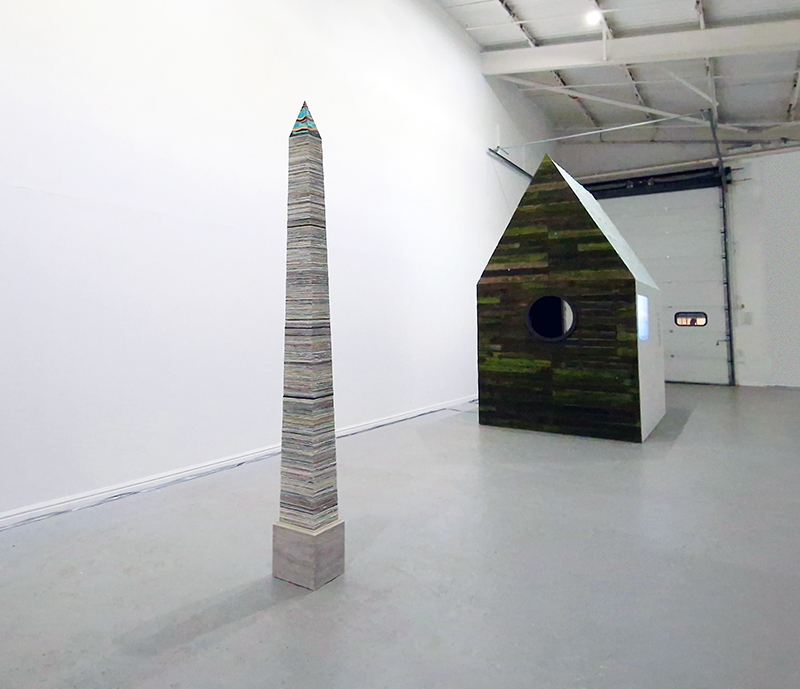
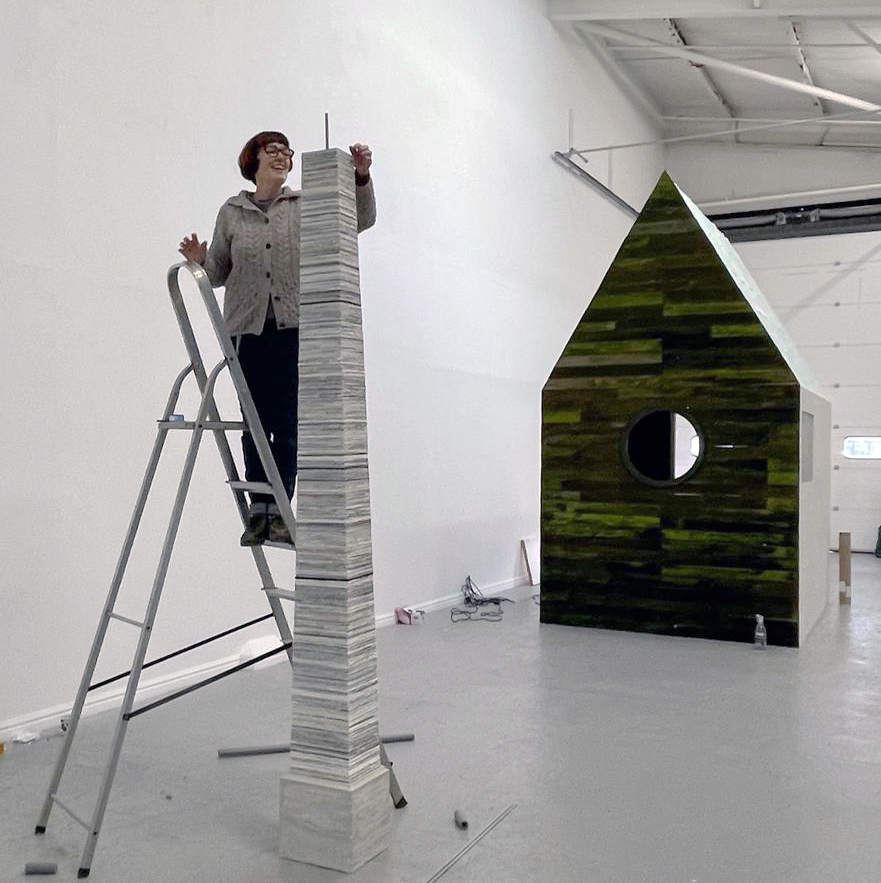
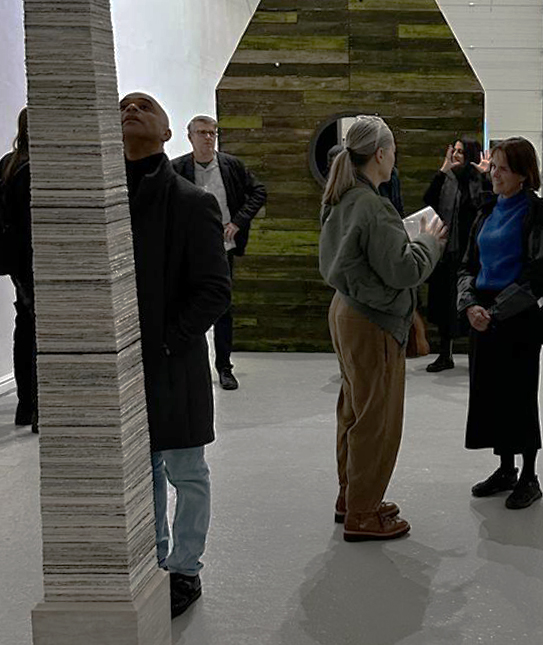
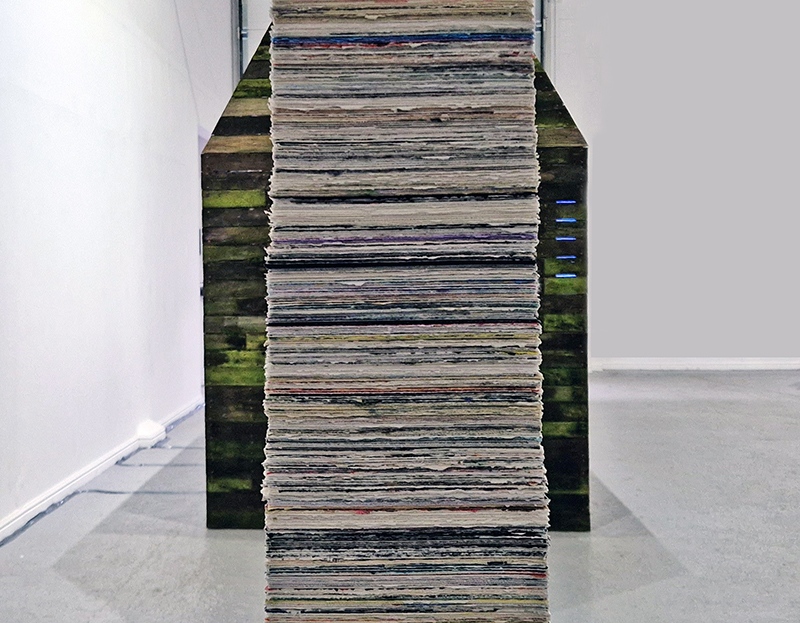
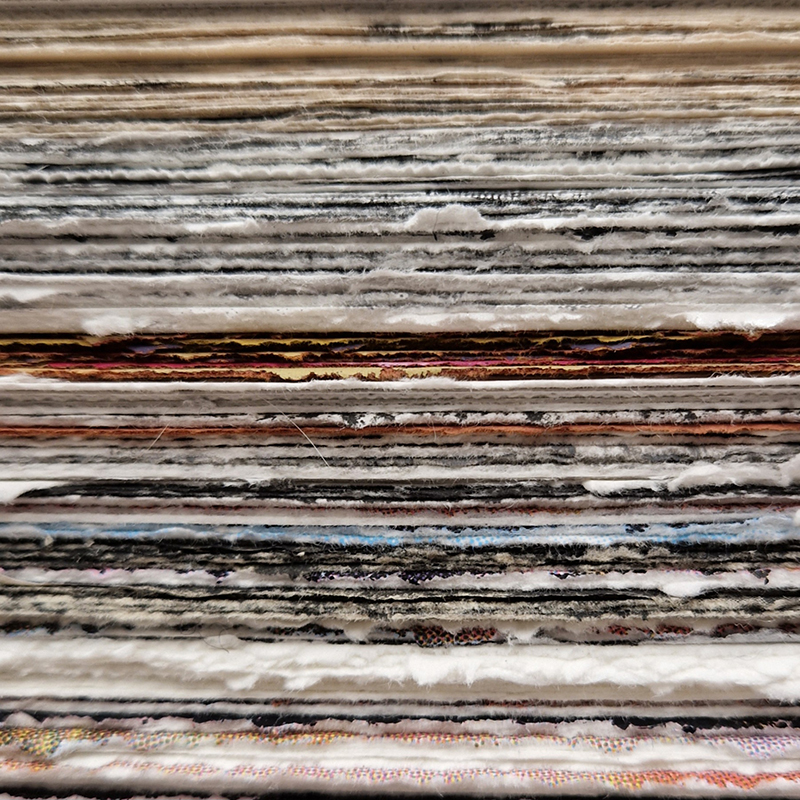
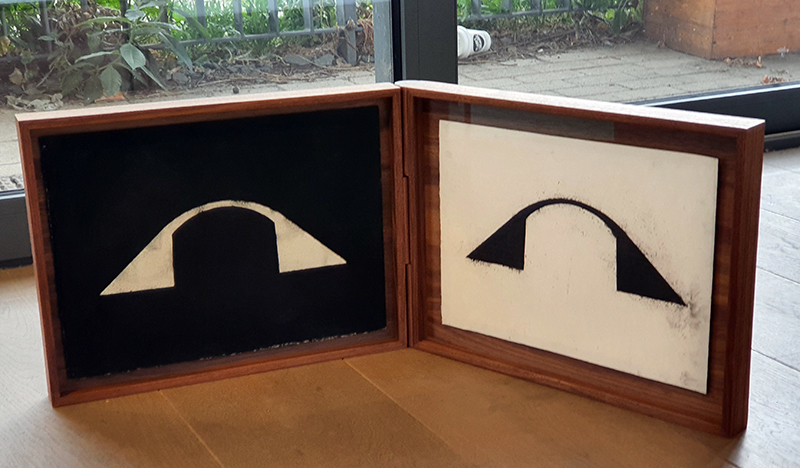
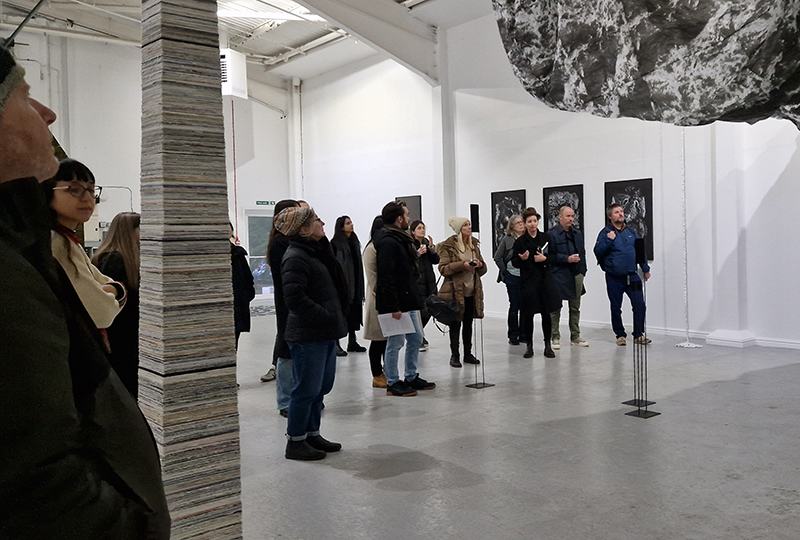
The Azimuth Obelisk (of sedimentary knowledge) is a reimagining of an obelisk erected at Hartland Magnetic Observatory in the late 1950’s near the site’s northern boundary. Viewed through the window in the north wall of The Observing Building (also known as the Absolute Hut) it acts as a permanent azimuth mark from which the drift of the magnetic north pole is monitored. Currently almost hidden by undergrowth, the observatory’s concrete azimuth mark has been replaced by a digital GPS position. Much as the Earth’s geological and magnetic history is secreted into the strata of sedimentary rock, this sculpture also expresses the passage of time through the layering of recycled paper prints and drawings whose history becomes embedded within the stacked layers.

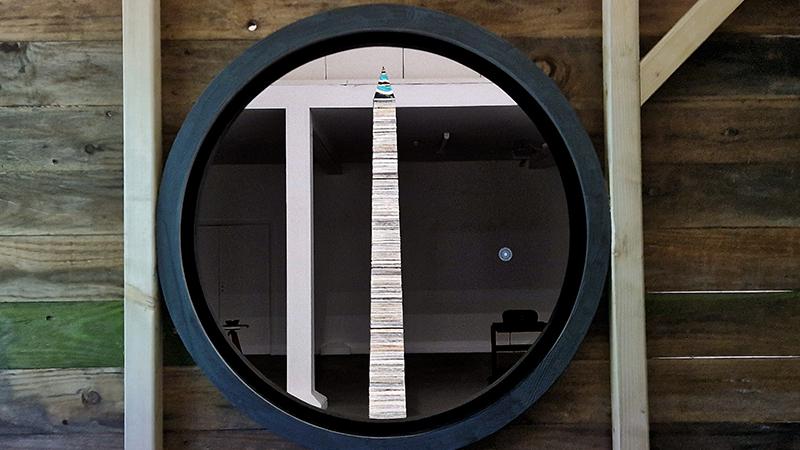
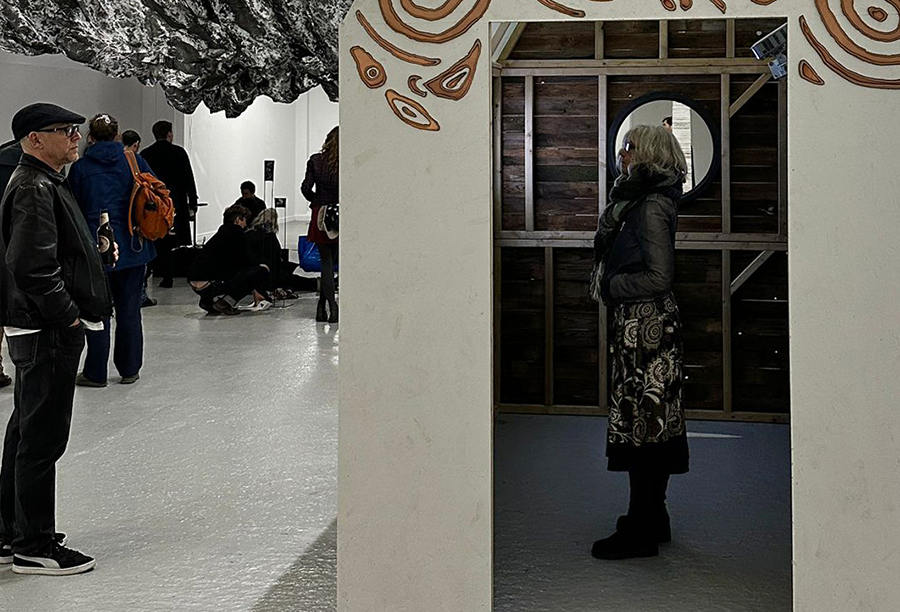
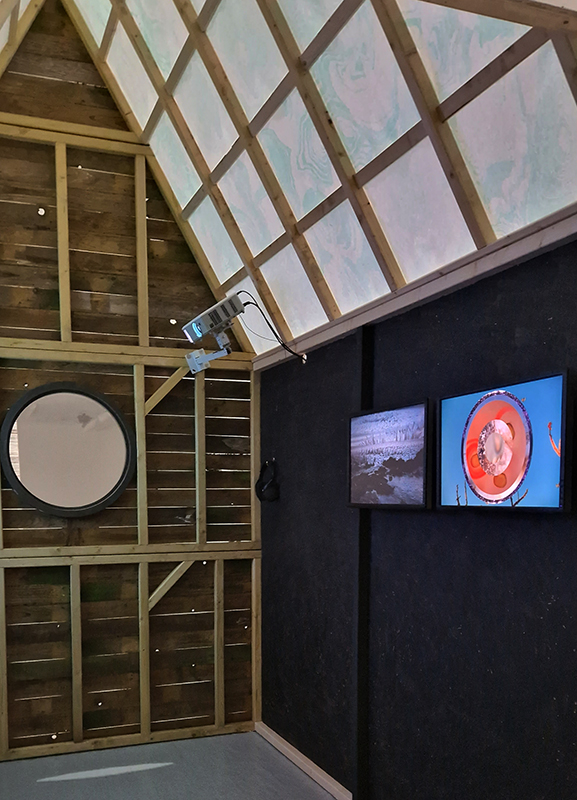
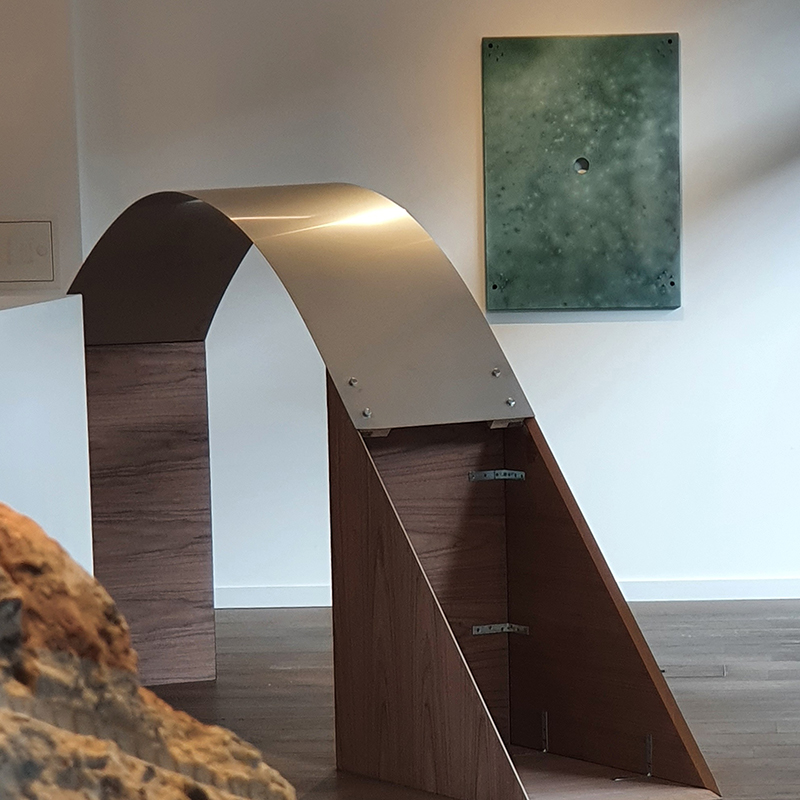
The Absolute Hut (of action potential) operates as a sensory hub with video screens suggesting portals into a web of neural pathways where a range of actions and processes are running concurrently reflecting on the dynamics between the Earth’s geologic structure and navigation using the magnetic field.

The title refers to the way neurons send information electrochemically around the body. The signals they send are called action potentials which is a temporary shift from negative to positive within the cell caused by certain ions entering the cell. Action potentials can be triggered by an interaction with the magnetic field causing a reaction in the body.

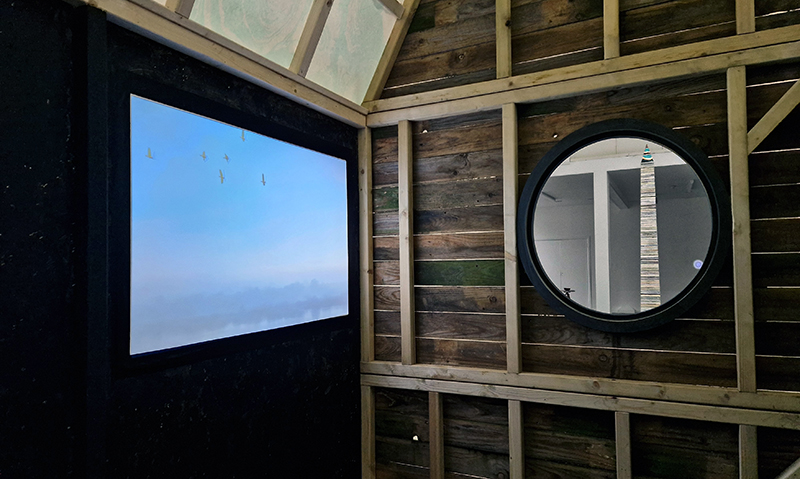
The installation is conceived from a combination of features, impressions and functions of the observing building and instruments at Hartland Magnetic Observatory in North Devon and the observation huts built in the 18th century at The Kings Observatory in Kew for meteorological and magnetic observations.
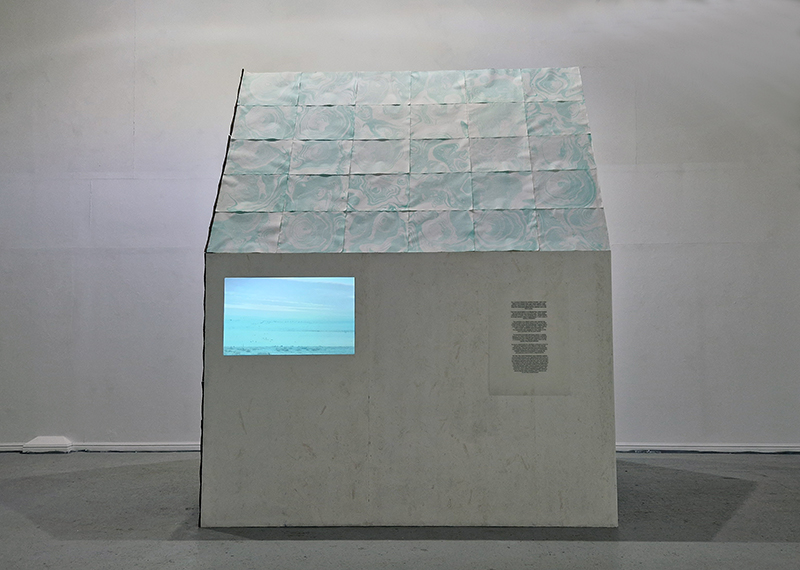
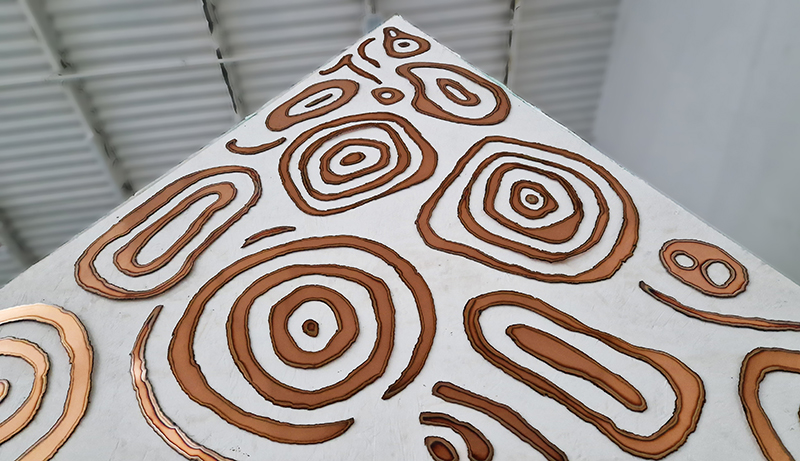
Topological contours of suminagashi marbling and plasma cut copper reflect the fluid motion of the Earth’s molten iron core and the pulsating alpha waves of the human brain when subjected to magnetic fields.

‘the internal skies have their own birds’ Italo Calvino Cosmicomics

The fascinating and perilous journeys made by migrating birds has been a natural wonder for centuries with the first records of this phenomena made more than 3,000 years ago. The innate knowledge of migratory birds is mentioned in Job and Jeremiah and the ancient Greek writers Homer, Hesiod and Aristotle noted their passage.

Job 39:26 Doth the hawk fly by thy wisdom and stretch her wings towards the south?

Wintering light two way video projection of migratory pink footed geese filmed at RSPB Snettisham on the North Norfolk coast.
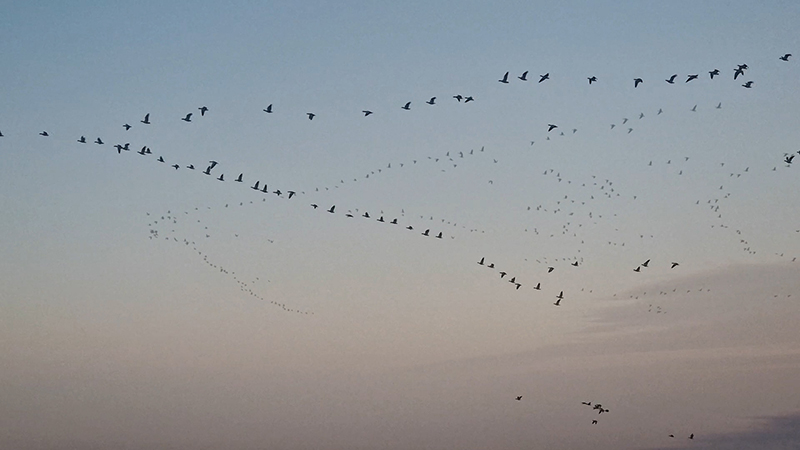
Research has proven that birds and many other animals can use the earth’s magnetic field for navigation. There are two ways this happens. In birds there is a protein in the retina of the eye – (cryptochrome molecules) which trigger action potentials enabling them to visualise the magnetic field. In other animals and magnetotactic bacteria tiny crystals of magnetite respond to the field. This may also be true of humans as we do have these crystals in our brain cells.

Birds use three different compasses to navigate across the globe; the sun, the stars and the magnetic field.
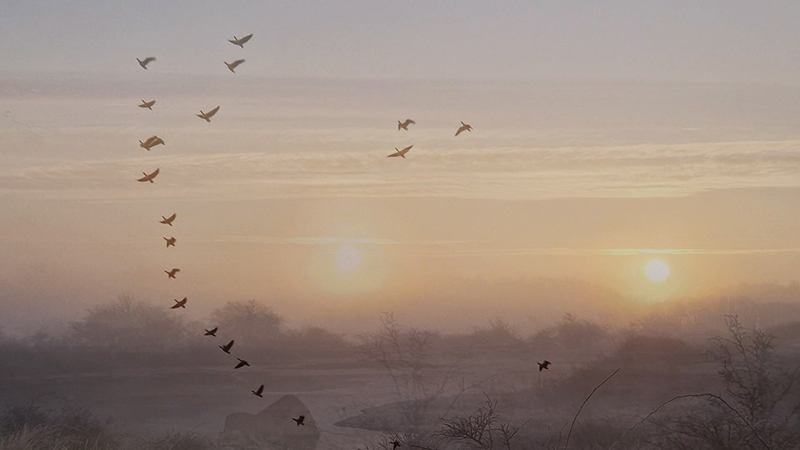
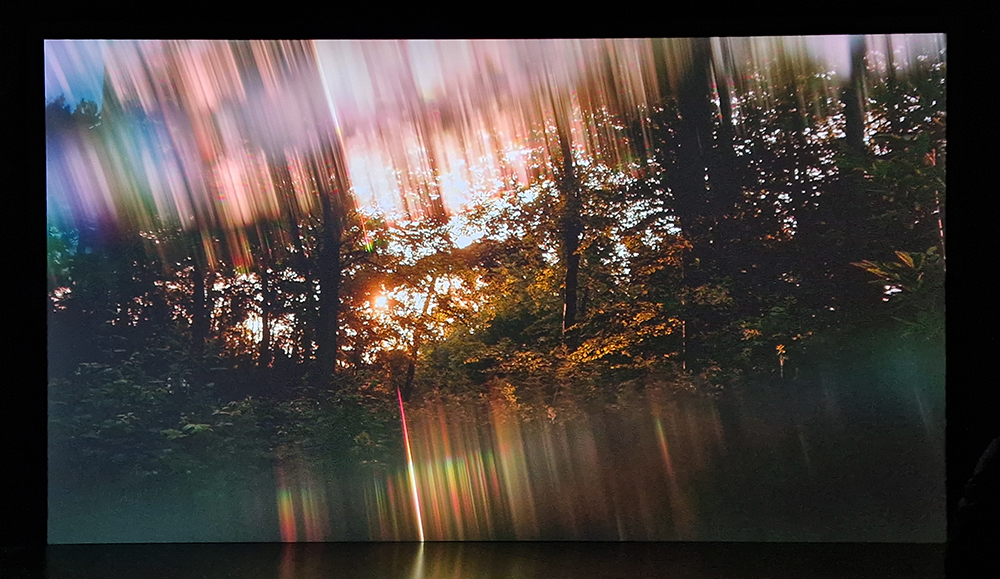
Birds are also able to detect rapid movement such as individual flashes or flickering of a fluorescent light which humans see as a continuous light. Hawks which pursue other birds through dense forests at high speeds, follow the movement of their prey while avoiding branches and other obstacles. To humans travelling at this speed, the fleeing prey, branches and obstacles would just be a blur.

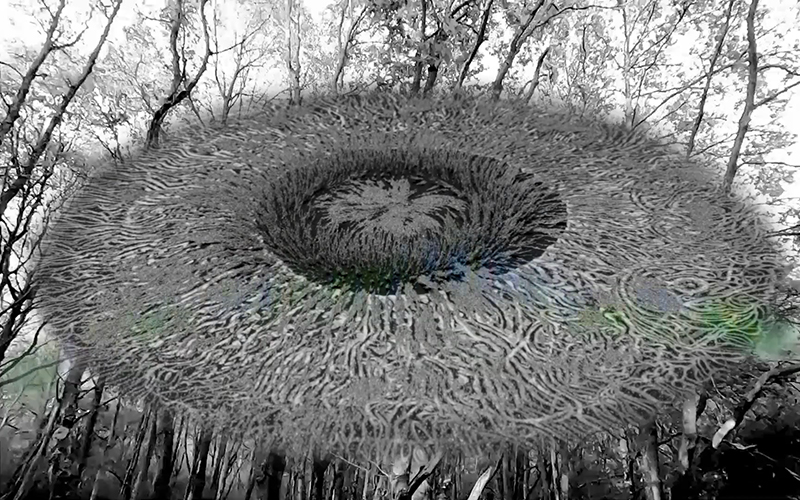
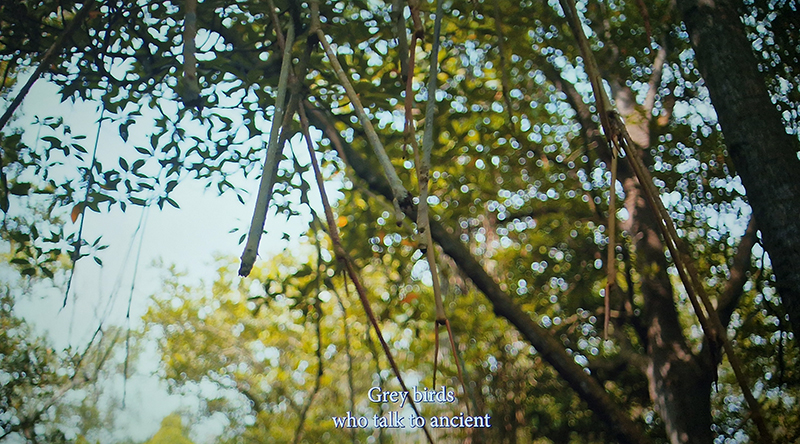
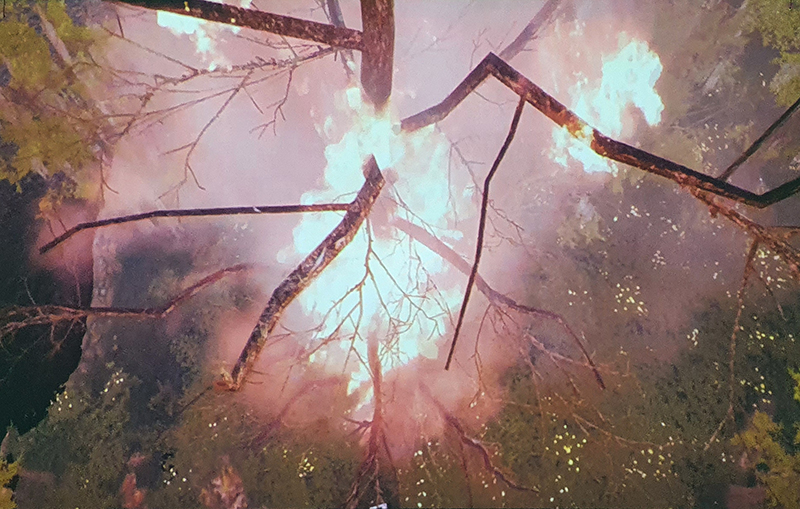
Degrees of Variation considers what it might be like to have the sensory powers of a bird where a protein in the eye is excited by polarised light making it possible to see the magnetic field and follow a visual navigatory cue in an accelerated world. The video imagines flight over water and through woods while being guided by the force of a magnetic field.
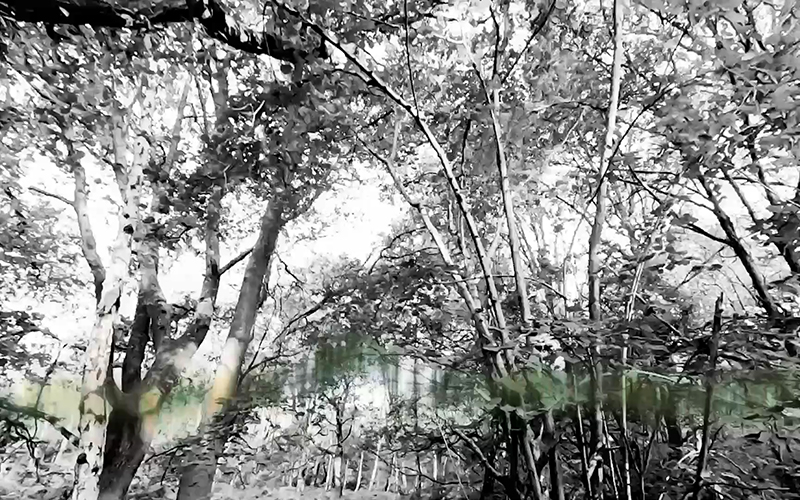
Calvino’s story The Stone Sky is wonderfully descriptive of the volatile geological structure of the Earth. This fluidity is what makes life on Earth possible. Only planets with fluid cores have magnetic fields. The geological interior generates a field that reaches into outer space offering a protective shield.

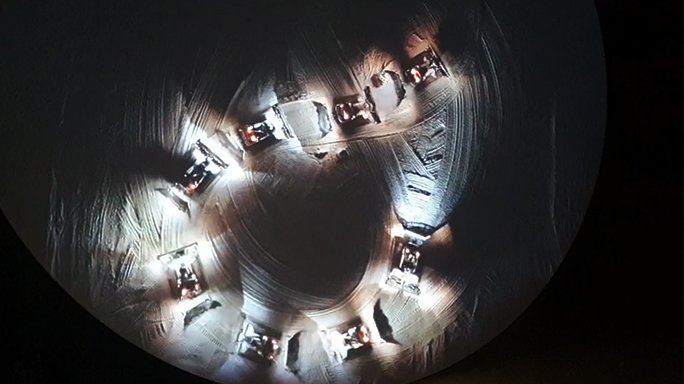
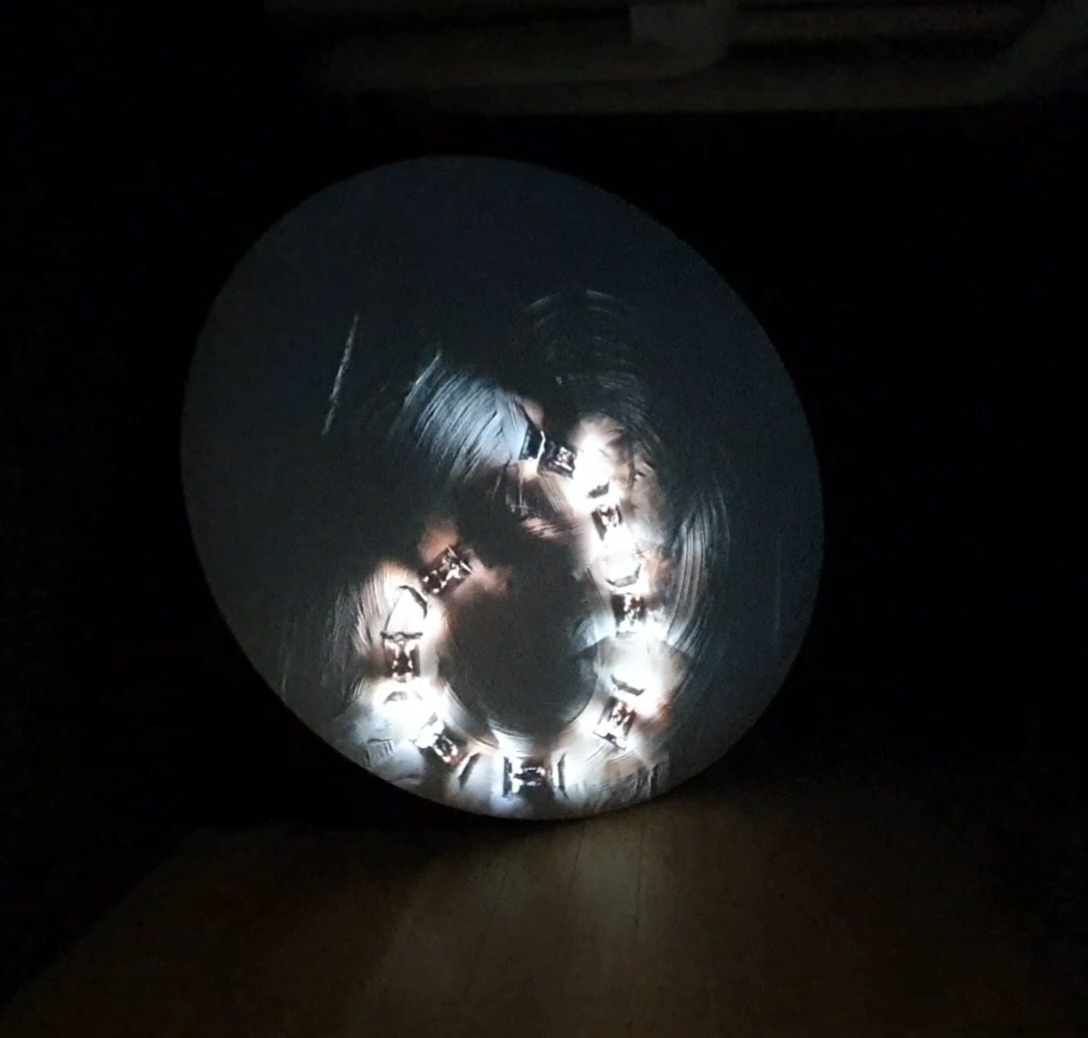
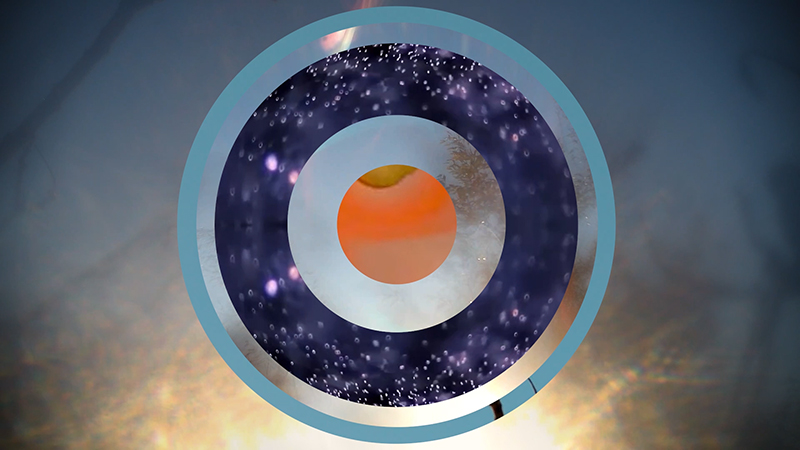
internal skies : external spheres video sequences within concentric circles mimic the geological structure of the Earth to explore the relationship between Earth’s magnetic field and various methods of navigation including via magnetoreception and celestial observation. Sequences include star trails around Polaris (the current north star), birds and bees that use the magnetic field for navigation, magnetotactic bacteria, magnetised iron filings, aerial views of the coastline around Hartland and early morning polarised light which excites the cryptochrome protein in a birds eye.

The Earth’s geomagnetic field is created by a combination of three separate fields and timescales. The main field is generated in the earth’s molten iron core.  Observing the field gives clues to the planet’s deep interior which is inaccessible to direct observations. Changes are measured in the annual drifting of magnetic poles. Secondly electrical currents caused by solar weather and cosmic rays bouncing off the Earth’s main  field charge the surrounding ionosphere causing fluctuations in the field. This field changes by the micro second as we orbit the sun. The Earth’s magnetic field also acts as a shield against most potentially harmful charged particles from outer space. Finally the residual magnetisation of the geology of the rocky mantle and crust, measured in deep geological time also offers clues to the geological history of Earth.
The understanding of the world surrounding us forms in the darkness of our skulls. 
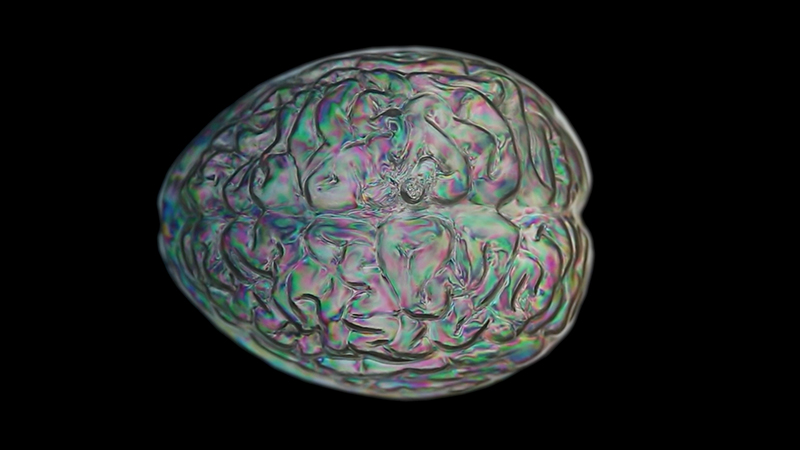
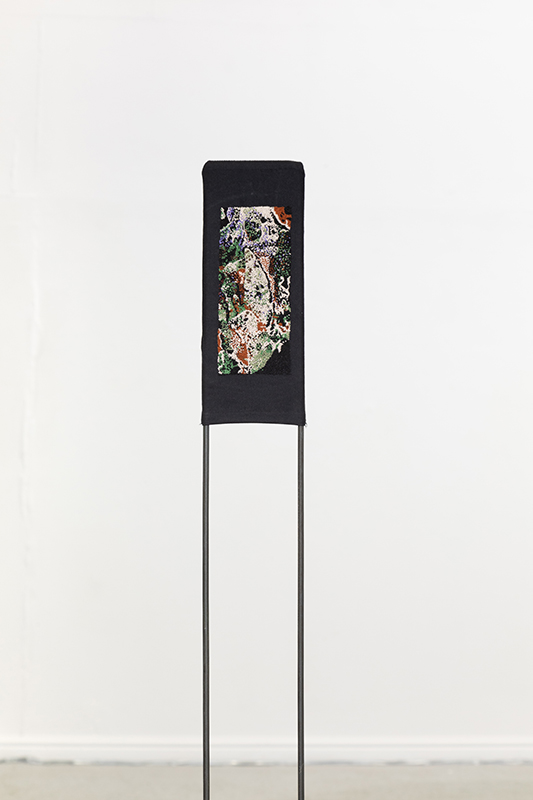
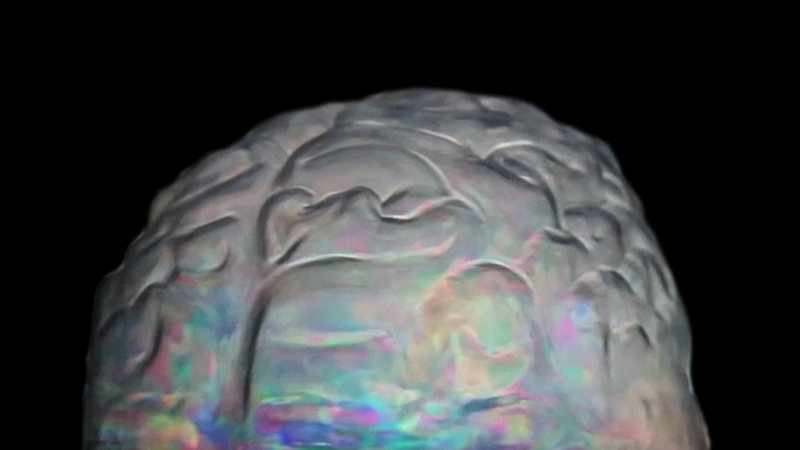
interference – a panel of 12 small video screens inside The Absolute Hut (of action potential), showing images of the human brain filmed by using polarizing filters to create pulsating birefringence colours, relate to the narrative pinned to the outside of the hut.
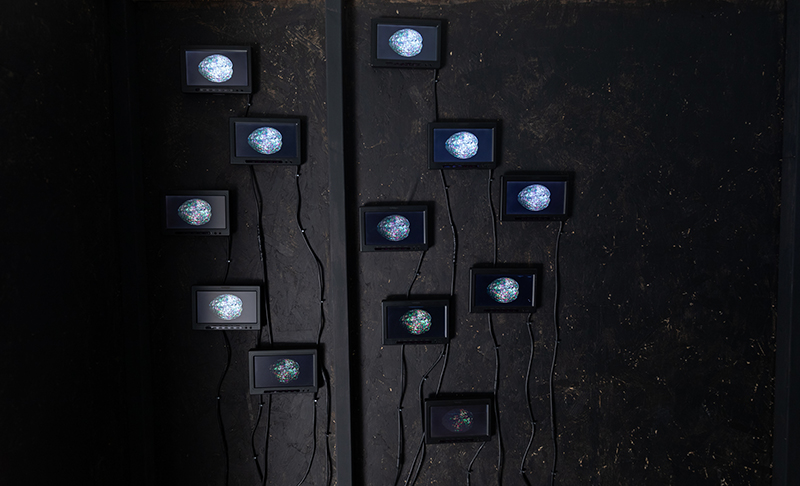
The narrative is a mix of fact and fiction based on a real experiment carried out at Caltech where scientists found Alpha waves in the human brain do respond to Earth’s magnetic field and other research suggesting that it could be possible for the magnetic field in one animal’s brain to transmit information to another animal’s brain by triggering action potentials creating the same thoughts and emotions.

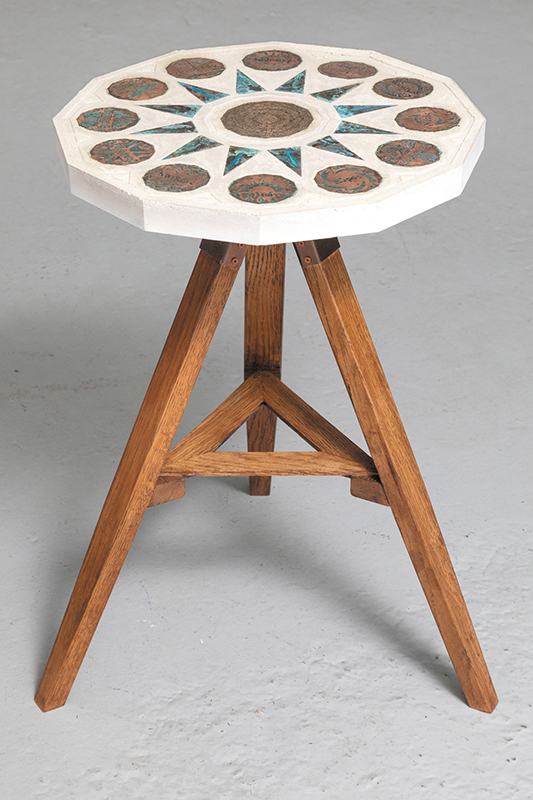
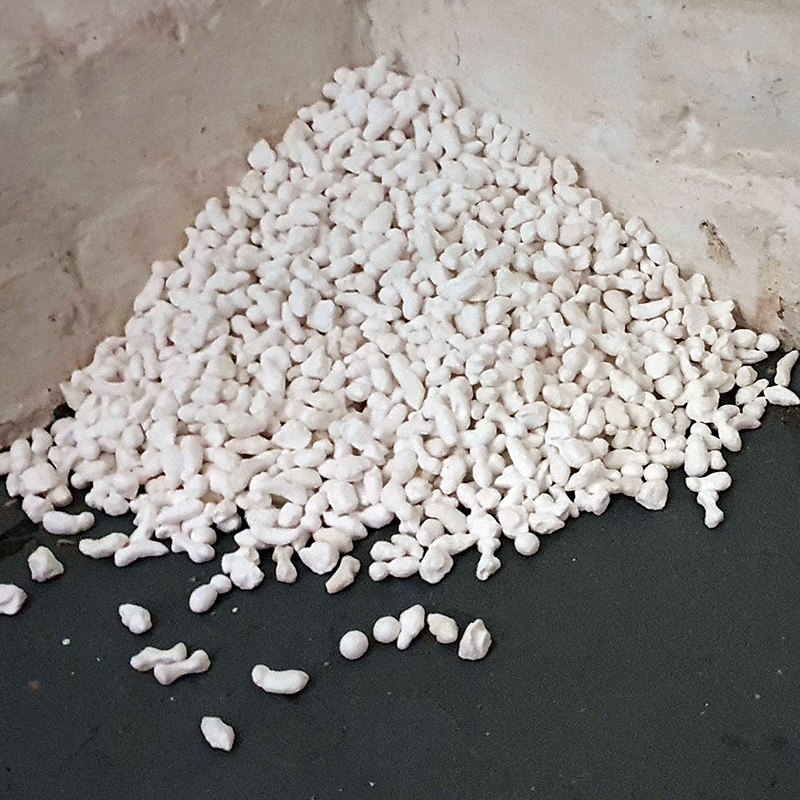
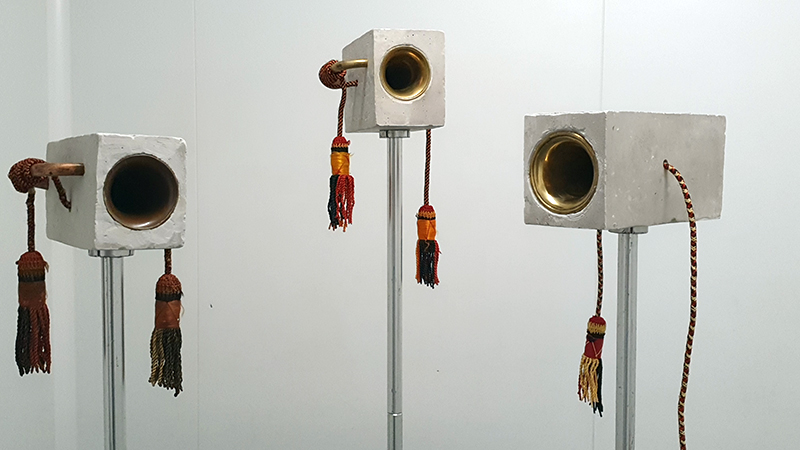
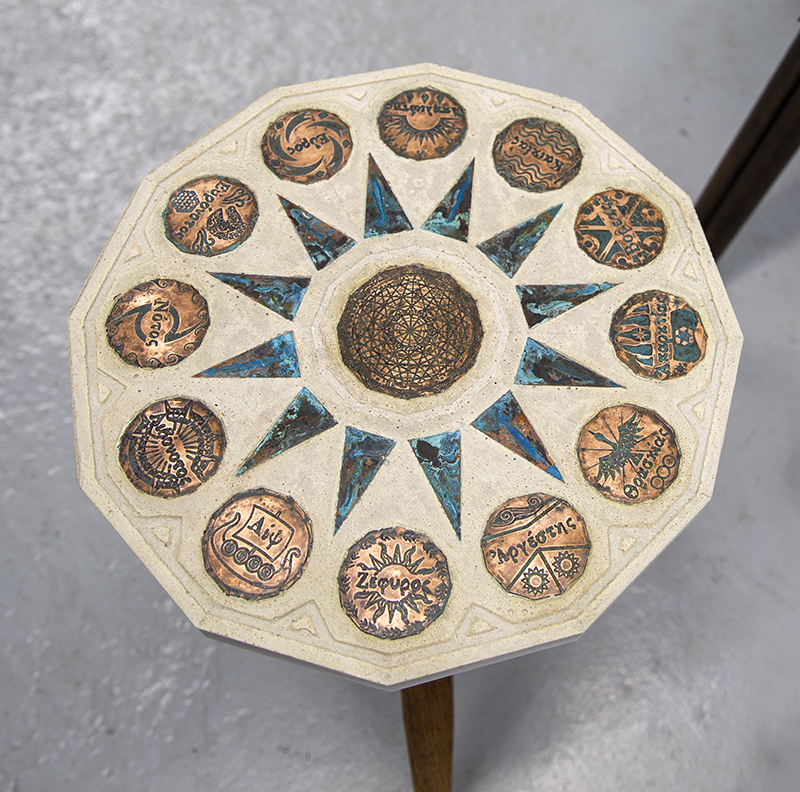
Instruments of the Anemoi are a set of dodecagon tablets cast in Snowcrete, a non-magnetic cement, as used in a magnetic observatory. Suggestive of the pedestals that support various instruments used in monitoring the Earths’ magnetic field they also respond to an ancient anemoscope “table of the winds” carved in marble around eighteen hundred years ago and inscribed with the Greek and Latin names of classical winds on each of its twelve sides. Envisaged here as speculative objects, instruments and schematics wrought by the wind gods, the first emissaries of navigation and orientation.
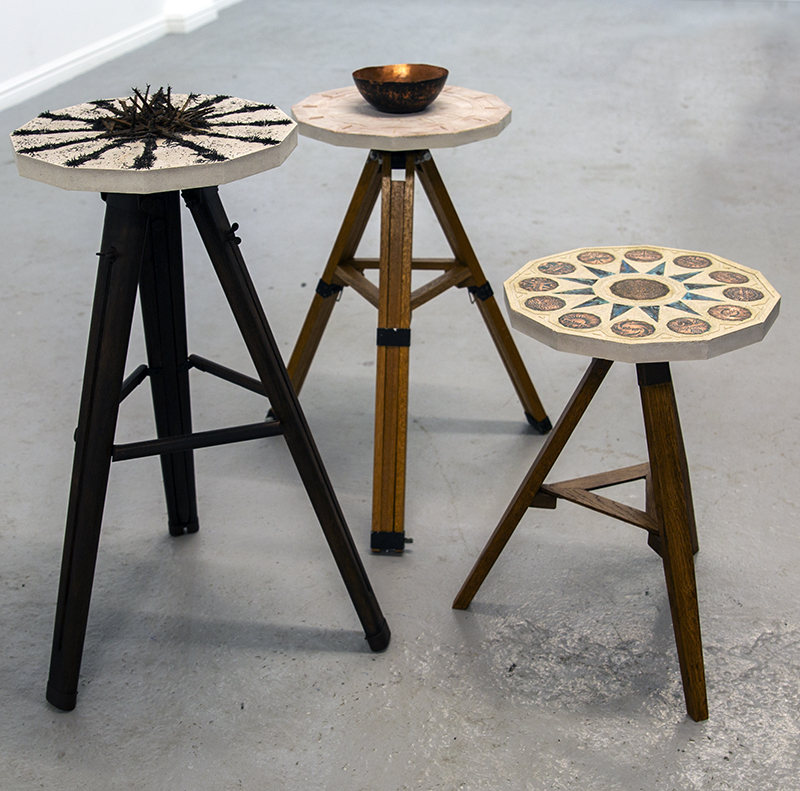
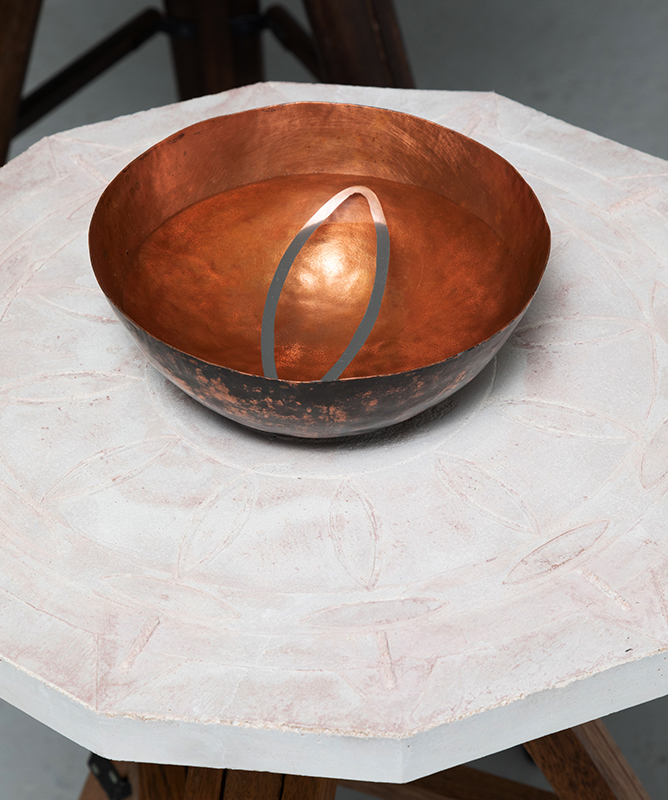
One tablet holds a copper bowl with a ‘silver fish’ floating in water. The shape of the ‘silver fish’ is based on the oval shaped compass needle (illustrated in Breve Compendio de la Sphera de la arte Navegar by Martin Cortes 1551)  and refers back to wafer thin fish shaped iron leaves used by 11th century Chinese geomancers.
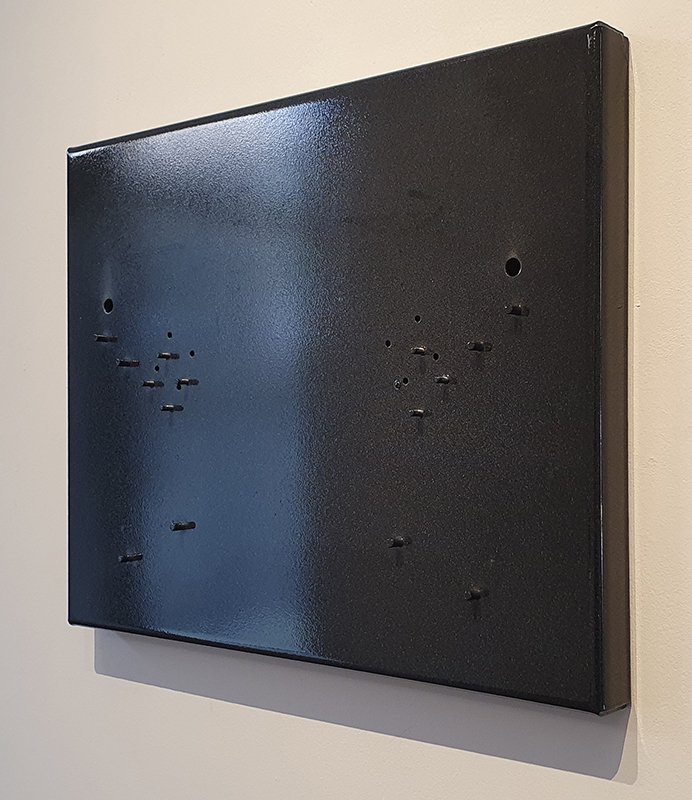
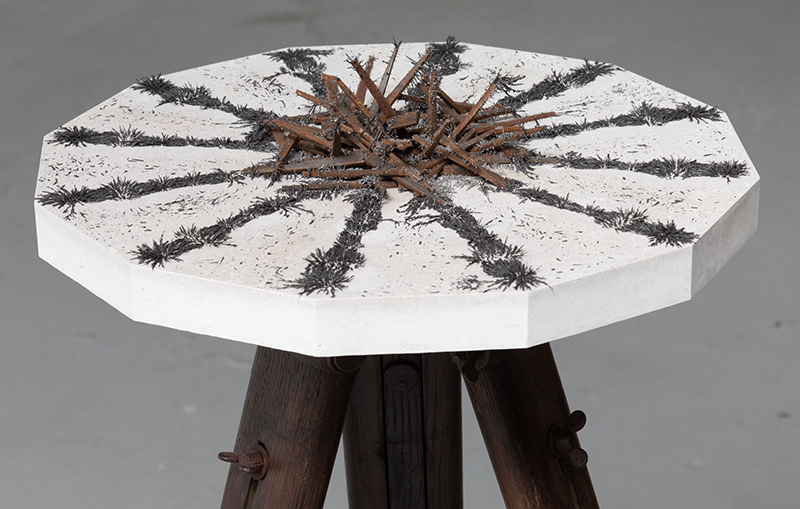
Nails and iron filings on the second tablet reveal an embedded magnetic field recalling a legend that the discovery of the lodestone was made by a Greek shepherd who noticed the nails in his boots were attracted to the rock (magnetite) beneath his feet.
The third tablet is embedded with copper etched with images and names based on associations and attributes of the twelve Greek wind gods set in a traditional compass rose.
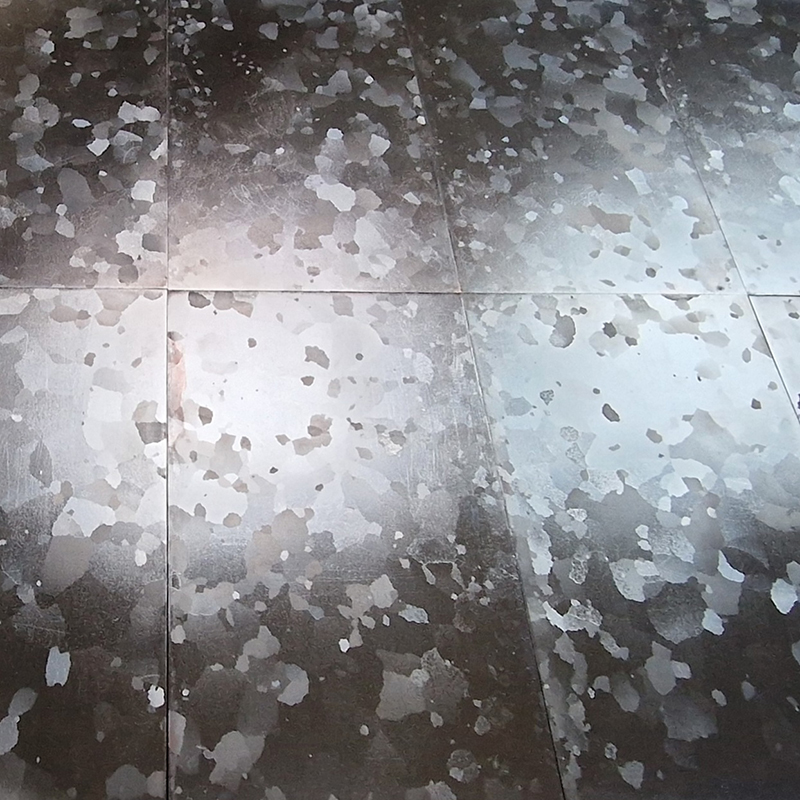
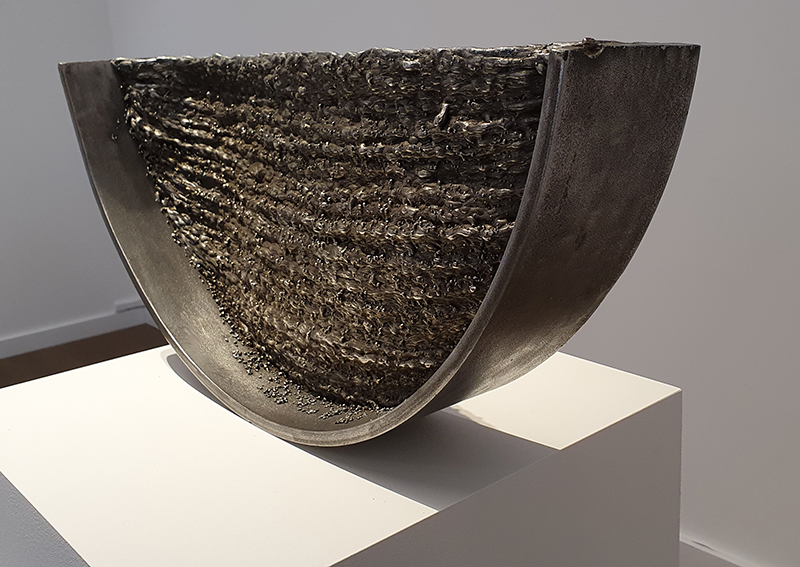
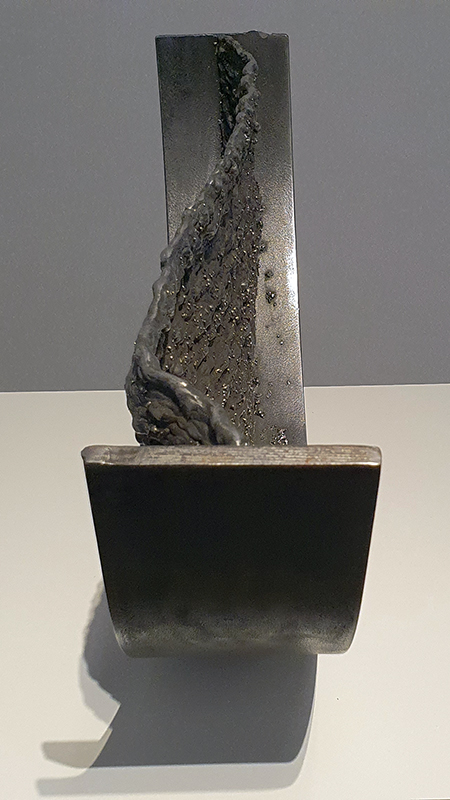
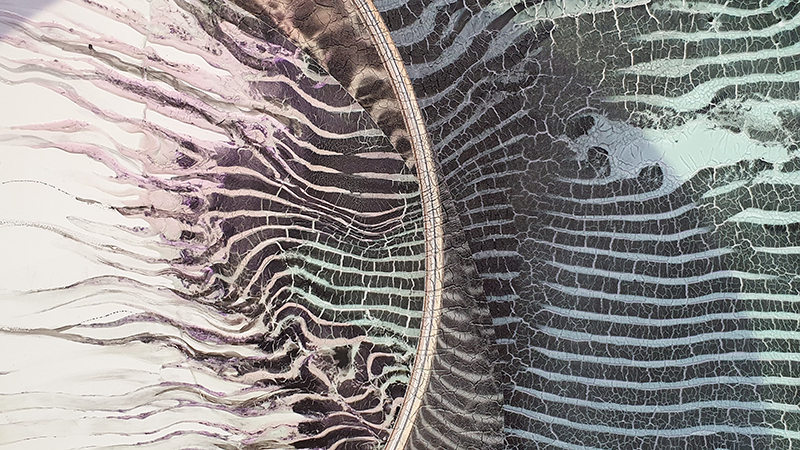
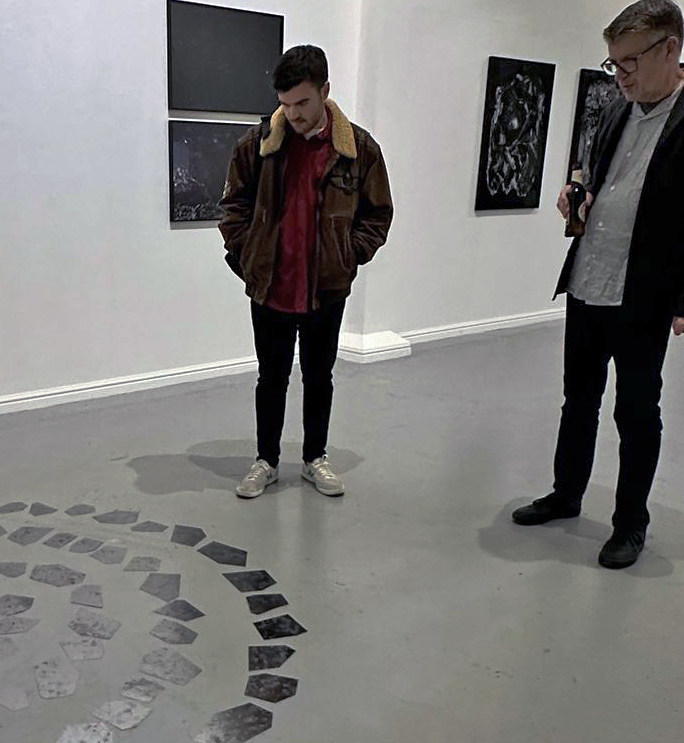
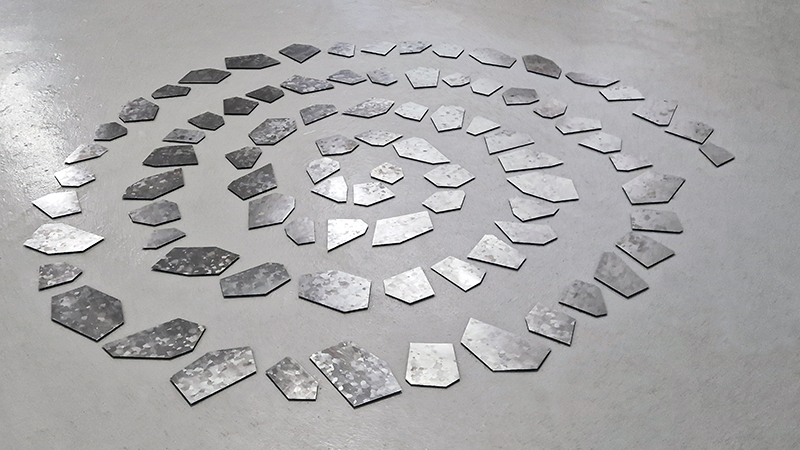
Domain of the Devil Valley Master uses industrial directional magnetic steel, sanded and etched to reveal the Goss texture of rolled iron silicon alloy crystals. The jigsaw pattern of magnetic domains give this material exceptional magnetic properties. The simple evocation of a spiral described in geologically informed polygons draws upon many references, from the shape of our own Milky Way Galaxy sculpted by vast cosmological magnetic fields and the spiralling molten dynamo generating Earth’s magnetic field, to the inner pathway of spiritual growth and the route to the symbolic omphalos (navel) at the centre of the world where the sky entrance and the underworld meet. The title of this work originates from an ancient Chinese manual on the skills of persuasion, The Book of the Devil Valley Master, containing the first known mention of a compass, known at the time as a south-pointer.
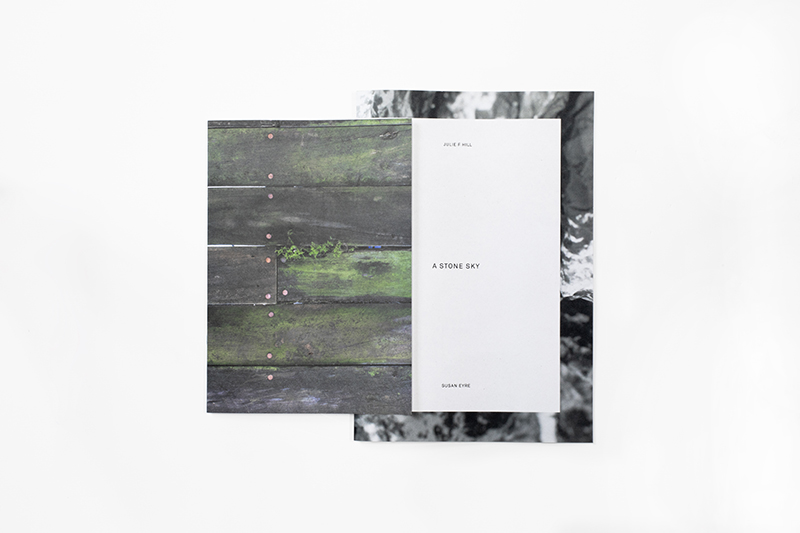
The exhibition closed with an afternoon event launching our publication which includes the essay Dark Nights and Signs of Unseen Things by Anjana Janardhan. There was also a live cloud chamber demonstration of mesmerising cosmic ray trails, artist tours and informal readings.
Publication available – DM via blog comments box for more details or visit Julie’s shop
Nothing truly exists – except in relation to other things. Carlo Rovelli

Work in progress.

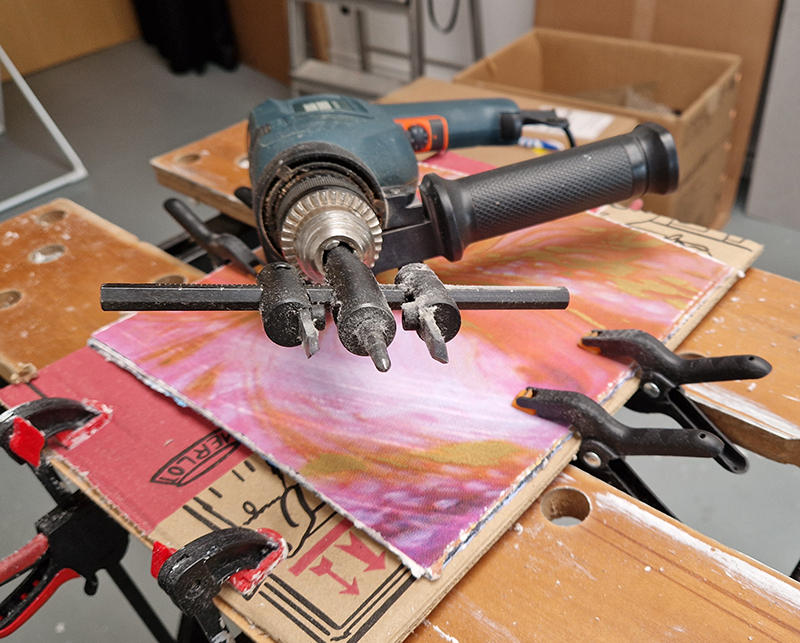
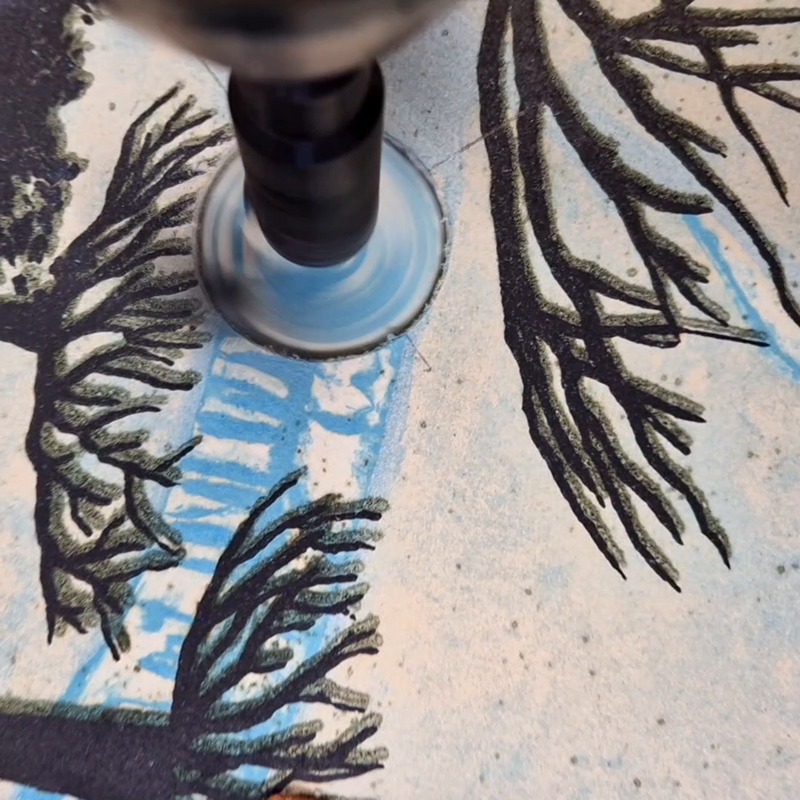
Building the azimuth obelisk made from layered re-cycled paper. This sculpture is a response to the concrete obelisk erected in 1955 at Hartland Magnetic Observatory as a permanent azimuth mark from which to measure the drift of Earth’s magnetic field. Deep time geology holds the sedimentary knowledge of magnetic activity, from the degrees of variation between the magnetic and geographic north pole to the cataclysmic impact of pole reversals.

Etching Directional Magnetic Steel to reveal the jigsaw pattern which comes from rolling single crystals of an iron silicon alloy into thin sheets to minimise magnetic losses for use in industry.

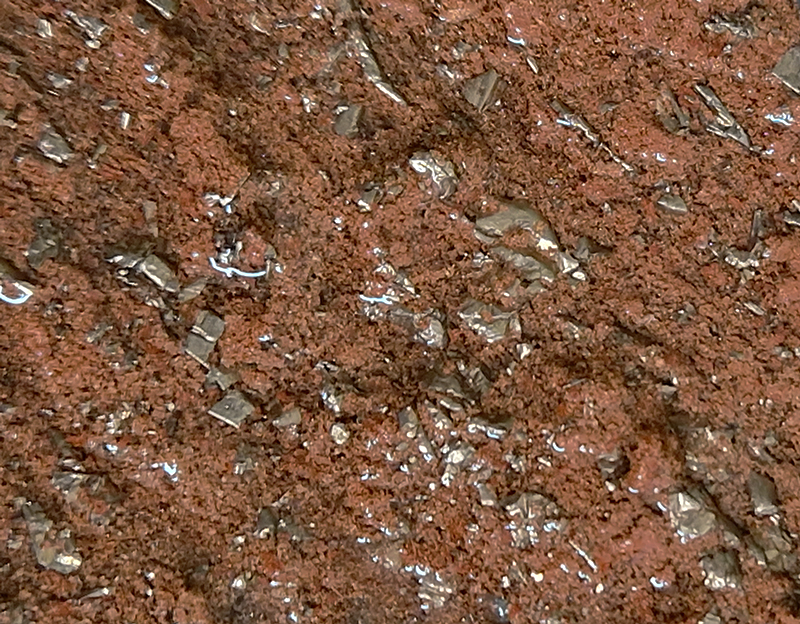
The copper sulphate etching process creates a very thin, fragile layer of shiny copper under the red residue

Magnetism embodies magical qualities which have fascinated humans since the first encounter with a lodestone. These rare and enigmatic fragments found scattered across the surface of the Earth are created when lightning chances to strike the mineral magnetite.

The Lodestone, from Plato to Kircher by D. W. Emerson lists various historical references to the lodestone. The writer concludes – Lodestone, being very unusual, greatly impressed previous generations. Despite its unattractive appearance it was an admired mineral type more precious than pearls, it was celebrated in persuasive Latin hexameters, it was an analogue for the power of deities, it took a witch to subdue it, it was deemed explicable by Epicurean atomic theory, it was involved in a rather tenuous argument for eternal punishment of wicked persons, it meant doom for unwary mariners, it furnished fodder for folk lore, it resided in the arsenal of the apothecary, it helped to demonstrate the earth’s magnetism, and it assisted navigation. What other mineral has such a record? The lodestone was quite a remarkable rock; it still is, and oddly, yet to be completely studied and documented.

Pliny the Elder (AD 23/24 – 79) :

What is more amazing (than this stone) or at least where
has nature shown greater devilry? She gave rocks a voice
answering, or rather answering back, to man. What is more
indolent than the inert character of stone? Yet nature has
endowed it with awareness and hooking hands. What is
more unyielding than the harshness of iron? On it nature
has bestowed feet and a mode of behaviour. For it is drawn
by the lodestone, and the all-subduing substance hastens to
something like a vacuum, and on its approach it leaps
towards the stone, is held and kept there by its embrace.

Claudius Claudianus (AD fl. 395):

There exists a stone called lodestone; discoloured, dingy,
nondescript. It does not lend distinction to the combed
locks of kings, nor to the fair necks of girls, nor does it
gleam on the showy clasps of sword belts. But in fact if
you pay due regard to the strange marvels of this dark rock
then it outshines elegant adornments and anything, on far
eastern shores, that the Indian looks for in the weed of the
Red Sea (i.e. pearls).

Augustine of Hippo (AD 354-430):

We recognise in the lodestone an extraordinary ability to
seize iron; I was much perturbed when I first saw it. The
reason is that I clearly saw an iron ring grabbed and held
up by the stone. … Who would not be amazed at this power
of the stone?

Generating a magnetic field.

The dynamo theory states that to generate a magnetic field, a body must rotate and have a fluid core with an internal energy supply that is able to conduct electricity and drive convection.  Earth fulfils all of these requirements. It rotates faster at the Equator than it does at the poles causing spiral convection currents in the liquid iron outer core which is an excellent electrical conductor, powered by the energy released as droplets of liquid iron in the outer core freeze onto the solid inner core.

Any variations in rotation, conductivity, and heat impact the magnetic field created.

Mars has a weak magnetic field as it has a totally solid core. Venus also has a weak magnetic field for although it has a liquid core it rotates too slowly to create convection currents.  Jupiter has the strongest magnetic field in the solar system, with a metallic liquid hydrogen core and fast rotation, it has a magnetosphere so large it begins to deflect the solar wind almost 3 million kilometres from its surface.

Highlights from a trip to Japan which offered many poetic and spiritual experiences.

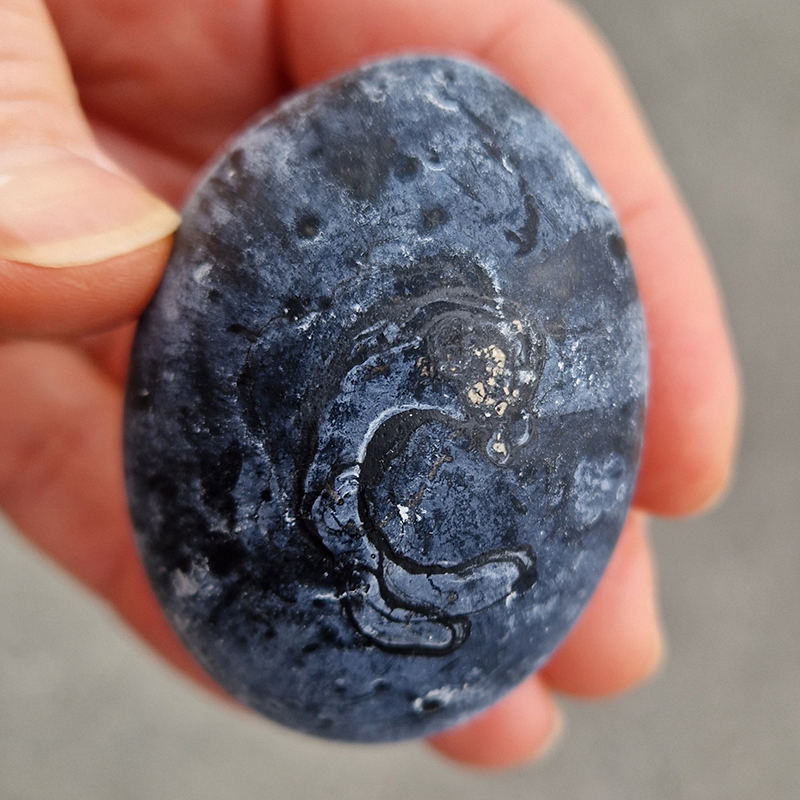
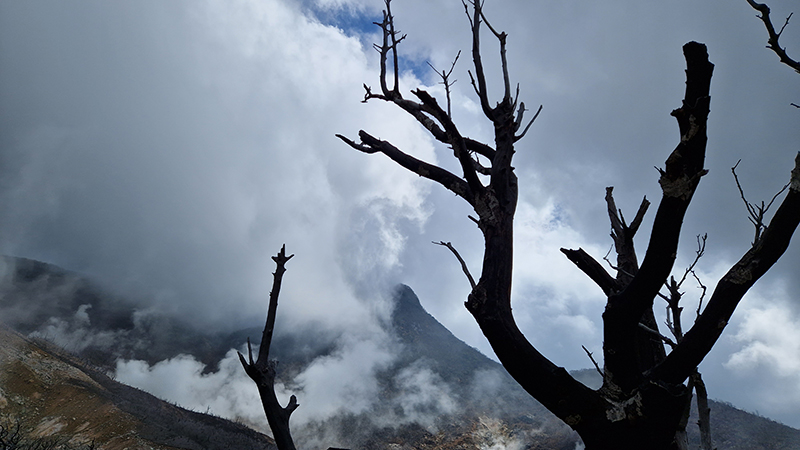
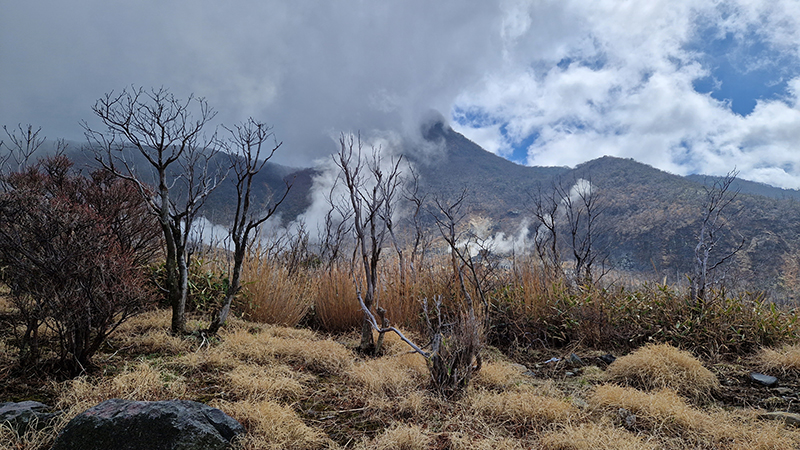
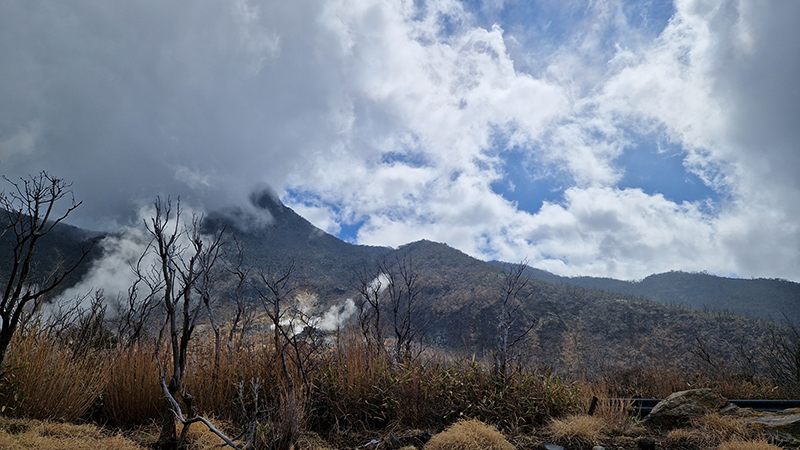
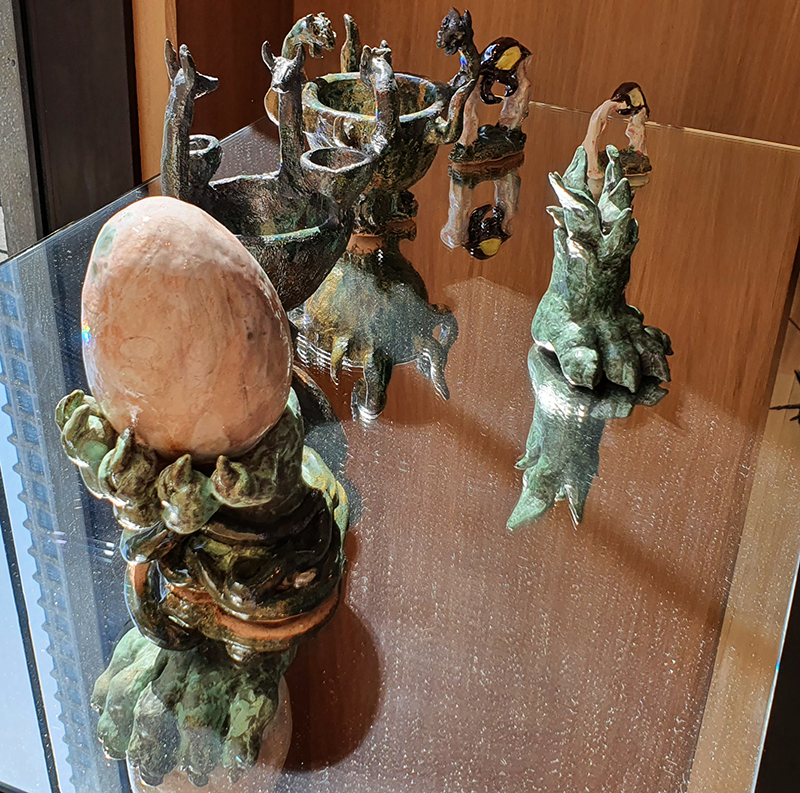
Active sulphur vents of the North South Hakone volcano arc boundary dividing Japan into East and West….also used to cook eggs. The beautiful markings on the eggshell were gone the next day.

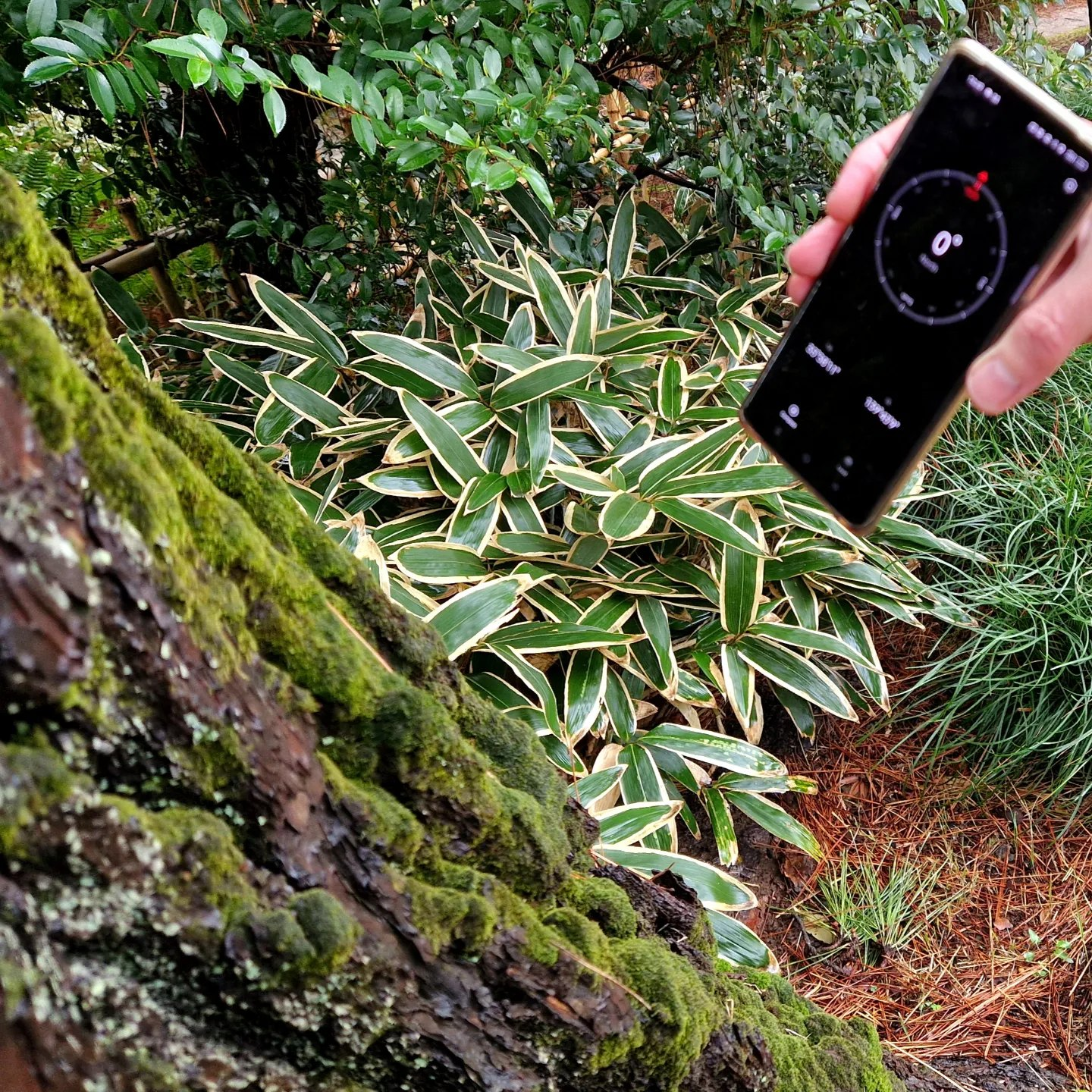
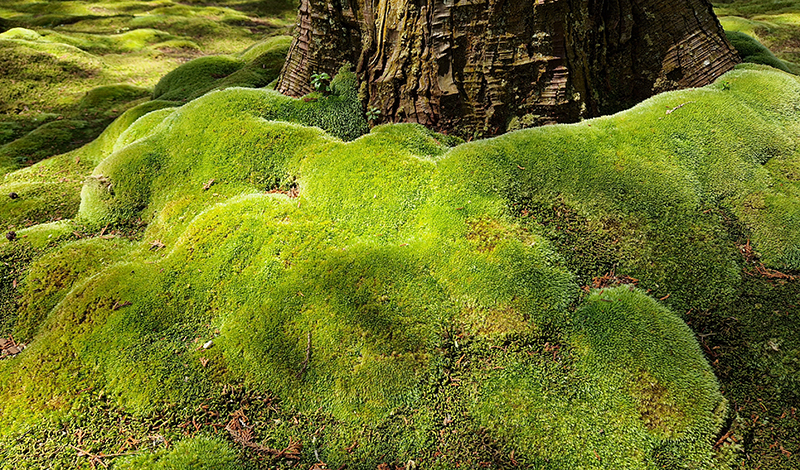
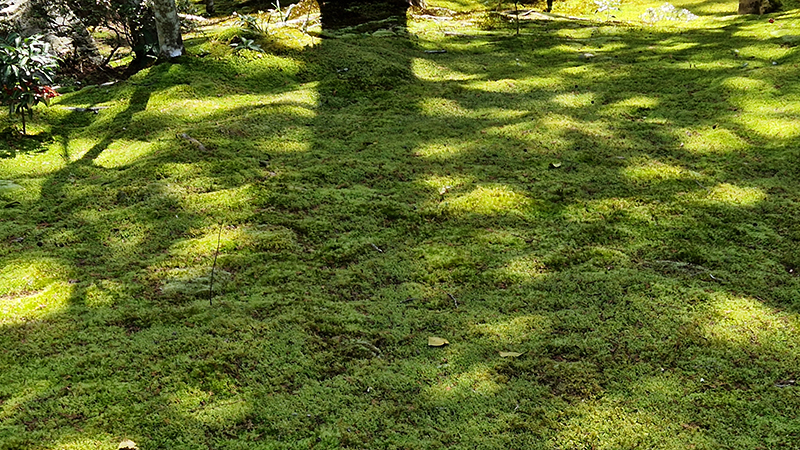
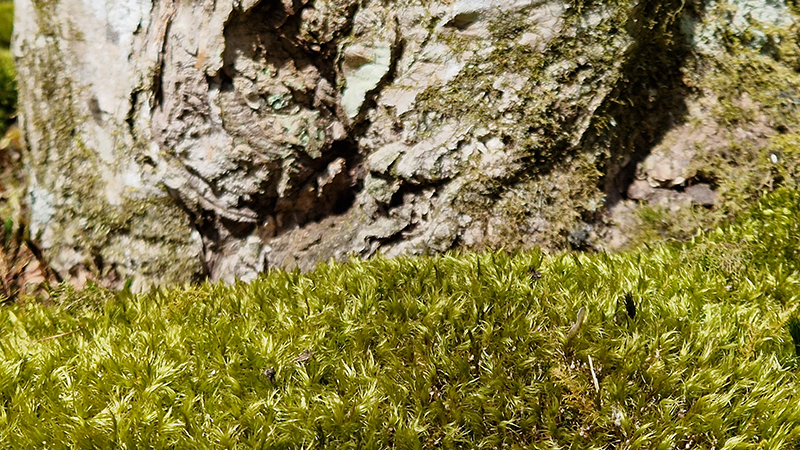
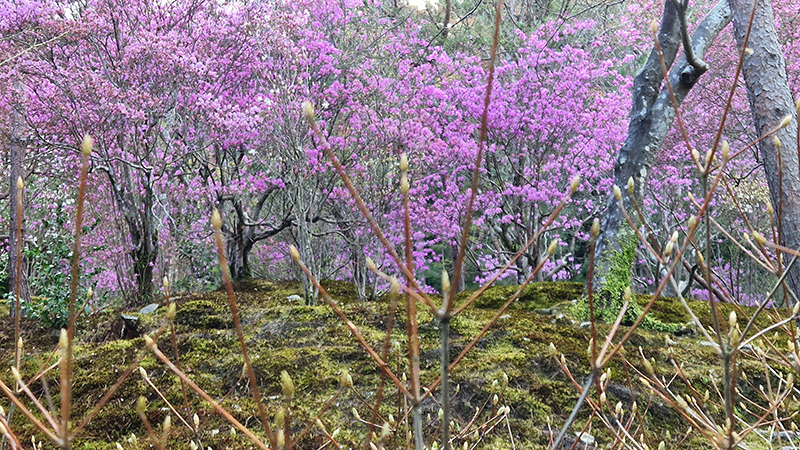
As Tristan Gooley says in The Natural Navigator, ‘There is a commonly held belief that “Moss grows on the north side of trees and buildings.” It does, sometimes, but will also grow on every other side. However, lots of satisfyingly north facing moss growth on the trees in this Tokyo park.

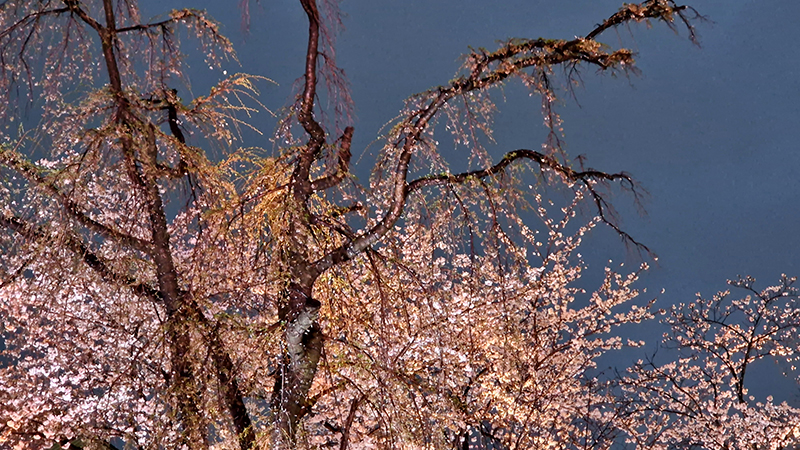
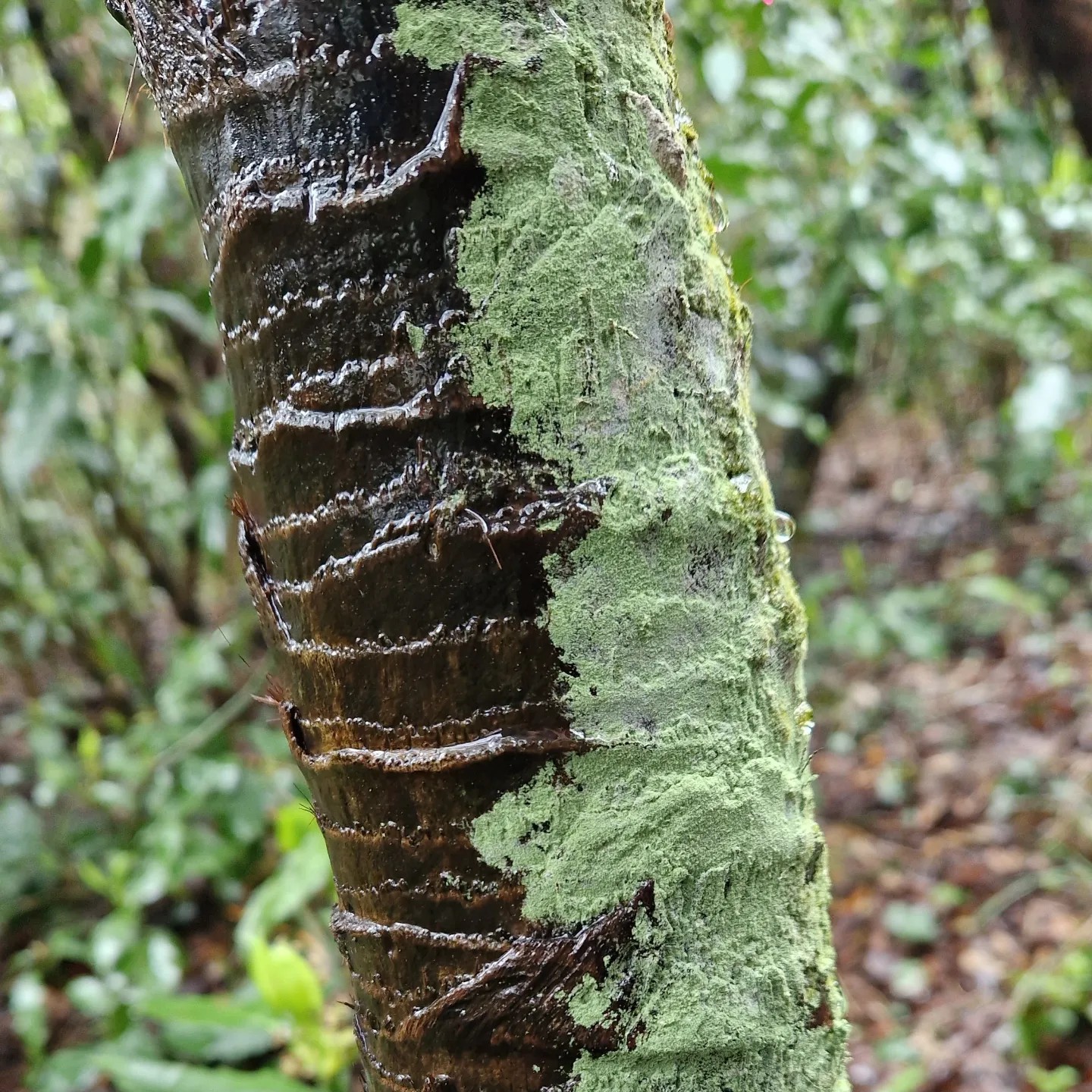
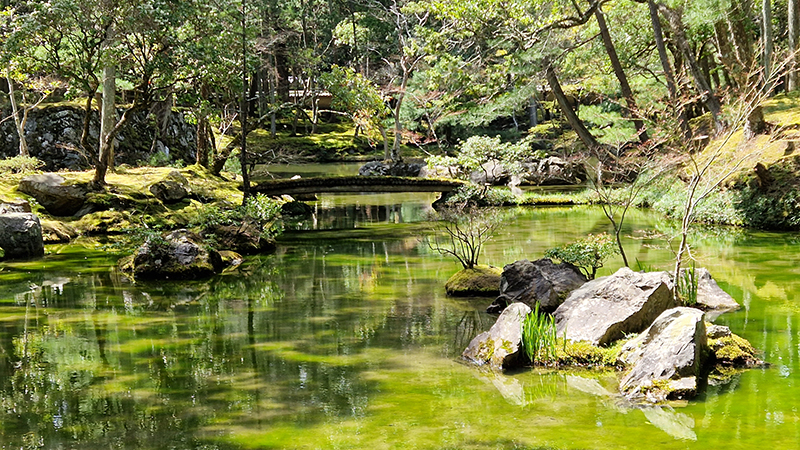
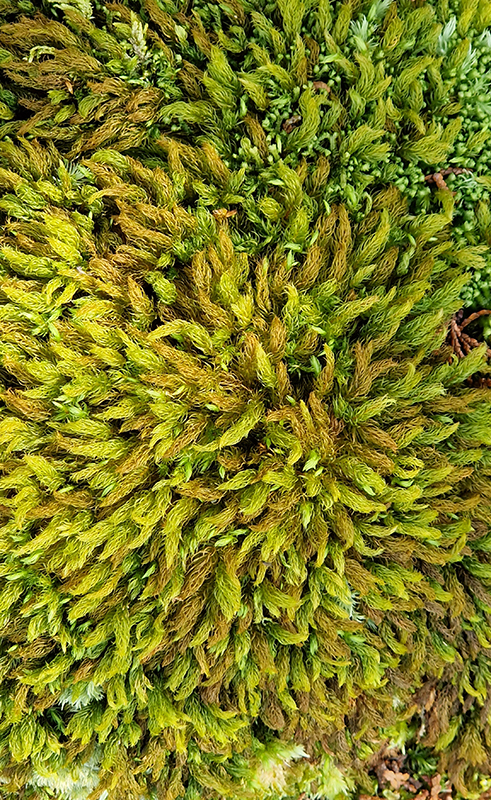
Moss tending in the rain, some splendid moss in the gardens of Kanazawa.

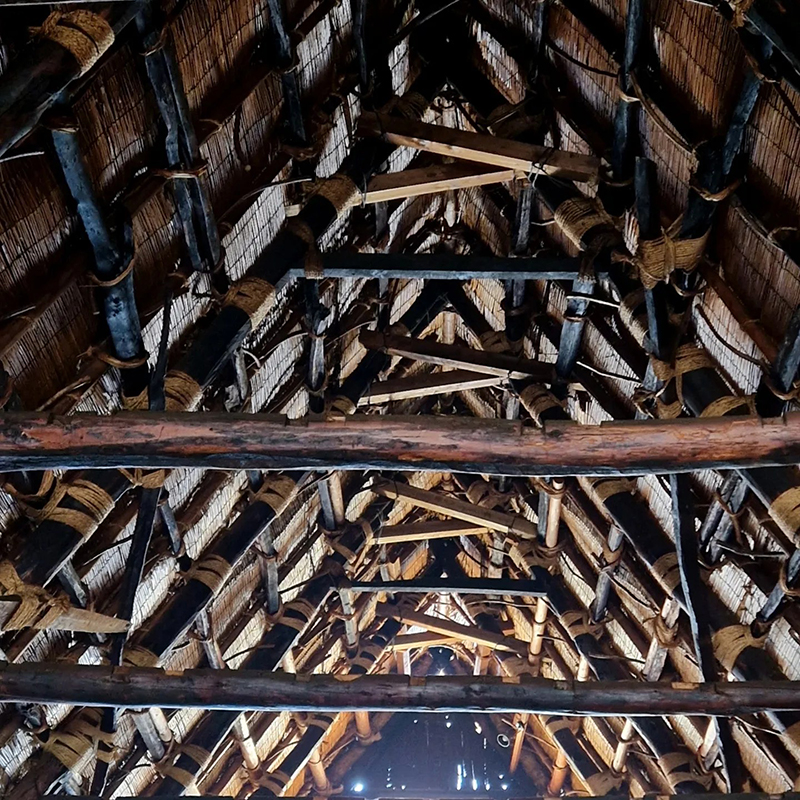
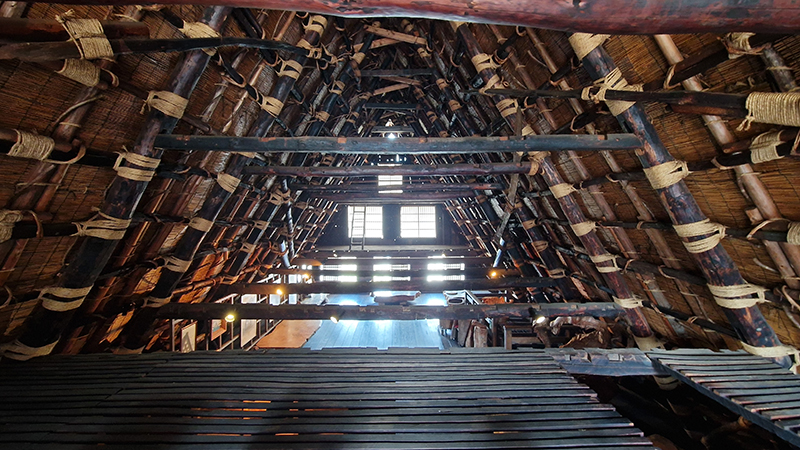
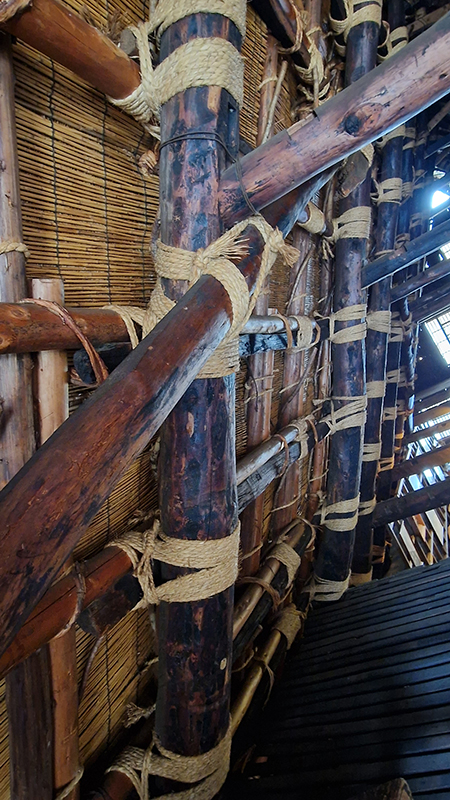
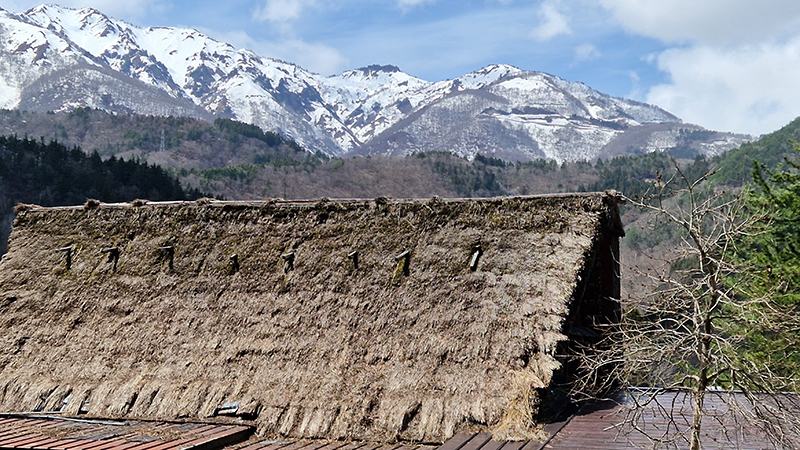
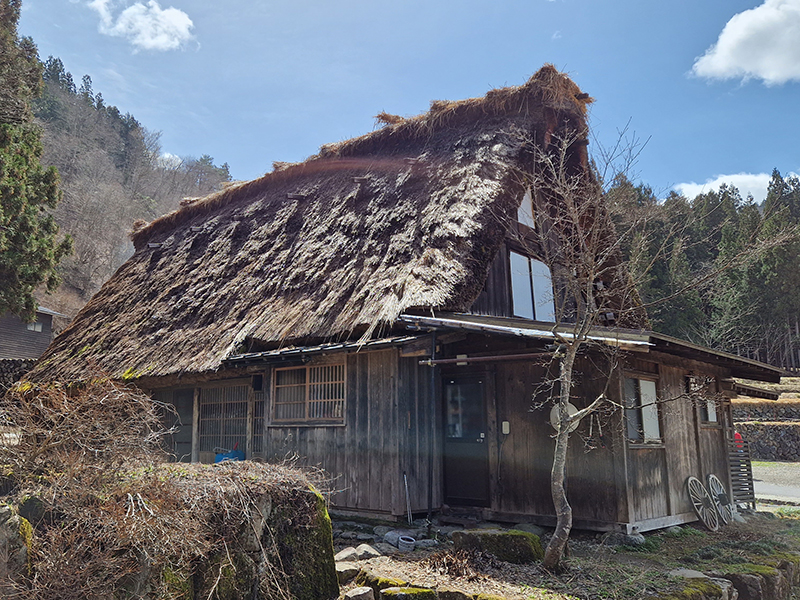
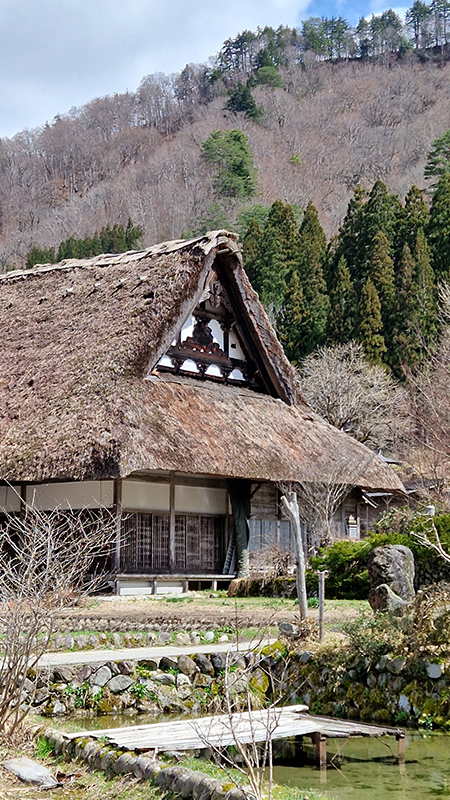
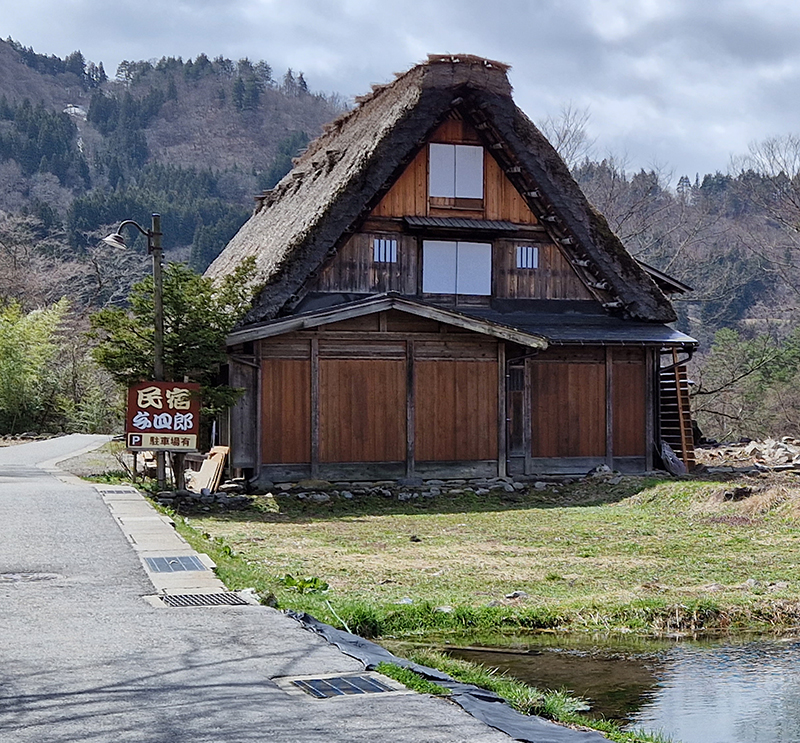
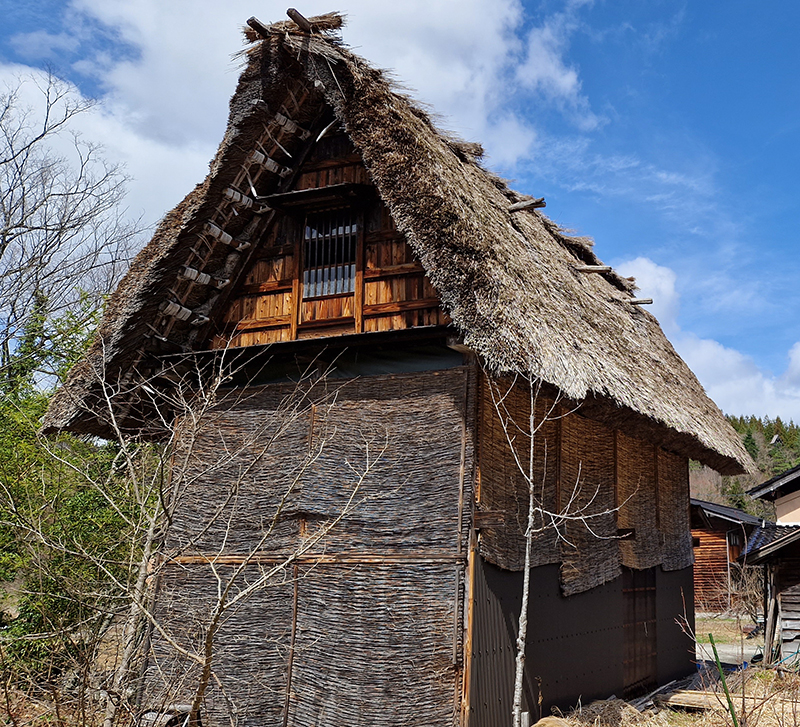
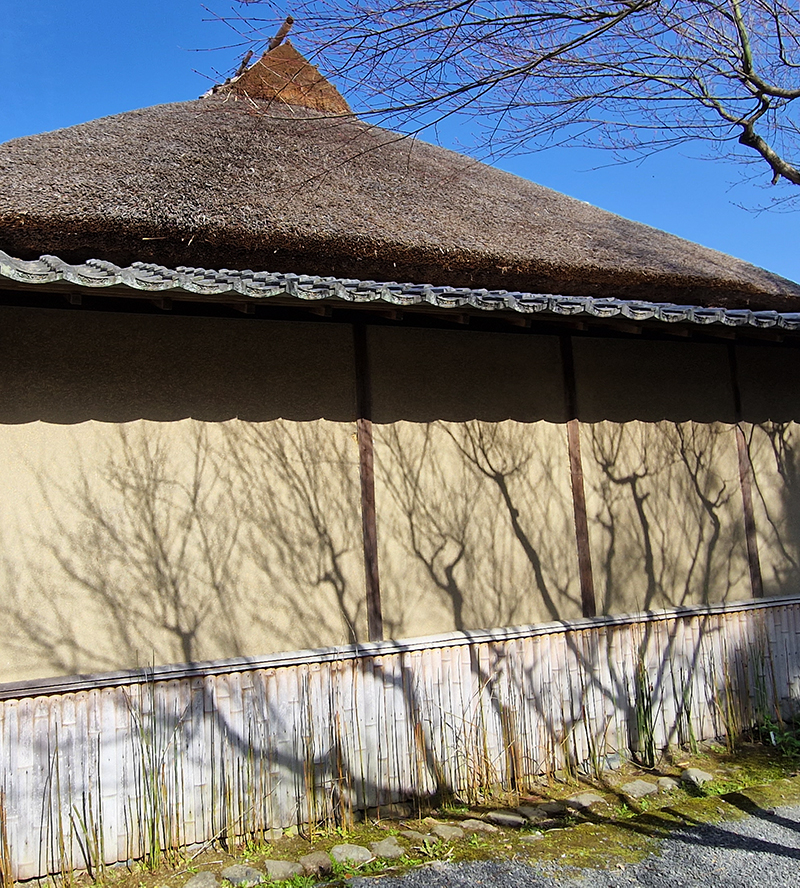
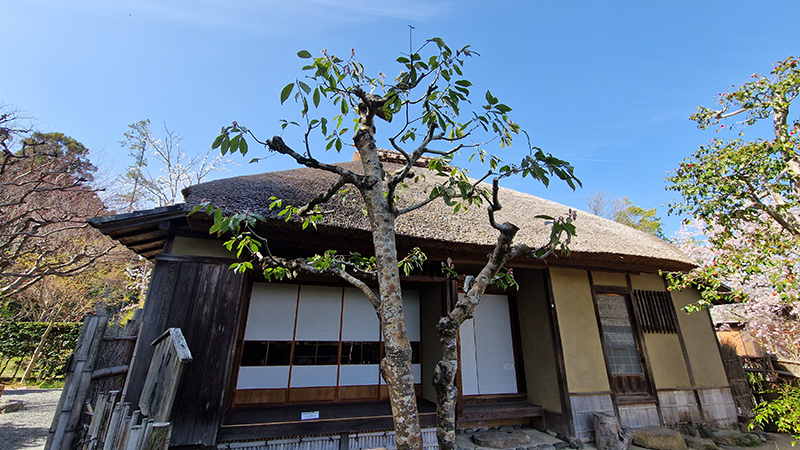
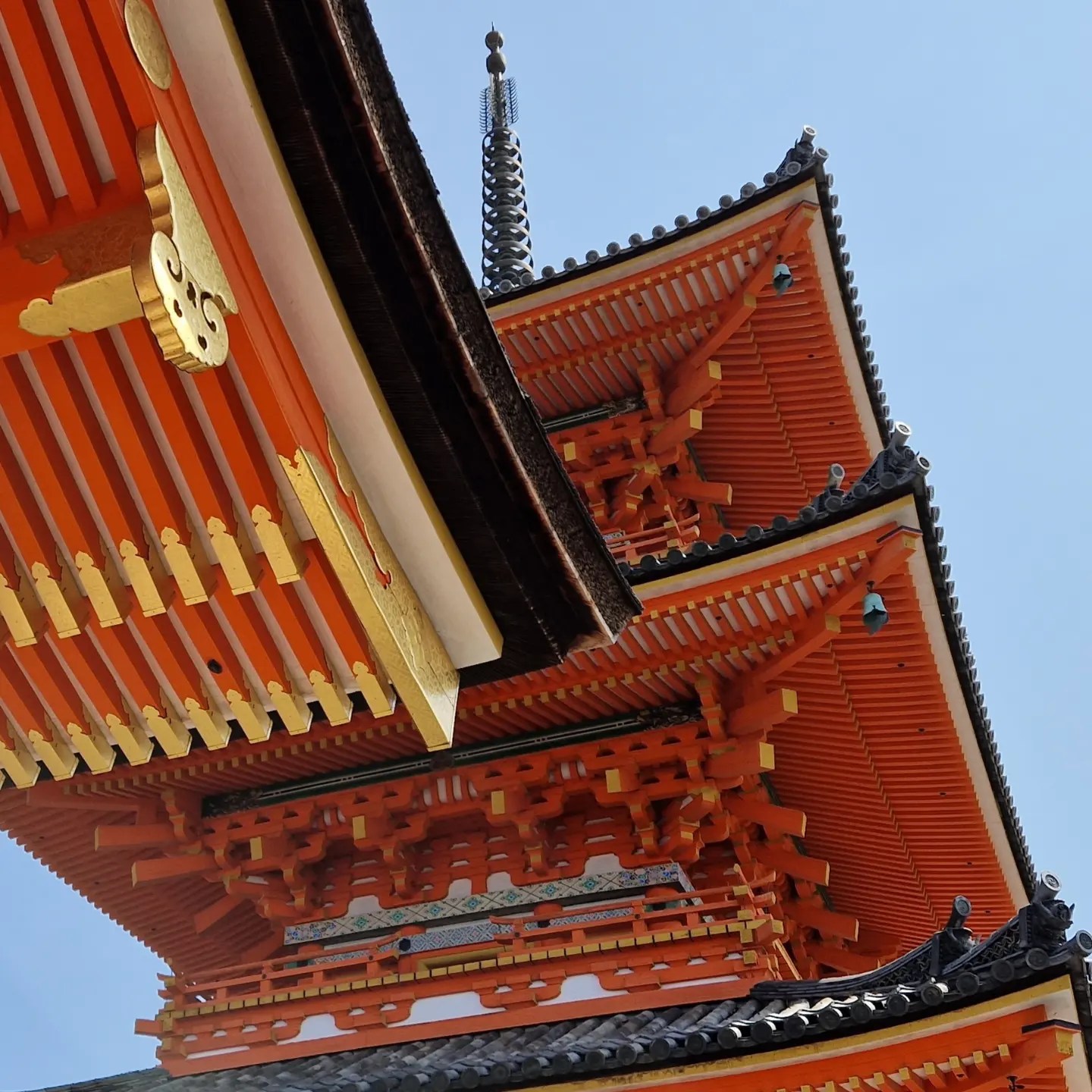
Inspiration for an absolute hut. The “Gassho-zukuri Village”, a World Heritage Site set in stunning mountain scenery, has more than 100 gassho-zukuri thatched rural buildings with wonderful steep pitched A-frame roofs.

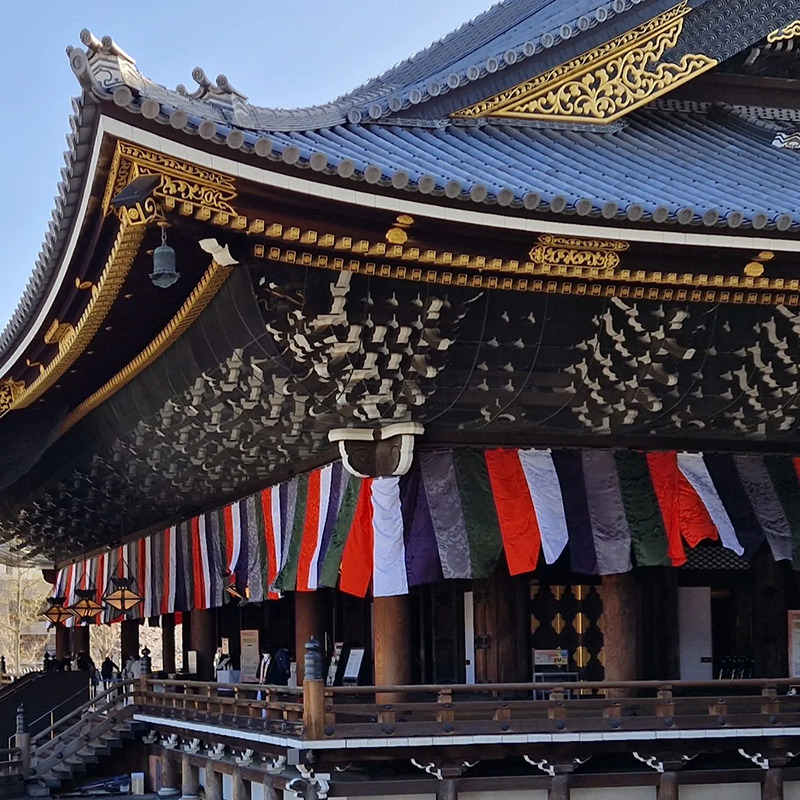
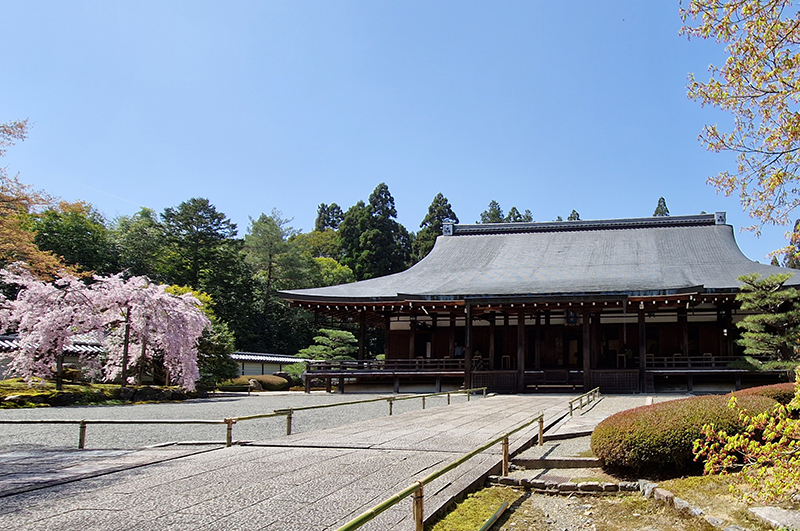
To Discover the Meaning of Being Born as Human Beings. Higashi Honganji Temple

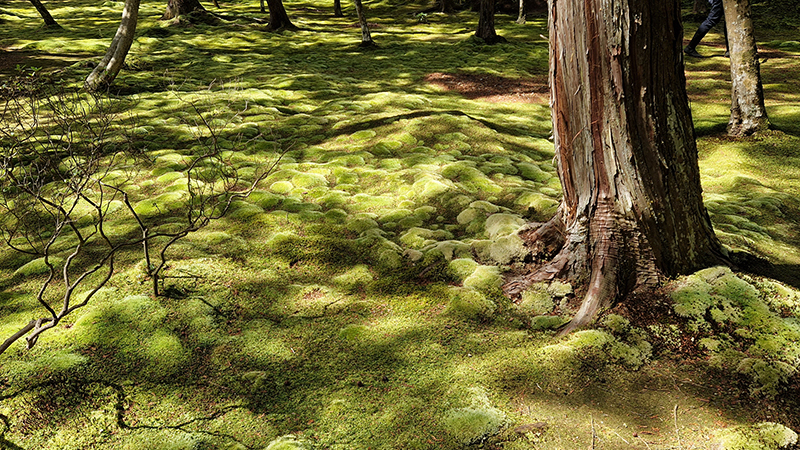
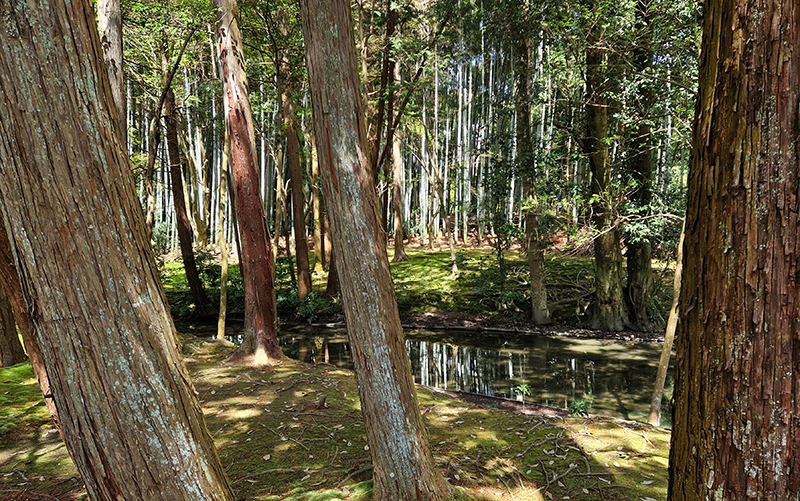
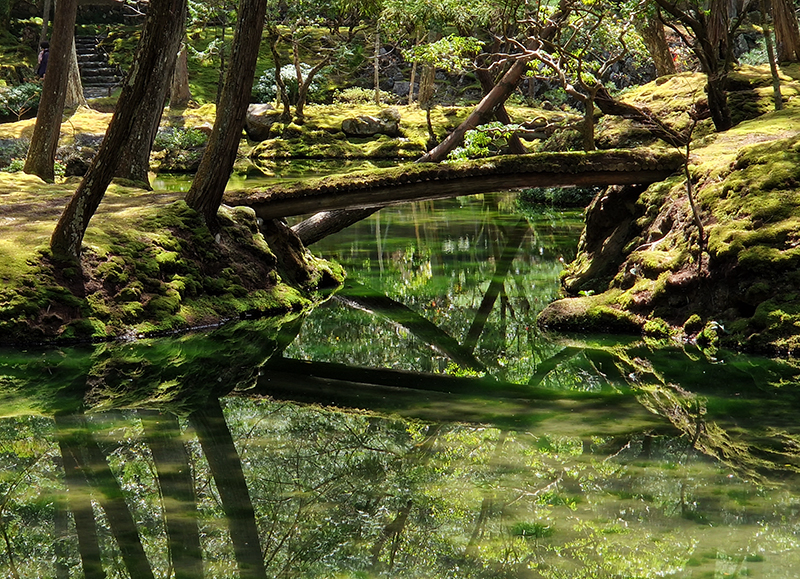
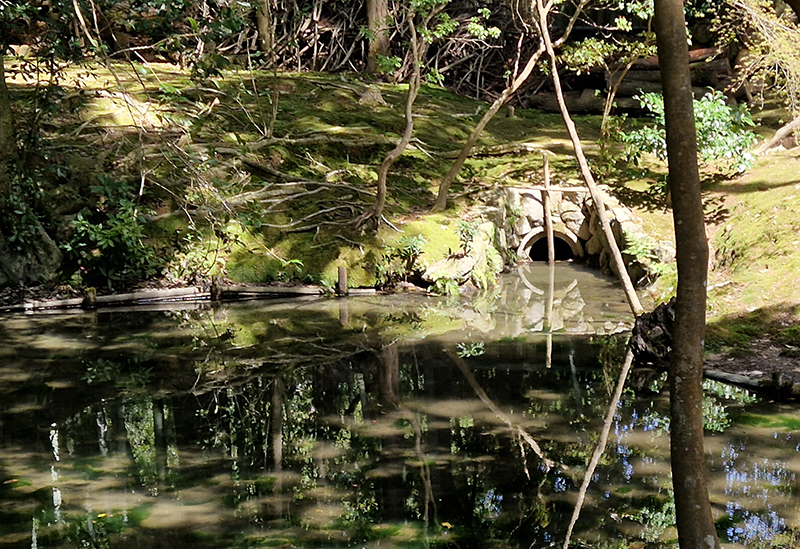
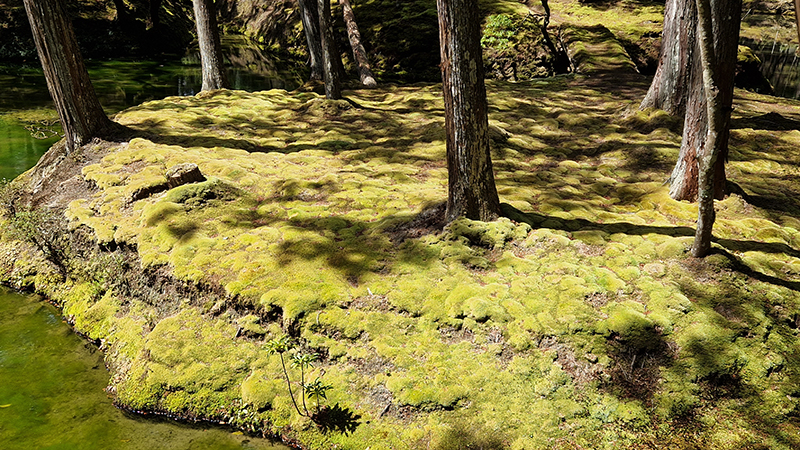
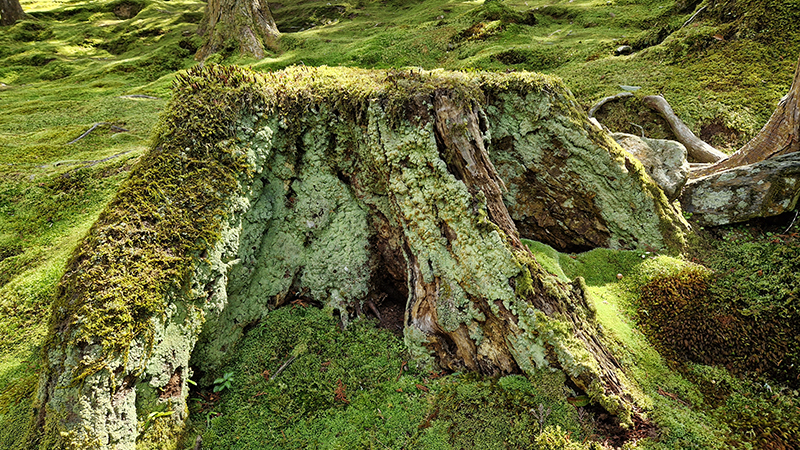
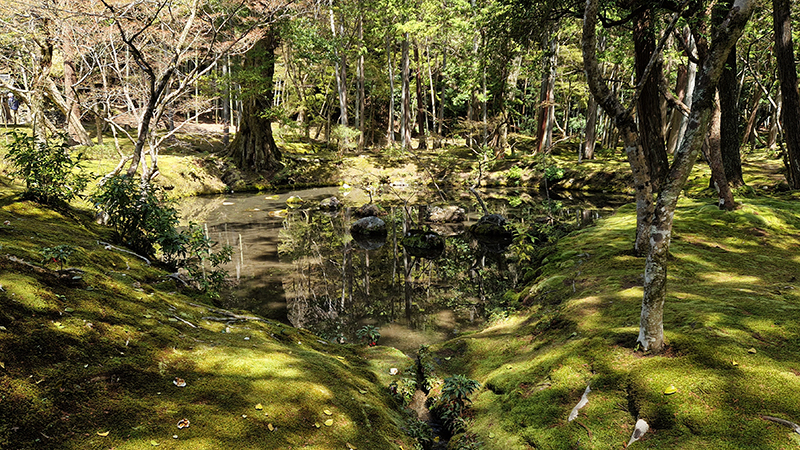
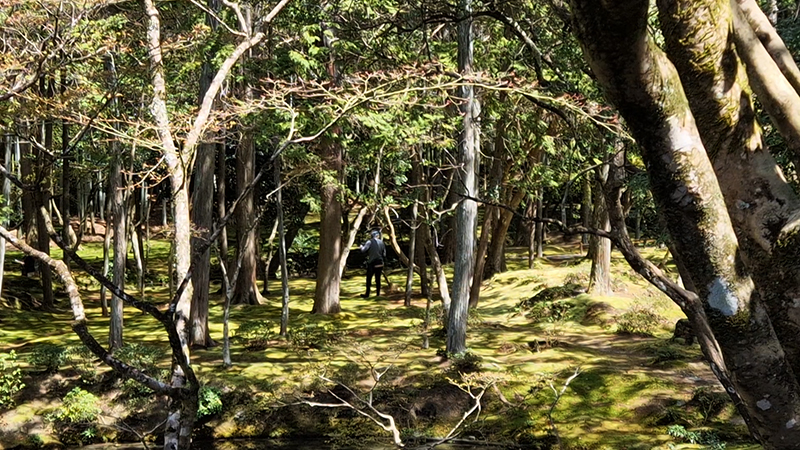
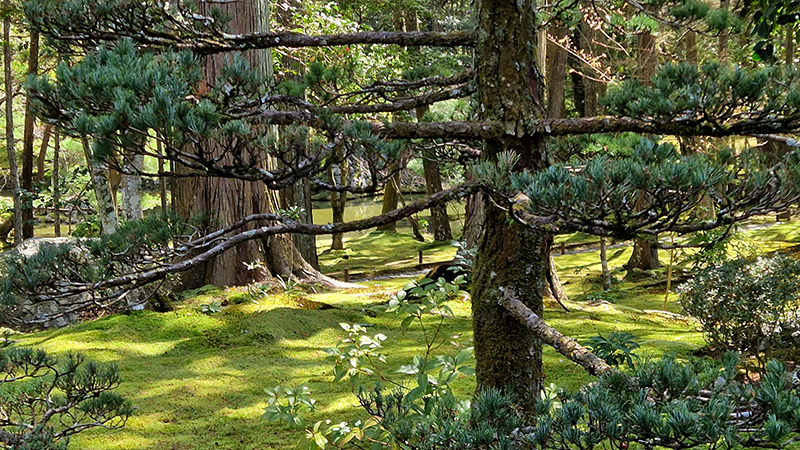
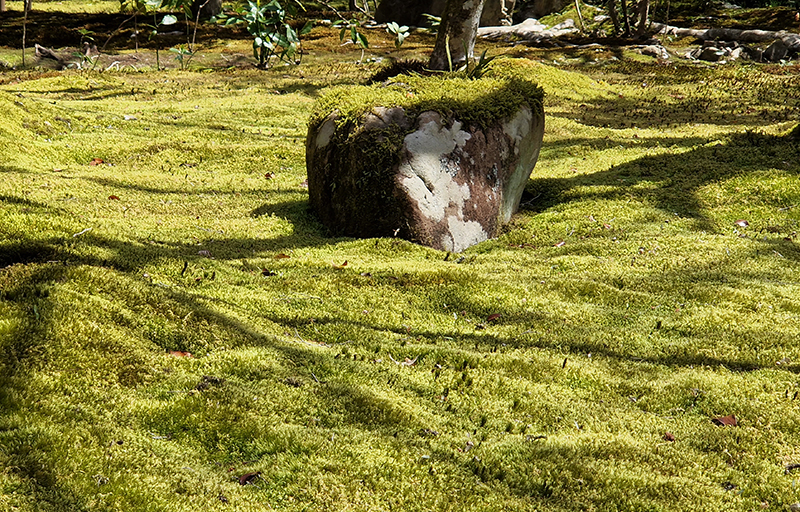
Moss heaven.

To visit Saihoji Kakedora Temple (the Moss Temple), you must send a postcard by mail to request a visit. On arrival, you spend time in the temple at a low table quietly copying sutras with a calligraphy pen to calm the mind before entering the garden.

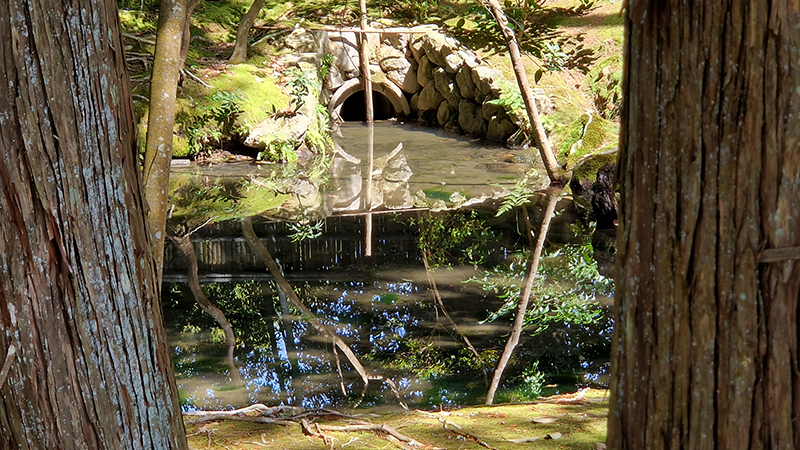
The garden is built around the Ogonchi Pond shaped like the Chinese character, meaning heart and blanketed in over 120 species of moss.

master of persimmons

treetops are close to

Stormy Mountain

The poem stone tells the story of Kayori who had 40 persimmon trees in the garden laden with fruit which he intended to sell, but the night before they were to be picked a huge storm arose and in the morning not one persimmon was left on the trees. Kyorai was enlightened by this experience and called the hut Rakushisha – the cottage of the fallen persimmon.

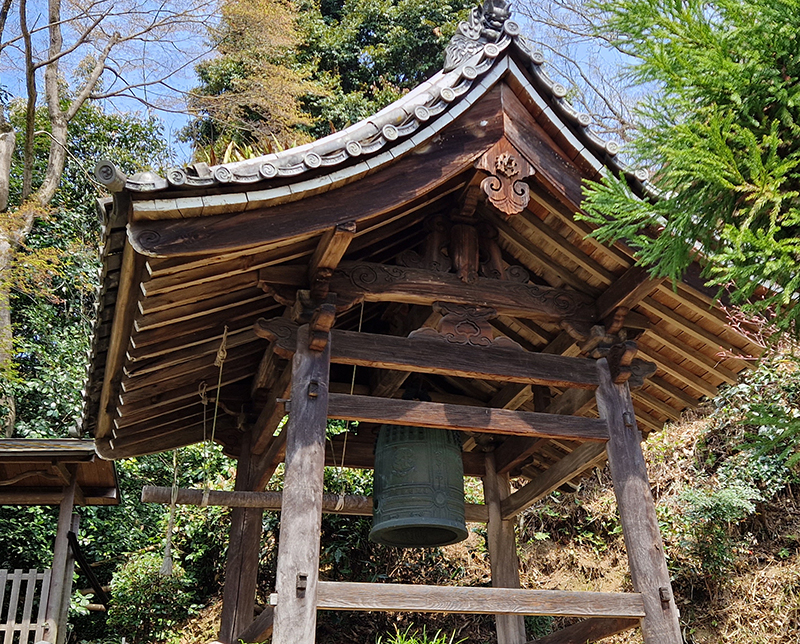
Many famous haiku poets, disciples of Basho and including Basho himself, stayed here.

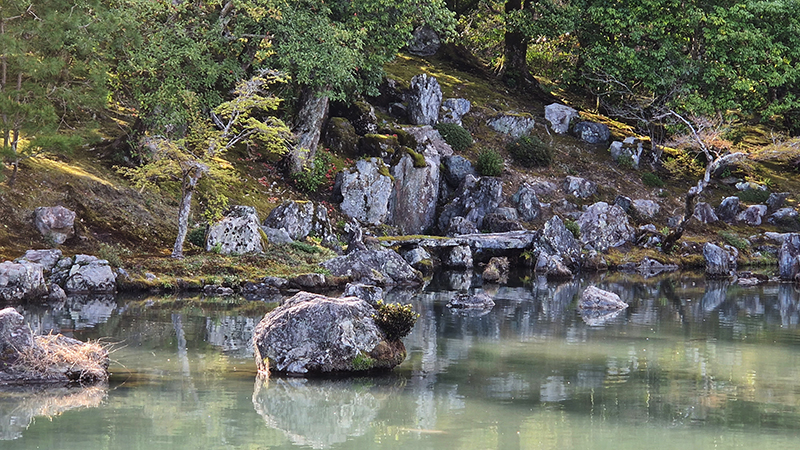
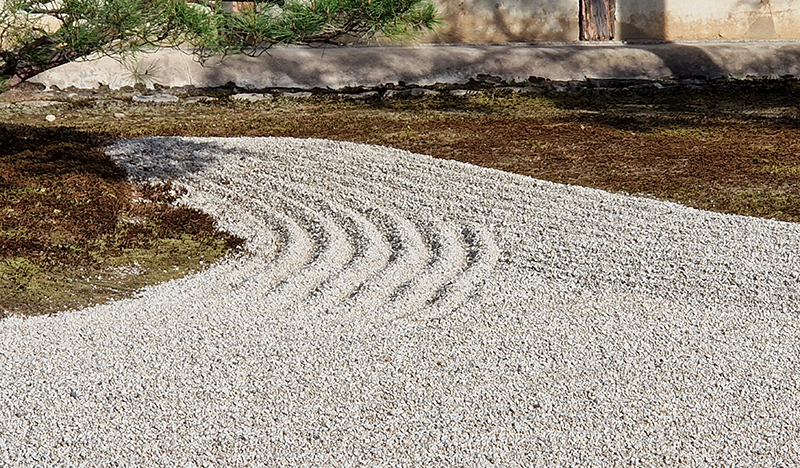
Home of the cloud dragon. Zen garden at Tenryu-Ji Temple, Kyoto.

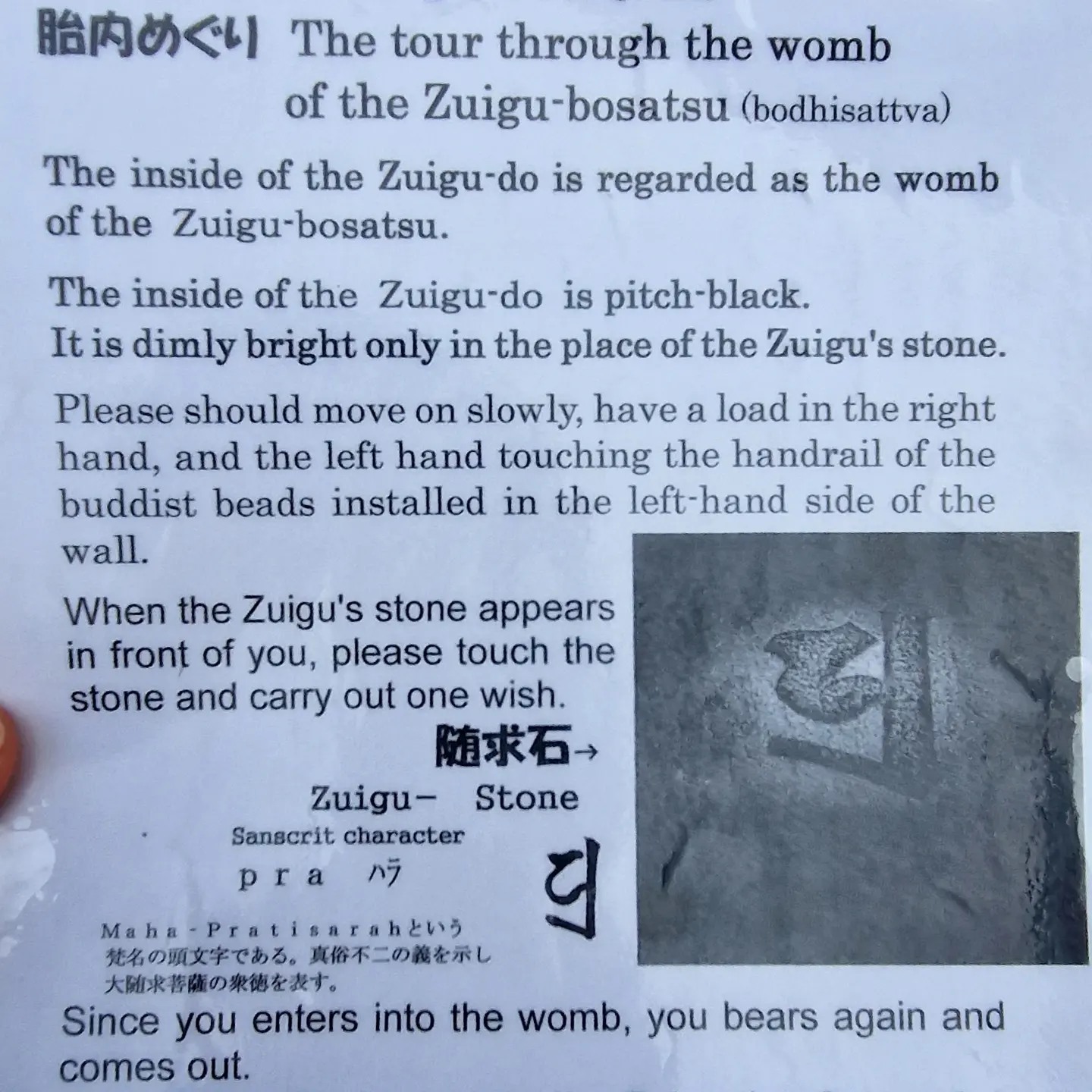
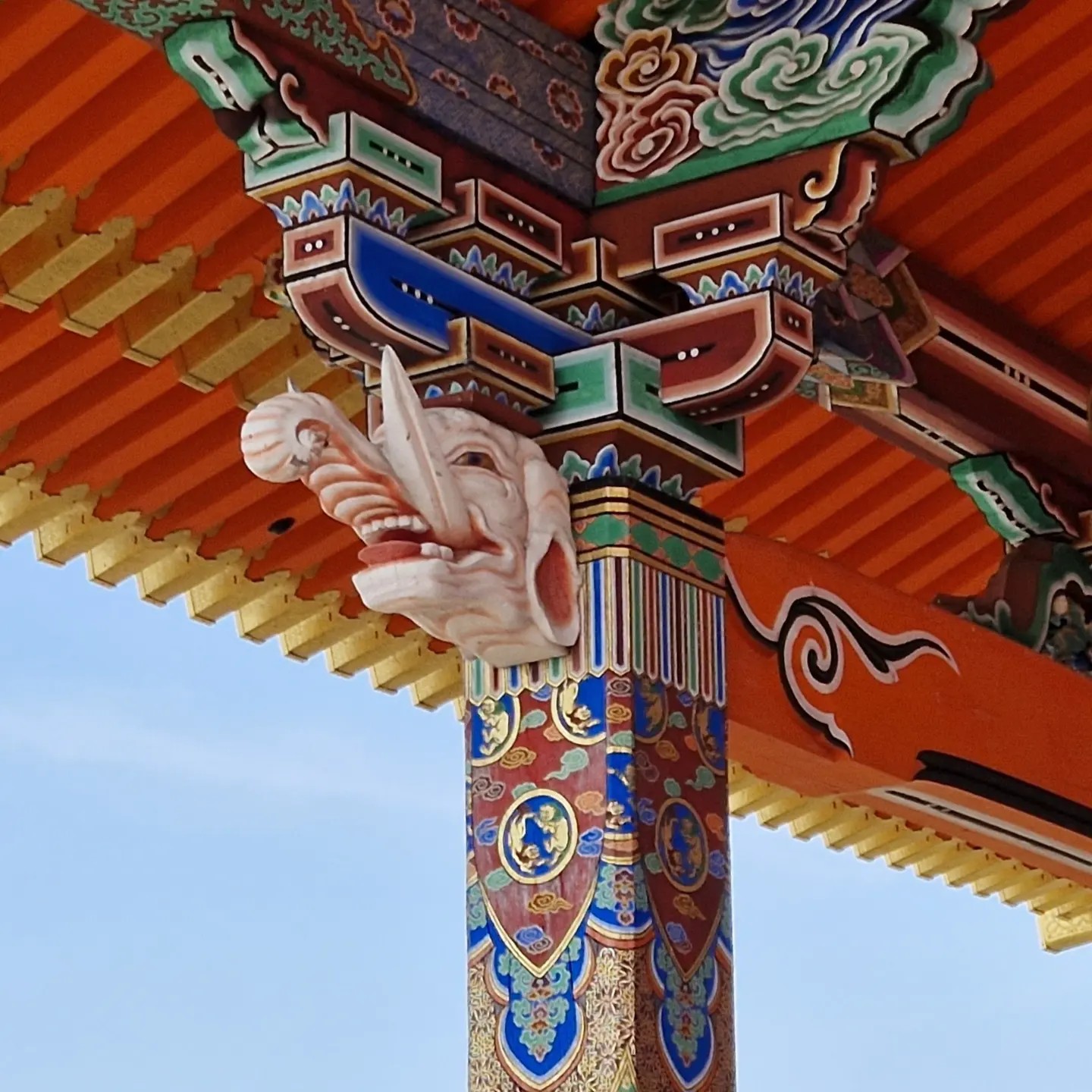
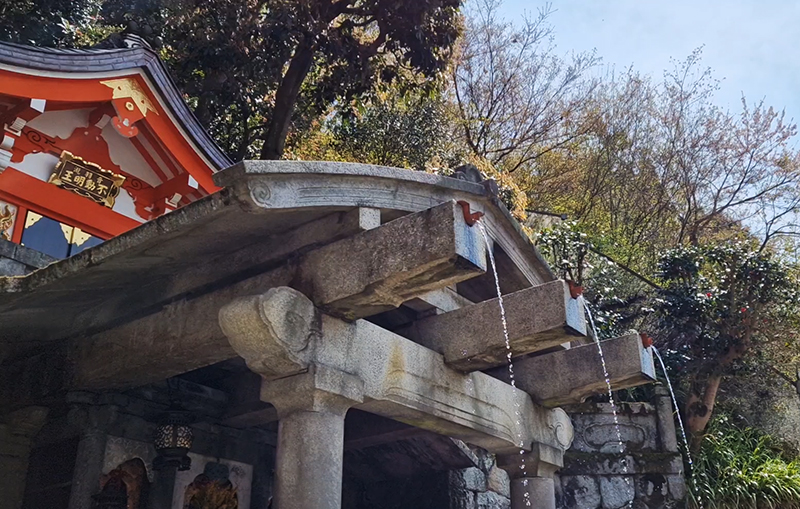
The tour through the womb of the Zuigu-bosatsu. The darkness of the journey through the womb was absolute. The stone floor ice cold on bare feet. Rosary beads the size of grapefruits led a winding path to the softly lit zuigu stone and on to the light to be reborn. Kiyomizu Temple, Kyoto

Kaname-ishi, keystone at Seikanji Temple, overlooking the city of Kyoto, spread like a fan before it, is believed to grant wishes if touched.

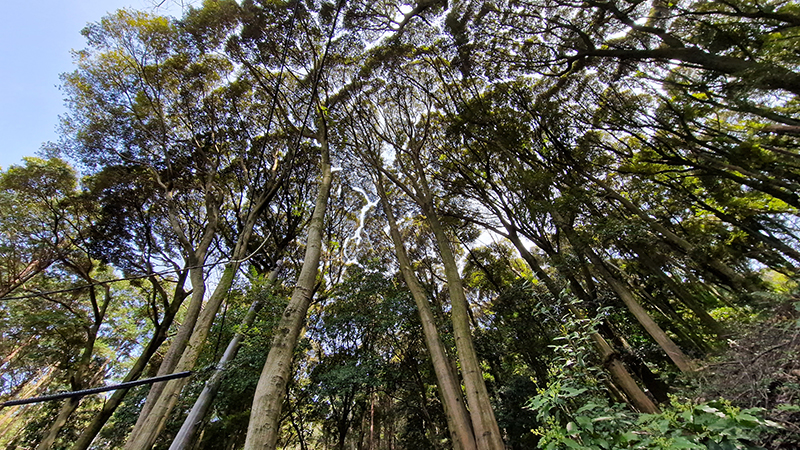
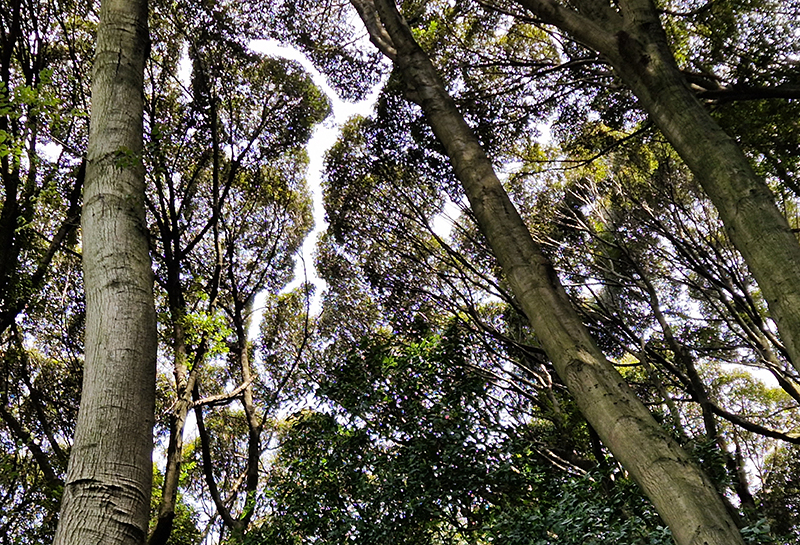
Rivers in the sky. Theories about crown shyness range from being caused by friction as new shoots are eroded in a windy forest to sensing the shadow or warmth of a neighbour.

Binzuru (Pindola Bharadvaja) was one of the sixteen arahats and is said to have excelled in the mastery of occult powers.

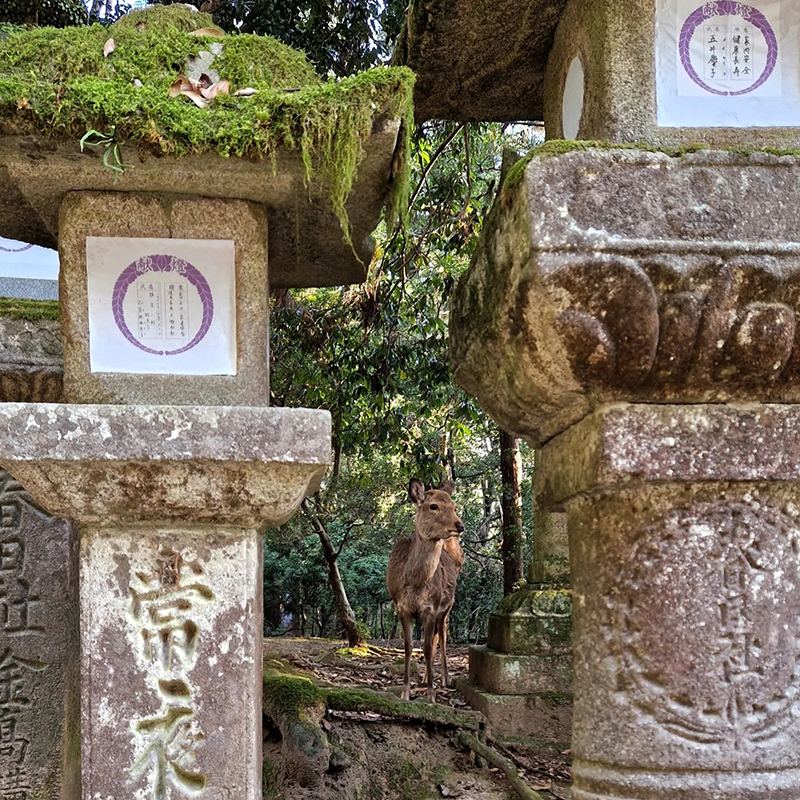
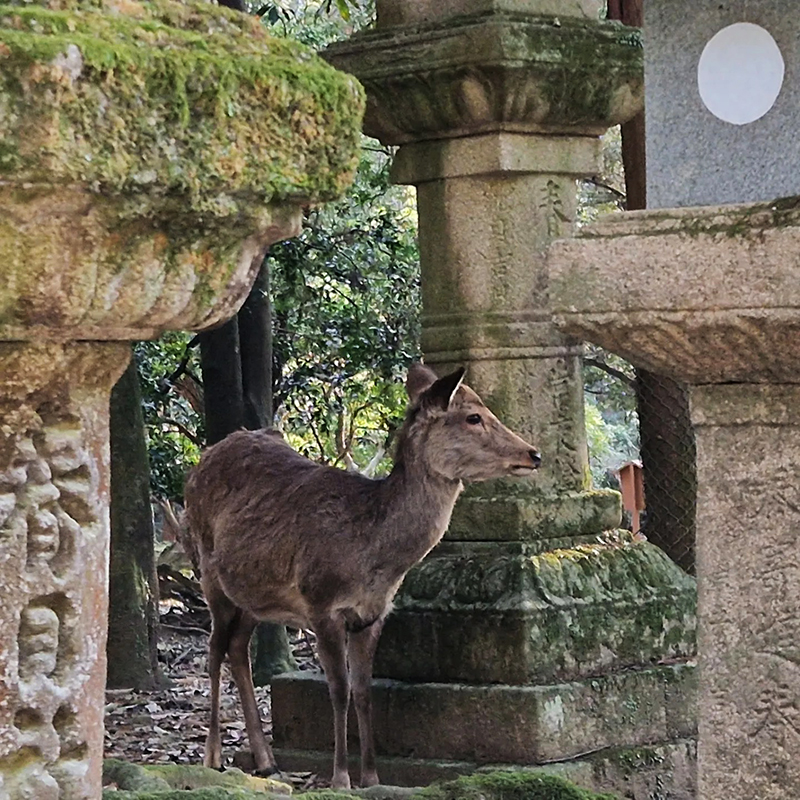
In Japanese mythology, the god of thunder arrived in Nara riding a white deer. The deer have lived here for centuries and are revered as emissaries of the gods of the Kasugataisha Shrine.

They have learnt to bow to be rewarded with special deer biscuits, which you can buy to feed them.

Discovering the works of Rafael Lozano-Hemmer, a Mexican media artist exhibiting internationally with a background in physical chemistry who creates large scale interactive work exploring and exploiting human interaction with technology to create an impressive catalogue of works from tethering a blazing sun to a face briefly echoed in a wisp of cloud. I was drawn to his work Atmospheric Memory inspired by Charles Babbage’s philosophy.

Whilst the atmosphere we breathe is the ever-living witness of the sentiments we have uttered, the waters, and the more solid materials of the globe, bear equally enduring testimony of the acts we have committed. Charles Babbage

Gallery Visits

Undertow at Unit 1 Gallery a group show with a subtle and astute use of material, quietly smoldering with agency.

Artists: Alex Simpson, Alison Rees, Isobel Church, Lauren Ilsley, Nicholas Middleton, Sarah Wishart and Tana West.

‘Hope locates itself in the premises that we don’t know what will happen and that in the spaciousness of uncertainty is room to act.’ – Rebecca Solnit, Hope in the Dark, 2004/2016

Michael Taylor The Last Man at Standpoint Gallery. I really loved this luminous body of work.

Richard Slee Sunlit Uplands at Hales Gallery was a wonderful conveyor belt parade of glistening mini utopias.

We can see no detail, we can see nothing definable and it is, I know, simply the sanguine necessity of our minds that makes us believe those uplands of the future are still more gracious and splendid than we can either hope or imagine.” 

The Discovery of the Future, H.G. Wells 1902

The quote “sunlit uplands” has been used as political ideology, as an assurance for better days to come most recently the phrase has been linked to the promises of Brexit, with politicians leaning on this rallying rhetoric.

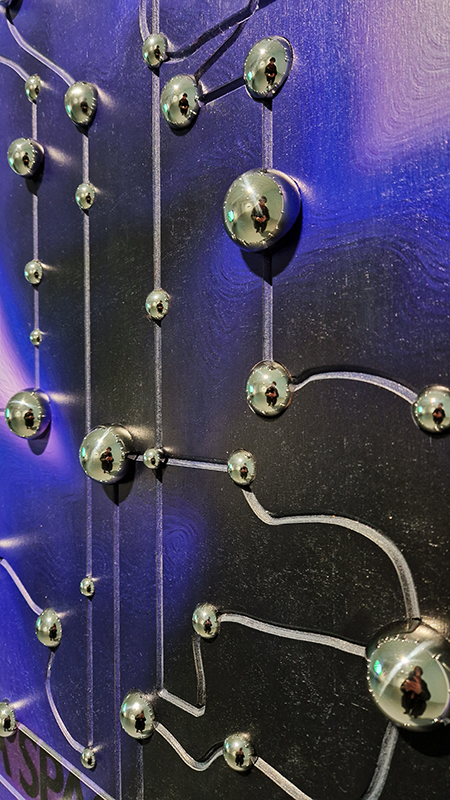
George Henry Longly Microgravities at Nicoletti. I found the slick production values, very shiny like outsize circuit boards of these works exposing sci-fi cliché and subverting popular space movie tropes sat very close to the ideas they are parodying. Microgravity – ‘the condition in which people or objects appear to be weightless’, according to NASA’s website – is responsible for metabolic and behavioural changes for space travelers. Some interesting theory behind this show about the human cost of living in space as our gut microbiome reacts to a weightless environment. I liked the reflection cast on the floor from the mirrored circle left exposed as a planet on the widescreen landscape.

On Failure group show at Soft Opening with Olivia Erlanger, Cash Frances, Jordan/Martin Hell, Kelsey Isaacs, Maren Karlson, Sam Lipp, Chris Lloyd and Narumi Nekpenekpen. While certain works function as indexes of failed attempts at control, others recognise the perceived failure of the human body, positing that from a spiritual perspective: if perfection is nonexistent, then failure is all we have, all that is real. One or two of the hanging pieces are reminiscent of the votive offerings at holy wells or the love lock bridges festooned with padlocks.

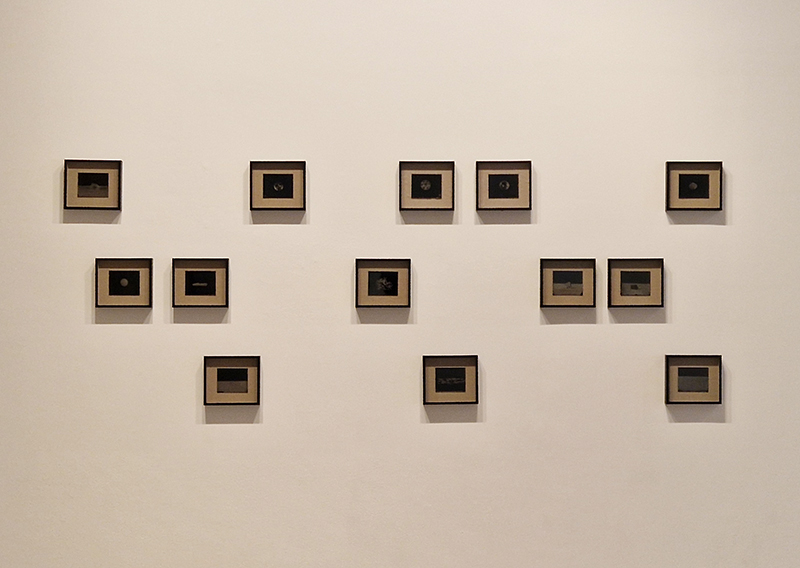
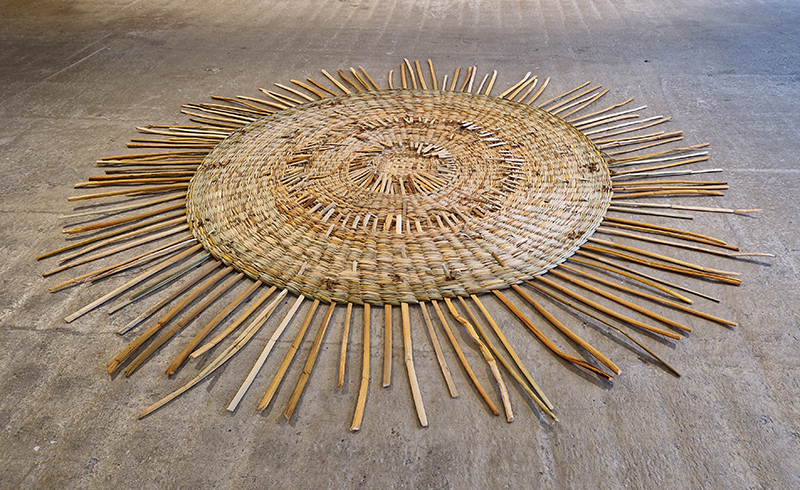
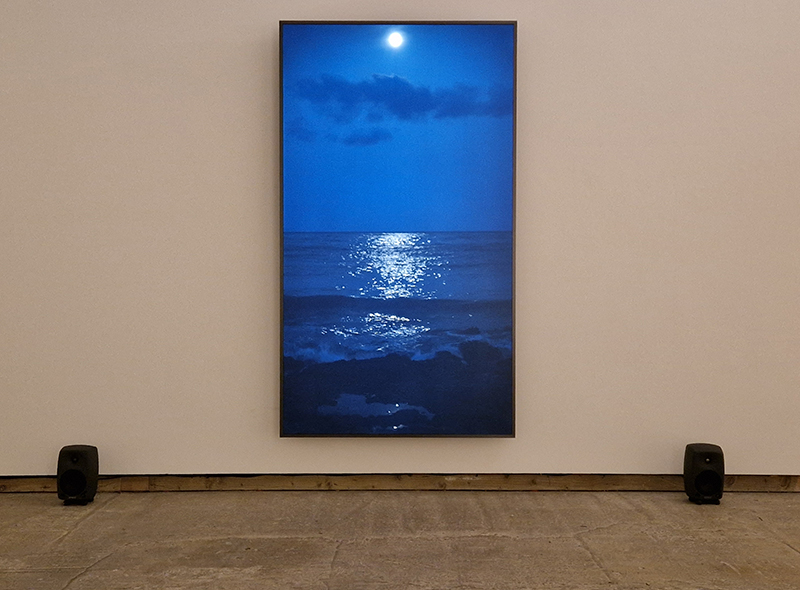
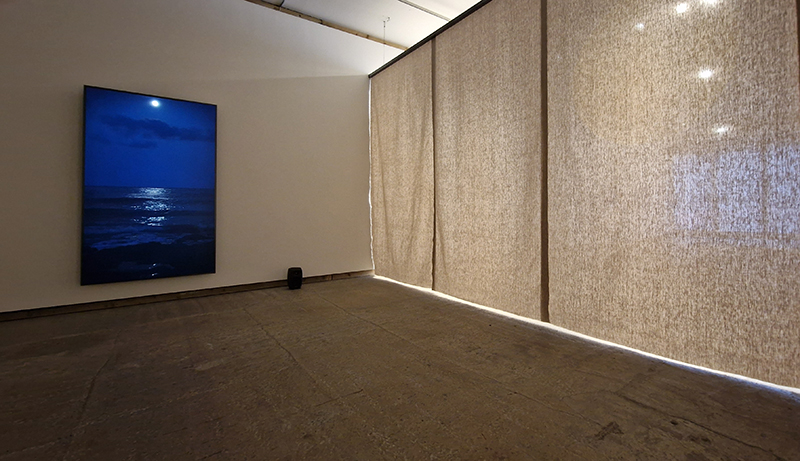
Bridget Smith Field Recordings at Frith Street Gallery. Natural material processes, simply presented. The weathering of bulrushes, the materiality of analogue photographic techniques such as ambrotypes and tintypes, the simplicity of a moon rising over the sea.

Daniel Shanken The Cascades at Stanley Picker Gallery. I was excited to see this show as the randomness within the work is derived from radioactive decay and I thought the title may refer to cascades of comic particles but perhaps it refers to cascades of data. The aesthetic was very game based and the randomness not explicit in origin. I liked the set up though with the projection onto the floor creating an abyss to gaze down into from an industrial style walkway.

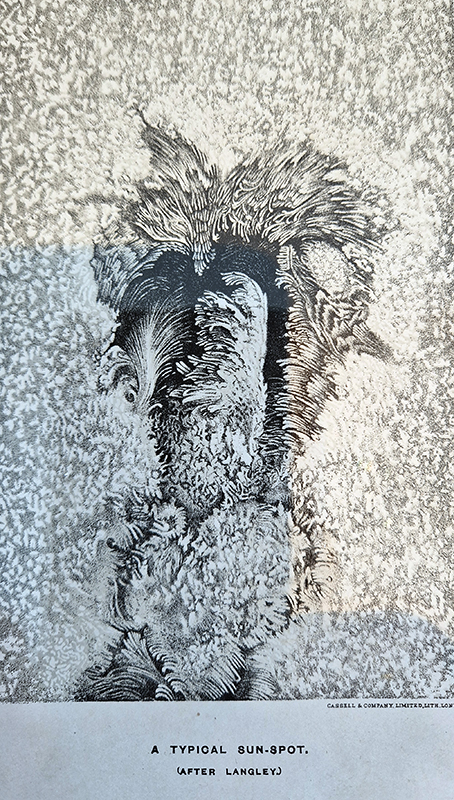
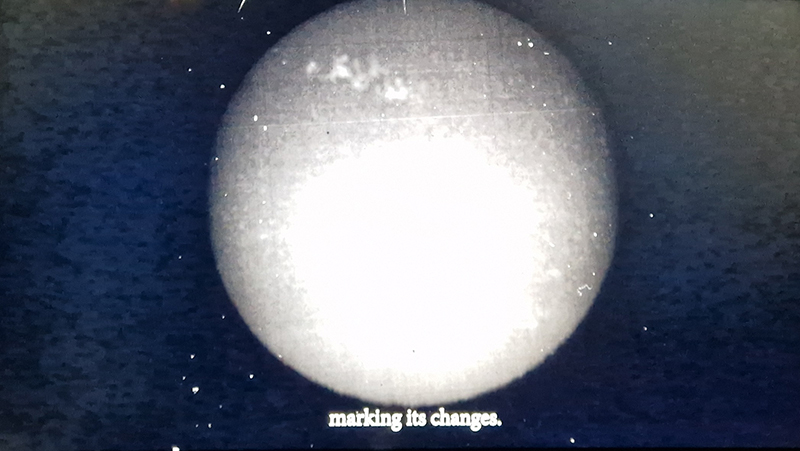
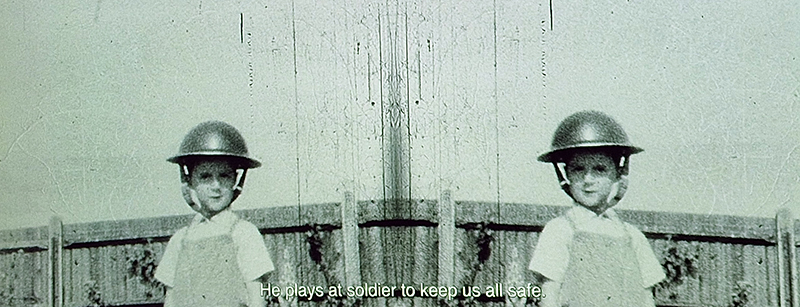
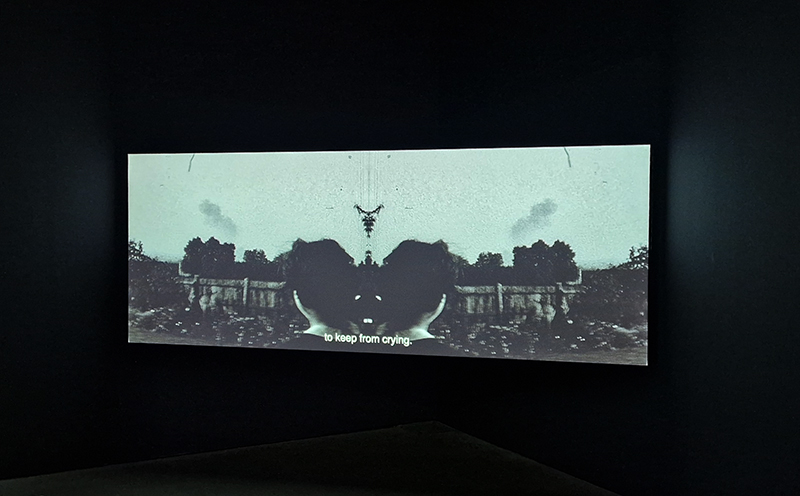
David Blandy Atomic Light at John Hansard Gallery Southampton. Four films circumnavigating the fallout from the atomic bomb massacre at Hiroshima. The body of work is inspired by a family history, a grandfather, a prisoner of war in Singapore – held by the Japanese but felt himself saved by the detonation at Hiroshima. The golden hour light is so perfectly captured and reflected in The Edge of Forever which gives voice to the children, accusing, watchful and alone. This was filmed by his partner and features his own children. Soil, Sinew and Bone is a collaged documentary of archival material, mirrored so that the central area of the film takes on the shape of an a atomic bomb. In Sunspot two scientists, one in Japan, one at Mount Wilson Observatory are monitoring the activity of sunspots, the flares that can erupt and disrupt radio signals as the particle filled solar wind and magnetic turbulence blasts across the magnetosphere. The film Empire of the Swamp has a wonderful rich narration embodied in the voice of an ancient crocodile who remembers the mangrove swamps before the war and the arrival of the white man.

I enjoyed the Art Fictions podcast with guest Jennifer Higgie discussing her writing practice via the 2009 novel Drive Your Plow Over the Bones of the Dead by Olga Tokarczuk. I was then lucky to see Complicitie’s excellent interpretation of this novel on stage at the Barbican directed by Simon McBurney.

this is a tale about the cosmos, poetry, and the limitations and possibilities of activism.

Complicitie’s production employed the same blinding flash technique as Alfredo Jaar used in his work The Sound of Silence which I saw in 2006 and still remember vividly. Sitting in a dark space a story of one photograph, taken in Sudan 1993, is told in simple sentences on a large black screen. The photograph is shown momentarily before a blinding flash of light scores the retina. You are left blinking in the afterglow. The image won a Pulitzer Prize, but the South African photographer Kevin Carter committed suicide at 33 after struggling to come to terms with what he witnessed, and the public response for not having intervened to save the child’s life. In the novel Drive Your Plow Over the Bones of the Dead, Janina, the eccentric ‘older woman’ does not hold back from intervening when she sees injustice to any living thing. She is also vilified, but for showing compassion for the animals.

Alfredo Jaar 'The Sound of Silence'

I also dredged up the memory of having seen the film Spoor at the 2017 BFI LLF also based on this novel. Finally I have bought a copy of the novel. A circuitous route to the original text.

I am very much enjoying reading Rebecca Solnit A Field Guide to Getting Lost. Her writing is like a torchlight illuminating one idea after another, sweeping across a multitude of topics with an infectious energy to explore and experience the unknown.

How will you go about finding that thing, the nature of which is totally unknown to you? – Meno

Lode – a way or path, a watercourse, a vein of metallic ore.

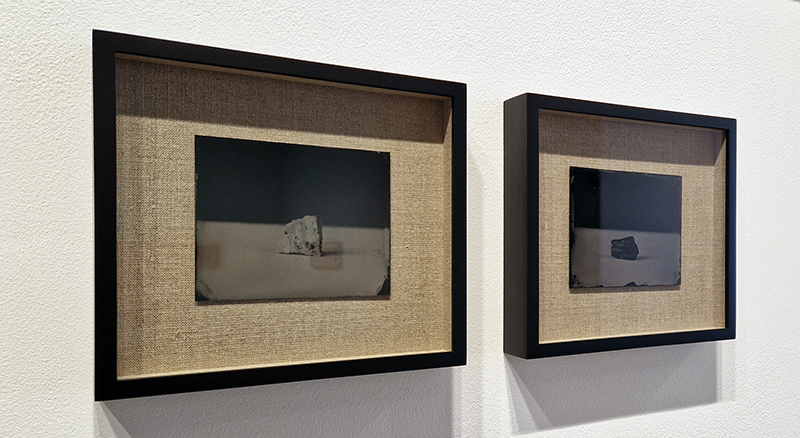
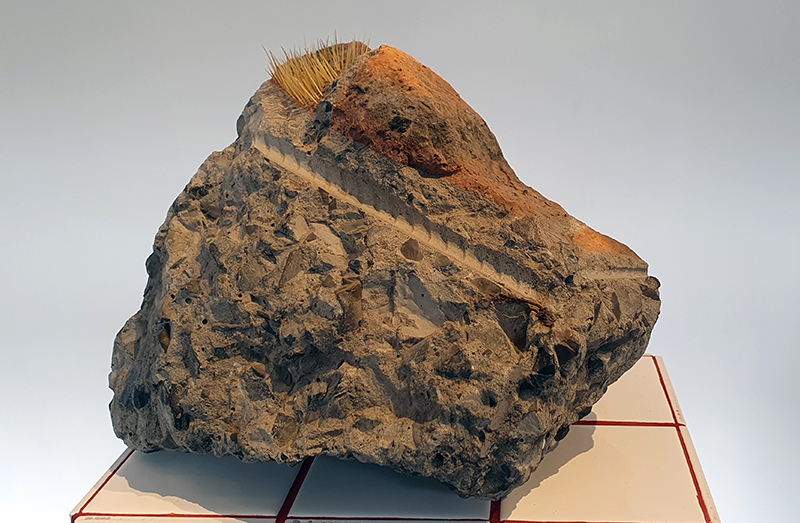
A lodestone is a naturally occurring magnet possibly created by a lightning strike. Early compasses were made of lodestone suspended on a cord.

Magnetite is a common mineral that has an attraction to a magnet but is not magnetic in itself.

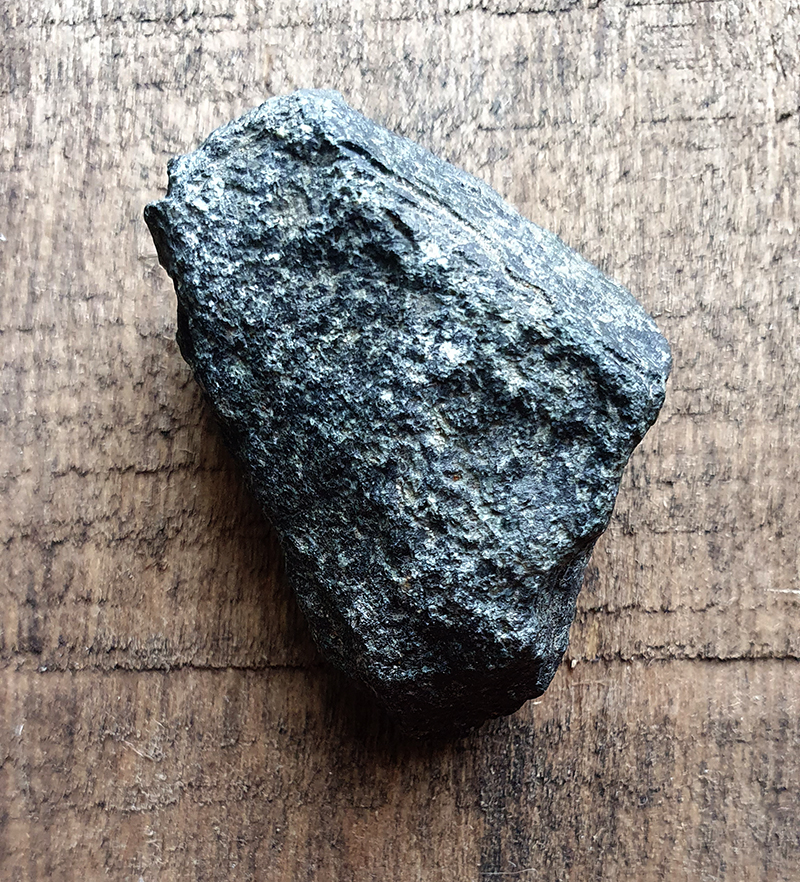
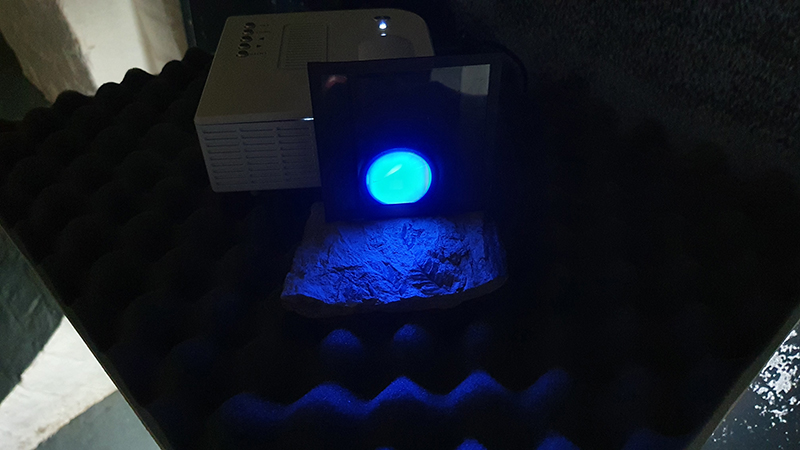
The image shows magnetite, sold on eBay as a Lodestone though at £2 what did I expect.

Fluid activity hidden deep in the Earth’s interior can be visualised through plotting the magnetic field and its fluctuations.

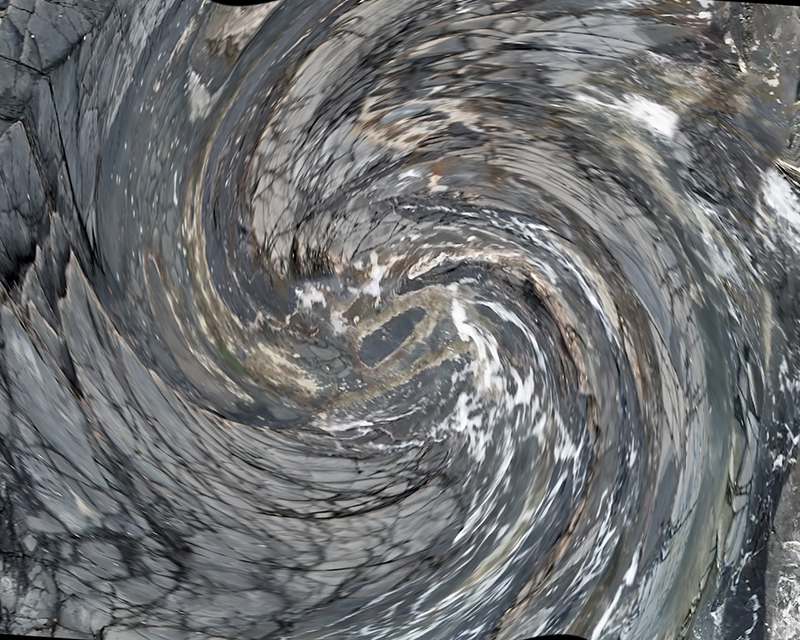
The geomagnetic field, generated by the Earth’s molten core, varies through time; the magnetic poles migrate, go on excursions or reverse polarity. During these periods of flux the strength of the magnetic field changes and this phenomenon is recorded in archaeological artifacts, volcanic rocks, and sediments. The mineral deposits of stalactites store a paleomagnetic history of declination (the deviation of magnetic from geographic north).

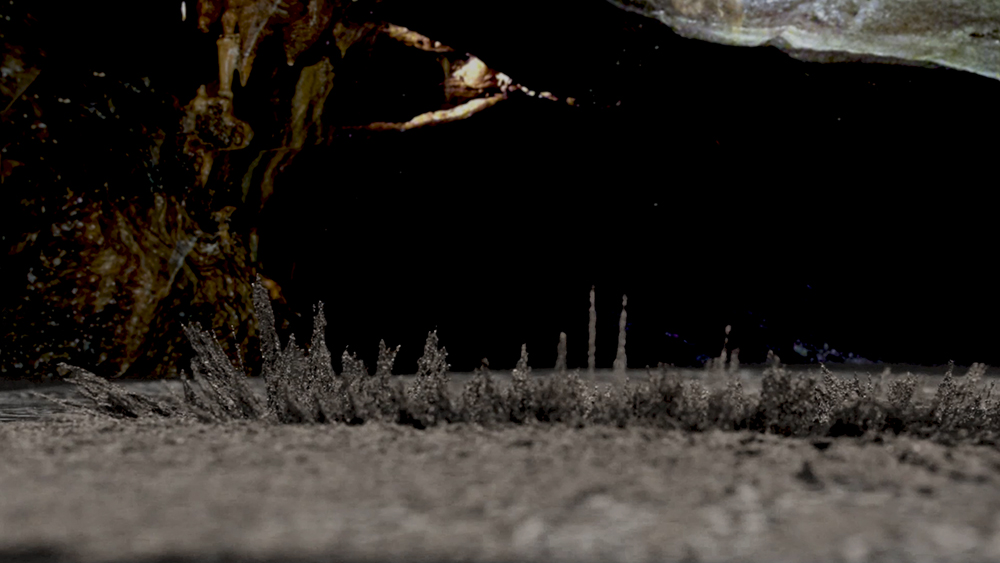
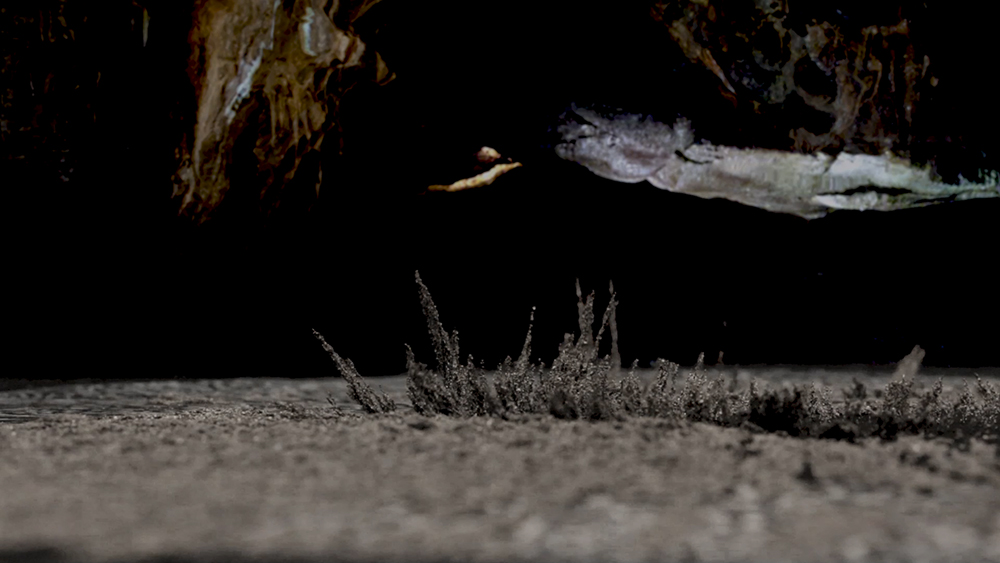
Thinking about how magnetic pole reversals are stored in geology. I am modelling some paper clay rocks for future filming visualising the magnetic field using iron filings.

Early navigators using the compass around the 15th century became aware that geomagnetic north would roam position. In 1701 the first map charting the magnetic field declination was produced by British astronomer Edmund Halley.

In the 19th century the study of geomagnetism became one of many passions for explorer polymath Alexander von Humboldt who studied

“what keeps the innermost of the world together, how all is woven together”

and was the first to connect climate with interactions between atmosphere, oceans, land and plant ecology. From meticulous observations he noticed the Earth’s magnetic field intensity increases from the equator to the pole, and that it was also influenced by auroras and solar activity causing magnetic storms.

Magnetic observatories to monitor the Earth’s magnetic field were set up around the globe including one at Greenwich which had to relocate twice due to infrastructure interference (electric railways) and is now based in Devon with a permanent azimuth mark on a concrete obelisk viewed from the north window of the Absolute Hut. I wonder if it is possible to visit.

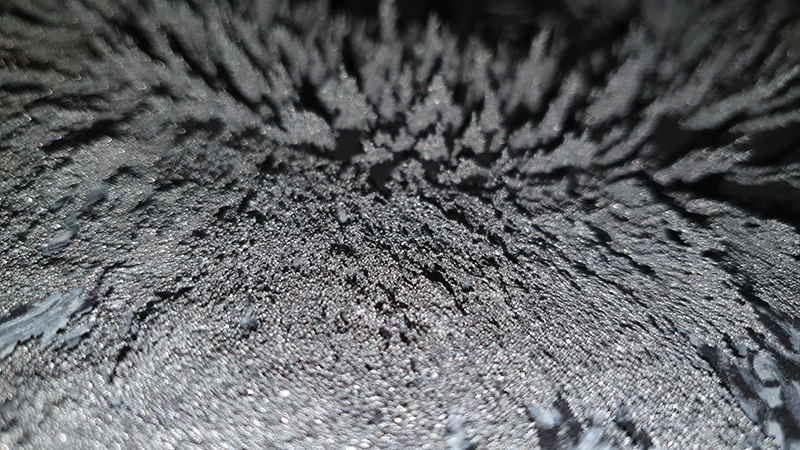
Magnetotactic bacteria align themselves with the Earth’s magnetic field to navigate using nanoparticles of magnetite crystals covered in biological material called magnetosomes. Each nanoparticle is about 100,000 times smaller than a grain of rice. They are mostly found in water and sediment with little or no oxygen. It has been found that magnetosomes can be biodegraded (dissolved) in human stem cells losing magnetism at first but then reforming into human cells with magnetic sensitive qualities.

There is a daily variation in the magnetosphere caused by sunlight hitting the ionosphere, a layer of the atmosphere about 1000km up. The electrical conductivity of this layer is affected by the solar wind which pressures and squashes the field on the sunlit side while creating a magnetotail pluming from the dark side of the Earth.

Capturing garden activity through the solar cycle with a spycam.

The rotation of the Earth around its axis results in a molecular clock evolved by organisms in alignment with the solar cycle. The Earth’s magnetic field can influence animals’ circadian clocks, through the photoreceptor cryptochrome, which is activated by blue light.

I have recently acquired a drone and have been for a couple of practice flights in Richmond Park’s designated area taking along a few pentagon mirrors. Excited by the possibilities.

Up at 5am to see the tiny points of light that are Venus and Jupiter approaching their conjunction which they performed the following morning hidden by clouds

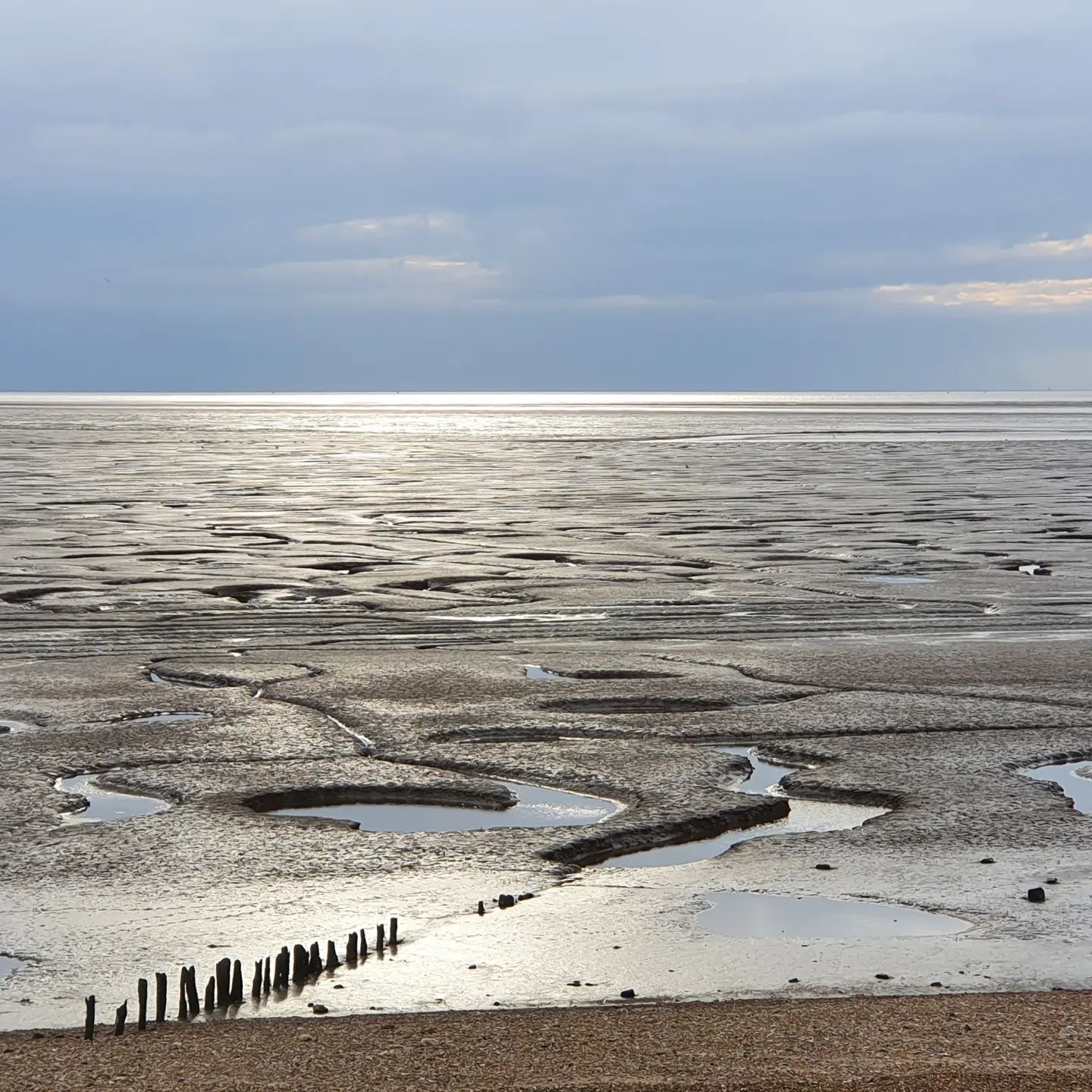
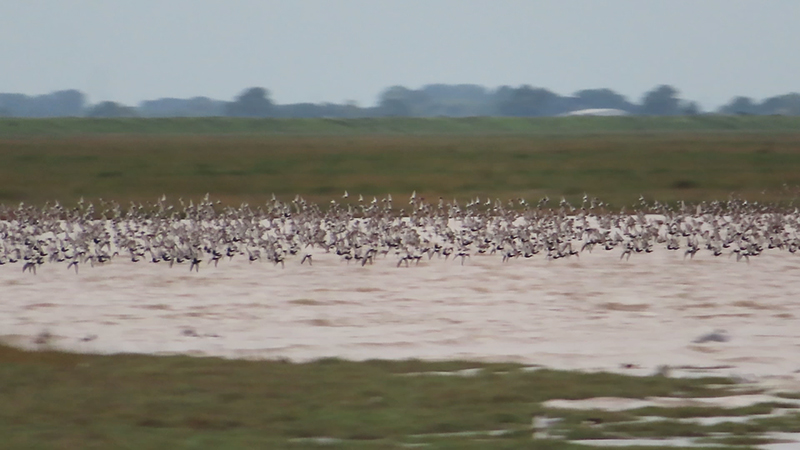
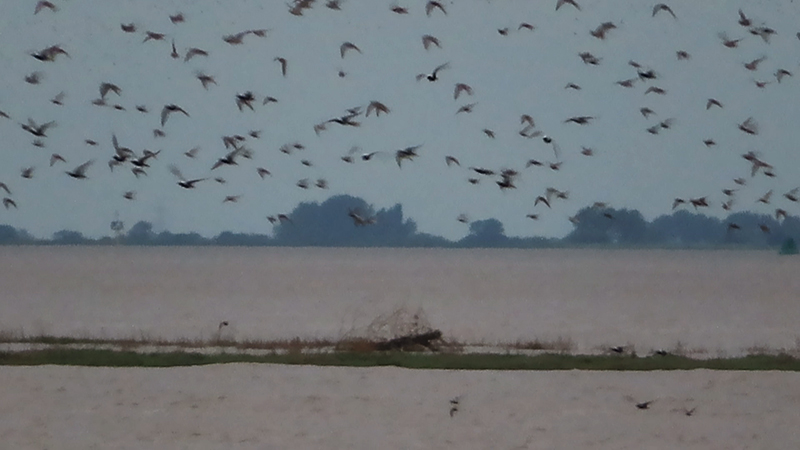
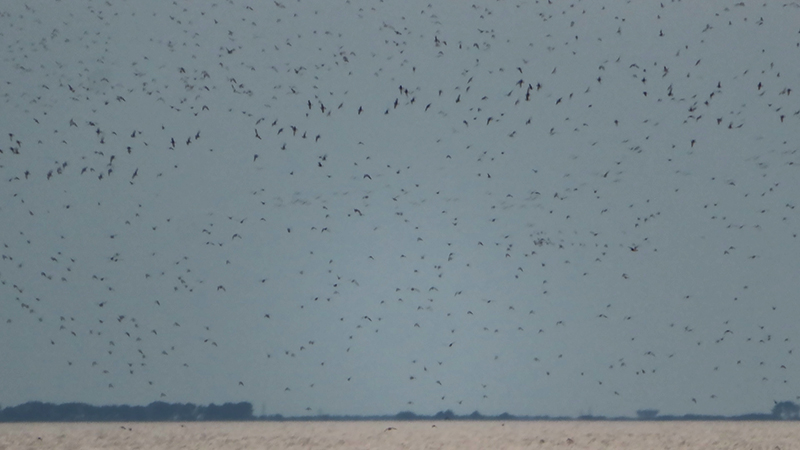
Research trip to RSPB Snettisham in North Norfolk to see the Whirling Wader Spectacle. The high spring tides push the birds from their feeding grounds on the mudflats of The Wash onto the lagoons of the reserve. The spectacle occurs when the tide is super high during daylight hours in early spring or late autumn when the birds are migrating to and from this site. It is surprising how fast the tide comes in. On arrival in the early evening the sea is a distant strip of light.

Suddenly the gullies are filling and the first murmurations of knots are forming low over the incoming water. The speed of the birds is extraordinary. I was totally ill equipped to capture the spectacle on video.

Fascinating research discussed in the webinar Scientific American live: Bird Migration and Song featuring Professor of Chemistry University of Oxford, Peter Hore, an expert on magnetoreception.

Radicals are molecules that contain an odd number of electrons and are therefore unstable. For most molecules the electrons are paired which cancels out the magnetic force. Birds use three different compasses to navigate across the globe; the sun, the stars and the magnetic field. The Artic tern makes the longest migratory journey, a staggering 25,000 miles.

The theory that birds may use the Earth’s magnetic field to navigate began in the middle of the 19th century, but experiments in Germany with European Robins in the 1960s were the first to prove the connection. The Earth’s magnetic field is extremely weak so the mechanism that can detect this weak force must be very sensitive. Because free radicals are very unstable it doesn’t take much energy to have big effects. The particular cryptochrome molecule used is found in the retina of the eye with the photoreceptor cells. Blue light shined onto Cryptochrome 4 produces radical pairs which are sensitive to the magnetic field. It is excited by blue light but does not respond to red light. The molecules work like a pendant compass, distinguishing the direction of the magnetic field towards pole or equator. This feature arises from the spin direction of the free radical pairs. Both radicals may spin in the same direction or one may spin one way and the other the opposite. There is a lot of processing in the eye before a signal is sent to the brain to act upon.

It is possible birds form a visual perception of the magnetic field. The cone cells in the eye are used by day but may be taken over at night for navigation as this is when birds migrate. Light pollution and electromagnetic noise pollution such as AM radio masts can cause disorientation.

I still have questions about how the birds know where to head for. They may have a map but they still need a destination.

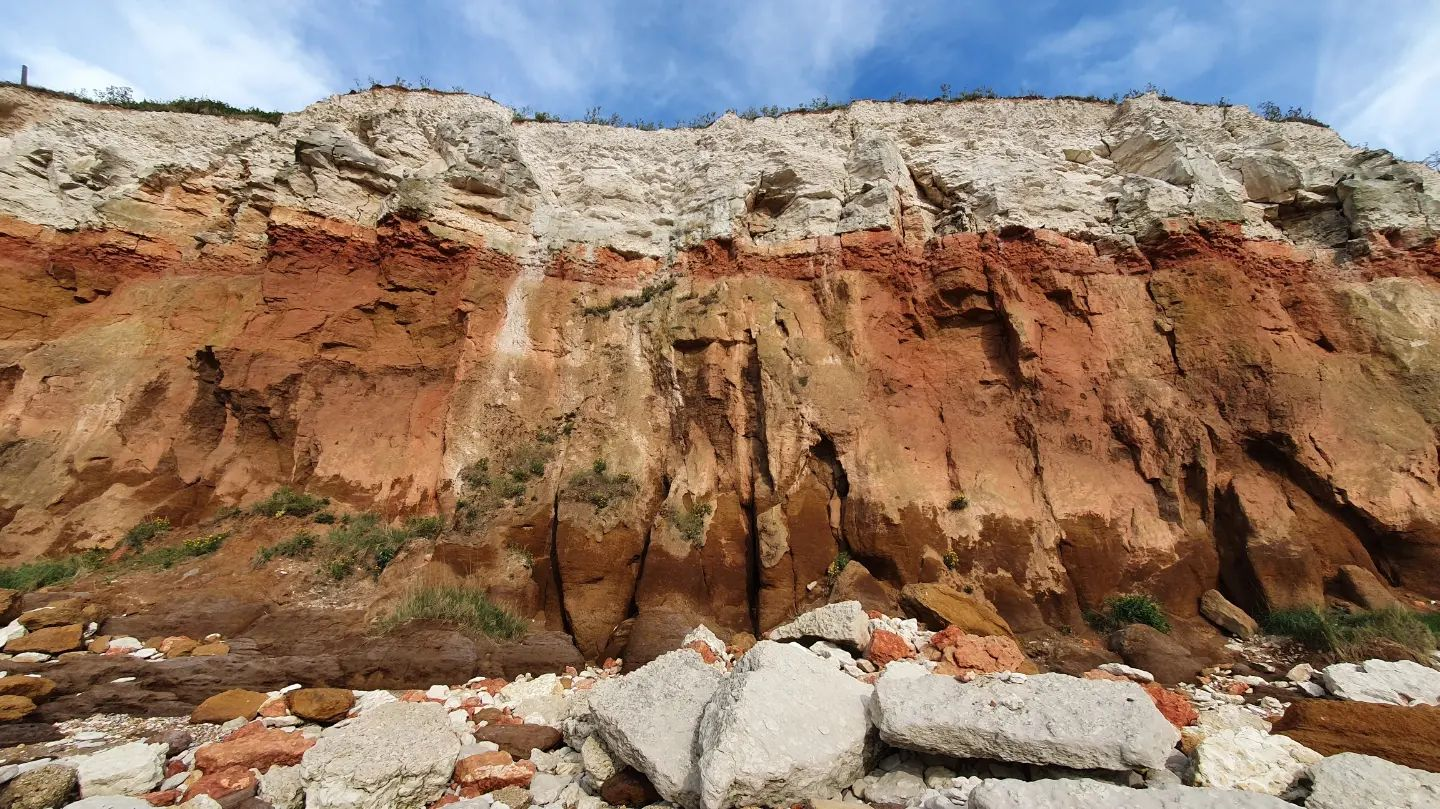
Stunning North Norfolk coastline. It’s so flat here that cliffs are unexpected. Hunstanton Beach was once under a tropical sea 108 million years ago when sea levels were 200m higher. Somewhere in these strata evidence of magnetic pole reversals will be stored.

So much to explore at the National Physical Laboratory Open Day but my favourite room was Magnetic Materials and Sensors. They don’t allow any photography so I can’t share some of the amazing experiments I saw but I have been able to recreate my favourite as it was also the simplest; a magnet dropped into a copper pipe creates an electric current as it falls which gently slows its progress through the tube. So cool. I will be filming this.

Experiments with lenses. It’s often the way that having spent time on a proposal that doesn’t get accepted those ideas do not get wasted but ultimately feed into new work.

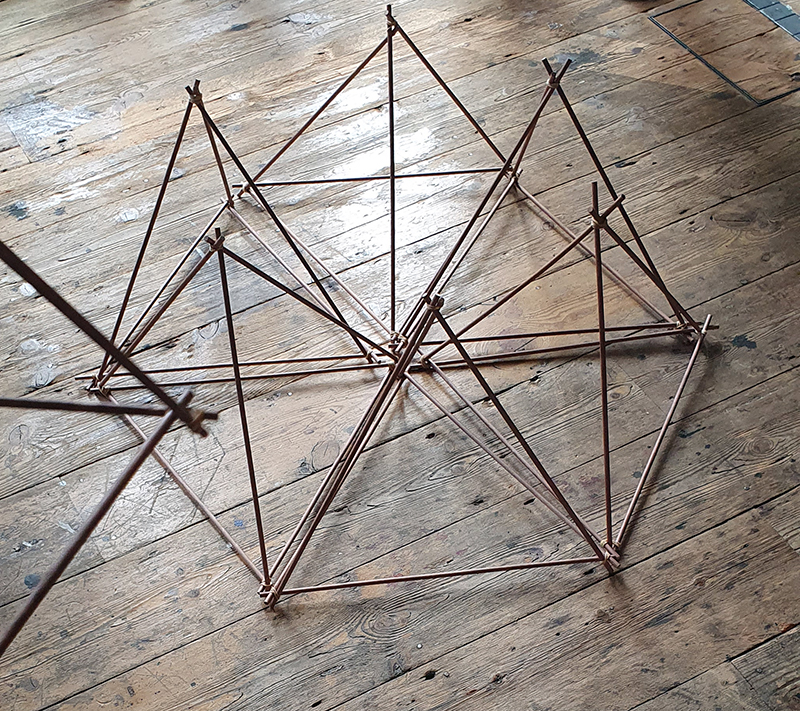
Testing ‘The Forms’ as a floor piece.

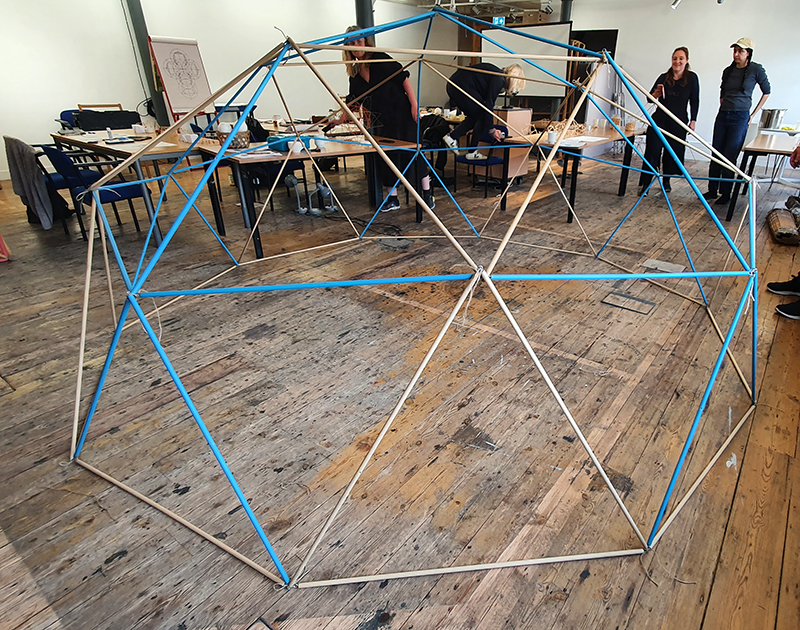
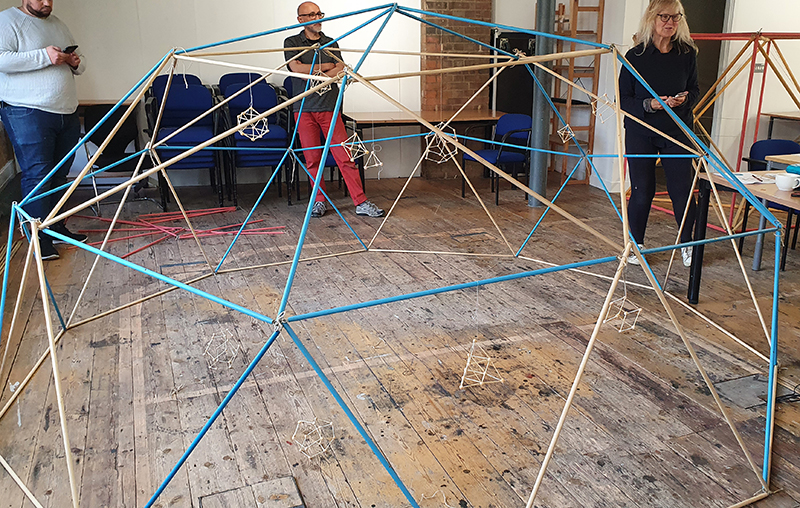
The immutable truths Plato discovered in geometry belong to the realm of abstract thought and ideals he called The Forms. Twelve pentagons form a dodecahedron which Plato defined as ‘a fifth construction, which the god used for embroidering the constellations on the whole heaven.’ Today it is dark matter that science believes holds the stars in the heavens. In visualisations of dark matter created from cosmological data we see familiar organic patterns emerge; the fronds of dark matter spanning between galaxies could be the spreading branches of trees or the veins under our skin.

Thanks to KIPAC Stanford University for the data visualisations.

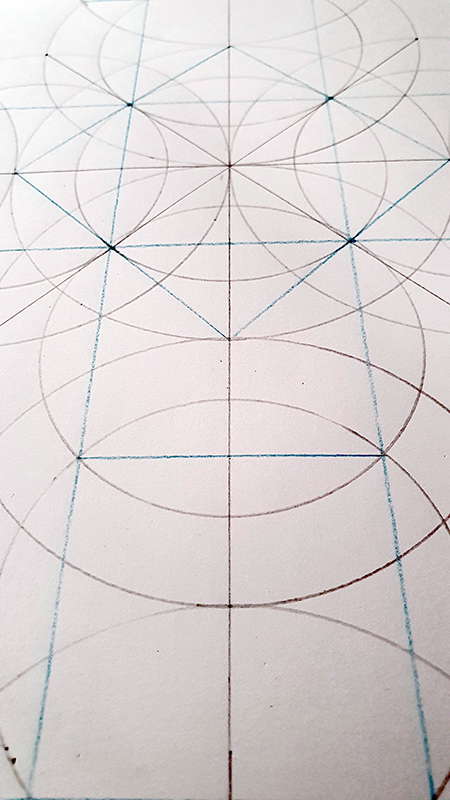
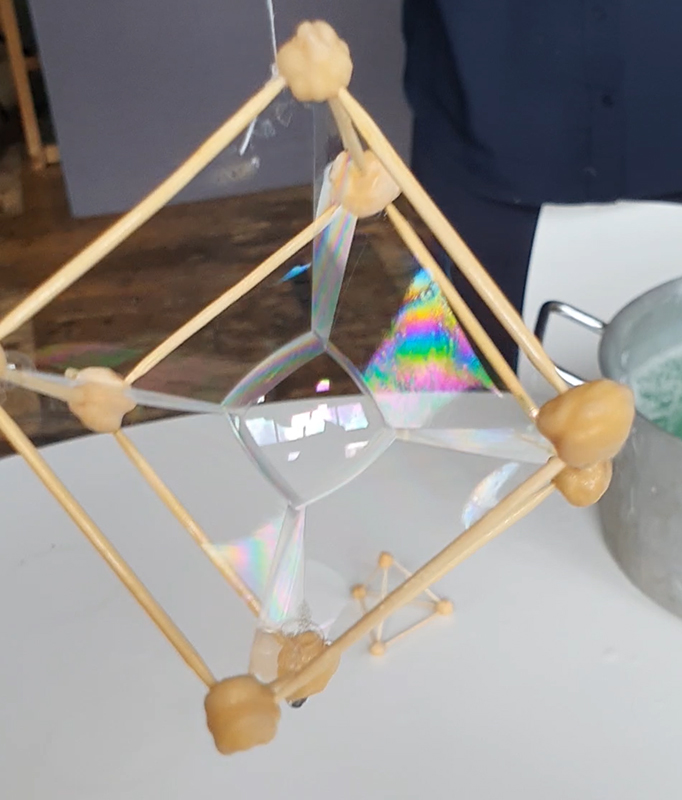
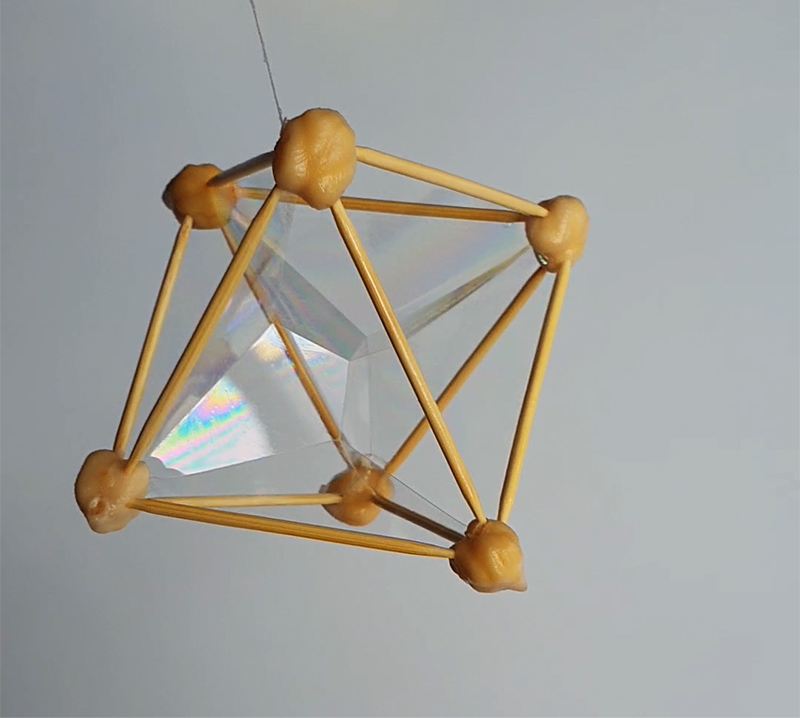
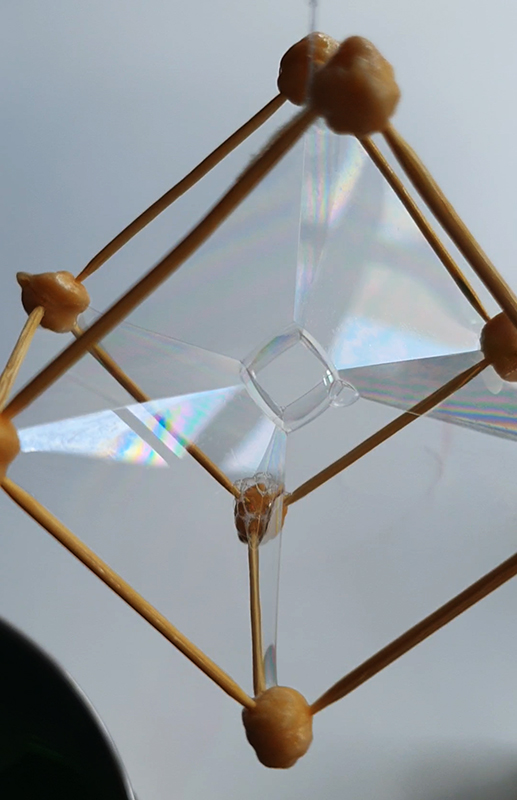
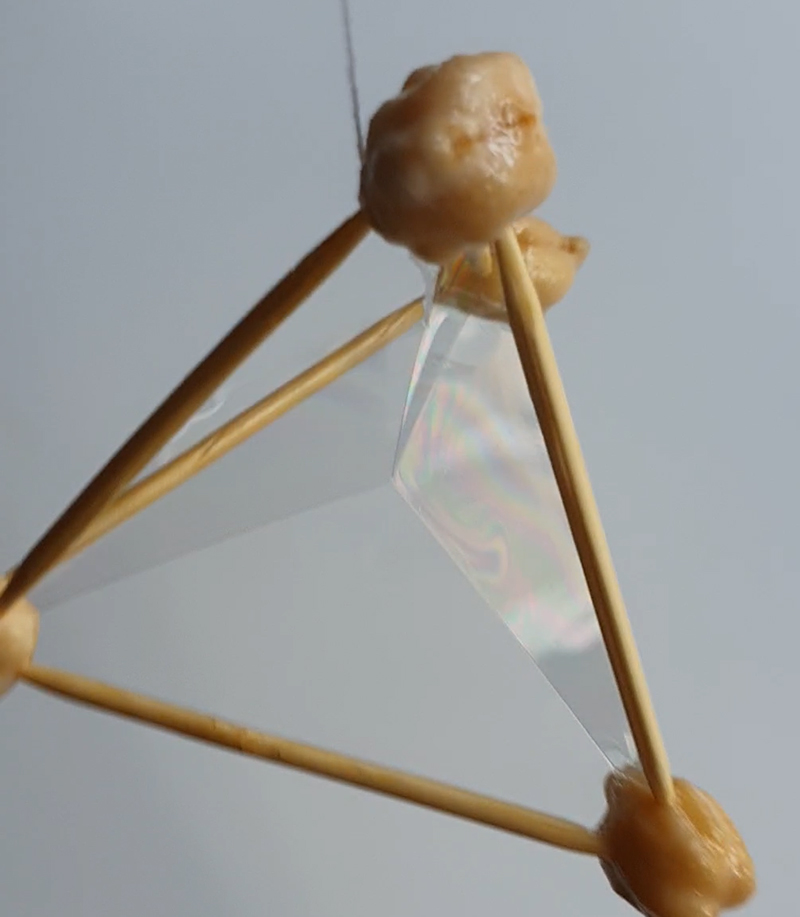
Enjoyed a one day 3D Geometry class with Leila Dear at the Princes School of Traditional Arts. I gained so much from the RCA exchange week here that fed into my work for the past several years that I thought a refresher would be useful – and that was before I knew we would be making geometric bubbles. Irresistible.

Out of Studio

Reflections at Workplace Gallery

Sculpture by women artists Nicola Ellis, Hsi-Nong Huang, Patricia Ayres and Olivia Bax.

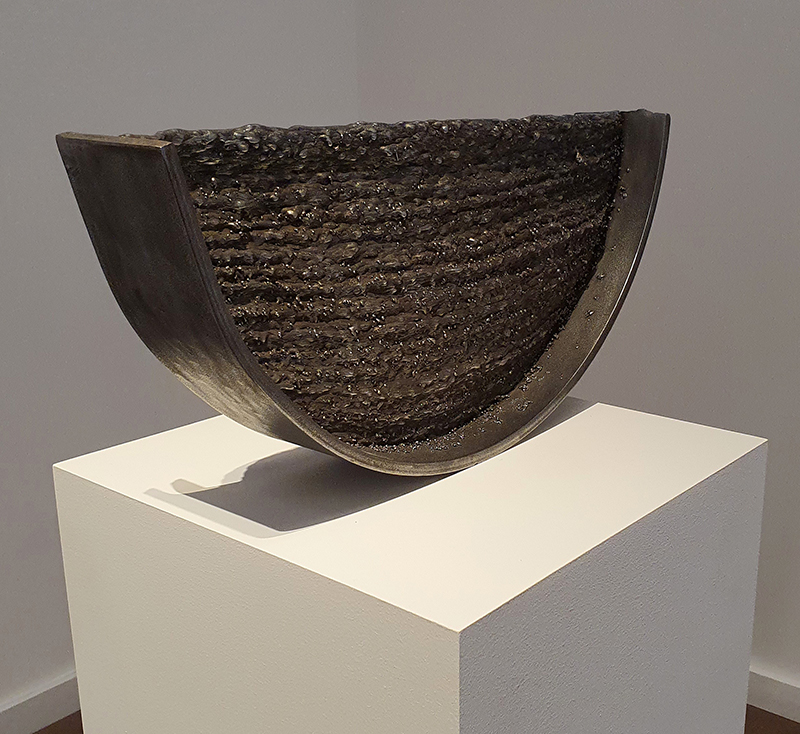
All works offer up a satisfying conjunction of materiality and form but especially loving Nicola’s ‘Quite a Structure’ which is like a slice of the Earth’s molten core.

HEAVEN NEITHER BURNING FARTHER at The Crypt, St. John on Bethnal Green

Erika Blumenfeld writes “The material comprising our bodies shares cosmic origins with the material comprising the planets, asteroids and comets in our solar system. Scientifically, this material, having derived from distant stars across time, threads back to the primordial material that emerged moments after our universe burst into being. Culturally, our star gazing has filled us with wonder across all civilizations, sparking art and architecture, philosophy and science, mythology, folklore as well as navigation and place-making”.

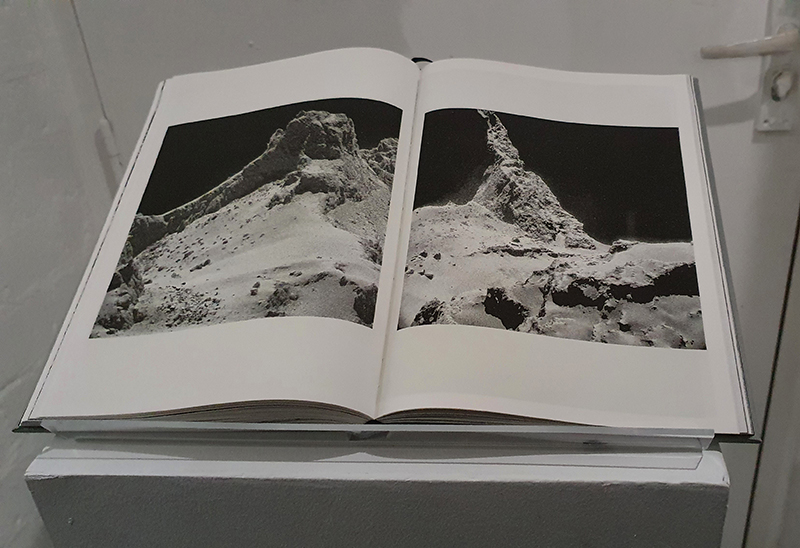
Visual journeys have been created using the archive, modern science, performative poetry, scanned glacier-ice sent by image transmission, laser-based mapping originally sourced from the Rosetta space mission, the use of historic adaptations, the layering of earthly minerals, and a hunt for asteroid fragments. Held in a crypt under-ground the exhibition takes a poignant look at the myth and science that surround comets, which in theory brought life to Earth but could also end it.

Artists: Julie F Hill, Leah Beeferman, Barry Stone, Pedro Torres, Fryd Frydendahl, Ports Bishop, Claudio Pogo & Magdalena Wysocka Curated by Lucy Helton

Fascinating and beautiful work in this subterranean gateway to the cosmos which rewards following up each artist’s research.

POST TOTEM at OHSH Projects pop up on Oxford Street, curated by Adam Dix and Dale Adcock.
I found the concept of this exhibition very appealing. Reaching back to what connects us. Some innate sense of the sacred.

‘Imagine an artist holding the metaphorical hand of an artist from the previous generation and that artist, doing the same, and so on, back through time, back 30 to 40 thousand years into the unimaginably distant past, when we made the great cave paintings of Lascaux and Maros-Pangkep karst. This imaginative exercise creates an image of an unbroken woven human connection, stretching back through time uniting, individuals into a group, linked by imagination, action and materials.’

Artists showing: Dale Adcock, Simon Burton, Adam Dix, Tim Ellis, Lisa Ivory, Simon Burton, Rachel Howard, Henry Hussey, Dean Melbourne, Yelena Popova, Chantal Powell, Joanna Rajkowska, Alexis Soul Gray, Suzanne Treister.

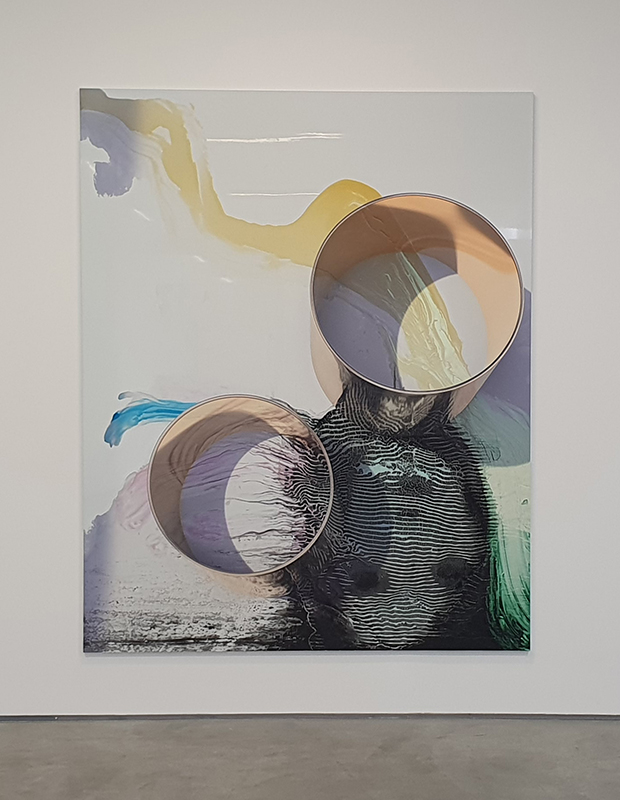
Seth Price – Art Is Not Human at Sadie Coles

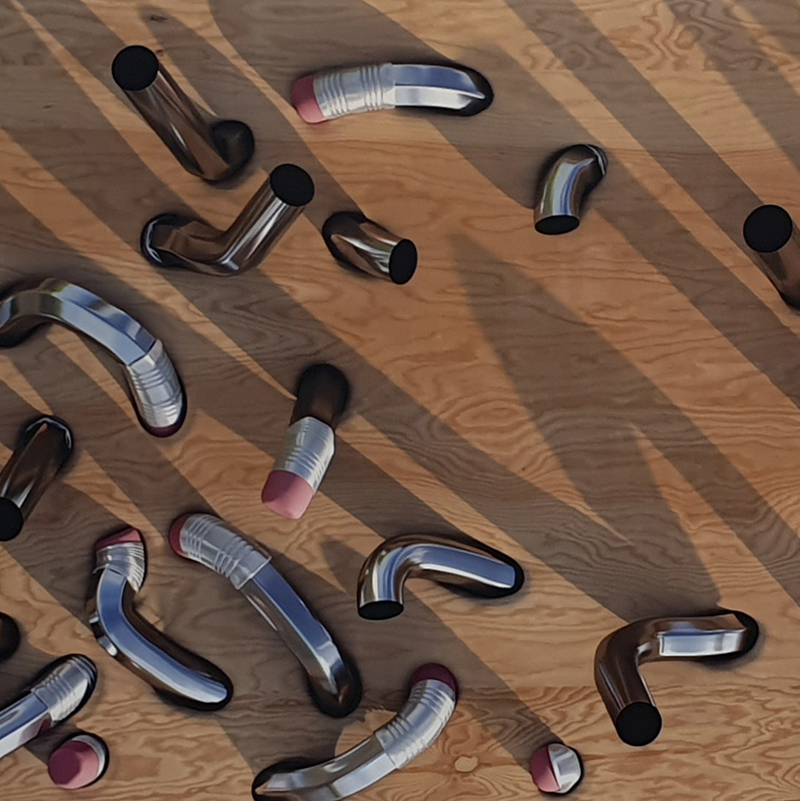
An interesting entanglement of hand and digital process. Raw paintings are photographed and imported to a 3D digital space of geometric shapes, tubes and directional lighting. The effects are then exported and printed onto the original painting.

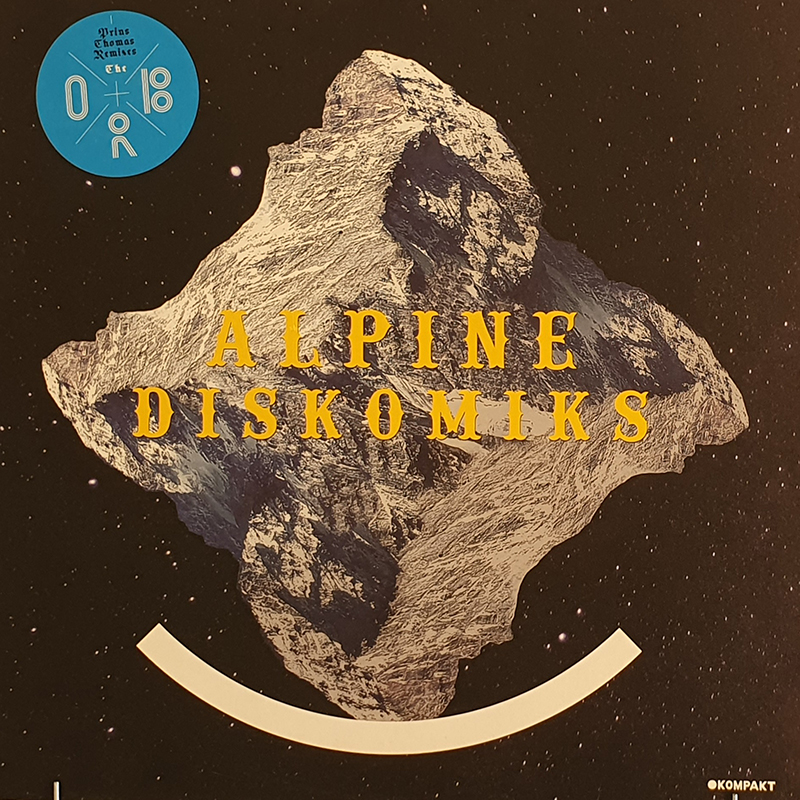
Melanie Manchot Alpine Diskomiks at Parafin.

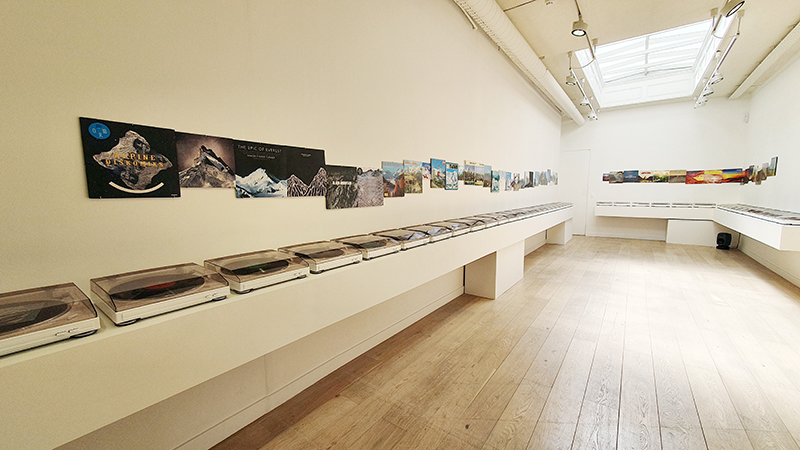
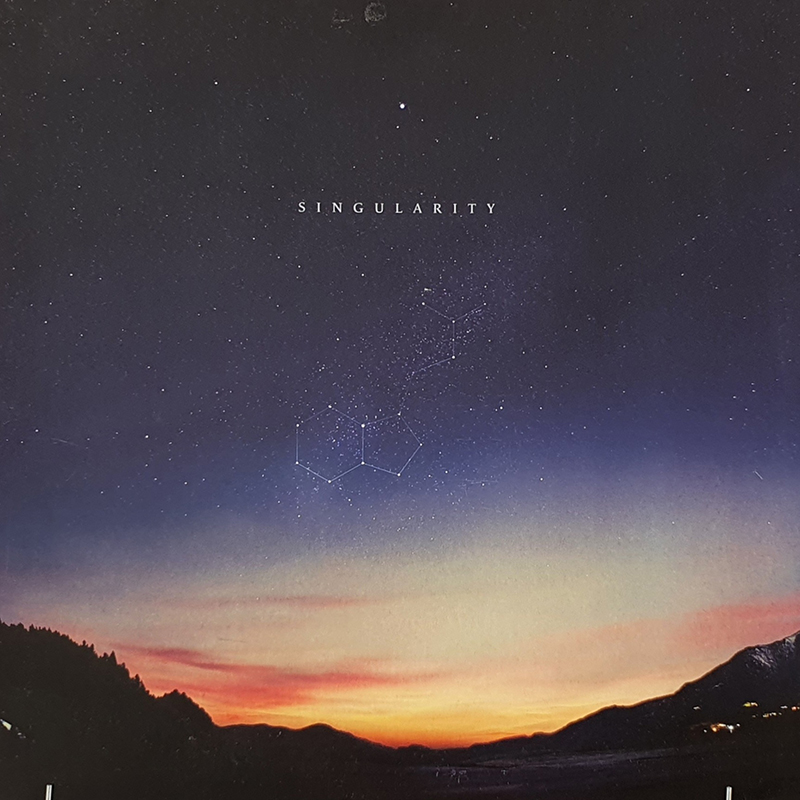
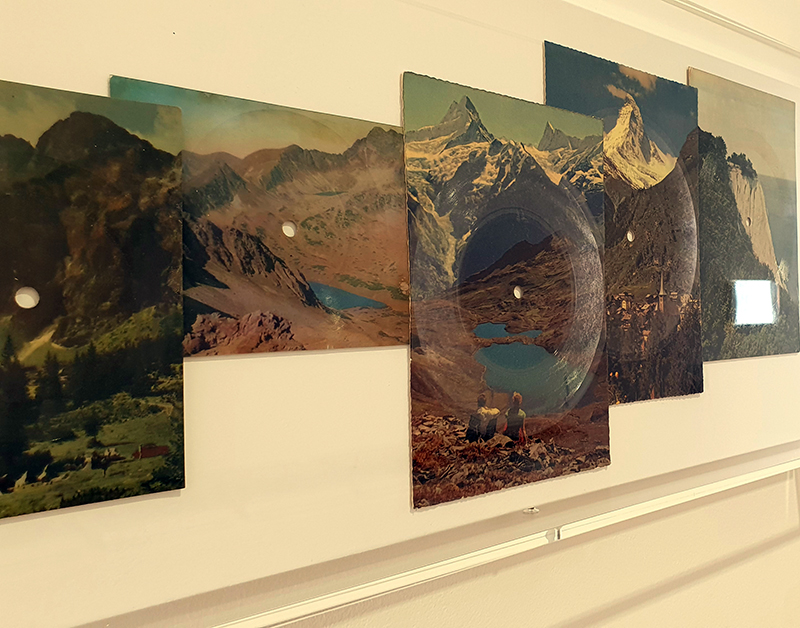
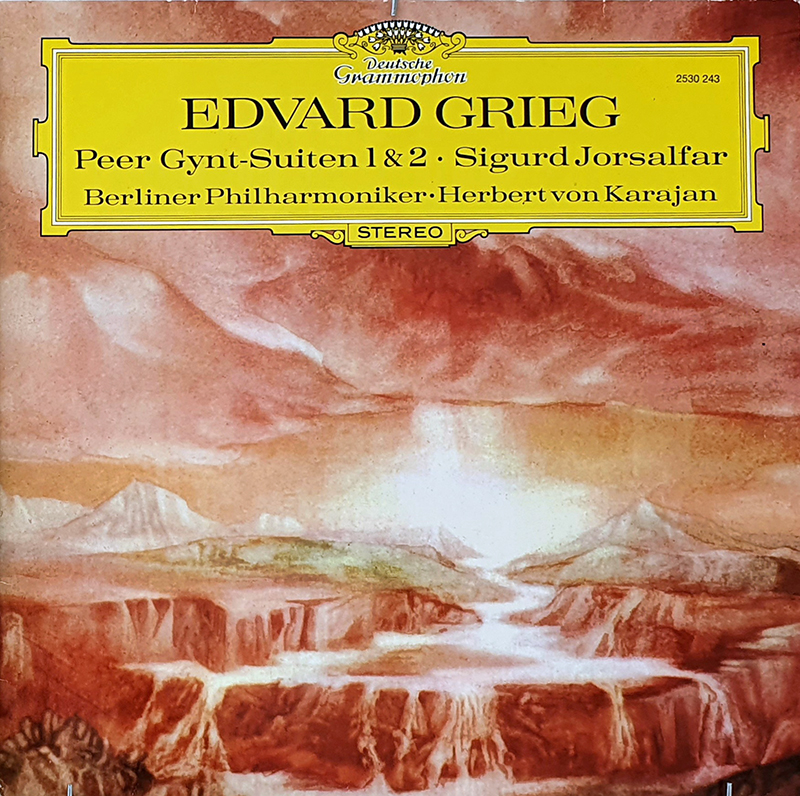
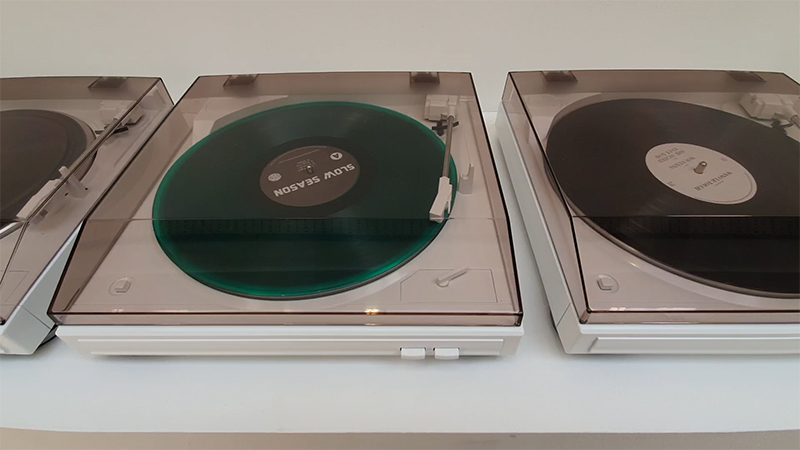
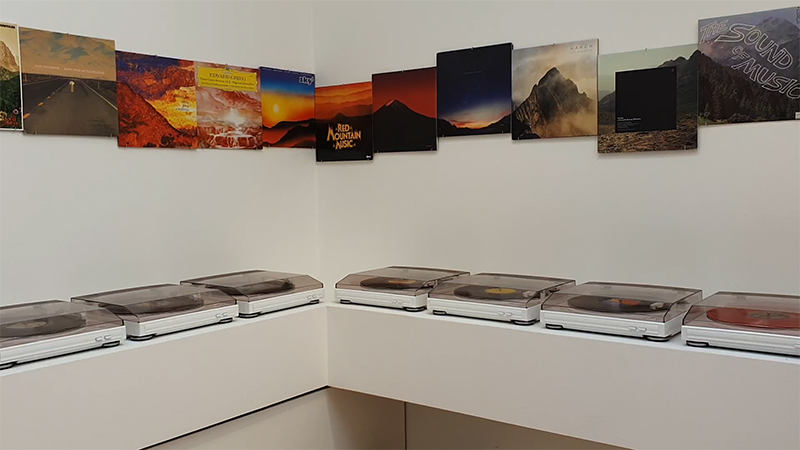
Questioning the mediation of the mountain experience. A mountain skyline created from album covers and soundscape from the combined mix of recorded content. Imagine a steady build of music to accompany the climb to a dramatic mountain peak and the overwhelming crescendo as you reach that majestic summit of the sublime. Downstairs choreographed snowploughs score grooves in looping folkdance sequence.

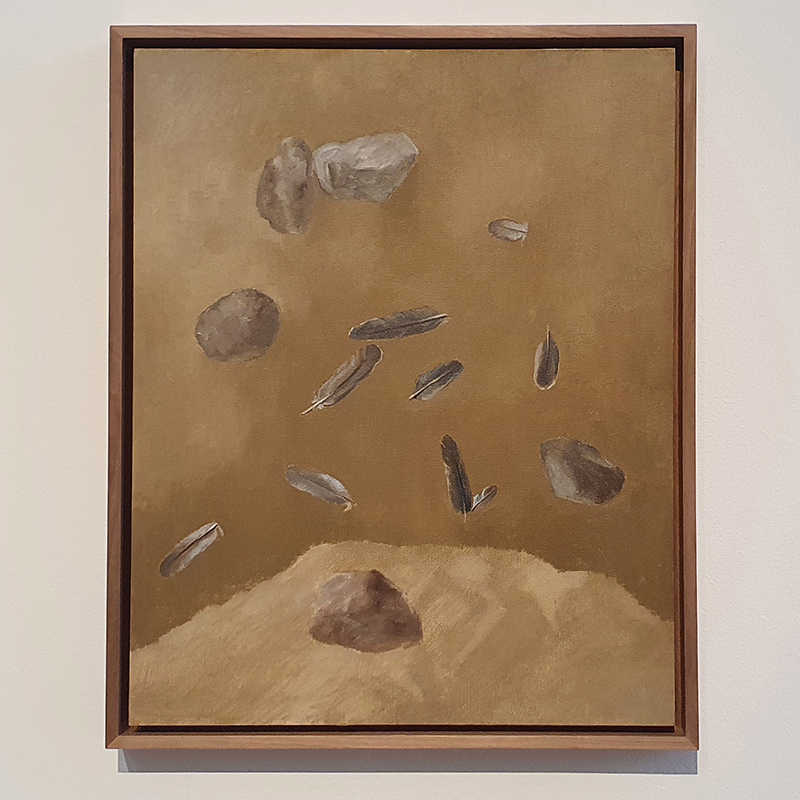
This painting by Luchita Hurtado at Hauser and Wirth made me think of the practical demonstration by Brian Cox showing that in a vacuum a feather and a rock (bowling ball) would fall at the same speed.

 “The reason the bowling ball and the feather fall together is because they’re not falling. They are standing still. There is no force acting on them at all.”

“(Einstein) reasoned that if you couldn’t see the background, there would be no way of knowing that the ball and the feathers were accelerating toward the Earth.”

Larry Bell at Hauser and Wirth

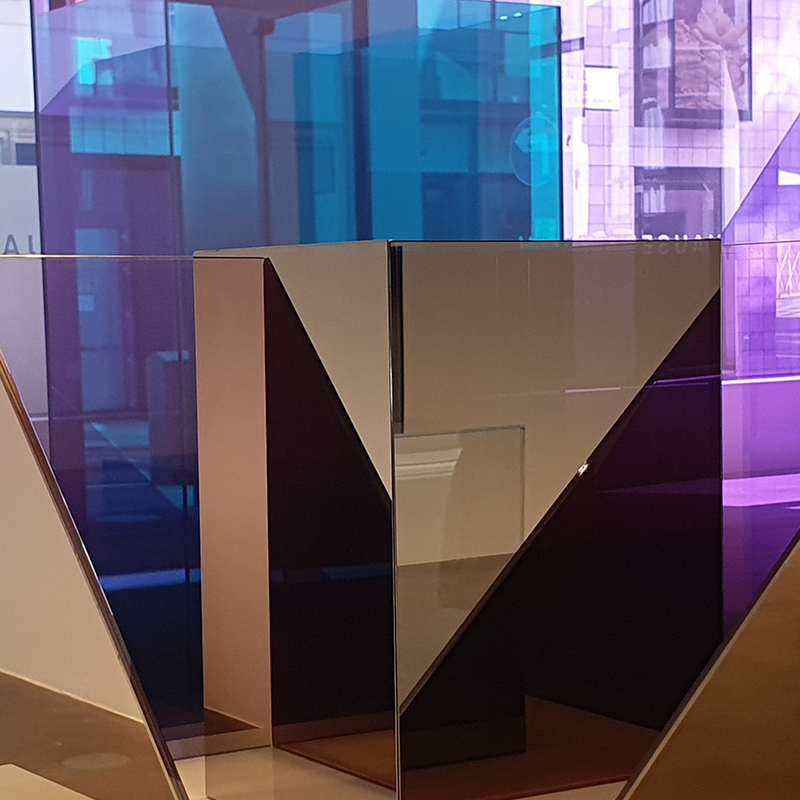
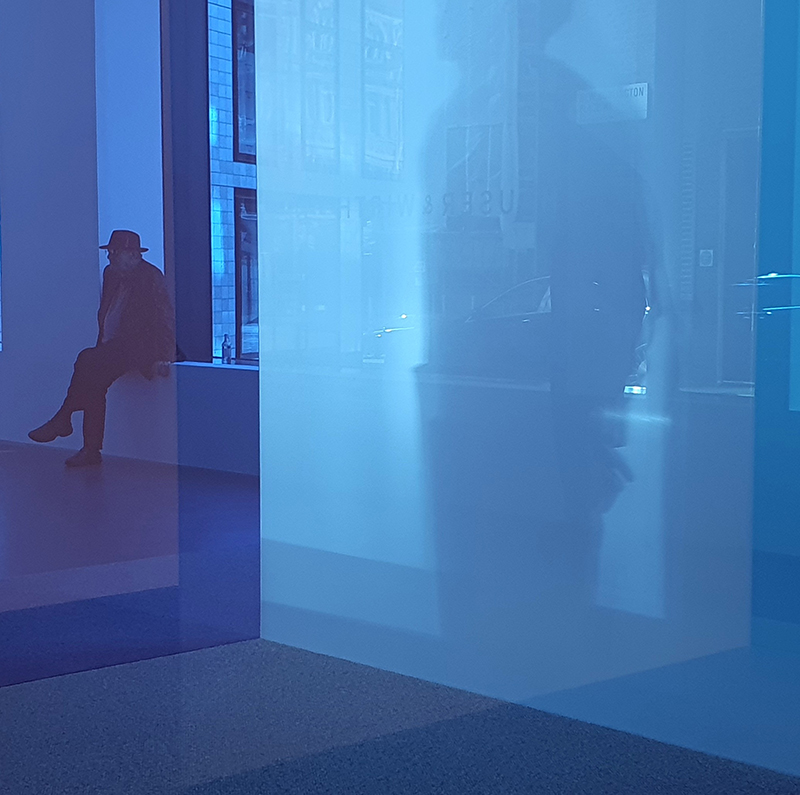
‘Although we tend to think of glass as a window, it is a solid liquid that has at once three distinctive qualities: it reflects light, it absorbs light, and it transmits light all at the same time.’ Larry Bell

Everything is Made of Light at Bermondsey Project Space. The artists refer to Jacques Rancière, in his essay, Are Some Things Unrepresentable?, who scrutinizes the challenges faced by images in depicting the world around us.

Mark Kasumovic tackles the problem of trying to represent the invisible through a juxtaposition of images of spaces of discovery and text listing scientific non sequiturs. Mary O’Neill presents us with a world of fragments from which personal narratives must be assembled. Isabella Streffen’s work explores perception and the spaces between digital and emotional communication. Matthew Pell stretches time through capturing light in otherwise transient momentary events.

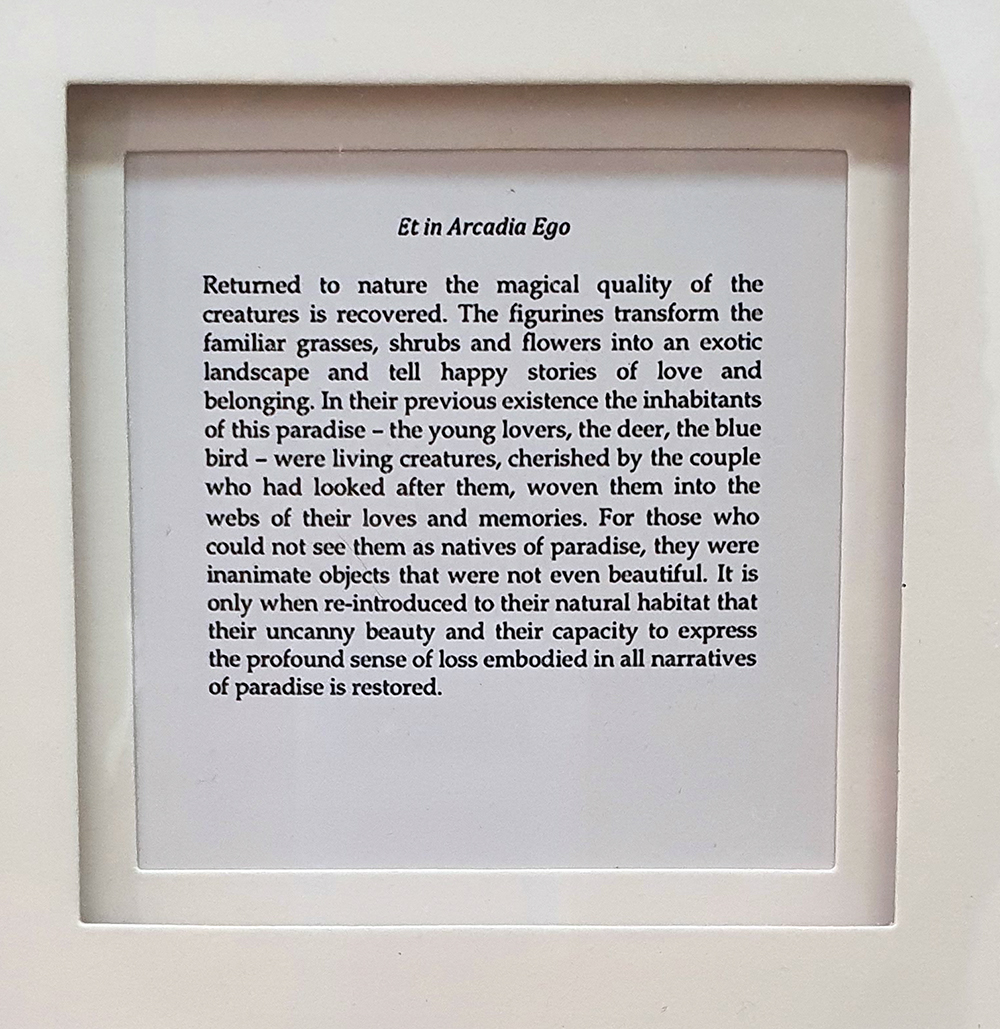
I felt very in tune with intent of the work here. Particularly Mark Kasumovic’s texts that felt like a snapshot of a research artist’s notebook. All those tantalising lines of enquiry. I liked the premise from Mary O’Neill of the introduction of creatures from the mundanity of an overlooked life, that when situated in a new context, conceive paradise.

Marcus Cope Silver Linings at Peer

Fabulous potent paintings of those vivid memories that are seared into the synapses from times of heightened emotions.

Beautiful and terrible.

Alice Bucknell Swamp City at Hoxton 253 Project Space

Like a dollop of dream topping on a large turd the work offers up a speculative future of luxury ecotourism as investment opportunity in the face of a climate crisis that feels almost inevitable.
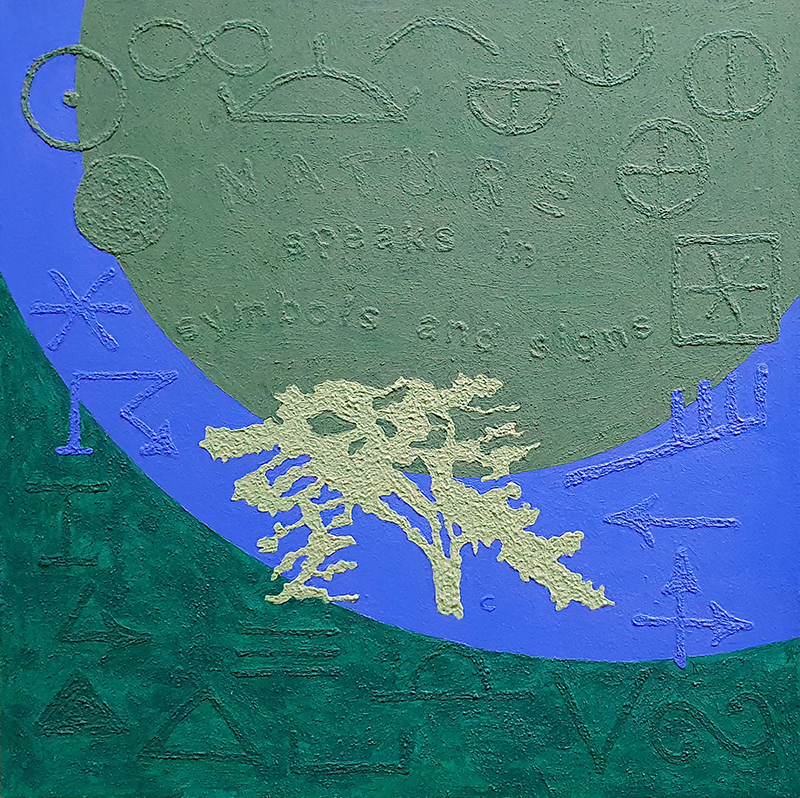
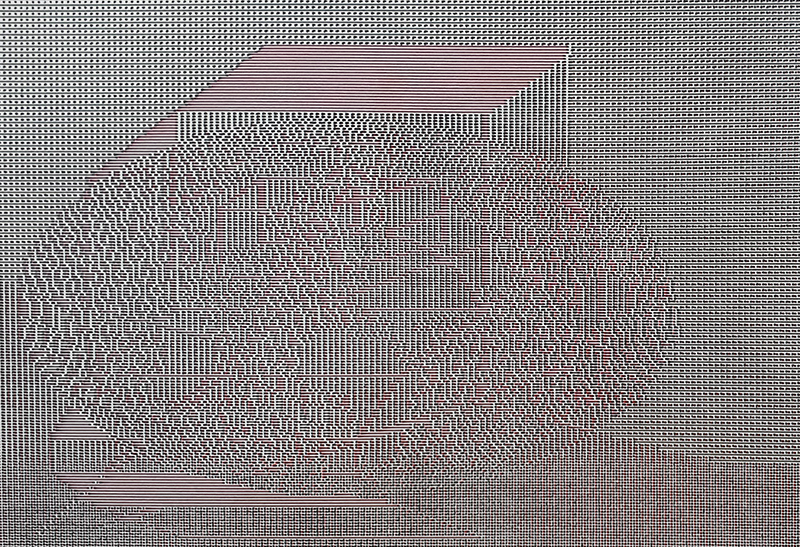
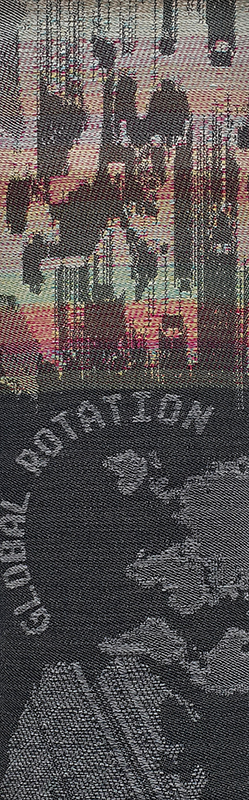
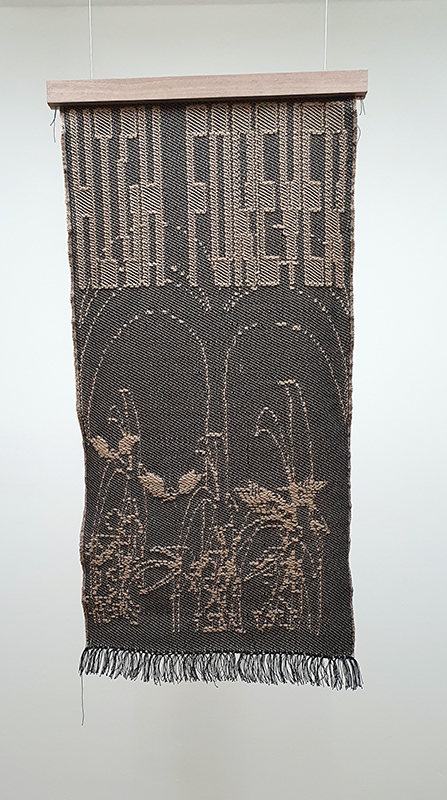
Charlotte Johannesson Circuit at Hollybush Gardens.

“Nature speaks in symbols and signs.”

Evolution from weave to code and back again. Beautiful works full of metaphor and shared history.

Reading – Braiding Sweetgrass Robin Wall Kimmerer; reciprocity – don’t take more than you need and always give something back.

Mercurius Patrick Harpur; no easy route to the conjunction of soul, spirit and matter.