Archives for posts with tag: moss

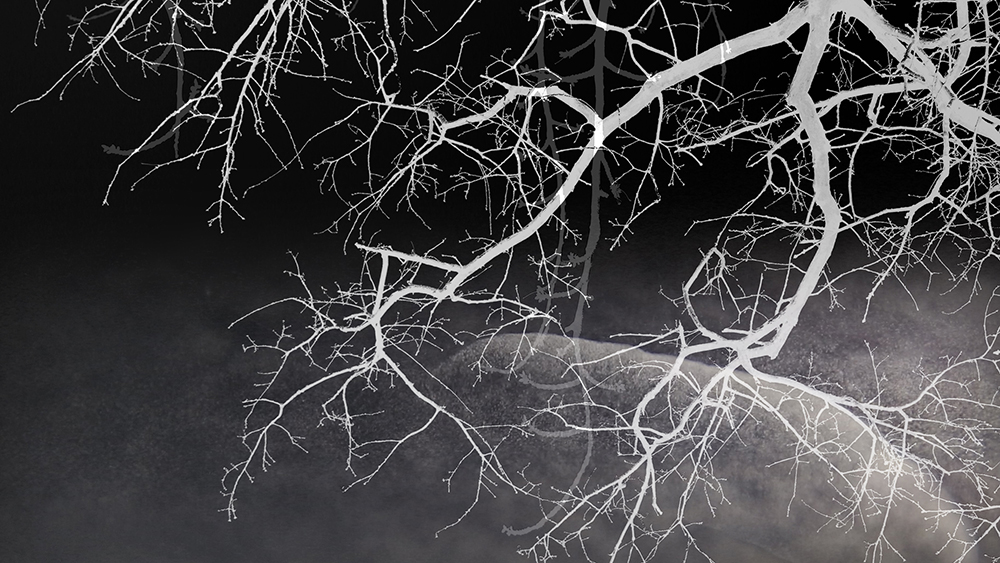
In classical antiquity, a time stretching from Homer to the early middle ages, geographic orientation usually referred to landmarks or astral phenomena to determine direction. Eos, meaning dawn, and Hesperus, meaning evening, were named for sunrise and sunset with north (arctos) being marked by the constellation Ursa Major and later the Pole Star. The winds also became associated with direction and named in accordance with their qualities such as hot and humid or cold and dry.

The number of points on a wind rose began with the four cardinal points that were added to and refined over time. Aristotle designed an asymmetrical 10 point wind rose for “the study of things high in the air” (meteorology) which was later refigured by Timosthenes, a 3rd century BCE Admiral and geographer, naming a system of twelve winds and using this as a tool for navigation. The contemporary compass has its roots in the ancient classification of winds.

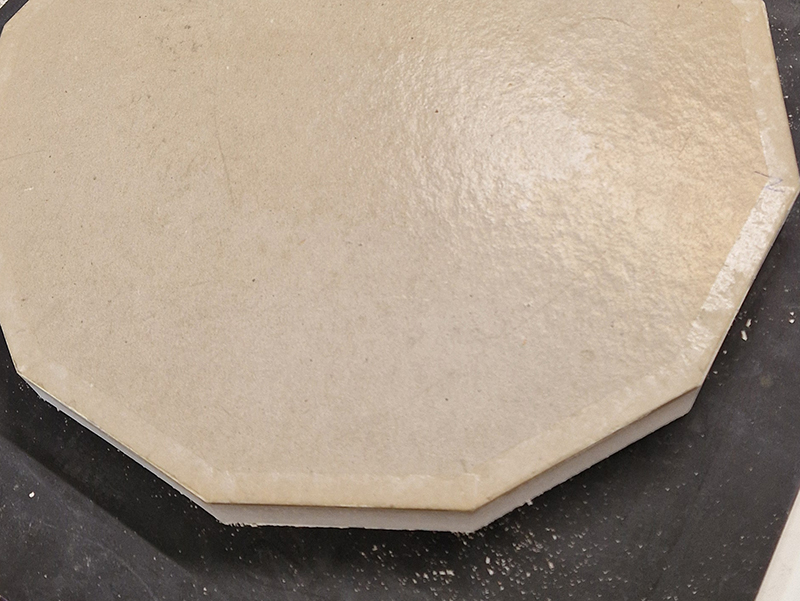
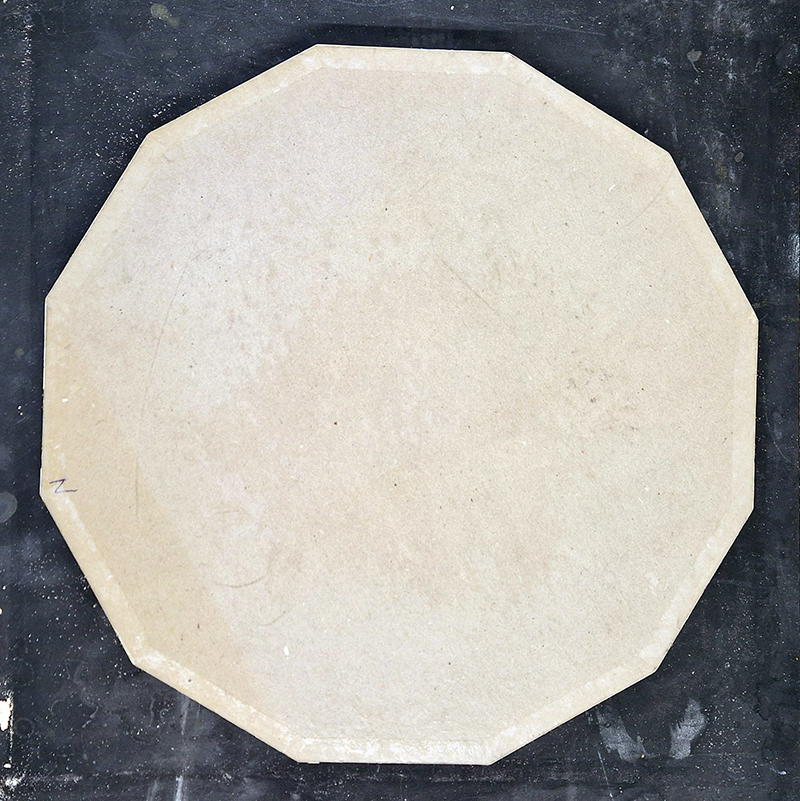
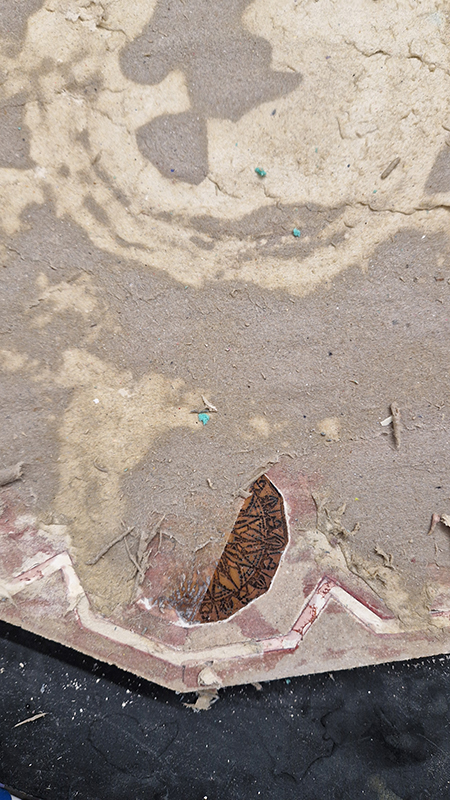
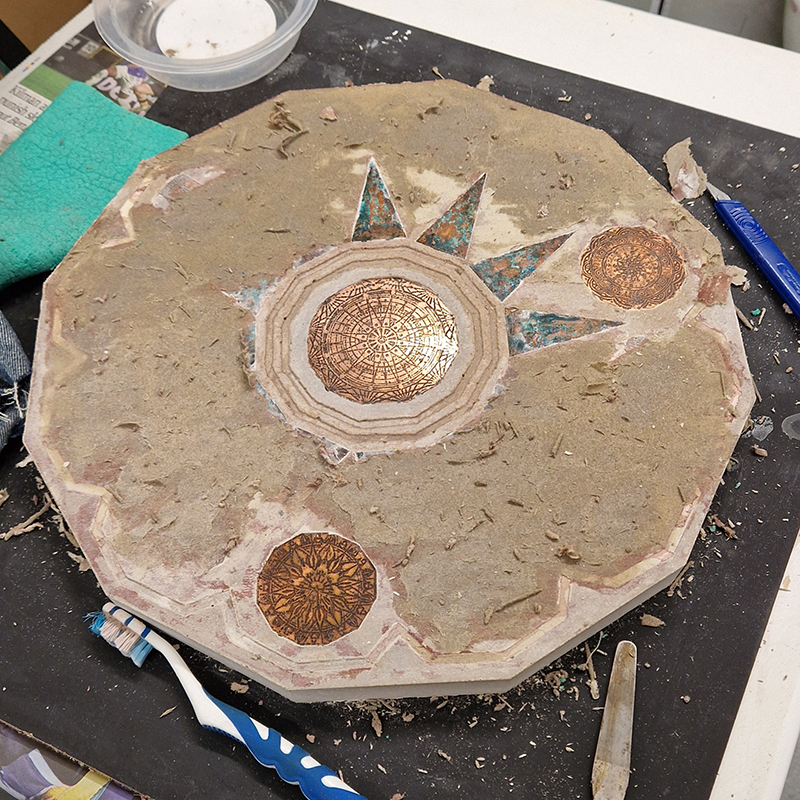
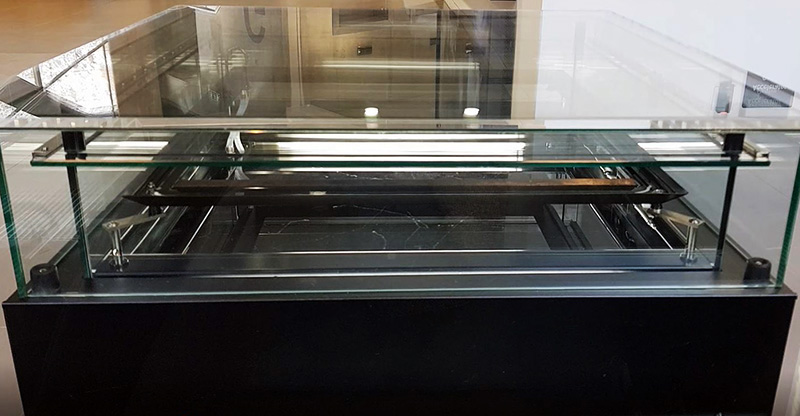
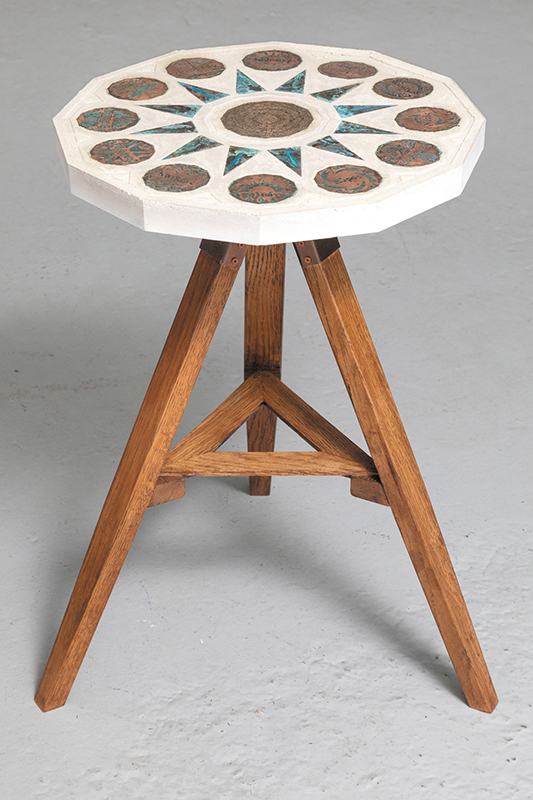
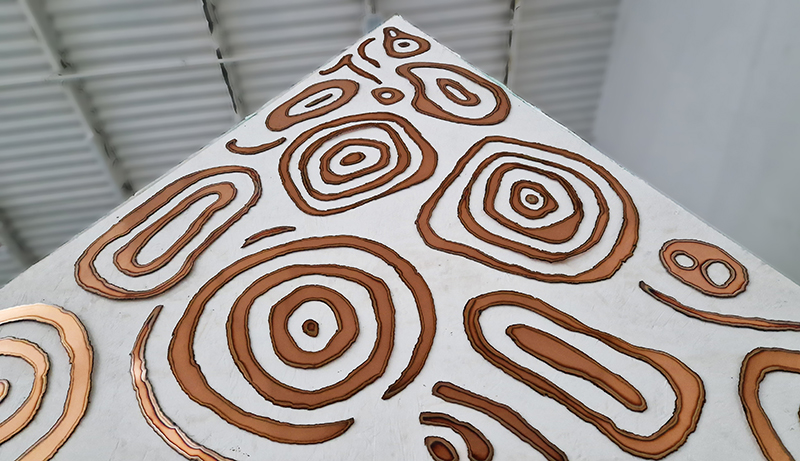
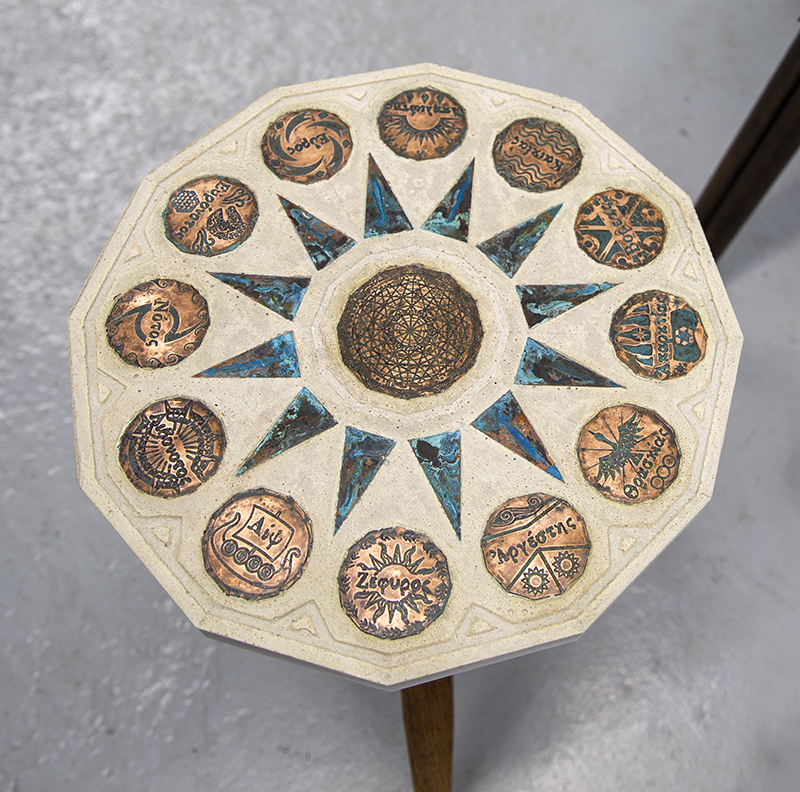
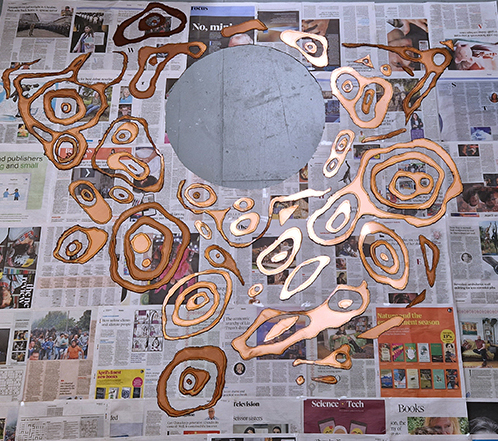
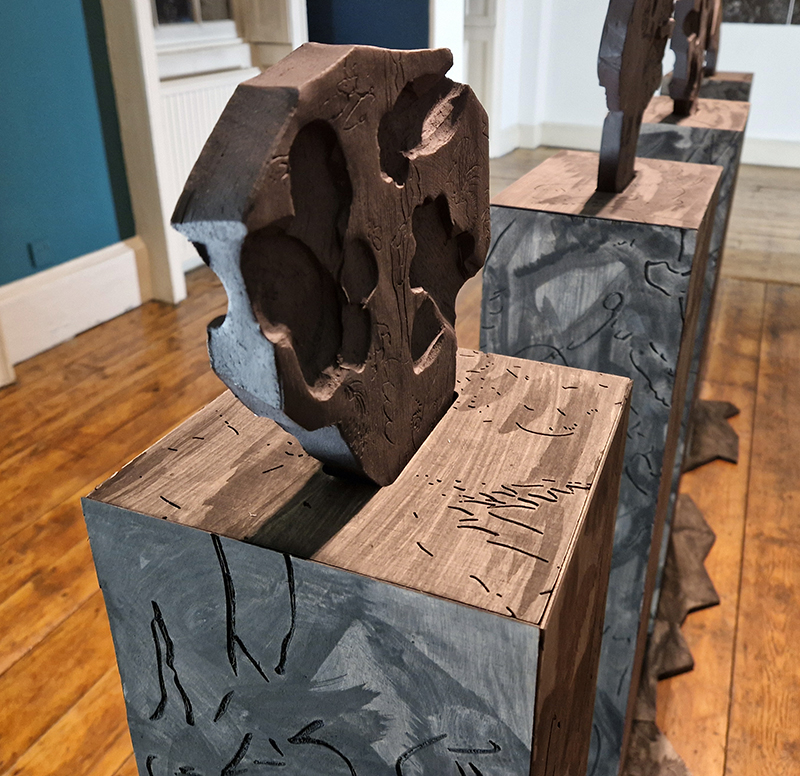
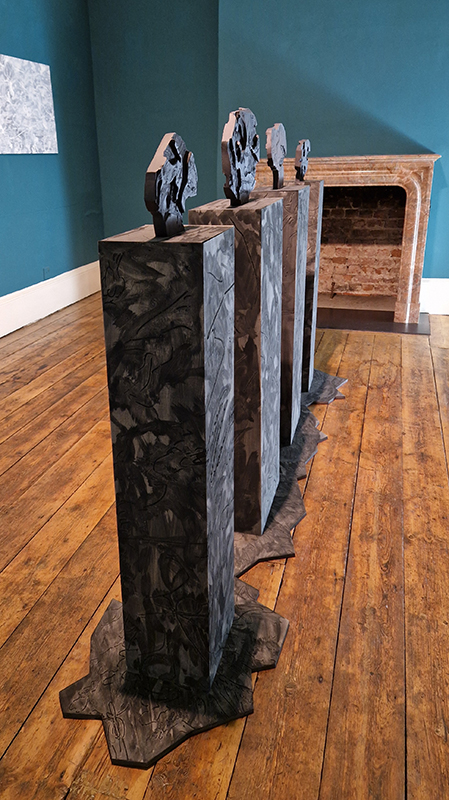
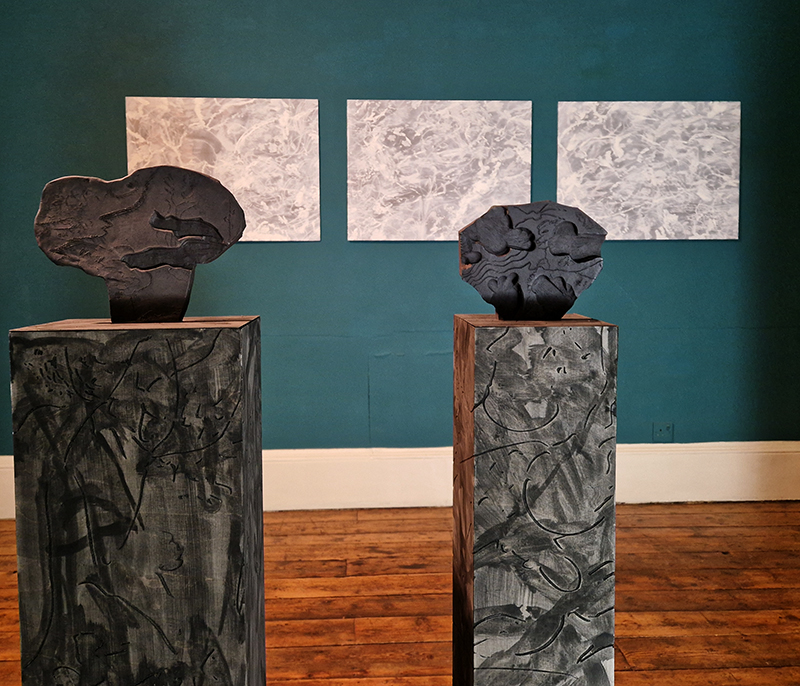
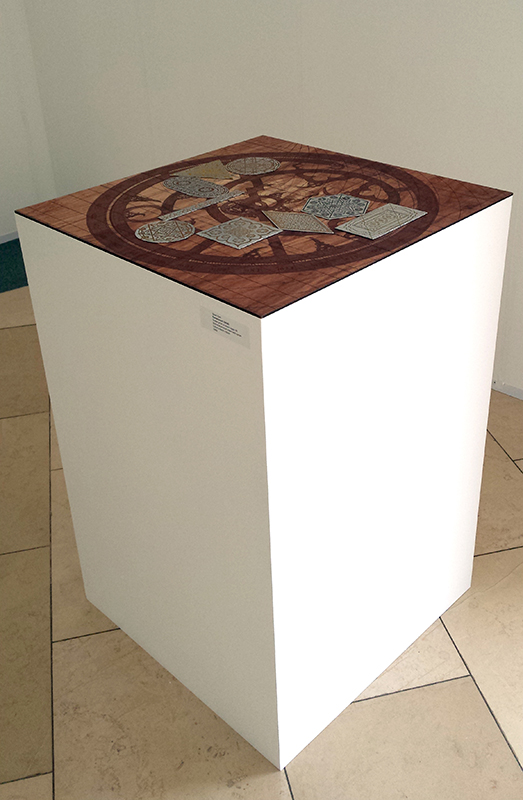
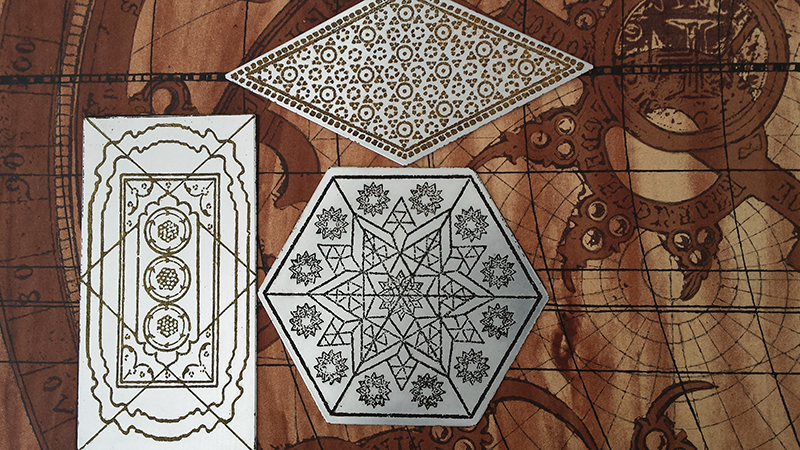
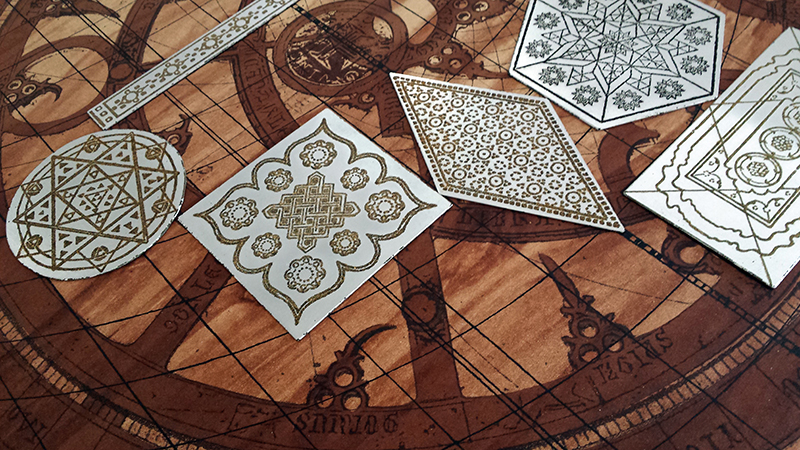
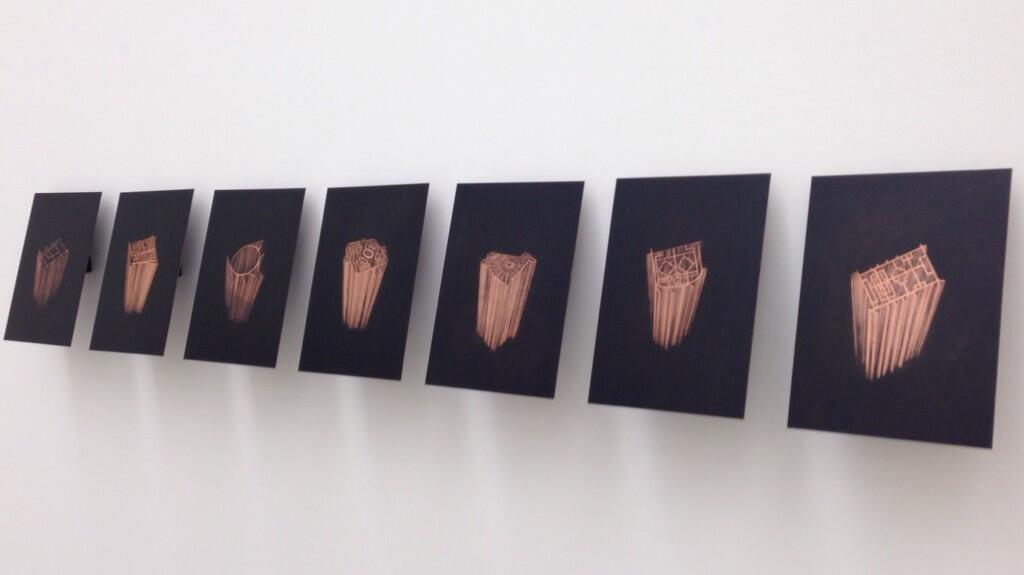
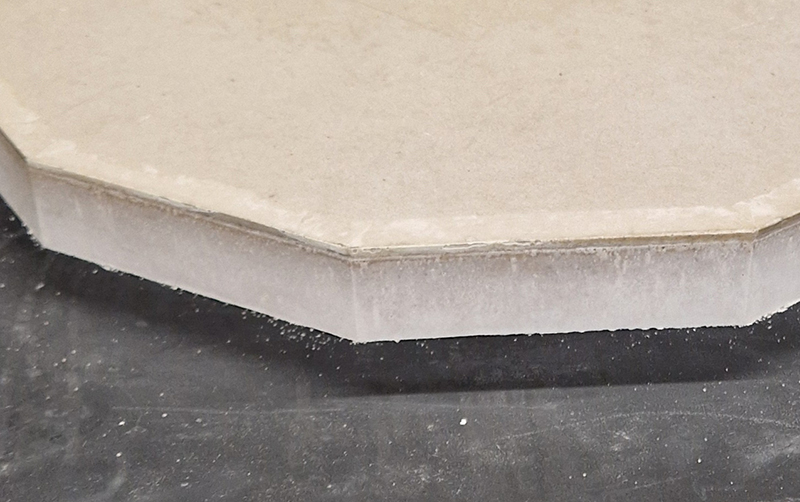
Freshly excavated. A new tablet for the series Instruments of the Anemoi, replacing a previous one based on the idea of a wind rose and set with etched copper markers, the designs of which are influenced by characteristics of the gods (anemoi) represented by each of the twelve winds.
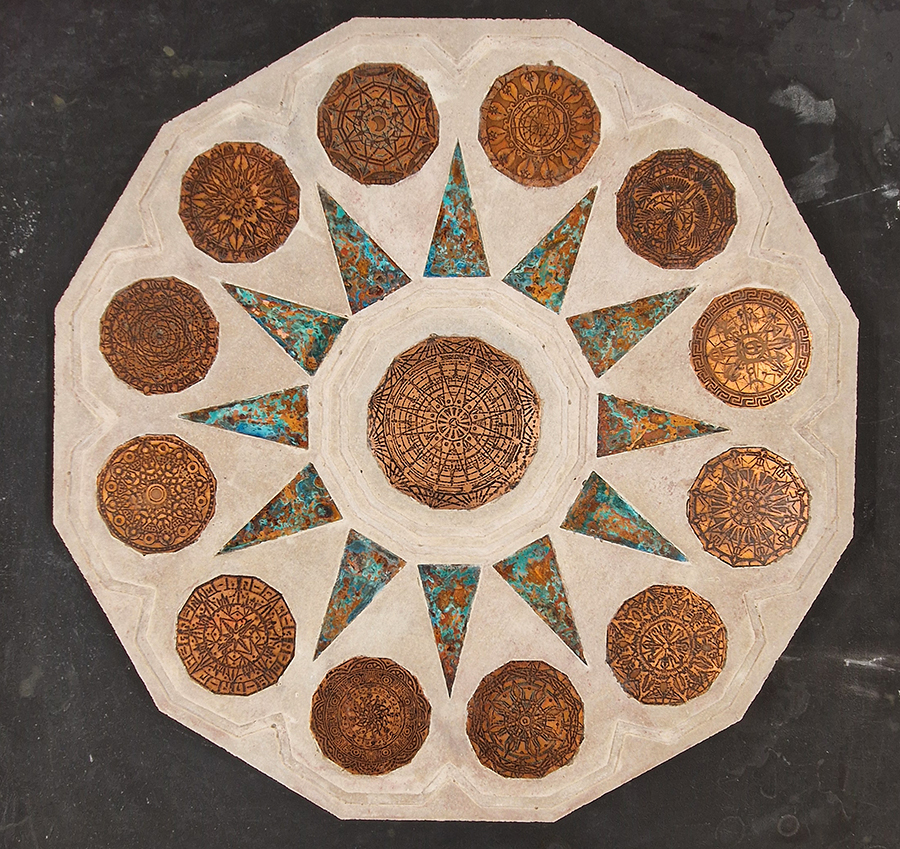
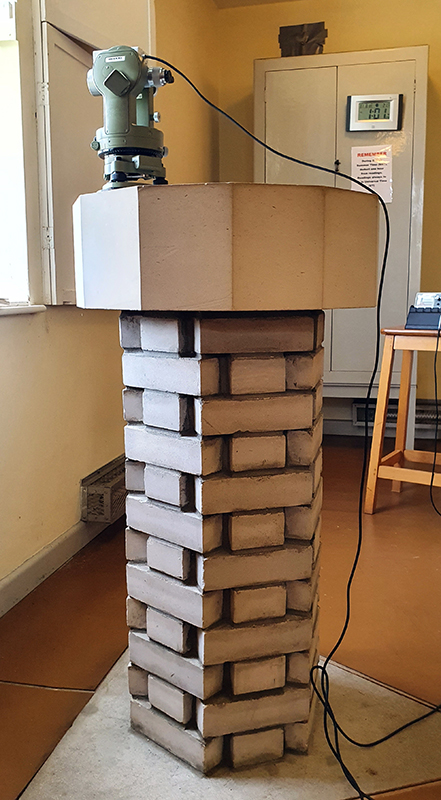
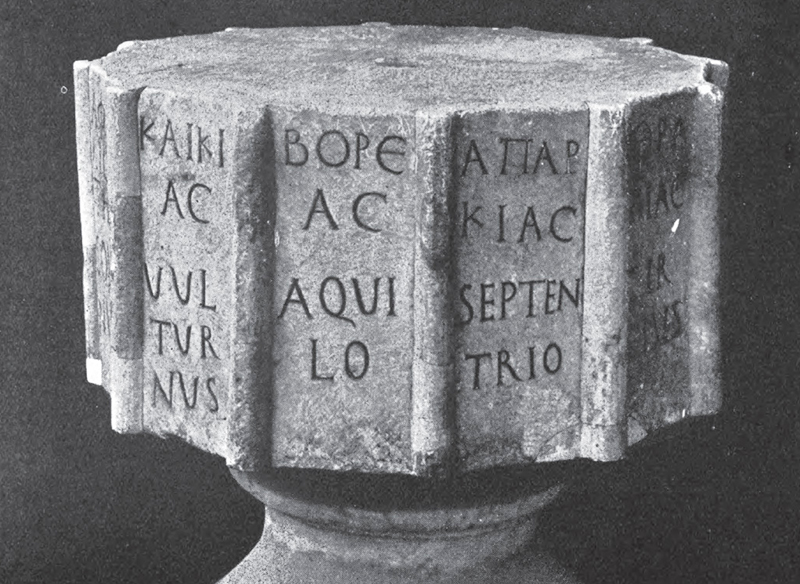
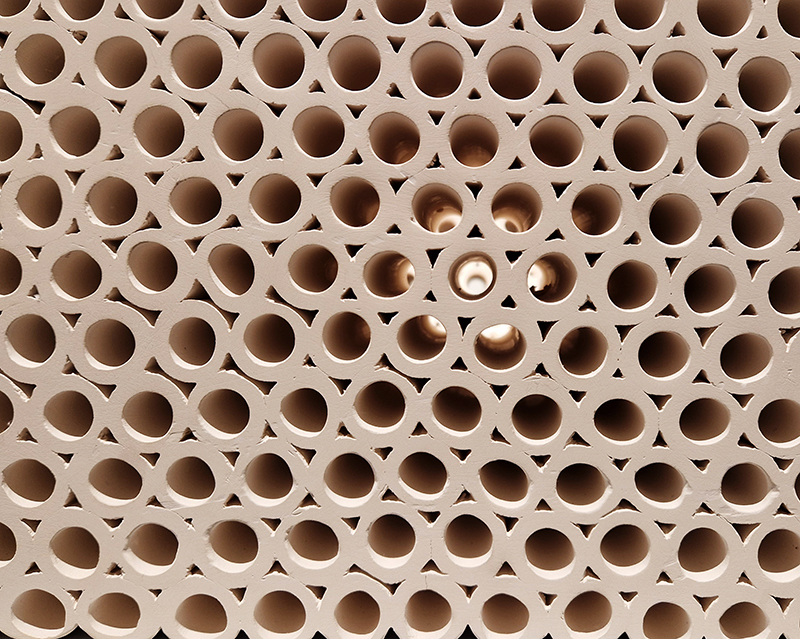
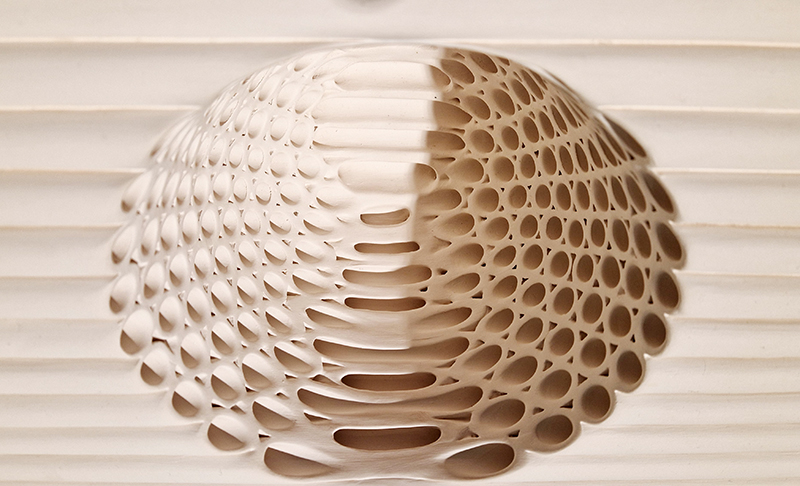
Instruments of the Anemoi are a set of dodecagon tablets cast in Snowcrete, a cement with no magnetic minerals, as is used for instrument pedestals at a magnetic observatory. They also respond to a twelve sided anemoscope “table of the winds” carved in marble around eighteen hundred years ago and held at the Vatican Museums. Releasing the cast from the mould and collagraph is a rewarding process – if all the pieces have held their position during the concrete pour and vibrating to release trapped air bubbles. Luckily this time was a success.

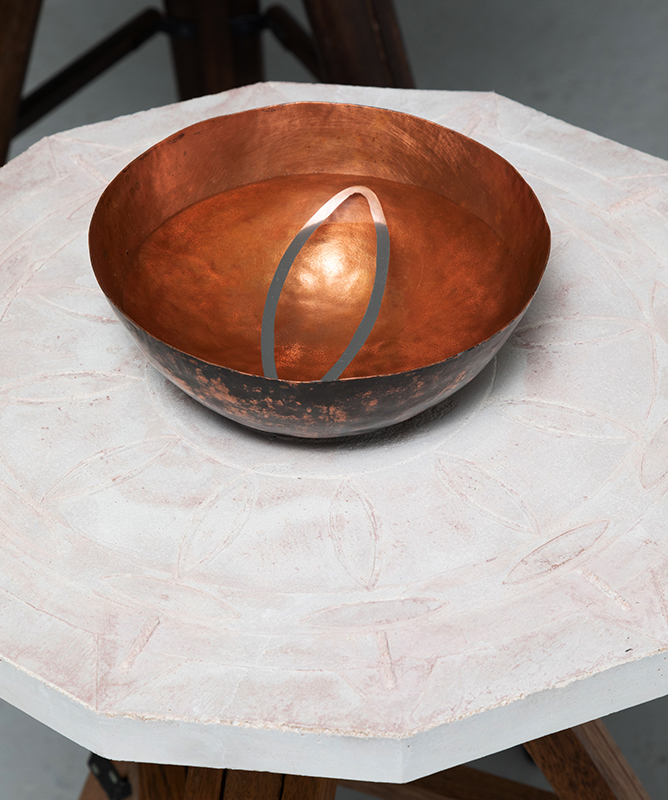
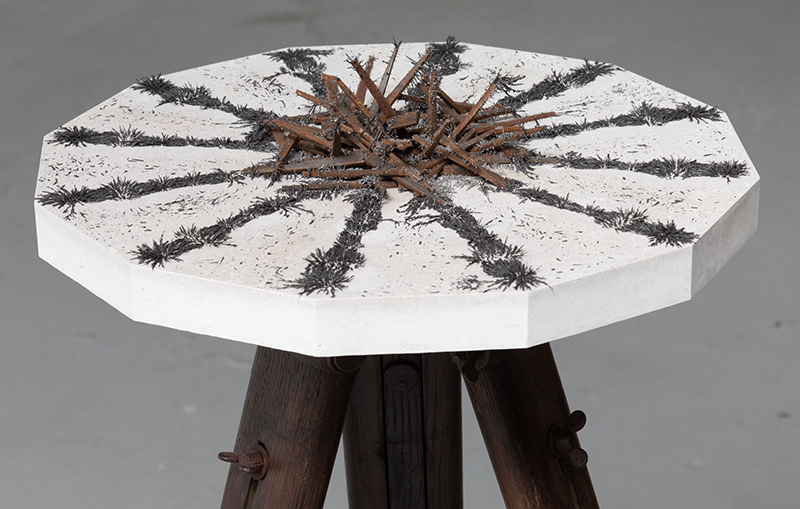
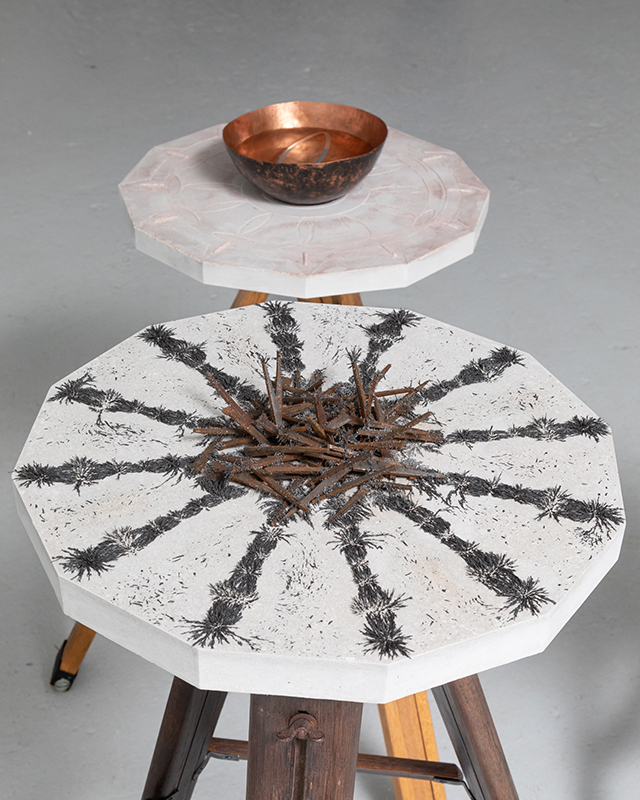
The other two sculptures in the series. A hand beaten copper bowl with a ‘silver fish’ floating in water based on the oval shaped compass needle illustrated in Breve Compendio de la Sphera de la arte Navegar by Martin Cortes 155. Wafer thin fish shaped iron leaves were also used by 11th century Chinese geomancers. Nails and iron filings reveal an embedded magnetic field and hark back to a legend on the discovery of the lodestone, a naturally magnetic mineral, which recalls a Greek shepherd who noticed the nails in his boots were attracted to the rock beneath his feet.
Unsettling to find it is already one year on since A Stone Sky duo exhibition with Julie F Hill opened at Thames-side Studios Gallery and this work was first shown.

Around 95% of the universe is ‘dark’ to us, formed of unknown and possibly unknowable matter which may be inaccessible to us, but cosmic rays offer a tangible contact with outer space.   

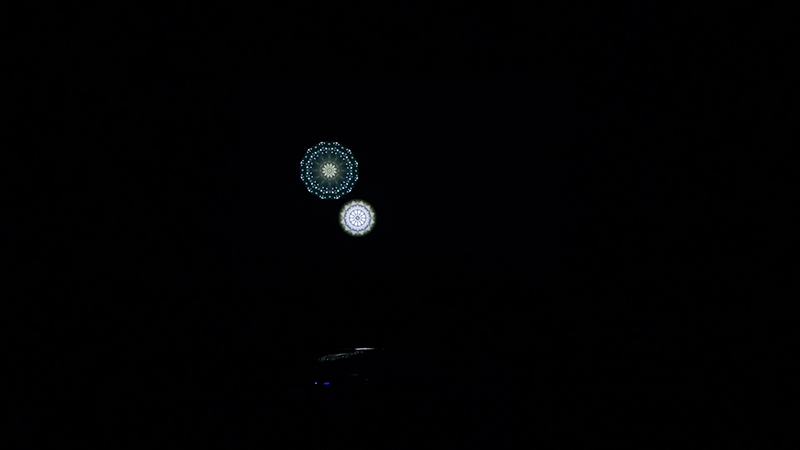
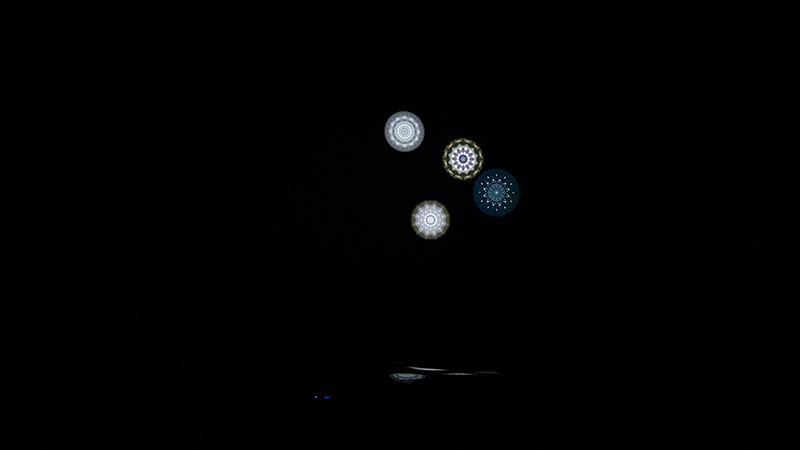
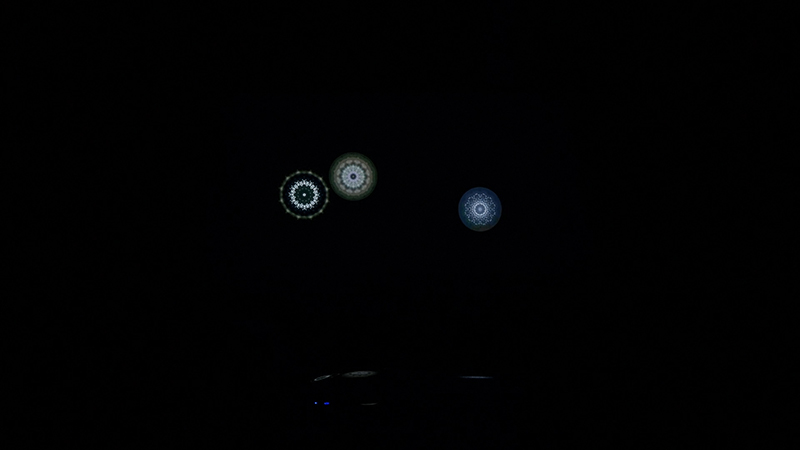
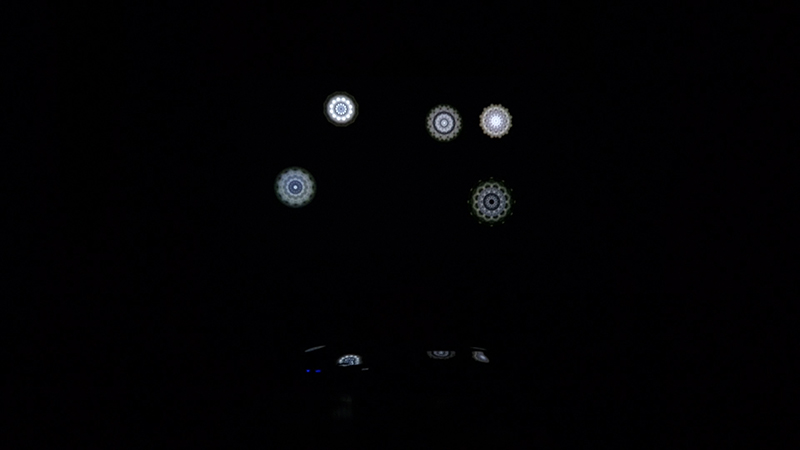
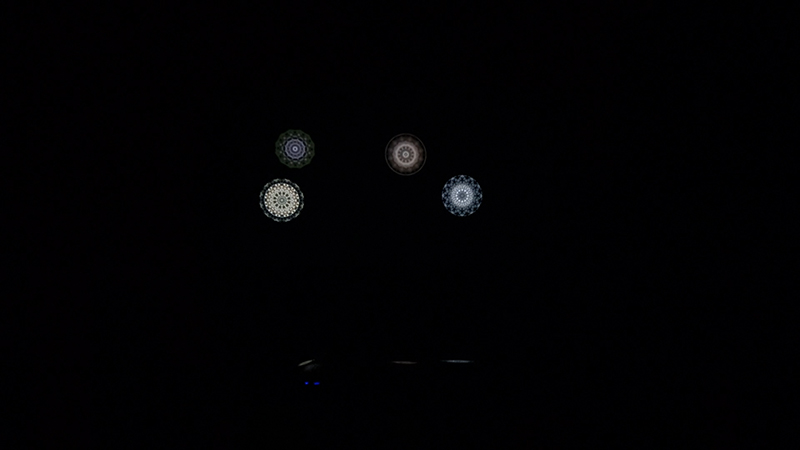
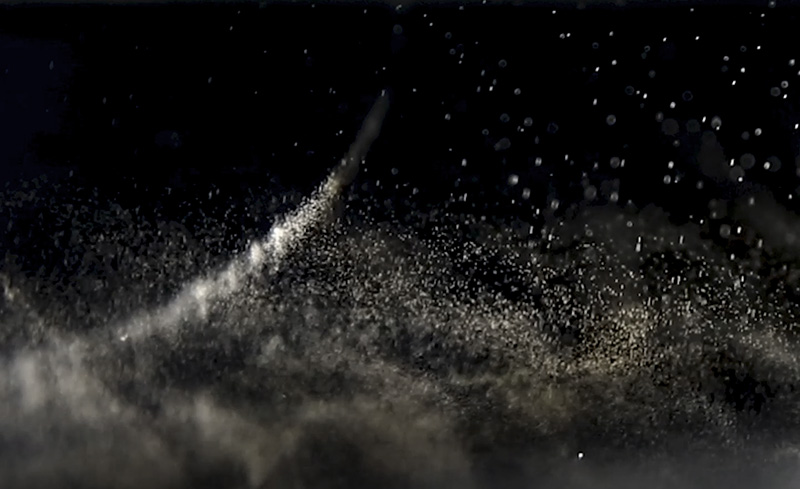
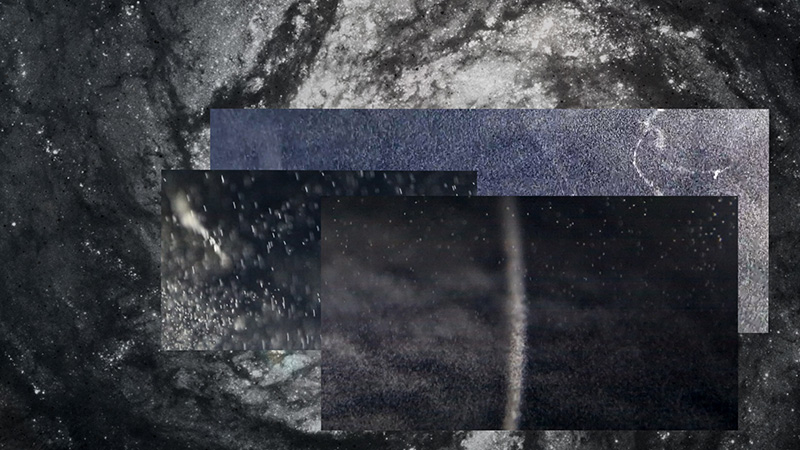
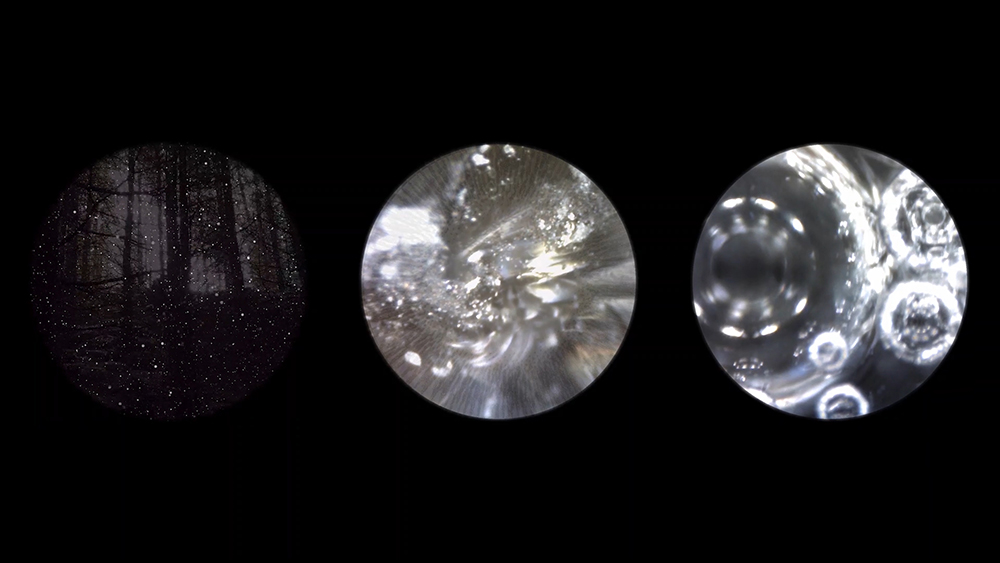
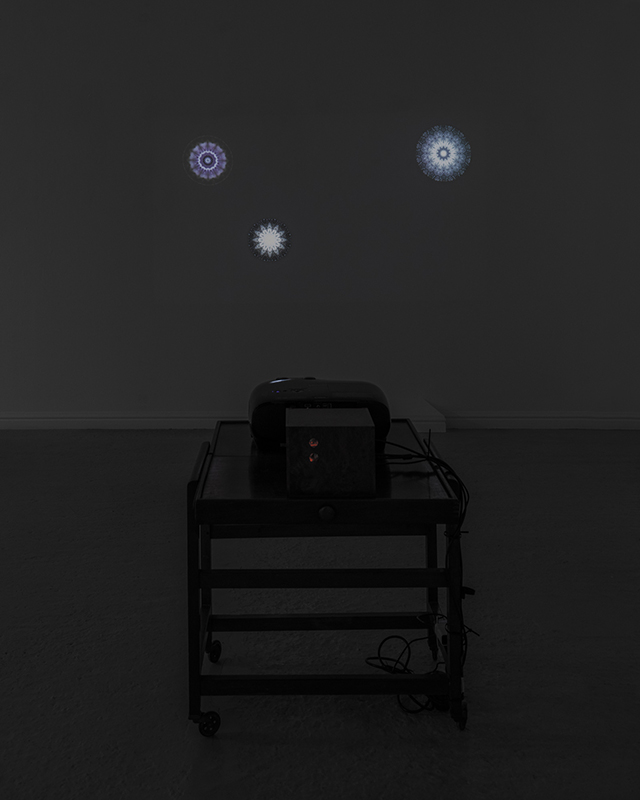
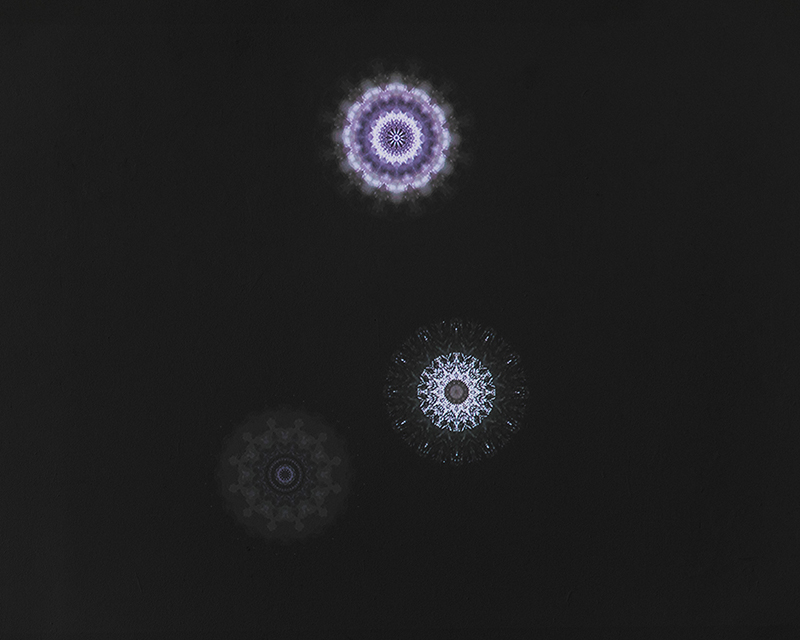
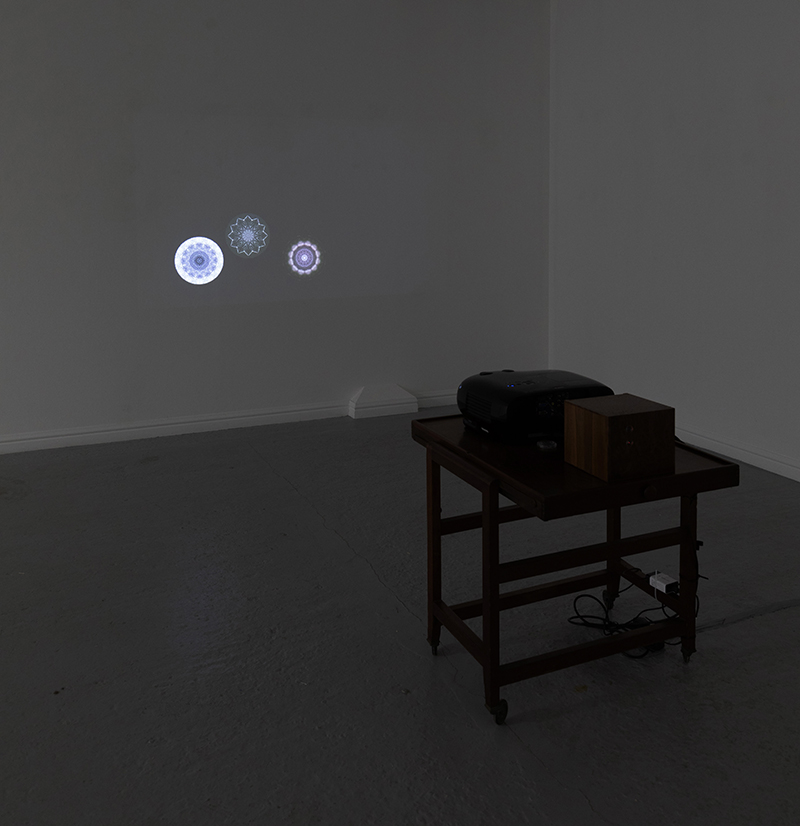
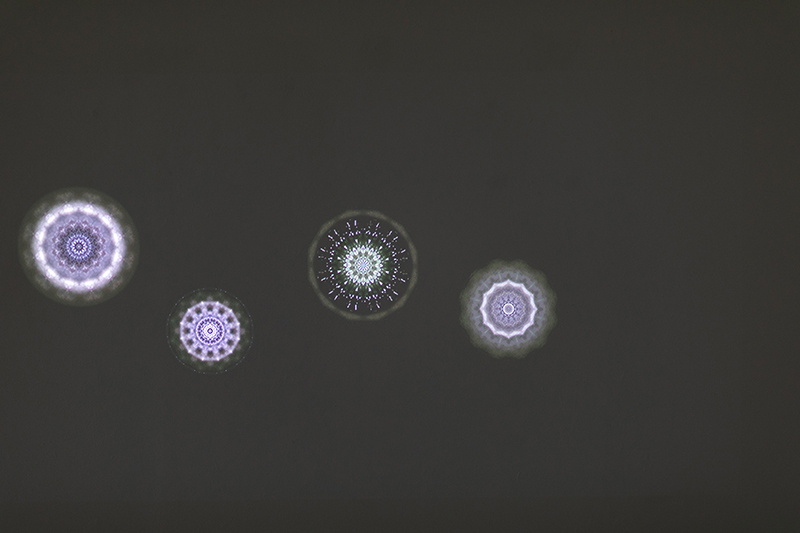
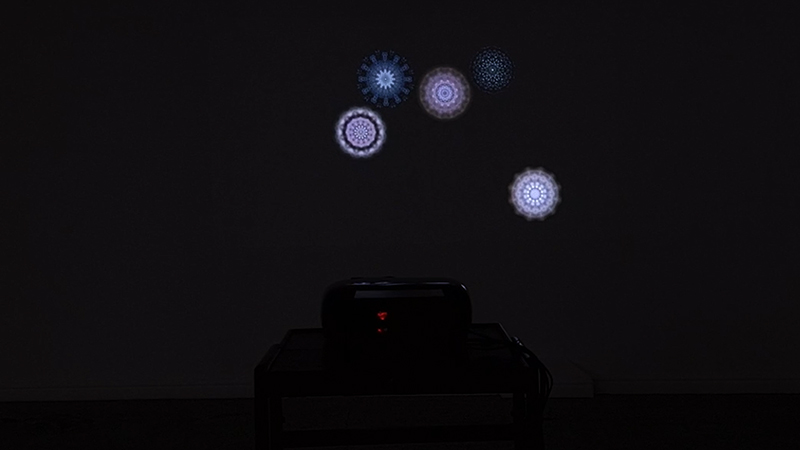
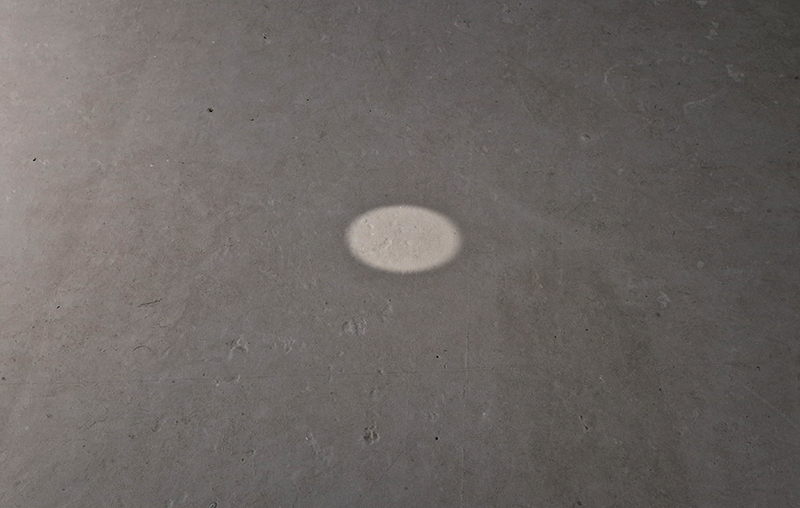
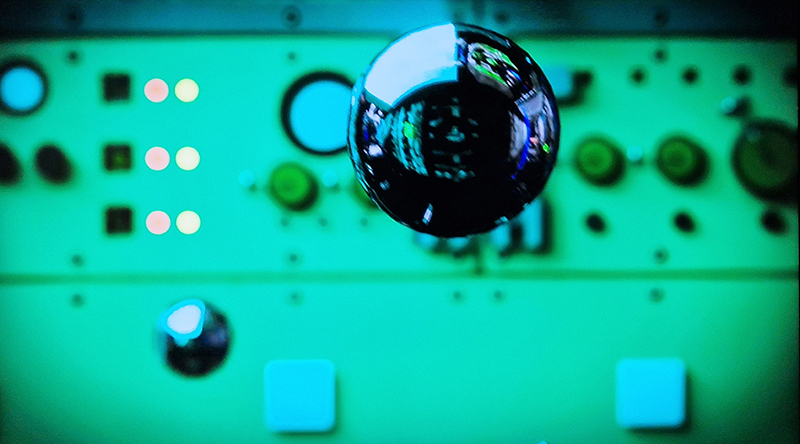
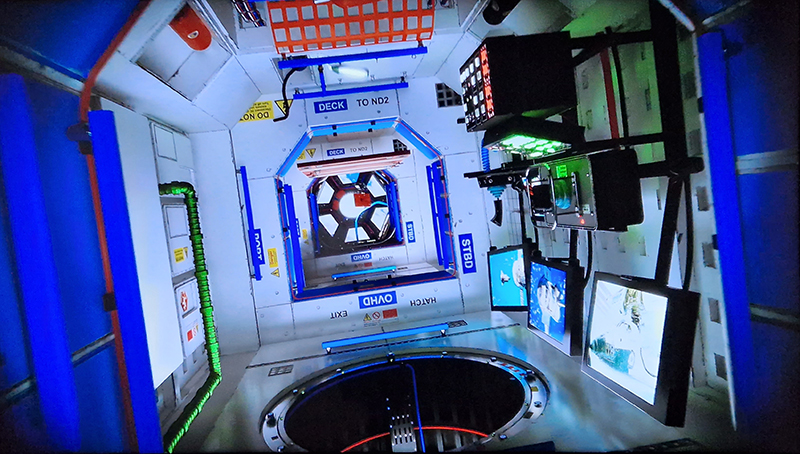
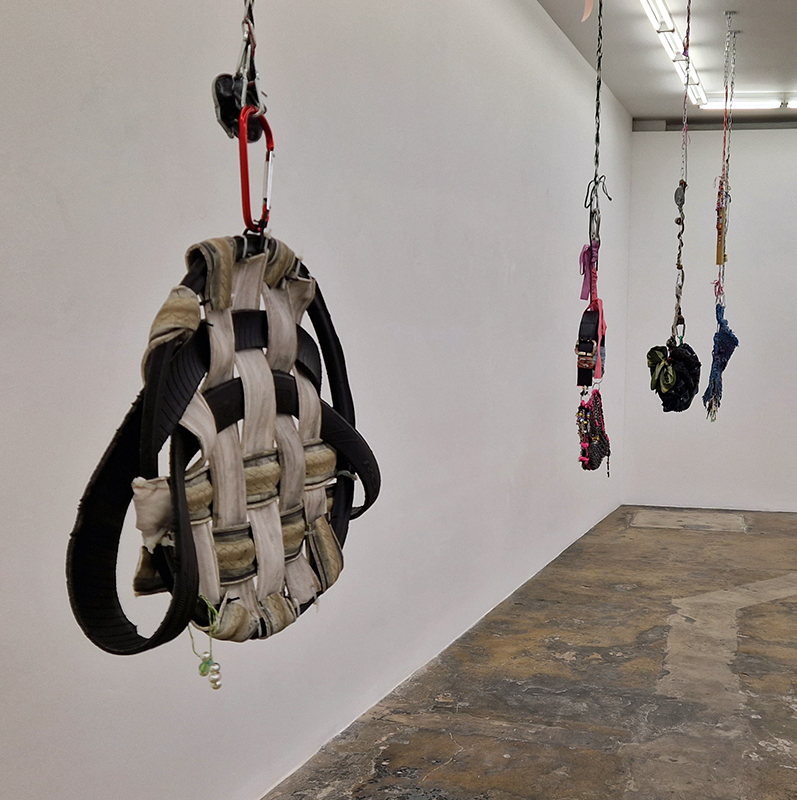
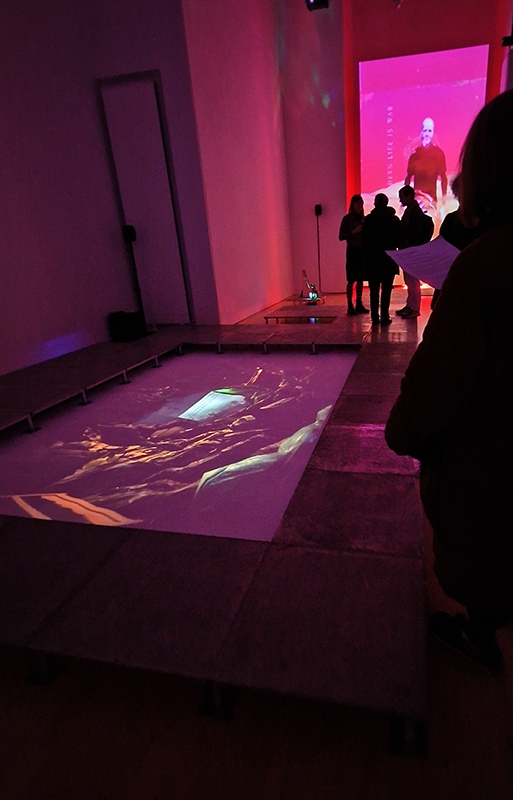
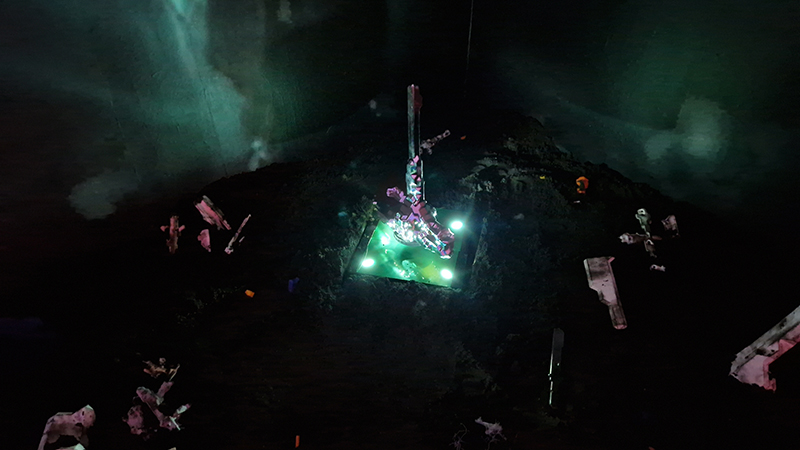
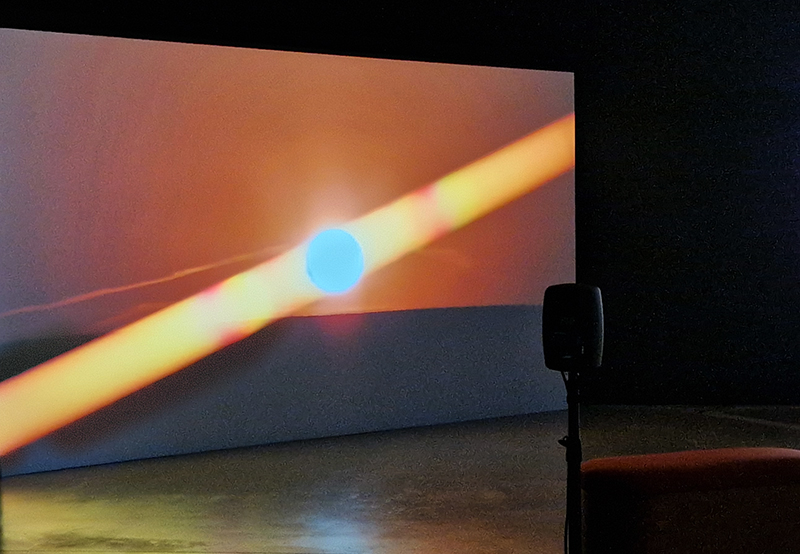
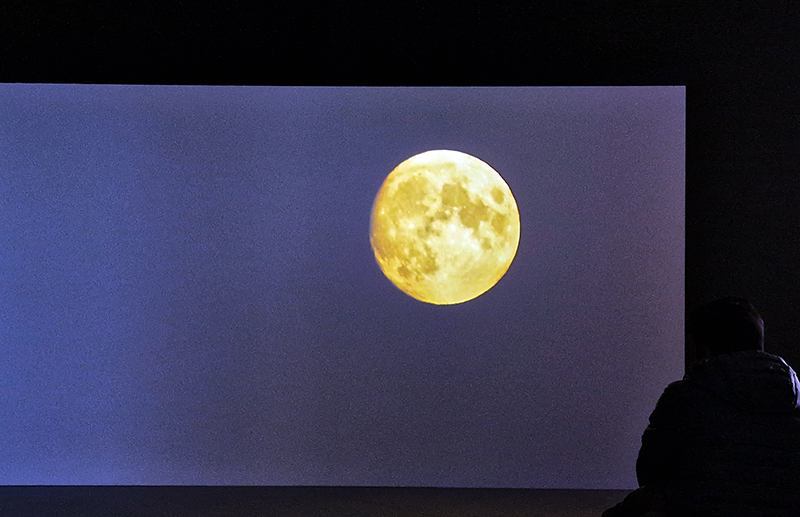
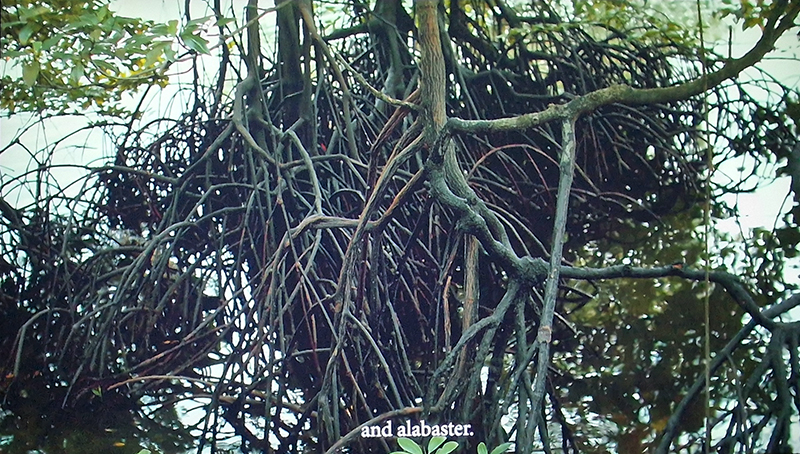
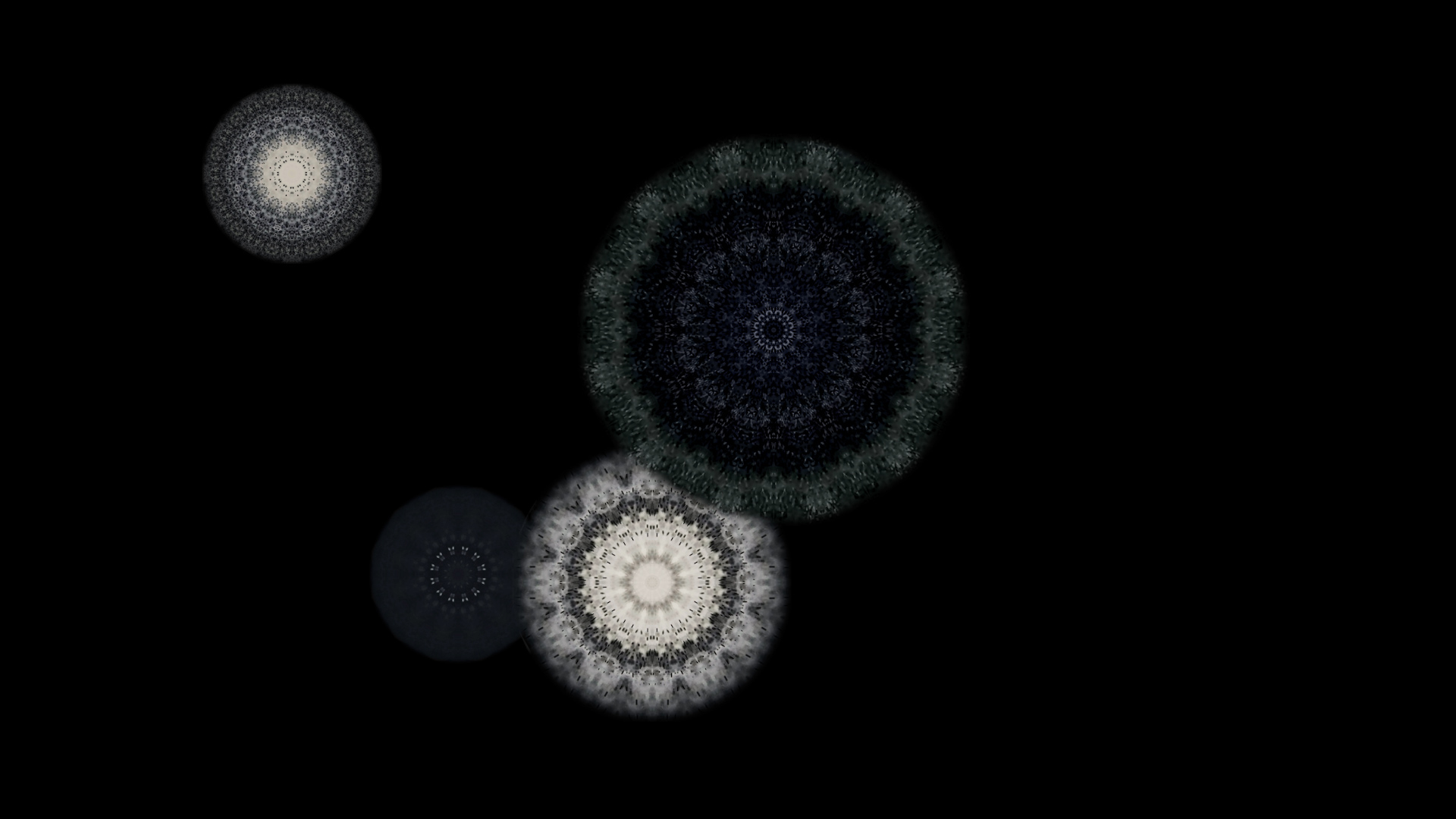
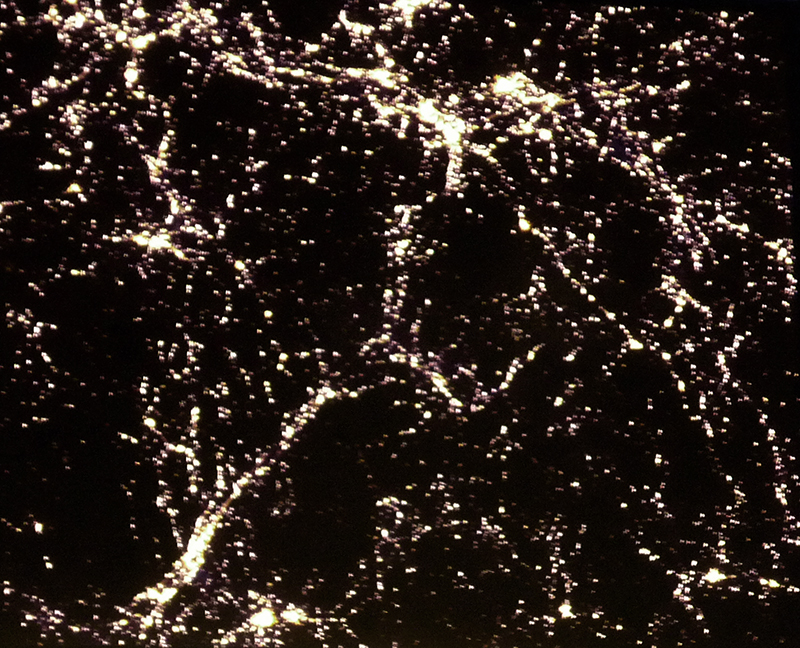
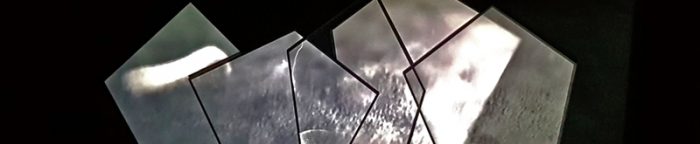
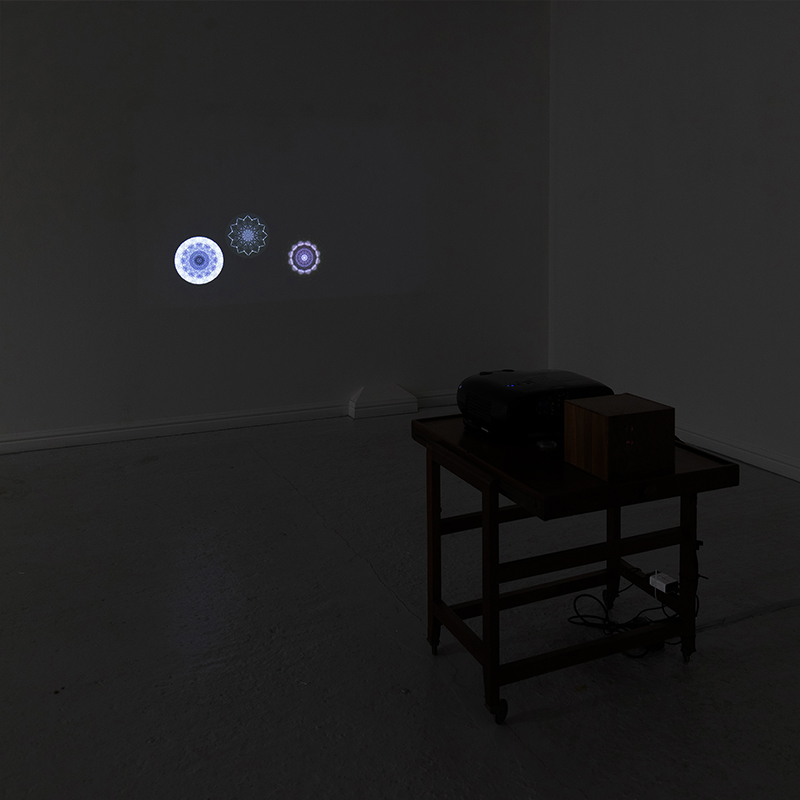
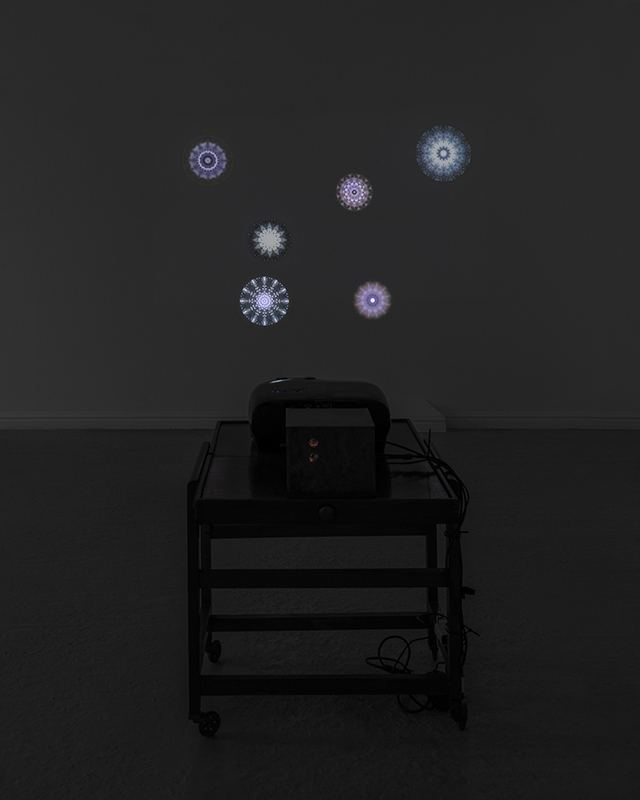
Giving The Breath of Stars a run to see if the cosmic rays are still there 😉 These images are stills of live action.
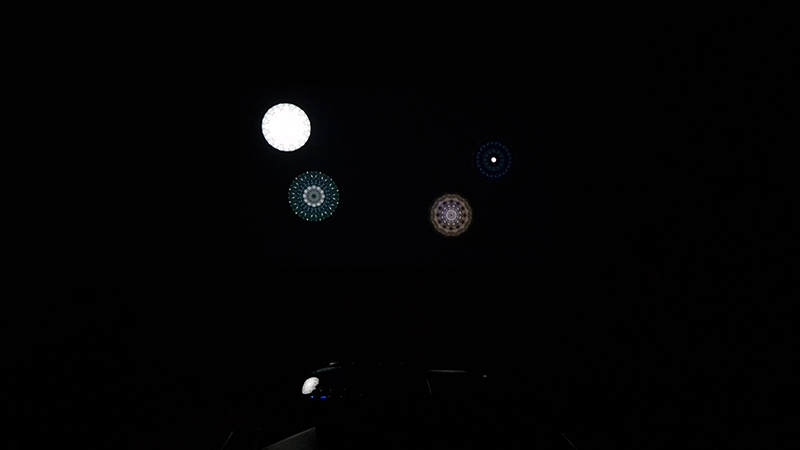
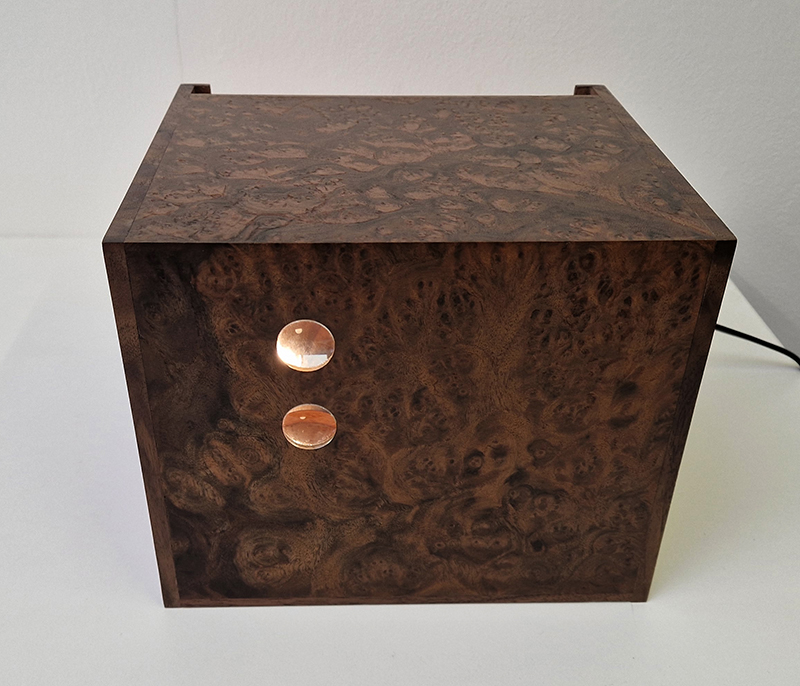
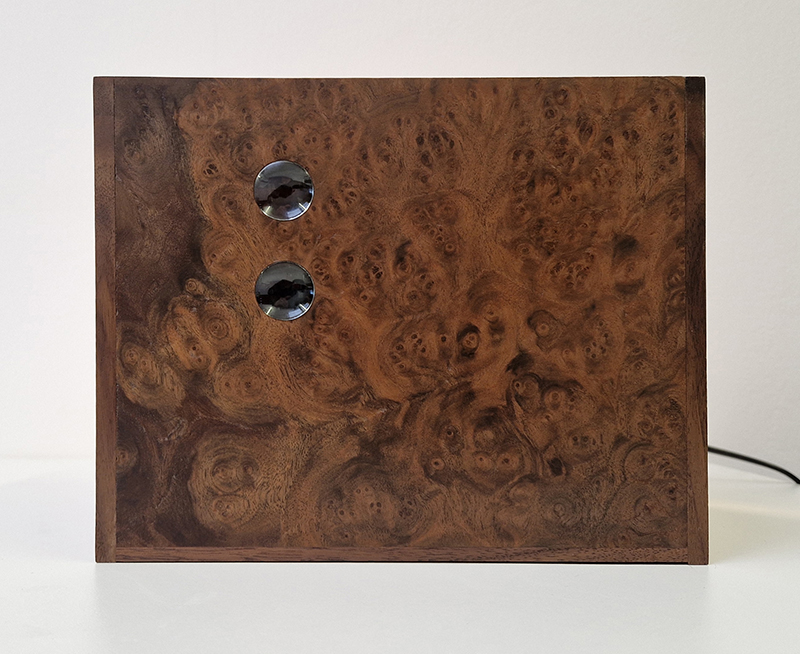
Cosmic ray detectors, mini computers, wooden box (20 x20 cm), video projection; live duration.

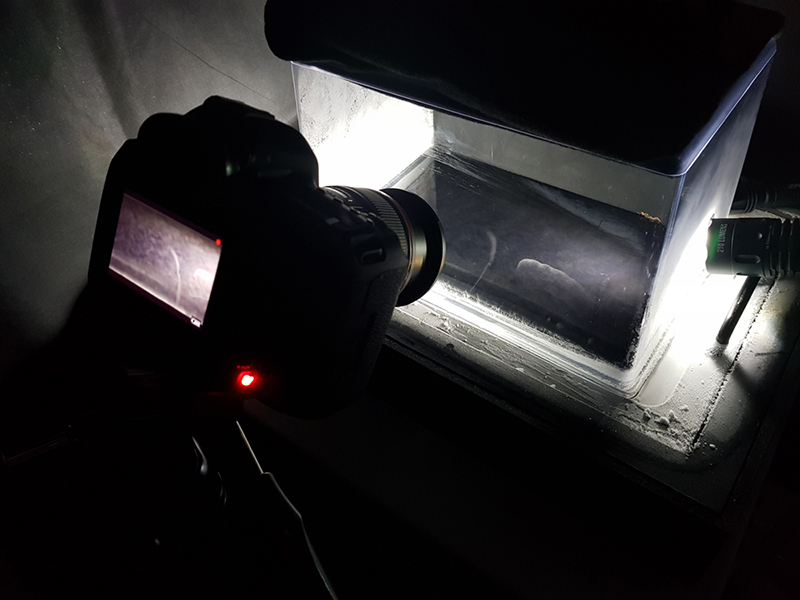
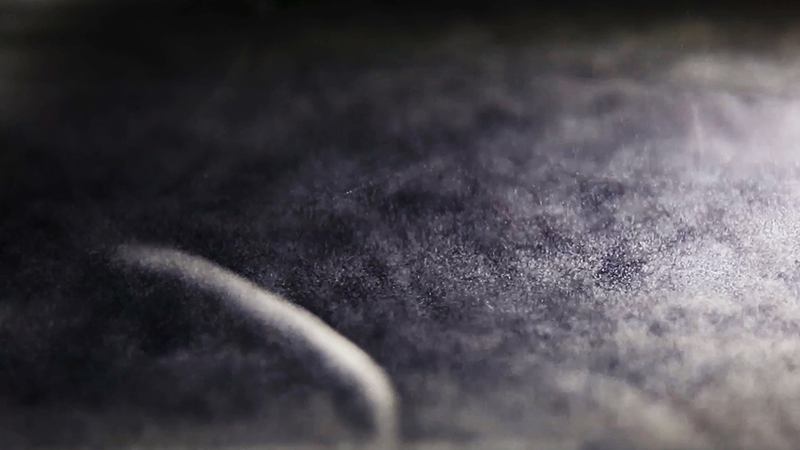
The Breath of Stars is a digital video work activated in real time by cosmic rays. These high energy particles arrive from outer space, interacting with life and technology on Earth. Coming from the heart of exploding stars or the depths of black holes, cosmic rays power across the universe with unimaginable energy. Some may come from phenomena yet to be discovered or even from other dimensions. A kaleidoscopic animation is projected every time a cosmic ray is recorded passing through the detectors. The animations are created from footage of cosmic ray trails filmed in my cloud chamber.
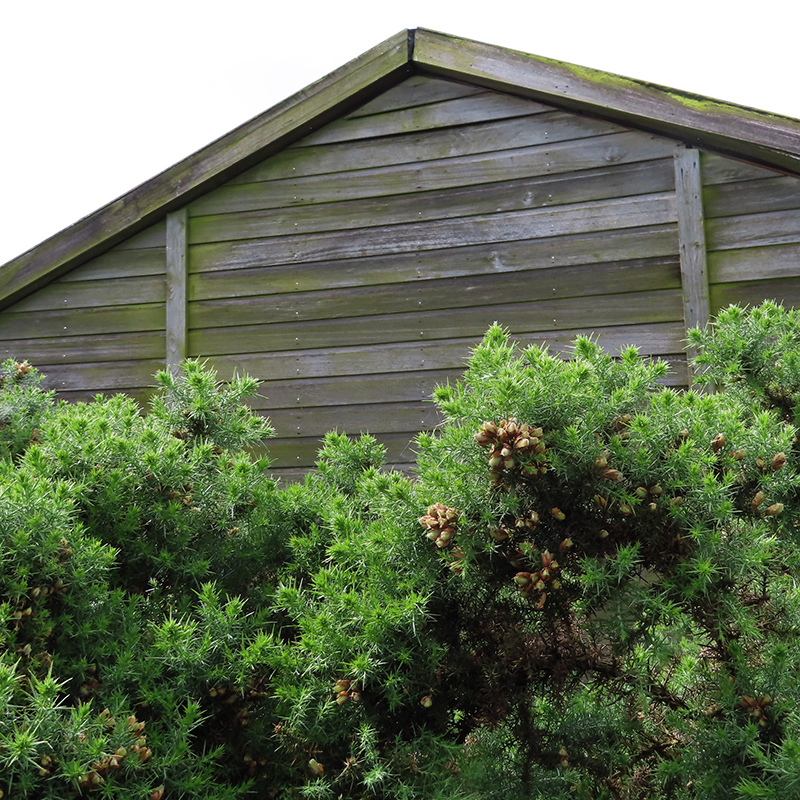
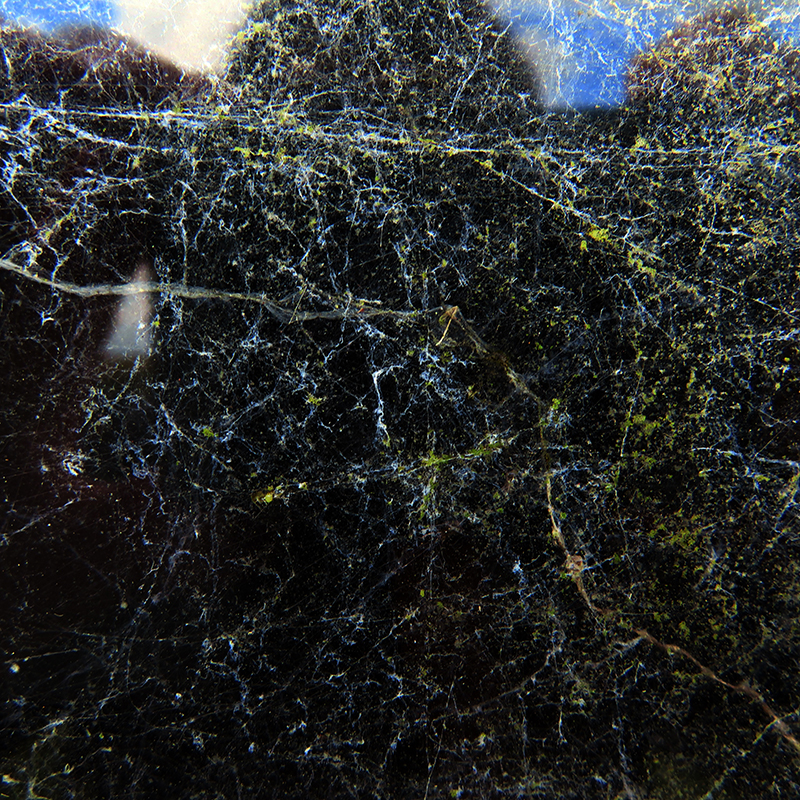
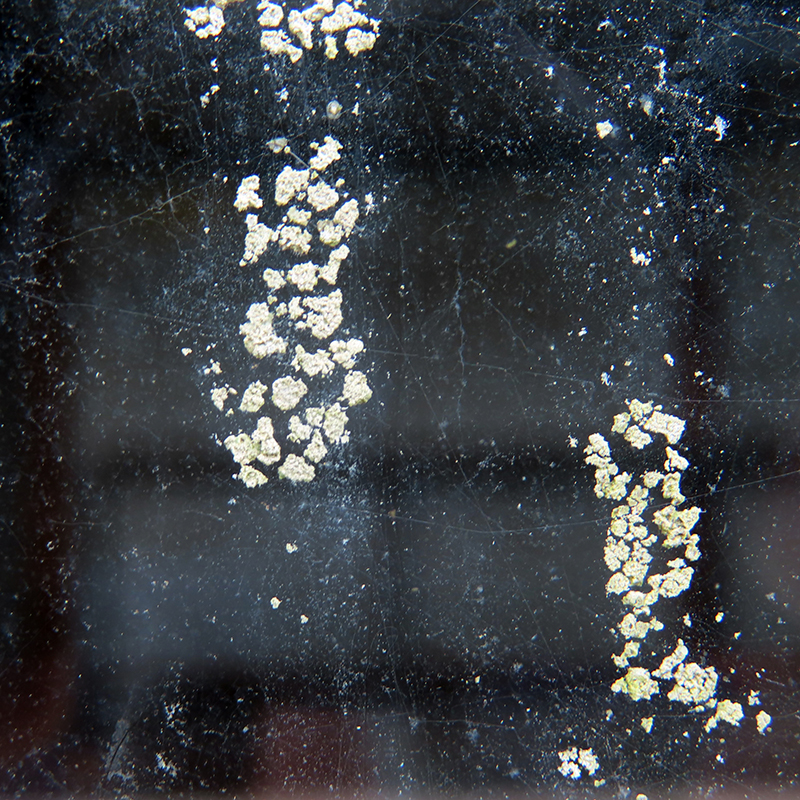
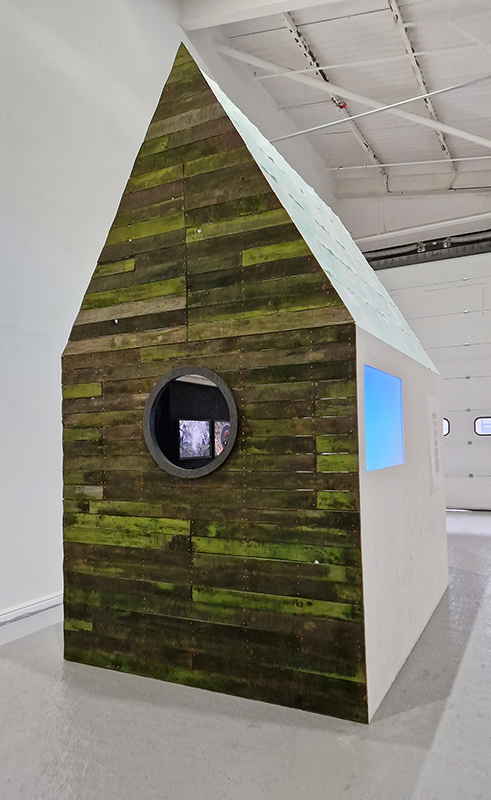
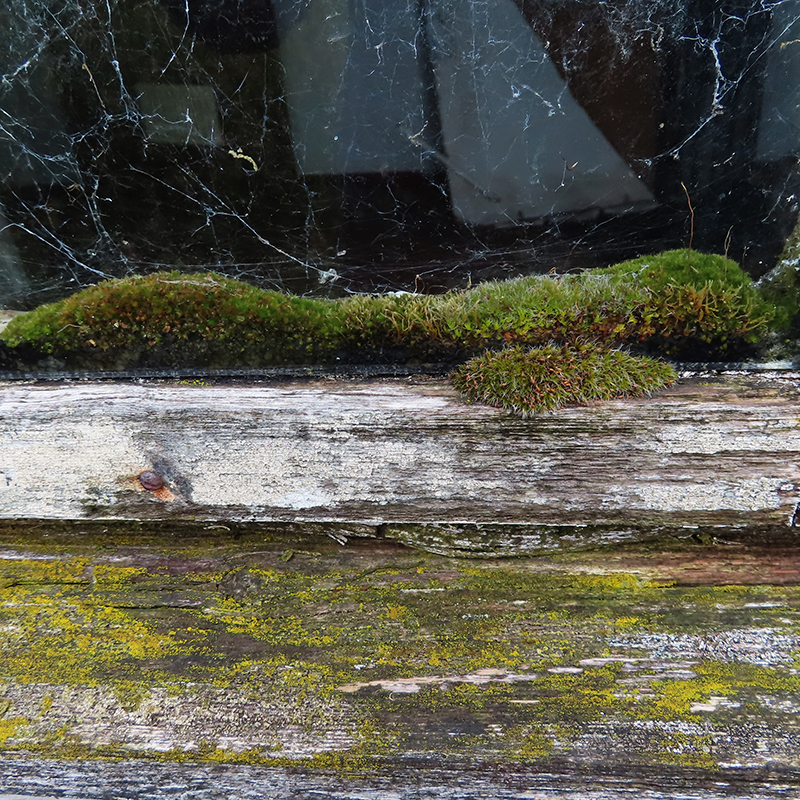
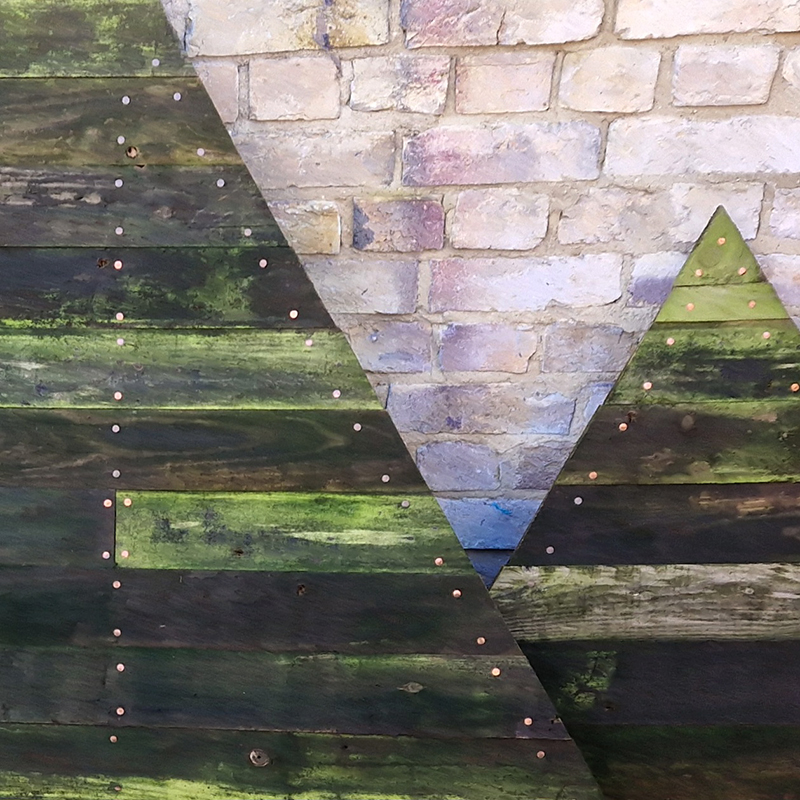
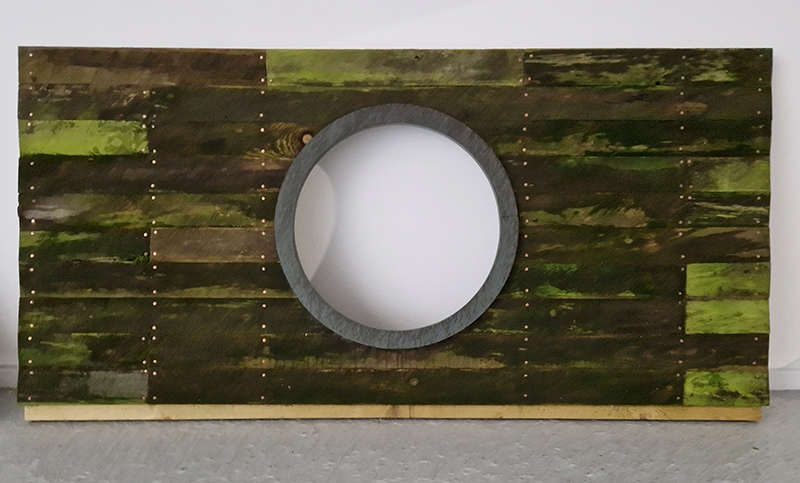
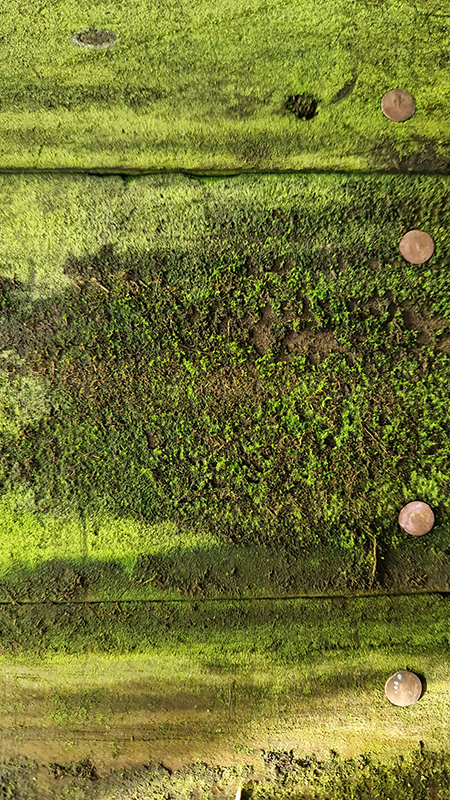
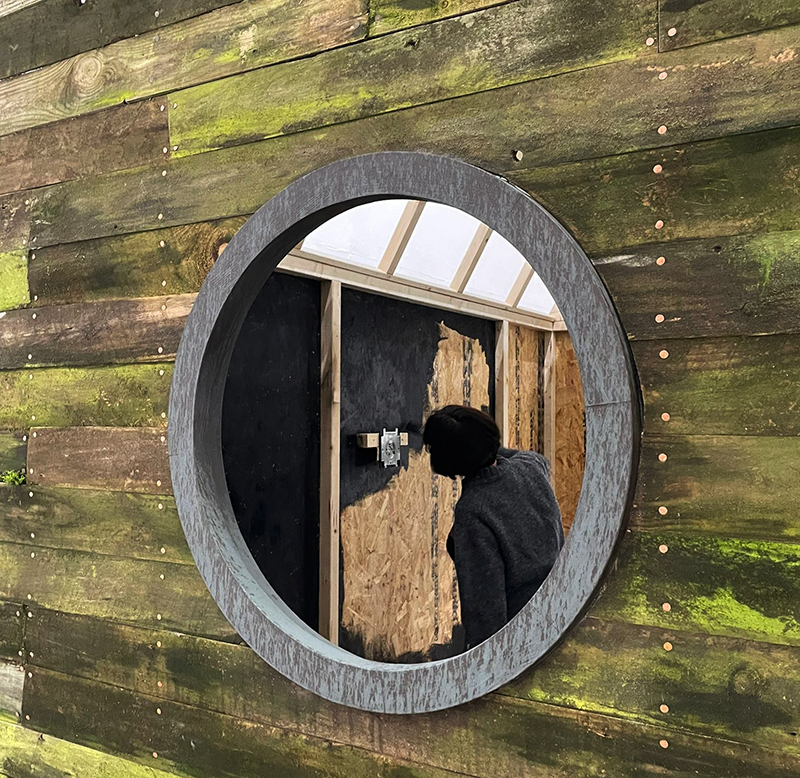
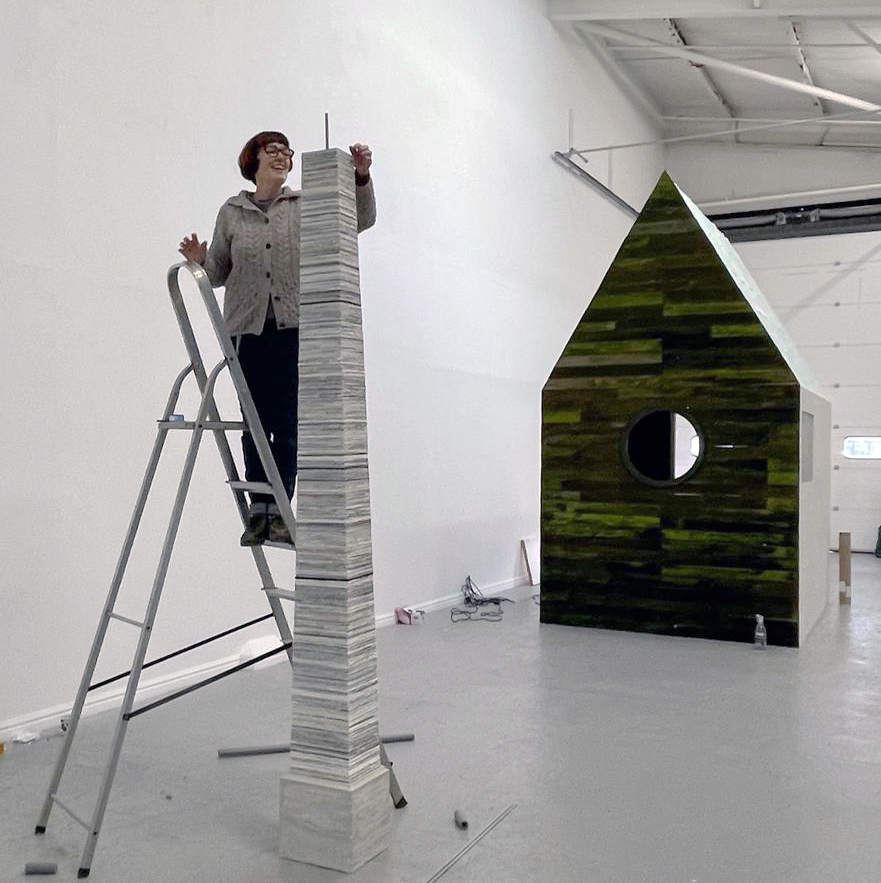
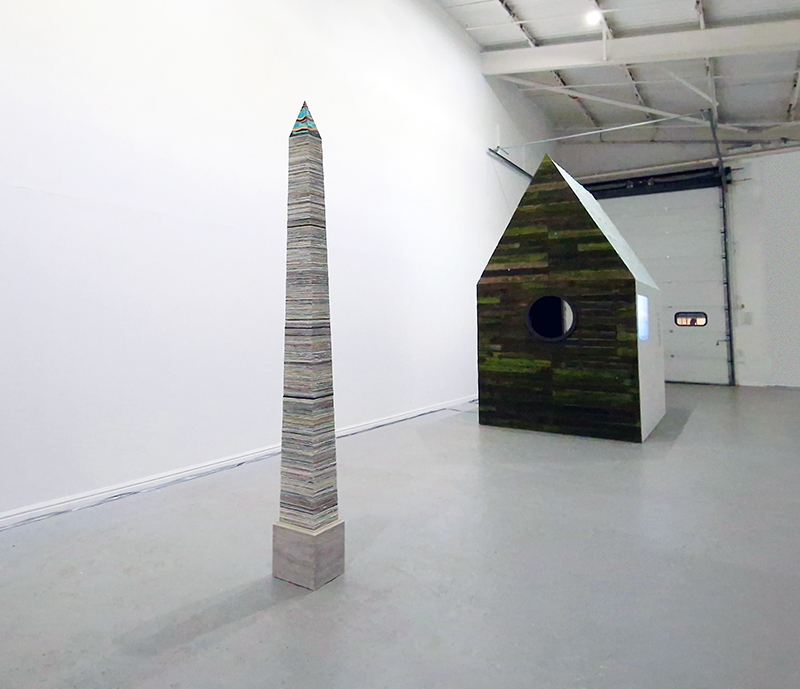
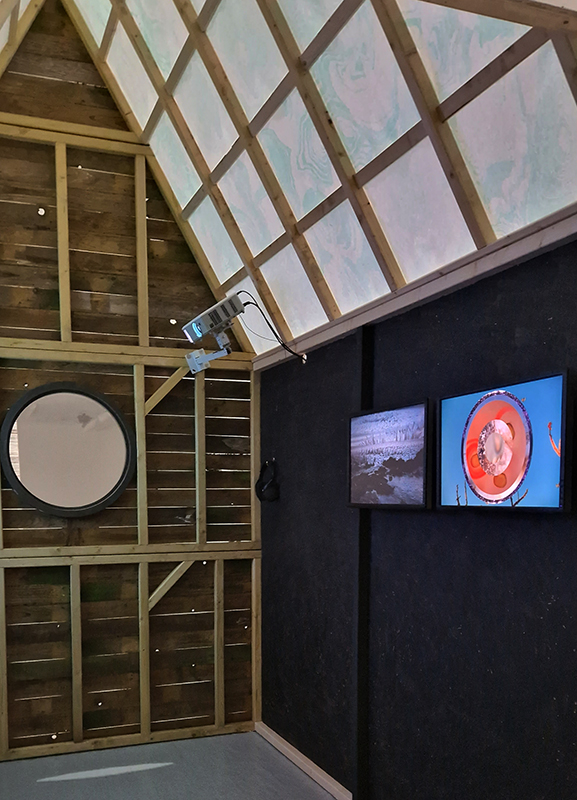
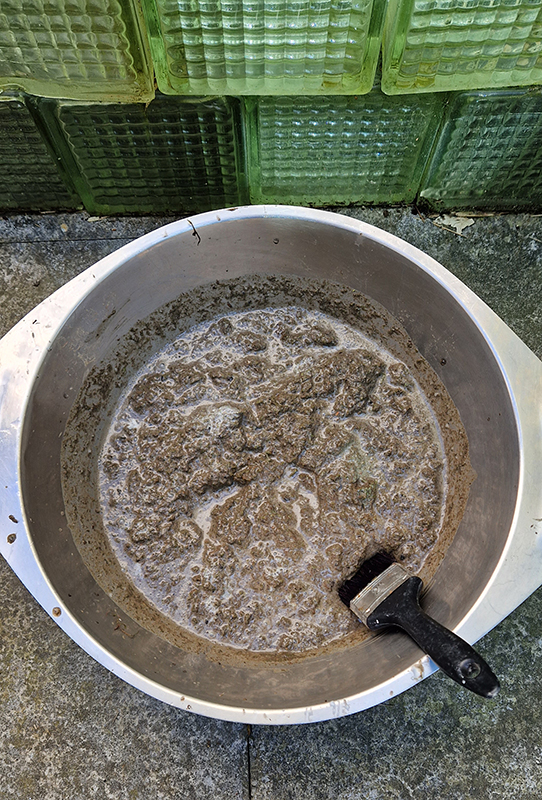
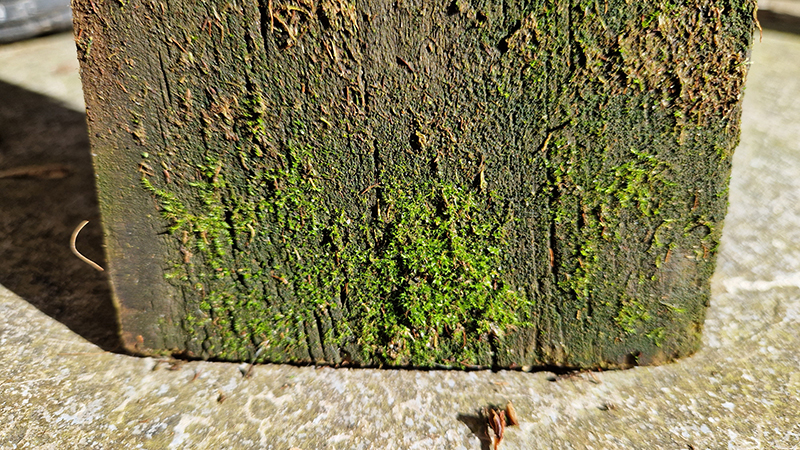
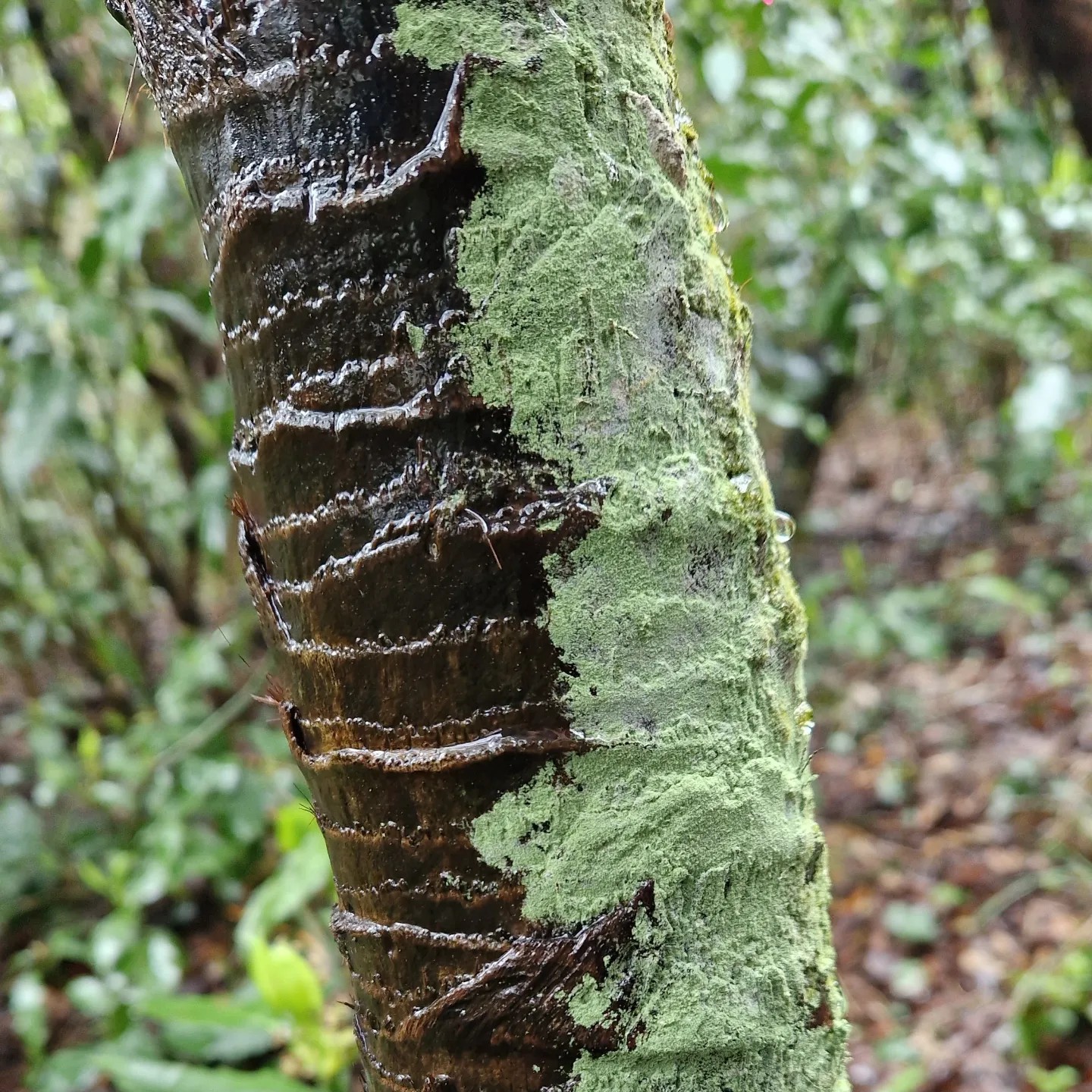
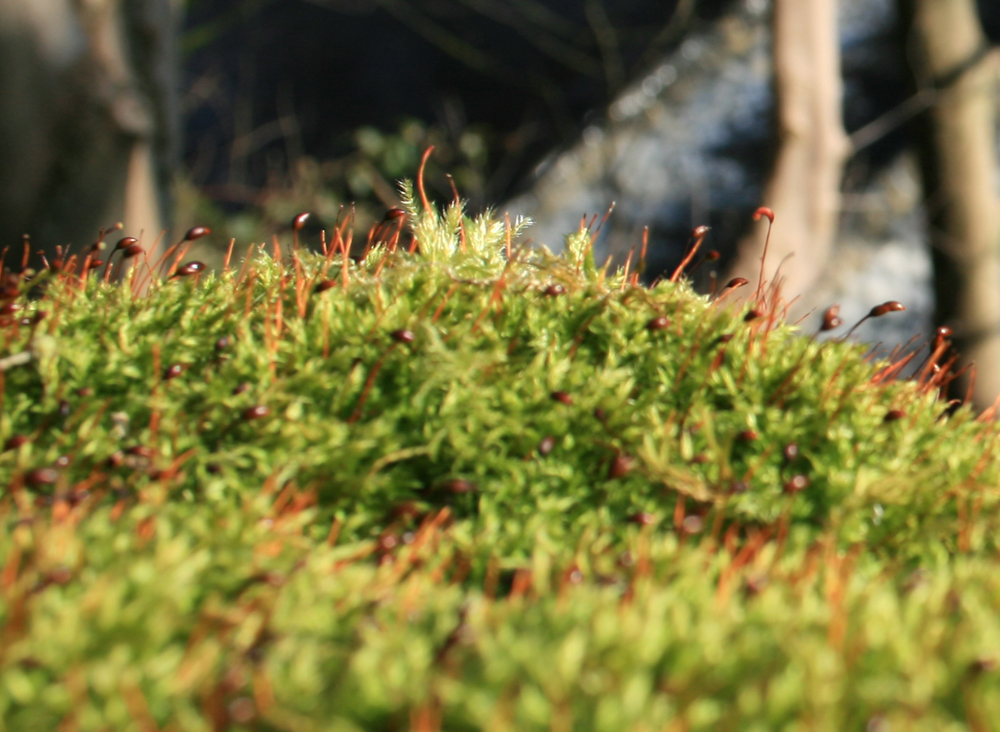
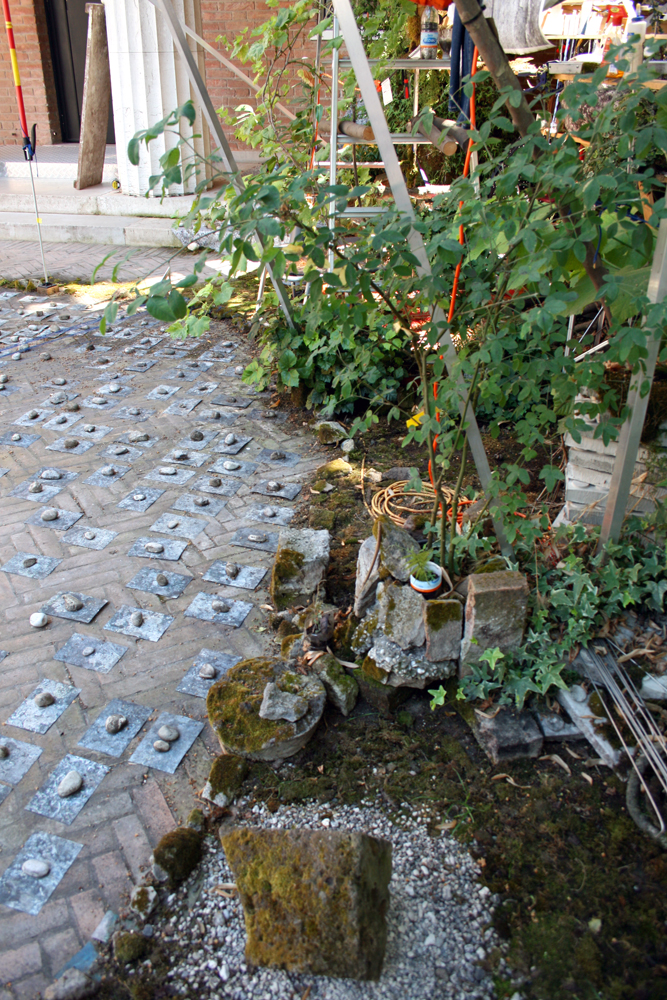
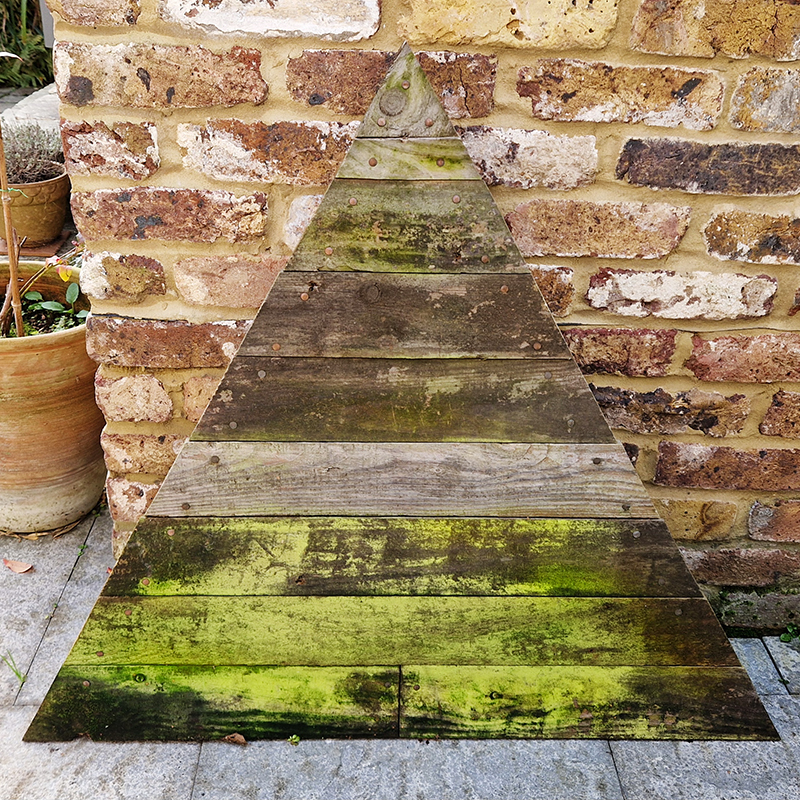
This cold damp weather is stimulating the moss regrowth on the apex pinnacle of The Absolute Hut (of action potential) that found a space in my garden after The Stone Sky exhibition this time last year. I had spent weeks preparing the recycled fence boards to make the North facing wall of the hut, painting them with various mixtures of buttermilk and yogurt blended with moss and was so excited when it began to grow. During the exhibition I would mist it every day. The beginning of my fascination with huts!
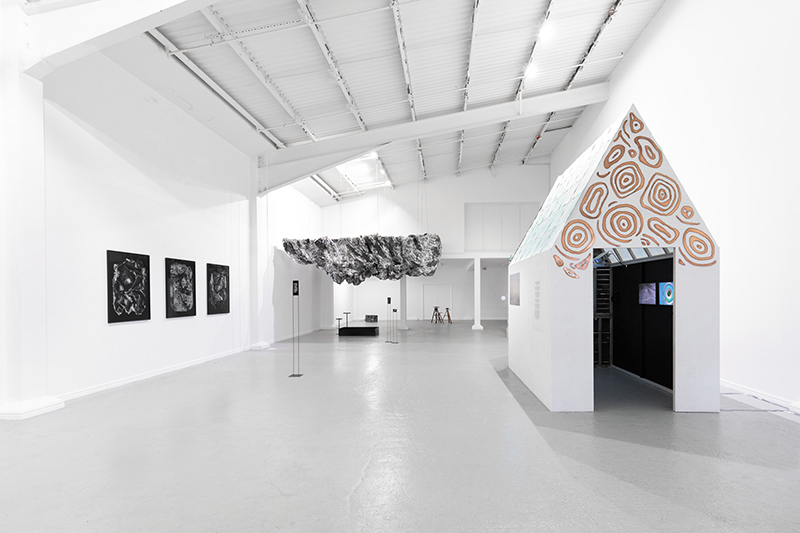
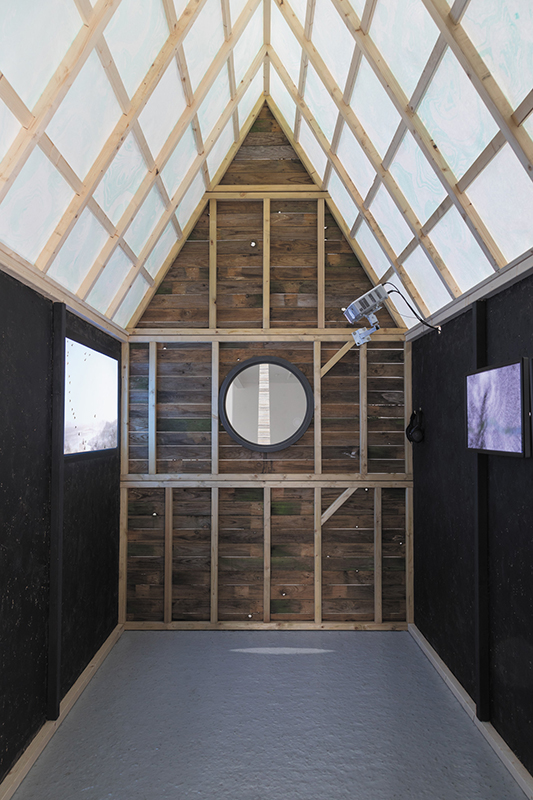
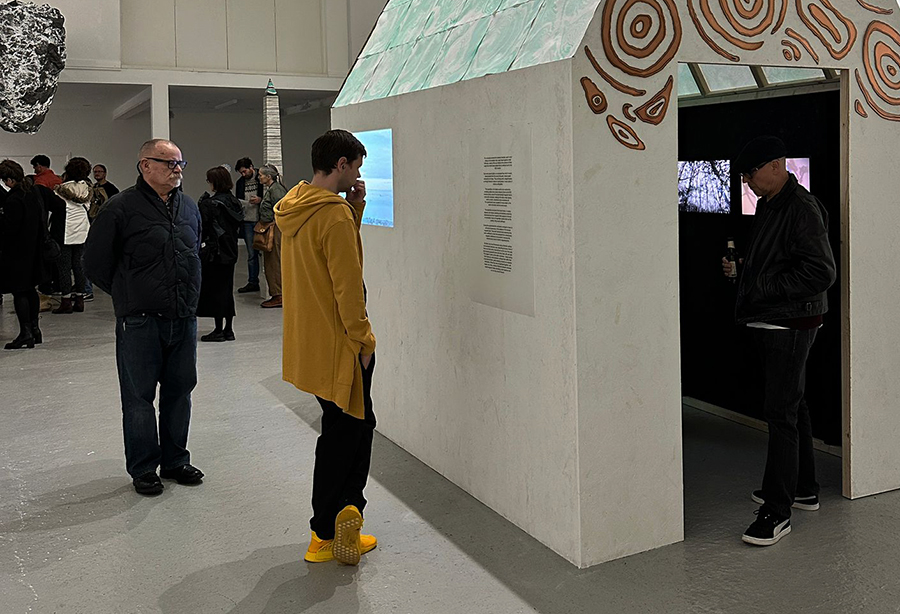
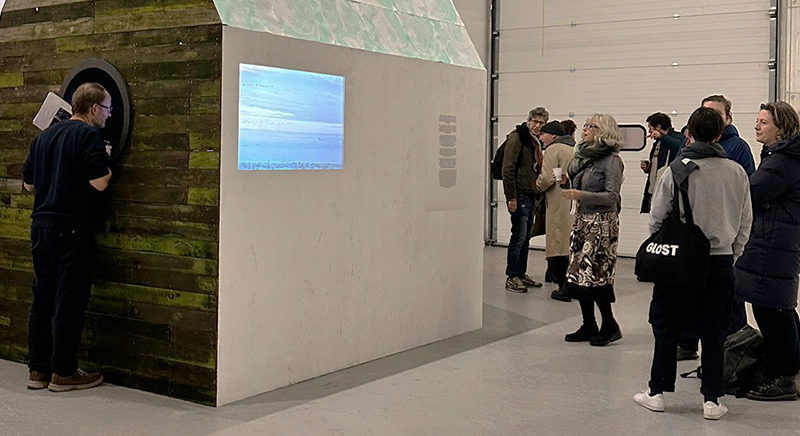
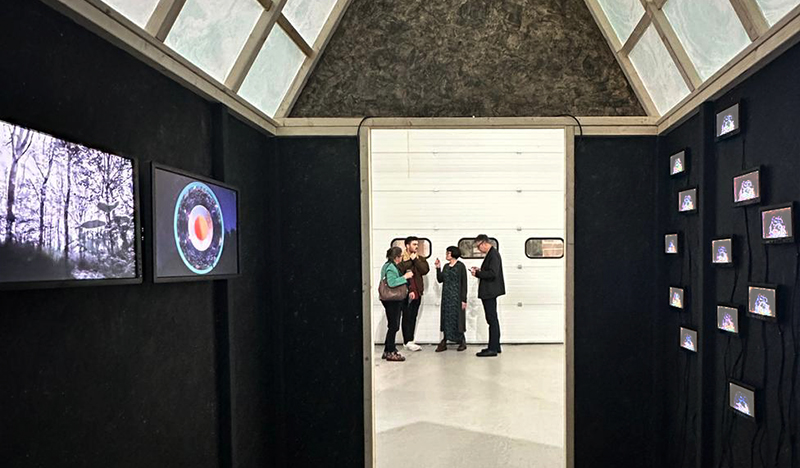
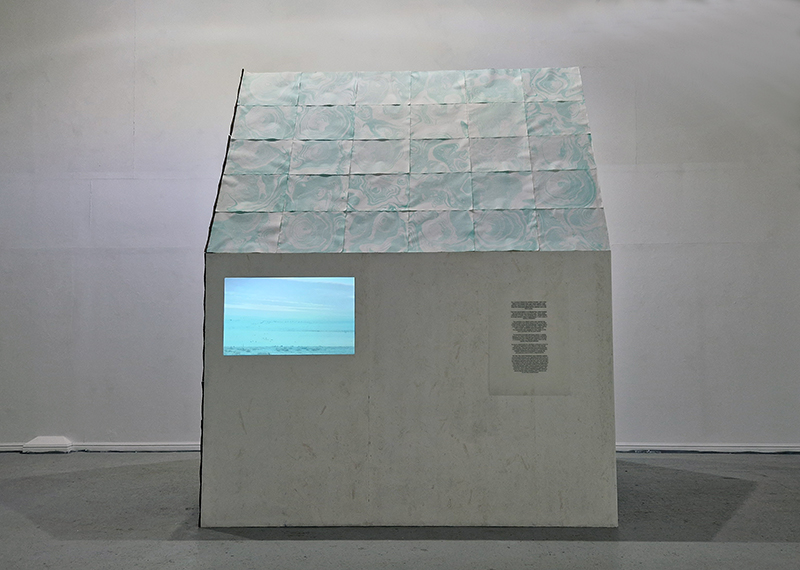
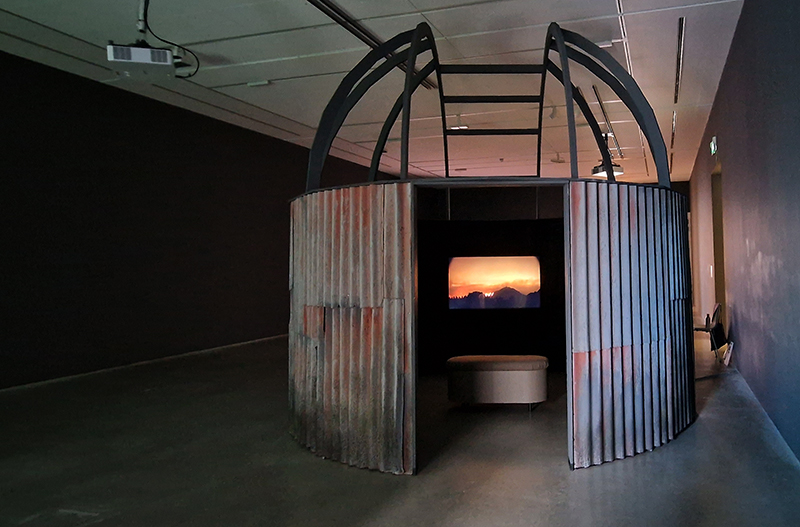
The Absolute Hut (of action potential) Wood, moss, paper, copper, video projection, video monitors ; 200 x 300 x 375 cm

Operating as a sensory hub where a range of actions and processes are running concurrently reflecting on the dynamics between the Earth’s geologic structure and navigation using the magnetic field. Neurons in the brain and nervous system send information electrochemically around the body. The signals they send are called action potentials, which is a temporary shift from negative to positive within the cell caused by certain ions entering the cell. Action potentials can be triggered by an interaction with the magnetic field, causing a reaction in the body.

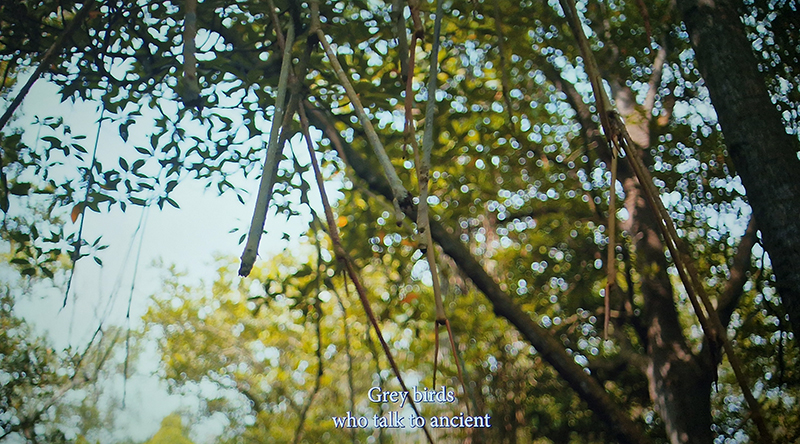
Interference 2023 (video still)

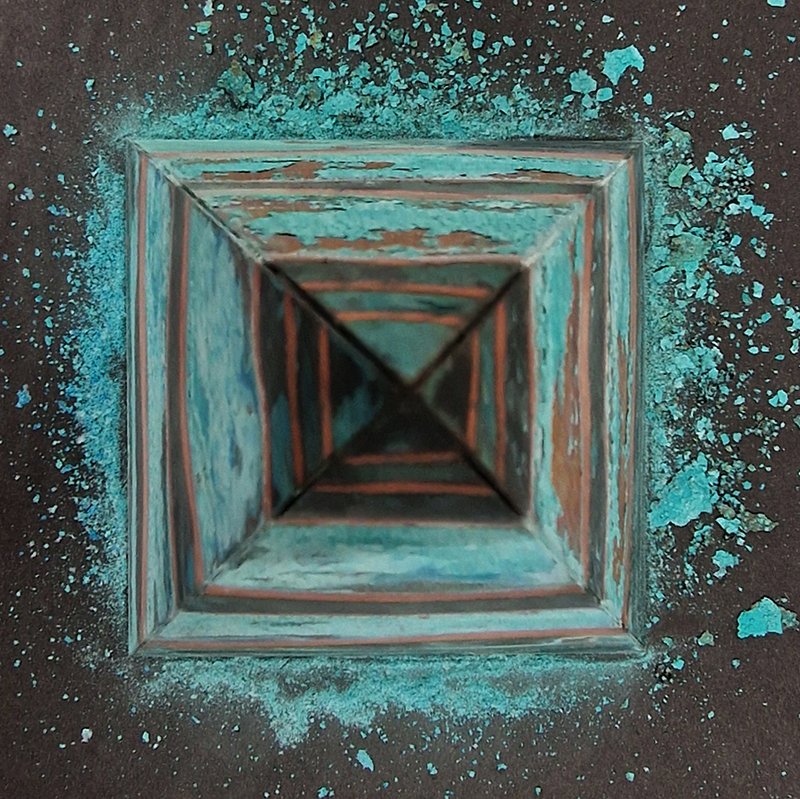
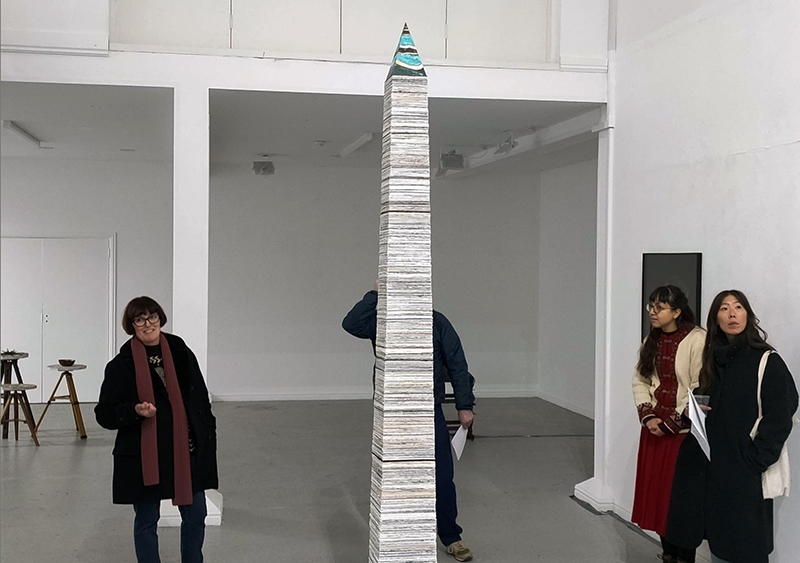
A year on and the pyramidion that sits on top of The Azimuth Obelisk (of sedimentary knowledge) is evolving. The patination, which involved a variety of chemicals being applied to the copper in layers, is an ongoing process.
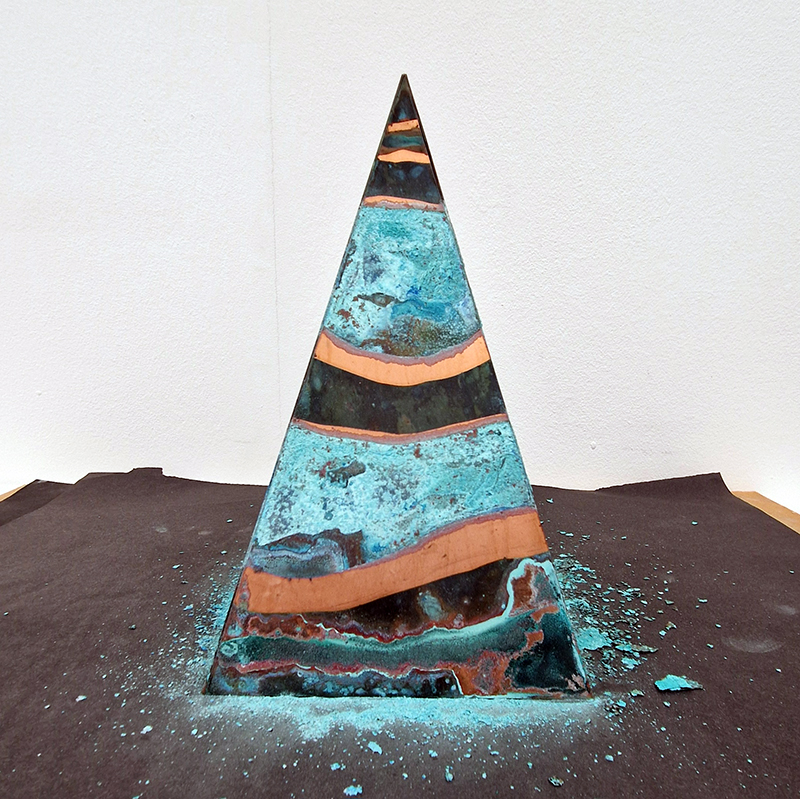
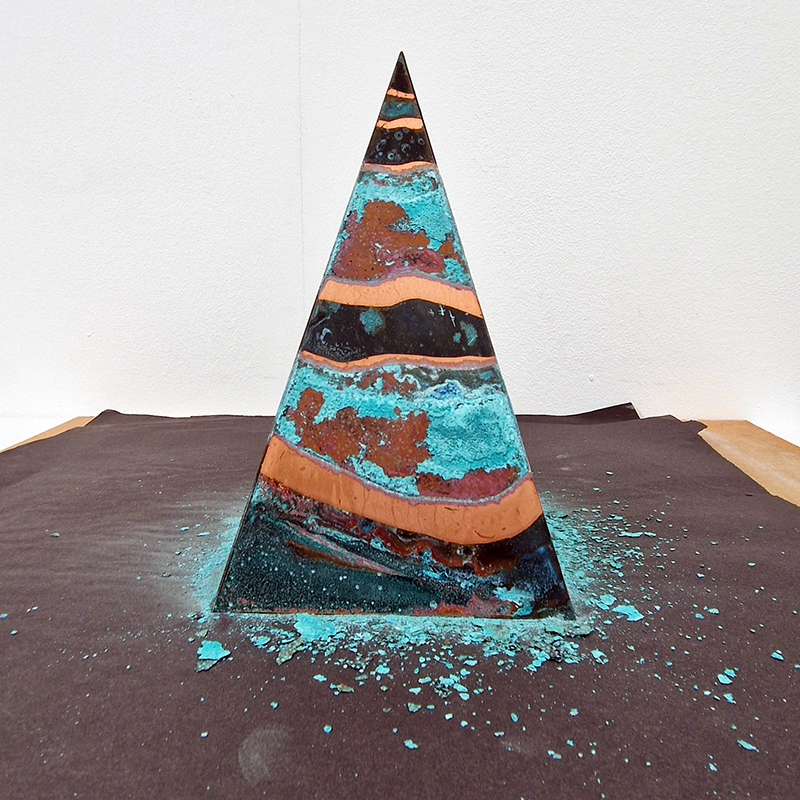
Sedimentary rock holds a geological history of the Earth’s magnetic field within its mineral components. The geomagnetic field, generated by the Earth’s molten core, varies through time; the magnetic poles migrate, go on excursions, or reverse polarity. During these periods of flux, the strength of the magnetic field changes, and this phenomenon is recorded in archaeological artefacts, volcanic rocks, and sediments. Limestone, a sedimentary rock, is often formed from crushed seashells, compressed over aeons. Crushed oyster shells were added to the obelisk base cast in Snowcrete.
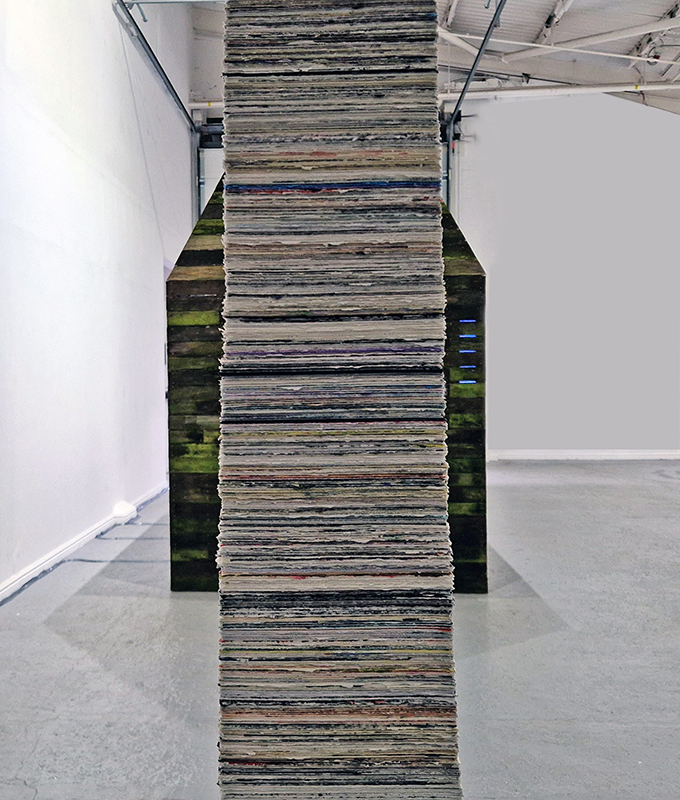
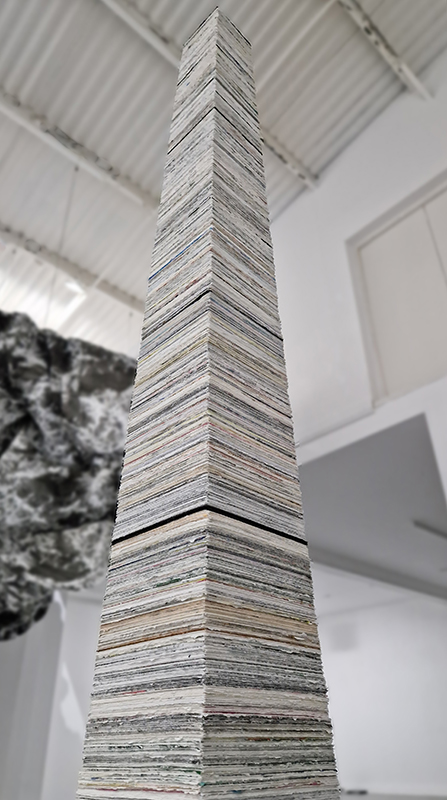
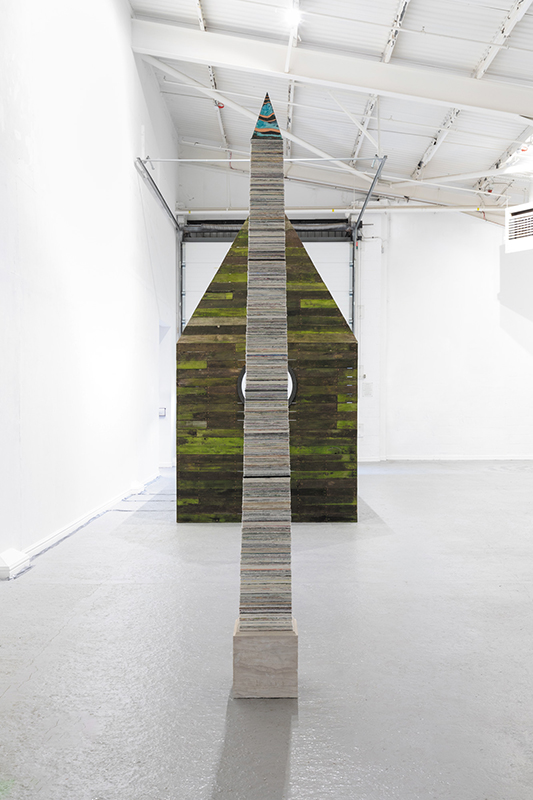
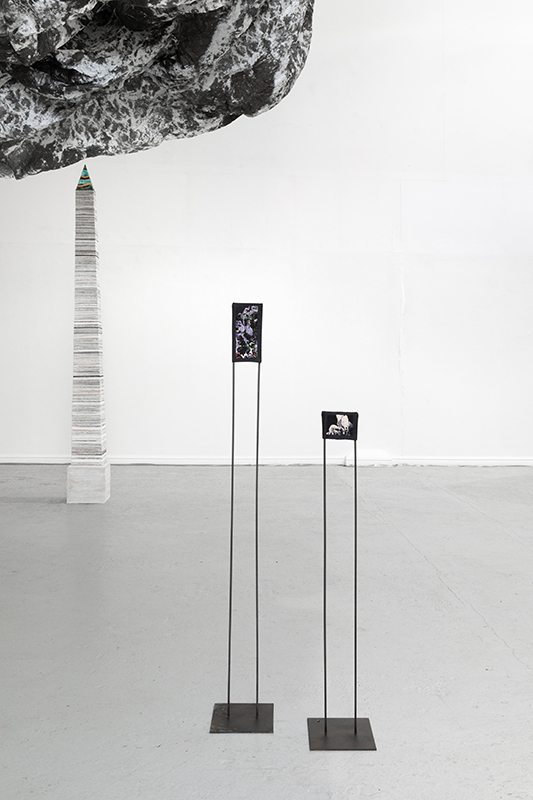
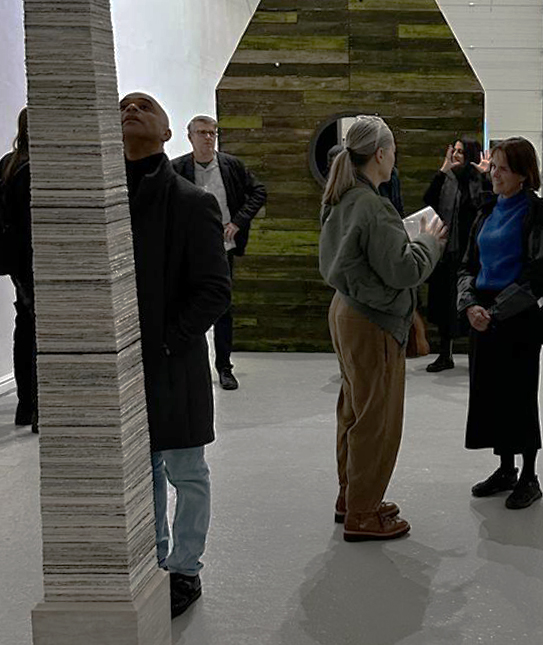
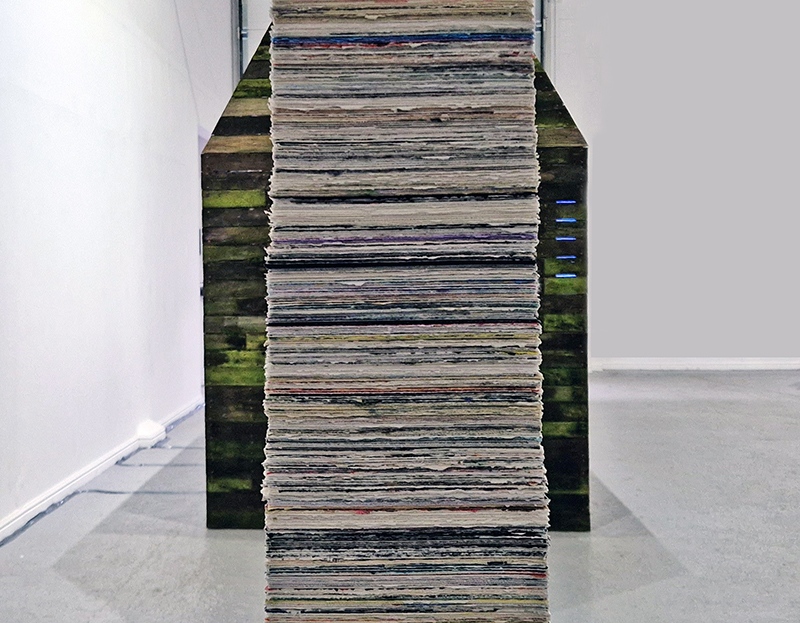
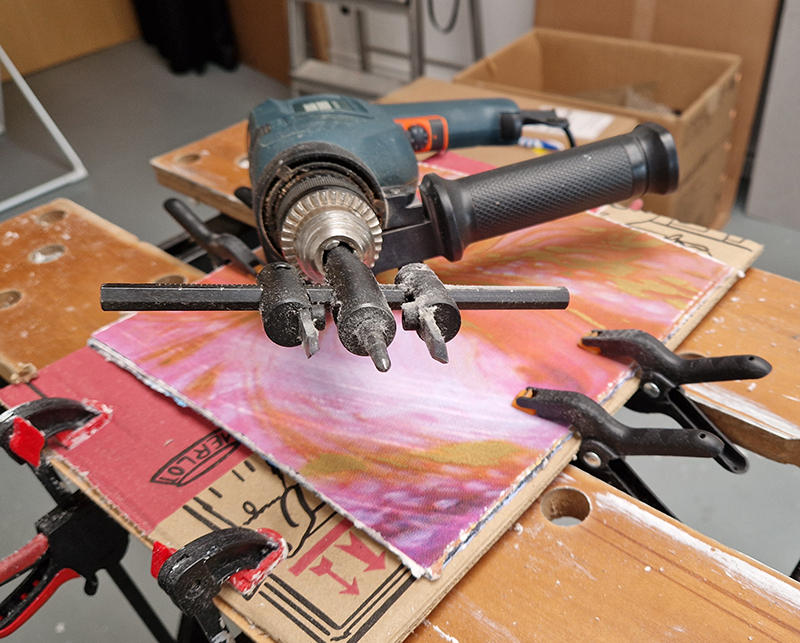
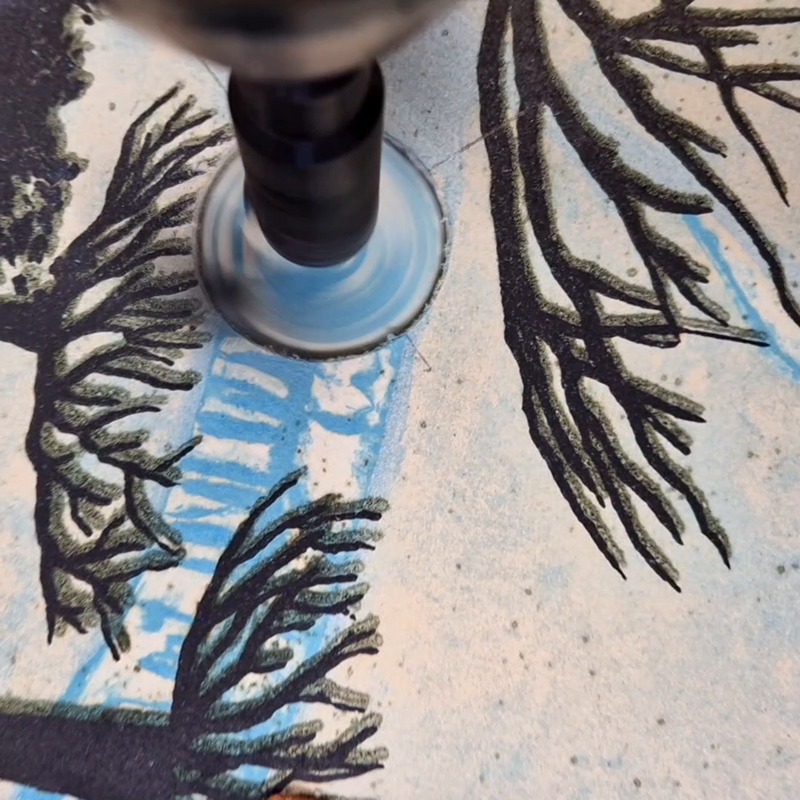
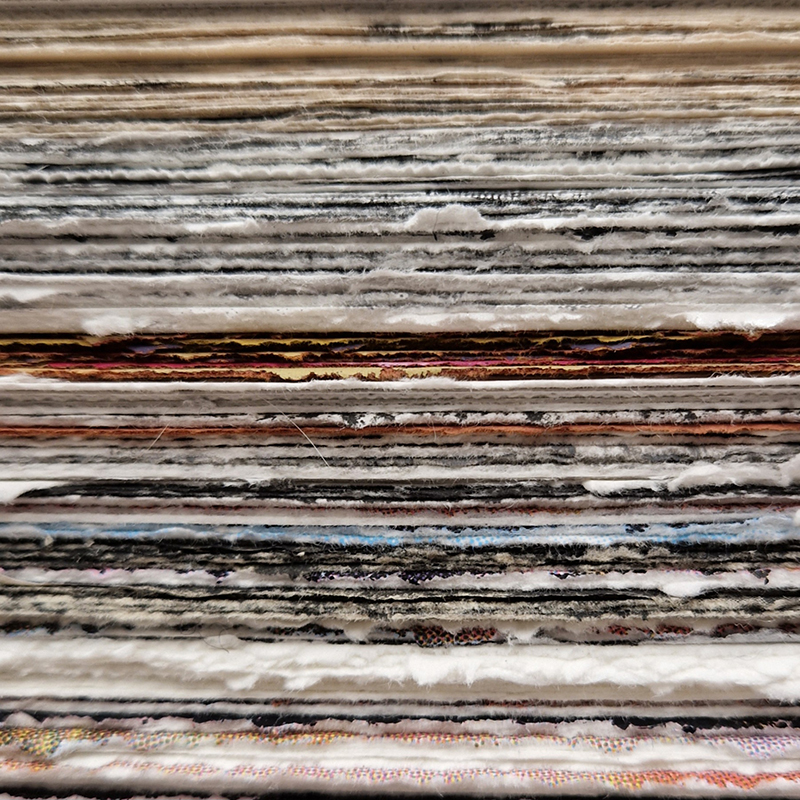
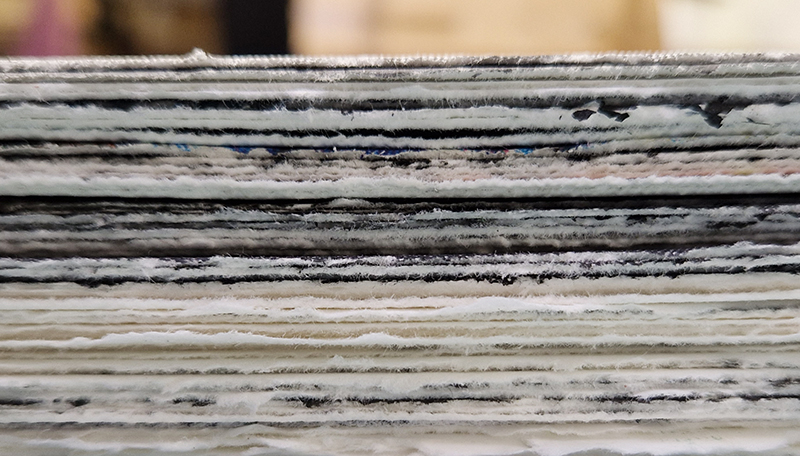
This sculpture also embodies the passage of time, and a layering of information, in the months of collecting paper donations or scavenging the recycling bins, weeks tearing down the hundreds of prints and drawings into squares decreasing by 1mm every 50 sheets, drilling holes through the centre and hours to build the almost 3m stack. I’m very grateful to everyone who donated some of their work archive. These images are now secreted within the layers of the sculpture, hinted at where edges are exposed, echoing the Earth’s sedimentary knowledge.

The Azimuth Obelisk (of sedimentary knowledge) Paper, steel, Snowcrete, oyster shells, patinated copper; 30 x 30 x 270 cm

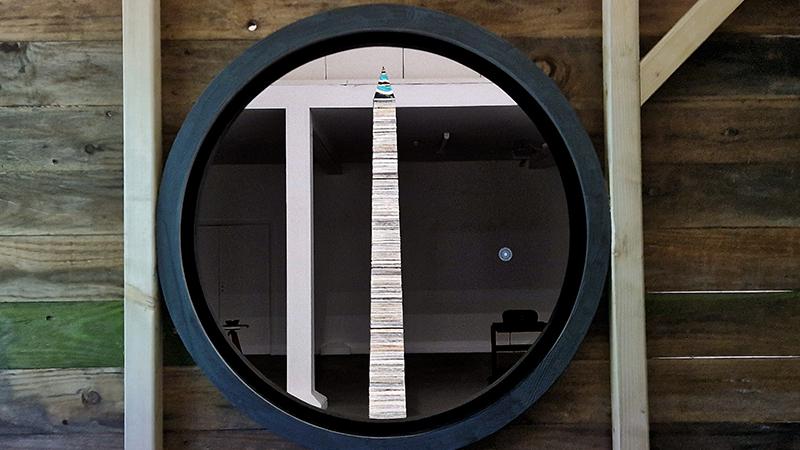
 This work is a reimagining of an ‘obelisk’ erected at Hartland Magnetic Observatory in the late 1950’s to be viewed through the north facing window of The Absolute Hut, it acts as a permanent azimuth mark from which the drift of the magnetic north pole is monitored. I am excited that this sculpture is being considered for exhibition in 2026 at the Royal West of England Academy in Cosmos: The Art of Observing Space curated by Ione Parkin with some amazing artists in the line up whose work I admire.

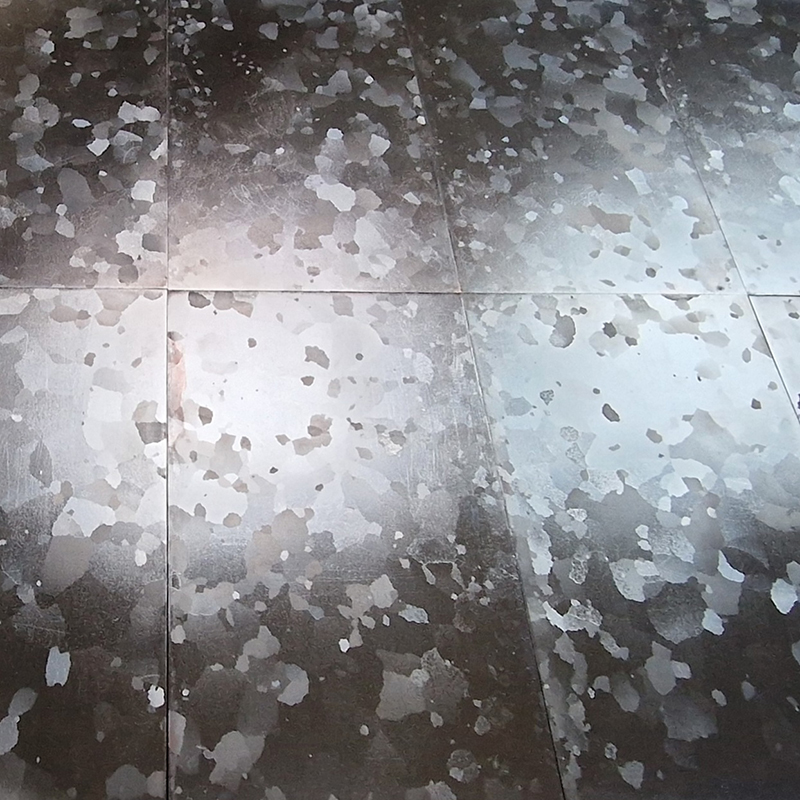
I first came across directional magnetic steel in the Electronic & Magnetic Materials Group open day at the National Physical Laboratory. Intrigued, I wanted to know if I could get hold of some to work with. I was put in touch with Union Steel Products who were very helpful in supplying a small amount (to them) of the material, but they import the product, and it arrives with an indeterminate protective matt grey coating. This was my challenge. It took many days of sanding and gently etching each sheet to reveal the pattern. It was a very temperamental material to work with, the pattern might appear but quickly tarnish and muddy over. So much of the work in the resulting sculpture was about the process of exposing an internal mechanism.
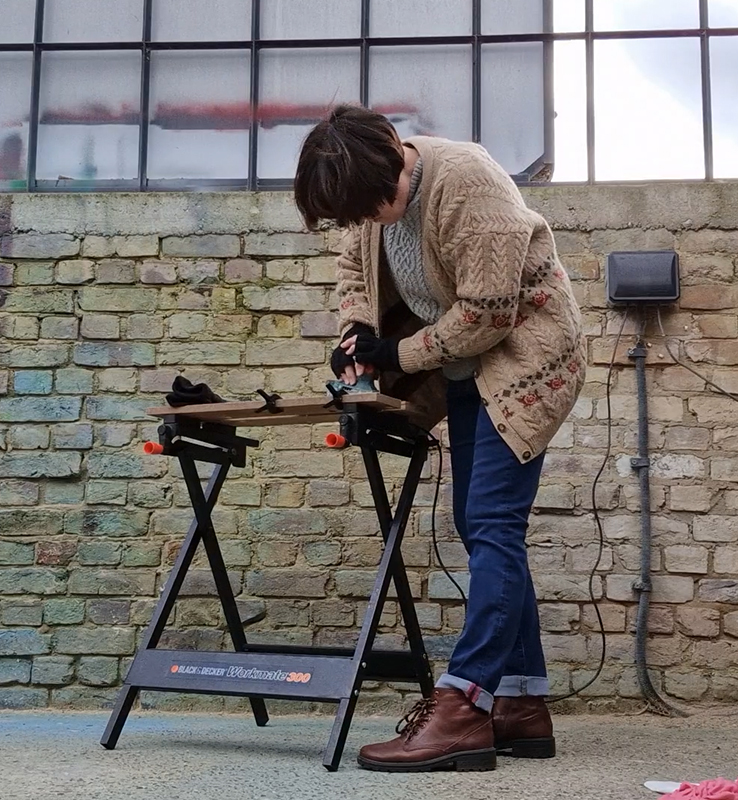
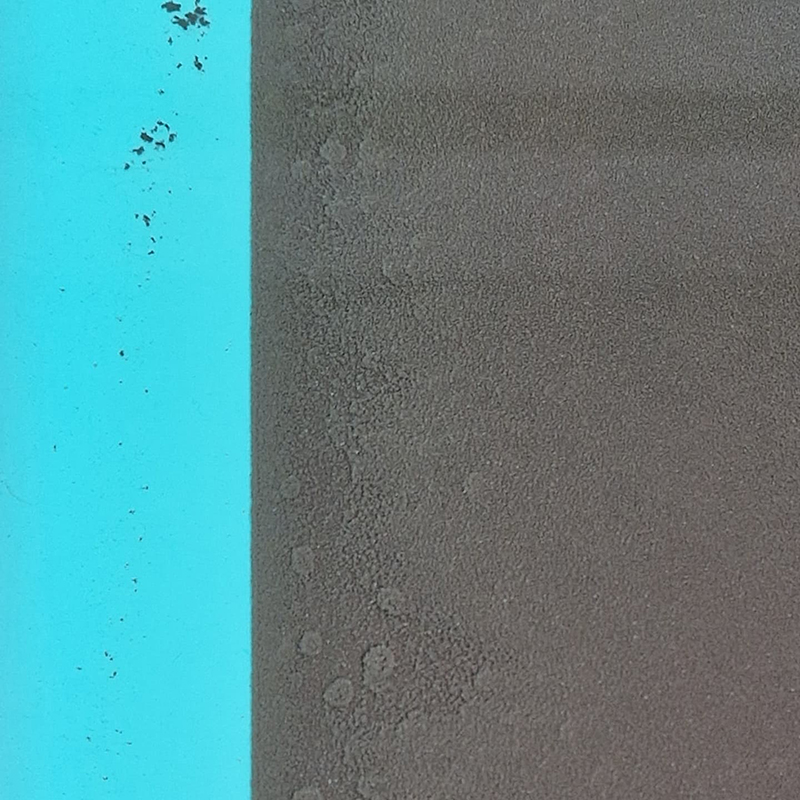
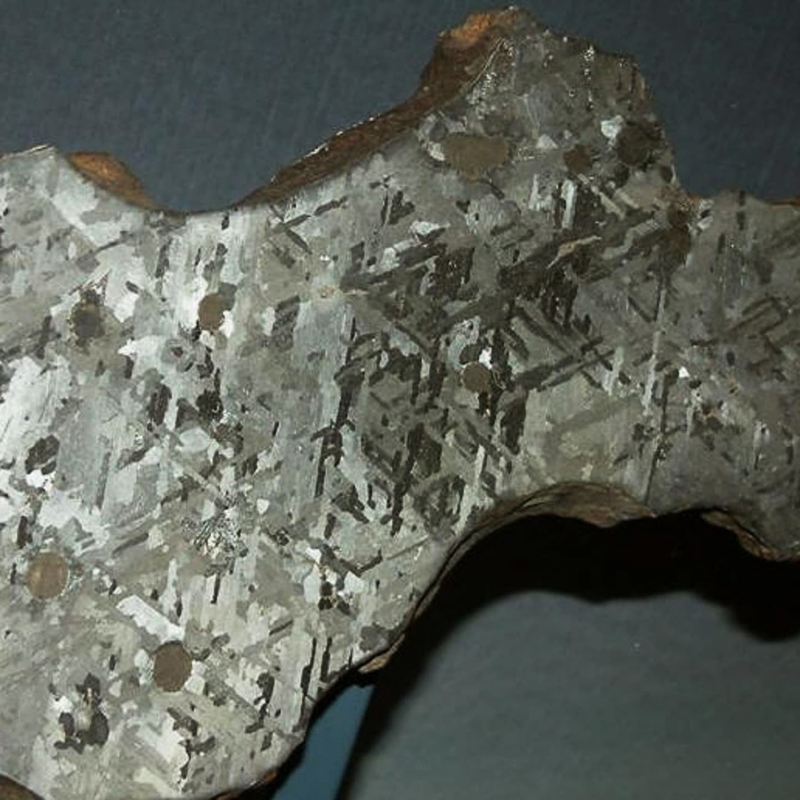
The dramatic Widmannstätten patterns found in meteorites due to their slow evolution through heat and pressure are also revealed through being cut, polished, and etched.

These secrets are not revealed lightly.
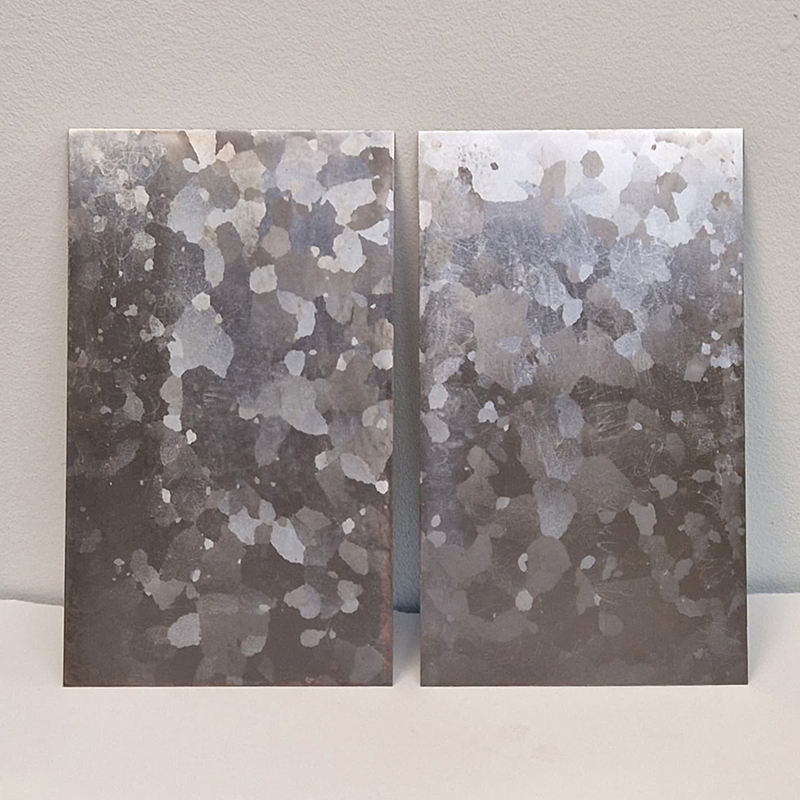
Domain of the Devil Valley Master

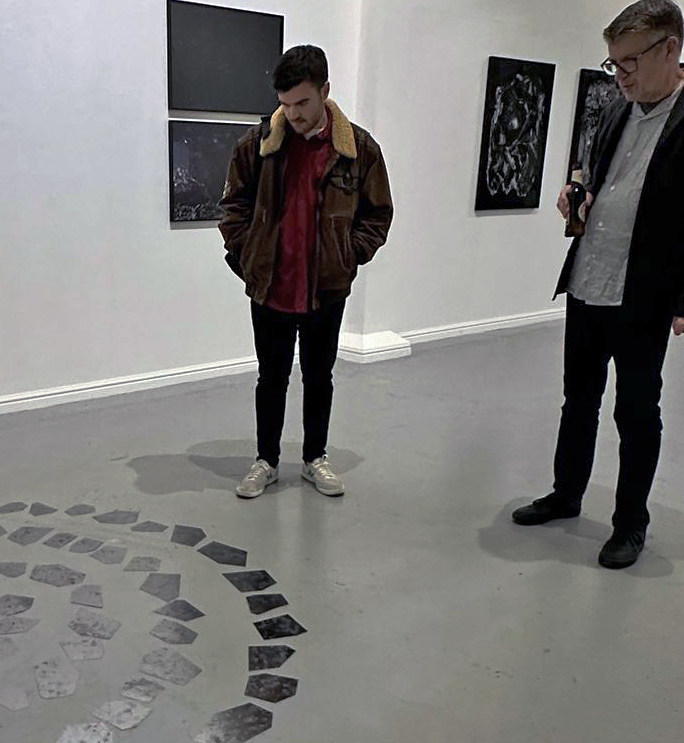
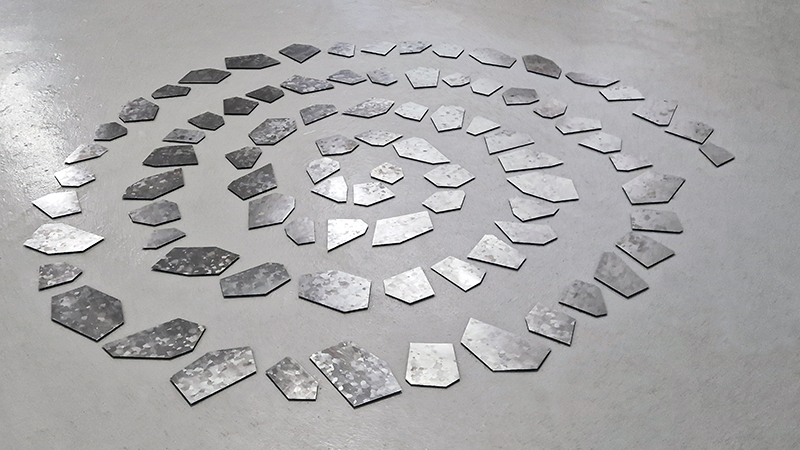
This work uses industrial directional magnetic steel, sanded and etched to reveal the Goss texture of rolled iron silicon alloy crystals. The jigsaw pattern of magnetic domains give this material exceptional magnetic properties. The simple evocation of a spiral described in geologically informed polygons draws upon many references, from the shape of our own Milky Way Galaxy sculpted by vast cosmological magnetic fields and the spiralling molten dynamo generating Earth’s magnetic field, to the inner pathway of spiritual growth and the route to the symbolic omphalos (navel) at the centre of the world where the sky entrance and the underworld meet. The title of this work originates from an ancient Chinese manual on the skills of persuasion, The Book of the Devil Valley Master, containing the first known mention of a compass, known at the time as a south-pointer. 

Work in progress. Mapping a response to the crystal structure of magnetite. Magnetite is the most magnetic of all the naturally occurring minerals on Earth found in igneous, metamorphic, and sedimentary rocks. Nano-particles are also found in the human brain, heart, liver, and spleen and the cells of many other organisms, with some creatures using this for navigation techniques.

Magnetite crystals from road traffic pollution caused predominantly by vehicle frictional braking systems can outnumber natural magnetite in the human brain by 100:1 – this is a worrying trend as these crystals could be involved in our perception, transduction, and long-term storage of information in the brain.

Returning to my conversation with Alan Watson on the history of Haverah Park Extensive Air Shower Array.

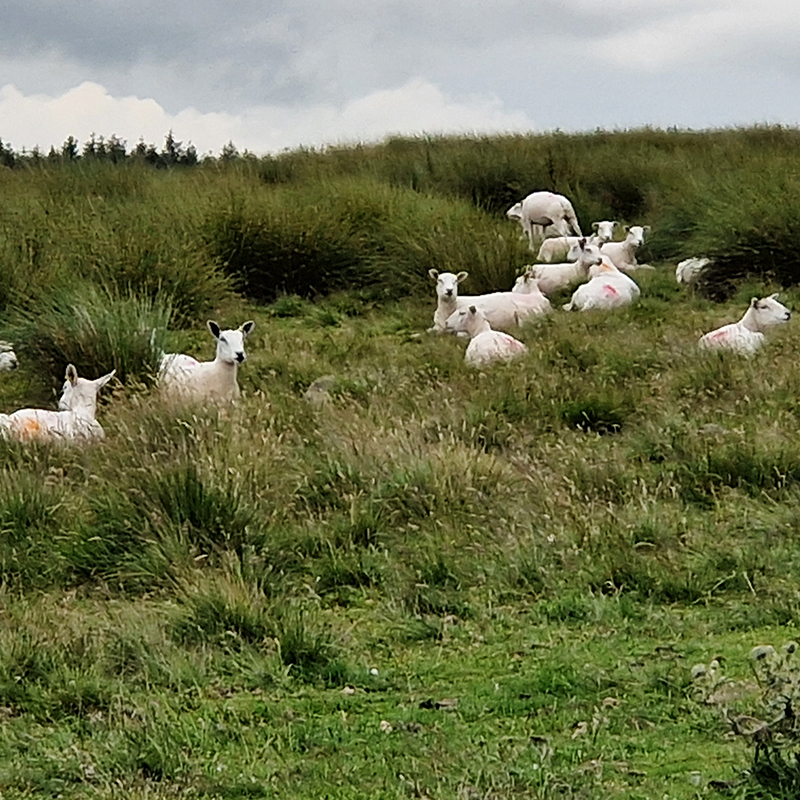
The motivation for the Haverah Park project getting off the ground came largely from the British physicist Patrick Blackett, who won the Nobel prize in 1948 for his discoveries in the field of cosmic rays. The director of The Rutherford Lab (where the British atomic bomb was being developed in the 50’s), John Cockcroft (known for splitting the atom), decided there should be fundamental science going on as well as bomb building, so outside the security wire they built an air shower array to monitor cosmic rays. When this experiment was shut down, Blackett was keen to see work with shower arrays continue, and to be within reach of a university so that scientists could combine research with teaching. Blackett was working at Cavendish Laboratory with Ernest Rutherford, but moved to Birkbeck which did all the teaching in the evening so he could do research work through the day and teach in the evening. Here he met J G Wilson, also with an interest in cosmic rays, so when J G Wilson later moved to Leeds, Blackett suggested he set up an air shower array there, which was how the Haverah Park Project came about. Land was rented from local sheep farmers to install the observation huts.

Alan Watson took a lectureship job at Leeds in 1964 and began working for J G Wilson, becoming a leading member of the UK Extensive Air Shower project until its closure in the early 1990s.

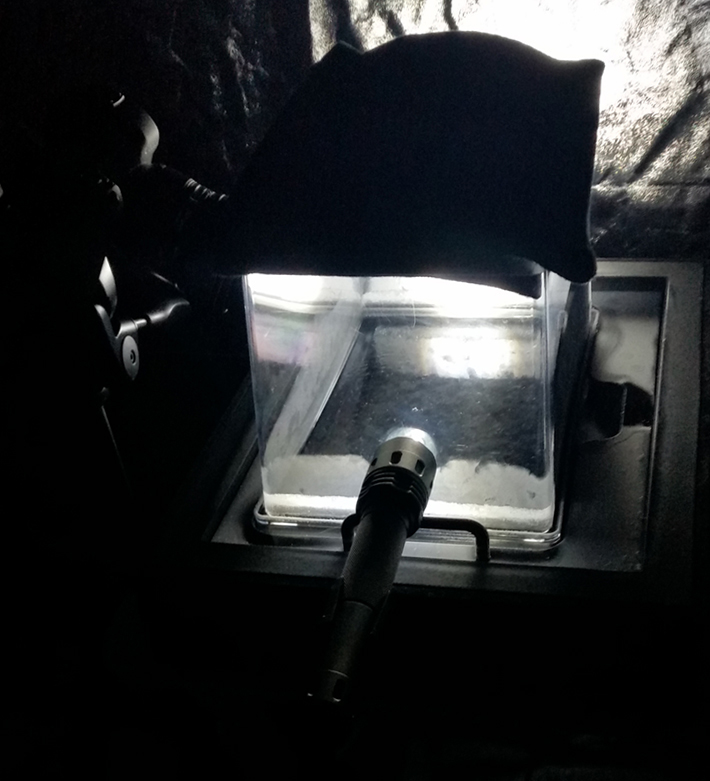
We also talked about the mesmerizing power of a cloud chamber. As well as it being considered one of the most important developments for progression in the understanding of particle physics it is also emotionally and aesthetically captivating. Alan reminisced about a time at the Royal Society Summer Exhibition when a large commercial diffusion cloud chamber drew so much attention they were asked to turn it off, as mesmerised visitors blocked the entrance to the exhibition. It’s been a few years since I visited the Institute of Physics to see the large cloud chamber in the foyer, I wonder if it’s still there. I love the fact that I can build my own cloud chamber to see these cosmic visitors.

J G Wilson writing on the study of cosmic rays from his book About Cosmic Rays published in 1948, of which I have a copy:

‘It has its spectacular side, for the only laboratory which has been found big enough for its investigations is the whole of the universe to which men can win access. Most refined measurements have been made under conditions of difficulty and hazard, deep in mines and on icebound mountains, in the watses of western Greenland and cramped in the tiny gondola of a stratosphere balloon. These exploits, which are outstanding even in one of the most brilliant phases of experimental physics, are an unambiguous indication of the importance which is attached to the problems which are being studied.’

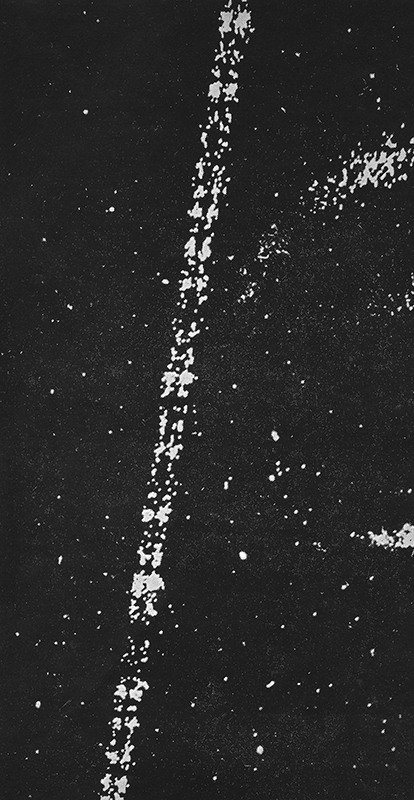
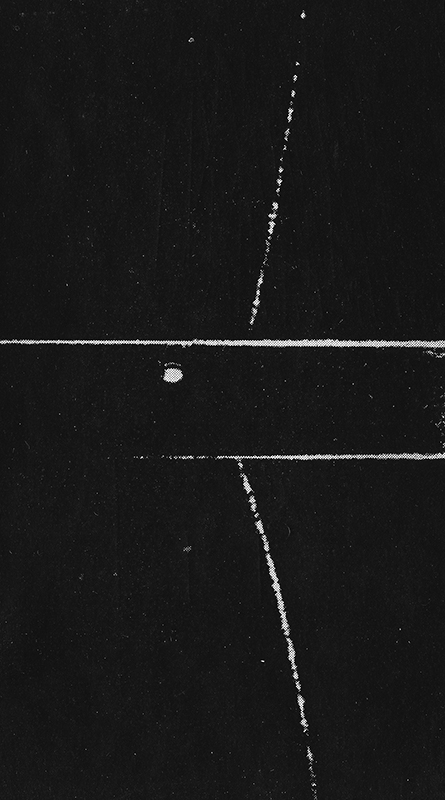
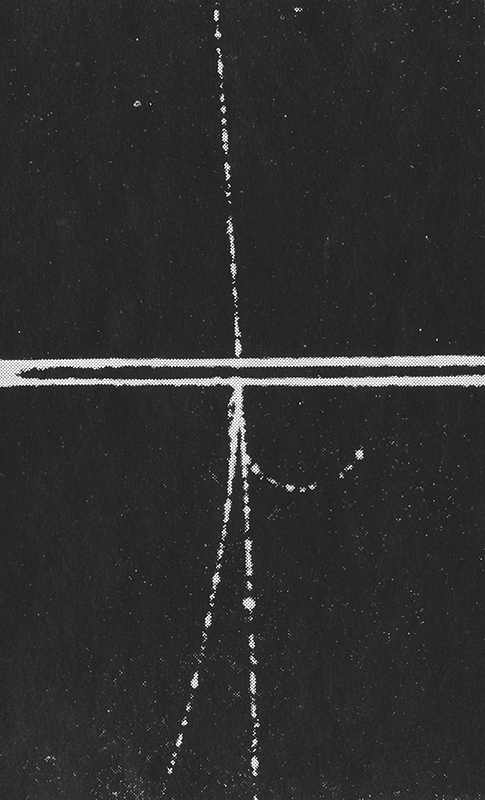
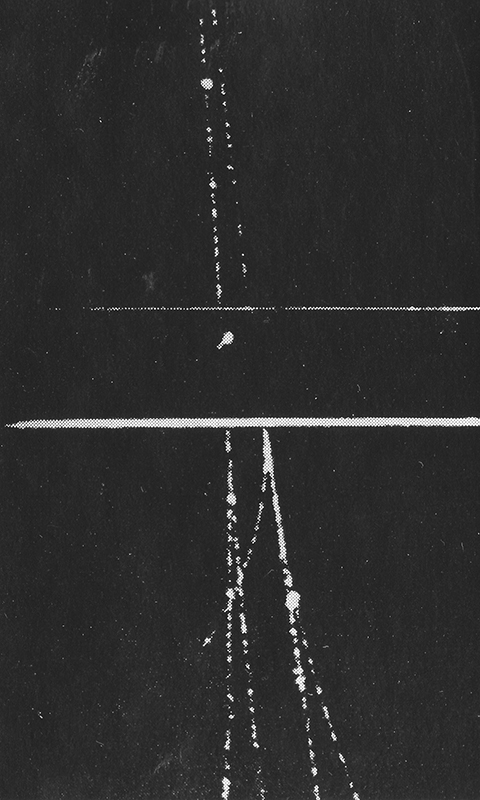
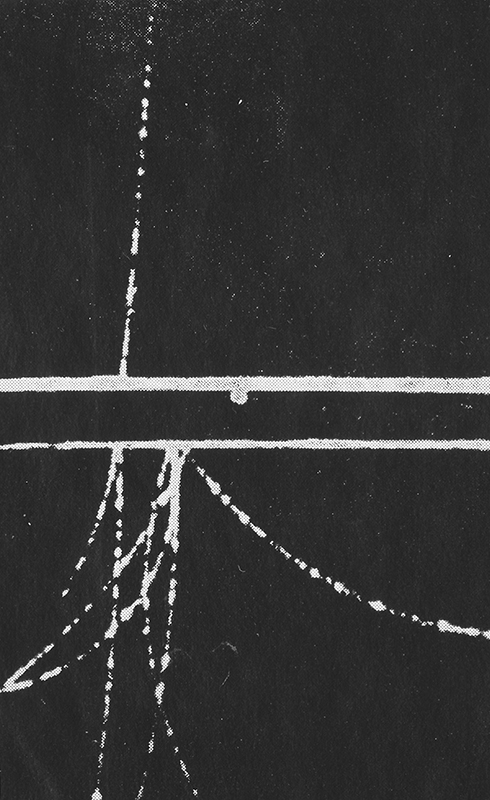
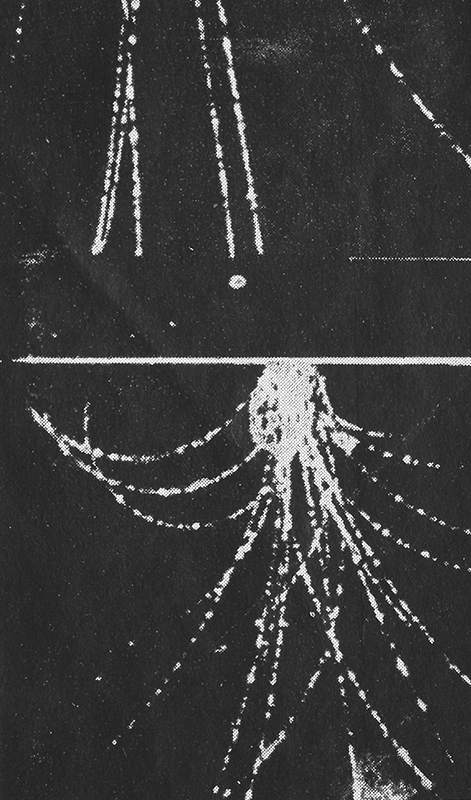
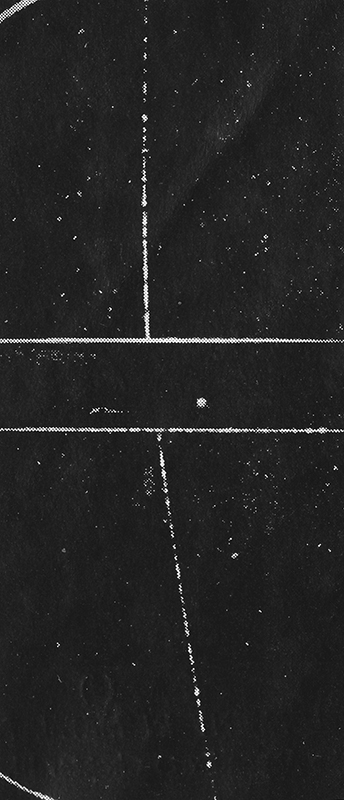
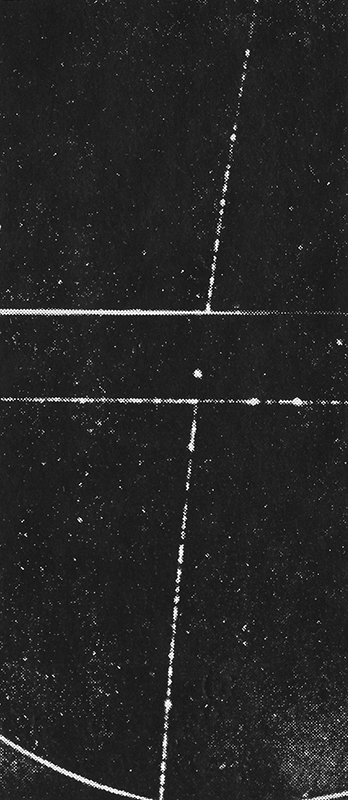
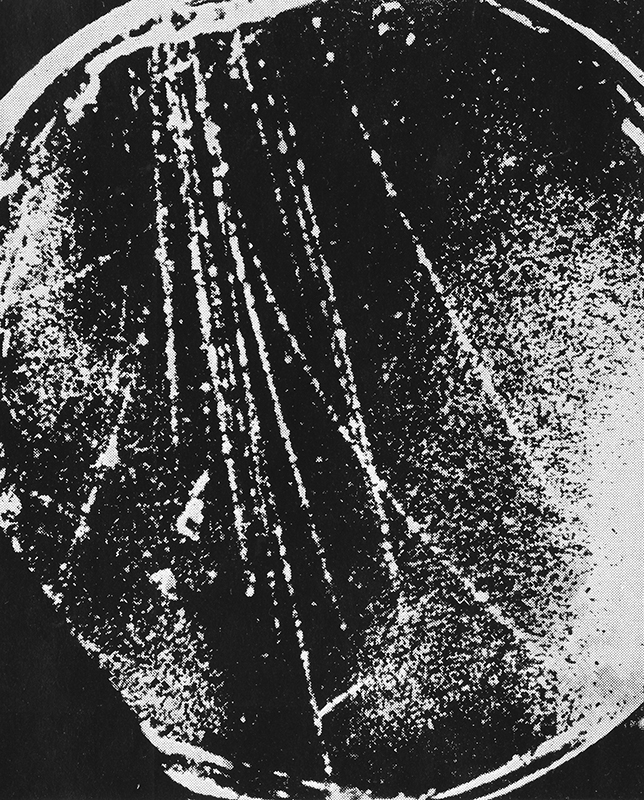
The following images from the same book show particle trails photographed in a cloud chamber -showing extensive showers and particles passing unhindered through metal plates.

J G Wilson writes about cosmic rays ‘…it is interesting to speculate on their previous history, for before it is overtaken by the catastrophe of hitting the earth, each particle is likely to have had a placid life for years, even millions of years, cruising through the wide open spaces of the universe’.

Cosmic Chiasmus: crossing the universe 2021 (video still)

The primary detectors used at Haverah Park were water Cherenkov detectors. These are large water filled tanks filled with a photomultiplier suspended in the water to capture flashes of Cherenkov light emitted by high energy cosmic rays as they pass through. The light is emitted because the cosmic rays pass through water faster than photons of light are able to, and as they do so they lose electrons thereby emitting light. The speed of light is only a constant within a vacuum, when it passes through other materials it get slowed down.

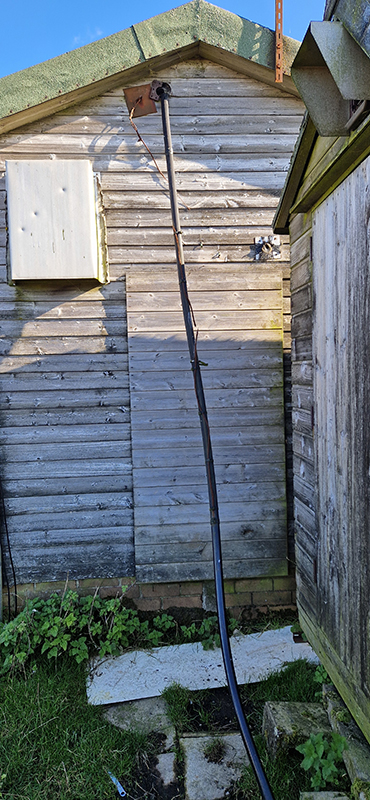
There were four 34 m2 detectors at the centre of the array in the main hut, with three detectors located 500m from the central detector. Signals from the three distant detectors were sent along buried cables to the central hut, with the signal from the central detector passing down 500 m of cable buried underground so that all signals arrived at about the same time.  When signals from the central one and two of the others arrived within ~2 x 10⁻⁶ s (called a coincidence), the signals from the photomultipliers in the 34 m2 detectors were displayed on four oscilloscope screens and photographed by one camera which had its shutter permanently open. About 20 feet of film could record around 150 events. Developed and manually scanned by Alan, or a senior colleague, the film was checked for quality and to look for any large events (ultra high energy particles arriving) which were always exciting to find. The developed film was then sent to Leeds University Physics dept for measurements.

When there was a coincidence event at the centre of the array, a signal was sent by microwave to the distant detectors set across the moorlands (on average about 2km from the central hut), the signals from these distant groups of 4 x 13.5 m2 were recorded digitally with the data going onto paper tape which was collected once each week. 

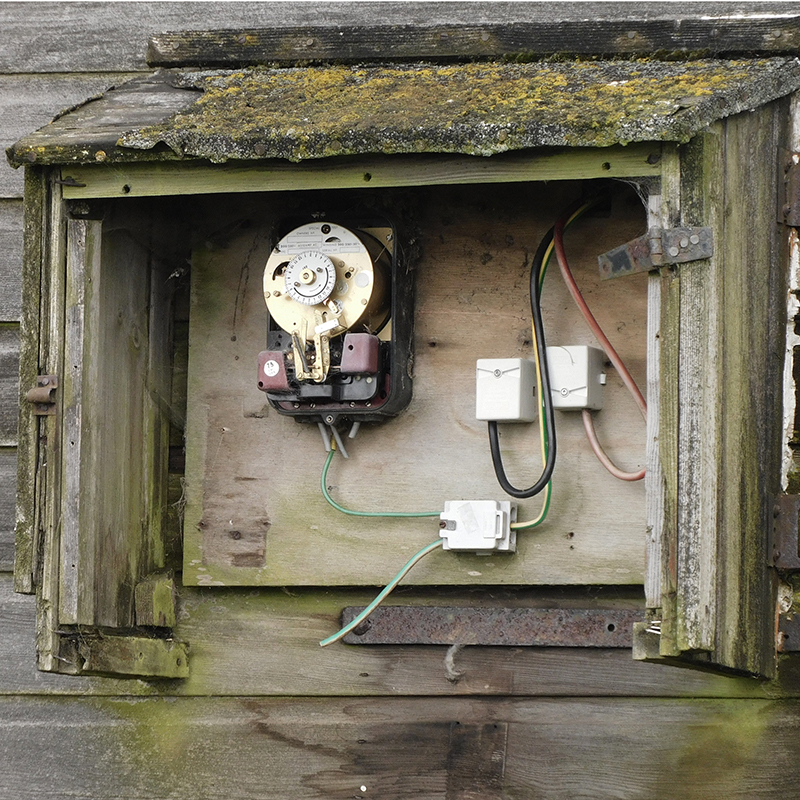
Along with the oscilloscope traces being photographed, the number on a counter was included which gave the time of each event to the nearest half minute.  In the 1960’s when this project began the time counter was advanced by a pendulum clock.  Counting time in half minutes the team found that there are roughly one million half-minutes in a year, which gave a good excuse for an annual party.

There were some brief periods in the early 1980s when a small number of scintillator detectors were also used to make cross-checks of the results from the water Cherenkov detectors against those from projects in the USA (Volcano Ranch) and Yakutsk (Siberia).  The scintillators retrieved from Imperial College’s Holborn project were brought to Haverah Park for an experiment to look at much lower energy showers.

Both types of detectors register flashes of light.  

Blackett was the first person to work out the details of Cherenkov light produced in the atmosphere. According to a memoir on Blackett, written by astronomer Bernard Lovell, who knew him very well, Blackett attempted to see Cherenkov light from cosmic ray showers with the naked eye but there is no mention of whether he succeeded. In 1962, physicist Neil Porter who built the first water Cherenkov tank in the UK at Harwell in the 50’s, did an experiment with some volunteers who were asked to recline on a coach in a dark room with a small Geiger telescope attached to a pair of darkened goggles and acknowledge if they saw a flash of light when a cosmic ray was known to pass through the googles. The observers did seem to experience a flash of light but results were ambiguous as to whether this was Cherenkov light being emitted as the particle passed though the crystalline lens or vitreous humour of the eye or a direct excitation of the retina. The experiment was a collaboration with the Psychology dept at the University of Dublin and published in Nature under the Psychology heading giving an impression that the lights were perhaps a figment of the imagination.

Aóratos 2019 video still

Astronauts are very aware of this phenomenon. During the 1970 Apollo 13 mission to the moon the power supply was damaged and the astronauts sat in the dark for several days waiting to return to Earth. They experienced flashes in their eyes and realized that some of this was Cherenkov light. Some flashes were caused by particles directly hitting the retina but Cherenkov light caused by high energy particles travelling through the matter of the eye faster than light, is much brighter. The energy is proportional to the square of the charge of the particle that comes through, so if you have an iron nucleus which has a charge 26 x the charge of a proton, you get 26 squared or 600 times as much light emitted. Out in space there are many more of these high energy particles and so the astronauts would become very familiar with these flashes, even using them to line up accelerator beams by putting their head in the particle beam to see the flashes.

An astronaut once told Alan that he was convinced that the very first people fired into space probably saw these flashes, but didn’t like to tell NASA in case it turned out to be a physiological defect of theirs and they would be taken off the space programme.

Recently, a professor friend of Alan’s who is aware of this phenomenon, has unfortunately had to begin radiation treatment for a brain tumour. He has found due to the position of the tumour and angle of treatment he can see Cherenkov light flashing in his eyes as the electrons bombard the tumour.

Aóratos 2019 cropped video still

When we met, Alan was just back from a conference in Italy discussing a paper titled ‘Ultra high energy cosmic rays: The Disappointing model’. They called it the disappointing model because they believed that the Auger results with particles at the highest energy were heavy not protons. I’m not sure I understood why it was disappointing although Alan did his best to explain: ‘It’s difficult to measure the mass of the particles of a certain energy. A deduction had been made that they have a mean mass, probably the same as nitrogen but mass changes in quite a complicated way as a function of energy. It’s to do with how deep the showers develop in the atmosphere.

Cosmic Chiasmus: crossing the universe 2021 video still

The techniques aren’t good enough to separate the particle’s mass on a one by one basis, we can only do averages. It looks like the average mass is much heavier than protons, which everybody had believed for a long, long time. Protons would be at a much lower energy. As the nucleus is travelling through space, it sees photons from the microwave background radiation and the photon will chip off a neutron or a proton, if it chips off a neutron, the neutron decays into a proton, so you can get protons this way, but they will be of lower energy. The energy reduces roughly by the mass of the particle, so an iron nucleus has a mass of 56, if you chip off a neutron or a proton that proton will have an energy, which a 56th of the energy that the nucleus has – so it goes down in energy.

Some particles could come from Centaurus A, which is a relatively close radio galaxy, it is thought that the jets from radio galaxies provide conditions to accelerate the particles, but the problem is, because the cosmic rays are charged, they get deflected in the magnetic field of the Galaxy so you can’t track them straight back to where they came from.  In terms of heavy particles that’s more of a problem because being charged means they bend even more. So one of the disappointing things is that cosmic ray astronomy is not going to be very easy. The Pierre Auger observatory has really been very successful in changing the picture quite a bit but because there are so few ultra high energy particles recorded it is slow progress. There are hopes to expand the observatory even more and also a plan to launch a satellite with detectors to pick up fluorescence light in the shower as it passes through the atmosphere, a similar phenomenon to aurora light.

Cosmic Chiasmus: crossing the universe 2021 video still

Exhibitions

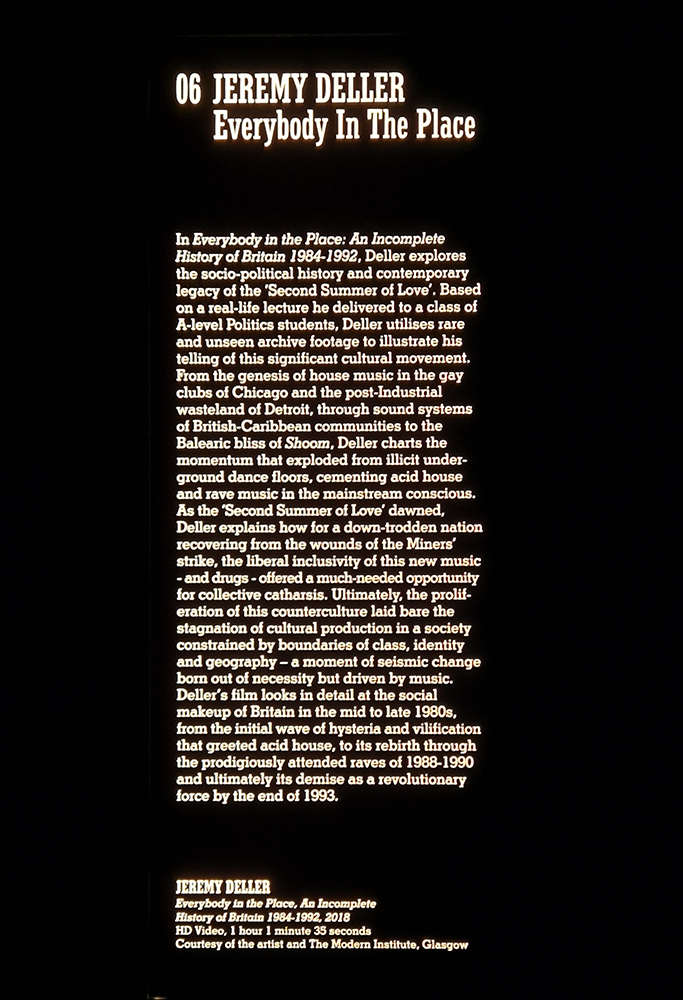
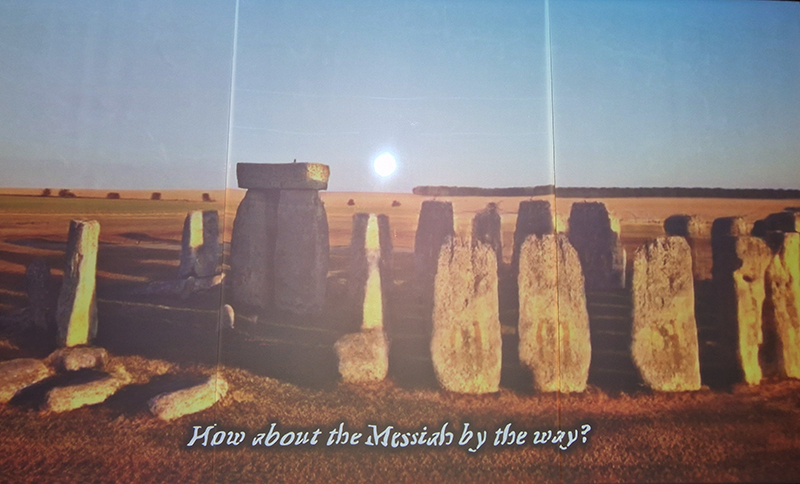
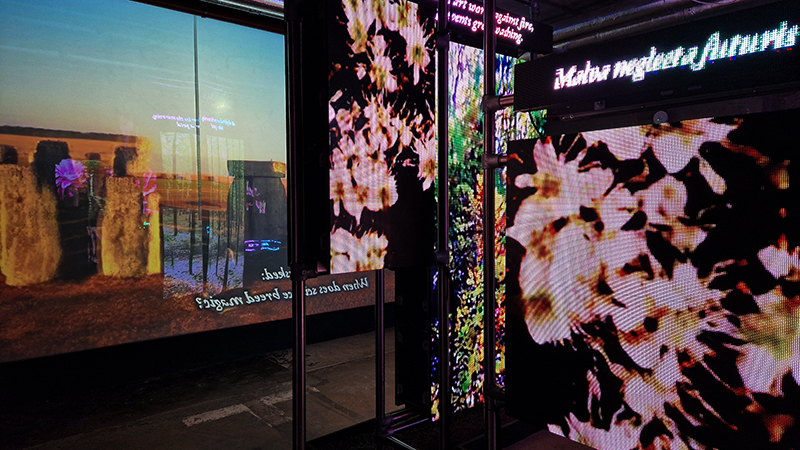
The Vinyl Factory: Reverb at 180 The Strand, a multimedia exhibition exploring the intersection of art and sound with artists including Theaster Gates, Es Devlin, Julianknxx, Kahlil Joseph, Caterina Barbieri, Stan Douglas, Virgil Abloh, Cecilia Bengolea, Jeremy Deller, William Kentridge, Jenn Nkiru, Hito Steyerl, Carsten Nicolai and Gabriel Moses. Fabulous show, shame I can’t share the sounds here. Loved Jeremy Deller’s takeover of a sixth form politics class. Some of the works I had seen before but that was fine as they are worth extra viewings.

Reading

I am beginning research reading for The Geological Unconscious exhibition Julie F Hill and I are co-curating at Hypha HQ Euston opening in May 2025.

Ursula Le Guin The Winds Twelve Quarters, a collection of profound short stories each introduced by the author reflecting on the intention within.

Long after I wrote the story (The Stars Below) I came on a passage in Jung’s On the Nature of the Psyche: ‘We would do well to think of ego-consciousness as being surrounded by a multitude of little luminosities…Introspective intuitions…capture the state of the unconscious: The star-strewn heavens, stars reflected in dark water, nuggets of gold or golden sand scattered in black earth.’ And he quotes from an alchemist, ‘Seminate aurum in terrain albam foliatam’ – the precious metal strewn in the layers of white clay. Perhaps the story is not about science, or about art, but about the mind, my mind, any mind, that turns inward to itself.

Roger Caillois The Writing of Stones 1970 is a tribute to the collection of extraordinary stones Caillois acquired and which now resides in The National Museum of Natural History Paris. In these poetic chapters he describes in detail each of the stones and his fascination with the images and associations they conjure in his imagination. Questioning and celebrating the allure of the mineral and the stories hidden and revealed over millennia.

I can scarcely refrain from suspecting some ancient, diffused magnetism; a call from the centre of things; a dim, almost lost memory. or perhaps a presentiment, pointless in so puny a being, of a universal syntax.

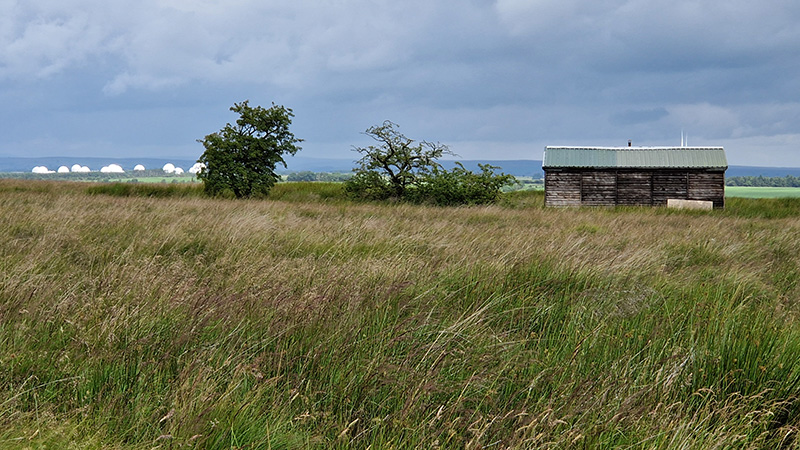
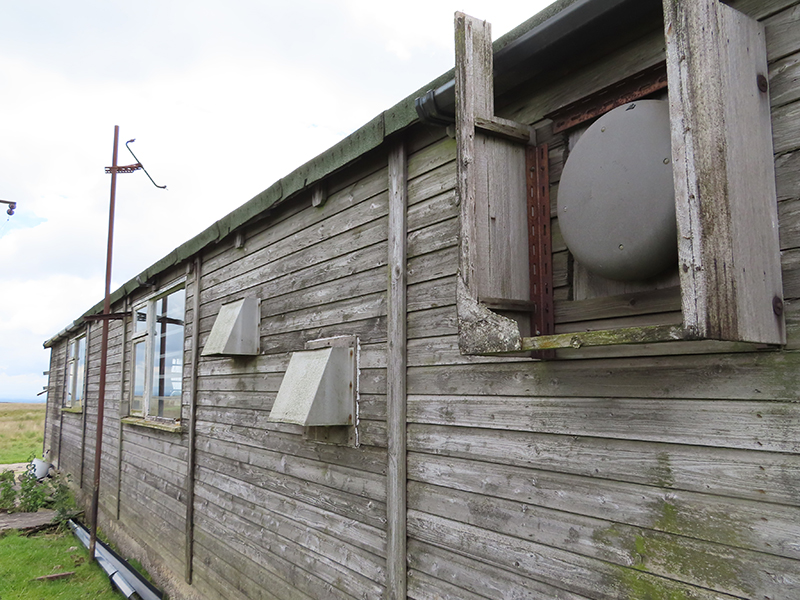
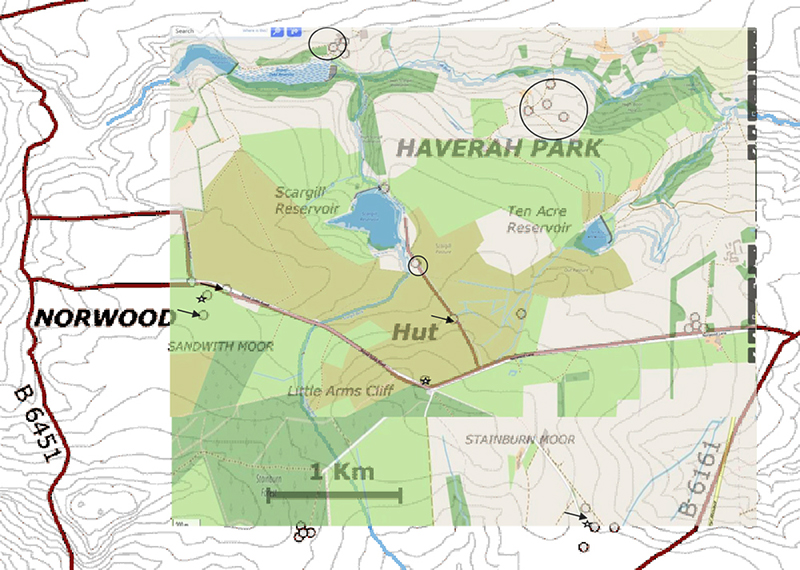
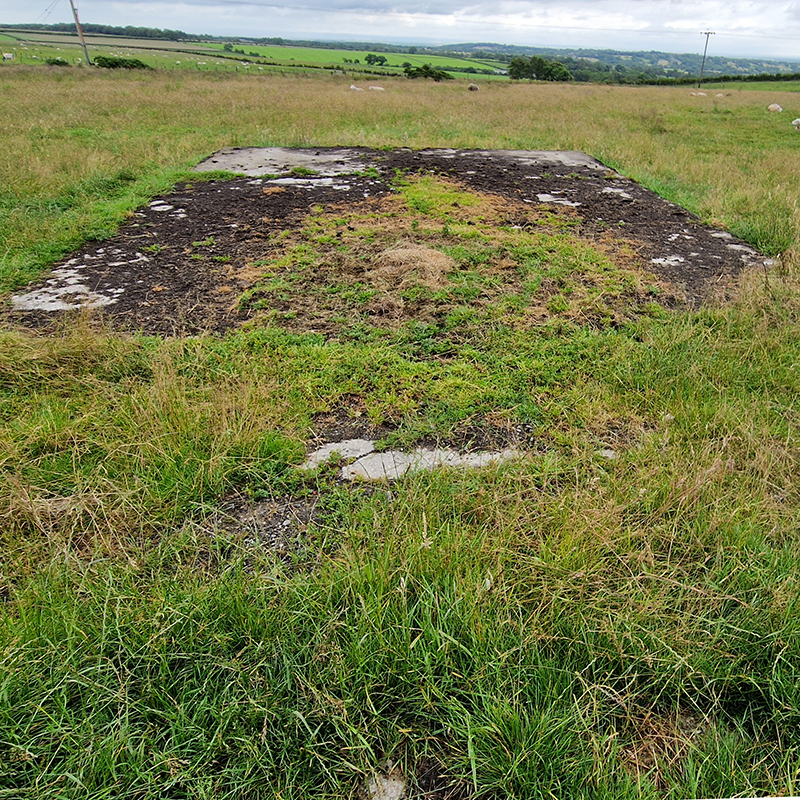
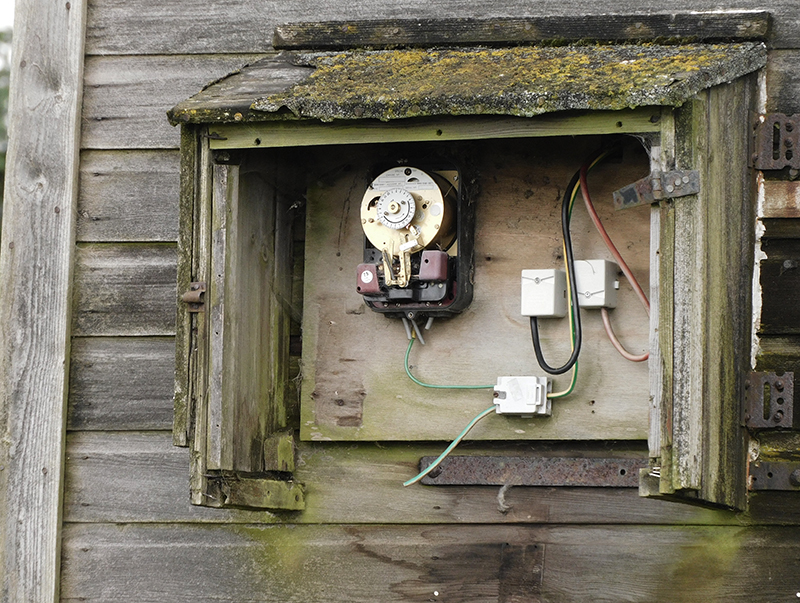
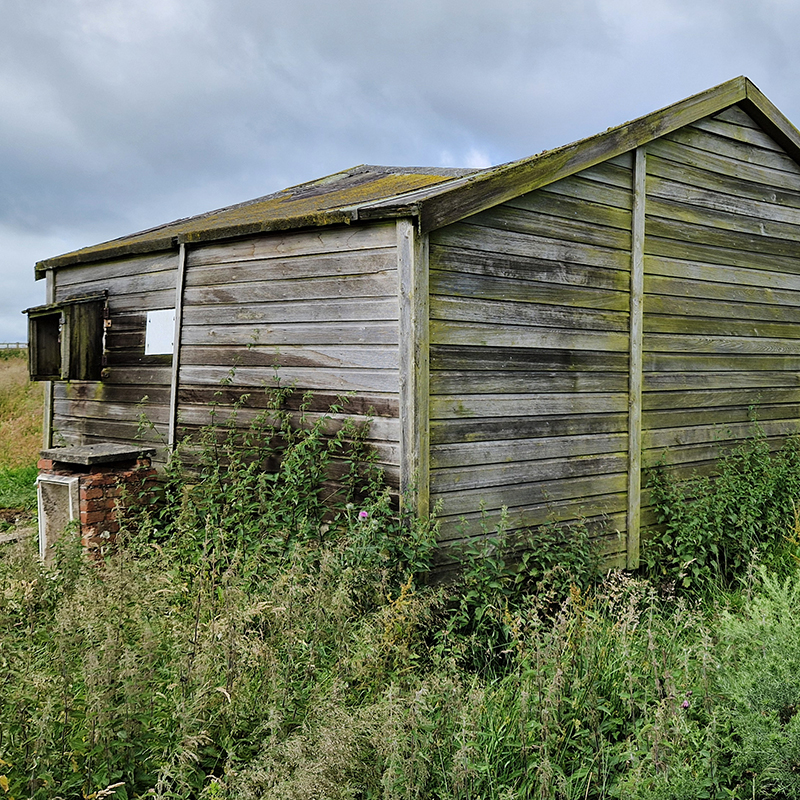
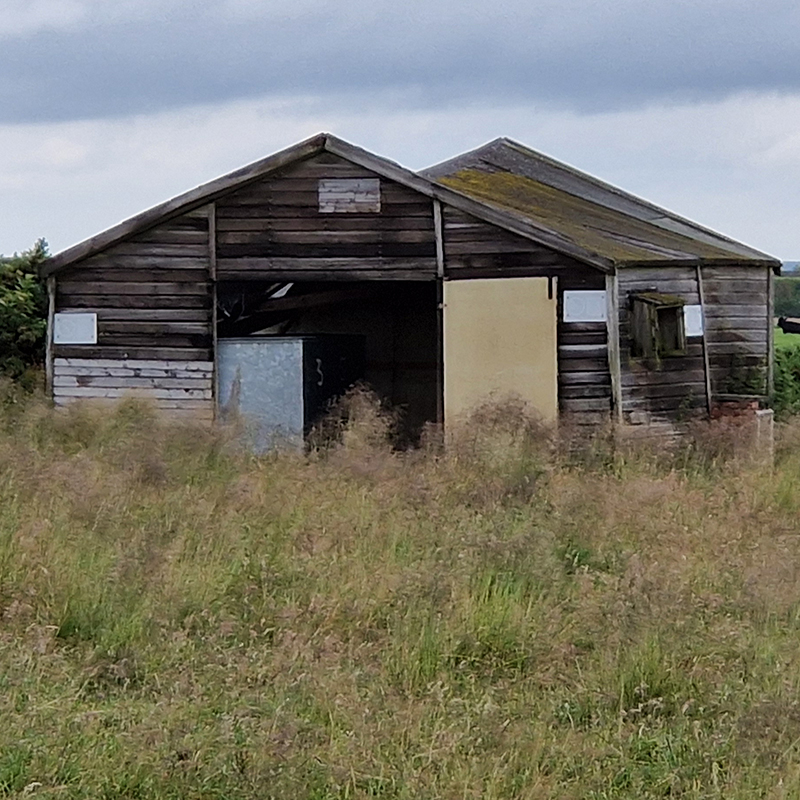
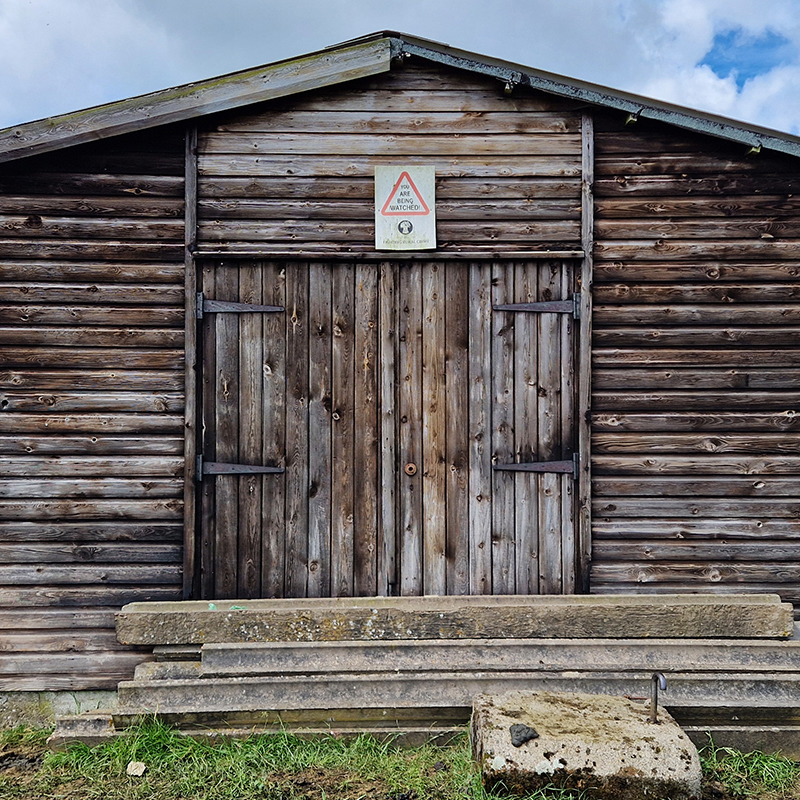
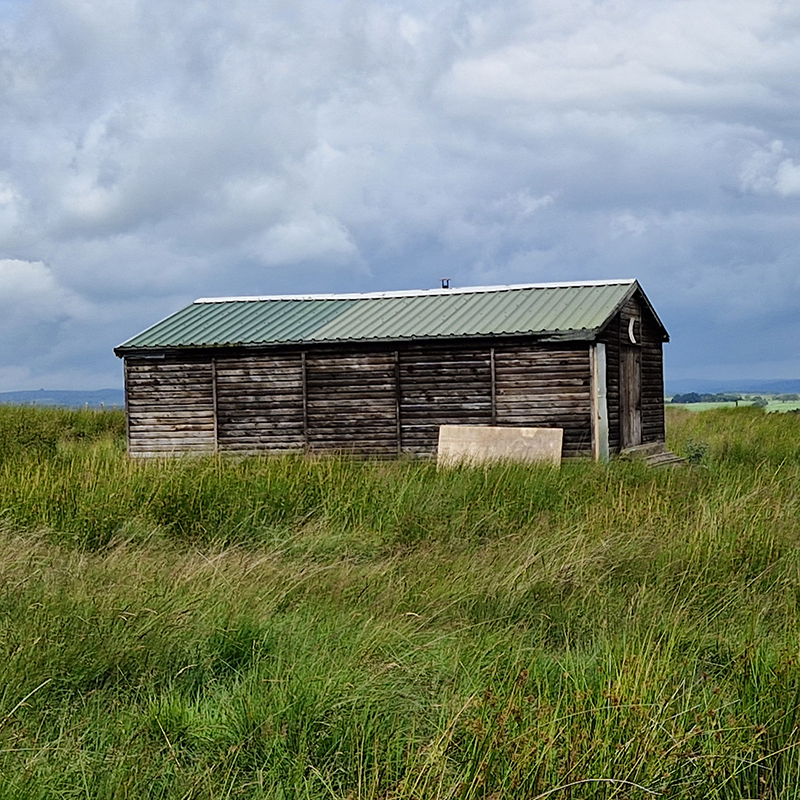
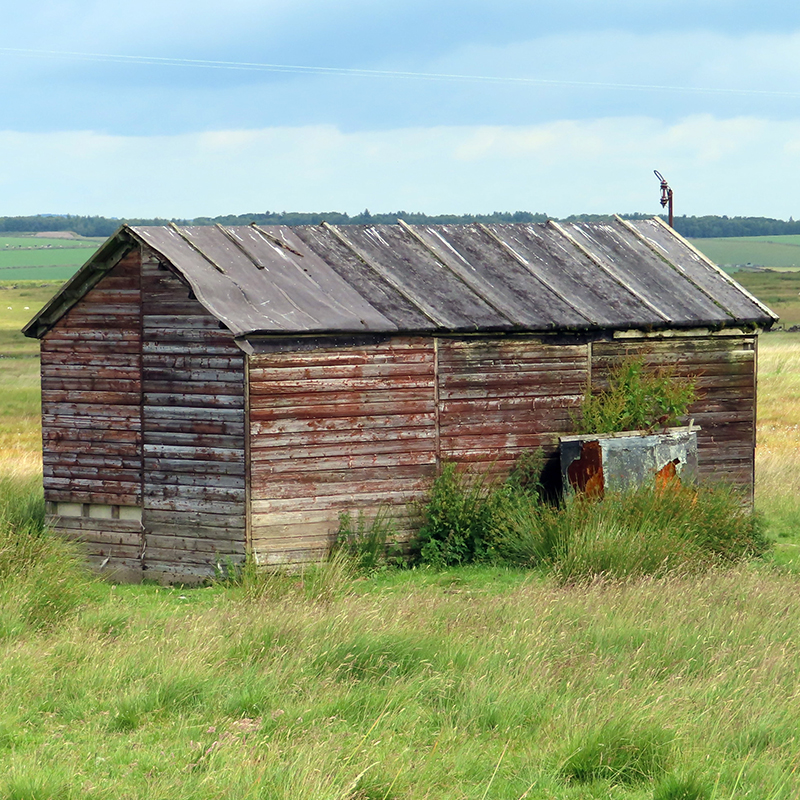
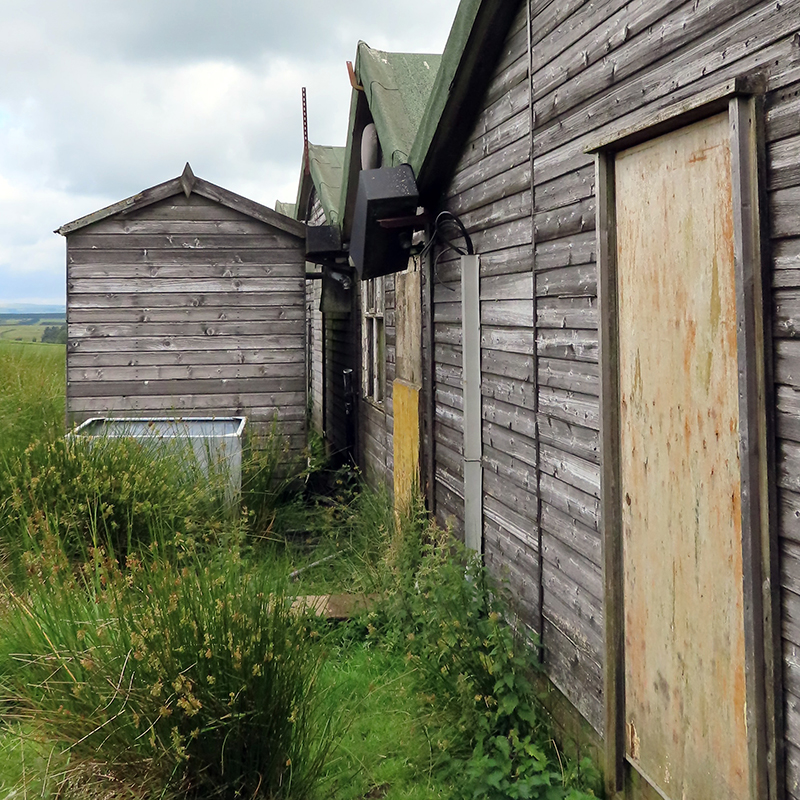
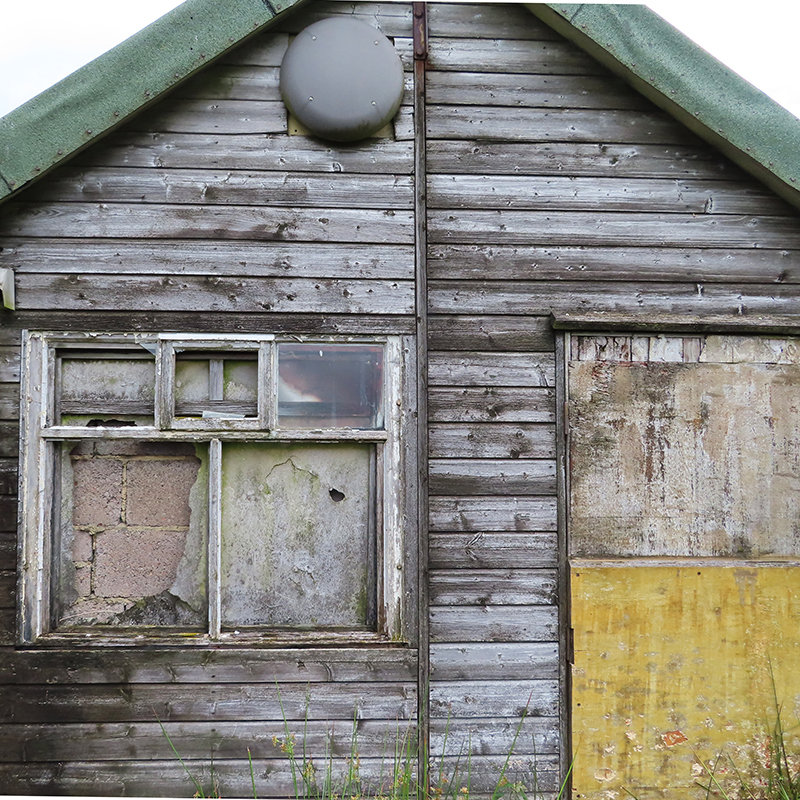
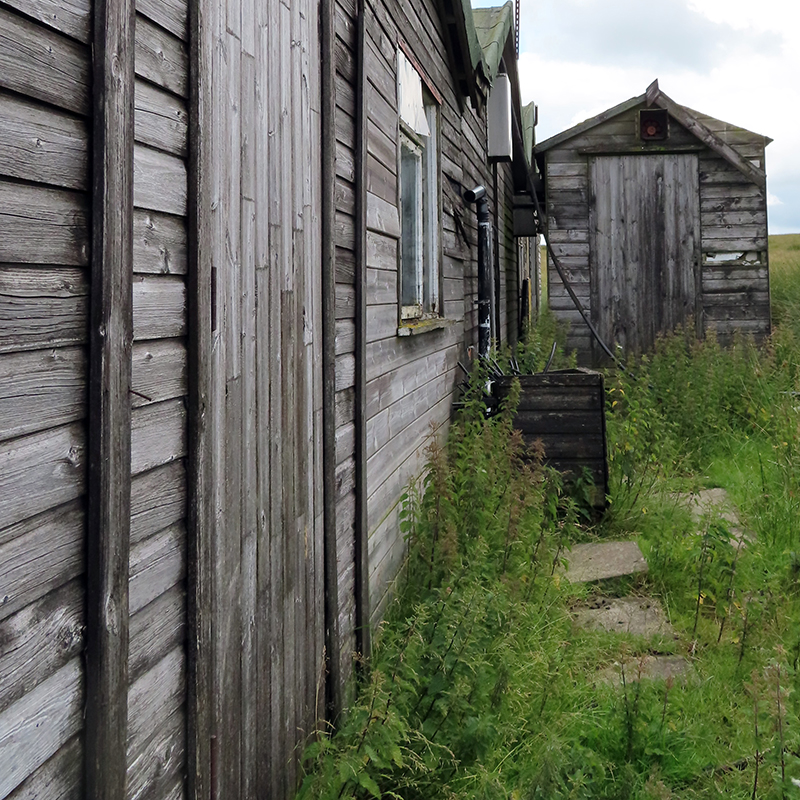
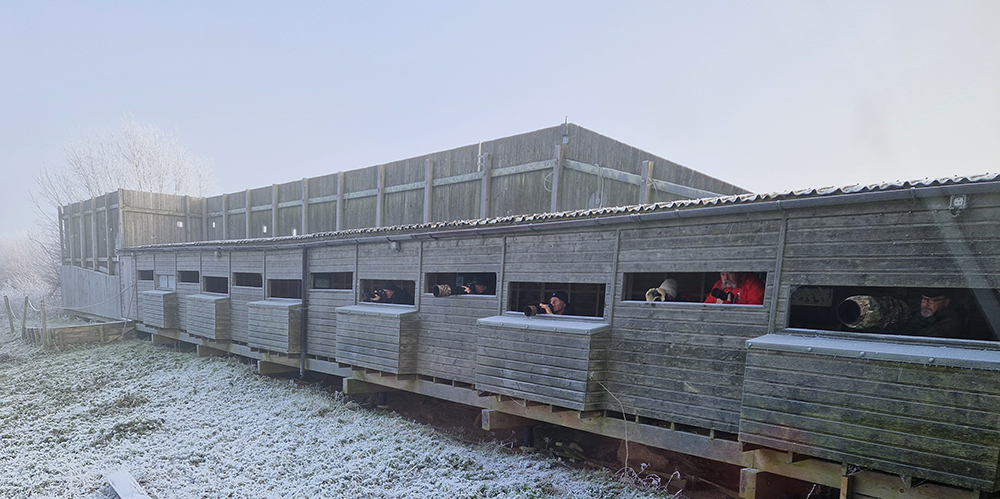
In search of huts. I have been on a mission to locate and document the remaining huts from a cosmic ray detection experiment at Haverah Park on the Pennine moorland in North Yorkshire.

When high-energy cosmic rays enter the atmosphere, they set off a chain-reaction particle cascade known as an extensive air shower. The Haverah Park experiment was home to one of the largest extensive cosmic ray air shower arrays in the world.

It was operated by the Physics Department of the University of Leeds for 20 years, closing in 1987. An array of over 200 water-Cherenkov detectors covering 12 km2 were active during its operation and many 1000’s of extensive air showers were recorded, including ones of such size that the cosmic rays that generated them had energies previously unthought of, adding to the mystery of where they come from.

The large energy density of cosmic rays is close to that of starlight, adding their own glow to the sky as they blast across the universe. Cosmic rays are the atomic nuclei of elements ranging from hydrogen to uranium accelerated to high energies, with half being protons and most positively charged.

Much of the technology used to observe cosmic rays has changed little over the decades since first inventions and still plays a role within newer technologies.

It appeals to me that the excitement of observing particles from other galaxies happened at these unassuming structures.

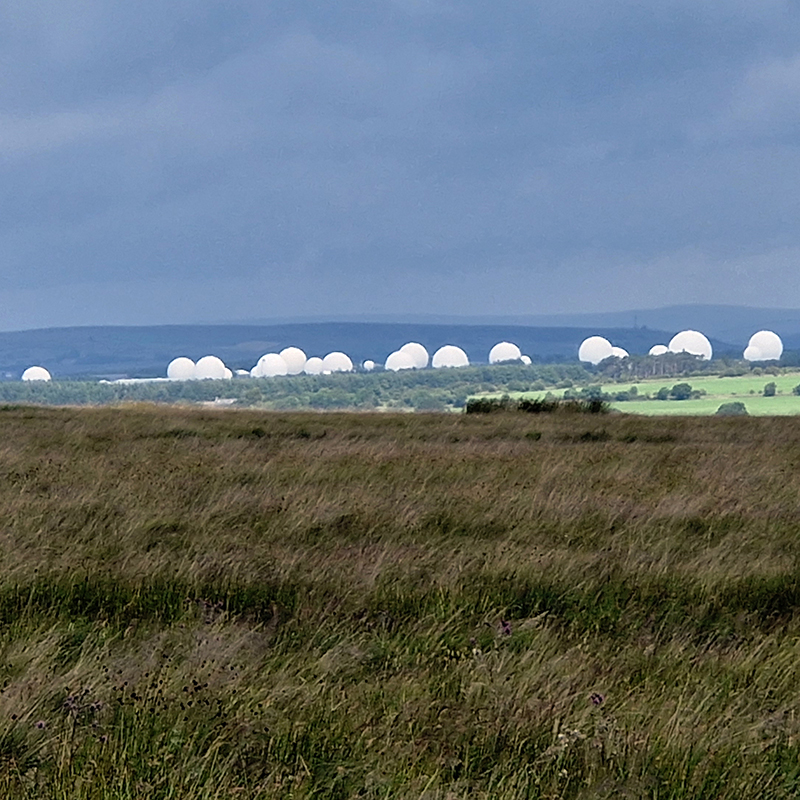
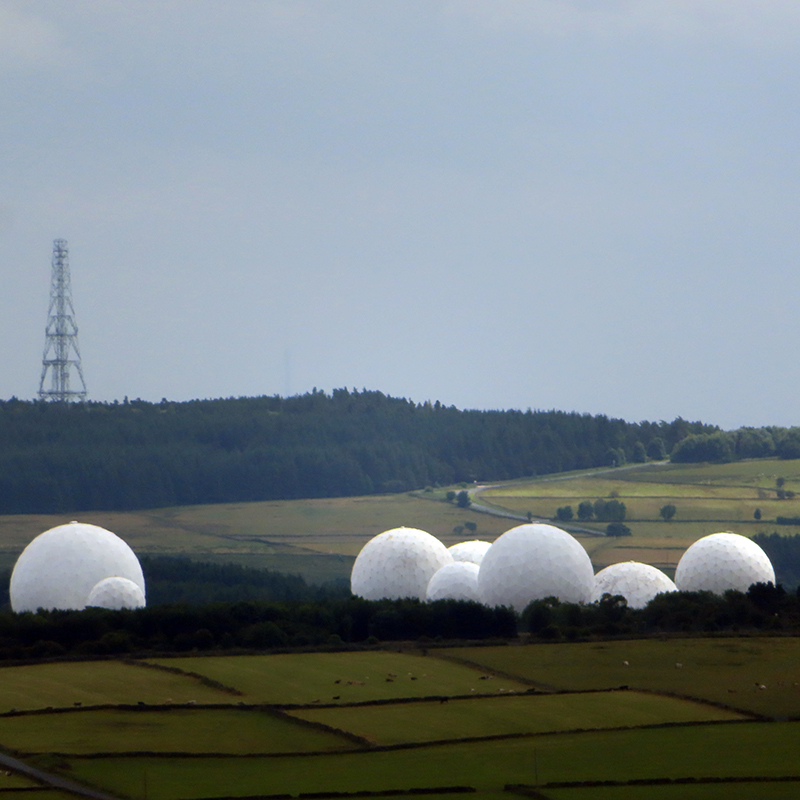
Sharing the landscape of Haverah Park cosmic ray air shower detector array huts are the striking white radomes that shield secret radar equipment at RAF Menwith Hill. The spy station has been there since the cold war space race began in the mid-fifties. Little is known about what goes on here but broadly it is said to gather electronic intelligence and is operated by US National Security Agency (NSA) and UK Government Communications Headquarters (GCHQ). As satellite technology has increased so has the number of radomes which now number 37 at the site. It is worth noting that satellites are vulnerable to unpredictable space weather and cosmic ray interference.

The total number of particles detected in a shower can be used to estimate the energy of the primary cosmic ray. Some particles contain the highest energy form of radiation known to exist anywhere in the universe and their origin is one of science’s greatest mysteries. Air showers of secondary particles generated from a primary cosmic ray hitting the Earth’s atmosphere are spread over many kilometres when they hit the ground so it is useful to have detectors spread over a large area. The difference in the time of arrival of recorded particles at multiple detectors can be used to estimate the arrival direction of the primary cosmic ray. However, this does not necessarily reveal the origin of the particle as magnetic fields within the galaxies bend their trajectories so that the memory of their original direction is obfuscated.

The cosmic ray detectors I made for the The Breath of Stars use a block of plastic scintillator which emits a short burst of UV light when a charged particle passes through it which is picked up by a single-photon-sensitive device. The detectors used at Haverah Park are water Cherenkov detectors. These are large steel tanks of purified water with photon sensitive detectors in the water.

While the speed of light in a vacuum is a universal constant its speed through a material may be significantly reduced as it is slowed by the medium. A particle passing through a material faster than that at which light can travel through the material loses electrons thereby emitting light. When cosmic rays pass through the water tanks, they emit Cherenkov radiation because they travel faster than the speed of light in water. Cherenkov light is similar to the production of a sonic boom when an airplane is traveling through the air faster than sound waves can move through the air. Pavel Cherenkov along with Ilya Frank and Igor Tamm discovered and demonstrated this phenomenon in 1934, astonishingly, it had been predicted in 1888 by Oliver Heaviside, and in 1910 Marie Curie had noticed a strange blue glow from her radium experiments.

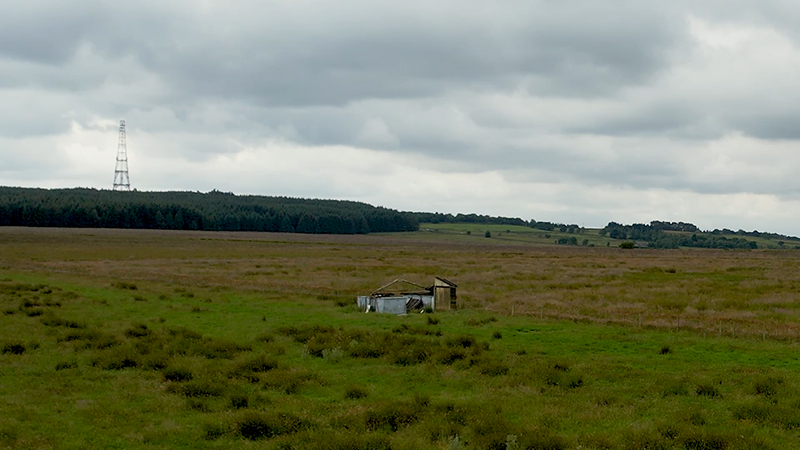
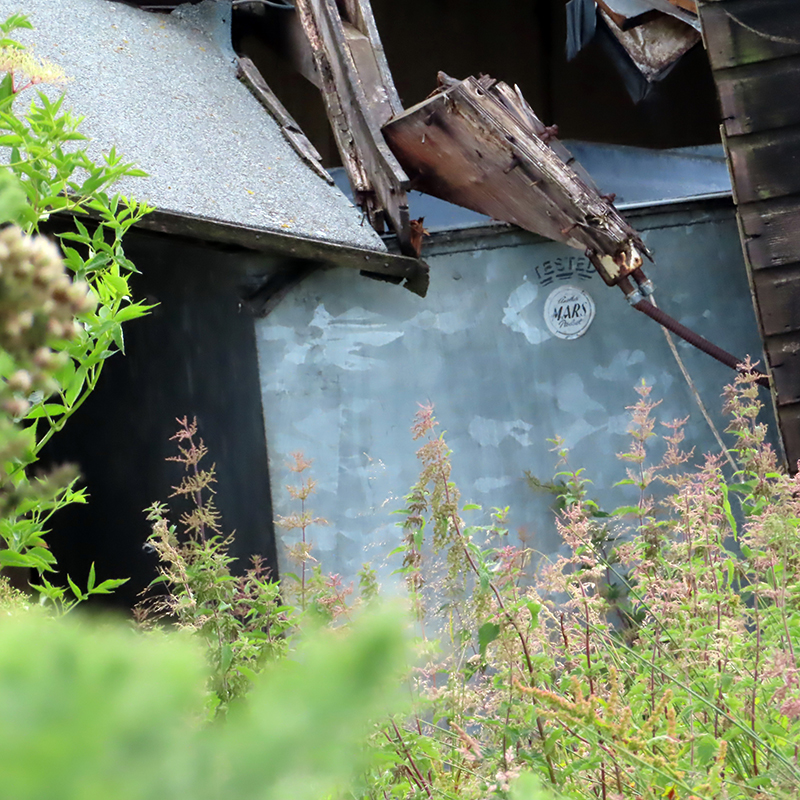
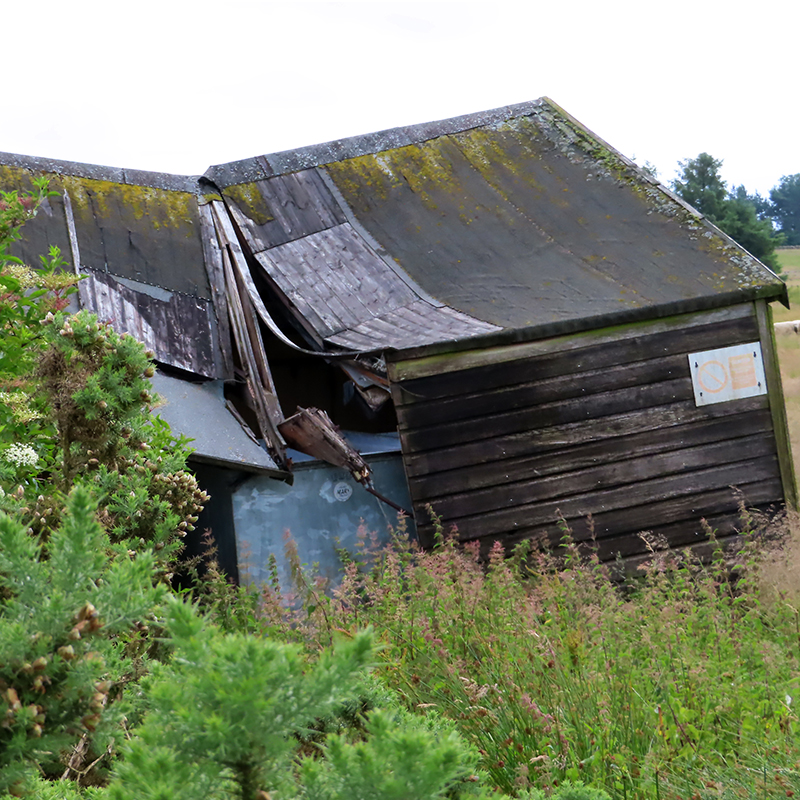
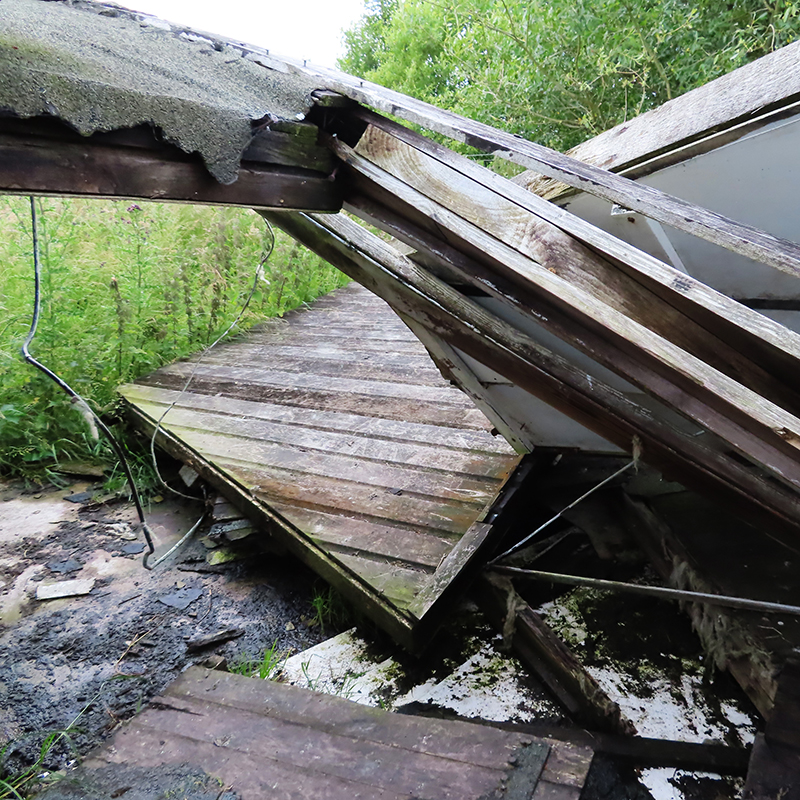
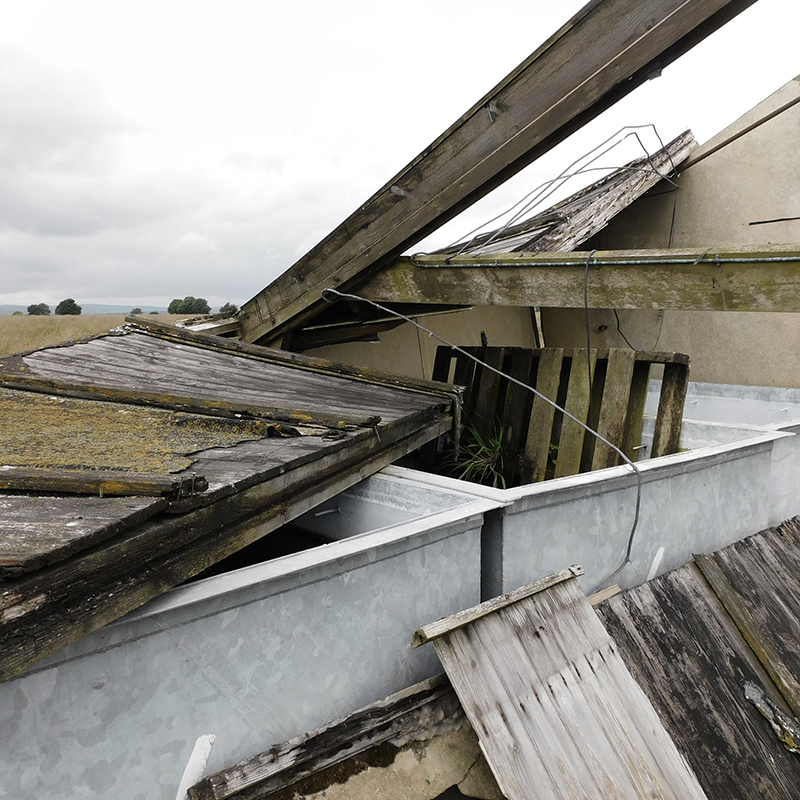
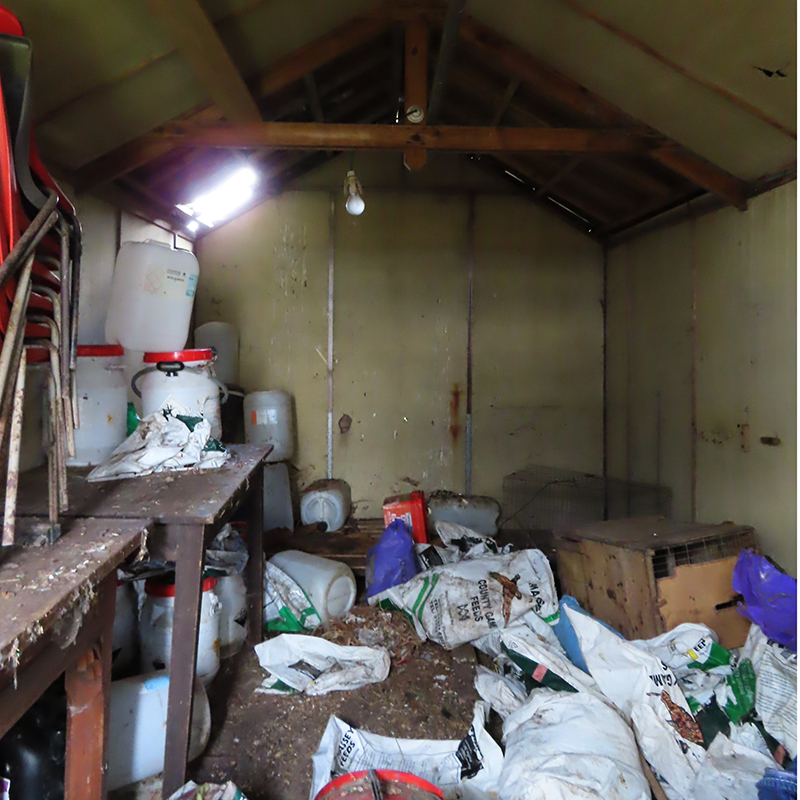
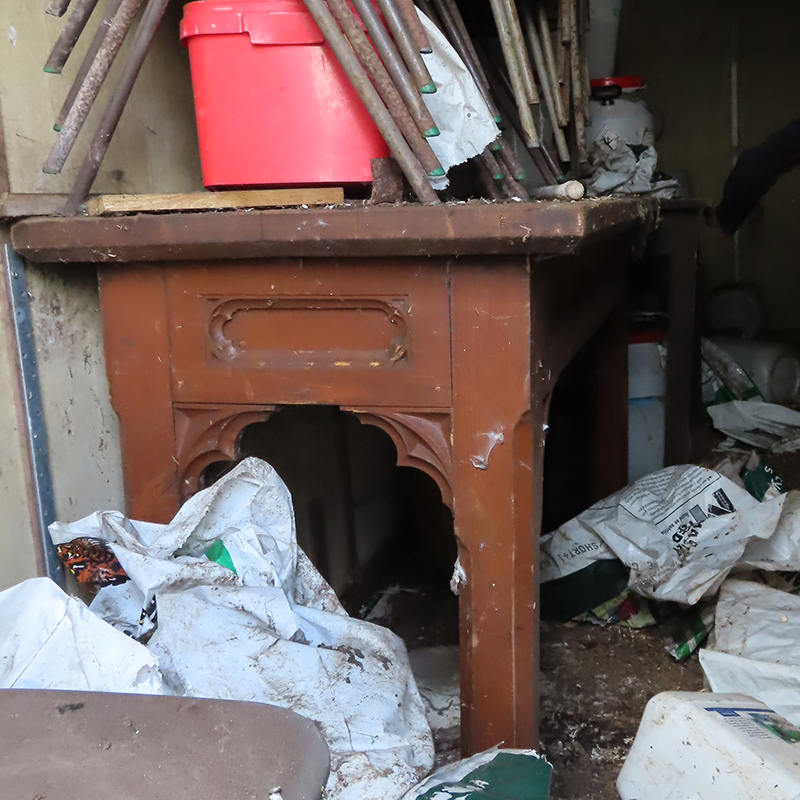
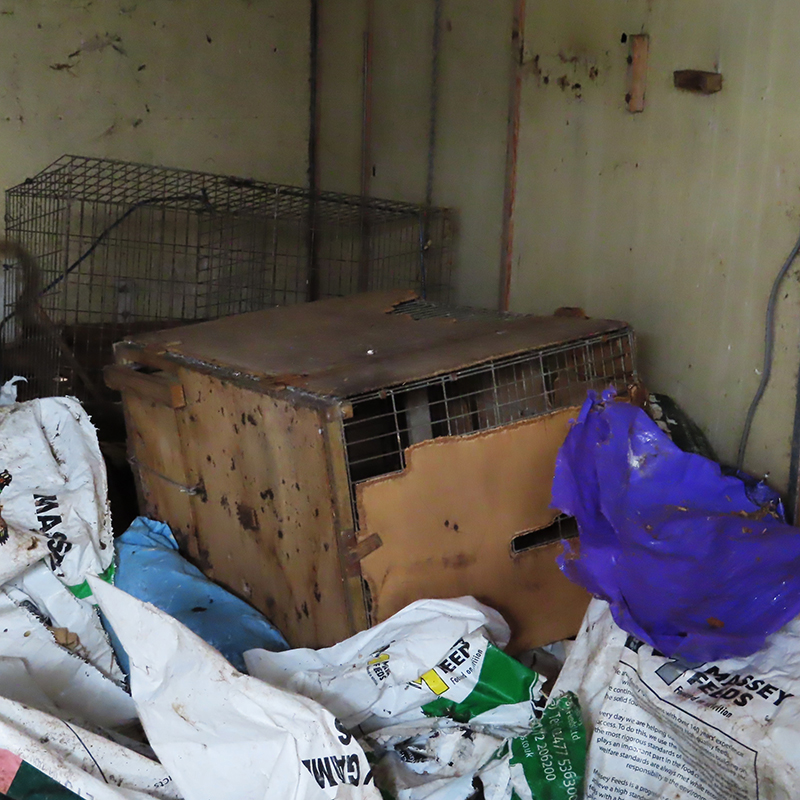
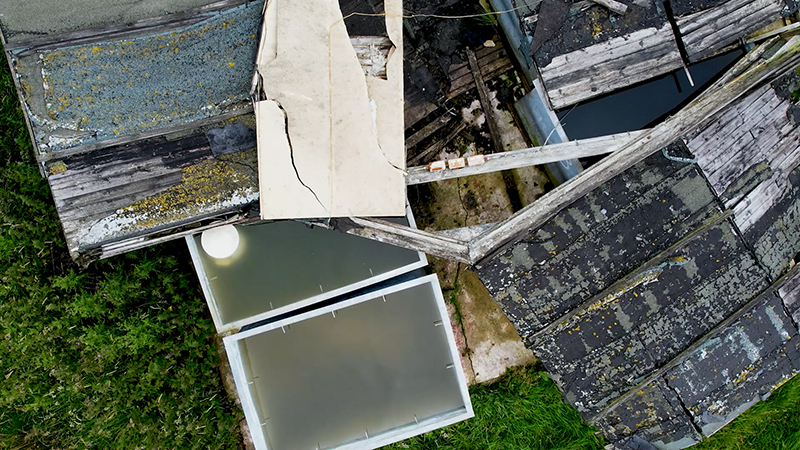
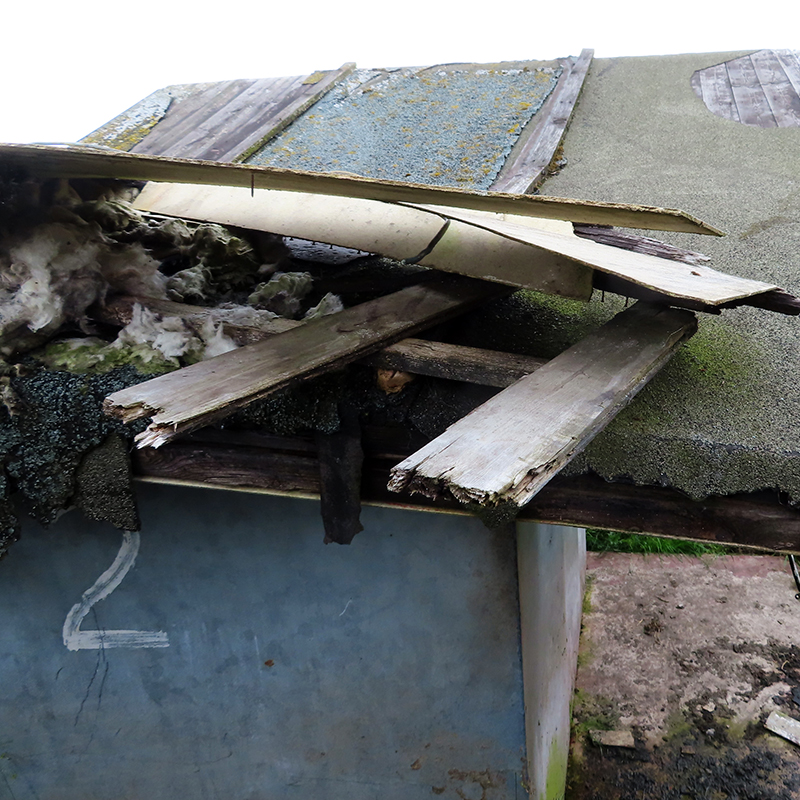
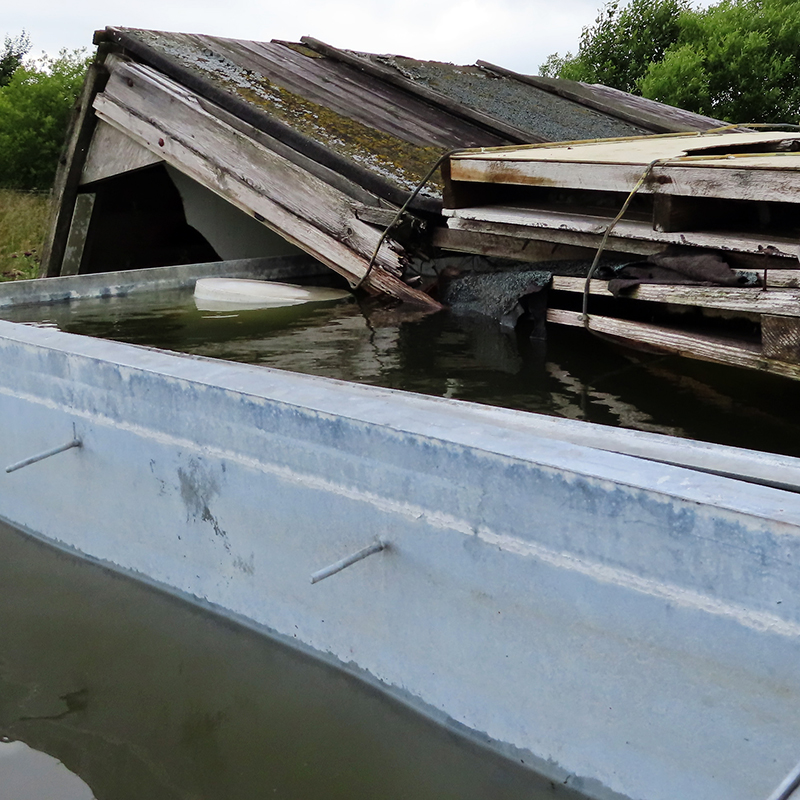
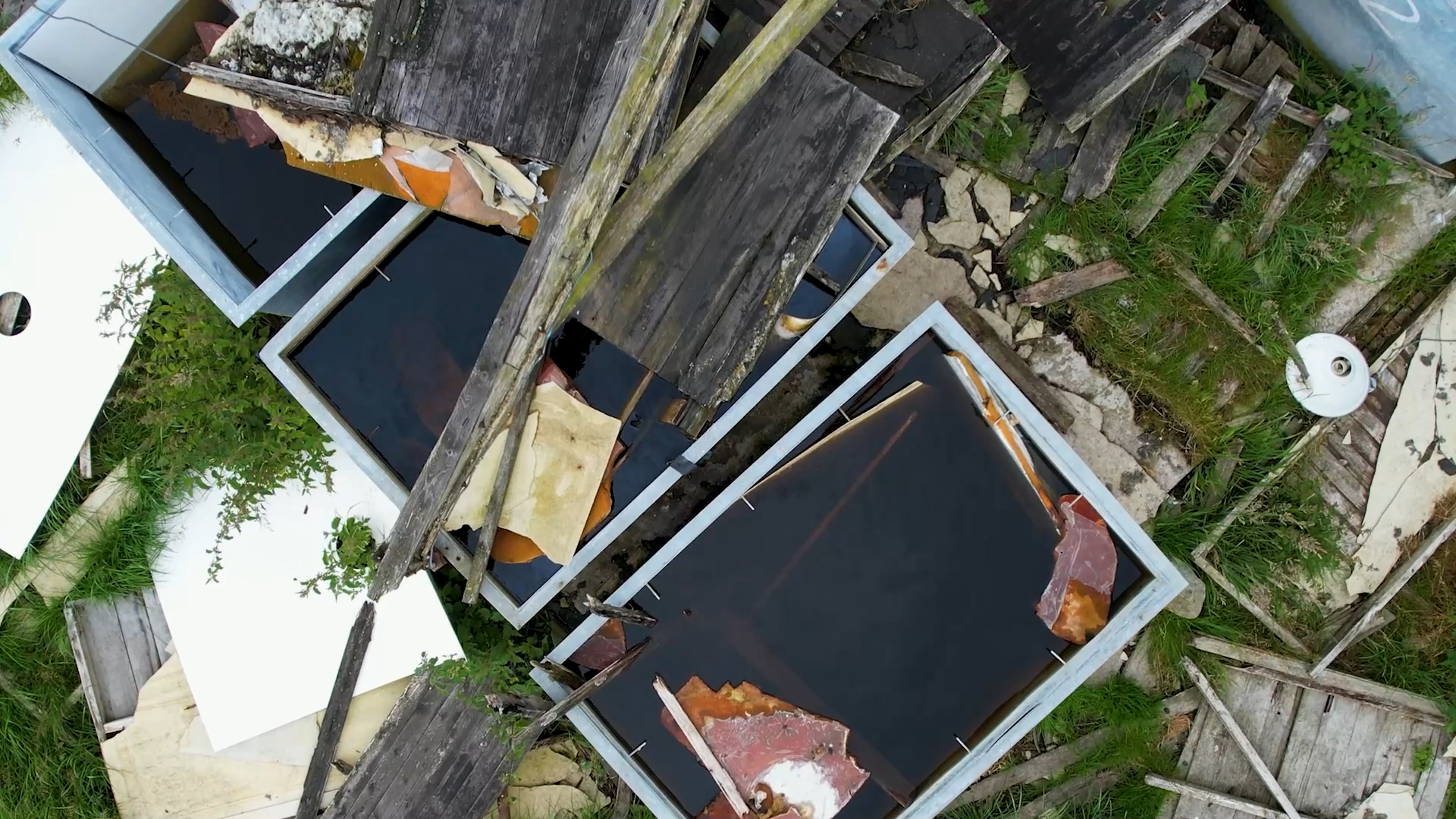
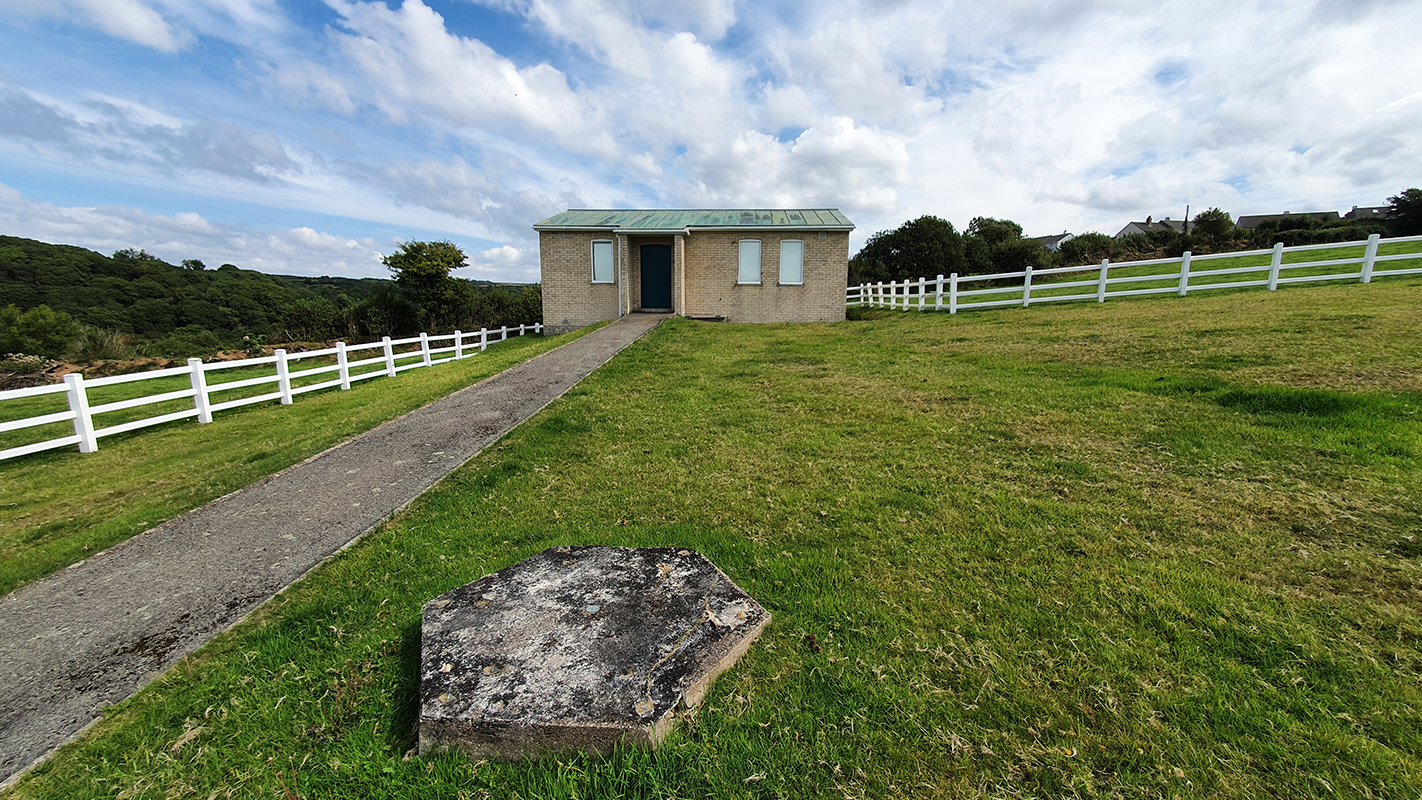
Other huts from the Haverah Park experiment are in a state of collapse.

There are so many high energy particles hurtling around the universe that they almost equal starlight in energy density. Cosmic rays travel at almost the speed of light and because they are charged particles most cosmic rays are confined, spiralling within our galaxy for a million years or more, by the magnetic fields which permeate it.

Five million cosmic rays pass through your body each day. Some will collide with atomic nuclei. A particle passing through a material at a velocity greater than that at which light can travel through the material emits light. Maybe we glow a little.

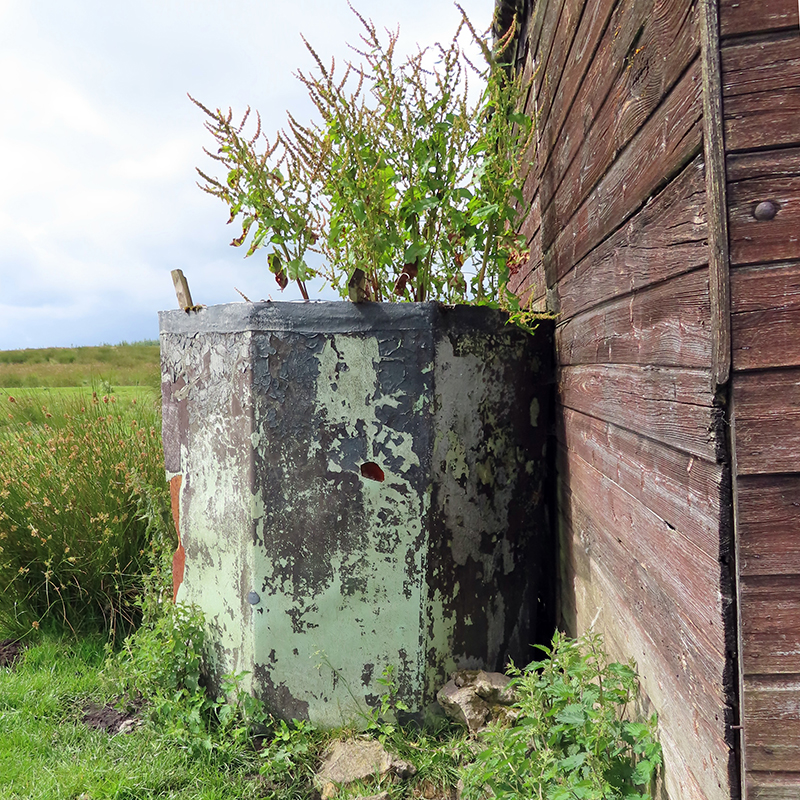
Following the disappearing trail. Haverah Park hut with an intriguing hexagon tank.

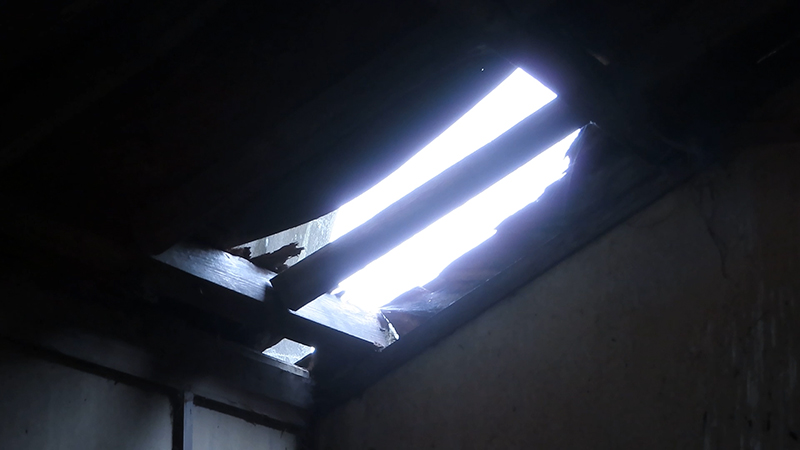
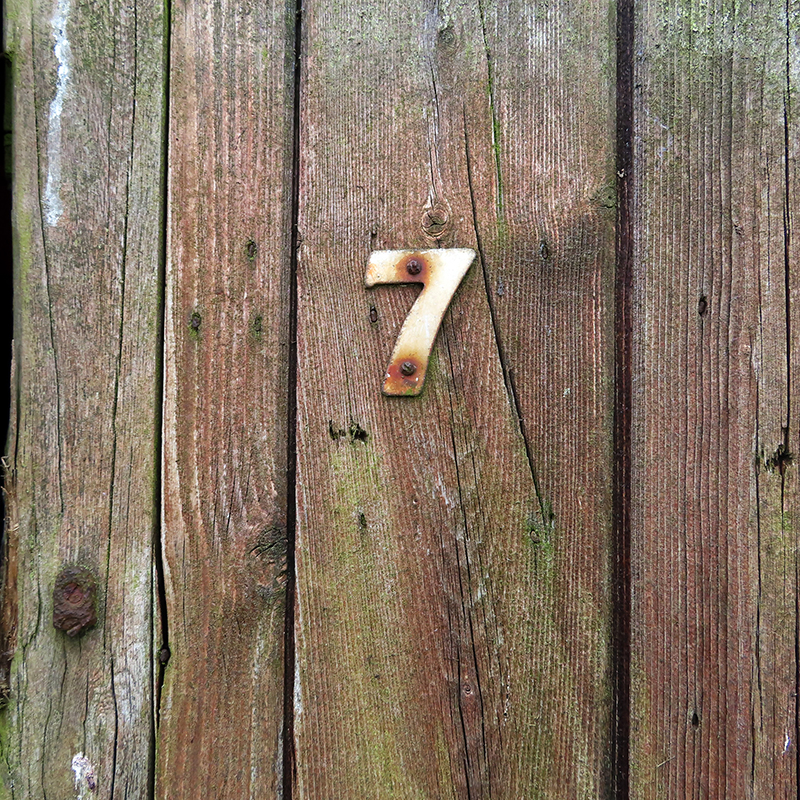
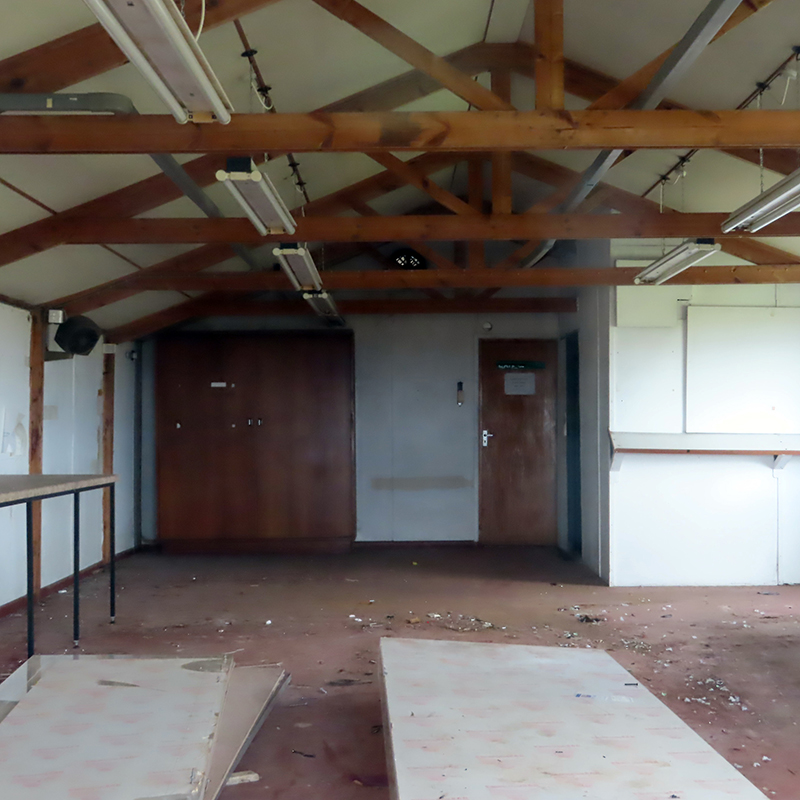
Inside Hut no. 7 is a dumping ground. Waste is a big problem in space as well as on Earth. The thickening shell of space junk in low Earth orbit, if left to accumulate, could cause a conductive shield to form, weakening the effectiveness of the magnetosphere, which protects life on earth from most cosmic radiation.

A decaying wall map of the entire Haverah Park experiment is just visible through a window of one of the huts in the central hub, but not much else remains inside.

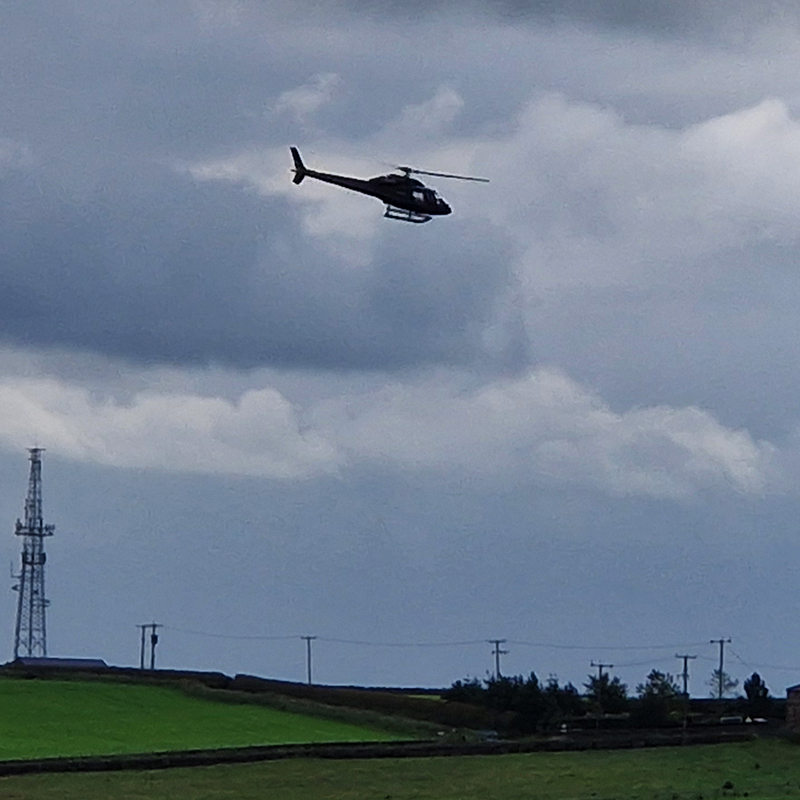
It looks like these huts have been recently emptied into a skip which, by chance, was collected while I was there. Unfortunately, the driver had no enlightening information for me about the future of the huts.

Cherenkov radiation is a form of energy that gives off a blue glow when electrically charged particles are moving at speeds faster than light is able to travel through the same medium. The experimental physicist Blackett, who received the 1948 Nobel Prize in Physics for his investigations into cosmic rays, believed that extensive air showers should produce flashes of light that could be perceived by the human eye when lying down and looking upwards under dark skies. Whether he achieved seeing this phenomena himself is not known, but he inspired colleagues Galbraith and Jelley, in 1952, to devise an experiment to detect light from air showers using a rubbish bin painted black on the inside, a recycled searchlight mirror and a small phototube. With these simple items, they made the first observation of Cherenkov light produced by cosmic rays passing through the atmosphere. Not all the twinkling in the night sky is starlight.

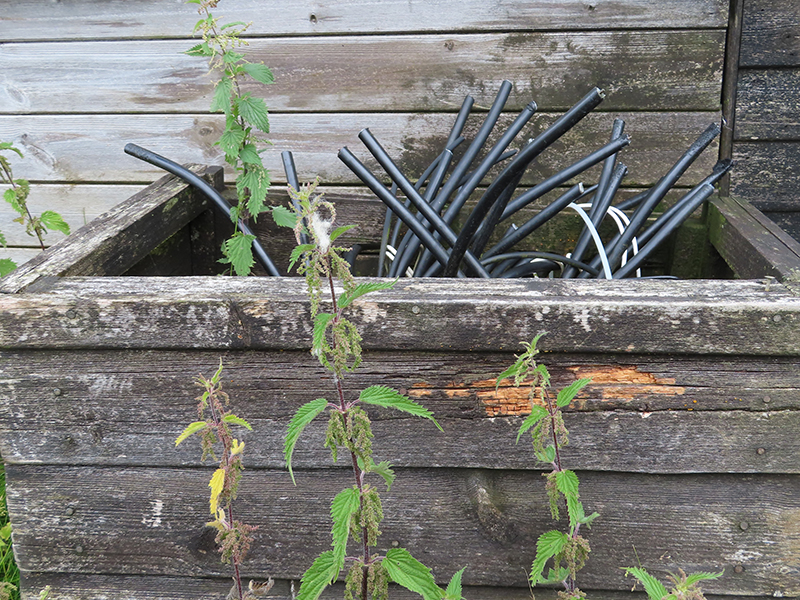
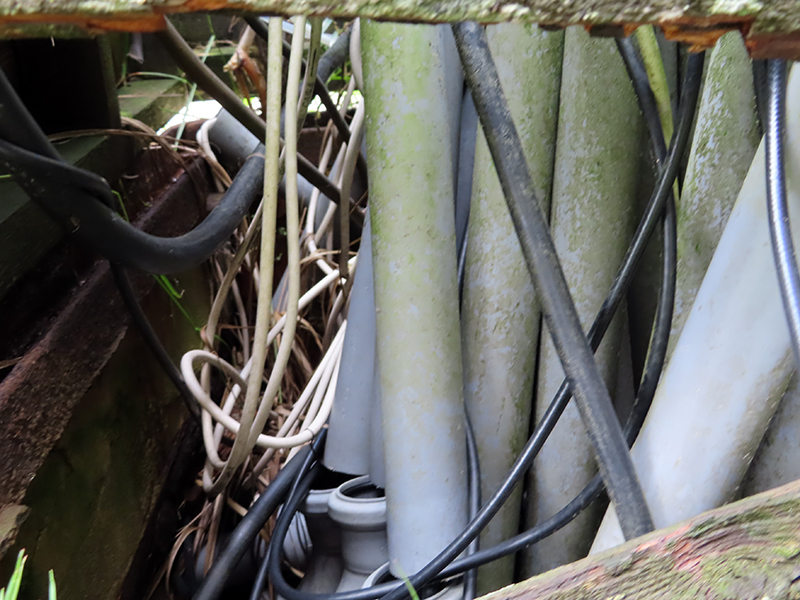
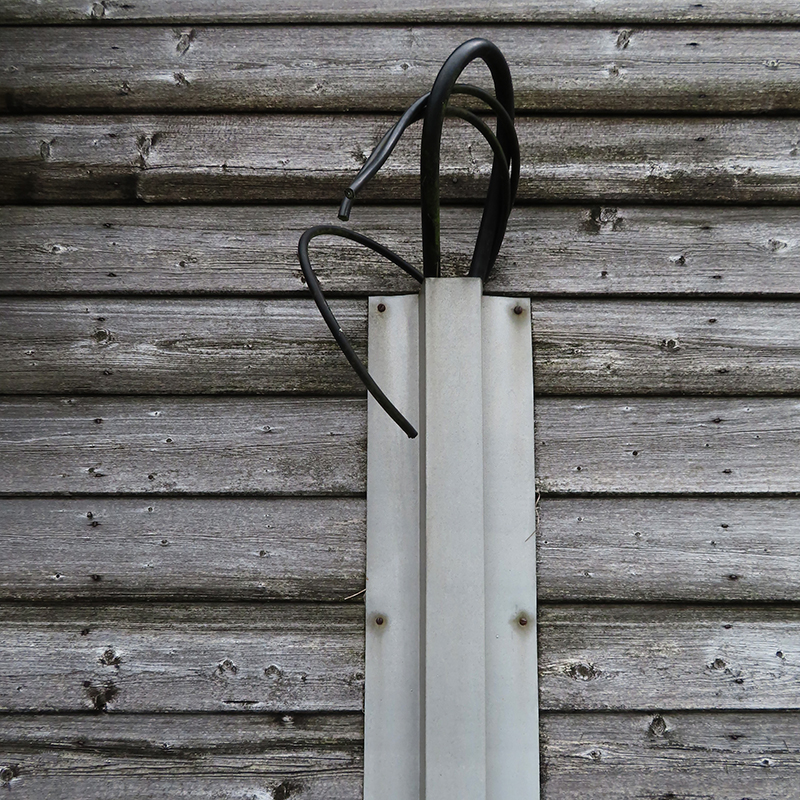
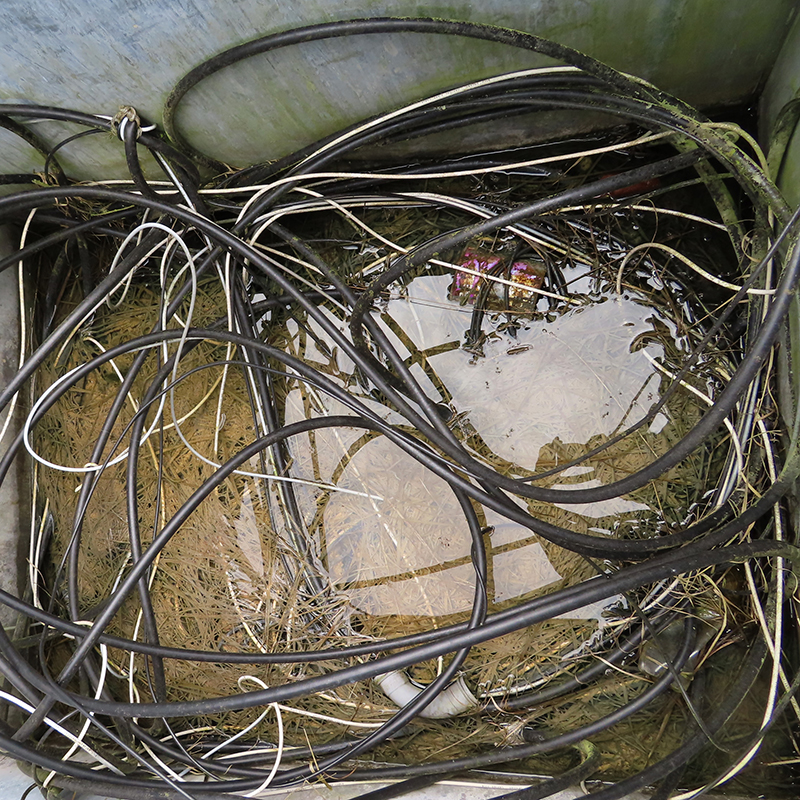
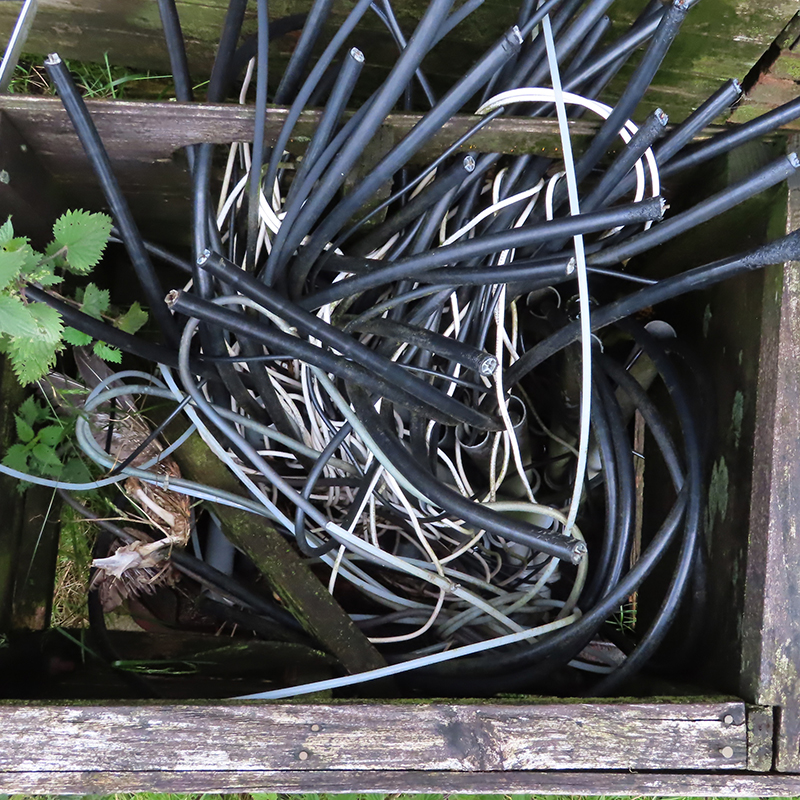
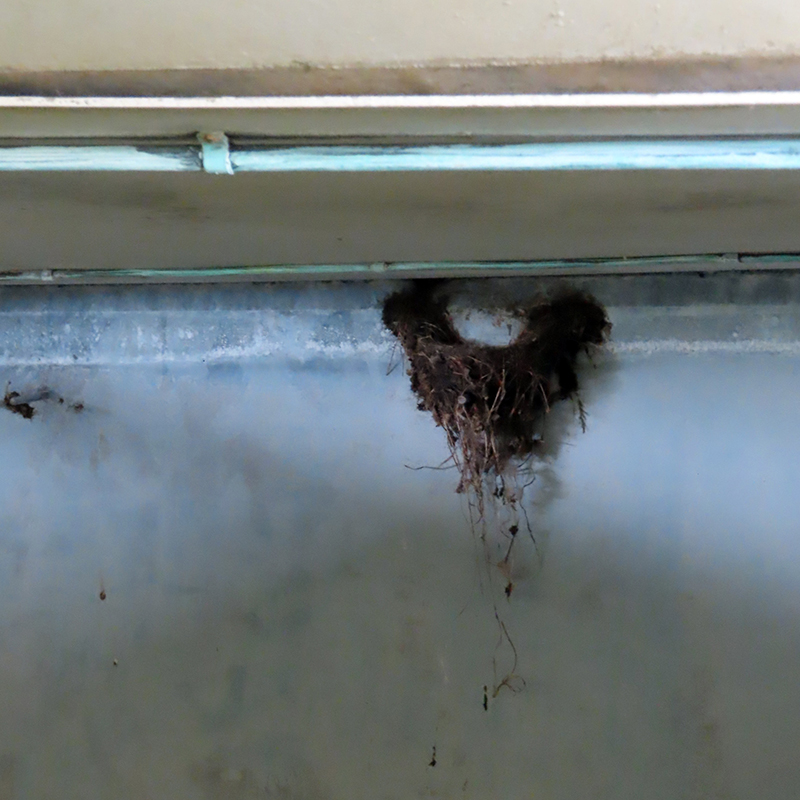
During the Haverah Park experiment, the water Cherenkov detectors deployed across the moors were connected by underground cables and transmitted information to the control huts via radio signals in the microwave frequency range. All communication is now severed. Cut cables coil in rain filled tanks. The cosmic rays are still pounding down upon these new unwatched ecosystems but the detectors have moved elsewhere.

I am looking forward to meeting Professor Alan Watson FRS here in the autumn. He is eminent in the field of cosmic rays and helped initiate the extensive air shower project, working at Haverah Park for 25 years. He has kindly agreed to meet and share his insider knowledge of the history and operations at the site.

The idea to build a truly giant shower array was launched by Alan Watson and Jim Cronin shortly after Haverah Park was decommissioned and thanks to the ground breaking work undertaken in these huts, it evolved to become the vast Pierre Auger Observatory in Argentina, named in honour of the man who first discovered extensive air showers.

Peering into the darkness, trying to fathom the structures of the universe or what’s inside the hut, and the nature of that relationship.

The ultra high energy particles detected at Havarah Park and new arrays across the globe are very rare, possibly less than one per square kilometre per century, so it is big news when one arrives. Because they have such high energy, it is thought they shouldn’t be affected by galactic magnetic fields, and therefore, the direction of the particle could be determined and the source located. The Amaterasu particle, named after the sun goddess in Japanese mythology, the second most powerful particle to be recorded, appears to have emerged from the Local Void, ana area with no astronomical objects that might produce such a particle. There is no explanation of where these particles come from, just hints of bigger mysteries to unfold.

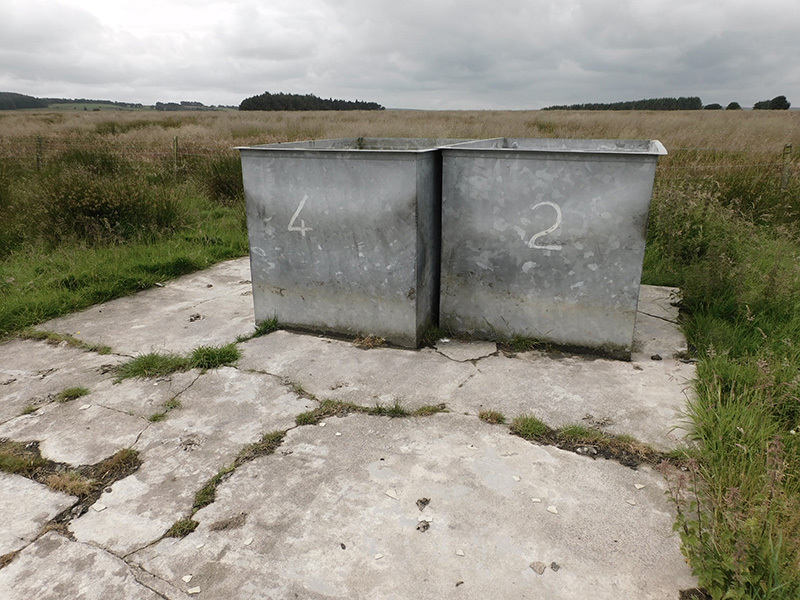
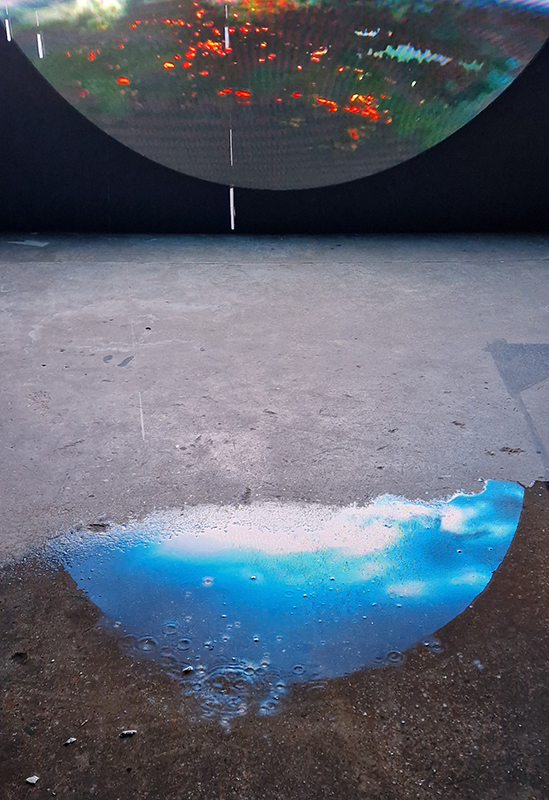
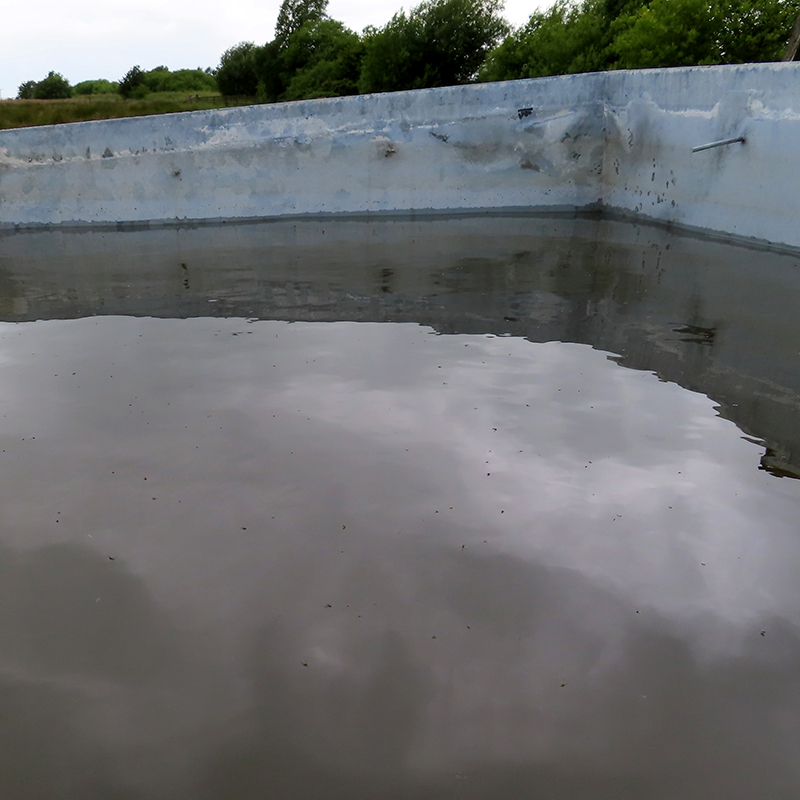
Many water tanks remain around Haverah Park, stripped of their purpose as water Cherenkov detectors they now reflect the sky in the rainfall they collect rather than record showers of particles from space.

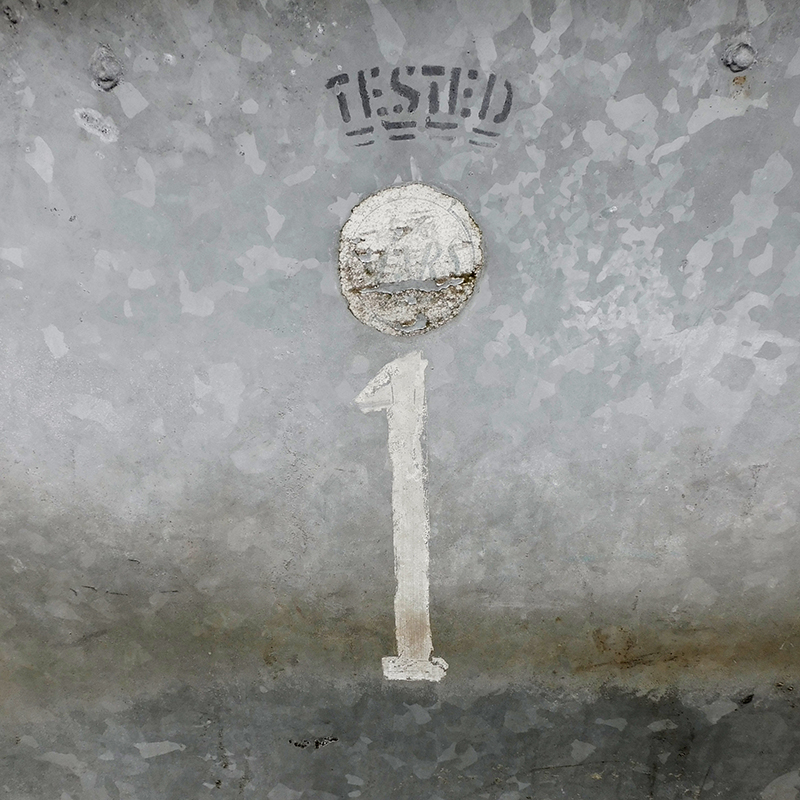
During operation, huts were built in groups of three, each with six large galvanised steel tanks lined with white plastic to diffuse the light and filled with local purified water. Each tank was monitored by extremely sensitive photon detectors which recorded the Cherenkov light emitted as particles passed through the water. At the end of the large array experiment, one of the detectors was opened, and the water was found to be crystal clear and good enough to drink. The proof that water could be kept bacteria-free in a sealed container for over 25 years gave confidence in using the same technology for a future larger cosmic ray detector array to be developed.

Haverah Park was once one of the largest extensive air shower arrays in the world, with an area of 12 km2, but in the end, it just wasn’t big enough.

When Alan Watson and Jim Cronin proposed building a new 3000 km2 shower array, the question from funders was, ‘why do you want to make the array so large?’. The answer is, of course, to discover those known and unknown unknowns, but funders don’t usually like unpredictable outcomes. Luckily their plea was bolstered by the Fly’s Eye Cosmic Ray Detector Array out in the Utah Desert recording the Oh-My-God particle in 1991, it’s energy was 40 million times greater than that of any particles ever produced in any terrestrial particle accelerator. This and other evidence of extremely high energy particles sparked interest in the field of astrophysics and validated the discovery of similar particles at Haverah Park, which had not been taken seriously at the time. This ambitious proposal gained momentum during the 1990s to become the Pierre Auger Observatory in Argentina, with the detector design developed from the water Cherenkov tanks so successfully operated at Haverah Park. The huts here may be in ruins, but their legacy lives on at the world’s largest extensive air shower detector array, which is edging closer to answer the question ‘Where do ultra-high-energy cosmic rays come from?’

I am looking forward to developing work responding to the legacy of the Haverah Park experiment and building on my experience of creating The Absolute Hut (of absolute potential) New surfaces to explore, more moss, and also lichens here.

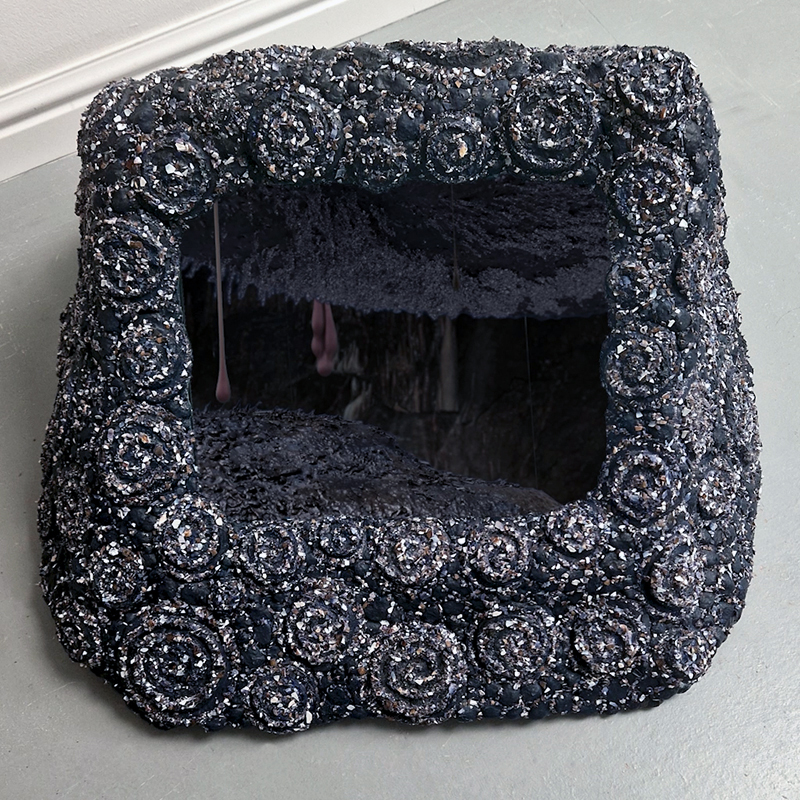
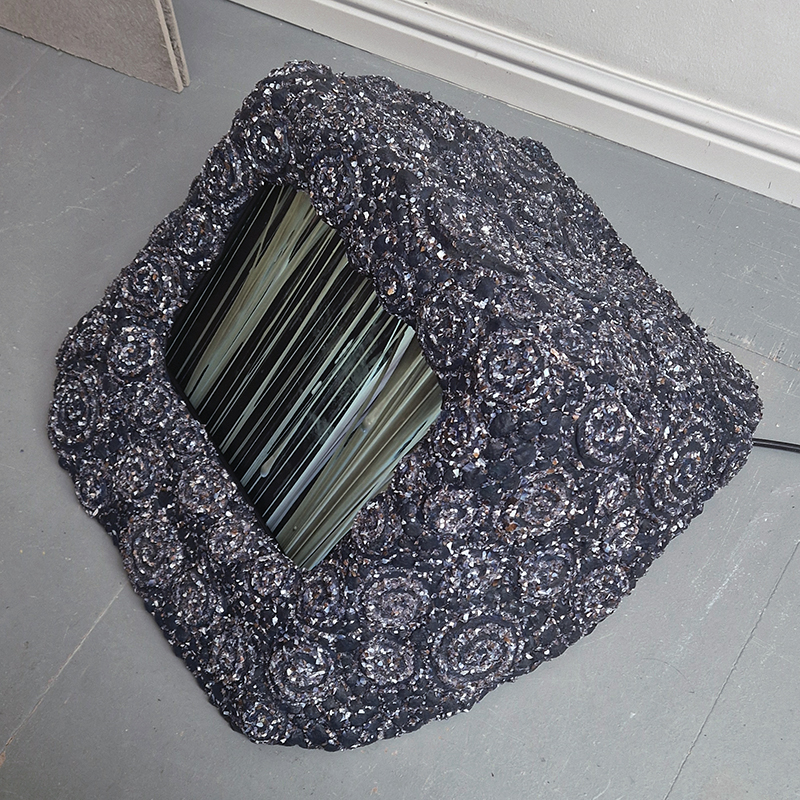
‘The Belly of a Rock’ video has waited a long time for its crusted shell. A hybrid between rock, mollusc, and technology inspired by the chemical conversations and urge to create described by Italo Calvino in his story ‘The Spiral’. We don’t always know what we are creating. Within ‘the belly’ surfaces slide and scrape along lines of fissure, distended innards ooze and rocks moan as they are distorted by untold pressure. The turbulent spiralling of the core births rock and lifeforms acted upon by the drag of the oscillating magnetic field.  

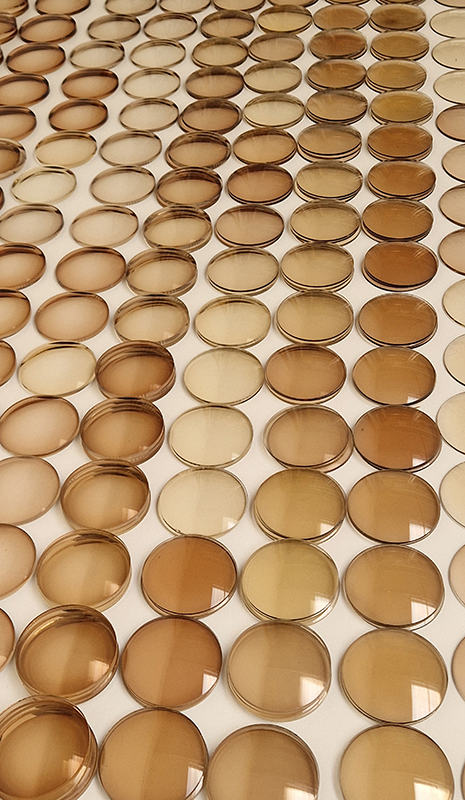
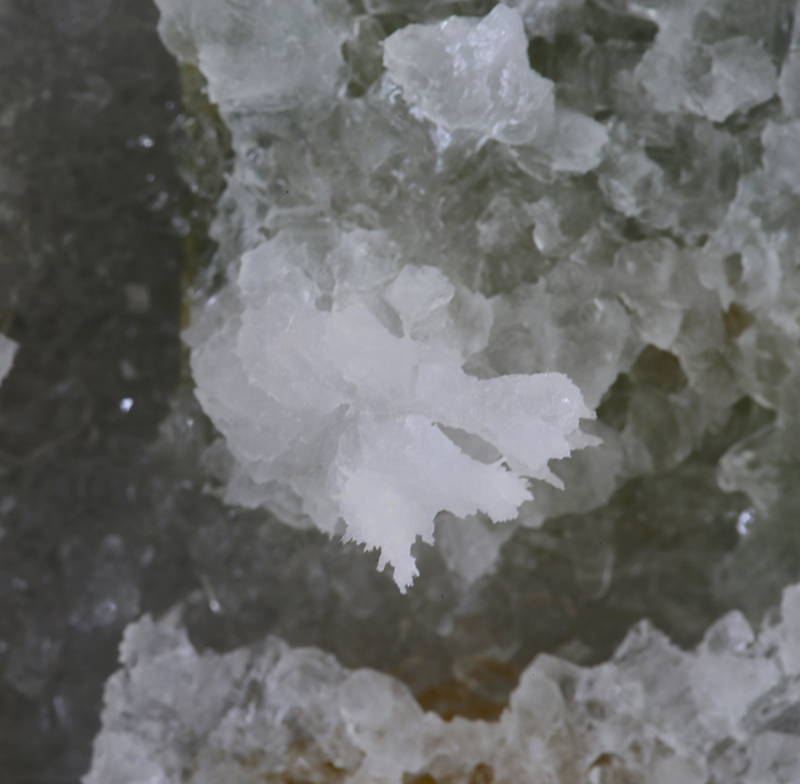
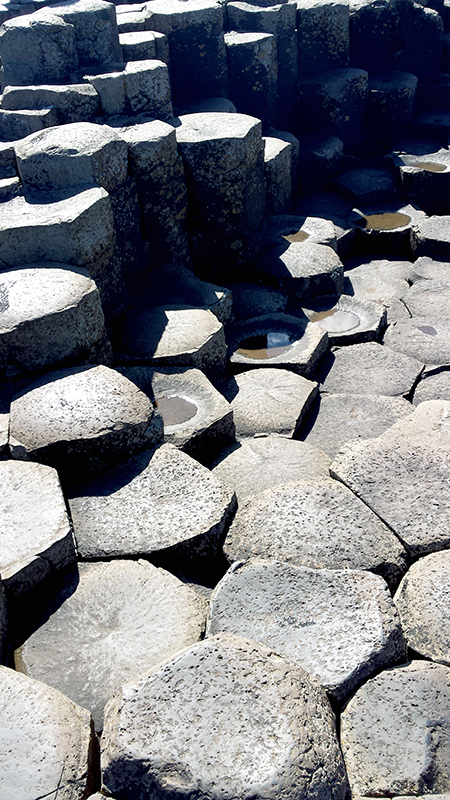
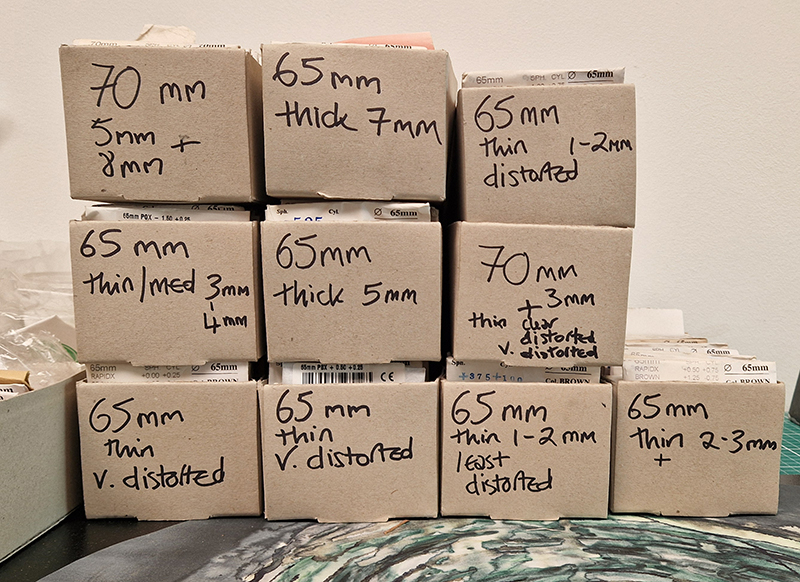
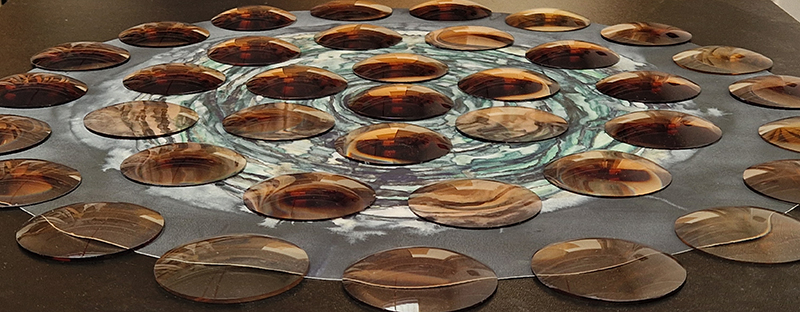
I have acquired a large number of photochromic optical lenses. These I have sorted by diameter, thickness and distortion. Initial thoughts about their use include using them as petri dishes to grow crystals which are embedded into small concrete hexagonal pillars of differing heights with reference to the geology of giants causeway. Using them to create composite windows into a new hut structure filled with video projections referencing the fly’s eye cosmic detector array.

A good workout on the guillotine making 201 cuts in copper sheet in preparation for a new concrete tablet in the Instruments of the Anemoi sculpture series.

Gallery and other outings:

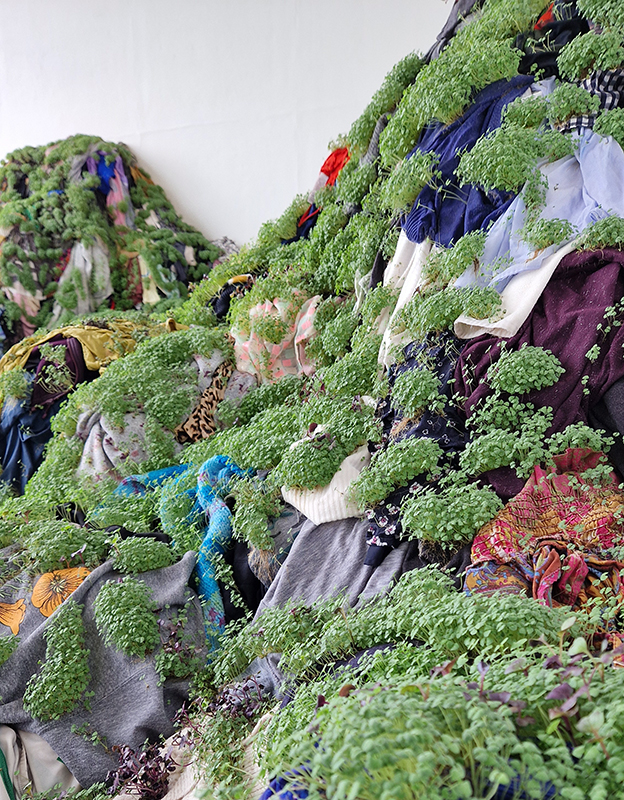
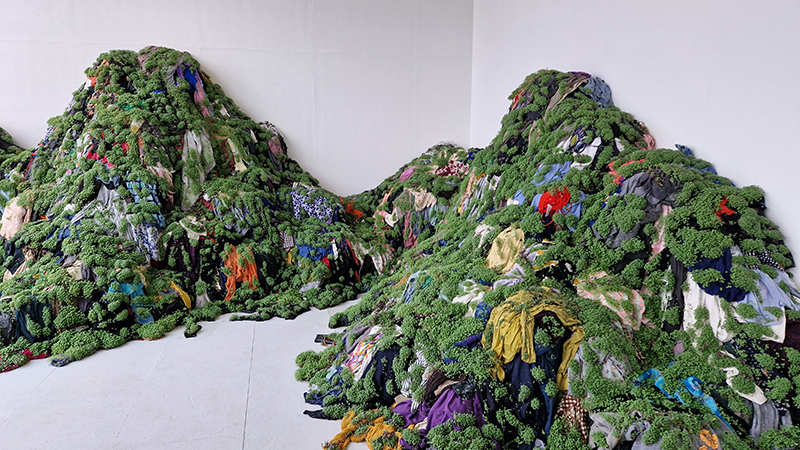
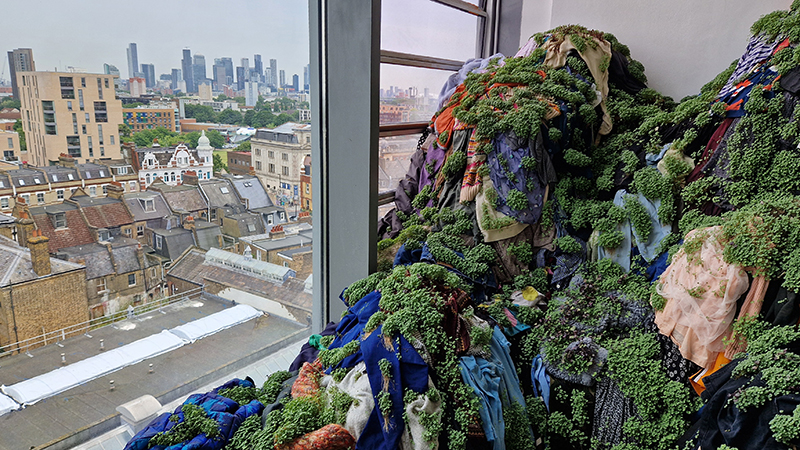
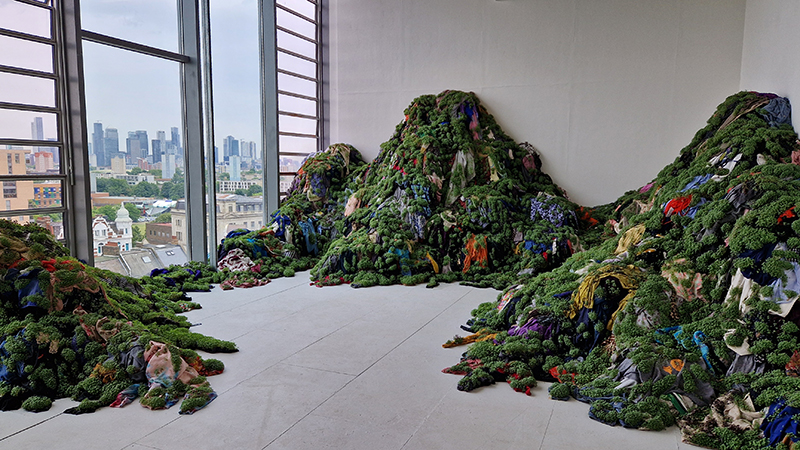
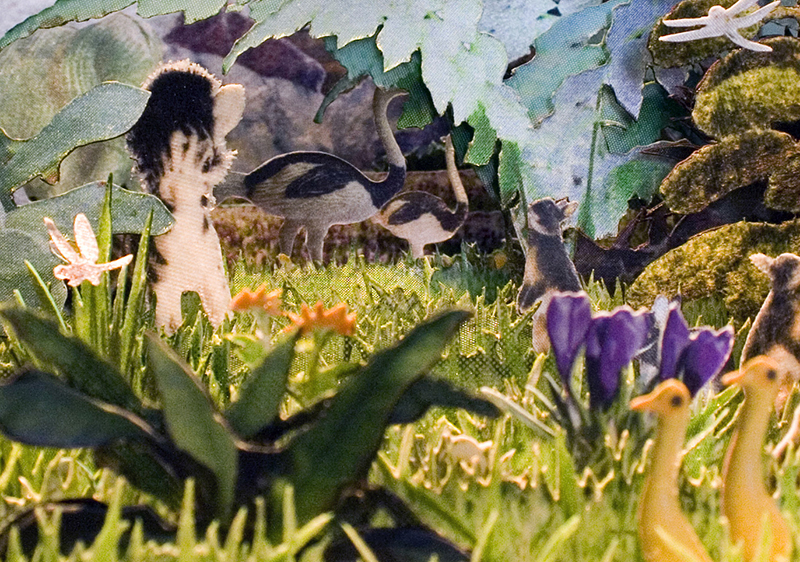
Beverley Duckworth’s installation Surplus at Goldsmiths MFA final show. Beverley’s work is grown through a diligent process of care. Found materials are literally given new life in the seeds which are embedded into them, which then transform and colour them. The installation includes an intermittent sound element of recordings of the melody played by waste trucks in Taiwan to call people to bring out their rubbish.

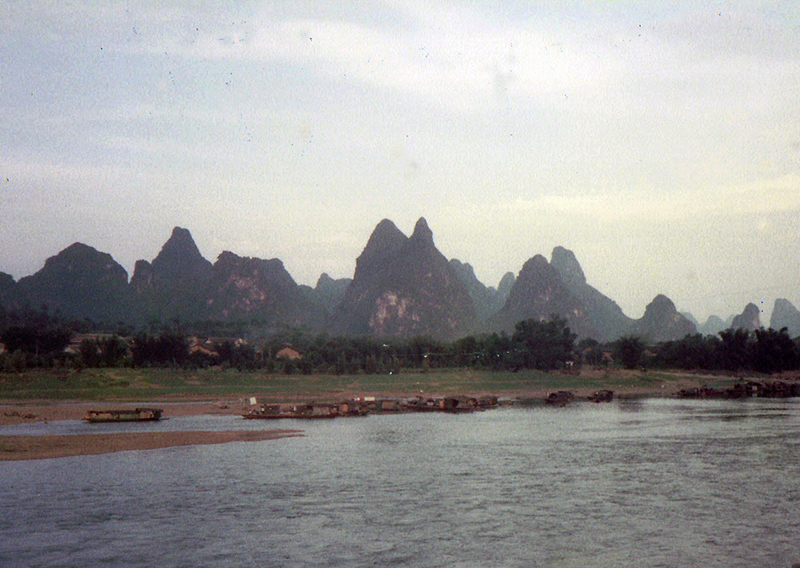
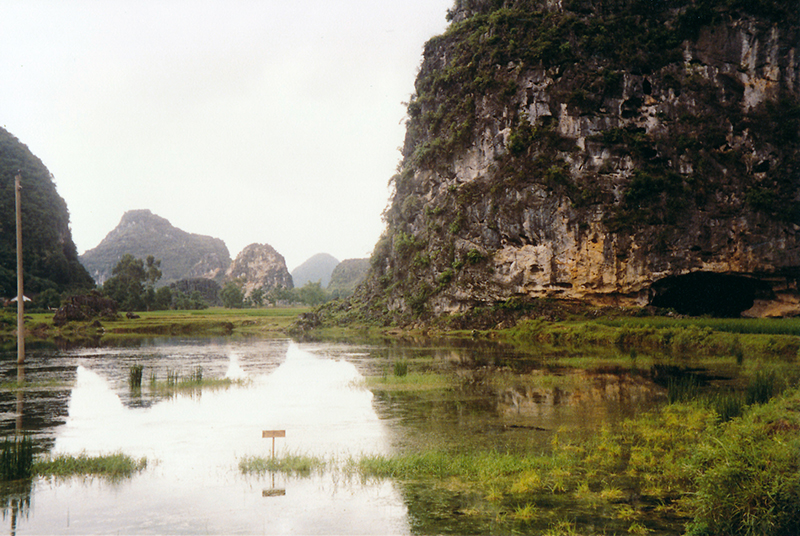
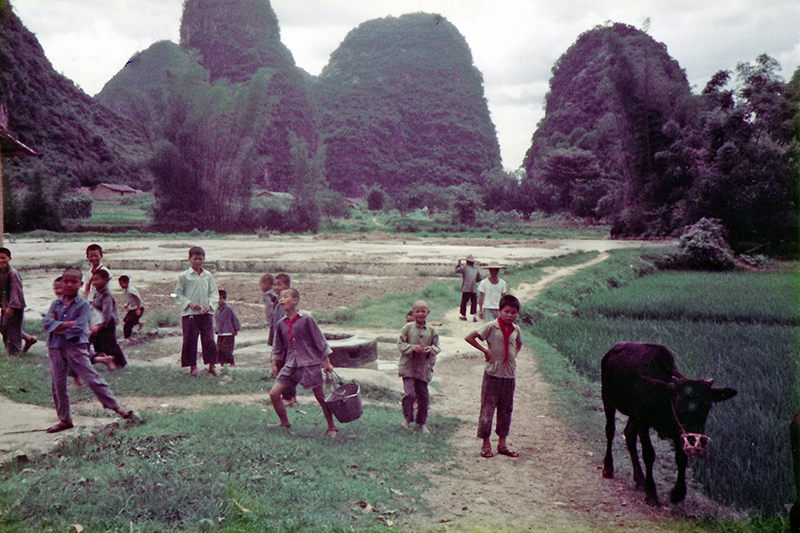
Apparently I wasn’t the first person to be struck by similarities to the landscape of Yangshuo near Guilin China. I visited in 1984 and think it is no longer a quiet little village.

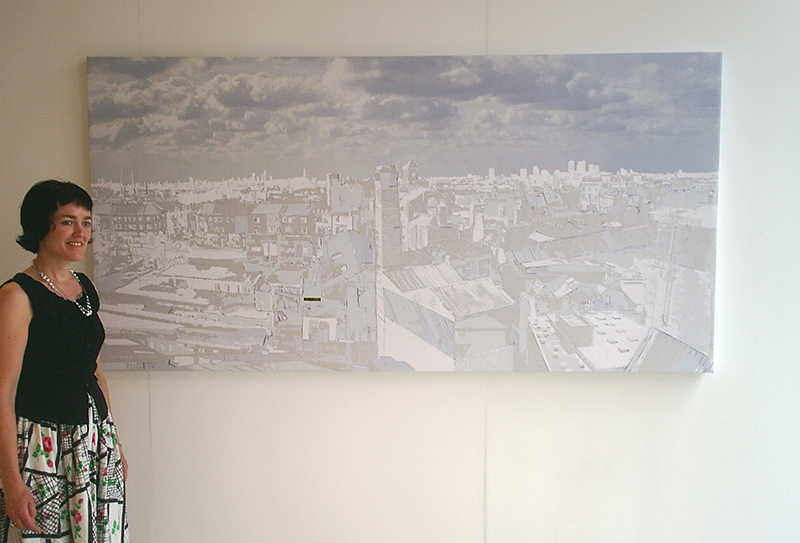
It was the first time I had been back inside the Ben Pimlott building at Goldsmiths since by own graduation, a scary twenty years ago. The building was brand new then and the views with little visible green fed into my installation Re:construction – a large screen print with tiny viewing hole to a tiny oasis amidst the grey, albeit a synthetic one.

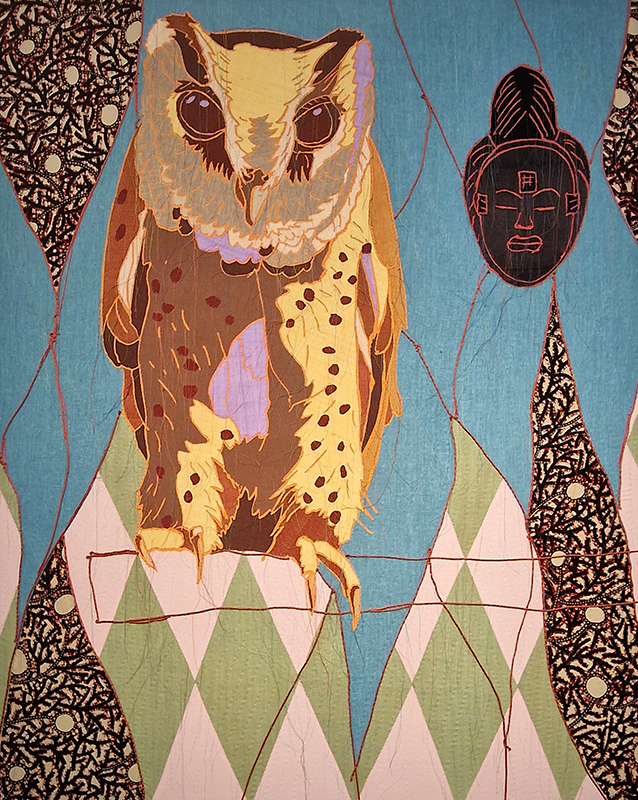
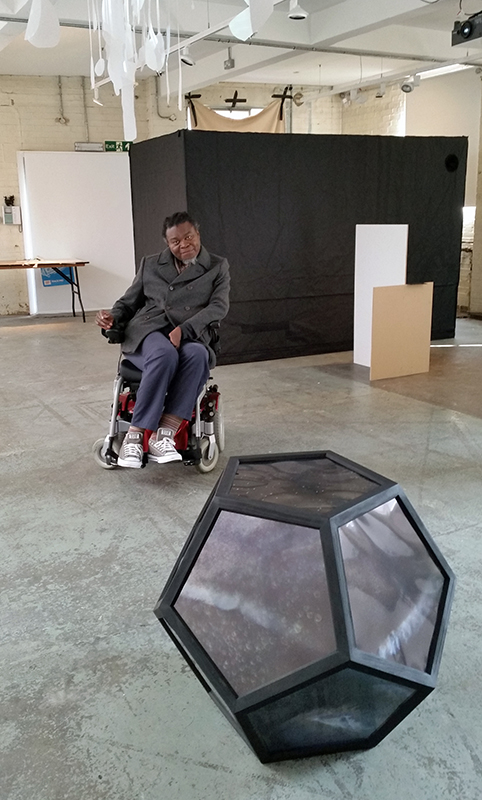
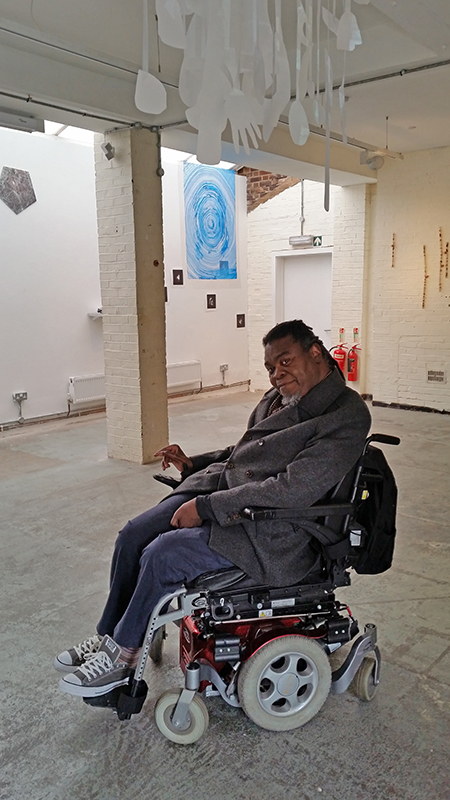
Yinka Shonibare Suspended States at Serpentine South. Horrors of war and colonialism are filed under dazzling colour, birds on the brink of extinction stare in plea or accusation, beacons of light in the darkness come from miniature replicas of sanctuaries.

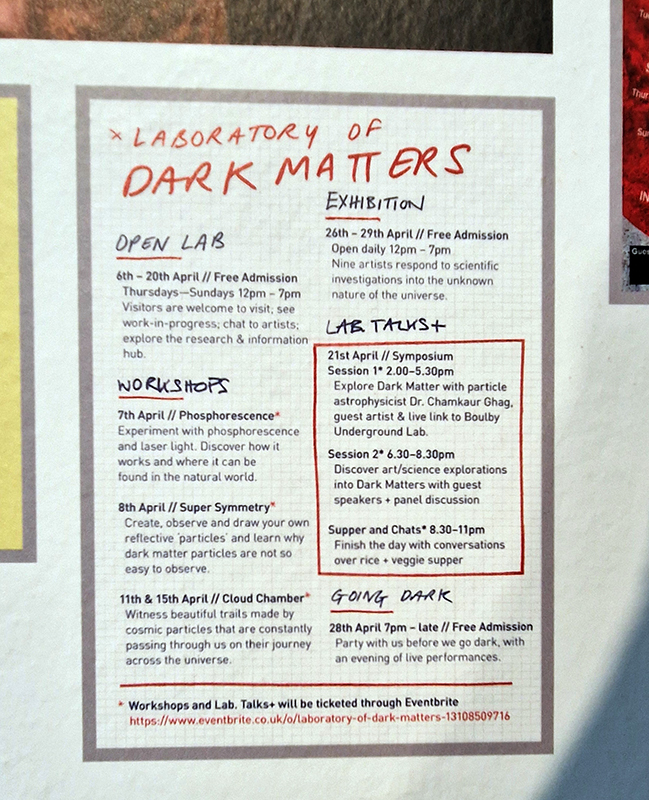
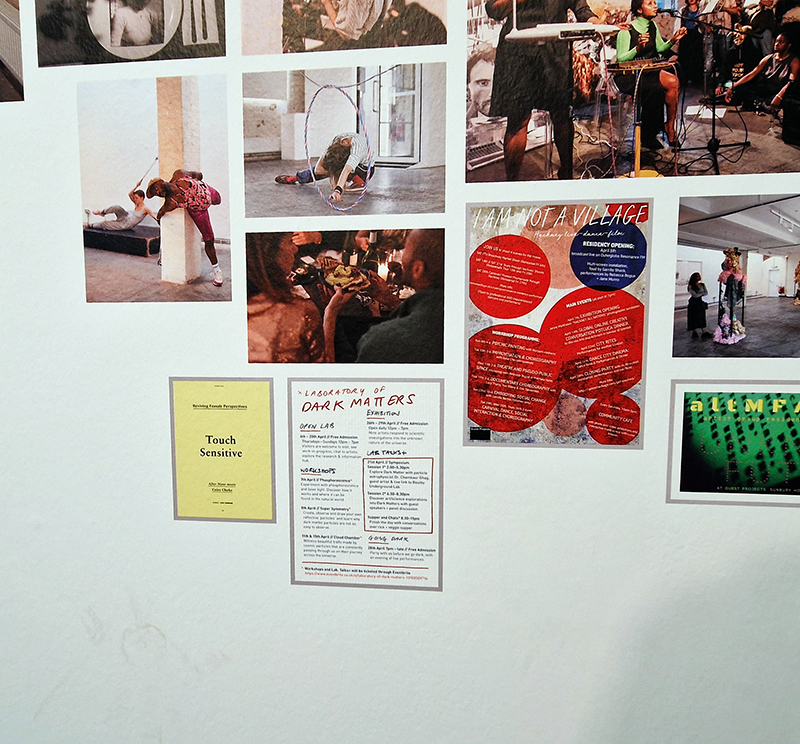
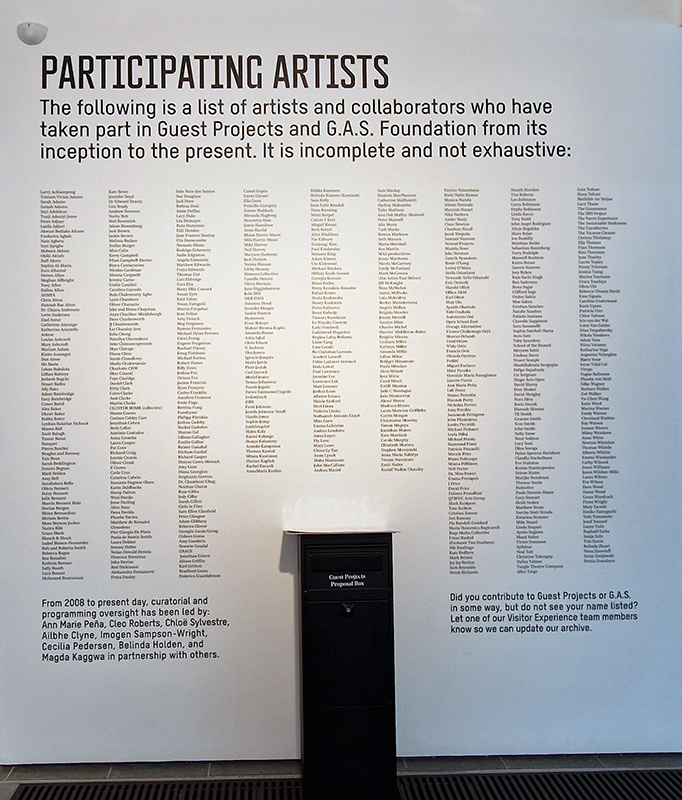
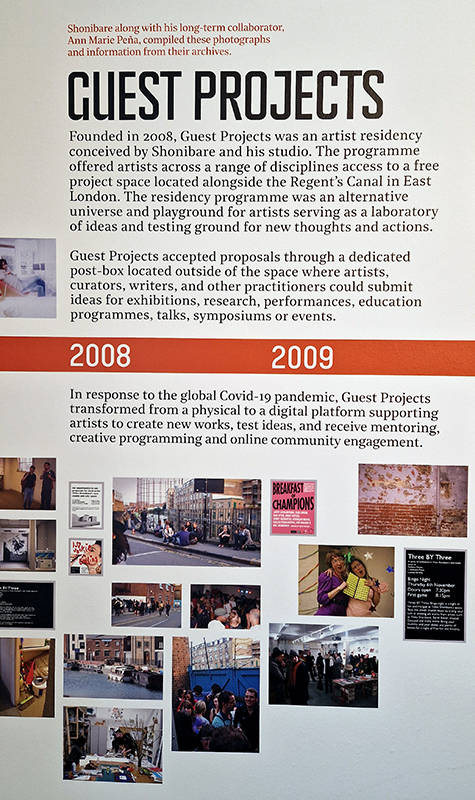
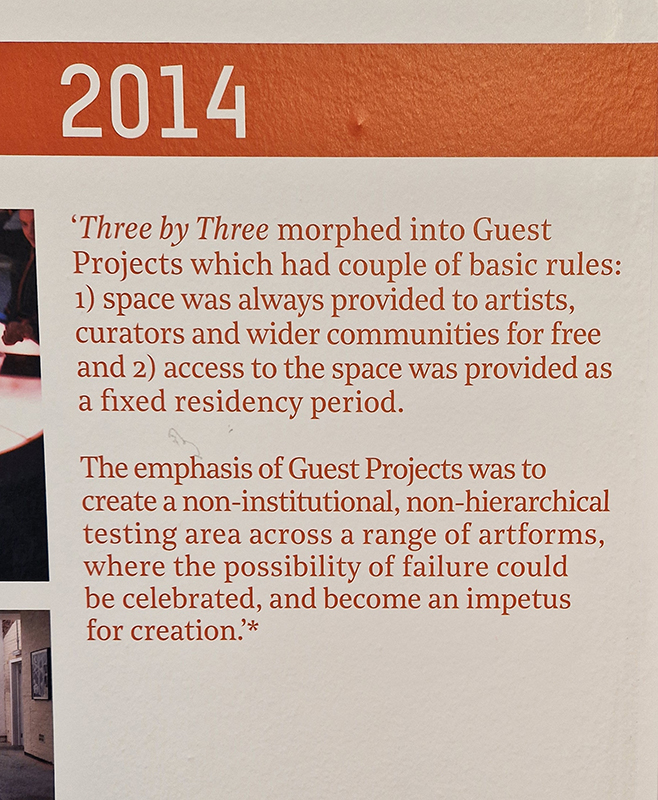
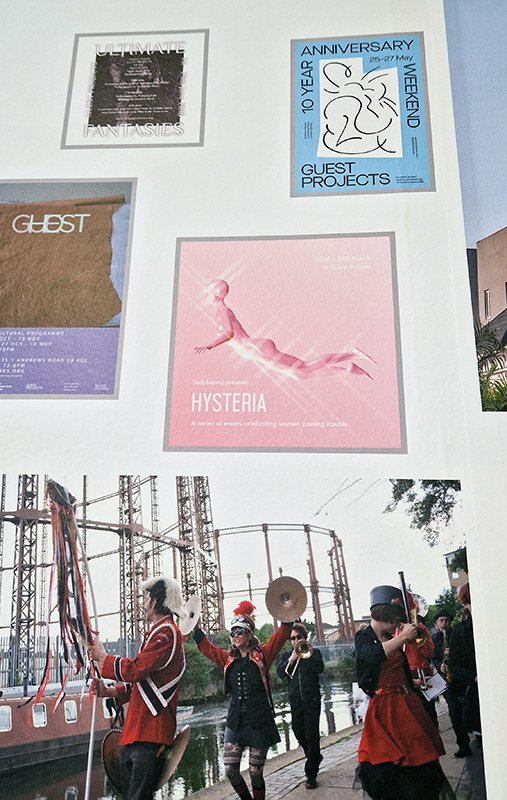
Yinka’s socially engaged inclusive practice spills over into real help for artists and communities. The exhibition celebrates Guest Projects and G.A.S. Foundation in Lagos. Guest Projects is such a generous idea and I have been so lucky to benefit from it with the project Laboratory of Dark Matters

Being awarded a month’s residency at Guest Projects was crucial to the success of Laboratory of Dark Matters as a site for developing ideas and subsequently touring the project. Wonderful to meet Yinka and also to be part of the selection committee for the next round of projects.

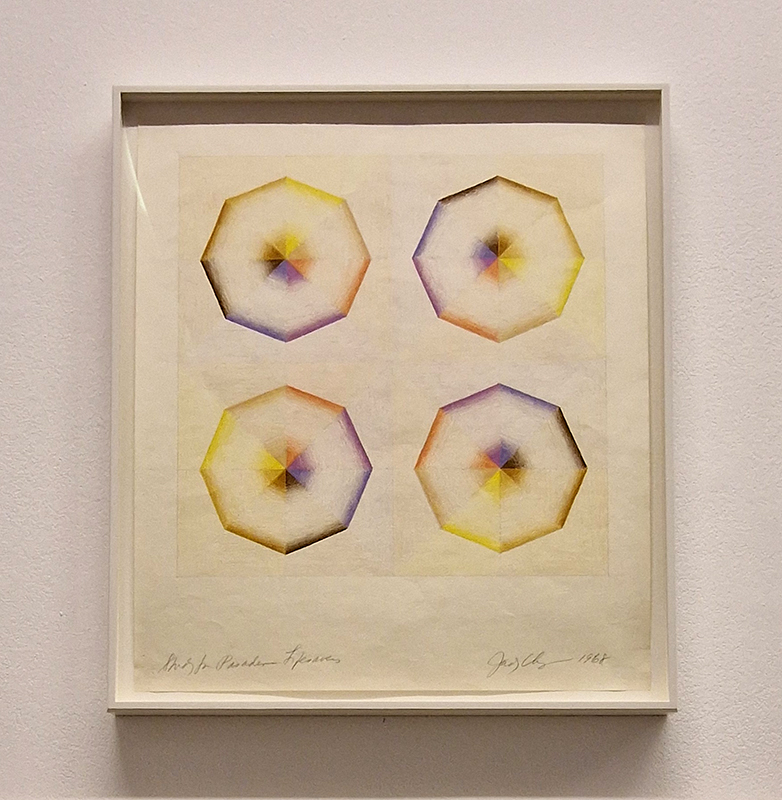
Judy Chicago Revelations at Serpentine North. The highlight of this show is the video documenting The Dinner Party (1974-79) installation and the preparatory drawings and sample plate. What a shame the actual installation wasn’t here, I will have to visit the Brooklyn Museum, New York sometime to see it. The research, collaborations, crafts and designs that went into creating it was phenomenal.

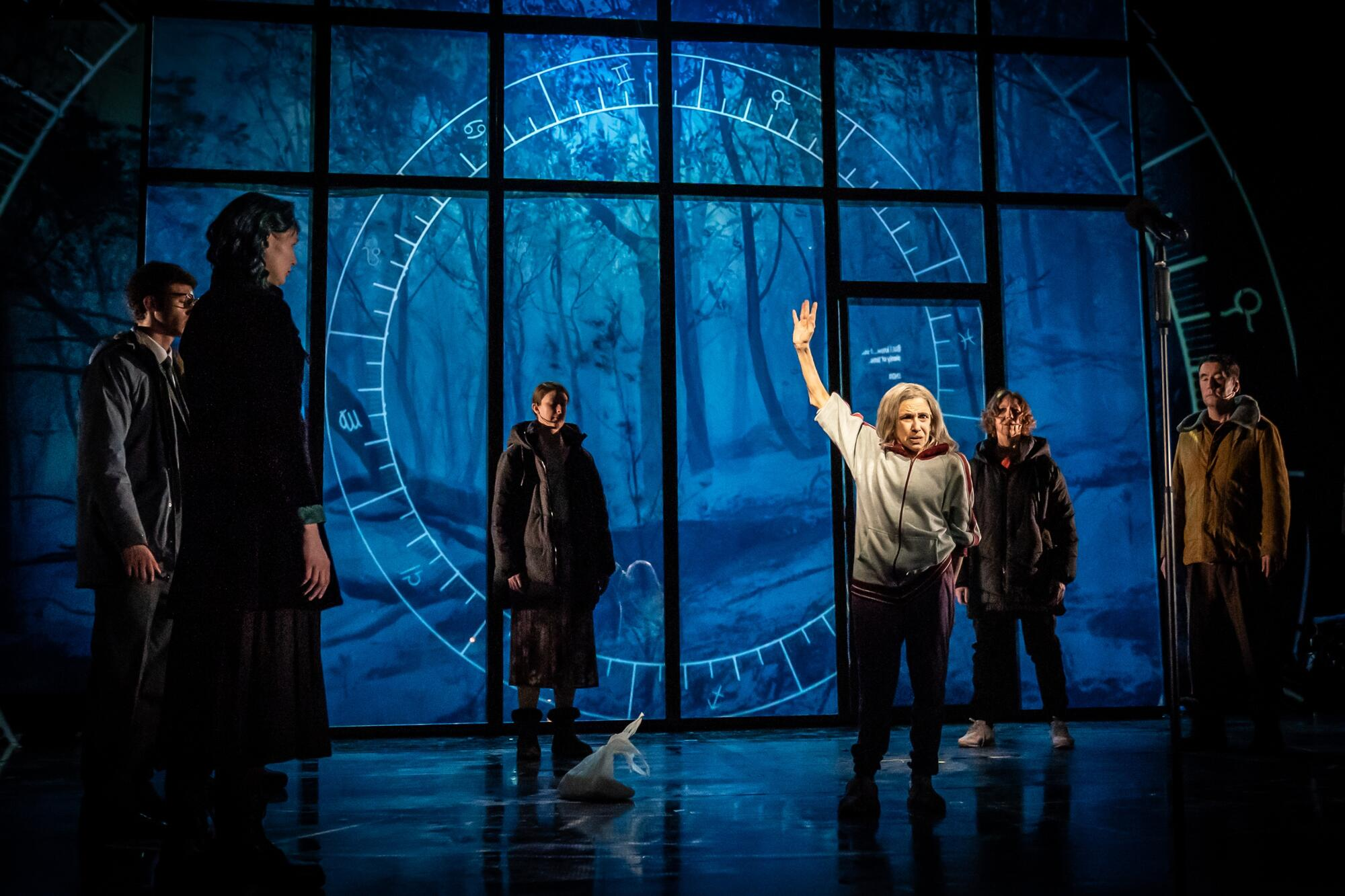
Saw Complicité’s excellent Mnemonic at The National Theatre, 25 years after first seeing it at Riverside Studios. ‘A body is found in the ice, and a woman is looking for her father while a man searches for his lost lover. Mnemonic is as much about origins as it is about memory, and remembering what is lost. Mnemonic asks us: what is our place in the natural world? How have human relationships with the environment shaped patterns of migration? Who are we, and where do we come from? ‘

Visited the delightful mellow brick country home and extensive gardens of pioneering naturalist Gilbert White at Selborne. His book ‘The Natural History of Selborne’ (1789) has never been out of print since it was published more than 230 years ago. He was brought to many people’s attention, including mine, during the pandemic and lockdowns of 2020 when writer Melissa Harrison included his diary readings in her podcast The Stubborn Light of Things.

‘A stone sky rotated above our heads’ – Italo Calvino, Cosmicomics

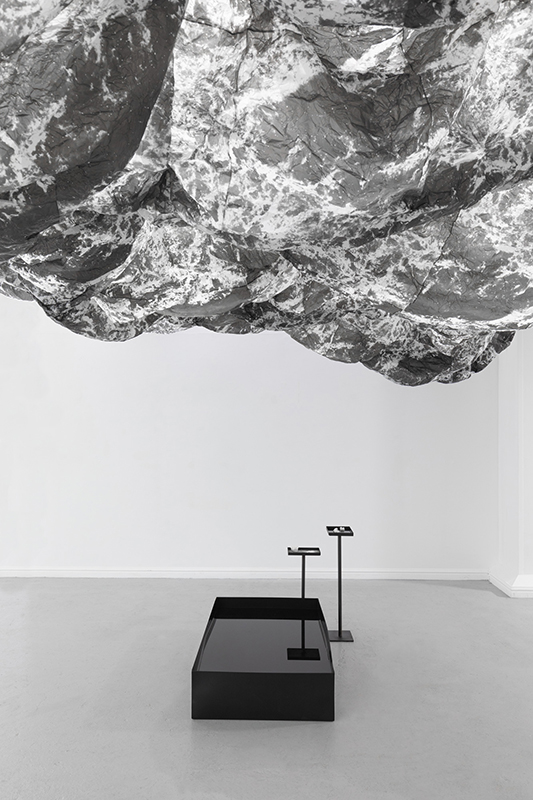
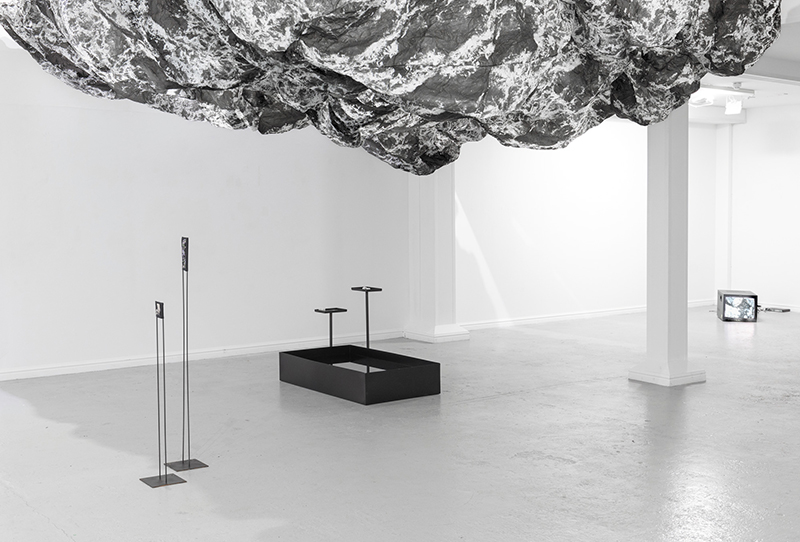
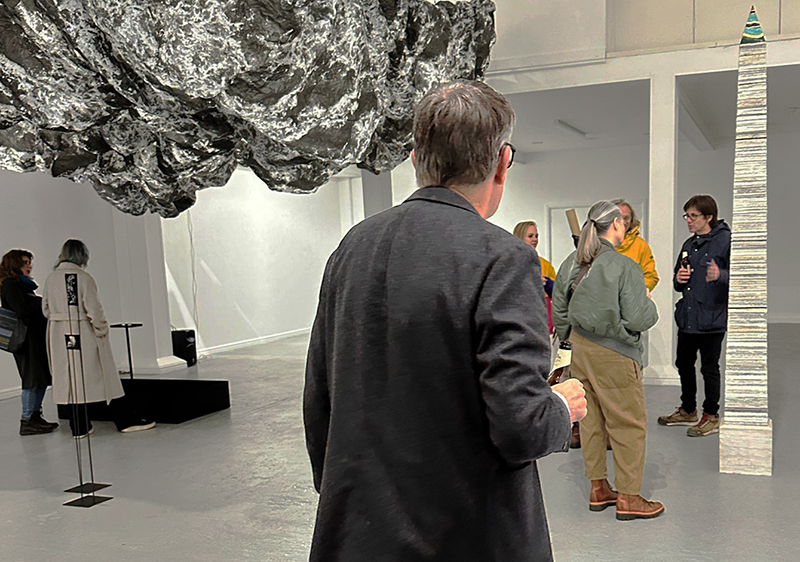
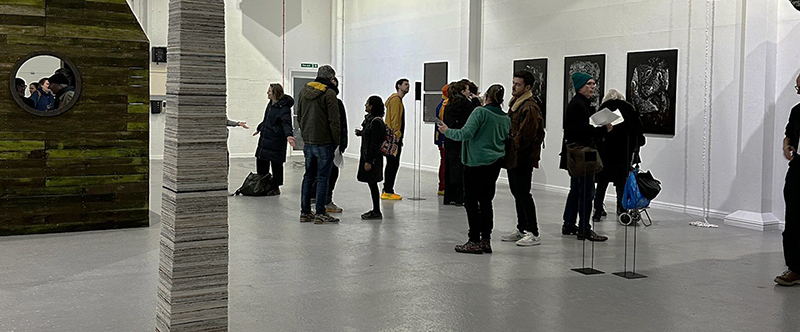
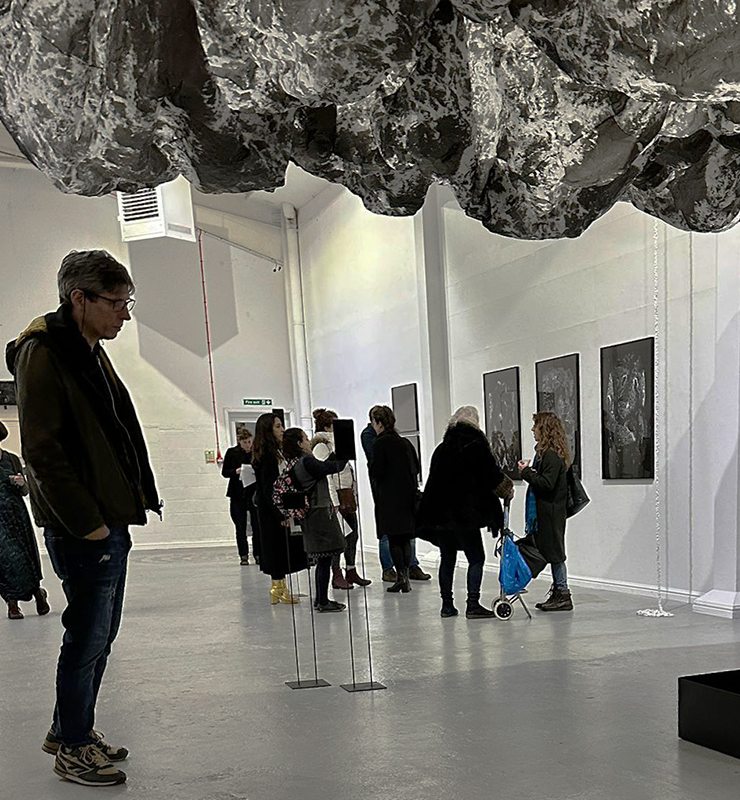
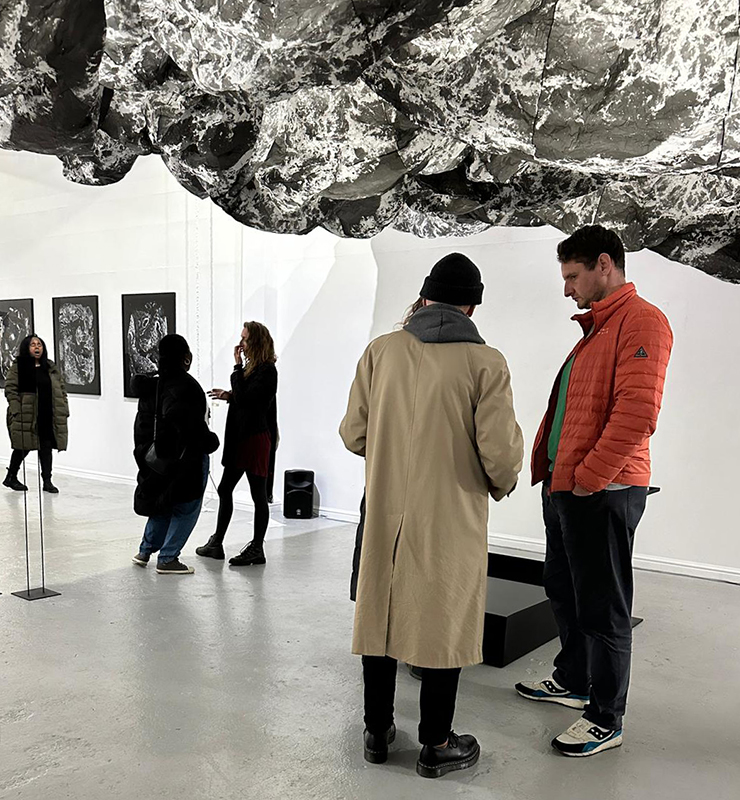
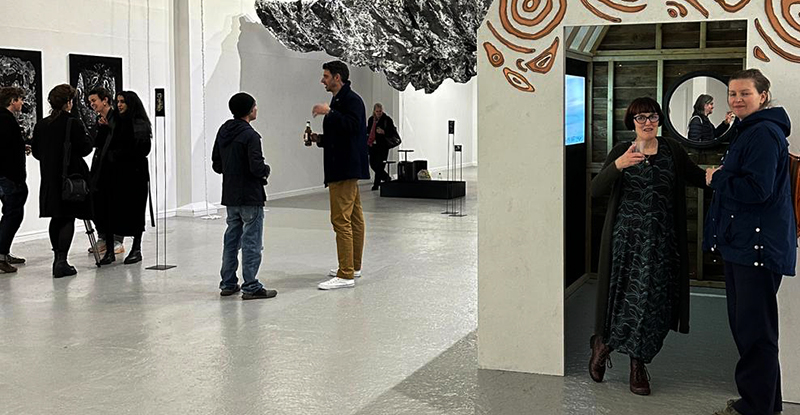
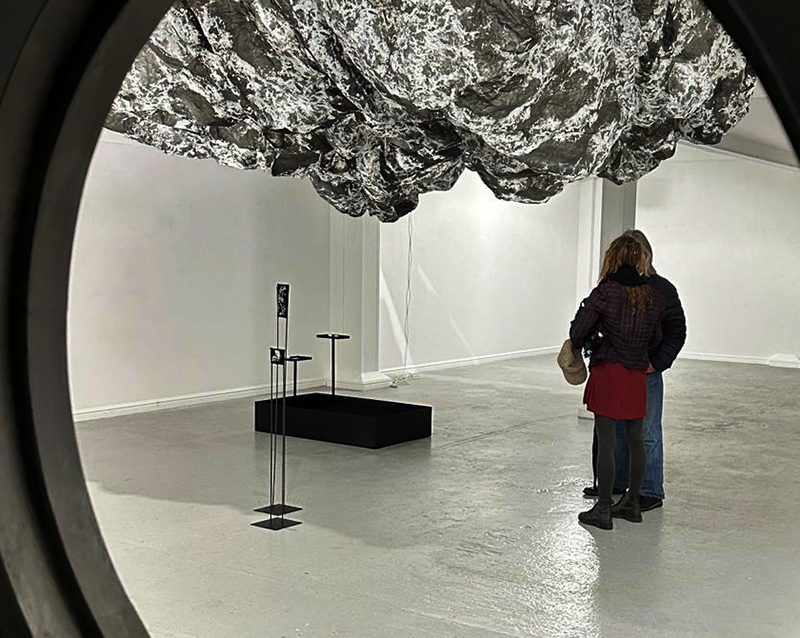
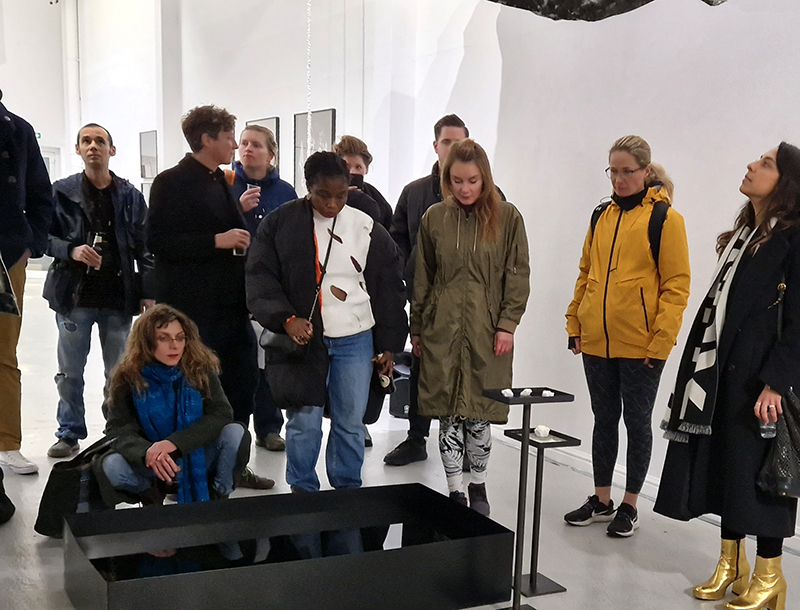
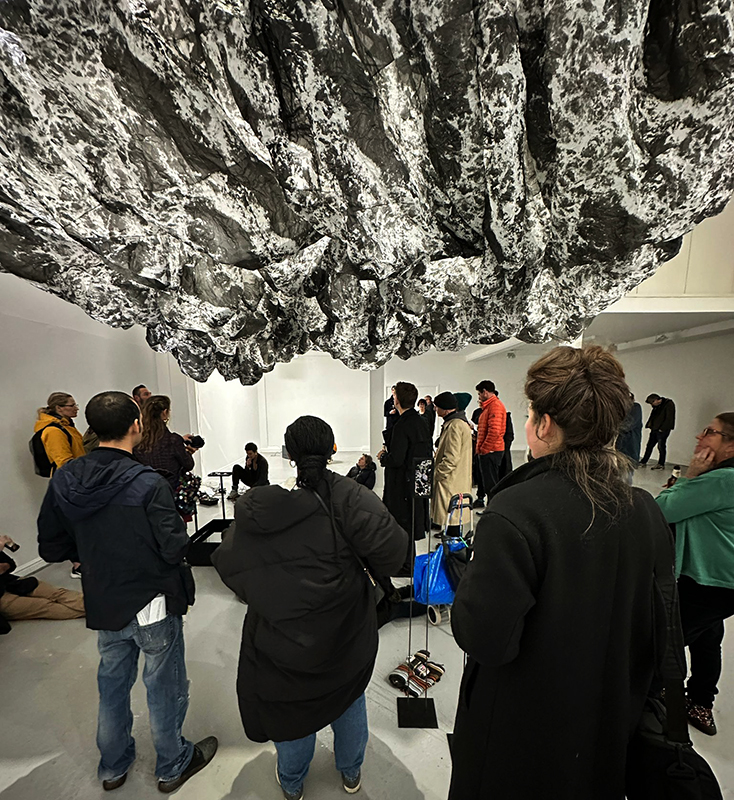
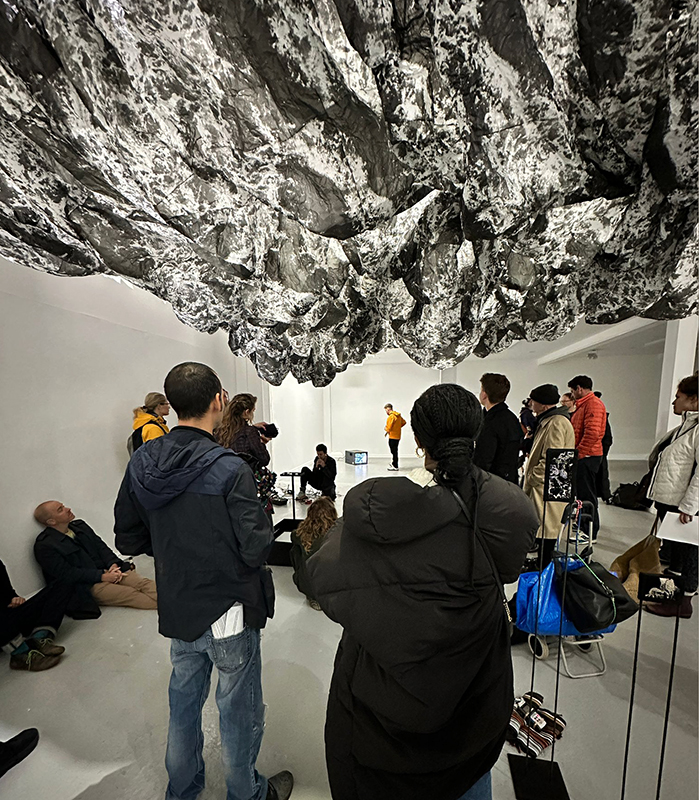
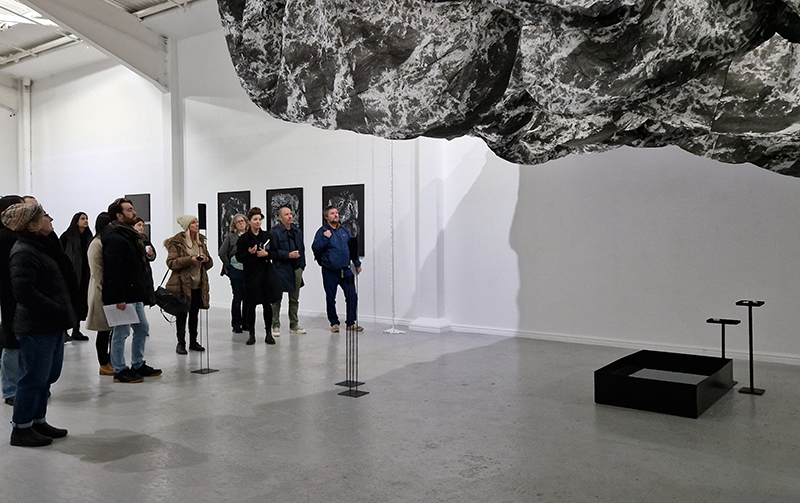
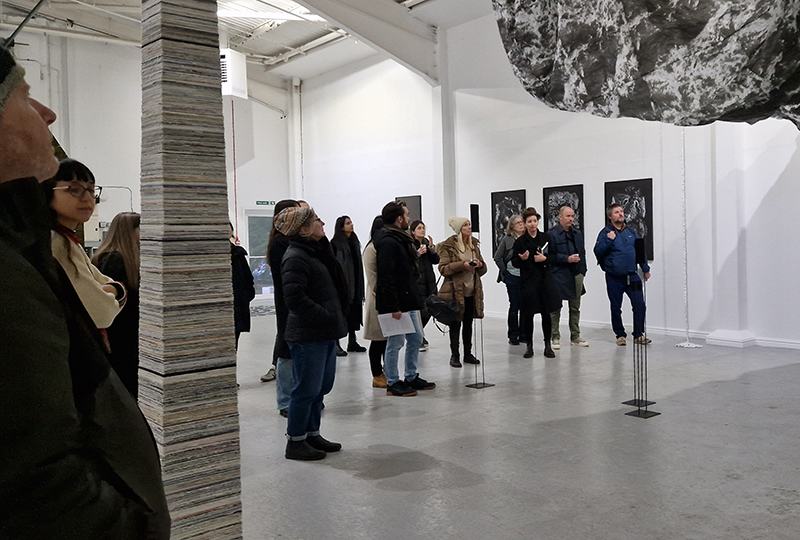
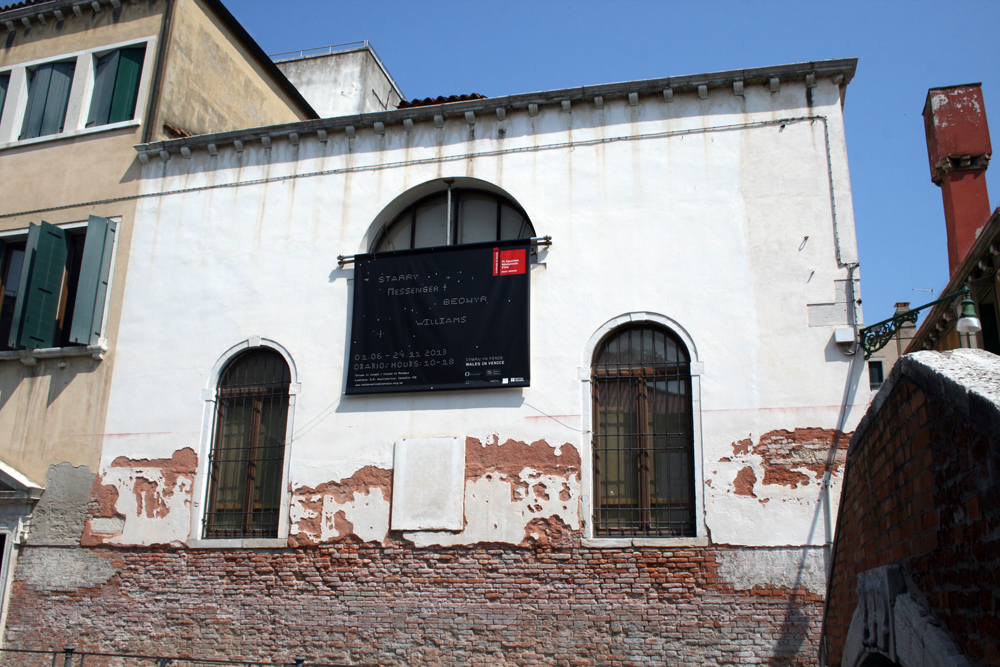
The culmination of two years work – A STONE SKY duo exhibition with Julie F Hill opened at Thames-side Studios GalleryReimagining the idea of an observatory – the exhibition proposes a cavernous realm of real and speculative possibilities that arise from beyond the limits of human perception. Engaging with the extended sensory range offered by technologies such as orbiting space telescopes through to the ability of birds to ‘see’ the Earth’s magnetic field, the artists’ reveal intimate connections between earth and space.

Installation shot by Ben Deakin Photography.

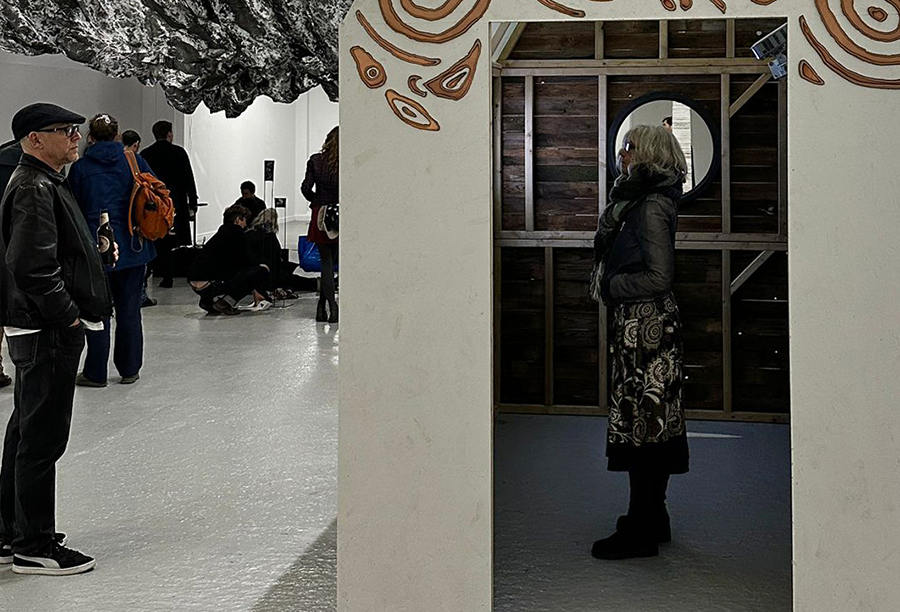
Susan Eyre seeks to navigate a path across time from the first human encounter with the magical qualities of the lodestone to current understanding of the interaction of the magnetic field with terrestrial life. Her works respond to the architecture, instruments and materials, found at a magnetic observatory while scientific objectives are expanded to include natural navigation techniques and extra-sensory methods used by the non-human realm, to form the basis of speculation as to the ability for humans to perceive the Earth’s magnetic field. Installation, sculpture and moving image works include a reimagined observation hut operating as a sensory hub with video screens suggesting portals into a web of neural pathways; an obelisk of layered recycled paper echoing Earth’s geological and magnetic history secreted in sedimentary strata of rock and a digital video work activated in real time by the passage of cosmic rays through a scintillator detector.

Images by Ben Deakin Photography

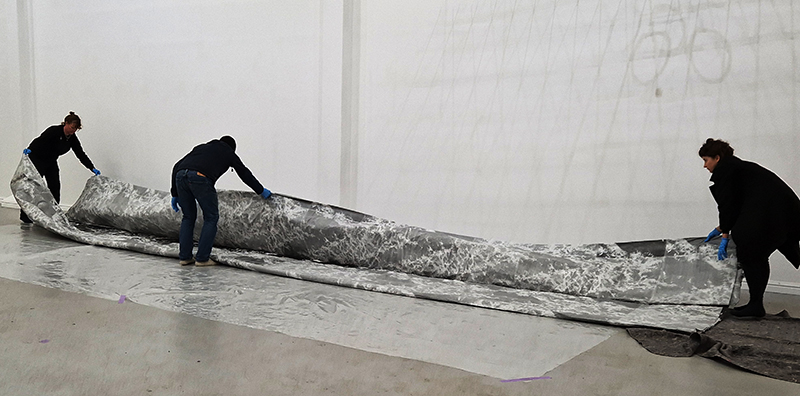
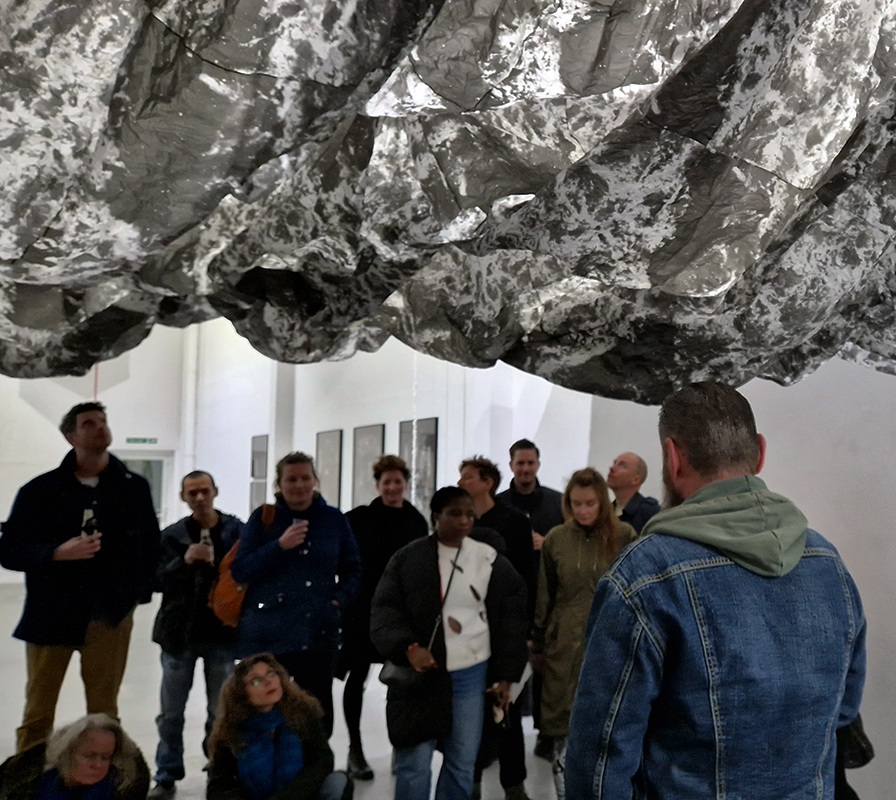
Julie F Hill explores the entwined darknesses of earth and cosmos. Crystalline and mineral substances from the deep earth fuse with astronomical data to suggest the deep-earth as an instrument for coming to know the cosmos. Crystalline and mineral substances formed in the continuum of deep earth and deep space allow us to peer back into cosmic time, both through the technologies created with them and the geological record they hold. Whilst darkness often indicates uncertainty and lack of knowledge, Hill asserts that it’s through darkness when we can be most perceptive to the interconnectedness between earth and cosmos. Through it we are able to extend our kinship with the inorganic and expand consciousness of what constitutes nature. Works include a large-scale sculptural print installation made from James Webb Space Telescope data that is reworked into a cavernous space, providing an experience of intimate immensity alongside more smaller sculptural and photographic works.

Images by Ben Deakin Photography

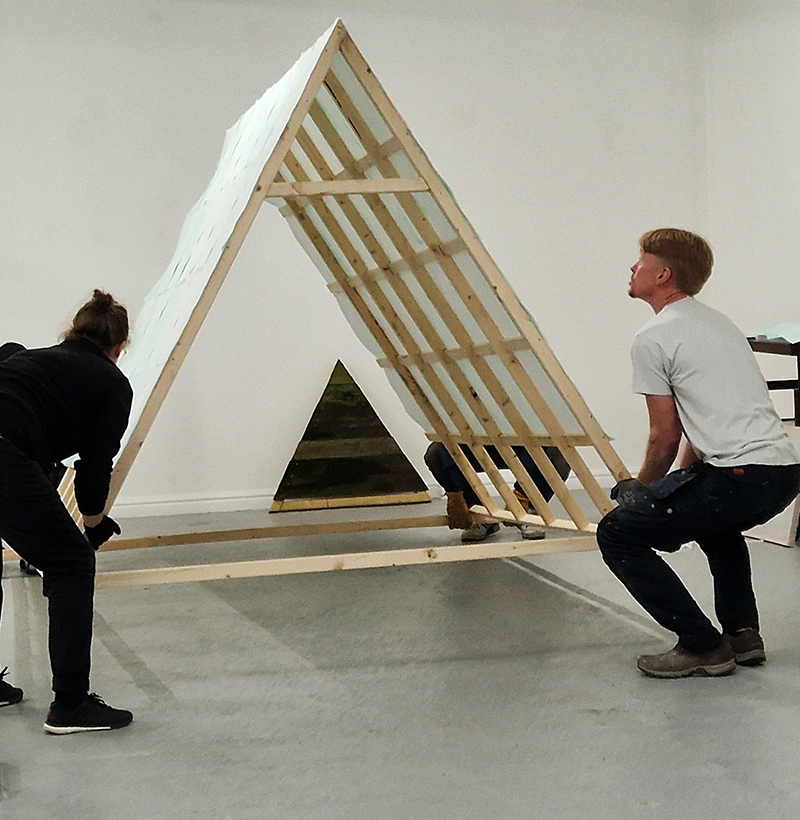
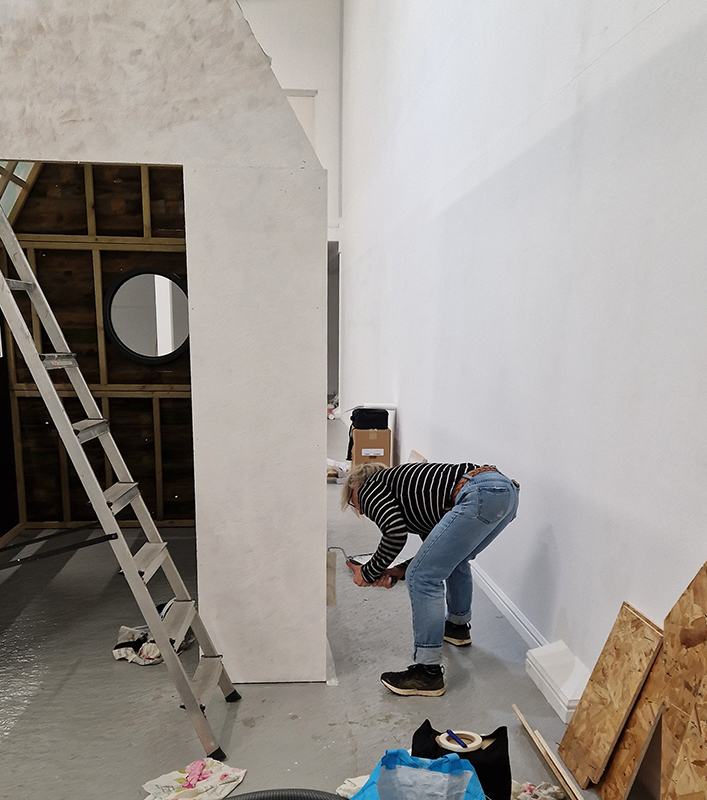
We both had ambitious large scale works to install and were grateful for the help we received from our partners (both Kevins), friends and technicians. Trevor Neale was magnificent in constructing The Absolute Hut. Anne Krinsky patiently helped apply double sided tape to the roof structure ready for the Suminagashi paper tiles and Caroline AreskogJones energetically painted the hut white and neatly edged the two way projection window. I was thrilled that, as a result of a wet few weeks, moss had started to grow on the wooden boards of the north facing wall in time for installation.

A big thank you to everyone that made it to the opening night, we were super chuffed with the positive responses.

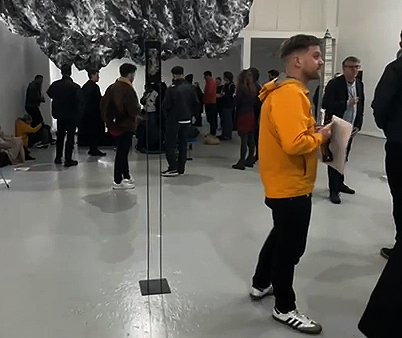
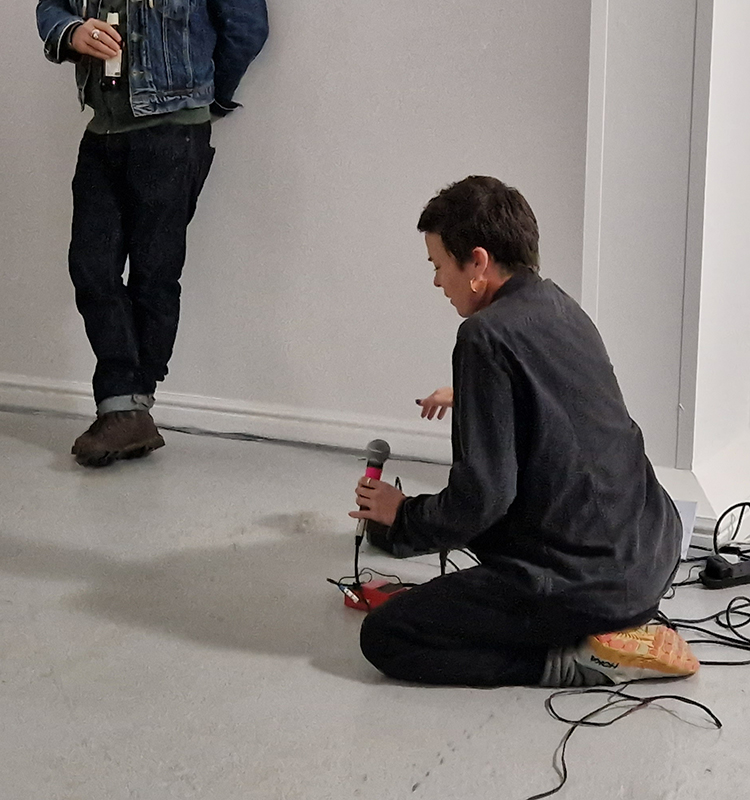
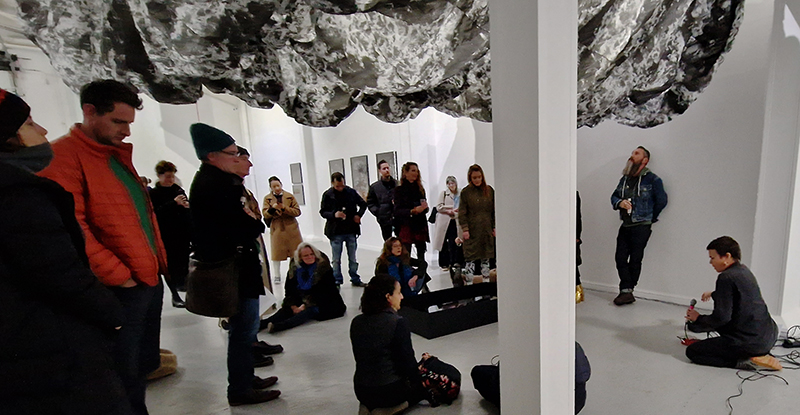
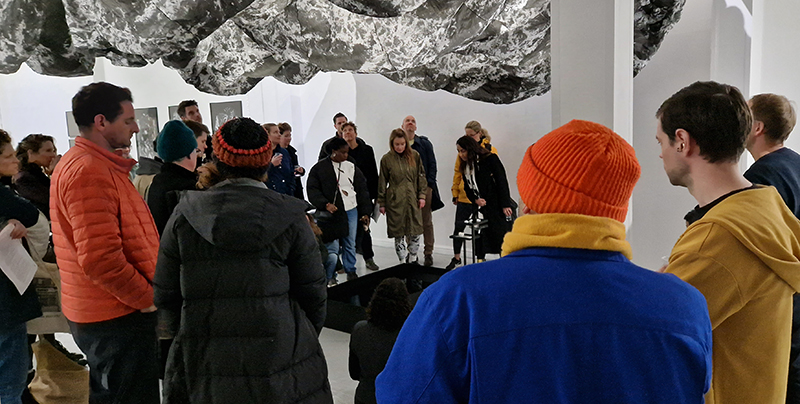
At the private view Julie’s large scale print installation was activated by a vocal performance conjuring abyssal voices of deep, cosmic time, performed and devised with Eleanor Westbrook whose voice produces incredible hauntingly beautiful sound.

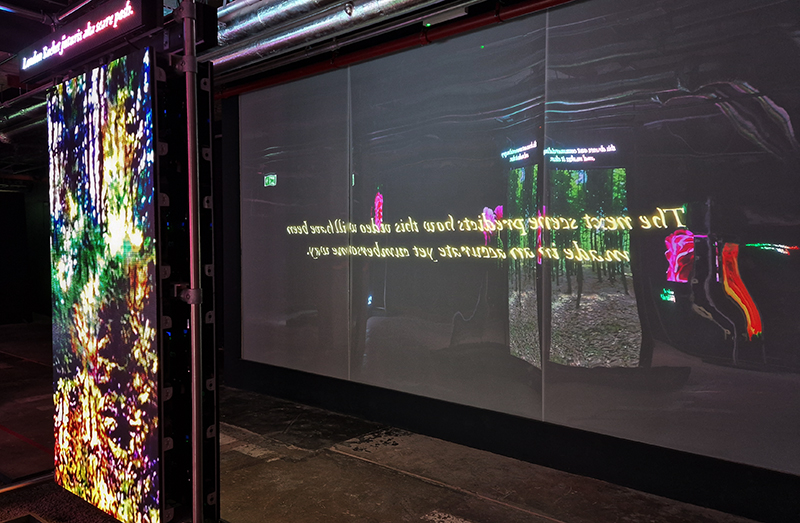
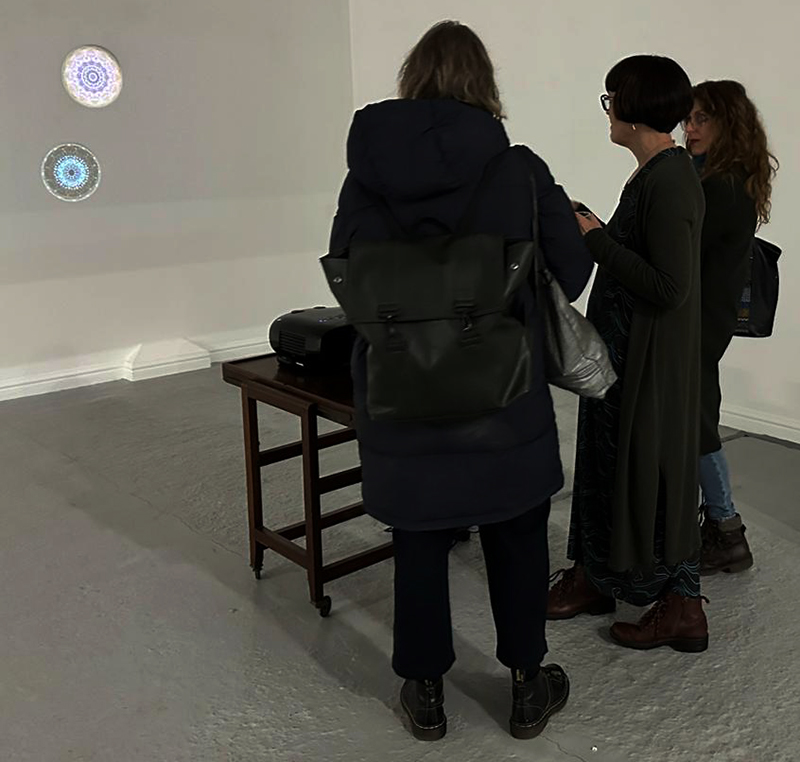
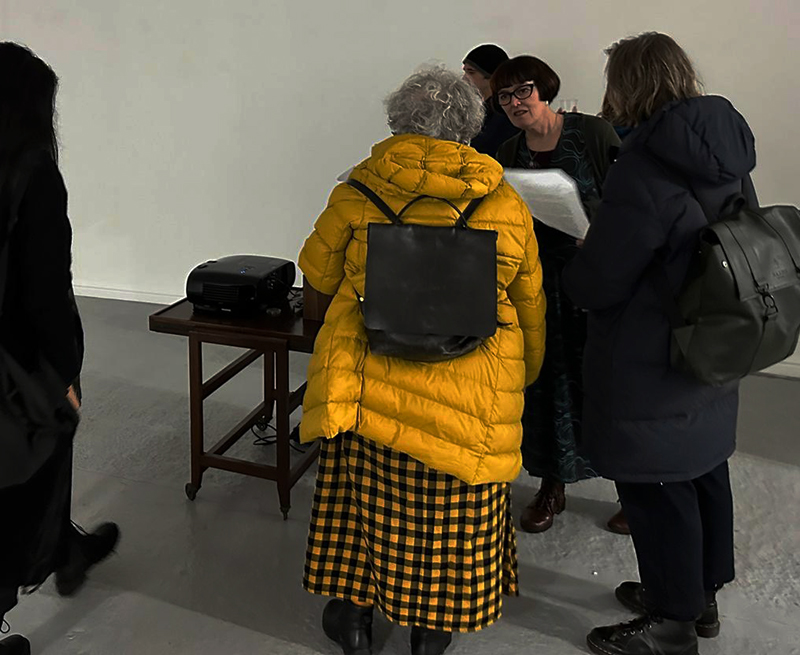
I was particularly excited to share The Breath of Stars, digital video work activated in real time by the passage of cosmic rays through a scintillator detector. After two years in development it was so exciting to watch the random starbursts appear in real time as witness to the unseen activity of cosmic rays passing through the gallery.

The kaleidoscopic video images that appear for every particle recorded by the detector, are created from footage of cosmic ray trails filmed in a cloud chamber.

The interaction of cosmic rays with atmospheric electrical fields influences the unpredictability of the magnetosphere and this random activity can be witnessed by the sudden flurries and silent gaps of the live video imagery.

These subatomic visitors from outer space power across the universe with unimaginable energy, coming from the heart of exploding stars or the depths of black holes; some may come from phenomena yet to be discovered or even from other dimensions. Travelling at close to the speed of light cosmic rays spiral along magnetic field lines, strike the edge of the Earth’s atmosphere, break apart and shower down upon us. Some particles collide and silently interact with atoms and technology on Earth. Most cosmic rays heading for Earth are deflected by the planet’s magnetic field and without this protection life on Earth could not survive this bombardment of radioactive matter. The interaction of cosmic rays and the solar wind with atmospheric electrical fields combines to influence the unpredictability of Earth’s magnetosphere, impacting the functioning of GPS satellite technology and computer processors on which humans have come to rely in daily life.

My research trip to Hartland Magnetic Observatory in North Devon was a catalyst for this body of work centring around a north facing observation hut aligned with an obelisk as a fixed azimuth mark. I am very grateful to The British Geological Survey for allowing me access to the site and particularly to Tom Martyn who shared his knowledge and gave a fascinating tour of the observatory.

The Azimuth Obelisk (of sedimentary knowledge) is a reimagining of an obelisk erected at Hartland Magnetic Observatory in the late 1950’s near the site’s northern boundary. Viewed through the window in the north wall of The Observing Building (also known as the Absolute Hut) it acts as a permanent azimuth mark from which the drift of the magnetic north pole is monitored. Currently almost hidden by undergrowth, the observatory’s concrete azimuth mark has been replaced by a digital GPS position. Much as the Earth’s geological and magnetic history is secreted into the strata of sedimentary rock, this sculpture also expresses the passage of time through the layering of recycled paper prints and drawings whose history becomes embedded within the stacked layers.

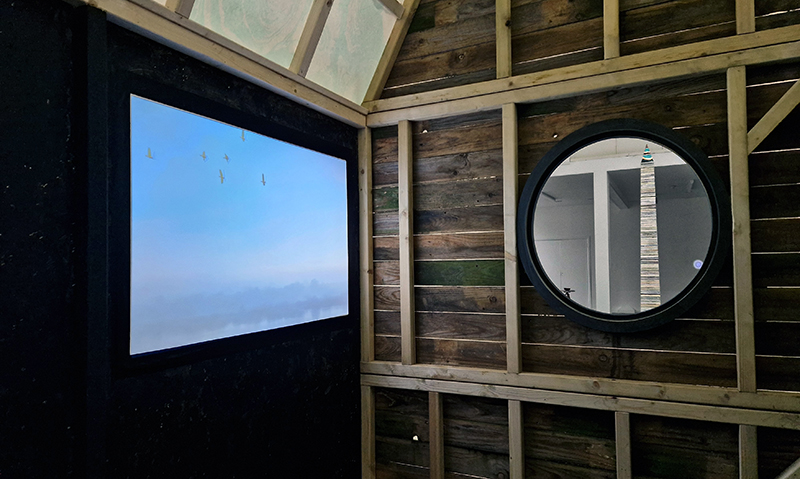
The Absolute Hut (of action potential) operates as a sensory hub with video screens suggesting portals into a web of neural pathways where a range of actions and processes are running concurrently reflecting on the dynamics between the Earth’s geologic structure and navigation using the magnetic field.

The title refers to the way neurons send information electrochemically around the body. The signals they send are called action potentials which is a temporary shift from negative to positive within the cell caused by certain ions entering the cell. Action potentials can be triggered by an interaction with the magnetic field causing a reaction in the body.

The installation is conceived from a combination of features, impressions and functions of the observing building and instruments at Hartland Magnetic Observatory in North Devon and the observation huts built in the 18th century at The Kings Observatory in Kew for meteorological and magnetic observations.

Topological contours of suminagashi marbling and plasma cut copper reflect the fluid motion of the Earth’s molten iron core and the pulsating alpha waves of the human brain when subjected to magnetic fields.

‘the internal skies have their own birds’ Italo Calvino Cosmicomics

The fascinating and perilous journeys made by migrating birds has been a natural wonder for centuries with the first records of this phenomena made more than 3,000 years ago. The innate knowledge of migratory birds is mentioned in Job and Jeremiah and the ancient Greek writers Homer, Hesiod and Aristotle noted their passage.

Job 39:26 Doth the hawk fly by thy wisdom and stretch her wings towards the south?

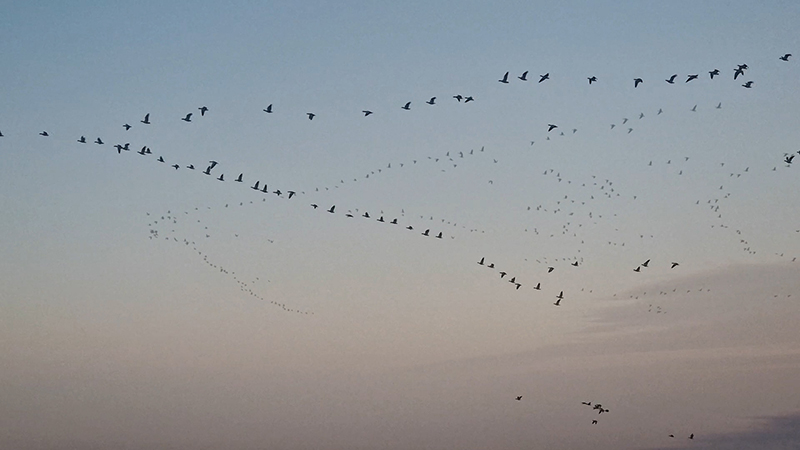
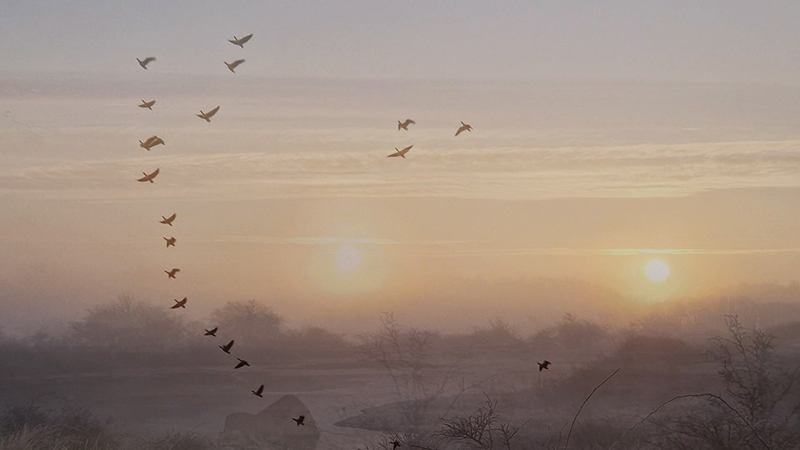
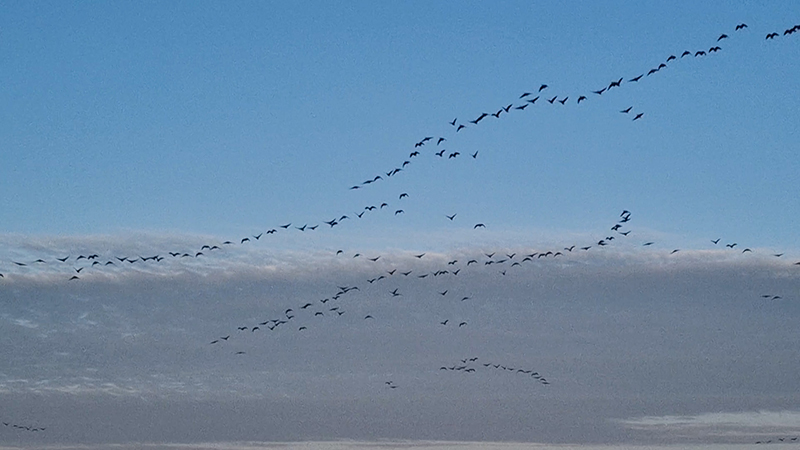
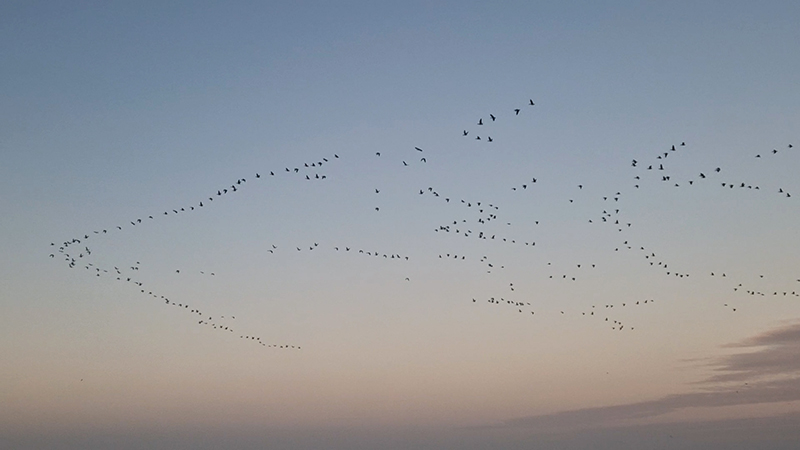
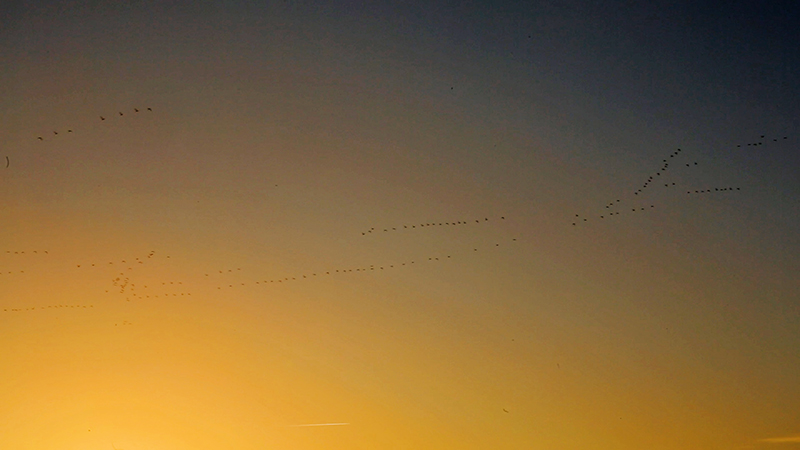
Wintering light two way video projection of migratory pink footed geese filmed at RSPB Snettisham on the North Norfolk coast.

Research has proven that birds and many other animals can use the earth’s magnetic field for navigation. There are two ways this happens. In birds there is a protein in the retina of the eye – (cryptochrome molecules) which trigger action potentials enabling them to visualise the magnetic field. In other animals and magnetotactic bacteria tiny crystals of magnetite respond to the field. This may also be true of humans as we do have these crystals in our brain cells.

Birds use three different compasses to navigate across the globe; the sun, the stars and the magnetic field.

Birds are also able to detect rapid movement such as individual flashes or flickering of a fluorescent light which humans see as a continuous light. Hawks which pursue other birds through dense forests at high speeds, follow the movement of their prey while avoiding branches and other obstacles. To humans travelling at this speed, the fleeing prey, branches and obstacles would just be a blur.

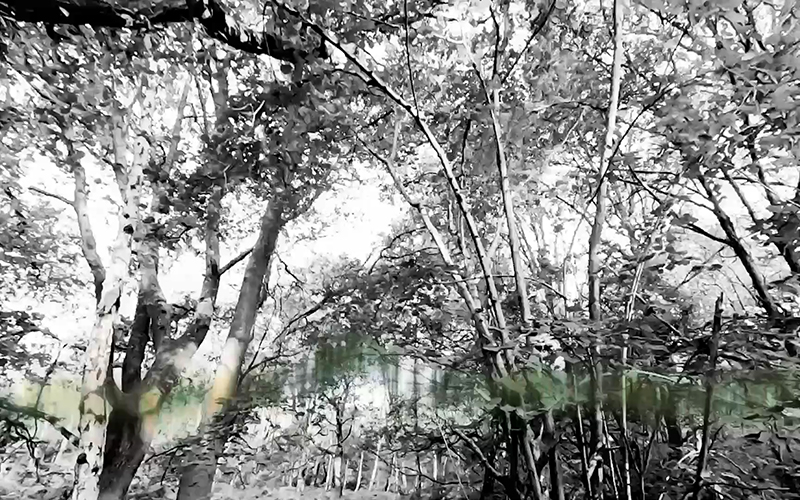
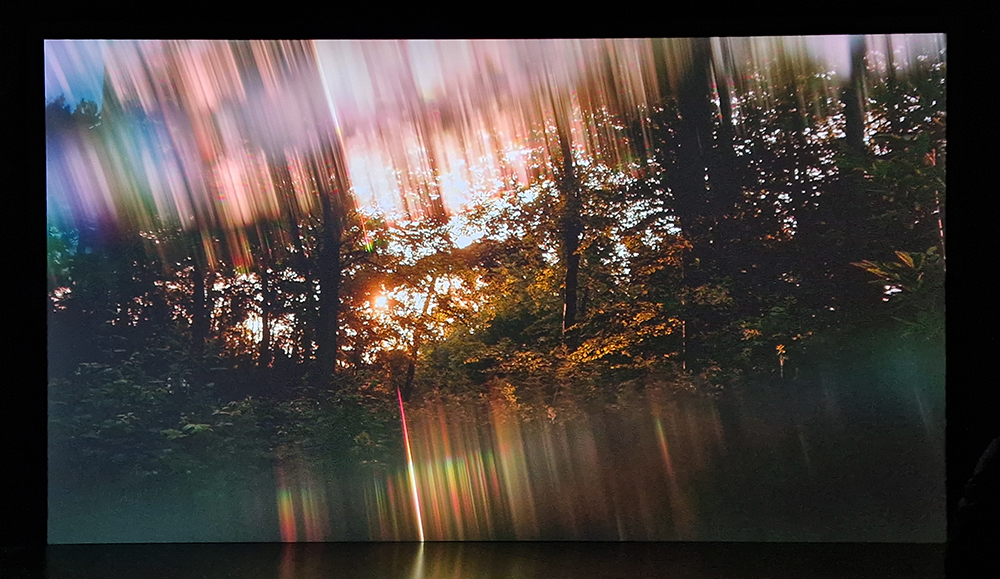
Degrees of Variation considers what it might be like to have the sensory powers of a bird where a protein in the eye is excited by polarised light making it possible to see the magnetic field and follow a visual navigatory cue in an accelerated world. The video imagines flight over water and through woods while being guided by the force of a magnetic field.

Calvino’s story The Stone Sky is wonderfully descriptive of the volatile geological structure of the Earth. This fluidity is what makes life on Earth possible. Only planets with fluid cores have magnetic fields. The geological interior generates a field that reaches into outer space offering a protective shield.

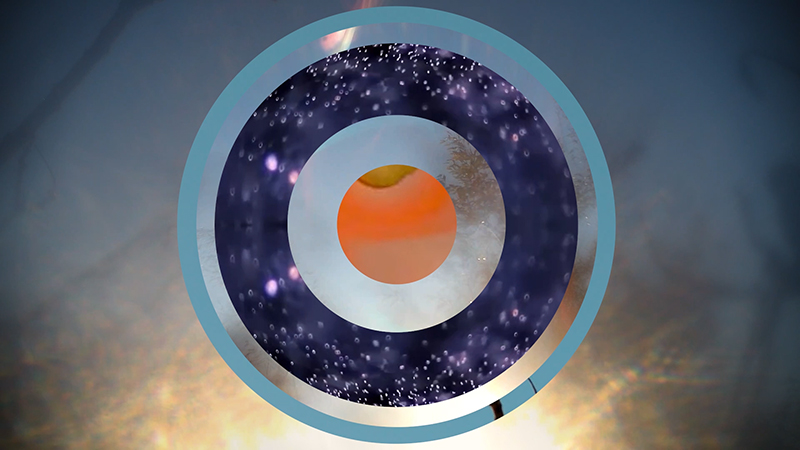
internal skies : external spheres video sequences within concentric circles mimic the geological structure of the Earth to explore the relationship between Earth’s magnetic field and various methods of navigation including via magnetoreception and celestial observation. Sequences include star trails around Polaris (the current north star), birds and bees that use the magnetic field for navigation, magnetotactic bacteria, magnetised iron filings, aerial views of the coastline around Hartland and early morning polarised light which excites the cryptochrome protein in a birds eye.

The Earth’s geomagnetic field is created by a combination of three separate fields and timescales. The main field is generated in the earth’s molten iron core.  Observing the field gives clues to the planet’s deep interior which is inaccessible to direct observations. Changes are measured in the annual drifting of magnetic poles. Secondly electrical currents caused by solar weather and cosmic rays bouncing off the Earth’s main  field charge the surrounding ionosphere causing fluctuations in the field. This field changes by the micro second as we orbit the sun. The Earth’s magnetic field also acts as a shield against most potentially harmful charged particles from outer space. Finally the residual magnetisation of the geology of the rocky mantle and crust, measured in deep geological time also offers clues to the geological history of Earth.

The understanding of the world surrounding us forms in the darkness of our skulls. 

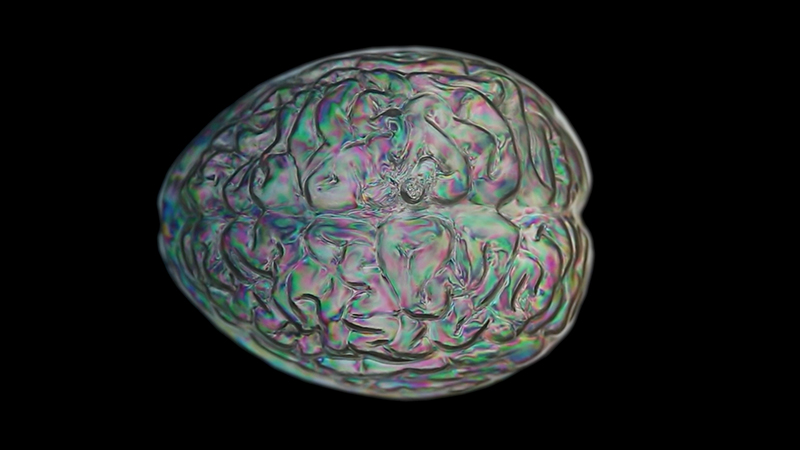
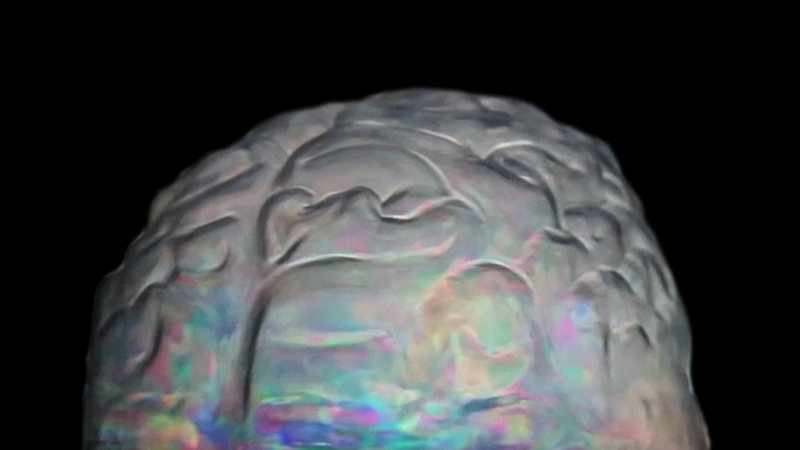
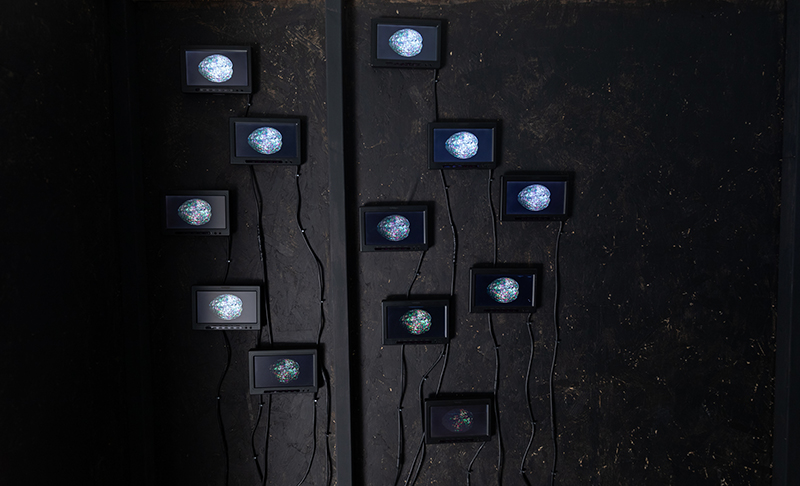
interference – a panel of 12 small video screens inside The Absolute Hut (of action potential), showing images of the human brain filmed by using polarizing filters to create pulsating birefringence colours, relate to the narrative pinned to the outside of the hut.

The narrative is a mix of fact and fiction based on a real experiment carried out at Caltech where scientists found Alpha waves in the human brain do respond to Earth’s magnetic field and other research suggesting that it could be possible for the magnetic field in one animal’s brain to transmit information to another animal’s brain by triggering action potentials creating the same thoughts and emotions.

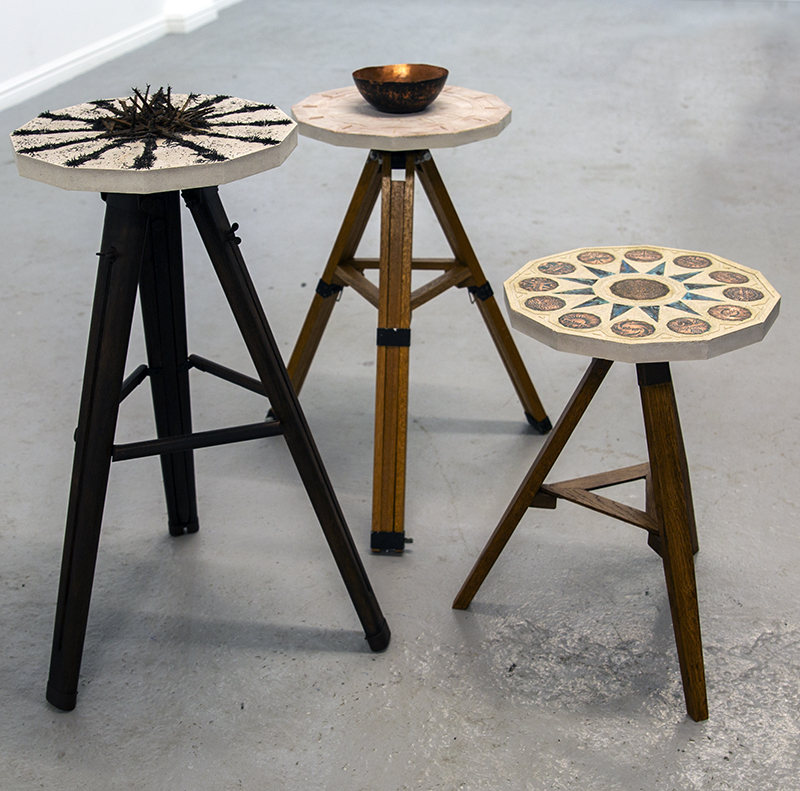
Instruments of the Anemoi are a set of dodecagon tablets cast in Snowcrete, a non-magnetic cement, as used in a magnetic observatory. Suggestive of the pedestals that support various instruments used in monitoring the Earths’ magnetic field they also respond to an ancient anemoscope “table of the winds” carved in marble around eighteen hundred years ago and inscribed with the Greek and Latin names of classical winds on each of its twelve sides. Envisaged here as speculative objects, instruments and schematics wrought by the wind gods, the first emissaries of navigation and orientation.

One tablet holds a copper bowl with a ‘silver fish’ floating in water. The shape of the ‘silver fish’ is based on the oval shaped compass needle (illustrated in Breve Compendio de la Sphera de la arte Navegar by Martin Cortes 1551)  and refers back to wafer thin fish shaped iron leaves used by 11th century Chinese geomancers.

Nails and iron filings on the second tablet reveal an embedded magnetic field recalling a legend that the discovery of the lodestone was made by a Greek shepherd who noticed the nails in his boots were attracted to the rock (magnetite) beneath his feet.

The third tablet is embedded with copper etched with images and names based on associations and attributes of the twelve Greek wind gods set in a traditional compass rose.

Domain of the Devil Valley Master uses industrial directional magnetic steel, sanded and etched to reveal the Goss texture of rolled iron silicon alloy crystals. The jigsaw pattern of magnetic domains give this material exceptional magnetic properties. The simple evocation of a spiral described in geologically informed polygons draws upon many references, from the shape of our own Milky Way Galaxy sculpted by vast cosmological magnetic fields and the spiralling molten dynamo generating Earth’s magnetic field, to the inner pathway of spiritual growth and the route to the symbolic omphalos (navel) at the centre of the world where the sky entrance and the underworld meet. The title of this work originates from an ancient Chinese manual on the skills of persuasion, The Book of the Devil Valley Master, containing the first known mention of a compass, known at the time as a south-pointer.
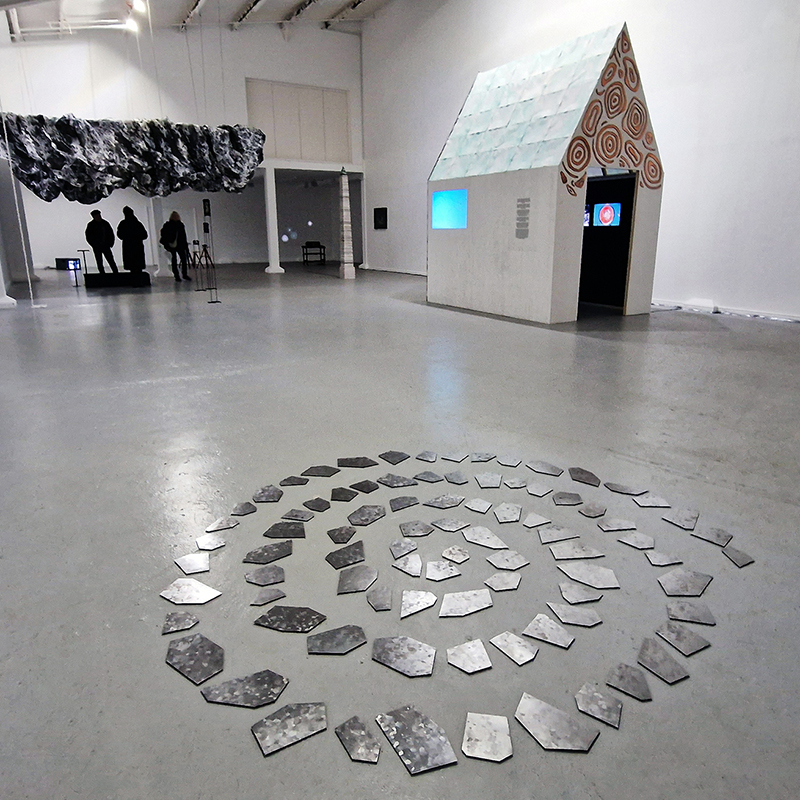
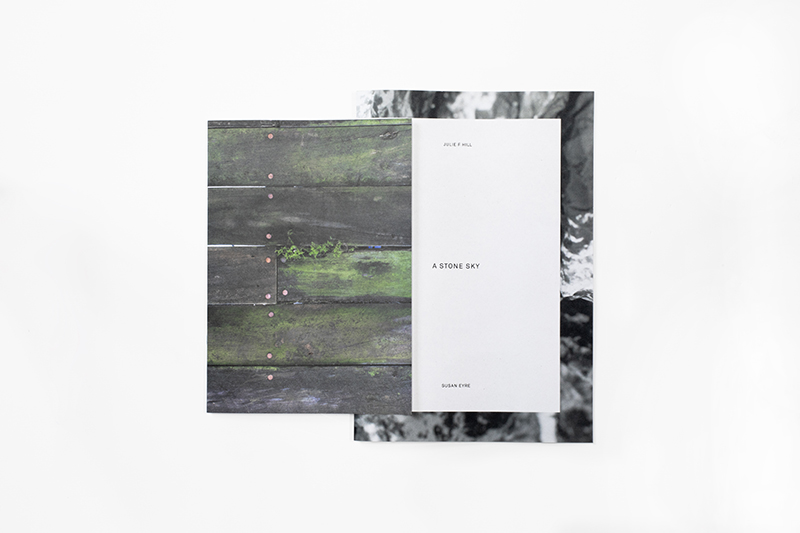
The exhibition closed with an afternoon event launching our publication which includes the essay Dark Nights and Signs of Unseen Things by Anjana Janardhan. There was also a live cloud chamber demonstration of mesmerising cosmic ray trails, artist tours and informal readings.
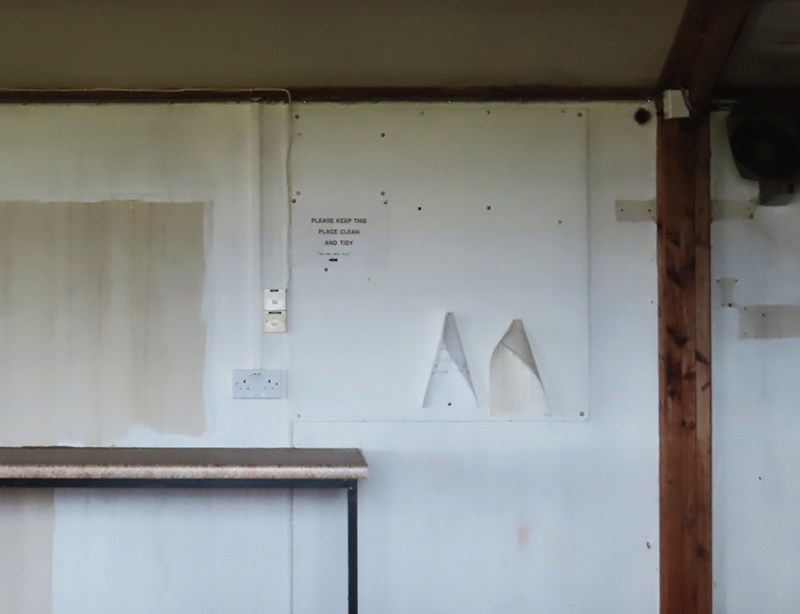
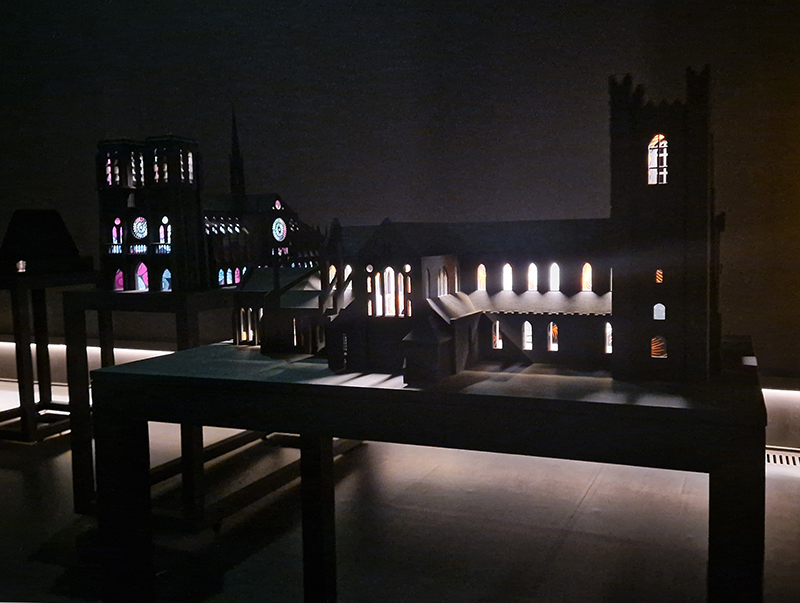
Publication available – DM via blog comments box for more details or visit Julie’s shop

 “How do you calculate upon the unforeseen? It seems to be an art of recognizing the role of the unforeseen, of keeping your balance amid surprises, of collaborating with chance, of recognizing that there are some essential mysteries in the world and thereby a limit to calculation, to plan, to control.”  Rebecca Solnit, A Field Guide to Getting Lost

At Hartland Magnetic Observatory and other magnetic observatories around the world solar activity is examined daily and forecasts are given if this is likely to have any geomagnetic effect on Earth. The main geomagnetic field is also constantly changing due to convection flows and waves in the Earth’s core. As this change cannot be predicted, uncertainty slowly increases over time.

Most of my work at the moment is towards the exhibition A Stone Sky, with Julie F. Hill at Thames-side Studios Gallery later in the year. Very excited to be working alongside Julie and to have space to be ambitious in scale.

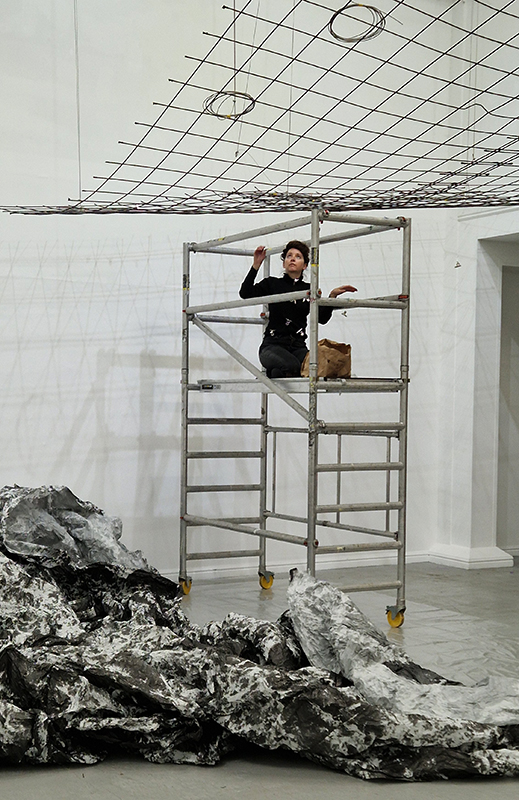
The Absolute Hut installation, reimagining the magnetic observatory room, will be a combination of planning to build the structure and unpredictability through processes used for the surfaces. Measuring for the north facing wall to be built in sections for easier transportation. Testing scale and coverage of field contour shapes cut in copper with a plasma gun.

I am hoping the north wall structure can be made up soon and the boards attached. I will then keep it outside facing north until the exhibition in an attempt to grow some moss on its surface. I have only had some very small success so far growing moss, despite trying a new culture recipe and being very diligent misting every morning and evening.

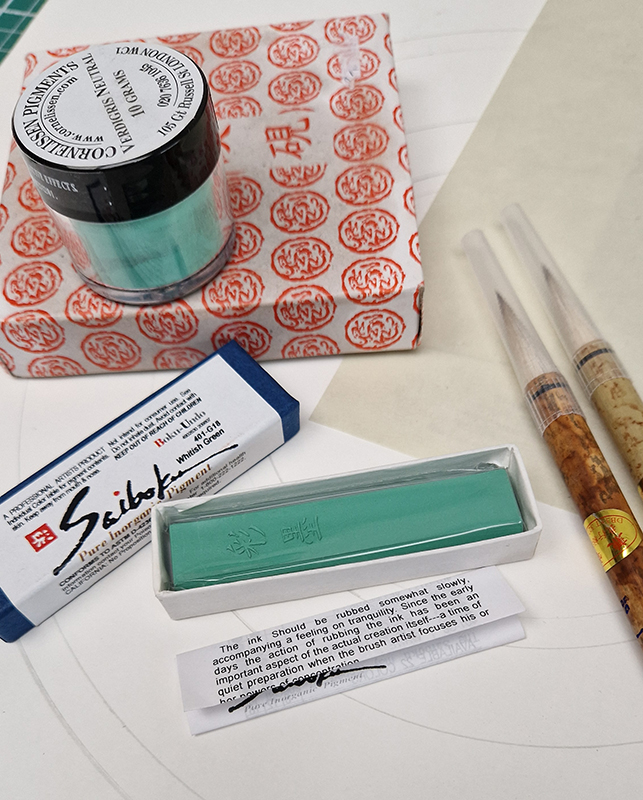
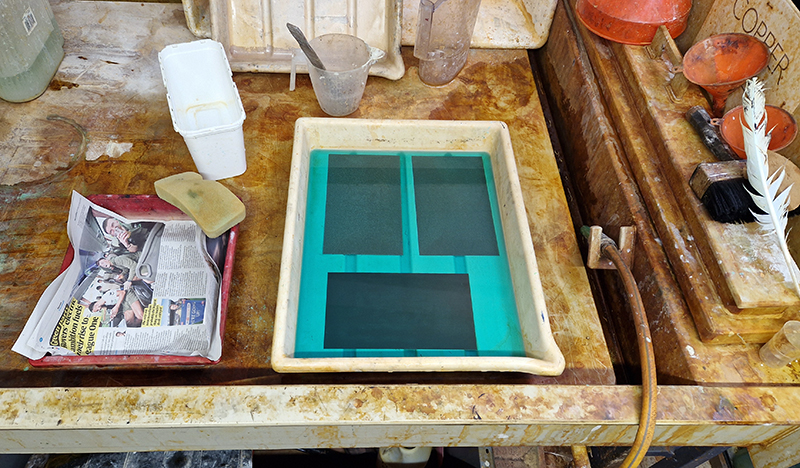
The topological contours of suminagashi marbling, which also echo fluid magnetic field lines, have inspired me to experiment with this idea for The Absolute Hut roofing. I have bought a sumi ink stick in whiteish green, an ink grinding stone and some verdigris pigment from Cornelissen in preparation to try this idea out. In this process the magnetic field lines appear embedded into the fabric of the hut that monitors (senses) the emanations from the Earth’s core.

Through the north facing window of The Absolute Hut, The Azimuth Obelisk (Obelisk of sedimentary knowledge) will be viewed. The sculpture is formed by tearing, drilling and layering sheets of paper. As sedimentary rocks build over time, so the obelisk has a lot of time invested in its making and conceals the history of past events in the hidden layers of the recycled prints and drawings.

I am still working on etching the Directional Magnetic Steel pieces. It can be a frustrating process as some batches work well and some do not etch well at all but come out dull and patchy and I’m not sure why. My idea was to use these pieces to draw a line across the gallery floor signifying the westward drift of the magnetic field from geographical north but now I am thinking more about mapping out a spiral shape in shaped pieces to echo the rotation of the Earth’s molten core.

All information about the Earth’s core has come from studying seismic data, analysis of meteorites, lab experiments with temperature and pressure, and computer modelling. Seismometers convert vibrations due to seismic waves into electrical signals. The velocity and frequency of seismic waves changes with pressure, temperature, and rock composition. The discovery that Earth has a liquid layer beneath the crust and a solid inner core has come from detailed analysis of the different types of waves that pass through the body of the Earth. Looking at the composition of meteorites, fragments of asteroids, formed about the same time, and from about the same material, as Earth provides clues to what minerals the core might contain. Diamond anvil cells are instruments used to recreate the pressure existing deep inside the planet by squeezing materials between two diamonds surfaces. A combination of this data is used to in complex computer modelling programs resulting in detailed animations of the geodynamo, a process powered by the convection of heat in the outer core along with the rotation of the planet.

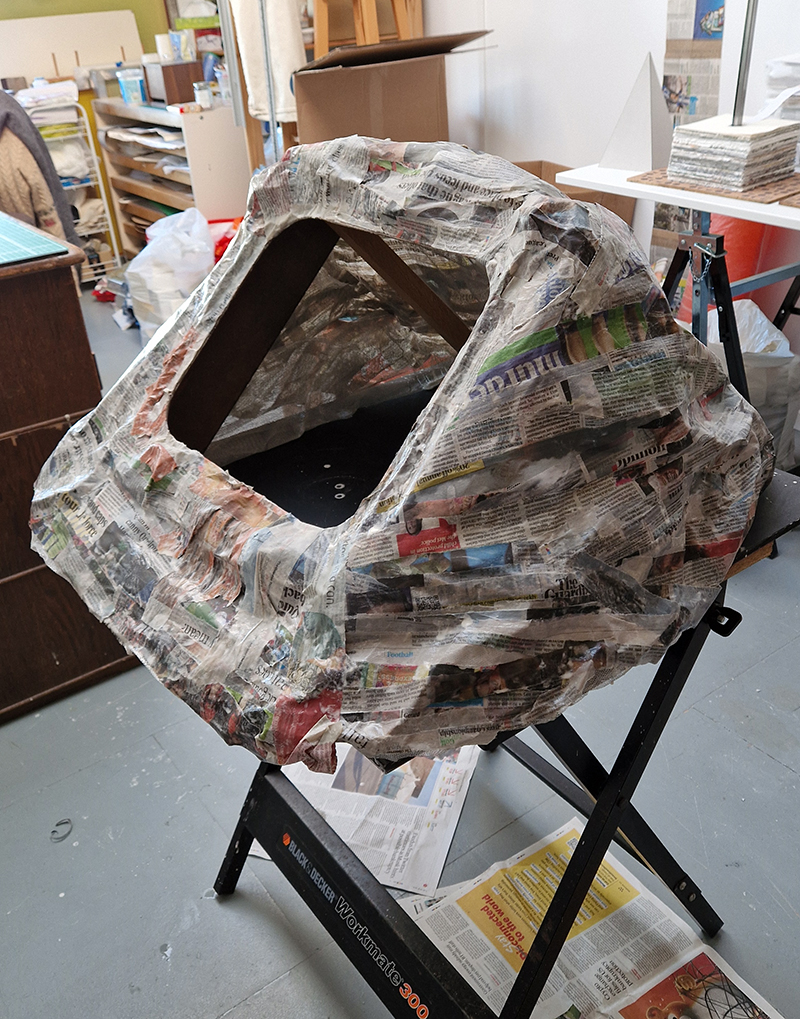
Also a few more layers of papier mâché have been applied to the sculpture that will house a screen with video for the work Belly of a Rock.

Other work in the research stage looks at the first use of a magnetic compass, the cardinal points of navigation and the compass predecessor the wind rose.

In classical antiquity, a time stretching from Homer to the early middle ages, geographic orientation usually referred to landmarks or astral phenomena to determine direction. Eos meaning dawn, and Hesperus, evening were named for sunrise and sunset with north (arctos) being marked by the constellation Ursa Major and later the Pole Star. The winds also became associated with direction, and named in accordance with their qualities such as hot and humid or cold and dry. In Greek mythology Astraeus, the god of dusk, and Eos, the goddess of dawn, gave birth to many sons of the twilight including the Anemoi, the four gods of the winds, each ascribed a cardinal direction. Boreas being the god of the cold north wind,  Notus the god of the hot south wind, Eurus from the east and gentle Zephyrus from the west.

The number of points on a wind rose began with the four cardinal points which were added to and refined over time. The winds were often given names that referred to a particular locality from where they seem to blow, so different places came up with various local names. Aristotle designed an asymmetrical 10 point wind rose which was later refigured by Timosthenes who is credited with inventing the system of twelve winds and using this more for navigation than for “the study of things high in the air.

Classical wind roses were eventually replaced by the modern compass rose during the middle ages.

The “Vatican table” is a marble Roman anemoscope dating from the 2nd or 3rd Century CE, held by the Vatican Museums. Usually an anemoscope would be topped with a weather vane. Divided into twelve equal sides, each one is inscribed with the names of the classical winds, both in Greek and in Latin. 

At a quantum scale, all matter is underpinned by uncertainty. My fascination with particle physics began from simply wondering what everything was made of when you looked really closely. I looked up ‘fundamental building blocks of the universe’ and was blown away by this mysterious other world, so far away in terms of scale I can comprehend, yet a part of me and everything I interact with.

Quanta is a discrete unit that cannot be divided. Quantum physics is the study of energy and matter at the most fundamental level. The chemical reactions in a birds eye that allow it to ‘see’ Earth’s magnetic field involves the quantum entanglement of radical pairs of electrons. These electrons are excited by light, particularly the blue of twilight.

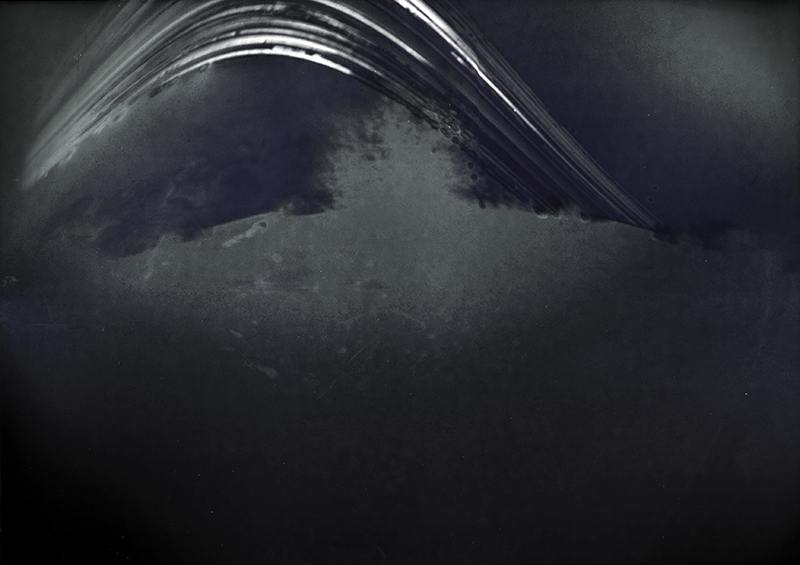
Photography was the first available demonstration that light could indeed exert an action sufficient to cause changes in material bodies. William Henry Fox Talbot 

The subject of the photograph (the sun) has transcended the idea that a photograph is simple a representation of reality,  and has physically come through the lens and put it’s hand onto the final piece. Sunburn Chris McCaw

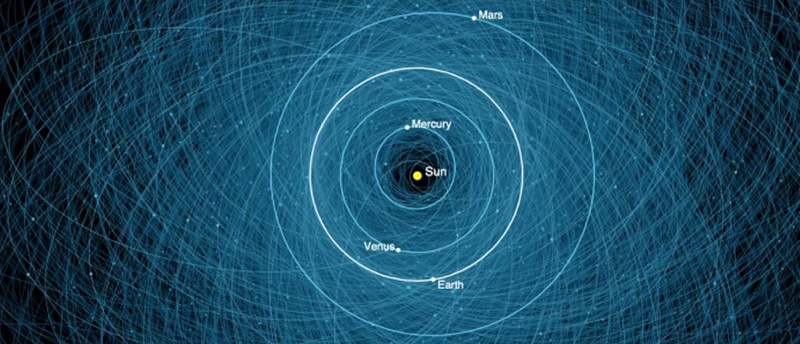
This month NASA announced a new planetary defence strategy to protect Earth from an asteroid impact. NASA’s Double Asteroid Redirection Test (DART) on 11th October 2022, changed the orbit of the Dimorphos Asteroid in the first full-scale demonstration of asteroid deflection technology.

This marks humanity’s first time purposely changing the motion of a celestial object.

“An asteroid impact with Earth has potential for catastrophic devastation, and it is also the only natural disaster humanity now has sufficient technology to completely prevent,” Lindley Johnson, NASA’s planetary defense officer. First any potential collision objects must be identified. This will be the job of the Near Earth Object Surveyor, along with ground-based optical telescope capabilities, to find the still undiscovered population of asteroids and comets that could impact our planet.

A magnetometer is being sent on an eight year journey to Jupiter. It was launched this month from Europe’s Spaceport in French Guiana.

ESA’s Jupiter Icy Moons Explorer (Juice) has magnetic and electric field sensors on the end of the magnetometer boom. The boom is folded in three parts and packed against the side of the spacecraft for launch. Once unfolded in space, the sensors will extend clear of the main body of the spacecraft, allowing very accurate measurements without magnetic interference from the spacecraft itself.

The boom’s instruments will measure Jupiter’s magnetic field, its interaction with the internal magnetic field of Ganymede, and will help study the subsurface oceans of the icy moons.

Ganymede is the only moon in the solar system known to have its own magnetic field. The magnetic field causes auroras, which are ribbons of glowing, hot, electrified gas, in regions circling the north and south poles of the moon. Because Ganymede is close to Jupiter, its magnetic field is embedded in, or lies within, Jupiter’s magnetic field.

The discovery of the moons orbiting Jupiter by Galileo Galilei in 1610 was the first time a moon was discovered orbiting a planet other than Earth. The discovery eventually led to the understanding that planets in our solar system orbit the Sun, instead of our solar system revolving around Earth.

Gallery Visits

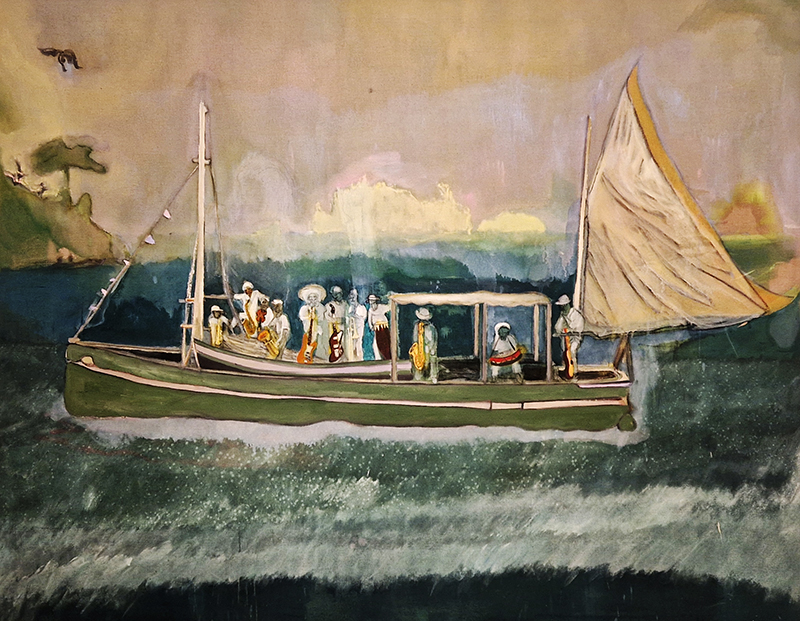
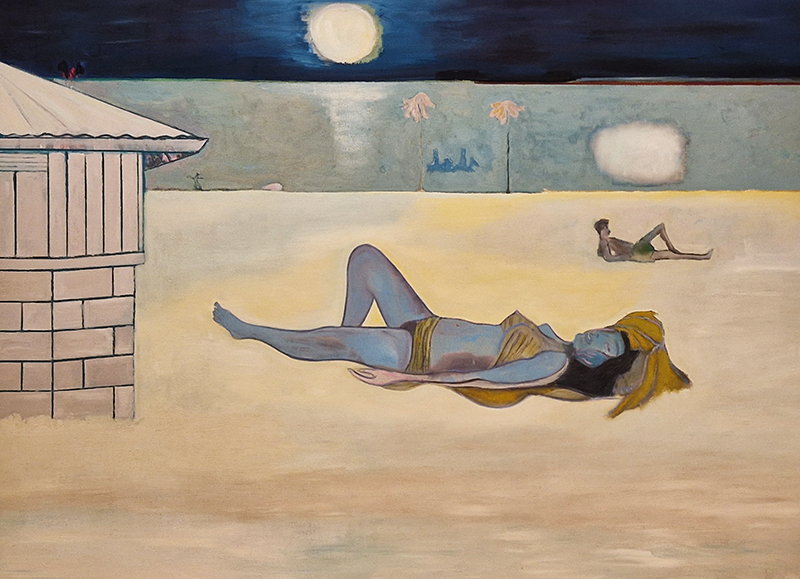
Peter Doig at The Courtauld. My highlights were the luminous moons, moon bathing and an etching of a cave.

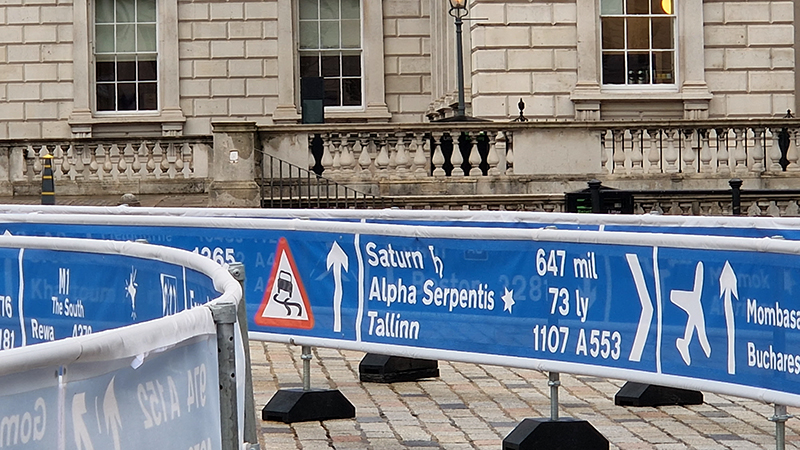
Jitish Kallat Whorled (Here After Here After Here) at Somerset House had a romantic premise with a prosaic aesthetic. I love the concept and the theory and it’s certainly a jarring juxtaposition to be directed to celestial destinations by motorway signage. Routes through the work map circular movements through space and time. Is this the Hitchhiker’s guide to the galaxy?

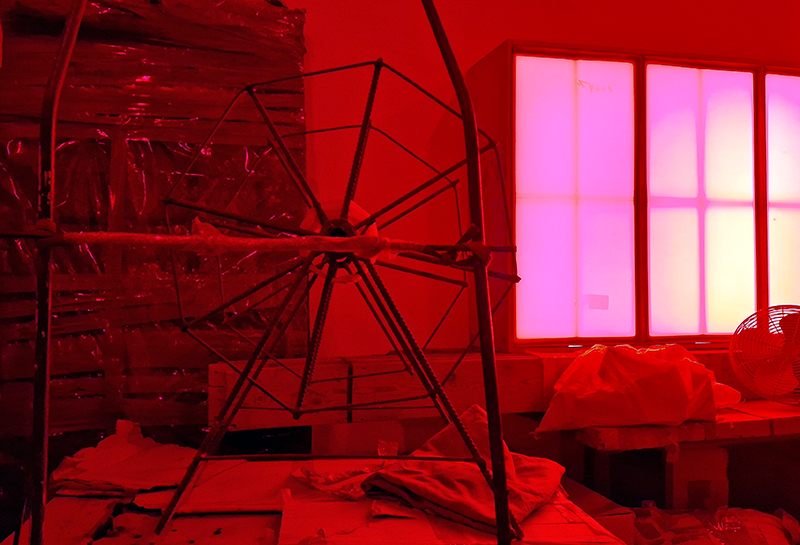
Mike Nelson Extinction Beckons at Hayward Gallery.

The impact is in the SCALE. Punchdrunk meets abandoned engineering.

Nothing truly exists – except in relation to other things. Carlo Rovelli

Work in progress.

Building the azimuth obelisk made from layered re-cycled paper. This sculpture is a response to the concrete obelisk erected in 1955 at Hartland Magnetic Observatory as a permanent azimuth mark from which to measure the drift of Earth’s magnetic field. Deep time geology holds the sedimentary knowledge of magnetic activity, from the degrees of variation between the magnetic and geographic north pole to the cataclysmic impact of pole reversals.

Etching Directional Magnetic Steel to reveal the jigsaw pattern which comes from rolling single crystals of an iron silicon alloy into thin sheets to minimise magnetic losses for use in industry.

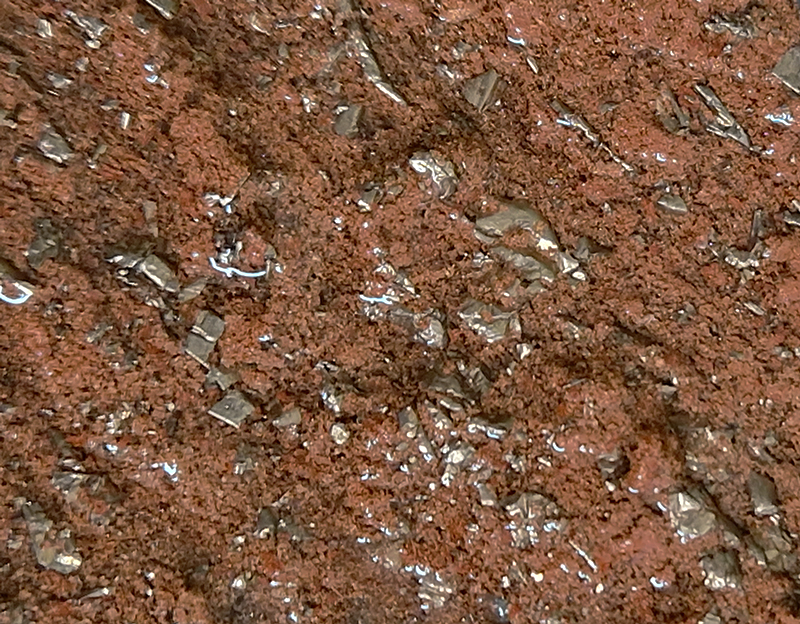
The copper sulphate etching process creates a very thin, fragile layer of shiny copper under the red residue

Magnetism embodies magical qualities which have fascinated humans since the first encounter with a lodestone. These rare and enigmatic fragments found scattered across the surface of the Earth are created when lightning chances to strike the mineral magnetite.

The Lodestone, from Plato to Kircher by D. W. Emerson lists various historical references to the lodestone. The writer concludes – Lodestone, being very unusual, greatly impressed previous generations. Despite its unattractive appearance it was an admired mineral type more precious than pearls, it was celebrated in persuasive Latin hexameters, it was an analogue for the power of deities, it took a witch to subdue it, it was deemed explicable by Epicurean atomic theory, it was involved in a rather tenuous argument for eternal punishment of wicked persons, it meant doom for unwary mariners, it furnished fodder for folk lore, it resided in the arsenal of the apothecary, it helped to demonstrate the earth’s magnetism, and it assisted navigation. What other mineral has such a record? The lodestone was quite a remarkable rock; it still is, and oddly, yet to be completely studied and documented.

Pliny the Elder (AD 23/24 – 79) :

What is more amazing (than this stone) or at least where
has nature shown greater devilry? She gave rocks a voice
answering, or rather answering back, to man. What is more
indolent than the inert character of stone? Yet nature has
endowed it with awareness and hooking hands. What is
more unyielding than the harshness of iron? On it nature
has bestowed feet and a mode of behaviour. For it is drawn
by the lodestone, and the all-subduing substance hastens to
something like a vacuum, and on its approach it leaps
towards the stone, is held and kept there by its embrace.

Claudius Claudianus (AD fl. 395):

There exists a stone called lodestone; discoloured, dingy,
nondescript. It does not lend distinction to the combed
locks of kings, nor to the fair necks of girls, nor does it
gleam on the showy clasps of sword belts. But in fact if
you pay due regard to the strange marvels of this dark rock
then it outshines elegant adornments and anything, on far
eastern shores, that the Indian looks for in the weed of the
Red Sea (i.e. pearls).

Augustine of Hippo (AD 354-430):

We recognise in the lodestone an extraordinary ability to
seize iron; I was much perturbed when I first saw it. The
reason is that I clearly saw an iron ring grabbed and held
up by the stone. … Who would not be amazed at this power
of the stone?

Generating a magnetic field.

The dynamo theory states that to generate a magnetic field, a body must rotate and have a fluid core with an internal energy supply that is able to conduct electricity and drive convection.  Earth fulfils all of these requirements. It rotates faster at the Equator than it does at the poles causing spiral convection currents in the liquid iron outer core which is an excellent electrical conductor, powered by the energy released as droplets of liquid iron in the outer core freeze onto the solid inner core.

Any variations in rotation, conductivity, and heat impact the magnetic field created.

Mars has a weak magnetic field as it has a totally solid core. Venus also has a weak magnetic field for although it has a liquid core it rotates too slowly to create convection currents.  Jupiter has the strongest magnetic field in the solar system, with a metallic liquid hydrogen core and fast rotation, it has a magnetosphere so large it begins to deflect the solar wind almost 3 million kilometres from its surface.

Highlights from a trip to Japan which offered many poetic and spiritual experiences.

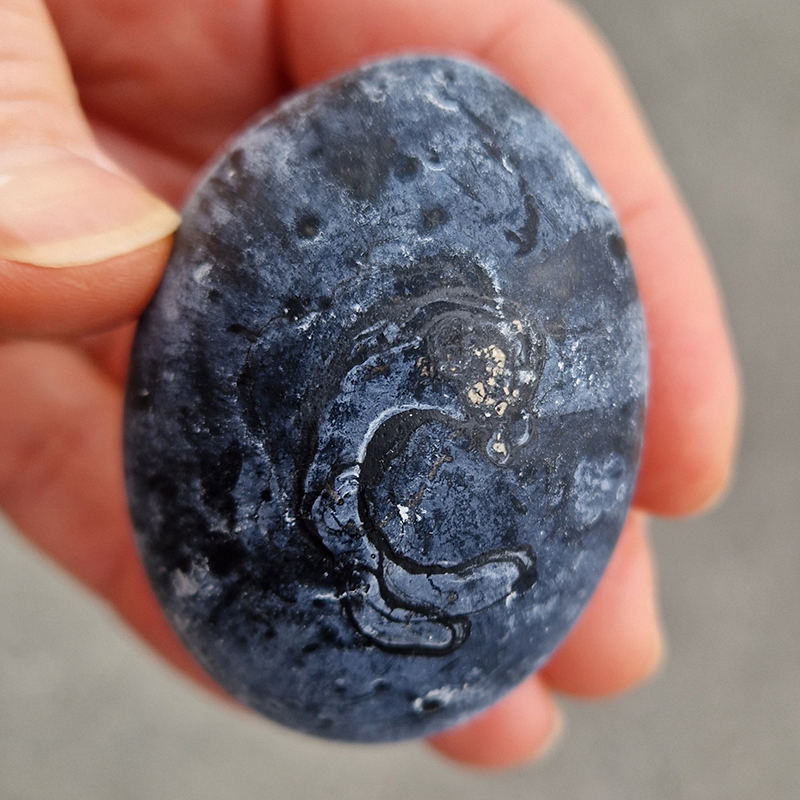
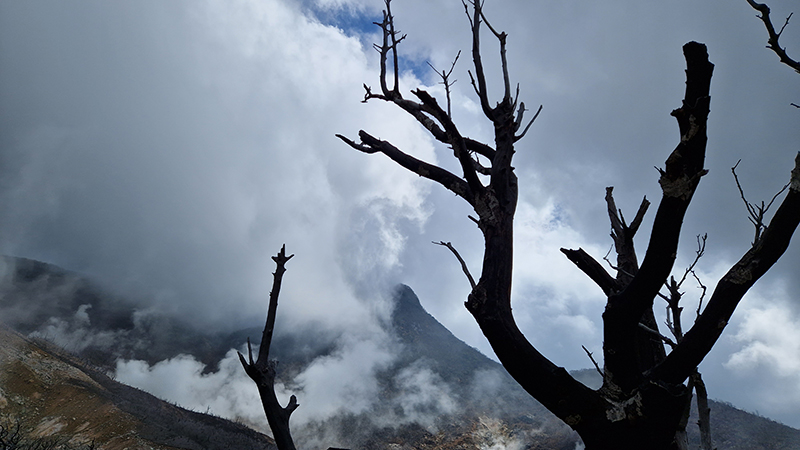
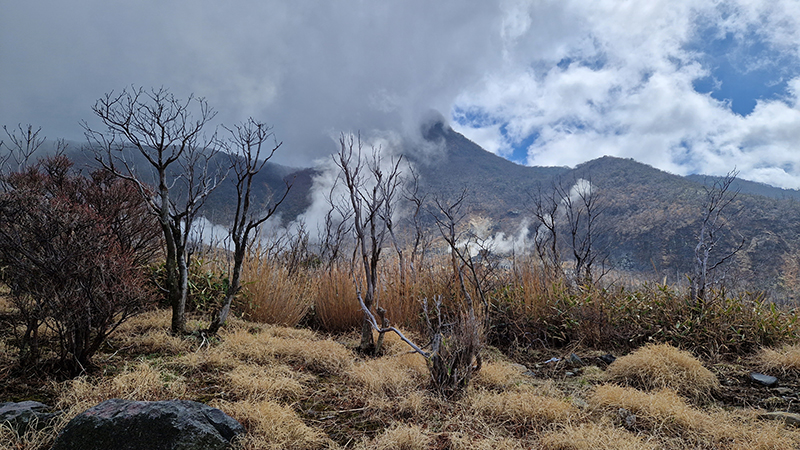
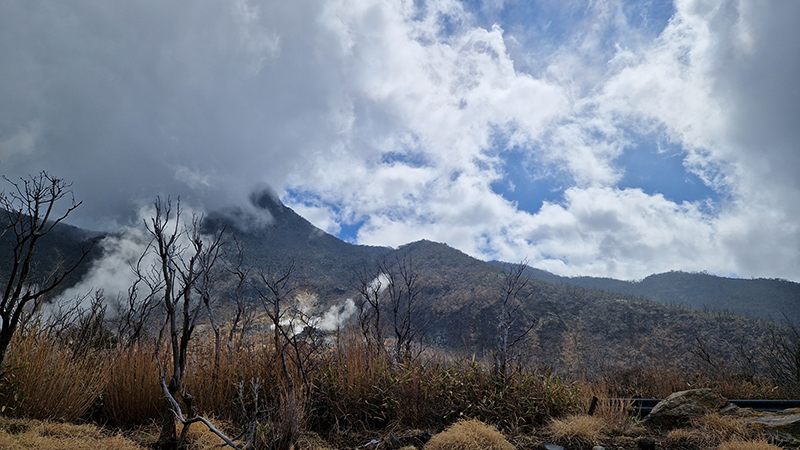
Active sulphur vents of the North South Hakone volcano arc boundary dividing Japan into East and West….also used to cook eggs. The beautiful markings on the eggshell were gone the next day.

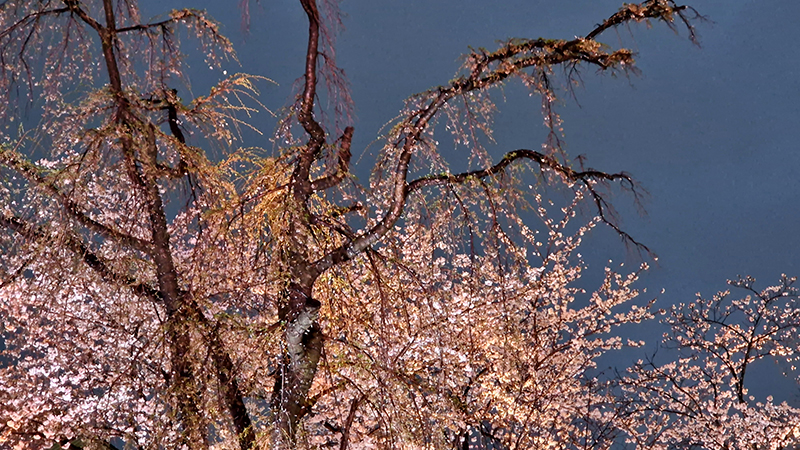
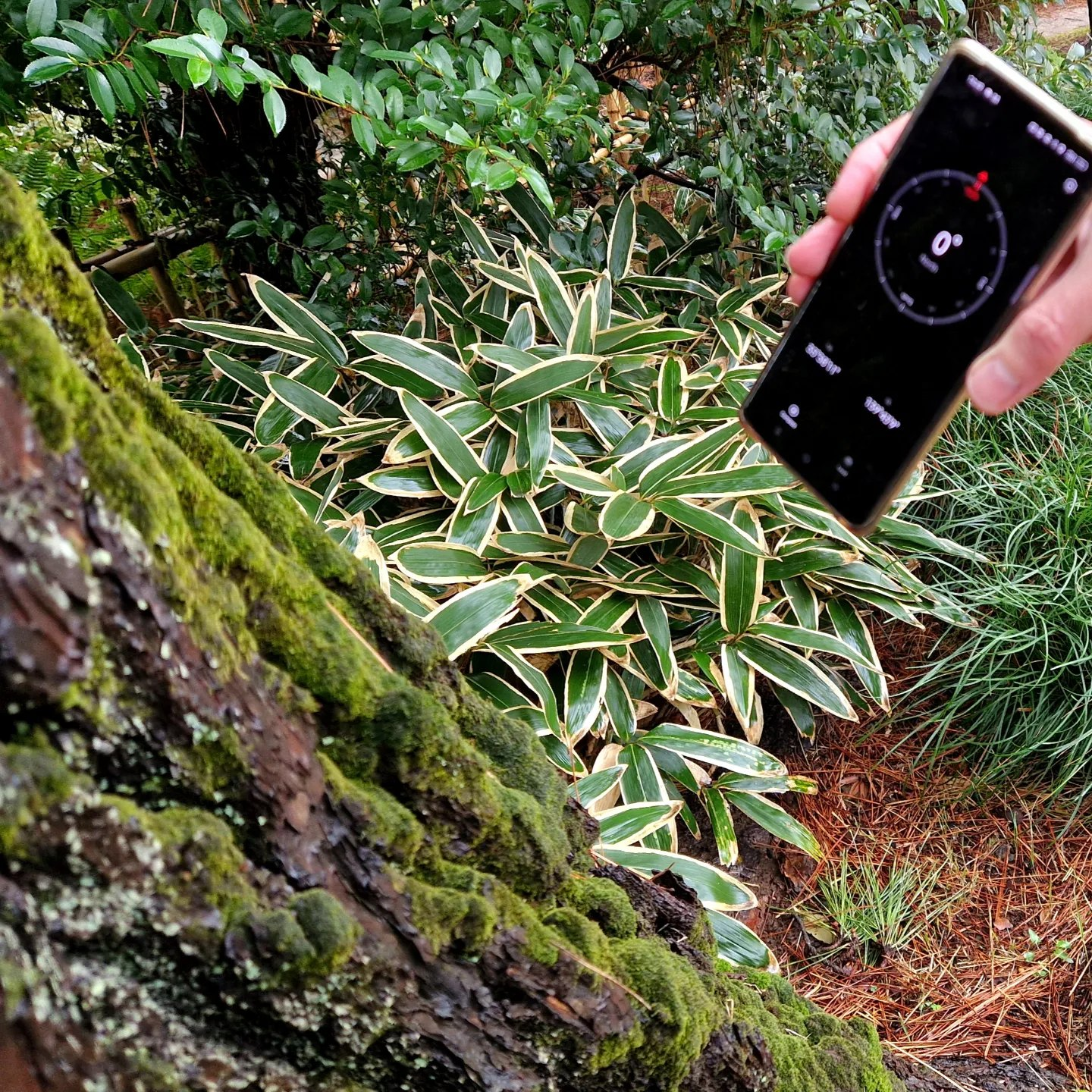
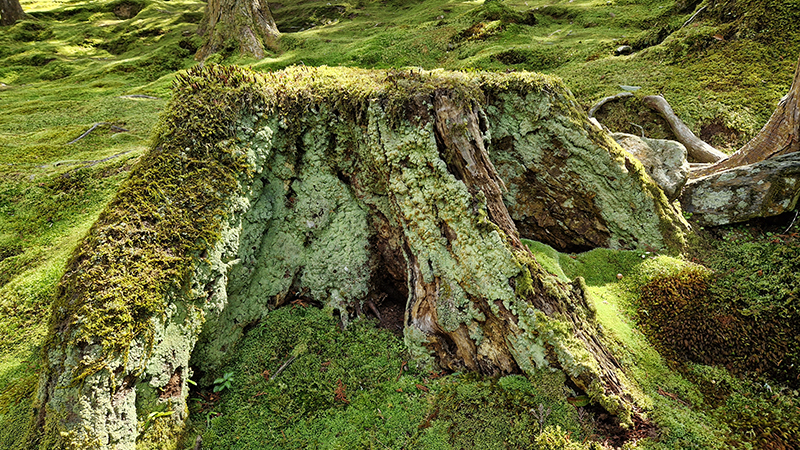
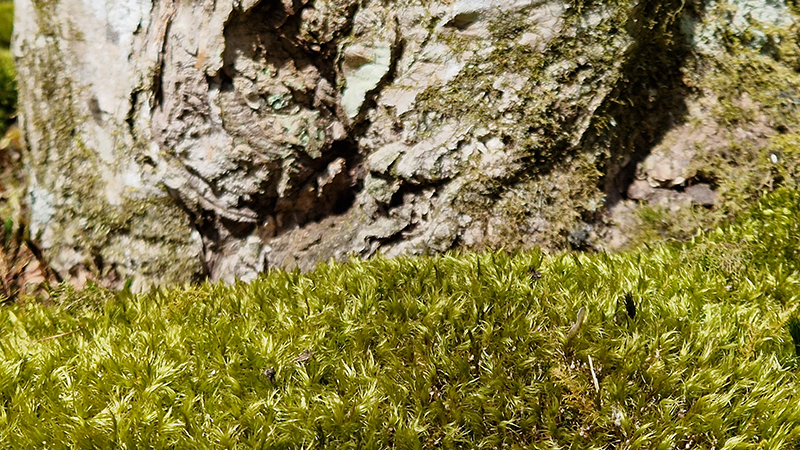
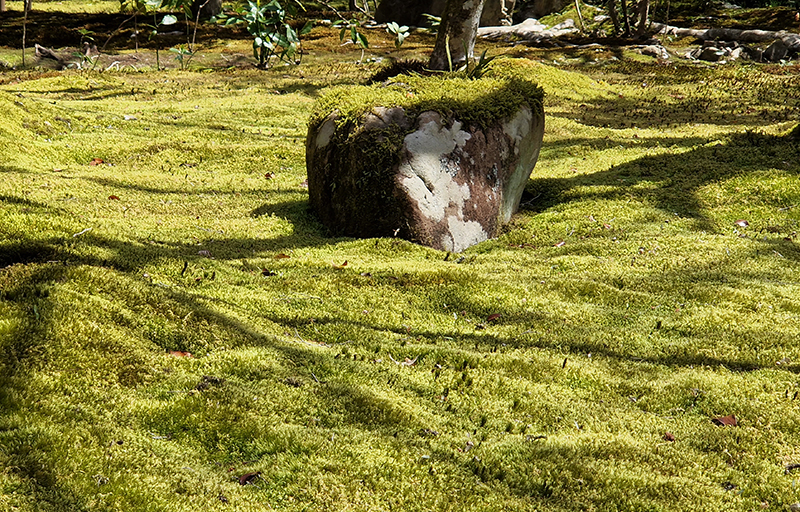
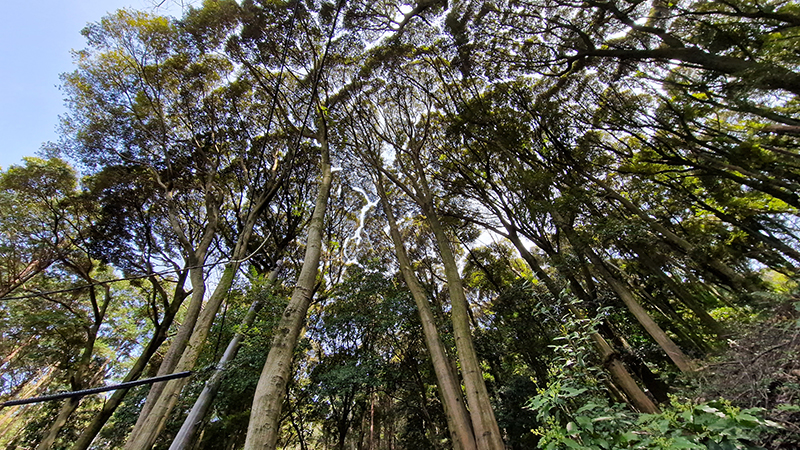
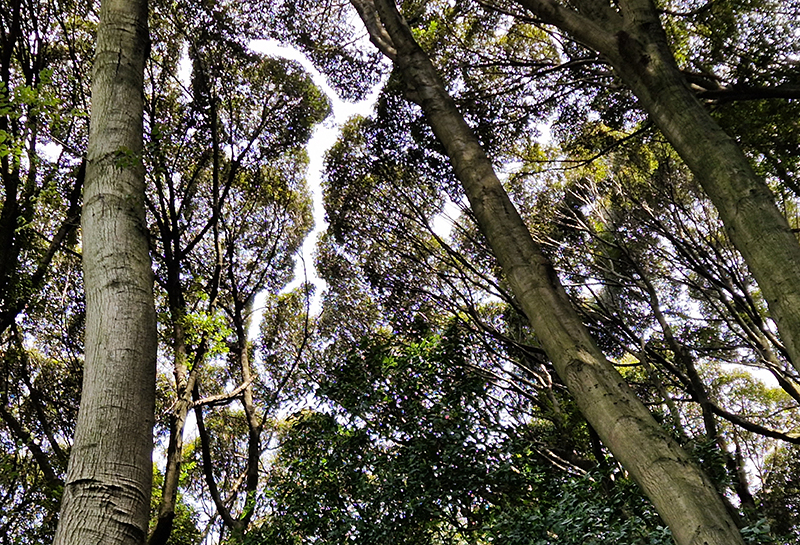
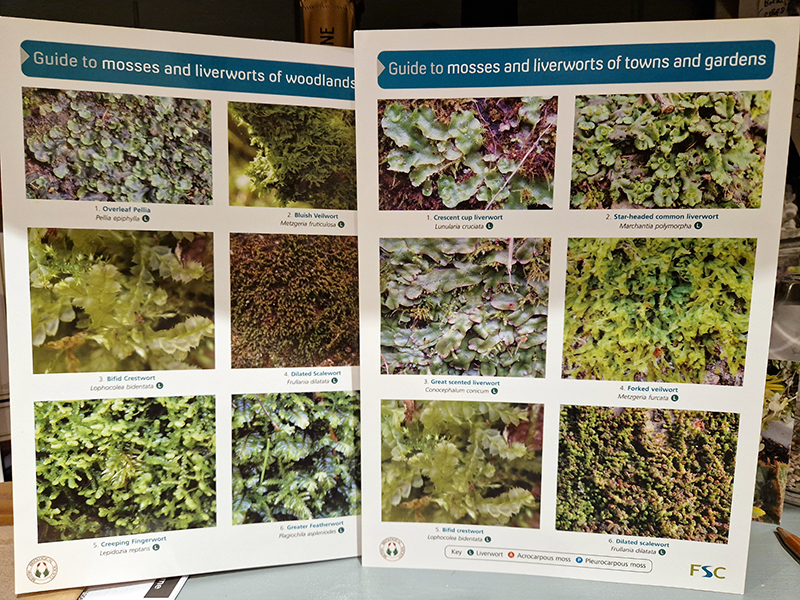
As Tristan Gooley says in The Natural Navigator, ‘There is a commonly held belief that “Moss grows on the north side of trees and buildings.” It does, sometimes, but will also grow on every other side. However, lots of satisfyingly north facing moss growth on the trees in this Tokyo park.

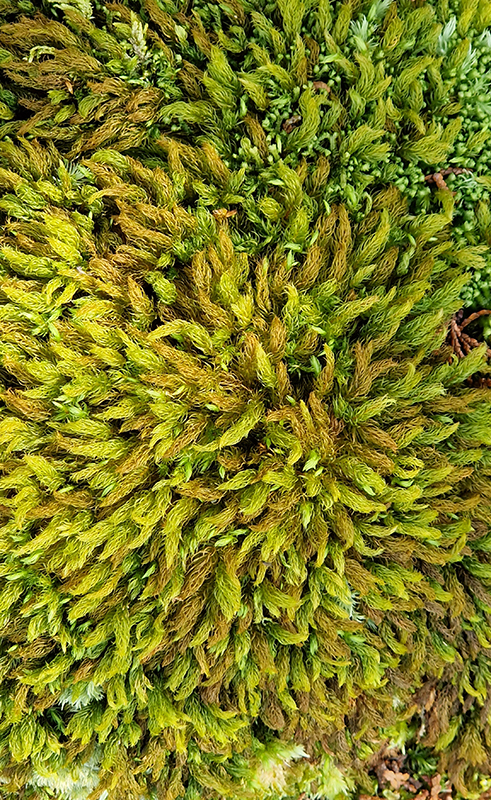
Moss tending in the rain, some splendid moss in the gardens of Kanazawa.

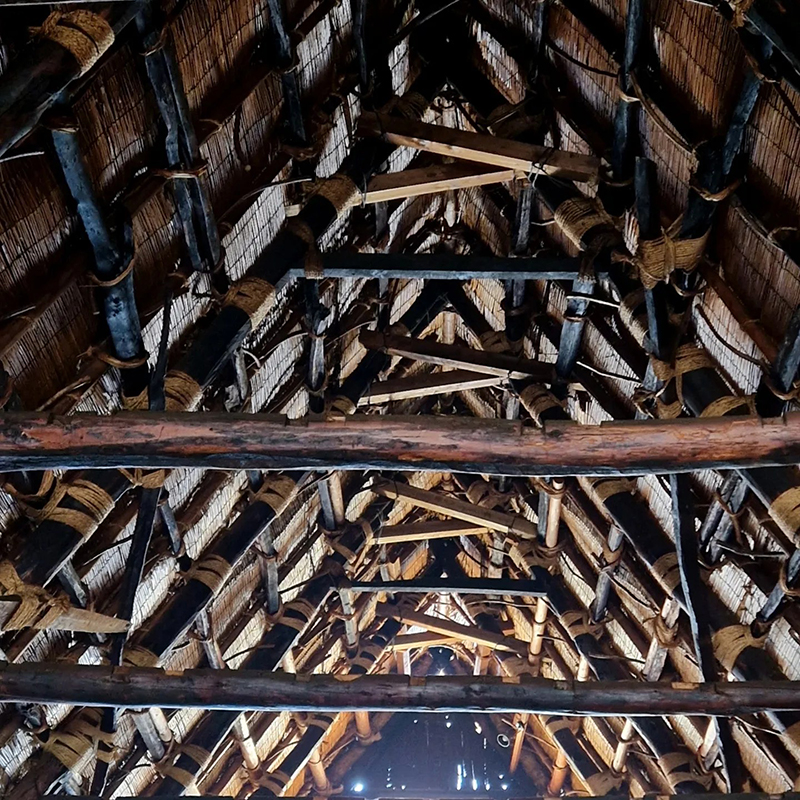
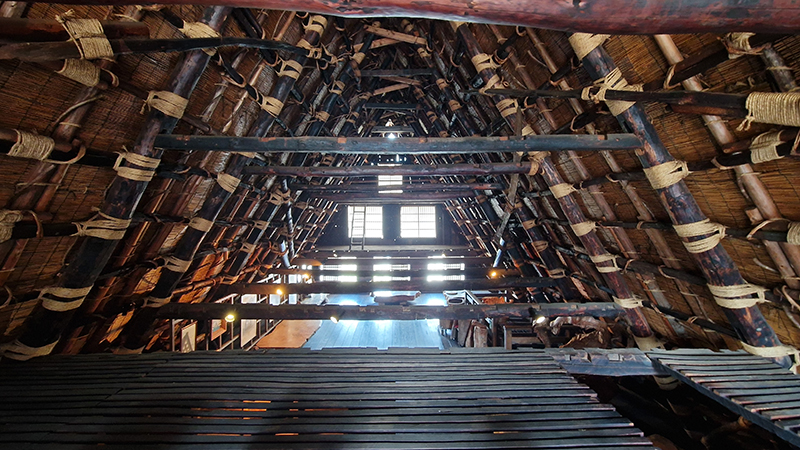
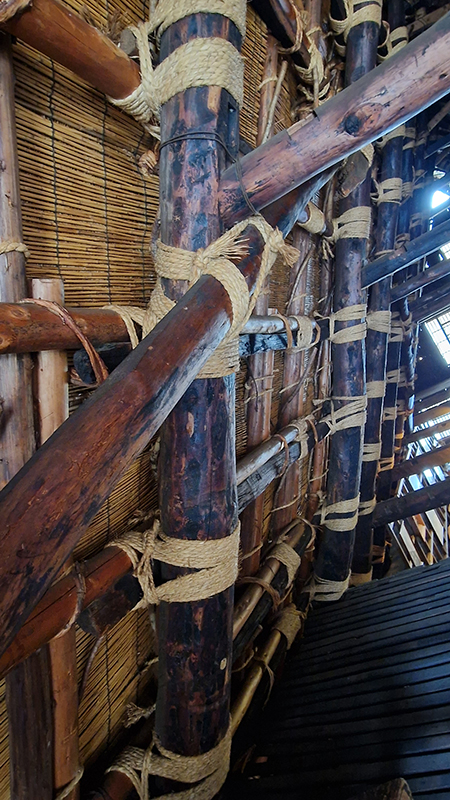
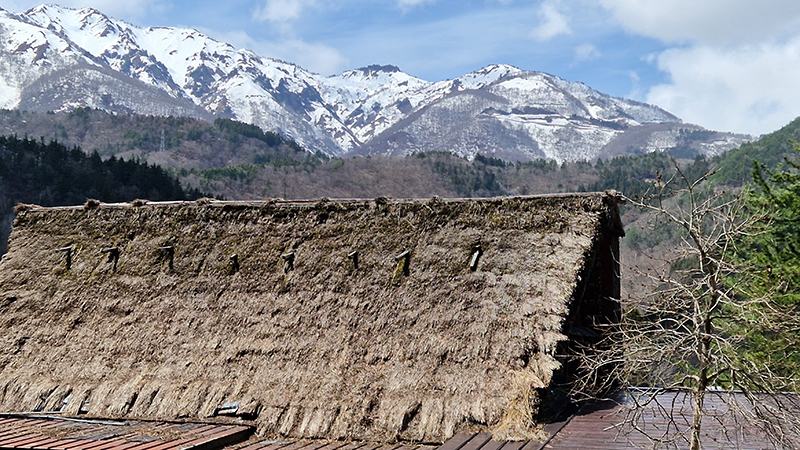
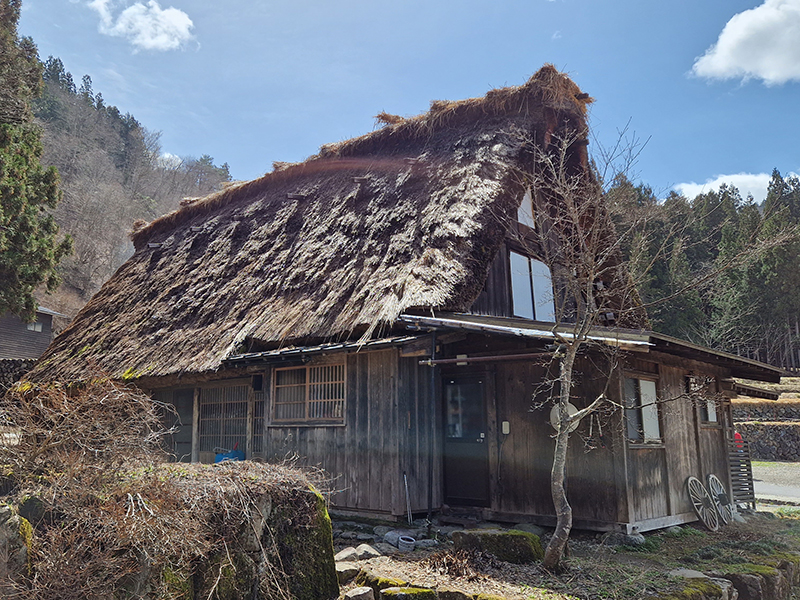
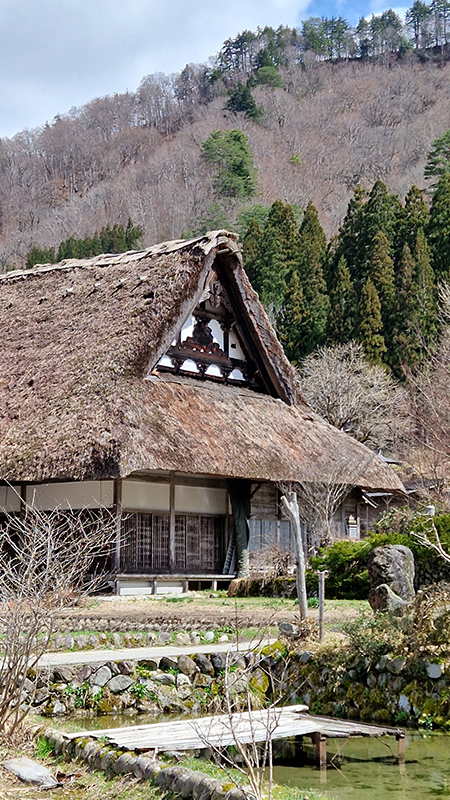
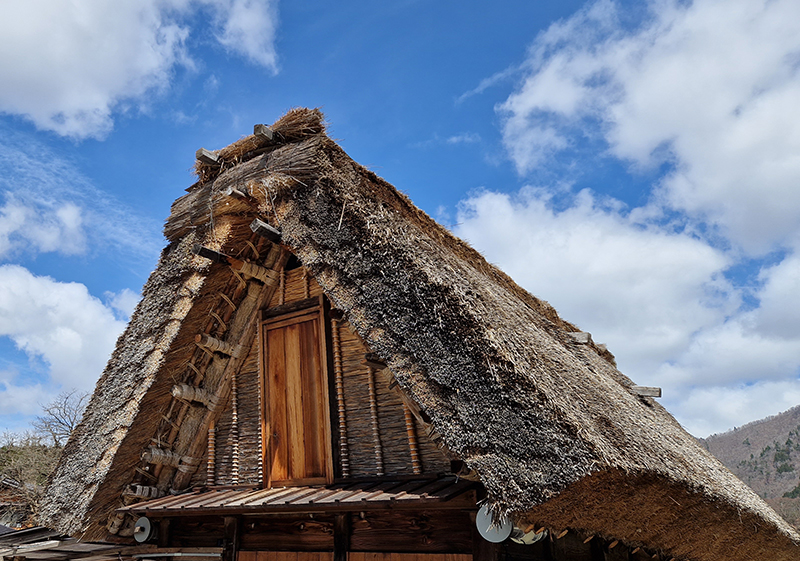
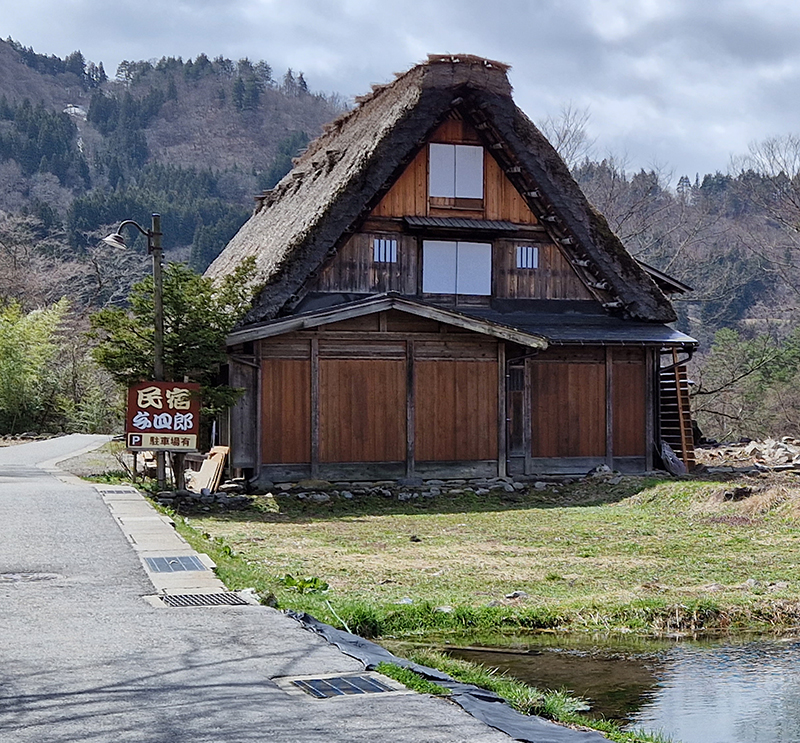
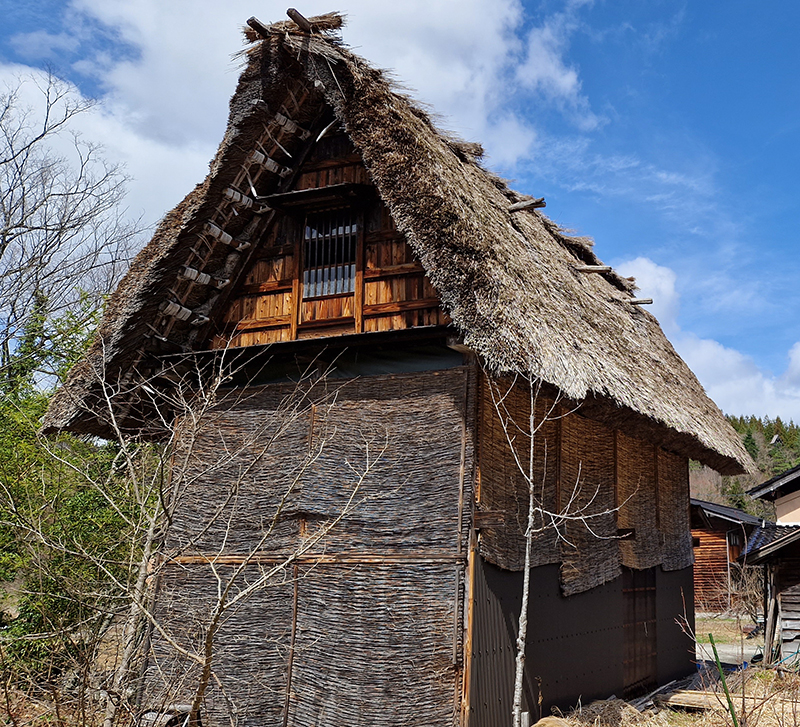
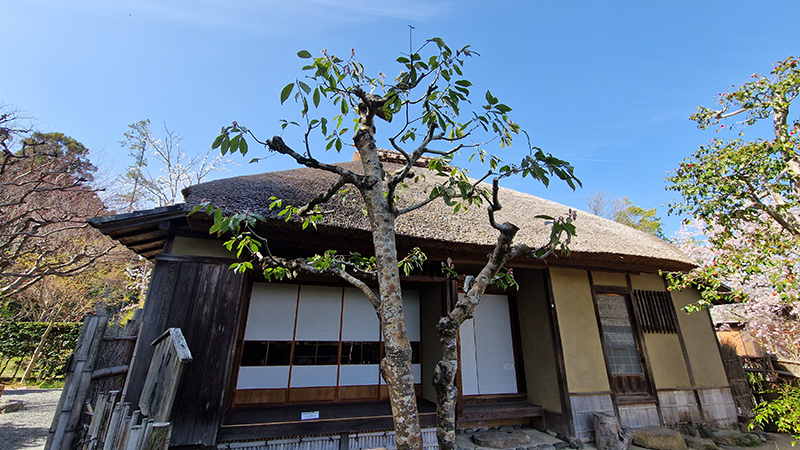
Inspiration for an absolute hut. The “Gassho-zukuri Village”, a World Heritage Site set in stunning mountain scenery, has more than 100 gassho-zukuri thatched rural buildings with wonderful steep pitched A-frame roofs.

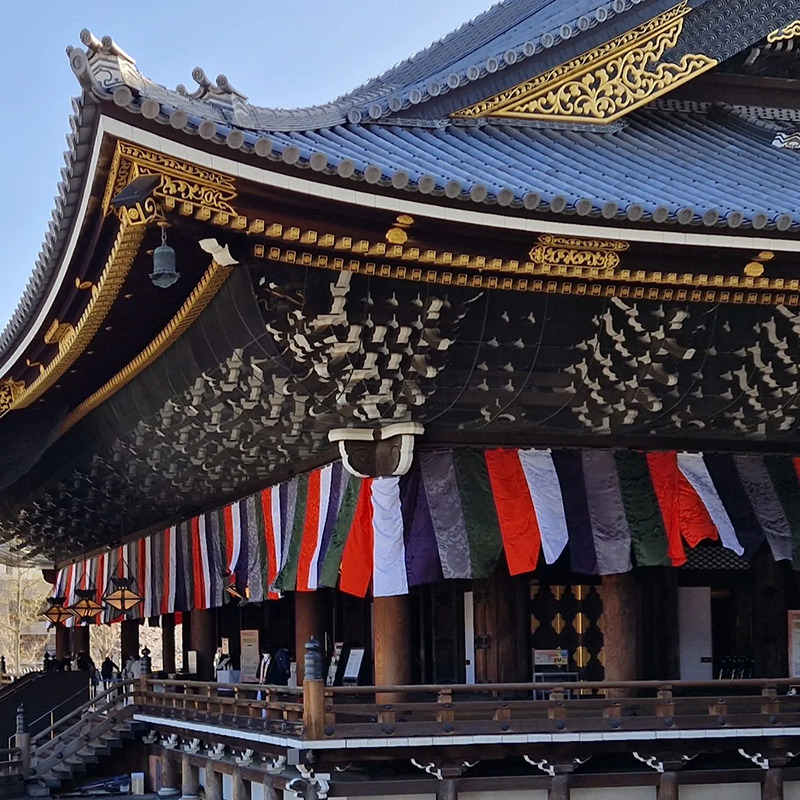
To Discover the Meaning of Being Born as Human Beings. Higashi Honganji Temple

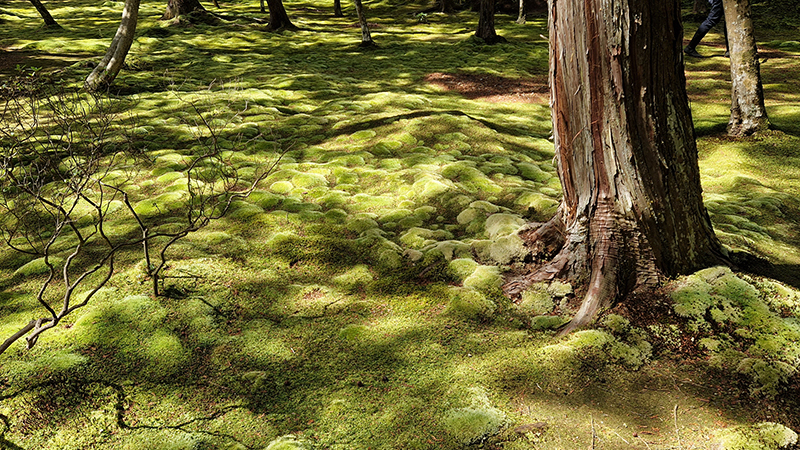
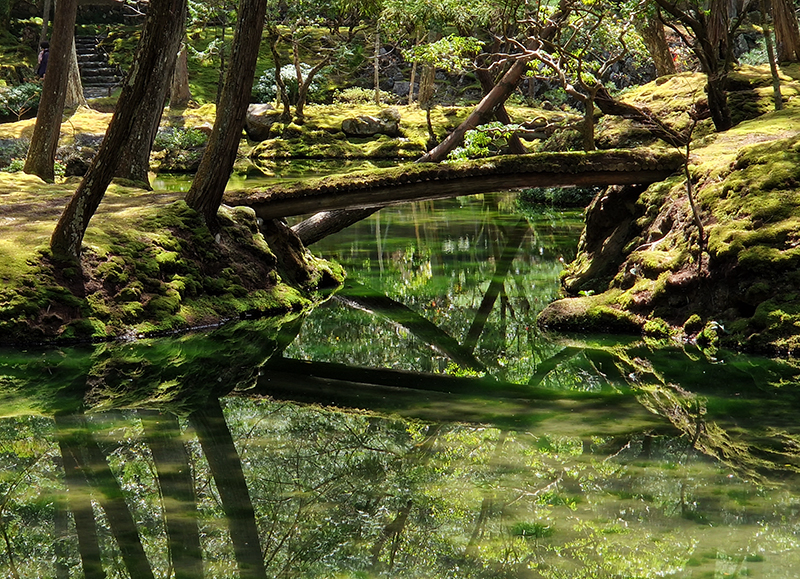
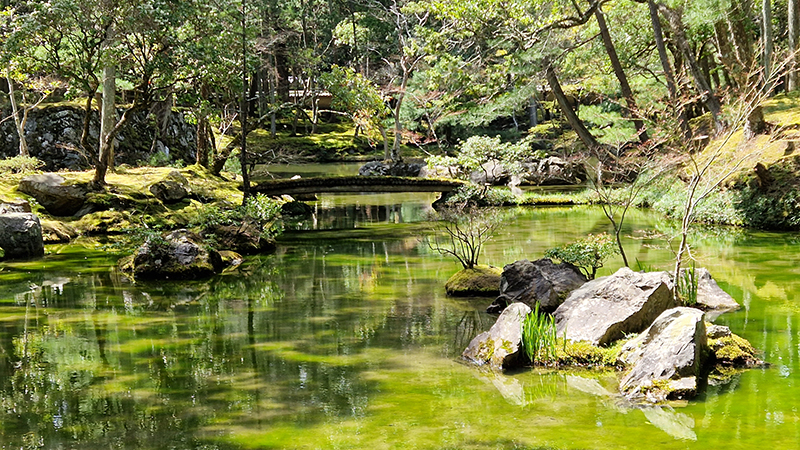
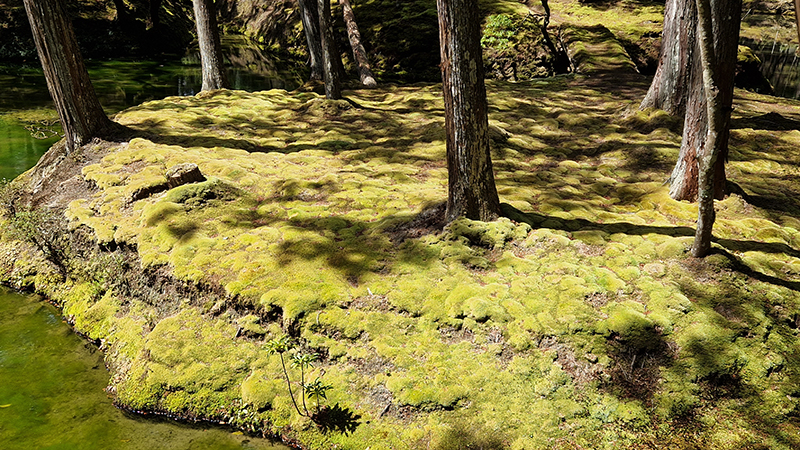
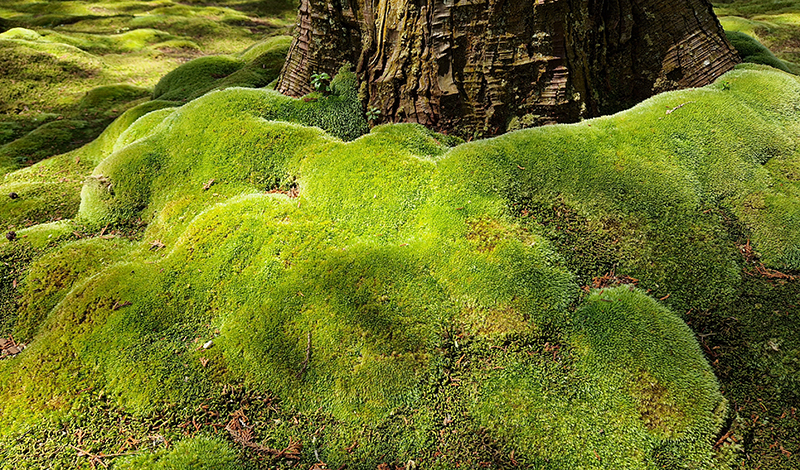
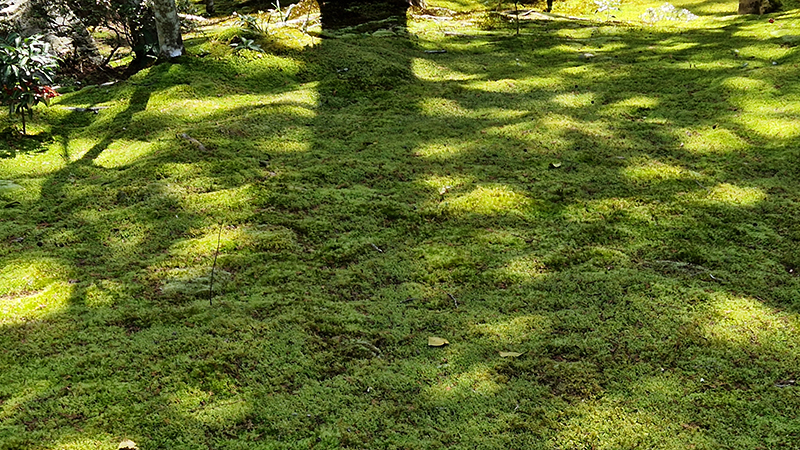
Moss heaven.

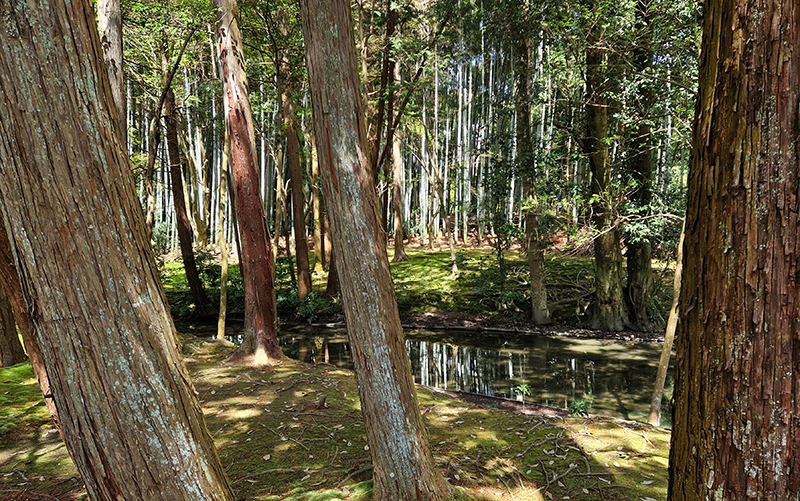
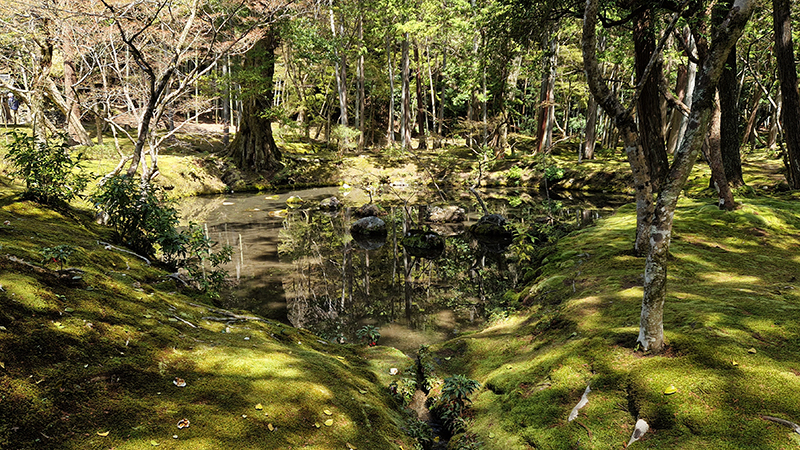
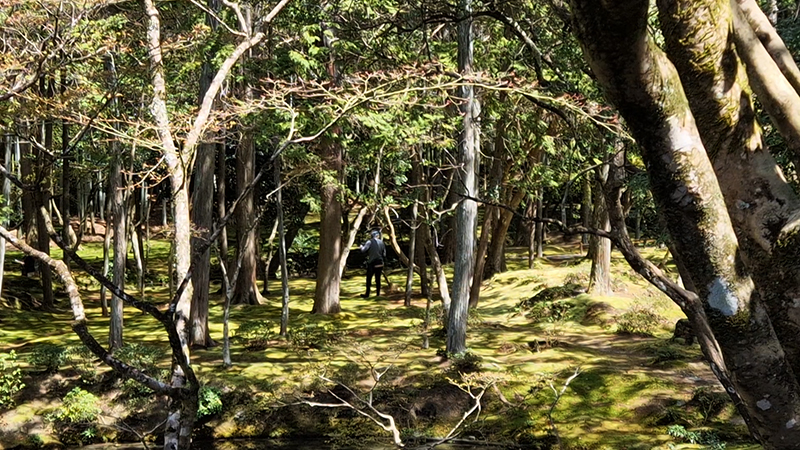
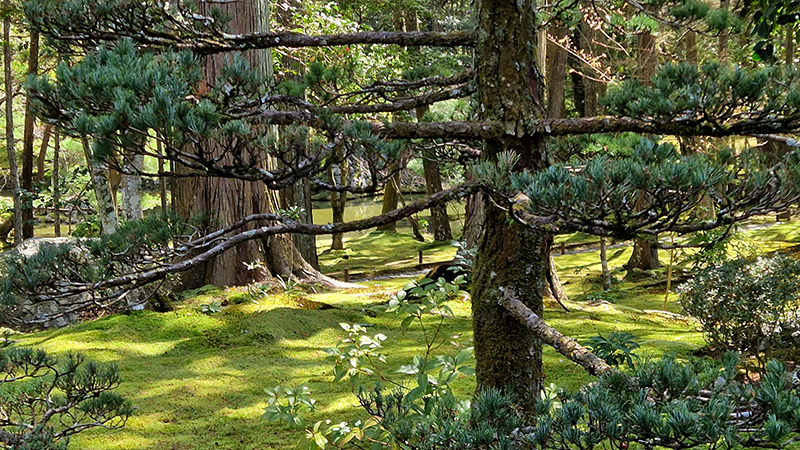
To visit Saihoji Kakedora Temple (the Moss Temple), you must send a postcard by mail to request a visit. On arrival, you spend time in the temple at a low table quietly copying sutras with a calligraphy pen to calm the mind before entering the garden.

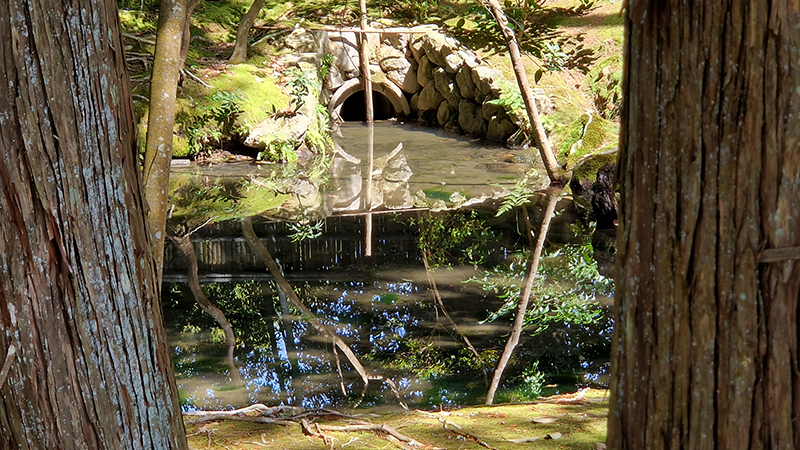
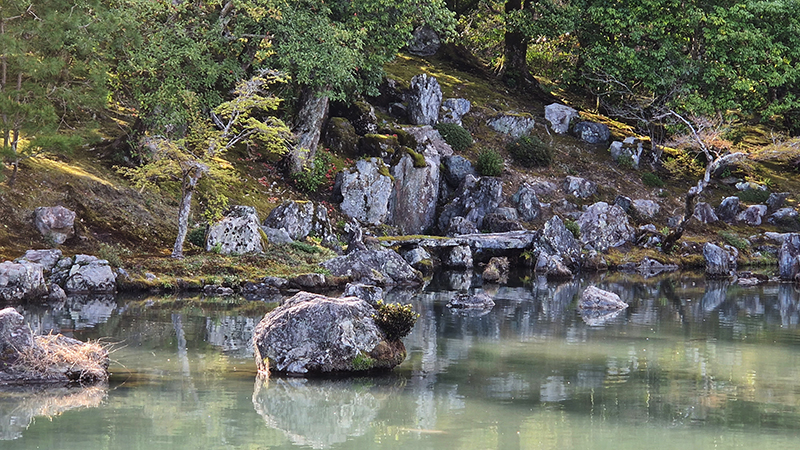
The garden is built around the Ogonchi Pond shaped like the Chinese character, meaning heart and blanketed in over 120 species of moss.

master of persimmons

treetops are close to

Stormy Mountain

The poem stone tells the story of Kayori who had 40 persimmon trees in the garden laden with fruit which he intended to sell, but the night before they were to be picked a huge storm arose and in the morning not one persimmon was left on the trees. Kyorai was enlightened by this experience and called the hut Rakushisha – the cottage of the fallen persimmon.

Many famous haiku poets, disciples of Basho and including Basho himself, stayed here.

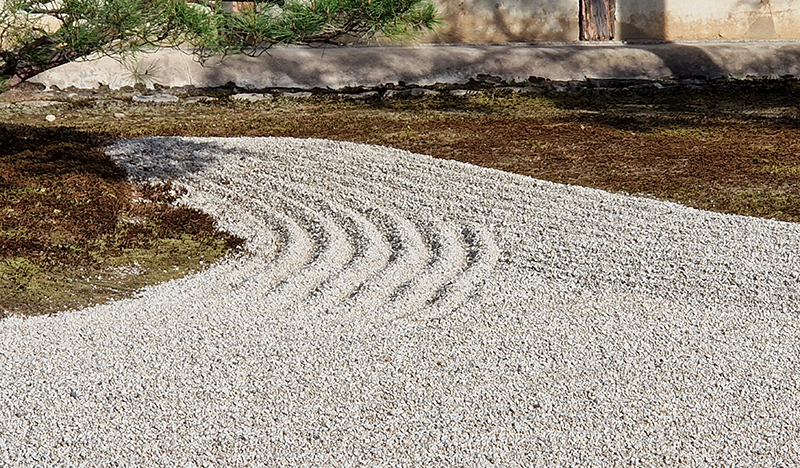
Home of the cloud dragon. Zen garden at Tenryu-Ji Temple, Kyoto.

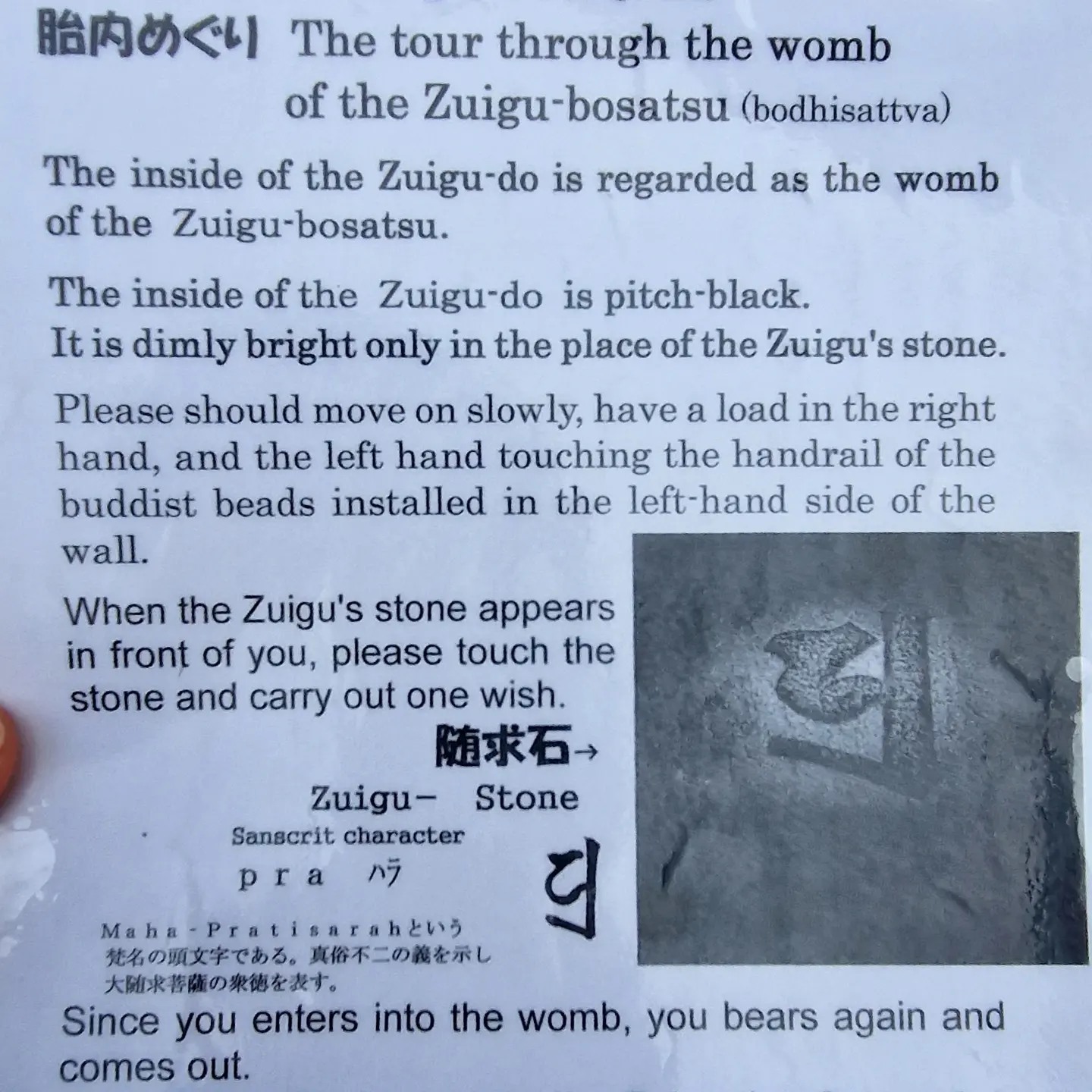
The tour through the womb of the Zuigu-bosatsu. The darkness of the journey through the womb was absolute. The stone floor ice cold on bare feet. Rosary beads the size of grapefruits led a winding path to the softly lit zuigu stone and on to the light to be reborn. Kiyomizu Temple, Kyoto

Kaname-ishi, keystone at Seikanji Temple, overlooking the city of Kyoto, spread like a fan before it, is believed to grant wishes if touched.

Rivers in the sky. Theories about crown shyness range from being caused by friction as new shoots are eroded in a windy forest to sensing the shadow or warmth of a neighbour.

Binzuru (Pindola Bharadvaja) was one of the sixteen arahats and is said to have excelled in the mastery of occult powers.

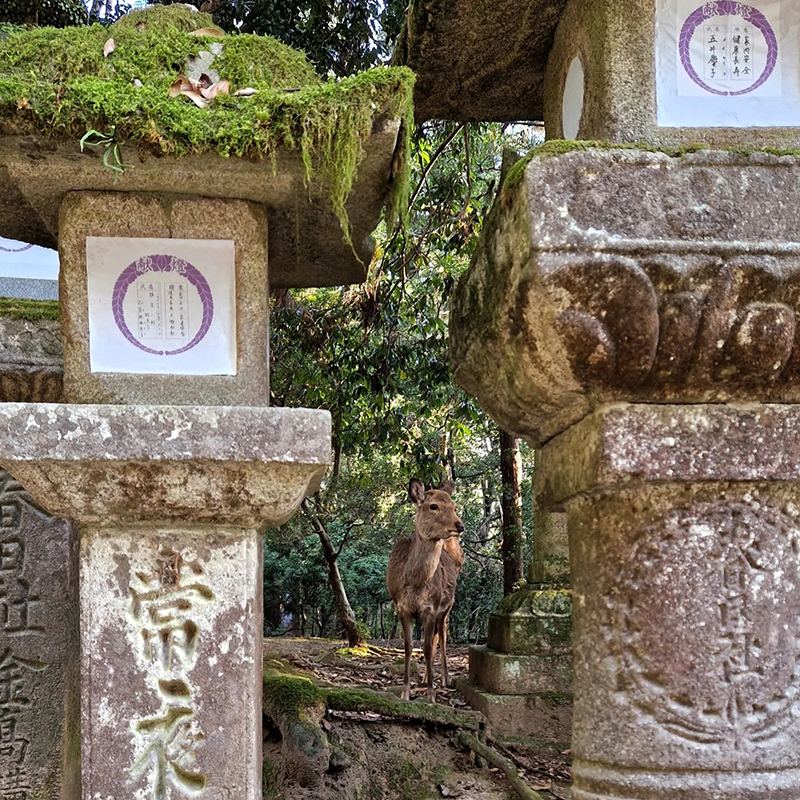
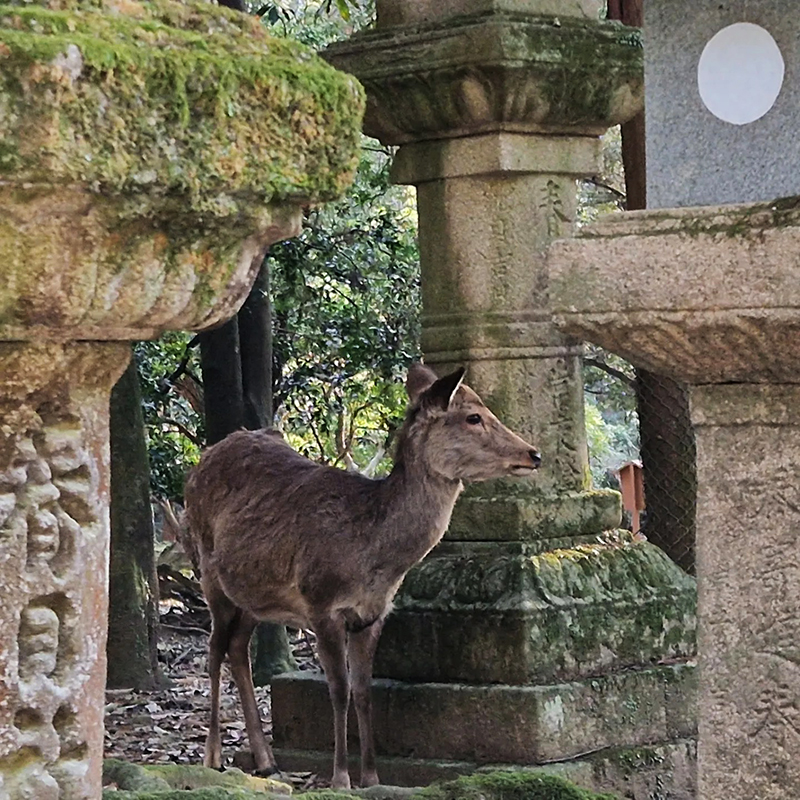
In Japanese mythology, the god of thunder arrived in Nara riding a white deer. The deer have lived here for centuries and are revered as emissaries of the gods of the Kasugataisha Shrine.

They have learnt to bow to be rewarded with special deer biscuits, which you can buy to feed them.

Discovering the works of Rafael Lozano-Hemmer, a Mexican media artist exhibiting internationally with a background in physical chemistry who creates large scale interactive work exploring and exploiting human interaction with technology to create an impressive catalogue of works from tethering a blazing sun to a face briefly echoed in a wisp of cloud. I was drawn to his work Atmospheric Memory inspired by Charles Babbage’s philosophy.

Whilst the atmosphere we breathe is the ever-living witness of the sentiments we have uttered, the waters, and the more solid materials of the globe, bear equally enduring testimony of the acts we have committed. Charles Babbage

Gallery Visits

Undertow at Unit 1 Gallery a group show with a subtle and astute use of material, quietly smoldering with agency.

Artists: Alex Simpson, Alison Rees, Isobel Church, Lauren Ilsley, Nicholas Middleton, Sarah Wishart and Tana West.

‘Hope locates itself in the premises that we don’t know what will happen and that in the spaciousness of uncertainty is room to act.’ – Rebecca Solnit, Hope in the Dark, 2004/2016

Michael Taylor The Last Man at Standpoint Gallery. I really loved this luminous body of work.

Richard Slee Sunlit Uplands at Hales Gallery was a wonderful conveyor belt parade of glistening mini utopias.

We can see no detail, we can see nothing definable and it is, I know, simply the sanguine necessity of our minds that makes us believe those uplands of the future are still more gracious and splendid than we can either hope or imagine.” 

The Discovery of the Future, H.G. Wells 1902

The quote “sunlit uplands” has been used as political ideology, as an assurance for better days to come most recently the phrase has been linked to the promises of Brexit, with politicians leaning on this rallying rhetoric.

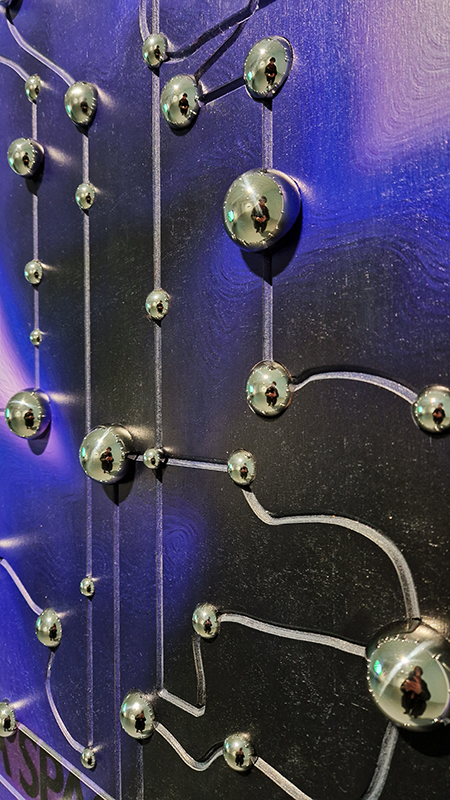
George Henry Longly Microgravities at Nicoletti. I found the slick production values, very shiny like outsize circuit boards of these works exposing sci-fi cliché and subverting popular space movie tropes sat very close to the ideas they are parodying. Microgravity – ‘the condition in which people or objects appear to be weightless’, according to NASA’s website – is responsible for metabolic and behavioural changes for space travelers. Some interesting theory behind this show about the human cost of living in space as our gut microbiome reacts to a weightless environment. I liked the reflection cast on the floor from the mirrored circle left exposed as a planet on the widescreen landscape.

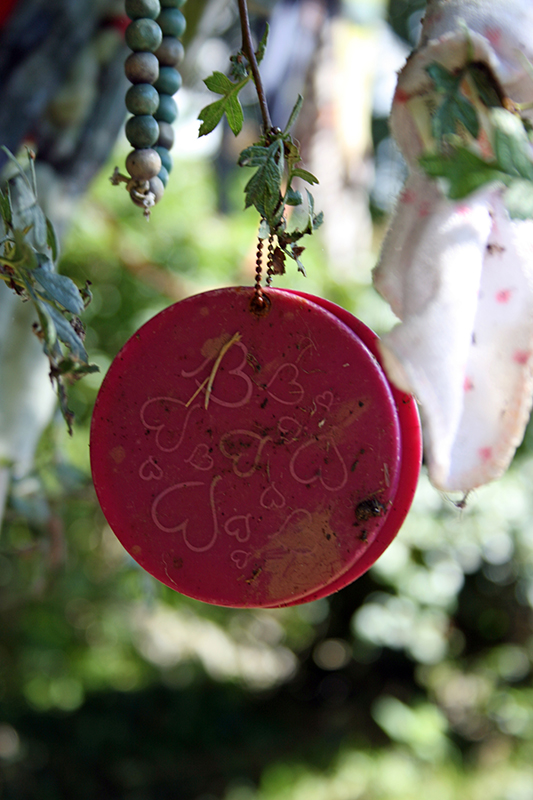
On Failure group show at Soft Opening with Olivia Erlanger, Cash Frances, Jordan/Martin Hell, Kelsey Isaacs, Maren Karlson, Sam Lipp, Chris Lloyd and Narumi Nekpenekpen. While certain works function as indexes of failed attempts at control, others recognise the perceived failure of the human body, positing that from a spiritual perspective: if perfection is nonexistent, then failure is all we have, all that is real. One or two of the hanging pieces are reminiscent of the votive offerings at holy wells or the love lock bridges festooned with padlocks.

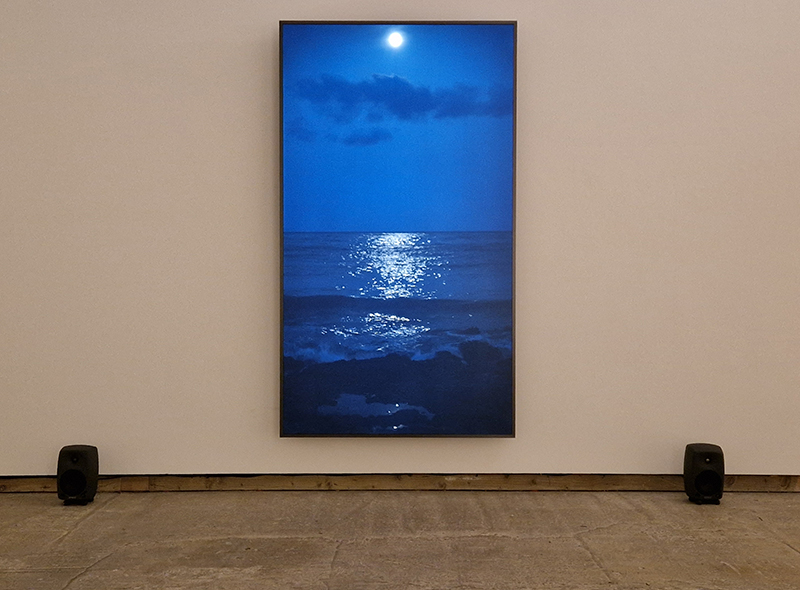
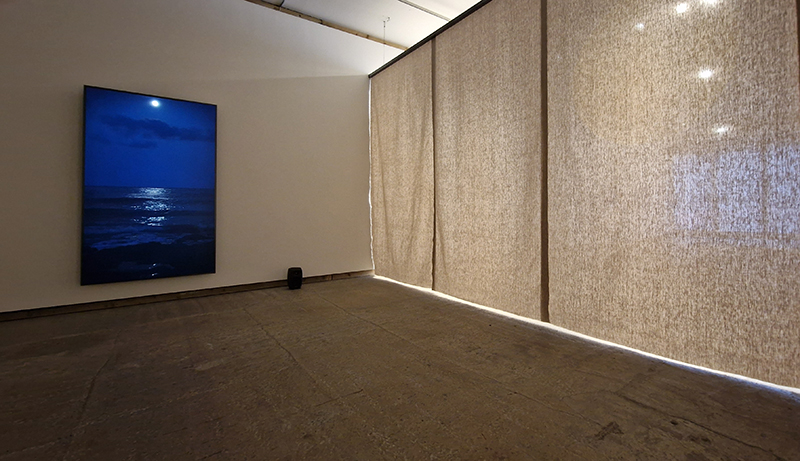
Bridget Smith Field Recordings at Frith Street Gallery. Natural material processes, simply presented. The weathering of bulrushes, the materiality of analogue photographic techniques such as ambrotypes and tintypes, the simplicity of a moon rising over the sea.

Daniel Shanken The Cascades at Stanley Picker Gallery. I was excited to see this show as the randomness within the work is derived from radioactive decay and I thought the title may refer to cascades of comic particles but perhaps it refers to cascades of data. The aesthetic was very game based and the randomness not explicit in origin. I liked the set up though with the projection onto the floor creating an abyss to gaze down into from an industrial style walkway.

David Blandy Atomic Light at John Hansard Gallery Southampton. Four films circumnavigating the fallout from the atomic bomb massacre at Hiroshima. The body of work is inspired by a family history, a grandfather, a prisoner of war in Singapore – held by the Japanese but felt himself saved by the detonation at Hiroshima. The golden hour light is so perfectly captured and reflected in The Edge of Forever which gives voice to the children, accusing, watchful and alone. This was filmed by his partner and features his own children. Soil, Sinew and Bone is a collaged documentary of archival material, mirrored so that the central area of the film takes on the shape of an a atomic bomb. In Sunspot two scientists, one in Japan, one at Mount Wilson Observatory are monitoring the activity of sunspots, the flares that can erupt and disrupt radio signals as the particle filled solar wind and magnetic turbulence blasts across the magnetosphere. The film Empire of the Swamp has a wonderful rich narration embodied in the voice of an ancient crocodile who remembers the mangrove swamps before the war and the arrival of the white man.

I enjoyed the Art Fictions podcast with guest Jennifer Higgie discussing her writing practice via the 2009 novel Drive Your Plow Over the Bones of the Dead by Olga Tokarczuk. I was then lucky to see Complicitie’s excellent interpretation of this novel on stage at the Barbican directed by Simon McBurney.

this is a tale about the cosmos, poetry, and the limitations and possibilities of activism.

Complicitie’s production employed the same blinding flash technique as Alfredo Jaar used in his work The Sound of Silence which I saw in 2006 and still remember vividly. Sitting in a dark space a story of one photograph, taken in Sudan 1993, is told in simple sentences on a large black screen. The photograph is shown momentarily before a blinding flash of light scores the retina. You are left blinking in the afterglow. The image won a Pulitzer Prize, but the South African photographer Kevin Carter committed suicide at 33 after struggling to come to terms with what he witnessed, and the public response for not having intervened to save the child’s life. In the novel Drive Your Plow Over the Bones of the Dead, Janina, the eccentric ‘older woman’ does not hold back from intervening when she sees injustice to any living thing. She is also vilified, but for showing compassion for the animals.

Alfredo Jaar 'The Sound of Silence'

I also dredged up the memory of having seen the film Spoor at the 2017 BFI LLF also based on this novel. Finally I have bought a copy of the novel. A circuitous route to the original text.

I am very much enjoying reading Rebecca Solnit A Field Guide to Getting Lost. Her writing is like a torchlight illuminating one idea after another, sweeping across a multitude of topics with an infectious energy to explore and experience the unknown.

How will you go about finding that thing, the nature of which is totally unknown to you? – Meno

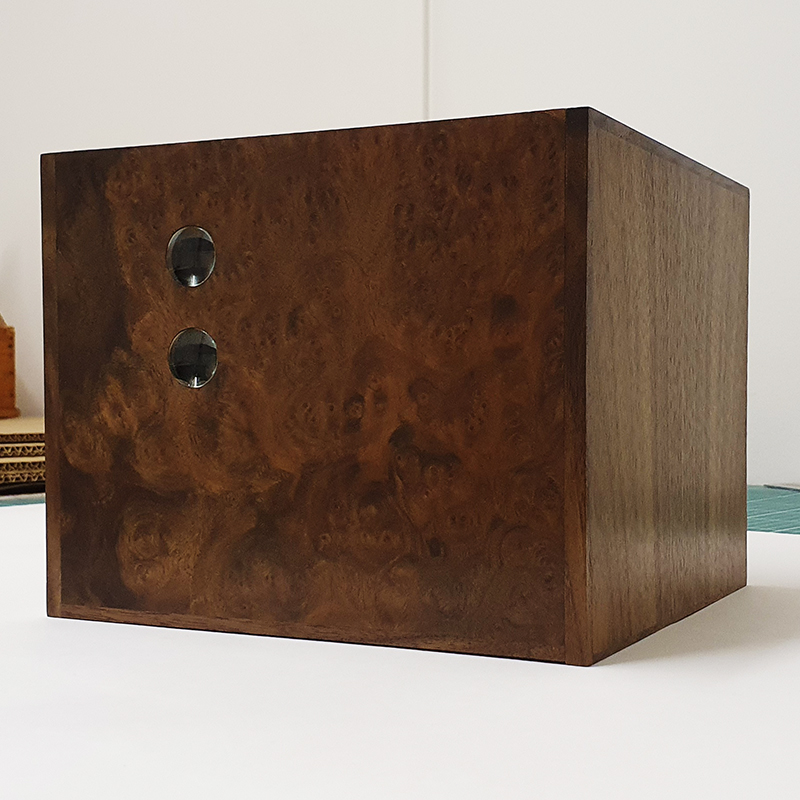
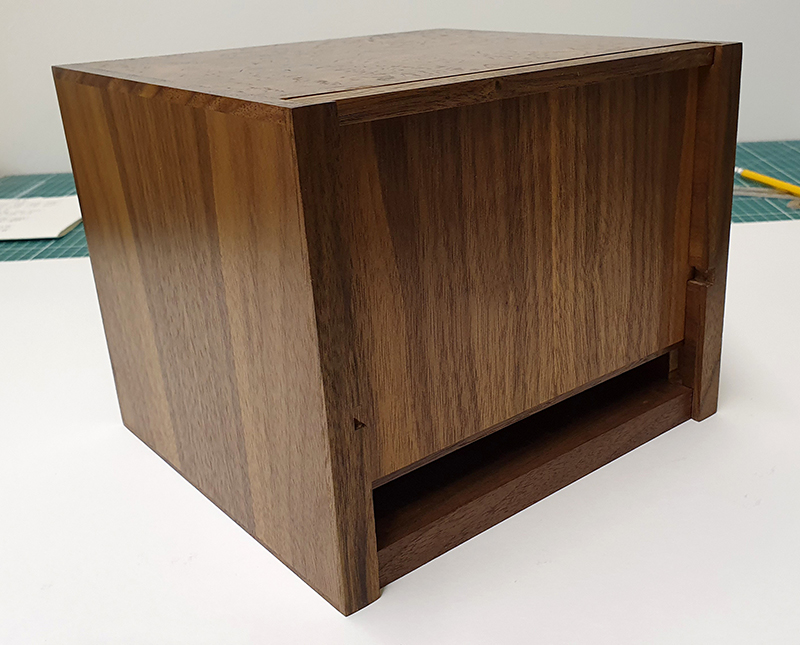
Super happy with the beautiful box, with walnut burr veneer, made by the skilled hands of Bruce Watson to house my cosmic ray detectors for cosmically interactive work The Breath of Stars. Bruce has a workshop opposite my studio at Thames-side Studios. The attention to detail is immaculate.

The Breath of Stars is a digital video work activated in real time by the passage of cosmic particles travelling from distant galaxies. These subatomic visitors from outer space are created during super nova explosions or by phenomena we are yet to discover.

Work in progress continues with tearing down paper squares for the Azimuth Obelisk.

Single vertical forms embody a primitive power. Etymologically, an obelisk should be made from a single quarried stone. To quarry one enormous piece of rock without it fracturing required power and money. To erect it required complex engineering skills. Since the first obelisks were raised in Egypt, often in gateway pairs with gilded tips for the sun god Re to anoint, they have escaped the confines of their original meaning. Originally a motif of immortality and communion between heaven and earth, its phallic symbolism has been co-opted by many nations, institutions and companies for its crude assertion of male power. Mystics shape crystals into obelisks as symbols of pent up negative energy in need of release. Perhaps the many memorials to the dead, marked by an obelisk usually cast in concrete, attempt to embrace the notion of immortality through remembrance in those carved names.

I don’t know why an obelisk was chosen as the azimuth marker at Hartland Magnetic Observatory. It’s hard to establish its actual shape as it can barely be seen now through the woods. Perhaps one day I will go back with binoculars.

I have imagined my obelisk sculpture as sedimentary rock with the layers holding clues to the fluctuations of the Earth’s magnetic field it stands as constant sentinel to. Made from recycled prints it is also a memorial to all the images buried in its form.

Looking North.

After unsuccessfully trying RHS Wisley for a book or advice on growing moss I have got some guides from the Field Studies Council. Hopefully these will help me choose the sort of moss that will be appropriate to use for the north wall of the Absolute Hut Installation. I am also beginning to collect wood to grow the moss on. The exhibition is several months away but I think it can take a while for moss to get established. The advice seems to be to liquidise some moss with yoghurt and spread it on the surface you want it to grow on.

The geographic north pole lies in the middle of the Arctic Ocean covered in shifting sea ice where the sun rises and sets only once per year. All lines of longitude converge here and hence all time zones. It is known as true north to distinguish it from the magnetic north pole.

However, as the Earth’s axis of rotation wobbles slightly in an irregular circle called the Chandler wobble this pole is not fixed. Where Earth’s rotational axis meets its surface is known as the instantaneous north pole and the north pole of balance, lies at the centre of this circle. The celestial north pole is where the axis line of the Earth extends into the night sky.

The magnetic north pole is where the planet’s magnetic field is vertical and a compass needle here would dip and try to point straight down – hence its other name: the magnetic dip pole.

The north geomagnetic pole is the northern dipole of the planet. When looked at from space the Earth may look like a bar magnet with two dipoles, but the geomagnetic poles are an approximation arrived at by reducing Earth’s complex and varied magnetic field to that of a simple bar magnet. The north dip pole lies in Northern Canada, the northern dipole is roughly off the northwest coast of Greenland.

The magnetic field lines of the Earth flow from south to north magnetic pole which is the opposite of a bar magnet where the lines flow north to south.  The north magnetic dip pole is where the earth’s magnetic field lines pull toward the planet, acting like the south pole of a bar magnet. The north pole of a bar magnet is attracted to the magnetic north pole of the Earth, not resisted as two north poles on magnets repel one another.

The extraordinary paintings in the Lascaux Caves of southwestern France may include representations of constellations and therefore be the earliest star maps dating back to nearly twenty thousand years ago. The dots set around an Aurochs eye in the Hall of Bulls may be the Hyades star cluster around the star Aldebaran as the eye of Taurus. Other dots are similar in configuration to the Pleiades. Now sealed off from the contamination of human breath the public can visit a replica site to gain a sensory experience of the scale and artistry. Painted on to the wall of the shaft is a bull, a strange bird-man and a mysterious bird on a stick. which according to Dr Rappenglueck, form a map of the sky with the eyes of the bull, birdman and bird representing the three prominent stars Vega, Deneb and Altair. Around 17,000 years ago, this region of sky would never have set below the horizon and would have been especially prominent at the start of spring.

The Pleiades visible to the naked eye from almost anywhere on Earth appear as a small asterism of six or seven stars. At a distance of about 444 light years, it is among the nearest star clusters to Earth. Chased by Orion the seven sisters were transformed by Zeus and flung into the sky to escape the hunter. Through a lens, we can now see there are a lot more sisters drifting through a cloud of interstellar dust which scatters the light into a misty blue cloak. Image by Emil Ivanov.

A third research trip to Snettisham.

This time I shared the experience with good friends Ruth and Odile and we joined an RSPB group visit which allowed parking nearer the viewing site avoiding the usual long walk in the dark. The drive along the narrow potholed track, with no headlights which would alarm the birds, is a challenge and I was grateful for another car who had visited before leading the way. It was a chilling -7 at 7am making it difficult to use the camera with frozen fingers.

Eventually the sun cut through the low mist giving us stunningly beautiful skies to watch the skeins of pink footed geese leave their roost to go in search of sugar beet fields.

Having spent the night on the mudflats to avoid predators they leave at dawn in family groups. If there is a bright moon shining, they might not return from the feeding grounds at night as they can see if there is any danger approaching.

Before leaving Norfolk we visited Welney Wetland Centre, Britain’s largest area of seasonally-flooded land and the setting for mass winter gatherings of many thousands of wild ducks, geese and swans. Each winter thousands of Bewick’s and whooper swans make their winter migration to the UK, to escape colder countries.

They have popular swan feeding sessions and talks about the site and the work they do to protect the wildlife here such as liaising with the electric companies to hang reflectors on the overhead cables to make them more visible to flying birds.

Walking around the frozen fens reminded me of the James Turrell installations of diffuse light that makes it hard for the eye to focus.

The light-sensitive molecules that allow perception of the Earth’s magnetic field, could also influence other responses such as control of circadian rhythms and tracking the difference between night and day. In birds, Cryptochrome molecules are located in photoreceptors in the eye and react to the Earth’s magnetic field when excited by blue light enabling orientation and navigation. Light sensitive molecules can also be found in cell nuclei and may influence physiological processes, such as fattening and migratory motivation, working as a trigger for changes in behaviour.

Light vibrates up and down as it travels in waves and these vibrations can be vertical, horizontal, or at any angle in between. The waves that make up sunlight are evenly distributed across all angles but polarised light is made up of waves with the vibrations at only one angle. Polarising lenses absorb horizontal light while letting through the vertical waves reducing the overall intensity of the light that passes through. Light also becomes partially polarized when it reflects at an angle from a surface such as when the sun is low in the sky. Research led by Rachel Muheim has shown that birds are better able to use their magnetic compass when the direction of polarised light exciting the cryptochrome molecules is parallel to the magnetic field. She suggests that it is more useful for birds to sense the magnetic field during sunrise and sunset for orientation to determine their direction before migrating or leaving the roost. In the middle of the day, when the polarised light is approximately perpendicular to the magnetic field, it can be an advantage that the magnetic field is less visible, so that it does not interfere at a time when visibility is important to locate food and to detect predators.

Gallery Visits

Sarah Kent and Claire Loussouam performance interacting with iterations of the work Graft at the finissage of Liz Elton’s Work in Progress residency at Fitzrovia Gallery. Great to see the gallery filled with these delicate wafting landscapes made from biodegradable materials and natural dyes.

Strange Clay at Hayward Gallery explores the possibilities of thinking through making.

The exhibition features works by Aaron Angell, Salvatore Arancio, Leilah Babirye, Jonathan Baldock, Lubna Chowdhary, Edmund de Waal, Emma Hart, Liu Jianhua, Rachel Kneebone, Serena Korda, Klara Kristalova, Beate Kuhn, Takuro Kuwata, Lindsey Mendick, Ron Nagle, Magdalene Odundo, Woody De Othello, Grayson Perry, Shahpour Pouyan, Ken Price, Brie Ruais, Betty Woodman and David Zink Yi.

Stand out favourites were the dark volcanic and glistening contrasting surfaces of Salvatore Arancio’s work and the extraordinary and impressive scale of the squid in a pool of corn syrup and Japanese ink by David Zink Yi

Abraham Kritzman A Hand Beneath The Hills at Danielle Arnaud. I was intrigued to visit to see the small pillar structures and the interesting use of ceramics. Kritzman doesn’t like to give a lot away about his work so impressions are not pre-directed. The camouflage paintwork on the sculptures, crenellations and frenetic lines in the prints had a war like ambience. The influences however appear to come from the insect world of metamorphism, burrowing and speed.

Reading

Being a Human by Charles Foster. I got this book as I thought it might offer some points for discussion at the upcoming debate Being Human in relation to the night sky to be held at Allenheads Contemporary Arts. Unfortunately it didn’t have any useful insights and was rather judgemental and smug despite some clever and comic attempts at self effacement. The sort of smugness that emanates from those of devout faith where the judgement is on those unfortunate enough not to share or even aspire to the same definitive experience as that of the author. It also has some of the smugness of the parent loudly interacting with their offspring in public to show off their parenting skills/precocious/cute child. I did appreciate it was well written and researched. Acres of endnotes and a huge reading list which could turn out to be useful. Some points were well made about the edge as the site of all change and the idea that what is imagined is no less real but the packaging just wasn’t for me.

Listening

The Magnetic Mystery – investigate the mysterious power of magnets, with the help of wizard-physicist Dr Felix Flicker and materials scientist Dr Anna Ploszajski.

https://www.bbc.co.uk/programmes/m001h49f

Amazing News Update – Laboratory of Dark Matters has been awarded a month long residency at Guest Projects for April 2017. Exciting times ahead.

Image - Laboratory of Dark Matters.jpg

Laboratory of Dark Matters is a response by artists to scientific investigations into the unknown nature of the Universe; opening a dialogue between scientists and artists who are each driven by curiosity and seek answers to fundamental questions about matter and consciousness.

“All visible matter in the entire Universe, including all the stars, cosmic objects, black holes and intergalactic gases, amounts to less than 5% of the mass we know to be present.”  

The search for dark matter is a scientific endeavour but also requires a large degree of faith in both the existence of these elusive particles and in the scientists’ ability to eventually detect and identify them. For artists, creating work is often about searching for some unknown and embracing an unexpected outcome.

The participating artists will be Amy Gear, Daniel Clark, Elizabeth Murton, Kate Fahey, Luci Eldridge, Melanie King, Peter Glasgow, Sarah Gillett, Susan Eyre.

Unexpectedly found myself trailing Game of Thrones fans location hunting.

1609-dark-hedges

Visiting Northern Ireland’s dramatic coast and spiritual heartlands. Brooding ruins and primeval earthworks, geological anomalies and wide windswept bays. I was on the lookout for saints and sacred wells.

1609-magilligan-point

breathing it in

1609-magilligan-point-2

1609-giants-causeway

The walls of Dunluce Castle – struck through with the local geometric formations

1609-dunluce-castle

1609giants-causeway-2

1609-knockmany-forest

mossy glade – moss prohibition

1609-martello-tower

1609-churchtown-point

‘The Armagh Astropark – where Heaven comes down to Earth…’

1609-astro-park-armagh


1609-st-patricks-armagh-rc

faith and ritual

1609-cranfield-holy-well

At Cranfield Holy Well there was no evidence of fine spring water and amber coloured crystals, it looked dank and more pestilent than healing. Still it is festooned with personal items tied to the overhanging branches, each one a little prayer. According to  custom, one must bathe the infected part of the body with a rag dipped in the well, pray and then tie the rag to a large overhanging tree, as the rag decays the affliction is supposed to disappear. Judging from the preservation of these items, for some, the cure is a long way off.

1609 Cranfield Holy Well 2.jpg

County Antrim wears its heart on its sleeve.

1609-armagh

1609-downhill-house

Settlements past and present – Downhill House a recent ruin and the grassy banks of Lissenden Earthworks

1609-lissanduff-earthworks

The enigmatic nun, dark Julia’s grave stone at the ancient Bonamargy Friary

1609-bonamargy-friary-dark-julia

The bronze age Tandragee Man brandishing  his legendary silver prosthetic limb

1609-tandragee-man

The even more ancient belly of the earth at Marble Arch caves

1609-marble-arch-caves

Containment slotted nicely into the Plastic Propaganda curated exhibition Sugar and Spice at St. Katherine’s Dock.

1609-containment-3

Made in response to the trade of exotic objects by merchants who journeyed across the globe five hundred years ago when navigation was reliant on the stars.

1609-containment-1

Shaped plates, etched using a sugar lift technique, are filled with inks made from ground spices and copperplate oils wafting traces of their origins in to the gallery space –  turmeric, coriander, cumin, paprika…

1609-containment-2

These operate as markers plotting the spice route from India around Africa to Europe according to the latitude and longitude lines taken from C16th maps of Mercator and Ortelius. The patterns combine ideologies of origins with destinations reflecting the breadth and mix of cultures that came together. I like how viewing becomes a ritual.

Sugar and Spice explored ideas of trade, hybridization and inter-cultural exchange and the legacy of the rich mercantile history of the docks. Looking back informs, educates and gives us the platform for continuous debate…

 …all more poignant post referendum.

Sarah Gillet’s magical show Quarry at Brocket Gallery was in itself a process of quarrying – exhuming material from a forensic analysis of Paolo Uccello’s painting   ‘The Hunt in the Forest (1470). The pursuit of quarry. This inversion of meanings repeats itself in the work as do the shapes and shadows of a forest that extends beyond the boundaries of any canvas into the dark depths of dream spaces where strange creatures abound.

1609-sarah-gillett

In such a space where would you turn to escape.

1609-sarah-gillett-2

It’s how I imagine the labyrinths of Venice should be during the carnival. Full of intriguing theatrical creatures appearing out of the void; playful menace.

I have long enjoyed the work of Raqib Shaw and the dazzling paintings he creates with intricate enamelled surfaces glistening with gemstones and gold; the chaos of  battle played out to the personal beat of shamanic drums; the quest for unattainable perfection.  His obsession with self, pitted against the world, seems to have reached a melancholic peak with Self-Portraits at White Cube. This reimagining of old masters heavily laden with references to his own worlds of Peckham and Kashmir appear as premature reliquaries to a life saturated in self immolation.

1609-raqib-shawHe looks weary.
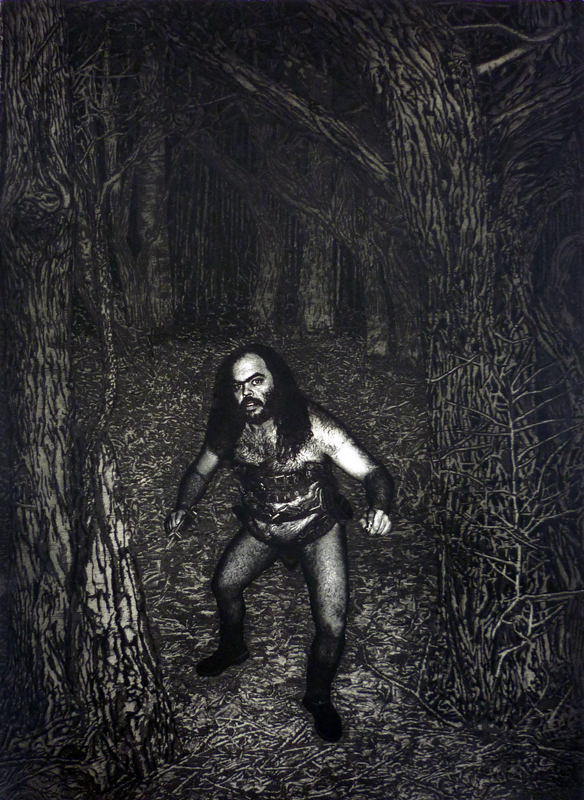
Hidden undercurrents of surface beauty are exposed in Victoria Ahrens thoughtful presentation of her PhD research ABSORB. A meditation on the history of the Paranà River in Argentina. From a mystical place of leisure for her Grandfather to the brutal grave of those who ‘disappeared’ during the military junta, thrown to their deaths to be slowly and anonymously absorbed into the landscape.

160908-victoria-ahrens-2

By allowing the waters of the river to wash over the plates and images that she creates the alchemical processes continue and those lost into the waters imbue the work with a gentle pathos.

1609-victoria-ahrens-3

From shards of shattered time an image is built that hovers between past and present.

Alex Simpson’s exploration of material in Through Viscera at Barbican Arts Group Trust was fresh and almost vibrating with energy.

Like a virus spreading across all surfaces, into the core of matter that lay extruded across the floor, eaten into and vein like, globular and thick with fungal felt, drying and dropping, leaving prints as scars.


In Lichtlose Luft, at PARCspace the LCC’s photographic archive resource centre,  Johanna Love’s lithographic prints and drawings on digital prints of tiny specks of matter magnified to reveal the sublime contours reminiscent of a mountain landscape were a very successful exploration of finding the human relationship in a scientifically generated image.

1609-johanna-love-1

The technical image is a starting point for the work, either obtained through the electron microscope or the digital scanner. Through the process of drawing and digital manipulation, there is an attempt to bring the image back into the physical, material world of the living and imagination, for as Merleau Ponty (1964) states, ‘science manipulates things and gives up living in them.’

1609-johanna-love-2

Isolated like meteorites falling through a grey space that vibrates with the blurred colours we see on the back surface of the eyelid; these drawings capture the imagination.

Super/collider once again brought us a mind blowing yet entertaining talk at Second Home.  Dr. Andrew O’Bannon has been studying Holography for 15 years. He proposes a bold idea that all the information in our 3D universe may be contained in a mysterious 2D image, like a hologram. Promising not only to unite Einstein’s relativity with quantum physics, holography also has the potential to provide us with cleaner energy, faster computers, and novel electronics. Using ideas from string theory he studies holography and strongly interacting systems.

In everyday life, a hologram is a two-dimensional image containing enough information to reconstruct a three-dimensional object. In theoretical physics, holography proposes that some strongly-interacting systems are equivalent to Einstein’s theory of gravity in one higher dimension.

1609-dragonfly-hologram

“Many experiments to detect proposed dark matter particles through non-gravitational means are under way. On 25 August 2016, astronomers reported that Dragonfly 44, an ultra diffuse galaxy (UDG) with the mass of the Milky Way galaxy, but with nearly no discernible stars or galactic structure, may be made almost entirely of dark matter.” From BBC science

There were two talks at New Scientist Live that I found particularly interesting. The first was from Dr Andrew Pontzen a theoretical cosmologist explaining the evidence that dark matter exists and why it is proving so hard to detect. He spends his time working through theories that are then passed on to someone like Cham Ghag, an astrophysicist who will devise strategies to test theories in direct detection projects such as ZEPLIN and LUX.

1609-new-scientist-live-2

It’s not only the calculations from gravitational lensing that suggests way more mass is present than can be seen but also large computer modelling samples of how galaxies form and rotate. Removing a few stars from the model galaxy ends in a chaotic breakdown, but making a few stars ‘dark’ so that the mass remains but we cannot see them does not change the rotation of the remaining stars we can still see. The distribution of dark matter across the universe appears like a fibrous net, imaged from the cosmic microwave background, an echo still reverberating from the first few seconds at the birth of the universe. The second talk ‘Beyond the Higgs’ was from particle physicist Professor Tara Shears who inspects the data produced from the experiments colliding proton beams to create fundamental particles at CERN, for anomalies that might turn out to be evidence of an interaction with a new particle. The search goes on.

1609 New Scientist Live dark matter.jpg


“the lamps are going out all over Europe, we shall not see them lit again in our life-time”

Sir Edward Grey, foreign secretary 1914

Ryoji Ikeda Spectra

Ryoji Ikeda Spectra

Seven days of light piercing the London sky to commemorate the anniversary of WWI

Ryoji Ikeda Spectra

Ryoji Ikeda Spectra

Artangel commission by Ryoji Ikeda acted as the beacon it represented

Ryoji Ikeda Spectra

Ryoji Ikeda Spectra

We are drawn to the light

I have been writing and reading about James Turrell for my dissertation. His use of light as medium for his work is poetic and magical.

James Turrell - Roden Crater

James Turrell – Roden Crater

Light is the materialization of energy. We are naturally eaters of light, our whole body is scattered with stray rods and cones outside of the retinal area which makes our relationship to light very primal.

Our bodies are made from matter fed by the fruits of photosynthesis.

Luckily we don’t suffer instant death like all the moths and flying insects

Ryoji Ikeda Spectra

Ryoji Ikeda Spectra

but it was a chance to think about the brutality of war and those that did suffer a terrible fate

With all that is happening now in Palestine, Iraq, Ukraine and elsewhere those words spoken a hundred years ago resonate, what progress have we made

when will the lamps be lit again

Social adhesion was a topic in our discussions during a workshop run by Sean Lynch at Flat Time House.

Flat Time House was the studio home of John Latham  who died in 2006. Before he died he declared the house a living sculpture, naming it FTHo after his theory of time, ‘Flat Time’.

Flat Time House aims to make a wider audience aware of Latham’s work and ideas, his spirit of discovery, and through his example to understand and appreciate the crucial role of art and the artist in society.

Starting from a series of photographs of Bellenden Road taken by John Latham in 1986 a weekend workshop led by the generous and entertaining artist Sean Lynch aimed to speculate about how urban space and environment is constructed, and what allegories and associations we can draw from it. It was purely about discussion of ideas and sharing stories. Sean’s own work is about urban environments and interventions, looking at the crafts people involved in construction as well as how art is received within a community. He has extensive knowledge of the O’Shea brothers who were stone carvers in Oxford revered at one moment and shunned the next. Details of his exhibition on the subject at Modern Art Oxford here

Sean is brimming with idiosyncratic stories gleaned from newspapers or local characters telling of encounters with faeries and magic bushes or pub crawls as performance art.

1409 vandals

Sean also talked about Robert Smithson who went to Mexico and was captivated by the delapidation of his hotel rather than the Mayan Ruins that most people would expect to be the focus of such an expedition.

Read the enigmatic essay ‘Yucatan is Elsewhere’ at this link – essay

Reminded me of visiting the ruins of a hotel on the Azores earlier this year

1409 Azores

For the workshop we were asked to bring along our own thoughts on public space.

I read a section from my in progress dissertation about my visit to Paradise Industrial Estate.

1409 paradise

We went for a couple of walks around Peckham looking at the local architecture and the council interventions.

1409 Bellenden Road

We were joined on one walk by vocal local campaigner Eileen Conn who has a dream for a new society based on community and gave us the low down on the Bellenden Road area make over.

John Latham’s wife Barbara turned up too with more stories.

1409 Peckham Mural (2)

We walked down to the green to look at where in the 1760’s William Blake had his vision of shining angels in the tree.

For a local community project Artist, The Guy – created a mural on the side of a house for the Dulwich Festival 1993 with the help of local volunteers.

 1409 Peckham Mural (1)

Great news –  Sean Lynch will be representing Ireland at the 2015 Venice Biennale.

Also interested in how the values of society are articulated in public spaces is 2014 RCA graduate James Seow.

His beautiful inked etching plates on show at Anise Gallery depict iconic public squares such as 9/11 Memorial Plaza, Tiananmen Square and Paternoster Square in extruded structural form giving them the aura of sacred space.

James Seow  Always Feel Safe

James Seow Always feel safe…

The gallery exhibits chosen artists that capture architecture through a variety of architectural forms.

1409 neoprintprize

Delighted to have work selected by Gordon Cheung, Paul Coldwell, David Cleaton-Roberts and Eileen Cooper for the neo:print prize in Bolton.

Paradise Road SW4

Paradise Road SW4

A great team of selectors so feel really proud.

An extra bonus was to win an award sponsored by Hawthorn Printmaker Supplies for my etching ‘Forest of Eden’

Forest of Eden

Forest of Eden

Rei Matsushima who has just graduated from the RCA also won a prize for her wonderful print ‘Mentaiko (cod roe)’

Rei Matsushima

Rei Matsushima

A series of events were held as a celebration of ‘Myth’ at the Royal Opera House.

The ‘breath of life’ and ‘the sacred fire within’ could be experienced through yoga in the great hall

1409 ROH

A screening of the stunning film interpretation of Leda and the Swan featuring Eric Underwood and Claire Calvert dancing in Richmond Park

Leda and The  Swan

The Indifferent Beak

A sudden blow: the great wings beating still

Above the staggering girl, her thighs caressed

By the dark webs, her nape caught in his bill, He holds her helpless breast upon his breast.


How can those terrified vague fingers push

The feathered glory from her loosening thighs?

And how can body, laid in that white rush,

But feel the strange heart beating where it lies?


A shudder in the loins engenders there

The broken wall, the burning roof and tower

And Agamemnon dead.

Being so caught up,

So mastered by the brute blood of the air,

Did she put on his knowledge with his power

Before the indifferent beak could let her drop?


Inspired by Yeats 1923 poem, choreographer Charlotte Edmonds wanted to convey the entwining bodies and passion of the encounter

Leda and the Swan

The Indifferent Beak

Matt Collishaw also sought to convey burning passions

Matt Collishaw

Matt Collishaw

The dangers of desire.

Bill Viola gave us suffering for transcendence.

Bill Viola - Fire Martyr

Bill Viola – Fire Martyr

Andrea Büttner is interested in ideas of spirituality on a quieter scale.

The ‘Little Works’  of the Carmelite nuns of Notting Hill, ‘The Little Way’ of St. Thérèse of Lisieux, a carmelite saint which influenced the delicate drawings of Gwen John.

Noticing the small and lowly she makes connections between the humility of the nuns with the unobtrusive yet persistent spreading of moss.

Lives lived in the background.

She discussed her ideas with insightful curator Chus Martinez, Head of the Art Institute, Basel at Tate Britain. She was launching her book Hidden Marriages which draws inspiration from the National Museum of Wales collection of drawings by Gwen John (1876–1939) and the extensive collection of mosses preserved in its herbarium.

Much of her work makes connections between art history and social or ethical issues, with a particular interest in notions of poverty, shame, vulnerability and sexuality, and the belief systems that underpin them. Although working a hundred years apart, Gwen John and Andrea Büttner share an interest in the spiritual, social and aesthetic notions of ‘littleness.’

Mosses fall under the term cryptogam (meaning hidden sexuality). Moss is also described as a ‘lower plant’— implying a lesser, or more primitive, evolutionary development than flowering or ‘higher plants.’ Hidden Marriages: Gwen John and Moss draws these two seemingly unconnected collection areas together, making links between the reproductive processes of ‘lower plants’ and the contested sexuality of Gwen John; between littleness as an aesthetic, biological, and social discourse; between the scientific ordering of the Museum and the harmony and beauty that John sought in her work; and, ultimately, the way institutions ascribe relative importance to objects, ideas and people.

Büttner makes large woodcuts about lowly things like tents.

Andrea Buttner Tent

Andrea Büttner Tent

She said she views her woodcuts almost as brochures or advertisements to her videos.

Andrea Büttner Piano

Andrea Büttner Piano

She had some great duo scope images on slides and in her book of moss collectors intently surveying the ground, heads down, eyes lowered, kneeling as though in prayer

1306 Moss


My visit to the Venice Biennale was marked by my receiving news that I had a place at the Royal College of Art for the Autumn.  A great start to a very inspiring few days.

It does feel a bit like I am going to be launched into space. Exciting and an amazing opportunity but also not knowing what to expect with anxieties that I will be lost or unable to cope.

Bedwyr Williams ‘The Starry Messenger’ and Sarah Sze’s Triple Point both explore feelings of place within the universe. Very apt for my frame of mind.

Wales in Venice

Wales in Venice

‘The Starry Messenger’ explores the relationships between stargazing and the individual, the cosmos, and the role of the amateur in a professional world.

Inside the former church and convent in a darkened room there is a small observatory with a door ajar through which we can see the starry cosmos. There is the sound of a man weeping, just like Kevin does when he thinks about the vastness of space and his own insignificance. Moving through the installation you walk under glass with household objects placed on its surface above your head which I took as a possible reference to Leonardo Da Vinci’s drawing ‘A cloudburst of material possessions’. Maybe it is space debris.

Bedwyr Williams The Starry Messenger

Bedwyr Williams The Starry Messenger

There is a film with a Mighty Boosh style protagonist who represents a character trapped within a mosaic mural.

Bedwyr Williams The Starry Messenger

Bedwyr Williams The Starry Messenger

From the geological formation of stone out of oozing mud through its journey and subsequent use in a mural to the demolition of the building and its return to the earth. From looking out at the stars through a telescope to ‘staring into space’ the outer and inner worlds collide in a wonderfully amusing narrative encompassing the life the universe and everything dialogue.

Bedwyr Williams The Starry Messenger

Bedwyr Williams The Starry Messenger

Sarah Sze explores the desire to locate our place within a disorienting world.

Sarah Sze Triple Ponit

Sarah Sze Triple Point

Her fragile sculptures echo the balance and chaos of the world around us.

Sarah Sze Triple Point

Sarah Sze Triple Point

They appear to spin or be in the process of expansion, beautifully mysterious like the working of the atom or the universe they are full of wonder.

Sarah Sze Triple Point

Sarah Sze Triple Point

Playing with pattern, order and taxonomy she creates a laboratory busy in its own pursuits which makes us feel we are close to understanding something great.

Sarah Sze Triple Point

Sarah Sze Triple Point

I was excited to see she had used moss a lot throughout this installation, even turning its image into wallpaper.

Sarah Sze Triple Point

Sarah Sze Triple Point

Triple Point refers to the phase when gas, liquid and solid form of a substance are all in equilibrium, her use of natural forms keep our ideas grounded in our surroundings while drawing us into the mysteries of evolution.

The extraordinary collection of stones once owned by artist Roger Caillois were on display in the Central Pavillion.

Roger Caillois Stones

Roger Caillois Stones

Caillois believed that nature should be examined as something other than as the utilitarian force that Darwin purported and that aesthetics and the need for decoration should be considered integral to our understanding of the natural world.

Roger Caillois Stones

Roger Caillois Stones

He considered the beautiful patterns within ancient natural forms were a sort of cryptic ‘universal syntax’, a unifying aesthetic language.

Roger Caillois Stones

Roger Caillois Stones

He wanted to understand the mysteries of the subjective experience through its relationship to factual reality.

I find it fascinating trying to understand the aesthetic experience.

Gerhard Richter’s tapestries at Gagosian, Davies Street emanate pure aesthetic pleasure, colours and form coalesce erupt and fade.

These works are based on Abstract Painting (724-4) (1990). The visual effect of the tapestries is a Rorschach-like multiplying of the forms and colours of the original canvas.

Gerhard Richter

Gerhard Richter

Like entering a hypnotic state, like staring into space both literally and metaphorically you are transported to a place where it feels familiar and strange at the same time.

Gerhard Richter

Gerhard Richter

Venice was a perfect location to think about mysteries, the sacred and the wonders of the world.

1307 Monastry

I have been looking at moss. It gets everywhere.

1306 mossy trees

I found an interesting blog that puts moss in context historically…

‘This soft plant pre-dates just about everything that surrounds it…older than ginkgo, older than Turtle Island, older than the very first tree, quite possibly older than the dirt itself.

The moss pre-dates the very notion of history.  Because the moss comes from an Earth that would be completely unrecognizable to you and me, completely alien even to the trees themselves.’  Read more…

1306 mossy wall

Then thanks to Giovanni Aloi Founder and Editor in Chief of Antennae, the Journal of Nature in Visual Culture my attention was brought to the news that ancient mosses are returning.

‘Frozen mosses that were buried under glaciers 400 years ago have now been regrown. Surprisingly, the hardy “bryophytes” required no special techniques to regenerate. That means they might be candidates for colonizing extreme environments — even in space.  During the Little Ice Age, which occurred between the 16th and 19th centuries, massive glaciers moved in and covered various regions in the Northern Hemisphere. These glaciers slowly retreated throughout the 20th century, and the rate of ice melt has sharply accelerated since 2004. The substantial glacial retreat is now revealing beautifully preserved vegetative communities, says Catherine La Farge, a bryophyte botanist at the University of Alberta. “It’s kind of like a blanket being pulled back, allowing you to see what the Little Ice Age was like.” ‘ Read more…

1306 Moss

So maybe my work should be looking at ‘Return of the Moss’ not ‘Return of the Forest’.

It’s not quite such a dramatic image. I have been looking at some impressions of the first trees, there were a bit fern like.

Fern looks so primordial. I have been working on making stencils to screen print over the ice collagraph. Using the scans from the ferns I pressed I have added an embryo as a harbinger of what is to come.

1306 Embryo

Every summer Ochre Print Studio opens its doors for an Open Studio Exhibition and I usually help curate this.

Lots of work arrives from all the members. We line it up and start looking for connections.

Ochre Print Studio

Ochre Print Studio

Also need to fit my own work in.

Yellow Sky

Yellow Sky

Subluna and Graft i

Subluna and Graft i

Went to see ‘Disgraced’ at the Bush Theatre. Set in New York. Today. Corporate lawyer Amir Kapoor is happy, in love and about to land the biggest career promotion of his life. But beneath the veneer, success has come at a price. When Amir and his artist wife, Emily, host an intimate dinner party at their Upper East Side apartment, what starts out as a friendly conversation soon escalates into something far more damaging.’
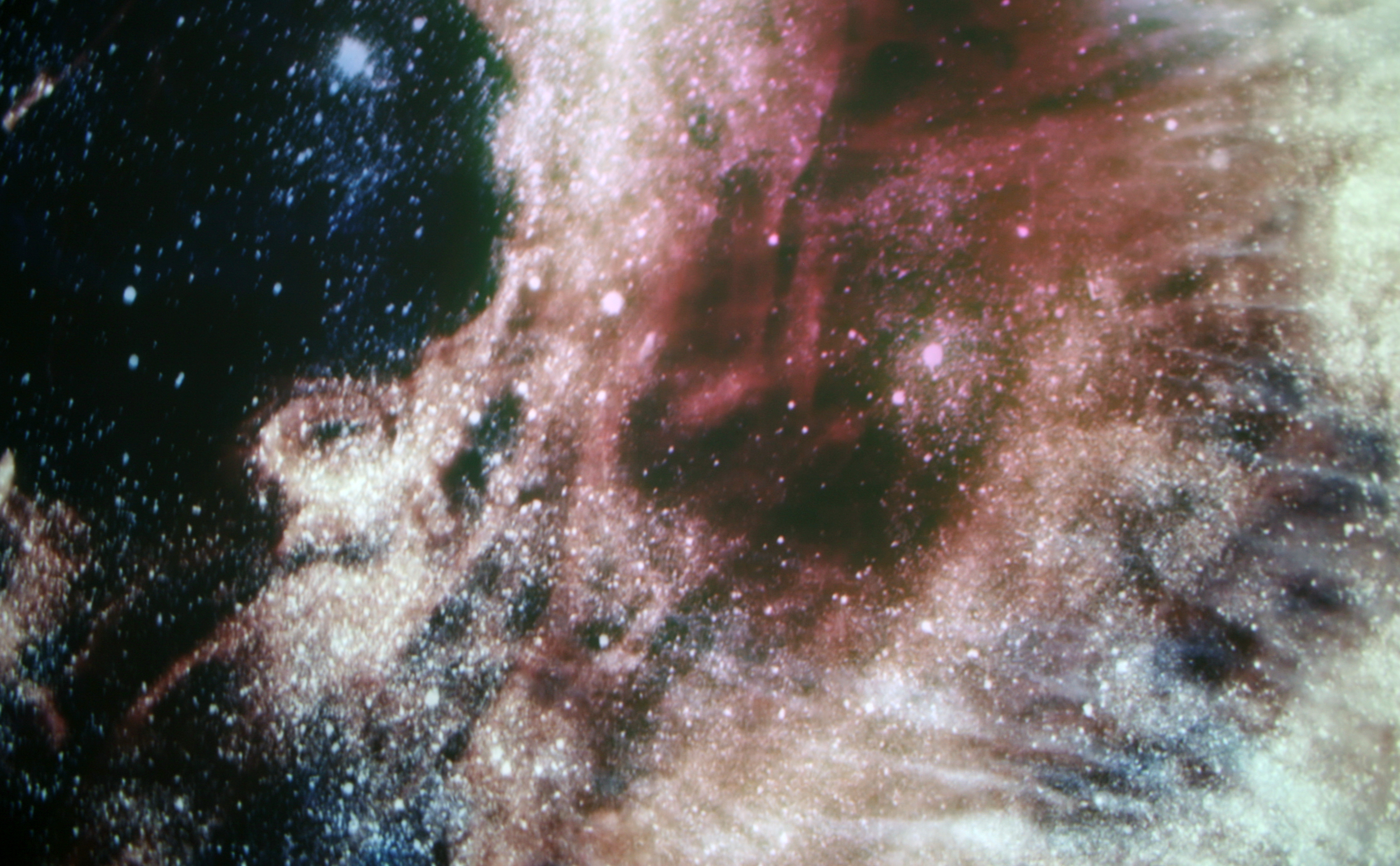
Disgraced by Ayad Akhtar

Disgraced by Ayad Akhtar

This blog from Paul in London sums it up nicely

‘Over the course of 90 minutes everything that is civilised and awfully respectable about two New York couples is gradually undone and at times the conversation is so frank and uncomfortable ‘. ……Read more

The characters reflected a fast retreat to their roots when under pressure, to the lessons of their parents to shared histories and a sense of belonging.

It seems origins are very important and potent.

Look at the moss slowly spreading, changing the climate and allowing new growth and eventually the advent of man.

It was a good exercise for me to give a talk at the Robert Phillips Gallery in conjunction with the Surrey Contemporary 2013.  Time to think about my own origins and how they influence my work. I dragged out old sketchbooks and notes to refresh myself on the ideas that have led me to this point.

I wasn’t sure how long I would be able to talk for. I started by talking a little about my own background – growing up in the countryside – living in the city and how this has made me very conscious of the difference between my contact with nature then and now. Also the influences of the ecological call to arms on my feelings about the natural world and my love of the urban landscape.

Binformation

Binformation

 ‘Binformation’ always provokes lots of discussion so that was a good piece to be able to discuss. Rubbish is remarkably personal, it’s something we all produce relentlessly and often harbour guilt about. So it can be comforting to think that maybe in millennia that layer of plastic will turn into something beautiful to be mined.

While doing a bit of research for my talk at Riverhouse I went back to some old sketchbooks from Goldsmiths days and pulled out his quote that I had come across at the time. Those feelings that once everything was better go back a long way.

 “One thing is sure. The earth is now more cultivated and developed than ever before. There is more farming with pure force, swamps are drying up, and cities are springing up on unprecedented scale. We’ve become a burden to our planet. Resources are becoming scarce, and soon nature will no longer be able to satisfy our needs.” Quintus Septimus Florens Tertullianus Roman theologian, 200 AD

I have been falling in love with Angela Carter again. Reading ‘Nothing Sacred’ and marvelling at her insight of 40 years ago.

1306 angela carter

Writing on the discovery of the idea of the Sublime she looks at the industrial landscape of Bradford and notes the seductive attraction of grit and grime heralded by the art-house films of the fifties appealing to the romantic who was not born and bred in a back to back house.

‘The history of taste may well be that of the obscure and probably warped predilections of the bourgeois romantic intellectual gradually filtering down through the mass media until everybody knows for certain what they ought to like. After all, only a handful of eccentrics enjoyed mountains until a mountain got up and followed Wordsworth across a lake’.  New Society 1970

Despite the urban growth and industry of the northern city she finds there is still a direct contact with nature in the markets of Doncaster – ‘It’s cold and wet underfoot, here.’

‘Outside, among the fruit and vegetable stalls, it had started to rain in earnest and the cabbage stalks and shed lettuce leaves were turning to soup in the puddles. It’s very tiring, not being alienated from your environment.’

New Society 1976