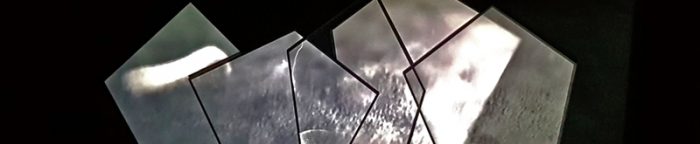
I am thrilled to have work included in Cosmos: The Art of Observing Space curated by Ione Parkin showing at the Royal West of England Academy, Bristol. Delivered in partnership with the Royal Astronomical Society, this exhibition offers a unique journey through time, imagination, and inquiry – inviting you to experience the awe, wonder, and curiosity that the cosmos continues to inspire.
Image: Michael Porter RWA, Impossible Landscape 15-05-25
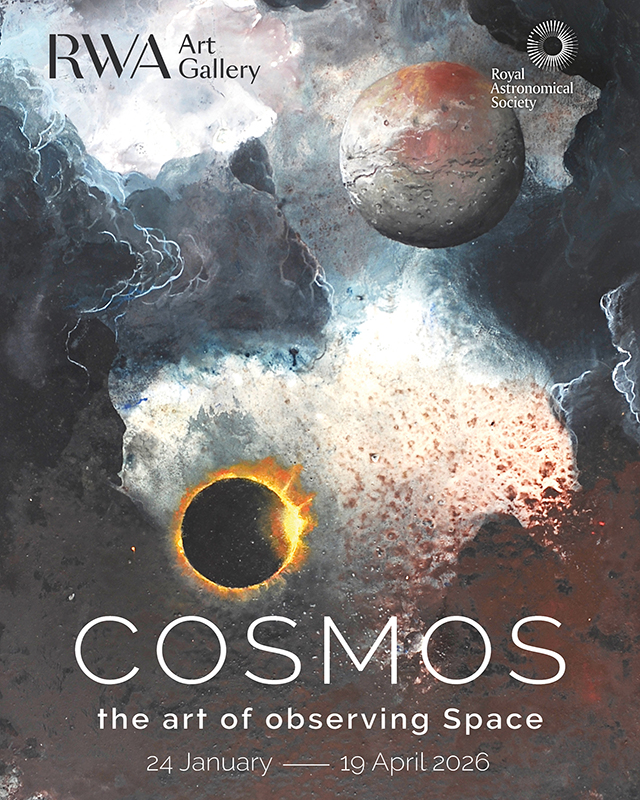
Featured artists:
Kate Bernstein 🌖 Annie Cattrell 🌖 Ian Chamberlain RWA 🌖 Richard Cox 🌖 Geraldine Cox 🌖 Susan Derges 🌖 Otto Dettmer 🌖 Sarah Duncan 🌔 Susan Eyre 🌕 Anna Gillespie RWA 🌖 Tom Hammick 🌖 Alex Hartley 🌖 Simon Hitchens RWA 🌖 Janette Kerr RWA HRSA 🌖 Melanie King 🌖 Tania Kovats 🌖 Ulrike Kuchner 🌖 Lynda Laird 🌖 Christopher Le Brun RA RWA 🌖 Johanna Love 🌖 Gillian McFarland 🌖 Rachael Nee RWA 🌖 Pale Blue Dot Collective (Louise Beer and John Hooper) 🌖 Cornelia Parker 🌖 Ione Parkin RWA 🌖 Michael Porter RWA 🌖 Ben Rowe MRSS RWA 🌖 Robin Sewell 🌖 Jane Sheppard 🌖 Yinka Shonibare 🌖 Karl Singporewala RWA RIBA 🌖 Wolfgang Tillmans
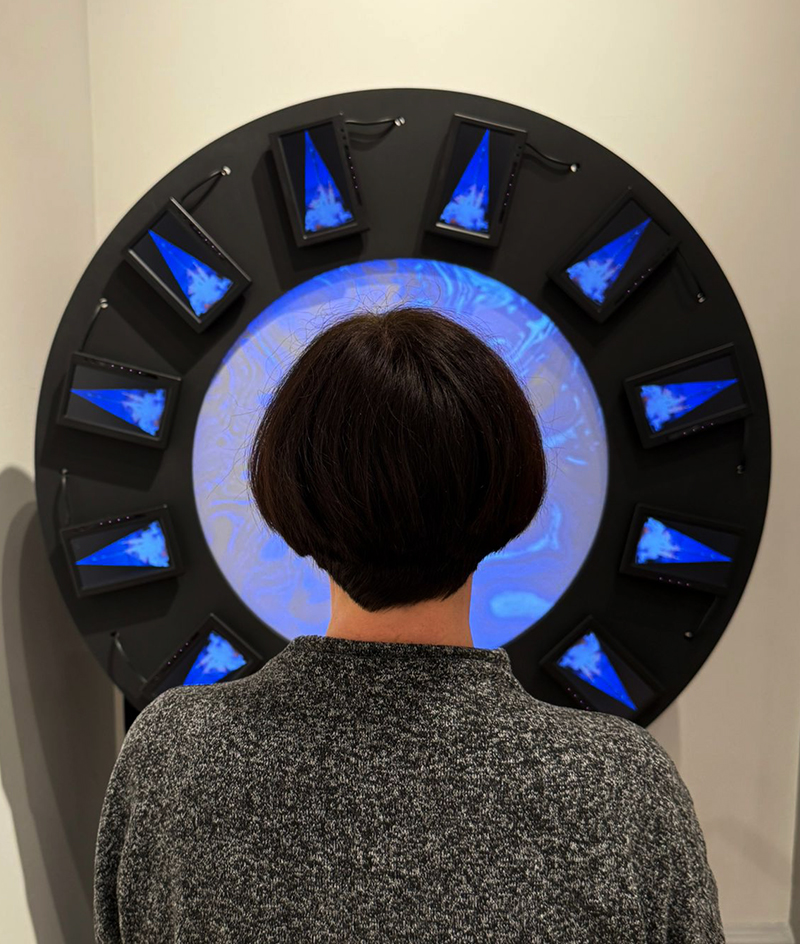
My works in the exhibition include The Azimuth Obelisk (of Sedimentary Knowledge), a reimagining of an obelisk operating as a permanent azimuth mark, from which the drift of the magnetic North Pole is monitored; Orbital a multiscreen installation looking at the interaction between space weather and Earth’s magnetic field; 92 Years Measured in Light, a reflection on time spent on Earth in relation to the vastness of the cosmos and Sun Factor, a look at sun worship and a reminder of the Sun’s true power.
Install in progress.

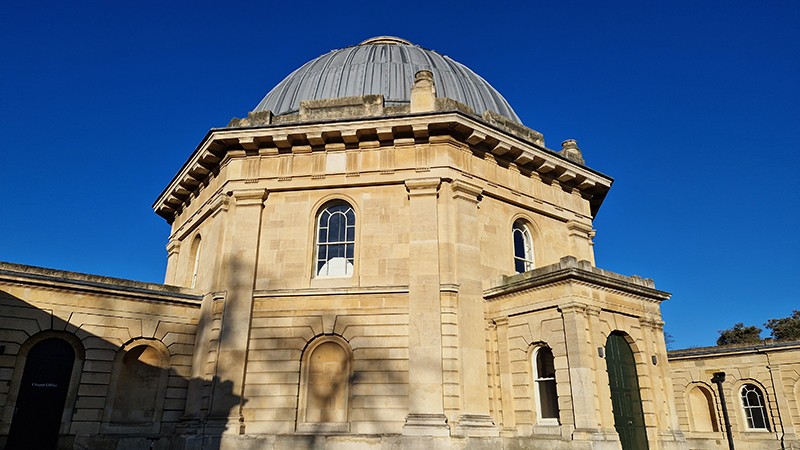
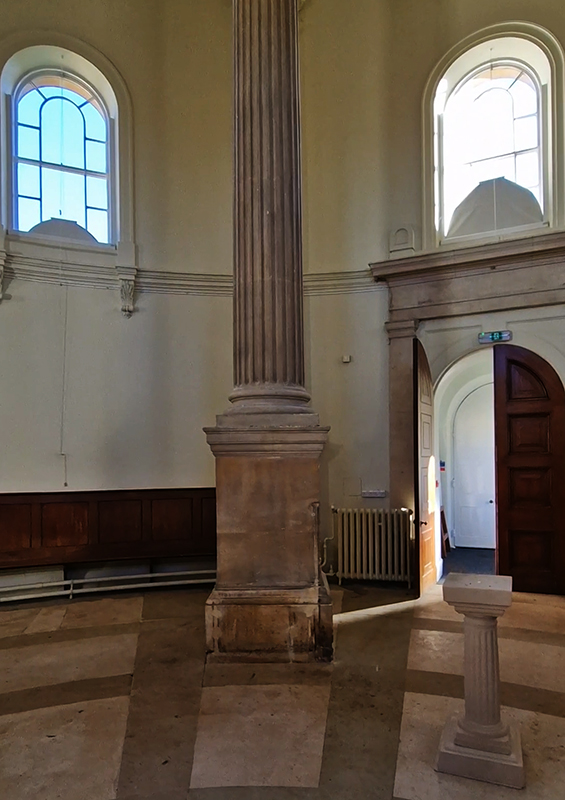
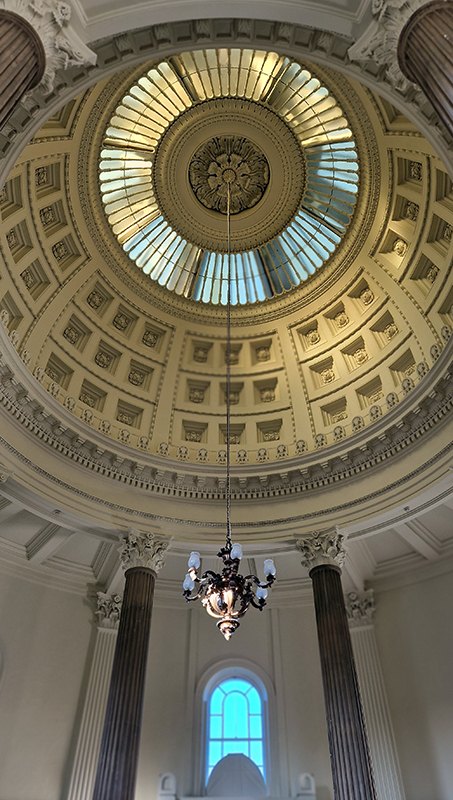
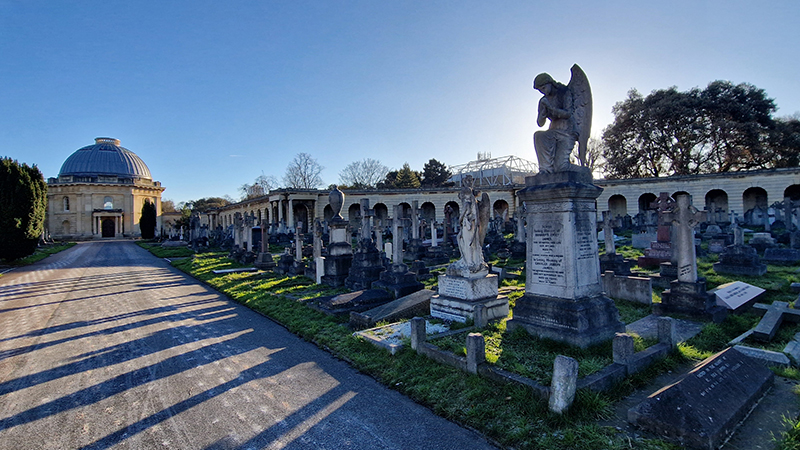
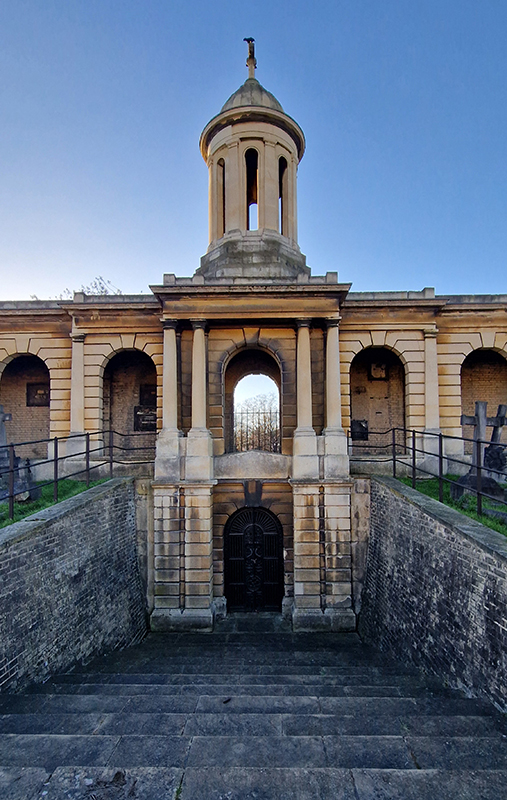
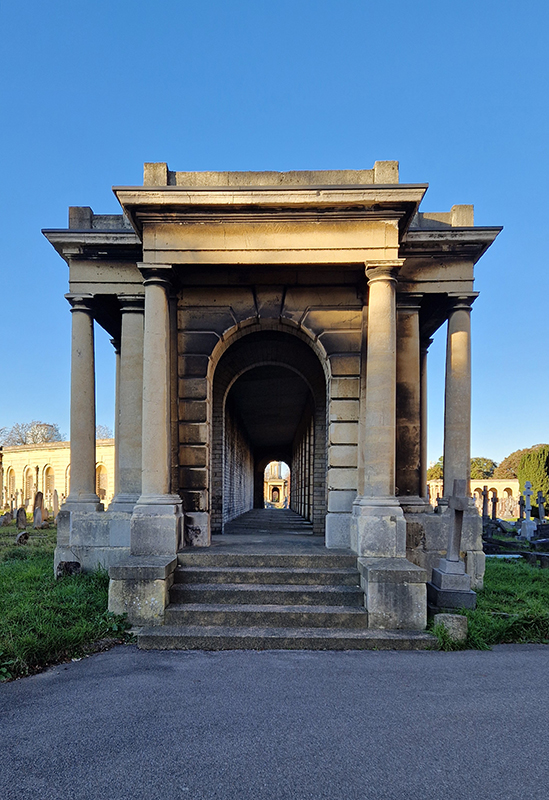
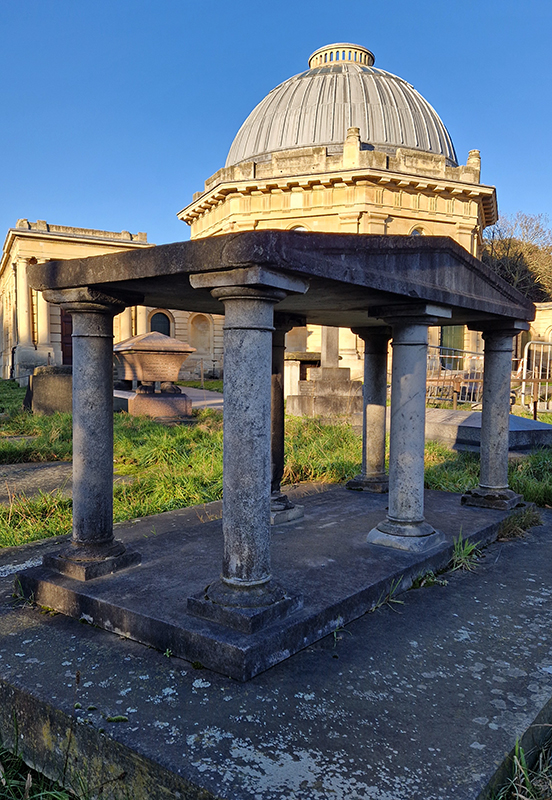
I enjoyed a site visit to Brompton Cemetery Chapel on a bright frosty morning with curator Catherine Li to plan a future exhibition at this magnificent Grade II listed building. Entering the glass domed chapel is entering a space both hushed and echoing. Concentric circles in varying shades of bath stone span the floor circled by eight giant Corinthian columns. Built in 1842 the eight-sided building is said to represent life on earth, while its lofty dome suggests heaven. Early ideas for the exhibition are thinking about ‘way finding’ in terms of physical and spiritual navigation to find a path or direction.
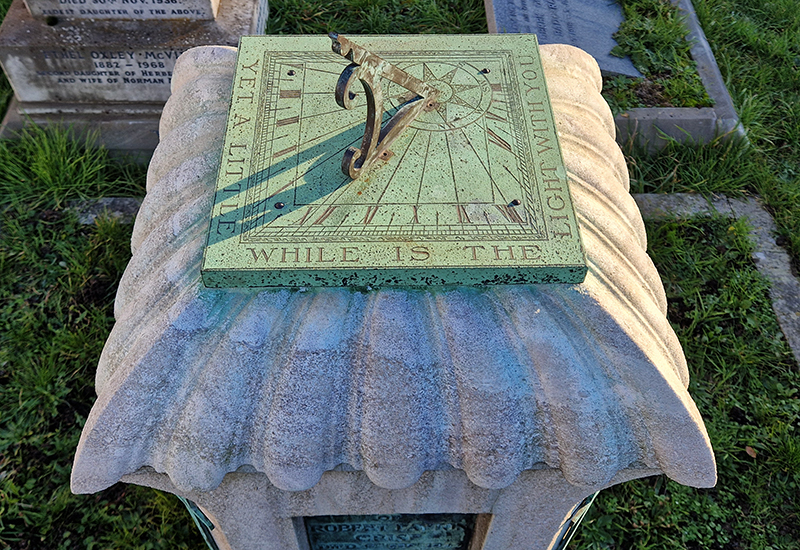
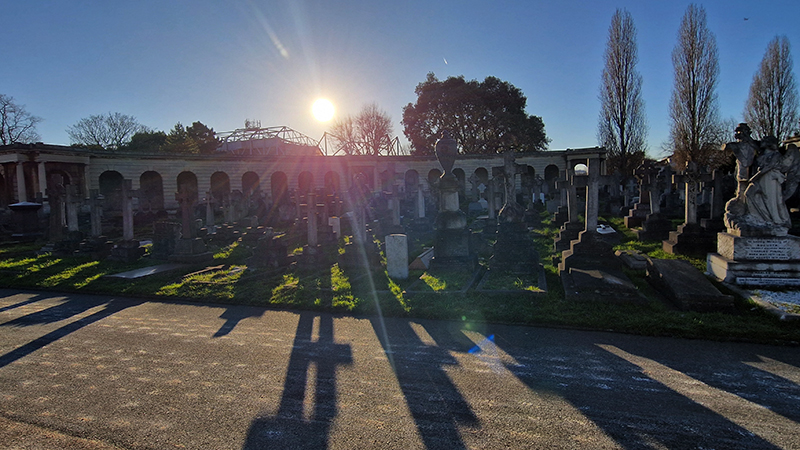
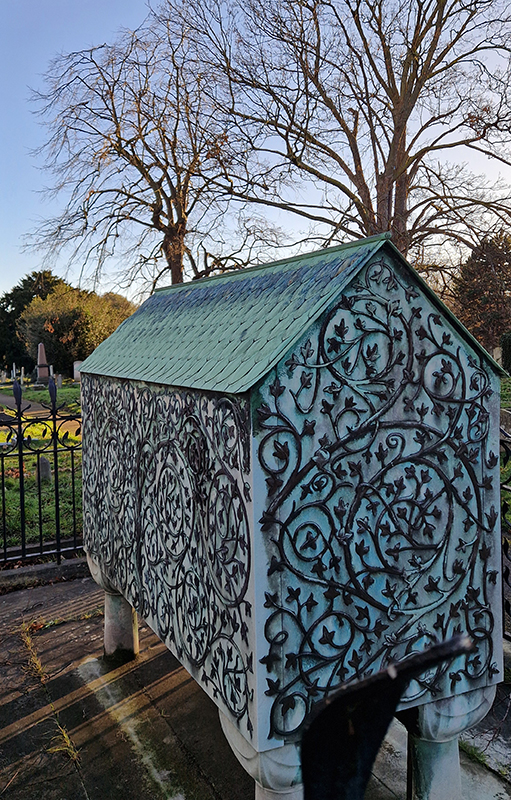
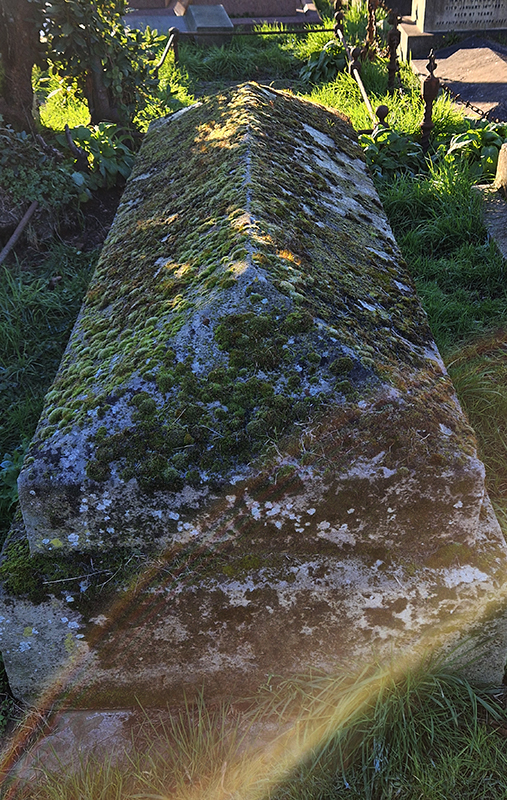
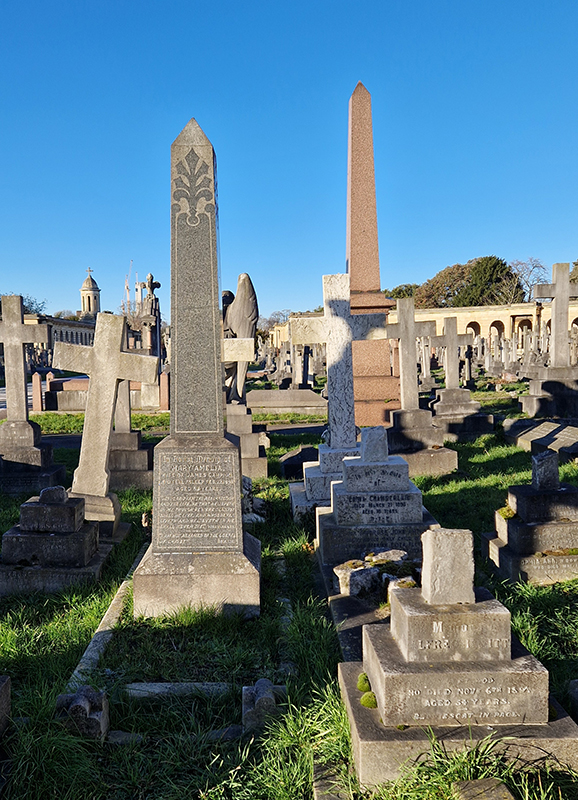
Brompton Cemetery offers a rich site for discovery of the many symbols used to represent the passage from life to death, to comfort, grieve and express love. I was particularly taken by the beautiful sun dial with the inscription YET A LITTLE WHILE IS THE LIGHT WITH YOU
Lessons in electrons.
I listened to an archive episode from In Our Time Pauli’s Exclusion Principle
The Pauli Exclusion Principle proposes that no two electrons in an atom can be in the same configuration at the same time, and it helps explain a wide range of phenomena such as the electron shell structure of atoms. This principle explains the chemical behaviour of the elements and why matter is stable. At the beginning of the 19th century the elements were ordered in the periodic table by mass and it was noted that inert elements appeared very regularly in the table with active elements either side – a periodic occurrence of common properties, hence the name. It was found that if you heated the elements, each element emitted light of a specific colour which became known as the spectra.
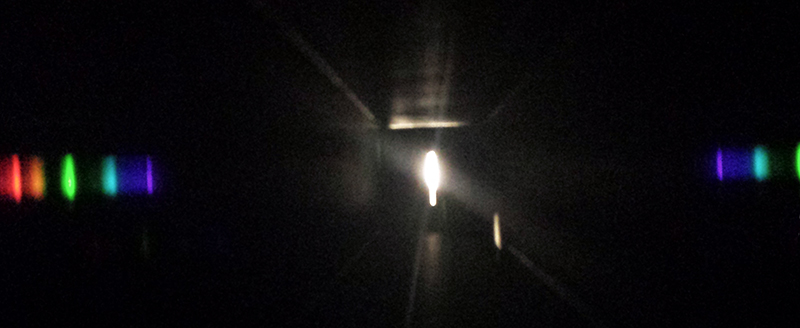
The internal workings of the atom were discovered to consist of negatively charged electrons whirling around a positively charged nucleus but the metaphor of a miniature solar system based on gravity was inaccurate. It is hard to get away from imagining this image. It was Niels Bohr who realised that electrons were not free to travel anywhere but are restricted to ‘orbits’ – a helpful analogy is to think in terms of a ladder where an electron can be on a high rung with high energy or a low rung with low energy but can’t be between rungs. Electrons can jump from a high rung to a low rung and in so doing lose energy as light in a characteristic colour.
Pauli, a theoretical physicist, discovered that electrons cannot move to a place where there is already an electron and this is what gives rise to structure and the different chemical natures of the atoms. The different rungs on the ladder have different shapes and can accommodate different numbers of electrons. The bottom rung can only fit two electrons, if the rung has just 1 electron it is hydrogen, if it has 2 electrons it is helium and that rung is then full. Helium is chemically inert because that low rung is now full. The next rung up can hold about 10 electrons and when that is full that element is inert. Pauli also noticed that it was possible for electrons to have two values but couldn’t explain this – we now know this as spin – the electron can spin in different directions.
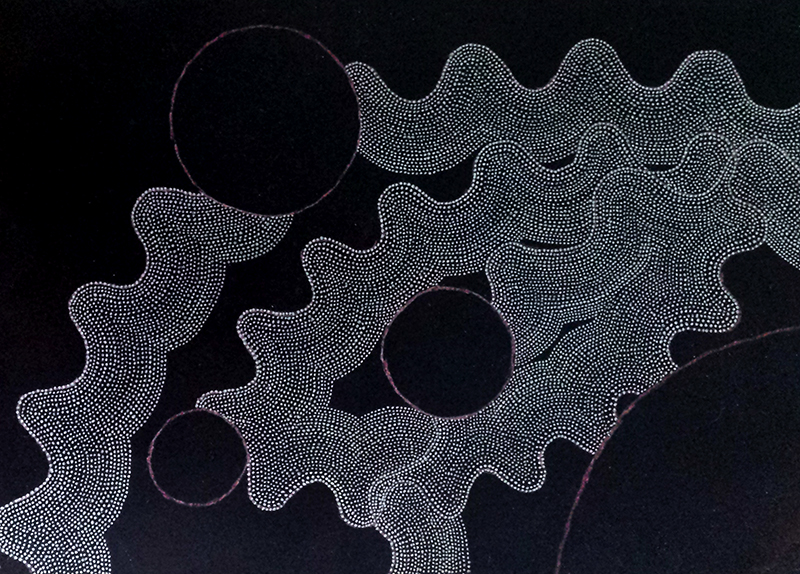
Photons do not have an exclusion principle, you can add more and more photons and make laser beams as intense as you like. I always wondered about Vantablack (the world’s blackest man-made substance, a coating of vertically aligned carbon nanotubes that absorbs up to 99.965% of visible light) and if it absorbs so much light where does it go and does the material get hot.
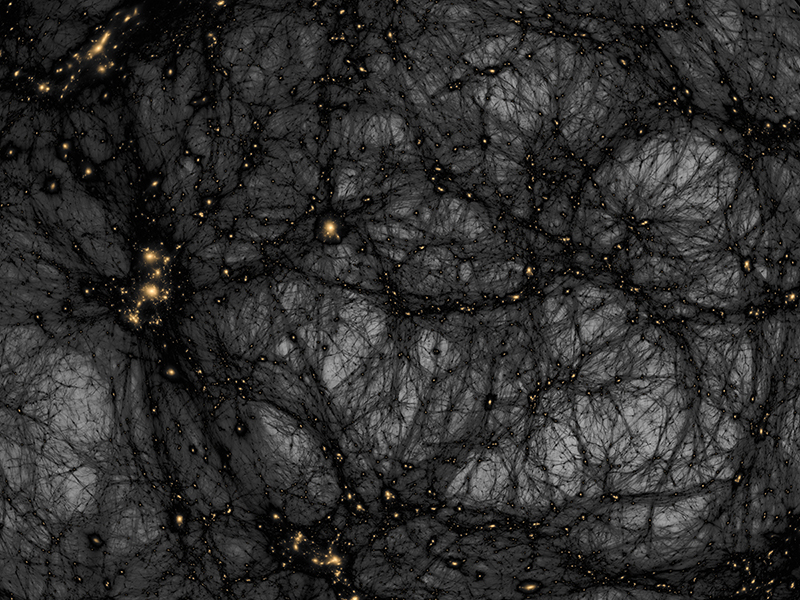
It’s nearly 10 years since the Laboratory of Dark Matters project when, thanks to astrophysicist Dr Cham Ghag and lab director Prof. Sean Paling, I was able to visit Boulby Underground Laboratory to meet scientists looking for dark matter over 1km underground on the N.E coast of England. Dark matter has still not been detected but is still thought to be some sort of particle. Direct detection methods have moved on from trying to detect a direct hit from a dark matter particle with an atom nucleus to looking for signs of electrons scattering from the target.
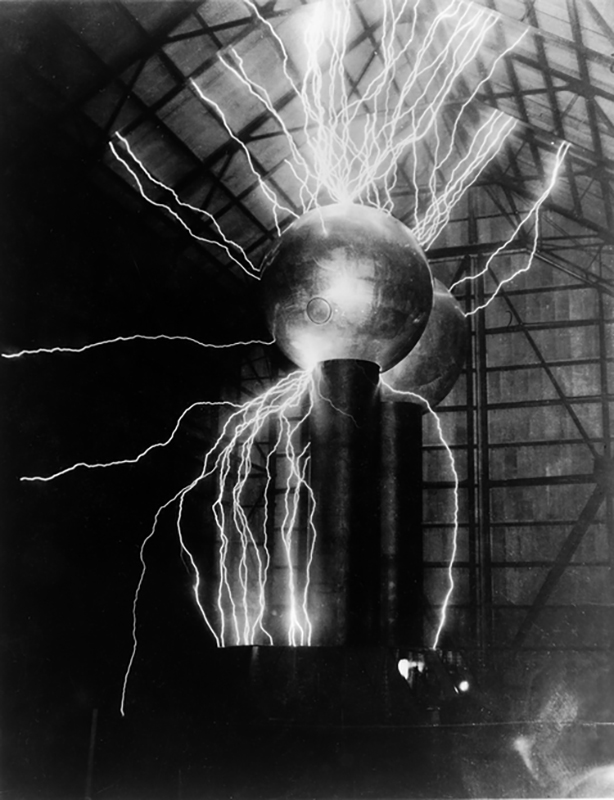
A surprise Christmas gift was a Van Der Graaf Generator which demonstrates ‘static’ electricity. Considering how the electrons caught up by the generator are rushing about desperately trying to get back to the earth it doesn’t sound very static. Electric current is simply electrons on the move. I’m not expecting quite such dramatic results as achieved by this 43-foot-tall experimental high-voltage Van de Graaff generator built at Round Hill, Massachusetts in 1933 as the world’s most powerful particle accelerator, but looking forward to trying some of the experiments.
In February 2023, the highest energy (around 220 million billion electron volts) neutrino ever detected (KM3-230213A) was spotted by the Cubic Kilometre Neutrino Telescope detector, a network of vertical strings with glass spheres holding sensitive Cherenkov radiation light detectors, submerged at great depths in the Mediterranean Sea. This neutrino had over 100 times higher energy than any other previously detected and its origin is still under investigation. High energy neutrinos travel in straight lines, unaffected by galactic magnetic fields, and so could point directly to their violent birthplace, offering insight into the universe’s most energetic processes. It may have been a cosmogenic neutrino, generated when powerful cosmic rays from deep space smash into gas clouds or photons in the interstellar medium creating these rare elusive particles, or from the universe’s most energetic phenomena, involving immense gravity, density, or explosive power, primarily driven by compact objects like black holes and neutron stars, or even decaying dark matter particles.
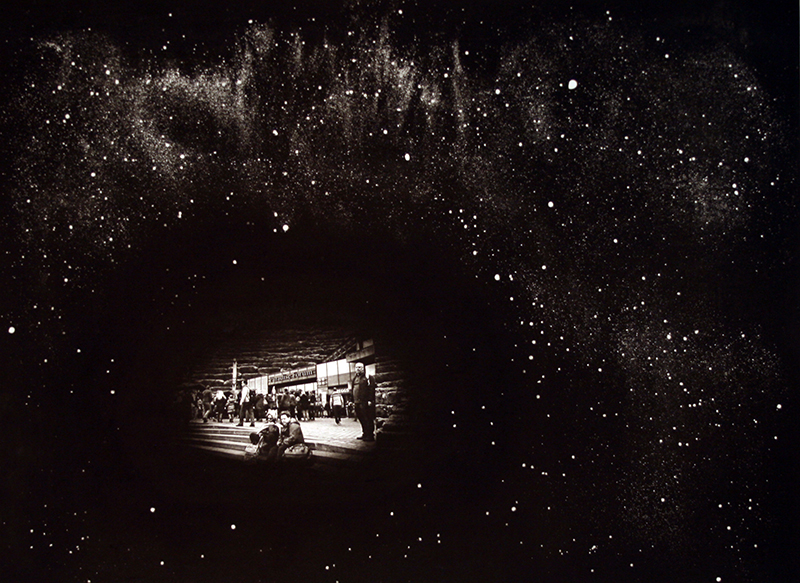
AI is not like us; the only way we can have a relationship with it, is for us to become like it.
I thought the ideas presented in the Gresham Lecture Becoming AI – Your Journey to Assimilation? gave a prescient perspective – we are so often focused on AI being trained or designed to be more like humans but are losing sight of the fact that it is we humans that are becoming more like AI, it is us that are changing how we communicate to adapt to the methods of the machine.
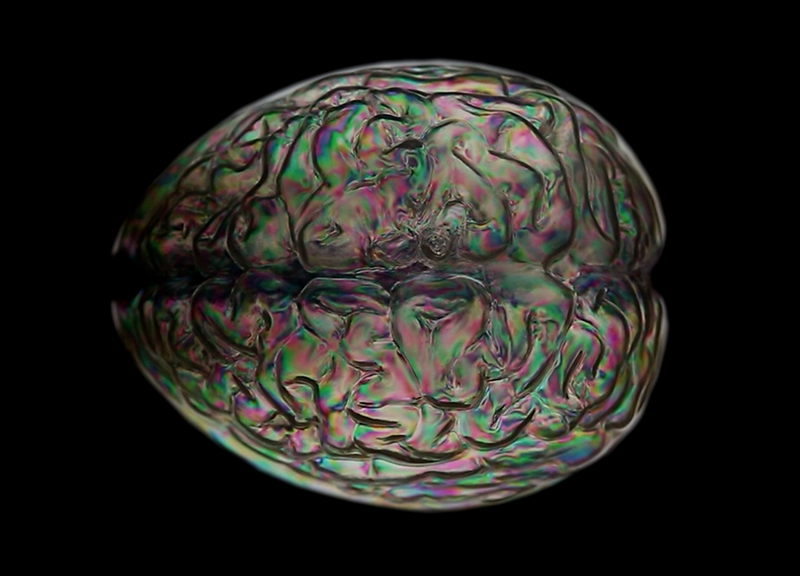
While thinking about minerals in clay and how pottery and bricks preserve the direction of the magnetic field in their minerals during the process of firing which heats and then cools the clay – the same process that occurs in a lava flow. Iron-bearing minerals (like magnetite) in clay become “magnetic” when heated in a kiln. As the pottery cools, these minerals lock into the Earth’s magnetic field direction and strength at that time. I came across Rescued Clay, who transform discarded clay from construction sites into new narratives. Together with local communities, they shape this once-forgotten earth into objects, artworks, and spaces that preserve the memory of land, culture, and people, turning waste into stories worth keeping.
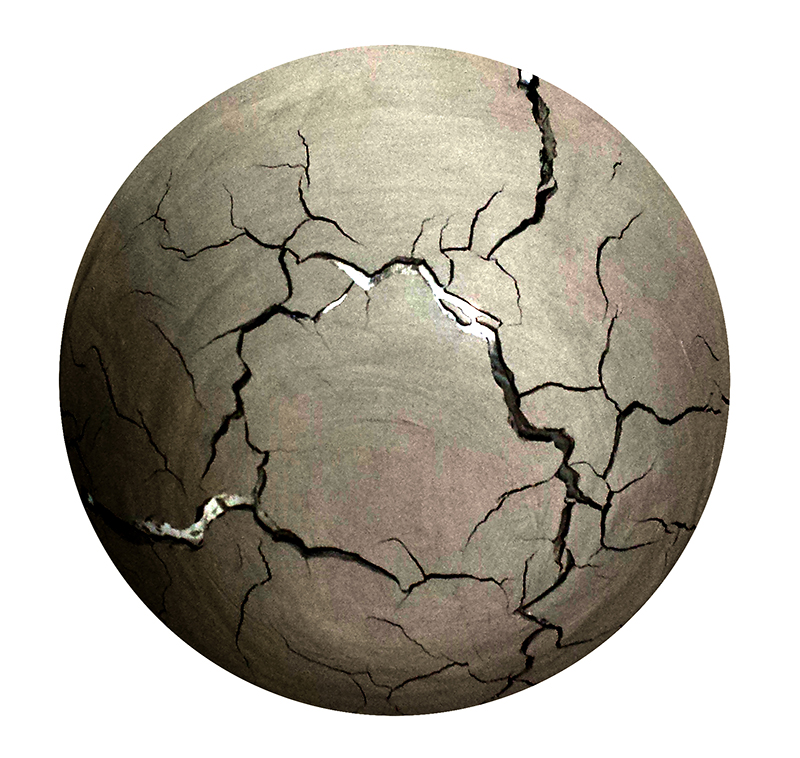
I was fascinated to read about the oldest rock found on Earth in Marcia Bjorerud’s little Geopedia compendium. The Acasta Gneiss complex dates from 4.03 billion years ago, any rock that formed on Earth before this time has been melted, obliterated or subducted through violent geologic and astral events save for a few tiny crystals of zircon. The first geologic interval on Earth has left no record. The age of the Earth is therefore determined by looking at the composition of meteorites and planets in the solar system that formed at the same time as Earth and have remained unchanged since. I find this mind blowing.
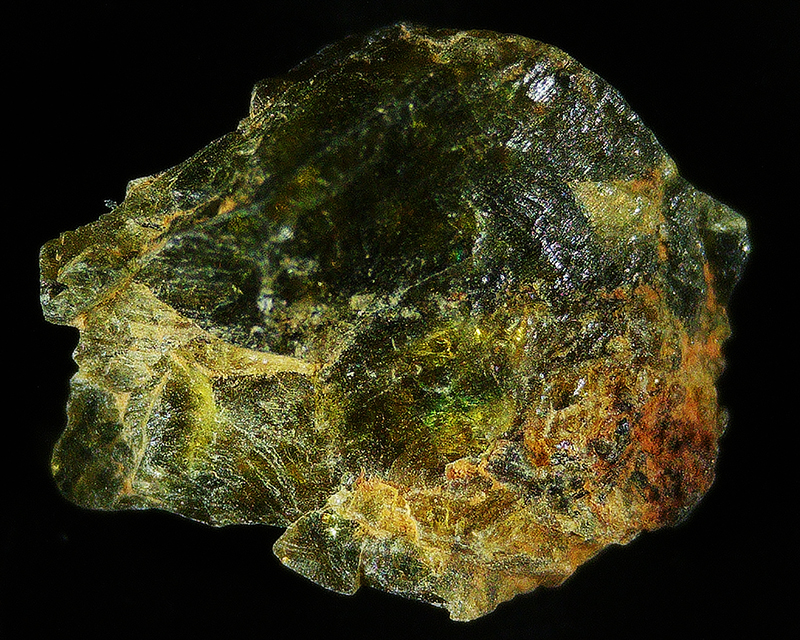
Diogenite meteorite NWA 7831
Out and About
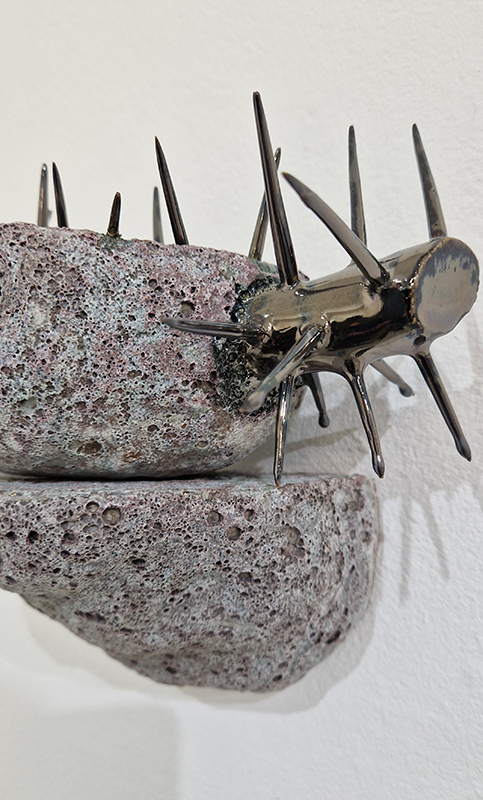
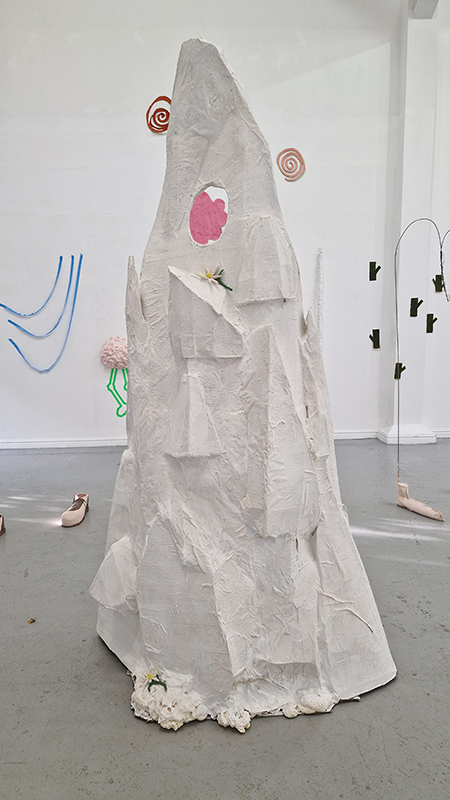
Objects that slip Between the Floor and the Wall at Thames-side Studios Gallery. Some playful works and I particularly enjoyed Eleanor Bedlow’s Push Pull that embodies that idea so well, Jane Millar’s impossibly spikey ceramics with the most gorgeous glazes, the skewed geometrics of Johanna Bolton, morphing oversized beads of Janet Currier and mad Mountain View of Sandra Lane.



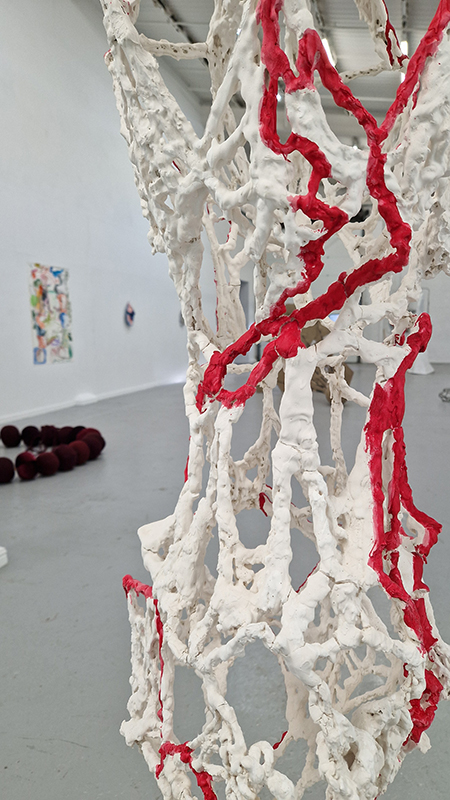

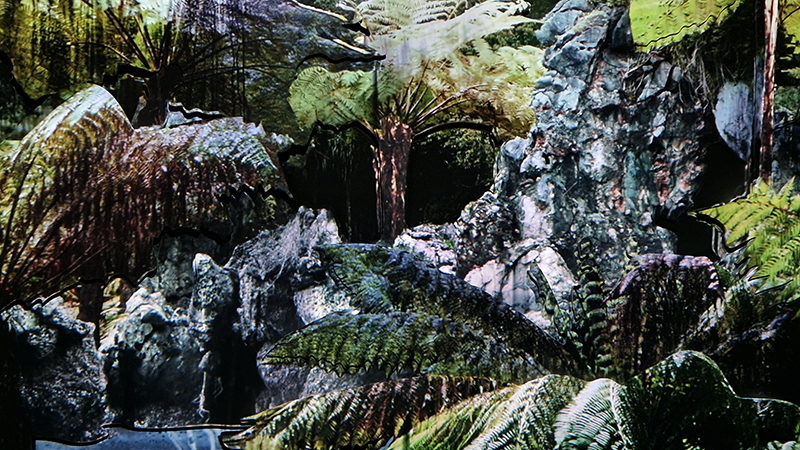
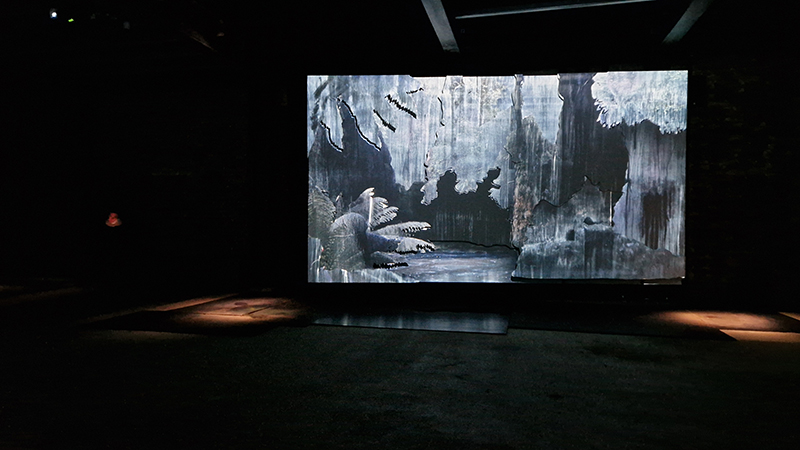
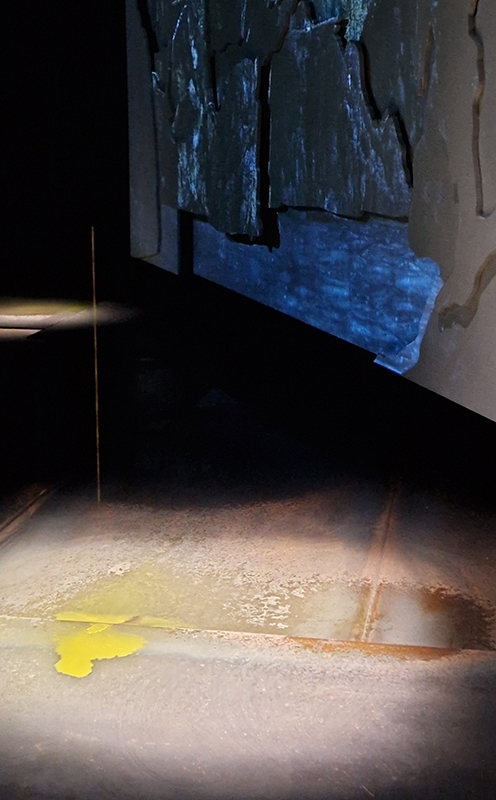
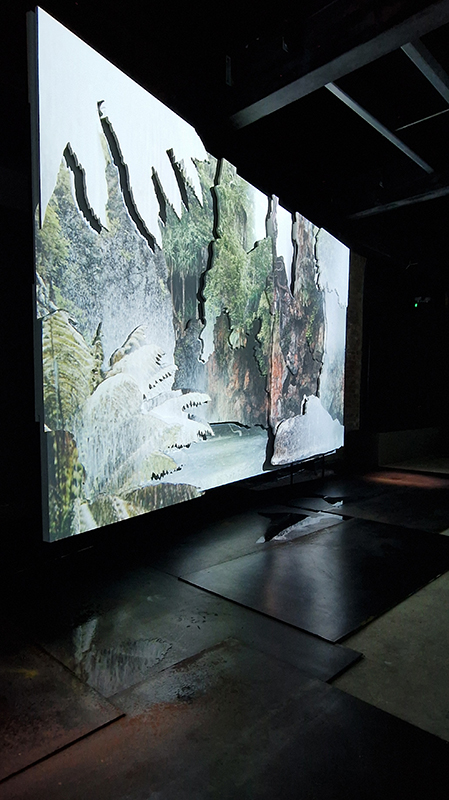
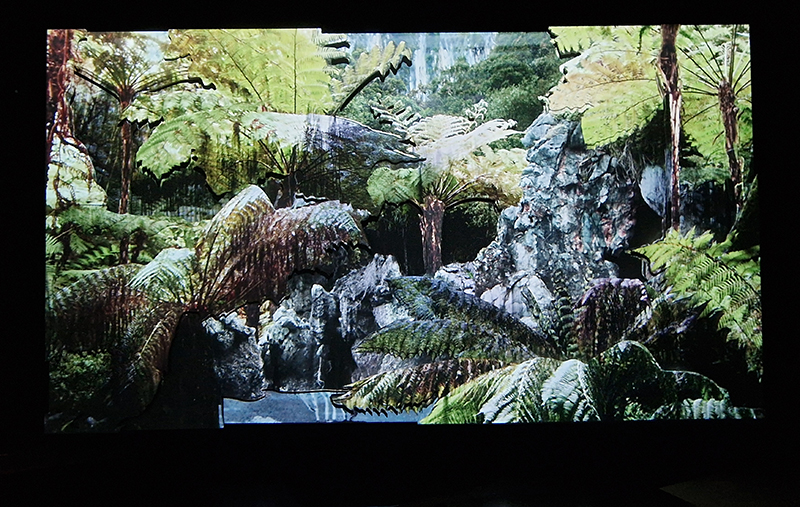
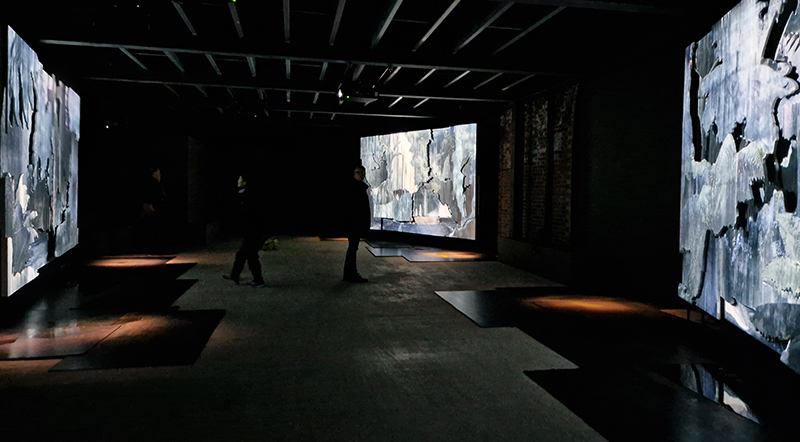
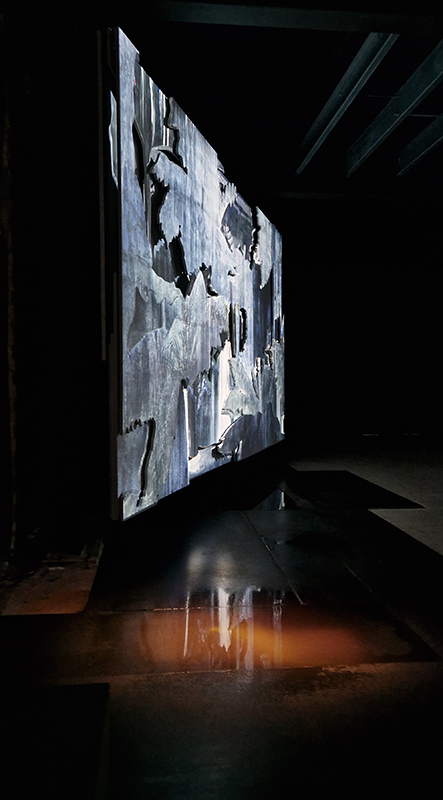
Noémie Goudal The Story of Fixity, an Artangel commission at Borough Yards. Three large screens layered with cut out shapes, that add a 3D staging to the film projections which cycle every 15 minutes through lush vegetation, whiting out to fading painted backdrops and water cascading in rivulets or vaporous spray and dark rocks. Water also drips from the ceiling pooling and staining large steel plates on the floor. The sound is layered like a deep forest. Haunting and beautifully captivating.
Prof. Mike Lockwood gave a talk at the Royal Astronomical Society on Aurora borealis observations over the past 400 years in part inspired by the events of 10/11th May 2024 when the aurora was seen by many people across the UK at extremely low latitudes. It is estimated that this aurora in May 2024 was the third most extensive seen in the past 400 years.
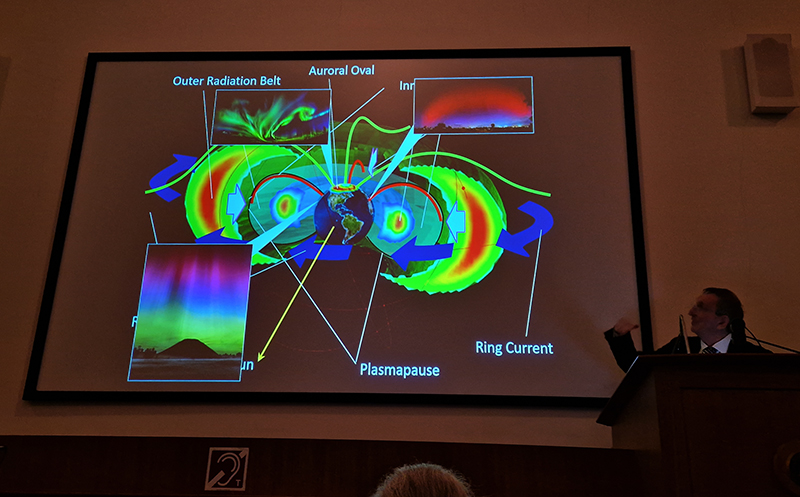
Earth’s magnetic field is constantly moving and this has a major effect on where aurorae occur.
It is thought the vision of Ezekiel in the old testament was possibly a red coronal aurora seen in Nippur (Iraq) as it tallies with Assyrian and Babylonian documents which date it at 12th March 567BCE.
In 1741, Clockmaker and geophysicist, George Graham witnessed the aurora in London and made the connection between the lights and geomagnetic activity which he was able to measure with his almost friction free compass needle that he had invented in 1701.
He noted ‘Who could have thought it? That a compass needle could have sympathy and a connection with the aurora!’.
The 1859 Carrington Event was the strongest recorded geomagnetic storm in history, caused by an unusually strong solar flare. The simultaneous observation of the solar flare by the English astronomers Richard Carrington and Richard Hodgson and the subsequent geomagnetic disturbance led scientists to realize the Sun could directly affect Earth’s magnetic field, a pivotal moment in the study of space weather.
On 7/8th March 1918 the UK skies were lit up to devastating effect as the auroral light reflected along the path of the river Thames giving German bombers a map to the otherwise darkened city of London.
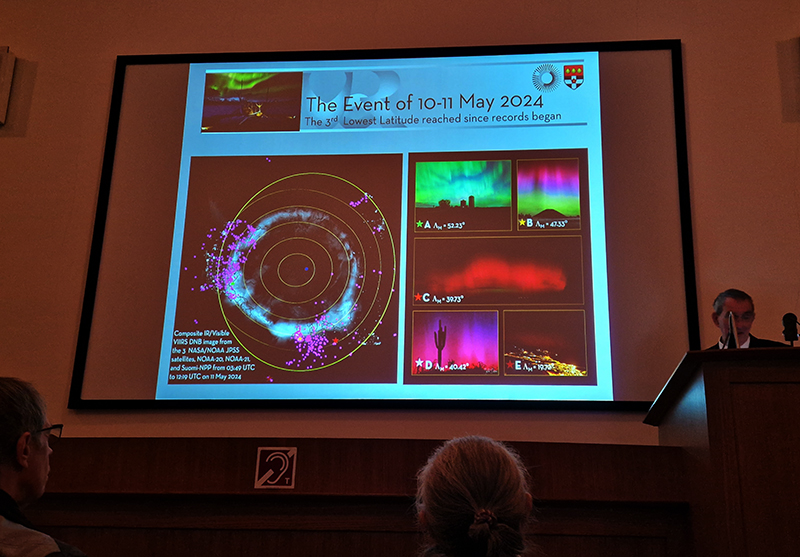
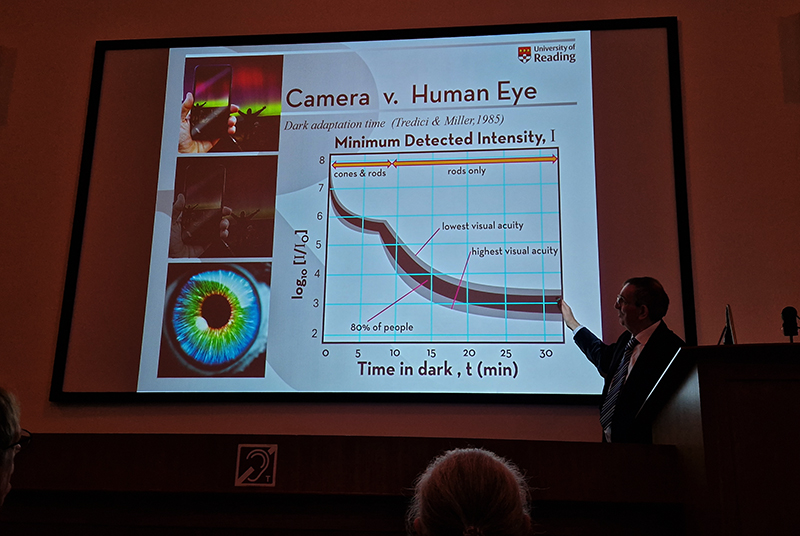
With the advent of the digital camera aurora recording has become ubiquitous across social media. It appears the phone camera can ‘see’ a much brighter and more vibrant effect than the human eye. This is because it can take at least 30 minutes for the human eye to become fully adapted to the dark and sensitive enough to compete with the camera. Looking at the phone will also negate any sensitivity of the eye. Human night vision has evolved to be in black and white, the cones that create colour do not fire unless the light is very bright and so the aurora is often experienced as white pillars without the greens and reds we see on the camera.
The European Space Agency has simulated a solar storm on the scale of the Carrington Event, the most powerful in recorded history. The simulation shows that in minutes, communications were disrupted and in hours, satellites destabilized. There’s no way to stop it, but early warning systems and space weather monitoring could help us prepare.
 Susan Eyre