Archives for posts with tag: Ryoji Ikeda

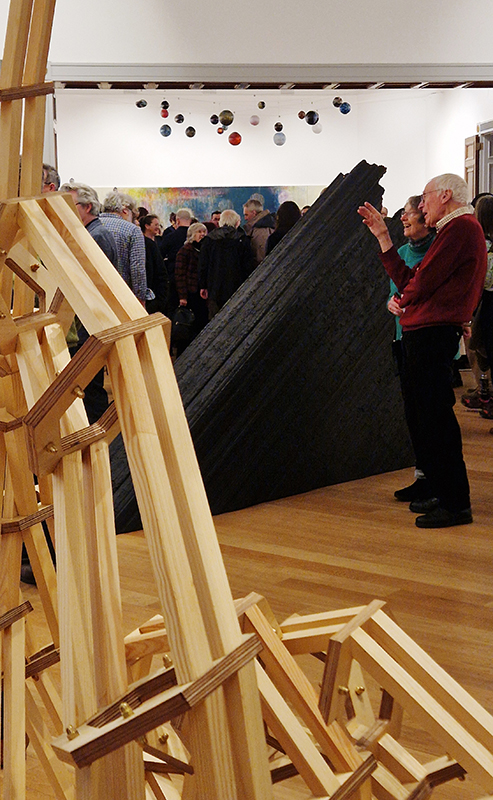
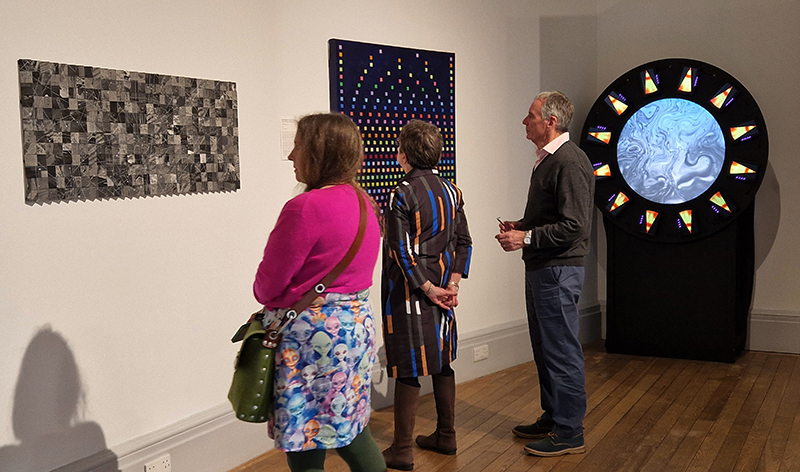
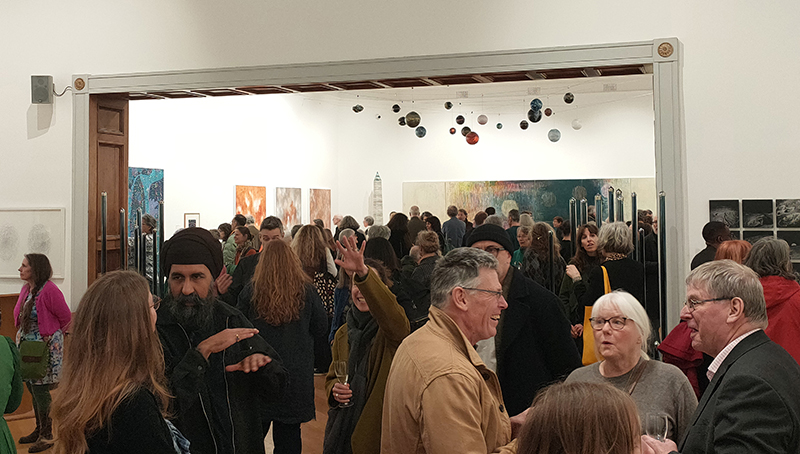
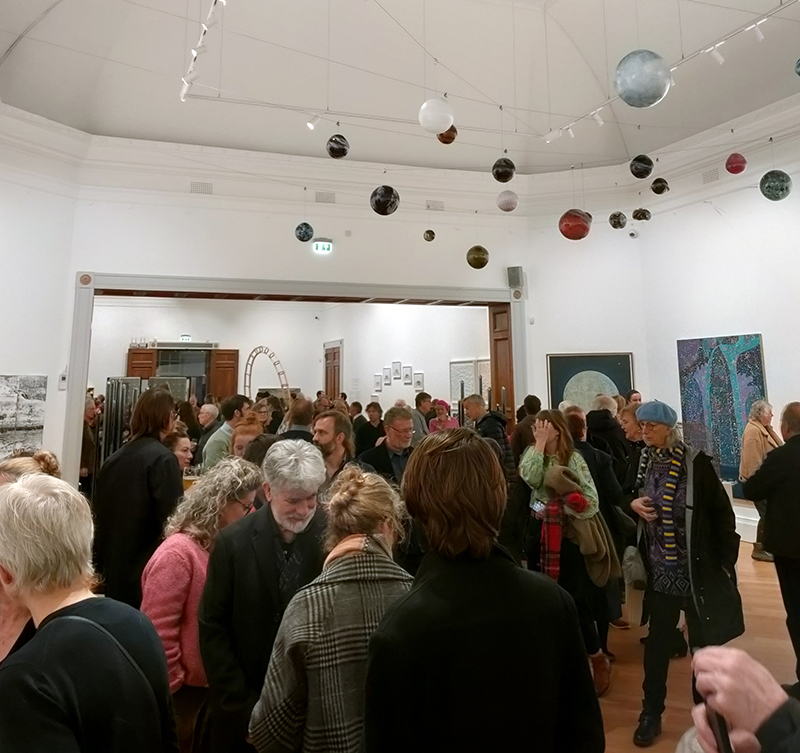
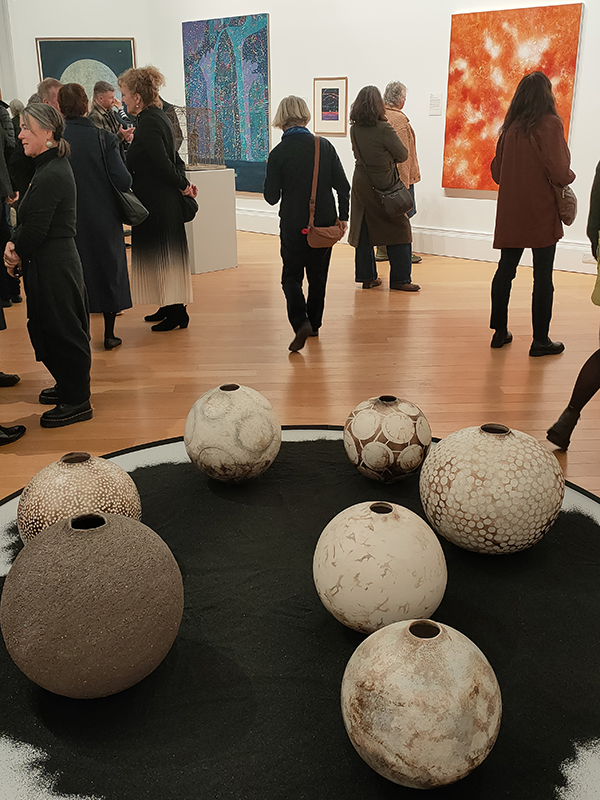
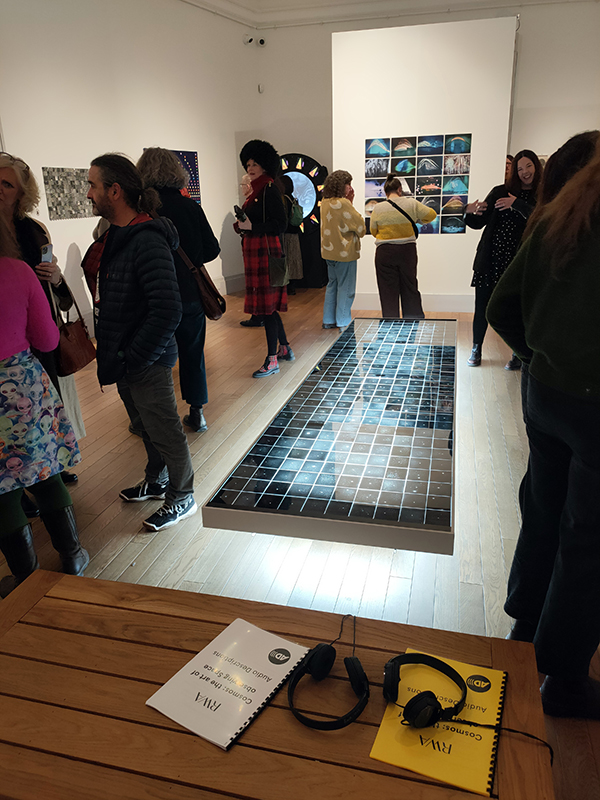
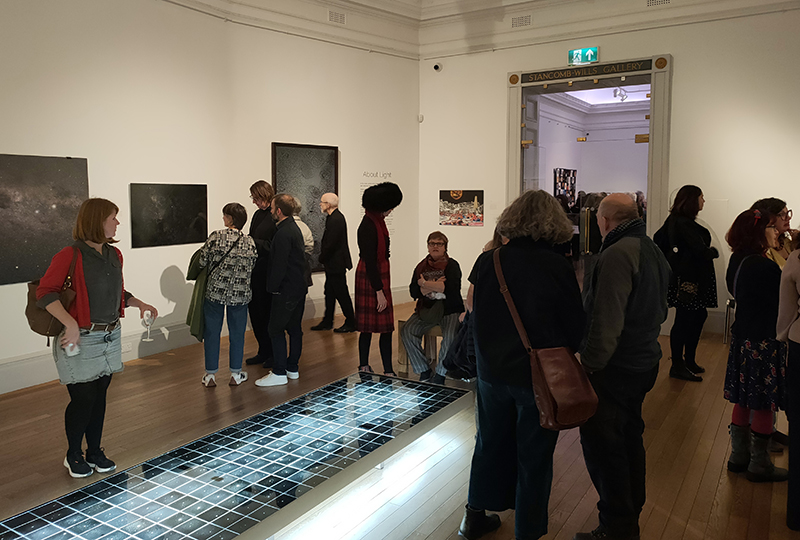
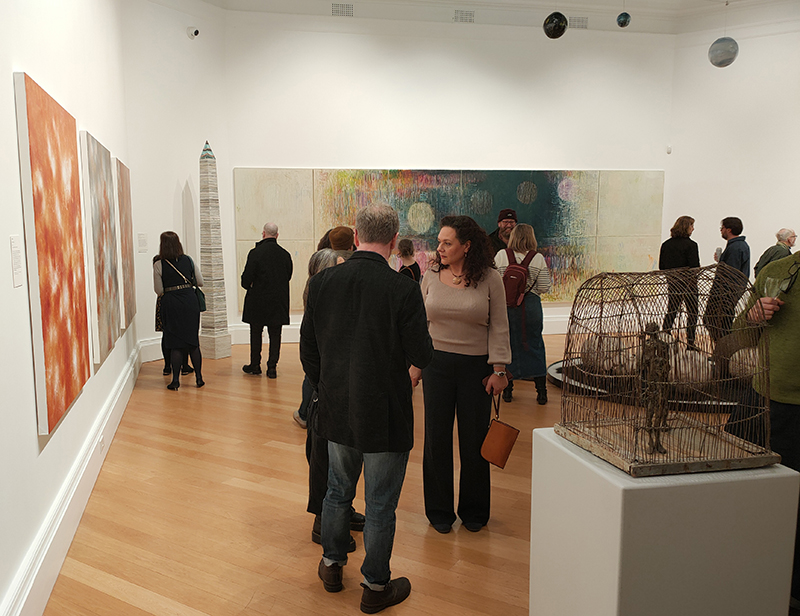
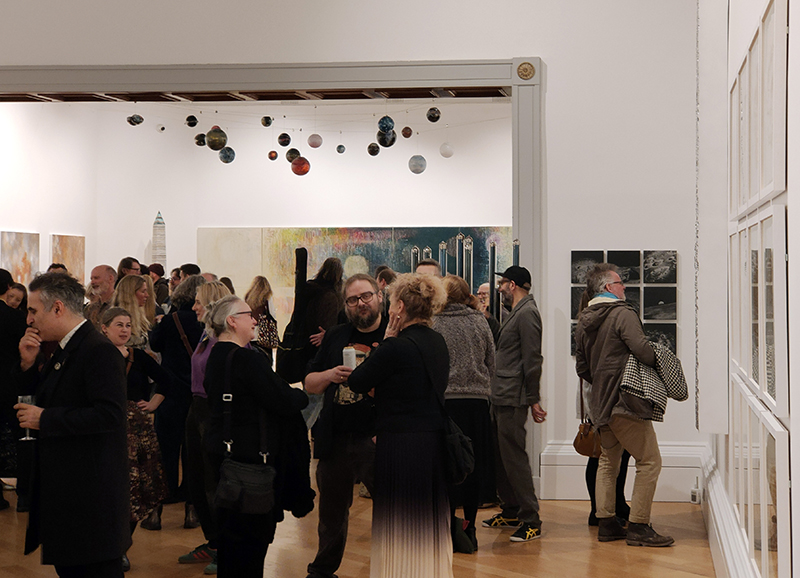
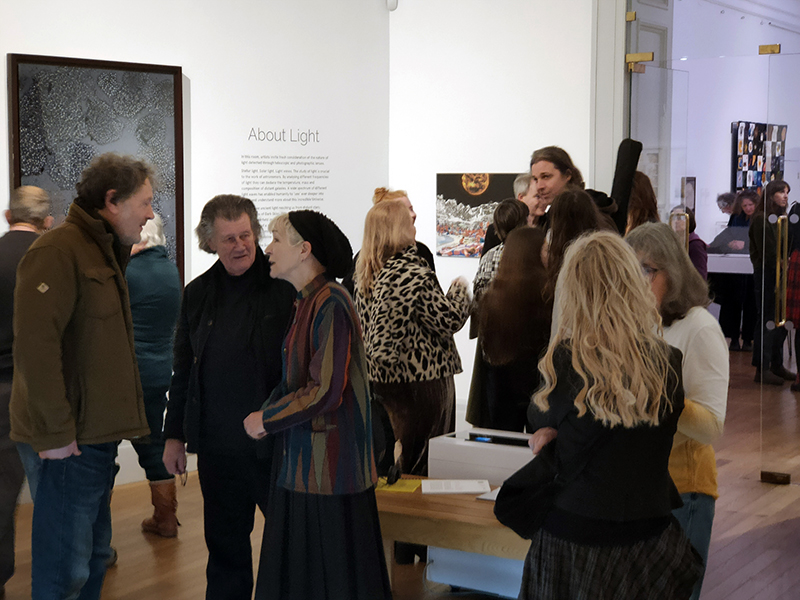
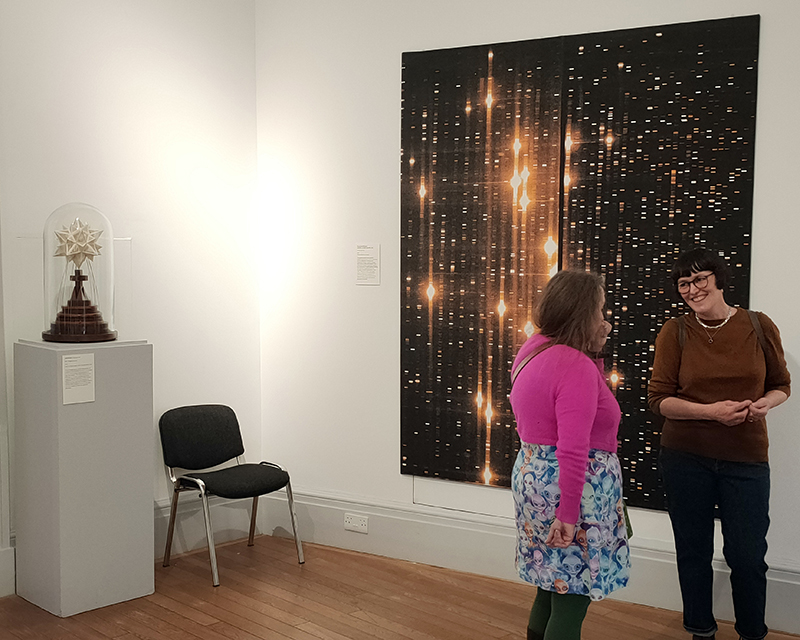
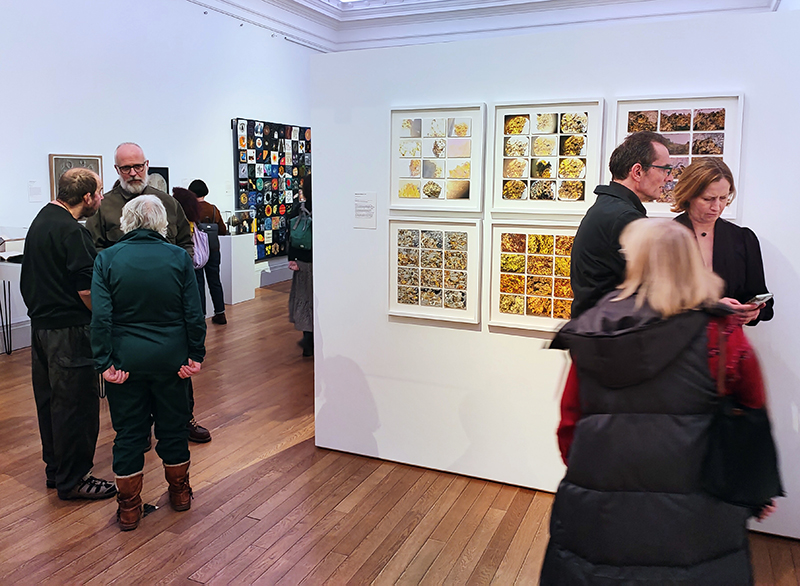
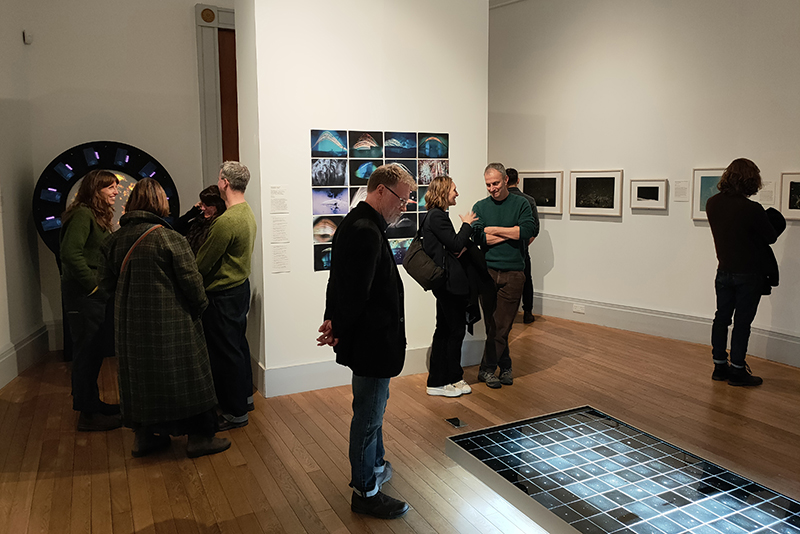
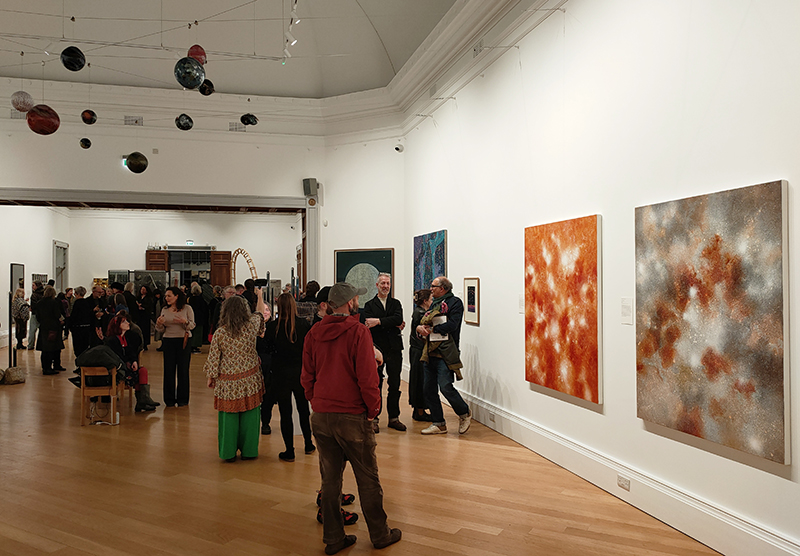
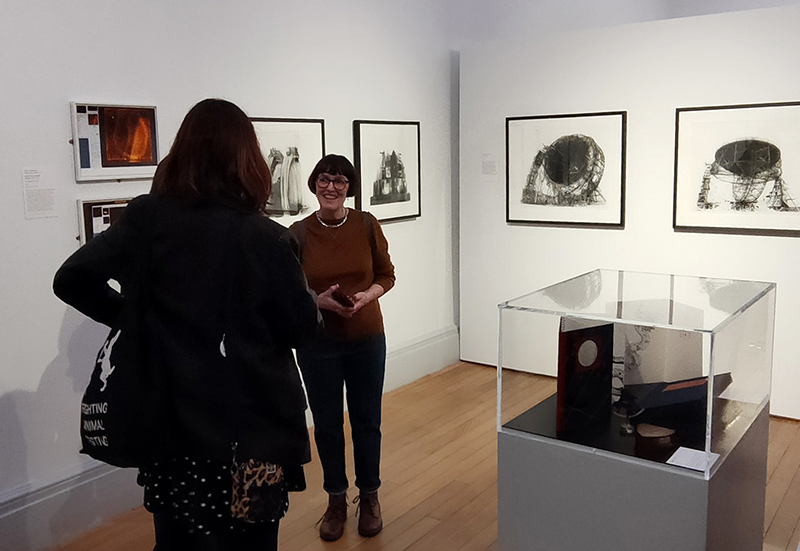
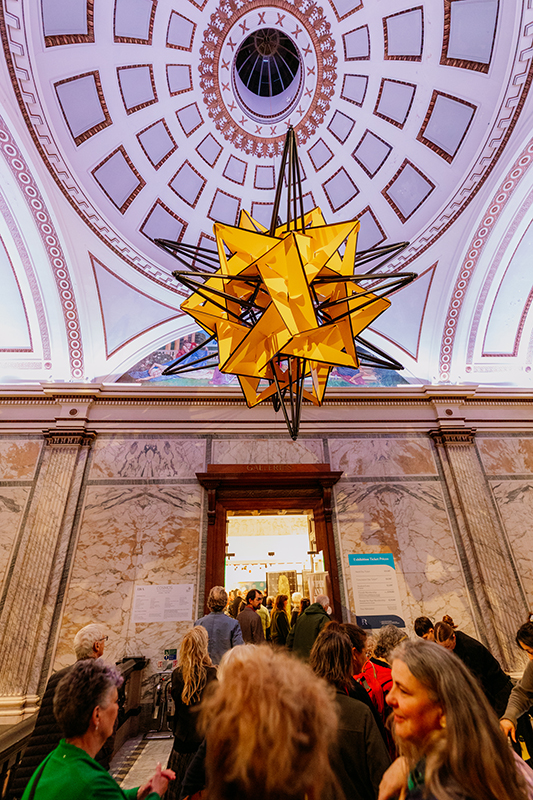
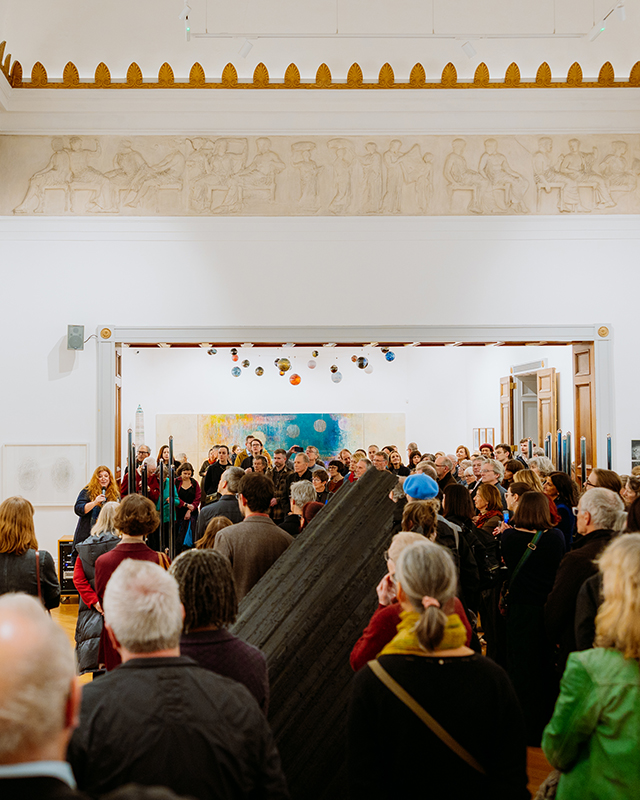
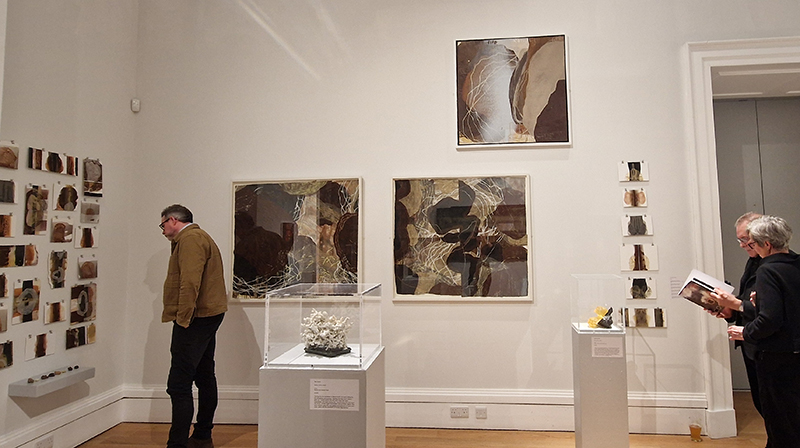
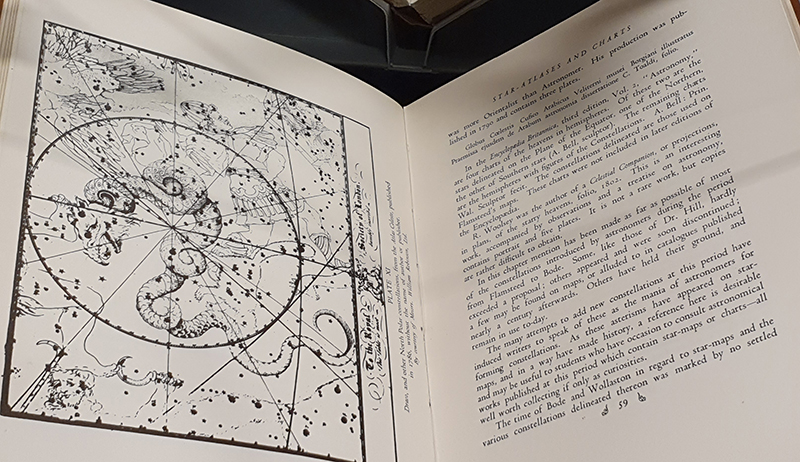
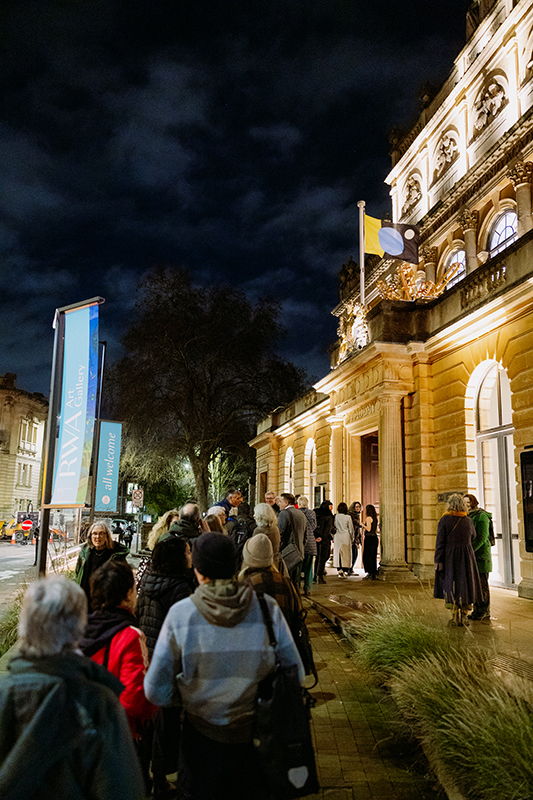
A packed and buzzing opening at The Royal West of England Academy for Cosmos: the art of observing space, curated by Ione Parkin. There was so much to take in, I will need to go back another time to be sure of seeing everything. I feel so lucky to be a part of this exhibition that includes so many wonderful artists as well as precious artifacts from the Royal Astronomical Society.
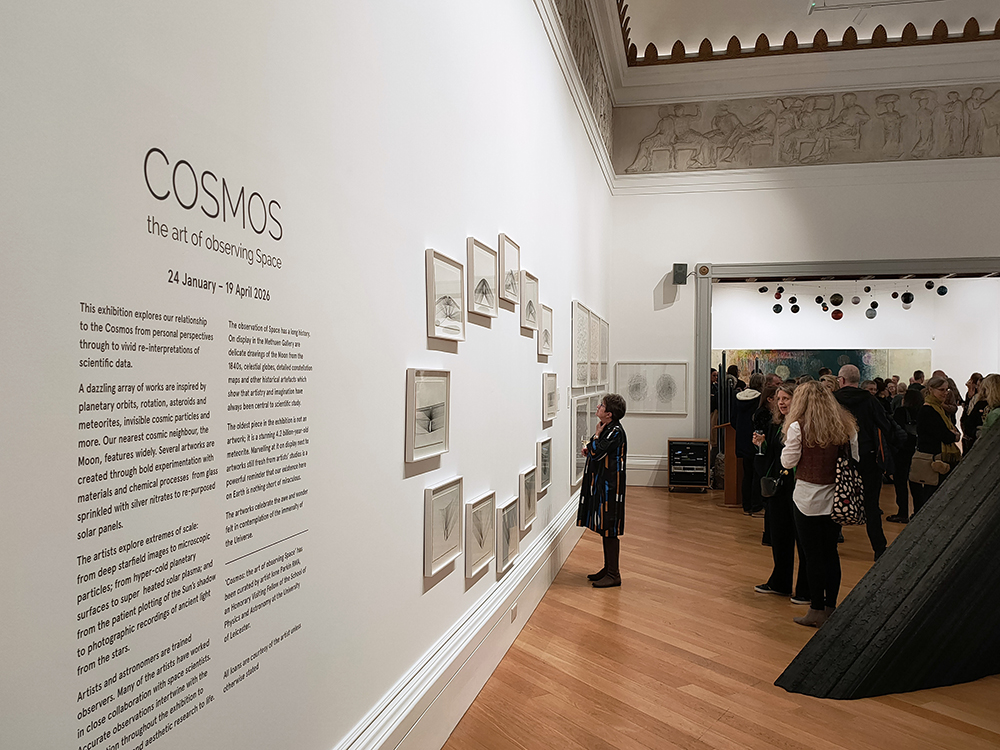
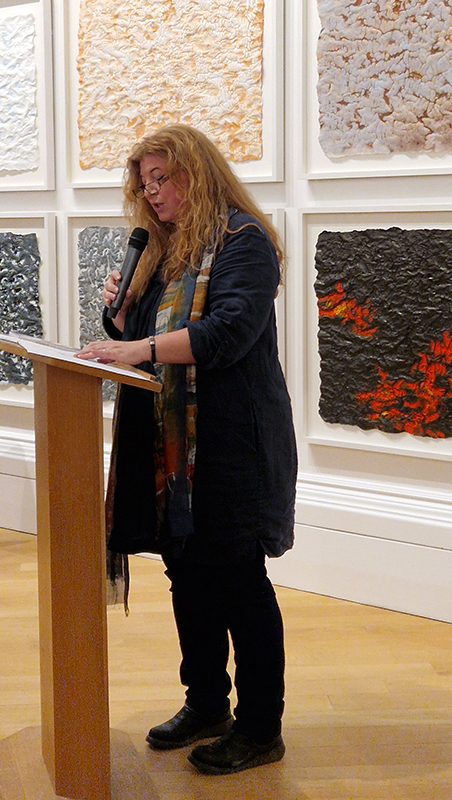
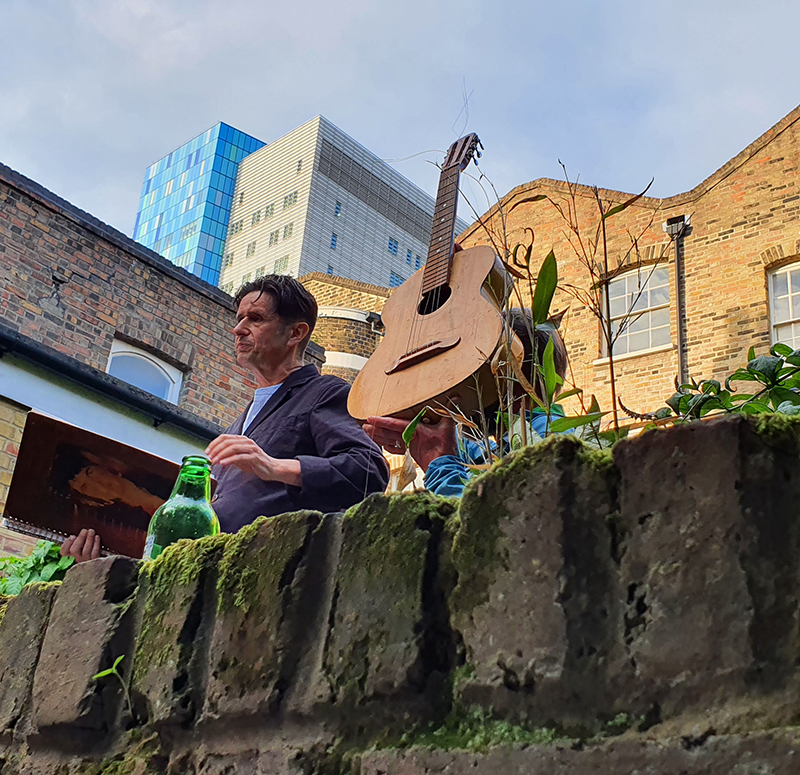
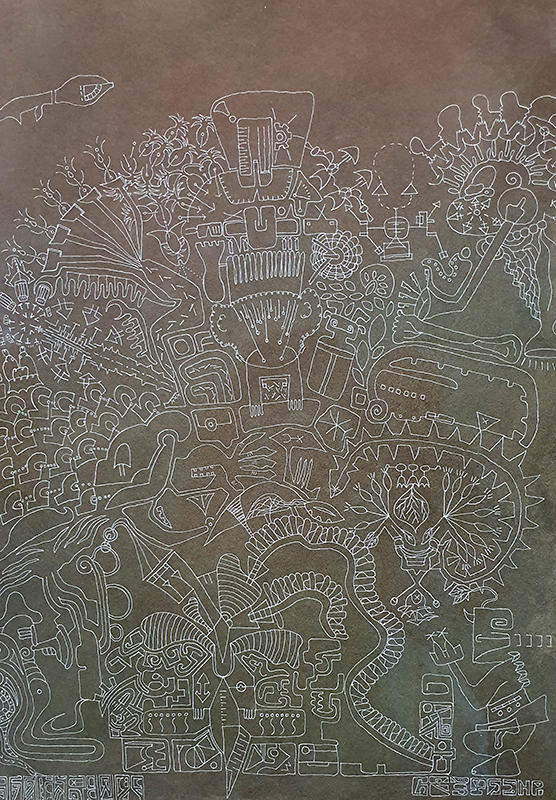
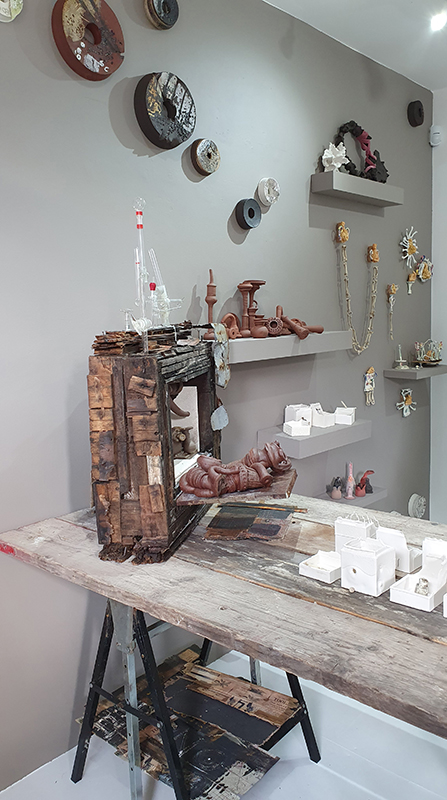
The following Private View images are courtesy of Alastair Brookes, KoLab Studios
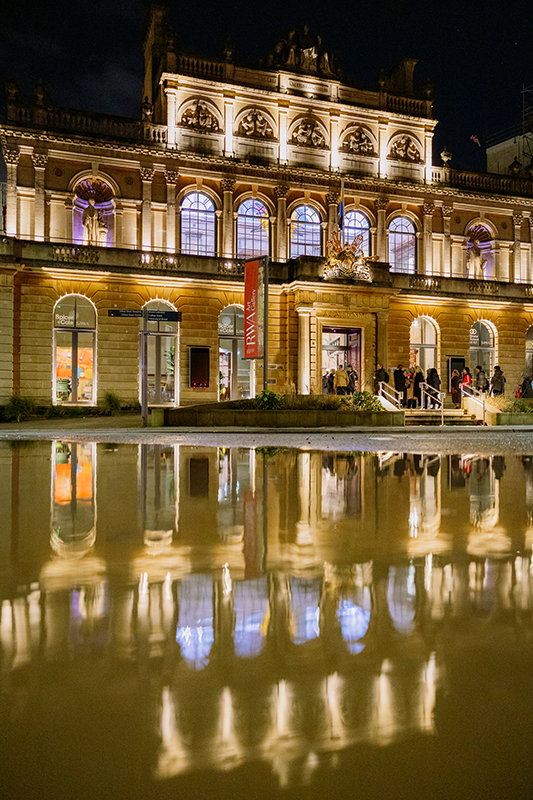
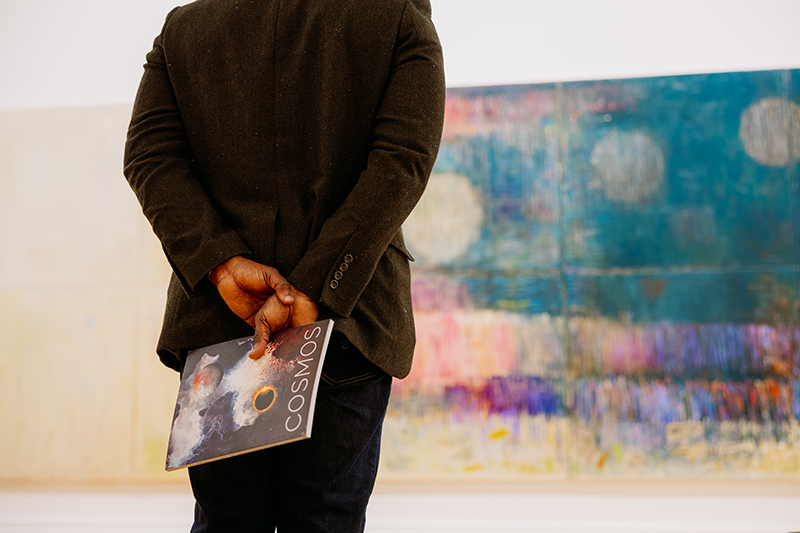
There is a fabulous exhibition catalogue to accompany the exhibition with foreword by astrophysicist, author and broadcaster, Chris Lintott and contributions from Ione Parkin RWA, visiting Honorary Fellow of the School of Physics and Astronomy at the University of Leicester; Sian Prosser, library and archives manager at the Royal Astronomical Society; and Amaury Triaud, Professor of Exoplanetology at the University of Birmingham. Image Alastair Brookes, KoLab Studios.

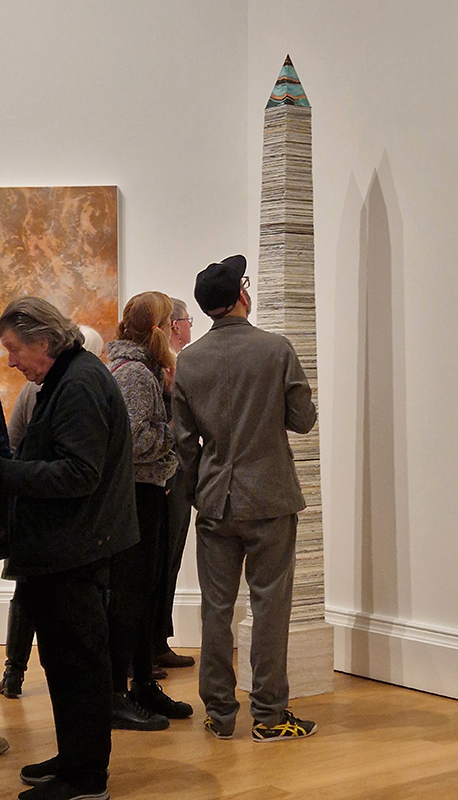
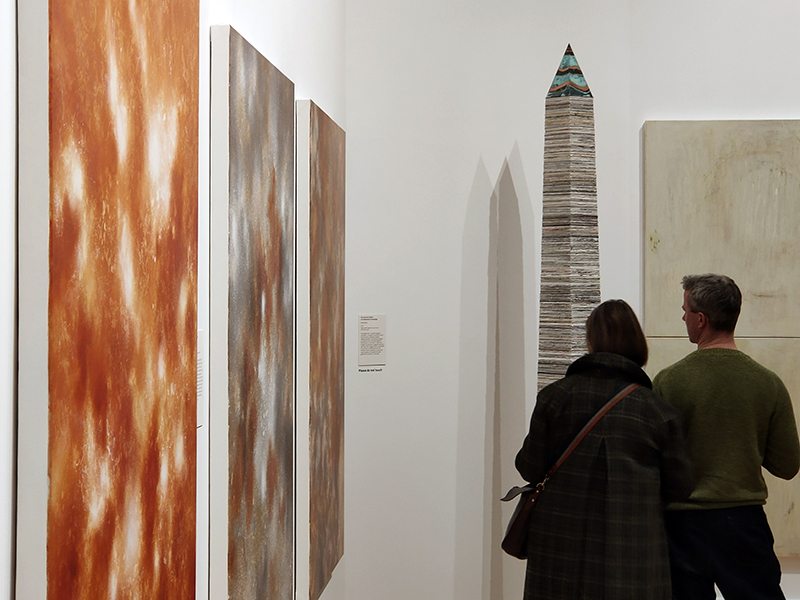
The following installation images of my four works in Cosmos are courtesy of Alastair Brookes, KoLab Studios
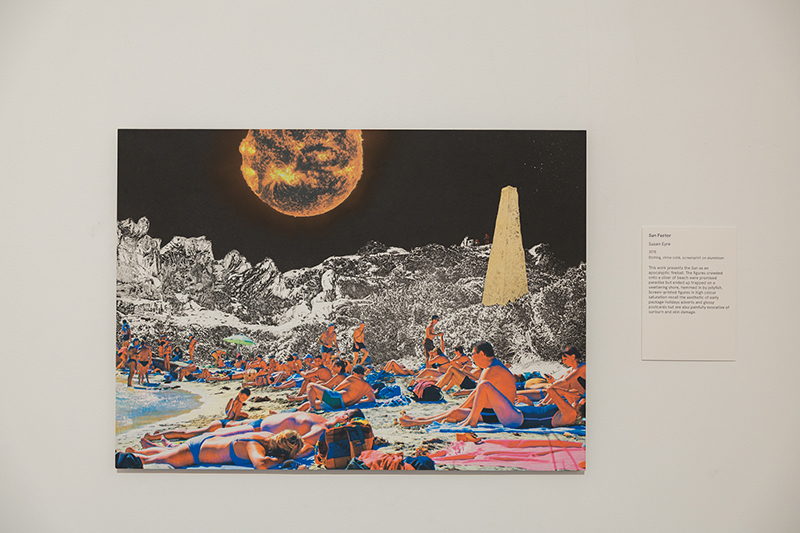
Sun Factor, 2015, comes from a period in my practice when I was looking at the human disconnect with the natural world and impending climate change. I was focusing on concepts of paradise as a state of being at one with a natural order. During this period we took a family holiday to Sardinia and one day we were offered a boat trip to an island that was described by the sales tout as ‘paradise’ – so we had to go. It turned out to be the opposite of what one might expect of paradise and this work is a direct translation of our experience. Bizarrely there was a concrete obelisk at the beach, –  a signifier of an ancient totem to the power of the sun. The figures are printed in high saturation colours, a reminder of the early days of package holidays and glossy postcards. It also speaks of skin damage and the ritual behaviour of tourists flocking to the sun –  perhaps without acknowledging its true power and the vulnerability of human biology.
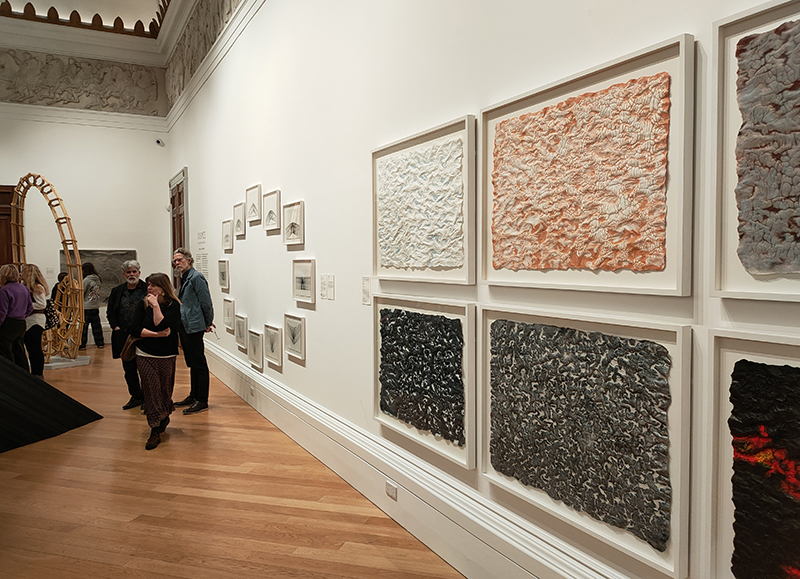
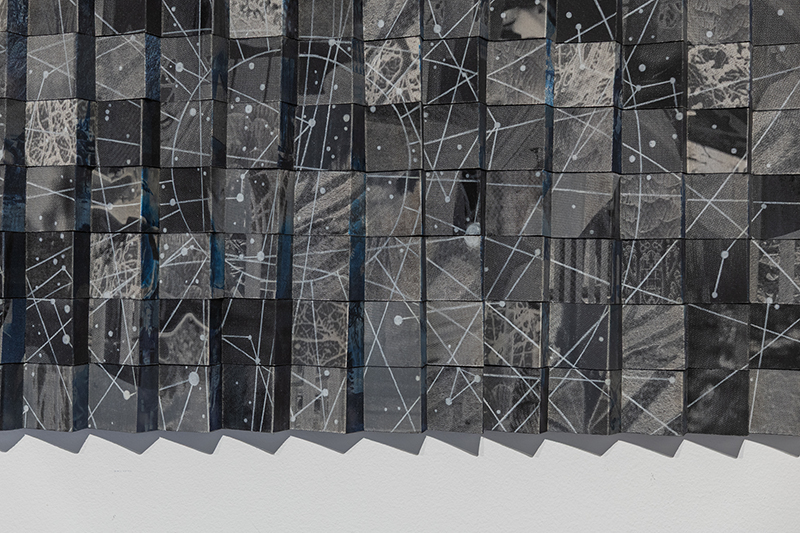
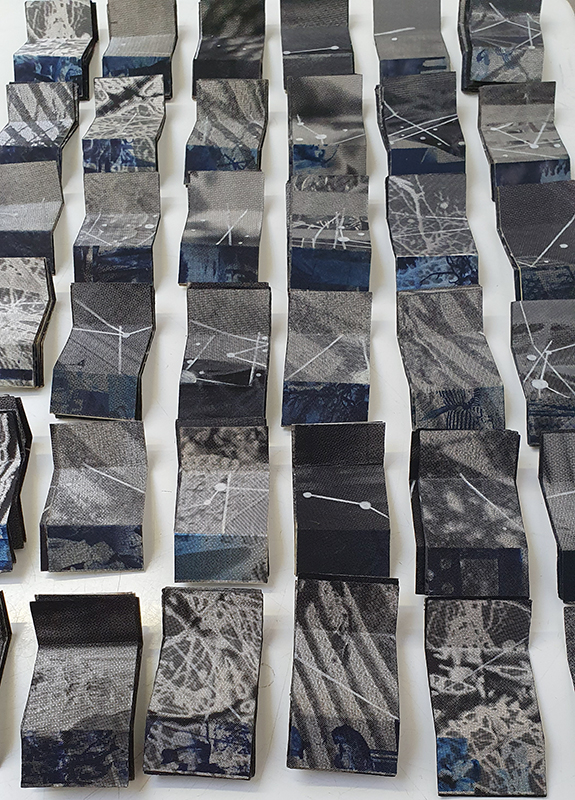
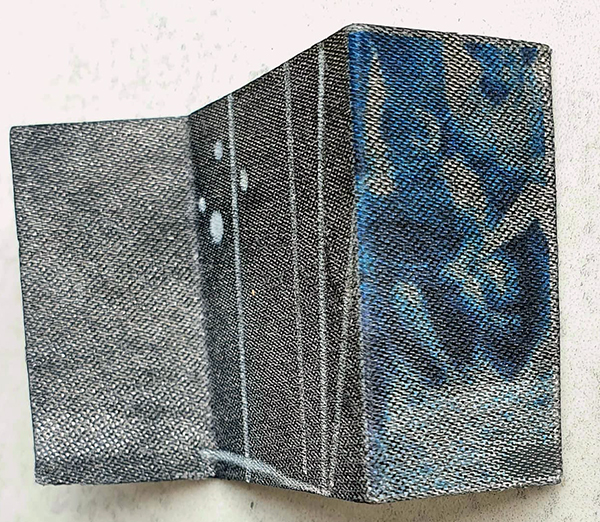
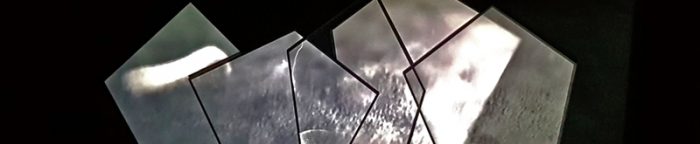
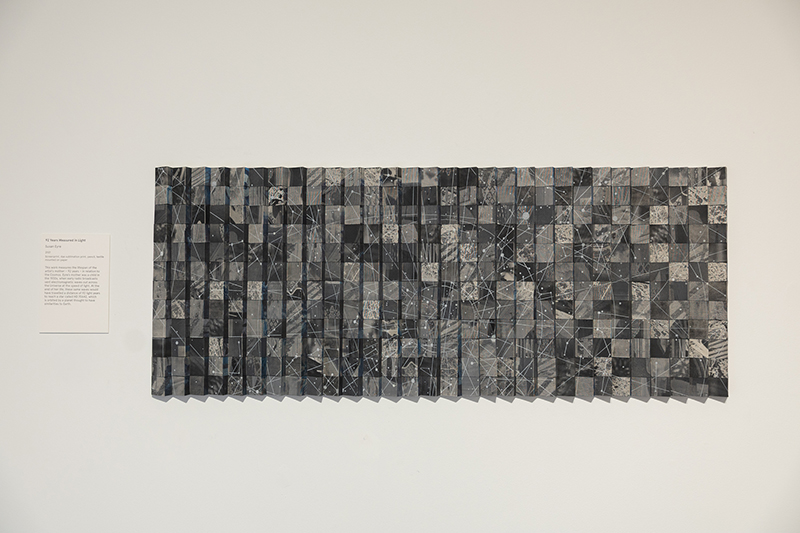
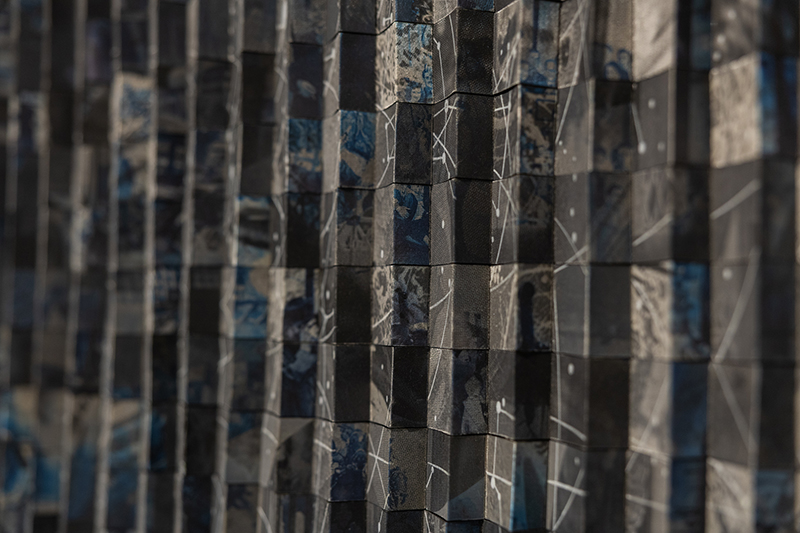
92 Years Measured in Light, 2021, is a very personal work made just after the pandemic, reflecting on the human experience of time in relation to the vastness of the Cosmos. There is a star, similar to our sun, with planets orbiting in a motion comparable to how the planets orbit here in our solar system. This star, in the constellation of Puppis, is about 92 light years away. The time it has taken the first radio and television signals travelling at the speed of light to reach this prospective home-from-home is roughly the same time as the lifespan of my mother who was born around the time of these early broadcasts. The folded sections in this work emulate the raster pattern of early TV signals which were sent in segments and must be reassembled on arrival to make sense of the message. The artwork includes fragmented images from this historical period viewed from one direction, and a chart depicting the star from the other. It is an interesting thought to consider what alien life forms might make of these messages travelling across the universe, should they be able to interact with them.
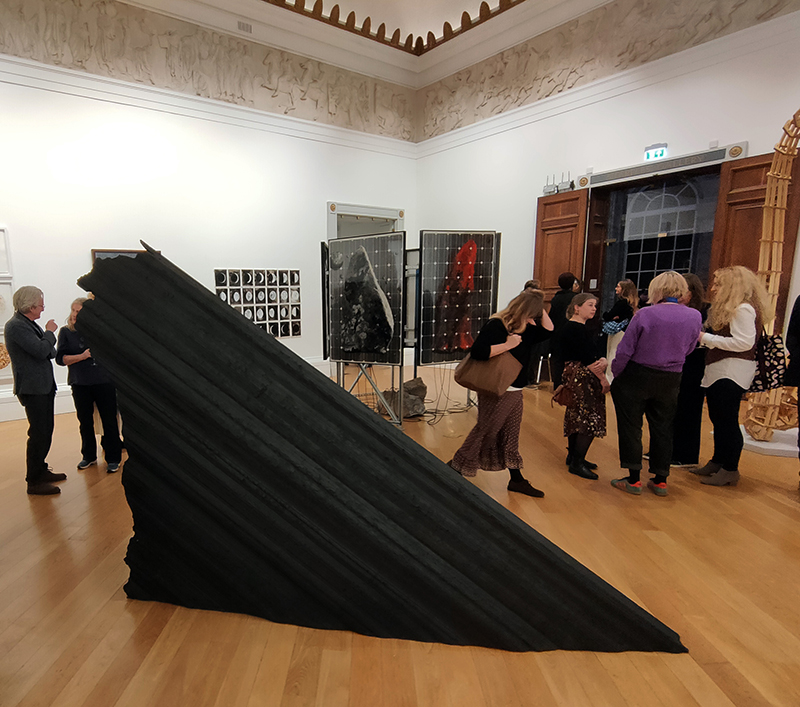
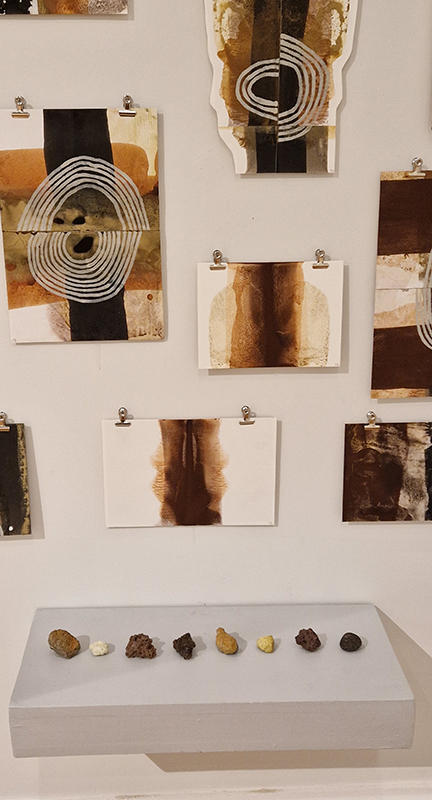
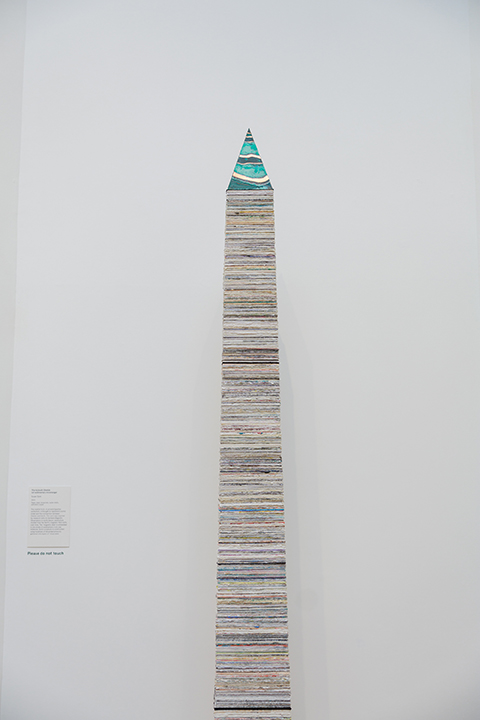
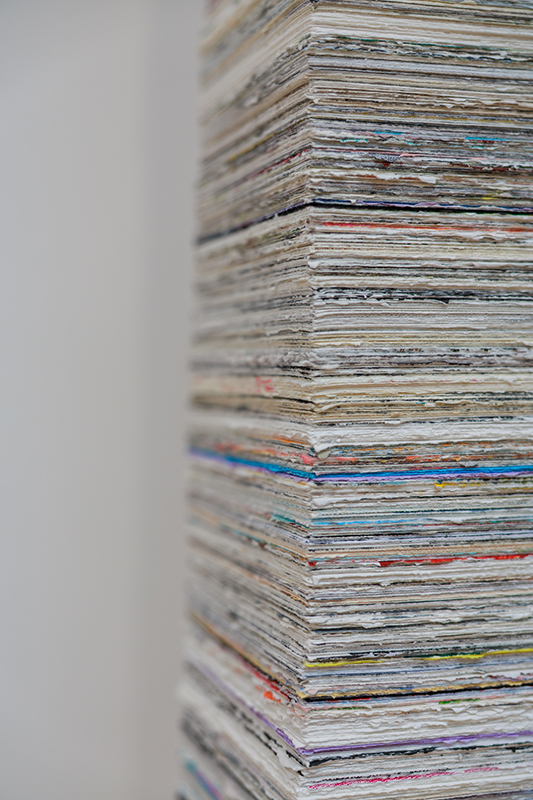
The Azimuth Obelisk (of sedimentary knowledge) 2023 is a reimagining of a concrete obelisk, erected in 1955 at Hartland Magnetic Observatory, as a permanent azimuth mark from which to monitor the drift of the magnetic north pole. Measurements are taken via a theodolite through a north facing window in what is known as the Absolute Hut. My sculpture echoes the hidden history of Earth’s wandering magnetic field, which has been secreted by magnetic minerals in the strata of sedimentary rock over millennia. To make the piece, hundreds of works on paper were painstakingly hand-torn, layered and stacked, expressing the passage of time at both geological and human scales.
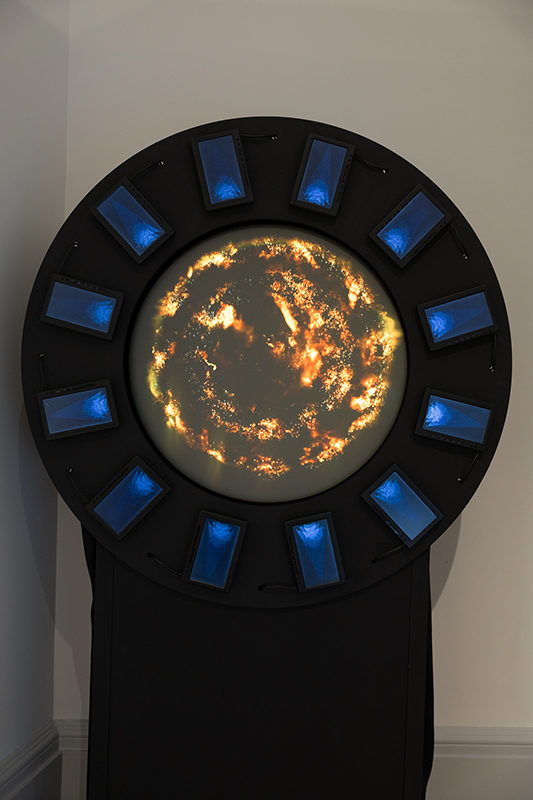
Orbital, 2024, reflects on the interaction between space weather and Earth’s magnetic field and its impact on human infrastructure. The Earth’s magnetic field is quite a weak force requiring sensitive equipment to detect it, yet it provides valuable protection to life on Earth. It’s interaction with the solar wind has been very visible recently as the sun reaches peak activity in its 11 year cycle, lighting up skies with the aurora borealis much further south than is usual. Auroras may be beautiful to witness but belie the potential damage to satellites and electric grids from a violent solar storm. Our daily lives have become increasingly reliant on satellite technology for communication and data gathering and disruption to these systems would have wide reaching global effects. There is also research that suggests the number of satellites orbiting Earth and the growing space junk graveyard forming a metal cage could weaken Earth’s protective magnetic field, making us even more vulnerable to space weather and cosmic radiation. Space pollution and over use of low orbit space is not only gambling with disaster but it’s also disrupting the view of the night sky and will make it increasingly difficult for us to exit the Earth for space exploration.  
Out, About and Online

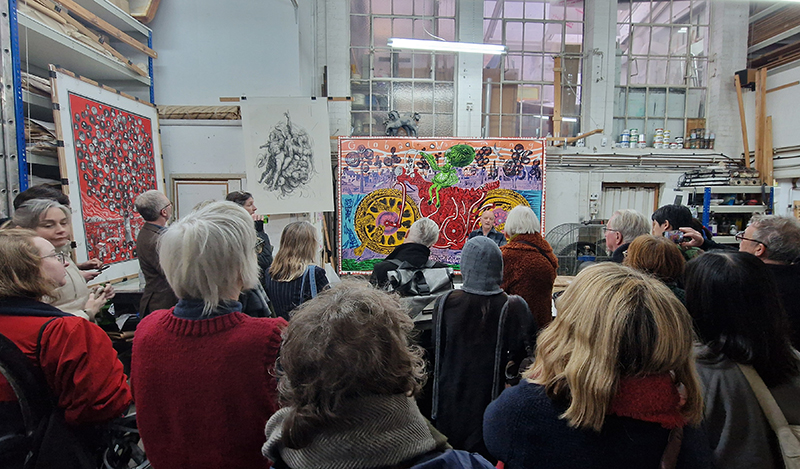
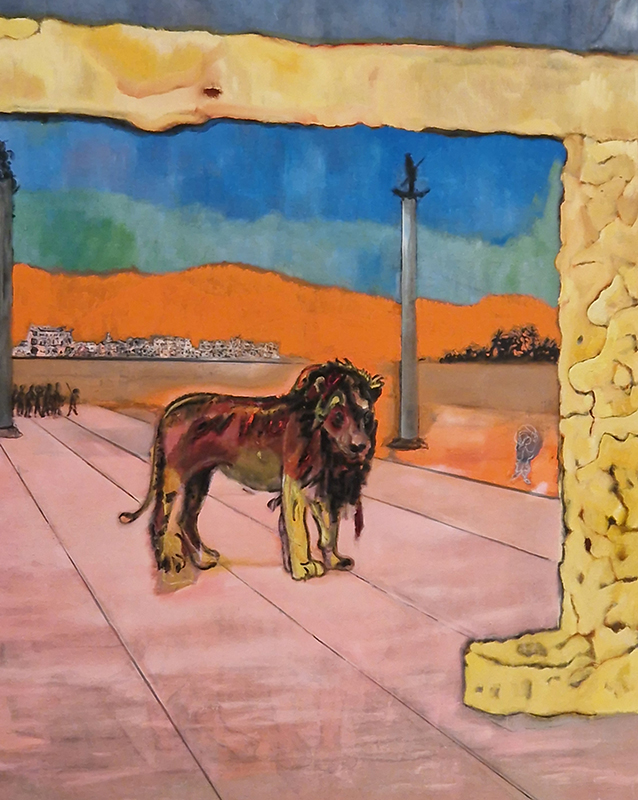
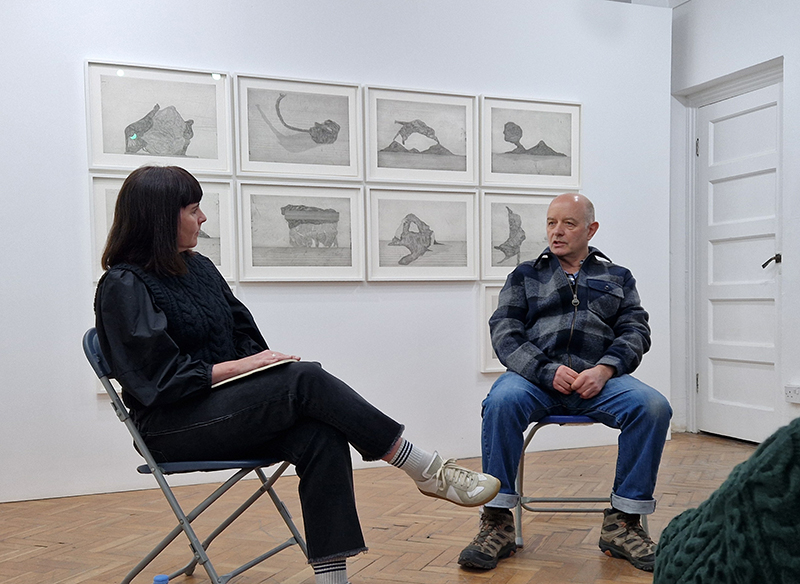
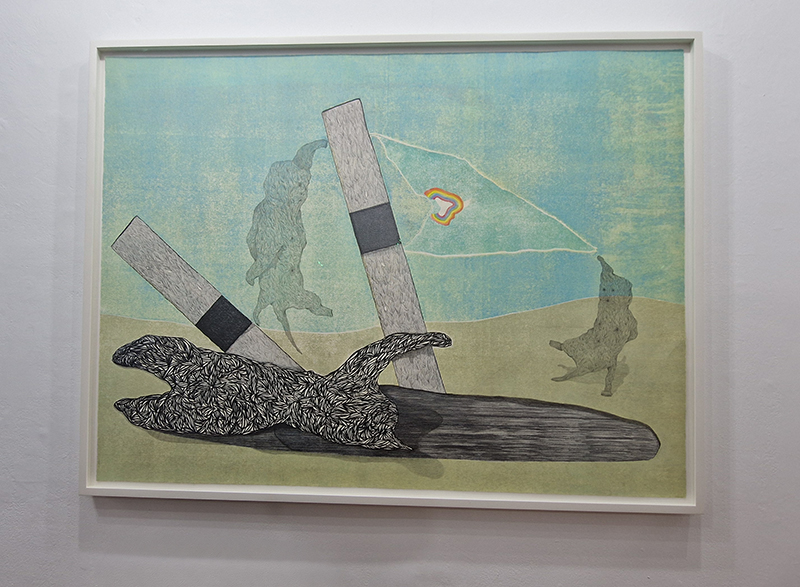
Michael Taylor Dog eats Lion at Standpoint Gallery. I was lucky to be in the audience for his ‘in conversation’ with Johanna Love and his following introduction to the workings of Paupers Press, with lots of juicy insider knowledge about the artists, such as Grayson Parry, Damian Hurst and Paula Rego, who go to Michael for editioning their works. There was lots of show and tell and also his own solo show to see. Three hours well spent. Down to earth and entertaining, it was refreshing to hear such honesty about the creative process. The not knowing. His press release is basically a list of disturbing incidents that have stayed in his mind. Maybe sometime, the dog will have his day.

In his own words: Michael Taylor is the founder of the Paupers Press and co-founder of Standpoint Studios and Mark Tanner Sculpture Award. He has had a few shows but won no prizes. His work is held in a collection. He has taught at several art schools, a few of which are still open, some have closed. He has travelled extensively within the EU and considers himself a man for warm seasons.
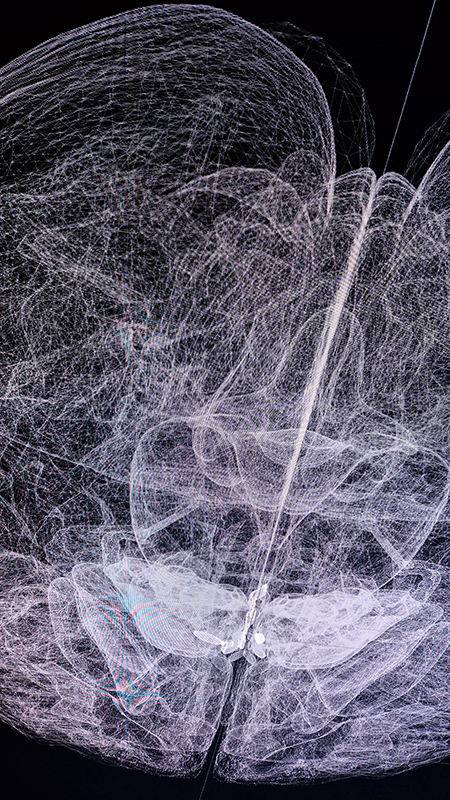
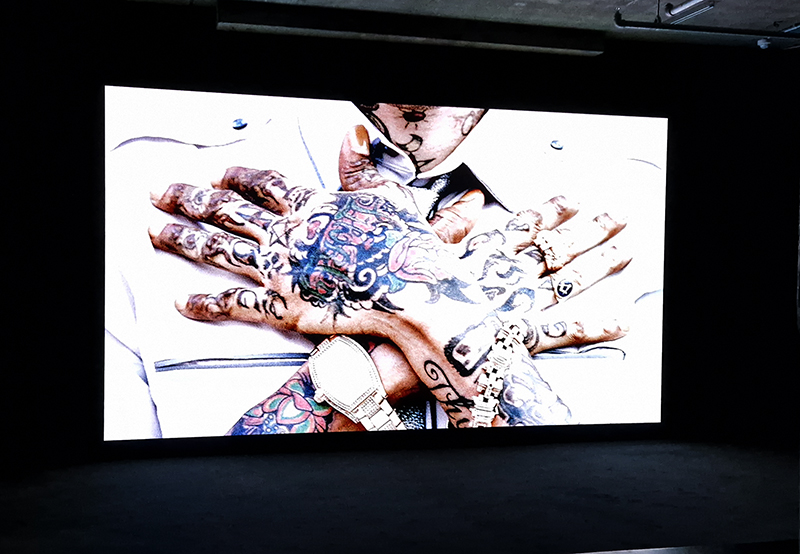
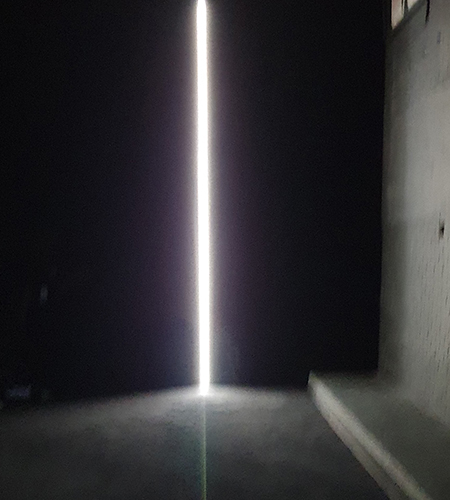
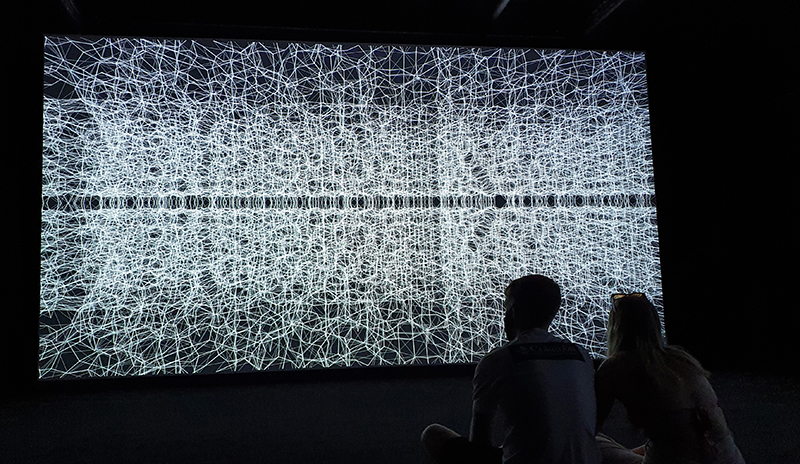
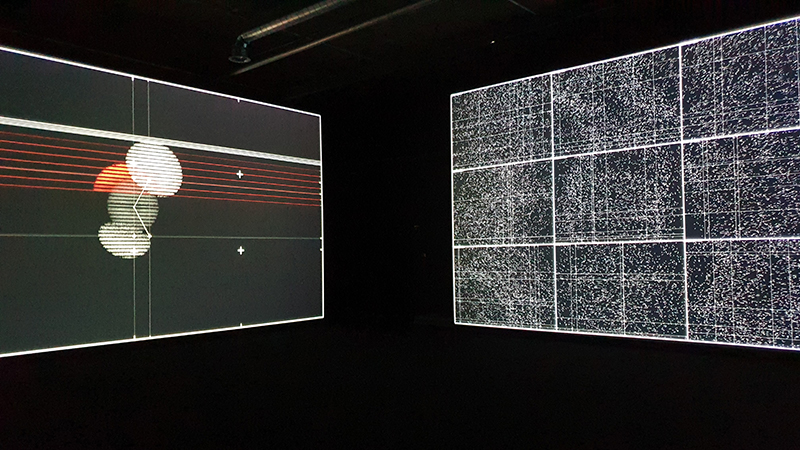
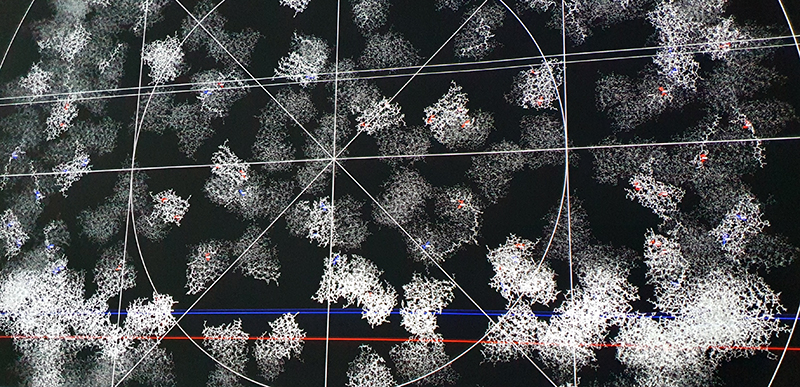
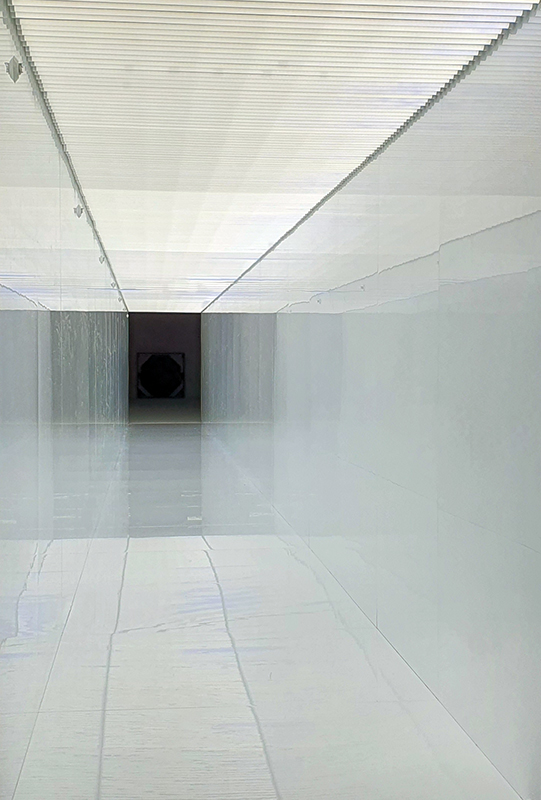
A little disappointed with Ryoji Ikeda’s new site-specific audio-visual installation data-cosm [n°1] at 180 Strand. Visitors are invited to lie down on the floor and look up at the large LED screen set on the ceiling above them, their bodies surrounded by Ikeda’s soundscapes – a total sensory experience. The set up is impressive and the experience is immersive, at times blinding and at times has the thrill of a fairground ride but overall I felt the imagery could have been more engaging.
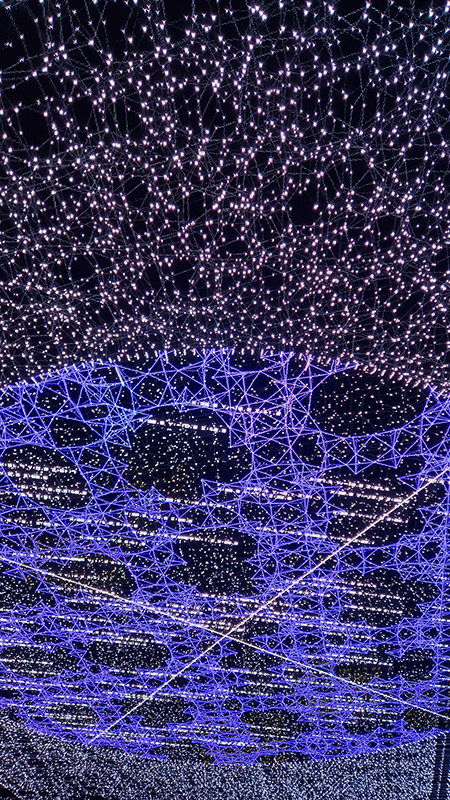
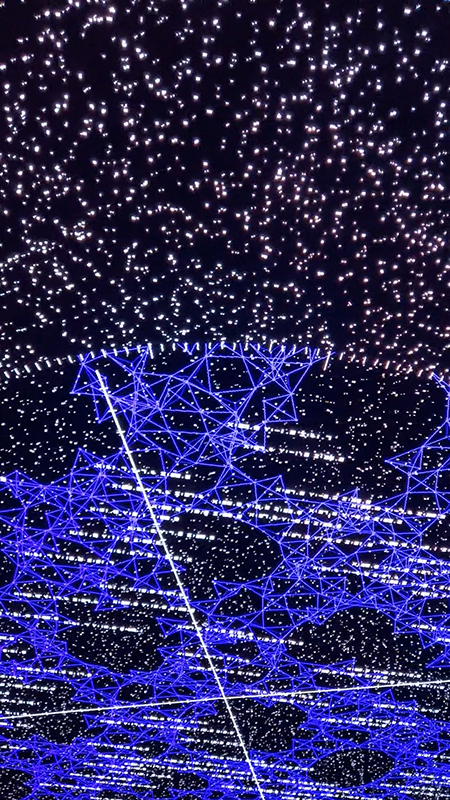
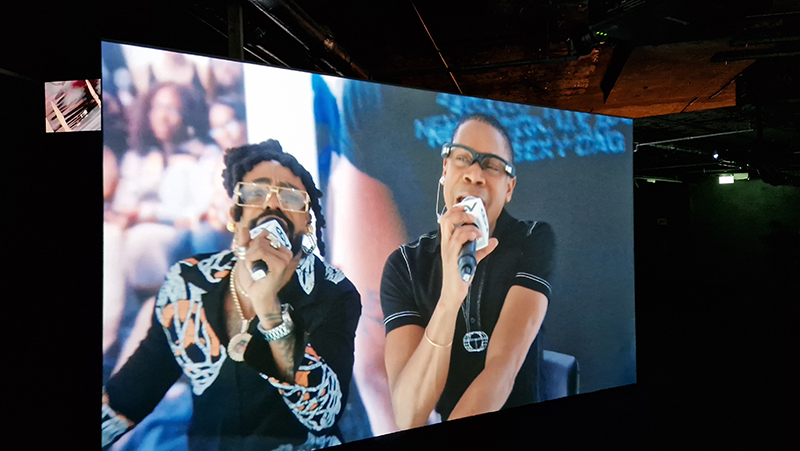
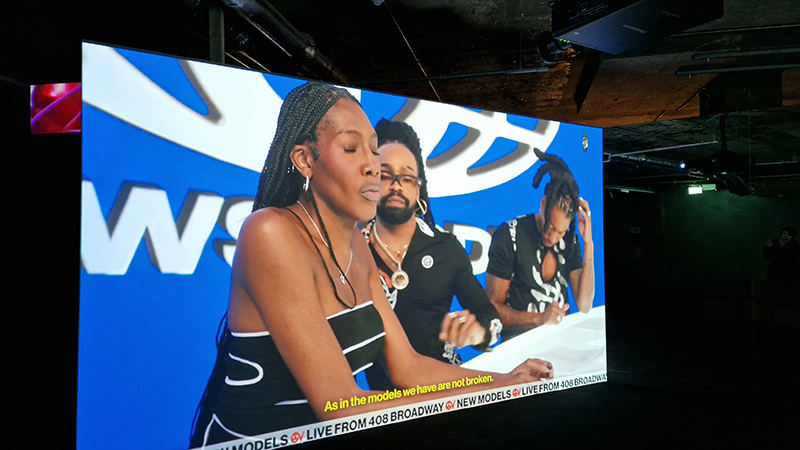
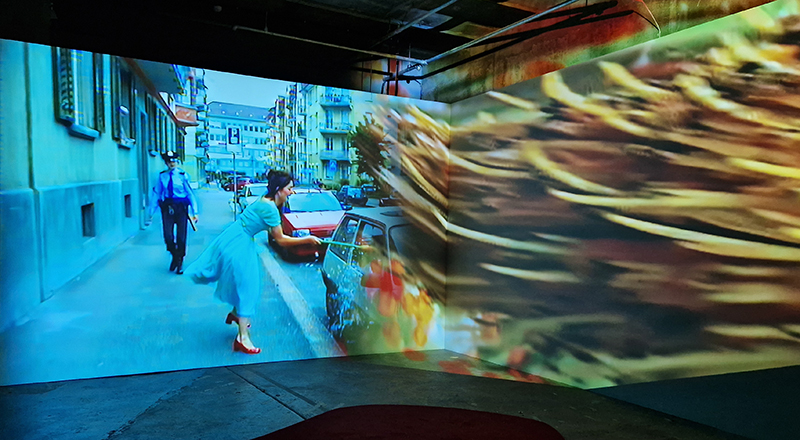
Paradigm Shift at 180 Strand spans moving image works from the 1970s to today, drawing on avant-garde cinema, television, music video, performance, fashion, gaming, and internet culture. Featuring works by artists: Sophia Al-Maria, Meriem Bennani, Dara Birnbaum, Foday Dumbuya, Cao Fei, Tremaine Emory, Nan Goldin, Arthur Jafa, Derek Jarman, JulianKnxx, Mark Leckey, Josèfa Ntjam, Pipilotti Rist, Martine Syms, TELFAR, Ryan Trecartin, Gillian Wearing and Andy Warhol. Many, many videos. Exit feeling like it’s been a long night in the underworld.
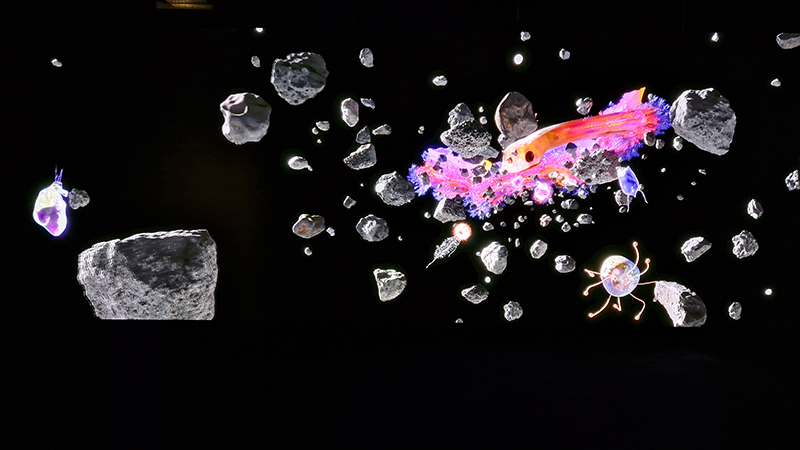
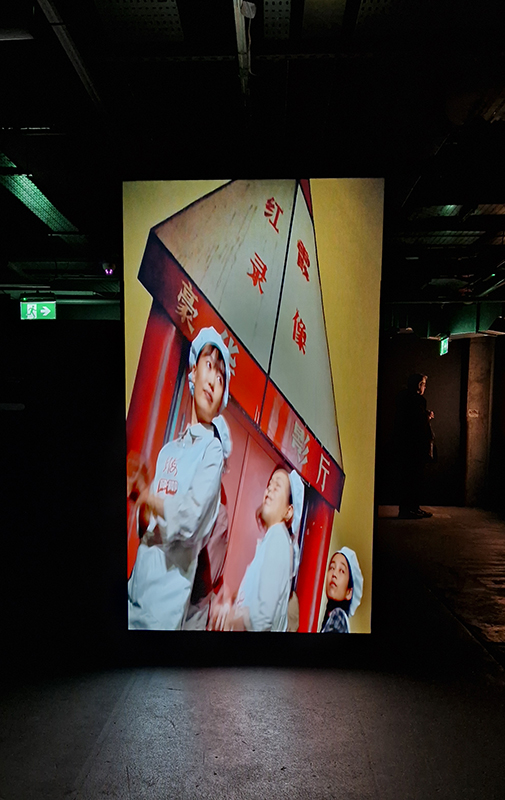
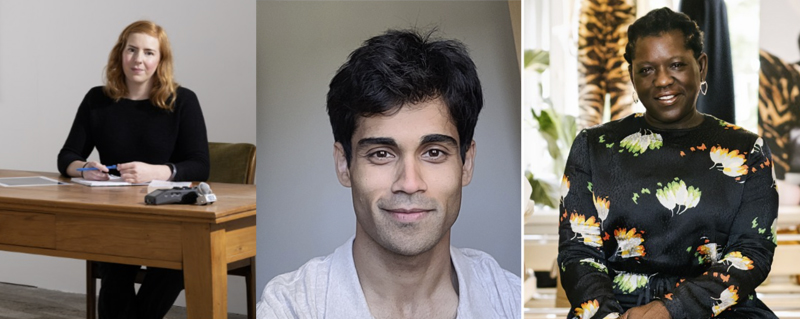
I joined a webinar in connection with Earth, a Cosmic Spectacle exhibition at Everybody Arts Together. Presented by exhibiting artist Louise Beer, with speakers Dr Anik Halder, postdoctoral research associate at the Institute of Astronomy, Cambridge and Jesus College Cambridge. and Miranda Lowe CBE, principal curator, natural historian and marine invertebrate specialist at the Natural History Museum, London. The importance of establishing connections to the cosmos through stargazing and learning more about astronomy and other life that shares our planet was emphasised as vital to building hope for the future.
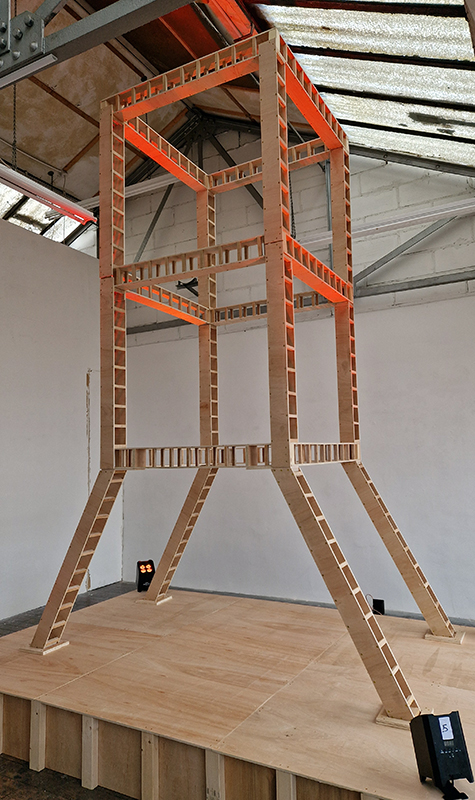
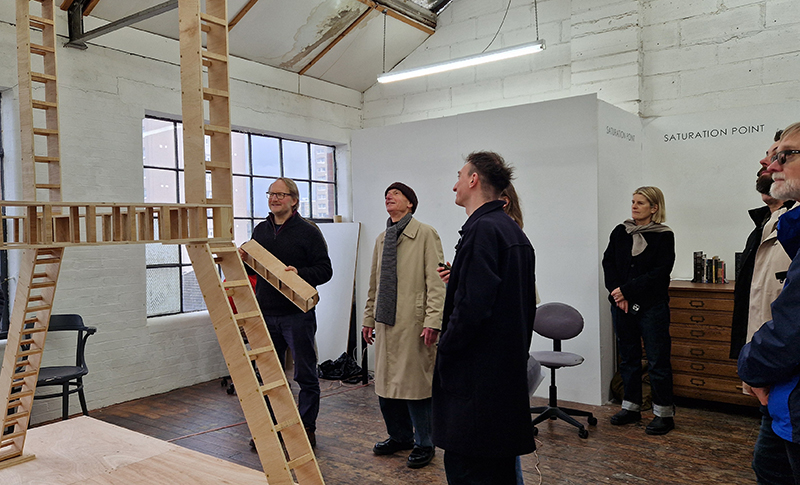
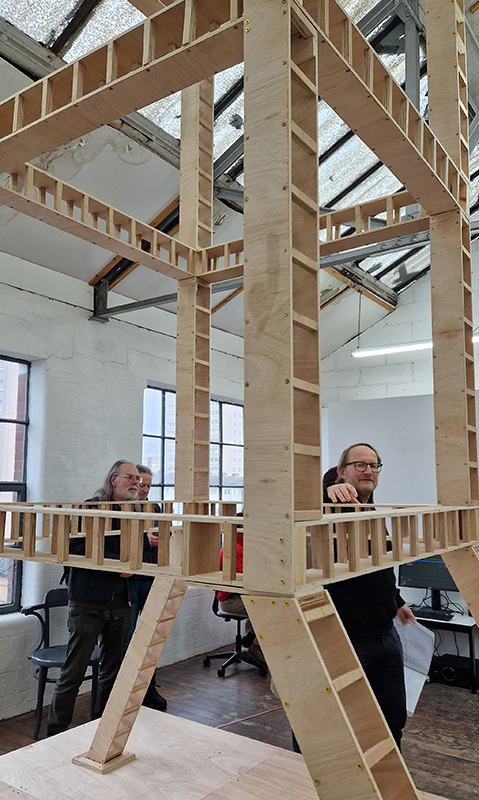
Robert Good Tower No 1a (Looks Like A Good Trajectory So Far) at Saturation Point. The tower is inspired by the iconic launch gantry at Kennedy Space Center’s Launch Complex 39A from which Apollo 11 blasted off to the moon. The title quote is taken from the CBS News commentary at about 1:05 minutes into the flight, and reflects the optimism and excitement of the launch, whilst also perhaps inviting the viewer to consider whether we are still on such a good trajectory today.

I enjoyed the poignancy of the structure as something that no longer has purpose, but also in the context of it being built inside a room, reaching to the ceiling in quite an optimistic defiance.
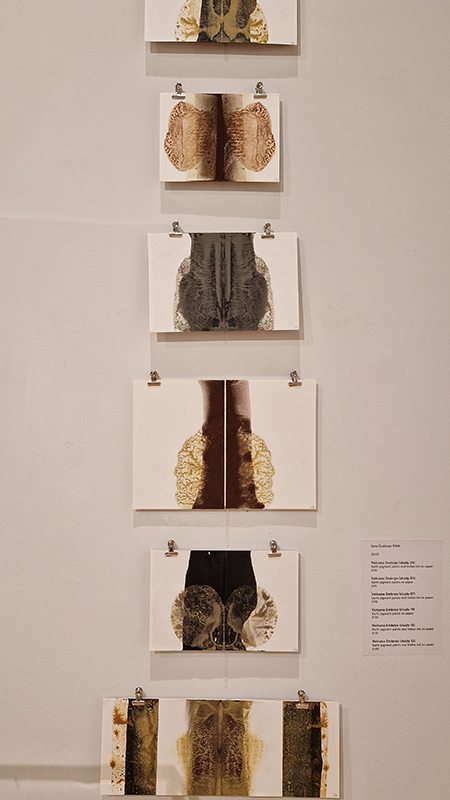
Also opening at the RWA was Elemental Curated by Malcolm Ashman RWA and Stephen Jacobson RWA. This exhibition brings together works by four RWA Academicians that trace deep and individual responses to the natural world. Each work holds fragments of place that move beyond representation to connect with elements that are both intimate and universal. Great to catch up with Sara Dudman who I met during the Lizard Point Residency in 2019. Her dynamic paintings are vibrant evocations of “what it is to be a volcano. Feeling the sulphurous breath of the earth, watching her move; these paintings adopt the animist view of the volcano as a living being. Trekking the winding paths to the craters, we can never surmount a volcano but feel the awe of her role in reshaping the land”. Sara Dudman RWA 
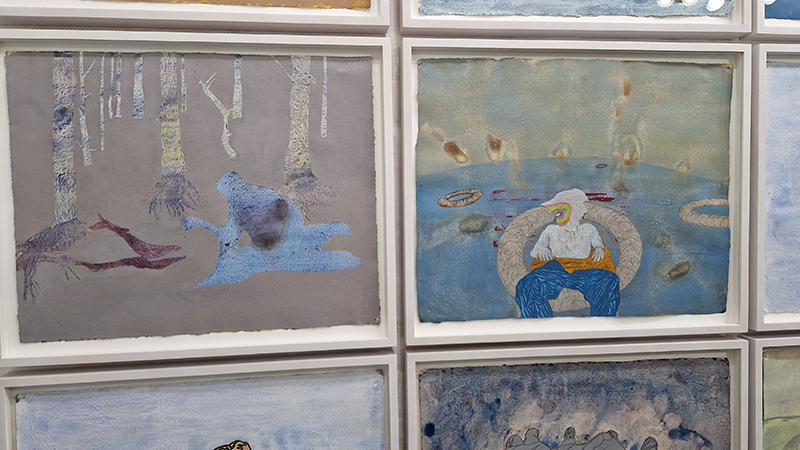
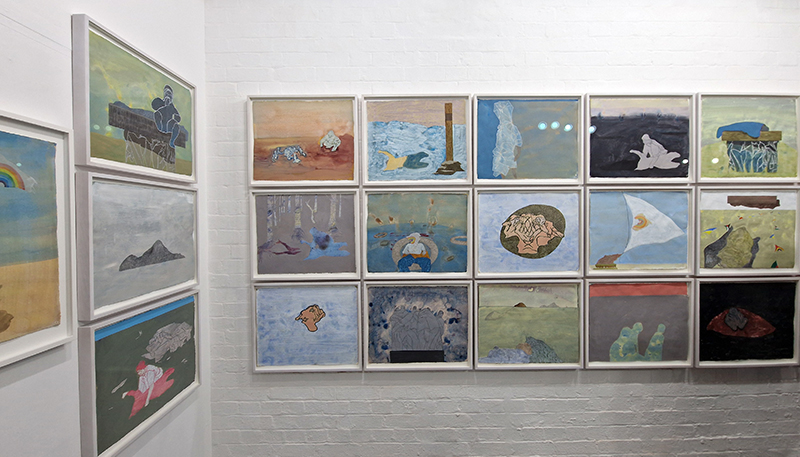
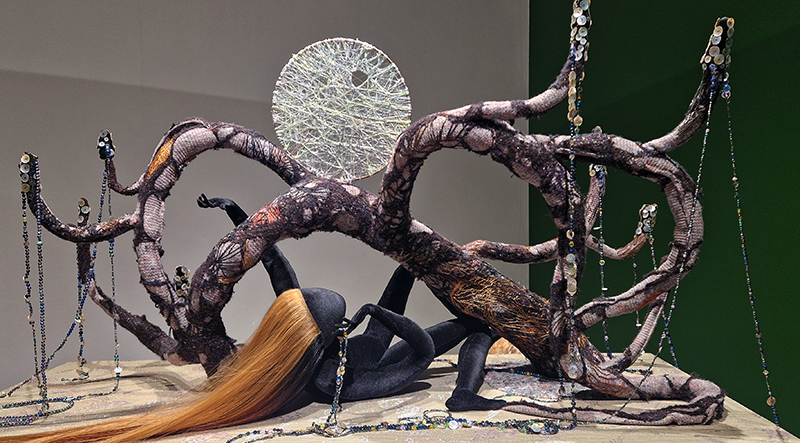
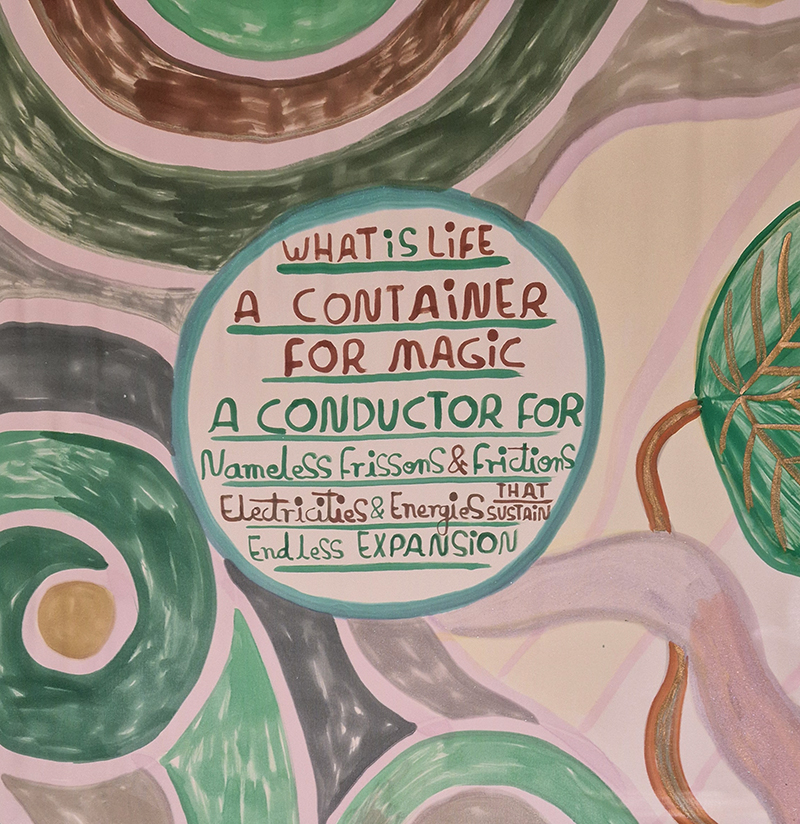
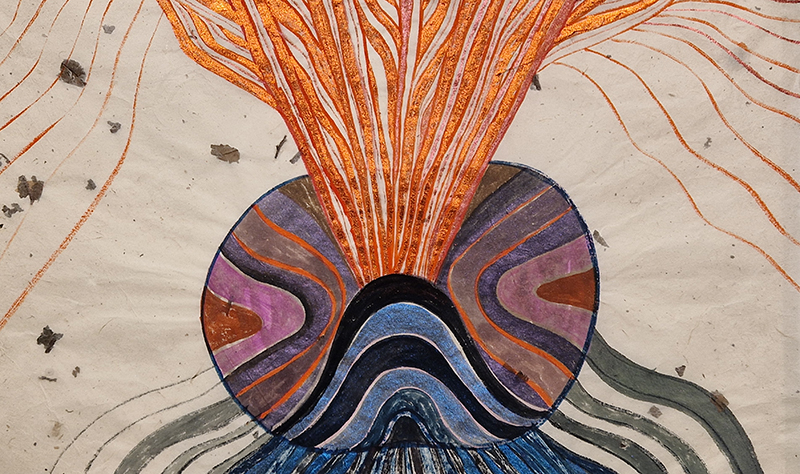
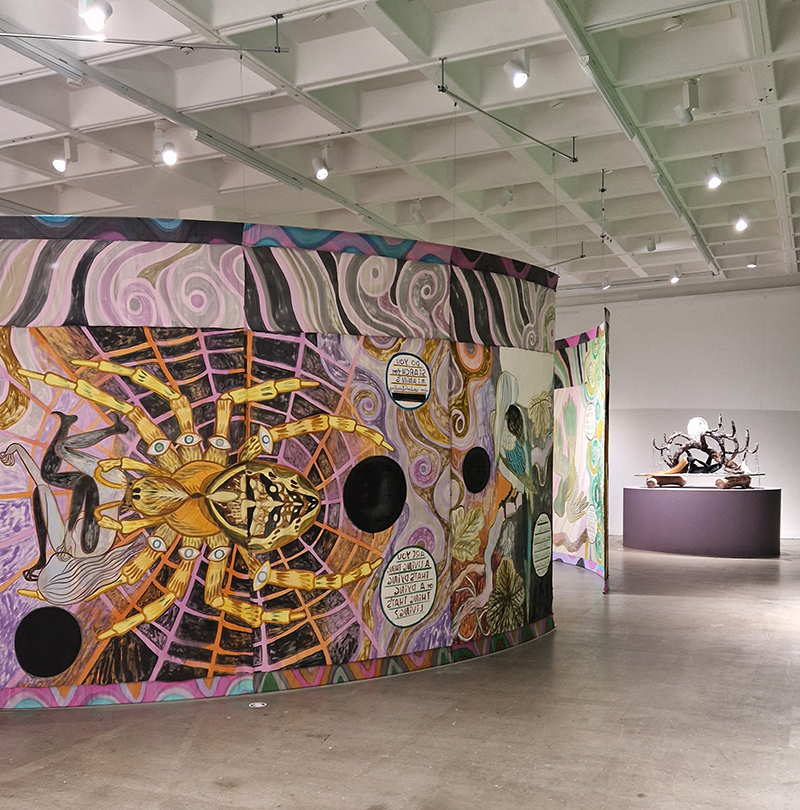
Emma Talbot Everything is Energy at The Arnolfini, Bristol in which the artist leads us through a rich eco-system of works – including silk painting installations, intimate drawings, sculptural forms (Talbot calls them ‘intangible things’) and animation – each exploring the complexity of our relationship with nature, technology and the world around us.

‘What is life. A container for magic. A conductor for nameless frissons & frictions. Electricities & energies that sustain endless expansion.’ (Emma Talbot)

I thought the aminations were beautifully made. I found the text a bit intrusive and prescriptive but it does get her points across I suppose and it is very much a part of how she works.
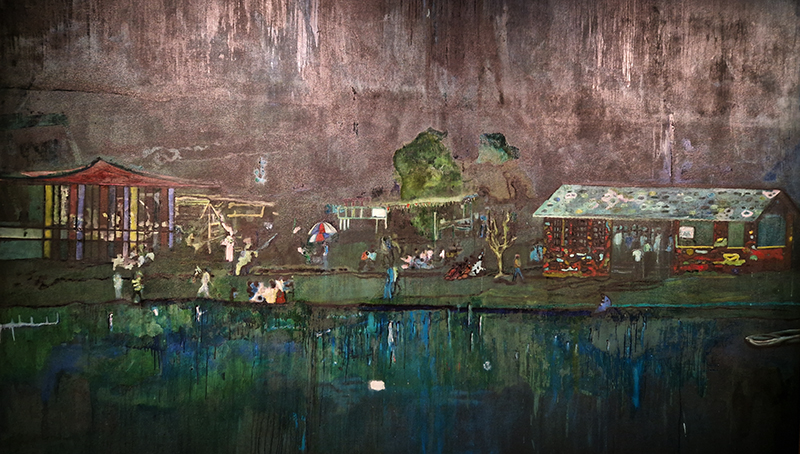
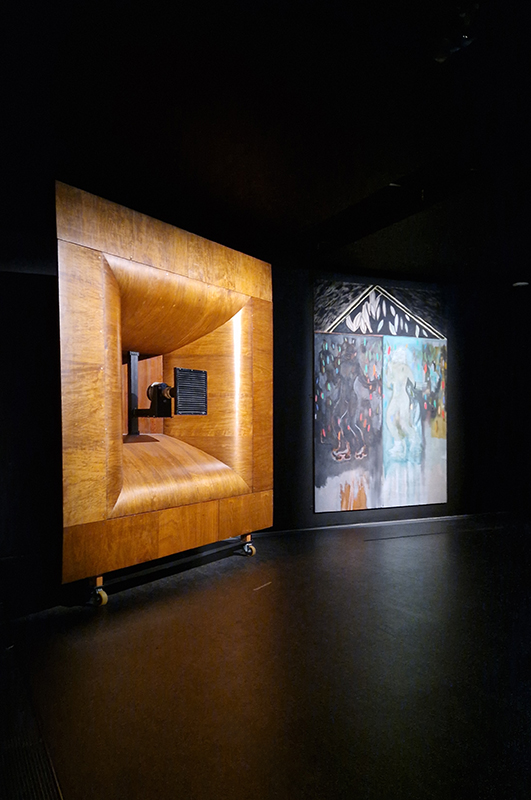
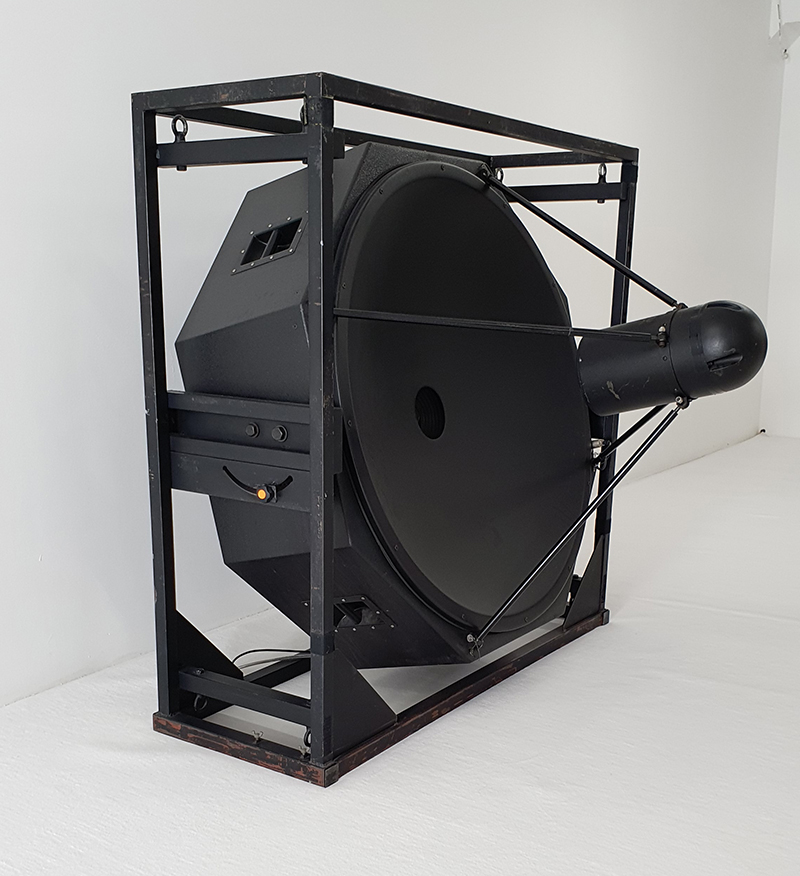
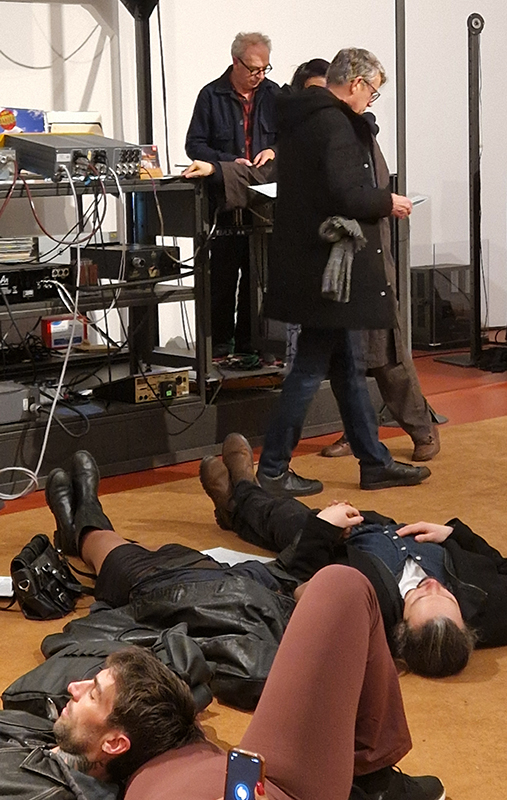
Peter Doig: House of Music at the Serpentine. The exhibition features two sets of rare, restored analogue speakers, originally designed for cinemas and large auditoriums. Music selected by the artist – from his substantial archive of vinyl records and cassette tapes accumulated over decades – plays through a set of ‘high fidelity’ 1950s wooden Klangfilm Euronor speakers. At the centre of the exhibition is an original Western Electric / Bell Labs sound system, produced in the late 1920s and early 1930s. Developed to respond to the demands of modern movie sound, this extremely rare ‘loud speaking telephone’ consists of valve amplifiers and mains-energised field-coil loudspeakers, which were designed specifically to herald in the new era of ‘talking movies’. These speakers were salvaged from derelict cinemas across the UK by Laurence Passera, with whom Doig has collaborated closely on this project. Laurence Passera is a London-based expert and devoted enthusiast of cinematic sound systems. The speakers offer a unique listening experience due to the technical mastery achieved in their construction that places them as the great grandfathers of modern ‘hi-end’ audio.

Settling down to listen to the music meant lingering longer than would be usual when just looking at paintings.
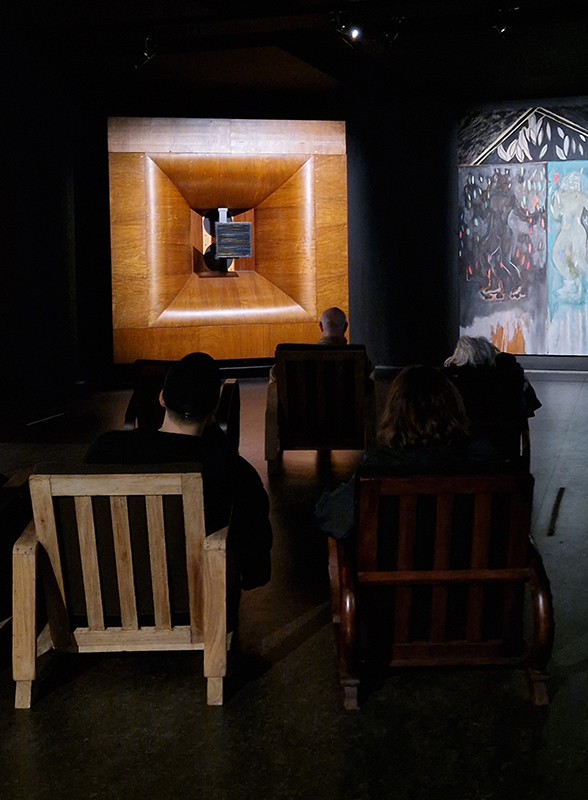
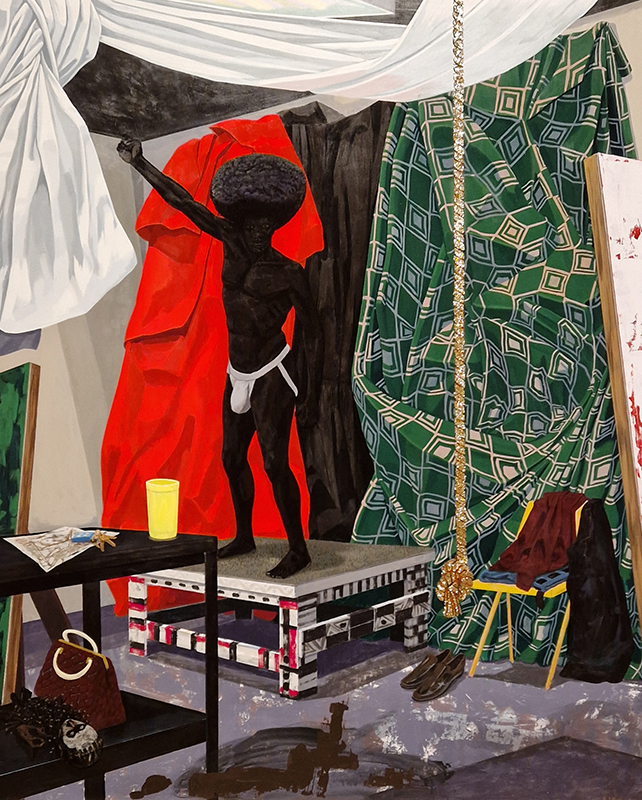
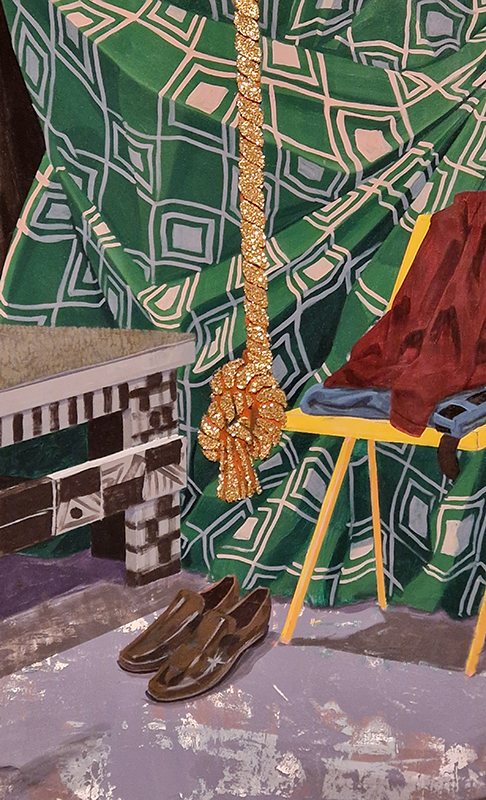
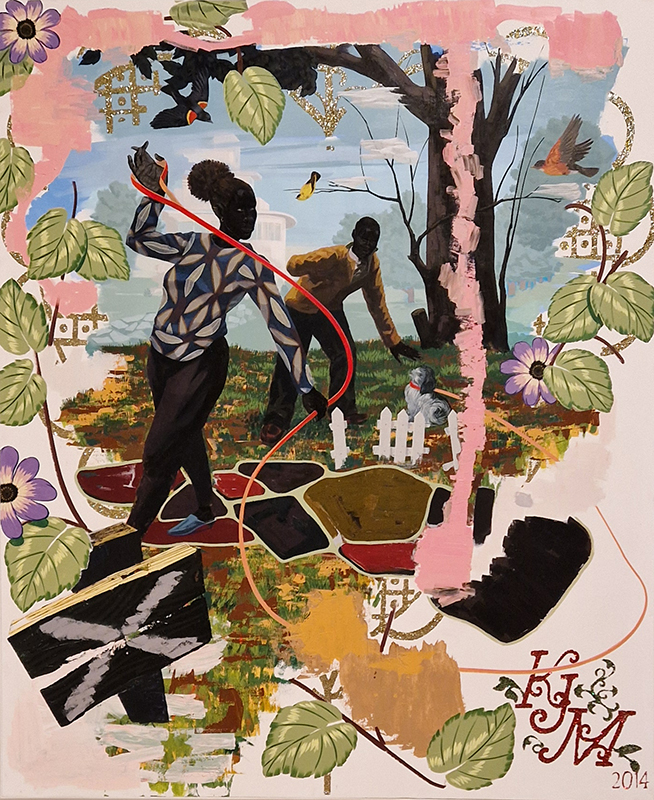
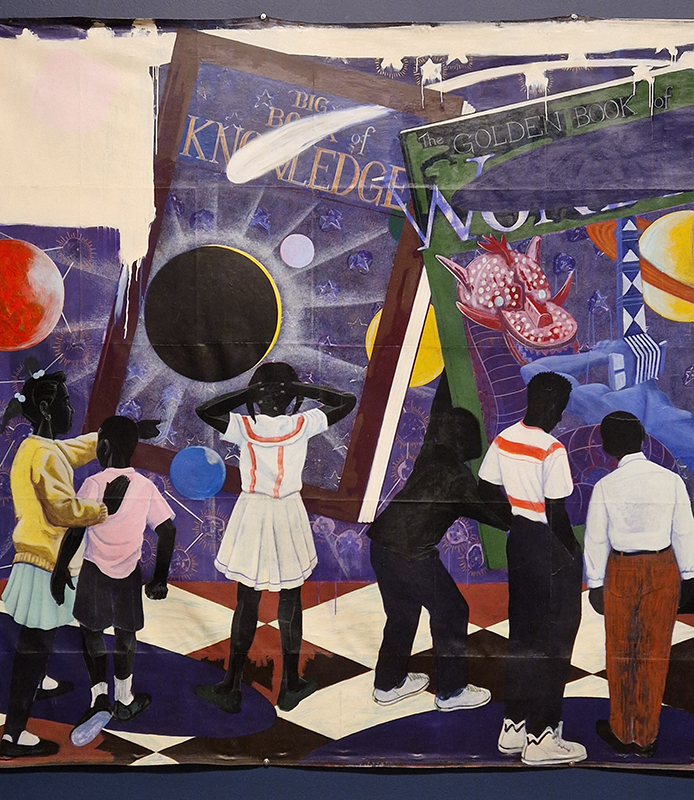
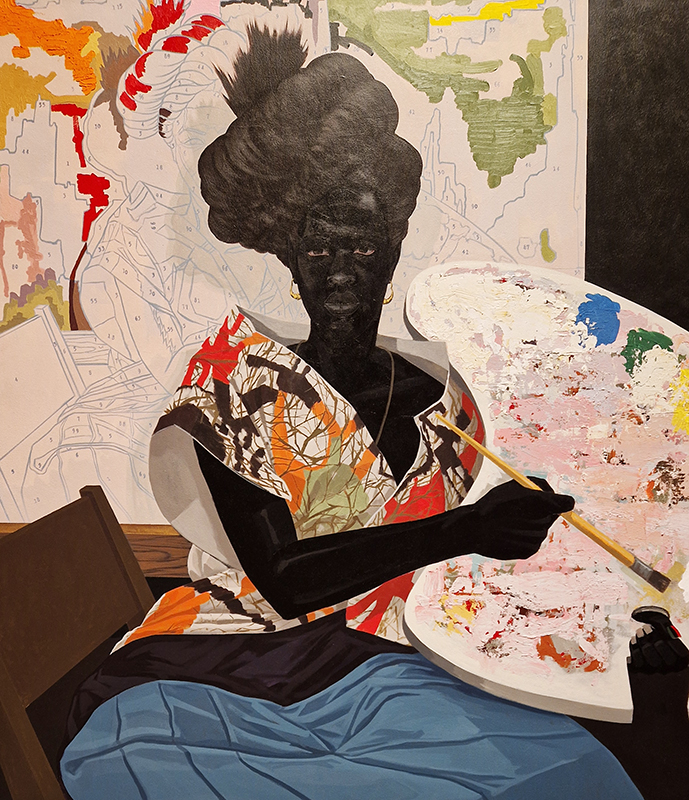
The terrific Kelly James Marshall: The Histories at the Royal Academy. These powerful paintings are full of references which span art history, civil rights, comics, science fiction, his own memories and more. He uses these to comment on the past, celebrate everyday life and imagine more optimistic futures. Full of vibrant energy, fabulous use of glitter and text, truly stunning.
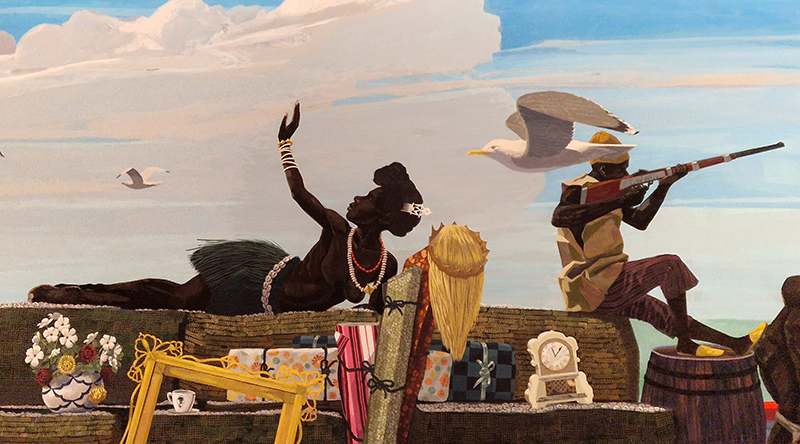
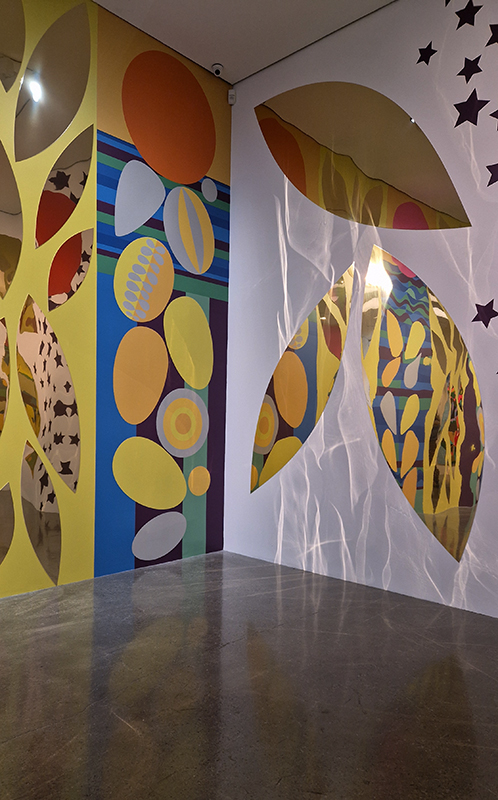
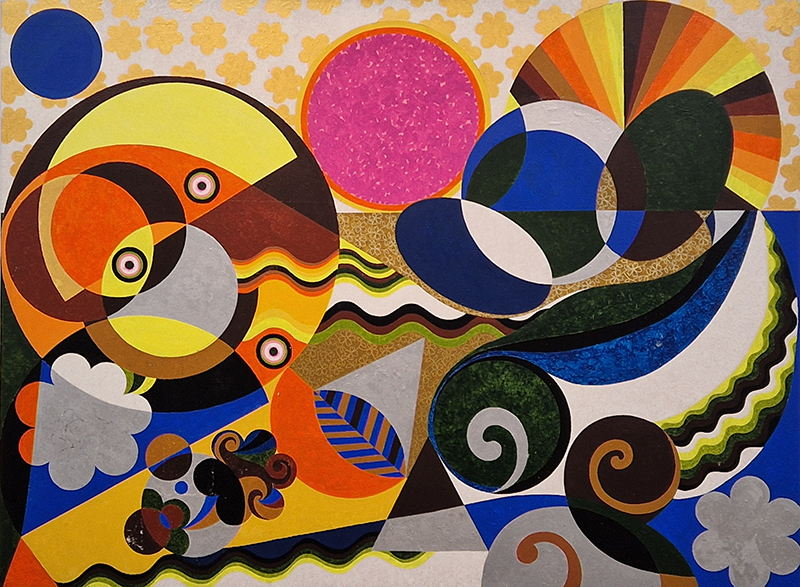
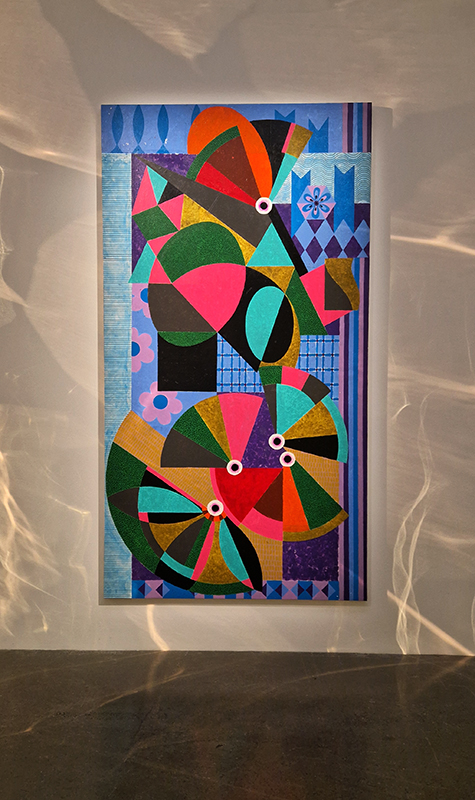
Beatriz Milhazes ‘Além do Horizonte’ (‘Beyond the Horizon’) at White Cube Mason’s Yard. A dose of grey day medicine.
We are made of carbon, it is the basic building block in virtually every cell in our body. Most of the carbon in the world is carbon-12 which contains six neutrons and six protons. However about 15 km above our heads radioactive carbon-14 is formed as neutrons from cosmic rays interact with the atmosphere.
Protons and atomic nuclei created by events such as exploding stars speed across space and collide violently with the Earth’s atmosphere creating a chain reaction of cascading particles. Some of these tiny travellers may come from distant galaxies or be created by phenomena that we are yet to discover. Our body is continuously permeated at a subatomic scale by these particles fired into our world – an almost tangible contact with outer space.
Carbon-14 has six protons and eight neutrons and has a half-life of 5,730 years. This means that after 5,730 years dead matter which absorbed Carbon-14 when alive will contain half the amount it had when it died and after another 5,730 years that amount will have halved again. Radioactive decay is random but in a sample there are enough atoms to work out an average time it will take for the nucleus to lose the extra neutrons.
This radioactive carbon-dioxide in the atmosphere is absorbed by plants which are eaten by animals and humans.

Cosmic ray activity gives us carbon dating techniques.

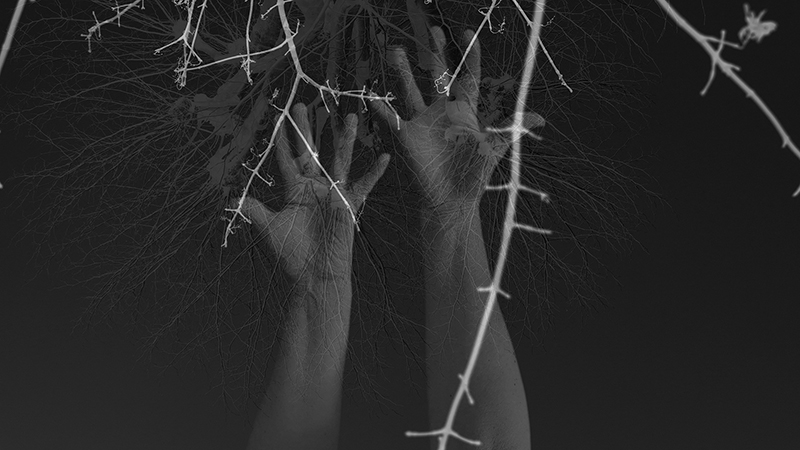
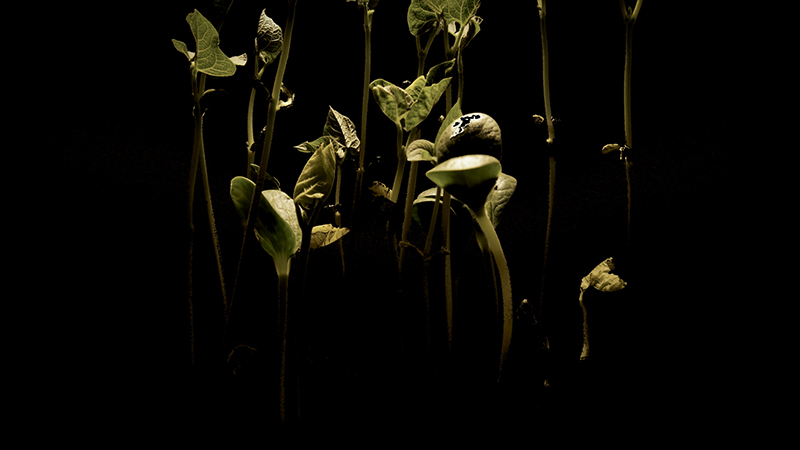
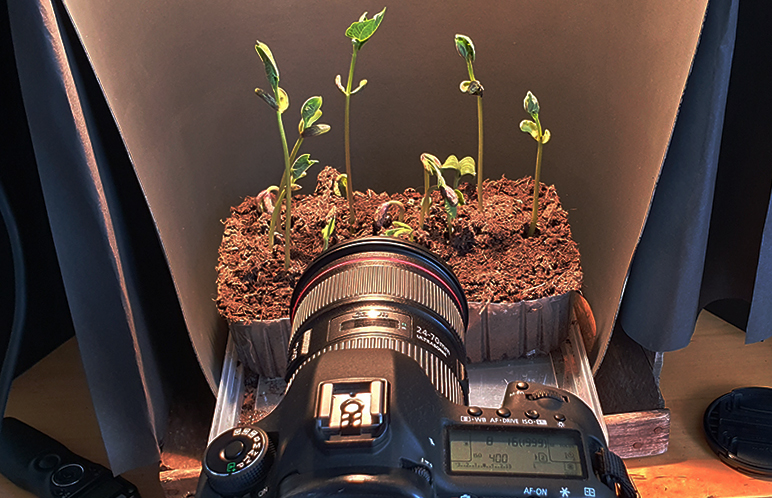
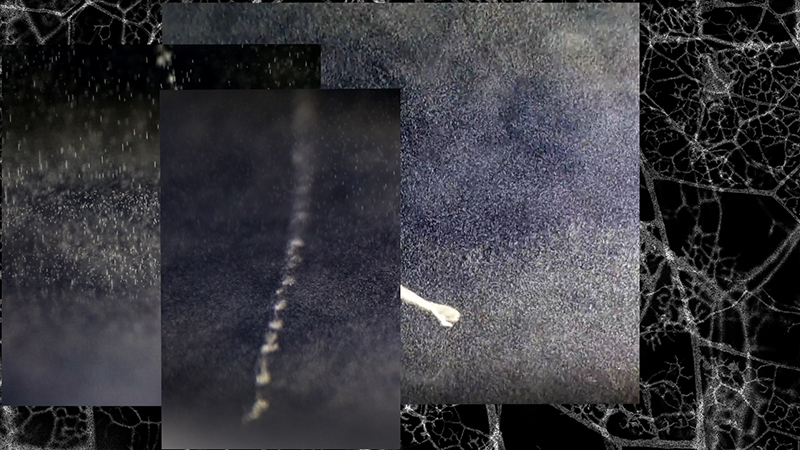
I am working on a video, Cosmic Chiasmus, meaning crossing.

Plant time lapse filming is fascinating to see how plants are so animated just at a different time scale to us. Also I have recently finished reading Richard Powers Overstory, a very powerful sobering read, which celebrates the slow yet socially active time of trees.

Carbon dating is performed by measuring Carbon-14 in organic matter. Radiocarbon decays slowly while an organism is alive but is continually replenished as long as the organism takes in air or food.

When an organism dies no more Carbon-14 is absorbed and that which is present starts to decay at a constant rate.

By measuring the radioactivity of dead organic matter, the current carbon-14 content can be determined and the time of death established.

The oldest matter that can reliably be carbon dated is about 50,000 years old. Currently techniques are being refined as they have often relied on the assumption that Carbon-14 levels in the atmosphere are constant but they are not.

The burning of fossil fuels which have lost all their radiocarbon dilutes the amount of Carbon-14 with carbon dioxide and nuclear explosions add huge amounts of ‘bomb carbon’ to the atmosphere. During planetary magnetic field reversals more solar radiation cosmic rays enter the atmosphere producing more Carbon-14. Also the oceans suck up carbon circulating it for centuries.

There are a number of uncertainties for dating shell.

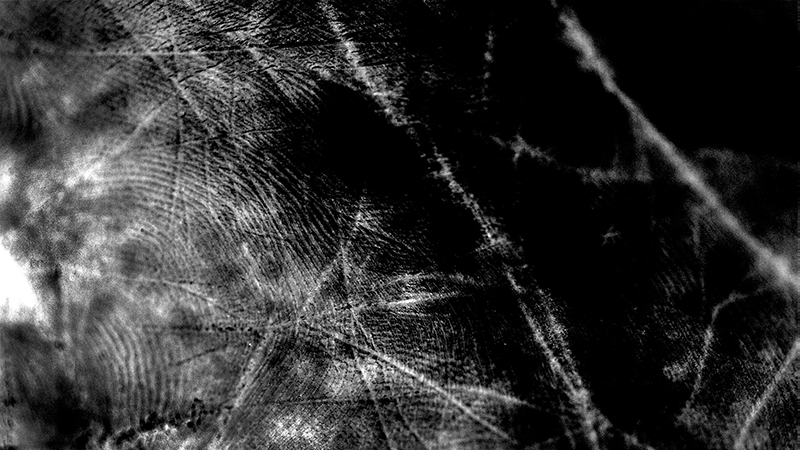
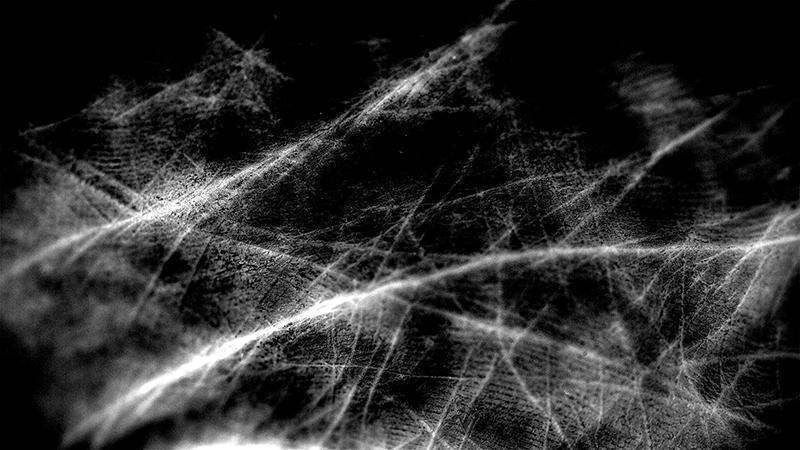
On the surface of the earth two to three Muons pass through your hand every second, underground this is reduced to about once a month.

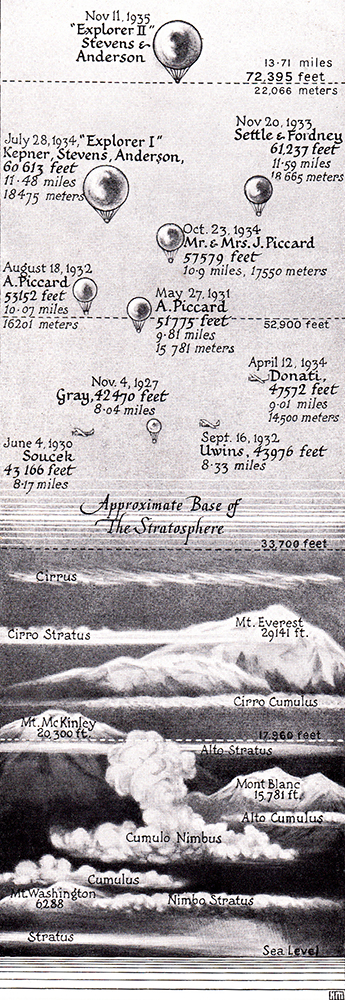
I came across some articles about balloon voyages made in the 1930’s to the stratosphere to record cosmic ray activity in old National Geographic magazines .

Intrepid explorers. These early explorations were innovative but also dangerous. In July 1934 a flight developed tears in the balloon fabric at about 57,000 feet and began to break apart, as it did so the hydrogen in the balloon exploded and the crew had to parachute to safety.

Physicist Victor Hess had already made a series of daring ascents in a balloon to take measurements of radiation in the atmosphere. In 1912 he made an ascent to 17,000 feet during a near-total eclipse of the Sun to determine if the source of the radiation was coming from the Sun and made the discovery that it had to be coming from further out in space.

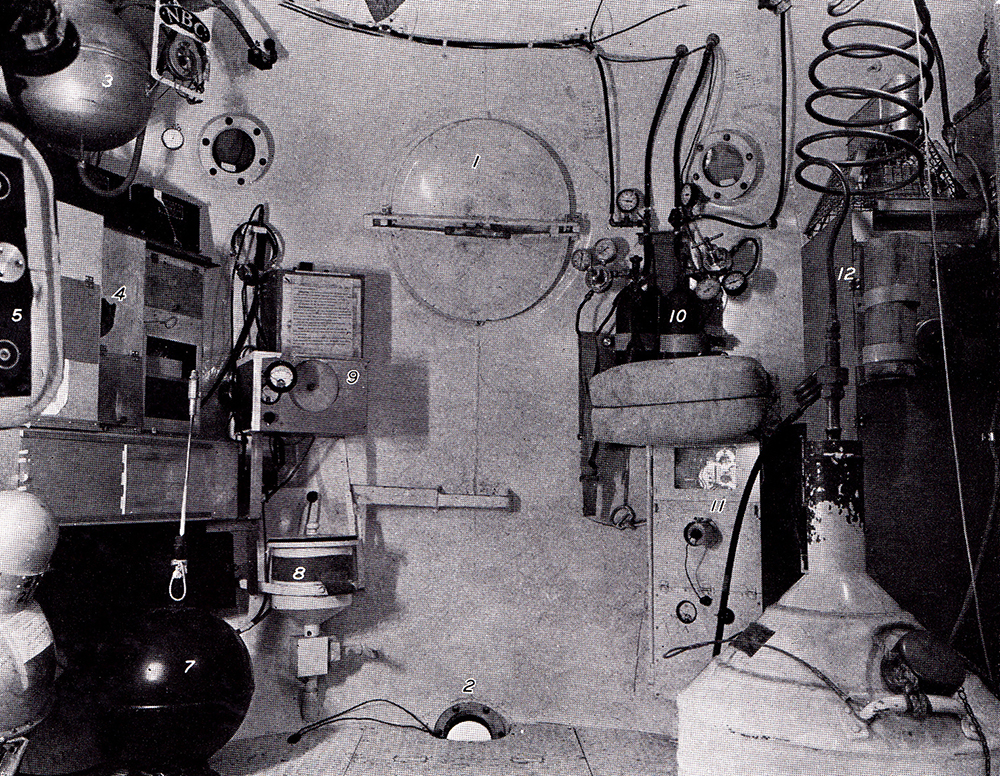
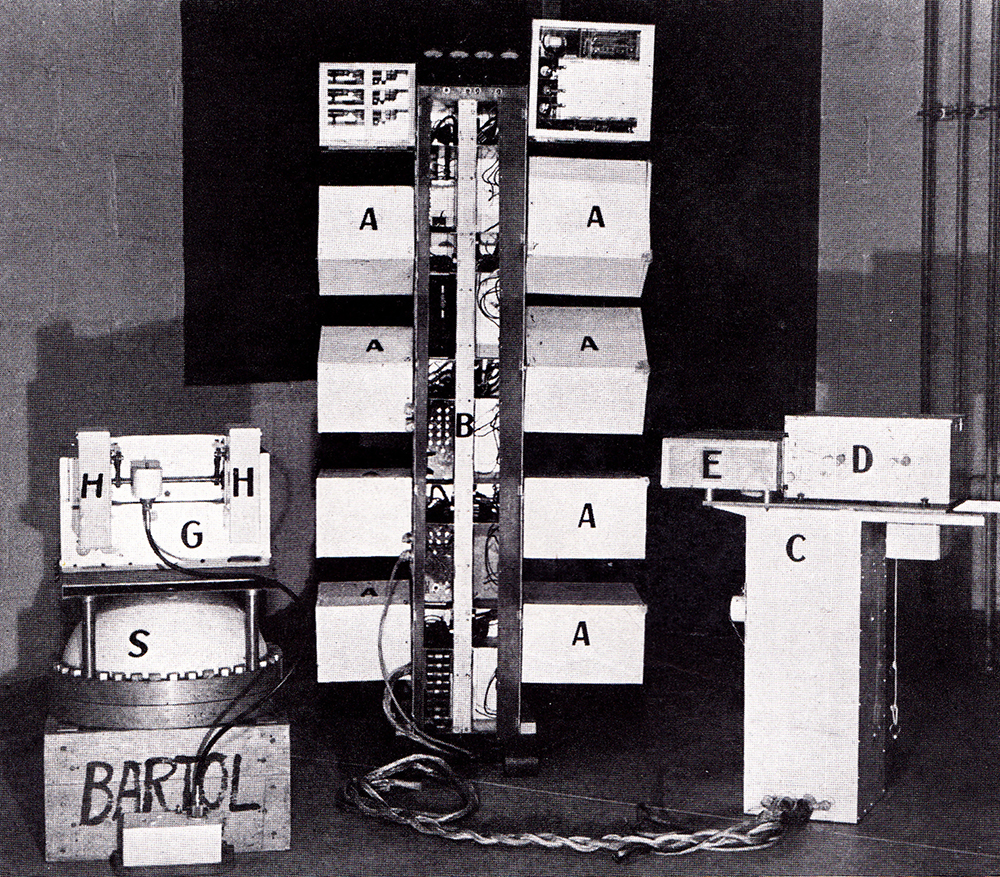
The stratosphere balloon Explorer II was designed to carry heavy instruments for cosmic ray measurements to a height of 13 miles and more above sea level.

Scientists designed a system of cosmic ray telescopes to record the numbers of cosmic rays coming in from several angles above the horizon. Most of the cosmic rays counted are secondary particles shot out from the atoms of the air by the primary rays entering and colliding from space. During this flight the height at which most secondary cosmic rays are produced was determined and the first records of bursts of energy from atom disruption by cosmic rays was made.

Also, the first track ever made directly in the emulsion of a photographic plate by an alpha-particle cosmic ray with enormous energy of 100,000,000 electron volts was achieved. Two boxes of photographic plates coated with special emulsion were wrapped in light tight paper and attached to the balloon gondola. When the plates were developed there were no visible images but when put under a microscope tracks could be seen where the particles had ploughed through the emulsion.

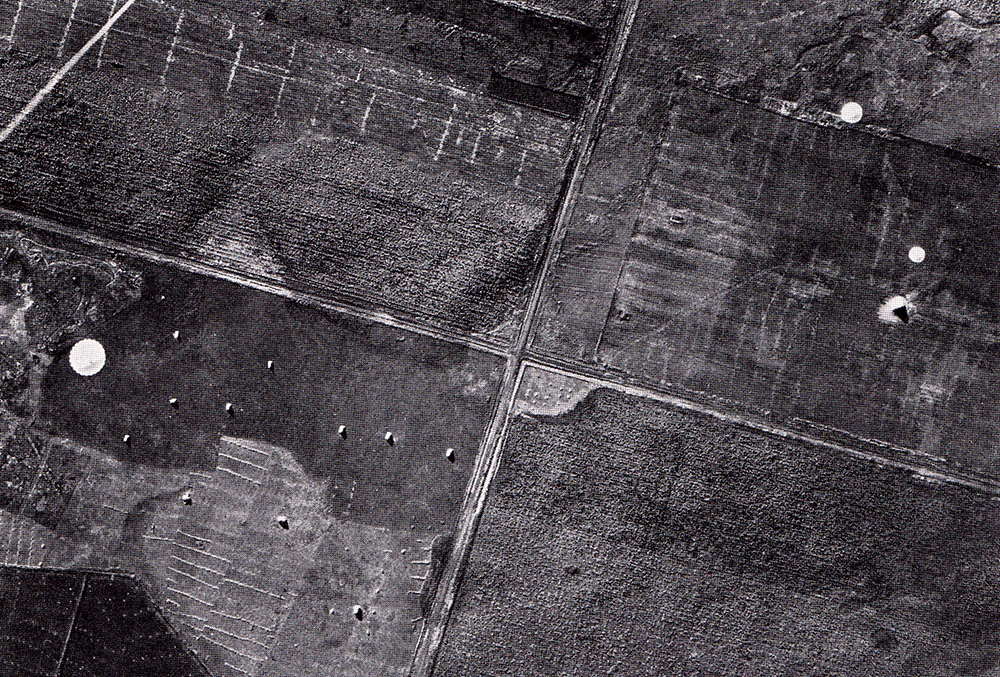
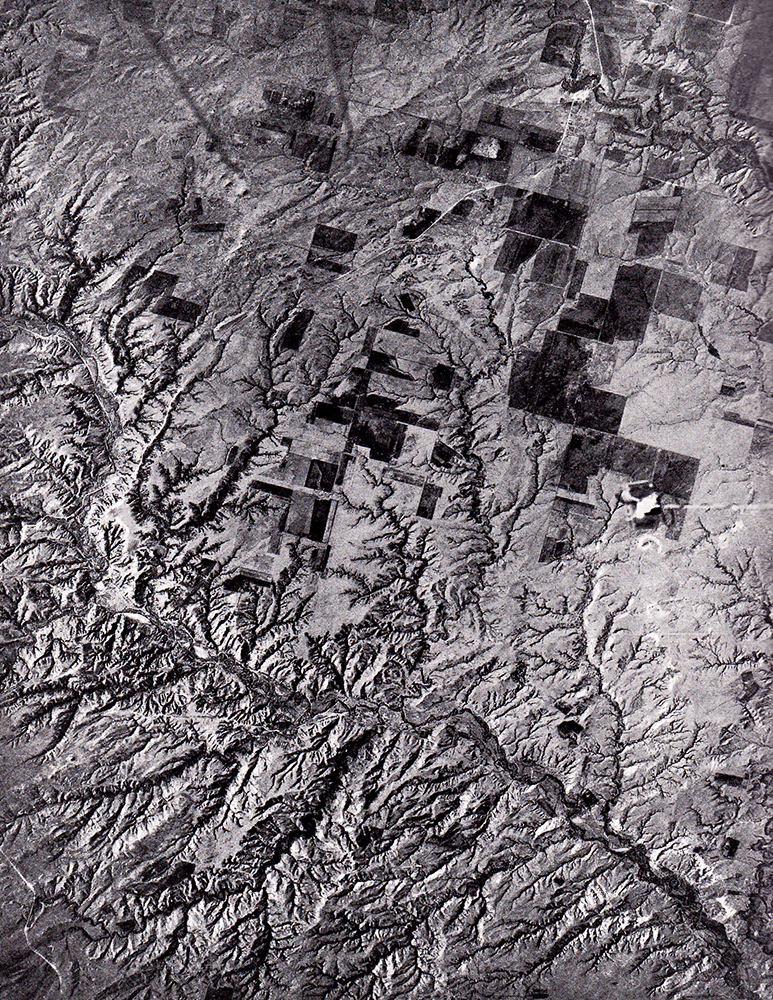
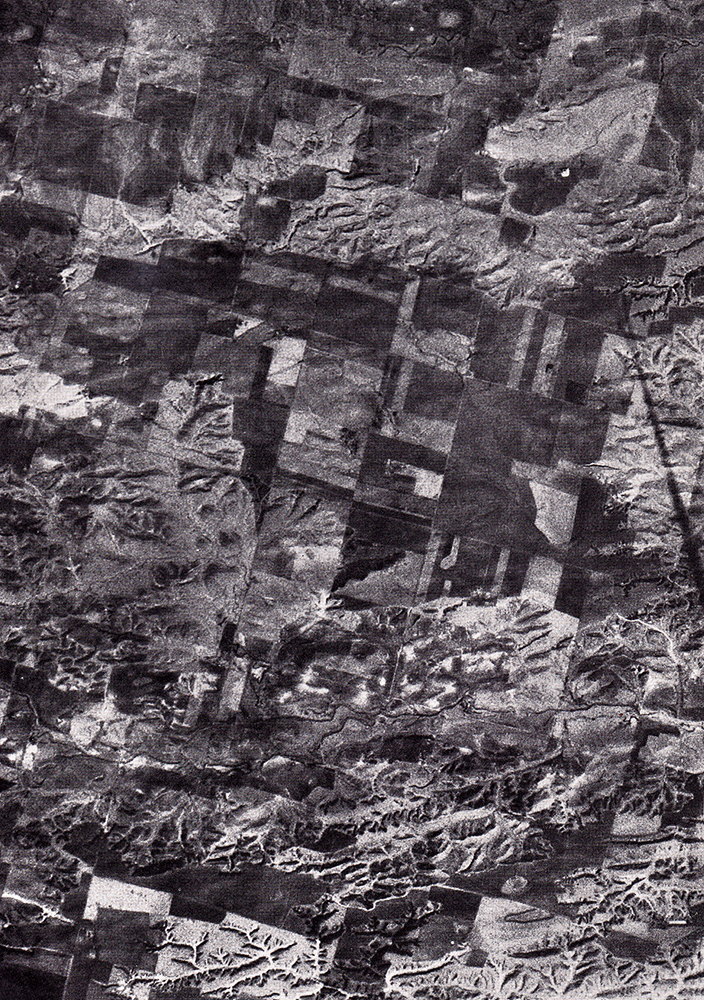
Early google earth. They also took the highest altitude photographs of the Earth ever made.

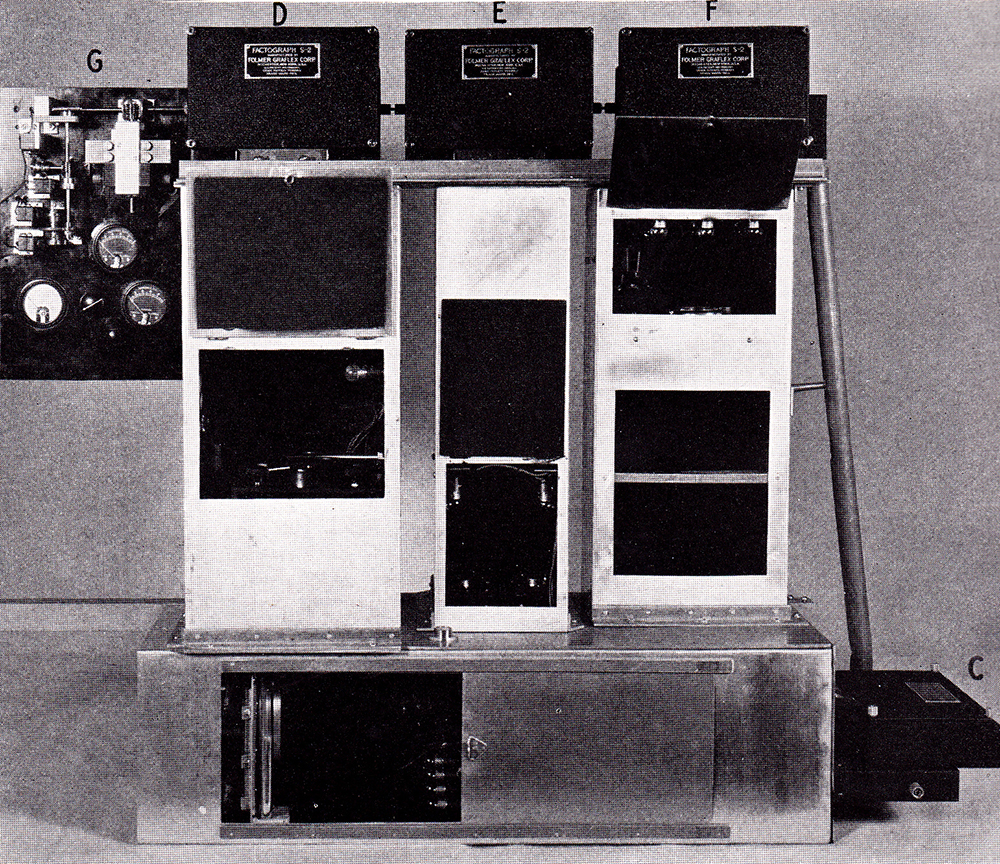
To record data they had a series of cameras set to take automatic photographs of the dials on the different apparatus.

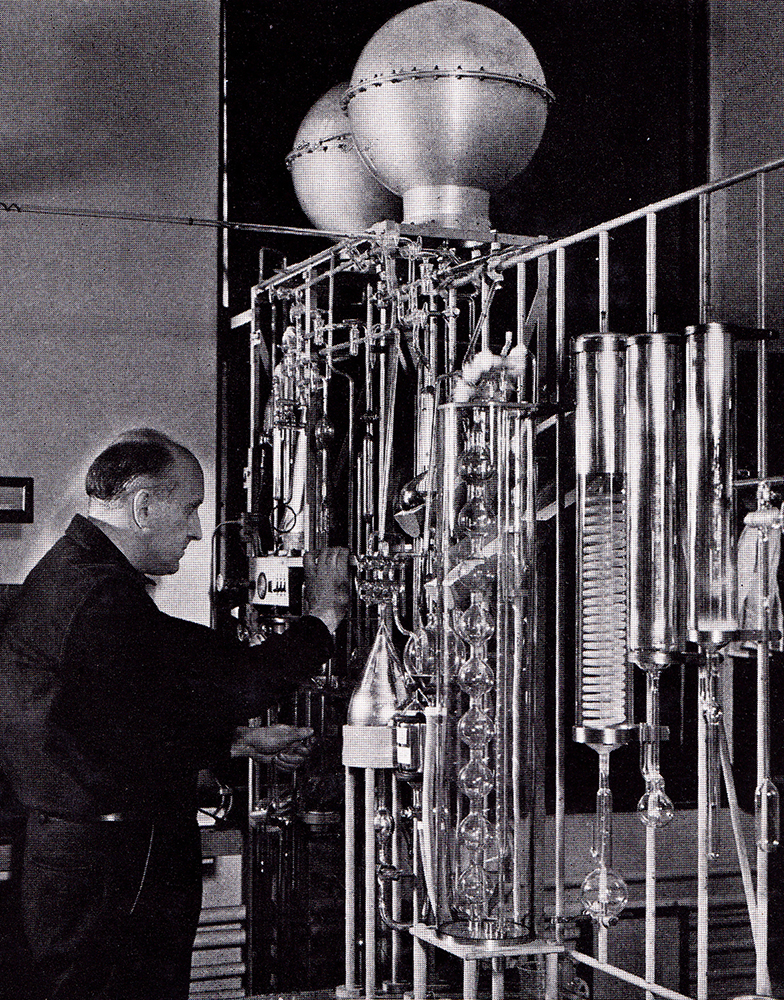
Analysing air captured from the stratosphere.

On Earth we are protected from most radioactive particles by the atmosphere and the magnetic field.

It has been clearly demonstrated that birds are able to sense the direction of the Earth’s magnetic field and that they can use this information as part of a compass sense. It may be possible humans retain some residual magnetoreceptor in our eyes that once allowed us to navigate using the Earth’s magnetic field. Current research suggests that some people do indeed perceive magnetic fields, albeit unconsciously.

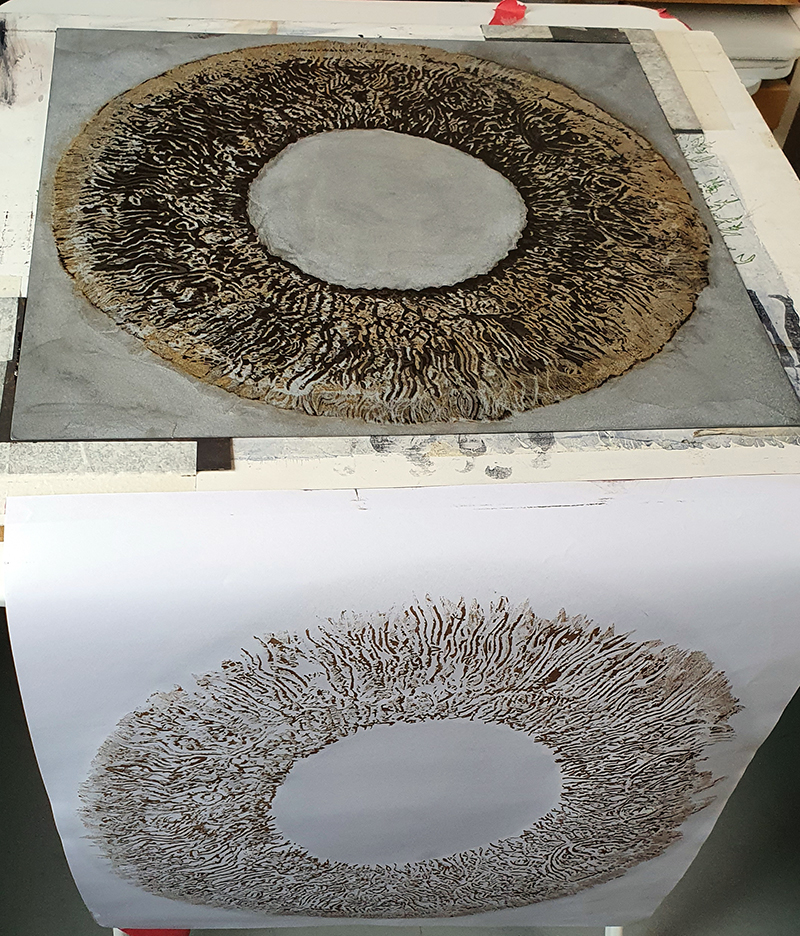
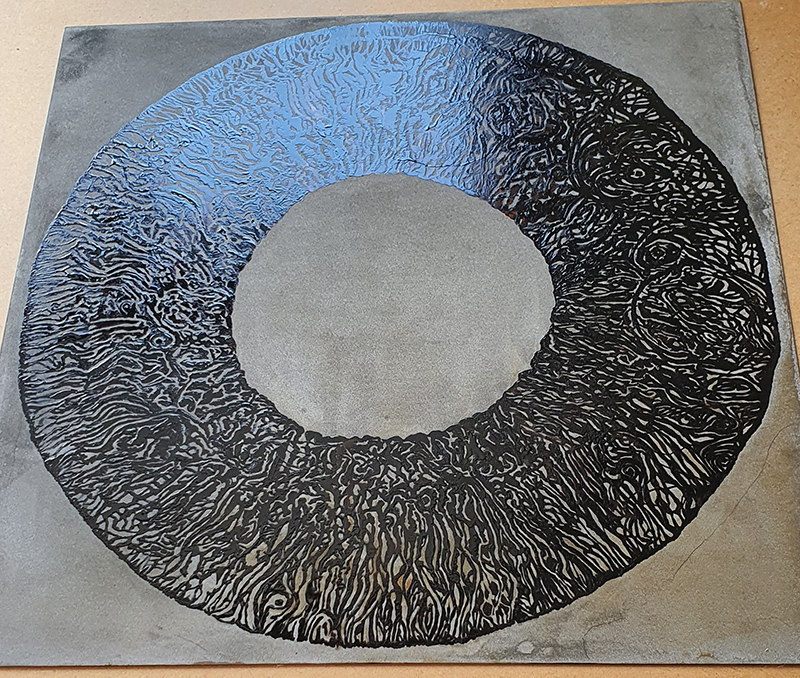
Work in progress on navigation by magnetic receptors. Working on a soft ground etching of my iris with aquatint. Not sure yet if I will use the plate or the print in the final work which will have iron filings activated across the surface.

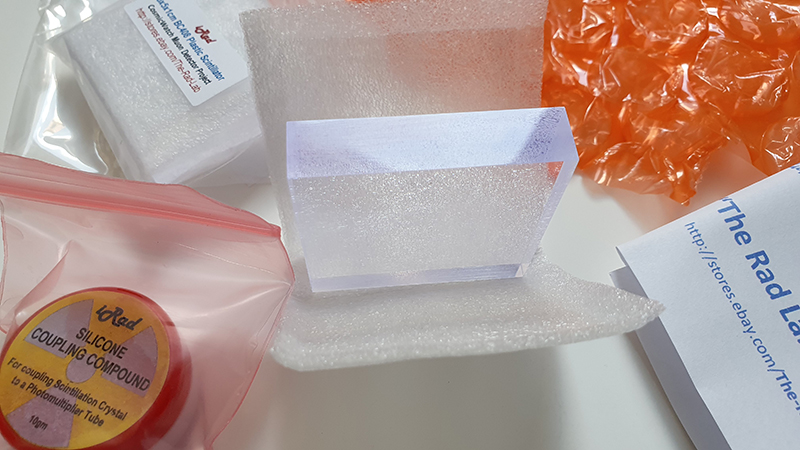
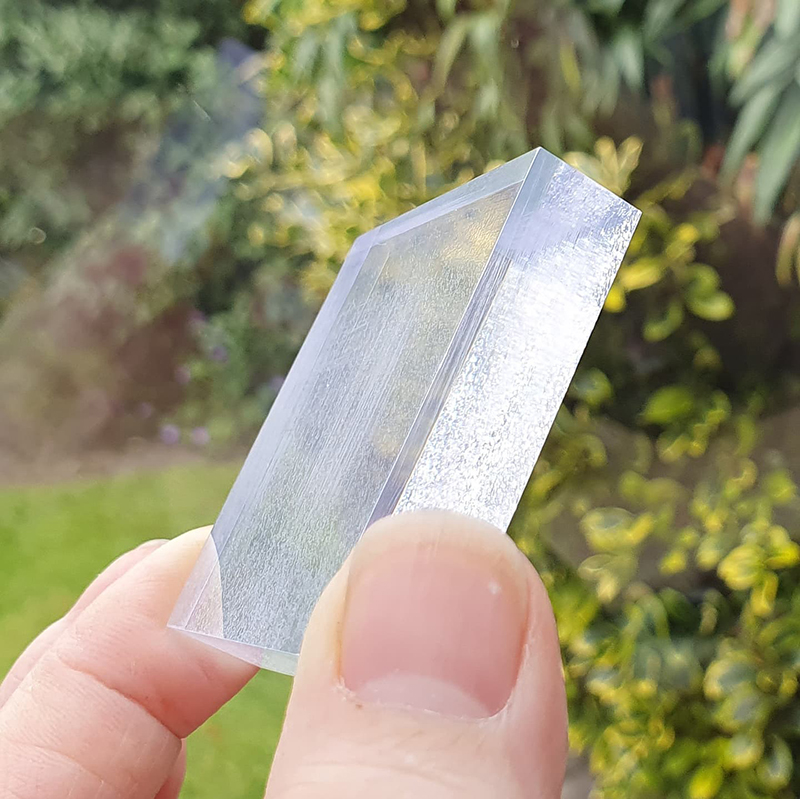
First components have arrived from America for my attempt to build my own cosmic ray detector to create an interactive artwork. The plastic block converts the energy of the charged particle passing through to a photon which can be read by a silicon photo-multiplier and the information fed to an Arduino processor. Daunting and exciting.

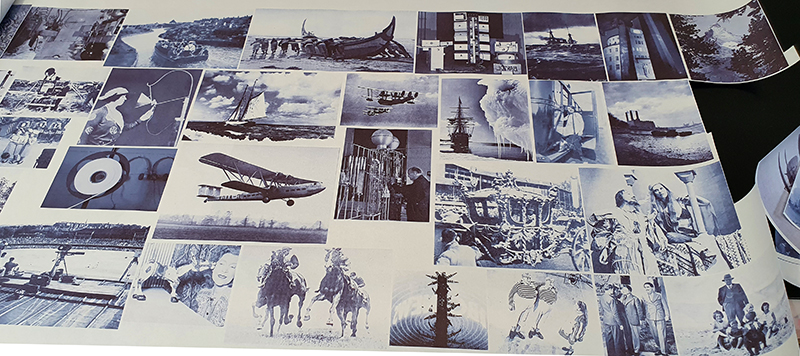
New work in progress – I collected a selection of images from the 1930’s including some from family, including my Mum aged 3, which I have tinted blue and had printed on sublimation dye paper for transfer to the tiles making up the raster pattern based on early television signals. FM radio and television signals can pierce the ionosphere and travel through space at the speed of light. The first signals will have travelled about 90 lightyears now to arrive at a solar system very similar to our own. Fragments travelling through space for light years with the potential for alien life to decipher.

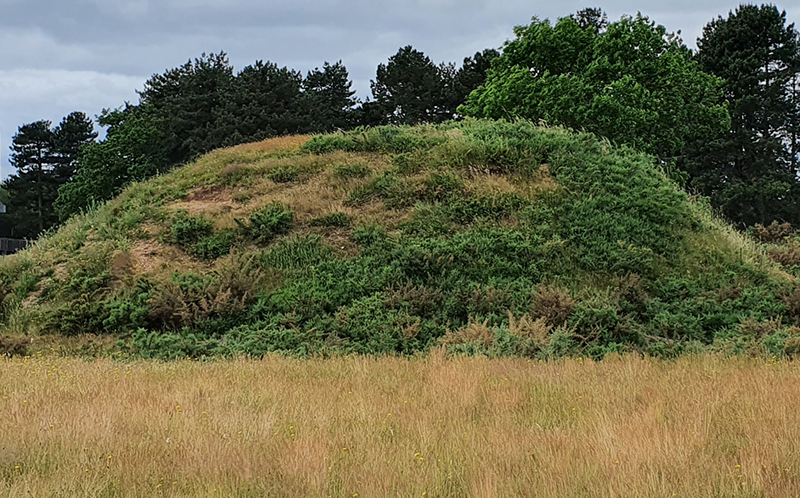
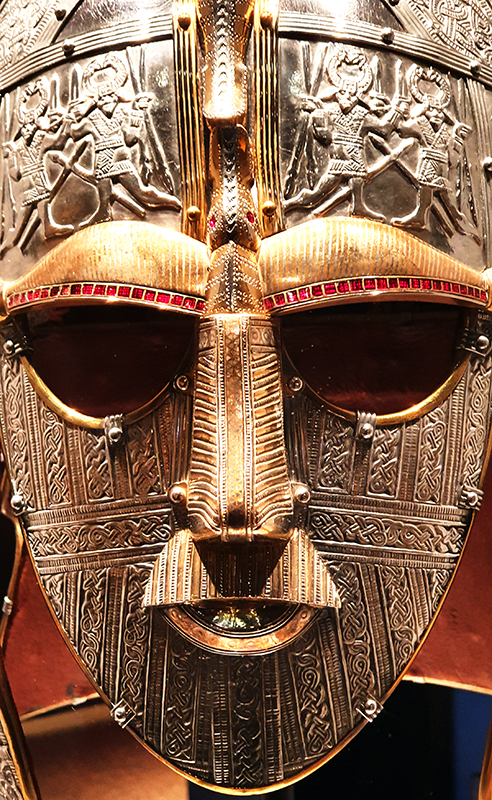
Visit to Sutton Hoo where the ever increasing accuracy of radio carbon dating has provided astonishing clues to the past history of this intriguing site. Archaeologists can determine the age of objects in decades as opposed to centuries.

Sutton Hoo is the site of two early medieval cemeteries dating from the 6th to 7th centuries near Woodbridge, in Suffolk, England. In 1939 landowner Mrs Edith Pretty asked local archaeologist Basil Brown to investigate the largest of several Anglo-Saxon burial mounds on her property. Inside, he made one of the most spectacular archaeological discoveries of all time.

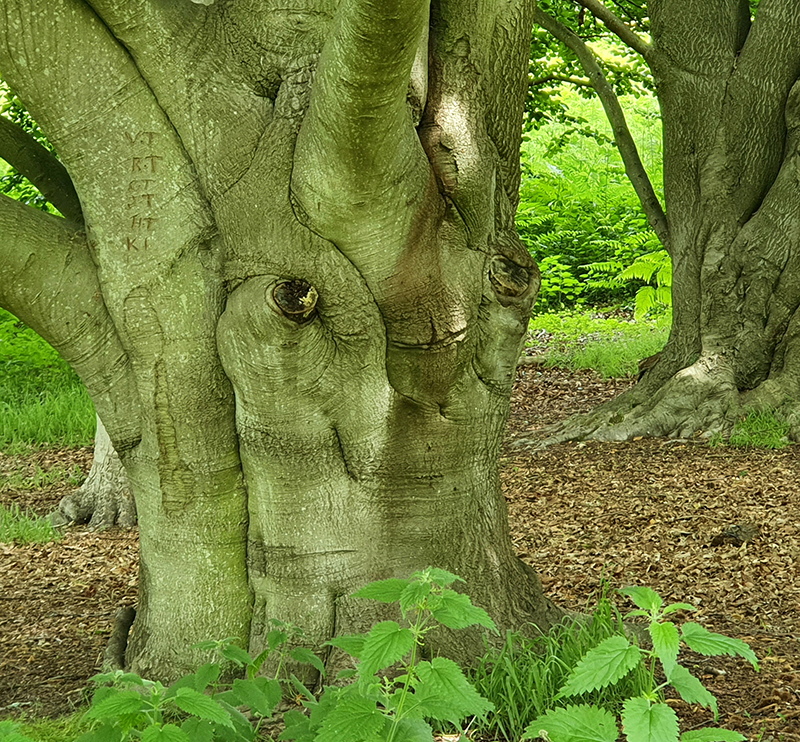
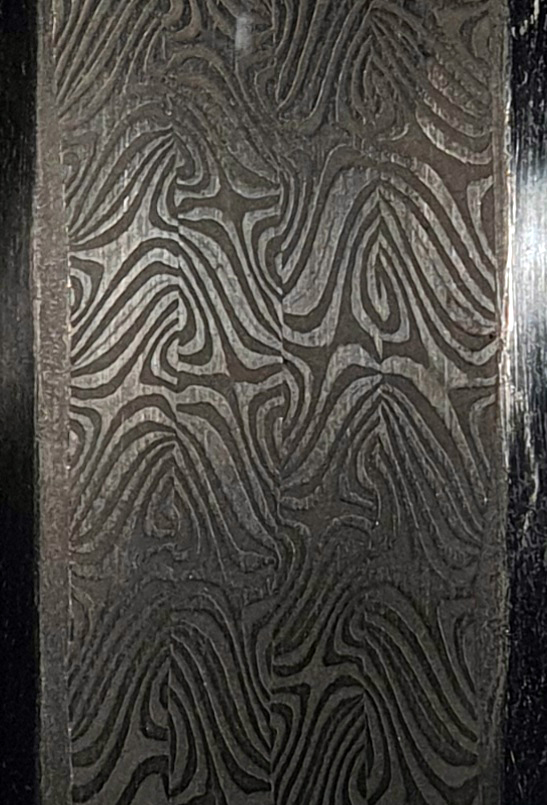
Past, present and future finds. Ancient trees. Burials of Kings. Amazing sword of beaten twisted wrought iron and steel. Basil Brown’s star charts.

The agency and aura of objects was investigated with the intent to generate new relations between objects and their associations with the world around them in the beautiful group show Can We Ever Know The Meaning Of These Objects curated by Sarah Sparkes and Kevin Quigley at Gallery 46.

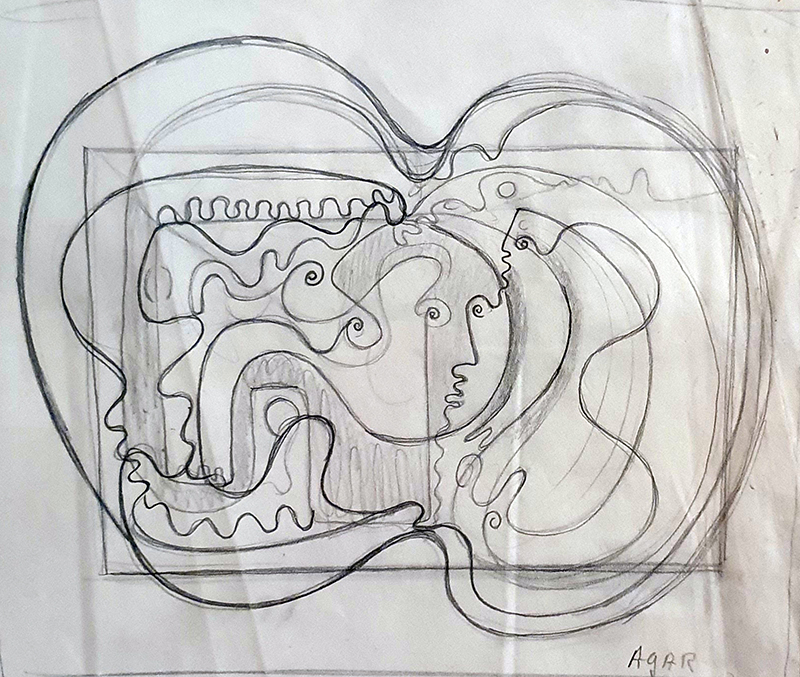
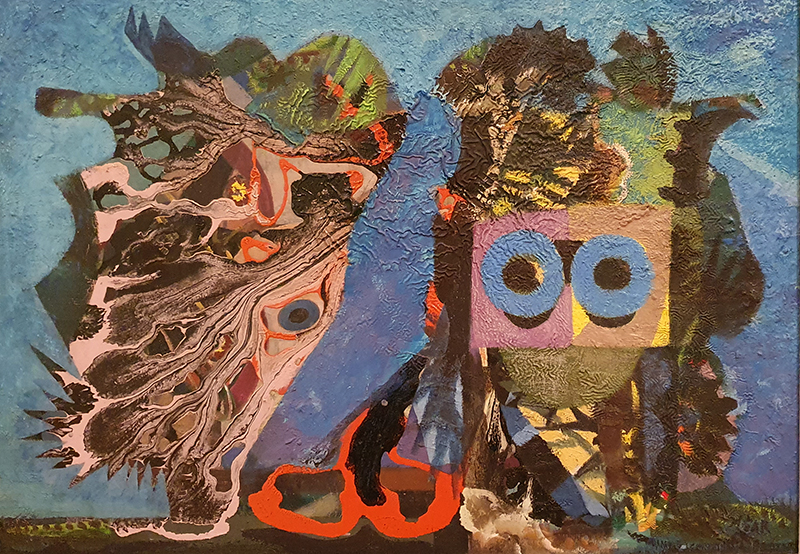
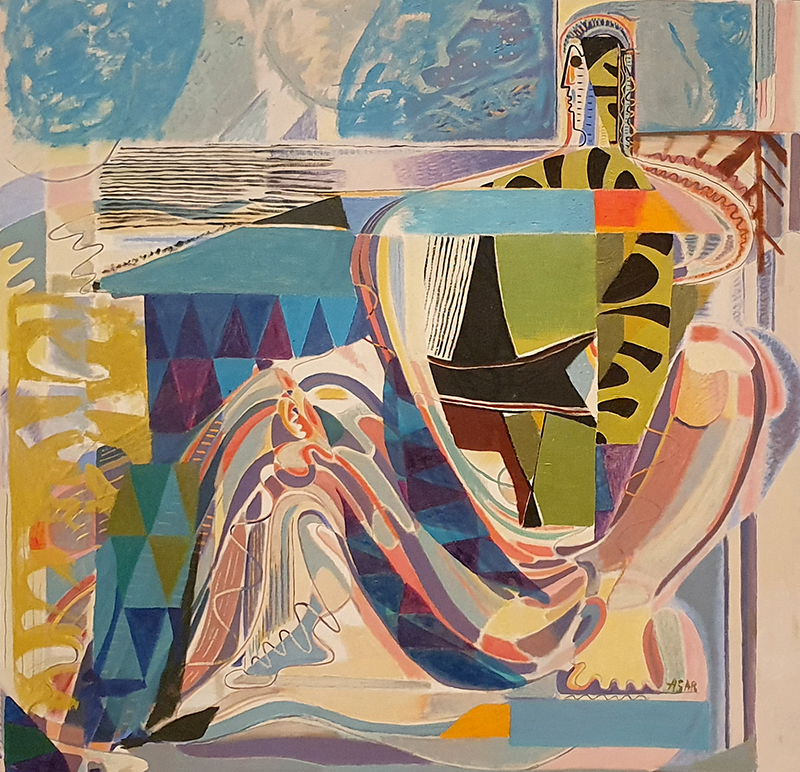
Eileen Agar Angel of Anarchy at Whitechapel Gallery exposing the subconscious entwined with the material of nature. Enjoyed the decomposition of space into lines like foliations and contour lines. Which angel would you choose? Anarchy or Mercy?

I joined a zoom presentation from Sophie Williamson on her current project undead matter which dips into the deep time entanglement of geological ancestry. Leaving a mark in the past as a way of communicating with the future and creating a lineage for ourselves. Eras mingle with each other as ancient footprints resurface, ice melts, secreted narratives emerge. The permafrost holds vast amounts of carbon. Whole forests.

Zircon crystal contains radioactive uranium with a half-life of 4.5 billion years, which makes it useful for dating extremely old materials much much older than those containing Carbon-14. These crystals may hold clues to the origin of life. The carbon necessary for life may have arrived here in space dust from outer space via asteroids or comets.

WHAT ON EARTH group show from artists including Victoria Ahrens, Melanie King and Diego Valente using photographic processes with an emphasis on the material environment, tactility and sustainability.

Michael Armitage – Paradise Edict at the Royal Academy. Digital images do not do justice to the glow and vibrancy of these paintings. Can feel the heat pulsating with unsettling shape-shifting undercurrents.

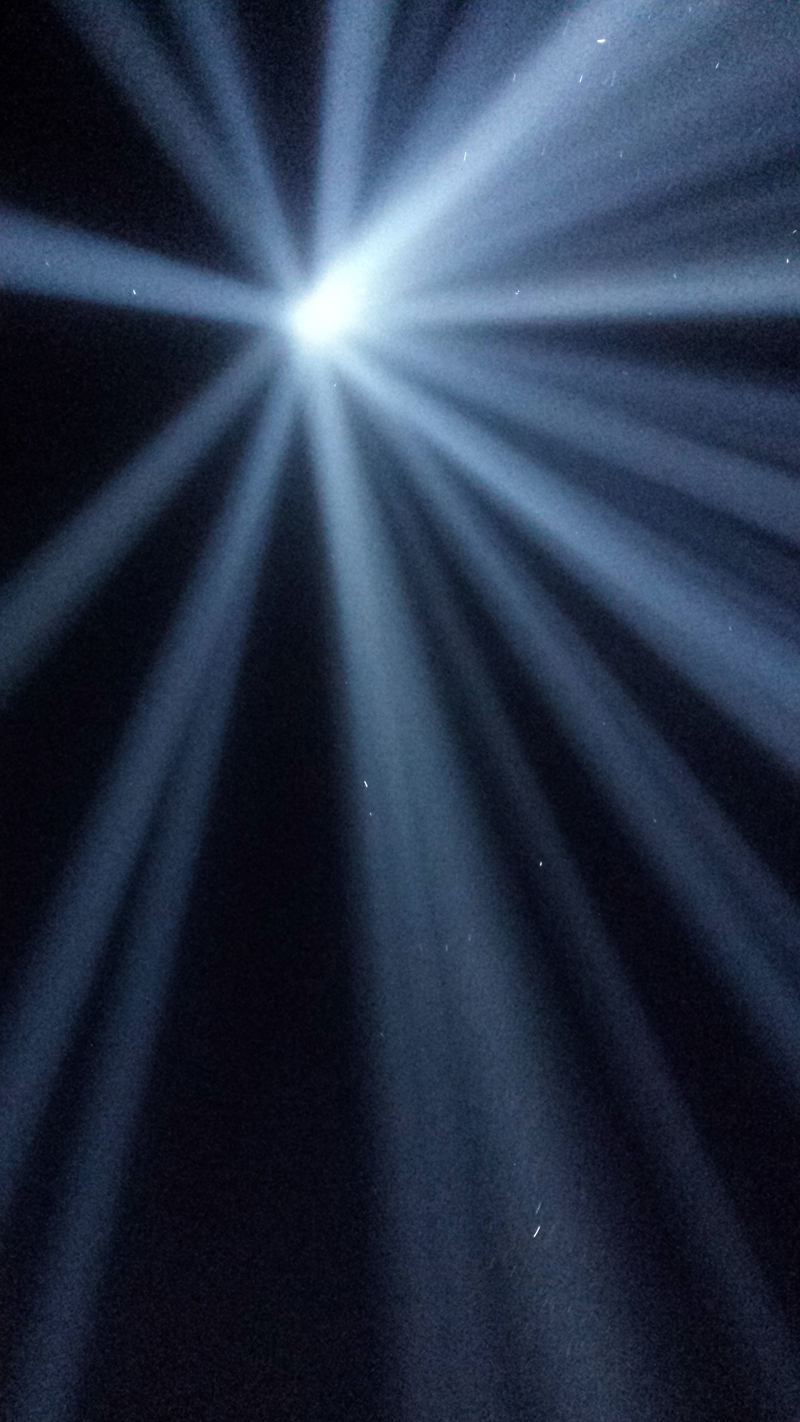
180 The Strand with Ryoji Ikeda’s digital showcase was an intense assault on the senses using light and sound as medium to create immersive experiences. Brightness is the number of photons per second hitting your eye. Pushing the limits of what our senses can tolerate.

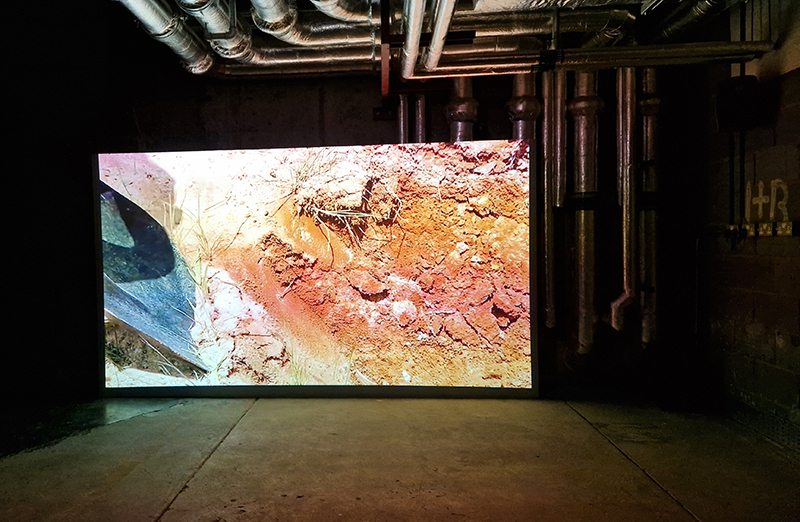
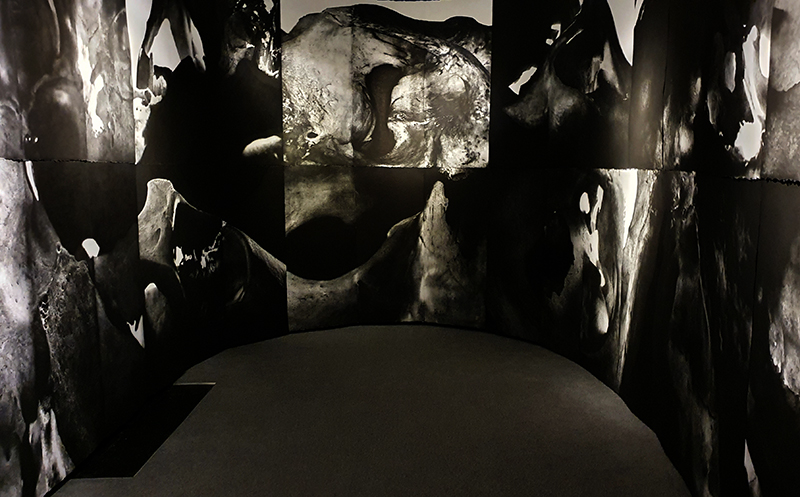
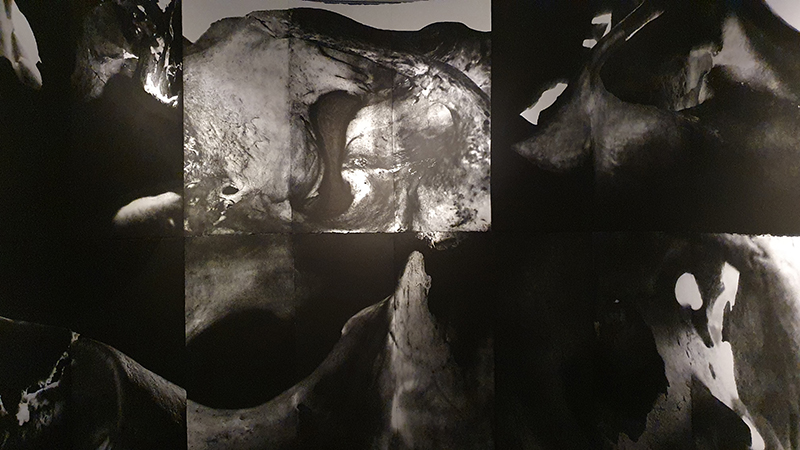
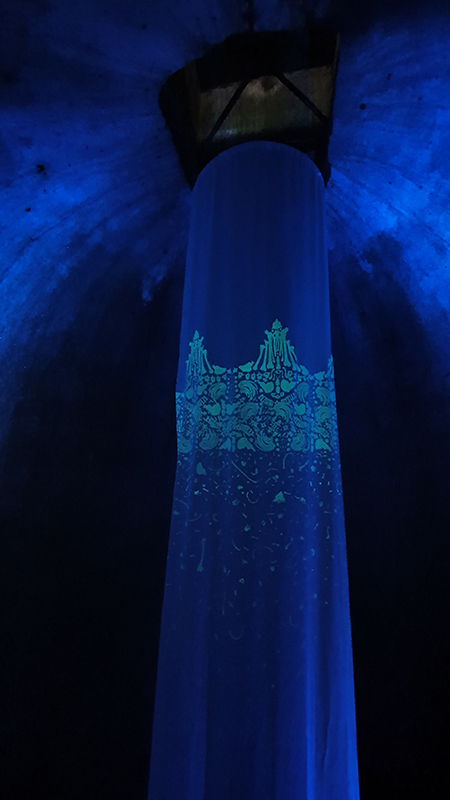
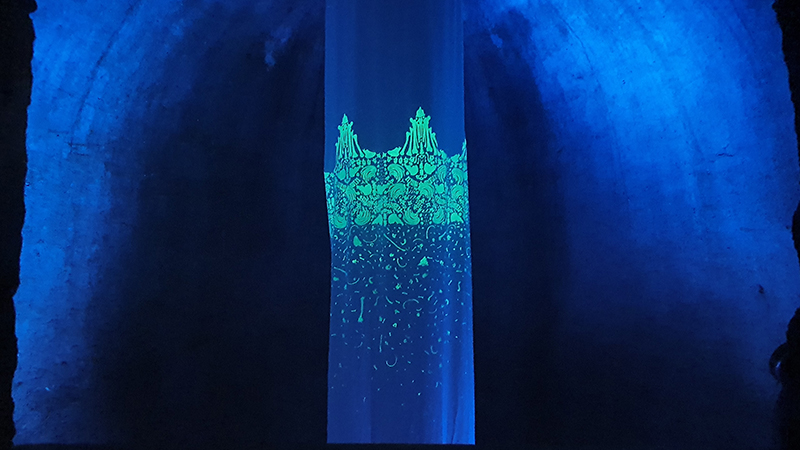
Took a trip to the Lake District to visit Brantwood, John Ruskin’s beautiful home to see Carol Wyss The Mind Has Mountains and Crown of Creation installations. Having seen the work that went into the printing of the large etchings at Thames-side Print Studio it was wonderful to be able to see the work finally installed and step inside the mysterious depths of the human skull; a space echoed by the surrounding mountains. The light installation is suspended in the dark chill of the Ice House vault, viewed from the top of rugged steps carved into the rock. Here the fragility of the human skeleton fades and glows accompanied by an evocative soundscape made by Natasha Lohan capturing the echoing chamber and the water that courses through everything.

“the lamps are going out all over Europe, we shall not see them lit again in our life-time”

Sir Edward Grey, foreign secretary 1914

Ryoji Ikeda Spectra

Ryoji Ikeda Spectra

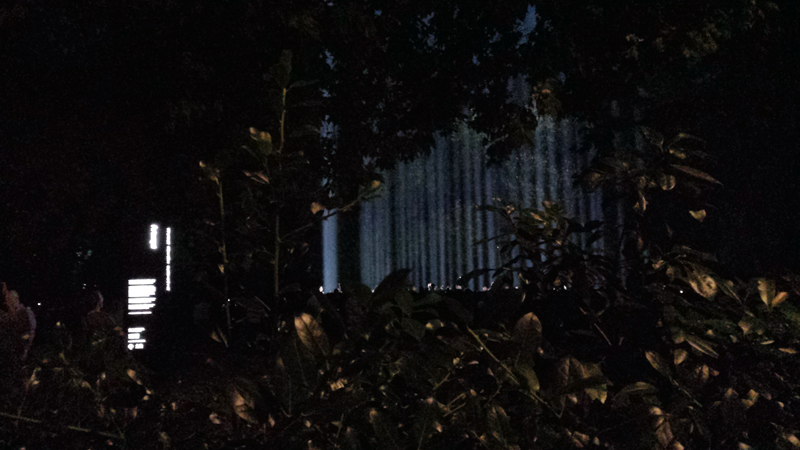
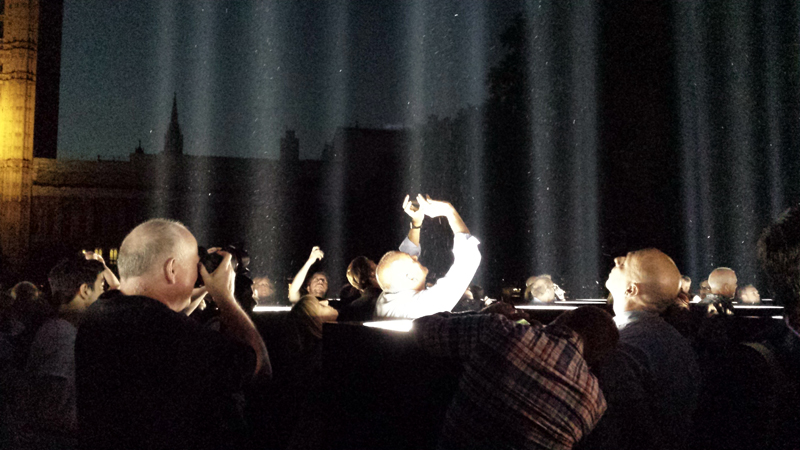
Seven days of light piercing the London sky to commemorate the anniversary of WWI

Ryoji Ikeda Spectra

Ryoji Ikeda Spectra

Artangel commission by Ryoji Ikeda acted as the beacon it represented

Ryoji Ikeda Spectra

Ryoji Ikeda Spectra

We are drawn to the light

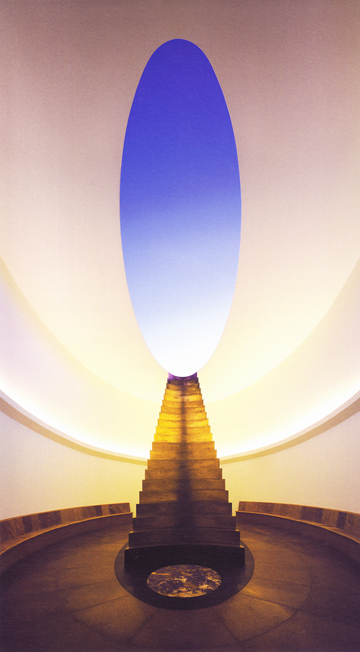
I have been writing and reading about James Turrell for my dissertation. His use of light as medium for his work is poetic and magical.

James Turrell - Roden Crater

James Turrell – Roden Crater

Light is the materialization of energy. We are naturally eaters of light, our whole body is scattered with stray rods and cones outside of the retinal area which makes our relationship to light very primal.

Our bodies are made from matter fed by the fruits of photosynthesis.

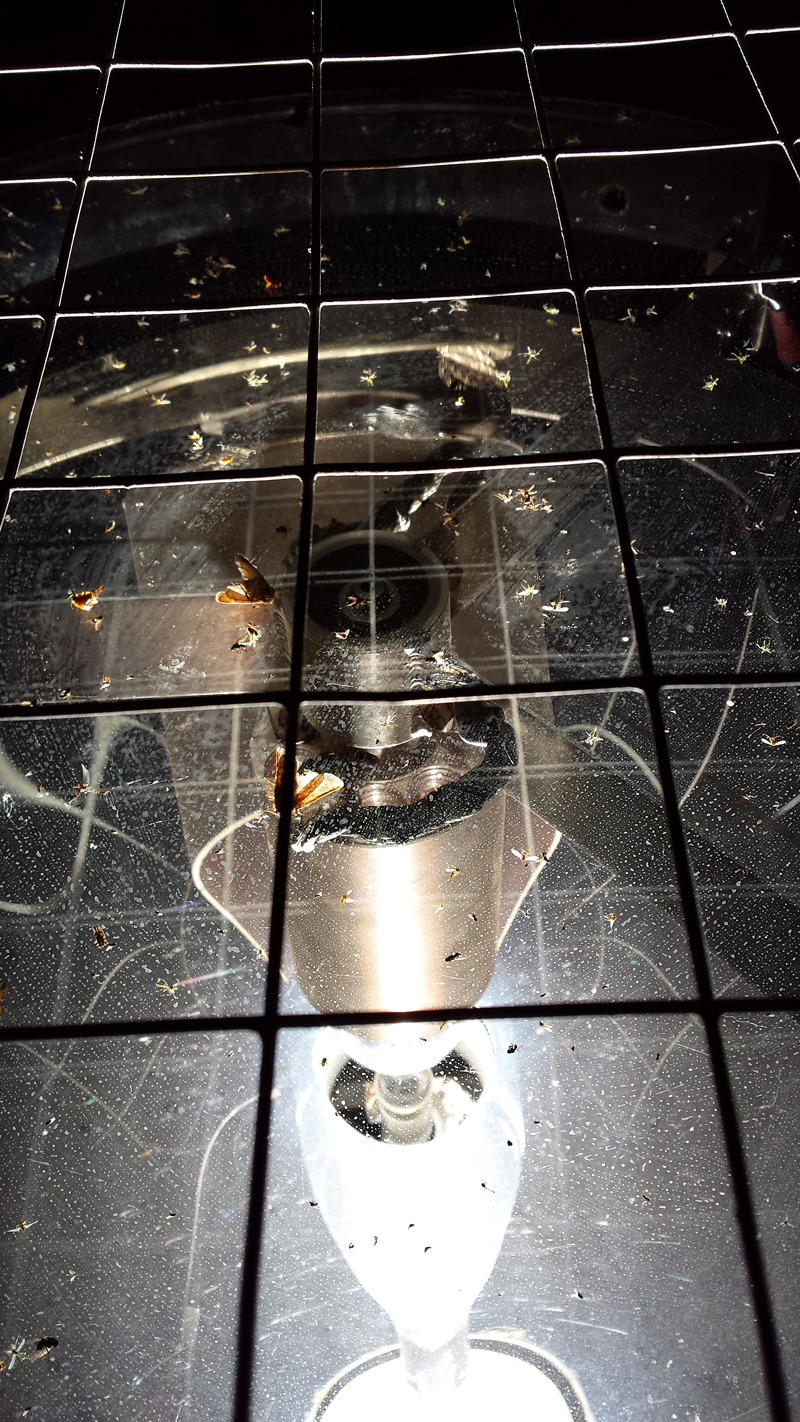
Luckily we don’t suffer instant death like all the moths and flying insects

Ryoji Ikeda Spectra

Ryoji Ikeda Spectra

but it was a chance to think about the brutality of war and those that did suffer a terrible fate

With all that is happening now in Palestine, Iraq, Ukraine and elsewhere those words spoken a hundred years ago resonate, what progress have we made

when will the lamps be lit again

Social adhesion was a topic in our discussions during a workshop run by Sean Lynch at Flat Time House.

Flat Time House was the studio home of John Latham  who died in 2006. Before he died he declared the house a living sculpture, naming it FTHo after his theory of time, ‘Flat Time’.

Flat Time House aims to make a wider audience aware of Latham’s work and ideas, his spirit of discovery, and through his example to understand and appreciate the crucial role of art and the artist in society.

Starting from a series of photographs of Bellenden Road taken by John Latham in 1986 a weekend workshop led by the generous and entertaining artist Sean Lynch aimed to speculate about how urban space and environment is constructed, and what allegories and associations we can draw from it. It was purely about discussion of ideas and sharing stories. Sean’s own work is about urban environments and interventions, looking at the crafts people involved in construction as well as how art is received within a community. He has extensive knowledge of the O’Shea brothers who were stone carvers in Oxford revered at one moment and shunned the next. Details of his exhibition on the subject at Modern Art Oxford here

Sean is brimming with idiosyncratic stories gleaned from newspapers or local characters telling of encounters with faeries and magic bushes or pub crawls as performance art.

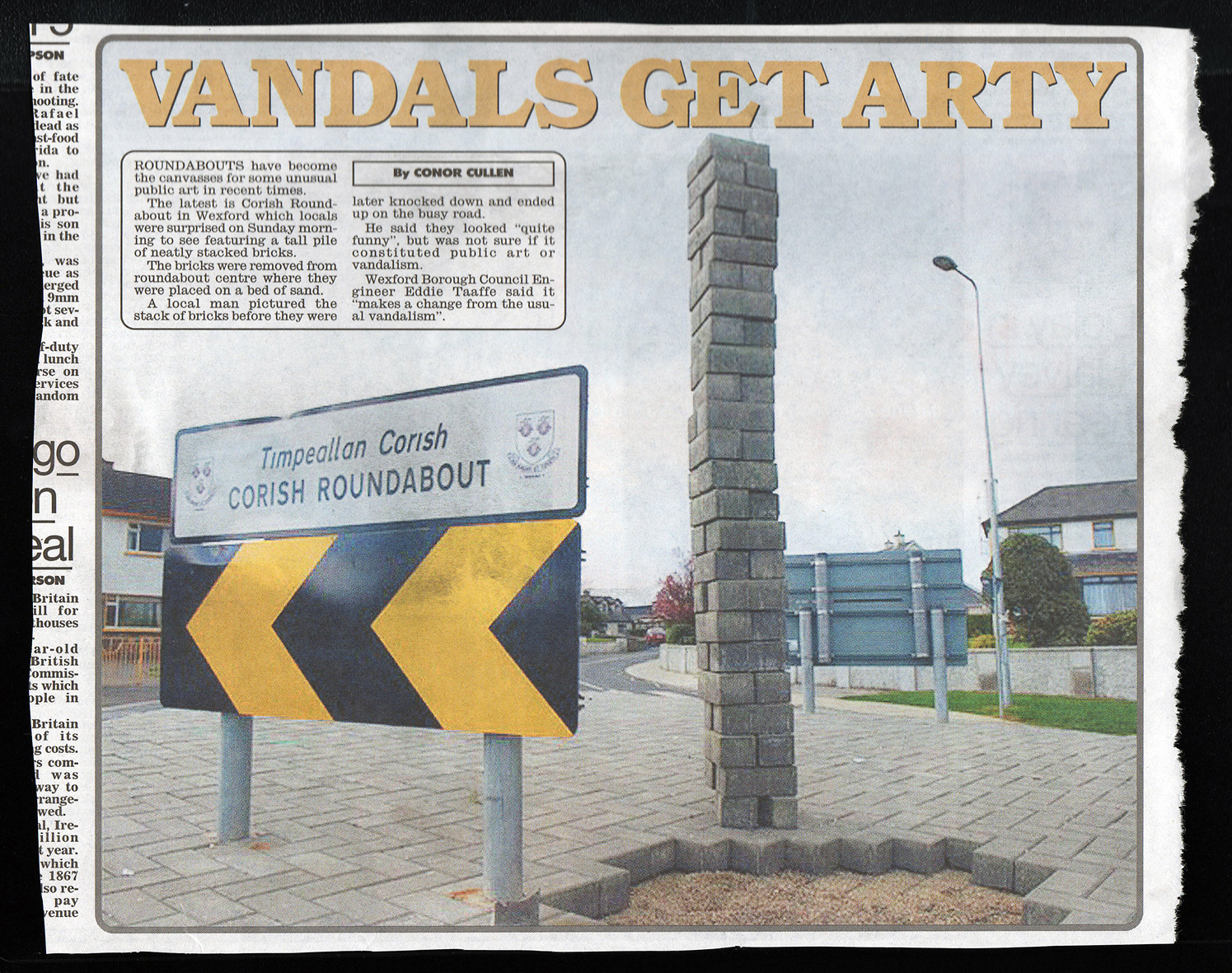
1409 vandals

Sean also talked about Robert Smithson who went to Mexico and was captivated by the delapidation of his hotel rather than the Mayan Ruins that most people would expect to be the focus of such an expedition.

Read the enigmatic essay ‘Yucatan is Elsewhere’ at this link – essay

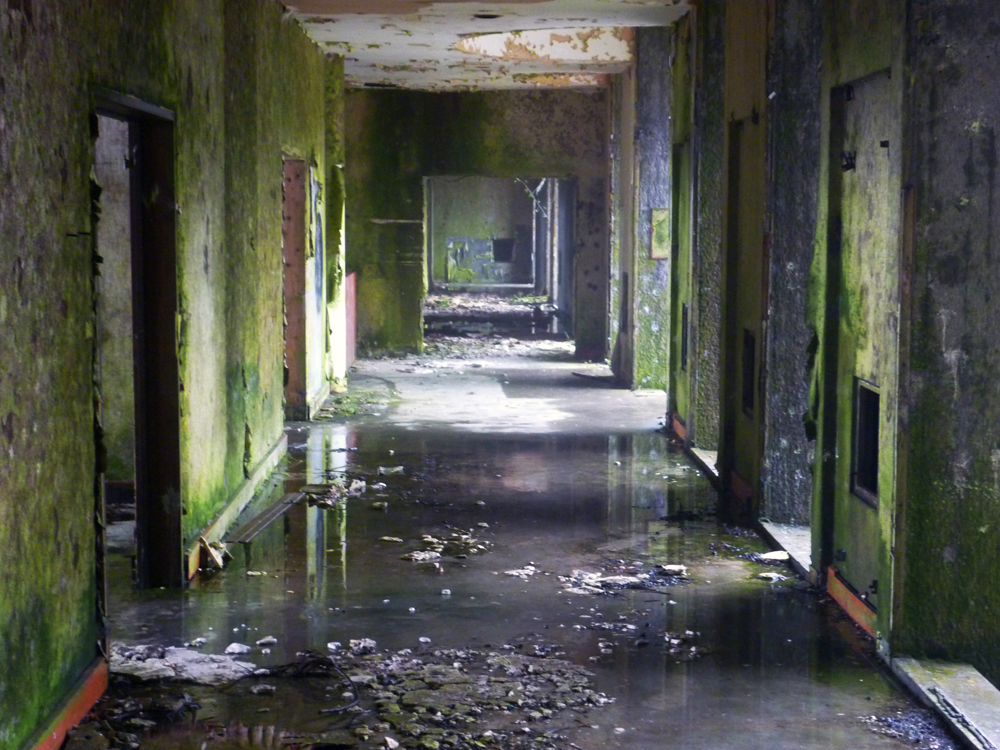
Reminded me of visiting the ruins of a hotel on the Azores earlier this year

1409 Azores

For the workshop we were asked to bring along our own thoughts on public space.

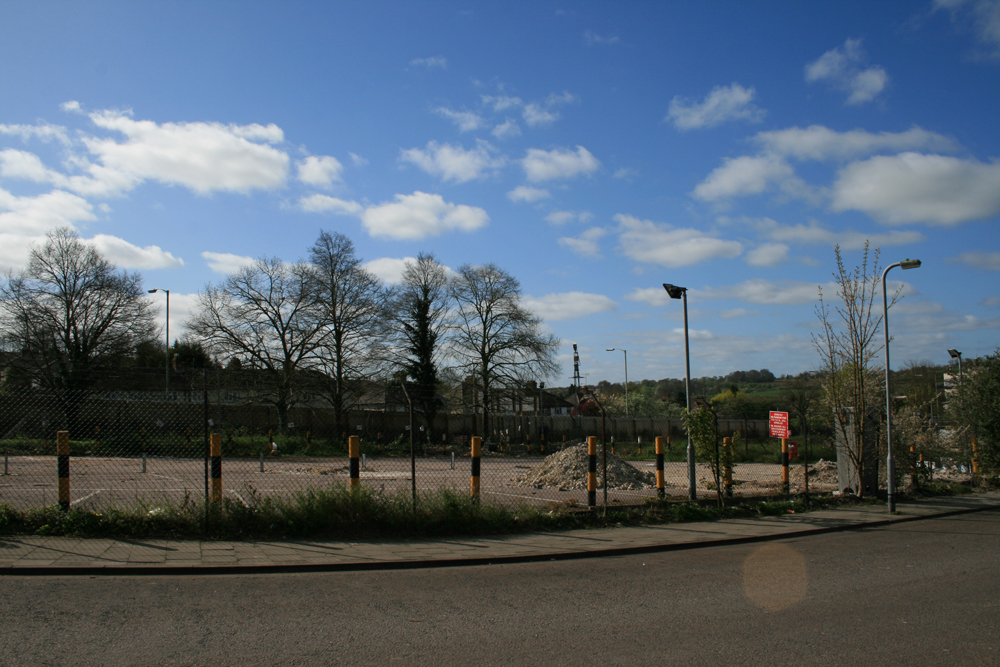
I read a section from my in progress dissertation about my visit to Paradise Industrial Estate.

1409 paradise

We went for a couple of walks around Peckham looking at the local architecture and the council interventions.

1409 Bellenden Road

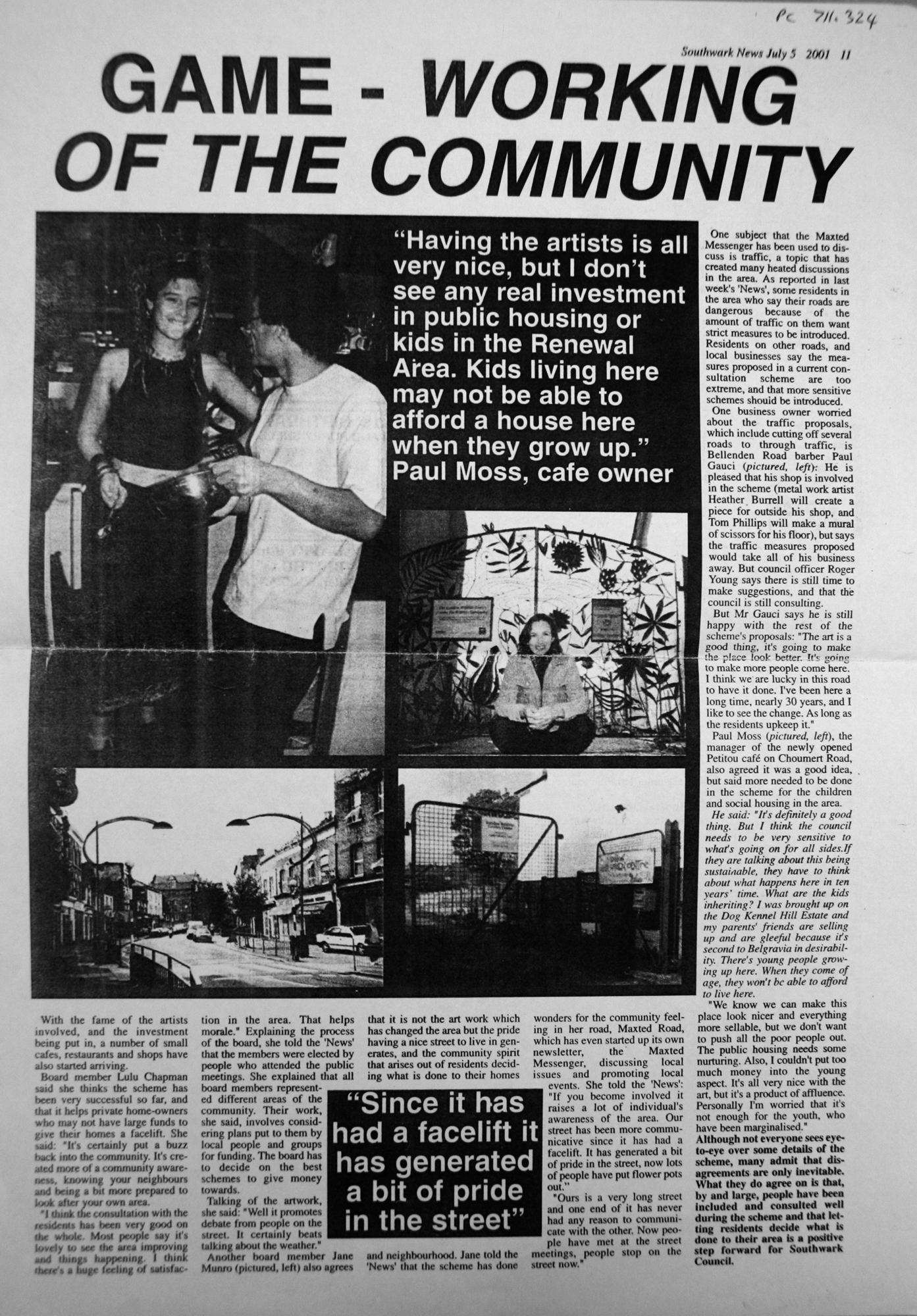
We were joined on one walk by vocal local campaigner Eileen Conn who has a dream for a new society based on community and gave us the low down on the Bellenden Road area make over.

John Latham’s wife Barbara turned up too with more stories.

1409 Peckham Mural (2)

We walked down to the green to look at where in the 1760’s William Blake had his vision of shining angels in the tree.

For a local community project Artist, The Guy – created a mural on the side of a house for the Dulwich Festival 1993 with the help of local volunteers.

 1409 Peckham Mural (1)

Great news –  Sean Lynch will be representing Ireland at the 2015 Venice Biennale.

Also interested in how the values of society are articulated in public spaces is 2014 RCA graduate James Seow.

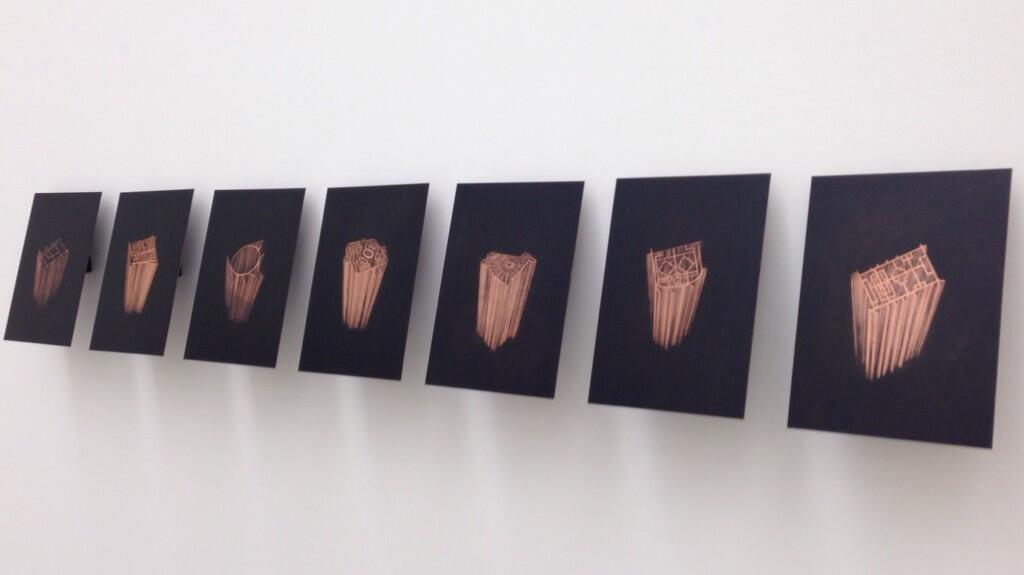
His beautiful inked etching plates on show at Anise Gallery depict iconic public squares such as 9/11 Memorial Plaza, Tiananmen Square and Paternoster Square in extruded structural form giving them the aura of sacred space.

James Seow  Always Feel Safe

James Seow Always feel safe…

The gallery exhibits chosen artists that capture architecture through a variety of architectural forms.

1409 neoprintprize

Delighted to have work selected by Gordon Cheung, Paul Coldwell, David Cleaton-Roberts and Eileen Cooper for the neo:print prize in Bolton.

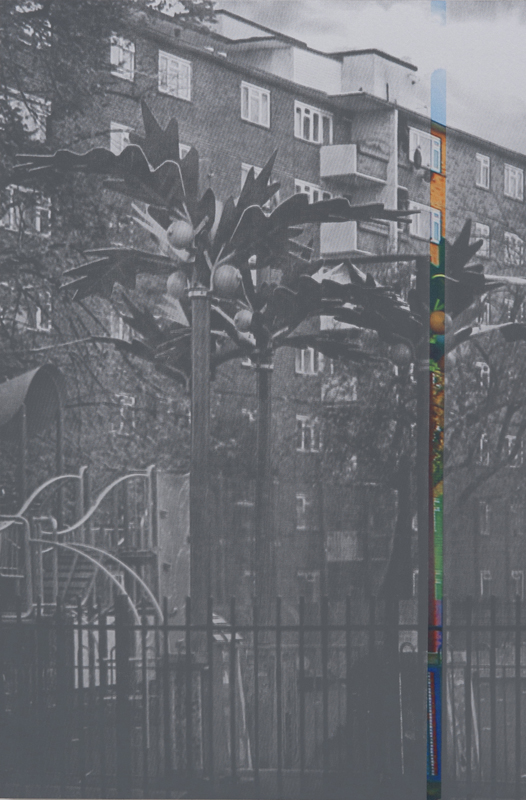
Paradise Road SW4

Paradise Road SW4

A great team of selectors so feel really proud.

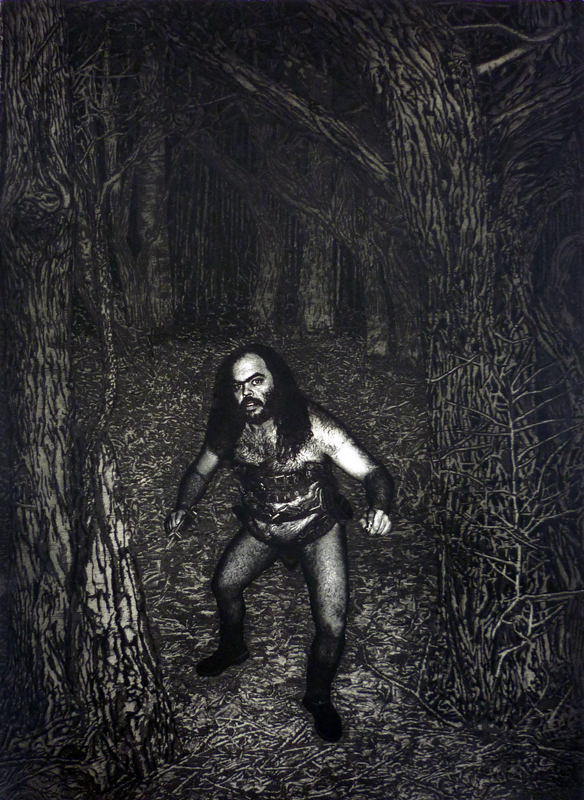
An extra bonus was to win an award sponsored by Hawthorn Printmaker Supplies for my etching ‘Forest of Eden’

Forest of Eden

Forest of Eden

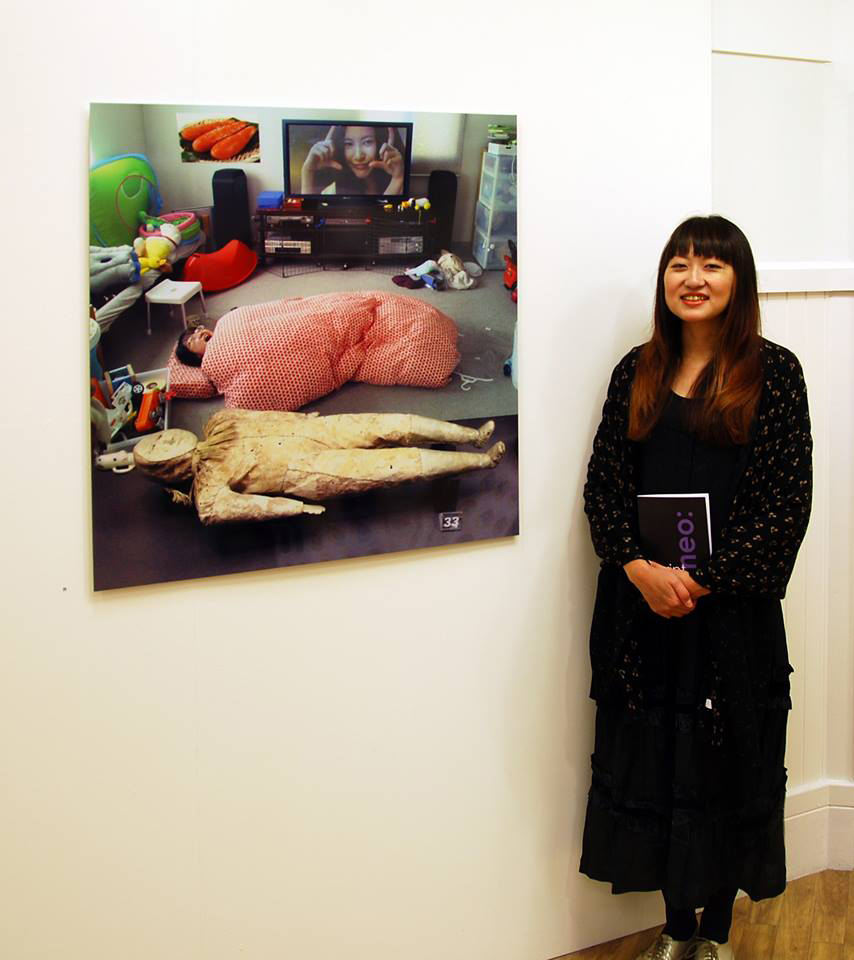
Rei Matsushima who has just graduated from the RCA also won a prize for her wonderful print ‘Mentaiko (cod roe)’

Rei Matsushima

Rei Matsushima

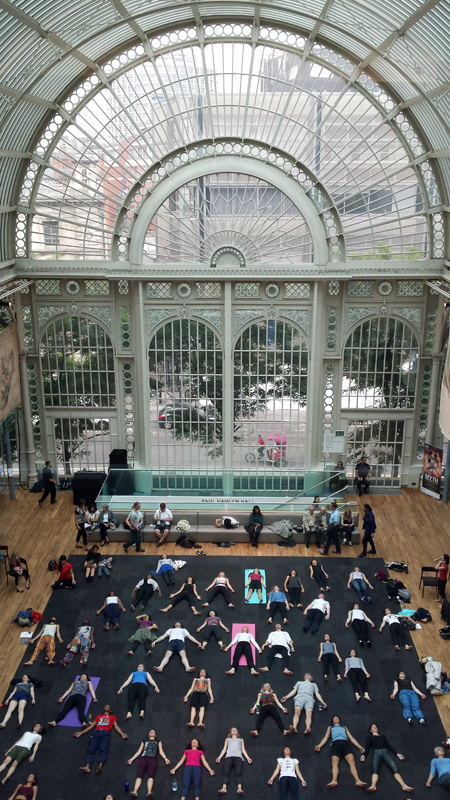
A series of events were held as a celebration of ‘Myth’ at the Royal Opera House.

The ‘breath of life’ and ‘the sacred fire within’ could be experienced through yoga in the great hall

1409 ROH

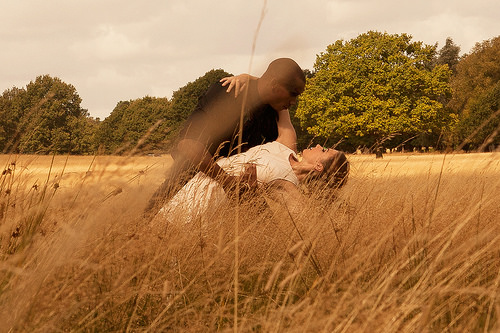
A screening of the stunning film interpretation of Leda and the Swan featuring Eric Underwood and Claire Calvert dancing in Richmond Park

Leda and The  Swan

The Indifferent Beak

A sudden blow: the great wings beating still

Above the staggering girl, her thighs caressed

By the dark webs, her nape caught in his bill, He holds her helpless breast upon his breast.


How can those terrified vague fingers push

The feathered glory from her loosening thighs?

And how can body, laid in that white rush,

But feel the strange heart beating where it lies?


A shudder in the loins engenders there

The broken wall, the burning roof and tower

And Agamemnon dead.

Being so caught up,

So mastered by the brute blood of the air,

Did she put on his knowledge with his power

Before the indifferent beak could let her drop?


Inspired by Yeats 1923 poem, choreographer Charlotte Edmonds wanted to convey the entwining bodies and passion of the encounter

Leda and the Swan

The Indifferent Beak

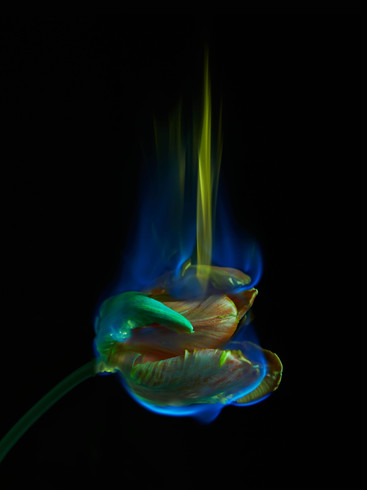
Matt Collishaw also sought to convey burning passions

Matt Collishaw

Matt Collishaw

The dangers of desire.

Bill Viola gave us suffering for transcendence.

Bill Viola - Fire Martyr

Bill Viola – Fire Martyr

Andrea Büttner is interested in ideas of spirituality on a quieter scale.

The ‘Little Works’  of the Carmelite nuns of Notting Hill, ‘The Little Way’ of St. Thérèse of Lisieux, a carmelite saint which influenced the delicate drawings of Gwen John.

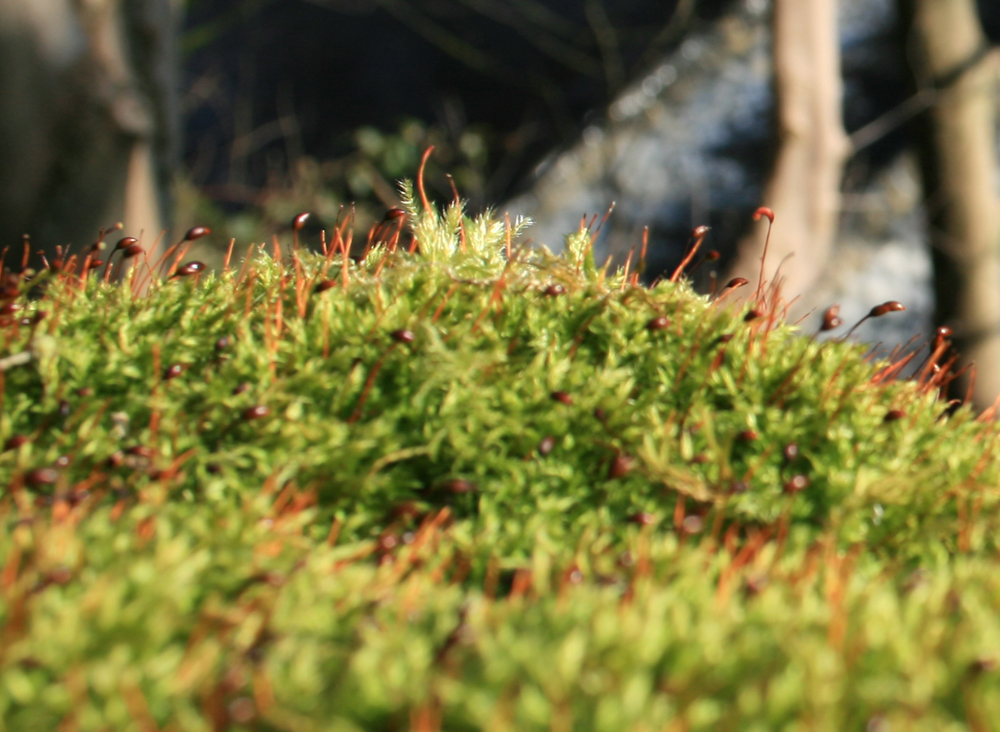
Noticing the small and lowly she makes connections between the humility of the nuns with the unobtrusive yet persistent spreading of moss.

Lives lived in the background.

She discussed her ideas with insightful curator Chus Martinez, Head of the Art Institute, Basel at Tate Britain. She was launching her book Hidden Marriages which draws inspiration from the National Museum of Wales collection of drawings by Gwen John (1876–1939) and the extensive collection of mosses preserved in its herbarium.

Much of her work makes connections between art history and social or ethical issues, with a particular interest in notions of poverty, shame, vulnerability and sexuality, and the belief systems that underpin them. Although working a hundred years apart, Gwen John and Andrea Büttner share an interest in the spiritual, social and aesthetic notions of ‘littleness.’

Mosses fall under the term cryptogam (meaning hidden sexuality). Moss is also described as a ‘lower plant’— implying a lesser, or more primitive, evolutionary development than flowering or ‘higher plants.’ Hidden Marriages: Gwen John and Moss draws these two seemingly unconnected collection areas together, making links between the reproductive processes of ‘lower plants’ and the contested sexuality of Gwen John; between littleness as an aesthetic, biological, and social discourse; between the scientific ordering of the Museum and the harmony and beauty that John sought in her work; and, ultimately, the way institutions ascribe relative importance to objects, ideas and people.

Büttner makes large woodcuts about lowly things like tents.

Andrea Buttner Tent

Andrea Büttner Tent

She said she views her woodcuts almost as brochures or advertisements to her videos.

Andrea Büttner Piano

Andrea Büttner Piano

She had some great duo scope images on slides and in her book of moss collectors intently surveying the ground, heads down, eyes lowered, kneeling as though in prayer

1306 Moss