Archives for posts with tag: Tracy Hill

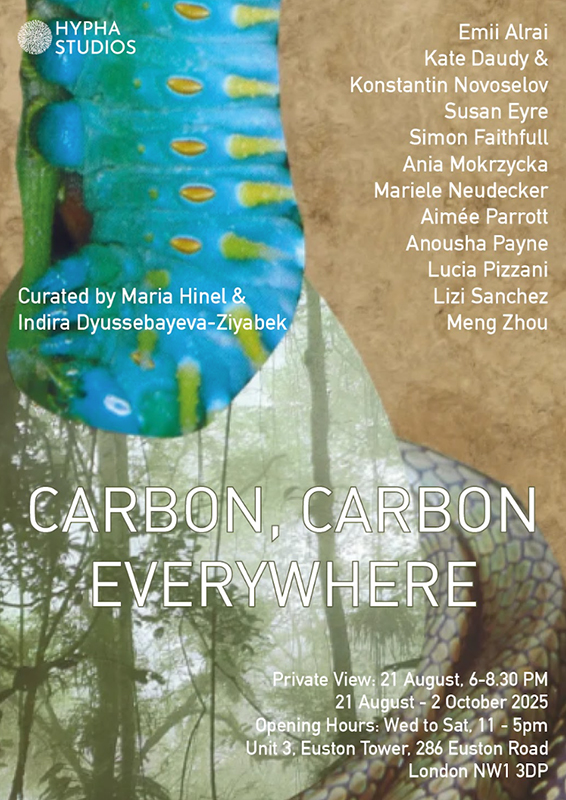
Thrilled to be invited to exhibit in Carbon, Carbon Everywhere at Hypha HQ co-curated by Indira Dyussebayeva-Ziyabek and Maria Hinel including artists Emii Alrai, Kate Daudy & Konstantin Novoselov, Simon Faithfull, Ania Mokrzycka, Nissa Nishikawa, Mariele Neudecker, Anousha Payne, Aimée Parrott, Lucia Pizzani, Lizi Sanchez, and Meng Zhou.

Integral to the constitution of our bodies, soil, air and some rocks, carbon is a highly bonding element that incessantly transmutes from state to state, each particle challenging the boundaries between life and non-life. Bringing together works by twelve international artists, Carbon, Carbon Everywhere explores the shifting states of carbon, an element that threads through organic and inorganic matter, linking bodies, environments, and temporal scales.
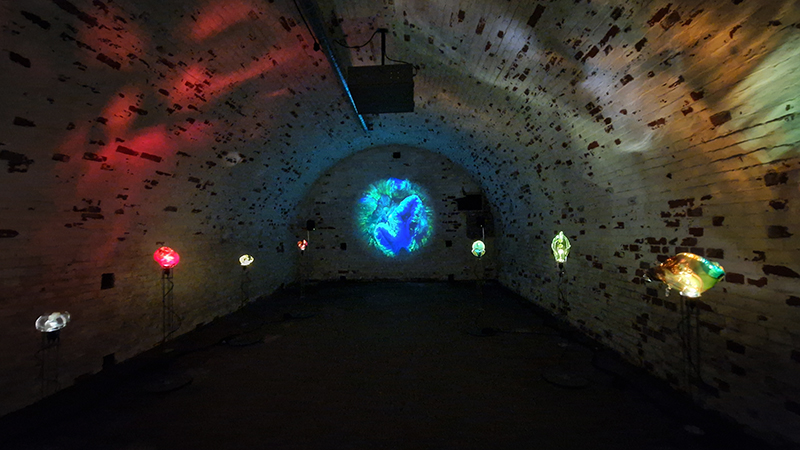
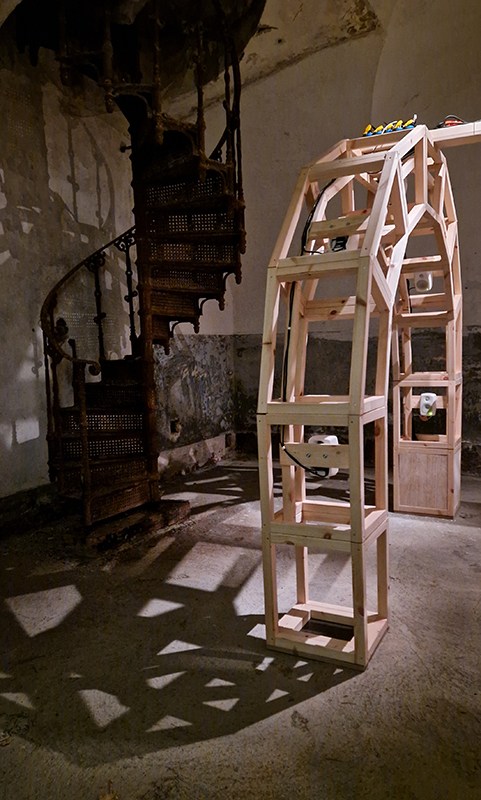
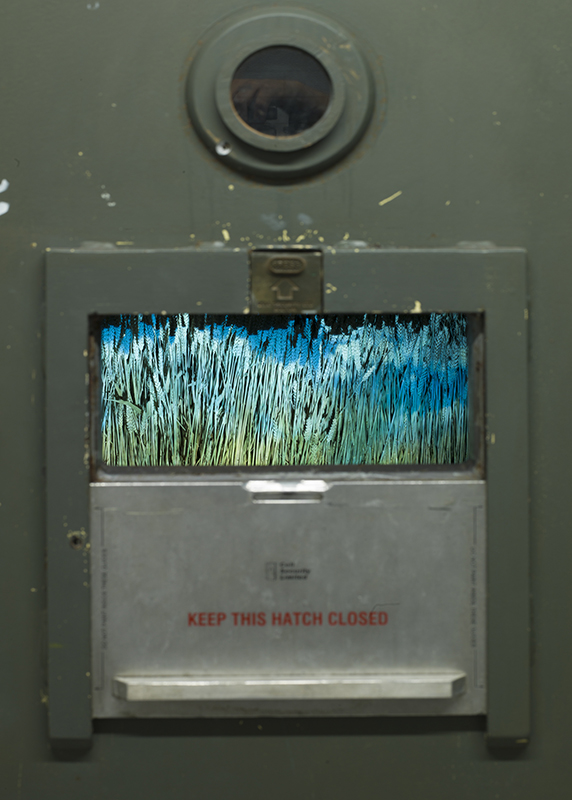
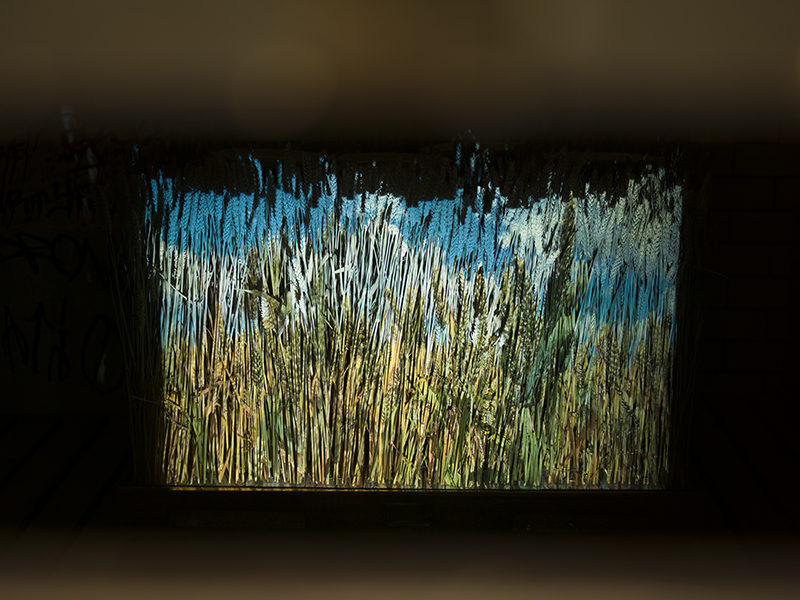
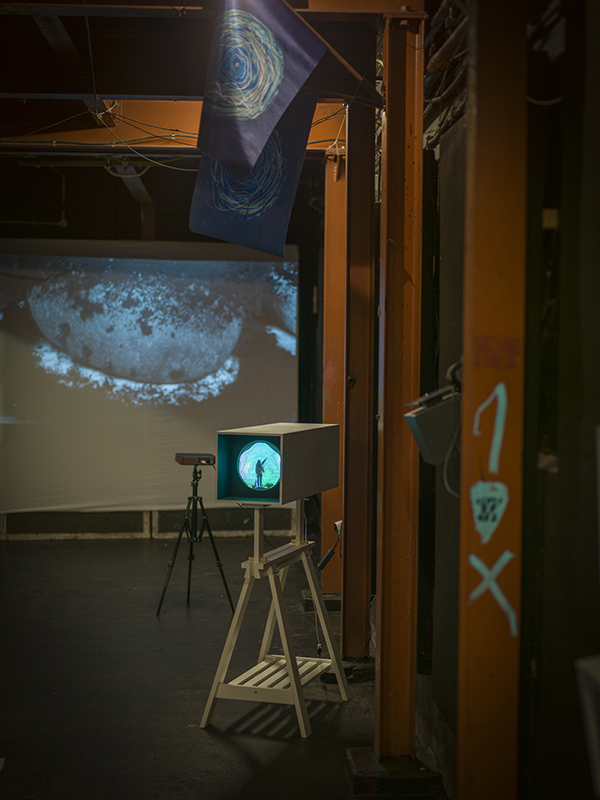
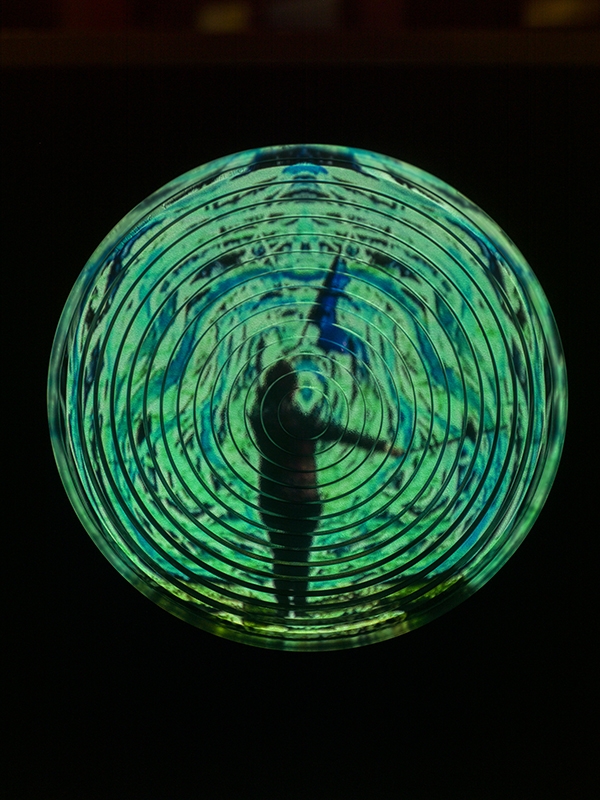
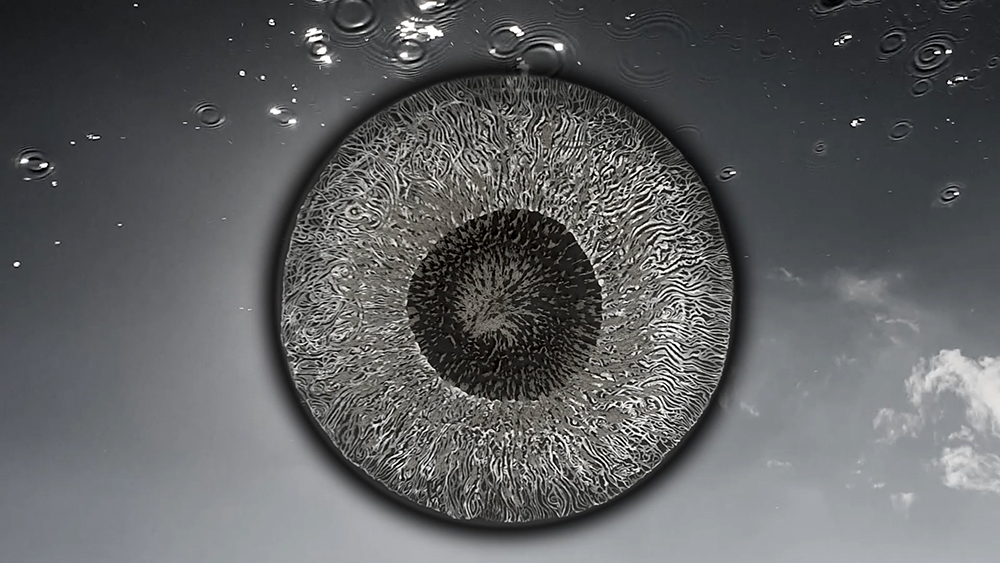
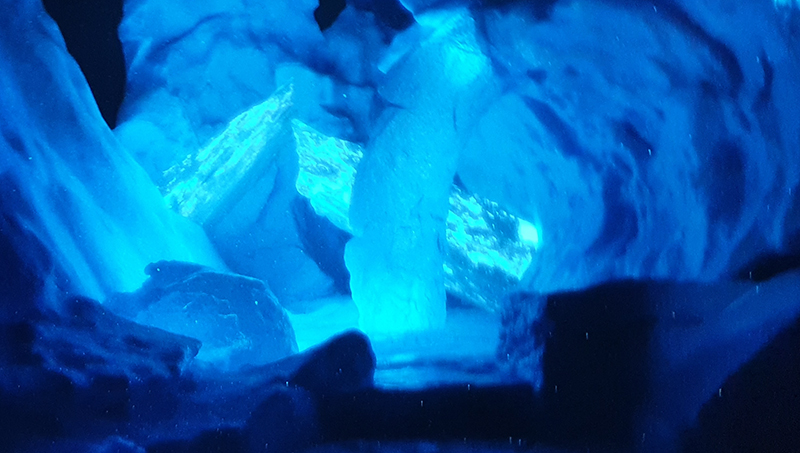
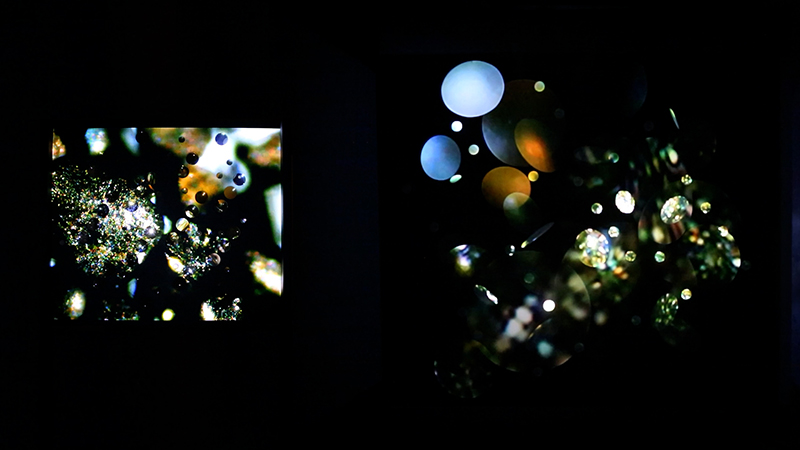
I have updated my website with documentation on the video installation Lithos Panoptes recently shown at Hypha HQ in The Geological Unconscious which can be viewed here. Referencing a many-eyed giant of Greek mythology, Argos Panoptes (always eyes still awake), the work considers the perpetual vigilance of rock as record keeper and witness.

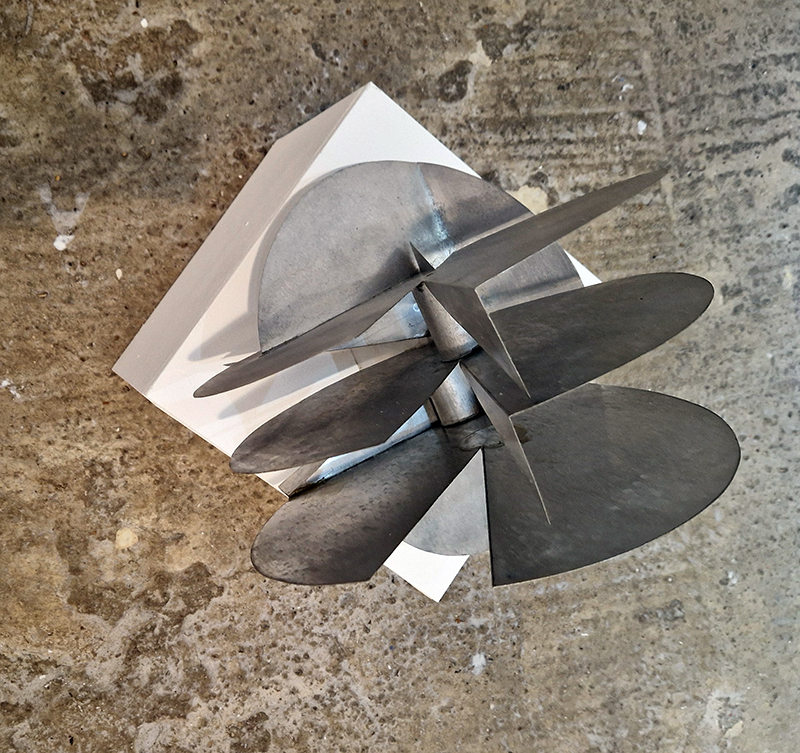
Lithos Panoptes, optical lenses, wood, steel, two-way projection; Sculpture H172 x W170 x D50 cm, Rear projection screen H180 x W180 cm.
Great to be mentioned in an Art Newspaper article.

Magnetic News

Interesting to hear about new magnetic materials being developed that will hopefully have a less harmful ecological impact and offer more technological efficiency. The magnetic materials that are so heavily relied upon for computer memory and microelectronic devices include rare and toxic heavy elements whose energy-intensive production creates significant global carbon emissions. Previously, two primary types of magnetism had been identified, ferromagnetic (regular magnetism that we are familiar with) and antiferromagnetic (which are internally magnetic, but their opposing spin orientations make them appear non-magnetic externally).  A third form known as altermagnetism has recently been confirmed with around 200 altermagnetic materials already being identified. These materials have a distinct magnetic order where tiny magnetic fields created by electrons are in anti-parallel alignment within a rotation of the host crystal structure leading to unique electronic properties. Altermagnetic materials have the potential for technological advancements offering huge increases in speed and efficiency especially in spintronics, an advanced technology that leverages both the charge and spin of electrons to store and process information.

A permanent magnet, MagNex that does not use the rare earth elements which have sustainability and supply chain issues, was developed in just three months with the help of AI analysing thousands of potential alloys. ‍‍ “This could have a significant future impact on our net-zero ambitions, through renewable energy and low-carbon transport, by removing the need for rare earth elements in high-performance permanent magnets.”

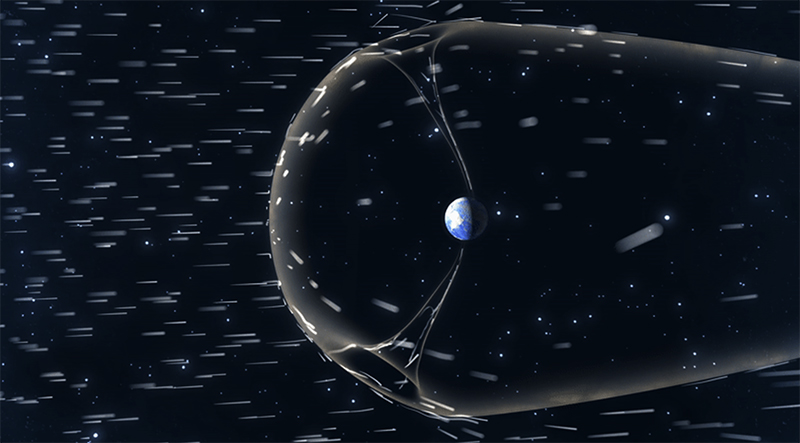
Recently launched, NASA’s TRACERS mission satellites fly in low Earth orbit through the polar cusps, funnel-shaped holes in the magnetic field where solar activity causes magnetic field lines to disconnect and reconnect creating disruption in the magnetosphere. By strategic placing of the twin TRACERS spacecraft in Sun-synchronous orbit, so that they always pass through the Earth’s dayside, thousands of dayside reconnection events can be observed and compared between spacecraft to see how quickly the process changes and evolves. Better understanding magnetic reconnection and its effects in Earth’s atmosphere will help prepare for impacts of solar activity on Earth. The magnetosphere protects Earth from the constant bombardment of solar particles from the Sun, but when magnetic field lines are disrupted by the solar wind, particles rain down into Earth’s atmosphere not only causing beautiful phenomena, like the aurora, but also impacting infrastructure, like satellites and GPS systems.
Out and About

I have been lucky to visit exhibitions in Finland and Norfolk to see works that interrogate human impact on the environment and other living beings that share our planet.

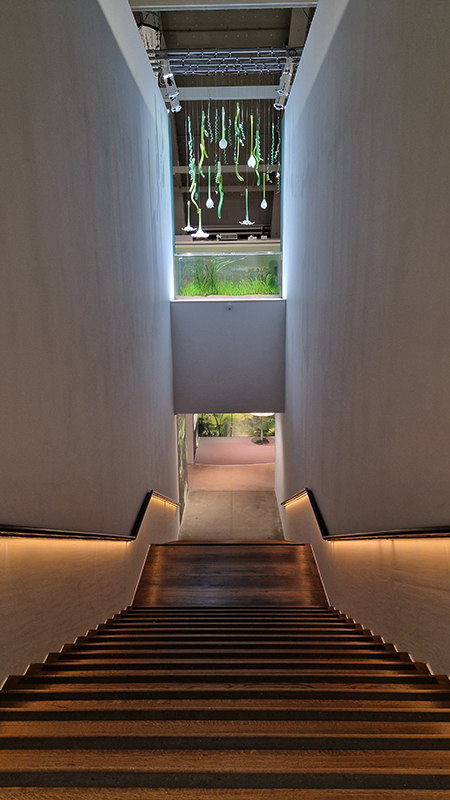
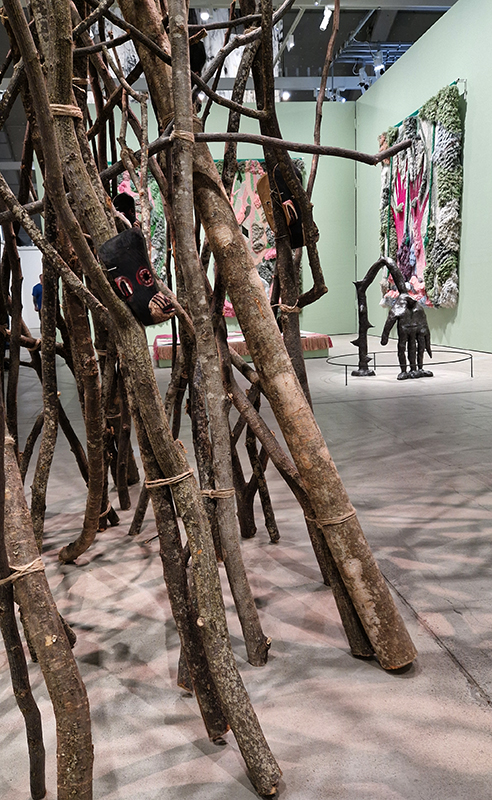
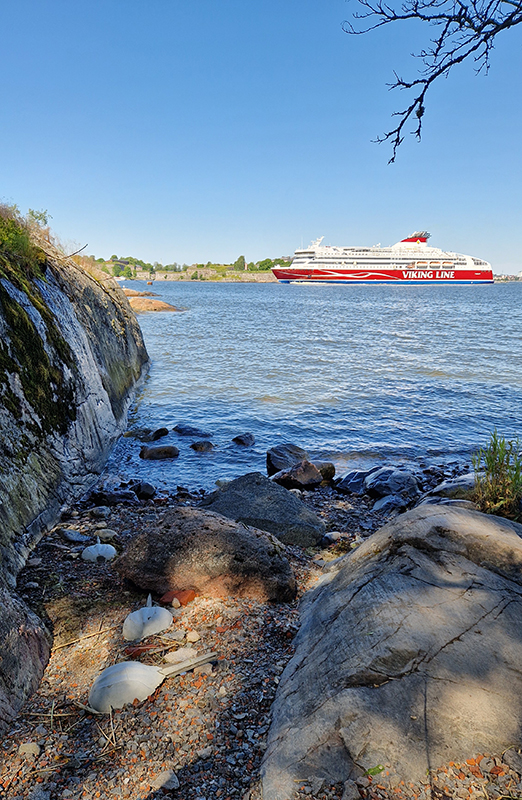
Helsinki Biennial 2025 Shelter: Below and Beyond, Becoming and Belonging brings together 37 artists and collectives on Vallisaari Island (which has been off-limits for human habitation for decades), in Esplanade Park, and at HAM (Helsinki Art Museum). It explores the significance of shelter and turns the gaze towards non-human nature. In the works, the focus shifts from humans to animals, water, plants, insects, minerals, and other living beings and their role as contributors to our planet’s wellbeing.

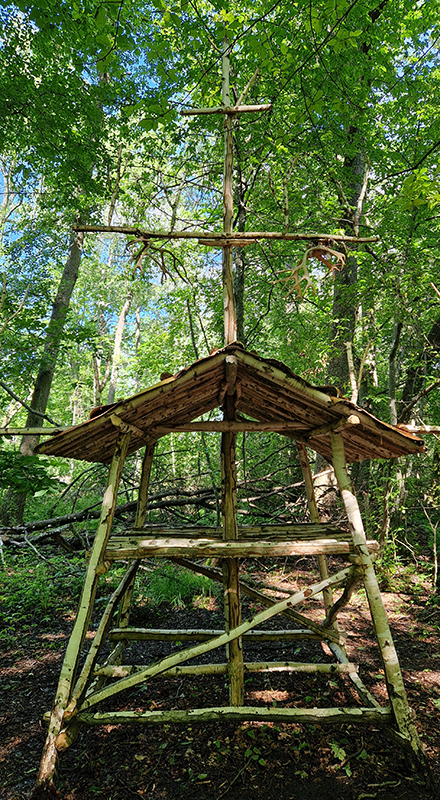
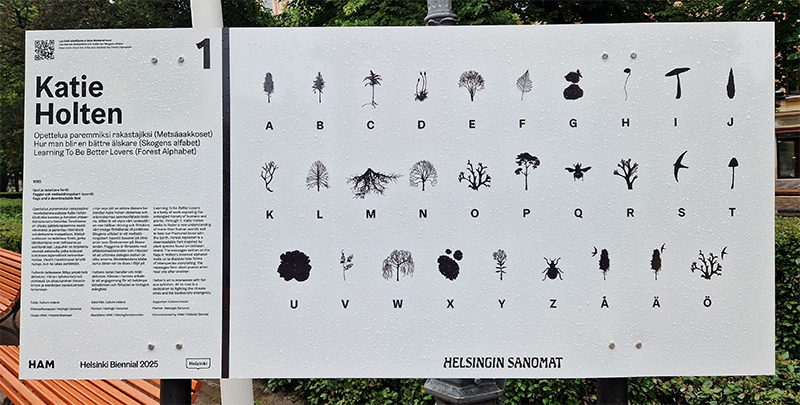
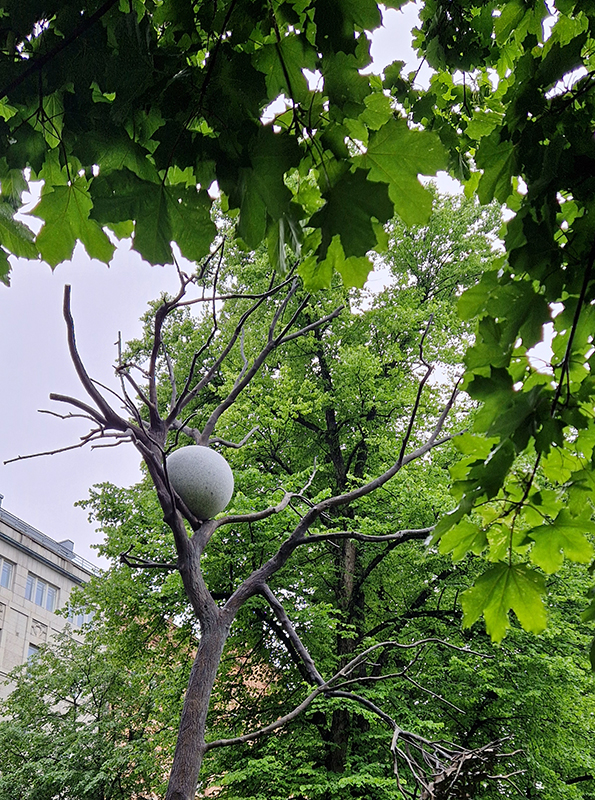
Artists with work installed in the Esplanade Park included Katie Holten (inventing a forest alphabet) and Guiseppe Penone (inseparable connections between humans and nature).
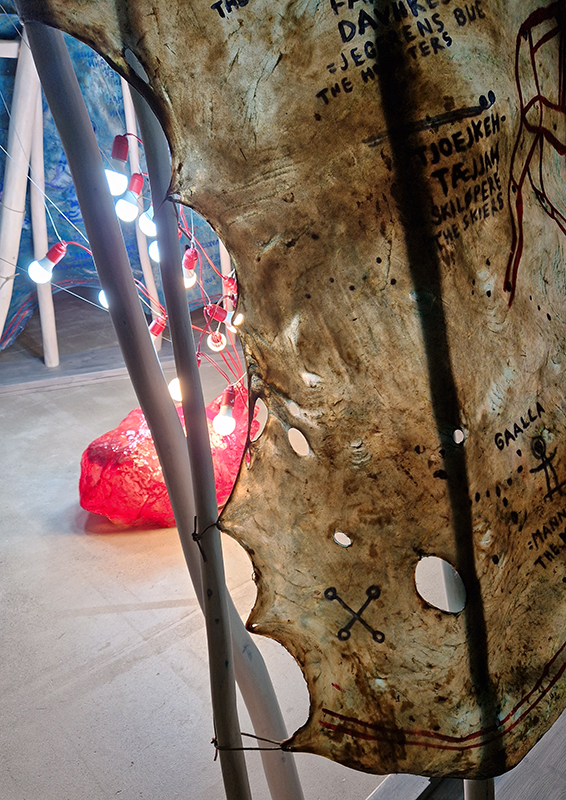
Artists at HAM (Helsinki Art Museum) included Jenni Laiti & Carl-Johan Utsi (precarity of survival), Regina de Miguel (technofossils), Aluaiy Kaumakan (displaced community), Otobong Nkanga (ownership of resources), Ingela Ihrman (invasive species), Locus/Thale Blix Fastvold & Tanja Thorjussen (eelgrass conservation), Sissel M Bergh (Sami cosmology), Edgar Calel (more than human agencies).
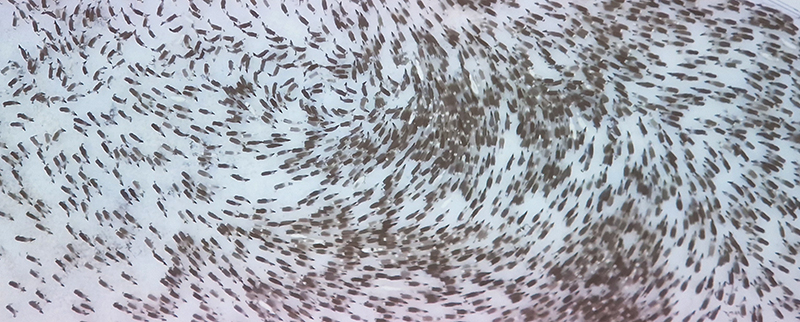
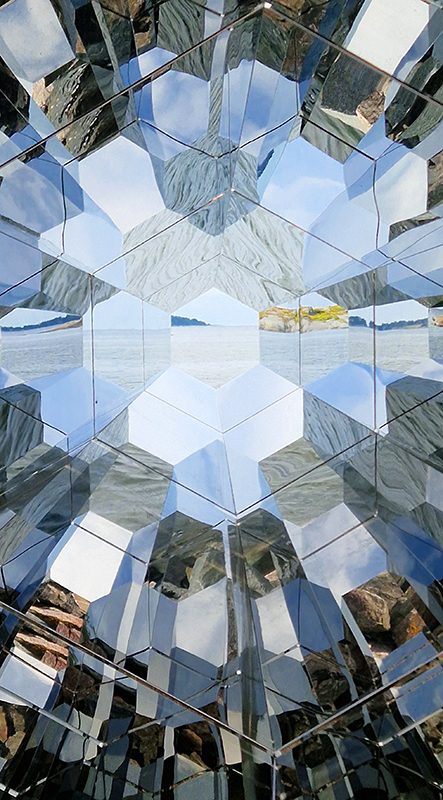
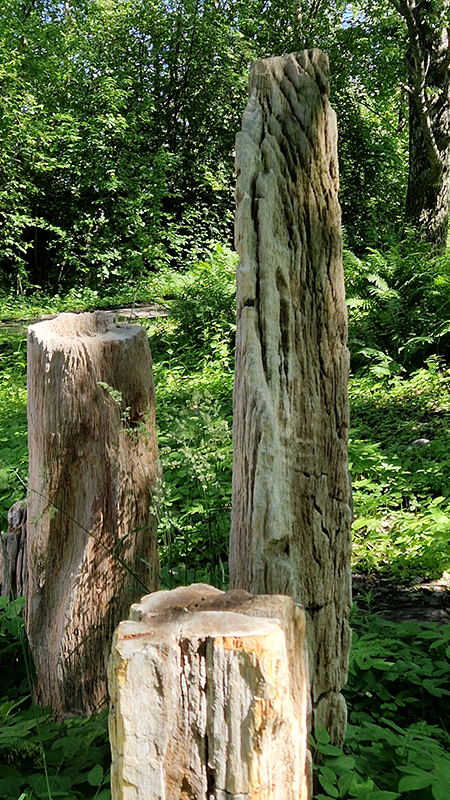
Artists with work installed around the beautiful Vallisaari Island included Hans Rosenström (petrified wood soundscape), Tue Greenfort (species evolution), Nomeda & Gediminas Urbonas (amplifying non-human voices), Pia Sirén (human modified environments), LOCUS / Thale Blix Fastvold & Tanja Thorjussen (water health), Tania Candiani (hidden networks of the forest), Sara Bjarland (discarded inflatables), Kati Roover (humans and whales), Juan Zamora (bioluminescence), Band of Weeds (vegetal distress), Kristiina Koskentola (friendship of crows), Tamara Henderson (hidden realm of worms), Ernesto Neto (shapeshifting), Theresa Traore Dahlberg (invisible frequencies), Ana Teresa Barboza (plant narratives), Carola Grahn (colonialism legacy on estrangement from nature), nabbteeri (parasitism), Olafur Eliasson (more than human ways of seeing).
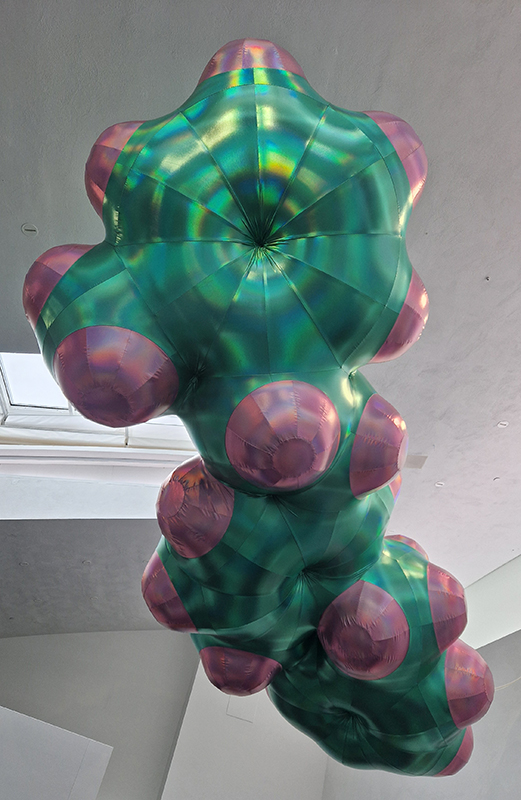
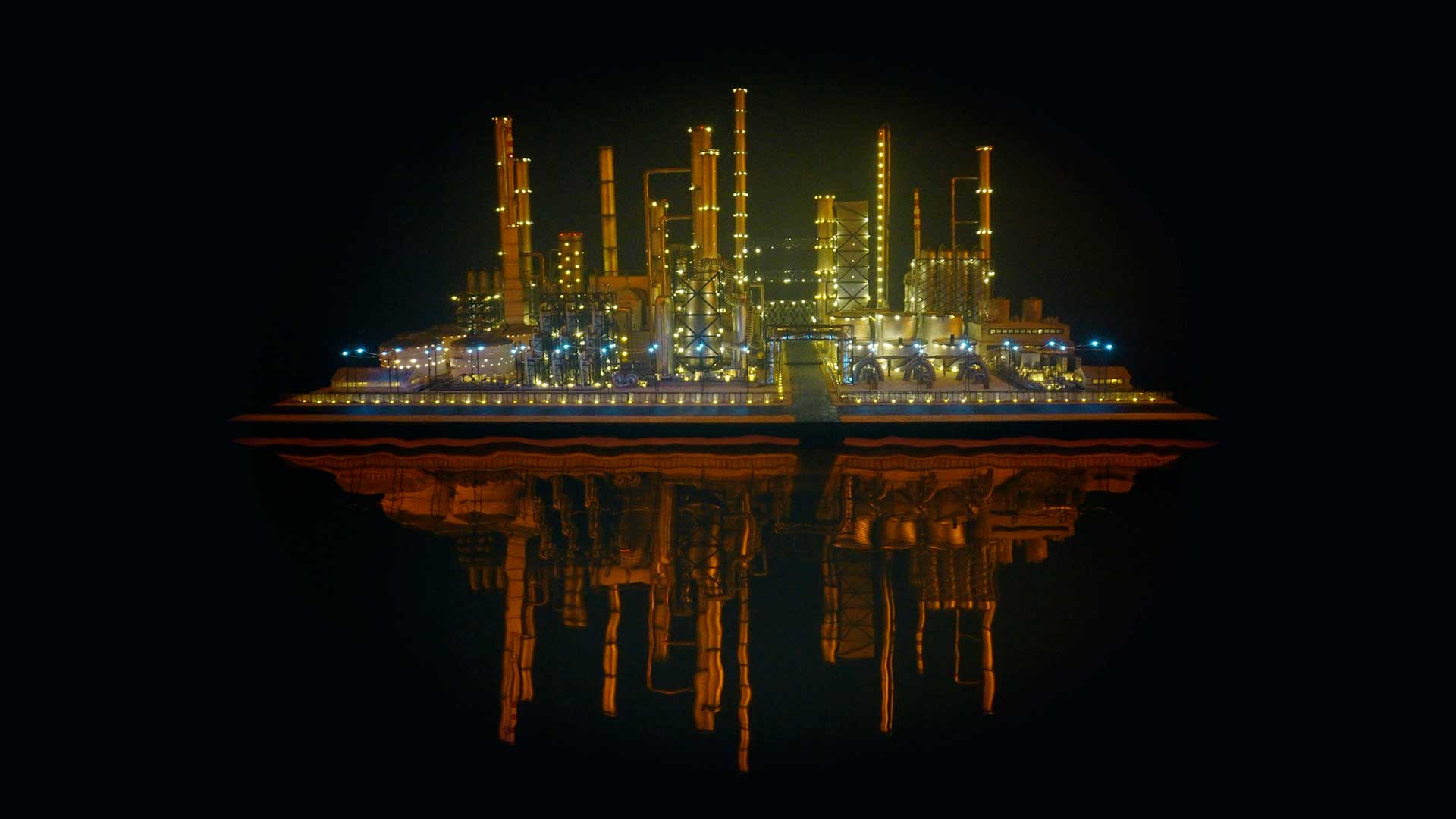
Excellent Monira Al Qadiri exhibition Deep Fate at the Museum of Contemporary Art Kiasma, Helsinki. Addressing the dichotomy of enjoying contemporary life made possible by oil during the accelerating climate crisis. Deep Fate, refers to the origins of oil deep in the earth and also to the way that dependence on oil and breaking that dependence are a matter of life and death for humankind. Al Qadiri grew up next door to oil refineries in Kuwait and experienced the Gulf War as a child. This personal experience is drawn upon in the haunting video Crude Eye which attempts to reconcile childhood memories of the oil refinery as a romantic glowing metropolis with its true nature as a site of environmental destruction. The demise of the local pearl-diving industry, a source of income superseded by the oil boom, is referenced by sculptures echoing the molecular structures of the chemicals used in oil drilling with iridescent rainbow colours that are reminiscent of oil and the shimmering surface of pearls.
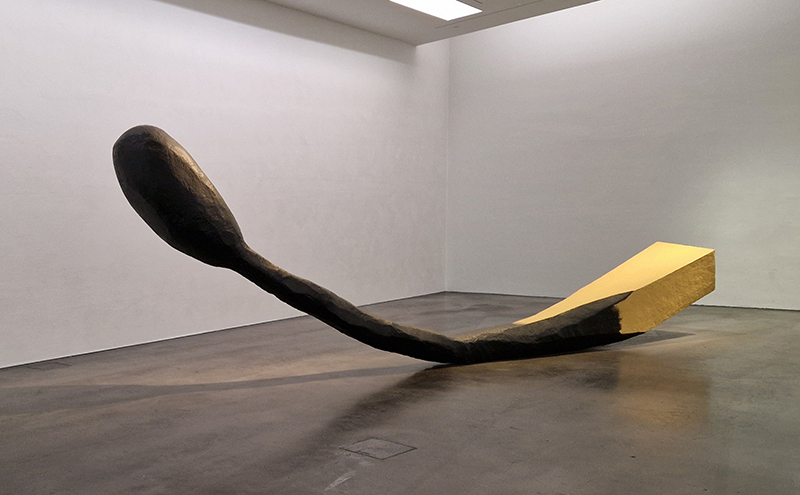
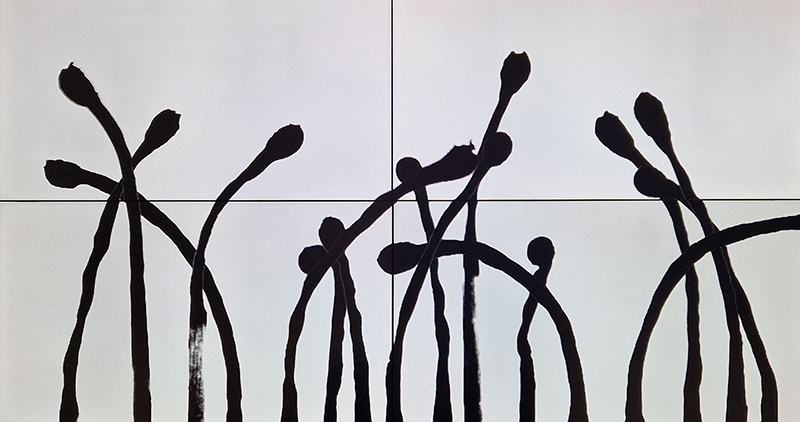
Also at the Museum of Contemporary Art Kiasma was Rock, Paper, Scissors an anthology of diverse materials in contemporary art. Claes Oldenburg’s giant Extinguished Match which plays with scale brought to mind the video by David Hochgatterer Streichhölzer (Matches) where matches appear to spontaneously combust shown in the Carbon: Under Pressure exhibition recent tour to Glasgow ARC.
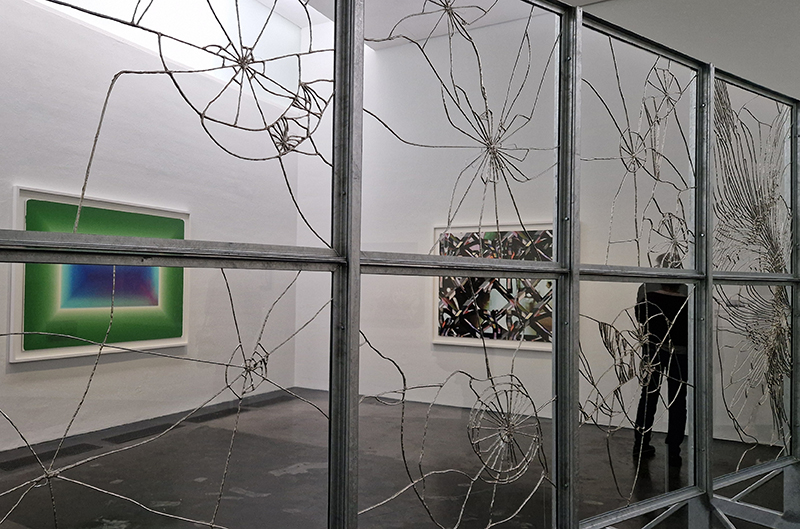
Materials celebrated through this exhibition included neural pathways stimulation of the visual system by pressure on the eyelids to see phosphenes, glittery thick folds of acrylic on canvas, leaded glass breakages, ephemeral copper wire net, faux marble that is actually hair on the barbers concrete floor.
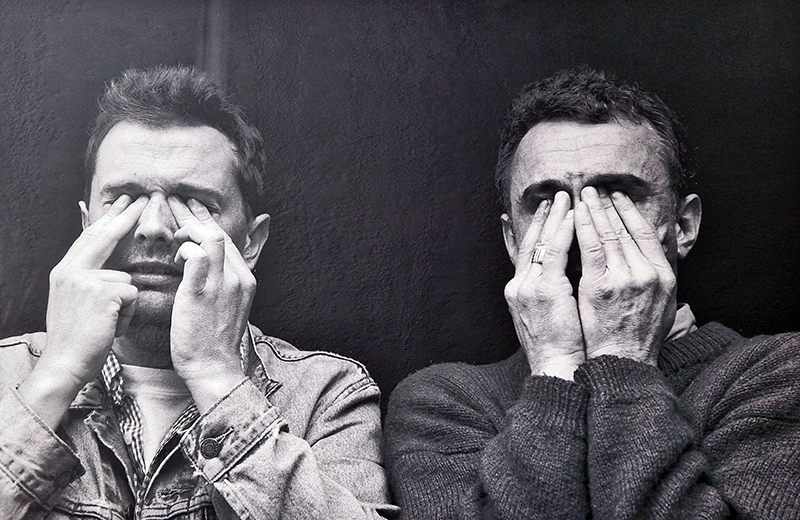
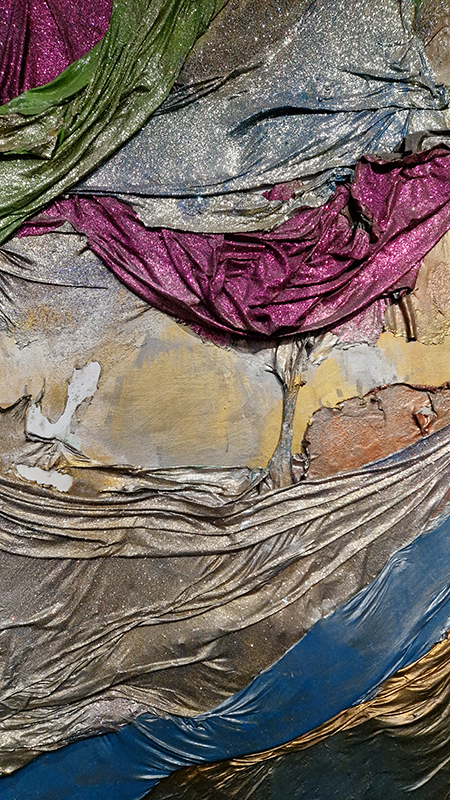
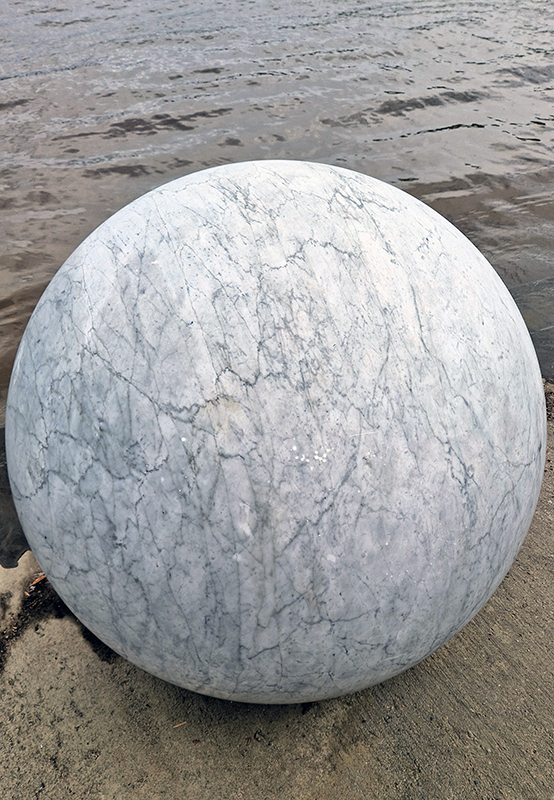
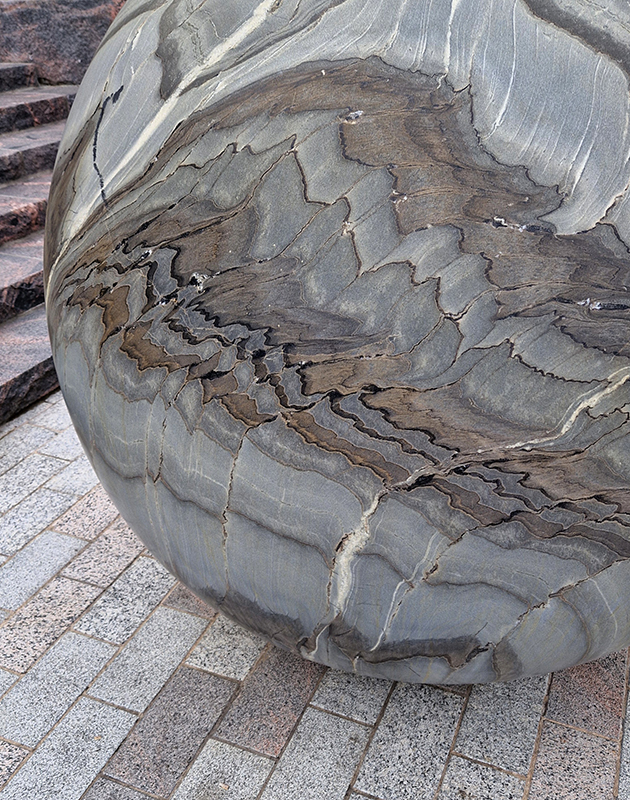
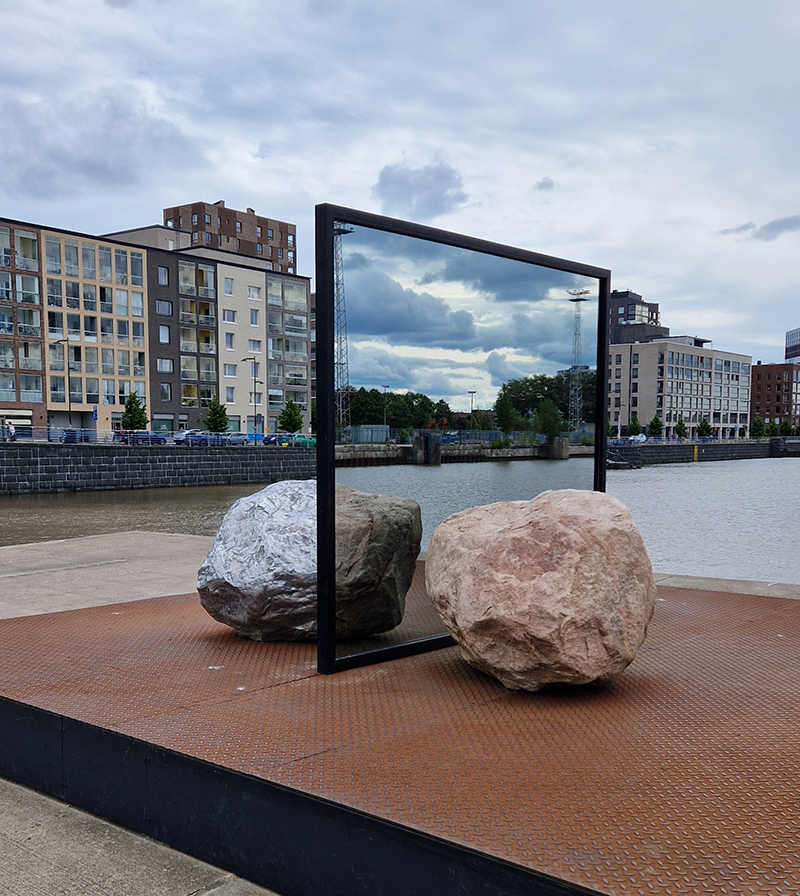
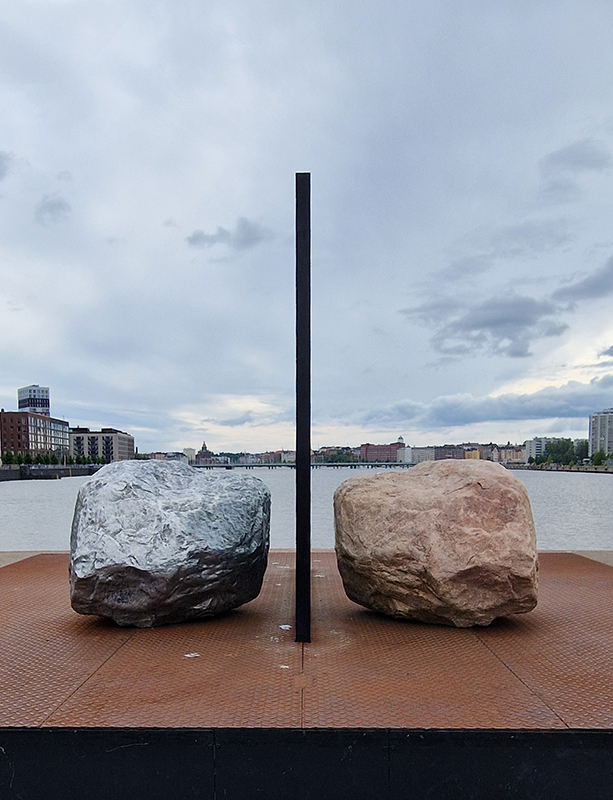
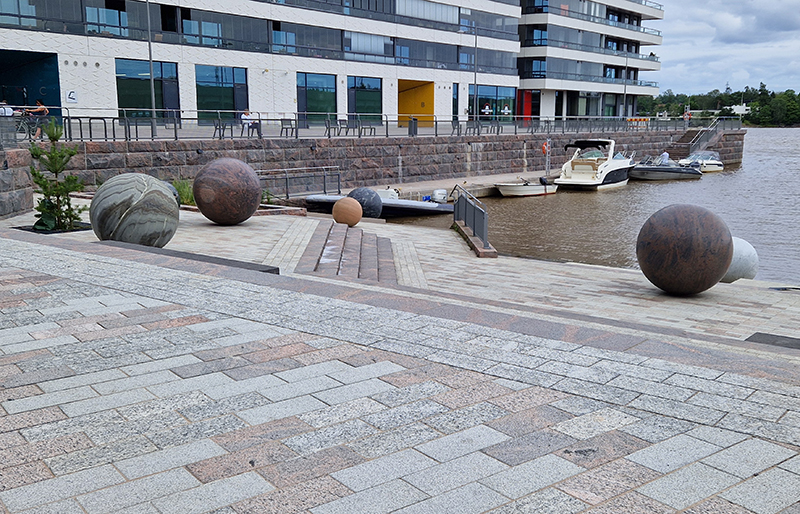
With my head still full of the geological (unconscious) it was great to see the works of Alicja Kwade, Big Be-Hide (parallel universes – natural rock and a metallic copy either side of a two-way mirror) and Pars pro Toto (a part for the whole – stone planet like spheres) from the 2021 Biennial now installed in Helsinki’s Kalasatama district.

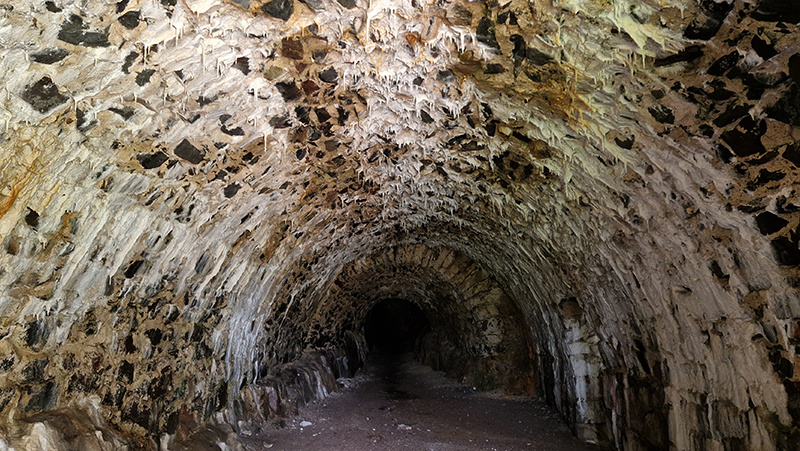
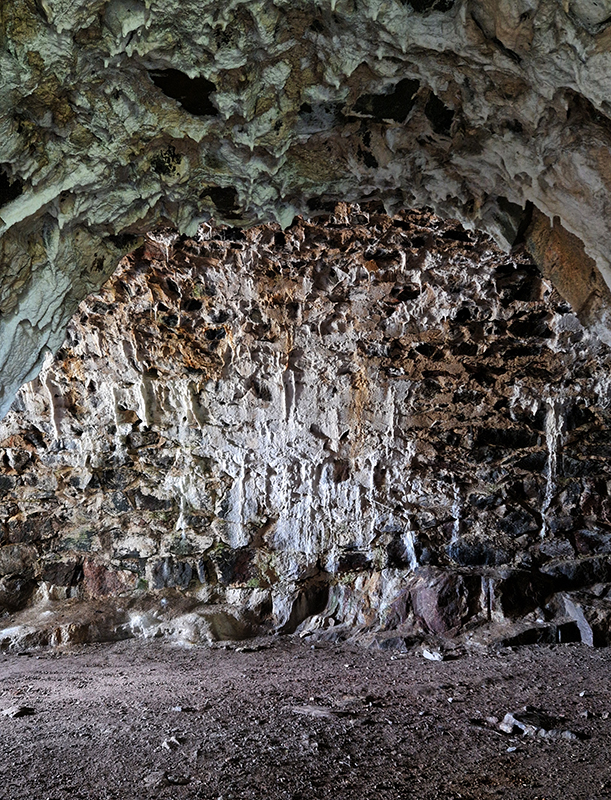
Another ‘geological’ delight was the unexpected appearance of stalactite’s forming in the tunnels of the military sea fortress built in the 1700’s on the island of Suomenlinna, a UNESCO World Heritage site.
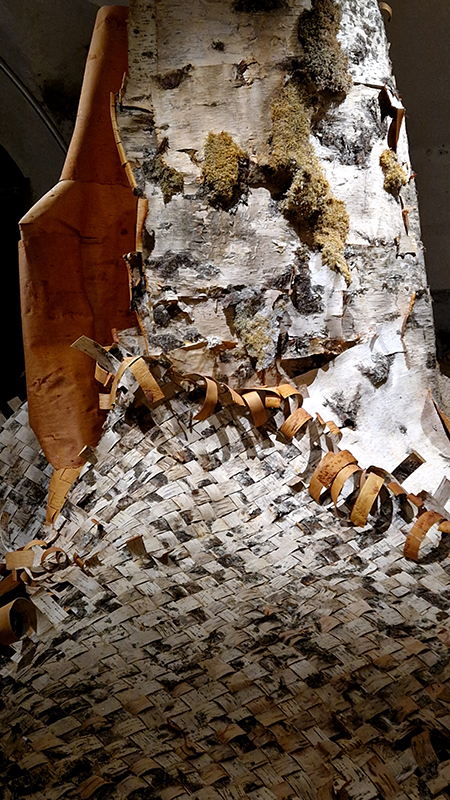
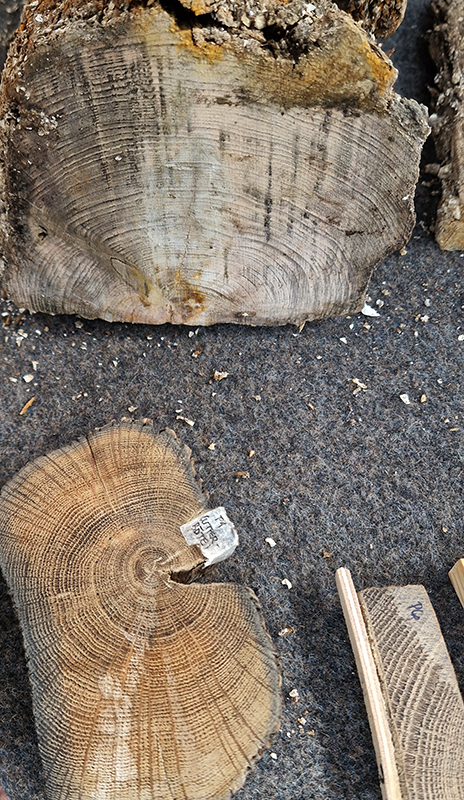
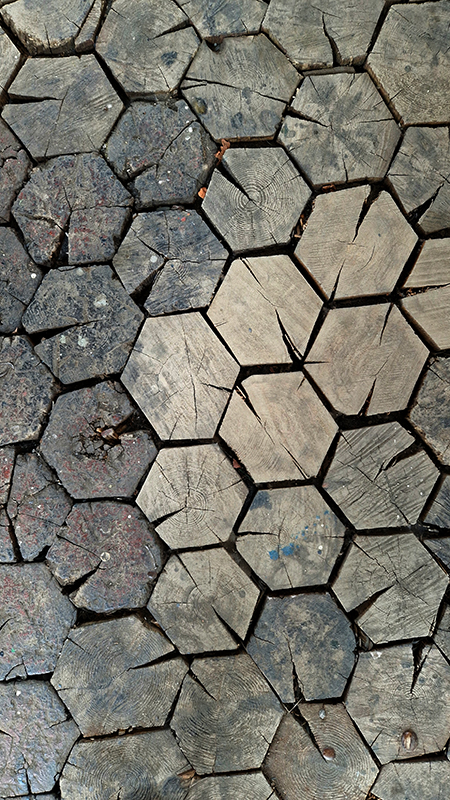
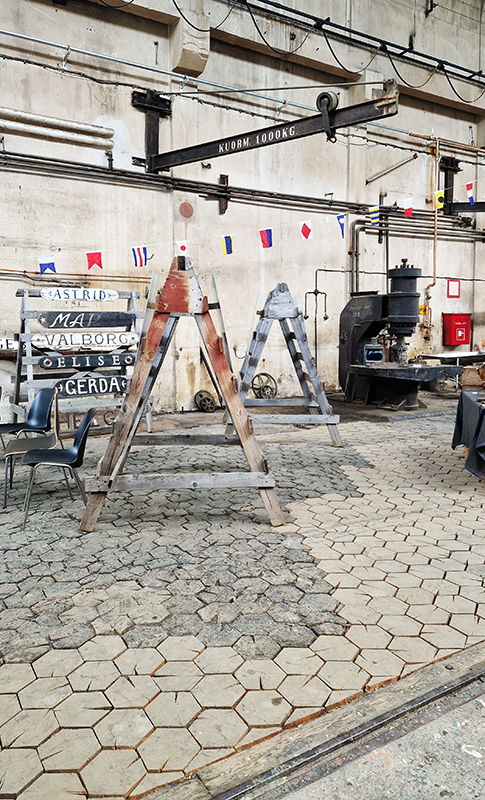
I loved the amazing hive like wood floor at Suomenlinna boatyard. Every tree carries a memory of the past, recording the weather and conditions of each season. Dendrochronologists can work out exactly when a tree was cut down which is very helpful in underwater archaeology. Around Suomenlinna there are shipwrecks beneath the sea with no identifying features except their wooden timbers which incredibly hold clues to when and where the trees used were felled. Marine archaeologists, shipbuilders and forest scientists are working together to discover the stories behind the lost ships.
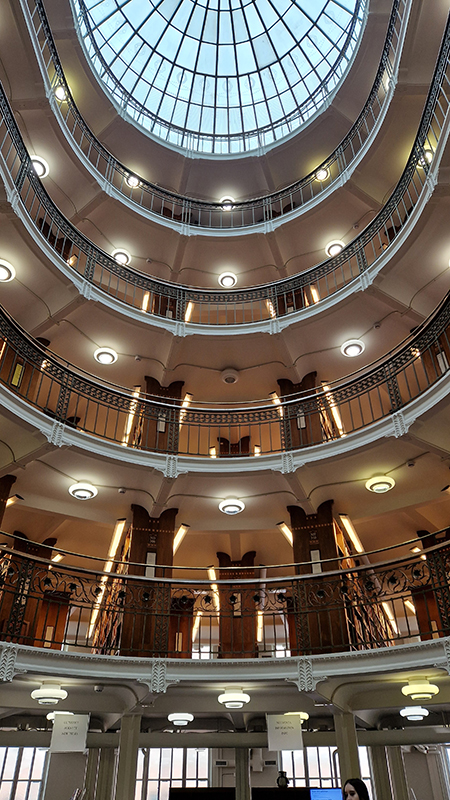
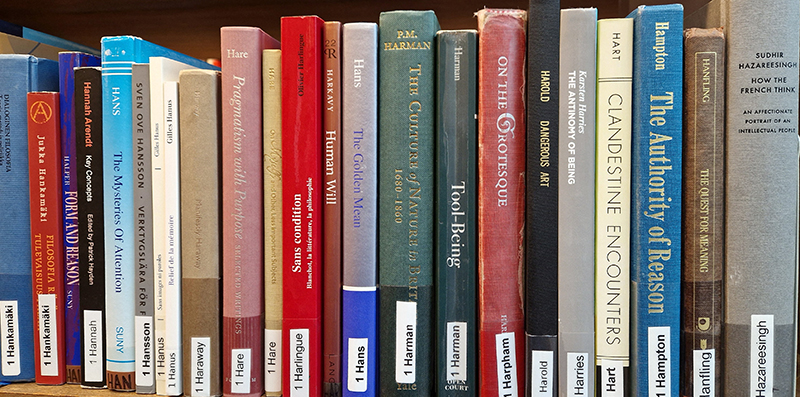
Helsinki is big on amazing libraries. The National Library of Finland is stunning and bursting with tantalizing books to explore, and the new Helsinki Central Library Oodi takes your breath away in its scale and sweeping curves.
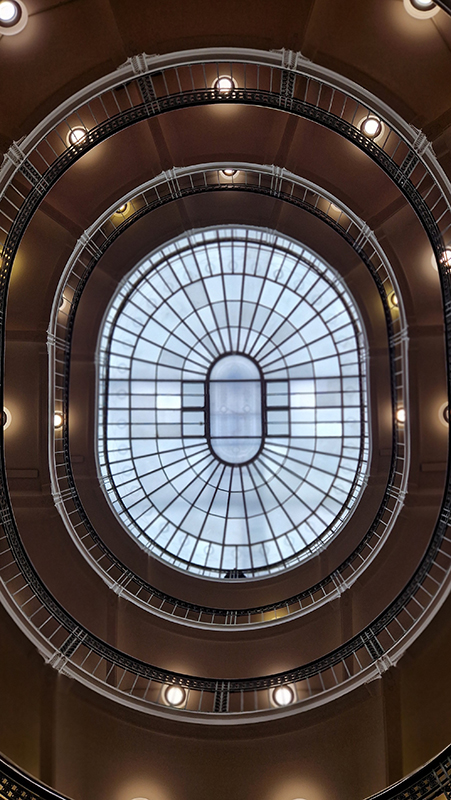
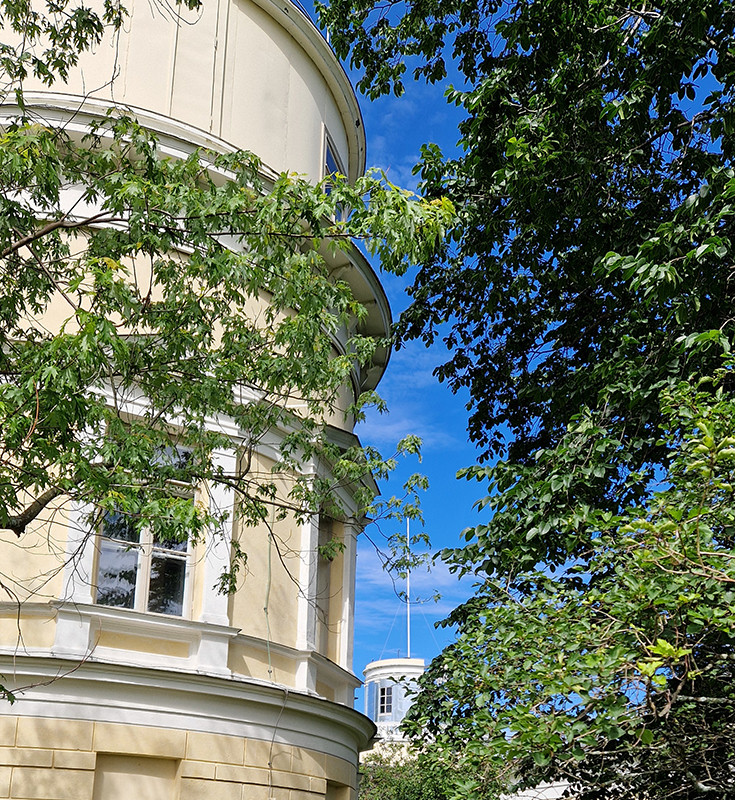
Sadly Helsinki Observatory has long since stopped functioning as a place for active astronomical research (2009) and is now a museum. It was disappointing that the electronic cloud chamber they possess wasn’t switched on but there were some interesting instruments to wonder about in the meridian room.
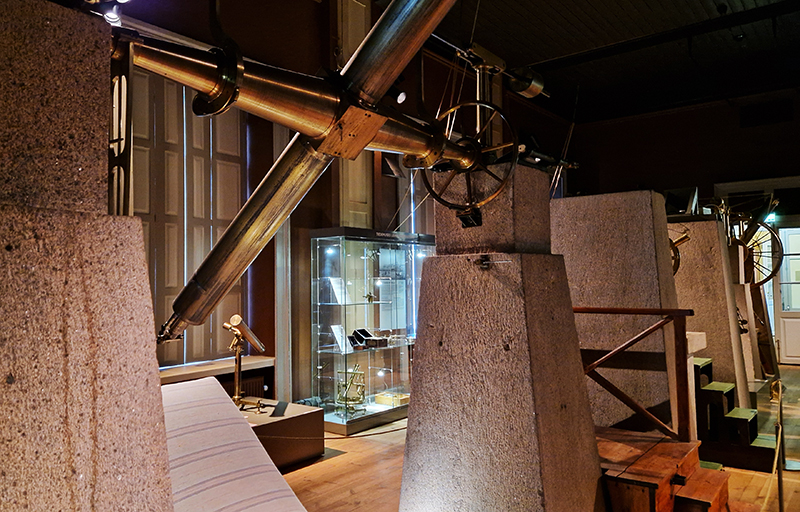
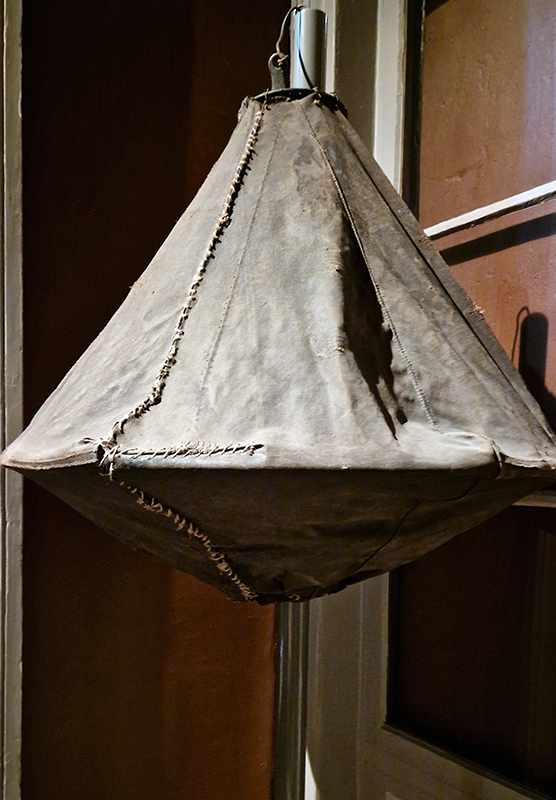
Each day the time signal bag was hoisted to the top of a mast on the roof of the observatory just before noon and dropped down exactly at noon. The correct time having been determined by an astronomer observing the stars at night. This event could be seen from Helsinki Central Railway Station where the station clock was then synchronised. This method of time keeping for Helsinki residents was in use until the 1920’s.

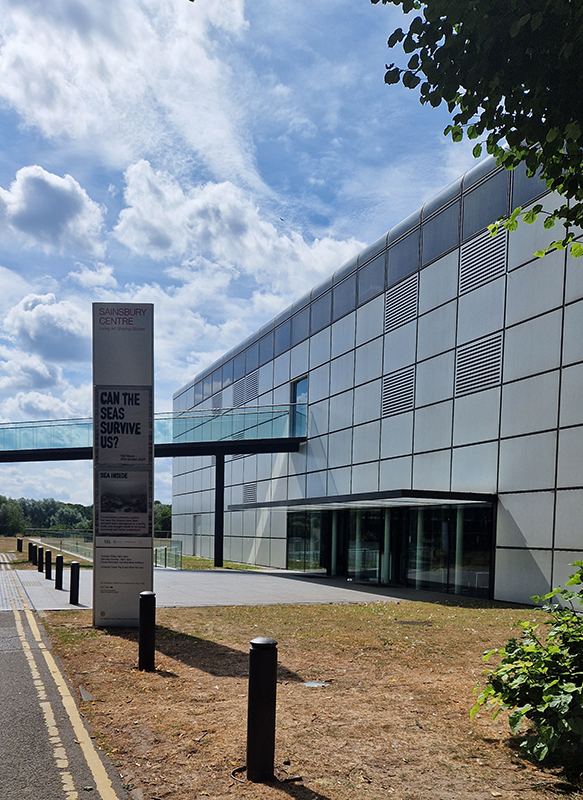
The future of our oceans is explored in the Sainsbury Centre’s Can The Seas Survive Us?

The sea has often been viewed as a mysterious ‘other’, with its expansive surface and seemingly infinite depths dominating marine imagery in the history of Western art. Artworks in this exhibition explore the ways the oceans have been domesticated, reimagined on a bodily scale and brought inside to be tamed, contained or better understood. Sea Inside turns our oceanic gaze towards the sea’s more intimate spaces – whether physical, psychological or imaginary – and dives into shared watery origins, Indigenous ways of life and the items we remove from the sea to display on land.

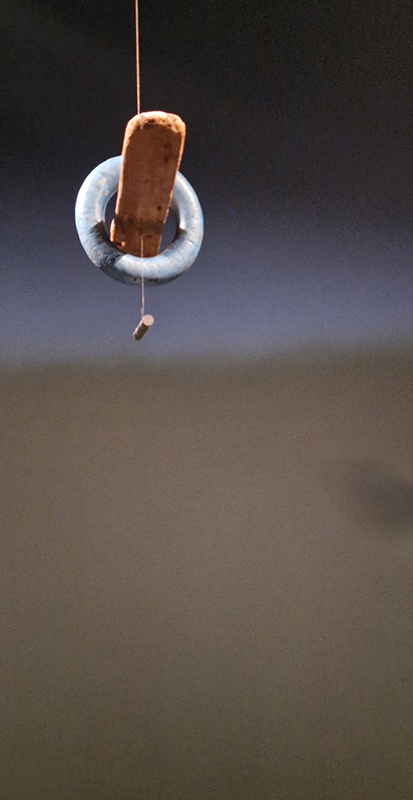
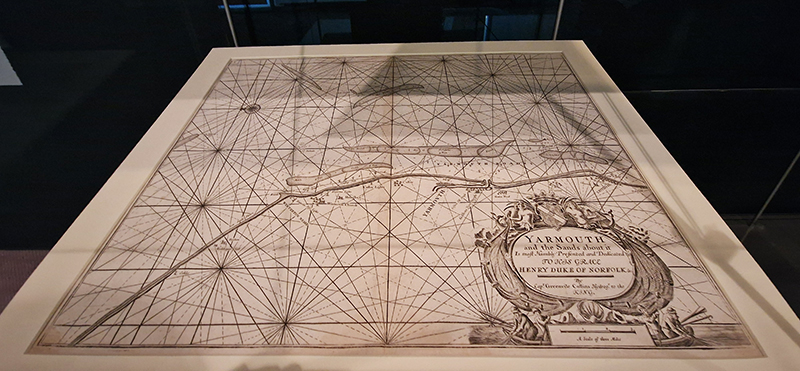
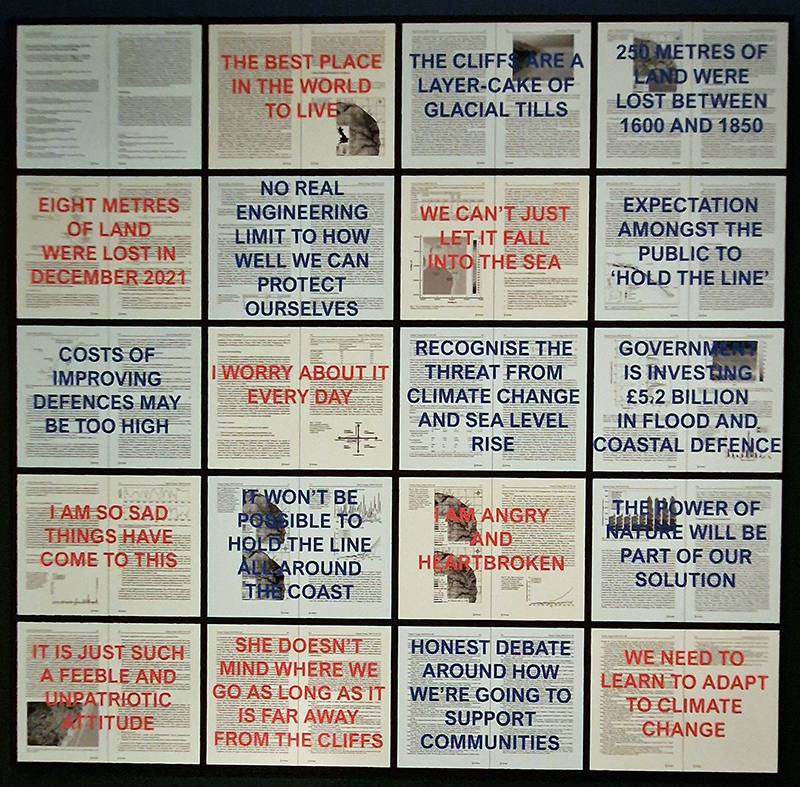
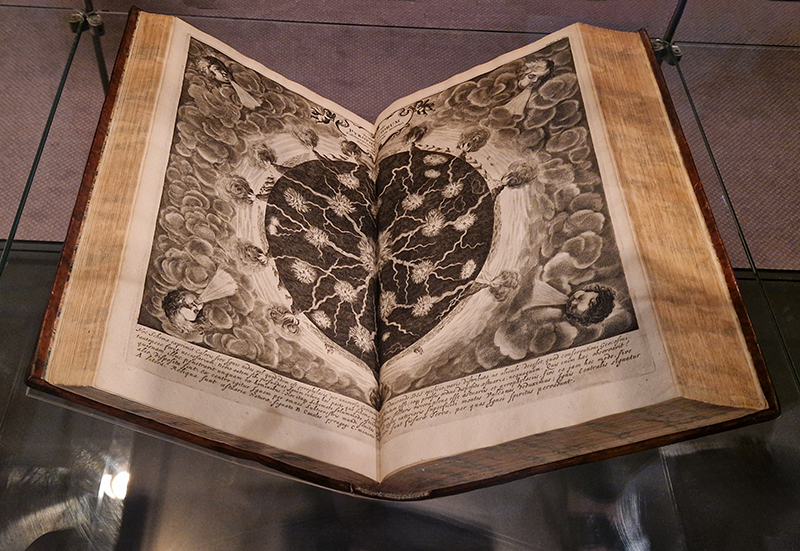
A World of Water takes the North Sea and the historical relationship between Norfolk and the Netherlands as its starting point to look at the human impact on the sea. It was wonderful to see the original book Mundus Subterraneous from 1664 by Athanasius Kirschner whose geological illustrations and speculations I have been fascinated by. Olafur Eliasson’s suspended Shore Compass uses driftwood to reflect on navigation of an uncertain world. Some great maps in this exhibition including the intriguing map of sandbanks off the coast around Great Yarmouth. I have enjoyed following Julian Charriere’s visually dramatic work on Instagram so it was good to see these images scaled up. Andrew Watkinson’s montage based on research from the Tyndall Centre for Climate Change about coastal erosion in Norfolk swerves from resignation to resistance, hope to despair and took me back to my BA dissertation (The Communication Of Ecological Concerns Through Contemporary Artistic Practice, 2007) writing about climate change warnings coming from the Tyndall Centre and the frustration of researchers about distorted media coverage that made it hard for the public to understand the facts. Suffolk too has lost a lot of land to the sea since I was a child there. Although dreams of tidal waves are common anxiety dreams I believe mine were also influenced by overheard stories of the North Sea flood of 1953 when a storm surge coincided with a high spring tide, which my parents and local villagers remembered vividly, it was the worst flood of the 20th century in England and Scotland and many lives were lost. Maggi Hambling’s sublime Wall of Water holds frozen the terrifying waves that may threaten us while Cian Dayrit’s Dam Nation examines the impact to communities and ecosystems when water is held back or re-routed.
Darwin in Paradise Camp by Japanese-Sāmoan artist Yuki Kihara calls out that ” a reconsideration of what it means to be human requires a re-evaluation of the origin of the species.”

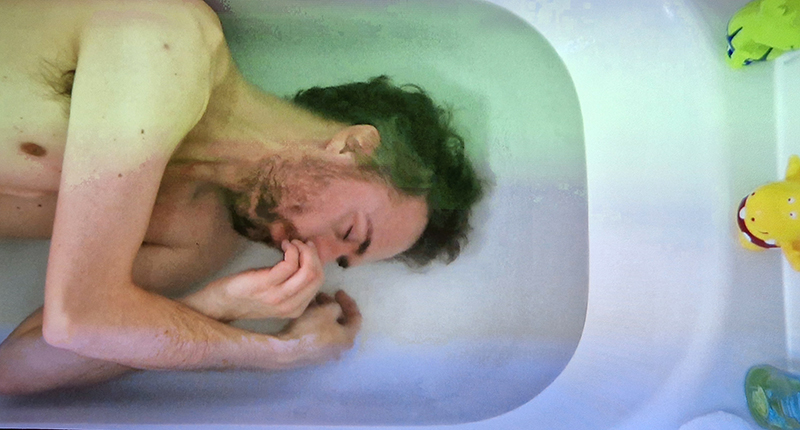
Sea Inside turns our oceanic gaze towards the sea’s more intimate spaces – whether physical, psychological or imaginary including work by Marcus Coates (attempts to create the call of the humpback whale in a bathtub), Kasia Molga (How to make an Ocean – the artist’s salt tears fill miniature glass capsules where algae is cultivated), Gabriella Hirst (ethereal images on hand etched fibreglass in a slatted structure that echoes the baleen inside a whale’s mouth).

At London galleries I saw work about tuning in to invisible forces, the importance of how we treat our fellow humans (dead or alive) and an assessment of the influence of past and present technology on hope for the future.

Islington Gallery Weekend is a great idea, just the heat while out walking that weekend meant I didn’t make it to all the galleries participating.

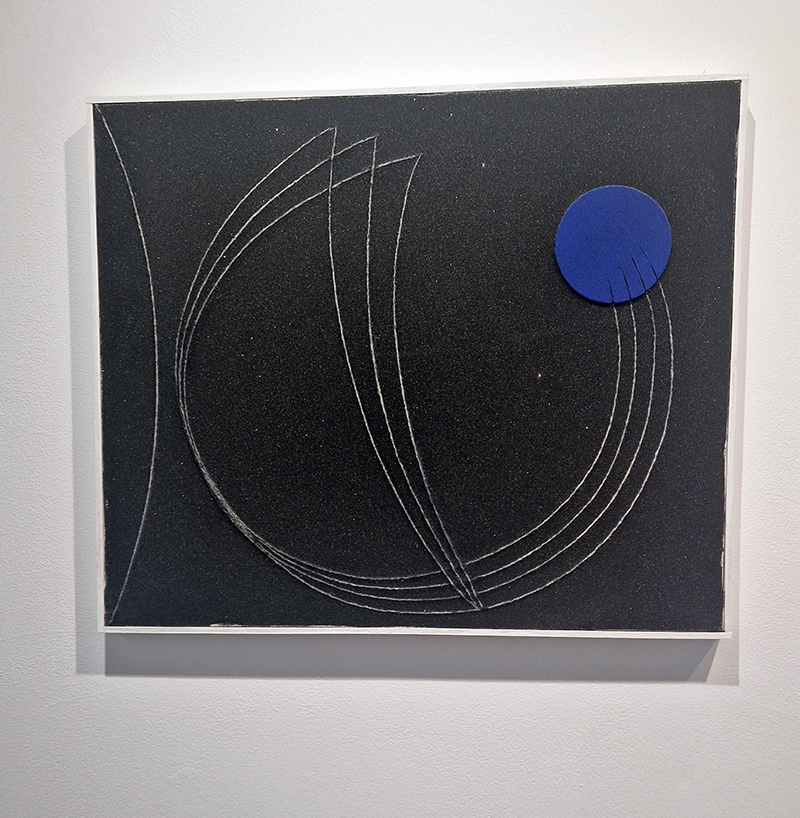
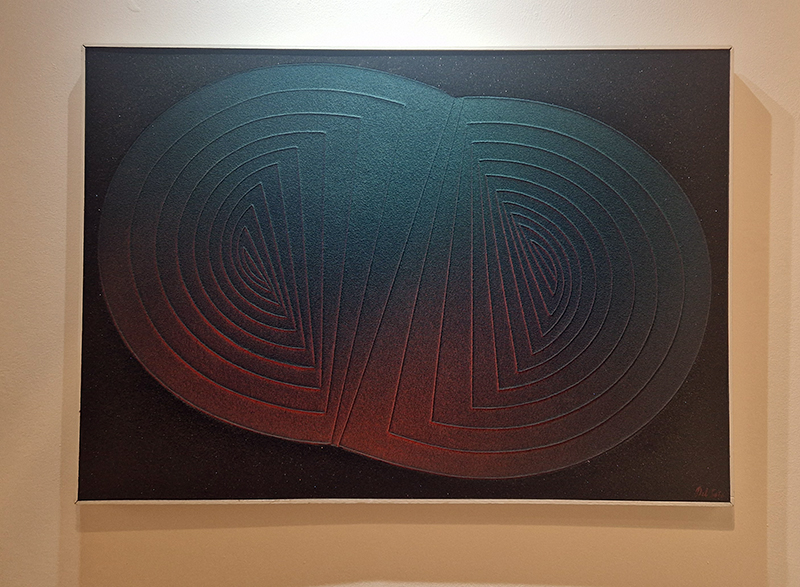
The Observatory at Bobinska Brownlee New River, presented abstract and textural works by Claudio del Sole, an artist and amateur astronomer who co-founded the ‘Astralist’ movement in 1959 inspired by the dawn of the space age. These cosmic inspired works are shown alongside those made in response to the Astralist manifesto by contemporary artists James Brooks, Robert Good and D J Roberts. Cocktails and an incredible performance on the piano of unique work by composer Edward Henderson were also part of the afternoon.
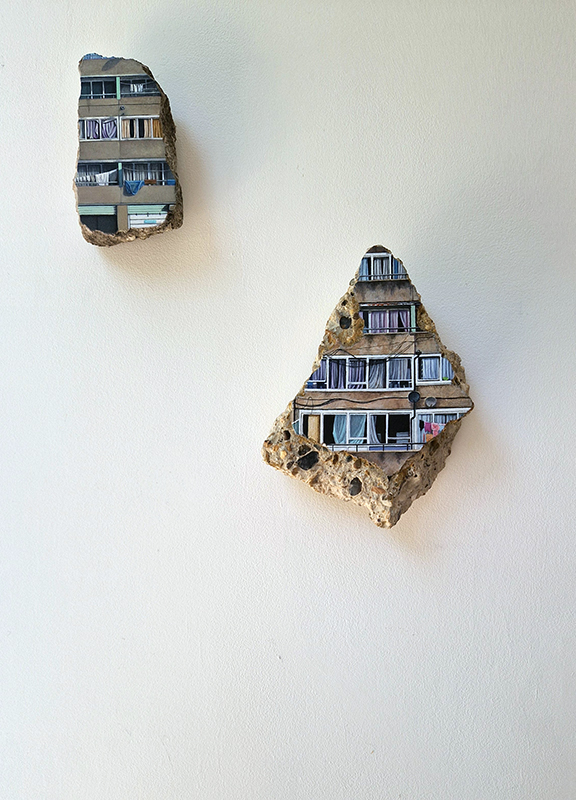
Poignant work from Harriet Mena Hill in Curtains at PostROOM Gallery. Fragments collected from demolition of the Aylesbury Estate in South East London are meticulously painted with details of the buildings that once were home to a community. An accompanying film gives voice to those who enjoyed life here before lack of maintenance and social care slowly stripped away the heart and soul.
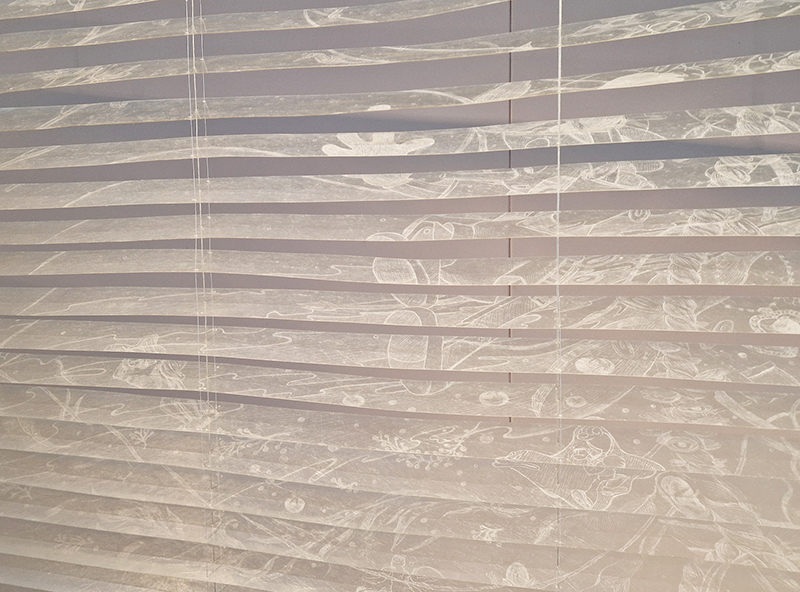
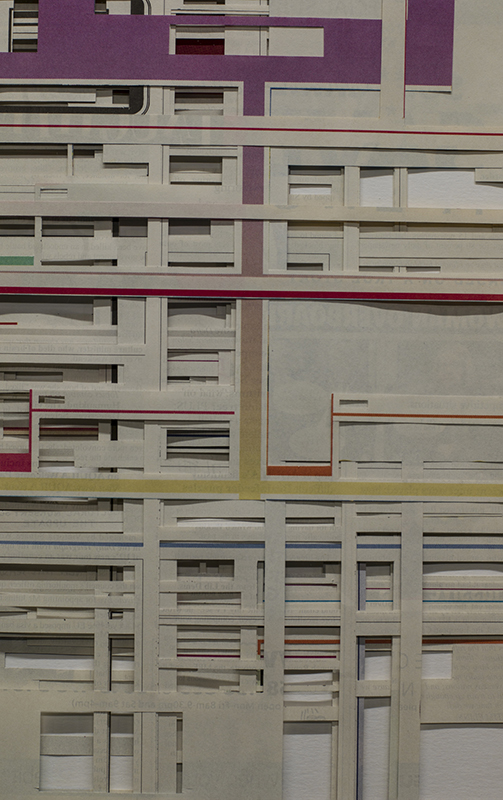
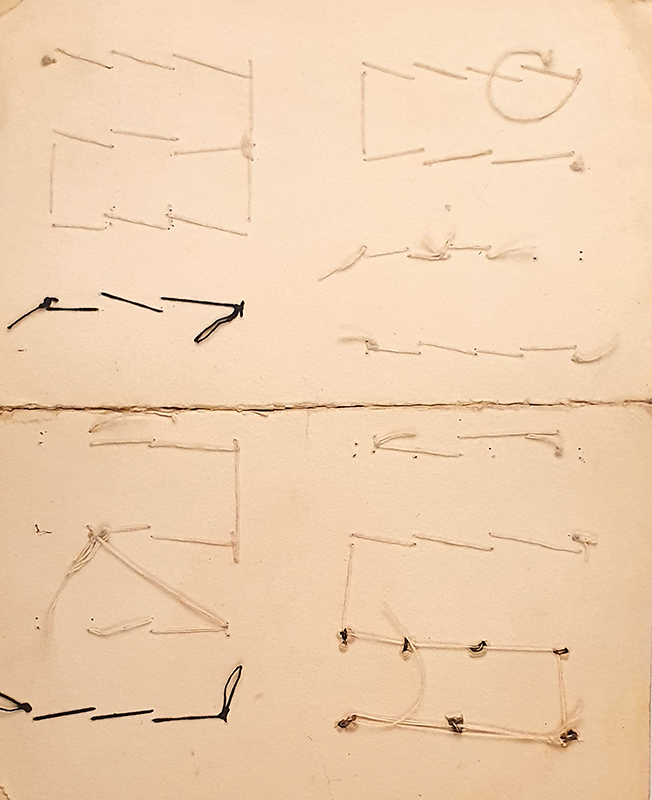
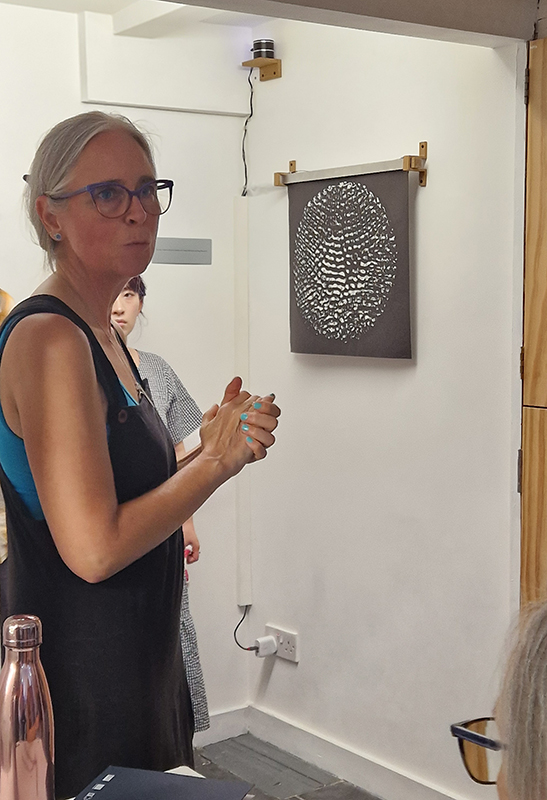
Fascinating listening to Tracy Hill speak about her work in Natural Frequencies at White Conduit Projects which explores ways of being sensitive to invisible energies that move through us and our landscapes. Her experience of working with a water diviner feeds into her intuitive drawing processes and cut paper works.
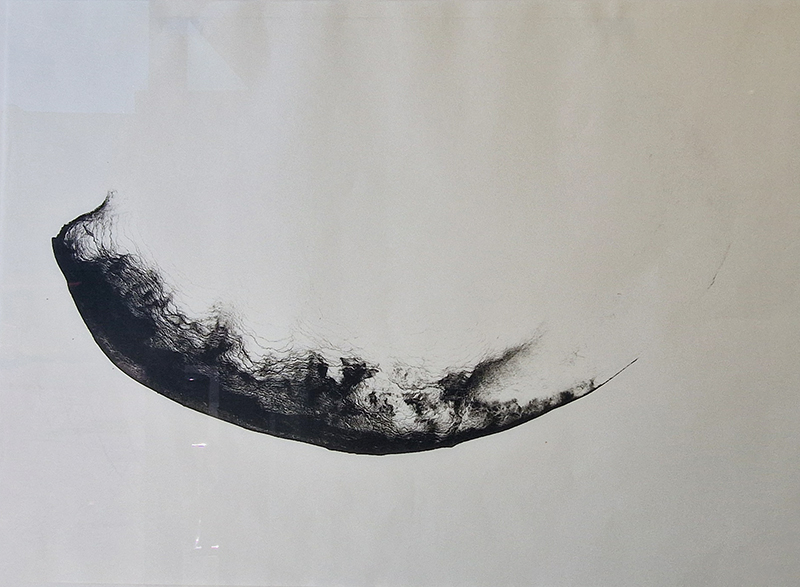
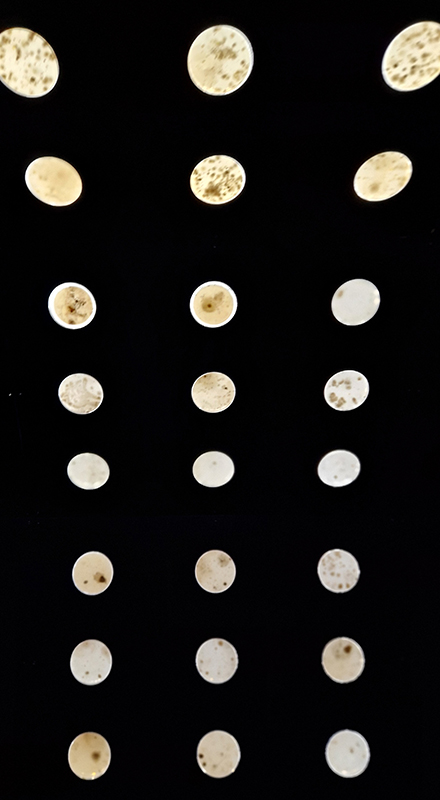
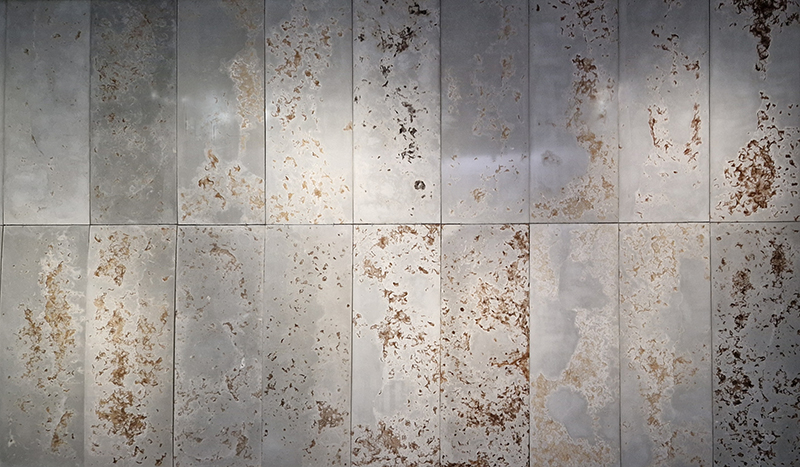
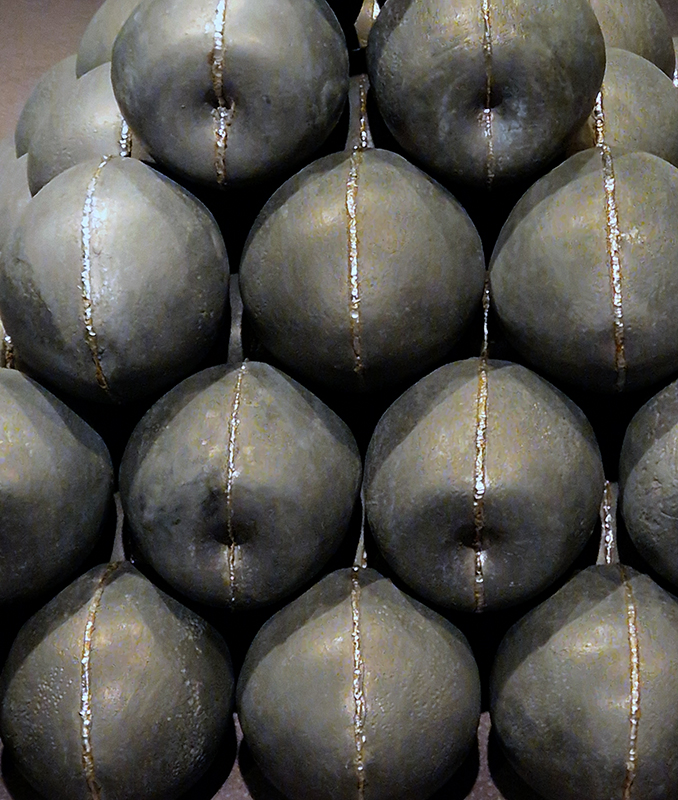
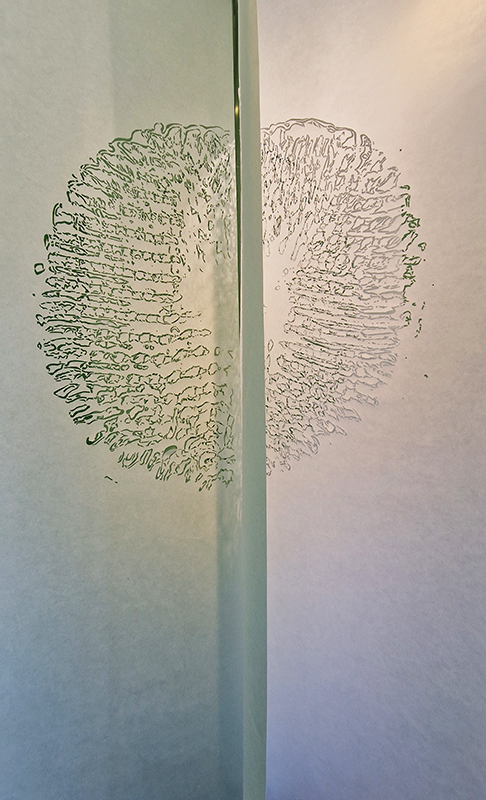
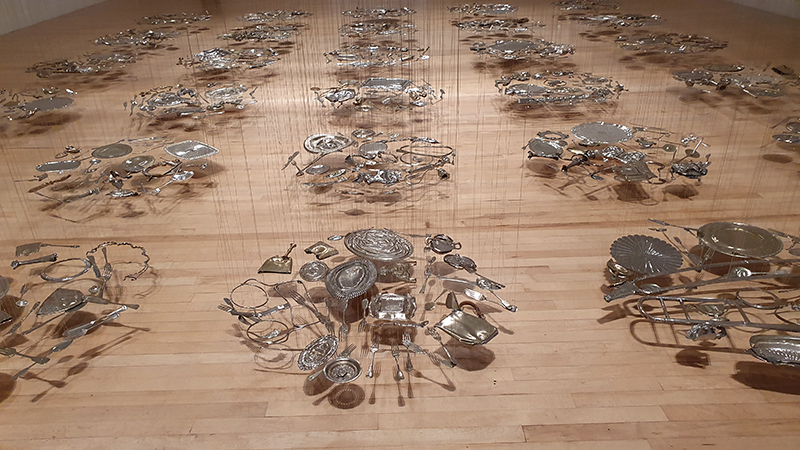
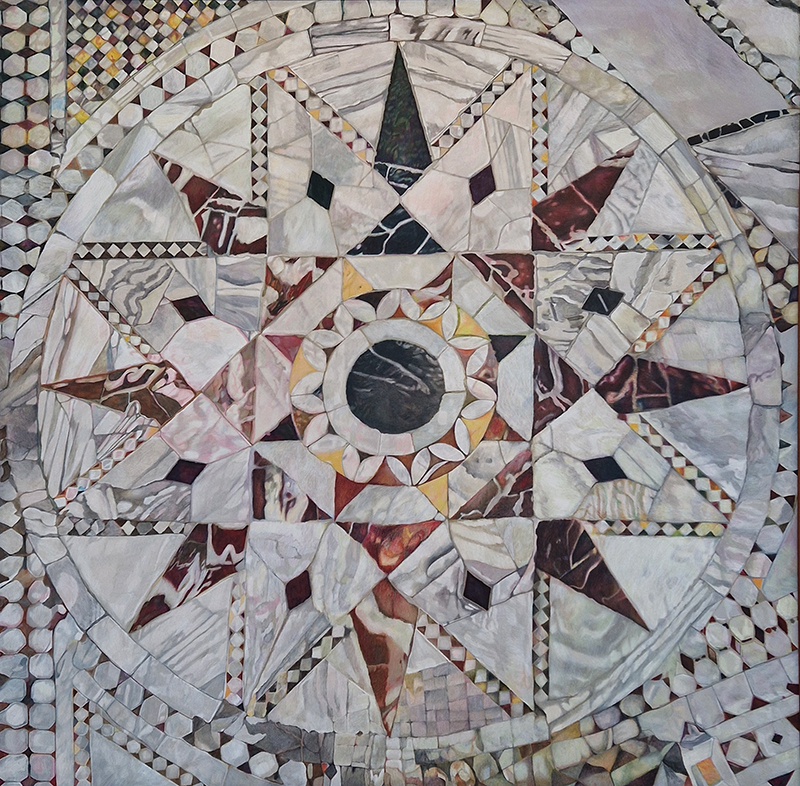
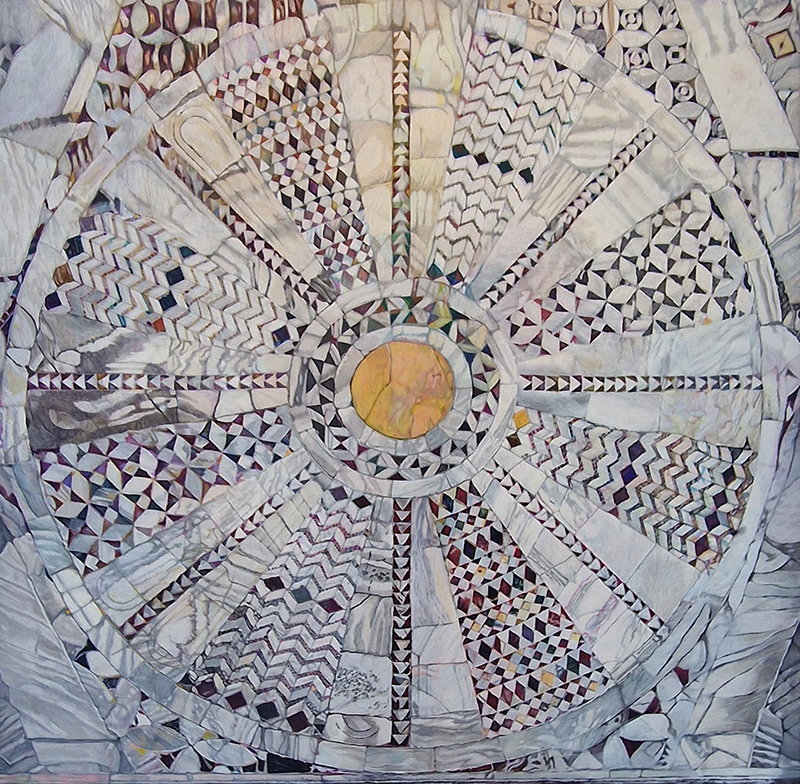
I was drawn to visit Gala Porras-Kim The categorical bind at Sprüth Magers to see these images which reminded me of the large hadron collider but made from marble. They are actually an examination of the conservation of marble tiled floors in Italy.
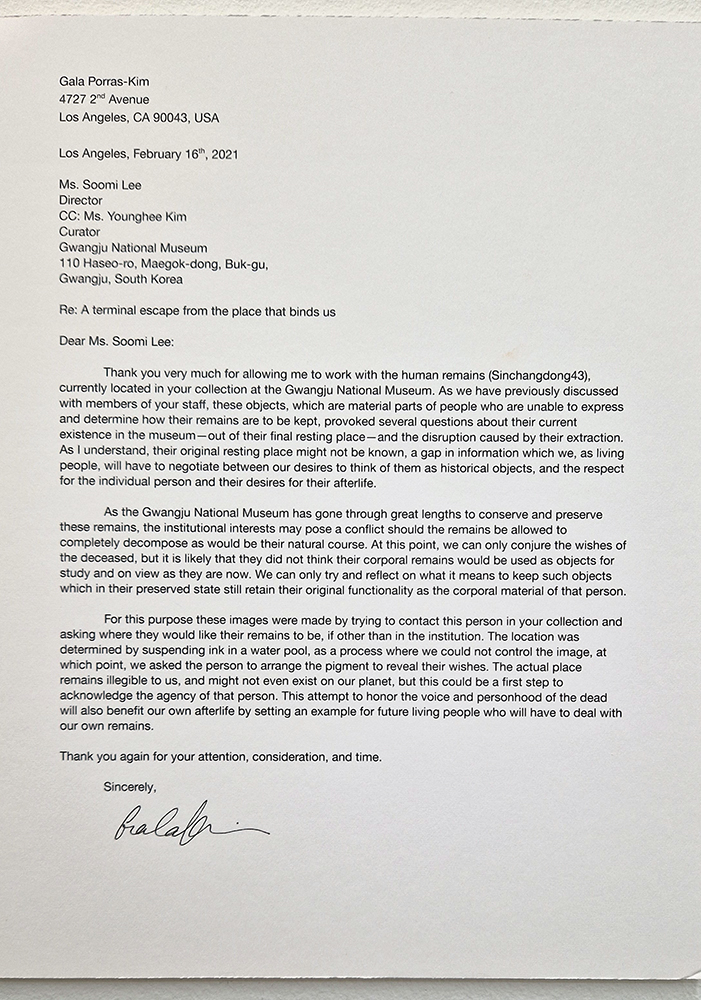
I remembered I had seen her work before at Gasworks and found it really interesting. In this piece she attempts to commune with the dead whose remains have ended up in a museum collection, possibly not where the living person had expected or would want.
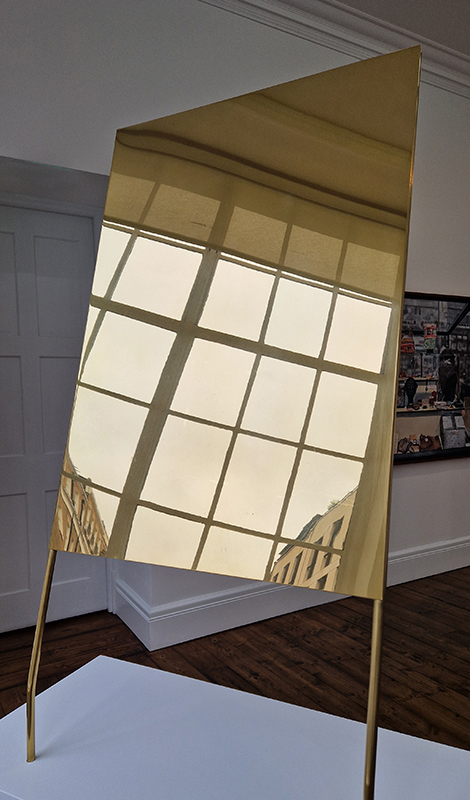
Gala Porras-Kim

All Earth energy sources are known to come from the Sun

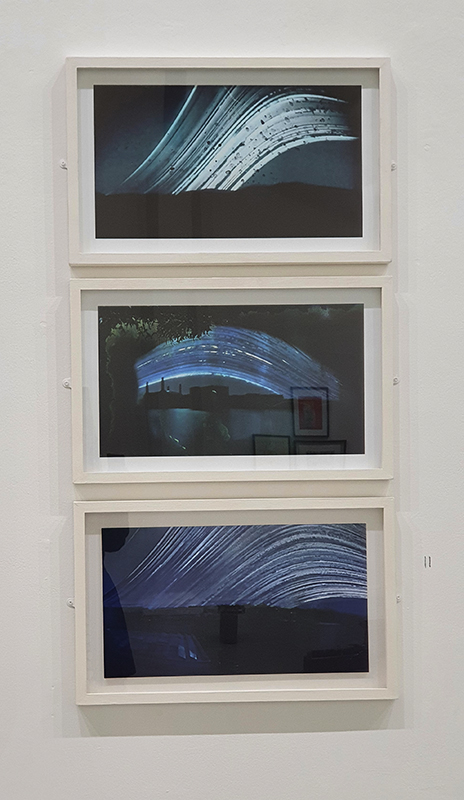
Brass, sunlight
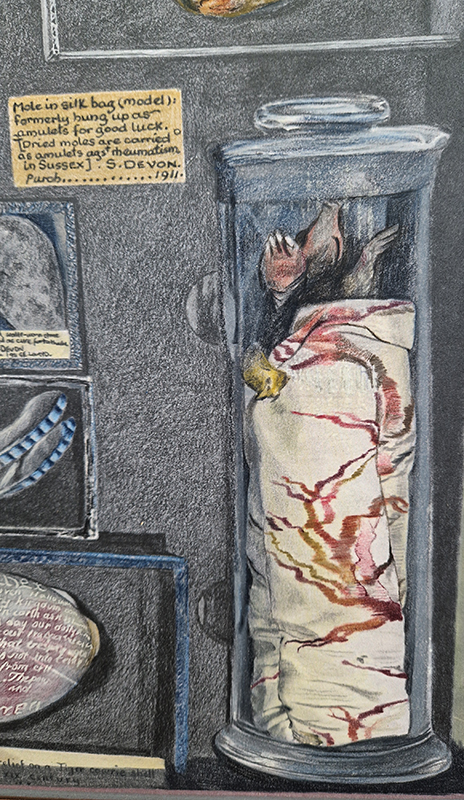
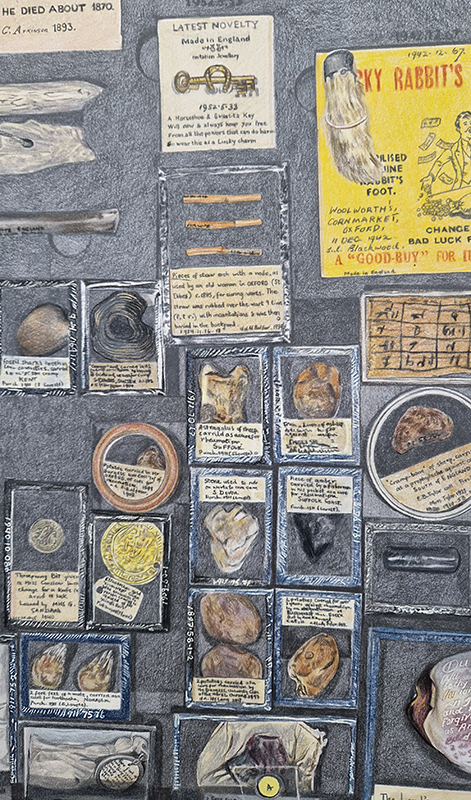
Most of the works were coloured pencil drawings of museum collections, giving agency to objects and questioning categorisation – this one of the poor mole amulet made me think of my mole killer brother who suffers from arthritis.
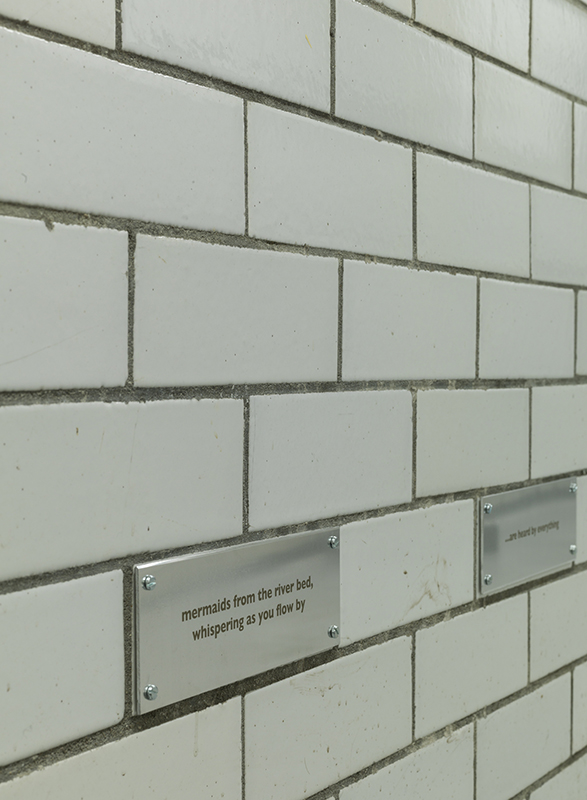
It is fascinating to think about how humans experience sound and consider frequencies occurring outside the human spectrum of sensitivity that other animals may be able to hear. Also to think about sound as vibrating bodily rather than auditory sensation. Barbican Feel the Sound requires a willingness for interactivity to experience most of the exhibits. The instructions weren’t always clear and so it was at times a bit of a frustrating journey through the space.

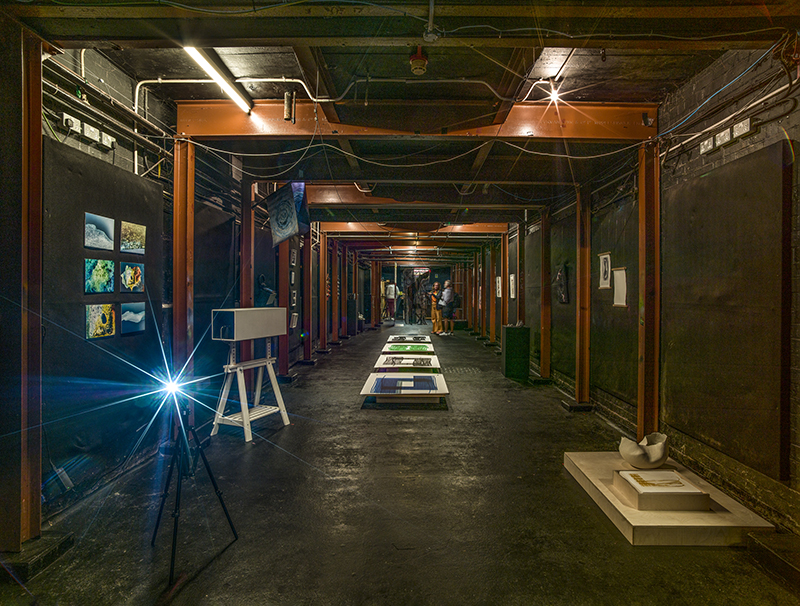
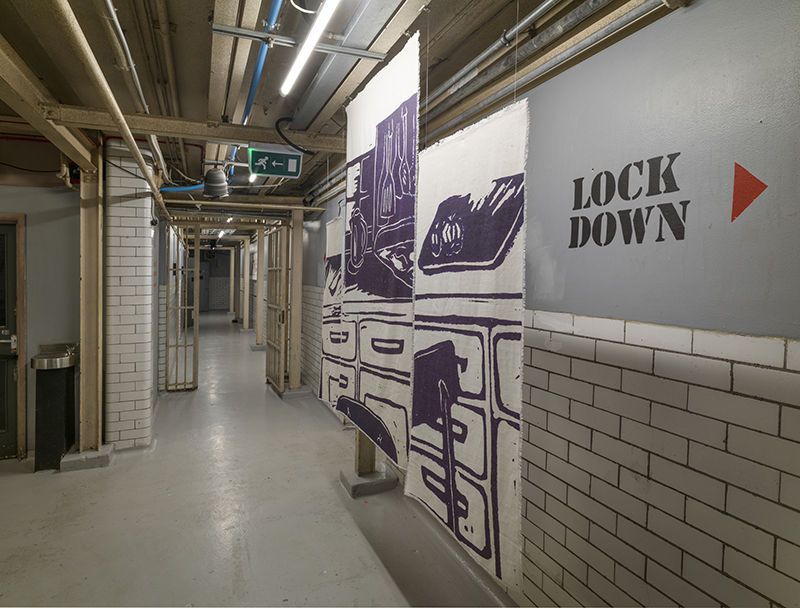
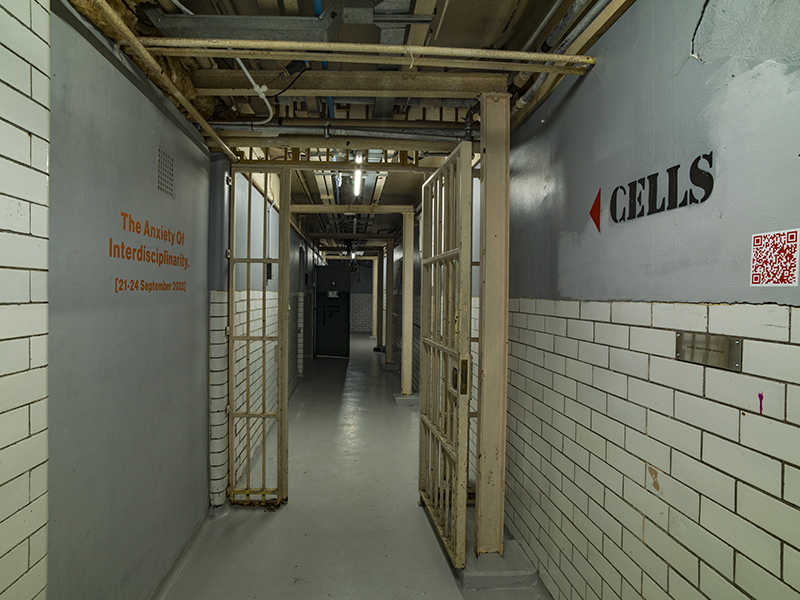
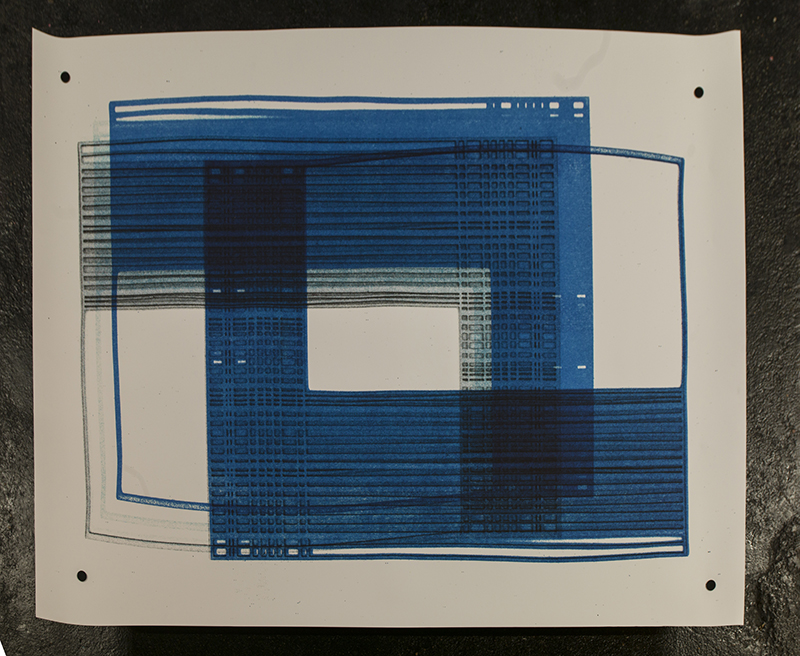
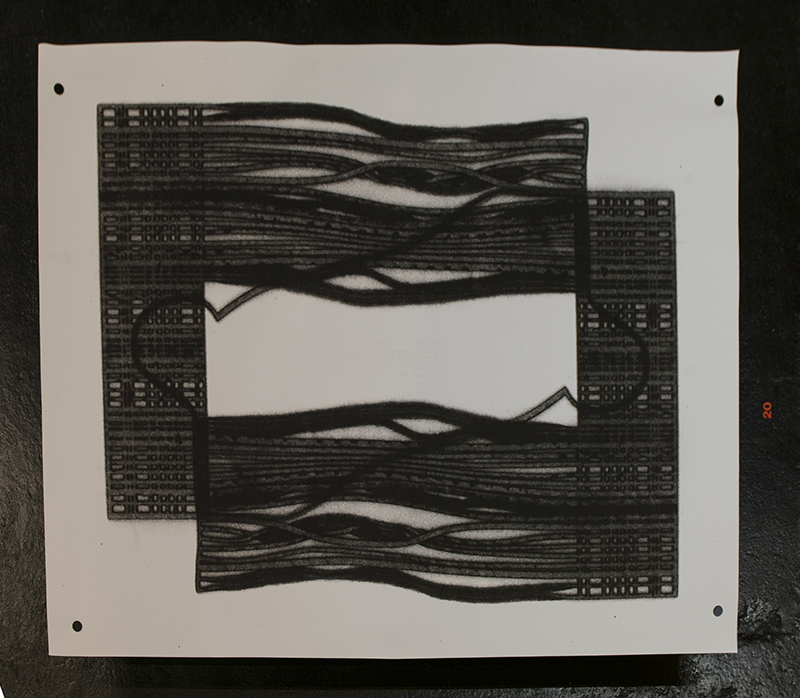
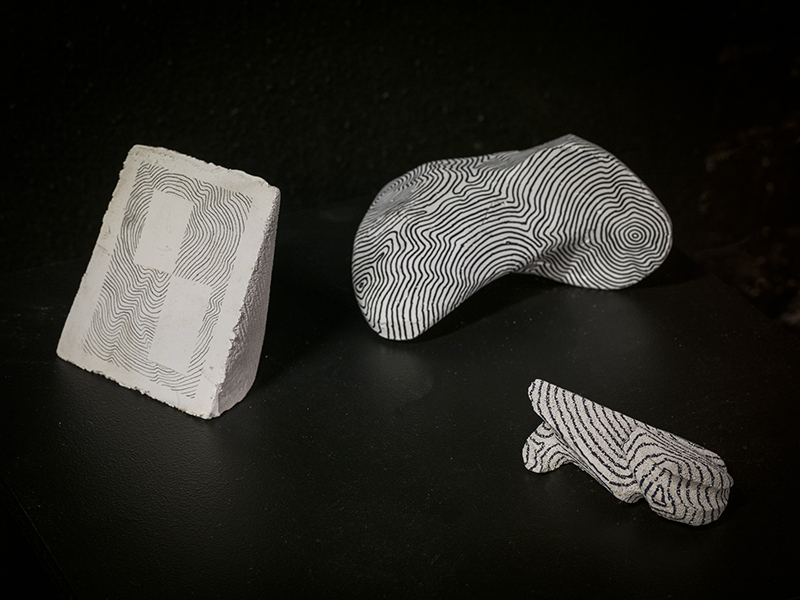
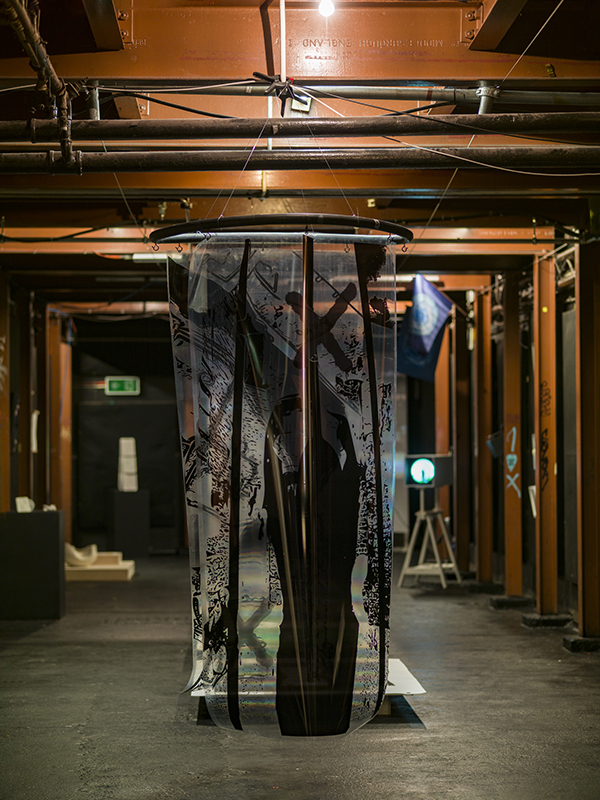
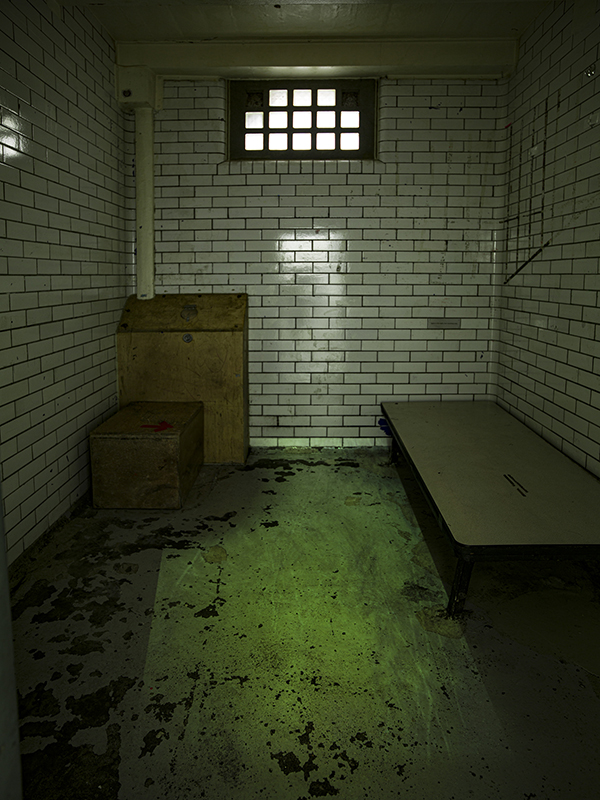
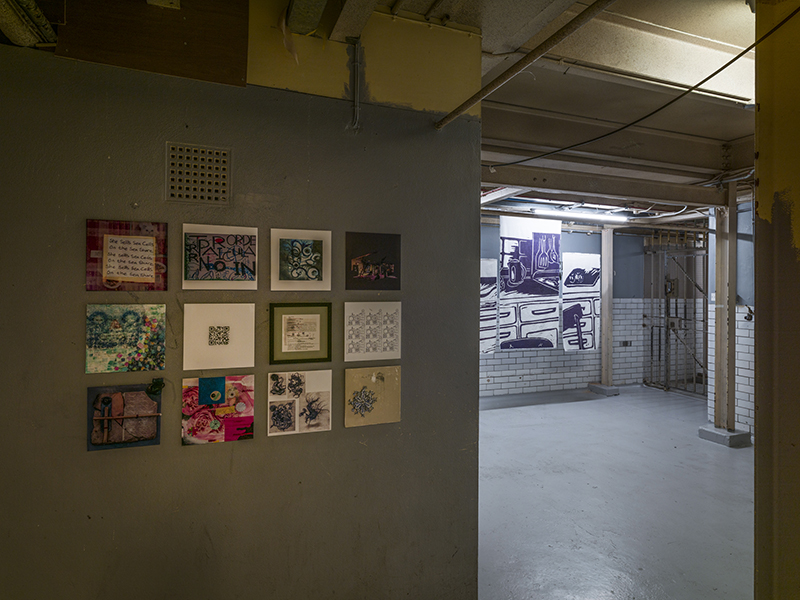
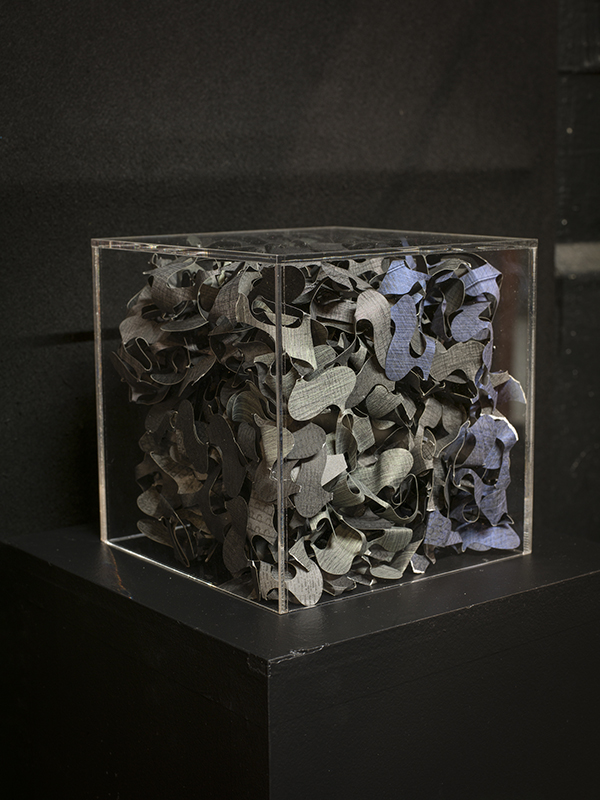
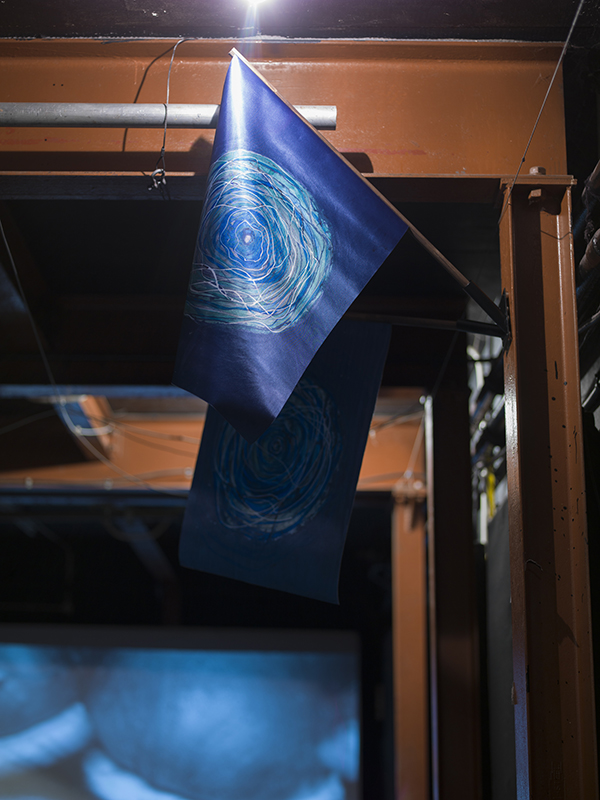
Delighted to have my video installation At a Distance included in The Anxiety of Interdisciplinarity  exhibition in the subterranean labyrinth of former police cells that is The Island Venue in Bristol. Curated by Sarah Strachan and Ayeshah Zolghadr. Exhibition Images by Steve Russell Studios.

This is a satellite exhibition of the International Printmaking Conference taking place at The Centre for Print Research, University of the West of England, Bristol. Motivated by the International Multidisciplinary Printmaking Conference IMPACT 12’s theme ‘Merging and Metamorphosis’, the exhibition aims to trace the metamorphosis of conversations between disciplines, seeking to reframe printmaking practice as a ‘site of interdisciplinarity’ and consider contemporary approaches to print as ‘a site of ambivalence, tension or a fertile ground for exploration and experimentation.’

Works include:

Valerie O’Regan, Vertical Landscape  Nicky Harwood Parachute  Åse Vikse The Sixteen  Hannah Robin Baker “In Conversation With…”  Heather Burwell Nostalgia Erika Cann Feldspar Score  Katy Drake Expose  Pauline Scott-Garrett An Almost Invisible Wound  Debby Lauder Fair, Fine, Brisk  Sarah Strachan The Security Dilemma  Lon Kirkop Ċella ta’ Wieħed  Rana Al Ogayyel Visual Sound and Hear the Print Judy Dibiase Trace  Laura Greenway Never Enough  Mick Paulusma Being There  A. Rosemary Watson line_space_form III.VII.I   Katherine Van Uytrecht Cellular Sound  Ayeshah Zolghadr Individuated Copy Series  Nicole Pietrantoni Still Life: Darwin’s Barberry  Simon Leahy-Clark Untitled  Cameron Lings Drawing: The Expanded Field  Mary Rouncefield Escape To Infinity  Jon Michaelides 16 x 64  Susan Eyre At a Distance  Corinna Reynolds Traces of Pathways Strachan + Zolghadr Boundary Objects  Heather Burwell Playing Games  Alexandra Sivov “Listen To Me!”  Joe Dean Southern Trains Loop  Corinna Reynolds Traces of Pathways  Daniel Bell Growing Blackness

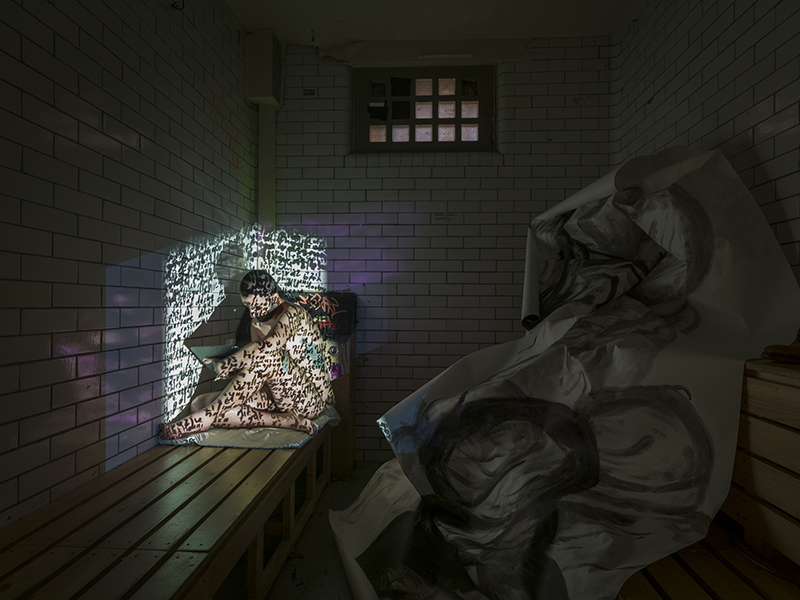
At a Distance looks at remote methods of communication and relates this to the mysterious twinning of electrons in quantum entanglement where particles link in a way that they instantly affect each other, even over vast expanses. Einstein famously called this phenomenon ‘spooky action at a distance’. Filmed on 29th March 2019 in Cornwall as the iconic Lizard Lighthouse powers up its lamp, solitary figures using semaphore flags sign ‘We Are One’ out across the ocean in the hope the message will be echoed back. Drawing on the physical language of print that embodies touch, separation and mirroring the flags have been printed using hand painted dye sublimation inks applied via a heat press. This process transfers the ink from a paper matrix onto the substrate textile. The image passes momentarily across space in a dematerialized state as vapour before being reformed as its mirror opposite.

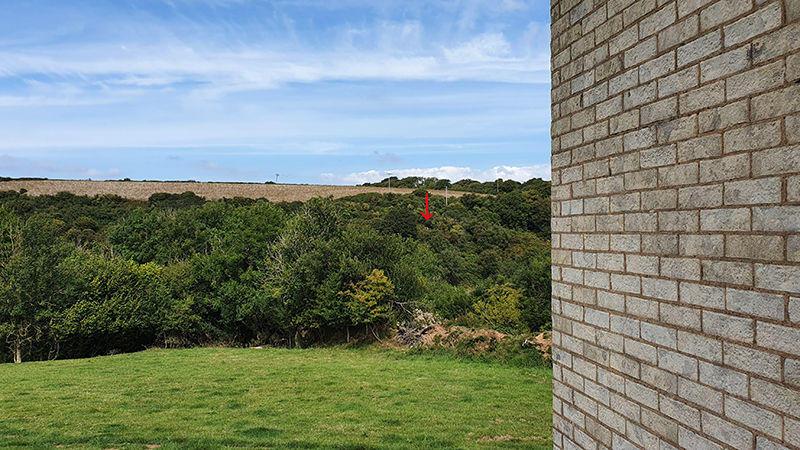
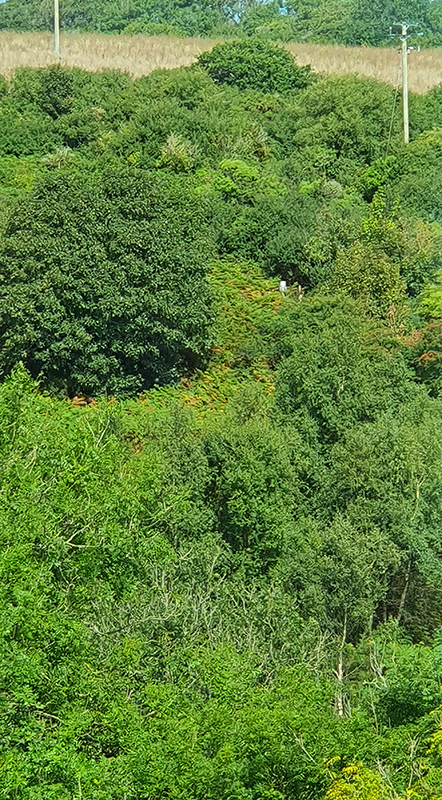
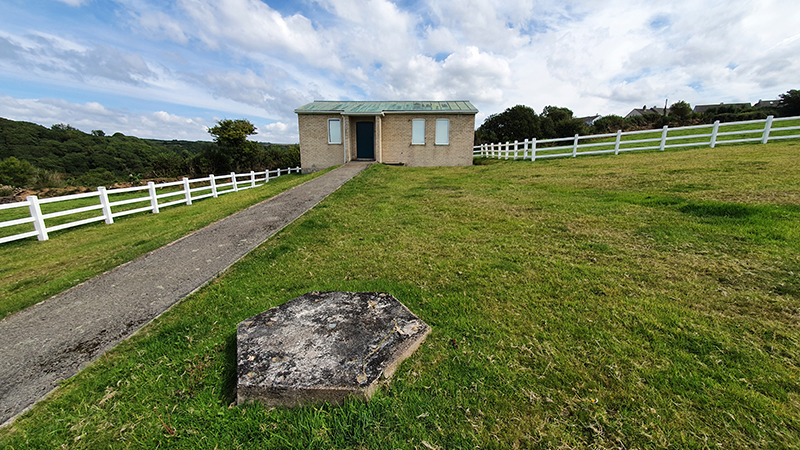
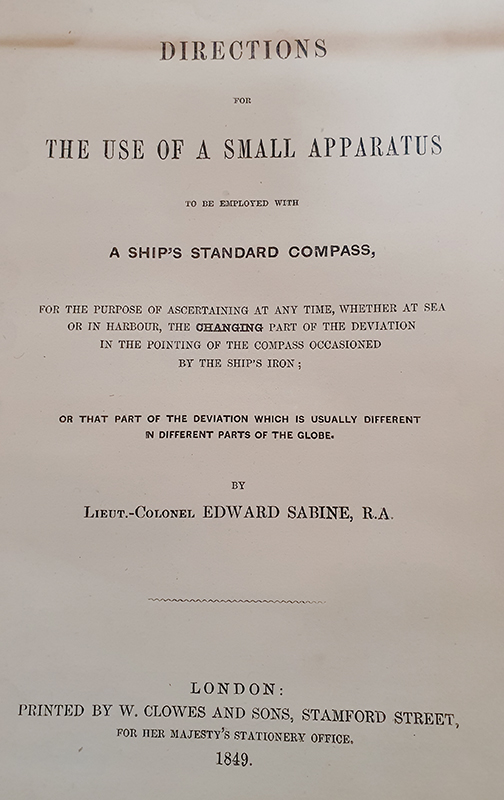
Research visit to Hartland Magnetic Observatory. I am very grateful to The British Geological Survey for allowing me access to the site and particularly to Tom who shared his knowledge and gave a fascinating tour of the observatory. He was a little perplexed by my request to see the obelisk with the azimuth mark determined by observations of Polaris as he thought this description was a slight exaggeration of what was actually present. The ‘obelisk’ is almost hidden in thick undergrowth and impenetrable woodland so this object, just glimpsed amongst the trees remains an enigma.

Hartland was established in 1955 and is part of a network of international observatories sharing information with governments and industry, the charts of the shifting magnetic field are also publicly available. The buildings are made of lime bricks and timber, with concrete flooring and roofing of copper.

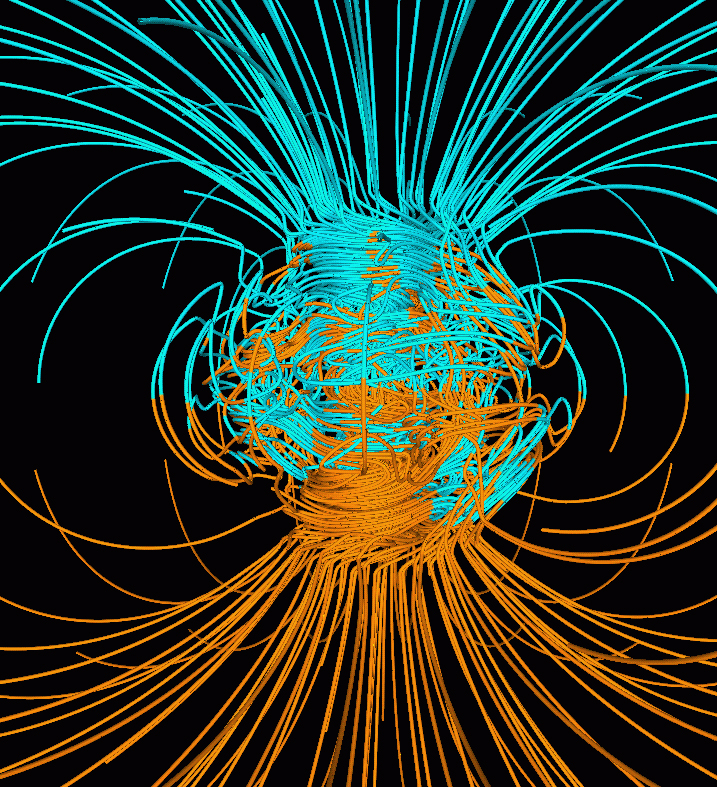
The Earth’s magnetic field acts as a shield against potentially harmful charged particles from outer space. It is also holds clues to the planet’s deep interior and geological history which are inaccessible to direct observations.
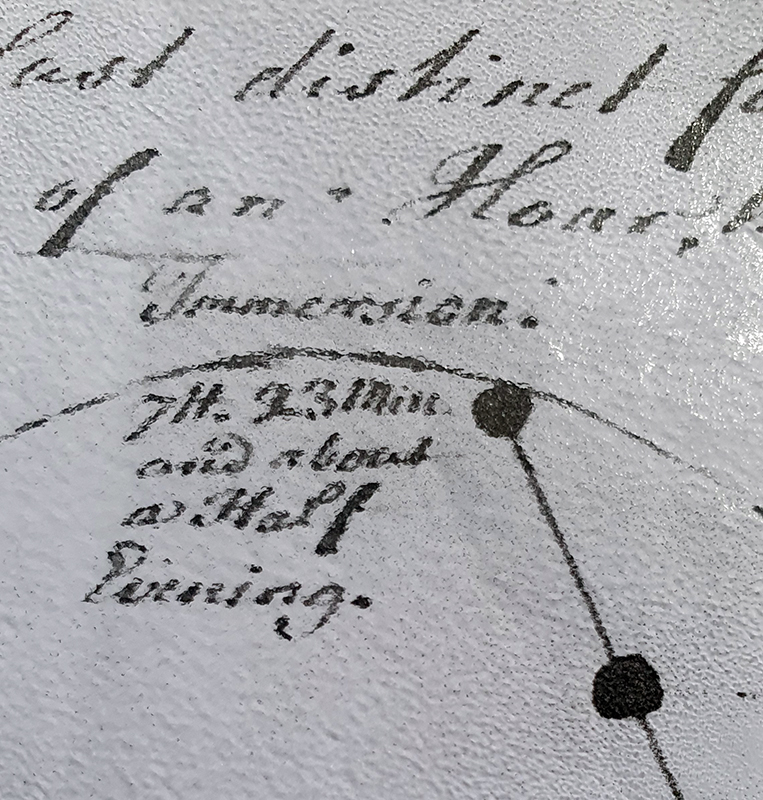
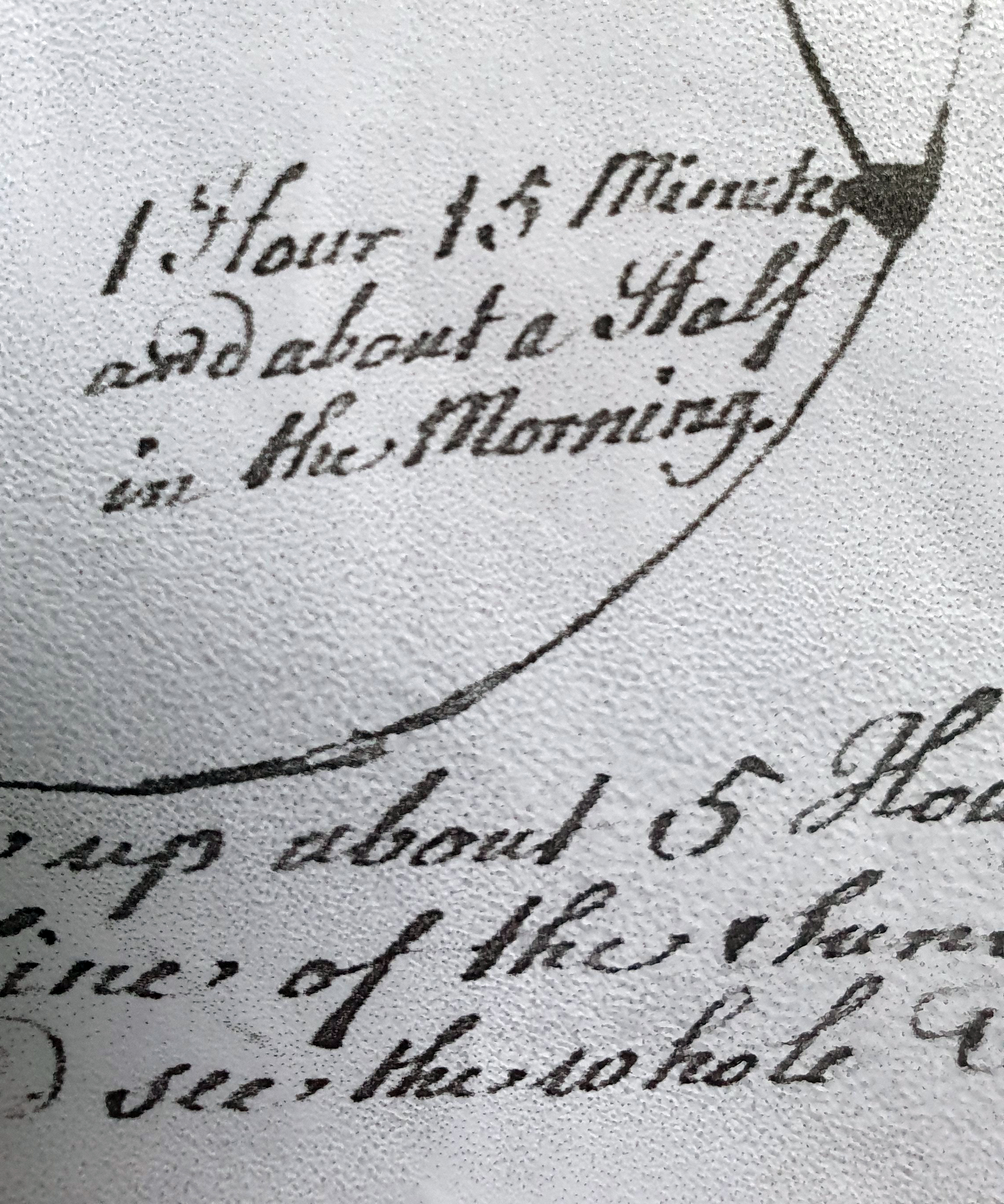
Magnetic declination is the angular difference between magnetic north and geographical or true north for any point on the earth’s surface. The British astronomer Sir Edmund Halley was interested in the magnetic field and knew about declination based on the observations of sea captains and explorers in various parts of the world. He made two scientific voyages in the Atlantic Ocean as captain of the HMS Paramore between 1698 and 1700 when he charted declination in the Atlantic and from his observations published the first geomagnetic field map in 1701. His observations involved recording the position of celestial objects and the angular distance of the sun on the horizon.
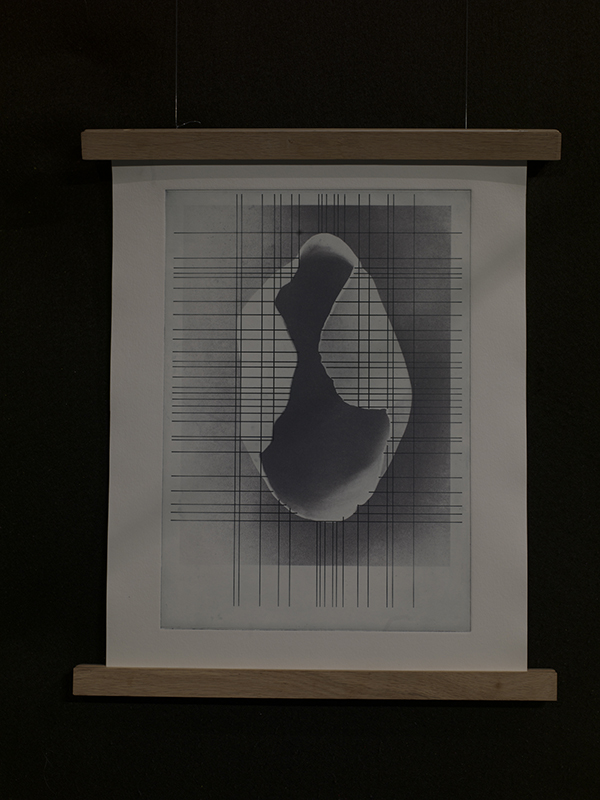
I am intrigued to know what the middle species he encountered between a bird and a fish might be. Penguins with long swan necks?

Alexander von Humboldt determined that the magnetic field increased in intensity with distance from the equator based on magnetic field observations during his scientific journeys 250 years ago. He initiated coordinated observations across the globe and thus laid the foundation for international data exchange and collaboration.

Observation is essential to gain insight into the complexities of the geomagnetic field which is created by a combination of three separate fields. The main field is generated in the earth’s core, the second from electrical currents caused by solar weather as cosmic particles bounce off the Earth’s main field charging the surrounding ionosphere and thirdly from the magnetisation of the surrounding geology of the rocky mantle and crust.

The purpose of a magnetic observatory is to measure the size, direction and changes to the natural magnetic field at the surface of the earth. There is no clear separation between north and south currents at the equator as many diagrams suggest, everything just gets a bit muddled with tangled currents.

The fluctuations in the geomagnetic component fields occur over hugely different timescales, changing by the second as we orbit the sun, to the yearly drifting of magnetic poles and the millennia of deep geological time. To study these changes an observatory must make measurements at exactly the same point over a long period of time.

Activity in the ionosphere causes a compass needle to shift slightly throughout the day but these changes, although rapid, are very small, so the instruments measuring these fluctuations must be very sensitive and operate in an environment free from man made magnetic contamination which is why I was advised to park some way from the observatory.

Rapid changes in the geomagnetic field due to magnetic storms can impact navigation data which is particularly important for the oil industry that uses this data for accurate drilling references. Data monitoring solar variability can also help studies into the mechanisms of climate change. It has been noticed that the Sun’s coronal magnetic field has doubled over the last century and this may have an effect on cloud formation which has an impact on warming the planet.

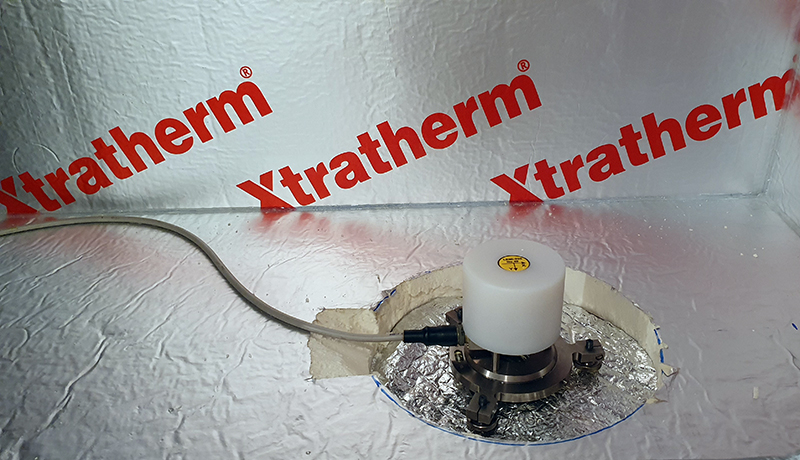
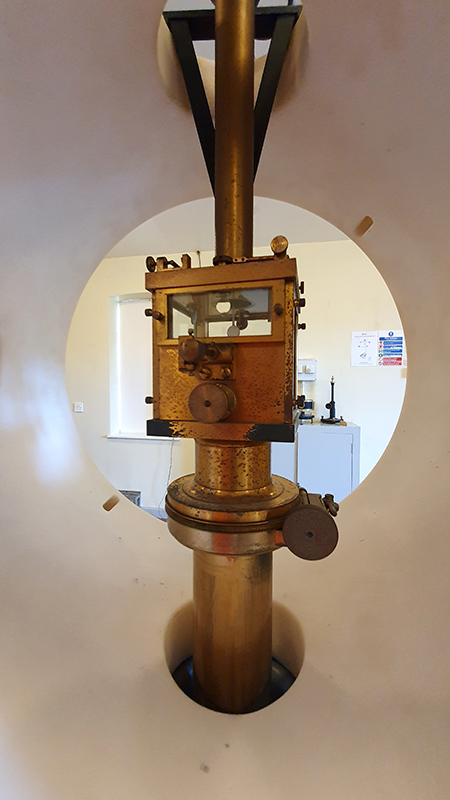
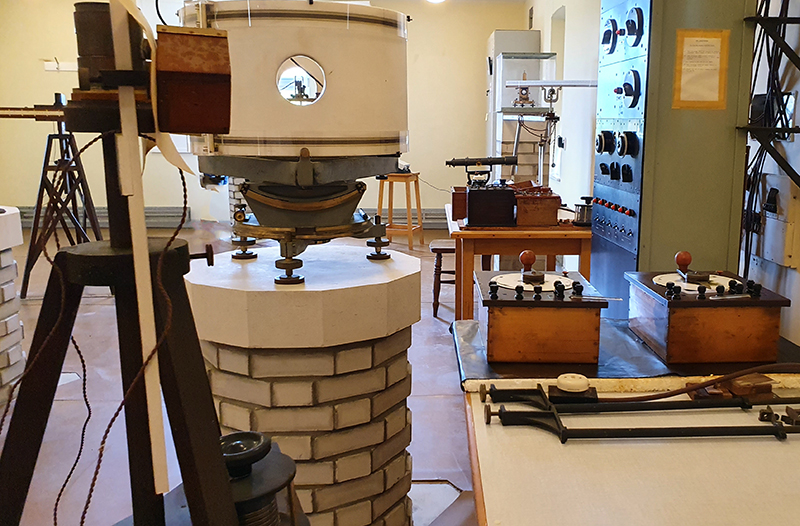
Today at Hartland, the intensity and direction of the magnetic field is sampled using one manual and two automated instruments. A fluxgate magnetometer (variometer) is used to measure variations in the direction of the field every second. It has copper coils and three orthogonal sensors (measuring north, east and vertical). This instrument is extremely sensitive, mounted on a marble block on a pillar set into the bedrock to avoid tilting, it must be kept at a constant 23C temperature. It is housed in a special building with thermally insulated inner chambers within inner chambers, isolated in the dark, it is only visited once a year. We didn’t even walk too close to the building which appeared to have no door.

The second automated instrument is a proton precession magnetometer to measure the strength of the field. This also has its own building and new equipment is being tested here. As new instruments are introduced previously unseen minute fluctuations are revealed.

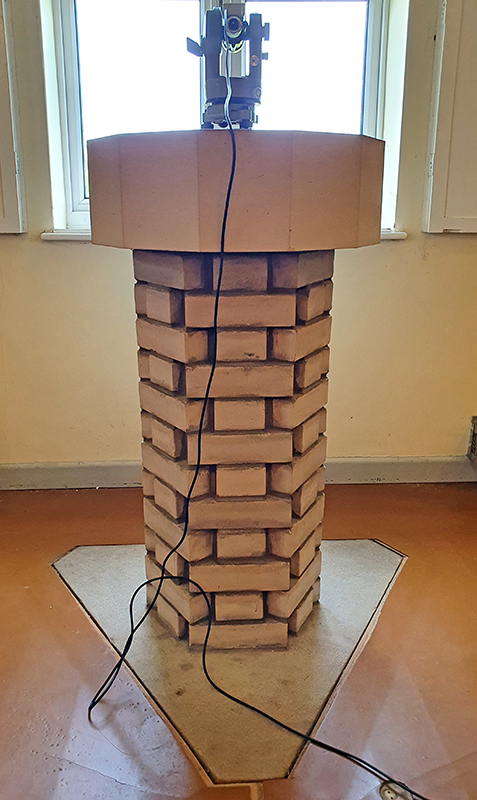
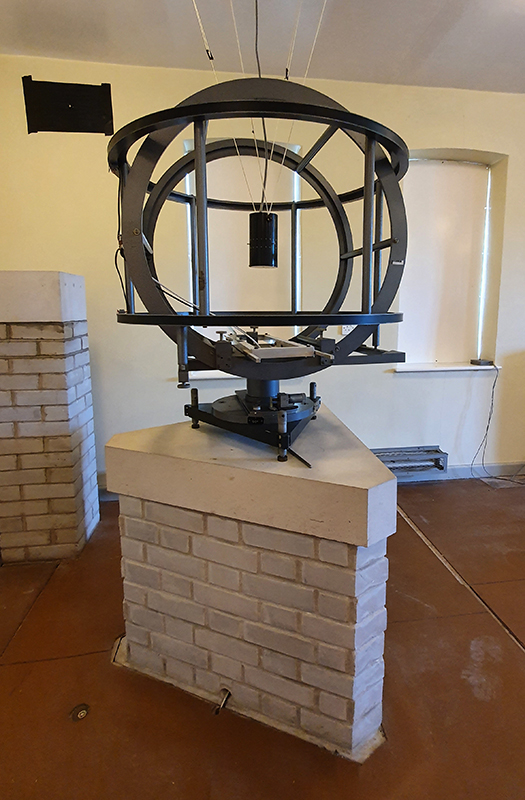
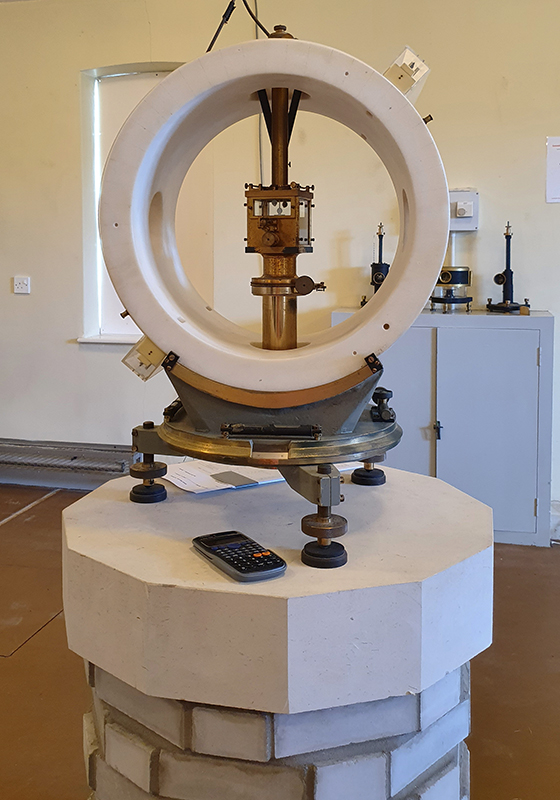
The manual instrument is a fluxgate theodolite housed in the Absolute Hut looking out of the North facing window. It sits on a lime brick and concrete pillar. This instrument has a magnetic sensor mounted on the non-magnetic telescope of the theodolite to detect when it is perpendicular to the magnetic field vector. True north is determined by reference to a fixed mark of known azimuth. This was the obelisk though today it is determined by GPS.

Absolute and variable measurements are combined to give a full record of the field.

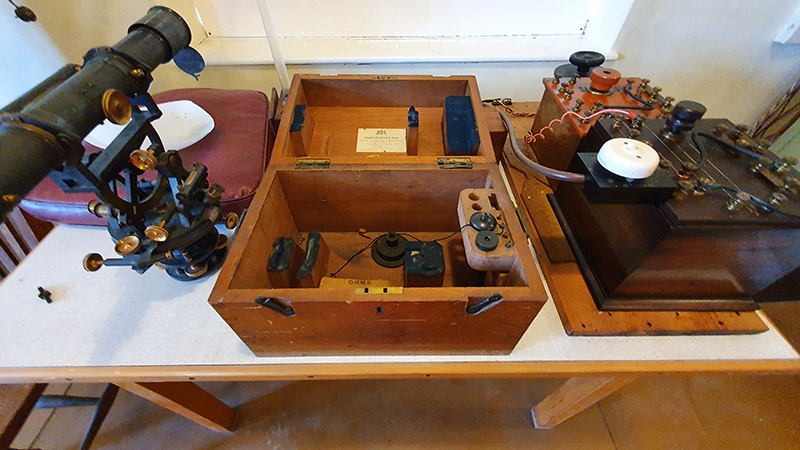
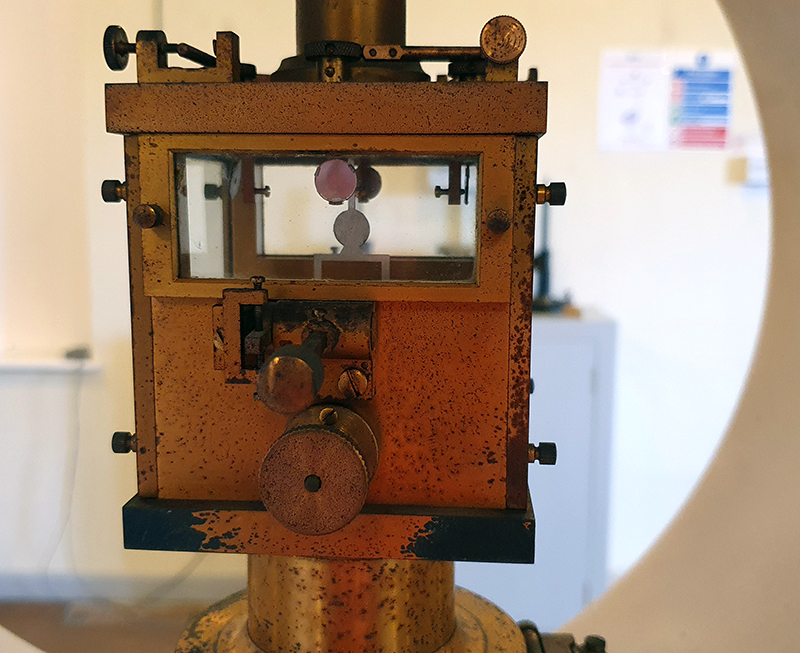
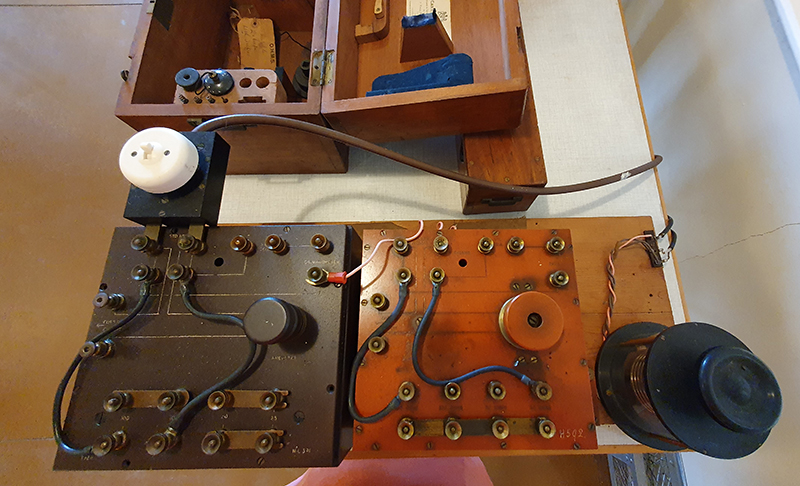
It used to be that all the measurements were made by hand and this took time and skill to produce accurate results. The beautiful old instruments used still sit in the buildings at Hartland.

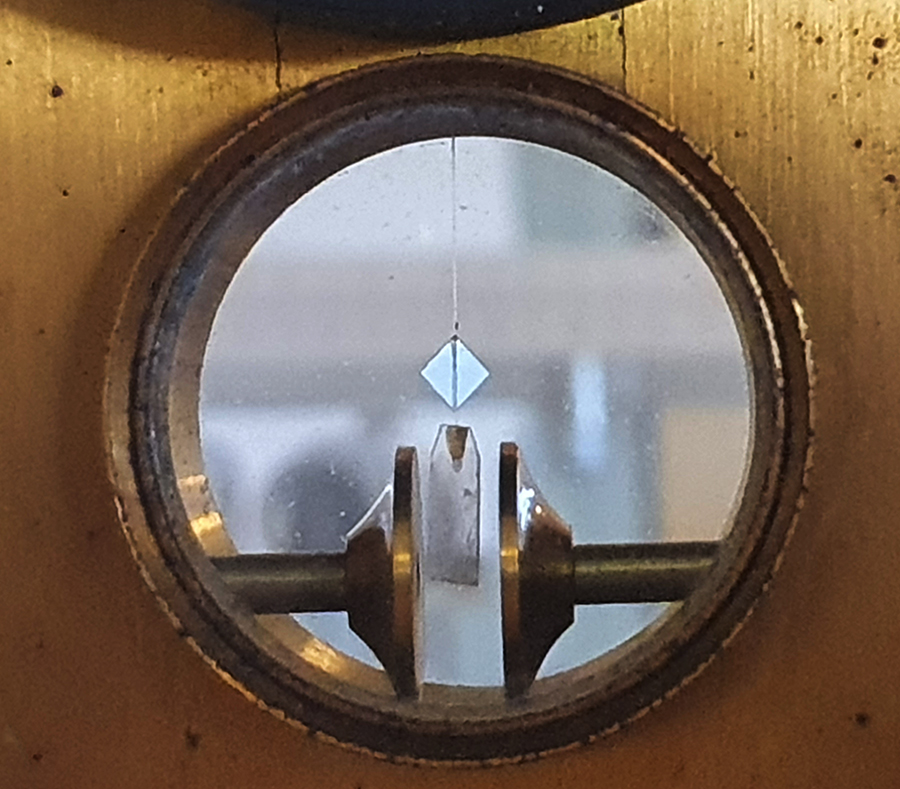
The Dye Coil measured the strength of the field in the vertical direction, using a coil that vibrates in the presence of a magnetic field as the sensing element. The Schuster-Smith magnetometer measured the strength of the field in the horizontal direction, using a magnet, a mirror and a light source to make a sensitive detector. The decinometer measured the angle between true and magnetic north using a freely suspended magnet and a theodolite to measure the angles. Three Danish LaCour variometers were kept in the recording house, each measuring the strength of the field, one for the north-south component, another for east-west and one for the vertical component of the field. All three used magnets attached to mirrors, which were free to rotate in the Earth’s magnetic field. A thin beam of light shone onto each mirror was reflected back onto a rotating drum covered in photographic paper. The drum driven by clockwork rotated once a day.

There are also three satellites which monitor the magnetic field from space (though these may only have about three more years of useful life). ESA’s ‘Swarm’ mission is dedicated to the study of the mysteries of the magnetic field which although invisible, together with electric currents in and around Earth, generates complex forces that have immeasurable impact on everyday life. 

Using measurements from ESA’s Earth Explorer Swarm mission, scientists have developed a new tool that links the strength and direction of the magnetic field to the flight paths of migrating birds. This new research means that the study of animal movement can now combine tracking data with geophysical information and lead to new insights on migration behaviour.

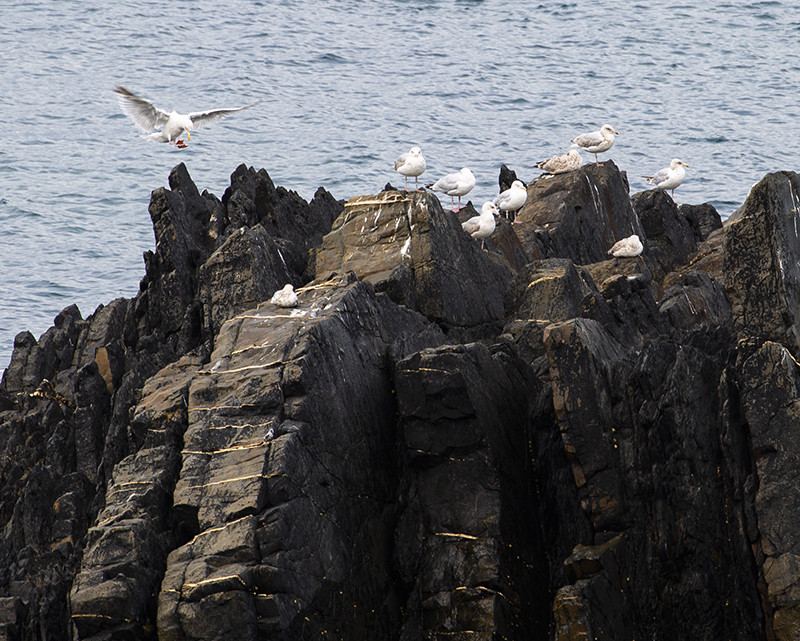
Hartland Observatory is situated on the dramatic North Devon Coast with stunning local geology. When the Earth formed about 4.5 billion years ago from the collision, accretion and compression of matter it was rock all the way through. Heat from the massive violence of formation along with radioactive decay caused Earth to get hotter and hotter. After about 500 million years as a rocky lump it reached the melting point of iron. Known as the iron catastrophe this liquifying caused planetary differentiation to occur as lighter material rose to the surface becoming the mantle and crust while heavy metals sank to the core becoming the churning dynamo powering the magnetic field.

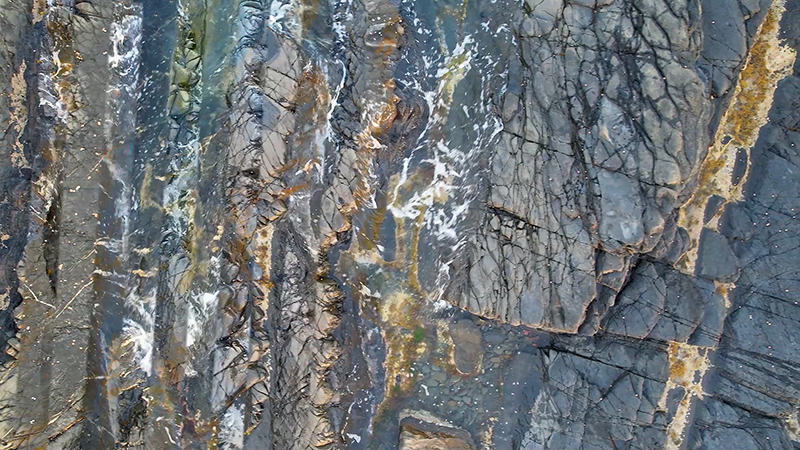
During my visit the weather was kind and so I was able to fly my drone around the cliffs and rocky bays. I am still terrified of disaster every time I take it out, compounded by almost getting caught out by the incoming tide but I did get some useful footage for my ‘Belly of a Rock’ video sculpture I am working on.

When night falls after a warm day at certain times of year bioluminescence can be experienced at high tide in Hartland Quay. A young woman, and her mother (who swims across the bay at night here regularly) invited us into the pitch darkness to see the green sparks fly as we splashed in the rising water. It was incredible to witness. Swimming in the water limbs are coated in a luminescent glow. I tried to film the flashes on my phone and thought I had been unsuccessful as what I captured appeared totally dark. However, back at home I tried pulling out what information there was on each frame and managed to get a film sequence that might not show exactly what I saw but has an essence of the experience.

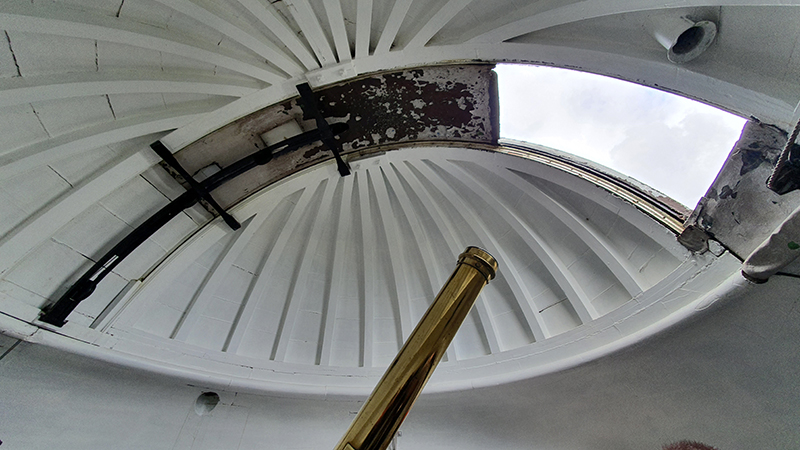
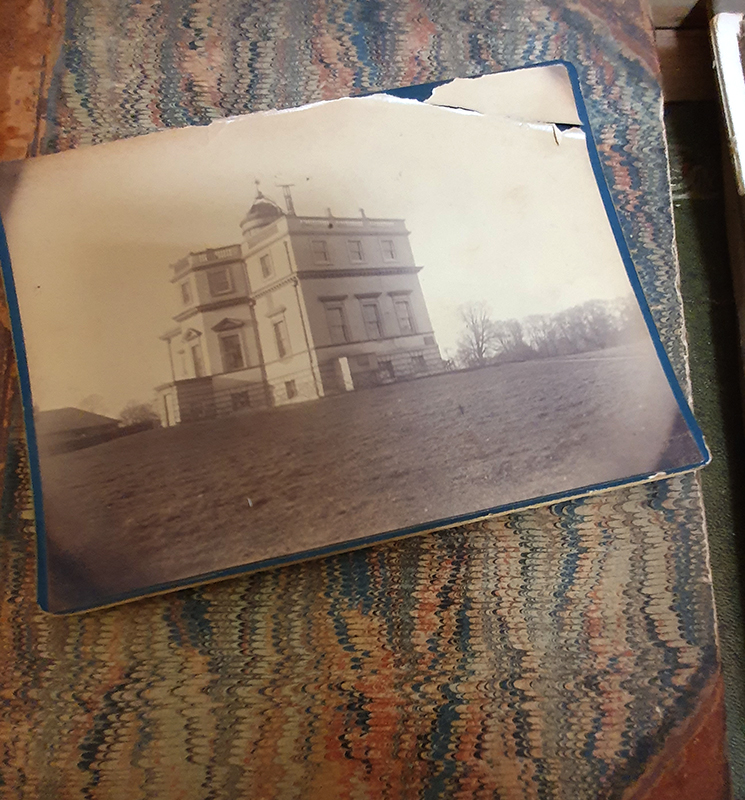
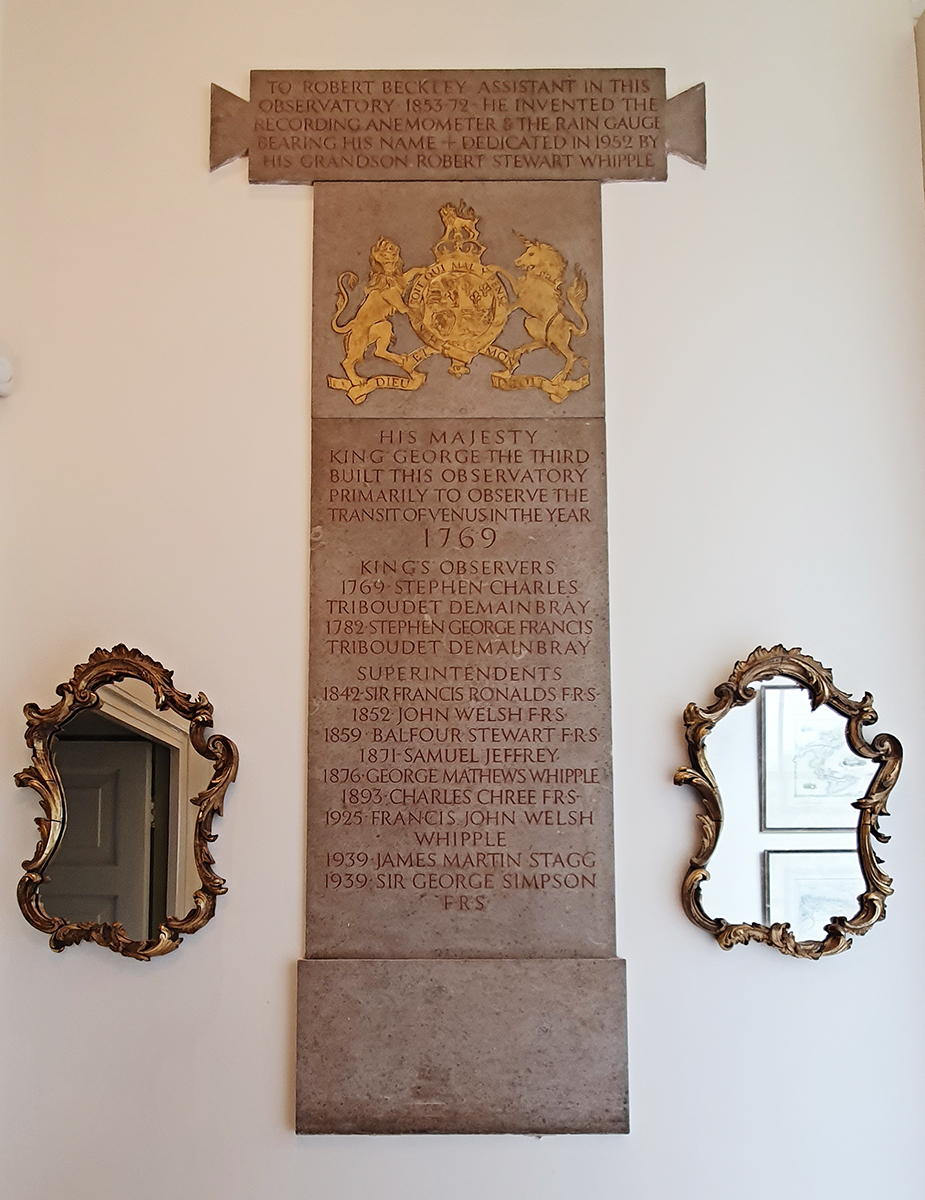
Visit to The King’s Observatory built by George III for the purpose of observing the transit of Venus across the sun in 1769. This observation allowed measurement of the distance from Earth to the sun, later named as the astronomical unit at around 150 million kilometres (8.3 light minutes).

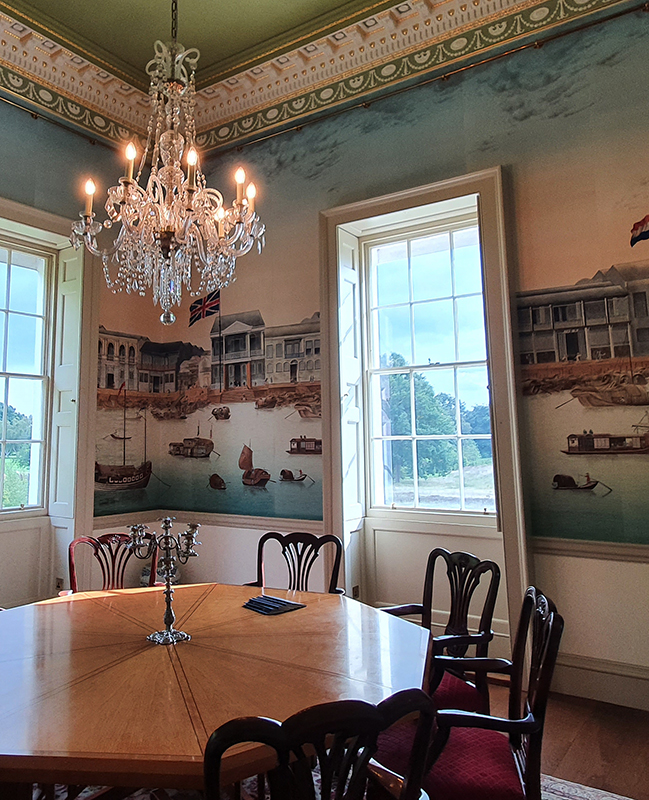
It is now a family home and so the decor although representative of Georgian taste does not reflect the working laboratory that it once was.

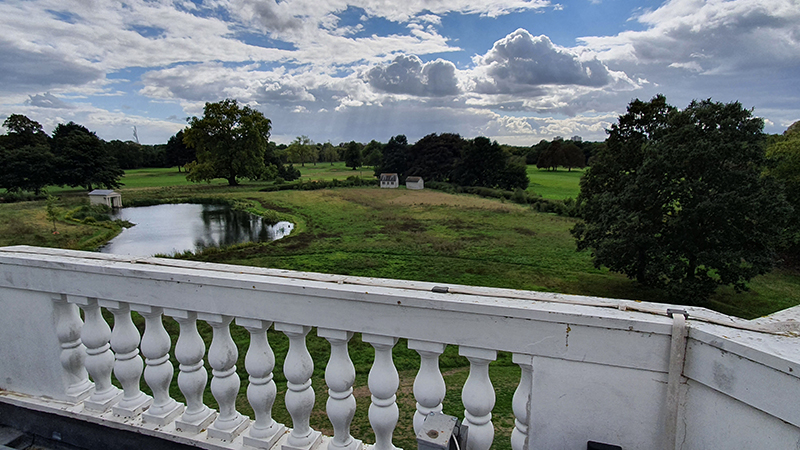
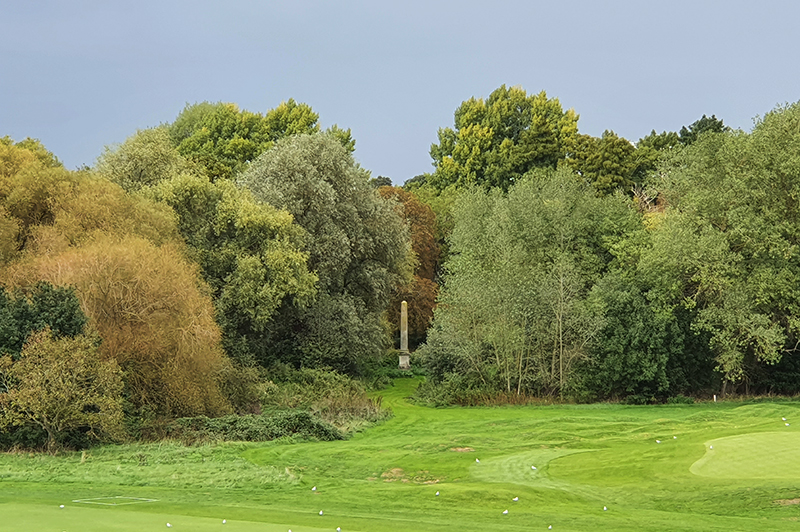
Fascinating to discover it was also the site of the meridian line marked true north-south by two obelisks either side of the west room which housed a tracking telescope. There is a third obelisk due south from the east room which housed a mural quadrant used to measure angles. It wasn’t possible to walk over to the obelisks as the Observatory is in the middle of a golf course now, but there is a path to them via the Old Deer Park which I will walk another day. An accurate clock here provided standard time to the government before the task was transferred to Greenwich Observatory.
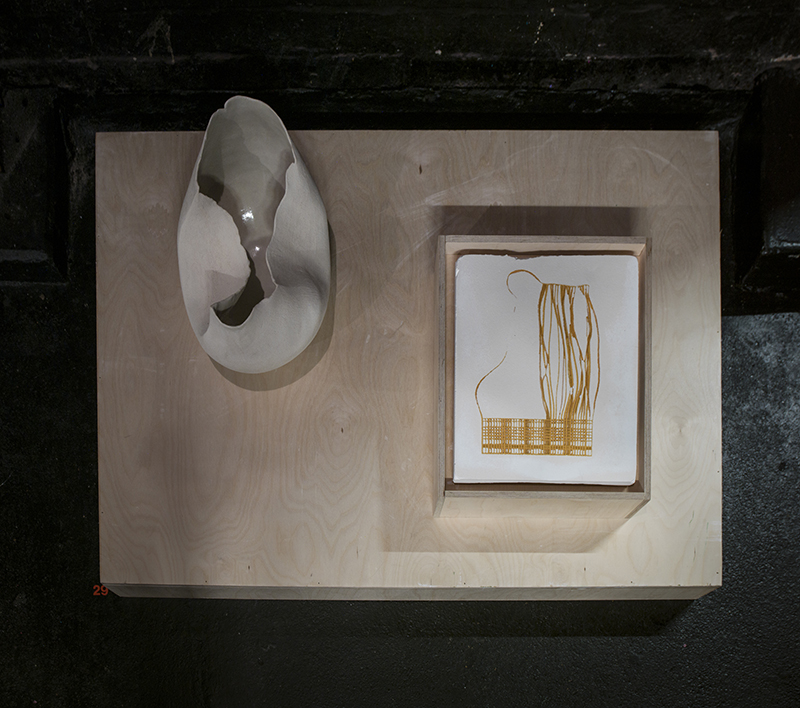
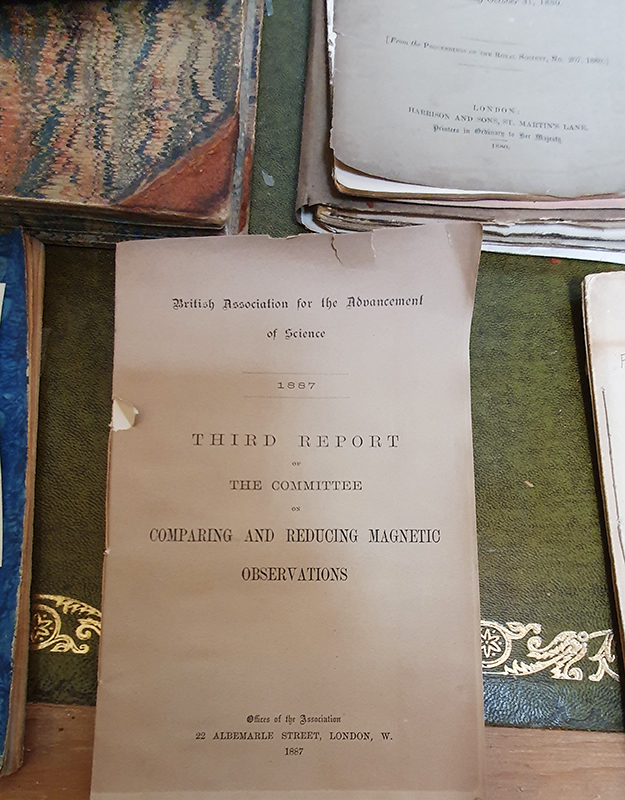
In 1842 it was renamed Kew Observatory and taken over by The British Association for the Advancement of Science. The Meteorological Office was based here, making regular records of the weather from 1773 until 1980. It was also home to the National Physical Laboratory between 1900 and 1914 when scientific instruments were checked for accuracy and stamped with KO, a hallmark of excellence if they passed.
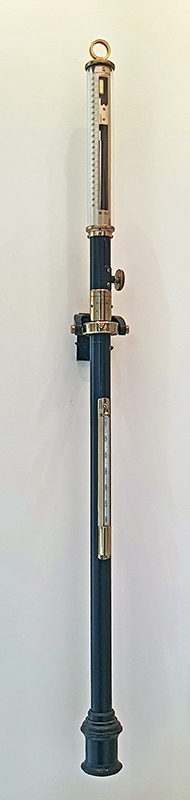
The two huts remaining in the grounds were used for meteorological and magnetic observations and are built with no nails which might interfere with the instruments used within.

Francis Ronalds, director at Kew Observatory from 1842, invented several camera designs subsequently used in both weather forecasting and in understanding the perennial perturbations in terrestrial magnetism. Photography was used early on in its development for use in scientific investigations. Ronalds’ first instrument captured observations from his atmospheric electricity apparatus. He went on to record atmospheric pressure and temperature using the same method and had soon extended his approach to geomagnetism. His magnetographs “established the standard technique employed for magnetic observatory recording worldwide for more than a century” – Encyclopedia of Geomagnetism and Paleomagnetism.

In 1908 the geomagnetic instruments were relocated to the magnetic observatory established at Eskdalemuir in Scotland to undertake magnetic work for which Kew was no longer suitable after the advent of electrification in London led to interference with their operations.

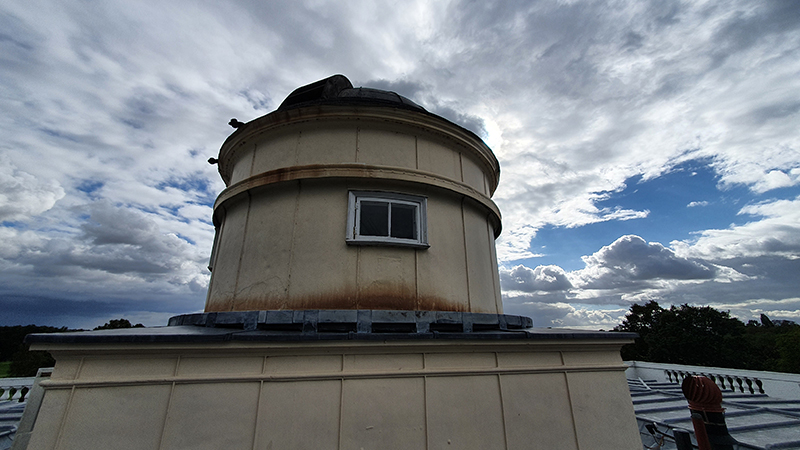
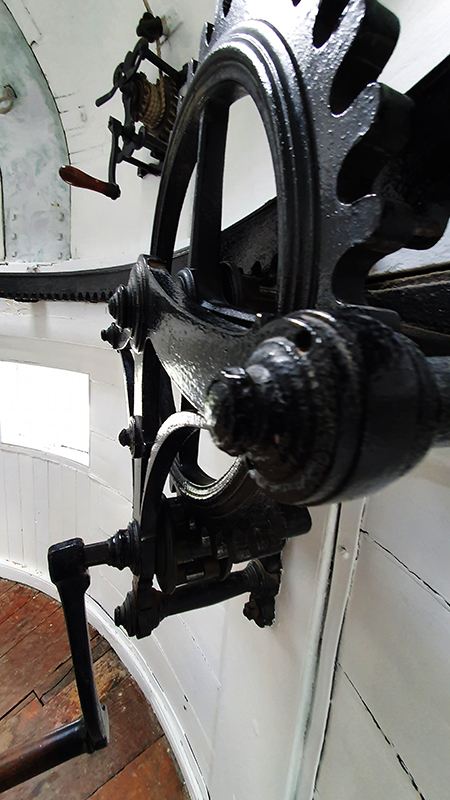
Ronalds had also established an atmospheric electricity observing system at Kew with a long copper rod protruding through the cupola dome of the observatory connected to electrometers and electrographs to manually record the data.

Lord Kelvin later installed an updated electrical observation system and CTR Wilson (the inventor of the cloud chamber) set up a secondary system using different principles which has been useful in historical air pollution research.

I am extremely grateful to Professor of Chemistry at the University of Oxford Peter Hore for spending time chatting on zoom with me about his fascinating research into the ability of birds to navigate using the Earth’s magnetic field.  There is a link to a YouTube lecture by Peter on Radical pair mechanism of magnetoreception here.

Research confirms there is a chemical reaction in the bird’s eye sensitive to magnetic fields as weak as that of the Earth. This happens in an array of reactant molecules which can be changed into extremely short lived radical pairs which are magnetically sensitive. The reaction in the molecules to produce radical pairs is triggered by light from the sun or stars. It is thought that this chemical compass is sensitive to direction not intensity of the field and may use the energy from blue/green photons to power this reaction. During this reaction, as the bird changes direction, some radical pairs perform one way and others another creating difference across the array of molecules which is detected by the bird.
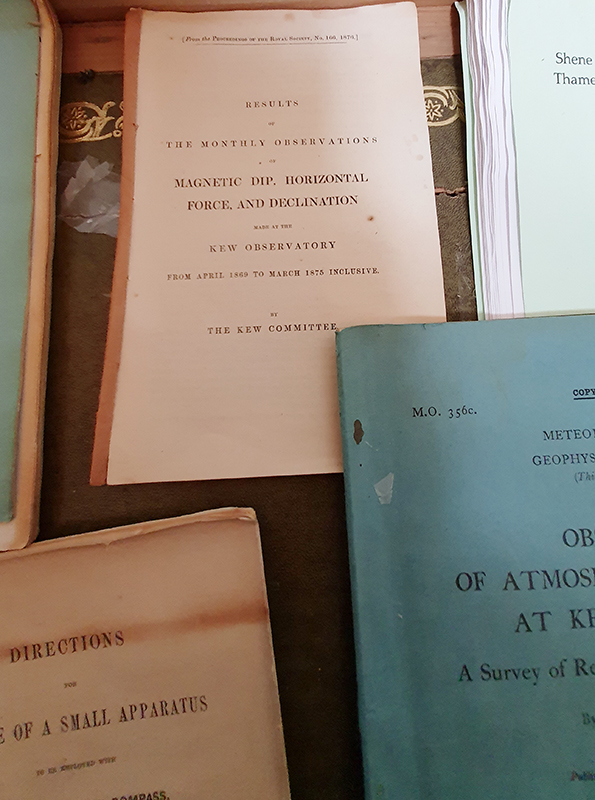
My question to Peter was to ask for his thoughts on whether a bird’s ability to ‘see’ the magnetic field manifests itself visually and if he has any understanding of what the bird experiences. He had to confess that how this sense is experienced by birds is not known but he had done some speculative modelling with a PhD student representing the field as fluctuating visual contour lines mapped over the landscape.

The birds eye is very complex and so there is still a lot to be learned about how this ability functions. Bird’s retinas have rods that are sensitive to light intensity and cones sensitive to red, blue and green wavelengths of light like us but they are also sensitive to ultra violet light. There are also double cones in the bird’s eye and their function is not clear, it could be that these are seconded for magnetic reception at night when they are not active.

Often birds fly high above the clouds when migrating and starlight appears to be enough to trigger the reaction in the molecules. In normal sight chemical messages are sent from the retina to visual processing centres within the central nervous system via ganglion cells. There are many of these ganglion cells in the birds eye and it may be they send the information bypassing any rods or cones. Studies on the retina show a reaction to the magnetic field when blue light is present but the activity has not been traced from the retina to a specific part of the brain yet which might determine if this sensitivity does manifest itself visually.

It is very difficult to imagine a sense we do not have.

Learning the migratory route and destination is vital to birds survival in many cases. Often the young bird will have to undertake the first migratory journey on its own, its parents having left earlier. These instinctive instructions for the journey are passed on from one generation to the next. The genetic instructions are quite broad, leading to a large designated destination zone which could be within a 200 mile radius. However, when returning, along with the hereditary instinct using the stars and sun to navigate the birds also have learnt the magnetic map and can return to the exact spot they left as a fledgling. Young birds in a planetarium will follow the stars if they are rotating correctly.

Peter is a chemist so his interest is in the chemical reactions of the radical pairs but he is part of a wider research group that also looks at this behaviour in bats and fish.

I also asked his thoughts on the human capacity to sense the magnetic field. Unfortunately, although we have cryptochromes in many of our cells we do not have the particular molecule Riboflavin which is the one activated by blue light to become magnetically sensitive. Whether we once had this molecule and lost it or birds evolved this molecule separate to our evolution is not understood but he did believe current research on human brain alpha wave activity in response to the magnetic field might throw up some interesting ideas to look at. A speculative approach to gaining sensitivity to the magnetic field may be by transplanting a tiny compass as used in a mobile phone onto the body, setting it to vibrate when pointing north. The body may ‘learn’ to recognise north in this way.

Listening to The Life Scientific with guest David Eagleman has shed further light on what might be possible as his research shows the human brain can be trained to receive input from alternative sources, for example learning to hear through the skin. He believes it will be perfectly possible for us to experience new senses in the future, including magnetoreception.

Work in Progress

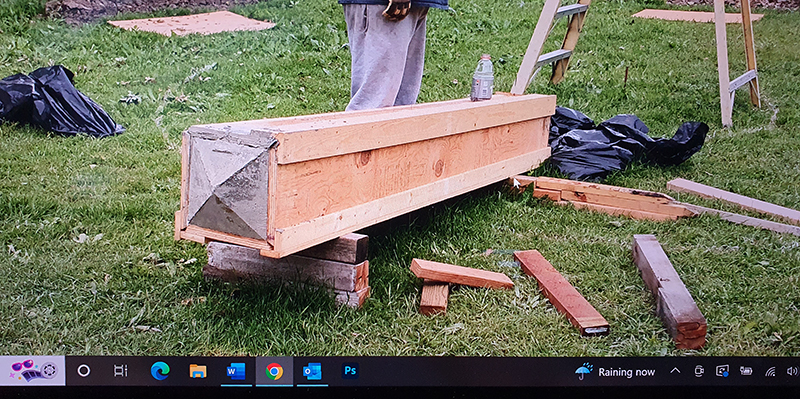
I have been scouring the internet for tips on casting a concrete obelisk and getting an idea of the dimensions. I am thinking about using aerated concrete, for lightness but also to give an appearance of the texture of volcanic rock.

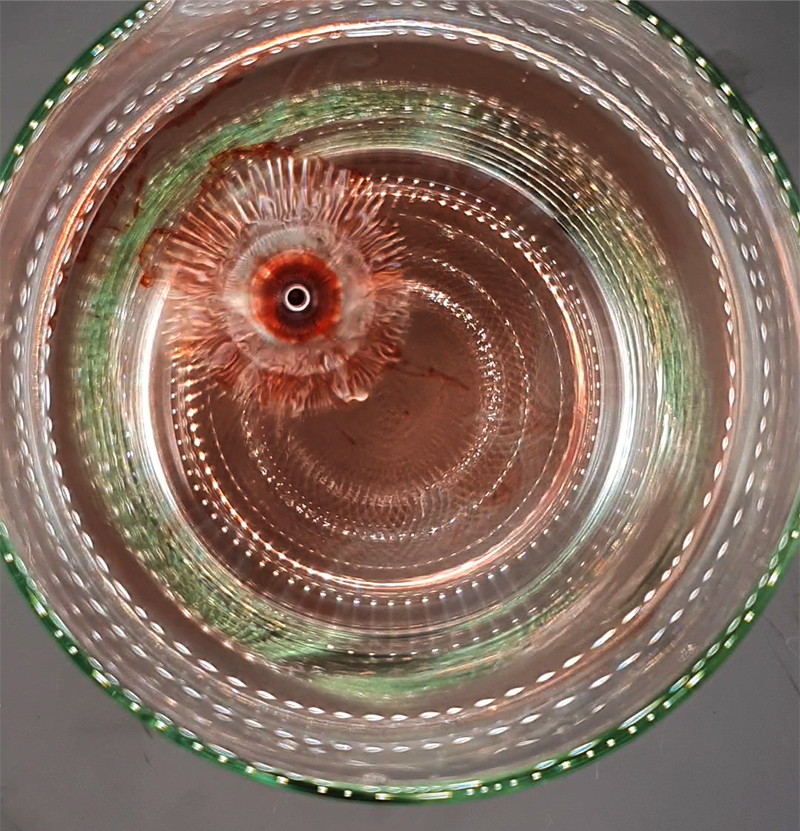
Chemical conversation tests for the video sculpture Belly of a Rock inspired by Italo Calvino The Spiral in The Complete Cosmicomics. “The water was a source of information, reliable and precise [ ] full of substances and sensations and stimuli”

I have been testing paper clay recipes and shapes for the video sculpture Belly of a Rock which will be somewhere between a rock and a mollusc.

Out of Studio

Visit to Richard Saltoun Gallery to see Haptic Vision a retrospective of artists Jo Bruton and Rosa Lee working in the 1980’s and 90’s creating paintings that encourage the eye to wander across a richly textured surface of optical illusions. “The necessity of ‘making’, of being within that space as a primary concern, where the Subject is nearby and woven into the repetitions and patterns of everyday life.” – Jo Bruton, 2022

Eternally Yours at Somerset House reflects upon the hope and healing which can be found in the memories and stories that everyday objects hold in our lives. The repair becomes a shared experience expanding the idea of bonding to include the emotional connection.

I really liked the DIY sensors and data gathering device created by Superflux. Re-imagining technology as a useful tool for communities to gather and share information on the environment, monitor local air pollution and be active in creating a just and equitable society.

New River Folk is the outcome of an Engine House Residency by Laura Copsey and Philip Crewe at the new Quentin Blake Centre for Illustration about to be developed at New River Head, Clerkenwell. This site was part of an artificial watercourse opened in 1613 to supply water to London at first through overground wooden pipes. When more pressure was needed a six-sail windmill pumped water from the site. After storm damage to the windmill in 1720 horses were harnessed to turn the wheel and power the pump. The round base of the windmill remains, and is the oldest construction of its kind in central London. The artists drew on local history around the site, creating an archeology expanding on the lives of Mole Catcher William ‘Mollitrappe’ Smythe, Well-Keeper Black Mary Woolaston and Tankard-Bearer Joan Starkey. They also collaborated with the river itself to create 16mm film imagery and recordings.

I was fascinated by the crystals that had formed on the bricks in the old windmill. The salt crystal growing experiment I set up while planning an exhibition proposal is still sitting in my studio – if it is still growing it is doing so very slowly, the initial growth was surprisingly fast.

Reimagining Joya is an exhibition at Thames-side Gallery inspired by the experiences and artistic responses of a group of artists who have all participated in Joya: Art + Ecology / AiR residency. The curators, Olga Suchanova, Tere Chad and Barbara Slavikova, have selected a body of works which explore the way we inhabit, survey, feel, and relate to the natural landscape and its living creatures.

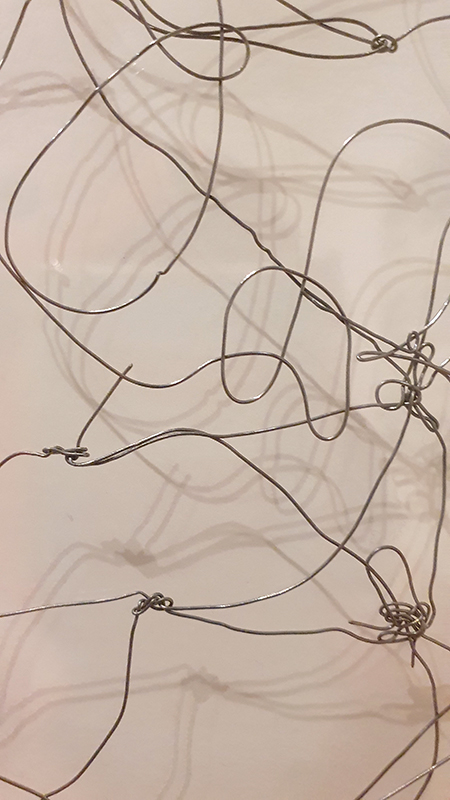
Cornelia Parker at Tate Britain. Simple materials, deconstructed and presented immaculately. I was in awe of the invisible framing of her linen squares and wire grids where the objects appear held against the glass as if by magic. Many works are born in violence, condense violence into form or render it impotent. These include Bullet Drawings using lead from bullets melted down and drawn into wire; shotgun sawn off by criminals sawn up by police; handgun used by criminals precipitated to rust by science engineers. Gentler work included the back of button cards appearing as coded messages or star charts – something I was very familiar with as a child growing up in a village drapers shop.

Forest: Wake this Ground at The Arnolfini, Bristol showing works by Rodrigo Arteaga, Mark Garry, Alma Heikkilä, Eva Jospin, Jumana Manna, Zakiya Mckenzie, David Nash, Maria Nepomuceno, John Newling, Rose Nguyen, Ben Rivers, Ai Weiwei, and Hildegard Westerkamp.

Rodrigo Arteaga burned drawing series Monocultures and Fallen Tree documenting the radical change in the forest floor and threatened indigenous species.

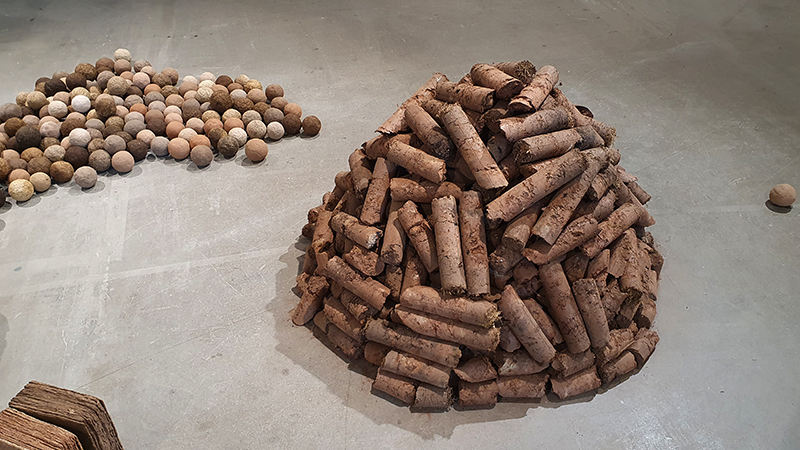
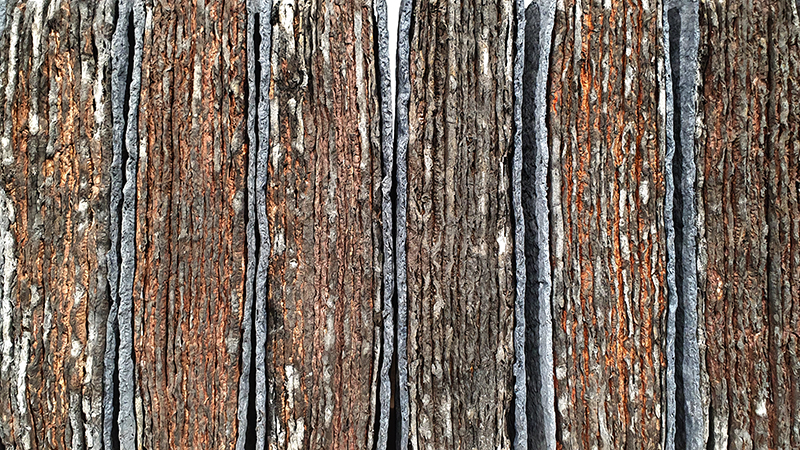
John Newling extracts of soil form his own garden reveals a surprising diversity of minerals in the many colours of the balls and cores. The Night Books burning forests, made from pulped textscoal dust and crushed charcoal worryingly notes that the work physically released carbon through the process of making. The vertical strata reminds me of the cliffs at Hartland Bay.

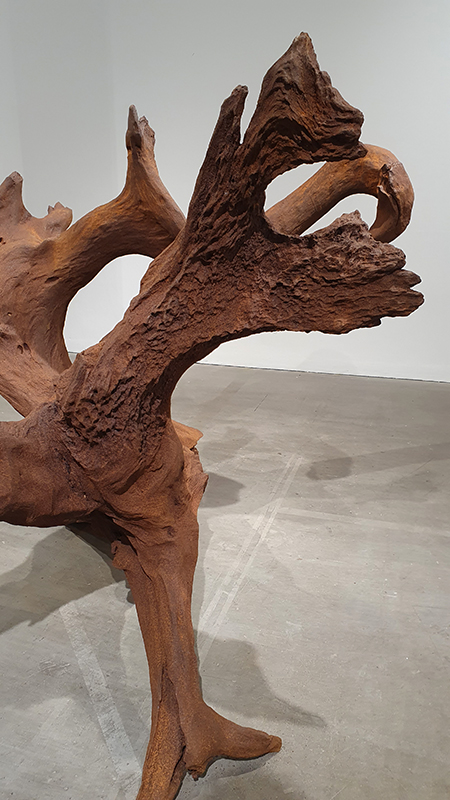
Ai Weiwei cast from the ancient and endangered Pequi Vinagreiro tree (found in the Bahian rainforest), reflect both the uprootedness of arboreal species and the displacement of people.

Ben Rivers film Look Then Below shot beneath the Mendip hills and ancient woodland in Somerset, imagines a dystopian but seductive future.

Eva Jospin Forêt Palatine, made from recycled cardboard, at once evokes folklore and decay. I liked the surface texture which in parts almost looked volcanic.

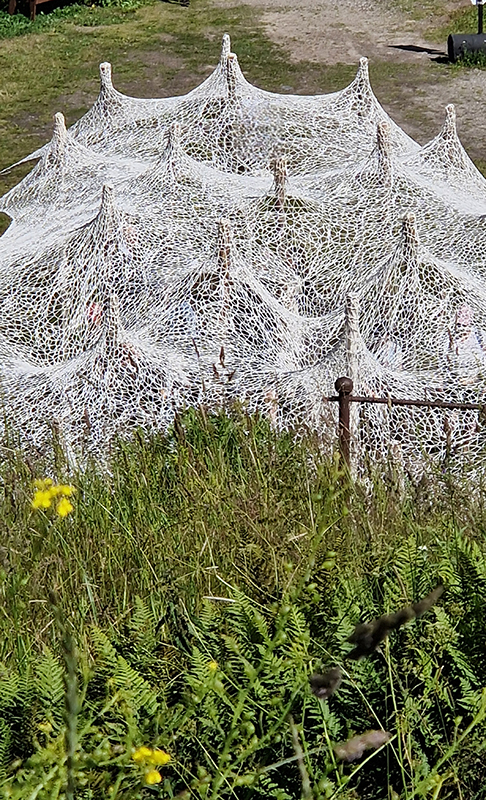
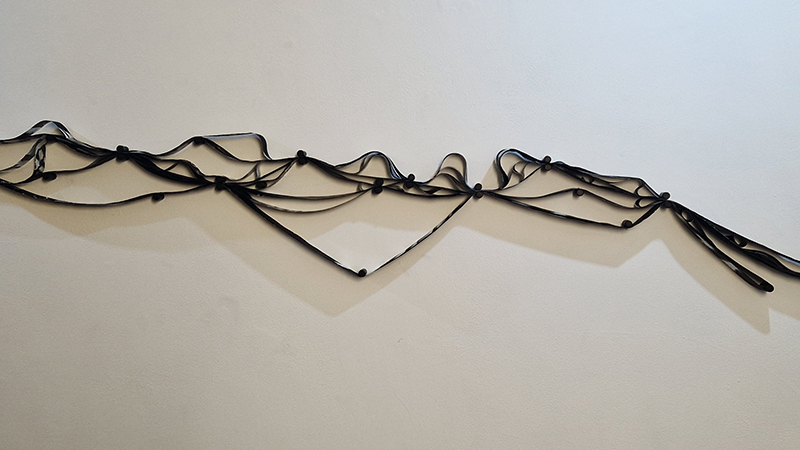
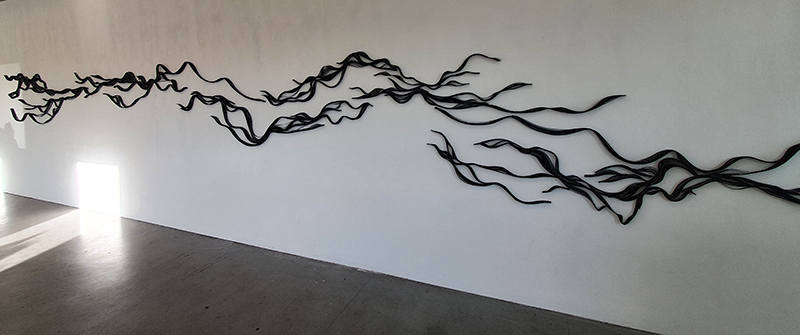
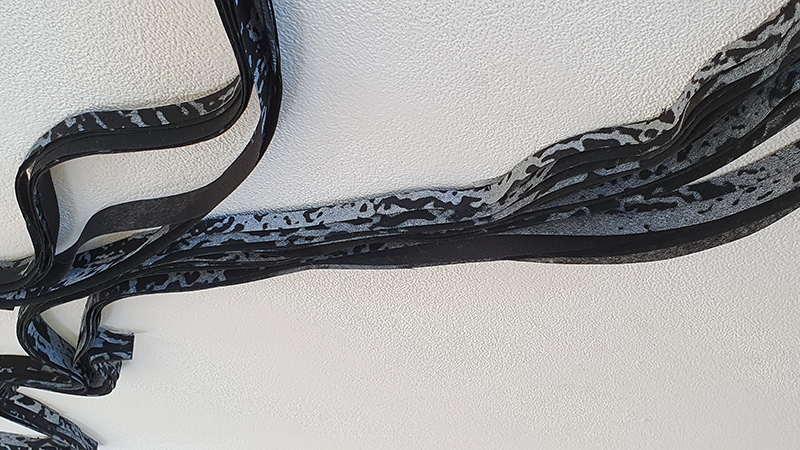
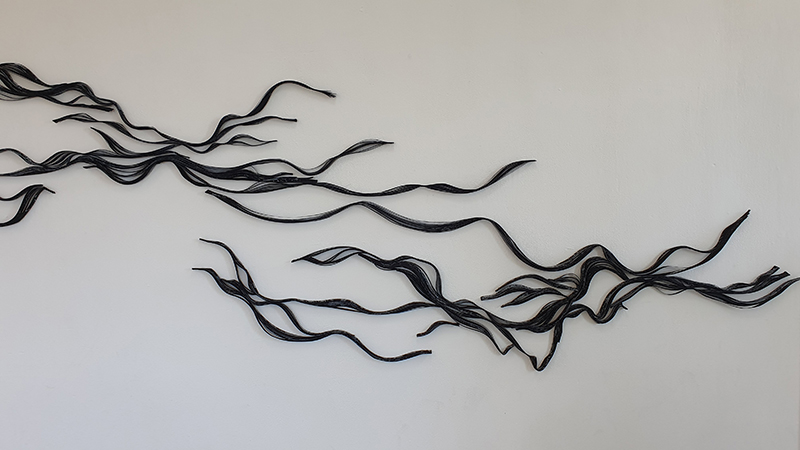
Paths of Resistance by Tracy Hill is a site-specific fabric installation in response to magnetic fields measured in the space at Arnolfini as part of the IMPACT 12 programme of events. The work explores the hidden energies that shape our experience of the world.