Archives for posts with tag: video

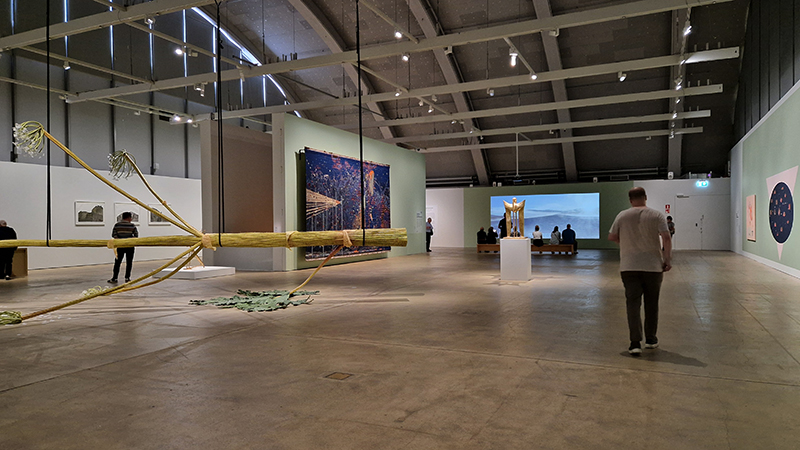
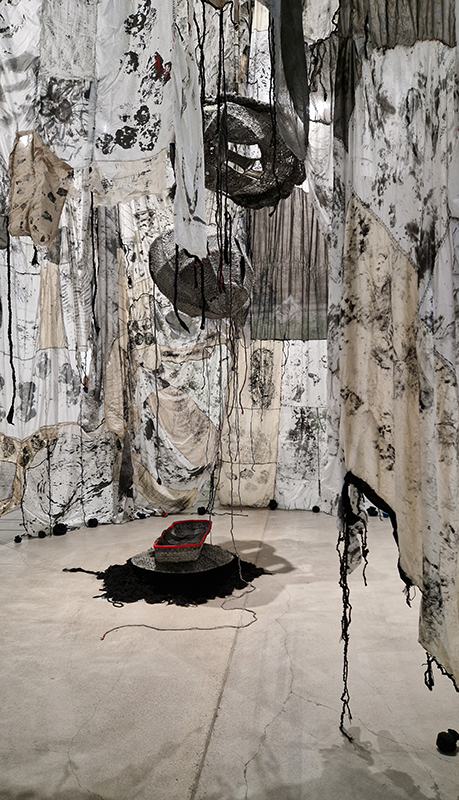
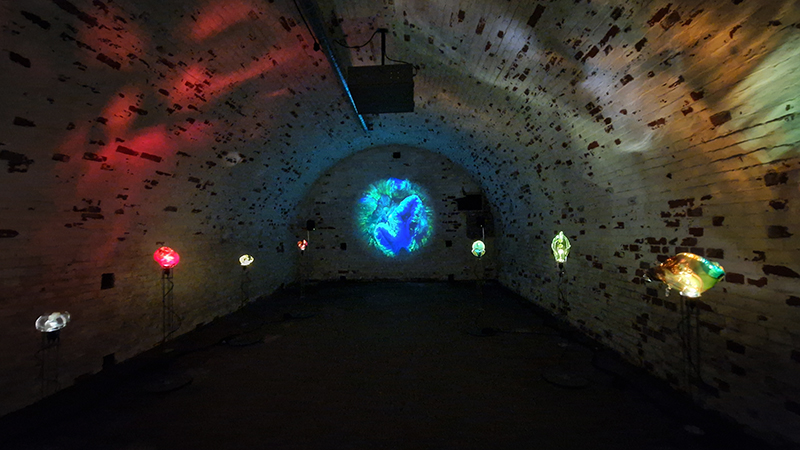
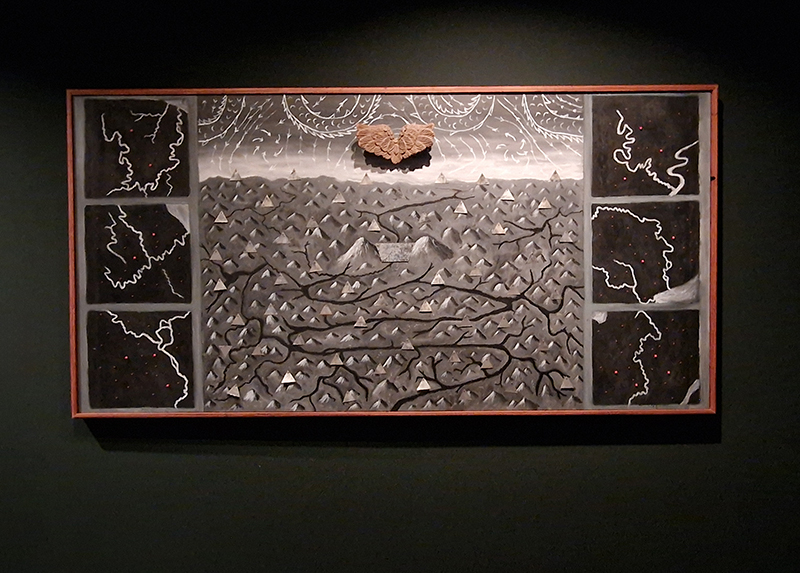
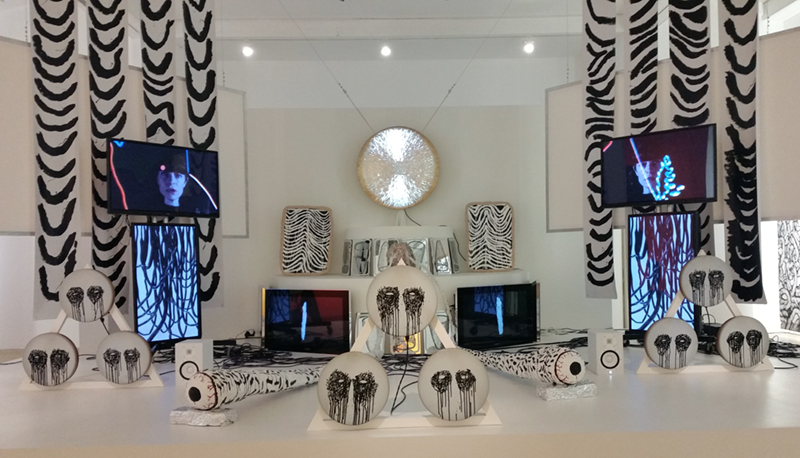
Carbon, Carbon Everywhere opened at Hypha HQ co-curated by Maria Hinel & Indira Dyussebayeva-Ziyabek with exhibiting artists Emii Alrai, Kate Daudy, Konstantin Novoselov, Susan Eyre, Ania Mokrzycka, Simon Faithfull, Nissa Nishikawa, Mariele Neudecker, Anousha Payne, Aimée Parrott, Lucia Pizzani, Lizi Sanchez, Meng Zhou.

The title of the exhibition is taken from the chapter Carbon in the book The Periodic Table by the writer and chemist Primo Levi. Levi traces a journey of a single atom of carbon across distinct states and beings, from resting in a bed of limestone for hundreds of millions of years, to entering the world of ‘things that change’ – swiftly shifting from the atmosphere to the lungs of a falcon, to the sea, to the trunk of a cedar, and eventually entering the writer’s own body from a glass of milk on his desk. Resolutely specific yet universal, Levi’s story highlights the singularity of carbon as an element that inherently connects all things through its relentless transformation. It fossilises, mutates, preserves, pollutes and nourishes. From its ancient geological formations to its current atmospheric volatility, carbon is never still, shifting between forms and contexts in an ongoing process of exchange.

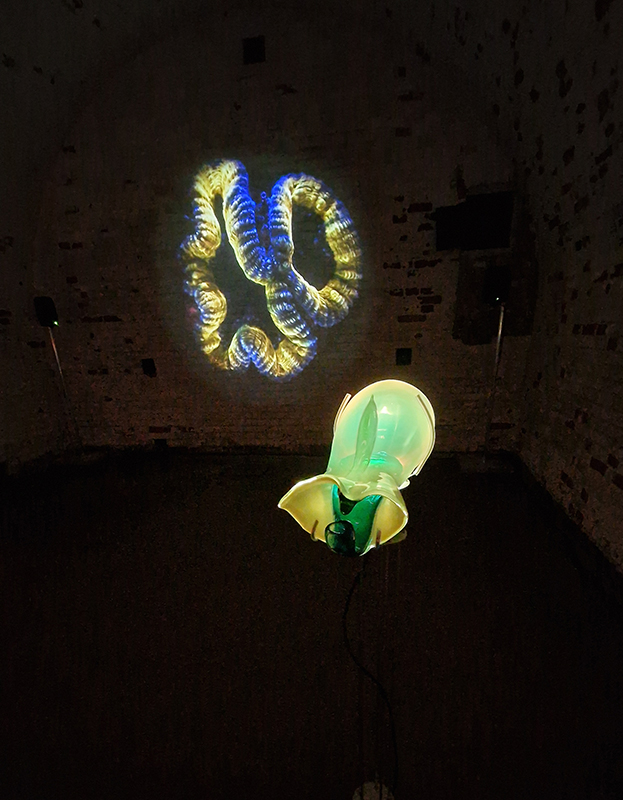
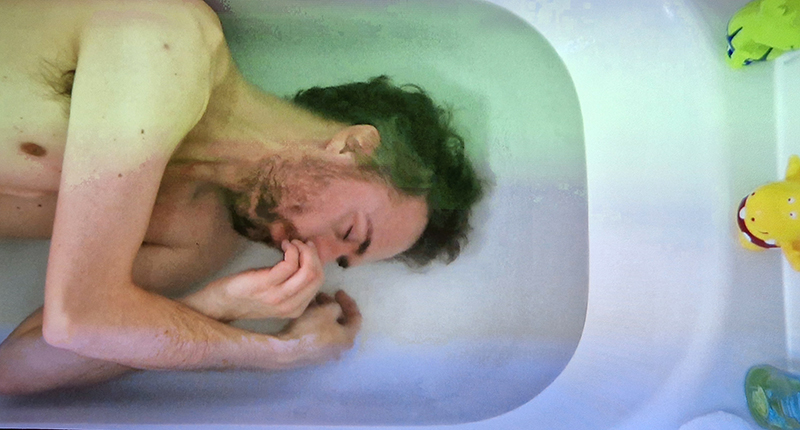
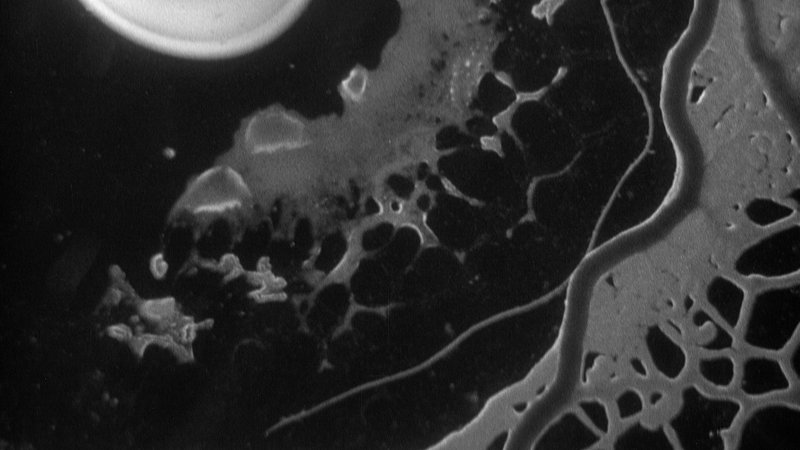
I am very happy to be exhibiting my video Cosmic Chiasmus: crossing the universe alongside the work of the other amazing artists.

Not only is all life physically permeated by cosmic rays with the potential for nuclei collisions but some cascading particles smash into atoms of nitrogen to create carbon-14 which combines with oxygen in the atmosphere to create radioactive carbon-dioxide. Carbon-14 enters the food cycle via photosynthesis as plants absorb it from the atmosphere. It is constantly renewed in all living organisms. On death, the amount of carbon-14 in the tissues begins to decay at a known rate which can be measured to determine the time of death. Cosmic ray activity therefore allows us to perform carbon dating techniques offering insights into Earth’s past climate and magnetic field, solar activity, and changes in the carbon cycle, helping us to understand historical patterns and establish timelines for ancient human history. Understanding the past can help us plan for the future.

Installation shot: Cosmic Chiasmus: crossing the universe 2021, video 05:25 min

Gallery Visits

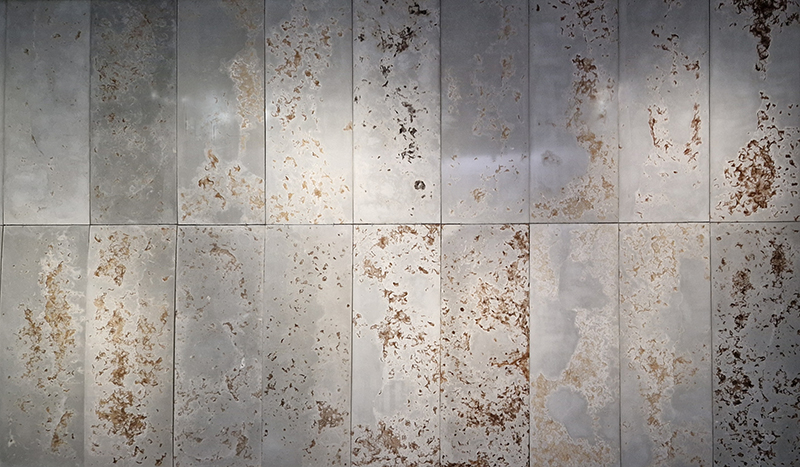
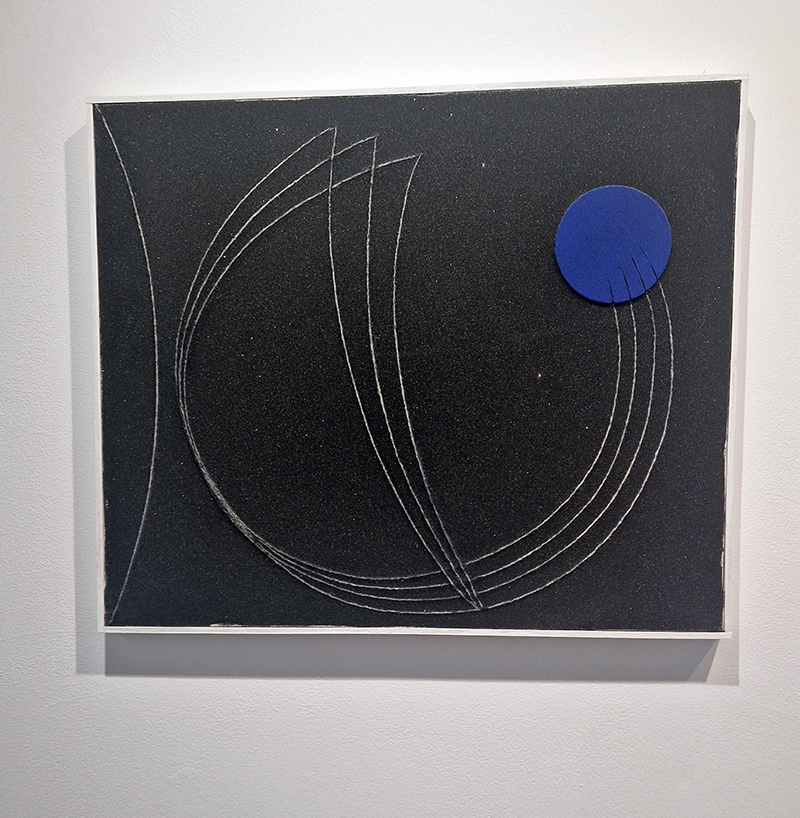
I loved the textures of the sandy cementy surface of the mixed media painting by Antoni Tàpies in Point and Counterpoint at Centro Botin, Santander.

ENREDOS (entanglements) II at Centro Botin, Santander. Nuno da Luz amplifies the frequencies of the waves and the winds felt in the Bay of Santander, interweaving them with their oscillations of the building itself. The sound installations generate shared listening spaces, converting the environmental data of the Santander coast into vibrations and amplifying the building’s own vibrations, extending and intensifying their intrinsic energies.
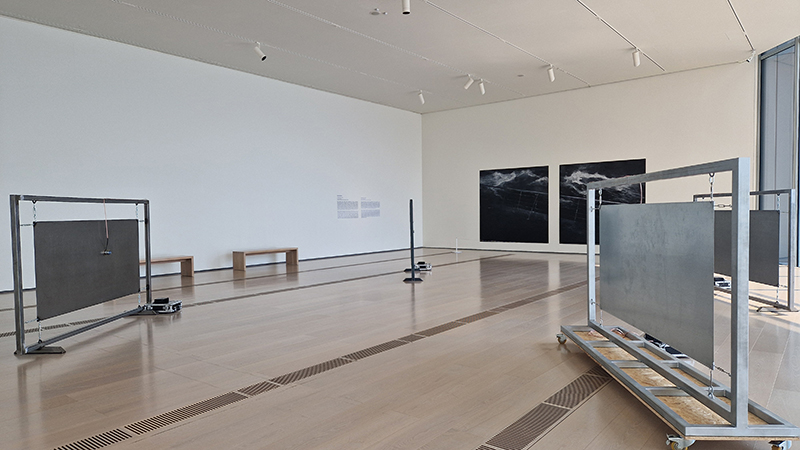
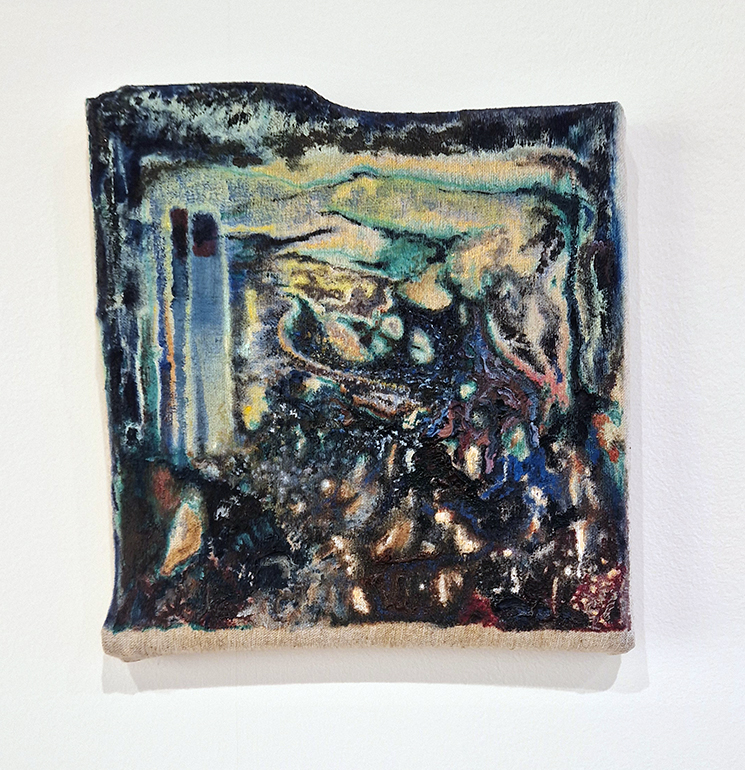
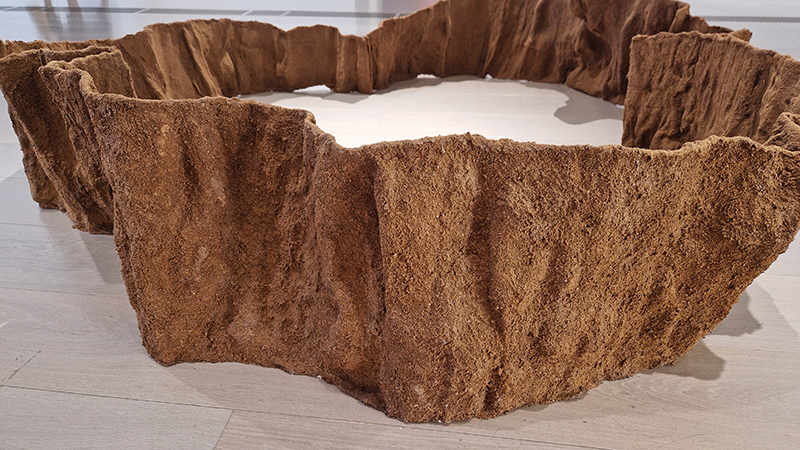
The exhibition also includes works by Javier Arce: a series of oil paintings titled On What is Nearby and the sculpture Cambium – cast from the last ring of a tree stump – this is the most recent ring under the bark where new wood cells are formed as the tree grows.
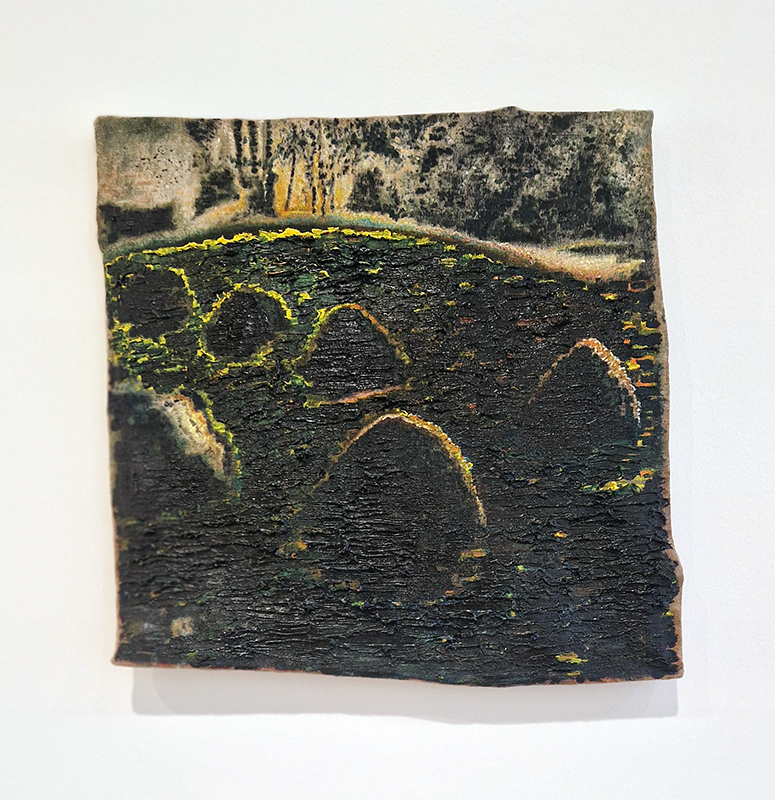
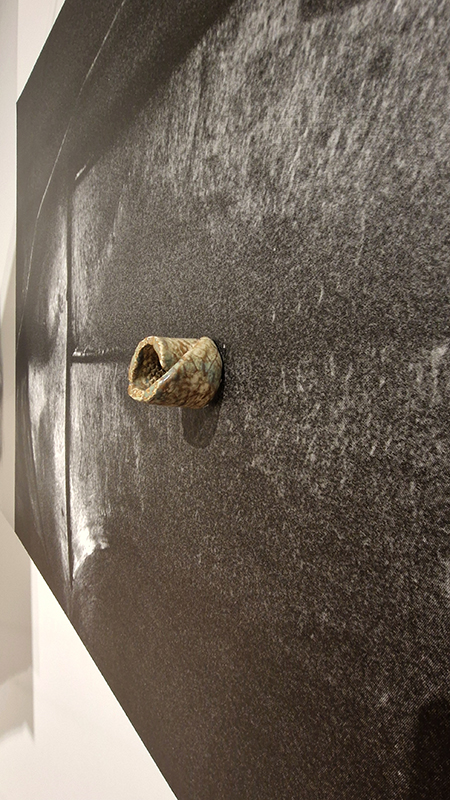
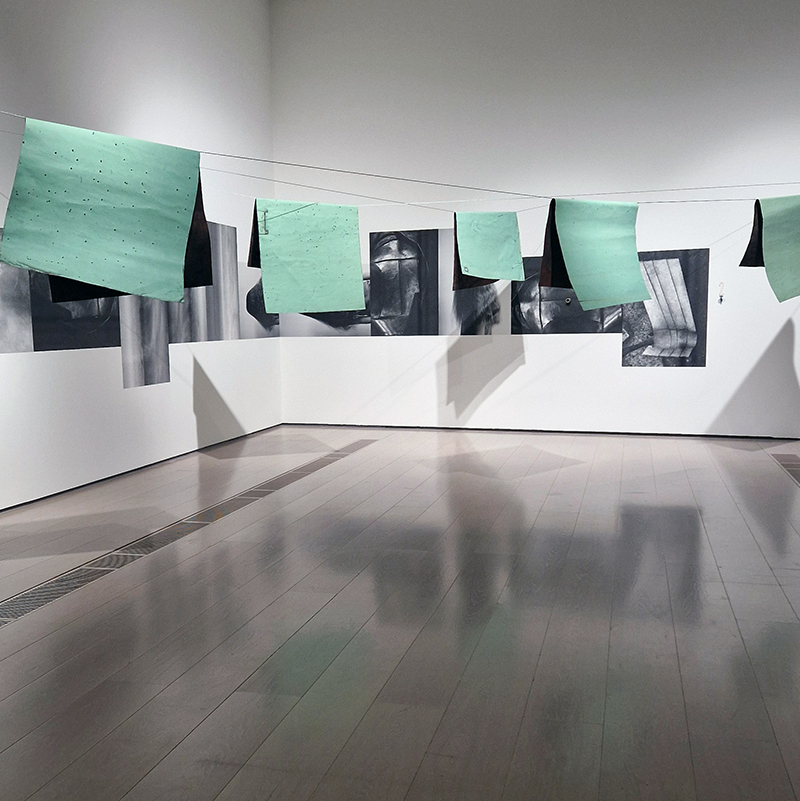
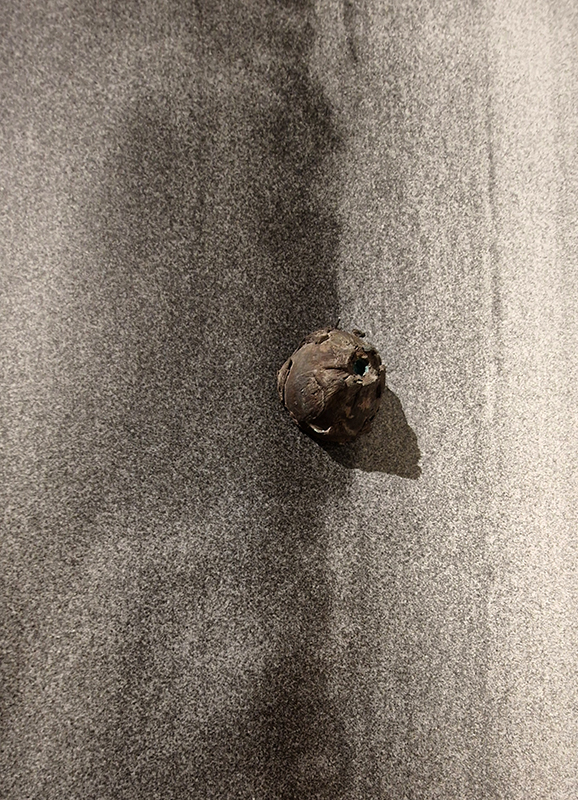
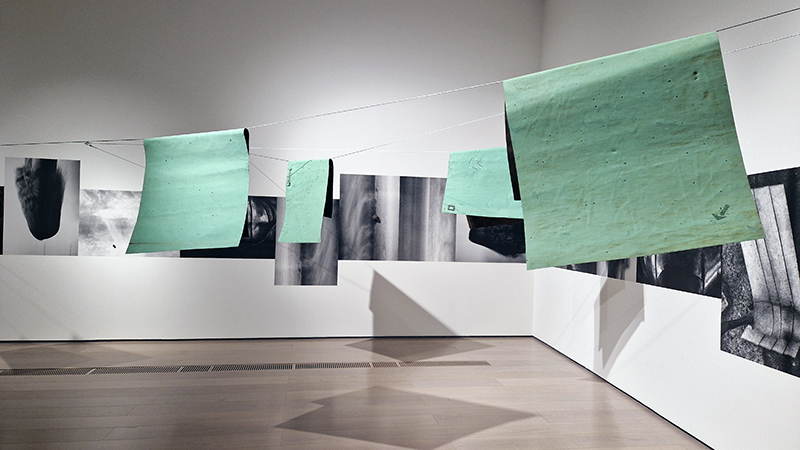
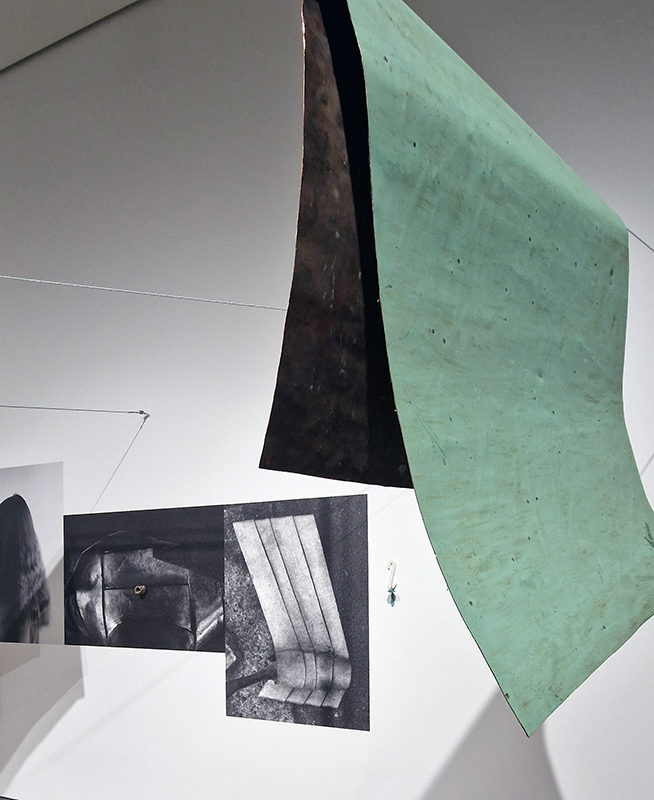
Katinka Bock: A striking installation Feuilles de temperatures which incorporates weather patinated copper sheets rescued from the dome of Anzeiger-Hochhaus in Hannover a legendary site of editorial histories, alongside Some and any, fleeting, an installation of large digital prints set with tiny bronze, ceramic and copper sculptures.
The video Core, a collaboration between sculptor June Crespo and cinematographer Maddi Barber which documents the different states through which the sculptor’s material passes: rock, dust, liquid, and solid. Connecting the processes of hands that touch and manipulate the cement sculptures, and the rock extraction and transformation process in a quarry.
Tacita Dean The Wet Prayer in reference to the final plea of Saint Paul as he was shipwrecked off the coast of Malta. In this exhibition the ephemeral chalk of Dean’s ocean waves resonate with the sound waves recorded from the bay outside and played back within the gallery space.

Great curation by Susanna Greeves of engaging works in Alien Shores at White Cube Bermondsey. In every depiction of landscape is a reflection of the values and beliefs of the society that created it. Landscape is not the world, but the world through human eyes.

Exhibiting artists included: Michael Armitage A kind of belief, oil on Lubugo bark cloth.
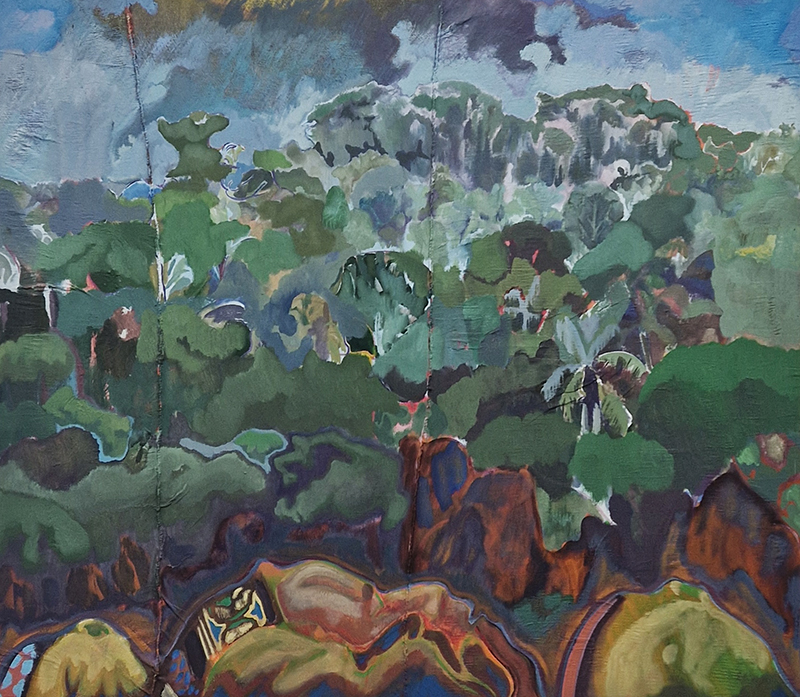
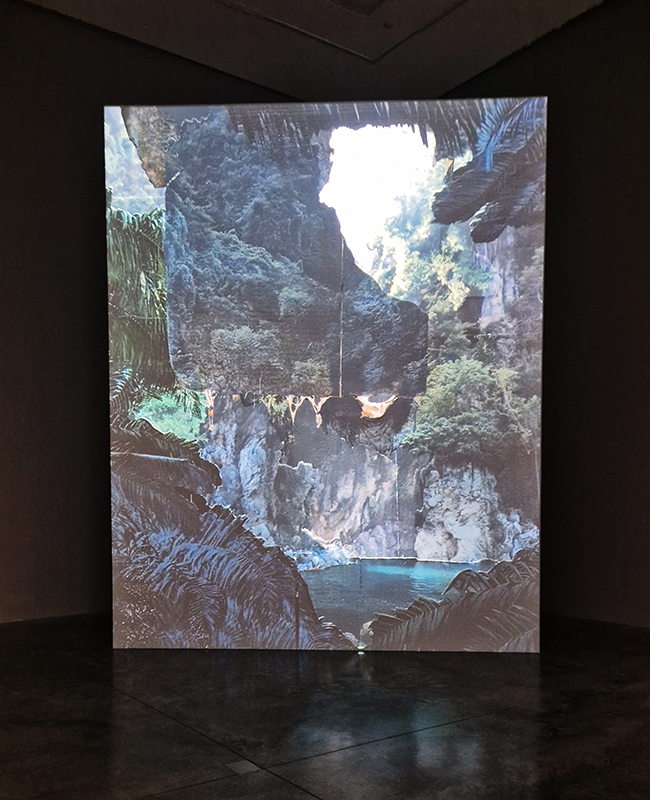
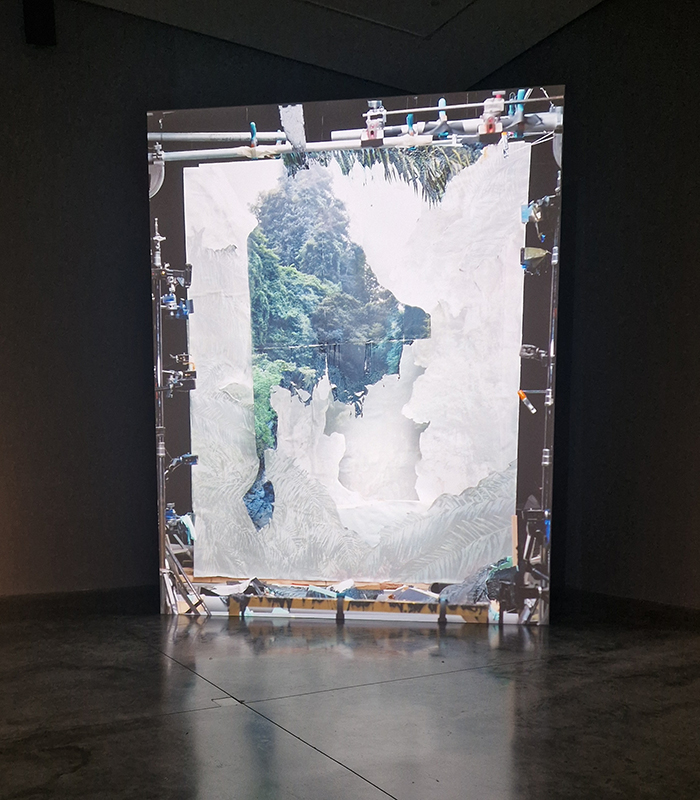
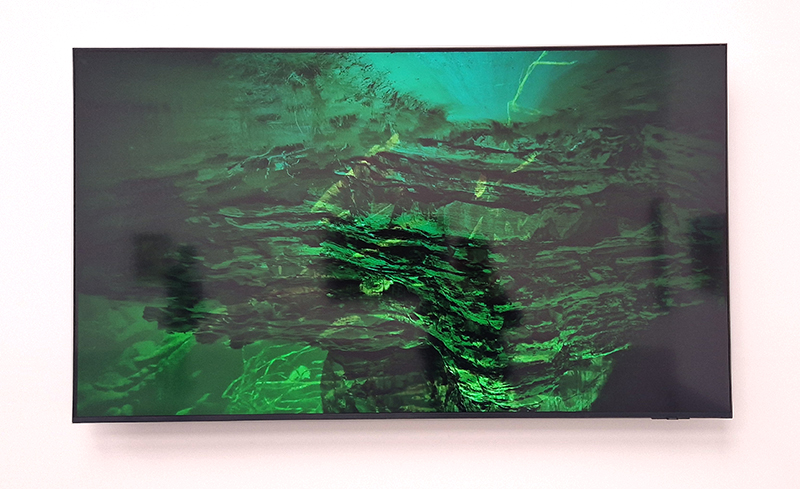
Noémie Goudal Tropiques IV, inkjet print and the mesmerizing collapse of dissolving landscapes in Supra Strata, HD video as layer after layer warps, stetches, tears and falls until there is nothing.

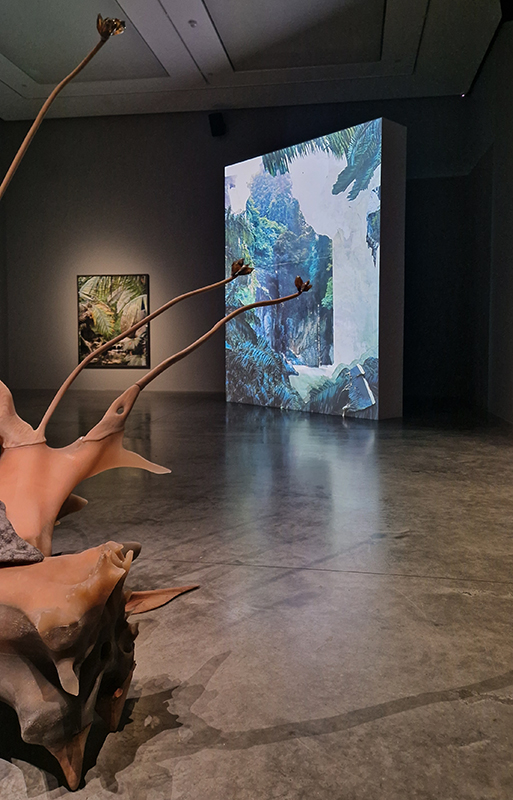
Sky Hopinka shapeshifting video Mnemonics of Shape and Reason
Marguerite Humeau Skero ( the dormant), embellished silk double organza, cast rubber, sediments, pigments, handblown glass, milled walnut, polyurethane foam, epoxy resin and stainless steel paired with Darren Almond’s haunting Fullmoon@Baltic Coastline, latex print.
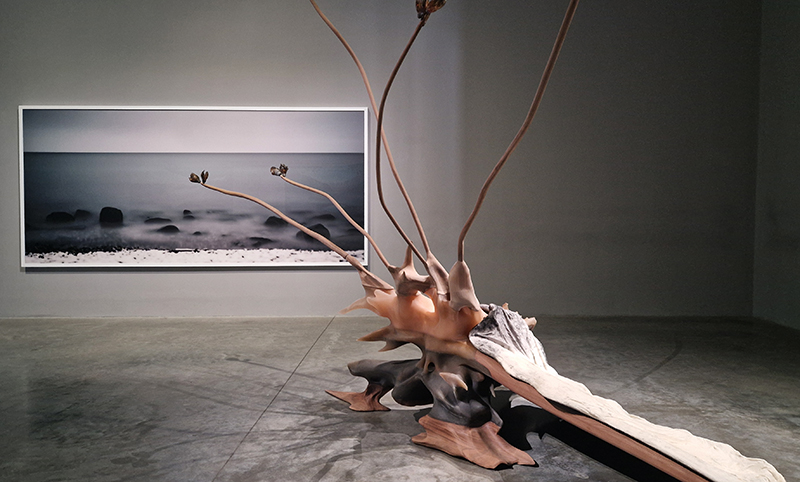
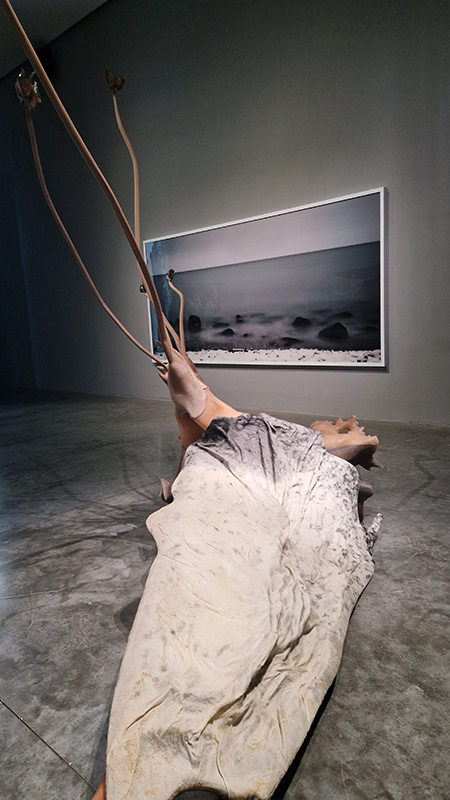
Hung Fai, optically intriguing The Six Principles of Chinese Painting: Transmission XXII (with Hung Hoi), ink and colour on paper.

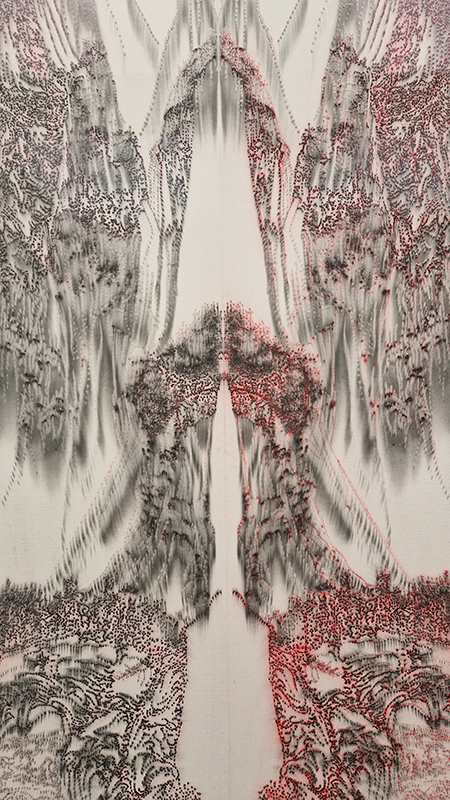
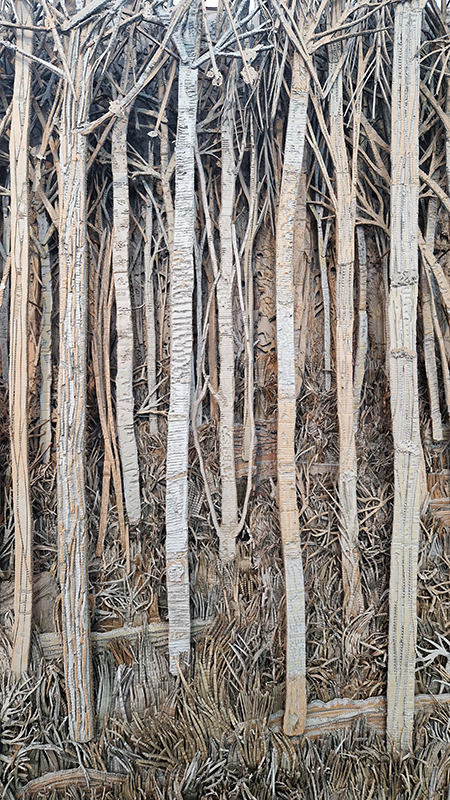
Eva Jospin, Forêt, cardboard and wood.
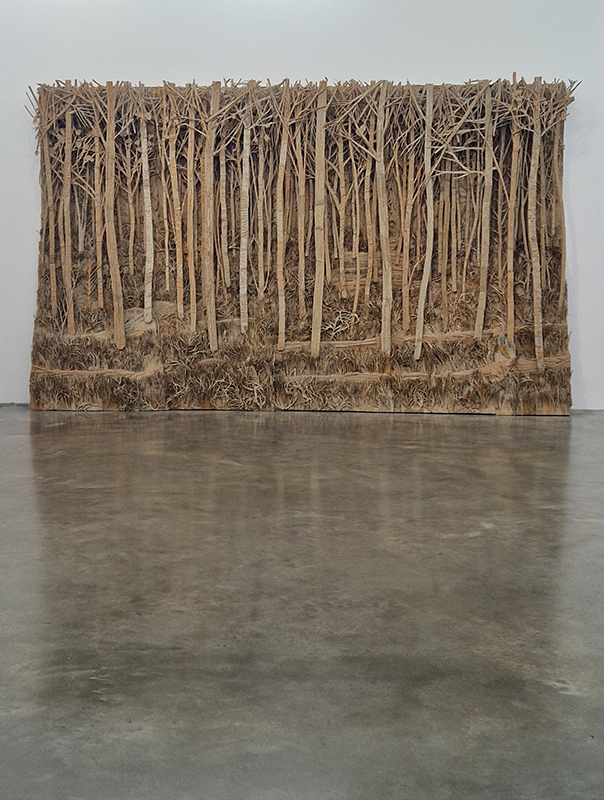
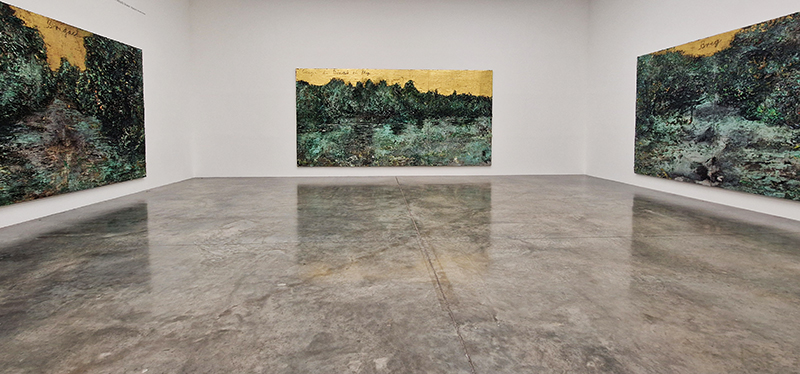
Anselm Kiefer Brigach und Breg bringen die Donau zu Weg, three panels emulsion, oil, acrylic, shellac, gold leaf and sediment of electrolysis on canvas.
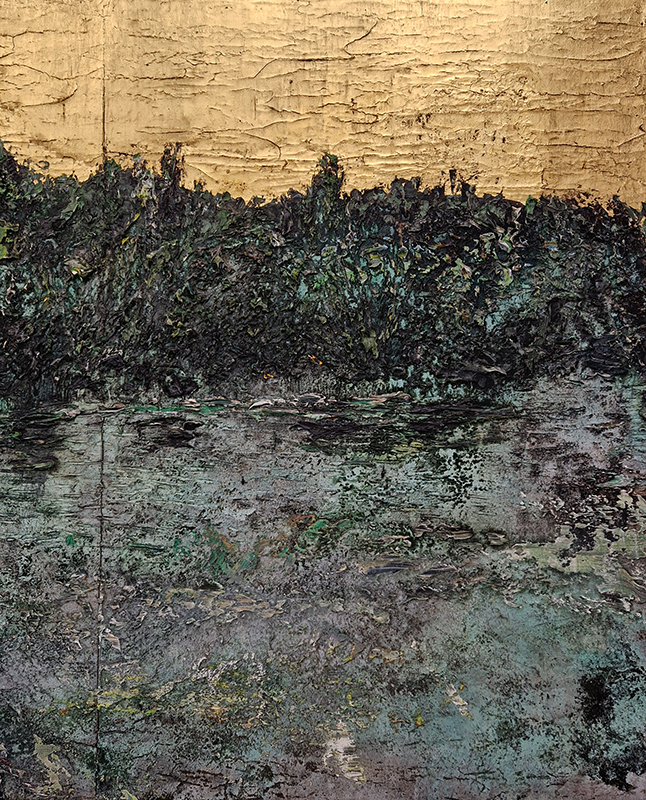
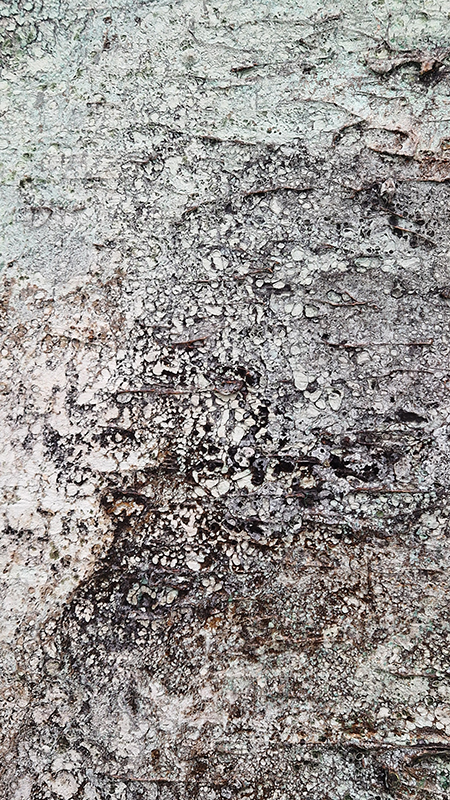
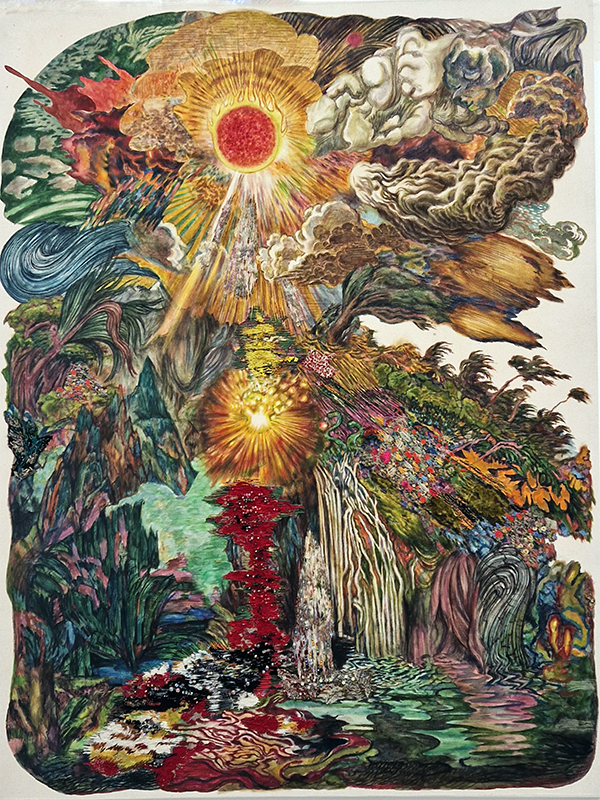
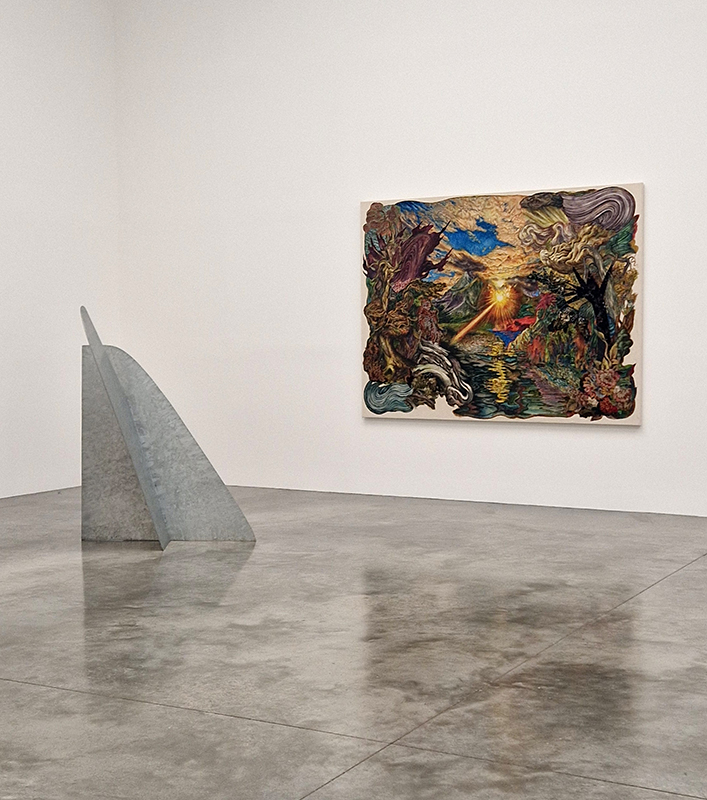
Ken Gun Min Everything We Can Imagine As Light Baroque pearl, crystal, assorted gemstones, vintage beads, Korean pigment, silk embroidery, thread, found fabrics and oil paint on canvas. I love exuberance of his painting and the title made me think of the epic Anthony Doerr book All The Light We Cannot See and the beautiful film All We Imagine As Light written and directed by Payal Kapadia both of which I found deeply moving.
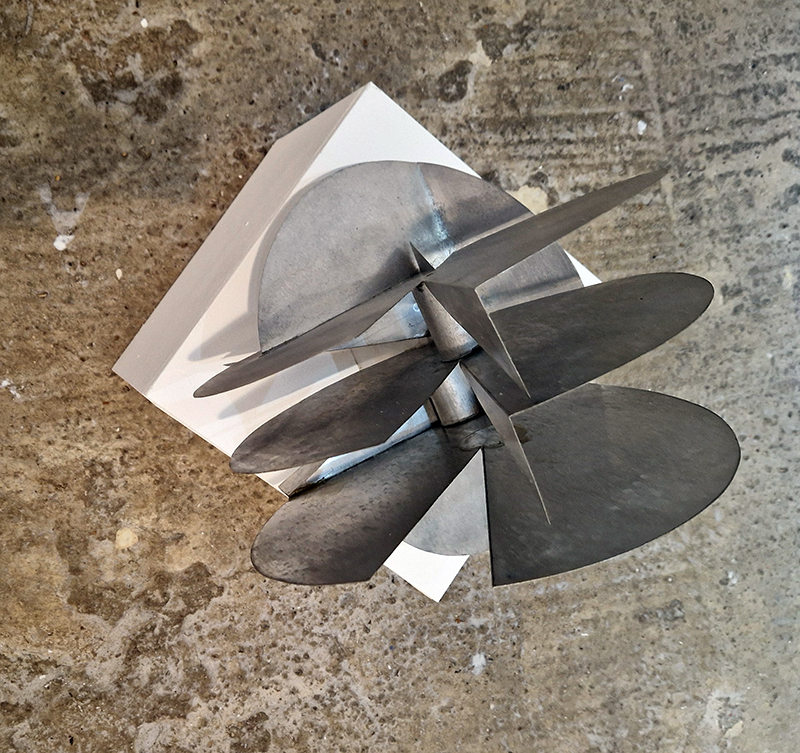
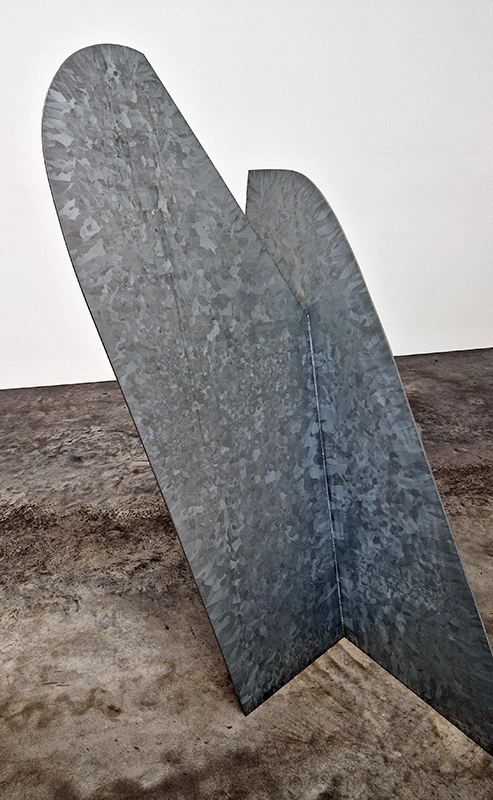
Isamu Noguchi Mountains Forming hot dipped galvanised steel.
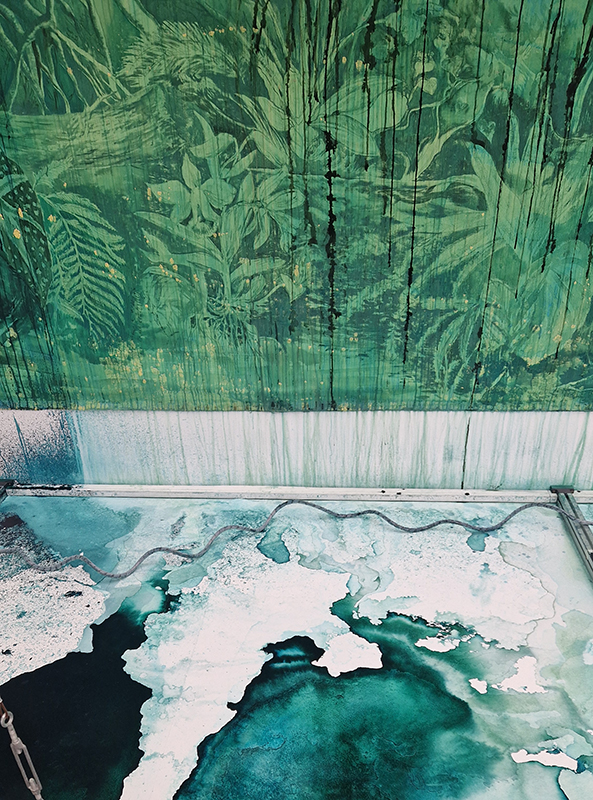
Bagus Pandega and Kei Imazu, Artificial Green by Nature Green 4.1, Painting and erasing machine, water based paint on linen canvas, modular synthesiser, LED screen, PC and jelly palm tree. This was not in action when I visited.

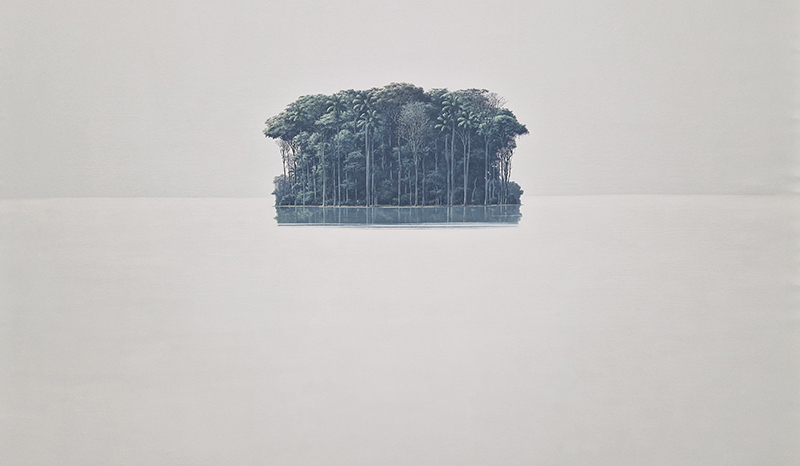
The delicate detailed forests on the cusp of erasure of Tomás Sánchez
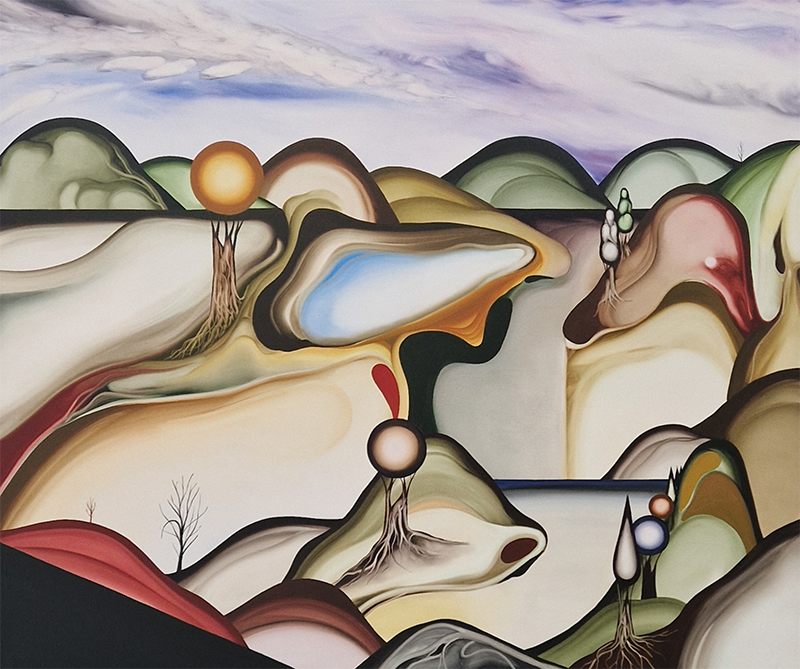
Emma Webster mega painting Borrow Every Forest which has echoes of Noemi Goudall’s video in it’s staged nod to artifice.

Robert Zehnder Hip Bone, oil on canvas on panel.
Out and About

Not to forget that as backdrop to everything that occurs at the moment is the horrific genocide being perpetrated in Gaza. It seems impossible that such cruelty can happen, is still happening and the powers that could stop it do nothing. Santander beach protest for a free Palestine that I was able to walk alongside.

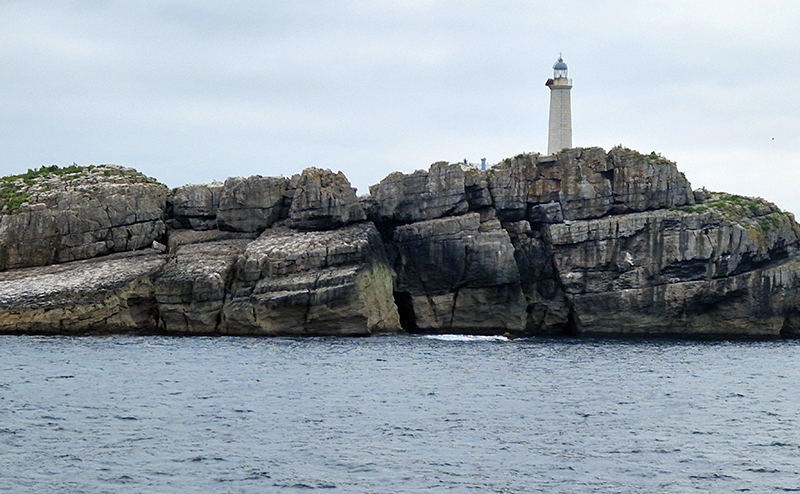
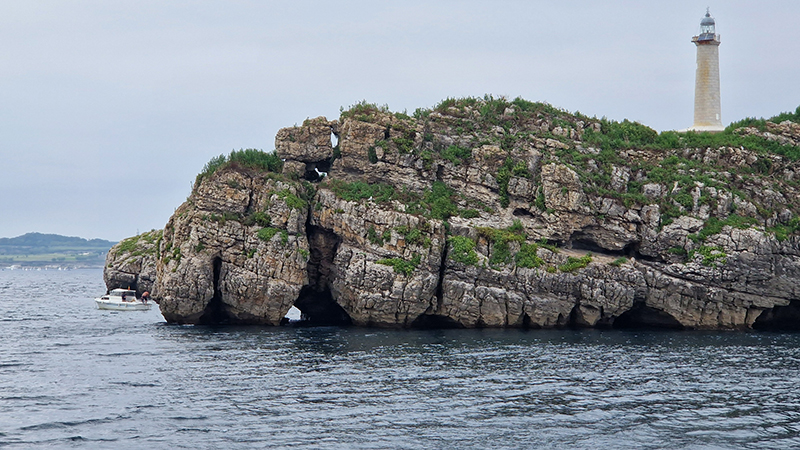
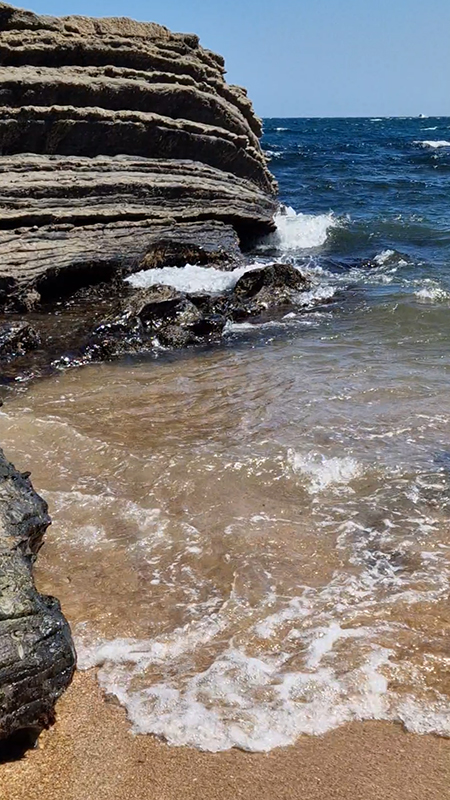
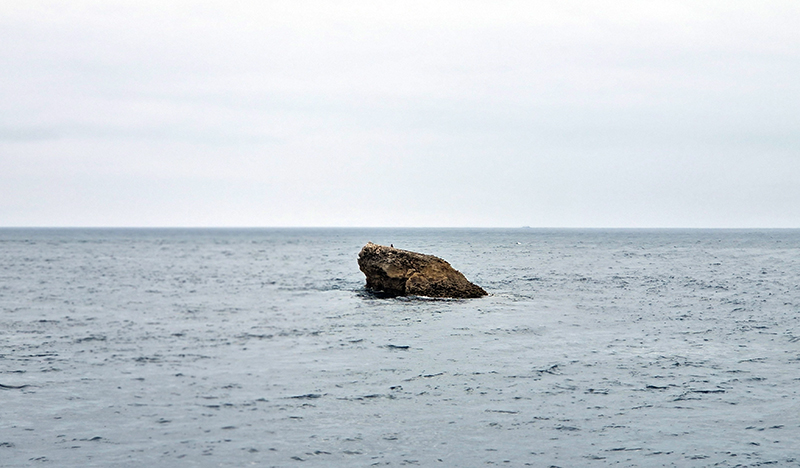
Contemplating geological time, rock gazing along the Santander coast.
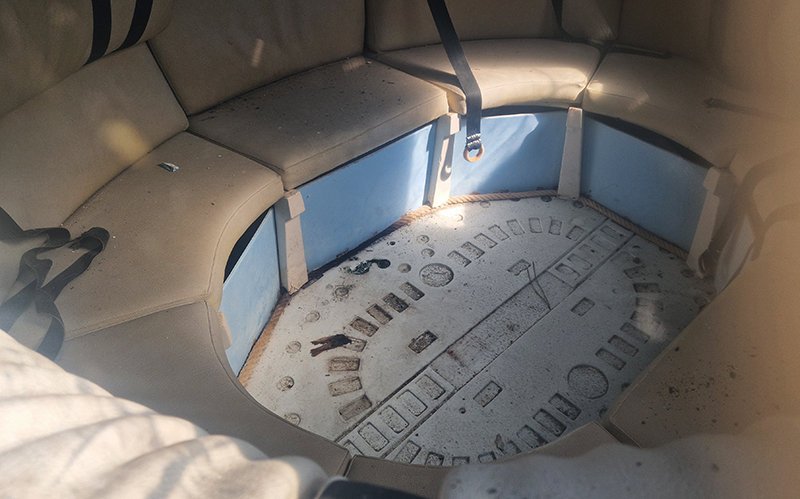
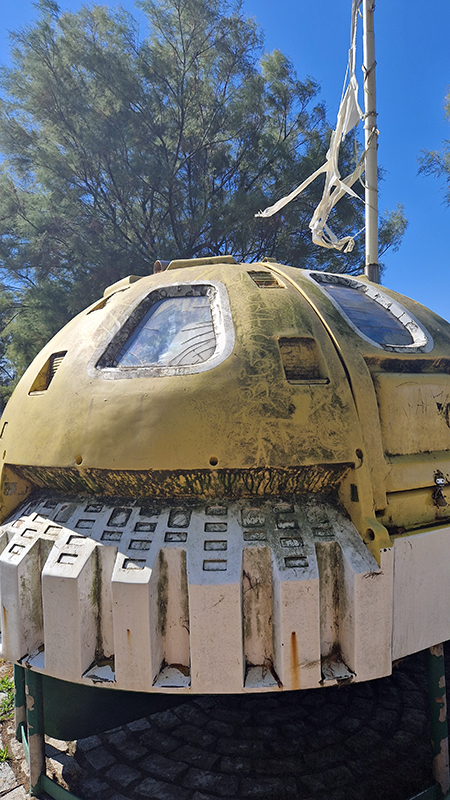
This sci-fi looking experimental lifeboat was designed by Spanish explorer Vital Alsar as part of his project El Hombre y la Mar. It has a capacity for 12 castaways and was towed across the Atlantic from Mexico to Santander in 1978, the culmination of his expedition to emulate the one undertaken in 1542 by Francisco de Orellana from Ecuador on foot across the Andes to navigate the length of the Amazon to the ocean. Through his expeditions, including the longest crossing of the Pacific Ocean by raft, Alsar wanted to prove that by respect for, and harmony with nature, humans can cross oceans, feed themselves and live sustainably.
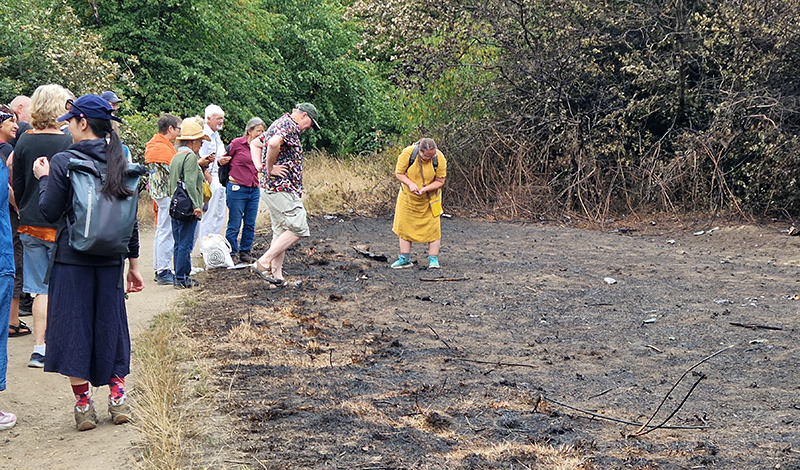
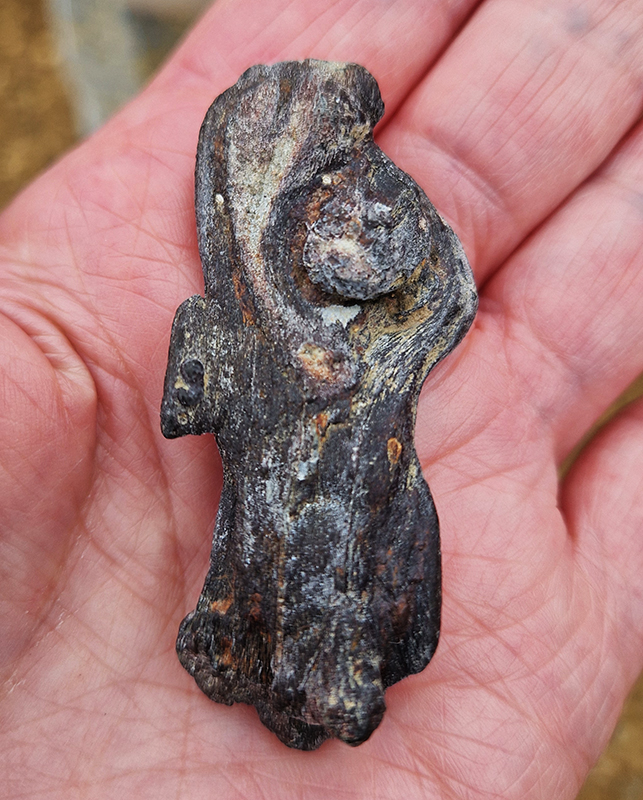
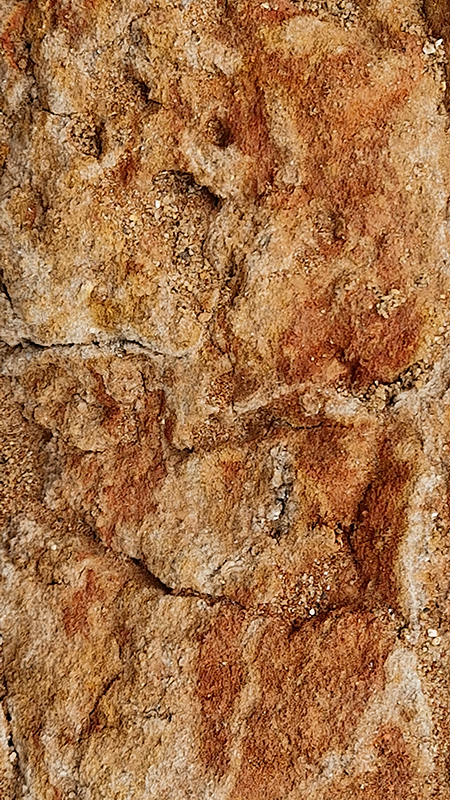
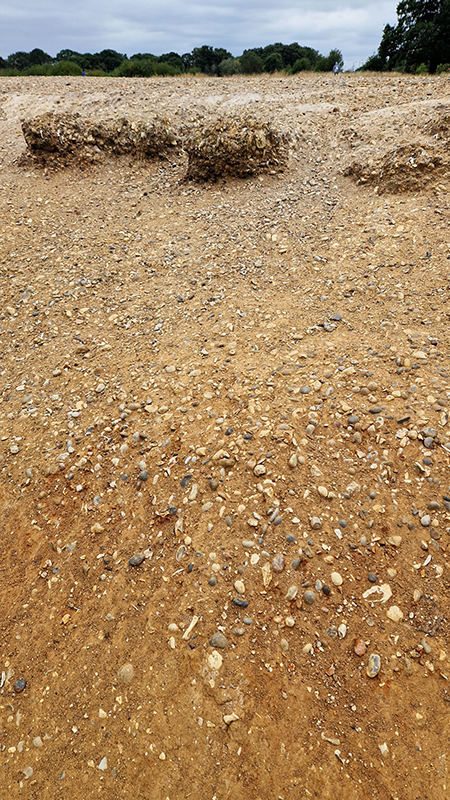
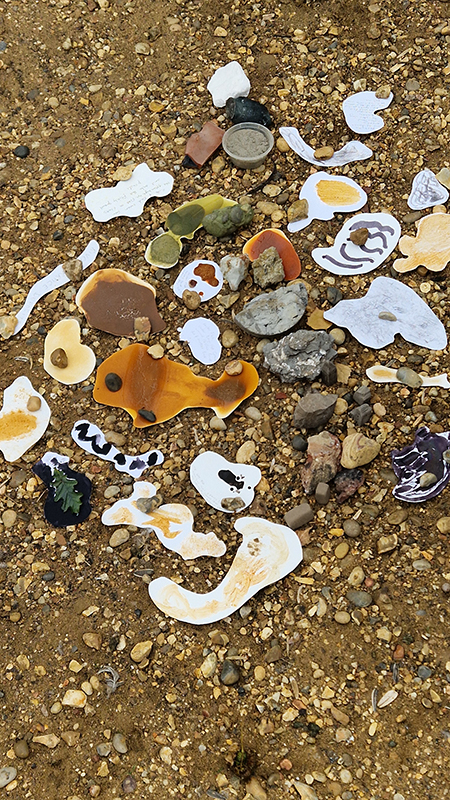
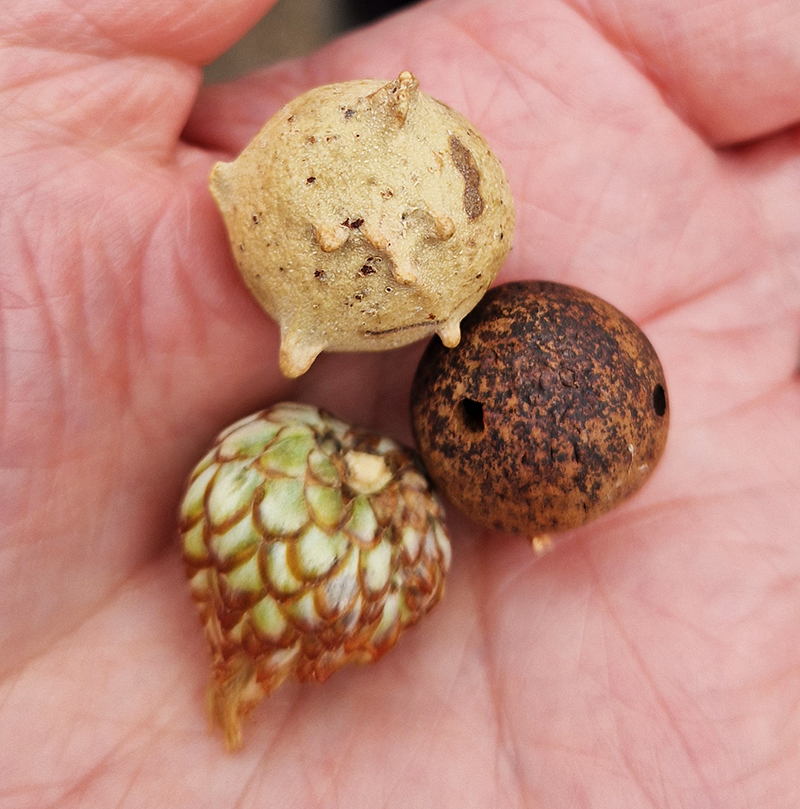
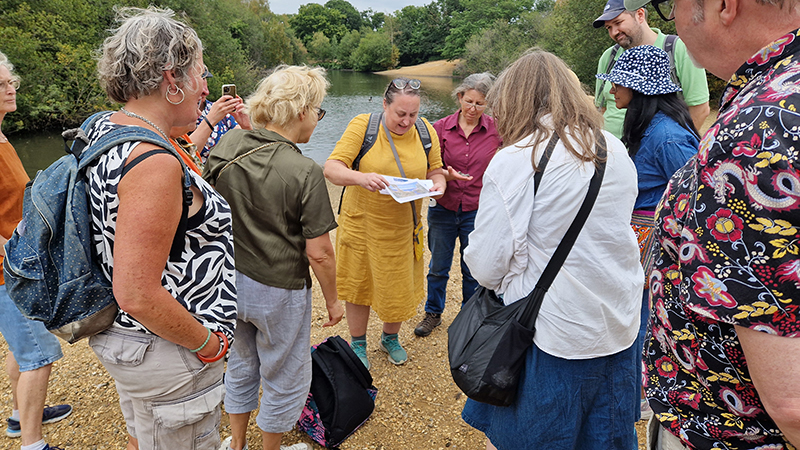
Inspiral London; Re/Walk Festival: Rivers, Reservoirs, Ice and Sea. The colours and layers of Walthamstow revealed by artist Gail Dickerson and geologist Ruth Siddall both members of London Geodiversity a group concerned with the natural and human aspects of landscape, focused on the rocks, sediments, soils, the landscape topography and the processes that act on the landscape. We were not only enlightened on the deep time history of this urban landscape as we stood and imagined when glaciers reached as far as Epping and woolly mammoths wandered the land here but were instructed on how to make shimmering ink from galls, how to make charcoal in a bonfire and use earth’s rich pigments to paint with. Galls form when an organism (like an insect) penetrates or irritates plant tissue, triggering the plant to grow and enclose the organism. 
Something I recently found out, amid the hype of the new movie, was that the Fantastic Four super hero characters got their powers from exposure to cosmic rays on an ill fated/serendipitous (depending on how you look at it) space mission. The original story was from 1961, the year Yuri Gagarin was the first human to orbit in space. Cosmic rays are a real danger to astronauts as these high energy radioactive particles can cause cell damage. Astronauts also experience directs hits on the retina from cosmic rays which they see as tiny flashes of light but this wouldn’t have been knowledge in 1961.

Reading

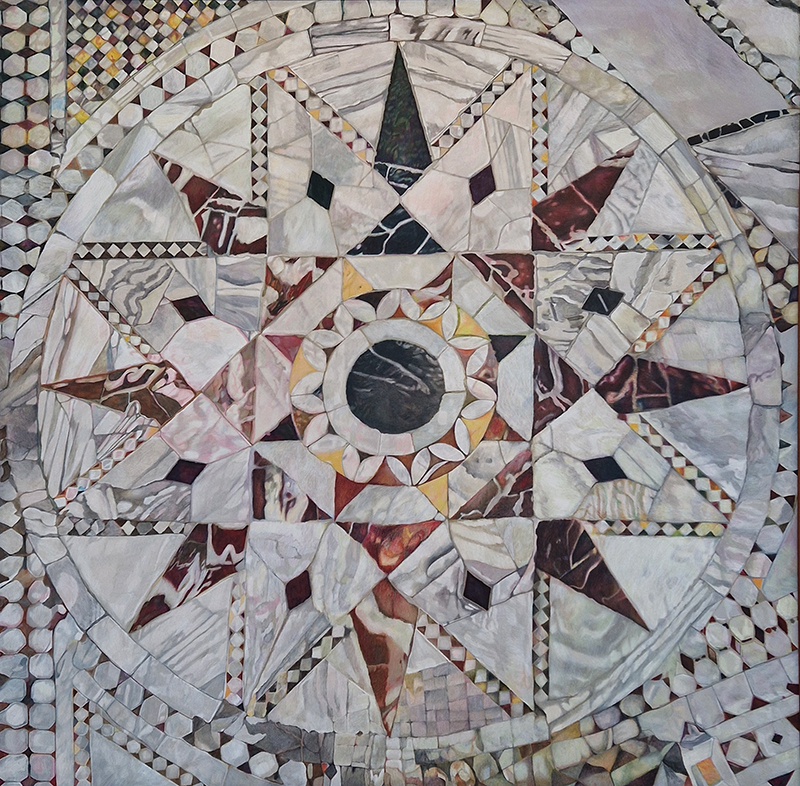
Patterns of Thought: The hidden meaning of the great pavement of Westminster Abbey by Richard Foster. The book offers a thorough investigation into of what is known as the Cosmati Pavement; a unique work laid down in 1268 by order of Henry III who commissioned workmen from Rome, led by Odoricus, who were skilled in a type of inlaid stone decoration known as Cosmati work.

The provenance of the stones and the history of the pavement is interesting but the most compelling aspect of the pavement is its intriguing inscription in Latin which promises the reader disclosure of the end of time. It translates as

Four years before this Year of Our Lord 1272,                                                                                             King Henry III, the Court of Rome, Odoricus and the Abbot                                                                            set in place these porphyry stones.                                                                                                                   If the reader wittingly reflects upon all that is laid down,                                                                               he will discover here the measure of the primum mobile:                                                                                              the hedge stands for three years,                                                                                                                             add in turn dogs, and horses and men,                                                                                                       stags and ravens, eagles, huge sea monsters, the world:                                                                             each that follows triples the years of the one before.                                                                                    Here is the perfectly rounded sphere which reveals                                                                                                    the eternal pattern of the universe.
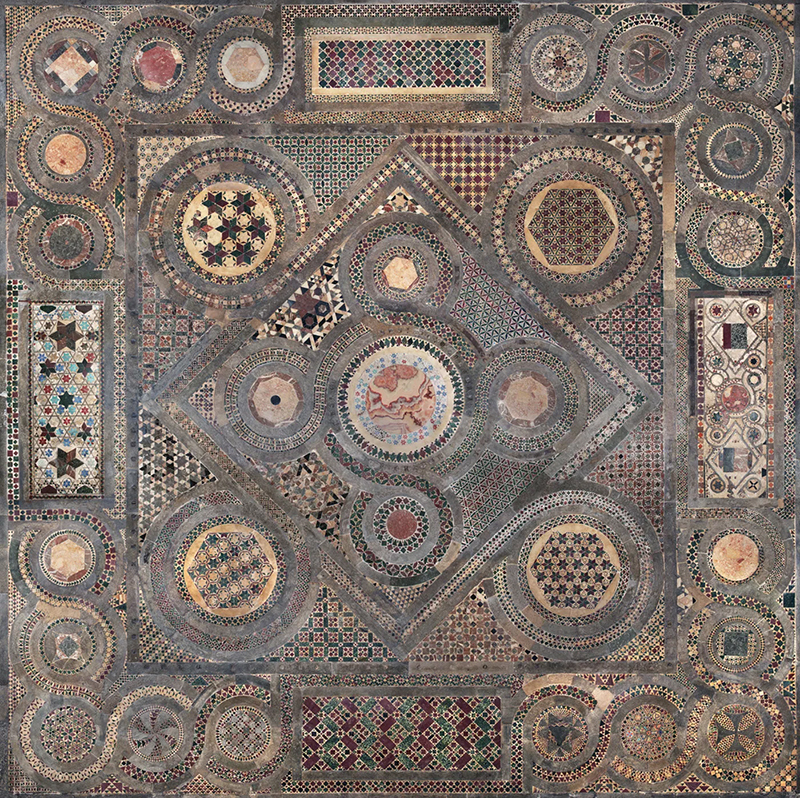
The fateful day expressed in terms of the multiplied life-spans of various creatures apparently arrives at the sum of 19,683. The book offers fascinating insight into the beliefs of medieval cosmology, Christian philosophy and sacred geometry that together formed the thoughts that were meticulously laid down in stone.
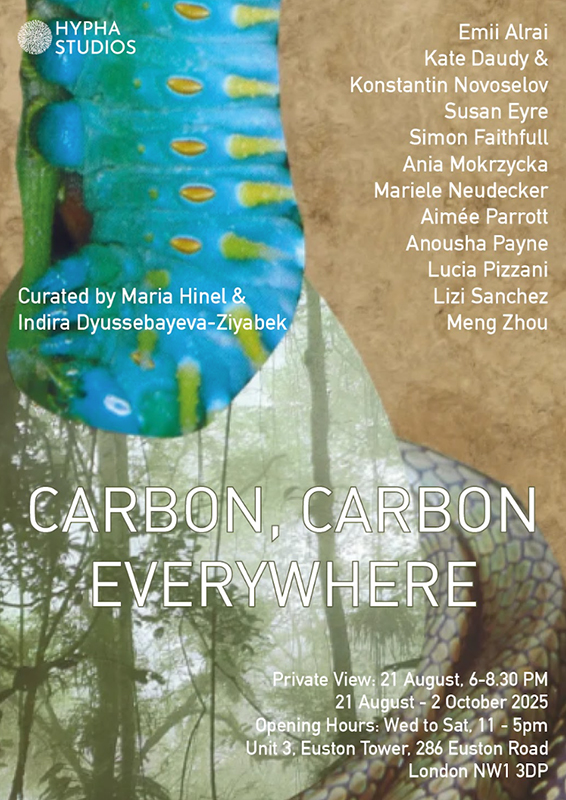
Thrilled to be invited to exhibit in Carbon, Carbon Everywhere at Hypha HQ co-curated by Indira Dyussebayeva-Ziyabek and Maria Hinel including artists Emii Alrai, Kate Daudy & Konstantin Novoselov, Simon Faithfull, Ania Mokrzycka, Nissa Nishikawa, Mariele Neudecker, Anousha Payne, Aimée Parrott, Lucia Pizzani, Lizi Sanchez, and Meng Zhou.

Integral to the constitution of our bodies, soil, air and some rocks, carbon is a highly bonding element that incessantly transmutes from state to state, each particle challenging the boundaries between life and non-life. Bringing together works by twelve international artists, Carbon, Carbon Everywhere explores the shifting states of carbon, an element that threads through organic and inorganic matter, linking bodies, environments, and temporal scales.
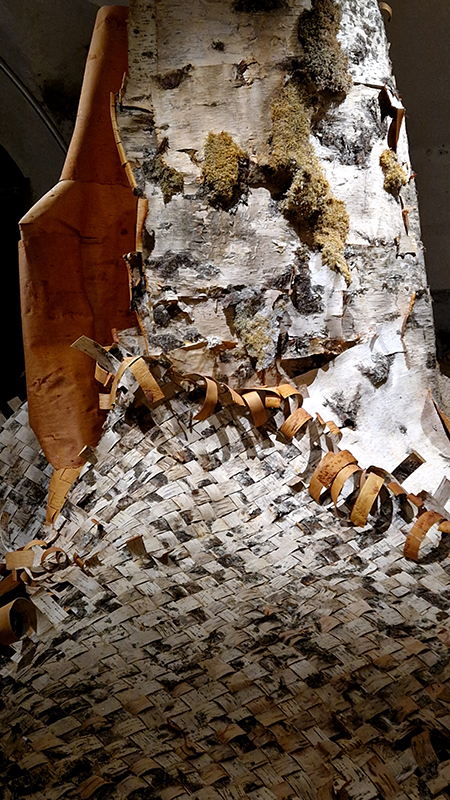
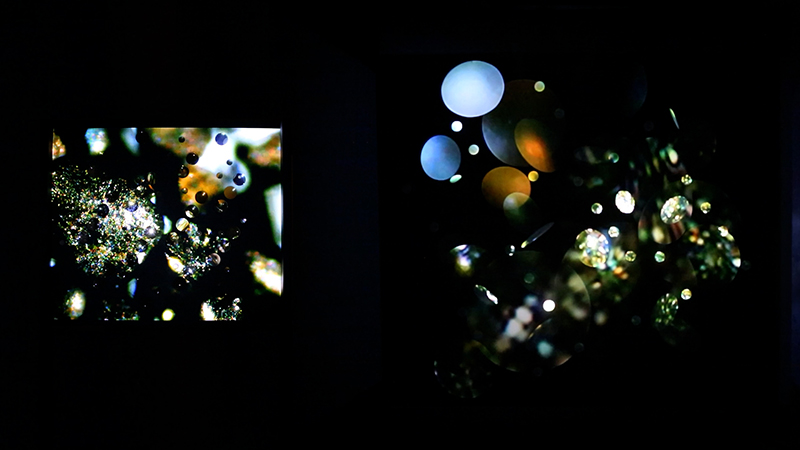
I have updated my website with documentation on the video installation Lithos Panoptes recently shown at Hypha HQ in The Geological Unconscious which can be viewed here. Referencing a many-eyed giant of Greek mythology, Argos Panoptes (always eyes still awake), the work considers the perpetual vigilance of rock as record keeper and witness.
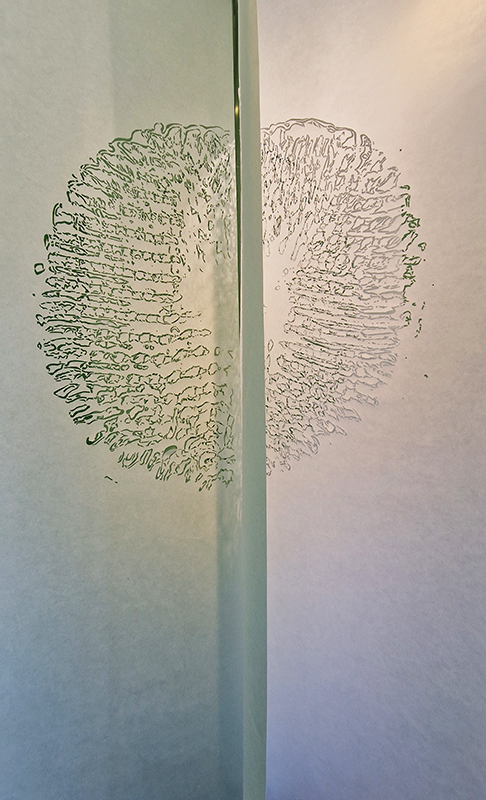
Lithos Panoptes, optical lenses, wood, steel, two-way projection; Sculpture H172 x W170 x D50 cm, Rear projection screen H180 x W180 cm.

Great to be mentioned in an Art Newspaper article.

Magnetic News

Interesting to hear about new magnetic materials being developed that will hopefully have a less harmful ecological impact and offer more technological efficiency. The magnetic materials that are so heavily relied upon for computer memory and microelectronic devices include rare and toxic heavy elements whose energy-intensive production creates significant global carbon emissions. Previously, two primary types of magnetism had been identified, ferromagnetic (regular magnetism that we are familiar with) and antiferromagnetic (which are internally magnetic, but their opposing spin orientations make them appear non-magnetic externally).  A third form known as altermagnetism has recently been confirmed with around 200 altermagnetic materials already being identified. These materials have a distinct magnetic order where tiny magnetic fields created by electrons are in anti-parallel alignment within a rotation of the host crystal structure leading to unique electronic properties. Altermagnetic materials have the potential for technological advancements offering huge increases in speed and efficiency especially in spintronics, an advanced technology that leverages both the charge and spin of electrons to store and process information.

A permanent magnet, MagNex that does not use the rare earth elements which have sustainability and supply chain issues, was developed in just three months with the help of AI analysing thousands of potential alloys. ‍‍ “This could have a significant future impact on our net-zero ambitions, through renewable energy and low-carbon transport, by removing the need for rare earth elements in high-performance permanent magnets.”

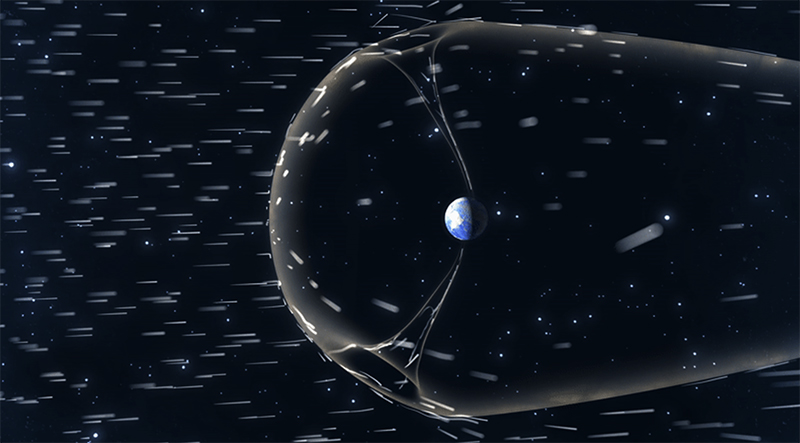
Recently launched, NASA’s TRACERS mission satellites fly in low Earth orbit through the polar cusps, funnel-shaped holes in the magnetic field where solar activity causes magnetic field lines to disconnect and reconnect creating disruption in the magnetosphere. By strategic placing of the twin TRACERS spacecraft in Sun-synchronous orbit, so that they always pass through the Earth’s dayside, thousands of dayside reconnection events can be observed and compared between spacecraft to see how quickly the process changes and evolves. Better understanding magnetic reconnection and its effects in Earth’s atmosphere will help prepare for impacts of solar activity on Earth. The magnetosphere protects Earth from the constant bombardment of solar particles from the Sun, but when magnetic field lines are disrupted by the solar wind, particles rain down into Earth’s atmosphere not only causing beautiful phenomena, like the aurora, but also impacting infrastructure, like satellites and GPS systems.

Out and About

I have been lucky to visit exhibitions in Finland and Norfolk to see works that interrogate human impact on the environment and other living beings that share our planet.

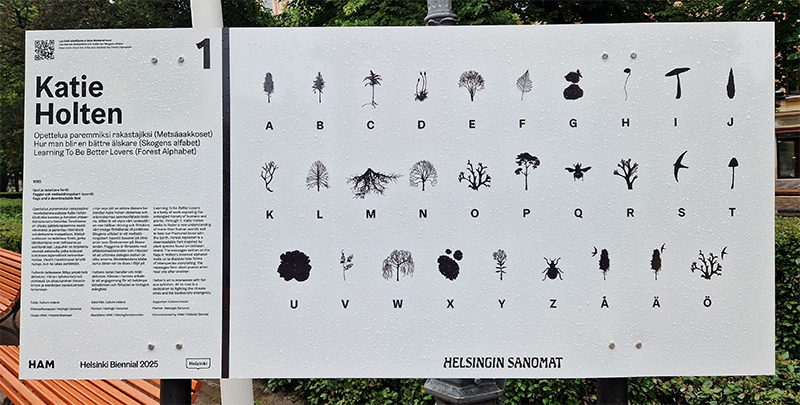
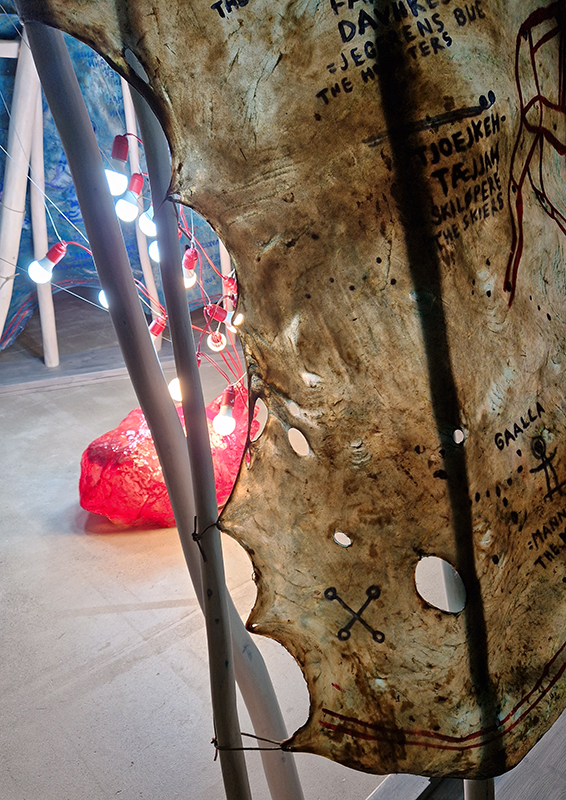
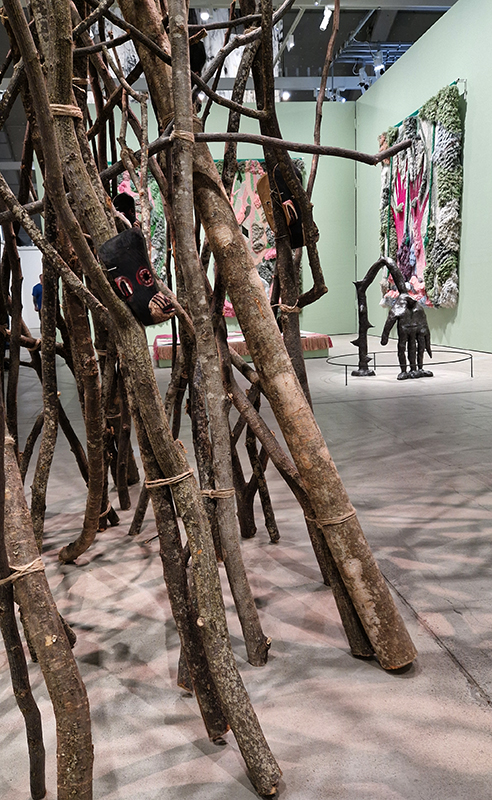
Helsinki Biennial 2025 Shelter: Below and Beyond, Becoming and Belonging brings together 37 artists and collectives on Vallisaari Island (which has been off-limits for human habitation for decades), in Esplanade Park, and at HAM (Helsinki Art Museum). It explores the significance of shelter and turns the gaze towards non-human nature. In the works, the focus shifts from humans to animals, water, plants, insects, minerals, and other living beings and their role as contributors to our planet’s wellbeing.

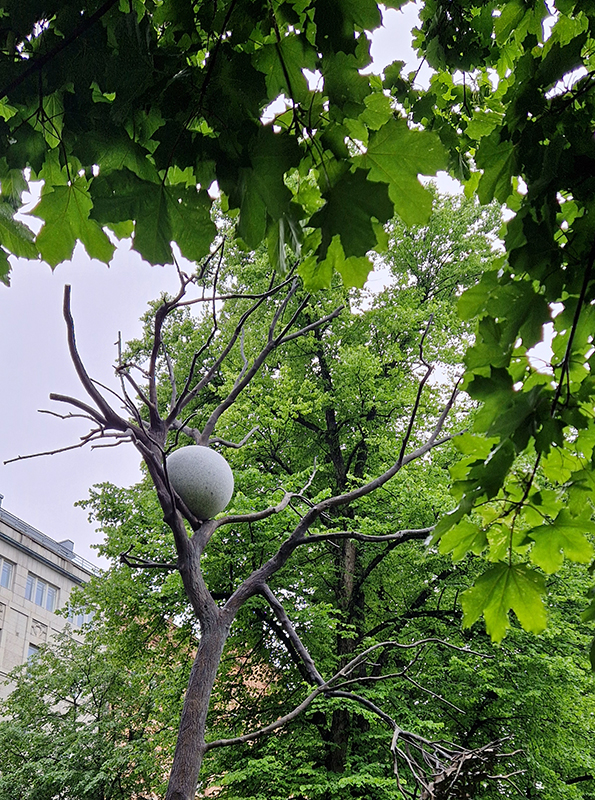
Artists with work installed in the Esplanade Park included Katie Holten (inventing a forest alphabet) and Guiseppe Penone (inseparable connections between humans and nature).

Artists at HAM (Helsinki Art Museum) included Jenni Laiti & Carl-Johan Utsi (precarity of survival), Regina de Miguel (technofossils), Aluaiy Kaumakan (displaced community), Otobong Nkanga (ownership of resources), Ingela Ihrman (invasive species), Locus/Thale Blix Fastvold & Tanja Thorjussen (eelgrass conservation), Sissel M Bergh (Sami cosmology), Edgar Calel (more than human agencies).

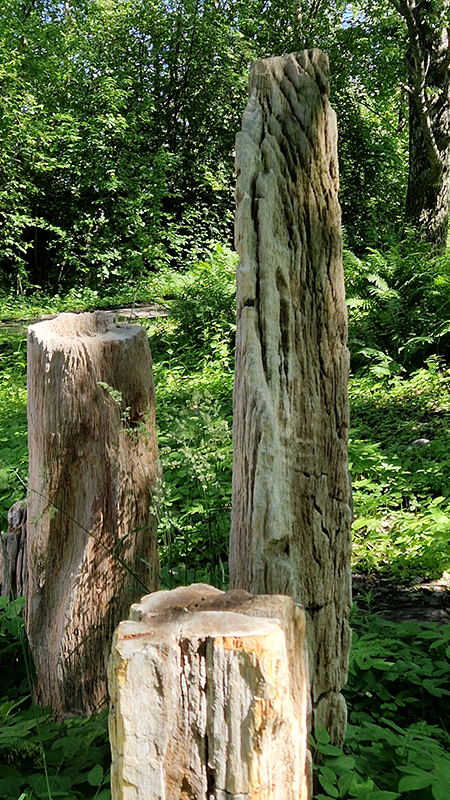
Artists with work installed around the beautiful Vallisaari Island included Hans Rosenström (petrified wood soundscape), Tue Greenfort (species evolution), Nomeda & Gediminas Urbonas (amplifying non-human voices), Pia Sirén (human modified environments), LOCUS / Thale Blix Fastvold & Tanja Thorjussen (water health), Tania Candiani (hidden networks of the forest), Sara Bjarland (discarded inflatables), Kati Roover (humans and whales), Juan Zamora (bioluminescence), Band of Weeds (vegetal distress), Kristiina Koskentola (friendship of crows), Tamara Henderson (hidden realm of worms), Ernesto Neto (shapeshifting), Theresa Traore Dahlberg (invisible frequencies), Ana Teresa Barboza (plant narratives), Carola Grahn (colonialism legacy on estrangement from nature), nabbteeri (parasitism), Olafur Eliasson (more than human ways of seeing).

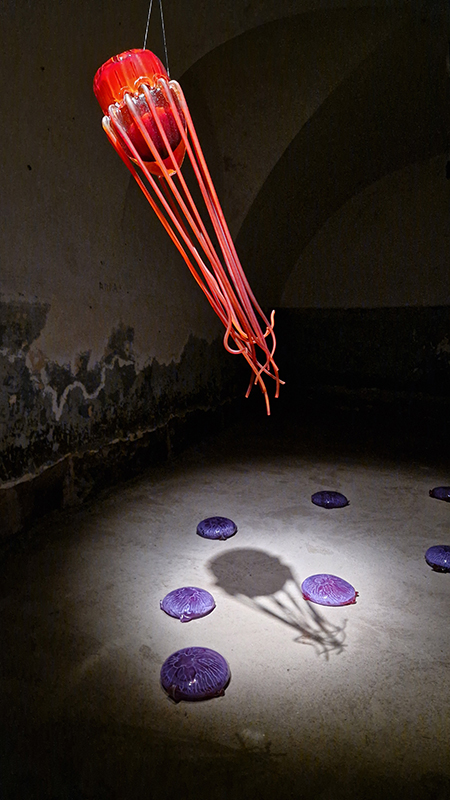
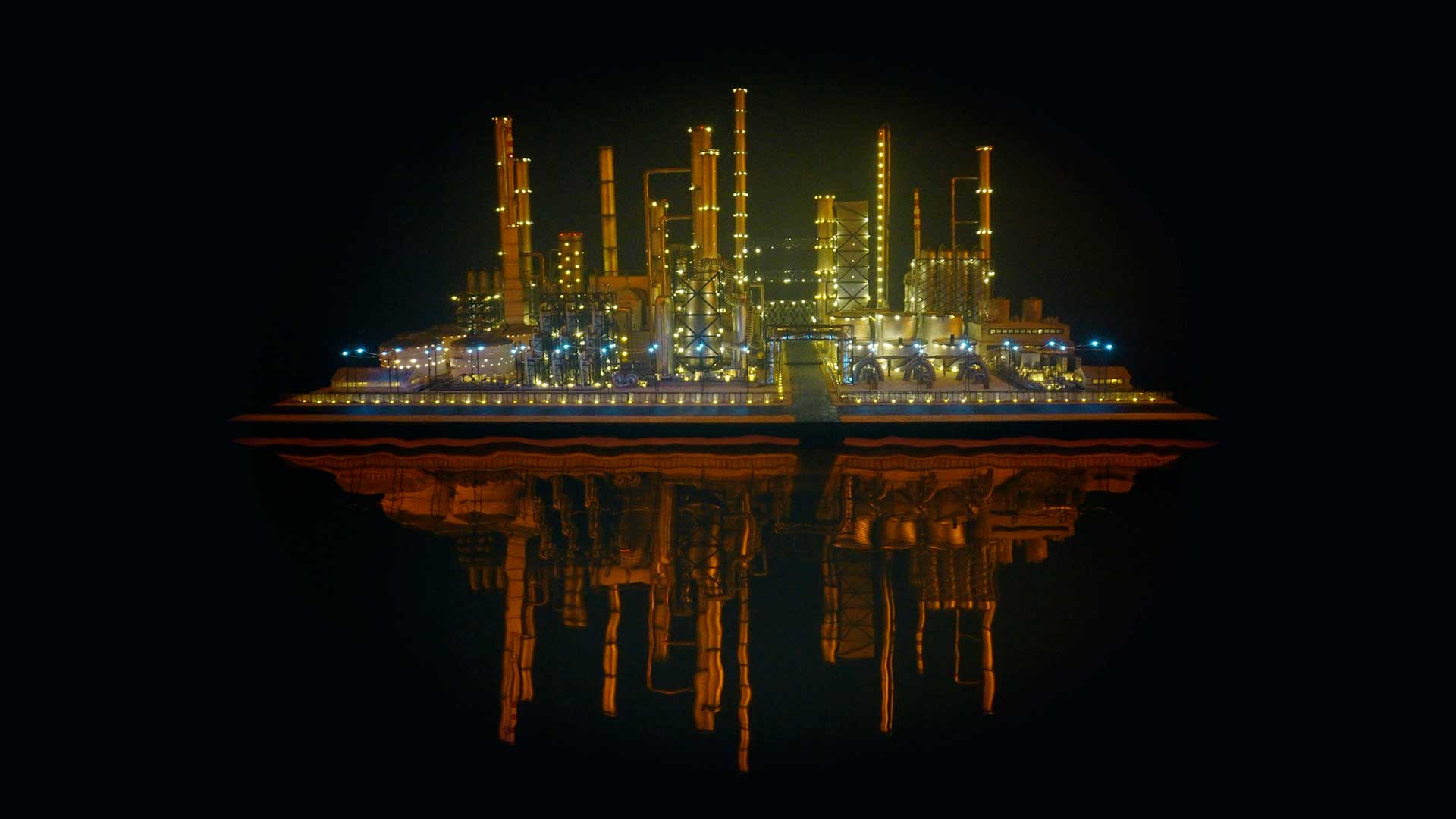
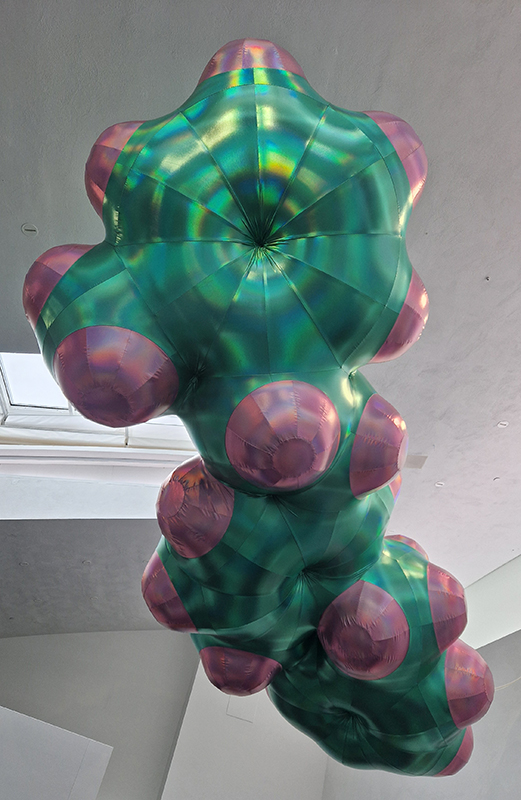
Excellent Monira Al Qadiri exhibition Deep Fate at the Museum of Contemporary Art Kiasma, Helsinki. Addressing the dichotomy of enjoying contemporary life made possible by oil during the accelerating climate crisis. Deep Fate, refers to the origins of oil deep in the earth and also to the way that dependence on oil and breaking that dependence are a matter of life and death for humankind. Al Qadiri grew up next door to oil refineries in Kuwait and experienced the Gulf War as a child. This personal experience is drawn upon in the haunting video Crude Eye which attempts to reconcile childhood memories of the oil refinery as a romantic glowing metropolis with its true nature as a site of environmental destruction. The demise of the local pearl-diving industry, a source of income superseded by the oil boom, is referenced by sculptures echoing the molecular structures of the chemicals used in oil drilling with iridescent rainbow colours that are reminiscent of oil and the shimmering surface of pearls.

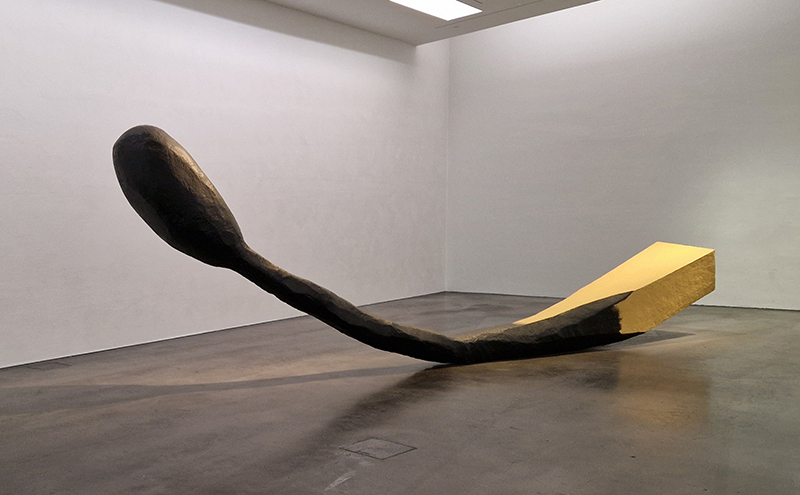
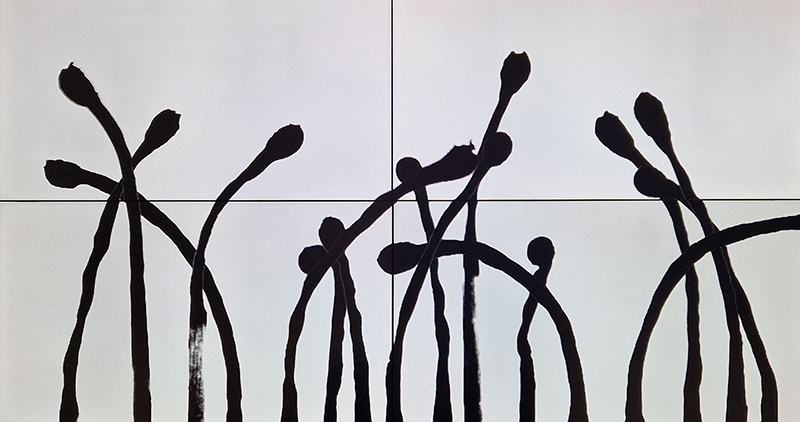
Also at the Museum of Contemporary Art Kiasma was Rock, Paper, Scissors an anthology of diverse materials in contemporary art. Claes Oldenburg’s giant Extinguished Match which plays with scale brought to mind the video by David Hochgatterer Streichhölzer (Matches) where matches appear to spontaneously combust shown in the Carbon: Under Pressure exhibition recent tour to Glasgow ARC.

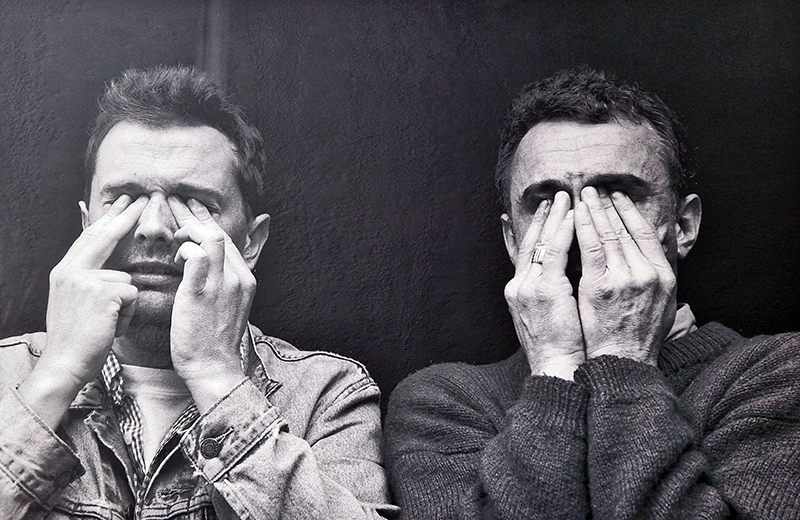
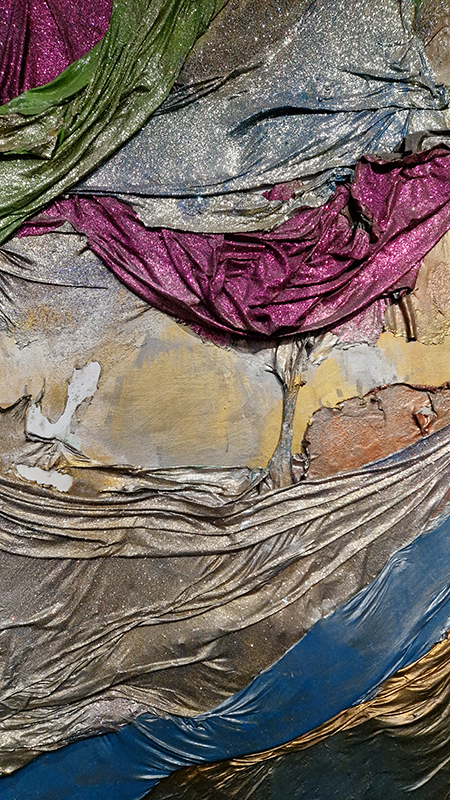
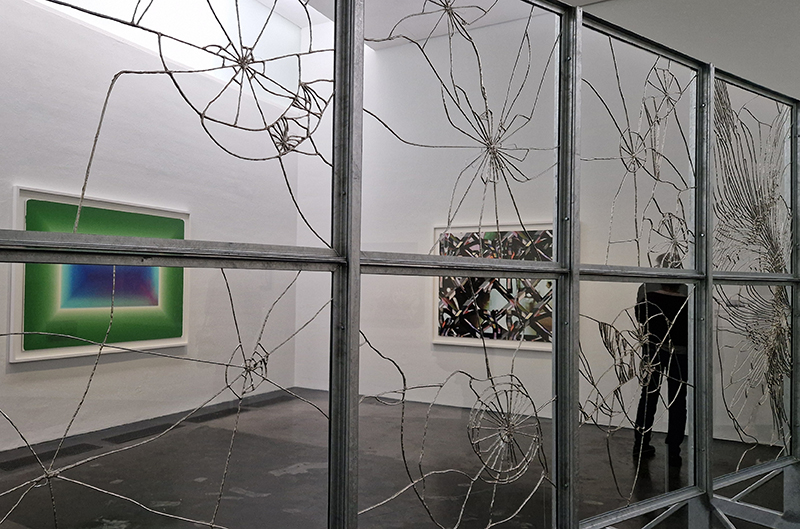
Materials celebrated through this exhibition included neural pathways stimulation of the visual system by pressure on the eyelids to see phosphenes, glittery thick folds of acrylic on canvas, leaded glass breakages, ephemeral copper wire net, faux marble that is actually hair on the barbers concrete floor.

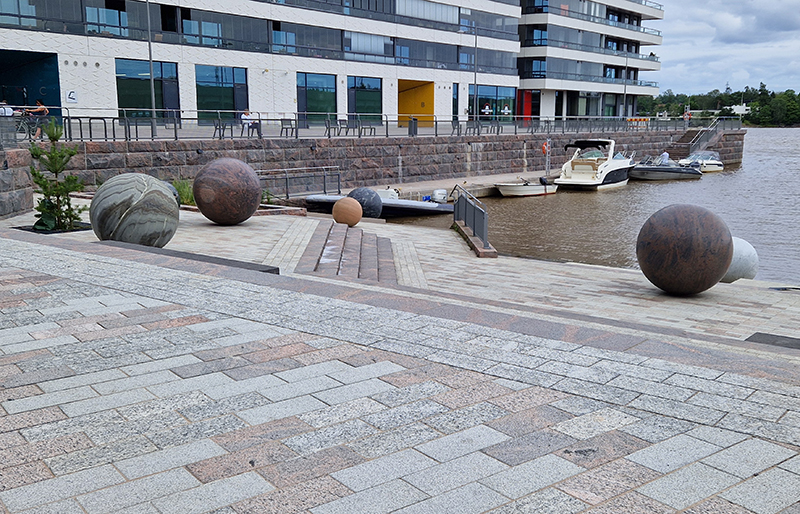
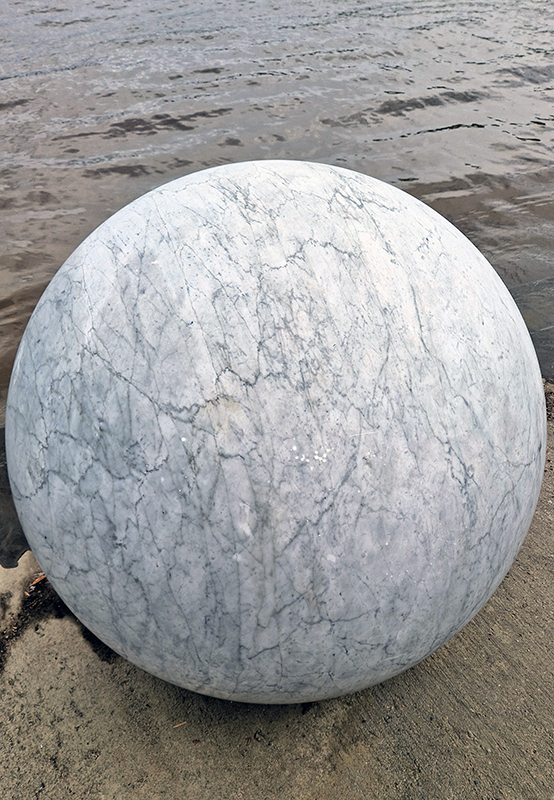
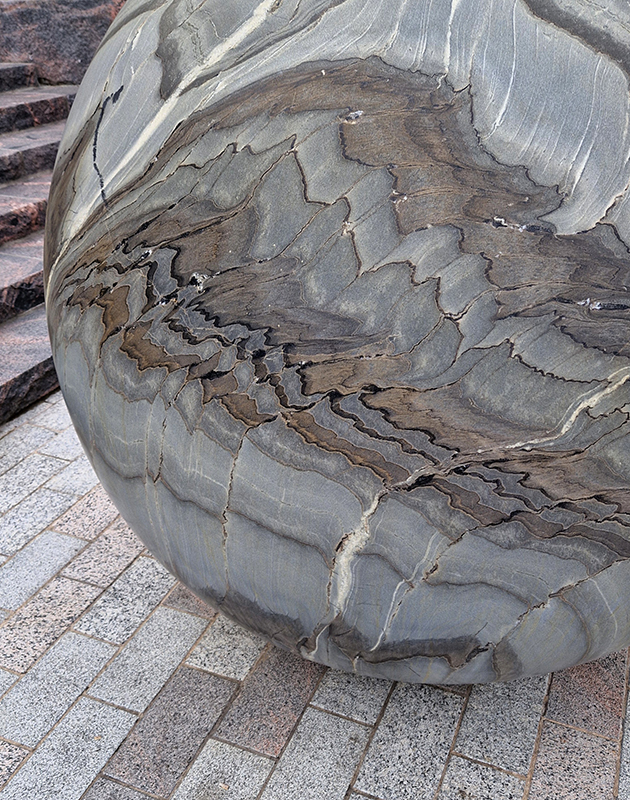
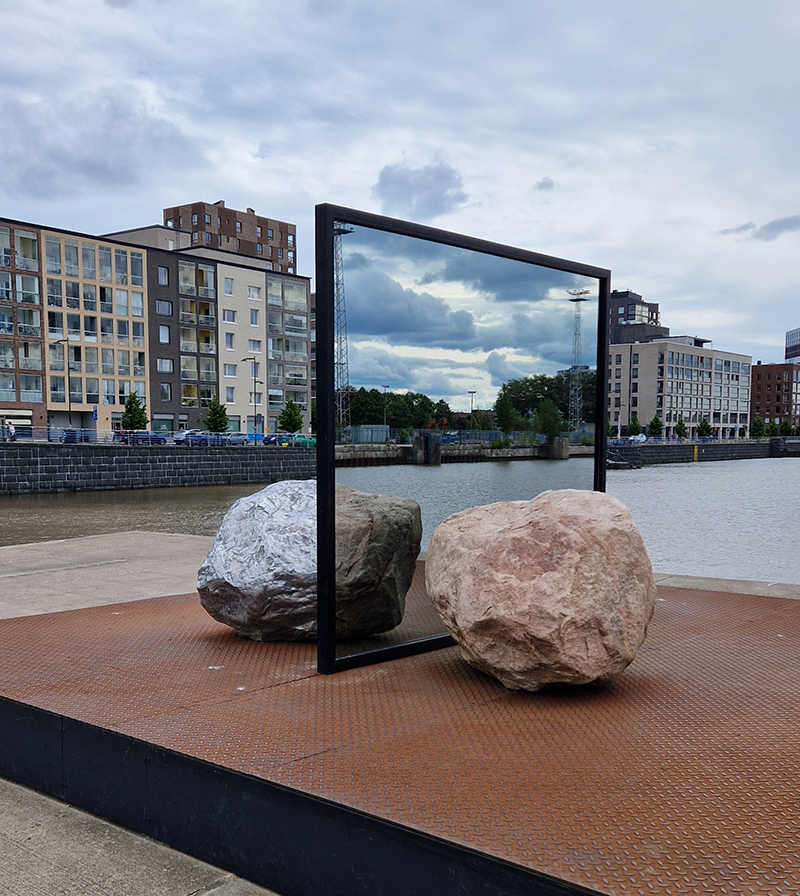
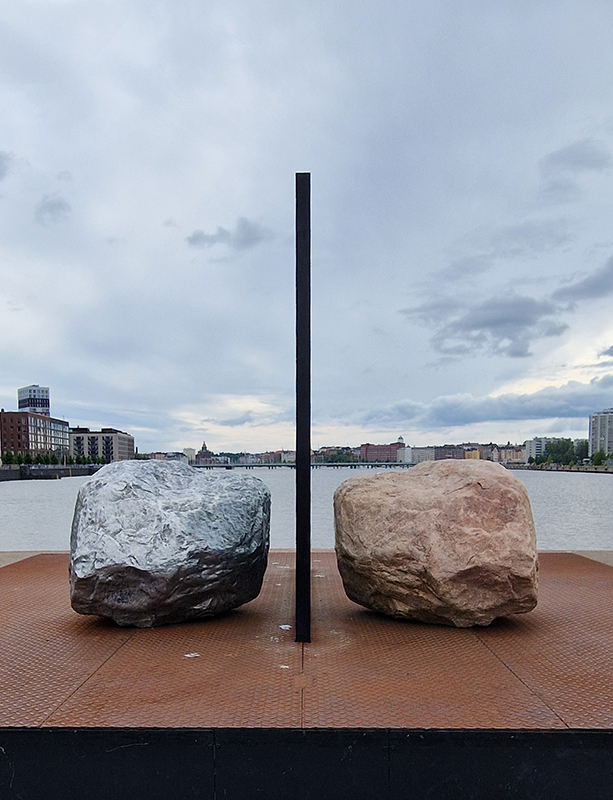
With my head still full of the geological (unconscious) it was great to see the works of Alicja Kwade, Big Be-Hide (parallel universes – natural rock and a metallic copy either side of a two-way mirror) and Pars pro Toto (a part for the whole – stone planet like spheres) from the 2021 Biennial now installed in Helsinki’s Kalasatama district.

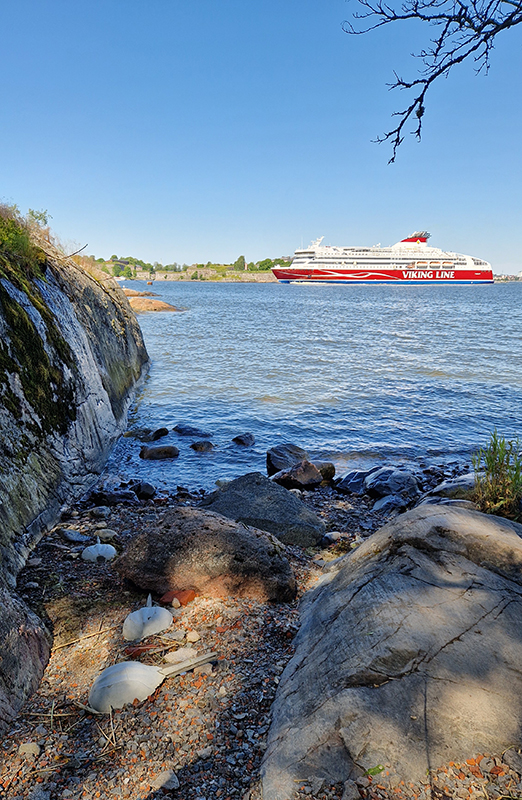
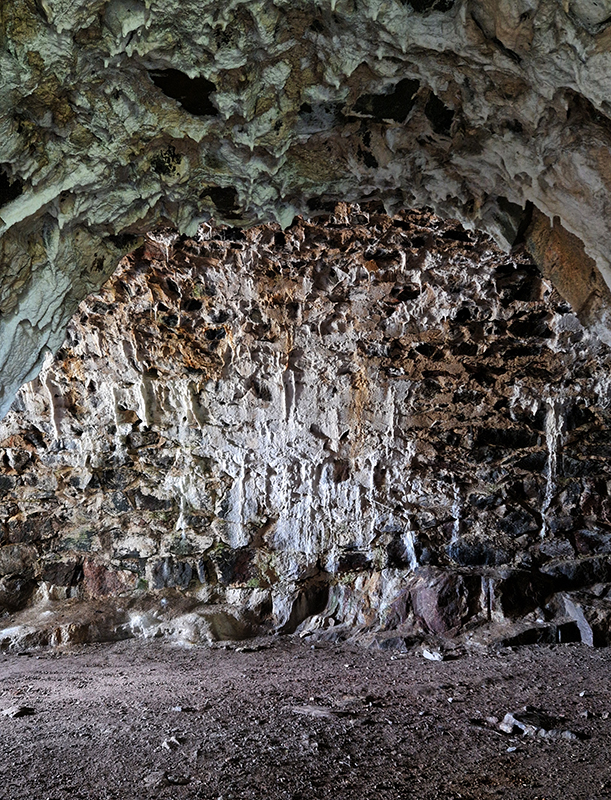
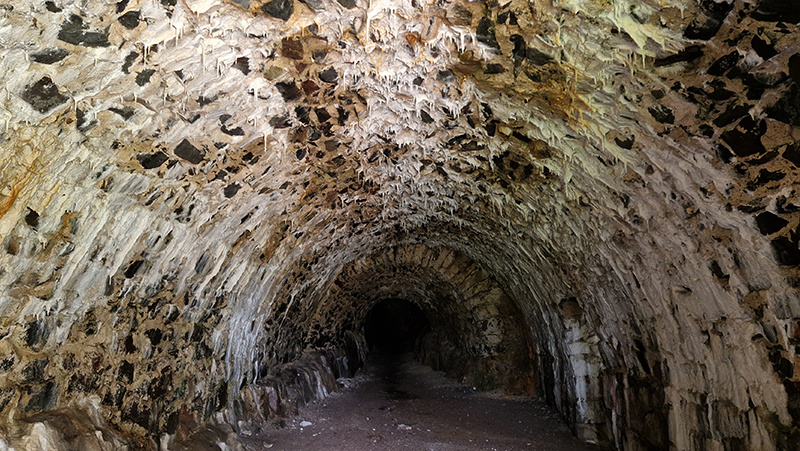
Another ‘geological’ delight was the unexpected appearance of stalactite’s forming in the tunnels of the military sea fortress built in the 1700’s on the island of Suomenlinna, a UNESCO World Heritage site.

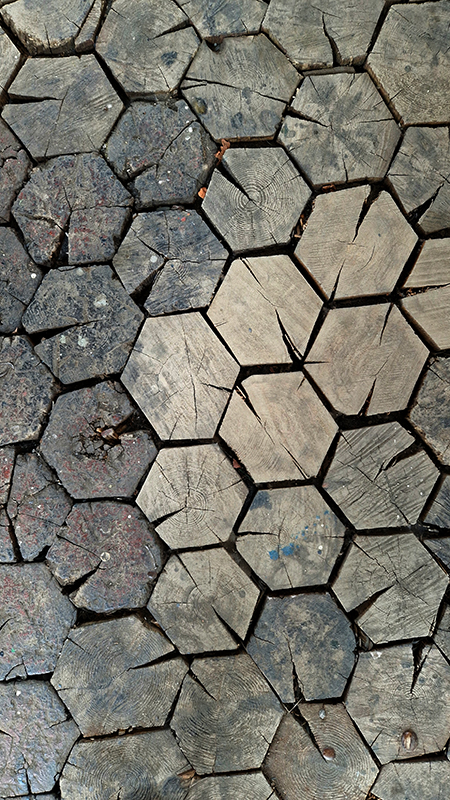
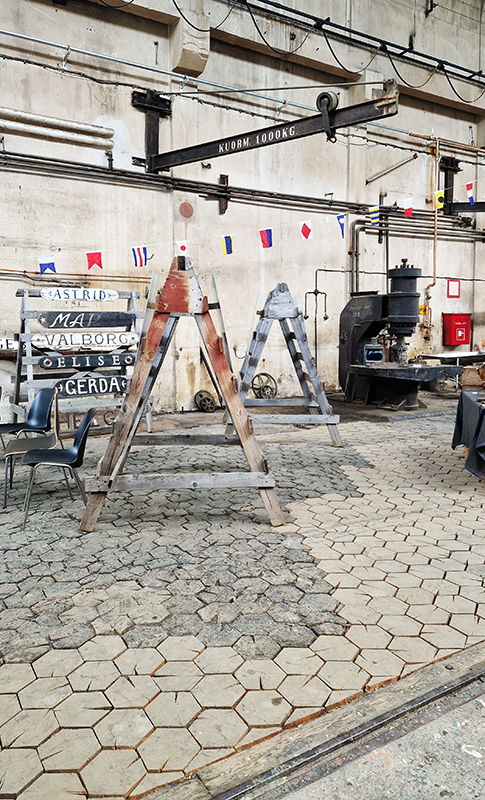
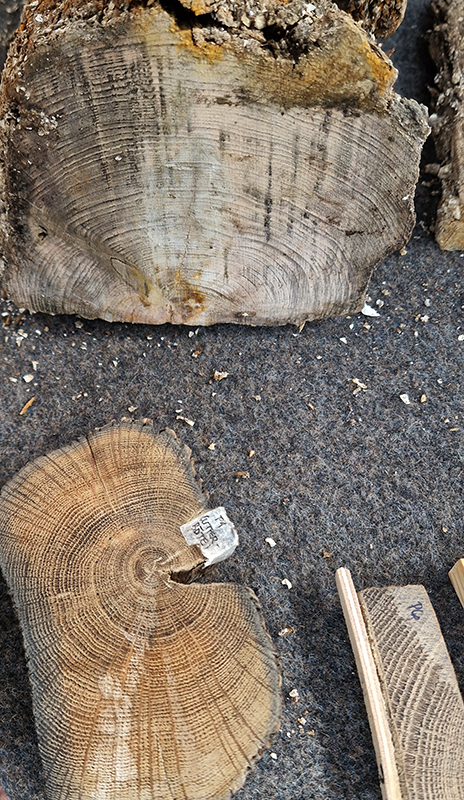
I loved the amazing hive like wood floor at Suomenlinna boatyard. Every tree carries a memory of the past, recording the weather and conditions of each season. Dendrochronologists can work out exactly when a tree was cut down which is very helpful in underwater archaeology. Around Suomenlinna there are shipwrecks beneath the sea with no identifying features except their wooden timbers which incredibly hold clues to when and where the trees used were felled. Marine archaeologists, shipbuilders and forest scientists are working together to discover the stories behind the lost ships.

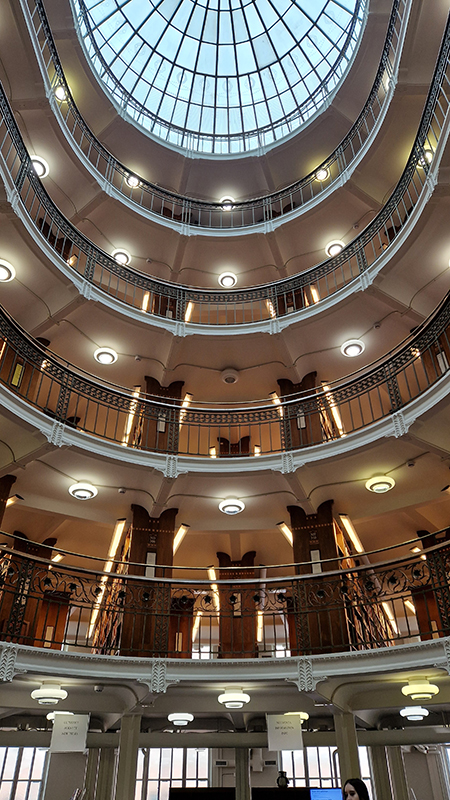
Helsinki is big on amazing libraries. The National Library of Finland is stunning and bursting with tantalizing books to explore, and the new Helsinki Central Library Oodi takes your breath away in its scale and sweeping curves.

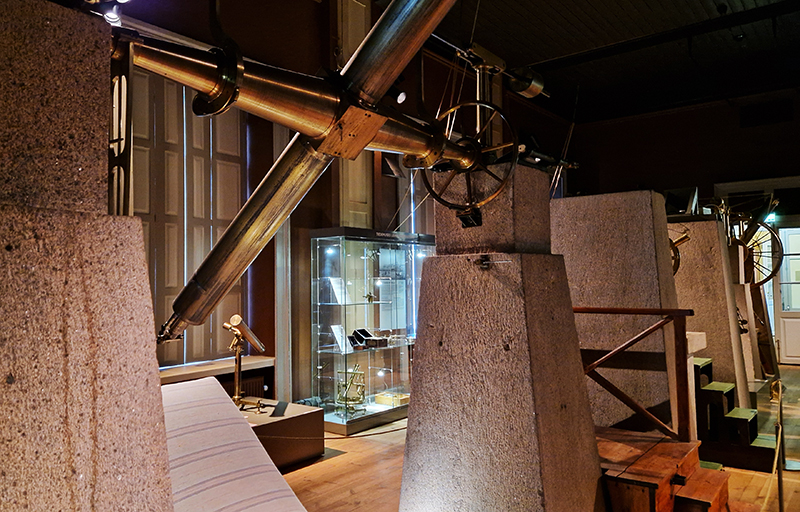
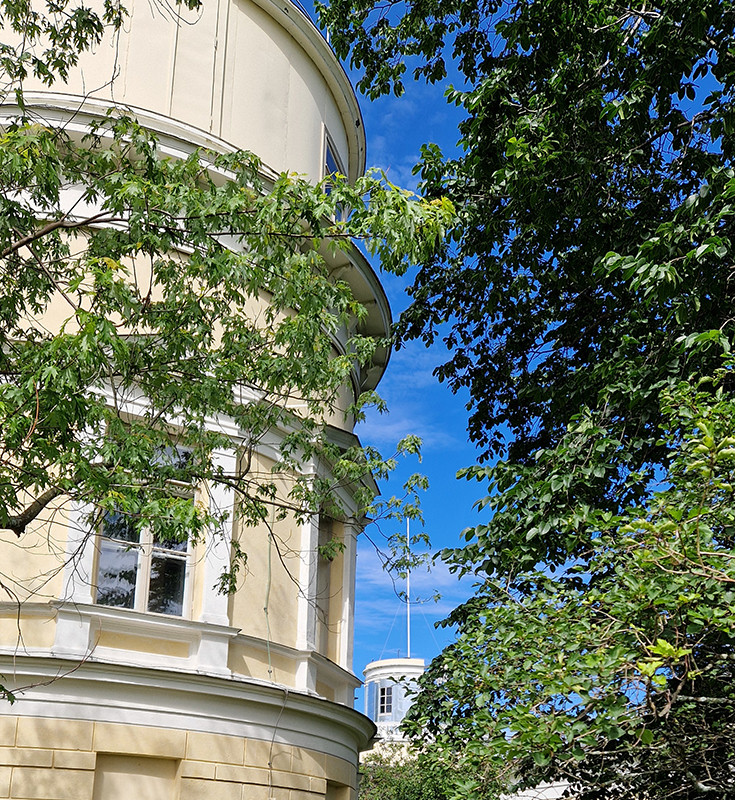
Sadly Helsinki Observatory has long since stopped functioning as a place for active astronomical research (2009) and is now a museum. It was disappointing that the electronic cloud chamber they possess wasn’t switched on but there were some interesting instruments to wonder about in the meridian room.

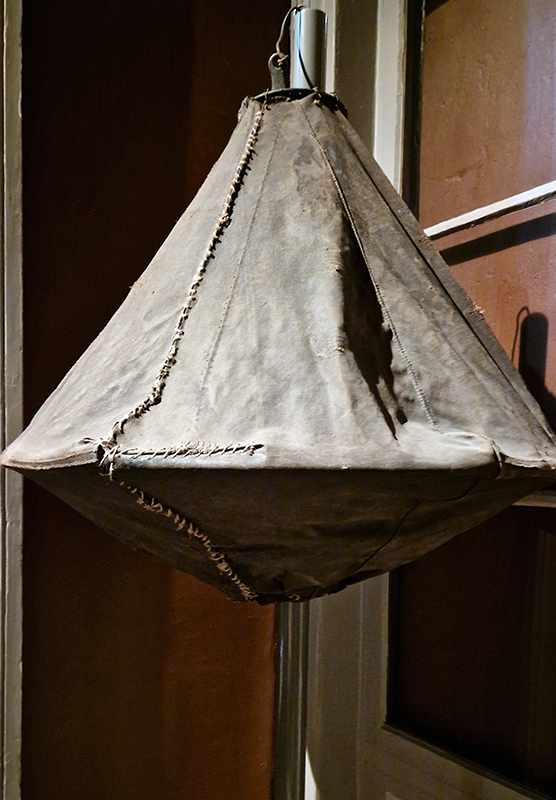
Each day the time signal bag was hoisted to the top of a mast on the roof of the observatory just before noon and dropped down exactly at noon. The correct time having been determined by an astronomer observing the stars at night. This event could be seen from Helsinki Central Railway Station where the station clock was then synchronised. This method of time keeping for Helsinki residents was in use until the 1920’s.

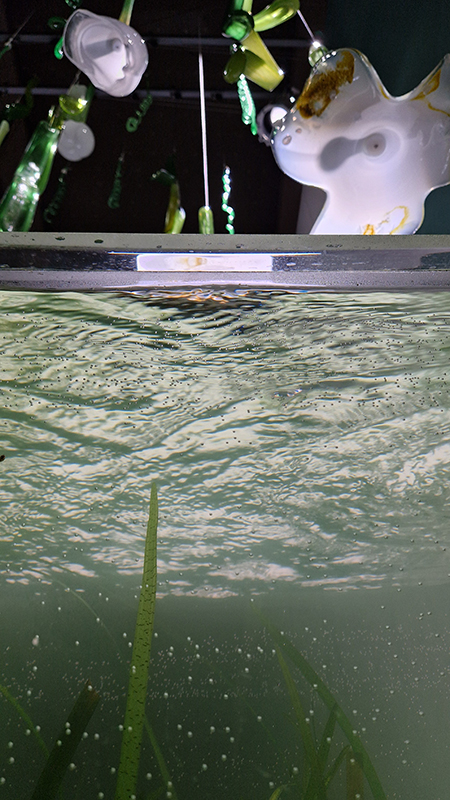
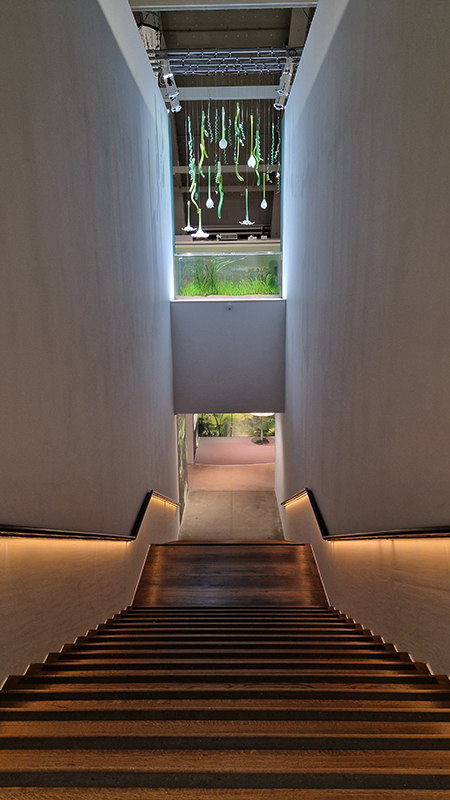
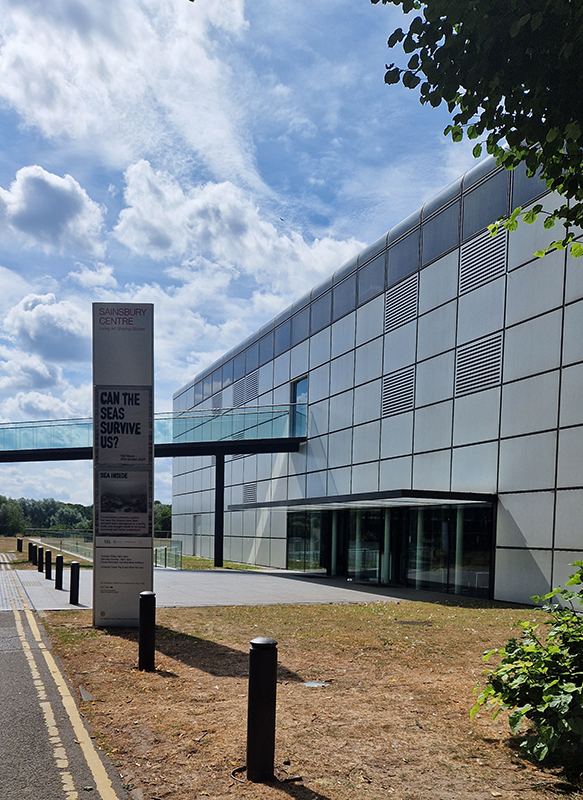
The future of our oceans is explored in the Sainsbury Centre’s Can The Seas Survive Us?

The sea has often been viewed as a mysterious ‘other’, with its expansive surface and seemingly infinite depths dominating marine imagery in the history of Western art. Artworks in this exhibition explore the ways the oceans have been domesticated, reimagined on a bodily scale and brought inside to be tamed, contained or better understood. Sea Inside turns our oceanic gaze towards the sea’s more intimate spaces – whether physical, psychological or imaginary – and dives into shared watery origins, Indigenous ways of life and the items we remove from the sea to display on land.

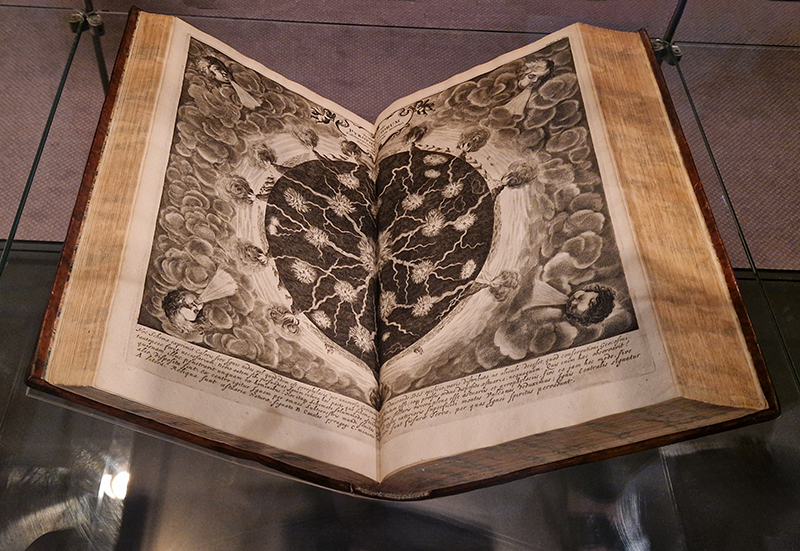
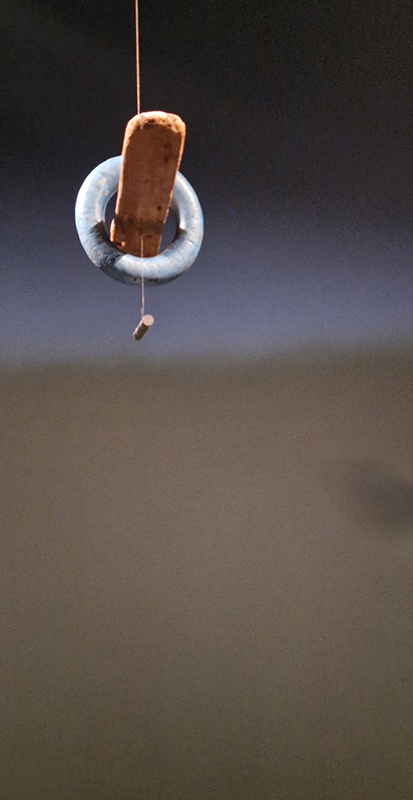
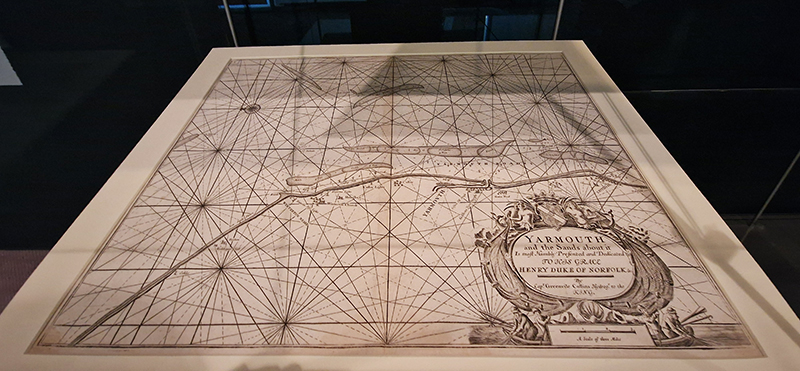
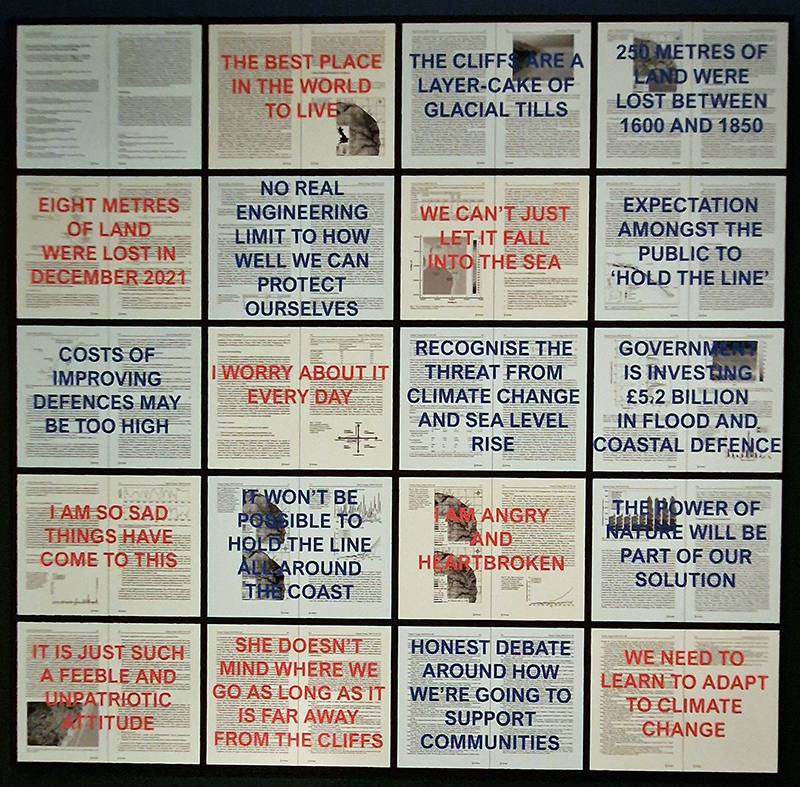
A World of Water takes the North Sea and the historical relationship between Norfolk and the Netherlands as its starting point to look at the human impact on the sea. It was wonderful to see the original book Mundus Subterraneous from 1664 by Athanasius Kirschner whose geological illustrations and speculations I have been fascinated by. Olafur Eliasson’s suspended Shore Compass uses driftwood to reflect on navigation of an uncertain world. Some great maps in this exhibition including the intriguing map of sandbanks off the coast around Great Yarmouth. I have enjoyed following Julian Charriere’s visually dramatic work on Instagram so it was good to see these images scaled up. Andrew Watkinson’s montage based on research from the Tyndall Centre for Climate Change about coastal erosion in Norfolk swerves from resignation to resistance, hope to despair and took me back to my BA dissertation (The Communication Of Ecological Concerns Through Contemporary Artistic Practice, 2007) writing about climate change warnings coming from the Tyndall Centre and the frustration of researchers about distorted media coverage that made it hard for the public to understand the facts. Suffolk too has lost a lot of land to the sea since I was a child there. Although dreams of tidal waves are common anxiety dreams I believe mine were also influenced by overheard stories of the North Sea flood of 1953 when a storm surge coincided with a high spring tide, which my parents and local villagers remembered vividly, it was the worst flood of the 20th century in England and Scotland and many lives were lost. Maggi Hambling’s sublime Wall of Water holds frozen the terrifying waves that may threaten us while Cian Dayrit’s Dam Nation examines the impact to communities and ecosystems when water is held back or re-routed.

Darwin in Paradise Camp by Japanese-Sāmoan artist Yuki Kihara calls out that ” a reconsideration of what it means to be human requires a re-evaluation of the origin of the species.”

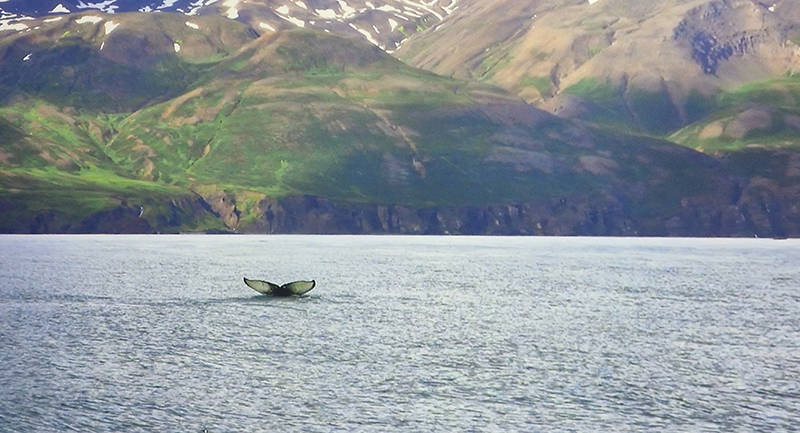
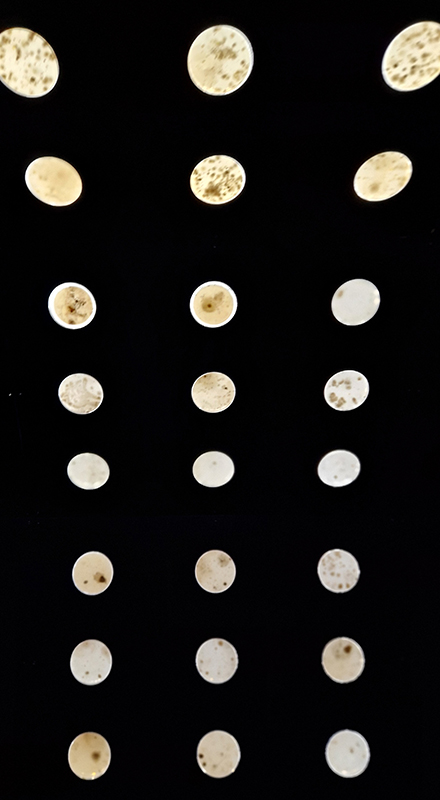
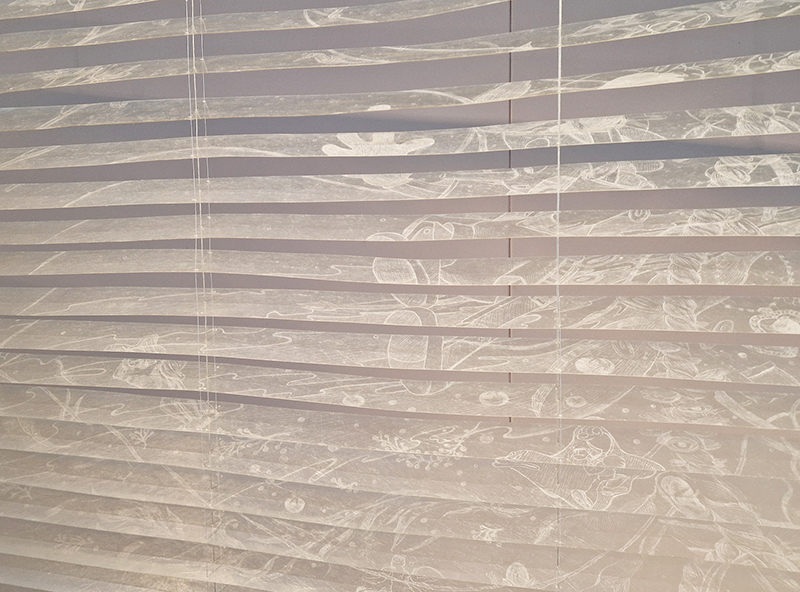
Sea Inside turns our oceanic gaze towards the sea’s more intimate spaces – whether physical, psychological or imaginary including work by Marcus Coates (attempts to create the call of the humpback whale in a bathtub), Kasia Molga (How to make an Ocean – the artist’s salt tears fill miniature glass capsules where algae is cultivated), Gabriella Hirst (ethereal images on hand etched fibreglass in a slatted structure that echoes the baleen inside a whale’s mouth).

At London galleries I saw work about tuning in to invisible forces, the importance of how we treat our fellow humans (dead or alive) and an assessment of the influence of past and present technology on hope for the future.

Islington Gallery Weekend is a great idea, just the heat while out walking that weekend meant I didn’t make it to all the galleries participating.

The Observatory at Bobinska Brownlee New River, presented abstract and textural works by Claudio del Sole, an artist and amateur astronomer who co-founded the ‘Astralist’ movement in 1959 inspired by the dawn of the space age. These cosmic inspired works are shown alongside those made in response to the Astralist manifesto by contemporary artists James Brooks, Robert Good and D J Roberts. Cocktails and an incredible performance on the piano of unique work by composer Edward Henderson were also part of the afternoon.

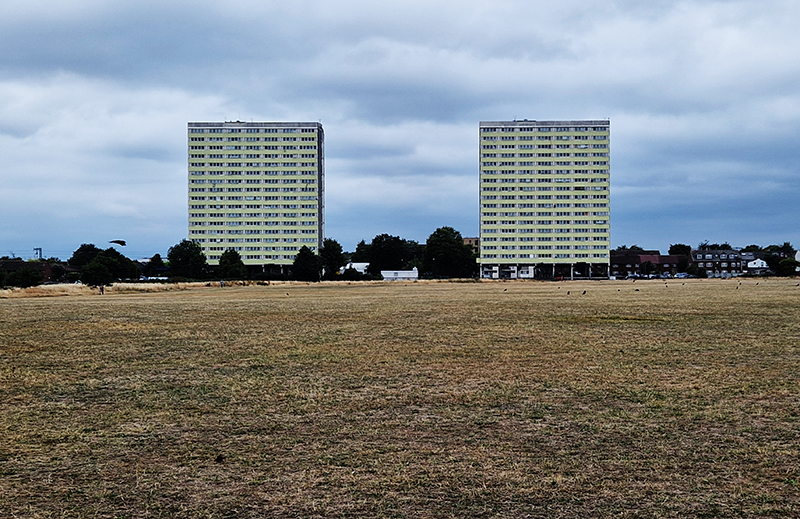
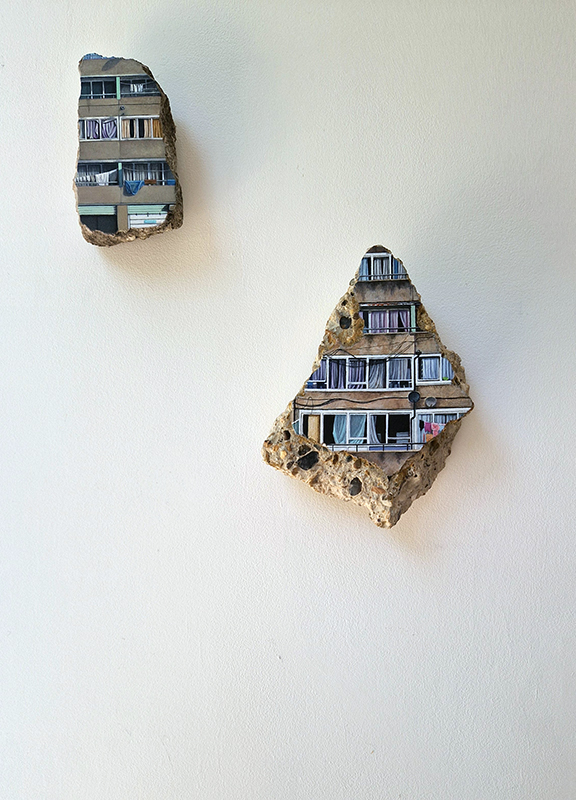
Poignant work from Harriet Mena Hill in Curtains at PostROOM Gallery. Fragments collected from demolition of the Aylesbury Estate in South East London are meticulously painted with details of the buildings that once were home to a community. An accompanying film gives voice to those who enjoyed life here before lack of maintenance and social care slowly stripped away the heart and soul.

Fascinating listening to Tracy Hill speak about her work in Natural Frequencies at White Conduit Projects which explores ways of being sensitive to invisible energies that move through us and our landscapes. Her experience of working with a water diviner feeds into her intuitive drawing processes and cut paper works.

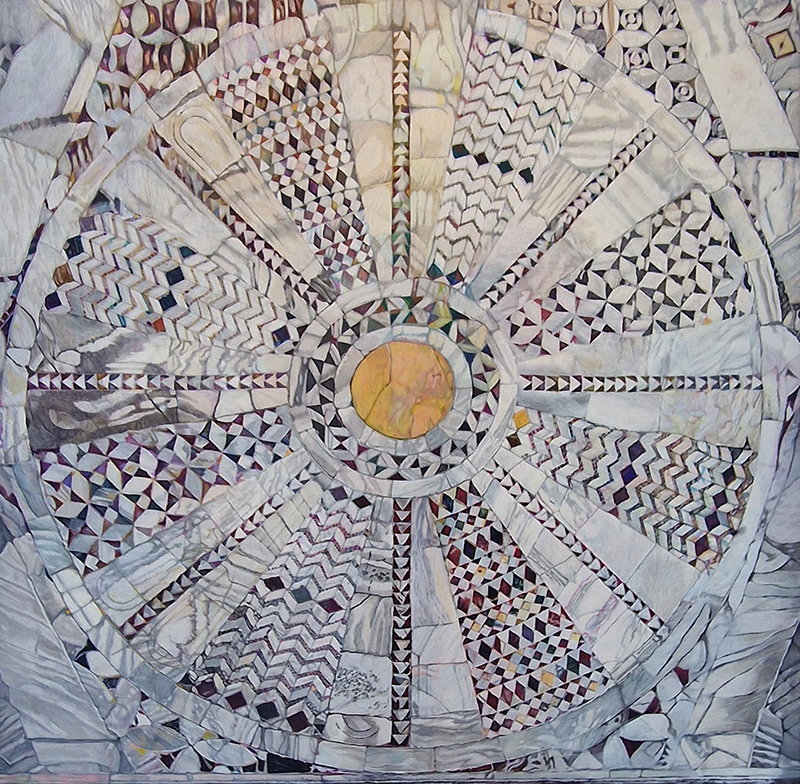
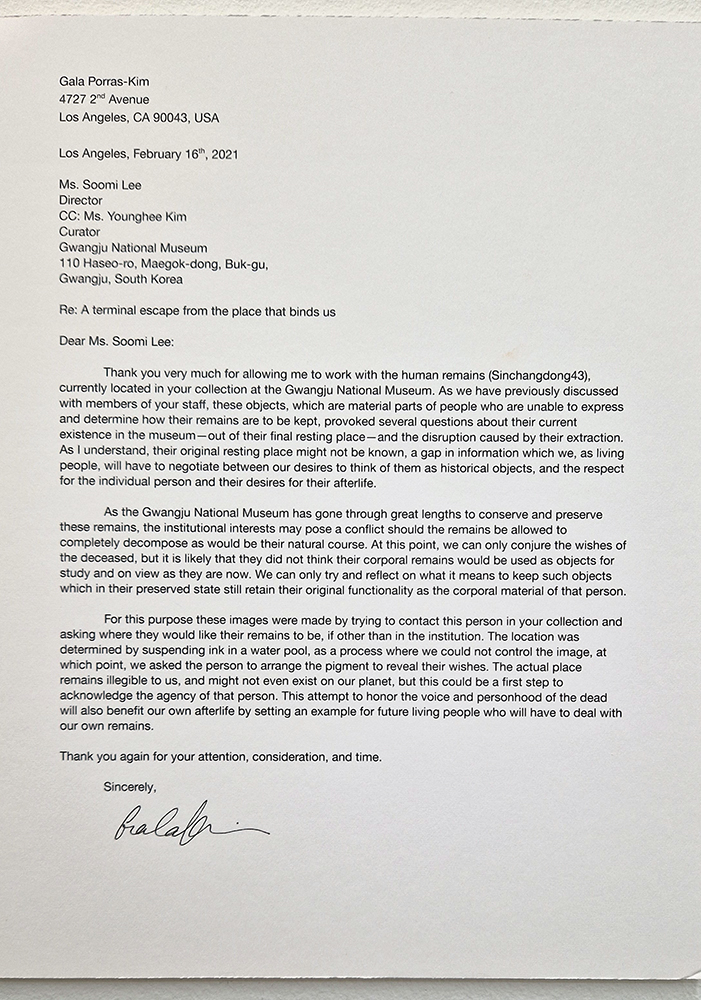
I was drawn to visit Gala Porras-Kim The categorical bind at Sprüth Magers to see these images which reminded me of the large hadron collider but made from marble. They are actually an examination of the conservation of marble tiled floors in Italy.

I remembered I had seen her work before at Gasworks and found it really interesting. In this piece she attempts to commune with the dead whose remains have ended up in a museum collection, possibly not where the living person had expected or would want.

Gala Porras-Kim

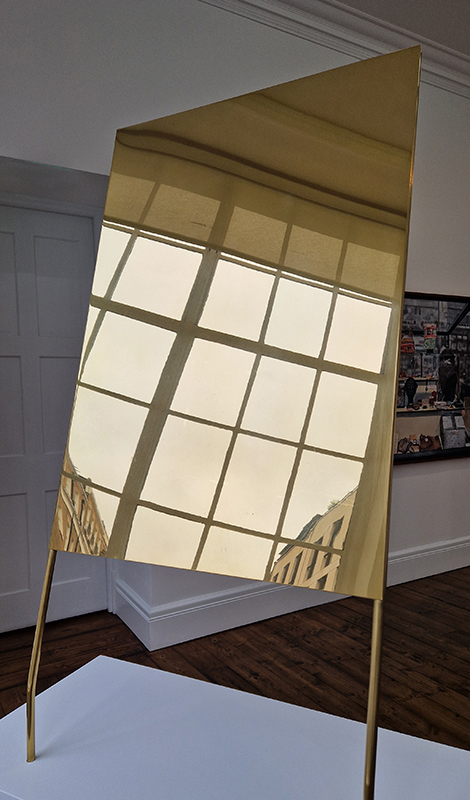
All Earth energy sources are known to come from the Sun

Brass, sunlight

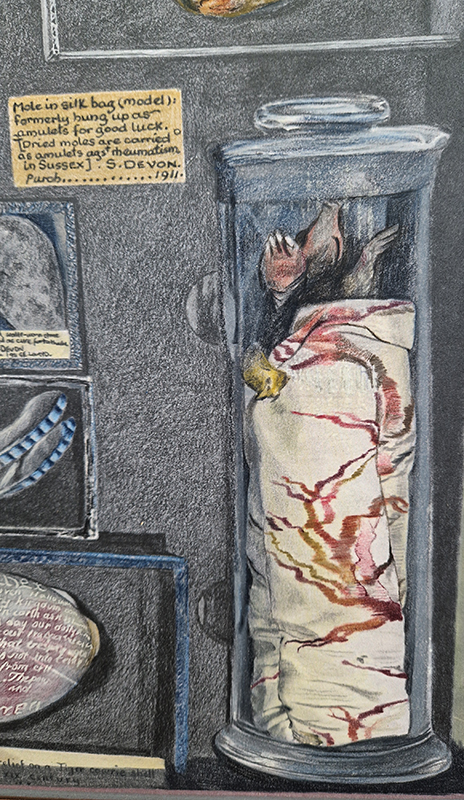
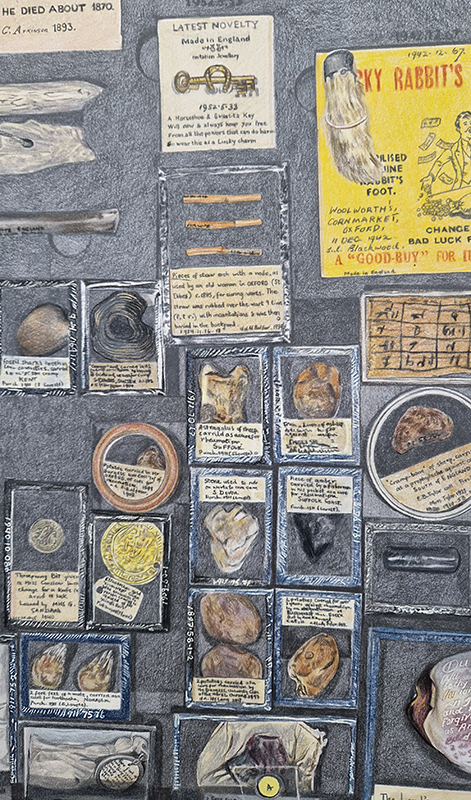
Most of the works were coloured pencil drawings of museum collections, giving agency to objects and questioning categorisation – this one of the poor mole amulet made me think of my mole killer brother who suffers from arthritis.

It is fascinating to think about how humans experience sound and consider frequencies occurring outside the human spectrum of sensitivity that other animals may be able to hear. Also to think about sound as vibrating bodily rather than auditory sensation. Barbican Feel the Sound requires a willingness for interactivity to experience most of the exhibits. The instructions weren’t always clear and so it was at times a bit of a frustrating journey through the space.

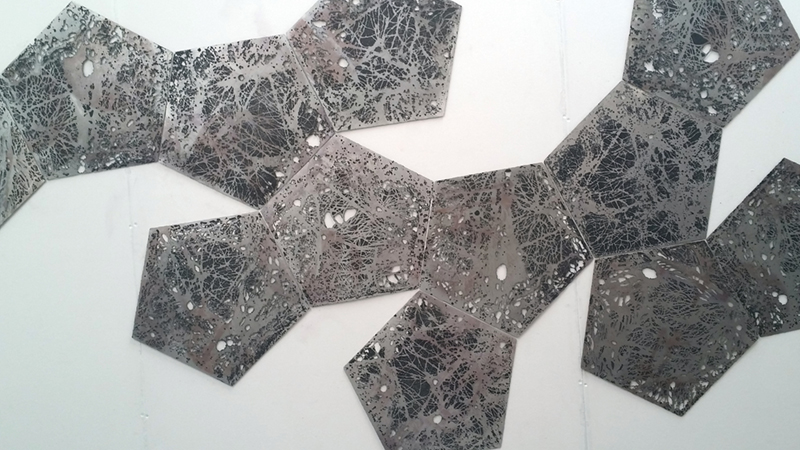
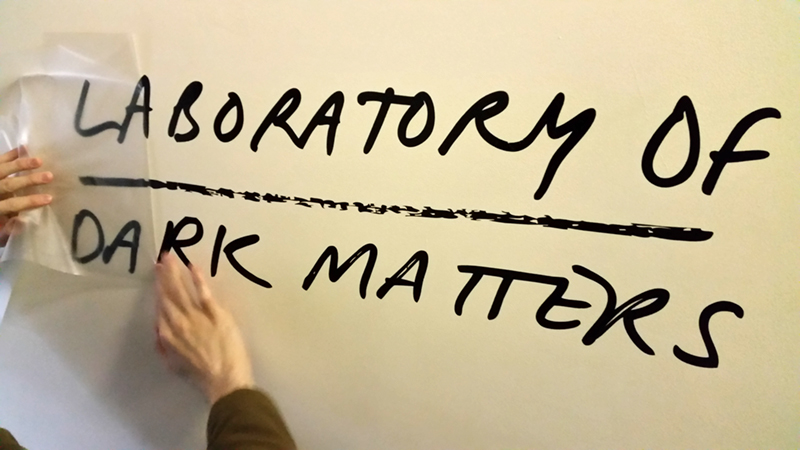
During the hiatus between the Laboratory of Dark Matters Guest Projects residency and installing at Cleveland Ironstone Mining Museum was a chance to test out installation options and visit a few events.

1707 cloud chamber

Euan James-Richards created a great video for our residency at Guest Projects- view Laboratory Of Dark Matters video here.

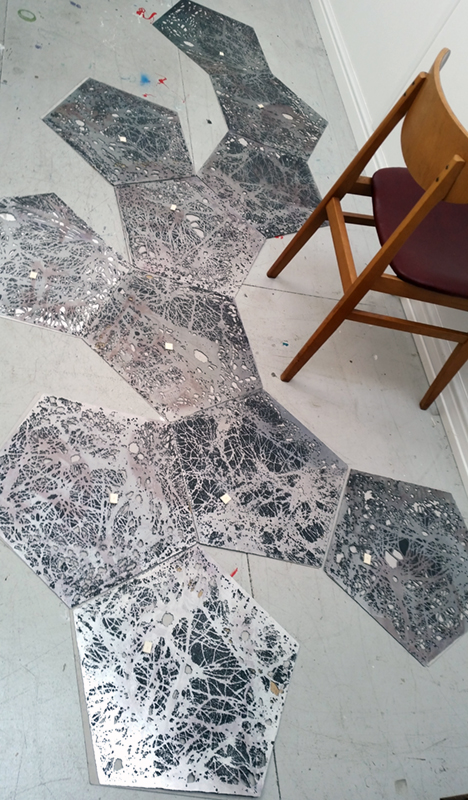
There are a few alternative options for a dodecahedron net – this was my favourite.

1707 dodecahedron net

Connecting dark matter

1707 test The Forms

Testing in my studio which had turned into an unventilated sauna that day

1706 test The Forms 3

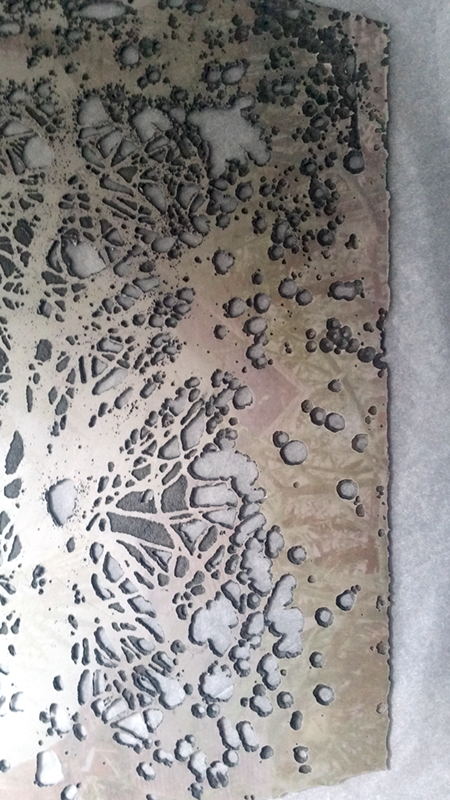
Heat is what makes it impossible to time travel backwards. I think. Though applying heat (200°C) to the plates again made the disperse colours that had vanished reappear………………temporarily

1707 heatpress colours reappear

Always the unexpected outcome.

1707 Minute Bodies

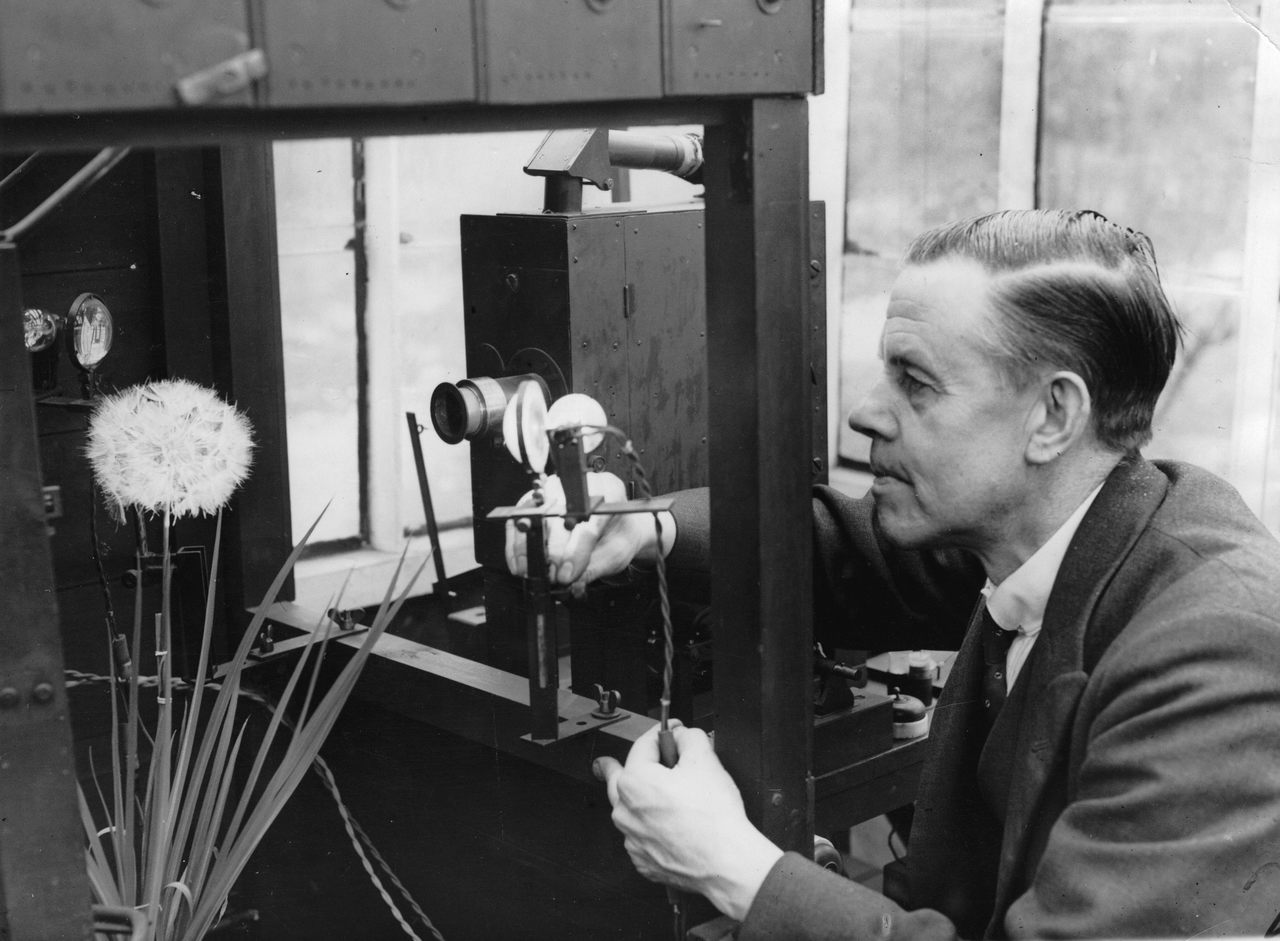
A real treat at the Barbican was a live accompaniment by Tindersticks to the exploratory science films made in the early 1900’s by F. Percy Smith, naturalist, inventor and documentarist. Link here- Soundtrack from documentary “Minute Bodies: The Intimate World of F. Percy Smith” (2016) by Stuart A. Staples.

In his house in Southgate, the ex-goverment clerk Percy Smith films the life stories of hundreds of rare plants

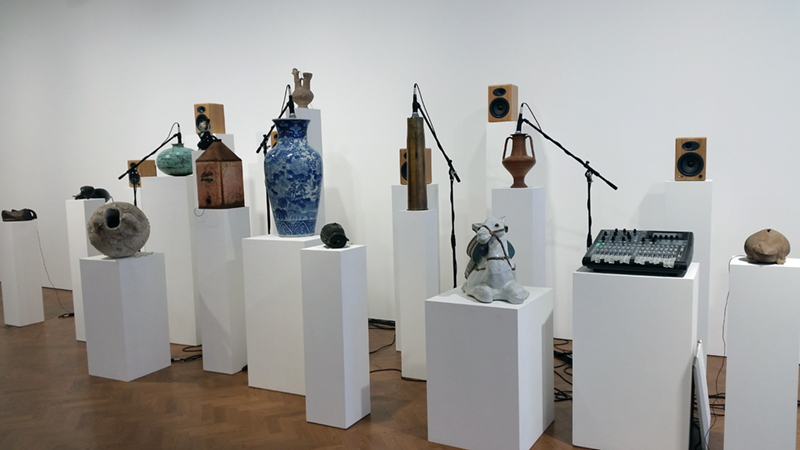
As soon as I saw this documentation I knew I would like Oliver Beer.

1707 Oliver Beer 1

Is it bad to always think – oh this reminds me of… well this reminded me of Mark Leckey – The Universal Addressability of Dumb Things

1707 Oliver Beer 2

except these artefacts sang out, resonating with the air vibrating through their hollow forms

but it was still an interrogation of a collection of objects, squeezing out an essence/aura.

Then there was the building itself – Galerie Thaddeus Ropac – it’s space mapped through sound – the singers slamming their voices into the corners which threw them back, rising and echoing off the walls, harmonising to a crescendo until every inch of space vibrated

and there was no air left to breathe that wasn’t full of sound,  it was incredibly beautiful and absorbing. Also from the inside  out – an ear trumpet to the world beyond1707 Oliver Beer 5

street noises magnified

1707 Oliver Beer 6

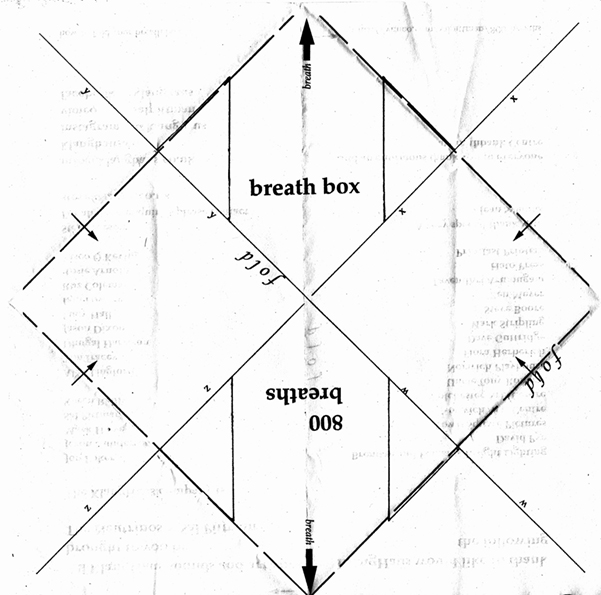
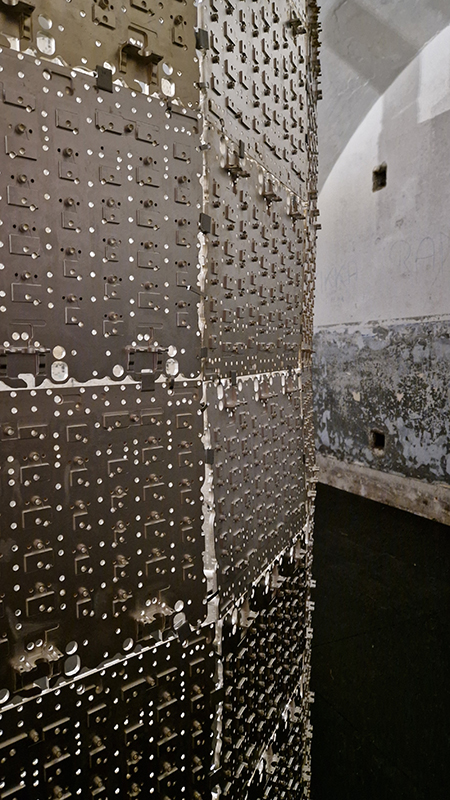
Another sound experience was KlangHaus 800 Breaths at the South Bank Centre. More in earnest. More theatre.

1707 Klanghaus

Great to be escorted through the otherwise out of bounds roof spaces and enjoy the mash up of film projections and live music played LOUD amid the galvanised steel ducting and ventilation systems.

1707 breath box

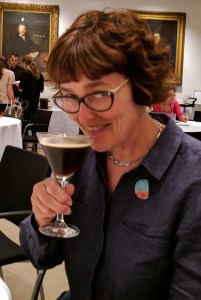
Time for the Royal Society Summer Exhibition late night adults only serving poison cocktails.

1707 Royal Society Poison cocktail

Dr Kathryn Harkup gave us the low down on the most efficient murder tools.  Learnt that hemlock looks very like parsley; just 1 gram of nicotine (eaten) would kill you in 4 minutes – very quick for a poisoning; 100 cups of coffee in one day would kill you with caffeine  – but the water would get you first.

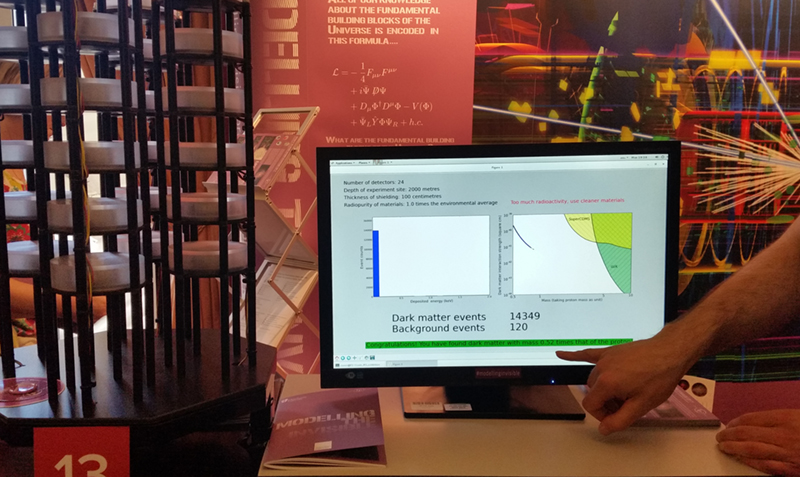
First stop –  Modelling the Invisible – Durham University – where I met David Cerdeno, a colleague of Cham Ghag who I had only emailed the week before about the LODM project- they had a device where you could set your dark matter detection experiment parameters, run the experiment  and warp forward in time to get your results – lots of lucky people were finding dark matter – shows optimism for their project which is going to be installed at Snowlab in Canada.

1707 Royal Society Summer Science DM

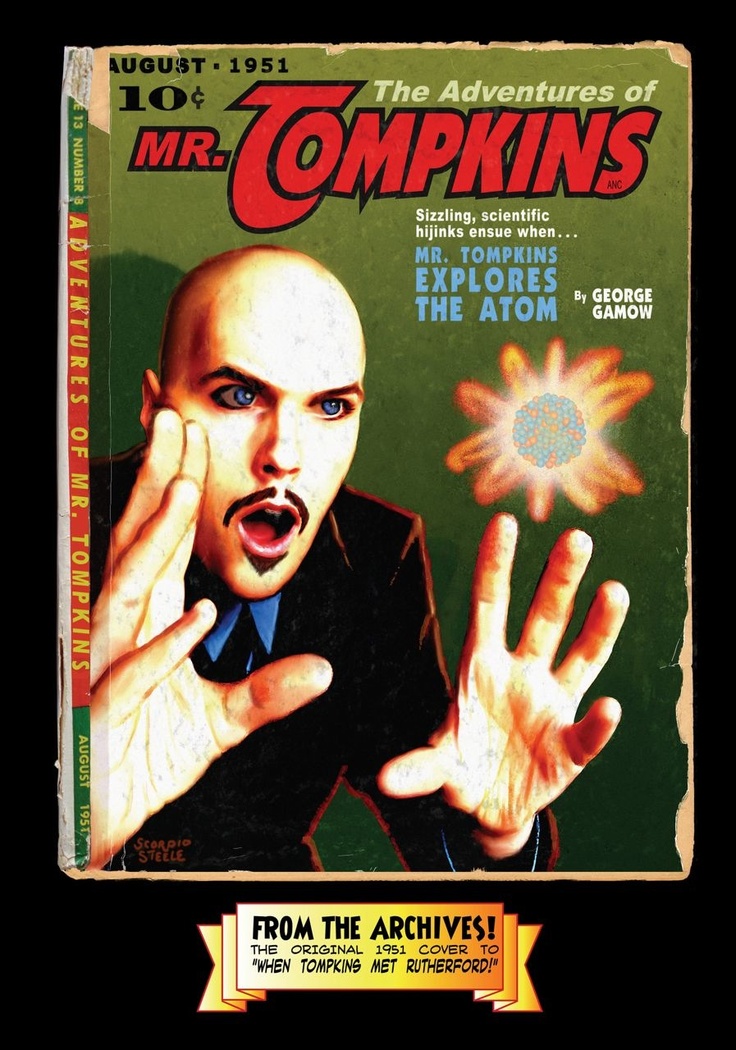
I was encouraged to track down and read a series of books by the physicist George Gamow explaining scientific theories through the character of Mr Tompkins who experiences dreams in which he enters alternative worlds where the physical constants have radically different values from those they have in the real world.

1707 Mr Tompkins

Had a chat about Large Hadron Collider computations that come from smashing particles together – 600 million collisions every second and the incredible number of particles that get produced and just how many types of particle there are  –  I was pointed in the direction of the particle physics bible. 

1707 Royal Society Summer Science Exh

Tried to ascertain what Gravitational Waves are made of but ended up no clearer,  they are bound up in spacetime and measuring them involves incredible accuracy but I couldn’t get to grips with what medium they use to travel across space – is it the as yet unobserved gravitons? Was informed that if I had a metre ruler and took it to Mars it would be shorter but so would I be, therefore I wouldn’t notice.

1707 gravitational waves

Quantum gravity is the sought after theory. It may turn out that the distinction between spacetime and matter is invalid at the Planck scale.
Every body gravitates because it bends the space surrounding it, changing the flow of time in the process – at the same time how a body moves in a gravitational field is determined by how it fits into warped spacetime.

I think these are phenomena I am too big or too small to notice.

Bit of a public engagement thing and free apps going on at www.laserlabs.org

Should I want to make a mini supernova I need a hydrogen based product about a mm across – hit it with a very powerful laser (the Orion Laser would do) until it reaches impossible temperatures – it will explode into a supernova that would fit in the palm of my hand. Ouch.

1507 Sun Factor

Susan Eyre Sun Factor

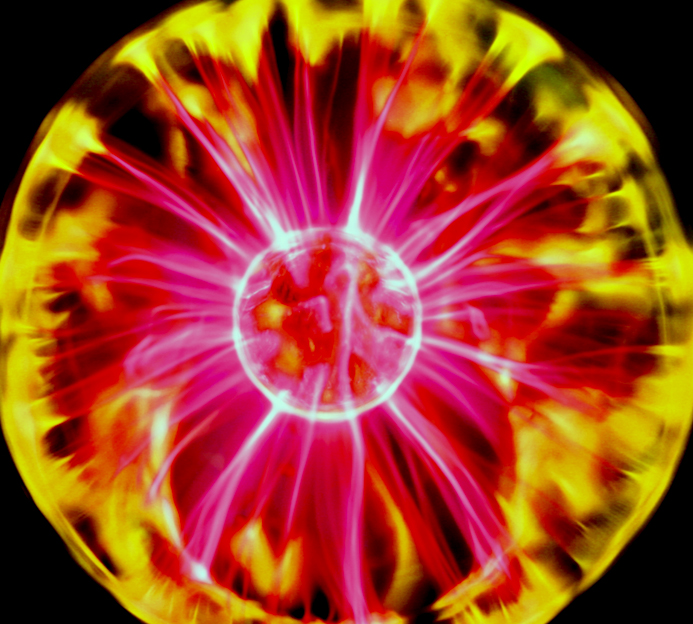
Apparently around 10 supernovas happen every second, bringing home the vastness of the universe. Some comfort is that our sun is too small to explode in this way. Plasma makes up a lot of the universe but on earth the temperature is too cool – plasma occurs when something gets so hot the constituent parts of the atom separate. Plasma is considered the fourth state of matter. The three other states are solid, liquid, and gas.

1707 plasma 1.jpg

There is a new type of laser called maser – masers amplify microwave signals from space, it doesn’t add any noise as the photons are fired into a crystal which absorbs them, then releases them all at the same time in coherence so they have less interference – all nicely lined up and much more intense – they used to need to be cryogenically cooled to work but now they have made it possible using a crystal to make all electrons move in the same way. This is good for receiving weak signals from space like communications from the Mars Rover.

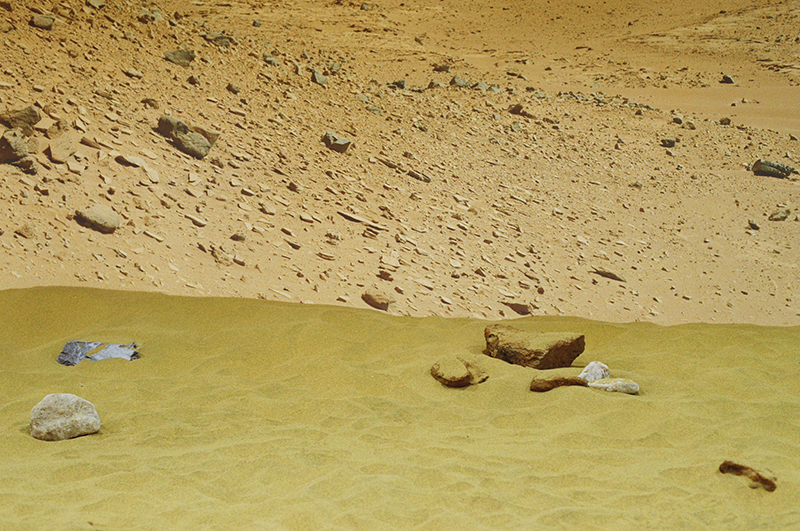
1707 Luci Eldrige Mars reconstructed

Luci Eldridge Mars reconstructed

Having been on the peripheries of Melanie King’s Phosphorescence workshops as part of Dark Matters Lab. it was interesting to try to understand how fluorescence works.

1707 Phoshorescence workshop

Southampton University were on hand explaining how fluorescence works in coral but I think the principle is always the same –  the fluorescent substance takes in blue light and emits light in a different colour at a lower energy, the electrons drop down in their orbits of the nucleus to base level and then move back up. The substance atom would usually have a coiled shape and the electrons get lost in the coils. Coral is a shell structure containing symbiotic algae and the fluorescence helps protect the algae from too much sunlight in shallow waters.

I enjoyed the ritual based symmetry of Benedict Drew’s The Trickle Down Syndrome installation at Whitechapel gallery. Ready to worship. Fearful of outcomes.

1707 Benedict Drew

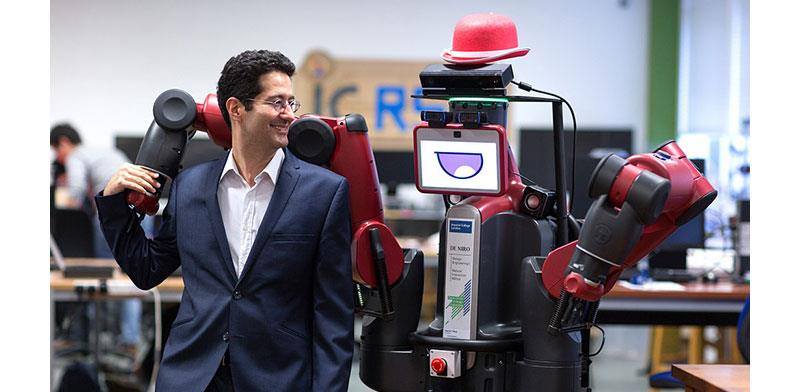
A full day at the Science Museum assessing Robot Futures: Vision and Touch in Robotics a symposium hosted by Luci Eldridge and Nina Trivedi bringing together engineers, scientists, cultural theorists and artists to explore notions of embodiment and telepresence in the field of robotics and in virtual and augmented realities. It began with a tour of the current Robots exhibition followed by a demonstration of ROBOT DE NIRO by Dr Petar Kormushev of Imperial College Robotics Lab.

1707 Robot De Niro

This is when we learnt that although huge progress has been made robots are still pretty limited in what they can do physically. Great programme of speakers including  Gregory Minnissale: Nonlinear Vision and Touch in Art, Science and Technology; Joey Holder: Ophiux; Nea Ehrlich: Envisioning 21st Century Techno-Vision: The Ethics and Aesthetics of Machine Witnessing in Non-Fiction; Bianca Westermann: Robotic Presences: Encounters with the Artificial between Social Companionship and Embodied Representation; Ruairi Glynn: Animacy Aesthetics; Maya Oppenheimer: The Robotics Division of the Dramaco Instrument Company Introduces the Ensocellorator Reliance Pro II; Stephen Ellis (via Skype): On the character, scope, and meaning of the spatial user interface to Virtual Environments: its recent and deep history; Simon Julier; Nicola Plant and Jeremiah Ambrose: Systems of Seeing: Virtual Gaze Interaction.

Next stop the North East.

1707 CIMM install.jpg