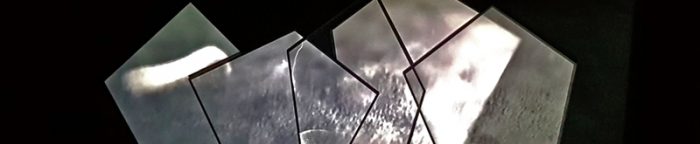
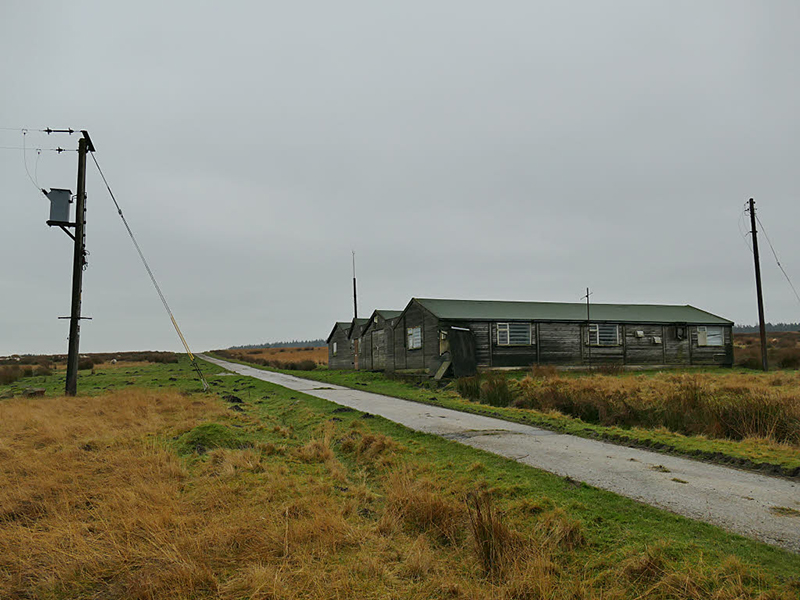
I am excited to be planning a visit to Haverah Park, the site of a cosmic ray air shower detection array consisting of water Cherenkov detectors distributed over an area of 12 km2 on the Pennine moorland, North Yorkshire. The experiment was operated by University of Leeds for 20 years, and was switched off in 1987. During its lifetime many 1000’s of extensive air showers were recorded including four exceptional ones of such size that the cosmic rays that generated them must have had energies greater than 10eV. These particles are the highest energy form of radiation known to exist anywhere in the universe and their origin is one of science’s greatest mysteries. Having reimagined The Absolute Hut seen at Hartland Magnetic Observatory for the exhibition A Stone Sky I am hoping a future project may be the reimagining of the huts from Haverah Park.
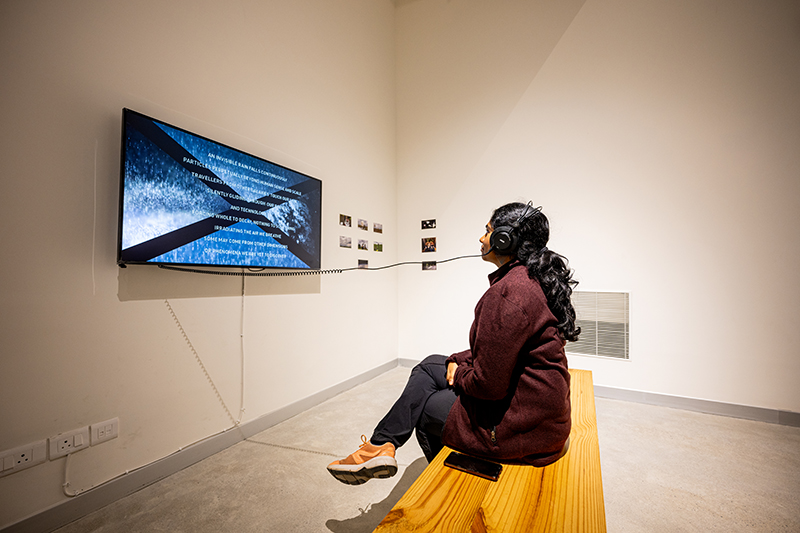
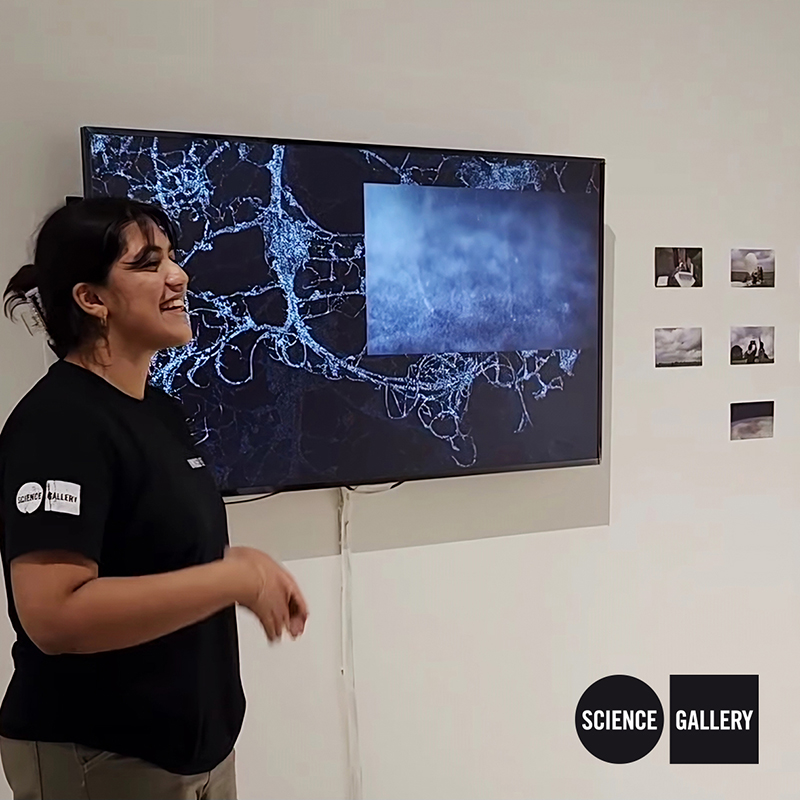
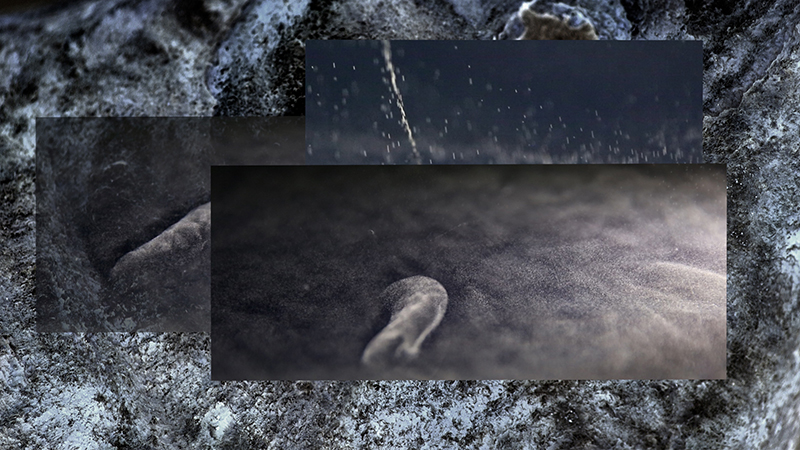
The exhibition Carbon: under pressure at Science Gallery Bengaluru is still running and I am so proud to have my work Cosmic Chiasmus: crossing the universe included in this amazing show. This video offers a glimpse into a subatomic world where cosmic rays travel from distant galaxies to collide and silently interact with atoms and technology on Earth. Cosmic rays go through a violent process of creation, transformation and decay. From the heart of stars or the depths of black holes these particles power across the universe with unimaginable energy colliding with life on Earth and triggering other processes such as cell mutation, computer data corruption and carbon-14 formation.
I am fascinated to learn more about cosmic magnetism and its influence on the development of early life.
The Universe is magnetic. From stars to galaxies to intergalactic space, magnetic fields thread the cosmos. Yet the origin of cosmic magnetism is still unknown, so astronomers are attempting to make maps of the magnetic fields inside massive galaxy clusters to determine if cosmic magnetism came from the early origin of the universe or developed over time. If it is discovered that there is an alignment of fields across the universe this would point to a primordial source of the cosmic magnetic structure rather than a slow emergence from seed magnetic fields. Understanding the origin of cosmic magnetism may give clues to the development of life on Earth and the possibility of life elsewhere in the universe. Only planets with a magnetic field have an atmosphere and offer protection from most radioactive cosmic rays.
Those cosmic rays that do penetrate the atmosphere may have influenced the development of early life. Chirality, also known as handedness, is the existence of mirror-image versions of molecules. Like the left and right hand, two chiral forms of a single molecule reflect each other in shape but don’t line up if stacked. All known life-forms show specific chiral properties in chemical structures as well as macroscopic anatomy, development and behaviour. The sugars that make up DNA, for example, are all right-handed. The amino acids that make up proteins are all left-handed. It is not clear how this asymmetry evolved but one theory suggests that magnetic surfaces on minerals in bodies of water on the primordial Earth, charged by the planet’s magnetic field, could have served as “chiral agents” that attracted some forms of molecules more than others, kicking off a process that amplified the chirality of biological molecules.
Another theory proposes that the influence of cosmic rays on early life may explain nature’s preference for a uniform “handedness” among biology’s critical molecules. Before life emerged on Earth, self-replicating molecules were slowly evolving beneath a constant shower of energetic particles from space. Researchers believe that cosmic rays with the ability to penetrate matter were potentially colliding with chiral molecules on Earth and everywhere else in the universe. These tiny differences in the mutation rate would have been most significant when life was beginning and the molecules involved were very simple and more fragile. Under these circumstances, the small but persistent chiral influence from cosmic rays could have, over billions of generations of evolution, produced the single biological handedness we see today.
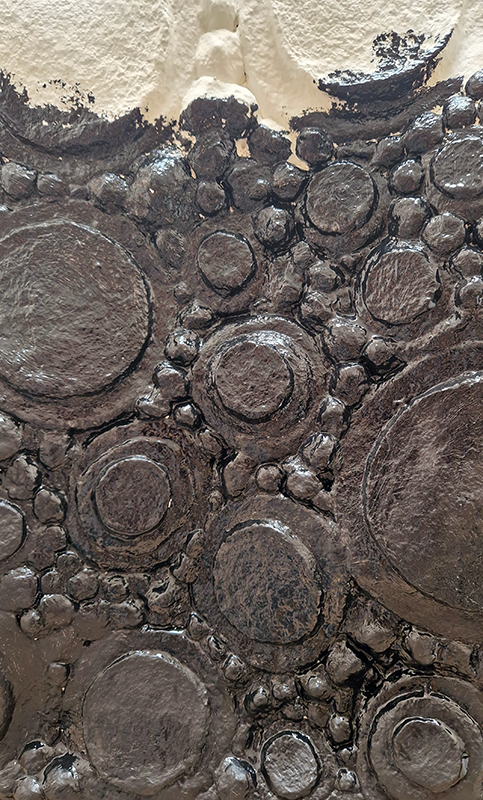
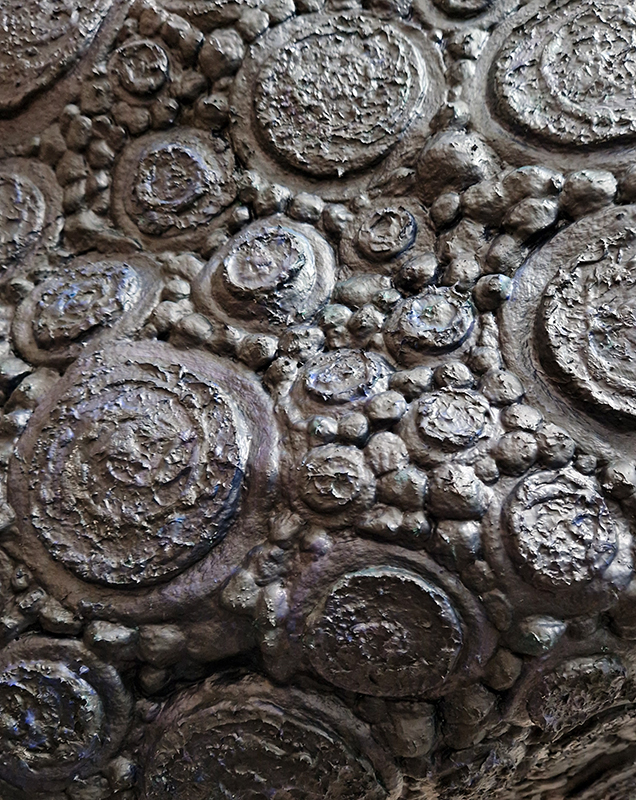
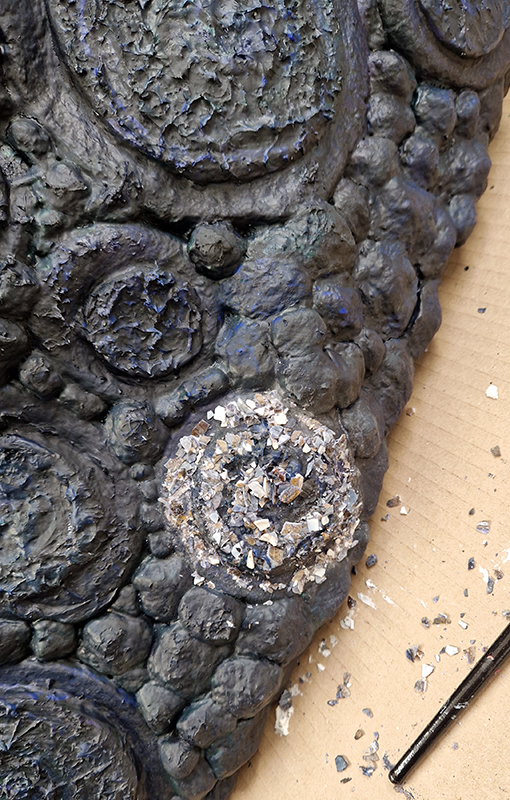
Chirality is also seen in the spiral of a mollusc shell. I am in the process of finishing the sculpture shell for belly of a rock a hybrid work of chemical conversations at the intersection of the animate and inanimate, inspired by Italo Calvino’s Cosmicomics story The Spiral. Paper clay with crushed mussel shells.
My most recent video installation Orbital shown in Life Boat at APT Gallery focused on the potential risks to technology and life on Earth from extreme solar storms.
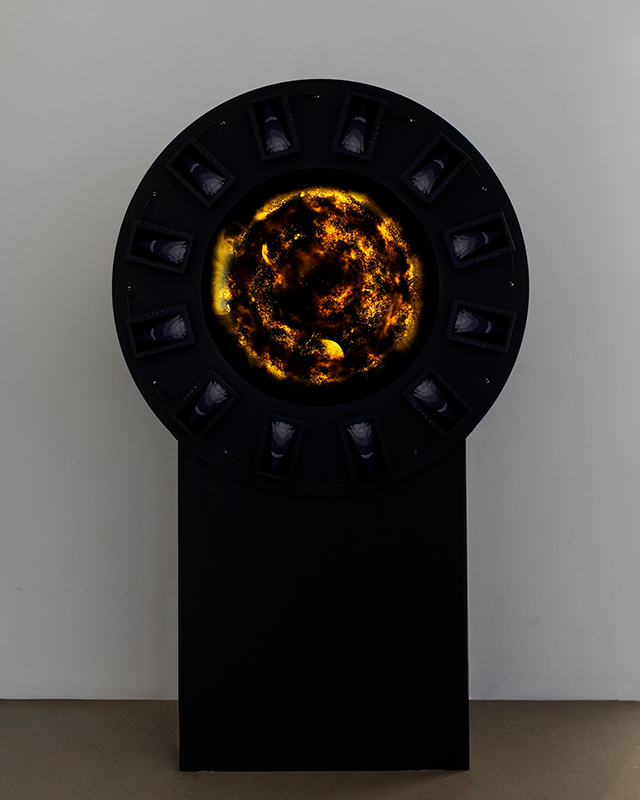
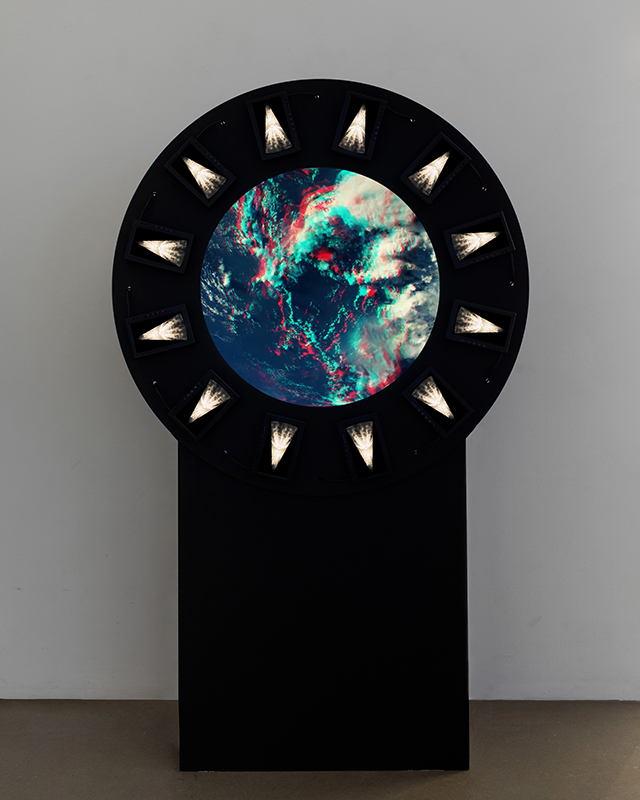
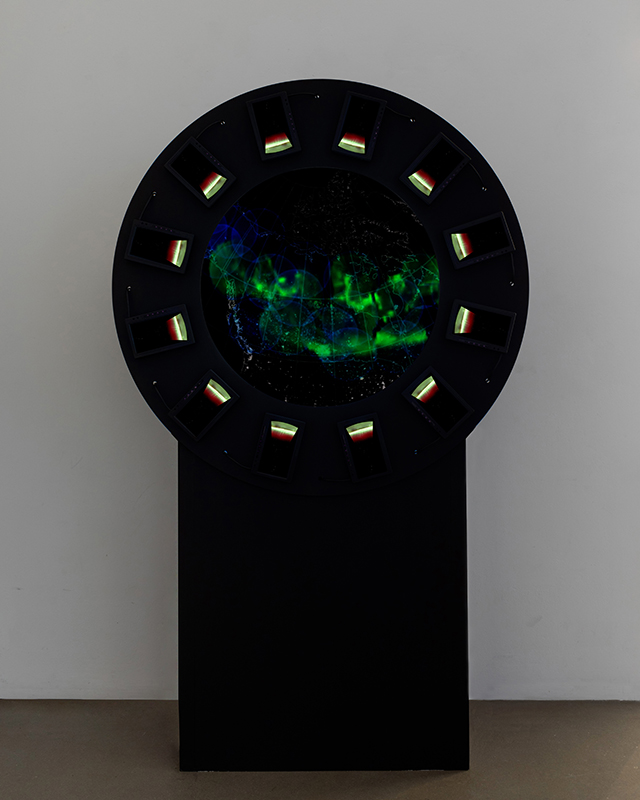
The following month, a barrage of large solar flares and coronal mass ejections jettisoning clouds of charged particles and magnetic fields, travelling at speeds up to 3 million mph toward Earth, created the strongest solar storm to reach Earth in two decades, and possibly one of the strongest displays of auroras on record in the past 500 years. There were even perfectly clear skies to view this extraordinary event, yet I missed it. So envious of all those who did get to see the displays of Aurora at such low latitudes. I am hoping there will be another chance to see the Aurora in the UK during this current year of peak solar activity, but not so dramatic a storm as to cause an ‘internet apocalypse’.
Gallery Visits
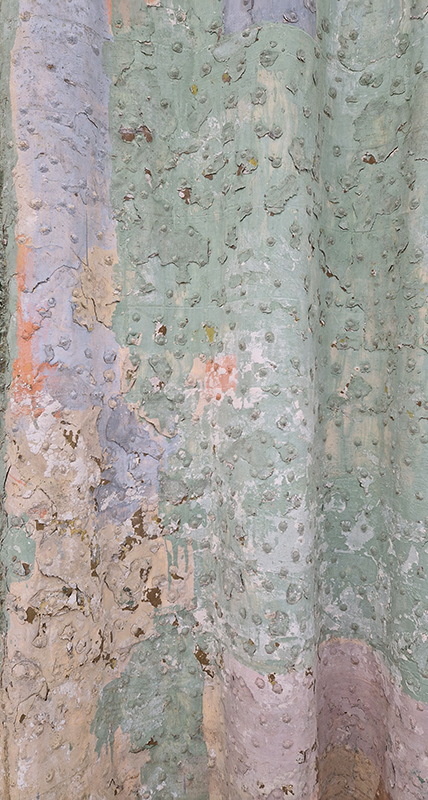
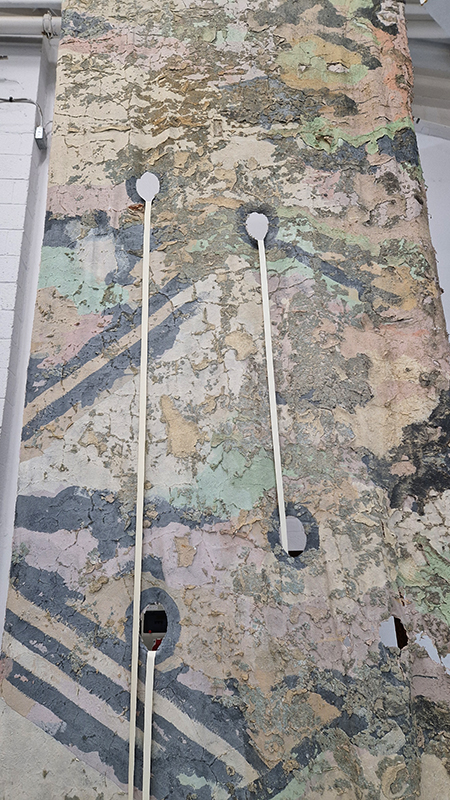
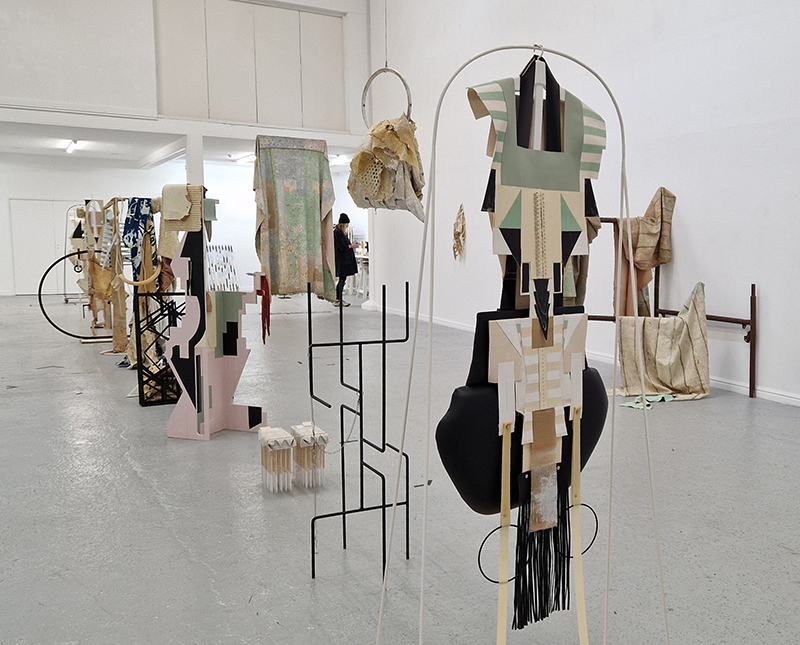
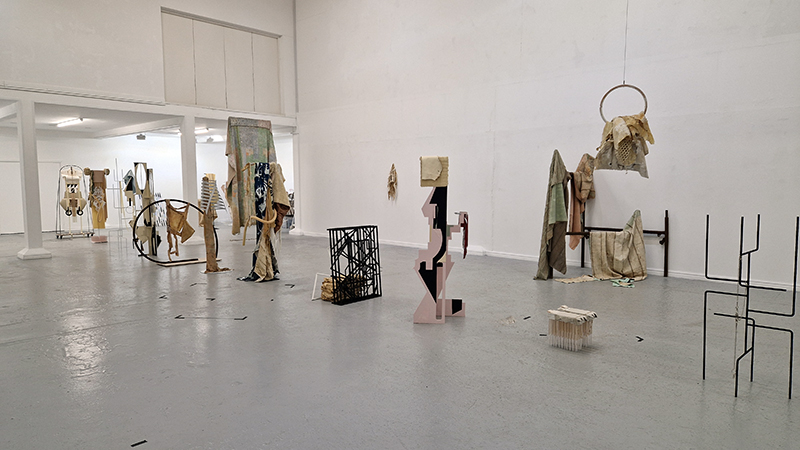
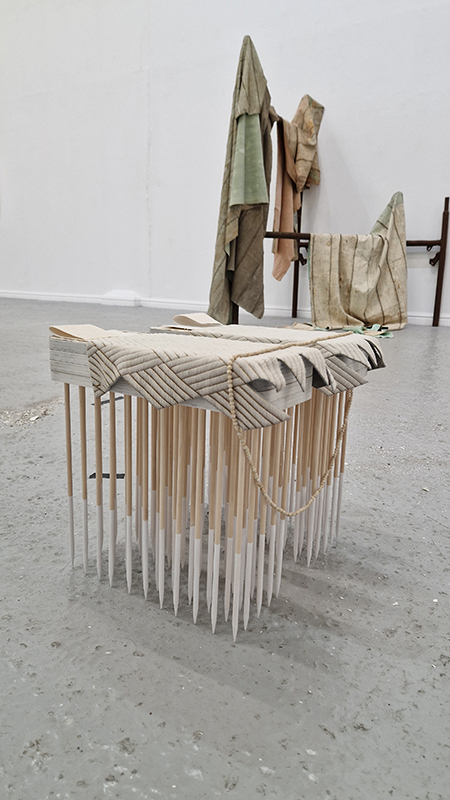
Andrea V. Wright Eyes of Skin at Thames-side Studios Gallery curated by Thorp Stavri. This exhibition explores the permeability and interactions between the body and architecture and the tensions arising from the ever-changing precariousness of our external and internal constructed environments. It was good to be able to chat with Andrea about her influences from fashion tribes and processes such as casting skins from buildings tumbling into ruins and tactics to avoid being vulnerable working in remote locations.

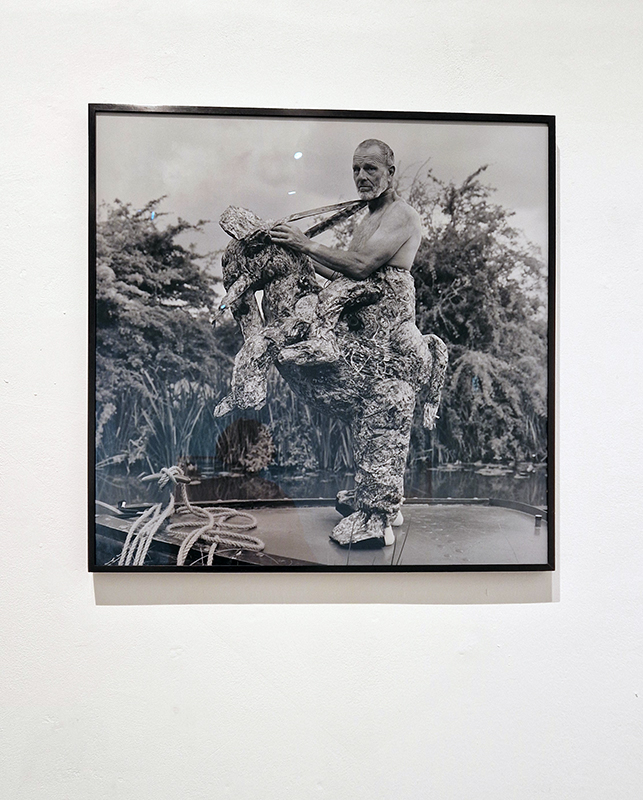
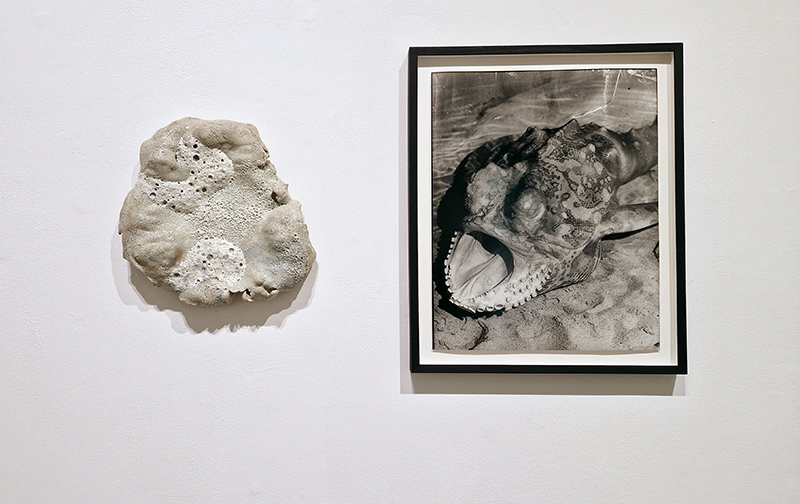
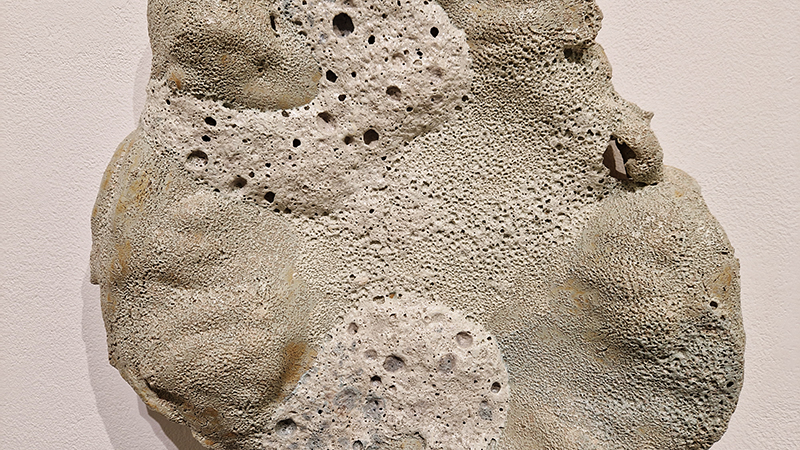
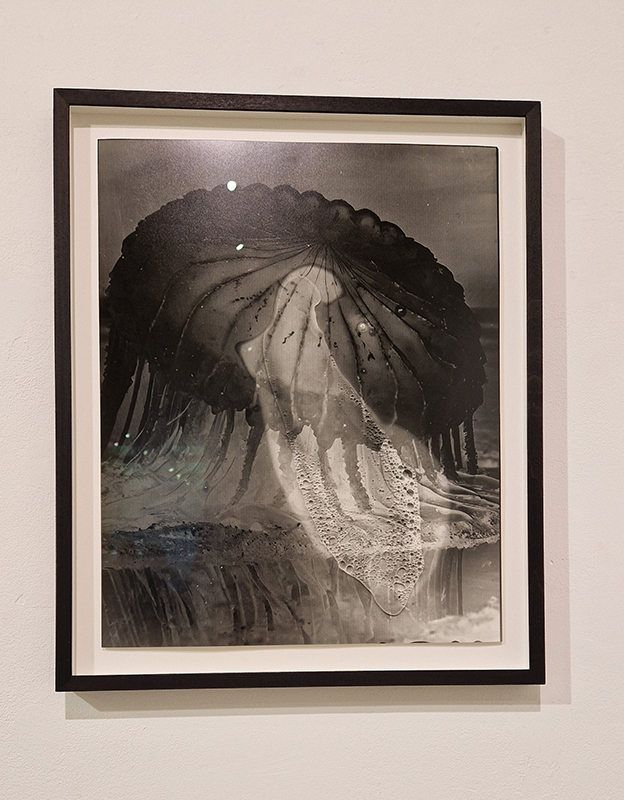
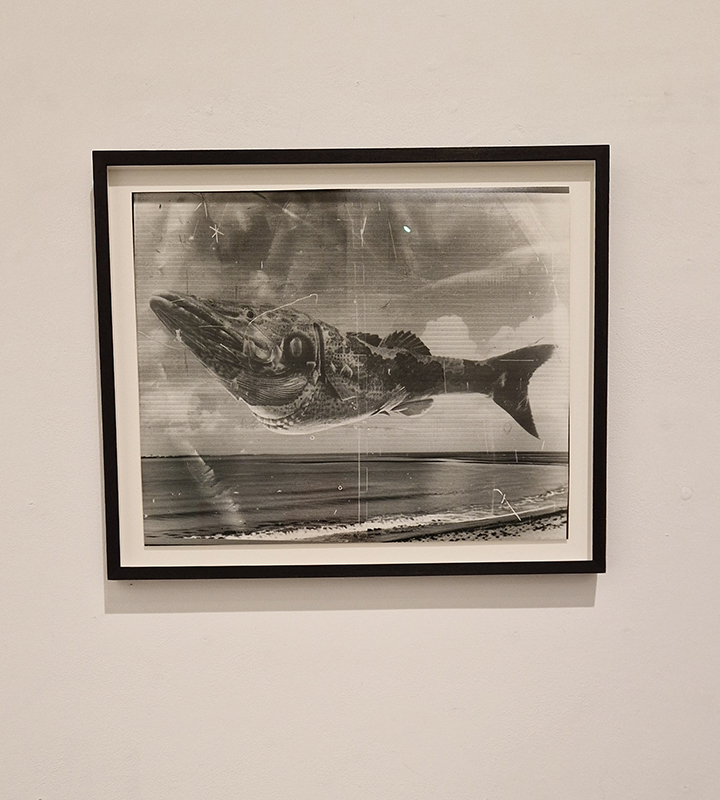
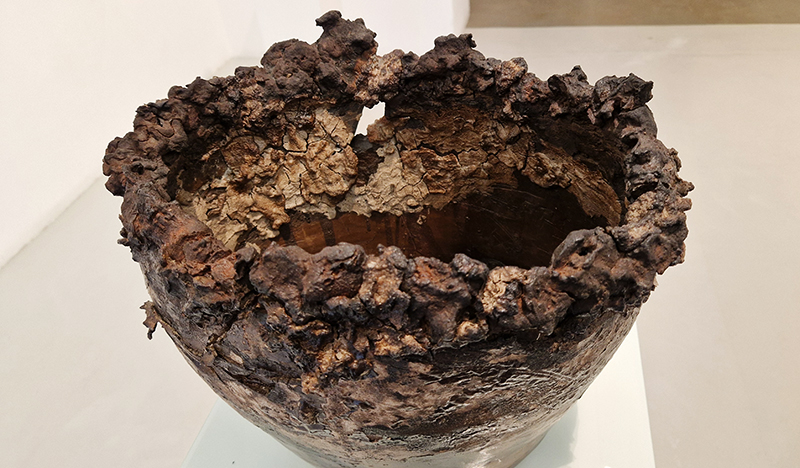
Holly Birtles and Charly Blackburn in Bog Bodies at APT Gallery. interrogate the complexities of wetland mysteries in the Thames Estuary and the Fenland Marshes exploring life, death, and metamorphosis through ceramics and photography. The Bog preserves the body in death enabling us to travel back in time as far as the Mesolithic period. Conditions inside the bog are acidic. They are perpetually wet, entangled with plants and peat, muddy and monstrous. A dense soup inhabited by complex ecologies that thrive in the anaerobic surroundings, creating a unique biochemical and physical occurrence that facilitates the mummification of prehistoric humans. This exhibition however, confounds expectations of oozing mud and swampy detritus. These ‘artefacts’ are presented in a pristine white cube setting, there maybe a slight whiff of smoke lingering from the ceramics but all is clean and orderly and the framing is thoughtful with a nice use of colour contrasts between image and frame. Good to be surprised.

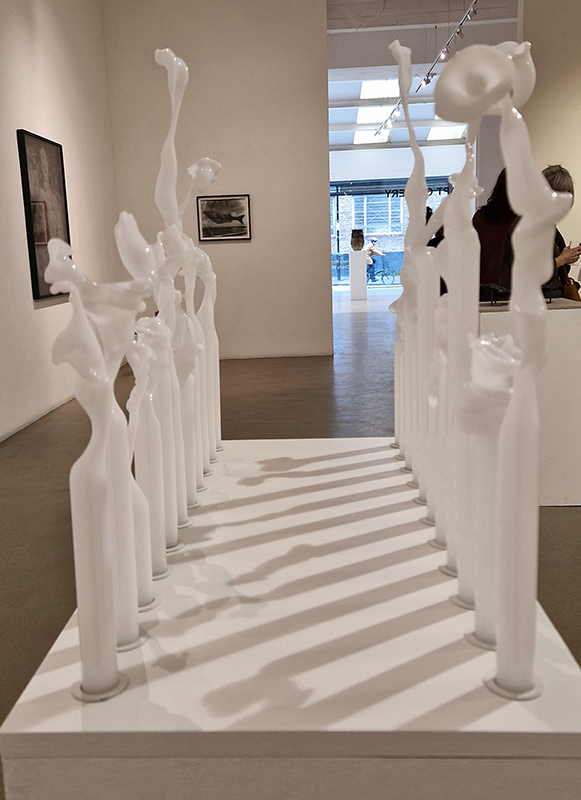

SALON FOR A SPECULATIVE FUTURE: HOW TO BE IN THE FUTURE? at Vestry St – Cross Lane Projects with works from Aideen Barry, Quilla Constance, Lisa Chang Lee, Kate Fahey, Young In Hong, Evy Jokhova, Huma Mulji, Koushna Navabi, Monika Oechsler, Rebecca Scott, Jo Stockham. Postulating hope for a better future Rebecca Solnit (in an article in the Guardian, 2016): wrote “Hope is an embrace of the unknown”. Living in times of unprecedented change, uncertainty, she says, has “the power to influence the future”. Taking inspiration from the ‘future thinking’ of speculative fiction and looking at a wide range of fields from science and technology to spiritual, ecological and socio-economic issues, the exhibition highlights multiplicities and the complex interplay at work in global dynamics. The works, individually and collectively, draw on associations from different subjectivities and contested /histories facilitating a space for contemplation and the discussion of positive futures. Strong shift shaping work here that gets under the skin, fake facades, hairy hissing and an AI doctored doctrine, make for an unsettling present from which to speculate on the future.

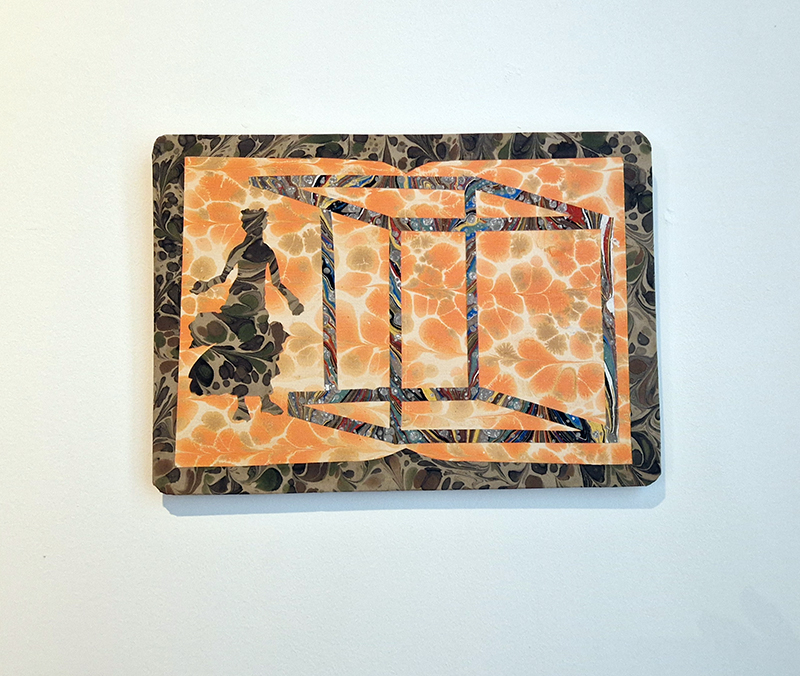

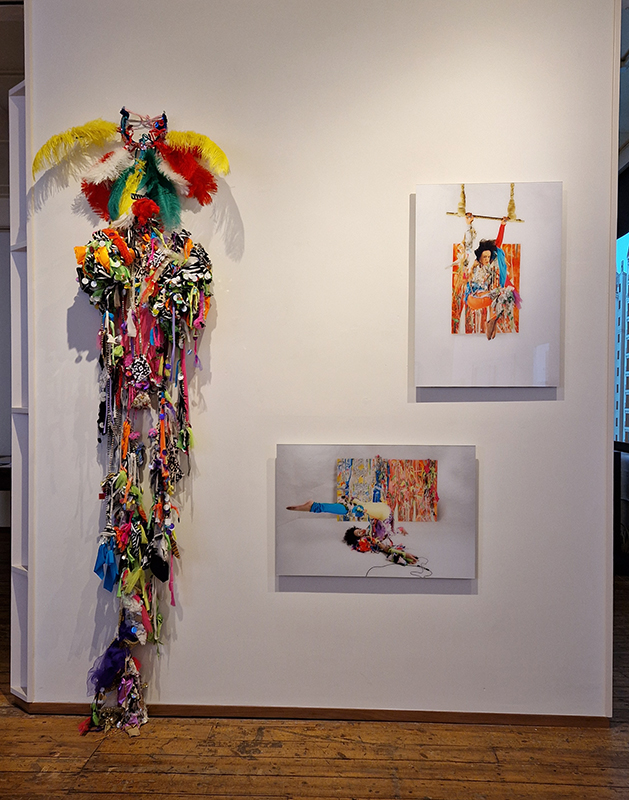
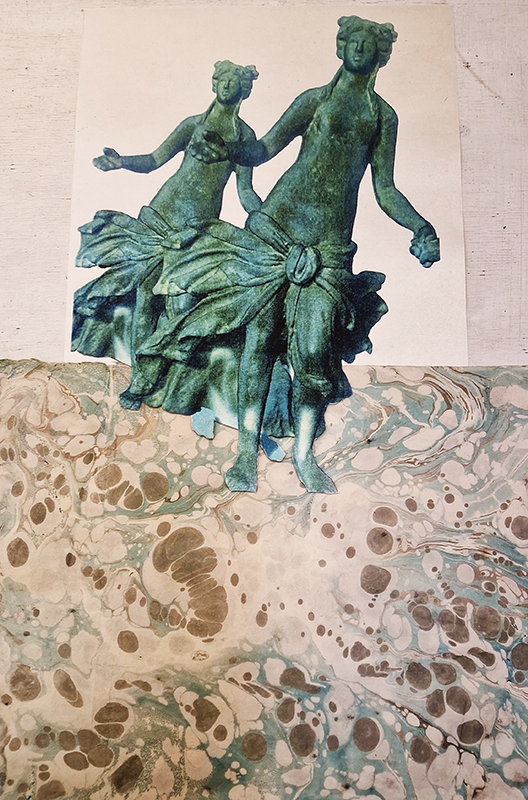
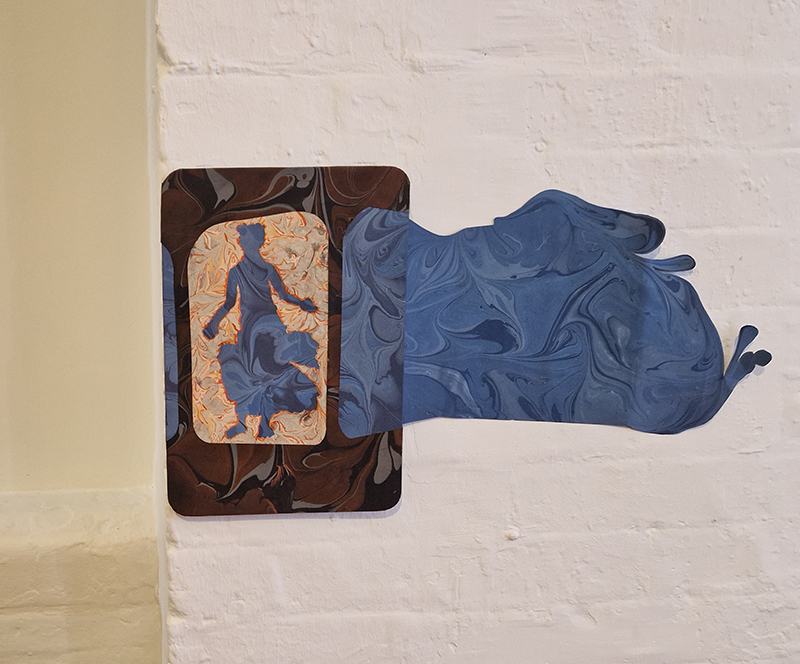
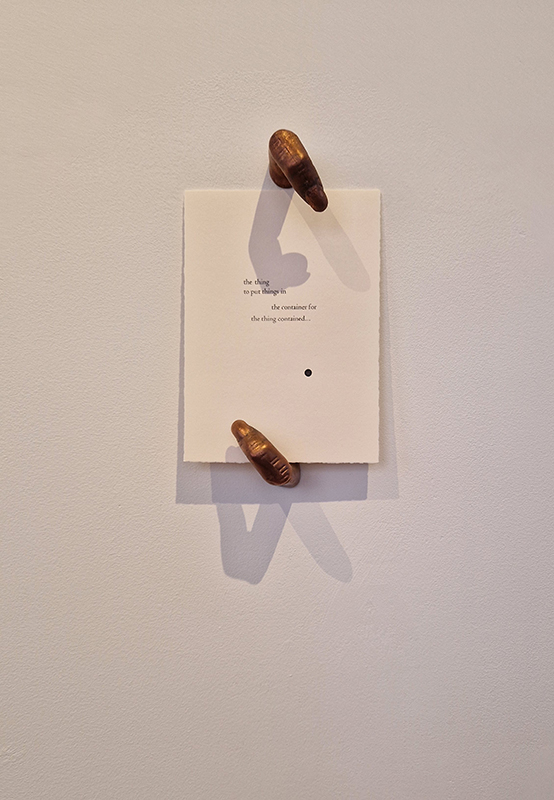
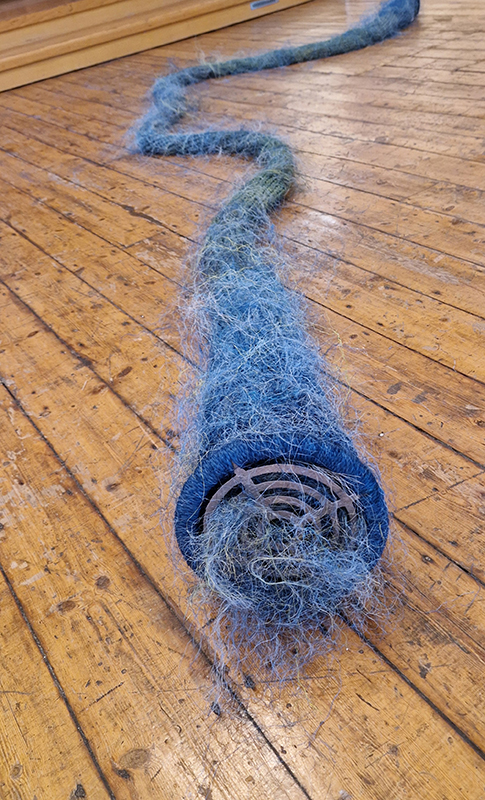
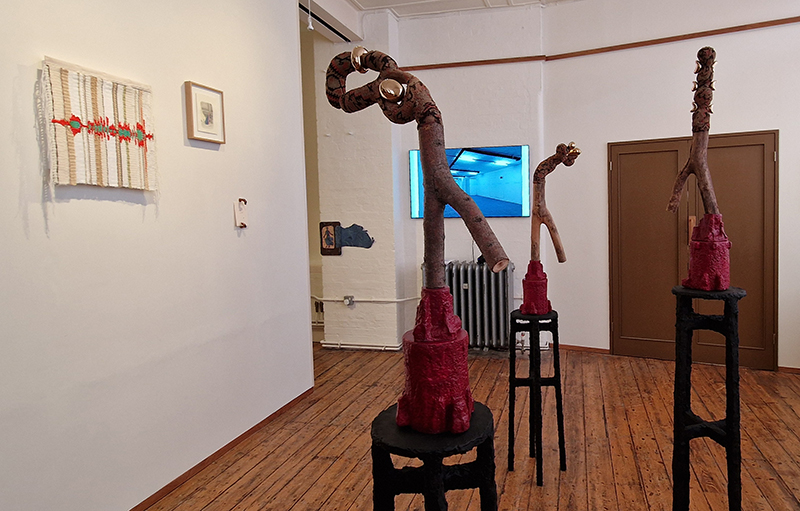

The Tipping Point at Bell House. The tipping point may arrive seemingly out of the blue as a slight change heralding a new way forward. It can be magical or malevolent. More than 40 artists in six individually curated spaces will examine different kinds of tipping points, both minor and major, literal and metaphorical. Sarah Sparkes and Jane Millar curate The Gowan Room using Octavia Butler’s dystopian novel, ‘Parable of the Sower’, as a point of reference. Jonathan Callan, Chudamani Clowes, Sarah Doyle, Lydia Julien, Marq Kearey, David Leapman, Yair Meshoulam, Jane Millar, Stephen Nelson, Victoria Rance, Alke Schmidt, Lex Shute, Ania Tomaszewska-Nelson, Sarah Sparkes, Sara Trillo, Marianne Walker and Alice Wilson explore a new awareness of change and exchange, a constant shifting of strange identities, the malleability of being, interspecies communication and the strength and vulnerability of community. Imagining new ways to merge; ways to intelligently and sensually live in the flux of a perpetual tipping point. Léonie Cronin curates the Lutyens room as a procession through objects of different artistic beliefs, pointing to new myths, a point of Syncretism where ideas become merged and the old symbols get incorporated into new systems.
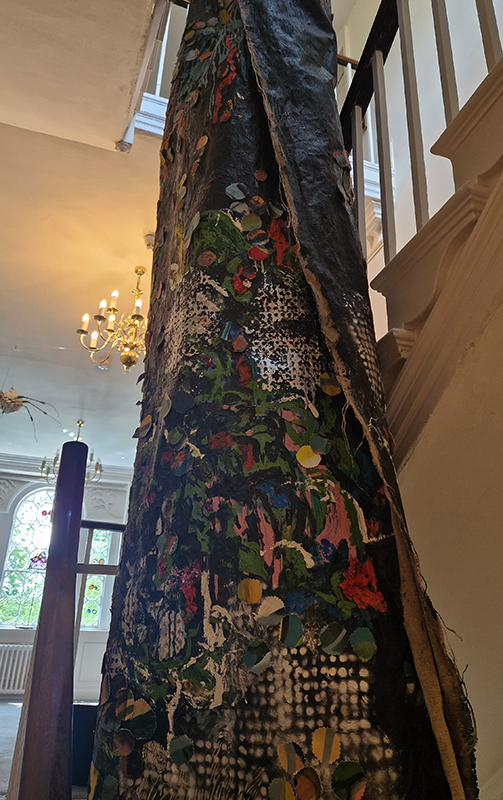
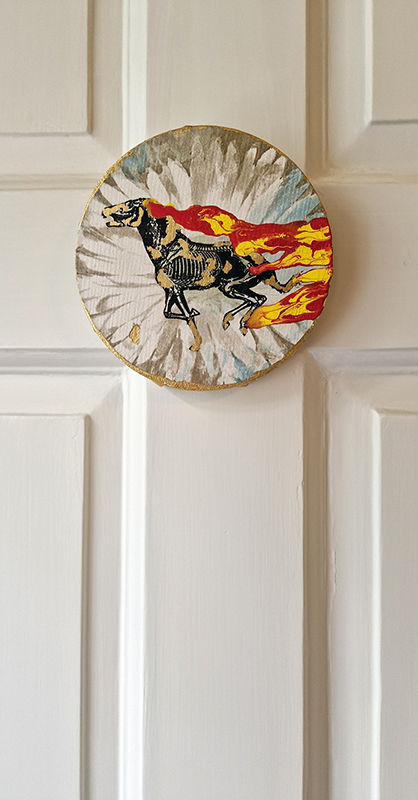
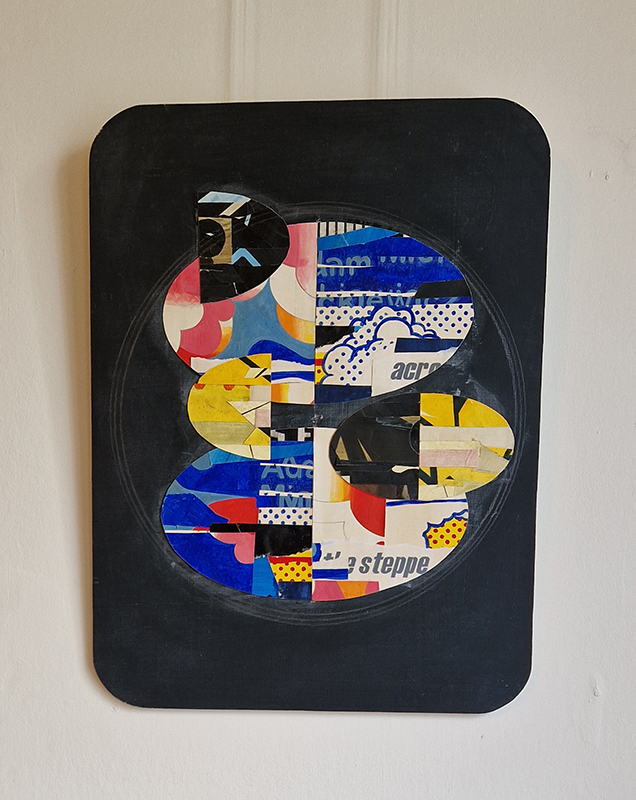
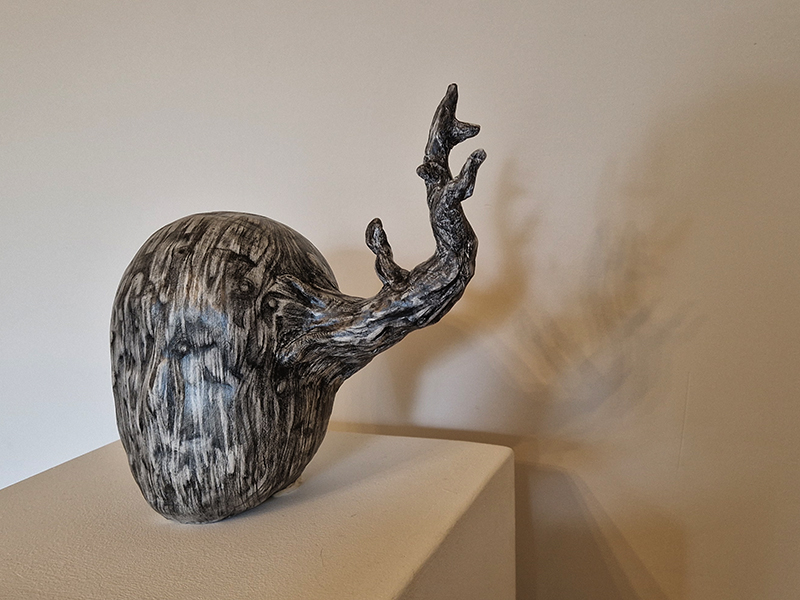
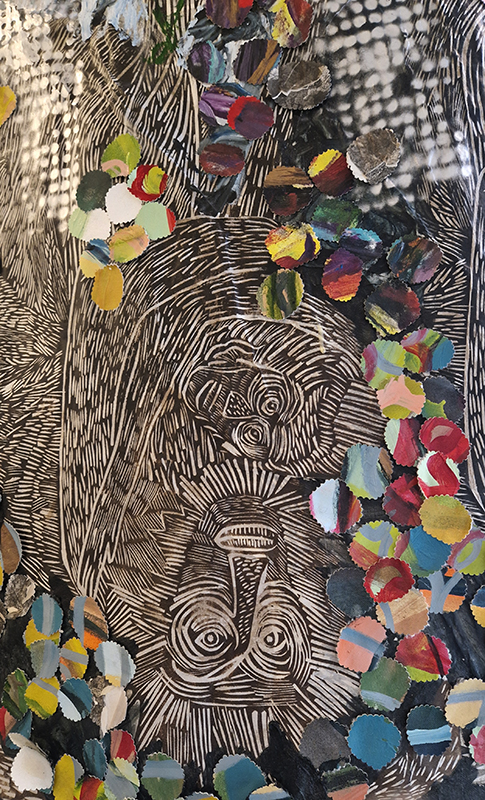
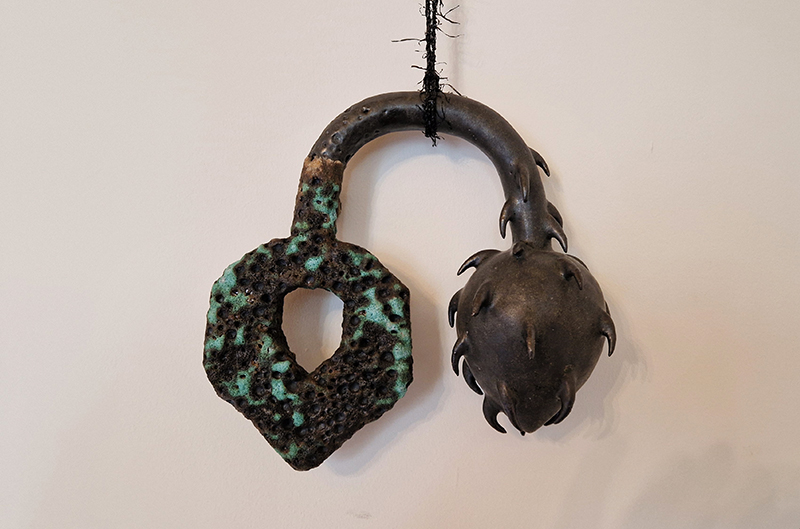
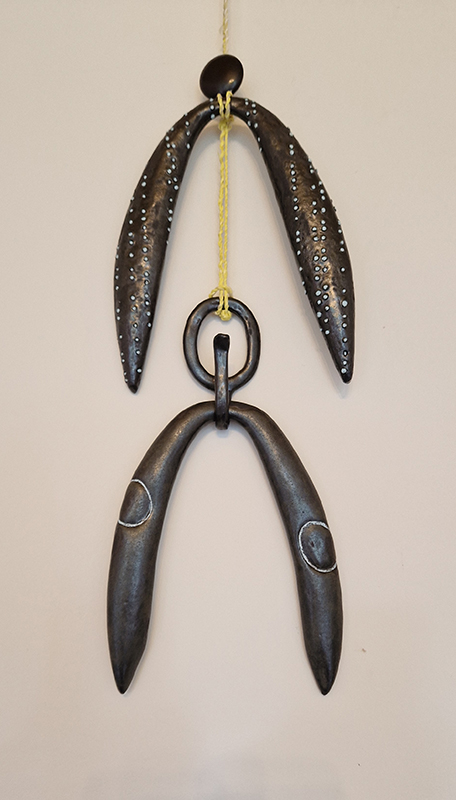

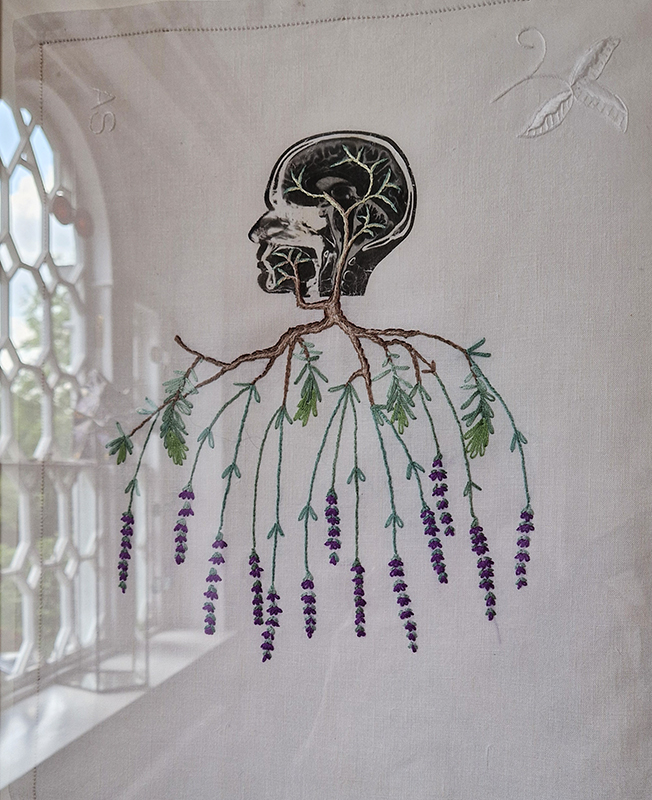

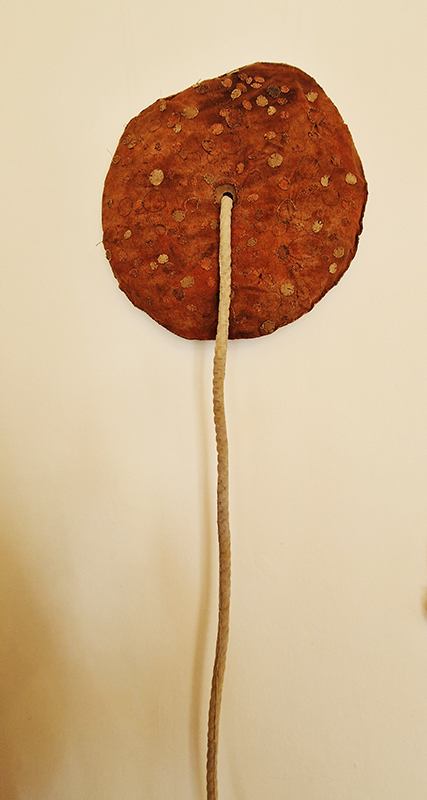
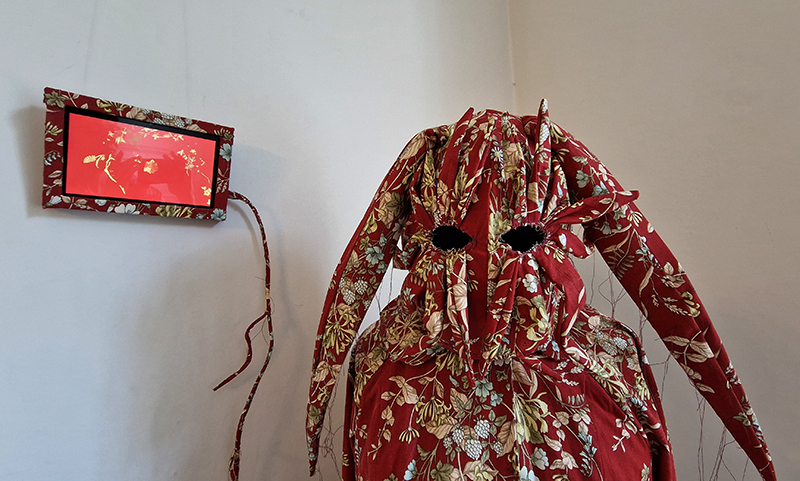
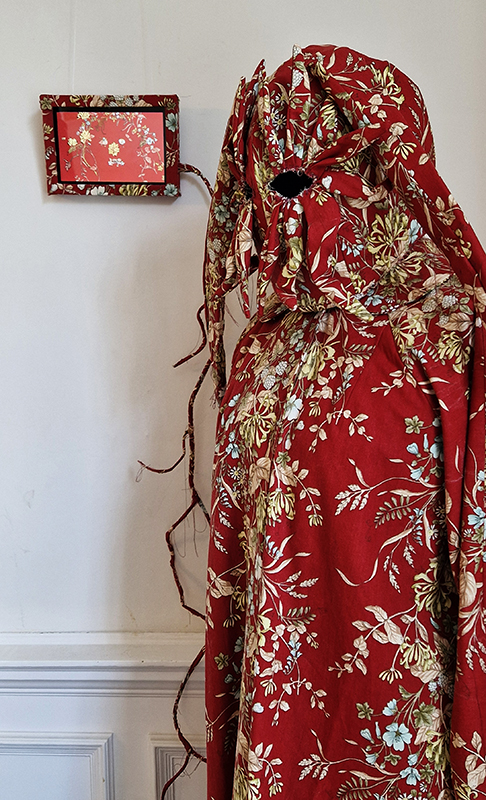

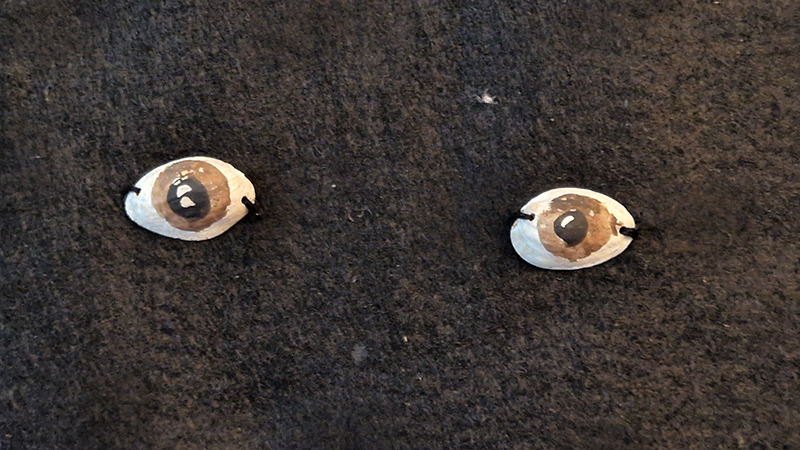

Thomas Pausz in Haunted Ecologies at Stanley Picker Gallery. A very interesting show drawing threads of local history together with current urgencies such as sewage pollution of the local endangered chalk stream Hogsmill River. From spirit photography and the dark room experiments of Kingston’s Eadweard Muybridge, to digital manipulation, rendering and 3D scanning – Our perception of contemporary environment and culture is always haunted by spectres of the past and by hopes and visions of the future.

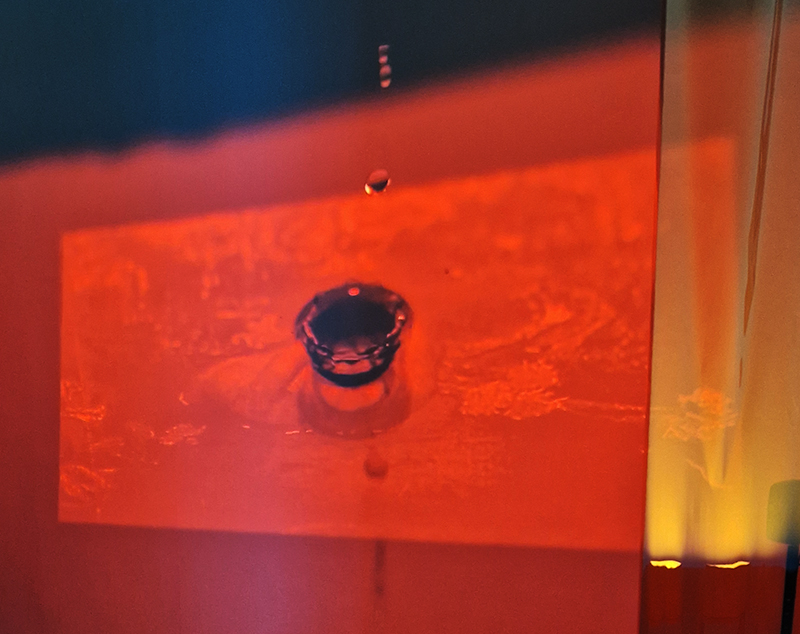
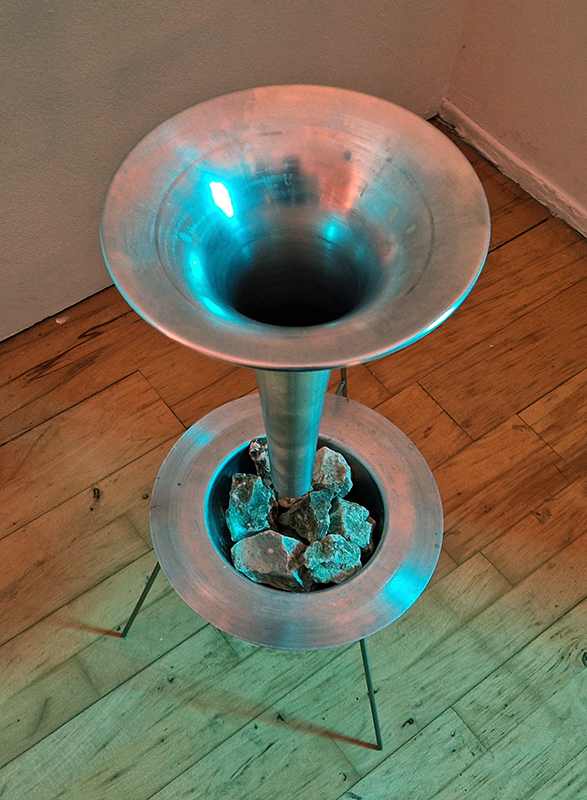
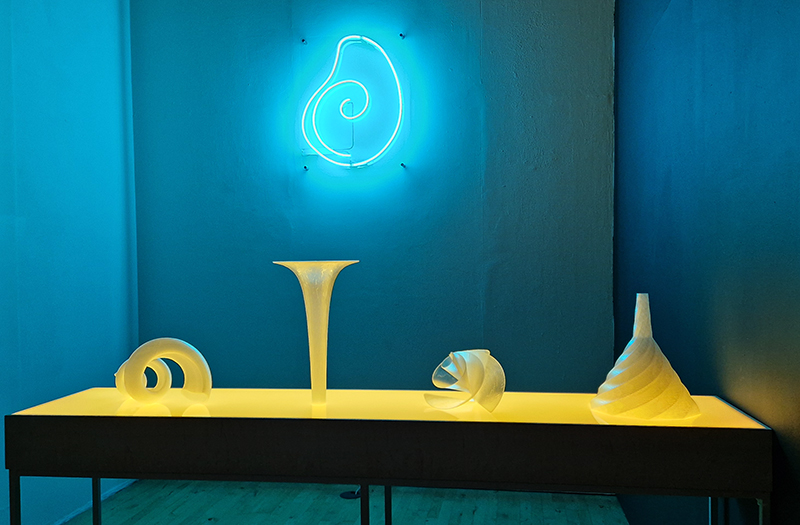
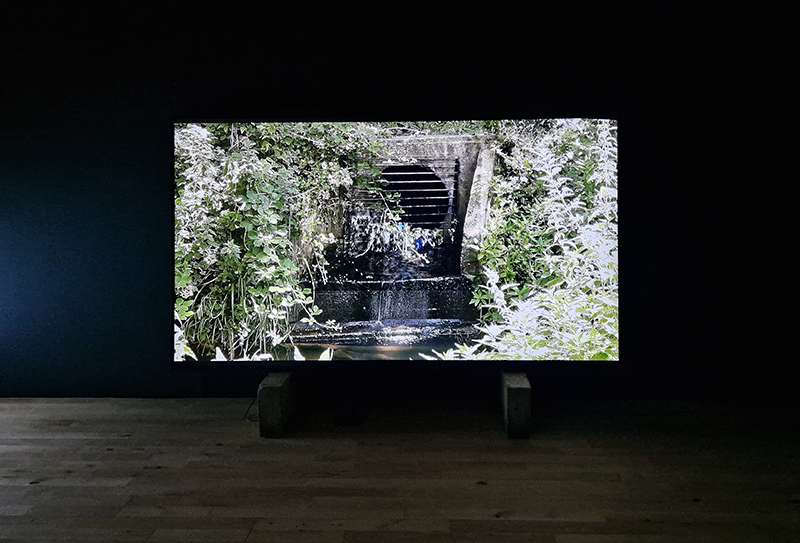

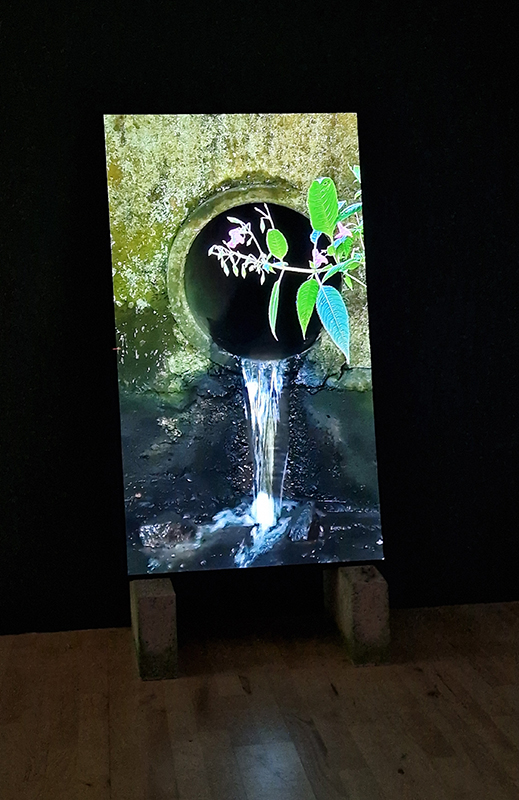

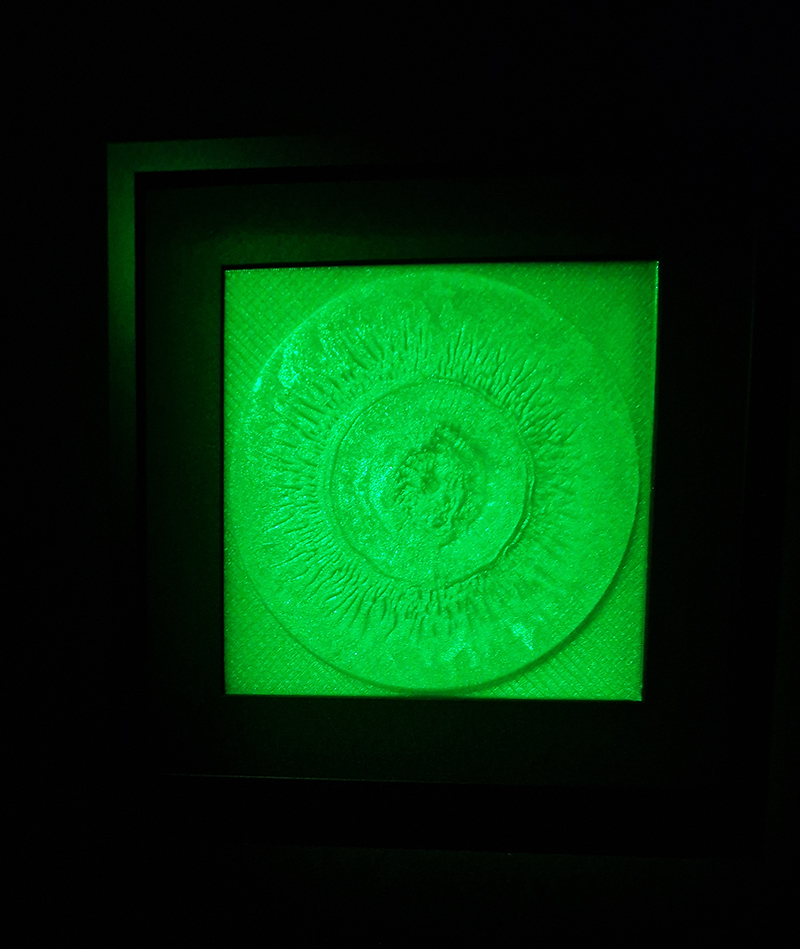
Symbiosis II group exhibition exploring the relationship between image makers, the more-than-human, and alternative photographic processes at Four Corners Gallery organised by London Alternative Photography Collective curated by Hayley Harrison, Melanie King, and Ky Lewis. This exhibition considers the connections between symbiosis and alternative photography, and asks if nature is a collaborator or a commodity in alternative photography processes.

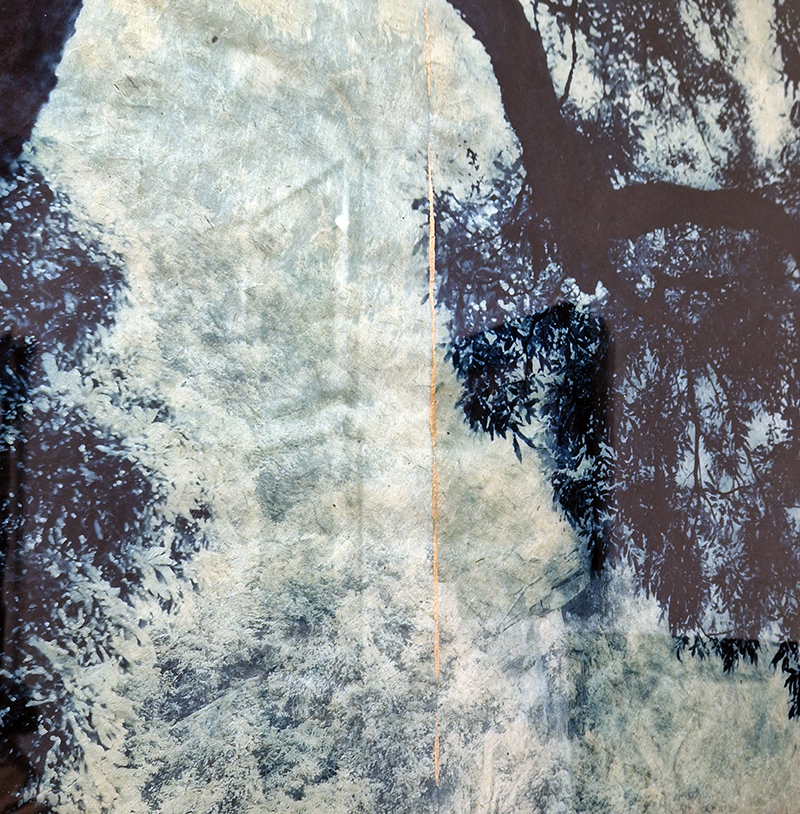

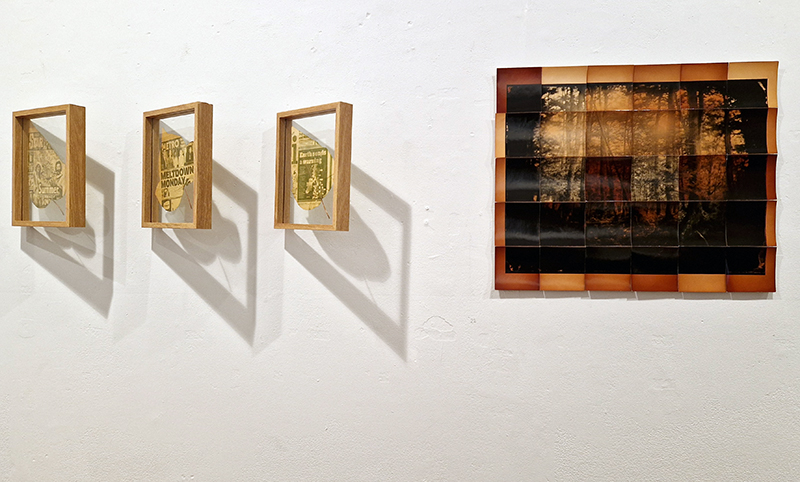

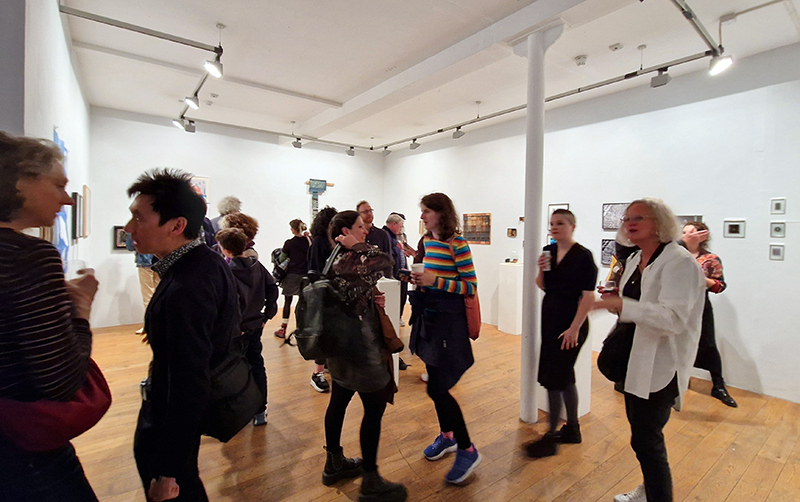
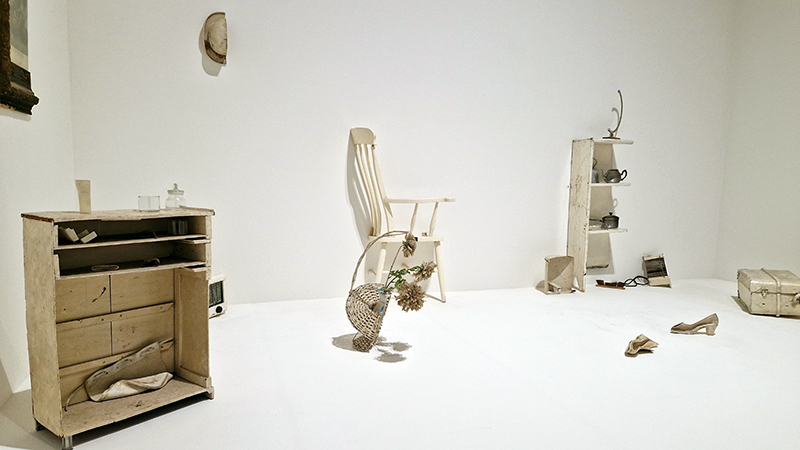
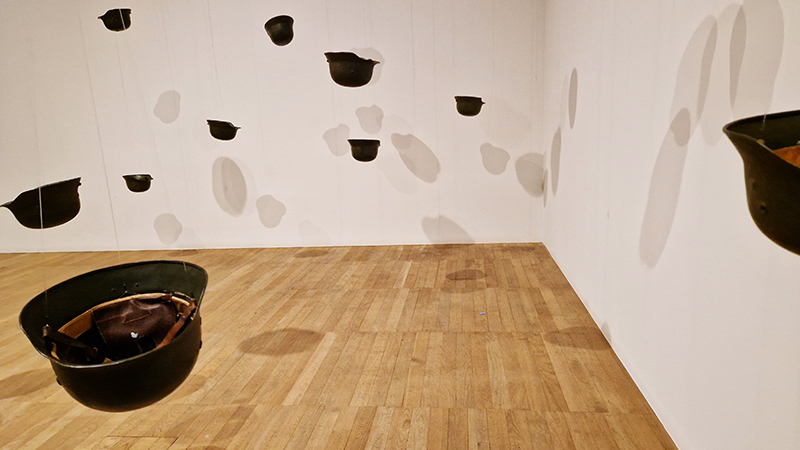
YOKO ONO: MUSIC OF THE MIND at Tate Modern. The main takeaway from this extensive overview of her pioneering work is the sadness that peace hasn’t been given a chance. The works are very direct, may appear simple in content or execution but cut deep into the human psyche. I particularly liked Half a Room, first presented in 1967, this is a room of objects cut in half and painted white. Ono said of this work “Molecules are always at the verge of half disappearing and half emerging…somebody said I should put half a person in the show. But we are halves already.” Another piece, Helmets (pieces of sky) from 2001 invites the audience to take a piece of the sky, which she sees as a hopeful symbol of limitless imagination. Jigsaw pieces of the sky are suspended in German army helmets, and although dispersed, offer the possibility of hope that they can be put back together through collective healing. Many works are participatory. A wall for drawing around your own shadow to create an entanglement of bodies. A boat to add your own wish to an ocean of wishes for the future.


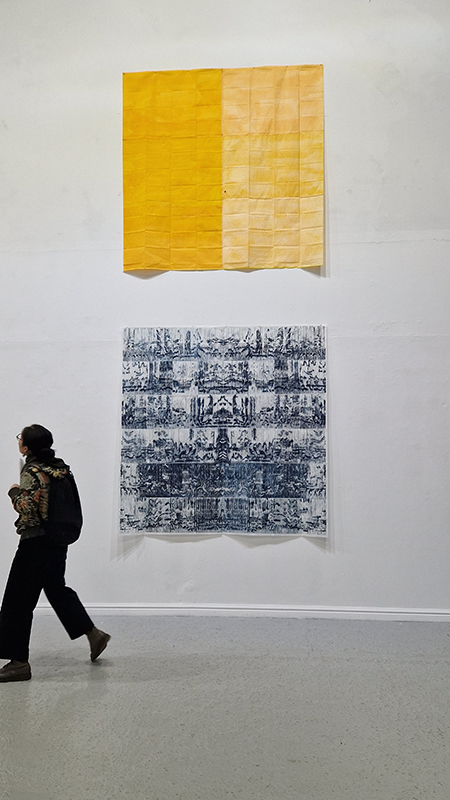
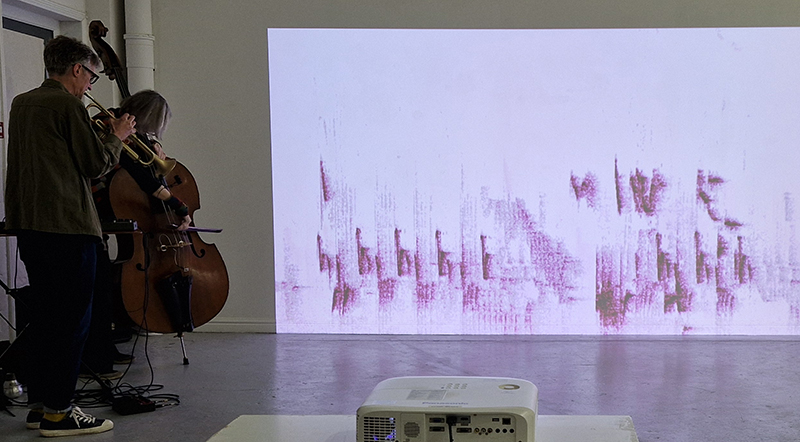
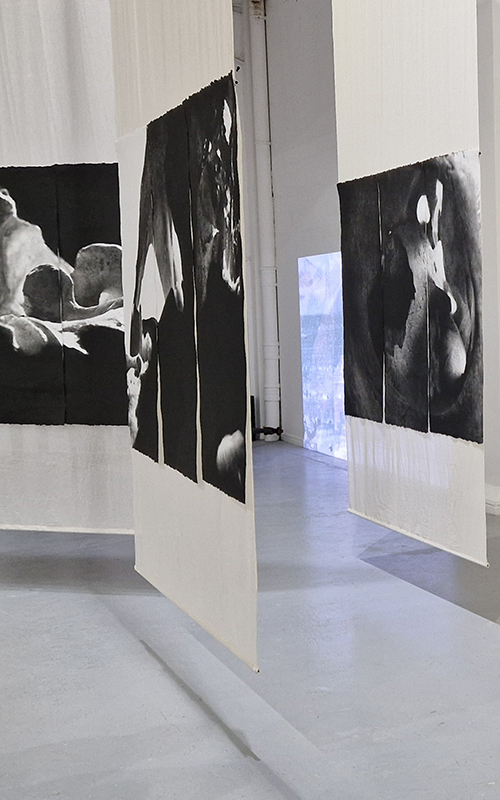
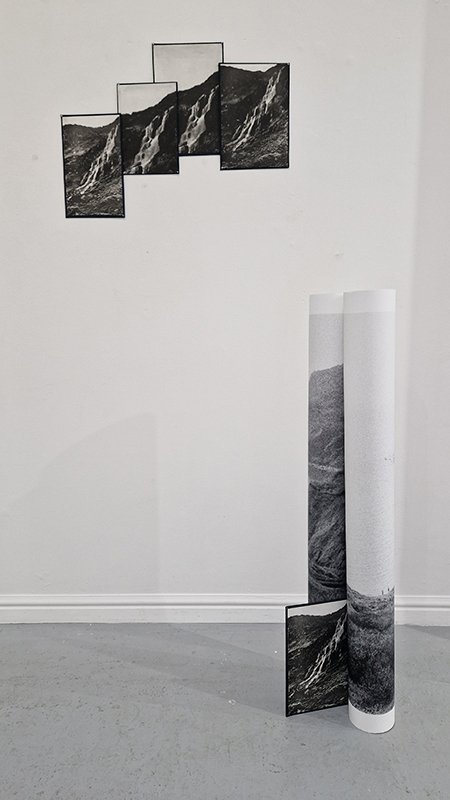
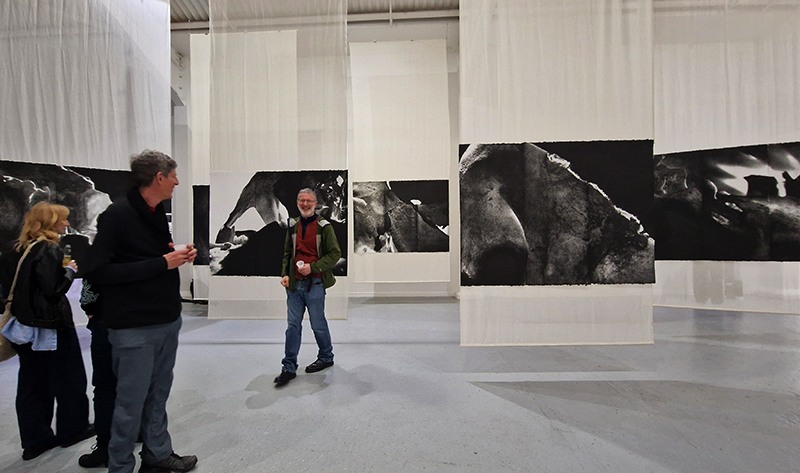
Geographies of Print final iteration of Without Horizon, Without Shore at Thames-side Studios Gallery. Geographies of Print is a collective group created by artists Victoria Ahrens, Carol Wyss and Victoria Arney in 2020. This collective looks to explore and challenge notions of print within wider contemporary discourse and practice. The artists fully inhabit the given space with dramatic large scale pieces, that interact and collaborate to create an exciting and cohesive exhibition. Blocks of colour flash between a maze of hanging muslin panels where etchings of impenetrable blacks and misleading undulations recall both mountain paths and the shadowy mazes of ancient cities. Emotive live music improvisation by Jim Howard (trumpet and electronics) and Julie Walkington (bass) accompanied Victoria Arney’s film reflecting on the epic journey of migrating birds. Landscapes of the mind and the body, a birds eye view and the internal geology of the Earth are beautifully explored.


 Susan Eyre