Archives for posts with tag: Science Gallery Bengaluru

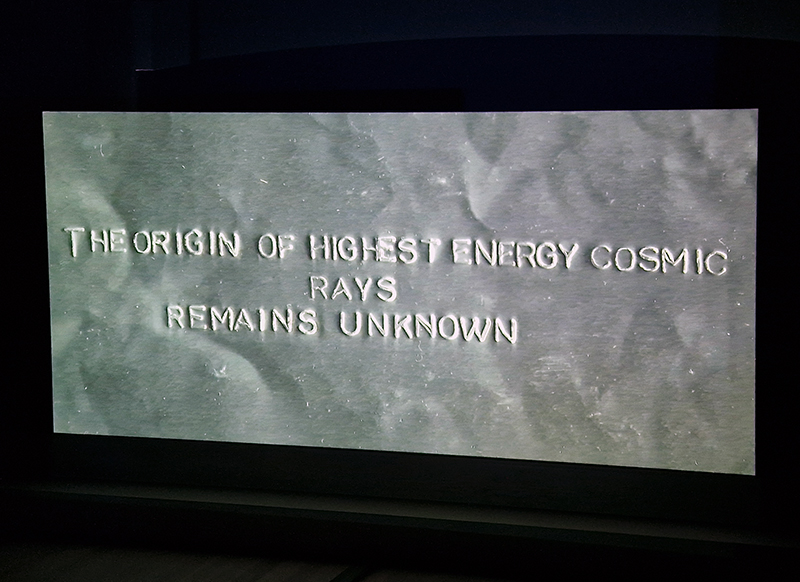
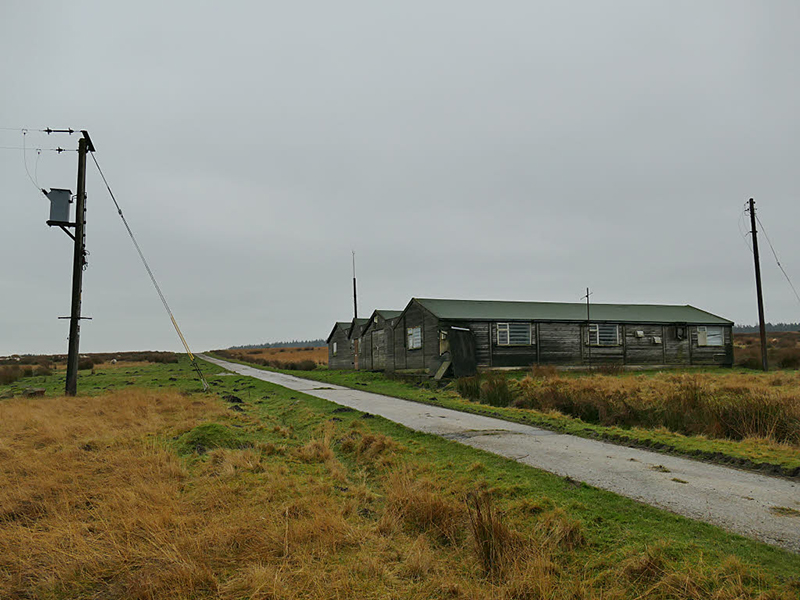
I am excited to be planning a visit to Haverah Park, the site of a cosmic ray air shower detection array consisting of water Cherenkov detectors distributed over an area of 12 km2 on the Pennine moorland, North Yorkshire. The experiment was operated by University of Leeds for 20 years, and was switched off in 1987. During its lifetime many 1000’s of extensive air showers were recorded including four exceptional ones of such size that the cosmic rays that generated them must have had energies greater than 10eV. These particles are the highest energy form of radiation known to exist anywhere in the universe and their origin is one of science’s greatest mysteries. Having reimagined The Absolute Hut seen at Hartland Magnetic Observatory for the exhibition A Stone Sky I am hoping a future project may be the reimagining of the huts from Haverah Park.
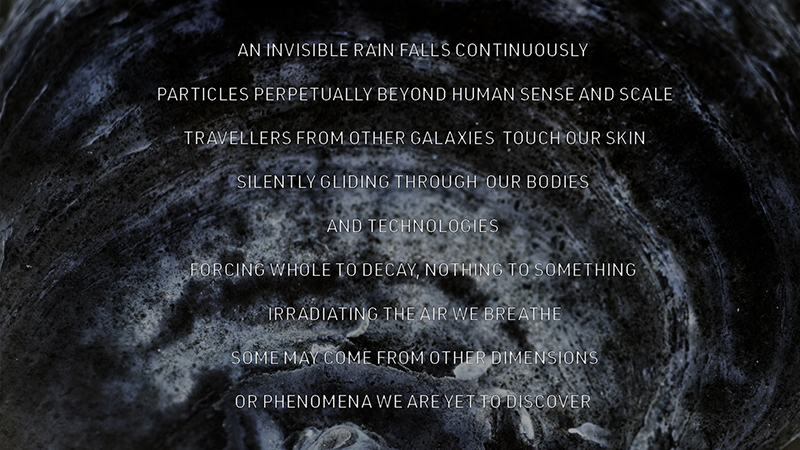
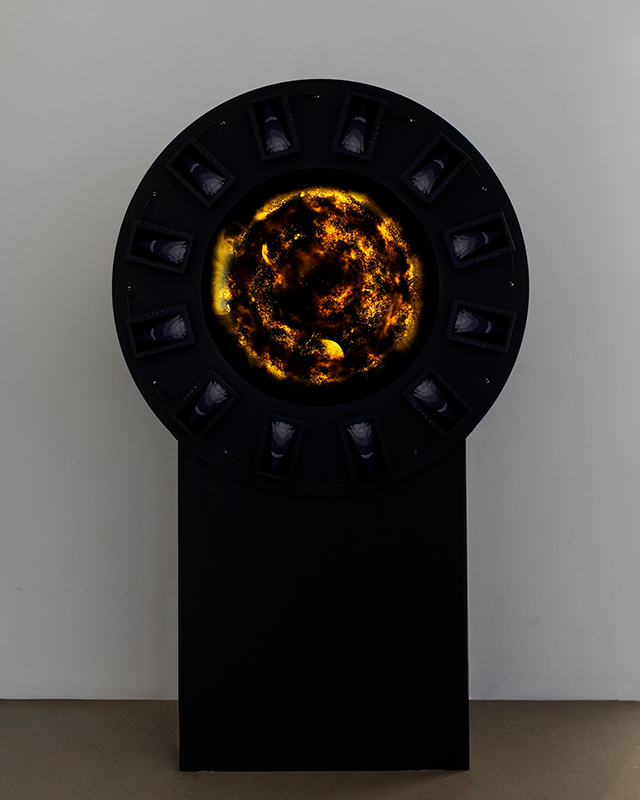
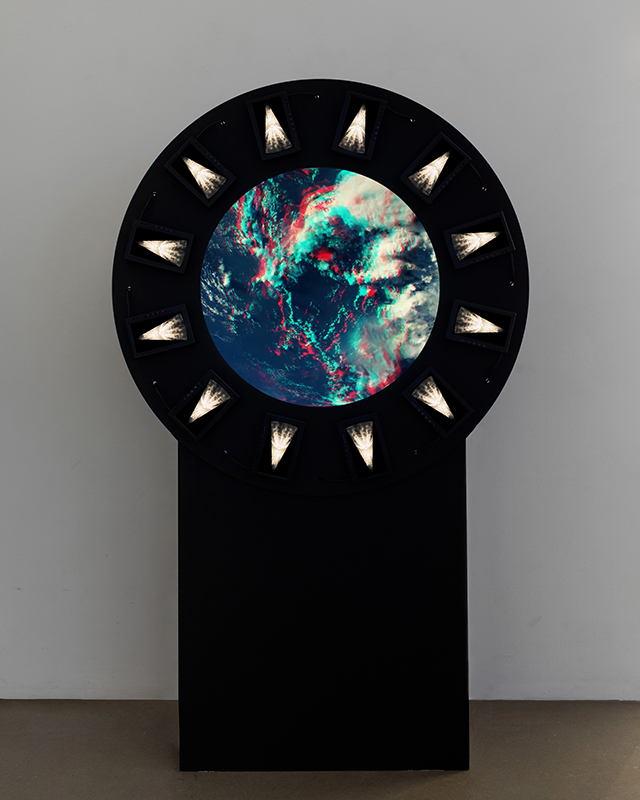
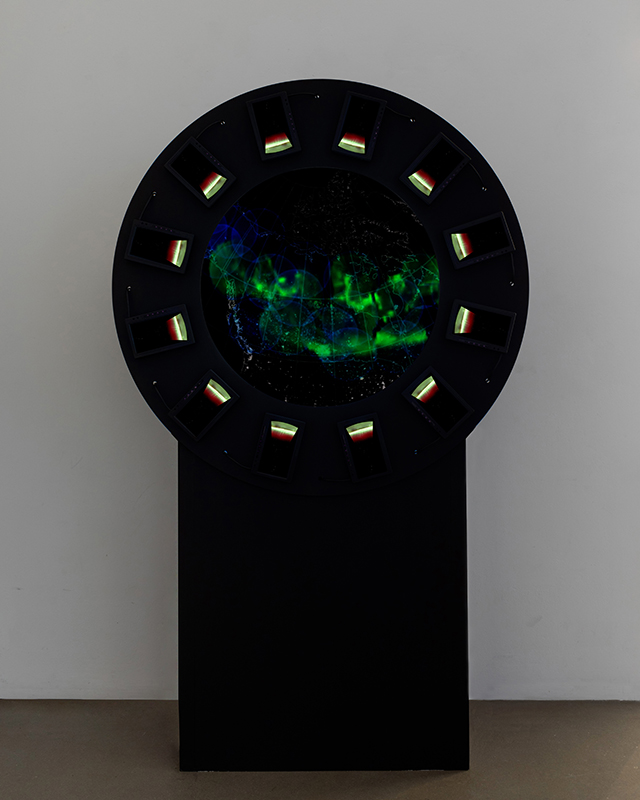
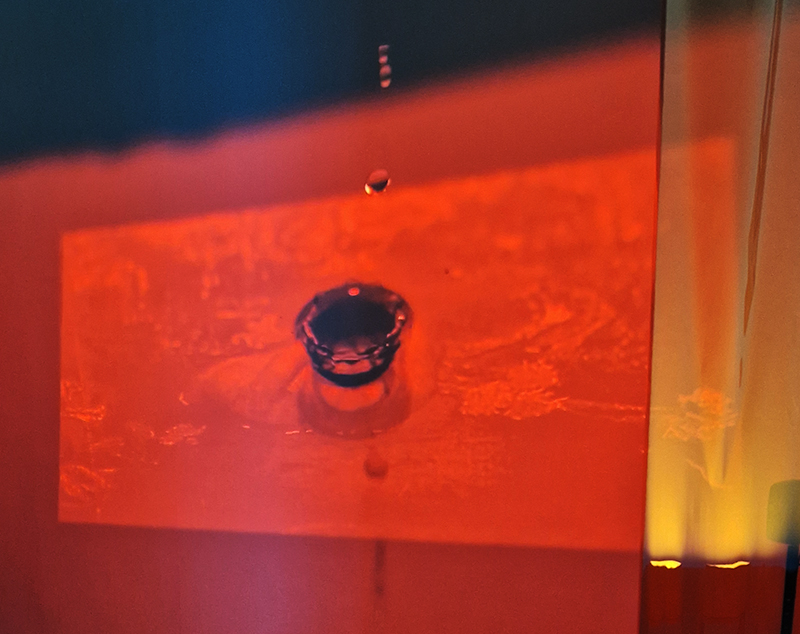
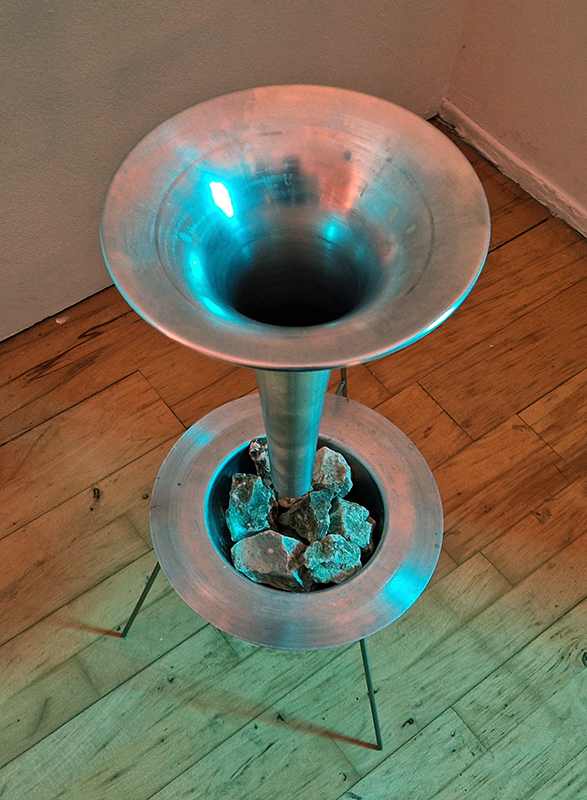
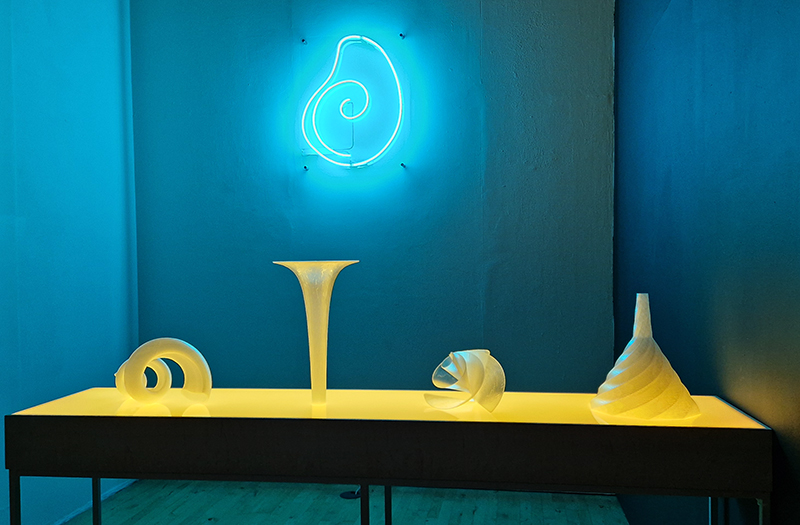
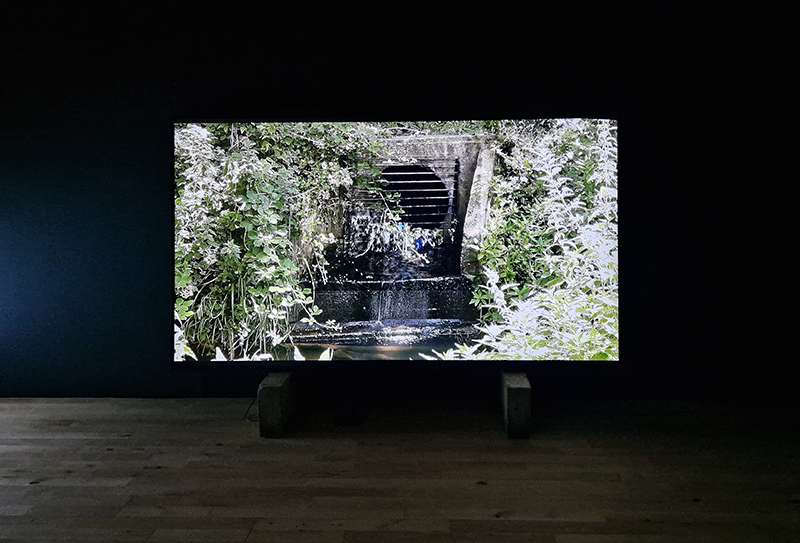
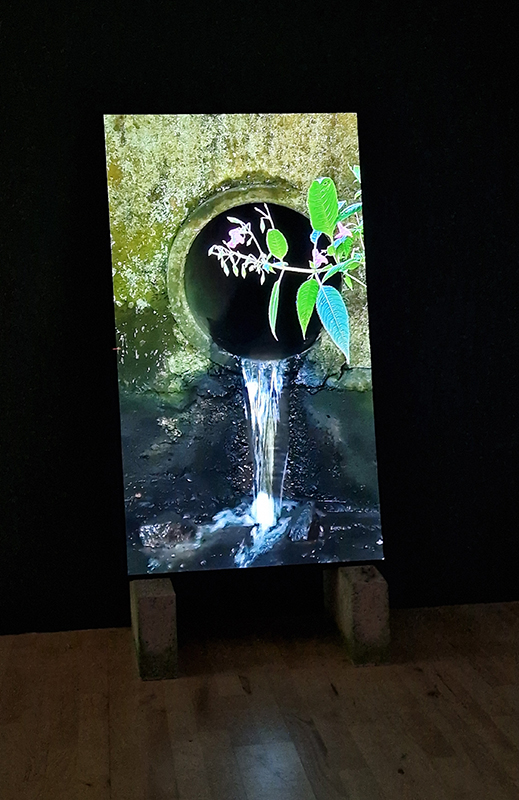
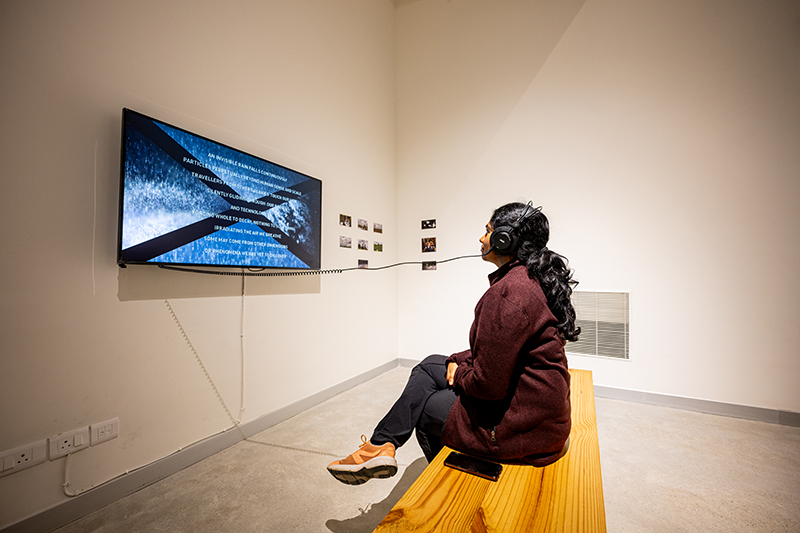
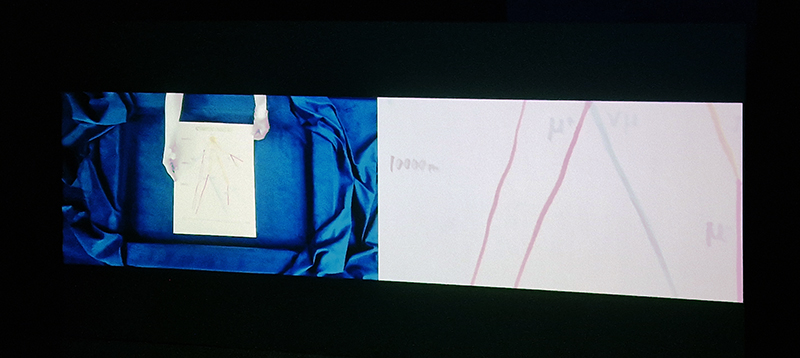
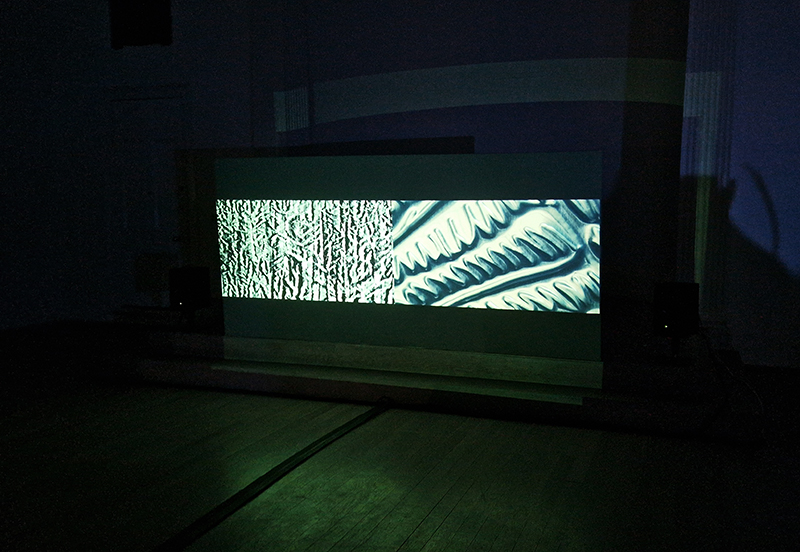
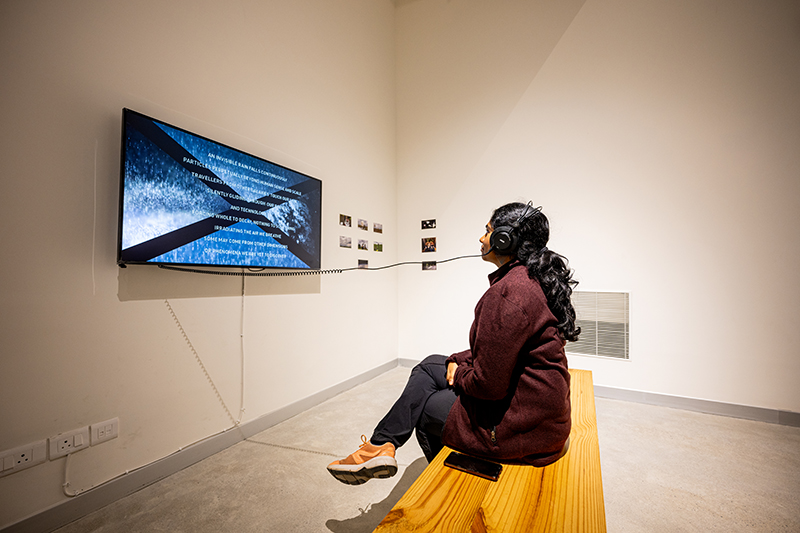
The exhibition Carbon: under pressure at Science Gallery Bengaluru is still running and I am so proud to have my work Cosmic Chiasmus: crossing the universe included in this amazing show. This video offers a glimpse into a subatomic world where cosmic rays travel from distant galaxies to collide and silently interact with atoms and technology on Earth. Cosmic rays go through a violent process of creation, transformation and decay. From the heart of stars or the depths of black holes these particles power across the universe with unimaginable energy colliding with life on Earth and triggering other processes such as cell mutation, computer data corruption and carbon-14 formation.
I am fascinated to learn more about cosmic magnetism and its influence on the development of early life.

The Universe is magnetic. From stars to galaxies to intergalactic space, magnetic fields thread the cosmos. Yet the origin of cosmic magnetism is still unknown, so astronomers are attempting to make maps of the magnetic fields inside massive galaxy clusters to determine if cosmic magnetism came from the early origin of the universe or developed over time. If it is discovered that there is an alignment of fields across the universe this would point to a primordial source of the cosmic magnetic structure rather than a slow emergence from seed magnetic fields. Understanding the origin of cosmic magnetism may give clues to the development of life on Earth and the possibility of life elsewhere in the universe. Only planets with a magnetic field have an atmosphere and offer protection from most radioactive cosmic rays.

Those cosmic rays that do penetrate the atmosphere may have influenced the development of early life. Chirality, also known as handedness, is the existence of mirror-image versions of molecules. Like the left and right hand, two chiral forms of a single molecule reflect each other in shape but don’t line up if stacked. All known life-forms show specific chiral properties in chemical structures as well as macroscopic anatomy, development and behaviour. The sugars that make up DNA, for example, are all right-handed. The amino acids that make up proteins are all left-handed. It is not clear how this asymmetry evolved but one theory suggests that magnetic surfaces on minerals in bodies of water on the primordial Earth, charged by the planet’s magnetic field, could have served as “chiral agents” that attracted some forms of molecules more than others, kicking off a process that amplified the chirality of biological molecules.

Another theory proposes that the influence of cosmic rays on early life may explain nature’s preference for a uniform “handedness” among biology’s critical molecules. Before life emerged on Earth, self-replicating molecules were slowly evolving beneath a constant shower of energetic particles from space. Researchers believe that cosmic rays with the ability to penetrate matter were potentially colliding with chiral molecules on Earth and everywhere else in the universe. These tiny differences in the mutation rate would have been most significant when life was beginning and the molecules involved were very simple and more fragile. Under these circumstances, the small but persistent chiral influence from cosmic rays could have, over billions of generations of evolution, produced the single biological handedness we see today.

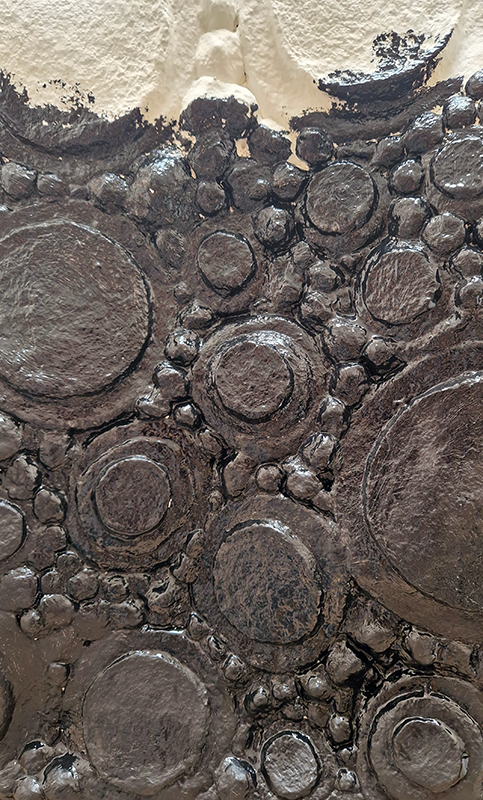
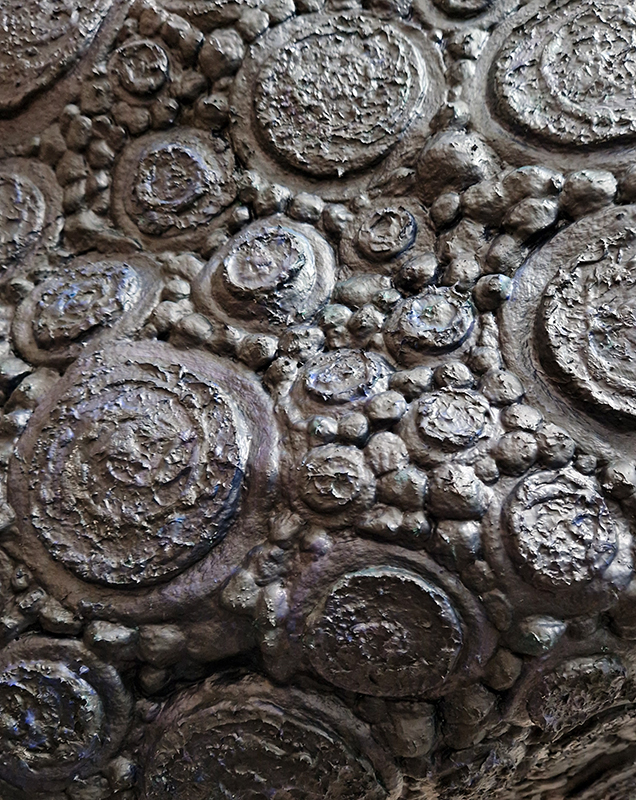
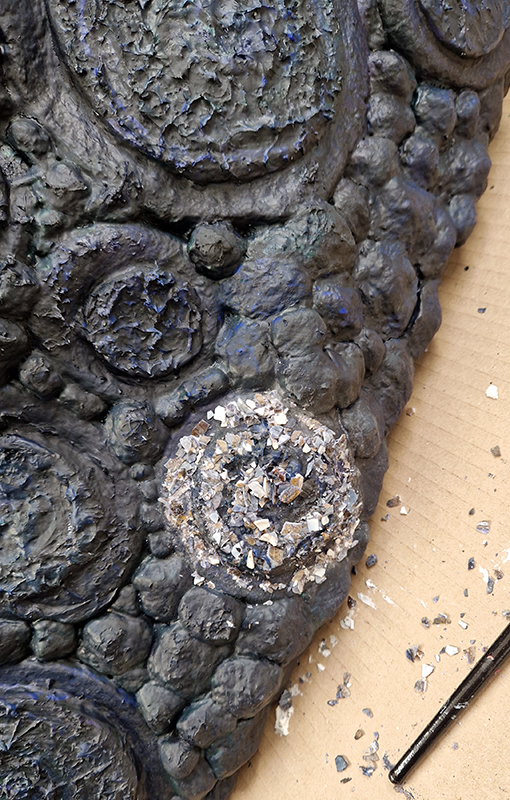
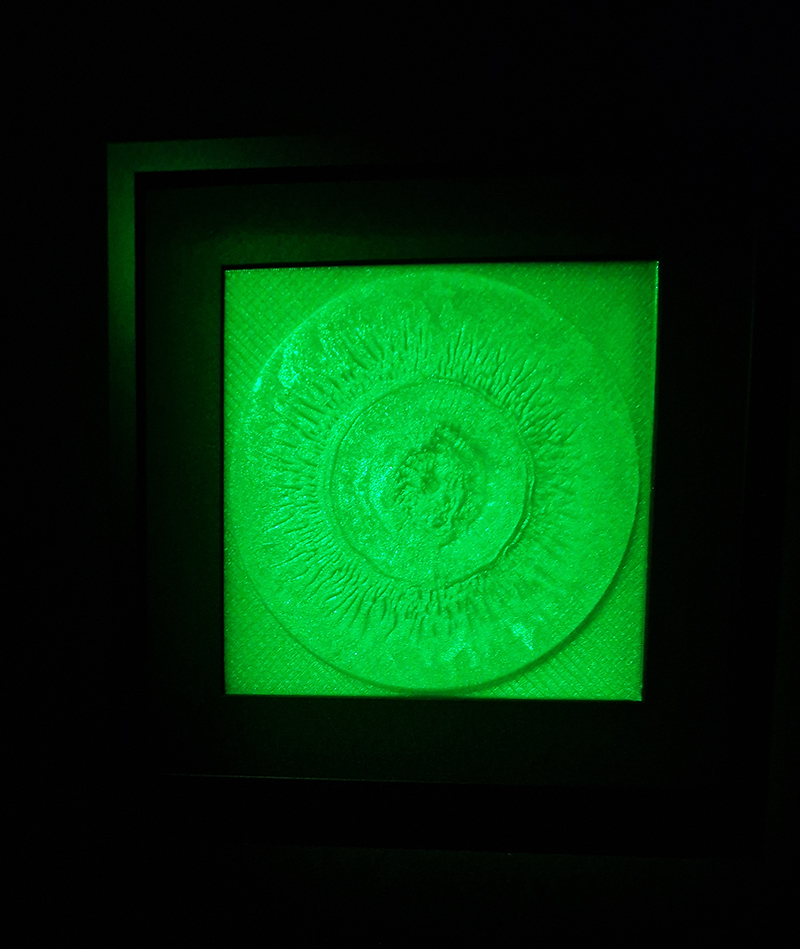
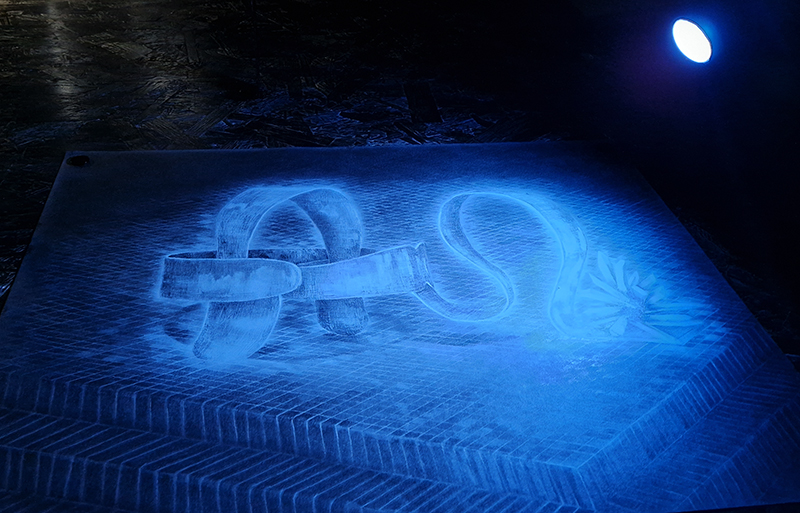
Chirality is also seen in the spiral of a mollusc shell. I am in the process of finishing the sculpture shell for belly of a rock a hybrid work of chemical conversations at the intersection of the animate and inanimate, inspired by Italo Calvino’s Cosmicomics story The Spiral. Paper clay with crushed mussel shells.

My most recent video installation Orbital shown in Life Boat at APT Gallery focused on the potential risks to technology and life on Earth from extreme solar storms.

The following month, a barrage of large solar flares and coronal mass ejections jettisoning clouds of charged particles and magnetic fields, travelling at speeds up to 3 million mph toward Earth, created the strongest solar storm to reach Earth in two decades, and possibly one of the strongest displays of auroras on record in the past 500 years. There were even perfectly clear skies to view this extraordinary event, yet I missed it. So envious of all those who did get to see the displays of Aurora at such low latitudes. I am hoping there will be another chance to see the Aurora in the UK during this current year of peak solar activity, but not so dramatic a storm as to cause an ‘internet apocalypse’.

Gallery Visits

Andrea V. Wright Eyes of Skin at Thames-side Studios Gallery curated by Thorp Stavri. This exhibition explores the permeability and interactions between the body and architecture and the tensions arising from the ever-changing precariousness of our external and internal constructed environments. It was good to be able to chat with Andrea about her influences from fashion tribes and processes such as casting skins from buildings tumbling into ruins and tactics to avoid being vulnerable working in remote locations.

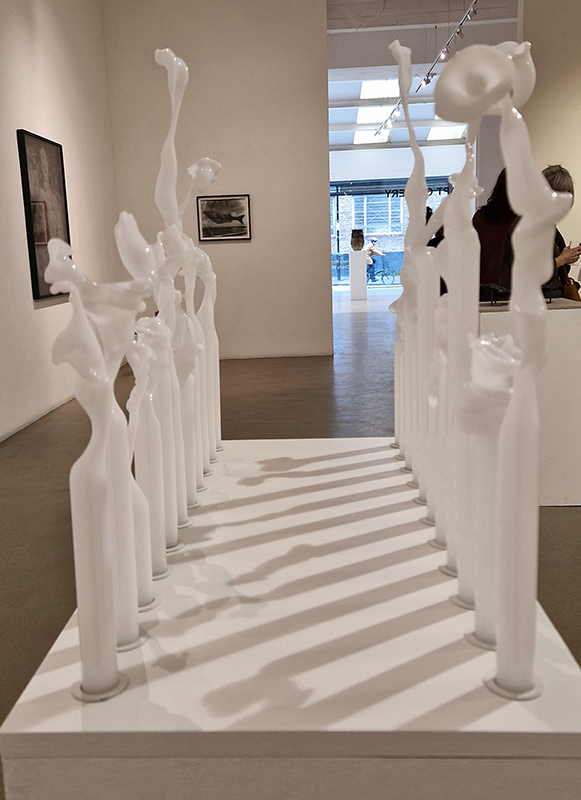
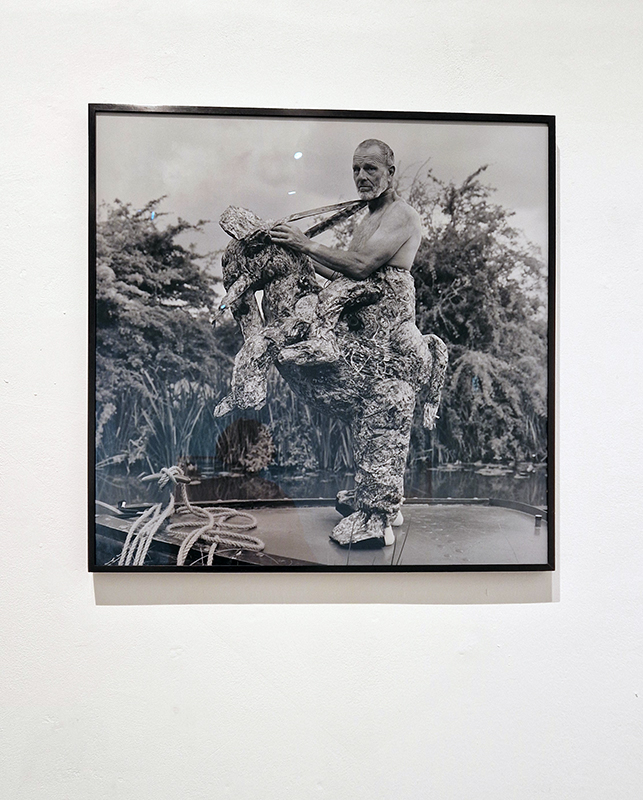
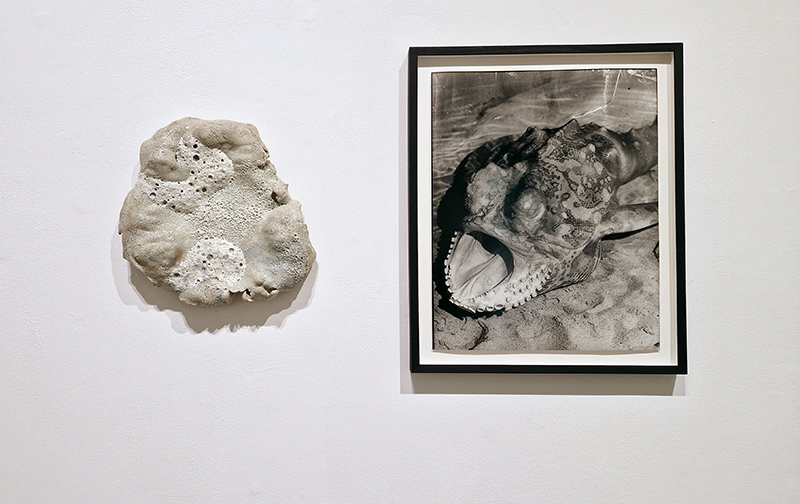
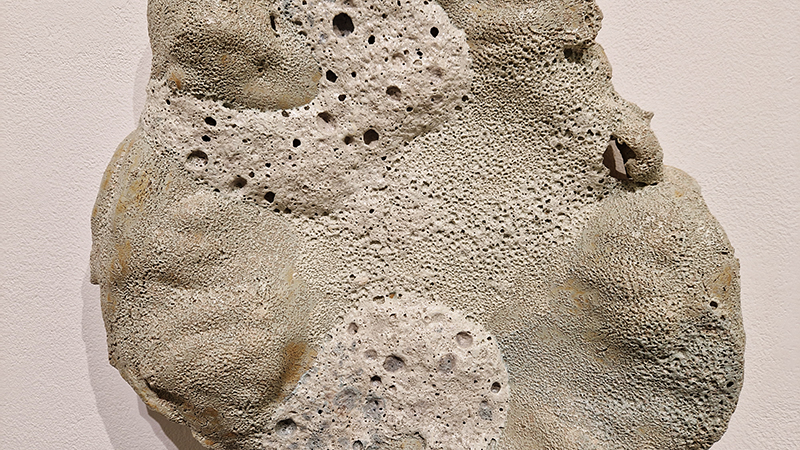
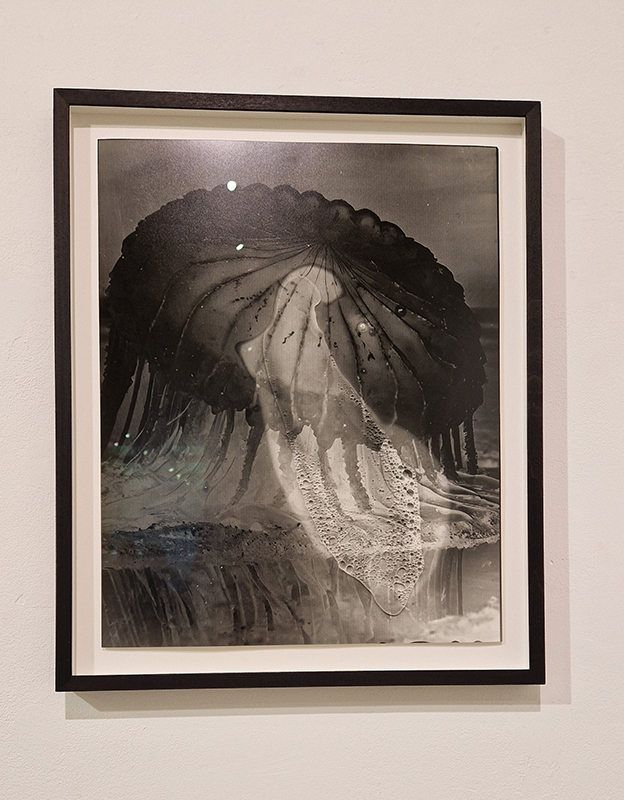
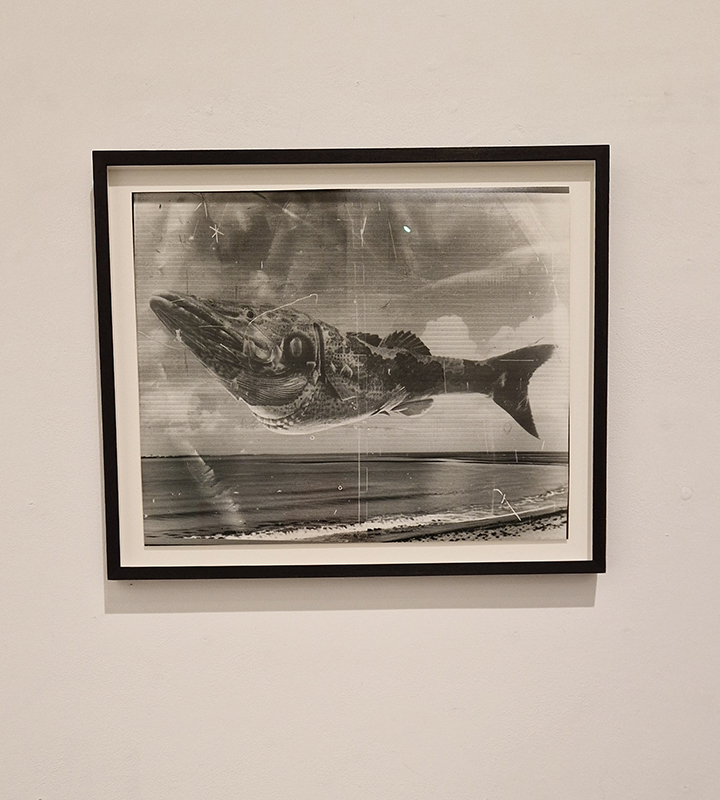
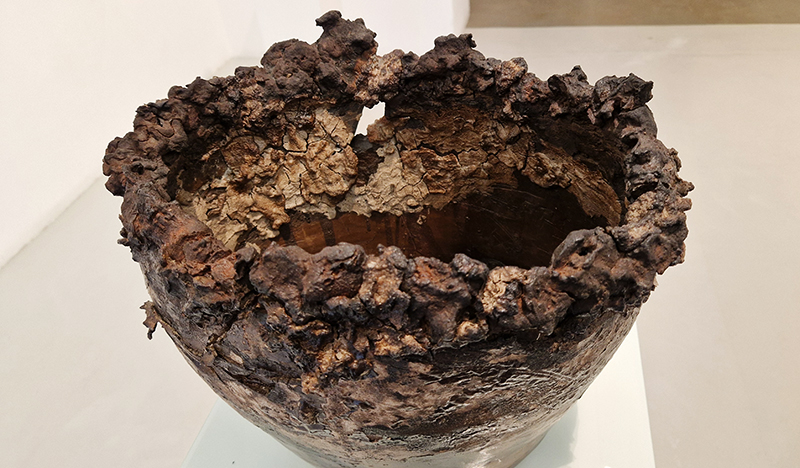
Holly Birtles and Charly Blackburn in Bog Bodies at APT Gallery. interrogate the complexities of wetland mysteries in the Thames Estuary and the Fenland Marshes exploring life, death, and metamorphosis through ceramics and photography. The Bog preserves the body in death enabling us to travel back in time as far as the Mesolithic period. Conditions inside the bog are acidic. They are perpetually wet, entangled with plants and peat, muddy and monstrous. A dense soup inhabited by complex ecologies that thrive in the anaerobic surroundings, creating a unique biochemical and physical occurrence that facilitates the mummification of prehistoric humans. This exhibition however, confounds expectations of oozing mud and swampy detritus. These ‘artefacts’ are presented in a pristine white cube setting, there maybe a slight whiff of smoke lingering from the ceramics but all is clean and orderly and the framing is thoughtful with a nice use of colour contrasts between image and frame. Good to be surprised.

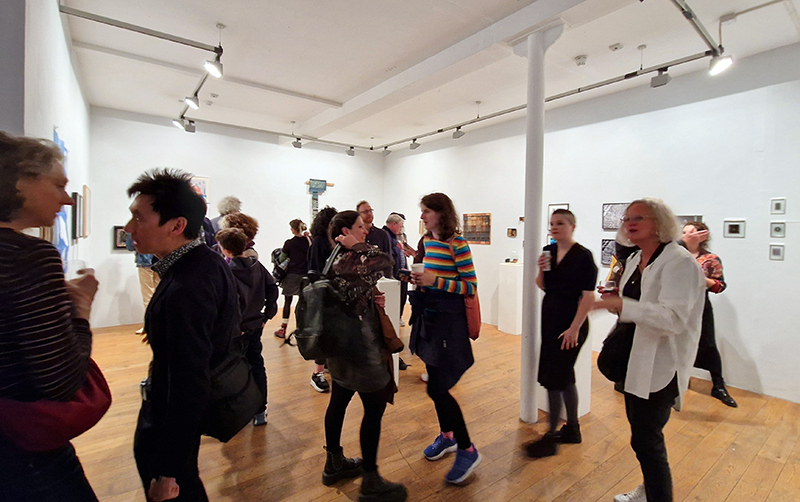
SALON FOR A SPECULATIVE FUTURE: HOW TO BE IN THE FUTURE? at Vestry St – Cross Lane Projects with works from Aideen Barry, Quilla Constance, Lisa Chang Lee, Kate Fahey, Young In Hong, Evy Jokhova, Huma Mulji, Koushna Navabi, Monika Oechsler, Rebecca Scott, Jo Stockham. Postulating hope for a better future Rebecca Solnit (in an article in the Guardian, 2016): wrote “Hope is an embrace of the unknown”. Living in times of unprecedented change, uncertainty, she says, has “the power to influence the future”. Taking inspiration from the ‘future thinking’ of speculative fiction and looking at a wide range of fields from science and technology to spiritual, ecological and socio-economic issues, the exhibition highlights multiplicities and the complex interplay at work in global dynamics. The works, individually and collectively, draw on associations from different  subjectivities and contested /histories facilitating a space for contemplation and the discussion of positive futures. Strong shift shaping work here that gets under the skin, fake facades, hairy hissing and an AI doctored doctrine, make for an unsettling present from which to speculate on the future.

The Tipping Point at Bell House. The tipping point may arrive seemingly out of the blue as a slight change heralding a new way forward.  It can be magical or malevolent.  More than 40 artists in six individually curated spaces will examine different kinds of tipping points, both minor and major, literal and metaphorical. Sarah Sparkes and Jane Millar curate The Gowan Room using Octavia Butler’s dystopian novel, ‘Parable of the Sower’, as a point of reference. Jonathan Callan, Chudamani Clowes, Sarah Doyle, Lydia Julien, Marq Kearey, David Leapman, Yair Meshoulam, Jane Millar, Stephen Nelson, Victoria Rance, Alke Schmidt, Lex Shute, Ania Tomaszewska-Nelson, Sarah Sparkes, Sara Trillo, Marianne Walker and Alice Wilson explore a new awareness of change and exchange, a constant shifting of strange identities, the malleability of being, interspecies communication and the strength and vulnerability of community. Imagining new ways to merge; ways to intelligently and sensually live in the flux of a perpetual tipping point. Léonie Cronin curates the Lutyens room as a procession through objects of different artistic beliefs, pointing to new myths, a point of Syncretism where ideas become merged and the old symbols get incorporated into new systems.

Thomas Pausz in Haunted Ecologies at Stanley Picker Gallery. A very interesting show drawing threads of local history together with current urgencies such as sewage pollution of the local endangered chalk stream Hogsmill River. From spirit photography and the dark room experiments of Kingston’s Eadweard Muybridge, to digital manipulation, rendering and 3D scanning – Our perception of contemporary environment and culture is always haunted by spectres of the past and by hopes and visions of the future.

Symbiosis II group exhibition exploring the relationship between image makers, the more-than-human, and alternative photographic processes at Four Corners Gallery organised by London Alternative Photography Collective  curated by Hayley Harrison, Melanie King, and Ky Lewis. This exhibition considers the connections between symbiosis and alternative photography, and asks if nature is a collaborator or a commodity in alternative photography processes.

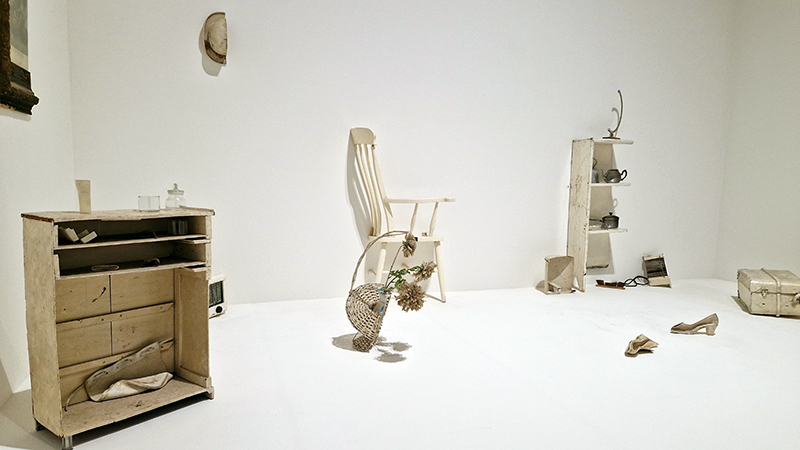
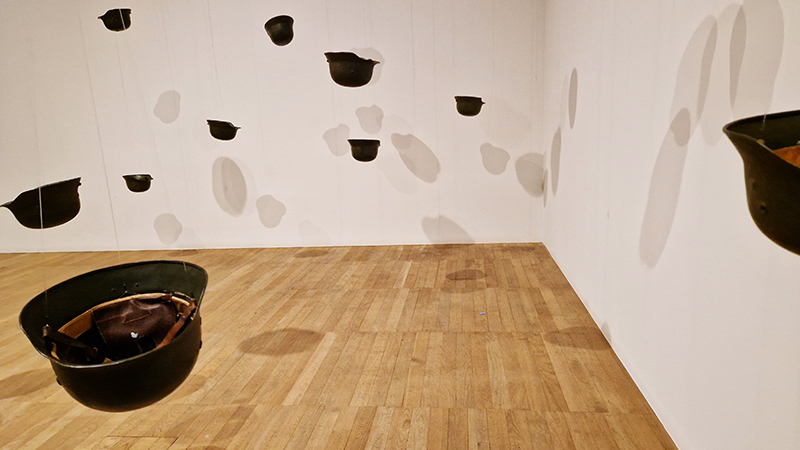
YOKO ONO: MUSIC OF THE MIND at Tate Modern. The main takeaway from this extensive overview of her pioneering work is the sadness that peace hasn’t been given a chance. The works are very direct, may appear simple in content or execution but cut deep into the human psyche. I particularly liked Half a Room, first presented in 1967, this is a room of objects cut in half and painted white. Ono said of this work “Molecules are always at the verge of half disappearing and half emerging…somebody said I should put half a person in the show. But we are halves already.” Another piece, Helmets (pieces of sky) from 2001 invites the audience to take a piece of the sky, which she sees as a hopeful symbol of limitless imagination. Jigsaw pieces of the sky are suspended in German army helmets, and although dispersed, offer the possibility of hope that they can be put back together through collective healing. Many works are participatory. A wall for drawing around your own shadow to create an entanglement of bodies. A boat to add your own wish to an ocean of wishes for the future.

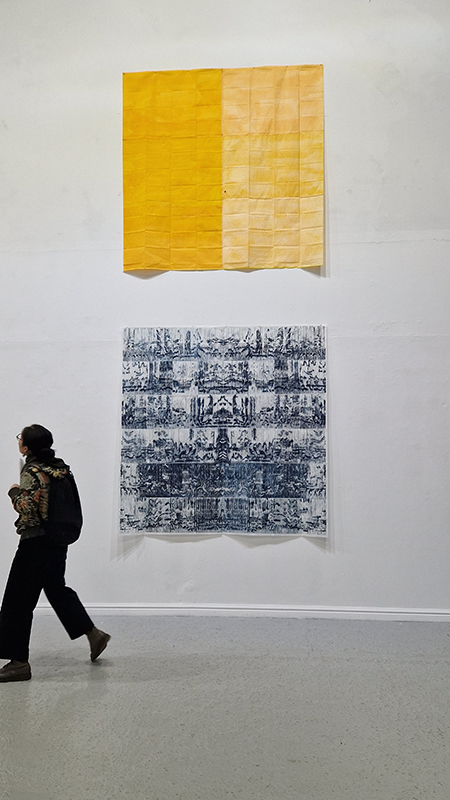
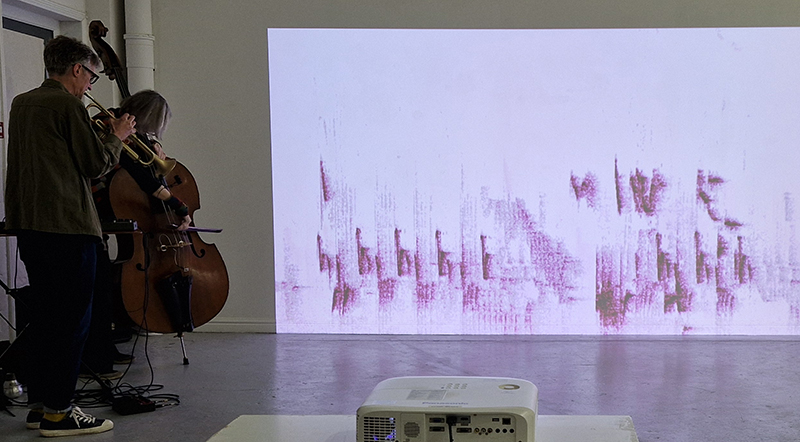
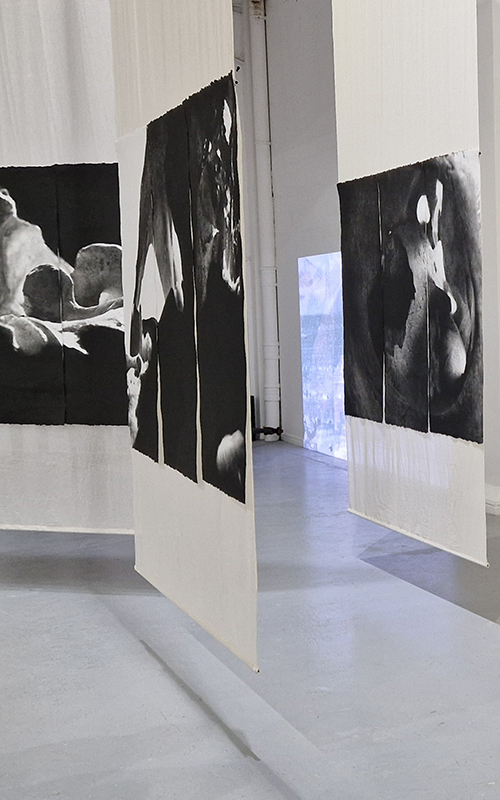
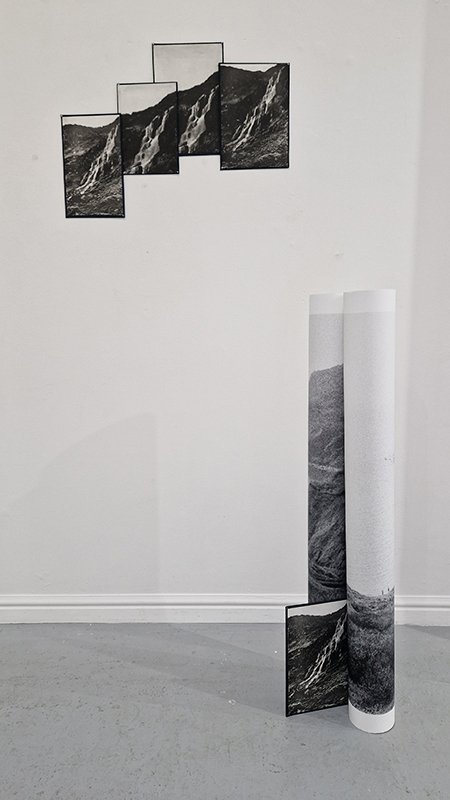
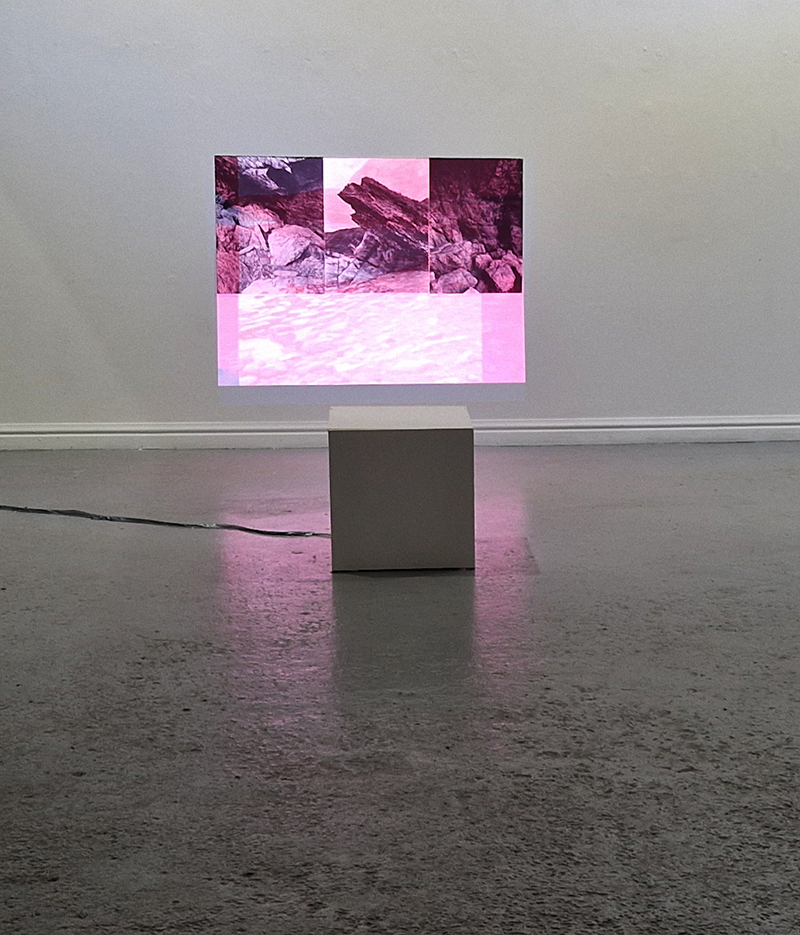
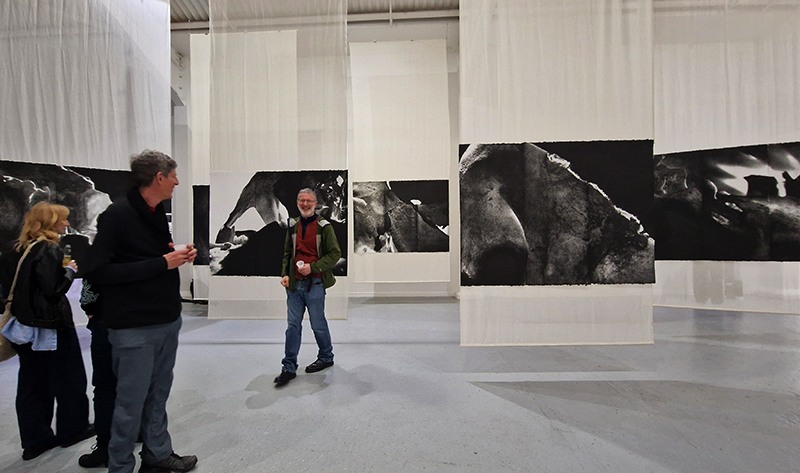
Geographies of Print final iteration of Without Horizon, Without Shore at Thames-side Studios Gallery. Geographies of Print is a collective group created by artists Victoria Ahrens, Carol Wyss and Victoria Arney in 2020. This collective looks to explore and challenge notions of print within wider contemporary discourse and practice. The artists fully inhabit the given space with dramatic large scale pieces, that interact and collaborate to create an exciting and cohesive exhibition. Blocks of colour flash between a maze of hanging muslin panels where etchings of impenetrable blacks and misleading undulations recall both mountain paths and the shadowy mazes of ancient cities. Emotive live music improvisation by Jim Howard (trumpet and electronics) and Julie Walkington (bass) accompanied Victoria Arney’s film reflecting on the epic journey of migrating birds. Landscapes of the mind and the body, a birds eye view and the internal geology of the Earth are beautifully explored.

Delighted to share the news that I have been longlisted for The Aesthetica Art Prize 2024. A live recording of The Breath of Stars will be included in the digital showcase at York Gallery. The Aesthetica Art Prize celebrates contemporary art across a range of media and I’m looking forward to joining the Future Now conference for critical and cultural debate running alongside the art prize exhibition.

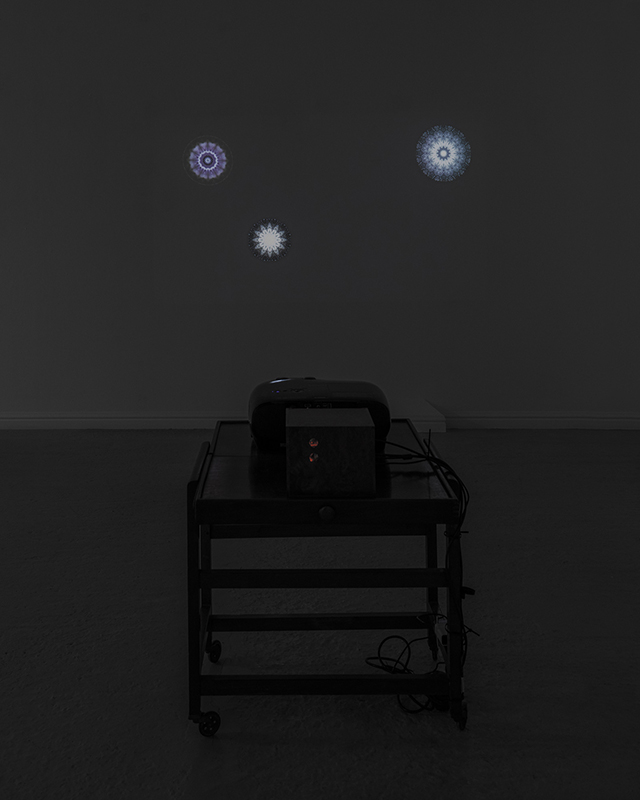
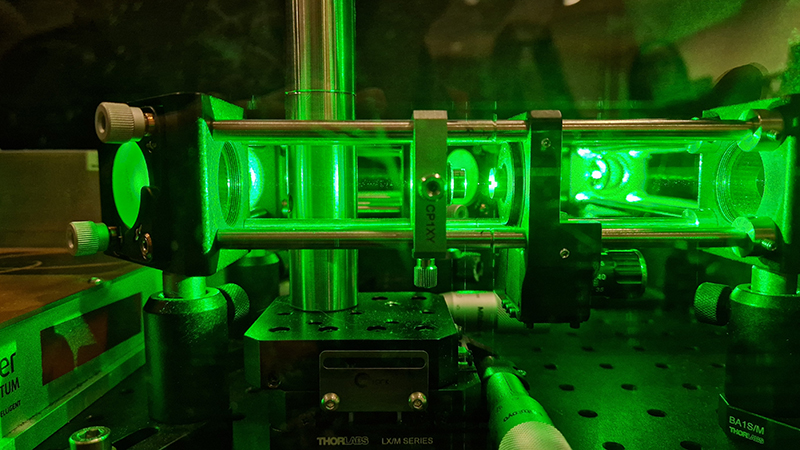
The Breath of Stars (Cosmic ray detectors, mini computers, wooden box (20×20 cm), video projection; live duration) is a digital video work activated in real time by the passage of cosmic rays through a pair of scintillator detectors. Cosmic rays from exploding stars or other extreme events, power across the universe, collide with atoms in the Earth’s atmosphere, break apart, and shower down upon us. Some particles silently interact technology on Earth. In this work, particle detectors and mini computers are connected to a projector. Every time a cosmic ray passes through the plastic scintillator blocks inside the detectors, its energy is recorded, and a starburst video is displayed.

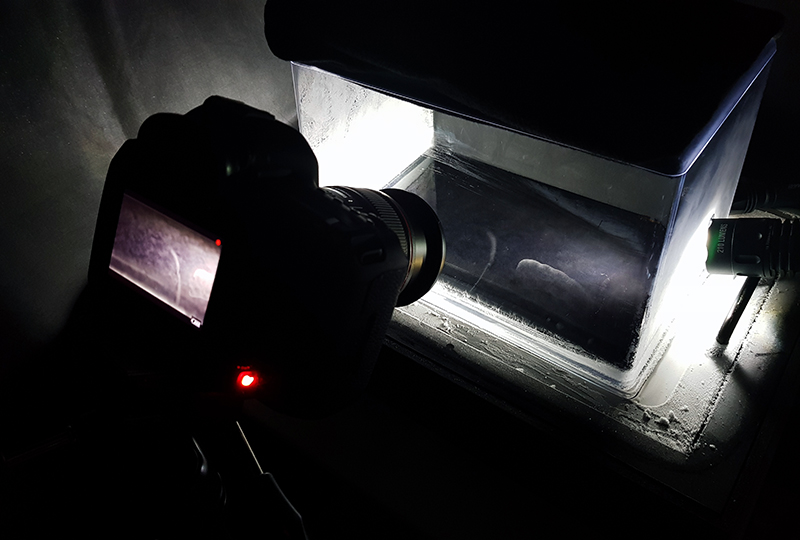
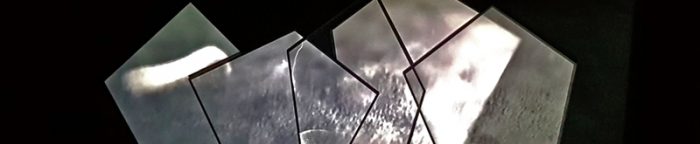
The kaleidoscopic video images that appear are created from mirrored footage of cosmic ray trails filmed during my cloud chamber experiments. Cosmic rays are subatomic  – smaller than an atom – they are protons or the nuclei of an atom which has had its electrons ripped away. We can’t see the actual particles but we can see the trails of condensation they leave behind as they whizz through a cloud chamber.

Cosmic rays arrive at Earth randomly, and this can be witnessed by the sudden flurries and silent gaps of the video imagery. The kinetic energy in just one particle can be equivalent to the energy of a cricket ball bowled by the fastest bowler on the planet  – so much energy squeezed into one tiny particle gives it a huge velocity. Light travels a thousand billion kilometres in one year – a light year – no object with mass can travel at the speed of light but an ultra-high energy cosmic ray would only lag behind the photon by 100th of the diameter of human hair. Most cosmic rays heading for Earth are deflected by the planet’s magnetic field – without this protection, life on Earth, as we experience it, could not survive this bombardment of radioactive matter.

Around 95% of the universe is ‘dark’ to us, formed of unknown and possibly unknowable matter. Phenomenon such as dark matter may be inaccessible to us, but cosmic rays offer a more tangible contact with outer space as they have mass. Although too small to see, we can witness their effects via technology, such as that used in The Breath of Stars, which affords us the opportunity to gaze beyond and between the stars to gain an insight into the structures of the cosmos and imagine what might be hidden in those dark spaces.

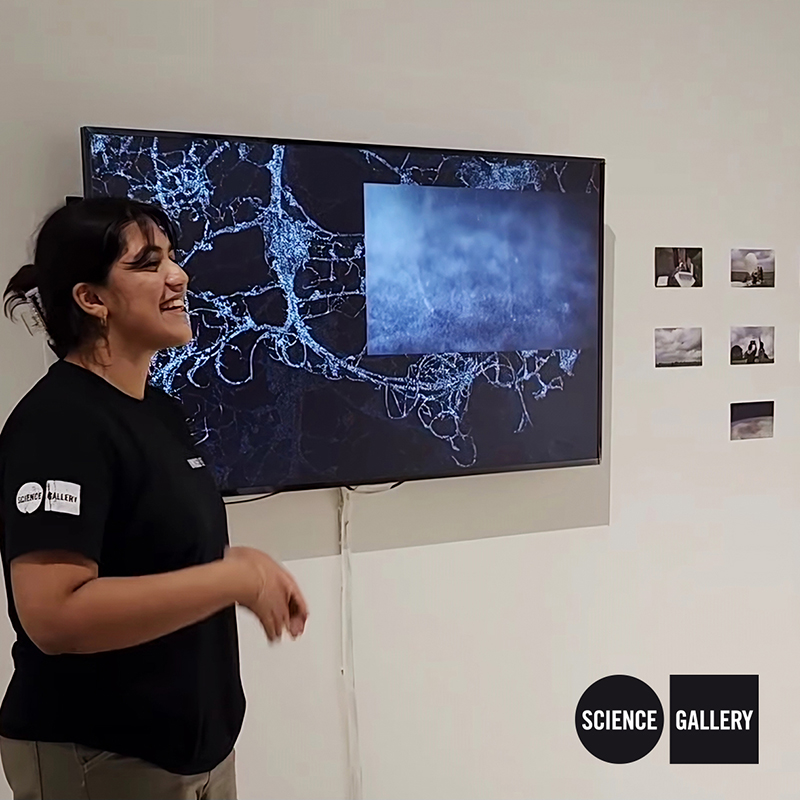
I am very excited that Cosmic Chiasmus: crossing the universe is showing at the super brand new Science Gallery Bengaluru in their inaugural exhibition CARBON: under pressure.

Science Gallery Bengaluru (SGB) is part of the Science Gallery International Network pioneered by Trinity College Dublin. The exhibition explores the ubiquitous nature of carbon, its energy history and the potential futures it enables. Given its unique capability to form bonds and compounds carbon is a foundational element of both life and non-organic matter and its properties have been harnessed as fullerenes, graphene, nanobuds, nanotori, nanocones, and nanohorns, enabling the creation of new screens, batteries, ultra-fast computers, ultra-thin sensors and cables of braided nanotubes. Carbon-14 in organic materials serves as the basis for radiocarbon dating, and Carbon-12 was the standard Dmitri Mendeleev used to determine the atomic weights—and now mass—of all other elements. Carbon dioxide is used as the standard to understand and regulate the flow of exchanges between ecology and economy. Industry driven by coal and oil-fired productivity have triggered alarming climatic effects and created a chasm between geo-biological time as shaped by the material memories of the planet and historical time—that shaped by human action. Carbon is an archive of buried sunshine, bridging the divide between substance and phenomena; caught between the finitude of nature’s resources and the near infinite wonderous potential it holds.

Cosmic Chiasmus: crossing the universe offers a glimpse into a subatomic world where cosmic rays travel from distant galaxies to collide and silently interact with atoms and technology on Earth. Cosmic rays are particles that move extremely fast. They are raining down on planet Earth all the time. Although they are called rays they are not like photons, as light is made of, because they have mass, but they do travel at nearly the speed of light. Cosmic rays go through a violent process of creation, transformation and decay. From the heart of stars or the depths of black holes these particles power across the universe with unimaginable energy colliding with life on Earth and triggering other processes such as cell mutation, computer data corruption and carbon-14 formation. Above our heads where cosmic rays collide with atoms in Earth’s atmosphere radioactive carbon-14 is formed. This radioactive carbon-dioxide in our atmosphere is absorbed by plants and enters the food chain. The radiocarbon decays while an organism is alive but is continually replenished as long as the organism takes in air or food. When an organism dies no more Carbon-14 is absorbed and that which is present starts to decay at a constant rate. By measuring the radioactivity of dead organic matter, the carbon-14 content can be determined and the time of death established. Cosmic ray activity gives us carbon dating techniques. It is an incredible journey that cosmic rays make, blasted across space, spiralling along magnetic field lines to end up entangled with carbon in our bodies.
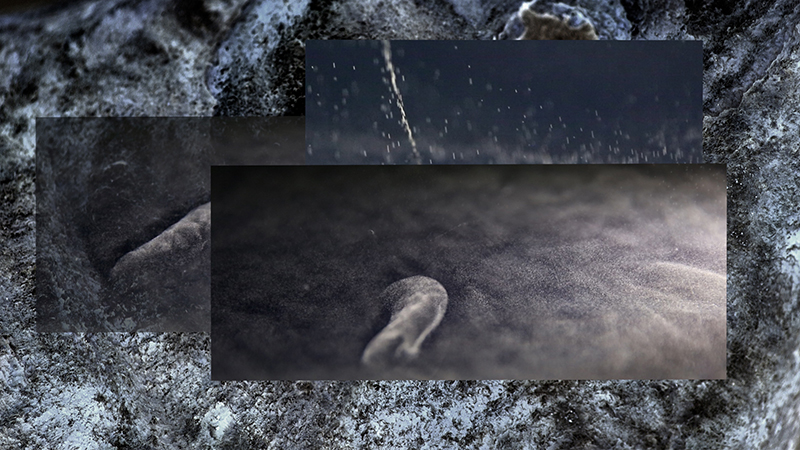
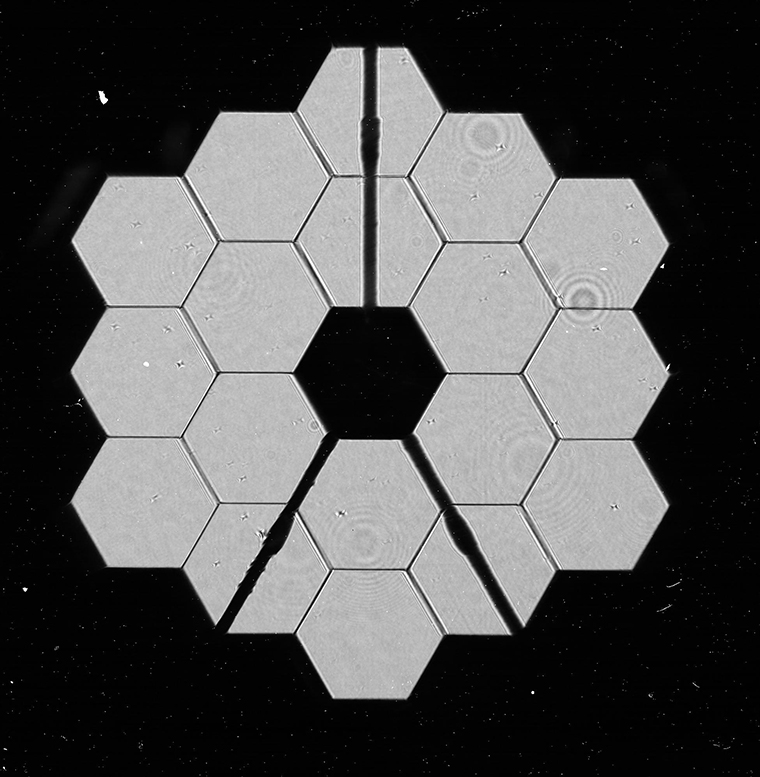
The James Webb Space Telescope selfies of its own light searching mirrors shows cosmic ray activity impact. Space weather can have serious implications for technology. Satellites are particularly vulnerable. and can be sent off-orbit or suffer electrical interference. The satellite population orbiting Earth has more than doubled since 2020, and with more satellites launched in the past year than during the first thirty years of the Space Age, reliance on this technology is increasing at a rapid rate.

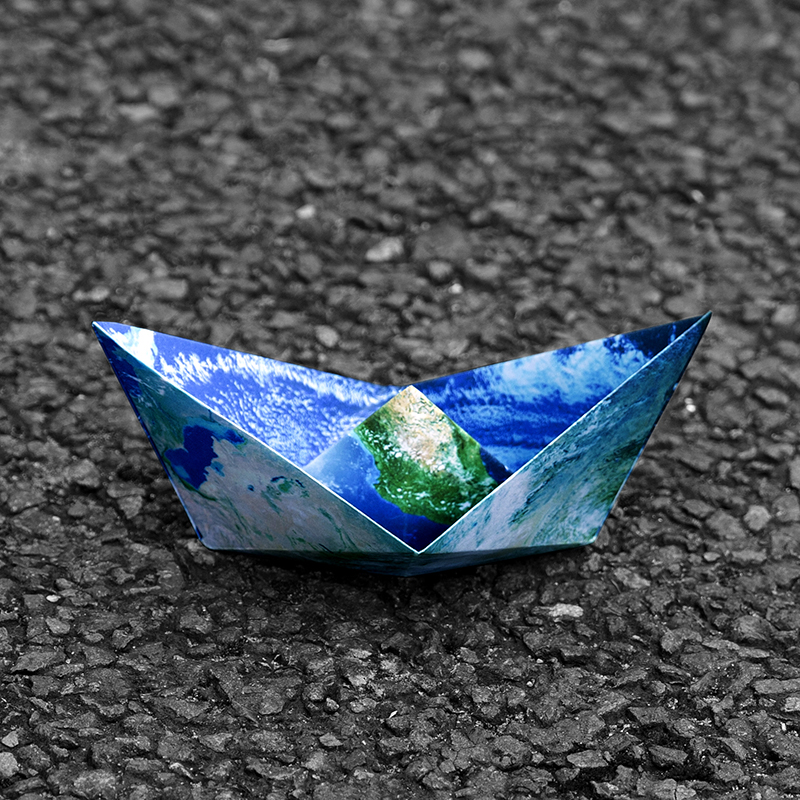
I am making new work looking at information insecurity caused by space weather for an upcoming group show at APT Gallery which takes the lifeboat as a metaphor for precarity. Participating artists: Rachael Allain / Caroline AreskogJones / Beverley Duckworth / Liz Elton / Susan Eyre / Kathleen Herbert / Kaori Homma / Anne Krinsky.   

Life Boat brings together artists with a shared interest in exploring precarity as a site of dynamic transition. Each takes an investigative approach to the environmental, social and historical themes evoked by the lifeboat, as a means of addressing ecological crisis, liminal landscapes, close and distant horizons, boundaries and displacement, lines of rescue, navigation and transformation.

“How do you calculate upon the unforeseen? It seems to be an art of recognizing the role of the unforeseen, of keeping your balance amid surprises, of collaborating with chance, of recognizing that there are some essential mysteries in the world and thereby a limit to calculation, to plan, to control.” Rebecca Solnit, A Field Guide to Getting Lost

Gallery Visits

Tania Kovats as above so below at Parafin. She says: ‘I make drawings more than I draw drawings.’ There is something captured in the simplicity of her work, a haptic viscerallity that is very emotionally stirring.

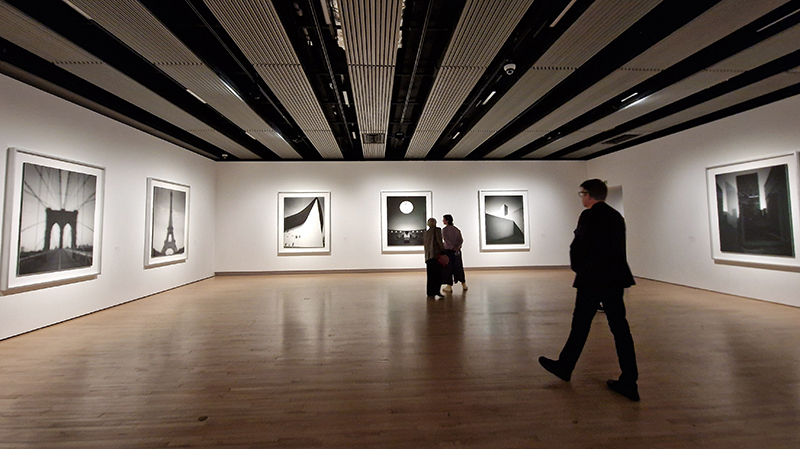
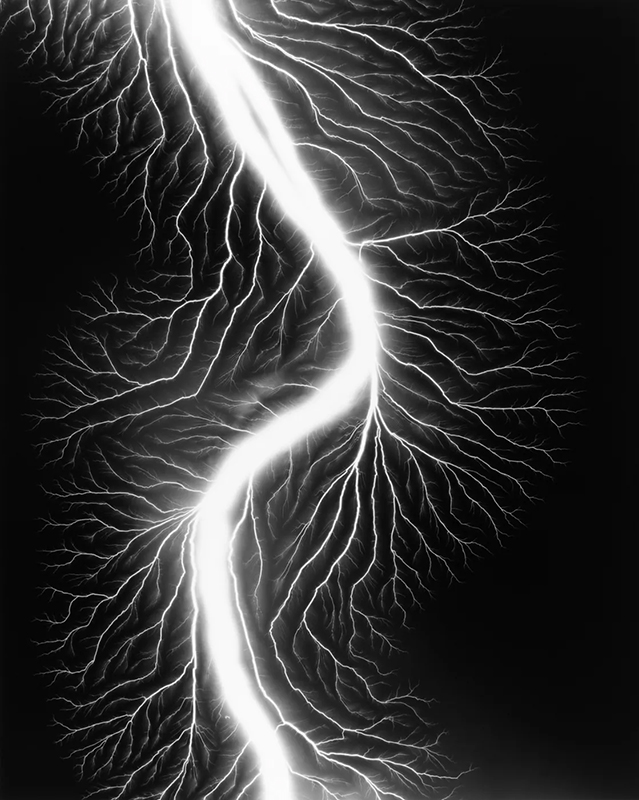
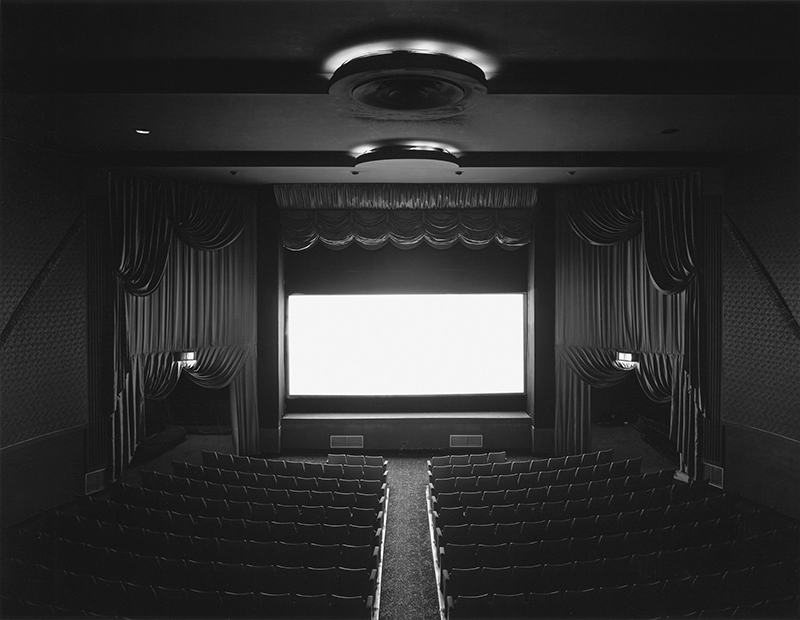
Hiroshi Sugimoto: Time Machine at Hayward Gallery. Beautifully crafted, astonishing work. Hard to believe his models are waxworks or museum taxidermy dioramas, not living subjects and that it is his studied use of light that so cleverly activates his images. I particularly like the Theatres series where he set his camera on an exposure equal to the length of the film being projected into an otherwise dark and empty cinema. The resulting images of a blinding white screen bleeding light like an opening to heaven are remarkable records of passing time. I also loved the work stemming from his interest in mathematics and optical sciences and his experiments with different electrical discharge tools. Sugimoto discovered that he could produce shapes that looked like amoeboid organisms, so he set out to recreate the conditions of the ocean from the time that life began. Using rock salt from the Himalayas (today’s mountain range was once the ocean floor), he mixed his own primaeval seawater. Submerging electrically charged film into the water, the artist was amazed to see light particles move across the surface like microorganisms.

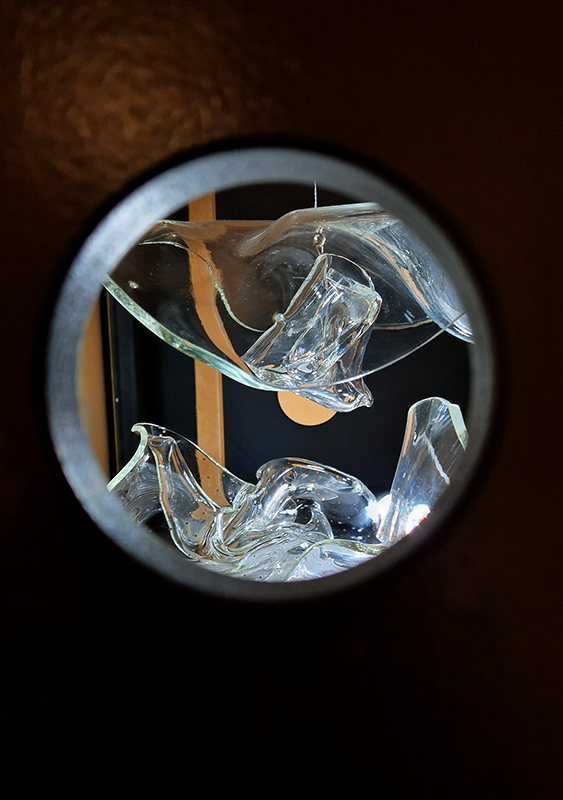
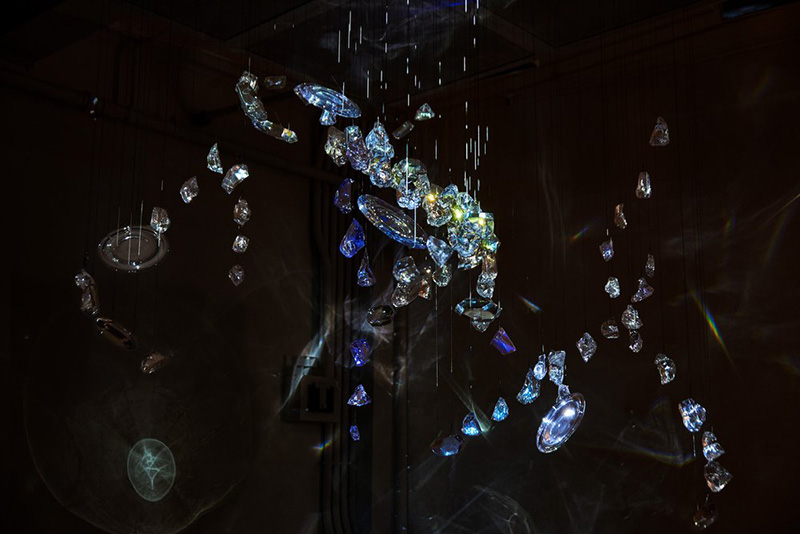
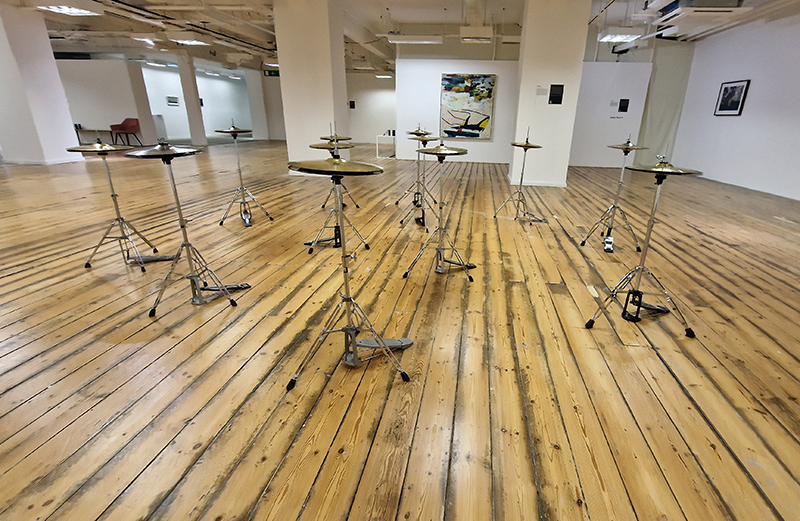
SEISMIC: ART MEETS SCIENCE at GIANT Gallery, Bournemouth, a collaboration with SEISMA Magazine curated by Paul Carey-Kent who was leading a tour of the works when I visited. Artists: Uli Ap, Edward Burtynsky, 0rphan Drift, Peter Matthews, Claire Morgan, Elpida Hadzi-Vasileva, Lisa Pettibone, Shuster + Moseley, David Rickard, Troika. Scientists from corresponding fields of interest are called upon to comment on the work of the curated artists. I was curious to see David Rickards Cosmic Field (3.7mHZ) – a commission by Seisma magazine – which sees cymbals clash when a cosmic rays passes through a hidden Geiger counter. Unfortunately, I didn’t get to witness the full effect as the detector mechanisms hadn’t been charged up, and so only one cymbal was responding with an occasional clash. There are some clever maths in the title and references to John Cages silent composition and the oscillations of the sun. I would like to have learnt more about how the Geiger counters can be sure they are recoding cosmic rays and not just background radiation. It was interesting to read about how stars have sound trapped within and resonate at natural frequencies, like waves inside a wind instrument. Astrophysicist Dr William Chaplin refers to this process as gentle breathing which can be seen in periodic changes in brightness as the stars breathe in ( compressed and bright ) breathe out (relaxed and darker). Other work in the show included Lisa Pettibone’s Truth to Illusion a screen that appears to show a digital undulating image is revealed through a peep hole to be caused by a rotating light and glass mechanism. Light can reveal and mislead in the quest for an understanding of reality. Jewell of Space by Claudia Moseley and Edward Shuster is a mesmerising moving sculpture of light refracting and scattering across a constellation of glass, shadowing the lensing effects of light across the galaxy. Clare Morgan’s Heart of Darkness – a grid of bluebottle flies – a comment on complexity in a system and the importance of each individual to create a whole. Elpida Hadzi-Vasileva’s animal organs given new context – the body turned inside out (cow’s stomach) – the unseen revealed (lamb intestine).

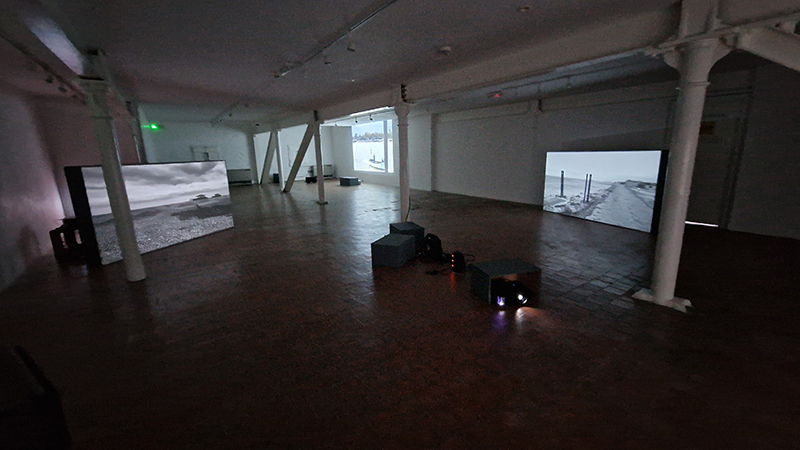
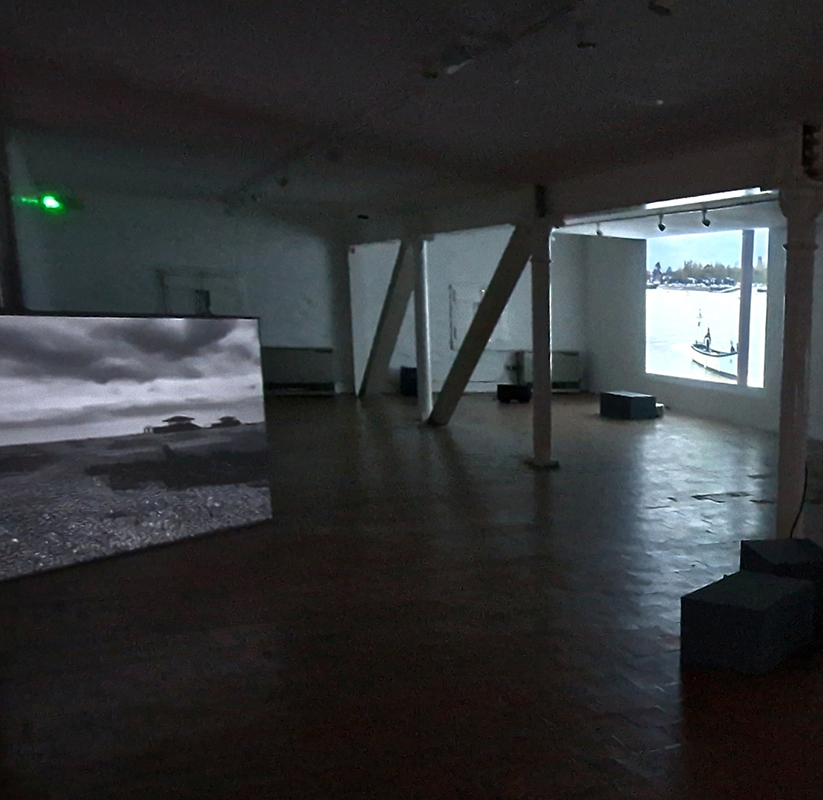
The Accurate Perception Available When Our Eye Becomes Single at The Cut, Halesworth, Suffolk. A lucky chance to see another iteration of this impressive collaboration between Richard Ducker (video) and Ian Thompson (sound). This atmospheric multi-screen installation transports you to the remote otherness of Orford Ness with its innate aura gained from status as a top secret military site and atomic development centre of the 1950’s.

Holding Cosmic Dust: An Almanac, a video installation at The Swiss Church in London by Hot Desque. I enjoyed their previous theatrical inspired installation at Thames-side Studios Gallery where lighting played a key role in creating atmosphere. Again lighting was key, this time very low lighting meant identifying friends at the event was unpredictable. This installation is partnered with an intervention within the permanent, archaeological collection of the Corinium Museum, in Cirencester, positing a speculative archaeological dig in which a matriarchal society is uncovered. The installation draws out connections between archaeology, history and fantasy. There was in conversation with historian Frederika Tevebring about the speculative nature of archeology and evidence of matriarchal societies, but due to challenging acoustics and lighting much of this fascinating talk was lost. I would have liked to hear about the cosmic ray connections. Was it to do with Carbon dating? Participating artists: Holly Graham, Rubie Green, Rebeca Romero, Amba Sayal-Bennett, Abel Shah and Suzanne Treister.
Reading

All The Light We Cannot See by Anthoney Doerr. An extraordinary evocation of the depths of human tenderness and cruelty and the power of knowledge. This is a beautifully written fiction spanning the decades from the 1930’s into the 21st century when advances in radio technology went from a being a source of public information and enlightenment to a weapon of war. Through the wonder of the young protagonists in discovering the magic of radio transmissions, the author also stirs in the reader a reminder that it is invisible waves crisscrossing our world, carrying information vast distances, across political and geographic boundaries. I loved this book.

The Future of Geography: how power and politics in space will change our world by Tim Marshall. Clear and accessible writing takes the reader through the history of the space race to the ubiquity of orbiting satellites and on to the era of astropolitics, military strategy and the battle for future resources. The stakes are high.

Entangle: Physics and the Artistic Imagination edited by Ariane Koek, written in conjunction with an exhibition at Bildmuseet in Sweden. The book is filled with fascinating essays from both artists and scientists giving personal perspectives on their interest in and interaction with particle physics. The importance of an open imagination, the thrill of the unknown, the quest for knowledge that may never be accessible, are relevant to all participants. The common ground between art and science, and the benefits to both fields of joint conversations, is increasingly being acknowledged. Scientists offer the abstract theories, controlled experiments or new technologies that feed artists imaginations, throwing up new questions for both to consider and relate to the human experience.

Watched the deeply moving film by Werner Herzog, The Enigma of Kaspar Hauser – a fictionalised documentary of a teenager suddenly released from an existence of inexplicable confinement chained in a cellar with no human contact other than his captor. The film follows the internal struggle of Kaspar as he is subjected to the demands of society, and take on the current belief systems of the Church. His confusion at the world and despair at how much he doesn’t understand is an allegory for the limitations of human knowledge. The film spotlights the failure of logic and science to provide answers to the human condition.

It is within my mind then, that I measure time. I must not allow my mind to insist that time is something objective.  When I measure time, I am measuring something in the present of my mind. St. Augustine of Hippo, 397
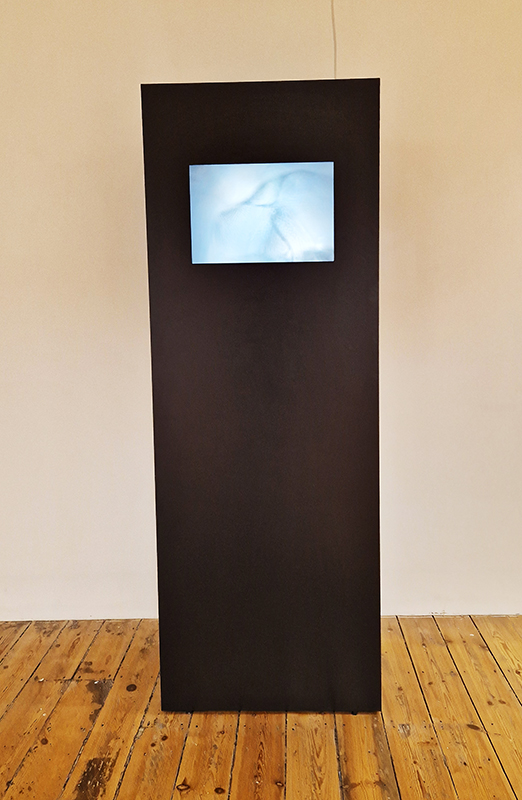
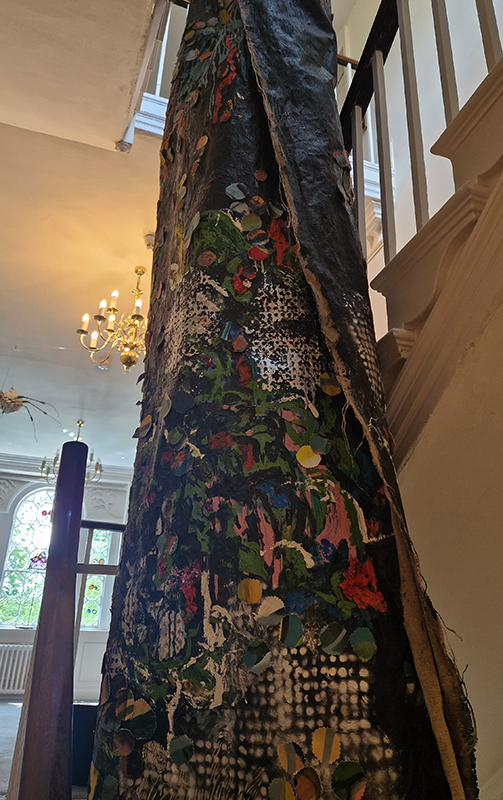
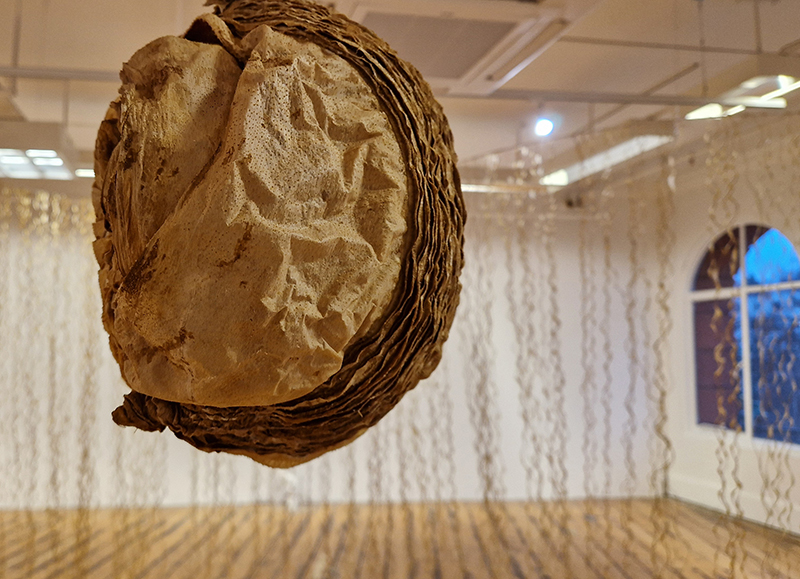
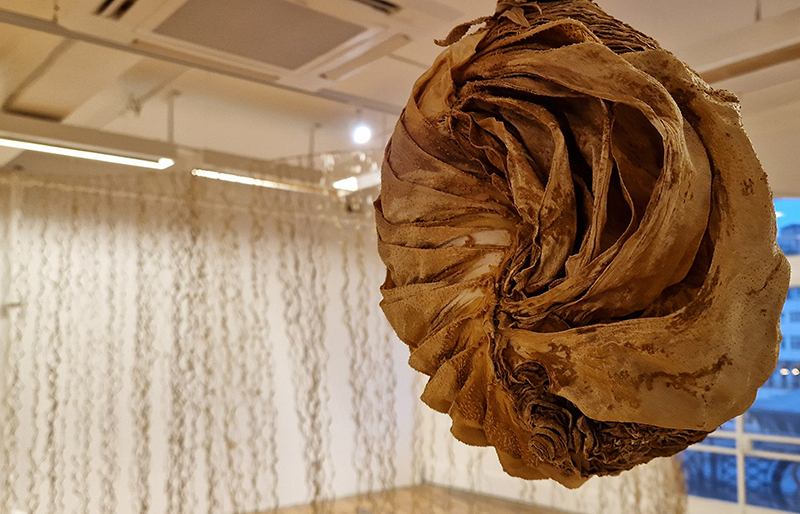
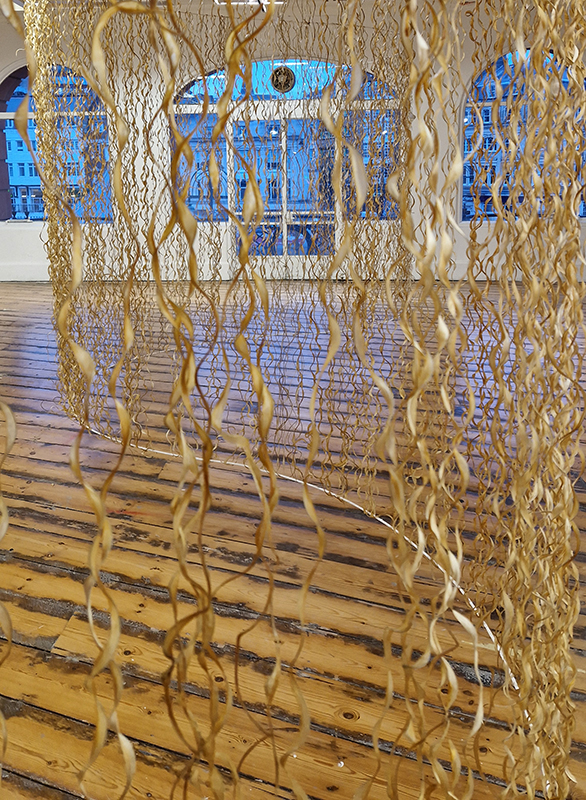
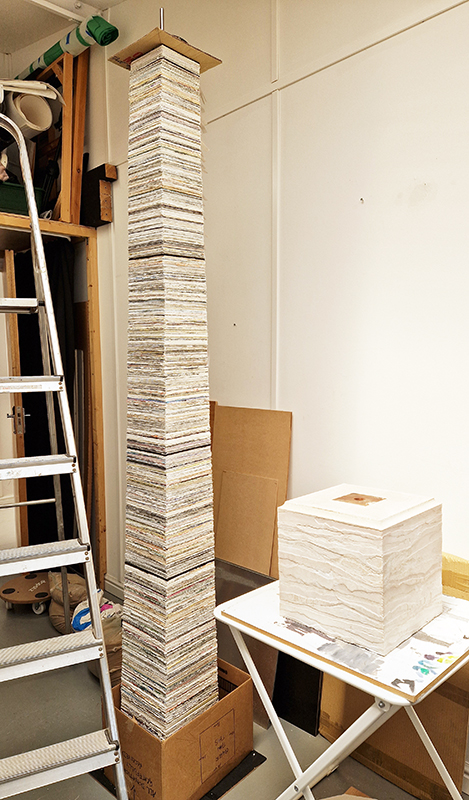
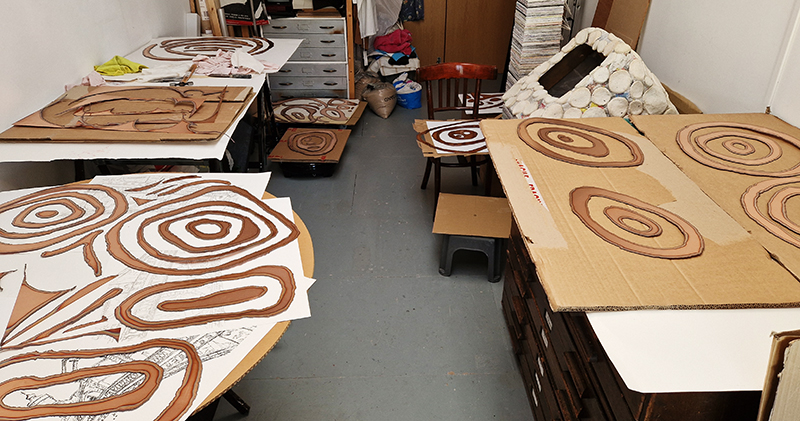
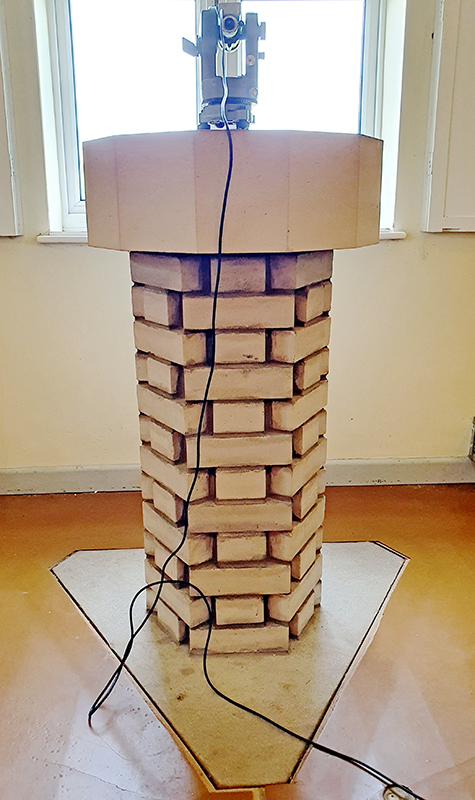
The many layers of paper comprising The Azimuth Obelisk (of sedimentary knowledge) sculpture have been prepared ready for final assembly. The next step will be patinating and assembling the copper pyramidion. This sculpture is a reimagining of the obelisk erected at Hartland Magnetic Observatory in 1955 which is now almost hidden by undergrowth. Although manual readings via a theodolite are still taken from the Observing Building north facing window, this concrete permanent azimuth mark has been replaced by a GPS position. The sculpture expresses the passage of time, made from recycled paper prints and drawings whose history is embedded in the stacked layers, much as the Earth’s geological and magnetic history is secreted into sedimentary strata of rock.

What is below our feet can be as much of a mystery as what is above our heads. The furthest humans have drilled below the surface of the Earth is just over 12 km but it is 6,370 km to the centre of the Earth. One way of exploring the Earth’s core is by studying geoneutrinos. Geoneutrinos are neutrinos, the lightest subatomic particle, released by the natural radioactive decay of potassium, thorium, and uranium in Earth’s interior. By studying geoneutrinos, scientists can better understand the composition and spatial distribution of materials in the mantle and core. Neutrinos can pass through matter uninhibited and are not affected by magnetism. Geoneutrinos are low-energy electron antineutrinos, and scientists need to use large detectors to record them but because they  are so elusive, they don’t capture very many events each year. Some of the heat emanating from the interior of our planet comes from this radioactive decay and is responsible for everything from creating the molten iron core that generates Earth’s magnetic field to the spread of the sea floor and motion of the continents.

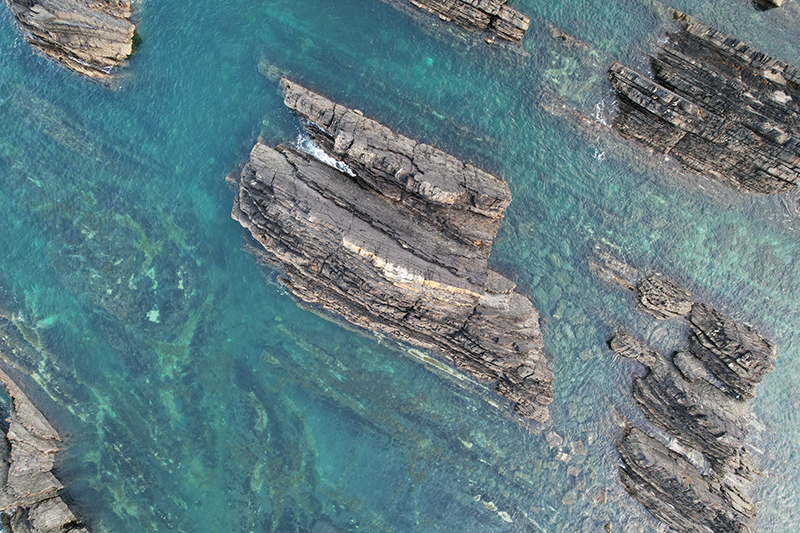
At the centre of the Earth is a hot sphere of solid iron which has its own ocean of molten iron, surging and churning with hurricanes and whirlpools powered by the Coriolis forces of Earth’s rotation. These complex motions generate our planet’s magnetosphere. The turbulent dynamo process also means the magnetic field is in a constant state of change and the poles are always on the move. From James Clark Ross first locating the magnetic north pole in 1831 to when Roald Amundsen found the pole again almost a century later it had moved at least 50 km since the days of Ross. Both poles continue to wander as varying speeds. Magnetic stripes around mid-ocean ridges reveal the history of Earth’s magnetic field for millions of years and record magnetic field reversals in the magnetism of ancient rocks. Field reversals come at irregular intervals averaging about 300,000 years with the last one 780,000 years ago. Reversals take a few thousand years to complete, and during that time the magnetic field does not vanish but becomes twisted and tangled with magnetic poles appearing in unaccustomed places. Although in a state of turmoil with possible weak areas it can still protect us from space radiation and solar storms.

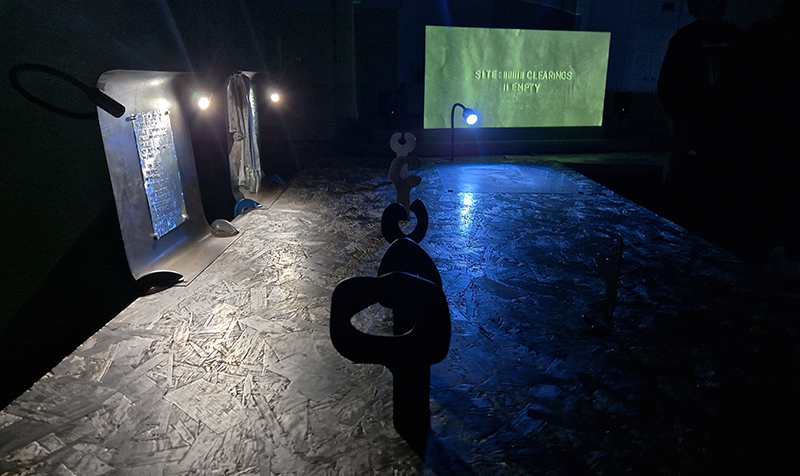
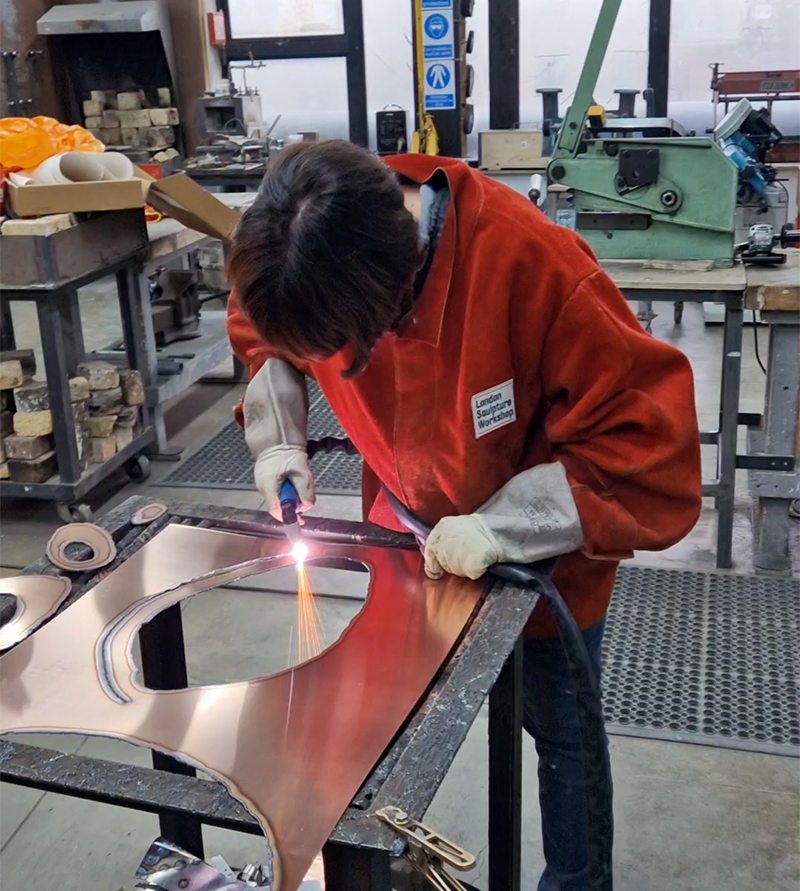
I took up membership of London Sculpture Workshop supported by a professional practice and creative development bursary from The Artists Information Company. Great to have access to the facilities here to work on sculptures responding to research visits to magnetic observatories. I had a couple of sessions cutting copper with a plasma gun. The intense heat colours the edges of the metal with blues, yellows and crimsons. Unfortunately some of the colour gets lost when they are lacquered so I have left some without coating this time to see if they lose the colour anyway. These topographical contours which are destined for the installation The Absolute Hut (of action potential), reflect the fluid motion of the Earth’s interior and also the pulsating alpha waves emanating from the human brain subjected to magnetic fields.

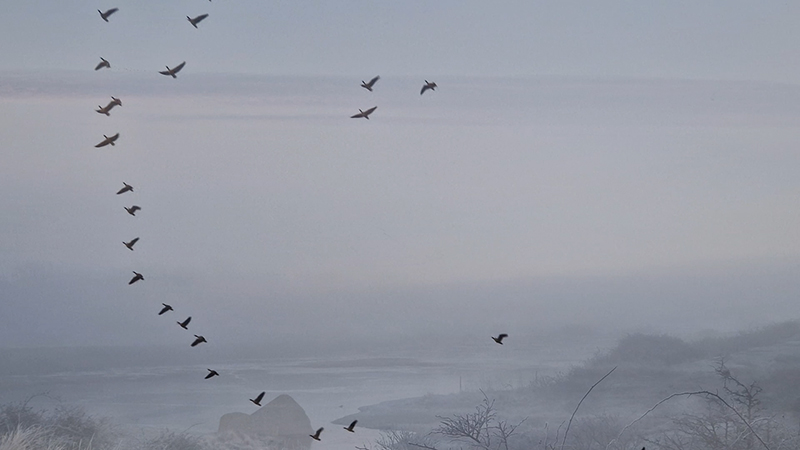
I have started editing and gathering together video footage for The Absolute Hut installation. Inside the hut I am planning to have video screens suggesting portals into a modulated web of neural pathways and one larger window with a two way projection film of the migratory pink footed geese at Snettisham in Norfolk. Natural navigation techniques and extra-sensory methods used by the non-human realm will form the basis for speculation as to the ability for humans to perceive the Earth’s magnetic field. 

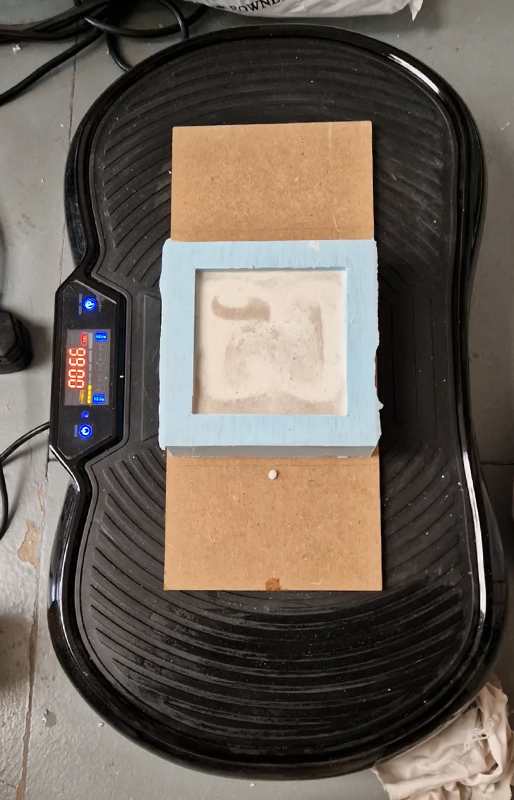
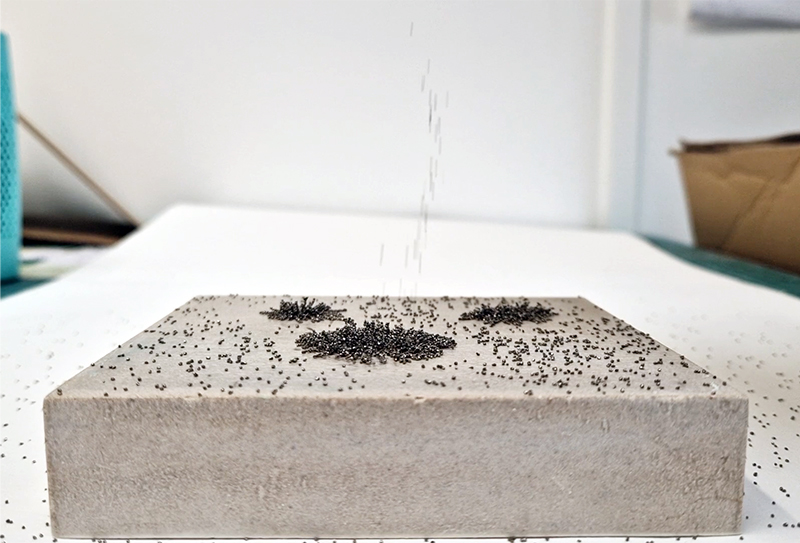
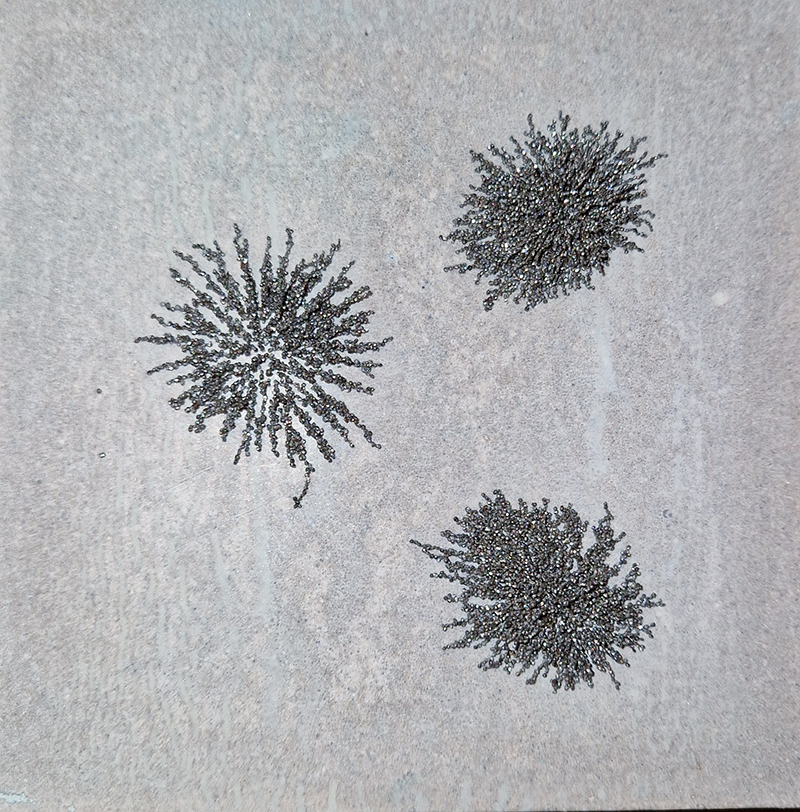
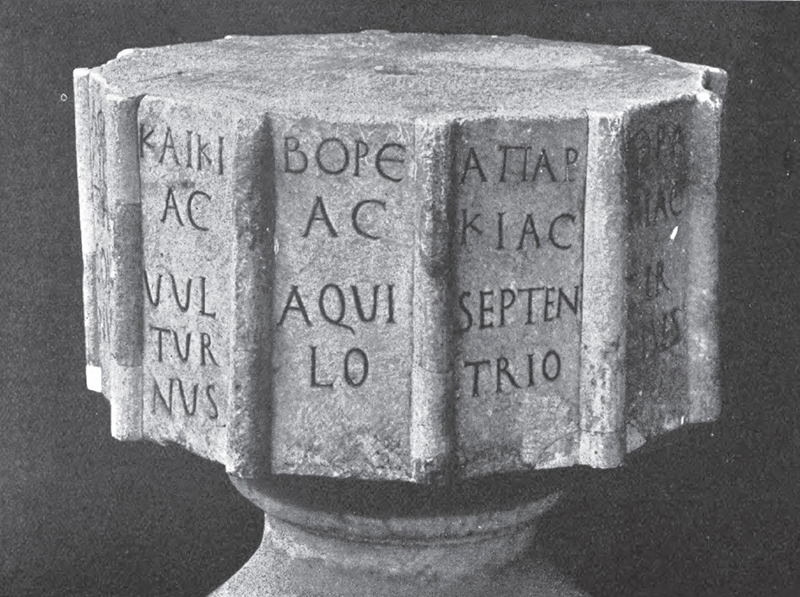
Following on from concrete casting tuition with Anna Hughes as part of my a-n creative development bursary I have been testing casting concrete with embedded magnets. I had an idea to try removing bubbles from the concrete by putting it on an exercise vibrating plate. The motion is quite violent and undulating and my mix was quite loose so it had an effect like a small wave machine sloshing side to side – there were no bubbles in the results though. These tests are towards making a series of dodecagon tablets cast in Snowcrete, a non-magnetic cement, as used in a magnetic observatory. Suggestive of the pedestals that support various instruments used in monitoring the Earths’ magnetic field they also respond to an ancient anemoscope “table of the winds” carved in marble around eighteen hundred years ago and inscribed with the Greek and Latin names of classical winds on each of its twelve sides.

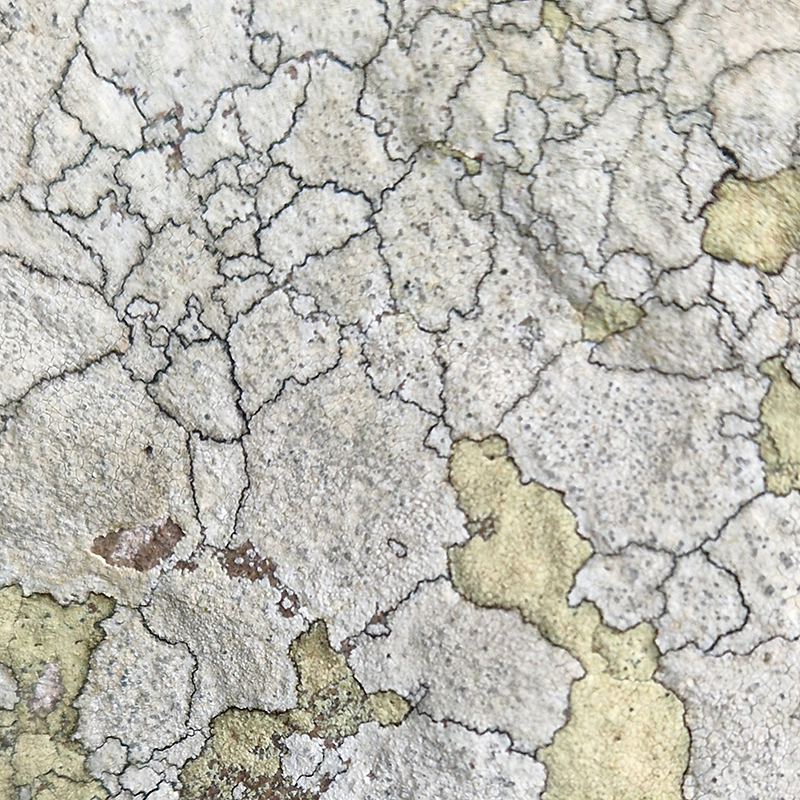
Lichen boundaries seen on a trip to Somerset reminded me of the magnetic domains of the directional magnetic steel when sanded and etched to reveal the Goss texture of rolled iron silicon alloy crystals. The jigsaw pattern of magnetic domains give this material exceptional magnetic properties.

I had a great time interacting via zoom with volunteer mediators who will serve as conversationalists for visitors who come to the Carbon exhibition at Science Gallery Bengaluru where my video Cosmic Chiasmus: crossing the universe will be shown later in the year. Mediators are an integral part of each exhibition-season at Science Gallery Bengaluru (SGB). By providing each visitor the unique opportunity to deeply engage with the exhibits, events, and programmes, the mediators are at the backbone of our commitment to public engagement at SGB.

The session was designed to gain an understanding of the work to be shown, the process behind its creation, and the key concepts explored in it. Cosmic Chiasmus: crossing the universe offers a glimpse into a subatomic world where cosmic rays travel from distant galaxies to collide and silently interact with atoms and technology on Earth. Not only is all life physically permeated by cosmic rays with the potential for nuclei collisions but some cascading particles smash into atoms of nitrogen to create carbon-14. Carbon-14 then combines with oxygen in the atmosphere to create radioactive carbon-dioxide  – this is ingested by plants and animals through the food cycle. In making the film I was interested in exploring the interconnectedness of ourselves to our wider environment, even outer space and the influence intangible phenomena such as cosmic rays can have on everyday life and human technology.  It is an incredible journey that cosmic rays make, blasted across space, spiralling along magnetic field lines to end up entangled with carbon in our bodies.

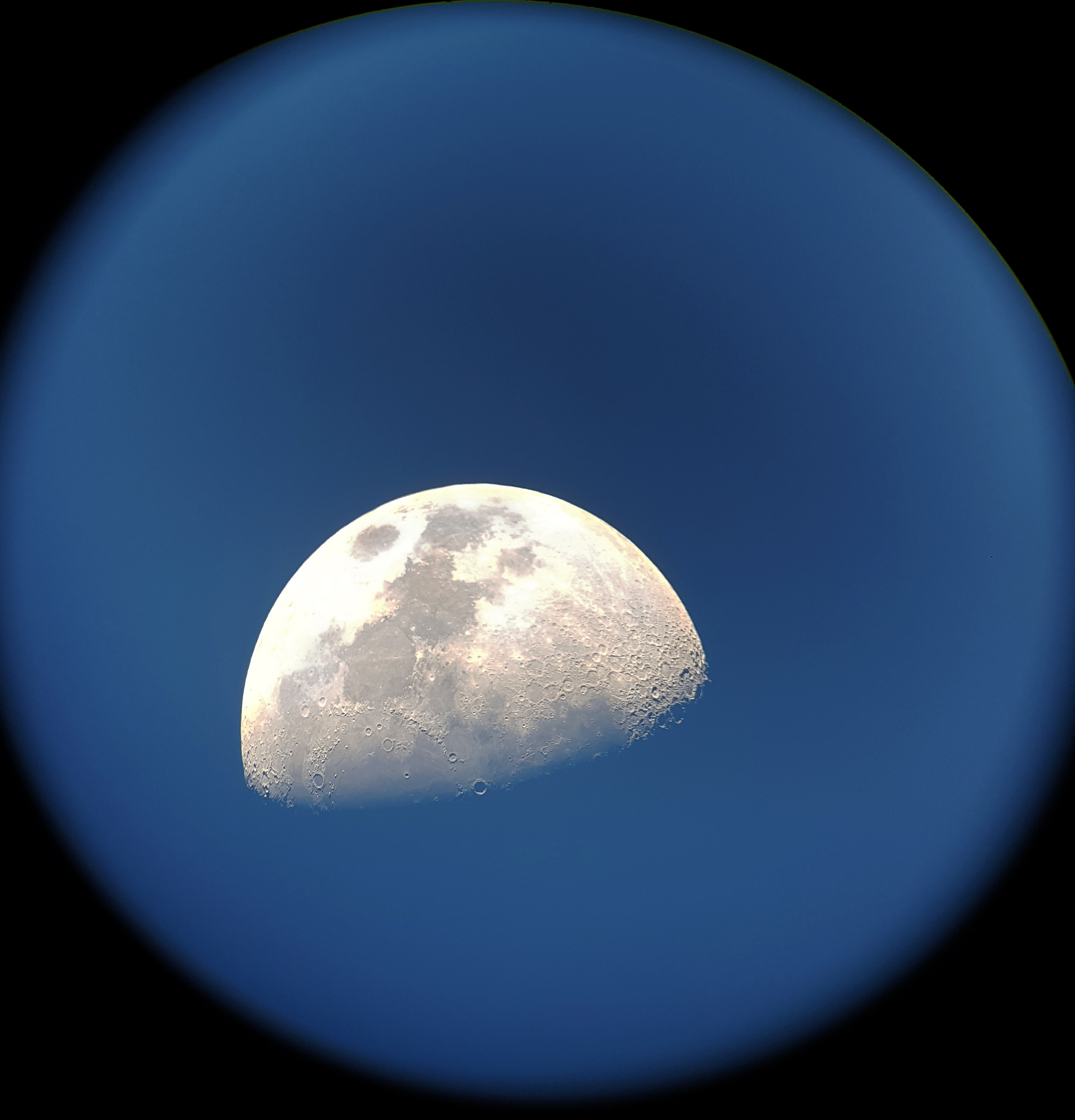
Most years have twelve full moons, but as our calendar is not perfectly synchronized with astronomical events, every now and then there is more than one full moon in a month which can be known as a blue moon. It takes the moon 27.3 days to orbit the Earth but about 29.5 days to go through all of its eight phases waxing from new to full and waning back again. We can hope to see a super blue moon next month.

Carey Young’s Plato Contract – only gains status as an artwork once it has been installed, following explicit instructions, in the impact crater, Plato, on the moon.

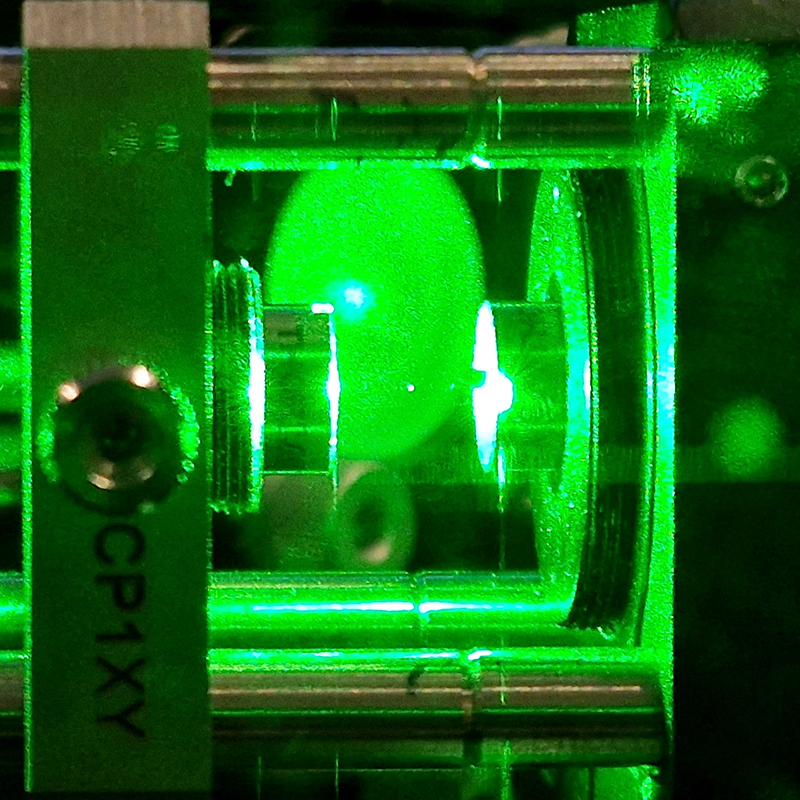
Royal Society Summer Lates – Interesting new research in the search for dark matter from UCL High Energy Physics team using quantum sensors. Tiny glass spheres levitated in a vacuum and super cooled means these are extremely sensitive to any slight gravitational interaction should dark matter be made of very light particles. Instead of a vast tank of Xenon installed in a disused goldmine this new search for dark matter is quite a contrast in scale.

Also got to cause gravitational lensing with my own body mass and enjoy some splendid cocktails with surreal smoke bubble topping. Love Royal Society events.

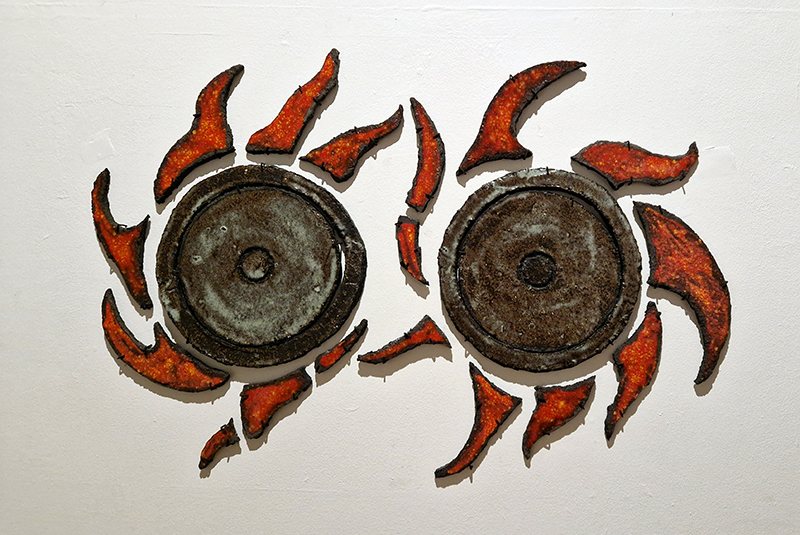
Melanie Jackson Rouge Flambé at San Mei Gallery with a fascinating accompanying essay by Esther Leslie. Rouge flambé is a red oxide ceramic glaze with a long history of use, spreading across the globe from its origins in China. Together these works celebrate forces that hold a primordial fascination – fire, colour, alchemy which bridge the scientific with the mythological.

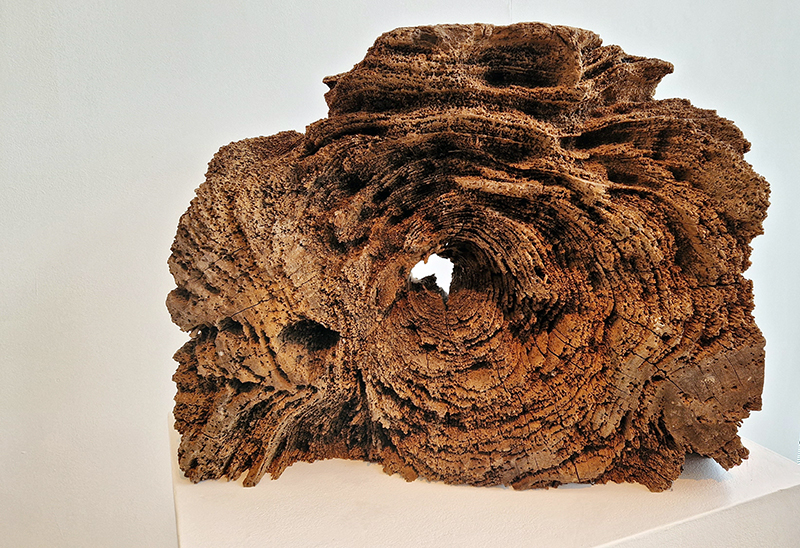
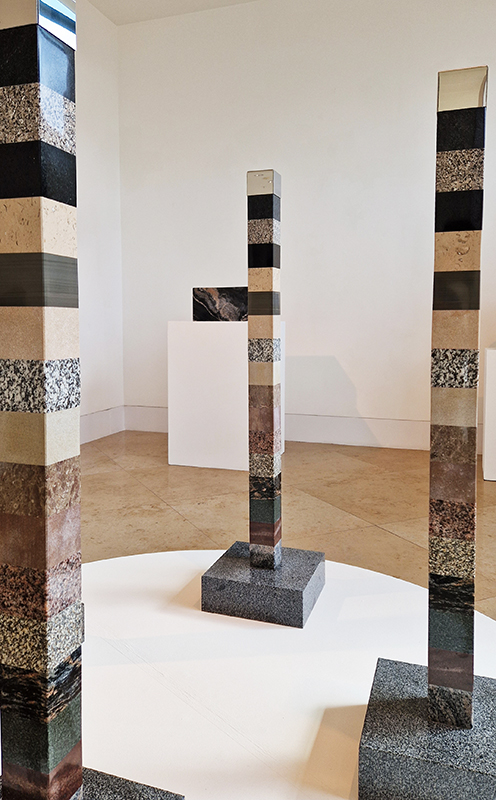
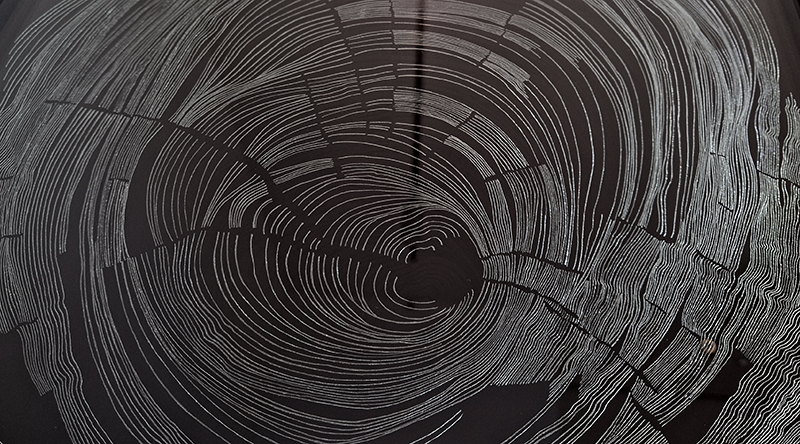
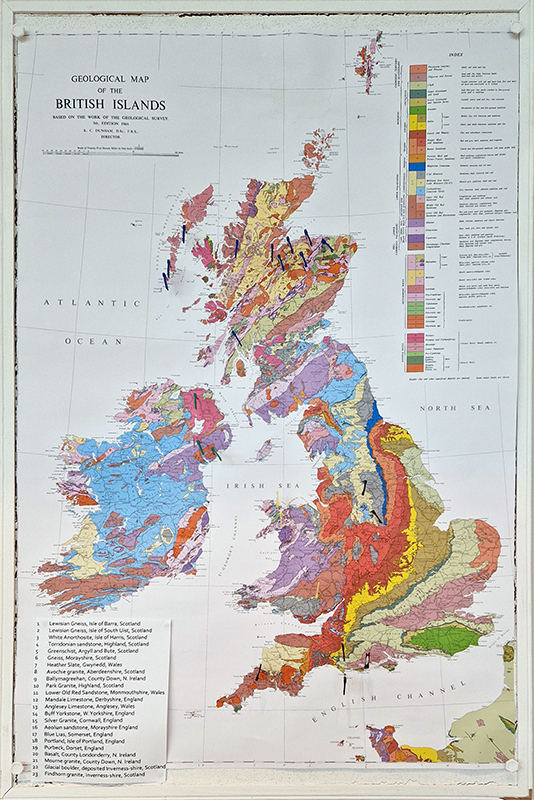
Angela Palmer Deep Time: uncovering our hidden past at Pangolin London. The exhibition explores time through the material history of Great Britain – charting its 3-billion-year lithic timeline to arrive in our current age of the Anthropocene. Featuring the UK’s 16 geological periods, starting with one of the world’s most ancient rocks, the 3-billion-year-old Lewisian Gneiss from the Outer Hebrides. Further stones include 2.5-billion-year-old White Anorthosite sourced in the Outer Hebrides that was also found on the Moon by the astronauts of Apollo 15 in 1971, as well as 66-milion-year-old Northern Irish Black Basalt marking the extinction of the dinosaur. The exhibition also includes teak sculptures salvaged from the ocean where it lay for a century while marine boring insects carved into its surfaces. Many of these works have minimal intervention from the artist in their presentation. The work has been done in the sourcing and extraction.

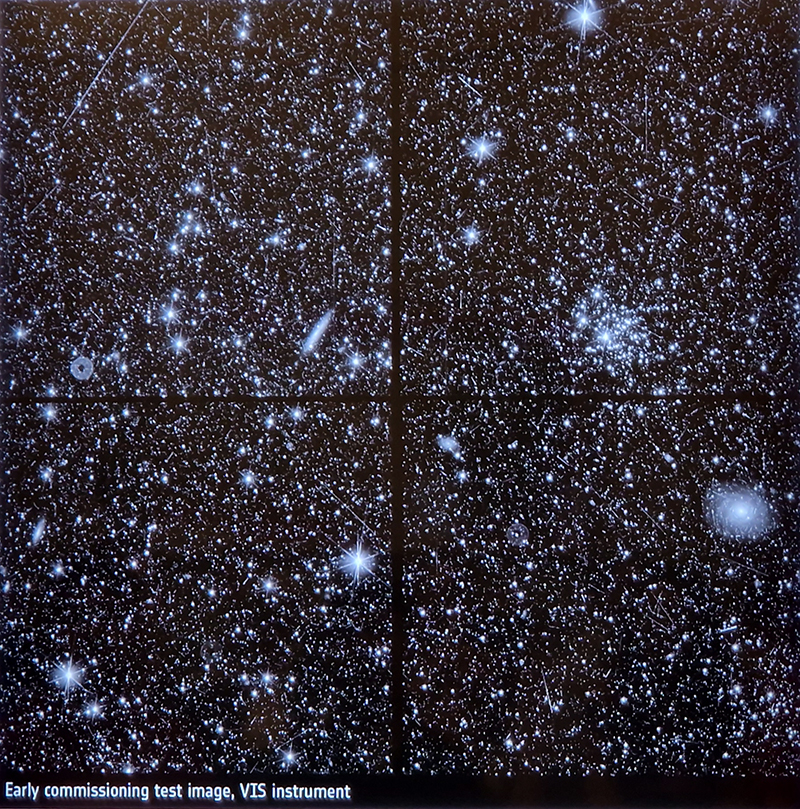
I attended the UCL Space Domain Summer Celebration. The event was introduced by Victor Buchli – Co-Chair of the UCL Space Domain which draws in researchers from across disciplines whose work touches on space exploration in some way. Guest speakers, artist Lisa Pettibone and poet Simon Barraclough, gave presentations on their work and involvement with the Mullard Space Science Laboratory and subsequent inclusion of work on the Euclid Spacecraft (launched on 1st July 2023) in the form of a plaque depicting ‘The Fingertip Galaxy’ a collaborative project created with hundreds of mission scientists and engineers’ painted fingertips, along with specially commissioned lines from Simon’s poetry. We were privileged to see the very first image sent back from the Euclid Space Telescope whose mission is to map out the dark side of our universe by analyzing billions of galaxies that reside up to about 10 billion light-years away. Every point of light is a galaxy.

Reading

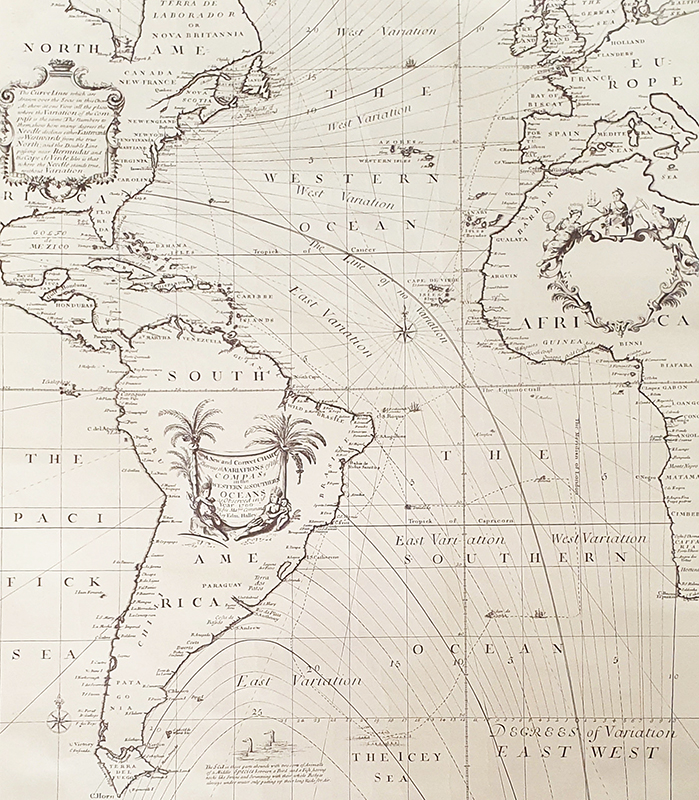
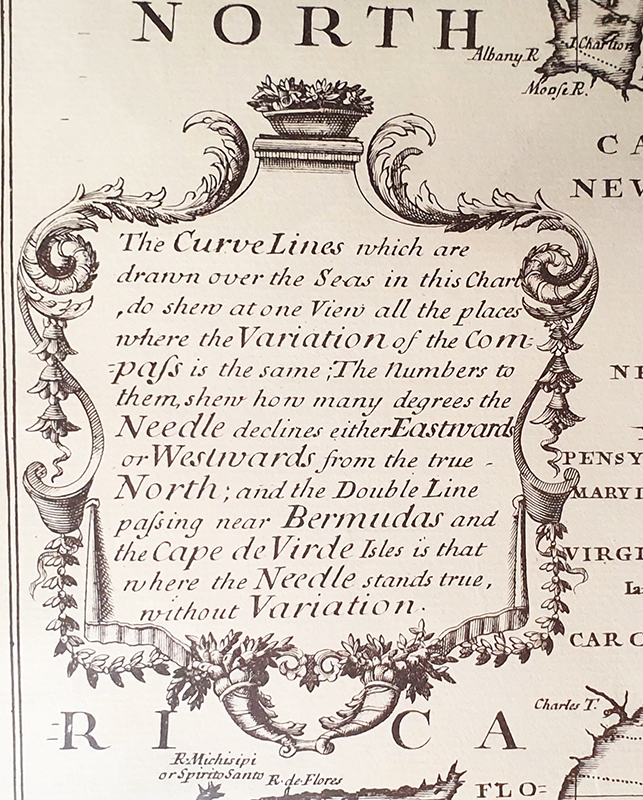
Compass – a story of exploration and innovation by Alan Gurney. Full of fascinating historical anecdotes charting the invention of the magnetic compass for navigation at sea from lodestone floating in a bowl of water to the precision marine liquid compass, gyrocompass and fluxgate compass used today. Although early experiments came under the auspices of scientific expeditions the compass cannot be untangled from its commercial propagation and employment in colonialism and the slave trade. The first ship charted solely for a scientific expedition, The Paramore, launched from The Royal Dockyard at Deptford in 1694, to compass the globe and measure magnetic variation. It was however approved for funding by The Royal Society, Queen Mary and The Admiralty based on the benefits it would bring for navigation and trade. One of the many delays in launching the Paramore was the novel decision of how many guns should be fitted in a ship bound for scientific research. Pirates were at large and nation wars would flare up while ships were out at sea so a friend at launch might be a hostile force at the next harbour without the means for the crew to receive this news before it was too late. Many many lives were lost at sea during these turbulent times through aggression but also shipwrecks from the poor quality, misuse or misinterpretation of the ship’s compass. Magnetic variation, deviation and iron introduced onto the ships meant the compass needle could not be relied upon to show true north. It took centuries to comprehend the unpredictable power of magnetism and the Earth’s magnetic field.

Listening

The End of the Universe Gresham Lecture from Professor Katherine Blundell. The relocation of matter. Spacetime is expanding ever faster due to dark energy. Galaxies do not expand as they are held together by gravity. It is the space between galaxies that is getting bigger and will continue until in some distant future astronomers in one galaxy will not be able to see any other galaxies. Black holes eventually evaporate.

Also from Professor Katherine Blundell Cosmic Vision: Fast & Furious.

Cosmic rays are particles that move extremely fast. They are raining down on planet earth all the time. Although they are called rays they are not like photons, as light is made of, as they have mass but they do travel at nearly the speed of light. The kinetic energy in just one particle can be equivalent to the energy of a cricket ball bowled by the fastest bowler on the planet  – so much energy squeezed into one tiny particle gives it a huge velocity. Light travels a thousand billion kilometres in one year – a light year – no object with mass can travel at the speed of light but an ultra-high energy cosmic ray would only lag behind the photon by 100th of the diameter of human hair. Some ultra high energy cosmic ray particles that arrive on Earth have 1000 billion times more energy than particle colliders on earth can generate. These ultra high energy particles are very rare – with only about 1 per square metre per century. We know many cosmic rays come from supernova explosions in distant galaxies especially from what are called starburst galaxies where lots of supernovae are happening. Supernovae expand very very fast into the interstellar medium of their galaxy – this causes shocks as the plasma expands and where there are compressed magnetic fields particles can be accelerated to very high speeds. There is a formula called the Hillas Criterion which states – the maximum velocity a particle can be accelerated to depends on three things –  the strength of the magnetic field  – the speed of the plasma –  and the size of the region over which the acceleration can take place. New research shows that ancient Radio Galaxies such as Centaurus A – which is over 1 million light years across or the smaller Fornax A Galaxy are good candidates for the propagation of the ultra high energy particles as these galaxies have the huge size necessary to allow the particles to gather speed in the giant regions of radio emission which extend well beyond the galaxies visible structure.