Archives for posts with tag: Sun Factor

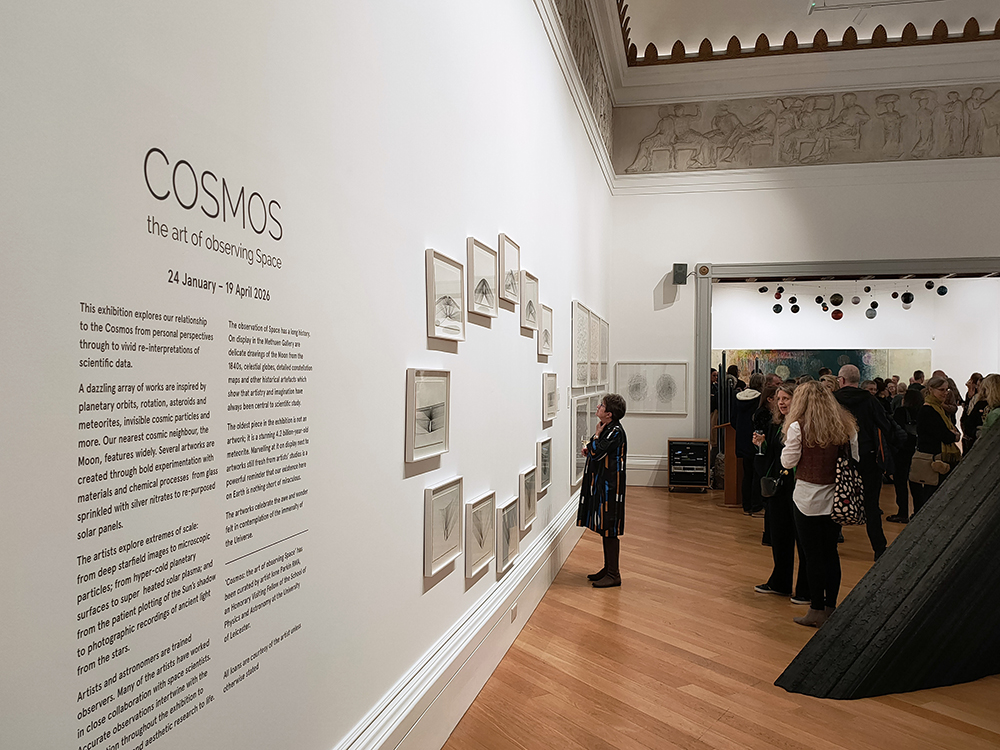
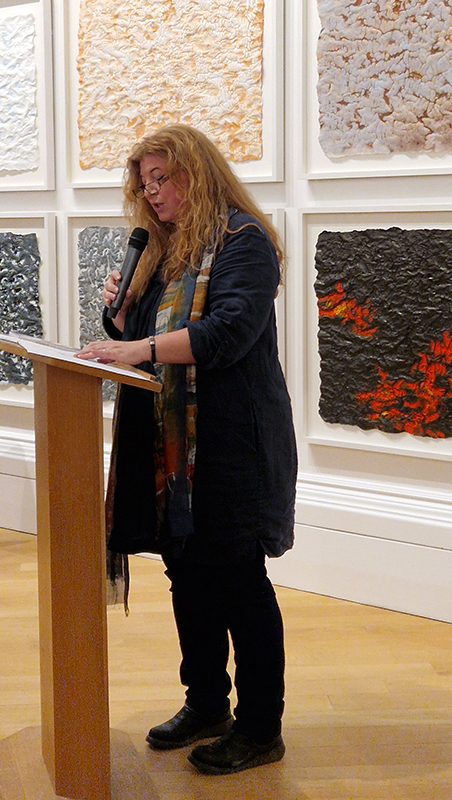
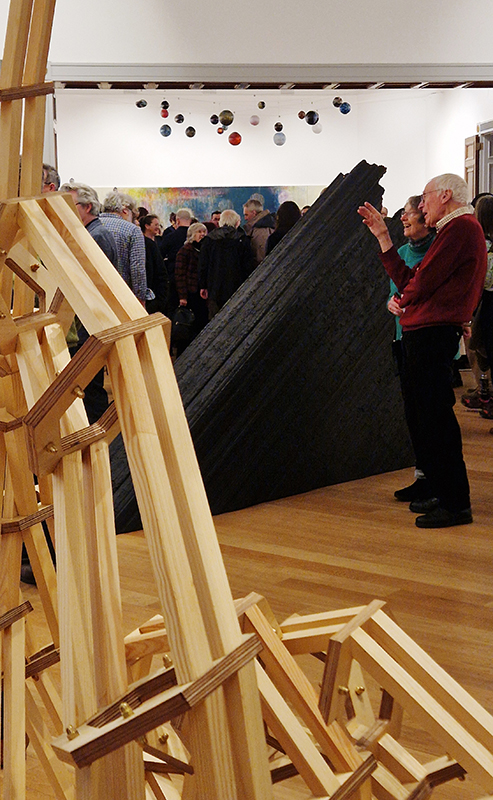
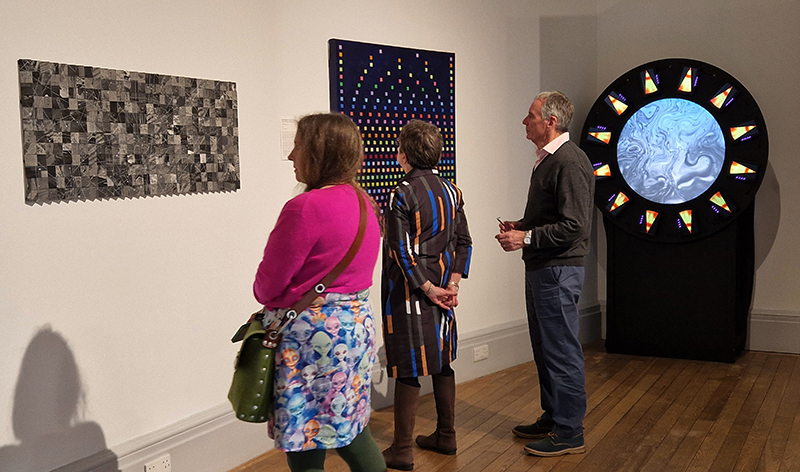
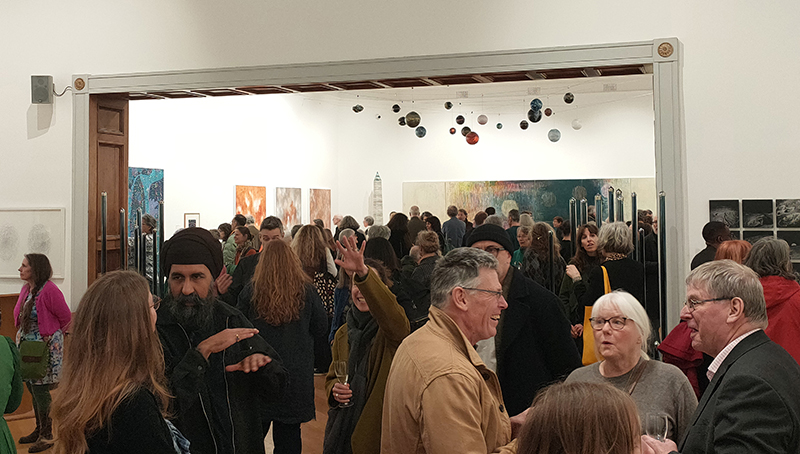
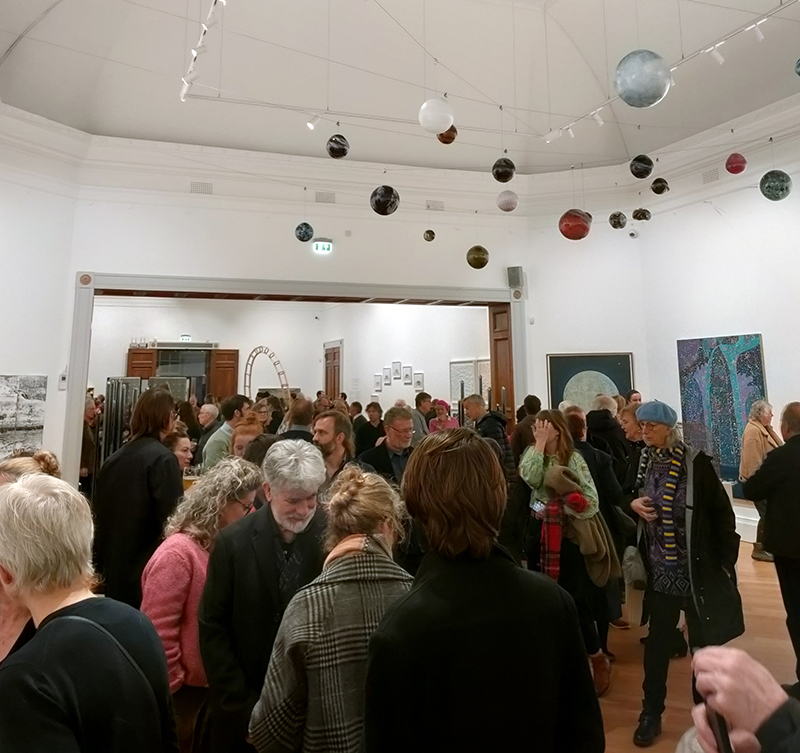
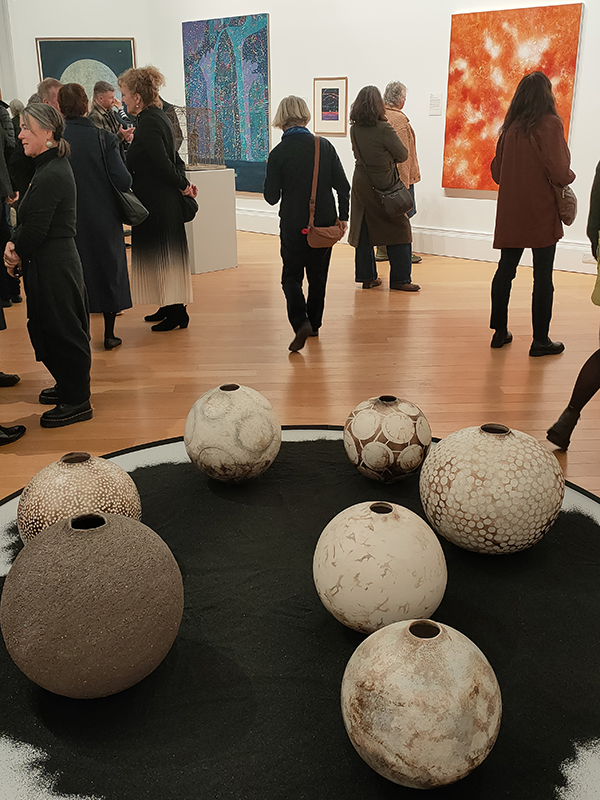
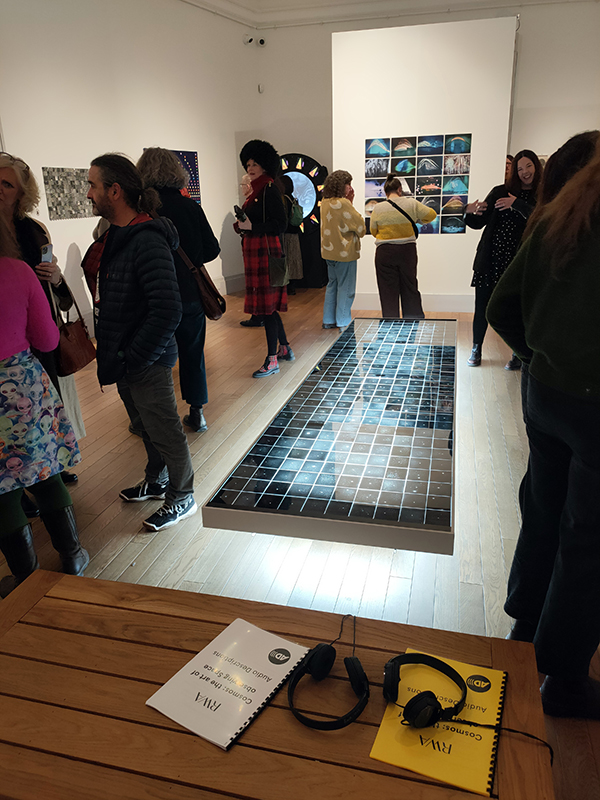
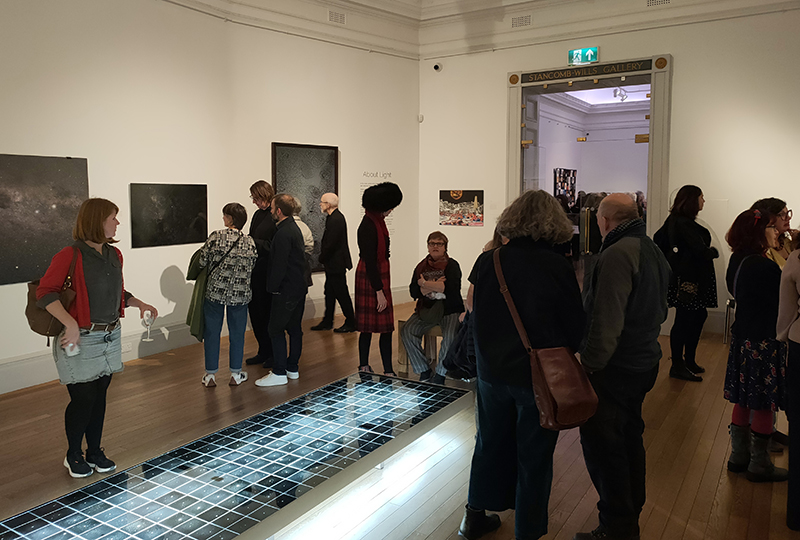
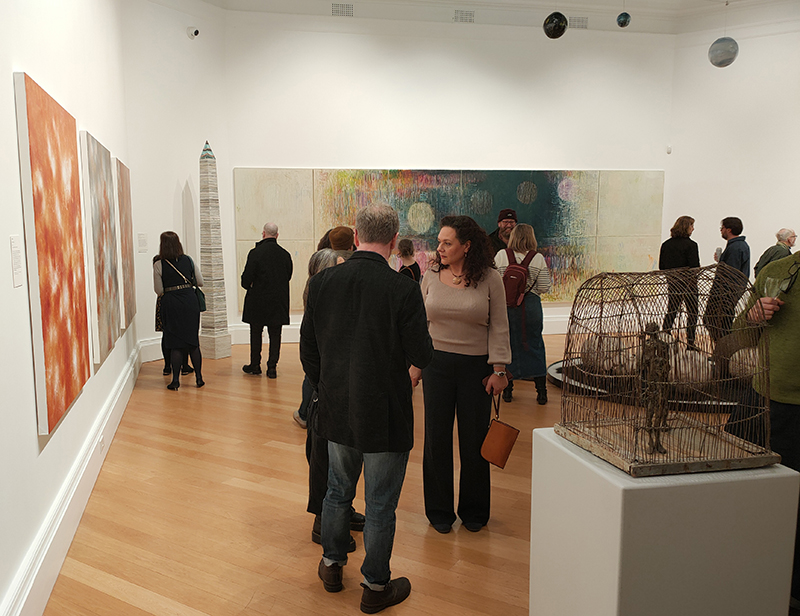
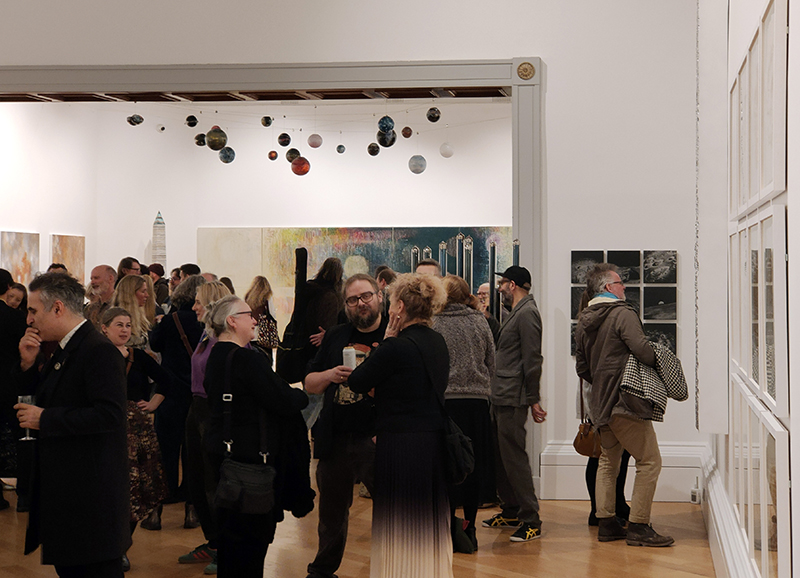
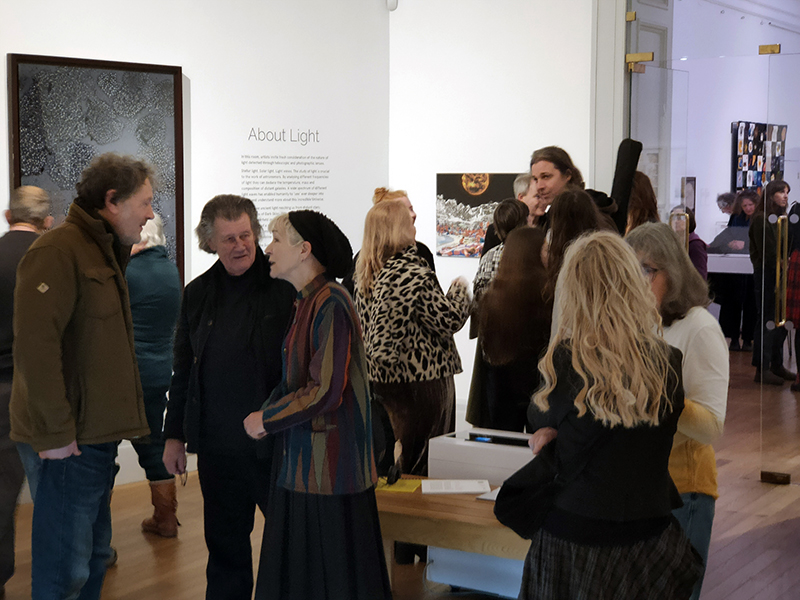
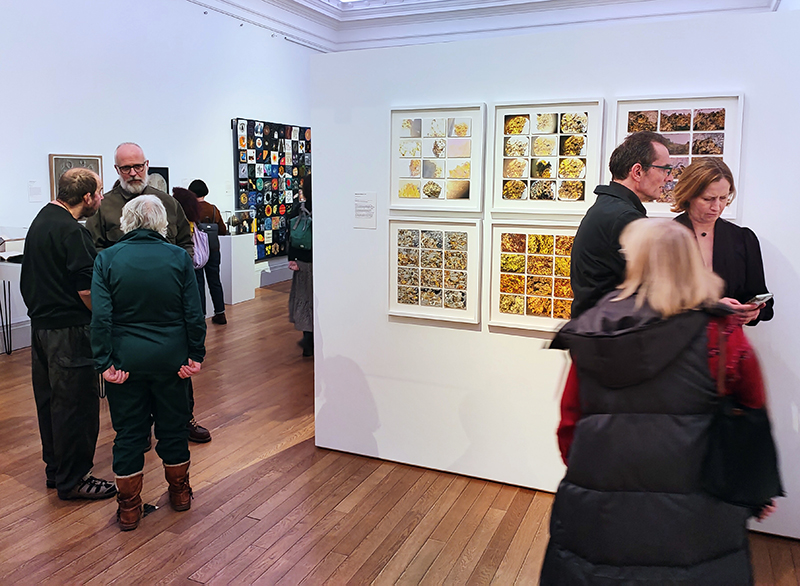
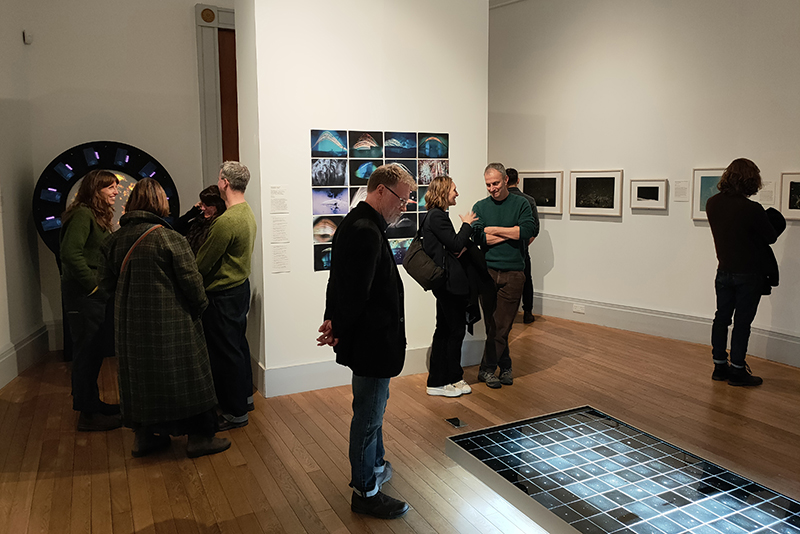
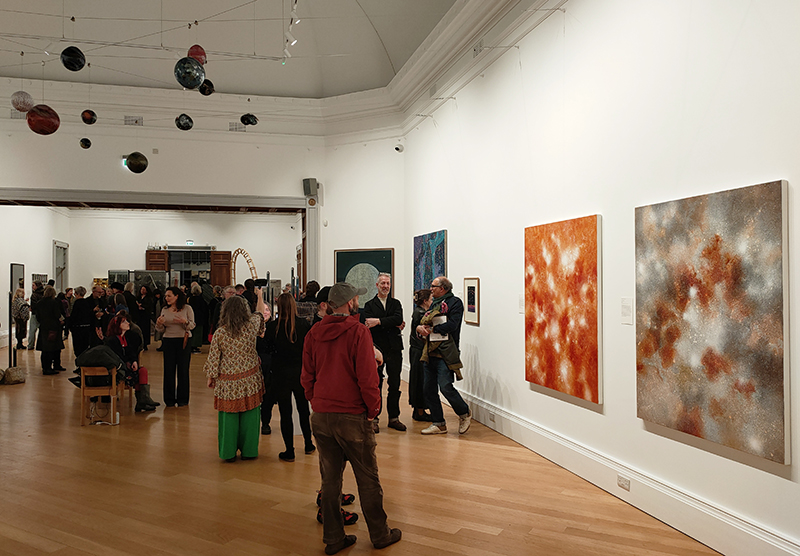
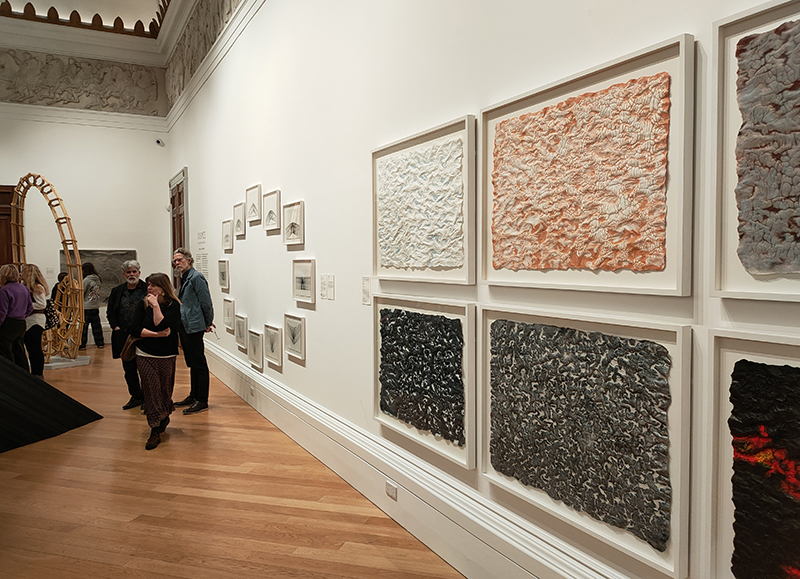
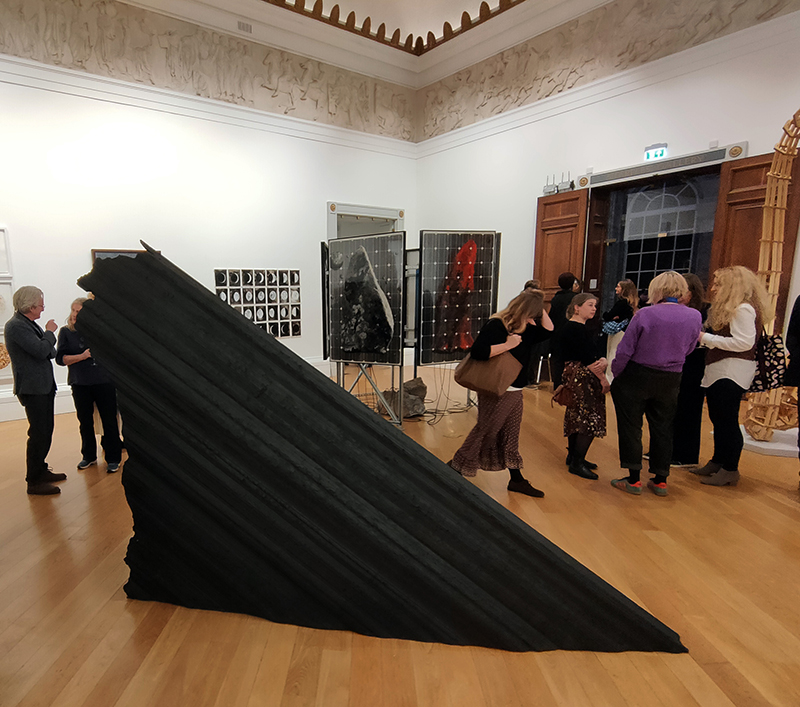
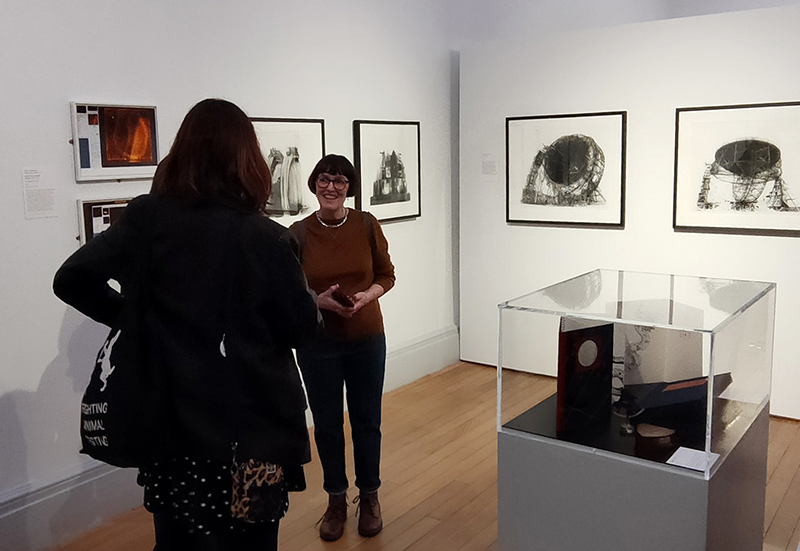
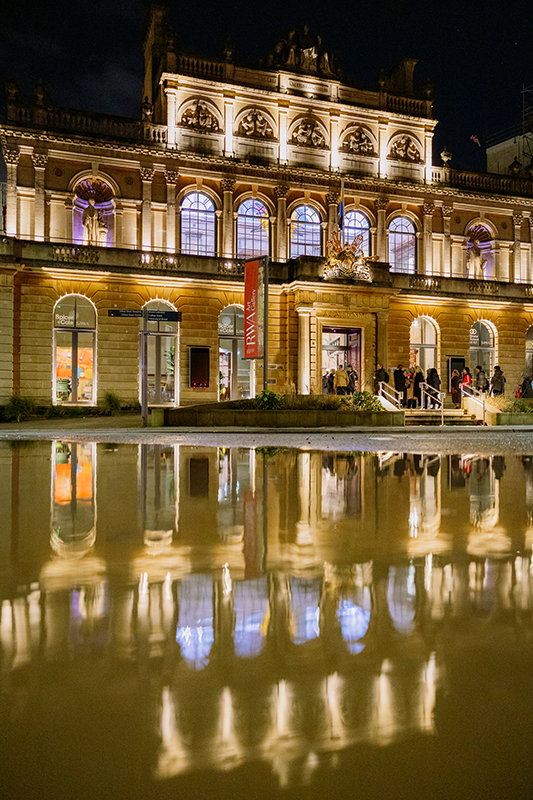
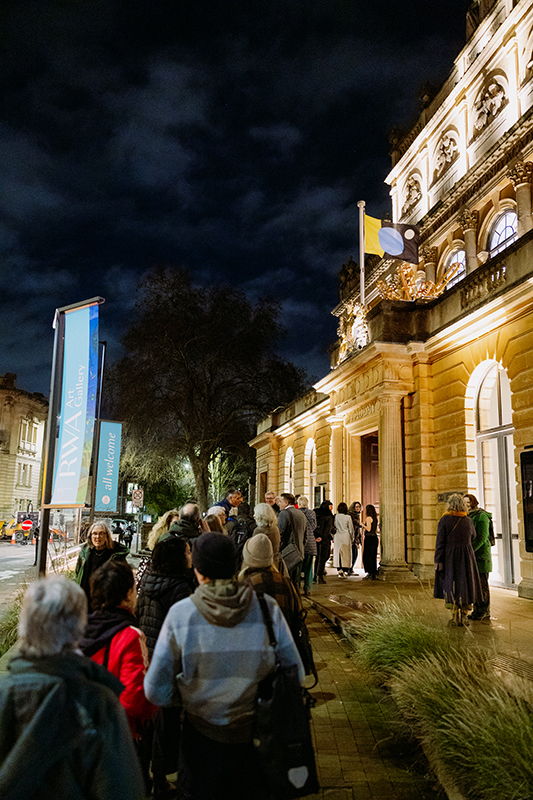
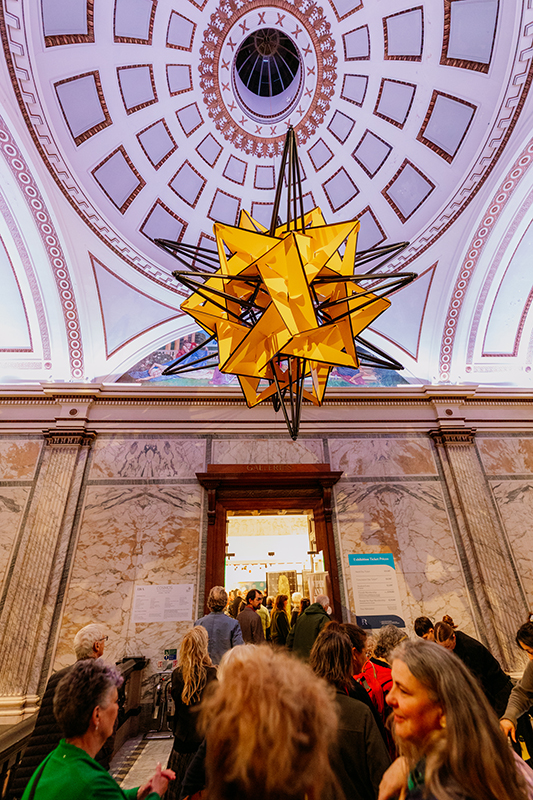
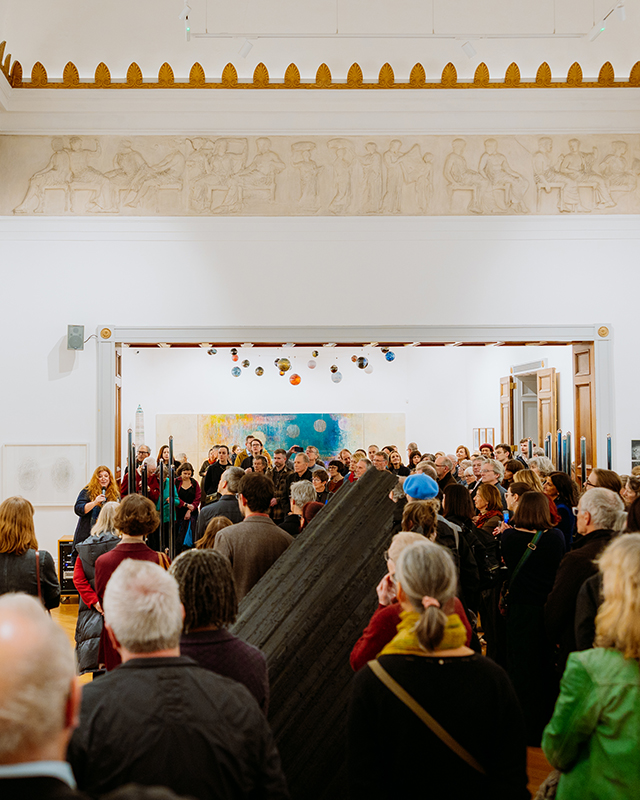
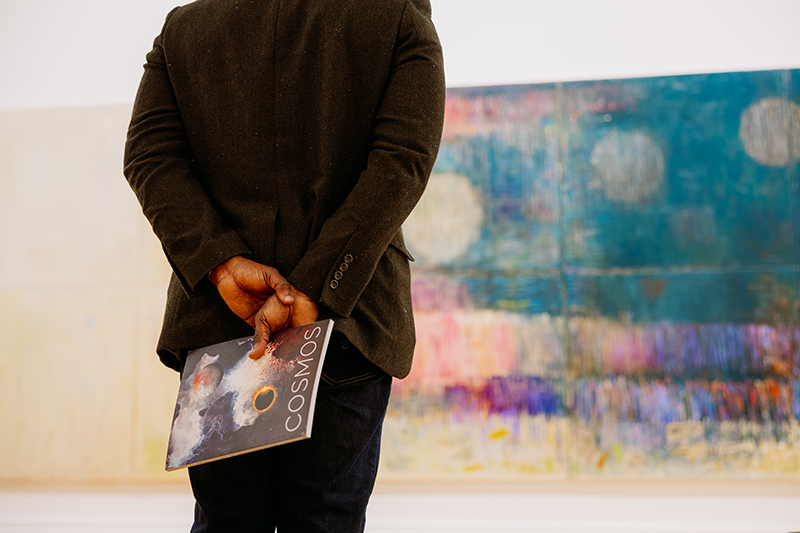
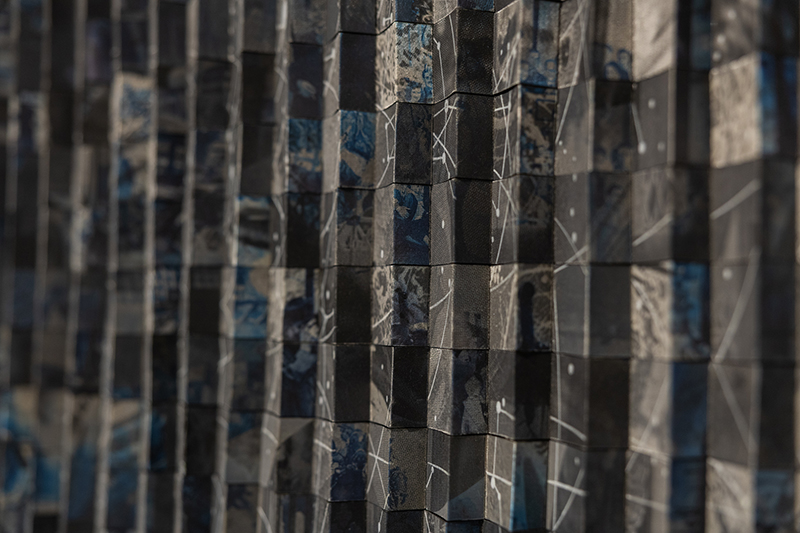
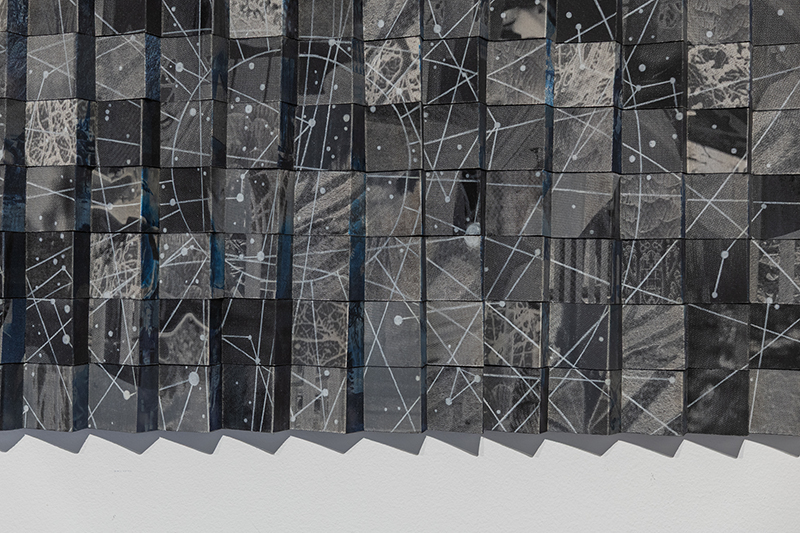
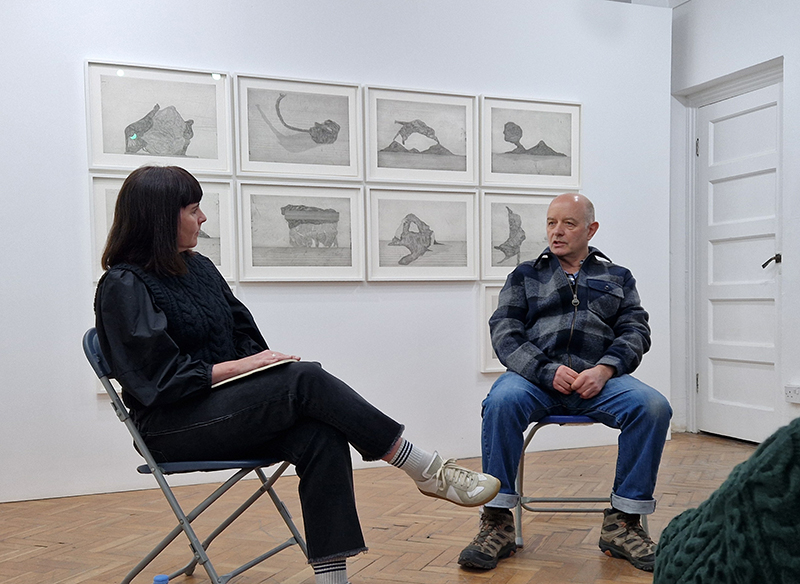
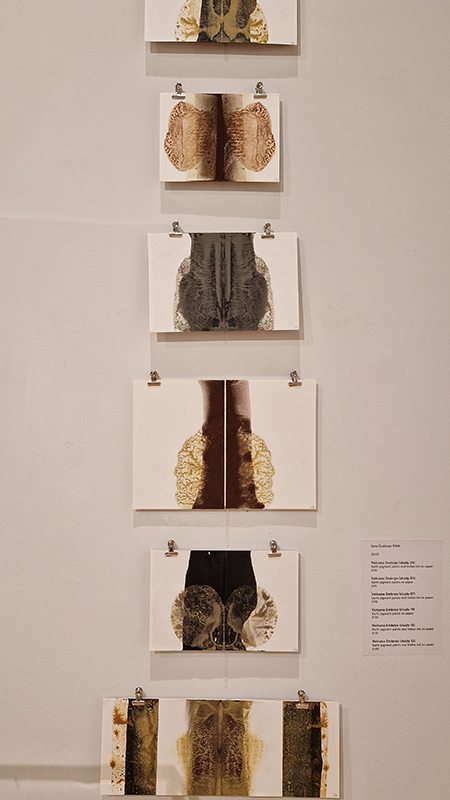
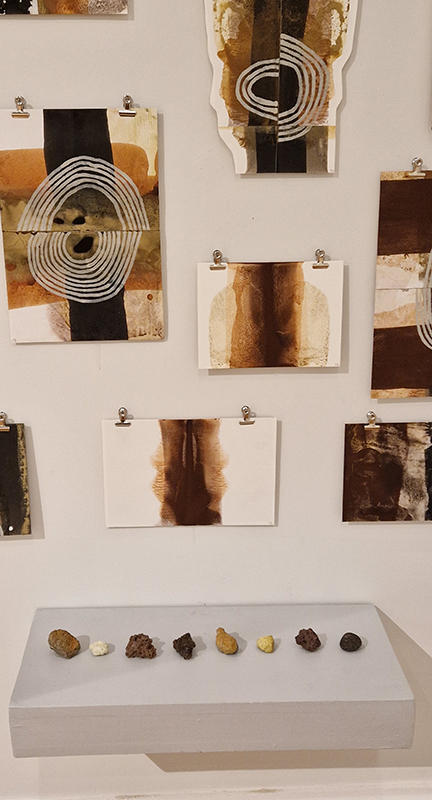
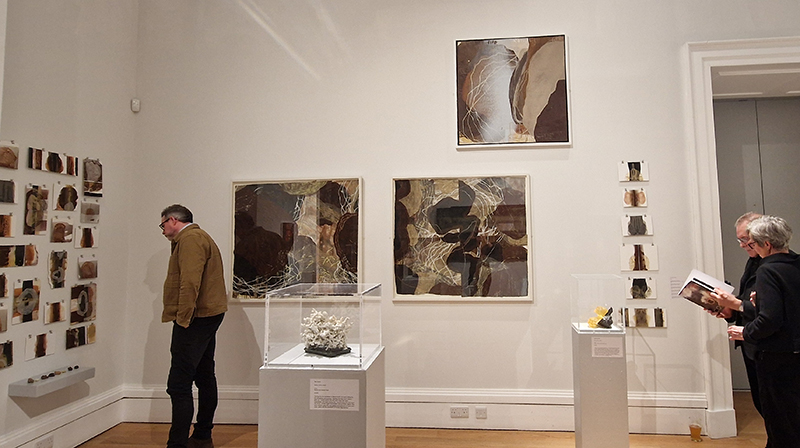
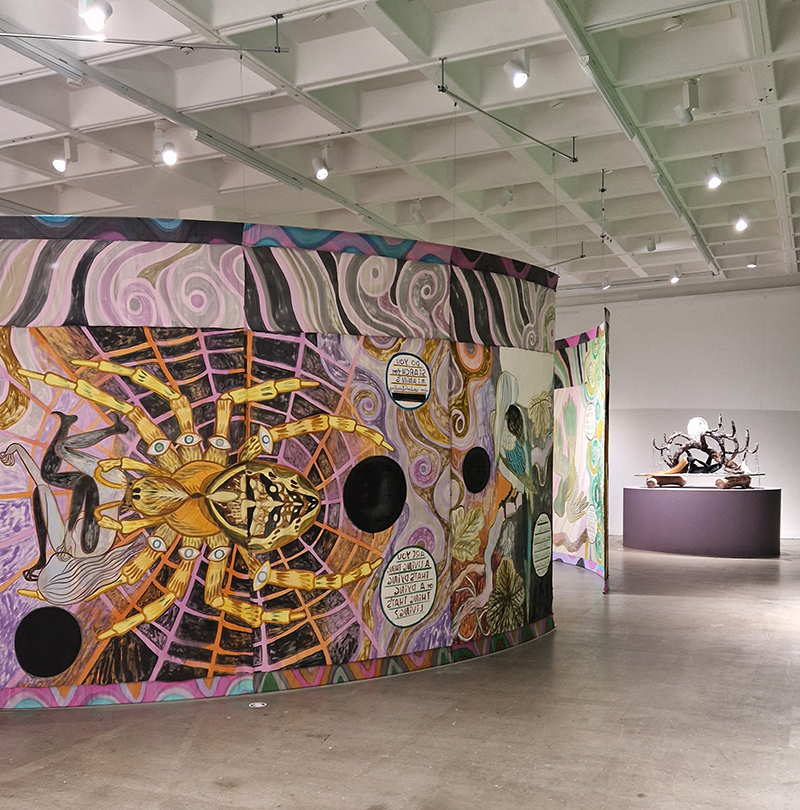
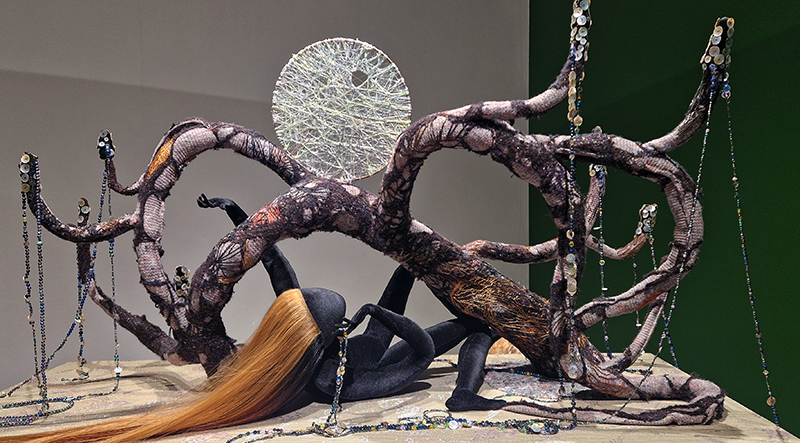
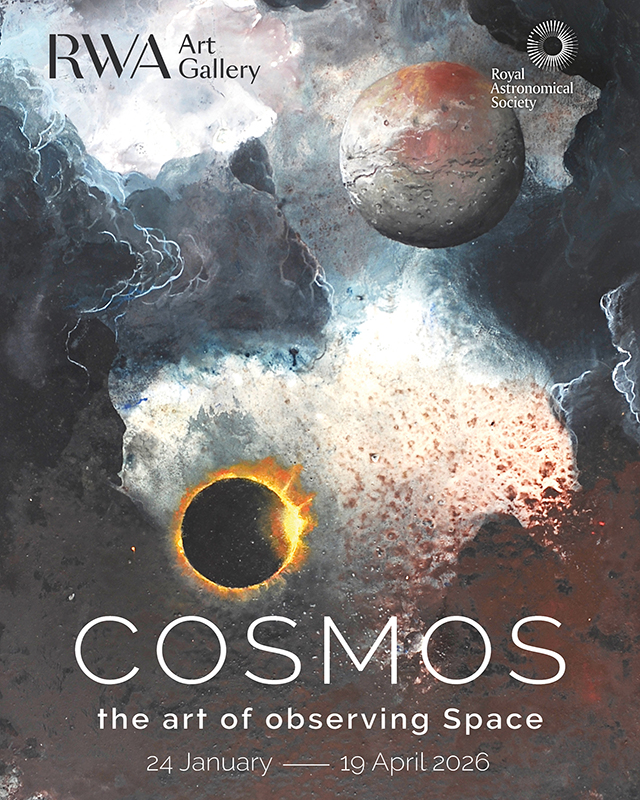
I am thrilled to have work included in Cosmos: The Art of Observing Space curated by Ione Parkin showing at the Royal West of England Academy, Bristol. Delivered in partnership with the Royal Astronomical Society, this exhibition offers a unique journey through time, imagination, and inquiry – inviting you to experience the awe, wonder, and curiosity that the cosmos continues to inspire. 

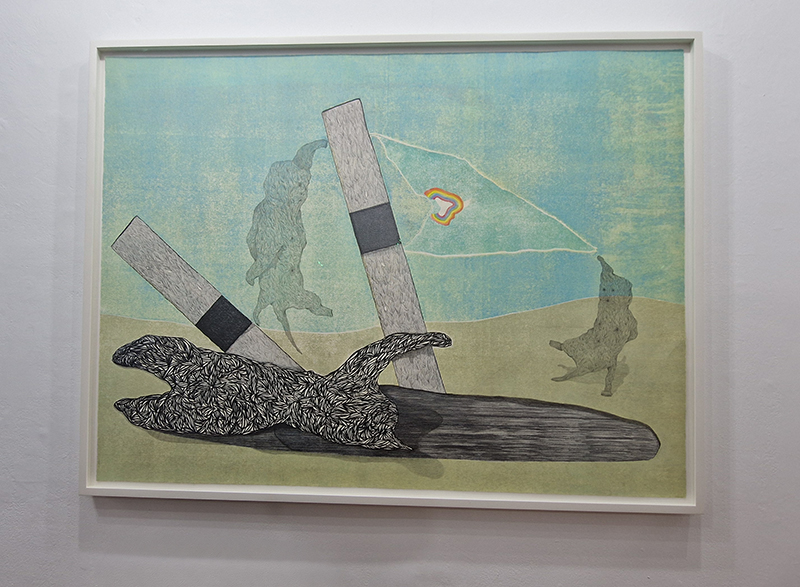
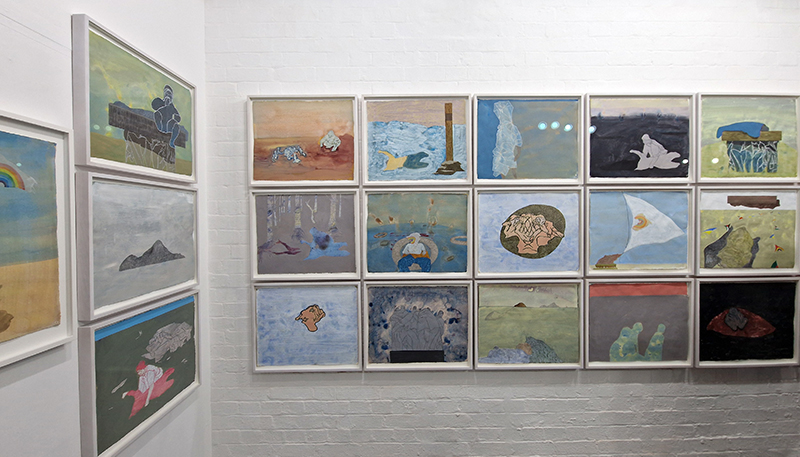
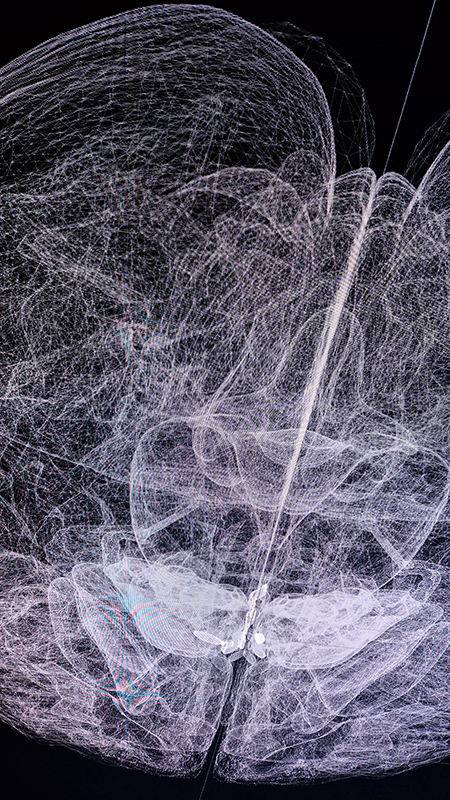
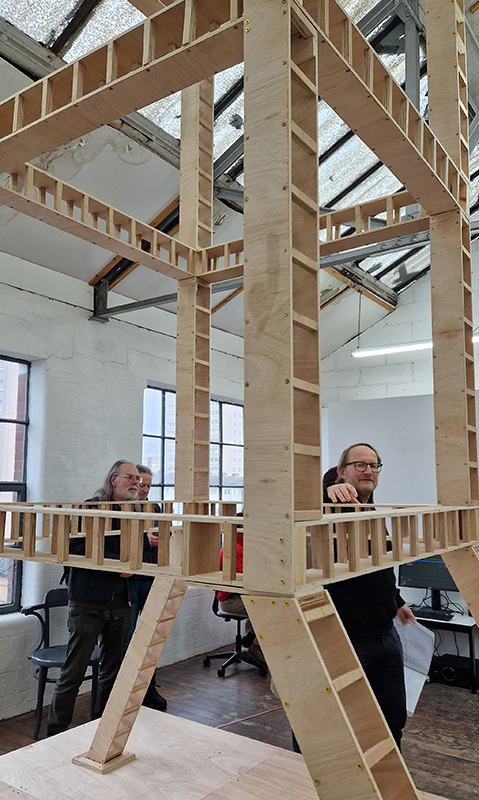
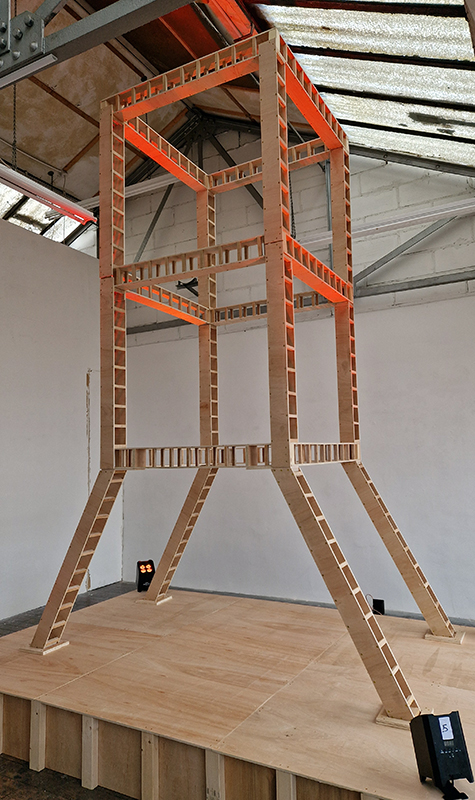
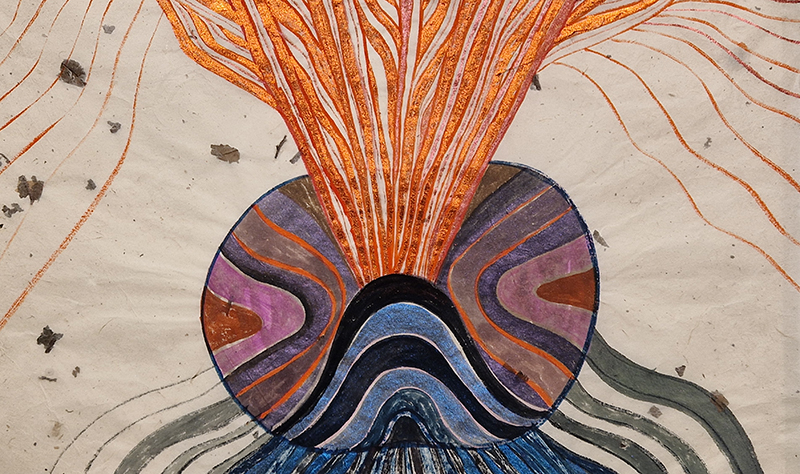
Image: Michael Porter RWA, Impossible Landscape 15-05-25

Featured artists:
Kate Bernstein 🌖 Annie Cattrell 🌖 Ian Chamberlain RWA 🌖 Richard Cox 🌖 Geraldine Cox 🌖 Susan Derges 🌖 Otto Dettmer 🌖 Sarah Duncan 🌔 Susan Eyre 🌕 Anna Gillespie RWA 🌖 Tom Hammick 🌖 Alex Hartley 🌖 Simon Hitchens RWA 🌖 Janette Kerr RWA HRSA 🌖 Melanie King 🌖 Tania Kovats 🌖 Ulrike Kuchner 🌖 Lynda Laird 🌖 Christopher Le Brun RA RWA 🌖 Johanna Love 🌖 Gillian McFarland 🌖 Rachael Nee RWA 🌖 Pale Blue Dot Collective (Louise Beer and John Hooper) 🌖 Cornelia Parker 🌖 Ione Parkin RWA 🌖 Michael Porter RWA 🌖 Ben Rowe MRSS RWA 🌖 Robin Sewell 🌖 Jane Sheppard 🌖 Yinka Shonibare 🌖 Karl Singporewala RWA RIBA 🌖 Wolfgang Tillmans

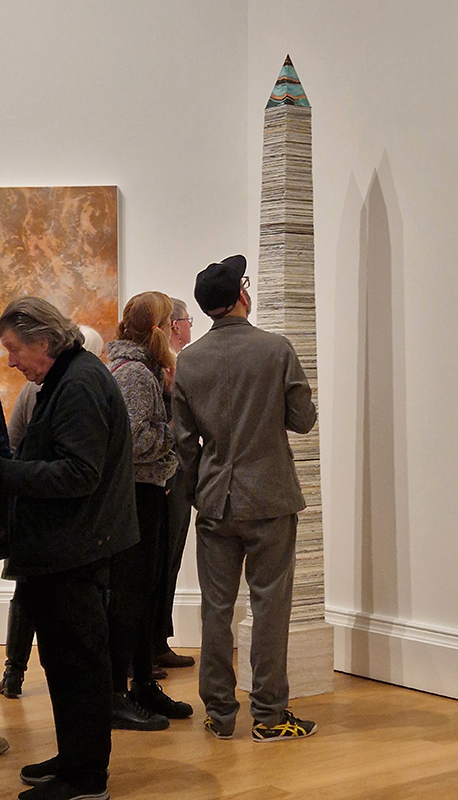
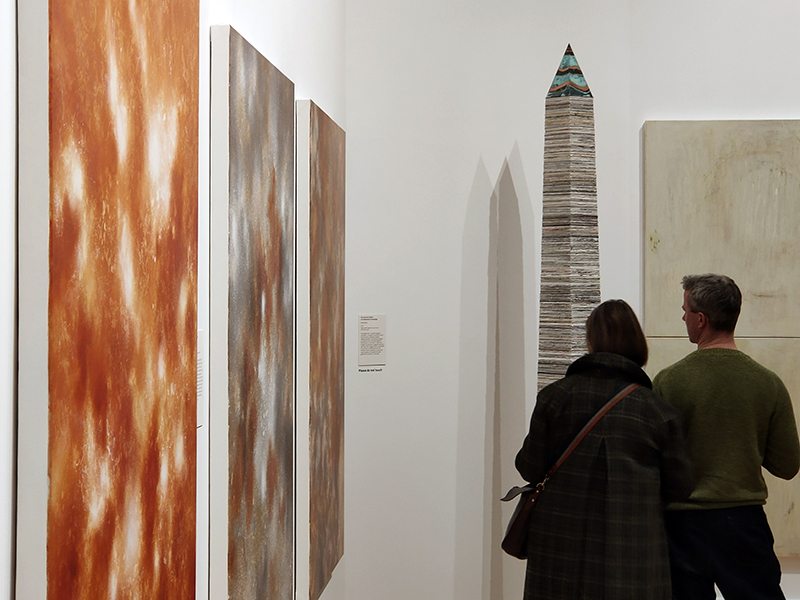
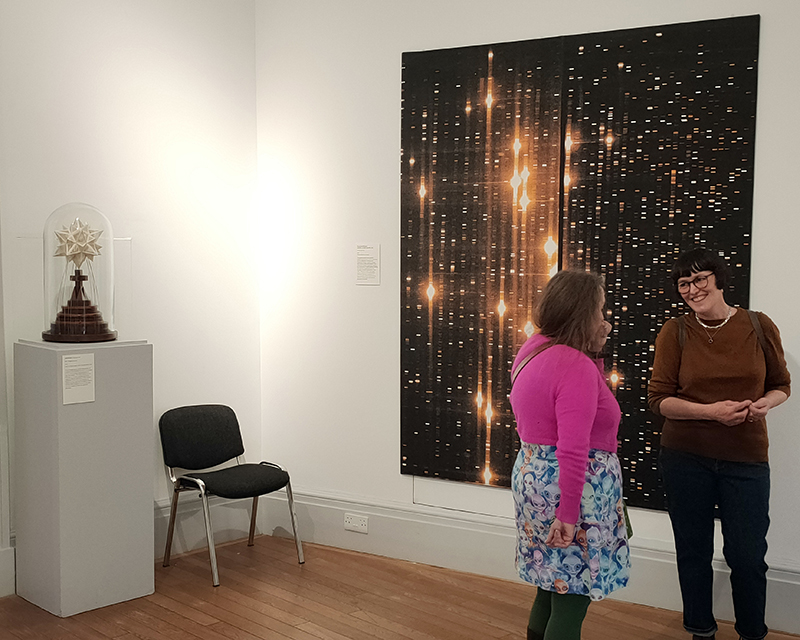
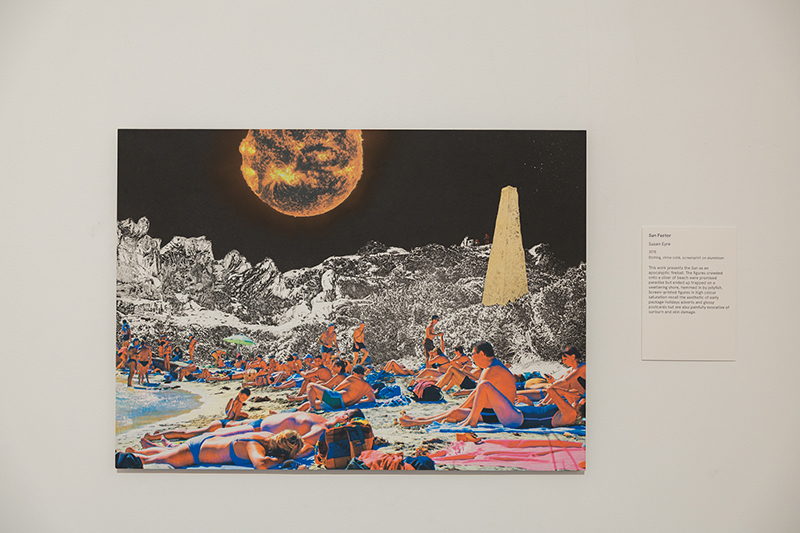
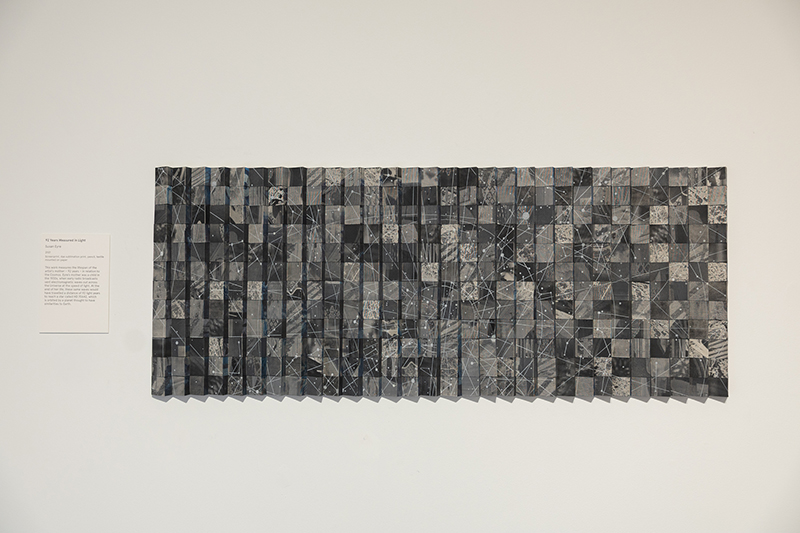
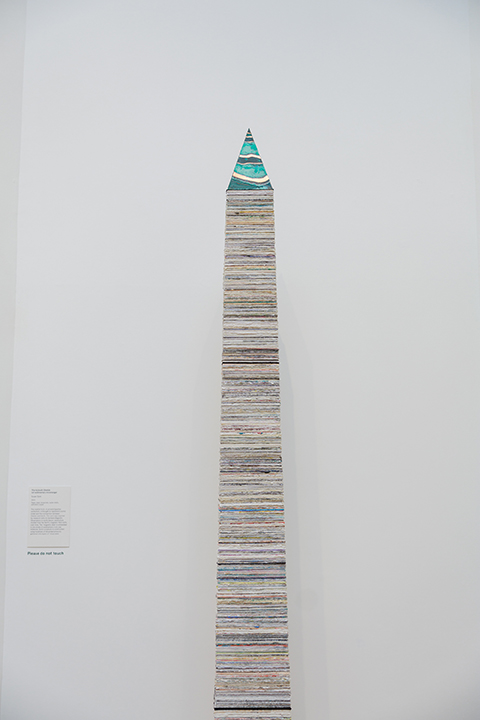
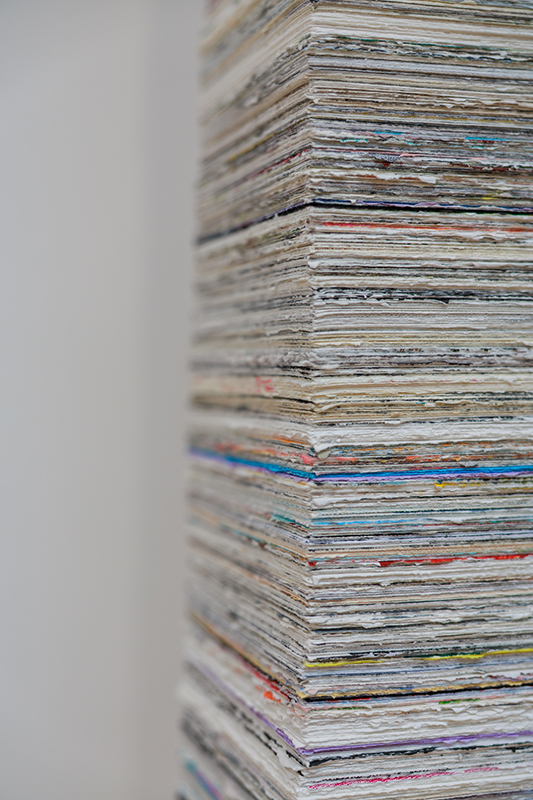
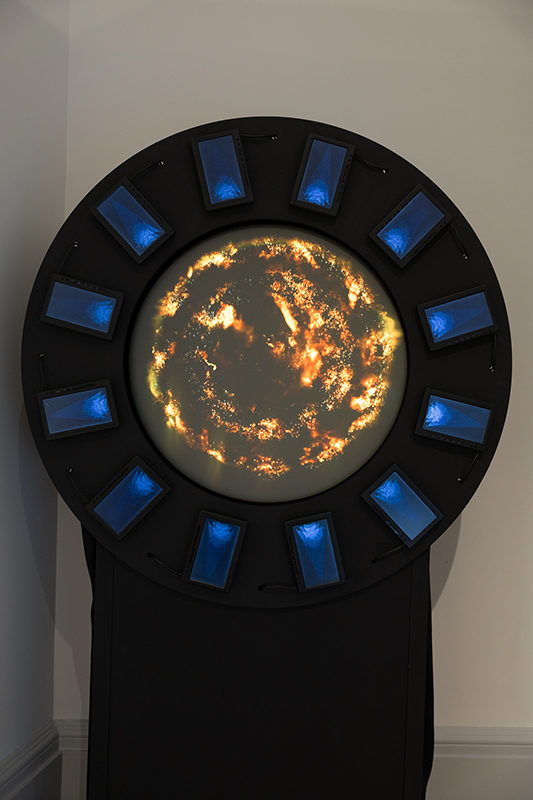
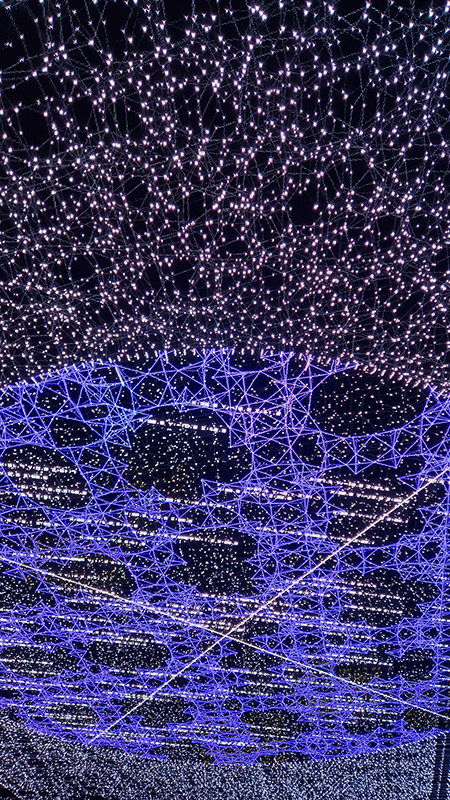
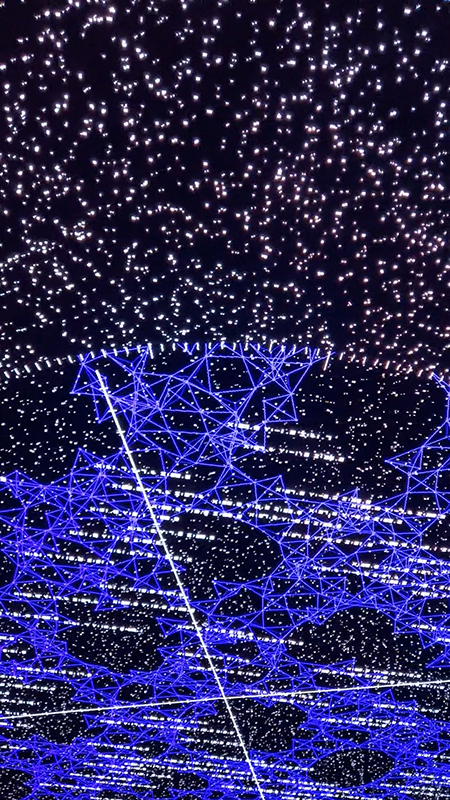
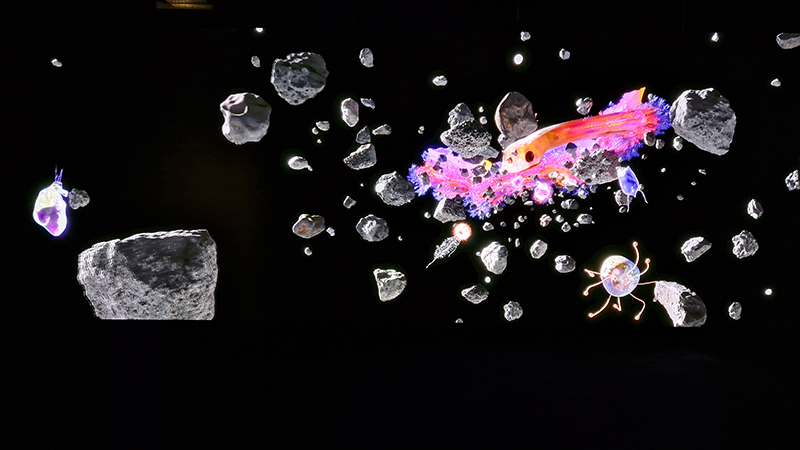
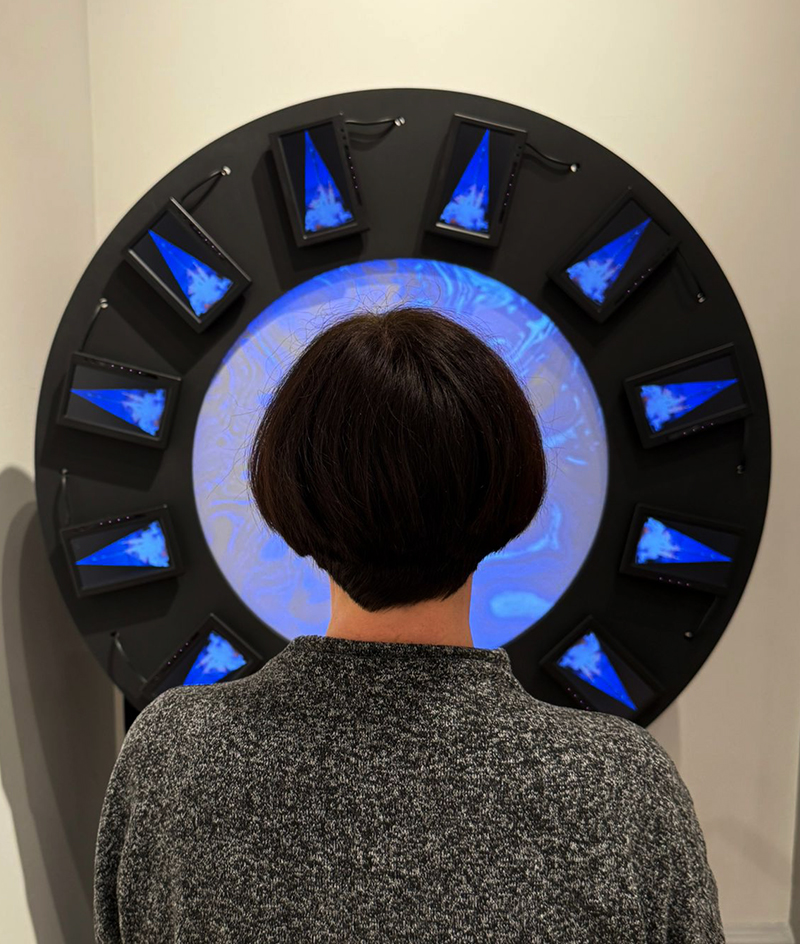
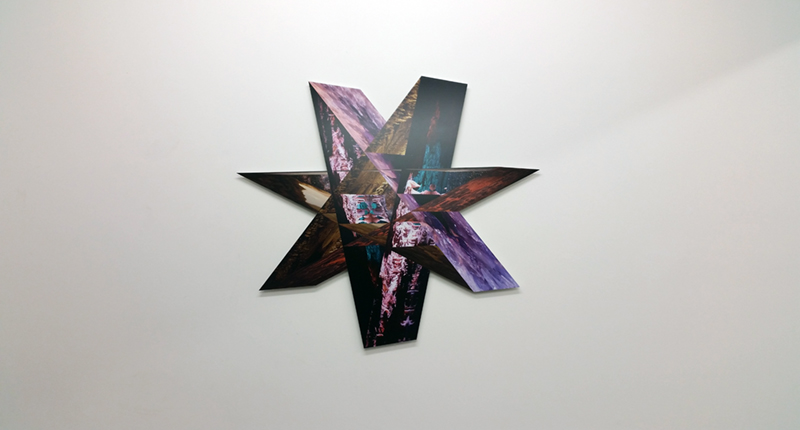
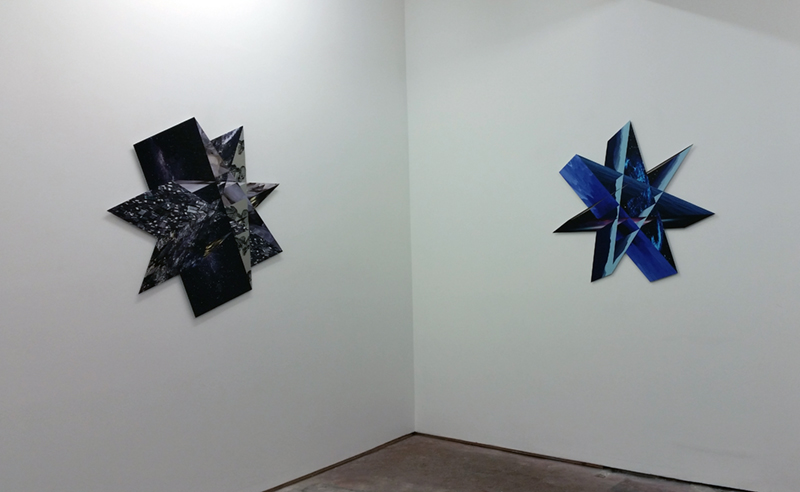
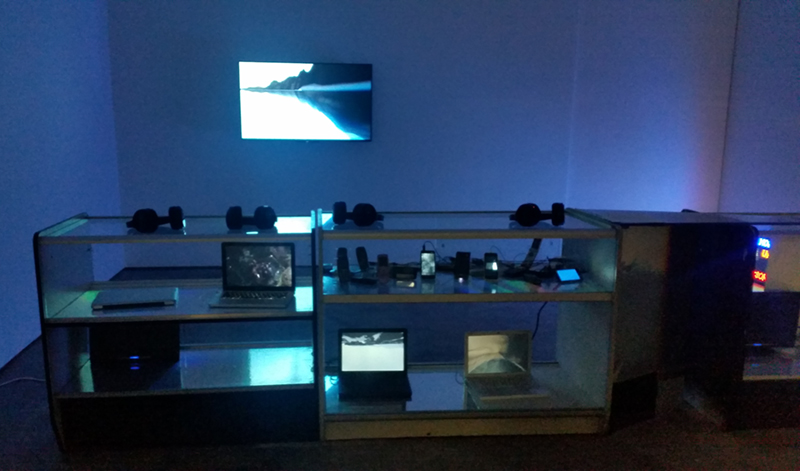
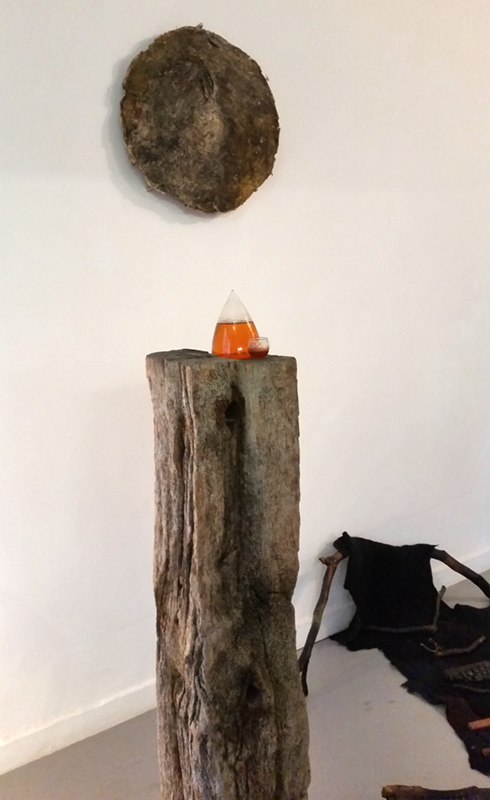
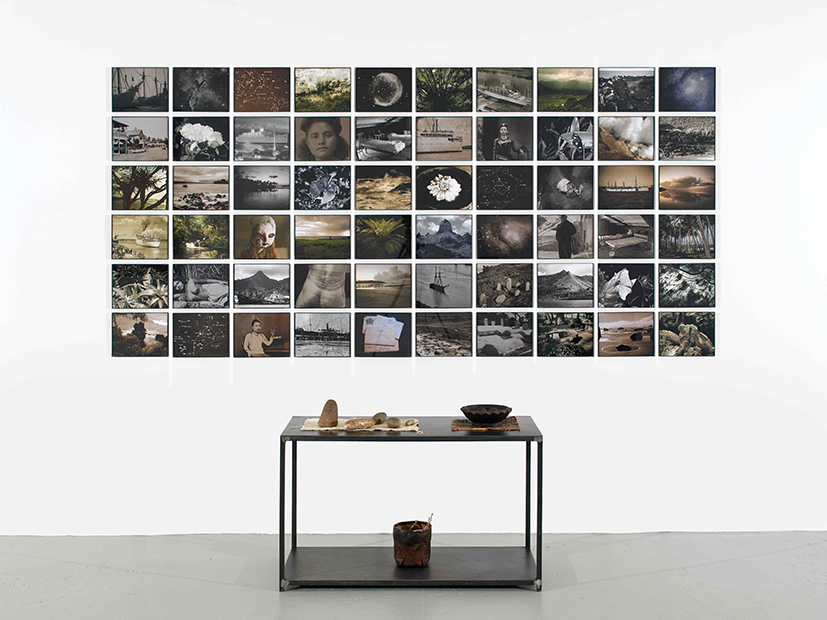
My works in the exhibition include The Azimuth Obelisk (of Sedimentary Knowledge), a reimagining of an obelisk operating as a permanent azimuth mark, from which the drift of the magnetic North Pole is monitored; Orbital a multiscreen installation looking at the interaction between space weather and Earth’s magnetic field; 92 Years Measured in Lighta reflection on time spent on Earth in relation to the vastness of the cosmos and Sun Factora look at sun worship and a reminder of the Sun’s true power.

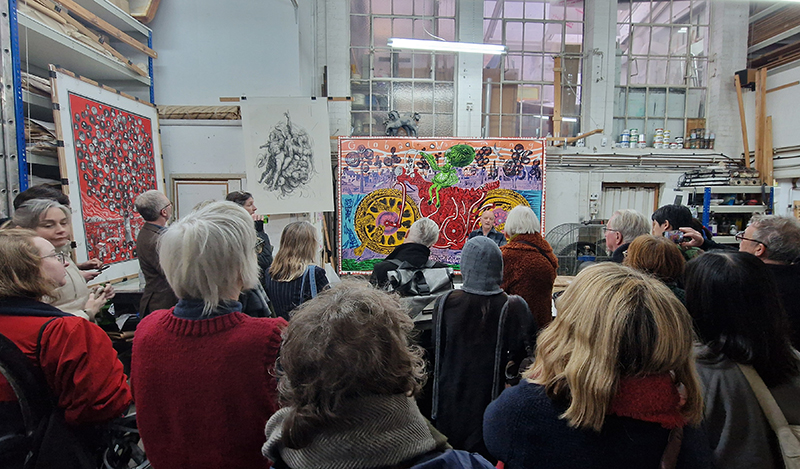
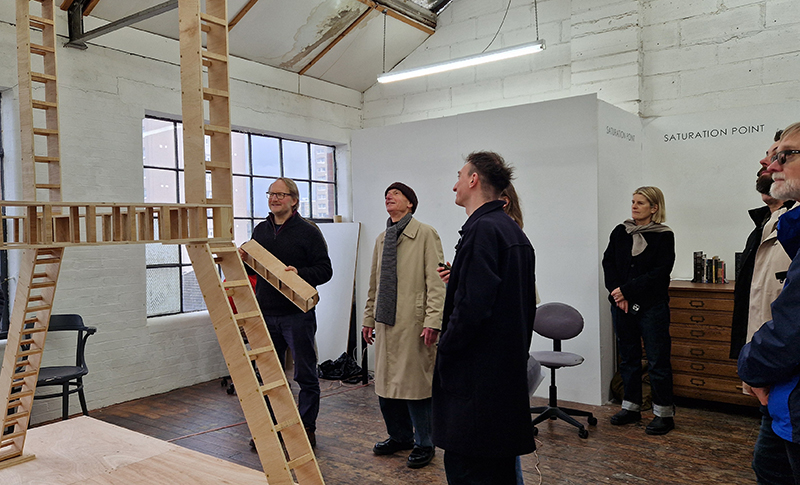
Install in progress.

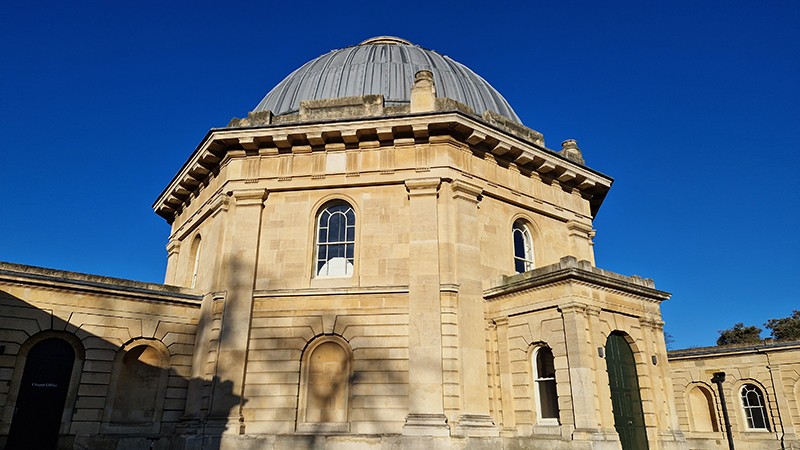
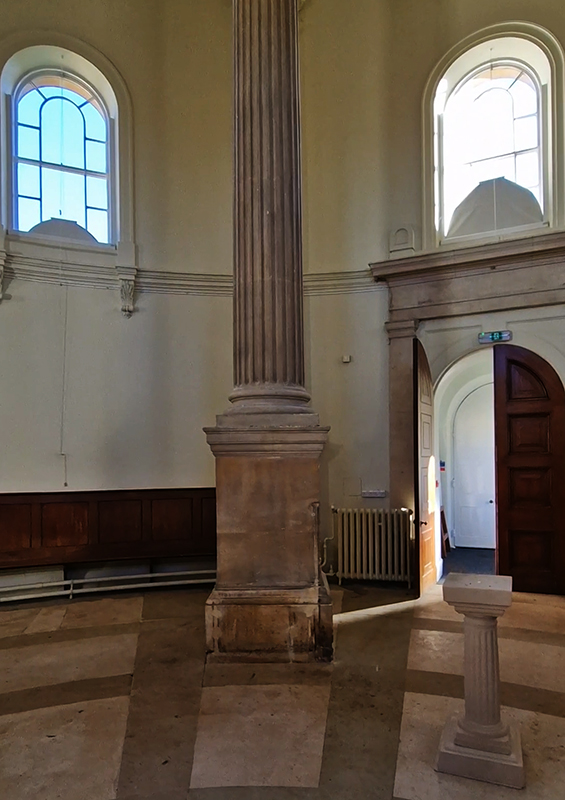
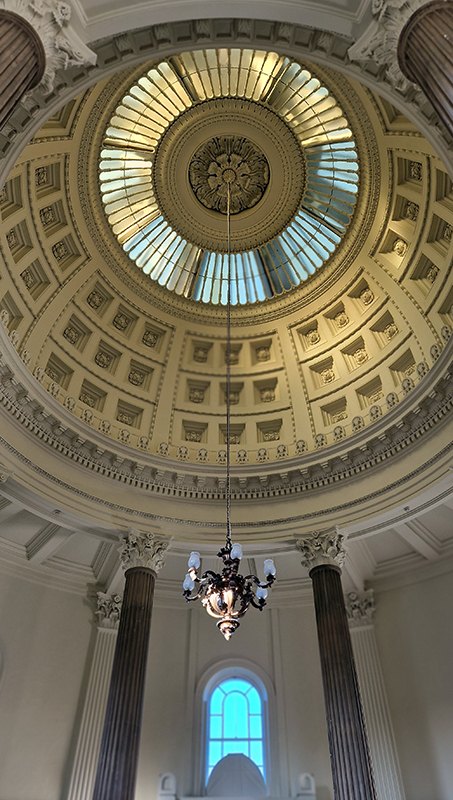
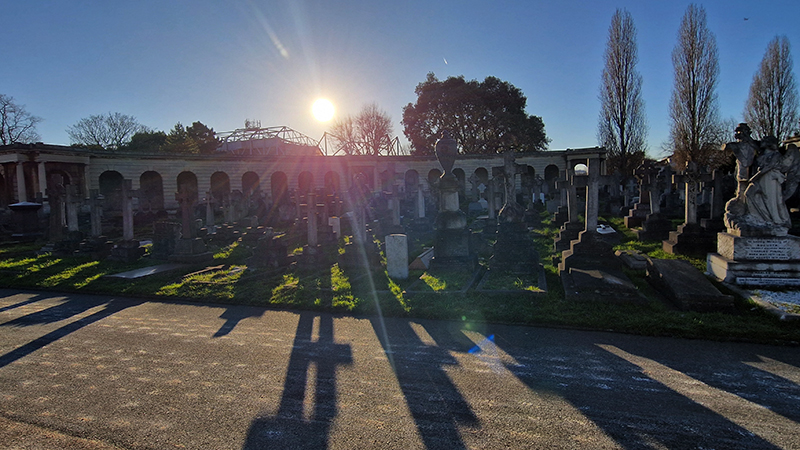
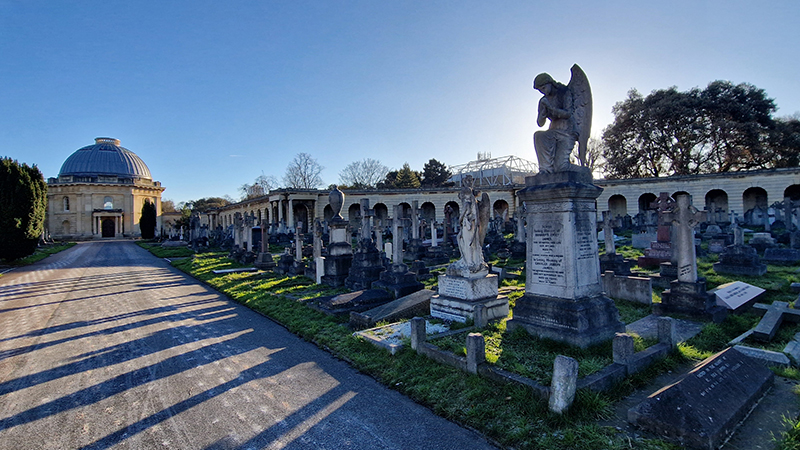
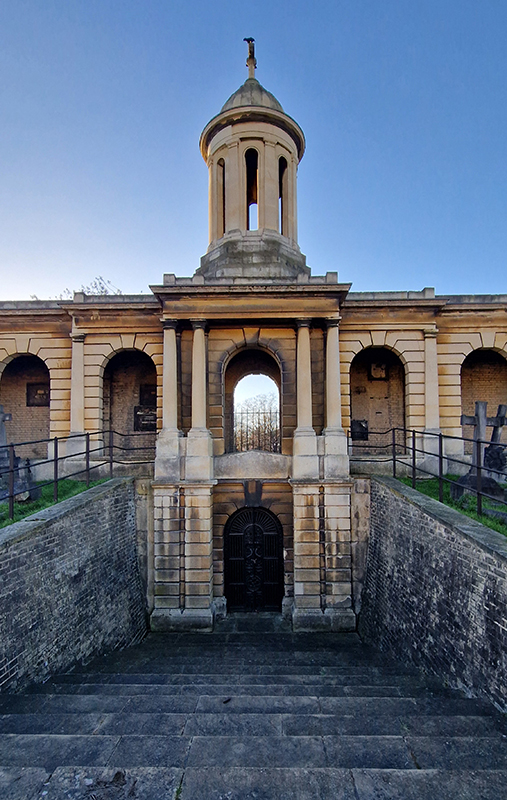
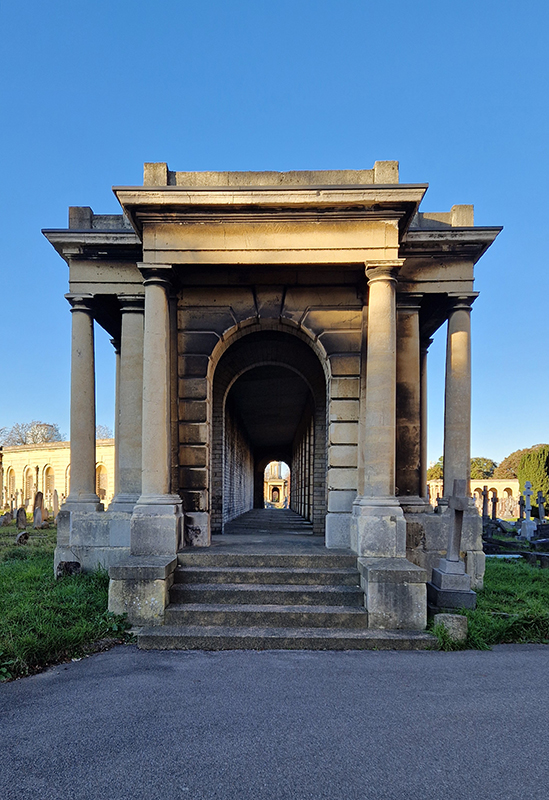
I enjoyed a site visit to Brompton Cemetery Chapel on a bright frosty morning with curator Catherine Li to plan a future exhibition at this magnificent Grade II listed building. Entering the glass domed chapel is entering a space both hushed and echoing. Concentric circles in varying shades of bath stone span the floor circled by eight giant Corinthian columns. Built in 1842 the eight-sided building is said to represent life on earth, while its lofty dome suggests heaven. Early ideas for the exhibition are thinking about ‘way finding’ in terms of physical and spiritual navigation to find a path or direction.

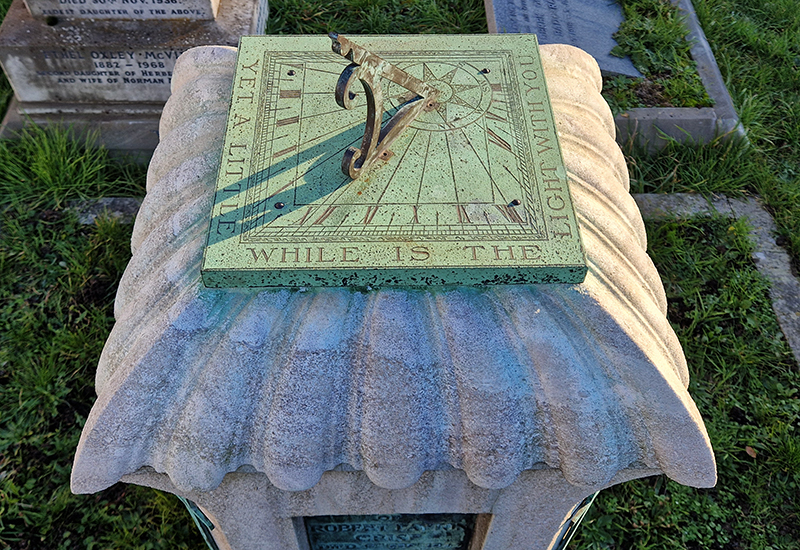
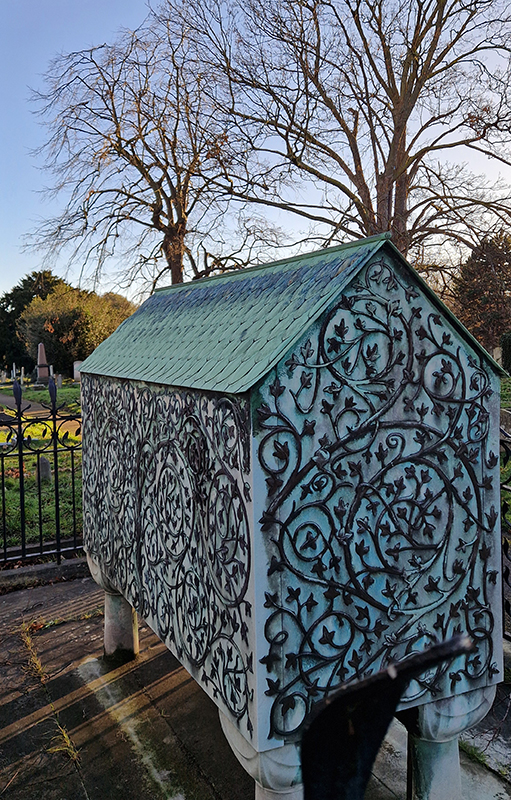
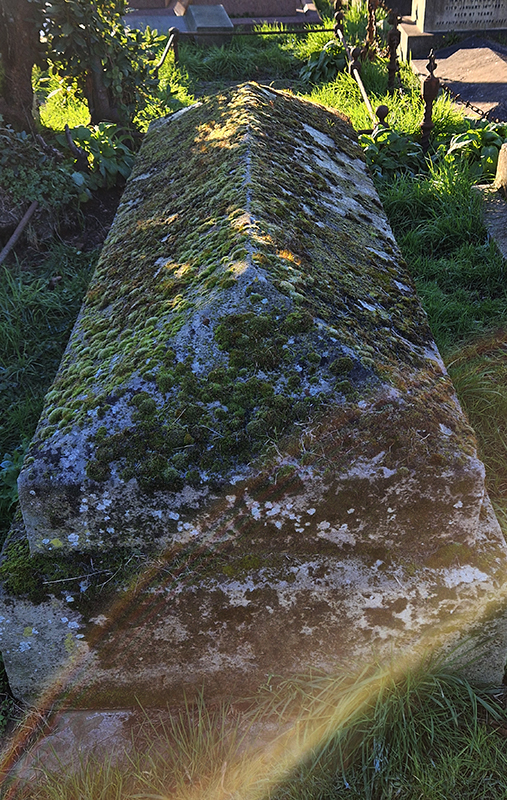
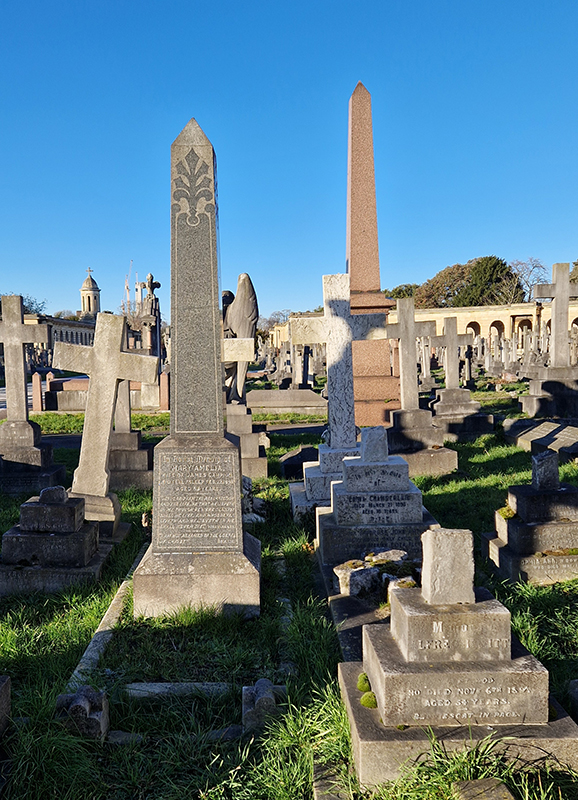
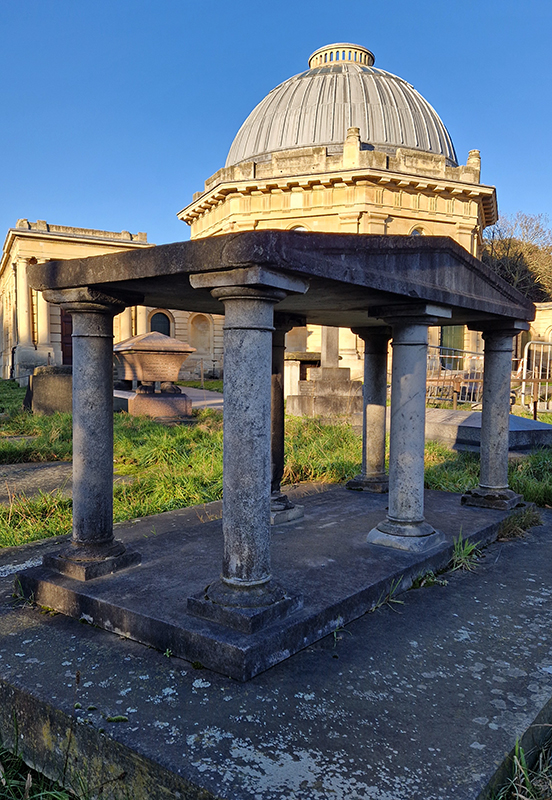
Brompton Cemetery offers a rich site for discovery of the many symbols used to represent the passage from life to death, to comfort, grieve and express love. I was particularly taken by the beautiful sun dial with the inscription YET A LITTLE WHILE IS THE LIGHT WITH YOU

Lessons in electrons.

I listened to an archive episode from In Our Time Pauli’s Exclusion Principle

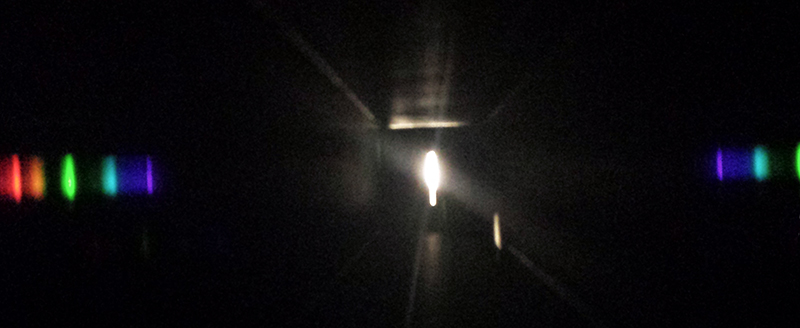
The Pauli Exclusion Principle proposes that no two electrons in an atom can be in the same configuration at the same time, and it helps explain a wide range of phenomena such as the electron shell structure of atoms. This principle explains the chemical behaviour of the elements and why matter is stable. At the beginning of the 19th century the elements were ordered in the periodic table by mass and it was noted that inert elements appeared very regularly in the table with active elements either side – a periodic occurrence of common properties, hence the name. It was found that if you heated the elements, each element emitted light of a specific colour which became known as the spectra.

The internal workings of the atom were discovered to consist of negatively charged electrons whirling around a positively charged nucleus but the metaphor of a miniature solar system based on gravity was inaccurate. It is hard to get away from imagining this image. It was Niels Bohr who realised that electrons were not free to travel anywhere but are restricted to ‘orbits’ – a helpful analogy is to think in terms of a ladder where an electron can be on a high rung with high energy or a low rung with low energy but can’t be between rungs. Electrons can jump from a high rung to a low rung and in so doing lose energy as light in a characteristic colour.

Pauli, a theoretical physicist, discovered that electrons cannot move to a place where there is already an electron and this is what gives rise to structure and the different chemical natures of the atoms. The different rungs on the ladder have different shapes and can accommodate different numbers of electrons. The bottom rung can only fit two electrons, if the rung has just 1 electron it is hydrogen, if it has 2 electrons it is helium and that rung is then full. Helium is chemically inert because that low rung is now full. The next rung up can hold about 10 electrons and when that is full that element is inert. Pauli also noticed that it was possible for electrons to have two values but couldn’t explain this – we now know this as spin – the electron can spin in different directions.

Photons do not have an exclusion principle, you can add more and more photons and make laser beams as intense as you like. I always wondered about Vantablack (the world’s blackest man-made substance, a coating of vertically aligned carbon nanotubes that absorbs up to 99.965% of visible light) and if it absorbs so much light where does it go and does the material get hot.

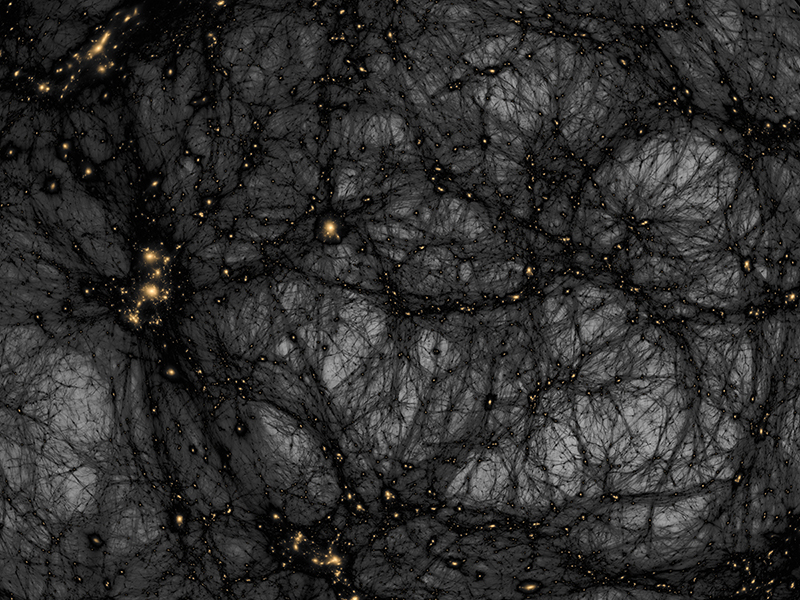
It’s nearly 10 years since the Laboratory of Dark Matters project when, thanks to astrophysicist Dr Cham Ghag and lab director Prof. Sean Paling, I was able to visit Boulby Underground Laboratory to meet scientists looking for dark matter over 1km underground on the N.E coast of England. Dark matter has still not been detected but is still thought to be some sort of particle. Direct detection methods have moved on from trying to detect a direct hit from a dark matter particle with an atom nucleus to looking for signs of electrons scattering from the target.

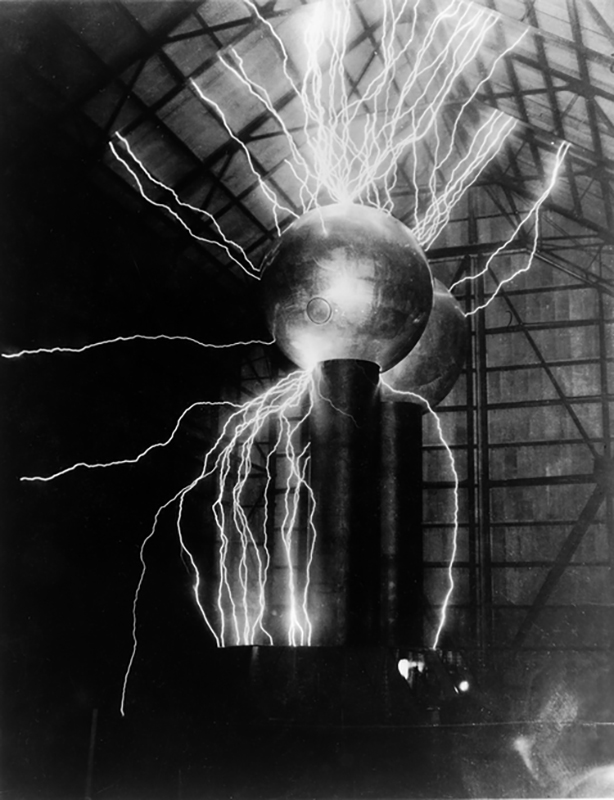
A surprise Christmas gift was a Van Der Graaf Generator which demonstrates ‘static’ electricity. Considering how the electrons caught up by the generator are rushing about desperately trying to get back to the earth it doesn’t sound very static. Electric current is simply electrons on the move. I’m not expecting quite such dramatic results as achieved by this 43-foot-tall experimental high-voltage Van de Graaff generator built at Round Hill, Massachusetts in 1933 as the world’s most powerful particle accelerator, but looking forward to trying some of the experiments.

In February 2023, the highest energy (around 220 million billion electron volts) neutrino ever detected (KM3-230213A) was spotted by the Cubic Kilometre Neutrino Telescope detector, a network of vertical strings with glass spheres holding sensitive Cherenkov radiation light detectors, submerged at great depths in the Mediterranean Sea. This neutrino had over 100 times higher energy than any other previously detected and its origin is still under investigation. High energy neutrinos travel in straight lines, unaffected by galactic magnetic fields, and so could point directly to their violent birthplace, offering insight into the universe’s most energetic processes. It may have been a cosmogenic neutrino, generated when powerful cosmic rays from deep space smash into gas clouds or photons in the interstellar medium creating these rare elusive particles, or from the universe’s most energetic phenomena, involving immense gravity, density, or explosive power, primarily driven by compact objects like black holes and neutron stars, or even decaying dark matter particles.

AI is not like us; the only way we can have a relationship with it, is for us to become like it.

I thought the ideas presented in the Gresham Lecture Becoming AI – Your Journey to Assimilation? gave a prescient perspective – we are so often focused on AI being trained or designed to be more like humans but are losing sight of the fact that it is we humans that are becoming more like AI, it is us that are changing how we communicate to adapt to the methods of the machine.
While thinking about minerals in clay and how pottery and bricks preserve the direction of the magnetic field in their minerals during the process of firing which heats and then cools the clay – the same process that occurs in a lava flow. Iron-bearing minerals (like magnetite) in clay become “magnetic” when heated in a kiln. As the pottery cools, these minerals lock into the Earth’s magnetic field direction and strength at that time.  I came across Rescued Clay, who transform discarded clay from construction sites into new narratives. Together with local communities, they shape this once-forgotten earth into objects, artworks, and spaces that preserve the memory of land, culture, and people, turning waste into stories worth keeping.

I was fascinated to read about the oldest rock found on Earth in Marcia Bjorerud’s little Geopedia compendium. The Acasta Gneiss complex dates from 4.03 billion years ago, any rock that formed on Earth before this time has been melted, obliterated or subducted through violent geologic and astral events save for a few tiny crystals of zircon. The first geologic interval on Earth has left no record. The age of the Earth is therefore determined by looking at the composition of meteorites and planets in the solar system that formed at the same time as Earth and have remained unchanged since. I find this mind blowing.

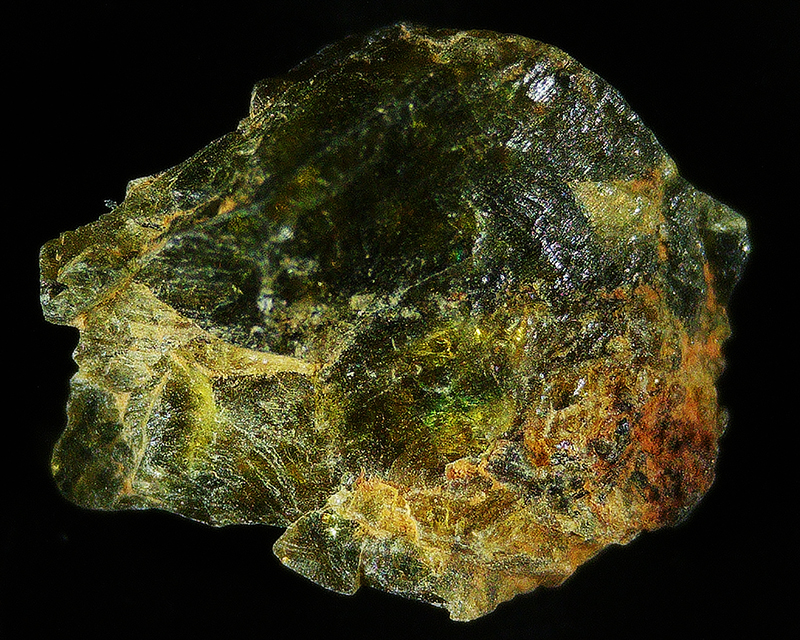
Diogenite meteorite NWA 7831

Out and About

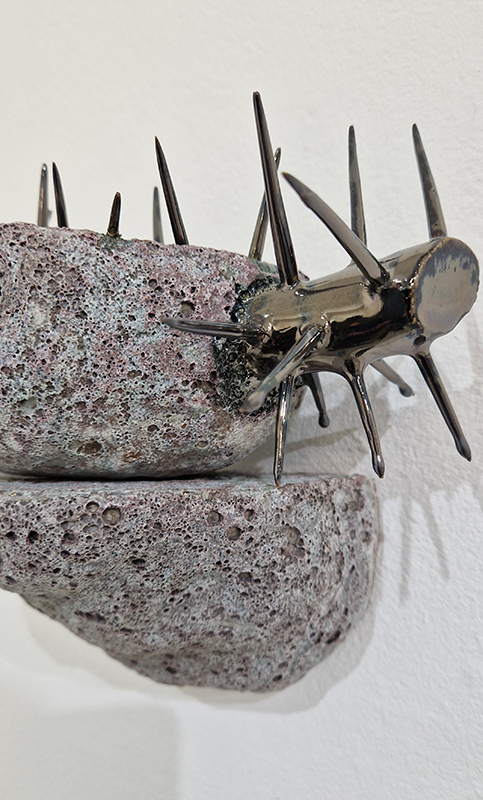
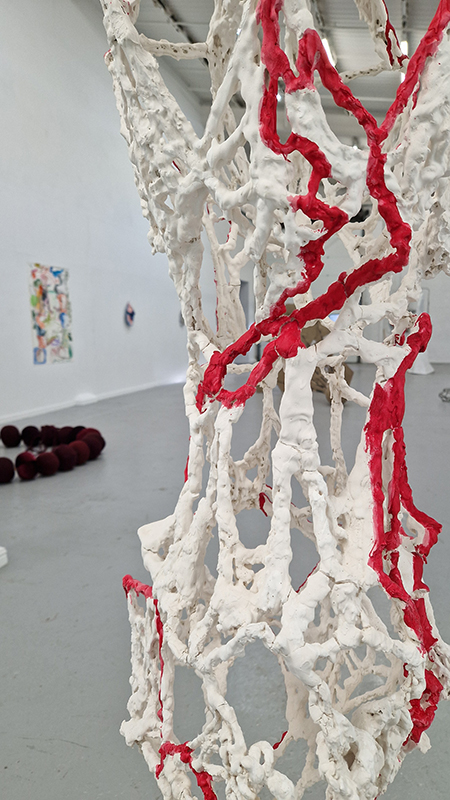
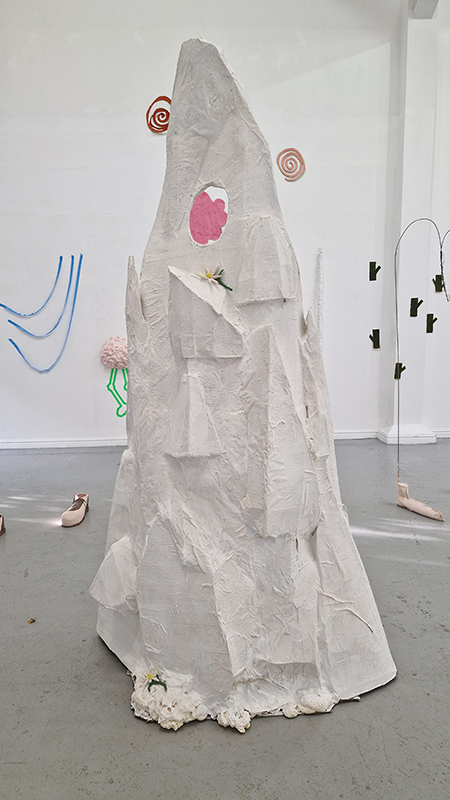
Objects that slip Between the Floor and the Wall at Thames-side Studios Gallery. Some playful works and I particularly enjoyed Eleanor Bedlow’s Push Pull that embodies that idea so well, Jane Millar’s impossibly spikey ceramics with the most gorgeous glazes, the skewed geometrics of Johanna Bolton, morphing oversized beads of Janet Currier and mad Mountain View of Sandra Lane.
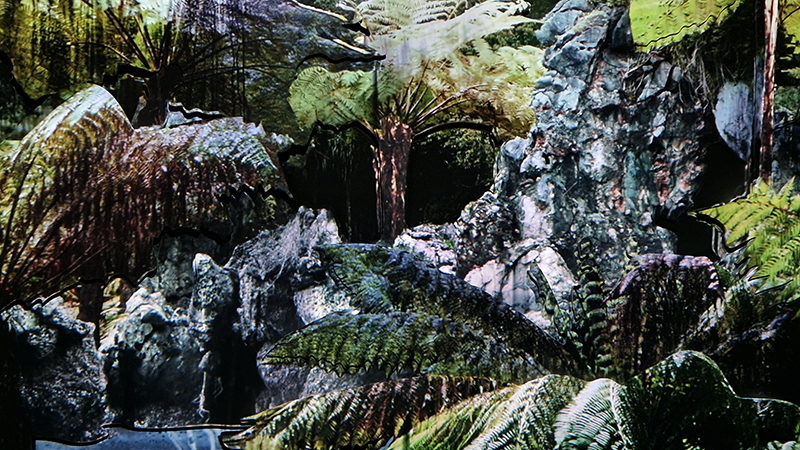
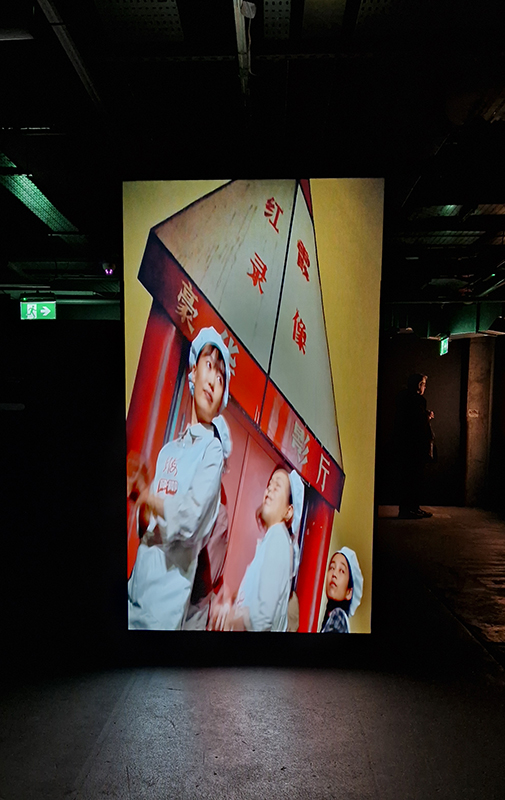
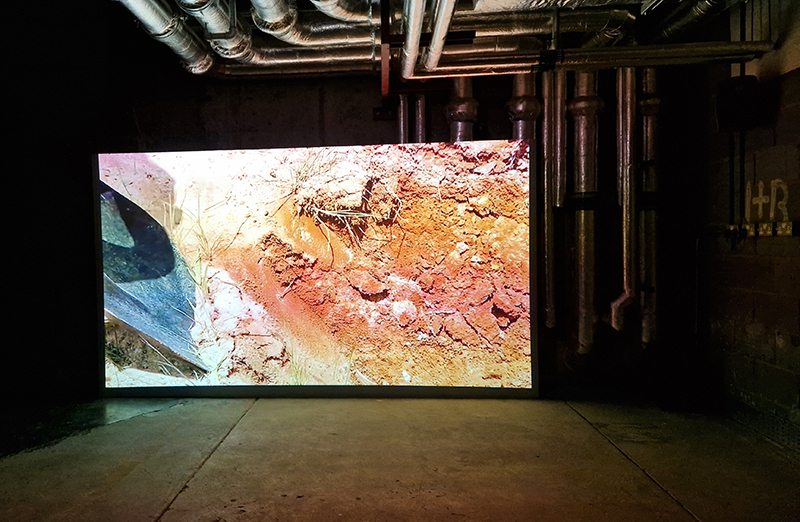
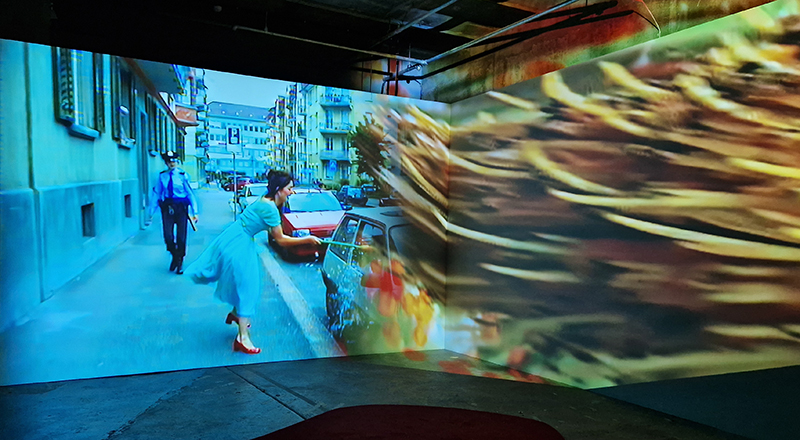
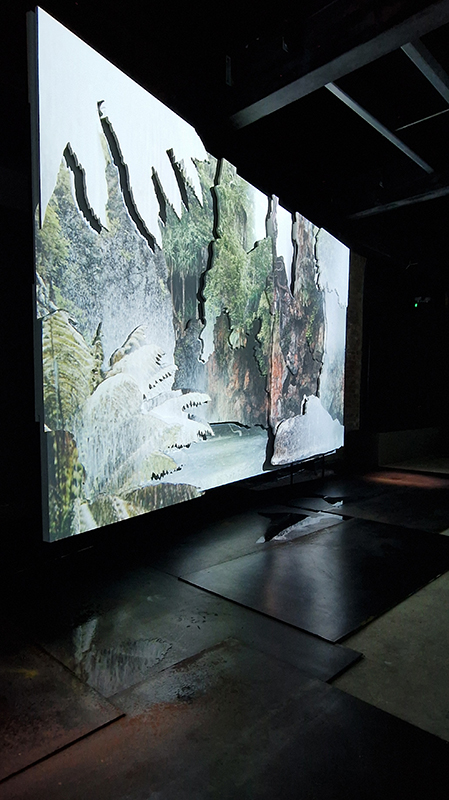
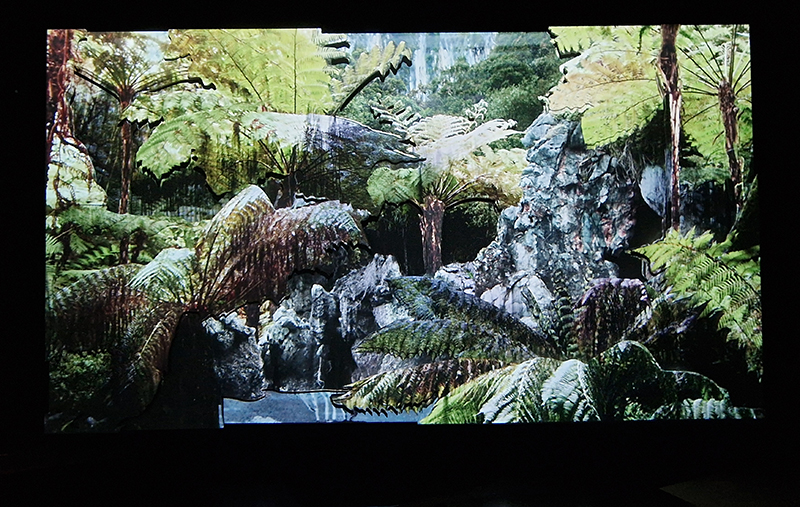
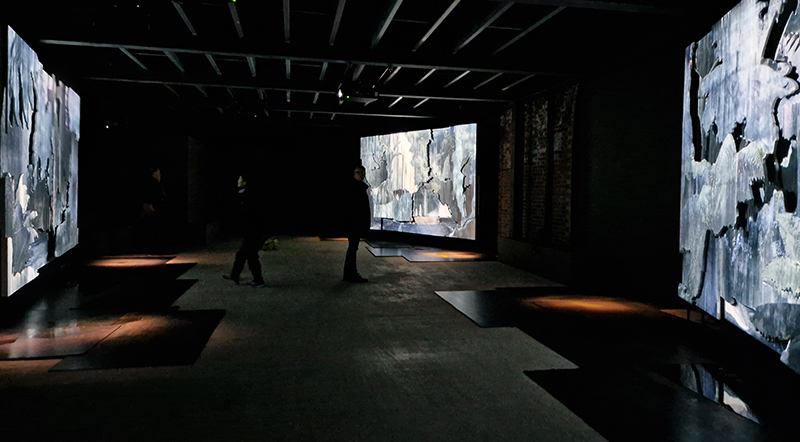
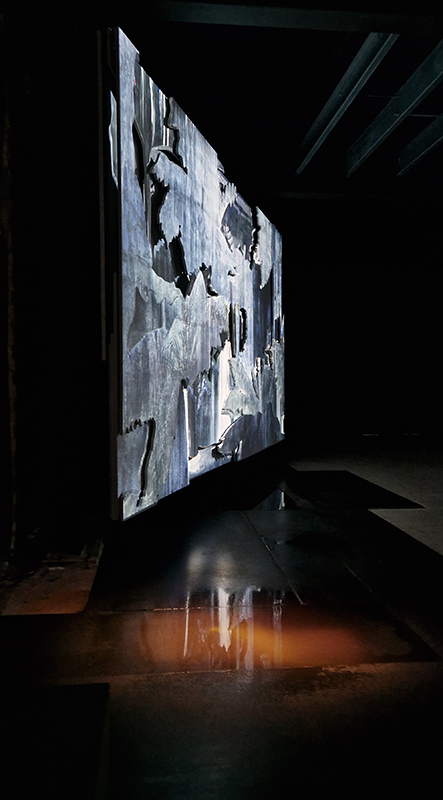
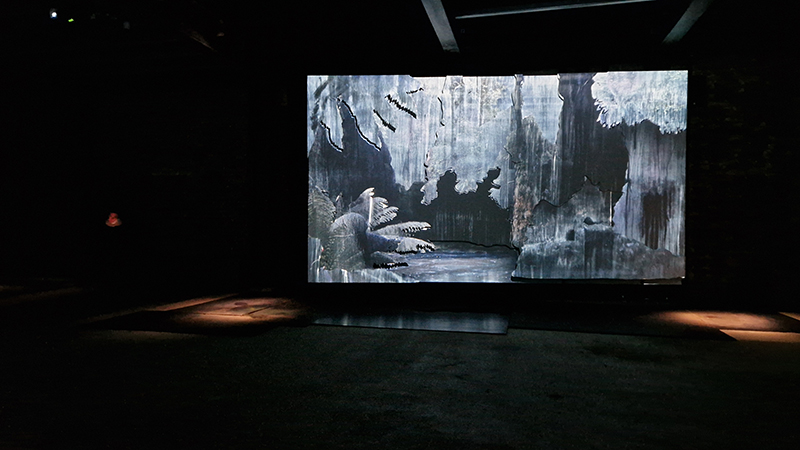
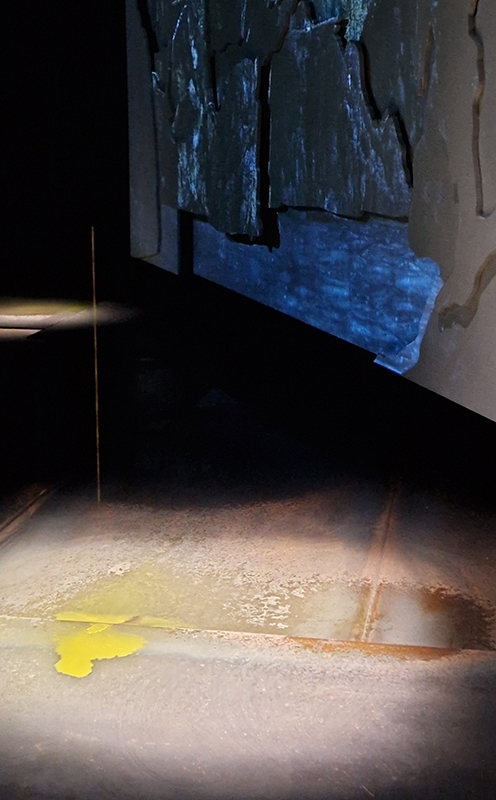
Noémie Goudal The Story of Fixity, an Artangel commission at Borough Yards. Three large screens layered with cut out shapes, that add a 3D staging to the film projections which cycle every 15 minutes through lush vegetation, whiting out to fading painted backdrops and water cascading in rivulets or vaporous spray and dark rocks. Water also drips from the ceiling pooling and staining large steel plates on the floor. The sound is layered like a deep forest. Haunting and beautifully captivating.

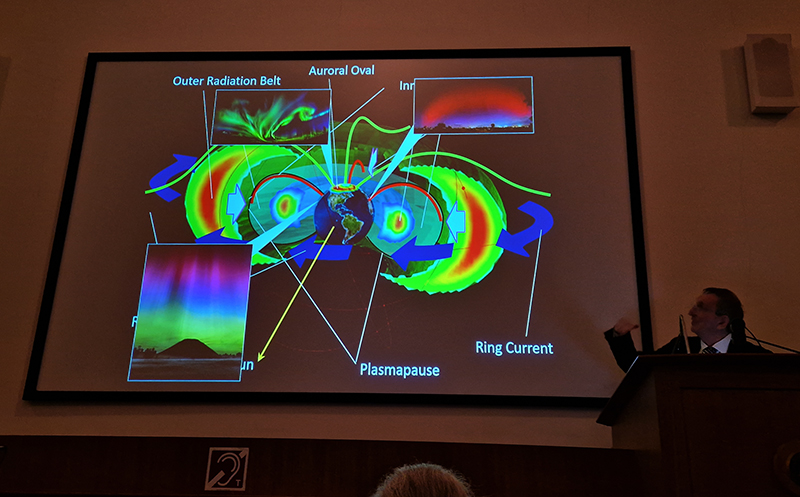
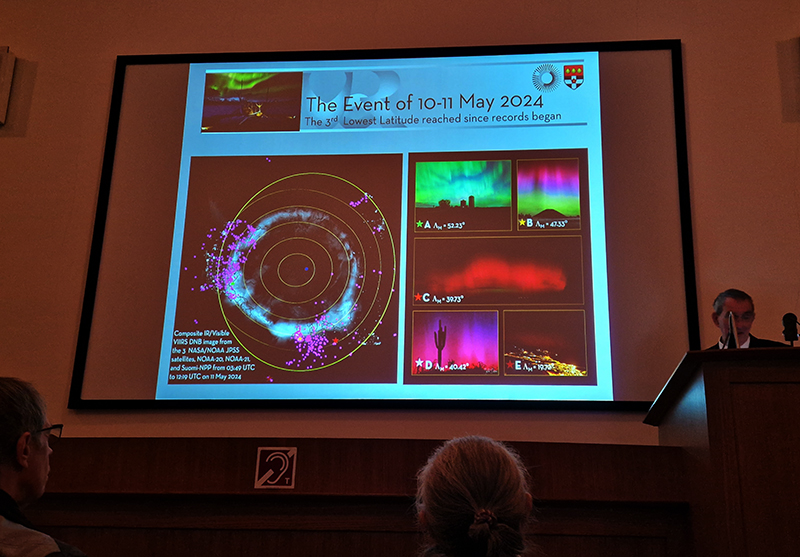
Prof. Mike Lockwood gave a talk at the Royal Astronomical Society on Aurora borealis observations over the past 400 years in part inspired by the events of 10/11th May 2024 when the aurora was seen by many people across the UK at extremely low latitudes. It is estimated that this aurora in May 2024 was the third most extensive seen in the past 400 years.

Earth’s magnetic field is constantly moving and this has a major effect on where aurorae occur.

It is thought the vision of Ezekiel in the old testament was possibly a red coronal aurora seen in Nippur (Iraq) as it tallies with Assyrian and Babylonian documents which date it at 12th March 567BCE.

In 1741, Clockmaker and geophysicist, George Graham witnessed the aurora in London and made the connection between the lights and geomagnetic activity which he was able to measure with his almost friction free compass needle that he had invented in 1701.

He noted ‘Who could have thought it? That a compass needle could have sympathy and a connection with the aurora!’.

The 1859 Carrington Event was the strongest recorded geomagnetic storm in history, caused by an unusually strong solar flare. The simultaneous observation of the solar flare by the English astronomers Richard Carrington and Richard Hodgson and the subsequent geomagnetic disturbance led scientists to realize the Sun could directly affect Earth’s magnetic field, a pivotal moment in the study of space weather. 
On 7/8th March 1918 the UK skies were lit up to devastating effect as the auroral light reflected along the path of the river Thames giving German bombers a map to the otherwise darkened city of London.

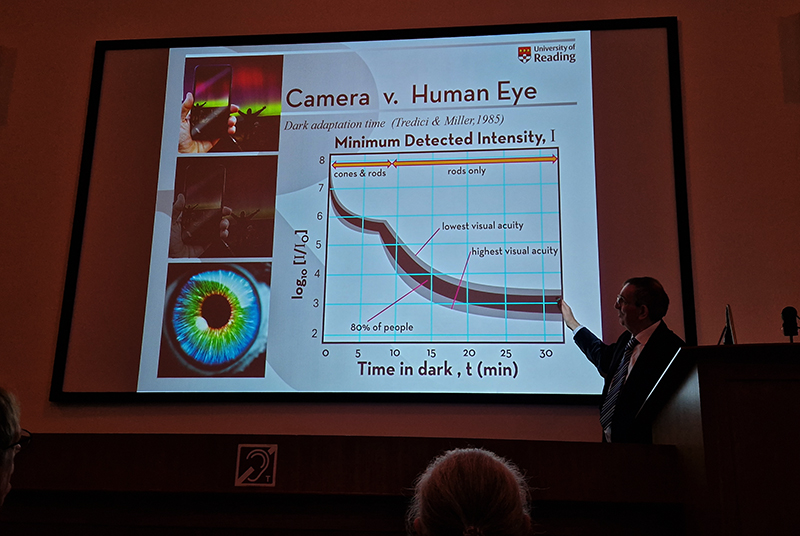
With the advent of the digital camera aurora recording has become ubiquitous across social media. It appears the phone camera can ‘see’ a much brighter and more vibrant effect than the human eye. This is because it can take at least 30 minutes for the human eye to become fully adapted to the dark and sensitive enough to compete with the camera. Looking at the phone will also negate any sensitivity of the eye. Human night vision has evolved to be in black and white, the cones that create colour do not fire unless the light is very bright and so the aurora is often experienced as white pillars without the greens and reds we see on the camera.

The European Space Agency has simulated a solar storm on the scale of the Carrington Event, the most powerful in recorded history. The simulation shows that in minutes, communications were disrupted and in hours, satellites destabilized. There’s no way to stop it, but early warning systems and space weather monitoring could help us prepare.

Scientists Warn: A Solar Superstorm Could Hit Earth Any Day

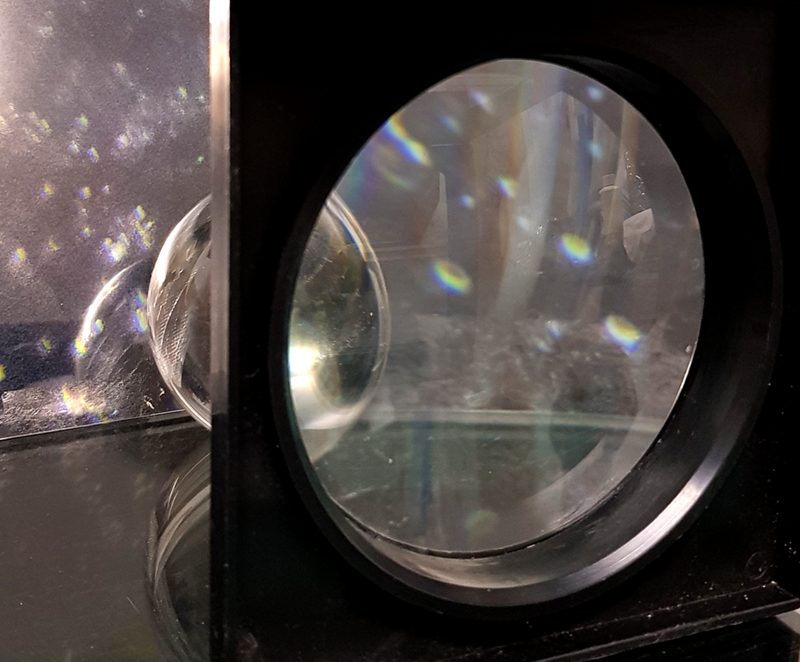
New year fresh start. Laboratory of Dark Matters evaluation reports submitted. Now to build on my research from the last year. Time to put up the dark tent again and get the cloud chamber running to take some more controlled footage for use in an immersive installation. Excited to be experimenting with video projections, lenses and different media to project onto to ‘capture’ the particles.

1712 Lens layer.jpg

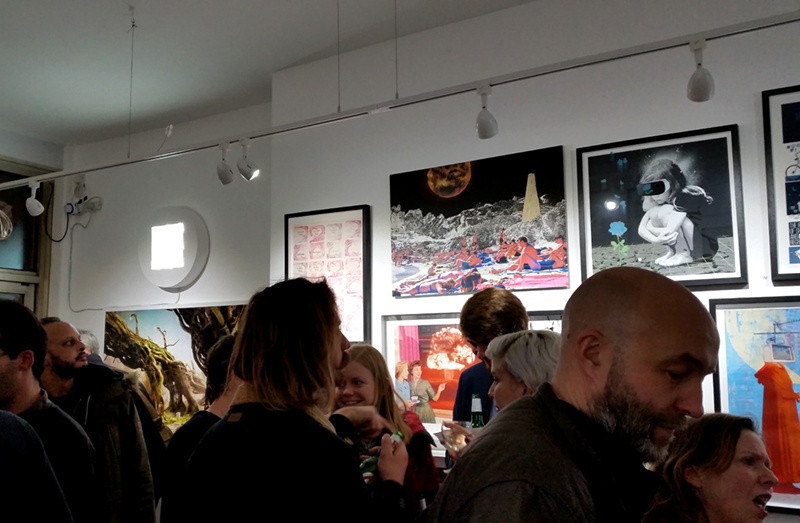
Sun Factor jostling for space at a busy Atom Gallery private view of Tomorrow’s World where most visions of the future appear dystopian or apocalyptic.

1712 Atom Gallery PV.jpg

The backstory to this work begins with a holiday to Sardinia and the day trip salesman’s  insistence the island bay he proposes taking us to – it’s paradise, it’s paradise … well how could we refuse. It turned out we were to be cast ashore for hours on a tiny strip of sand with no shade, no escape and a sea swarming with tiny stinging jellyfish. A concrete obelisk stood over the blistering bodies; once ancient sun worshippers built these capped with gold to shine like beacons celebrating the power of Ra the sun god. Modern sun worshippers have their own rituals, laying under a hot ball of gas so massive and so hot it has been active for 4.5 billion years yet it will be another 4.5 billion years before it will expand into a red giant, vaporize the earth and explode.

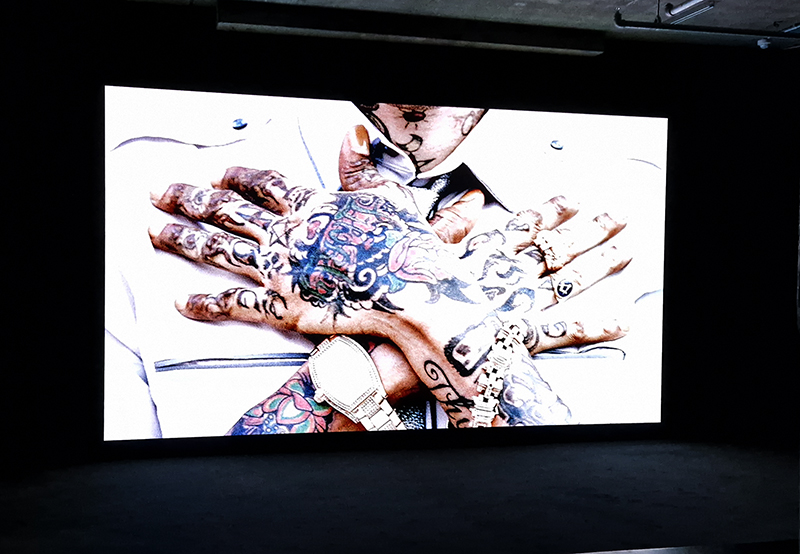
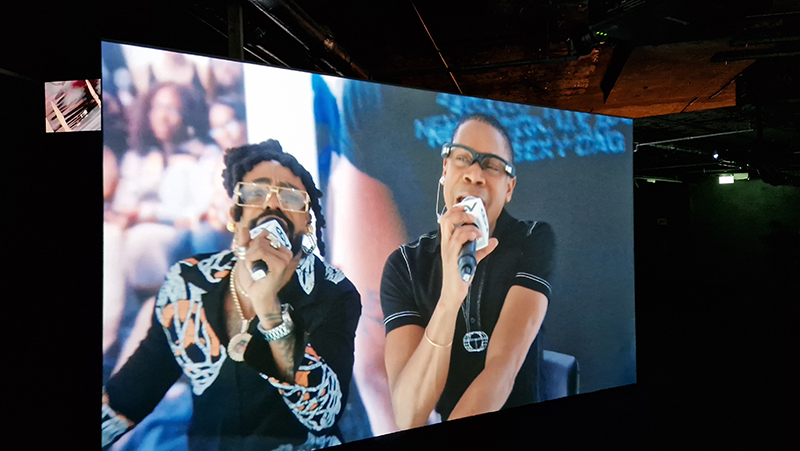
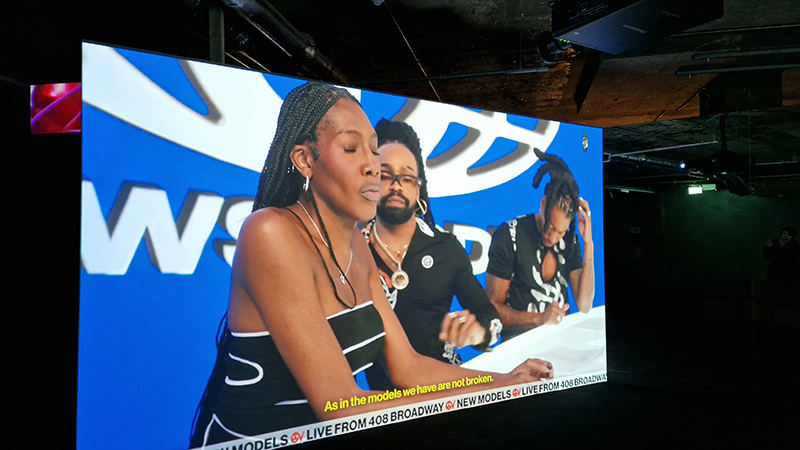
On a rather grander scale was ( my past RCA tutor) David Blandy’s The End of the World at Seventeen Gallery.

1712 David Blandy 2

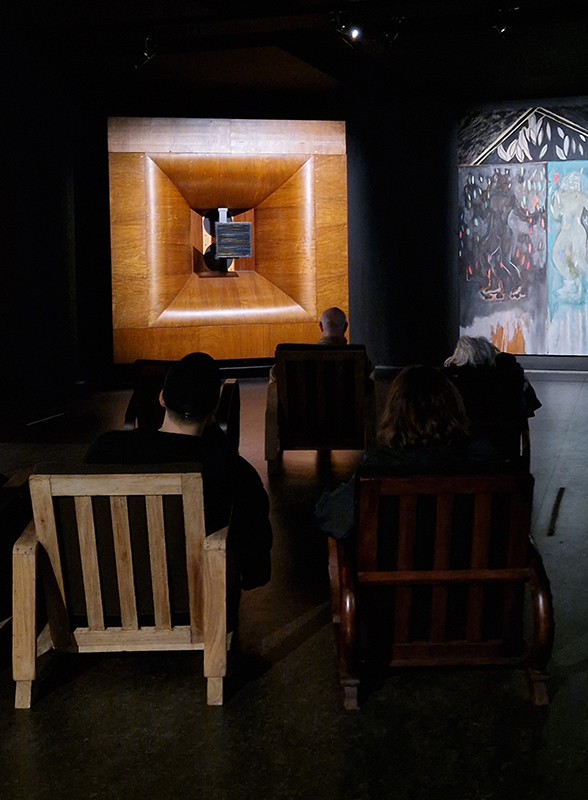
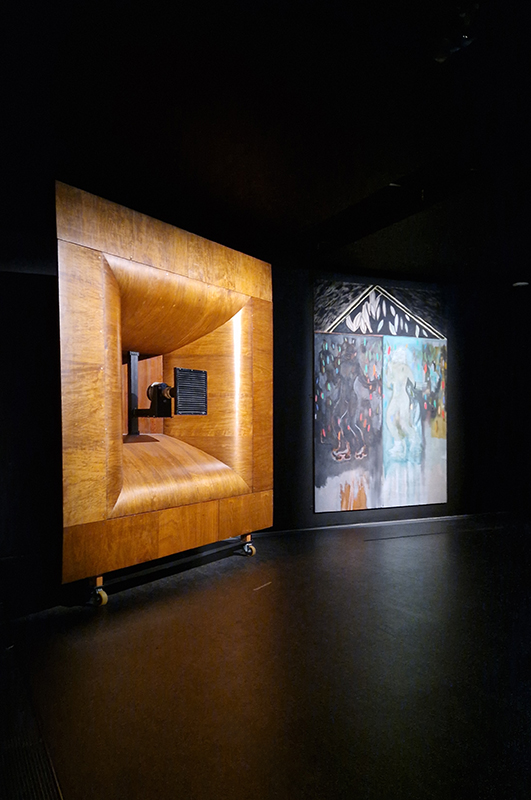
Designed for solo viewing, a single seat faces the enormity of space. You become the lonely astronaut gazing down on a faraway world, at once familiar and distant. The voiceover poignantly recounts what is being lost; spanning perspectives, the micro and macrocosm of life, imagined, virtual and real. When the end is in sight senses are heightened.

1712 David Blandy 4

Touched to hear that David thought of me when making the High Definition series splicing microchips, crystals, nebulae and rock formations into stars which appear 3D until you approach more closely and then they flatten. Heptagrams (seven point stars)share Christian and pagan symbolism, they can represent the seven days of creation, the perfection of god and the seven planets which were known to ancient alchemists.

1712 David Blandy 3

The installation HD LIfestyle also plays with the illusion of surface and the material cost of being able to pass through the screen to an ever more real and immersive experience on the other side. The wares are on display. The images sweep us forward. It would be hard to stop.

1712 David Blandy 1

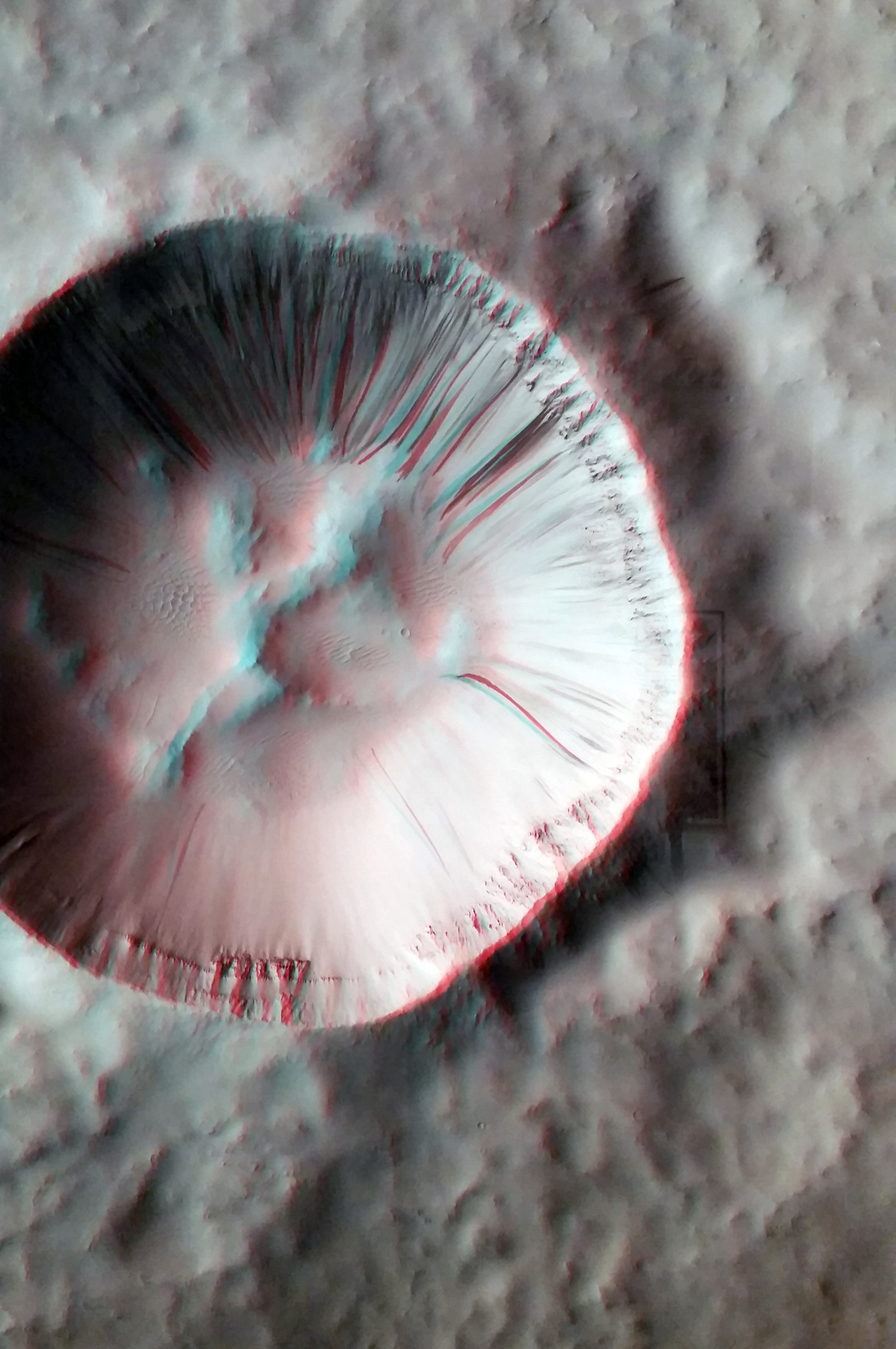
Thomas Ruff at Whitechapel Gallery. He is big on scale, control and appropriation.  I was struck by the regularity and precision of the white dot of light reflection in each of the portrait models eyes.1712 Thomas RuffThe Mars Reconnaissance Orbiter launched 2005 recorded topography, water related minerals and climate using an imaging spectrometer, context camera and mars colour imager transmitted as radio signals to be translated into images.
1712 Thomas Ruff 3D

Thomas Ruff ma.r.s. 

SPACE/London Creative Network Showcase – showing works in progress as part of an ongoing exploration of new technologies employed within art practice.

Catriona Leahy uses laser-cutting technology to etch delicate capillaries onto marble to articulate a sense of fragmentation and the scarring of  manmade intervention in the form of land drainage found in Dutch and Belgian post industrial landscapes.
171124 space LCN Catriona Leahy

Catriona Leahy Percolation Test

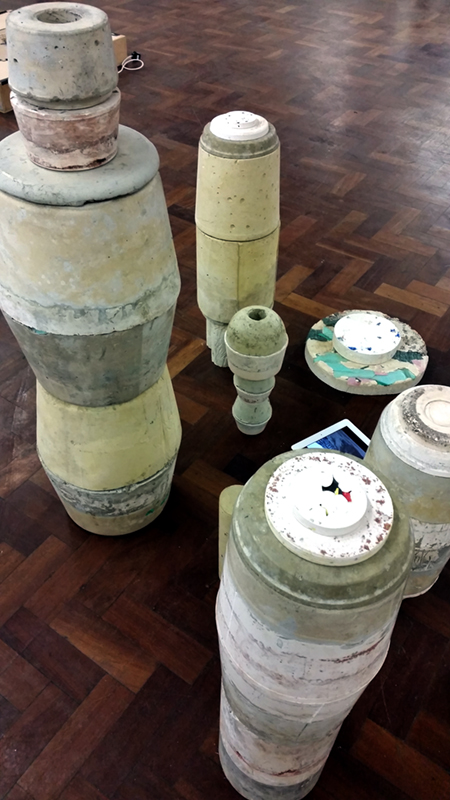
Always drawn to the perpendicular – the standing stones. I enjoyed Ben Branagan’s legacy of the built environment captured in totems made from building site aggregates.
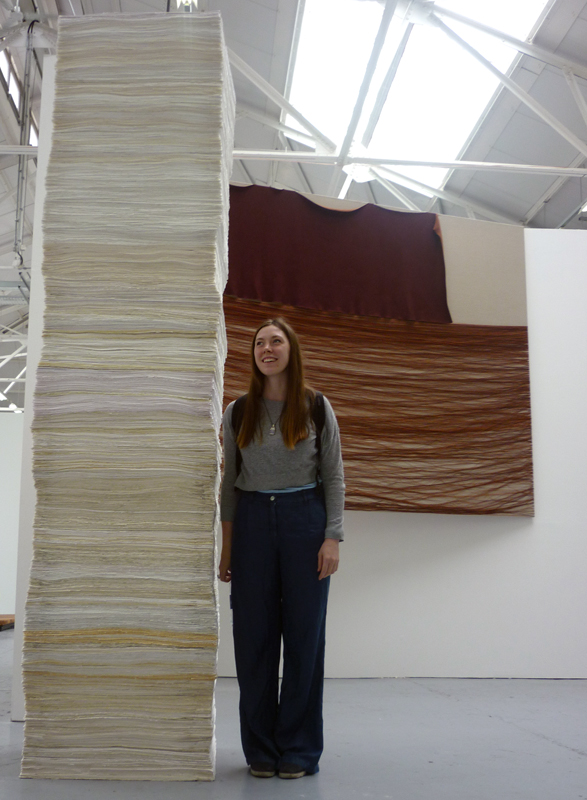
1712 space LCN Ben Branagan

Ben Branagan Hardcore Colonnade

Next door was the satisfyingly ritual space of BearMotherhouse a collaboration of Fourthland, an artist collective, with Xenia a group that brings geographically displaced women together with local communities for friendship and integration through creativity. A quote from the accompanying essay by Alberto Duman addressing the cosmological connections and mythologies of the objects that ‘ speak of the degrees of interconnectedness beyond human knowing and the evocation of powerful figures such as the Bear and the Mother that oversee and mesmerise this house’s proceedings

1712 Fouthland with Xenia

Cryptic exhibition at The Crypt Gallery, St Pancras Church examines the relationship between art, science and technology. Lisa Pettibone explores matter and form through the manipulation of one template and the forces applied to alter its appearance.

1712 cryptic lisa pettiborne

Lisa Pettibone Apeiron 01_02_03

Pentagon envy.

1712 Cryptic Bekk Wells

Bekk Wells Elements

Imagining CERN event at CSM presented the results of creative collisions between interdisciplinary art and particle physics.  MA Art and Science students got to visit CERN, collaborate with scientists and make work in response.

1712 CSM imagining CERN exhibition

Gavin Hesketh was here to talk about his work at CERN searching for new particles

1712 Gavin Hesketh

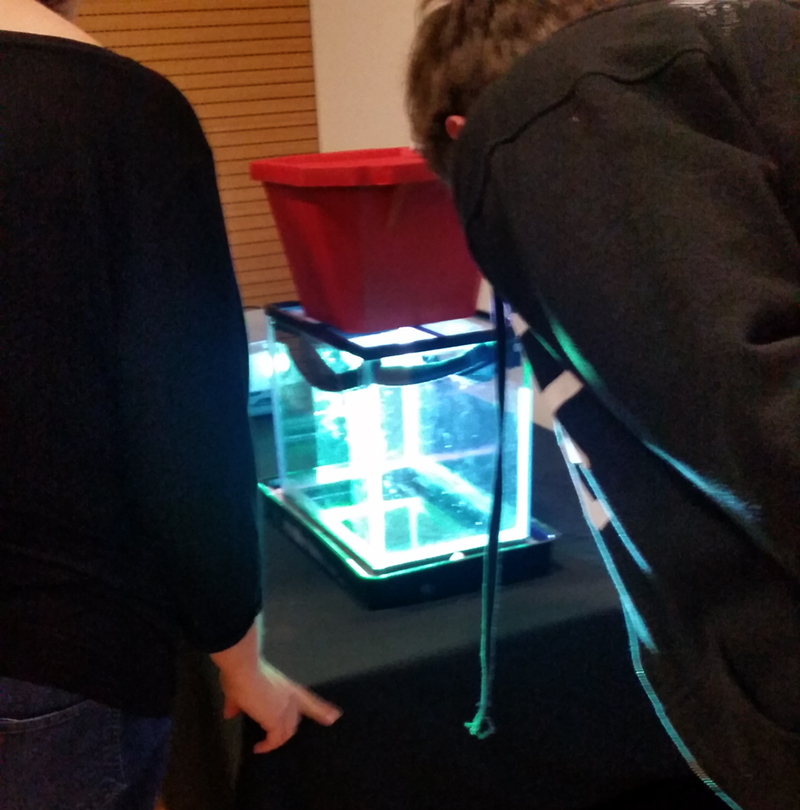
He had brought his cloud chamber along. First time I had seen someone else’s cloud chamber other than online. No dark tent here.

1712 CSM imagining CERN cloud chamber

In particle physics the closer you look the more similar things become,

when you get right down to the elementary particles there is no colour at this scale


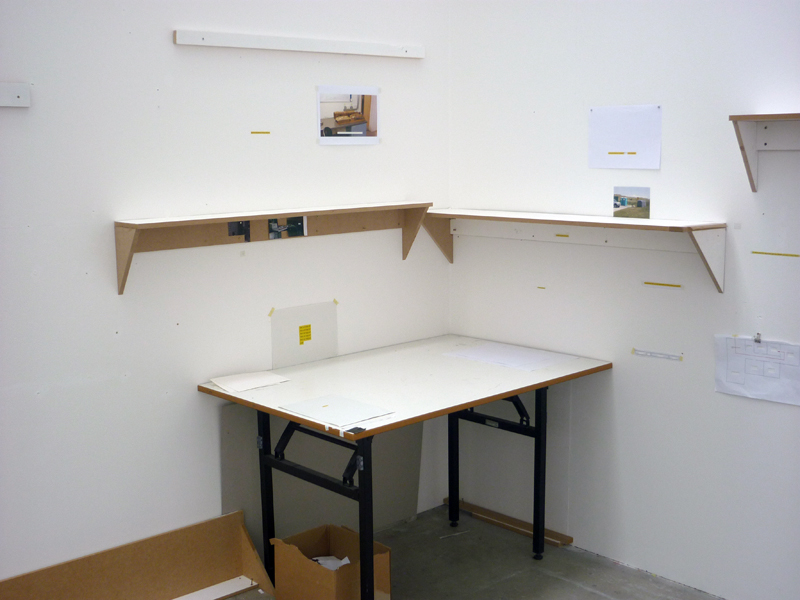
I have had to say goodbye to my studio space and all the other wonderful facilities and people at the RCA.

1507 studio

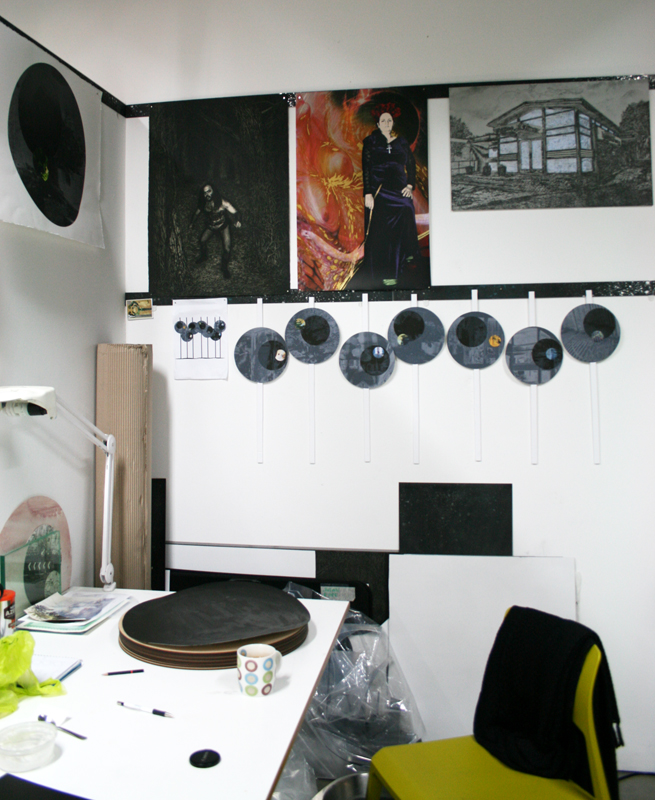
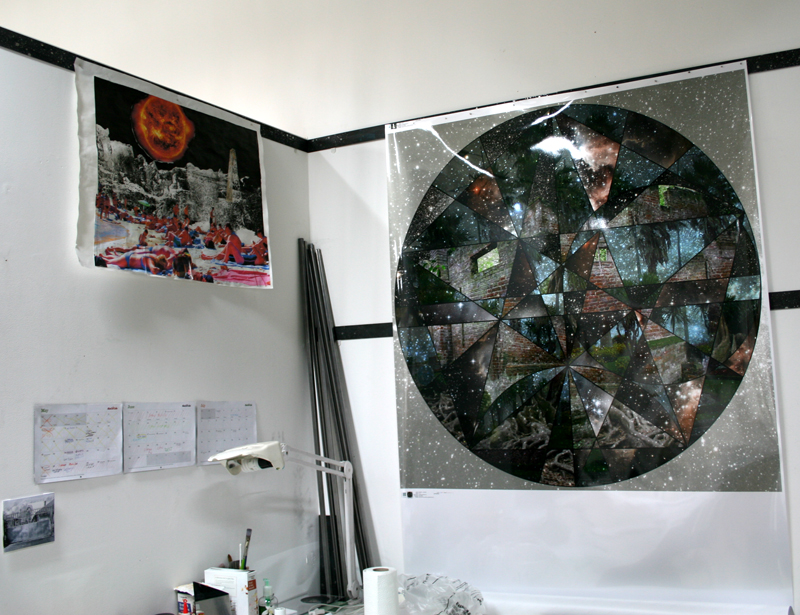
Lots of ideas were formulated in this little corner and I will miss it very much.

1507 studio2

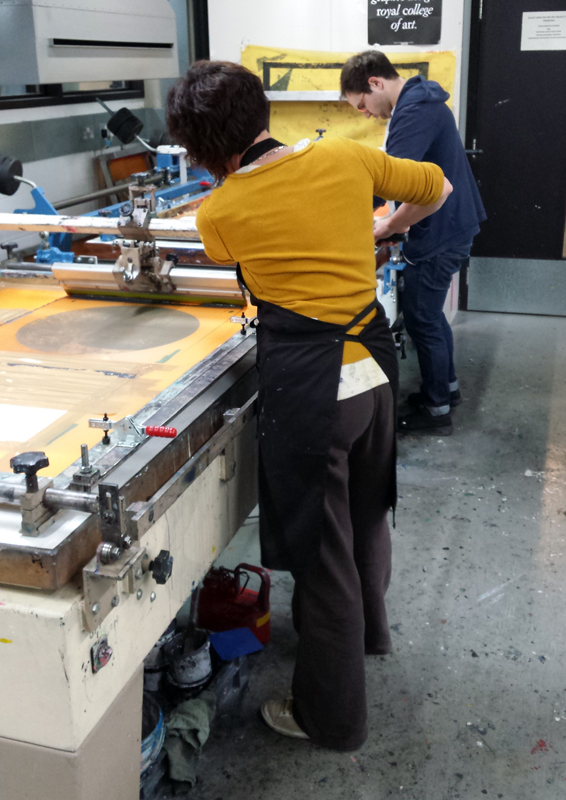
I spent the last six months pretty much in the screenprinting room

1507 screenprinting

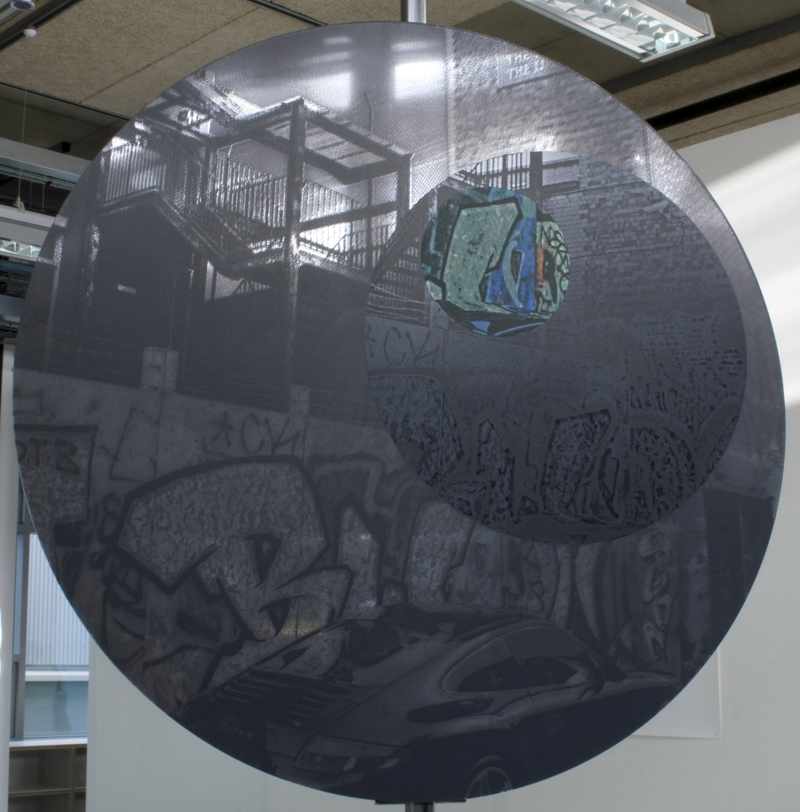
working on the mirror circles for my final show.

1507 circle

There wasn’t much time out but I did try to see some exhibitions that felt were relevant to my own concerns.

I hadn’t come across the work of Michelle Stuart before and I found her exhibition at Parafin Gallery very inspiring.

Michelle Stuart Night Over Alice Springs

Michelle Stuart Night Over Alice Springs

I was drawn to her spiritual aesthetic. The subtle use of colour and juxtaposition of images set within a grid structure bind themes together to create a whole from fragments. I like the way she uses objects, incorporating natural materials and sacred symbolism, referencing alters and rituals.

Michelle Stuart Ring of Fire

Michelle Stuart Ring of Fire

I was excited to see Diana Thater at Hauser and Wirth mostly because of the promise of seven holy ‘kunds’ – or water tanks- and waterfalls that create two tiered pools within her projected installations. I thought this might relate to my own ideas using water in my work giving some insight into water as a sacred medium.

I was disappointed. Due to poor light levels and projected image quality what should have been an immersive experience was frustrated by an awareness of ineffectual technology exacerbated by the front door repeatedly opening and  flooding the space with even more light. There were no ‘kunds’ visible. The gallery assistant thought the pools may be projected onto the floor but with the light levels too high it was not so much that ‘…the pools of water occupy a liminal state between reality and imagination’ but must be totally conjured by the imagination.

Diana Thater Life is a Time-Based Medium

Diana Thater Life is a Time-Based Medium

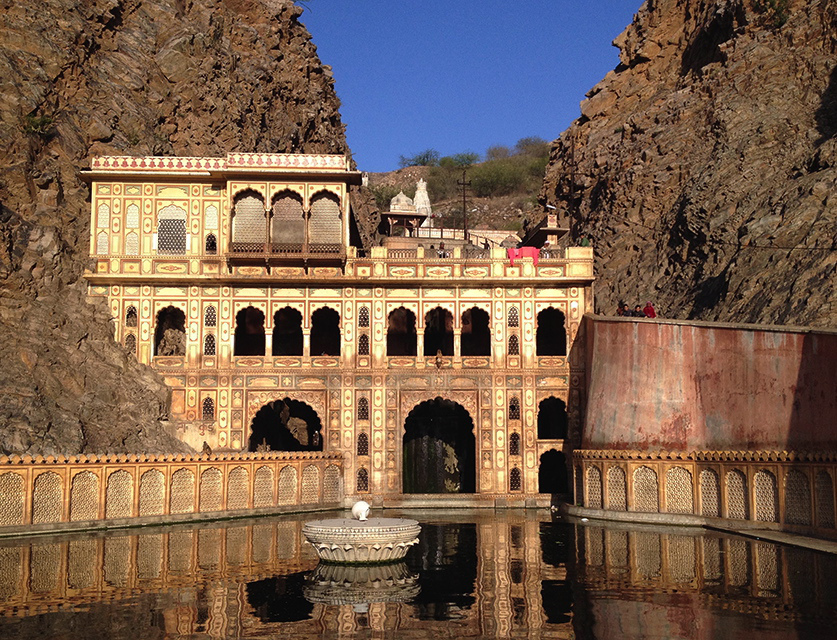
Online you can find an image more akin to the promises of the press release.

Galtaji Temple near Jaipur

Galtaji Temple near Jaipu

For my second year at the RCA I had David Blandy as my tutor. I think we have quite a few crossover interests in our investigation of contemporary society which manifest themselves in very different ways. He works with video and references music trends and gaming aesthetics and is quite performative. It’s very engaging and has a fine humour.

1507 David Blandy

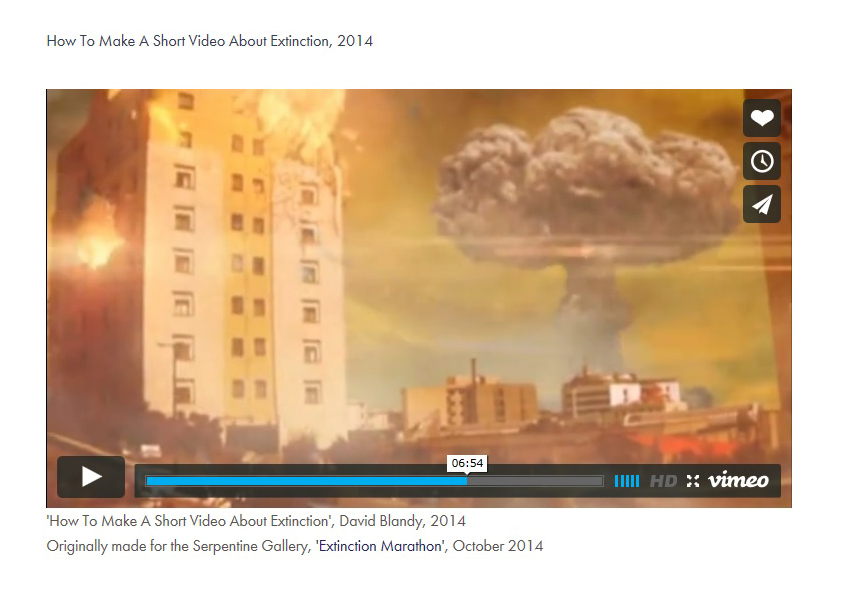
He screened his video How To Make A Short Video About Extinction for us in the lecture theatre, it was good to see it on a big screen and appreciate the disaster movie genre it plays off though the DIY amateurism invoked does perhaps mean the small screen is its home. Eitherway it’s very funny (while obviously trying to make some serious points too). He put me onto Miranda July, also funny while highlighting some cultural idiosyncrasies , whose book of short stories No-one Deserves To Be Here More Than You I am enjoying at the moment.

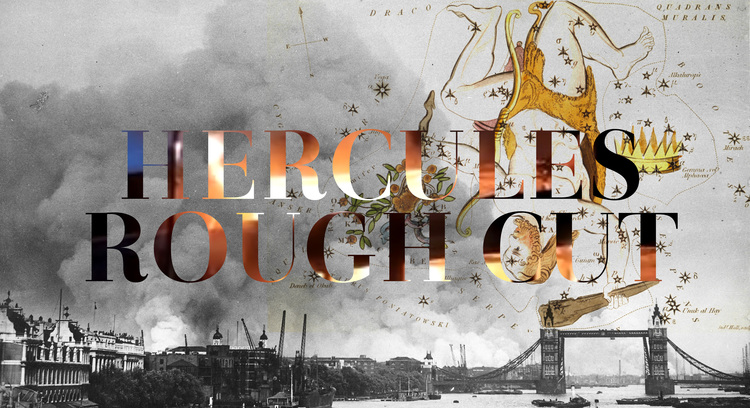
I have visited his exhibition showing the video hercules-rough-cut at the Bloomberg Space.

David Blandy

David Blandy

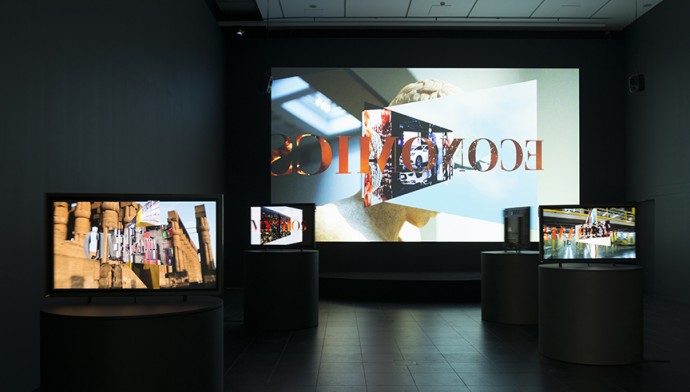
It has huge presence. Ominous and mesmerizing it engulfs you in a kaleidoscopic bombardment of image and dialogue tracing the history of civilisation on its frenzied trajectory to what must be an inevitable implosion. Surrounded by rotating images and screens and immersed in continuous rap-speak that fills your head there is no space to escape.

David Blandy Hercules:Rough Cut

David Blandy Hercules:Rough Cut

It captures the obsessions that are driving our civilisation over the edge into oblivion employing the same seductions that hypnotise us as we are carried along unable to resist.

I have long been a fan of Gordon Cheung’s work so was excited to be able to chat with him about my work when he visited the RCA on what was described as an artists promenade. His interest in relating ancient mythologies to present day financial trading and historical markets such as tulip mania to current boom and bust economics are fascinating subjects.

Gordon Cheung island

Gordon Cheung Island

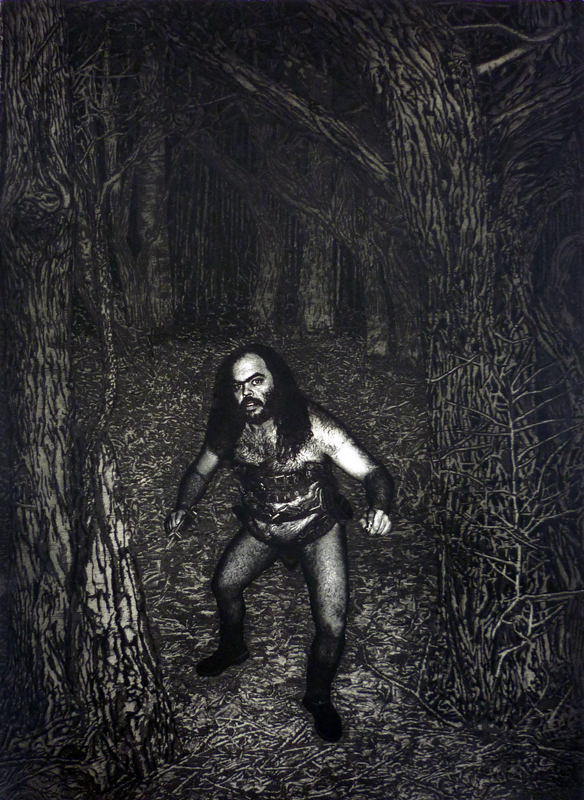
We also attempted to discuss quantum and particle physics. He had been key in selecting my etching Forest of Eden for the neo:print prize award that I received last year so I was able to go into more detail about what had inspired me to make this work. Originally it was Giambattista Vico’s story of wild men inventing the gods as they cowered in the forest under thunderous skies that led to my research into the myth of the wild man. This myth stretches back to the tale of Gilgamesh’s quest for immortality. In history the wild man’s characteristics reflect topical fears and aspirations, violating the taboos of civilization and symbolizing the repressed desires of society. They oscillate between horror and fantasy.

Susan Eyre Forest of Eden

Susan Eyre Forest of Eden

I wondered who a contemporary wild man might be. Someone on the edges of society, both fascinating and repulsive. I had come across images on the internet of this person who posts photos of himself posing almost naked with guns strapped to his body. He had become an internet meme, shared with equal disgust and fascination. In this etching I placed him back in the ancient forest of all our origins.

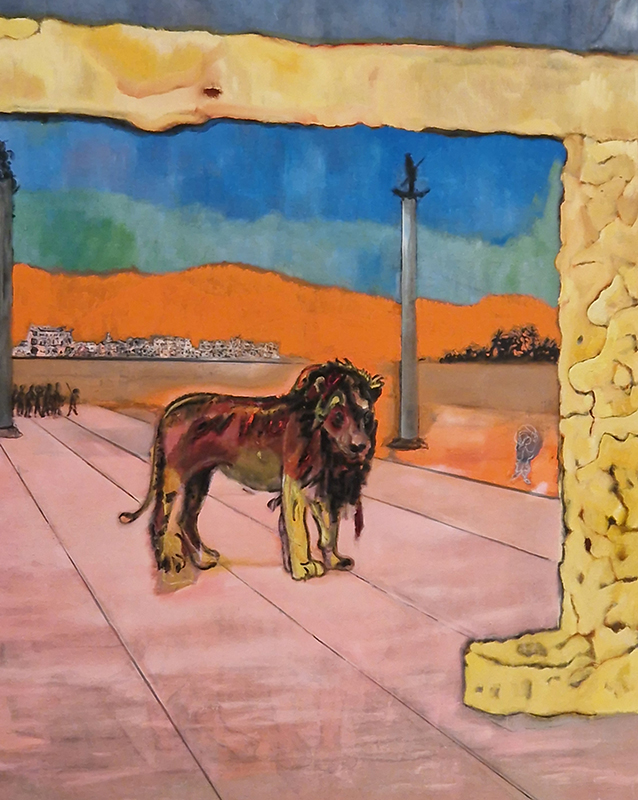
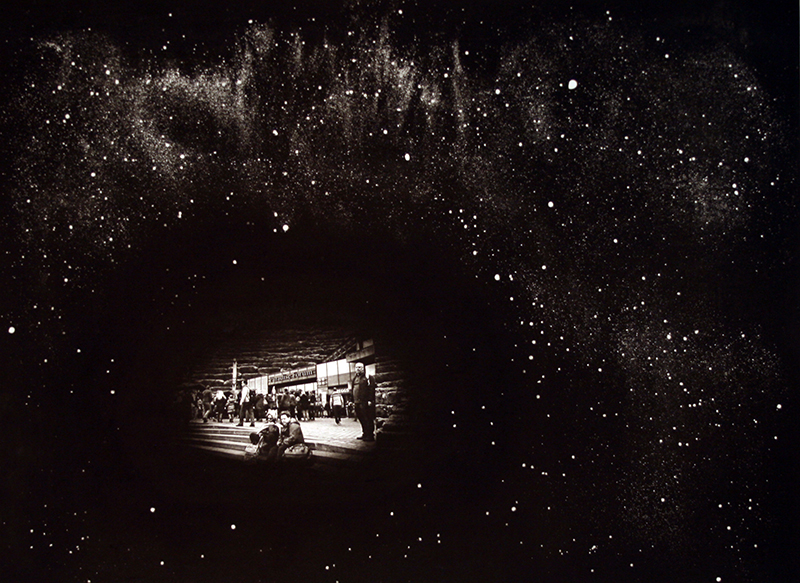
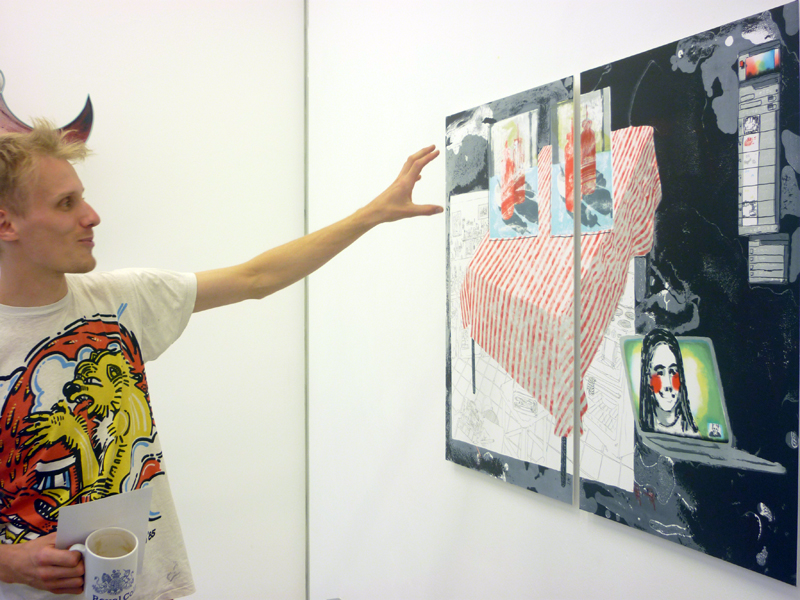
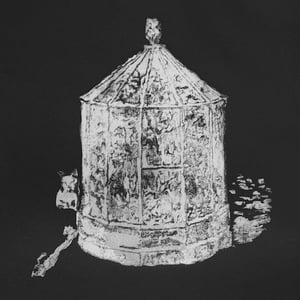
The most recent of work I made while at the RCA was Sun Factor. This work allows an alternative access point to my ideas about escape from reality and the search for something outside the ordinary. It explores ancient and modern ideas on sun worship and the rituals that are part of these cultures.

Susan Eyre Sun Factor

Susan Eyre Sun Factor

I used etching for the ancient cliffs and gold pigments on chine colle for the obelisk. The figures are screen printed in high saturation, a reminder of the early days of package holidays and glossy postcards and also of skin damage and loss of connection to the powers of nature. The sun as apocalyptic fireball is a reminder of its true nature which we often forget to acknowledge.

Sun Factor has been selected as a finalist for the HIX award.

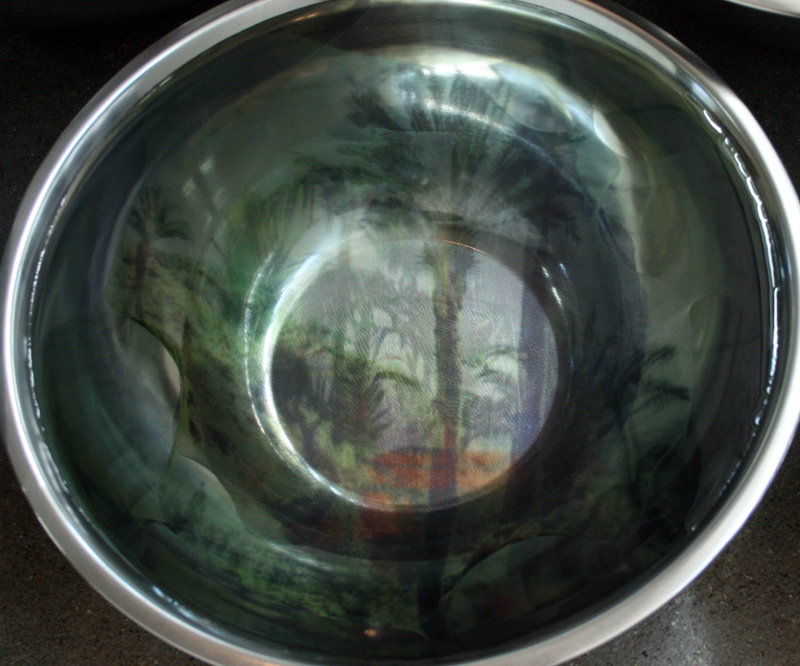
I had been experimenting with images printed on translucent fabric submerged in water with a view to using this in my final show.

Susan Eyre submīrārī

Susan Eyre submīrārī

This came from the idea of looking through a surface to consider what is there but unseen by our limited senses   Sometimes the images in the water float and sometimes they sink or fold according to the otherwise unseen movement within the water. The activity in the matter of the universe is going on around us unseen – other intangible things like the aura of place and the dream of paradise cannot be pinned down or explained in terms of materiality.

Susan Eyre submīrārī

Susan Eyre submīrārī

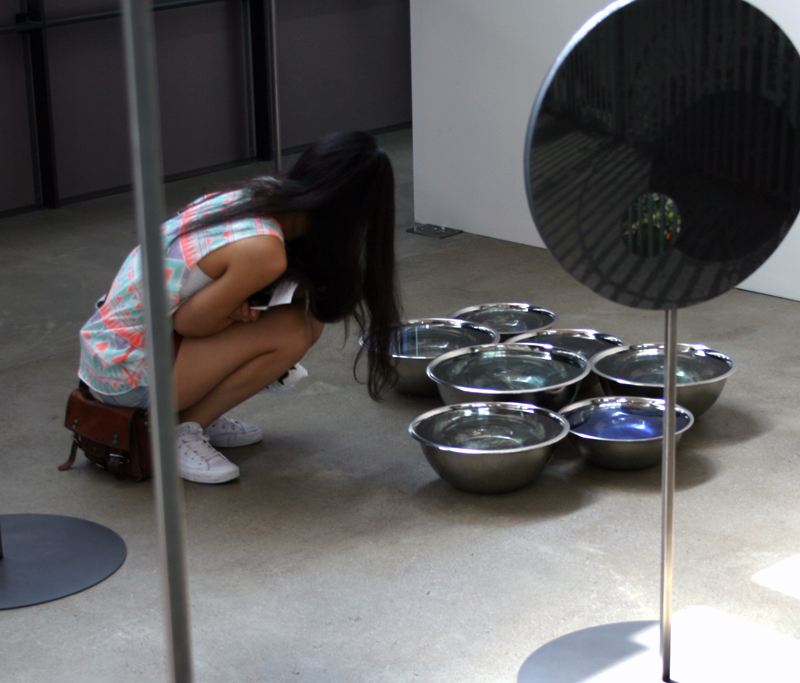
I spent a long time searching for the right bowls for the images floating in water. I had in mind something you might find in the world of Jonathan Strange and Mr Norrell but ended up using the same simple very shiny ones as I had originally found for Café Gallery – Objects Of.

1507 dry clay bowl

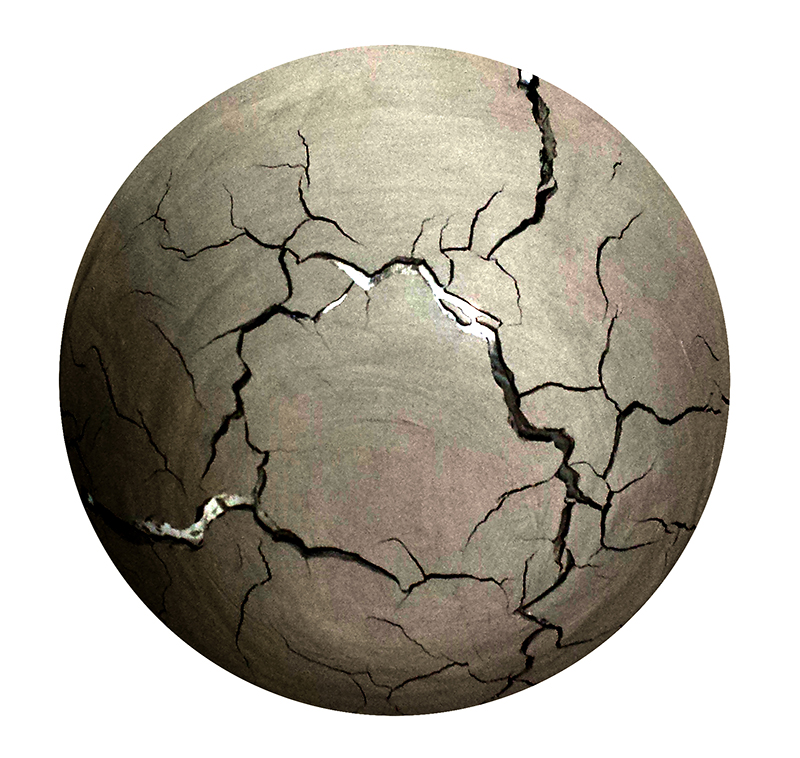
I tried giving them a clay outer shell – it didn’t work but the cracked result was inspiring for future work.

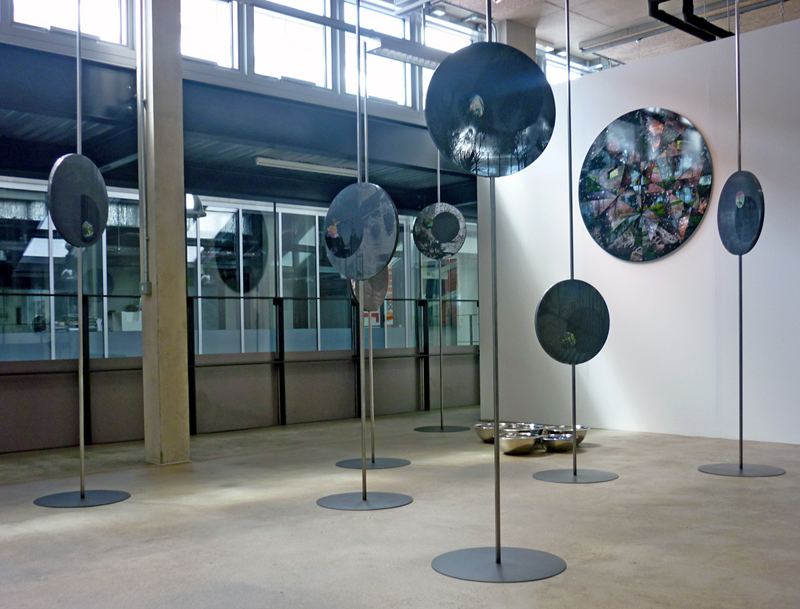
I chose to exhibit the water pieces in a cluster for the RCA MA Show rather than each one placed at the base of the individual sculptures as I had previously.

1507 veiwing submirari

submīrārī installation

mīrārī  comes from the latin miror whose etymology is to gaze in wonder.

Now that I had 7 sculptures (one for every day of the week) I felt each work had more weight holding their own space.

Susan Eyre everydaymatters

Susan Eyre everydaymatters

There is a similarity in the way an image is experienced as a surface to look through and be absorbed into connecting the pieces in the installation.

The images in the bowls are more dreamlike, idealised landscapes whereas the images on the mirrors come from the everyday locations that happen to be called paradise.

Susan Eyre everydaymatters (6/7 escapism  - the life)

Susan Eyre everydaymatters (6/7 escapism – the life)

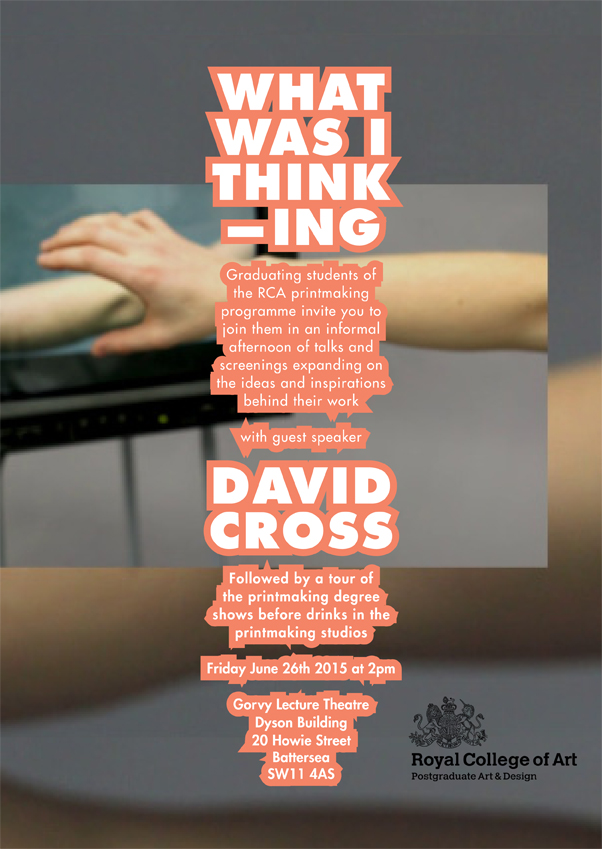
In conjunction with the MA degree show I led the organisation of our event WHAT WAS I THINKING. This was a chance to look back at the thinking behind our degree show and the ways in which decisions get made and also the alarm we sometimes feel at what we have embarked upon.

1507 what-was-i-thinking

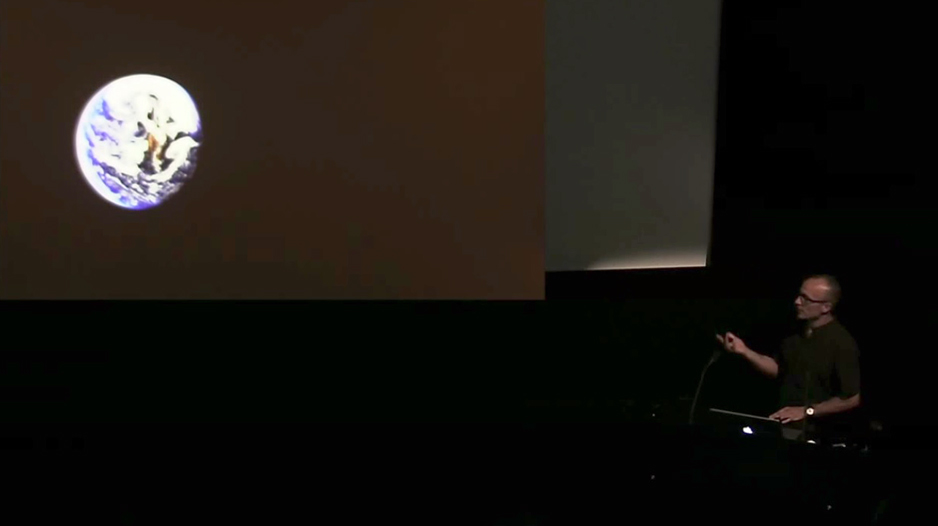
We invited David Cross as our guest speaker. David Cross has an international reputation as a lecturer and academic. As an artist, he began collaborating with Matthew Cornford, in the partnership Cornford and Cross, while studying at St Martin’s School of Art in 1987, and graduated from the Royal College of Art in 1991. In addition to producing aesthetic experiences, he maintains that a key function of contemporary art is to test concepts, assumptions and boundaries.

David Cross

David Cross

Looking at global economics and systems of value which govern the art world as well as wider issues of capitalism and our blind commitment to material consumption fuelling economic growth he poses the question  – can we reclaim the vanishing point and reconnect our individual perspective with our collective capacity to envision and plan for a more ecologically stable future?

Early in our first year at RCA we had a seminar with the provocative title Why Print? This caused a lot of argument at the time as we found there were very many opinions on what was and what was not considered print, the value of craft and the place of the multiple or cheap reproduction. As we progressed we learnt to respect each others approaches and realised that the diversity of our group was a strength from which we could all learn.

Rob Miles Cmd shift 3

Rob Miles Cmd shift 3

Rob Miles was our MC for the event and gave an introduction which set out the challenges we faced during our MA and will continue to tackle as artists.  He explained that in such a programme as printmaking there are many processes we could choose from to express our ideas and it was through this exposure and interrogation that we found our own individual affinities from digital media to etching and many combinations in between. New reproduction technologies offer opportunities for exploration,  the old techniques feed into the new, and the new reinvigorates the old. To study Fine Art today is to navigate a plethora of possibilities across an ever widening field of possibilities, often dauntingly so but this also offers us a new representational freedom as artists.

Navigating these new possibilities is something we had discussed in seminars which led us to authors who write about the impact of the web, image saturation/appropriation, and new ways in which we view the world that lead on to questions of reality and representation.

As a point of focus for our event we referred to the politics of the image theories of Hito Steryl in the e-flux journal The Wretched of the Screen.
Her comments on the condition of groundlessness in her essay free fall a thought experiment on vertical perspective seemed particularly relevant.
          ‘Imagine you are falling. But there is no ground.
          Many contemporary philosophers have pointed out that the present moment is distinguished by a prevailing condition of groundlessness.
          We cannot assume any stable ground on which to base metaphysical claims or foundational political myths.
          At best, we are faced with temporary, contingent, and partial attempts at grounding.’
Peter Glasgow spoke about ways that material might be gathered, piled up, held onto and left over to form a body of work.

Peter Glasgow

Peter Glasgow

Using American TV series as his research material he used this analogy to look at work in the degree show as a gathering of material.

Peter Glasgow I'm dead in the water here

Peter Glasgow I’m dead in the water here

 Jilly Roberts narrated The Case Study, a story which explores her ideas of how perspectives can get influenced and altered depending on their content and origin.

Jilly Roberts

Jilly Roberts

Mixing factual accounts with her own experiences out in the field researching architectural landscapes and the invention of the Wardian Case.

Jilly Roberts

Jilly Roberts

 Daniel Clark discussed his research into the cross section between sound and printmaking

Daniel Clark

Daniel Clark

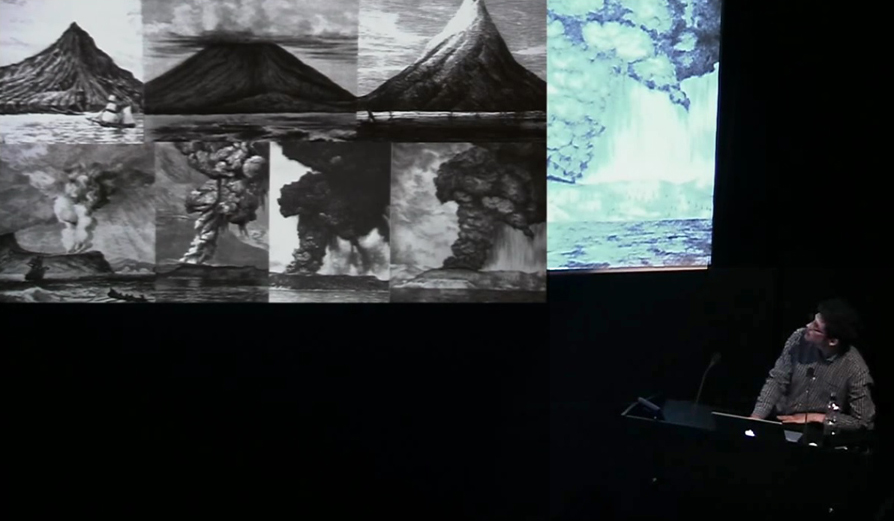
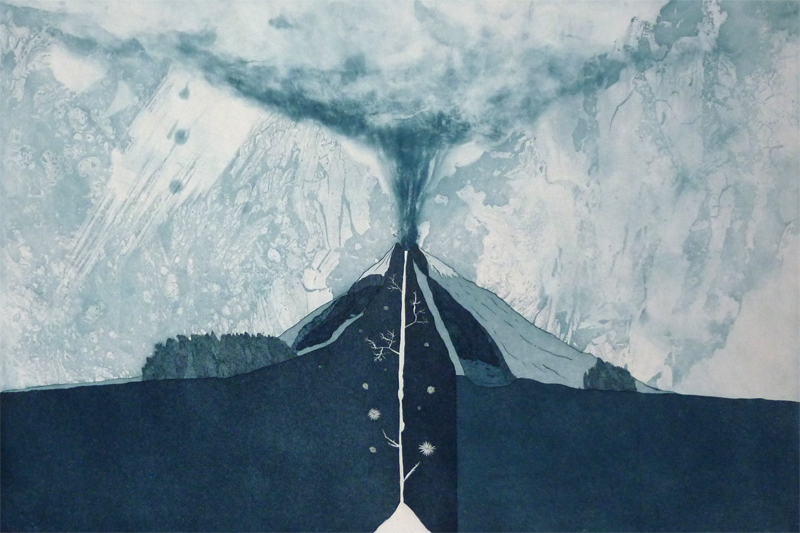
 covering the strange sensations we experience when exposed to very low frequency vibrations  the mysteries of the aquatint box and the sensory drama of the eruption of Krakatoa.

Daniel Clark Volcano

Daniel Clark Volcano

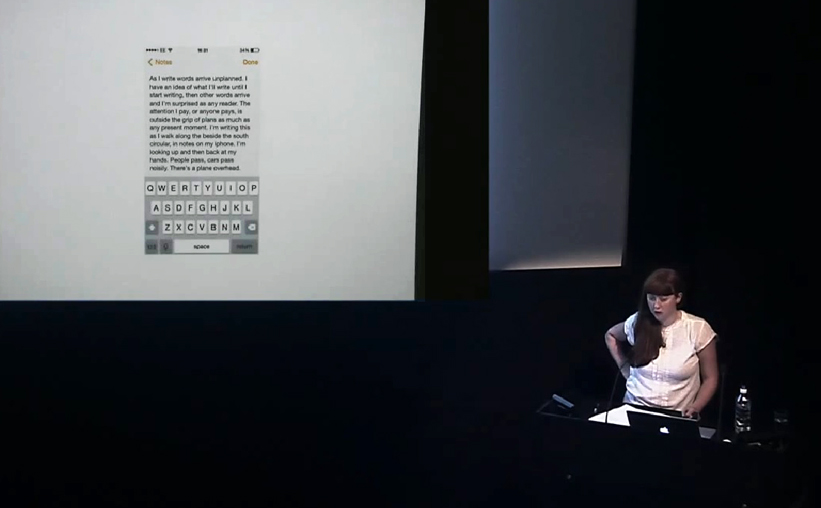
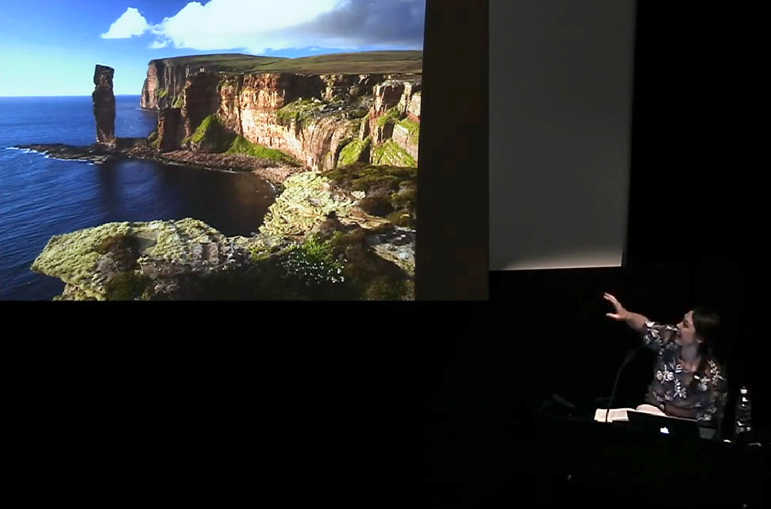
 Amy Gear brought our attention to the link between landscape, language and the shape of words, focusing on the rich history of her native Shetland

Amy Gear

Amy Gear

and how we mimic through language and also through our work.

Amy Gear Stack

Amy Gear Stack

 Meg Ferguson and Maito Jobbe Duval who both work with text and moving image discussed the ideas of French Philosopher Maurice Blanchot to explore their experience of uncertainty in the creative process.

Meg Ferguson

Meg Ferguson

Meg spoke about the ‘leap’ of faith necessary to make work and its value as a catalyst to move forward, letting go of control and falling into the unknown of the unconscious mind.

Maito Jobbe Duval can you see it

Maito Jobbe Duval can you see it

Maito read from Blanchot’s Thomas the Obscure while screening her video work Can You See It encouraging us to think the image of the thought.
Sarah Gillett read a story from her book which accompanied her work in the degree show.

Sarah Gillett

Sarah Gillett

We were transported to a suburban Mum’s night in which was suddenly impacted by the enormity and chaos of the universe both physically as a meteorite hits the conservatory and poetically as we contemplate the points in our lives when new perspectives open up to us.