‘What truth could be more unexpected ….than the one in which the mineral envisions while also being envisioned.’ Jason Groves, The Geological Unconscious
‘This is the blueprint of nature itself; both hidden and revealed in a nodule of silica.’ Roger Caillois, The Writing of Stones
The Geological Unconscious opened with an exceptionally busy Private View. It was a fantastic evening with lots of great feedback. With a multi-disciplinary approach, large-scale installations and sculptural works sit alongside embroidery, video, expanded print and photographic work, to create material intimacies that help situate us in scales beyond the human.
My video installation Lithos Panoptes imagines a view of the world from the perspective of the rock via the molecular structure of magnetite. Referencing a many-eyed giant of Greek mythology, Argos Panoptes (always eyes still awake), the work considers the perpetual vigilance of rock as record keeper and witness.
Video of human activity projected through distorting optical lenses transforms the anthropocentric position to imagine the perspective of the rock.
Magnetite is a mineral found in magma and metamorphic rock in Earth’s crust as well as in meteorites. Magnetite nanoparticles are also found naturally in organisms and are known to aid magnetoreception, a means whereby animals and birds orientate themselves by sensing polar direction. Through these actual and metaphoric lenses the relationship between the organic and non-organic is explored. Imagery includes allusions to scientific research into the dramatic overwhelming of innate magnetite in human brain cells by nanoscale pollutant particles of magnetite released into the air by traffic; the unique qualities of the chiton, a mollusc with hundreds of tiny eyes made from rock rather than biological material and teeth primed with magnetite and containing recently discovered mineral santabarbaraite; Saint Barbara, patron saint of miners and tunnellers, adopted when the use of explosives in mining escalated in the 1600’s and whose benedictions are still sought today with shrines installed at tunnel entrances at Crossrail and even at CERN, the epicentre of scientific rigour.
Also showing the video sculpture Belly of a Rock – describing an imagined place of chemical conversations at the intersection of the animate and inanimate. Under a crusted shell, surfaces slide and scrape along lines of fissure, distended innards ooze and rocks moan as they are distorted by untold pressure. The turbulent spiralling of the molten core births rock and lifeforms which are acted upon by the drag of an oscillating magnetic field.
Julie F Hill’s large-scale sculptural print installation Parent Body, uses scanning electron microscope imagery of samples recently returned from asteroid Bennu. The data features detail of carbon-rich and organic ‘nano-globules’ which have been theorised as ‘proto-cells’. The sculpture evokes astro-geological-biological material lineages across deep space and cosmological time. In a contrast of scale, Julie is also showing Return, 3d print of asteroid Itokawa cast in plaster-of-paris with a bead of Iridium. Iridium is an rare-earth element more abundant in asteroids than the Earth’s crust. This miniature work considers the cross exchanges between space and earth and in a gesture of reverse sample return (scientific missions and human extractive processes both take), a bead of Iridium is returned to the belly of asteroid Itokawa.
Charlie Franklin’s work considers control, physical experience and memory within the natural landscape. Her research includes how formations such as standing stones, grottos and geological debris remain or change across time. With a particular interest in materials and the properties they hold, she is experimental in her approach to making. Everyday items including cardboard, plastic sheeting and gaffer tape are repurposed to build the foundations of her sculptural work. Franklin also collects found imagery such as postcards and photographs, which she reworks to become something else.
In Litho/Domous, Rona Lee layers photographic plates from mass produced ‘coffee table’ books onto lighting panels, utilising the ‘bleed’ between them that this reveals, to evoke the tectonic instabilities of contemporary eco relations. Originating in the post war ‘golden age of capitalism’, and designed as statement pieces for home display, the aspirational focus of these image-rich publications on culture, travel, landscape, can be said to prefigure the arc of the smartphone in making the world consumable. At the same time titles such as The Mineral Kingdom and Library of Nations speak to the legacies of the Enlightenment project, offering up an order of things in which Mankind / the Anglophone world is positioned as ascendant and Nature – along with ‘other’ cultures – is ‘put on the table’.
Deborah Tchoudjinoff’s video installation The City of Gold takes a speculative look at Earth in the far future. Her work considers vast, beyond human, geological timescales where continents have once again become one. Past supercontinents create room to speculate upon future ones if we understand Earth as shifting, moving matter. Starting as a short fiction text Tchoudjinoff began to form an imagined world of cities in a future supercontinent of Amasia. The fictional cities named after the minerals that are heavily sought – rare earths, copper, uranium, gold, and coal – hinting at the narrative of an Earth depleted of the resources we rely on. The City of Gold is one of five imagined cities.
Once I start thinking of minerals as something we swallow to make our body function, I also start to think of how our body comes to be composed of these minerals, and that when we gradually decay after death we become mineral components again. So, the gesture of swallowing a tablet or vitamin pill is as magical, or let’s say as supernatural, as we want, because we really are swallowing a stone. – Otobong Nkanga
London once had many stones. They made convenient landmarks for gatherings and councils, or else marked boundaries or distances. As a result, they often crop up in place names – Link to The Londonist ‘Lost Stones of London’.
Gallery visits
Mónica Alcázar-Duarte in Cultural Reforesting Exhibition at Orleans House Gallery. In this exhibition, the artists remind us that we not only have a relationship with nature but also that we are nature. We are human animals. Together, with our more-than-human neighbours, we are a growing, singing, howling forest.
Under the big Suffolk skies of Orford Ness. Walking landscape that bears the scars, physical and emotionally resonant, of years of intense military top secret experiments. Here radar was developed, the aiming of bombs was refined, material vulnerability was tested with destructive, explosive projectiles under simulations of attack and famously it is the site of environmental tests during the late 50’s, early 60’s, in the development for detonation of the atomic bomb.
The weight of the shingle shored up around the buildings and on the roofs used to dampen the explosions.
There is a lot to respond to. It is now a spectacular nature reserve but apparently not so many birds here this year. We were lucky to see a short eared owl hunting and some gangly spoonbills in flight.
Kaori Homma Silent Echoes at The Watch House, Orford Quay – Inspired by Orford Ness, the UK’s only site of atomic experimentation, this exhibition explores the hidden histories and lingering memories within its landscape. Through the unconventional method of Aburi dashi or fire etching, the artist explores not only the visible remnants of the secret history of Orford Ness, but also the unspoken memories that linger in the air. Unlike ordinary drawings made by the pigments on the surface of paper, Homma’s works are made by fire which etches the images into the body of paper as a burn mark.
Electric Dreams at Tate Moderncelebrates the early innovators of optical, kinetic, programmed and digital art, who pioneered a new era of immersive sensory installations and automatically-generated works. This major exhibition brings together ground breaking works by a wide range of international artists who engaged with science, technology and material innovation.
Desmond Paul Henry used a repurposed bombsight computer, designed to drop bombs more accurately, as developed at Orford Ness, to make a drawing machine which he then hand embellished.
The Pleasure of Misuse curated by Indira Dyussebayeva-Ziyabek and Maria Hinel at Royal Society of Sculptors.‘The humour that springs from manipulating or referencing the mundane is paradoxically self-reflexive – appropriated objects suddenly appear anthropomorphic, our laughter becomes directed at ourselves and the intermittent absurdity of the human condition. The Pleasure of Misuse explores the mechanics and psychology of humour in the everyday, considering its potential to heal and its power to disarm, creating the sense of complicity and the space for self-reflection amid these anxious times.’
Images – Andy Holden, Ty Locke, Peter Fischli & David Weiss, Cornelia Parker, Richard Wentworth
Samuel Zealey, Angela Eames, Tony Fleming, Charlotte Guerard, John Strutton and Kate Fahey in Heavenly Skeletons at Coleman Project Space – six contemporary artists whose work repositions drawing as an expanded multidisciplinary field. Heavenly Skeletons is a dynamic investigation of how drawing translates abstract concepts into tangible form…
Gorgeous show with thoughtfully chosen works that like Samuel Zealey’s vertiginous sculpture balance perfectly.
It has been a busy few weeks preparing for The Geological Unconscious at Hypha HQ – a group exhibition, co-curated by Julie F Hill and myself, exploring themes of stone consciousness and human-mineral encounters, destabilising assumptions about passive matter and a stable Earth.
Image: From Roger Caillois’ stone collection: Malachite, masque africain, République démocratique du Congo, 14 × 20.5 × 6 cm. Photographed in the Museum of Natural History, Paris by Julie F Hill.
Responding to Jason Groves’ inquiry into the mineral imaginary in his eponymous book, as well as the ‘Writing of Stones’ as proposed by writer and mineral collector Roger Caillois, the exhibition exposes the complex entanglements between the organic and the inorganic; the human and the lithic. The Geological Unconscious is viewed through disruptive Surrealist strategies, engagements with the aesthetics of geo-materiality and material processes that attend to the growth and transformation of matter. These artistic ‘excavations’ highlight the toll of extractive industries on our planet, whilst inspiring reverence for the geological lineages of deep, cosmic time. Theories of Animism and Panpsychism are also brought to bear on ways of attributing agency to inorganic realms.
Investigating human/mineral entanglements for new work to be installed at Hypha HQ for The Geological Unconscious. Video of human activity projected through distorting optical lenses transforms the anthropocentric position to imagine the perspective of the rock. The pattern of lenses is informed by the molecular structure of magnetite,
Magnetite is a naturally magnetic mineral found in many organism’s cells including human brain cells. Mined magnetite is used in industrial and mechanical processes and its use in combustion engines and braking systems is releasing nanoscale pollutant particles from traffic into the air which are finding their way into brain cells in high percentages causing concerns with links to degenerative brain diseases. I have been filming the stop start constant stream of traffic at a local roundabout and made a cast of a brain in gelatine with suspended iron filings. The filings oxidised and so the brain took on an iron red tinge and after a few days it cleaved down the centre and gradually as it dried became more and more chiton like.
Chitons are remarkable molluscs that have changed little in hundreds of millions of years. The chiton has hundreds of tiny eyes in its shell, which is made of eight articulating plates. It is the only known creature with lenses made of minerals rather than protein. Another distinctive feature of the chiton is having rows of teeth primed with magnetite, which aid its homing capabilities through magnetoreception and allow chomping on the hard rock surfaces it clings to. Inside the teeth of some species, the mineral santabarbaraite has been found, named after Santa Barbara, a mining district in Italy where it was first discovered and that honours Saint Barbara, who is the patron saint of mining and tunnelling. Santabarbaraite is also one of the few minerals named after a woman.
Fantastic day chiton hunting in the rockpools on the stunning East Sussex coast. Thanks to family who helped find these well camouflaged unique creatures.
Saint Barbara, was adopted by miners and underground workers as patron saint after the pursuit of geology and the widespread use of gunpowder in mining escalated in the 1600’s. She may have a dubious authenticity but her benedictions are still sought today with many statues installed at the entrances to Crossrail and a large ceremony on her saints day, 4th December, performed by local priests before tunnelling went ahead. Even at CERN the epicentre of scientific rigour, a shrine to Saint Barbara was established at every shaft site of the Large Hadron Collider requiring excavation and a blessing performed even if the priest had to be lowered by crane down the shaft to achieve this.
My mother’s name was Barbara and her birthday 6th December is very close to Saint Barbara’s day on the 4th. It would be great to discover she arrived two days late but there is no one alive now to ask.
Small grains of magnetite are common in igneous rocks, formed from magma having cooled and solidified within the Earth’s crust, and also in metamorphic rock, formed when existing rock is transformed physically or chemically at extreme temperatures.
These processes happen on other planets as well as Earth and so magnetite has also been found in meteorites.
Using a digital microscope to look at the structure of the chondrite meteorite NWA 16975 discovered in the Sahara in 2024 which displays numerous and obvious chondrules and flecks of nickel iron in a fine grained matrix.
Also the fragment I have from the Diogenite meteorite NWA 7831 found in Morocco in 2013.
Looking at wonderfully colourful geological maps of Greece to locate the ancient area of Magnesia – the region where magnetite was first discovered and where its name has derived from – known as “magnes lithos” (stone from Magnesia). Definitely want to plan a research trip to this beautiful region around Thessaloniki.
Exhibitions
Whatshesaid collective of artists present Terra Incognita at Thames-side Studios Gallery – charting and cataloguing the disregarded, the everyday, its surface textures, accumulations, sedimentations.
Joao Villas and Victoria Ahrens showing inSpectral Matters at APT Gallery An understated beautifully curated show whose work references the ephemeral materiality of sound, video, photography and print. The work overlaps and crosses over, both artists responding to the other’s practice. The images create matter, as spectral matter gives agency to the materiality of its own making, while haunting the space with its frequency- it vibrates. The exhibition explores memory, technology and the Anthropocene- and how the disappearing materiality of the world is captured through ephemeral means.
Spending time in the print studio layering up magnetometer lines describing fluctuations in the Earth’s magnetic field. Using sheets of Japanese paper with Suminagashi ink swirls to evoke both ocean and magnetic currents. The lines are printed in metallic inks, relating to the idea of a lode, which in geology is a deposit of metalliferous ore that is embedded in a fracture in a rock formation or a vein of ore that is deposited between layers of rock.
The bands of magnetometer lines are used to signify the last three magnetic pole reversals. The most recent at 42,000 years ago (a short 500 year blip), then 780,000 years ago (continued for 22,000 years) and 1,000,000 years ago (continued for 40,000 years). This history of these reversals is stored in the ocean floor as magma flows up between cracks in the Earth’s crust, spreads and solidifies, capturing the direction of the poles in the orientation of the minerals.
Work in progress on Mineral Visions, a video sculpture with a particular focus on magnetite/magnetism and human relations. Editing video of Jepara seen under the microscope. This is a magnetic pallasite meteorite with an interior structure of densely packed olivine and iron-nickel, discovered in Indonesia in 2008. Pallasite meteorites formed in the asteroid belt between Mars and Jupiter. They’re made up of minerals and remnant materials from the first few million years of the solar system, forming at a time when planets were only just coming together.
A very special research trip with fellow artists exhibiting in the upcoming show at Hypha HQ, The Geological Unconscious, to visit la Galerie de Géologie et de Minéralogie, Muséum National d’Histoire Naturelle, Paris. Hosted by the curator of minerology we were privileged to see a selection of stones in the museum vault. The museum holds Roger Caillois’ stone collection as featured in his book The Writing of Stones. The photographs of this extraordinary collection do not compare to seeing them up close, from every angle. Must larger than anticipated, they are extracted from their snug foam packaging for yet another scrutiny of the human gaze. Caillois wrote at length about each stone, allowing his imagination to conjure metaphor and analogy from the syntax of the ancient crystal and sediment. He was fascinated by his own fascination with the stones which he saw as a desire to connect with the more than human and lose oneself in the enormity of the universe.
Roger-Caillois Malachite Photo Julie F. Hill
We also got to see some meteorites in the collection including a large one containing diamonds that had belonged to Caillois. The Canyon Diablo meteorite originated in the asteroid belt between Mars and Jupiter and crash landed into the Arizona desert approximately 49,000 years ago, with the force of more than 100 atomic bombs. The crater it left is nearly a mile across and 600 feet deep. Fragments were flung over an area of over 11 sqm from the point of impact where the main mass vaporized on contact. In the force of collision small diamonds formed from graphite and are found inside the highly recrystallized meteorite fragments at the rim of the crater.
I was also interested to a slice from one of the world’s largest specimens of pallasite, the Imilac pallasite discovered in 1822 which exploded over the Atacama Desert in northern Chile, possibly in the fourteenth century.
This spring Severn bore had been forecast to be a 4* event but arrived earlier than expected as more of a ripple. Not enough rain from the Welsh hills and no uplifting wind meant it was a more gentle, leisurely wave. It was still exciting to witness the change in the river from the slow glassy seaward flow to choppy, muddy turbulence carrying logs and assorted debris inland as the tidal wave rose into the channel. Such a beautiful morning to be on the river bank.
Gallery Visits
Glorious sunshine spot lit exuberant work at the Winter Sculpture Park hosted by Gallery No32 at a former Thamesmead golf course along the banks of the River Thames.
Clinging On, an exhibition of wall based sculptures curated by Poppy Whatmore at Glassyard Studios SW9. Instability is growing across the world, as we cling to liberal norms, ideas and values; these works connect a feeling of uncertainty to the physical, defying a gravitational pull or some internal force. These are physical, material or conceptual investigations of precariousness and the accompanying need to hold on. A packed PV means I have few images but I did capture the excellent Ocean Chasms/Crystal Chasms by Julie F. Hill and Caught Moon by Jane Millar.
Moving Landscapes at Jeu de Paume, Paris. This exhibition brings together photography, literature and science to address environmental questions but also those of identity or migratory flows; the landscape thus becomes a living and constantly changing territory. Artists include Mounir Ayache, Julian Charrière, Edgar Cleijne, Ellen Gallagher, Yo-Yo Gonthier, Laila Hida, Eliza Levy, Julien Lombardi, Andrea Olga Mantovani,Mónica De Miranda, Richard Pak, Mathieu Pernot, Prune Phi, Léonard Pongoa and Thomas Struth.
Events
More Life By Lauren Mooney and James Yeatman at Royal Court Theatre. Asking the question ‘what is life?’ but also what is the quality of life you would accept if you discovered you were a computer file. What constitutes real human experience? A brain sliced, scanned and rebuilt in the future to be transplanted into a new synthetic body holds memories of a past life and feels emotion but has limited access to new physical sensory experience – no need to eat or sleep. Does the urge to live, live on? Is it possible the first person to live forever has already been born?
Great to see Alan Watson again, after visiting Haverah Park with him last year, to hear more about Searching for the Origin of the Highest Energy Particles in Nature. This water being sampled in the image below had been in the tank for nearly 30 years yet was still clear and drinkable.
He began his lecture at The Royal Astronomical Society with a short history on the discovery of cosmic rays, taking us right back to 1785 and Charles-Augustin de Coulomb who discovered that bodies with like electrical charges repel and if they have different signs, the force between them makes them attract. In his experiments testing electrical charge with two metal balls suspended on silk threads to easily repel or attract he was surprised to find that even if his experiment was very well insulated the charge still leaked away. It took over a century before it was realised that the air was being ionised which spurred physicists to discover the source of this ionization. In 1912 Victor Hess made his famous balloon flight to over 5km with a rudimentary Geiger counter and no oxygen to discover that ionization increased with altitude and must have an extra-terrestrial source. Over another century on and cosmic rays still present a mystery as to their origin and how they gain their enormous energies.
Alan is interested in the ultra high energy subatomic particles from extragalactic sources with energies about a million times as high as the energy reached by human-made particle accelerators. To put these energy scales in context – a laser pointer has an energy of about 3 electron volts, which is also typical of the photons that come from the sun. The molecules in the air are rushing around at 300m per second with an energy of 1/40 eV. A low energy cosmic ray, the sort that passes through your body a million times in a night, has an energy of 1 giga-electron volts, a proton created at CERN ( the European Organization for Nuclear Research) has around 7 tera-electron volts. If there was a race between a CERN proton and a high energy cosmic ray (over 1018 eV ) starting at the centre of the galaxy, by the time the cosmic ray had reached Earth the CERN proton would not even have reached the moon.
The ultra high energy rays are very rare. To detect these particles physicists rely on observing extensive air shower arrays to amplify the arrival of the particle. By recording the secondary particles that are produced when a cosmic ray hits the upper atmosphere the energy of the particle can be calculated. The showers arrive is a disc like formation with footprints of around 1sqkm so it is necessary to have detectors spread over a large area. The detectors measure the arrival time of the secondary particles and this can help determine the direction of the particle to within 1 degree. The trajectory of the cosmic ray is affected by galactic and intergalactic magnetic fields making it very difficult to find the origin of the particle.
The shadow of the moon can be seen in data recordings of cosmic ray arrivals.
There are a few different methods of detecting cosmic rays. This can be done using scintillator plastic which gives off a flash of light when a particle passes through the medium. Using Cherenkov radiation is another method – this takes advantage of a naturally occurring electromagnetic shock wave giving off energy as light when a particle passes through a medium faster than light can travel through the same medium. The speed of light through water is only 3/4 as fast as when it passes through air, a cosmic ray with much more energy will travel through water at almost the speed of light. This phenomenon can even be seen with the naked eye if the location is dark enough. Astronauts experience flashes of light in the eyes from particles directly hitting the retina but also from particles passing through the vitreous fluid and causing Cherenkov radiation.
Another method is to detect the excitation of nitrogen, the same process that produces the aurora. This light is in the ultra violet spectrum.
By the end of the 1980’s when Haverah Park closed the discovery of the origin of high energy cosmic rays was still a long way off. What had been established was that at the very high energies, only one particle would fall within one km per century. To make further progress a much larger area of detection would be needed. The Pierre Auger Observatory in Argentina at 3000 sq km is about twice the size of Surrey with many hundreds of water tanks. These tanks hold 10 tonnes of water but are the same depth as those at Haverah Park at 1.3m which turned out to be the optimal depth for the water tanks. Charged particles generated during the development of extensive air showers excite atmospheric nitrogen molecules, and these molecules then emit fluorescence light. The Cherenkov detectors at Pierre Auger are supplemented by fluorescence detectors installed at four elevated observation sites with 24 large telescopes specialized for measuring the nitrogen fluorescence in the atmosphere above the array.
The most exciting discovery came in 2017 when a convincing anisotropy in the arrival direction of cosmic rays of a certain energy was determined with some evidence that Centaurus A might be a source of these cosmic rays. There was also evidence of particles clustering close to the super galactic plane, an enormous, flattened structure extending nearly a billion light years across.
The galactic year is the duration of time required for the Sun to orbit once around the centre of the Milky Way Galaxy equivalent toapproximately 225 million Earth years.
Art After Dark cosmic takeover around Piccadilly and Leicester Square from Nelly Ben Hayoun-Stépanian. I saw the iridescent asteroid-sized moon rocks and inflatable UV reactive sculptures inspired by Schrödinger’s famous quantum physics paradox in bright sunshine
Book launch at Matt’s Gallery – Aqueous Humours Fluid Ground, edited by Kirsten Cooke published by Matt’s Gallery and the Poorhouse Reading Rooms. A night of experimental nonfiction, fiction, diagram, scent and moving image. An evening that activates a watery mapping, which denatures cartography through practices of immersion, aquatics, time travel and the posthuman lenses of geological, animal and machine vision. With contributions from Linda Stupart, Harun Morrison, Ezra-Lloyd Jackson, Melanie Jackson, Joseph Noonan-Ganley, Charlie Franklin, Michelle Williams Gamaker, Lucy A. Sames, Maggie Roberts, Carl Gent. I was only able to stay for the first half of the evening but this gave a wonderful flavour of the book which I look forward to dipping into.
Listening
Journey to the Centre of the Earth – an Infinite Monkey Cage podcast with guests seismologist Ana Ferreira, geologist Chris Jackson and comedian Phil Wang. The immense pressures and searing temperatures that present engineering difficulties of ‘going into the Earth’s crust’ to explore what lies beneath are discussed along with the relationship between the tectonic plates and a stable atmosphere and new evidence of hidden subterranean shifting globular continents.
Reading
The Periodic Table by Primo Levi. My initial reaction to this book was surprise that it was so engaging, but a few elements in, I was surprised to find the chapters shifted from autobiography to fiction with dubious and misogynistic content. I have persevered as the chapter on Carbon, which was recommended to me, is the last chapter in the book and I thought I should start at the beginning not the end. This final chapter is written with a different emphasis, with the explanation that carbon cannot be treated like other elements as it is not specific to one story but is everything to everyone. ‘Every two hundred years, every atom of carbon that is not congealed in materials by now stable (such as, precisely, limestone, or coal, or diamond, or certain plastics) enters and renters the cycle of life, through the narrow door of photosynthesis.’ The story of one atom of carbon is relayed but it is noted that the author ‘could tell innumerable other stories and they would all be true…. the number of atoms is so great that one could always be found whose story coincides with any capriciously invented story’.
Work continues on ‘mineral visions’ testing projecting through a variety of optical lenses set in a pattern reflecting the crystal structure of magnetite. Magnetite is a mineral we are very intimate with. It is in our cells, in our brain but this delicate balance is being disrupted as magnetite crystals from air pollution now outnumber natural magnetite in the brain by 100:1. The full consequences of this imbalance are not known yet but it could be implicated in neurodegenerative disease like Alzheimer’s.
I spent an enjoyable day at London Centre for Book Arts learning how to create a classic full cloth-covered case bound book with a rounded spine. I hope to have picked up some skills here which I will use to make a sculptural book embodying the history of magnetic field reversals stored in the minerals of lava beds on the ocean floor.
Studio visits
Julie F Hill and I had been in contact with writer/producer/curator Ariane Koek since our duo exhibition The Stone Sky at Thames-side Studios Gallery which she had been unable to attend, but with her interest in physics, geology and cosmology had suggested we keep in touch. We finally had the pleasure of meeting Ariane at Julie’s Bomb Factory Studio and were able to share some of our plans for our upcoming show The Geological Unconscious which we are co-curating at Hypha HQ this spring.
It was so good to meet curators Maria Hinel and Indira Dyussebayeva-Ziyabek at my studio to discuss their upcoming project inspired by the essay on carbon in Primo Levi’s The Periodic Table. Levi weaves a story following a single atom of carbon as it is transformed through the many relationships and bonds made with other atoms, moving from rock to atmosphere to living organism and back to mineral.
Gallery visits
Exhibition research trip to Exeter with Julie to see Dartmoor: A Radical Landscape at the Royal Albert Memorial Museum & Art Gallery. Artists include: Fern Leigh Albert, Jo Bradford, Chris Chapman, John Curno, Robert Darch, Siân Davey, Susan Derges, Robin Friend, Ashish Ghadiali, Alex Hartley, Nancy Holt, Laura Hopes and Katharine Earnshaw, Richard Long, Garry Fabian Miller, James Ravilious, Tanoa Sasraku, David Spero, Nicholas J R White, Marie Yates.
I was particularly interested in seeing Alex Hartley’s, The Summoning Stones, which is a series of hand coloured prints of standing stones embedded into recycled solar panels. Aiming to bring together ancient and contemporary ways of engaging with the sun they are positioned to put the viewer in the centre of a magical arc of energy; the contemporary may have the bias here and the ancient magic dispersed in the gallery setting but I still enjoyed the aesthetic. The works felt rather cramped in the space. There was a lot of photographic work documenting artist’s interest in the moor from the 60’s/70’s onwards and several prints using the process of dye destruction (luminograms) which I was unfamiliar with, such as those by Gary Fabian Miller – this is a photographic printing process in which colour dyes embedded in the paper are selectively bleached away (destroyed) to form a full-colour image. The papers used in this process are no longer manufactured and Miller spent a year creating one direct long exposure to paper luminogram every day as a reflection on time passing. Extraordinary fluid images from Susan Derges were a highlight.
A luminous intervention of glass Specimens from an Imaginary Voyage by Steffen Dam in the main collection at RAMM.
This splendid Chinese Compass, Lo P’an, also spotted at Royal Albert Memorial Museum, Exeter – used more for alignment of positive energy than navigation.
In Scope at Hypha HQ, Euston curated by James Grossman. An exhibition examining nested systems in nature, there were some fascinating symbioses of technology and natural materials such as live algae prints and sculpture capturing the tidal forces of the Thames estuary. Images 1-3 Alexander Clarke, 4 Will Laslett, 5-7 Kerrie O’Leary, 8 Star Holden, 9-10 James Grossman, 11 Peter James Nasielski, 12-13 James Grossman + Peter James Nasielski, 14 Hanne Peeraer
Great to see Sophie Mei Birkin’s Vestige in Joining Doggerland at APT Gallery. A semi-translucent, glittering, crystal encrusted form suspended like messenger from both the past and the future – a reminder of what once was and what might be.
Citra Sasmita Into Eternal Land at Barbican The Curve. Having turned my hands and kitchen yellow recently grating fresh turmeric I understand why this circle of turmeric powder in the meditation zone was so closely invigilated. A calm scented area after walking the curve of colonial atrocities.
Mike Kelley Ghost and Spirit at Tate Modern. Sublevel (1998) is a model of the basement of CalArts, where he had studied in the 1970s. The spaces that Kelley couldn’t recall from memory are lined with pink crystal resin. The work stages a site of hidden memories and repressed desires, underscored by the symbolism of the pink coloured crystals, as Kelley explained: Because, as everyone knows, regardless of meaningless, exterior coloration, it’s all pink inside. Janelle Monae would agree and regardless of honourable/ironic sentiments employed the aesthetics left me feeling a bit like I’d time travelled to a seedy fairground scenario.
Glad I made it to see UBIK Hypha Studios at Sugar House Island from the Changeable Beast sculpture group. Inspired by the eponymous Philp K Dick novel, the artists invite viewers into speculative narratives of alternative futures. Images left to right: Weeping Willow Ellie Reid, Untitled (from the series ‘You Follow Me Around’) Ellie Reid, Things Said Susan Young, Return of the Dinosaurs Ornela Novello, Sunspots Tessa Garland, Timebeing Diana Wolzak, Inertials Clare Jarrett, Broken Nights Kay Senior
Soil: The World at Our Feet at Somerset House. As it says on the tin – the exhibition sets out to inspire and educate visitors about the power and the fragility of soil, its fundamental role in human civilisation and its remarkable potential to heal our planet. There is so much educational text that the bias of the experience veers towards the didactic. A lot of worms and impressive time lapse video – both of which I like very much and there are some interesting works here but after been slammed with so much ‘fact’ and repetitive tropes it becomes a bit wearying, which is a shame. Sam Williams Wormshine seven channel video collage had a fitting sensitivity to worms as unsung heroes of soft power. Maeve Brennan roman soil with microplastic contamination gave stark evidence of a toxic legacy leaching through the water table to infect roman artefacts. Diana Scherer has woven an intriguing substrate using natural growth processes to generate structures from root tissues. I was interested to see how microscopic soil bacteria can have the appearance of agate and a cross section drawing of a root reminded me of my Mum’s crocheted doilies.
David Cotterell in conversation with Amanda Crawley Jackson, (LCC Professor of Place and Culture / Dean of Research and Knowledge Exchange), at Danielle Arnaud discussing the exhibition and underlying themes of the sublime, suburbia, estuaries, deserts, and human inconsequentiality. Albert Camus’ absurdism philosophy was referenced in respect of the inability to know the world and the world’s indifference to human attempts to even try. David has visited and documented some amazing wide open landscapes of Afghanistan and Mexico where the sublime is inherent in the experience of isolation, vulnerability and awe. We see these in the projected works here. The choppy expanse of the Thames estuary is encapsulated into spherical and domed microcosms, like seeing visions in a series of crystal balls set at eye/brain level – so also a bit like peering directly into the mind’s eye. He expressed the desire to share the experience of being in these landscapes – I think he did share the wonder. He also talked about his visit to Donald Judd’s sculptures in Marfa, Texas where even megalithic sculptures are overwhelmed by the scale of the environment and the milky way is not beyond, but within touching distance.
Events
Royal Astronomical Society Friends Lecture from Dr Steven Banham, Imperial College London. This was an in depth reveal on the geology of Mars. The Mars Science Laboratory mission’s Curiosity rover landed in Mars’ Gale Crater in August 2012. About the size of a MINI Cooper, Curiosity is equipped with 17 cameras and a robotic arm containing specialized instruments. It has explored the northern margin of Mount Sharp for 4451 Martian sols providing compelling evidence that shortly after crater formation, a habitable environment existed here. The rocks that form lower Mount Sharp preserve a record of persistent lakes fed by fluvial systems originating from the crater rim. As the rivers entered the lake, they released plumes of sediment and assorted nutrients into the water column to be distributed across the lakebed — recorded as the Murray formation. Geochemical and mineralogical assessments indicate that environmental conditions preserved in these layered rocks would have sustained life, if it were present. On Sol 3047, Curiosity made a sharp right turn after crossing the phyllosilicate unit, to drive up into the orbitally-defined sulphate-bearing unit. From this point, Curiosity witnessed distinct changes in the stratigraphy, recording a progressive drying of the ancient environment. The rover identified a gradual change from humid conditions containing a record of perennial lakes, to isolated ephemeral lakes, and onto desolate deserts. During this ascent, interstratification of aeolian strata became increasingly common, including sand sheets, dune strata and deflation scours. However, despite this general aridification, the succession was occasionally punctuated by episodes of abundant water: the Amapari ripple bed for example, records a brief shallow lake: a veritable oasis, free of ice.
I travelled to Manchester to see Figures in Extinction, a dance trilogy exploring the age of disconnection. A beautiful, haunting and sobering collaboration between choreographer Crystal Pite, NDT 1 dancers and Complicité director Simon McBurney. The first section confronts the extinction crisis and climate change deniers, listing the last of each species vanishing from our world; the second section addresses human isolation in a world dominated by technology and data, the divided brain where the intuitive side of our brain has not been nurtured leaving the rational unempathetic side to be dominant, and the final section draws our focus to death, physical decay of the body and grief, urging an honouring of our ancestors – the dead, having lived are not inert. The lighting throughout was amazing but particularly extraordinary in the closing scenes as ethereal spectres swarm the stage. The dancers, so precise in their movements delivered a hugely emotional homage to life on Earth.
East is South by Beau Willimon at Hampstead Theatre. There was a lengthy monologue on equivalence in this fast paced play projecting a future where AI or AGI (Artificial General Intelligence) learns to take on the experience of faith over logic. Two coders stand accused of releasing a dangerous AI to infect processors globally. Their motivation interrogated as potential spy or subject to religious cult beliefs. “God didn’t create the universe,” it may be “the universe’s project to create God.” After all, if Agi escapes to colonise the internet, knowing everything about everything, and having power over everything, wouldn’t “she” become our “God?” With personal memories questioned as truth as much as being duped by others for their own ends, there is no clear path in a complete breakdown of trust and authority. I see this play has had a lot of bad reviews – it is dense with ideas and maybe the interrogation format is not new but it has a lot to say that is relevant.
‘What truth could be more unexpected ….than the one in which the mineral envisions while also being envisioned.’ Jason Groves, The Geological Unconscious
Speculating on a view of the world projected from the perspective of the rock. In the studio drilling more holes for optical lenses set out in a pattern based on the crystal structure of the naturally magnetic mineral magnetite which was determined in 1915 as one of the first crystal structures to be obtained using X-ray diffraction. Found in igneous rocks, sedimentary deposits and sand across the globe in many locations, magnetite is also found in the cells of organisms from bacteria to humans. Magnetite contains both ferrous (divalent) and ferric (trivalent) iron along with oxygen.
Testing projecting through the optical lenses I’m excited to see how the different lenses cause images to overlap and distort.
I received a Digital Microscope for my birthday and a selection of rocks and meteorites to look at. So far I have only used the lens with the least magnification capabilities yet this is revealing wonderful detail in the rocks which are further enhanced by using a polarising filter. I have chosen to look at rocks which originate near areas of tectonic activity or that may have magnetite in them.
Images on left have no filter, those on the right have a polarising filter.
This thin slice of Deep Ocean Pebble was collected in 1979 three miles deep in the Pacific Ocean Clarion Clipperton Fracture Zone. This zone is regularly considered for deep-sea mining due to the abundant presence of manganese nodules. In 2016, investigation of the seafloor in the zone was found to contain an abundance and diversity of life – more than half of the species collected were new to science.
This slice of Lewisian Gneiss is 3 billion years old. These ancient rocks from the Isle of Lewis were caught up in a mountain building cycle roughly 490–390 million years ago and were pushed above younger rocks formed during the late stages of this tectonic event.
This slice of Olivine Basalt comes from Þingvallavatn, a rift valley lake in southwestern Iceland. The area is covered by lava. The cracks and faults around the lake is where the Eurasian and North American tectonic plates meet. This may be the only place where one can stand with two feet on two different tectonic plates. The sample is a mid oceanic ridge basalt (MORB) fine grained but consisting of small olivine, clinopyroxene fragments in ground mass dominated by plagioclase laths, an opaque magnetite.
This slice of Vesicular Basalt Lava – a type of lava that solidifies into a rock with trapped gas bubbles leaving small holes as the lava cools, comes from the Mid Atlantic Ridge near the Azores Islands.
I also have a piece of Jepara taken from a pallasite, a class of stony–iron meteorite, discovered in Indonesia in 2008 during building excavations. The outside is heavily weathered but when cut and polished the inside reveals a translucent structure of densely packed olivine and magnetite. The sample has been coated with acrylic which has surface scratches so I think some of the detail has been compromised but it is still beautiful. No filters used here.
I am making use of public access to historical magnetograms recording of Earth’s magnetic declination to feed into new work inspired by palaeomagnetism. Magnetic studies of the ocean in the 1950’s had determined that the ocean floor was covered by bands of magnetic stripes that varied between normal polarity and reversed polarity. The Earth’s magnetic field has reversed polarity many times over the past hundreds of millions of years. These magnetic stripes were found to be symmetrical on the ocean floor about the mid-oceanic ridge. In 1963 British scientists, Fred Vine and D. H. Matthews proposed that the magnetic striping was caused by paleomagnetism, the storing of Earth’s ancient magnetic field in the sedimentary rocks that were forming as lava spewed up and spread across the ocean floor setting the history of pole reversals in stone.
I have embarked on some crystal growing experiments using a seed crystal in a saturated solution of mono-ammonium phosphate and aluminium potassium sulphate. I am hoping these might become objects to view through a lovely old wooden magnifying box I have. The last time I experimented with crystals was when I was amazed by the speed and glut of salt crystals overwhelming the test area. Before that made a time lapse video over 5 days of crystal growth for the installation Time Crystals in Reading Stones at St. Augustine’s Tower 2019. I will be learning more about this as workshops are developed for The Geological Unconscious public engagement programme which will run alongside the exhibition at Hypha HQ Euston this coming spring. Both Julie F Hill and Sophie Mei Birkin work with crystal structures and growth in their own practices and will be leading on the workshops we will run in partnership with a local primary school.
A crystal is like a class of children arranged for drill, but standing at ease,so that while the class as a whole has regularity both in time and space, each individual child is a little fidgety. Dame Kathleen Lonsdale, 1948
Had some studio fun testing the possibilities of magnetic putty for future video ideas. Mesmerising the way it very slowly swallows the magnet.
I began the magical process of making copper ink. Soaking pieces of copper in vinegar and salt, stirring daily and watching the liquid turn a milky turquoise blue. Looking forward to using this to patinate copper but also to paint with on paper.
Experimenting winding a copper wire around an iron nail and connecting the wire to a battery cell. A magnetic field is generated around the nail which stays for a little while after the nail is removed from the coil. I used a 9v battery and large nail– it wasn’t a very strong magnet – a welding stick was better and seemed to retain the magnetic field for longer but in both cases the battery got very hot. I had hoped to maybe develop this idea to magnetise a sculpture threaded with iron. Needs more investigation.
I have been exploring the updated Digital Materials Library at the Institute of Making which led me to the Mindsets website which has some cool magnetic materials for sale. Future experiments upcoming.
Exploring paper weaving patterns with a view to reinventing past works while thinking about ideas of cosmic planes in The Rosicrucian Cosmo-Conception, a 1909 text by Max Heindel. This text, setting out a theory of seven Worlds and seven Cosmic Planes, supposes an intermingling of spirit with matter where the intersection of the material and metaphysical world are not one above another in space, but inter-penetrate each with the other.
Astonishing that the preserved remains of the ancient kauri trees of New Zealand, alive over 42,000 years ago, can reveal the time of the last significant magnetic pole excursion within their rings. During what is known as ‘The Laschamps Excursion’, the north and south magnetic poles swapped places for about 500-800 years before swapping back again. During a magnetic pole reversal the magnetic field weakens so many more cosmic particles reach the surface of Earth. This means much more Carbon-14 is produced in the atmosphere and absorbed by plants.
Changes in radiocarbon levels were recorded from four ancient kauri logs found buried in peat swamps which seals them in a chemically balanced environment. Through high precision carbon dating processes at the University of Waikato in New Zealand the scientists discovered the most dramatic time was the lead-up to the reversal, when the poles were migrating across the Earth and our magnetic field practically disappeared, leaving life here very vulnerable to cosmic radiation. It appears, this weakening 42,000 years ago, in combination with a period of low solar magnetic activity – captured in evidence from ice cores, caused damage to the ozone layer and disrupted atmospheric conditions impacting the global climate so that devastating environmental changes took place. The research team links this climate change to extinction events which occurred at the same time, Neanderthals vanishing from Europe, and a proliferation of cave paintings appearing in Europe and Asia as humans find shelter from the turbulent weather and increased electrical storms. They have dubbed this period of excursion ‘The Adams Event’ in honour of Douglas Adams who wrote in The Hitchhikers Guide to the Galaxy that ‘42’ was the answer to life, the universe, and everything
Tane Mahuta – ‘Father of the Forest’ (Waipoua Kauri Forest)
Studio Visits
Julie F Hill and I have been visiting the other artists participating in the upcoming exhibition The Geological Unconscious at Hypha HQ Euston. We are so happy to be working with Charlie Franklin who considers control, physical experience and memory within the natural landscape, Deborah Tchoudjinoff who considers what the form is through the process of material and visual experimentations, Rona Lee who centres on the politics and aesthetics of Geo-materiality along with the human /more than-human entanglements of contemporary life and Sophie Mei Birkin who investigates the generative potential in the transformation of matter through a variety of material processes such as growing salt crystals and exploring amorphous and decomposing substances.
I have also been lucky to have Charly Blackburn and Victoria Rance visit my studio to chat about our respective work and shared interests. Charly is beginning a period of research into rare earth materials and extractive processes and we share a fascination with things magnetic. Victoria came to chat about our shared interest in the sun but is also interested in magnetic fields and the potential they offer for brain to brain communication.
Gallery Visits
Haegue Yang Leap Year at Hayward Gallery. With colourful works festooned by garlands of bells and strewn with fairy lights this was a perfect show for the festive period. Folklore, surrealism and ritual, collage and costumes combine with the modern domestic/utilitarian in hybrid works that have a playful carnival air.
Thoughtful works beautifully presented Each Place Its Own Mind at Edel Assanti with Mirtha Dermisache | Noémie Goudal | Sky Hopinka | Anna Hulačová | Marguerite Humeau | Bronwyn Katz | Kat Lyons | Yukultji Napangati | Emmanuel Van der Auwera. An ongoing collective reimagining of our relationship with the living world, rooted in revelations from indigenous knowledge, ecological research, literature, science, and artistic experimentation. Each Place Its Own Mind borrows its title from ecologist David Abram’s 1996 book The Spell of the Sensuous, which traces the ways the human mind came to renounce its “sensory bearings” in the natural world, visualising a myriad of “lost” faculties that link the “inner, psychological world and the perceptual terrain that surrounds us.”
IN ATTENDANCE – Paying attention in a fragile world competing for attention in the stunning Fitzrovia Chapel includes work by Etel Adnan, Emmanuel Awuni, Phyllida Barlow, Berlinde De Bruyckere, Gabriella Boyd, Miriam Cahn, Eve Sussman, Rachel Kneenbone, Anj Smith, Paula Rego and Cathy Wilkes. Ultimately the gangly body of a foal on the alter arrests the attention here.
Damian Taylor Things Pastat Thames-side Studios Gallery. These paintings hover on the edge of discovery where content and surface are ambiguous but reward study with tantalizing recognizable glimpses.
Events
A little out of my depth at the A&G Highlights Meeting at The Geological Society where some talks were quite specialised, involving graphs and terminology beyond my understanding. I do enjoy hearing clever people talk though, even if I can’t grasp exactly what they are explaining. A fascinating presentation by writer Nilanjan Choudhury on ‘The Square Root of a Sonnet’, his play which explores the fraught personal relationship between the brilliant Indian-American astrophysicist Subrahmanyan Chandrasekhar and his mentor, Sir Arthur Eddington of Cambridge University who publicly humiliated him at a Royal Astronomical Society meeting 90 years ago to the day. Guardian Article here
Dr Jessica Irving (Bristol University) gave The Harold Jeffreys Lecture on ‘Hearing planetary hearts: seismology of the cores of Earth and Mars’. An engaging speaker, she led us through the milestones of the last 130 years of theories on what is at the centre of the Earth and the discoveries made using seismology.
Dr Chris Lovell (University of Portsmouth) spoke on his research into ‘Accelerated modelling of the entire observable Universe’. I recognised the dark matter simulations and was fascinated by the different views of a galaxy depending on the band of the light spectrum used to observe it.
I joined a sobering Royal Astronomical Society webinar We Need to Talk About Space Junk presented by Professor Mike Lockwood. Our use of space is increasingly limited and threatened by space junk. The concern is that we are heading towards a runaway effect called the Kessler syndrome, in which the debris from one collision causes many others, to the point where space becomes unusable.
I went to see the fast paced RSC production of Kyoto at Soho Place. Welcome to the Kyoto Conference Centre, 11 December 1997. The nations of the world are in deadlock and 11 hours have passed since the UN’s landmark climate conference should have ended. Time is running out and agreement feels a world away. The greatest obstacle: American oil lobbyist and master strategist, Don Pearlman… Set nearly 20 years ago its depressing how little progress was made and we are currently sliding backwards. Would never have guessed it at the time but now am nostalgic for the politics and positivity of the 90’s.
Time to email your MP to join The All-Party Parliamentary Group for Dark Skies. The group’s primary focus is to preserve the night sky within the UK and promote the adoption of dark sky friendly lighting and planning policies. Surprisingly the committee is made up mostly of tories – come on the rest of you!
Go to this link where it is quick and easy to message your MP to act on this important issue.
Watching Chris Packham’s The Wonder of Animals – FoxesA red fox catches its prey using more than pinpoint hearing and an accurate pounce: it also involves alignment to the slope of Earth’s magnetic fields. I contacted Peter Hore FRS, Professor of Chemistry and Magnetoreception expert at Oxford University who was so helpful to me before in explaining how birds ‘see’ the magnetic field to see if he had come across any new research on this. He has pointed me in the direction of other research conducted by the group looking at fox behaviour so this is something I will pursue further.
Listening to What? Seriously?? with special guest Helen Sharman, the first British astronaut, about how humans learned to survive in space. Quite a few animals were sent to space before humans including two Russian Steppe tortoises (Testudo horsfieldi), who did a circuit of he moon and returned to Earth – alive but starved. The tortoises were chosen as they have a unique ability in the animal world to resist radiation and their blood may be useful in the treatment of radiation sickness. In recent research a string of amino acids have been extracted from the blood of these tortoises and if you inject those amino acids into other animals they become radiation resistant too.
Listening to The Year in Science 2024 podcast – One of the UK’s first military communication satellites’ Skynet 1a launched in 1969 was abandoned a few years later above Africa. Orbital dynamics should have dragged it out somewhere above India but it has been found wandering above the Americas in a busy area of live satellites and no-one knows why. Space consultants think it must have been commanded to move in the 1970’s but can find no record of this and although research has been undertaken it is still a mystery how this satellite moved. BBC article
There is no mention of a cosmic ray interaction forcing the command, but that would be my theory!
To welcome back the light of longer days I collected one of my solargraph cans from The Hogsmill Nature Reserve where it had been fixed to a hide for 6 months, since the summer solstice, looking out across the water where the birds gather. Really pleased with the image and that it captured the reflection too.
So delighted that Cosmic Chiasmus: crossing the universe was included in the amazing Serendipity Arts Festival, an annual interdisciplinary festival held across multiple venues in Panjim, Goa, India. I just wish I could have visited 💎🌌✨️☀️
My video was shown as part of the selected module exhibition CARBON, curated by the Science Gallery Bengaluru team in collaboration with artist and curator Ravi Agarwal.
Artists: Annelie Berner; Susan Eyre; Marina Zurkow; David Hochagatterer; Dhiraj Kumar Nite; Jan Sweirowski; Jane Tingley; Maria Joseph and Nuvedo; Shanthamani Muddaiah
Curated walkthrough with Jahnavi Phalkey
The video (05:29 min) offers a glimpse into a subatomic world where cosmic rays travel from distant galaxies to collide and silently interact with atoms and technology on Earth. Above our heads where cosmic rays interact with the Earth’s atmosphere radioactive carbon-14 is formed. This is then absorbed by plants that are eaten by animals and humans. When an organism dies, no more carbon-14 will be absorbed and the current amount in the organism will start to decay. By measuring the remaining carbon-14 in organic matter, the time of death can be established. Cosmic ray activity gives us carbon dating techniques.
I attended The John Brown Memorial Lecture: Exploring Cosmological Phenomena: An Artist’s Perspective, talk by Ione Parkin RWA at The Royal Astronomical Society. Ione is the Co-Founder/Lead Artist of the Creativity and Curiosity Art-Astronomy Project (C&C). She is an Honorary Visiting Fellow of the School of Physics and Astronomy at the University of Leicester and a member of the British Association of Planetaria. Through her many cosmological paintings the ephemeral, gaseous, nebulous phenomena of space are given an earthly materiality that still retains the sense of the intangible. Ione has created an impressive body of work. I especially liked the cloud chamber mixed media pieces and photopolymer etchings created through the fluorescence microscopy process of firing laser beams of light of one wavelength at the surface of the painting then capturing the light emitted from a longer wavelength. Look forward to seeing these works irl rather than digital images.
I am over the moon that Ione has selected my sculpture The Azimuth Obelisk (of sedimentary knowledge) to be included in Cosmos: The Art of Observing Space, a major exhibition she is curating at the Royal West of England Academy in 2026. Cosmos will bring together a body of artwork inspired by themes of astronomy, cosmology, astrophysics, planetary atmospherics, space-exploration, solar dynamics and celestial mechanics. There will be a catalogue published to accompany the exhibition with a Foreword by Professor Chris Lintott (Professor of Astrophysics, University of Oxford).
In the studio I have been conducting some more tests towards a video installation which will respond to the crystal structure of magnetite and a quote from Jason Groves book The Geological Unconscious – ‘What truth could be more unexpected ….than the one in which the mineral envisions while also being envisioned.’
Magnetite is attracted to a magnet and can be magnetized to become a permanent magnet itself. It’s crystal structure was determined in 1915 as one of the first crystal structures to be obtained using X-ray diffraction. Magnetite contains both ferrous (divalent) and ferric (trivalent) iron. At present I am just testing the concept and technical issues using a small board with some lenses inserted in a circle pattern. The large lenses used to distort the projection represent the oxygen present in the crystal structure, I have drilled some smaller holes to test lenses to represent the iron component. In my tests I was surprised to find that when the small lenses were inserted in the holes the projection image was no longer visible on the wall. The small lenses I have are quite thick, but still it was unexpected. I am sourcing some thin lenses to test.
Projection with no lenses in board – no distortion of image
With all lenses inserted – large lens distortion occurs but small lens images not visible
Tests with only large lenses inserted for distortion
Tests using back projection screen and looking directly at the lenses
Exhibitions visited
In the Thick of Things at APT curated by Chris Marshall and Cash Aspeek including works by Laura White, Asaki Kan, Leila Galloway and Deborah Gardner. Big messy works, tumbling, sliding and colliding following the vein of arte povera letting the materials speak. Had a touching conversation about the last days of our respective parents with Cash who had made a very personal series of work using her parents marital bed of 60 years as both subject and material.
Conglomerates at Hypha Gallery Mayfair, a group show featuring work by Paola Bascon, Rhiannon Hunter, Rona Lee, Hannah Morgan, Davinia-Ann Robinson and Sam Williams. A warm and earthy show exploring care formed through relations with self and other beings to create substrates for resistance, deep-knowing, storying and kinning as processes of paying attention to that which is unheard.
Reading
While reading Margaret Atwood’s disturbing novel Oryx and Crake (to gain insight after seeing the stunning collaboration between Wayne McGregor and Max Richter in Maddaddam at ROH recently) I came across a reference to Mesembryanthemaceae – a plant which disguises itself as small pebbles by taking on patterns and colouring of the ground it grows on. I had forgotten about these strange plants commonly called stone lithops or living stones. The thick leaves can store enough water for the plants to survive for months without rain and during dry periods they shrivel into the ground. With no stem they are partially subterranean, sending light down to the buried leaf cells via ingenious reflecting ‘window cells’ on the two wide leaf tips.
In The Human Soul: Its Movements, Its Lights, and the Iconography of the Fluidic Invisible, originally published in French in 1896, Dr. Hippolyte Baraduc (1850–1909) postulates the existence of “the fluidic invisible” — a “vital cosmic force”, which he calls Odic liquid, that extends across the universe and “saturates the organism of living beings and constitutes our fluidic body”. Instead of all things being composed of one elementary substance, as in philosophical accounts of the monad, in this cosmic vision, we all live in a sea that we cannot see, which Baraduc names Somod.
This remarkable image posted by Public Domain Review is one of the many attempts to capture the “vital cosmic force” made by Dr. Hippolyte Baraduc a French physician and parapsychologist who believed he could photograph thoughts and emotions.
“Pure electography of the hand by Iodko’s method. The hand of an over-electrified person, placed on a plate gives a very remarkable impression of the electrified cutaneous surface.”
I am intrigued as to what might ‘over-electrified person’ mean? I was also fascinated by this image – “Luminous spectre of the north pole magnet, obtained by the red electric photographic lamp, surrounded by fine pearls of psychecstasis.”
In classical antiquity, a time stretching from Homer to the early middle ages, geographic orientation usually referred to landmarks or astral phenomena to determine direction. Eos, meaning dawn, and Hesperus, meaning evening, were named for sunrise and sunset with north (arctos) being marked by the constellation Ursa Major and later the Pole Star. The winds also became associated with direction and named in accordance with their qualities such as hot and humid or cold and dry.
The number of points on a wind rose began with the four cardinal points that were added to and refined over time. Aristotle designed an asymmetrical 10 point wind rose for “the study of things high in the air” (meteorology) which was later refigured by Timosthenes, a 3rd century BCE Admiral and geographer, naming a system of twelve winds and using this as a tool for navigation. The contemporary compass has its roots in the ancient classification of winds.
Freshly excavated. A new tablet for the series Instruments of the Anemoi, replacing a previous one based on the idea of a wind rose and set with etched copper markers, the designs of which are influenced by characteristics of the gods (anemoi) represented by each of the twelve winds.
Instruments of the Anemoi are a set of dodecagon tablets cast in Snowcrete, a cement with no magnetic minerals, as is used for instrument pedestals at a magnetic observatory. They also respond to a twelve sided anemoscope “table of the winds” carved in marble around eighteen hundred years ago and held at the Vatican Museums. Releasing the cast from the mould and collagraph is a rewarding process – if all the pieces have held their position during the concrete pour and vibrating to release trapped air bubbles. Luckily this time was a success.
The other two sculptures in the series. A hand beaten copper bowl with a ‘silver fish’ floating in water based on the oval shaped compass needle illustrated in Breve Compendio de la Sphera de la arte Navegar by Martin Cortes 155. Wafer thin fish shaped iron leaves were also used by 11th century Chinese geomancers. Nails and iron filings reveal an embedded magnetic field and hark back to a legend on the discovery of the lodestone, a naturally magnetic mineral, which recalls a Greek shepherd who noticed the nails in his boots were attracted to the rock beneath his feet.
Unsettling to find it is already one year on since A Stone Sky duo exhibition with Julie F Hill opened at Thames-side Studios Gallery and this work was first shown.
Around 95% of the universe is ‘dark’ to us, formed of unknown and possibly unknowable matter which may be inaccessible to us, but cosmic rays offer a tangible contact with outer space.
Giving The Breath of Stars a run to see if the cosmic rays are still there These images are stills of live action.
Cosmic ray detectors, mini computers, wooden box (20 x20 cm), video projection; live duration.
The Breath of Stars is a digital video work activated in real time by cosmic rays. These high energy particles arrive from outer space, interacting with life and technology on Earth. Coming from the heart of exploding stars or the depths of black holes, cosmic rays power across the universe with unimaginable energy. Some may come from phenomena yet to be discovered or even from other dimensions. A kaleidoscopic animation is projected every time a cosmic ray is recorded passing through the detectors. The animations are created from footage of cosmic ray trails filmed in my cloud chamber.
This cold damp weather is stimulating the moss regrowth on the apex pinnacle of The Absolute Hut (of action potential) that found a space in my garden after The Stone Sky exhibition this time last year. I had spent weeks preparing the recycled fence boards to make the North facing wall of the hut, painting them with various mixtures of buttermilk and yogurt blended with moss and was so excited when it began to grow. During the exhibition I would mist it every day. The beginning of my fascination with huts!
The Absolute Hut (of action potential) Wood, moss, paper, copper, video projection, video monitors ; 200 x 300 x 375 cm
Operating as a sensory hub where a range of actions and processes are running concurrently reflecting on the dynamics between the Earth’s geologic structure and navigation using the magnetic field. Neurons in the brain and nervous system send information electrochemically around the body. The signals they send are called action potentials, which is a temporary shift from negative to positive within the cell caused by certain ions entering the cell. Action potentials can be triggered by an interaction with the magnetic field, causing a reaction in the body.
Interference 2023 (video still)
A year on and the pyramidion that sits on top of The Azimuth Obelisk (of sedimentary knowledge) is evolving. The patination, which involved a variety of chemicals being applied to the copper in layers, is an ongoing process.
Sedimentary rock holds a geological history of the Earth’s magnetic field within its mineral components. The geomagnetic field, generated by the Earth’s molten core, varies through time; the magnetic poles migrate, go on excursions, or reverse polarity. During these periods of flux, the strength of the magnetic field changes, and this phenomenon is recorded in archaeological artefacts, volcanic rocks, and sediments. Limestone, a sedimentary rock, is often formed from crushed seashells, compressed over aeons. Crushed oyster shells were added to the obelisk base cast in Snowcrete.
This sculpture also embodies the passage of time, and a layering of information, in the months of collecting paper donations or scavenging the recycling bins, weeks tearing down the hundreds of prints and drawings into squares decreasing by 1mm every 50 sheets, drilling holes through the centre and hours to build the almost 3m stack. I’m very grateful to everyone who donated some of their work archive. These images are now secreted within the layers of the sculpture, hinted at where edges are exposed, echoing the Earth’s sedimentary knowledge.
The Azimuth Obelisk (of sedimentary knowledge) Paper, steel, Snowcrete, oyster shells, patinated copper; 30 x 30 x 270 cm
This work is a reimagining of an ‘obelisk’ erected at Hartland Magnetic Observatory in the late 1950’s to be viewed through the north facing window of The Absolute Hut, it acts as a permanent azimuth mark from which the drift of the magnetic north pole is monitored. I am excited that this sculpture is being considered for exhibition in 2026 at the Royal West of England Academy in Cosmos: The Art of Observing Space curated by Ione Parkin with some amazing artists in the line up whose work I admire.
I first came across directional magnetic steel in the Electronic & Magnetic Materials Group open day at the National Physical Laboratory. Intrigued, I wanted to know if I could get hold of some to work with. I was put in touch with Union Steel Products who were very helpful in supplying a small amount (to them) of the material, but they import the product, and it arrives with an indeterminate protective matt grey coating. This was my challenge. It took many days of sanding and gently etching each sheet to reveal the pattern. It was a very temperamental material to work with, the pattern might appear but quickly tarnish and muddy over. So much of the work in the resulting sculpture was about the process of exposing an internal mechanism.
The dramatic Widmannstätten patterns found in meteorites due to their slow evolution through heat and pressure are also revealed through being cut, polished, and etched.
These secrets are not revealed lightly.
Domain of the Devil Valley Master
This work uses industrial directional magnetic steel, sanded and etched to reveal the Goss texture of rolled iron silicon alloy crystals. The jigsaw pattern of magnetic domains give this material exceptional magnetic properties. The simple evocation of a spiral described in geologically informed polygons draws upon many references, from the shape of our own Milky Way Galaxy sculpted by vast cosmological magnetic fields and the spiralling molten dynamo generating Earth’s magnetic field, to the inner pathway of spiritual growth and the route to the symbolic omphalos (navel) at the centre of the world where the sky entrance and the underworld meet. The title of this work originates from an ancient Chinese manual on the skills of persuasion, The Book of the Devil Valley Master, containing the first known mention of a compass, known at the time as a south-pointer.
Work in progress. Mapping a response to the crystal structure of magnetite. Magnetite is the most magnetic of all the naturally occurring minerals on Earth found in igneous, metamorphic, and sedimentary rocks. Nano-particles are also found in the human brain, heart, liver, and spleen and the cells of many other organisms, with some creatures using this for navigation techniques.
Magnetite crystals from road traffic pollution caused predominantly by vehicle frictional braking systems can outnumber natural magnetite in the human brain by 100:1 – this is a worrying trend as these crystals could be involved in our perception, transduction, and long-term storage of information in the brain.
Returning to my conversation with Alan Watson on the history of Haverah Park Extensive Air Shower Array.
The motivation for the Haverah Park project getting off the ground came largely from the British physicist Patrick Blackett, who won the Nobel prize in 1948 for his discoveries in the field of cosmic rays. The director of The Rutherford Lab (where the British atomic bomb was being developed in the 50’s), John Cockcroft (known for splitting the atom), decided there should be fundamental science going on as well as bomb building, so outside the security wire they built an air shower array to monitor cosmic rays. When this experiment was shut down, Blackett was keen to see work with shower arrays continue, and to be within reach of a university so that scientists could combine research with teaching. Blackett was working at Cavendish Laboratory with Ernest Rutherford, but moved to Birkbeck which did all the teaching in the evening so he could do research work through the day and teach in the evening. Here he met J G Wilson, also with an interest in cosmic rays, so when J G Wilson later moved to Leeds, Blackett suggested he set up an air shower array there, which was how the Haverah Park Project came about. Land was rented from local sheep farmers to install the observation huts.
Alan Watson took a lectureship job at Leeds in 1964 and began working for J G Wilson, becoming a leading member of the UK Extensive Air Shower project until its closure in the early 1990s.
We also talked about the mesmerizing power of a cloud chamber. As well as it being considered one of the most important developments for progression in the understanding of particle physics it is also emotionally and aesthetically captivating. Alan reminisced about a time at the Royal Society Summer Exhibition when a large commercial diffusion cloud chamber drew so much attention they were asked to turn it off, as mesmerised visitors blocked the entrance to the exhibition. It’s been a few years since I visited the Institute of Physics to see the large cloud chamber in the foyer, I wonder if it’s still there. I love the fact that I can build my own cloud chamber to see these cosmic visitors.
J G Wilson writing on the study of cosmic rays from his book About Cosmic Rays published in 1948, of which I have a copy:
‘It has its spectacular side, for the only laboratory which has been found big enough for its investigations is the whole of the universe to which men can win access. Most refined measurements have been made under conditions of difficulty and hazard, deep in mines and on icebound mountains, in the watses of western Greenland and cramped in the tiny gondola of a stratosphere balloon. These exploits, which are outstanding even in one of the most brilliant phases of experimental physics, are an unambiguous indication of the importance which is attached to the problems which are being studied.’
The following images from the same book show particle trails photographed in a cloud chamber -showing extensive showers and particles passing unhindered through metal plates.
J G Wilson writes about cosmic rays ‘…it is interesting to speculate on their previous history, for before it is overtaken by the catastrophe of hitting the earth, each particle is likely to have had a placid life for years, even millions of years, cruising through the wide open spaces of the universe’.
Cosmic Chiasmus: crossing the universe 2021 (video still)
The primary detectors used at Haverah Park were water Cherenkov detectors. These are large water filled tanks filled with a photomultiplier suspended in the water to capture flashes of Cherenkov light emitted by high energy cosmic rays as they pass through. The light is emitted because the cosmic rays pass through water faster than photons of light are able to, and as they do so they lose electrons thereby emitting light. The speed of light is only a constant within a vacuum, when it passes through other materials it get slowed down.
There were four 34 m2 detectors at the centre of the array in the main hut, with three detectors located 500m from the central detector. Signals from the three distant detectors were sent along buried cables to the central hut, with the signal from the central detector passing down 500 m of cable buried underground so that all signals arrived at about the same time. When signals from the central one and two of the others arrived within ~2 x 10⁻⁶ s (called a coincidence), the signals from the photomultipliers in the 34 m2 detectors were displayed on four oscilloscope screens and photographed by one camera which had its shutter permanently open. About 20 feet of film could record around 150 events. Developed and manually scanned by Alan, or a senior colleague, the film was checked for quality and to look for any large events (ultra high energy particles arriving) which were always exciting to find. The developed film was then sent to Leeds University Physics dept for measurements.
When there was a coincidence event at the centre of the array, a signal was sent by microwave to the distant detectors set across the moorlands (on average about 2km from the central hut), the signals from these distant groups of 4 x 13.5 m2 were recorded digitally with the data going onto paper tape which was collected once each week.
Along with the oscilloscope traces being photographed, the number on a counter was included which gave the time of each event to the nearest half minute. In the 1960’s when this project began the time counter was advanced by a pendulum clock. Counting time in half minutes the team found that there are roughly one million half-minutes in a year, which gave a good excuse for an annual party.
There were some brief periods in the early 1980s when a small number of scintillator detectors were also used to make cross-checks of the results from the water Cherenkov detectors against those from projects in the USA (Volcano Ranch) and Yakutsk (Siberia). The scintillators retrieved from Imperial College’s Holborn project were brought to Haverah Park for an experiment to look at much lower energy showers.
Both types of detectors register flashes of light.
Blackett was the first person to work out the details of Cherenkov light produced in the atmosphere. According to a memoir on Blackett, written by astronomer Bernard Lovell, who knew him very well, Blackett attempted to see Cherenkov light from cosmic ray showers with the naked eye but there is no mention of whether he succeeded. In 1962, physicist Neil Porter who built the first water Cherenkov tank in the UK at Harwell in the 50’s, did an experiment with some volunteers who were asked to recline on a coach in a dark room with a small Geiger telescope attached to a pair of darkened goggles and acknowledge if they saw a flash of light when a cosmic ray was known to pass through the googles. The observers did seem to experience a flash of light but results were ambiguous as to whether this was Cherenkov light being emitted as the particle passed though the crystalline lens or vitreous humour of the eye or a direct excitation of the retina. The experiment was a collaboration with the Psychology dept at the University of Dublin and published in Nature under the Psychology heading giving an impression that the lights were perhaps a figment of the imagination.
Aóratos 2019 video still
Astronauts are very aware of this phenomenon. During the 1970 Apollo 13 mission to the moon the power supply was damaged and the astronauts sat in the dark for several days waiting to return to Earth. They experienced flashes in their eyes and realized that some of this was Cherenkov light. Some flashes were caused by particles directly hitting the retina but Cherenkov light caused by high energy particles travelling through the matter of the eye faster than light, is much brighter. The energy is proportional to the square of the charge of the particle that comes through, so if you have an iron nucleus which has a charge 26 x the charge of a proton, you get 26 squared or 600 times as much light emitted. Out in space there are many more of these high energy particles and so the astronauts would become very familiar with these flashes, even using them to line up accelerator beams by putting their head in the particle beam to see the flashes.
An astronaut once told Alan that he was convinced that the very first people fired into space probably saw these flashes, but didn’t like to tell NASA in case it turned out to be a physiological defect of theirs and they would be taken off the space programme.
Recently, a professor friend of Alan’s who is aware of this phenomenon, has unfortunately had to begin radiation treatment for a brain tumour. He has found due to the position of the tumour and angle of treatment he can see Cherenkov light flashing in his eyes as the electrons bombard the tumour.
Aóratos 2019 cropped video still
When we met, Alan was just back from a conference in Italy discussing a paper titled ‘Ultra high energy cosmic rays: The Disappointing model’. They called it the disappointing model because they believed that the Auger results with particles at the highest energy were heavy not protons. I’m not sure I understood why it was disappointing although Alan did his best to explain: ‘It’s difficult to measure the mass of the particles of a certain energy. A deduction had been made that they have a mean mass, probably the same as nitrogen but mass changes in quite a complicated way as a function of energy. It’s to do with how deep the showers develop in the atmosphere.
Cosmic Chiasmus: crossing the universe 2021 video still
The techniques aren’t good enough to separate the particle’s mass on a one by one basis, we can only do averages. It looks like the average mass is much heavier than protons, which everybody had believed for a long, long time. Protons would be at a much lower energy. As the nucleus is travelling through space, it sees photons from the microwave background radiation and the photon will chip off a neutron or a proton, if it chips off a neutron, the neutron decays into a proton, so you can get protons this way, but they will be of lower energy. The energy reduces roughly by the mass of the particle, so an iron nucleus has a mass of 56, if you chip off a neutron or a proton that proton will have an energy, which a 56th of the energy that the nucleus has – so it goes down in energy.
Some particles could come from Centaurus A, which is a relatively close radio galaxy, it is thought that the jets from radio galaxies provide conditions to accelerate the particles, but the problem is, because the cosmic rays are charged, they get deflected in the magnetic field of the Galaxy so you can’t track them straight back to where they came from. In terms of heavy particles that’s more of a problem because being charged means they bend even more. So one of the disappointing things is that cosmic ray astronomy is not going to be very easy. The Pierre Auger observatory has really been very successful in changing the picture quite a bit but because there are so few ultra high energy particles recorded it is slow progress. There are hopes to expand the observatory even more and also a plan to launch a satellite with detectors to pick up fluorescence light in the shower as it passes through the atmosphere, a similar phenomenon to aurora light.
Cosmic Chiasmus: crossing the universe 2021 video still
Exhibitions
The Vinyl Factory: Reverb at 180 The Strand, a multimedia exhibition exploring the intersection of art and sound with artists including Theaster Gates, Es Devlin, Julianknxx, Kahlil Joseph, Caterina Barbieri, Stan Douglas, Virgil Abloh, Cecilia Bengolea, Jeremy Deller, William Kentridge, Jenn Nkiru, Hito Steyerl, Carsten Nicolai and Gabriel Moses. Fabulous show, shame I can’t share the sounds here. Loved Jeremy Deller’s takeover of a sixth form politics class. Some of the works I had seen before but that was fine as they are worth extra viewings.
Reading
I am beginning research reading for The Geological Unconscious exhibition Julie F Hill and I are co-curating at Hypha HQ Euston opening in May 2025.
Ursula Le Guin The Winds Twelve Quarters, a collection of profound short stories each introduced by the author reflecting on the intention within.
Long after I wrote the story (The Stars Below) I came on a passage in Jung’s On the Nature of the Psyche: ‘We would do well to think of ego-consciousness as being surrounded by a multitude of little luminosities…Introspective intuitions…capture the state of the unconscious: The star-strewn heavens, stars reflected in dark water, nuggets of gold or golden sand scattered in black earth.’ And he quotes from an alchemist, ‘Seminate aurum in terrain albam foliatam’ – the precious metal strewn in the layers of white clay. Perhaps the story is not about science, or about art, but about the mind, my mind, any mind, that turns inward to itself.
Roger Caillois The Writing of Stones 1970 is a tribute to the collection of extraordinary stones Caillois acquired and which now resides in The National Museum of Natural History Paris. In these poetic chapters he describes in detail each of the stones and his fascination with the images and associations they conjure in his imagination. Questioning and celebrating the allure of the mineral and the stories hidden and revealed over millennia.
I can scarcely refrain from suspecting some ancient, diffused magnetism; a call from the centre of things; a dim, almost lost memory. or perhaps a presentiment, pointless in so puny a being, of a universal syntax.
At Haverah Park on a glorious day with Professor Alan Watson, FRS, an emeritus professor at the University of Leeds, and emeritus spokesperson for the Pierre Auger Observatory, who spent many years working here in the pursuit of high energy cosmic rays.
Alan gained his PhD in 1964 for his thesis involving cloud chambers and went on to work for J.G. Wilson, who in turn had worked for C.T.R. Wilson, the inventor of the original cloud chamber. Alan was a leading member of the UK Extensive Air Shower project at Haverah Park from 1964 until its closure in the early 1990s, directing the project from 1976. The work there led to the best estimates of the energy spectrum, mass composition and arrival direction distribution of cosmic rays available at that time and was regarded as the premier project in the field for about 15 years. He was the UK Principal Investigator for the South Pole Air Shower Experiment which ran from 1987 to 1994 and was instrumental, along with J W Cronin, in the creation of the Pierre Auger Observatory in Argentina, which covers 3000 square kilometres and has led to major discoveries in cosmic-ray astronomy.
Cosmic rays are fast-moving particles from space that constantly bombard the earth from all directions. Wherever they come from, the highest-energy particles hold secrets to the origin of their enormous energies, many millions of times greater than any earthbound particle accelerator can create.
It is extraordinary that these infinitesimal particles powering across the universe at close to the speed of light can be observed and recorded as they interact with our atmosphere. Alan was very generous in giving his time to visit Haverah Park with me and patient in explaining some of the physics. Having been involved in so many pioneering projects that had many obstacles to overcome in their development, he has many stories to tell. We walked to the site of the main control huts, which are the best preserved of the project, most detector huts have been removed or are in a state of collapse. Peering through the windows, Alan pointed out where the dark room used to be and explained that when the project started in the 1960’s there were just two main huts here for data analysis, and a sort of caravan alongside with no heating where film was developed.
Wooden huts, arranged across 12 square kilometres of moorland, in groups of three, were built to house the water Cherenkov detectors which had to be protected from freezing temperatures. If the water had frozen it would have cracked the photomultipliers which dipped into the water to capture the flashes of Cherenkov light emitted as high energy particles passed through.
Moving equipment around the site was not always easy. When foot and mouth came along it was prohibited to take the Land Rover on to the site so all the equipment had to be carried by hand and this was often very heavy electronics with many thermodynamic valves. The large steel tanks are also very heavy, over 300kg, and it was found that even 6 strong men with bars couldn’t lift them across the rough ground, so before a trolley was found, they had to be rolled end over end into position.
As technology progressed, by the 1970’s, new insulated tanks were developed by Durham University. About twenty of these octagon shaped tanks were set out at spacings of 150m in order to look at cosmic ray showers in more detail with some really interesting results. Six small huts were set around the main huts, but just one remains now, the others having been removed by the farmer who rents this land for his sheep.
At the height of the project three electronic technicians worked here full-time and a handy man who kept the place tidy, got the fish and chips on a Friday from Harrogate and was responsible for fetching water from the reservoir just down the road. No running water was ever installed as the initial plan was for the project to run for just five years so the cost didn’t seem practicable at the time. Researchers had to make do with a chemical toilet known as hut seven.
The pure water for the tanks came from a borehole on nearby Marston Moor, ingeniously it was transported via a milk tanker which could be sterilised and used when not needed for delivering milk. In order to fill the tanks, lengths of unwieldly hose pipe were borrowed from Leeds fire brigade, joined to stretch across 200 – 300 metres with pails placed underneath the junctions to catch any precious water leaking out. The pump used was purchased from a junk yard in London and towed back north by Land Rover. It had originally been in service to put out fires during the second world war and proved its worth again during the heatwave of 1976 when the smaller of the local reservoirs supplying Harrogate was in danger of drying up. The pump was used to move water from the larger reservoirs to the smaller one to maintain the Harrogate water supply.
Plastic scintillator used in cosmic ray detectors is expensive. Just two 5x5x1cm blocks I bought for my own cosmic ray detectors cost about £60. There was a possibility of getting some for Haverah Park from a friend of Alan’s in the US but the import duties to the UK were prohibitive. An opportunity then arose when Imperial College, who had once set up a cosmic ray lab. in the depths of the London underground, were asked to remove a quantity of scintillator they had stored at Holborn. It was offered to Leeds University for free but meant sweet-talking the underground station managers over a whisky fuelled lunch to arrange to take possession of the line for a weekend or two, stationing a guard with a red flag and light at one end of the tunnel while the heavy scintillator blocks were loaded onto a trolley and pushed between the tracks a quarter of a mile up an incline to the (now defunct) Aldwych station where there was a lift to bring them up to ground level. When Haverah Park closed the scintillator was passed on to to schools in the Netherlands for their cosmic ray science projects. That from the states ended up being used at The South Pole Air Shower Experiment during its operation before being shipped back to Albuquerque to become a physicist’s unique dark skies garden feature.
While in Yorkshire I was excited to get an alert for intense solar activity with the possibility of the Northern Lights being visible anywhere in the UK. There were even clear skies. I’ve missed all the aurora displays this year so far and it didn’t happen here either. I went and stood in a dark field around midnight and there was a faint glow but nothing like the images being posted online, some in the same town as I was staying and some annoyingly back south. First image back garden with bright street light interference. Second image with enhanced camera settings. Third image is what it looked like to my inadequate eye.
Work in progress on new tablet for Instruments of the Anemoi series of sculptures. The copper dodecagons have been inked and sealed and placed face down onto the collagraph in the silicon mould ready for casting in Snowcrete.
Finally got to visit The Alhambra and it didn’t disappoint.
Designed by poets, philosophers and mathematicians, it is said to bring the harmony of paradise to earth in its perfect symmetries and idyllic gardens. The complex was begun in 1238 by Muhammad I Ibn al-Ahmar, the first Nasrid emir and founder of the Emirate of Granada, the last Muslim state of Al-Andalus and has been expanded, modified and repurposed over the centuries. It is a vast network of garden pools, fountains, courtyards, palaces and fortress towers with jaw dropping vistas. Water runs down from the mountains in an ingenious systems of open channels intertwining through pathways to feed the many pools and fountains. Every ceiling is a vault of heaven, inlaid or sculpted to draw the eye upward. Every wall tiled or stuccoed. Pavements interlaced with patterns set in stones accept cooling water splashed onto their surfaces without it immediately evaporating as it would on a smooth path.
After the stunning intricacies of sacred geometry and calligraphy, the cast plaster and carved stucco in sunblushed pinks and ochres coloured with mineral pigments of the Alhambra came the Roman Catholics with an alternative interpretation of spirituality. The Cathedrals, Abbeys and Monasteries they built are also astonishing in their scale, architecture and decoration. But this new regime conveyed its power with overwhelming opulence and extravagance, gleaming with gold and spilling over with iconography.
Of course all our cities are built in stone but here the stone shouts of its materiality and origins.
What could a monument be? Is it the thing we build or the thing we have taken away from? A place of emptiness is the monument to remind us there is no possibility of getting back to what has been – Otobong Nkanga
The circular Palace of Charles V was built inside the Alhambra beginning in 1527 to symbolize the royal imperial status and the imposition of Christianity over Islam achieved by the Roman Catholic monarchs. I was intrigued by the Doric colonnade of conglomerate stone and wonder how these were polished so smooth.
The Museums of Granada hold some fascinating ancient instruments. The Astrolabe of Ibn Zawal: molten, cast and etched bronze, 1481, used to determine position and time based on observation of the heavenly bodies. This one served to mark the times of prayer, beginning of Ramadan and qibla (direction of prayer). This is the only example known built specifically for the latitude of Granada. A marble Sun Dial with missing gnomon, this solar quadrant marks the hours of the day in relation to the seasons. Winter and summer solstices are marked by two semicircles. It has some signs of the zodiac and inscriptions in Kufic characters which mark the times of daily prayers. A bronze celestial globe.
Seeing these instruments along with the intricate patterns of the 13th–15thC larder doors from the Palacio de los Infantes of cypress decorated with intarsia of inlaid wood, bone and ivory and other pieces seen at Granada Cartuja Monastery and Granada Casa de Los Trios, while smelling spices sold loose on the streets brings to mind the ‘Matter of Objects’ project instigated by Queen Mary University that I took part in. Humanities researchers and artists were paired in interdisciplinary conversation to open the way for reinvigorated readings of objects from the past. I was paired with Bruno Martinho from the European University Institute in Florence researching exotic objects found on the Iberian Peninsula during the 16thC.
The work containment was made in response to objects traded by merchants that journeyed across the globe five hundred years ago when navigation was reliant on reading the stars. The deep etched lines of the metal plates were filled with inks made from different spices, inviting the viewer to lean in and inhale the aromas. These markers plot the spice route from India around Africa to Europe along the latitude and longitude lines taken from 16th maps of Mercator and Ortelius. A fall-fronted cabinet from 16thC held at the V&A was chosen by Bruno as an object to respond to
Gallery Visits
Liz Elton in Emerging Landscape Painting Todayat Messums Cork Street. Assessing the conversation on how landscape and our collective wellbeing mirror each other. Liz’s delicate work Habitat creating a focal point here was first shown in Lifeboatat APT gallery.
Kate Fahey, Lizzie Munn and Timo Kube in As it is – with works at Commonage Projects and No Show Space. The exhibition talks about subjective experience of time, the past echoing into the future. I find the title ‘As it is’ echoes from my past of Sunday School mantras ‘…on earth as it is in heaven’. That unknown questionable idyll. Aluminium teeth frozen in open cry, strung like trophies; wood sculpted in foetal shapes echoing a folding unfolding, bronze twigs strung with vitamins dangle chirping and chiming over head – hoisted in place with salt blocks, window panes obscured with sheets of semi translucent jelly poised to fall. These works from Kate Fahey encourage an assessment of what is natural, what can be transformed and what can be preserved. Lizzie Munn hangs blocks of hand printed paper in layers of rich colours, the installation draws attention to the vibrant edges and the weight of the paper as object rather than substrate. The manmade bogs in Timo Kube’s plastic tanks also took me back to childhood and the delight of finding strange lifeforms in the rusted water butts of neighbours gardens when taken on trips to renew flowers in the graveyard. Like these bogs his other pieces exploit their surfaces as uncertain, both reflecting and revealing.
Venetia Nevill We Belong to the Earth at The Bhavan. Venetia has an extraordinary talent of opening pathways into the soul of the natural world allowing us to enter a calm and meditative space. Through her own passion for nature and her deep knowledge of ancient rituals and passing seasons in tune with cosmological cycles she gives us access to the unseen but felt experience of connecting with nature. I walked the cedar mandala and stirred the iron rich water of the scared spring. I pressed damp clay against my skin and the contours of the cedar cone to create an addition to the Mandala of Hope, a growing collection of tiny ceramic vessels, like casts of little hugs.
Antigone Revisited curated by Marcelle Joseph at Hypha Studios Euston. This exhibition turns to the contemporary poet Anne Carson and her interpretation of the Greek heroine of Antigone for guidance in our present era of societal crisis. It was good to see the space full and buzzing as this is the site I will be exhibiting in next year in a group show I am co-curating with Julie F. Hill. We will be discussing concepts of The Geological Unconscious taken from the book of the same name by Jason Groves.
Reading
Orbital by Samantha Harvey. This is a nourishing read. Orbital is so first person evocative, the descriptions of Earth from the ISS are so transcendent, it’s hard to believe Samantha is not an astronaut. I very much admire the Art Fictions Podcast curated by JiIlian Knipe and often wondered what book I would choose for myself in this context. I think this book would fit. Why it resonates so much with me is the sense of wonder it evokes along with an acceptance of the infinite incomprehensibility of our position in the cosmos.
‘Our lives here are inexpressively trivial and momentous at once [..] both repetitive and unprecedented. We matter greatly and not at all. To reach some pinnacle of human achievement only to discover that your achievements are next to nothing and that to understand this is the greatest achievement of any life, which itself is nothing, and also so much more than everything.’
Listening
Hannah Critchlow on the connected brain In her books Hannah Critchlow has explored the idea that much of our character and behaviour is hard-wired into us before we’re even born. Most recently she’s considered collective intelligence, asking how we can bring all our individual brains together and harness their power in one ‘super brain’.
86 billion nerve cells within the brain produce electrical currents as they pump sodium and potassium ions in and out across cell membranes and that pumping of charged ions creates an electrical current which passes from one nerve cell to the next cell in the circuit and that movement of electrical current creates our thoughts, ideas, emotions and our behaviour. An EEG machine can examine the electrical activity within the brain and the brainwaves can be read and converted to sound. Fascinating to hear that when Hannah read the brainwaves of Rowan Williams, the former Archbishop of Canterbury, as he meditated she could see an incredible burst of gamma wave activity in the brain, the fastest frequency of electrical oscillation. Scientists are exploring what happens when groups of brains start working together. In a group, brainwaves start to synchronise with each other, and that physiological alignment within the brain is linked to better learning and consensus building and problem solving ability. In a multi-person brain to brain interface – individuals across the world can be hooked up to an EEG machine and their brain oscillations can be converted into a magnetic stimulation signal which is then transmitted from one person to another person enabling them to read each others thoughts in a very rudimentary sense. Experiments have been done with isolated individuals playing games such as 20 questions and they can complete this without any other communication across the group.
Wrinkled Time The Persistence of Past Worlds on Earth by Marcia Bjornerud. Chronicling the way Earth archives Her geological history in the wrinkled strata just beneath our feet, Marcia Bjornerud orients us to the deep time-fulness of Earth—the four billion years of dynamism held in the ancient and ongoing story of rock.
Viewing
Architecton written and directed by Viktor Kossakovsky at BFI Imax as part of the 2024 London Film Festival. Fabulous to see this on the giant screen. It is an epic and poetic work meditating on humanity’s relationship with architecture. The footage of tumbling stones and rock blasts is breathtaking. An extraordinary journey through the material that makes up our habitat: concrete and its ancestor, stone.
Right In The Substance of Them a Trace of What Happened a series of short experimental films showing at ICA as part of LFF 2024. A couple of favourites were the atmospheric Hexham Heads by Chloë Delanghe and Mattijs Driesen based on a local myth of stone heads unearthed in a local garden that bring forth a chilling presence. Hemel by Danielle Dean, tapping into 1950’s science fiction of alien life and mysterious meteorites to examine lived experiences and xenophobia in Hemel Hempstead.
The ‘Art, Science and Creativity’ exhibition at Liverpool’s spectacular Central Library continues. The exhibition is inspired by statements from Albert Einstein, highlighting the fact that creativity is central to explorations in both art and science. As we wonder, and attempt to understand the universe and ourselves, categories can, and perhaps should, become blurred. Distinctions can be both valuable and problematic: ‘art’ versus ‘science’, ‘nature’ versus ‘human’, ‘natural’ versus ‘supernatural’, ‘material’ versus ‘spiritual’, ‘secular’ versus ‘religious’ and so on. And as the great science-fiction writer Arthur C Clarke said “Any sufficiently advanced technology is indistinguishable from magic”.
I am very happy to have two unique books included in the exhibition. In/Out and Unbound.
Liverpool Book Art and Fevered Imagination are collaborating to create a video loop of all the artworks, enabling audiences to get a fuller appreciation of the artists’ creativity than allowed by the use only of display cases. Fevered Imagination is a website dedicated to Artists Books, through which works from the exhibition can be bought.
I am delighted to be invited by Serendipity Arts Foundation to show Cosmic Chiasmus: crossing the universe at Serendipity Arts Festival in Goa later this year.
Serendipity Arts Foundation is an organisation that facilitates pluralistic cultural expressions, sparking conversations around the arts across the South Asian region. Committed to innovation and creativity, the aim of the Foundation is to support practice and research in the arts, as well as to promote sustainability and education in the field through a range of cultural and collaborative initiatives. The Foundation hosts projects throughout the year, which include institutional partnerships with artists and arts organisations, educational initiatives, grants, and outreach programs across India.
Serendipity Arts Festival is one of the largest multi-disciplinary arts initiatives in the South Asian region. It spans the visual, performing, and culinary arts, whilst exploring genres with film, live arts, and literature. Besides the core content, which is conceptualised by an eminent curatorial panel, the Festival has various layers of programming, in the form of educational initiatives, workshops, special projects, and institutional engagements. Through active conversations between the artistic community and the urban, social landscape, the Festival continues to evolve around the mandate of making the arts visible and accessible. The Festival is driven by a spirit of collaboration, hoping to inspire new perspectives and fresh aesthetic encounters. This labour of love is a cultural experiment that also addresses issues such as arts education, patronage culture, interdisciplinary discourse, inclusivity, and accessibility in the arts.
Other exciting news is that Julie F. Hill and myself are working together again on a new project. Following on from our ambitious duo show A Stone Sky at Thames-side Studios Gallery (Nov 23), we will be curating and participating in an exhibition next spring, exploring themes of stone consciousness and human-mineral encounters.
In the studio I have been working on a proposal for the Moon Gallery. Moon Gallery is an international collaborative artwork and a gallery of ideas which aims to set up the first permanent museum on the Moon. Moon Gallery will launch 100 artefacts to the Moon within the compact format of a 10 x 10 x 1cm plate on a lunar lander exterior panelling as early as 2025.
Each sculpture has to fit within a 1cm cube, which is quite challenging. My proposal is a 5mm spherical magnet sparkling with black volcanic sand on a 1cm square of patinated copper. Space exploration means leaving the protective shield of Earth’s magnetic field, placing astronauts and technology at risk from increased levels of harmful high energy particles. This artwork is a small realization of a magnetic field offered as a symbol of safe passage to those venturing beyond our home planet and protection of Earth’s magnetosphere. The black volcanic sand used in this work is naturally magnetic, making visible the force that emanates from the core of the magnet. The patination colour reflects on the astonishing view of our blue planet from the moon and the importance of water to sustain life. The title Core Values, makes reference to the molten core necessary for a planet to generate a magnetic field as well as the ethical principles and beliefs that guide humanity in a positive spirit of peaceful cooperation for the benefit of all. The work operates as a motif for what is in the heart of a body, rocky or otherwise. It also celebrates the beauty of the elements and natural forces that together inspire the human imagination and makes the cosmos so exciting to explore.
I have been sorting out the copper contours from The Absolute Hut (of action potential)as I couldn’t store this work, it had to be dismantled. The copper will be reused in future work.
I am making a new concrete tablet for Instruments of the Anemoi series with more detailed compass rose inspired copper insets. The copper is guillotined to shape and screen printed with a sugarlift solution.
The pieces are then dipped in bitumen and left to dry before putting in a bath of warm water to dissolve the sugar solution, leaving the design ready to be etched.
I also cut some copper shapes to patinate, painting the copper with salt and vinegar and soy sauce before fuming in an ammonia bath. I love how the colours change throughout the process.
I was going to patinate the dodecagon shapes as well but in the test I did, I lost a lot of detail, so these will just be inked and left.
Gallery Visits
Charmaine Watkiss showing her beautiful drawings full of symbolism in Hard Graft at Wellcome Collection. The exhibition explores the impact of work on health and her works celebrate the ancestral herbal knowledge of medicinal and edible plants and fruits that carry powerful healing properties.
These were used to secretly cure illnesses and prevent diseases as an act of survival and self-dependency, distinct from Western medicine. The connection between herbal healing and African spiritual practices is represented by cosmological symbols discreetly tattooed on the women’s bodies. Natural dyes – such as Jamaica’s Blue Mountain coffee and indigo – and materials such as brass and raffia palm embed historical knowledge in the fabric of the works. This knowledge is preserved, yet concealed, by the figures who avoid the viewer’s gaze.
The London Group Stillness in Movement at Bermondsey Project Space. Taking three evocative lines from Four Quartets by T S Eliot as a starting point for this group show. Images – Carol Wyss, Sandra Crisp, Genetic Moo and Beverley Duckworth.
‘Not known, because not looked for But heard, half heard in the stillness Between two waves of the sea’
Rona Lee Lithic Entanglements at Sedgewick Museum of Earth Sciences. A considered intervention in the Whewell Mineral Gallery to ‘bring the dirt back in’, making evident the scarred landscapes, physical extraction processes as well as the social strata of those involved in procuring such a collection. There is no denying the allure of minerals and gemstones and the work here captures the beauty of the rocks while also reminding us of the ravaged Earth left scarred and depleted.
‘A Modern Lapidary a video work, back projected through one of the free-standing cases, animates mid-century scientific photographs of minerals, altering our perception of the samples within as ‘dead’ matter. Elsewhere, in An Extractive Index, digitally collaged photographs of geological field trips are laminated on to the glass, inviting reflection on the social and environmental relationships which these reveal.’
The Museum itself was also fascinating to look round and after Rona’s artist talk we were treated to tea in the The John Watson Building Stones Gallery which houses the most complete collection of stones used in construction.
Emma Stibbon Melting Ice | Rising Tides at Towner Eastbourne. A day trip to the see this remarkable body of work so thoughtfully curated. The pale majesty of ice or chalk cliff faces, fragile against pounding seas that Emma witnesses in both the polar and local Sussex coastlines are captured so poignantly. These are portraits of great bodies under stress. Close up, edges and lines break down into fluid, watery strokes, a diaphanous translation of the fast painterly sketches made in often gruelling conditions. Wonderfully immersive, through scale and placement, and the understated palette of deep muted greens and blues, almost blacks and luminous whites which draw the viewer into the landscapes.
Listening
Sideways – A New Frontier. A four-part podcast about the ethics of space exploration with former NASA astronaut Nicole Stott, new astronaut Ed Dwight, Space Philosopher and author Frank White, Anthropologist of Space and Religion, Deana Weibel, Professor of Religion at Knox College Robert Geraci and former ISRO scientist, Jijith Nadumari Ravi.
Astronauts and space tourists often cite the overview effect as a transformative experience offering the perspective to see a shared planet with no borders. Some however, experience the ‘ultraview’ effect which is the overwhelming and disorienting knowledge of the magnitude of the universe.
BBC Inside Science Podcast. How much of a risk is space junk? As we send more and more metal in the form of satellites up into space, scientists are warning it is becoming more of a risk both here – and up there.
Much space junk comes from defunct satellites. There are plans to launch 60,000 more satellites by 2030. It is estimated there is currently 12, 400 tons of space junk orbiting Earth – 2,500 discarded satellites and 130 million fragments that travel at 10 times the speed of a bullet. Because of the orbiting junk, Space X satellites must make around 275 collision avoidance manoeuvres every day. It is not only dangerous in space but large debris is falling to Earth and not burning up in the atmosphere. It is predicted life will be lost in the next decade as a result of falling space junk, there have already been some near misses. The satellites and launch debris that does burn up in the atmosphere releases large amounts of metal into the atmosphere with unknown consequences.
The observatory was commissioned by King George III to observe the transit of Venus across the face of the Sun in 1769. This celestial event allowed astronomers to estimate the size of the solar system and the distance between Earth and the Sun. The telescope cupola remains the oldest of its kind worldwide and can still be wound open but the large reflecting telescope, made by James Short in 1745, and used to view the historic event in 1769, was sent to the Royal Observatory of Ireland at Armagh in 1840 when Queen Victoria planned to dismantle the observatory. Many of the instruments were dispersed but the building was saved by The British Association for the Advancement of Science.
Over its long history the observatory undertook a multitude of astronomical, meteorological, magnetic and electric observations. Observing sunspots began in 1819, with a revolutionary photo-heliograph being installed in the dome roof in 1856 to photograph sun spots using the first instantaneous photographic shutter ever made. The observation of solar radiation started in 1875 when ‘black bulb’ thermometers were set up in the garden.
Underground ‘magnetic’ chambers were built at one time to keep the equipment at a constant temperature, but these have since collapsed or become inaccessible.
‘The chamber in which most of these instruments [magnetographs] are situated is a somewhat eery [sic ] place. It is underground, in order to be kept constantly at the same temperature, and as care must be taken to shield the sensitive photographic paper from all light other than the line or spots it is intended to record, the chamber is all but totally dark. If you are standing in it you see nothing, but you hear the measured beat of the clocks driving the several drums. The barograph is in the same chamber as the magnetographs. The thermograph and electrograph are upstairs, as they must be kept in close proximity to the outer air’. (Article ‘The Kew Observatory’ by R. H. Scott in Good Words 1889).
I first went to see the observatory in 2022 during one of the open day tours, but this time I went specifically to see the magnetic observation huts located in the grounds.
One of the trustees told me they are aiming to have the huts restored as they are Grade II listed and are in very poor condition. They are used for garden equipment at the moment.
The first hut was built around 1854 by Colonel (later General Sir Edward) Sabine who had an interest in magnetism. The second hut came much later maybe not until 1911. From early maps and photographs it looks like the huts have changed positions and are now much closer together. Some of the original concrete pillars are on their sides in the grass next to an overgrown anemometer.
Lots of pioneering meteorological and magnetic experiments took place here.
The development of electric tramways locally impacted the sensitive magnetic work at what became known as Kew Observatory and so a new magnetic observatory was established at Eskdalemuir in Scotland (which I visited earlier this year) to continue this work away from industrial interference.
From 1959 Kew began work on rocket and satellite equipment, designing instruments to be sent up in American satellites, including a spectrometer designed and made at Kew in the former ‘calibration hut’, and in 1961 the ‘Skylark’ rocket. The balloon winch hut was built in 1963. In the late 1970s the work at Kew was gradually being phased out. In 1974 many of the instruments were distributed to the Science Museum and the National Maritime Museum. In 1980 the Observatory was finally closed down.
Work in progress
Very excited by the possibilities for using the optical lenses I have to project through in multiple configurations.
I have also been working on creating new positives for etching into copper which will be inset into a new tablet for the Instruments of the Anemoiseries. The tablets are partly inspired by the concrete pillars used at a magnetic observatory – similar to the ones laying in the grass at The King’s Observatory. I am pushing the amount of detail I can get from a sugar lift solution for these new pieces.
Experimenting with black magnetic sand to create a sculpture that will fit in a 1cm cube.
It’s also great fun to play with. I can’t get over how glittery and magnetic it is.
Gallery Visits
Roger Ackling Sunlight at Norwich Castle. So pleased I was able to visit this understated but emotionally gripping exhibition – a tribute to the power of the sun and the relationship between star and artist. Scales of time burnt into card and wood. Imperceptible to the sun, a life’s work for the artist.
The Nature of Things curated by Jane Hayes Greenwood at Castor Gallery in its new location of a grade II listed church building. Inside, however, is a bright white cube. An interesting mix of work with a surreal bent. Andy Holden was out front selling small beer bottle sculptures at affordable prices though I didn’t enquire as to what this was.
Dumping Ground at Hypha Studios HQ curated by Andrew Kernan, Mariette Moor and Noelle Turner – a group show of artists interested in recycling unwanted physical and psychological material. All light from the generous expanse of glass windows on this corner site amid the office towers of Euston had been blocked with crumpled aluminium foil insulation. Inside it was more than dark as eyes struggled to adjust rapidly from the summer sun. Even after the 20 minutes it takes for dark adaptation to take effect it was still hard to navigate. It did mean taking time to search out the works, which was engaging, but some were just lost in the shadows.
Vessel at The Bottle Factory curated by OHSH projects – drawing on the industrial heritage of the site and the vessel as protector, container, body, giver and taker, fragile, disposable, functional, ornamental or sacred. A stunning space beautifully curated with inventive materials for low plinths and glass objects set to glow against frosted windows.
Tavares StrachanThere Is Light Somewhereat Hayward Gallery. Immense scale and scope. This show really was epic. A 14-metre-long Black Star Liner on the flooded roof pumping out music live from a Jamaican radio station. Human figures made of glass and submerged in tanks of mineral oil to make ‘invisible’ sculptures. From space exploration to the North Pole, a timely light is shone on the explorers and cultural pioneers that have not received due recognition.
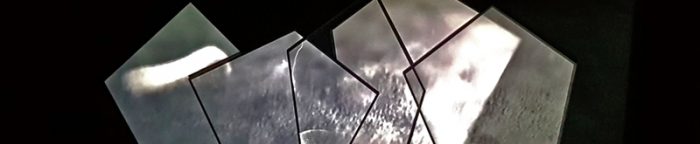
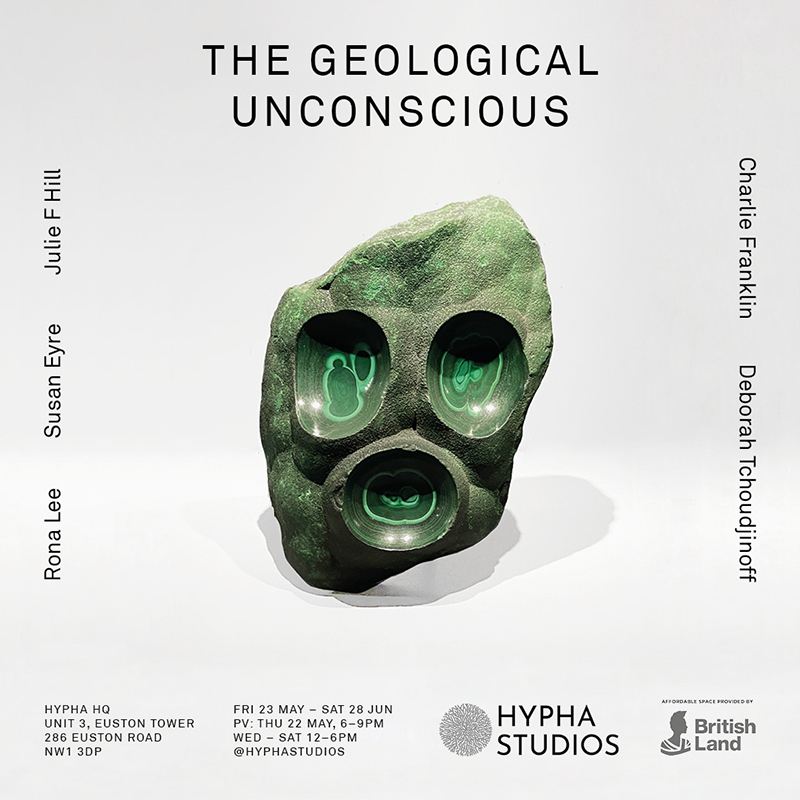
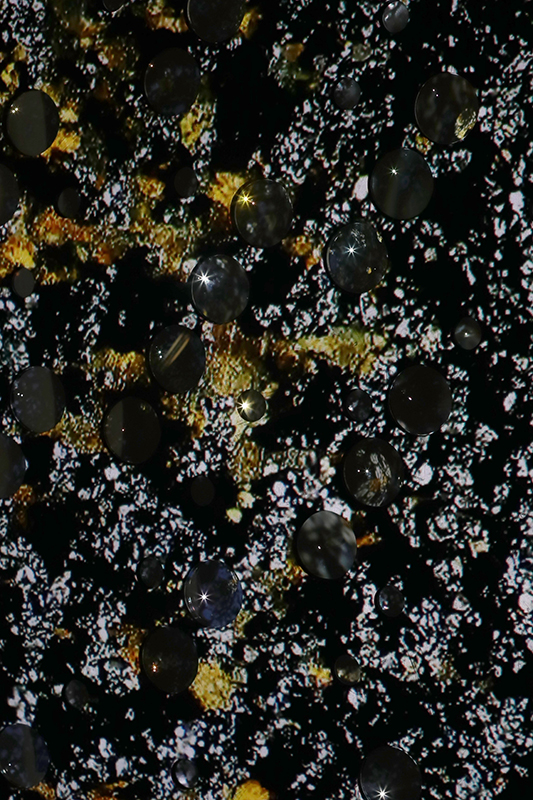
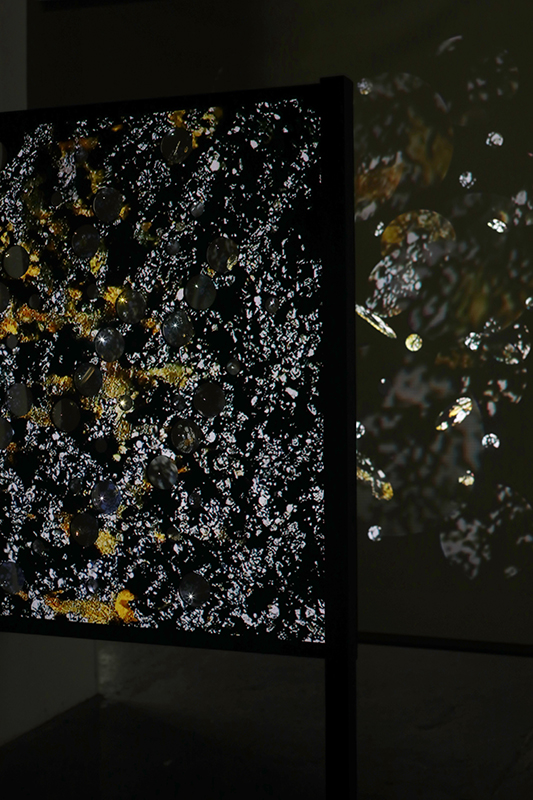

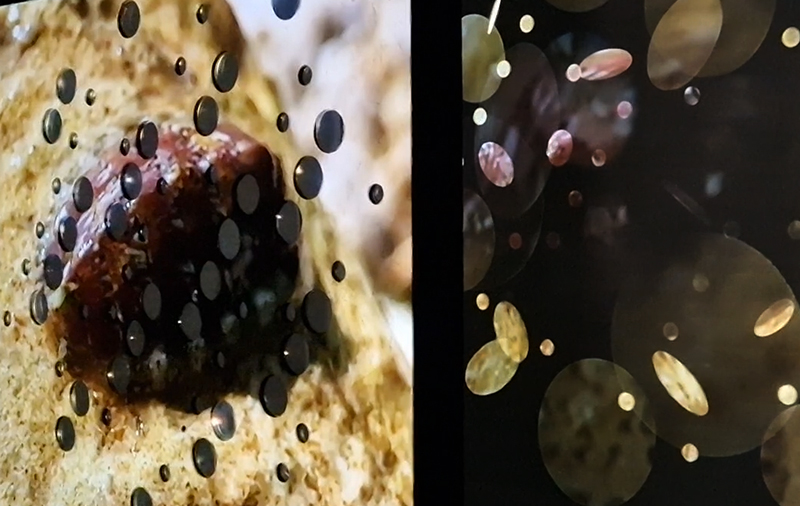
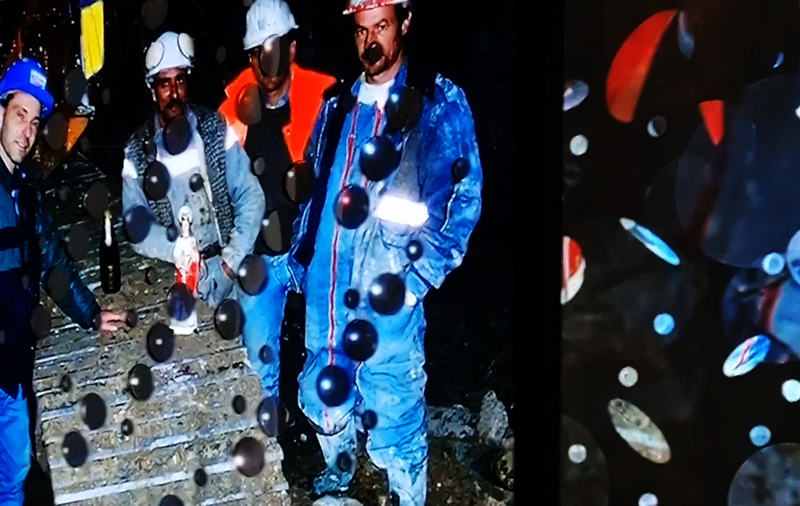

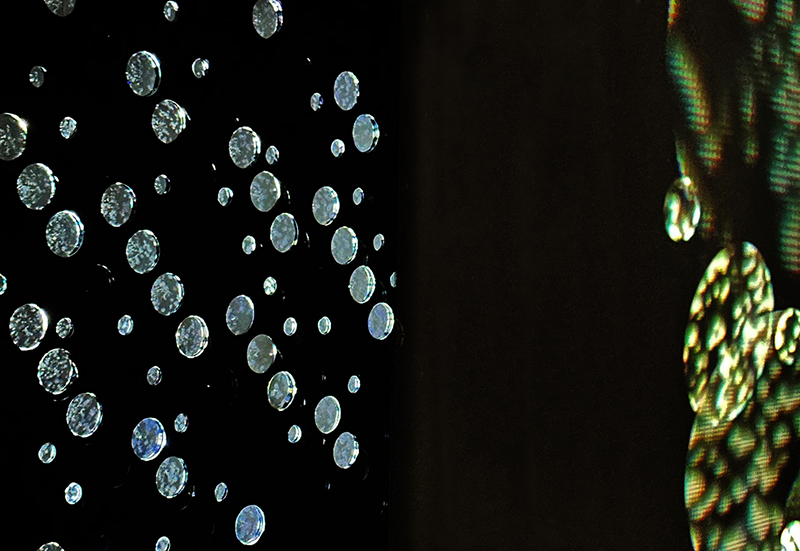
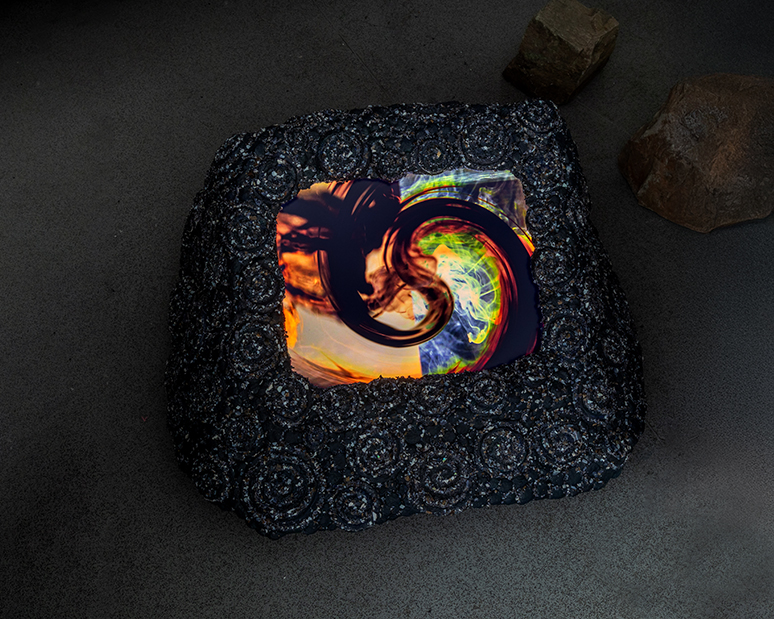
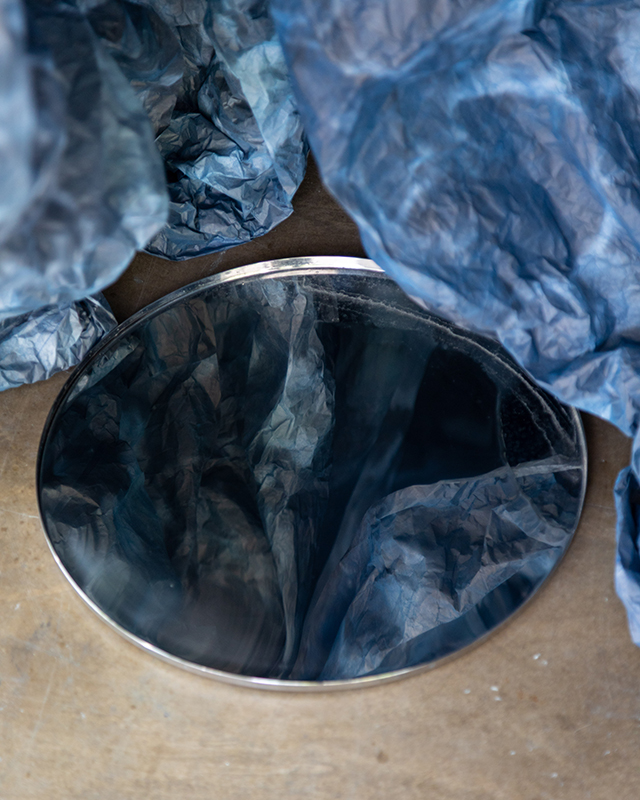
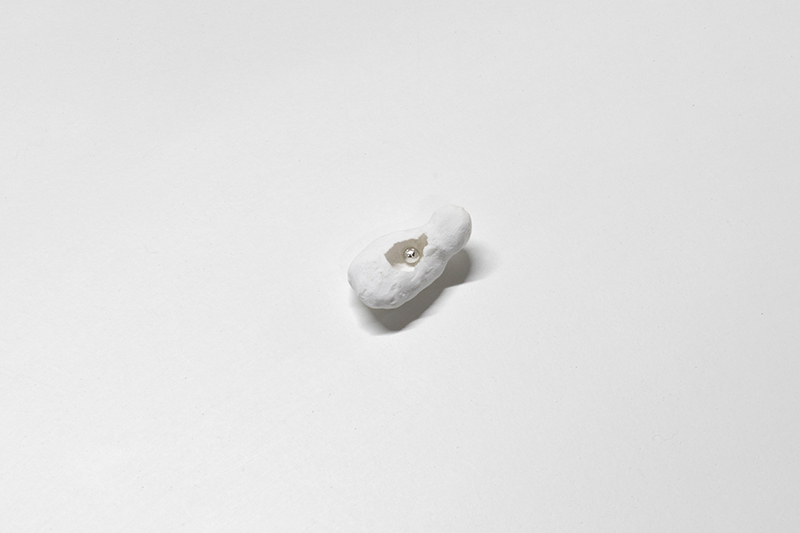
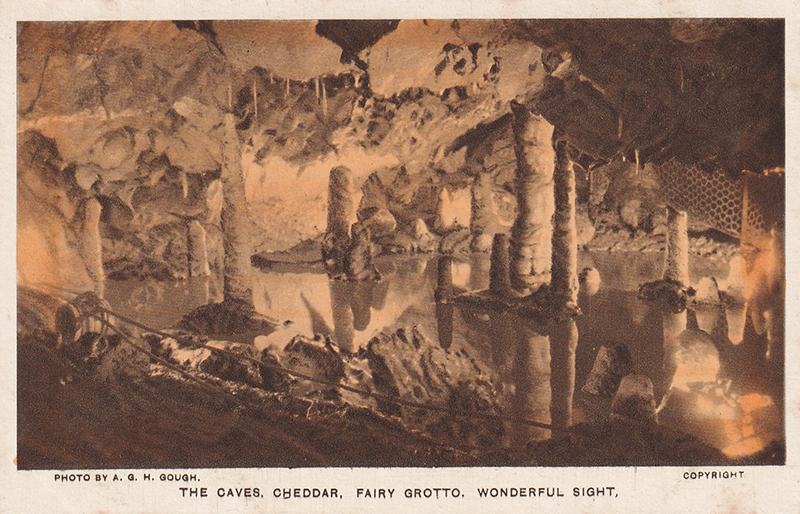
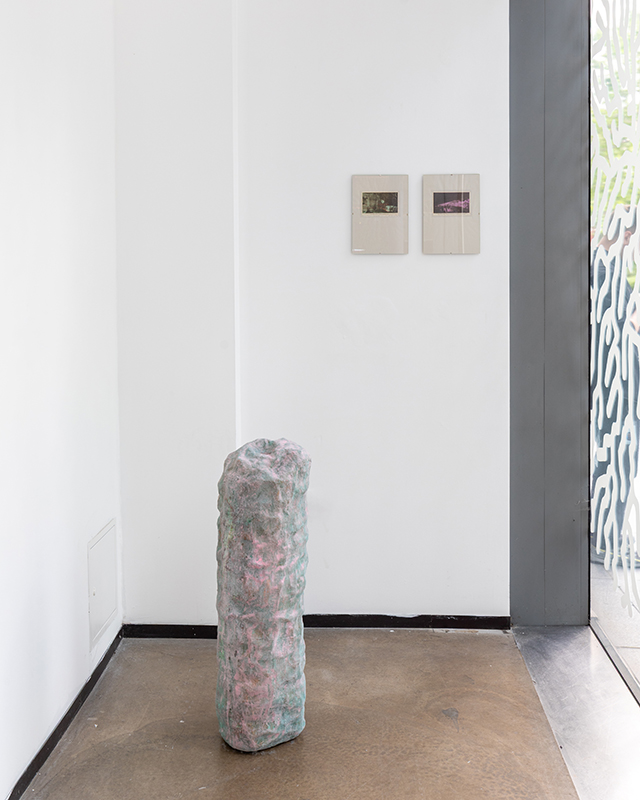
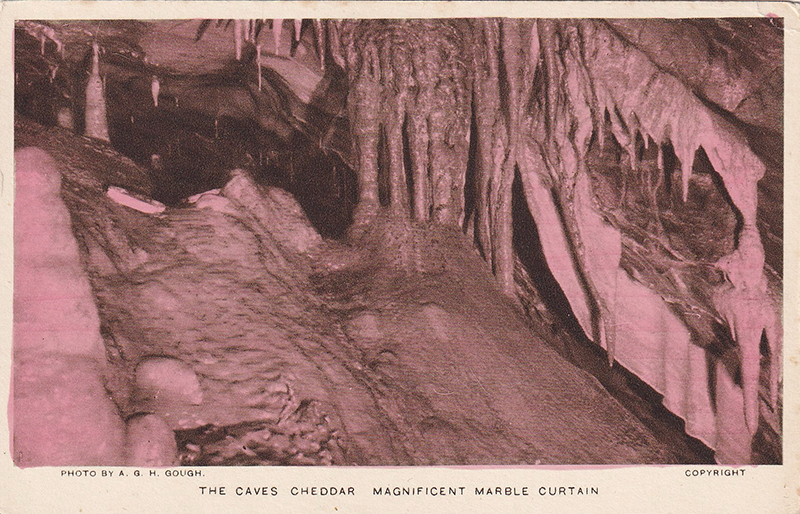
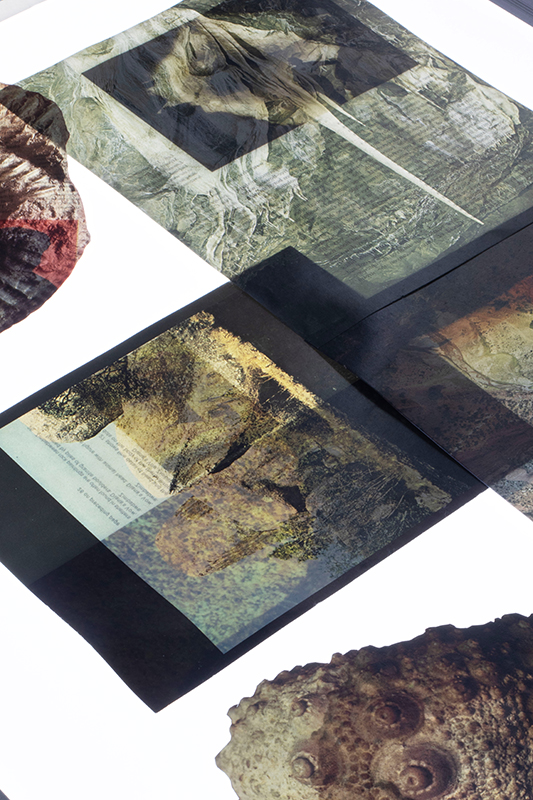
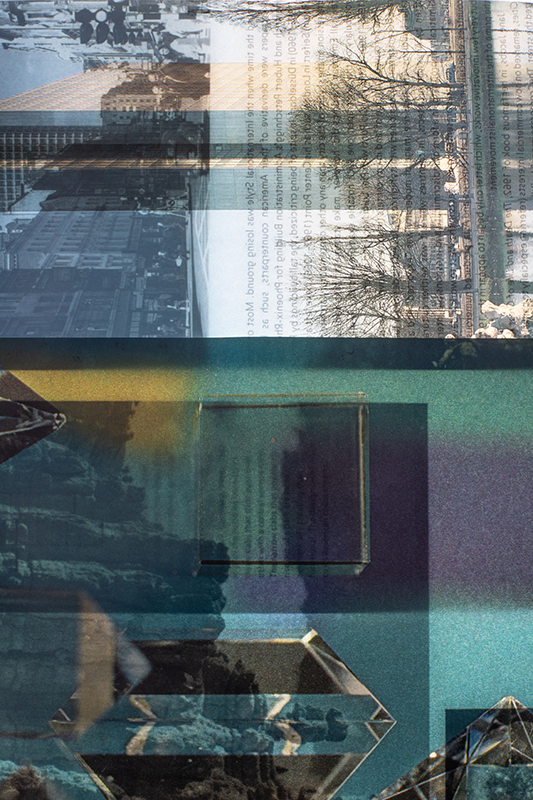
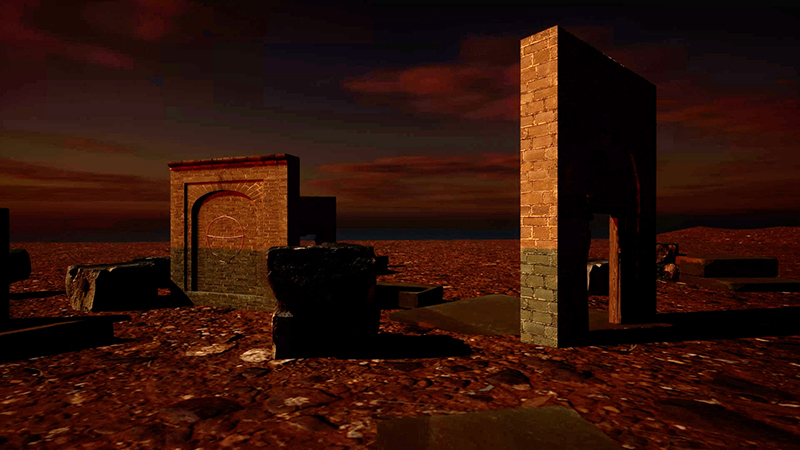
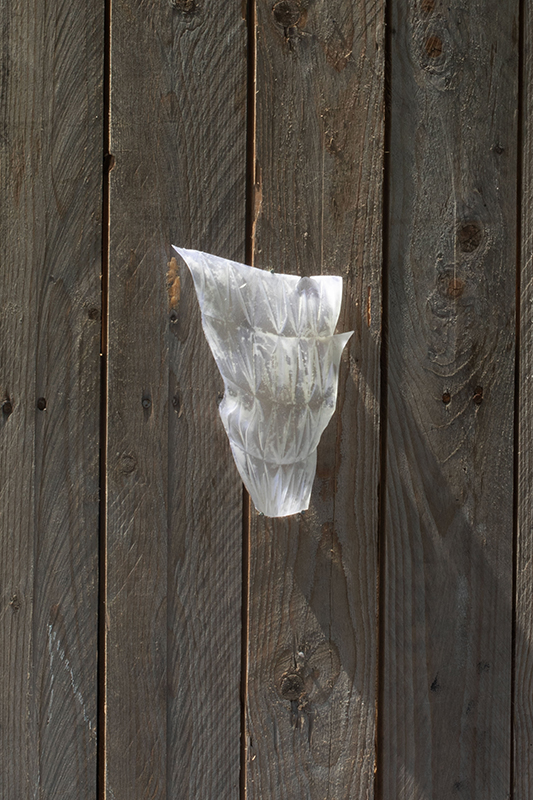
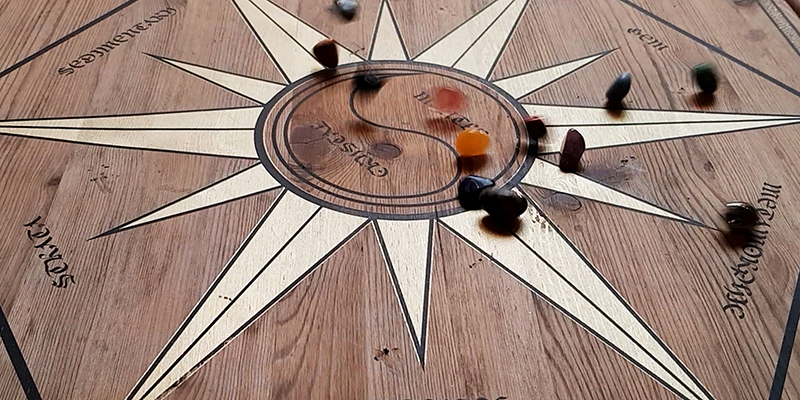
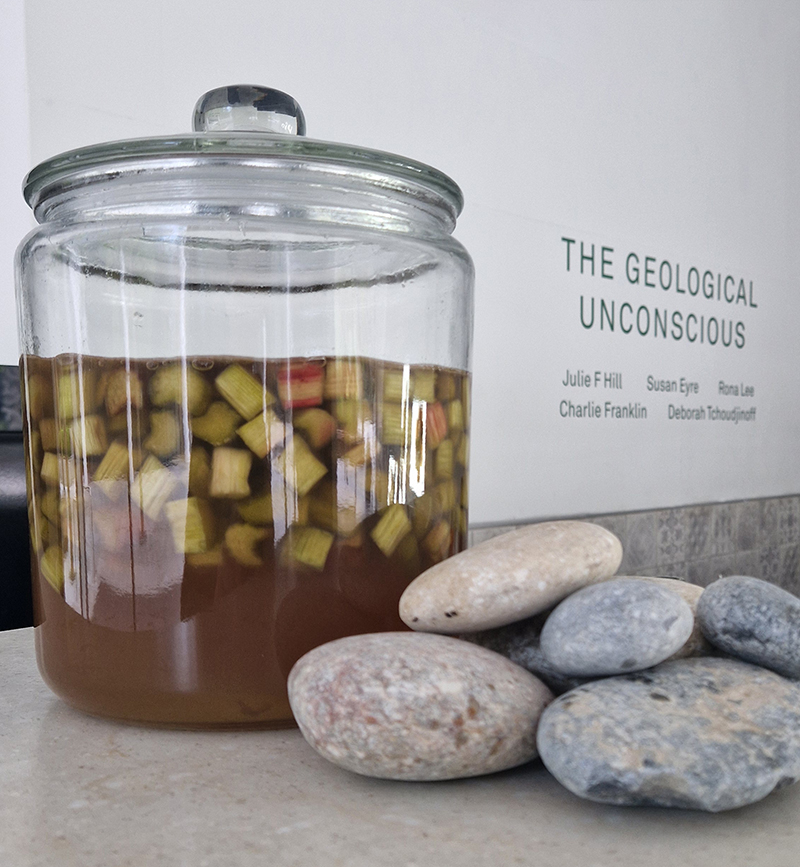
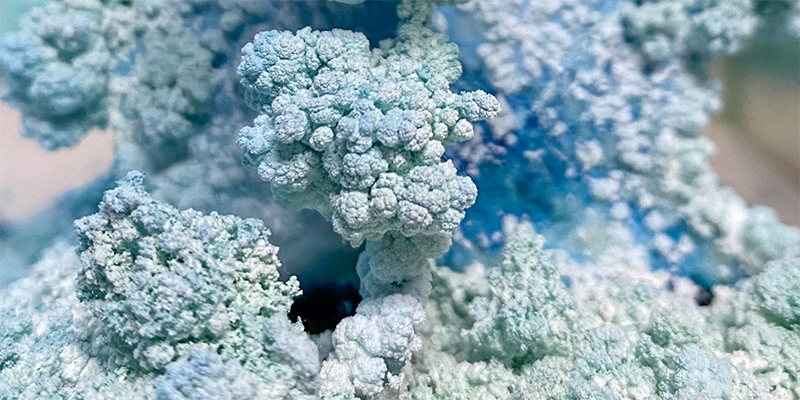
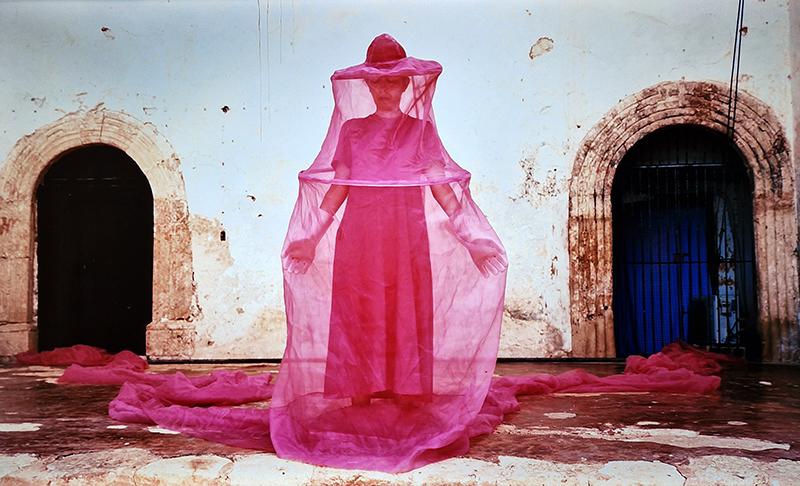
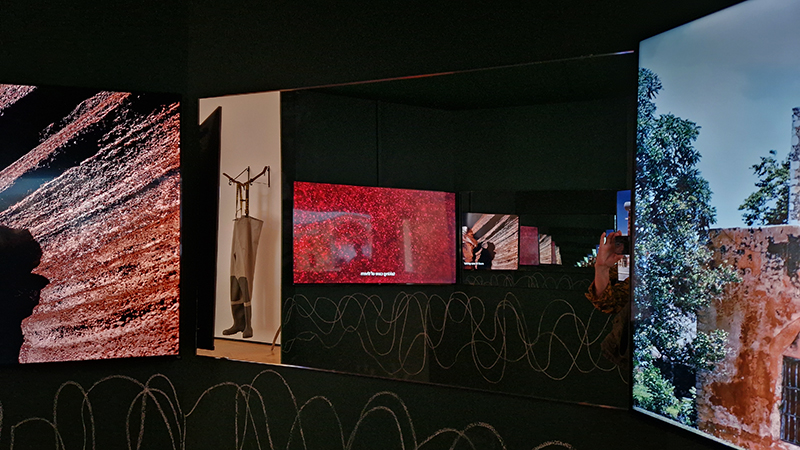
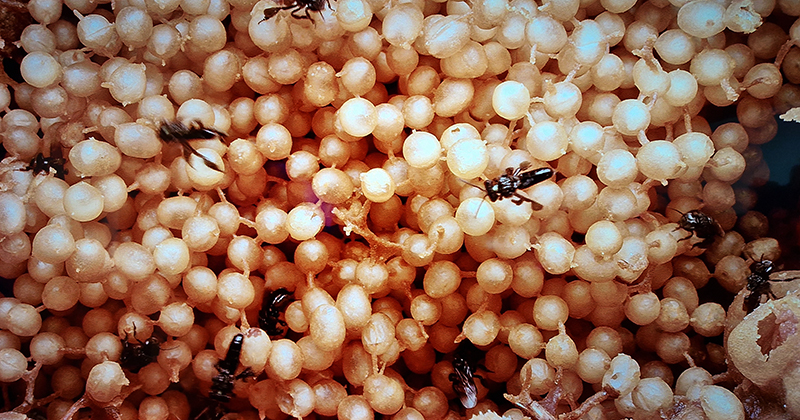
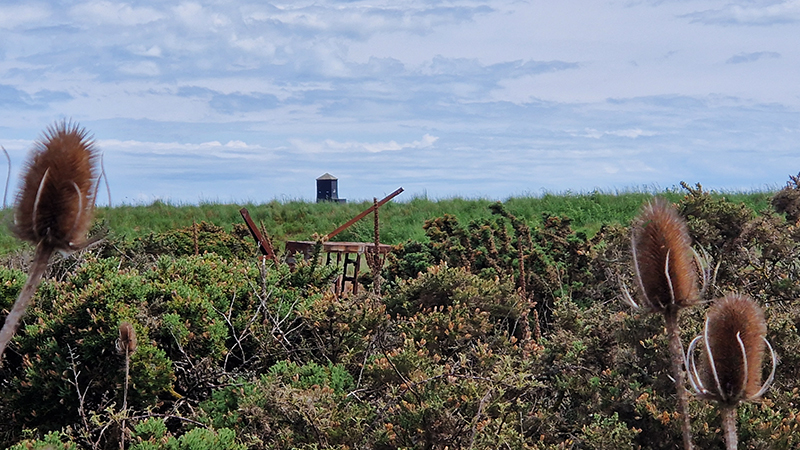

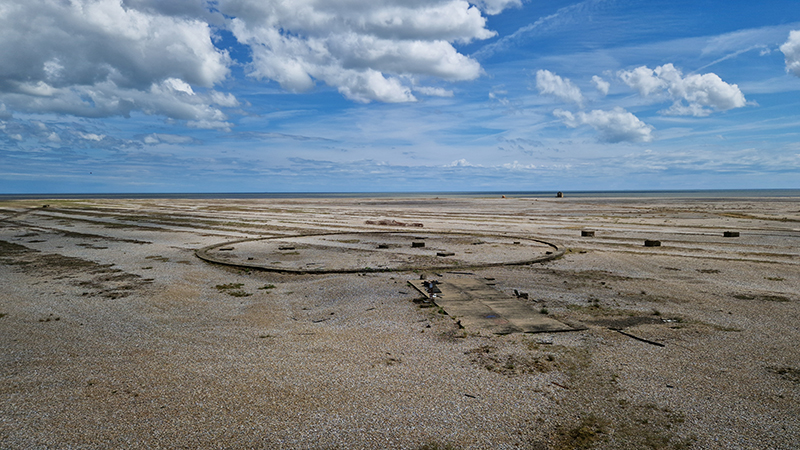

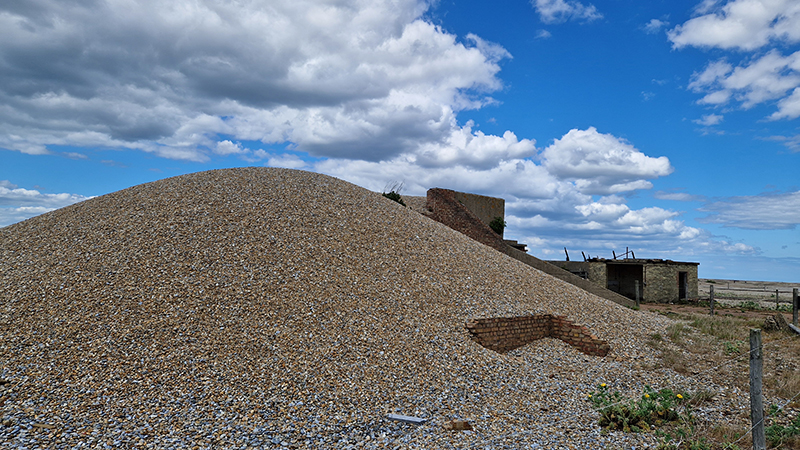


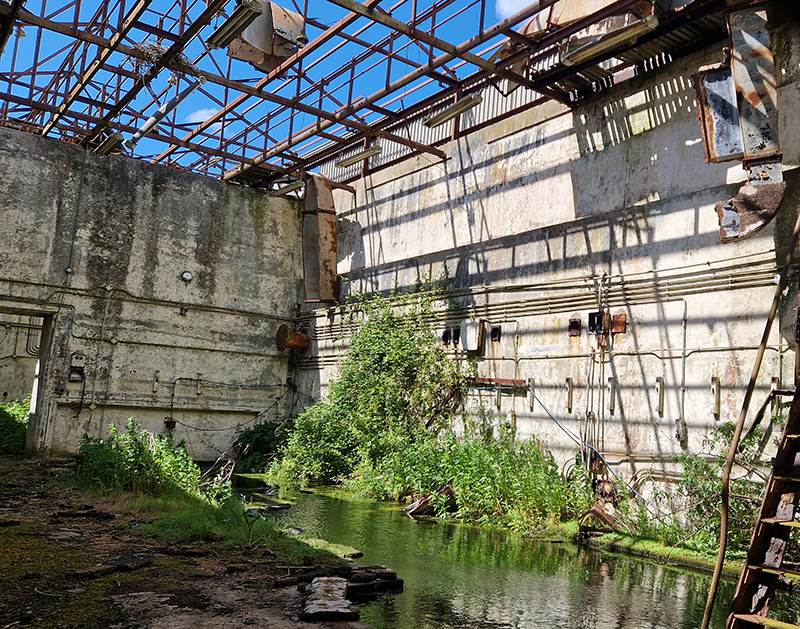
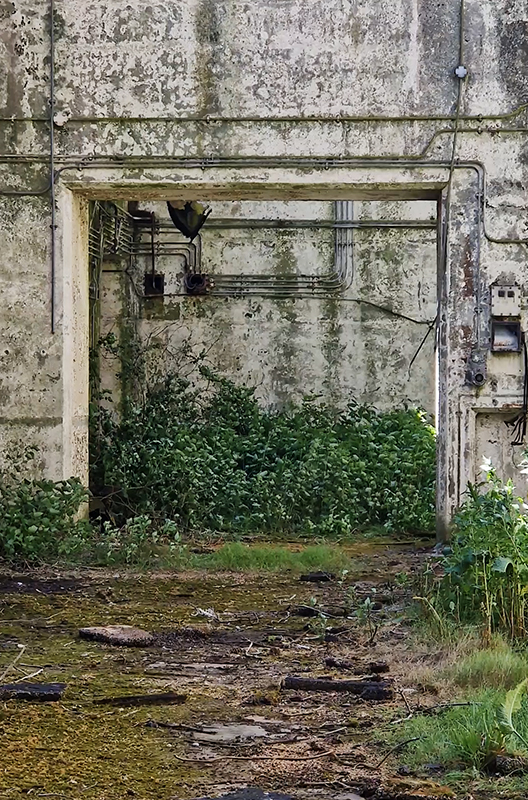

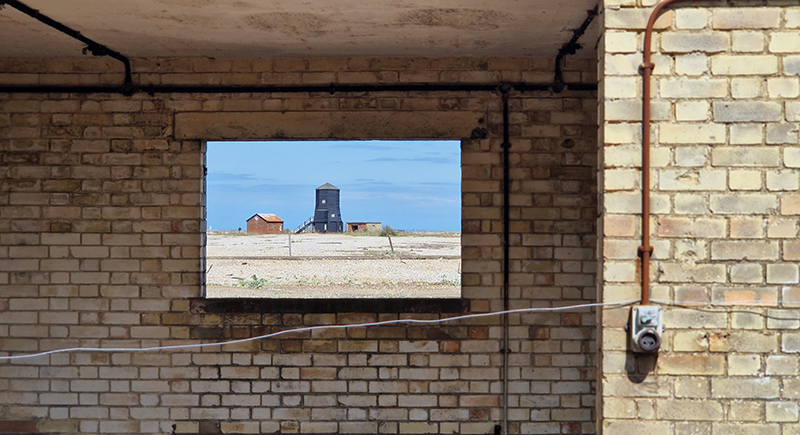
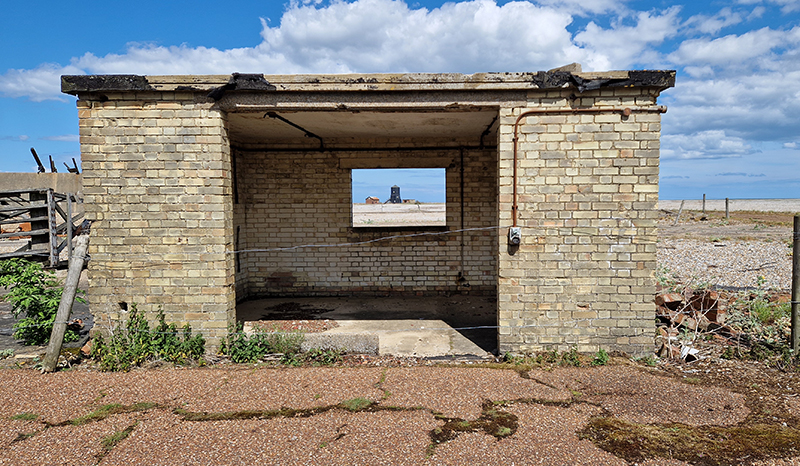
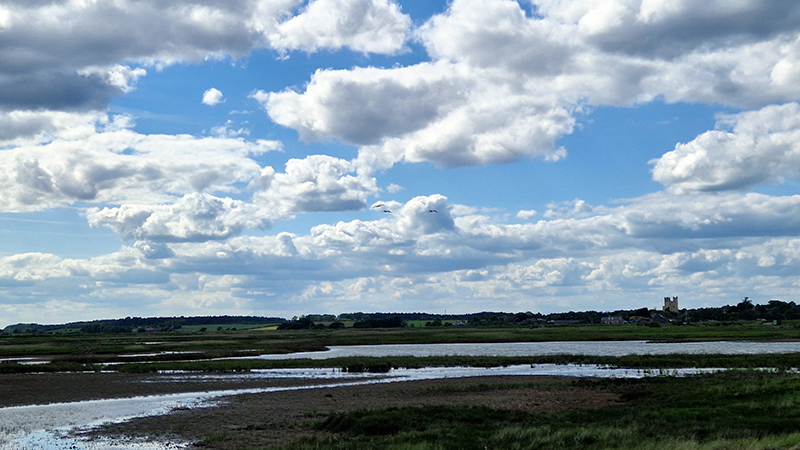

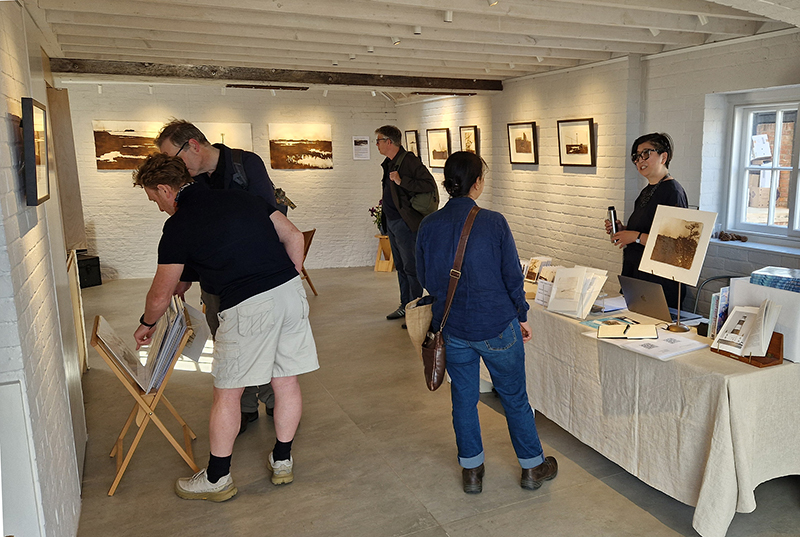
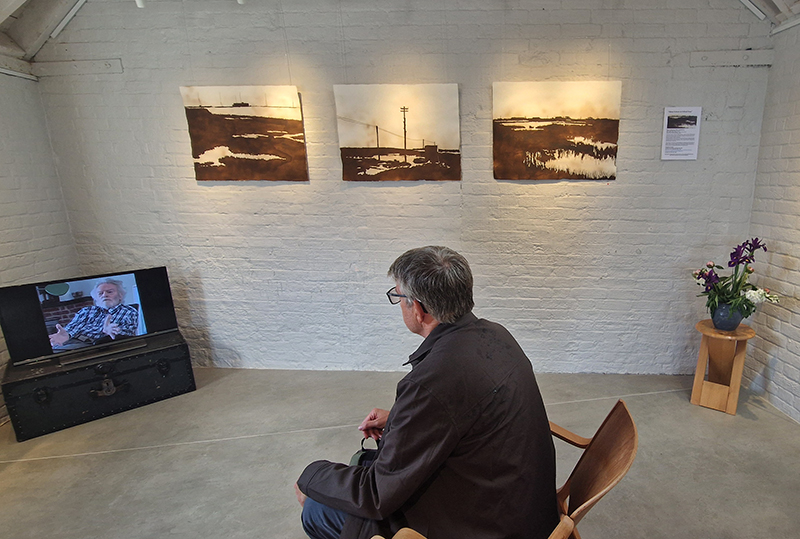
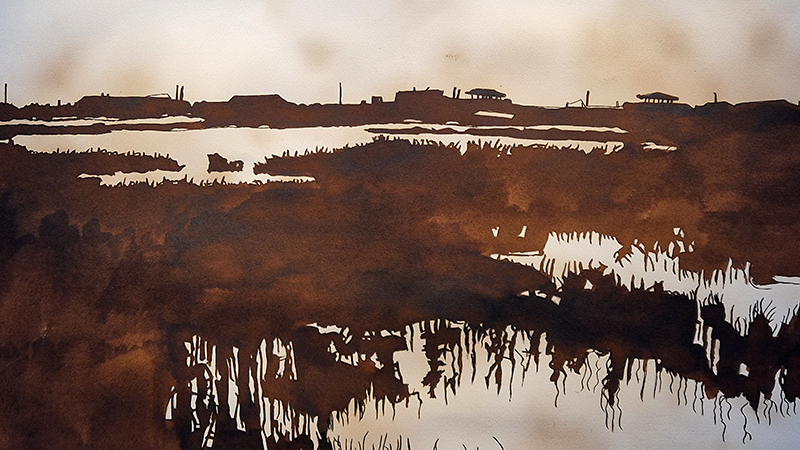
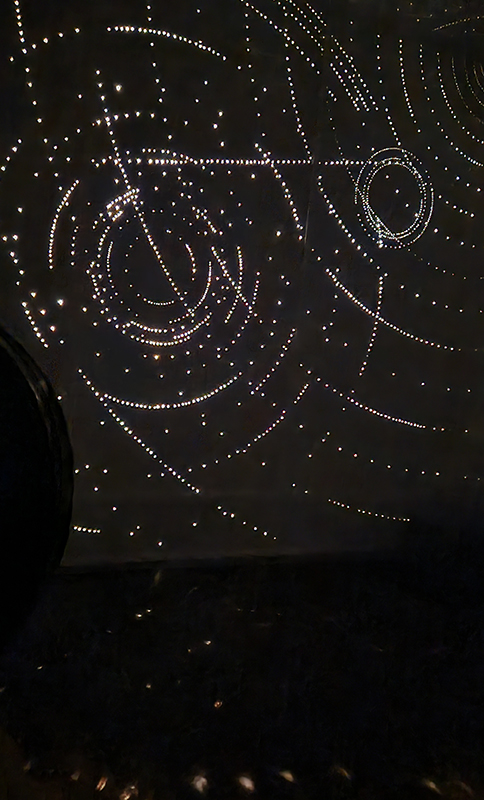

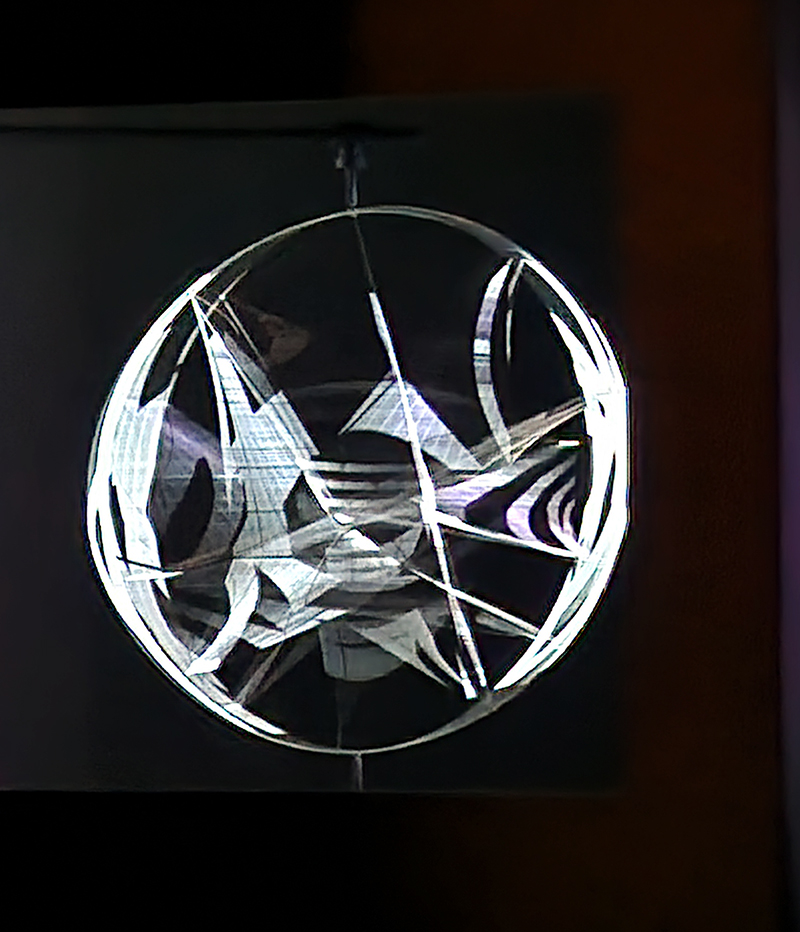
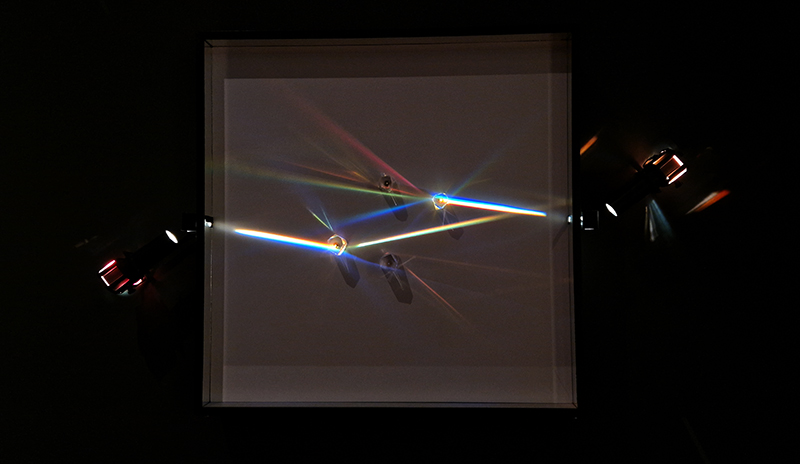
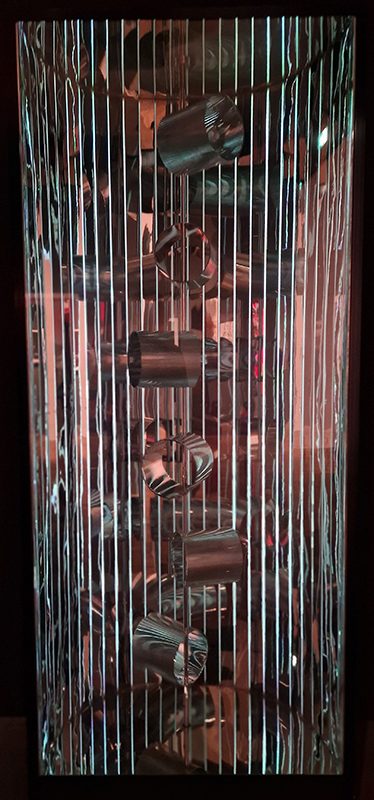
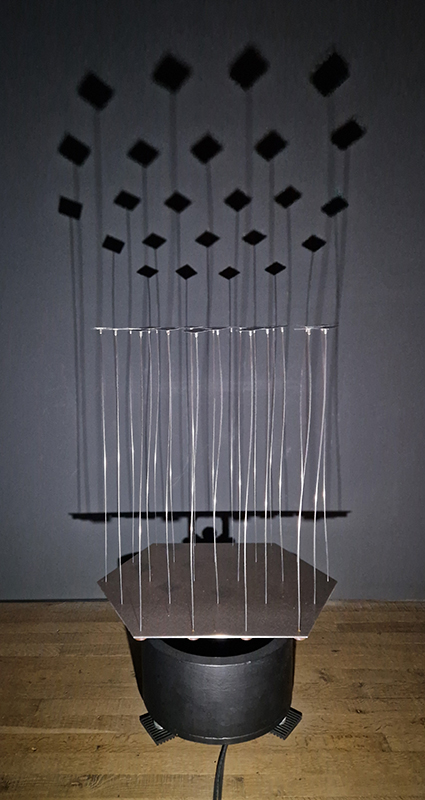
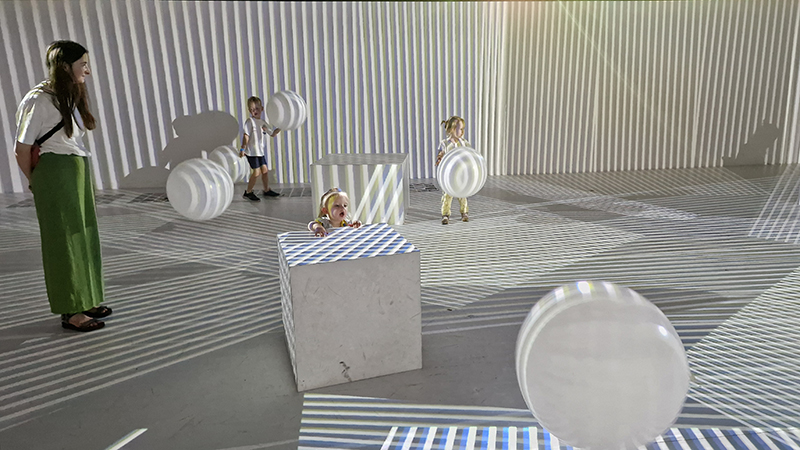
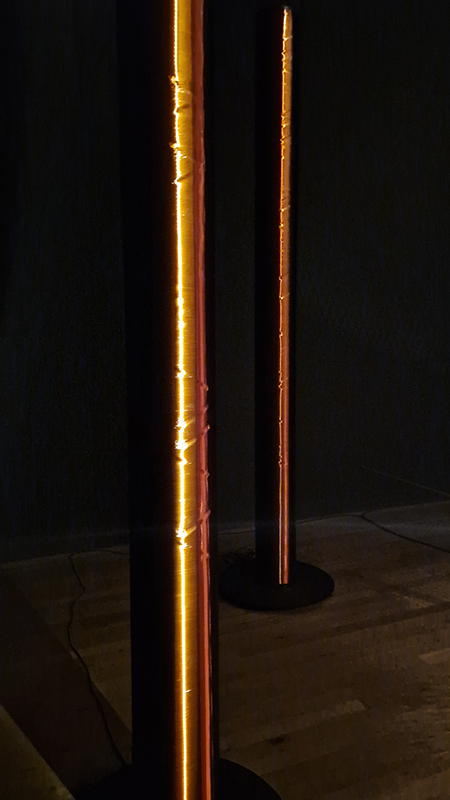
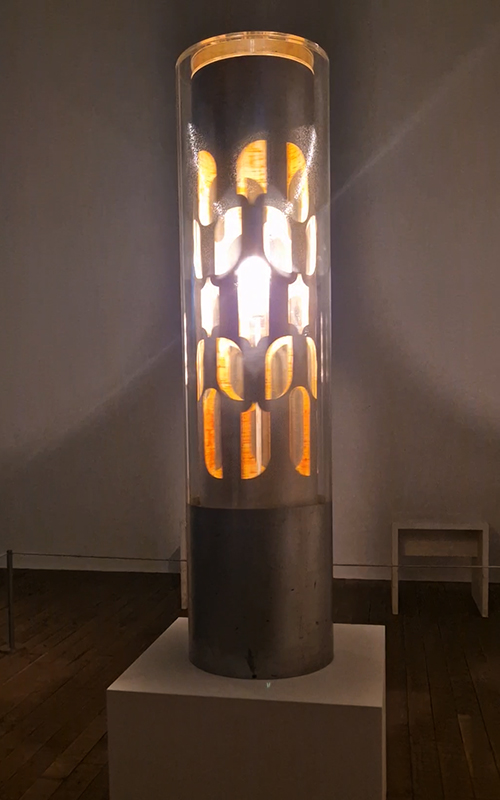


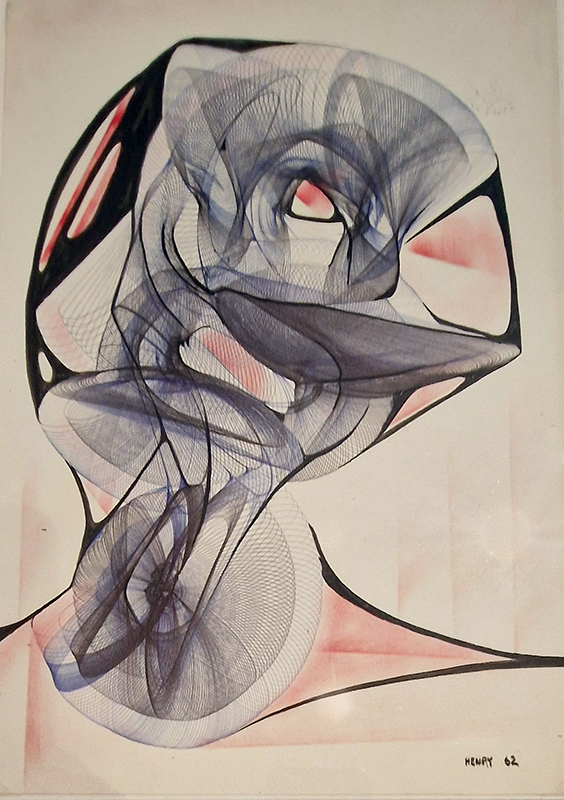
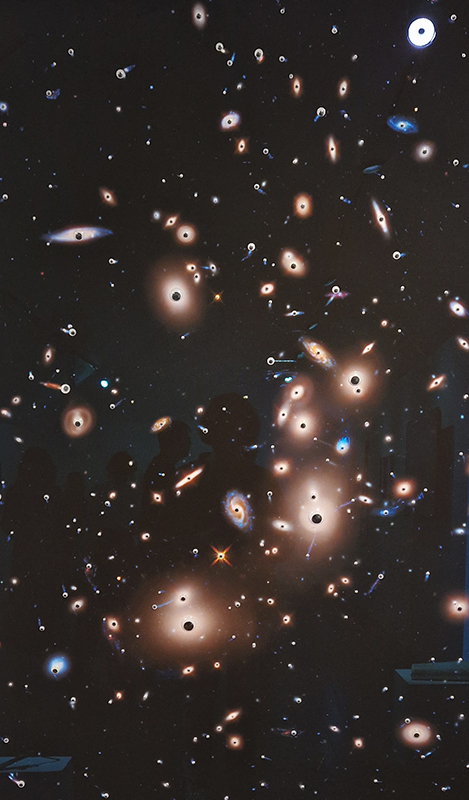

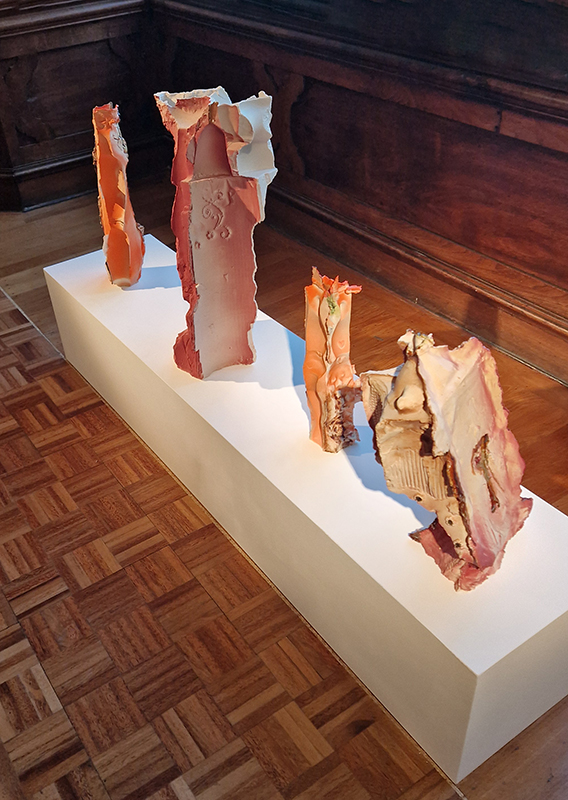
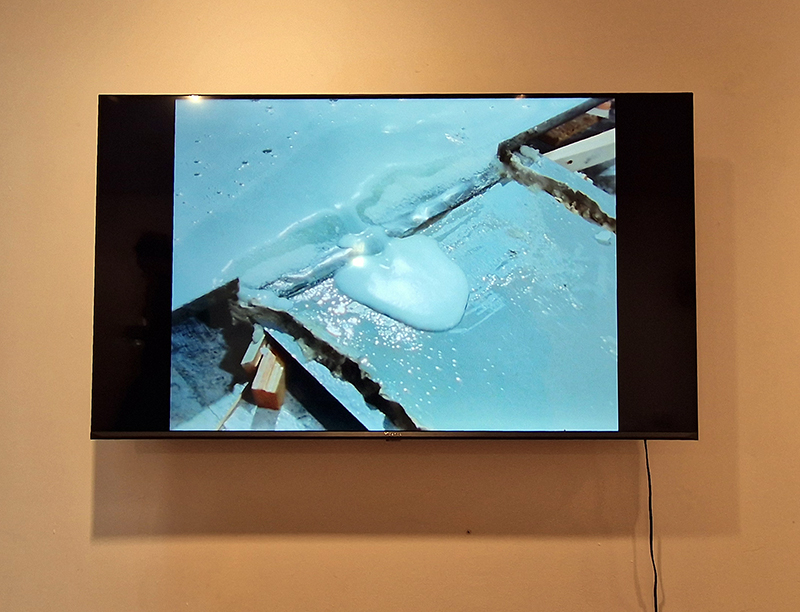
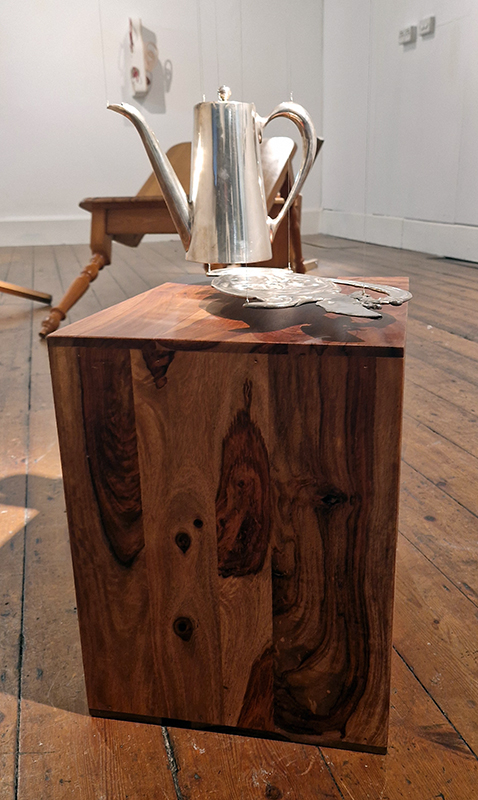
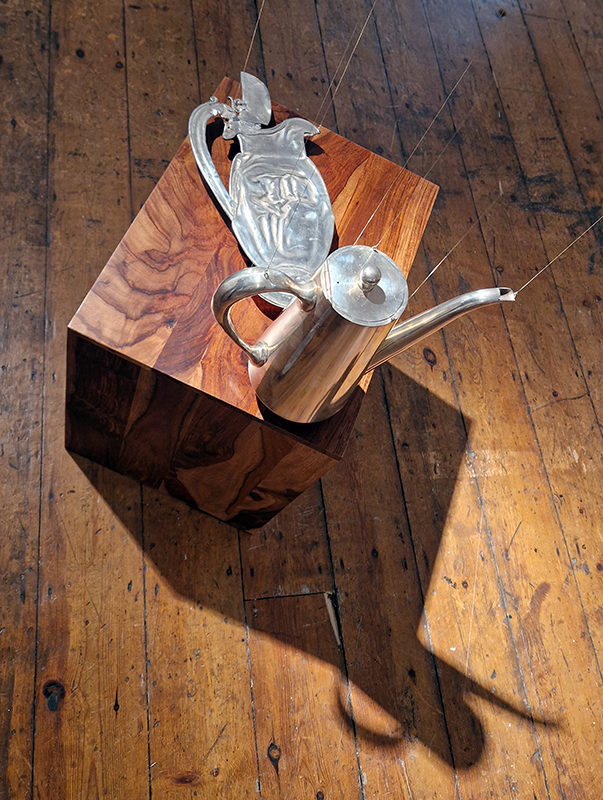

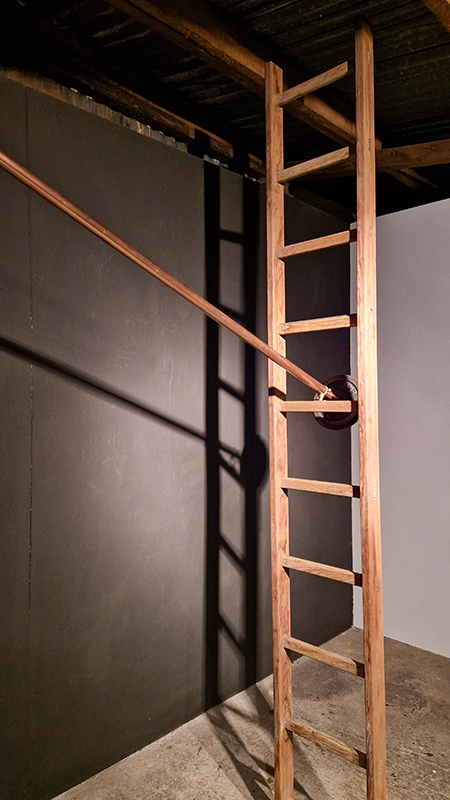
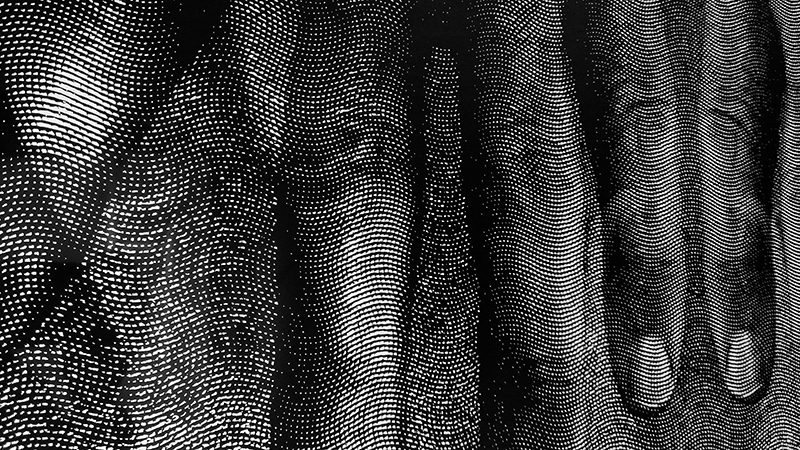

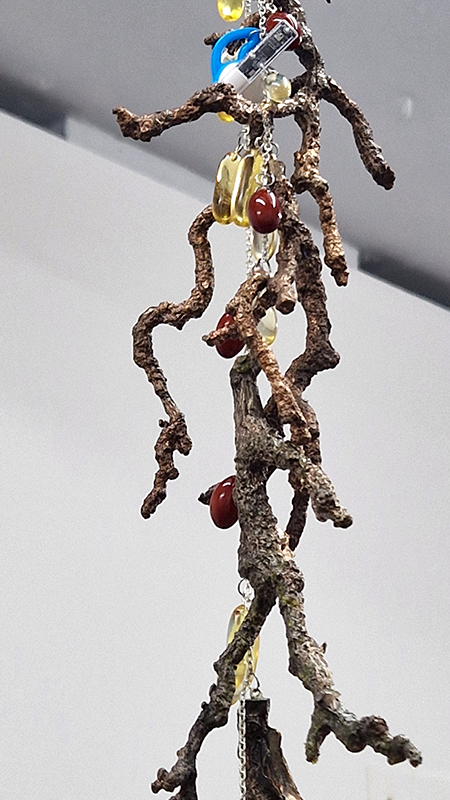
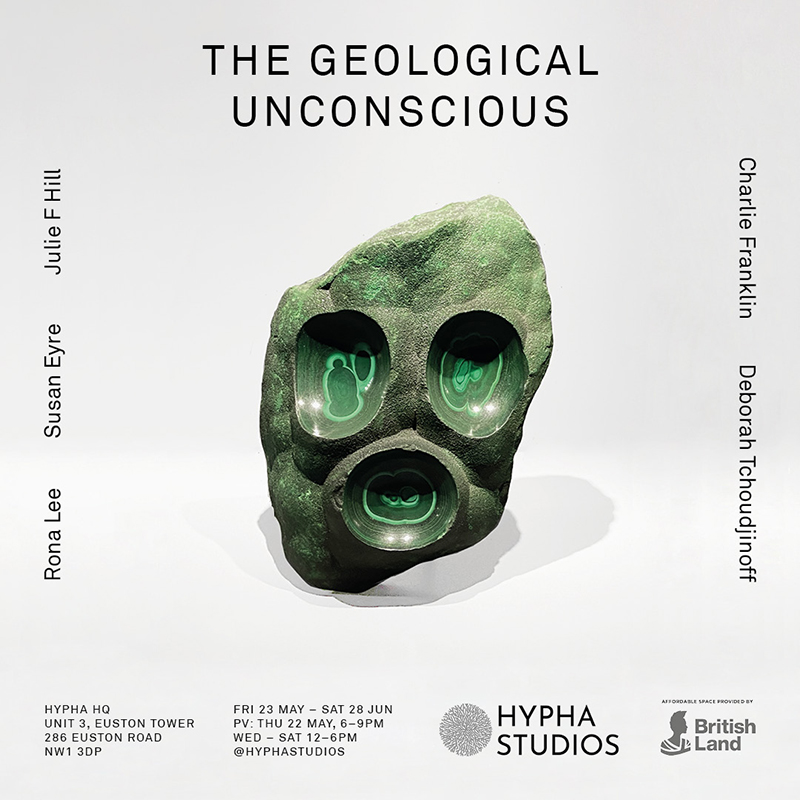
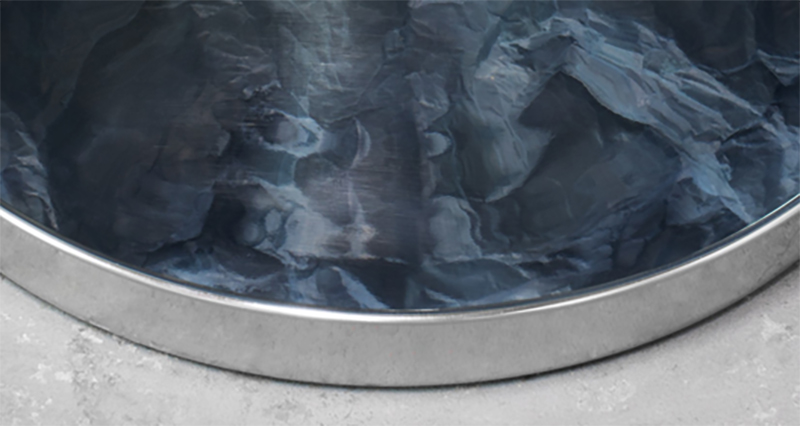

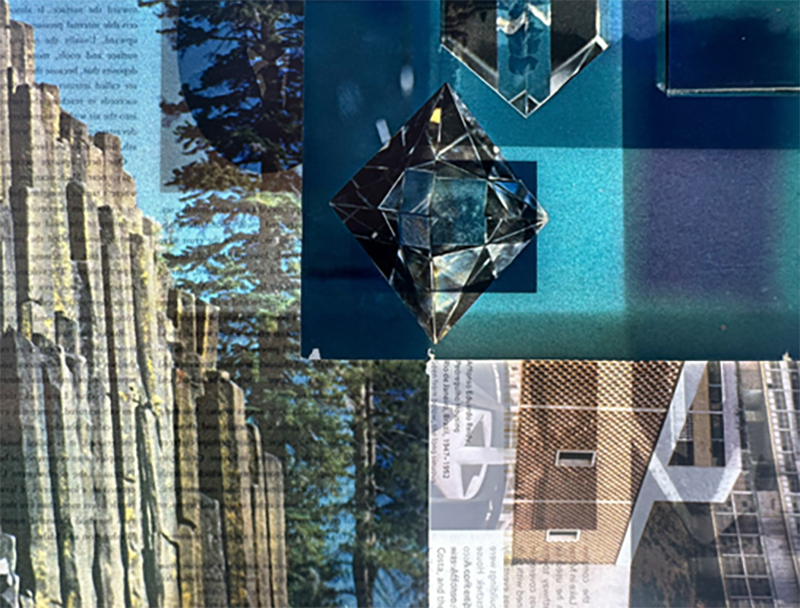

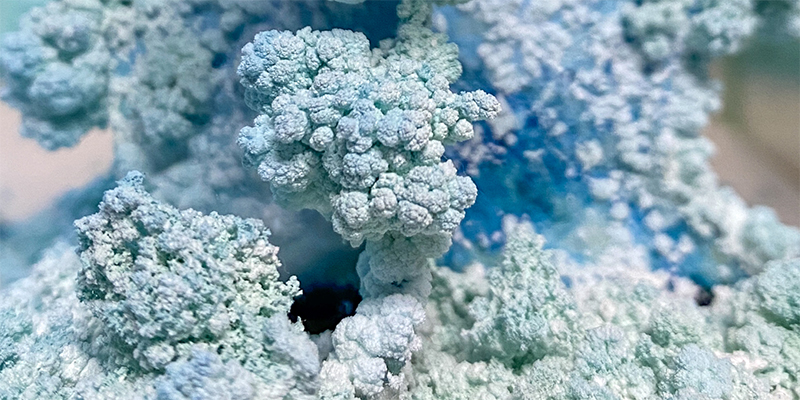
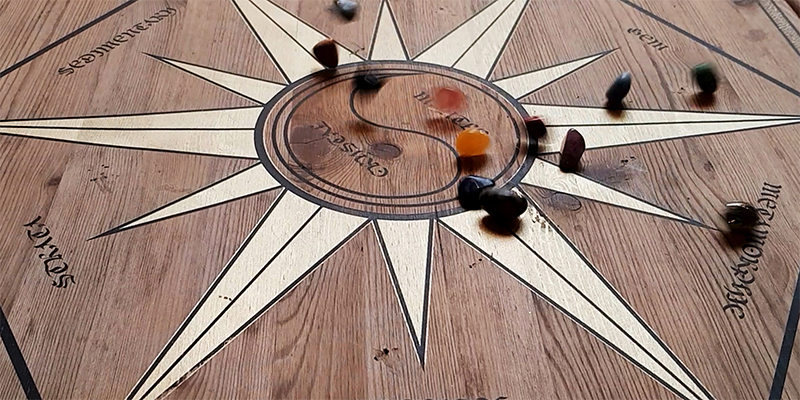
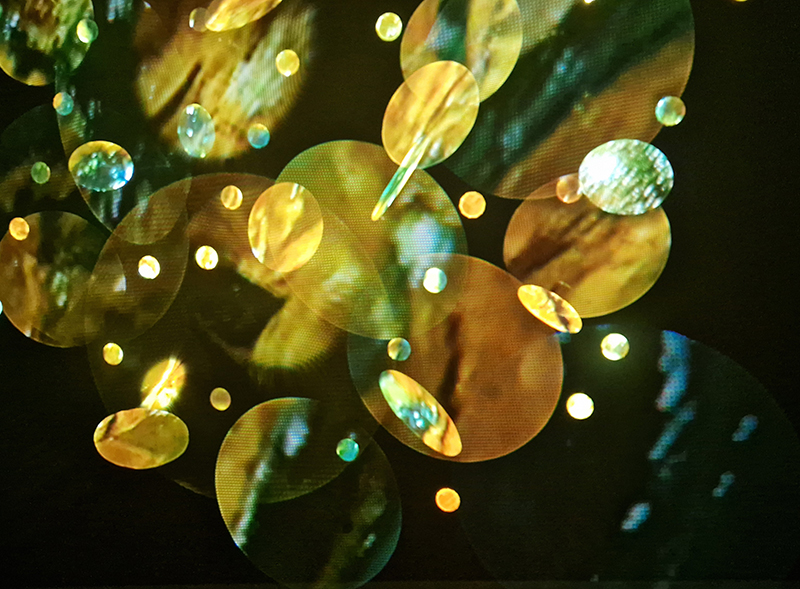
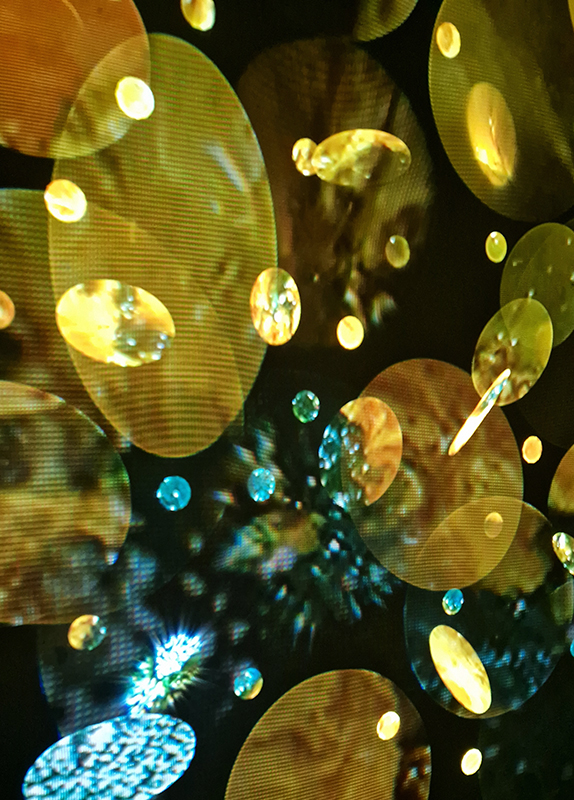
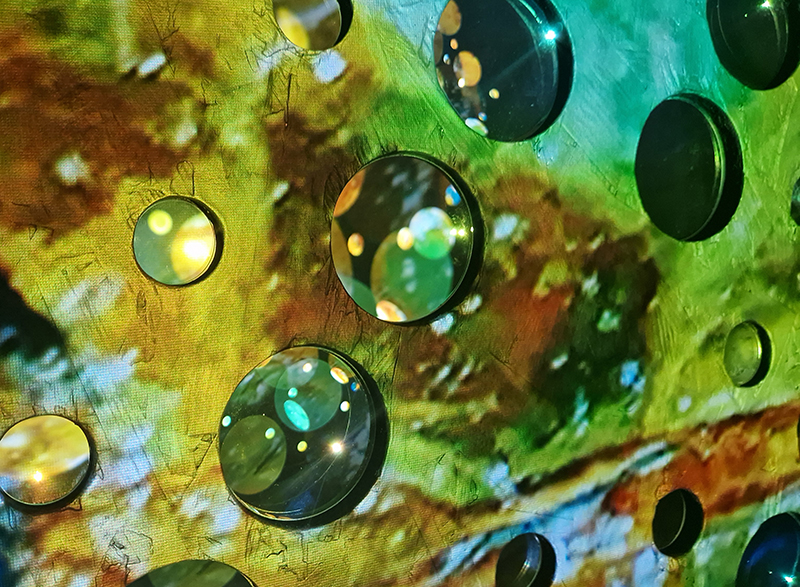
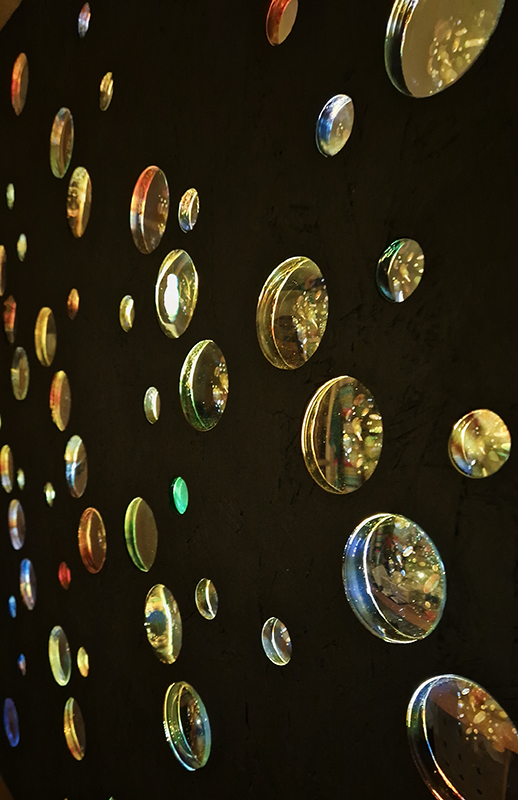
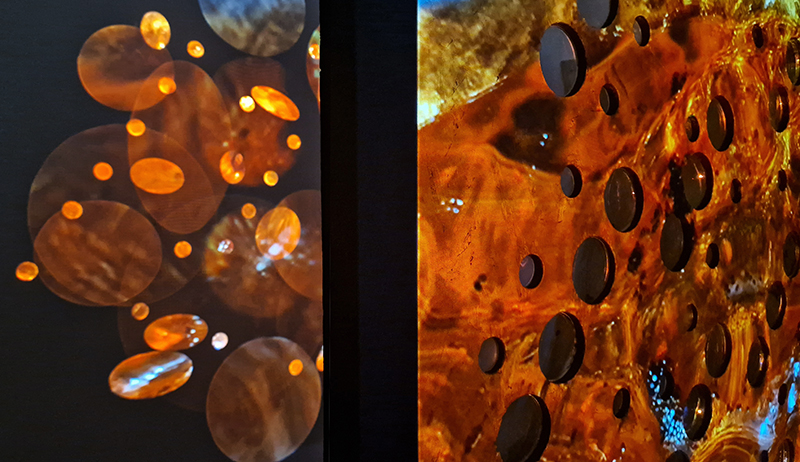
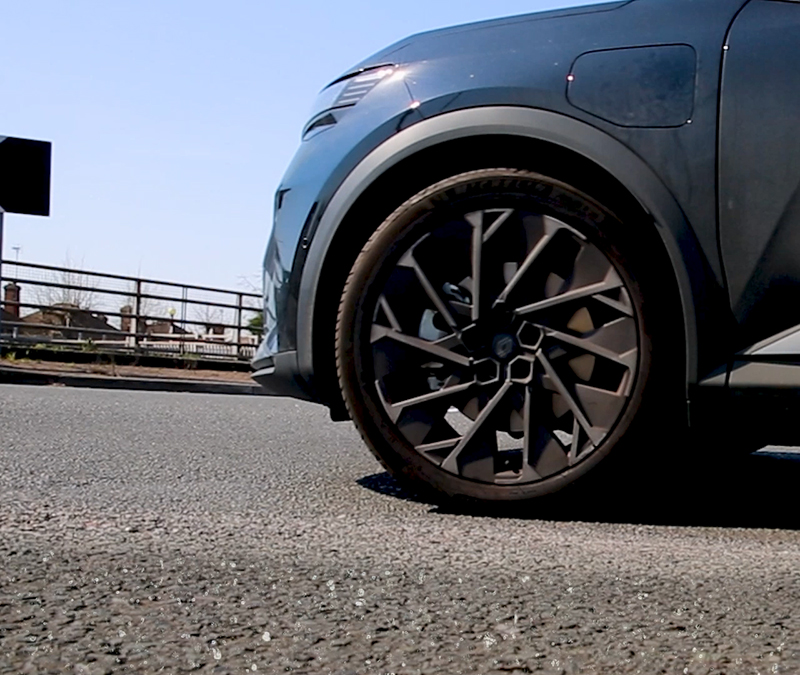
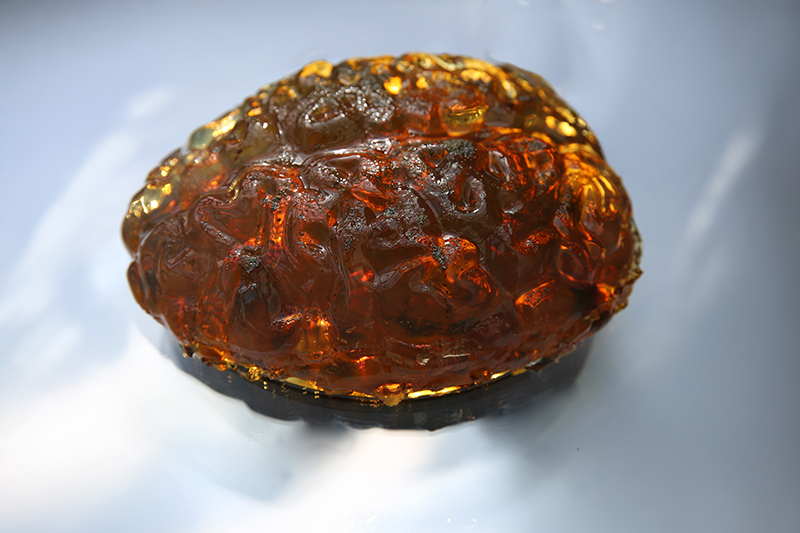
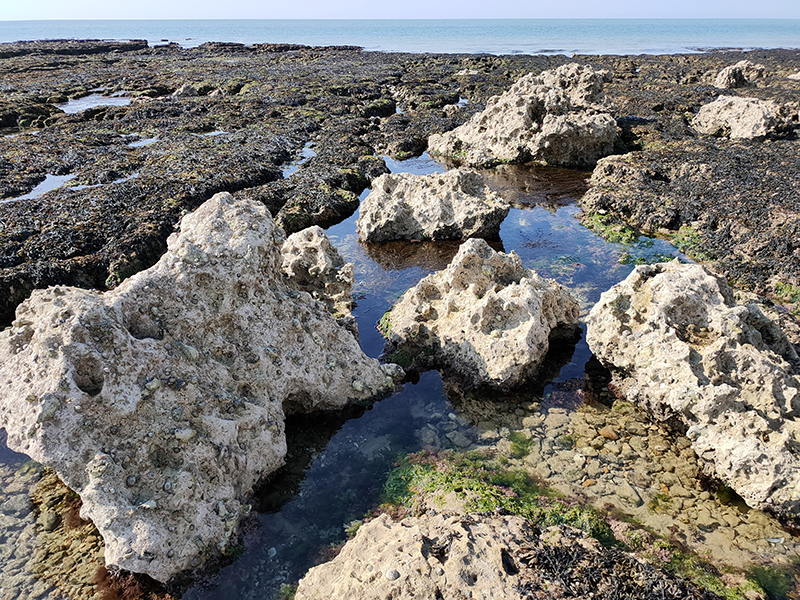


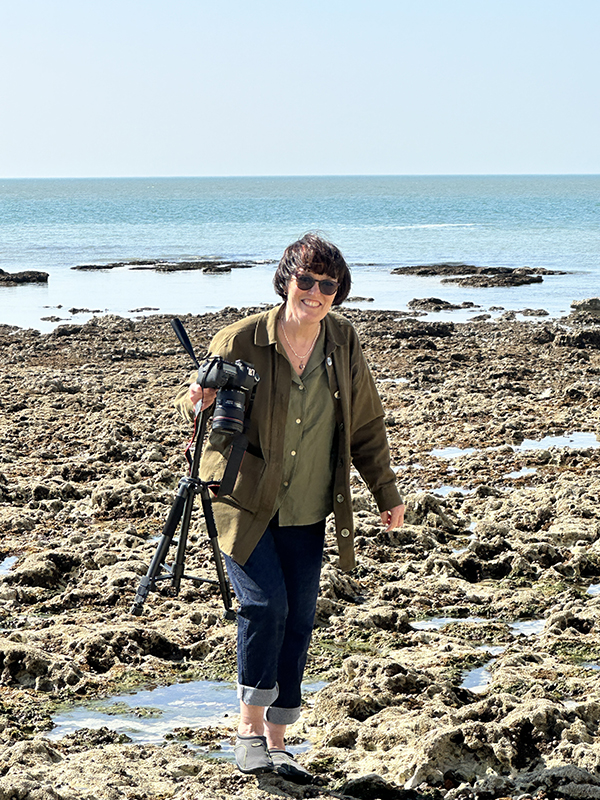
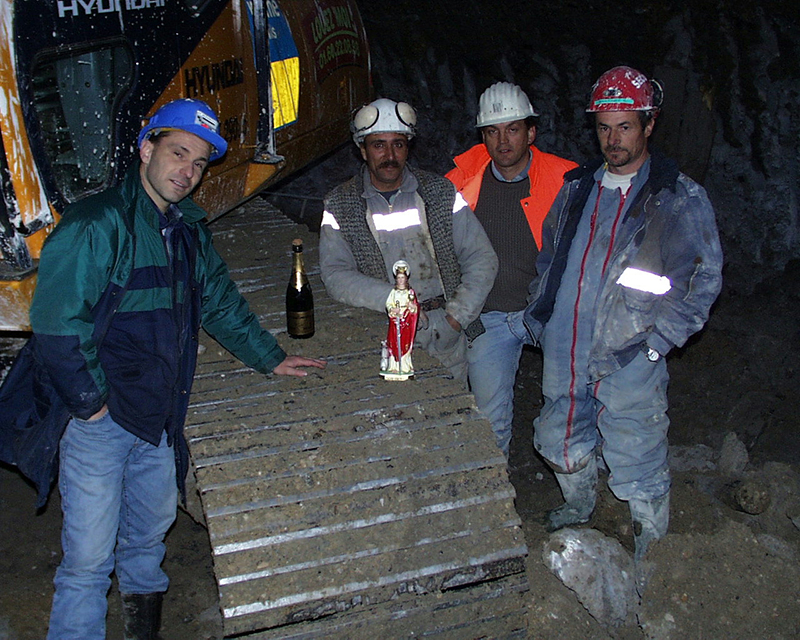

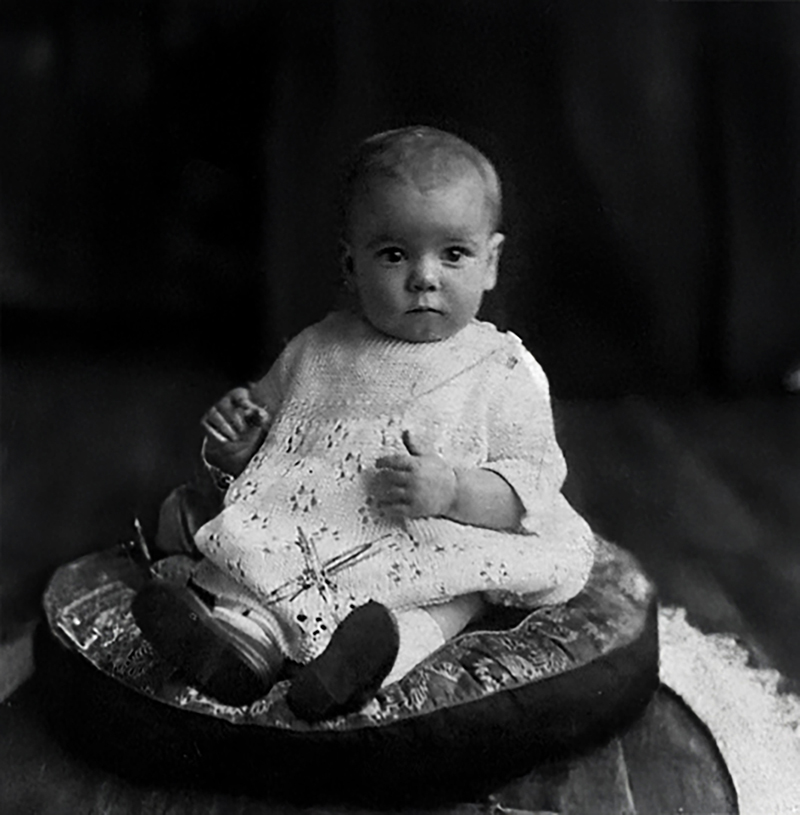
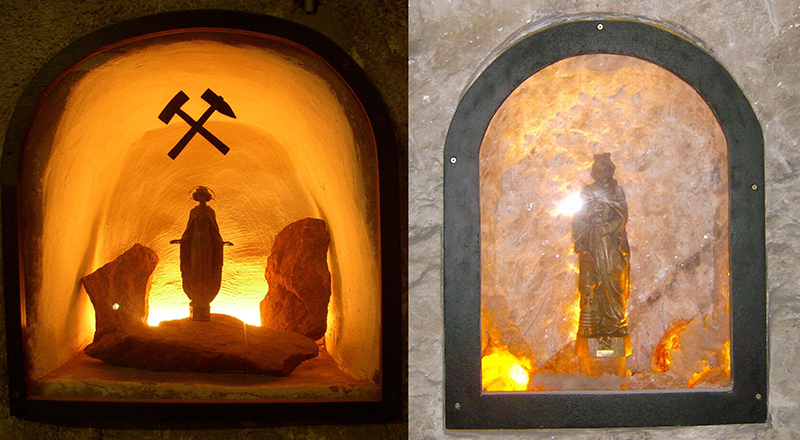

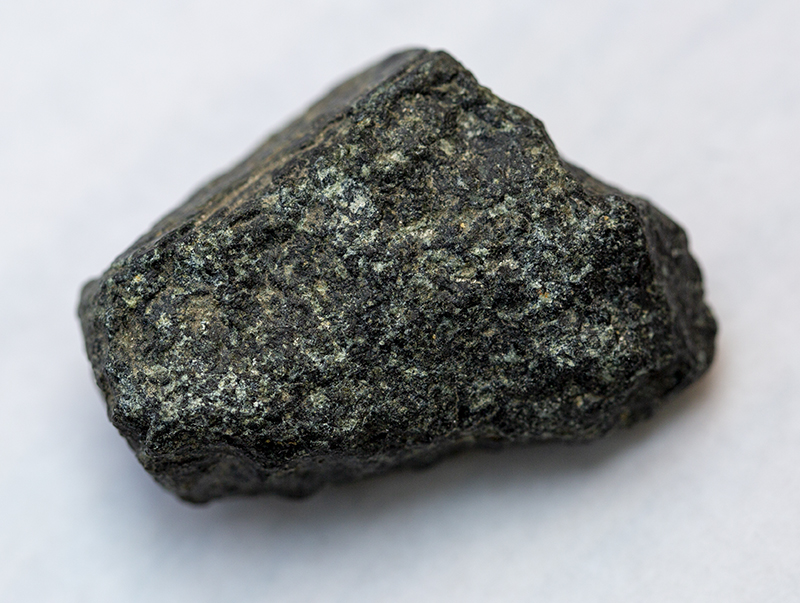
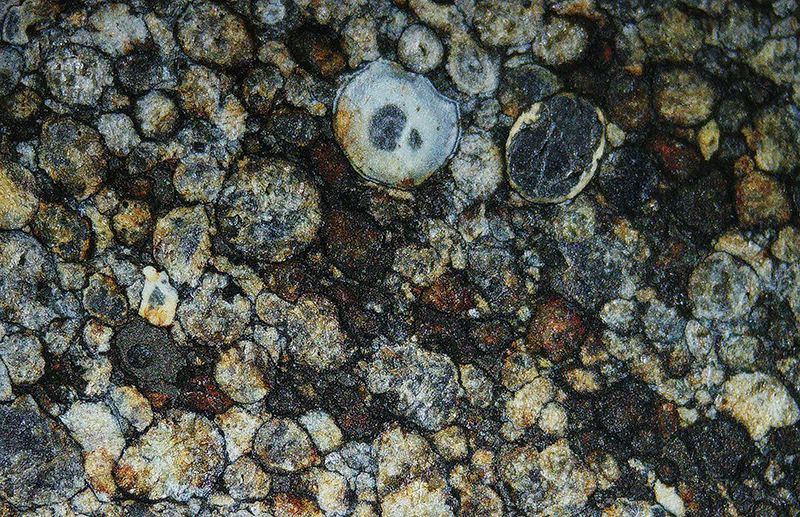
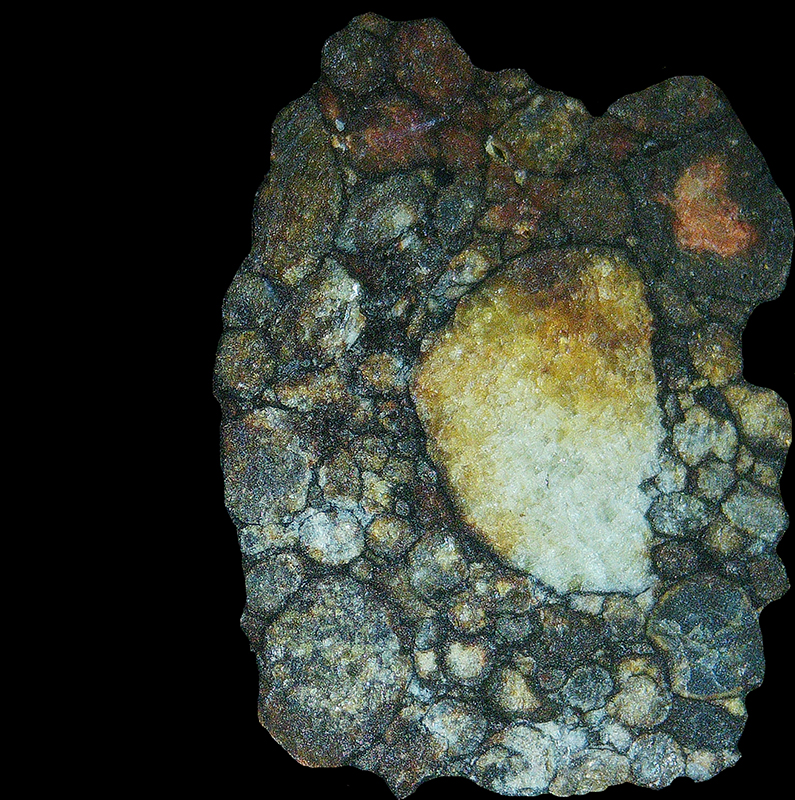
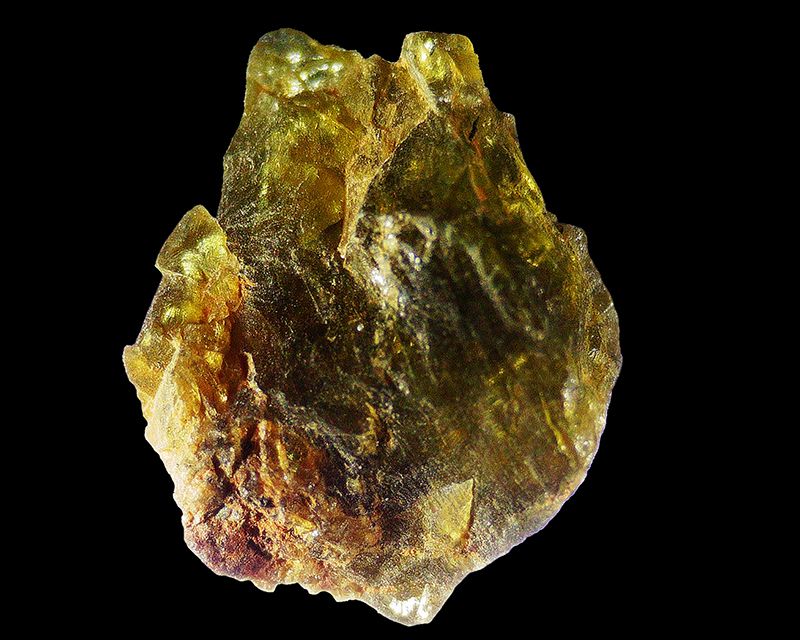

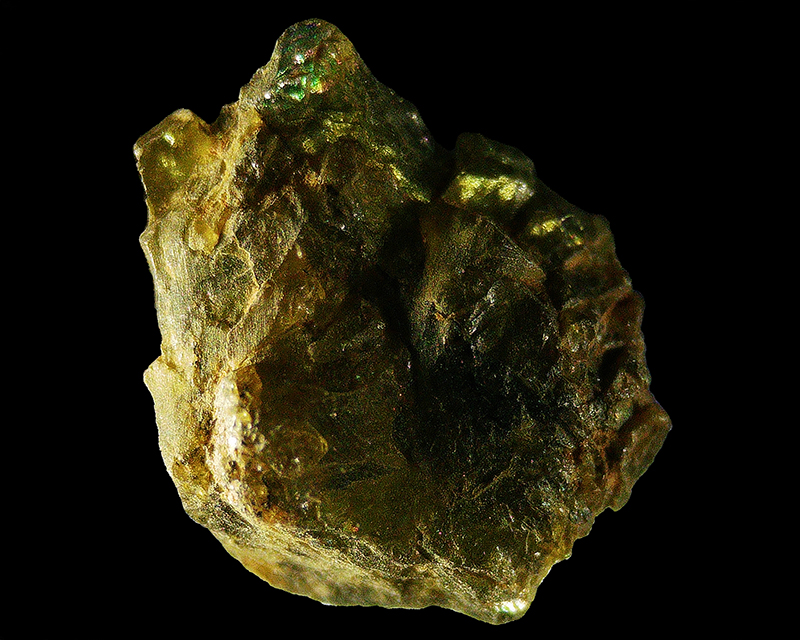
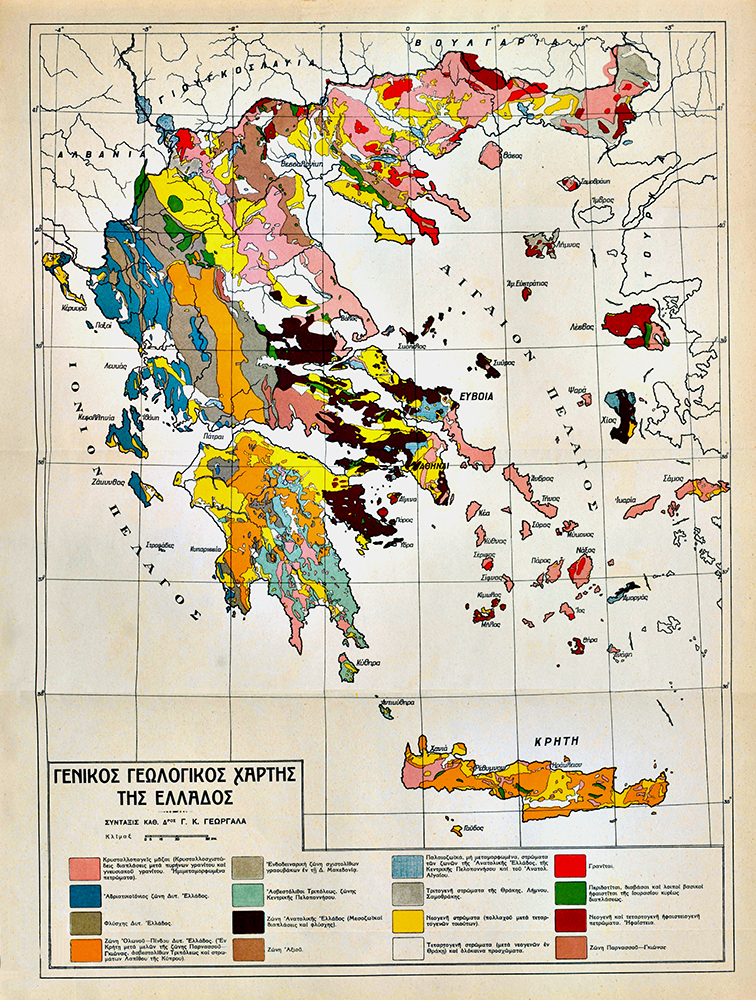
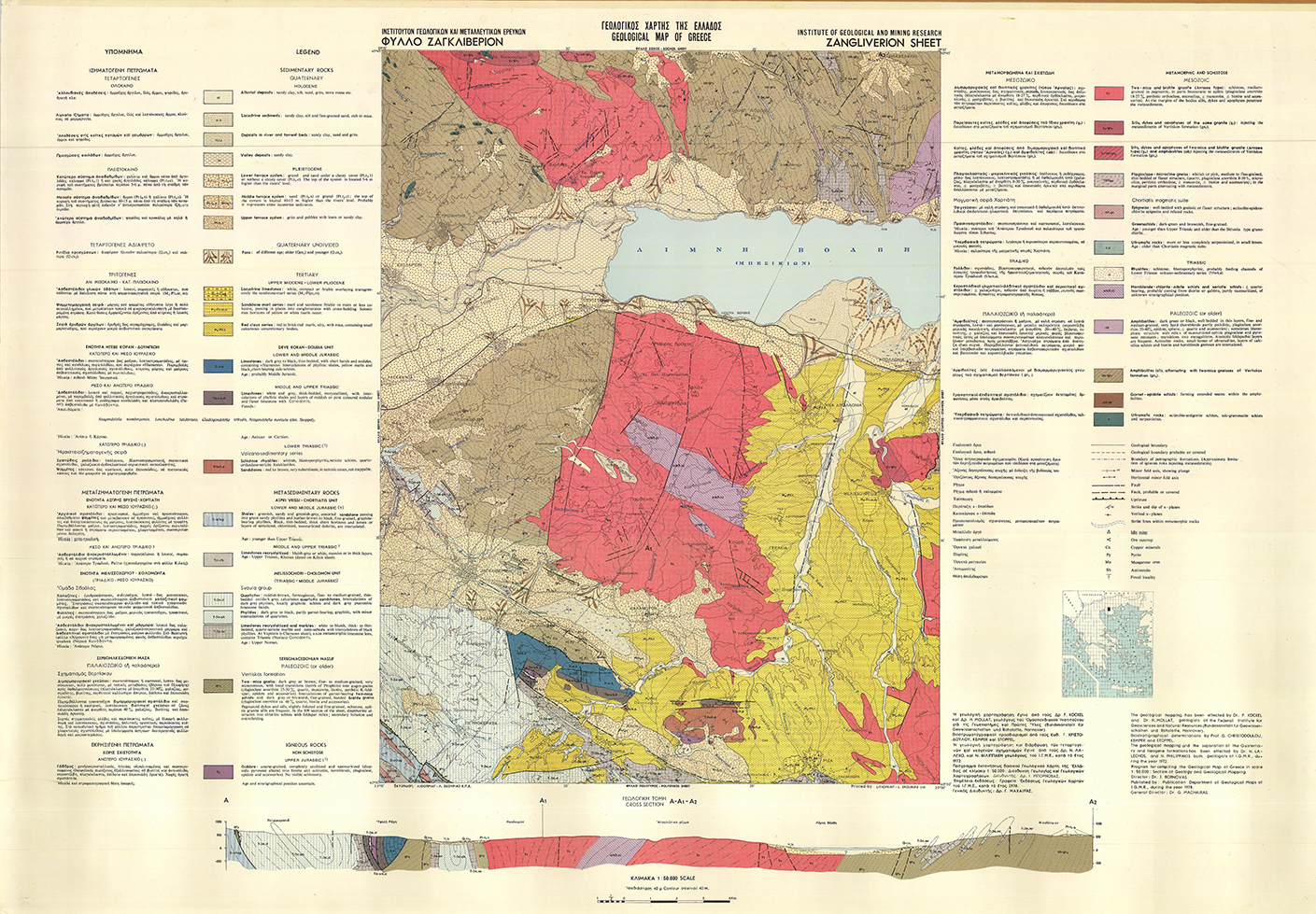

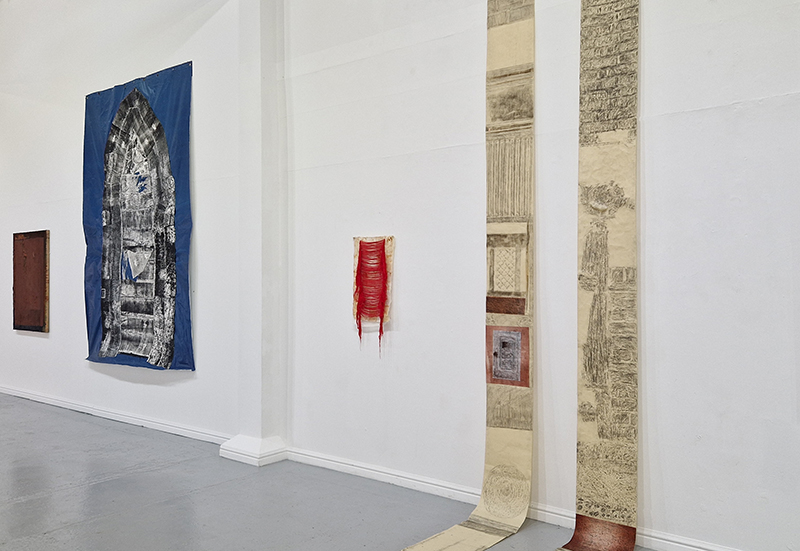
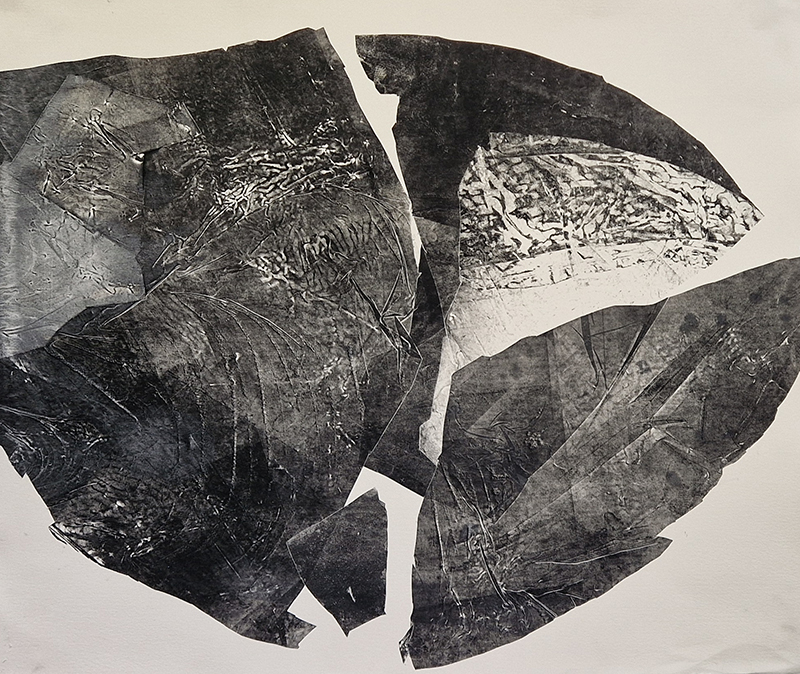
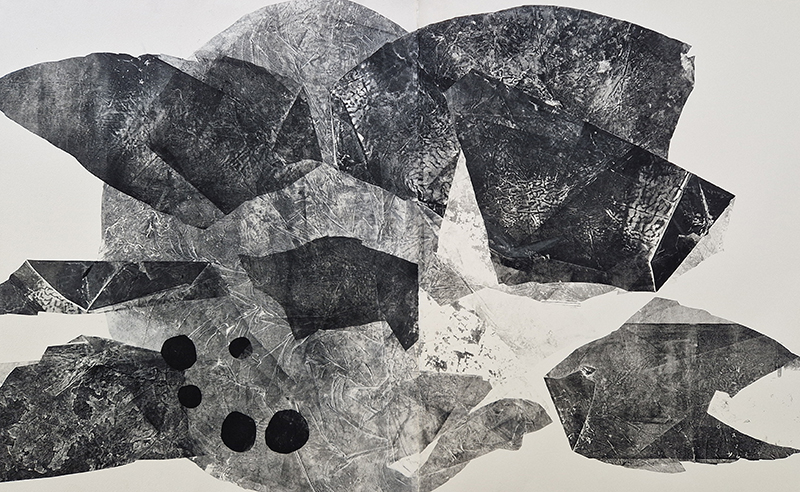

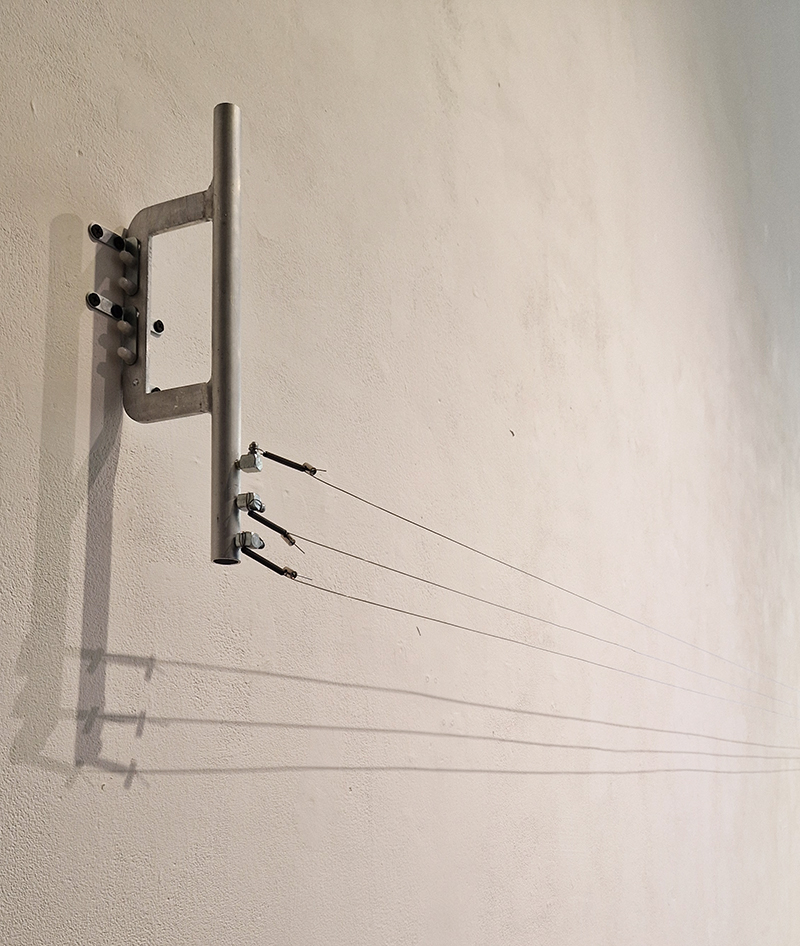
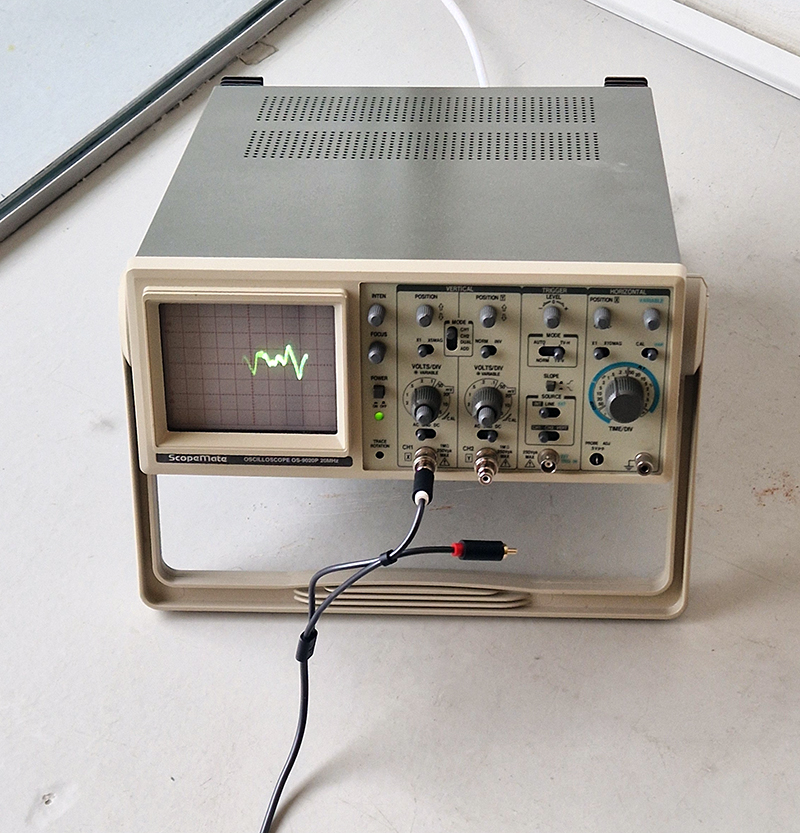
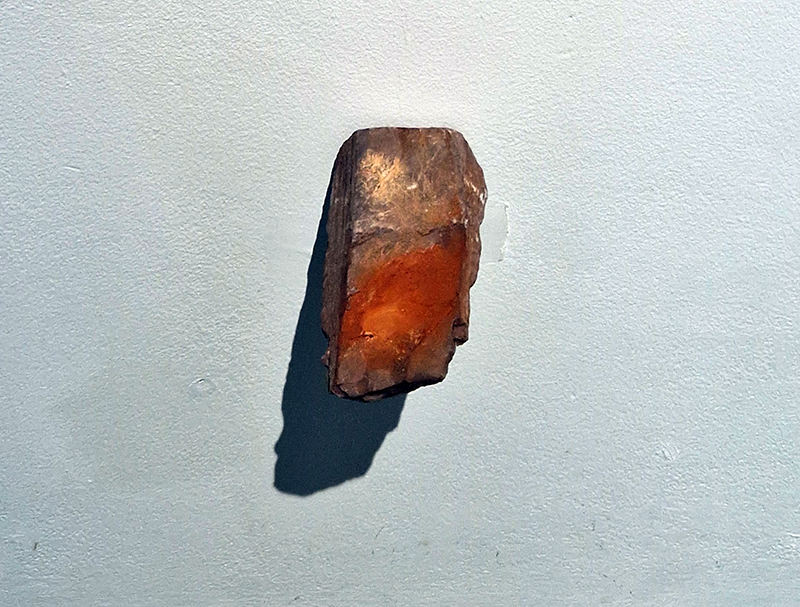
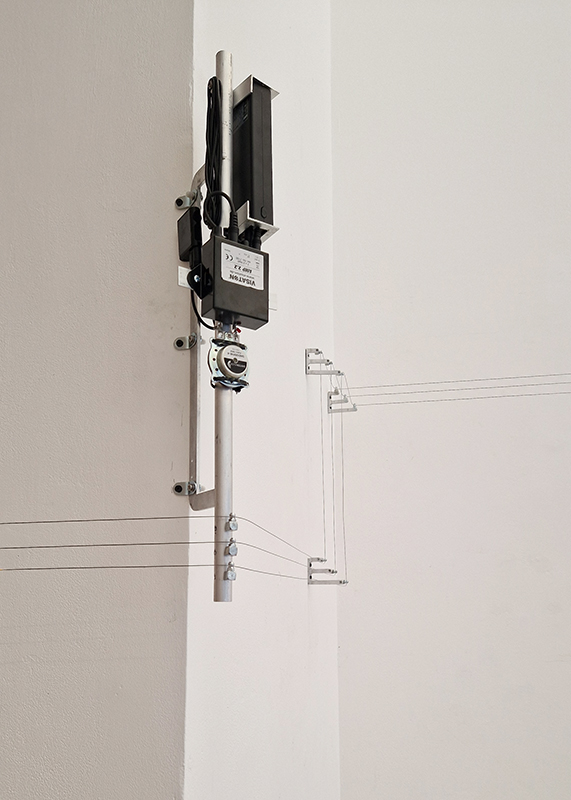
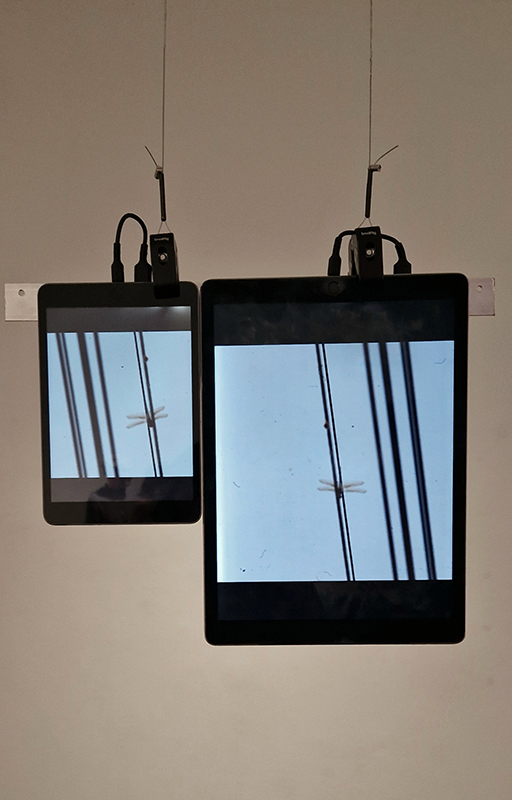
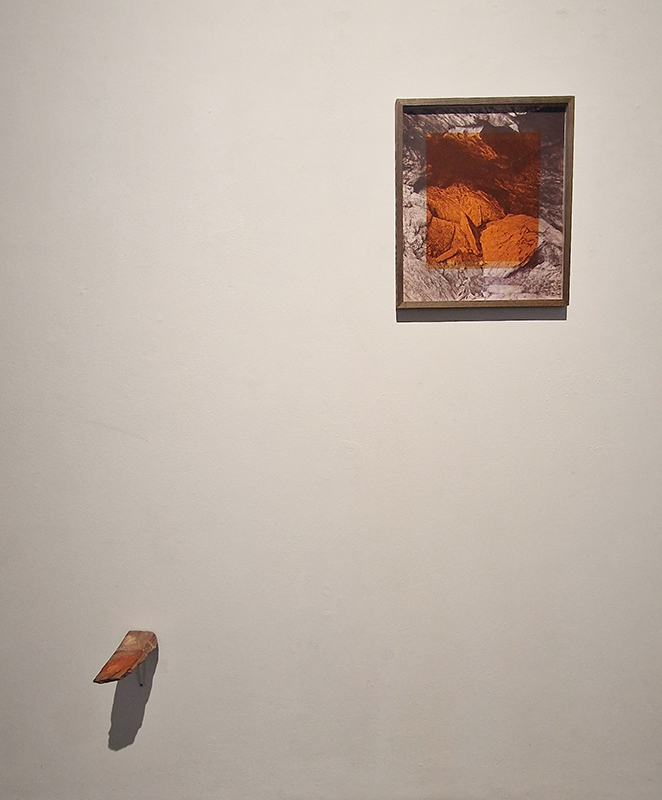


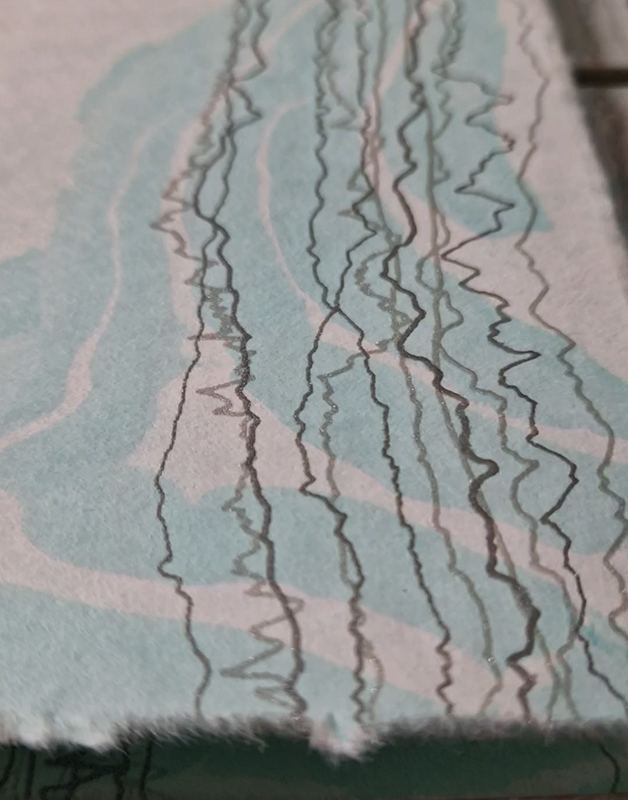
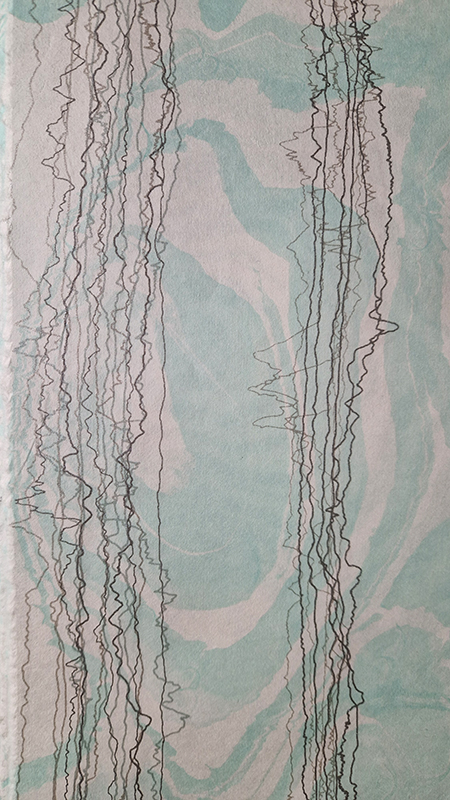
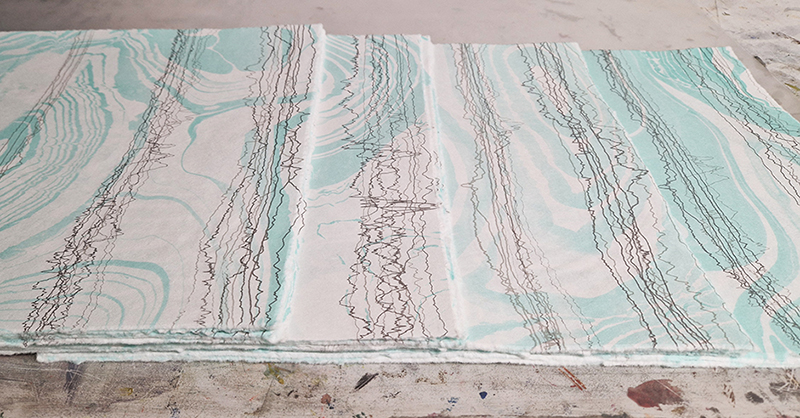

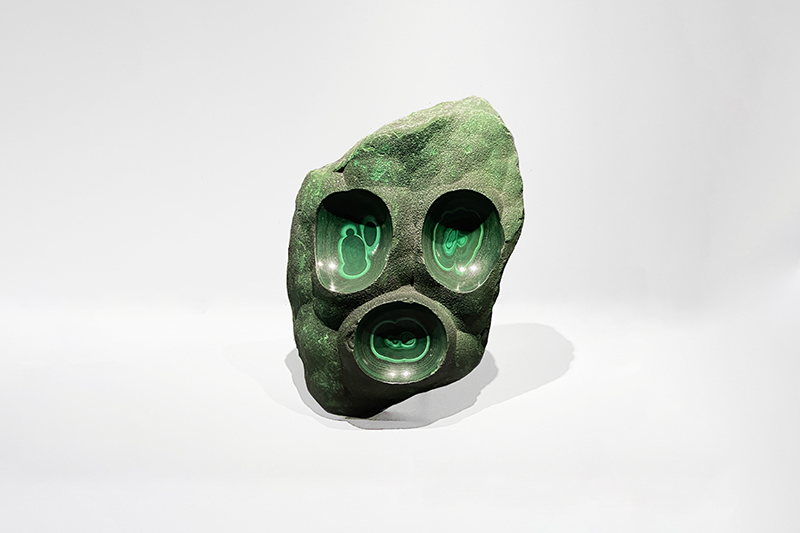
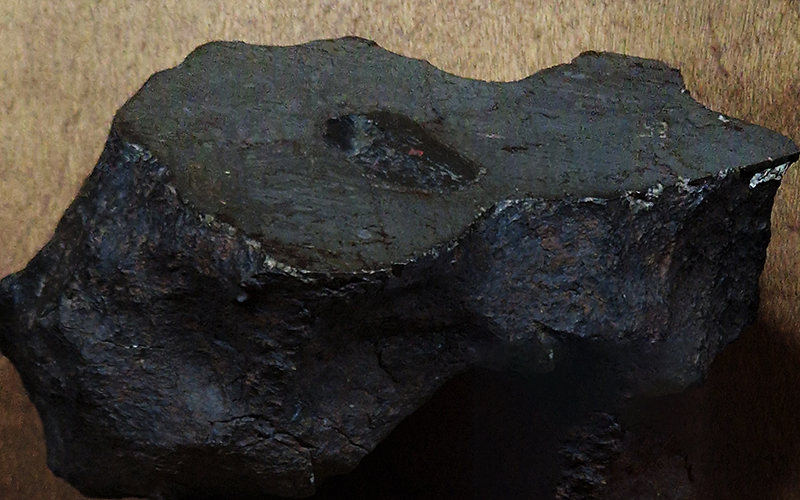
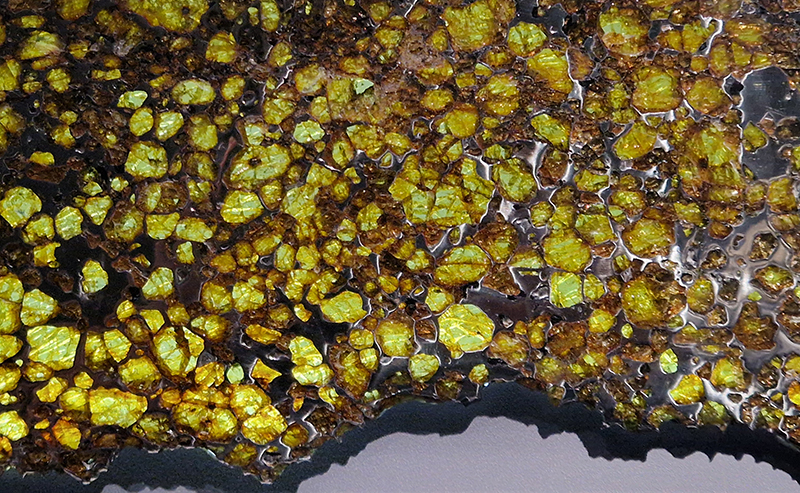


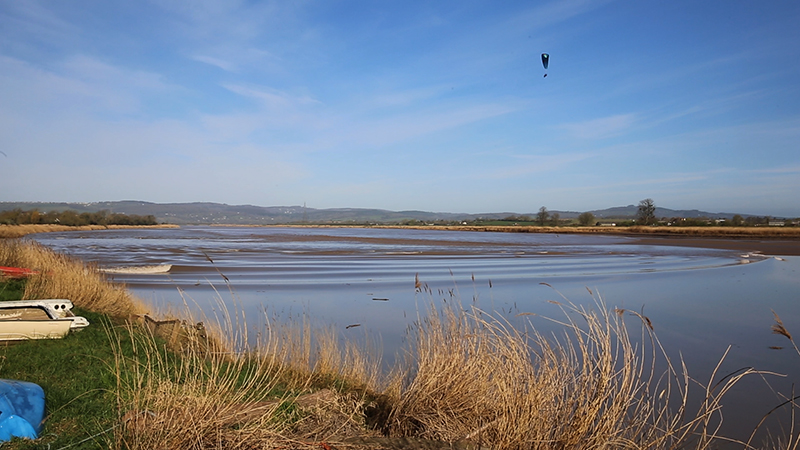
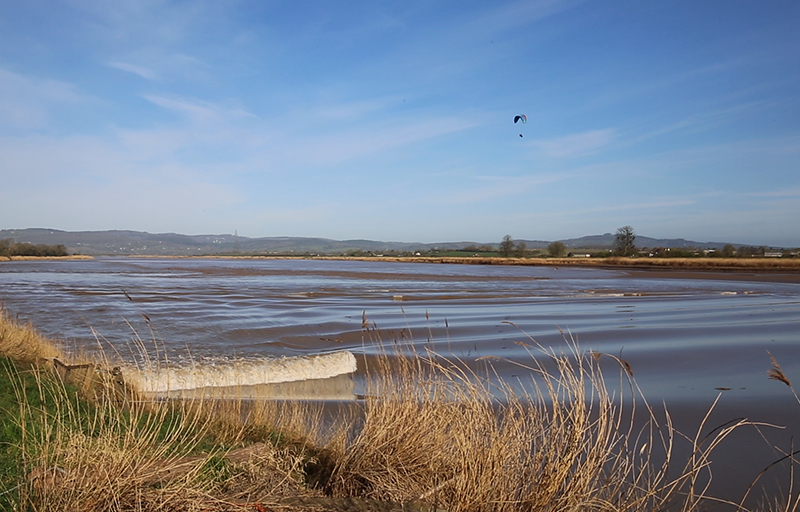
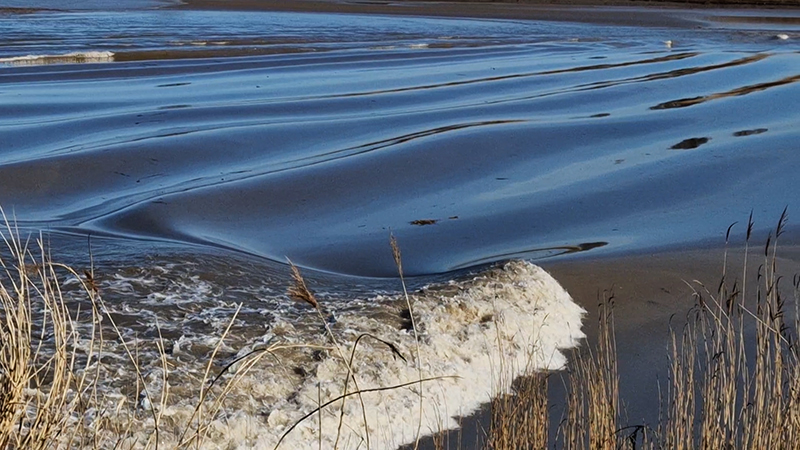
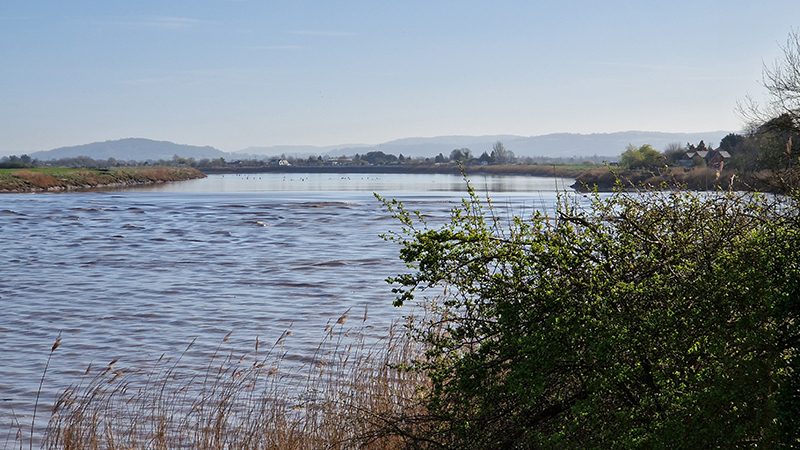

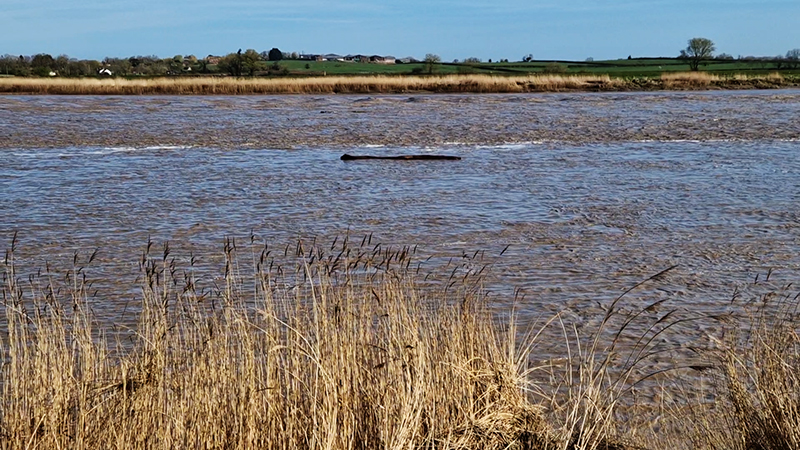
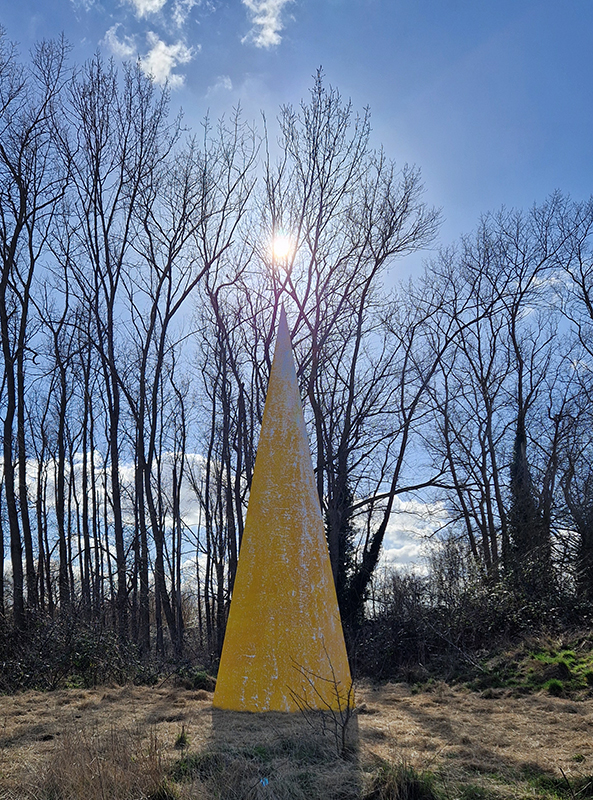
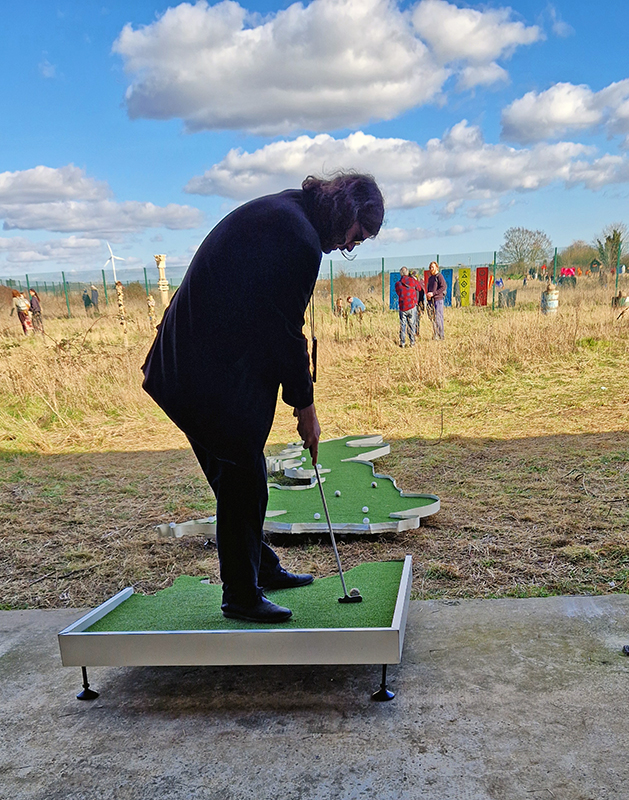
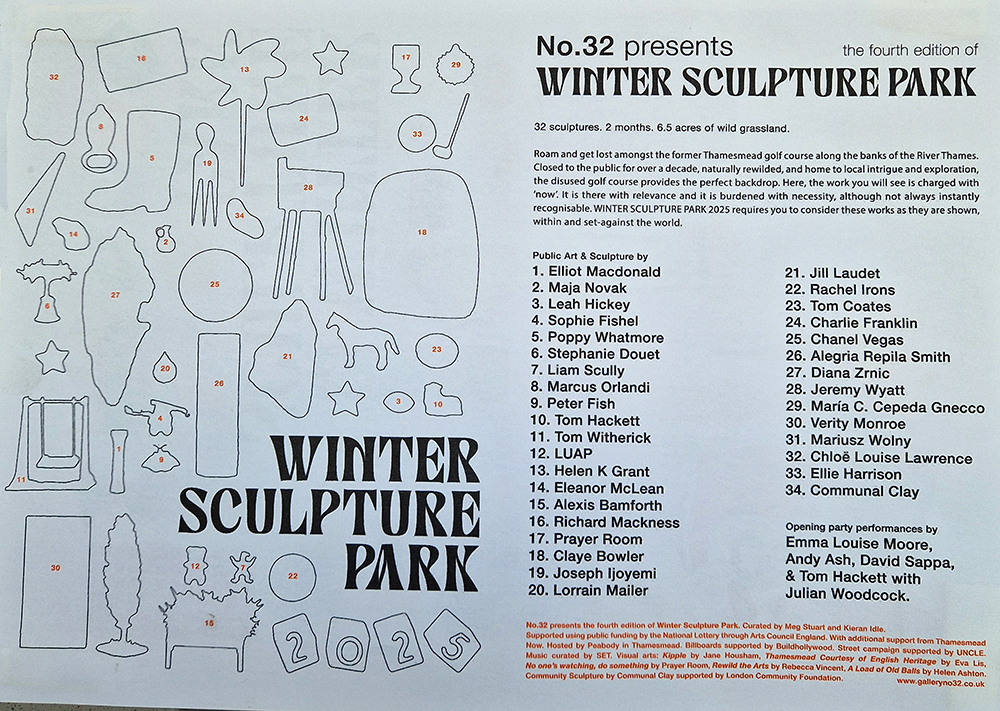
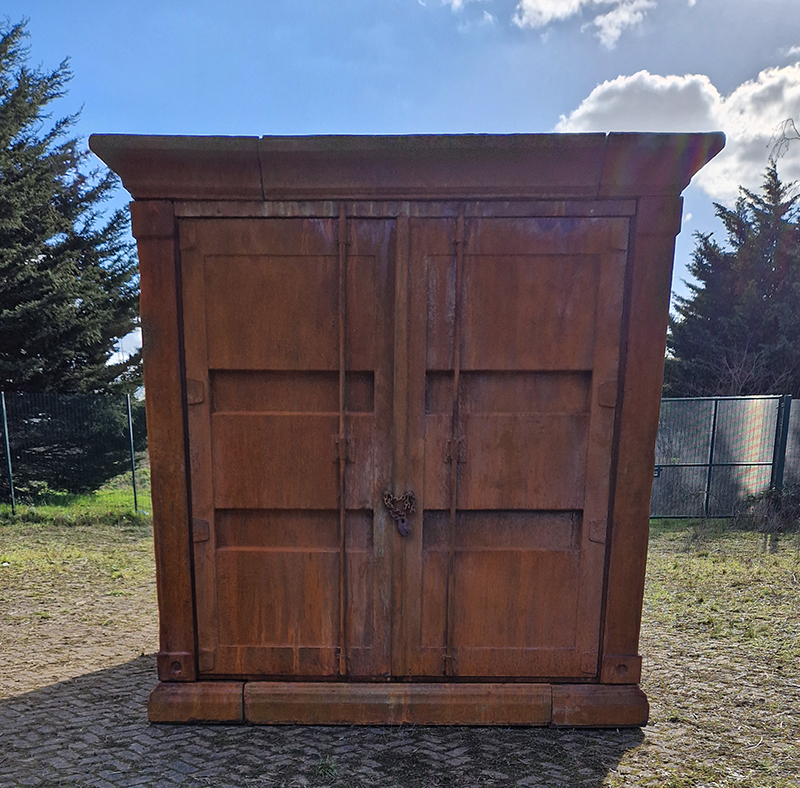
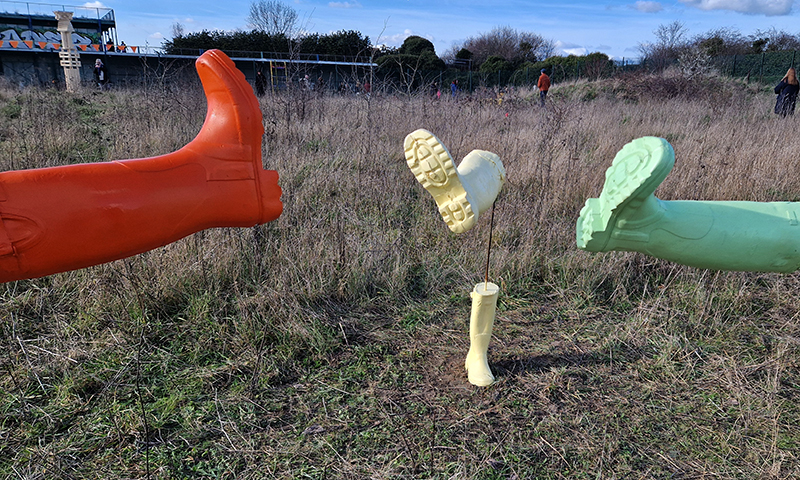

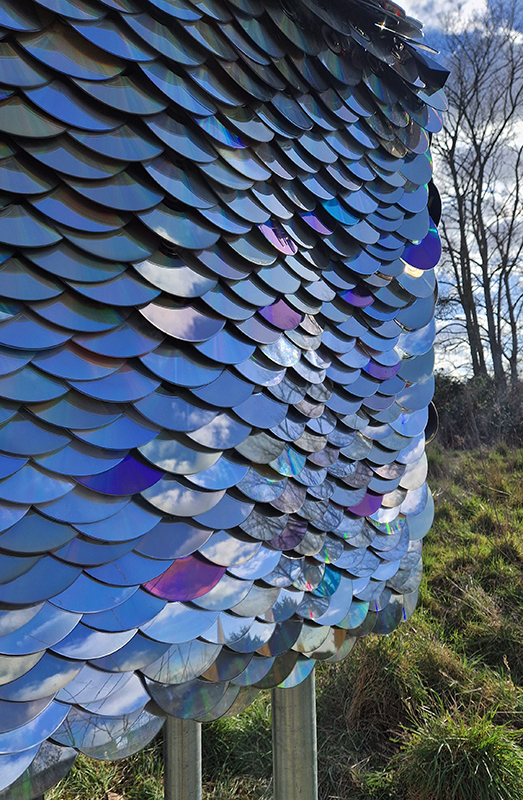
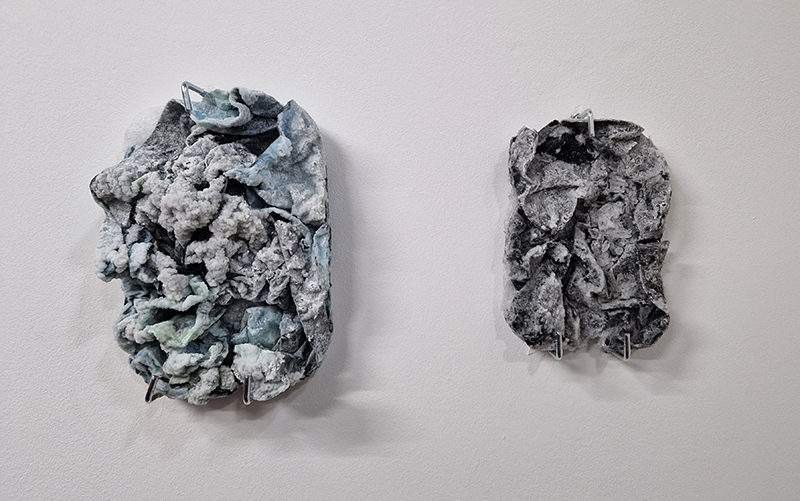

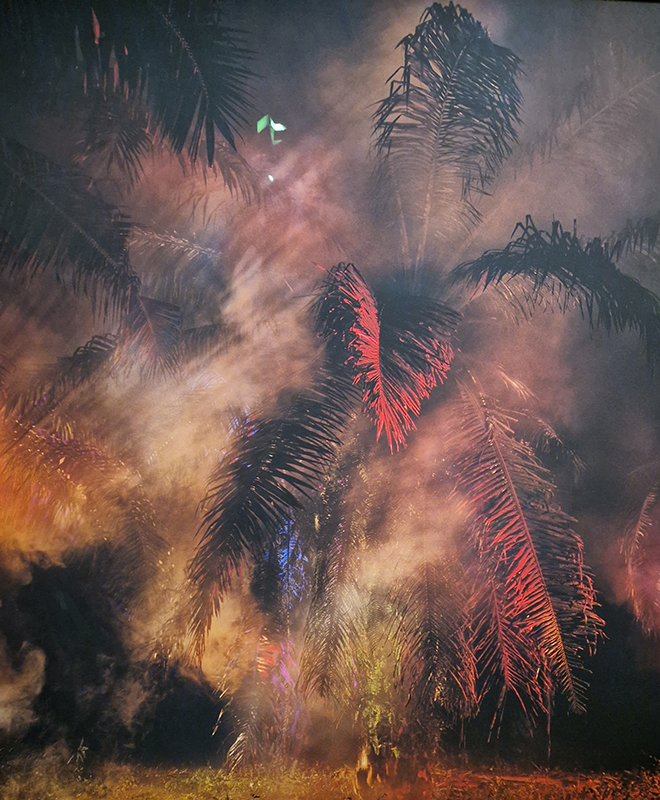
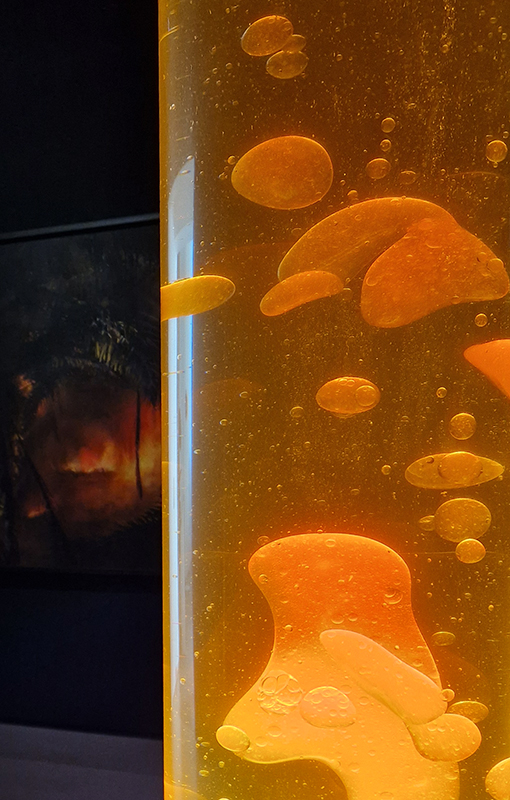
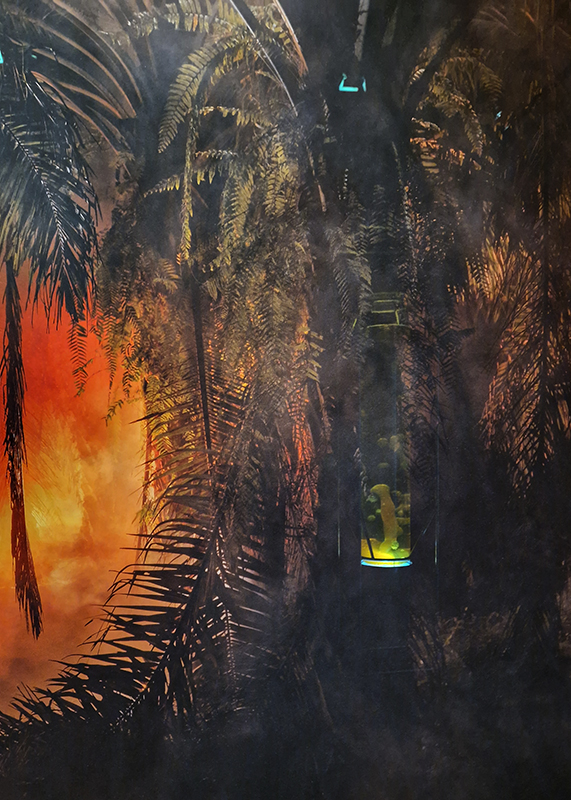
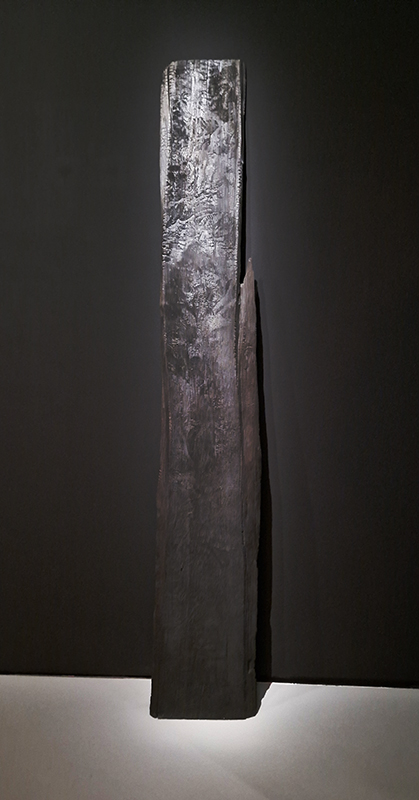
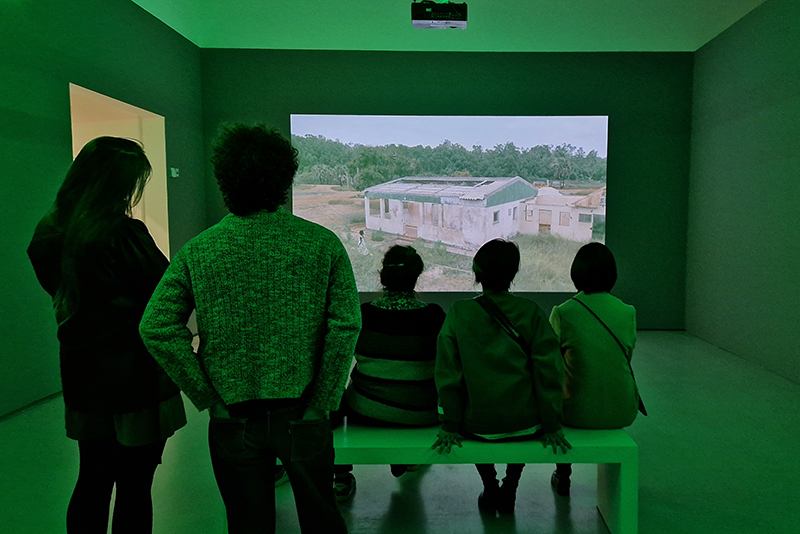
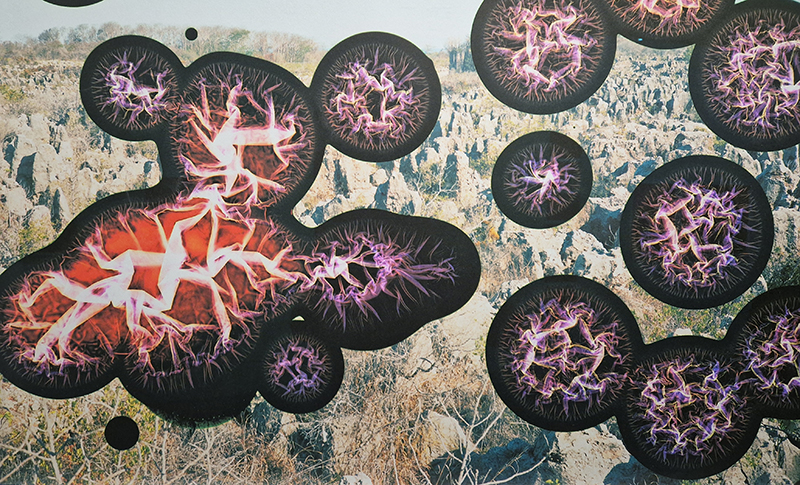
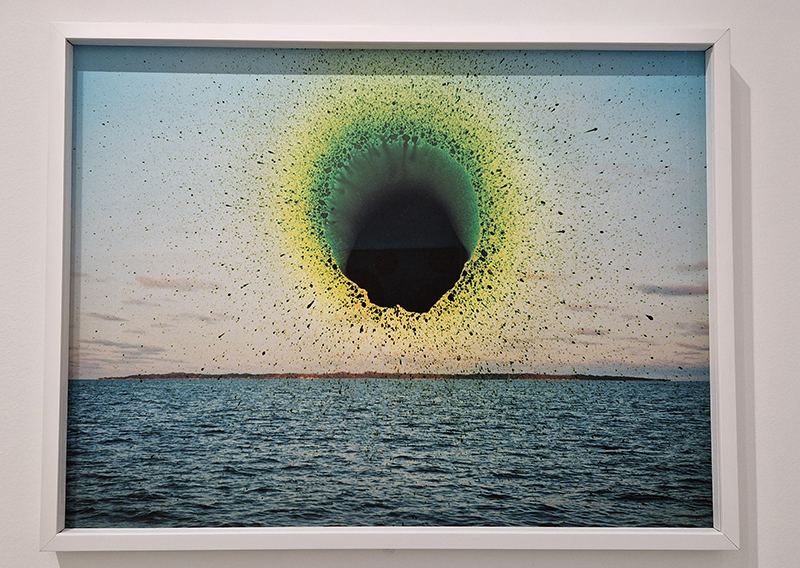
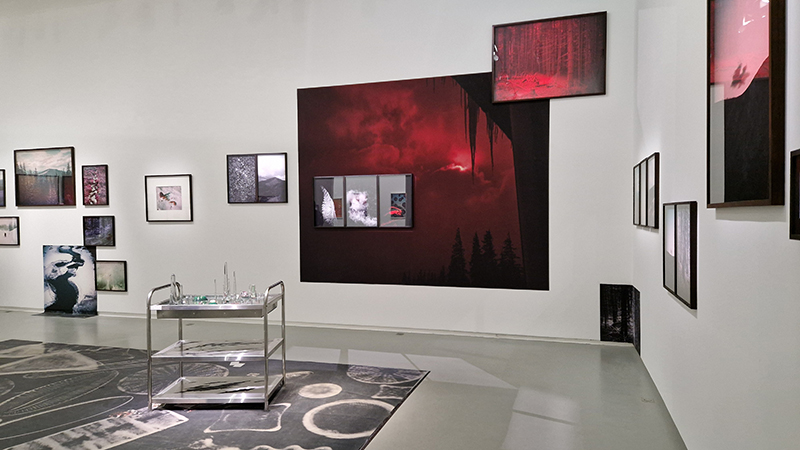
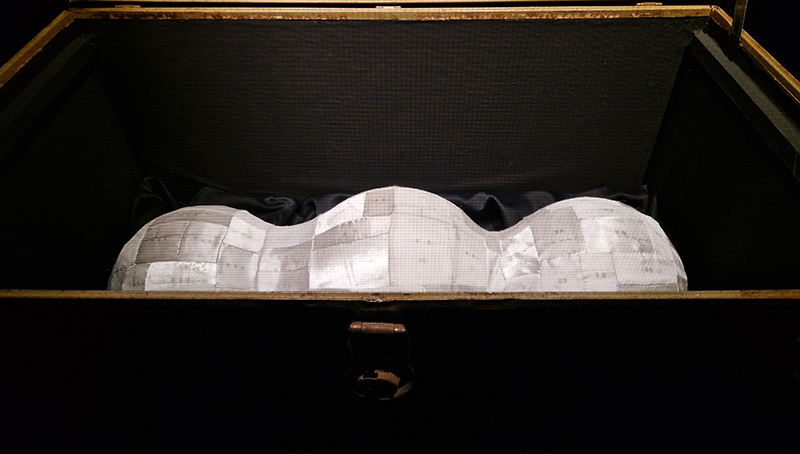
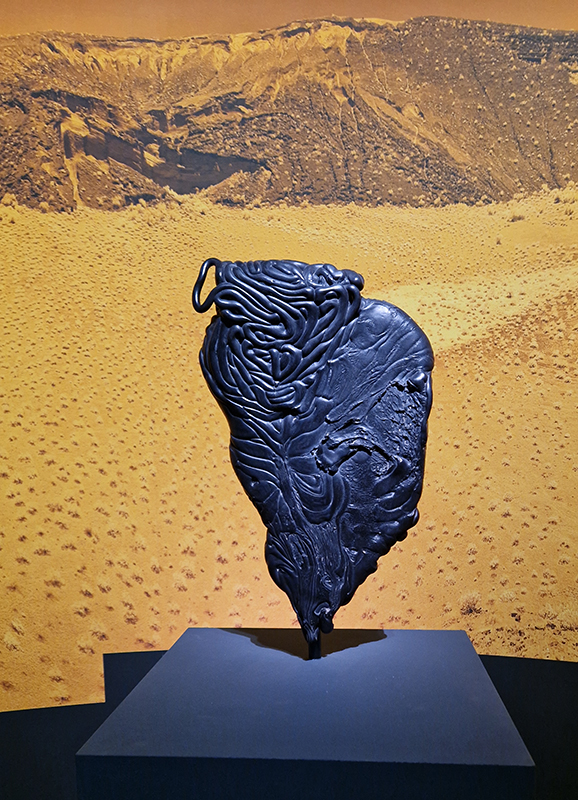

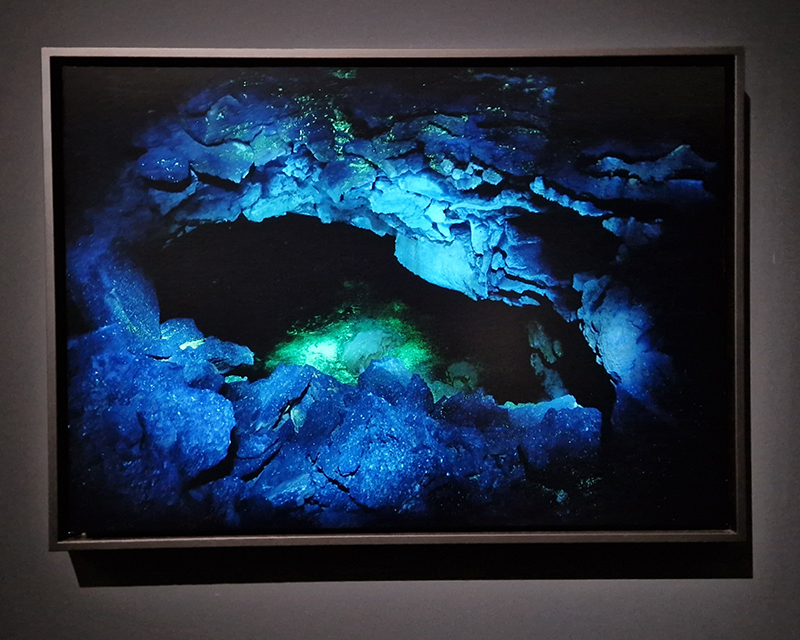
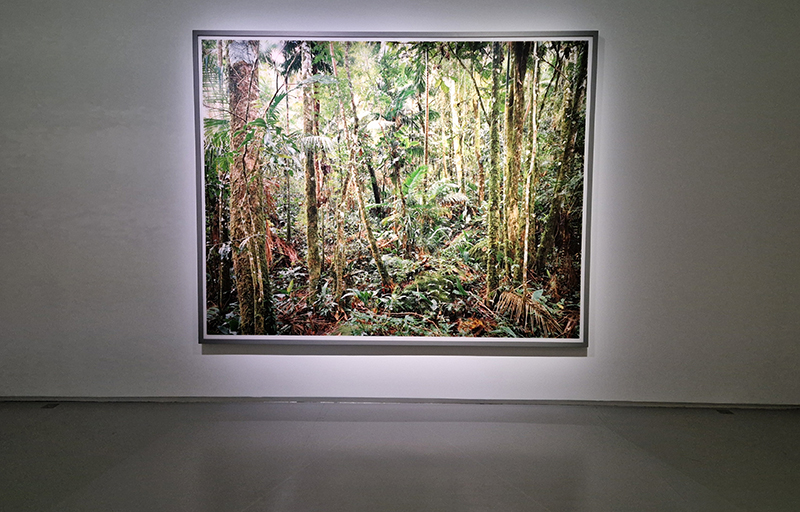


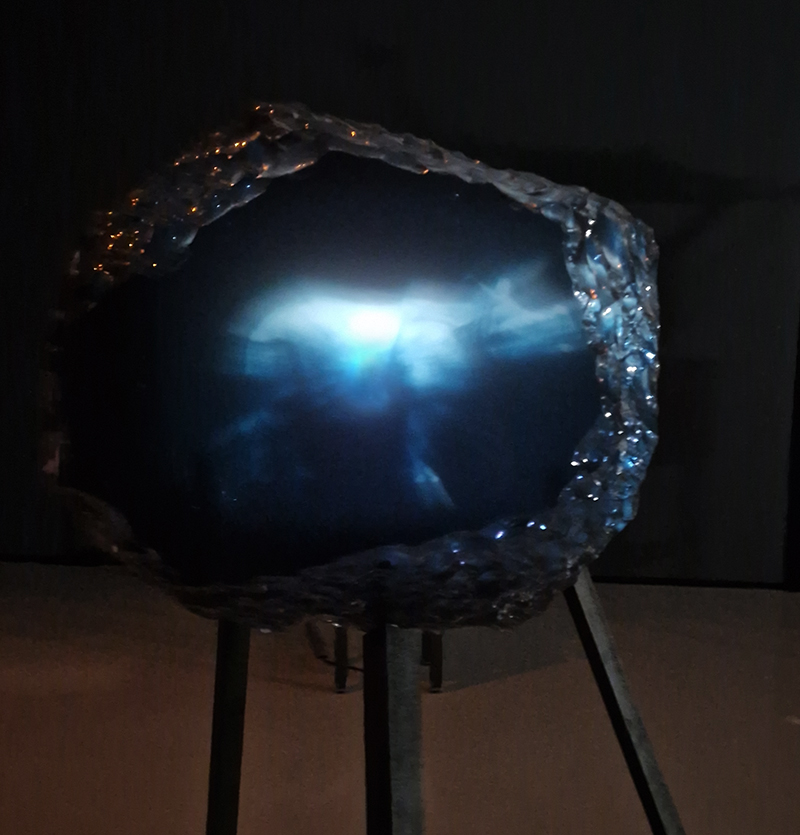
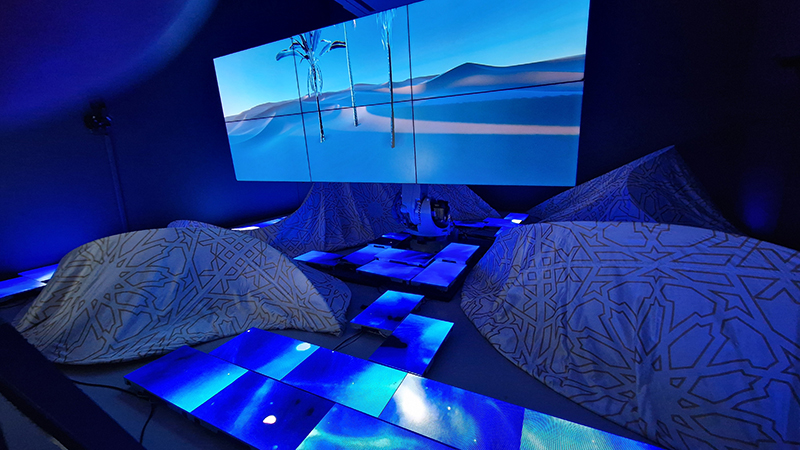

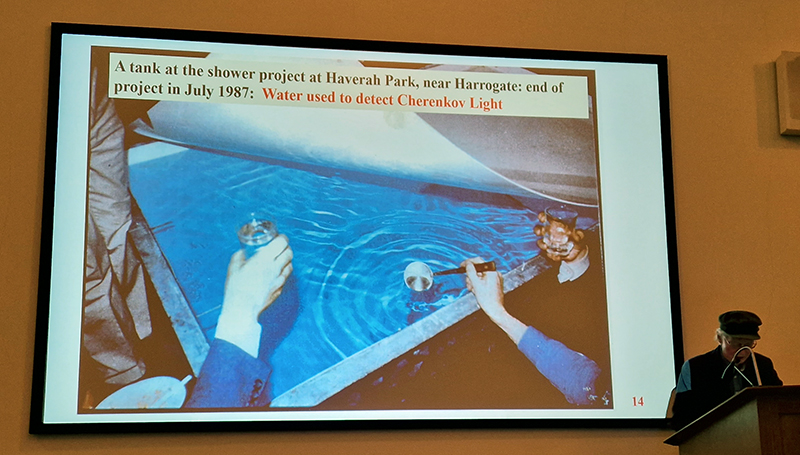
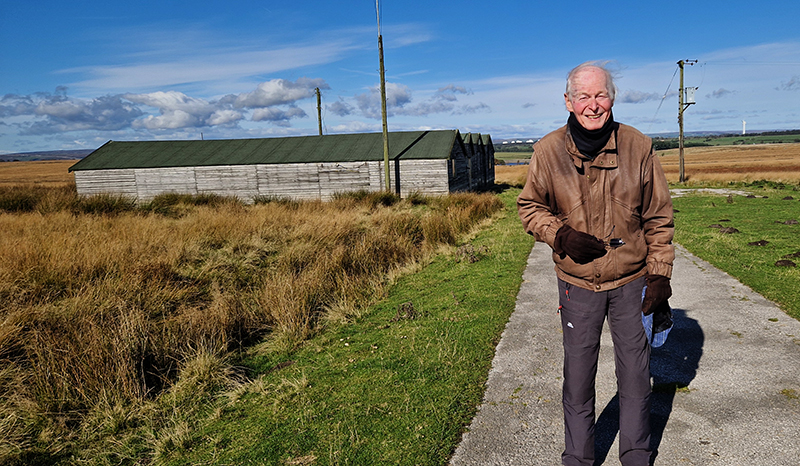


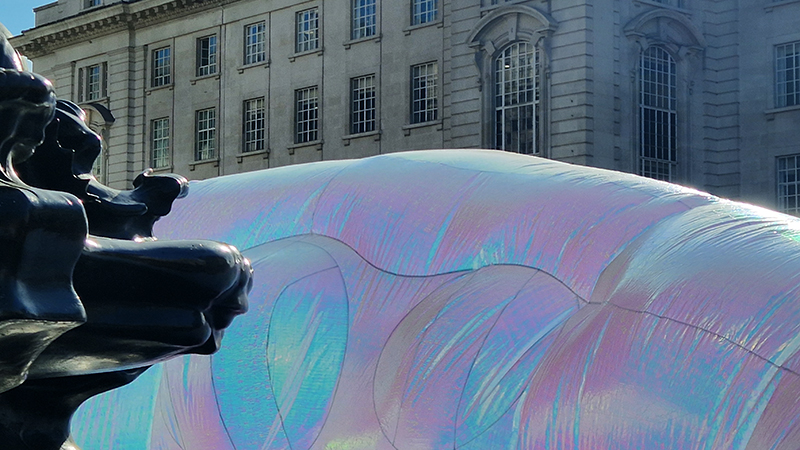
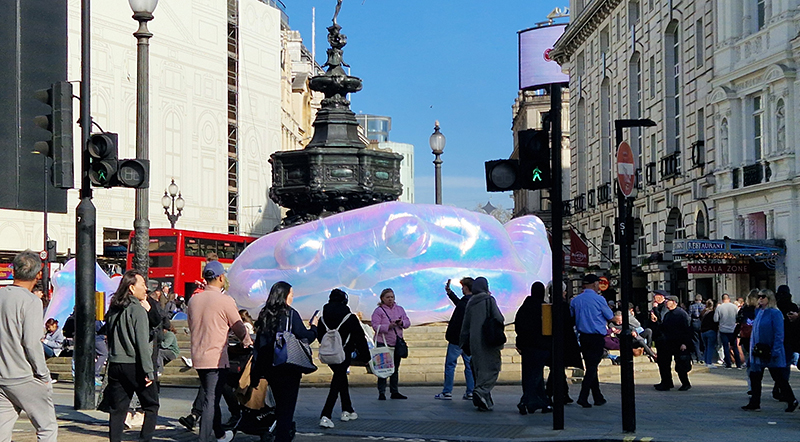
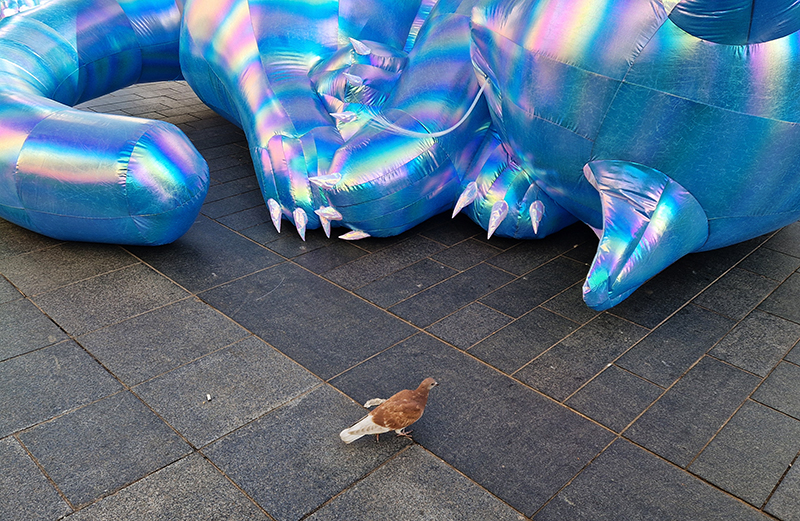
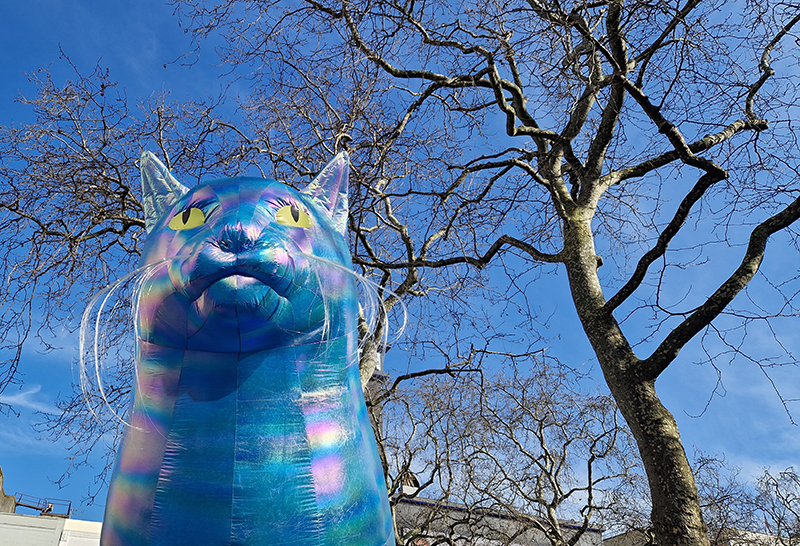
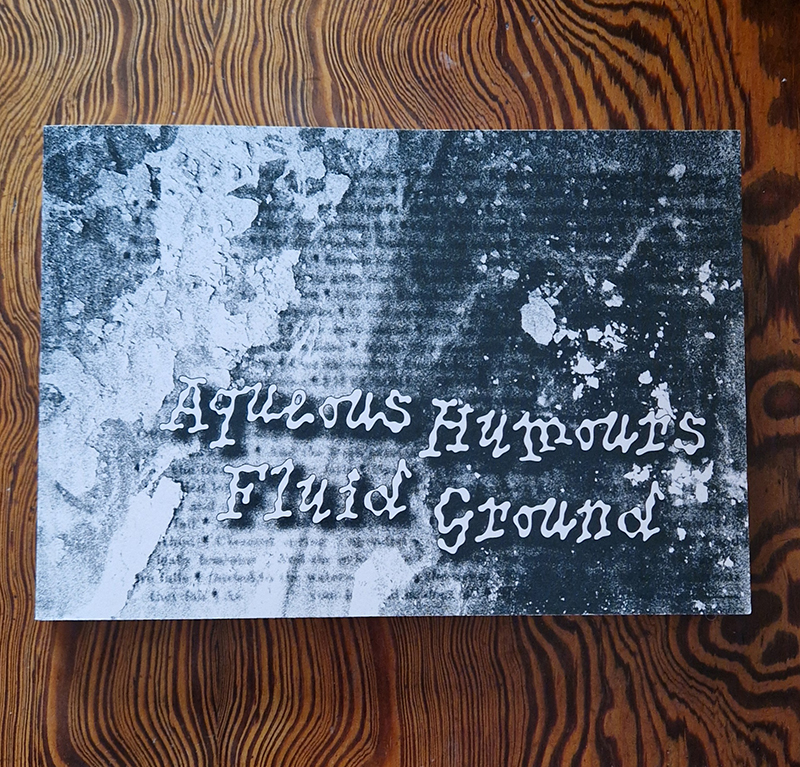


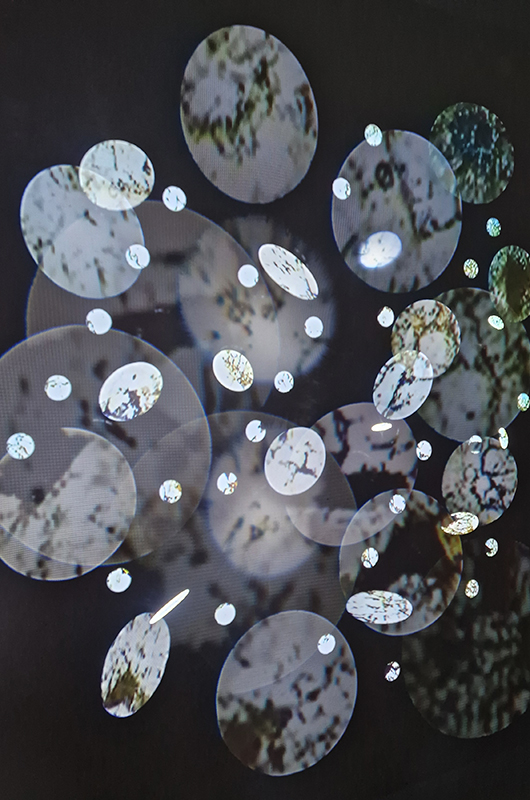
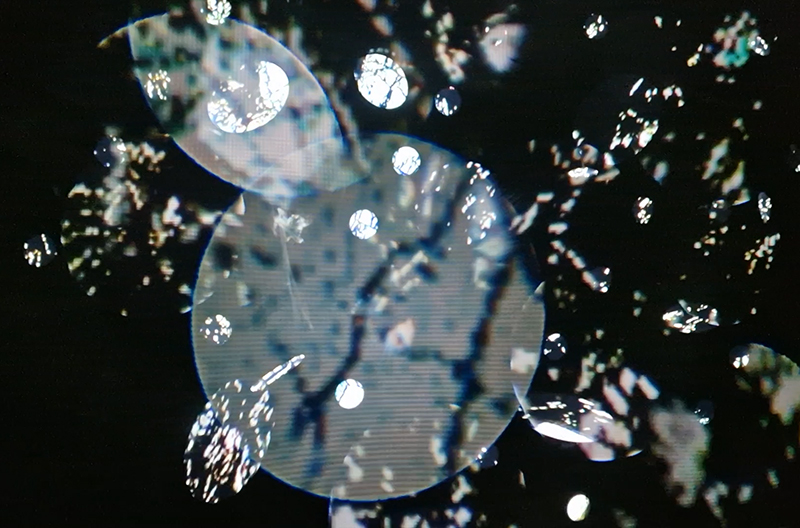
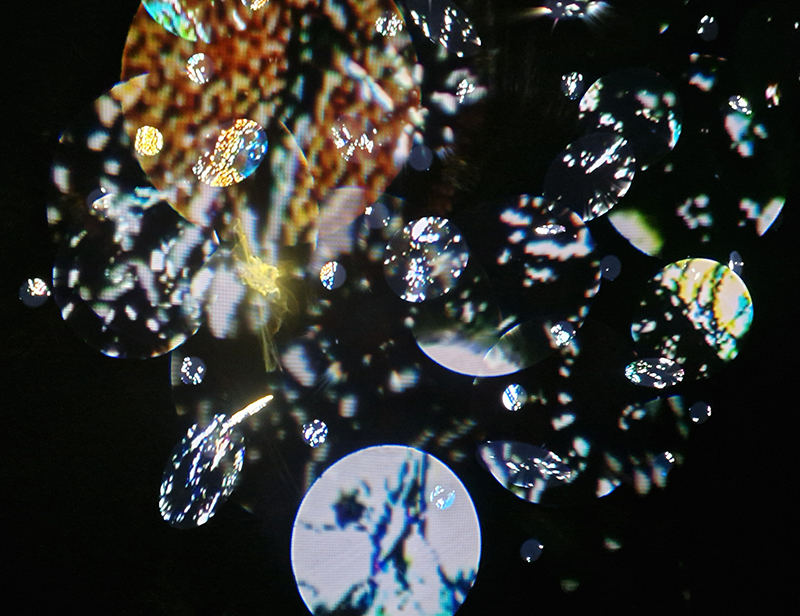
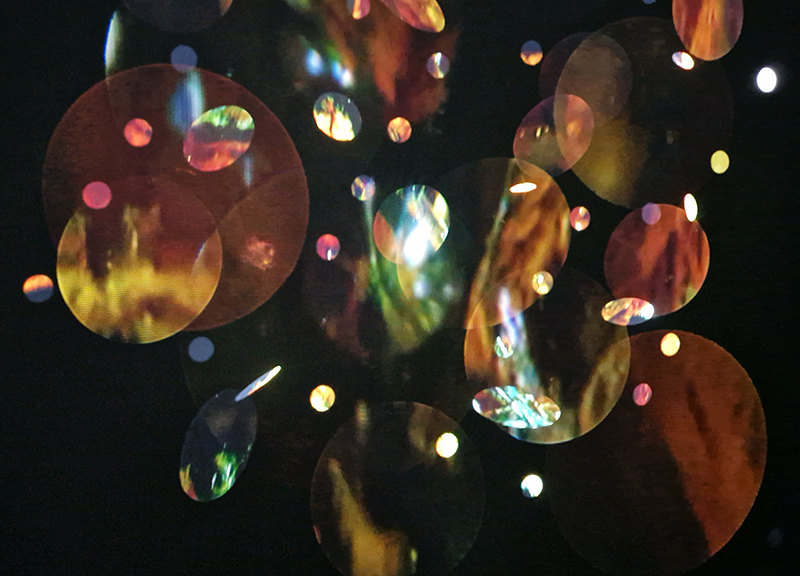
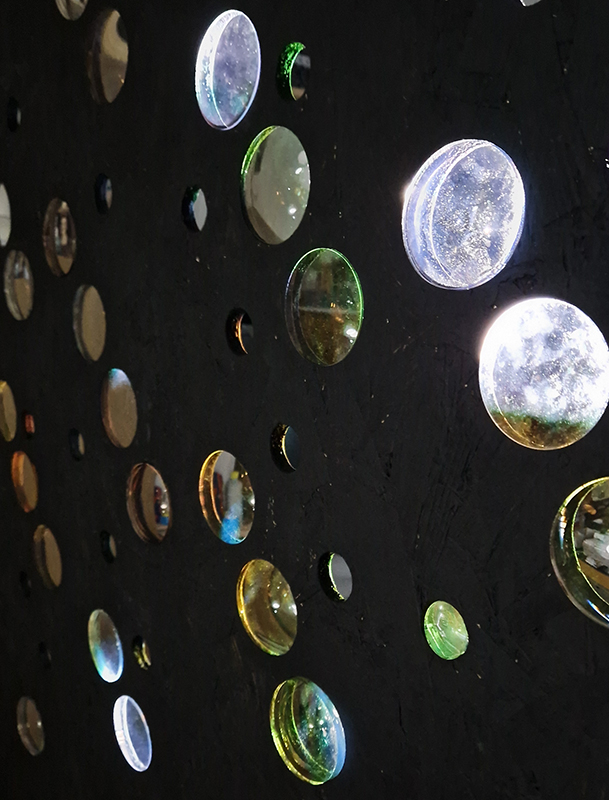
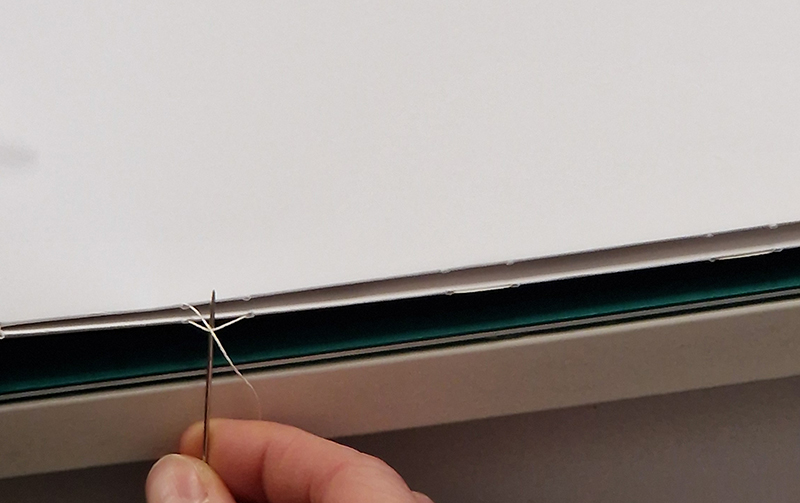
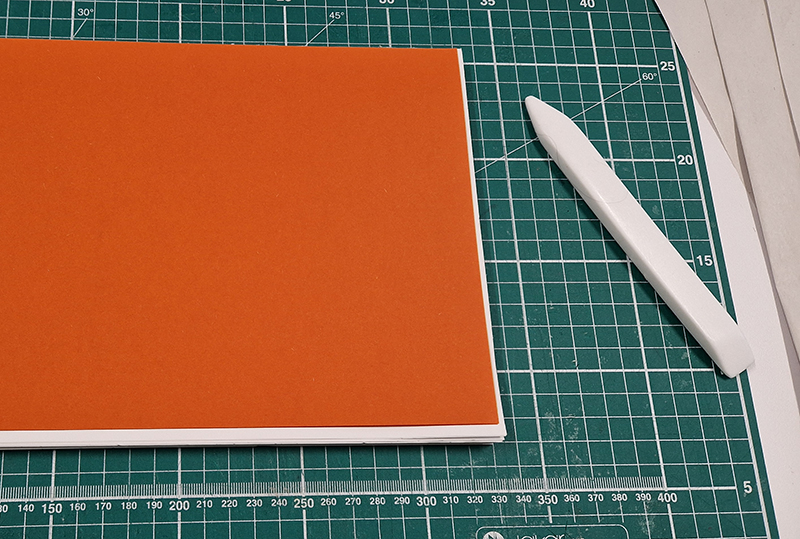
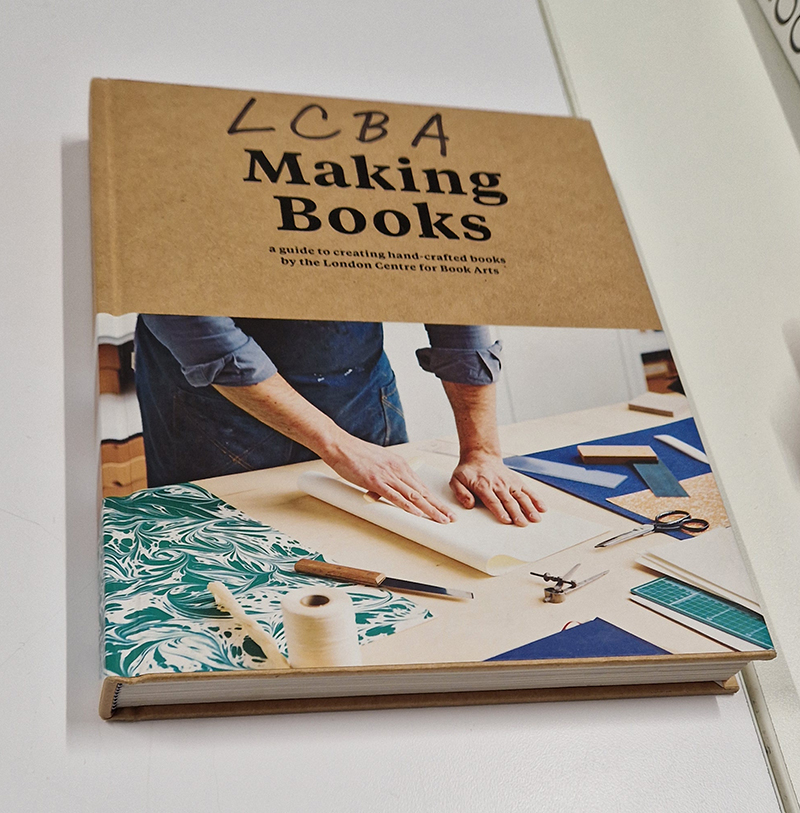
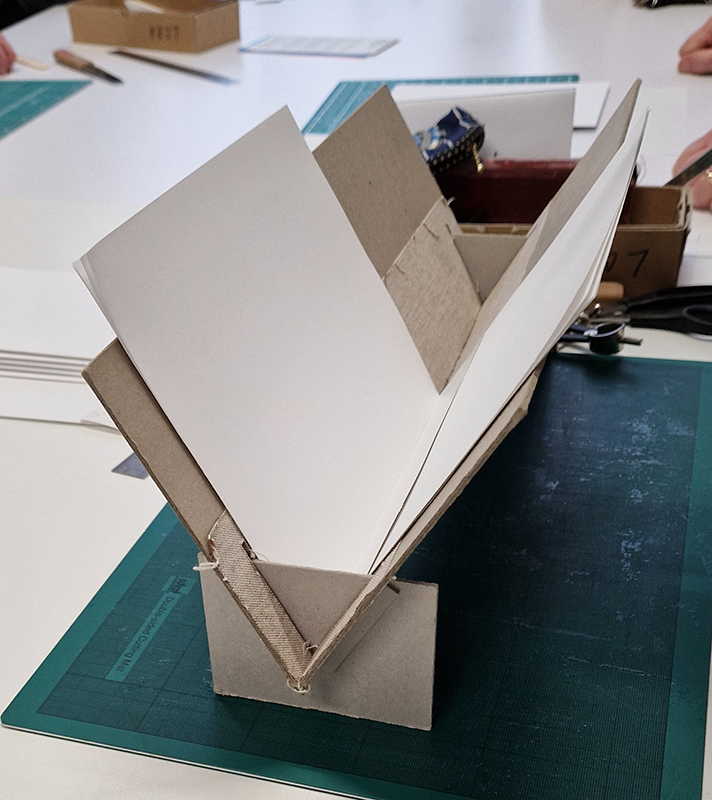
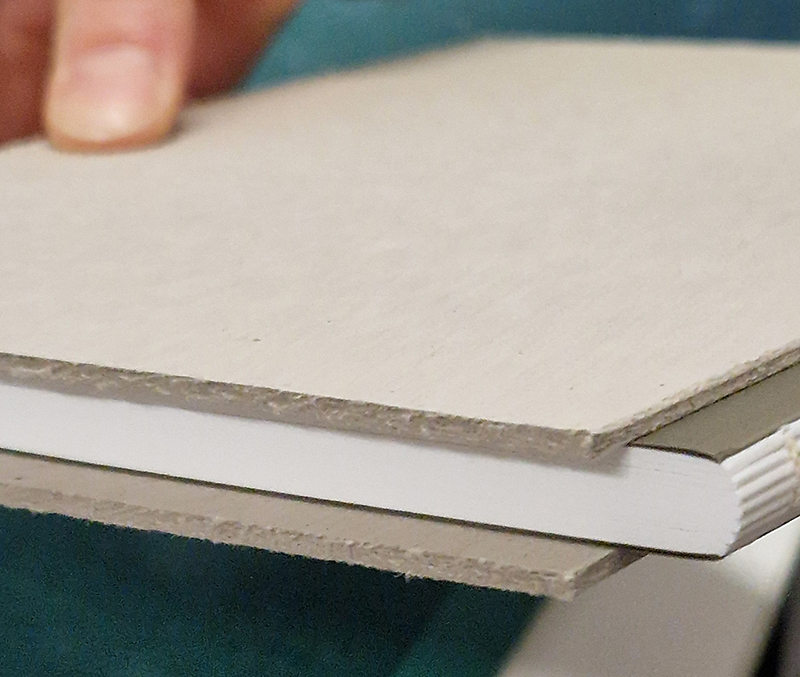
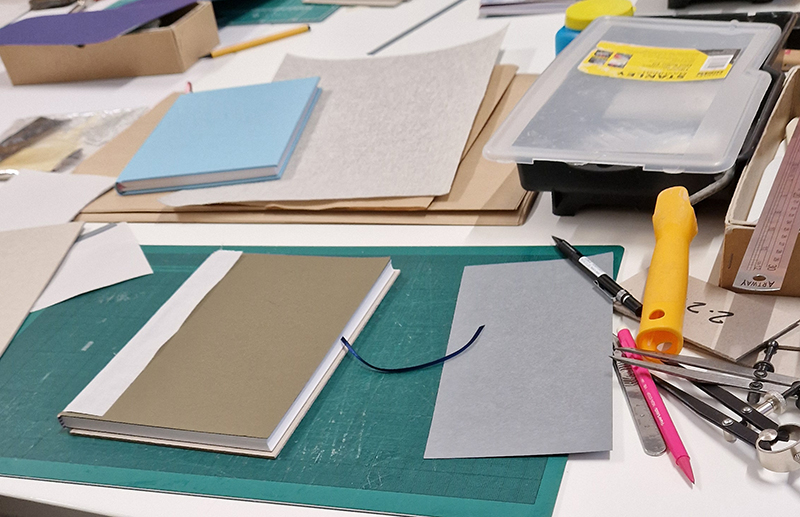


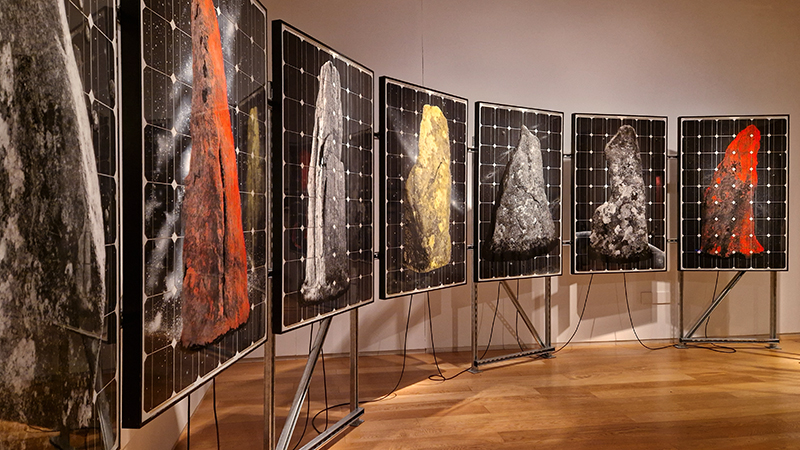


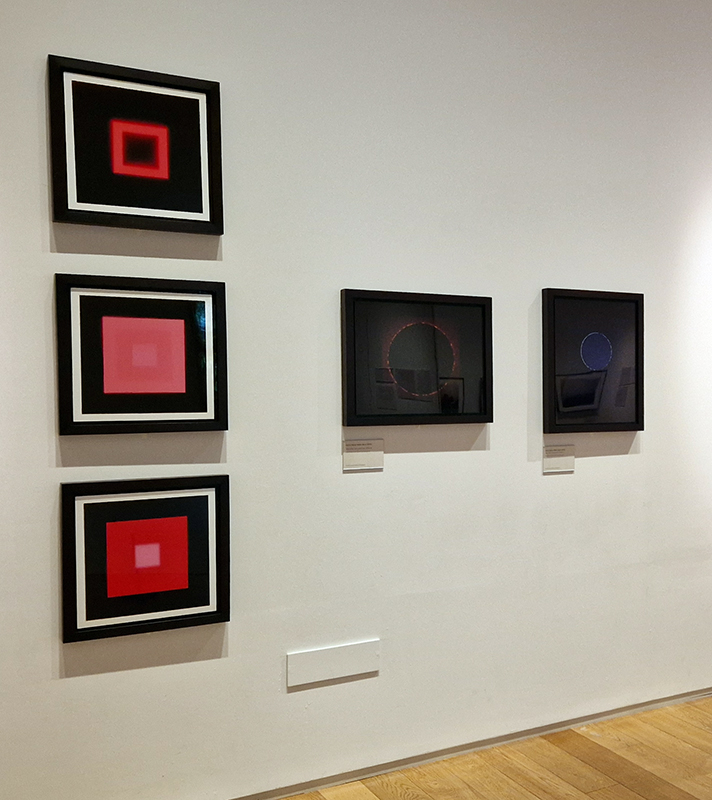
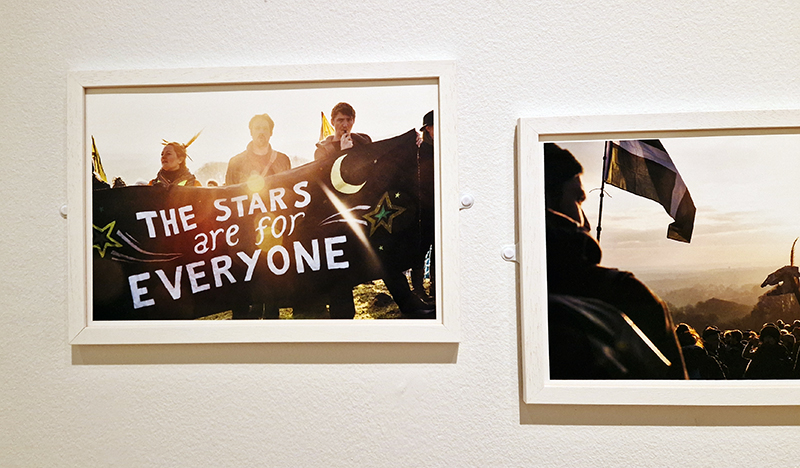

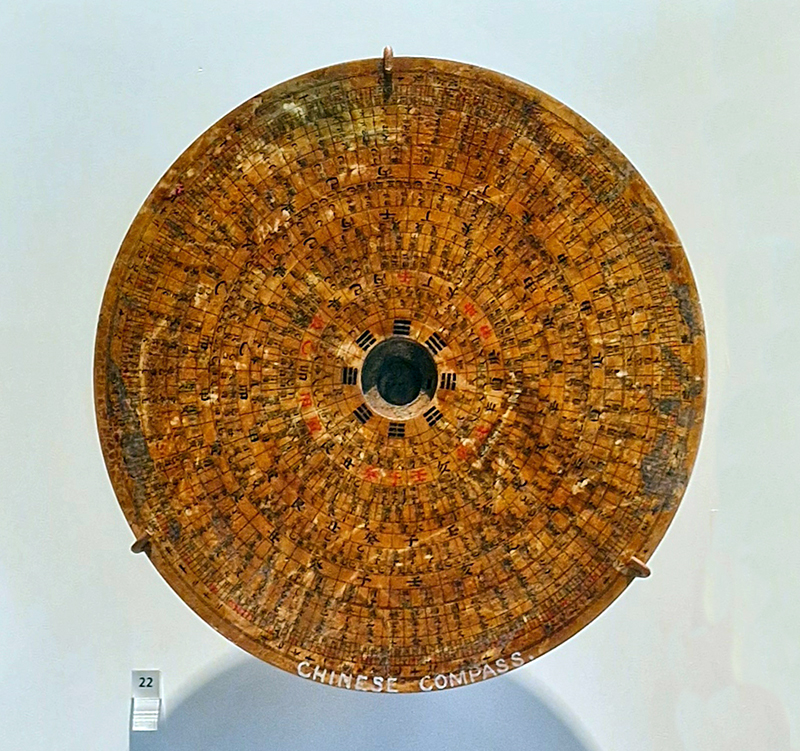


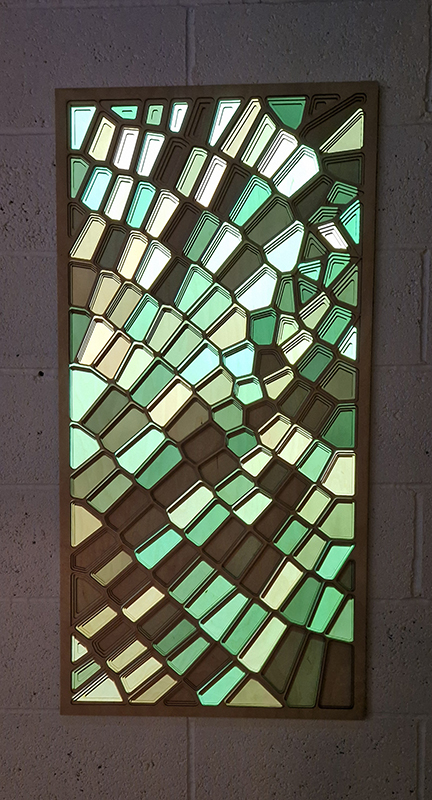
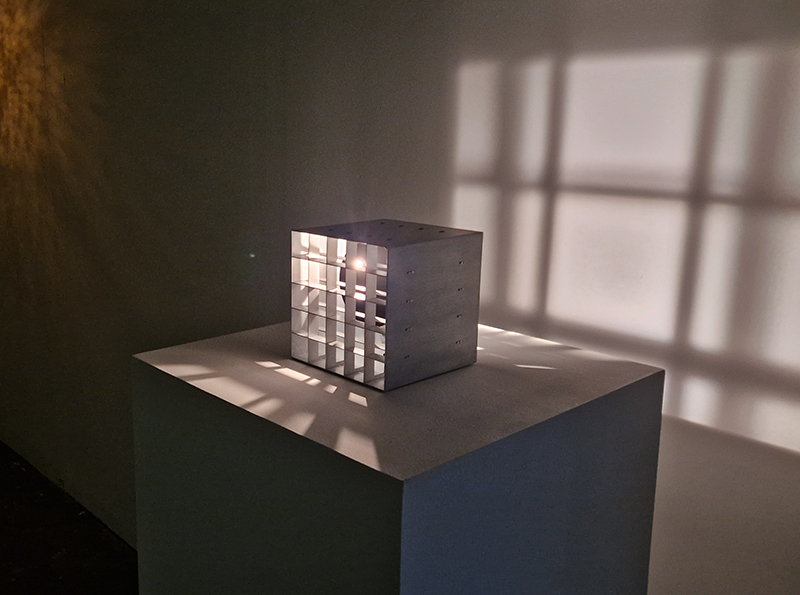
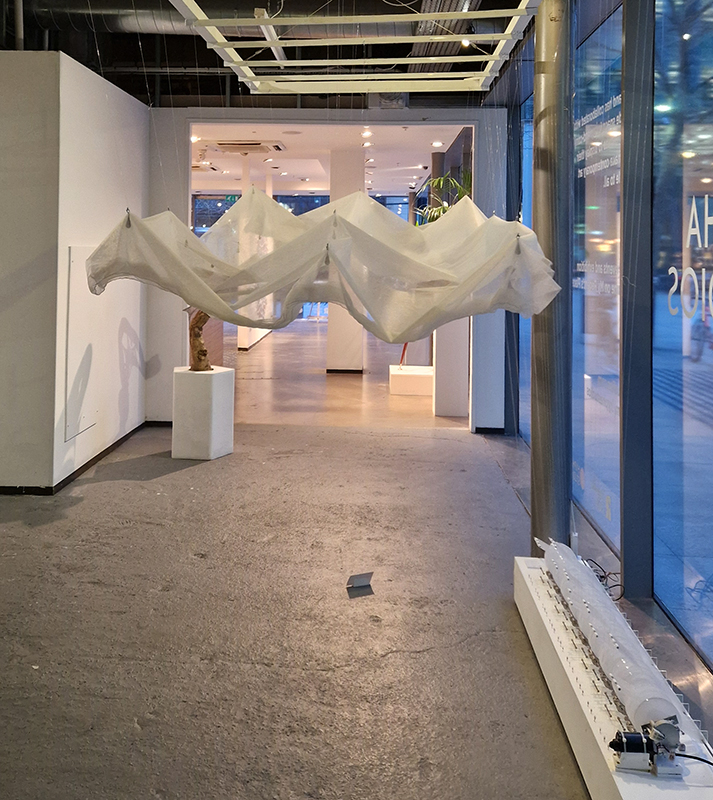
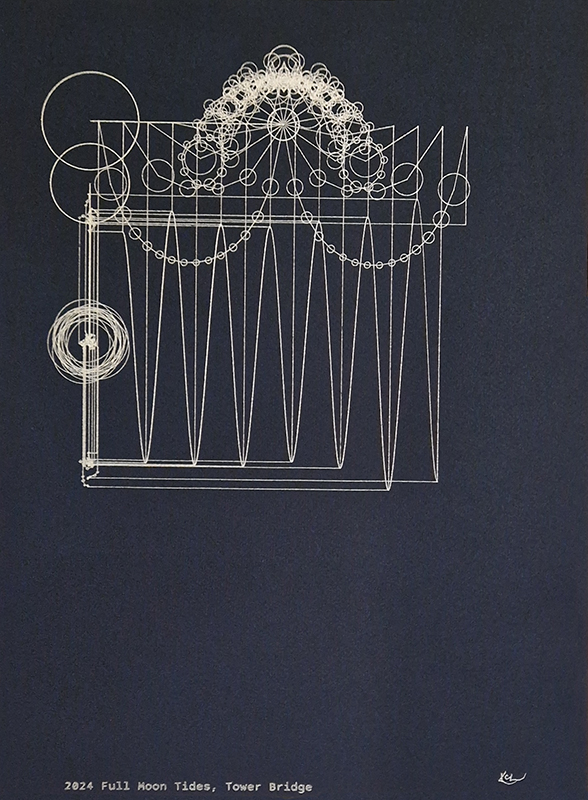


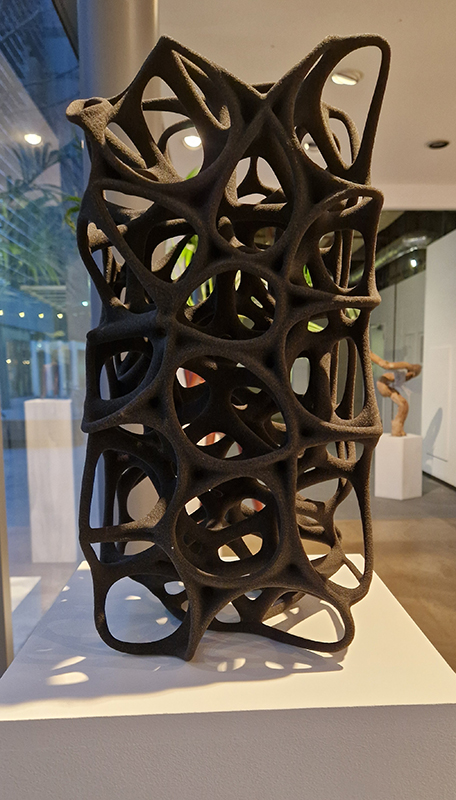
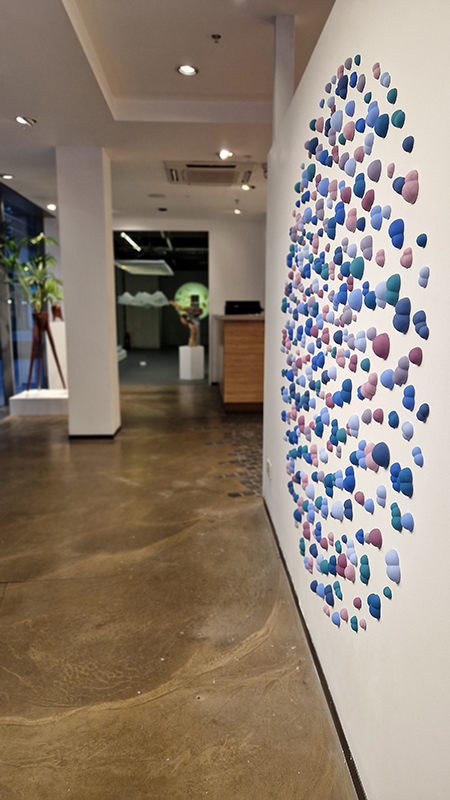
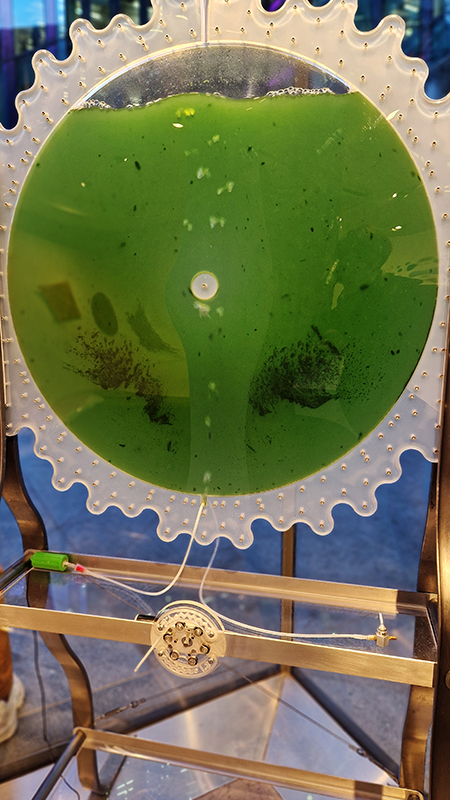
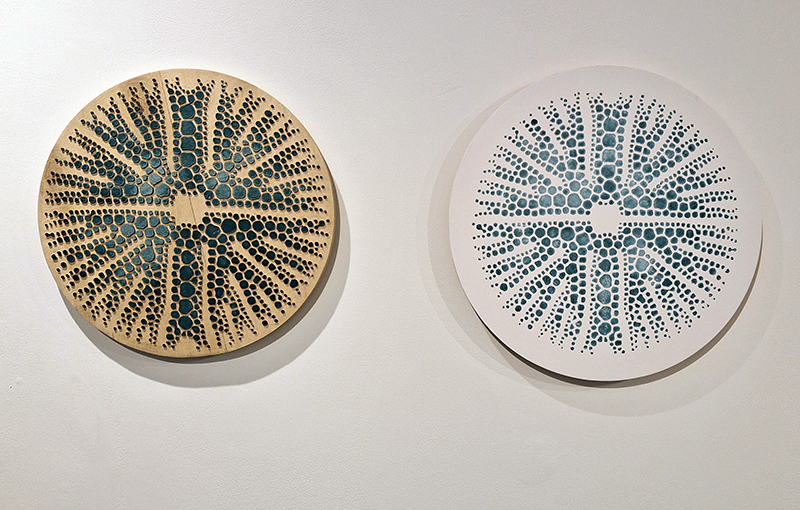
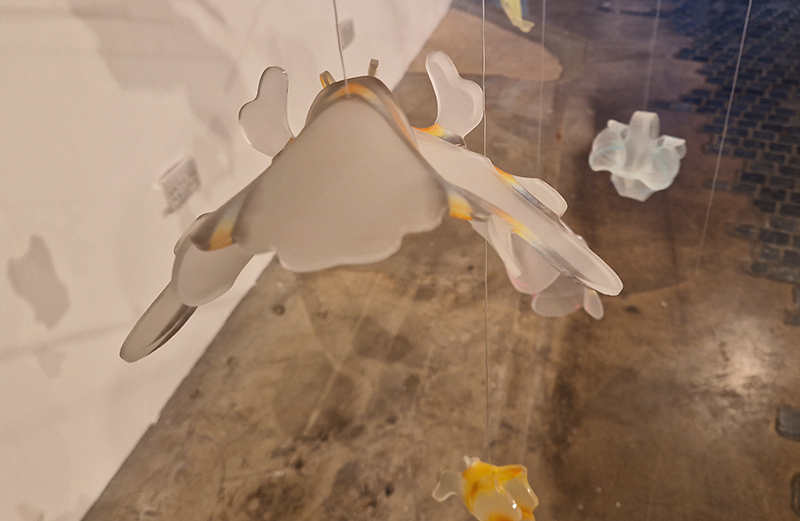

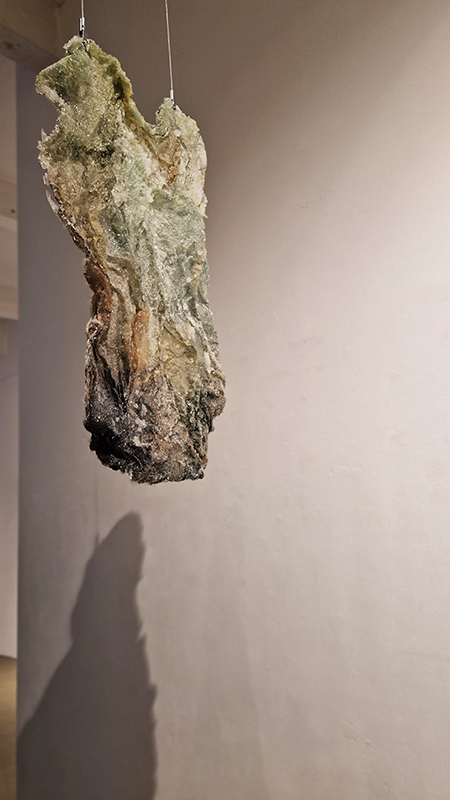

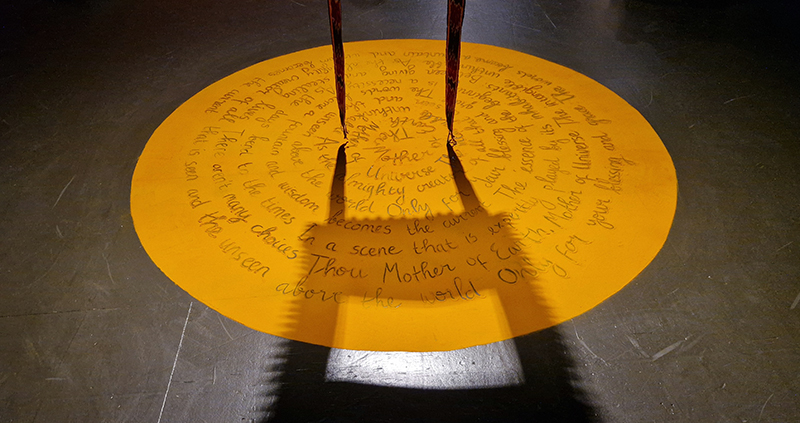
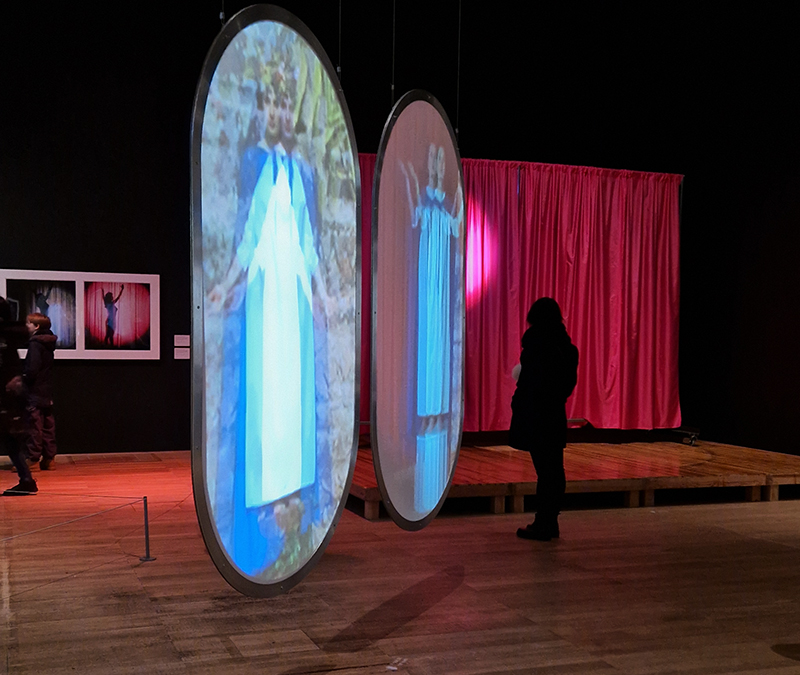

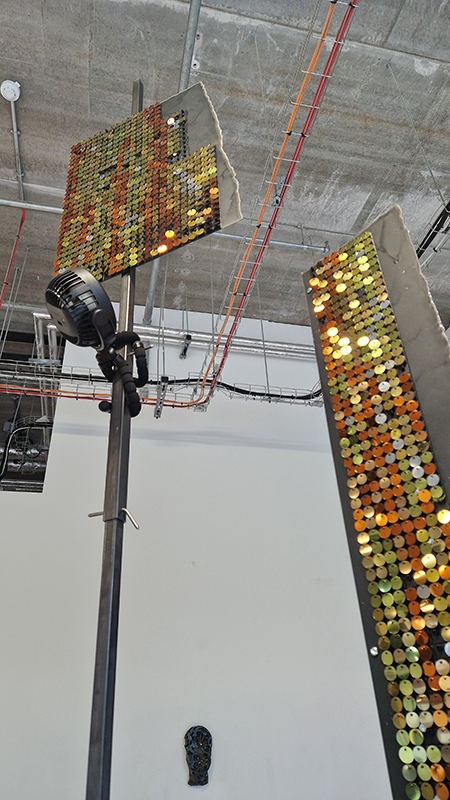
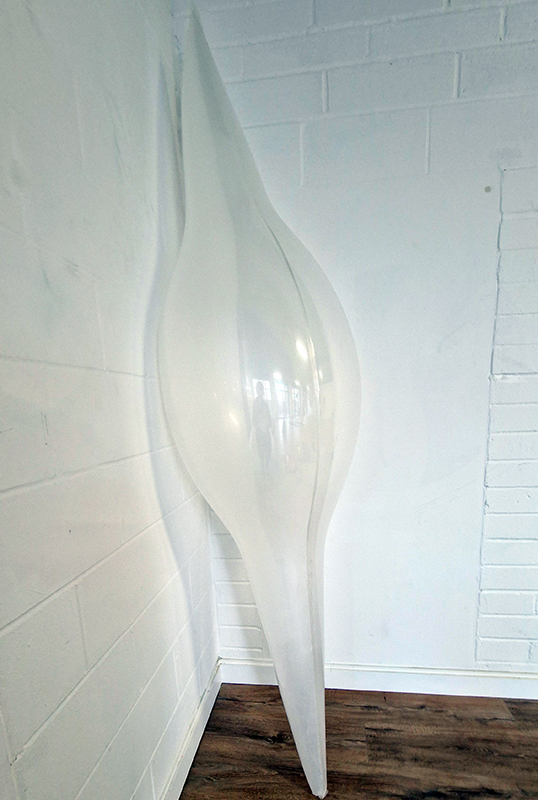
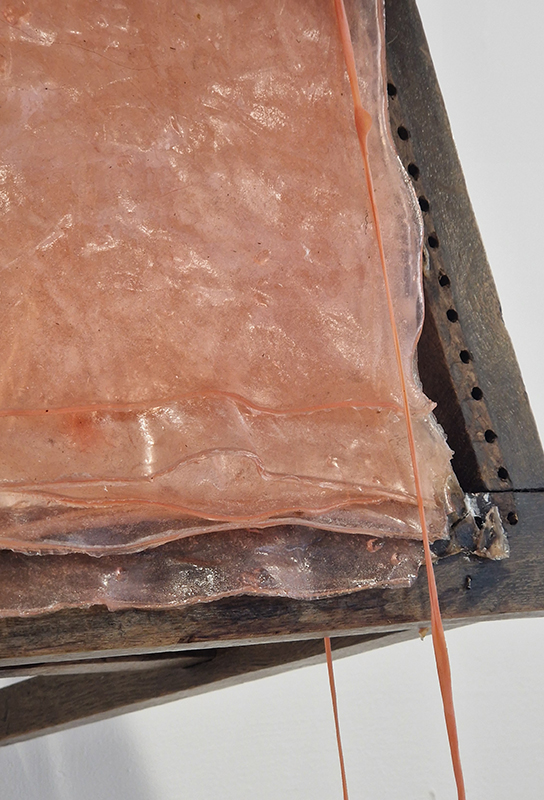
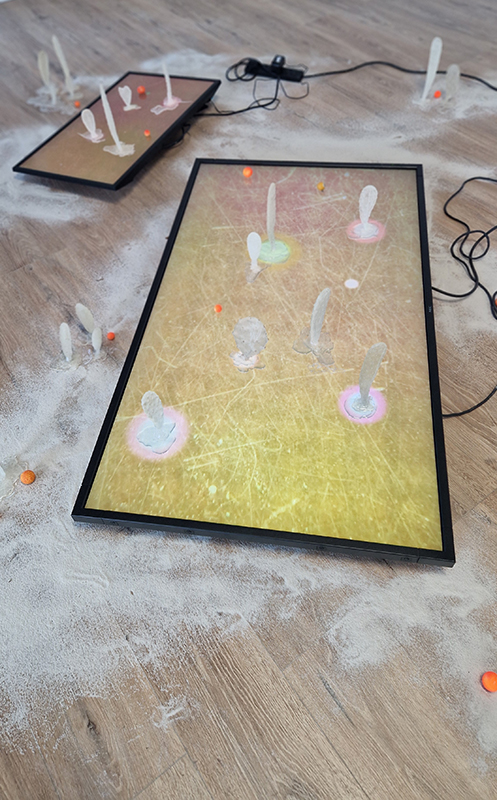
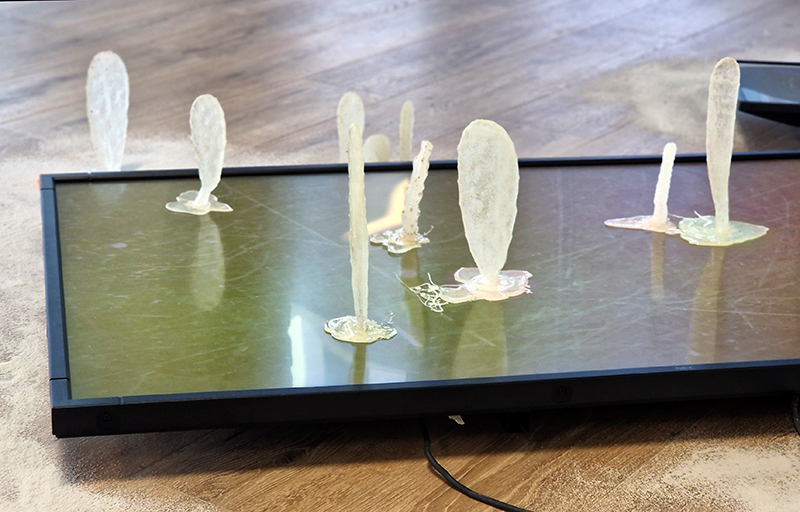
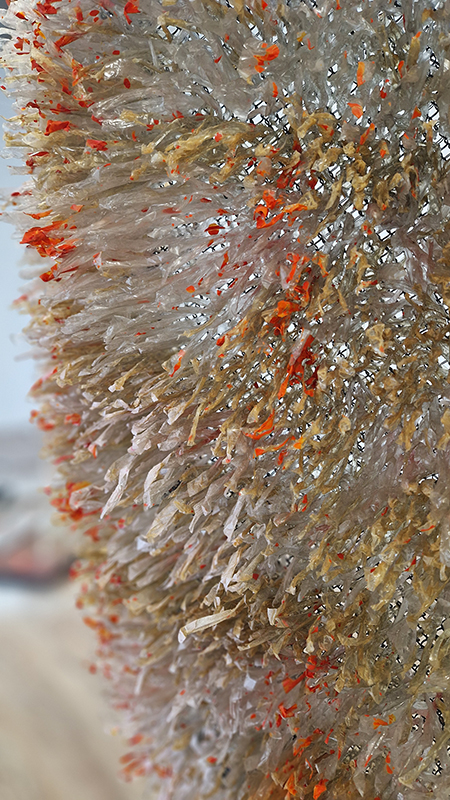
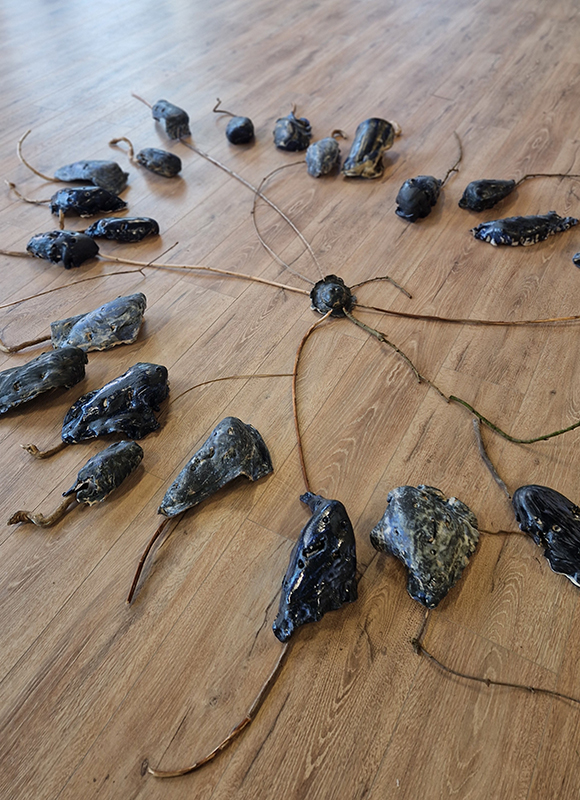
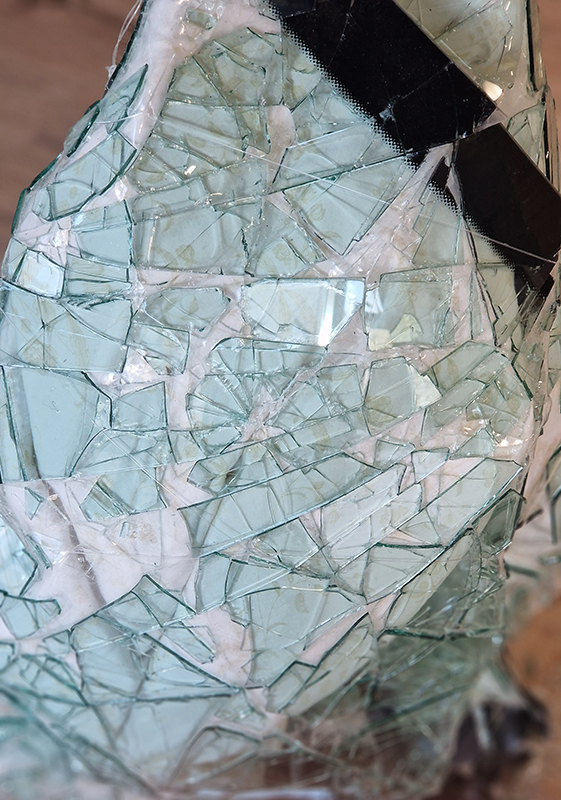

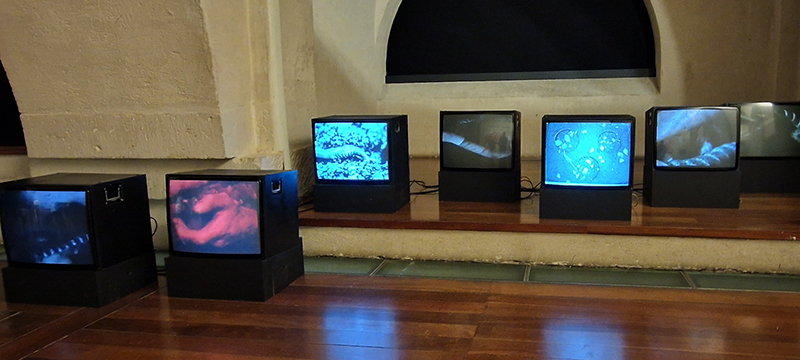
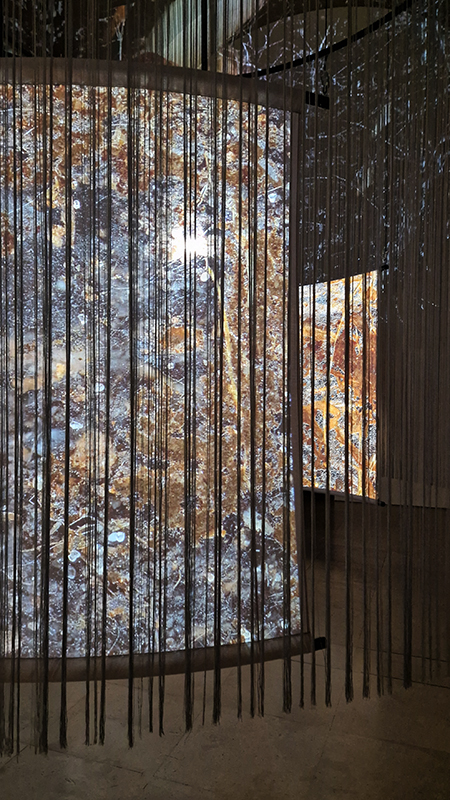
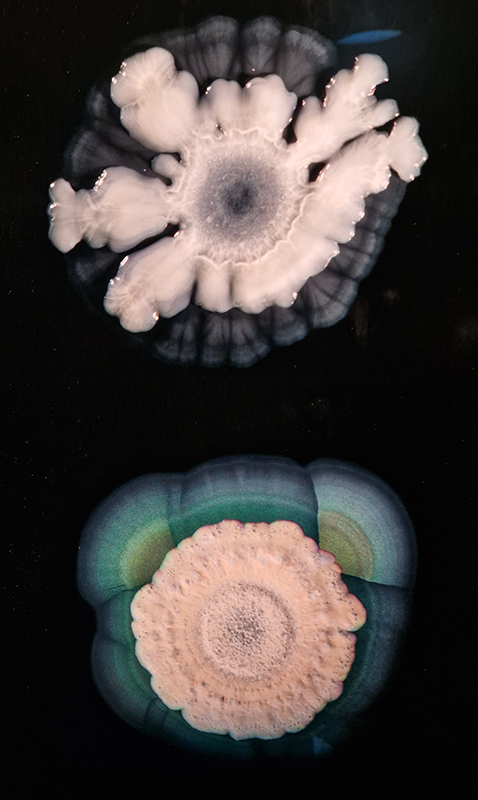
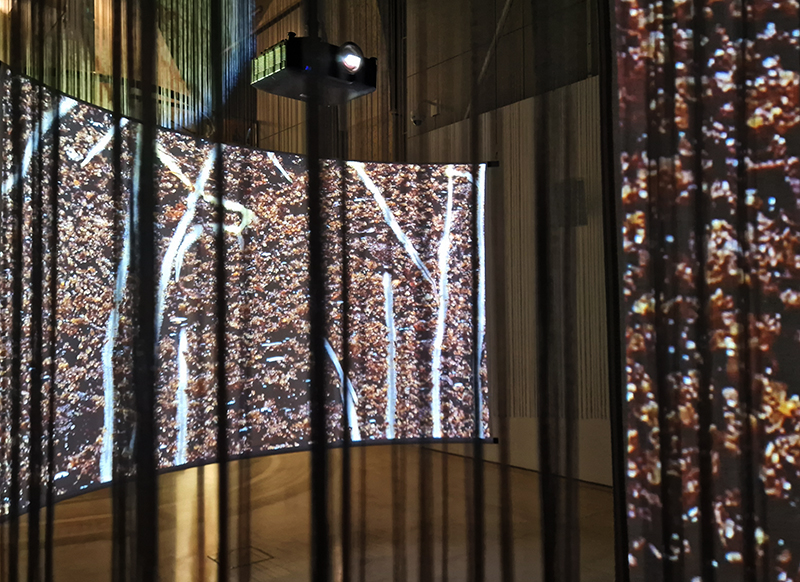
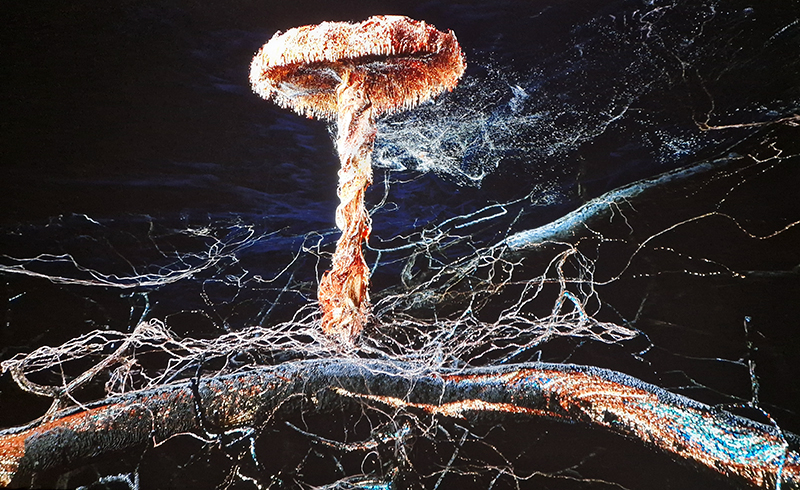
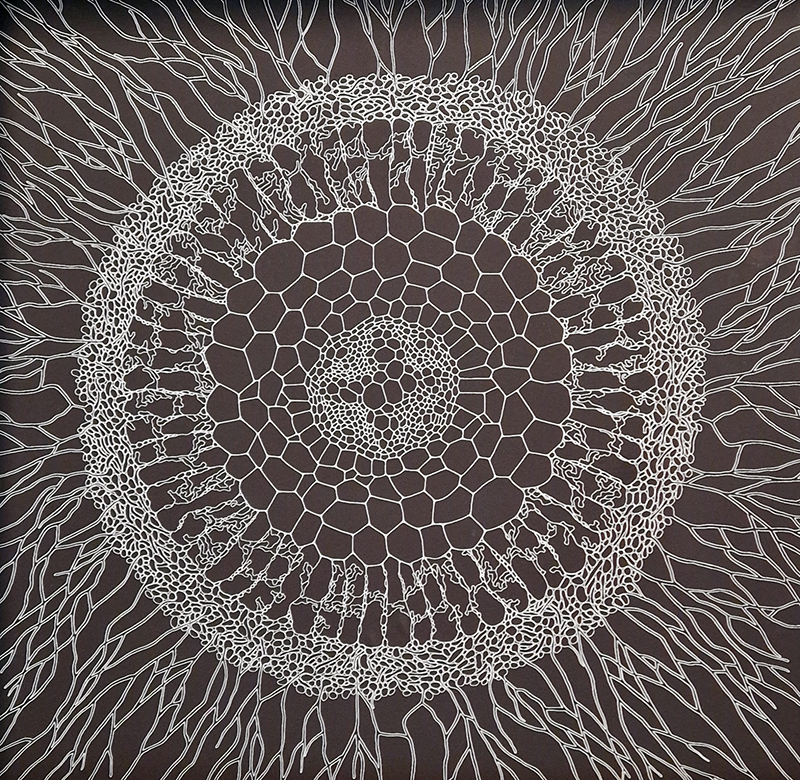
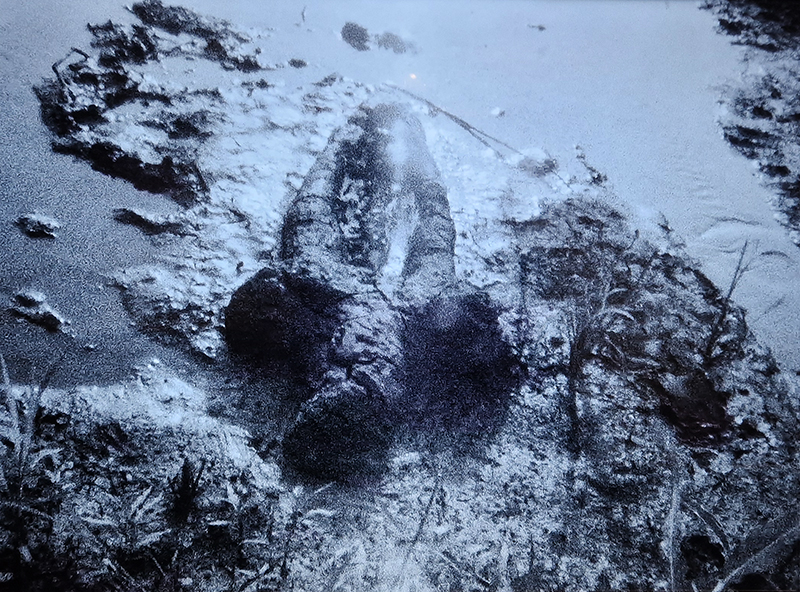
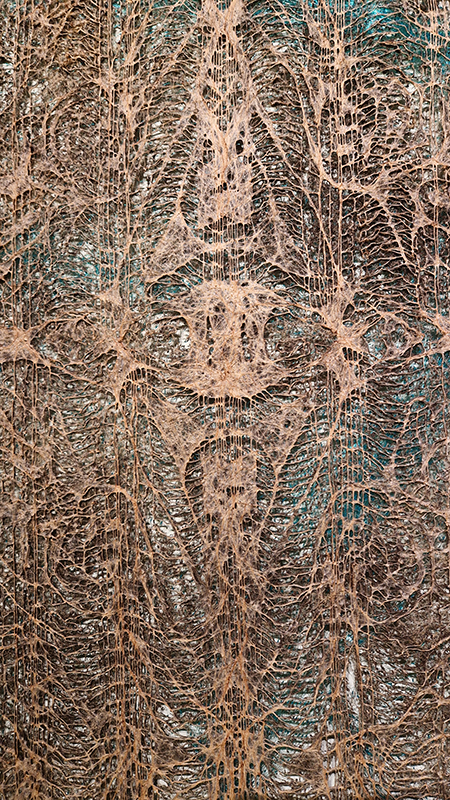


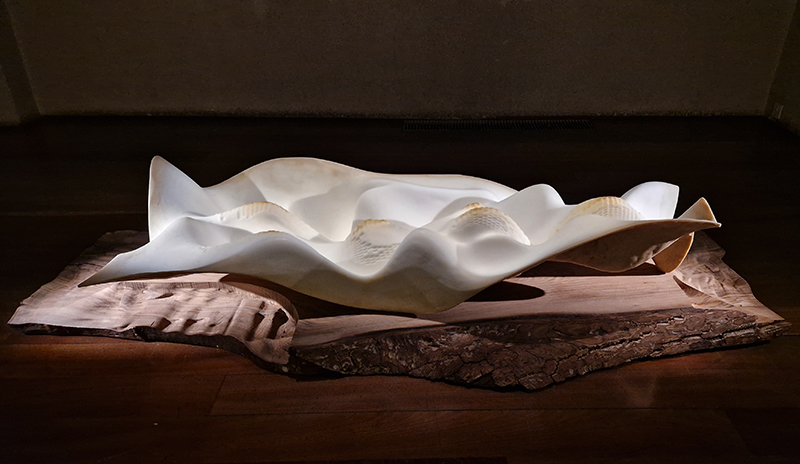
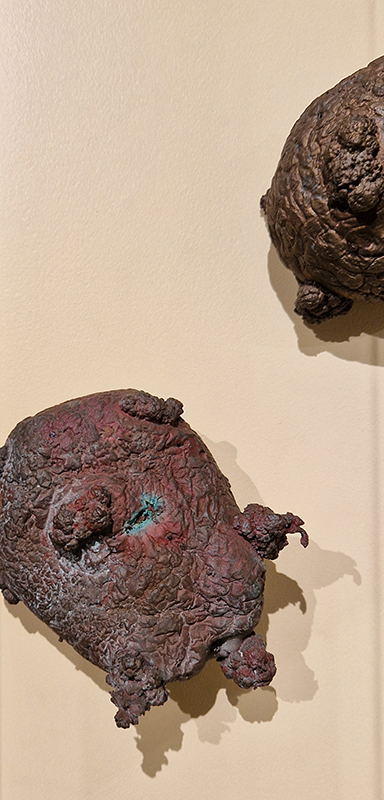
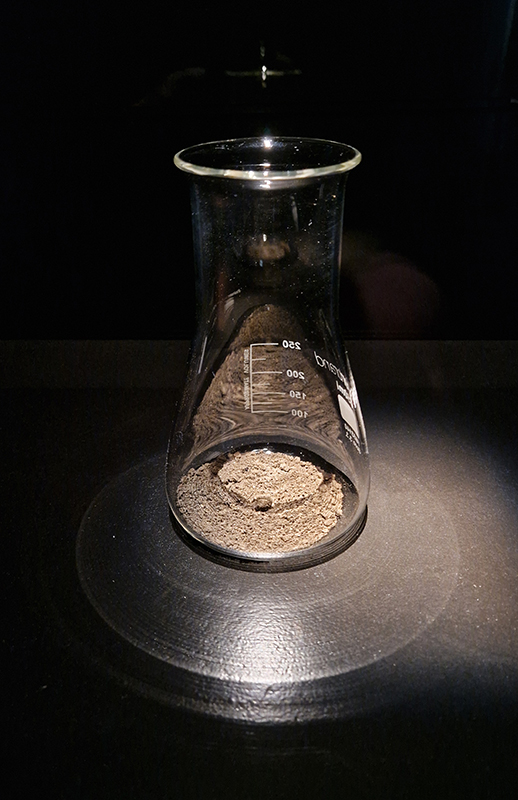
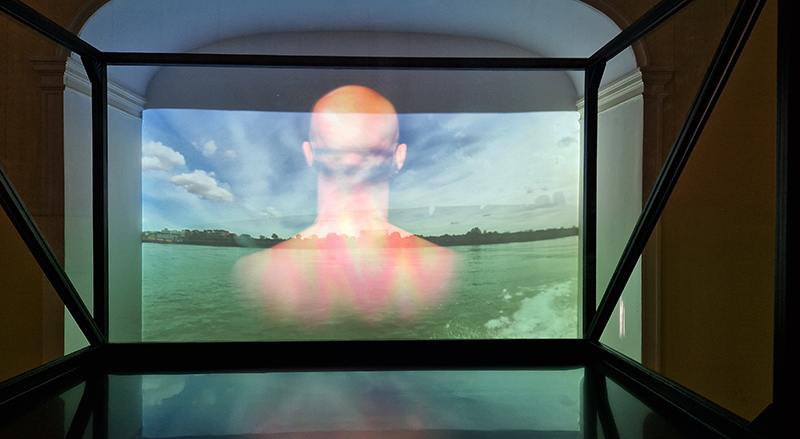
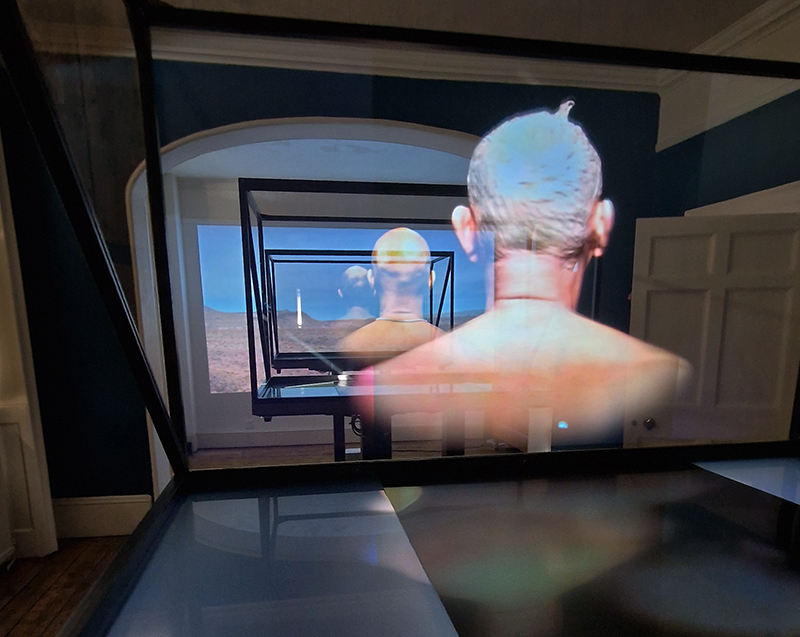
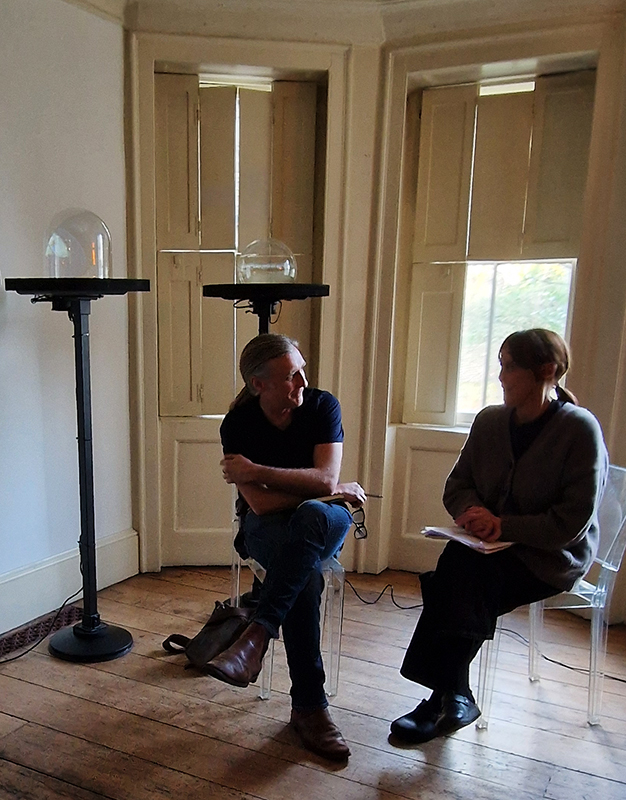

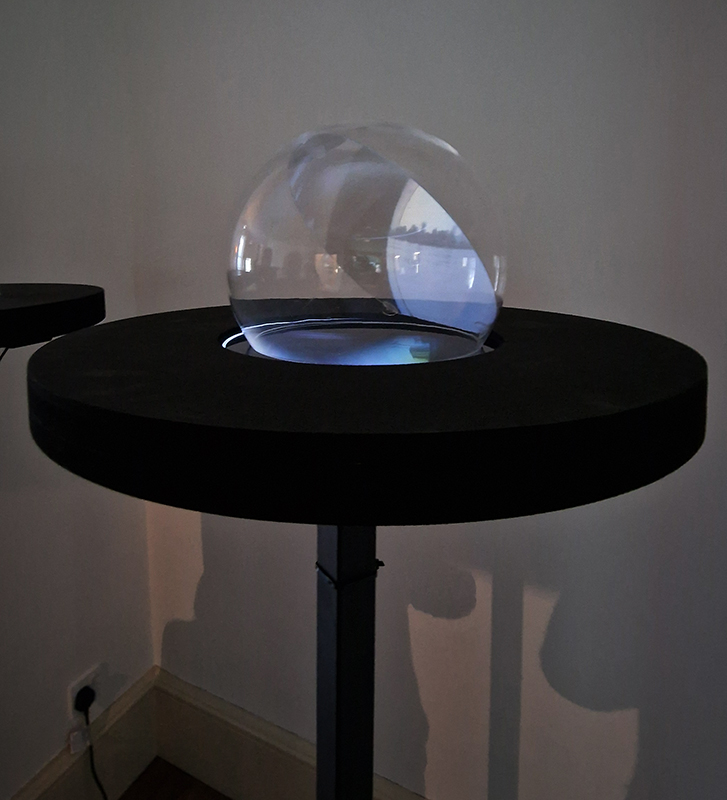
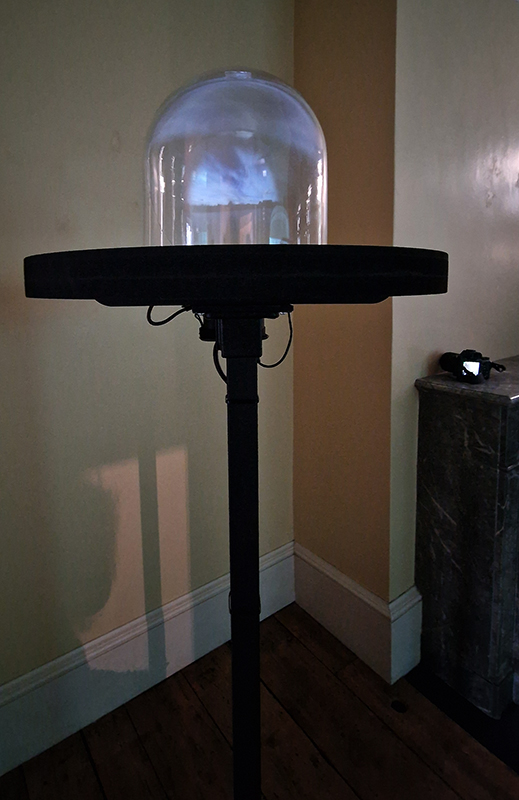
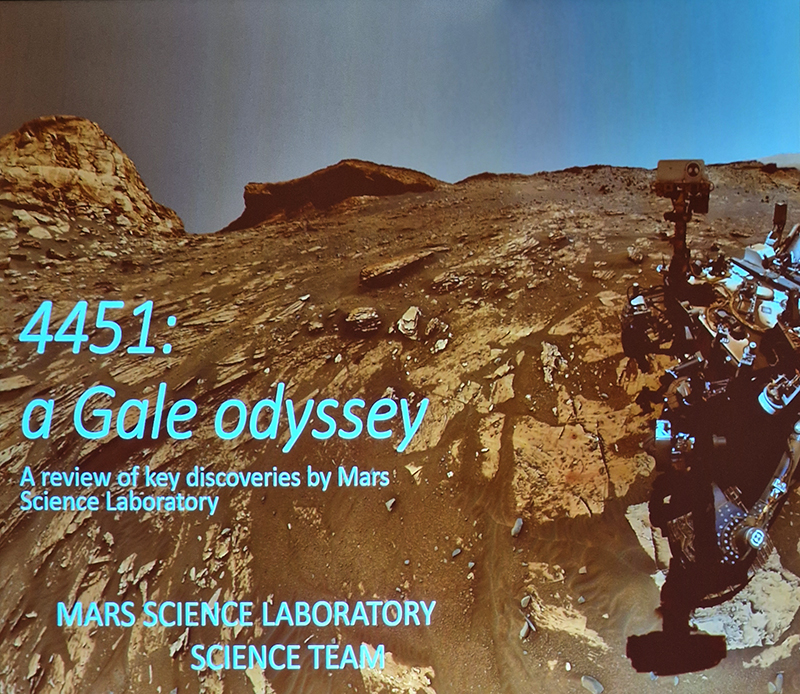

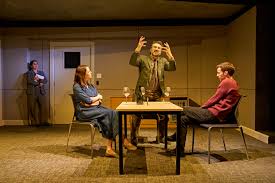


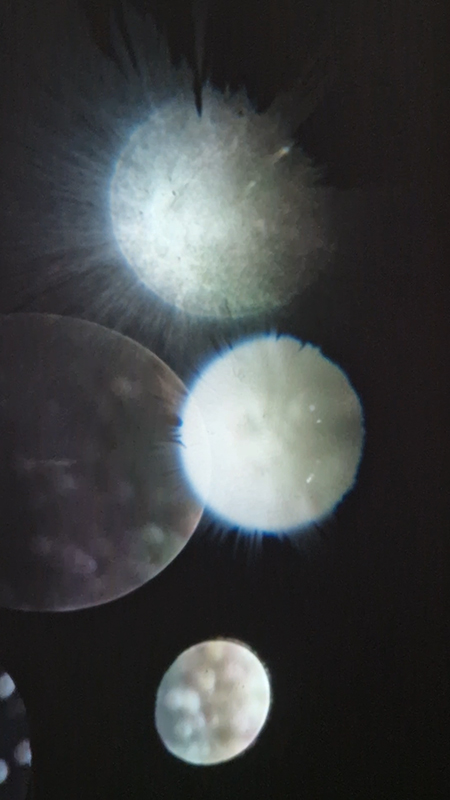
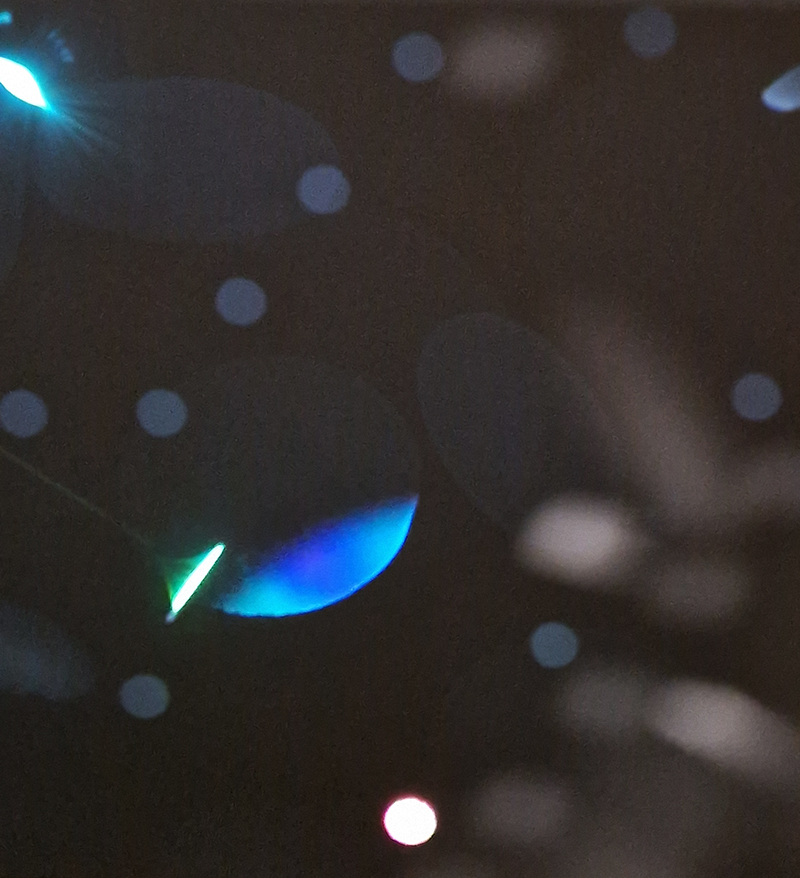
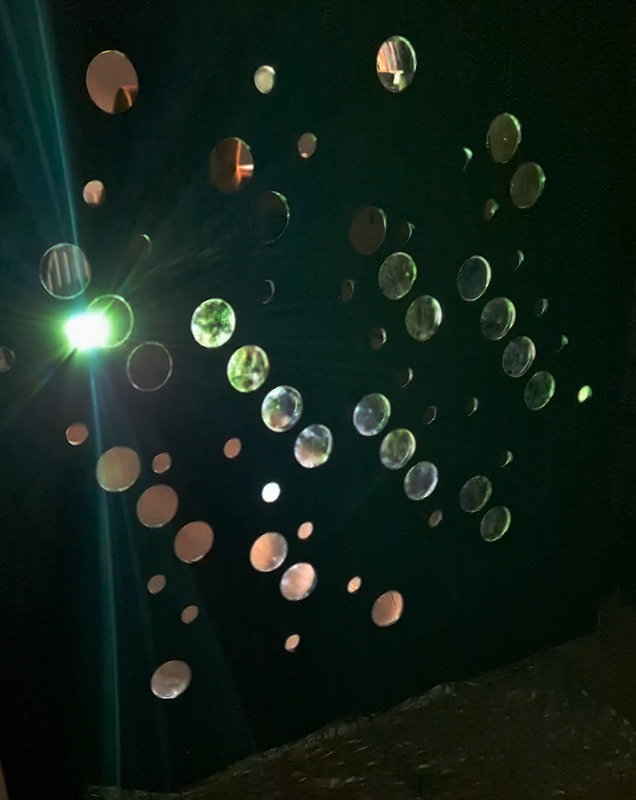

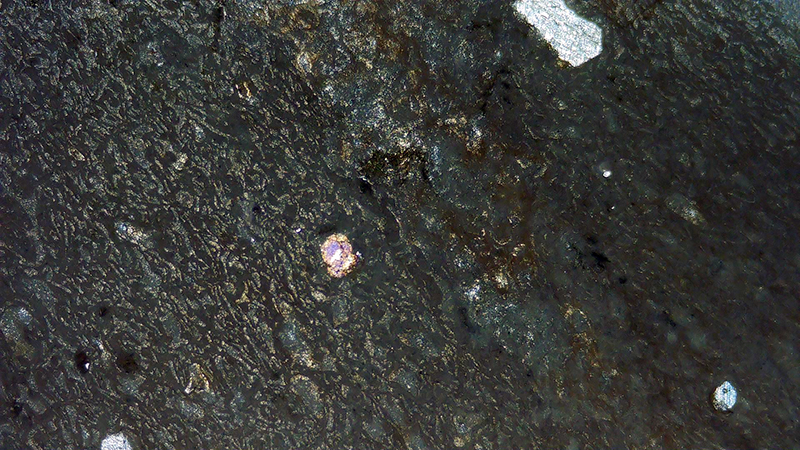

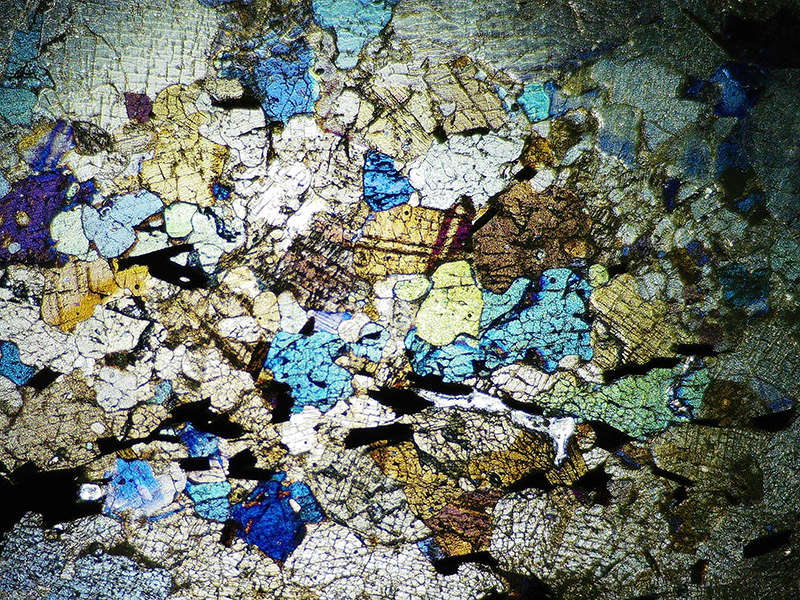


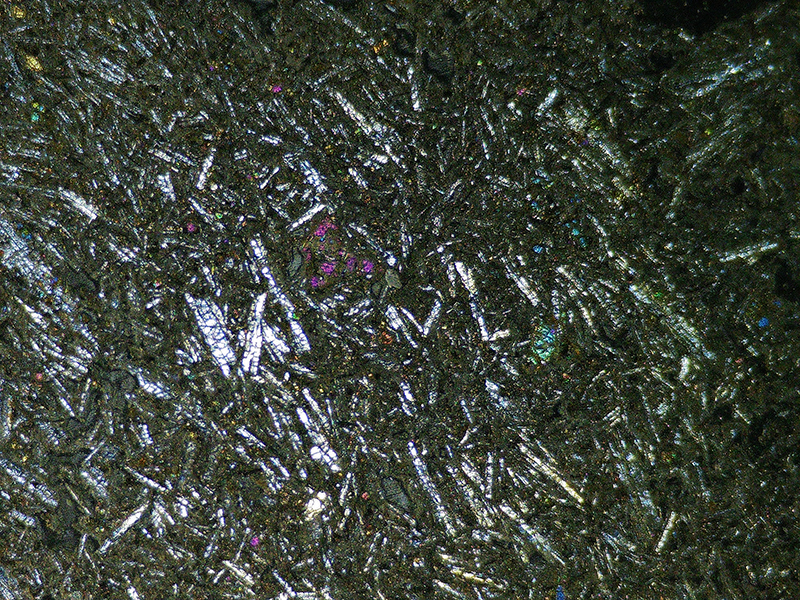


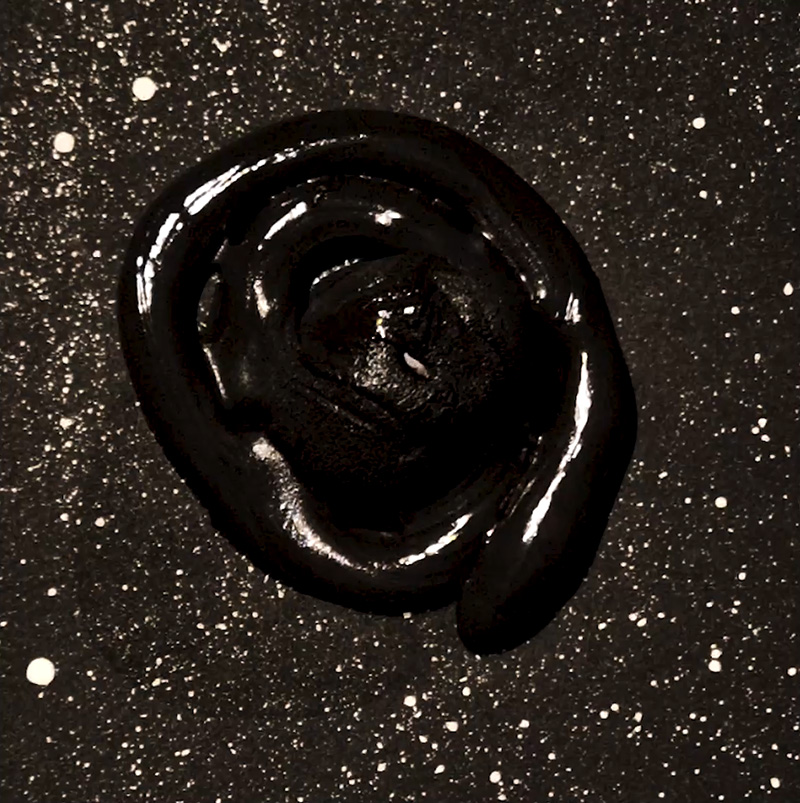

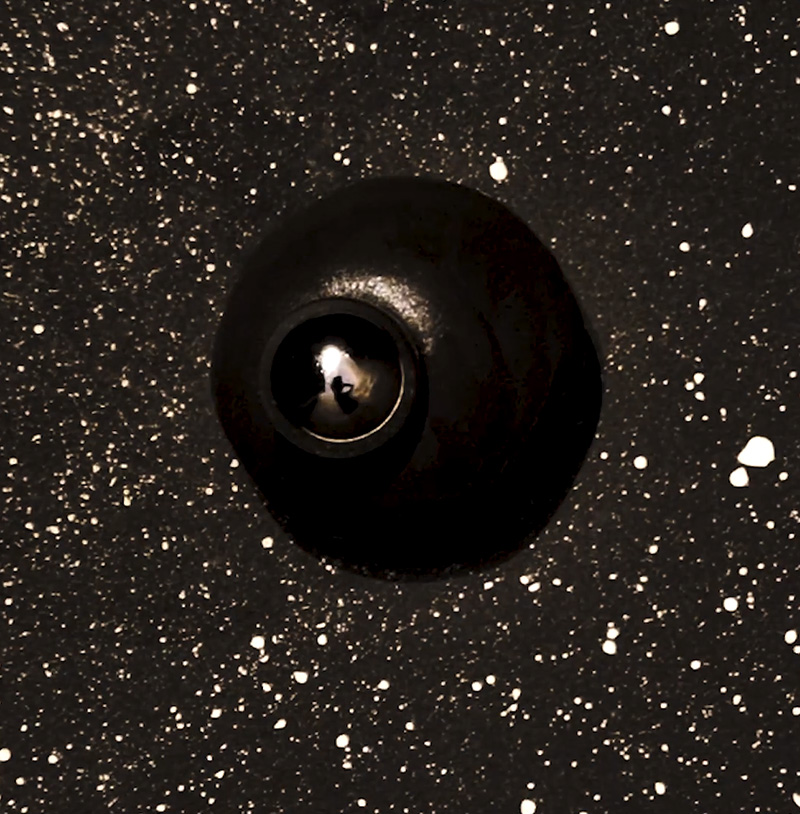
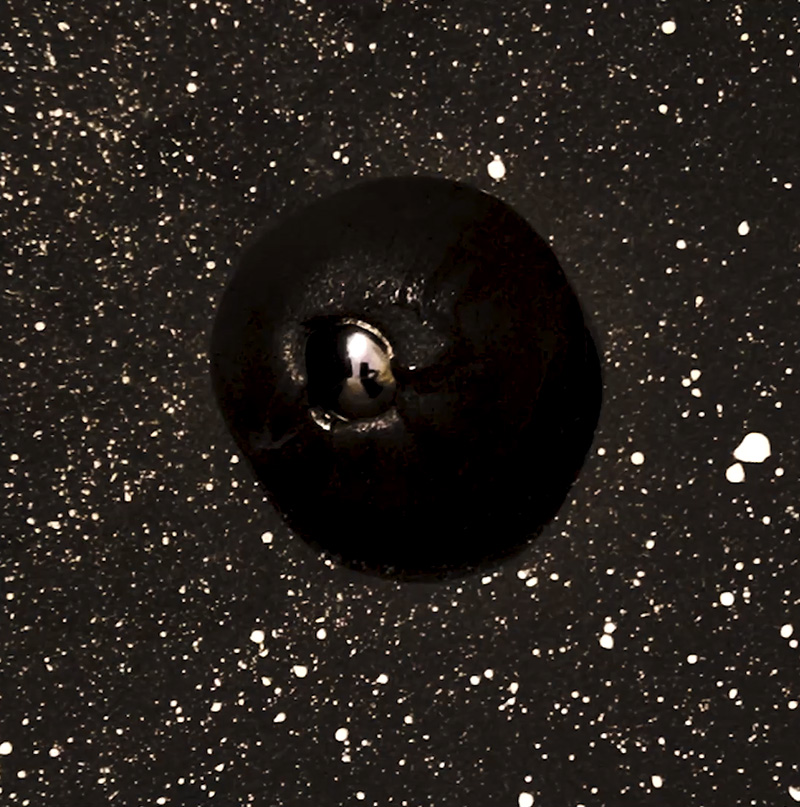



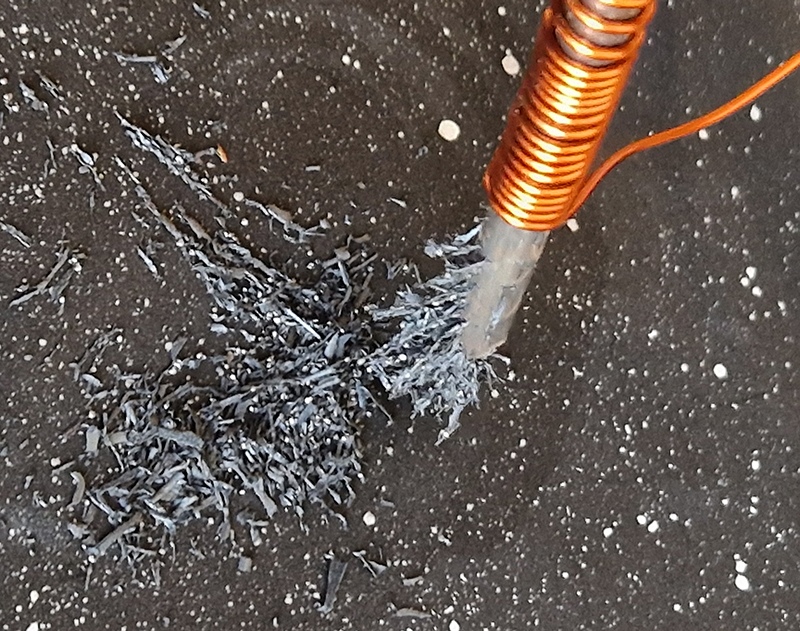


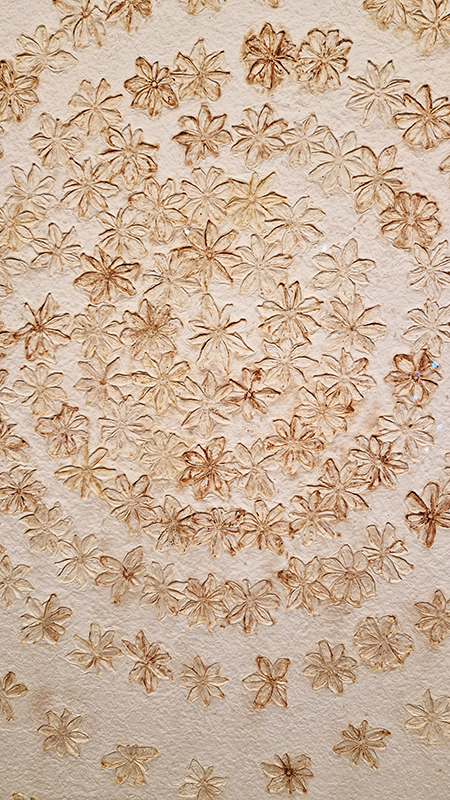


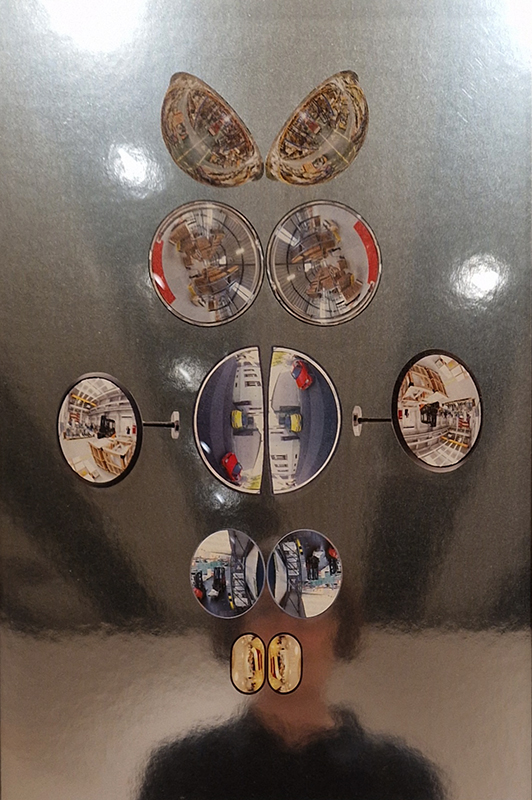

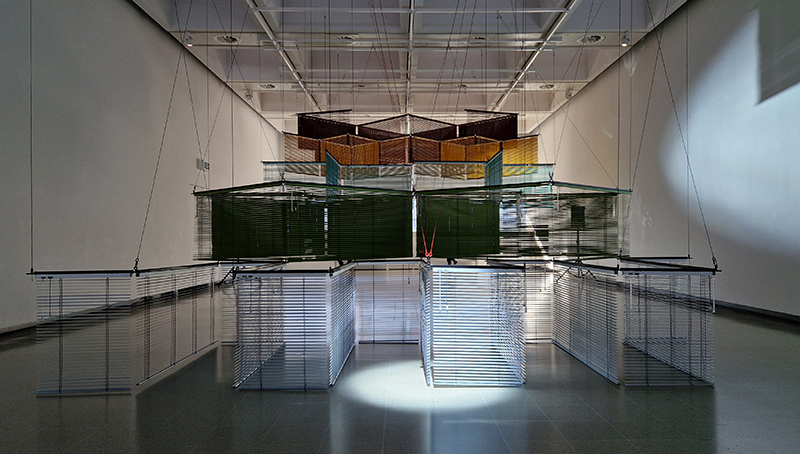

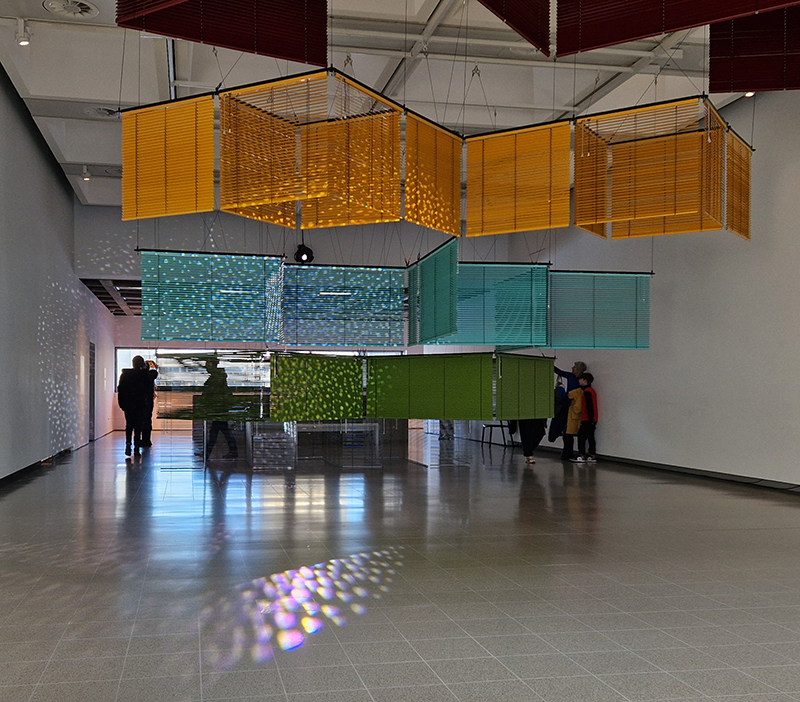

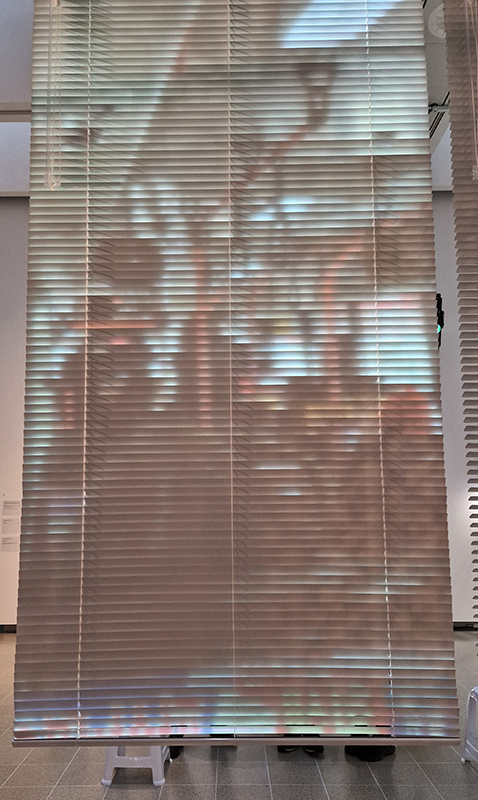


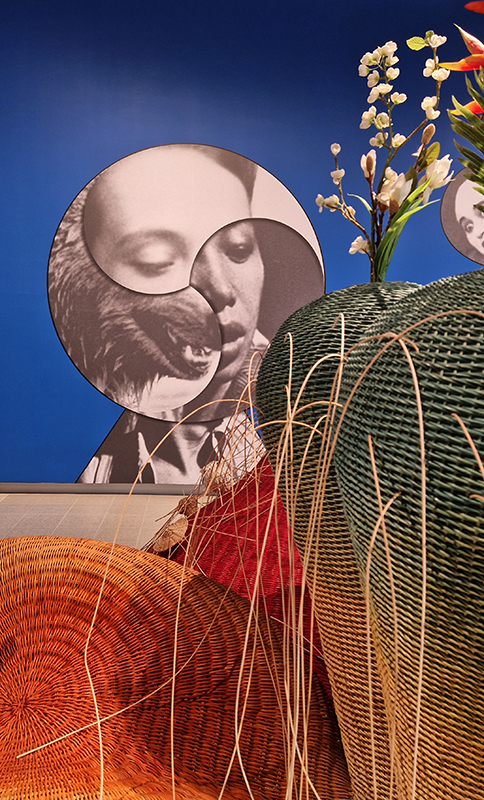
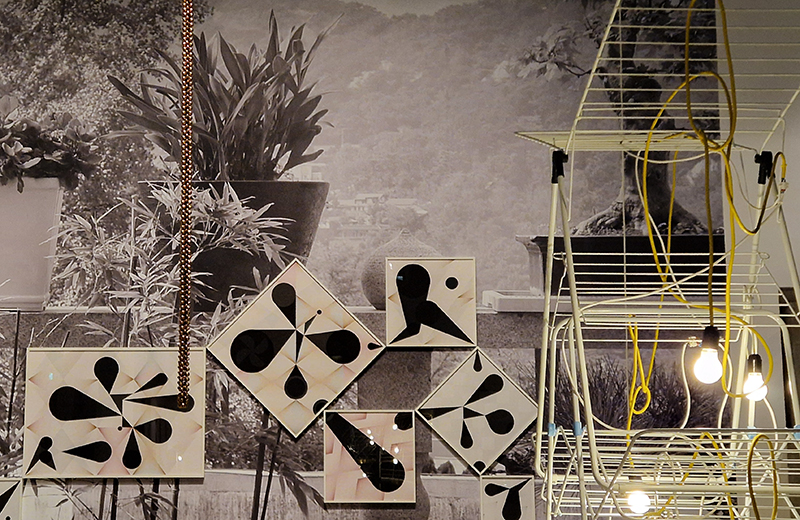
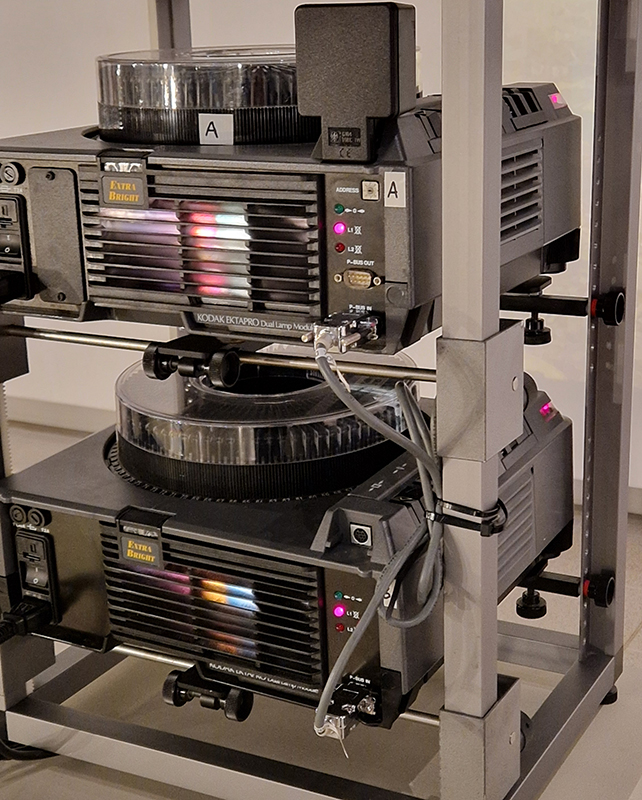
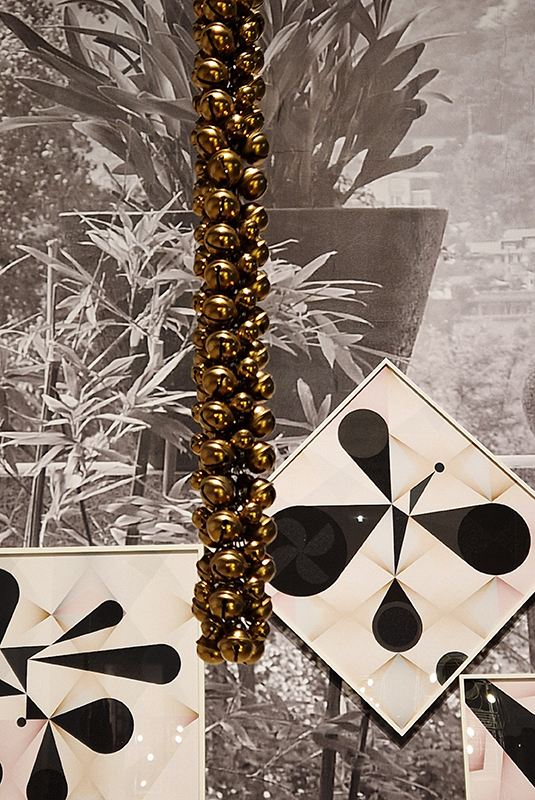

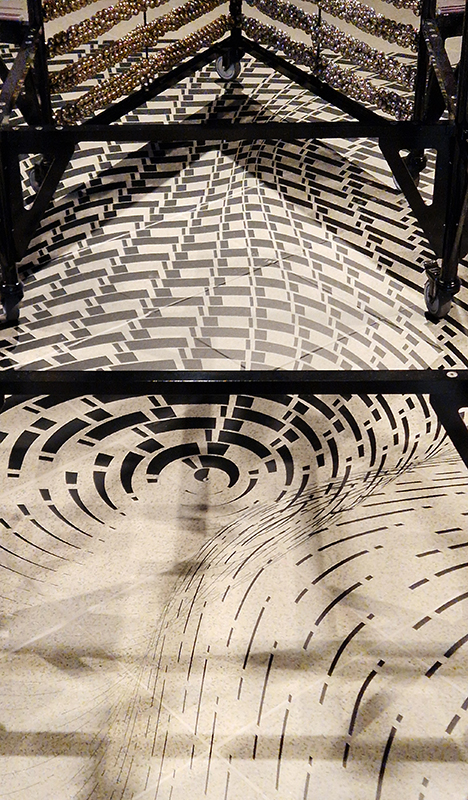
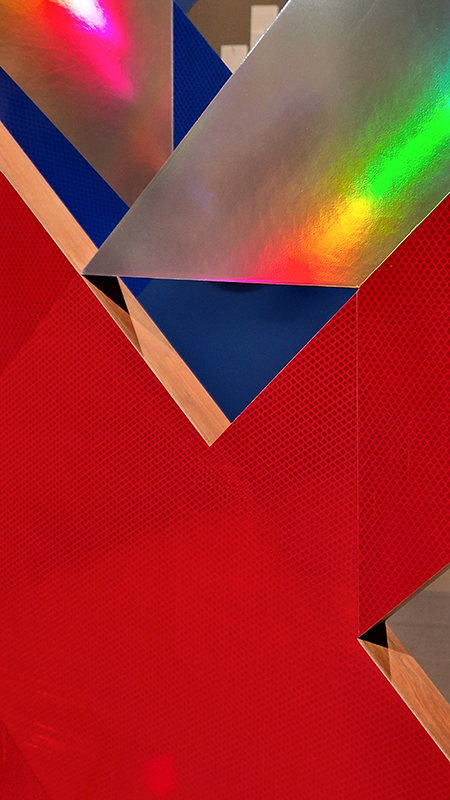


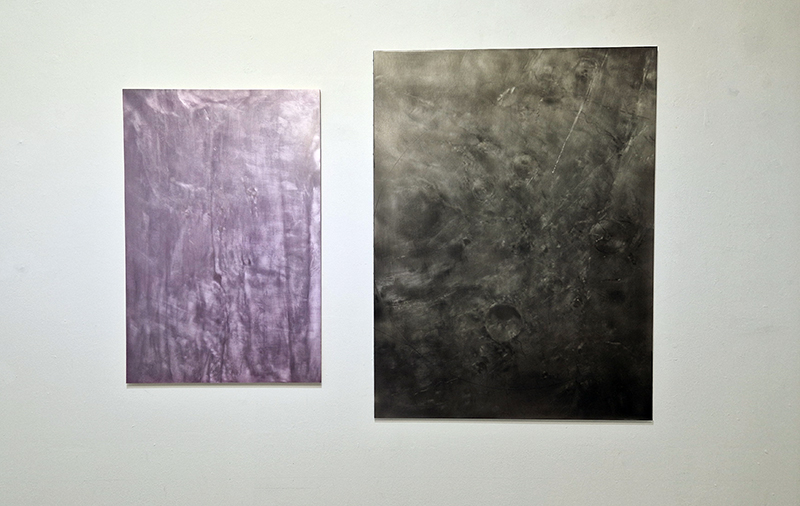


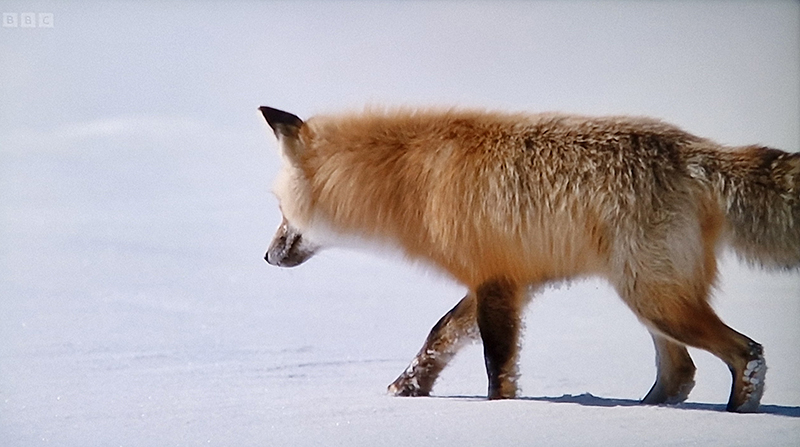

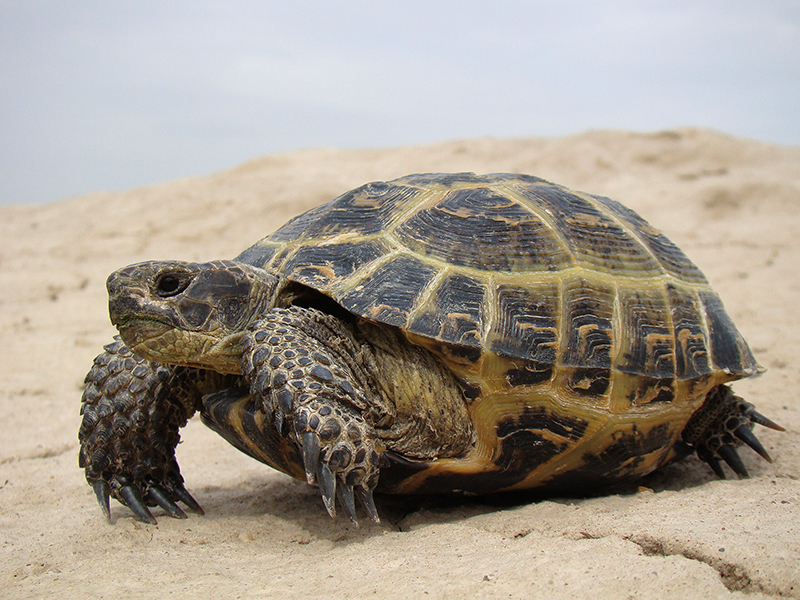


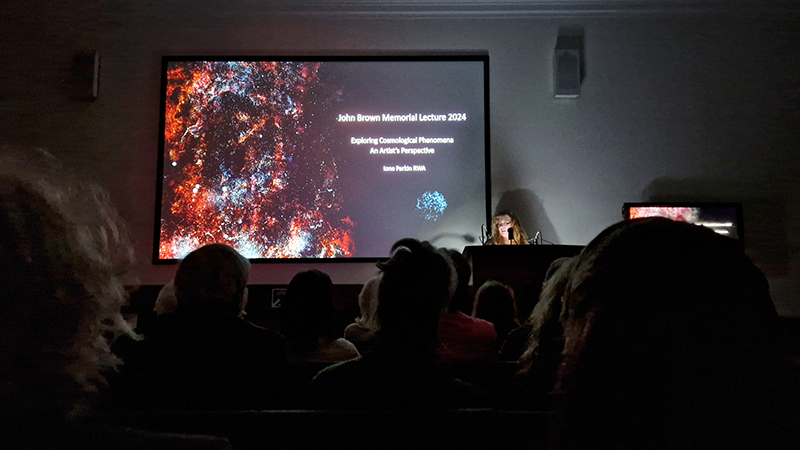


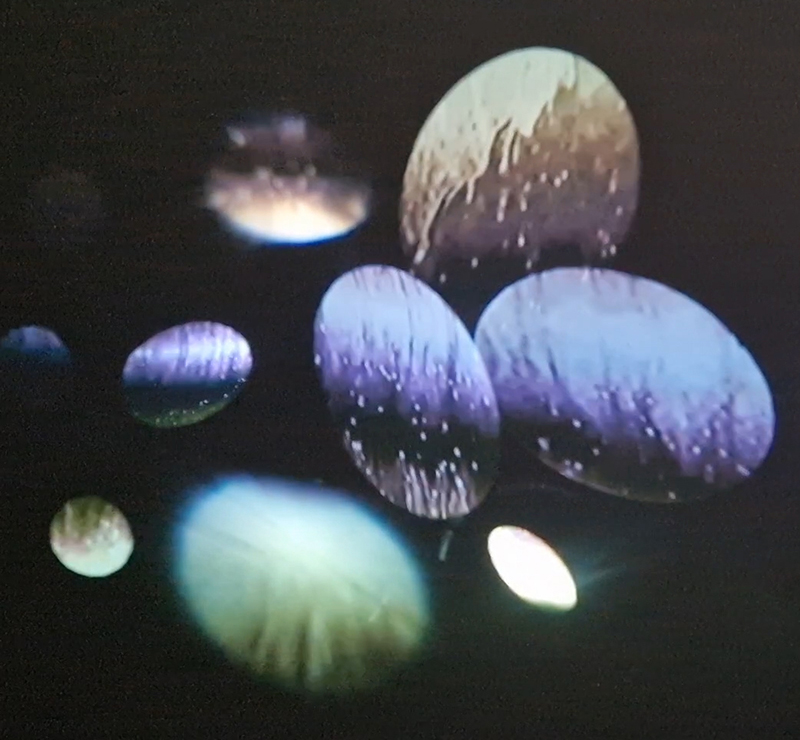


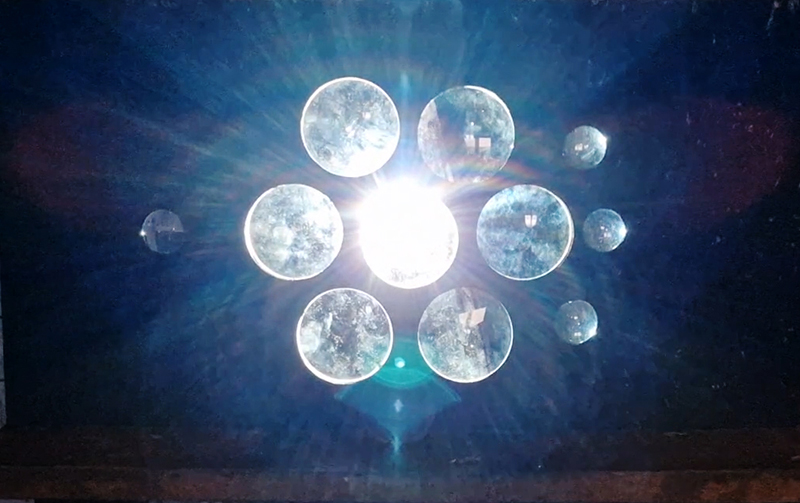


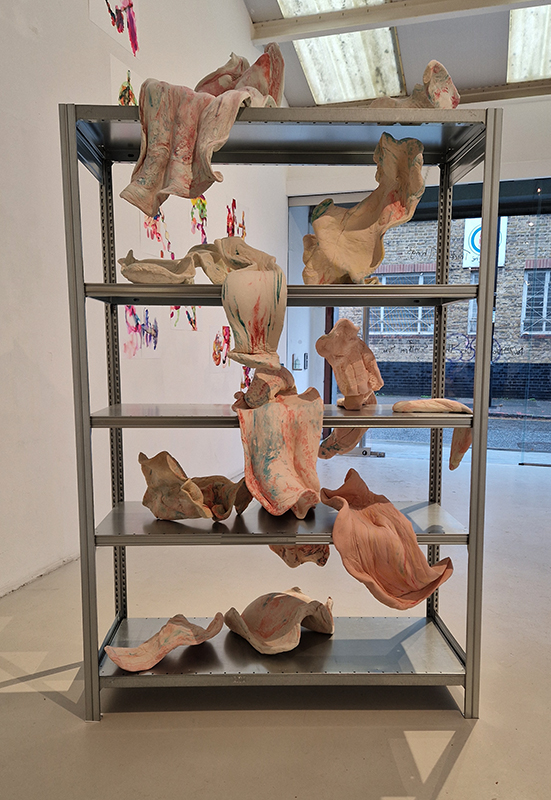
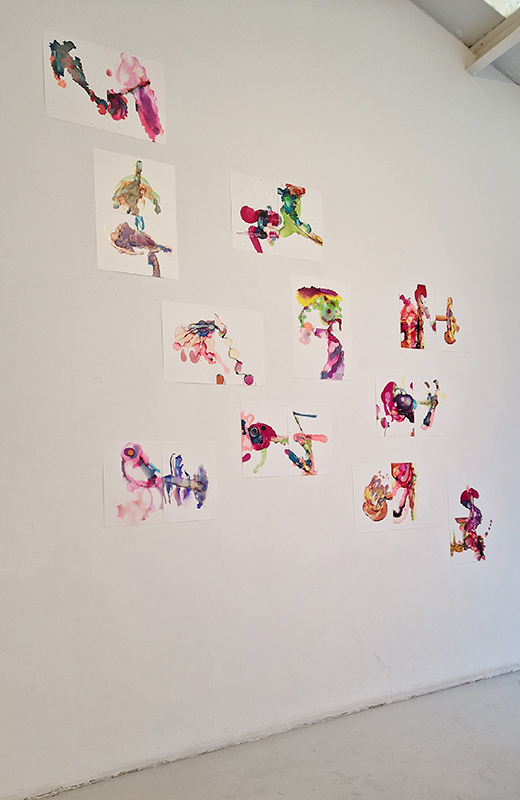


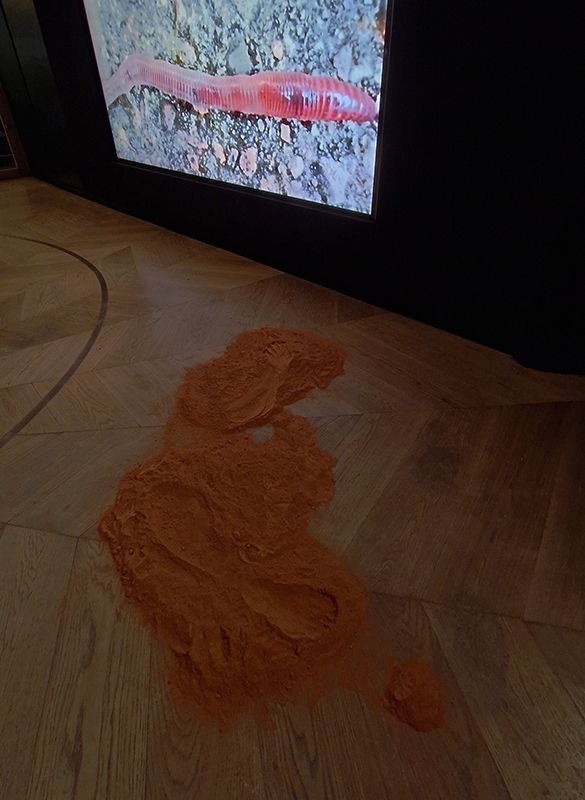
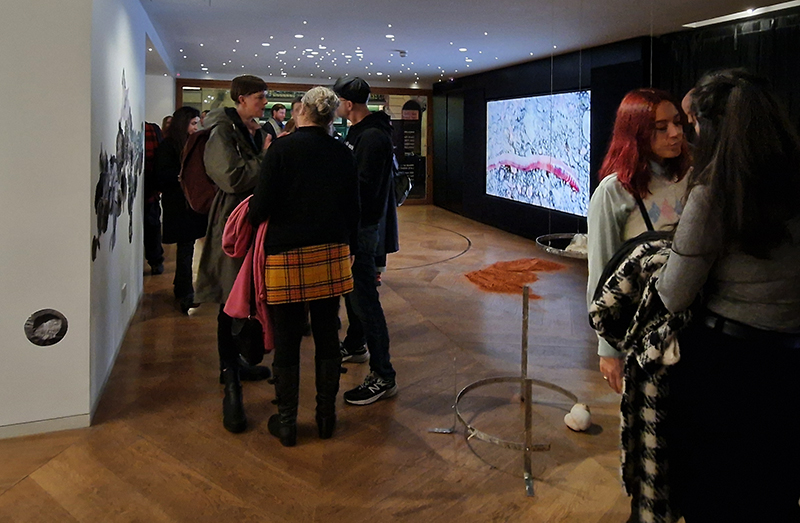


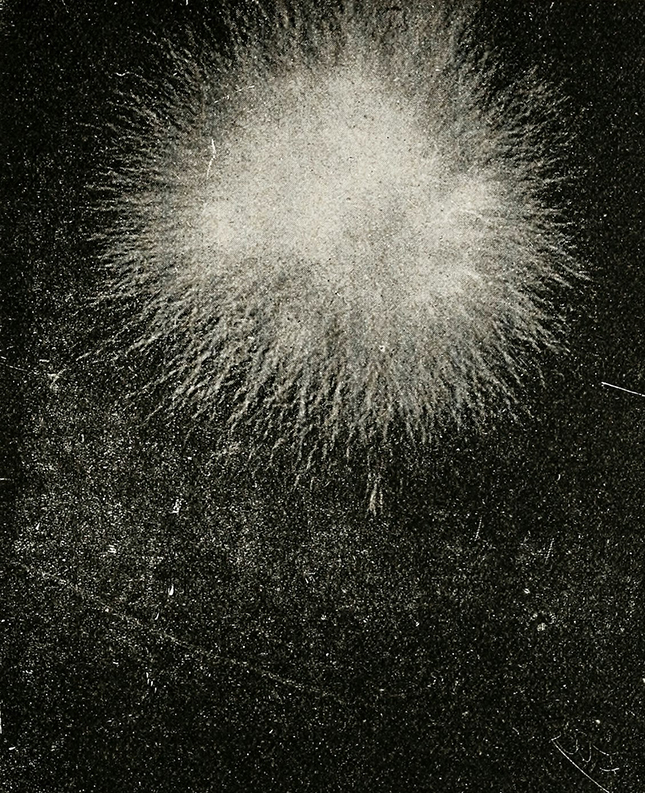
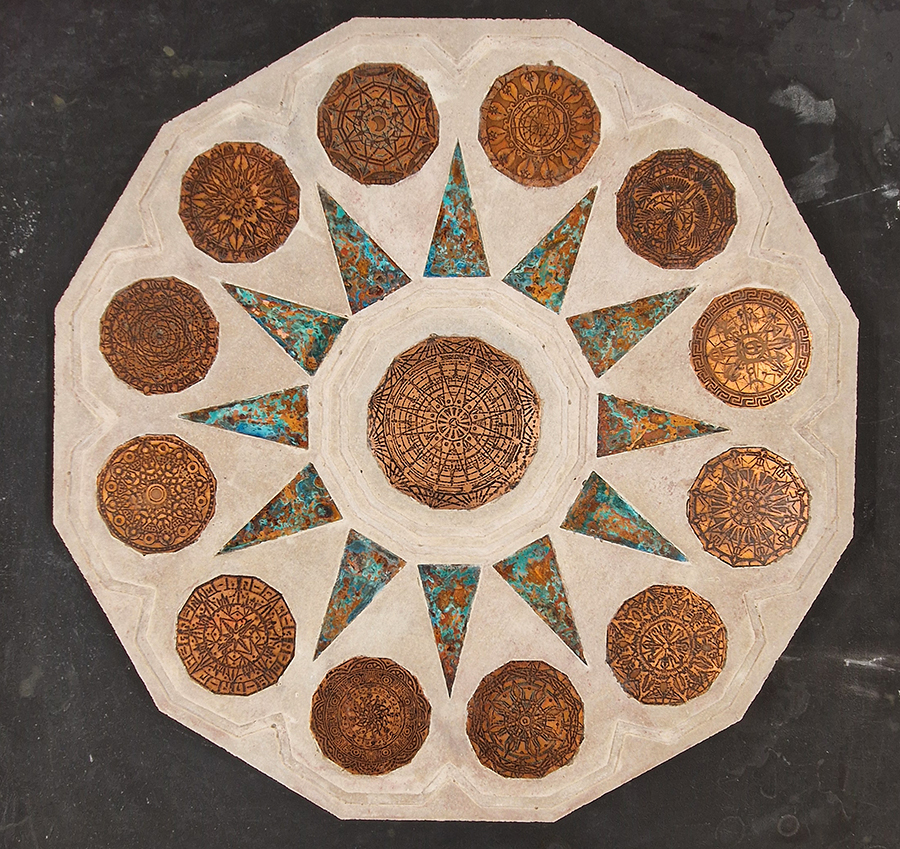

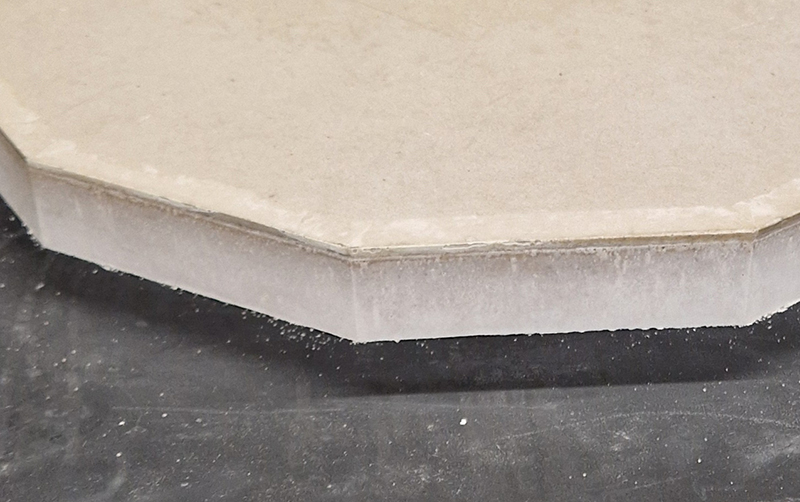
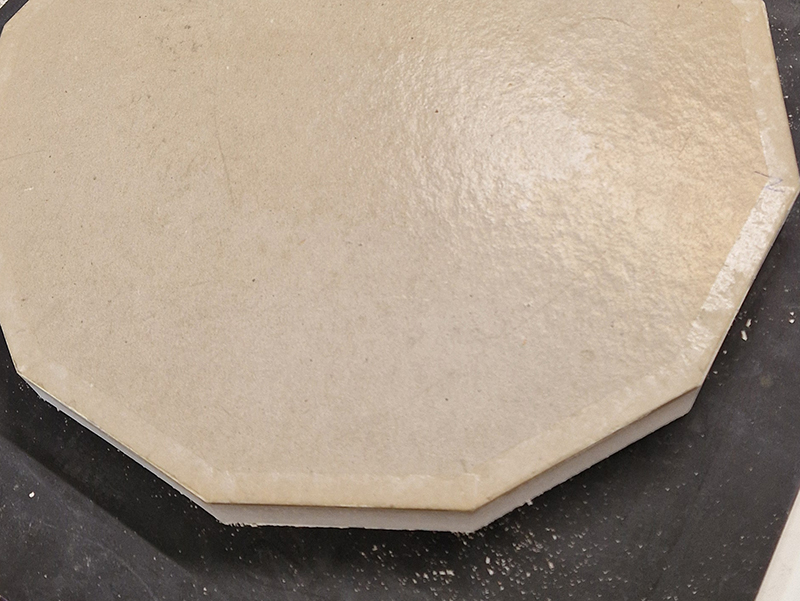
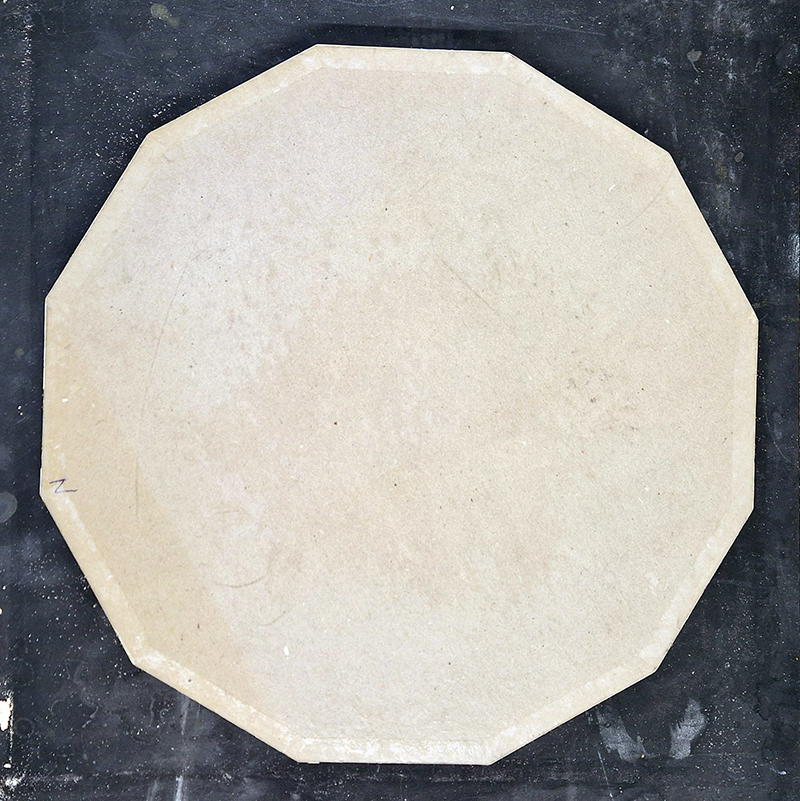
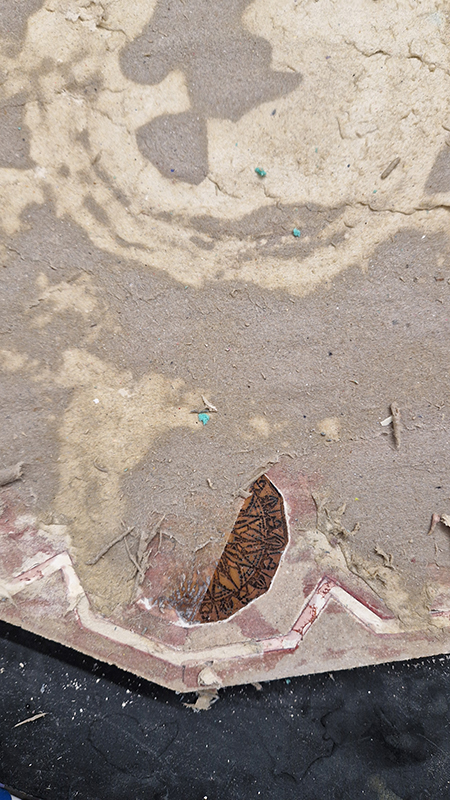
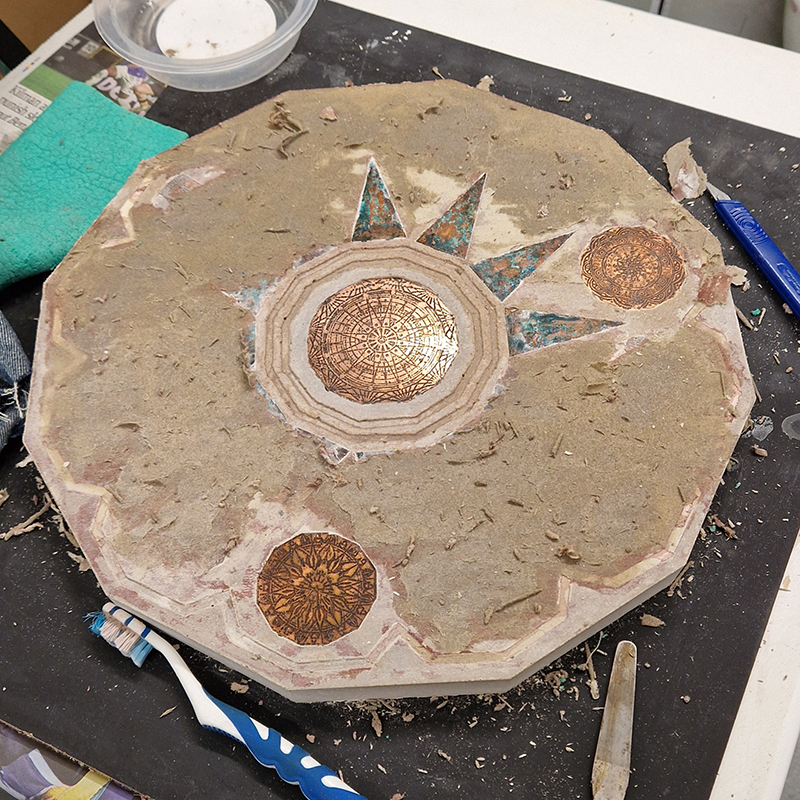
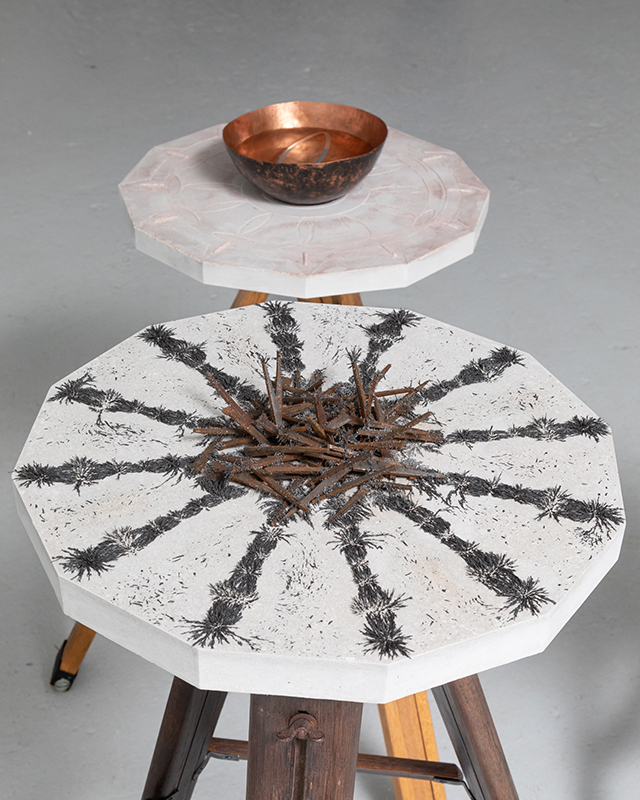
 These images are stills of live action.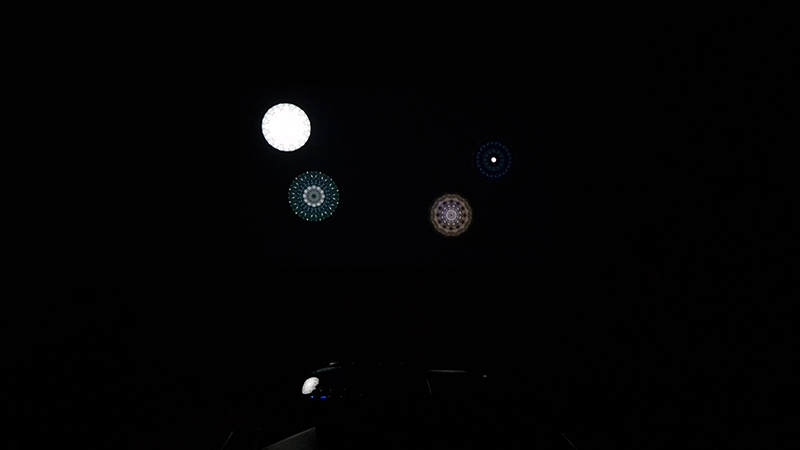
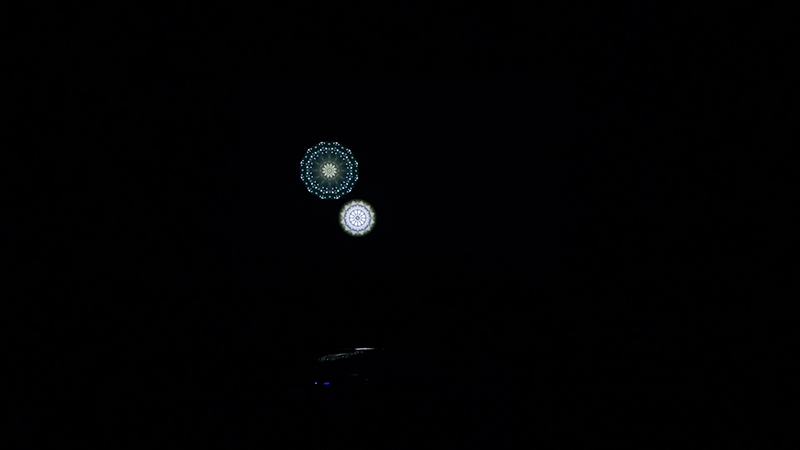
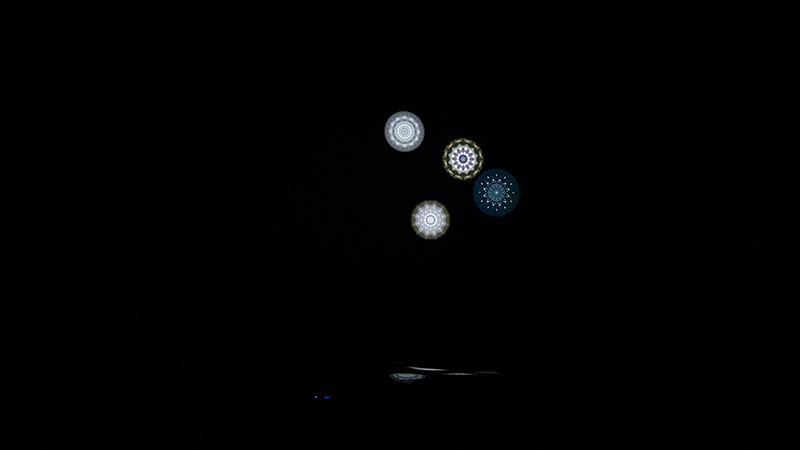
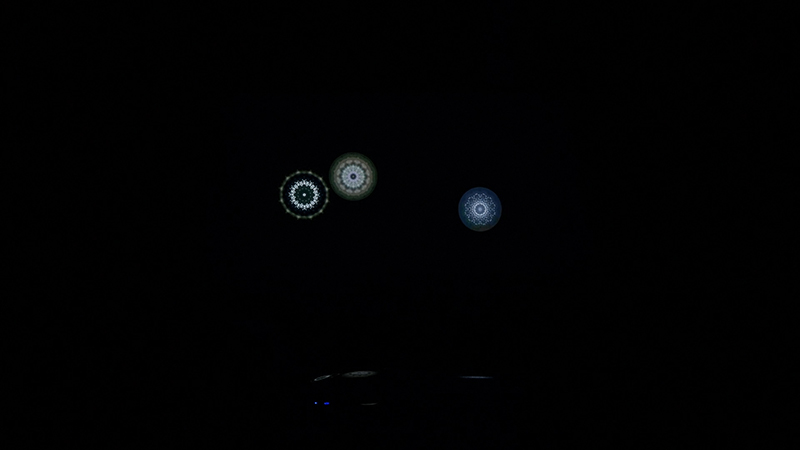
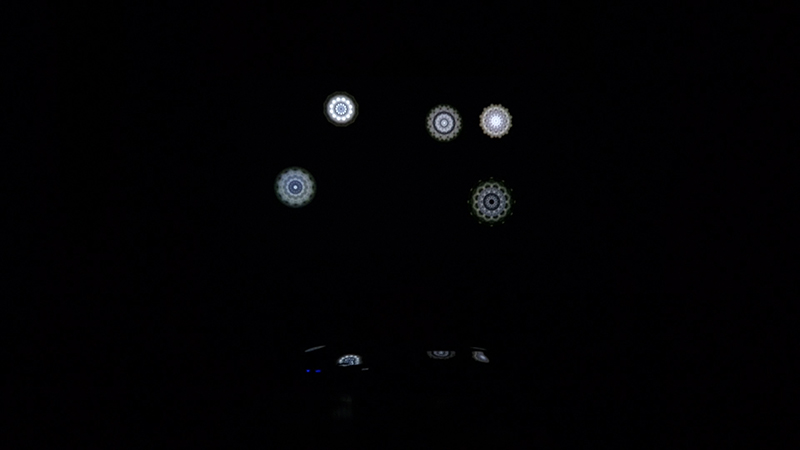
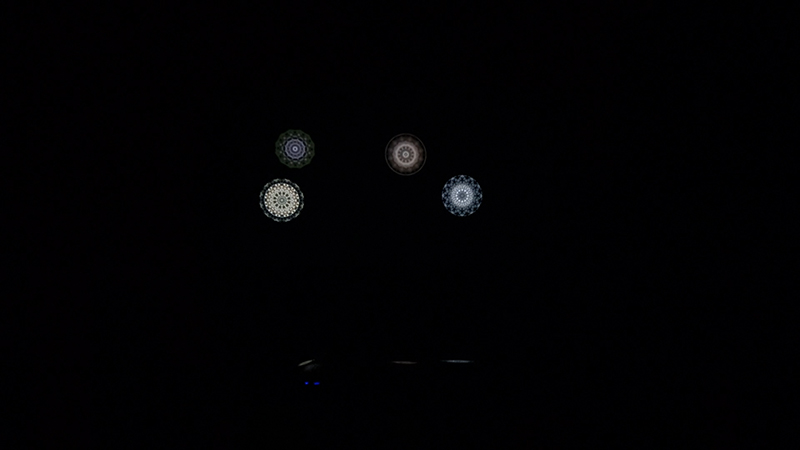
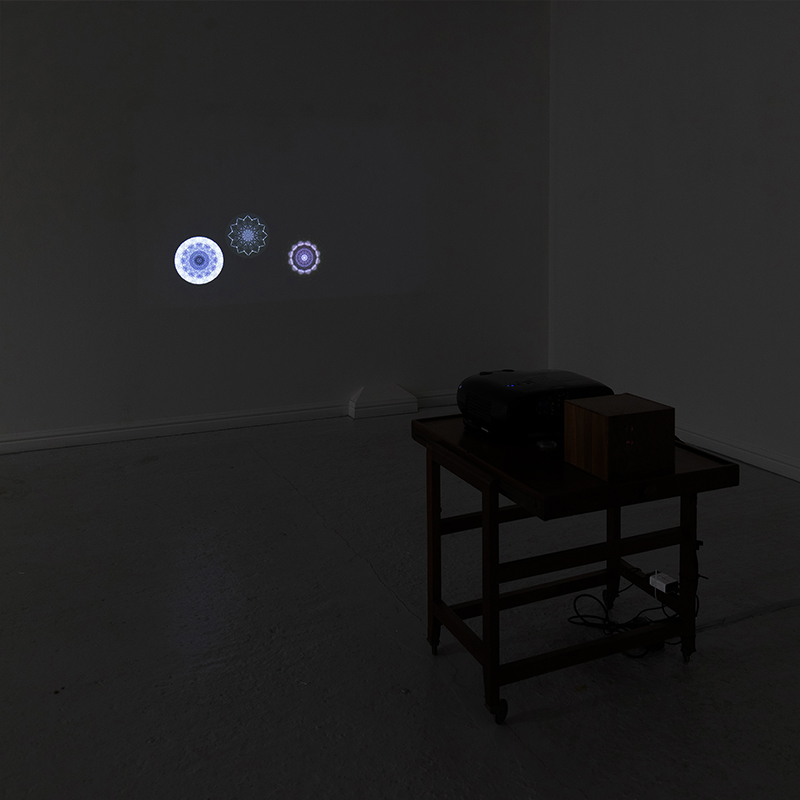
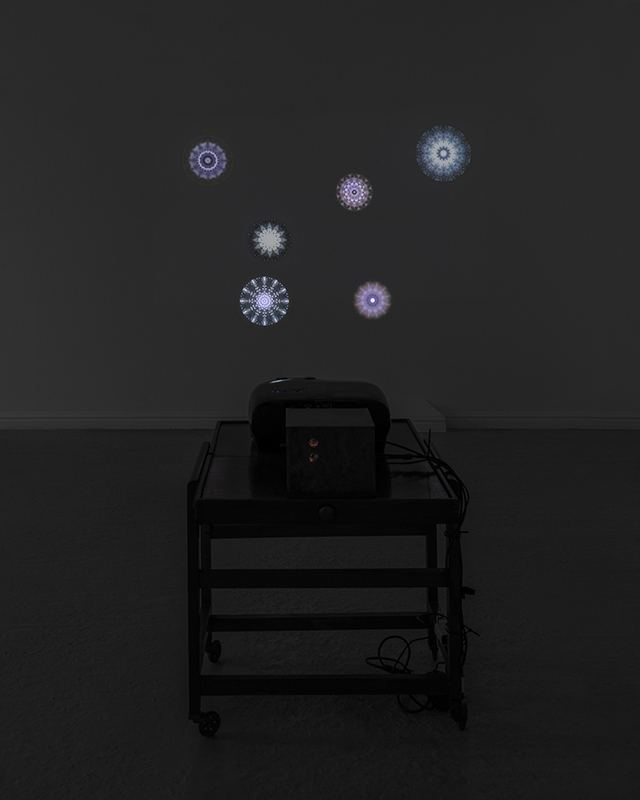
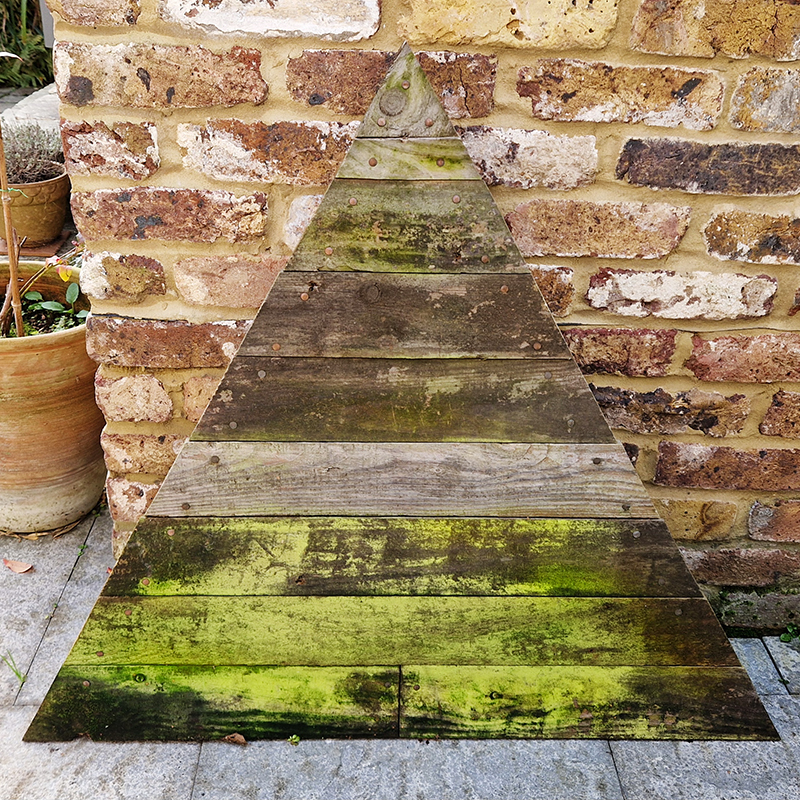


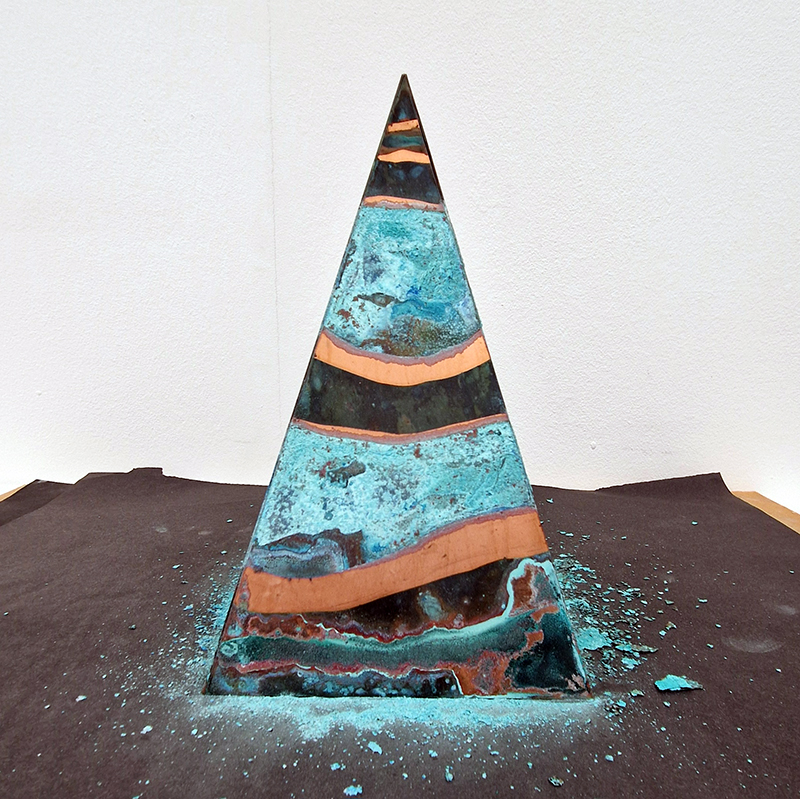
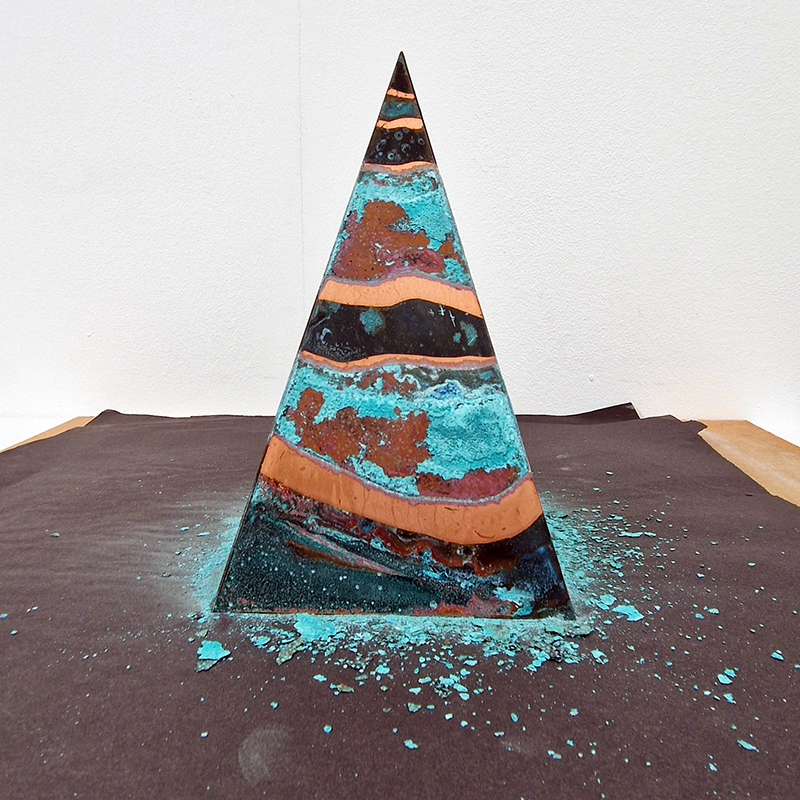
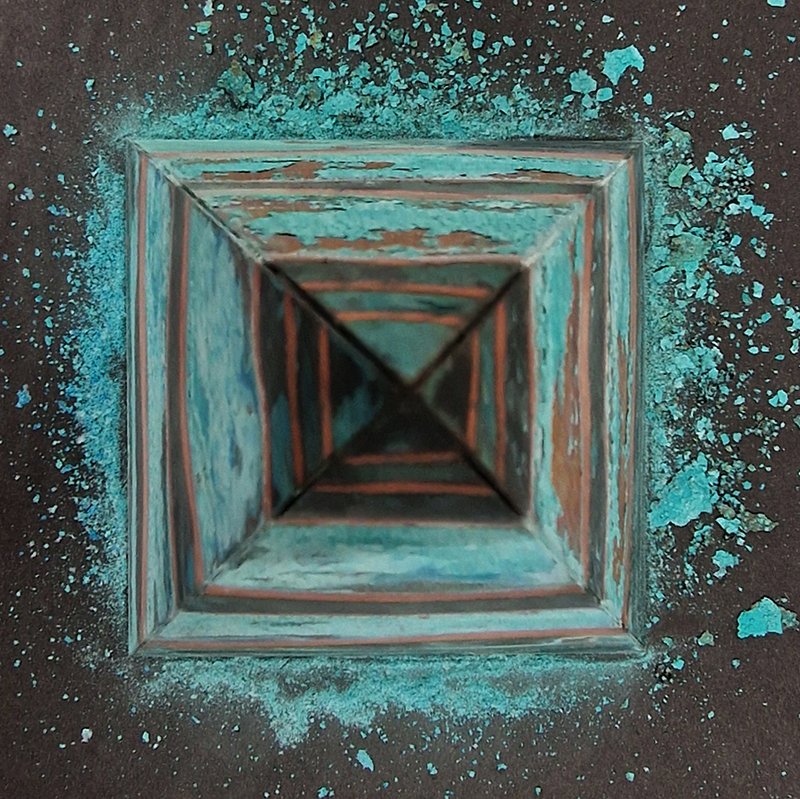
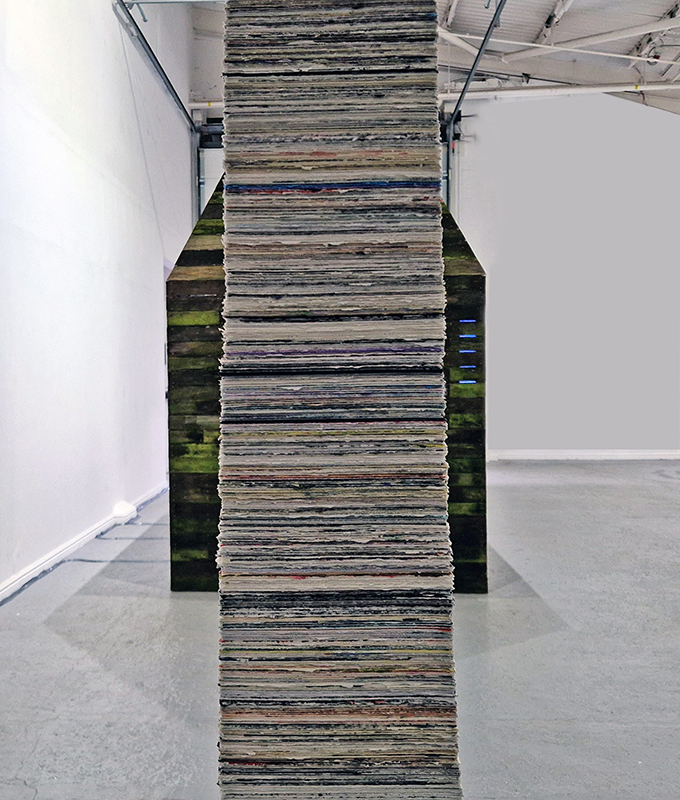
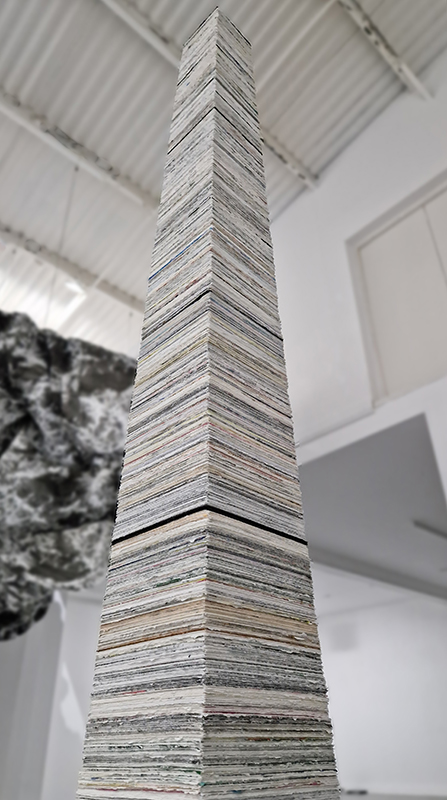
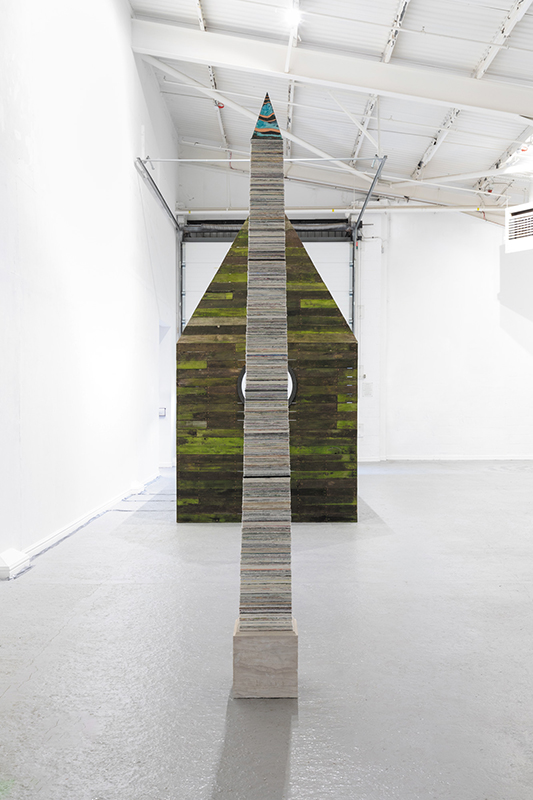

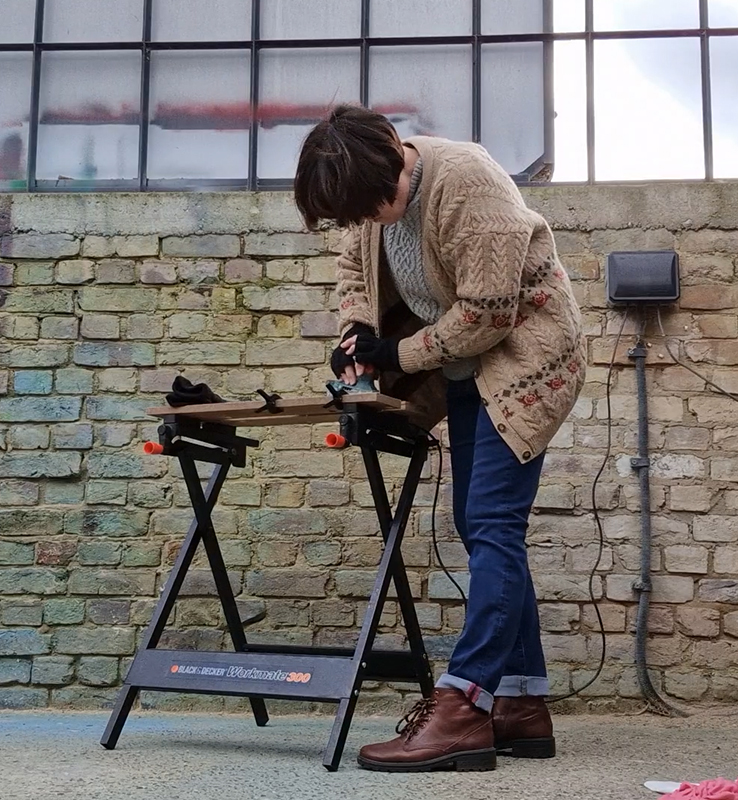
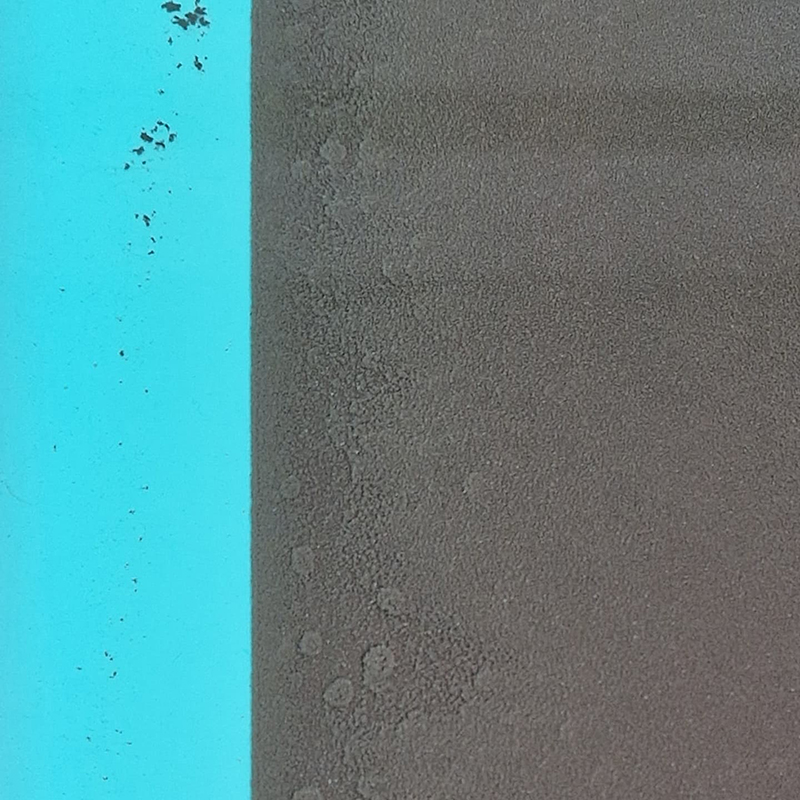

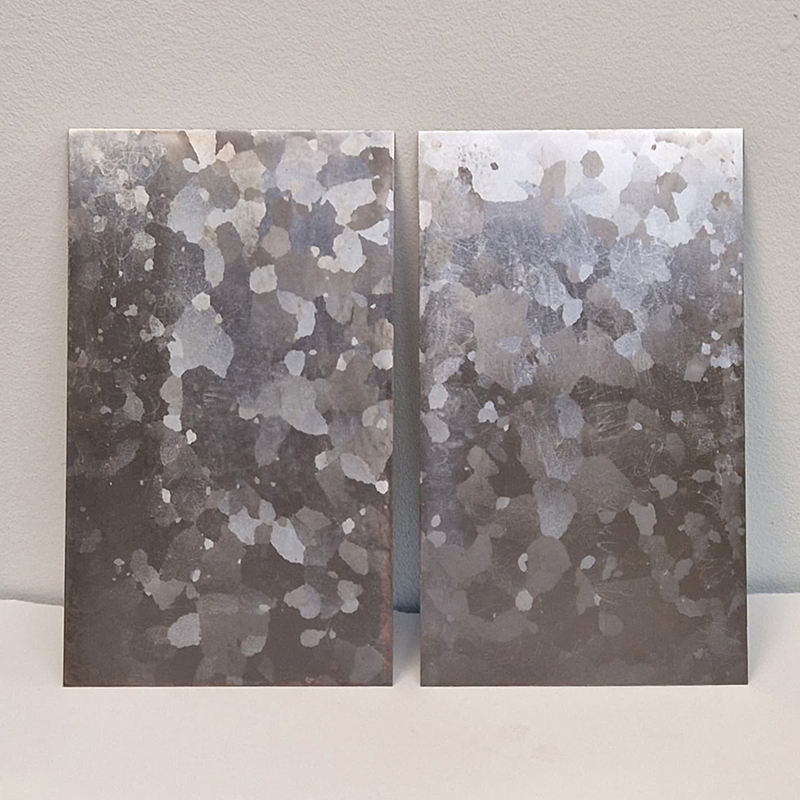
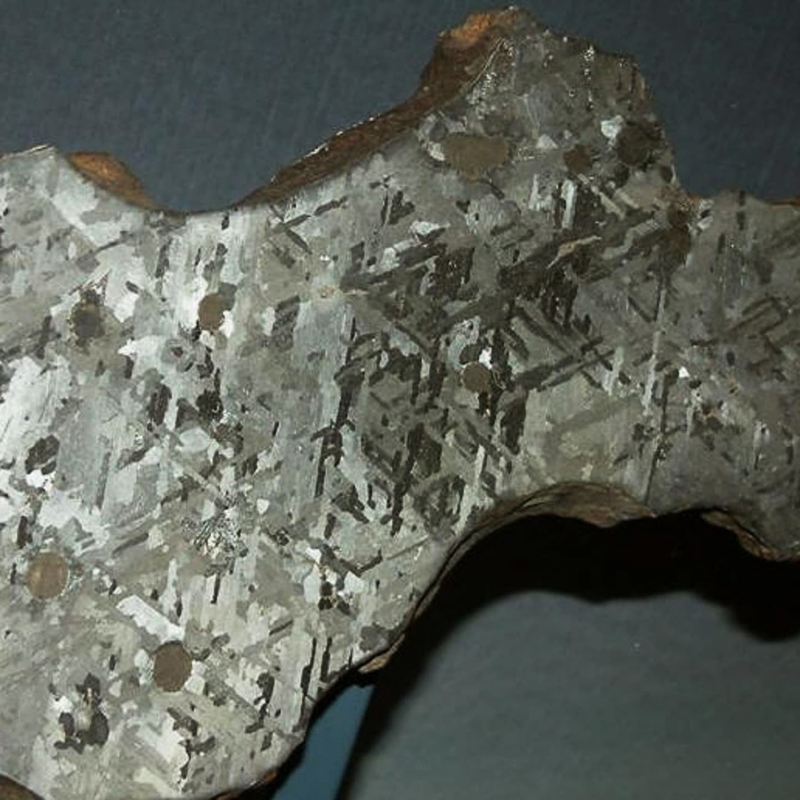
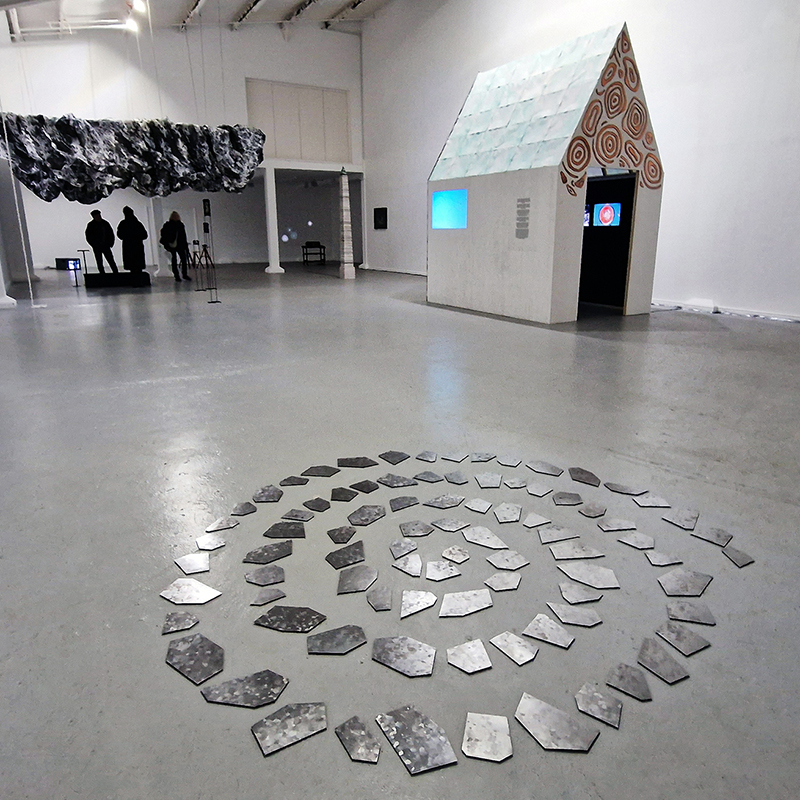


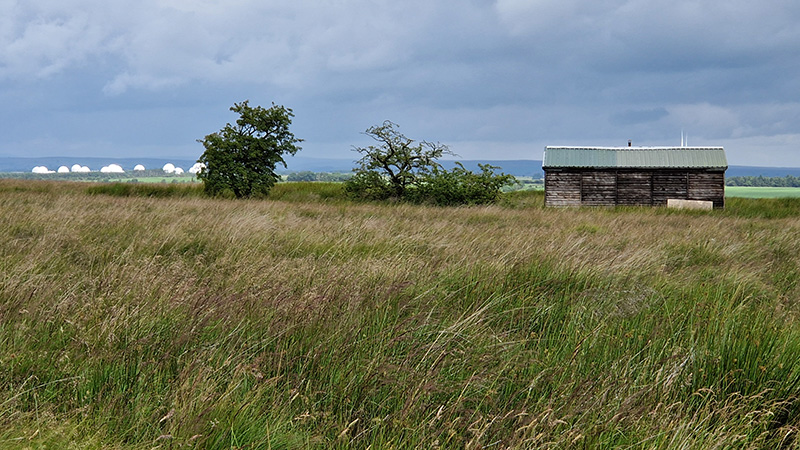


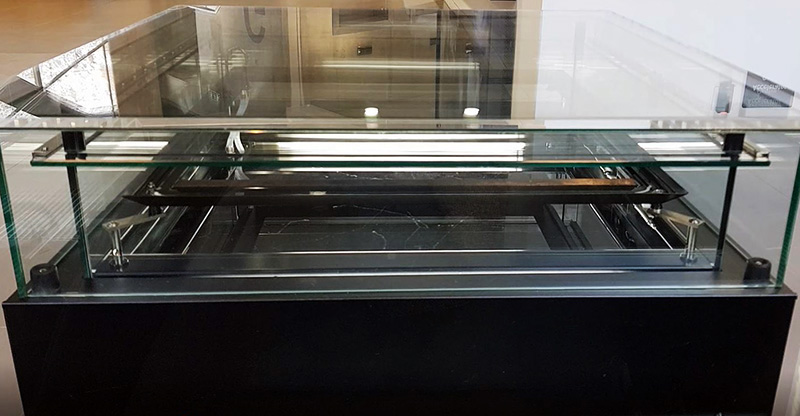
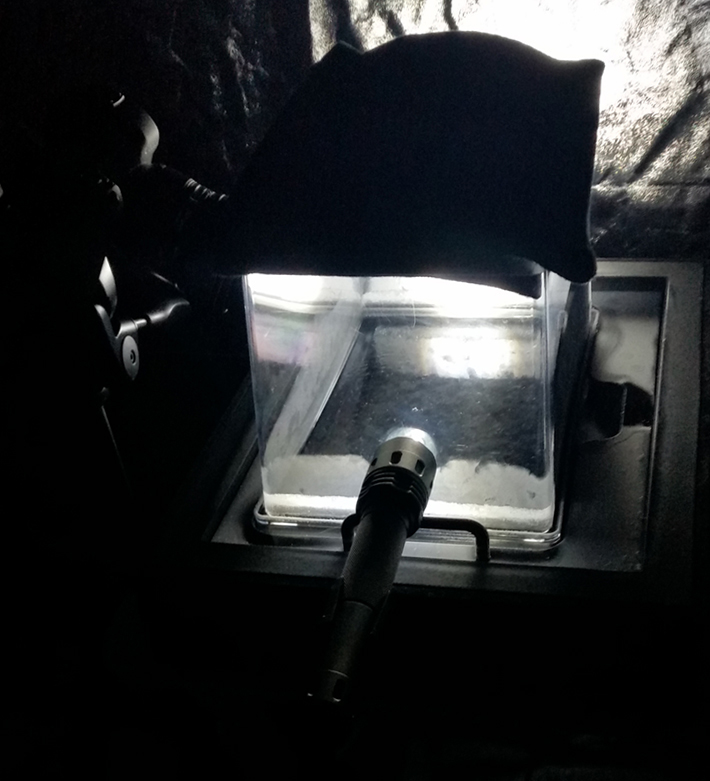
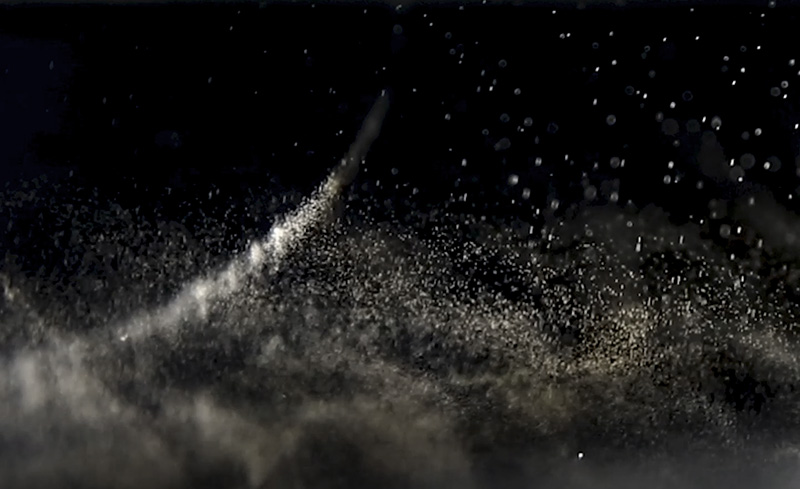

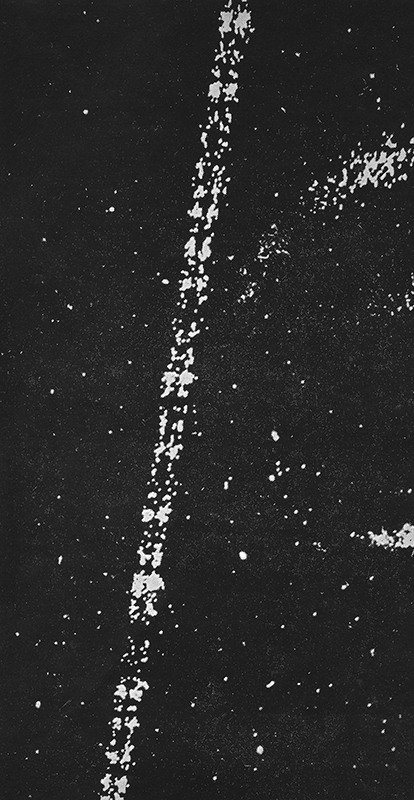
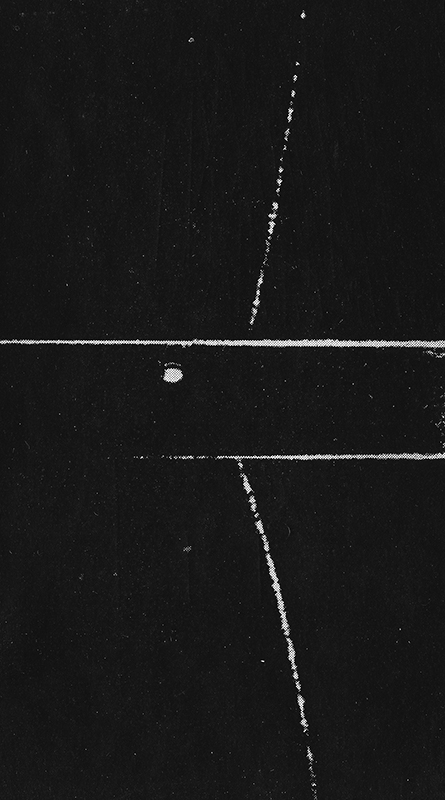
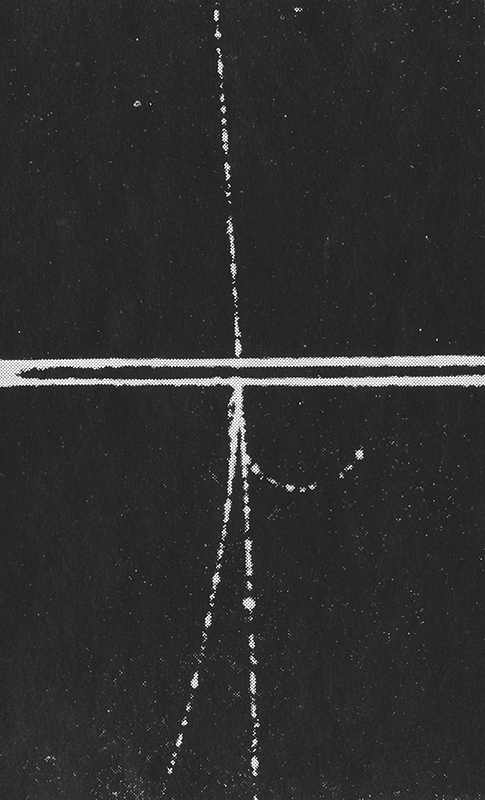
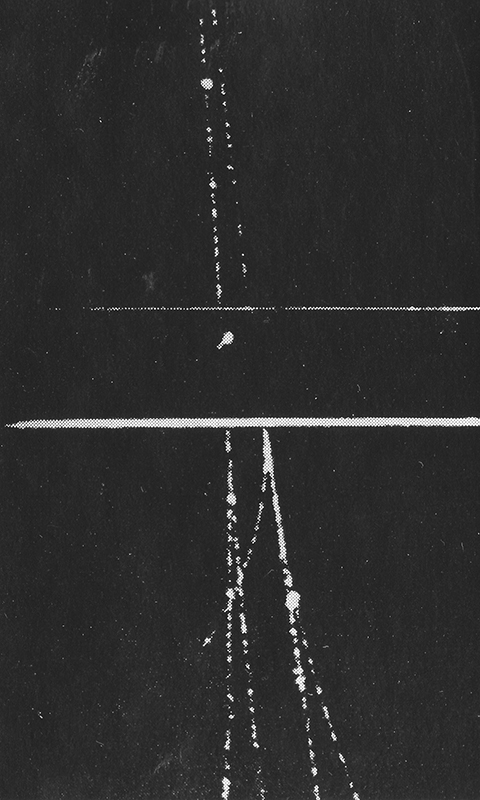
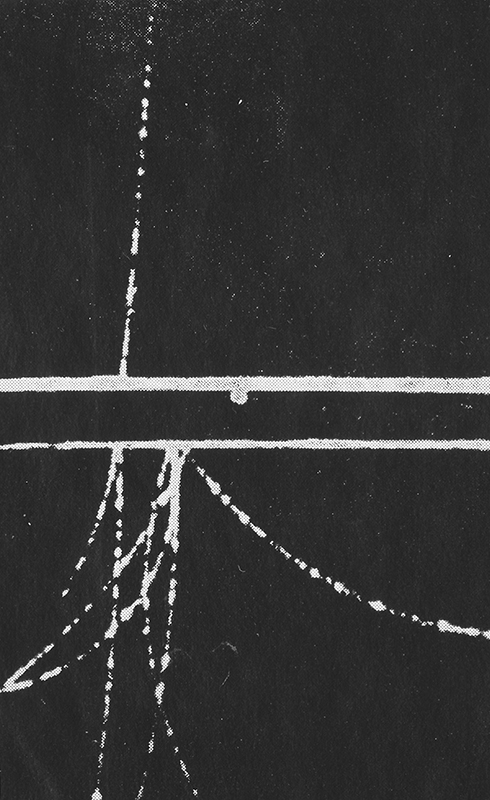
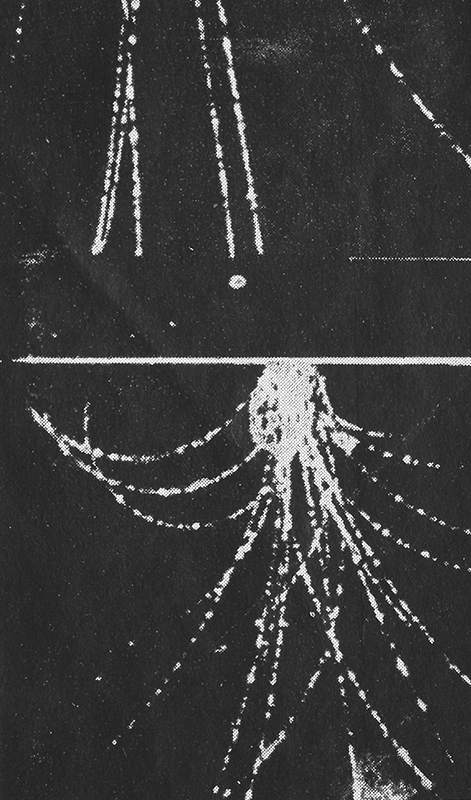
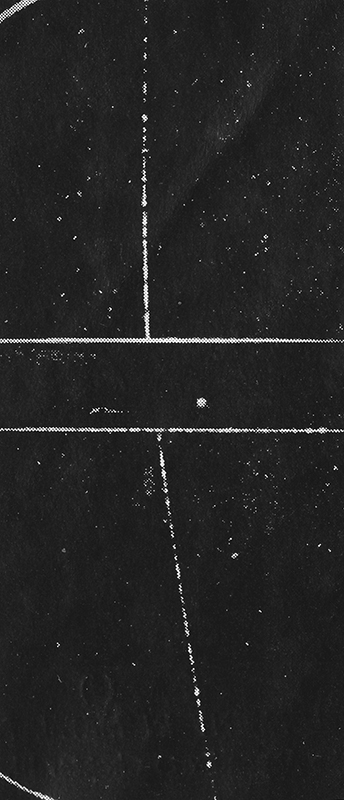
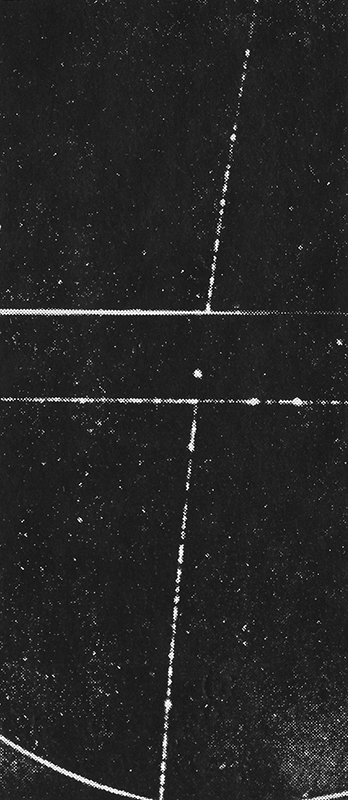
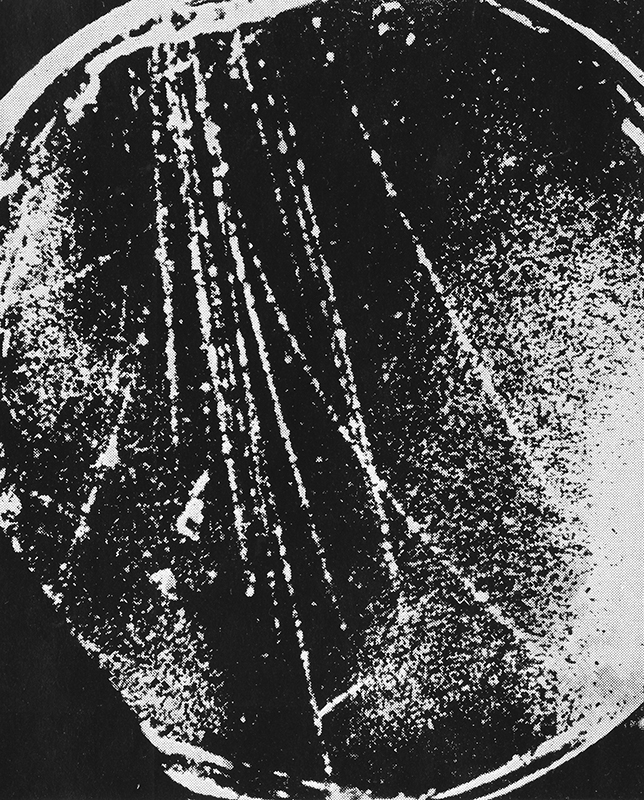

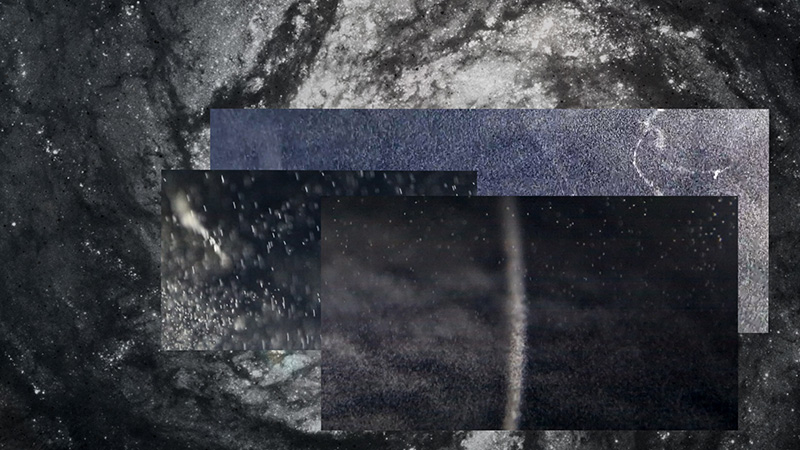
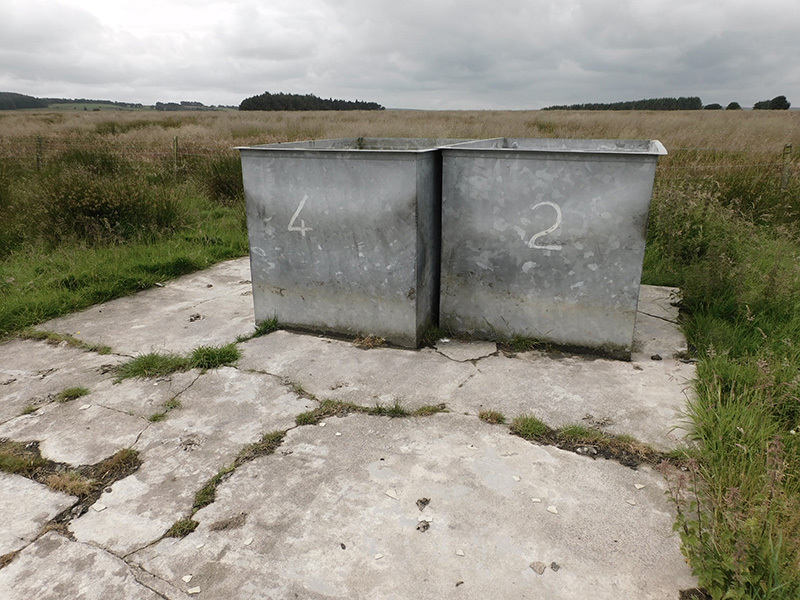

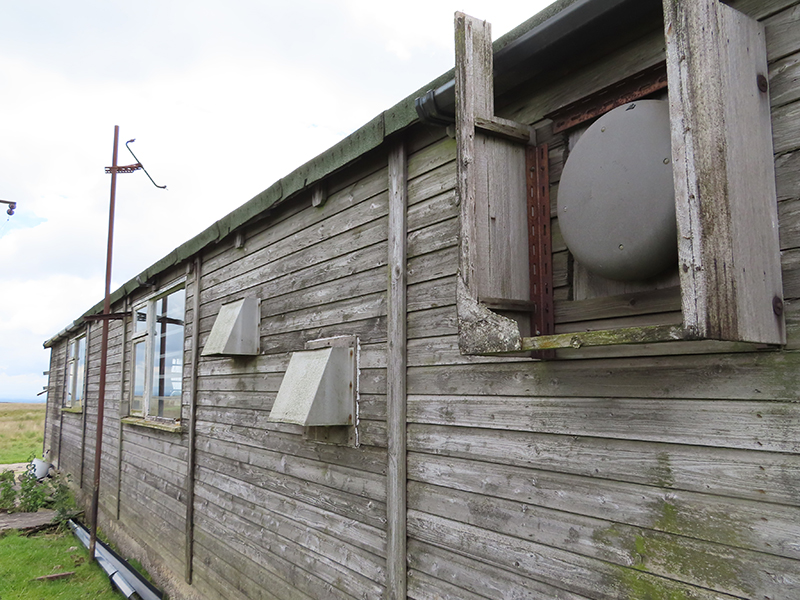
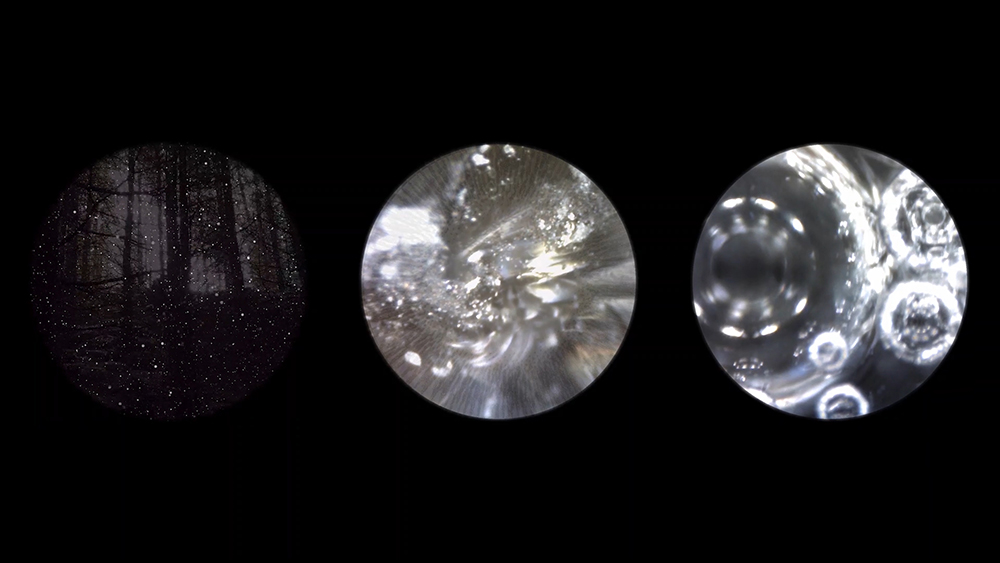

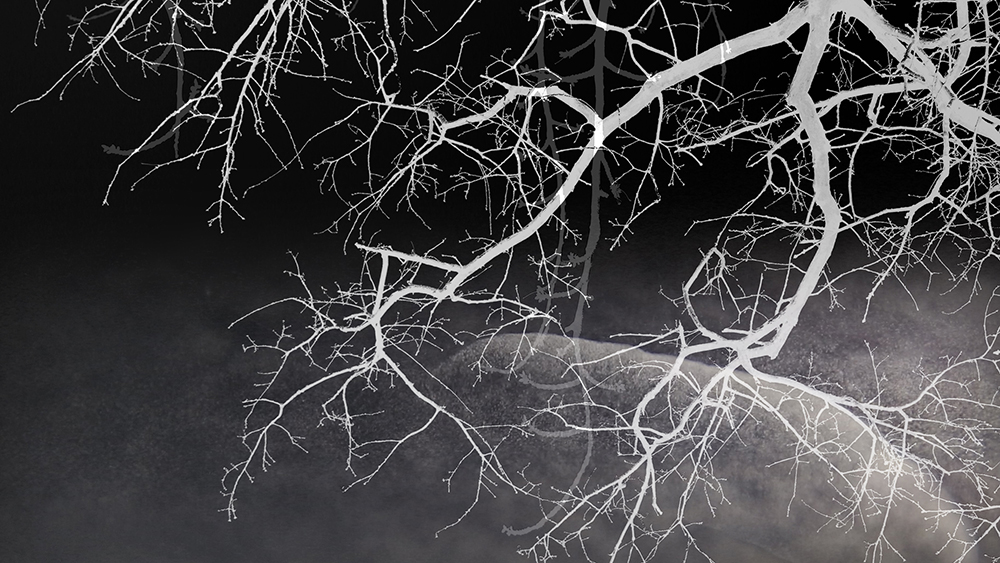
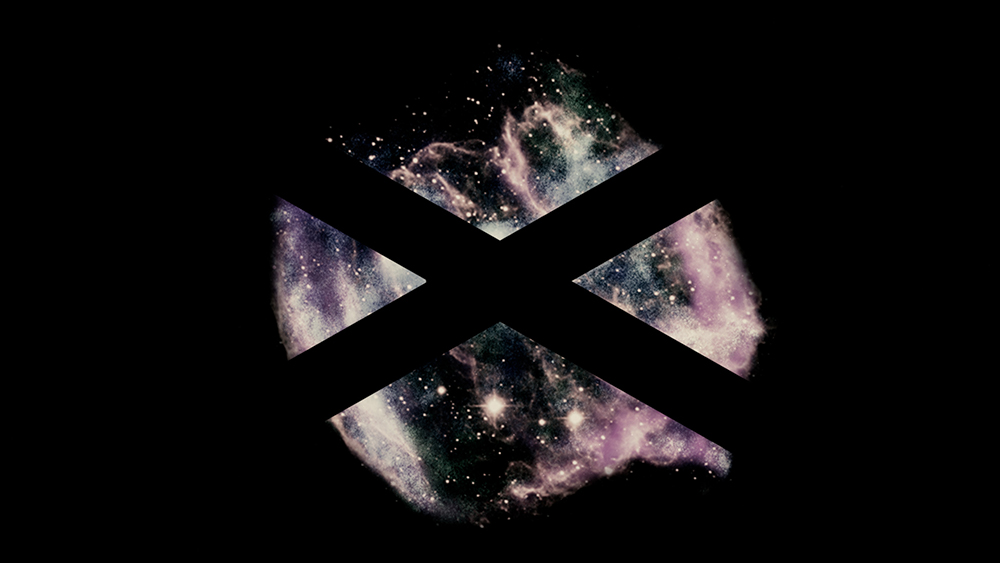
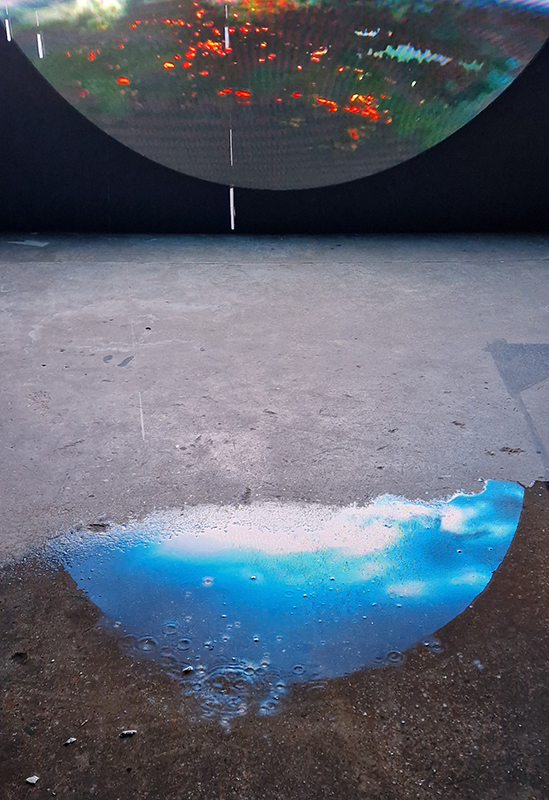
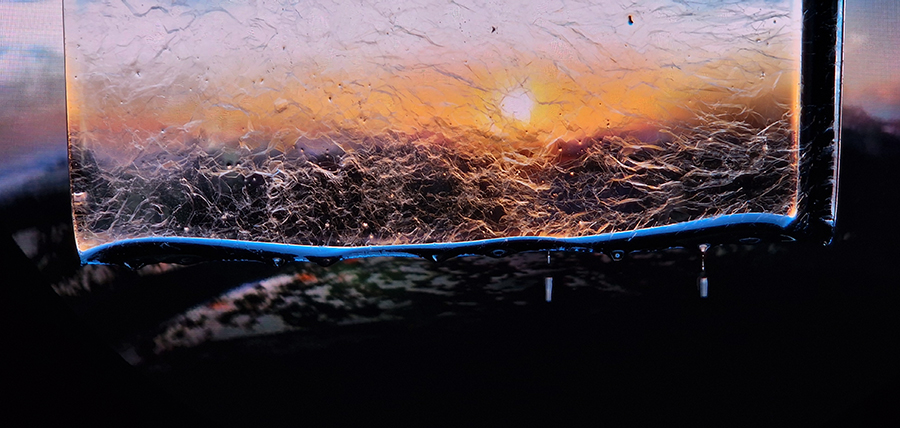
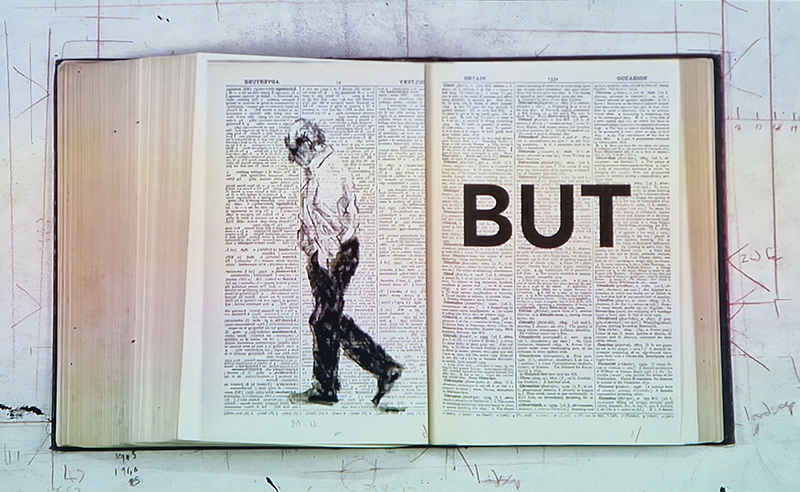
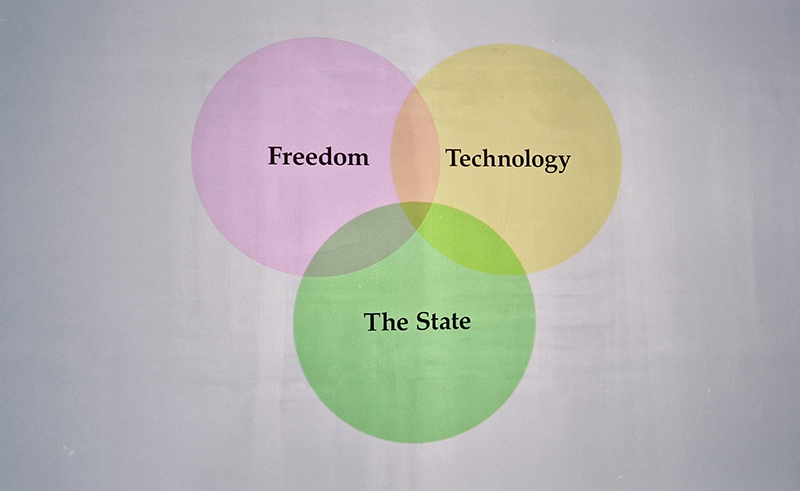

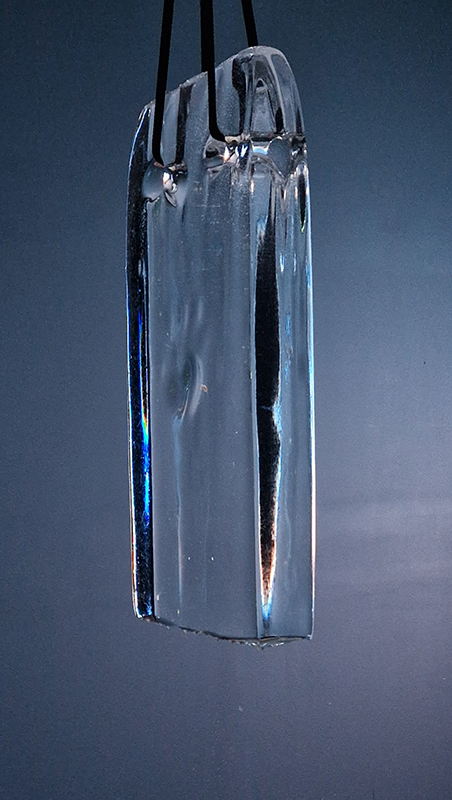
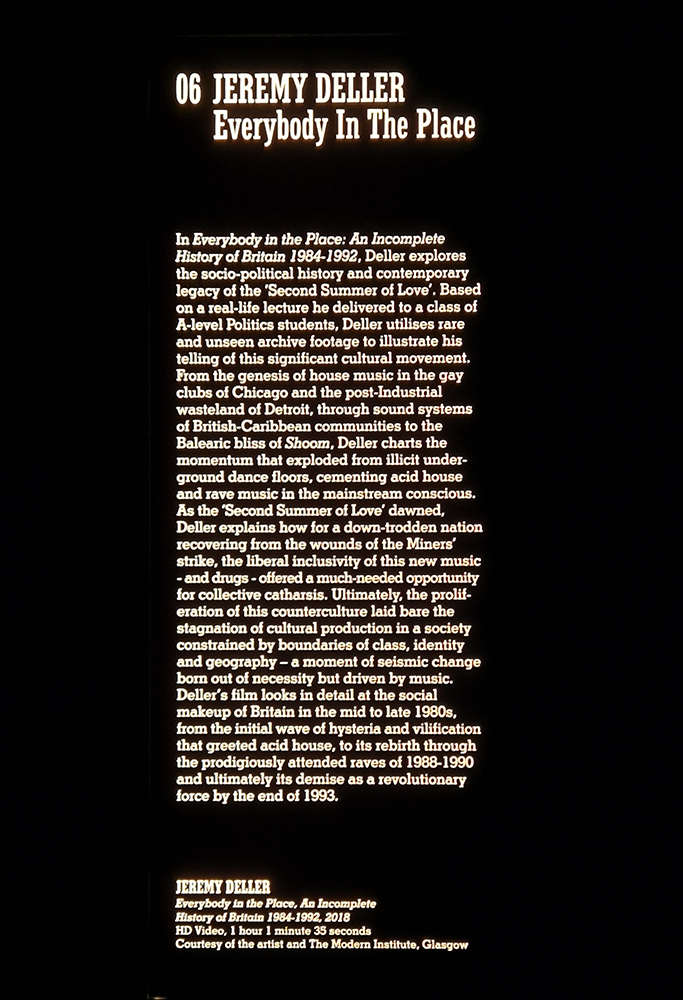
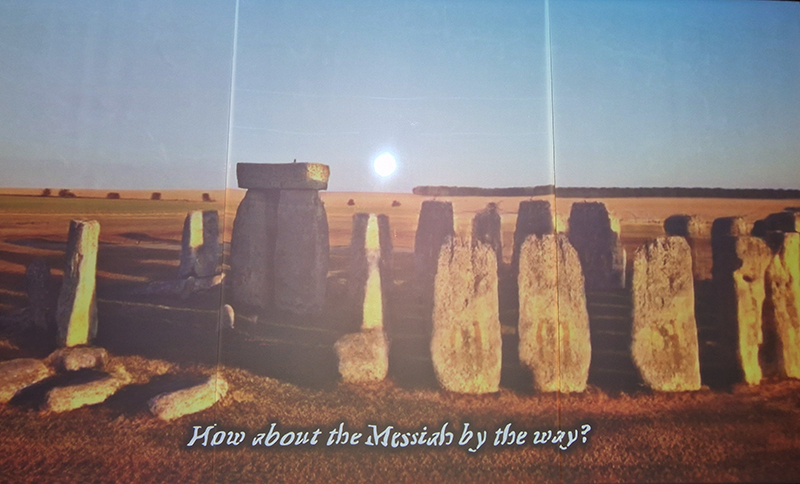
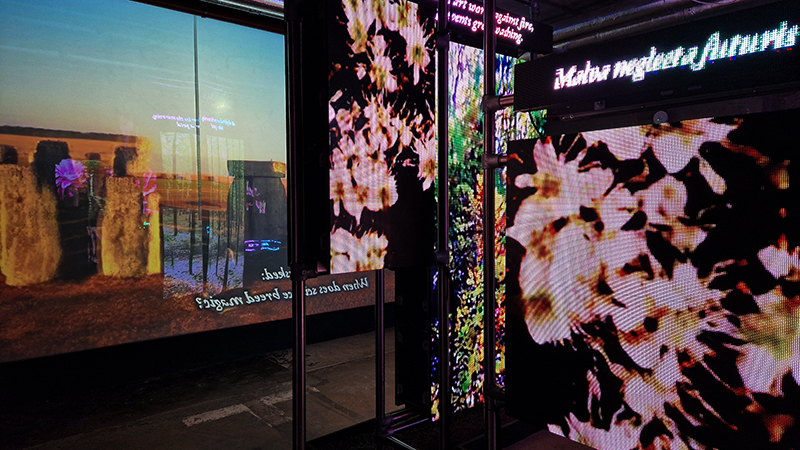
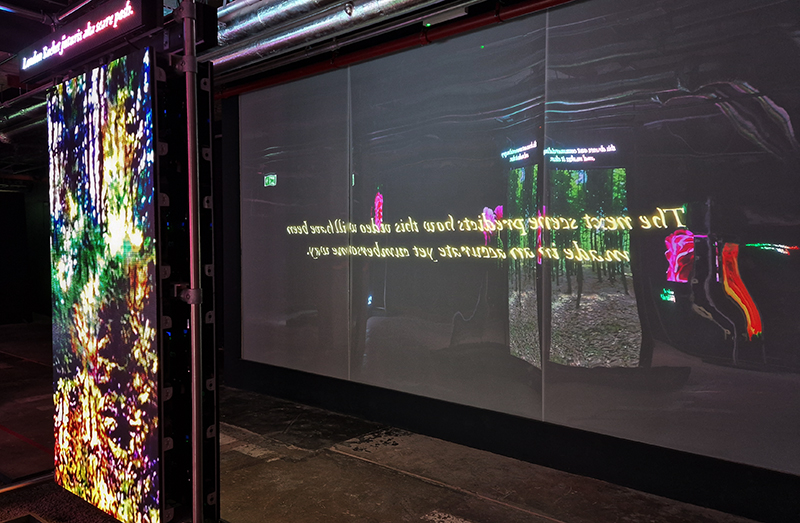
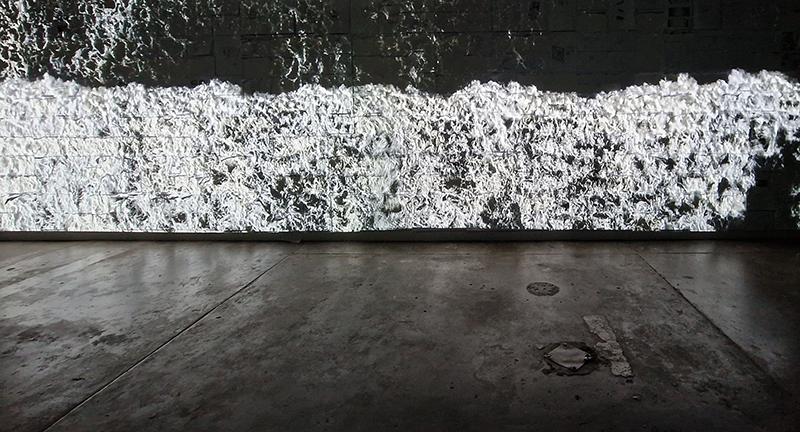
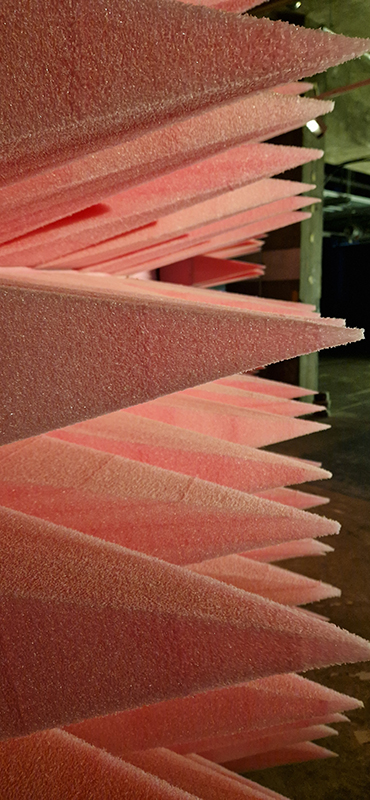
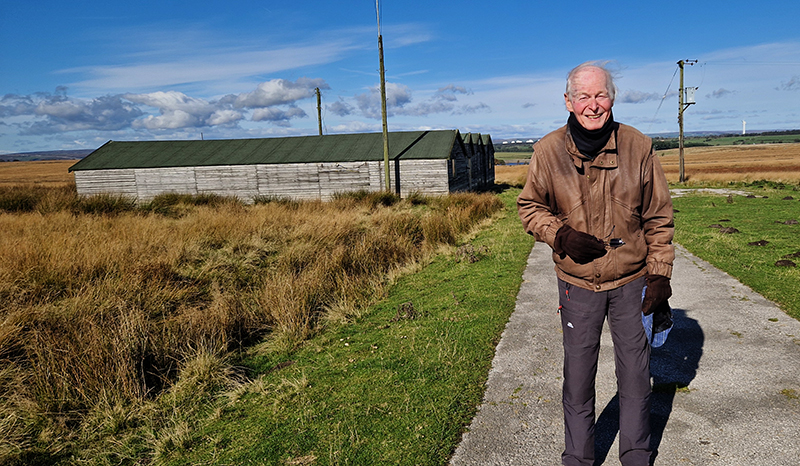


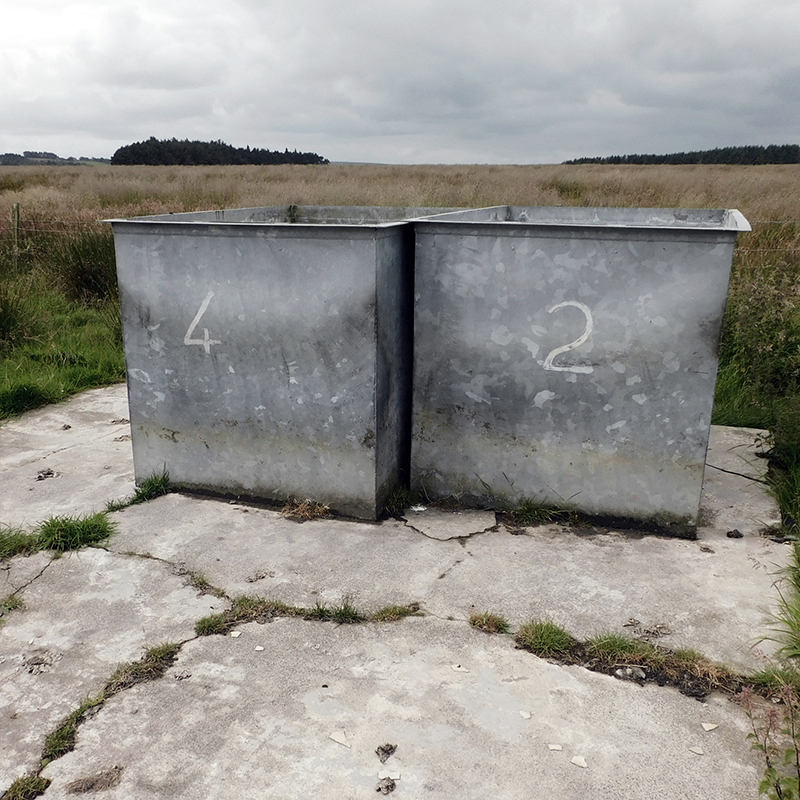


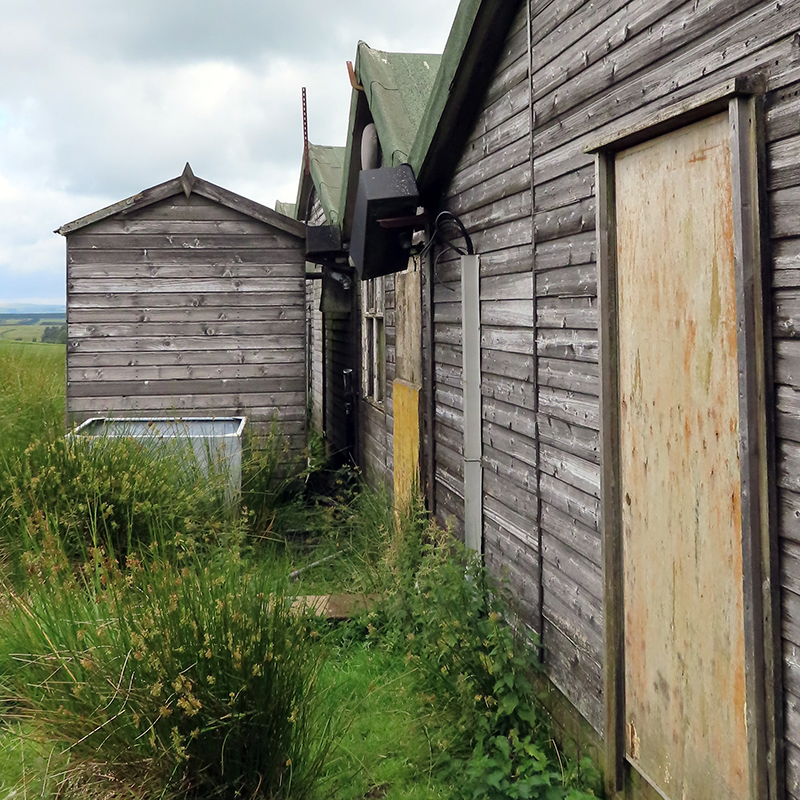


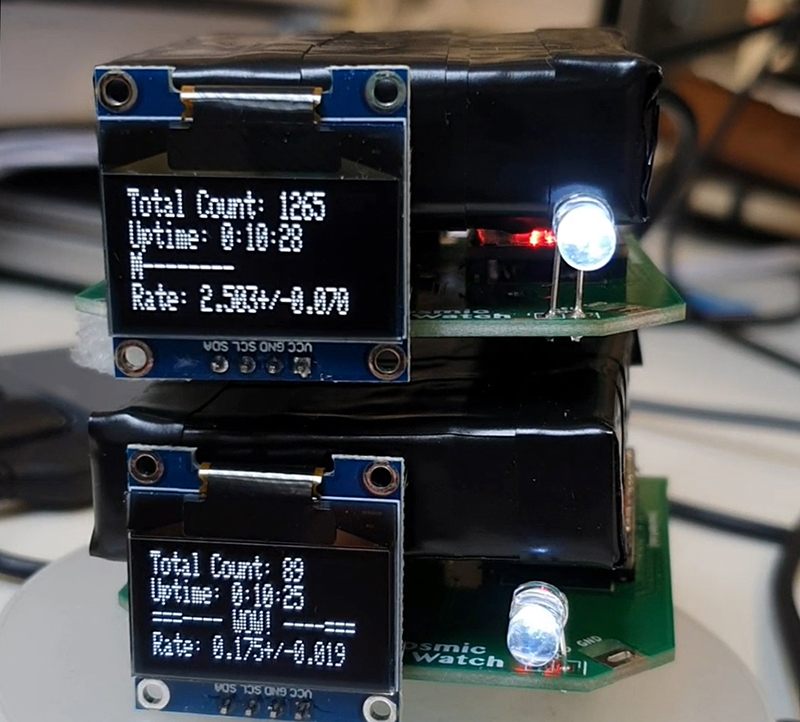

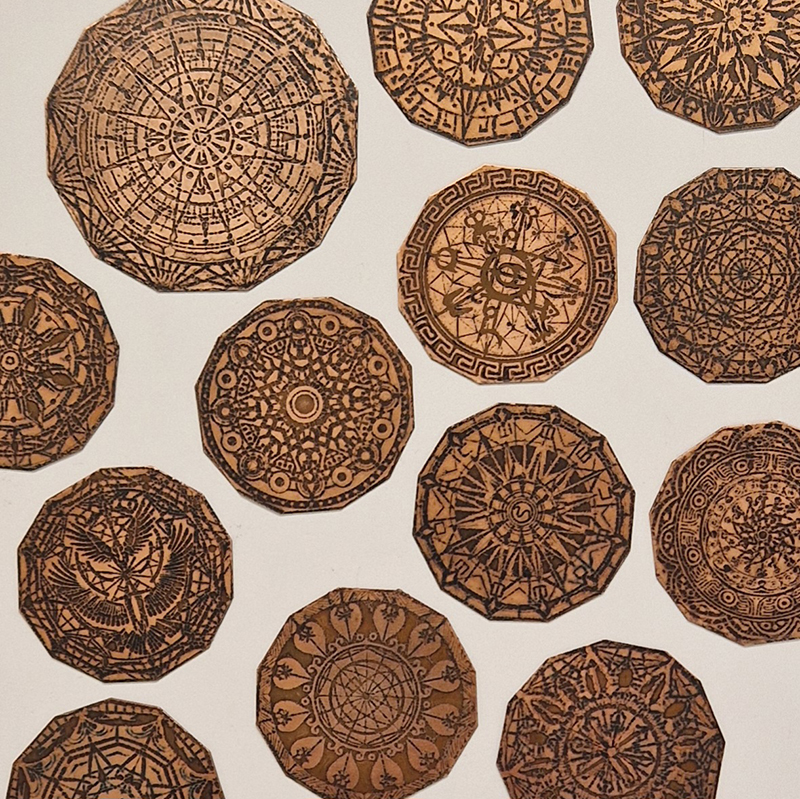


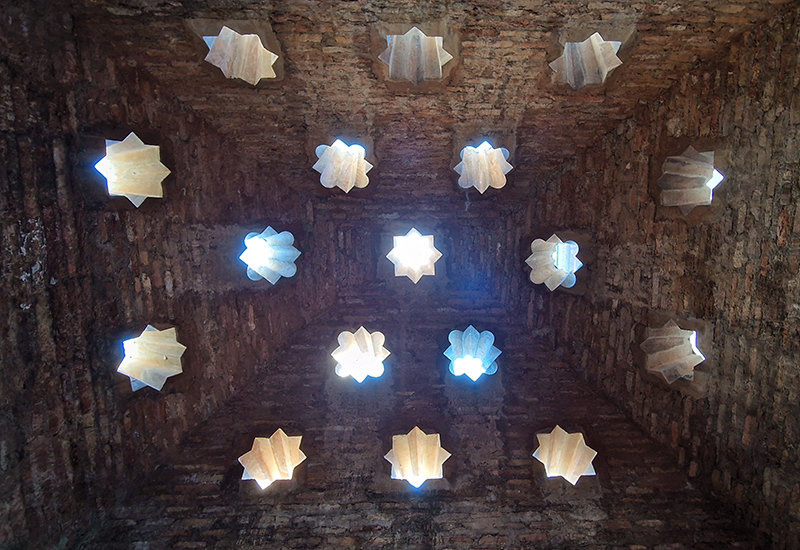

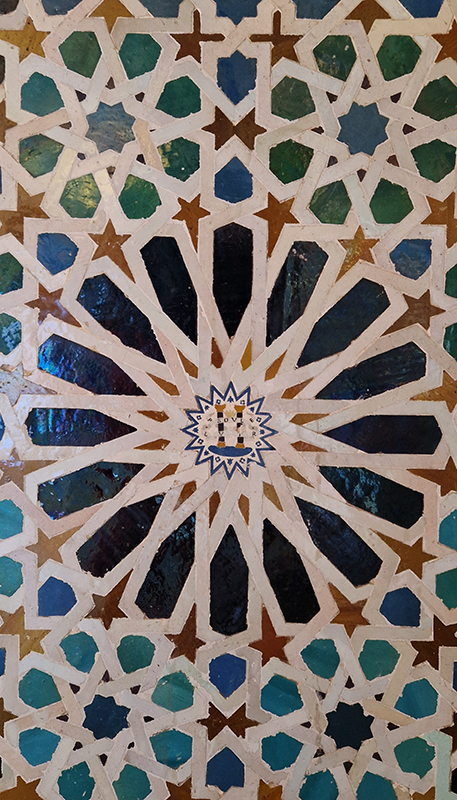
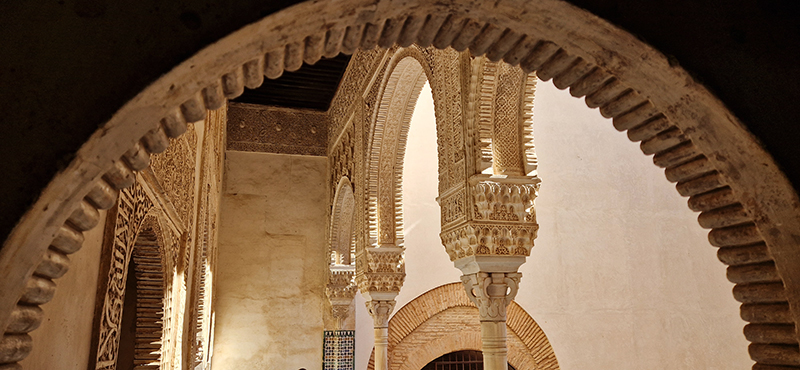

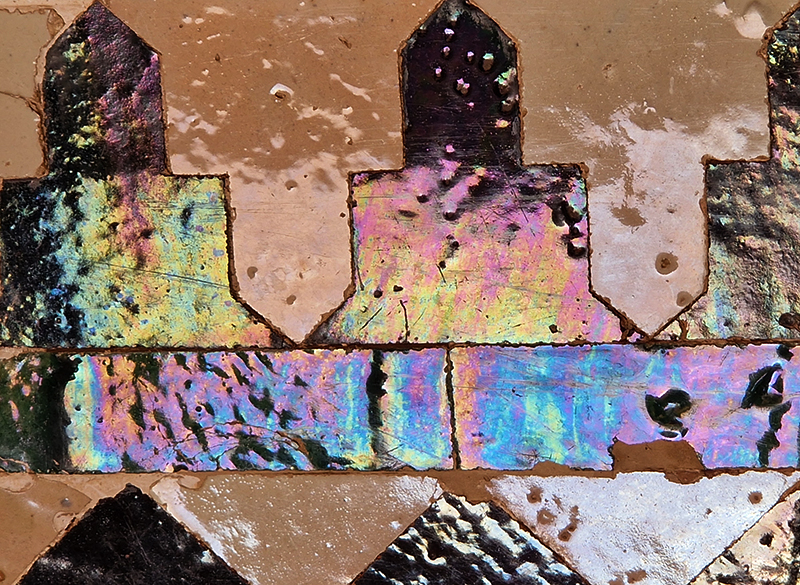



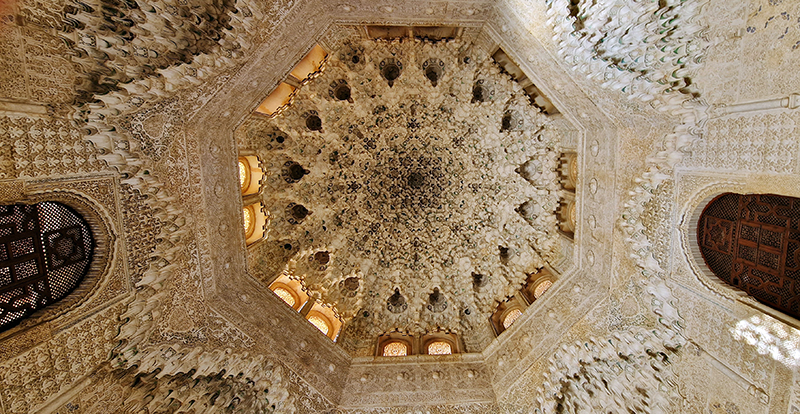
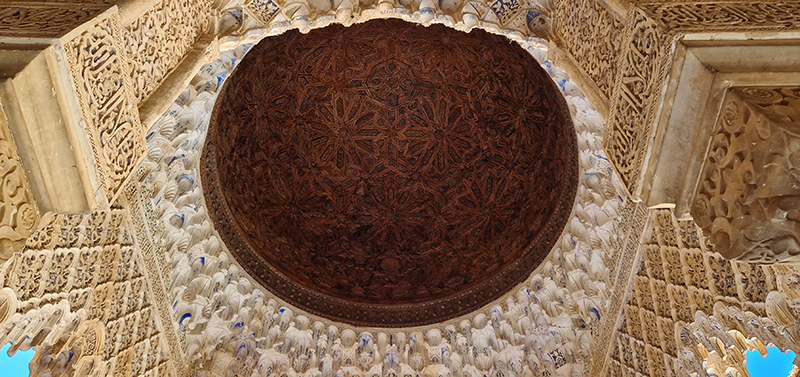
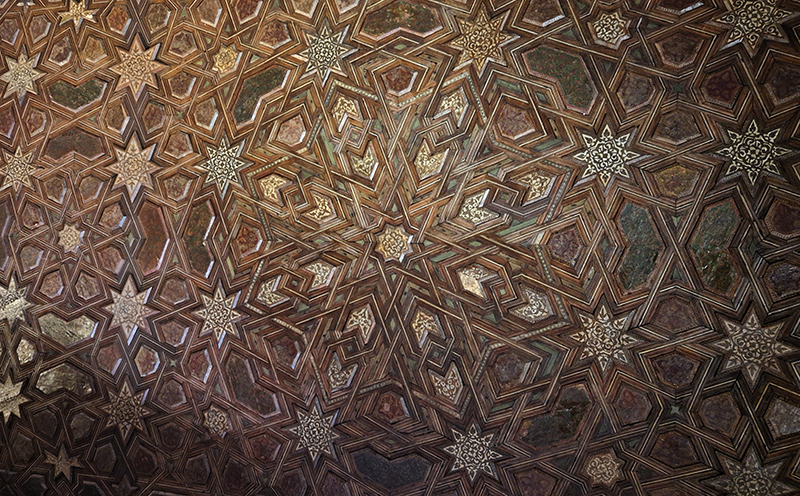

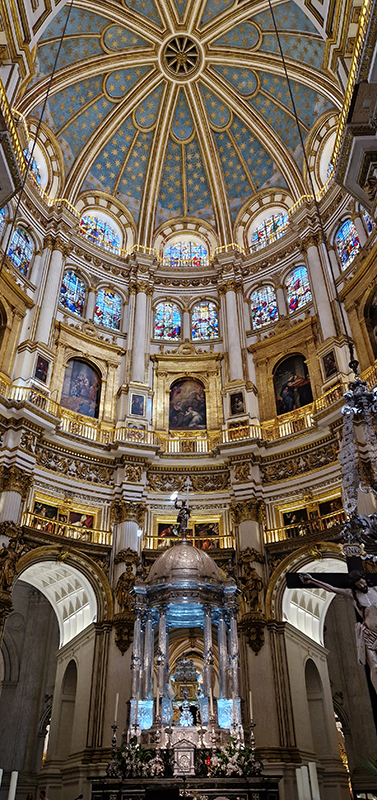
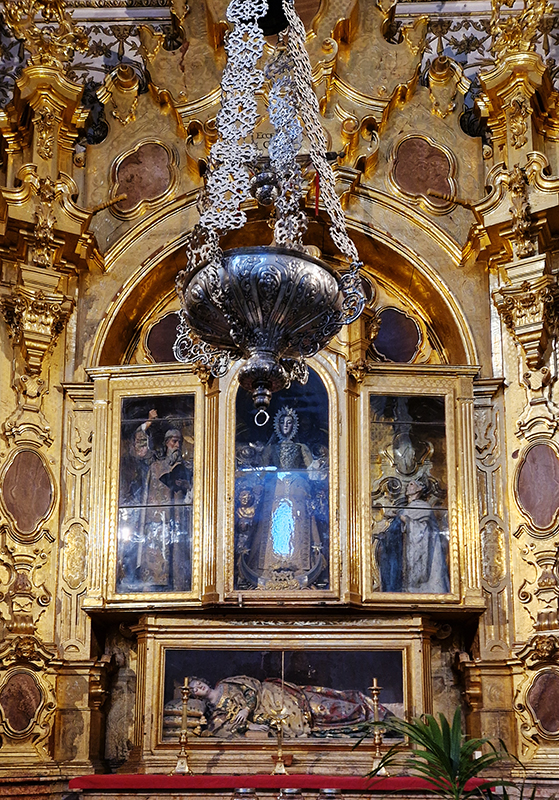


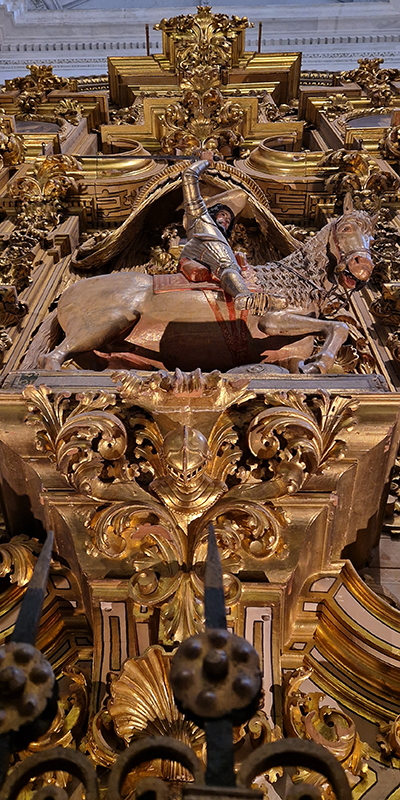

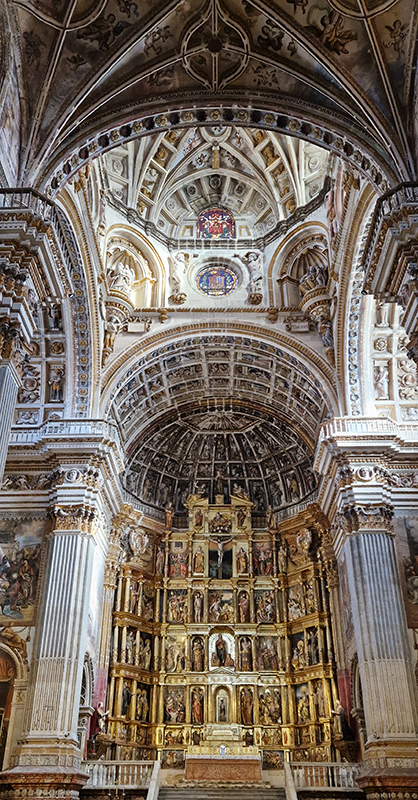



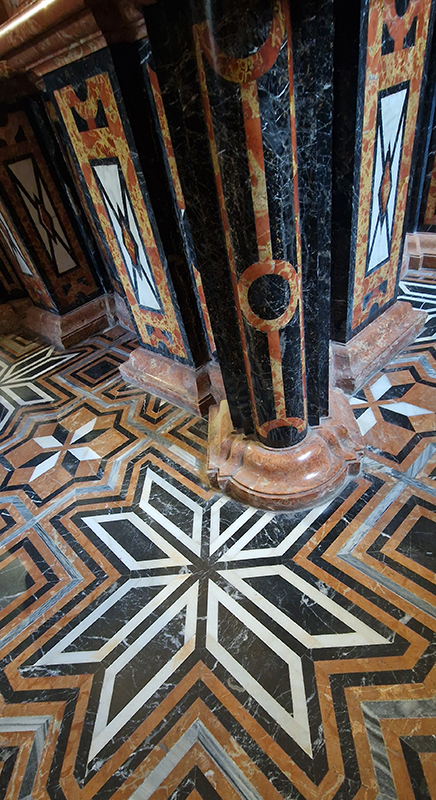
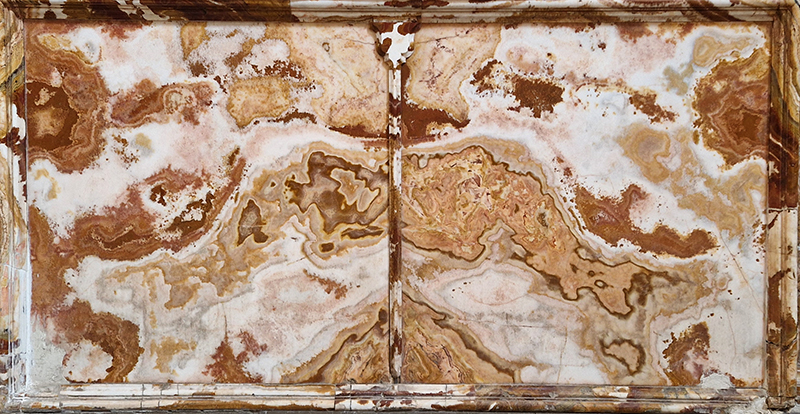
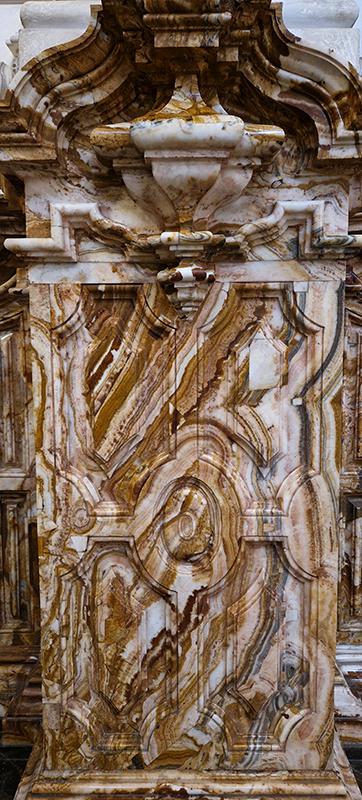

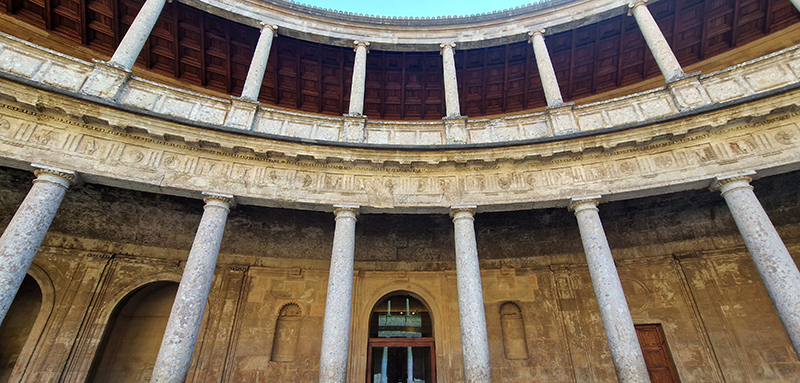
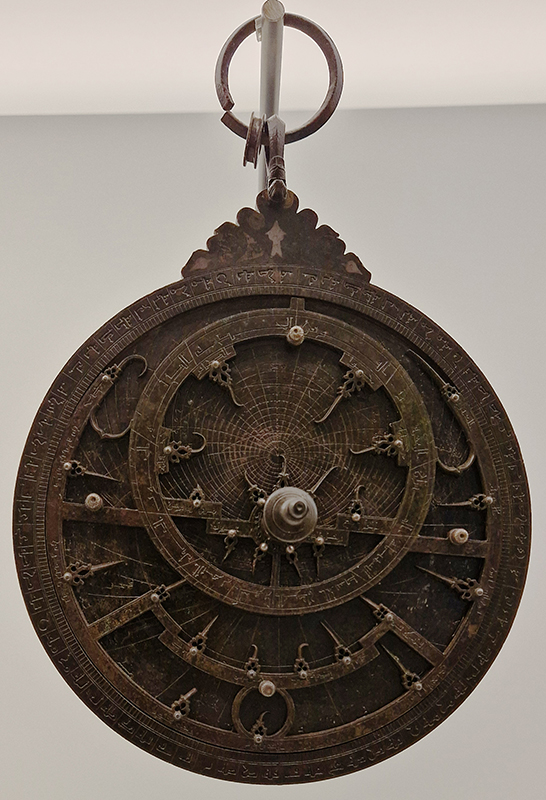
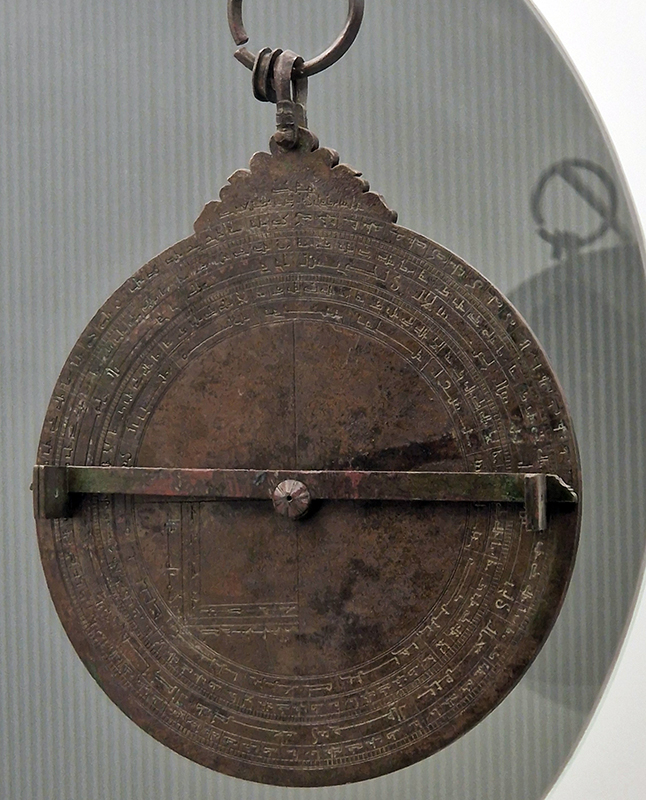



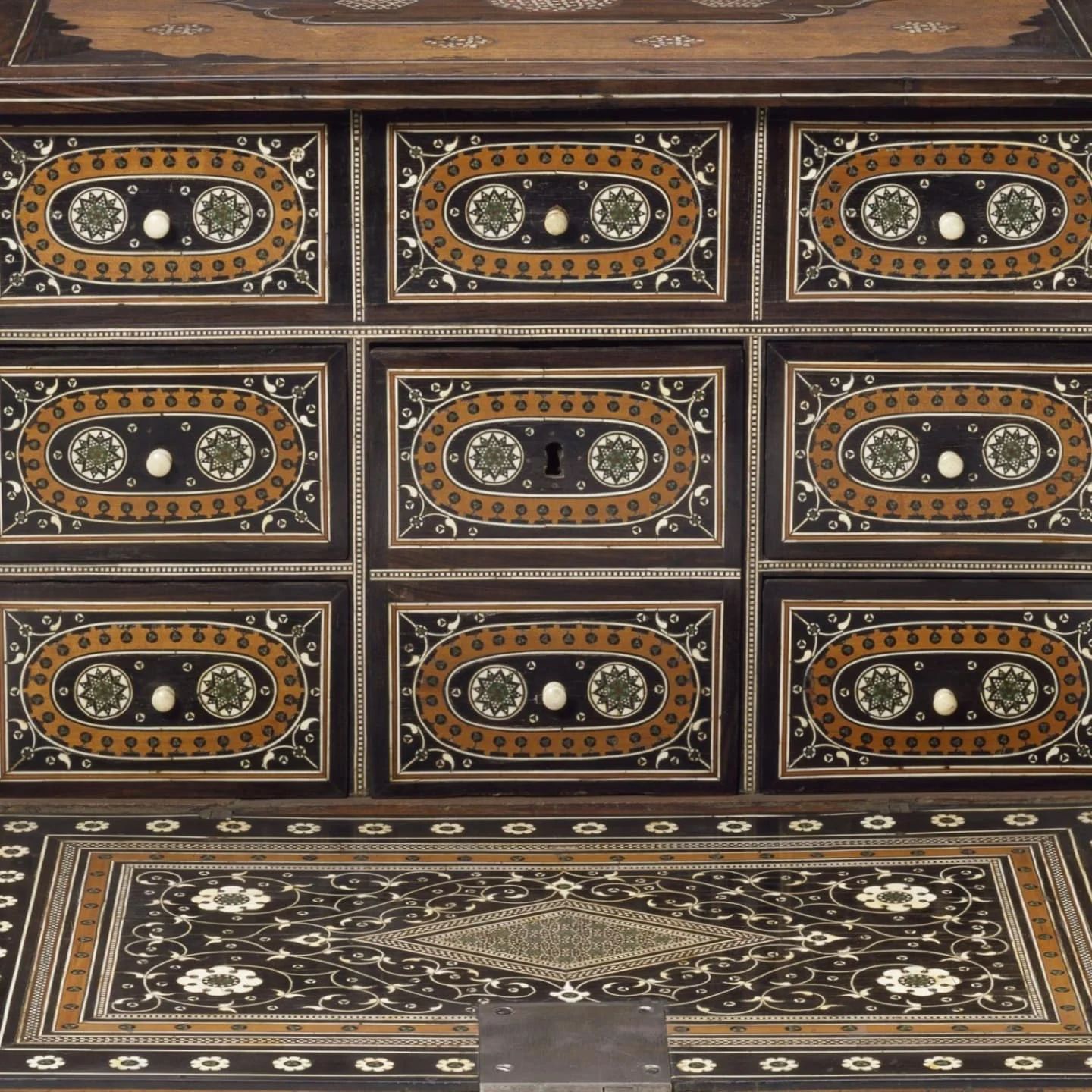

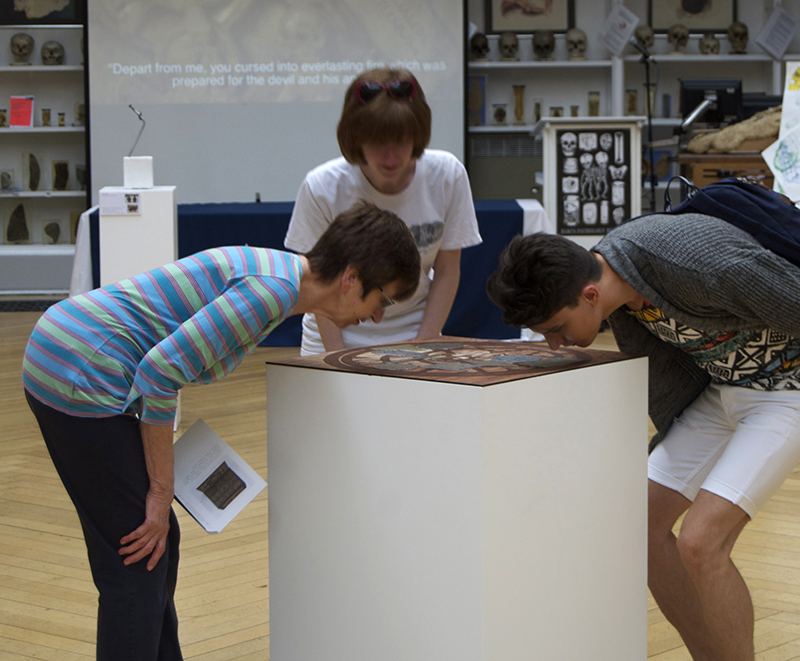
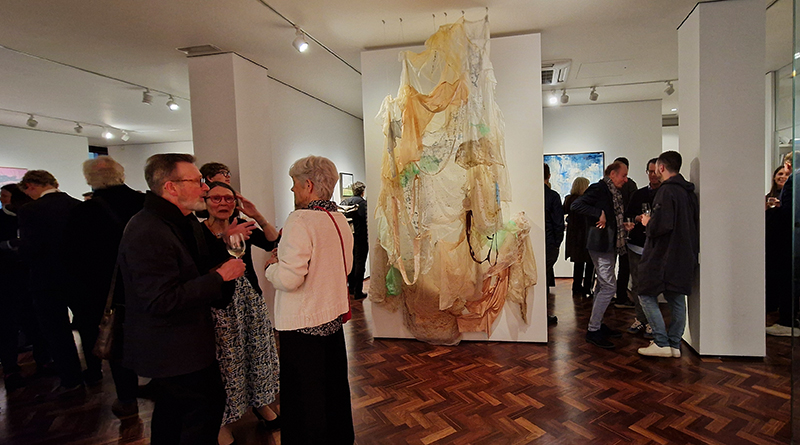

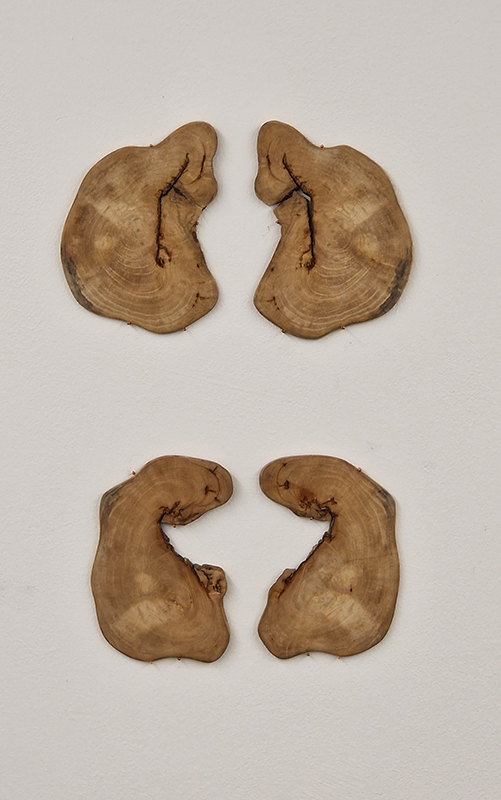

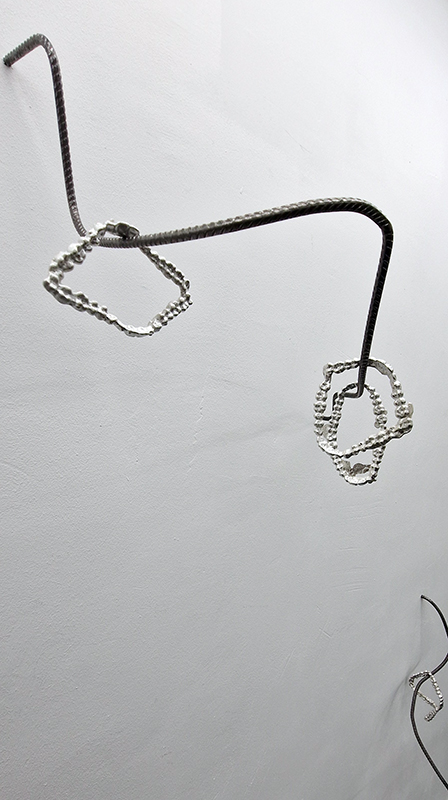
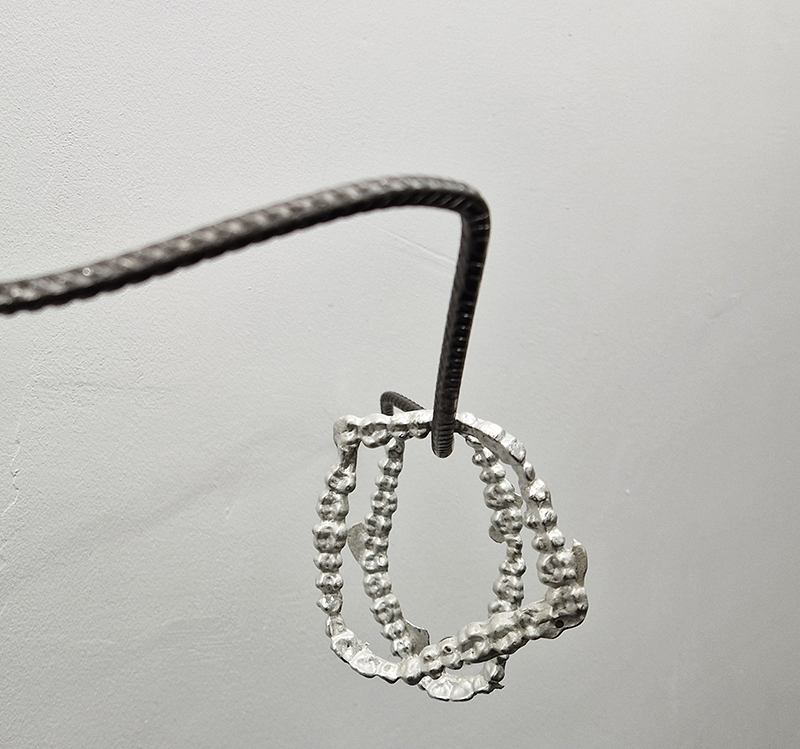
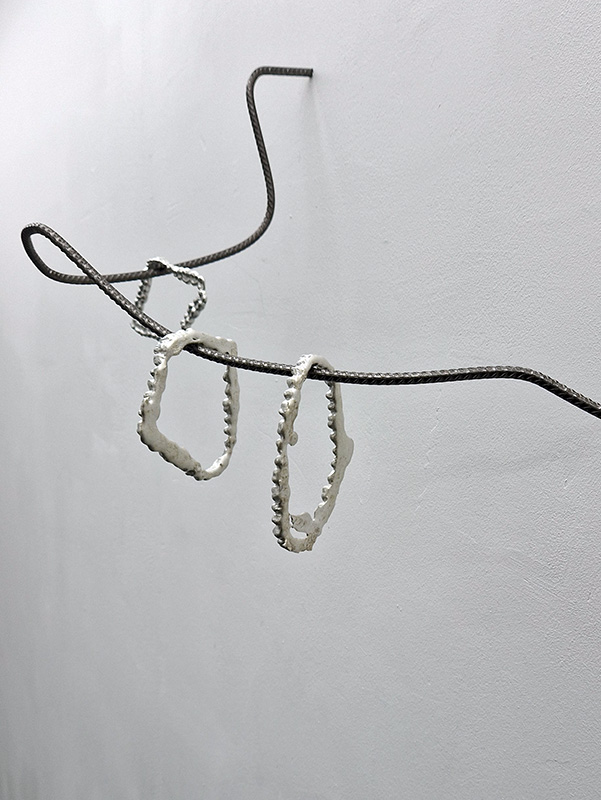
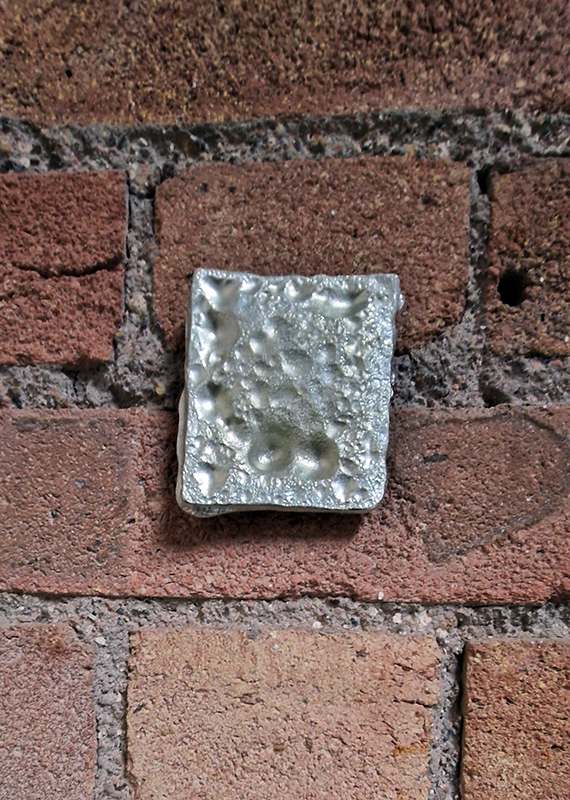
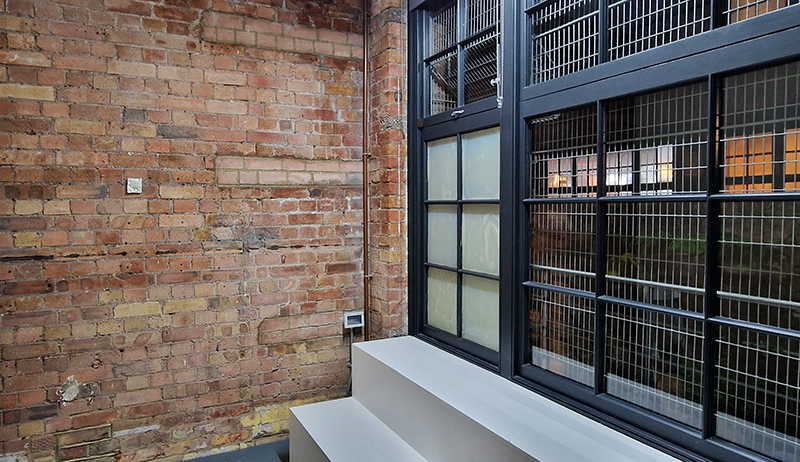
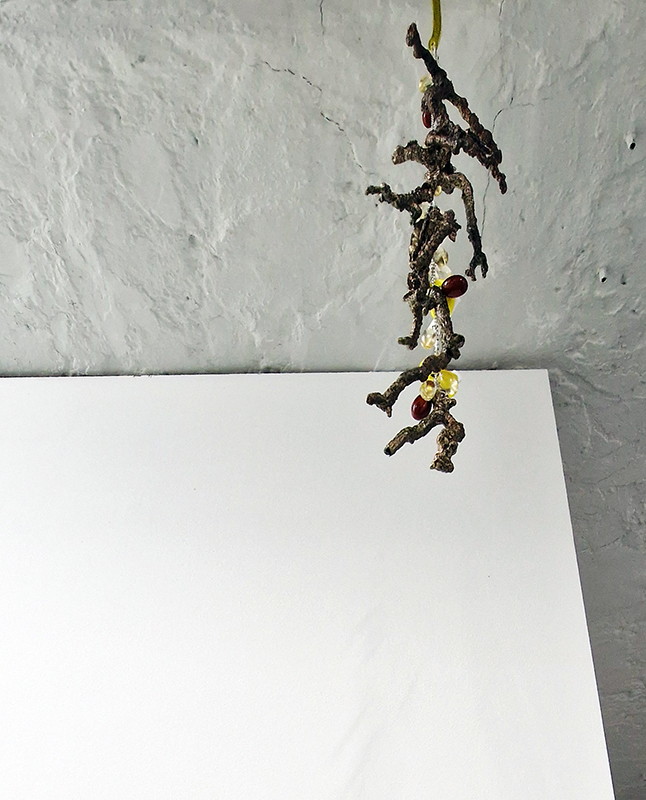
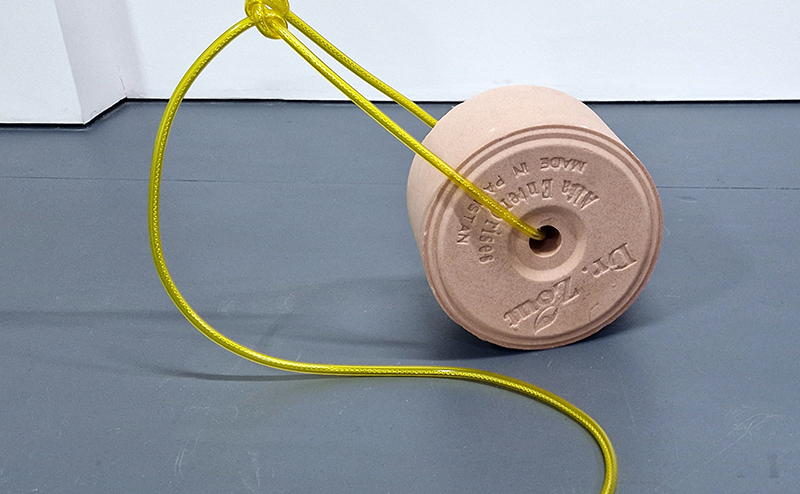
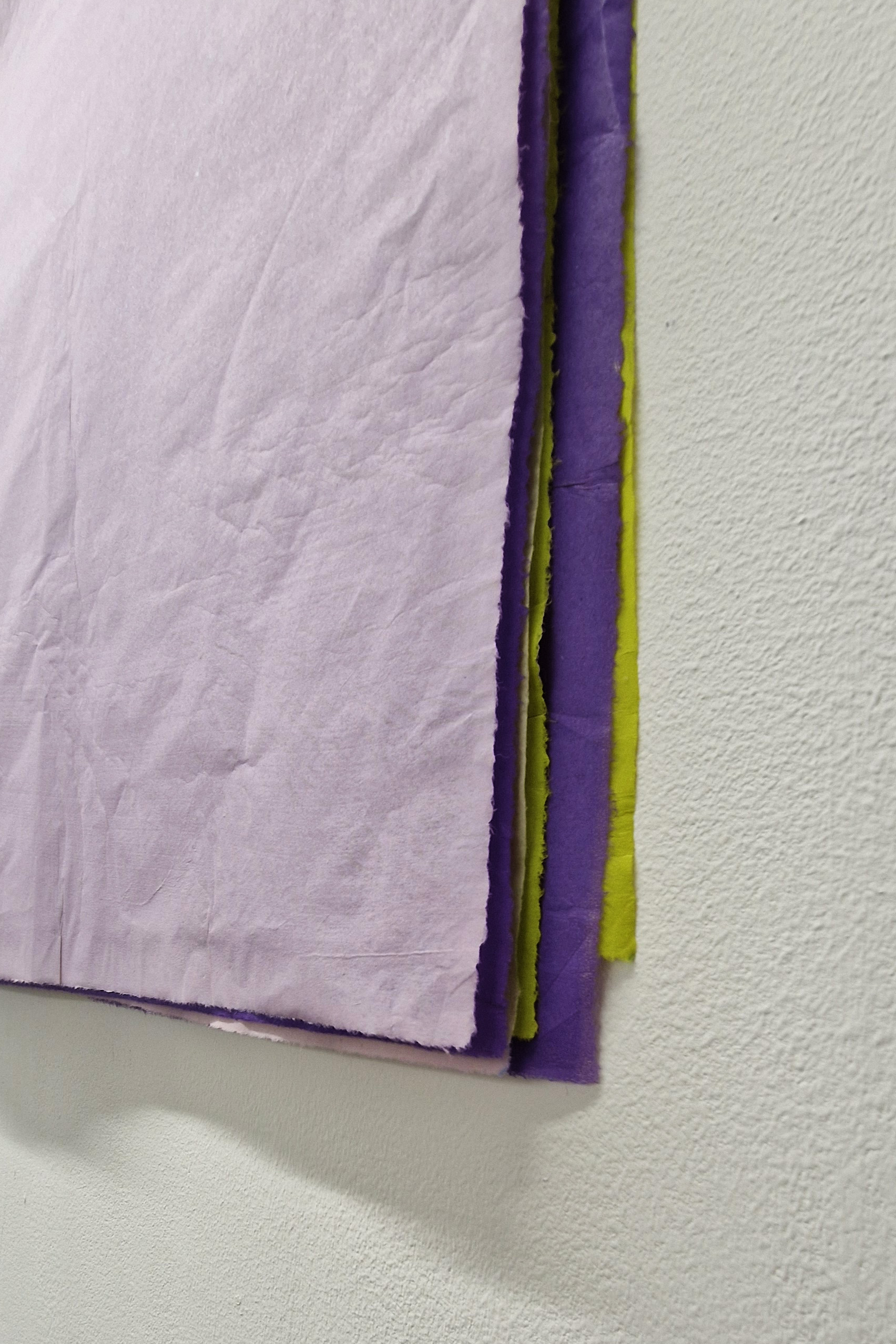
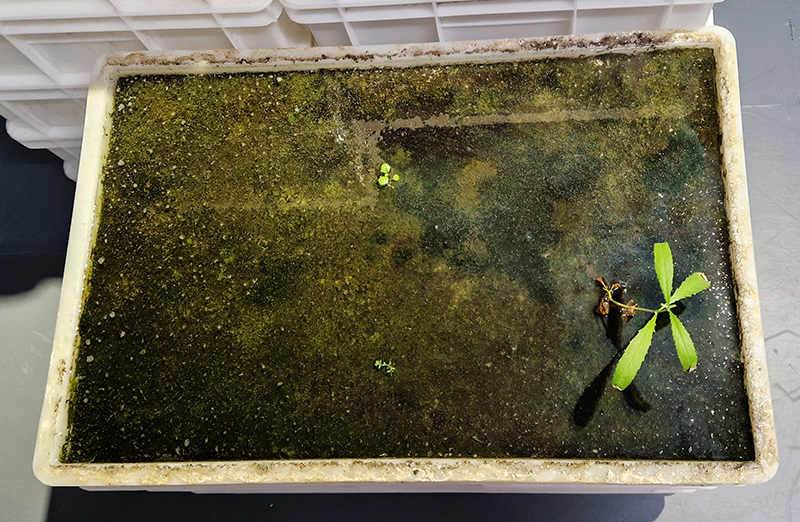
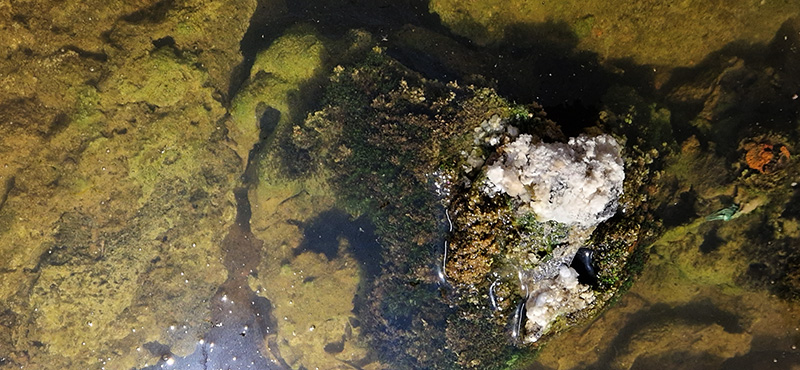

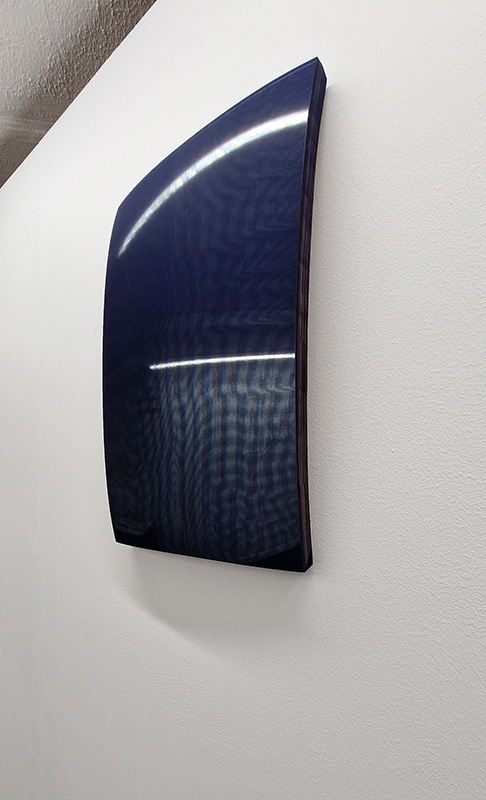


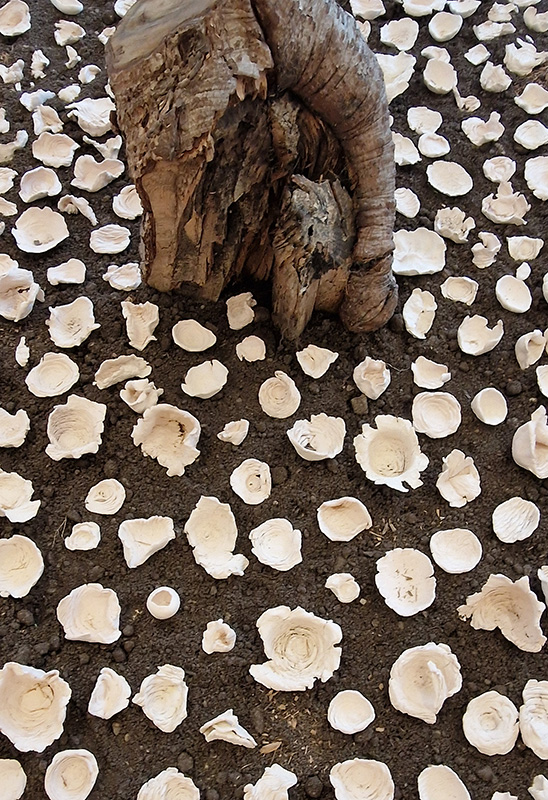

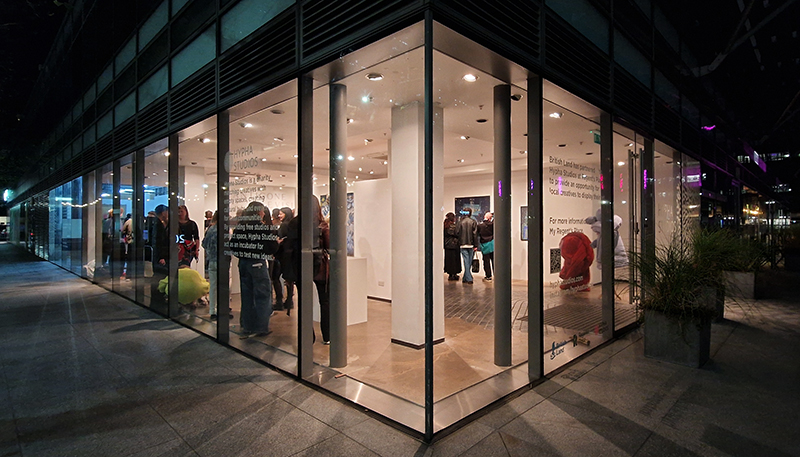
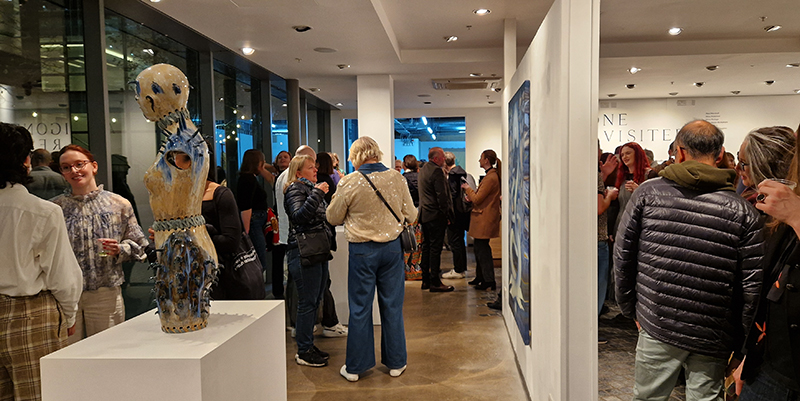
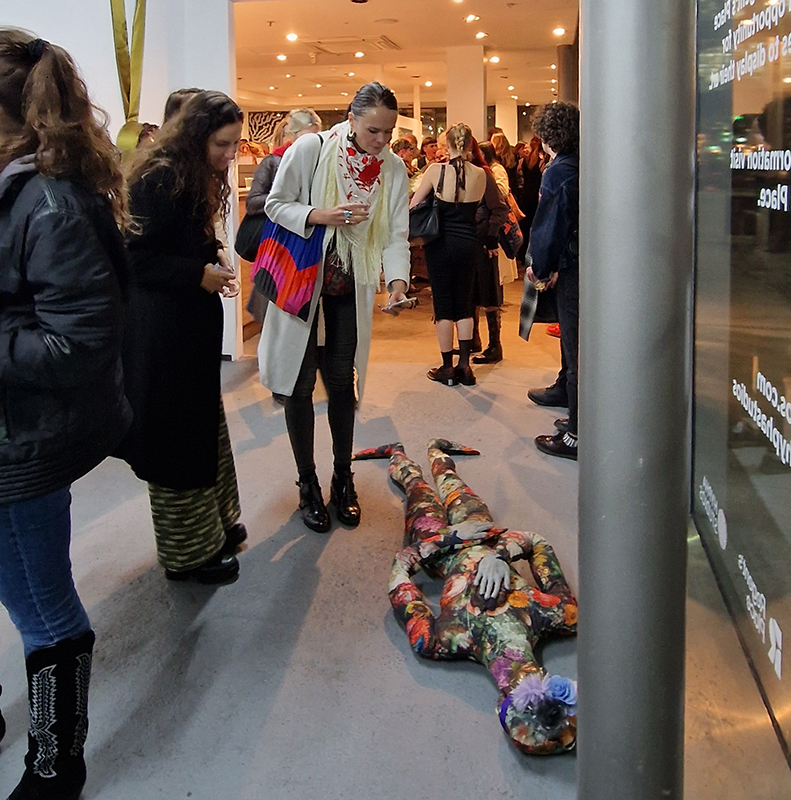

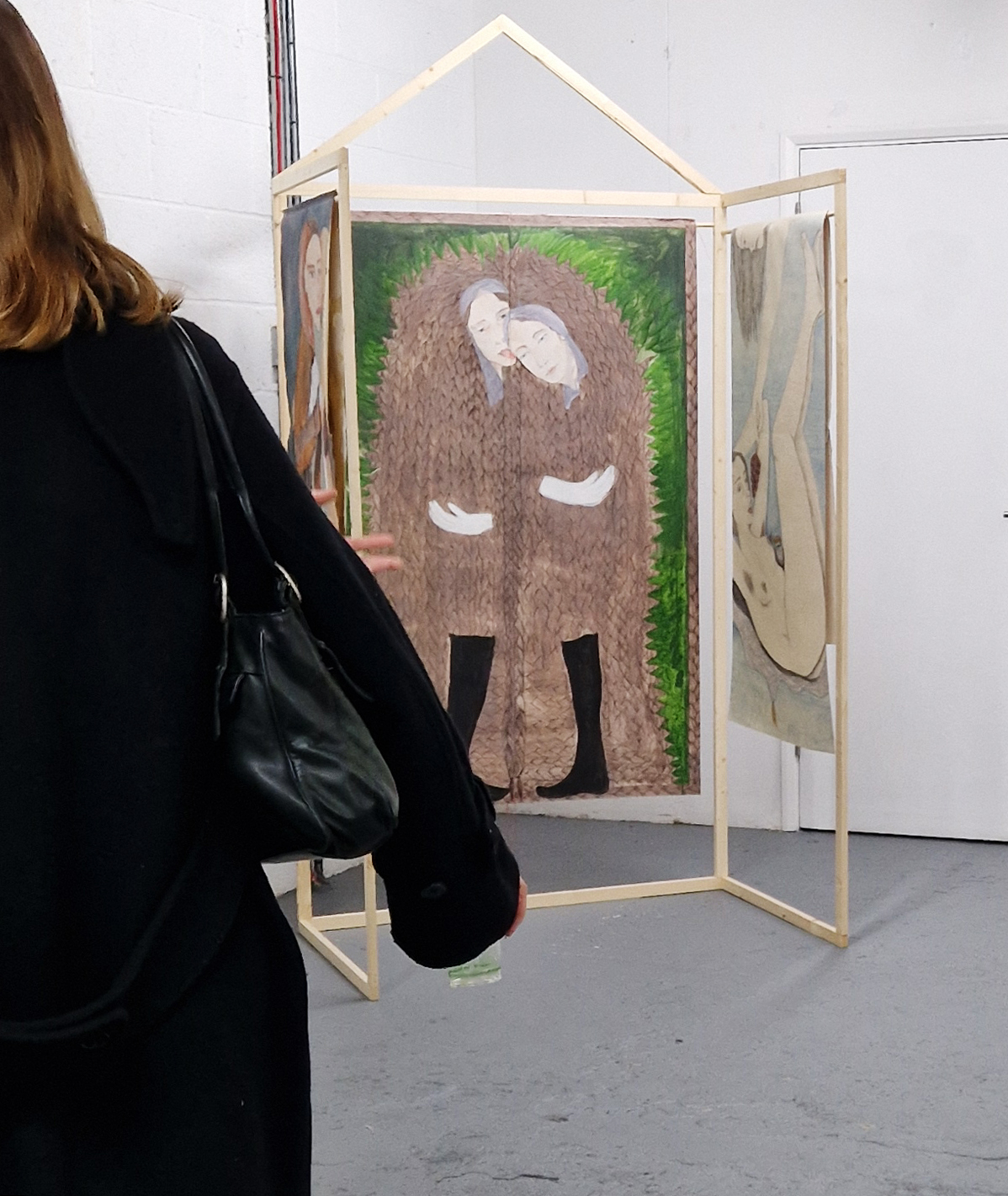
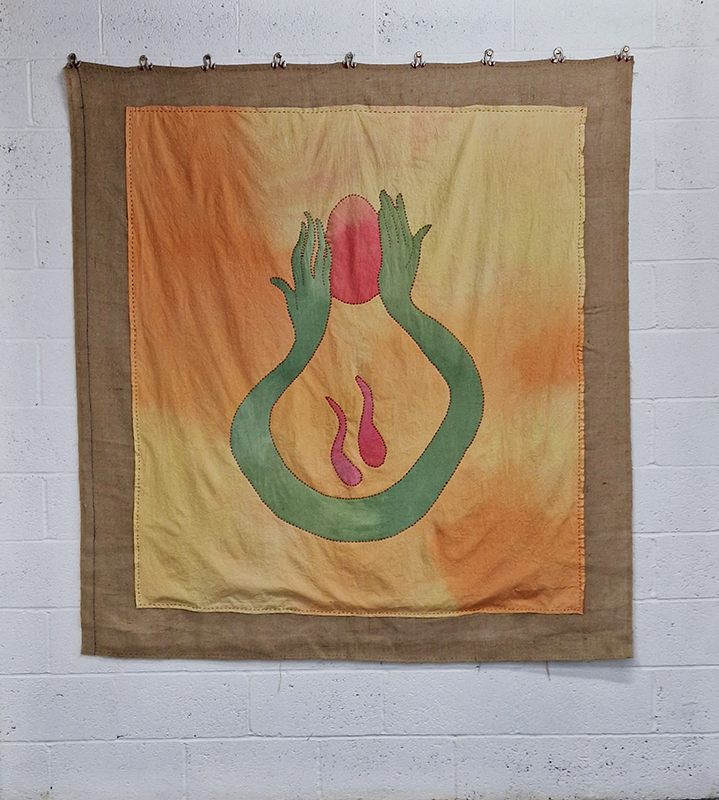
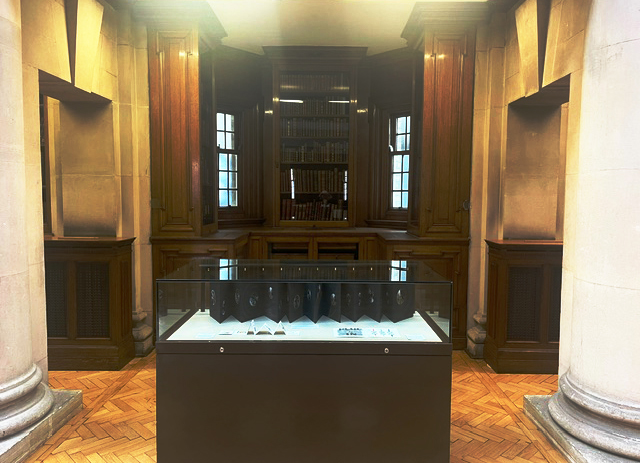
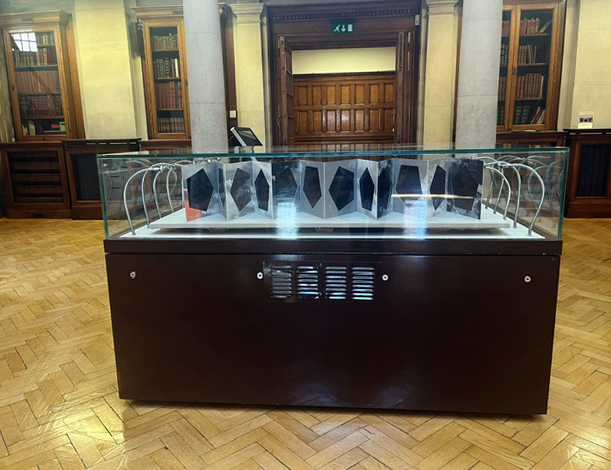
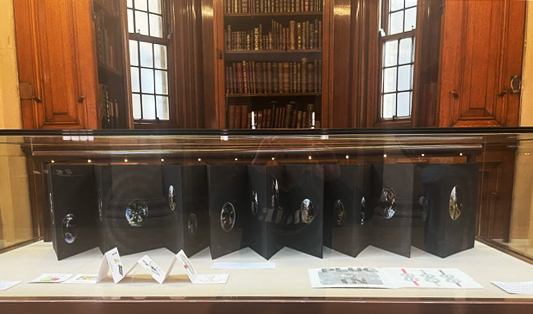
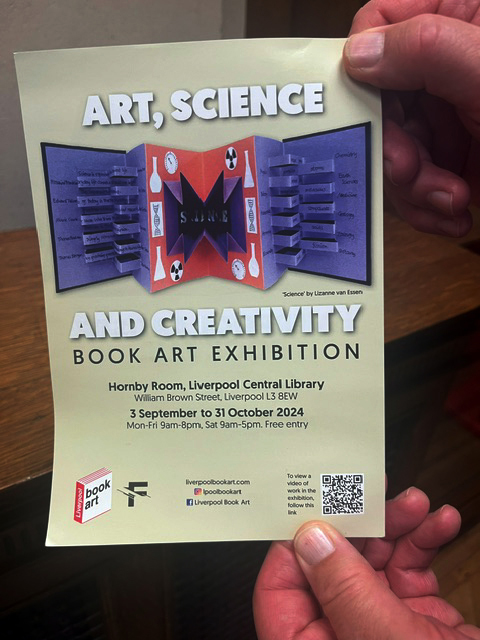
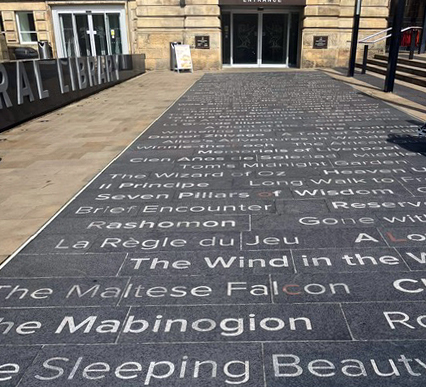
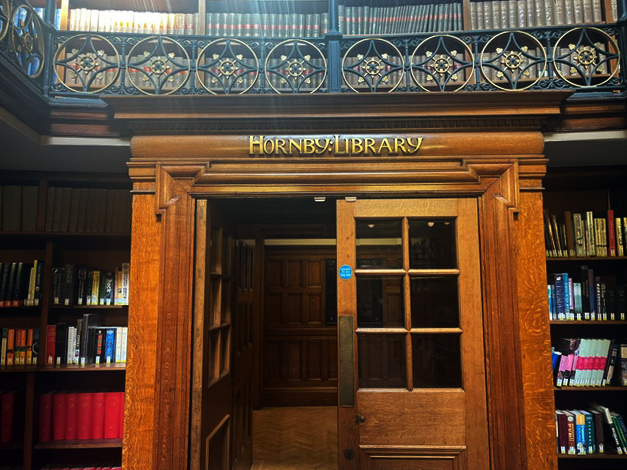

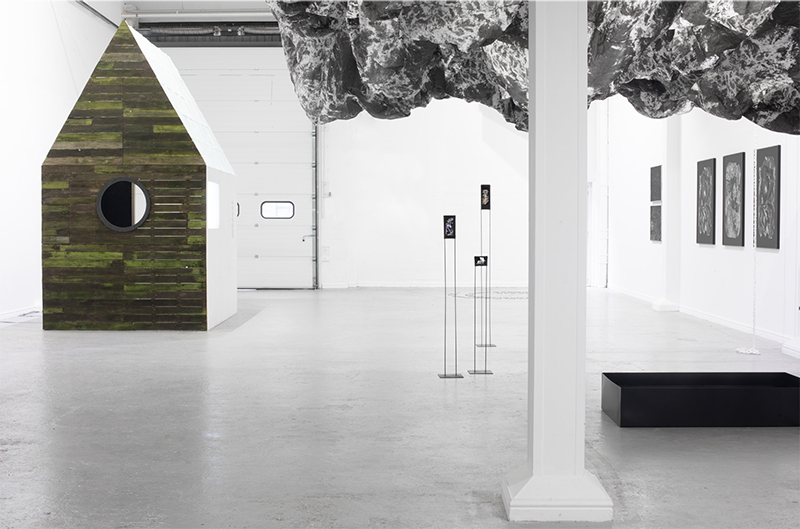

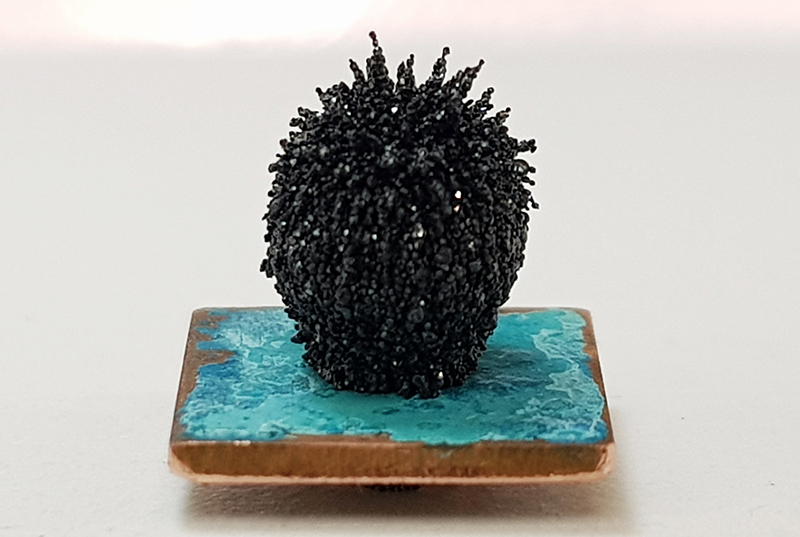
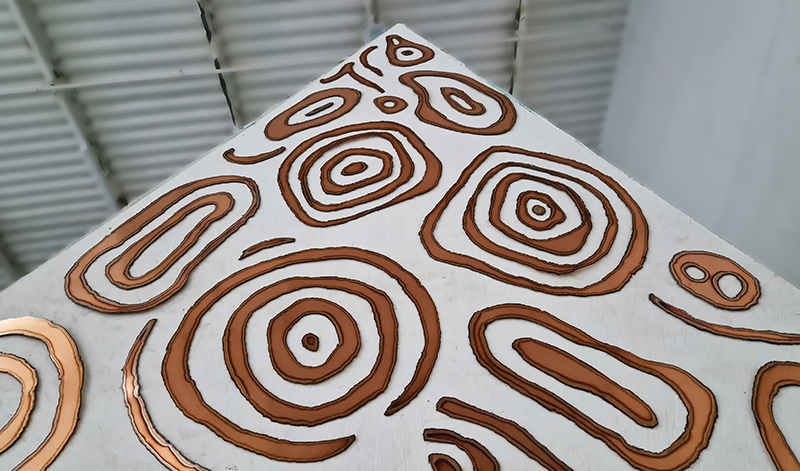
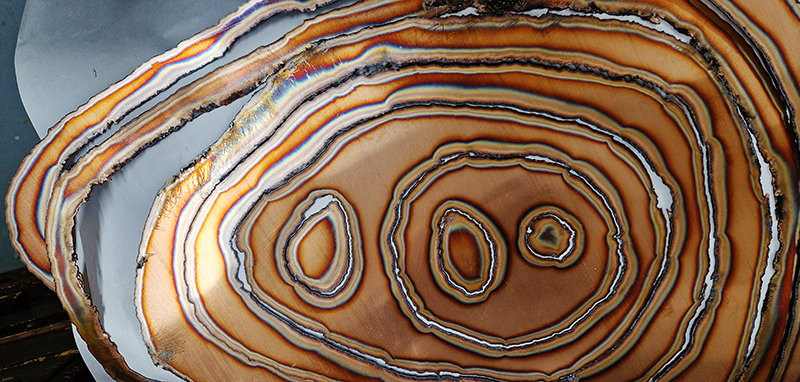
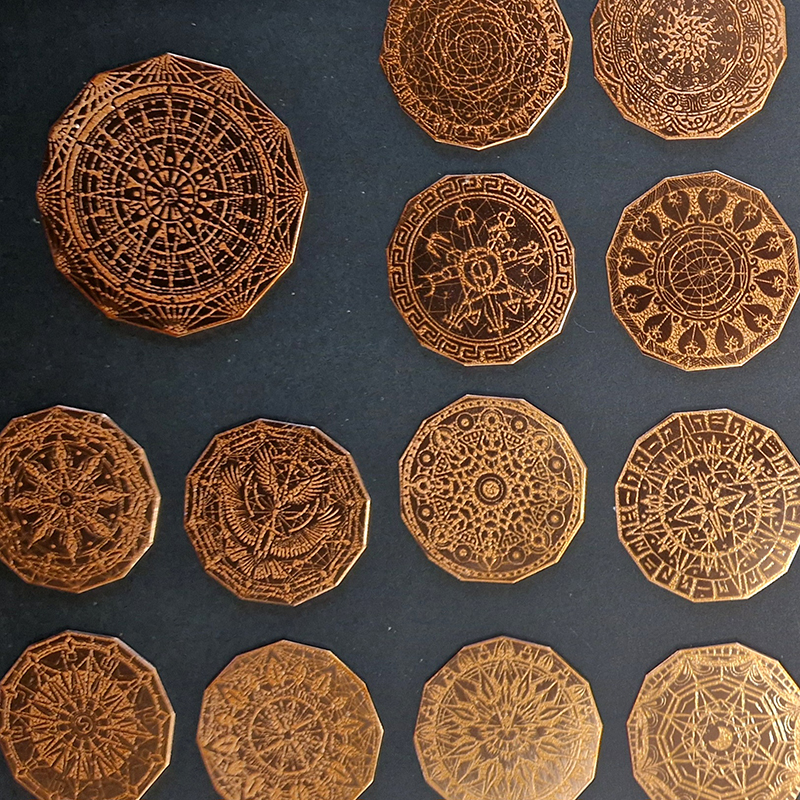
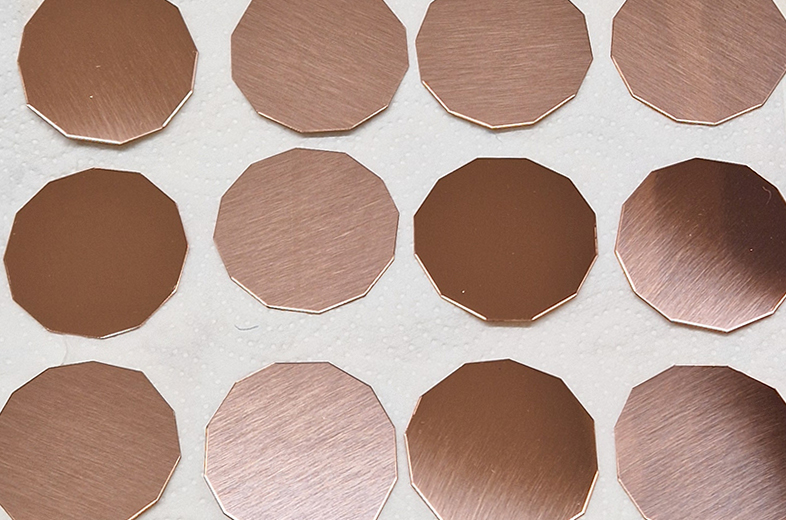
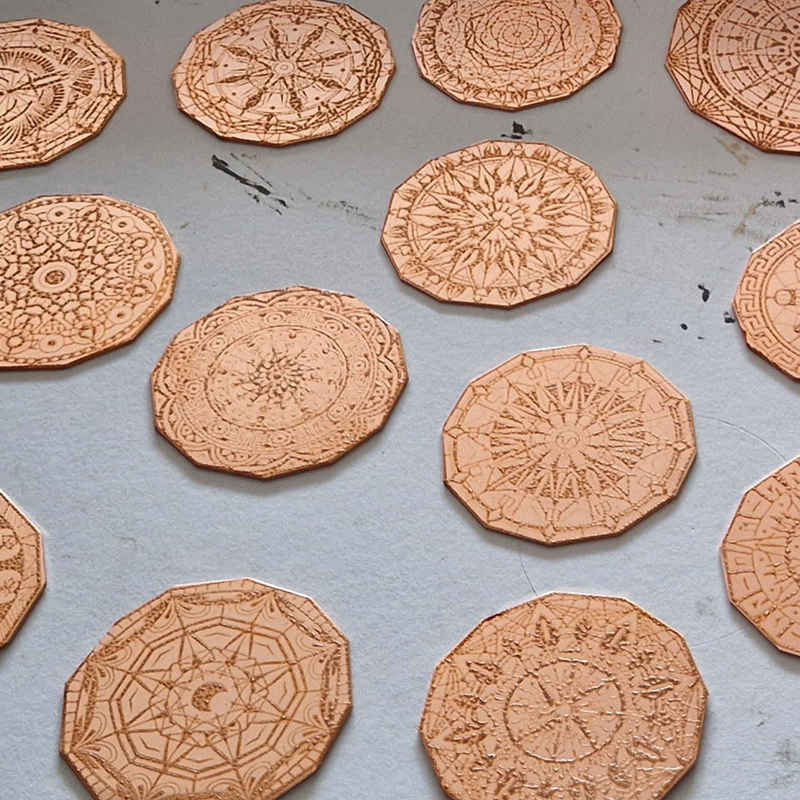
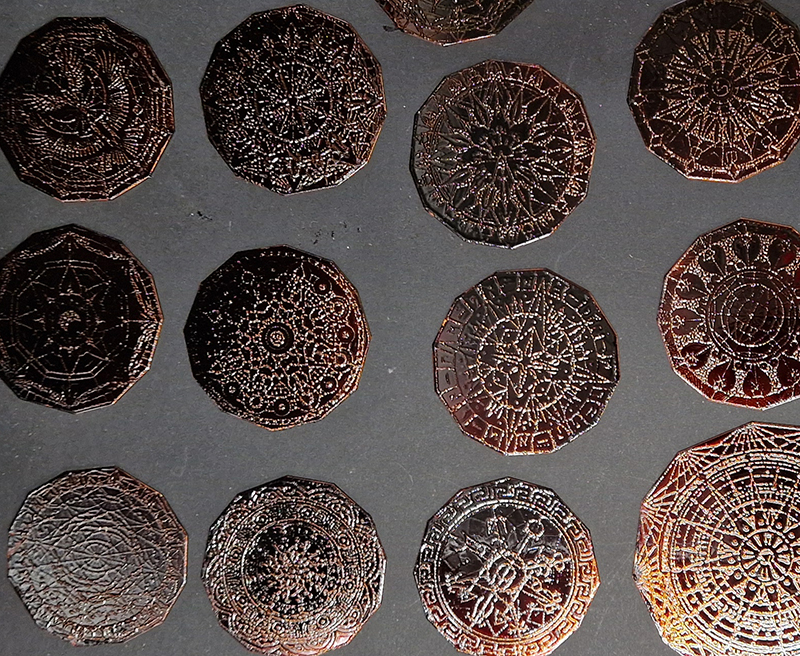

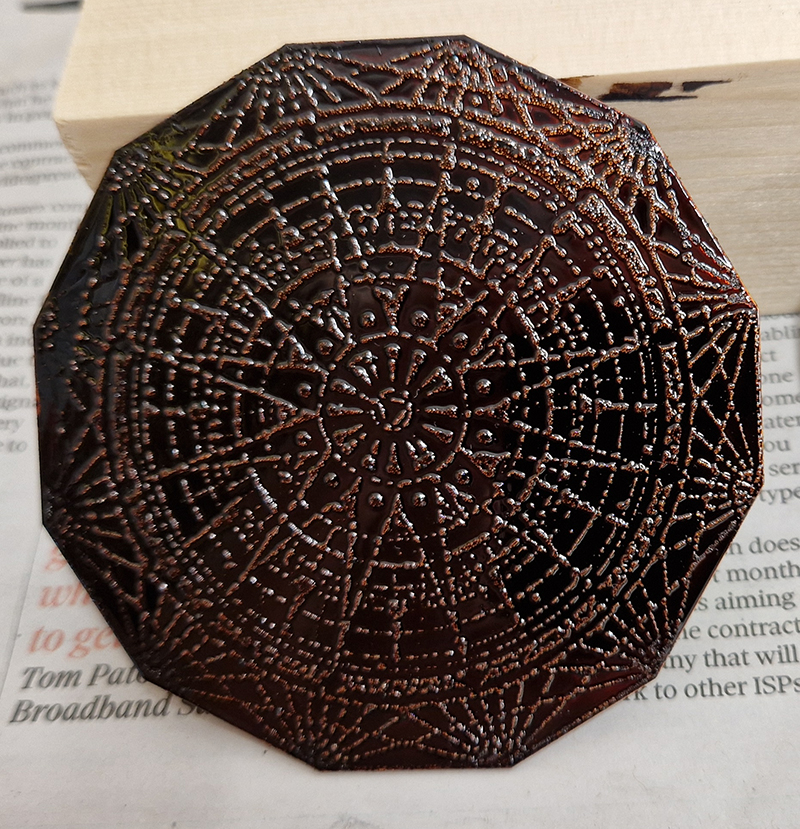

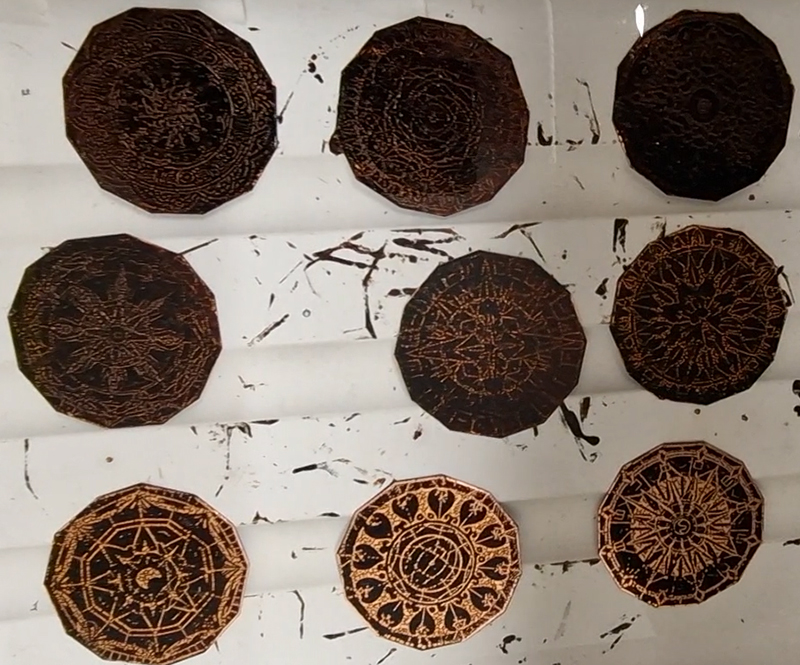
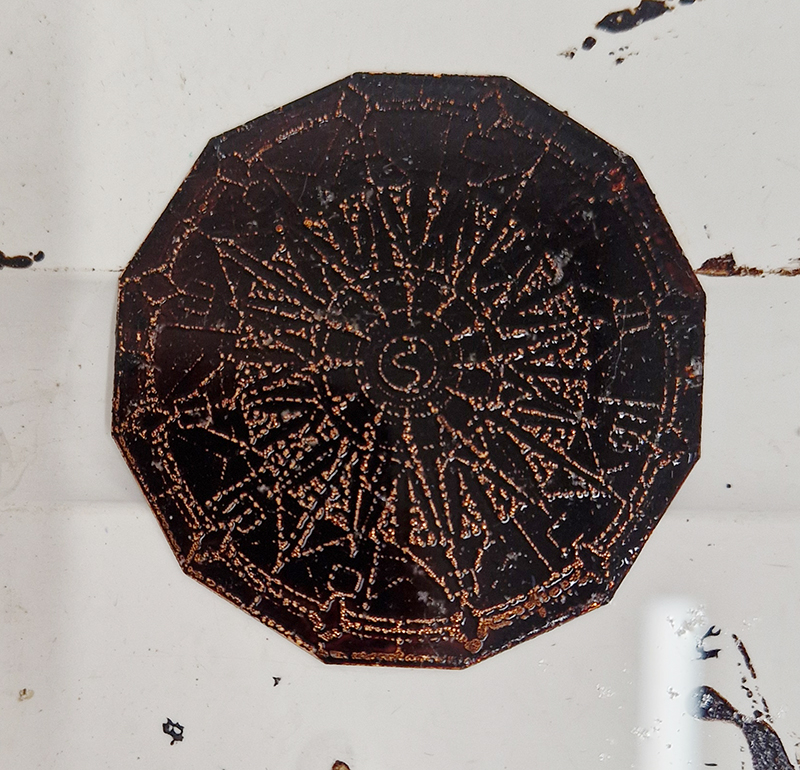


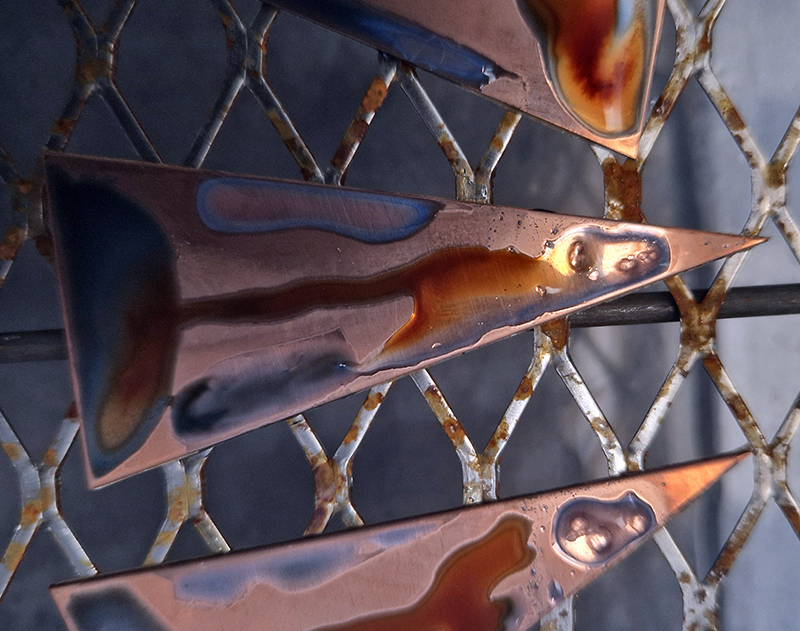

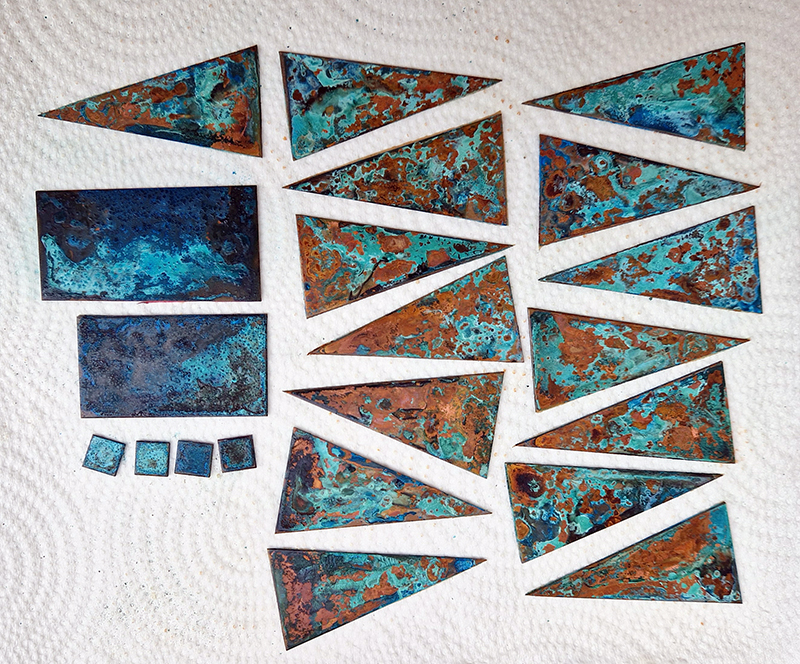
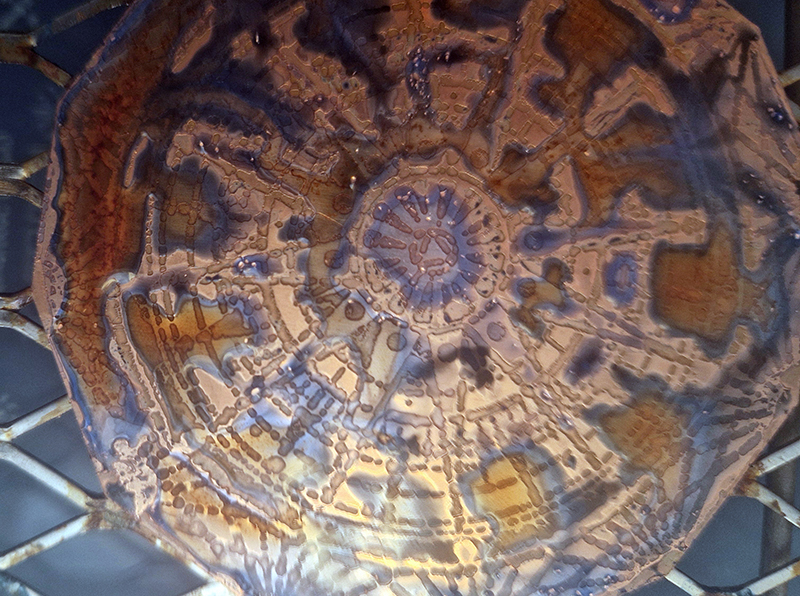
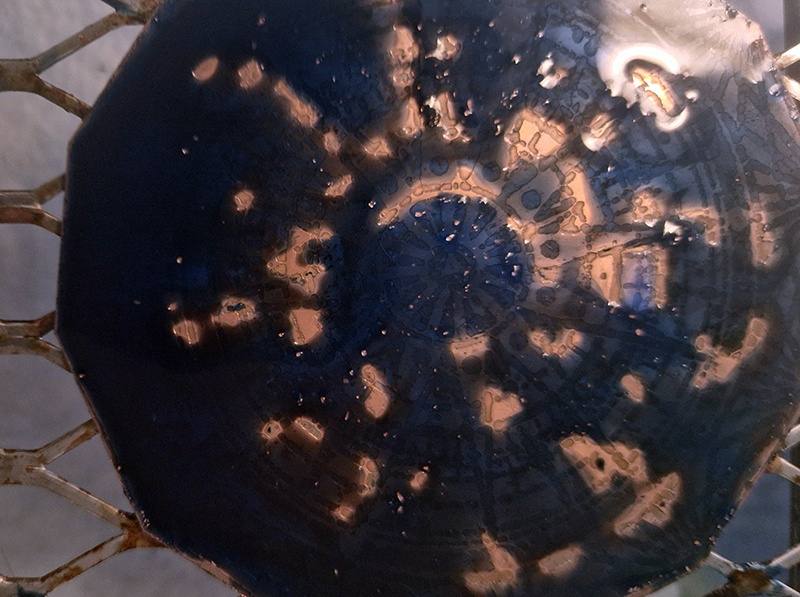
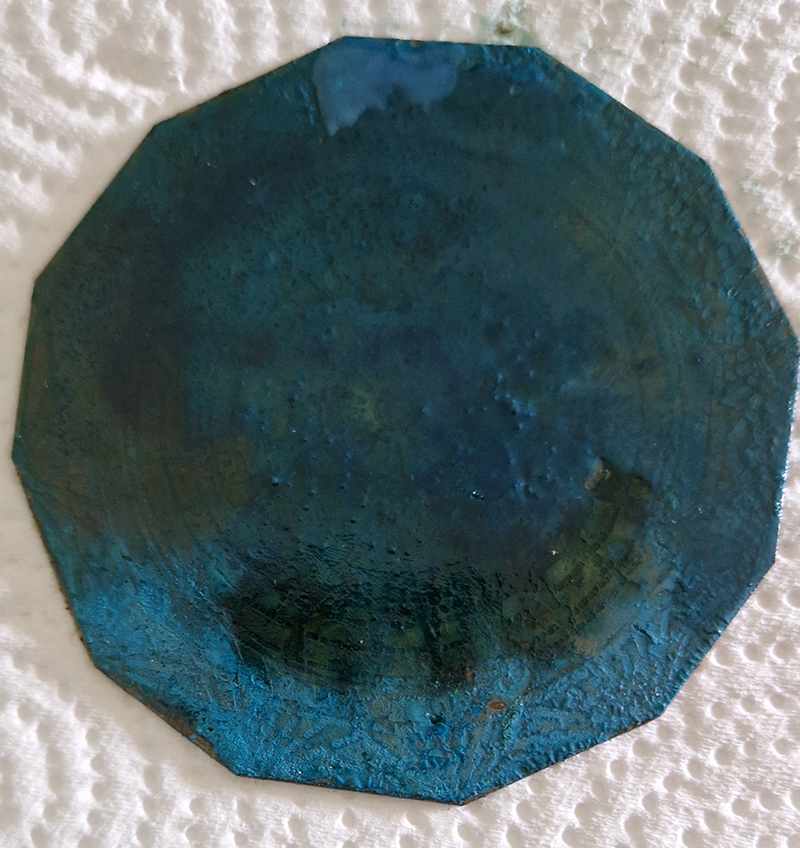

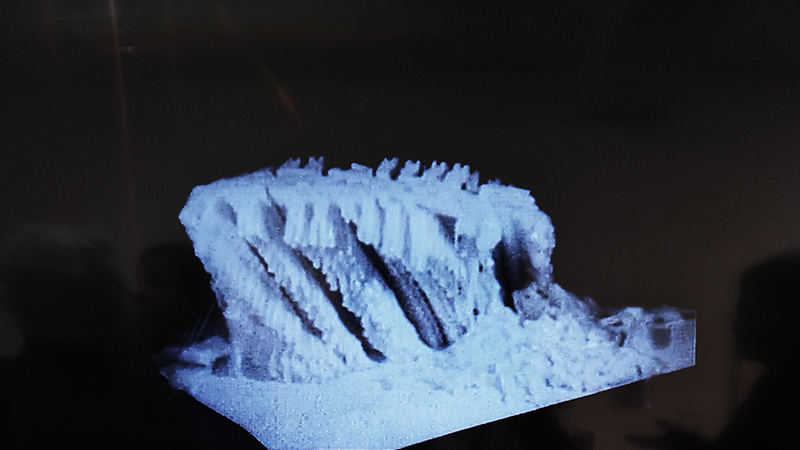

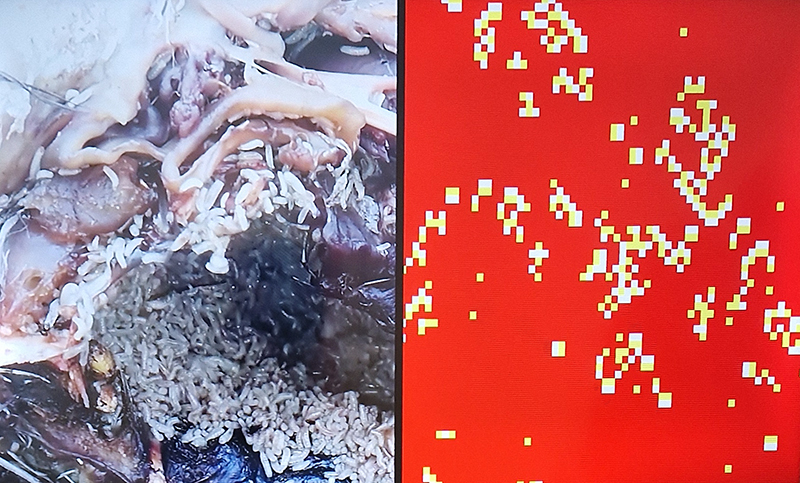

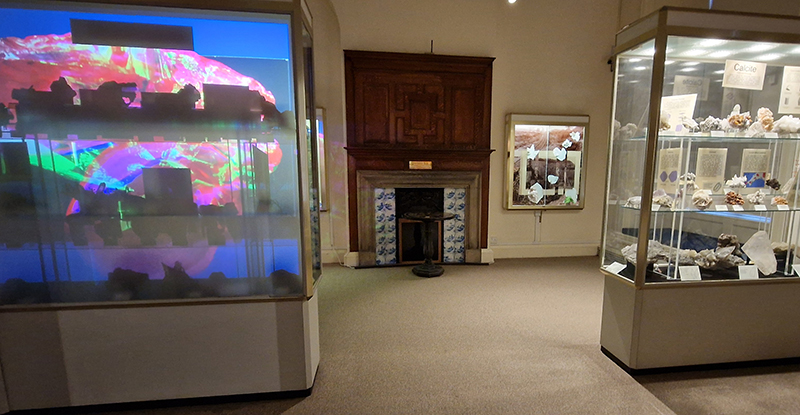
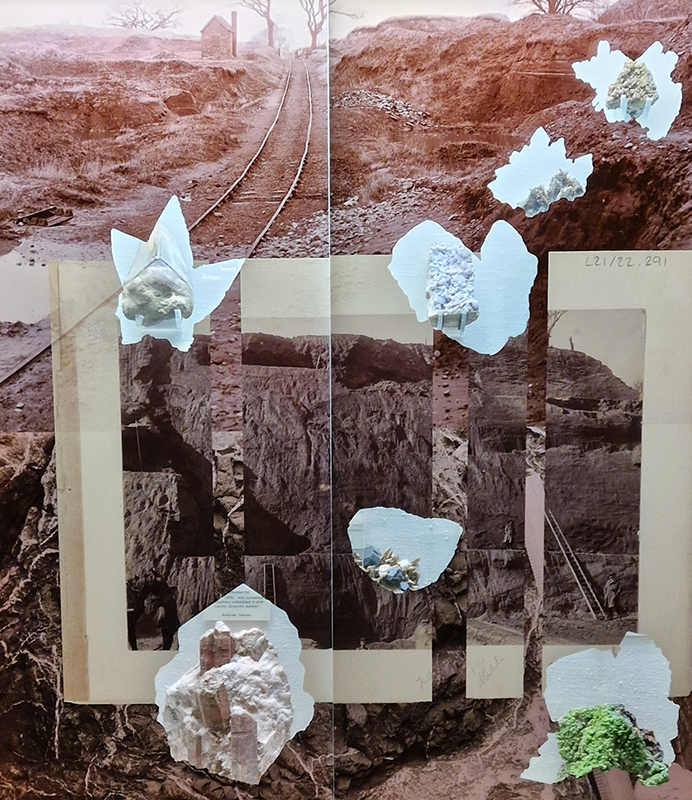
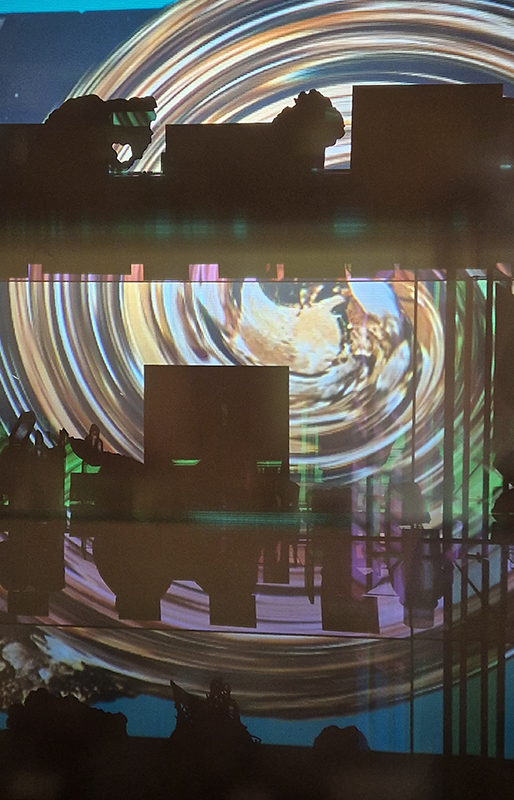
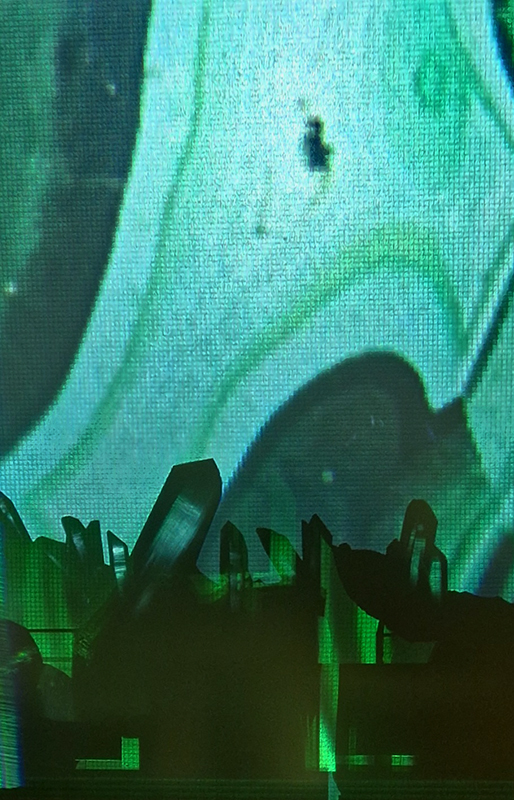

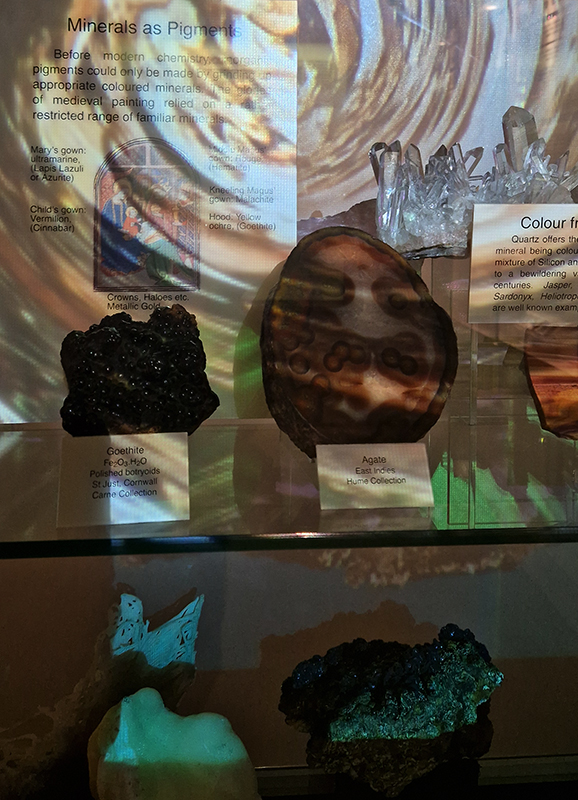
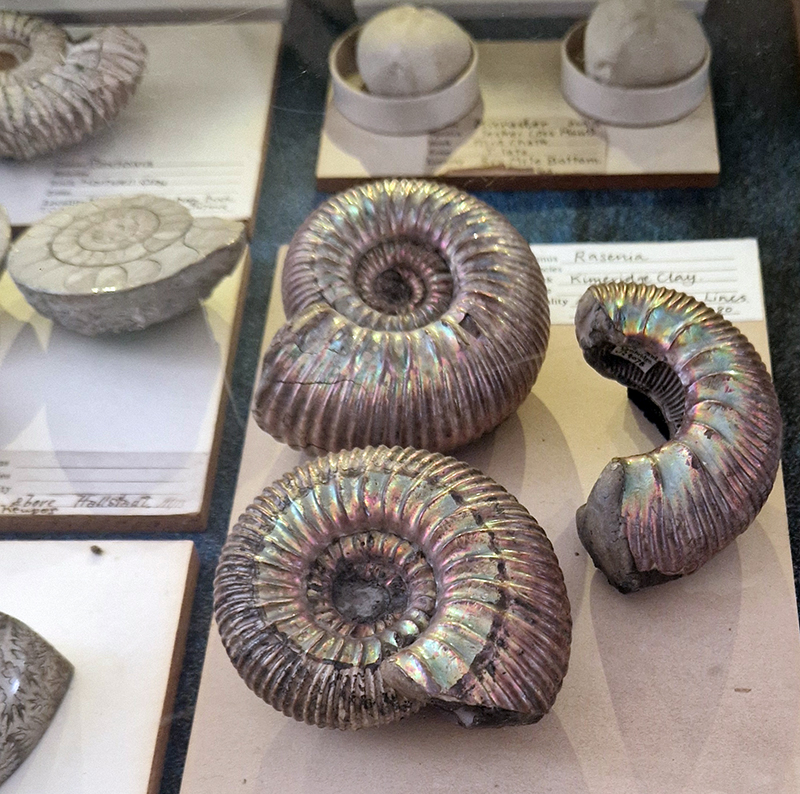
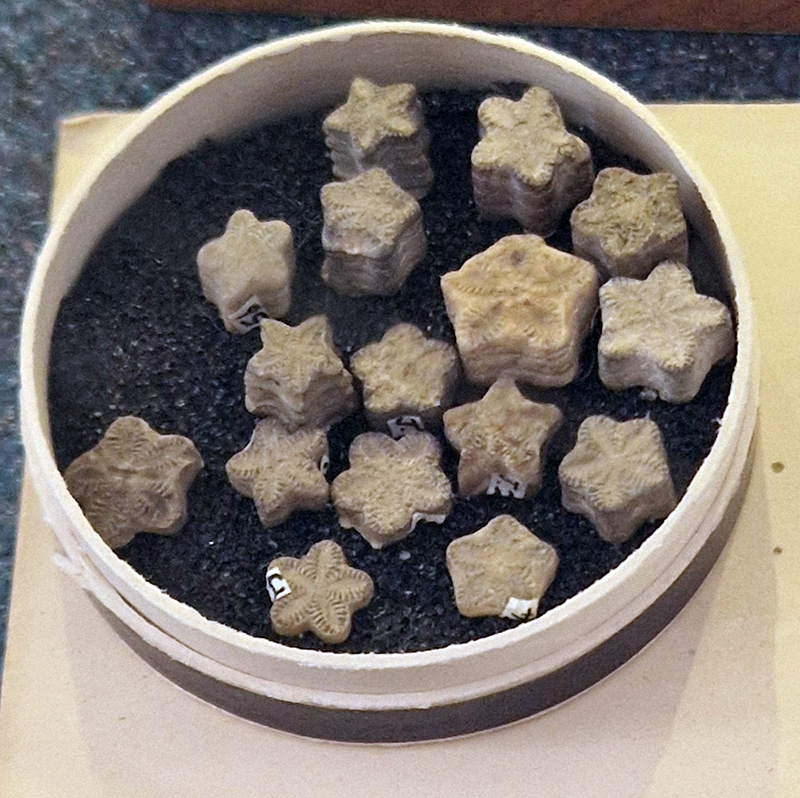

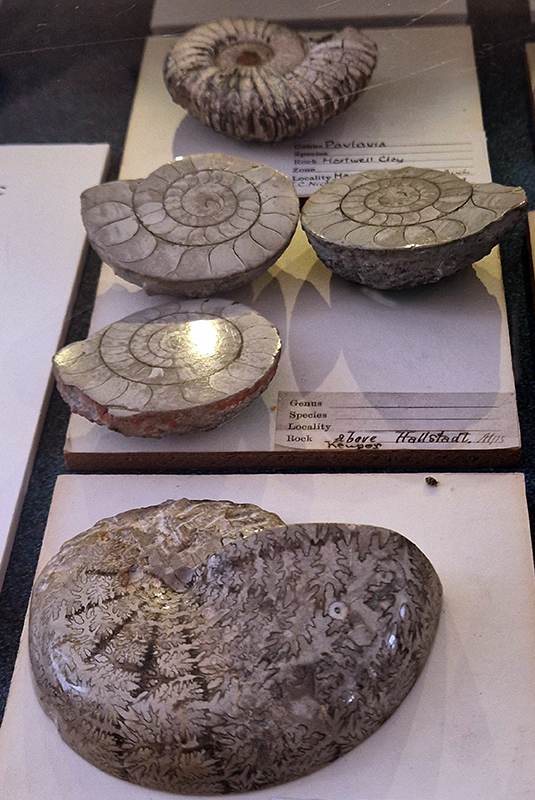
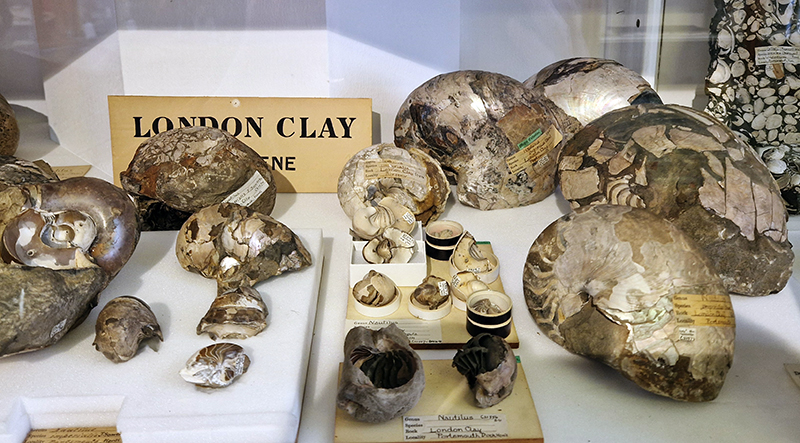

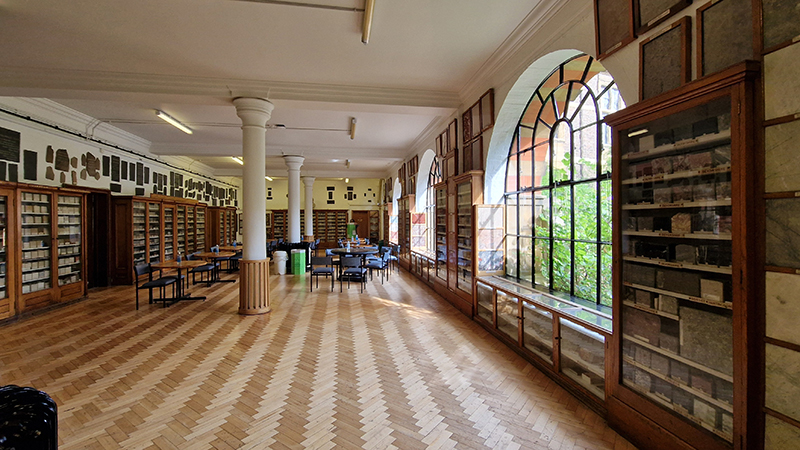

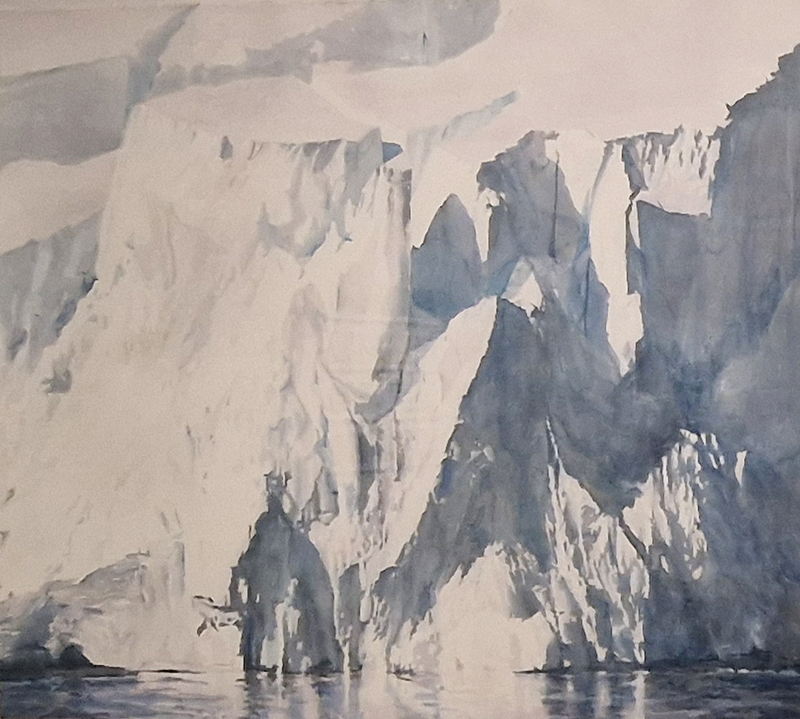

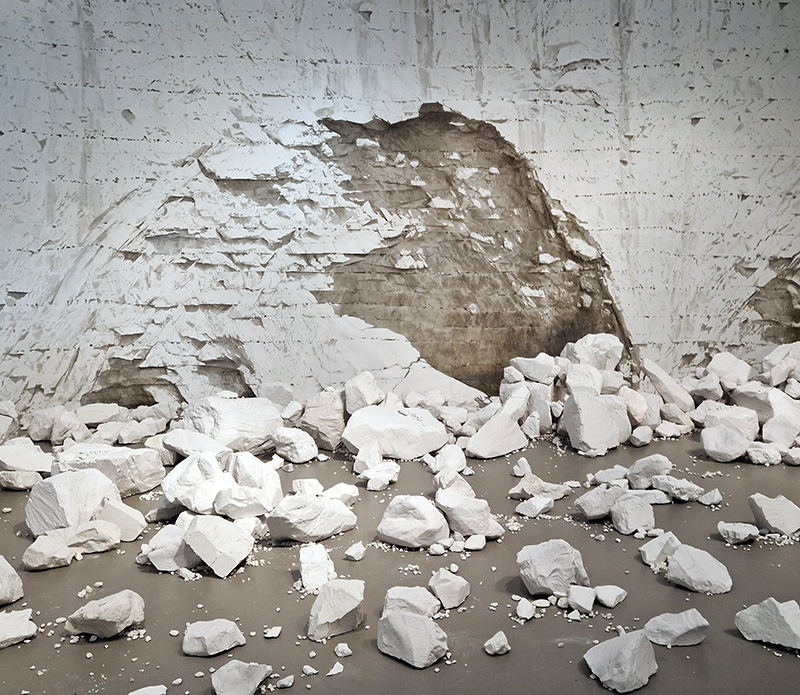

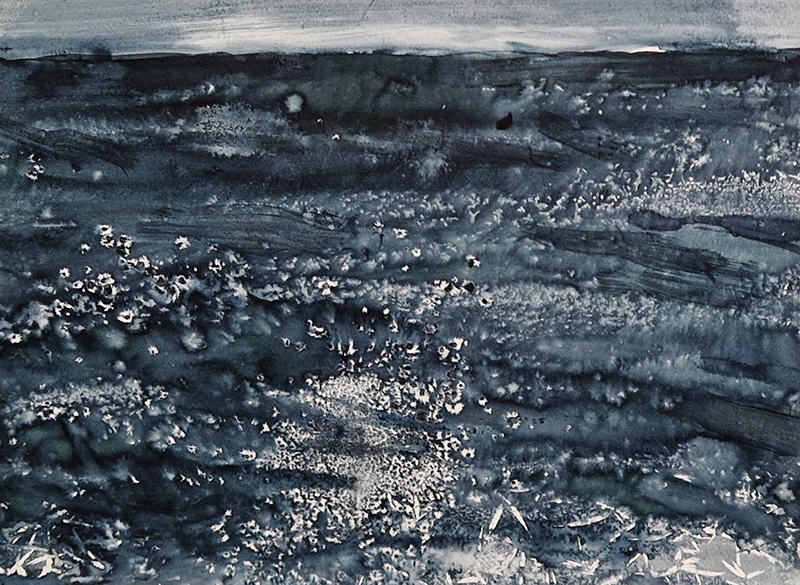
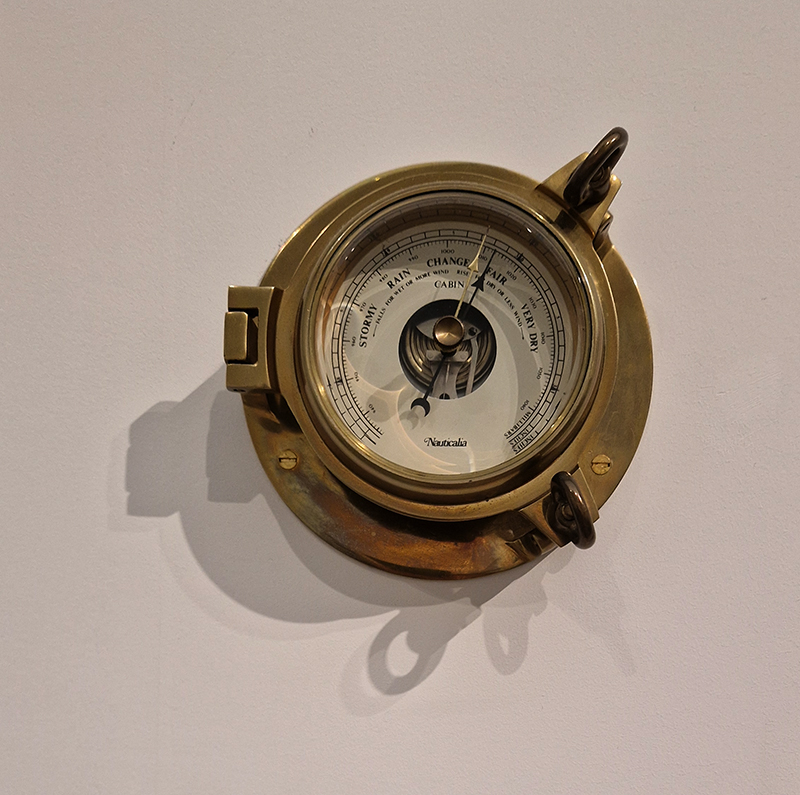
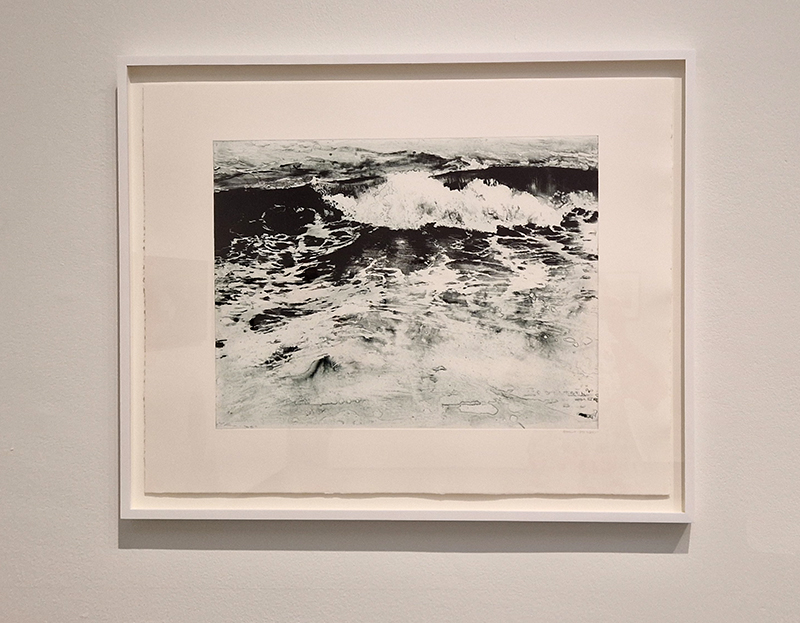
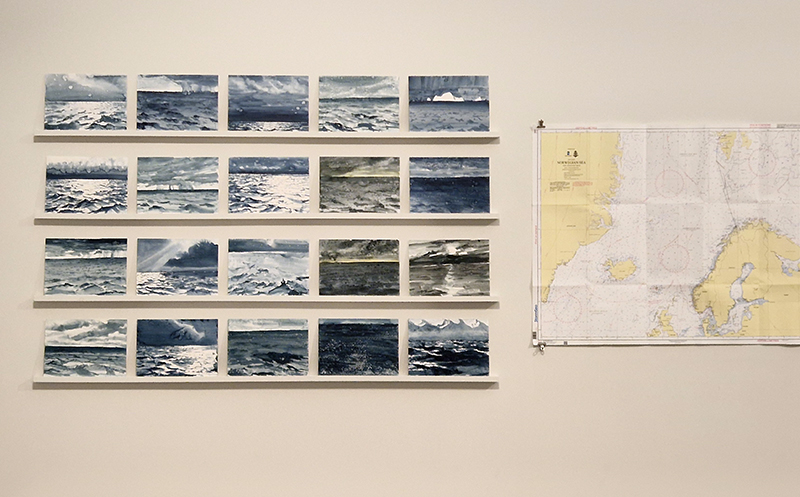
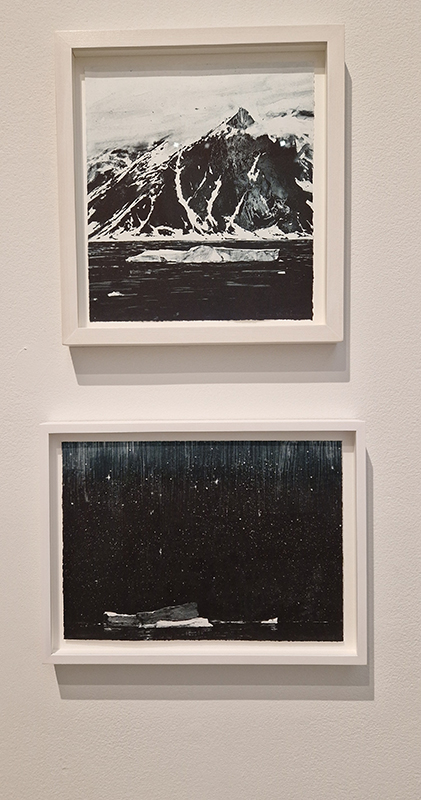
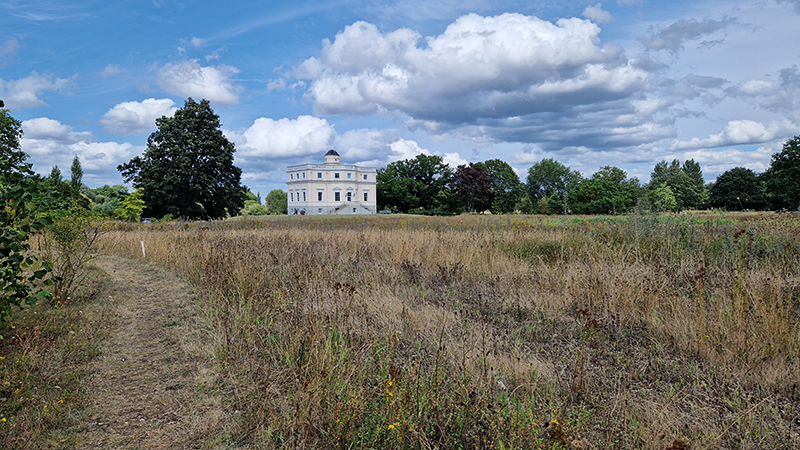
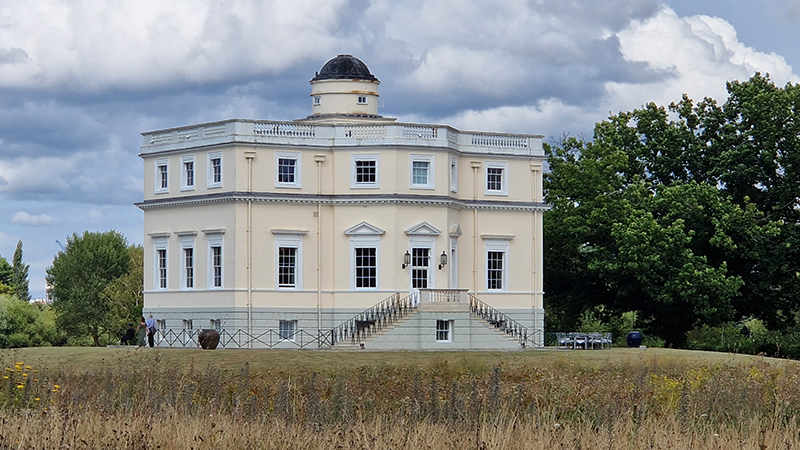
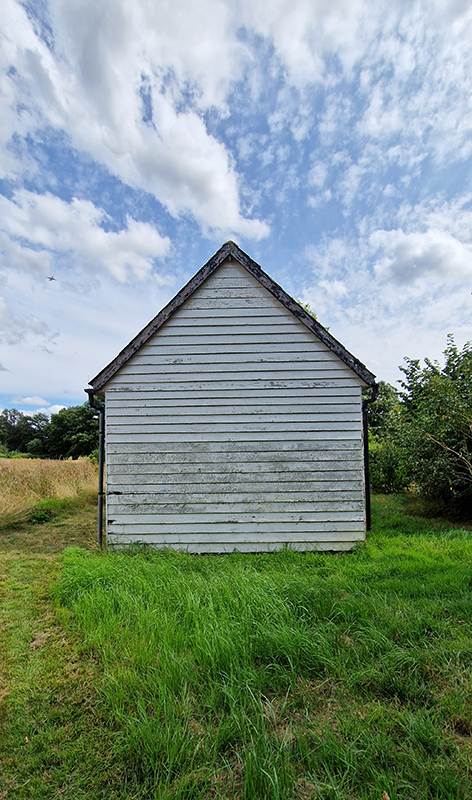
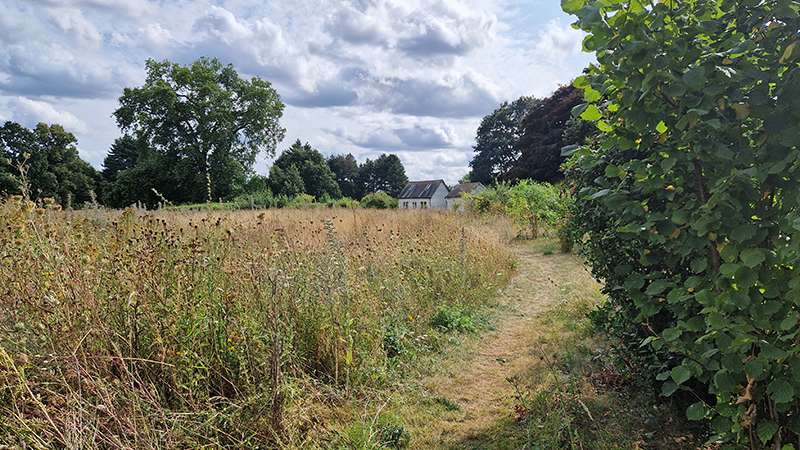
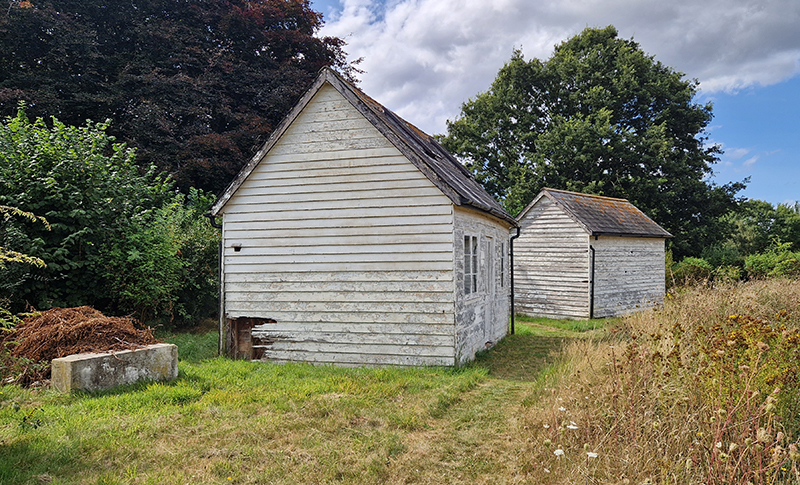

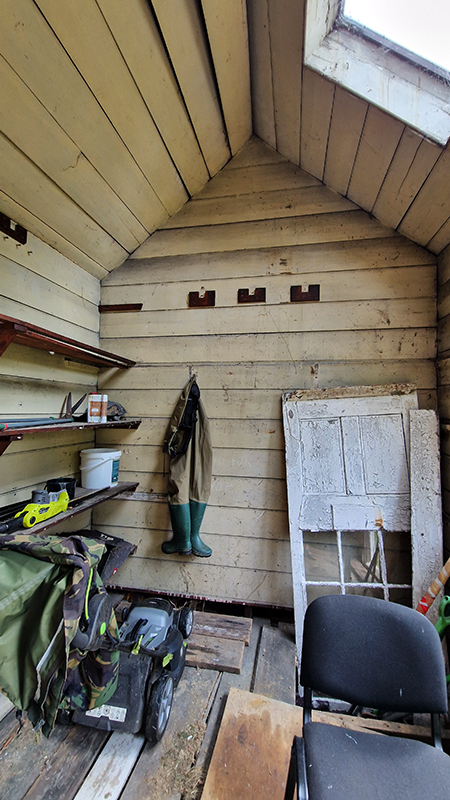
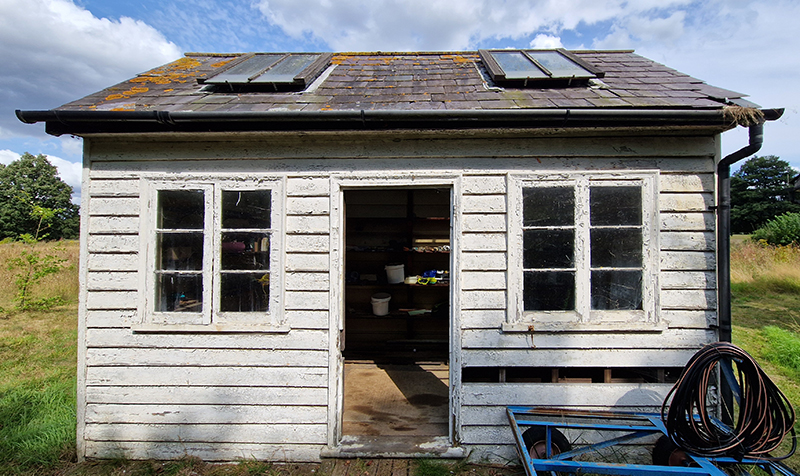
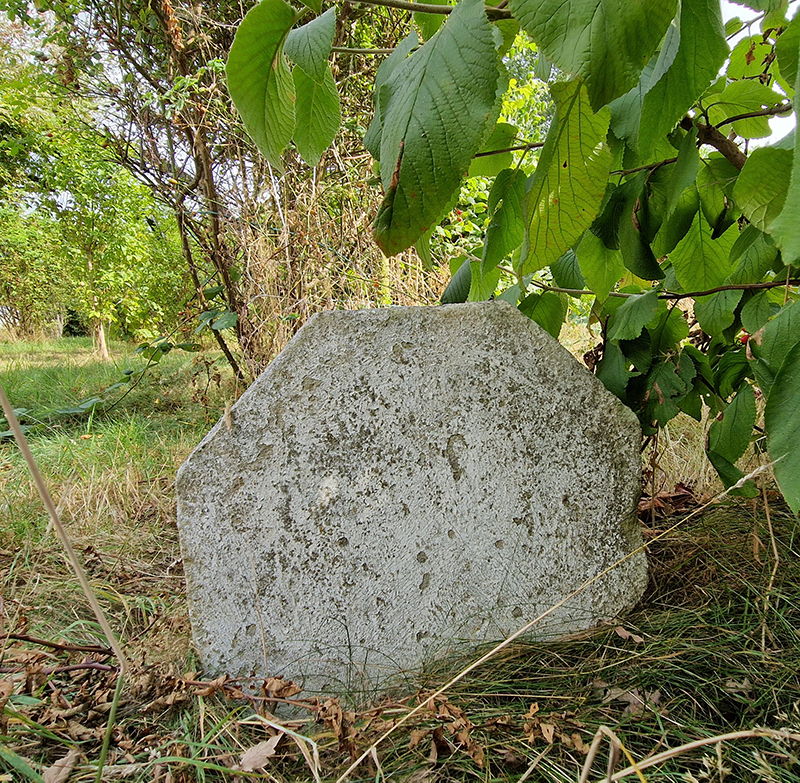
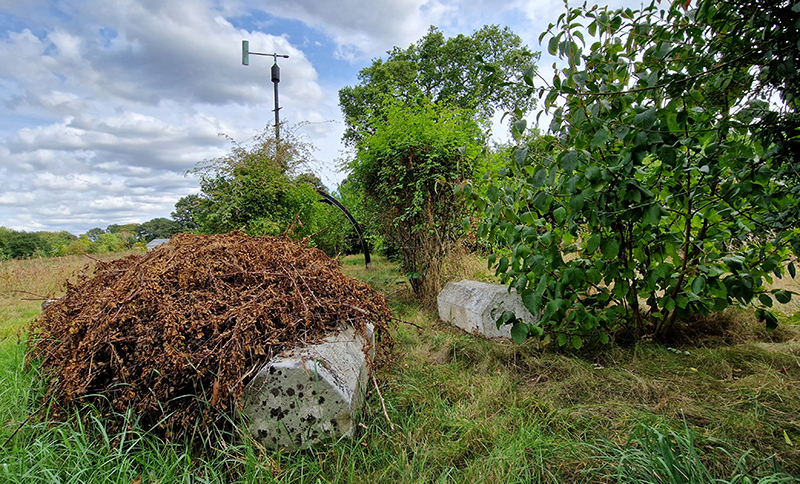
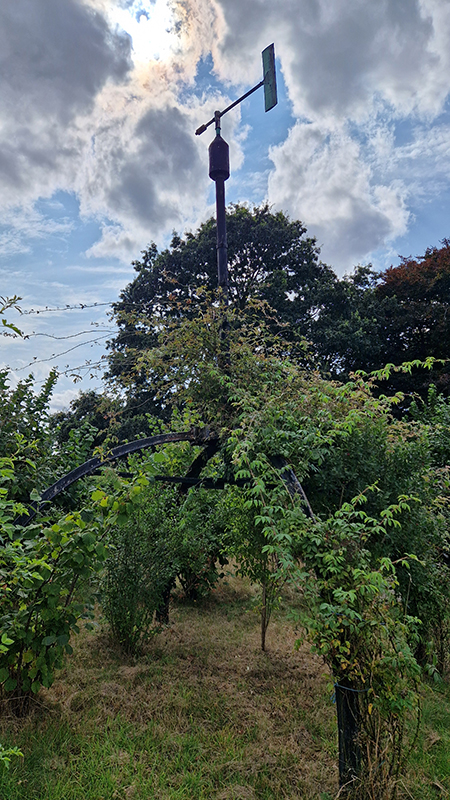
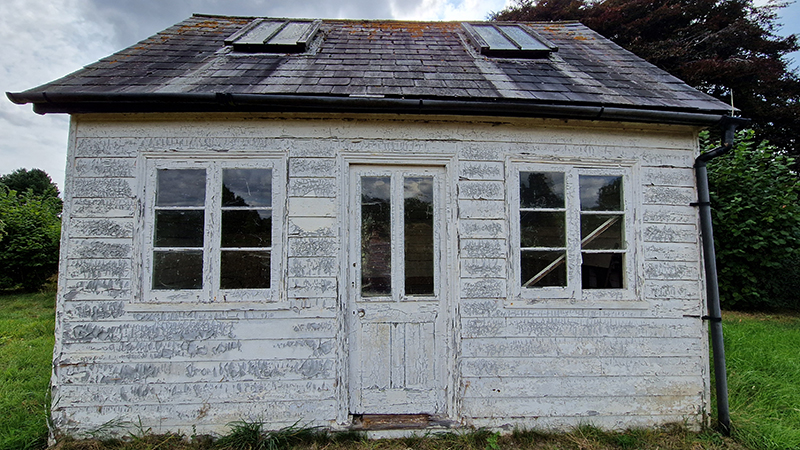
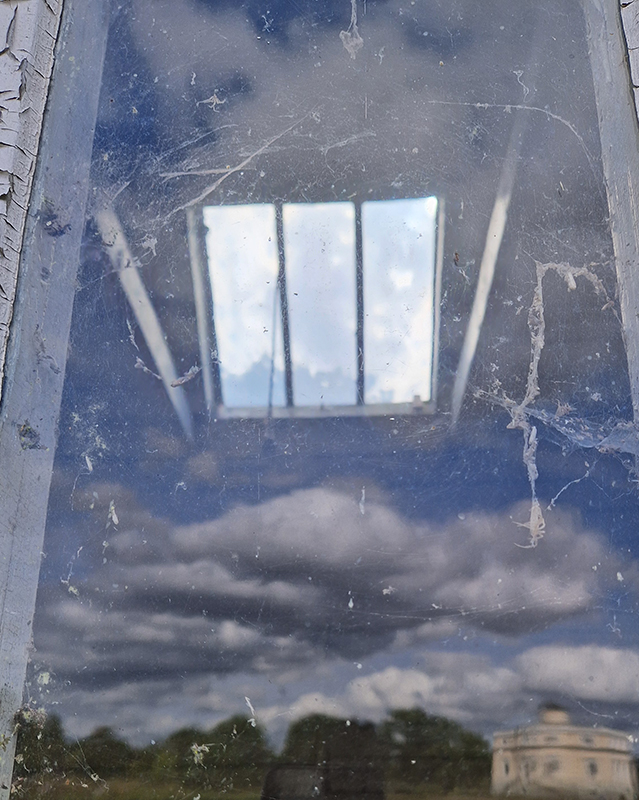
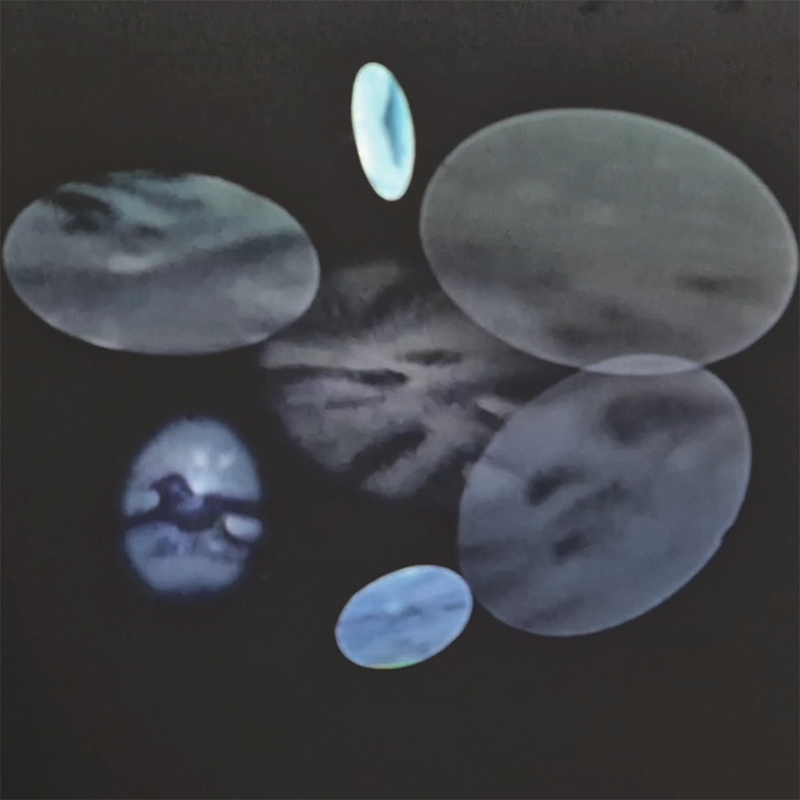
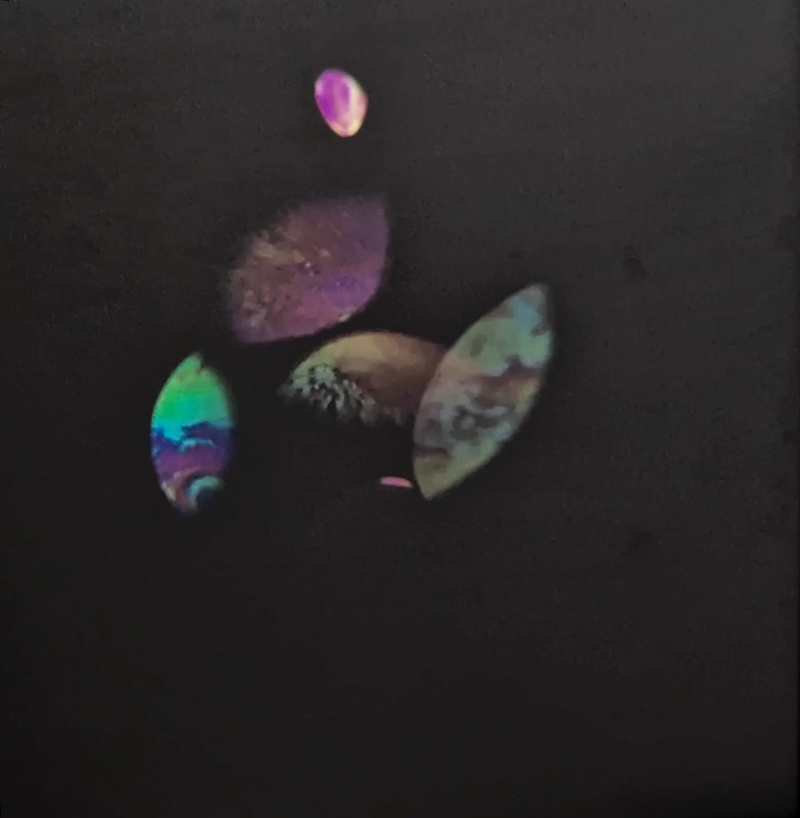

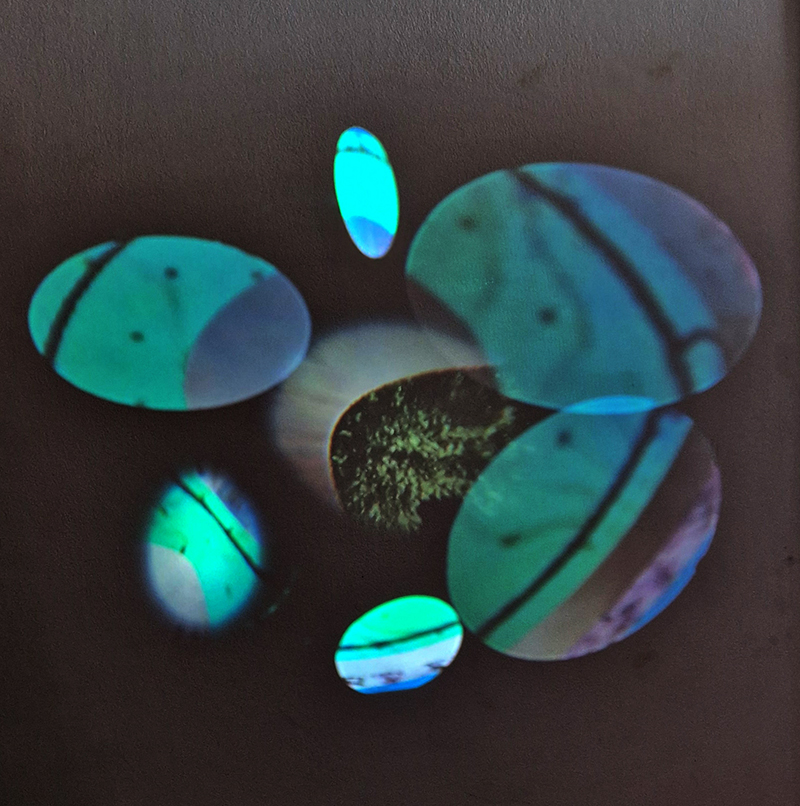
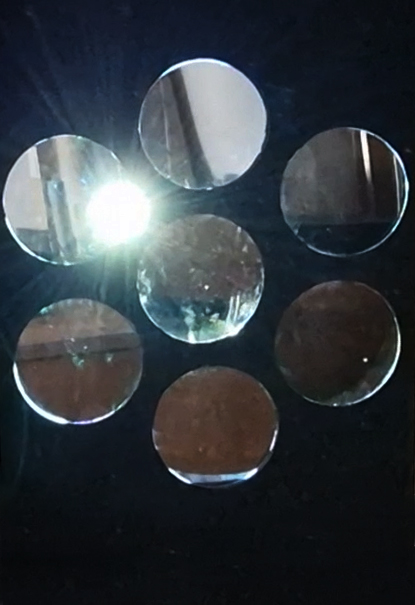
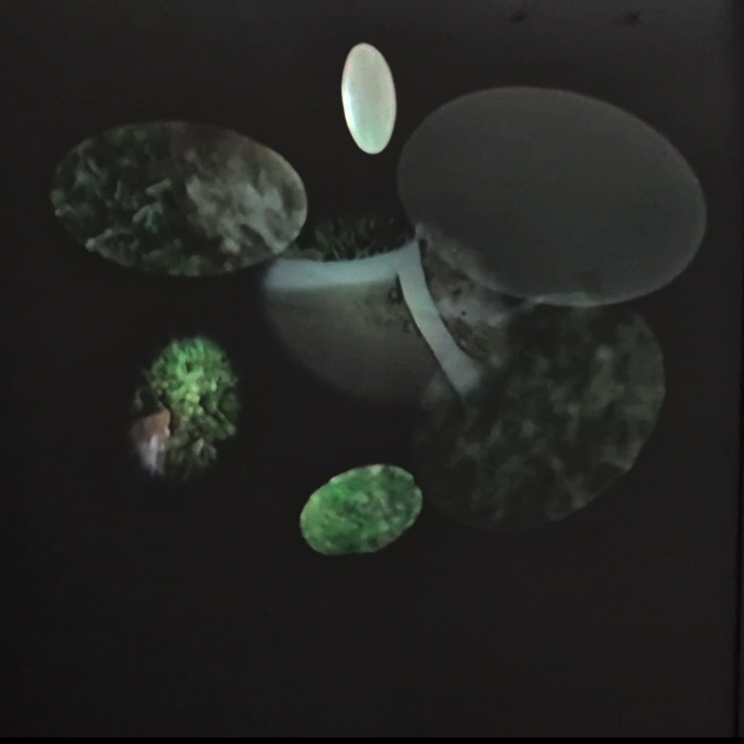
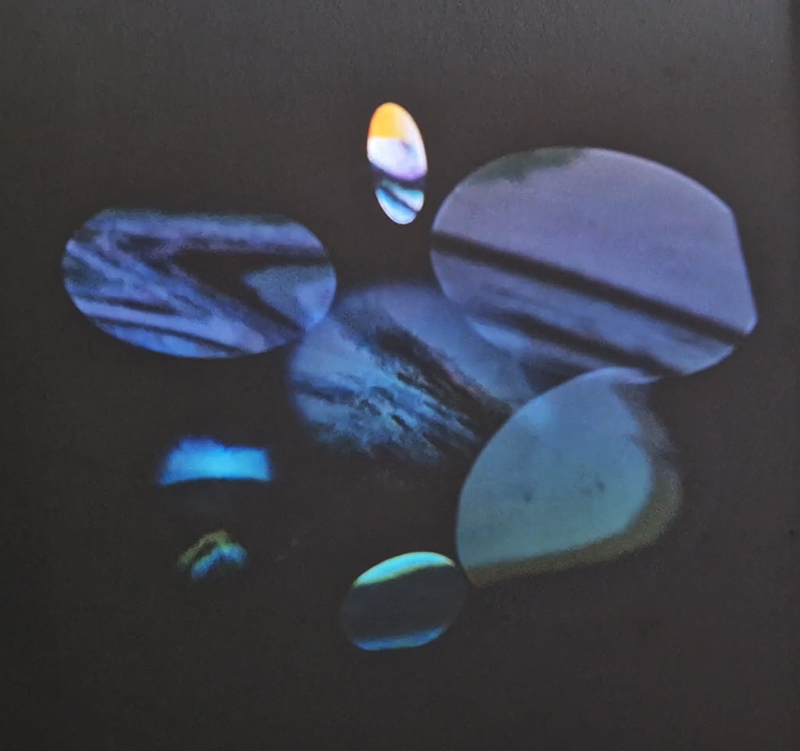
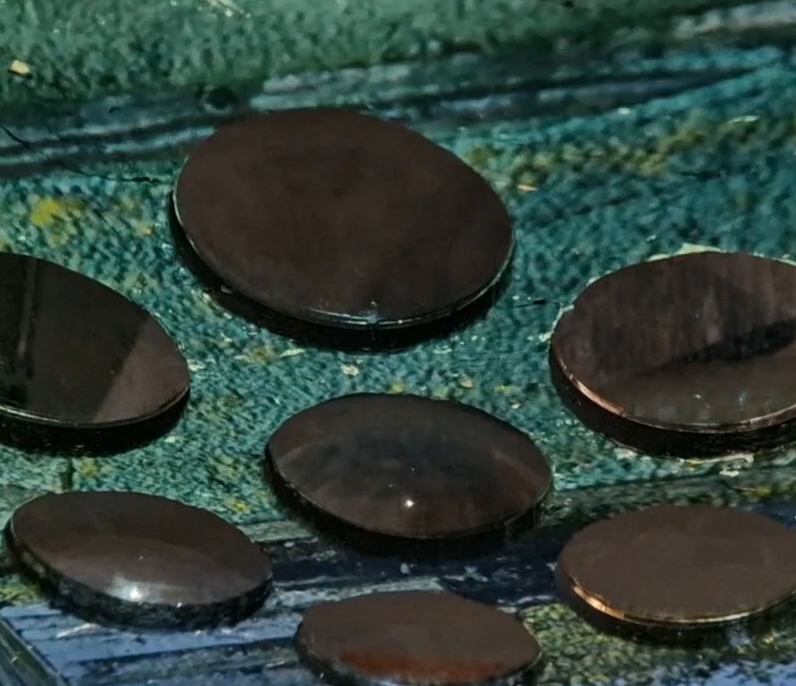
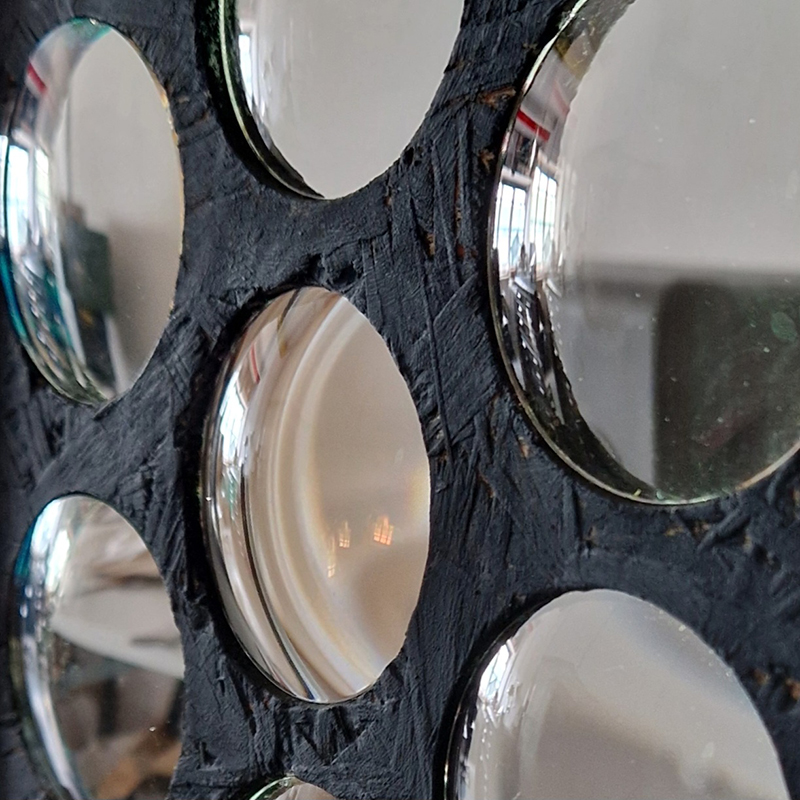
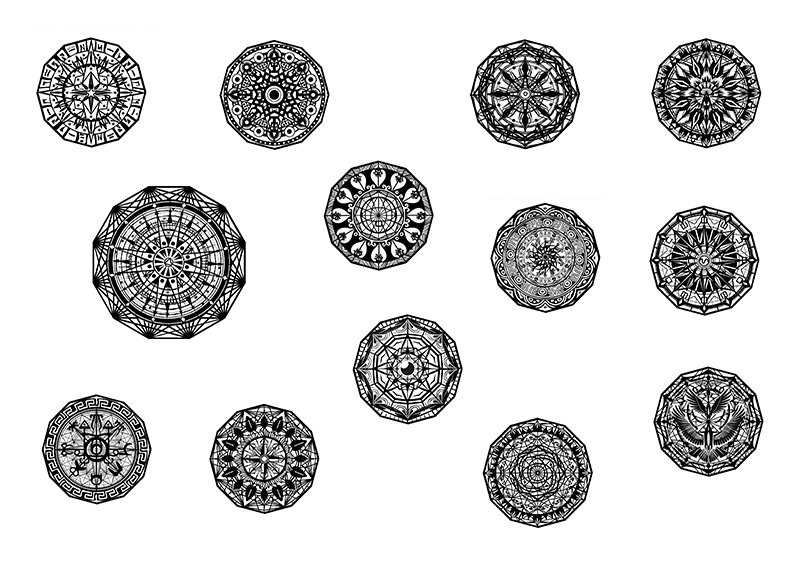
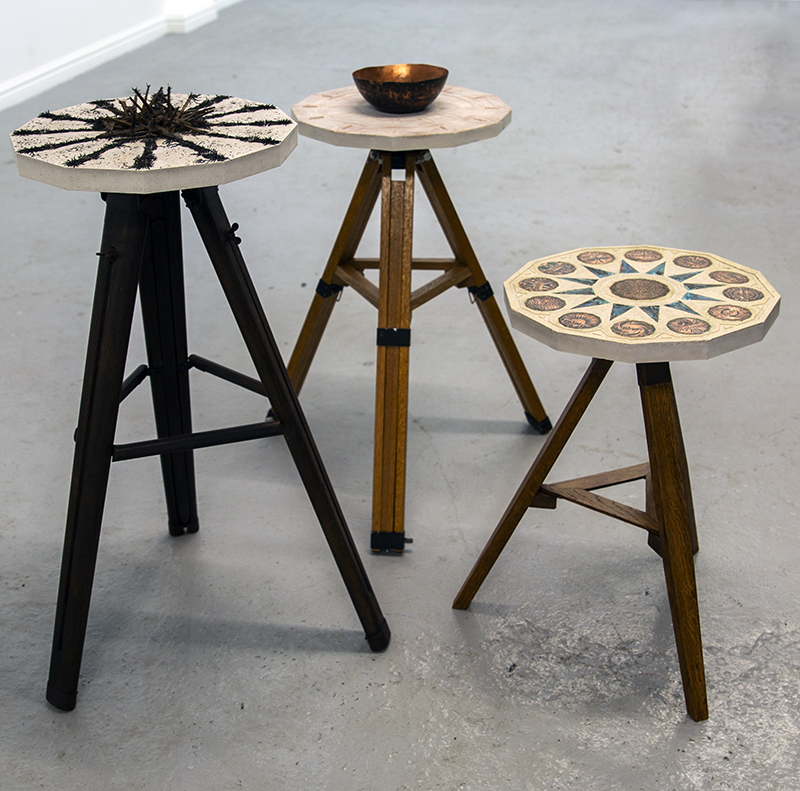


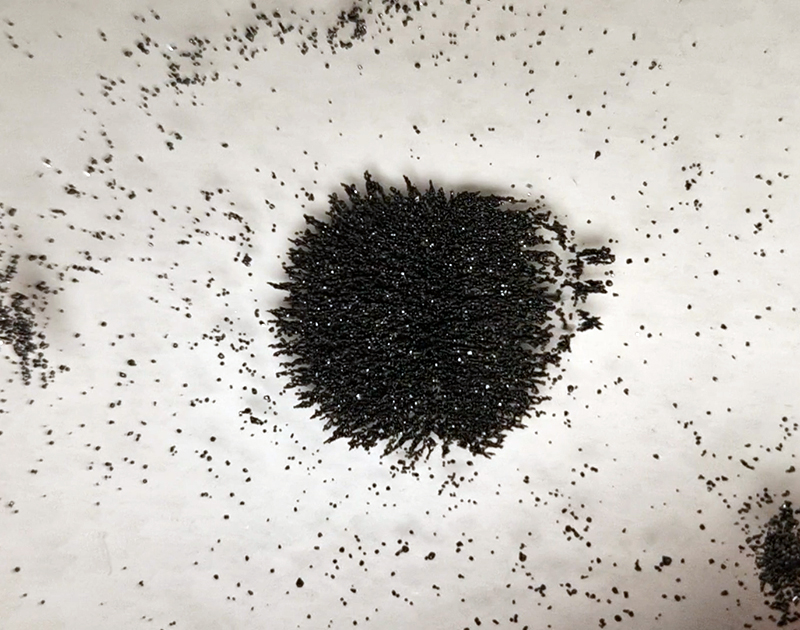
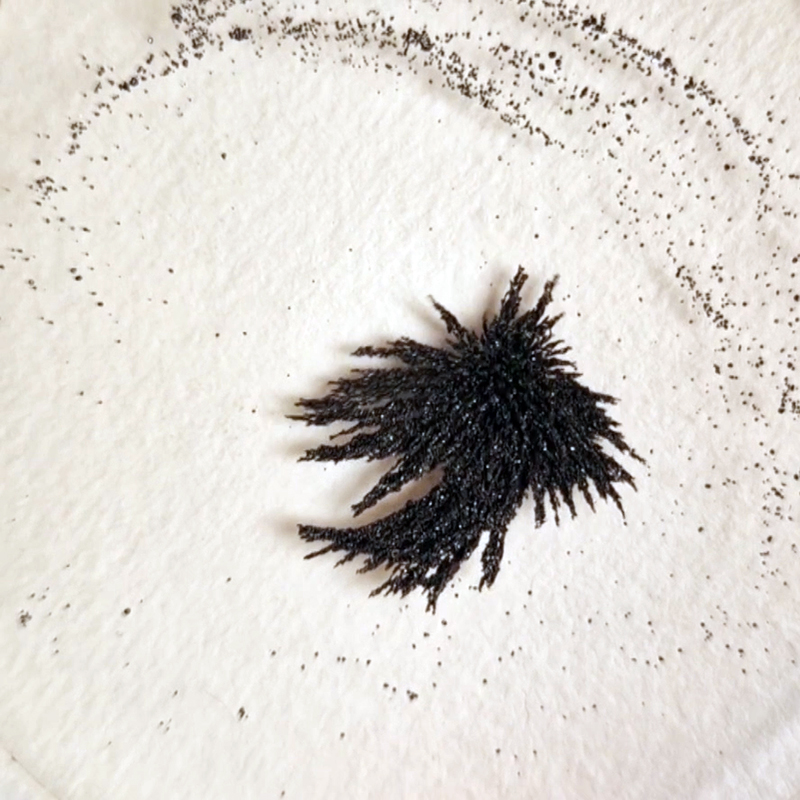
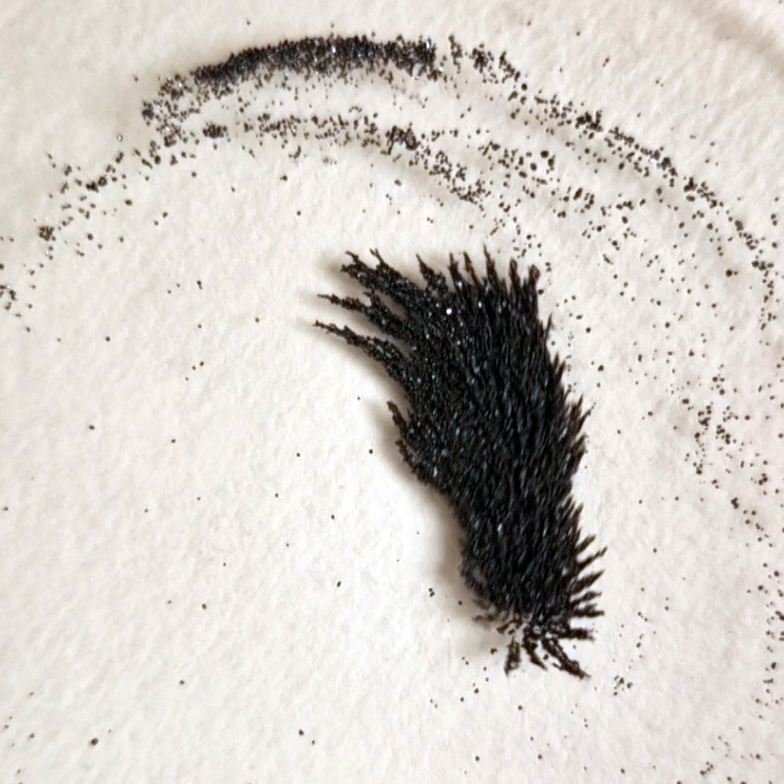
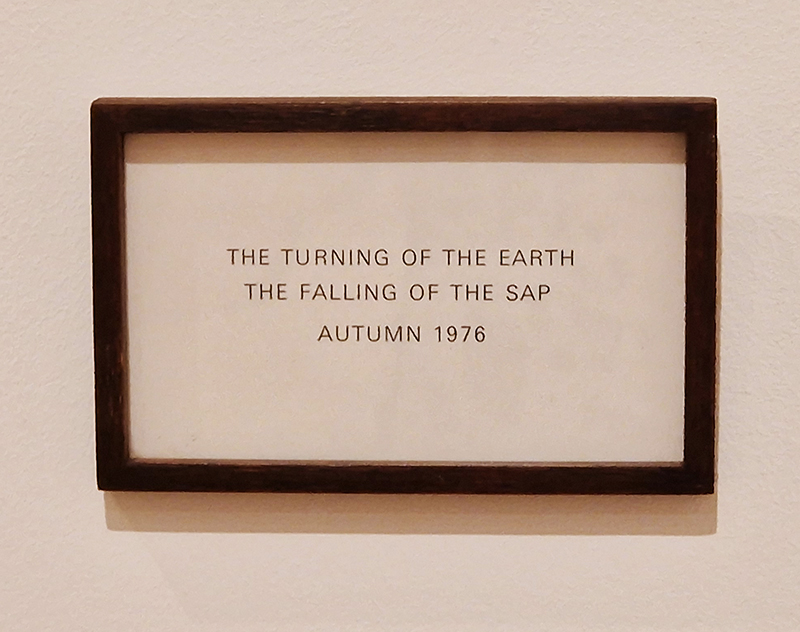
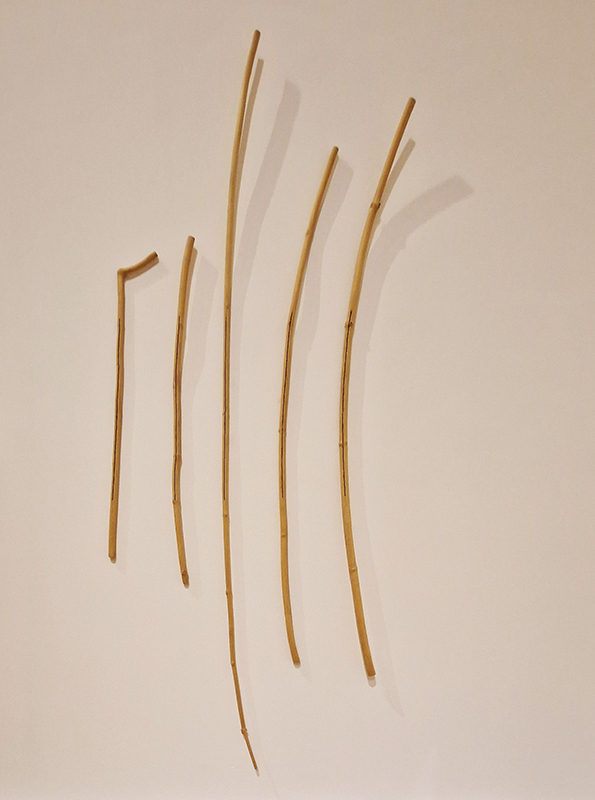
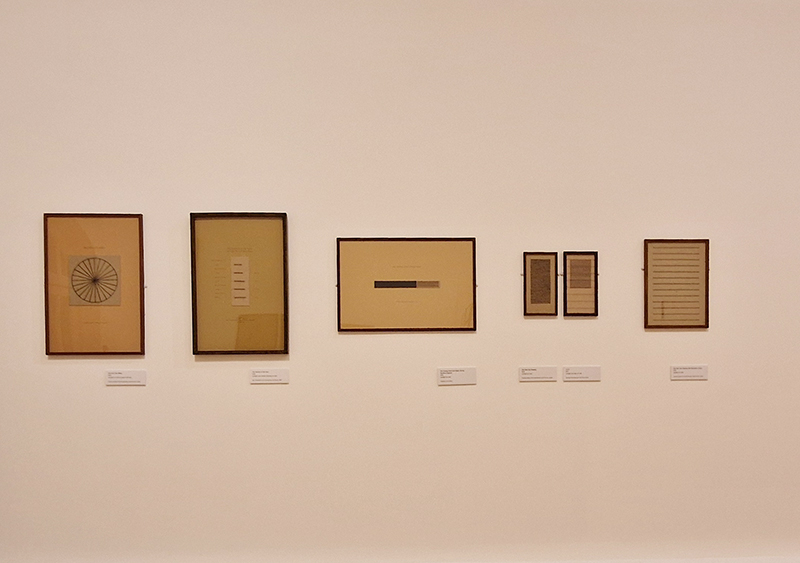


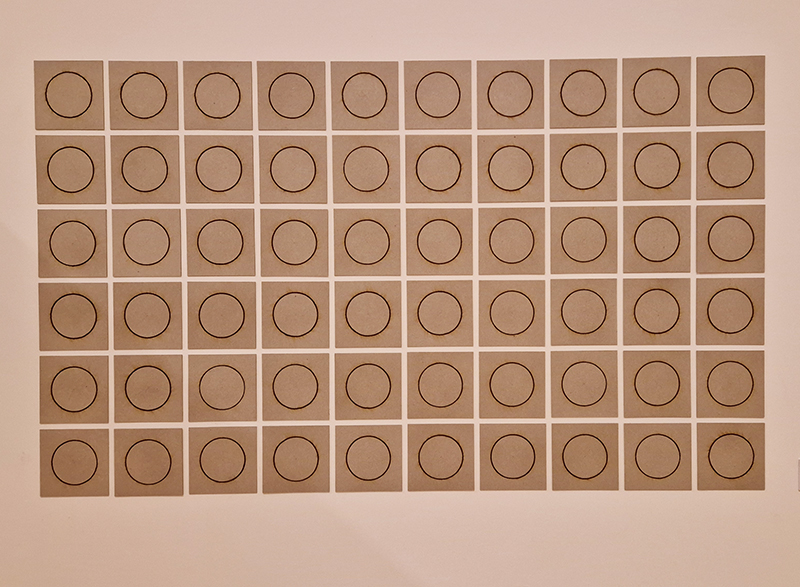
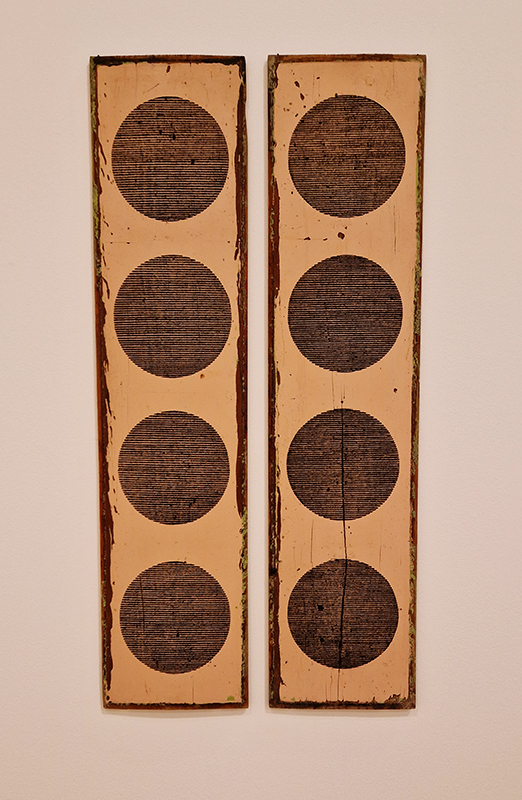
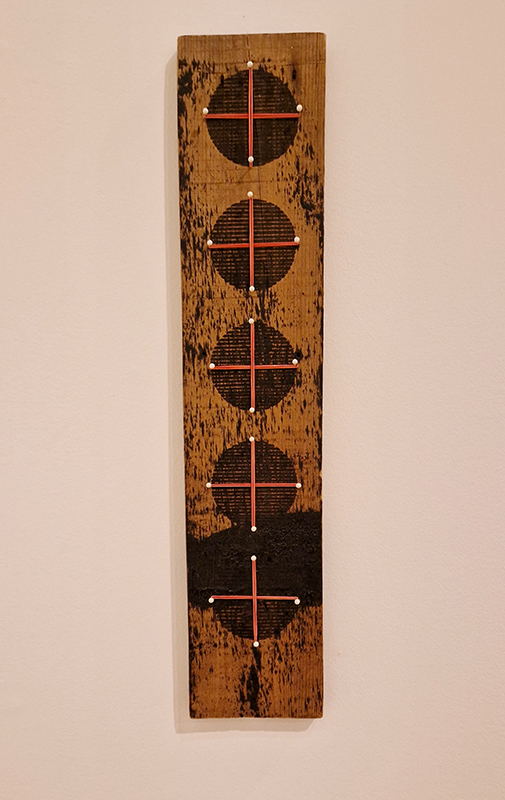


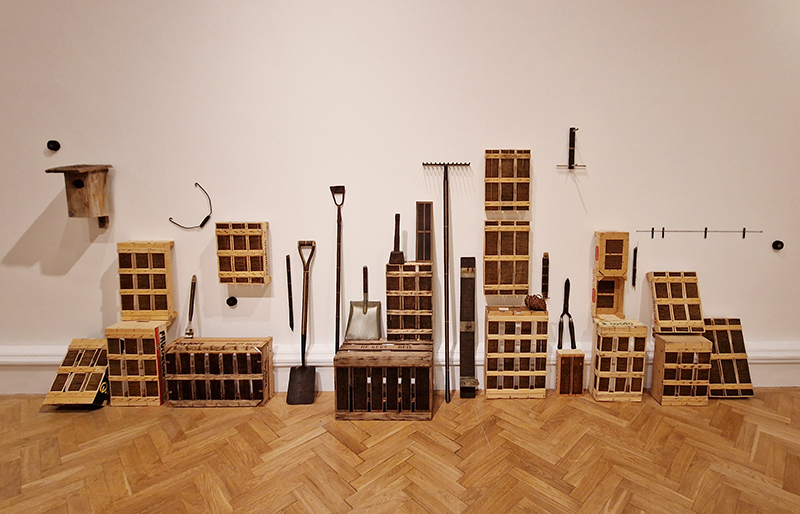
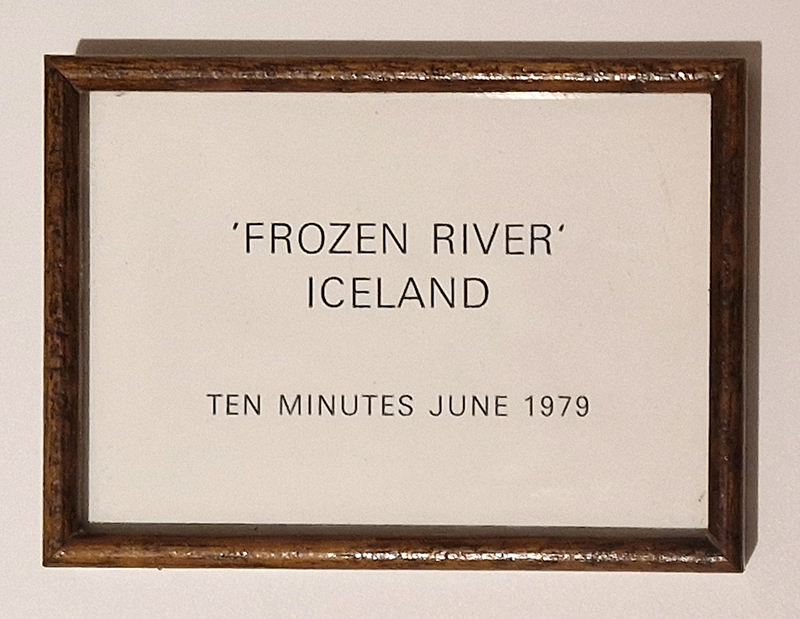
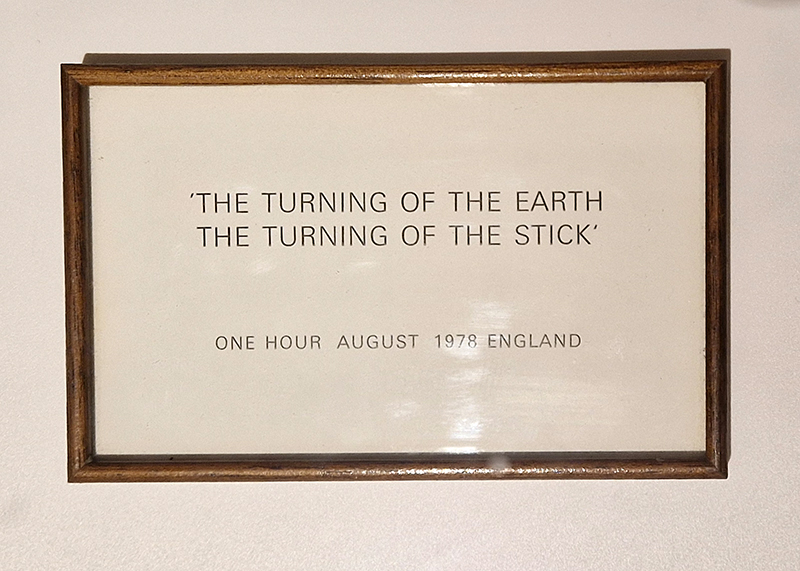

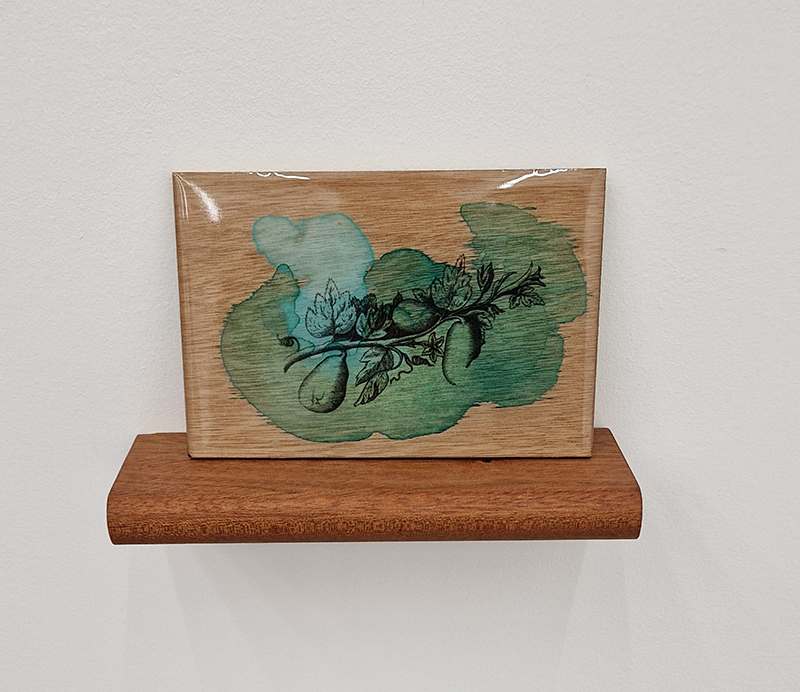

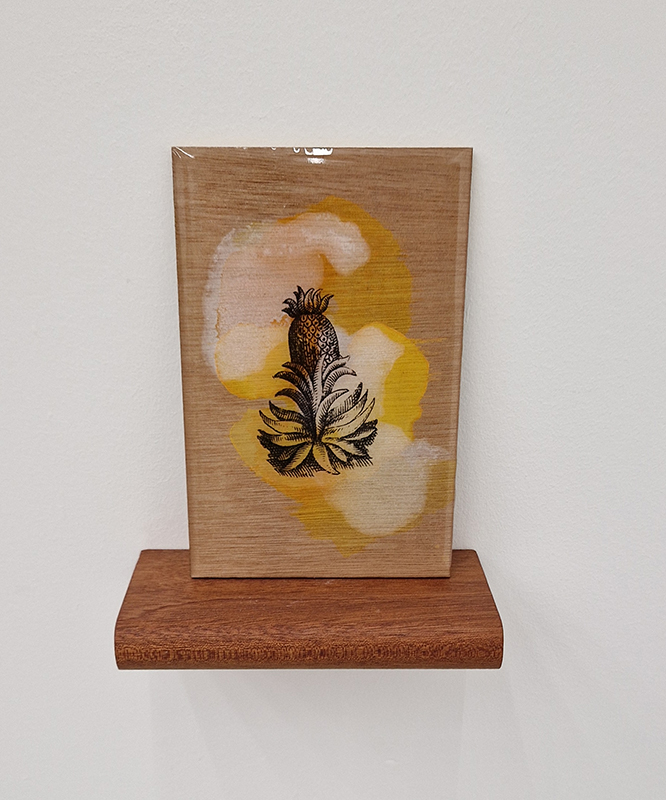
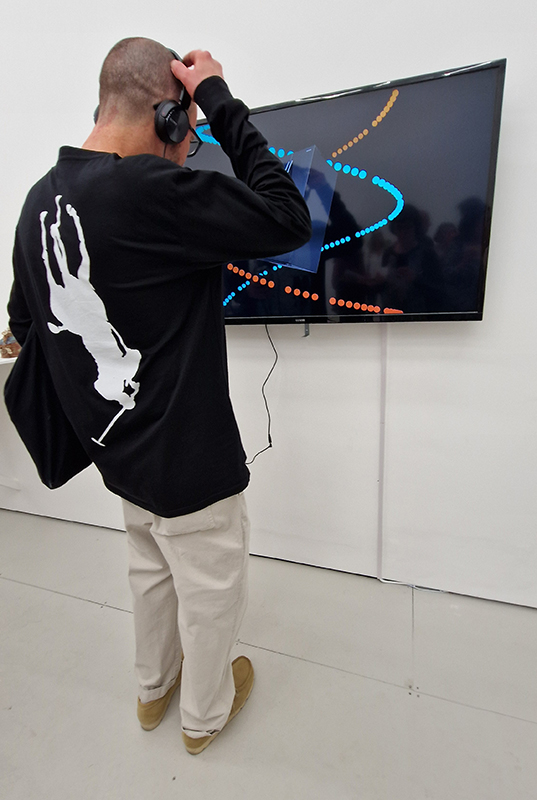

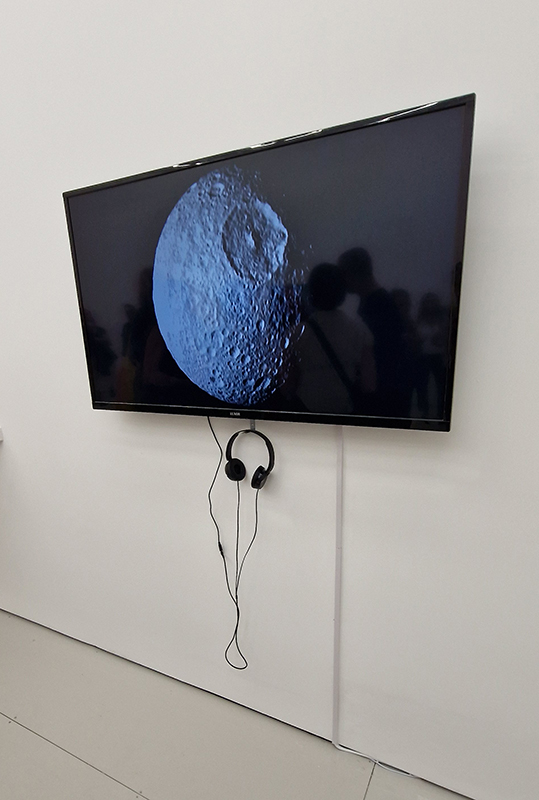
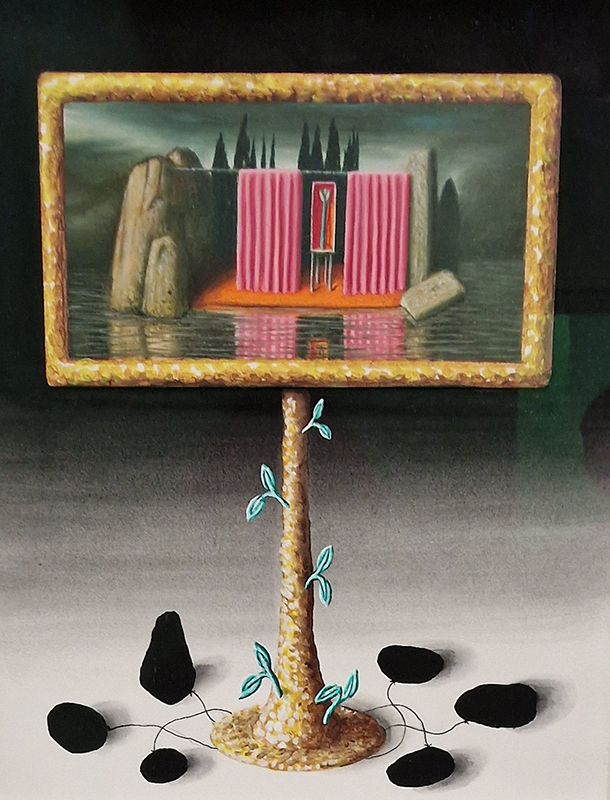
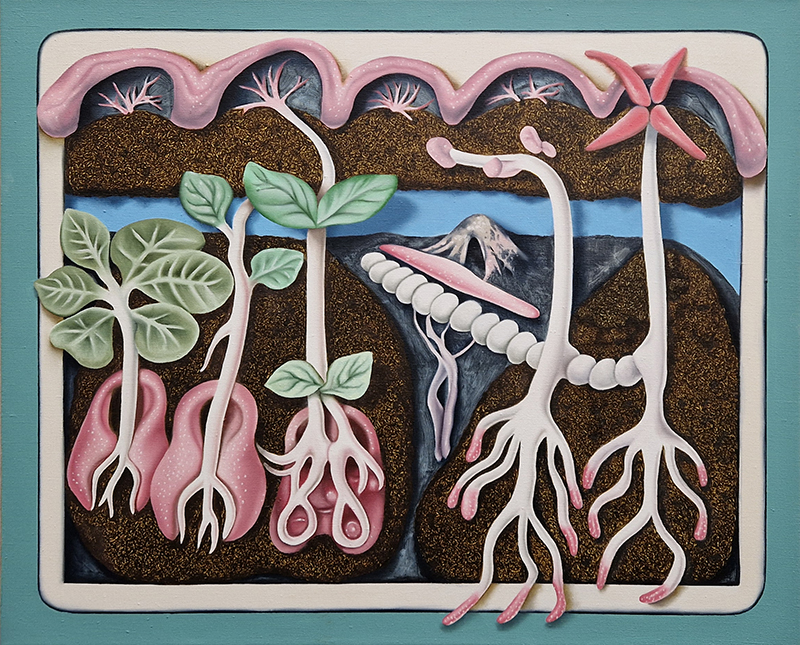
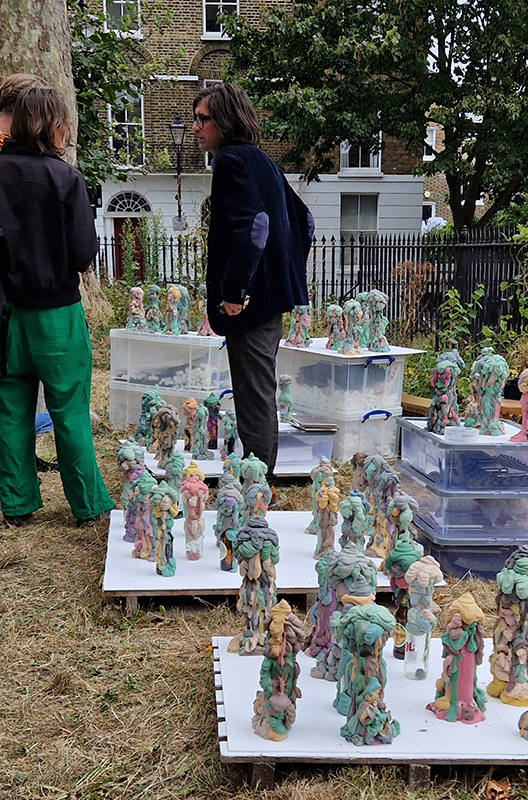
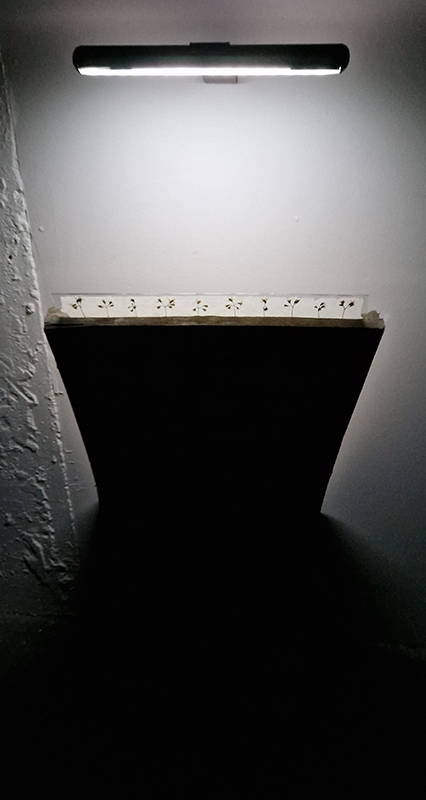
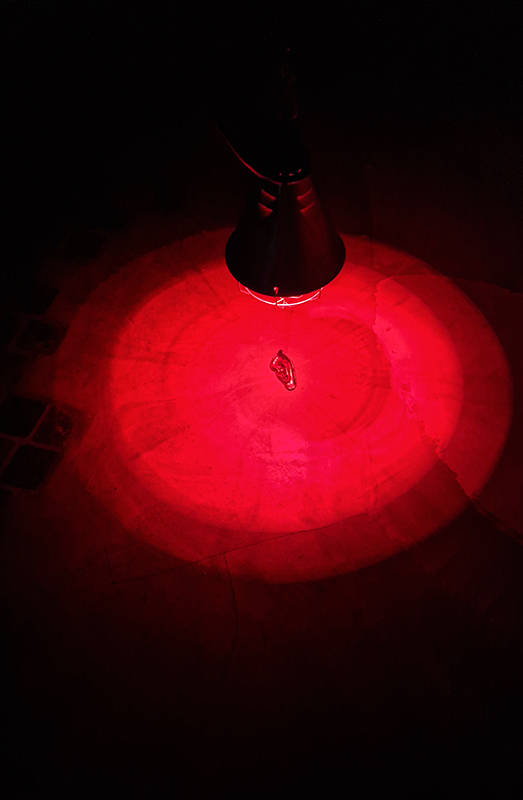
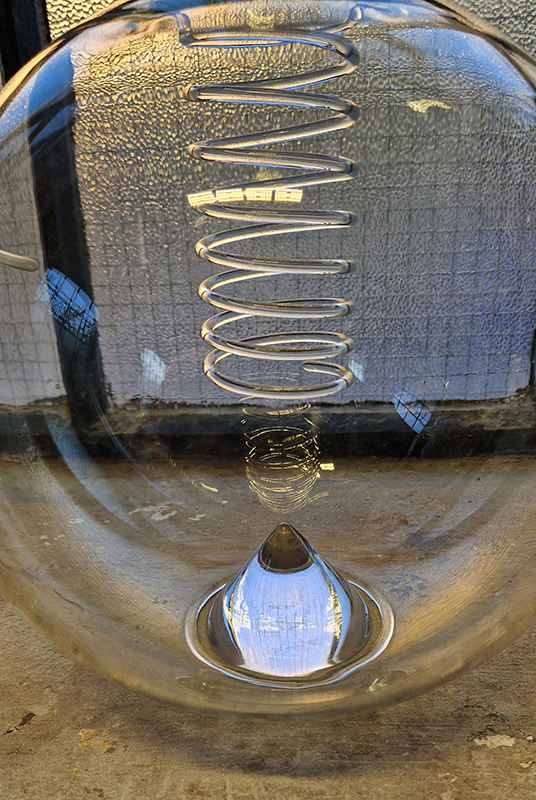
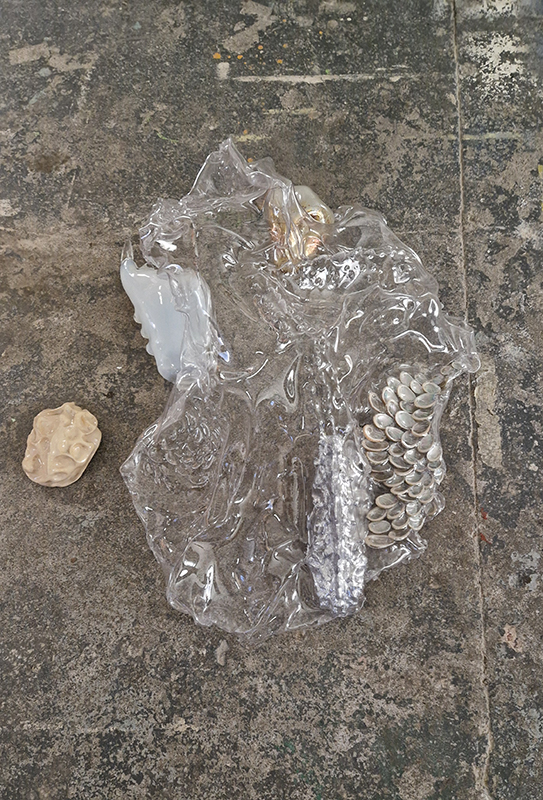
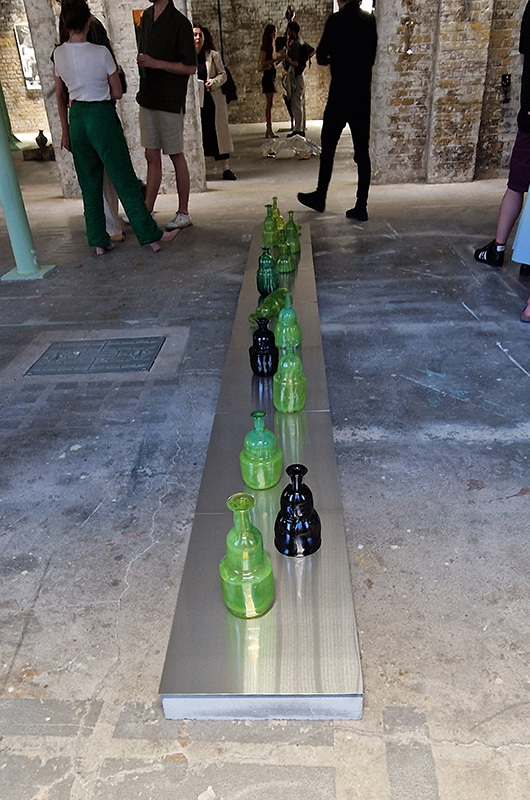
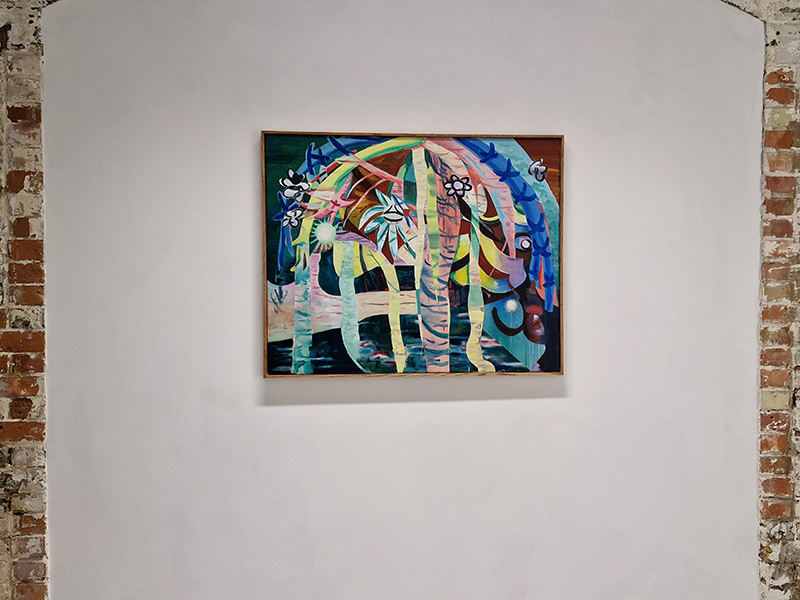

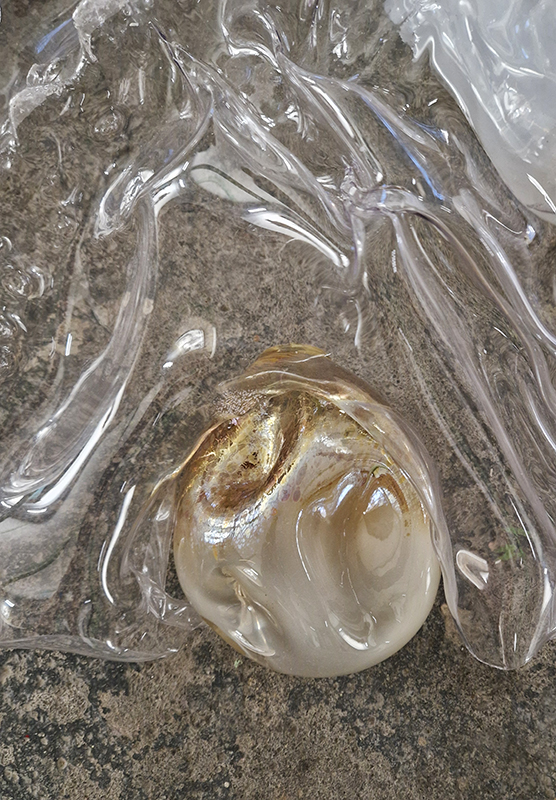
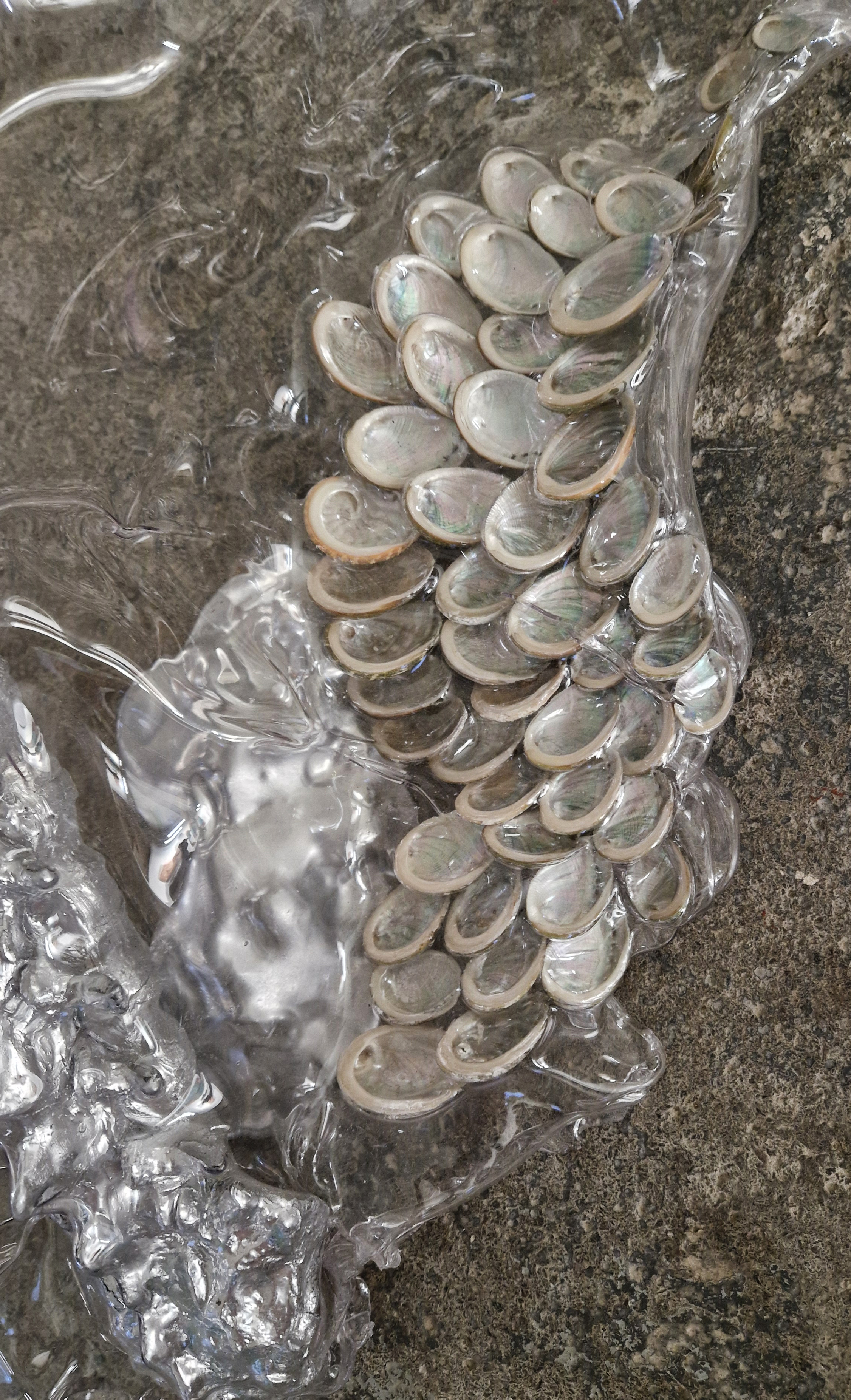
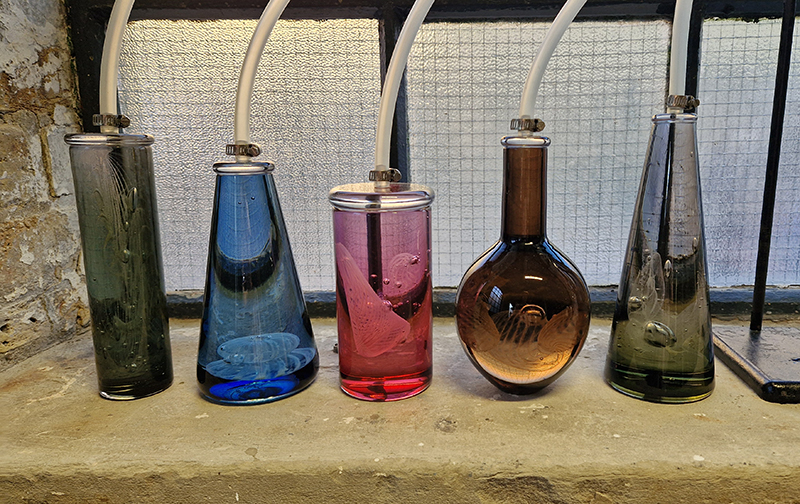
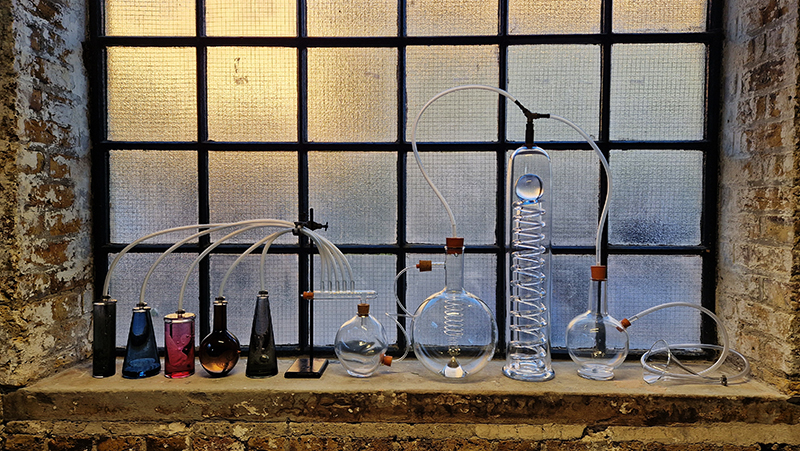
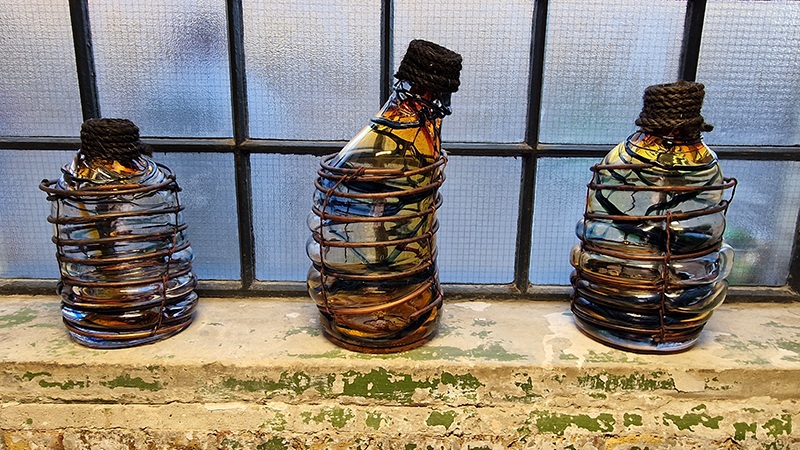

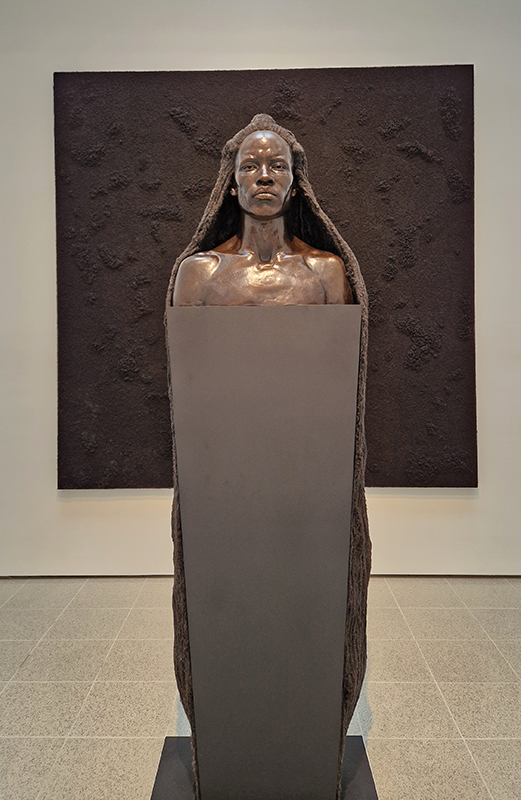


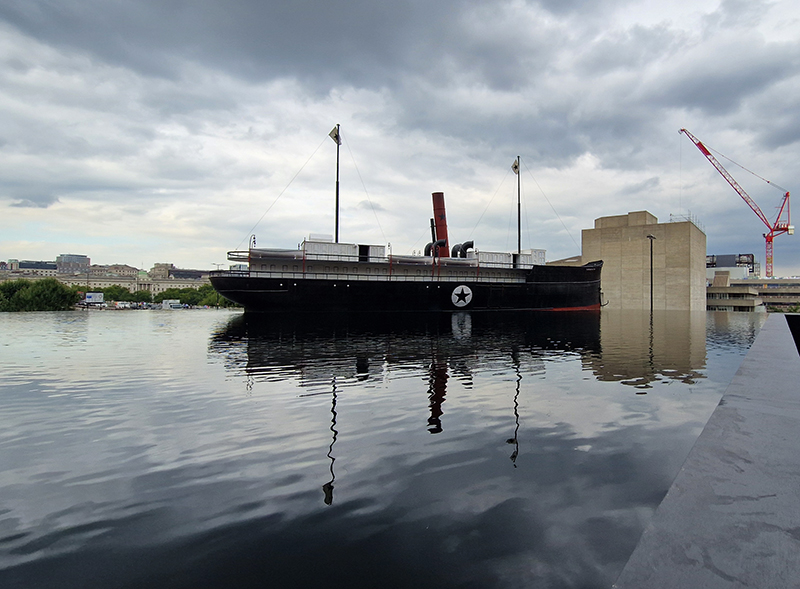
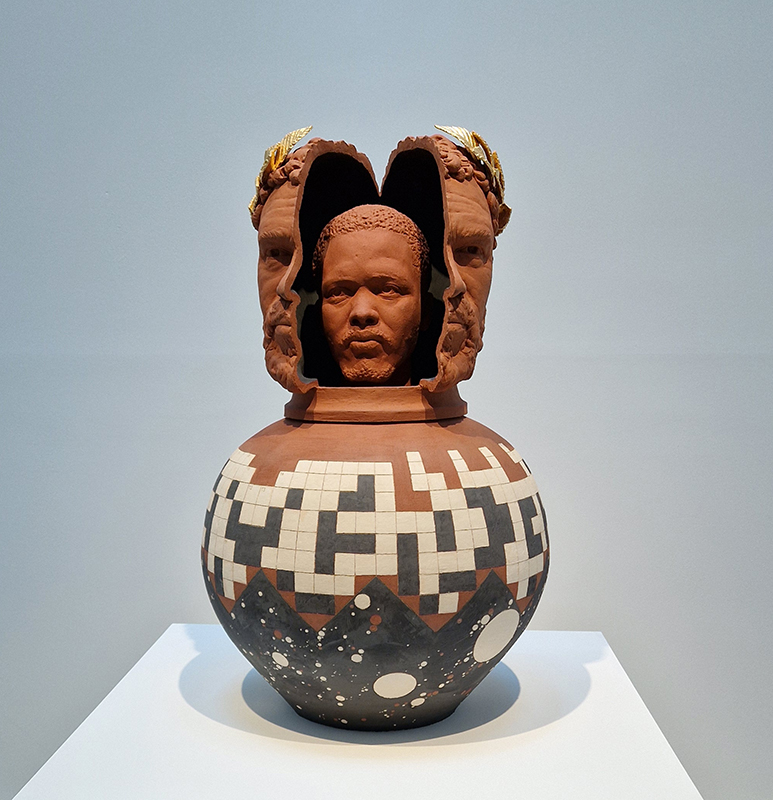

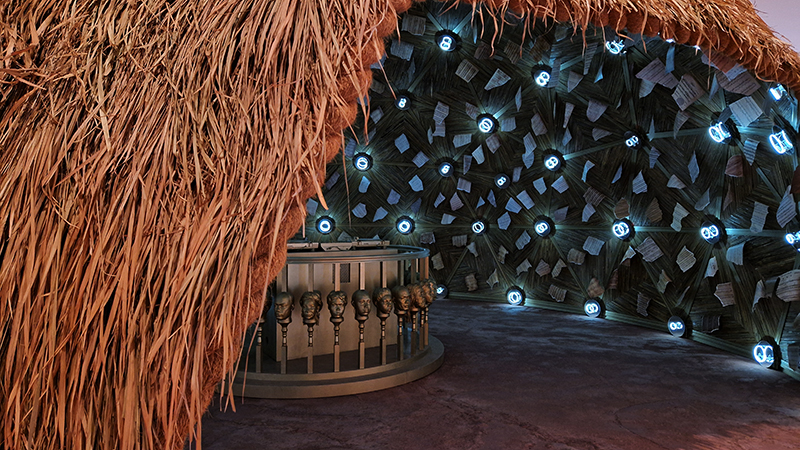

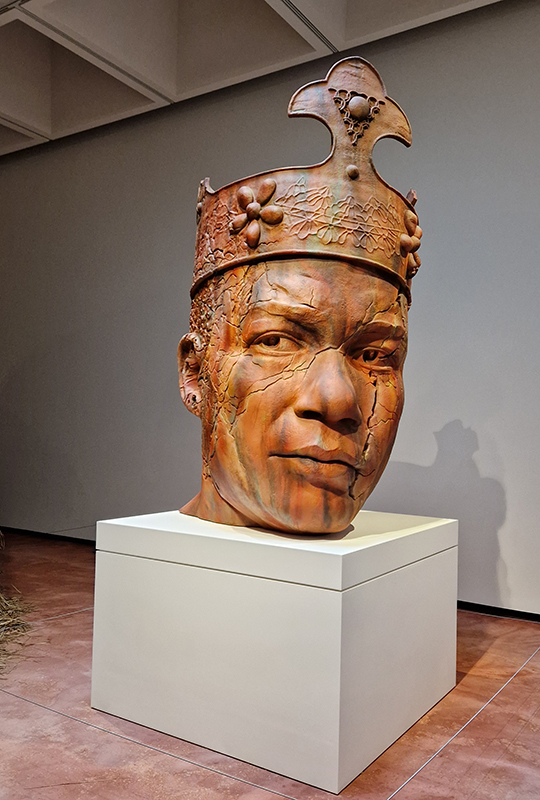
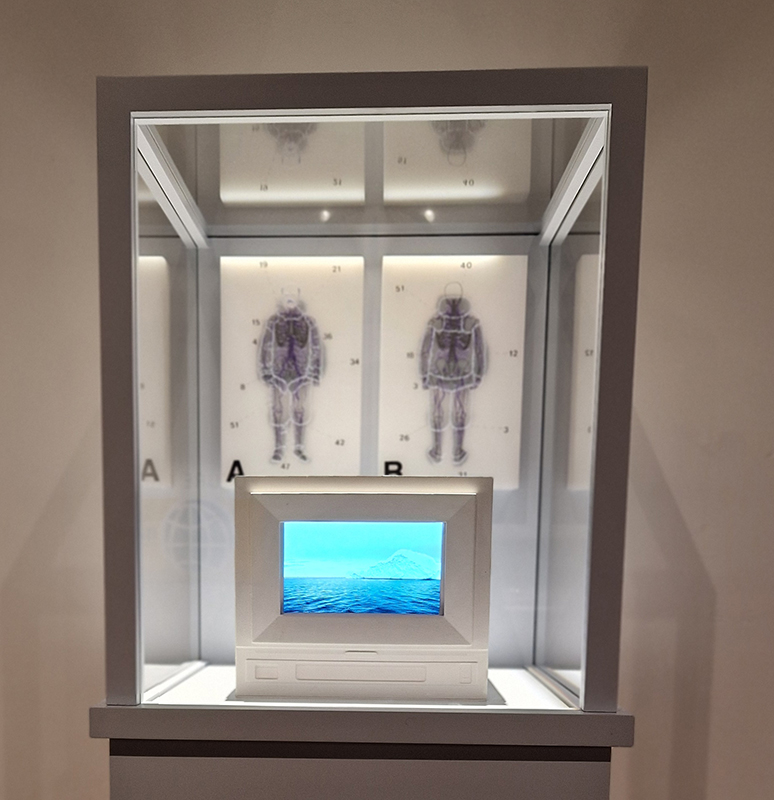
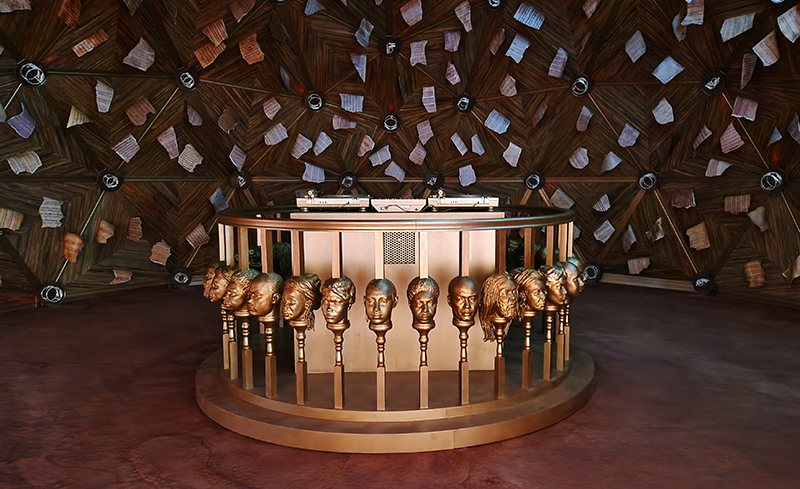

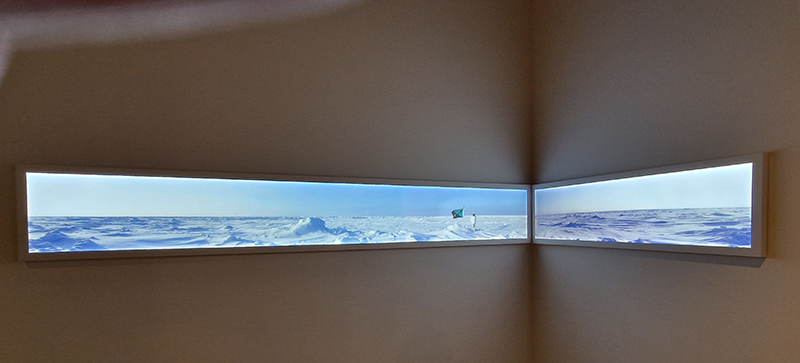
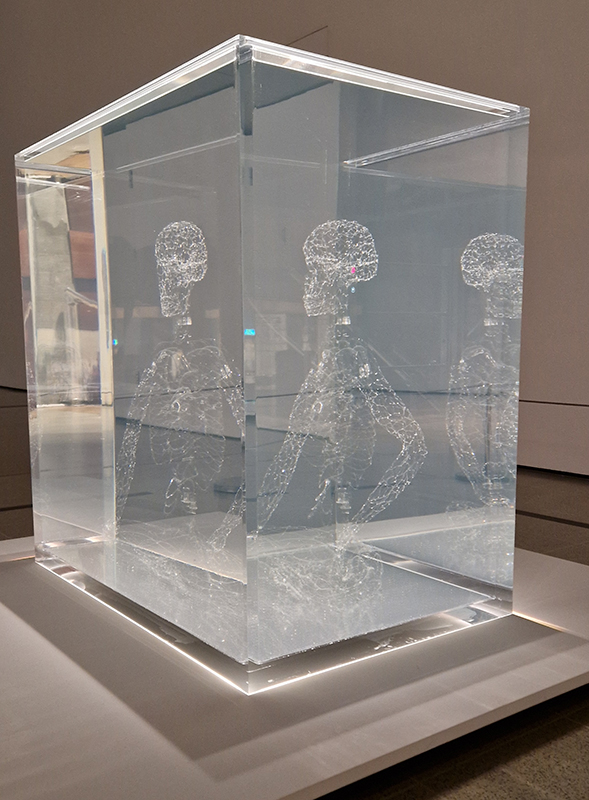
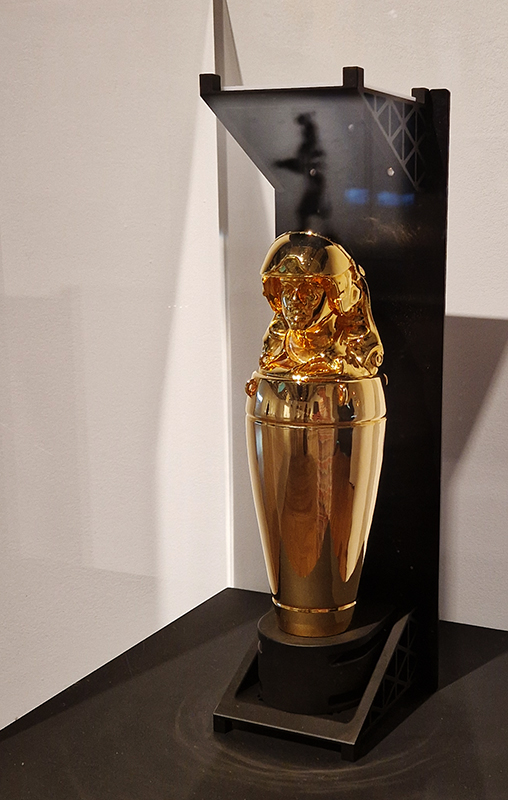
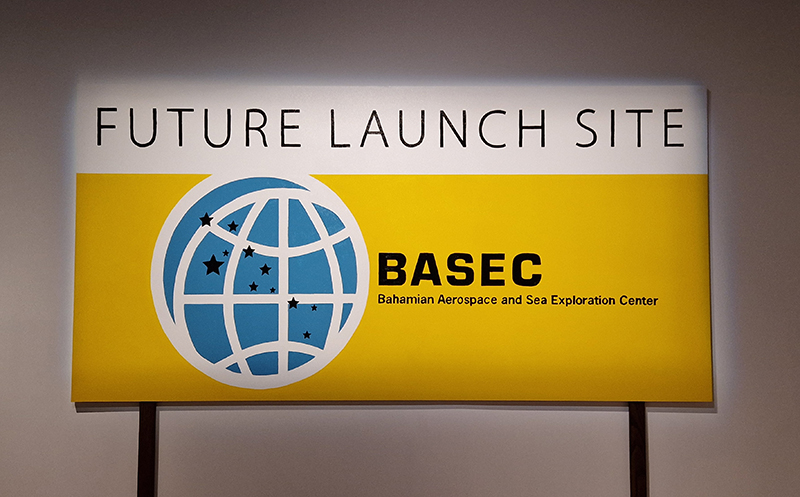
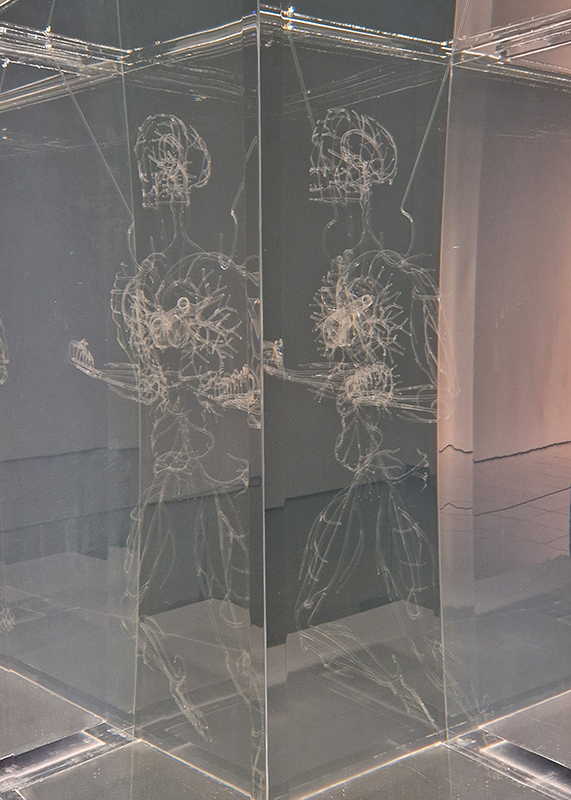
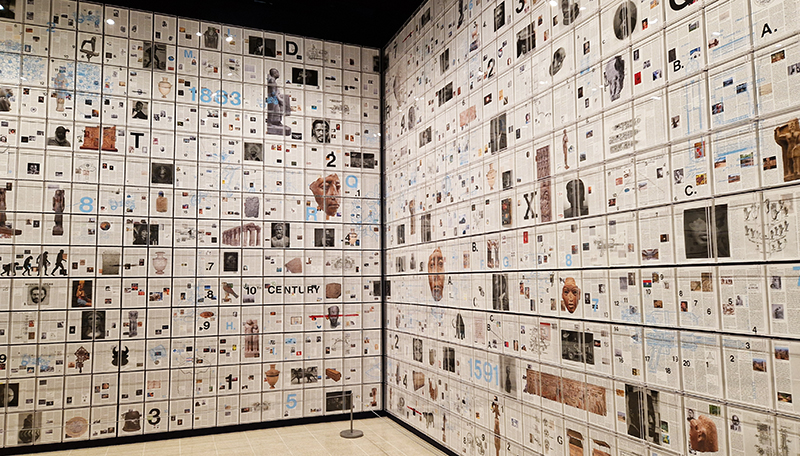
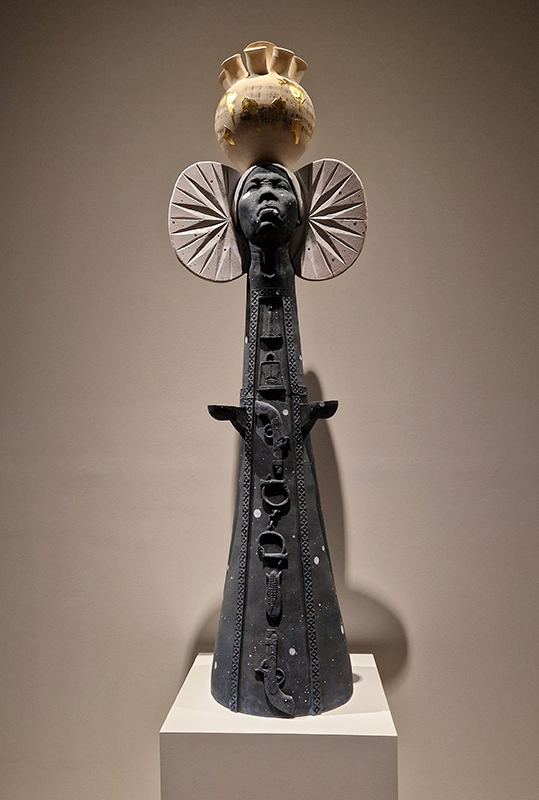

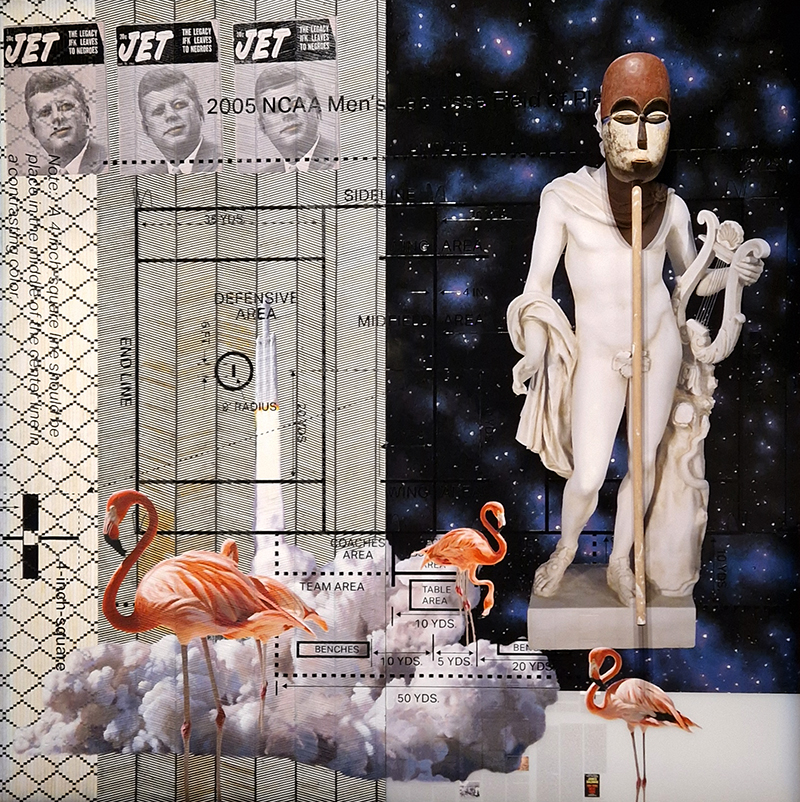
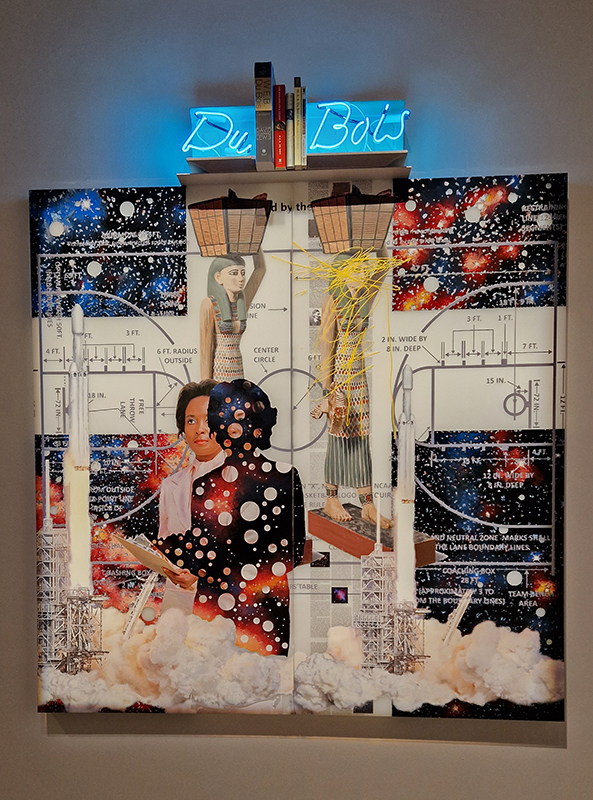
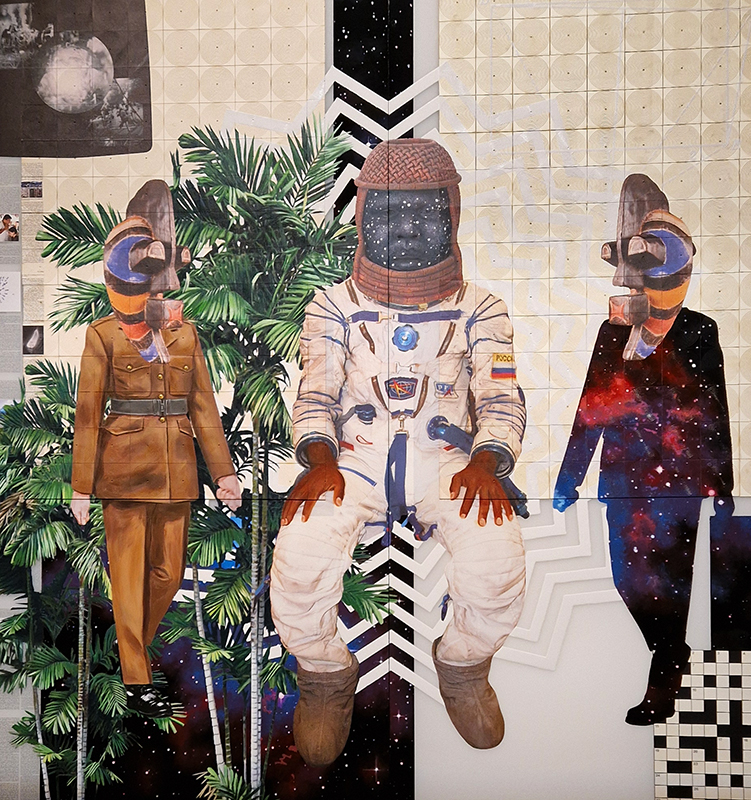
 Susan Eyre