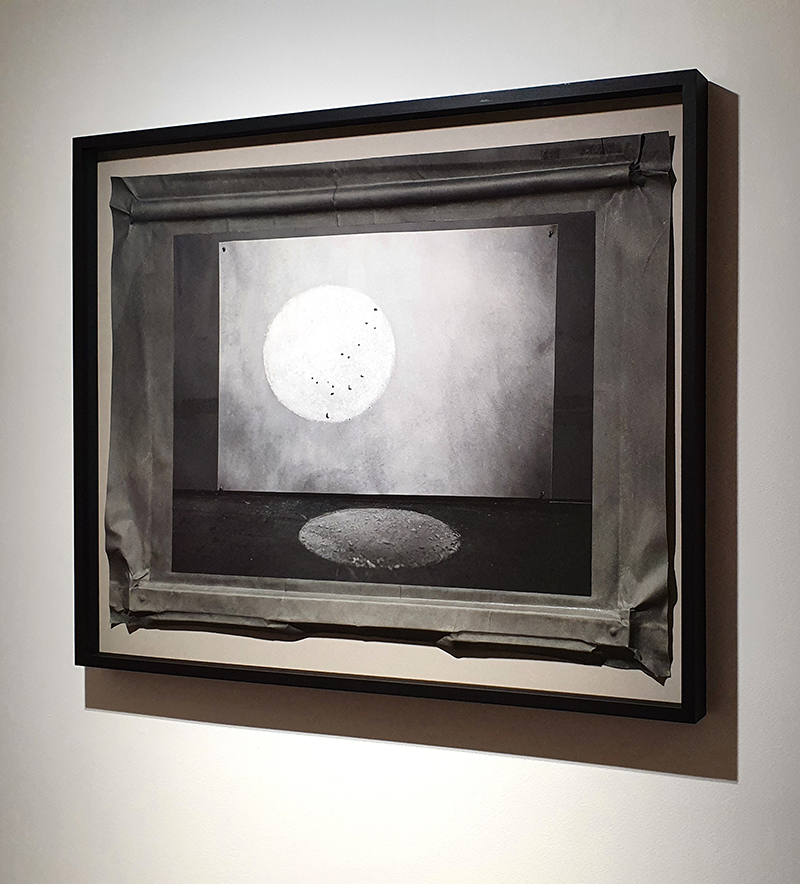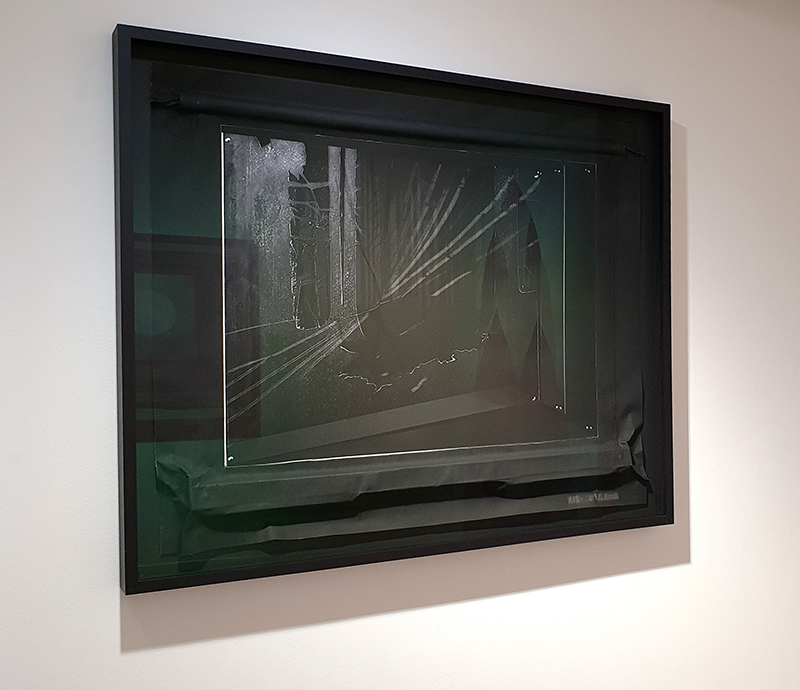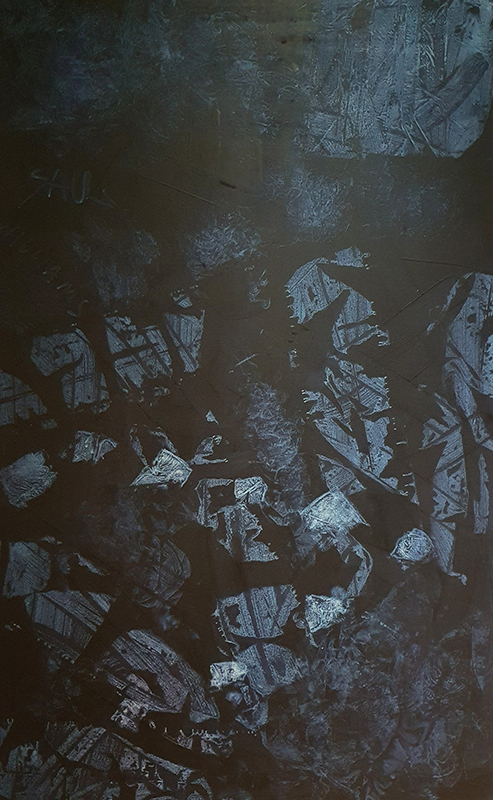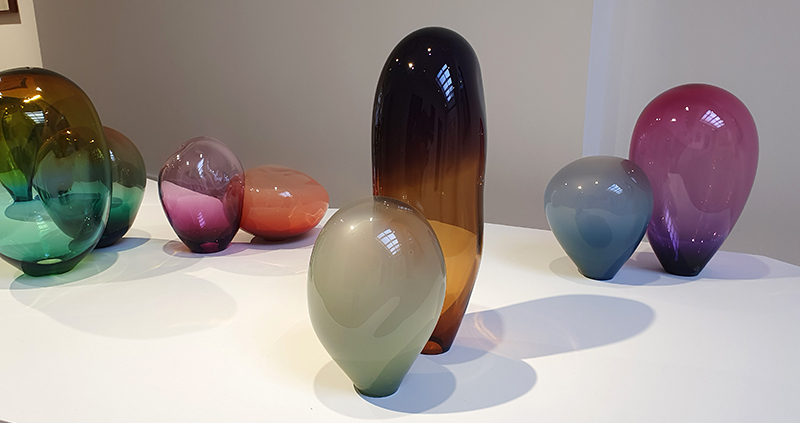
Archives for posts with tag: Etching

 “How do you calculate upon the unforeseen? It seems to be an art of recognizing the role of the unforeseen, of keeping your balance amid surprises, of collaborating with chance, of recognizing that there are some essential mysteries in the world and thereby a limit to calculation, to plan, to control.”  Rebecca Solnit, A Field Guide to Getting Lost

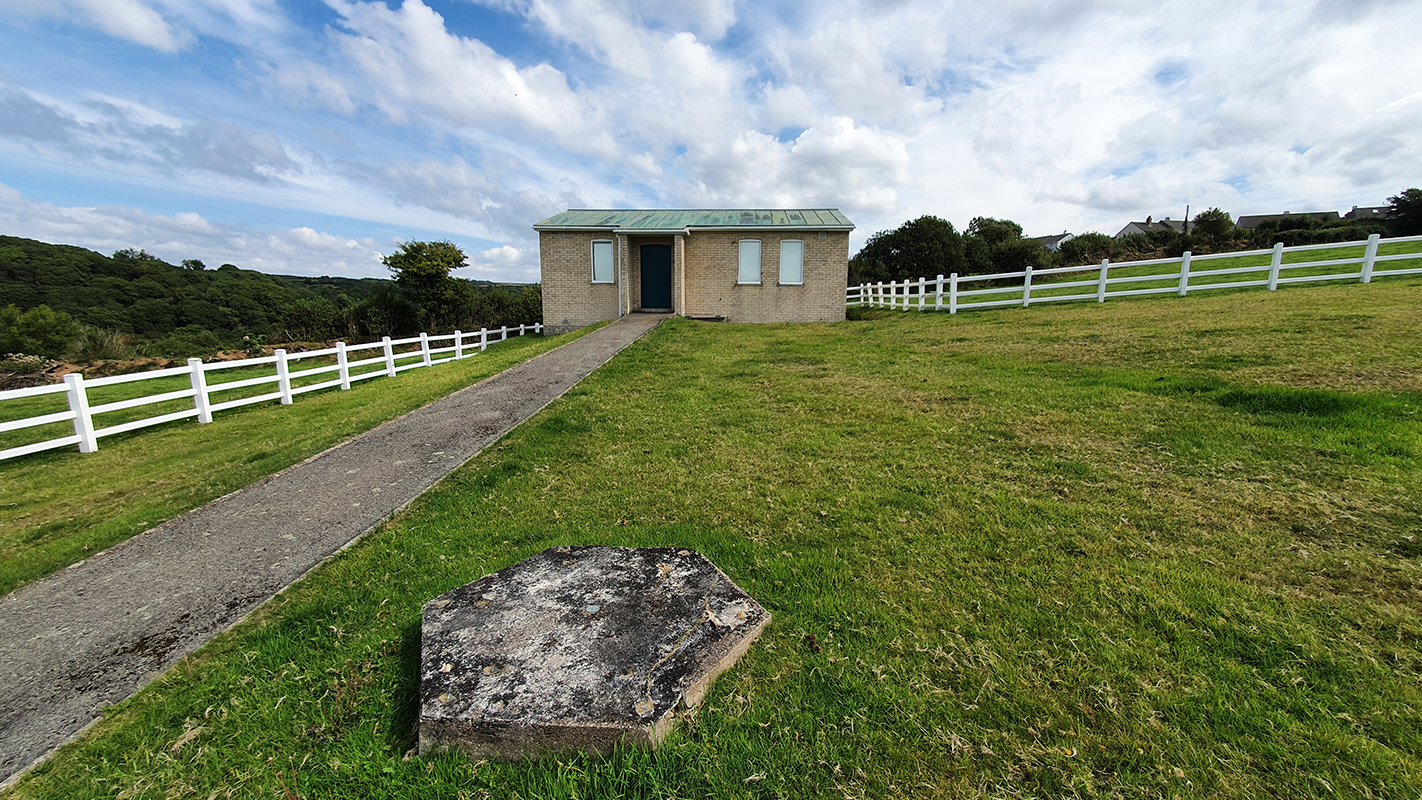
At Hartland Magnetic Observatory and other magnetic observatories around the world solar activity is examined daily and forecasts are given if this is likely to have any geomagnetic effect on Earth. The main geomagnetic field is also constantly changing due to convection flows and waves in the Earth’s core. As this change cannot be predicted, uncertainty slowly increases over time.
Most of my work at the moment is towards the exhibition A Stone Sky, with Julie F. Hill at Thames-side Studios Gallery later in the year. Very excited to be working alongside Julie and to have space to be ambitious in scale.

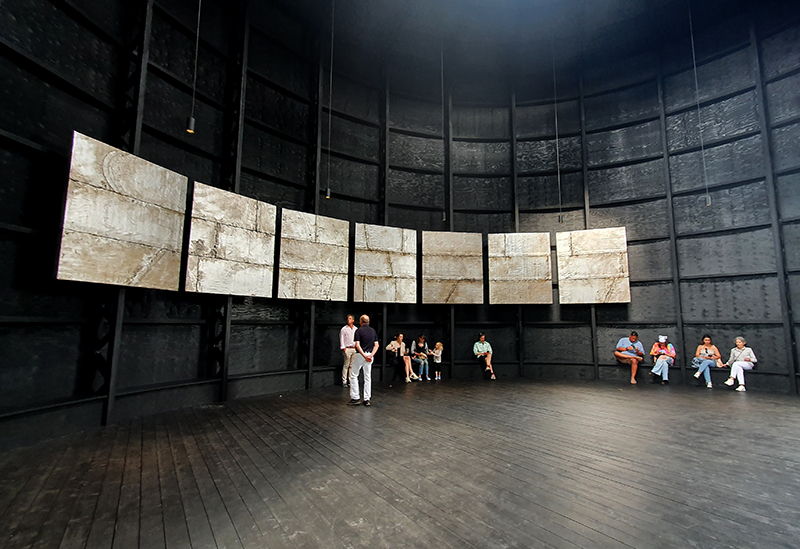
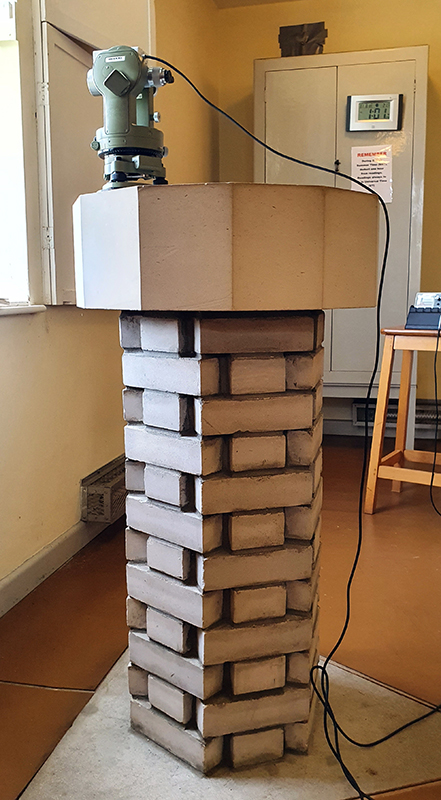
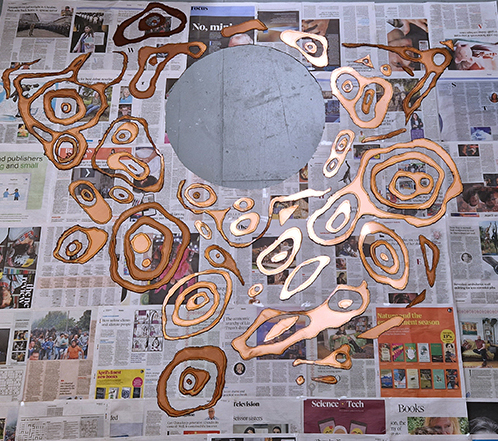
The Absolute Hut installation, reimagining the magnetic observatory room, will be a combination of planning to build the structure and unpredictability through processes used for the surfaces. Measuring for the north facing wall to be built in sections for easier transportation. Testing scale and coverage of field contour shapes cut in copper with a plasma gun.

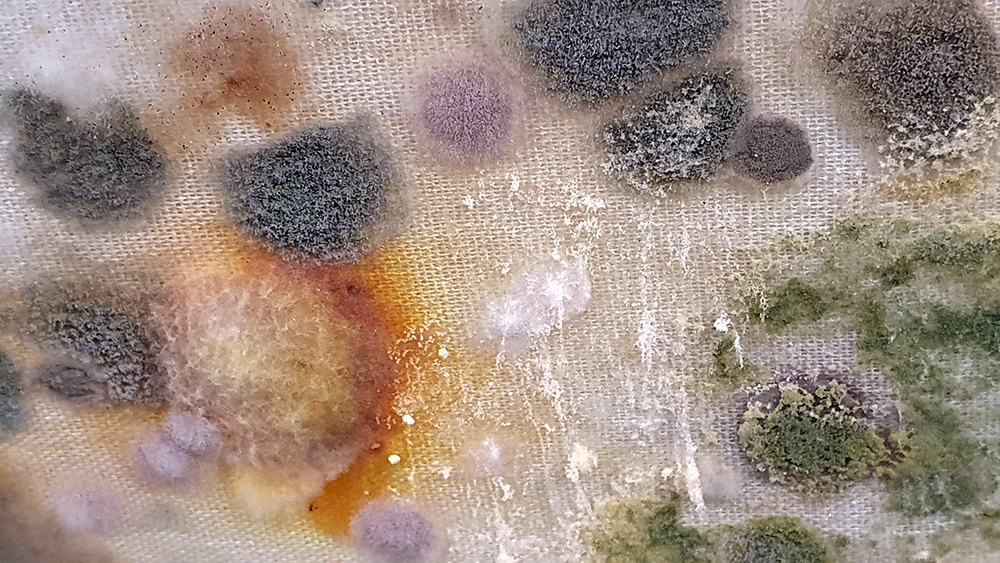
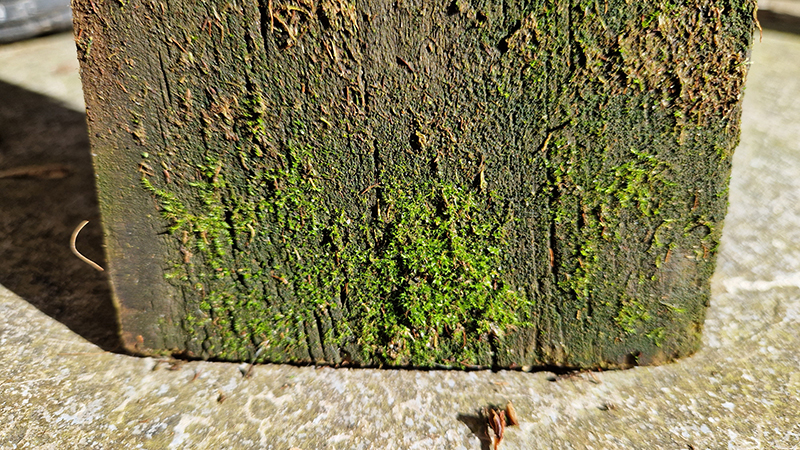
I am hoping the north wall structure can be made up soon and the boards attached. I will then keep it outside facing north until the exhibition in an attempt to grow some moss on its surface. I have only had some very small success so far growing moss, despite trying a new culture recipe and being very diligent misting every morning and evening.
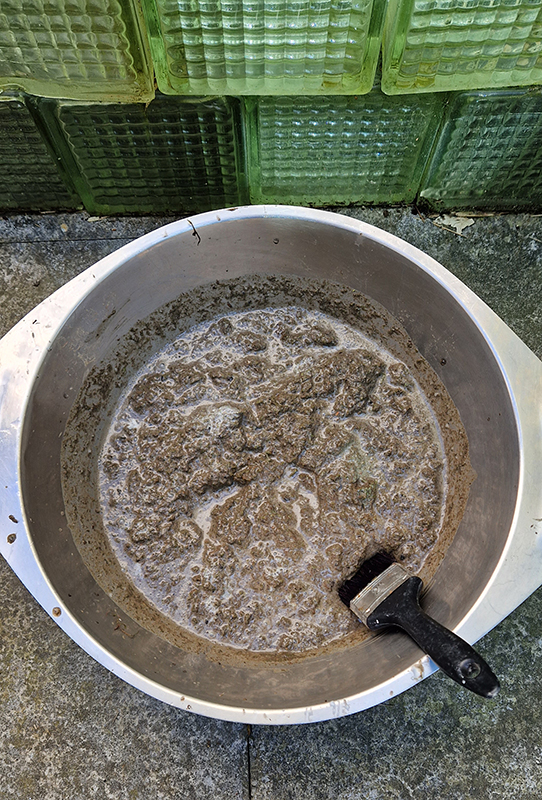
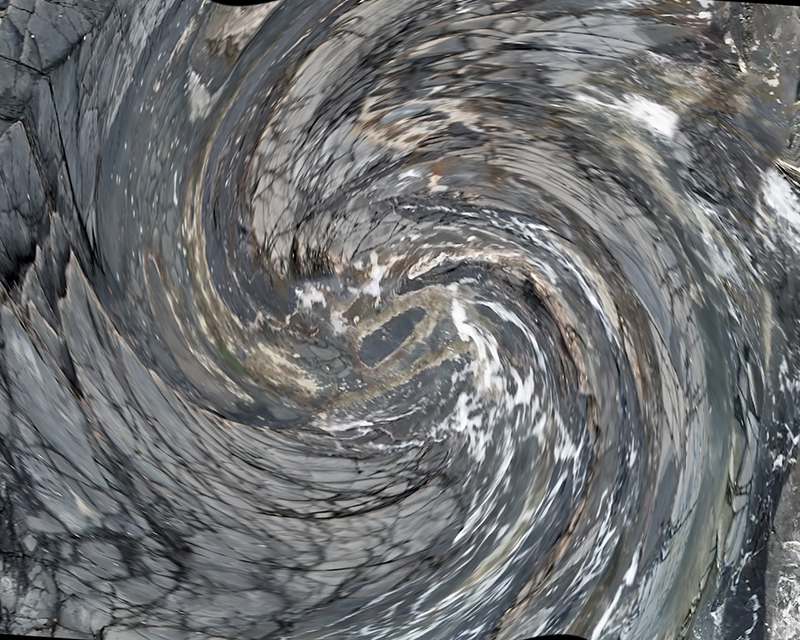
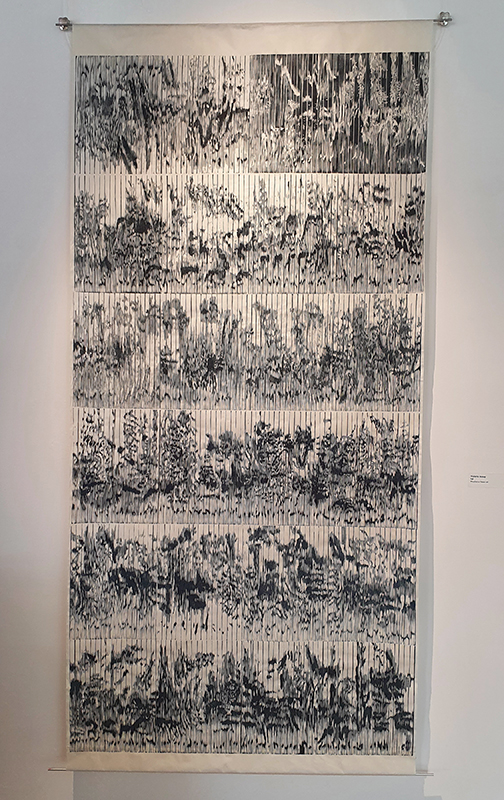
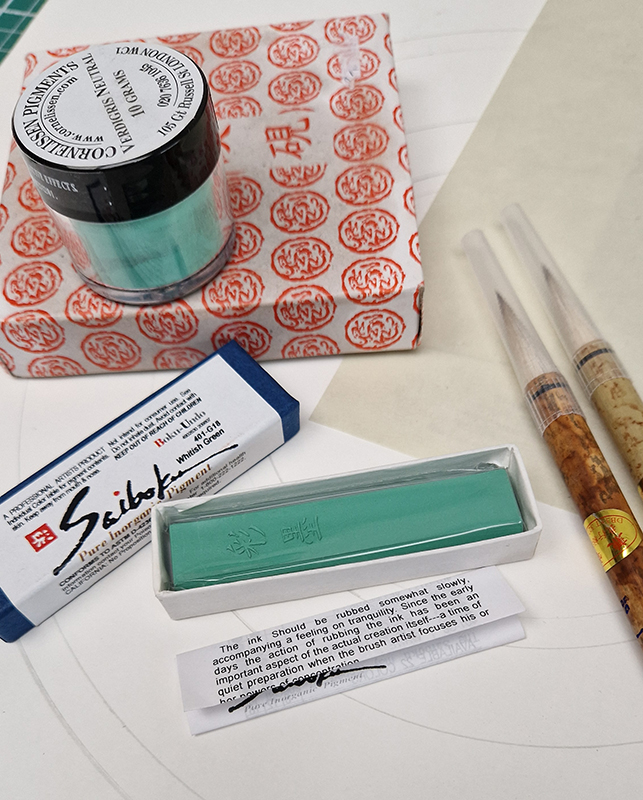
The topological contours of suminagashi marbling, which also echo fluid magnetic field lines, have inspired me to experiment with this idea for The Absolute Hut roofing. I have bought a sumi ink stick in whiteish green, an ink grinding stone and some verdigris pigment from Cornelissen in preparation to try this idea out. In this process the magnetic field lines appear embedded into the fabric of the hut that monitors (senses) the emanations from the Earth’s core.

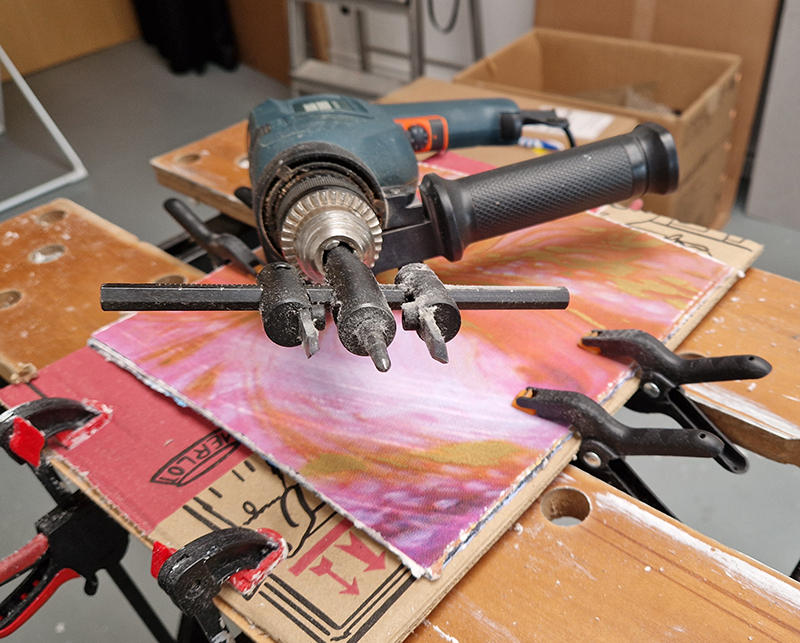
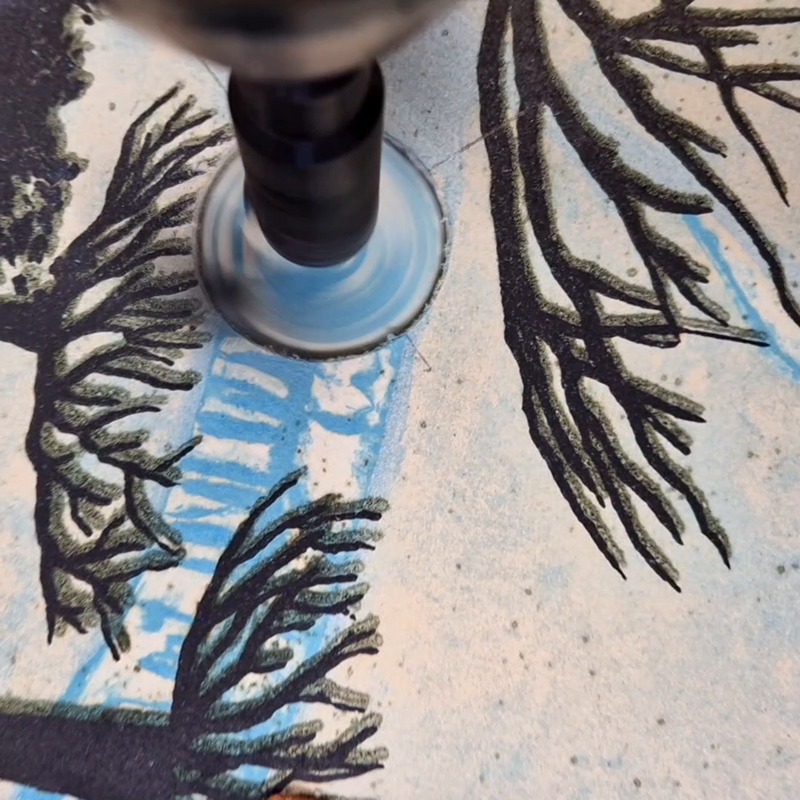
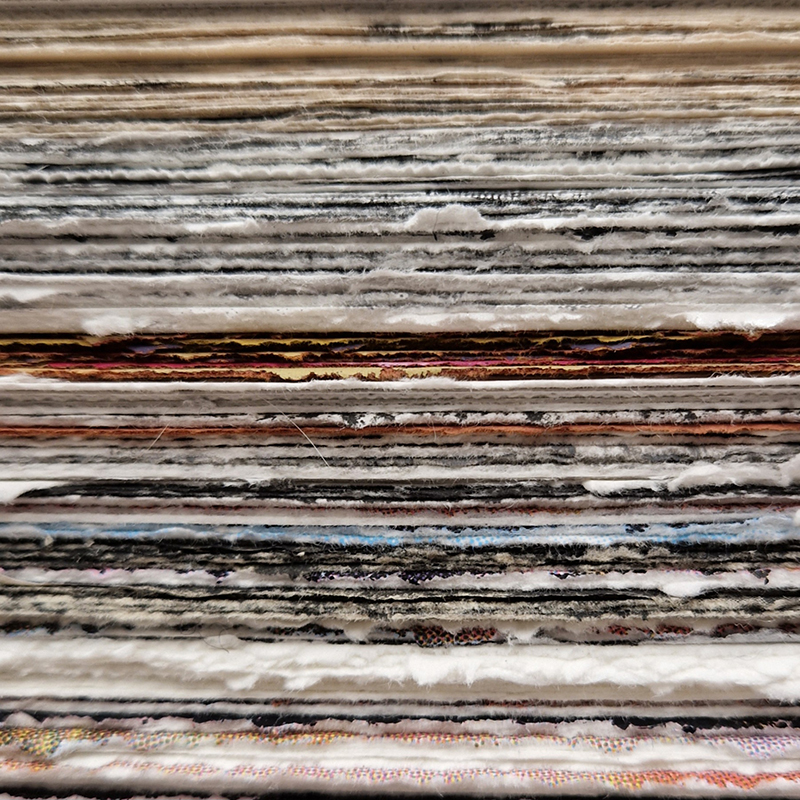
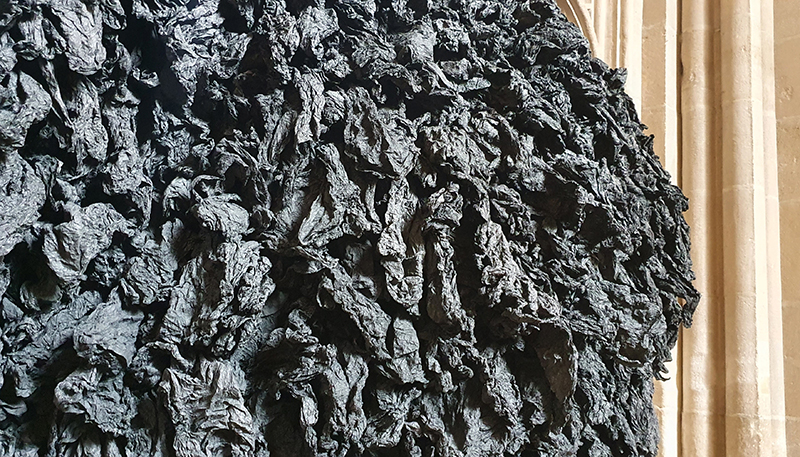
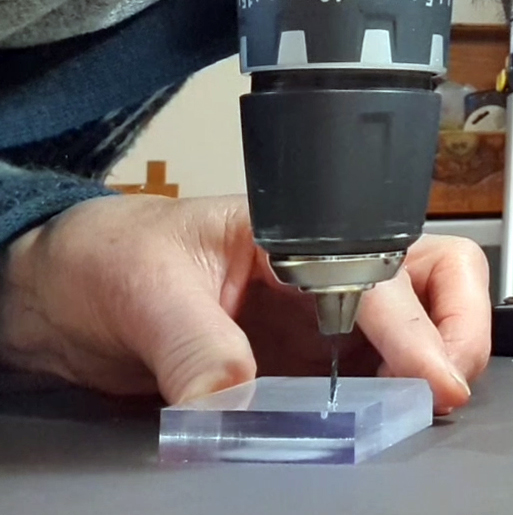
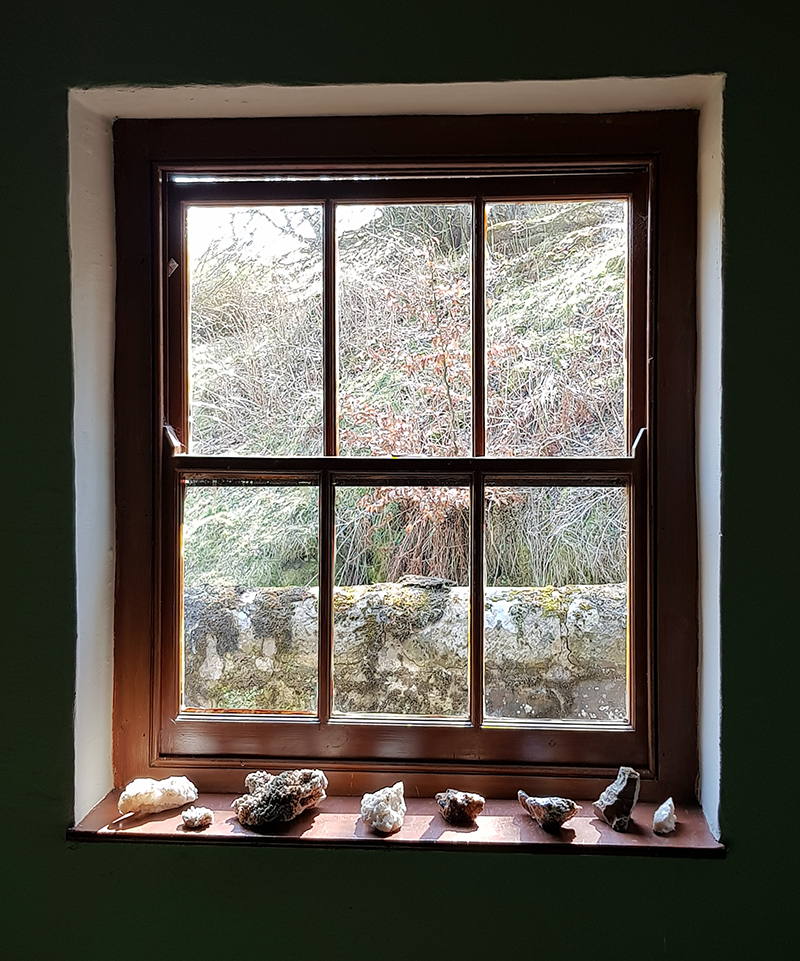
Through the north facing window of The Absolute Hut, The Azimuth Obelisk (Obelisk of sedimentary knowledge) will be viewed. The sculpture is formed by tearing, drilling and layering sheets of paper. As sedimentary rocks build over time, so the obelisk has a lot of time invested in its making and conceals the history of past events in the hidden layers of the recycled prints and drawings.

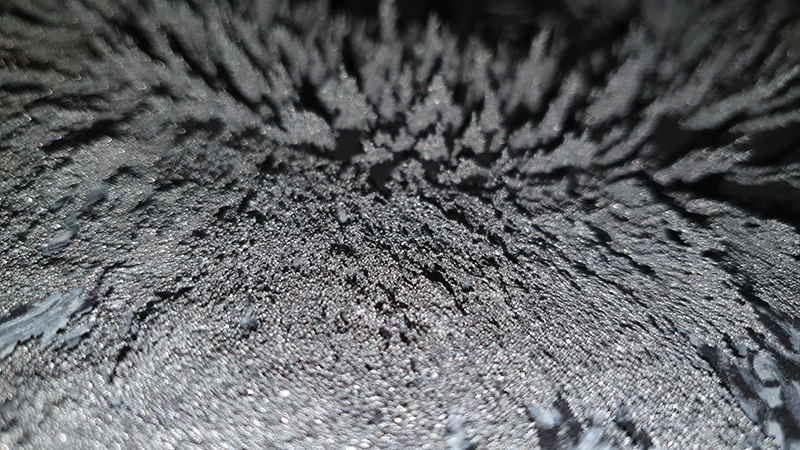
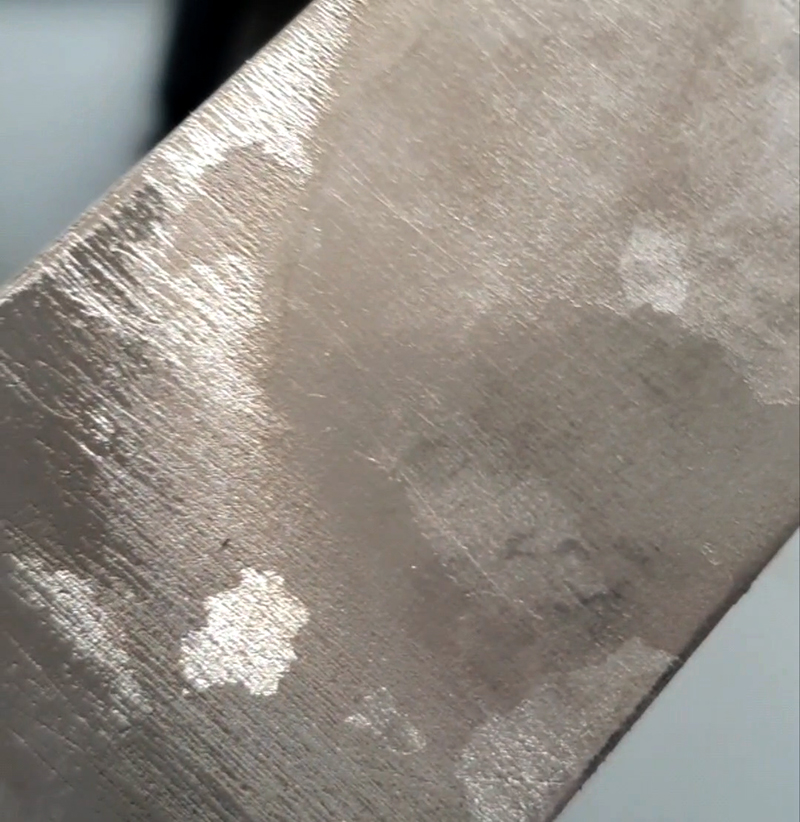
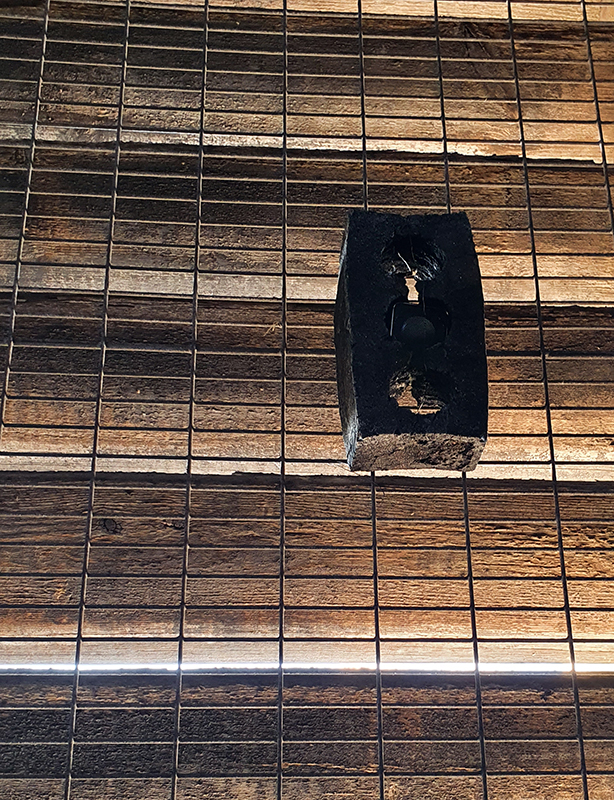
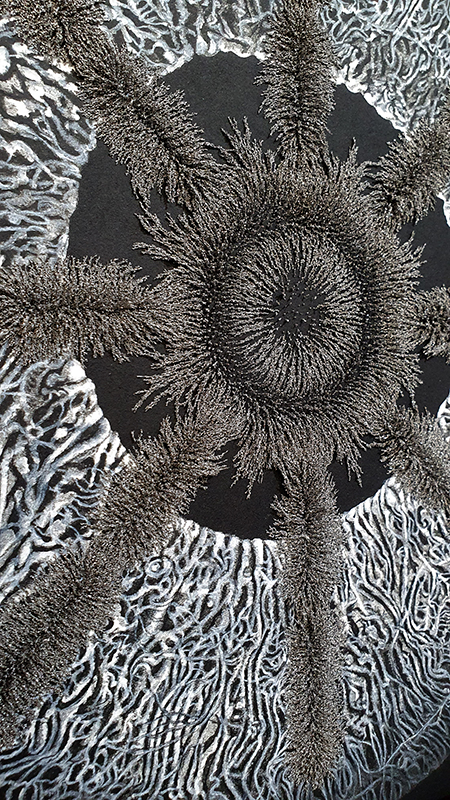
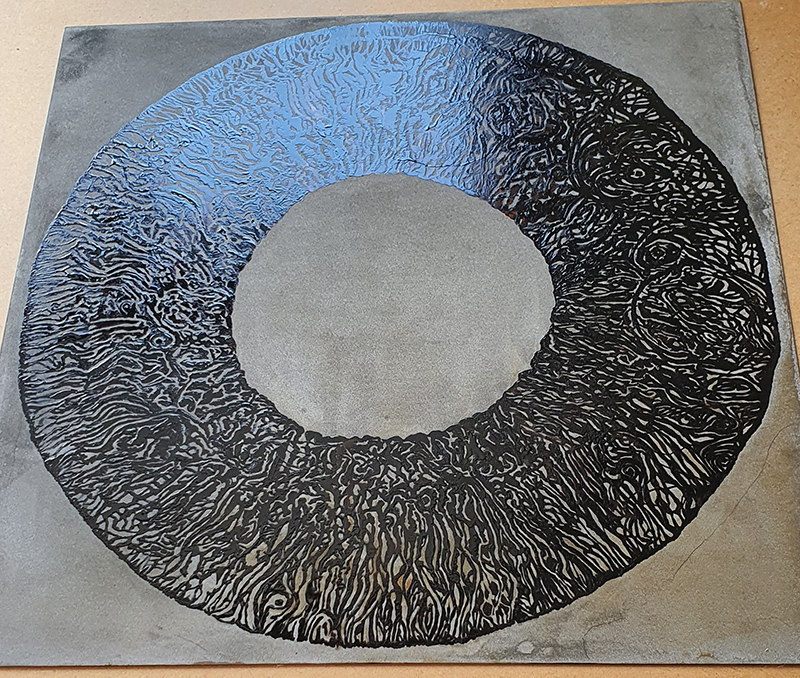
I am still working on etching the Directional Magnetic Steel pieces. It can be a frustrating process as some batches work well and some do not etch well at all but come out dull and patchy and I’m not sure why. My idea was to use these pieces to draw a line across the gallery floor signifying the westward drift of the magnetic field from geographical north but now I am thinking more about mapping out a spiral shape in shaped pieces to echo the rotation of the Earth’s molten core.
All information about the Earth’s core has come from studying seismic data, analysis of meteorites, lab experiments with temperature and pressure, and computer modelling. Seismometers convert vibrations due to seismic waves into electrical signals. The velocity and frequency of seismic waves changes with pressure, temperature, and rock composition. The discovery that Earth has a liquid layer beneath the crust and a solid inner core has come from detailed analysis of the different types of waves that pass through the body of the Earth. Looking at the composition of meteorites, fragments of asteroids, formed about the same time, and from about the same material, as Earth provides clues to what minerals the core might contain. Diamond anvil cells are instruments used to recreate the pressure existing deep inside the planet by squeezing materials between two diamonds surfaces. A combination of this data is used to in complex computer modelling programs resulting in detailed animations of the geodynamo, a process powered by the convection of heat in the outer core along with the rotation of the planet.

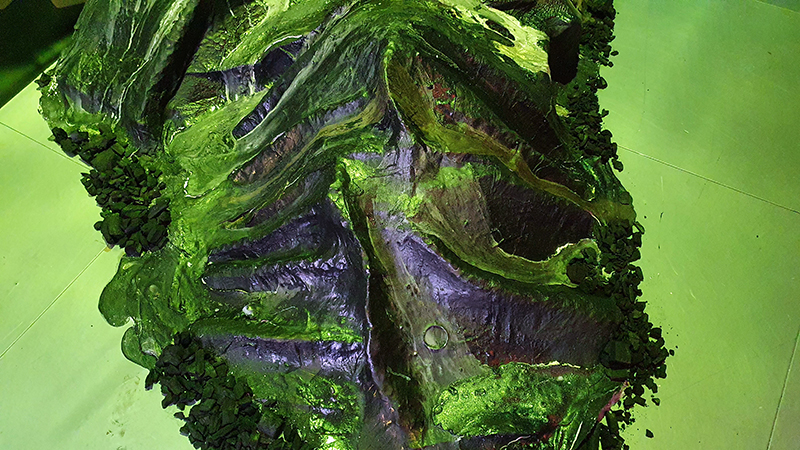
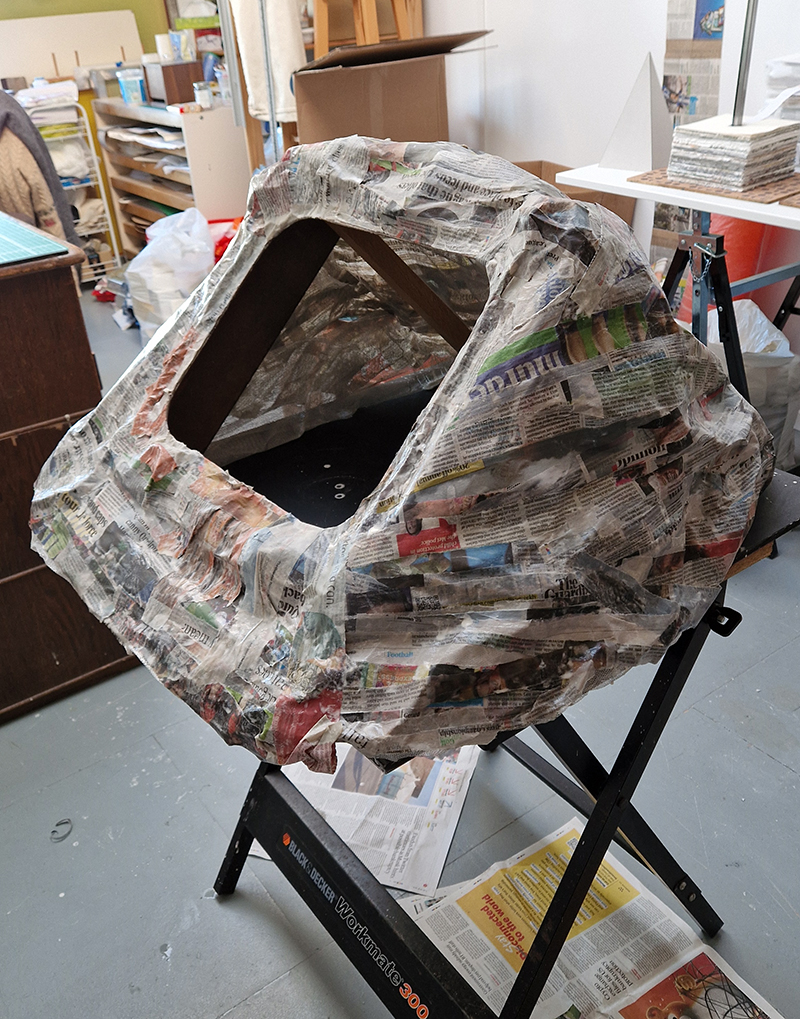
Also a few more layers of papier mâché have been applied to the sculpture that will house a screen with video for the work Belly of a Rock.
Other work in the research stage looks at the first use of a magnetic compass, the cardinal points of navigation and the compass predecessor the wind rose.

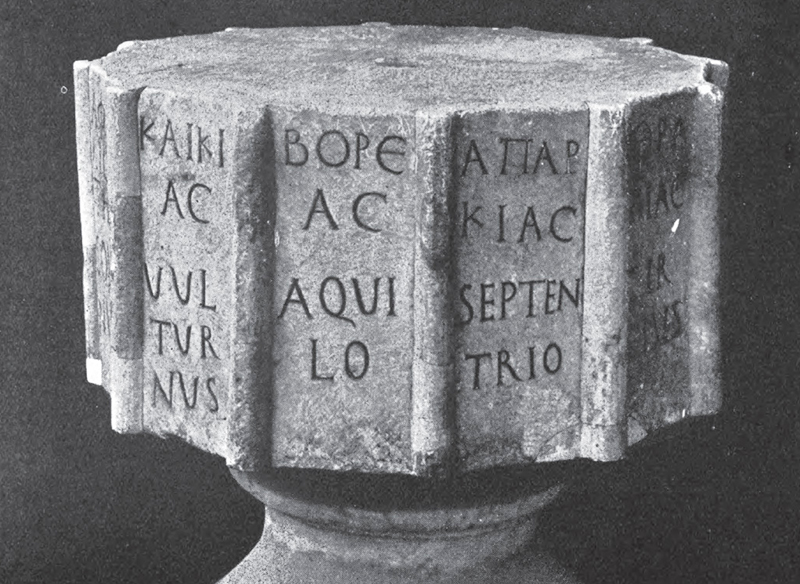
In classical antiquity, a time stretching from Homer to the early middle ages, geographic orientation usually referred to landmarks or astral phenomena to determine direction. Eos meaning dawn, and Hesperus, evening were named for sunrise and sunset with north (arctos) being marked by the constellation Ursa Major and later the Pole Star. The winds also became associated with direction, and named in accordance with their qualities such as hot and humid or cold and dry. In Greek mythology Astraeus, the god of dusk, and Eos, the goddess of dawn, gave birth to many sons of the twilight including the Anemoi, the four gods of the winds, each ascribed a cardinal direction. Boreas being the god of the cold north wind,  Notus the god of the hot south wind, Eurus from the east and gentle Zephyrus from the west.

The number of points on a wind rose began with the four cardinal points which were added to and refined over time. The winds were often given names that referred to a particular locality from where they seem to blow, so different places came up with various local names. Aristotle designed an asymmetrical 10 point wind rose which was later refigured by Timosthenes who is credited with inventing the system of twelve winds and using this more for navigation than for “the study of things high in the air.

Classical wind roses were eventually replaced by the modern compass rose during the middle ages.

The “Vatican table” is a marble Roman anemoscope dating from the 2nd or 3rd Century CE, held by the Vatican Museums. Usually an anemoscope would be topped with a weather vane. Divided into twelve equal sides, each one is inscribed with the names of the classical winds, both in Greek and in Latin. 
At a quantum scale, all matter is underpinned by uncertainty. My fascination with particle physics began from simply wondering what everything was made of when you looked really closely. I looked up ‘fundamental building blocks of the universe’ and was blown away by this mysterious other world, so far away in terms of scale I can comprehend, yet a part of me and everything I interact with.

Quanta is a discrete unit that cannot be divided. Quantum physics is the study of energy and matter at the most fundamental level. The chemical reactions in a birds eye that allow it to ‘see’ Earth’s magnetic field involves the quantum entanglement of radical pairs of electrons. These electrons are excited by light, particularly the blue of twilight.

Photography was the first available demonstration that light could indeed exert an action sufficient to cause changes in material bodies. William Henry Fox Talbot 

The subject of the photograph (the sun) has transcended the idea that a photograph is simple a representation of reality,  and has physically come through the lens and put it’s hand onto the final piece. Sunburn Chris McCaw
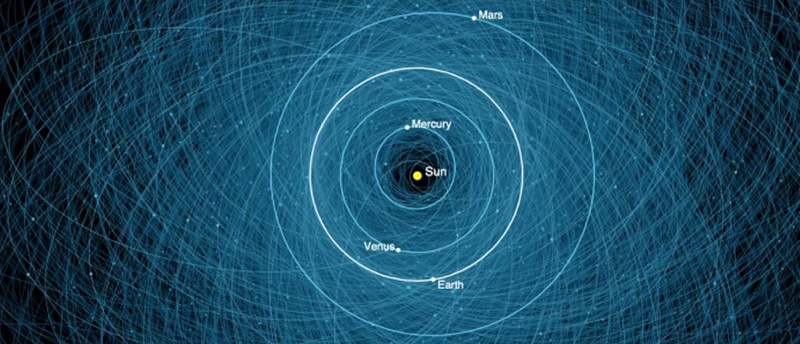
This month NASA announced a new planetary defence strategy to protect Earth from an asteroid impact. NASA’s Double Asteroid Redirection Test (DART) on 11th October 2022, changed the orbit of the Dimorphos Asteroid in the first full-scale demonstration of asteroid deflection technology.

This marks humanity’s first time purposely changing the motion of a celestial object.

“An asteroid impact with Earth has potential for catastrophic devastation, and it is also the only natural disaster humanity now has sufficient technology to completely prevent,” Lindley Johnson, NASA’s planetary defense officer. First any potential collision objects must be identified. This will be the job of the Near Earth Object Surveyor, along with ground-based optical telescope capabilities, to find the still undiscovered population of asteroids and comets that could impact our planet.
A magnetometer is being sent on an eight year journey to Jupiter. It was launched this month from Europe’s Spaceport in French Guiana.

ESA’s Jupiter Icy Moons Explorer (Juice) has magnetic and electric field sensors on the end of the magnetometer boom. The boom is folded in three parts and packed against the side of the spacecraft for launch. Once unfolded in space, the sensors will extend clear of the main body of the spacecraft, allowing very accurate measurements without magnetic interference from the spacecraft itself.

The boom’s instruments will measure Jupiter’s magnetic field, its interaction with the internal magnetic field of Ganymede, and will help study the subsurface oceans of the icy moons.

Ganymede is the only moon in the solar system known to have its own magnetic field. The magnetic field causes auroras, which are ribbons of glowing, hot, electrified gas, in regions circling the north and south poles of the moon. Because Ganymede is close to Jupiter, its magnetic field is embedded in, or lies within, Jupiter’s magnetic field.

The discovery of the moons orbiting Jupiter by Galileo Galilei in 1610 was the first time a moon was discovered orbiting a planet other than Earth. The discovery eventually led to the understanding that planets in our solar system orbit the Sun, instead of our solar system revolving around Earth.

Gallery Visits

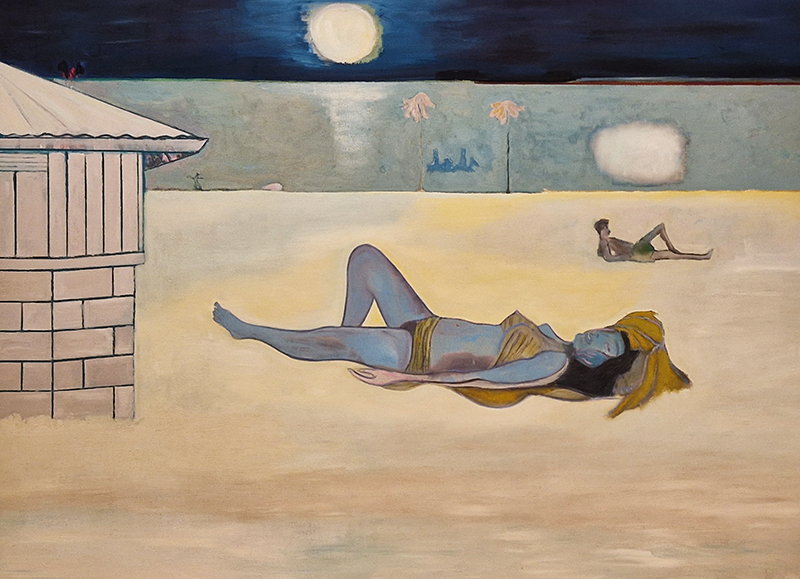
Peter Doig at The Courtauld. My highlights were the luminous moons, moon bathing and an etching of a cave.
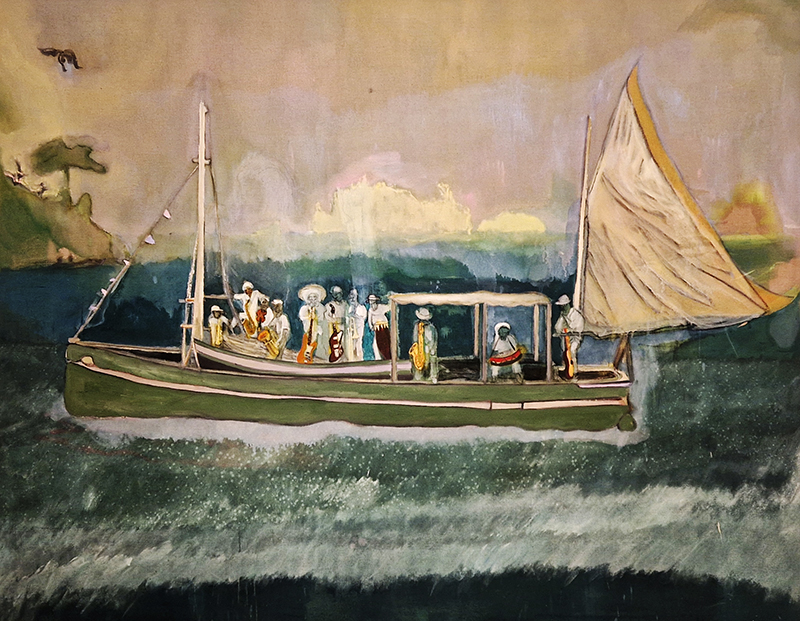
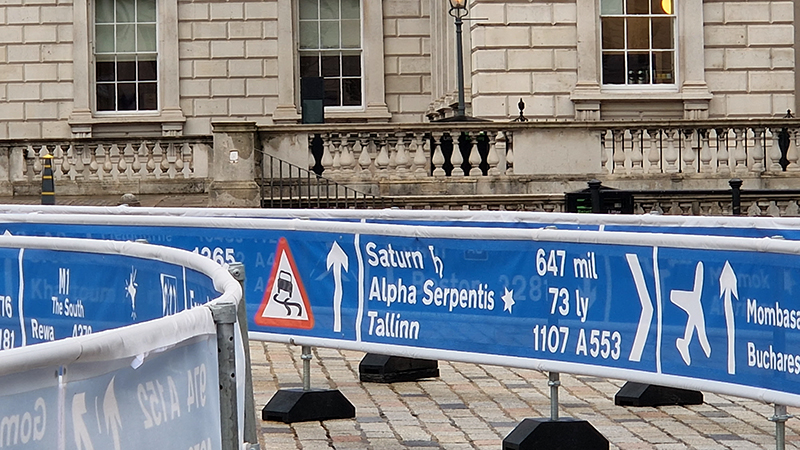
Jitish Kallat Whorled (Here After Here After Here) at Somerset House had a romantic premise with a prosaic aesthetic. I love the concept and the theory and it’s certainly a jarring juxtaposition to be directed to celestial destinations by motorway signage. Routes through the work map circular movements through space and time. Is this the Hitchhiker’s guide to the galaxy?

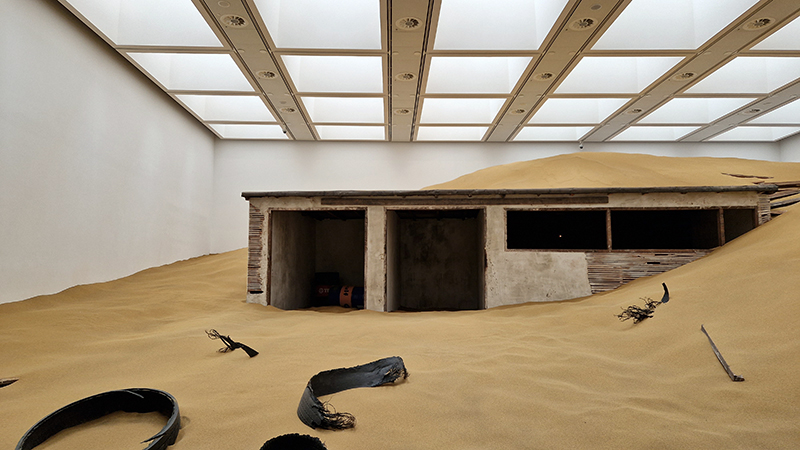
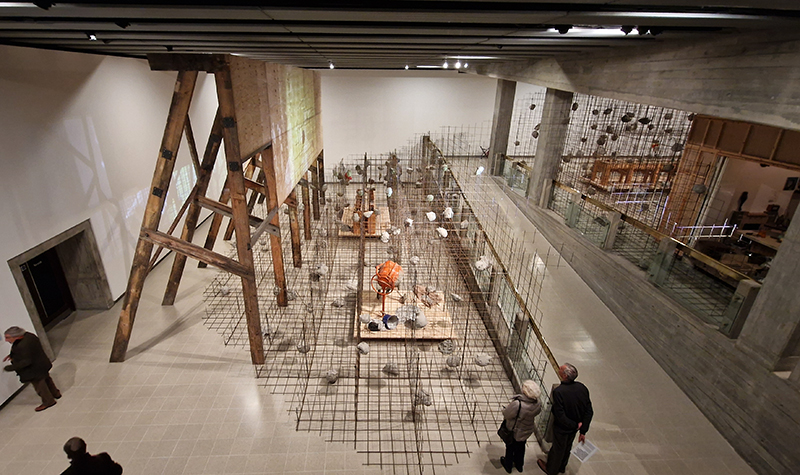
Mike Nelson Extinction Beckons at Hayward Gallery.

The impact is in the SCALE. Punchdrunk meets abandoned engineering.
Nothing truly exists – except in relation to other things. Carlo Rovelli

Work in progress.

Building the azimuth obelisk made from layered re-cycled paper. This sculpture is a response to the concrete obelisk erected in 1955 at Hartland Magnetic Observatory as a permanent azimuth mark from which to measure the drift of Earth’s magnetic field. Deep time geology holds the sedimentary knowledge of magnetic activity, from the degrees of variation between the magnetic and geographic north pole to the cataclysmic impact of pole reversals.

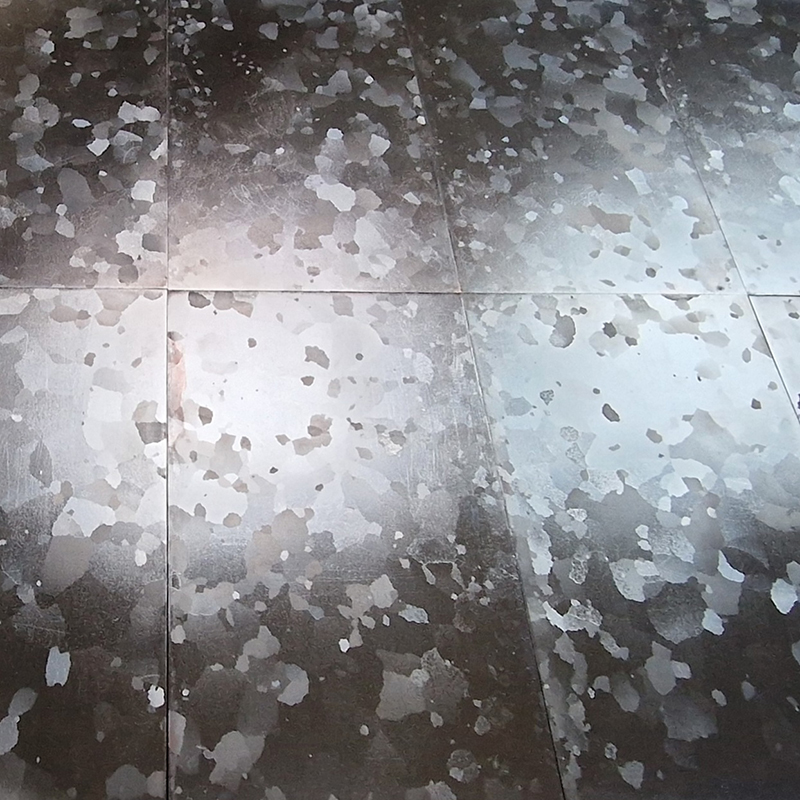
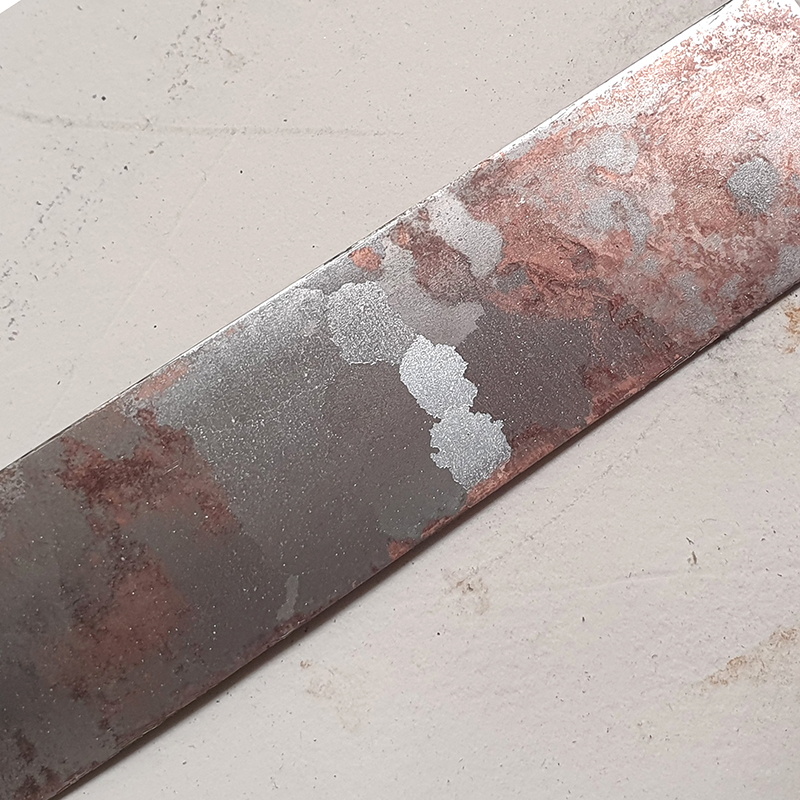
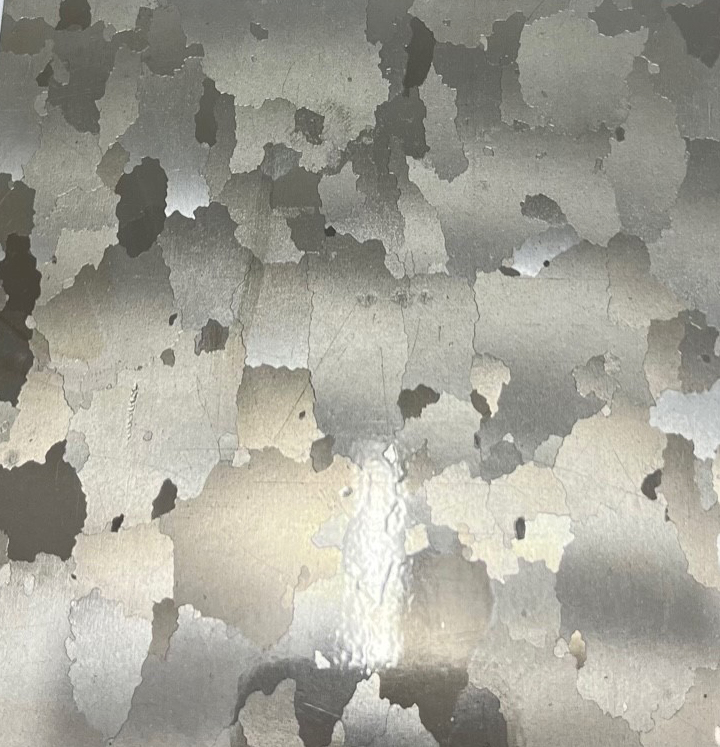
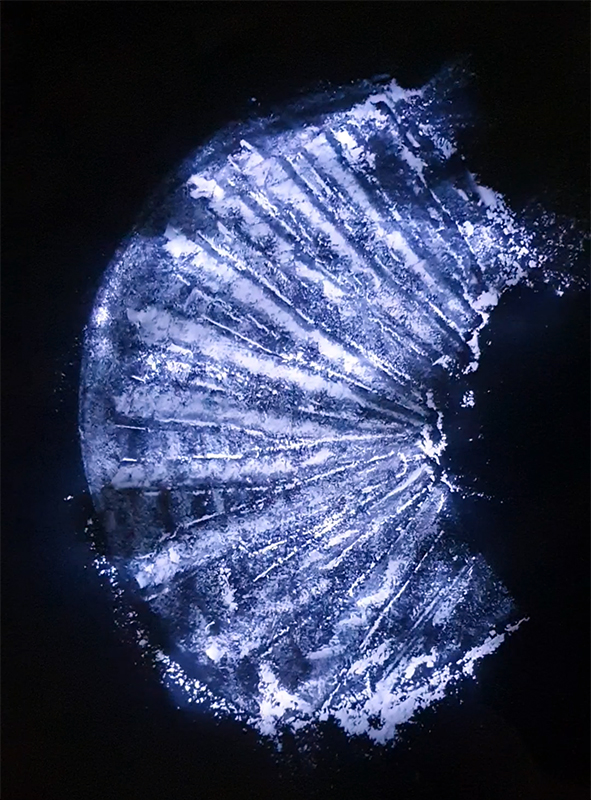
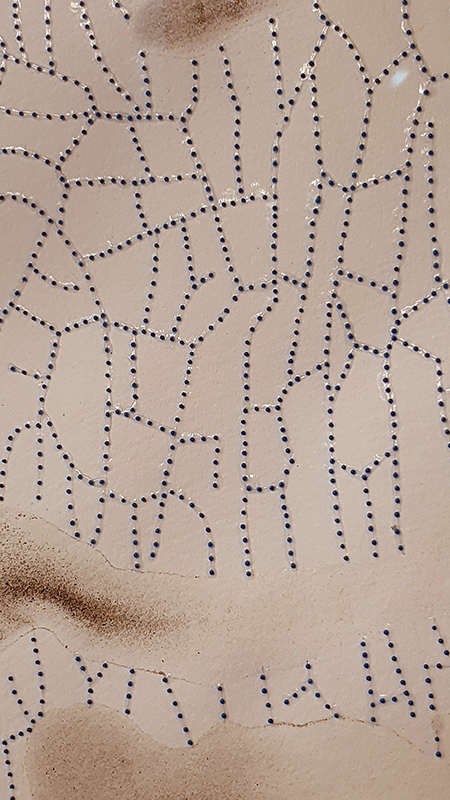
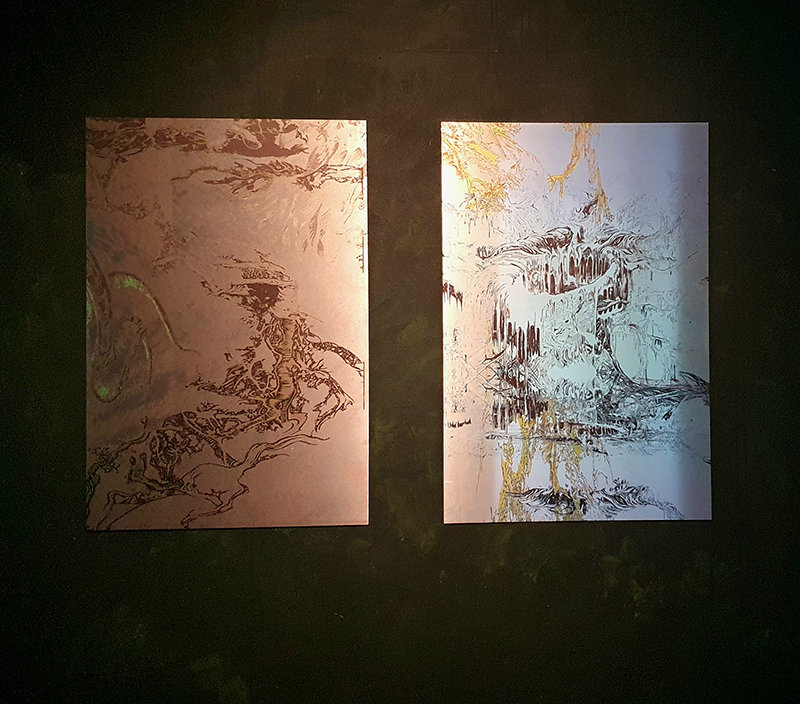
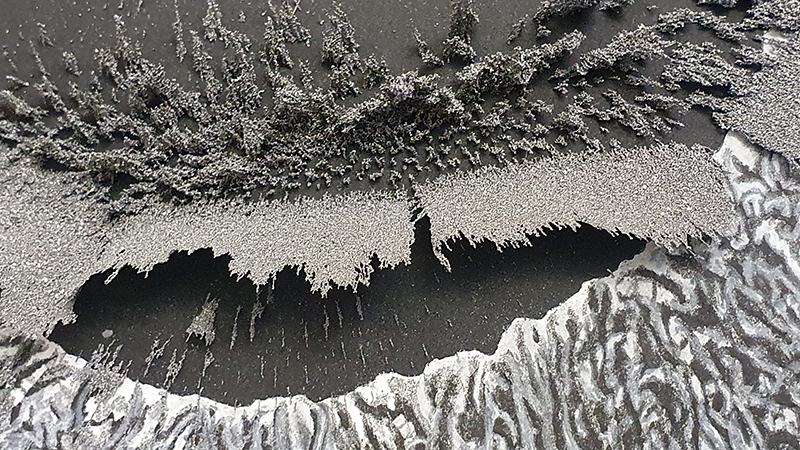
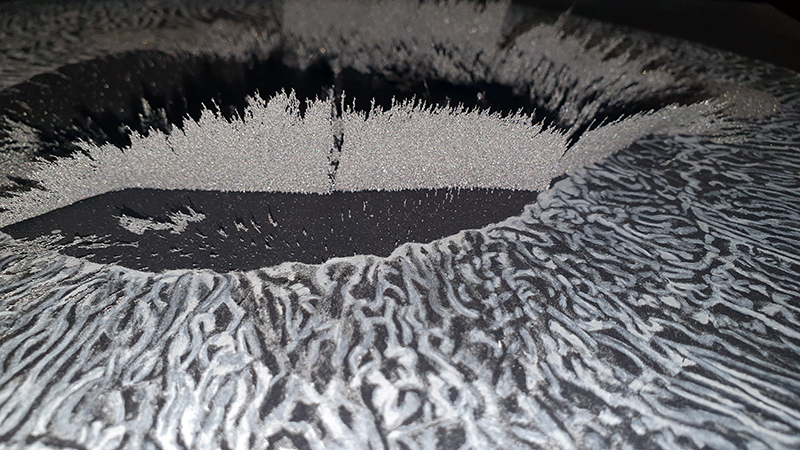
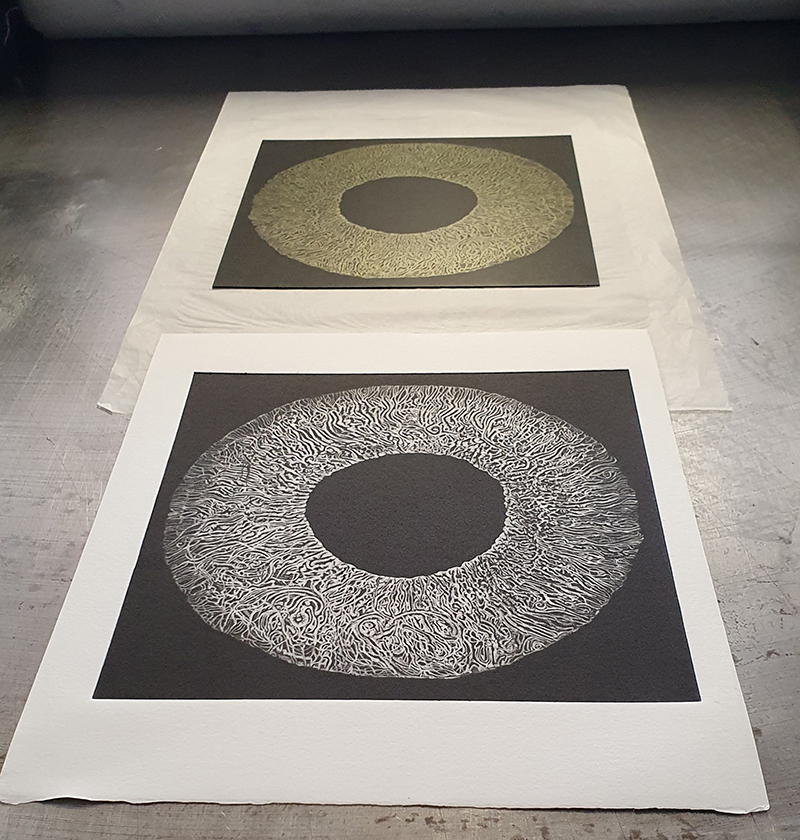
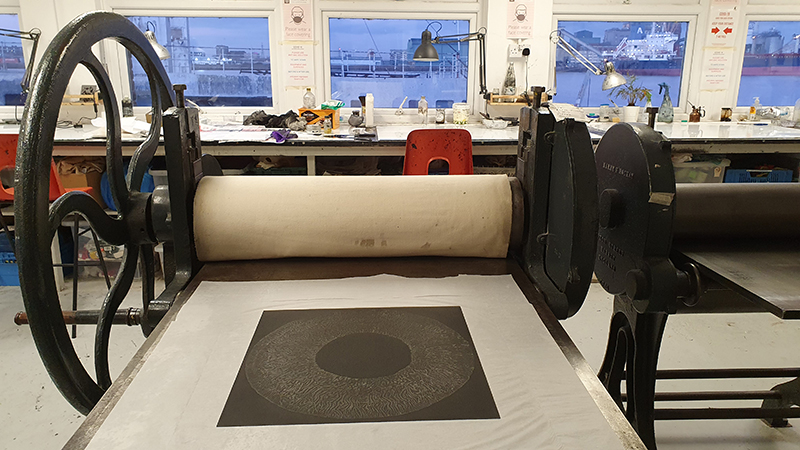
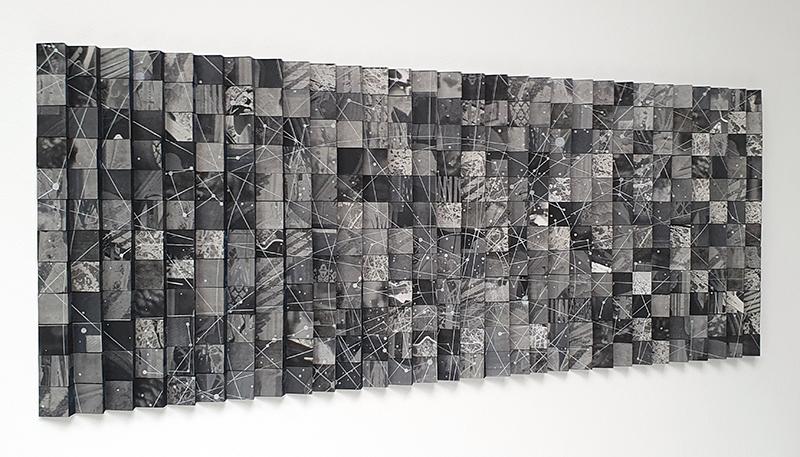
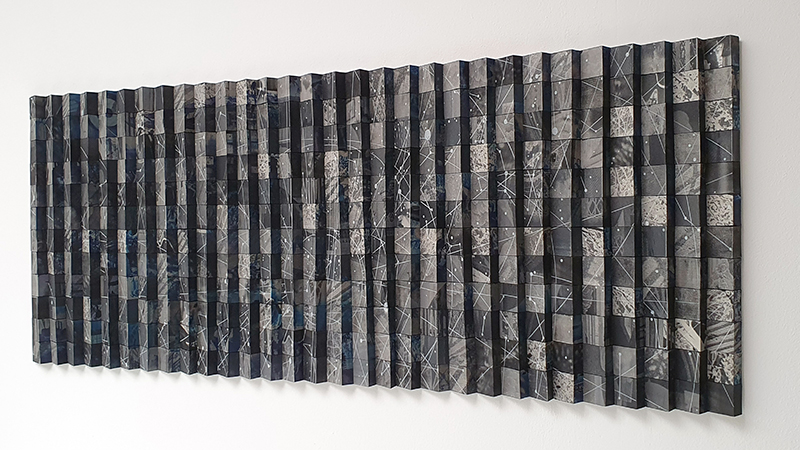
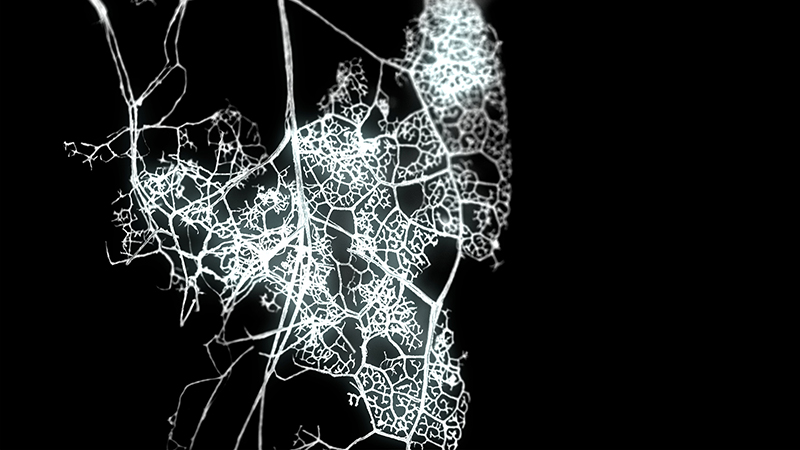
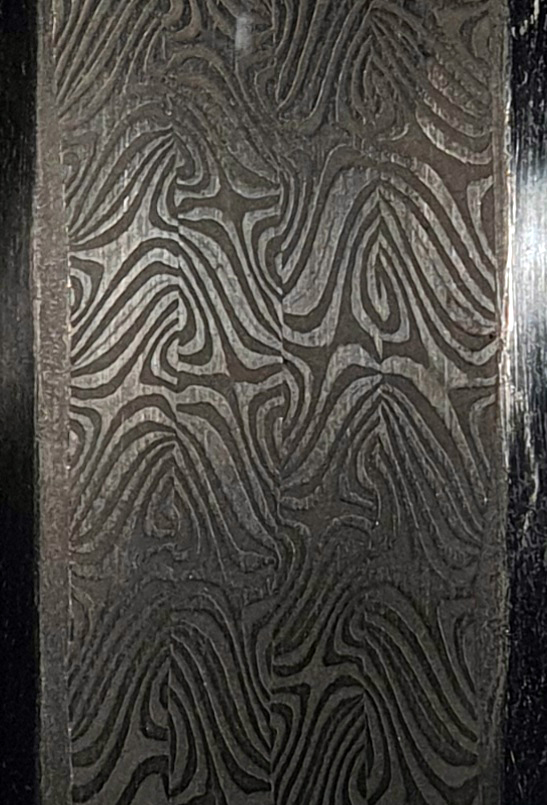
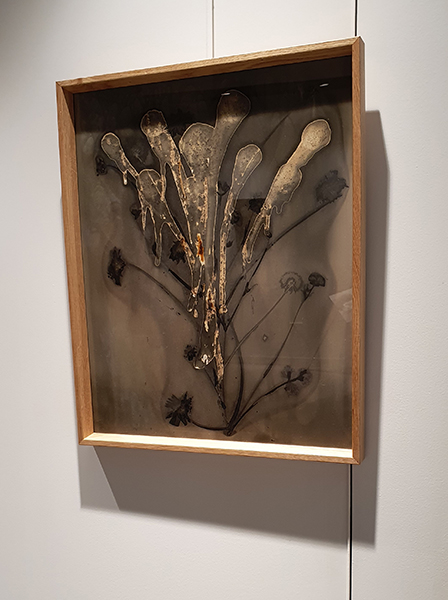
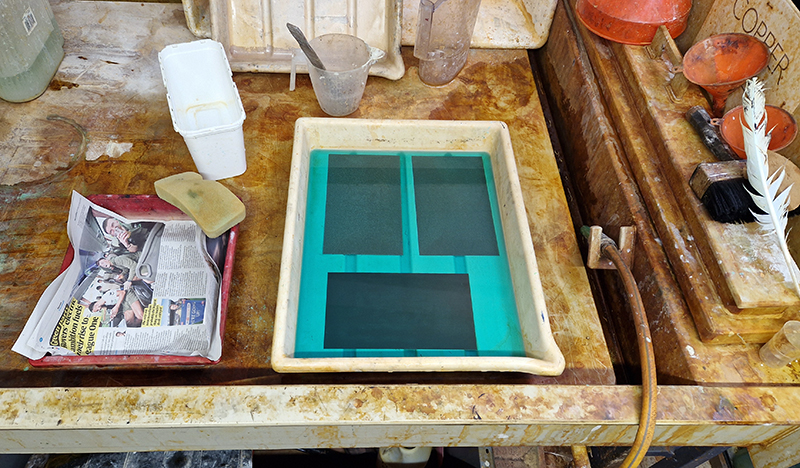
Etching Directional Magnetic Steel to reveal the jigsaw pattern which comes from rolling single crystals of an iron silicon alloy into thin sheets to minimise magnetic losses for use in industry.

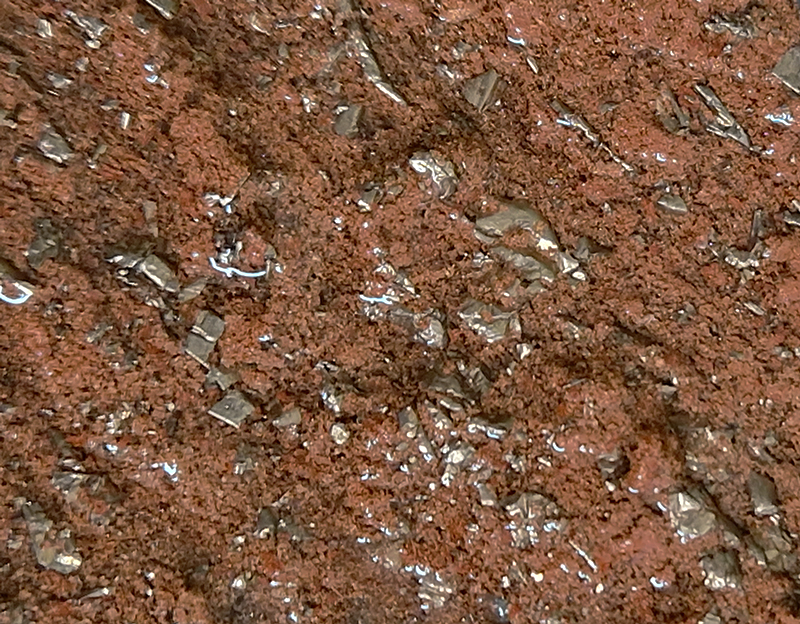
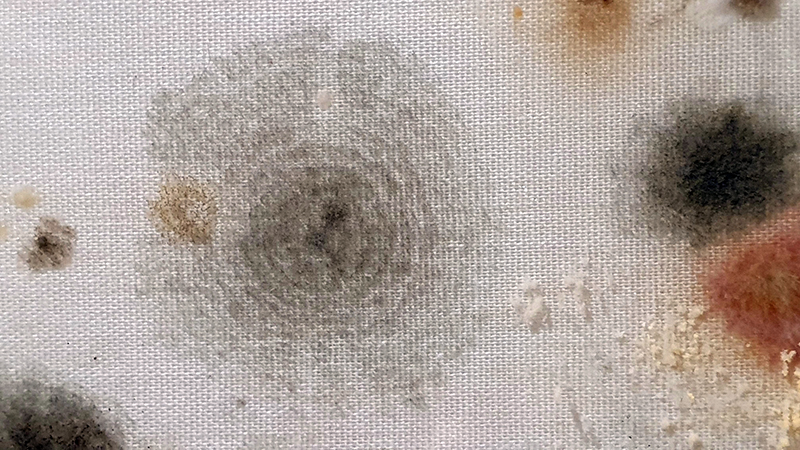
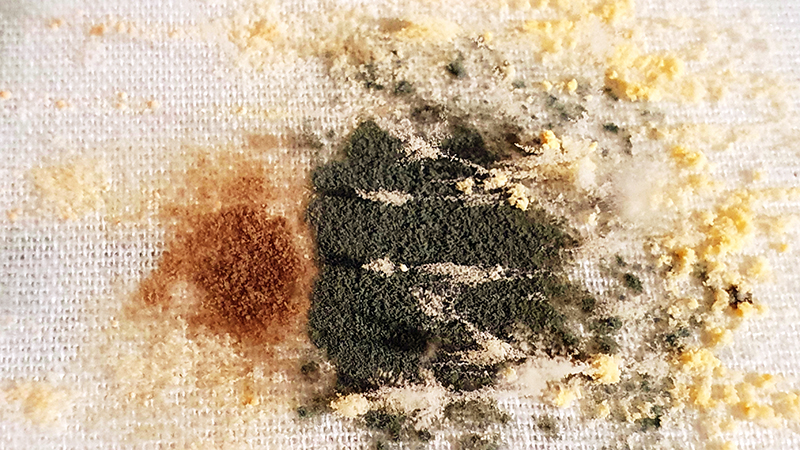
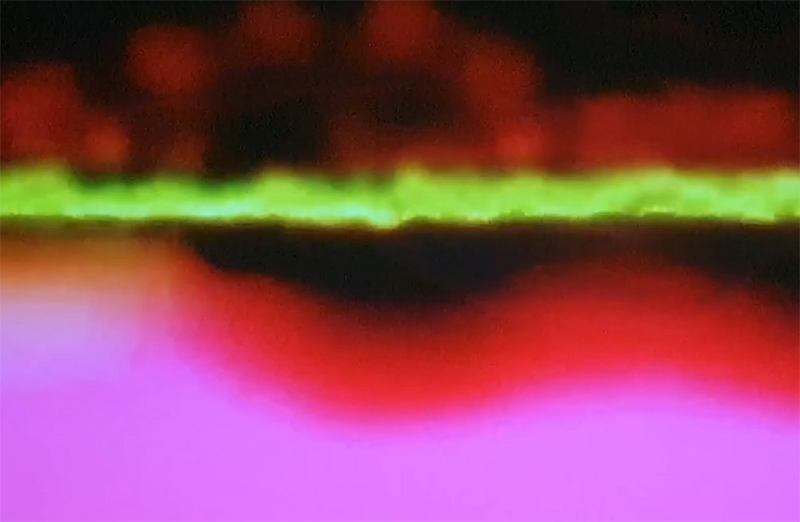
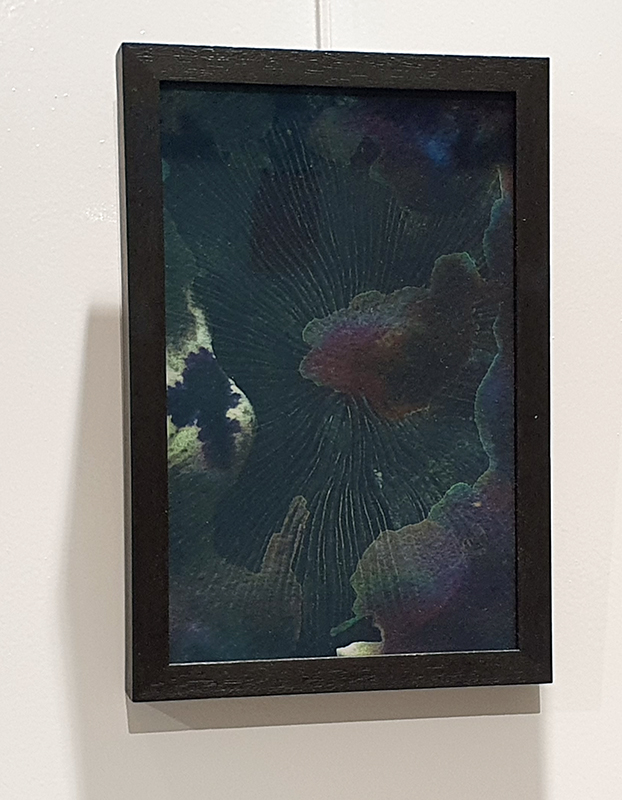
The copper sulphate etching process creates a very thin, fragile layer of shiny copper under the red residue

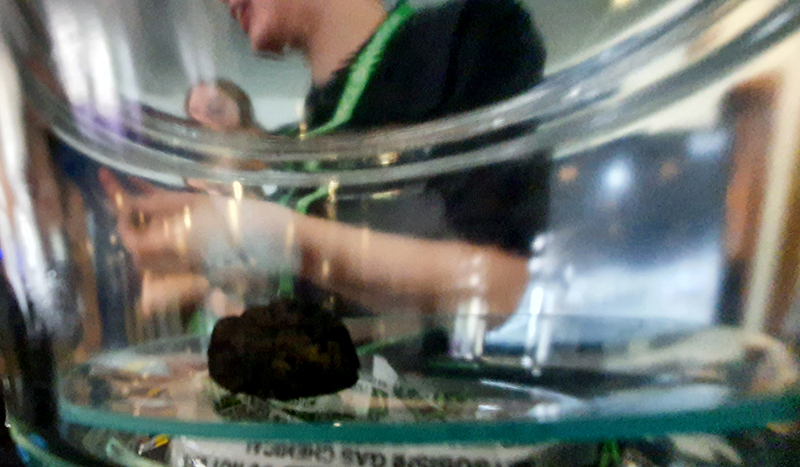
Magnetism embodies magical qualities which have fascinated humans since the first encounter with a lodestone. These rare and enigmatic fragments found scattered across the surface of the Earth are created when lightning chances to strike the mineral magnetite.

The Lodestone, from Plato to Kircher by D. W. Emerson lists various historical references to the lodestone. The writer concludes – Lodestone, being very unusual, greatly impressed previous generations. Despite its unattractive appearance it was an admired mineral type more precious than pearls, it was celebrated in persuasive Latin hexameters, it was an analogue for the power of deities, it took a witch to subdue it, it was deemed explicable by Epicurean atomic theory, it was involved in a rather tenuous argument for eternal punishment of wicked persons, it meant doom for unwary mariners, it furnished fodder for folk lore, it resided in the arsenal of the apothecary, it helped to demonstrate the earth’s magnetism, and it assisted navigation. What other mineral has such a record? The lodestone was quite a remarkable rock; it still is, and oddly, yet to be completely studied and documented.

Pliny the Elder (AD 23/24 – 79) :

What is more amazing (than this stone) or at least where
has nature shown greater devilry? She gave rocks a voice
answering, or rather answering back, to man. What is more
indolent than the inert character of stone? Yet nature has
endowed it with awareness and hooking hands. What is
more unyielding than the harshness of iron? On it nature
has bestowed feet and a mode of behaviour. For it is drawn
by the lodestone, and the all-subduing substance hastens to
something like a vacuum, and on its approach it leaps
towards the stone, is held and kept there by its embrace.

Claudius Claudianus (AD fl. 395):

There exists a stone called lodestone; discoloured, dingy,
nondescript. It does not lend distinction to the combed
locks of kings, nor to the fair necks of girls, nor does it
gleam on the showy clasps of sword belts. But in fact if
you pay due regard to the strange marvels of this dark rock
then it outshines elegant adornments and anything, on far
eastern shores, that the Indian looks for in the weed of the
Red Sea (i.e. pearls).

Augustine of Hippo (AD 354-430):

We recognise in the lodestone an extraordinary ability to
seize iron; I was much perturbed when I first saw it. The
reason is that I clearly saw an iron ring grabbed and held
up by the stone. … Who would not be amazed at this power
of the stone?

Generating a magnetic field.

The dynamo theory states that to generate a magnetic field, a body must rotate and have a fluid core with an internal energy supply that is able to conduct electricity and drive convection.  Earth fulfils all of these requirements. It rotates faster at the Equator than it does at the poles causing spiral convection currents in the liquid iron outer core which is an excellent electrical conductor, powered by the energy released as droplets of liquid iron in the outer core freeze onto the solid inner core.

Any variations in rotation, conductivity, and heat impact the magnetic field created.

Mars has a weak magnetic field as it has a totally solid core. Venus also has a weak magnetic field for although it has a liquid core it rotates too slowly to create convection currents.  Jupiter has the strongest magnetic field in the solar system, with a metallic liquid hydrogen core and fast rotation, it has a magnetosphere so large it begins to deflect the solar wind almost 3 million kilometres from its surface.

Highlights from a trip to Japan which offered many poetic and spiritual experiences.

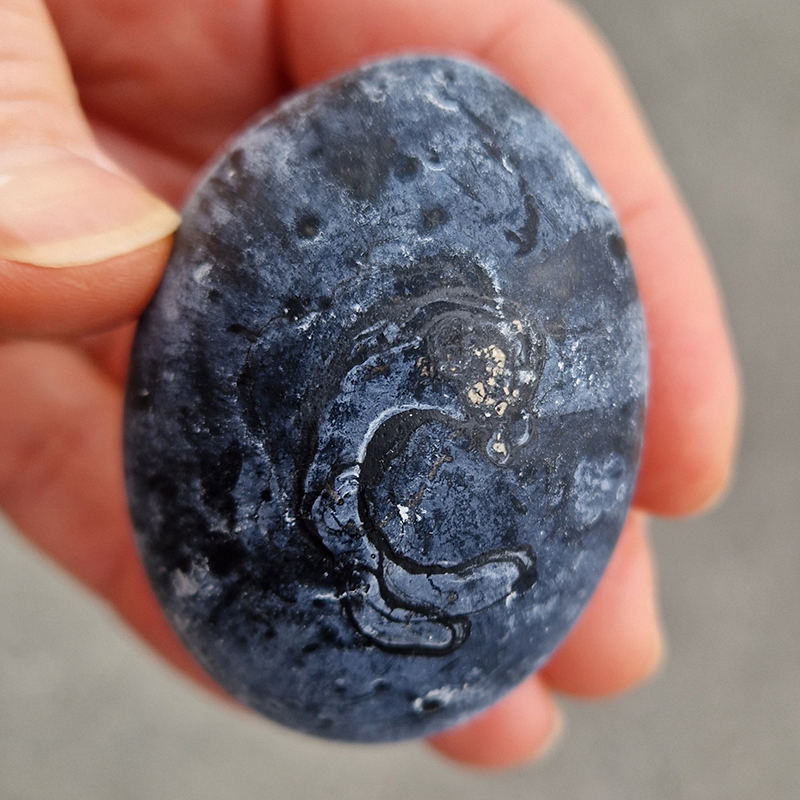
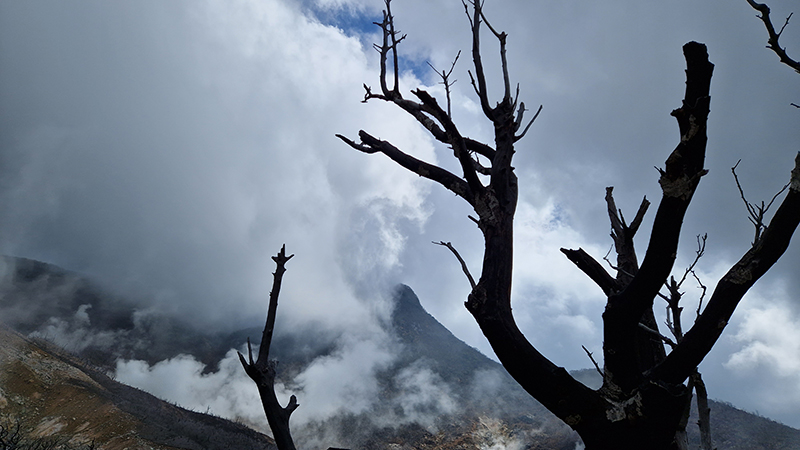
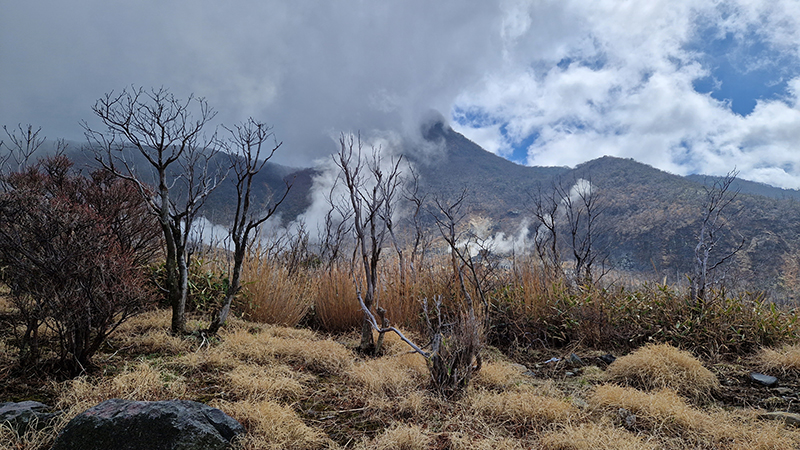
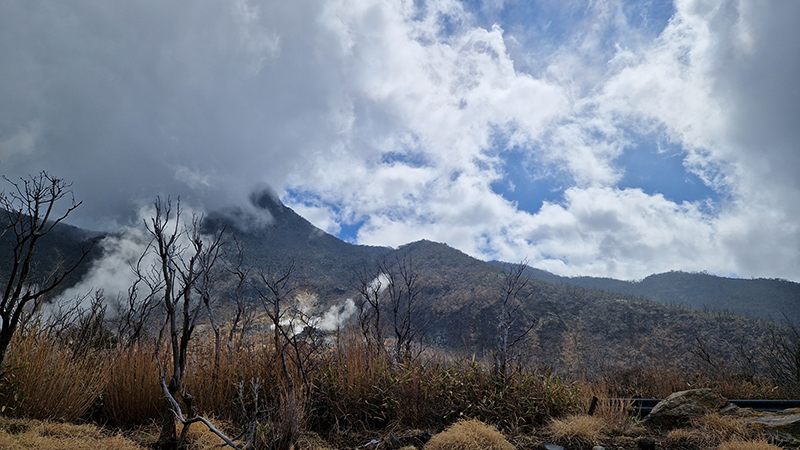
Active sulphur vents of the North South Hakone volcano arc boundary dividing Japan into East and West….also used to cook eggs. The beautiful markings on the eggshell were gone the next day.

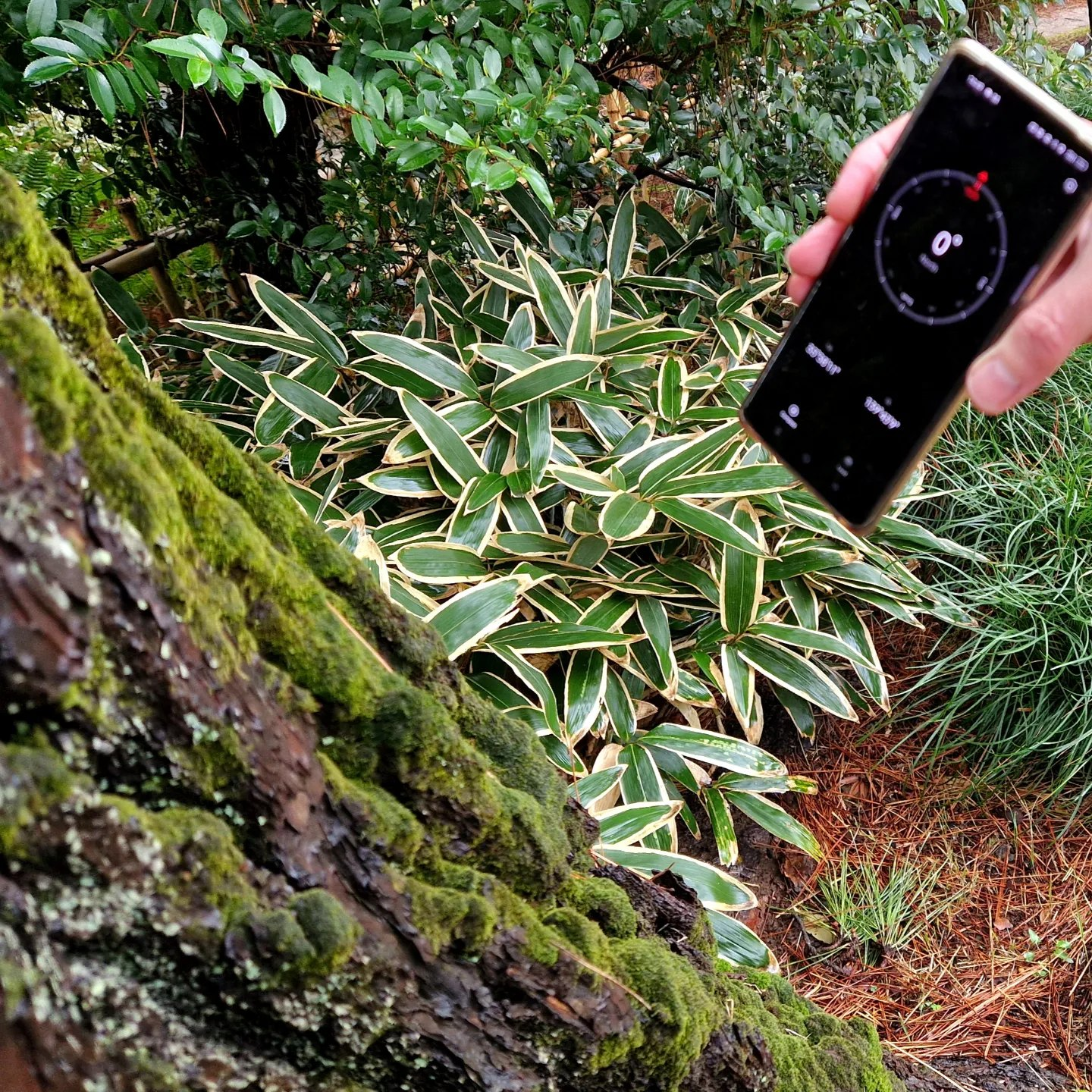
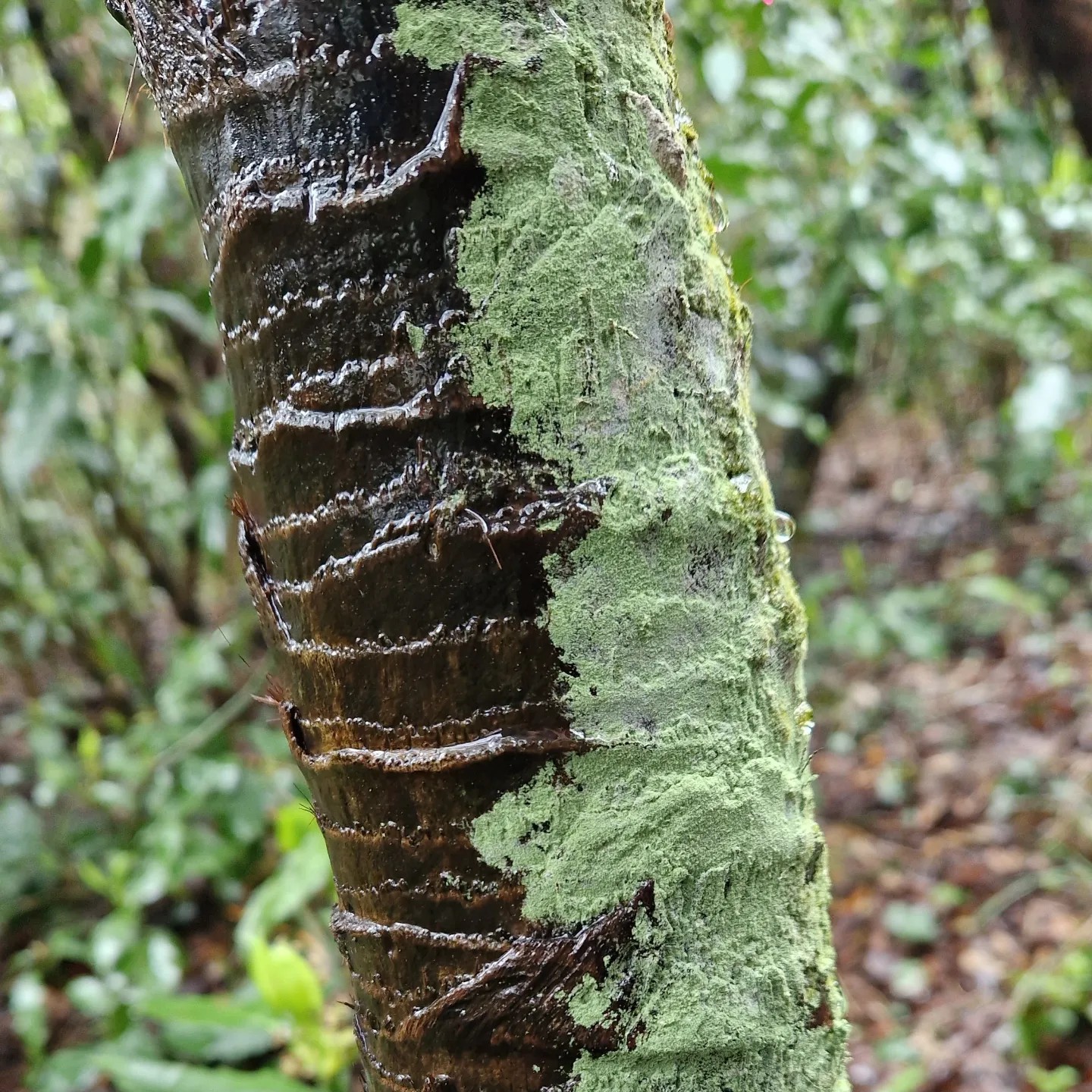
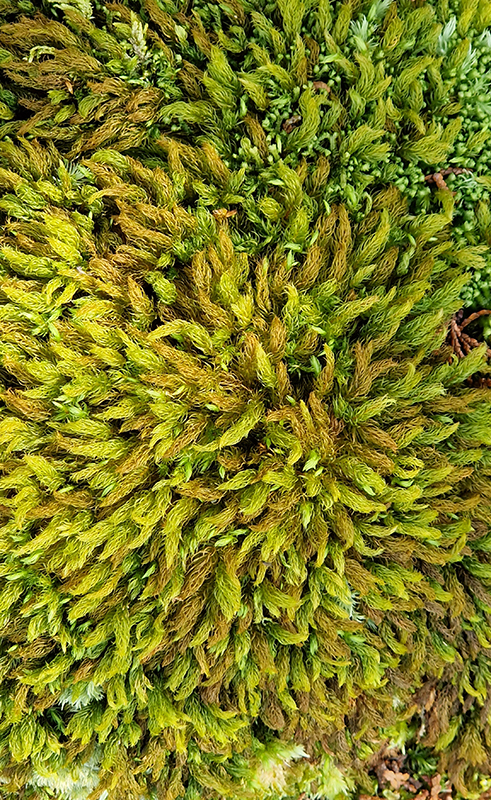
As Tristan Gooley says in The Natural Navigator, ‘There is a commonly held belief that “Moss grows on the north side of trees and buildings.” It does, sometimes, but will also grow on every other side. However, lots of satisfyingly north facing moss growth on the trees in this Tokyo park.

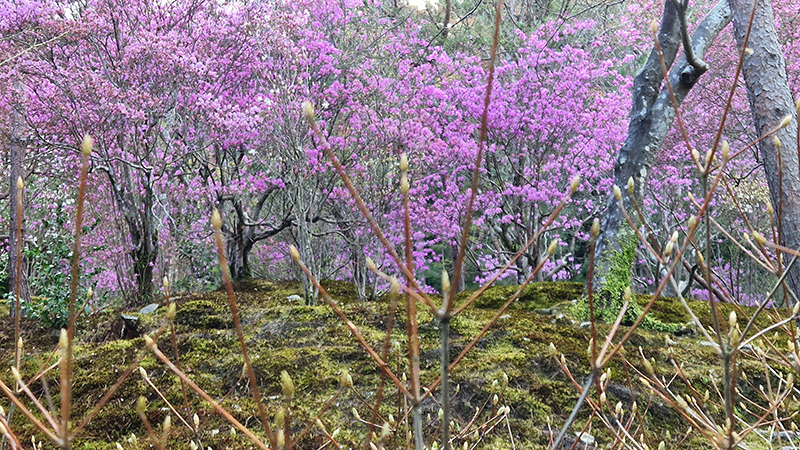
Moss tending in the rain, some splendid moss in the gardens of Kanazawa.

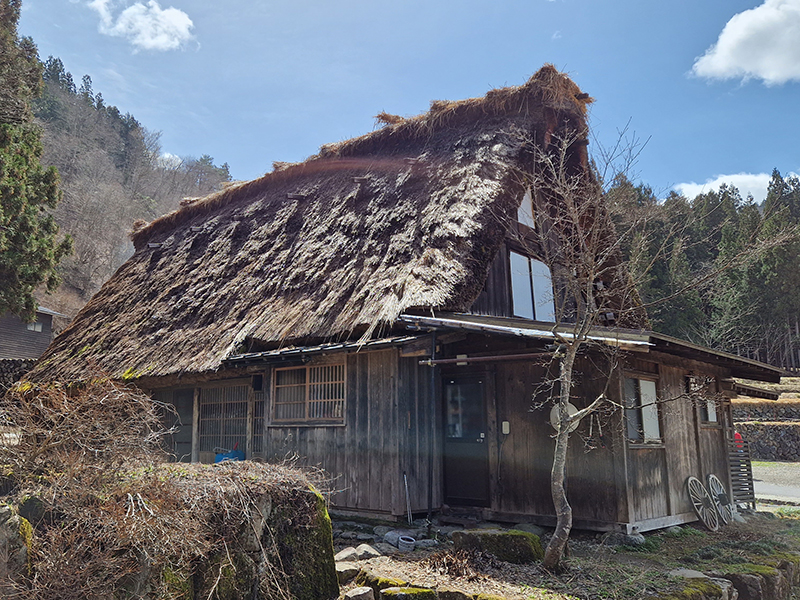
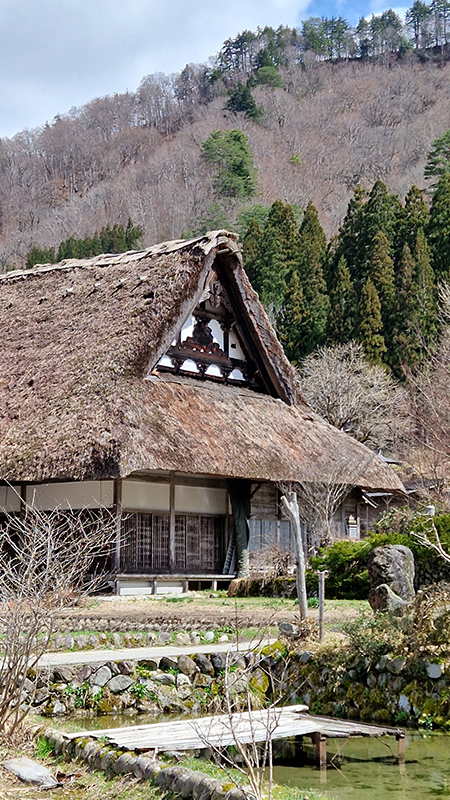
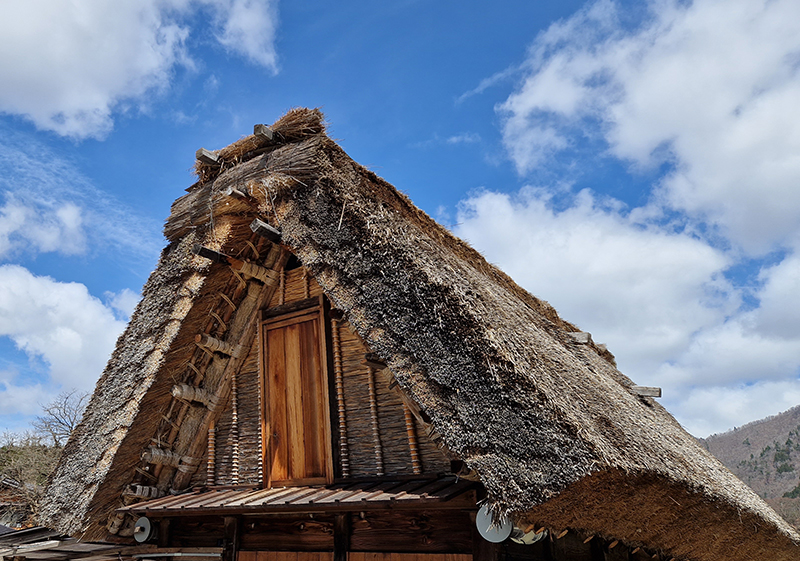
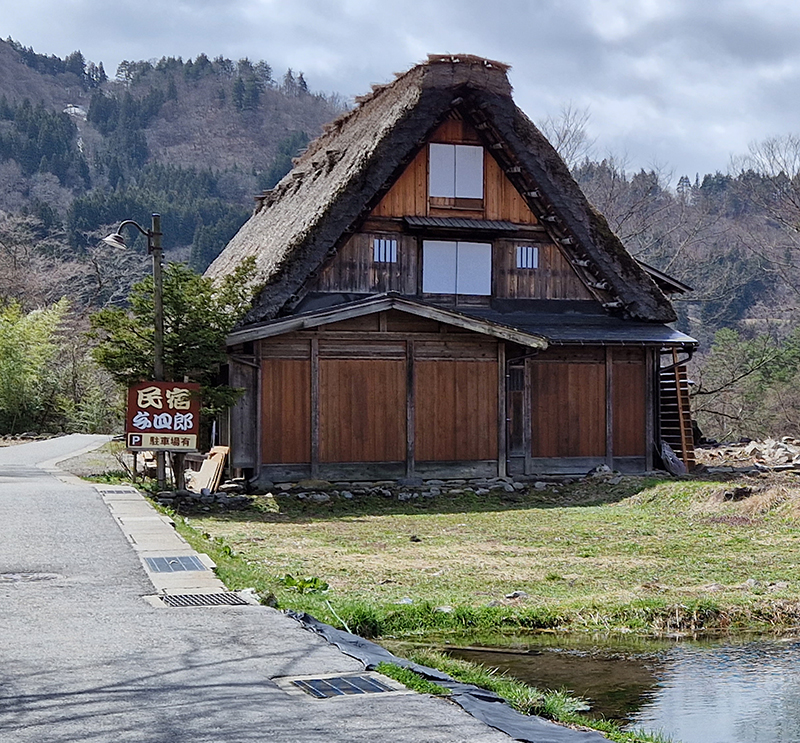
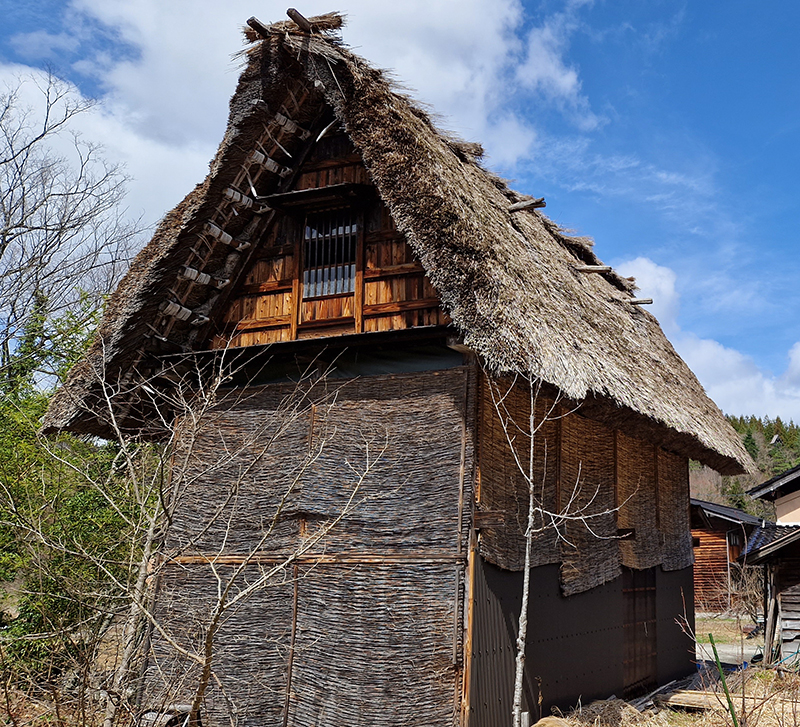
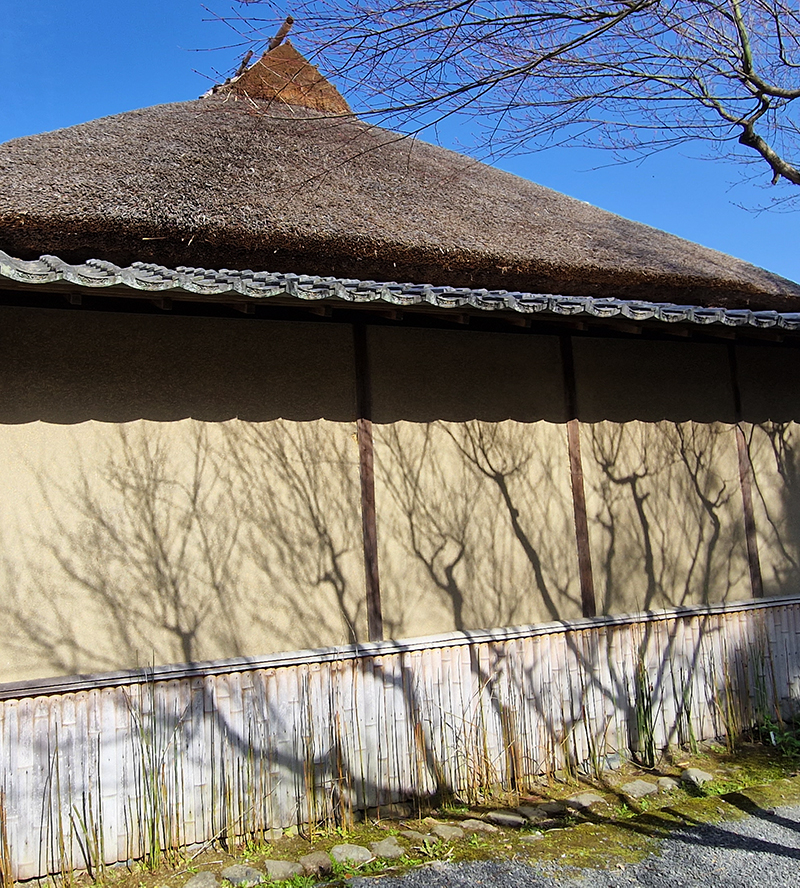
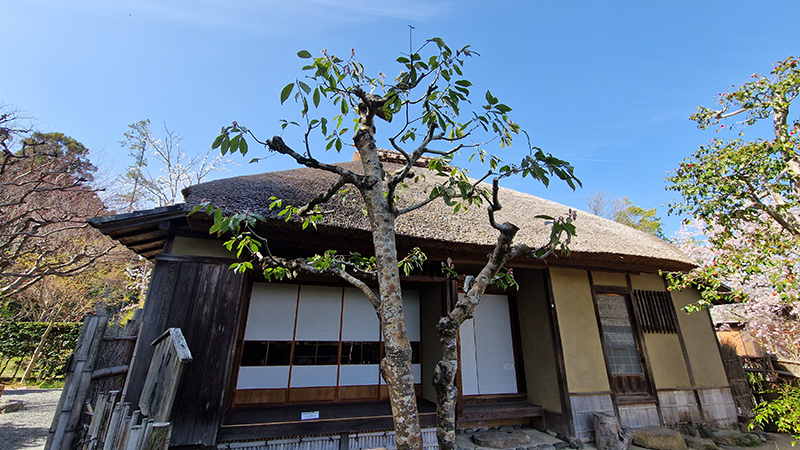
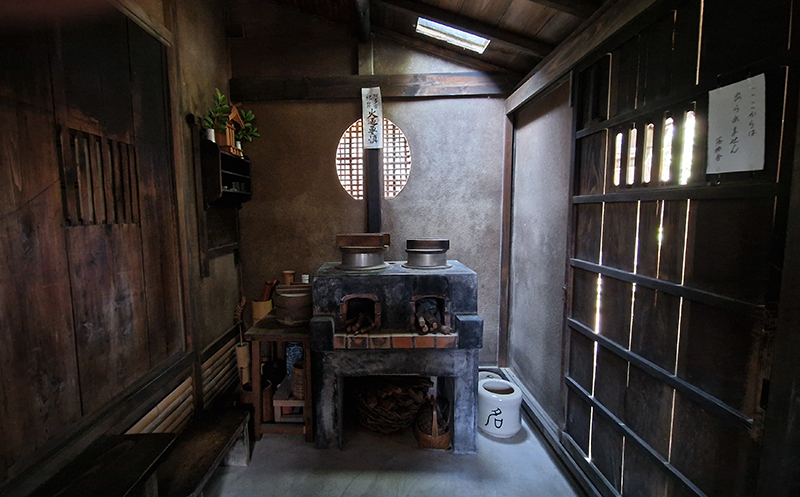
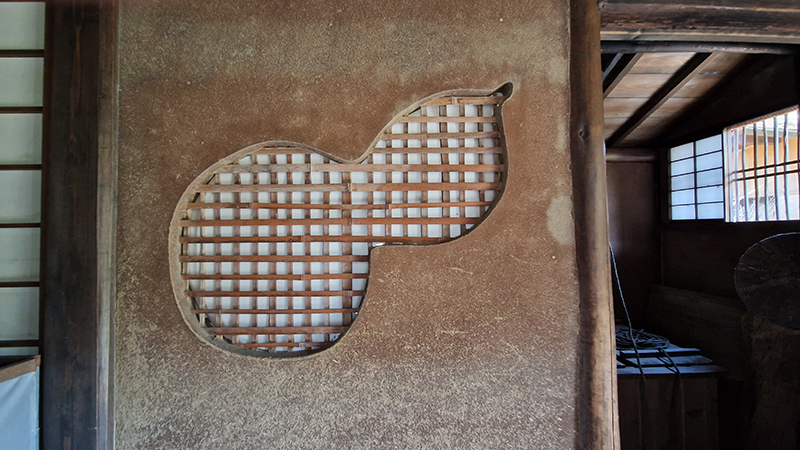
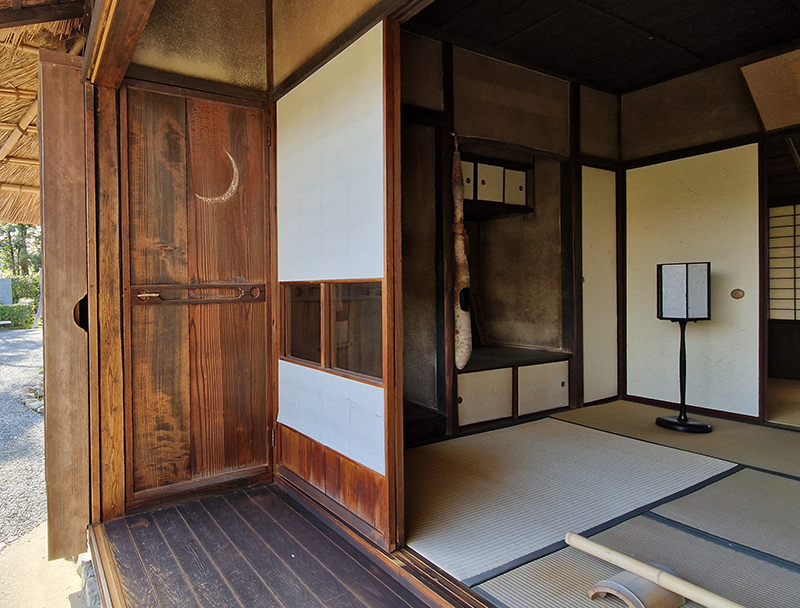
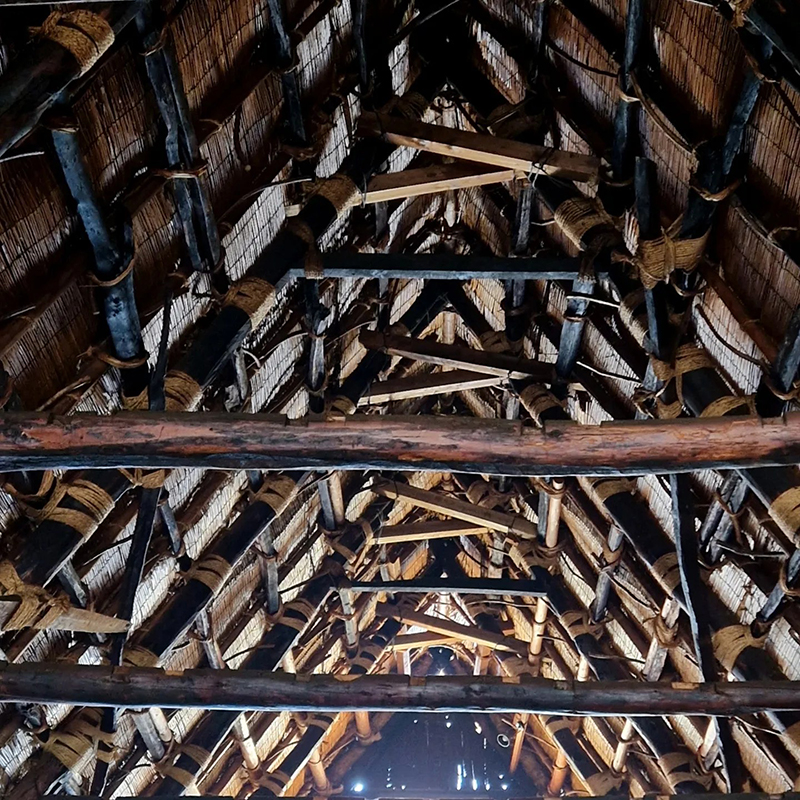
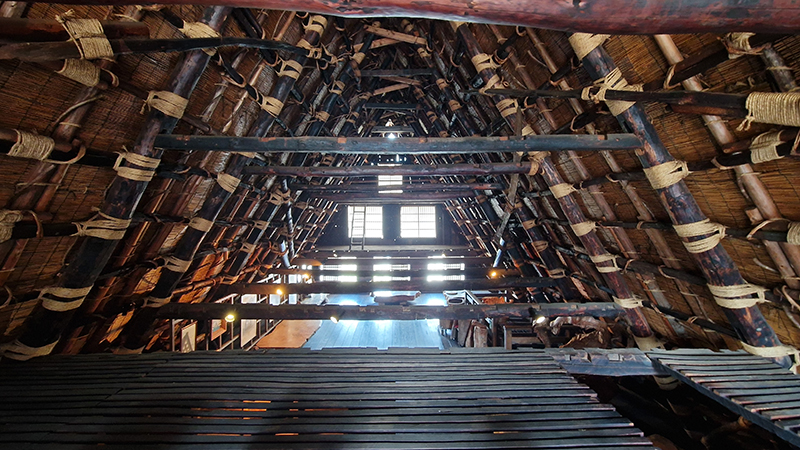
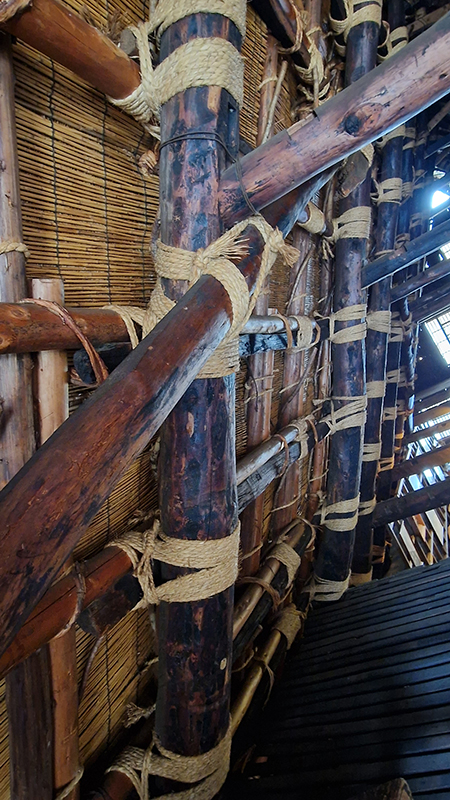
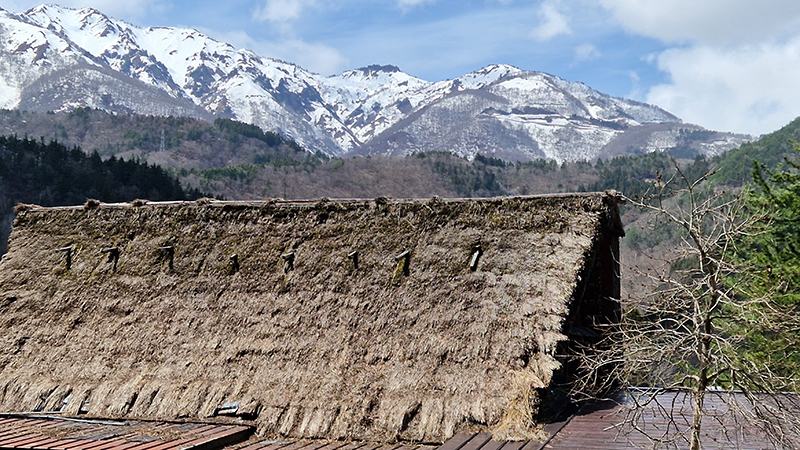
Inspiration for an absolute hut. The “Gassho-zukuri Village”, a World Heritage Site set in stunning mountain scenery, has more than 100 gassho-zukuri thatched rural buildings with wonderful steep pitched A-frame roofs.

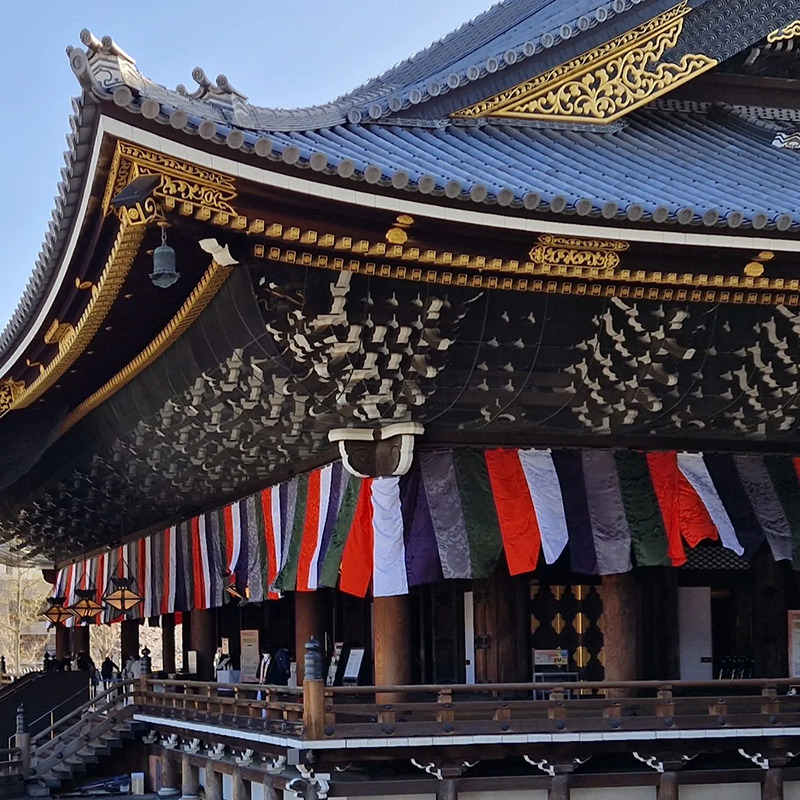
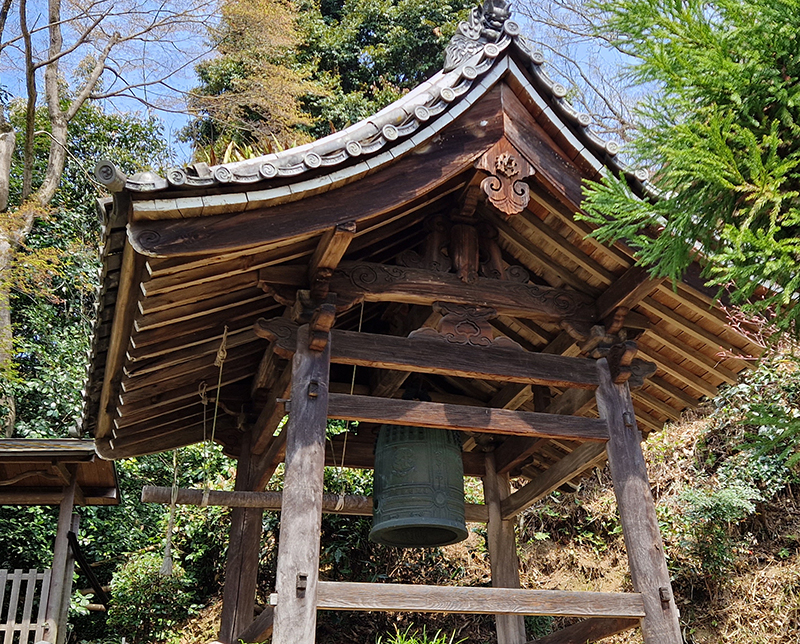
To Discover the Meaning of Being Born as Human Beings. Higashi Honganji Temple

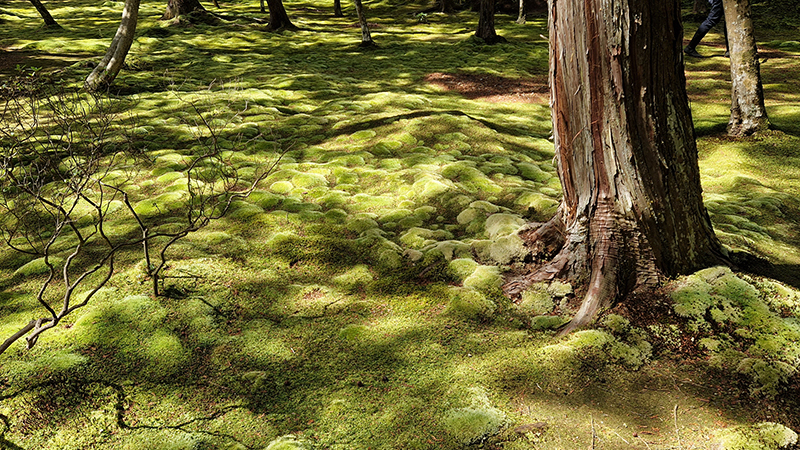
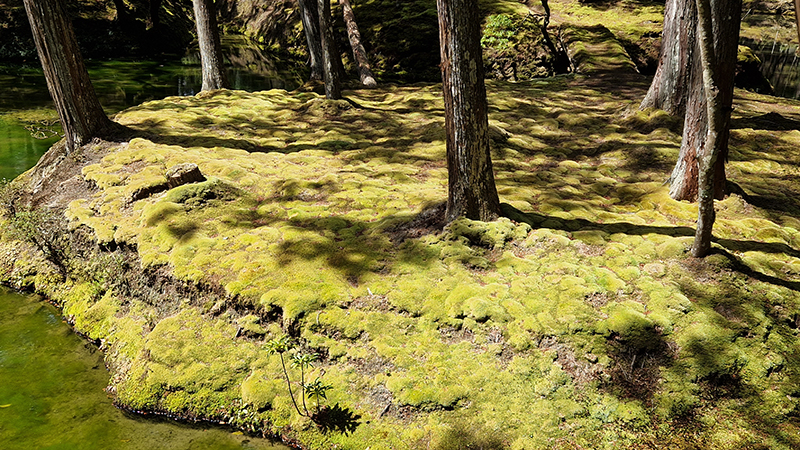
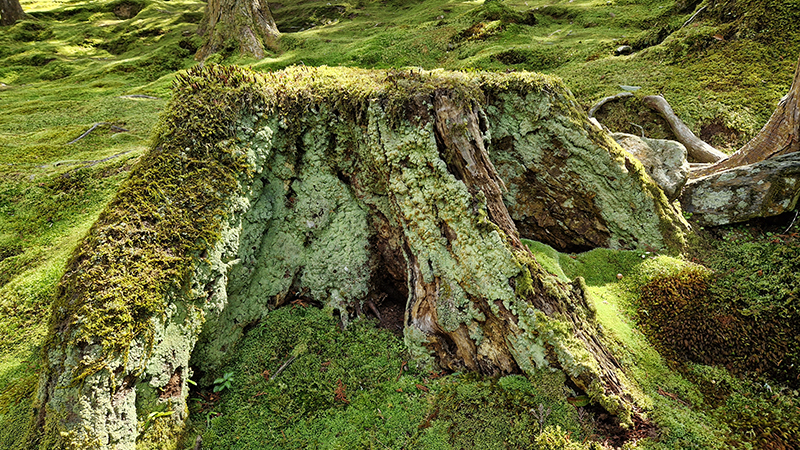
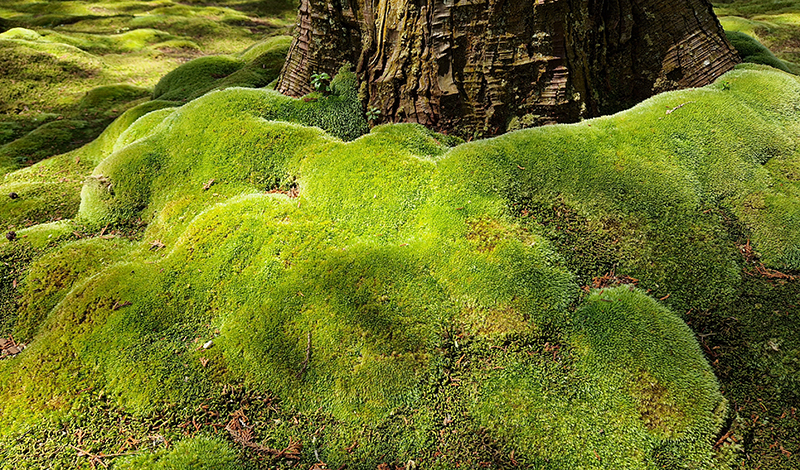
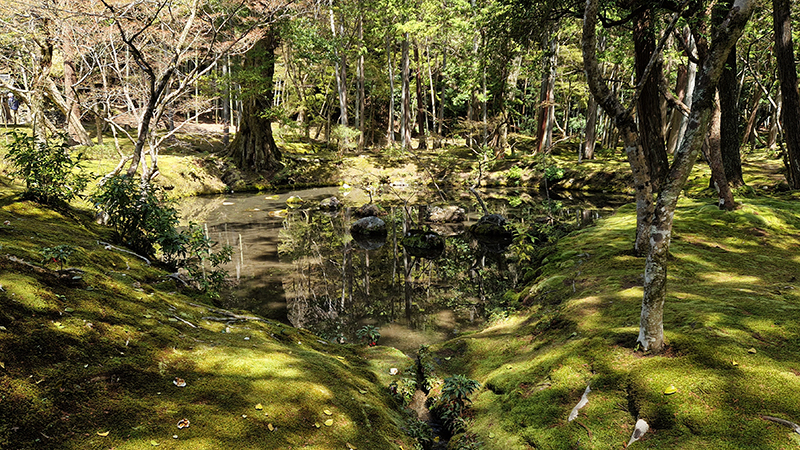
Moss heaven.

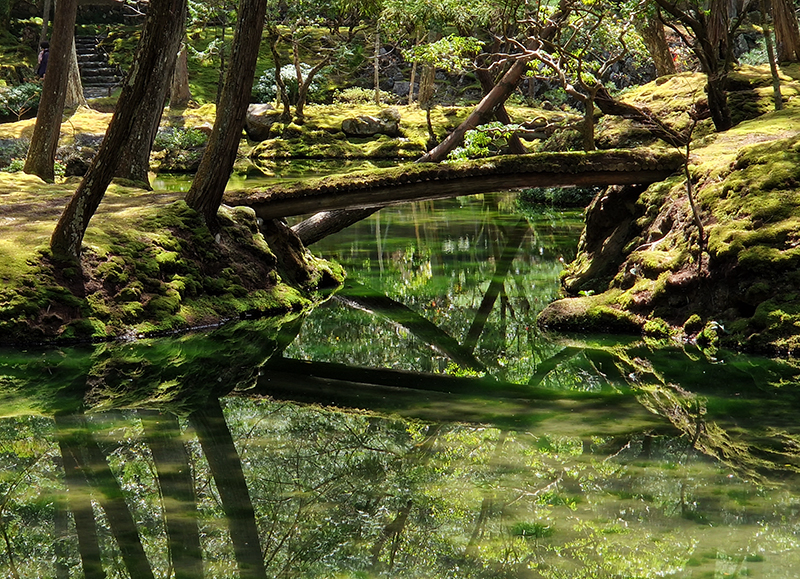
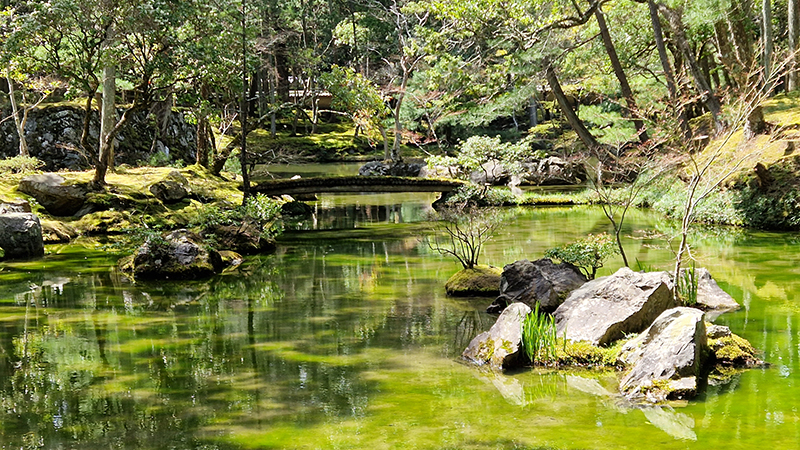
To visit Saihoji Kakedora Temple (the Moss Temple), you must send a postcard by mail to request a visit. On arrival, you spend time in the temple at a low table quietly copying sutras with a calligraphy pen to calm the mind before entering the garden.

The garden is built around the Ogonchi Pond shaped like the Chinese character, meaning heart and blanketed in over 120 species of moss.

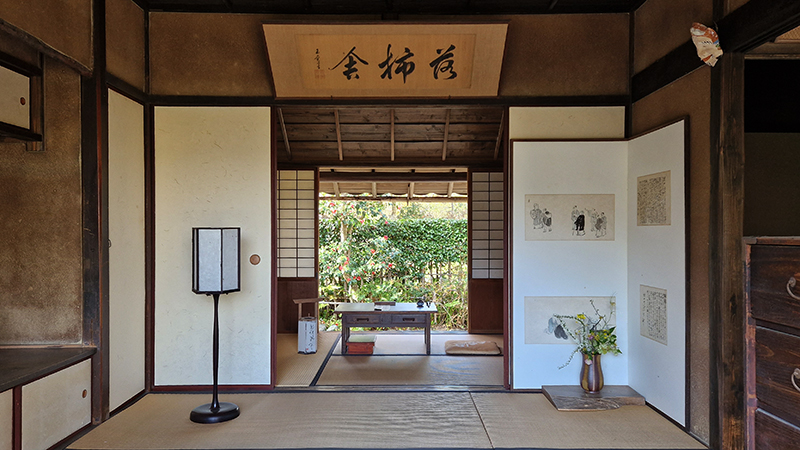
master of persimmons

treetops are close to

Stormy Mountain

The poem stone tells the story of Kayori who had 40 persimmon trees in the garden laden with fruit which he intended to sell, but the night before they were to be picked a huge storm arose and in the morning not one persimmon was left on the trees. Kyorai was enlightened by this experience and called the hut Rakushisha – the cottage of the fallen persimmon.

Many famous haiku poets, disciples of Basho and including Basho himself, stayed here.

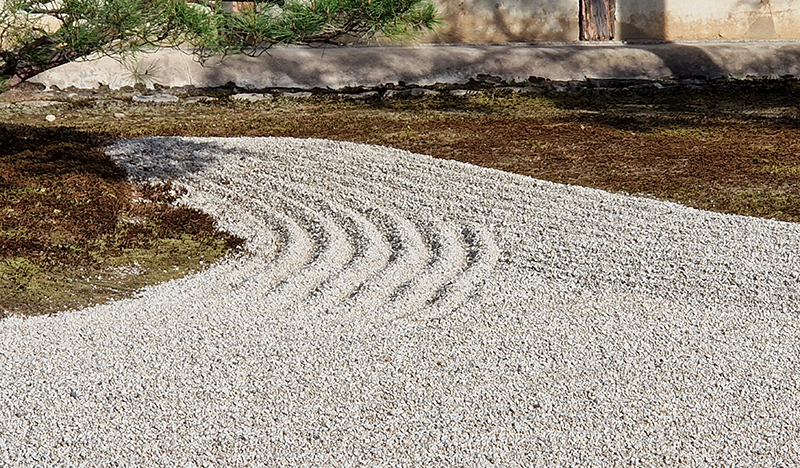
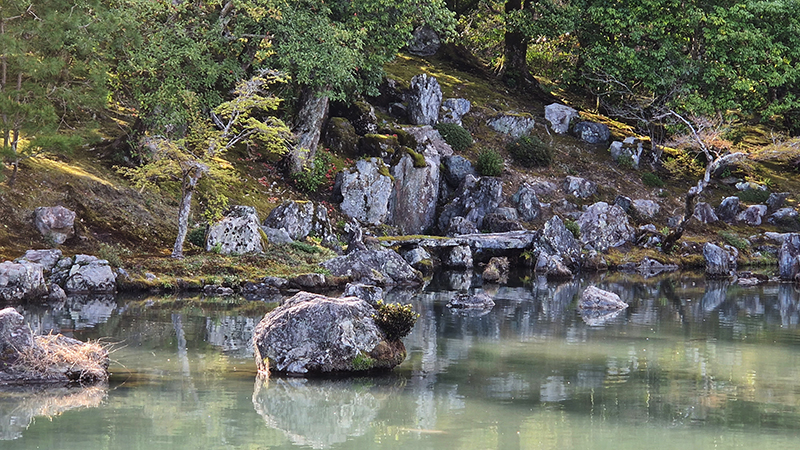
Home of the cloud dragon. Zen garden at Tenryu-Ji Temple, Kyoto.

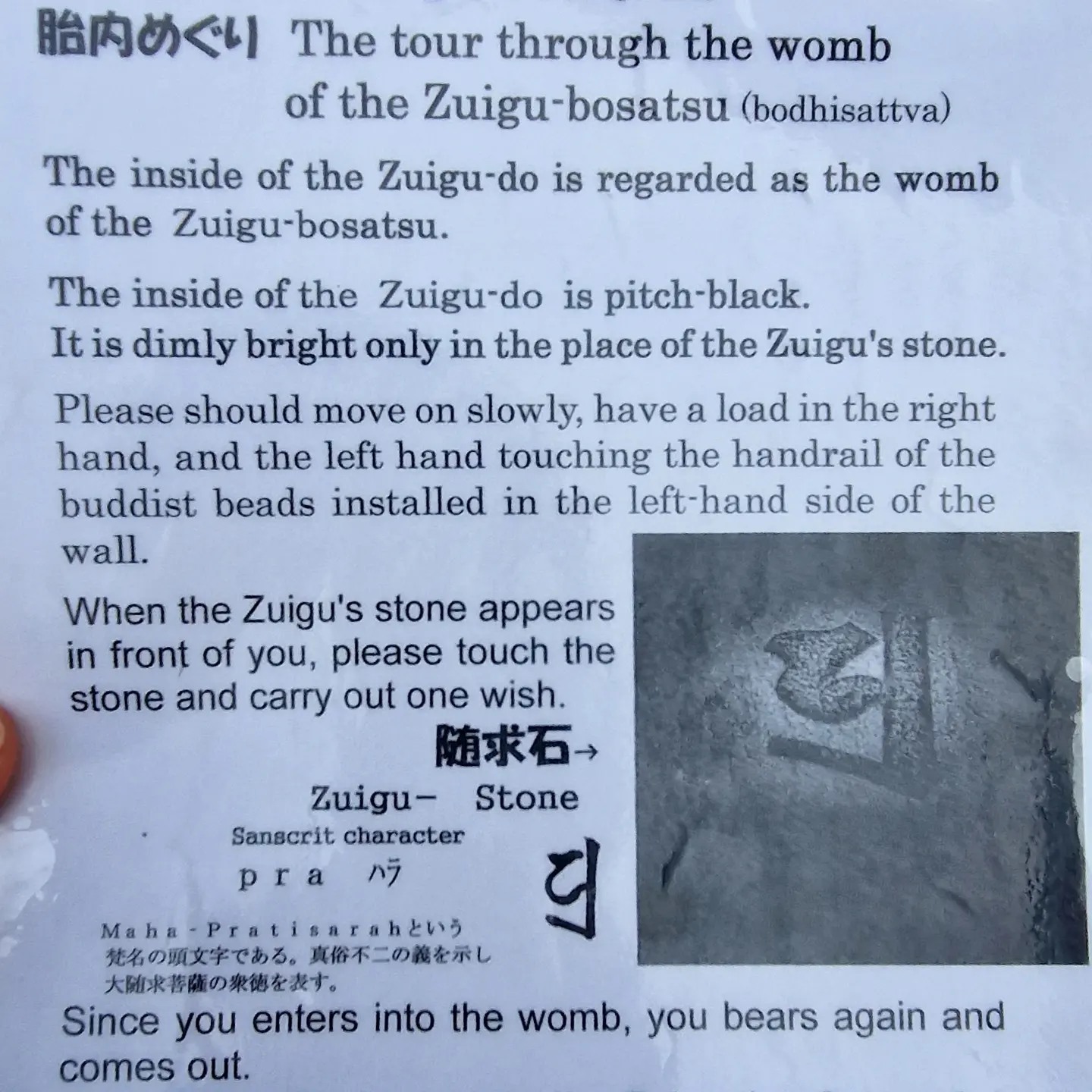
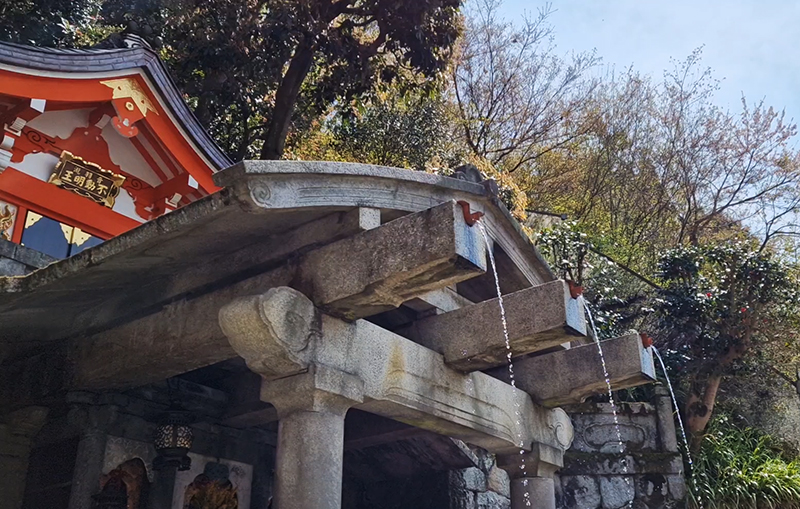
The tour through the womb of the Zuigu-bosatsu. The darkness of the journey through the womb was absolute. The stone floor ice cold on bare feet. Rosary beads the size of grapefruits led a winding path to the softly lit zuigu stone and on to the light to be reborn. Kiyomizu Temple, Kyoto

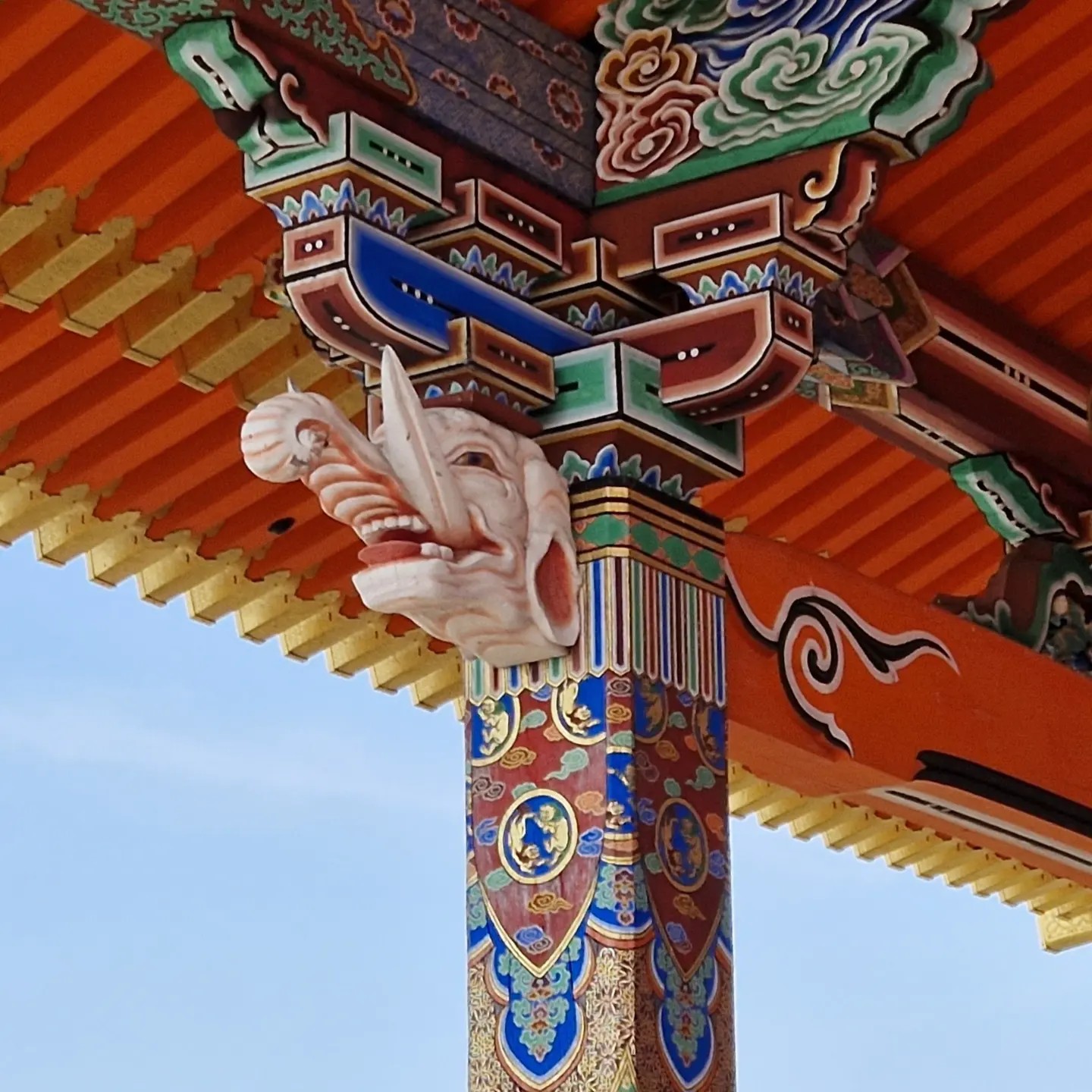
Kaname-ishi, keystone at Seikanji Temple, overlooking the city of Kyoto, spread like a fan before it, is believed to grant wishes if touched.

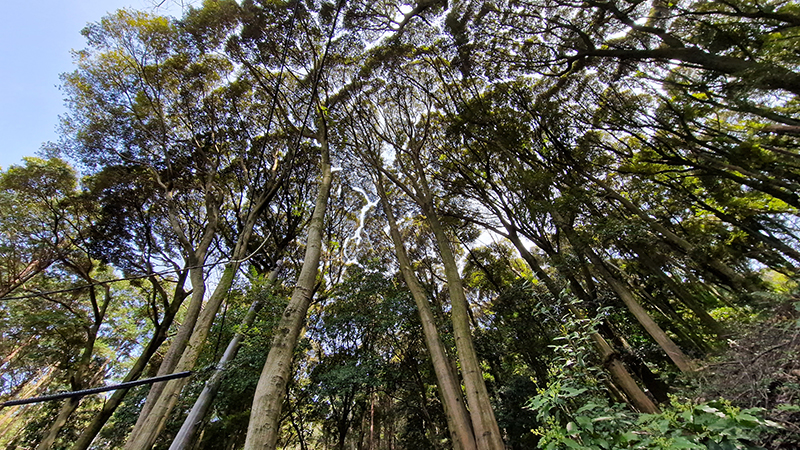
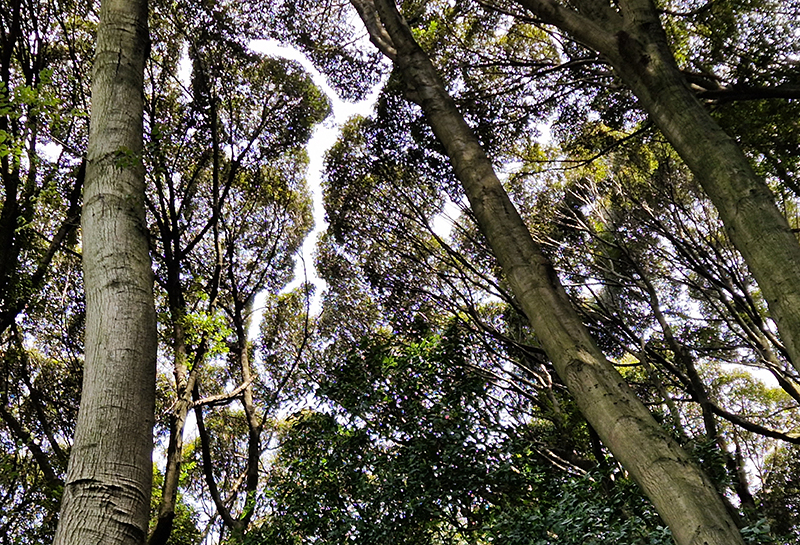
Rivers in the sky. Theories about crown shyness range from being caused by friction as new shoots are eroded in a windy forest to sensing the shadow or warmth of a neighbour.

Binzuru (Pindola Bharadvaja) was one of the sixteen arahats and is said to have excelled in the mastery of occult powers.

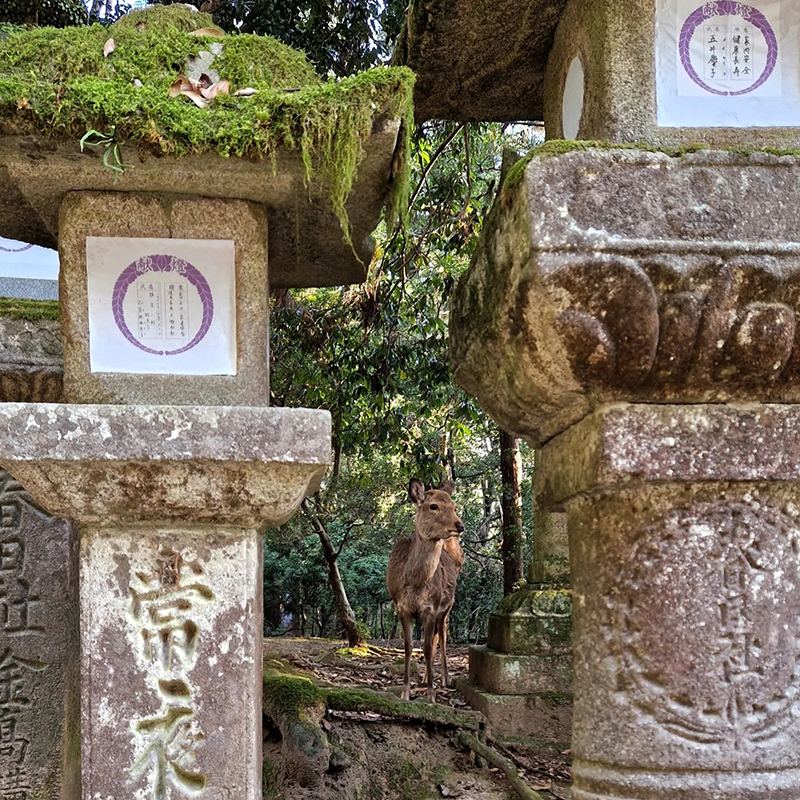
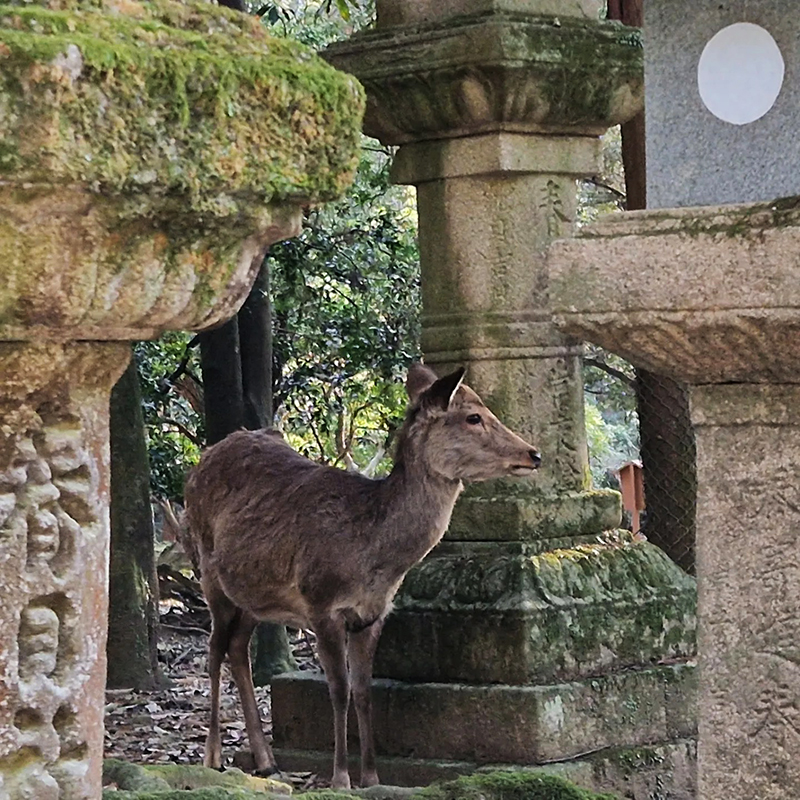
In Japanese mythology, the god of thunder arrived in Nara riding a white deer. The deer have lived here for centuries and are revered as emissaries of the gods of the Kasugataisha Shrine.

They have learnt to bow to be rewarded with special deer biscuits, which you can buy to feed them.

Discovering the works of Rafael Lozano-Hemmer, a Mexican media artist exhibiting internationally with a background in physical chemistry who creates large scale interactive work exploring and exploiting human interaction with technology to create an impressive catalogue of works from tethering a blazing sun to a face briefly echoed in a wisp of cloud. I was drawn to his work Atmospheric Memory inspired by Charles Babbage’s philosophy.

Whilst the atmosphere we breathe is the ever-living witness of the sentiments we have uttered, the waters, and the more solid materials of the globe, bear equally enduring testimony of the acts we have committed. Charles Babbage

Gallery Visits

Undertow at Unit 1 Gallery a group show with a subtle and astute use of material, quietly smoldering with agency.

Artists: Alex Simpson, Alison Rees, Isobel Church, Lauren Ilsley, Nicholas Middleton, Sarah Wishart and Tana West.

‘Hope locates itself in the premises that we don’t know what will happen and that in the spaciousness of uncertainty is room to act.’ – Rebecca Solnit, Hope in the Dark, 2004/2016

Michael Taylor The Last Man at Standpoint Gallery. I really loved this luminous body of work.

Richard Slee Sunlit Uplands at Hales Gallery was a wonderful conveyor belt parade of glistening mini utopias.

We can see no detail, we can see nothing definable and it is, I know, simply the sanguine necessity of our minds that makes us believe those uplands of the future are still more gracious and splendid than we can either hope or imagine.” 

The Discovery of the Future, H.G. Wells 1902

The quote “sunlit uplands” has been used as political ideology, as an assurance for better days to come most recently the phrase has been linked to the promises of Brexit, with politicians leaning on this rallying rhetoric.

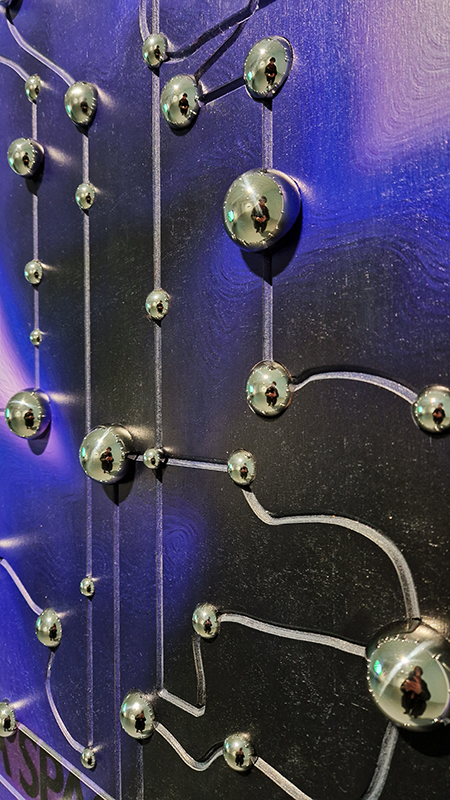
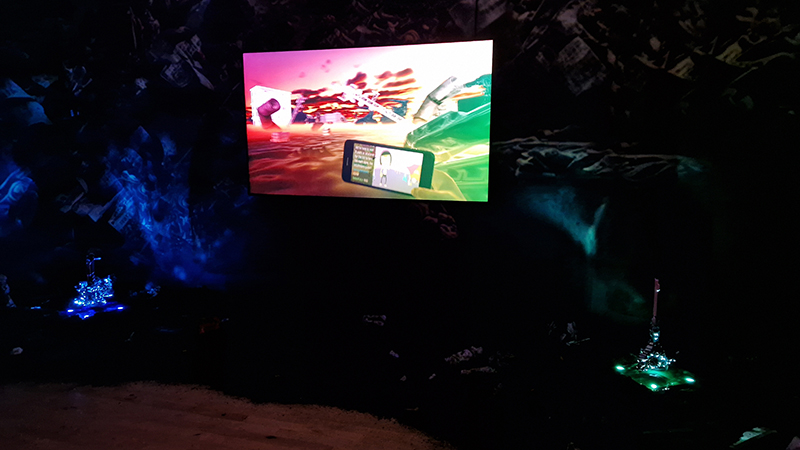
George Henry Longly Microgravities at Nicoletti. I found the slick production values, very shiny like outsize circuit boards of these works exposing sci-fi cliché and subverting popular space movie tropes sat very close to the ideas they are parodying. Microgravity – ‘the condition in which people or objects appear to be weightless’, according to NASA’s website – is responsible for metabolic and behavioural changes for space travelers. Some interesting theory behind this show about the human cost of living in space as our gut microbiome reacts to a weightless environment. I liked the reflection cast on the floor from the mirrored circle left exposed as a planet on the widescreen landscape.

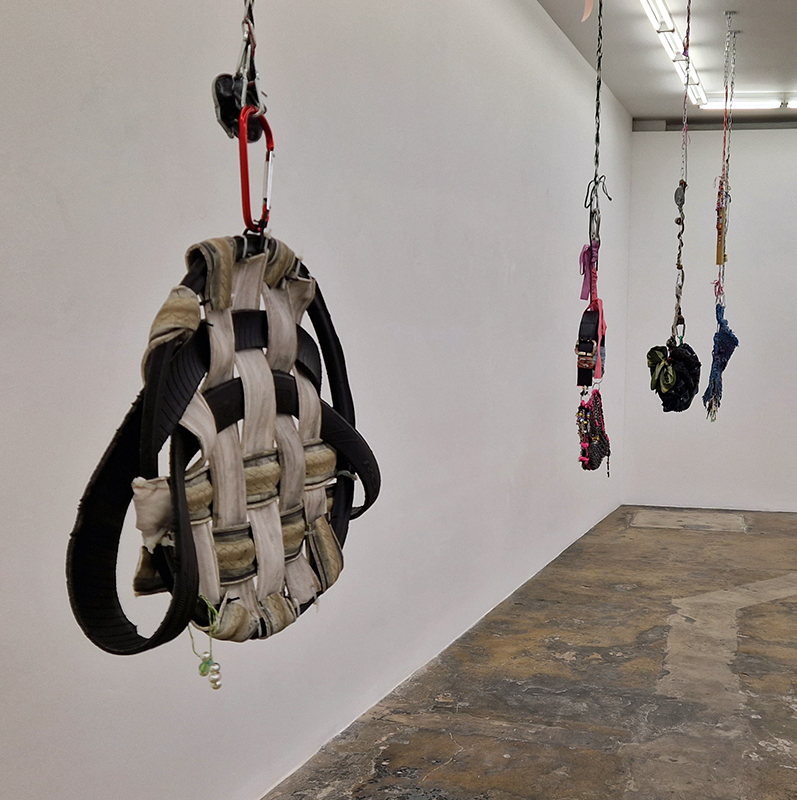
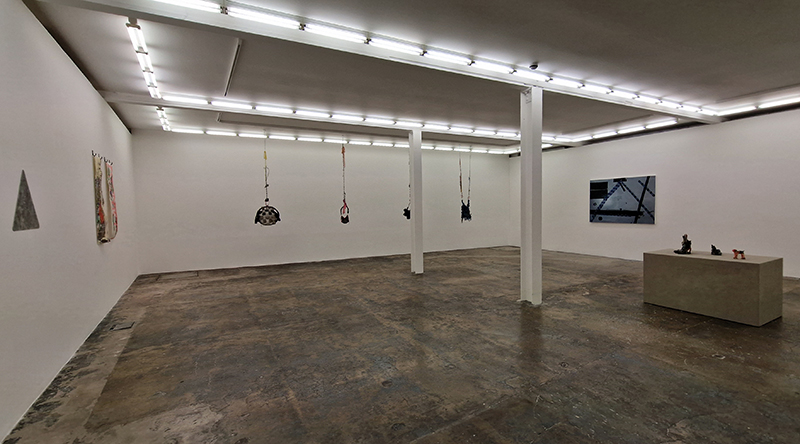
On Failure group show at Soft Opening with Olivia Erlanger, Cash Frances, Jordan/Martin Hell, Kelsey Isaacs, Maren Karlson, Sam Lipp, Chris Lloyd and Narumi Nekpenekpen. While certain works function as indexes of failed attempts at control, others recognise the perceived failure of the human body, positing that from a spiritual perspective: if perfection is nonexistent, then failure is all we have, all that is real. One or two of the hanging pieces are reminiscent of the votive offerings at holy wells or the love lock bridges festooned with padlocks.

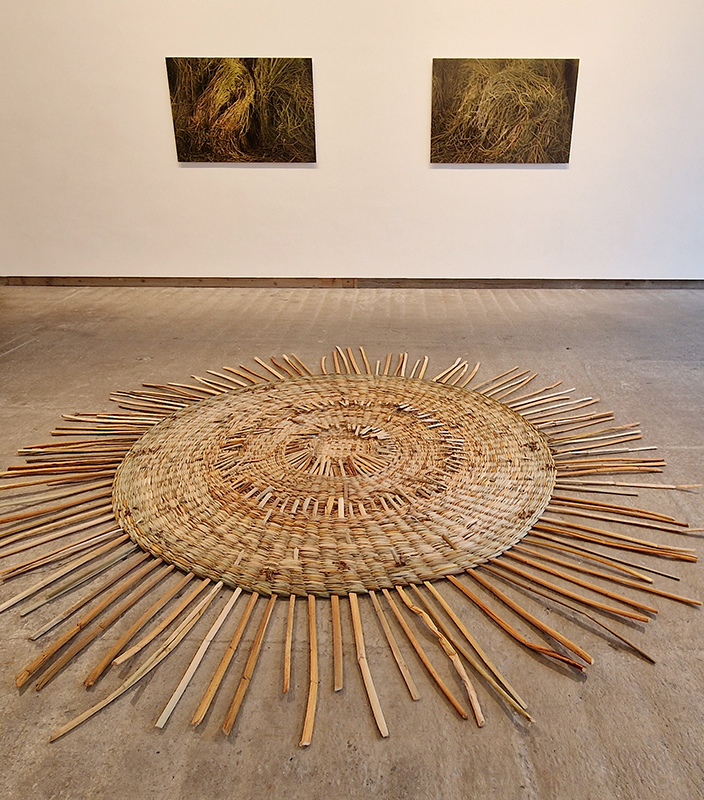
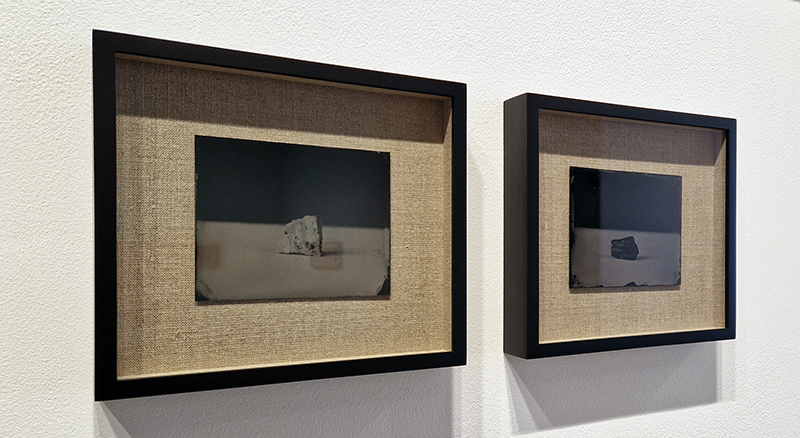
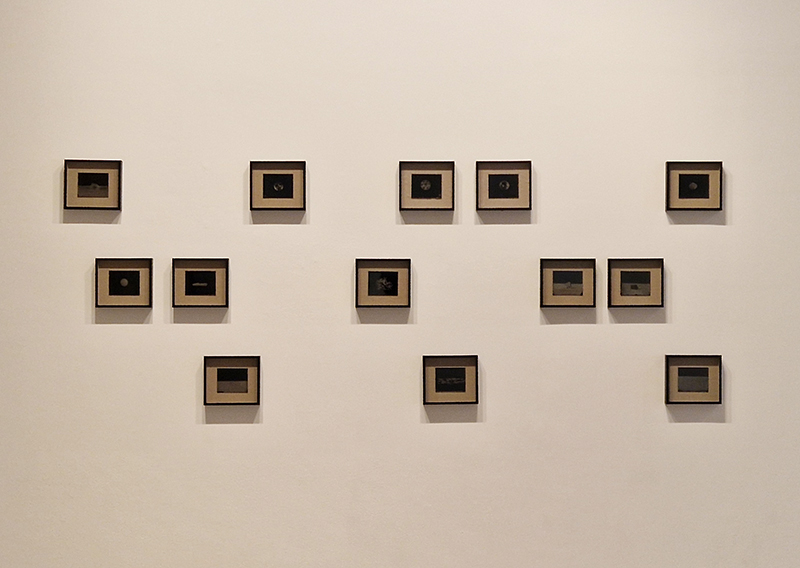
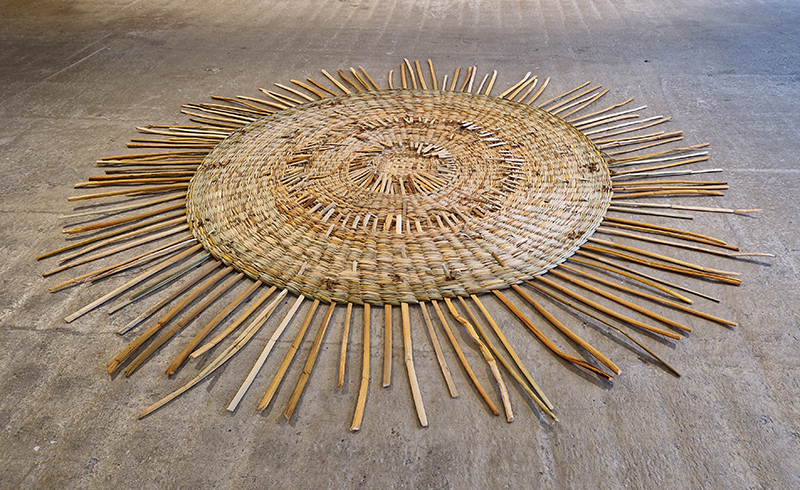
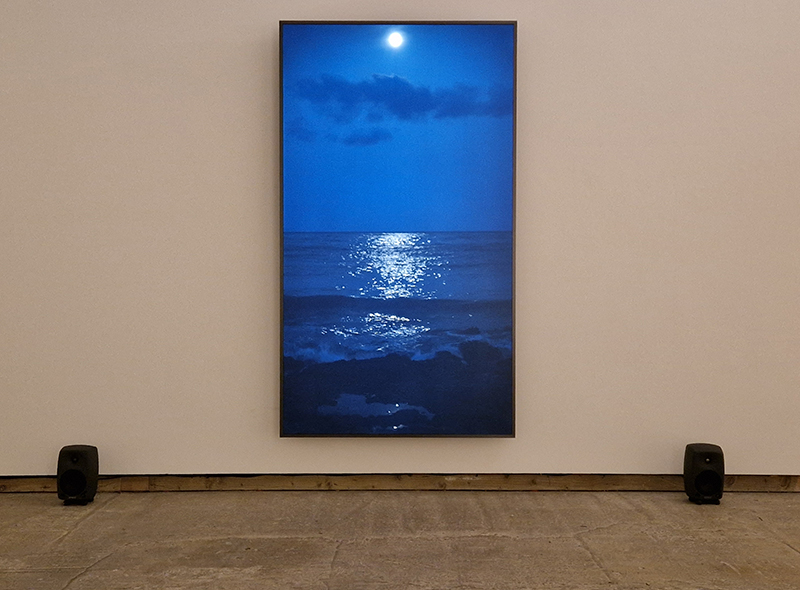
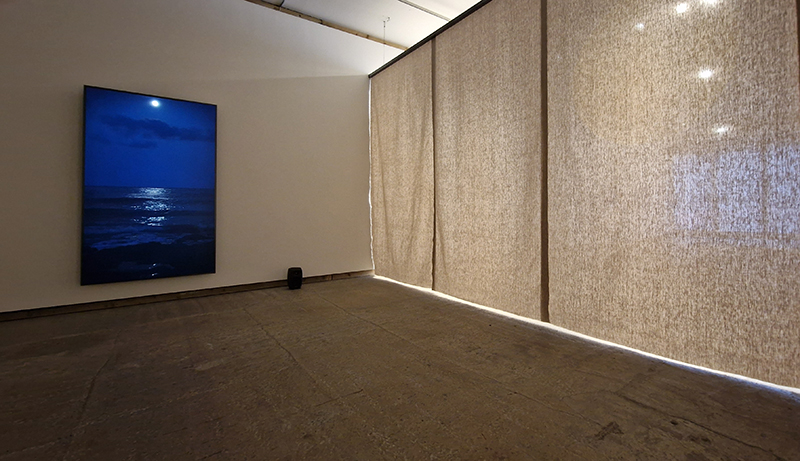
Bridget Smith Field Recordings at Frith Street Gallery. Natural material processes, simply presented. The weathering of bulrushes, the materiality of analogue photographic techniques such as ambrotypes and tintypes, the simplicity of a moon rising over the sea.

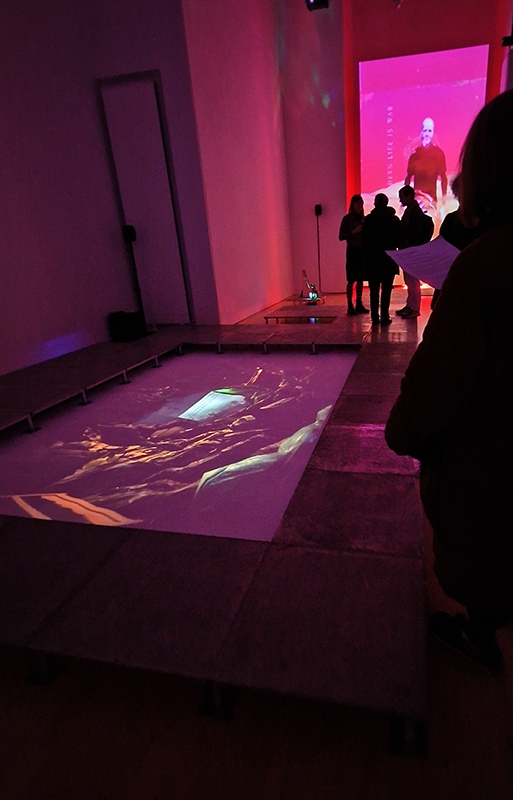
Daniel Shanken The Cascades at Stanley Picker Gallery. I was excited to see this show as the randomness within the work is derived from radioactive decay and I thought the title may refer to cascades of comic particles but perhaps it refers to cascades of data. The aesthetic was very game based and the randomness not explicit in origin. I liked the set up though with the projection onto the floor creating an abyss to gaze down into from an industrial style walkway.

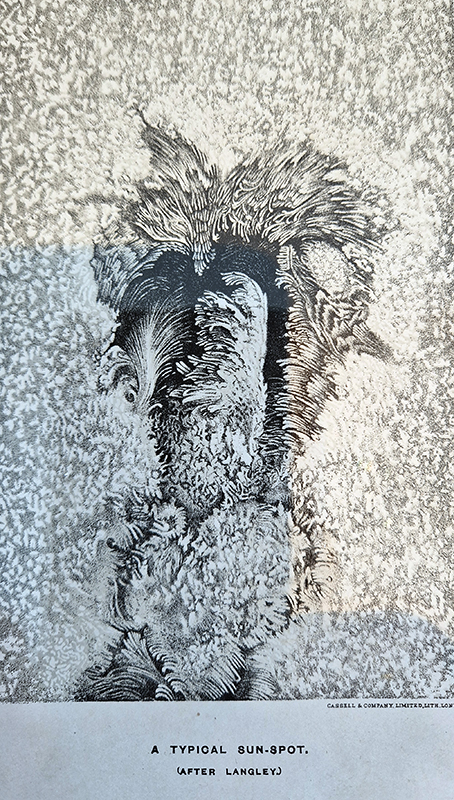
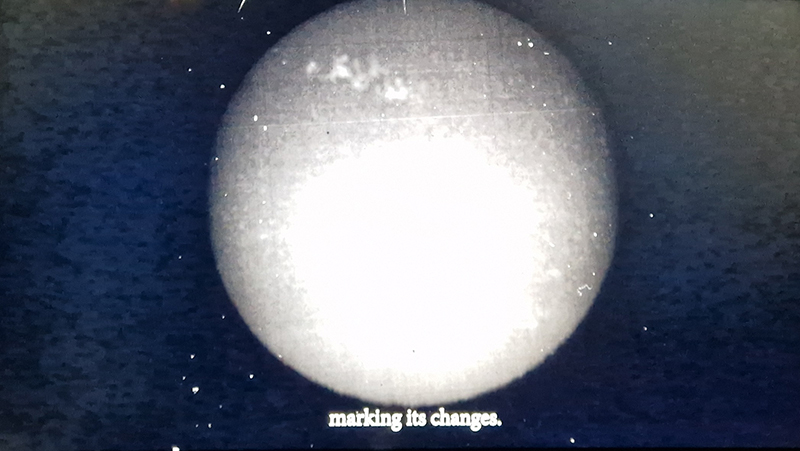
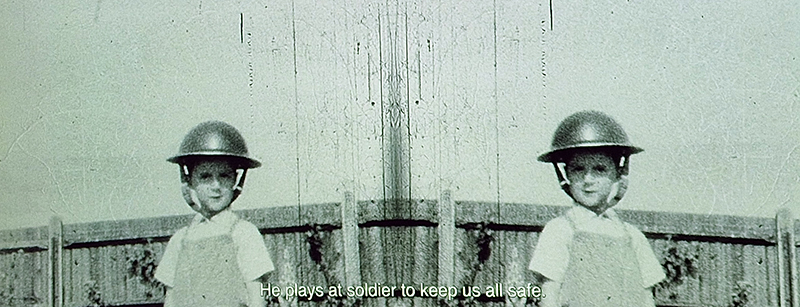
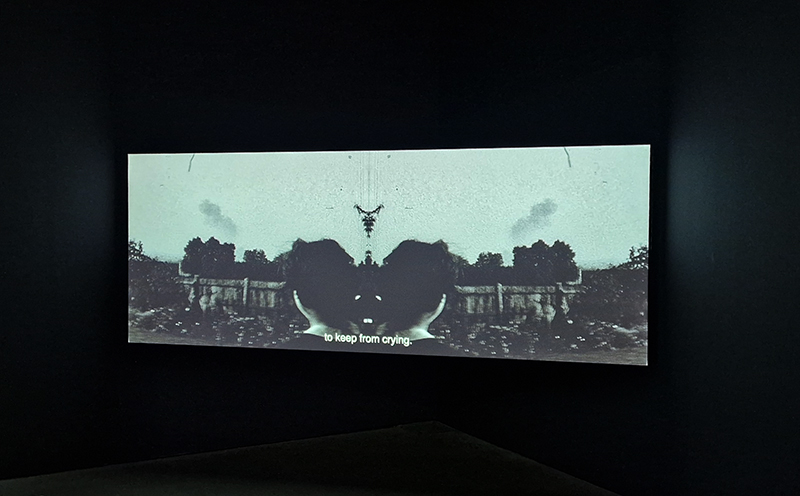
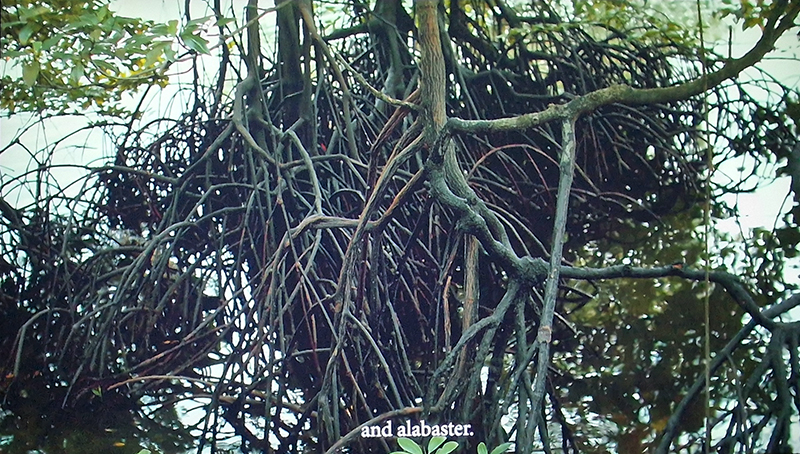
David Blandy Atomic Light at John Hansard Gallery Southampton. Four films circumnavigating the fallout from the atomic bomb massacre at Hiroshima. The body of work is inspired by a family history, a grandfather, a prisoner of war in Singapore – held by the Japanese but felt himself saved by the detonation at Hiroshima. The golden hour light is so perfectly captured and reflected in The Edge of Forever which gives voice to the children, accusing, watchful and alone. This was filmed by his partner and features his own children. Soil, Sinew and Bone is a collaged documentary of archival material, mirrored so that the central area of the film takes on the shape of an a atomic bomb. In Sunspot two scientists, one in Japan, one at Mount Wilson Observatory are monitoring the activity of sunspots, the flares that can erupt and disrupt radio signals as the particle filled solar wind and magnetic turbulence blasts across the magnetosphere. The film Empire of the Swamp has a wonderful rich narration embodied in the voice of an ancient crocodile who remembers the mangrove swamps before the war and the arrival of the white man.

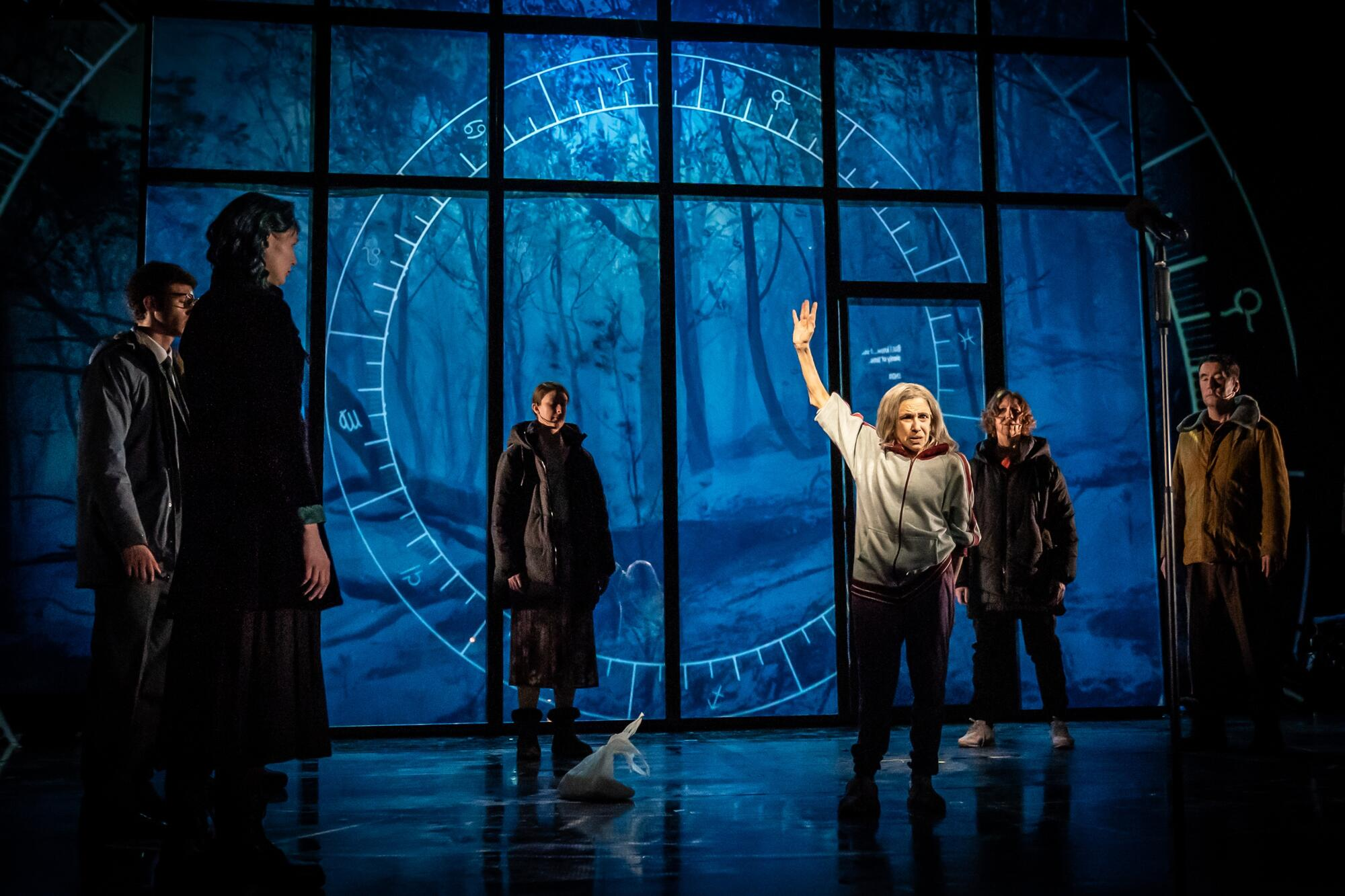
I enjoyed the Art Fictions podcast with guest Jennifer Higgie discussing her writing practice via the 2009 novel Drive Your Plow Over the Bones of the Dead by Olga Tokarczuk. I was then lucky to see Complicitie’s excellent interpretation of this novel on stage at the Barbican directed by Simon McBurney.

this is a tale about the cosmos, poetry, and the limitations and possibilities of activism.

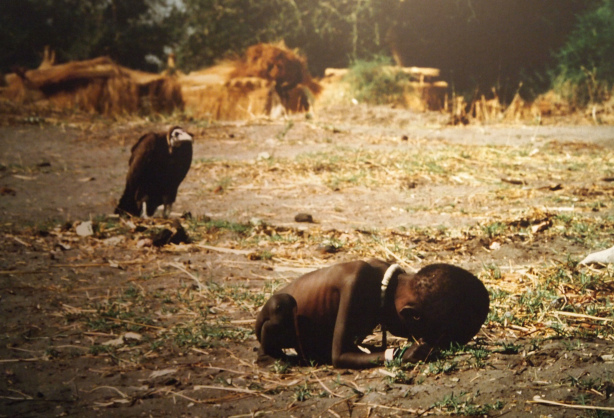
Complicitie’s production employed the same blinding flash technique as Alfredo Jaar used in his work The Sound of Silence which I saw in 2006 and still remember vividly. Sitting in a dark space a story of one photograph, taken in Sudan 1993, is told in simple sentences on a large black screen. The photograph is shown momentarily before a blinding flash of light scores the retina. You are left blinking in the afterglow. The image won a Pulitzer Prize, but the South African photographer Kevin Carter committed suicide at 33 after struggling to come to terms with what he witnessed, and the public response for not having intervened to save the child’s life. In the novel Drive Your Plow Over the Bones of the Dead, Janina, the eccentric ‘older woman’ does not hold back from intervening when she sees injustice to any living thing. She is also vilified, but for showing compassion for the animals.

Alfredo Jaar 'The Sound of Silence'

I also dredged up the memory of having seen the film Spoor at the 2017 BFI LLF also based on this novel. Finally I have bought a copy of the novel. A circuitous route to the original text.

I am very much enjoying reading Rebecca Solnit A Field Guide to Getting Lost. Her writing is like a torchlight illuminating one idea after another, sweeping across a multitude of topics with an infectious energy to explore and experience the unknown.

How will you go about finding that thing, the nature of which is totally unknown to you? – Meno

Delighted to announce At a Distance has been selected for The Anxiety of Interdisciplinarity exhibition at the Island Venue, Bridewell St, Bristol.

The Anxiety of Interdisciplinarity is an exhibition which seeks to reframe printmaking as a site of interdisciplinarity – a testing ground for ‘The important work…done at the surfaces between adjacent disciplines’ (Carter, 1998). Motivated by the International Multidisciplinary Printmaking Conference IMPACT 12’s theme ‘Merging and Metamorphosis’, the exhibition aims to trace the metamorphosis of conversations between disciplines. Installed at a former police station in Bristol, the Island Venue hosts art works in an outdoor courtyard, police cells and subterranean motor vehicle storage area.  The hybrid exhibition includes works of differing materials, scale and dimensions across installation, sculpture, sound, moving image, digital and post-digital media.  Curated by Sarah Strachan and Ayeshah Zolghadr.

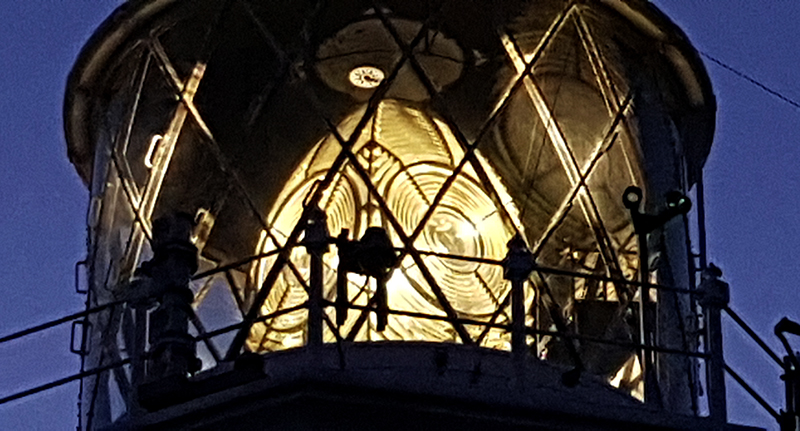
At a Distance looks at remote methods of communication and relates this to the mysterious twinning of electrons in quantum entanglement where particles link in a way that they instantly affect each other, even over vast expanses. Einstein famously called this phenomenon ‘spooky action at a distance’. Filmed in Cornwall on 29th March 2019 (the first date when Brexit was supposed to happen) as the iconic Lizard Lighthouse powers up its lamp, solitary figures using semaphore flags sign ‘We Are One’ out across the ocean in the hope the message will be echoed back. Drawing on the physical language of print that embodies touch, separation and mirroring the flags have been printed using hand painted dye sublimation inks applied via a heat press. This process transfers the ink from a paper matrix onto the substrate textile. The image passes momentarily across space in a dematerialized state as vapour before being reformed as its mirror opposite.

In the studio I have been performing some more test etchings of the directional magnetic steel samples. Copper sulphate seems to give a better result than Nitric Acid. I have managed to gently polish the surface with Brasso without losing the crystal pattern and I gave it a coat of clear lacquer as it seems to rust easily. I am enjoying the excavation process.

The pattern comes from rolling single crystals of an iron silicon alloy into thin sheets to minimise magnetic losses for use in transformers.

There is a link here to quite a cool video showing magnetic wall domain movement with a magneto-optical sensor.

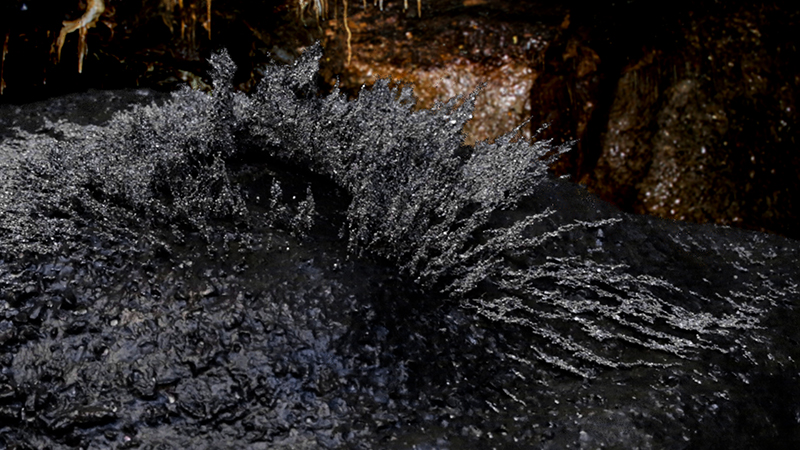
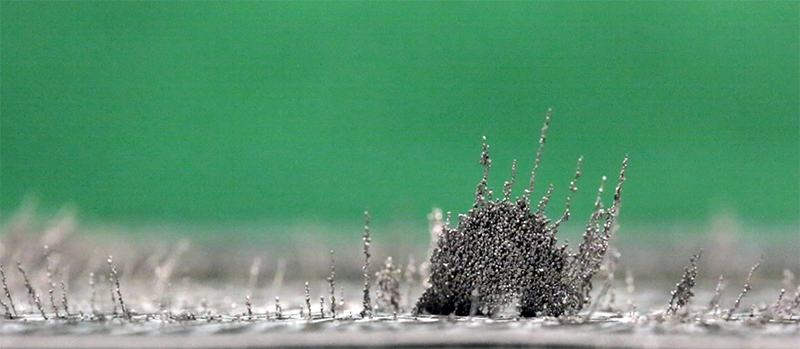
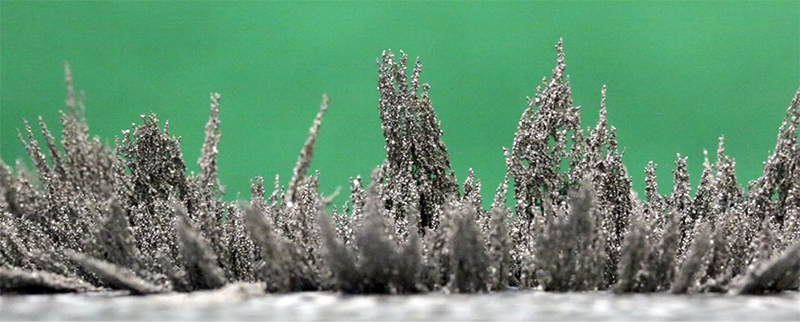
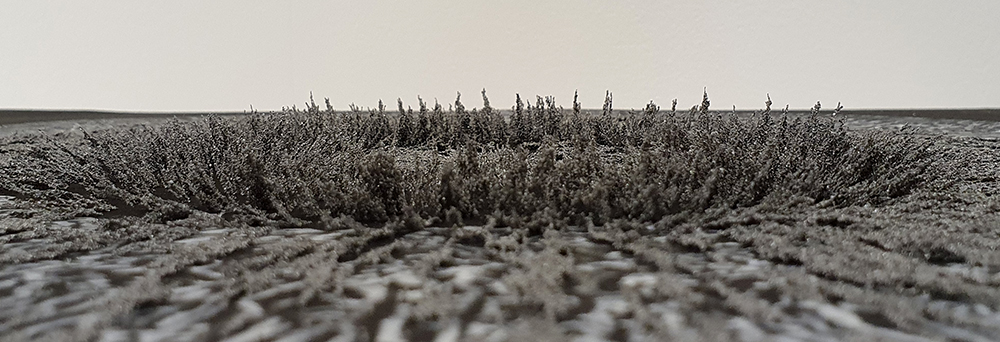
Back in the belly of a rock video editing the footage of iron filings movement over rock like surfaces.

Magnetic field reversals are stored in ancient volcanic and sedimentary rocks. The North and South Pole flip at irregular intervals but average about every 300,000 years. The last one was around 780,000 years ago. During a magnetic field reversal, which can take thousands of years, the magnetic field becomes twisted and tangled, and magnetic poles may appear in unexpected places.

Today the Earth is divided into the super hot inner core, the molten outer core, the mantle, and the thin crust.

When the Earth formed about 4.5 billion years ago from the collision, accretion and compression of matter it was rock all the way through. Heat from the massive violence of formation and radioactive decay caused the planet to get hotter and hotter. After about 500 million years of heating up it finally reached the melting point of iron. Known as the iron catastrophe this liquifying caused planetary differentiation to occur as lighter material rose to the surface becoming the mantle and crust whereas the heavy metals like iron and nickel fell towards the centre becoming the core. This molten mass also contains elements that dissolve in iron such as gold, platinum, and cobalt along with around 90% of the Earth’s sulphur.

Earth’s main geomagnetic field is constantly changing due to convection flows and waves in the Earth’s core. As this change cannot entirely be predicted, uncertainty slowly increases over time. This fluctuation is monitored using The World Magnetic Model jointly developed by the National Centres for Environmental Information and the British Geological Survey. This is the standard model used by the U.S. and U.K. governments and international organizations for navigation, attitude and heading referencing systems using the geomagnetic field.

Took an early morning drive out to Wilder’s Folly. Built in 1769 by Reverend Henry Wilder as a love token for his fiancée Joan Thoyts – it could be seen from both their residencies. First drone flight over a building and over trees. White doves are now resident and thankfully didn’t seem bothered by the drone.

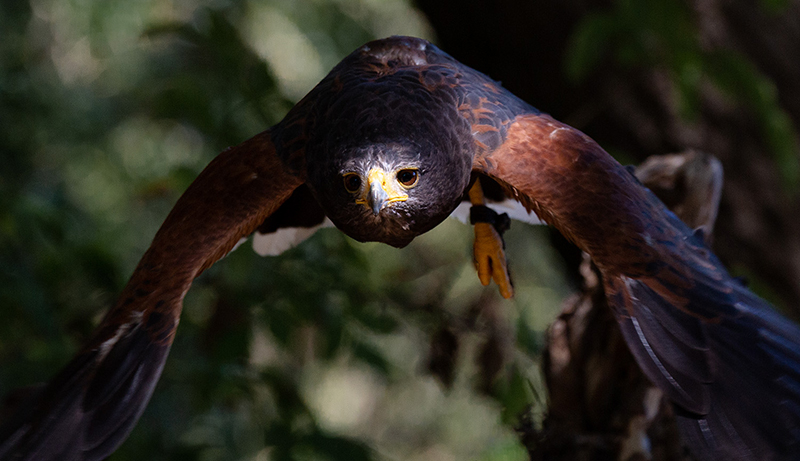
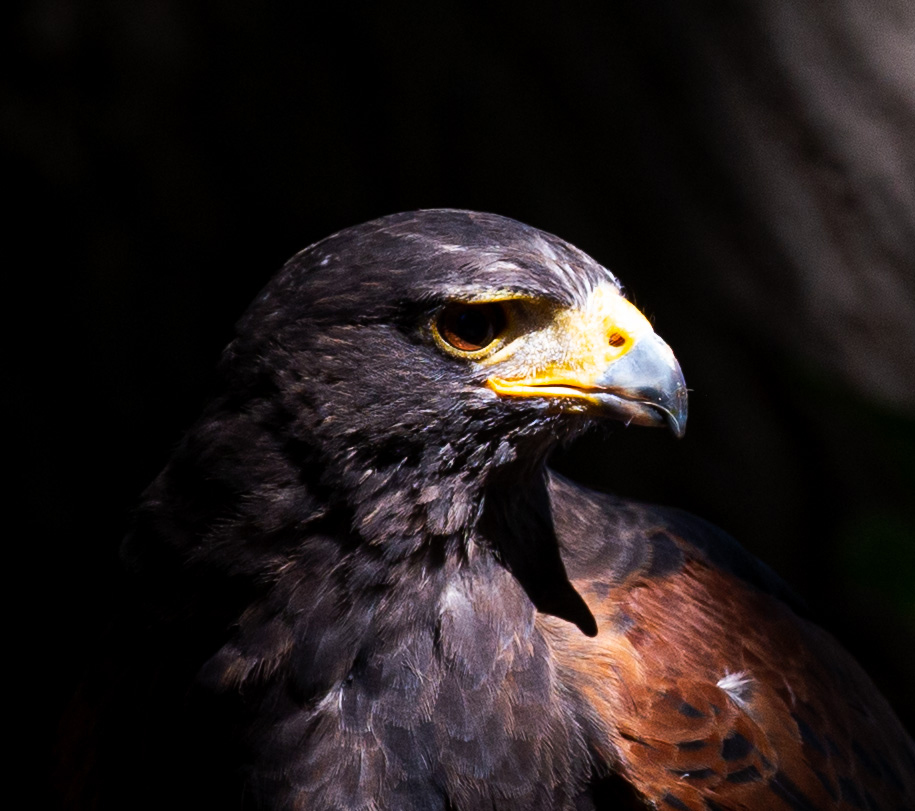
Such a brilliant day meeting and trying to photograph the beautiful birds of prey at Coda Falconry under the expert guidance of Elliot. Lots of advice on hand just need faster reflexes and possibly a mirrorless camera.

Birds appear to be able to “see” Earth’s magnetic field lines and use that information for navigation. Their compass ability comes from a quantum effect in radical pairs, formed photochemically in the eyes.

Gallery Visits

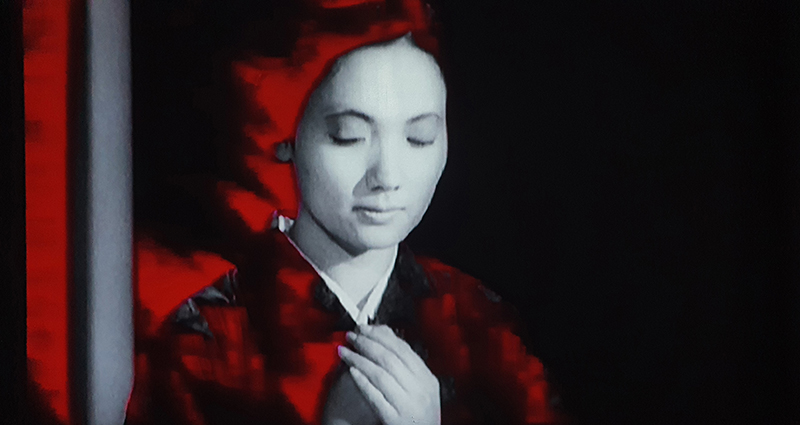
The extraordinary Joe Banks Disinformation The Rapture Live optokinetic video and sound installation at Cable Depot. A special experience to witness this work which has a heady mix of spirituality and mortality. The human voice stretched to primordial sounds as the flesh transcends its halo of fire.

Wellcome Collection Rooted Beings

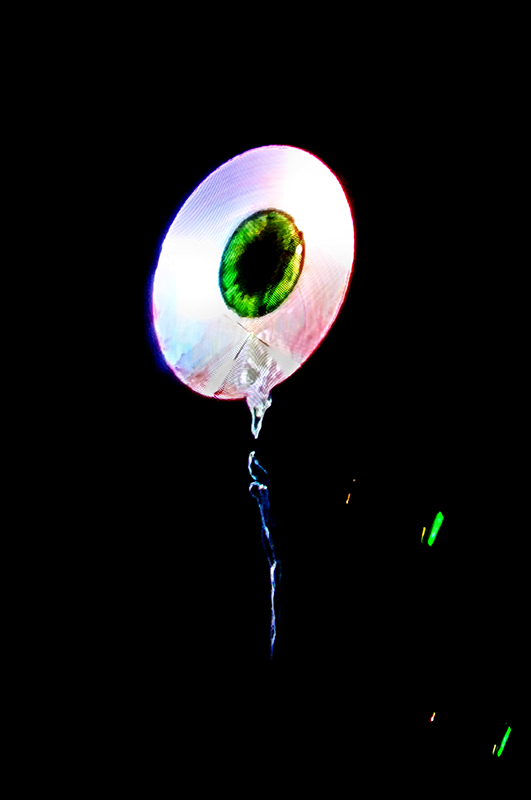
A look at the symbiotic relationship between plants, fungi and humans. The exhibition takes on the entanglement of colonial violence, indigenous knowledge and wildness. How different the world would be if we were also autotrophic. Patricia Domínguez holographic sculptures were fascinating – these are four blades of programmable LED lights spinning at speed to create an image. It was very effective. I was also intrigued by the material construction of the Vegetal Matrix exhibition stands which did look a bit like volcanic stone in the low light though they were listed as MDF with acrylic, so a sort of textured paint.

Wellcome Collection Being Human

Yinka Shonibare’s Refugee Astronaut“The refugee astronaut is the reverse of the colonial instinct of the astronaut – someone who is going out to conquer the world. What you have here is a nomadic astronaut just trying to find somewhere that’s still habitable.” 

Wellcome Collection In the Air

The exhibition explores the relationship between the air and earth, from 3.5-billion-year-old fossilised bacteria that first introduced oxygen into the atmosphere to delicate porcelain sculptures of the glaciers that provide a record of the air and our impact on it. 

Stromatolites 350m years old – these are fossilised microbial reefs formed in shallow waters from blue-green algae. These cyanobacteria were some of the earliest life forms and their photosynthesis helped produce the oxygen to support the development of other life forms.

International Airspace David Rickard 2019

This work marks the 100 year anniversary of the signing of the Paris Convention which extended land rights upwards to create international airspaces. The vessel contains air collected from the 27 participating countries alongside photographs of where the air was captured.

Panoramic film installation Air Morphologies investigates the materiality and composition of air pollution particles, their causes, effects and morphological agency. The project addresses how art and aesthetics interact with toxic materials; what kind of stories might be deployed through digital technologies; and how geopolitics are located in atmospheric thinking and being. Air Morphologies was initiated during Matterlurgy’s residency on the Science Technology Society program at Delfina Foundation, London funded by Gaia Art Foundation.

Rachael Allain introduced me to the work of Perla Krauze at Cadogan Contemporary. Earthy work presented simply allowing the natural materials to resonate with their own history and materiality. Real volcanic rock rather than a simulation.

“Using graphite frottages from stones and pavements and engraved volcanic rocks from El Pedregal, her paintings are abstract topographies and mappings. Stone is a fundamental material in her practice; linked to memory and durability, it can also be transformed and eroded. The crosshatch patterns in her paintings derive from the lines made in stone cutting, emphasising the transformation of stone from raw material to art object. Described as ‘grayscale tone poems’, Krauze alters and arranges stones to make miniature landscapes, complete in themselves but still referencing their origins.”

Future shock reimagining our near future at 180 The Strand. An immersive dive into a fairground world of light and motion, entertaining with one or two that stood out beyond technical prowess.

My favourite has its roots in the fashion world. Ib Kamara’s stylish film The Queen is Coming, a collaboration with Abdel El Tayeb grabs attention with its sense of transfixing unease created by the film’s characters via their direct expressions and heightened breathing. Anxiety levels are high. Fantastic.

In Neo Surf a collaborative project between filmmaker Romain Gavras and music producer Surkin the sheer scale of the marble quarry landscape emphasised by lanky teens dancing on the cut blocks is extraordinary and brings home a kind of wild abandonment.

Vigil is an installation collaboration between Ruben Spini and musician Caterina Barbieri. A sunset projected onto suspended melting ice creates a fragmented mirror image across the floor while videos with slow-motion footage of levitating bodies, transcendent synths and haunting vocals add to the sense of a slow death drugged on beauty.

Vortex puffs out a smoke ring every so often which is quite fun. Created by Pablo Barquin and Anna Diaz.

Row by Tundra uses the same holographic projectors as I recently saw used by Patricia Domínguez in Rooted Beings. Here they are interpreting generative data from the 12 notes of the chromatic scale.

Other work at Future Shock includes Weirdcore’s lucid dreaming colourscape Subconscious, Lawrence Lek’s self-driving car animation Theta, Actual Objects mildly interactive installation Vicky, NonoTak’s Daydream V6, Ibby Njoya’s colour box experience named after his influential father Mustafa, Vanishing Point from UVA, Object Blue and Natalia Podgorska’s installation of a future where astrologically predicted personality traits are true in What Melissa Said, Ryoichi Kurokawa and the shifting planes of light Topologies by UVA,

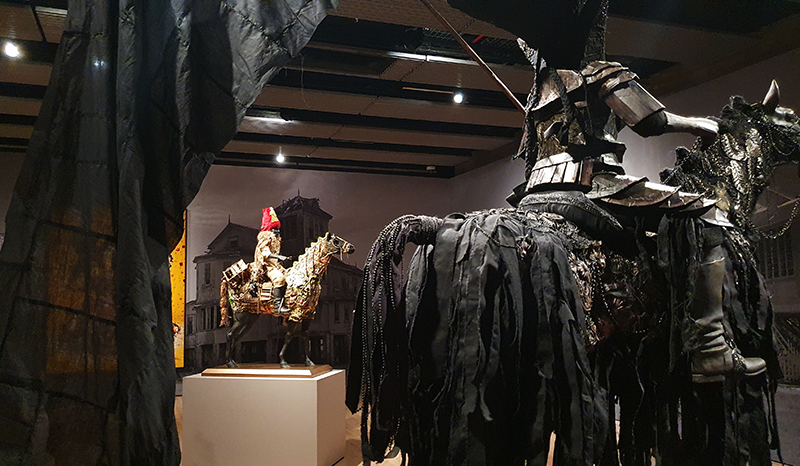
In The Black Fantastic at the Hayward Gallery. New narratives of Black possibility embracing the fantastical not as escapism but as bursting from the constraints of a restrictive society.

The Soundsuits of Nick Cave made as a response to racist violence confer anonymity along with a shamanic power. What a great use of the lace doily. Inspiration for the many doilies I have inherited from my Mum.

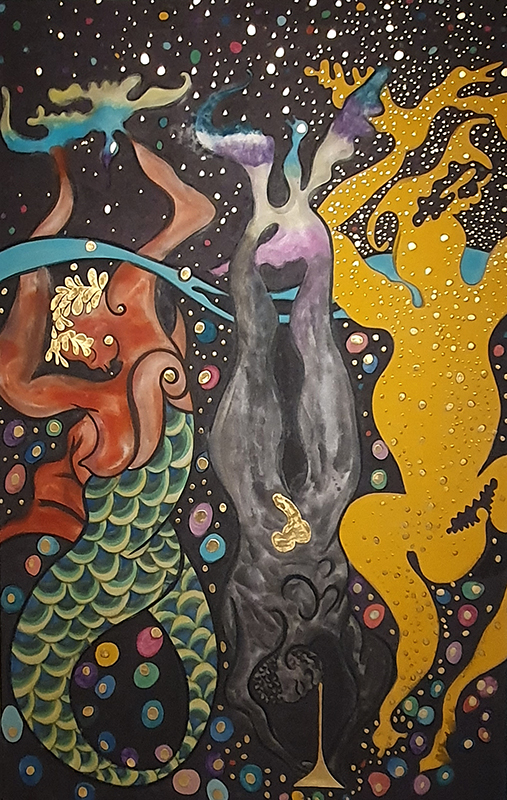
Wangechi Mutu collages, Sentinel sculptures and film The End of Eating Everything (featuring Santigold) are drawn from folklore steeped in the grotesque and spectacular. Time to turn from gluttony to restoration.

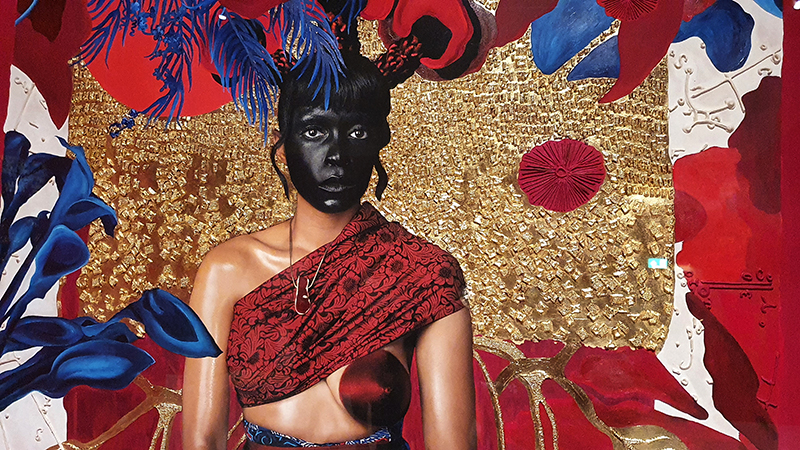
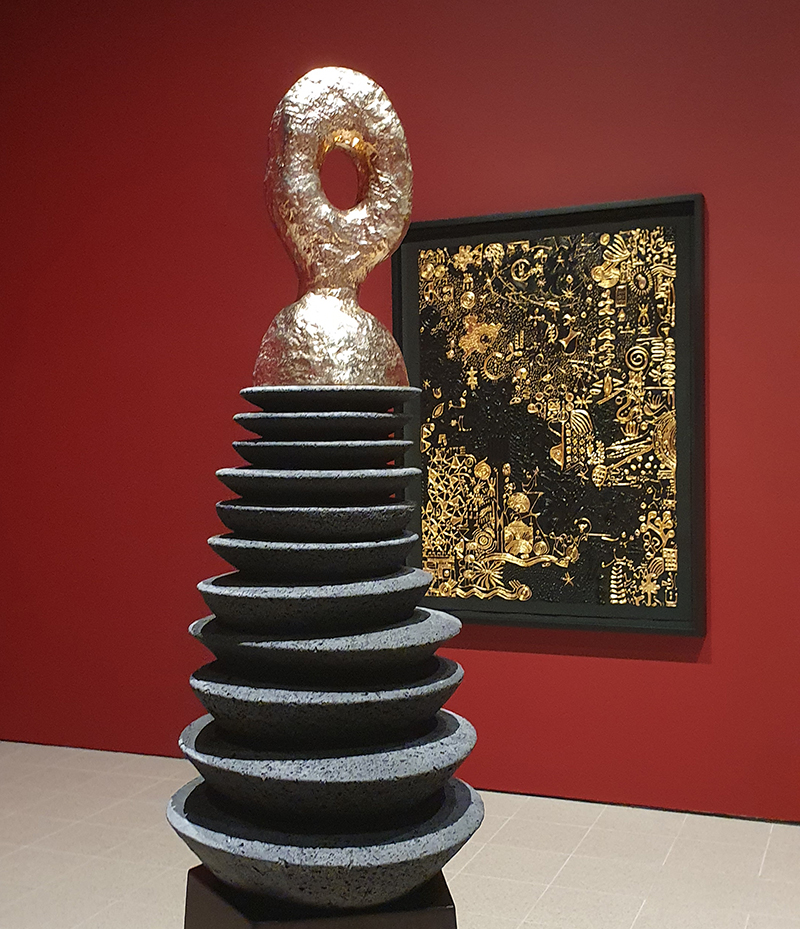
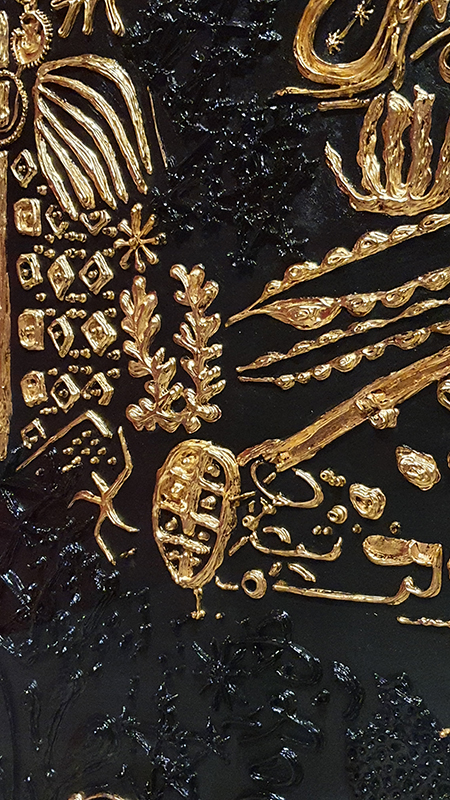
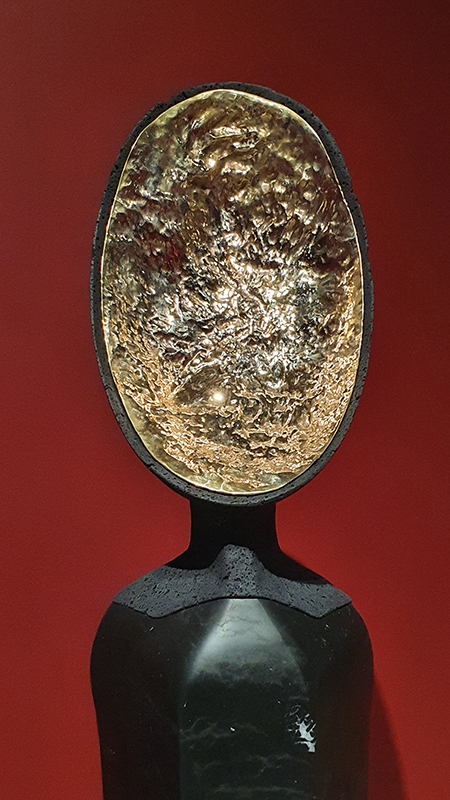
Lina Iris Viktor sumptuous paintings and Diviner sculptures heavy with gold acting as a conduit between heaven and earth inspired by ancient Egyptian funerary traditions. Her dramatic use of rich glossy black signifies the ‘materia prima’ – from which all creation was formed. Fabulous to see The Watcher, The Listener, The Orator sculptures are hewn from volcanic rock. Black gold of the sun.

Hew Locke’s The Ambassadors, a procession in search of future lands carrying their precious history with them echoing down the ages to Hans Holbein the Younger’s painting of the same name made in times when colonial foundations were being laid.

Cauleen Smith created an intriguing installation Epistrophy which refers to a phrase in literature or music repeated for emphasis. Her archive of associations are elevated into cinematic stardom by a series of live feed CCTV cameras which relay the objects onto the big screens becoming larger than life.

Other vibrant works include those of Rashaad Newsome, Tabita Rezaire and Chris Offili.

Directed to The Swimmers Limb by an attendant who said rather harshly ‘there’s not much to see’ I visited Gallery 31 dedicated to the Somerset House Studio artists where Mani Kambo has designed a ‘psychedelic’ wallpaper on which hang prints by Tai Shani from her feminist mythology series. Pattern, symbols and ritual. Plenty to see.

Carol Wyss The Mind Has Mountains at The Swiss Church. Having seen this powerful work at Ruskin’s House on Coniston Water last year in a very different space – very like the inside of a skull, it was rewarding to be able to see it in a larger space with a little distance which brought alive the mountainscapes within us. A film of the very physical etching, printing and installation process made by Peter Bromley entitled  Carol Wyss – In Situ was screened to an amazed captivated audience.

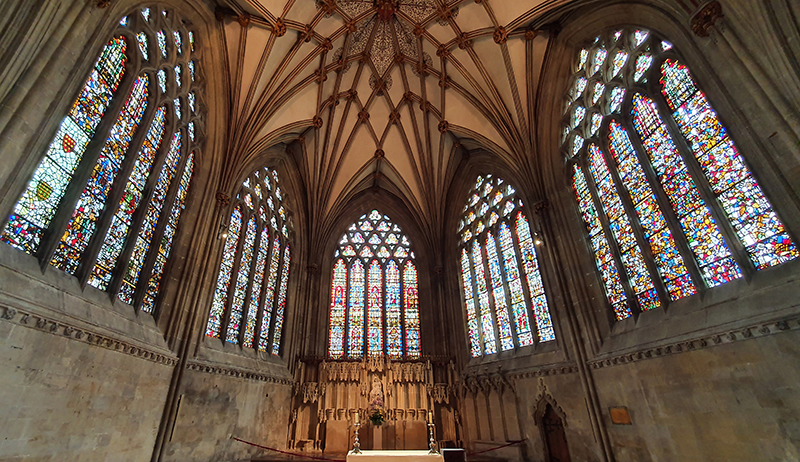
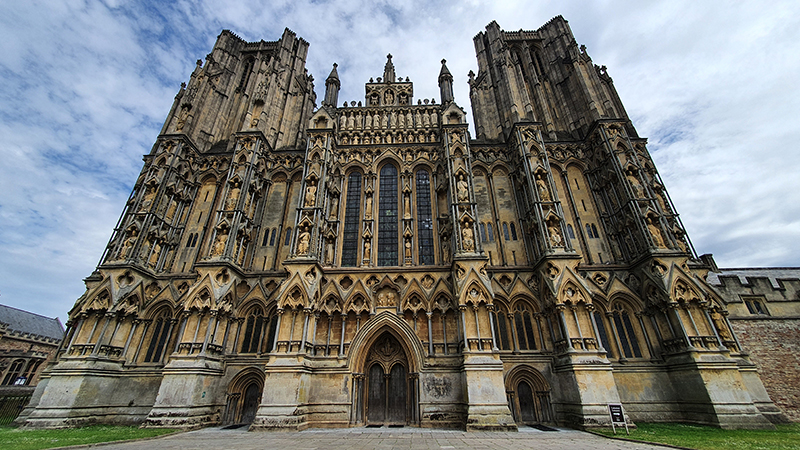
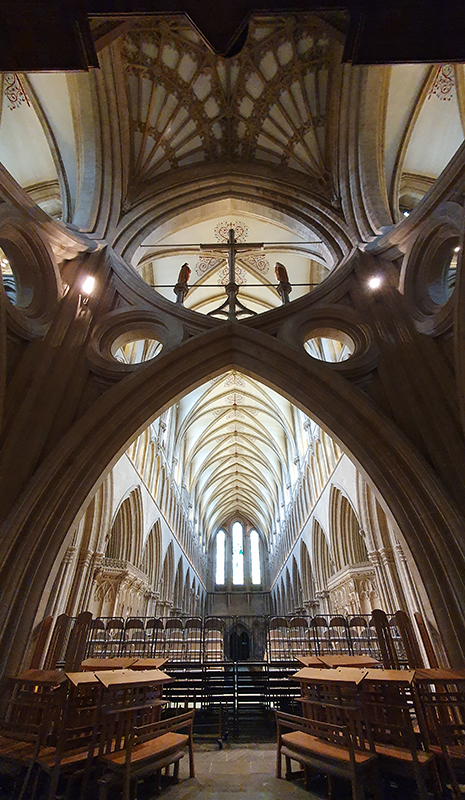
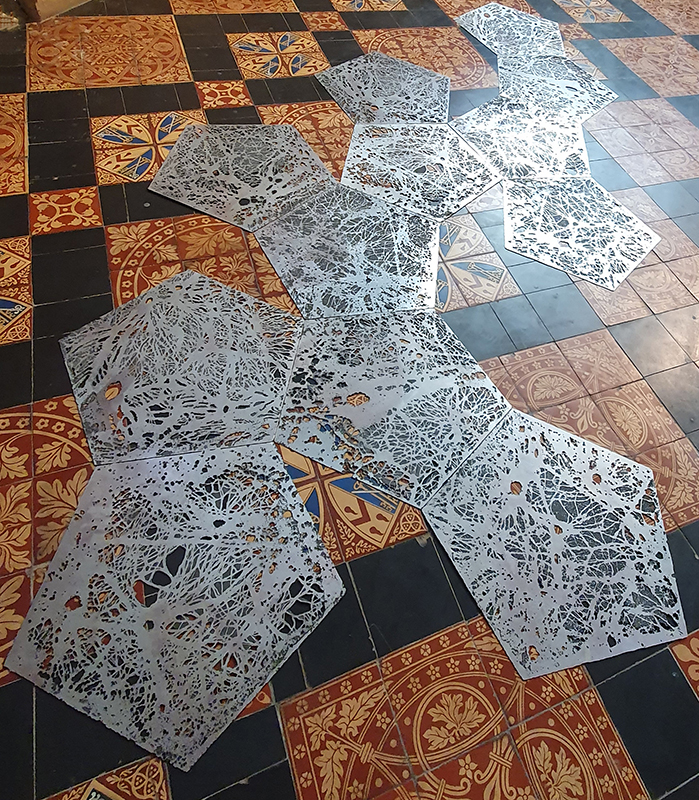
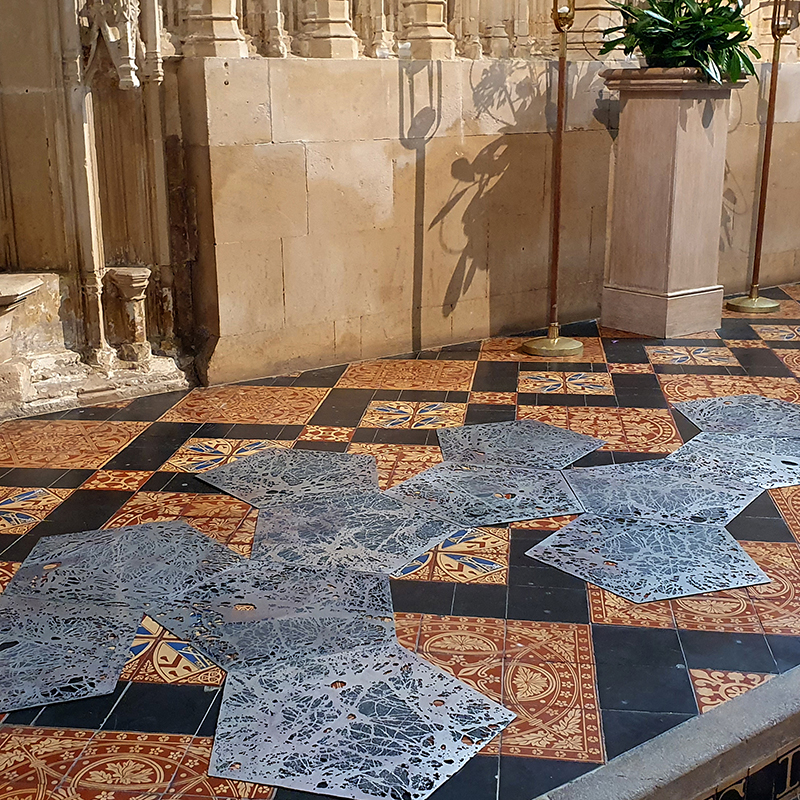
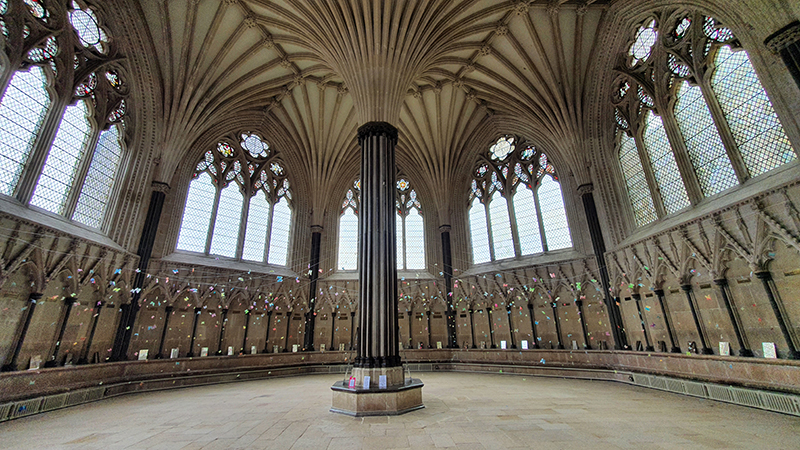
Honoured to have The Forms installed in the magnificent Wells Cathedral as part of Wells Art Contemporary

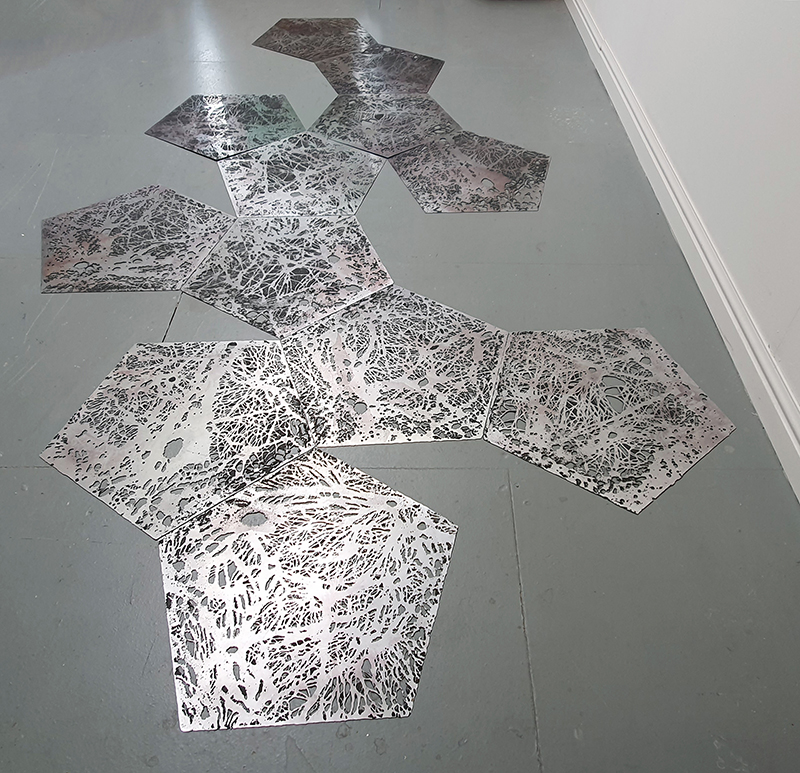
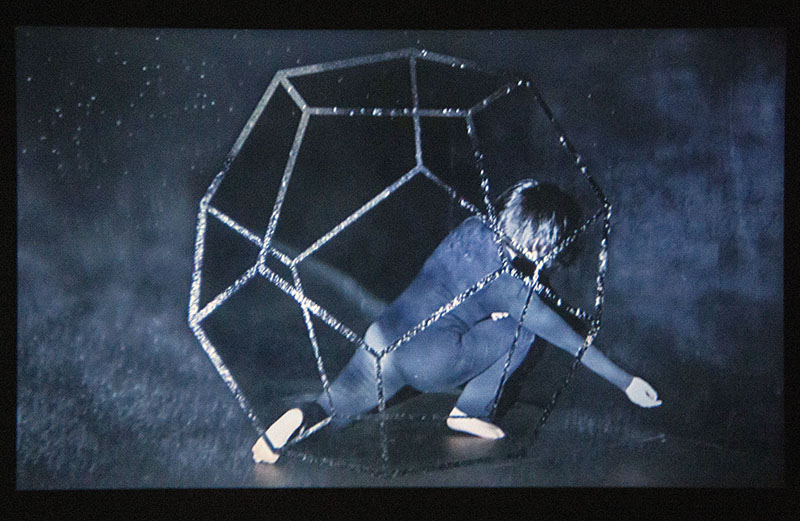
The immutable truths Plato discovered in geometry belong to the realm of abstract thought and ideals he called The Forms. Twelve pentagons form a dodecahedron which Plato defined as ‘a fifth construction, which the god used for embroidering the constellations on the whole heaven.’

Today it is dark matter that science believes holds the stars in the heavens. In visualisations of dark matter created from cosmological data provided to me by KIPAC Stanford University, we see familiar organic patterns emerge; the fronds of dark matter spanning between galaxies could be the spreading branches of trees or the veins under our skin.

In Plato’s the allegory of the cave, those in the cave mistake shadows thrown by the fire onto the cave wall as reality; in a similar way we are guessing what dark matter is from the shadows we see, such as gravitational lensing and galaxy rotation curves.

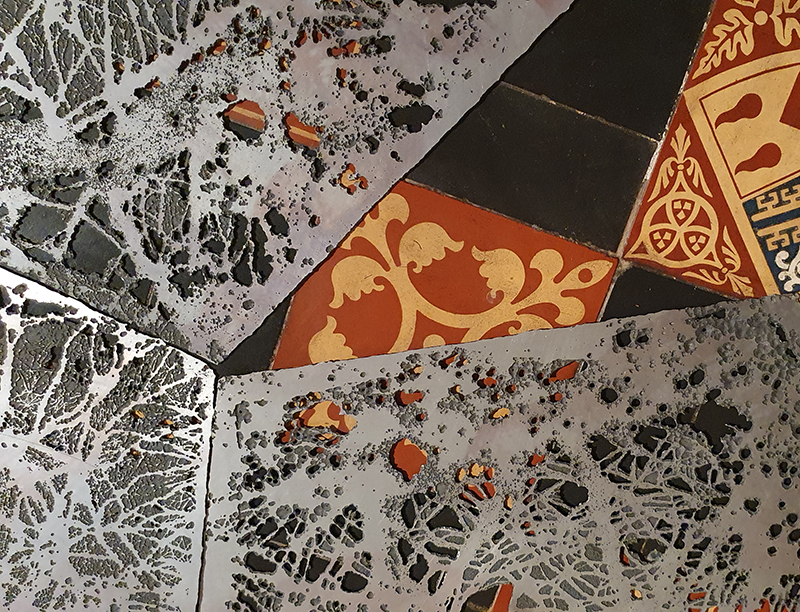
Thrilled with the location of my work in the Lady Chapel, interacting with the patterns and geometry of the Minton tiled floor.

Working on Breath of Stars – making a data base of video clips which will be accessed and play for 12 seconds every time a cosmic ray event is recorded by the detectors. The star bursts are made from cloud chamber footage. The size of the star burst will relate to the amplitude of the cosmic ray that hits the scintillator plastic. More energy = bigger starburst.

Testing testing. Running the cosmic ray detectors at my studio to see if I get similar results to at home and yes, seems fairly consistent. Maybe slightly more hits. Thinner roof!

Exciting developments in the acid room etching the directional magnetic steel sample I have been given. Trying to uncover the grain structure like a jigsaw pattern of this magical matter hidden under a grey coating. I had no luck trying to reveal the pattern just by sanding. I then tried sanding the coating away quite aggressively and etching in 1:4 nitric acid for 10 minutes. This did reveal the hidden structure but not very cleanly and weirdly sanding or polishing after etching made the pattern disappear again.

Then I tried finer sanding plus 10 minutes in a copper sulphate solution with just a careful wipe with a sponge to clean the plate and was quite happy how things were progressing. I quite like the coppery tinge.

I discovered the pattern comes from rolling single crystals of an iron silicon alloy into thin sheets to minimise magnetic losses for use in transformers. I decided to have another try with nitric acid on a larger piece just to compare but had very poor results.

An attempt with copper sulphate again on a larger piece this time wasn’t quite so clean as before although the structure is visible. I am wondering if there is a better side to etch – both sides look the same but maybe there is a difference in how deep the structure is hidden.

Working through some ideas for a proposal has helped with focus for video work using iron filings over a boulder (made from paper clay) set in a cave. Working title Belly of a Rock which will be a video sculpture.

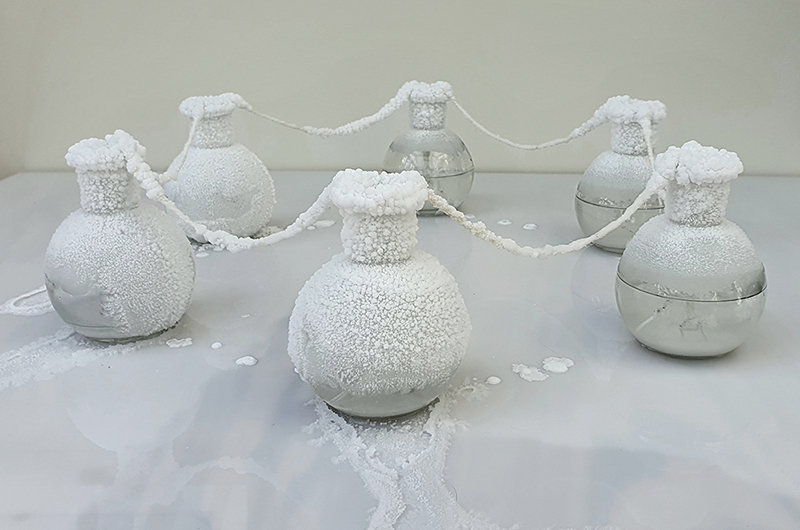
The same with some experiments with vessels and salt crystals. Exploring possibilites.

Out of Studio

The Royal Society Summer Science Exhibition

Favourite stands were obviously those with a connection to magnets or cosmic rays.

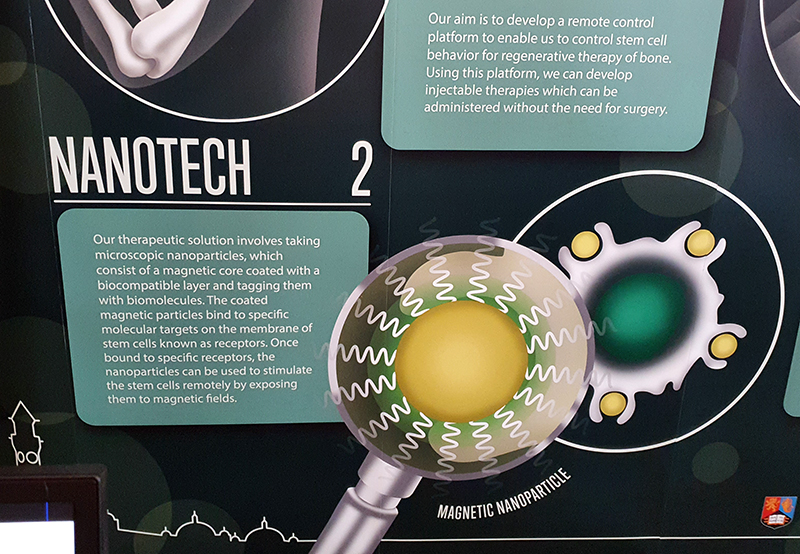
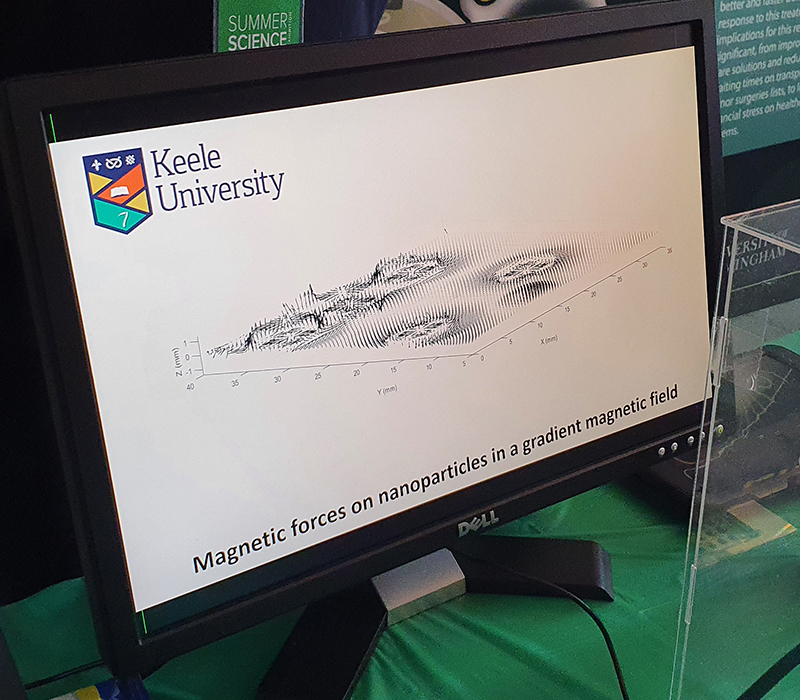
Exciting research from a collaboration between the University of Birmingham, Keele University and
MICA Biosystems on remote controlled healing to treat spinal injuries and tissue regeneration using ground-breaking advances in nanotechnology and magnetics.

Magnetic nanoparticles exhibit superparamagnetism, meaning that these tiny magnetic particles flip magnetic orientation between north and south rapidly at random appearing to be non-magnetic unless subjected to a magnetic field. When a magnetic field is applied, the particles’ ‘north’ and ‘south’ align with the field direction, turning the nanoparticles’ magnetic properties ‘on’. By binding these nanoparticles to stem cells and injecting them into the body they can be directed to the target injury site using a controlled magnetic field outside the body. Once at the injury site the magnetic force can be turned on and off to stimulate the cells controlling cell behaviour and biological pathways speeding up the healing process.

When a meteoroid survives a trip through the atmosphere and hits the ground, it’s called a meteorite.

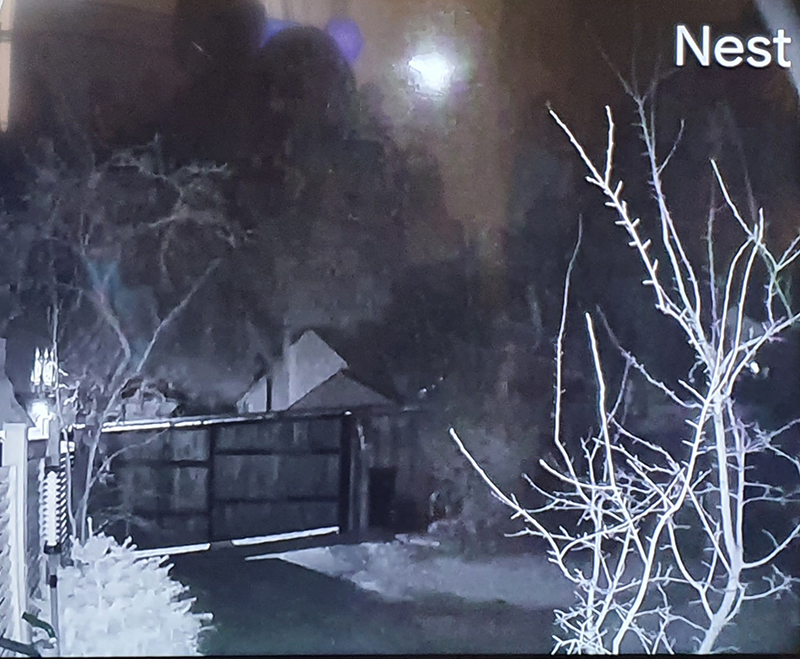
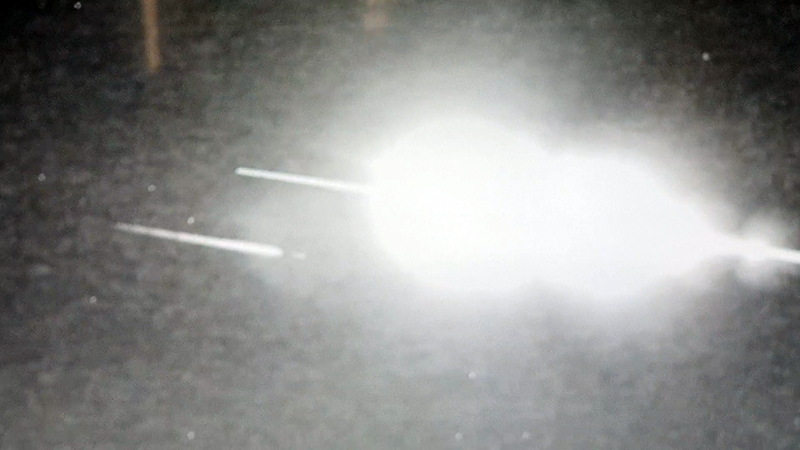
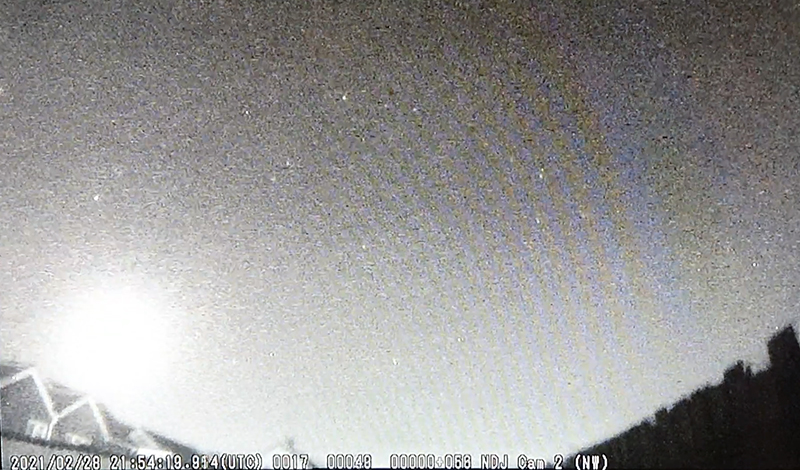
The Natural History Museum were displaying meteorite samples including a large fragment of the Winchcombe meteorite, an extremely rare carbonaceous chondrite observed entering the Earth’s atmosphere as a fireball over Gloucestershire at 21:54 hours on 28 February 2021 and landing in a family home driveway. It was the first time in 30 years, a meteorite has been recovered in the UK. It’s unexpected arrival from the asteroid belt near Jupiter was captured on a system of UK Fireball Alliance cameras as well as local CCTV and doorbell cameras.

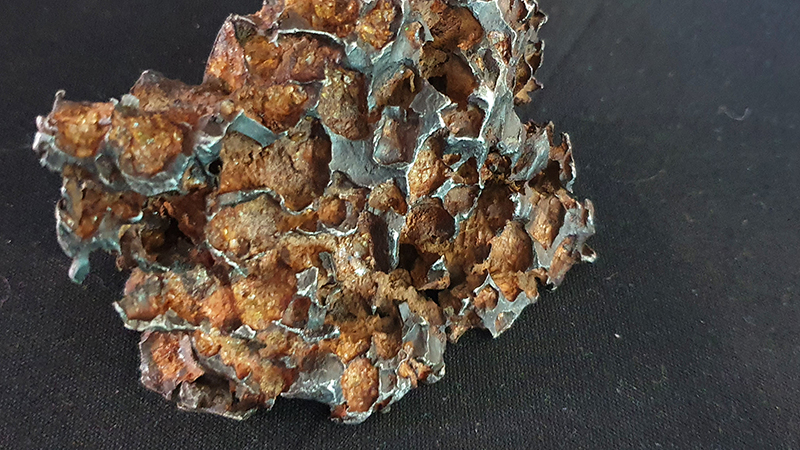
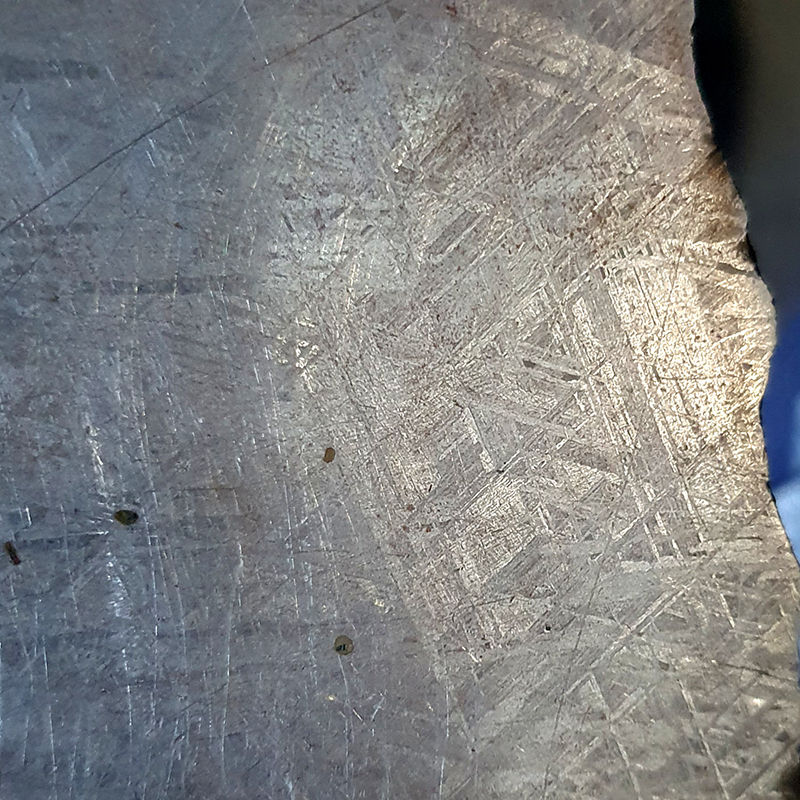
Most iron meteorites are thought to be the cores of asteroids that melted early in their history. The crystal structure (image left) known as Widmanstätten patterns in iron meteors forms from criss-cross plates of an iron-nickel alloy. Slicing the meteor at various angles reveals different patterns.

I was informed that this texture was made visible by etching the meteorite in hydrofluoric acid though it may also need polishing. This made me hopeful to reveal the hidden structure of the directional magnetic steel sample (image right) provided to me by Union Steel Products which is currently hidden by an opaque grey coating over a thin layer of smooth steel. I first saw this type of extra magnetic steel at the National Physical Laboratory open day. It is no longer manufactured in the UK and so am grateful for the sample.

Very excited to talk to Lancaster University about their new Extreme Space Weather Monitoring research. The first international network of ground-level neutron detectors to measure the number of high-energy charged particles striking the Earth’s atmosphere from outer space was established in 1957 but these used toxic materials and are costly to run so many were decommissioned. There are only 50 left worldwide and none in the UK. Lancaster are developing a new-generation radiation detector intended to help protect safety-critical systems and national infrastructure against the effects of severe space weather. Space radiation can affect aircraft systems, communications, and cause current surges in power grids and other ground-level systems. There are significant risks to the infrastructures we rely on in daily life so predicting solar storms could provide a warning to shut down or move vulnerable systems before they get hit.

I asked Professor of Space Physics Jim Wild and his colleague Andrew Parker from the school of engineering radiation protection dept. about the event count for my own cosmic ray detector and they thought it sounded about right. As I cannot be sure of the quality of my plastic scintillator the count may not be scientifically accurate in measuring all events but I can feel confident that events I do record and will use to trigger code to display video starbursts are from direct contact with a particle that has travelled from outer space.

Alienarium 5 Dominique Gonzalez-Foerster at Serpentine Gallery. Managed to miss the seductive glimpse of The Closed Planet and any holograms but did experience the VR though connections promised with other alien beings failed to materialize – there were other forms floating in the distance but no way to communicate. I suppose this reinforced the difficulty of cross being communication. The reading list turned to cushions had become a toddler soft play area and while the 360 panorama was impressive in scale and content included it felt ‘educational’ as opposed to enlightening.

Theaster Gates, the Serpentine Pavilion 2022 Black Chapel draws inspiration from many of the architectural typologies that ground the artist’s practice. It is impressive in scale and simplicity.

I am a big fan of Lindsay Seers work and loved the Artangel commission Nowhere Less Now at The Tin Tabernacle, Kilburn in 2012.

This was my post at the time;

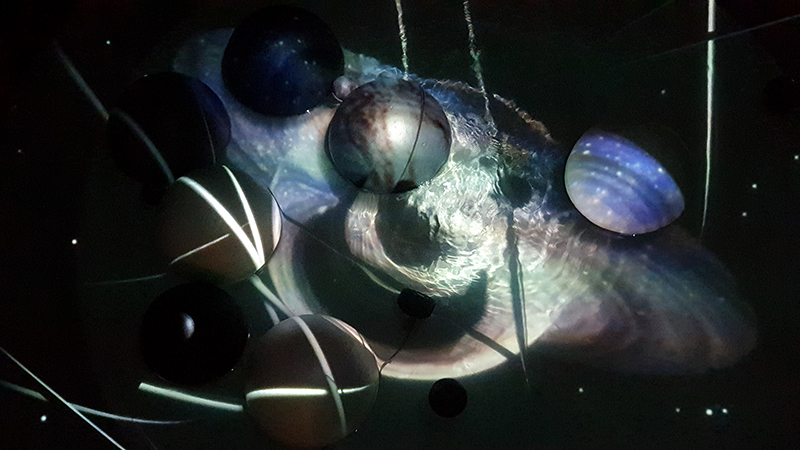
Lindsay Seers work is narrative but is not a linear story. The past present and future entwine with the thoughts of multiple characters. Everything is connected but like in a dream those connections are just beyond grasp as they shift and change and merge. I wasn’t sure if I fell asleep or not, my eyes seemed to be open but I had those moments of falling from consciousness being tucked up in a warm blanket can induce. The haunting sea shanty played in the headphones ‘ the sea will take her slender body..’ over and over, a narrative from one side in Seers soft tone then someone speaks abruptly from behind, another voice is heard at a a distance, some music starts up and all the while the dual projections onto giant convex and concave spheres in the disorienting location of an upside down ships hull sweeps through history into a CGI future and back to the present. We were given a free book on exit, it is another layer to the whole experience and I have no idea what is true and what is fiction, this means the fantastical can appear to be reality and I like that. There are many things to wonder about in Lindsay Seers work. In Seers work the explanation about the work is part of the work and so may be just a fiction as much as the work itself.

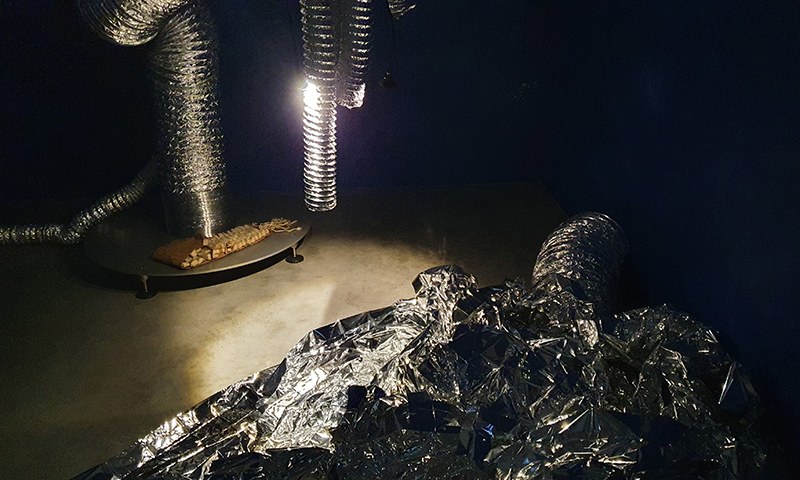
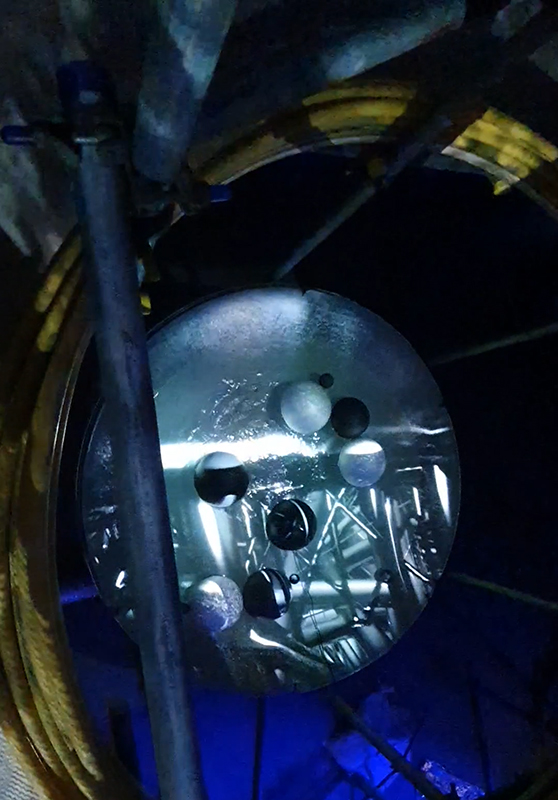
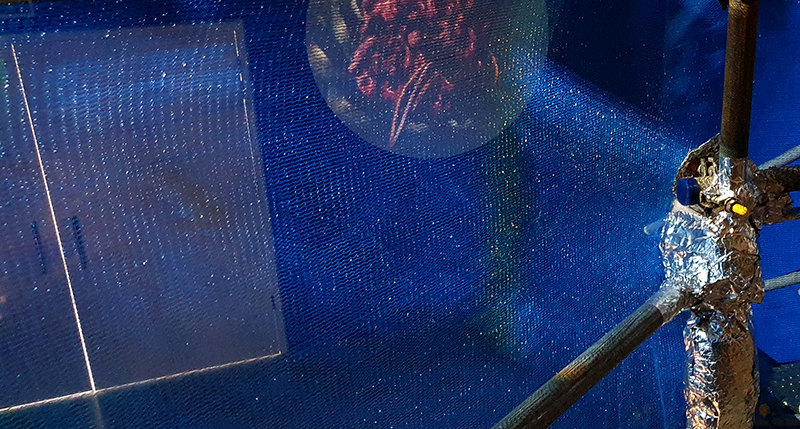
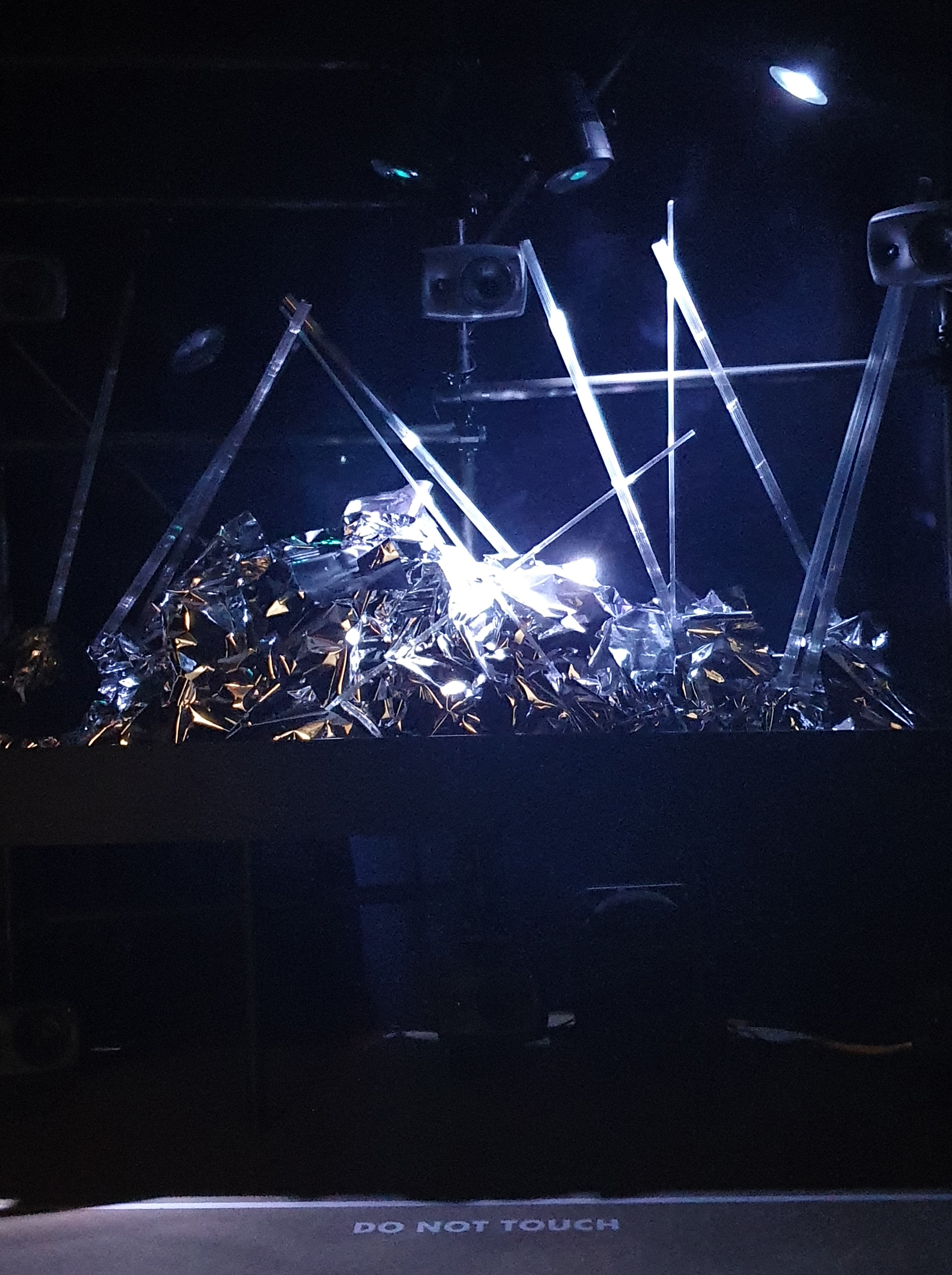
Jump ten years to Cold Light a collaboration with Keith Sargent at Matt’s Gallery in their new swanky location at Nine Elms. Subtle intervention has been sacrificed for the installation which is engaging on a different more immediate sensory level of flashing lights on shiny objects. The work is inspired by the futurist Nikola Tesla and his experiments with electricity in the early part of the 20th century. Cold light refers to light produced electrically rather than by fire. The use of low-fi silver foil and extractor vent tubing, along with scaffolding and clunky robotics give an impression of the home inventor. This would have looked futuristic in Tesla’s lifetime. I experienced the VR CGI environment, it was cold place emotionally despite the pigeons which were apparently Tesla’s true love. Is this the CGI future alluded to in past work?

Fabulous work from Grace Ndiritu An Absolute River at Lux. An Absolute River’s title derives from Borges’ theories on the fluidity of time. Borges features as a fictional protagonist in Ndiritu’s Black Beauty, and his notion of “An Absolute River” was inspired by Heraclitus’ “No Man ever Steps in the Same River Twice”. Her films blur the lines between different time frames and explore themes of media, authorship and historical narratives, whilst expanding on notions of temporality. Her work is so good.

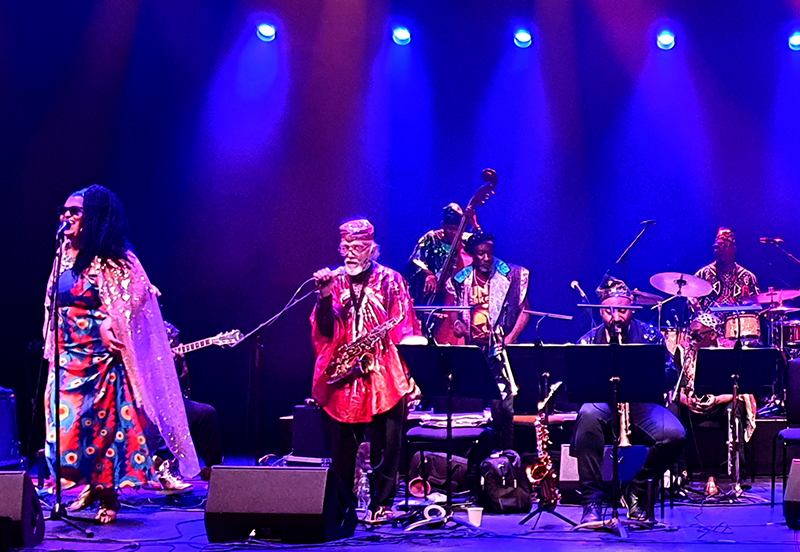
SPACE IS THE PLACE

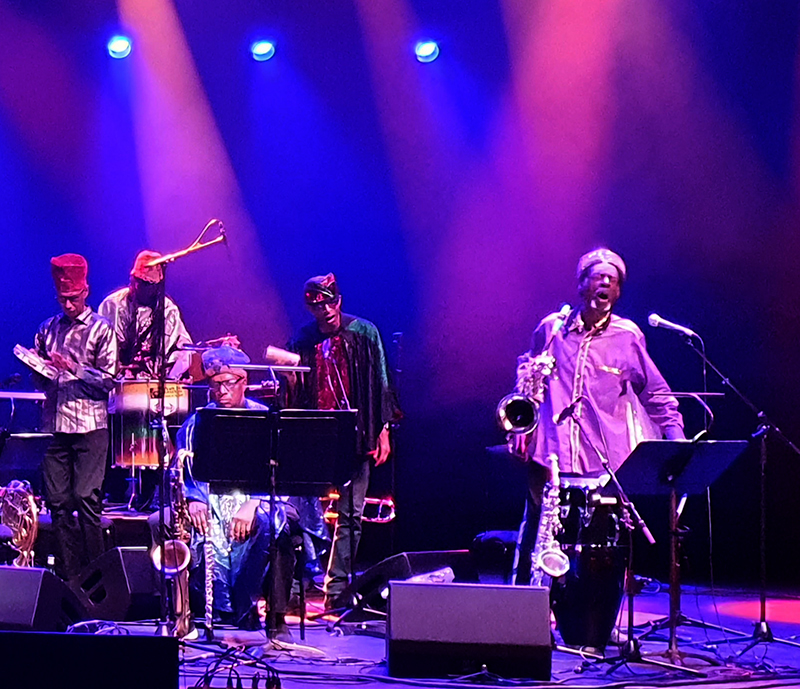
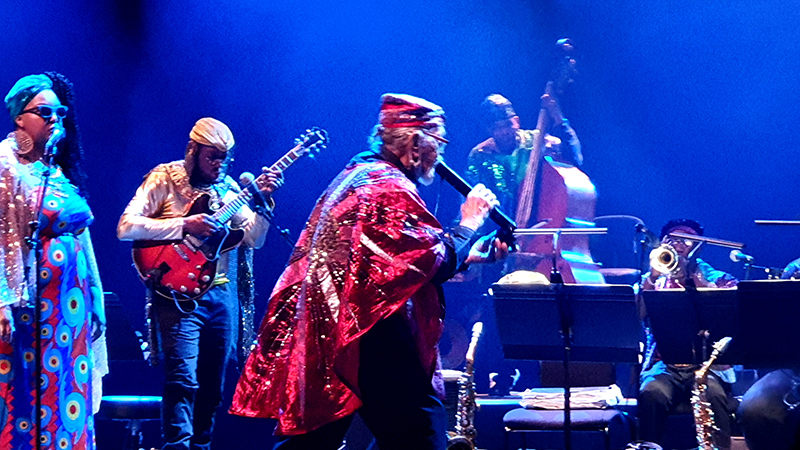
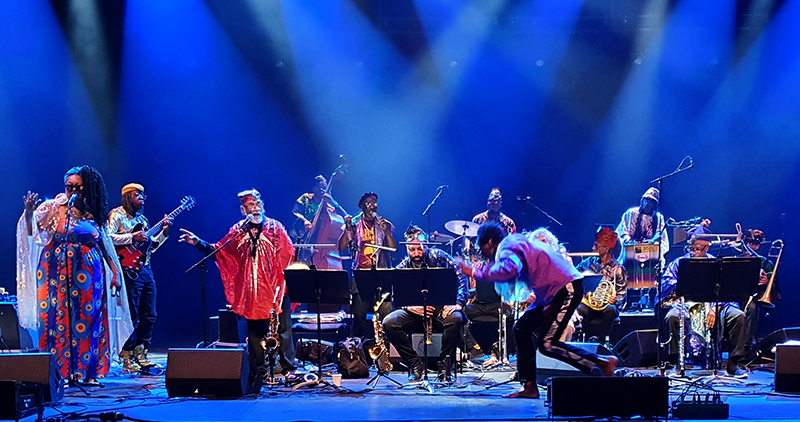
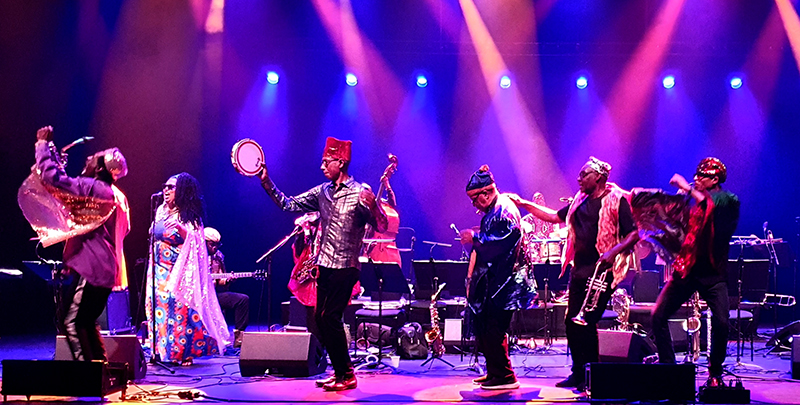
What a joy to experience The Sun Ra Arkestra

In some far off place
Many light years in space
I’ll wait for you
Where human feet have never trod
Where human eyes have never seen
I’ll build a world of abstract dreams
And wait for you

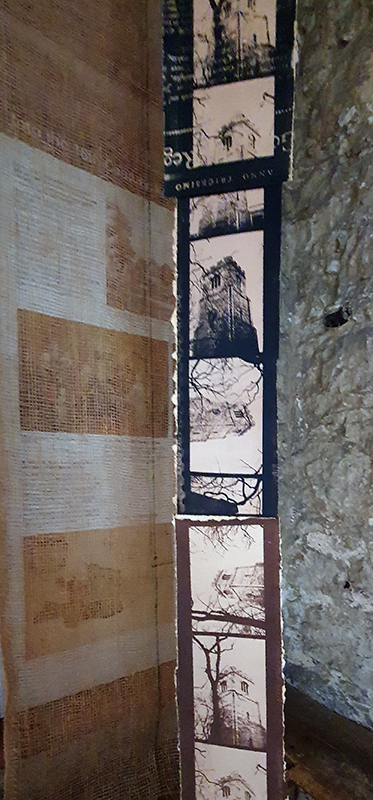
The Ruins of Time at St. Augustine’s Tower, Hackney. “Tower” is part four of the “Ruins of Time” project, organized by LME (London – Munich Exchange) exploring the passage of time and its specific expression in the place, space and architecture of the site. Curated by Eleonora Bourmistrov and Milena Michalski who are exhibiting alongside Myra Brooklyn, Risha Gorig, Angelika Hofmann, Monika Kita, Brigitte C. Reichl, and Marcia Teusink. Many thoughtful works and a marvellous installation from Eleonora Bourmistrov.

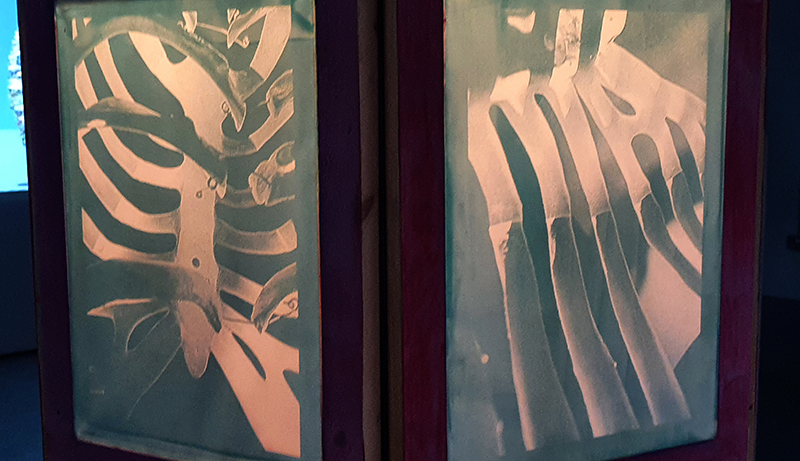
The London Group exhibition including work from Victoria Arney (birdsong translated into woodcuts), Carol Wyss (examining the ribcage as protective enfolding), Sandra Crisp (blender generated molecules with embedded culture – a culture with culture) and Beverley Duckworth (Dust from the Sahara) in Catch Your Breath at Morley Gallery.

‘Catching one’s breath can happen if surprised, impressed or even shocked by something, such as an extraordinary object or image stumbled upon that instantaneously changes a familiar viewpoint. It can also be a time to pause or reflect and take stock.’

Working on The Breath of Stars I have been thinking about the breath and its active nature and inter-actions so it was interesting to see the many interpretations here.

Cloud Point at Paradise Row curated by Nicolas Bourriaud in collaboration with Radicants.

Text from the Gallery:

The artists (Nicolas Aguirre, Hicham Berrada, Marieke Bernard Berkel, Alice Channer, Pakui Hardware, My-Lan Hoang-Thuy, Zarah Landes, Estrid Lutz, Tala Madani, Pamela Rosenkranz) in this exhibition belong to a generation for whom no material is natural anymore. Matter, in its totality, is both form and content, subject and object, nature and culture. In other words, there is no neutral background in today’s images, but streams and active forces.

Cloud Point gathers artists who don’t consider objects, products or masses in their work, but rather the atomic structure of our surroundings, and theirs. They are particularly interested in the in-betweens — processes of liquefaction, moments of coagulation, condensation points… The emergence of this molecular gaze in contemporary art also reflects in theory and politics.

Politics goes molecular as Felix Guattari had already stated, in the 1970’s, talking about a necessary ‘molecular revolution’. We see how gas, oil, bacterias, viruses or chemicals become the new agents of History. Zygmunt Bauman analysed postmodern capitalism as a process of liquefaction of our institutions. Today Karen Barad describes matter, at its molecular stage, as pure ‘queerness’. And according to Rosa Braidotti, ‘Capital seeks and reduces body fluids to merchandise: the sweat and cheap blood of the labor force available throughout the Third World; but also the fluids of the desire of First World consumers who reduce their existence to a commodity by transforming it into a hyper-saturated state of confusion.’

I have returned to my BA dissertation from 2007 The Communication of Ecological Concerns Through Contemporary Artistic Practice to look at excerpts where I discussed the theories of Nicolas Bourriaud.

‘The intertwining of ecological and political processes with artistic practises is explored in conjunction with the particular theories of Bruno Latour, Nicolas Bourriaud and Zygmunt Bauman. These writers all speak of a need to establish new ways of communicating about the complexities of our relationships to our environments as we move through different spaces to those of the past. In light of this necessity, the precarious balance an artist must achieve to engage a contemporary urban audience with an environmental message, without losing sight of their aesthetic, or becoming embroiled in the nullifying production of commodity, is debated.’

‘Bourriaud documents the shift in focus from the visual to the relational during the 1990’s when new forms of communication  available through modern technologies coincided with an economic depression. For the artist there was a lack of funding for the spectacular but also the opportunity to experiment with spaces previously given over to exchange and barter. The artists took as their medium something they found lacking in  other areas of daily life; social relations which did not involve supplier-customer exchanges. The loss of personal interactions from daily life as more and more functions were performed by or through machines and computers were reborn in the processes of participatory practises where the audience was invited to experience rather than behold.’

‘An artwork’s short life span is not necessarily a reflection of the insatiable appetite of the gallery going public to consume and discard art as any other commodity. In using relational aesthetics the artist deliberately steps outside of this cycle. Artists who base their practises on exchanges of experience and communication through tangible means which have no value as art outside a temporal set of circumstances give the public a chance to experience a different type of social bond. From the ethos of relational aesthetics is born the possibility of art infecting the collective subjectivity. Artists whose work sidesteps the rules of the market place create a ‘social interstice,’ a small space in which to explore relations with the world. An interstice does not operate in the same way as a message, which is akin to advertising and belongs in the world of marketing. The space created must be inviting or intriguing to draw the audience into a realm of possibility, to start a conversation not give a lecture.’


I selected seven works alongside my own for an informal tour at Wells Art Contemporary to promote conversations inspired by the works. Shield – Peter Newell-Price, Chronologer (chalk and bone) – Paul Tuppeny, Screw Up Repeat – Kate McDonnell, Beneath the Heavens III – Kaori Homma, Route 339 – John Ball, Everyone was a bird – Caro Williams, Two-Sided I & II – Aliceson Carter.

Out of thousands of submissions, this year’s judging panel, Matthew Burrows MBE, Dale Lewis and Nana Shiomi, selected a shortlist of 120 artworks by 111 artists for the 2022 exhibition.

29 site-specific installations have also been selected by Clare Burnett and Jacquiline Creswell to stand as interventional responses to the architectural, spatial and spiritual aspects of Wells Cathedral.

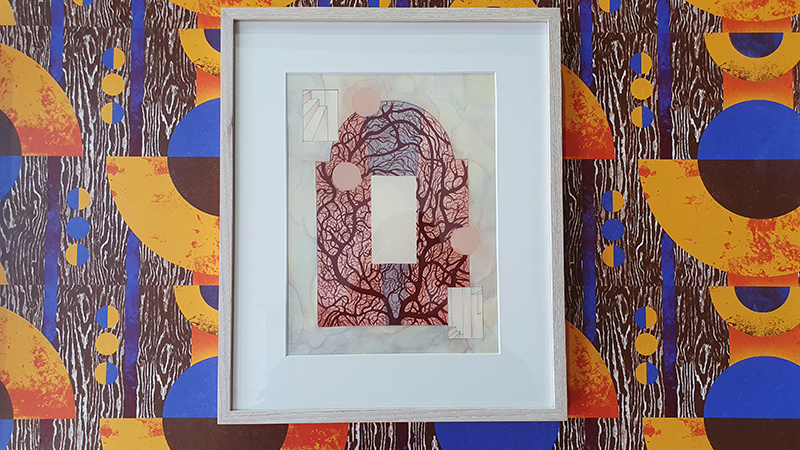
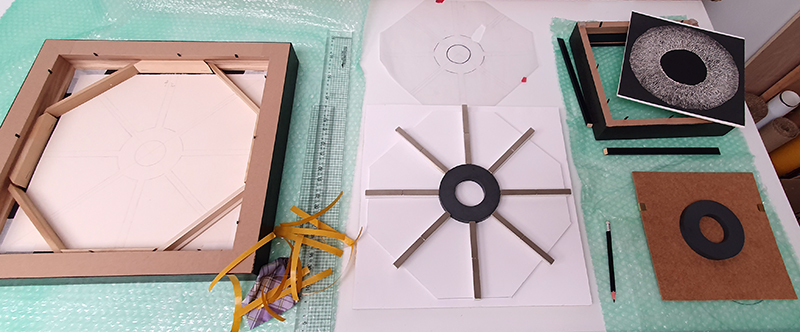
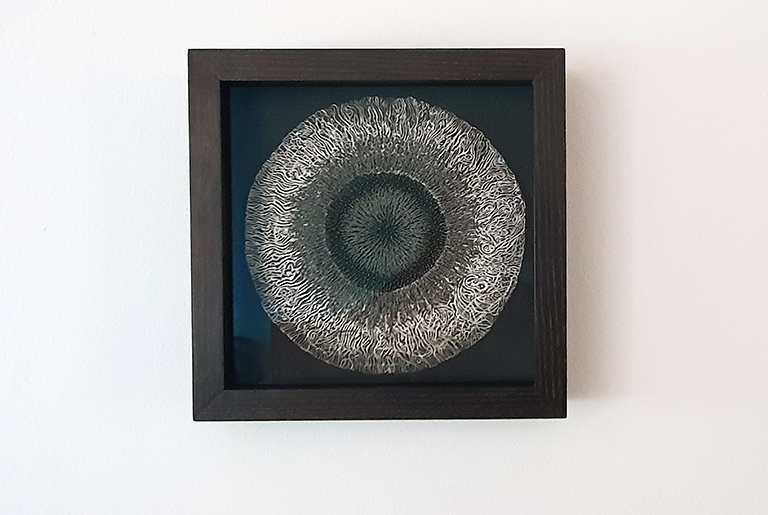
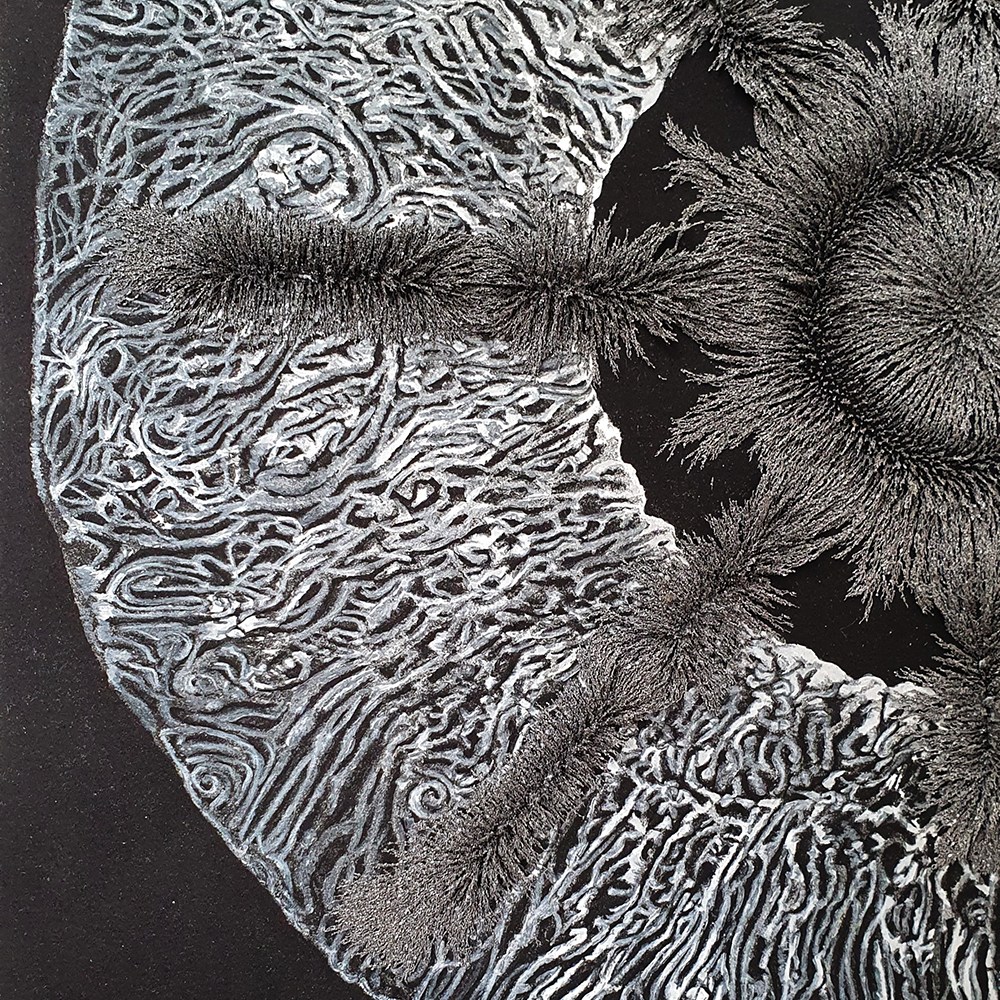
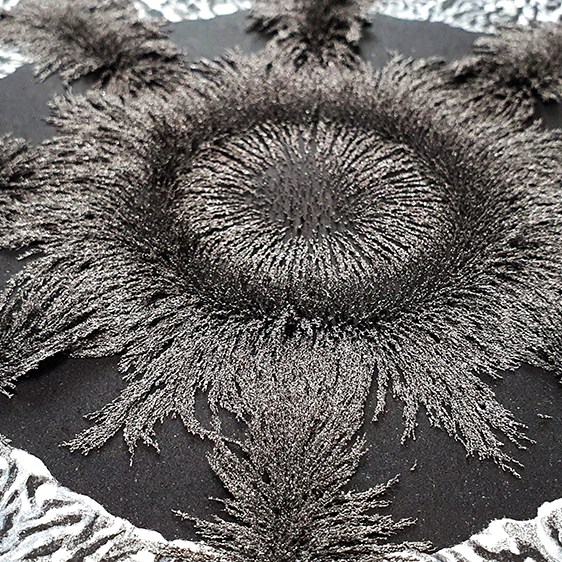
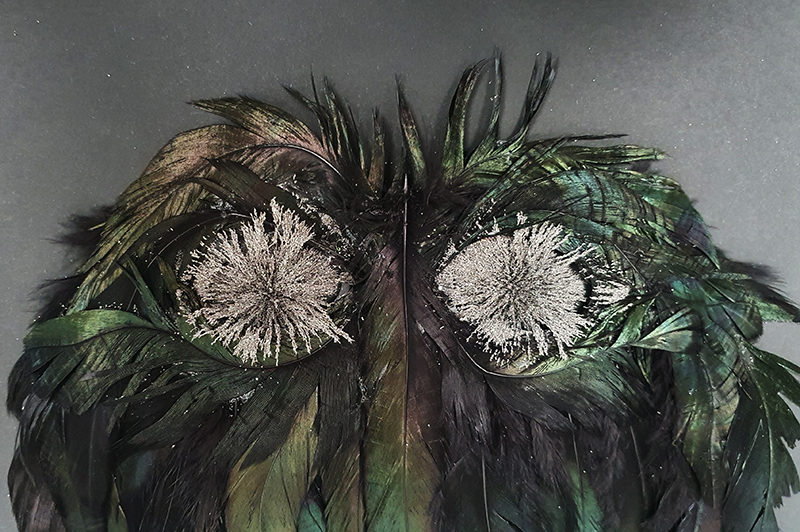
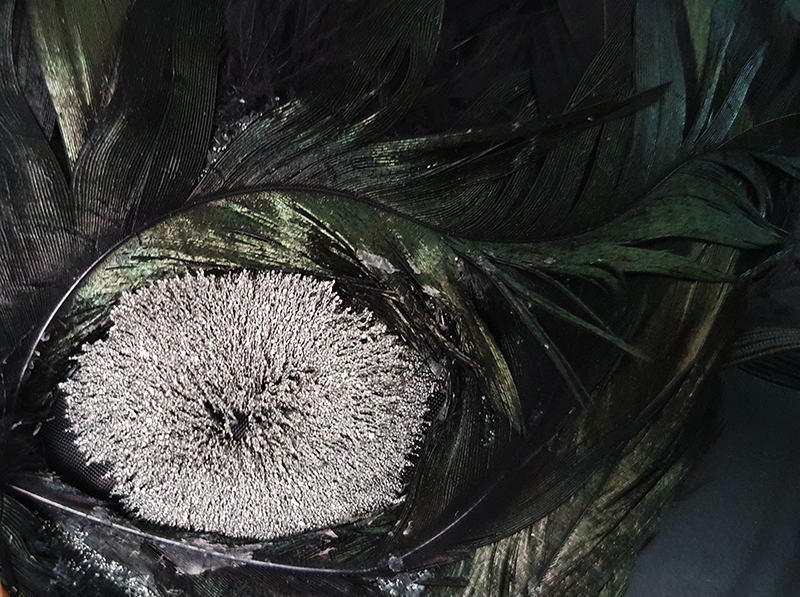
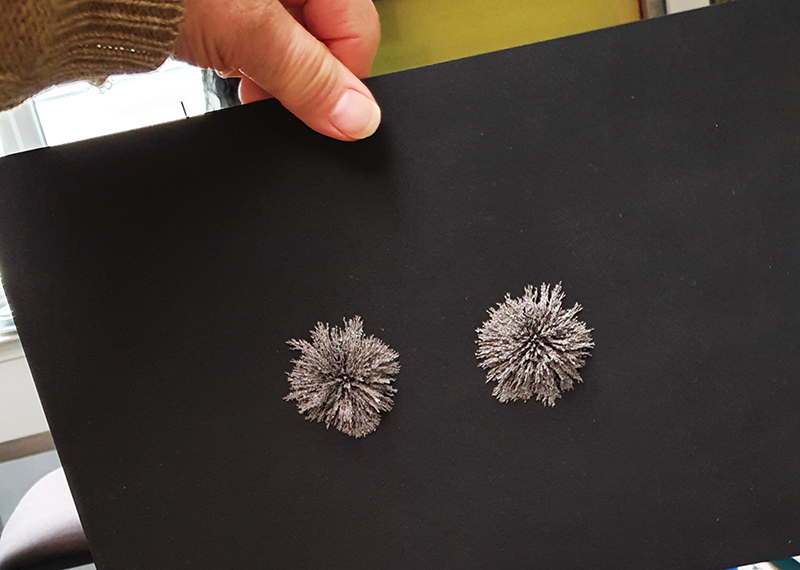
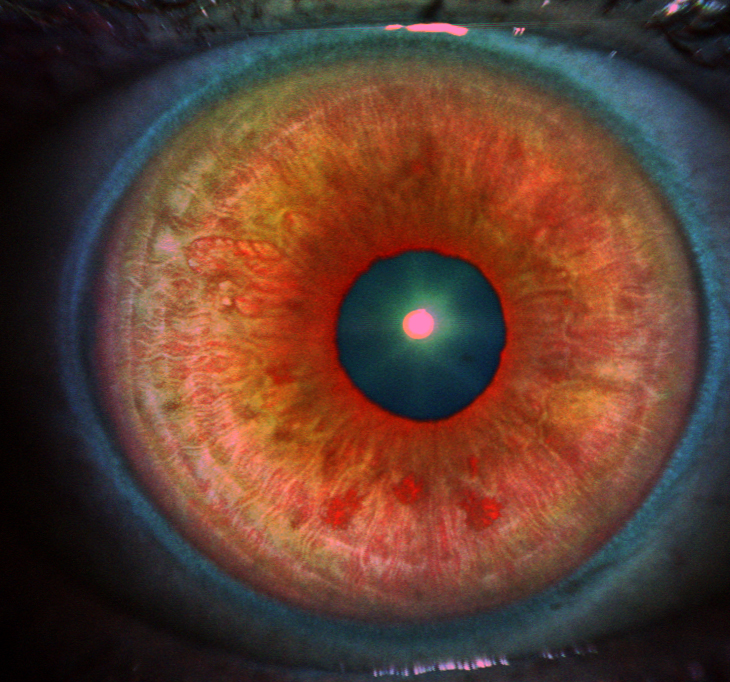
New work has been framed – these pieces consider the potential for the human eye to perceive the Earth’s magnetic field. Research shows birds have this capability activated by molecules in the retina of the eye when excited by blue light. The molecules produce radical pair electrons sensitive to the magnetic field and as these molecules are found within the photoreceptor cells it is possible birds may visualise the magnetic field lines to aid navigation. A similar molecule is also found in the human eye and I am speculating that this is a sense we may once have experienced and could tap into again. It is of course the brain that must receive a signal from the eye by which we see. Independently of the cryptochrome molecule, research monitoring alpha wave activity shows the human brain does appear to be sensitive to a magnetic field albeit unconsciously.

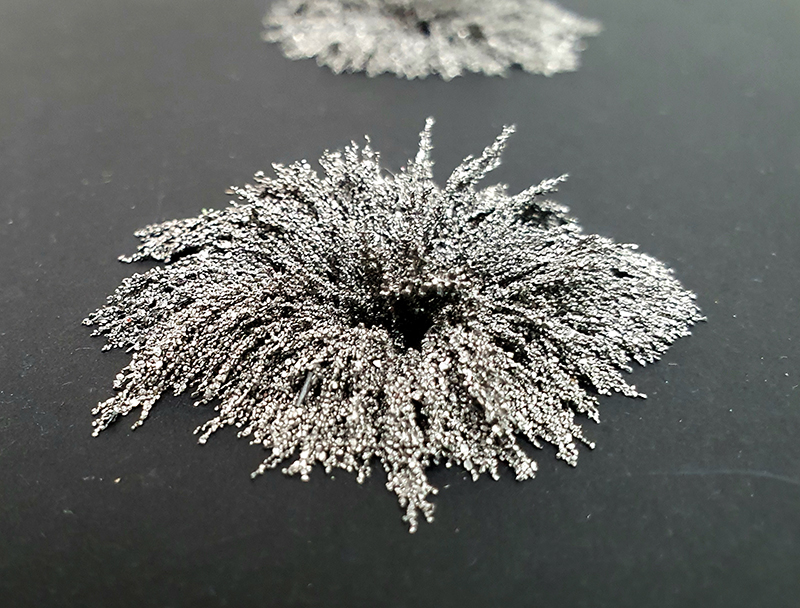
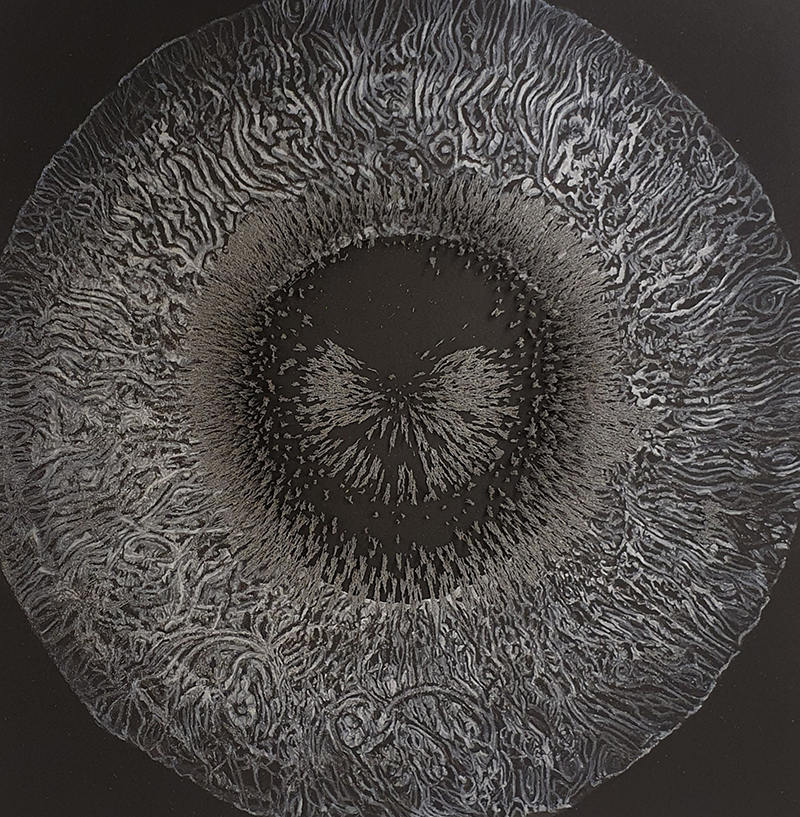
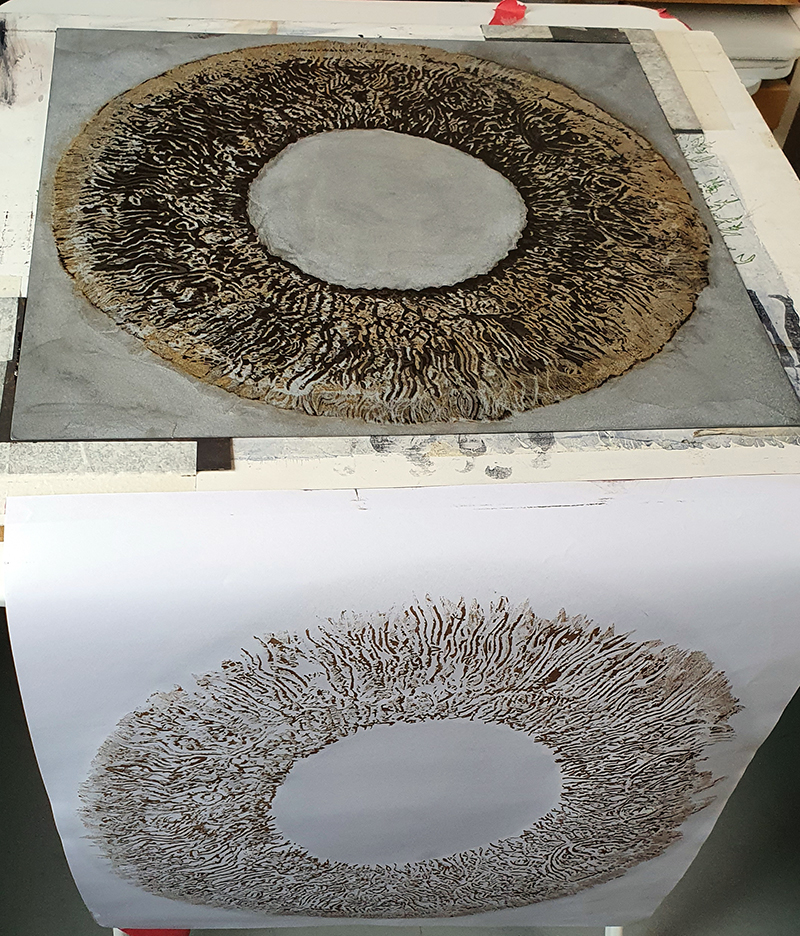
The Compass Eye Etching with chinagraph pencil, magnets, iron filings

Pole Receptor 2022 27 x 27 x 3 cm Etching, magnet and iron filings

Framework made a neat job of the frames enabling the magnets to be released to reset the iron filings if necessary. The Compass Eye doesn’t have glass and maybe that was a mistake but I prefer the thin frame.

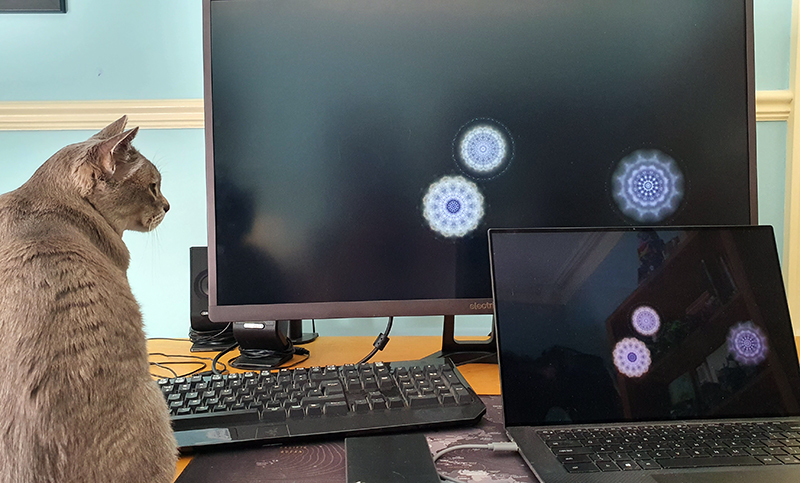
Progress is being made on new work Breath of Stars. This will be a screen based work triggered by cosmic ray activity. Every time an event is registered by a photomultiplier attached to a 5cm square piece of plastic scintillator, a star burst video image will flash up on the screen. The size of the starburst will correspond to the energy of the particle that has just arrived from space. The starburst videos are made in Adobe After Effects using footage from my cloud chamber experiments.

I have got some help with coding from gaming programmer Jamie Howard so am not feeling so out of my depth in the python maze. One problem we may have though is the shortage of Raspberry Pi processors. It could be months before we are able to get one with a high enough spec to process the video layering. In the meantime I am testing ideas and creating video clips.

It was wonderful to see so many people visiting the first Open Studios at Thames-side since 2019 despite the rail strike difficulties that weekend. The Compass Eye was hanging in the Thames-side Gallery Studio Holders Showcase exhibition. Thank you to everyone who came to visit and found their way to my studio, it was great to discuss everything from Plato to Planck.

Super happy to have my video Cosmic Chiasmus: crossing the universe included in the May Fair Showreel screening at the very smart May Fair Theatre as part of Mayfair Art Weekend. The departure point for the curated selection was the word ‘PROCESS’, which was inspired by the video work by Wolf Vostell, Auto-Faber (1973). It was a great experience to see all the amazing nominated films and meet the selectors -Elisa Tosoni, Angel Leung and Eugene Macki and art weekend project manager Cheri Silver.

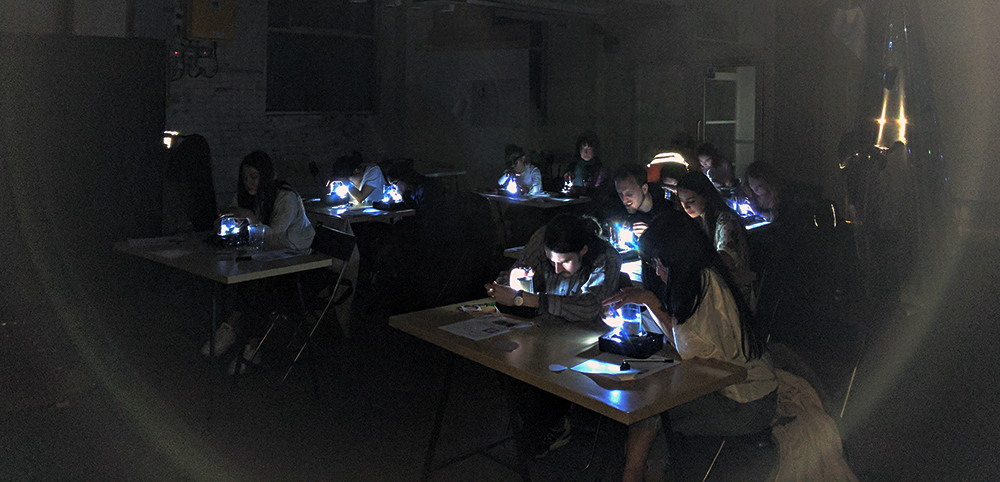
What a lovely write up in the Winchester School of Art Yearbook 2022 from one of the Fine Art students on the Images In The Making sessions that I ran.

I am delighted that my installation The Forms has been selected for exhibition in the splendid Wells Cathedral as part of Wells Art Contemporary 2022.

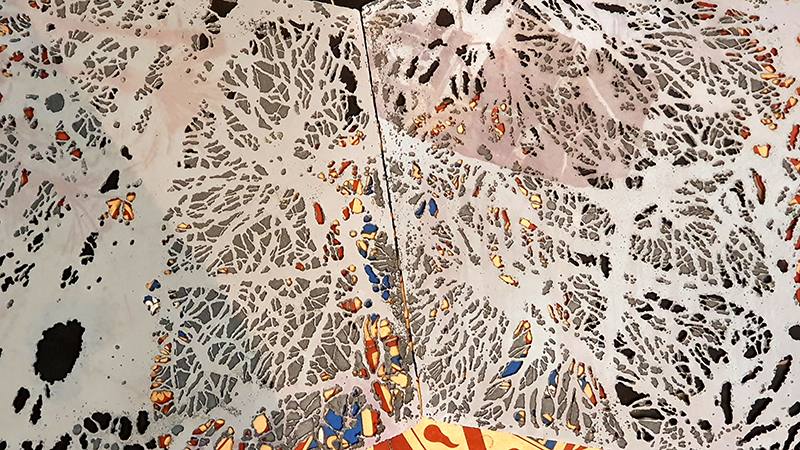
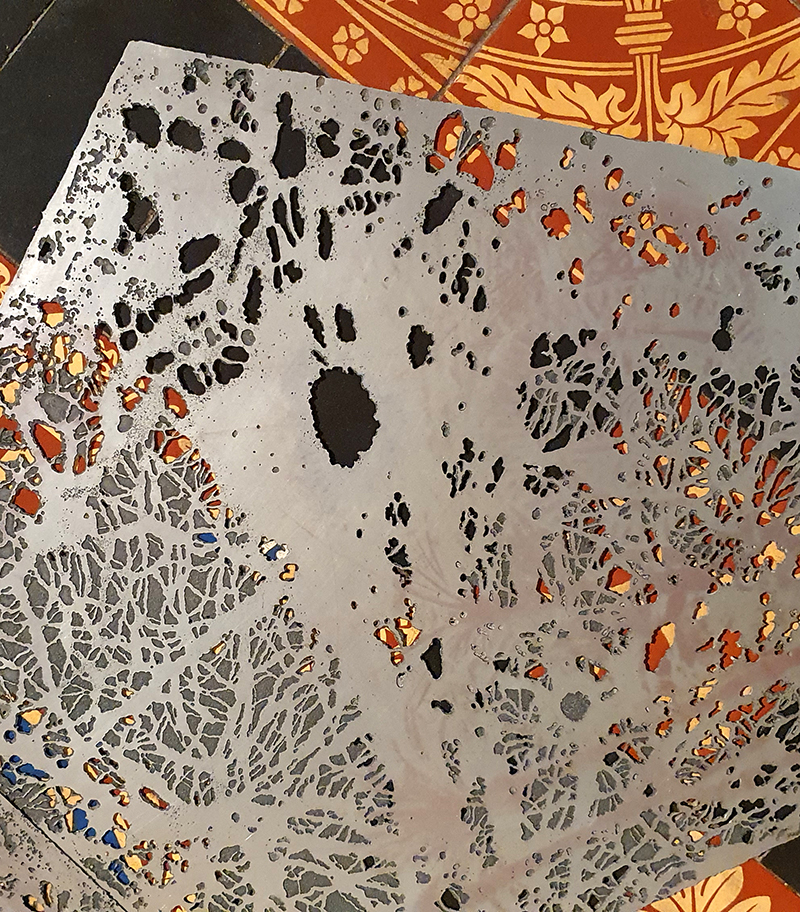
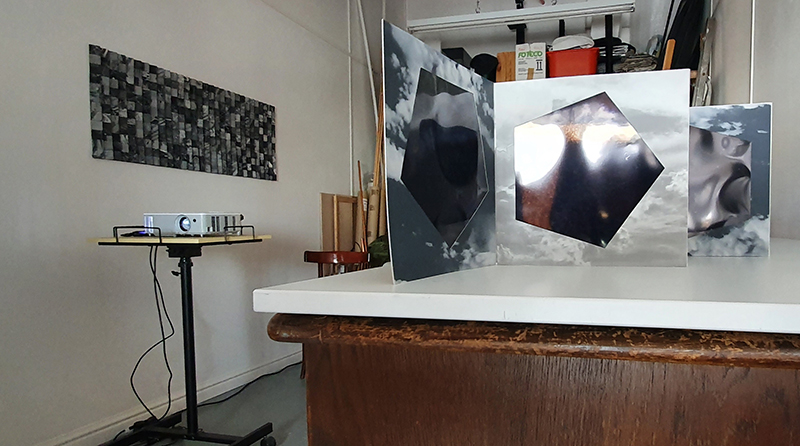
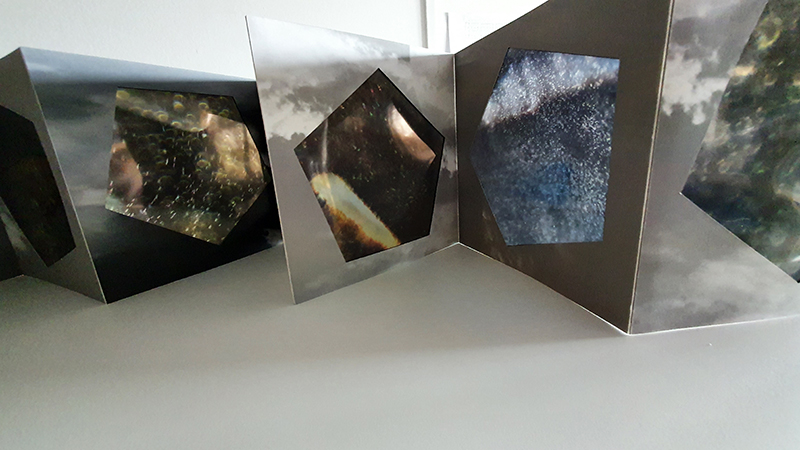
Twelve aluminium plates in the shape of pentagons that together make up the net of a dodecahedron have been deep etched with imagery taken from data visualisation of dark matter provided to me by KIPAC, Stanford University. The etching process used a screen printed sugar lift technique where the bite was allowed to penetrate completely through the plate leaving holes in some areas.

Excited to be selected for a satellite exhibition at the international print conference IMPACT12 to be installed at a former police station in Bristol. At a distance will be shown in The Anxiety of Interdisciplinarity, an exhibition which seeks to reframe printmaking as a site of interdisciplinarity – a testing ground for ‘The important work…done at the surfaces between adjacent disciplines’ (Carter, 1998).

Drawing on the physical language of print that embodies touch, separation and mirroring the semaphore flags in this work have been printed using hand painted dye sublimation inks applied via a heat press. This process transfers the ink from a paper matrix onto the substrate textile. The image passes momentarily across space in a dematerialized state as vapour before being reformed as its mirror opposite.

Out of Studio

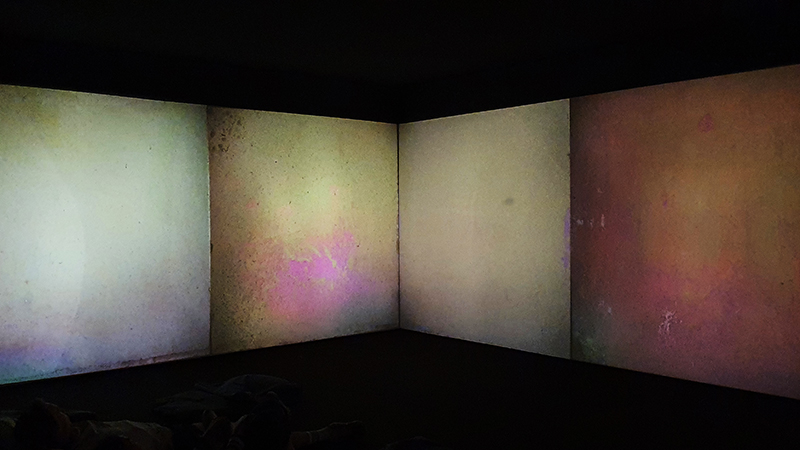
Billed as an immersive experience like no other Dreamachine offers a unique journey into the potential of your mind. Stimulated by strobe lighting playing rhythms on your eyelids and spatial sound fed directly into your ears, your mind creates its own images behind closed eyes. Inspired by a 1959 invention from artist–inventor Brion Gysin it has been reimagined by Collective Act, in collaboration with Turner Prize-winning artists Assemble, Grammy and Mercury nominated composer Jon Hopkins, and a team of leading technologists, scientists and philosophers.

It was pretty amazing. From a deep orange glow of swirling matter kaleidoscopic shapes emerge with geometric patterns that form and explode into vibrant pulsating honeycomb structures. Felt sure I was seeing some of my recent work in there. Swept away on a tide of colour with a big smile it was like a roller coaster ride through the forming of a technicolour universe. Wonderful.
Interesting to read that the frequency range of light emitted by Brion Gysin’s Dream Machine corresponds to alpha waves, electrical oscillations normally present in the human brain while relaxing. The pulsating light stimulates the optical nerve and alters the brain’s electrical oscillations. I have been looking at scientific research that explores a connection between the Earth’s magnetic field and human vision when stimulated by blue or polarised light depending on the orientation of the viewer. The human brain’s alpha waves can be seen to react to the local geomagnetic field. Some research correlates the nature of our dreams to magnetic field activity with calmer dreams resulting from high activity and more bizarre dreams when activity is low.
Going from Dreamachine to Libby Heaney’s quantum world of morphing fluid shapeshifting worlds The Evolution of Ent @Arebyte was a nice continuation of mind bending immersion.

Ent-er. Ent-anglements. Ent-ropy. Ent-wining. Ent- hralling. Ent-icing.
Looking at the potential futures created by quantum computing where the digital mode of binary gives way to superposition and quantum entanglement. Daniel Cavalcanti has provided a useful quantum glossary in the exhibition catalogue. Explaining superposition as like looking through a window and seeing outside and yourself reflected simultaneously, two configurations happening at the same time.

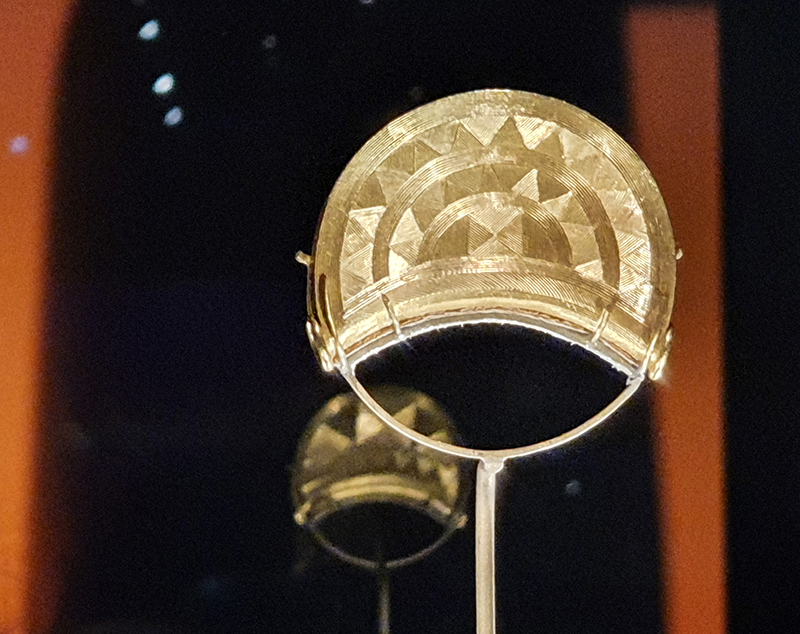
I was very excited to visit The World of Stonehenge at The British Museum to see the Nebra Sky Disc, having been introduced to the existence of this amazing object by archaeoastronomer Carolyn Kennett while on the Lizard Point Residency in 2019. Found by metal detectorists in Germany the gold used in this ancient map of the cosmos can be traced to Cornwall.

Carolyn explaining the history of this most ancient of cosmological objects.

The actual disc was much larger than I expected and almost translucently thin.

Six thousand years ago in the final 1,500 years of the stone age was the British Neolithic period. A time of stone axes for chopping. Woodlands cleared for farming. Stone held meaning. Offerings were made to spirits. Hundreds of stone and wooden circles were raised across the land. A cosmic inversion, connecting earth to sky. The first stones were brought to Stonehenge about 5000 years ago to create a burial ground which was transformed 500 years later into the symbolic site where the large sarsen stones were placed in alignment with the sun as it rises at midsummer solstice and sets in midwinter. Some astonishing objects in the exhibition, the power of the sun celebrated and reflected in gold.
I had high hopes for Our Time on Earth exhibition in the Barbican Curve – the aim was for technology to bring us closer to nature and highlight our place as one species among millions of others, striving to live together in a delicate balance. There was some enticing imagery and interesting ideas but as an experience it was tech overload, information overload all crammed into quite a tight space. Too much to take in and too removed from a lived time on Earth for me to engage and absorb anything meaningful.

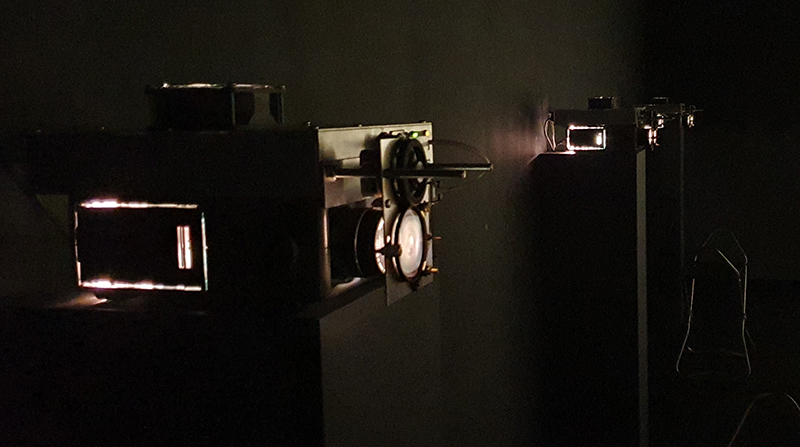
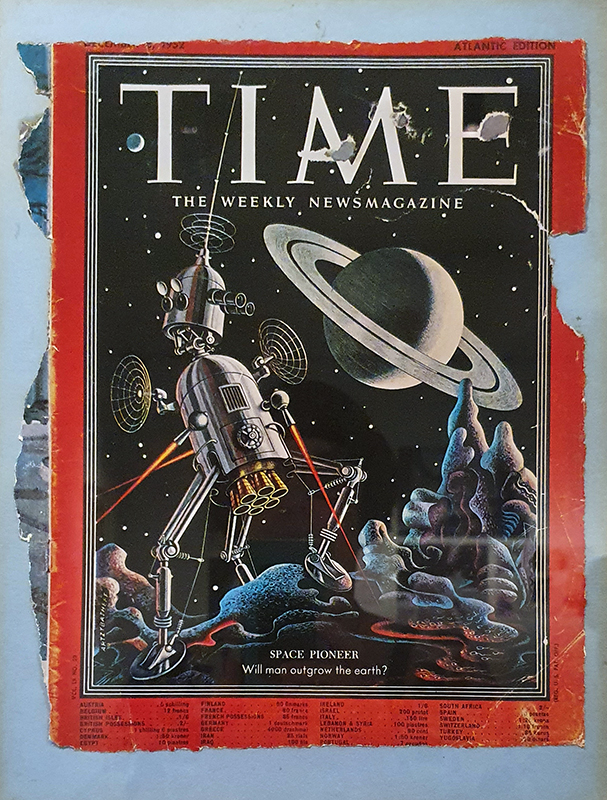
Postwar Modern at the Barbican Gallery explores the art produced in Britain between 1945 and 1965 in the wake of a cataclysmic war. Including; Denis Williams Painting in Six Related Rhythms 1954; Eduardo Paolozzi Will Man Outgrow The Earth? collage form the series Bunk 1952/1971; the lovely Aphra Shemza’s grandfather Anwar Jalal Shemza painting fusing Western ideas of abstraction with Eastern influence and Gustav Metzger Liquid Crystal Environment  made using heat-sensitive liquid crystals that are placed between glass slides and inserted into projectors where they are are rotated to create movement within the liquid causing the crystals to change colour as they are heated and cooled.

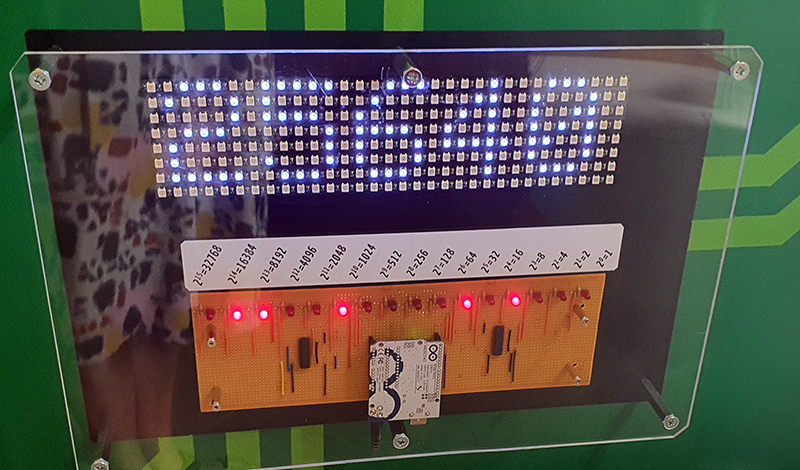
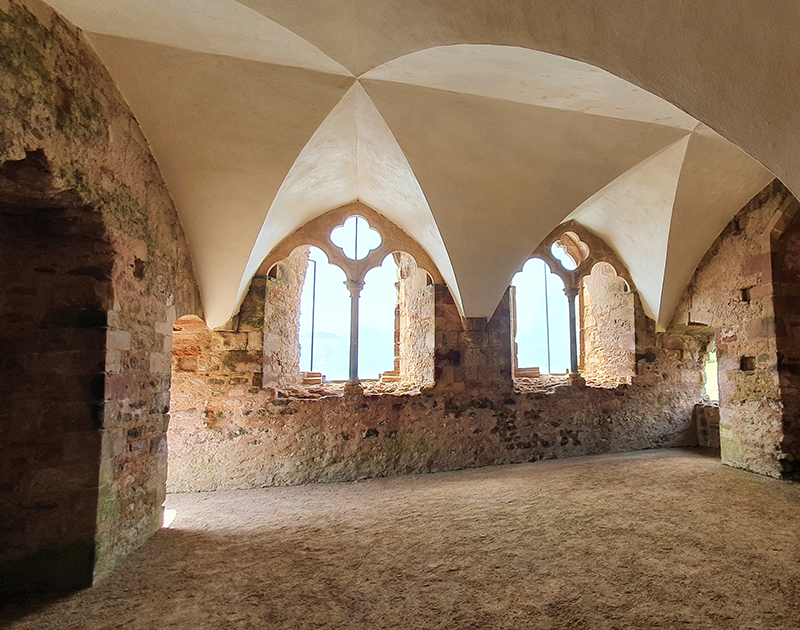
I was fascinated to learn about the numbering system used by Cistercian Monks while visiting the impressive ruins of 12th century Cleeve Abbey in Somerset. A single cypher can represent numbers up to 9999.

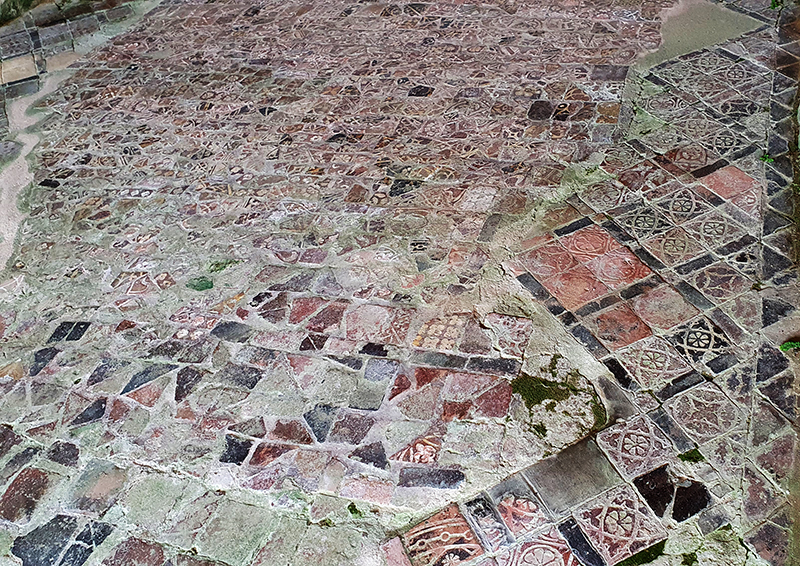
The abbey church was destroyed by Henry VIII during the dissolution in 1536 but the cloister buildings, gatehouse, 15th century refectory and 13th century heraldic tiles survived destruction as they were being used as farm buildings at the time and it’s ancient tiled floor was protected from the elements by a cabbage field.

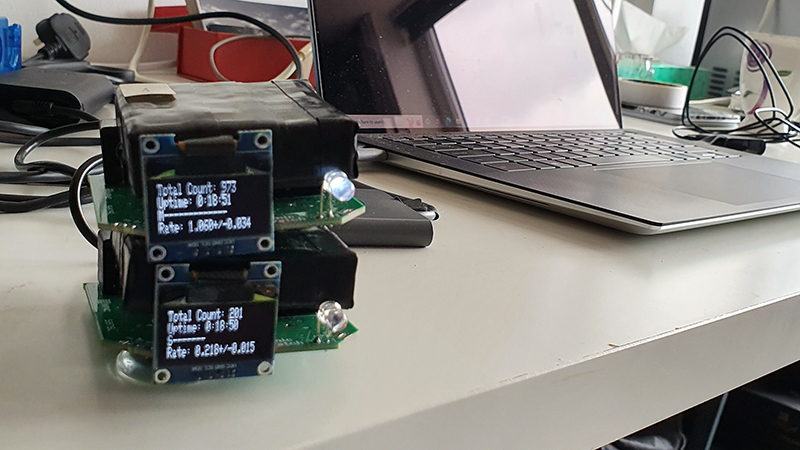
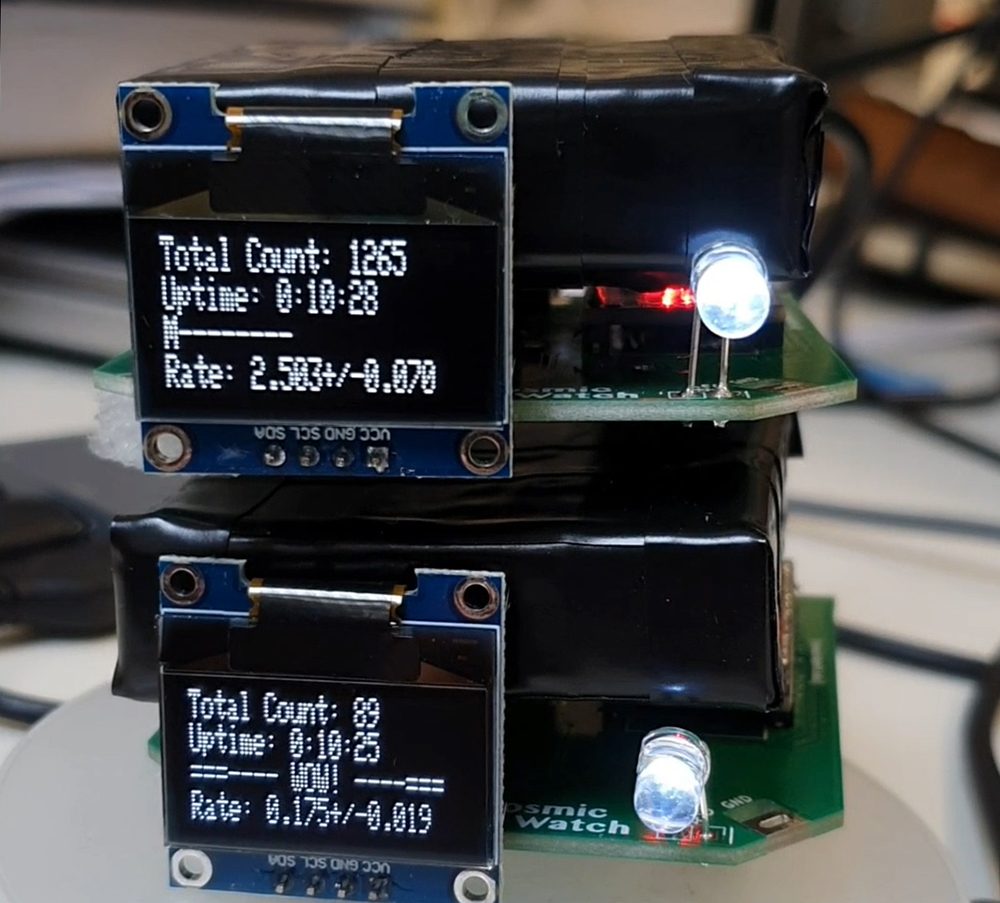
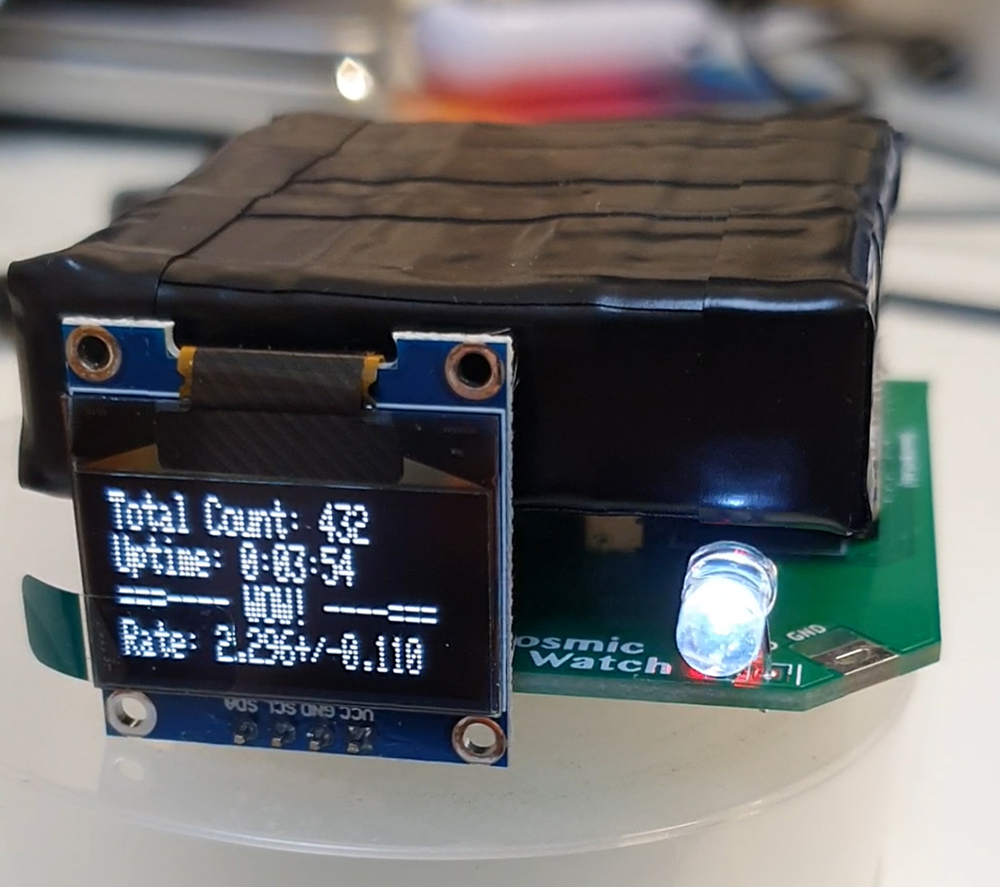
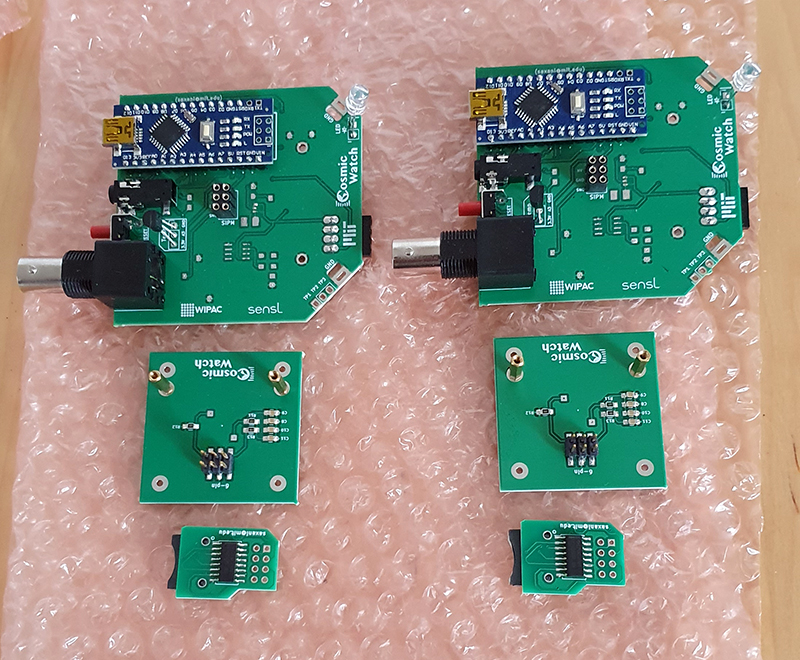
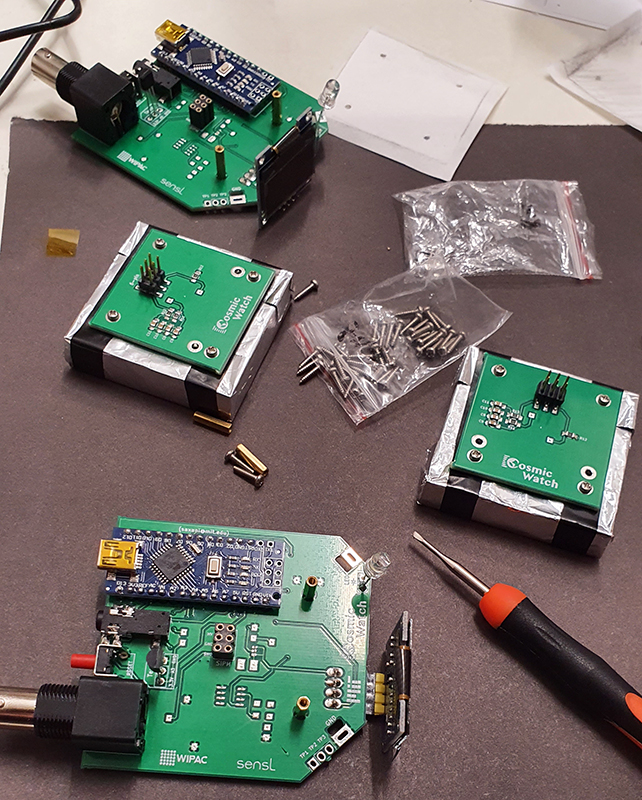
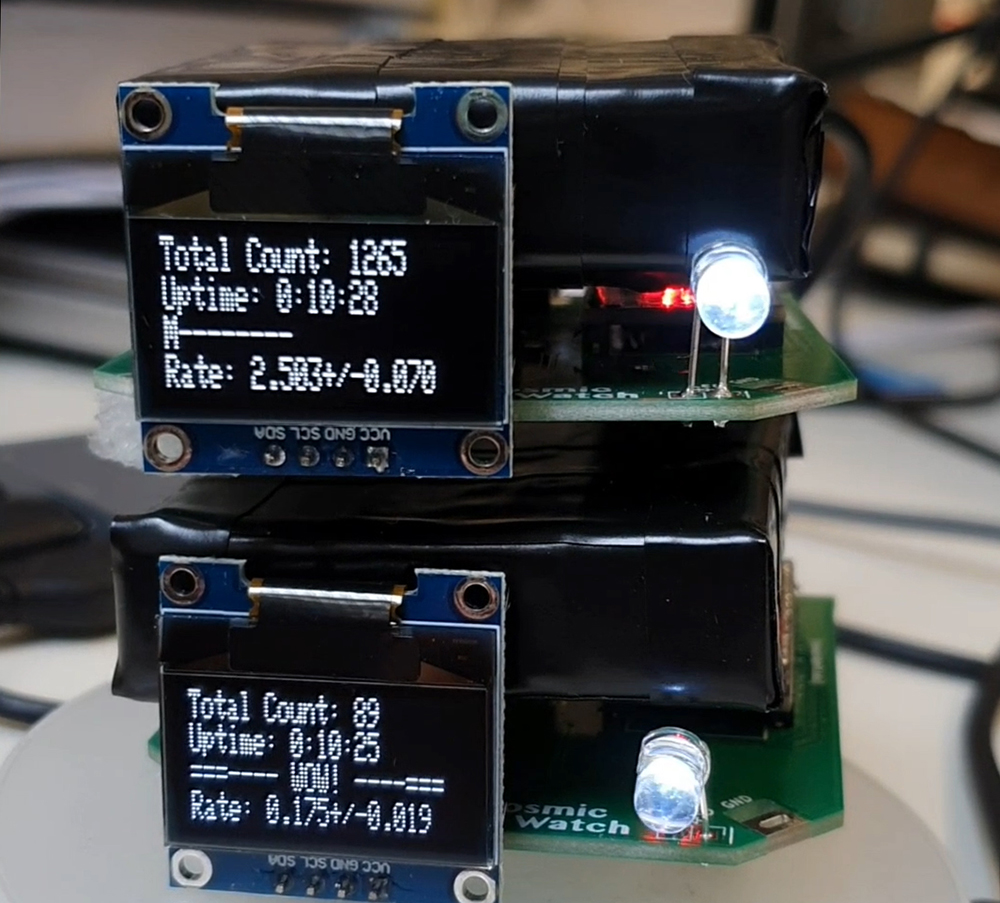
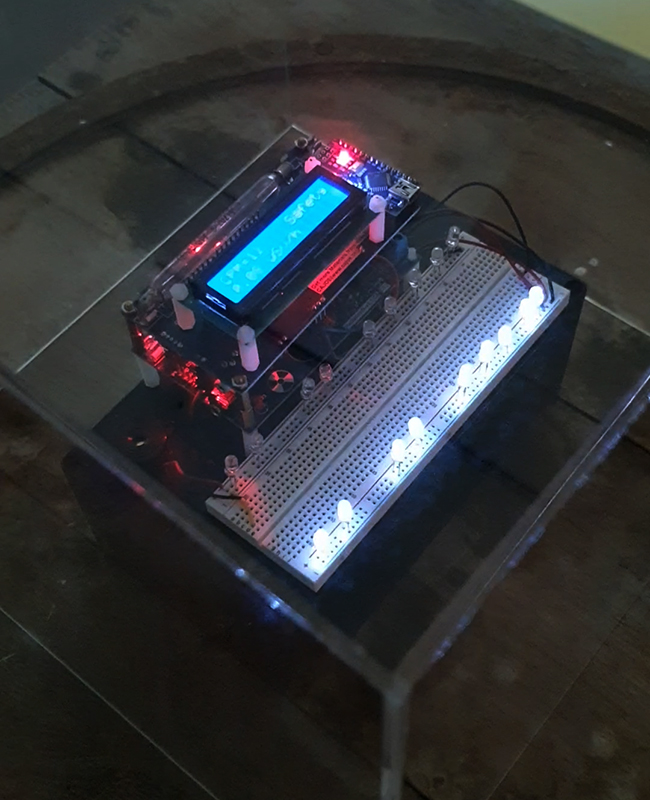
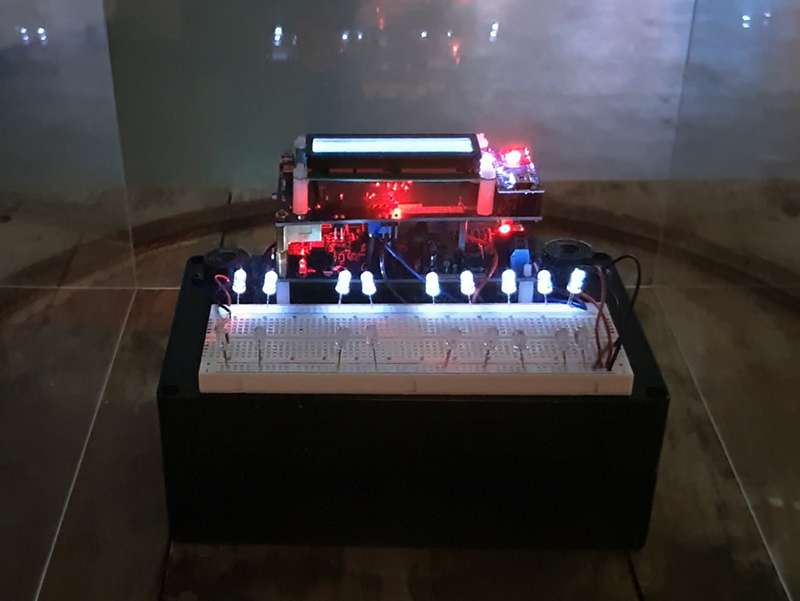
The big excitement this month was to get the cosmic ray detector assembled and working. It may not look very exciting to see an LED flash but knowing it was caused by a tiny traveller from outer space I do find quite something to acknowledge.

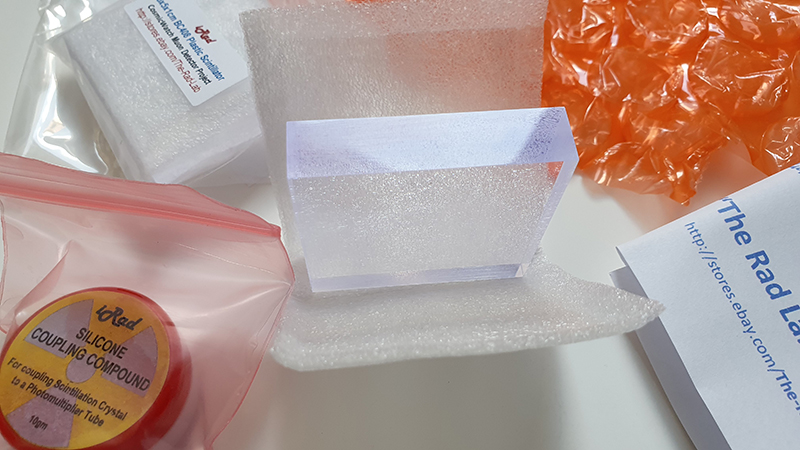
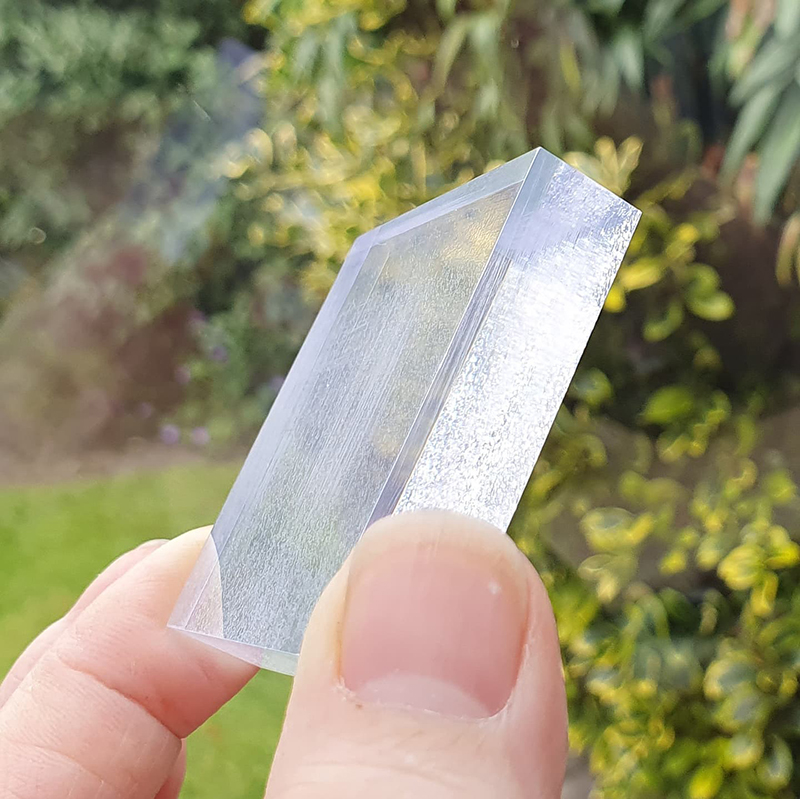
The detector uses a small slab of plastic scintillator as a detection medium and a silicon photomultiplier (SiPM) for light collection from charged particles as they pass through the scintillator. Flashing the plastic block with light from a UV torch causes a big scintillation burst.

The signal from the photomultiplier is sent to an Arduino microprocessor which measures the amplitude of the signal. The small OLED screen updates every second and an LED flashes every time an event is registered.

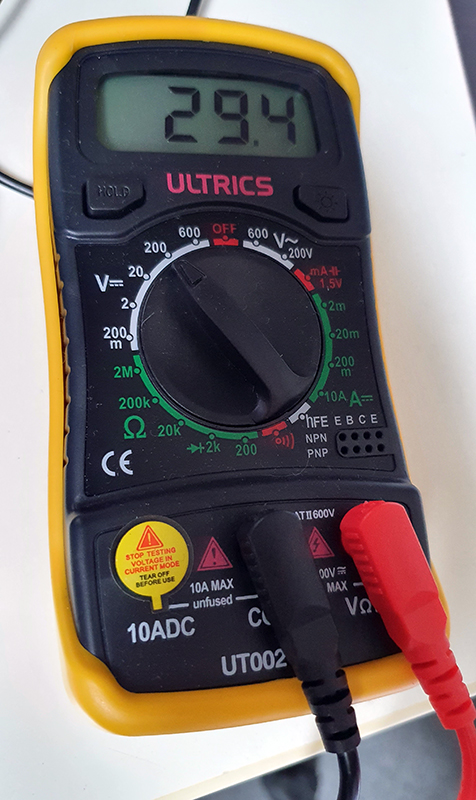
I have the skills and patience of ABL Circuits to thank for soldering the tiny SMT components to the PCB boards and then working out which part had the fault and replacing it so that the correct voltage was supplied to the SiPM PCB. It needed to read approximately +29.5 V as anything over 30 might damage the SiPM so it was a big relief when this was achieved.

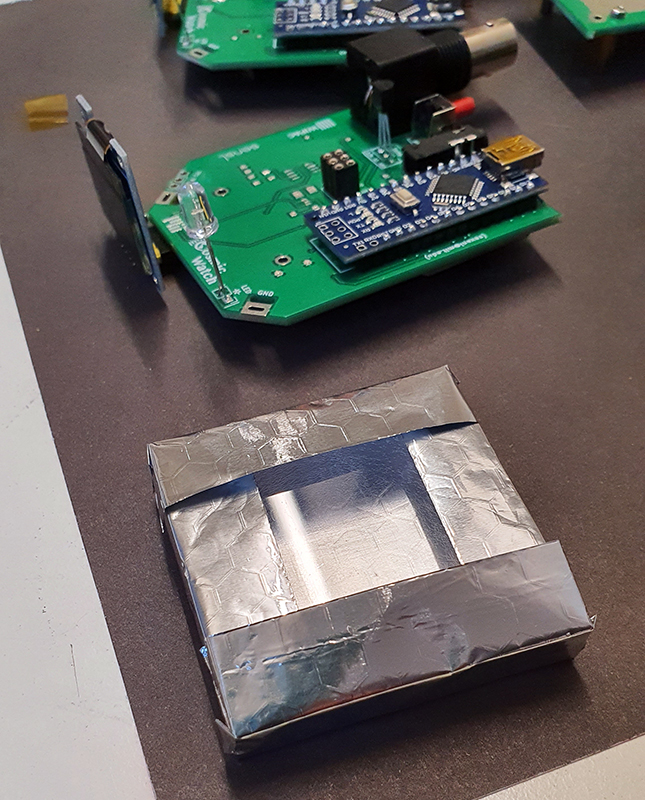
Once I had the printed circuit boards assembled I could wrap the scintillator plastic in foil, apply optical gel and attach it to the SiPM and then wrap this in electrical tape to make it light tight. I had a little bit of soldering left to do myself and then it could be slotted together.

When I had both detectors working independently I could set them up in coincidence mode to differentiate cosmic rays from background radiation particles.

The top detector is reading all local background radiation and the bottom one is just recording cosmic rays. The lights flash in unison when a particle travels through the top and bottom detector at the same time. The top detector labelled ‘M’ I will call mother and the bottom ‘S’ I will call son, (not the historical terminology suggested).

The horizontal lines record the energy of that particle – look out for the WOW particles!

So happy to have got this far with the project, now for the difficult bit translating that signal into an action triggering an interactive artwork.

Not only can cosmic rays be observed using a cloud chamber but they also trigger the formation of everyday clouds.

The Solar Wind is made up mainly of hydrogen and helium ions (ions are the nucleus of atoms separated from their accompanying electrons) known as solar protons. Travelling at up to 5 million miles per hour, the solar wind carries a million tons of matter from the sun into space every second. When massive amounts of energy stored in the magnetic fields of the sun are suddenly released in a solar flare explosion the particles are accelerated to even greater speeds.

Coronal mass ejections fire off great clouds of hot gas and the explosions are so powerful that they also rip away knots of magnetism from the surface of the sun which are sent sweeping past Earth deflecting the path of cosmic rays that would otherwise strike our planet. This effect is called the Forbush Decrease where increased solar activity results in a reduction of cosmic rays coming from outside our solar system.

Cosmic rays are super-charged subatomic particles produced by exploding stars, black holes and other phenomena many times more violent than any solar flare explosion but one coronal mass ejection can reduce cosmic rays for a few weeks and continued solar activity can keep cosmic ray counts low for sustained periods of time.

The Sun’s magnetic field goes through a cycle where north and south poles switch places about every 11 years. It then takes another 11 years for the poles to flip back again. Sunspot activity caused by the magnetic field are affected by the solar cycle but it is hard to predict how active a cycle might be. Usually at the beginning of the cycle there are fewer sunspots causing eruptions which then increase over time reaching solar maximum in the middle of the solar cycle before gradually retuning to solar minimum before the cycle begins again. The first solar cycle to be recorded was in 1751 and we are currently in cycle 25 with peak activity expected in 2025.

Research at the Technical University of Denmark has shown that the number of comic rays reaching the Earth has a significant impact on the warming of the oceans. When solar explosions deflect the number of cosmic rays hitting our planet there is a shortage of small aerosols – the chemical specks in the air that grow until water vapour can condense on them to become the water droplets of low-level clouds. The aerosol robotic network AERONETT also noticed a slight change in the colour of sunlight during times of low cosmic ray activity and found that violet light from the Sun looked brighter than usual. They put this down to the shortage of small aerosols usually provided by the cosmic rays which scatter violet light as it passes through the air. Without the growing aerosols, low-altitude clouds begin disappearing about a week after a Forbush Decrease minimum of cosmic rays. The water remains in the atmosphere in vapour form, but unlike cloud droplets it does not get in the way of sunlight warming the ocean. During solar maximum events the decline in cosmic radiation and the loss of low cloud cover persists for long enough to warm the planet.

“The effect of the solar explosions on the Earth’s cloudiness is huge. A loss of clouds of 4 or 5 per cent may not sound very much, but it briefly increases the sunlight reaching the oceans by about 2 watt per square metre, and that’s equivalent to all the global warming during the 20th Century.” Henrik Svensmark DTU

I have been testing new configurations of magnets for a large etching/drawing work looking at magnetoreception.

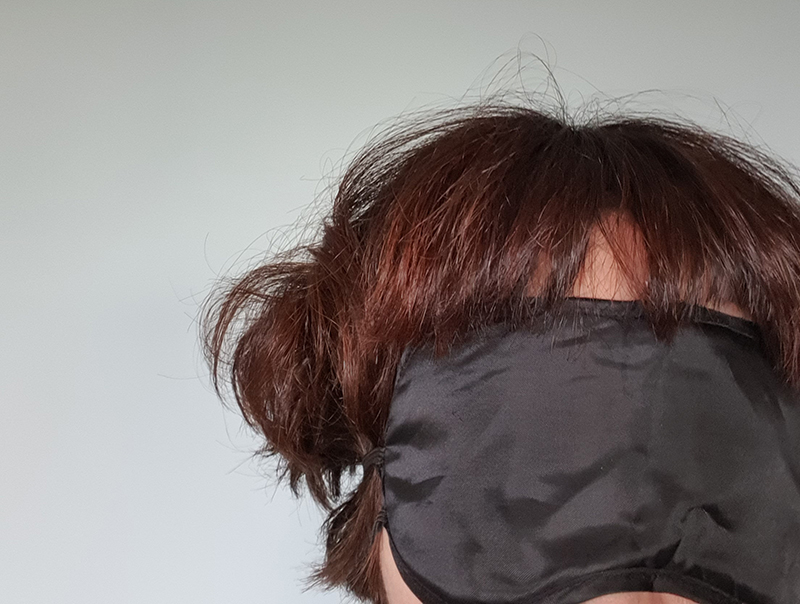
Also testing ideas for a magnetoreception performance mask. It became clear I will have to be careful with the iron filings around the eyes.

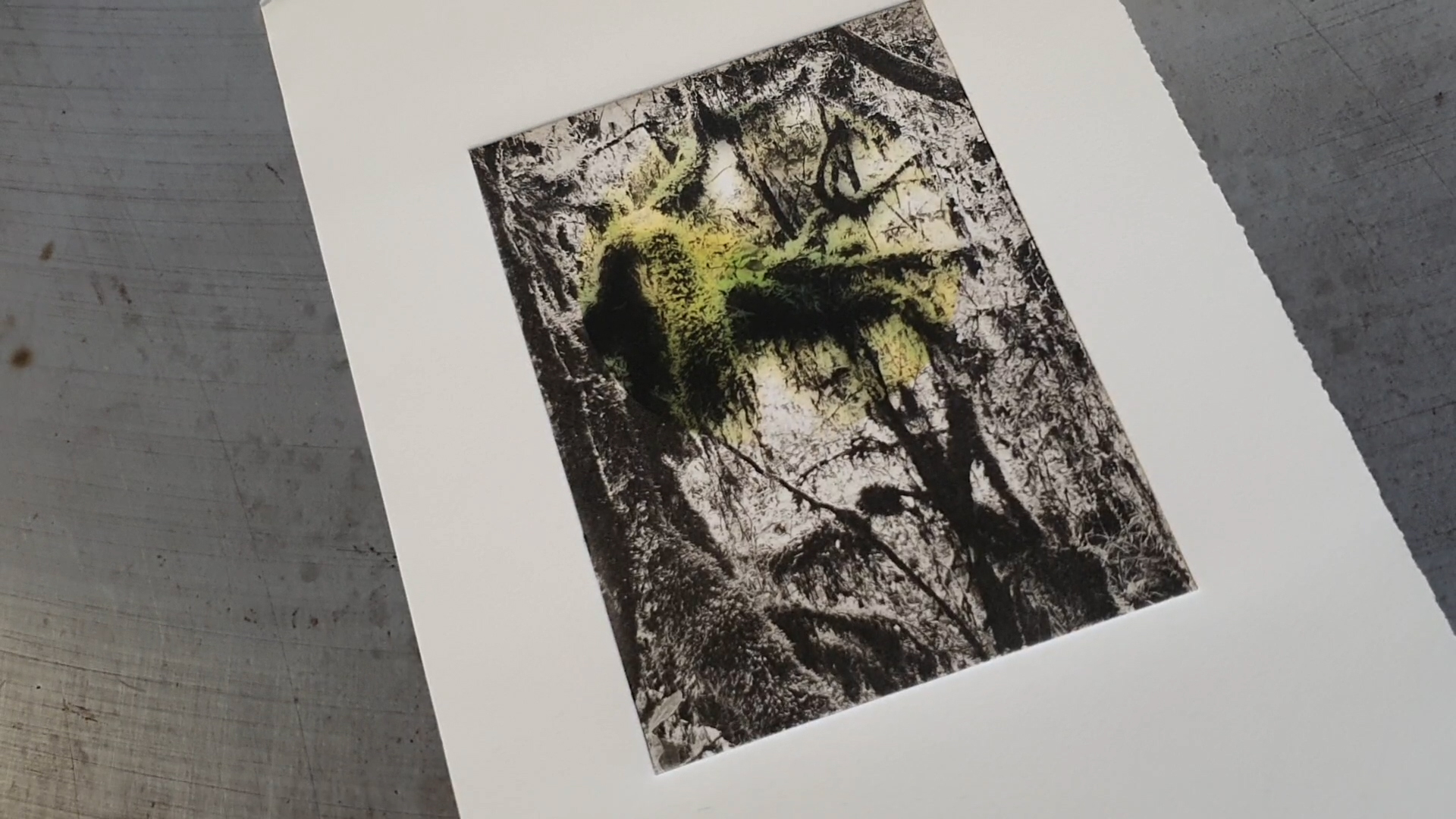
I was excited by the results of testing chine collé under black etching ink. It’s very subtle but I didn’t think it would show at all so was surprised and plan to try this with other ideas.

Great to see the launch of Yinka Shonibare’s new project Guest Artist Space in Lagos – this will be an international space for knowledge exchange between established and emerging artists, it will have urban and rural elements and involve local people as well as visiting artists for a true cultural exchange.

A video which I was invited to contribute to along with many artists Guest Projects has supported in the past is currently being shown as part of The Whitechapel Gallery exhibition programme A Century of the Artist’s Studio – Link to video here.

I am so grateful to Yinka Shonibare for his generosity and genuine interest in emerging and early career artists and awarding Laboratory of Dark Matters a month long residency that enabled us to achieve so much in 2017 including developing and running my first Cloud Chamber Workshops.

Exhibition Visits –

Gala Porras-Kim at Gasworks Out of an instance of expiration comes a perennial showing.

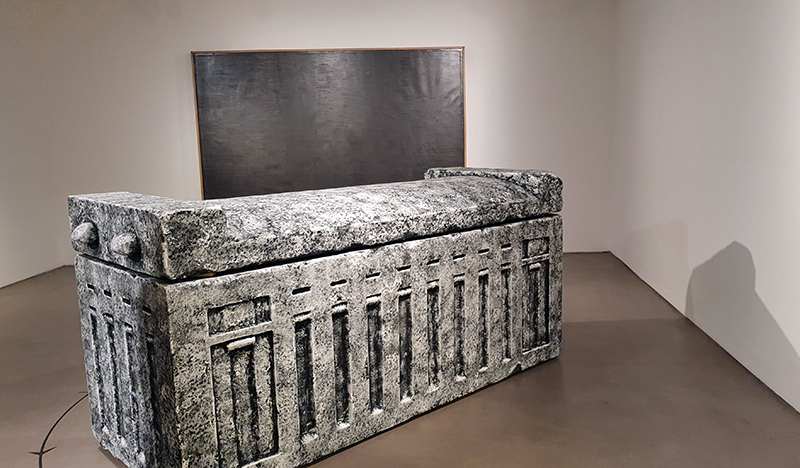
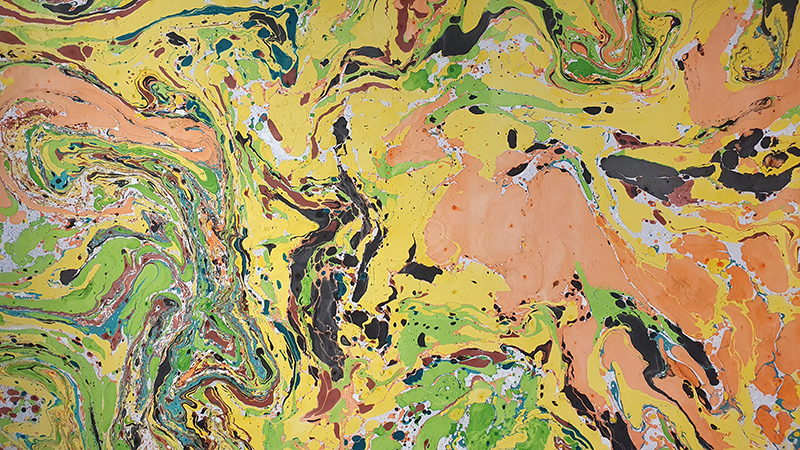
This wonderful exhibition is playful yet thoughtful, giving voice to the spirits of displaced, forgotten or overlooked fragments of history that have been institutionalised. The artworks suggest ways improve the material and spiritual conditions of artefacts stored in archaeological collections around the world such as re-aligning the sarcophagus or offering an awakening deity a more familiar prospect than the modern museum room in which it finds itself. Porras-Kim gives equal value to the dust gathering from artefacts stored in the back rooms of institutions and invites the spirits to communicate in the swirling patterns of marbling inks.

San Mei Gallery showing Laila Majid and Louis Blue Newby – not yet

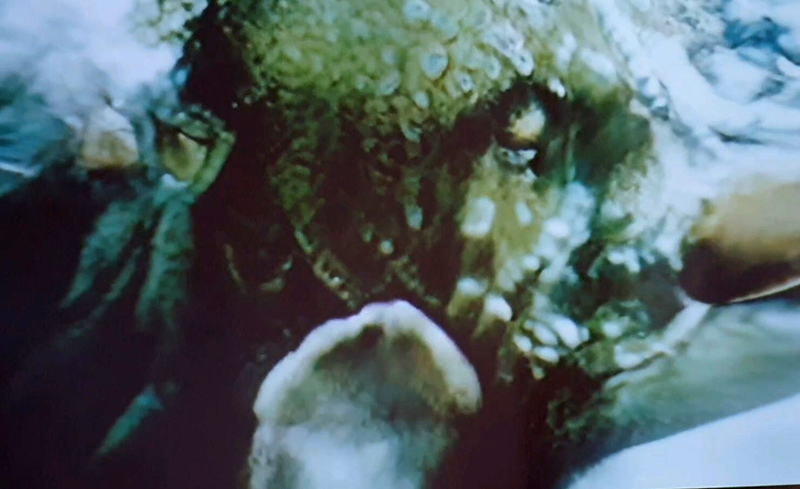
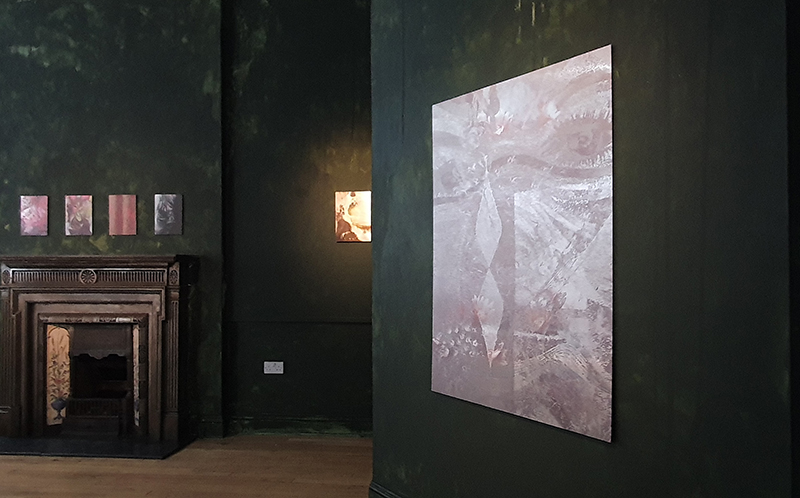
Walls smeared with slime green are hung with prints on aluminium that shimmer in the low light setting with video morphing of a bubbling concoction of swamp things.

Noémie Goudal –  Post Atlantica at Edel Assanti

Luscious imagery dissecting the impact of deep time on landscape and climate.  

Berndnaut Smilde – Momentum at Ronchini Gallery

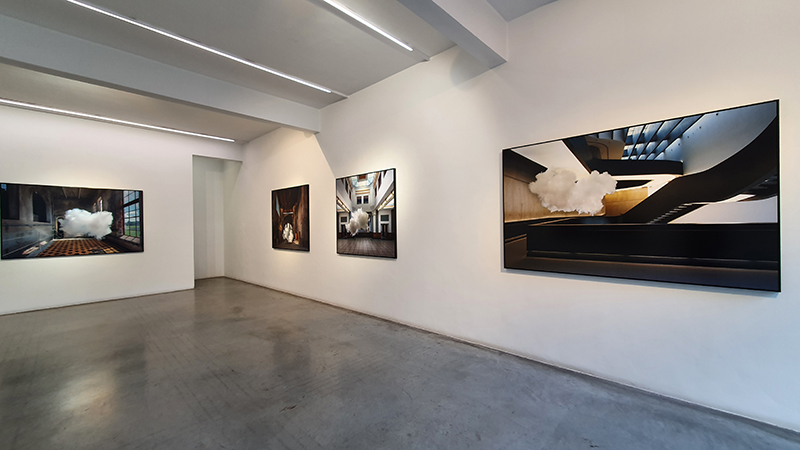
I was hoping to see a cloud produced in the gallery but had to settle for the documentation of previous clouds created in various locations presented in the Nimbus photography series. Apparently the artist very rarely makes this work as performance.

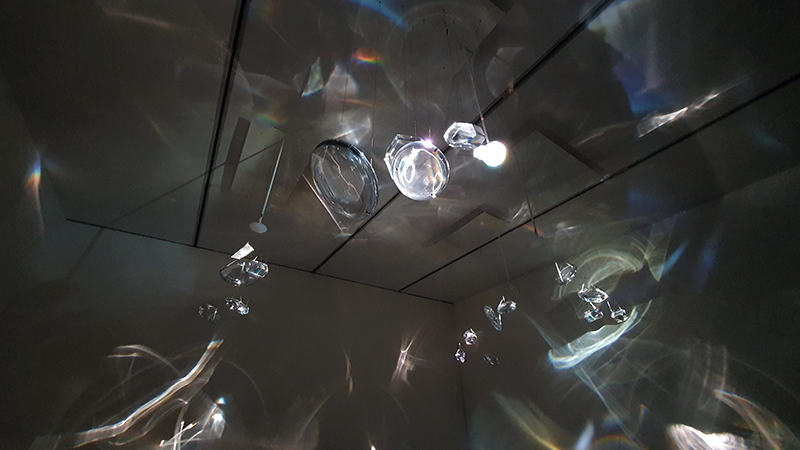
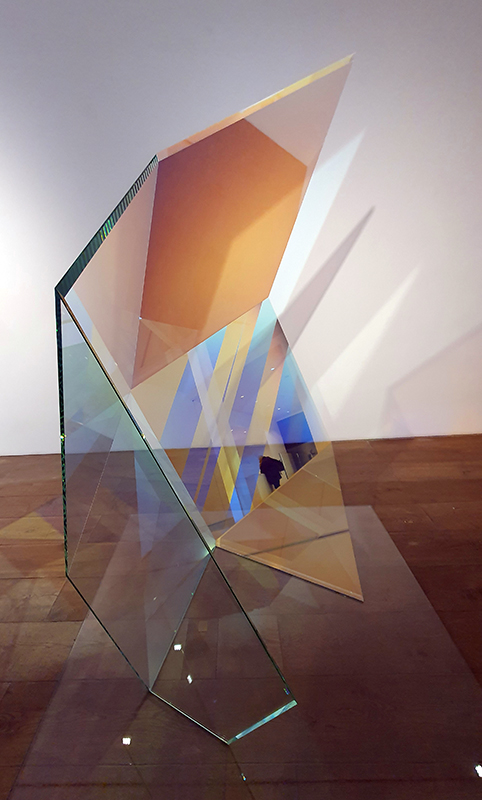
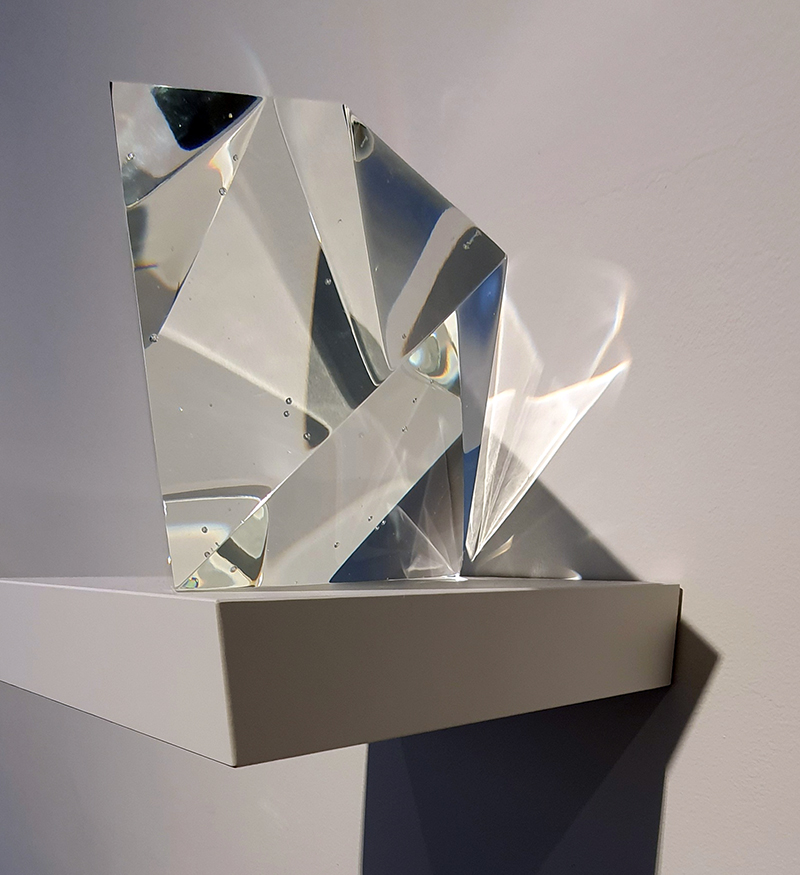
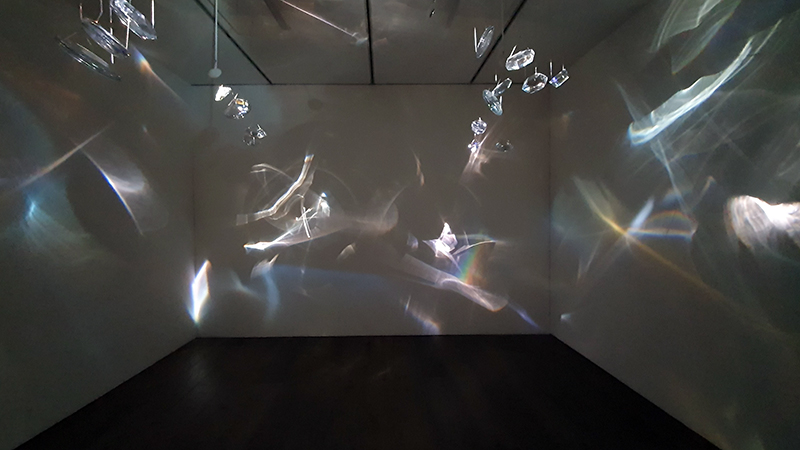
Shuster + Moseley – do not be afraid of the brilliant lights at Gallery Rosenfeld

Light bling of refraction and reflection when photons travel through a glass medium splitting and bouncing in reminder of its own physical presence

Also at Gallery Rosenfeld, Bongsu Park – in dreams we gather

Dreamscapes undulating through the darkness, echoing active brainwaves producing light within our sleeping skulls.

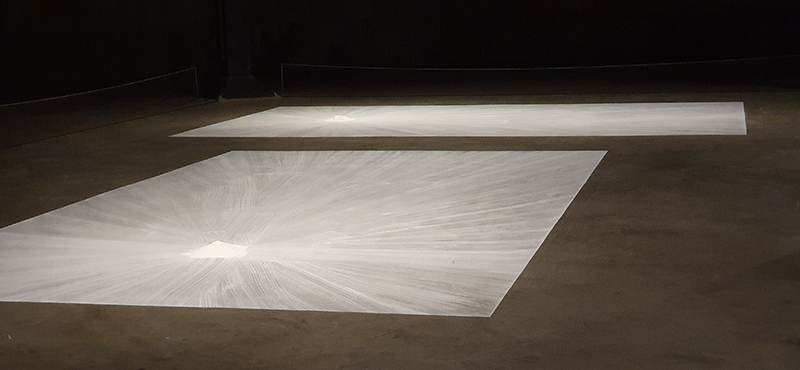
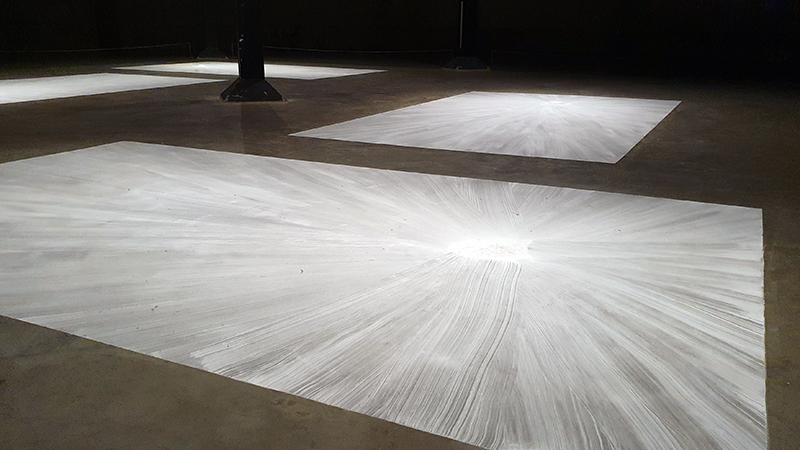
Rivane Neuenschwander Commonplace 1999 in Tate Tanks

Talcum powder is brushed into rectangular shapes on the floor, being remade every time it is exhibited. Simple gestures turn the stuff of everyday life into something unfamiliar and poetic.

James Freeman Gallery – Juliette Losq and Stuart Sandford in Elysian Fields

Interesting pairing of decay and perceived perfection.

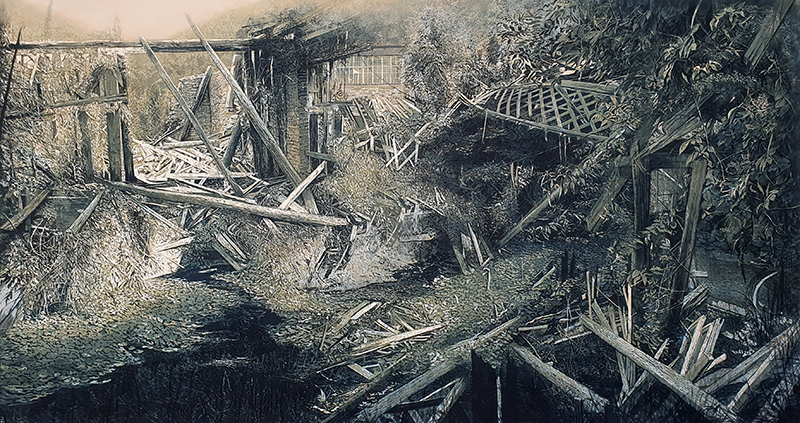
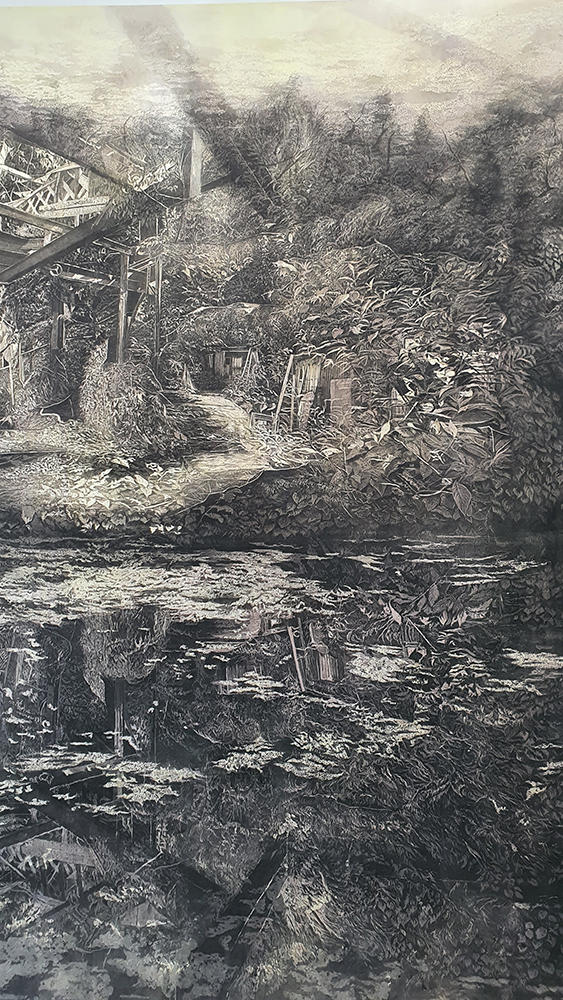
Paintings rather than the layered installations I admire from Juliette Losq here. Delicate pale light seeping through these landscapes caught in the haze of a slow and gentle decomposition.

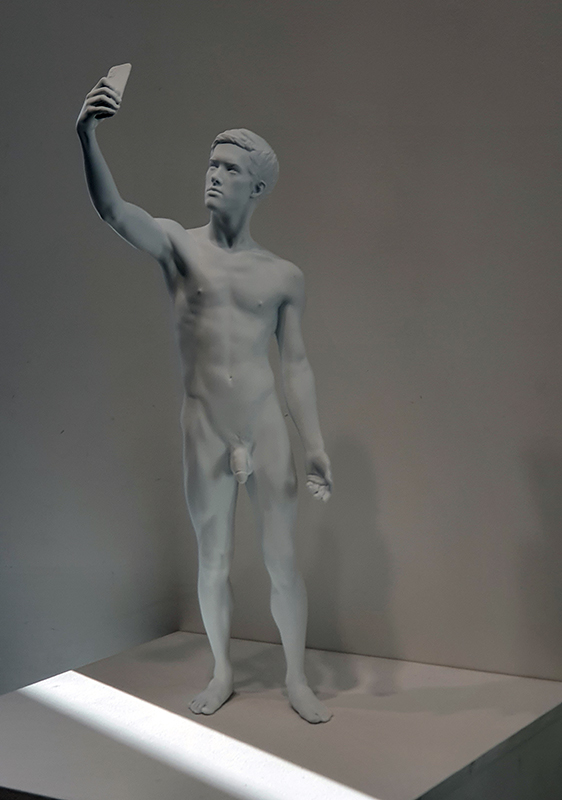
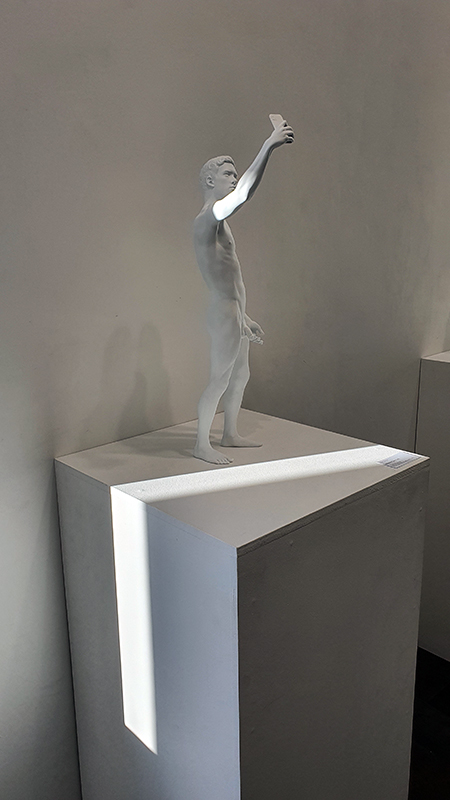
A close encounter with a full size Narcissus is only available through scanning a QR code to be experienced via the screen. Only his small pornworld counterparts were present, cast from the idealism of the digital realm into bronze.

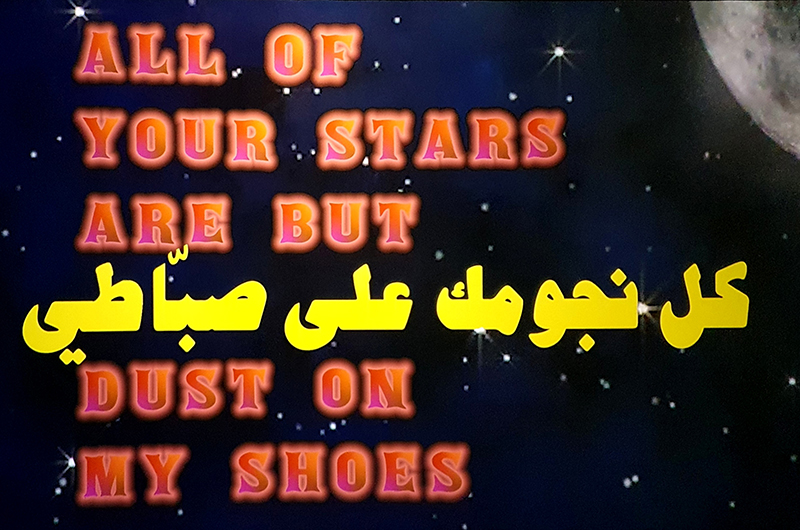
Haig Aivazian All of your stars are but dust on my shoes at The Showroom

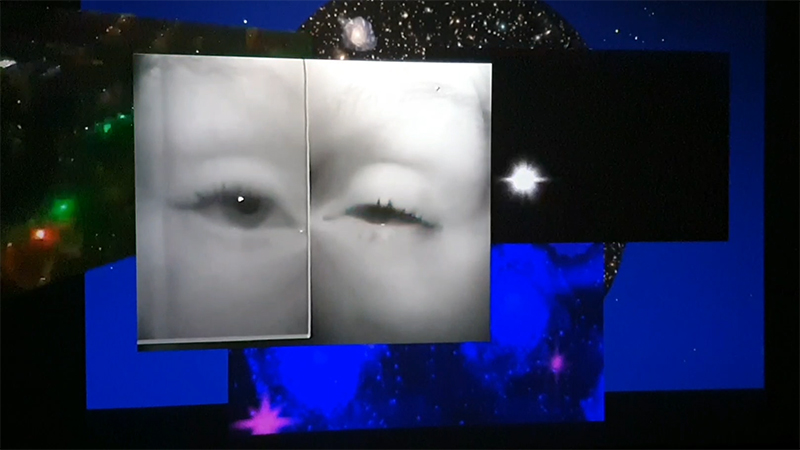
Two very moving films looking at light and fire, primordial gifts and how they are used for power and control.

Geo-poetic is a great description of how these films traverse history and borders exposing who decides what is seen and what is not and who holds the flaming torch over the touch paper.

Portals at Lisson Gallery curated by Ossian Ward

Images include Susan Hiller, Ryan Gander, Rodney Graham, Shirazeh Houshiary, John Latham, Mary Corse and Sean Scully.

A mixed offering of thresholds to alternative spaces, visible, conceptual, mythical or speculative.

Richenda Court Glass Town at The Muse at 269

Luminous work reflecting a fragile crystalline world

Good to see Lisa Pettibone’s suspended sculpture Instrument of Thought – A meditation on Matter and Light. The physics of the cosmos held in delicate balance as mirrored surfaces, crystals and rocks interplay hinting at ideas such as gravity, dark matter and the speed of light.

On Hannah Arendt: The Conquest of Space at Richard Saltoun with works by Sylvia Plimack Mangold, Elaine Reichek and Carey Young considering the question Has man’s conquest of space increased or diminished his stature?

The question is central to Arendt’s essay written in 1963 which rings alarm bells on the direction science and technology may be leading the human experience. The possible future Arendt foresaw of a world remade by the curiosity of the human race but transformed into somewhere unrecognisable to the humanist where even the scientist loses some essence of human nature as the world is described in a mathematical language that cannot be experienced with human senses may be bearing down upon us.

Lots to think about from this encounter. I think writing when she did, when the first man in space was quite recent history and before the internet, her concerns about a loss of what it is to be human, driven by technology effecting every part of our lives until there is no part left that hasn’t or isn’t in some way remade by humans was very prescient. I wonder how she would feel today as we rush into space like never before and not so much for exploration as exploitation. Arendt described herself as “a kind of phenomenologist” which I understand as looking at things purely as they appear to us without trying to explain why or how and accept meaning that comes from direct sensory experience. Works of art can act as mediators between the consciousnesses of the author and the reader as a direct attempt to communicate the experience of being human and the world around. Phenomenologists are interested in the way we come to share similar understanding of the world a collective subconscious or implicit agreement about how the world looks, sometimes referred to as the life-world.

An introduction to the essay link here presented by Roger Berkowitz, director of the Hannah Arendt Center at Bard College. Science transforms what it means to be human although we are still bound to our earthly bodies and subject to fate and fortune. Science does not give a human experience of the world, it confounds common sense. If our growth in understanding can only be expressed in mathematical terms then we have lost rather than gained a way of describing our world experience. Human thinking comes from metaphors and our thoughts are earthly, if we are taken off planet then the Earth becomes an object not our home.

Secret of Lightness at Parafin

Aimée Parrott, Andrew Pierre Hart, Tim Head, Andrea Heller, Laurence Kavanagh

Beautiful selection of works curated by Louisa Hunt that reflect the premise of Calvino’s text to pull against what holds us down and make a creative leap opening onto a new perspective.

‘Whenever humanity seems condemned to heaviness, I think I should fly like Perseus into a different space. I don’t mean escaping into dreams or into the irrational. I mean that I have to change my approach, look at the world from a different perspective, with a different logic and with fresh methods of cognition and verification. The images of lightness that I seek should not fade away like dreams dissolved by the realities of the present and future…’

Italo Calvino, Six Memos for the Next Millennium: Lightness (1985)

Of the Surface of Things at Alison Jacques showing works by Maria Bartuszová, Sheila Hicks, Hannah Wilke, Erika Verzutti.

Spending so much time thinking about the intangible it was refreshing to be exposed to some raw materials.

The curator refers to the 1919 poem ‘Of the Surface of Things’ of Wallace Stevens and the untethering of the imagination when exposed to the particularities of reality in simplified raw form.

In my room, the world is beyond my understanding;
But when I walk I see that it consists of three or four
        hills and a cloud. 

The fascinating and perilous journeys made by migrating birds has been a natural wonder for centuries with the first records of this phenomena made more than 3,000 years ago. The innate knowledge of migratory birds is mentioned in Job and Jeremiah and the ancient Greek writers Homer, Hesiod and Aristotle noted their passage.

Sensing the Earth’s magnetic field allows birds and other animals to determine their approximate position on the Earth. Research looking at how birds navigate over vast distances has shown many species are able to sense the compass direction of the Earth’s magnetic field and process this information. Non-migratory birds also have this ability using magnetoreception to orientate themselves in a local sense to map habitat.

There are two basic mechanisms involving magnetism used by animals; one method uses the iron based mineral magnetite found in the body’s cells and the other involves a protein found in the eye which is sensitive to light of different colours and intensities.

In plants and some animals, the light sensitive cryptochrome molecules are also involved in the control of the body’s circadian rhythms by tracking the difference between night and day. They can be found in cell nuclei of mammals and in the retina of several bird species. Ilia Solov’yov from the University of Southern Denmark has found the particular structure of cryptochrome Cry4 is unique and when light hits Cry4 cryptochromes in the eye of a migrating bird, they undergo chemical reactions that are influenced by the direction of Earth’s magnetic field, providing a signal of the bird’s orientation.

This light sensitive magnetic compass used by birds is affected by the polarisation direction of light. This was discovered by Rachel Muheim in a study where zebra finches were set the task of finding food in a maze. The birds were only able to use their magnetic compass when the direction of the polarised light was parallel to the magnetic field, when the polarised light was perpendicular to the magnetic field the birds became completely disorientated.

Researchers have put forward a theory that polarised light at sunrise and sunset accentuates the magnetic field at times when birds are ready to migrate or roost but in the middle of the day when the polarised light is approximately perpendicular to the magnetic field and less visible to them they can rely on sight to hunt and spot predators.

Magnetite is the most magnetic of Earth’s naturally-occurring minerals and microscopic particles are found in the cells of animals. Unlike the cryptochrome protein found in the eye and used by birds to perceive the Earth’s magnetic field, a magnetite-based magnetic sense does not need light to function.

Mole rats navigate their tunnels using this method which works like an internal compass. Birds also use this mechanism based on magnetite as an additional method to determine their position.

Sensing Earth’s geomagnetism is a functional ability seen in many creatures from bacteria and birds to turtles and bats. It is an evolutionary advantage to be able to orientate and navigate. Joseph Kirschvink and researchers at Caltech have completed experiments testing the human capacity to sense the magnetic field. Volunteers inside a chamber shielded from electromagnetic interference were subjected to an altered magnetic field while their brainwaves were monitored. The team found clear evidence that the subjects’ alpha brain waves were effected suggesting a rudimentary magnetic “sense”. The scientists believe that cells containing crystals of magnetite could register changes in magnetic fields and report this information to the brain. It is already known that magnetotactic bacteria have structures containing nanoscale magnetite crystals called magnetosomes that act as biological compasses, allowing the bacteria to navigate.

This research suggests that human alpha brainwaves react to a changing magnetic field. Alpha waves are always present, but are more prominent when in a relaxed and idle state of mind. Noticing a dip in the amplitude of the alpha waves would indicate the neurons in the brain becoming engaged in a task. The experiment was conducted to mimic how the Earth’s magnetic field would be experienced by the brain. The laboratory field was similar in strength to the Earth’s and the researchers moved it slowly to simulate how the field would change when turning one’s head. 

More experiments with iron filings, etchings and magnets.

Large etching on steel plate and small polymer etching.

Also some green screen filming towards the video work I am creating on this subject.

While back in the print studio I made some more prints of the mossy forest and added a little burst of colour.

A little progress with building the cosmic ray detector. I have drilled the holes in the plastic scintillator which was quite stressful as the project notes say it is easy to break. I did a test first in acrylic to gauge the size of the drill bit needed. The scintillator turned out to be much softer though and so I am hoping the holes are not too big now. I sent the Printed Circuit Board off to get the components soldered. I really wanted to do the soldering myself but am glad I went for help as there have been some issues with getting the voltage correct for the connection to the SiPM PCB.

I was lucky to grab a bargain box of Super 8 filming kit though haven’t had time yet to explore this fully and see if I can work out how to operate everything.

Out of studio

A visit to APT Gallery to see Periastra curated by Paul Malone looking at methodologies of curiosity within the fields of art and astrophysics.

I really like the presentation by Nicola Rae of a collection of fireball videos collected by the meteor watch group UKMON

I was excited to meet John Berman who was showing a muon detector he had built. He has used a Geiger Müller (GM) tube, for his detector which can be bought as a kit . A GM tube will detect alpha particles, beta particles, gamma rays and Cosmic Muons. It can be adapted to run in coincidence mode – this is when two or more tubes are connected and only when all tubes register a particle passing through at the same time can it be certain it is a cosmic particle and not background radiation. There is some downtime in a GM tube after each ionisation is recorded so it is possible not all particles are registered. When a particle passes through the tube the LED’s will flash.

92 Light Years is finally up on the wall in my studio. This work was inspired by a visit to the UCL Observatory at Mill Hill with Lumen Studios just before the pandemic. It then became a more poignant and personal piece for me thinking about time spent here on Earth and trying to relate that to the vastness of the cosmos.

The electromagnetic waves of radio and television signals can pierce the ionosphere and travel through space at the speed of light. HD 70642 is a star similar to our sun with a large companion planet that orbits in a circular motion very similar to how the planets orbit here in our solar system.  This means it is possible there maybe Earth-type planets orbiting further in.

This star is in the constellation of Puppis about 90 light years away. Early signals from Earth will just be reaching this distant solar system with a potential Earth like planet. The time it has taken the signals to reach this home from home is roughly the same as my Mother’s lifetime on Earth. 92 years measured in light.

Early TV signals were transmitted in a series of 30 lines to complete one image called a raster pattern. It is a systematic process of covering an area progressively, similar to how one’s gaze travels when reading lines of text. The signal is sent in fragments and must be interpreted on arrival to make sense of the message. The folded sections in this work emulate the raster pattern and are made from a combination of screen print on textile, dye sublimation print using images from the 1930’s and chinagraph pencil marking out the star chart – a bit like a lenticular image – you see the stars from one side and the fragmented signal from the other.

I have inherited a large number of lace and crocheted doilies from my Mother. A strange constellation may emerge.

In the studio I am continuing experimenting with magnets and iron filings while thinking about magnetoreception, methods of navigation and finding the way in the dark.

I have made a new etching of my iris which has been worked into with chinagraph pencil and will be used as background to film the movement of magnetised iron filings marching across the print. I am planning a moving image piece exploring magnetoreception along with a large mounted softground etching and a smaller photopolymer etching. I have tried some larger sized filings on the print which are darker but am not sure they are successful.

Researchers at the Max Planck Institute investigating light-sensitive molecules that bacteria, plants and animals use to detect the Earth’s magnetic field have noted that in birds this molecule, located in the eyes, only reacts to the magnetic field if it is simultaneously stimulated by light. The researchers think that some mammals may also use this cryptochrome to perceive the Earth’s magnetic field as there is a correspondence between the blue cones in mammals and the blue to ultra violet sensitive cones in birds. It is therefore entirely possible that this cryptochrome molecule in mammals could also perceive the Earth’s magnetic field and be used for navigation and orientation.

I participated in an online residency @t.ransienttt via Instagram to share some of my work over the course of one week. TRANSIENT supports creatives who explore the relationship between Art & Technology and offers an accessible platform to showcase their work, as well as connecting with fellow, like-minded creatives from all over the world. 

My interests are broadly to do with visualising the unseen. Technology can assist in making something visible which is otherwise outside the limitations of our senses. I use the pioneering technology developed in the study of particle physics as part of my practice allowing us a glimpse into the world of subatomic particles.

Cosmic Chiasmus – This video gives a glimpse into the activity of subatomic particles fired into our world when cosmic rays strike the top of the Earth’s atmosphere. Particles created during super nova explosions or by phenomena we are yet to discover, travel from distant galaxies continuously passing through us. Some particles collide and silently interact with atoms and technology on Earth.

A cloud chamber enables us to see the trails made by cosmic particles as they collide with and pass through our world. It has been said that the cloud chamber might be the most important piece of experimental equipment in the history of particle physics.

Scales of Intangibility and soft borders were developed in a black velvet chamber built during a studio residency at Chisenhale Art Place.

Scales of Intangibility is an interactive life size cloud chamber installation. Visitors were invited to enter the chamber to ‘capture’ projections of cosmic particle trails onto hand held viewing screens.

The concept of a finite but borderless universe and the permeability of our own body is explored in the video soft borders. The work addresses cosmic and quantum phenomena that are beyond human scale and relate them back to the body’s sensory experience. I worked with dance artist Paola Napolitano who performed sequences of movements based on the geometries of the platonic solids as video of cosmic particle trails were projected onto her body. The movements relate to the system devised by choreographer Rudolf Laban who believed – 

‘What we cannot perceive with our senses, especially our fundamental sense of touch, remains unreal and its very existence is denied’

Theoretically it is possible that wormholes exist. Aóratos (which translates as Unseen) was a site specific participatory installation with fire and film presented at Allenheads Blacksmith’s Shop as part of the 2019 ACA project Continuum.

Visitors were invited to burn offerings of negative energy to power the ‘wormhole’. They were provided with special paper tokens to write on filled with chemicals that change colour when they burn. They could then pass through a portal to see a video installation showing alternative landscape perspectives and would exit via a different door having made a short journey, leaving feeling cleansed of negative thought. Imagery for the videos took reference from theories of cosmic strings, space foam and the idea of a web of tiny wormholes connecting all points in space. The processes used included putting an endoscope down rabbit holes, using a microscope over foam, fibres and skin, green screen filming magnetic fields, along with footage from a high altitude balloon flight.

Wormholes symbolise crossing improbable boundaries.

There are some cosmic particles which arrive on Earth with such high energies that it could be they come from other dimensions.

At a Distance was filmed at Lizard Point Lighthouse on 29th March 2019 – the first date the UK was supposed to leave the EU. Solitary figures using semaphore flags sign ‘We Are One’ out across the ocean hoping the message will be echoed back as in quantum entanglement theory where particles link in a way that they instantly affect each other, even over vast distances. This mysterious twinning of electrons is what Einstein famously called ‘spooky action at a distance’. The video also uses manipulated footage of Lizard Point Lighthouse lamp powering up for the night to employ another form of messaging over distance. The film is back projected onto a Fresnel lens, the type found in lighthouses to increase luminosity of the lamps beam.

I watched another excellent Laurie Anderson talk in the series Spending The War Without You, this one was titled Birds. All the talks have now been released on YouTube.

Out of the studio

LUX: New Wave of Contemporary Art at 180 The Stand.

Subterranean adventures with wow factor. Light as medium and not always light in content as these spectacles can sometimes feel to be.

Hito Steyerl This is the Future is a video installation where a woman prisoner searches for a garden she has has to hide in the future to protect it from discovery by the prison guards. It also features Power Plants which are digitally generated by neural network computer systems based on the human brain and designed to predict the next frame in the video (the future) and are inspired by ruderal species, plants that grow out of waste ground or disruption.

Es Devlin BLUESKYWHITE is an installation beginning with a walk through long red tunnel accompanied by voiced text from Byron’s 1816 poem Darkness. The poem was written after the eruption of Mount Tambora in Indonesia 1815 which released so much debris into the atmosphere there was a perceptible dimming of the sun and drop in temperature of about 3 degrees. It is known as the year without summer. The tunnel leads to a viewing bench and screens where the blue sky turns white and then black. Current solar geoengineering models suggest that a haze of suspended particles in the atmosphere could reduce global warming but would also turn the blue sky white.

Cao Yuxi Shan Shui Paintings by AI uses deep network algorithms to learn from digital pixels of free hand oriental ink paintings on the web to produce unlimited simulations of landscape paintings combined with algorithms simulating the flow of water molecules creating a dynamic ever changing liquified landscape.

Cecelia Bengolea Favourite Positions is a 3D animation of the artist’s body liquified and melting, a body without boundaries where bodily fluids find new pathways and connections to synapses

Universal Everything Transfiguration – a figure keeps a steady pace in a continuous cycle of transformation, relentless unstoppable evolution through lava, rock, fur, water

Lux Carstens unicolor is a study in the psychology of colour perception and chromatics influenced by researchers, scientists and artists including Johann Wolfgang von Goethe, Hermann von Helmholtz, Werner Heisenberg, Wilhelm Ostwald, Eckhard Bending, Josef Albers and Johannes Iten.

a’strict Morando is an installation of two transparent OLED screens showing video using x-ray and time lapse techniques of peonies as they bloom and die. Peonies are a symbol of wealth and prosperity in Korea and a popular subject for paintings over many decades as well as being displayed at main life events such as births, marriages and funerals.

Flower Meadow a kinetic sculpture by Swiss studio for media architecture

a’strict Starry Beach – beauty and power as luminous waves crash all around and as in a dream we are immersed yet physically untouched

Black Corporeal (breathe) – creating a haunting soundtrack to the whole exhibition, a critical examination on the relationship between materiality and the black psyche by Julian Knxx. It explores the idea that our ability to breathe – an act that is challenged by everything from air pollution, stress, anxiety and societal prejudice – is more than our lung’s ability to take in air, but a reflection of the way we live individually and together.

Terrestrial Act III at Thames-side Gallery curated by Hot Desque with works by Sam Carvosso Anna Reading Davinia-Ann Robinson Hannah Rowan Harry Smithson Giorgio van Meerwijk. Hot Desque creates a future-past landscape through the theatrical presentation of six artists’ sculptures within a set. Initially presented on stage at the Theatre Royal Newcastle within an ornate yet empty theatre, now, dislodged in a new spacetime, the set has transformed over time.

Matter takes the stage choreographed by humans in an atmospheric alchemical collaboration.

In (Matters of the Soul) at ASC Gallery with work by Stephen Nelson, Jane Millar, Olly Fathers, James Tailor, Stephen Palmer, John Bunker and Lex Shute.

Does artwork have a soul?

21 grams was the disputed weight of a person’s soul as measured in Duncan MacDougals 1901 experiments on people before and after death. Certain work defies classification, playing with its own materiality and the illusion of what its seems to be. Other work plays with the legacy of the previous life represented in its material and the soulful spirit that could lie within.

Such an interesting concept explored in these works.

A Strange Kind of Knowing presented by Arusha Gallery and Haarlem Gallery at Noho Studios with works by Verity Birt, Holly Bynoe, Kristina Chan, Fourthland, Susan Hiller, Katja Hock, Coral Kindred-Boothby, Penny McCarthy, Kate McMillan, Aimée Parrott, Chantal Powell, Tai Shani and Eleanor May Watson. A Strange Kind of Knowing investigates phenomena such as the weather, the sea and sea caves, cloud formations and fire; lost knowledge and civilisations; and the natural and psychological cycles of transformation.

These works are pushing at the boundaries of an intuitive connection to the natural world brought to a more acute awareness during lockdown months.

We are made of carbon, it is the basic building block in virtually every cell in our body. Most of the carbon in the world is carbon-12 which contains six neutrons and six protons. However about 15 km above our heads radioactive carbon-14 is formed as neutrons from cosmic rays interact with the atmosphere.

Protons and atomic nuclei created by events such as exploding stars speed across space and collide violently with the Earth’s atmosphere creating a chain reaction of cascading particles. Some of these tiny travellers may come from distant galaxies or be created by phenomena that we are yet to discover. Our body is continuously permeated at a subatomic scale by these particles fired into our world – an almost tangible contact with outer space.

Carbon-14 has six protons and eight neutrons and has a half-life of 5,730 years. This means that after 5,730 years dead matter which absorbed Carbon-14 when alive will contain half the amount it had when it died and after another 5,730 years that amount will have halved again. Radioactive decay is random but in a sample there are enough atoms to work out an average time it will take for the nucleus to lose the extra neutrons.

This radioactive carbon-dioxide in the atmosphere is absorbed by plants which are eaten by animals and humans.

Cosmic ray activity gives us carbon dating techniques.

I am working on a video, Cosmic Chiasmus, meaning crossing.

Plant time lapse filming is fascinating to see how plants are so animated just at a different time scale to us. Also I have recently finished reading Richard Powers Overstory, a very powerful sobering read, which celebrates the slow yet socially active time of trees.

Carbon dating is performed by measuring Carbon-14 in organic matter. Radiocarbon decays slowly while an organism is alive but is continually replenished as long as the organism takes in air or food.

When an organism dies no more Carbon-14 is absorbed and that which is present starts to decay at a constant rate.

By measuring the radioactivity of dead organic matter, the current carbon-14 content can be determined and the time of death established.

The oldest matter that can reliably be carbon dated is about 50,000 years old. Currently techniques are being refined as they have often relied on the assumption that Carbon-14 levels in the atmosphere are constant but they are not.

The burning of fossil fuels which have lost all their radiocarbon dilutes the amount of Carbon-14 with carbon dioxide and nuclear explosions add huge amounts of ‘bomb carbon’ to the atmosphere. During planetary magnetic field reversals more solar radiation cosmic rays enter the atmosphere producing more Carbon-14. Also the oceans suck up carbon circulating it for centuries.

There are a number of uncertainties for dating shell.

On the surface of the earth two to three Muons pass through your hand every second, underground this is reduced to about once a month.

I came across some articles about balloon voyages made in the 1930’s to the stratosphere to record cosmic ray activity in old National Geographic magazines .

Intrepid explorers. These early explorations were innovative but also dangerous. In July 1934 a flight developed tears in the balloon fabric at about 57,000 feet and began to break apart, as it did so the hydrogen in the balloon exploded and the crew had to parachute to safety.

Physicist Victor Hess had already made a series of daring ascents in a balloon to take measurements of radiation in the atmosphere. In 1912 he made an ascent to 17,000 feet during a near-total eclipse of the Sun to determine if the source of the radiation was coming from the Sun and made the discovery that it had to be coming from further out in space.

The stratosphere balloon Explorer II was designed to carry heavy instruments for cosmic ray measurements to a height of 13 miles and more above sea level.

Scientists designed a system of cosmic ray telescopes to record the numbers of cosmic rays coming in from several angles above the horizon. Most of the cosmic rays counted are secondary particles shot out from the atoms of the air by the primary rays entering and colliding from space. During this flight the height at which most secondary cosmic rays are produced was determined and the first records of bursts of energy from atom disruption by cosmic rays was made.

Also, the first track ever made directly in the emulsion of a photographic plate by an alpha-particle cosmic ray with enormous energy of 100,000,000 electron volts was achieved. Two boxes of photographic plates coated with special emulsion were wrapped in light tight paper and attached to the balloon gondola. When the plates were developed there were no visible images but when put under a microscope tracks could be seen where the particles had ploughed through the emulsion.

Early google earth. They also took the highest altitude photographs of the Earth ever made.

To record data they had a series of cameras set to take automatic photographs of the dials on the different apparatus.

Analysing air captured from the stratosphere.

On Earth we are protected from most radioactive particles by the atmosphere and the magnetic field.

It has been clearly demonstrated that birds are able to sense the direction of the Earth’s magnetic field and that they can use this information as part of a compass sense. It may be possible humans retain some residual magnetoreceptor in our eyes that once allowed us to navigate using the Earth’s magnetic field. Current research suggests that some people do indeed perceive magnetic fields, albeit unconsciously.

Work in progress on navigation by magnetic receptors. Working on a soft ground etching of my iris with aquatint. Not sure yet if I will use the plate or the print in the final work which will have iron filings activated across the surface.

First components have arrived from America for my attempt to build my own cosmic ray detector to create an interactive artwork. The plastic block converts the energy of the charged particle passing through to a photon which can be read by a silicon photo-multiplier and the information fed to an Arduino processor. Daunting and exciting.

New work in progress – I collected a selection of images from the 1930’s including some from family, including my Mum aged 3, which I have tinted blue and had printed on sublimation dye paper for transfer to the tiles making up the raster pattern based on early television signals. FM radio and television signals can pierce the ionosphere and travel through space at the speed of light. The first signals will have travelled about 90 lightyears now to arrive at a solar system very similar to our own. Fragments travelling through space for light years with the potential for alien life to decipher.

Visit to Sutton Hoo where the ever increasing accuracy of radio carbon dating has provided astonishing clues to the past history of this intriguing site. Archaeologists can determine the age of objects in decades as opposed to centuries.

Sutton Hoo is the site of two early medieval cemeteries dating from the 6th to 7th centuries near Woodbridge, in Suffolk, England. In 1939 landowner Mrs Edith Pretty asked local archaeologist Basil Brown to investigate the largest of several Anglo-Saxon burial mounds on her property. Inside, he made one of the most spectacular archaeological discoveries of all time.

Past, present and future finds. Ancient trees. Burials of Kings. Amazing sword of beaten twisted wrought iron and steel. Basil Brown’s star charts.

The agency and aura of objects was investigated with the intent to generate new relations between objects and their associations with the world around them in the beautiful group show Can We Ever Know The Meaning Of These Objects curated by Sarah Sparkes and Kevin Quigley at Gallery 46.

Eileen Agar Angel of Anarchy at Whitechapel Gallery exposing the subconscious entwined with the material of nature. Enjoyed the decomposition of space into lines like foliations and contour lines. Which angel would you choose? Anarchy or Mercy?

I joined a zoom presentation from Sophie Williamson on her current project undead matter which dips into the deep time entanglement of geological ancestry. Leaving a mark in the past as a way of communicating with the future and creating a lineage for ourselves. Eras mingle with each other as ancient footprints resurface, ice melts, secreted narratives emerge. The permafrost holds vast amounts of carbon. Whole forests.

Zircon crystal contains radioactive uranium with a half-life of 4.5 billion years, which makes it useful for dating extremely old materials much much older than those containing Carbon-14. These crystals may hold clues to the origin of life. The carbon necessary for life may have arrived here in space dust from outer space via asteroids or comets.

WHAT ON EARTH group show from artists including Victoria Ahrens, Melanie King and Diego Valente using photographic processes with an emphasis on the material environment, tactility and sustainability.

Michael Armitage – Paradise Edict at the Royal Academy. Digital images do not do justice to the glow and vibrancy of these paintings. Can feel the heat pulsating with unsettling shape-shifting undercurrents.

180 The Strand with Ryoji Ikeda’s digital showcase was an intense assault on the senses using light and sound as medium to create immersive experiences. Brightness is the number of photons per second hitting your eye. Pushing the limits of what our senses can tolerate.

Took a trip to the Lake District to visit Brantwood, John Ruskin’s beautiful home to see Carol Wyss The Mind Has Mountains and Crown of Creation installations. Having seen the work that went into the printing of the large etchings at Thames-side Print Studio it was wonderful to be able to see the work finally installed and step inside the mysterious depths of the human skull; a space echoed by the surrounding mountains. The light installation is suspended in the dark chill of the Ice House vault, viewed from the top of rugged steps carved into the rock. Here the fragility of the human skeleton fades and glows accompanied by an evocative soundscape made by Natasha Lohan capturing the echoing chamber and the water that courses through everything.

A happy return to Allenheads Contemporary Arts for Continuum research.

1904 ACA 3 sphere

It is a place which pulls you in like gravity or a magnetic field. It would be no surprise to find a wormhole portal here.

Joined by Annie Carpenter, Nicola Ellis and Robert Good we spent the time reading, walking, thinking and sharing ideas.

“The miners did not find the riches they hoped for and the tunnel never reached its destination…”

Theoretically it is possible that wormholes exist. Every point in spacetime could be connected by a hidden web of tiny wormholes left over from the beginning when the universe was turbulent and unformed. Should they be discovered, to open them and pass through would require a colossal amount of negative energy which we are unable to create with current technology. However, there is a lot of metaphysical negative energy around at the moment so maybe this could be used to power a wormhole.

1904 ACA Blacksmiths.jpg

The Allenheads Blacksmith’s Forge seems a good place to open a wormhole portal. It is a place of high energy collisions and hot fusion.

1904 ACA Blacksmith window cill

It is also home to a collection of local rocks and crystals which must surely offer some negative energy cleansing properties. For research imagery my glass sphere encapsulates and condenses its surroundings. If the image is made to spin fractals begin to appear.

1904 ACA hearth

I also captured the landscape at speed as travel through the wormhole would exceed the speed of light.

1904 ACA at speed

I probed the depths of rabbit holes with an endoscope camera and discovered alien landscapes and the hidden web of the interconnected root system.

1904 ACA rabbit hole1904 ACA rabbit hole root web

We made a site visit to Newcastle University to view the space that Allenheads Contemporary Arts will performatively occupy during The Late Shows

1904 ACA Newcastle recce

As the project Continuum focuses on ideas around speculative fiction the newly installed Museum of Classic Sci-Fi in Allendale made an interesting day out with an impressive collection of artefacts and information.

Plasmaton:”ramdomly formed blobs of protein, wrought into being ‘psychokinetically’ …”

1904 ACA the classic sc-fi museum 6

The Cosmic Sublime exhibition presented by Lumen Studios opened at The Pie Factory in Margate. The concept of the sublime has long been associated to both fields of astronomy. Derived from the Latin “sublimis”, the sublime is translated as “set or raised aloft, high up”- etymologically the word “sublime” is very much linked to the space above our planet and to what may inhabit it.

I was pleased to show the video Soft Borders made with dance artist Paola Napolitano.

1904 Cosmic Sublime Susan Eyre

The video speculates on the idea of a universe that is a finite shape but has no borders. If we were able to exit at one point we would immediately re-enter at another point. It also considers our body in a similar way with open borders for the unseen passage of cosmic rays and other particles.

Thanks to artist Rosie Reed Gold for some great photos of the show.

My wonderful optician John Rose spent some time scanning my iris for me.

1904 iris scan infrared

This is for work I am planning looking at the possibility that we retain some residual magnetoreceptor in our eyes that once enabled us to navigate using the Earth’s magnetic field. And other ideas.

In 2019 the Lizard is celebrating the 400 year anniversary of Sir John Killigrew’s building of the first lighthouse on Lizard Point in 1619. The lighthouse also has important links to the search for reliable Longitude measurement, with an assistant to the astronomer royal visiting the lighthouse at the time of the first Transit of Venus to record an accurate location for the Lizard Rocks.

1903 lighthouse lens

Following on from the Lizard Point Residency I have made a mock up to test the Fresnel lens projection work. A film exploring entanglement and communication across distances will be back projected onto the lens.

1904 at a distance mockup

Joined by Anne Krinsky and Carol Wyss, we made another site visit to St. Augustine’s Tower in Hackney and made some decisions about who would install where for our upcoming group show which will be titled Reading Stones.

1904 St Augustines Tower Clock

Reading Stones were the original tool for magnifying text, first made from polished glass or crystal in the 13th Century – the same era the tower was built.

I will be installing in the room that houses the clock mechanism. It is a wonderful animated machine. On the way home reading Carlo Ravelli’s book The Order of Time I came to the passages quoting from St. Augustine.

“It is within my mind then, that I measure time. I must not allow my mind to insist that time is something objective. When I measure time, I am measuring something in the present of my mind. Either this is time, or I have no idea what time is.”

1904 St. Augustine

The British Library have released some excellent scans from their archives for free use.

1904 time and eternity

While in Suffolk visiting family I made a detour to Dunwich and found the tide clock has become redundant.

1904 tide clock

Time and Tide wait for no man. The earliest known record is from St. Marher,  1225: “And te tide and te time þat tu iboren were, schal beon iblescet.”

In my present, the ruins of Greyfriars Monastery at Dunwich where large chunks of the coastline have fallen into the sea.

1904 Abbey Ruins Dunwich

The last gravestone standing as the land crumbles

1904 the last grave Dunwich

In the studio –  Sugar lift for work looking at cycles and forces

1904 sugar lift magnetic field

Copper sulphate etching

1904 sugar lift etch

Four colour separation screen-print

I made two pieces – one delicate etch, one fierce

1904 Glory BE

This is an amalgamation of images from the ruined Waverley Abbey and St. James Church Weybridge – not ruined in my present. Sanctified spaces drawing people to them who seek transformation. All matter becomes regenerated.

Out of  the studio…

Another Land at Kingston Museum, a showcase of experimental visualisations of place to draw links between creative practice and anthropology, archaeology, architecture and geography.

1904 Another Land Victoria Ahrens

Victoria Ahrens Lleva y Trae (2019) Exploring notions of the politics of place, resistance and ruin looking at the spaces between what we know and what we think we know about the world


1904 Another Land

Matthew Flintham Nuclear Airspace  – The radial danger areas surrounding active nuclear power plants in the UK.

1904 Another Land remotes


I liked the collection of remote controls –  accidental installation


Anamorphic Waves at Ugly Duck.

1904 Ugly Duck Anamorphic waves (1)

An exhibition exploring how digital interfaces and technological tools are reshaping our personal, professional and ecological relationships, and how they have modified our view of love, sexuality and gender.

1904 Ugly Duck Anamorphic waves (2)

I liked this work looking at big data. I was intrigued how the multiple projections were installed, baffling as only two projectors in the room and neither seemed to be pointing in the right direction.

1904 Stuart Faromarz Batchelor

Mesmerising images from Stuart Faromarz Batchelor who explained some of his methods working with oil paint and coding algorithms which respond to the brush strokes via a camera link at the latest Flux Social Event.

1904 Flux social

Visceral and beautiful work at the Hatton Gallery in Newcastle, the exhibition presents a dialogue between oil paintings by Francis Bacon and Morphia, a series of works on paper by Ellen Gallagher.

1904 Ellen Gallagher (1)

1904 Ellen Gallagher (2)

Great installation looking at the moon from an earthbound perspective from Shaney Barton. Anomalous Mass is showing at Allenheads Contemporary Arts Gallery as part of the Continuum series of events. Multiple screens show footage captured of the moon over a ten-month period with found dialogues on recent moon histories and projected near futures of the moon race and plans for human colonisation.

1904 Shaney Barton

Wonderful poetic visons, some realised some imaginary from Katie Paterson at Turner Contemporary with A place that exists only in moonlight.

1904 Katie Paterson1904 Katie Paterson 2

Like Paterson, JMW Turner was fascinated by the sublime wonder of nature, capturing the changing and atmospheric qualities of light, air and weather in his paintings, while also being deeply curious about science and the physical world. Paterson has selected a group of over 20 Turner watercolours and paintings to be interspersed with her works.

1904 Turner

Also on display were some of Caroline Herschel’s notebooks describing her extraordinary astronomical discoveries of comets made by patient observation.

1904 Caroline Herschel notebook

Great to be able to see the screening of Sarah Sparkes film Time You Need and her GHost Tunnel installation in The GHost Parlour at New Art Projects. The GHost Tunnel references portals, black holes and equates time travel with death as another dimension that we may enter.

1904 Sarah Sparkes

The film gently leads the viewer on a journey beyond the physical and explores the potential for consciousness to time-travel within the material limits of the human body.

1904 Sarah Sparkes still-from-film-Time-You-Need