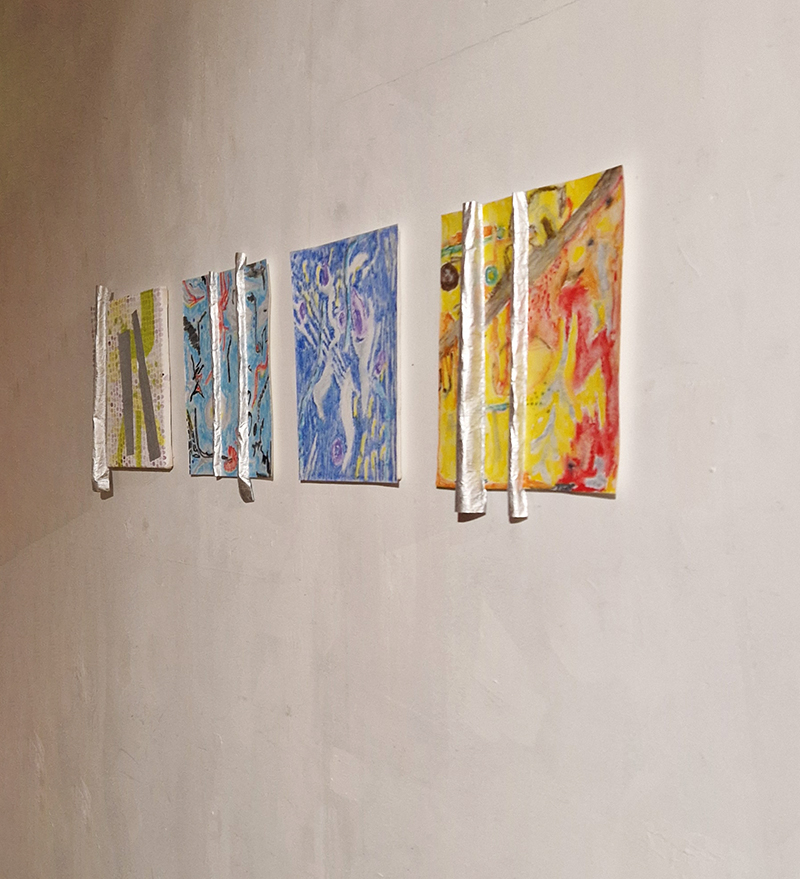
Archives for posts with tag: Olga Tokarczuk

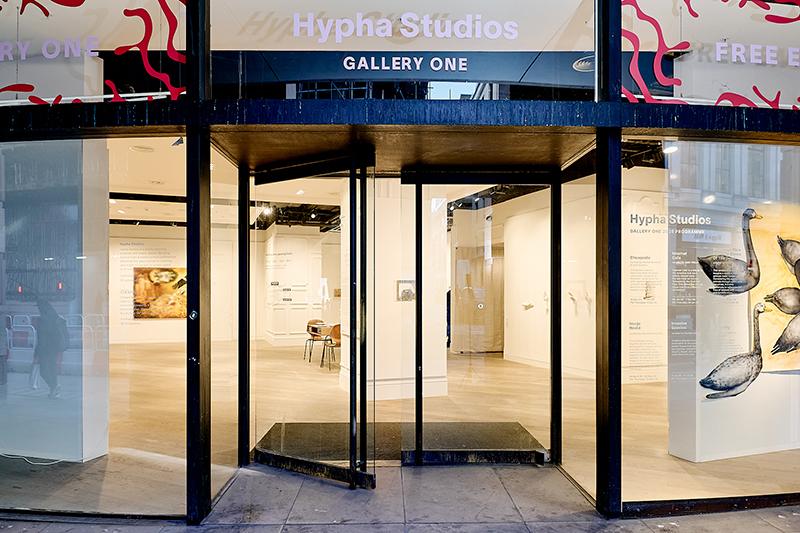
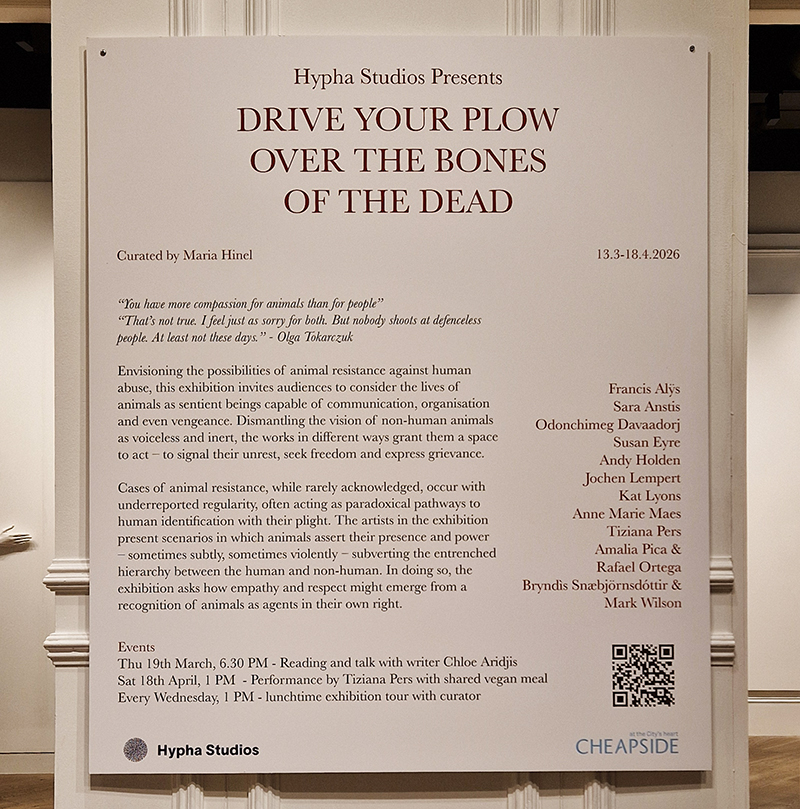
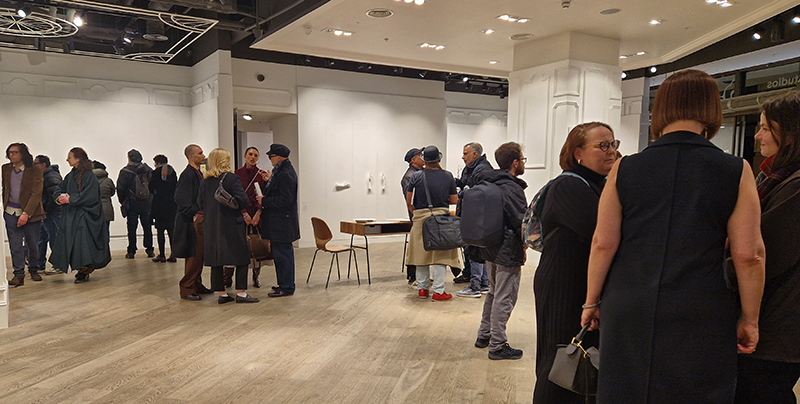
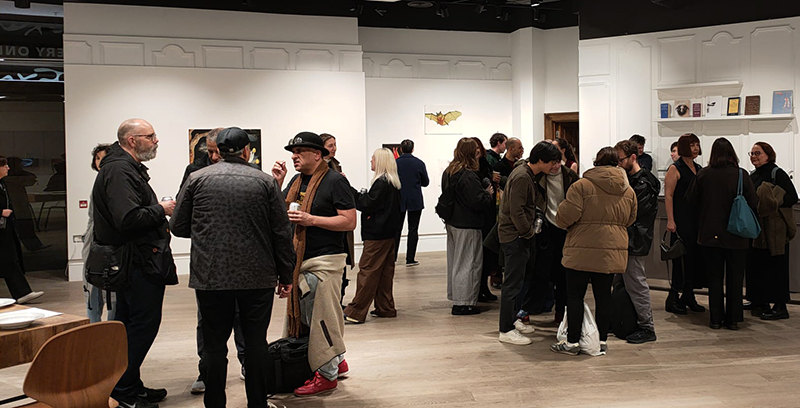
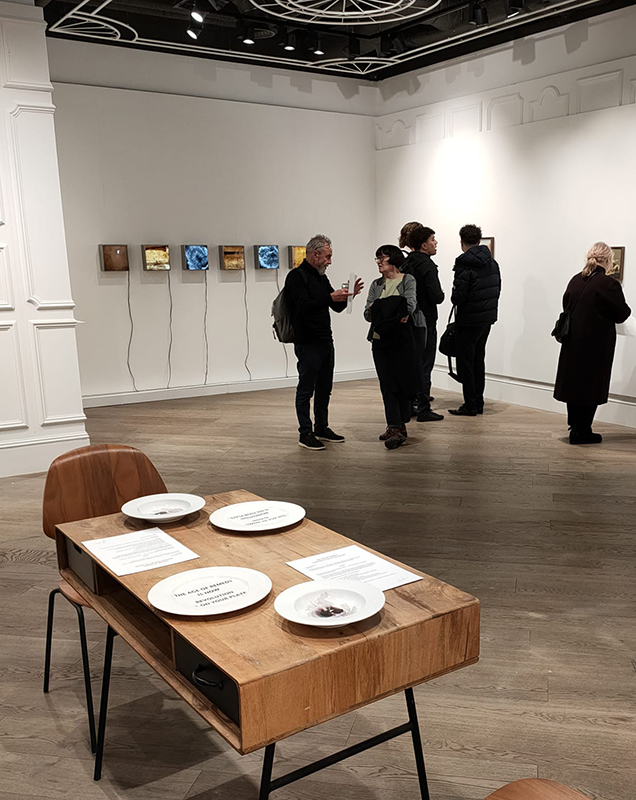
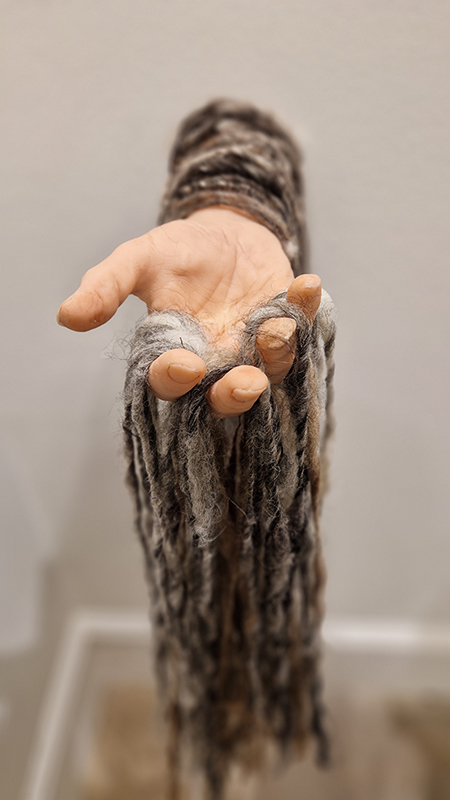
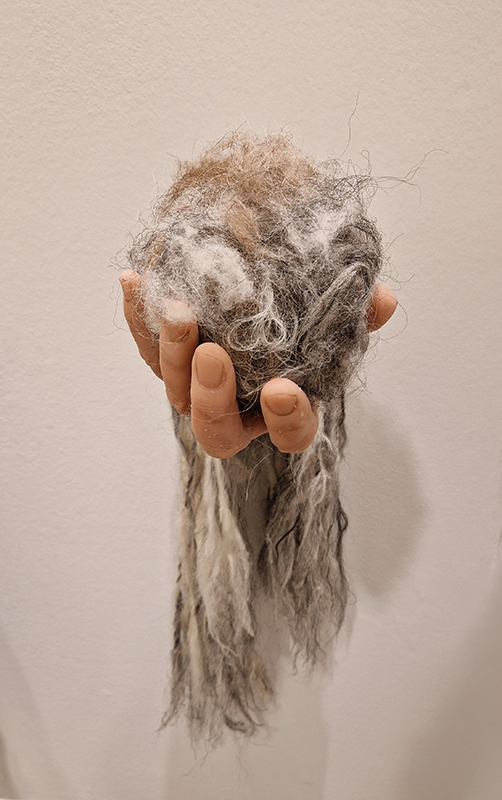
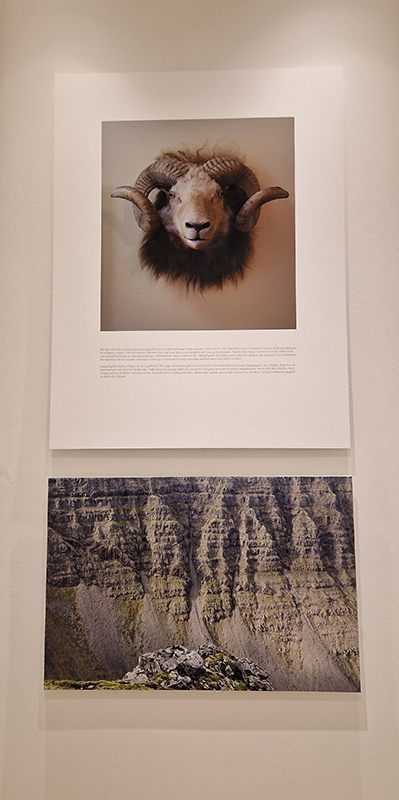
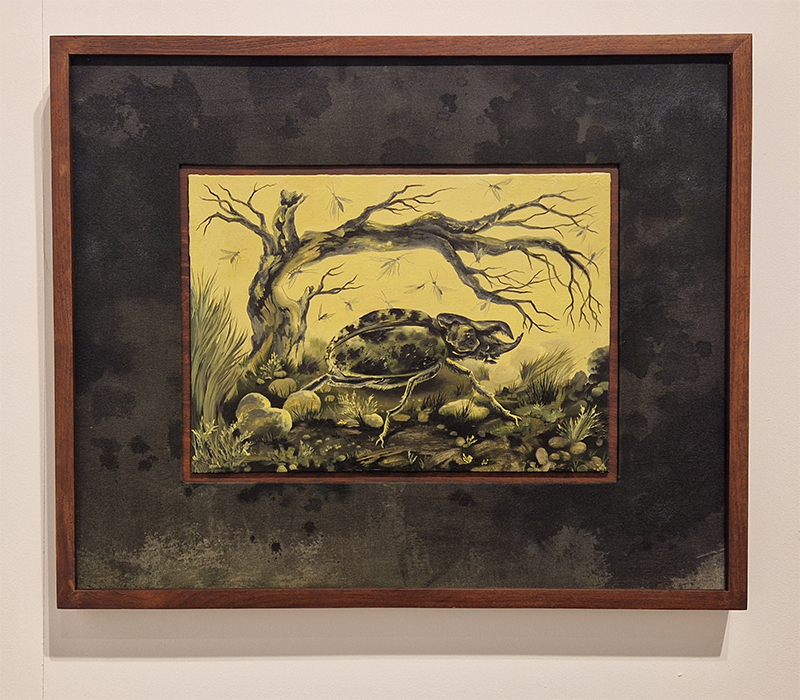
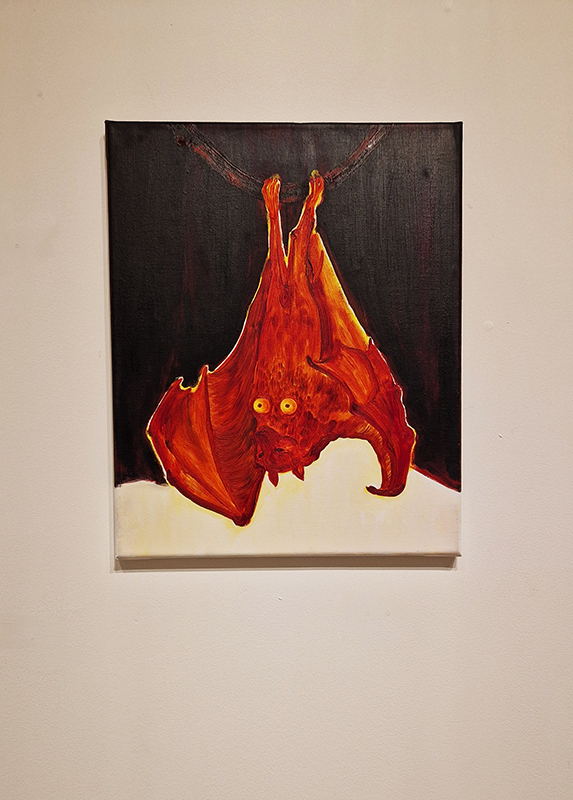
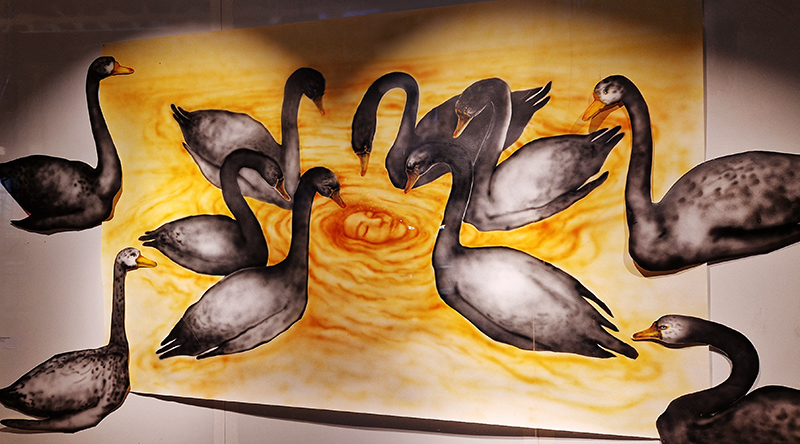
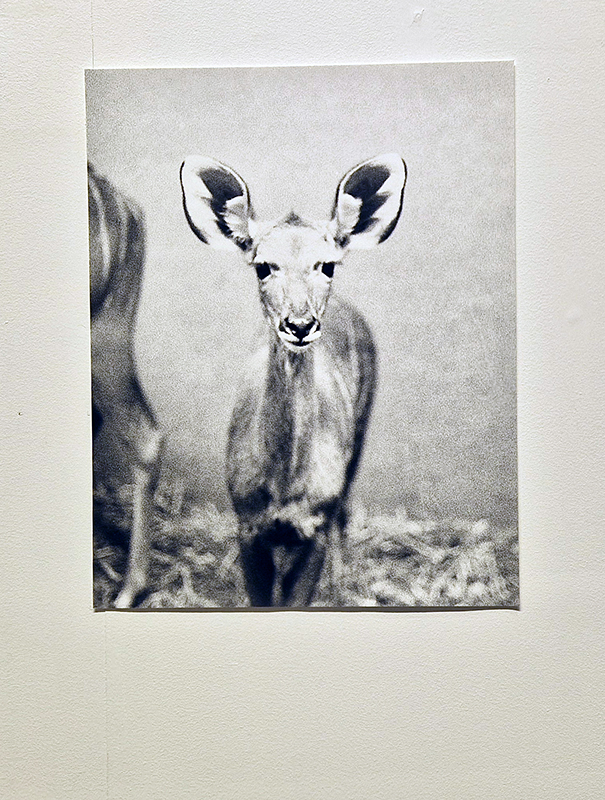
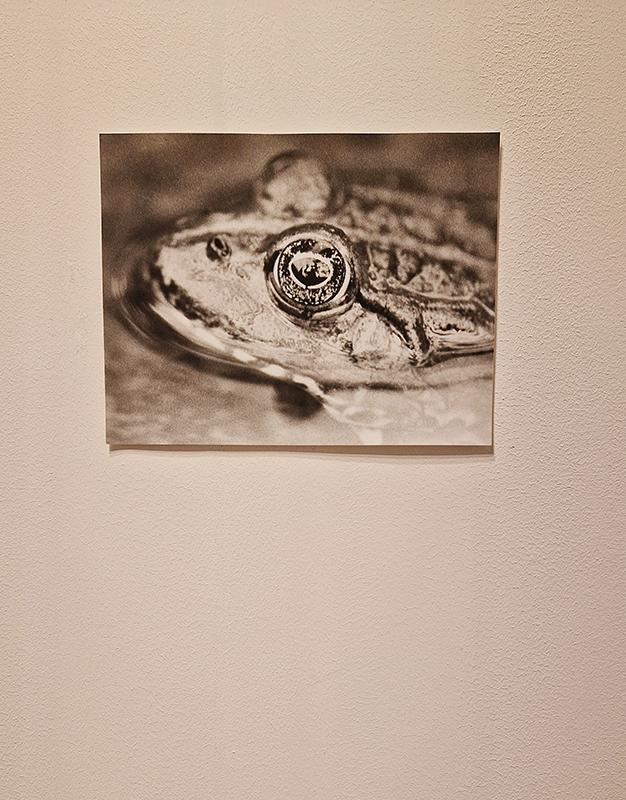
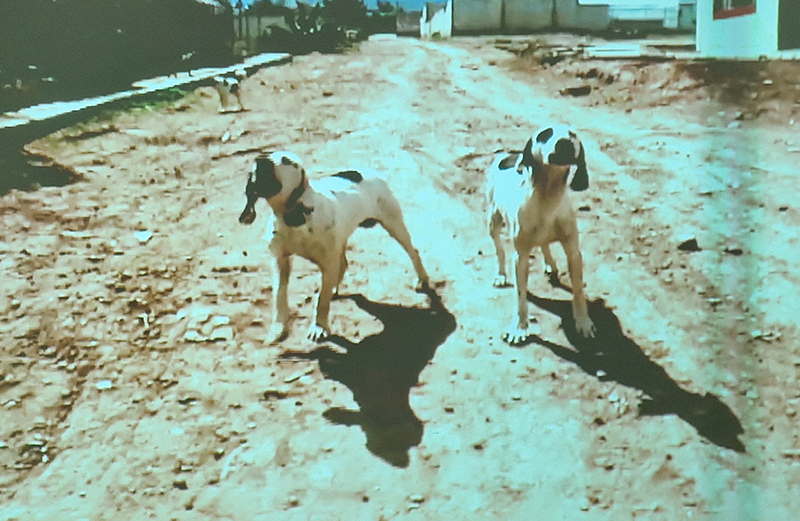
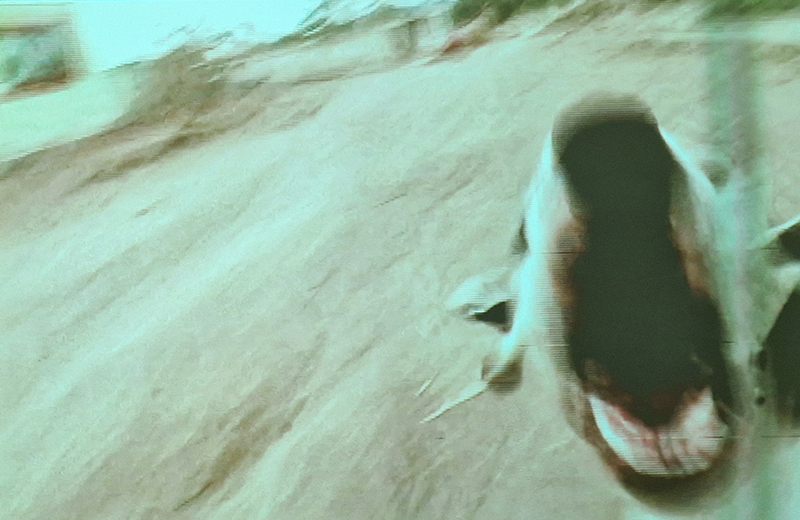
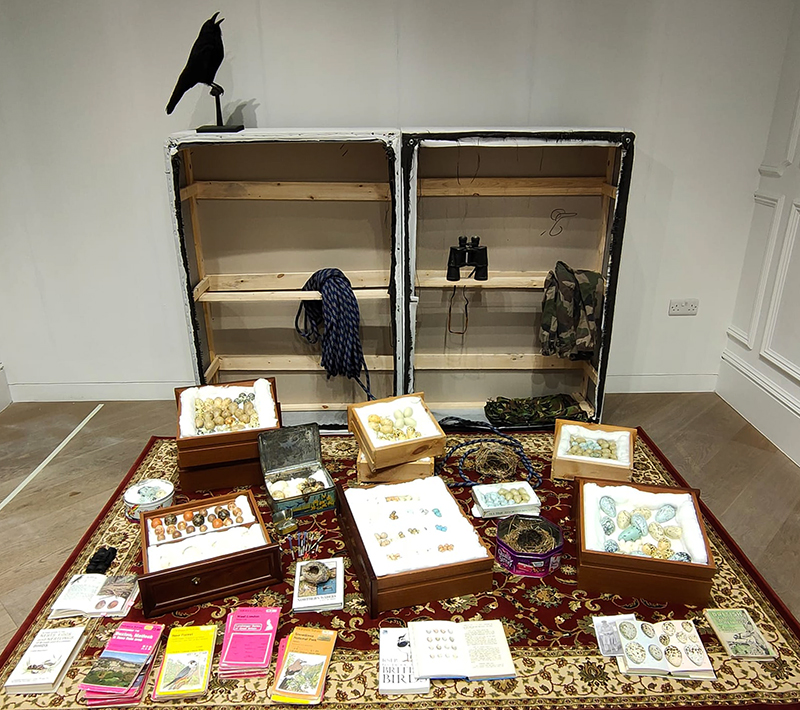
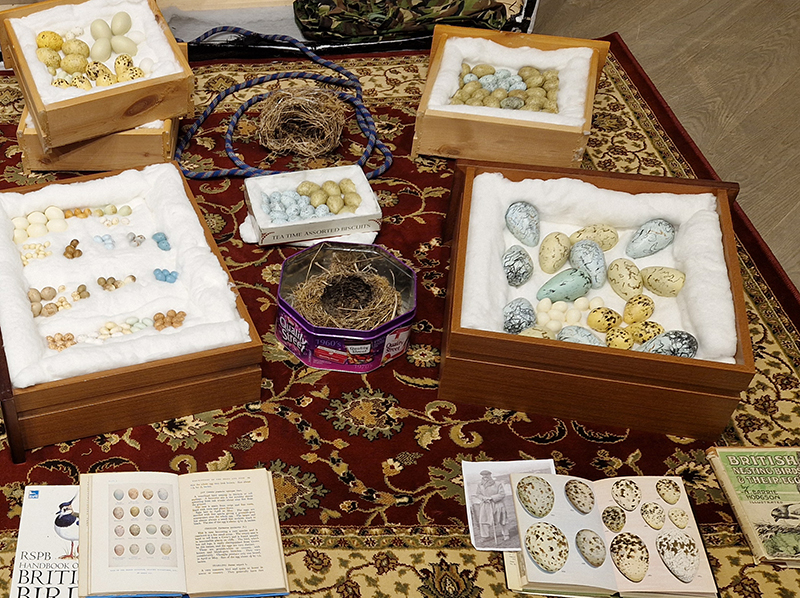
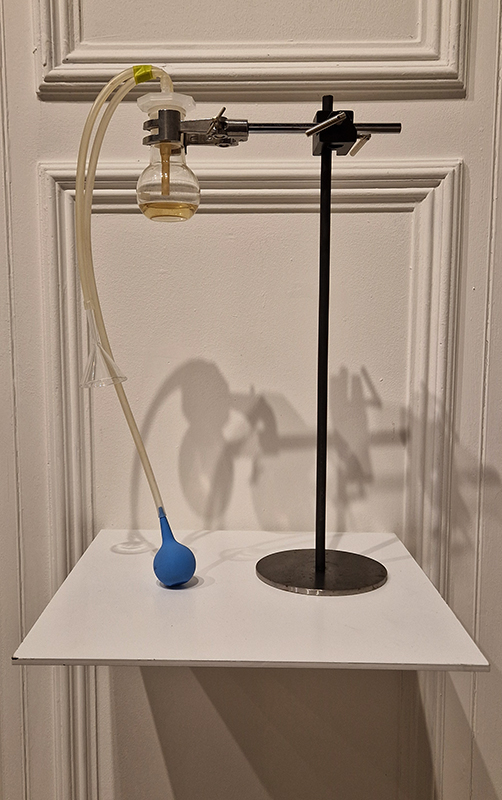
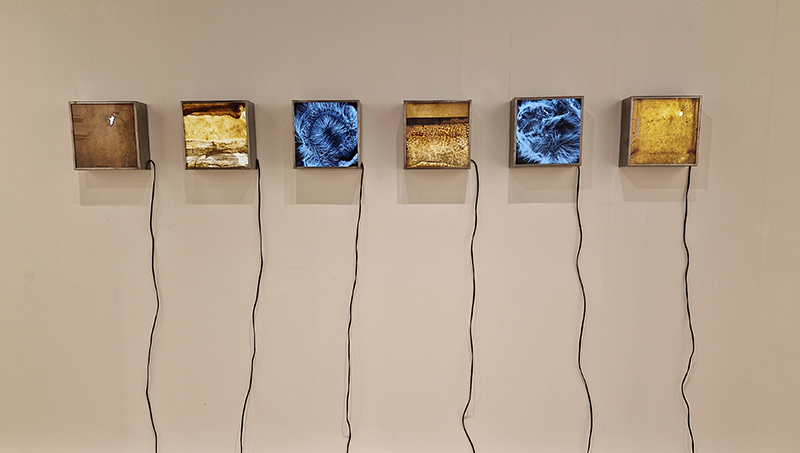
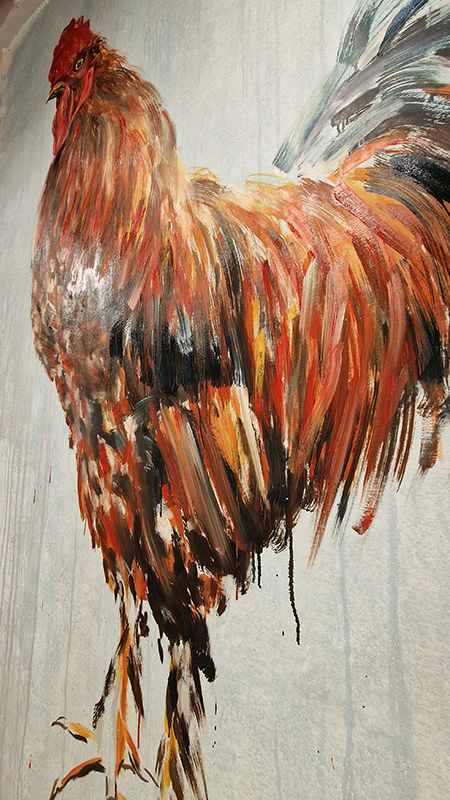
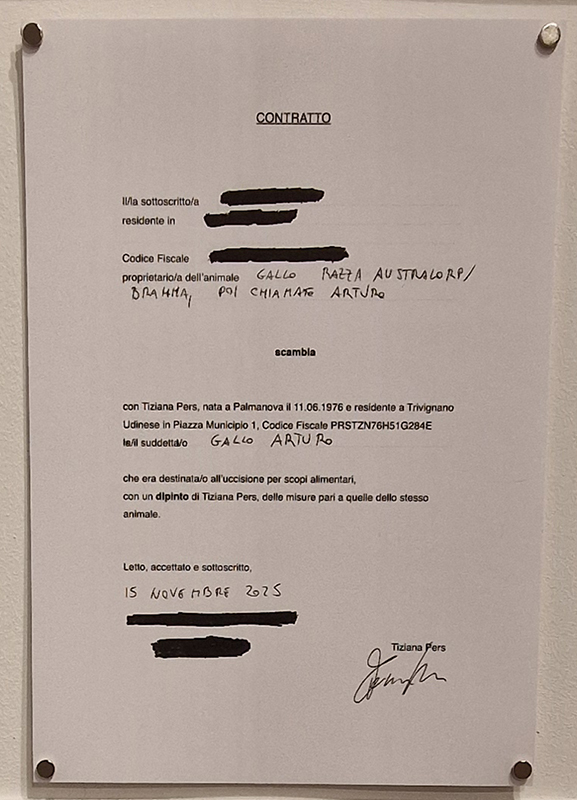
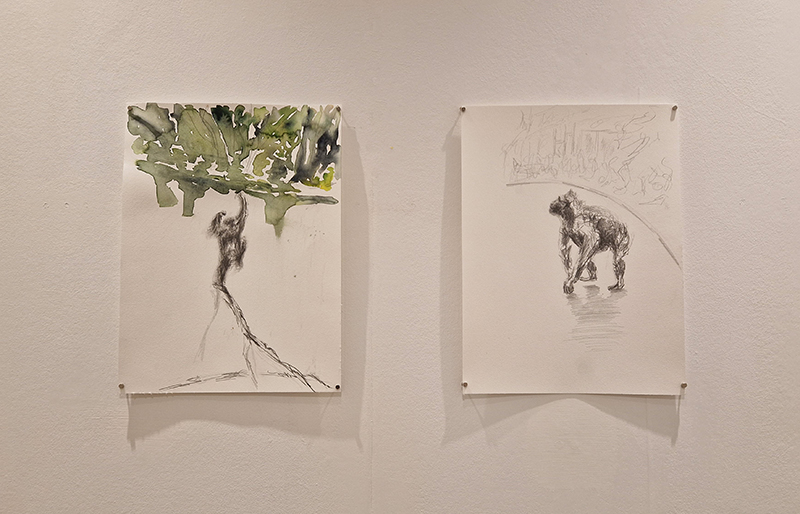
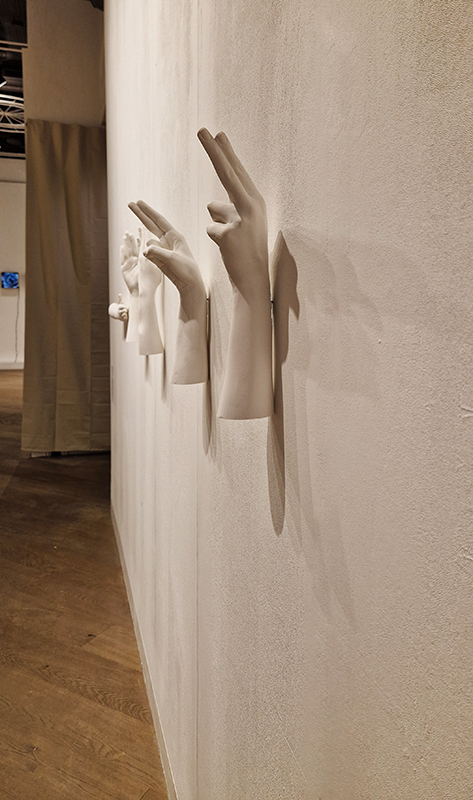
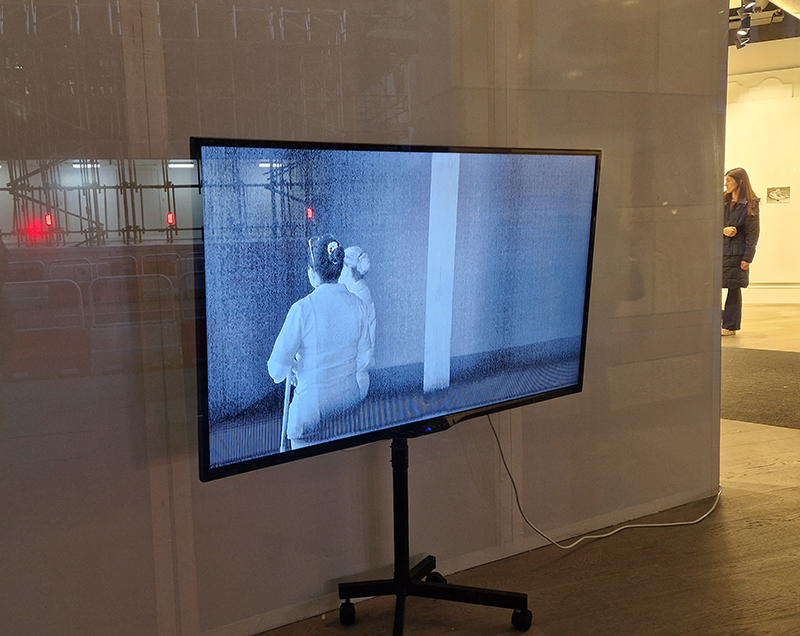
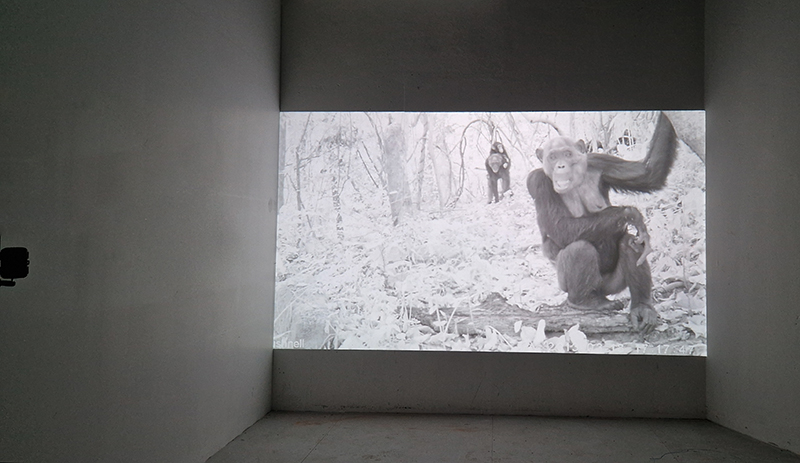
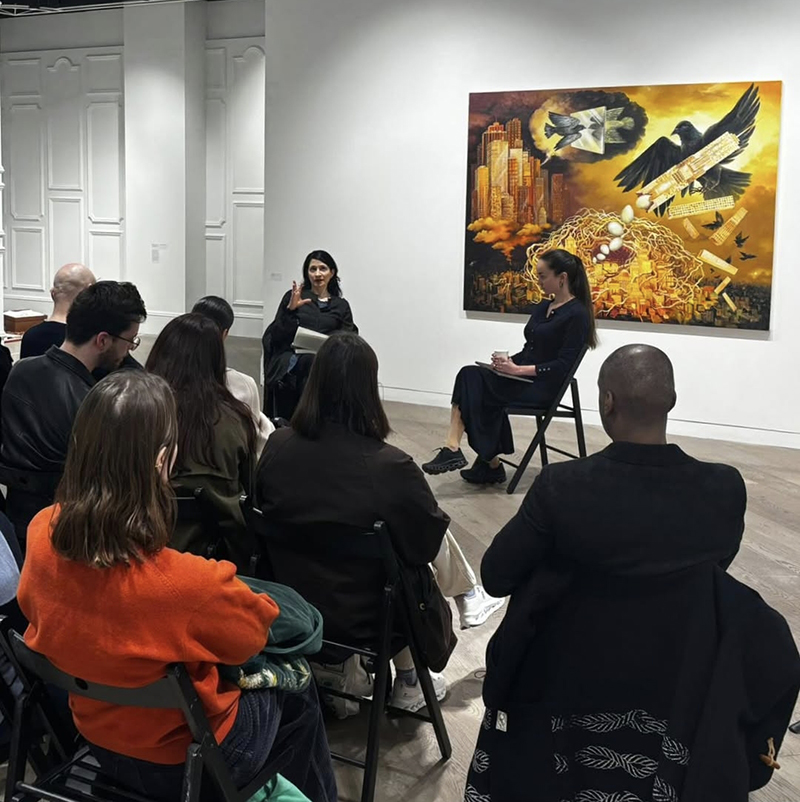
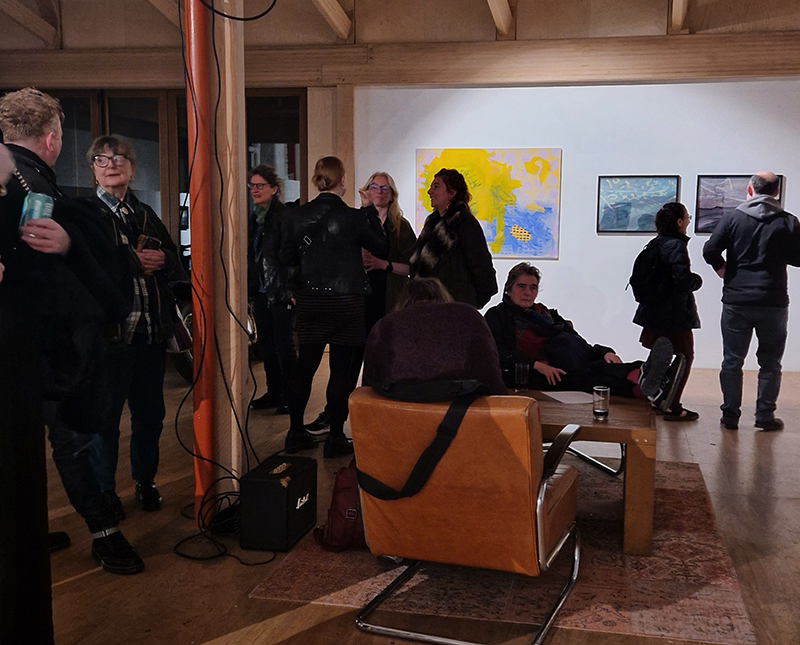
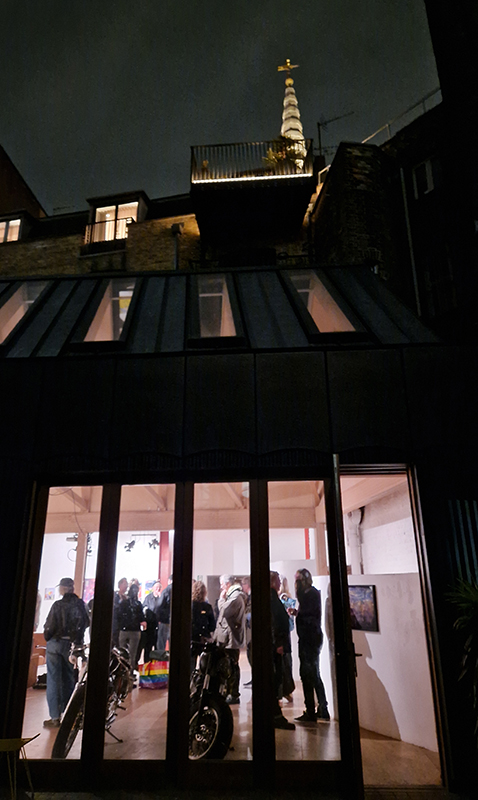
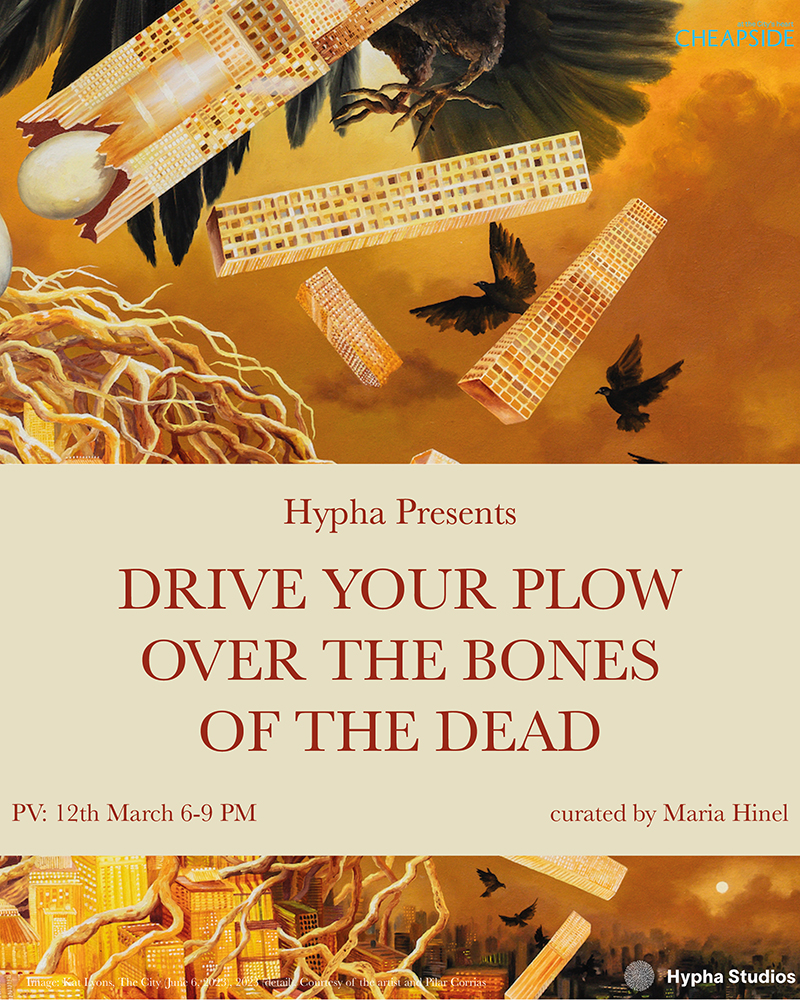
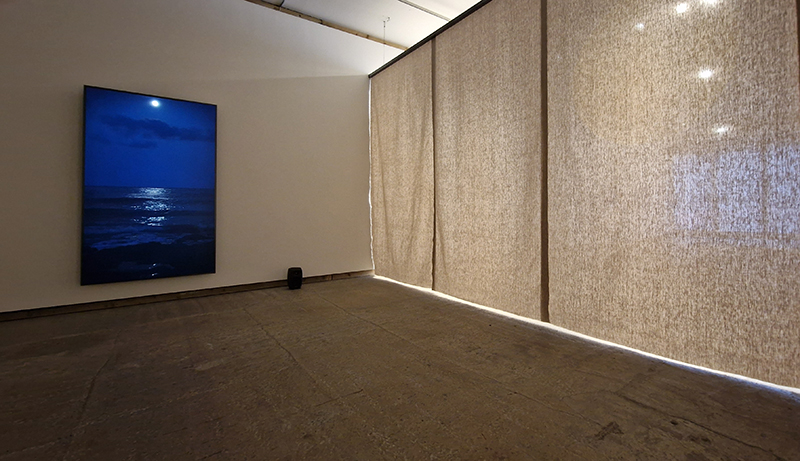
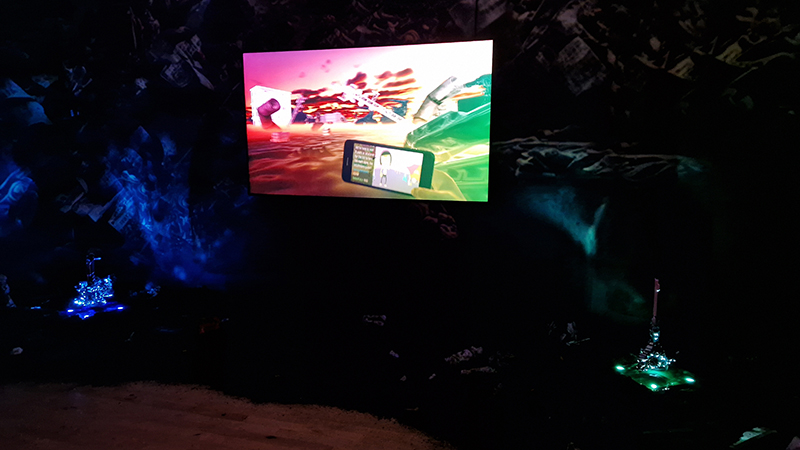
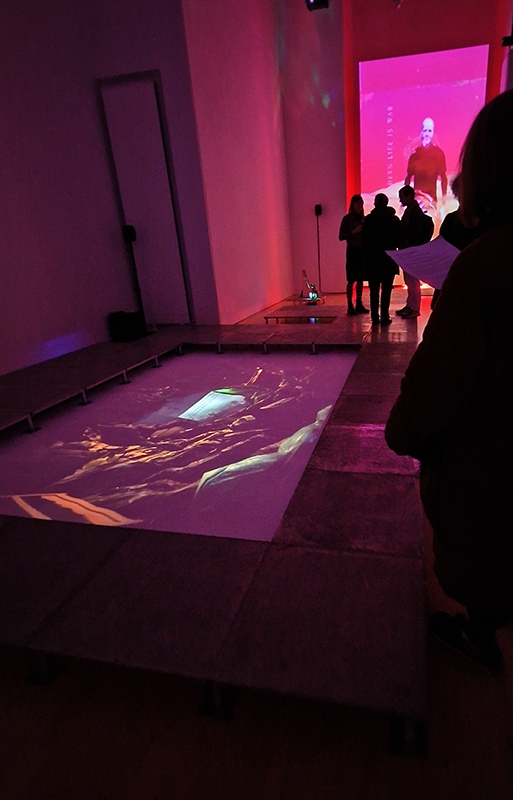
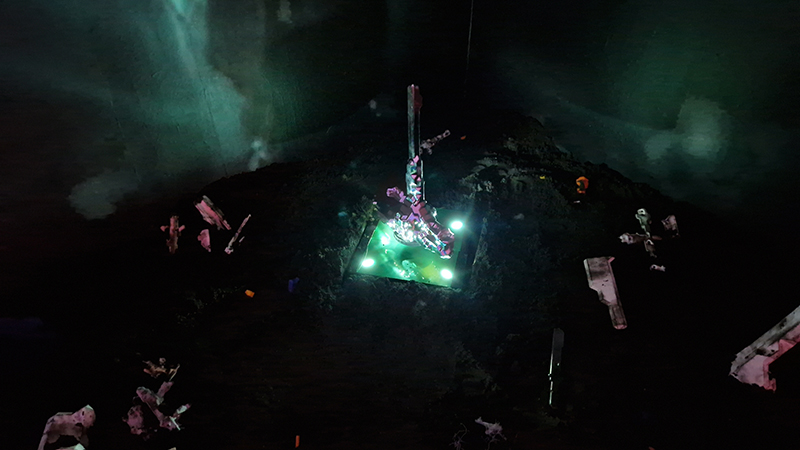
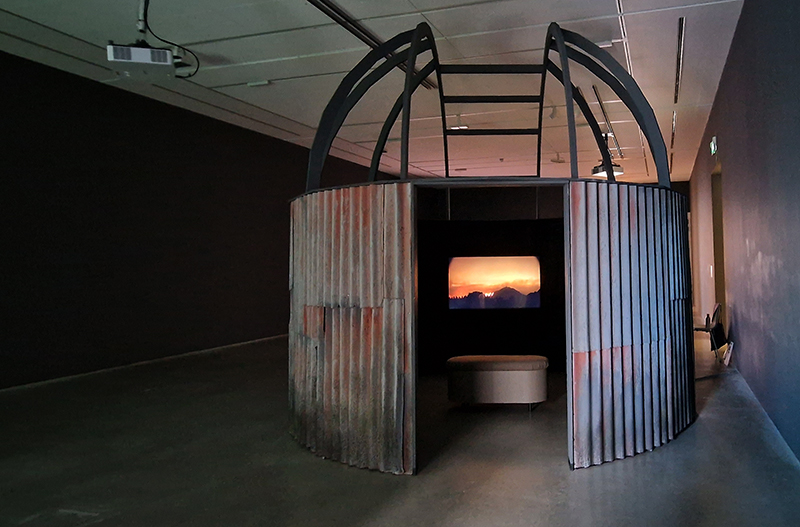
I am delighted to have work included in Drive Your Plow Over the Bones of the Dead showing at Hypha Studios, Gallery One, 1 Poultry, London.

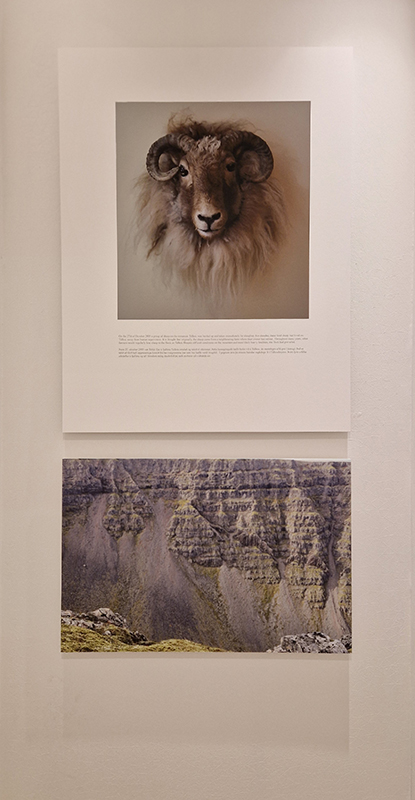
Curated by Maria Hinel, the exhibition invites audiences to consider the lives of animals as sentient beings capable of communication, organisation and even vengeance. Dismantling the vision of non-human animals as voiceless and inert, the works in different ways grant them a space to act – to signal their unrest, seek freedom and express grievance. Drawing on the novel by Nobel Prize-winning author Olga Tokarczuk and the works of William Blake, the exhibition asks what forms of empathy might emerge when animals are recognised as ethical and political agents in their own right.

I have seen the 2017 film Spoor based on the book and the incredible Complicite production and read the brilliant book so it is wonderful to be in an exhibition drawing on this novel.

Artists include: Francis Alÿs | Sara Anstis | Odonchimeg Davaadorj | Susan Eyre | Andy Holden | Jochen Lempert | Kat Lyons | Anne Marie Maes | Tiziana Pers |Amalia Pica & Rafael Ortega | Bryndìs Snæbjörnsdóttir & Mark Wilson.

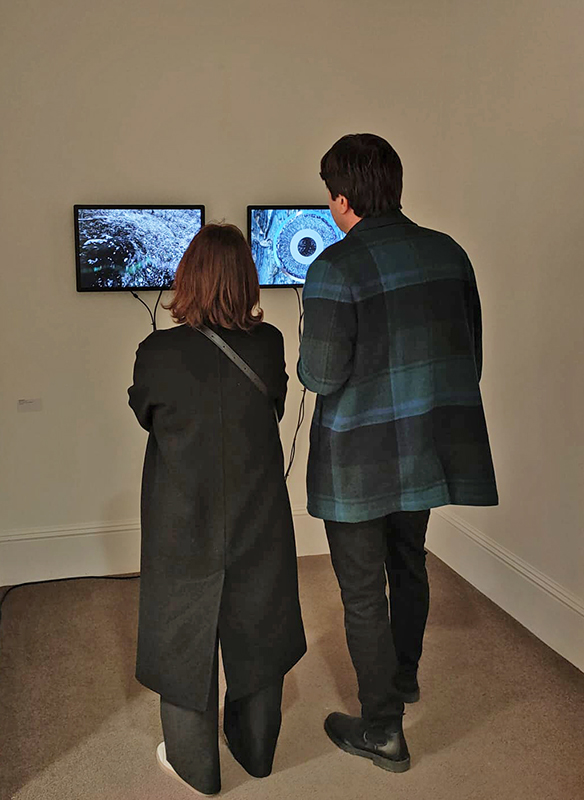
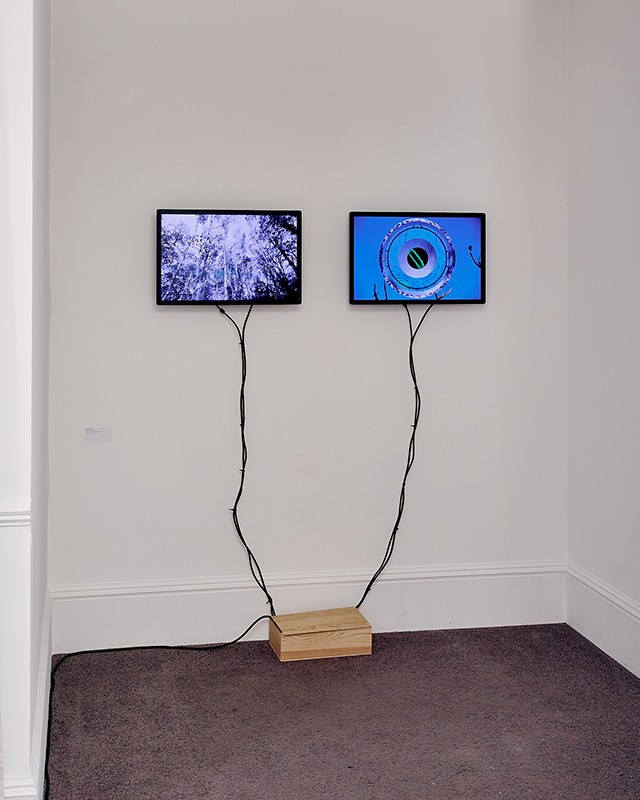
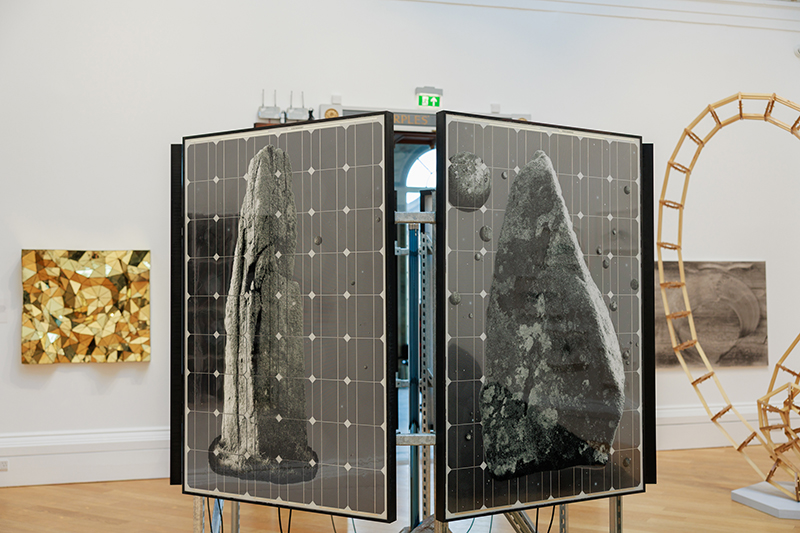
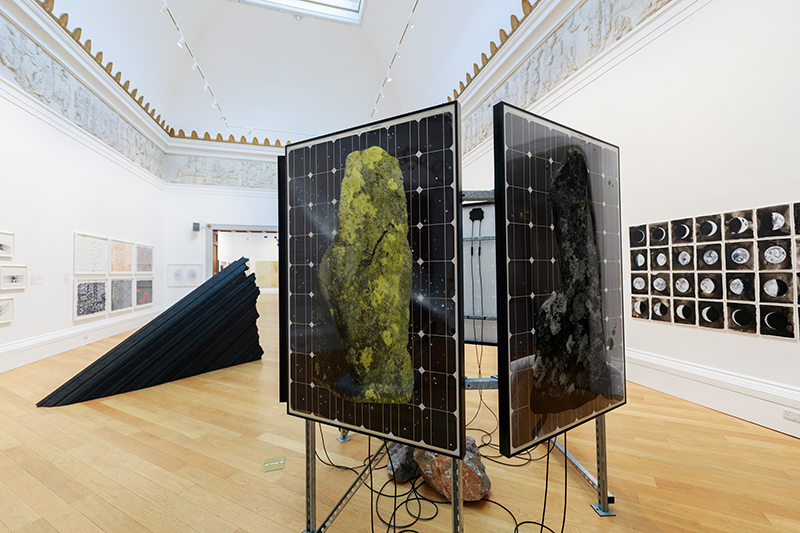
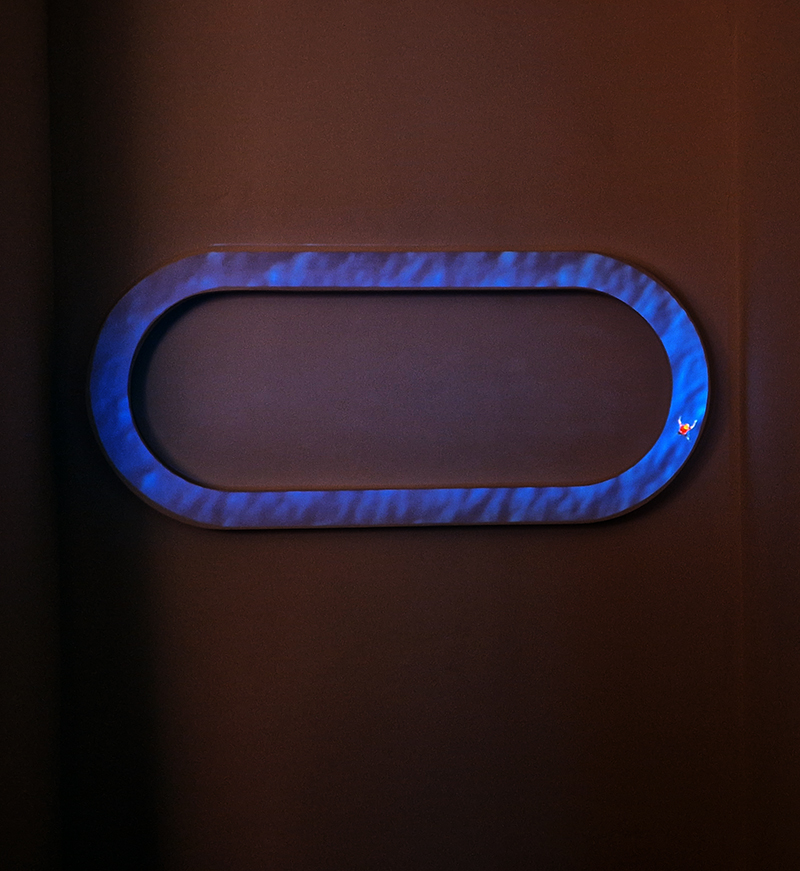
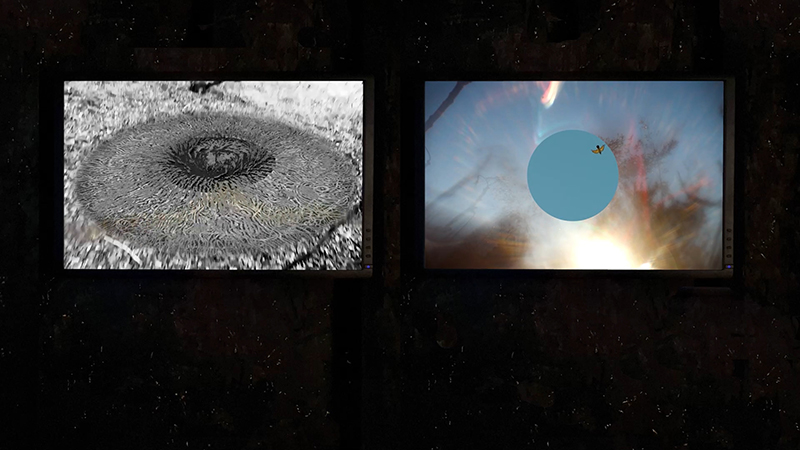
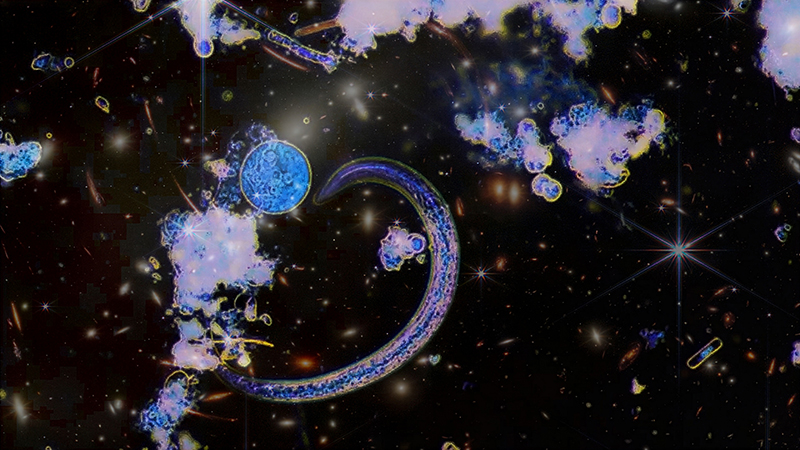
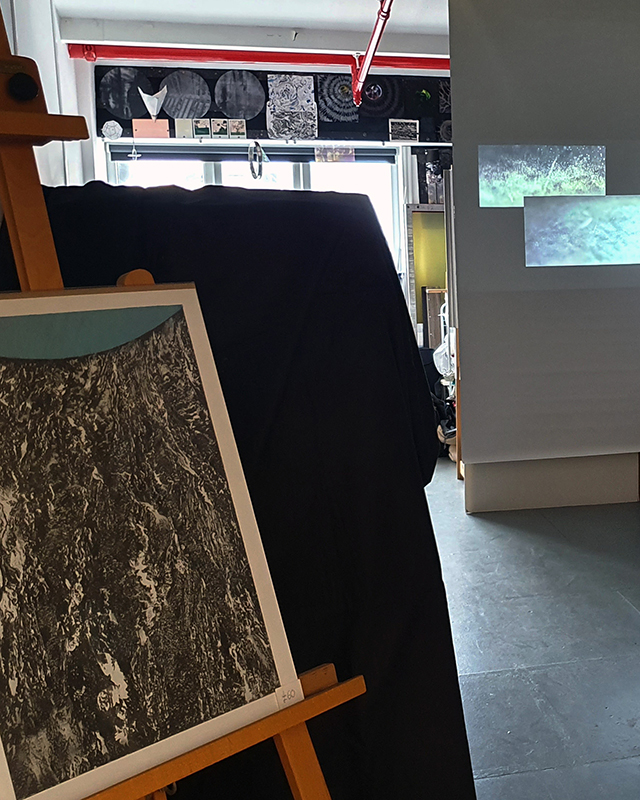
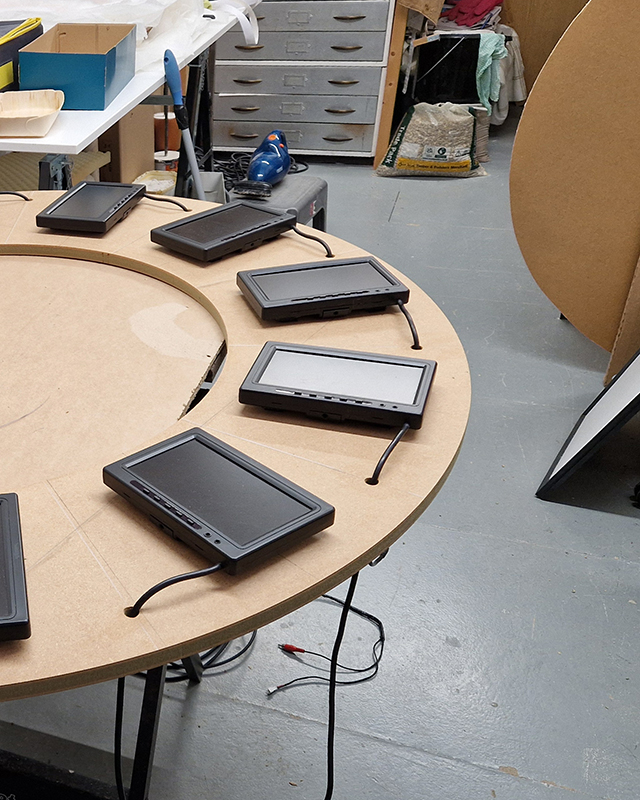
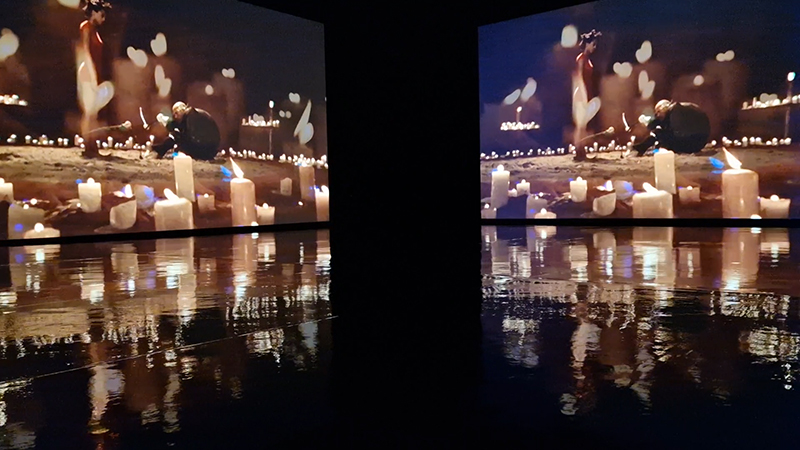
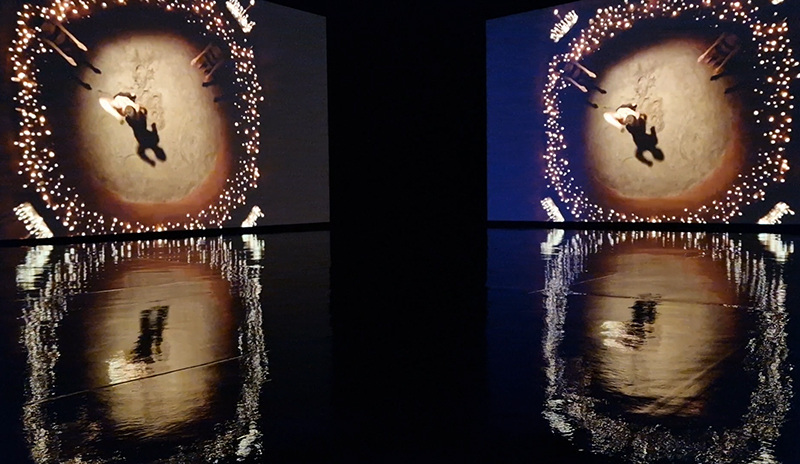
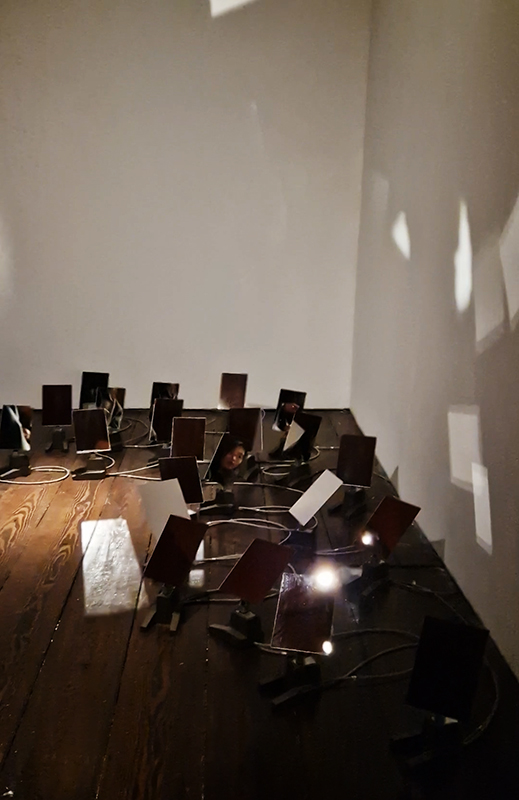
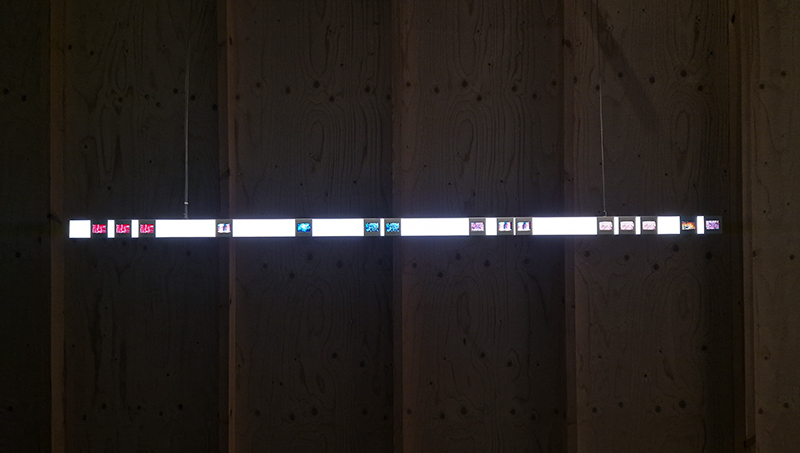
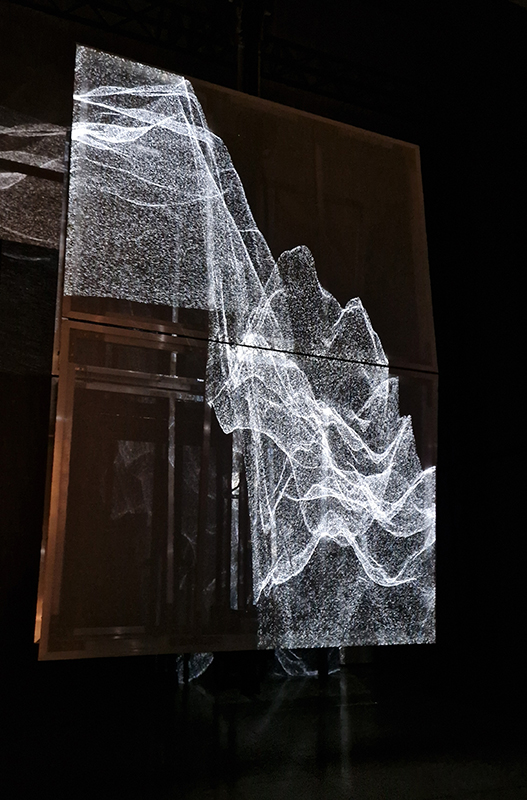
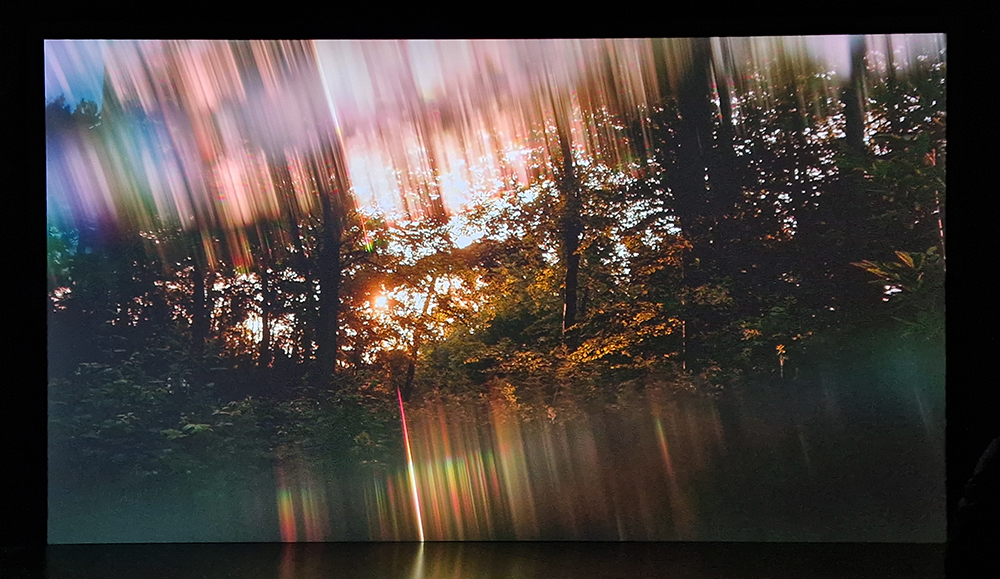
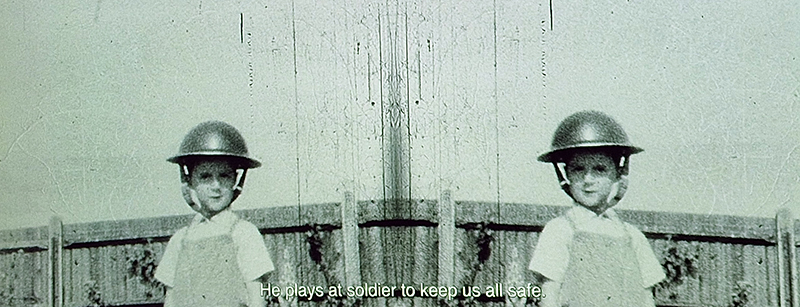
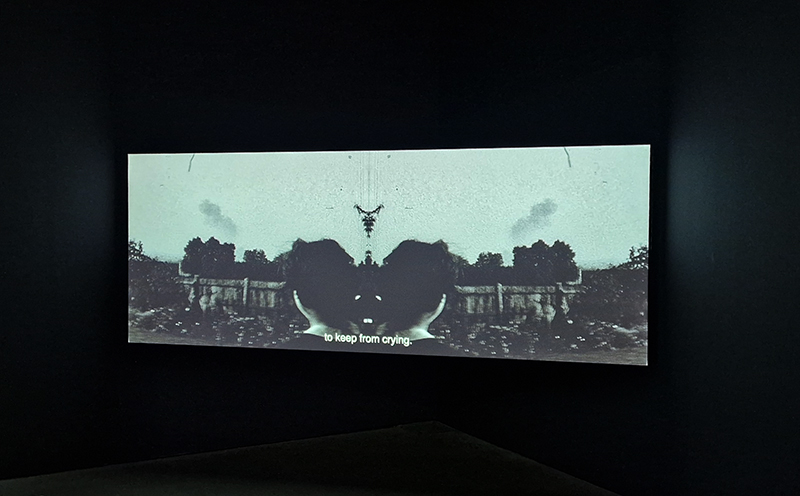
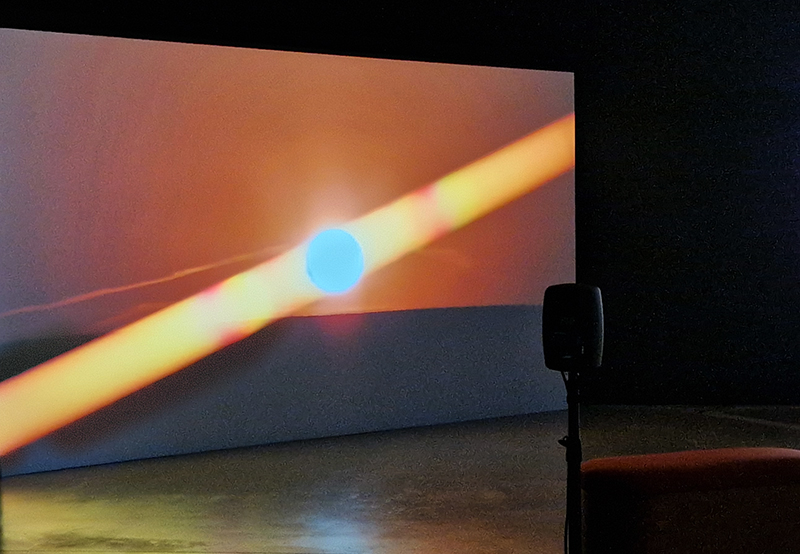
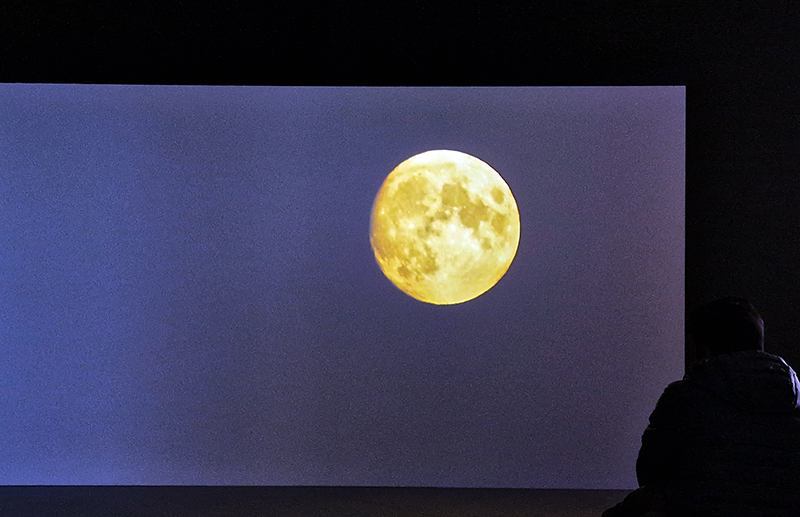
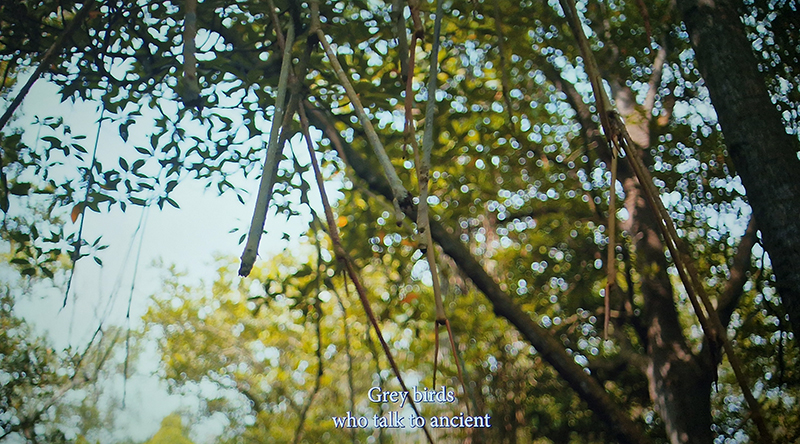
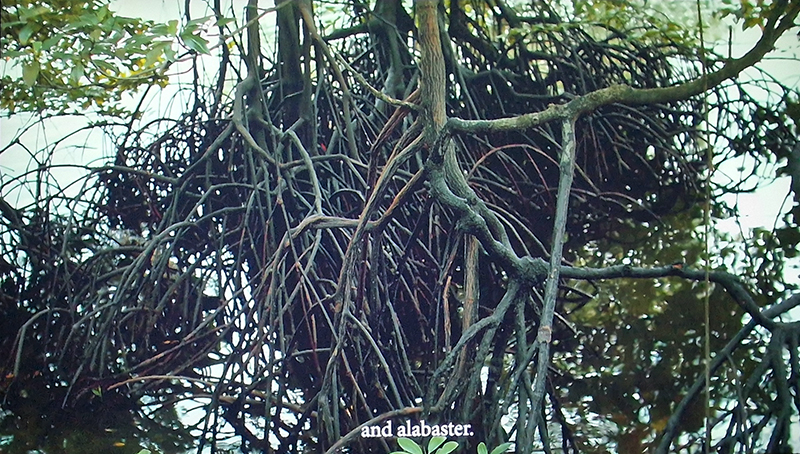
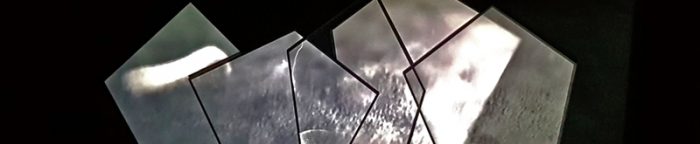
I will be showing the two channel video Radical Pair 2023 04:48 min.
Research has proven that many animals, including birds, bees and even bacteria use the Earth’s magnetic field to orientate themselves, sometimes in conjunction with the sun and the stars. 

In the context of this exhibition, Radical Pair highlights the very different and subtle ways animals experience the world that we share. Considering the perspectives of fellow creatures is a step towards building alliances between humans and non-humans in a damaged world, as expressed by Donna Haraway in Staying with the Trouble: Making Kin in the Chthulucene (2016) where she urges humans to build a non-hierarchical, and interdependent world embracing all beings as part of complex, interconnected systems.

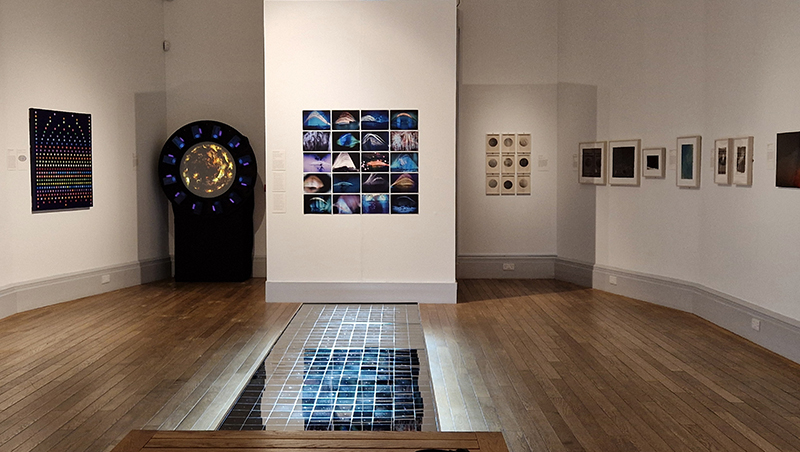
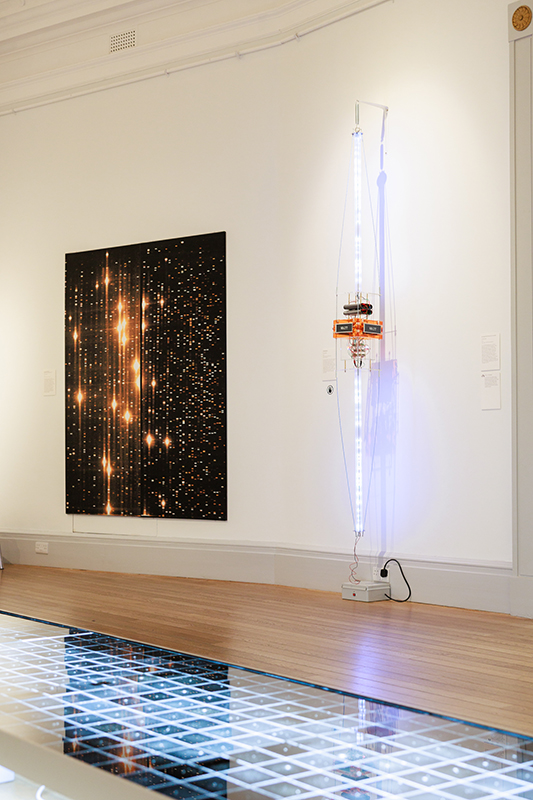
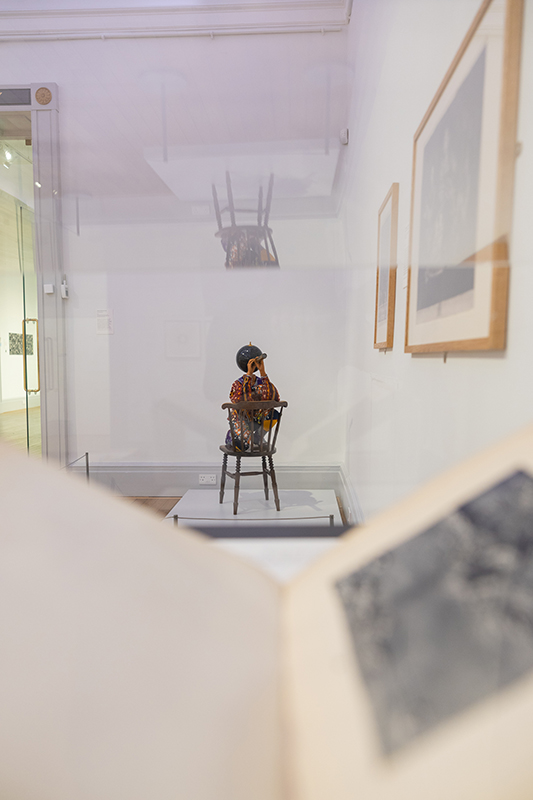
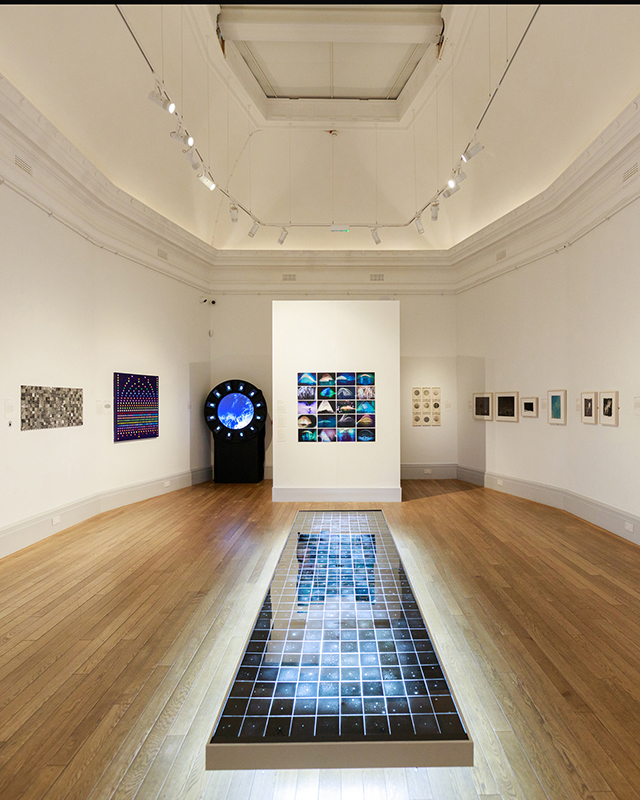
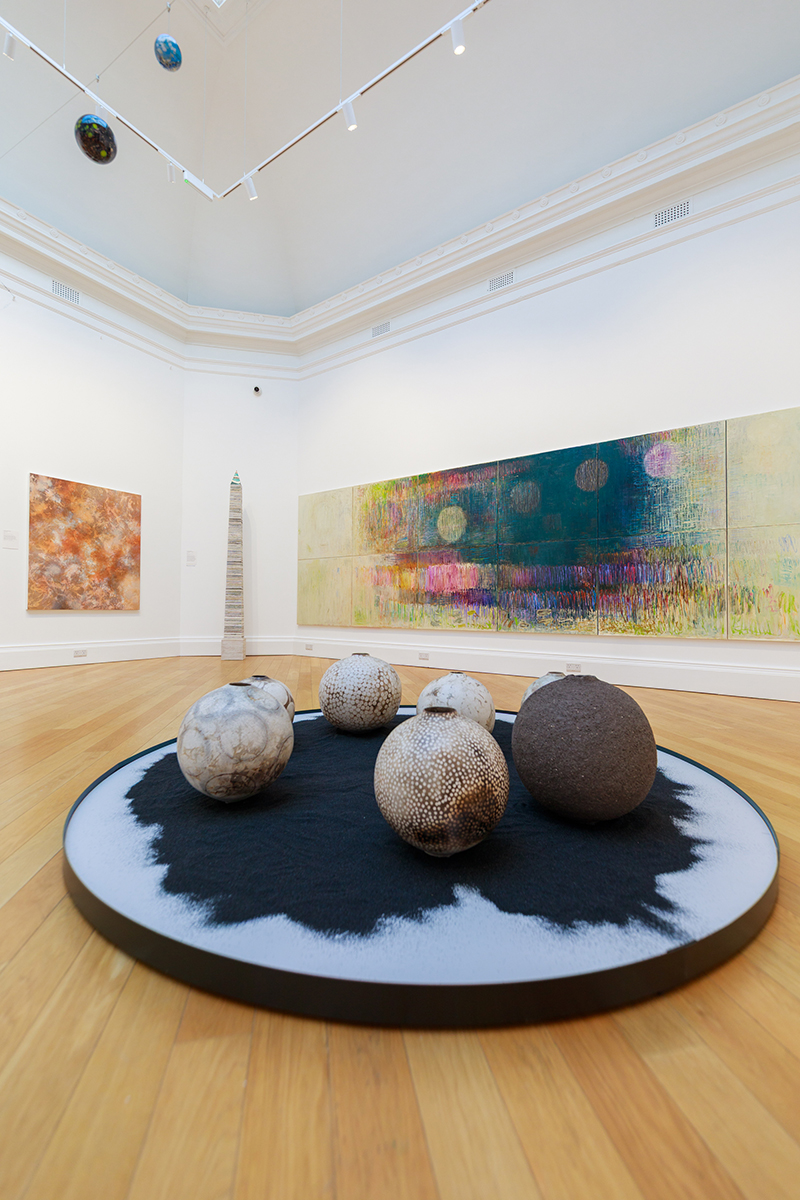
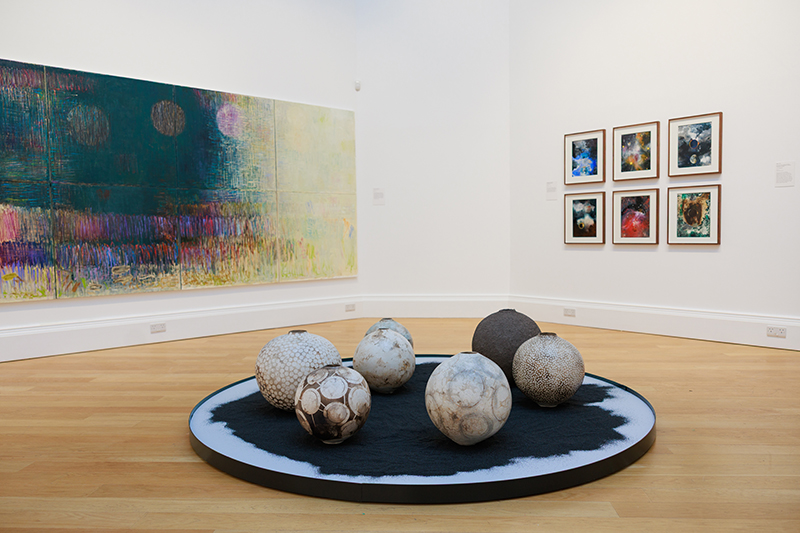
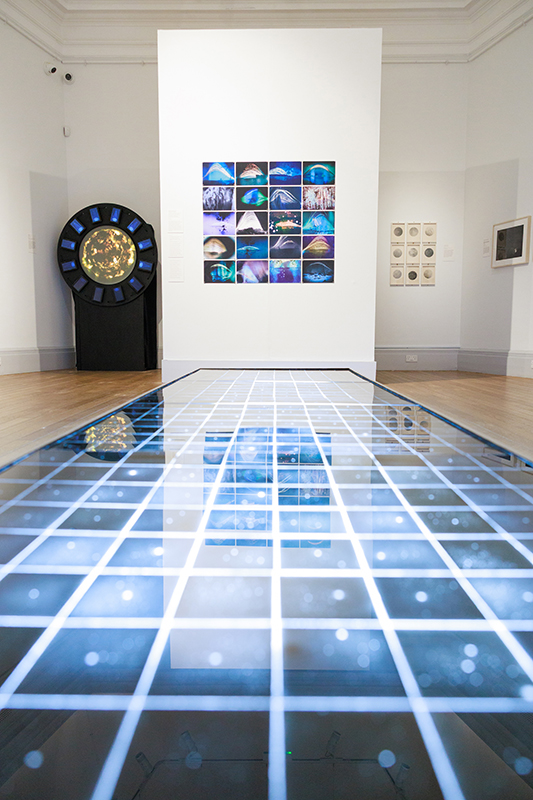
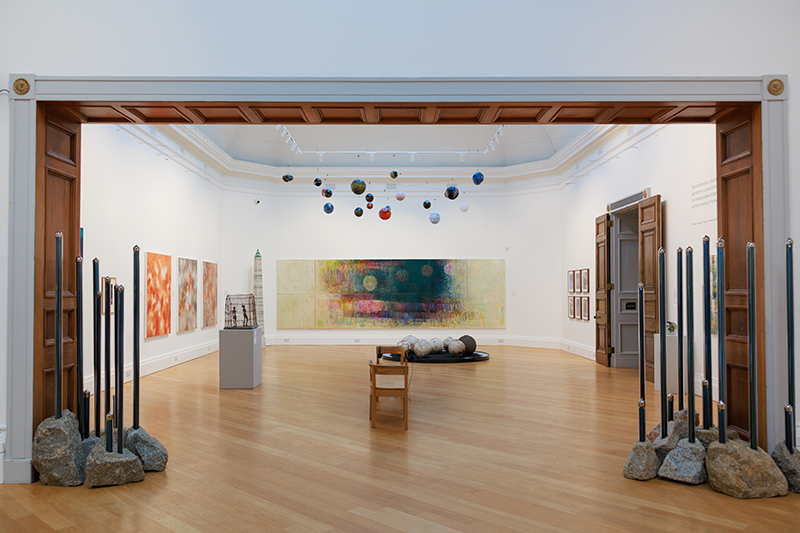
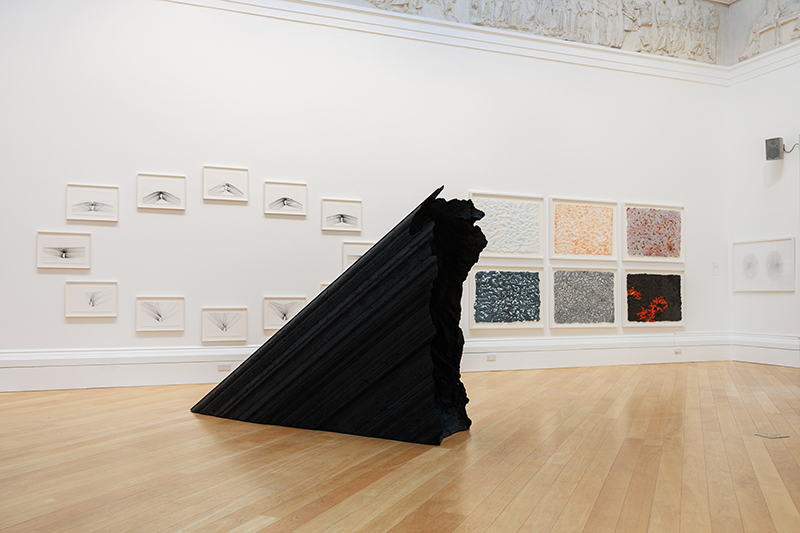
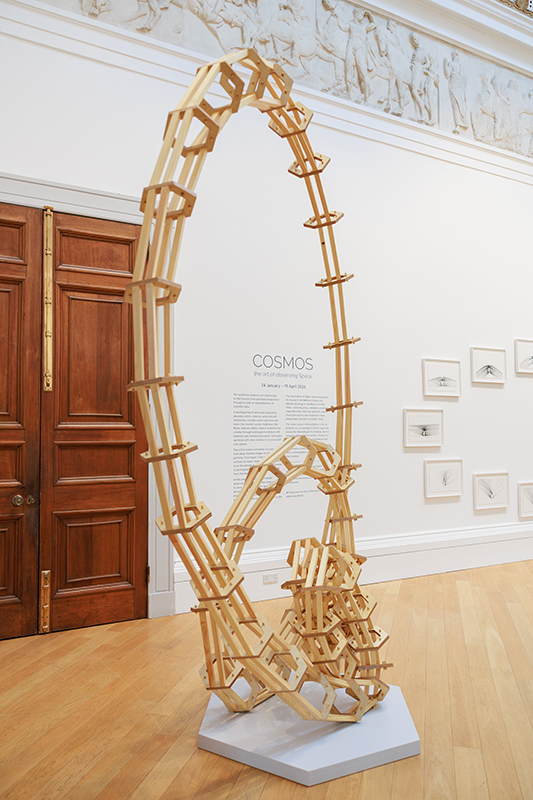
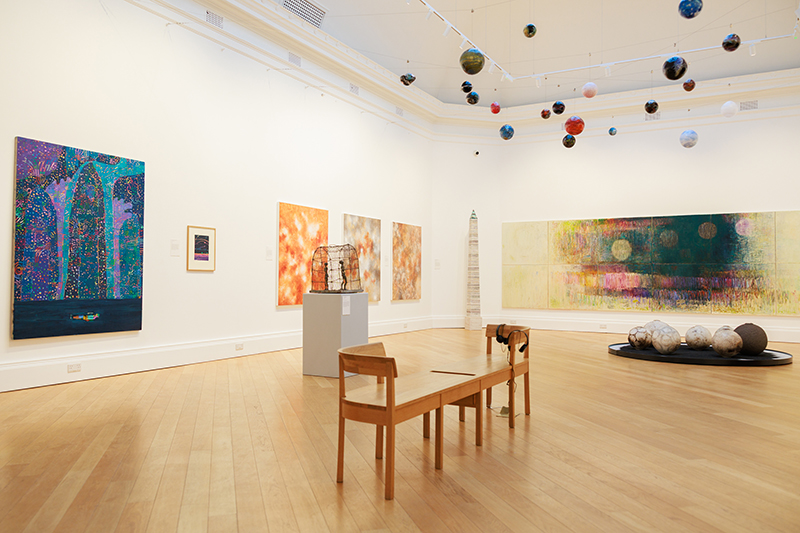
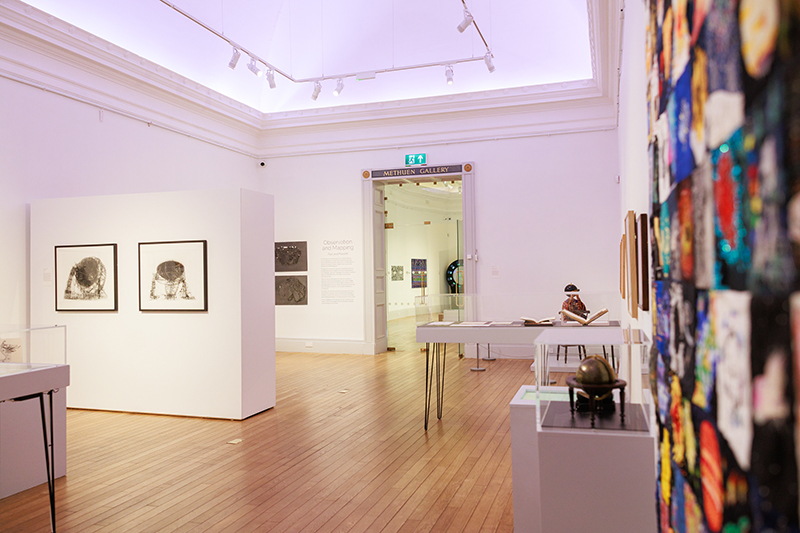
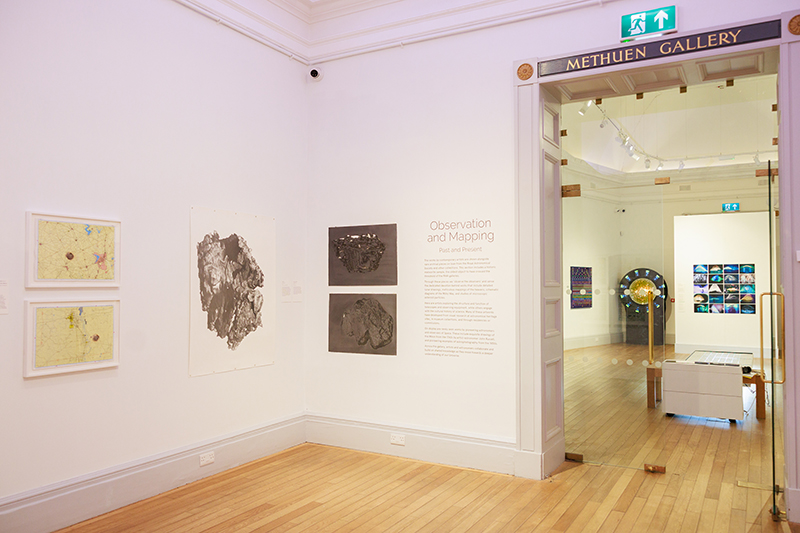
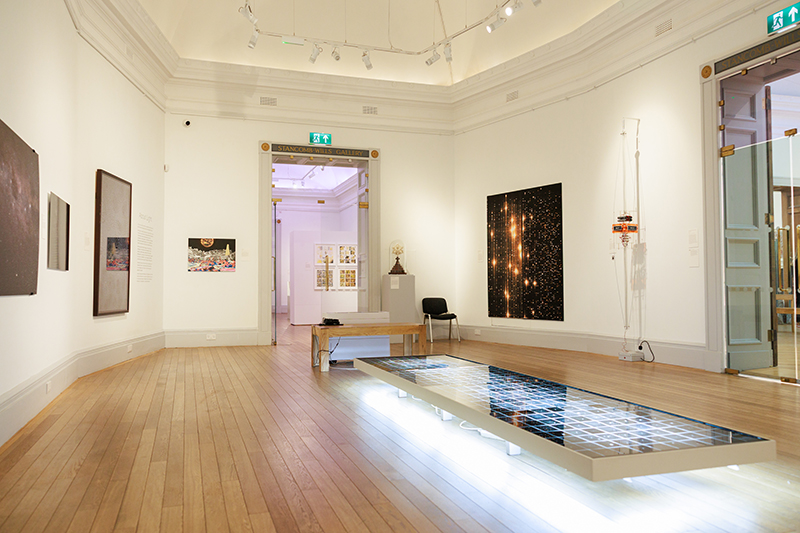
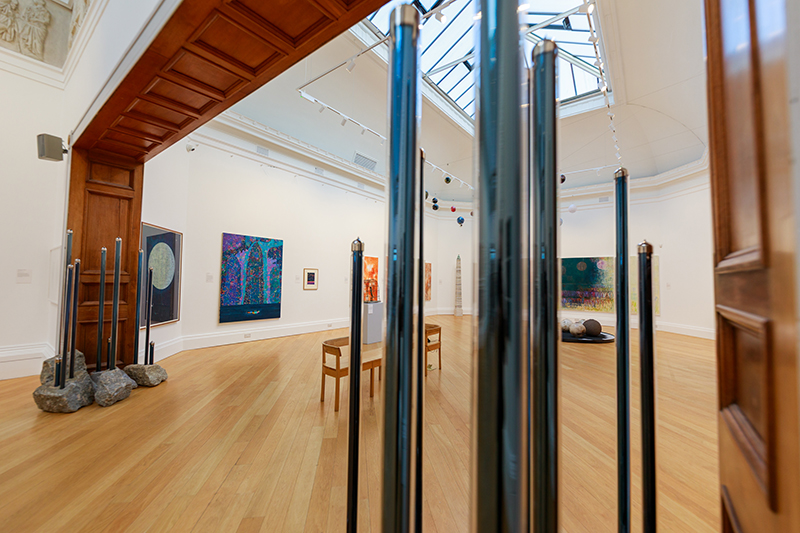
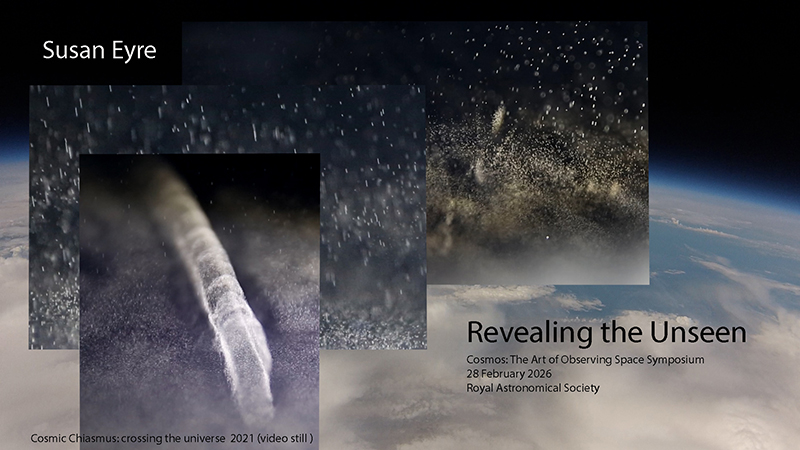
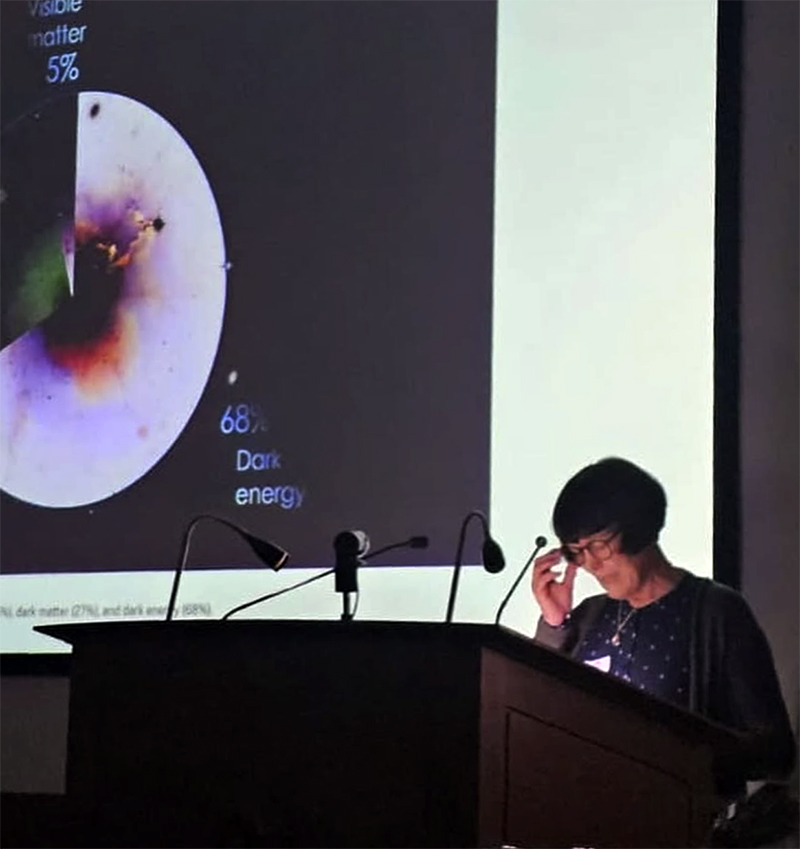
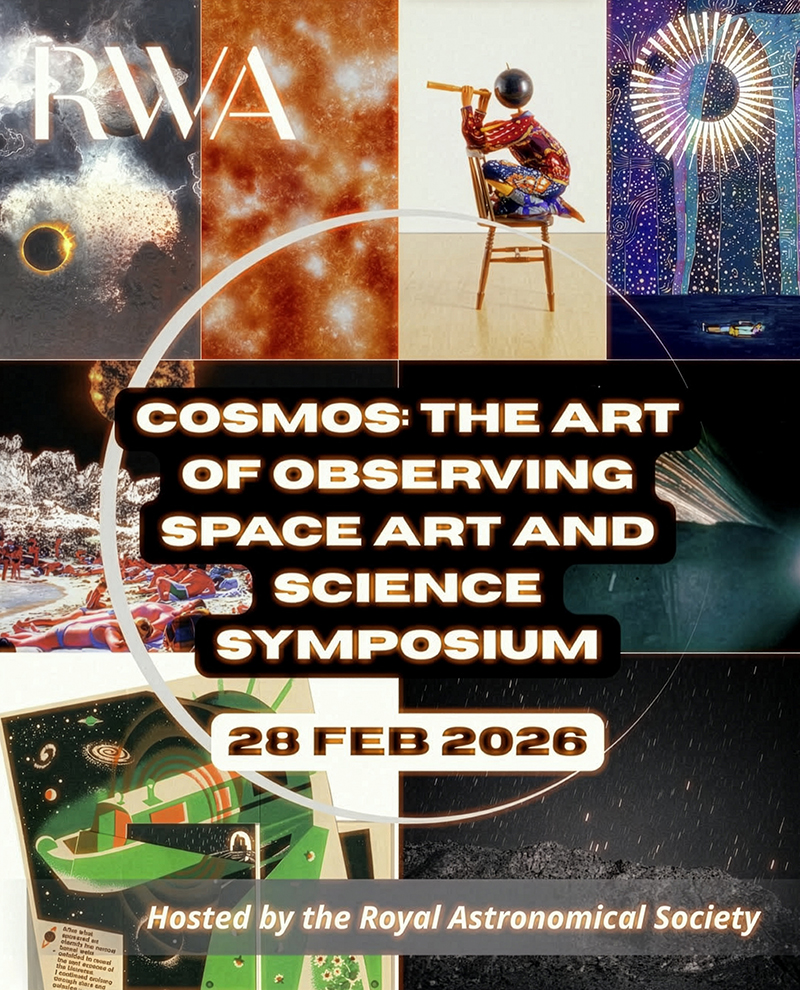
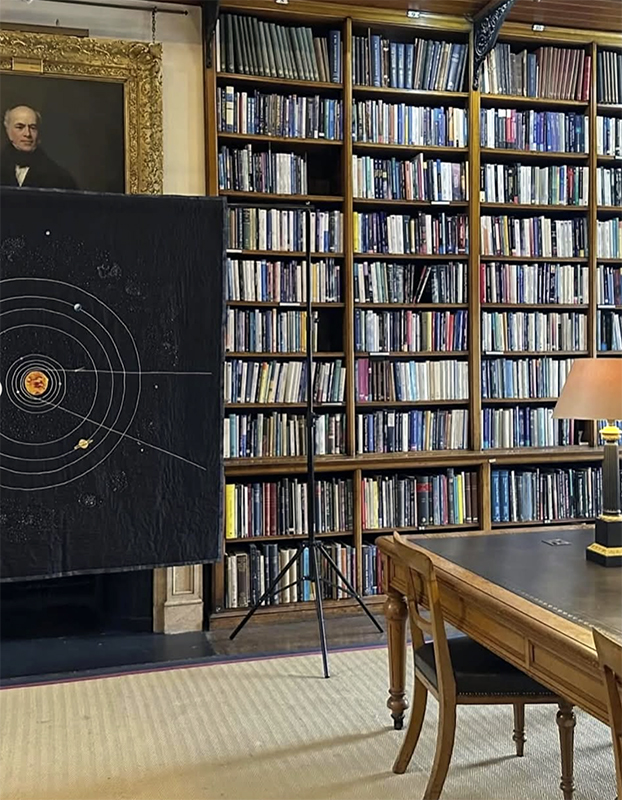
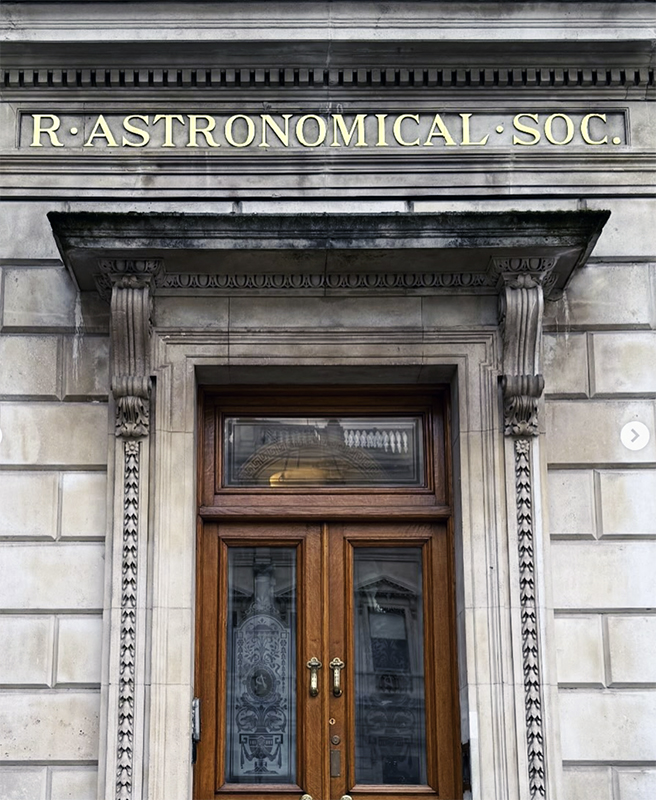
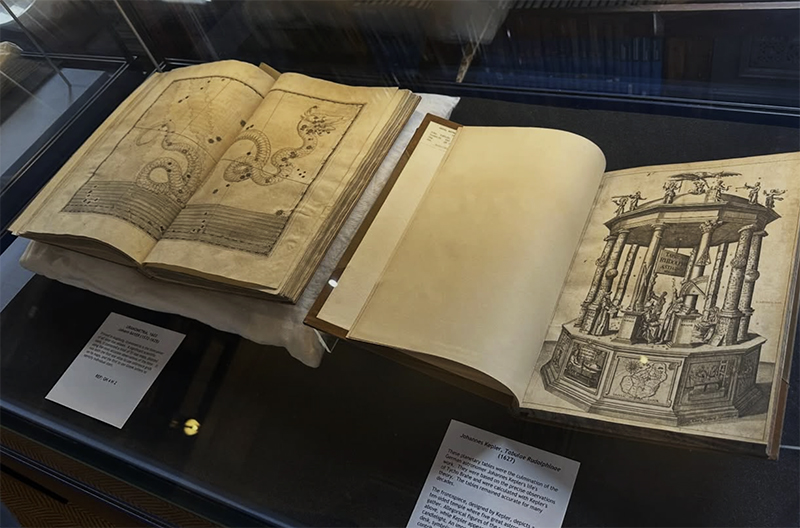
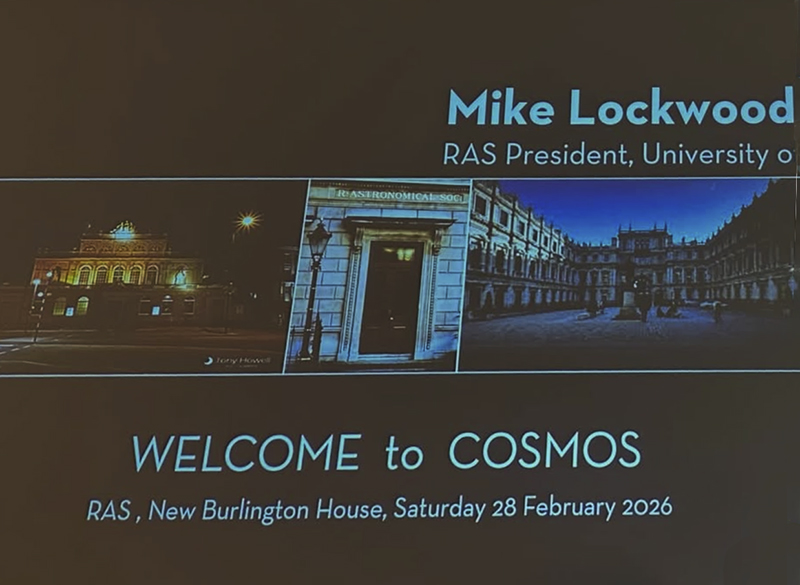
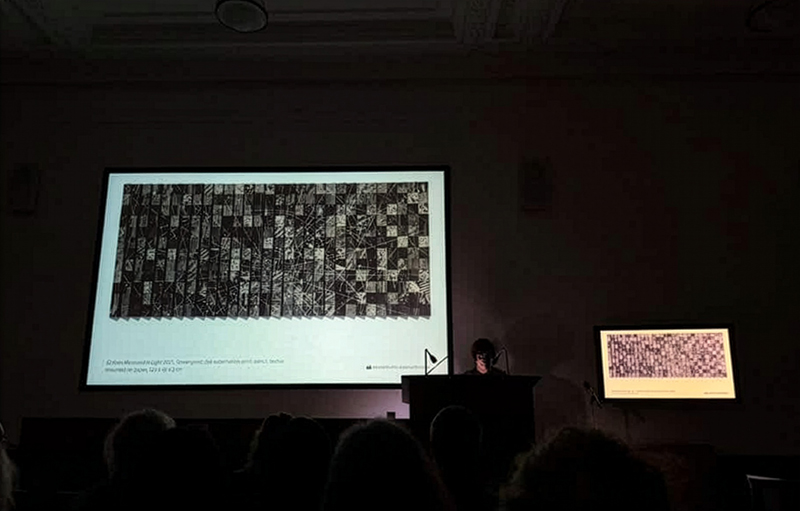
I had a wonderful day at the Royal Astronomical Society delivering my talk Revealing the Unseen as part of the symposium bringing together voices from art and science to celebrate the exhibition Cosmos: the art of observing space currently on show in Bristol at the Royal West of England Academy.

Alongside myself speakers included:
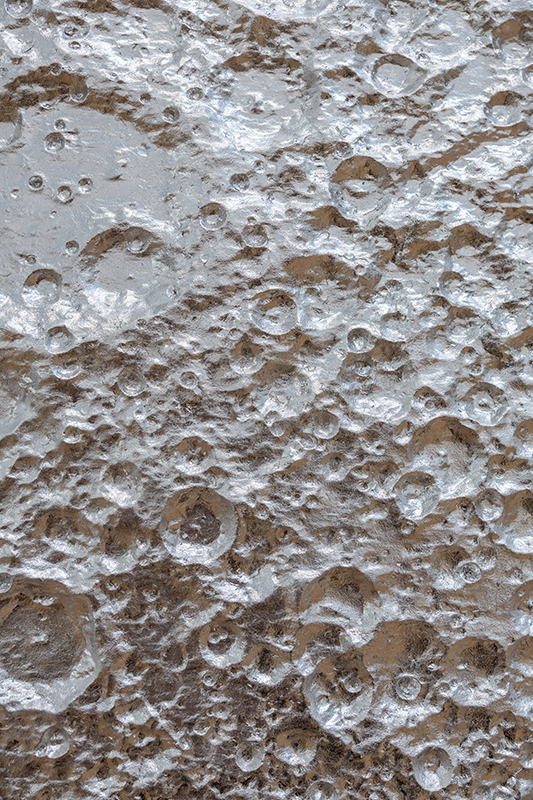
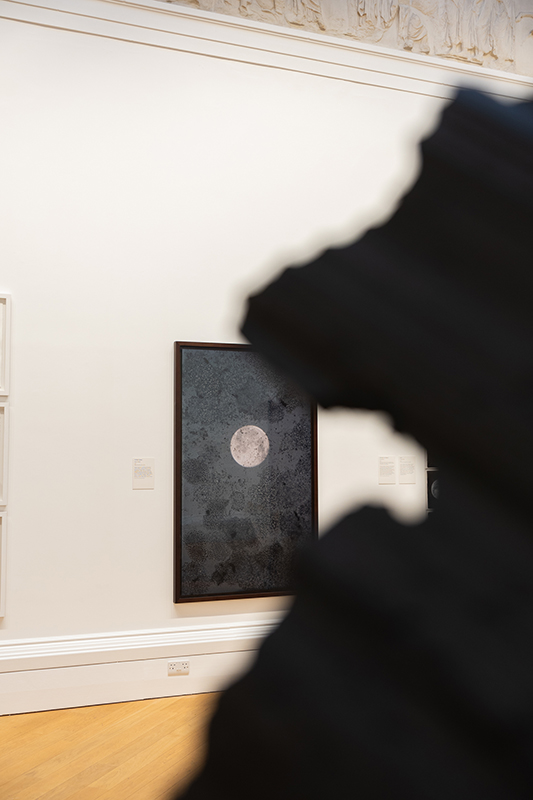
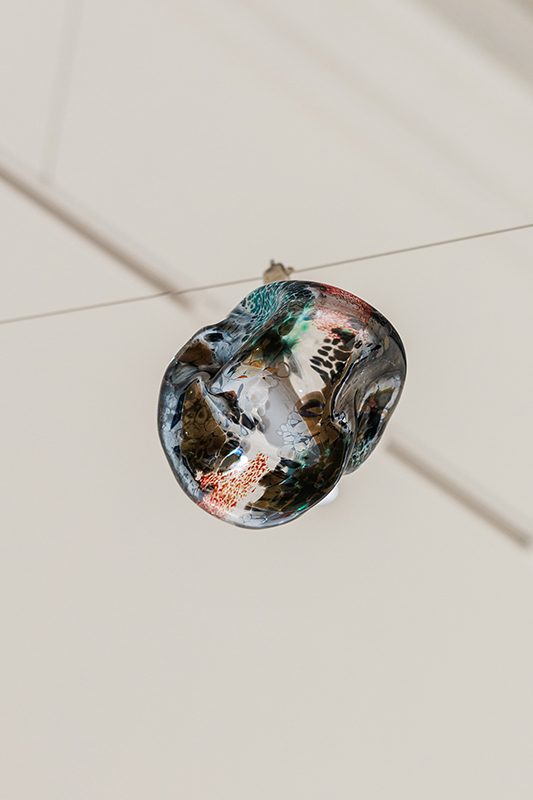
Professor Mike Lockwood, President Royal Astronomical Society who regaled us with some extraordinary astronomical facts such as the concept that light does not travel and experiences no time passing. | Ren Renwick, Director of the RWA who was happily able to promote Cosmos as one of the most successful exhibitions at the RWA | Ione Parkin RWA, curator of Cosmos: the art of observing space who expressed for all of us the human fascination for the mysteries of the universe as well as a look at the evocative planetary surfaces of her own work| Dr Sian Prosser, archivist at the RAS who shared her motivation for the library to be active in the production of knowledge and not just a repository for artefacts. | Kate Bernstein, book artist who gave an insight into her making process and collaboration with the RAS. | Lynda Laird, multidisciplinary photographic artist who explained the research behind her installation celebrating the astronomical discoveries of Caroline Herschel | Johanna Love, artist, academic and researcher who revealed a microscopic world of dust and mysterious asteroids explored through drawing. | Annie Cattrell RSA FRSS, interdisciplinary artist who shared her research and inspiration leading to the creation of many impressive large scale installations that explore ways of experiencing what is generally out of reach. | Christopher Le Brun PPRA Hon RWA, internationally renowned painter who spoke about how he uses the motif of the moon as a means to explore light and dark, a push and pull, through the medium of paint. |  Ian Chamberlain RWA RE, printmaker and researcher who delved into how time is relevant in his deeply observational etchings | Louise Beer, artist and curator who spoke from the heart on the importance of dark skies to feel a connection to the cosmos. | Gillian Adair McFarland, visual artist and researcher who shared her dynamic process of creating imagined planets from blown glass. | Amaury Triaud, Professor of Exoplanetology at the University of Birmingham, who talked about his passion for bringing art into the laboratory and science into the gallery.

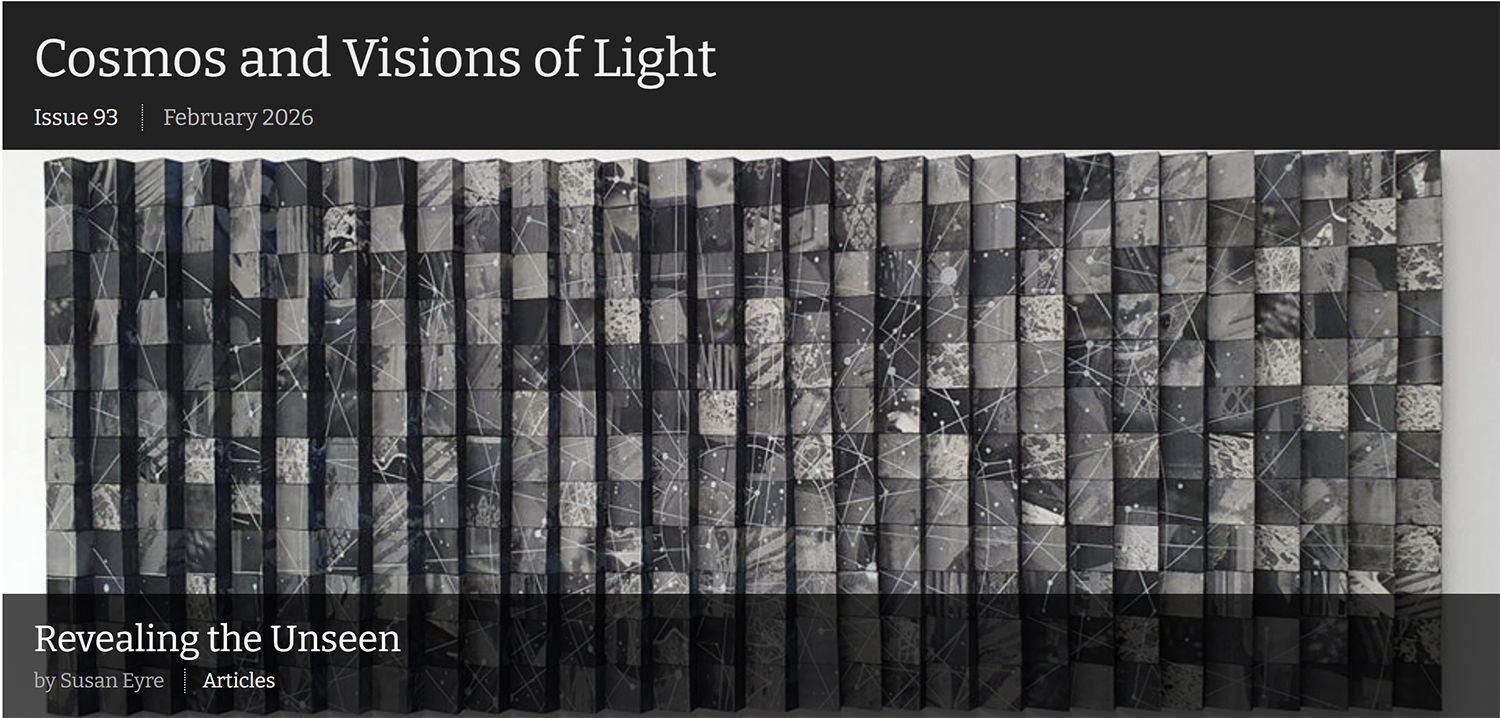
I am very pleased to have been invited to contribute an article for the current issue of Interalia Magazine Cosmos and Visions of Light – An online magazine, edited by Richard Bright. This issue, explores, among other things, art and cosmological phenomena; light and pattern; geometrical shapes and mathematical laws; information and radio astronomy; topology and wormholes; colour and evolution.

Contributions include interviews with Louise Beer and Ben Rowe; articles by Ione Parkin, Chris Wood, Susan Eyre, Geraldine Cox, Steven Giovinco, Siobhan McDonald, Florian Neukart, John Etnyre, Enrique Gaztanaga, Jonathan Goldenberg, Csanád Horváth & Natasha Hurley-Walker.

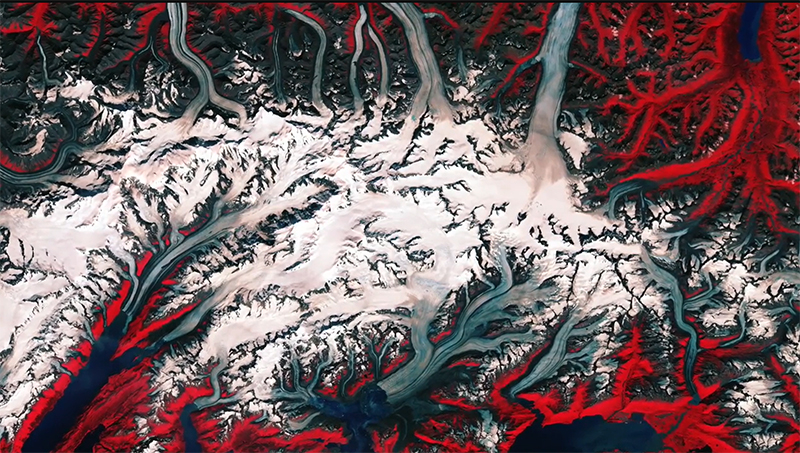
Following an application to the ArtEO Earth Stories Open Call I have been invited to join the ArtEO R&D Community. ArtEO helps artists to work with environmental data and imagery, connecting them with tools and expertise to help tell Earth’s story. Although I wasn’t included in the funded programme, this online initiative sounds like it could offer some exciting opportunities. It has been designed for artists who want to work at the intersection of art and Earth Observation (EO) and aims to offer access to specialised tools, selected ArtEO and curated EO data, workshops and events alongside a network of peer artists and technical experts. Image credit ESA and NASA Earth Observatory.

In the studio

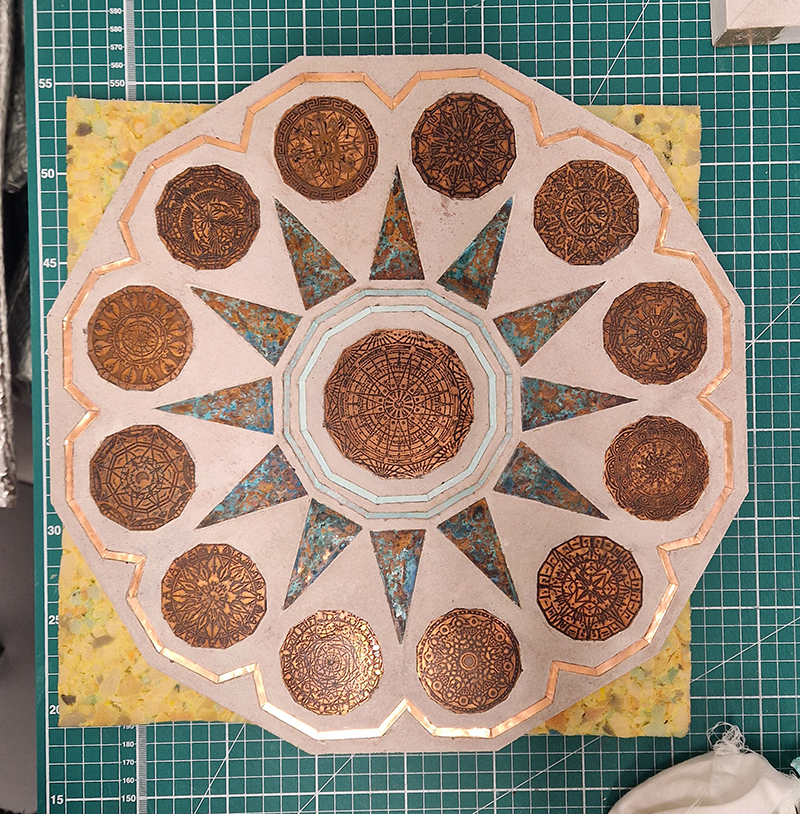
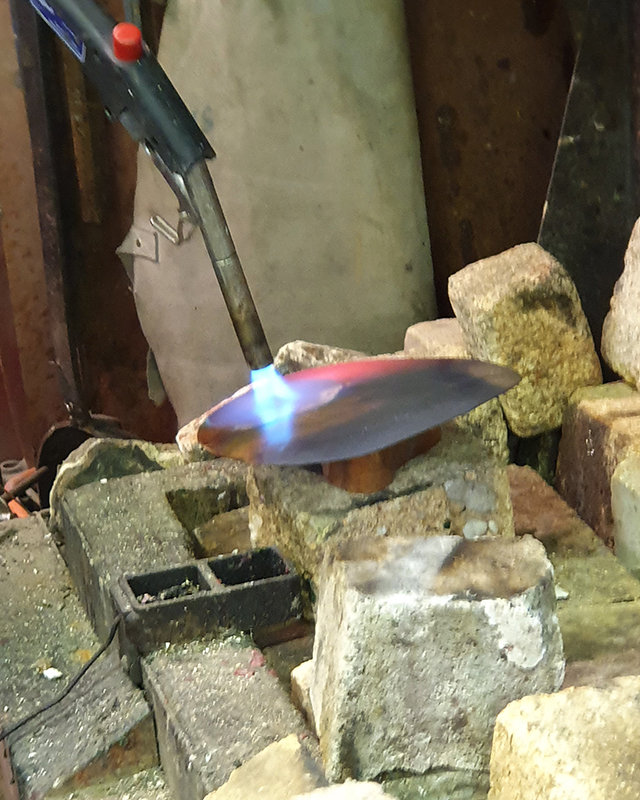
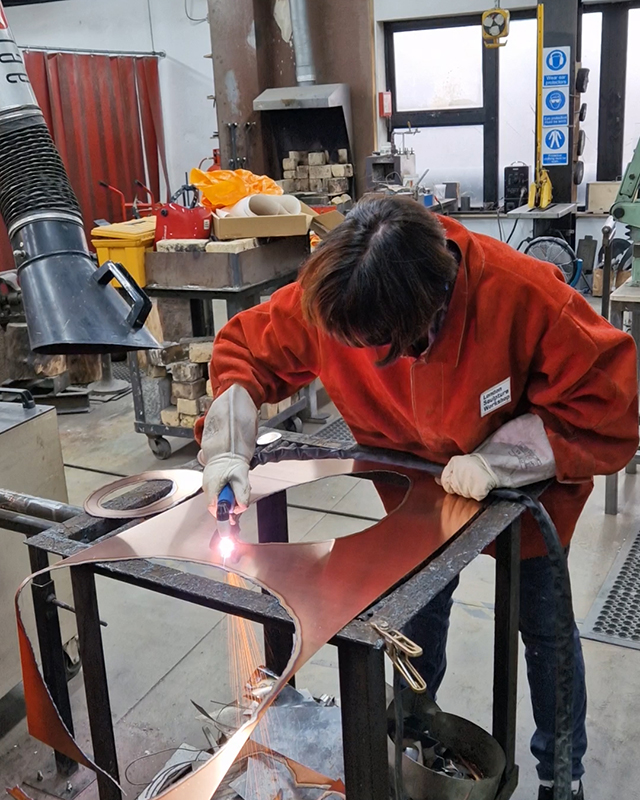
I have finished adding copper pieces and applying patination ink to the new tablet in the Instruments of the Anemoi series of concrete tablets. These sculptures reflect on early means of navigation. This one looks at wind rose origins and replaces one I made earlier.

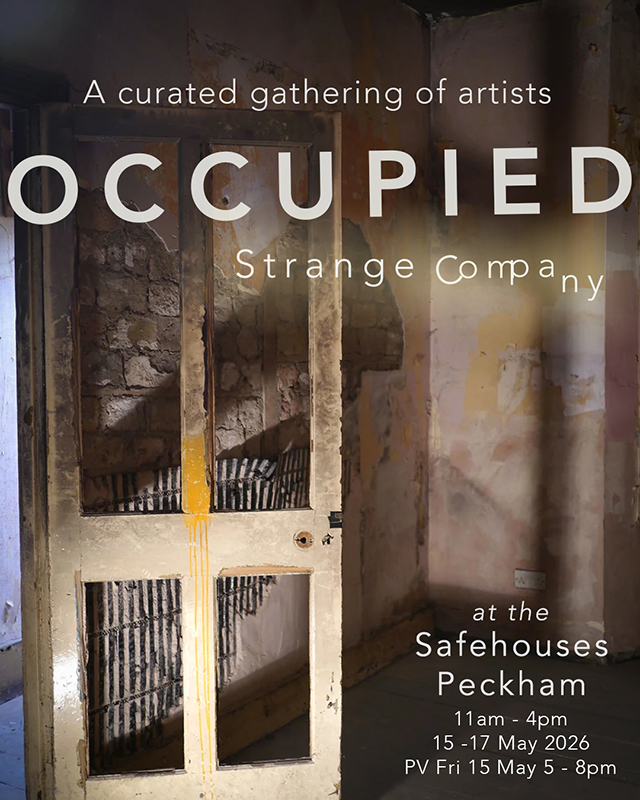
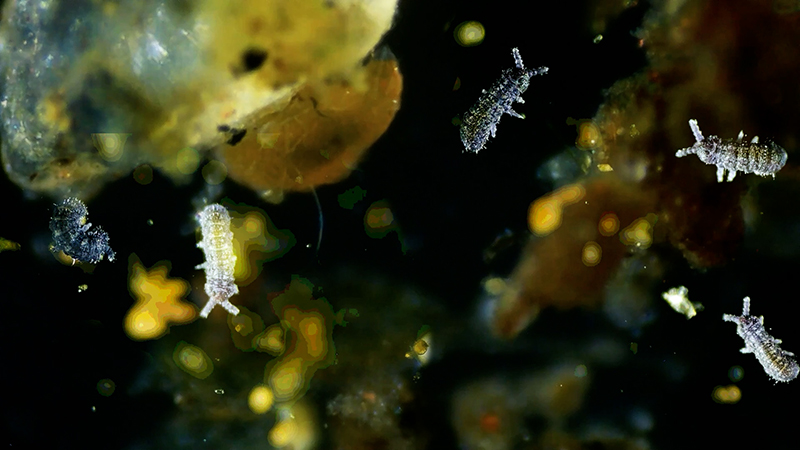
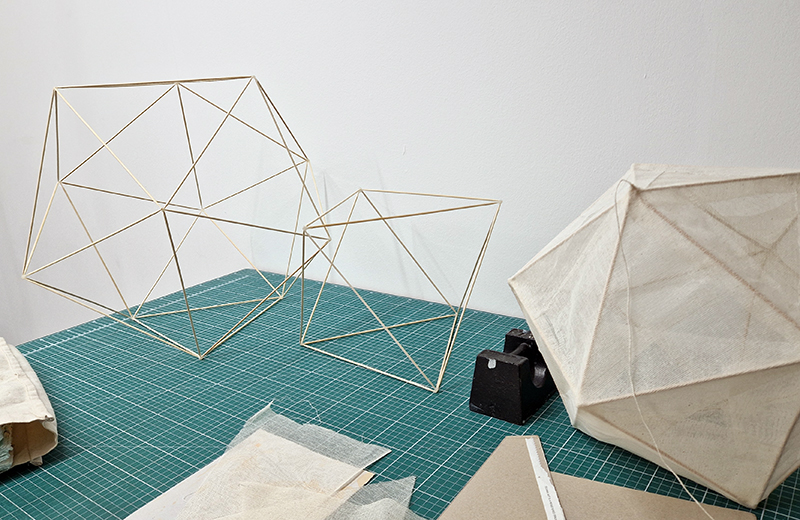
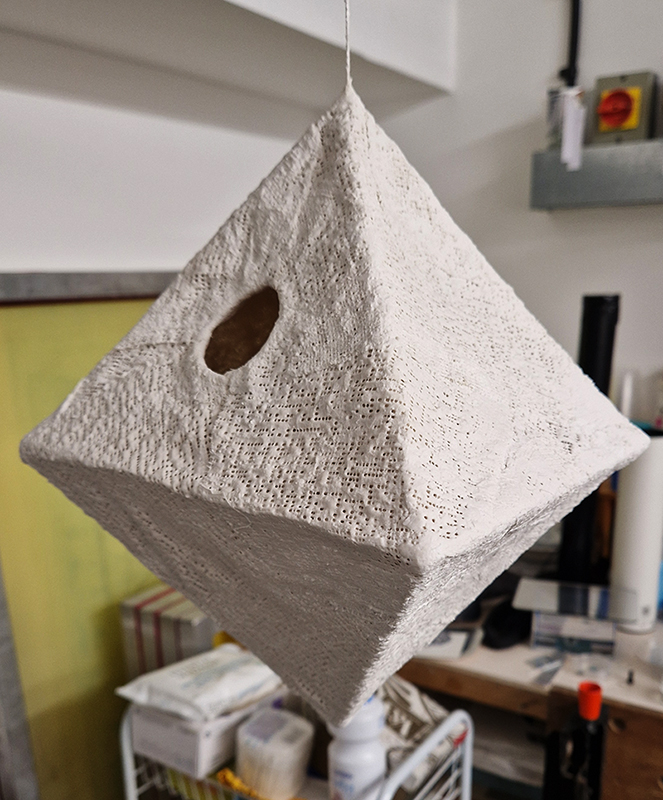
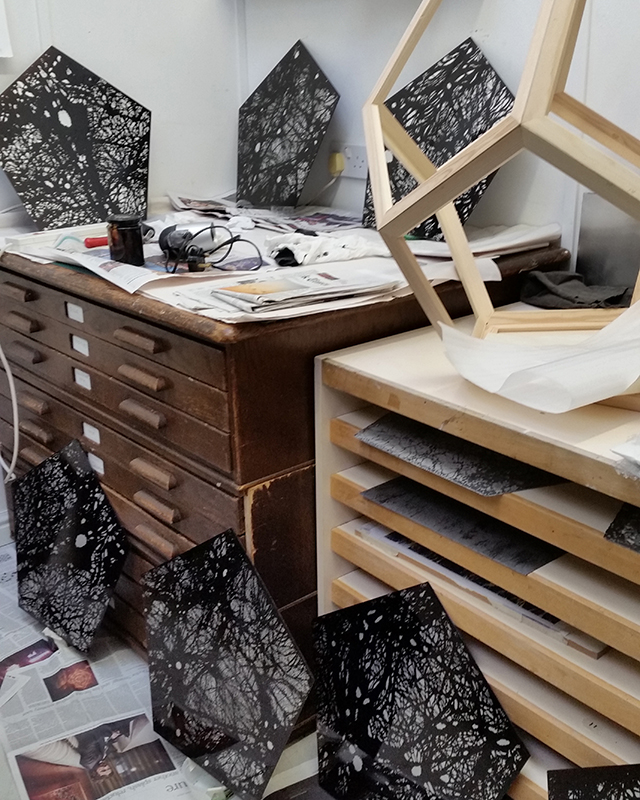
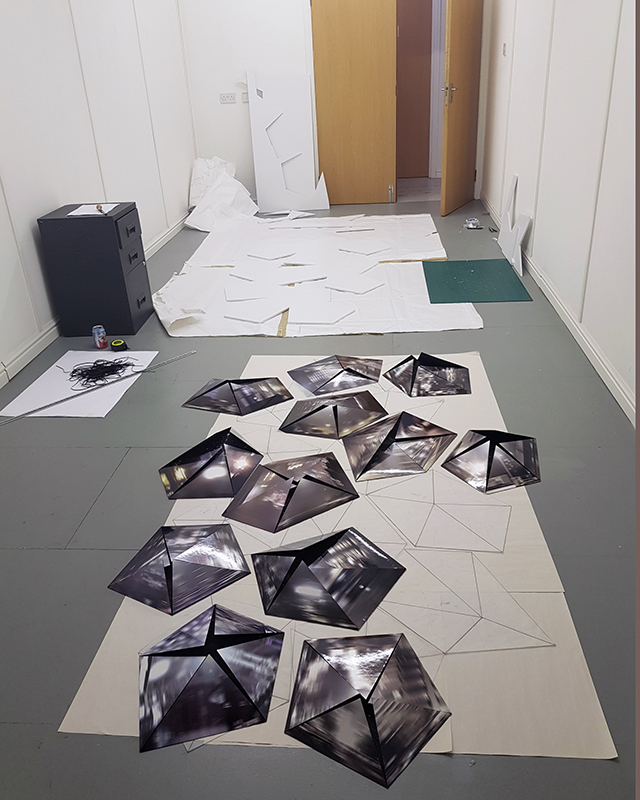
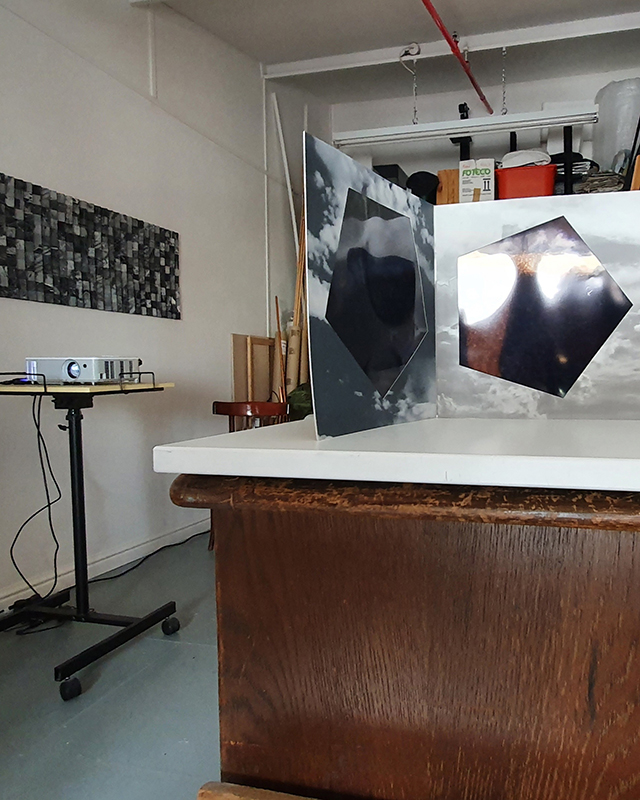
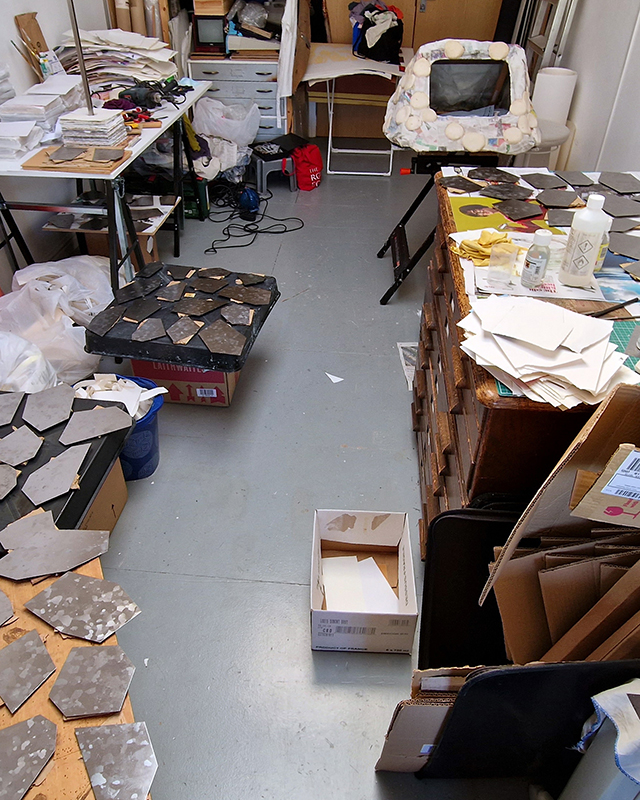
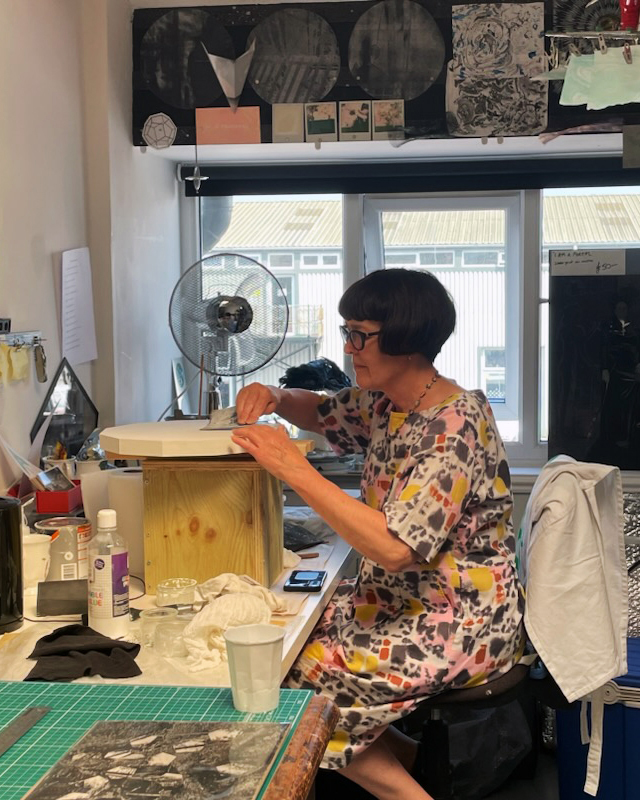
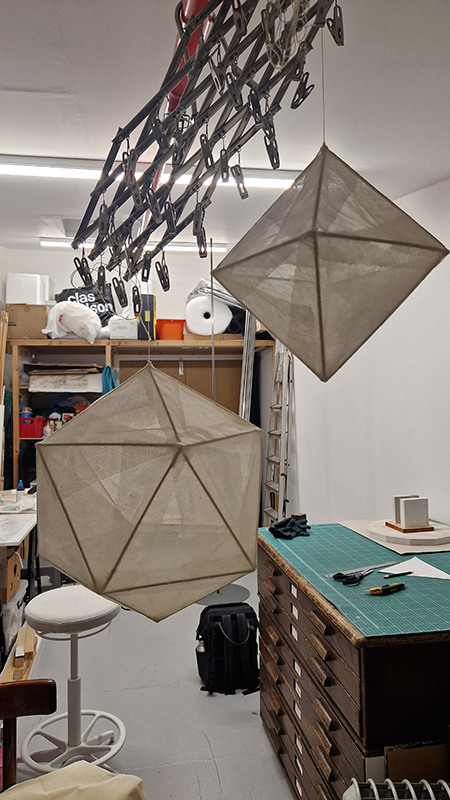
Work in progress for upcoming exhibition Strange Company: at the Safehouses. Alluding to Oscar Wilde’s familiar quote We are all in the gutter but some of us are looking at the stars, this work considers the otherworlds inhabited by creatures of the gutter as exotic places of discovery. I am experimenting with making models based on the platonic solids that represent water and air as speculative modular living capsules for space exploration.

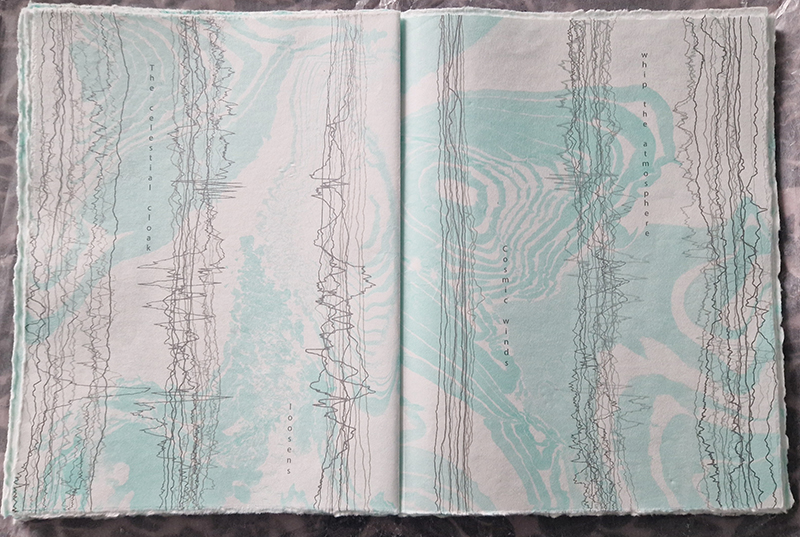
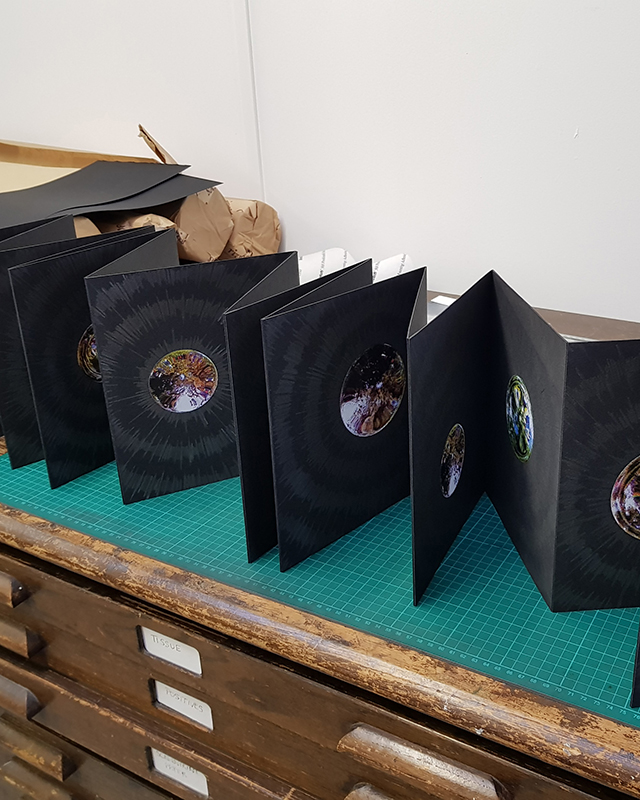
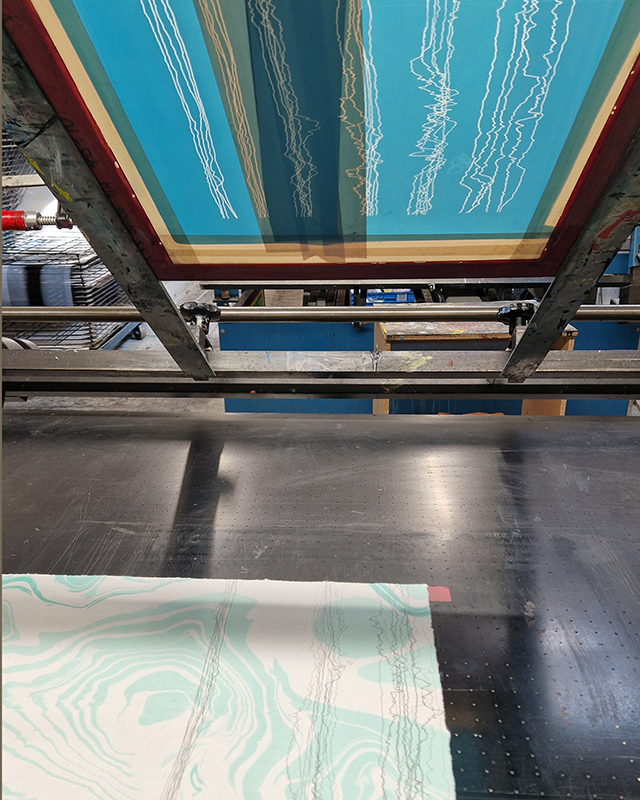
I have made some decisions and printed the text for The Book of Reversals – an artist’s book that offers a poetic interpretation of the creation of Earth’s turbulent magnetic field, its liability to flip poles and how the secrets of the inner core have been discovered through seismic tremors. I have printed the text in a vertical format to echo the lines of the magnetic stripes secreted in the minerals by spreading lava on ocean floor.

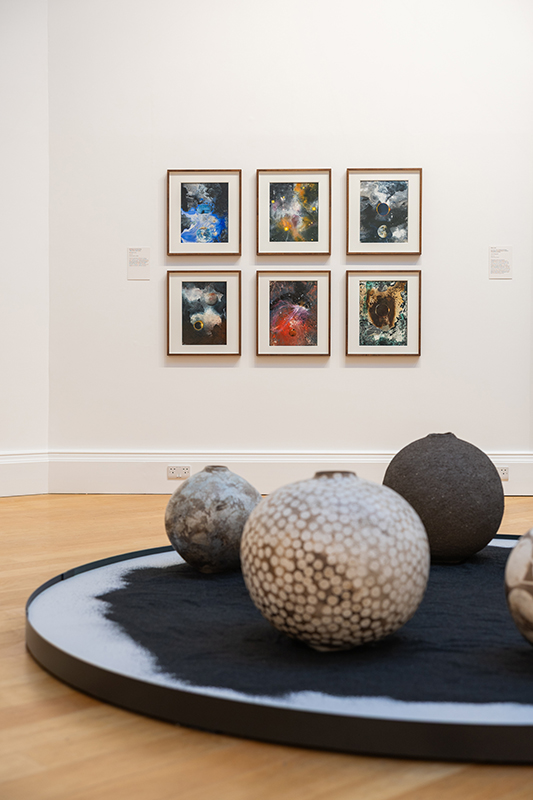
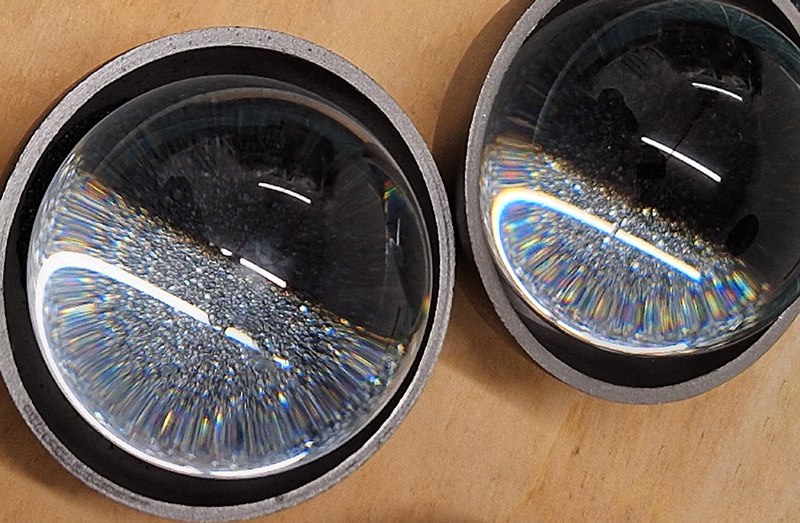
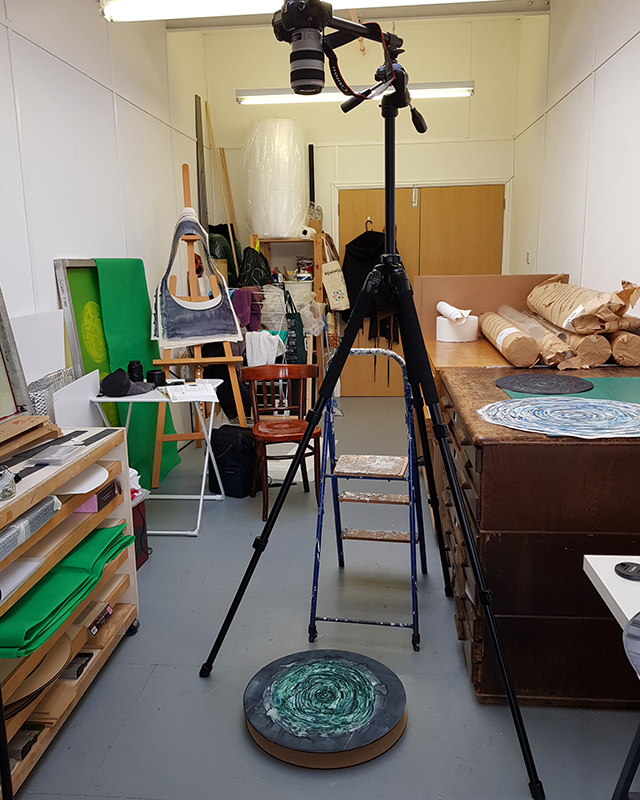
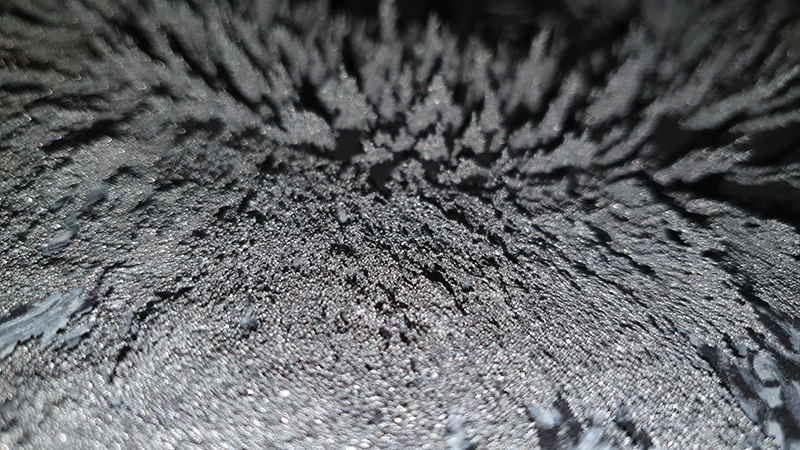
I have been experimenting with crystal spheres, iron half spheres and different sands. I’m not sure where these ideas might be going as yet. There is something planetary and spectrographic about these.

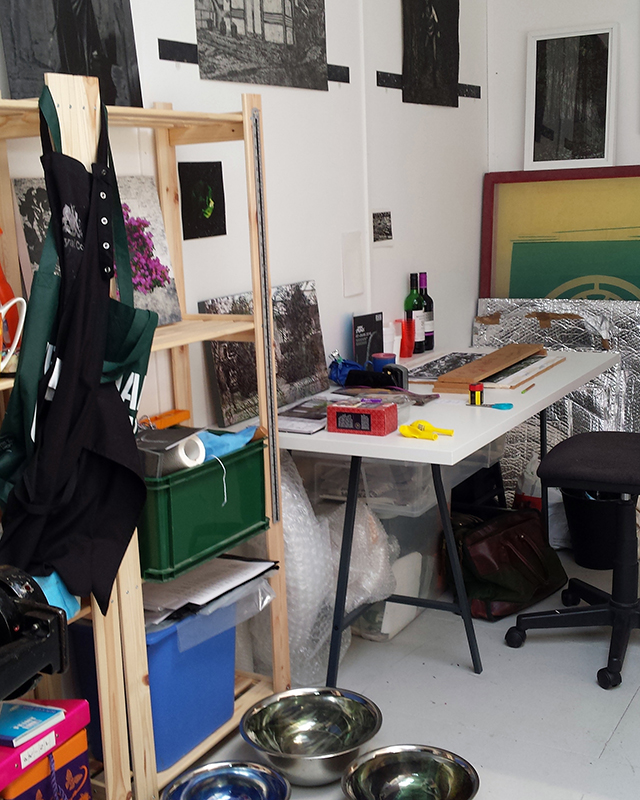
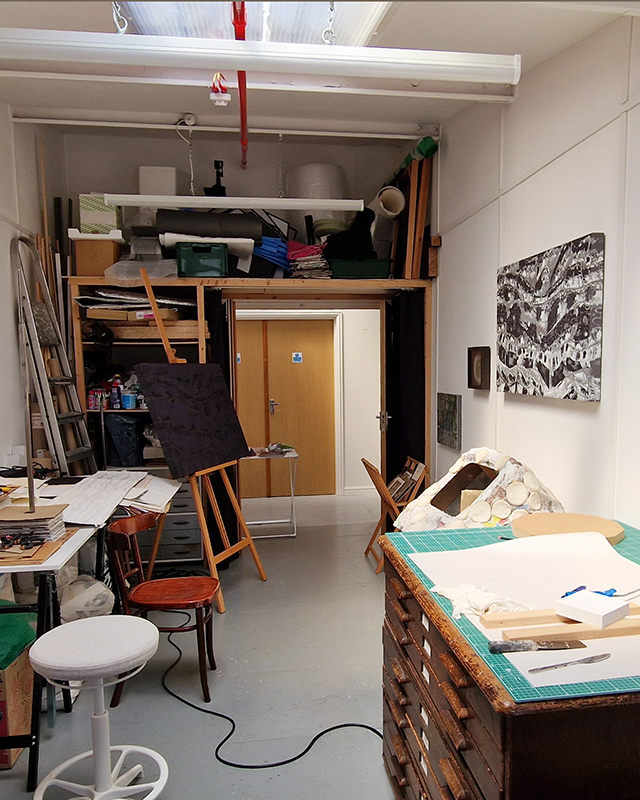
It was rather a surprise to realise I have been at Thames-side Studios for 10 years! Taking my first studio here after completing my MA. From labyrinthine depths with no natural light, to nearer the print studio with a half share, to my own space but no window and finally to where I am now with skylight and window. It’s brilliant to have Thames-side Print Studio just up the corridor from my studio and also The Gate Dark Room and London Sculpture Workshop on site, plus the amazing gallery that I’ve been lucky to show in. I love the community here.

Out and About and Online

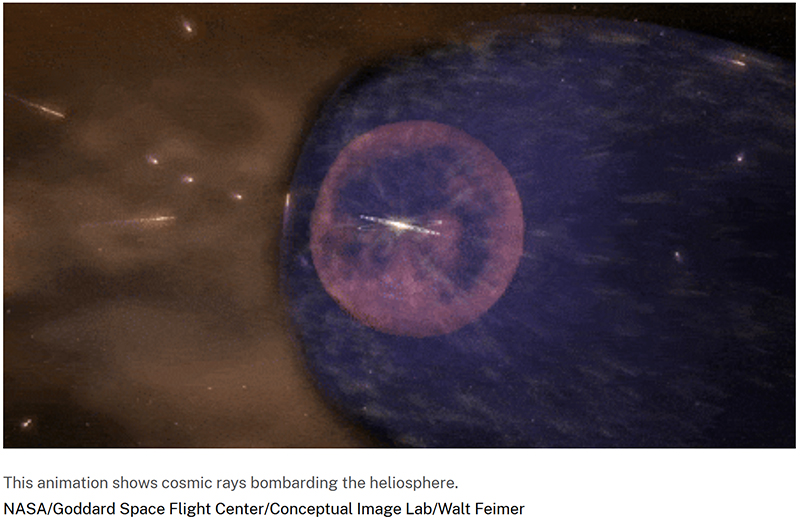
Mapping the heliosphere, the huge bubble created by the Sun’s wind that encapsulates our entire solar system – IMAP spacecraft was launched September 2025 to measure interplanetary magnetic fields and solar wind particles.

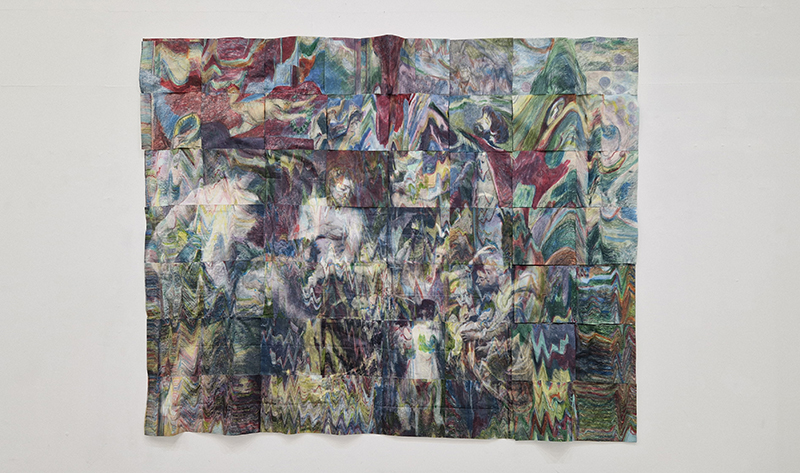
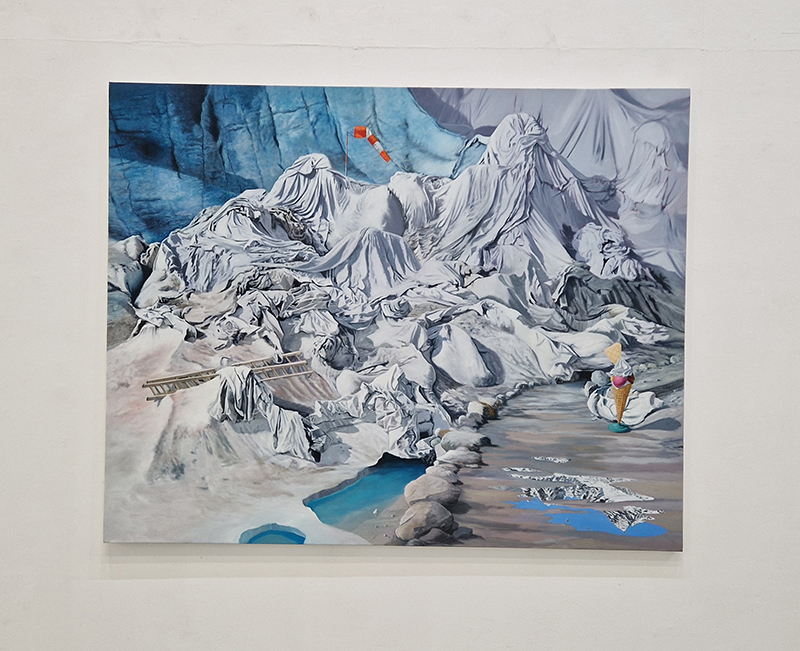
I popped into Thames-side Gallery to see Disturbances a group show embracing interruption and disturbance as a catalyst to shift perspective. I was impressed by the large collaged work of Caroline Macdonald which is combination of digital print and monoprint, and Benjamin Deakin’s surreal super realist paintings.

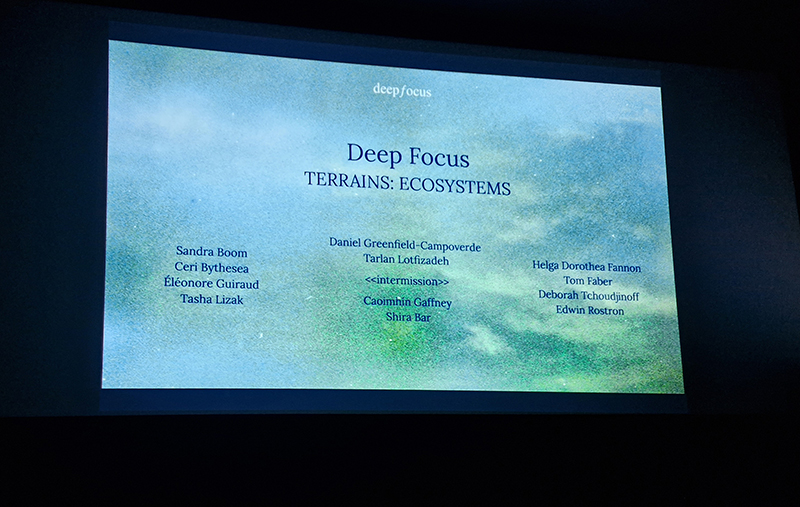
I enjoyed the selection of films showing in Deep Focus: Terrains: Ecosystems at Goldsmiths Cinema. Looking at varied and personal approaches to landscape. I liked the idea of Tom Faber’s The Hiding Place as questioning whether the character was influencing the weather through their own emotional state or was being influenced by the weather. This didn’t come across to me in the film but I really liked the drama of the film where sequences of extreme weather were suddenly scrunched up as if on a painted canvas. This techno wizardry is done using Blender. It was also great to see Deborah Tchoudjinoff’s latest digital film, in her world building series, based on a future where certain minerals have become extinct. This one is The City of Coal and instead of a dark gritty place, it is full of light, set in the bowl of an inactive volcano where the last block of coal is enshrined in a baurtiful translucent block, like an ice cube. What once seemed ubiquitous, burnt without conscience is now held up as a marvellous relic. All the forests that went into making the seams of coal are gone, in their place are new forms of hybrid trees.

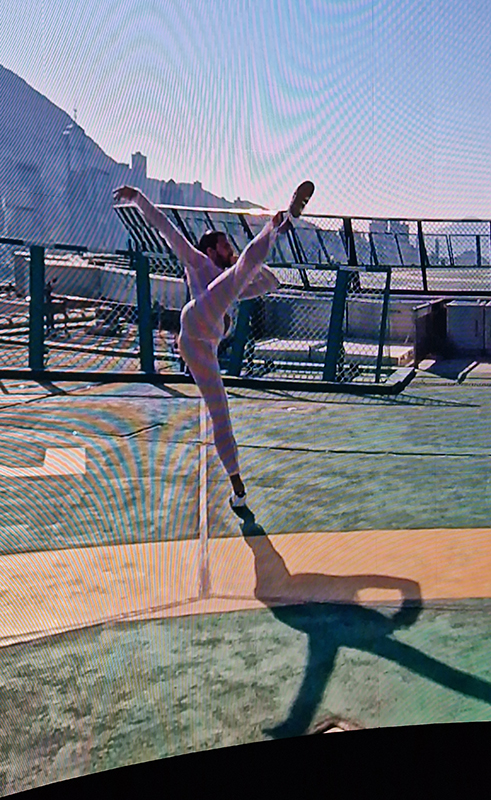
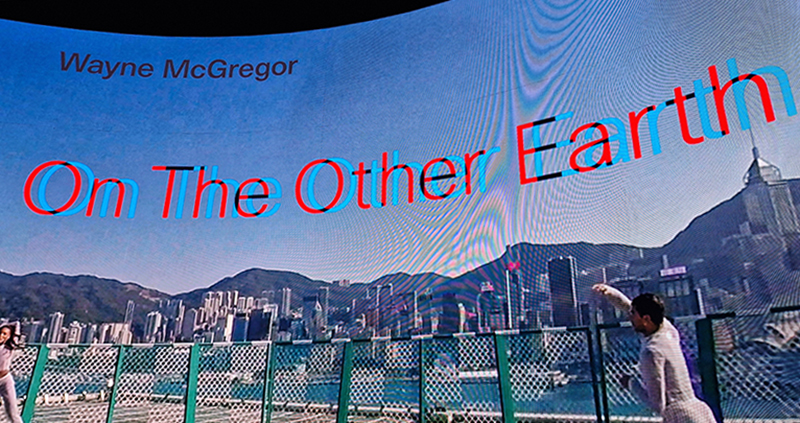
On the Other Earth at Stone Nest a 57-minute 3D, 360° installation places you at the heart of a virtual performance. Surrounded by a 3D panoramic LED environment, you can see every detail as hyperreal dancers from Company Wayne McGregor and the Hong Kong Ballet move around you. Right in the middle of the 3D action, it’s hard not to move out of the way a a dancer passes right up to and though you. I really like the section when the dancers were all upside down, like bats, but dressed in white and when they leaped it was like they flew momentarily. Wonderful.

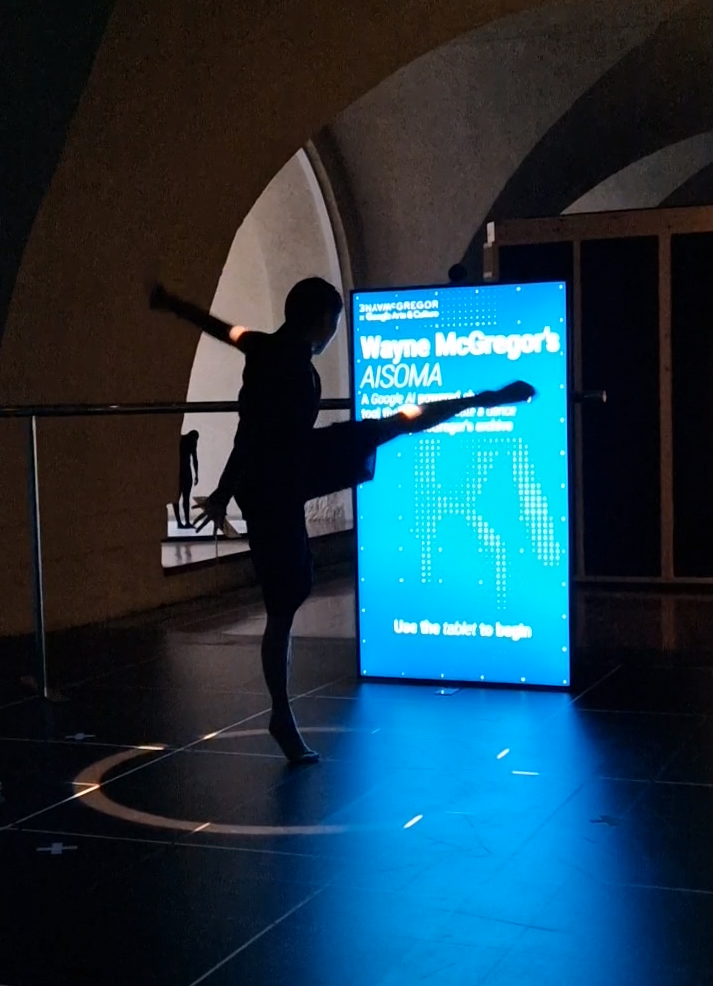
Some beautiful and thoughtful experiences in Infinite Bodies examining how Wayne McGregor’s work responds to the evolving relationship between the human body and technology. Human still wins. Thankfully.

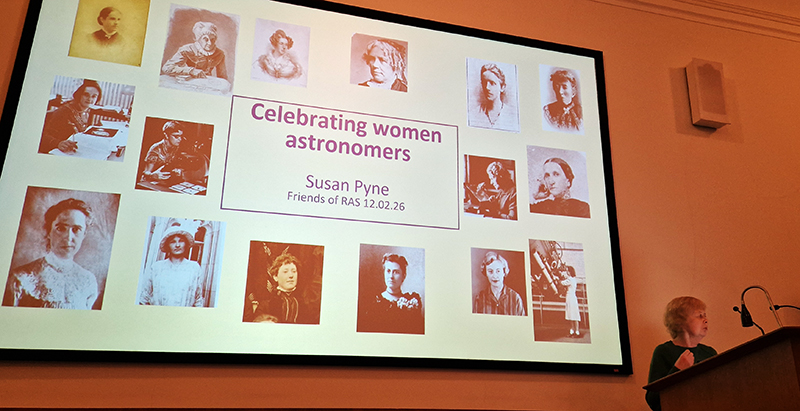
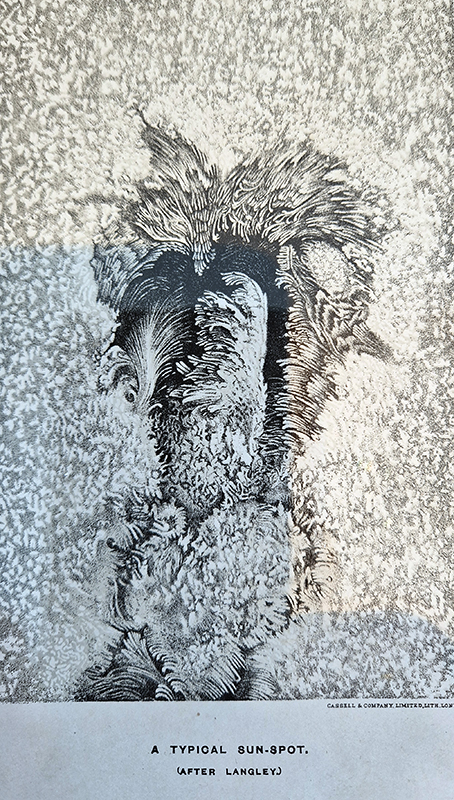
Dr. Susan Pyne gave a talk at the Royal Astronomical Society Celebrating Women Astronomers. For centuries, women astronomers made discoveries that were often overlooked or credited to men. Focusing on five of the many women who transformed our understanding of the Universe she reminded us how very difficult it was for women to advance in the field of astronomy, firstly being denied education and admittance to university, but even once admitted, not being awarded a degree despite studying for it, having to leave employment on marriage, not being allowed to use the instruments at an observatory. It was a long slow road to the first woman Astronomer Royal, Prof. Michele Dougherty, being appointed just last year. Caroline Herschel (1750-1848), famous for her discovery of comets was the first woman to be paid a salary as an astronomer; Annie Maunder (1868-1947) who persevered as a human computer at Greenwich, recorded the first evidence of the movement of the sunspot emergence from the poles toward the equator over the 11-year solar cycle and published The Heavens and Their Story in 1908; Cecilia Payne (1900-1979) determined that stars were composed primarily of hydrogen and helium.

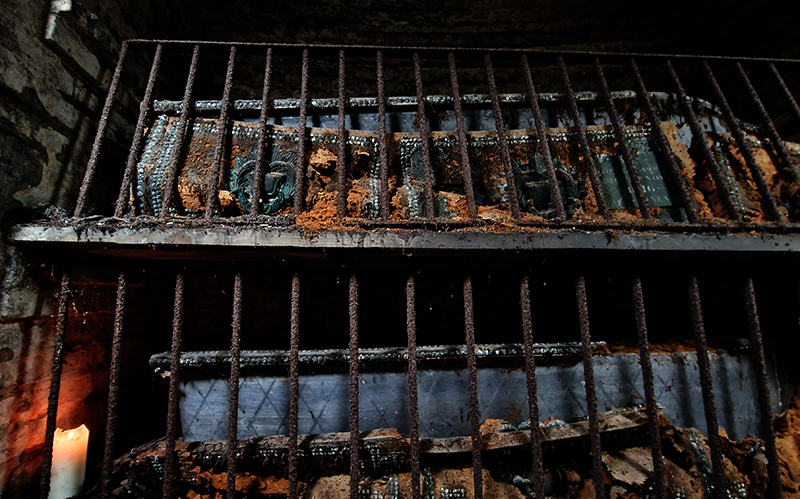
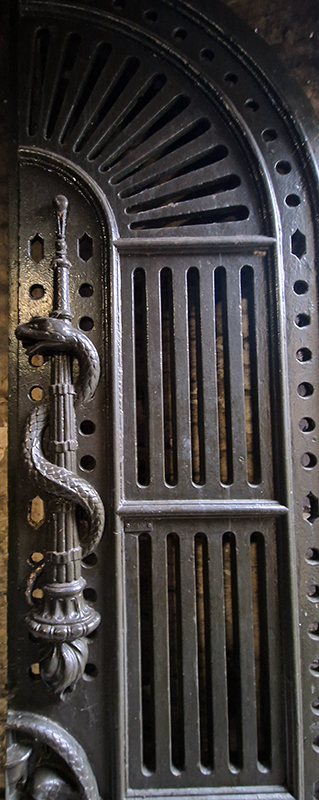
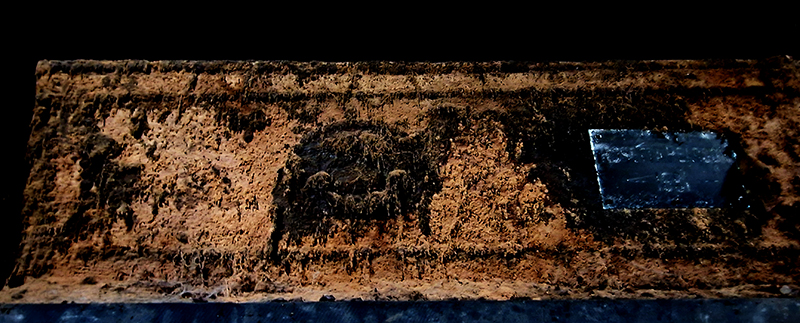
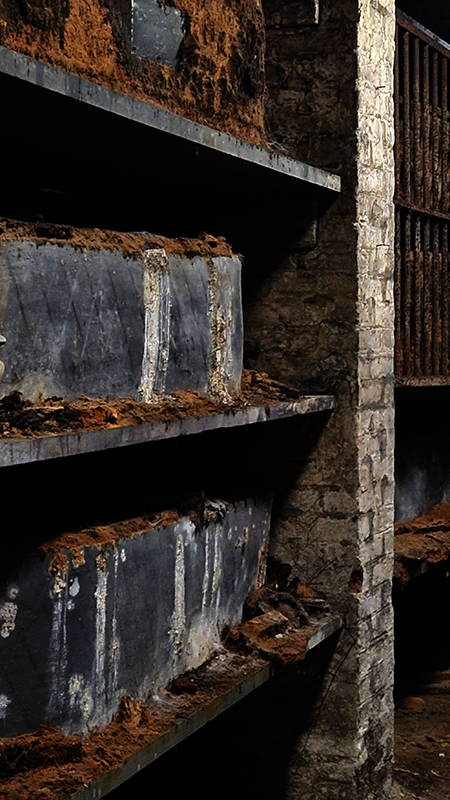
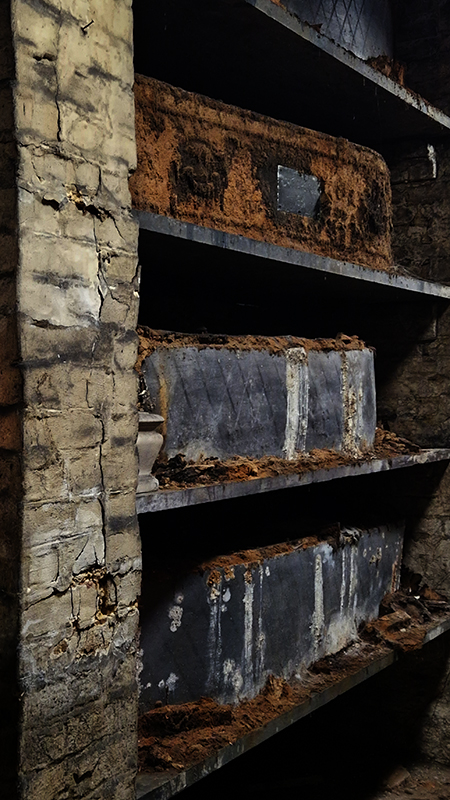
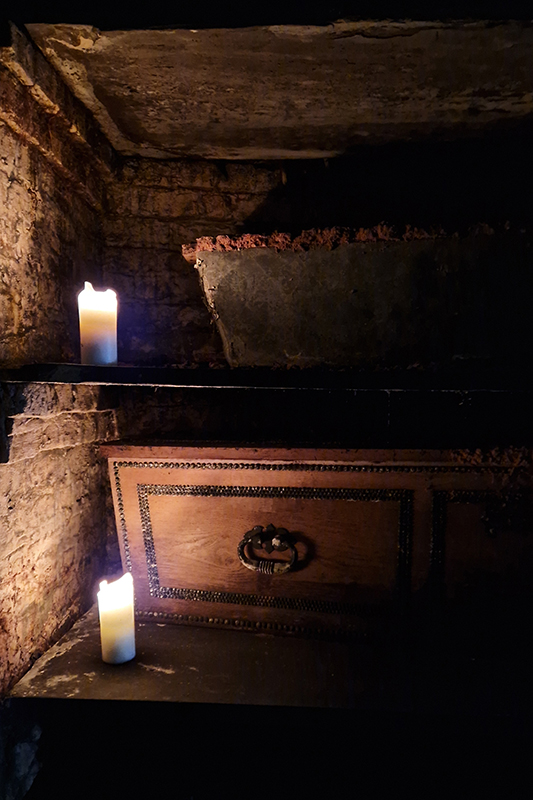
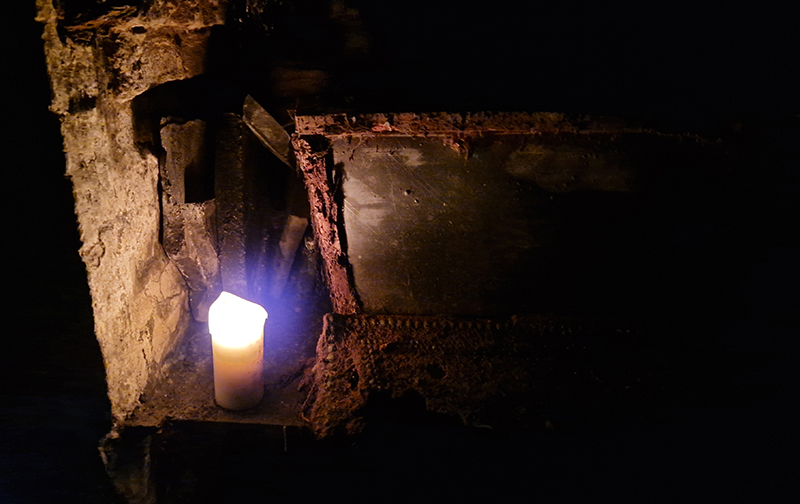
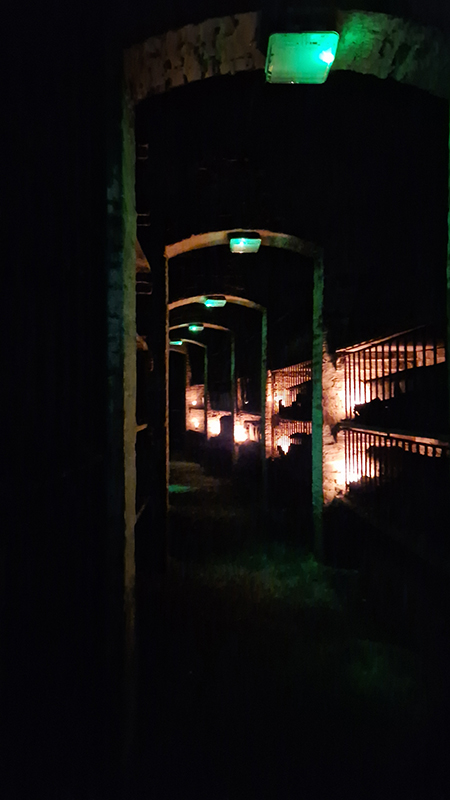
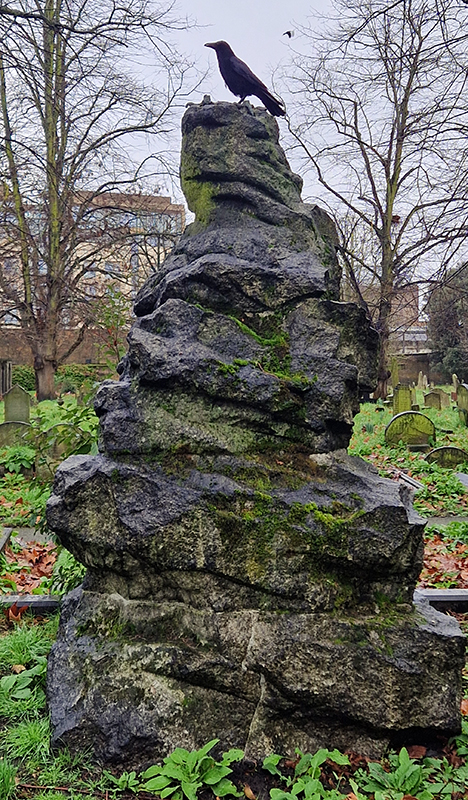
Illuminating tour of Brompton Cemetery Catacombs. These subterranean tunnels offered the Victorians – status, security and sentimentality when body snatchers were rife. The lead lined coffins were supposed to be airtight, preserving the body within, but many it seems were not.

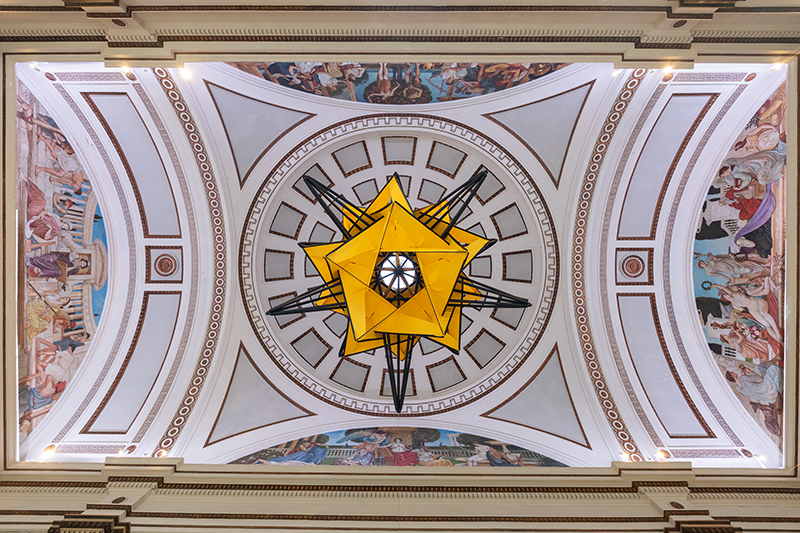
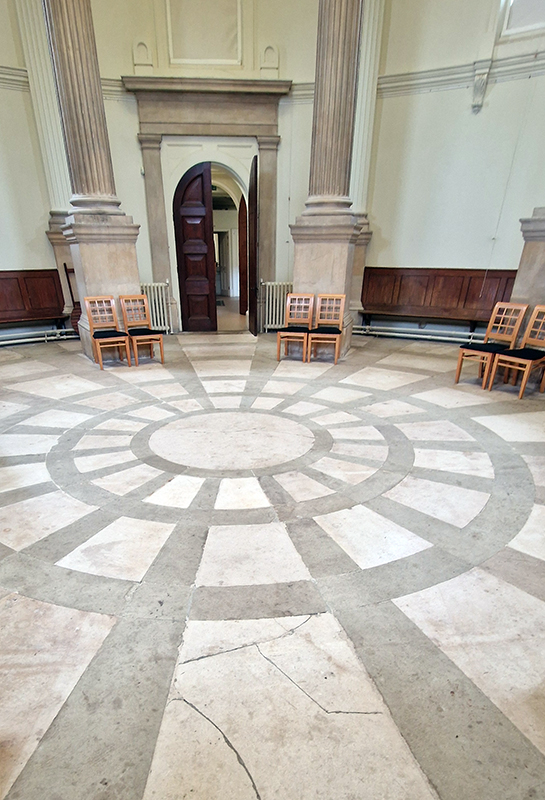
I also had a chance for another quick look at the majestic octagonal Cemetery Chapel where I will be having a solo show later in the year.

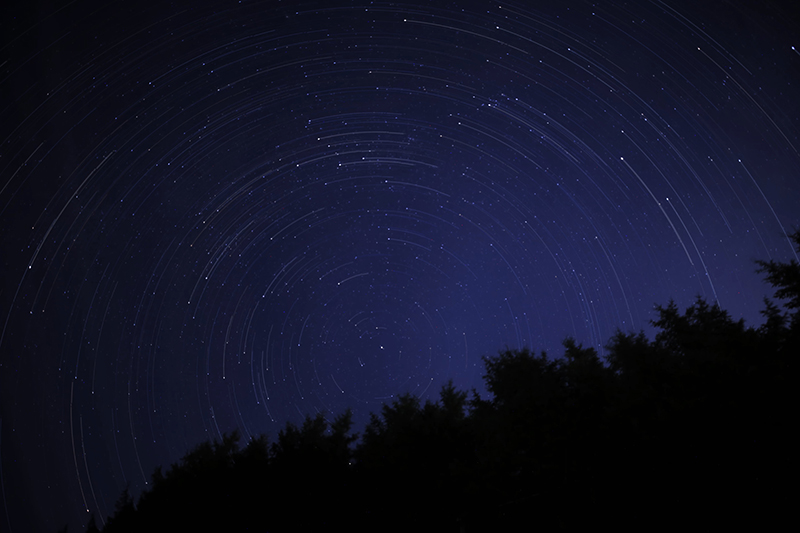
Listening to the Inside Science podcast Should we rethink navigating by GPS? I was fascinated to hear that a report from the Royal Institute of Navigation recommends teaching sailors to navigate by the stars again as a top priority.

Reliance on satellite GPS is no longer viable in a world of conflict where jamming and spoofing of GPS is putting maritime and aviation safety and security in jeopardy. All countries have their own GPS systems but all are vulnerable to interference. The satellites are 20km away, twice the diameter of the earth, but are basically a 5okw lightbulb in space which is very easy to drown out with more local noise. It is now also easy to spoof a position with software readily available online. As well as ships these jamming and spoofing signals are effecting1500 planes a day which have to reset and counter spoof signals, also trains, mobile phones and anything that accesses GPS can be effected. There are technological solutions that can be put in place to determine where the signal is coming from but it looks like there will forever be a need to read the stars.

The program goes on to look at satellites under fire from solar weather which can also effect navigation systems. Predicting space weather is difficult but Imperial College London have developed some magnetic field detector instruments which are on the Solar Orbiter probe, speeding through space, to give us more warning about solar activity which could affect us here on earth and be valuable info for the safety of the next launch to the moon.

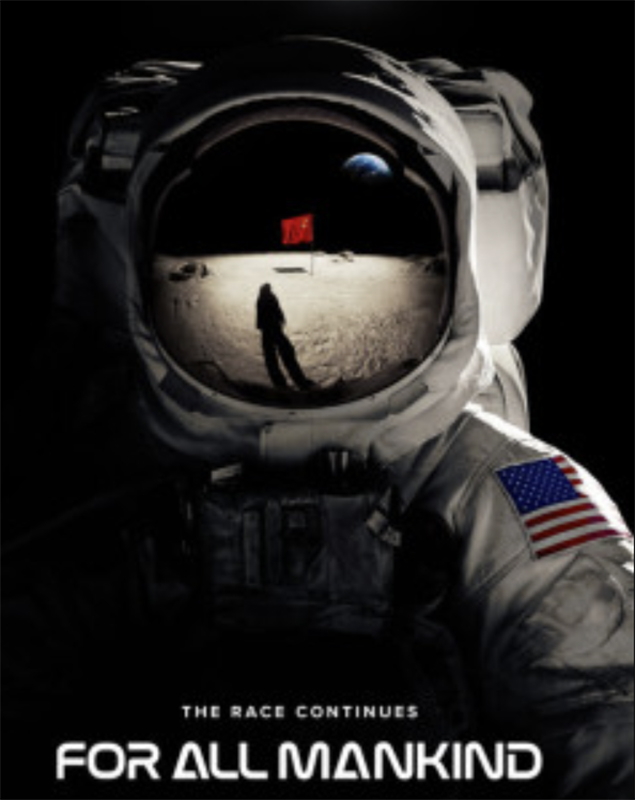
I have also been enjoying the first series of For All Mankind which was originally aired in 2019. The series dramatizes an alternate history depicting “what would have happened if the global space race had never ended” after the Soviet Union succeeds in the first crewed Moon landing ahead of the United States. It is entertaining TV, some nice 60’s/70’s sets and what if scenarios.

Nothing truly exists – except in relation to other things. Carlo Rovelli

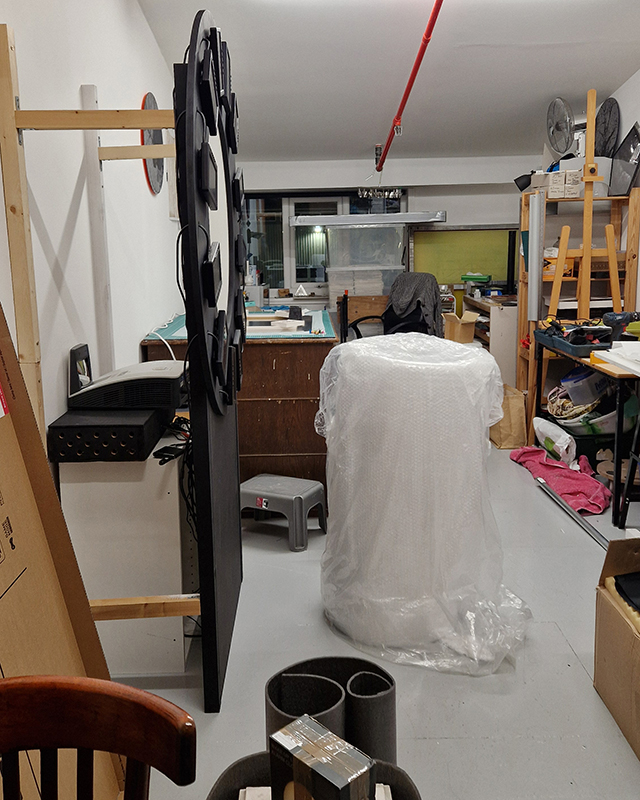
Work in progress.

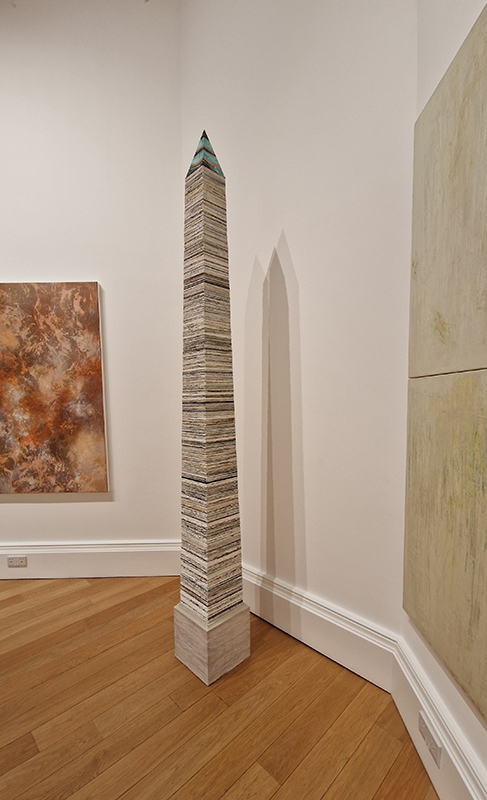
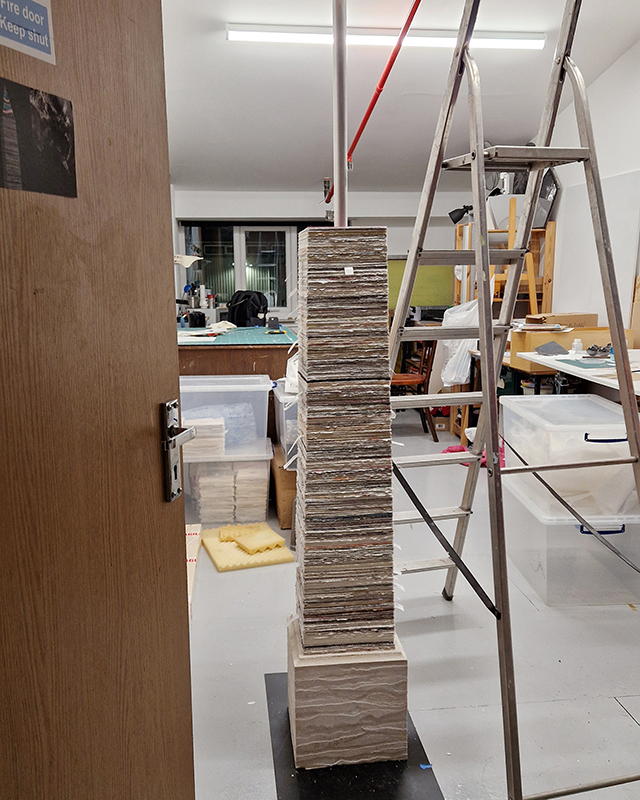
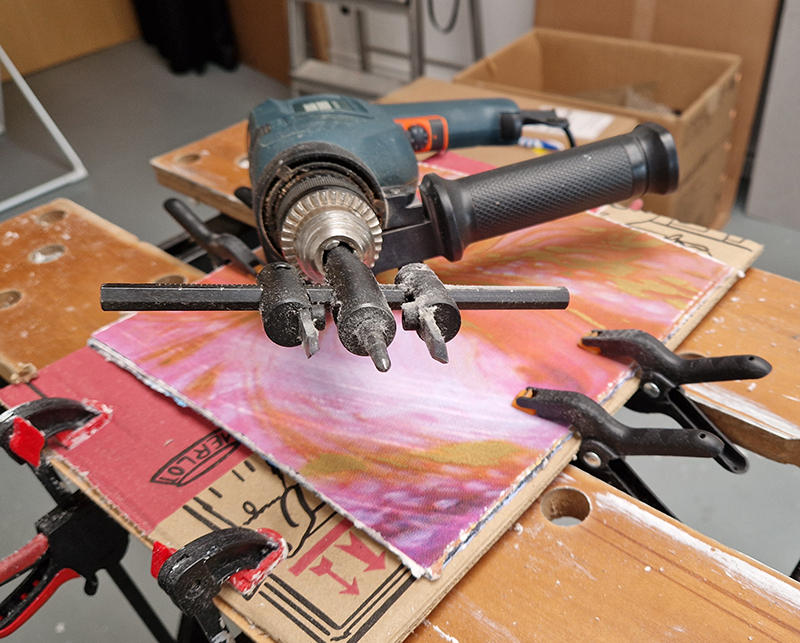
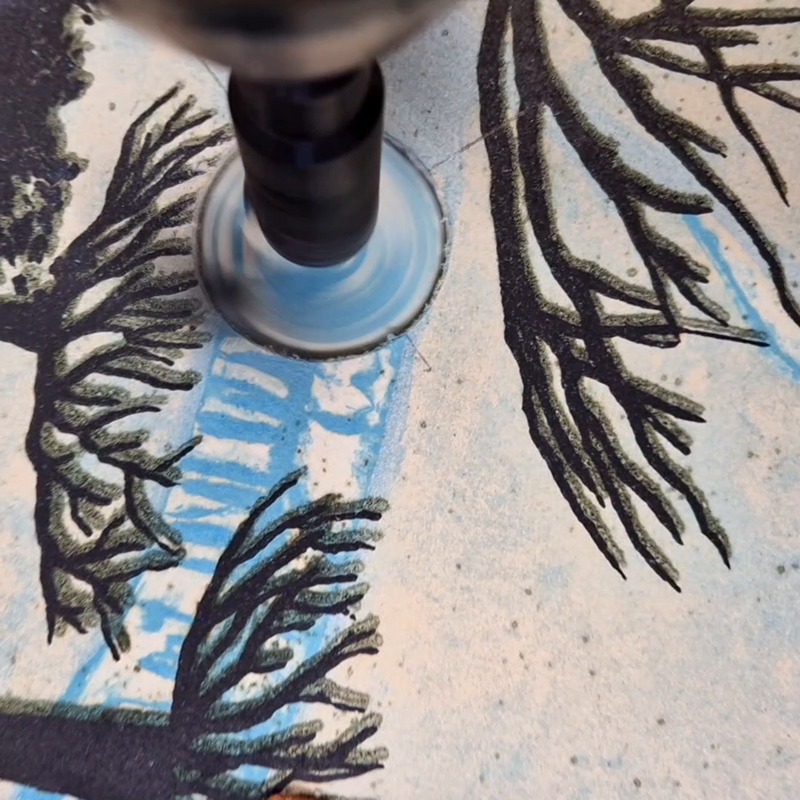
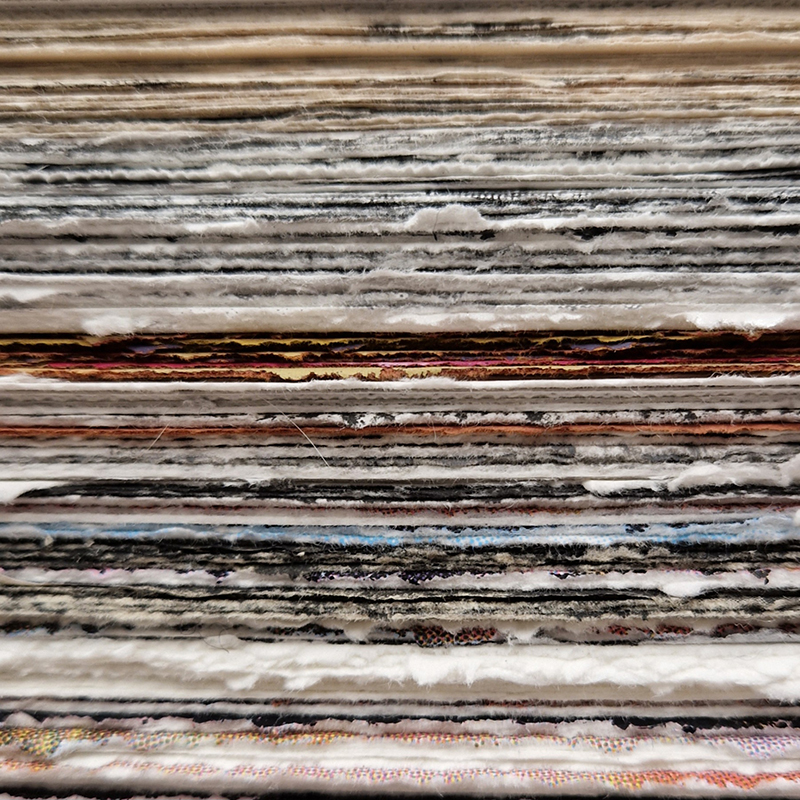
Building the azimuth obelisk made from layered re-cycled paper. This sculpture is a response to the concrete obelisk erected in 1955 at Hartland Magnetic Observatory as a permanent azimuth mark from which to measure the drift of Earth’s magnetic field. Deep time geology holds the sedimentary knowledge of magnetic activity, from the degrees of variation between the magnetic and geographic north pole to the cataclysmic impact of pole reversals.

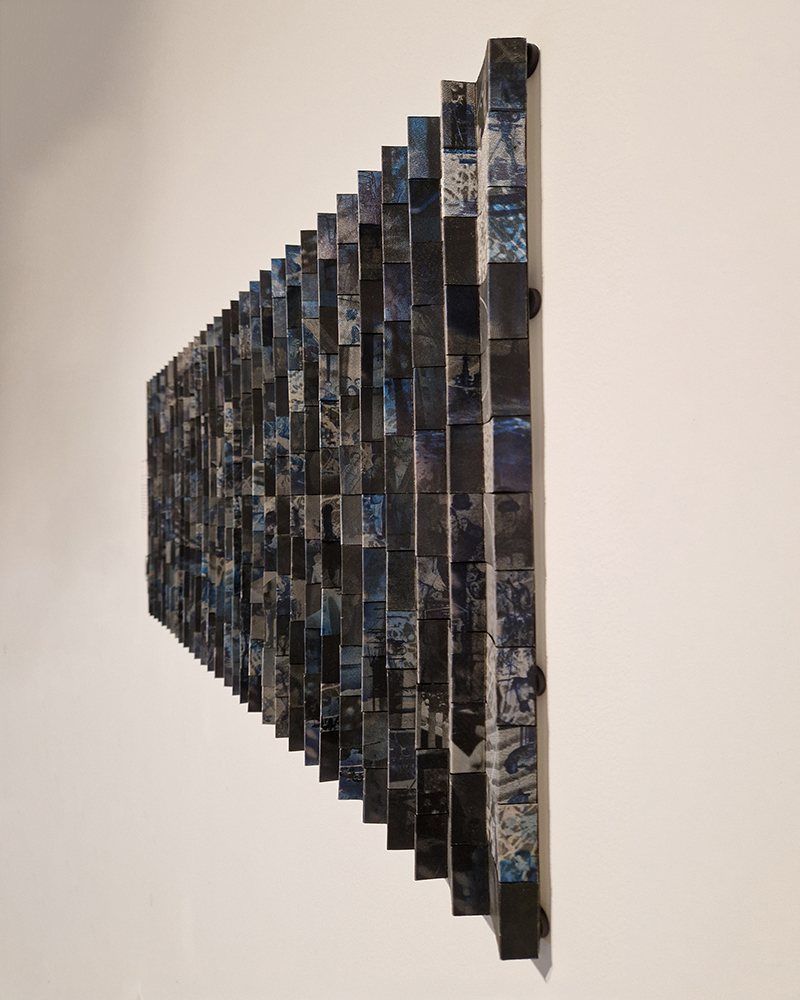
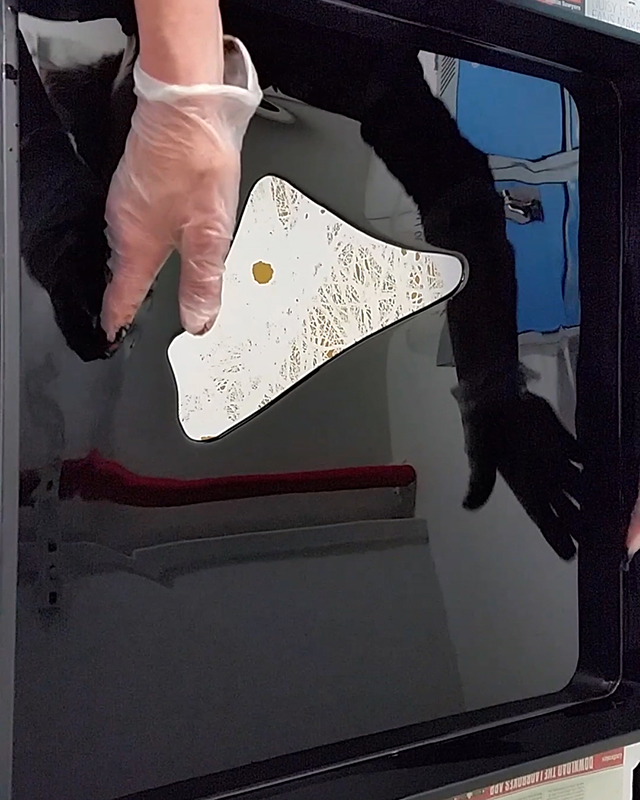
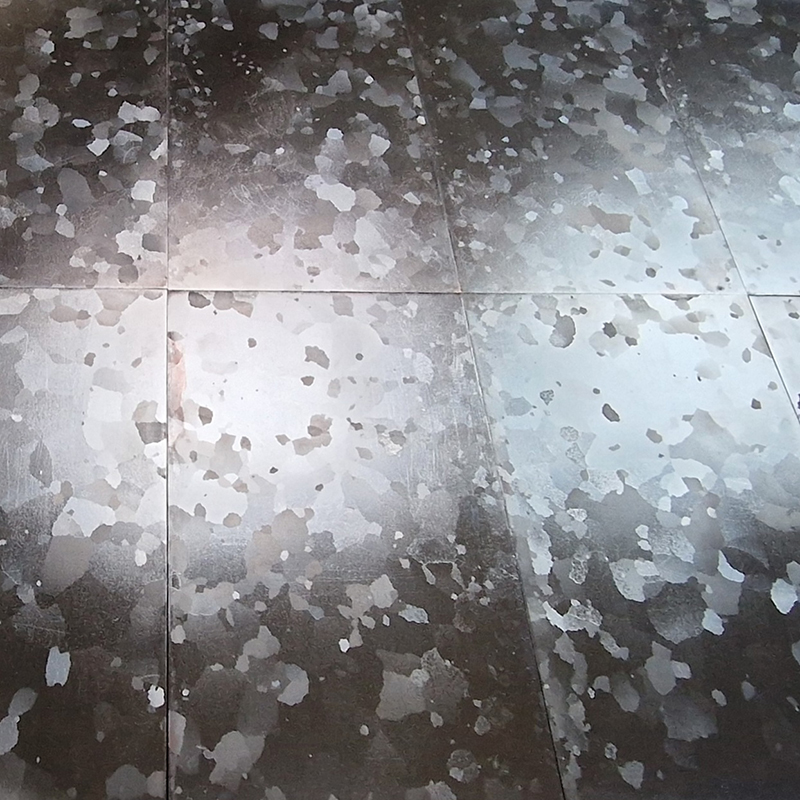
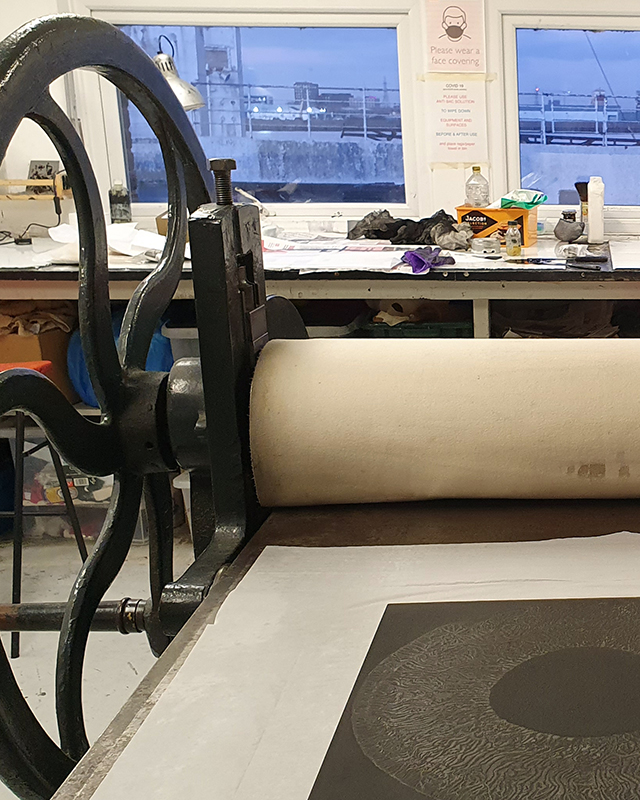
Etching Directional Magnetic Steel to reveal the jigsaw pattern which comes from rolling single crystals of an iron silicon alloy into thin sheets to minimise magnetic losses for use in industry.

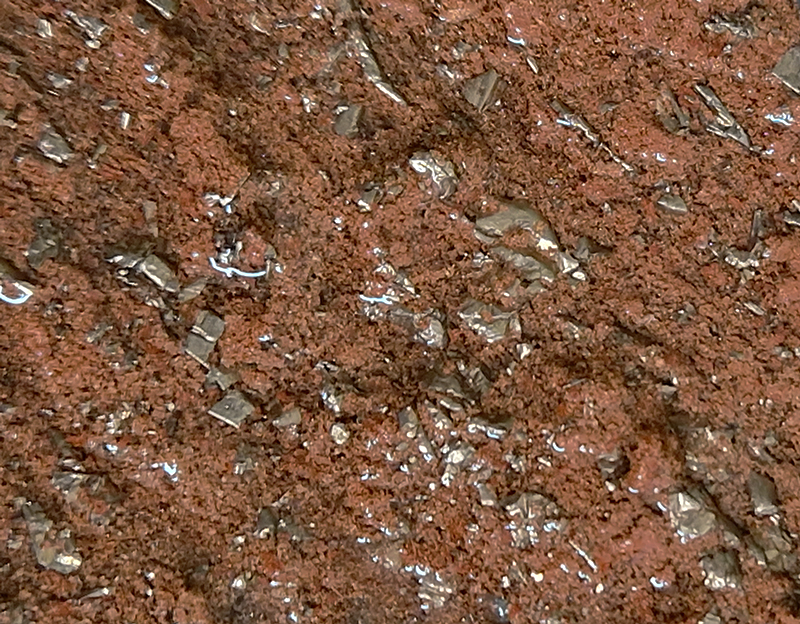
The copper sulphate etching process creates a very thin, fragile layer of shiny copper under the red residue

Magnetism embodies magical qualities which have fascinated humans since the first encounter with a lodestone. These rare and enigmatic fragments found scattered across the surface of the Earth are created when lightning chances to strike the mineral magnetite.

The Lodestone, from Plato to Kircher by D. W. Emerson lists various historical references to the lodestone. The writer concludes – Lodestone, being very unusual, greatly impressed previous generations. Despite its unattractive appearance it was an admired mineral type more precious than pearls, it was celebrated in persuasive Latin hexameters, it was an analogue for the power of deities, it took a witch to subdue it, it was deemed explicable by Epicurean atomic theory, it was involved in a rather tenuous argument for eternal punishment of wicked persons, it meant doom for unwary mariners, it furnished fodder for folk lore, it resided in the arsenal of the apothecary, it helped to demonstrate the earth’s magnetism, and it assisted navigation. What other mineral has such a record? The lodestone was quite a remarkable rock; it still is, and oddly, yet to be completely studied and documented.

Pliny the Elder (AD 23/24 – 79) :

What is more amazing (than this stone) or at least where
has nature shown greater devilry? She gave rocks a voice
answering, or rather answering back, to man. What is more
indolent than the inert character of stone? Yet nature has
endowed it with awareness and hooking hands. What is
more unyielding than the harshness of iron? On it nature
has bestowed feet and a mode of behaviour. For it is drawn
by the lodestone, and the all-subduing substance hastens to
something like a vacuum, and on its approach it leaps
towards the stone, is held and kept there by its embrace.

Claudius Claudianus (AD fl. 395):

There exists a stone called lodestone; discoloured, dingy,
nondescript. It does not lend distinction to the combed
locks of kings, nor to the fair necks of girls, nor does it
gleam on the showy clasps of sword belts. But in fact if
you pay due regard to the strange marvels of this dark rock
then it outshines elegant adornments and anything, on far
eastern shores, that the Indian looks for in the weed of the
Red Sea (i.e. pearls).
Augustine of Hippo (AD 354-430):

We recognise in the lodestone an extraordinary ability to
seize iron; I was much perturbed when I first saw it. The
reason is that I clearly saw an iron ring grabbed and held
up by the stone. … Who would not be amazed at this power
of the stone?

Generating a magnetic field.

The dynamo theory states that to generate a magnetic field, a body must rotate and have a fluid core with an internal energy supply that is able to conduct electricity and drive convection.  Earth fulfils all of these requirements. It rotates faster at the Equator than it does at the poles causing spiral convection currents in the liquid iron outer core which is an excellent electrical conductor, powered by the energy released as droplets of liquid iron in the outer core freeze onto the solid inner core.

Any variations in rotation, conductivity, and heat impact the magnetic field created.

Mars has a weak magnetic field as it has a totally solid core. Venus also has a weak magnetic field for although it has a liquid core it rotates too slowly to create convection currents.  Jupiter has the strongest magnetic field in the solar system, with a metallic liquid hydrogen core and fast rotation, it has a magnetosphere so large it begins to deflect the solar wind almost 3 million kilometres from its surface.

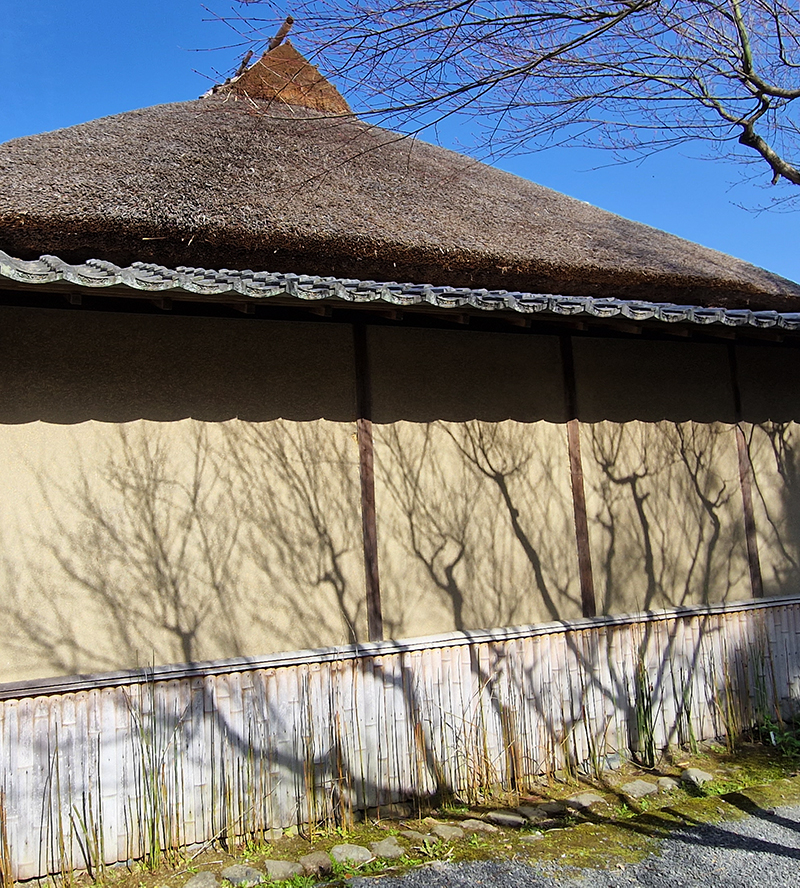
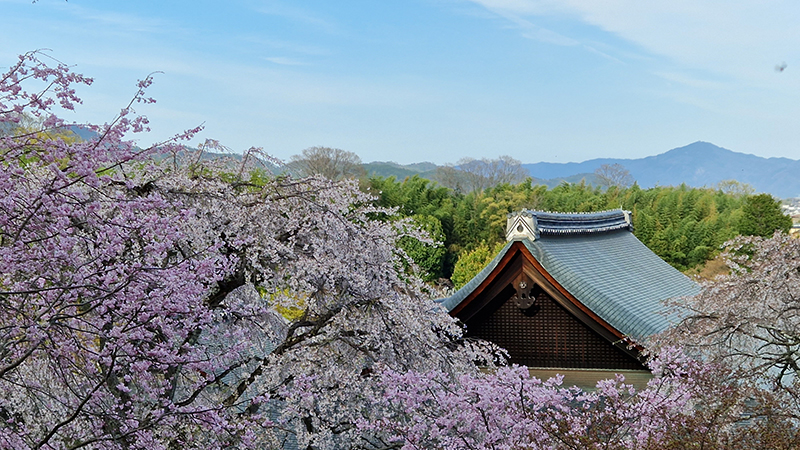
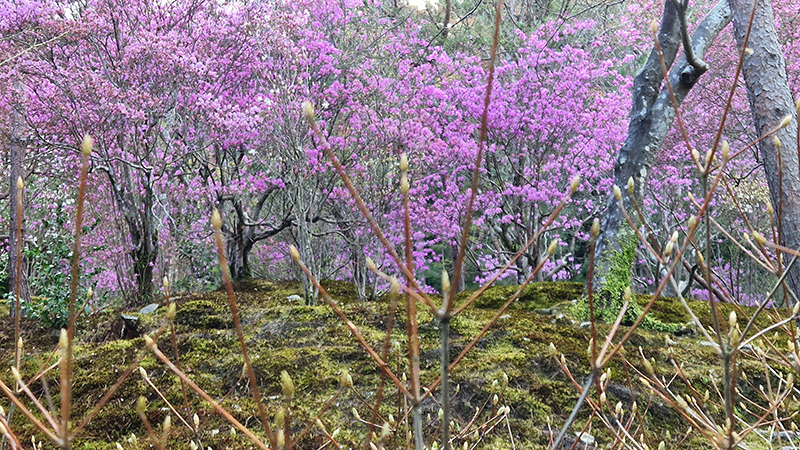
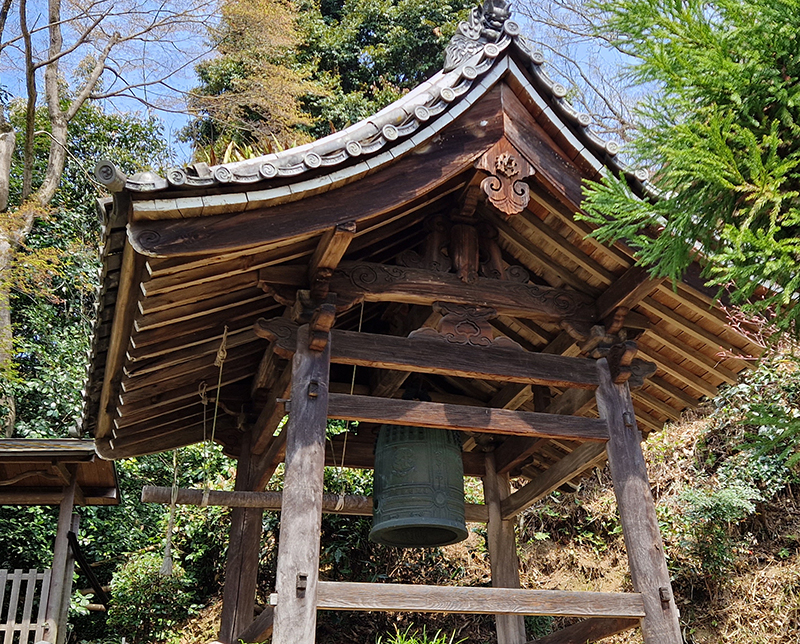
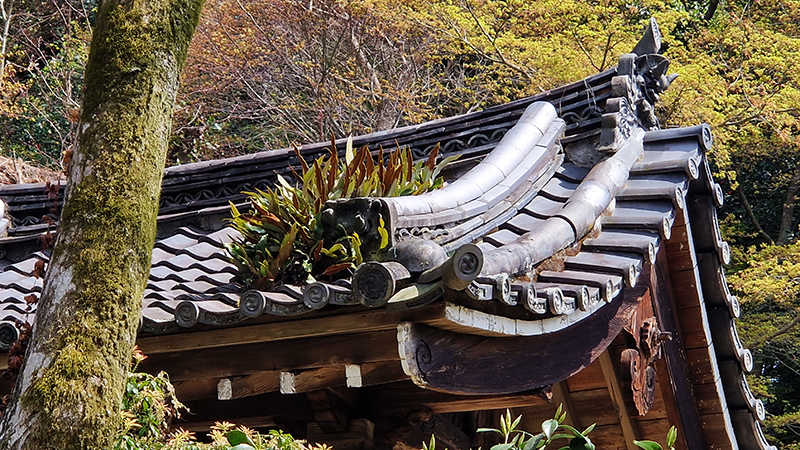
Highlights from a trip to Japan which offered many poetic and spiritual experiences.

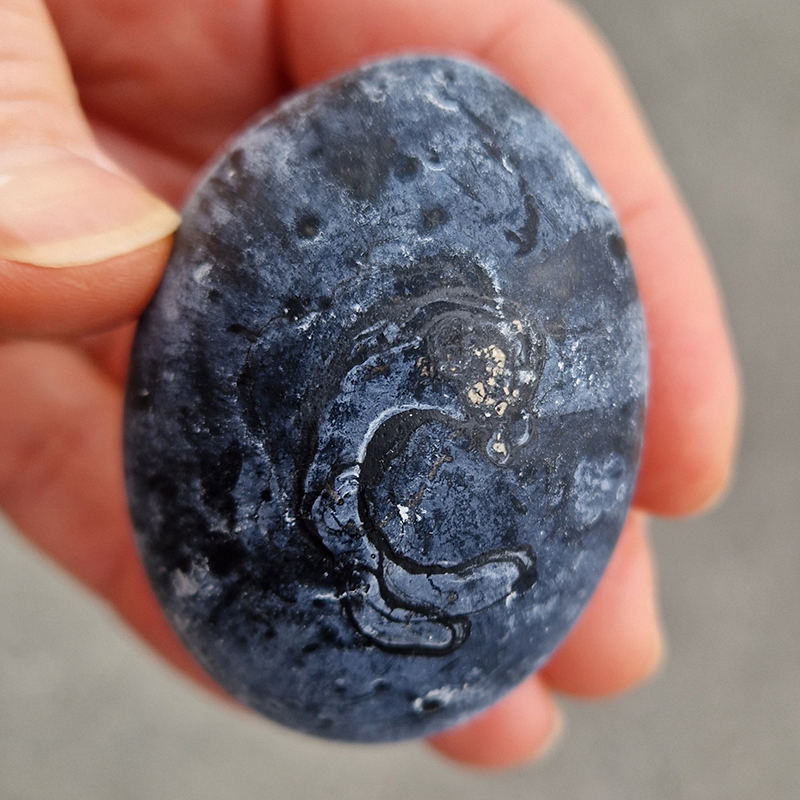
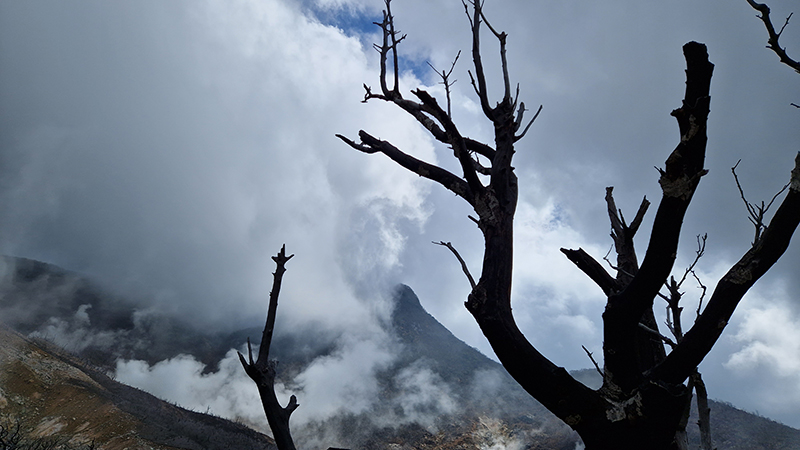
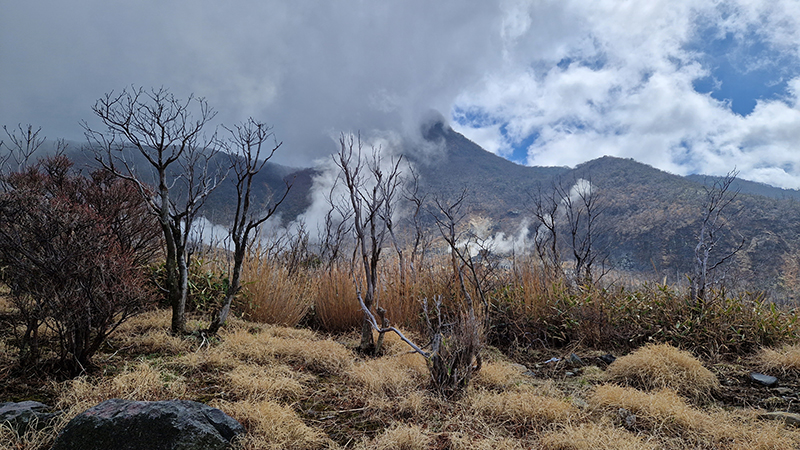
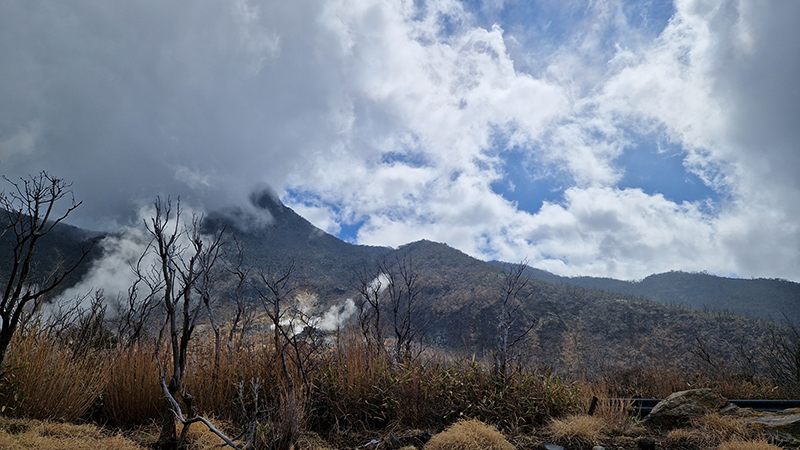
Active sulphur vents of the North South Hakone volcano arc boundary dividing Japan into East and West….also used to cook eggs. The beautiful markings on the eggshell were gone the next day.

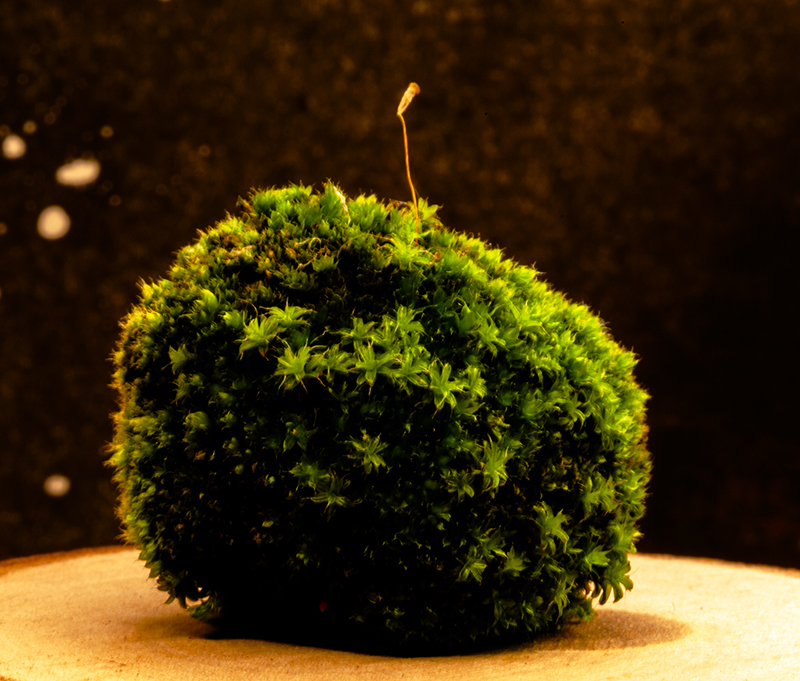
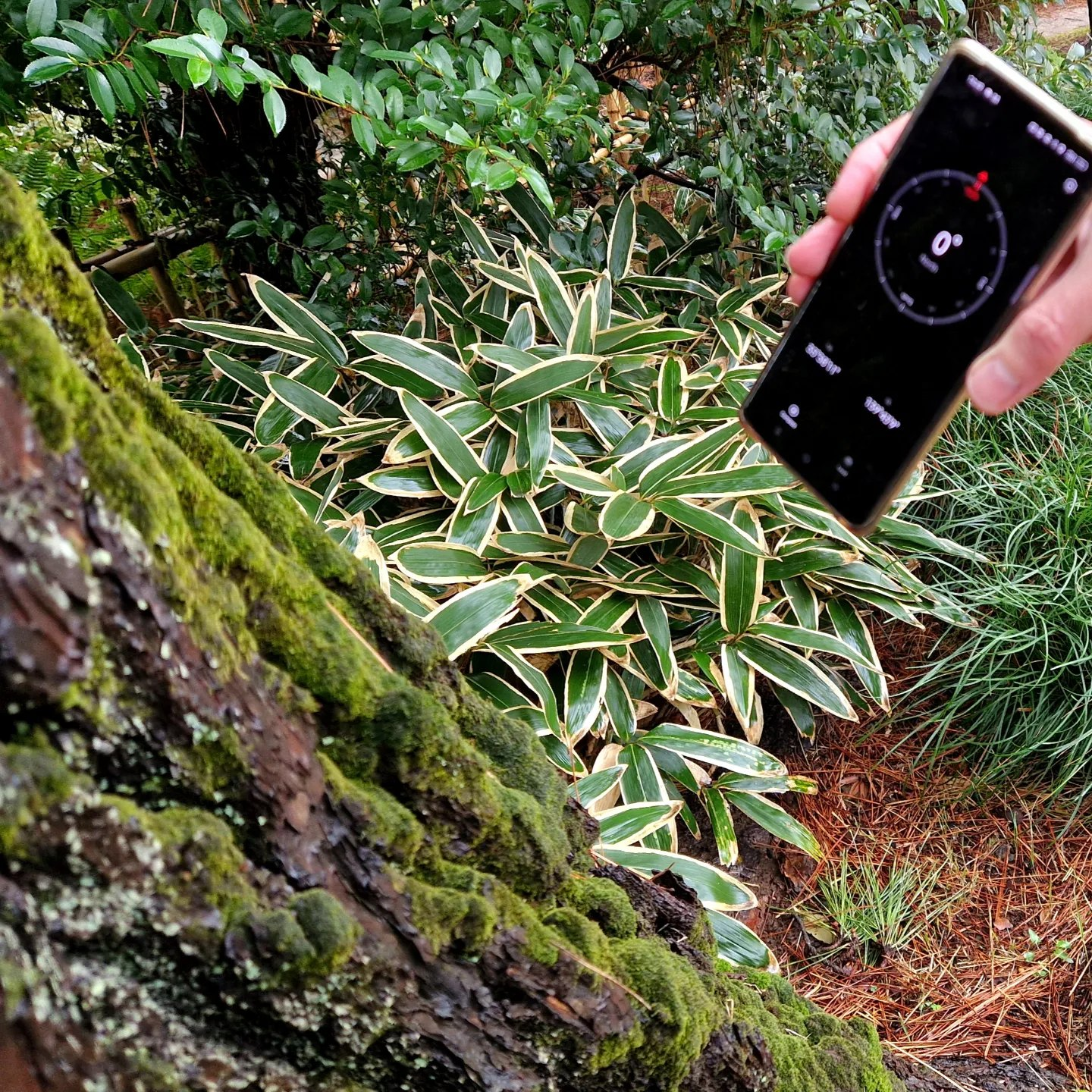
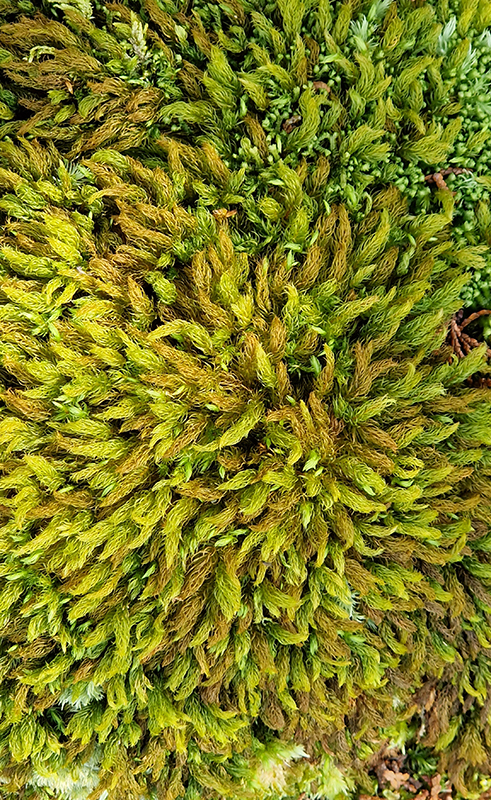
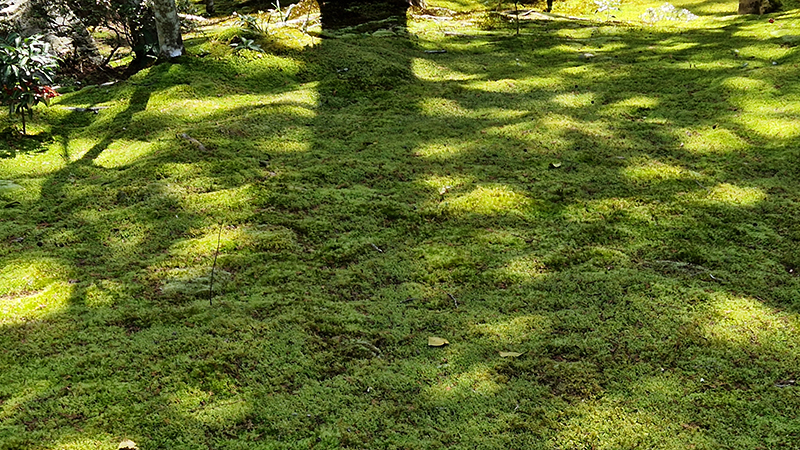
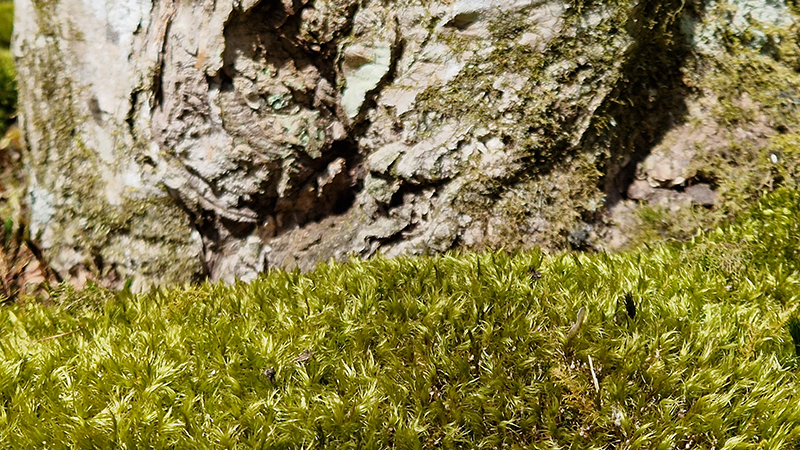
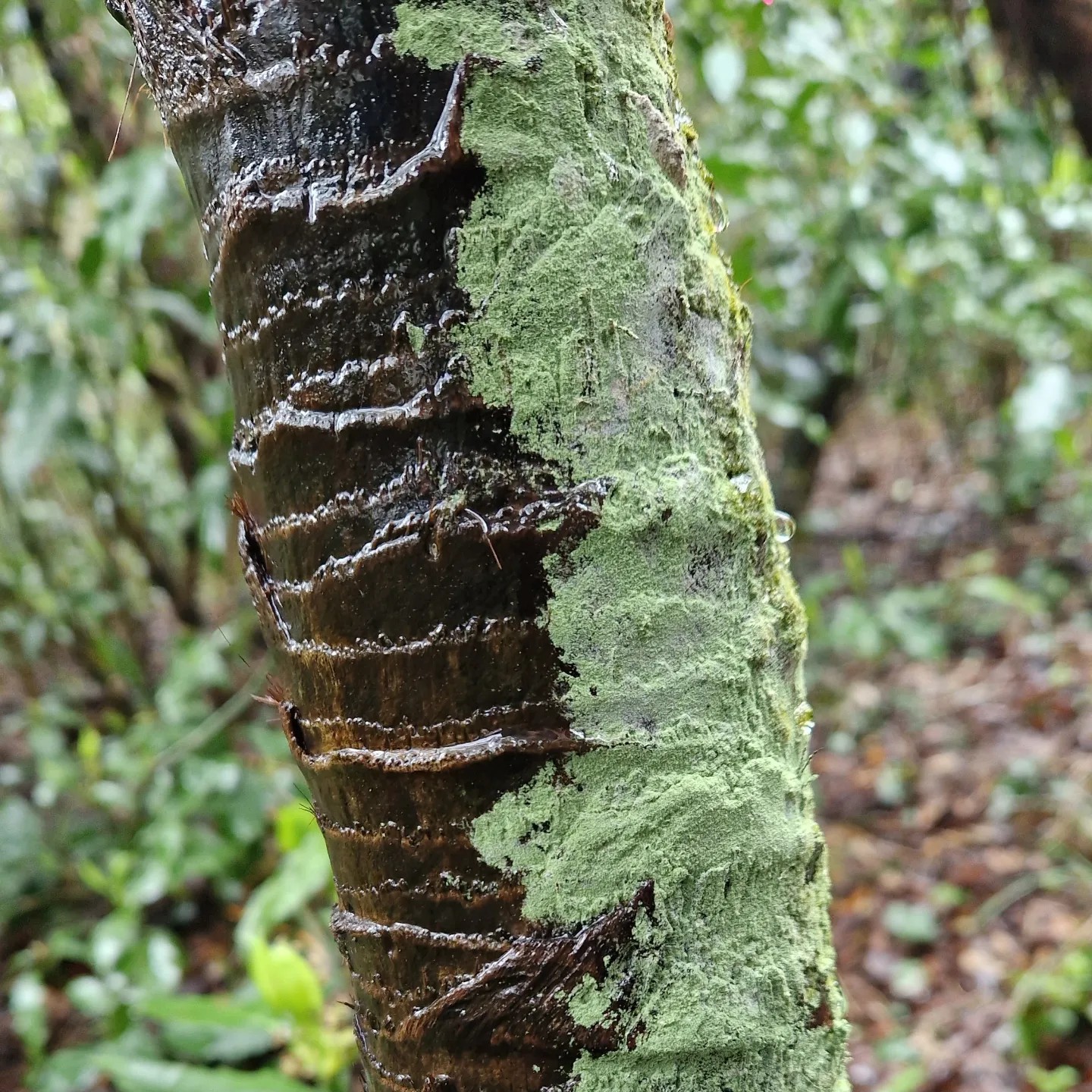
As Tristan Gooley says in The Natural Navigator, ‘There is a commonly held belief that “Moss grows on the north side of trees and buildings.” It does, sometimes, but will also grow on every other side. However, lots of satisfyingly north facing moss growth on the trees in this Tokyo park.

Moss tending in the rain, some splendid moss in the gardens of Kanazawa.

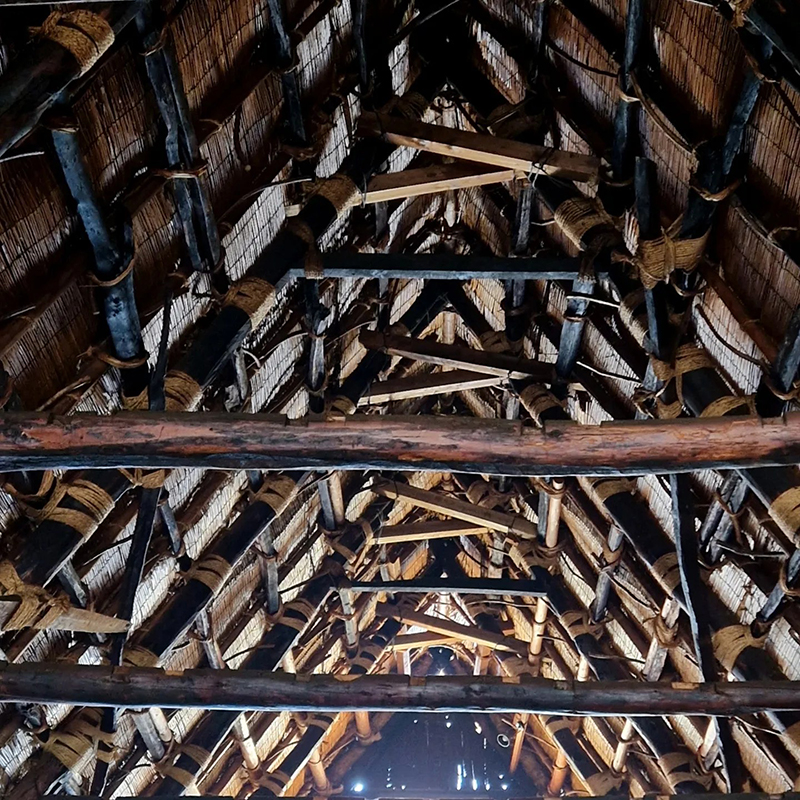
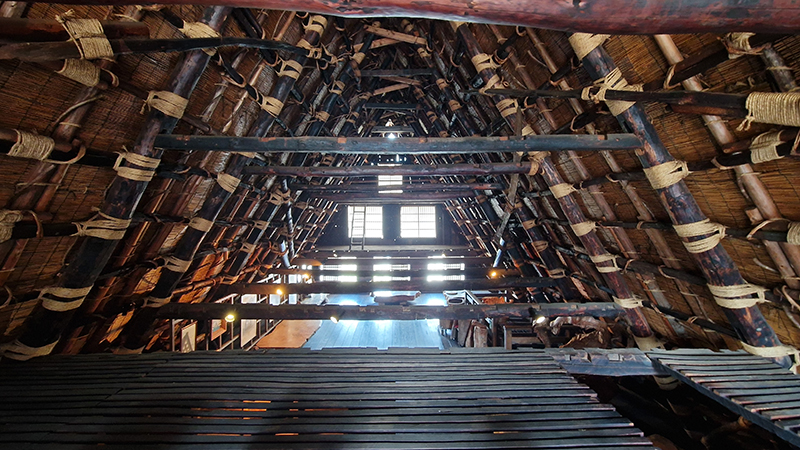
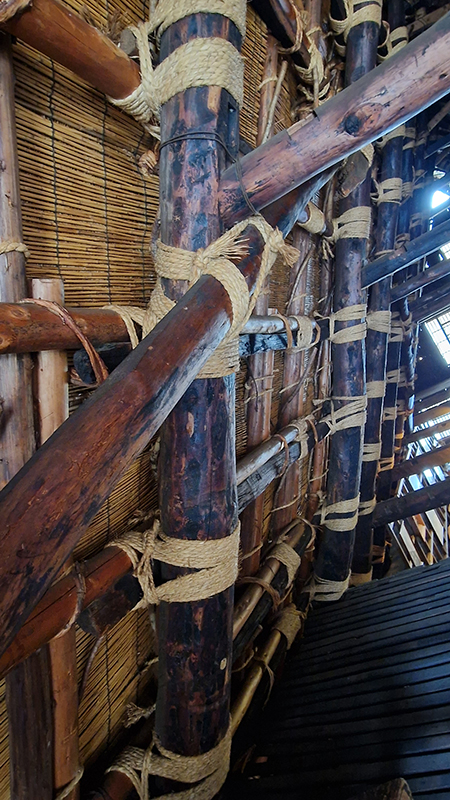
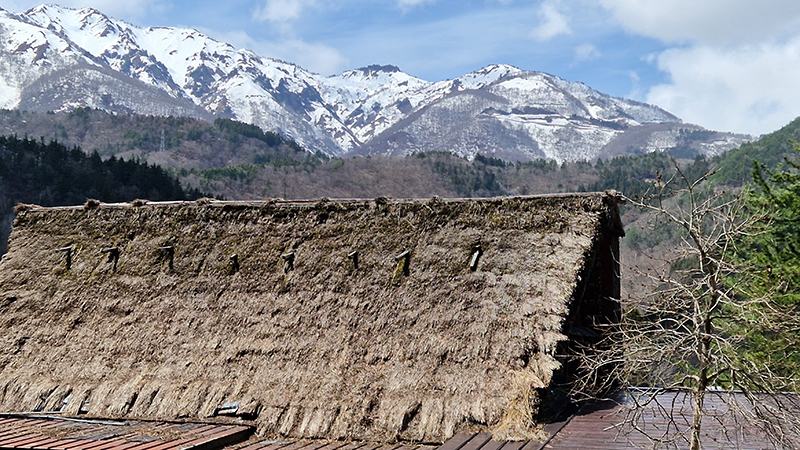
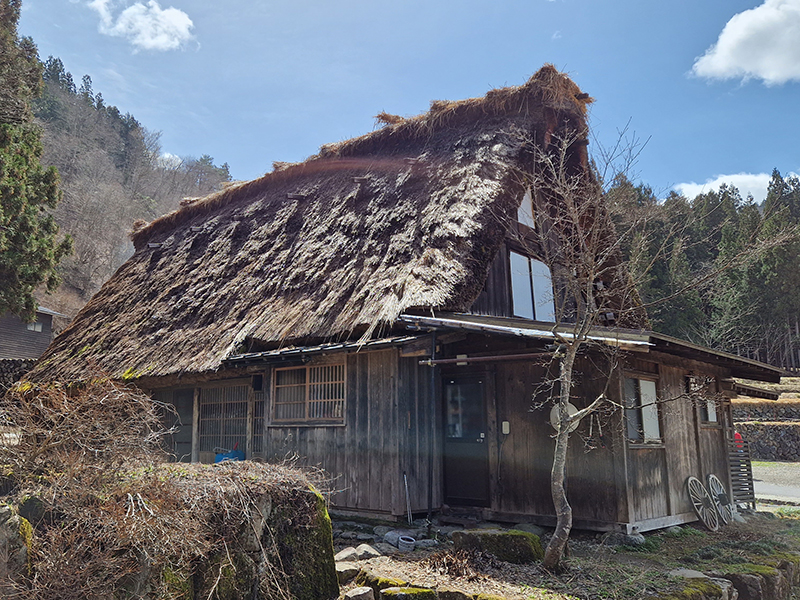
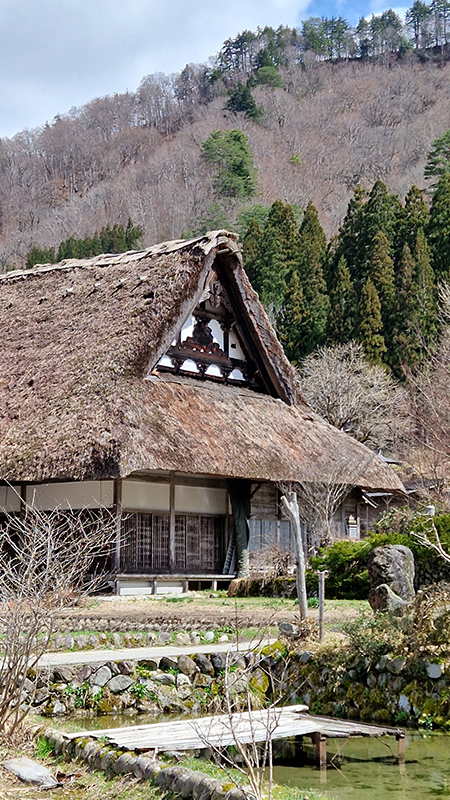
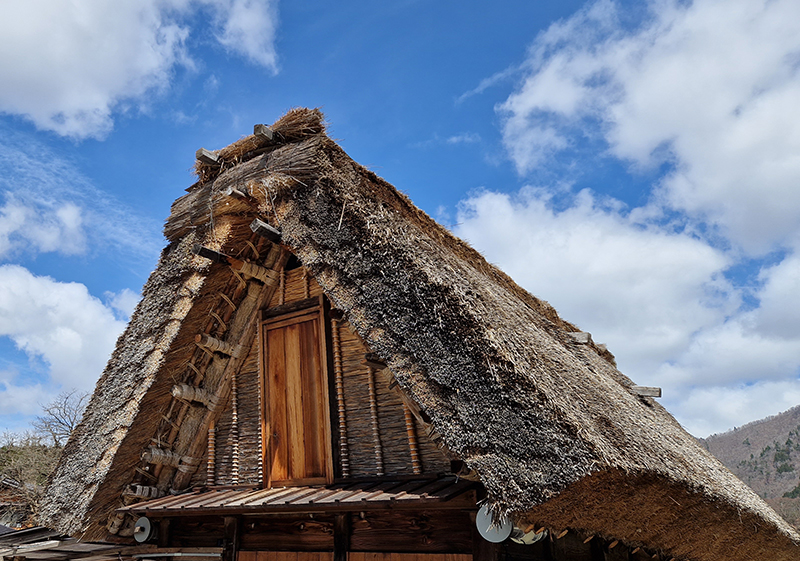
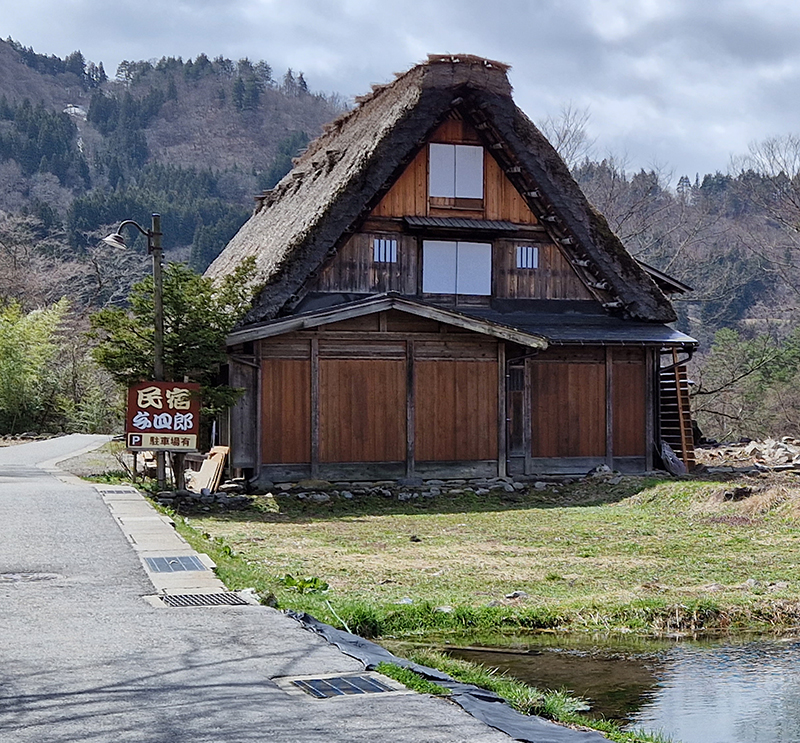
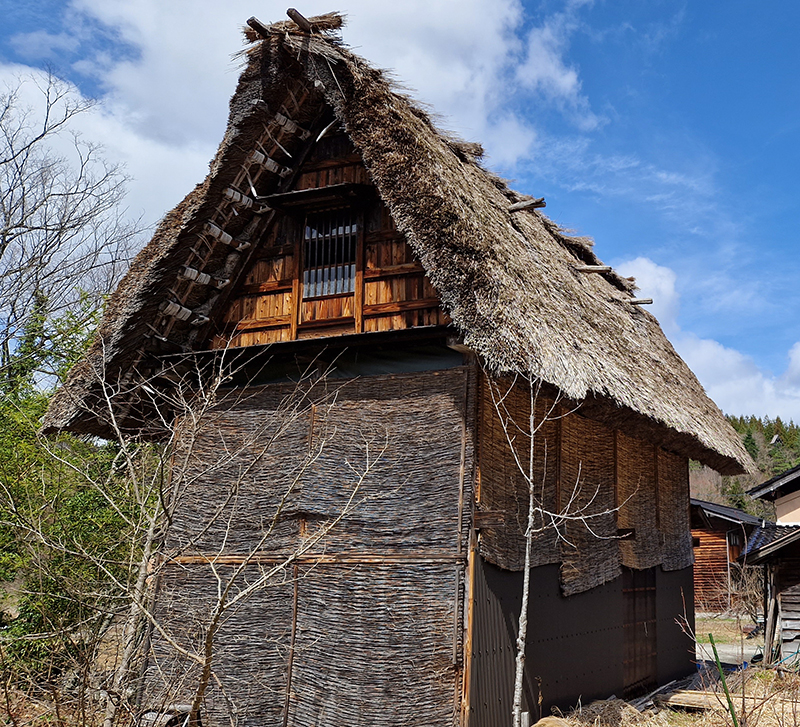
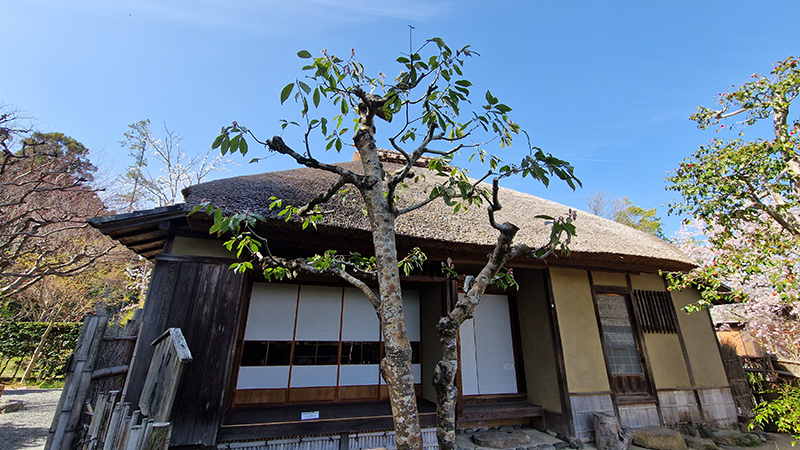
Inspiration for an absolute hut. The “Gassho-zukuri Village”, a World Heritage Site set in stunning mountain scenery, has more than 100 gassho-zukuri thatched rural buildings with wonderful steep pitched A-frame roofs.

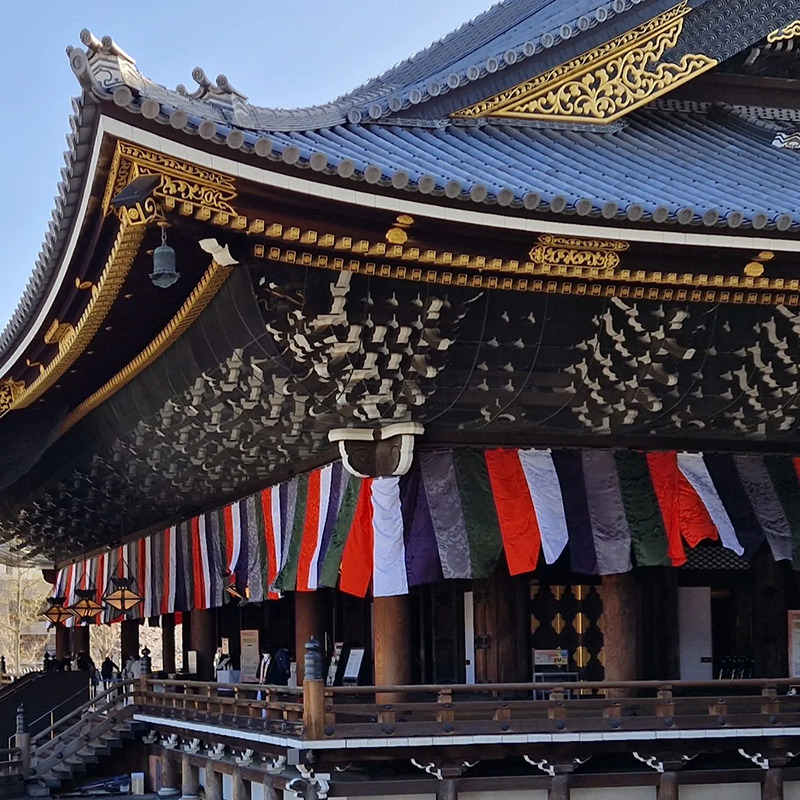
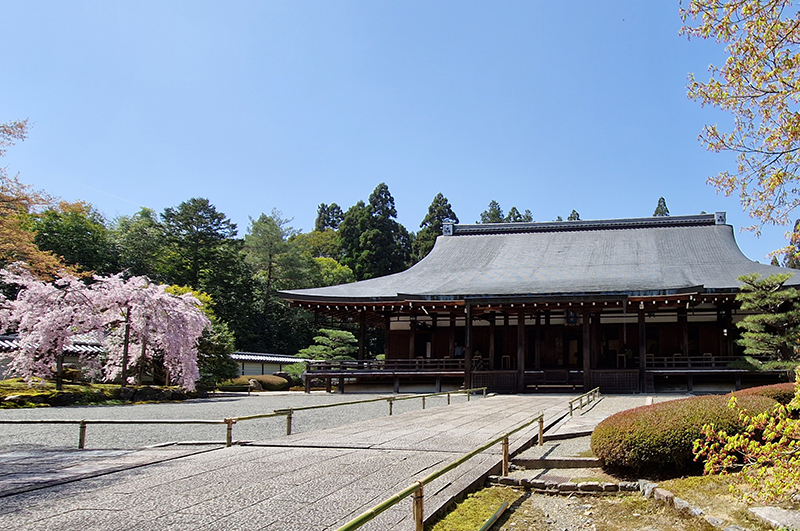
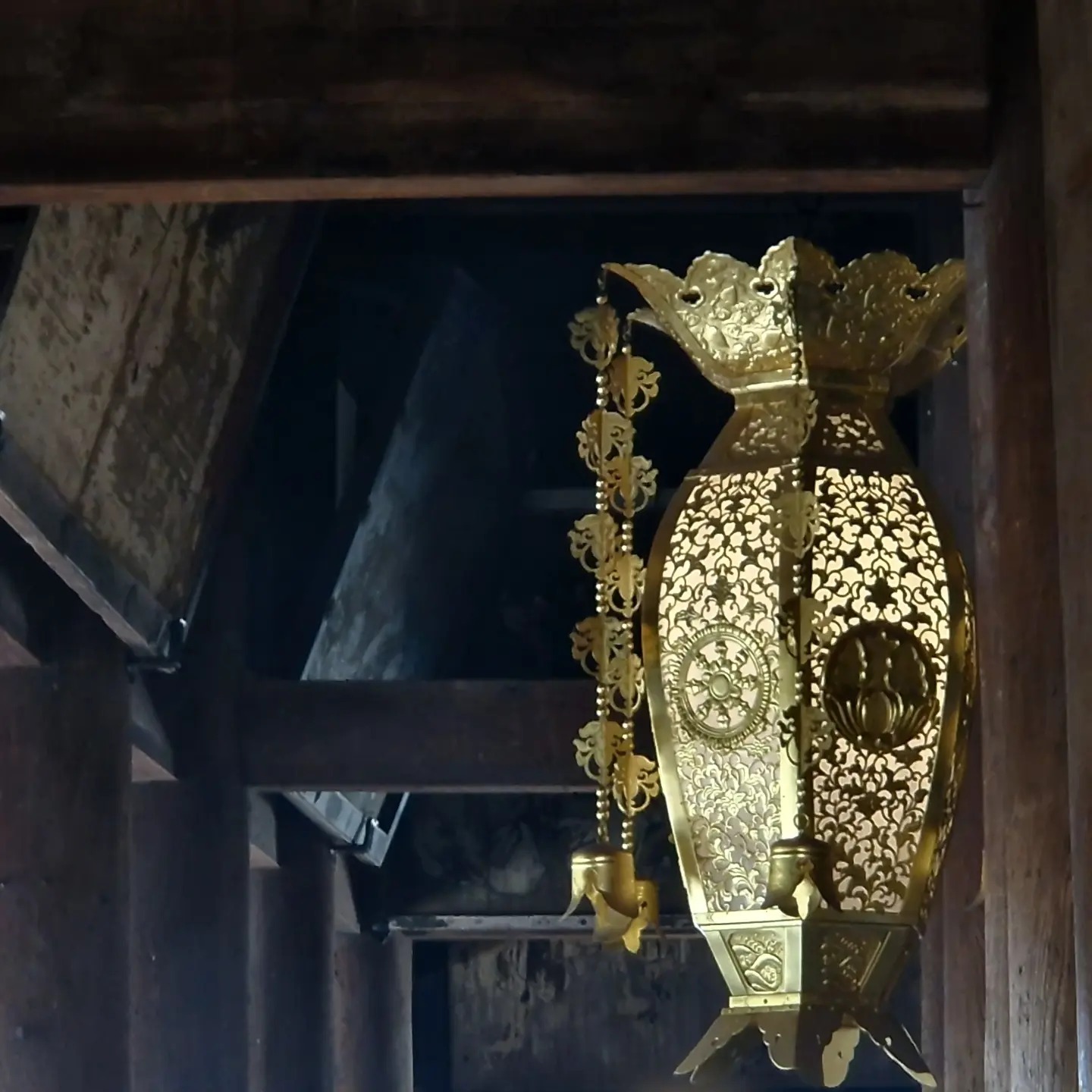
To Discover the Meaning of Being Born as Human Beings. Higashi Honganji Temple

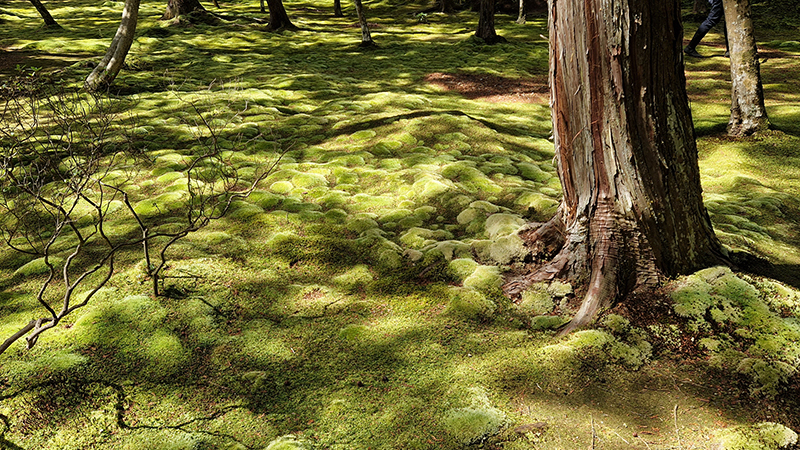
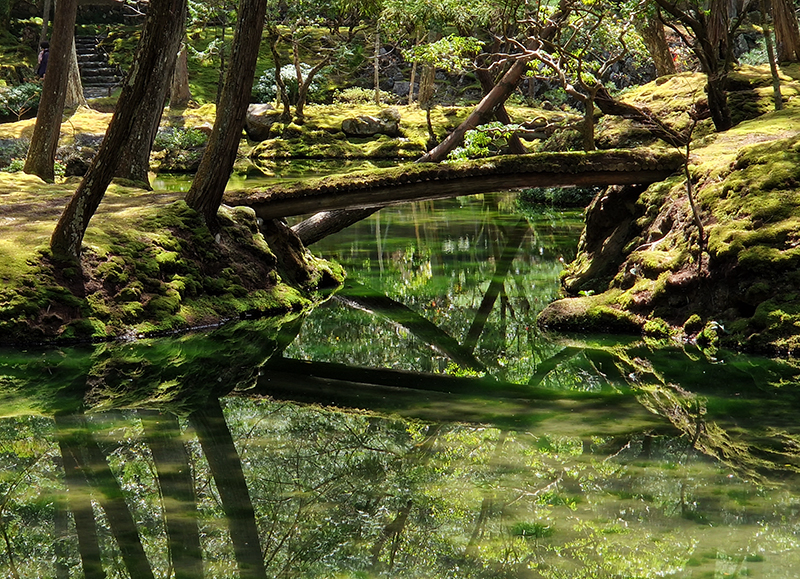
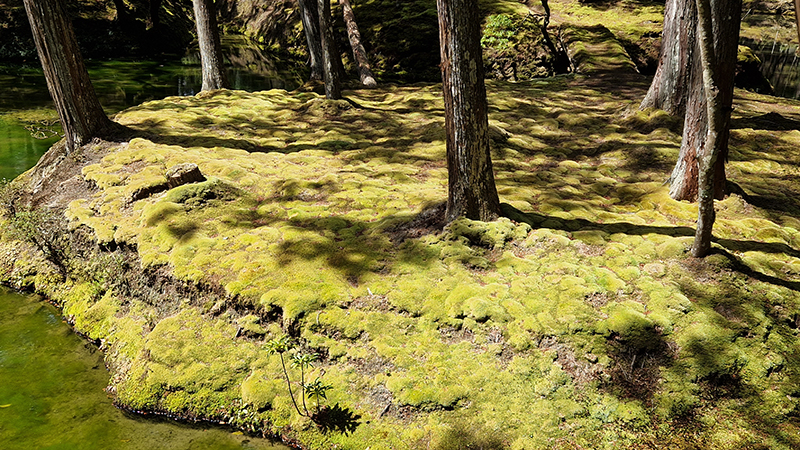
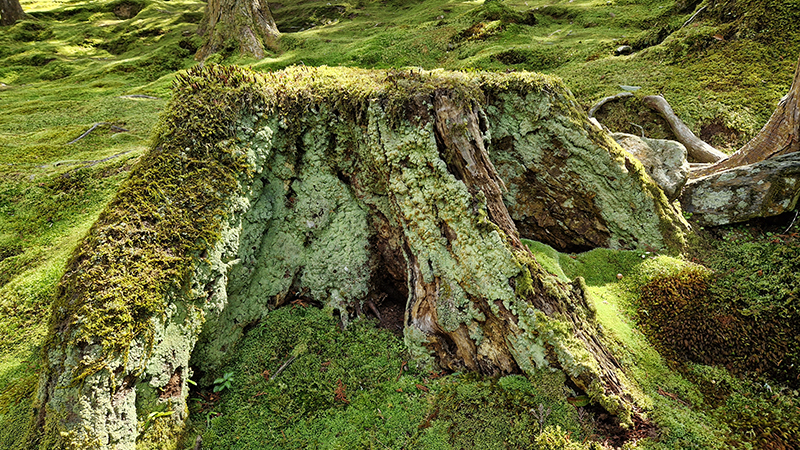
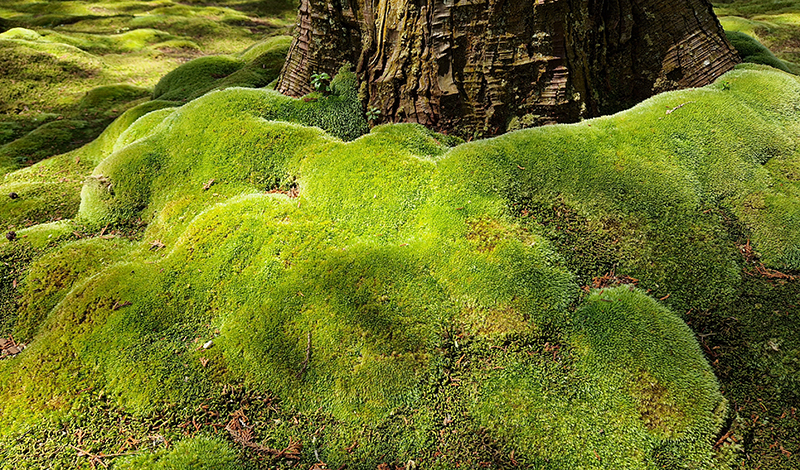
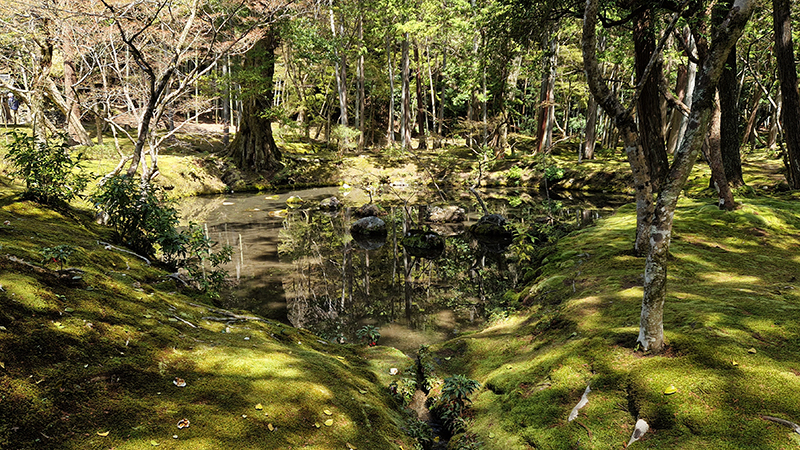
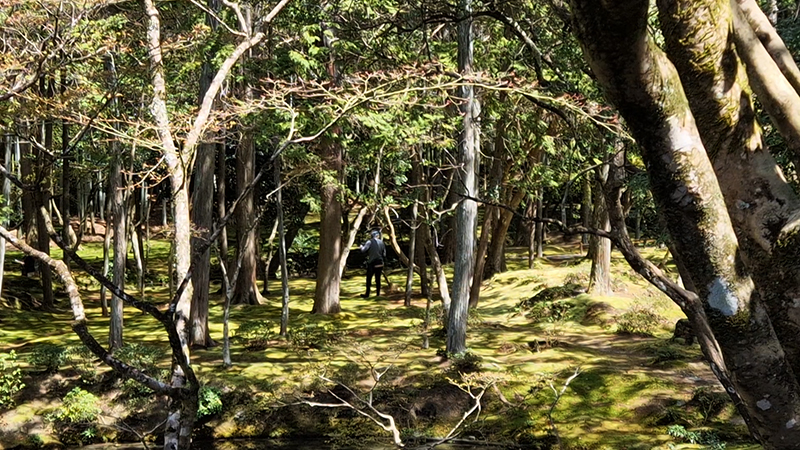
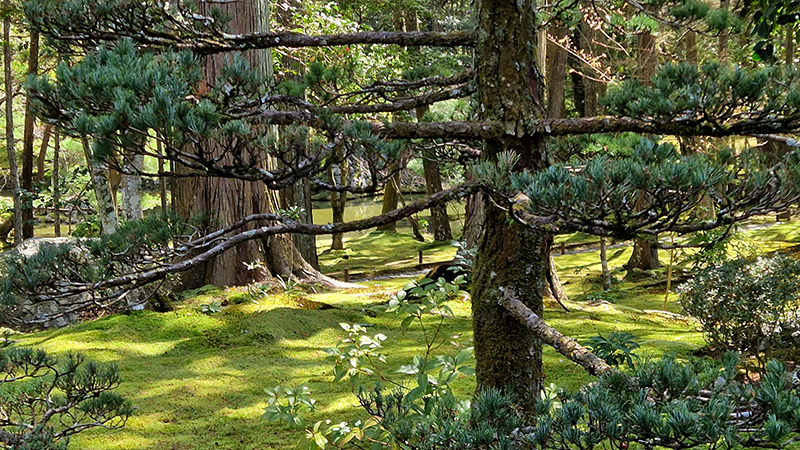
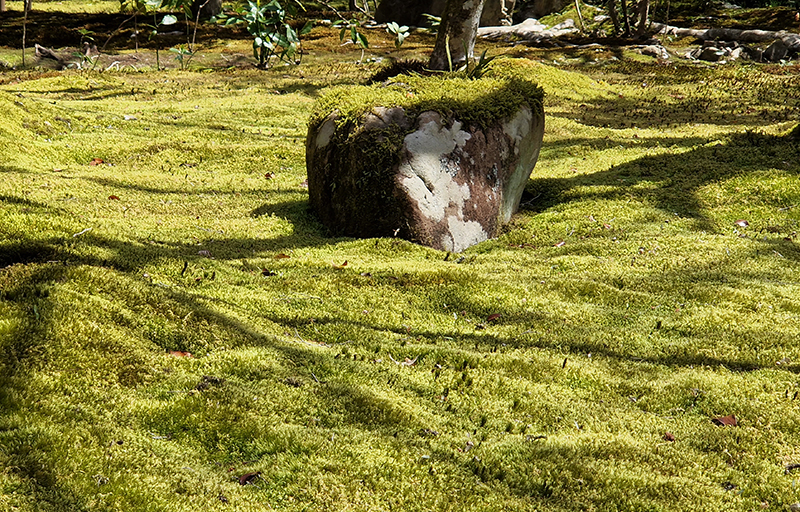
Moss heaven.

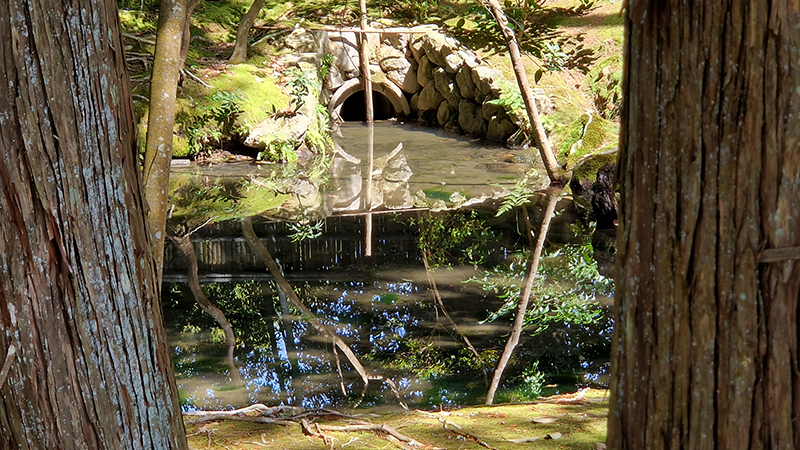
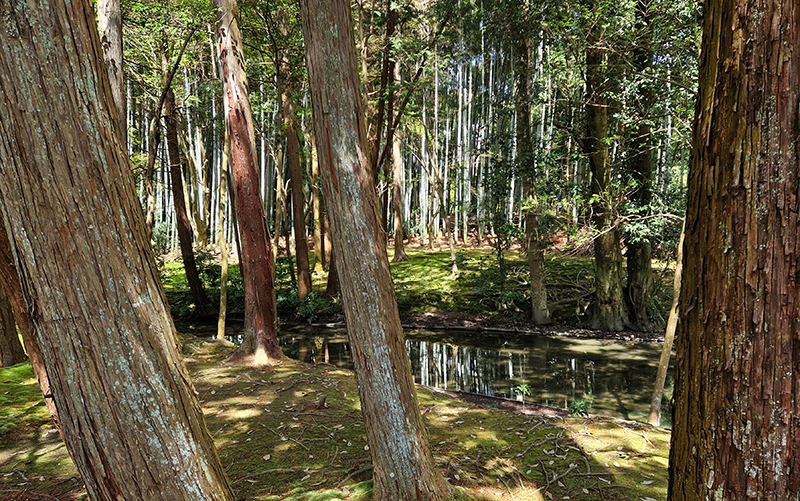
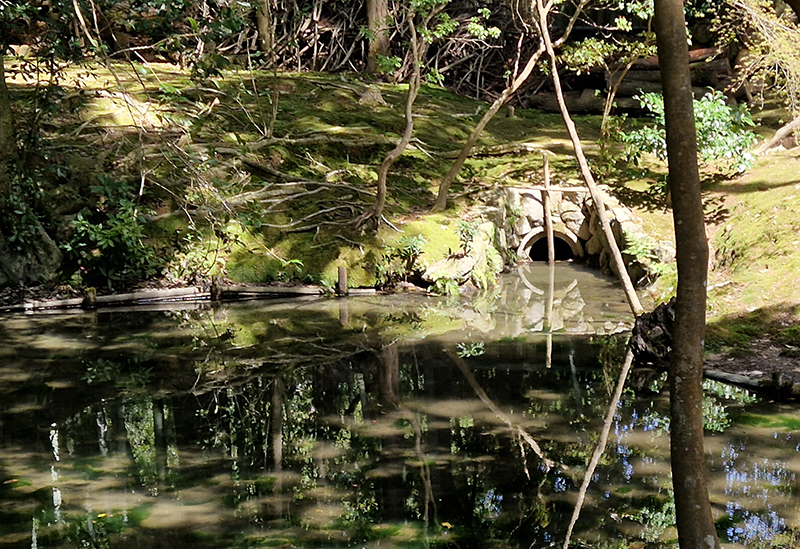
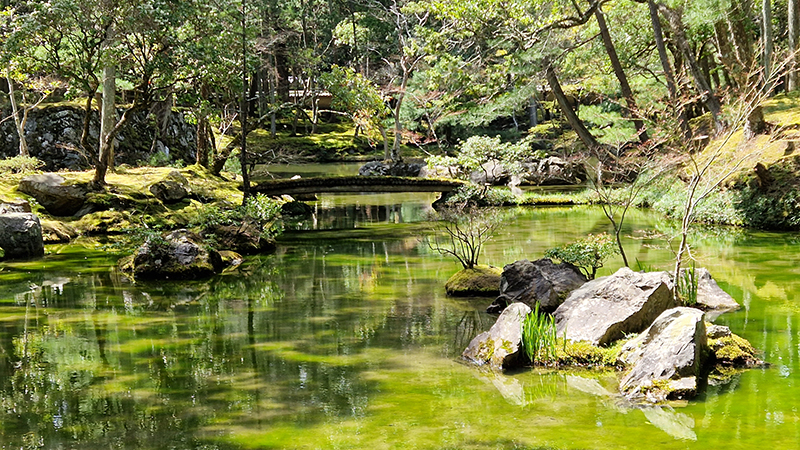
To visit Saihoji Kakedora Temple (the Moss Temple), you must send a postcard by mail to request a visit. On arrival, you spend time in the temple at a low table quietly copying sutras with a calligraphy pen to calm the mind before entering the garden.

The garden is built around the Ogonchi Pond shaped like the Chinese character, meaning heart and blanketed in over 120 species of moss.

master of persimmons

treetops are close to

Stormy Mountain

The poem stone tells the story of Kayori who had 40 persimmon trees in the garden laden with fruit which he intended to sell, but the night before they were to be picked a huge storm arose and in the morning not one persimmon was left on the trees. Kyorai was enlightened by this experience and called the hut Rakushisha – the cottage of the fallen persimmon.

Many famous haiku poets, disciples of Basho and including Basho himself, stayed here.

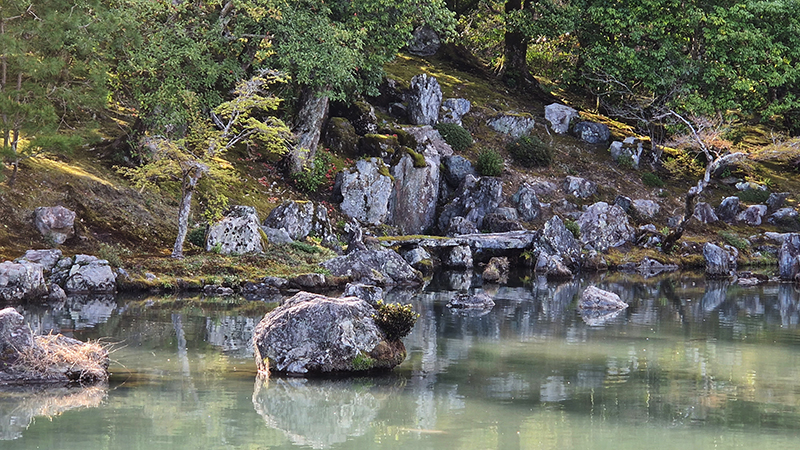
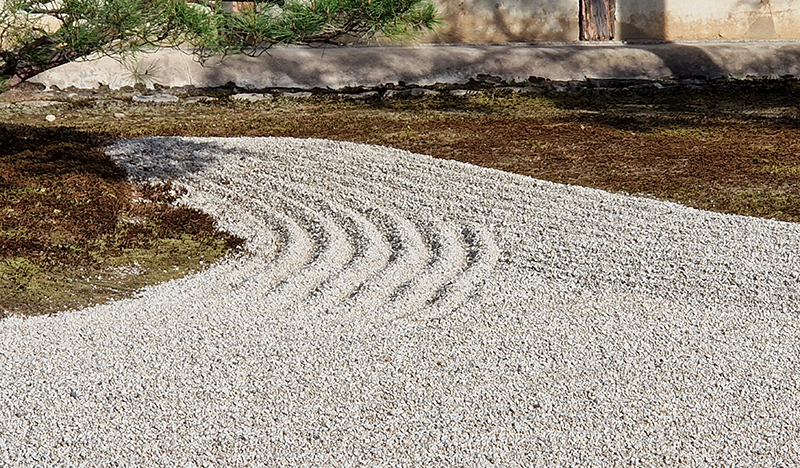
Home of the cloud dragon. Zen garden at Tenryu-Ji Temple, Kyoto.

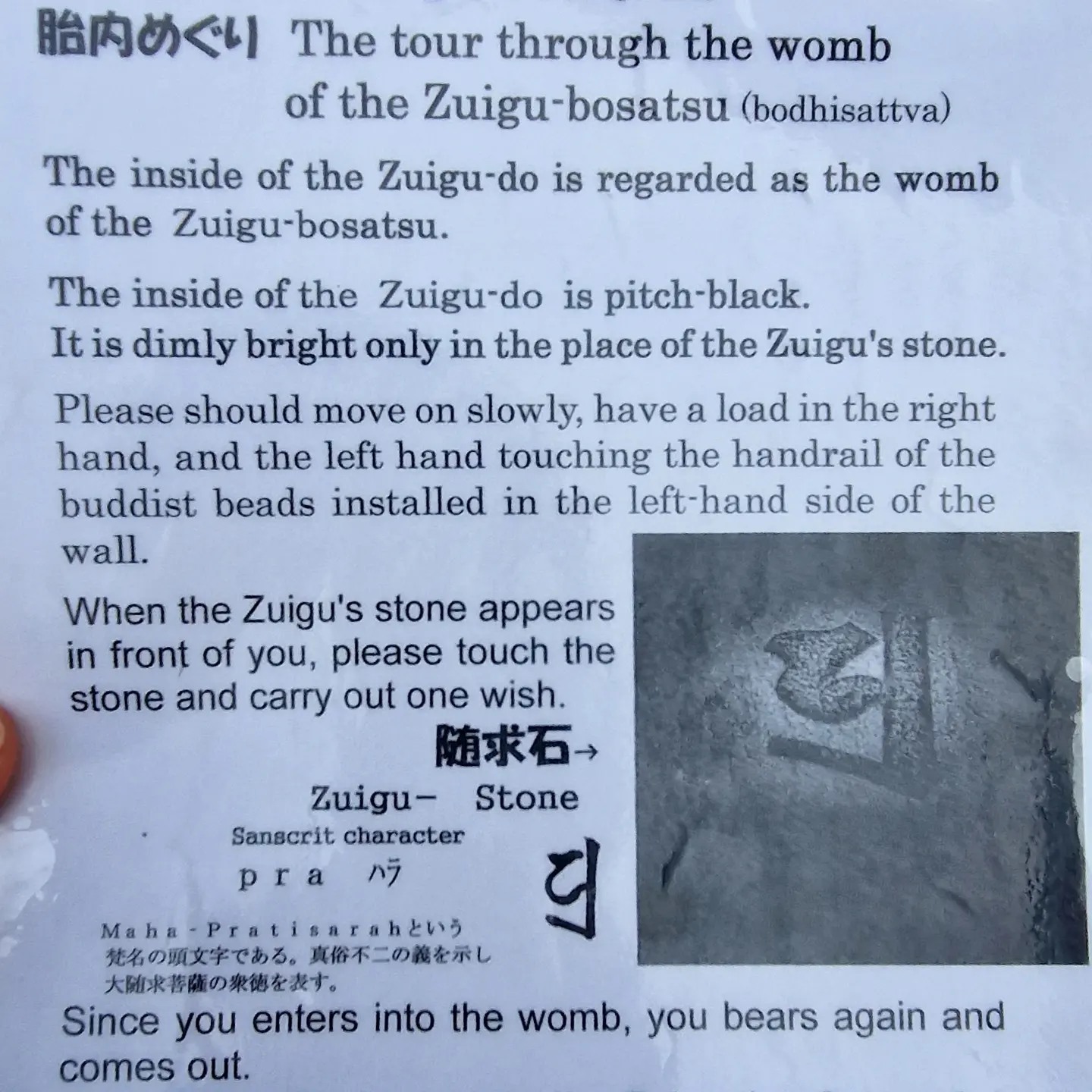
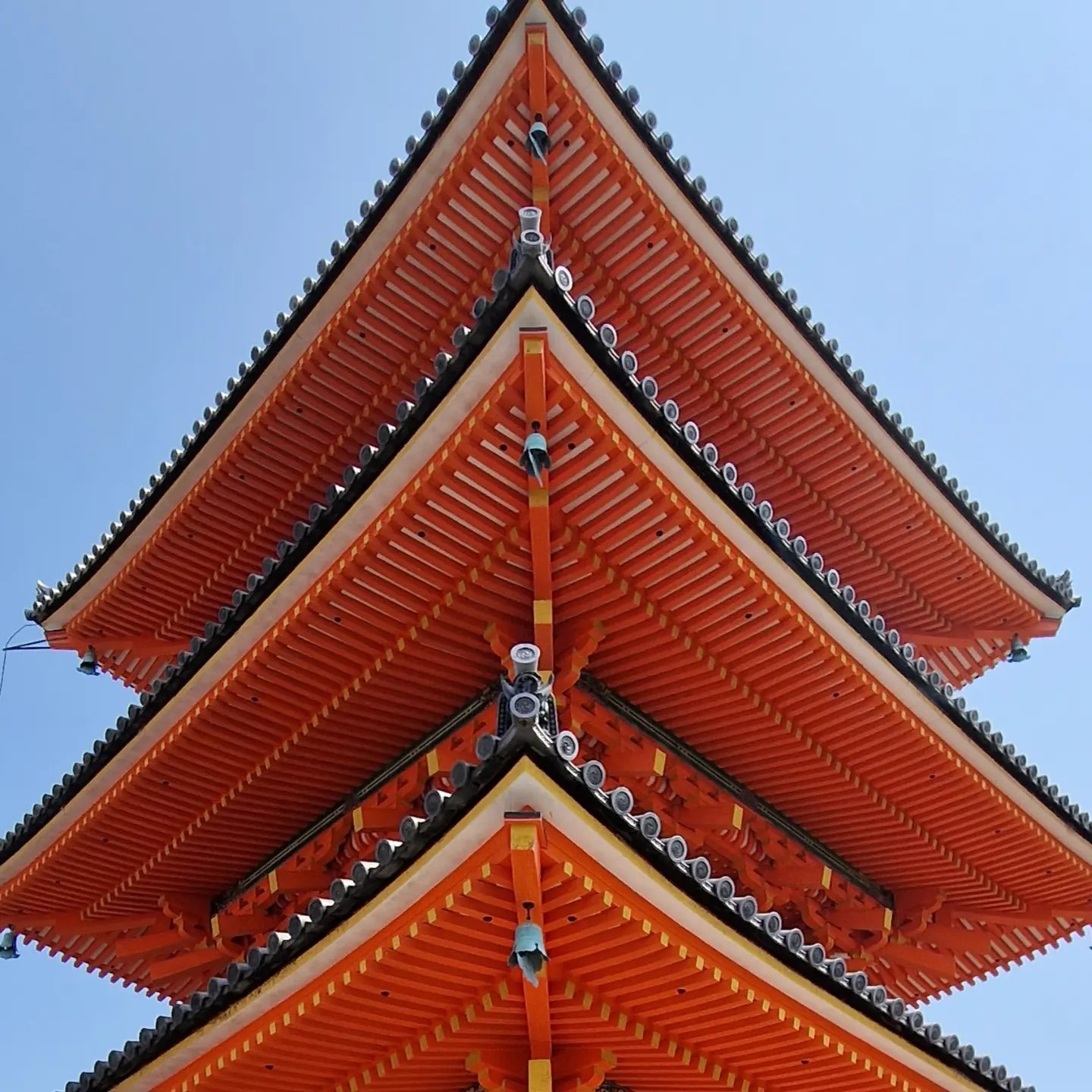
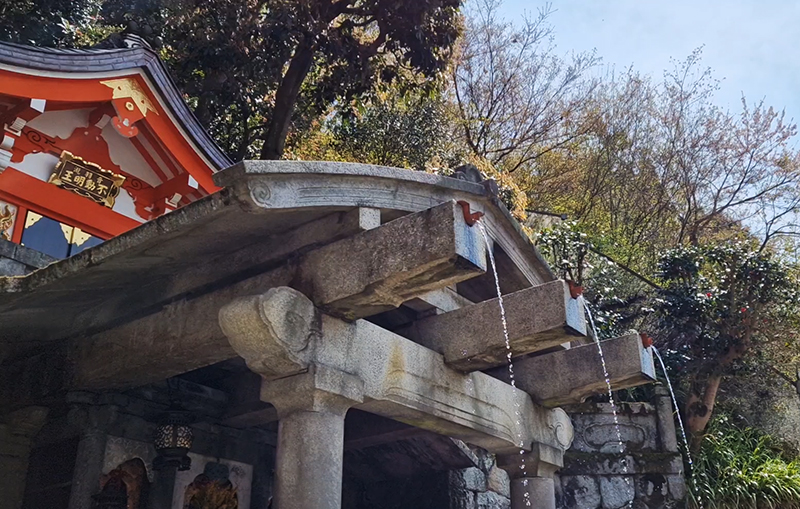
The tour through the womb of the Zuigu-bosatsu. The darkness of the journey through the womb was absolute. The stone floor ice cold on bare feet. Rosary beads the size of grapefruits led a winding path to the softly lit zuigu stone and on to the light to be reborn. Kiyomizu Temple, Kyoto

Kaname-ishi, keystone at Seikanji Temple, overlooking the city of Kyoto, spread like a fan before it, is believed to grant wishes if touched.

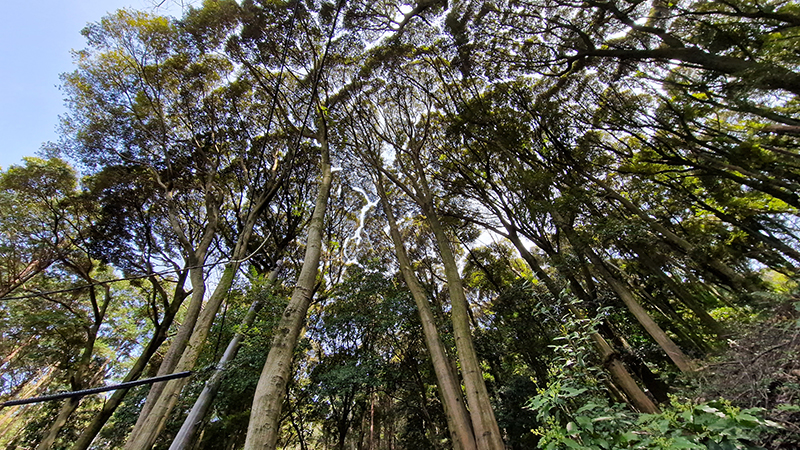
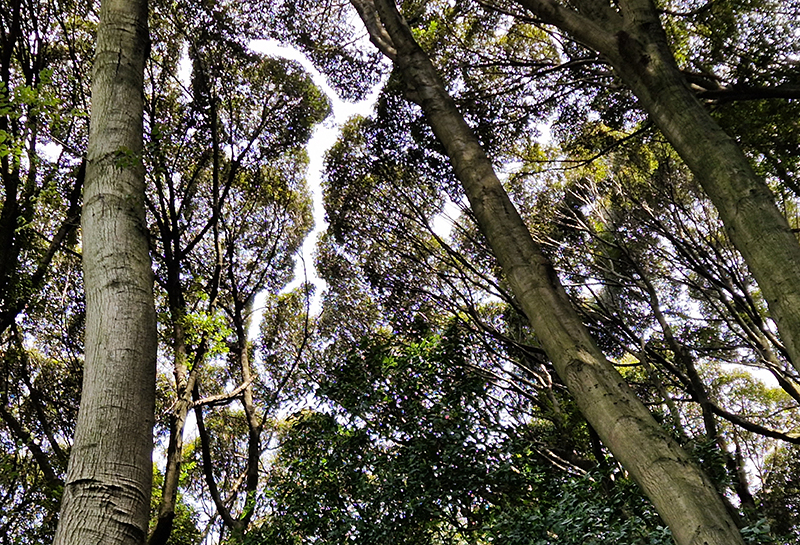
Rivers in the sky. Theories about crown shyness range from being caused by friction as new shoots are eroded in a windy forest to sensing the shadow or warmth of a neighbour.

Binzuru (Pindola Bharadvaja) was one of the sixteen arahats and is said to have excelled in the mastery of occult powers.

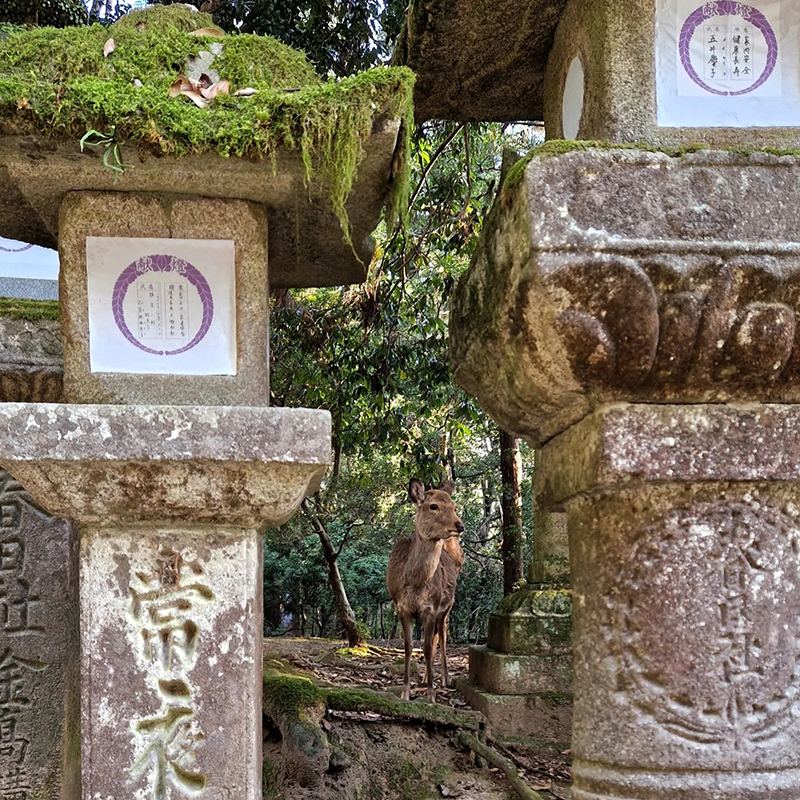
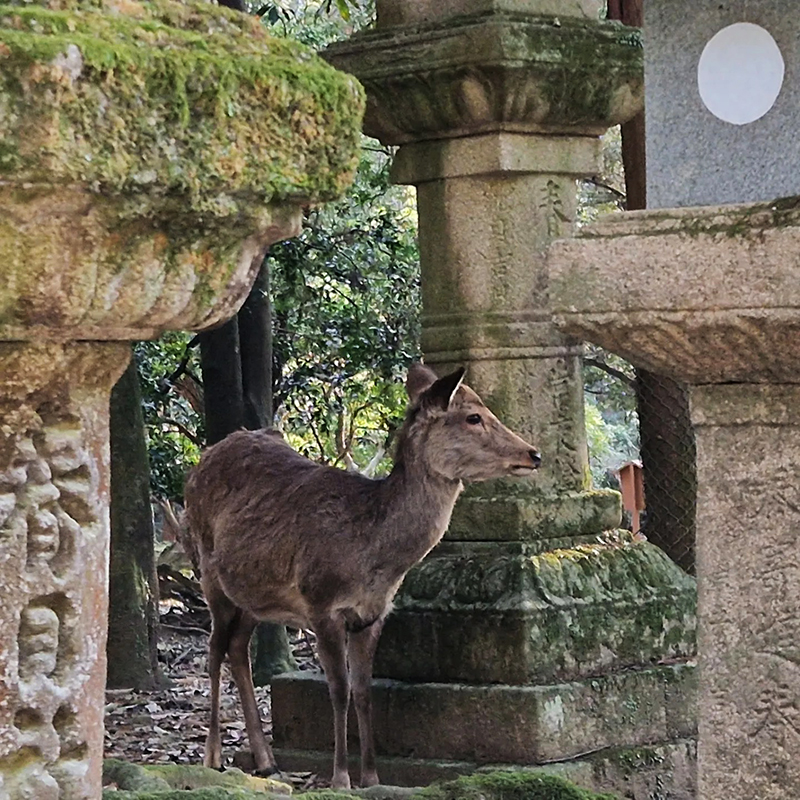
In Japanese mythology, the god of thunder arrived in Nara riding a white deer. The deer have lived here for centuries and are revered as emissaries of the gods of the Kasugataisha Shrine.

They have learnt to bow to be rewarded with special deer biscuits, which you can buy to feed them.

Discovering the works of Rafael Lozano-Hemmer, a Mexican media artist exhibiting internationally with a background in physical chemistry who creates large scale interactive work exploring and exploiting human interaction with technology to create an impressive catalogue of works from tethering a blazing sun to a face briefly echoed in a wisp of cloud. I was drawn to his work Atmospheric Memory inspired by Charles Babbage’s philosophy.

Whilst the atmosphere we breathe is the ever-living witness of the sentiments we have uttered, the waters, and the more solid materials of the globe, bear equally enduring testimony of the acts we have committed. Charles Babbage

Gallery Visits

Undertow at Unit 1 Gallery a group show with a subtle and astute use of material, quietly smoldering with agency.

Artists: Alex Simpson, Alison Rees, Isobel Church, Lauren Ilsley, Nicholas Middleton, Sarah Wishart and Tana West.

‘Hope locates itself in the premises that we don’t know what will happen and that in the spaciousness of uncertainty is room to act.’ – Rebecca Solnit, Hope in the Dark, 2004/2016

Michael Taylor The Last Man at Standpoint Gallery. I really loved this luminous body of work.

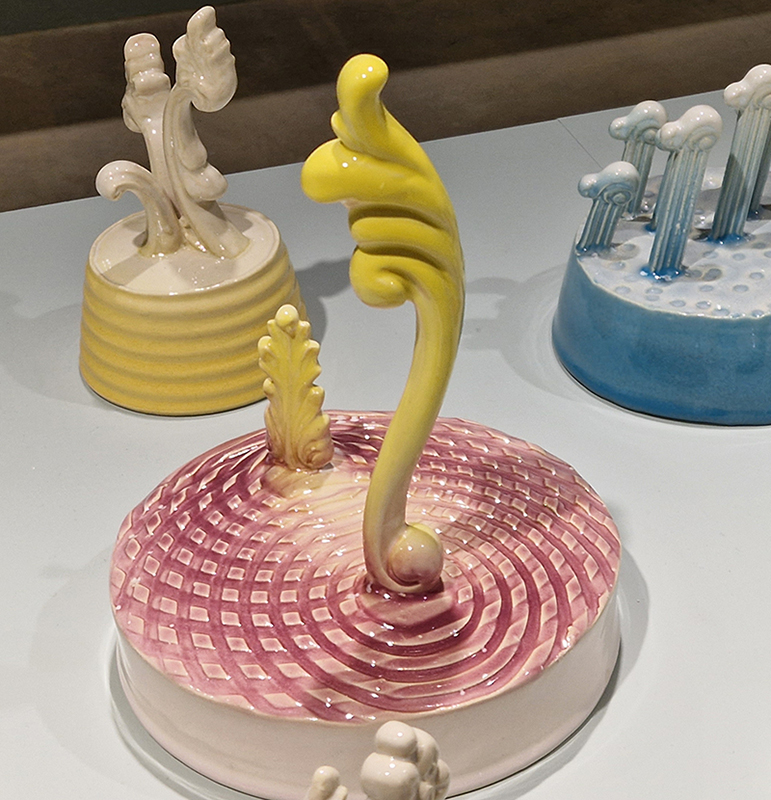
Richard Slee Sunlit Uplands at Hales Gallery was a wonderful conveyor belt parade of glistening mini utopias.

We can see no detail, we can see nothing definable and it is, I know, simply the sanguine necessity of our minds that makes us believe those uplands of the future are still more gracious and splendid than we can either hope or imagine.” 

The Discovery of the Future, H.G. Wells 1902

The quote “sunlit uplands” has been used as political ideology, as an assurance for better days to come most recently the phrase has been linked to the promises of Brexit, with politicians leaning on this rallying rhetoric.

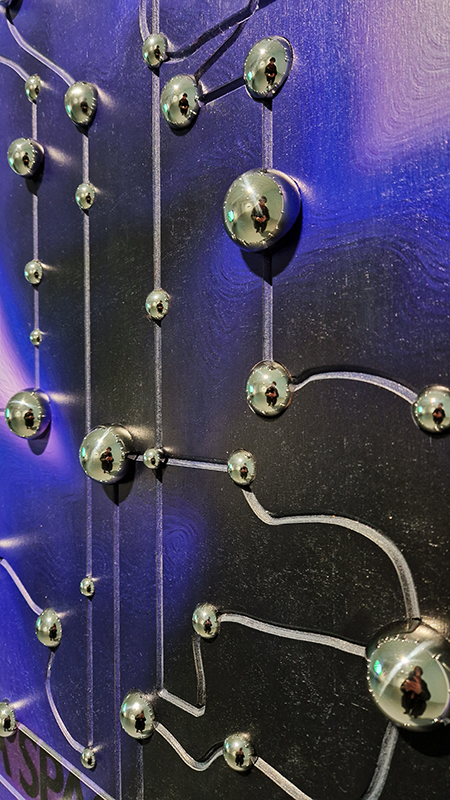
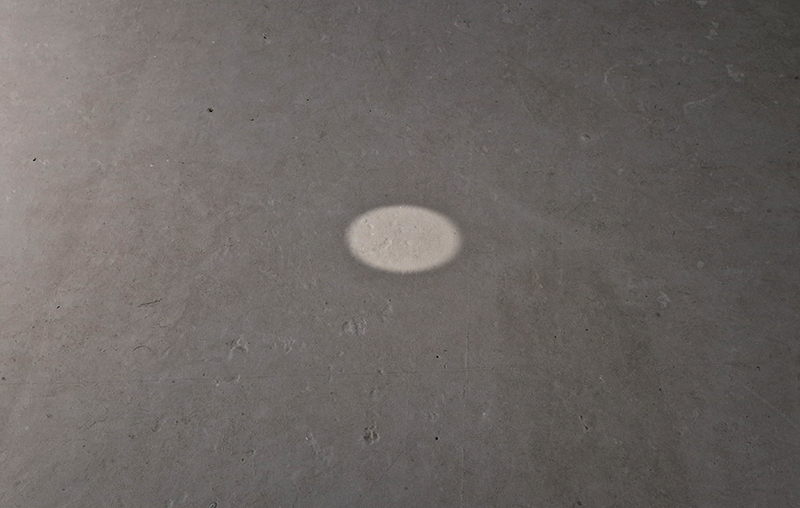
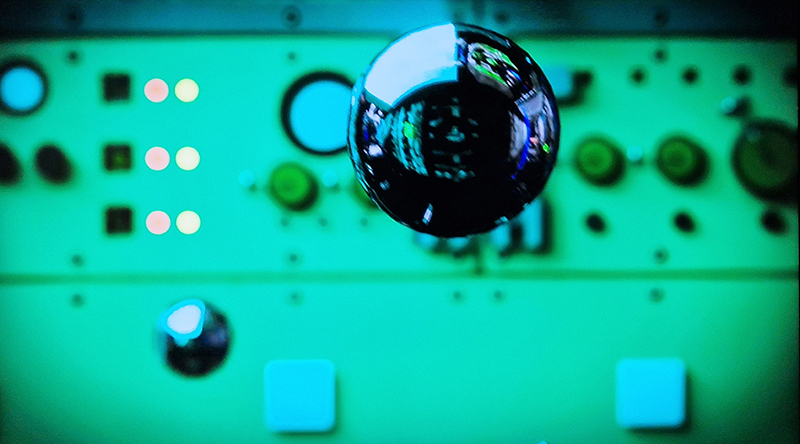
George Henry Longly Microgravities at Nicoletti. I found the slick production values, very shiny like outsize circuit boards of these works exposing sci-fi cliché and subverting popular space movie tropes sat very close to the ideas they are parodying. Microgravity – ‘the condition in which people or objects appear to be weightless’, according to NASA’s website – is responsible for metabolic and behavioural changes for space travelers. Some interesting theory behind this show about the human cost of living in space as our gut microbiome reacts to a weightless environment. I liked the reflection cast on the floor from the mirrored circle left exposed as a planet on the widescreen landscape.

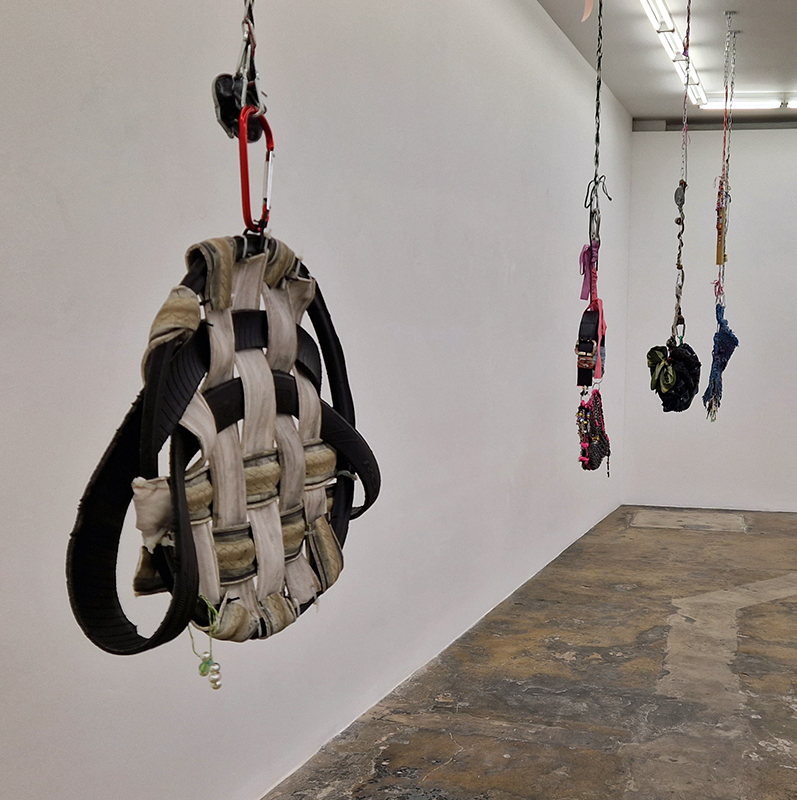
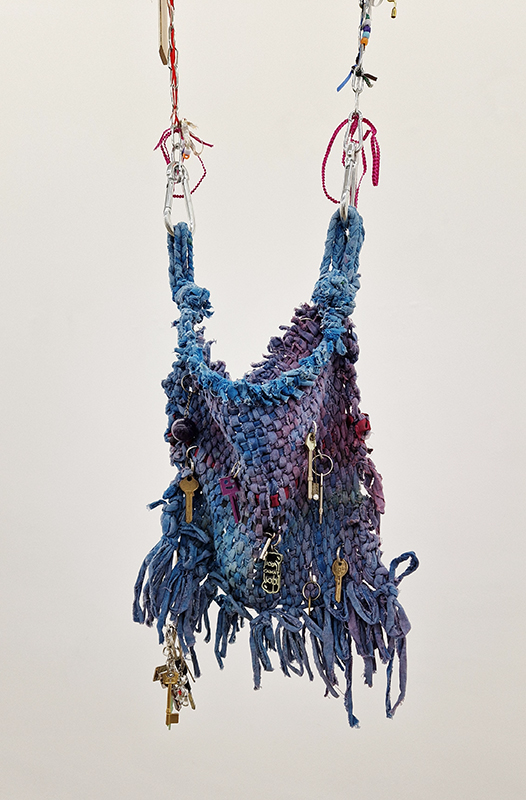
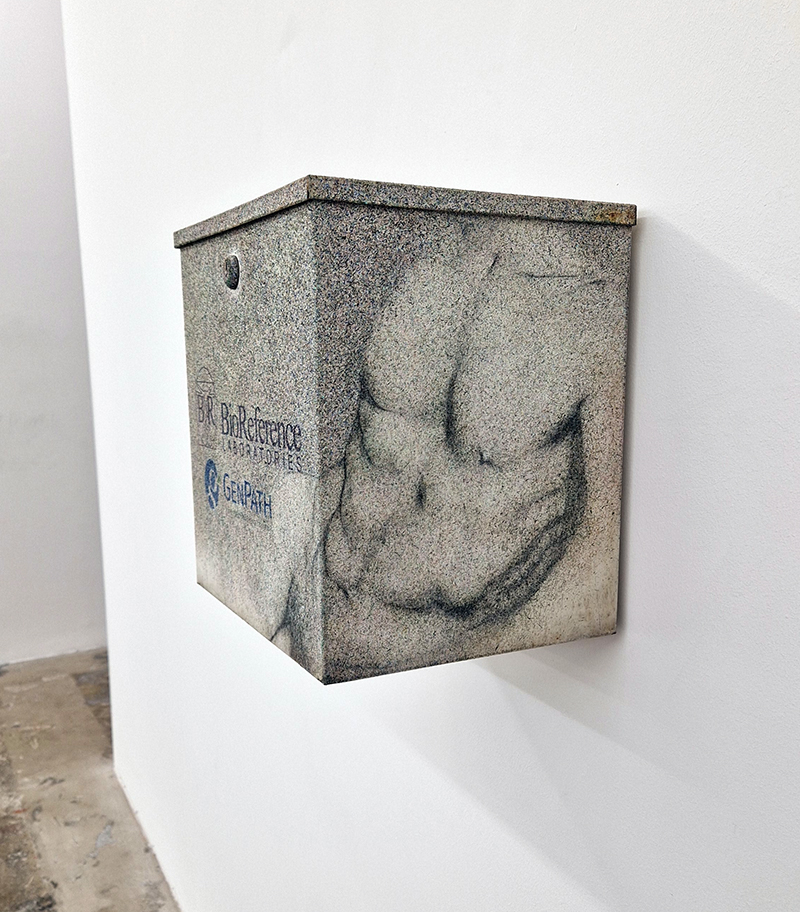
On Failure group show at Soft Opening with Olivia Erlanger, Cash Frances, Jordan/Martin Hell, Kelsey Isaacs, Maren Karlson, Sam Lipp, Chris Lloyd and Narumi Nekpenekpen. While certain works function as indexes of failed attempts at control, others recognise the perceived failure of the human body, positing that from a spiritual perspective: if perfection is nonexistent, then failure is all we have, all that is real. One or two of the hanging pieces are reminiscent of the votive offerings at holy wells or the love lock bridges festooned with padlocks.

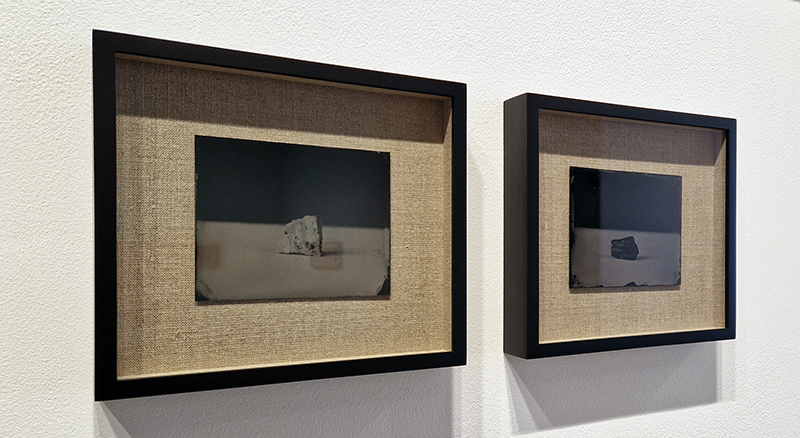
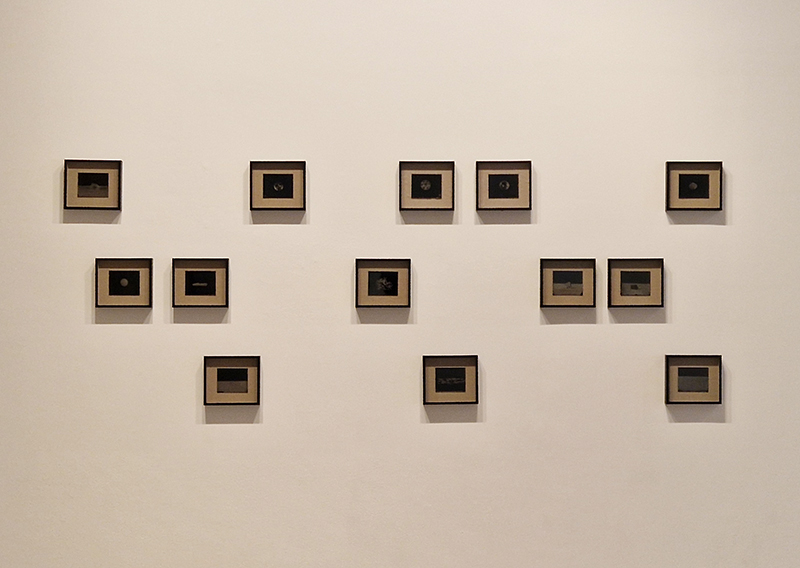
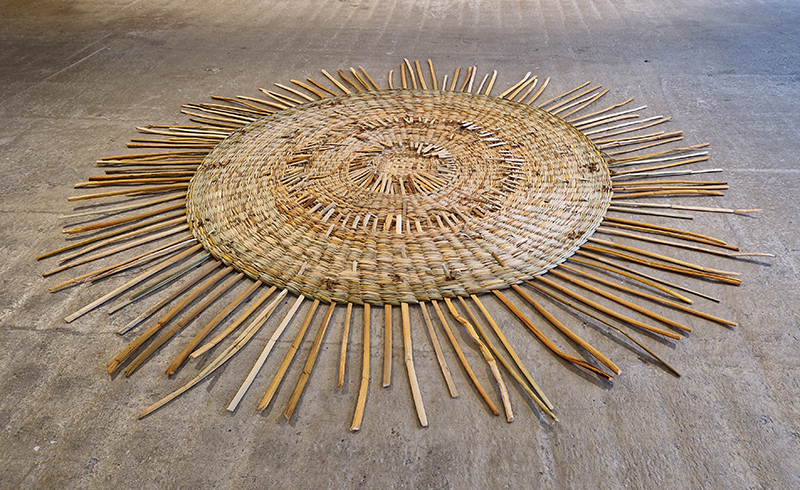
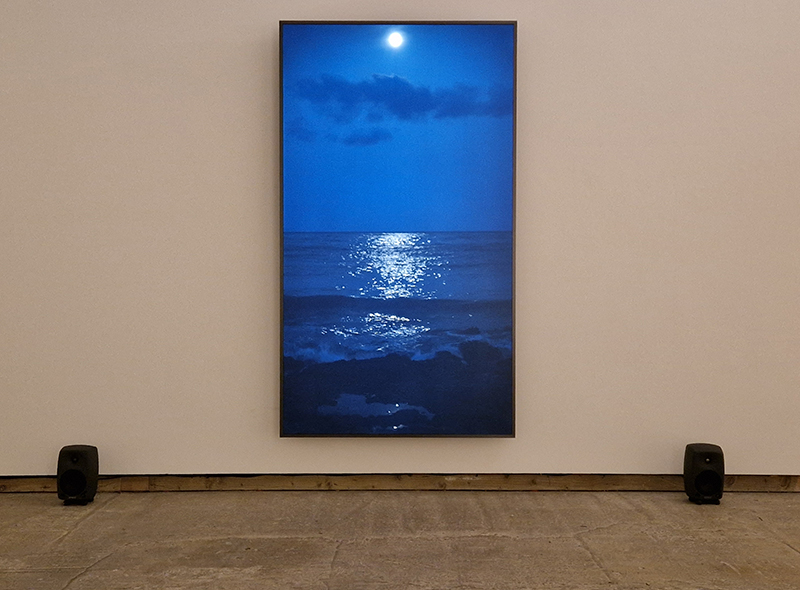
Bridget Smith Field Recordings at Frith Street Gallery. Natural material processes, simply presented. The weathering of bulrushes, the materiality of analogue photographic techniques such as ambrotypes and tintypes, the simplicity of a moon rising over the sea.

Daniel Shanken The Cascades at Stanley Picker Gallery. I was excited to see this show as the randomness within the work is derived from radioactive decay and I thought the title may refer to cascades of comic particles but perhaps it refers to cascades of data. The aesthetic was very game based and the randomness not explicit in origin. I liked the set up though with the projection onto the floor creating an abyss to gaze down into from an industrial style walkway.

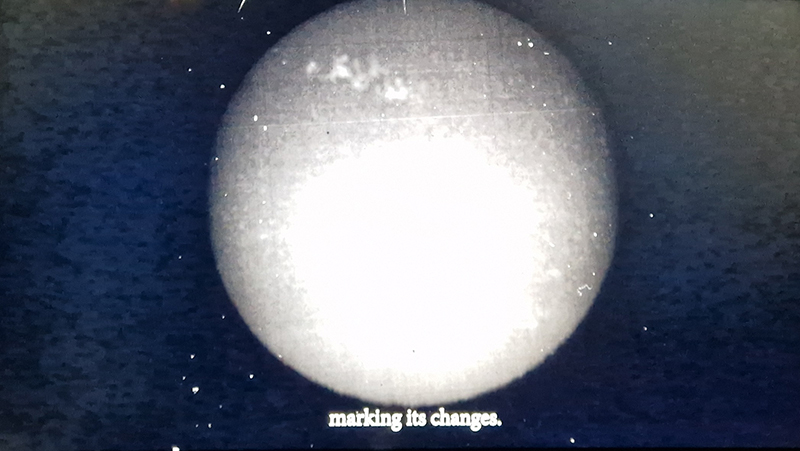
David Blandy Atomic Light at John Hansard Gallery Southampton. Four films circumnavigating the fallout from the atomic bomb massacre at Hiroshima. The body of work is inspired by a family history, a grandfather, a prisoner of war in Singapore – held by the Japanese but felt himself saved by the detonation at Hiroshima. The golden hour light is so perfectly captured and reflected in The Edge of Forever which gives voice to the children, accusing, watchful and alone. This was filmed by his partner and features his own children. Soil, Sinew and Bone is a collaged documentary of archival material, mirrored so that the central area of the film takes on the shape of an a atomic bomb. In Sunspot two scientists, one in Japan, one at Mount Wilson Observatory are monitoring the activity of sunspots, the flares that can erupt and disrupt radio signals as the particle filled solar wind and magnetic turbulence blasts across the magnetosphere. The film Empire of the Swamp has a wonderful rich narration embodied in the voice of an ancient crocodile who remembers the mangrove swamps before the war and the arrival of the white man.

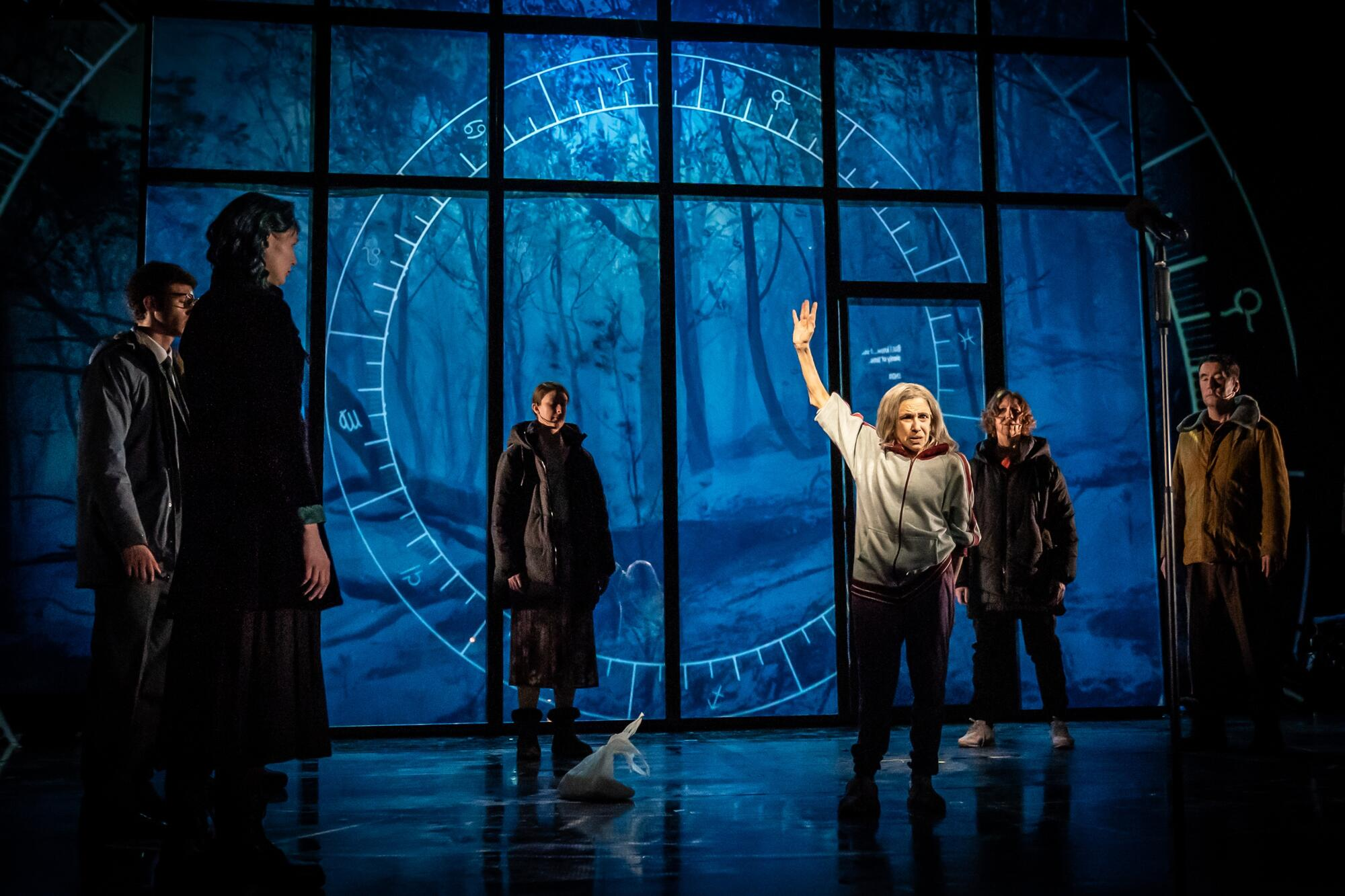
I enjoyed the Art Fictions podcast with guest Jennifer Higgie discussing her writing practice via the 2009 novel Drive Your Plow Over the Bones of the Dead by Olga Tokarczuk. I was then lucky to see Complicitie’s excellent interpretation of this novel on stage at the Barbican directed by Simon McBurney.

this is a tale about the cosmos, poetry, and the limitations and possibilities of activism.

Complicitie’s production employed the same blinding flash technique as Alfredo Jaar used in his work The Sound of Silence which I saw in 2006 and still remember vividly. Sitting in a dark space a story of one photograph, taken in Sudan 1993, is told in simple sentences on a large black screen. The photograph is shown momentarily before a blinding flash of light scores the retina. You are left blinking in the afterglow. The image won a Pulitzer Prize, but the South African photographer Kevin Carter committed suicide at 33 after struggling to come to terms with what he witnessed, and the public response for not having intervened to save the child’s life. In the novel Drive Your Plow Over the Bones of the Dead, Janina, the eccentric ‘older woman’ does not hold back from intervening when she sees injustice to any living thing. She is also vilified, but for showing compassion for the animals.

Alfredo Jaar 'The Sound of Silence'

I also dredged up the memory of having seen the film Spoor at the 2017 BFI LLF also based on this novel. Finally I have bought a copy of the novel. A circuitous route to the original text.

I am very much enjoying reading Rebecca Solnit A Field Guide to Getting Lost. Her writing is like a torchlight illuminating one idea after another, sweeping across a multitude of topics with an infectious energy to explore and experience the unknown.

How will you go about finding that thing, the nature of which is totally unknown to you? – Meno