Archives for posts with tag: sculpture

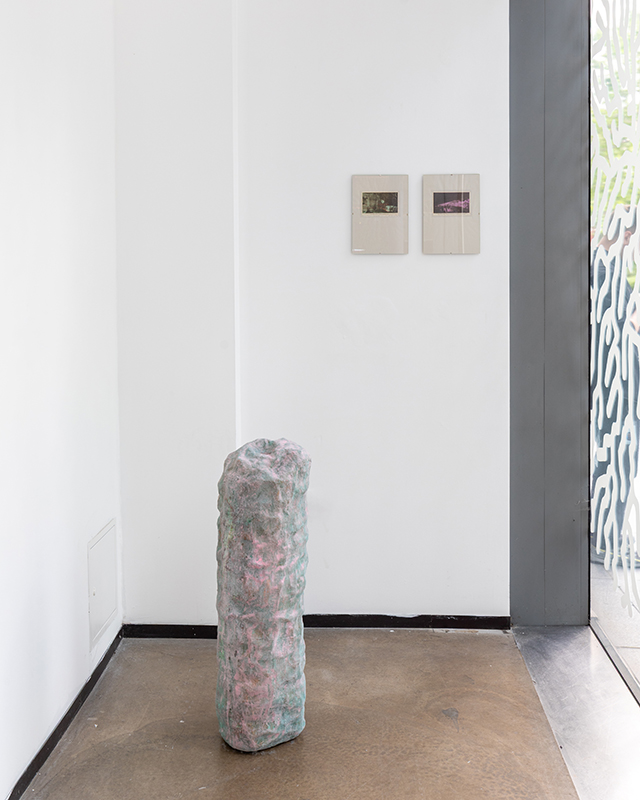
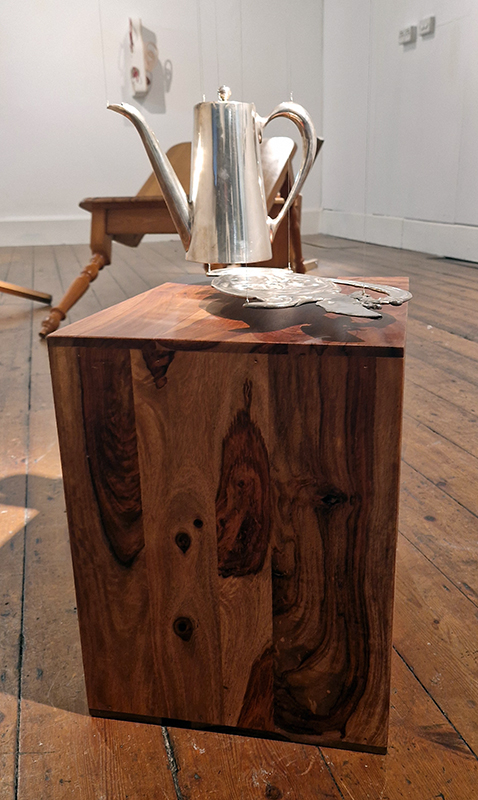
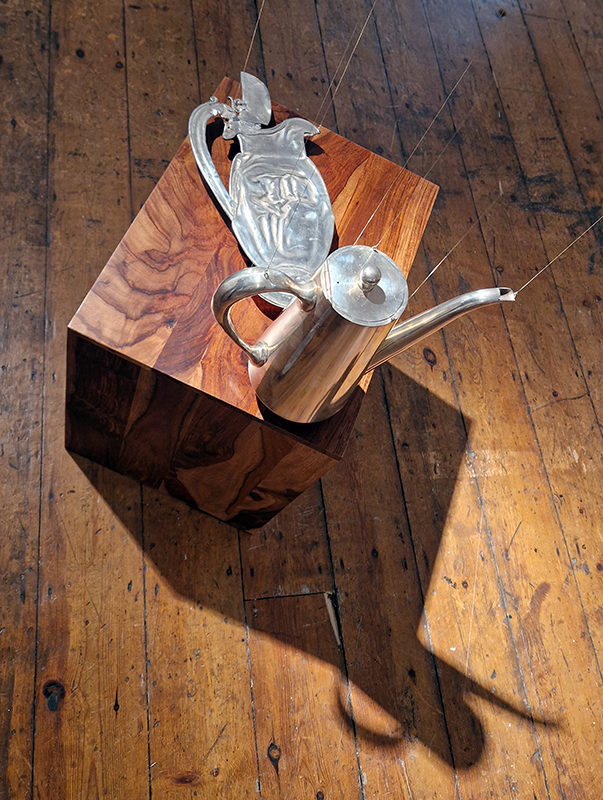
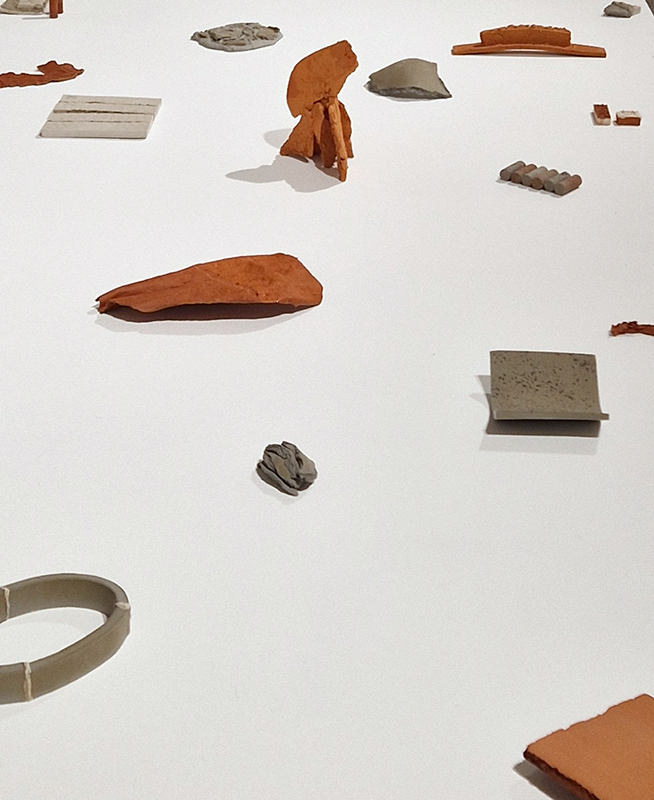
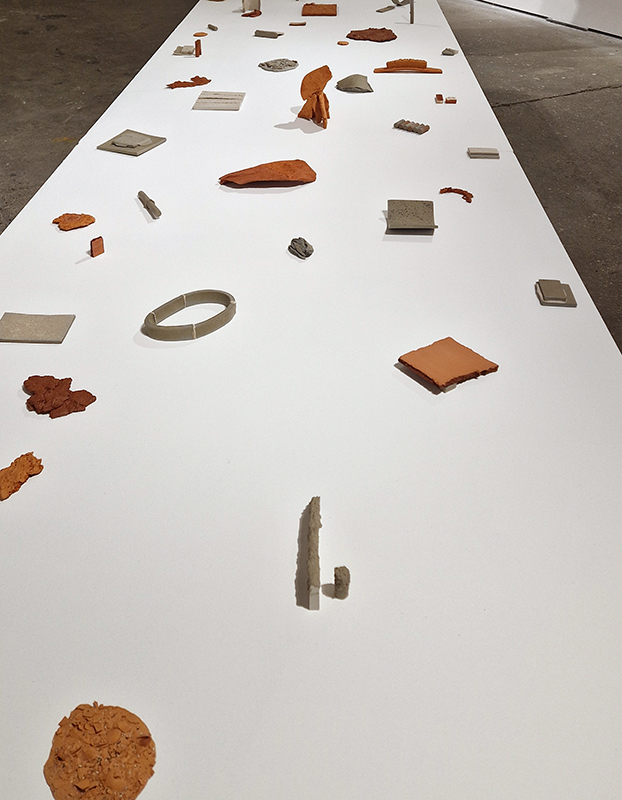
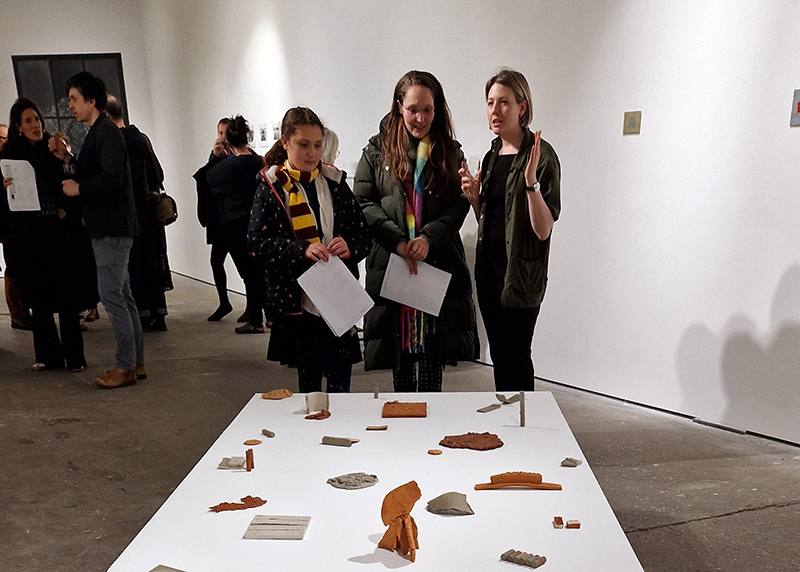
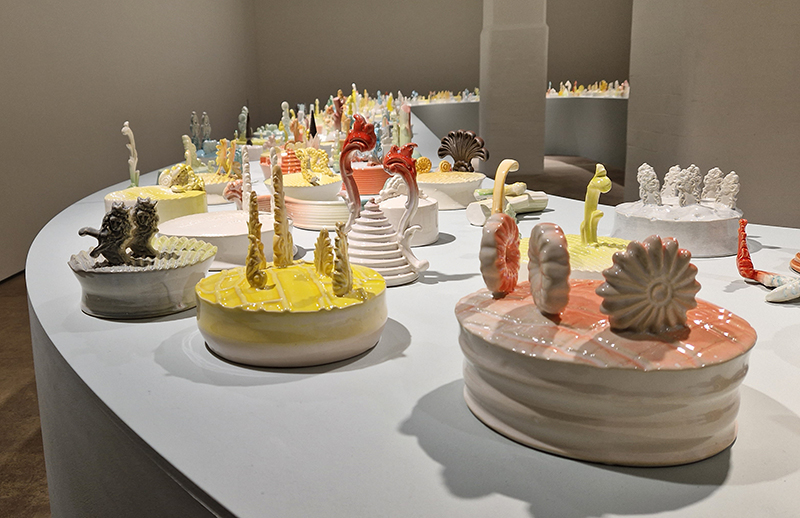
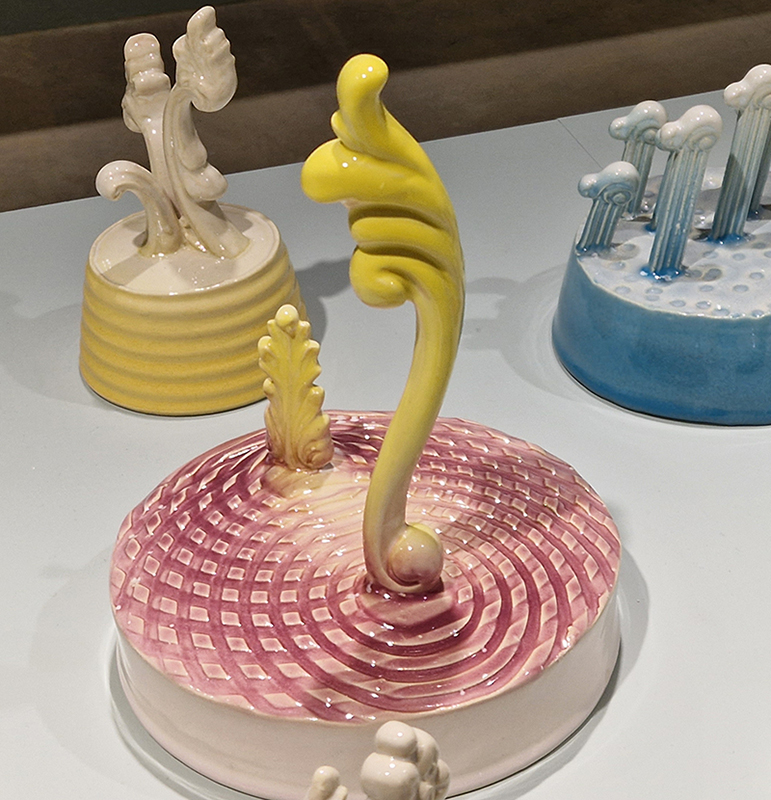
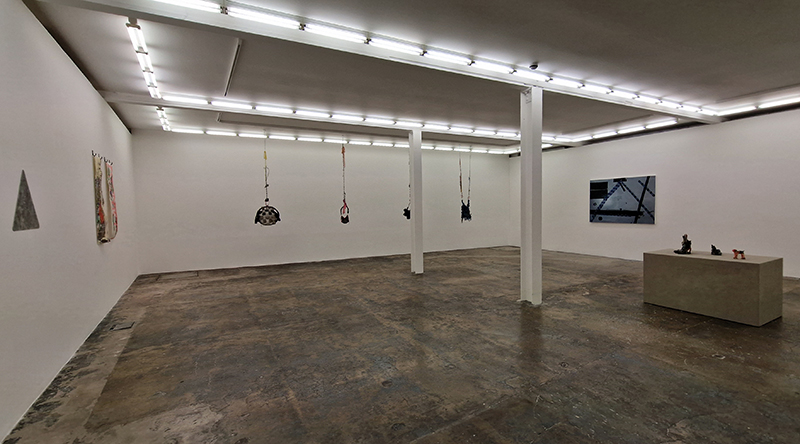
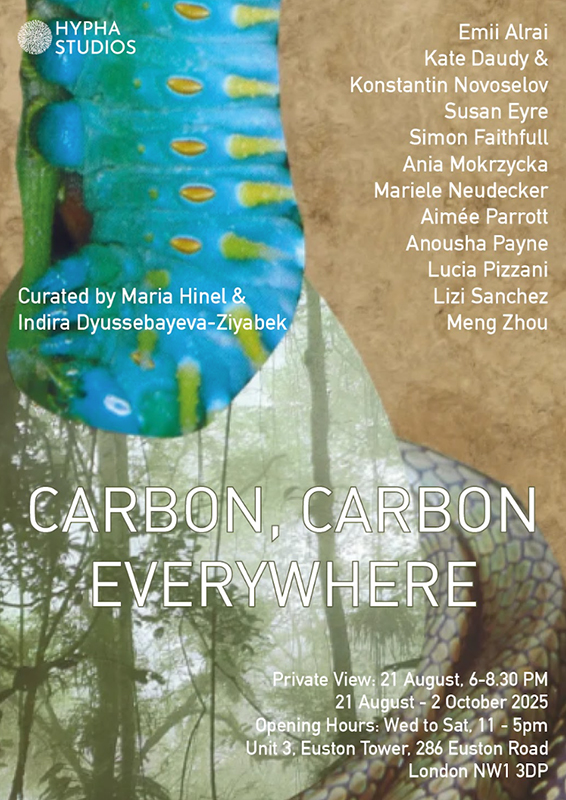
Thrilled to be invited to exhibit in Carbon, Carbon Everywhere at Hypha HQ co-curated by Indira Dyussebayeva-Ziyabek and Maria Hinel including artists Emii Alrai, Kate Daudy & Konstantin Novoselov, Simon Faithfull, Ania Mokrzycka, Nissa Nishikawa, Mariele Neudecker, Anousha Payne, Aimée Parrott, Lucia Pizzani, Lizi Sanchez, and Meng Zhou.

Integral to the constitution of our bodies, soil, air and some rocks, carbon is a highly bonding element that incessantly transmutes from state to state, each particle challenging the boundaries between life and non-life. Bringing together works by twelve international artists, Carbon, Carbon Everywhere explores the shifting states of carbon, an element that threads through organic and inorganic matter, linking bodies, environments, and temporal scales.
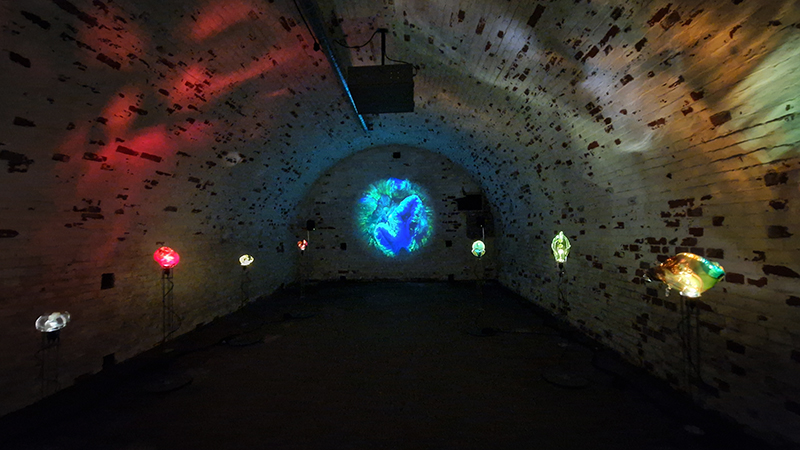
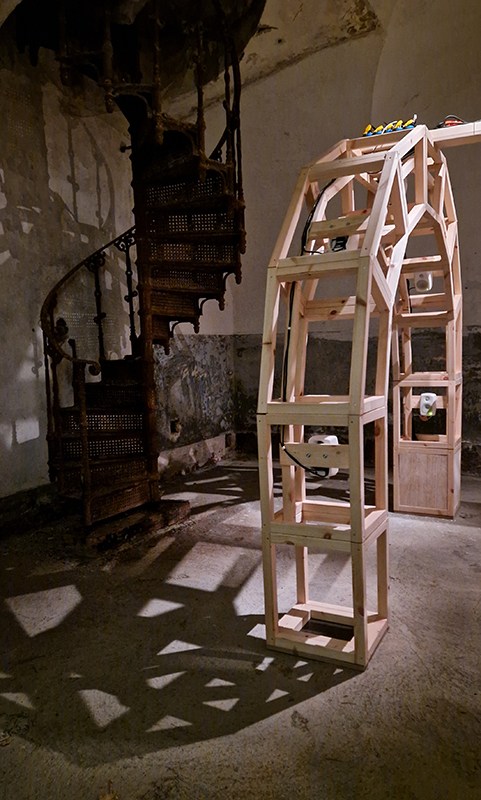
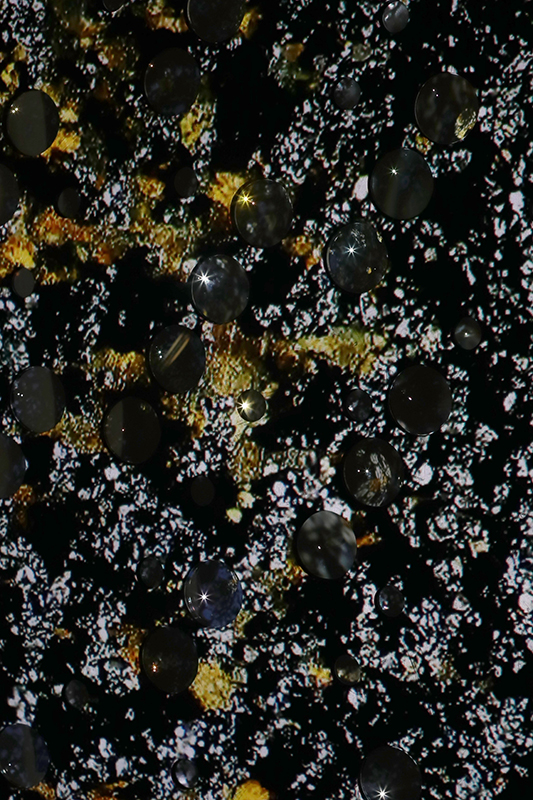
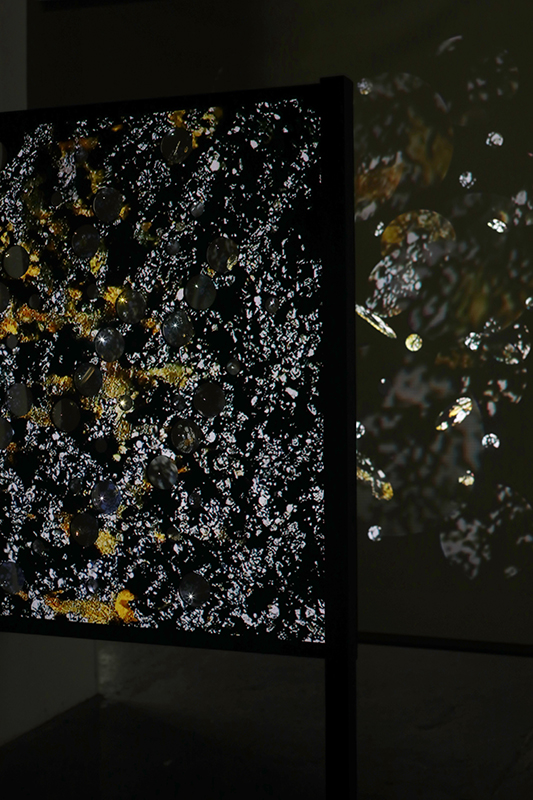
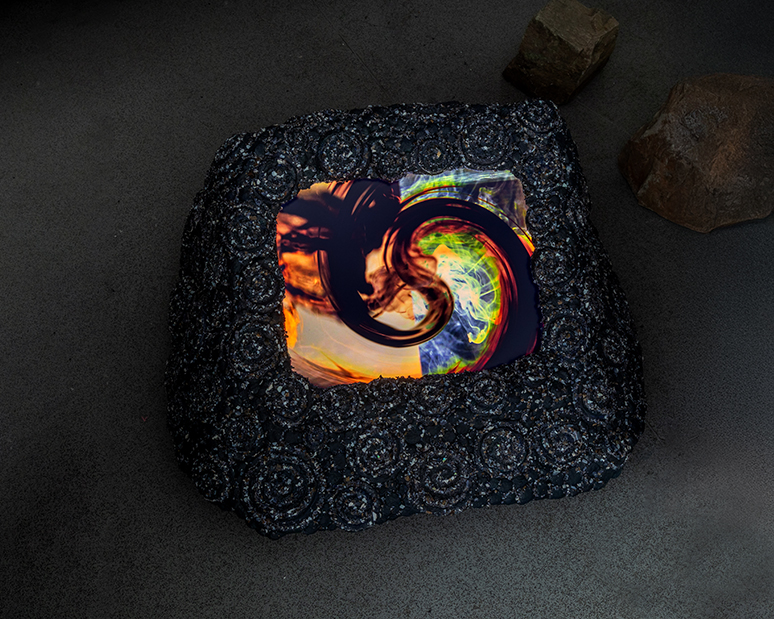
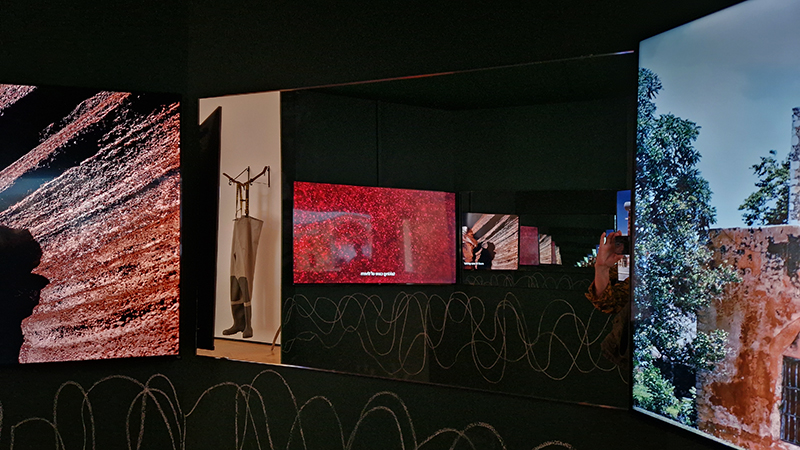
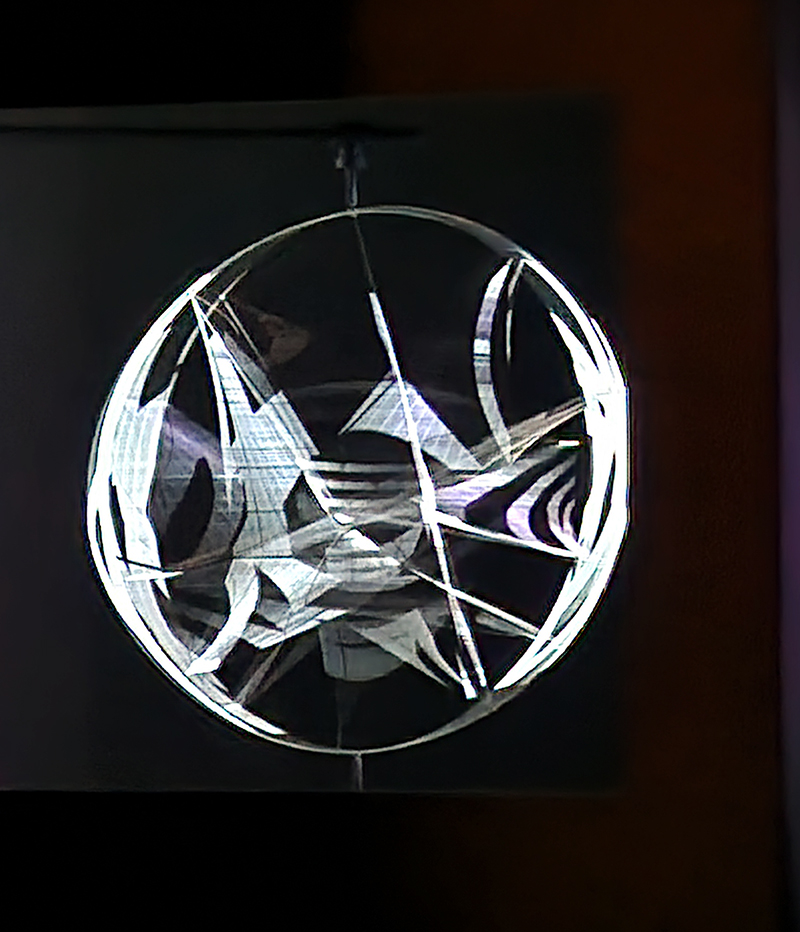
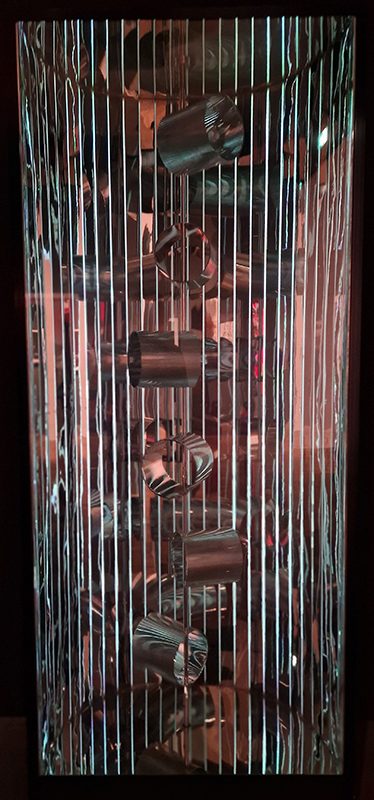
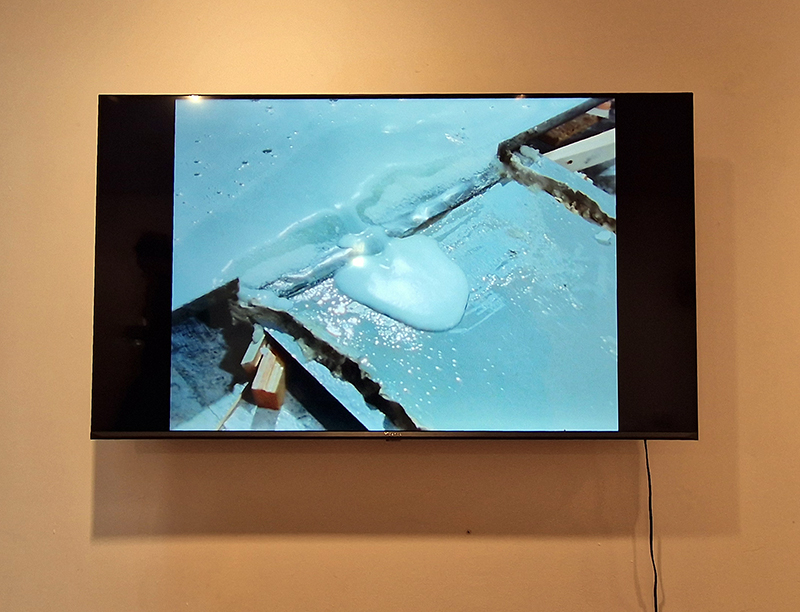
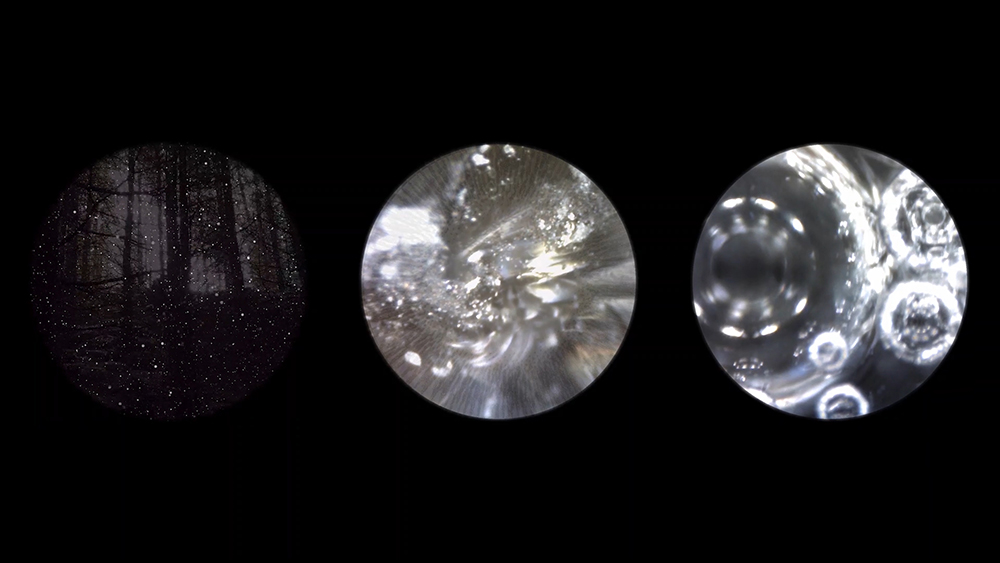
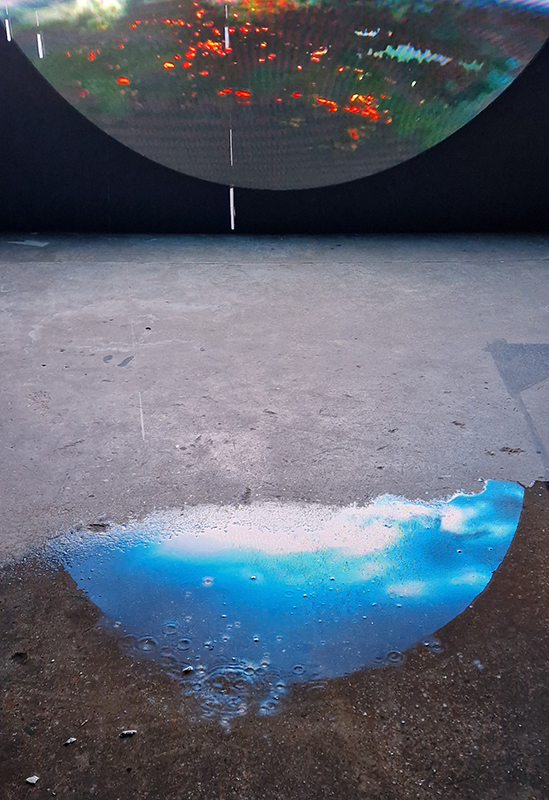
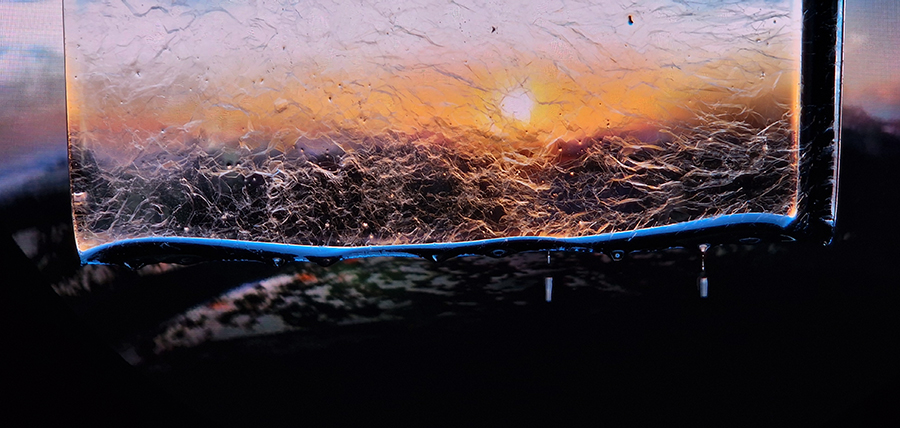
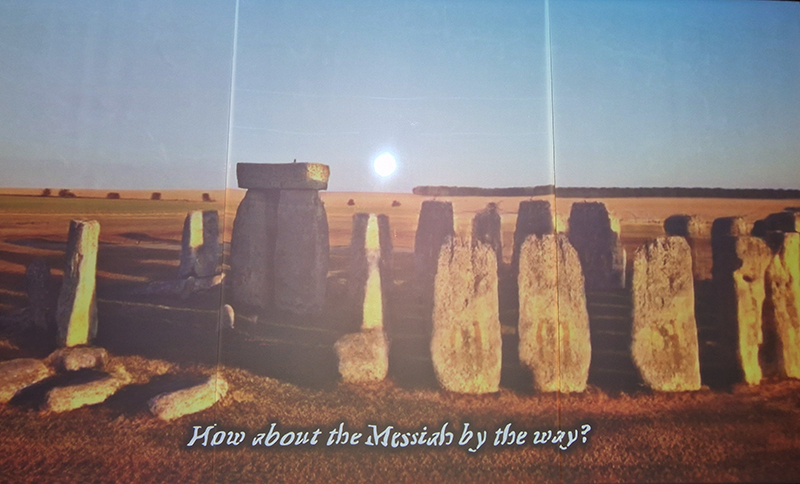
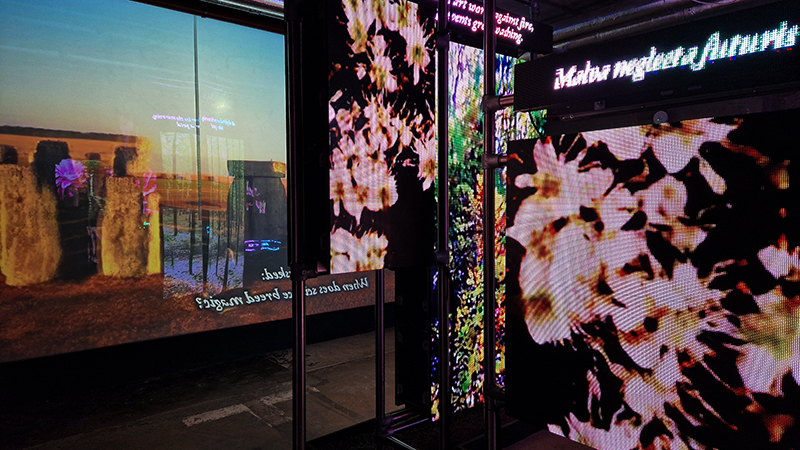
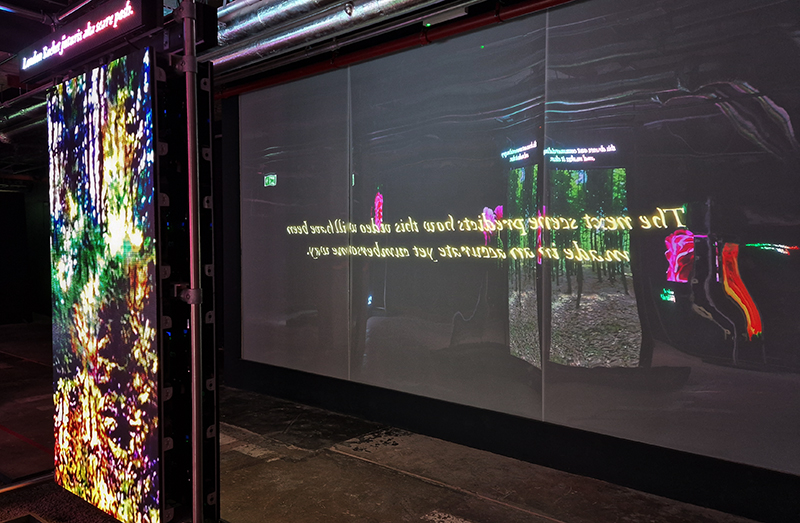
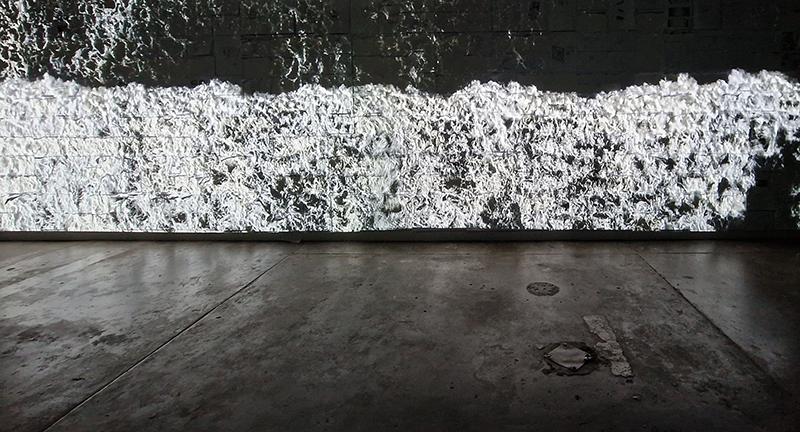
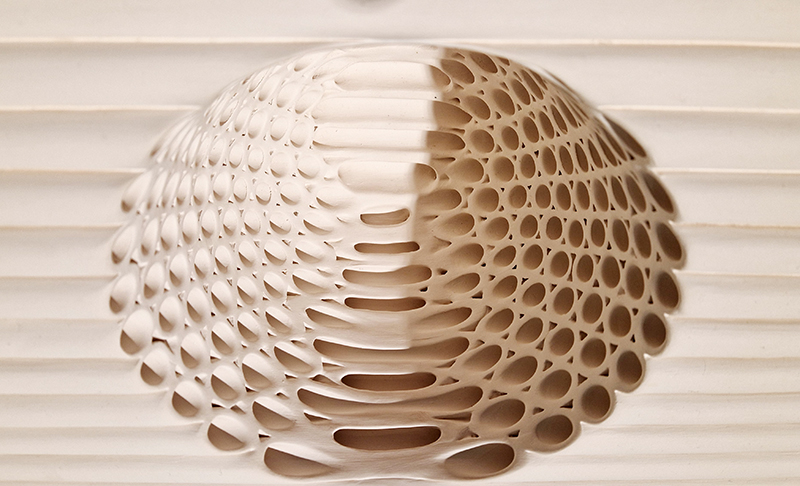
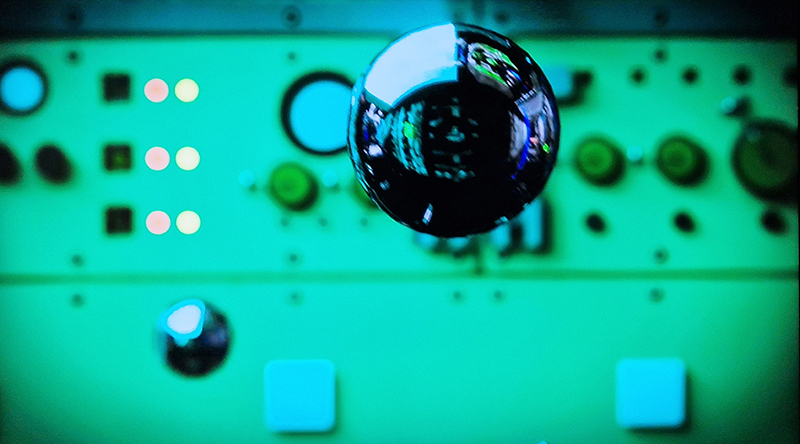
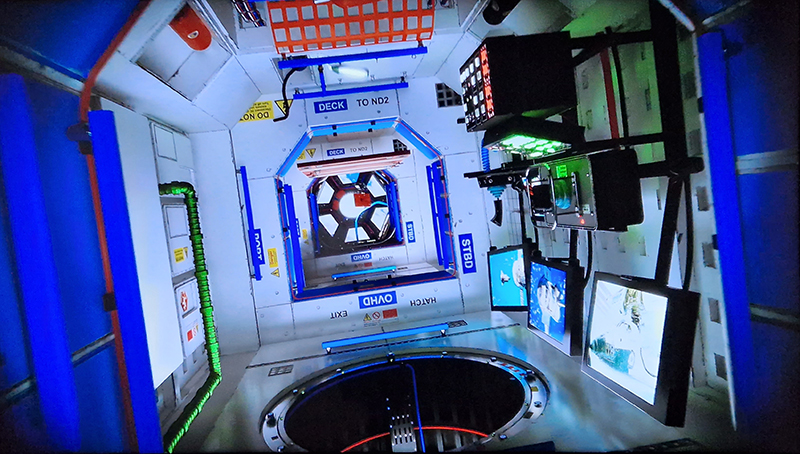
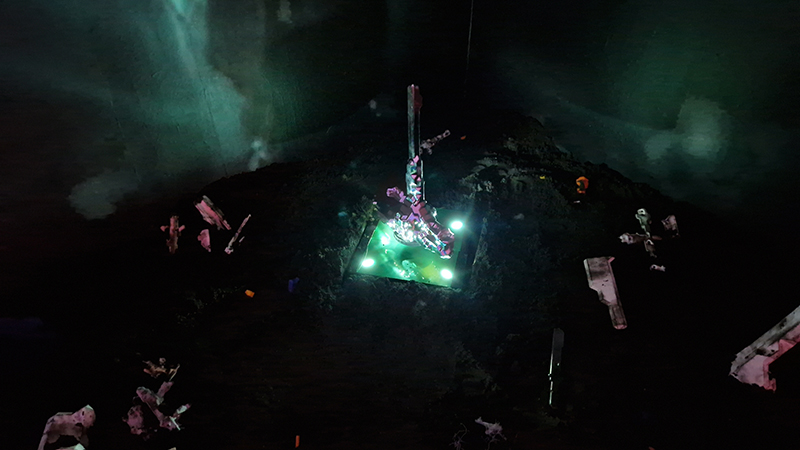
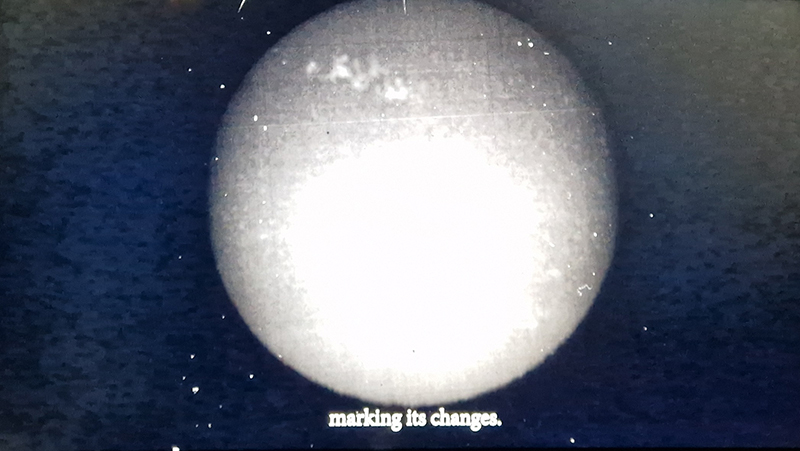
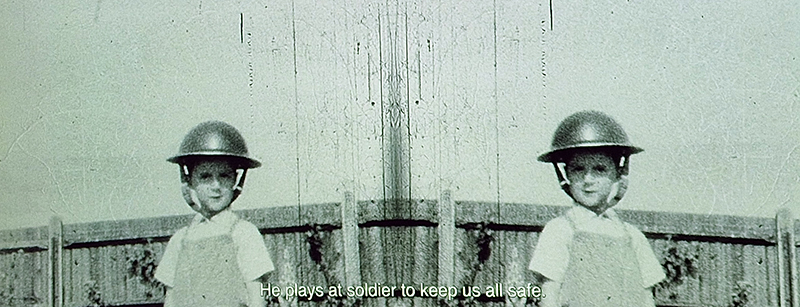
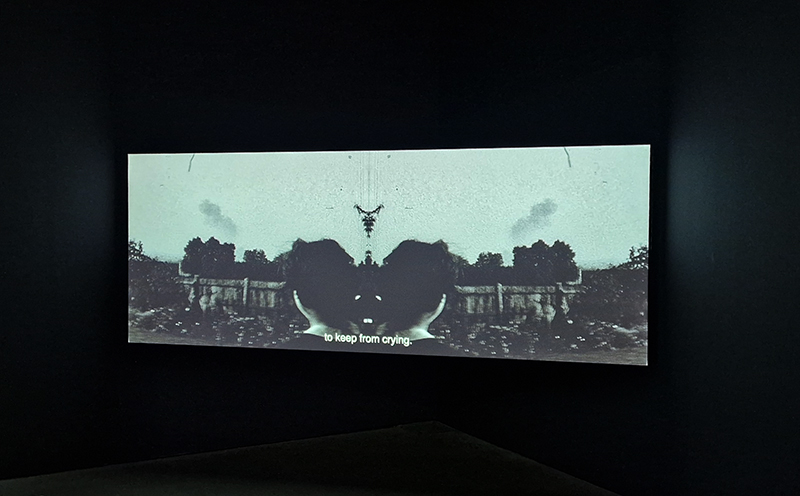
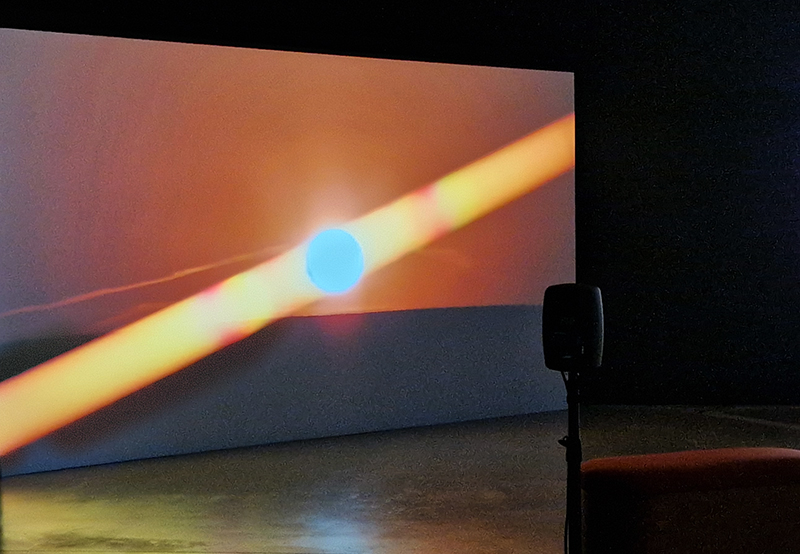
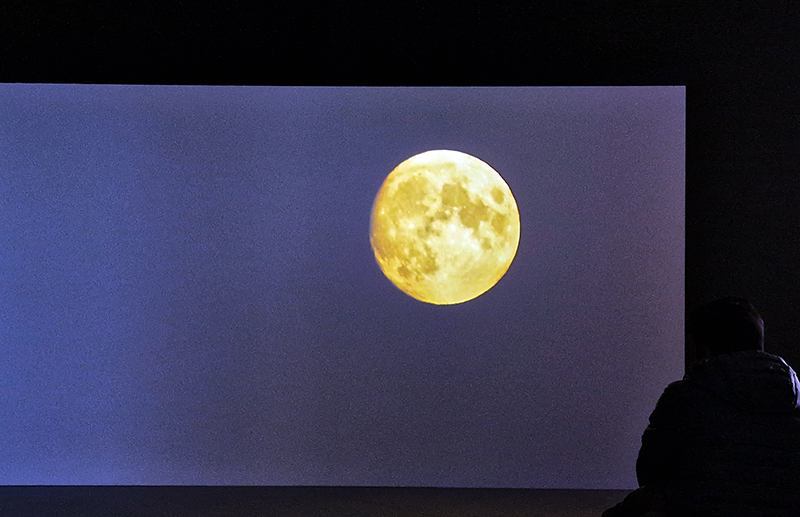
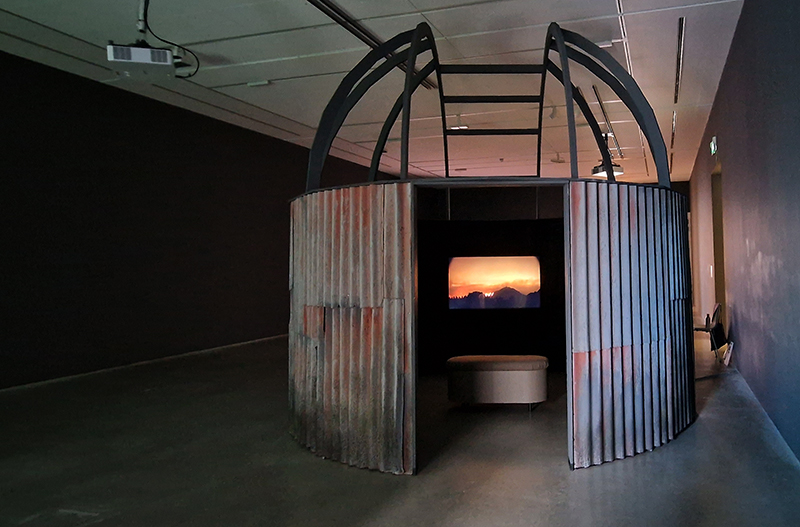
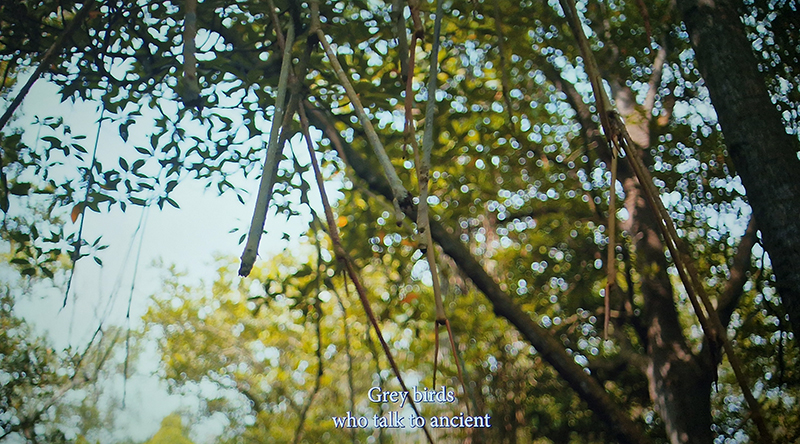
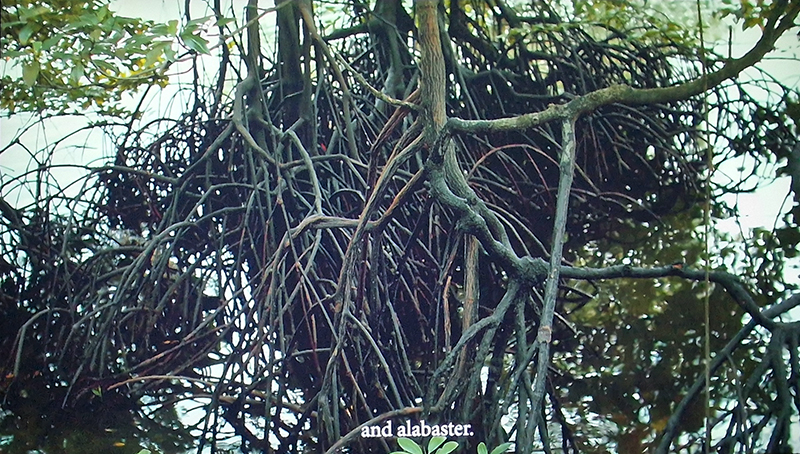
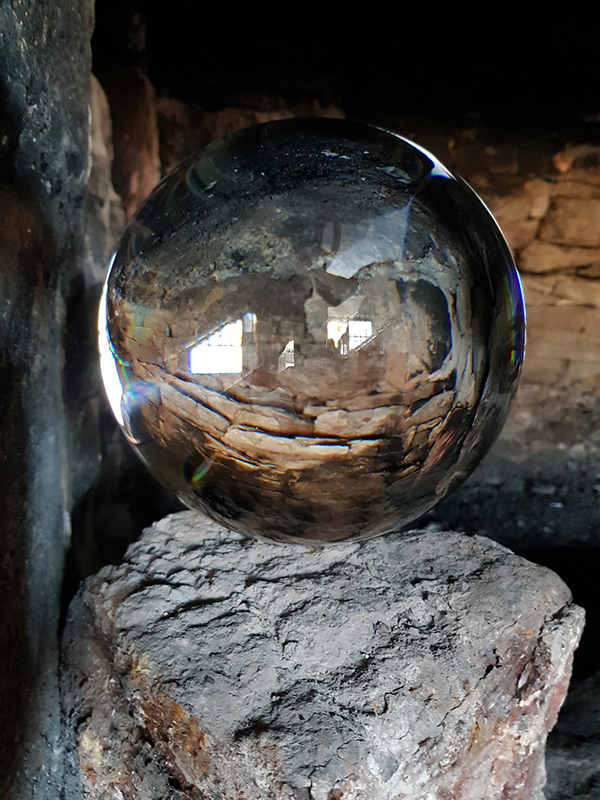
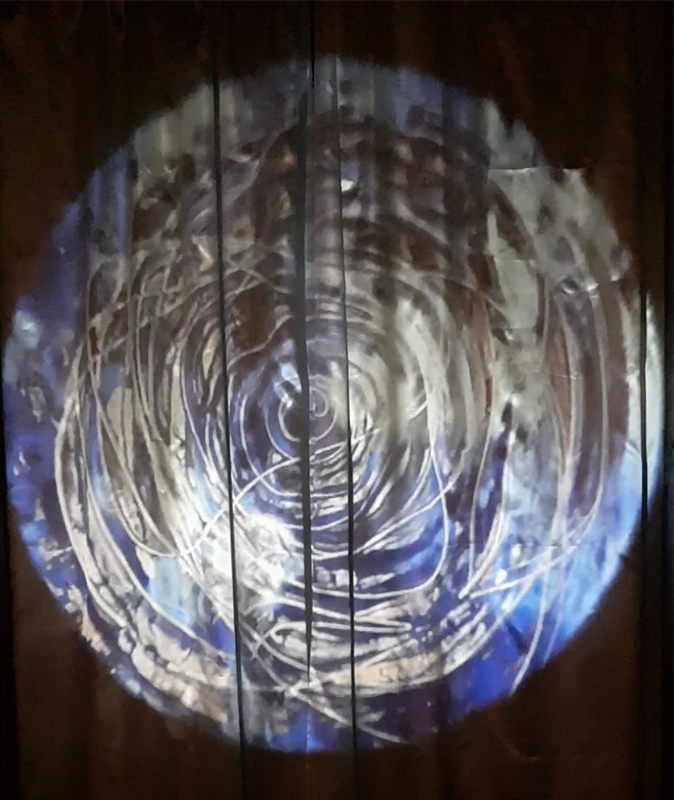
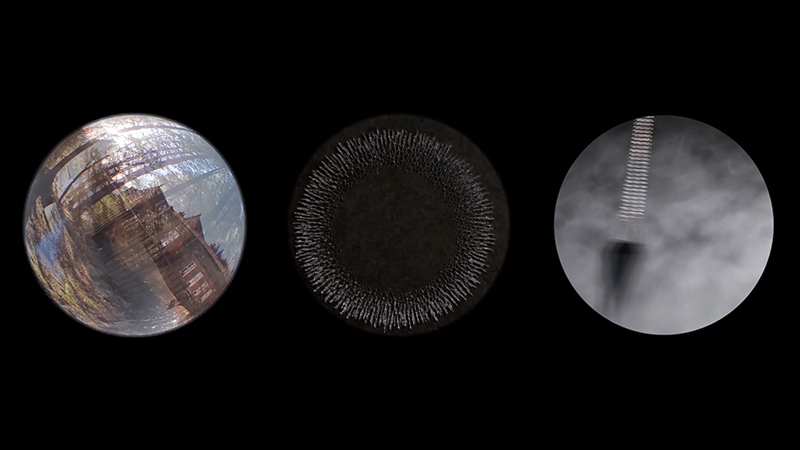
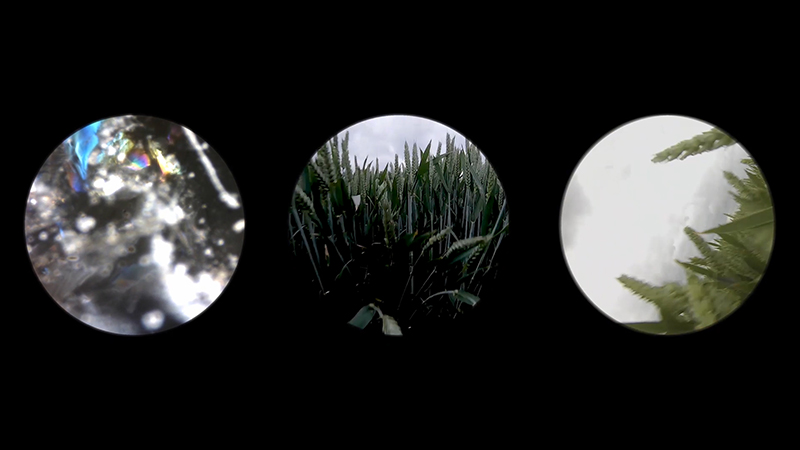
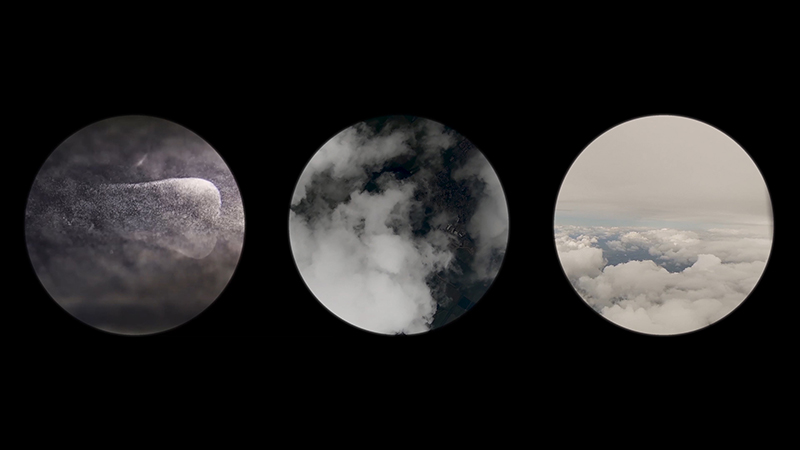
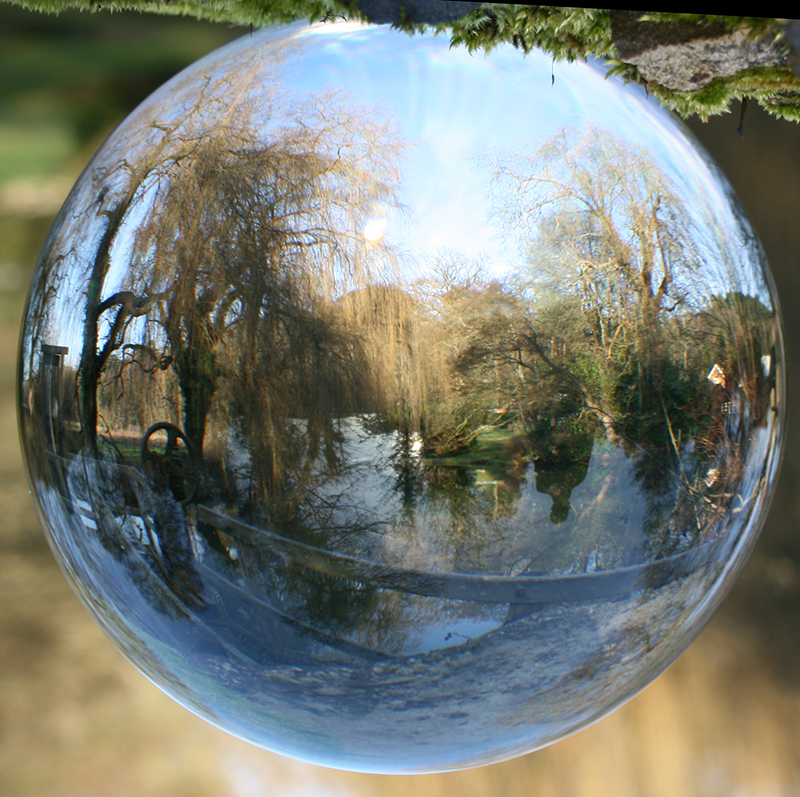
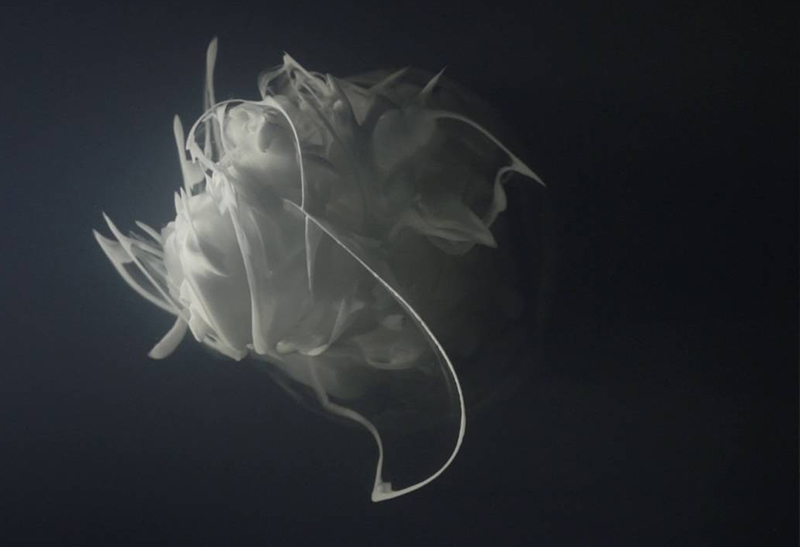
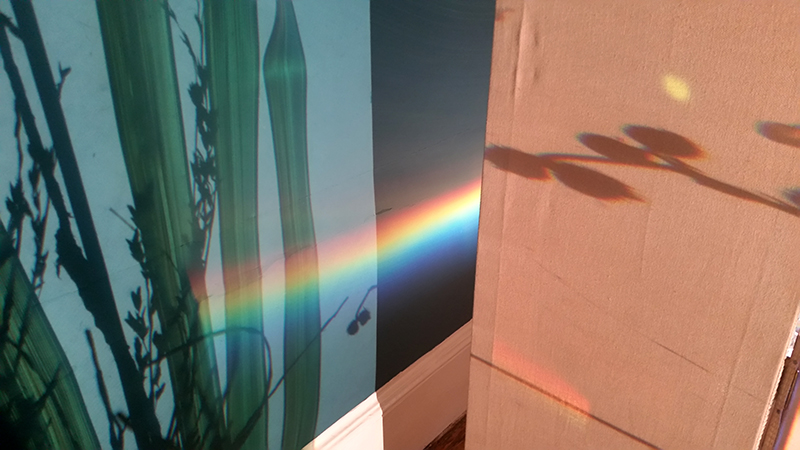
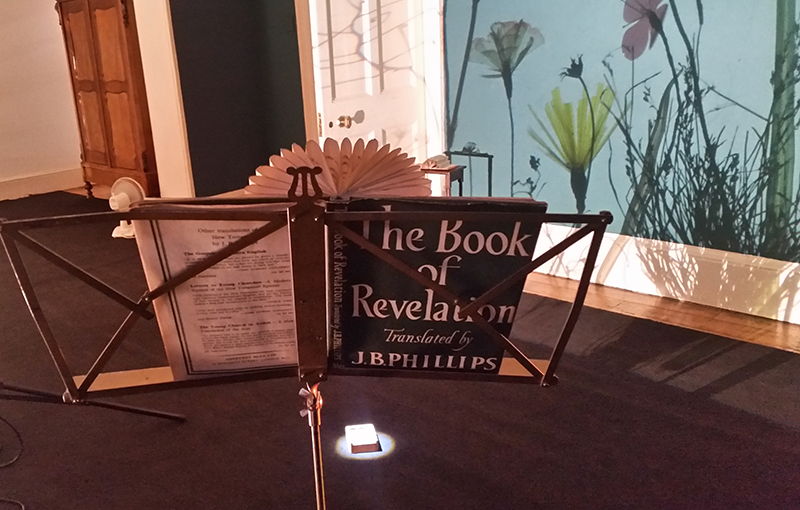
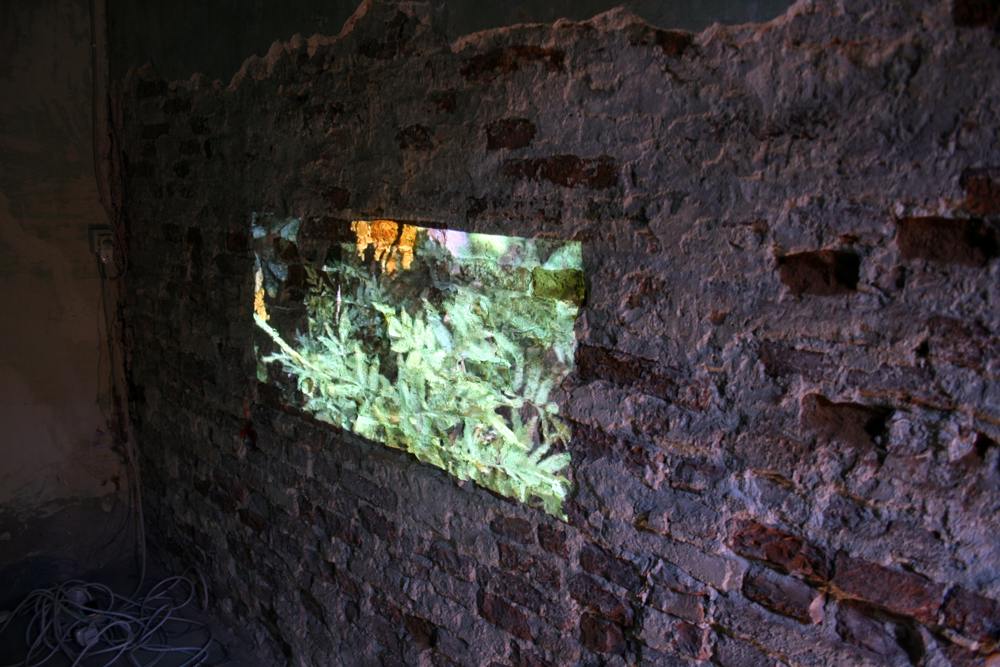
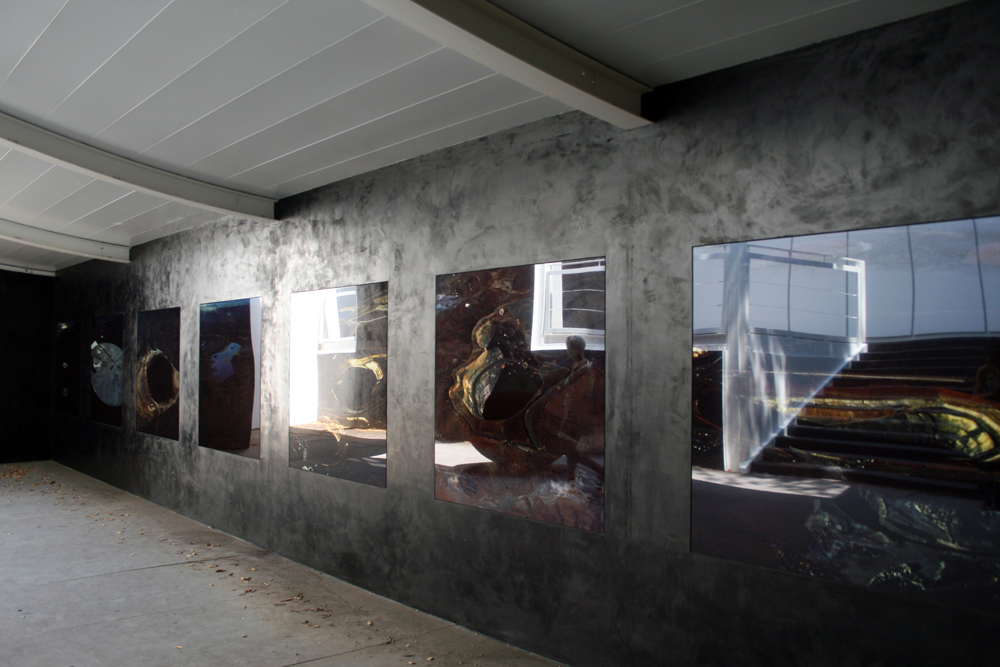
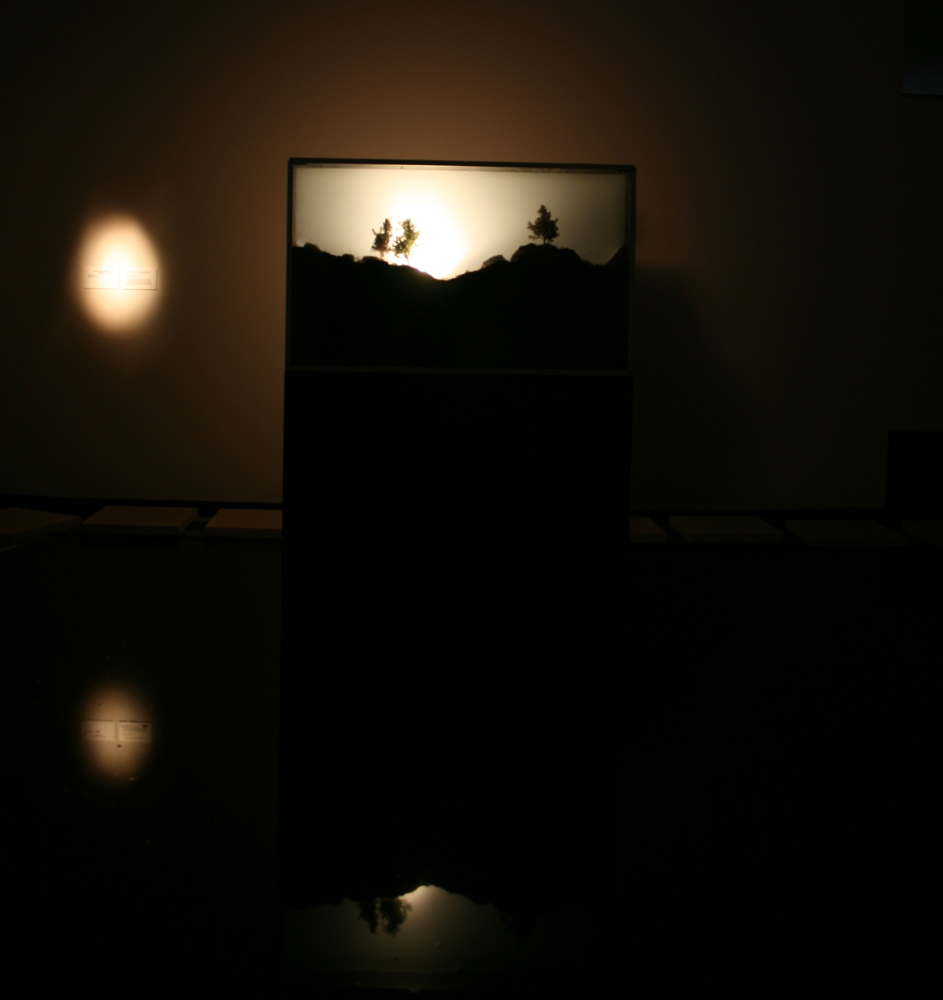
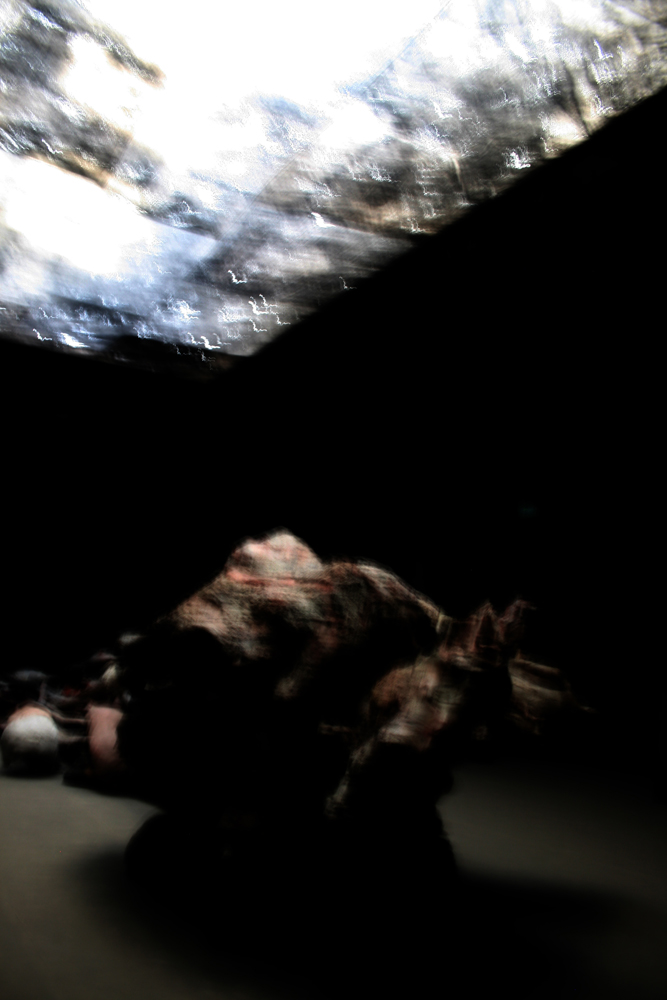
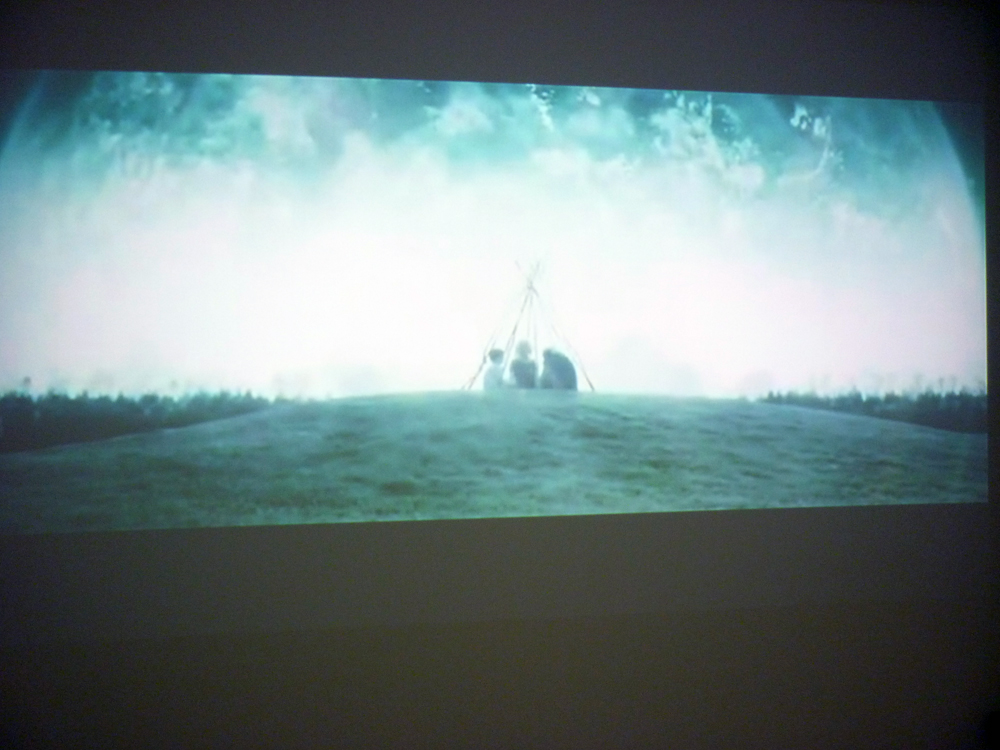
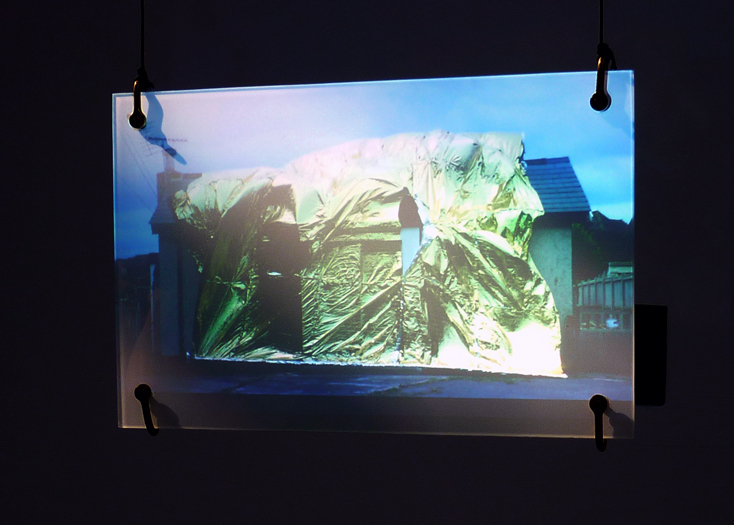
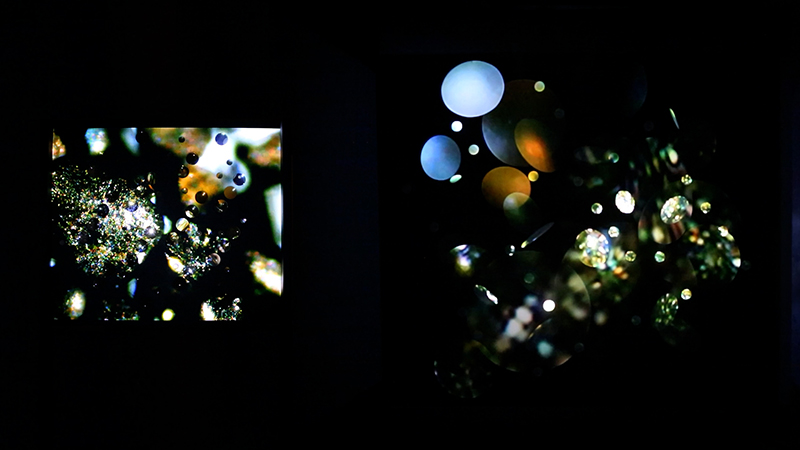
I have updated my website with documentation on the video installation Lithos Panoptes recently shown at Hypha HQ in The Geological Unconscious which can be viewed here. Referencing a many-eyed giant of Greek mythology, Argos Panoptes (always eyes still awake), the work considers the perpetual vigilance of rock as record keeper and witness.

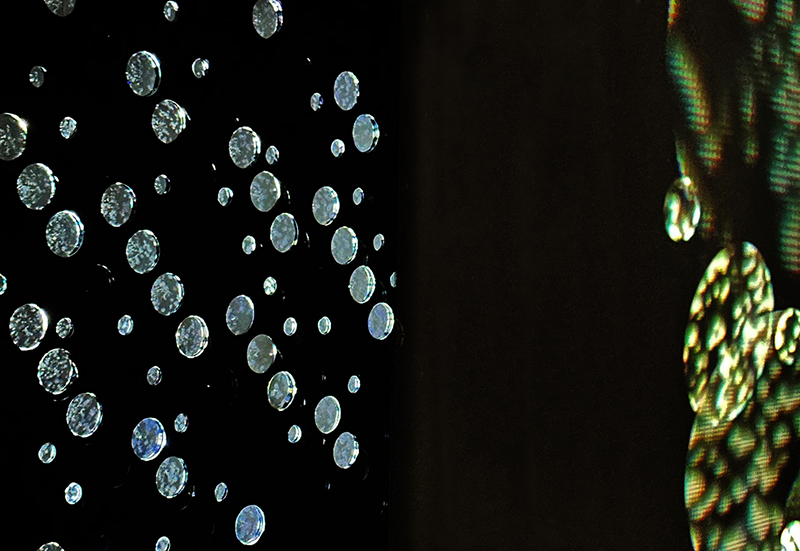
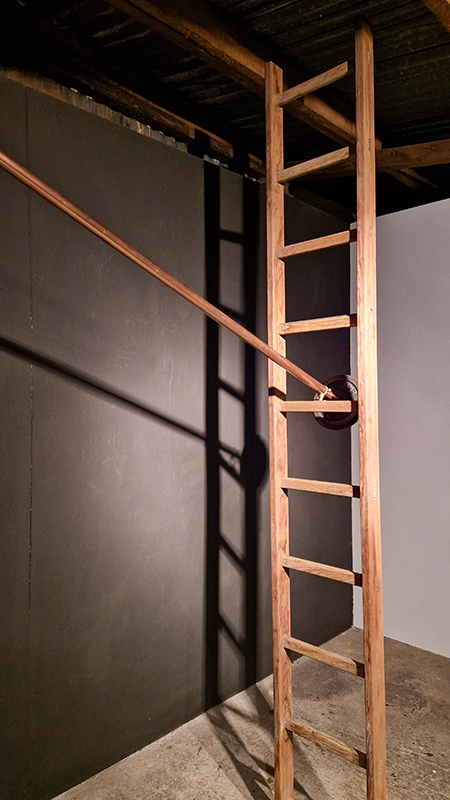
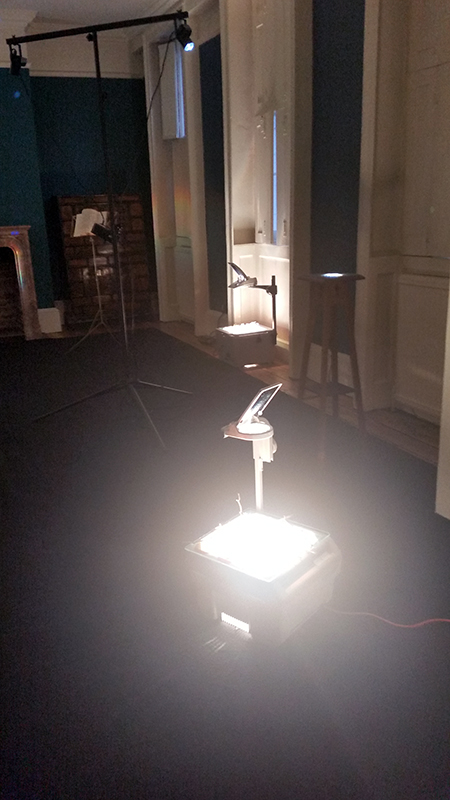
Lithos Panoptes, optical lenses, wood, steel, two-way projection; Sculpture H172 x W170 x D50 cm, Rear projection screen H180 x W180 cm.
Great to be mentioned in an Art Newspaper article.

Magnetic News

Interesting to hear about new magnetic materials being developed that will hopefully have a less harmful ecological impact and offer more technological efficiency. The magnetic materials that are so heavily relied upon for computer memory and microelectronic devices include rare and toxic heavy elements whose energy-intensive production creates significant global carbon emissions. Previously, two primary types of magnetism had been identified, ferromagnetic (regular magnetism that we are familiar with) and antiferromagnetic (which are internally magnetic, but their opposing spin orientations make them appear non-magnetic externally).  A third form known as altermagnetism has recently been confirmed with around 200 altermagnetic materials already being identified. These materials have a distinct magnetic order where tiny magnetic fields created by electrons are in anti-parallel alignment within a rotation of the host crystal structure leading to unique electronic properties. Altermagnetic materials have the potential for technological advancements offering huge increases in speed and efficiency especially in spintronics, an advanced technology that leverages both the charge and spin of electrons to store and process information.

A permanent magnet, MagNex that does not use the rare earth elements which have sustainability and supply chain issues, was developed in just three months with the help of AI analysing thousands of potential alloys. ‍‍ “This could have a significant future impact on our net-zero ambitions, through renewable energy and low-carbon transport, by removing the need for rare earth elements in high-performance permanent magnets.”

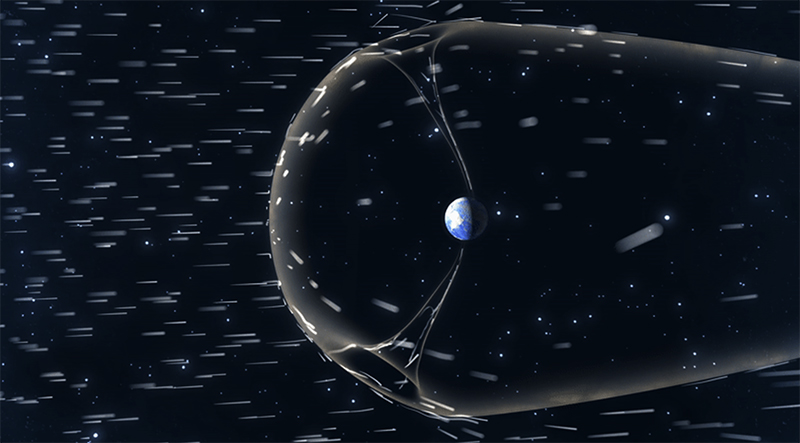
Recently launched, NASA’s TRACERS mission satellites fly in low Earth orbit through the polar cusps, funnel-shaped holes in the magnetic field where solar activity causes magnetic field lines to disconnect and reconnect creating disruption in the magnetosphere. By strategic placing of the twin TRACERS spacecraft in Sun-synchronous orbit, so that they always pass through the Earth’s dayside, thousands of dayside reconnection events can be observed and compared between spacecraft to see how quickly the process changes and evolves. Better understanding magnetic reconnection and its effects in Earth’s atmosphere will help prepare for impacts of solar activity on Earth. The magnetosphere protects Earth from the constant bombardment of solar particles from the Sun, but when magnetic field lines are disrupted by the solar wind, particles rain down into Earth’s atmosphere not only causing beautiful phenomena, like the aurora, but also impacting infrastructure, like satellites and GPS systems.
Out and About

I have been lucky to visit exhibitions in Finland and Norfolk to see works that interrogate human impact on the environment and other living beings that share our planet.

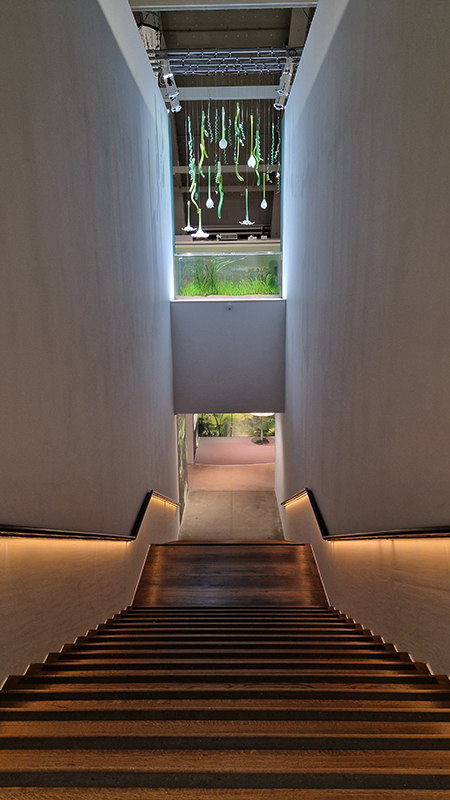
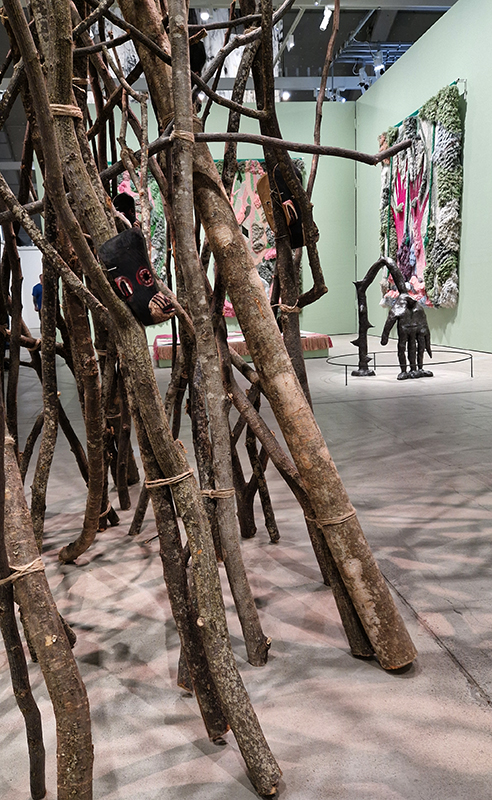
Helsinki Biennial 2025 Shelter: Below and Beyond, Becoming and Belonging brings together 37 artists and collectives on Vallisaari Island (which has been off-limits for human habitation for decades), in Esplanade Park, and at HAM (Helsinki Art Museum). It explores the significance of shelter and turns the gaze towards non-human nature. In the works, the focus shifts from humans to animals, water, plants, insects, minerals, and other living beings and their role as contributors to our planet’s wellbeing.

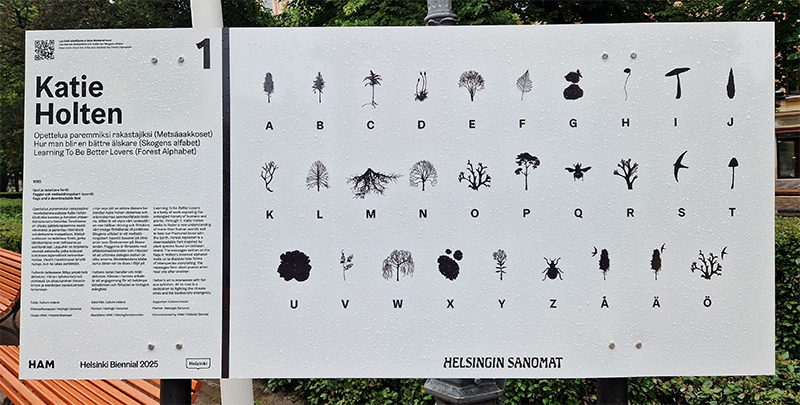
Artists with work installed in the Esplanade Park included Katie Holten (inventing a forest alphabet) and Guiseppe Penone (inseparable connections between humans and nature).
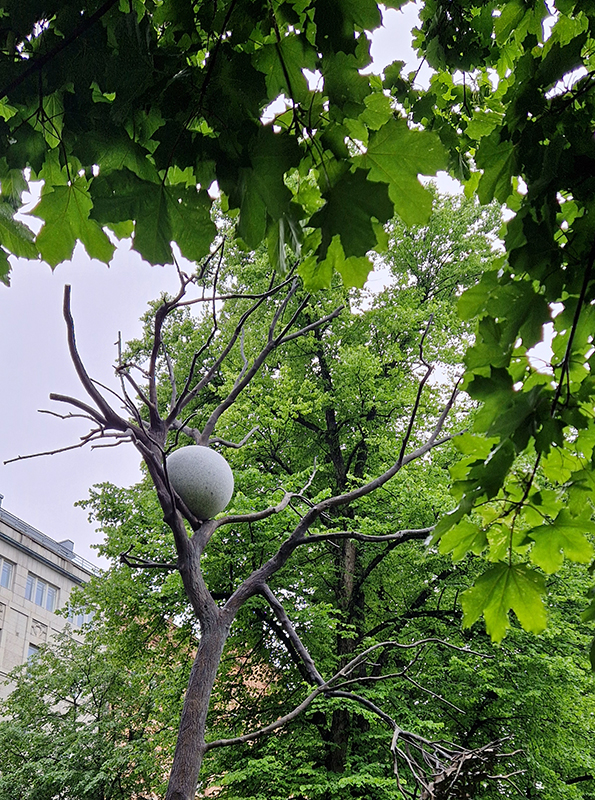
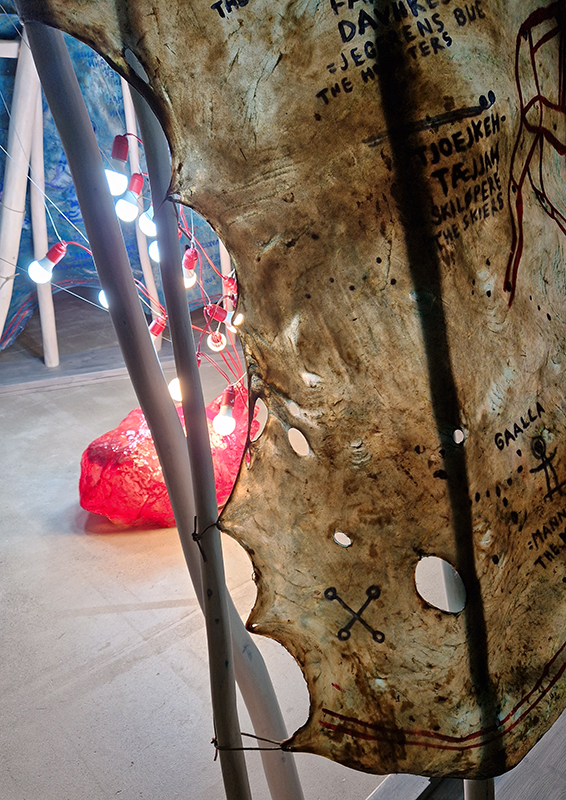
Artists at HAM (Helsinki Art Museum) included Jenni Laiti & Carl-Johan Utsi (precarity of survival), Regina de Miguel (technofossils), Aluaiy Kaumakan (displaced community), Otobong Nkanga (ownership of resources), Ingela Ihrman (invasive species), Locus/Thale Blix Fastvold & Tanja Thorjussen (eelgrass conservation), Sissel M Bergh (Sami cosmology), Edgar Calel (more than human agencies).
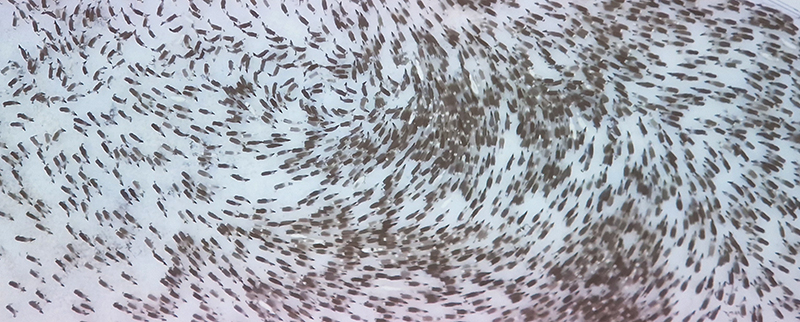
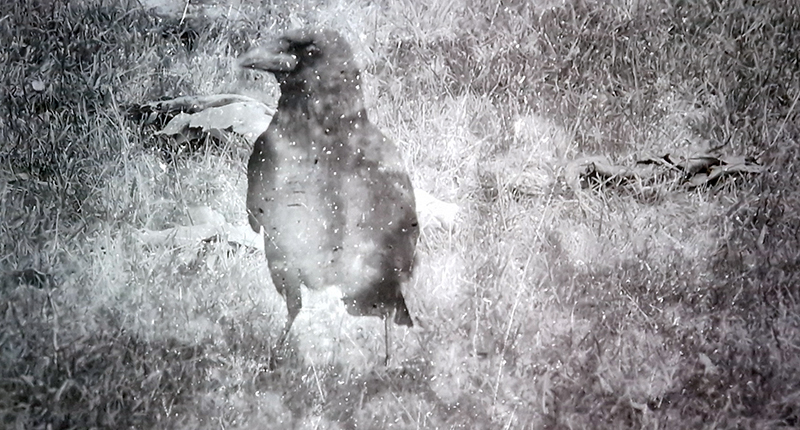
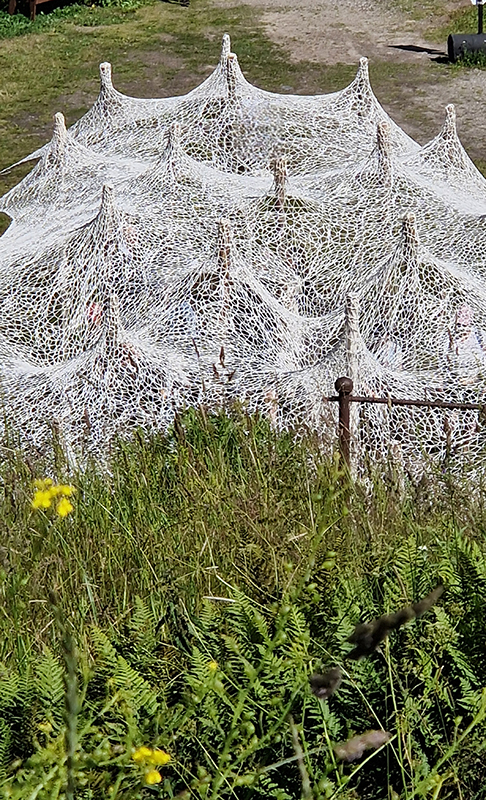
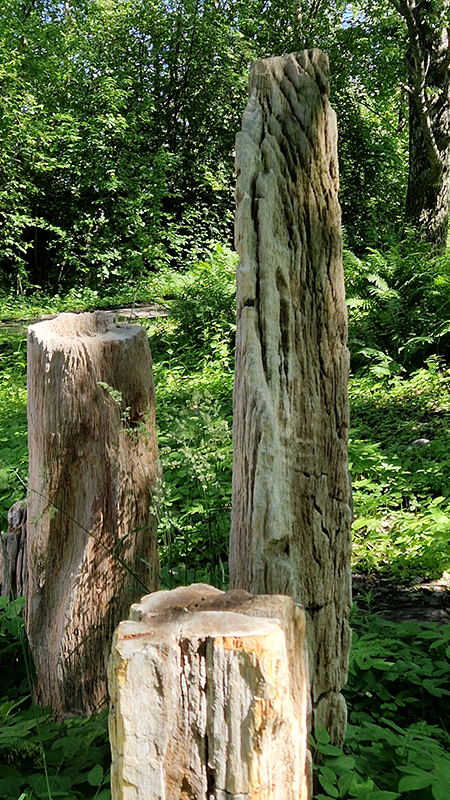
Artists with work installed around the beautiful Vallisaari Island included Hans Rosenström (petrified wood soundscape), Tue Greenfort (species evolution), Nomeda & Gediminas Urbonas (amplifying non-human voices), Pia Sirén (human modified environments), LOCUS / Thale Blix Fastvold & Tanja Thorjussen (water health), Tania Candiani (hidden networks of the forest), Sara Bjarland (discarded inflatables), Kati Roover (humans and whales), Juan Zamora (bioluminescence), Band of Weeds (vegetal distress), Kristiina Koskentola (friendship of crows), Tamara Henderson (hidden realm of worms), Ernesto Neto (shapeshifting), Theresa Traore Dahlberg (invisible frequencies), Ana Teresa Barboza (plant narratives), Carola Grahn (colonialism legacy on estrangement from nature), nabbteeri (parasitism), Olafur Eliasson (more than human ways of seeing).
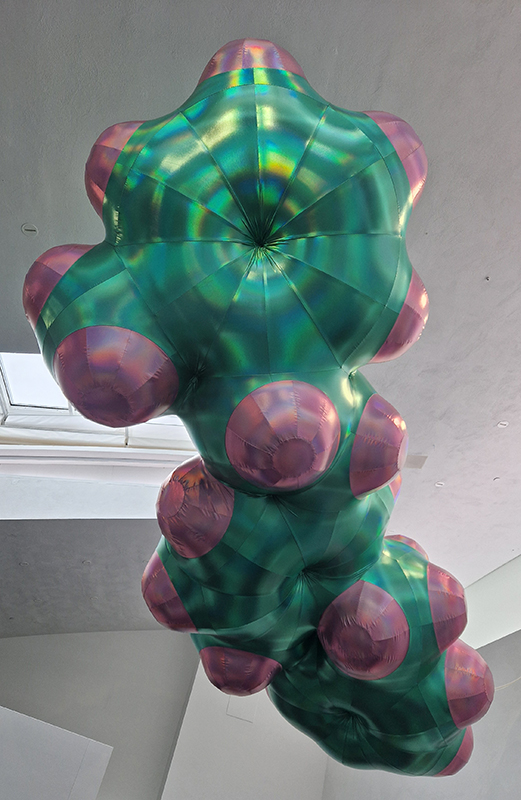
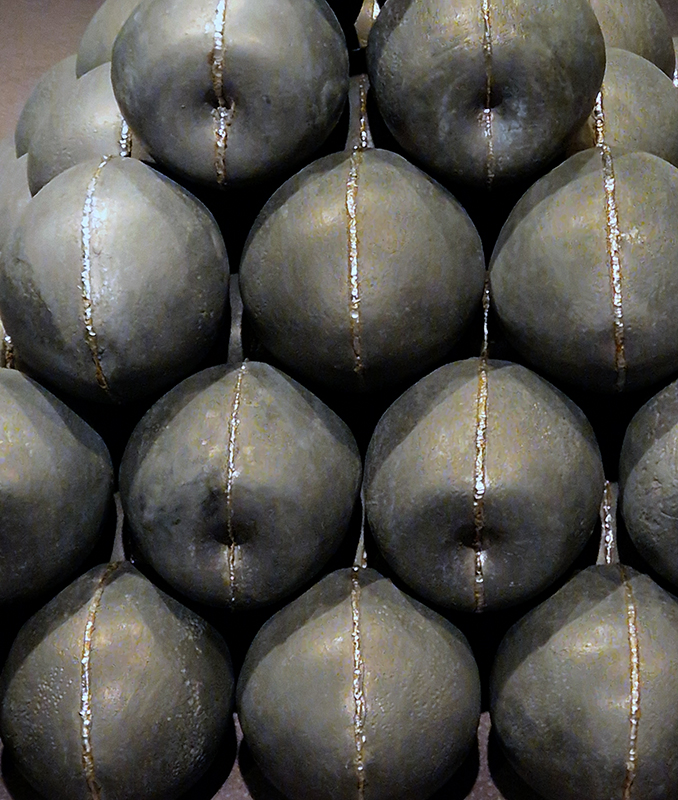
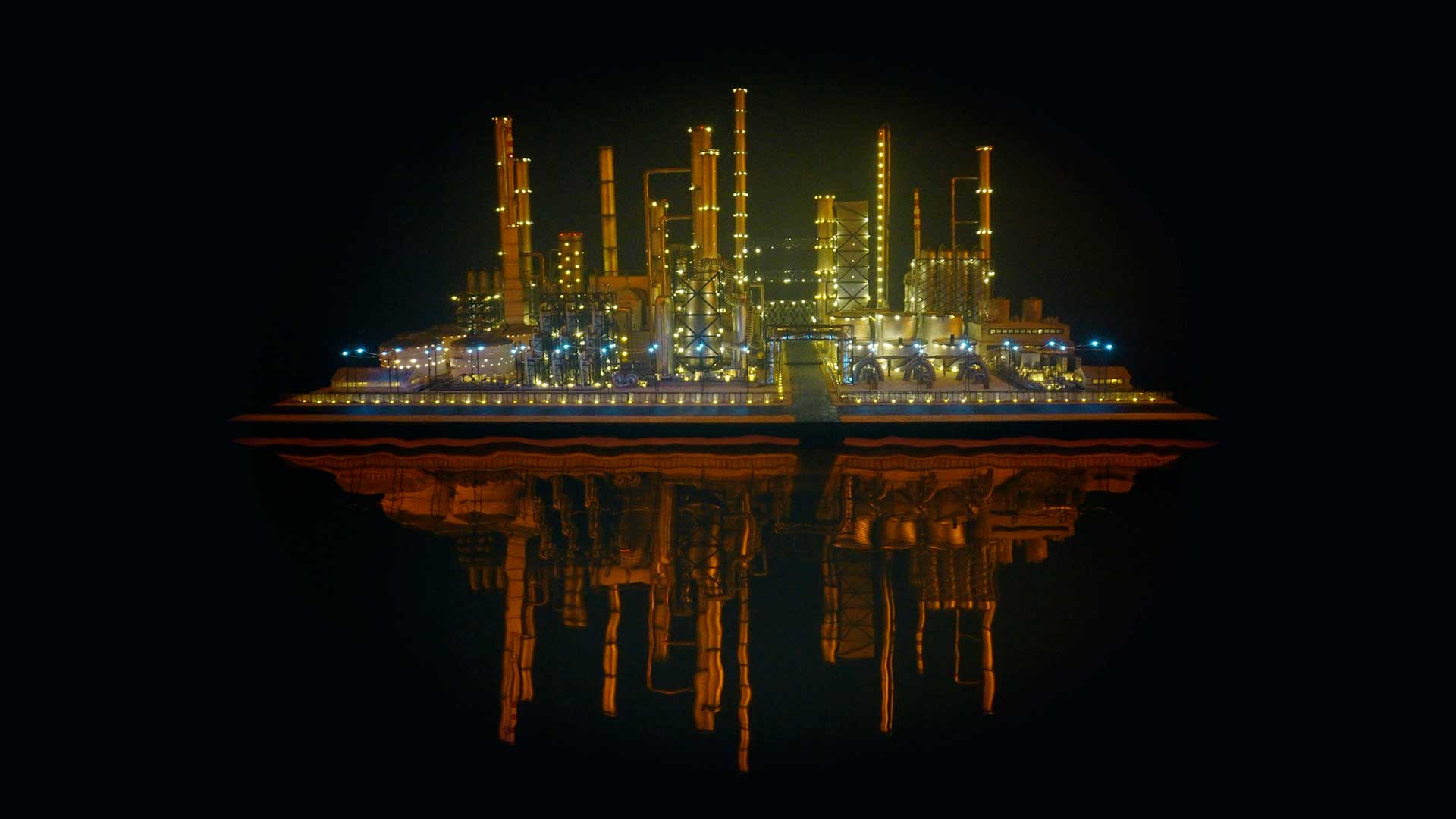
Excellent Monira Al Qadiri exhibition Deep Fate at the Museum of Contemporary Art Kiasma, Helsinki. Addressing the dichotomy of enjoying contemporary life made possible by oil during the accelerating climate crisis. Deep Fate, refers to the origins of oil deep in the earth and also to the way that dependence on oil and breaking that dependence are a matter of life and death for humankind. Al Qadiri grew up next door to oil refineries in Kuwait and experienced the Gulf War as a child. This personal experience is drawn upon in the haunting video Crude Eye which attempts to reconcile childhood memories of the oil refinery as a romantic glowing metropolis with its true nature as a site of environmental destruction. The demise of the local pearl-diving industry, a source of income superseded by the oil boom, is referenced by sculptures echoing the molecular structures of the chemicals used in oil drilling with iridescent rainbow colours that are reminiscent of oil and the shimmering surface of pearls.
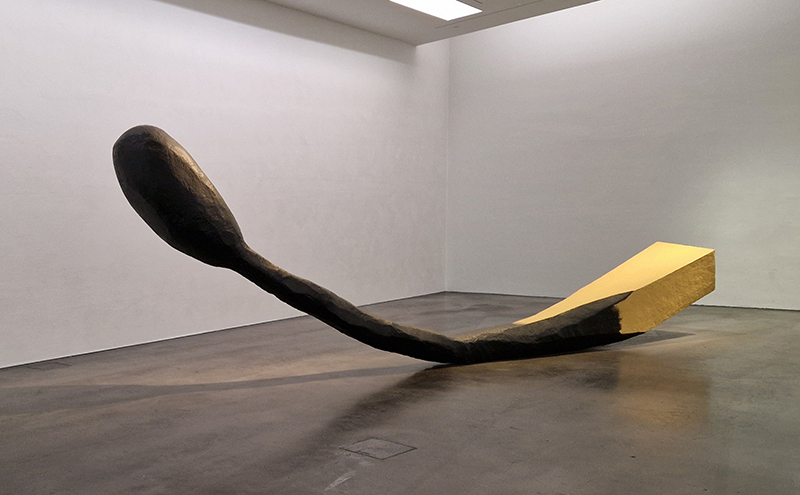
Also at the Museum of Contemporary Art Kiasma was Rock, Paper, Scissors an anthology of diverse materials in contemporary art. Claes Oldenburg’s giant Extinguished Match which plays with scale brought to mind the video by David Hochgatterer Streichhölzer (Matches) where matches appear to spontaneously combust shown in the Carbon: Under Pressure exhibition recent tour to Glasgow ARC.
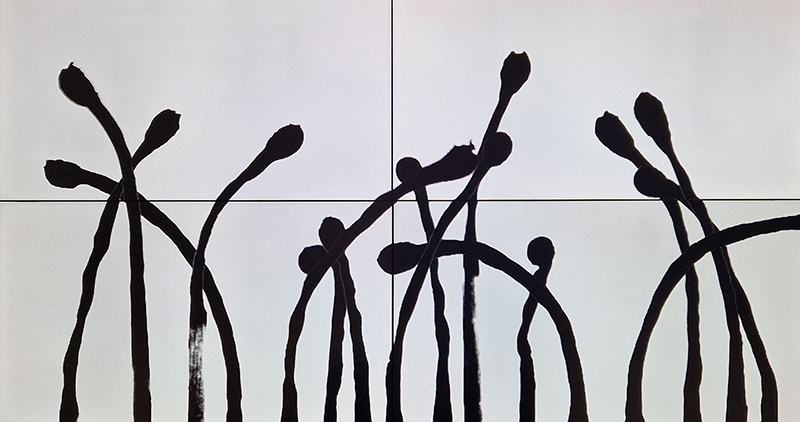
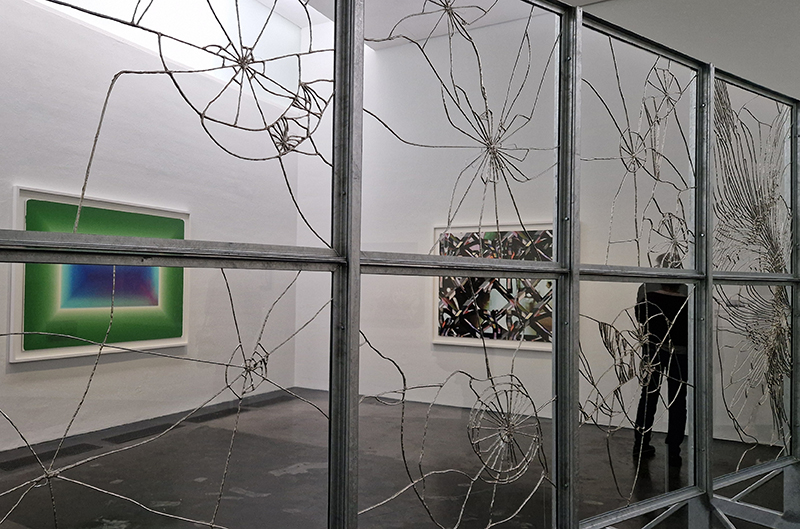
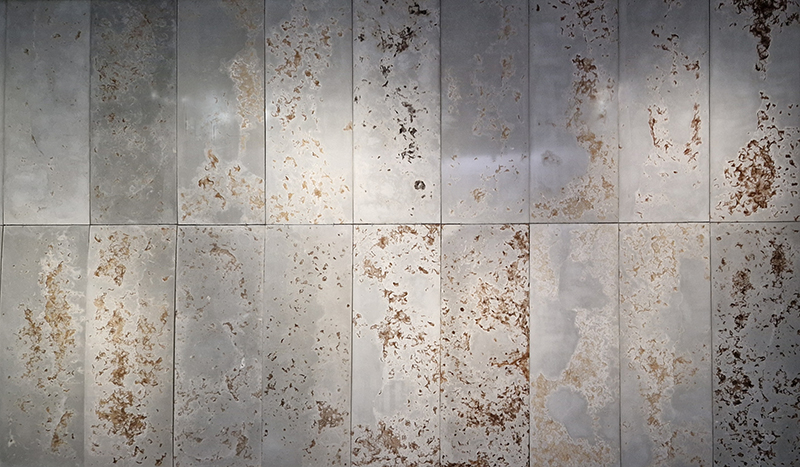
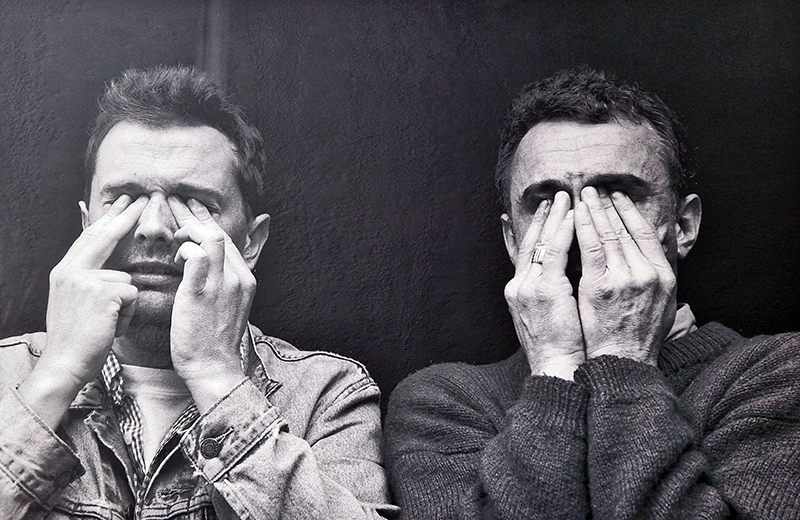
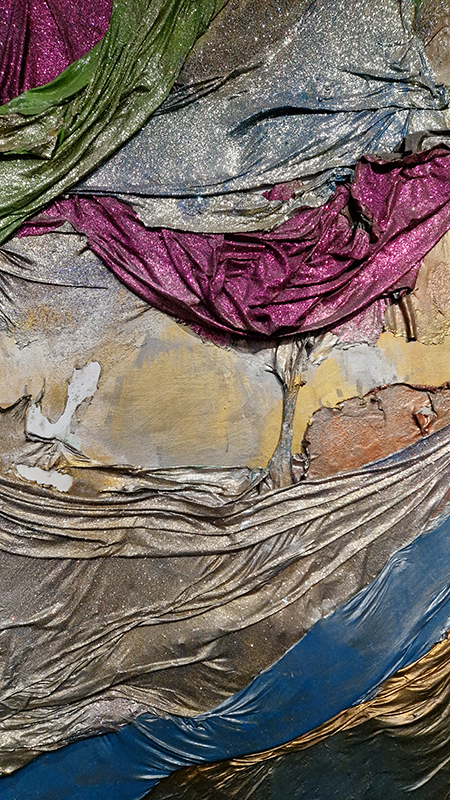
Materials celebrated through this exhibition included neural pathways stimulation of the visual system by pressure on the eyelids to see phosphenes, glittery thick folds of acrylic on canvas, leaded glass breakages, ephemeral copper wire net, faux marble that is actually hair on the barbers concrete floor.
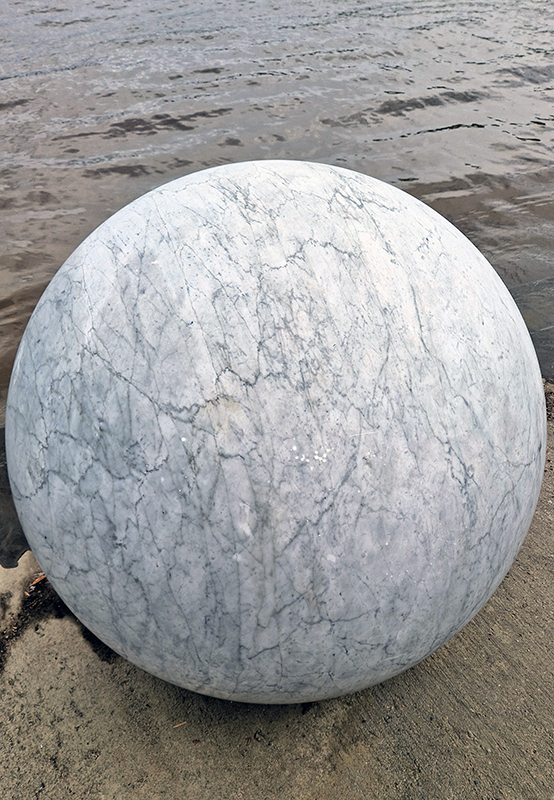
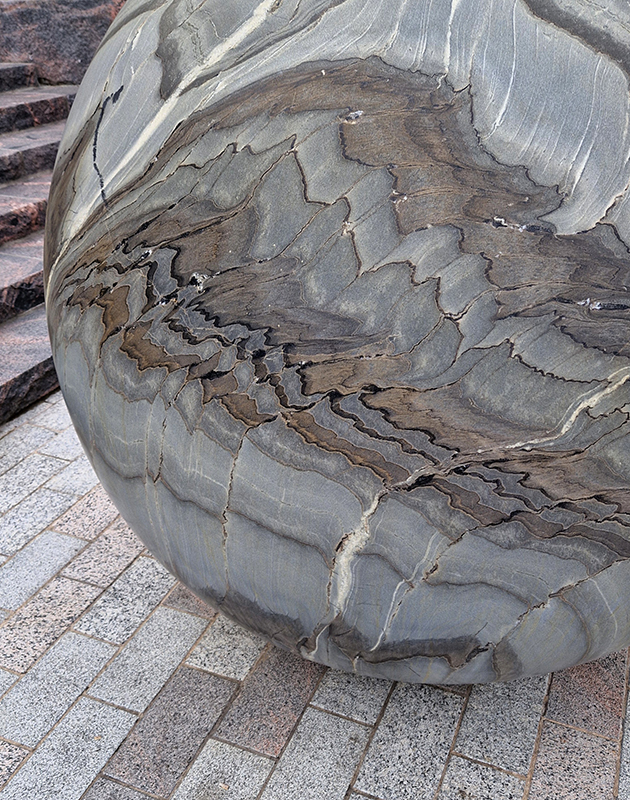
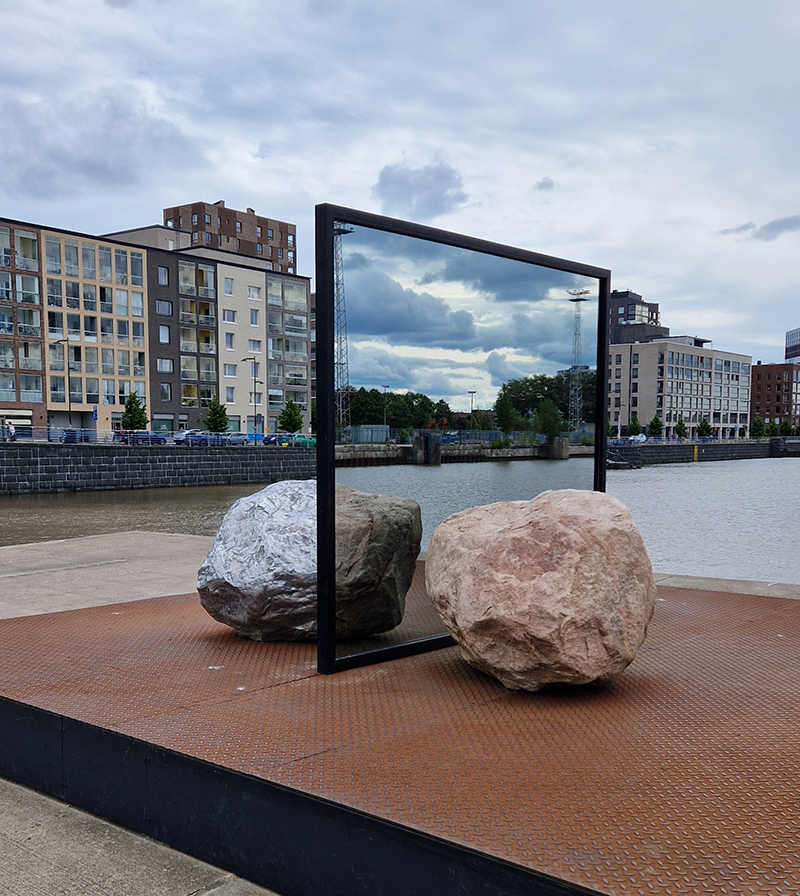
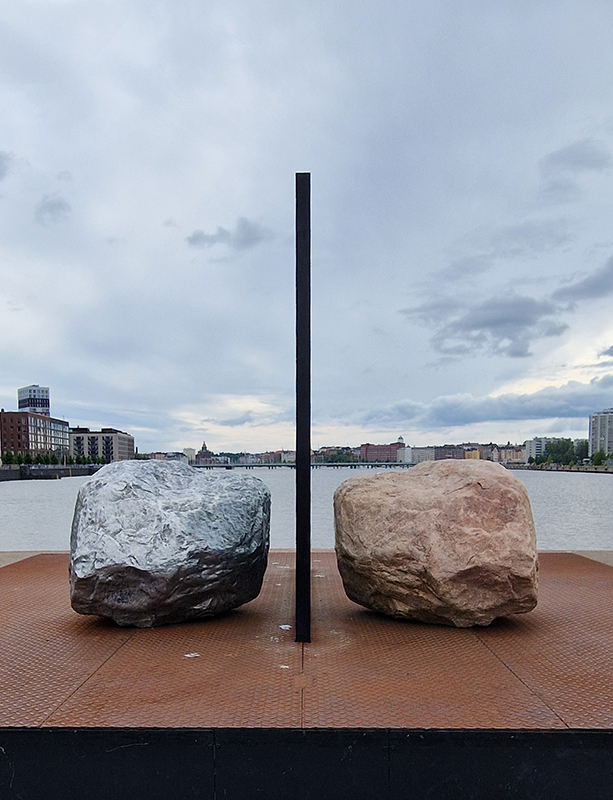
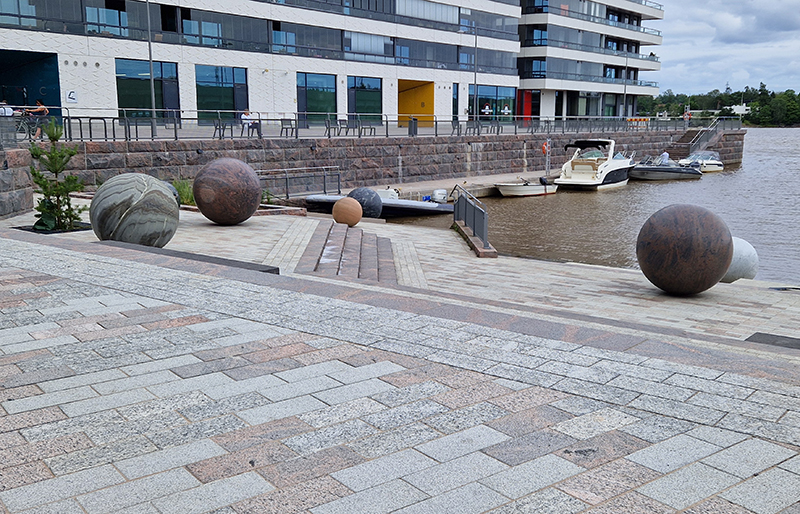
With my head still full of the geological (unconscious) it was great to see the works of Alicja Kwade, Big Be-Hide (parallel universes – natural rock and a metallic copy either side of a two-way mirror) and Pars pro Toto (a part for the whole – stone planet like spheres) from the 2021 Biennial now installed in Helsinki’s Kalasatama district.

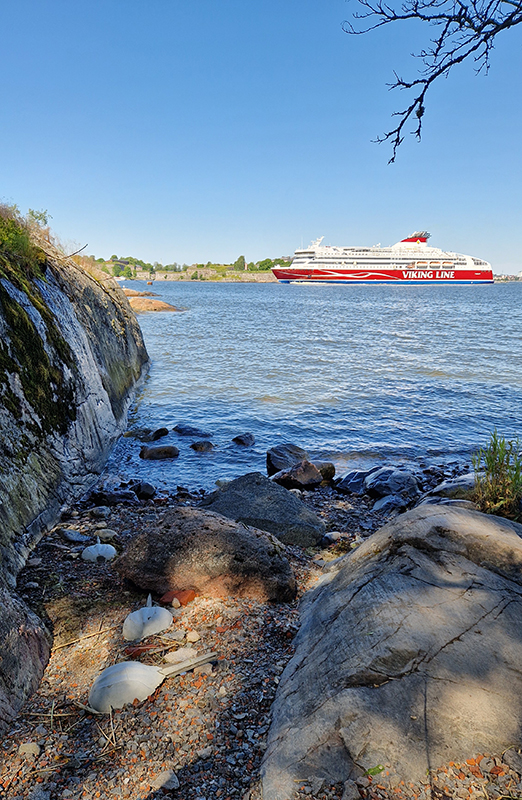
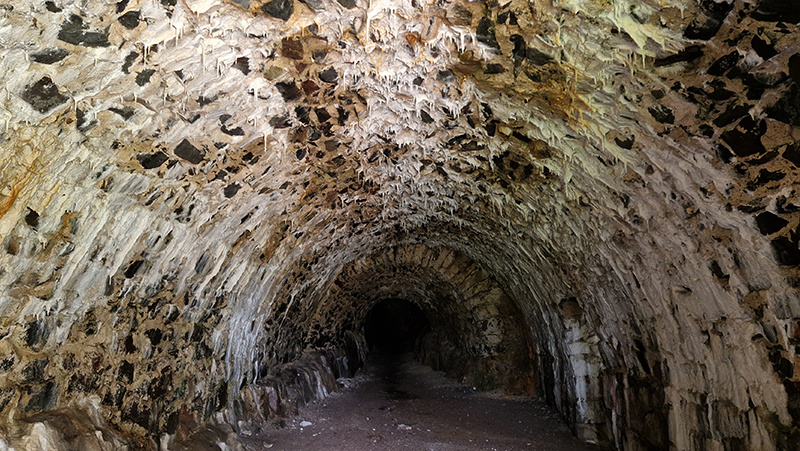
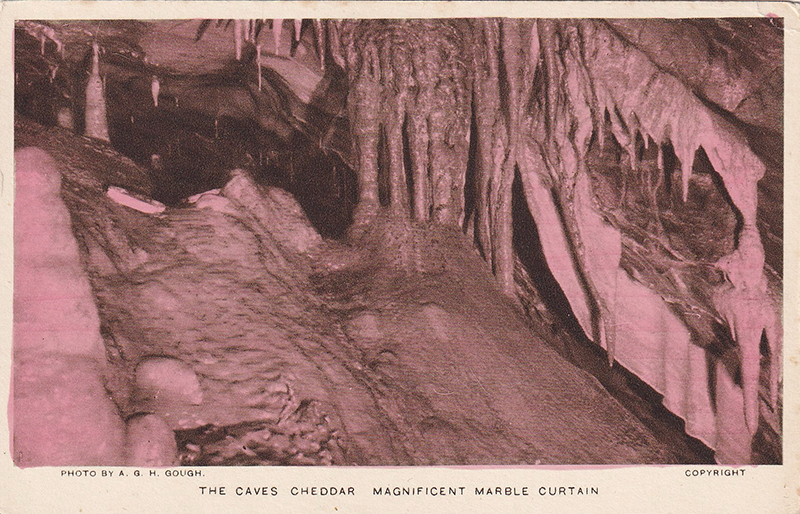
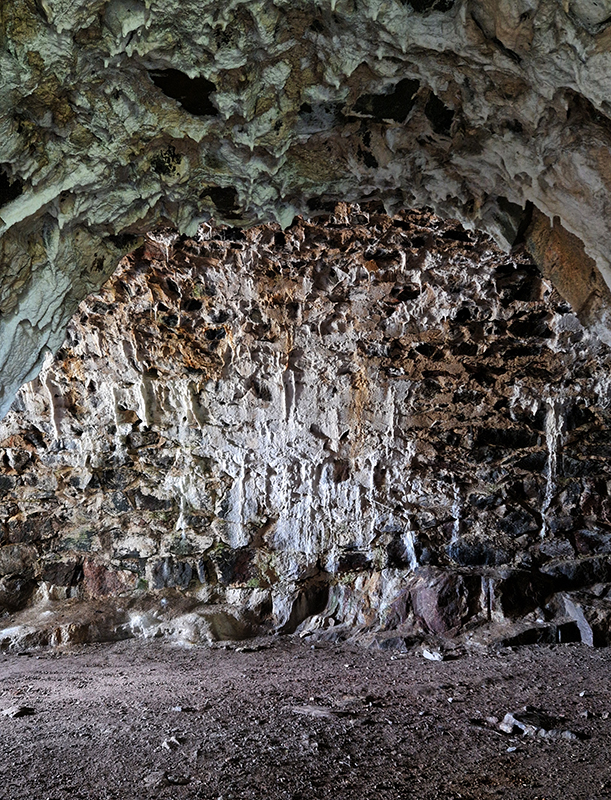
Another ‘geological’ delight was the unexpected appearance of stalactite’s forming in the tunnels of the military sea fortress built in the 1700’s on the island of Suomenlinna, a UNESCO World Heritage site.
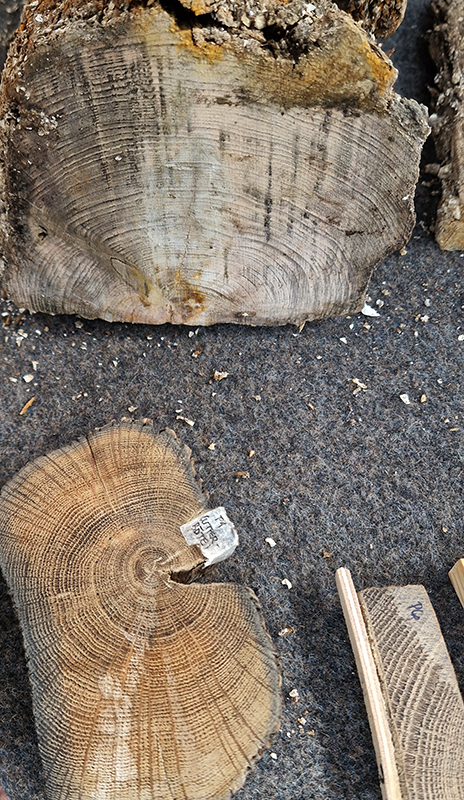
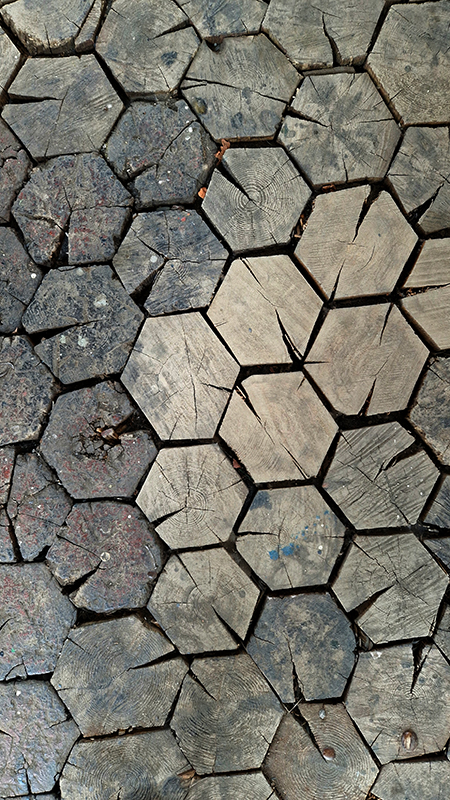
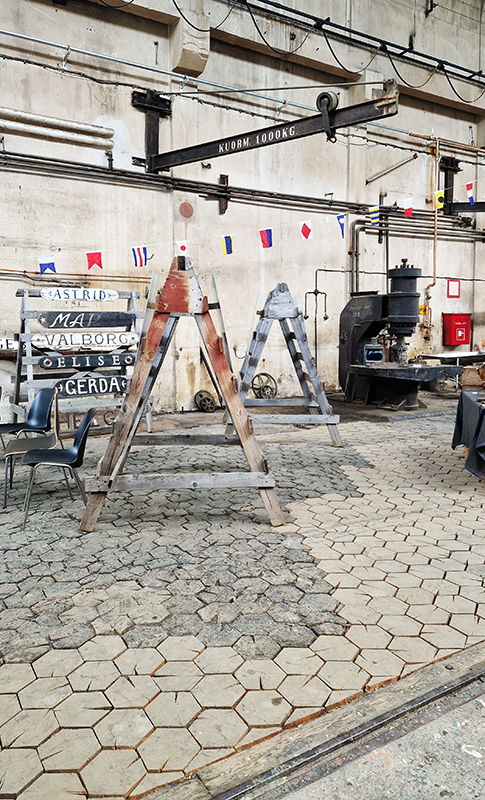
I loved the amazing hive like wood floor at Suomenlinna boatyard. Every tree carries a memory of the past, recording the weather and conditions of each season. Dendrochronologists can work out exactly when a tree was cut down which is very helpful in underwater archaeology. Around Suomenlinna there are shipwrecks beneath the sea with no identifying features except their wooden timbers which incredibly hold clues to when and where the trees used were felled. Marine archaeologists, shipbuilders and forest scientists are working together to discover the stories behind the lost ships.
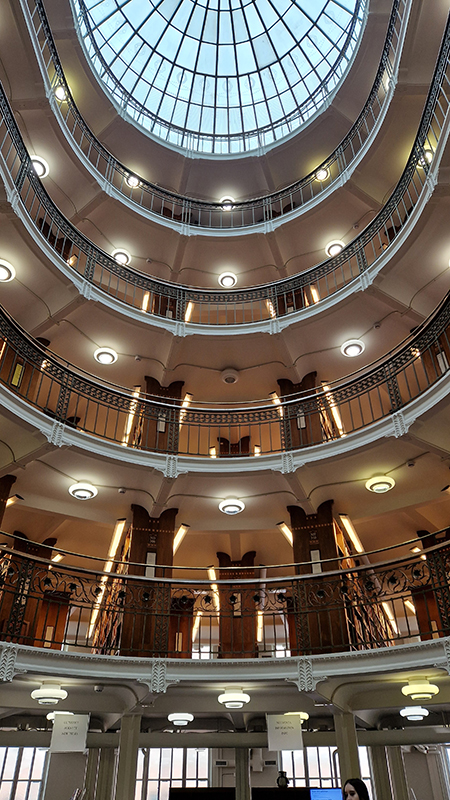
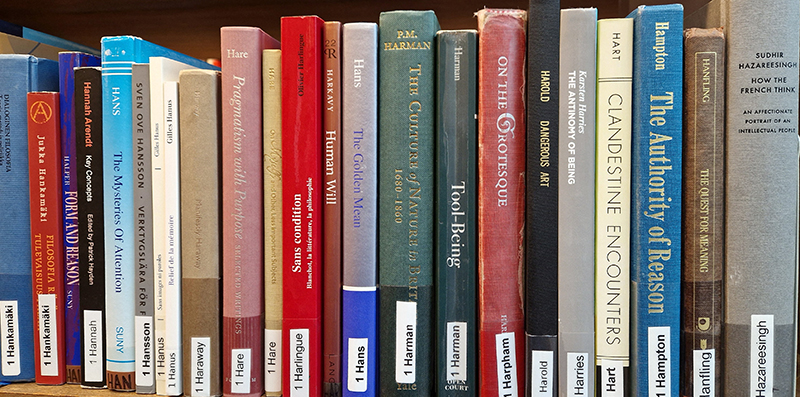
Helsinki is big on amazing libraries. The National Library of Finland is stunning and bursting with tantalizing books to explore, and the new Helsinki Central Library Oodi takes your breath away in its scale and sweeping curves.
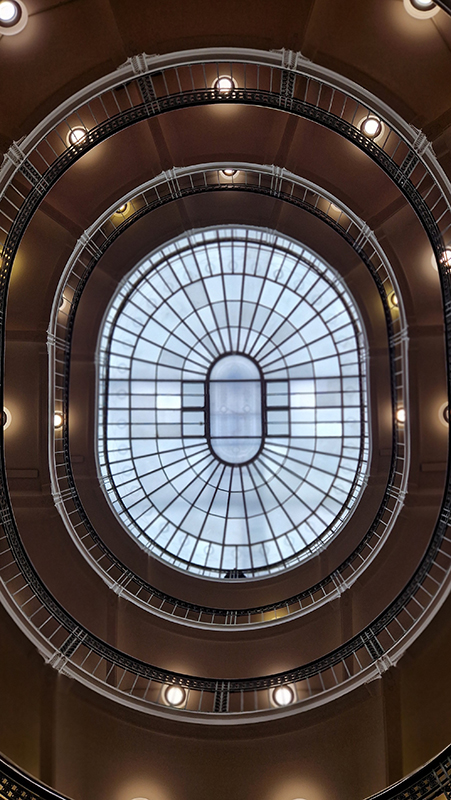
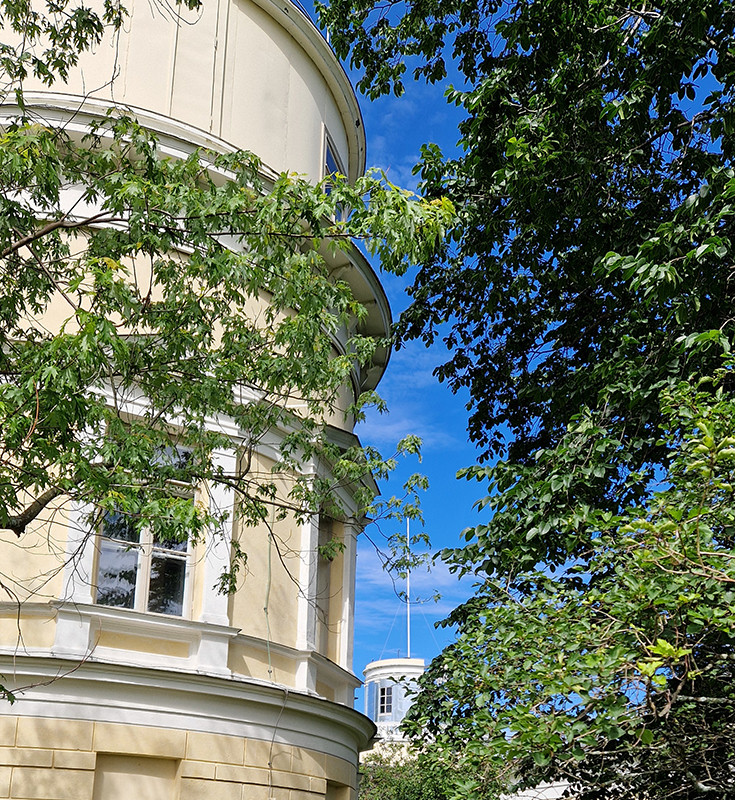
Sadly Helsinki Observatory has long since stopped functioning as a place for active astronomical research (2009) and is now a museum. It was disappointing that the electronic cloud chamber they possess wasn’t switched on but there were some interesting instruments to wonder about in the meridian room.
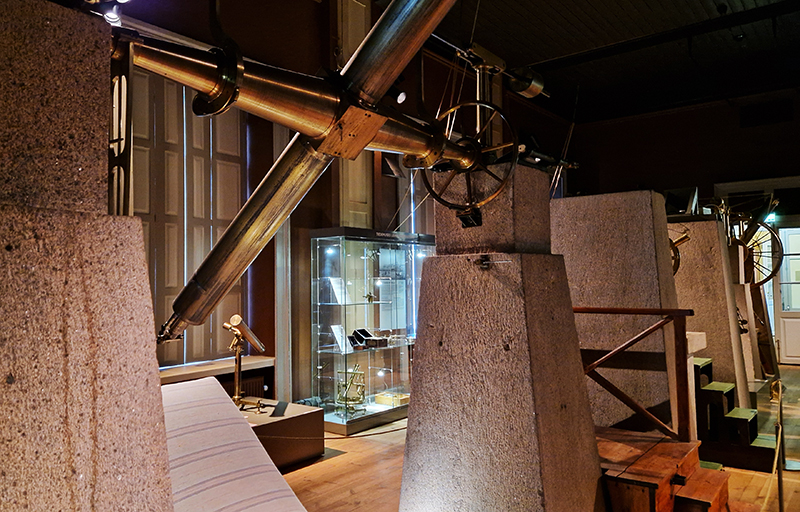
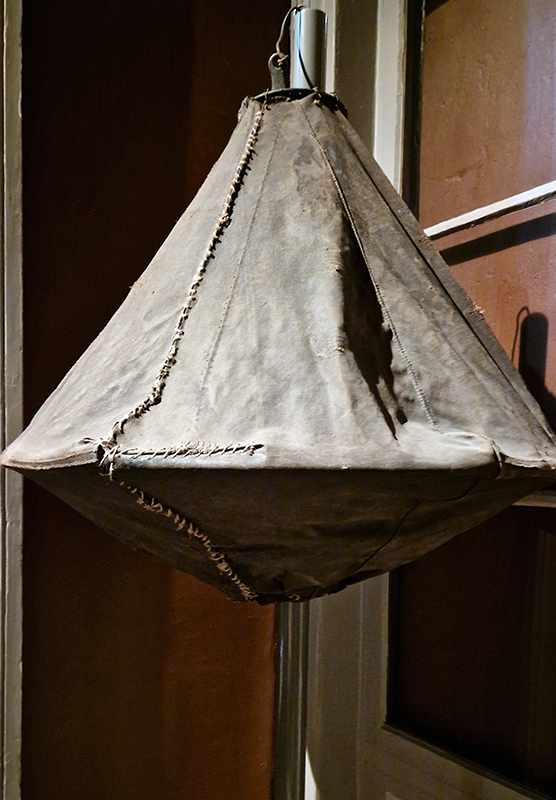
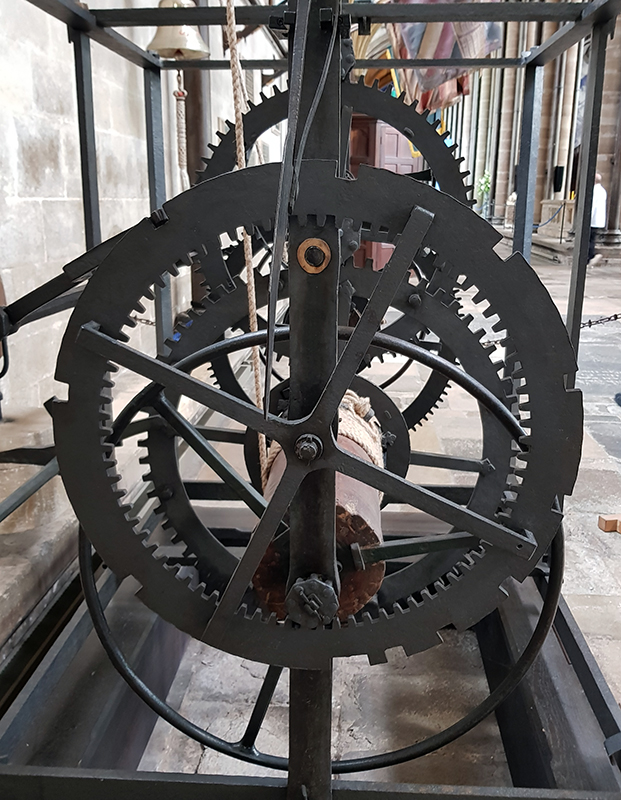
Each day the time signal bag was hoisted to the top of a mast on the roof of the observatory just before noon and dropped down exactly at noon. The correct time having been determined by an astronomer observing the stars at night. This event could be seen from Helsinki Central Railway Station where the station clock was then synchronised. This method of time keeping for Helsinki residents was in use until the 1920’s.

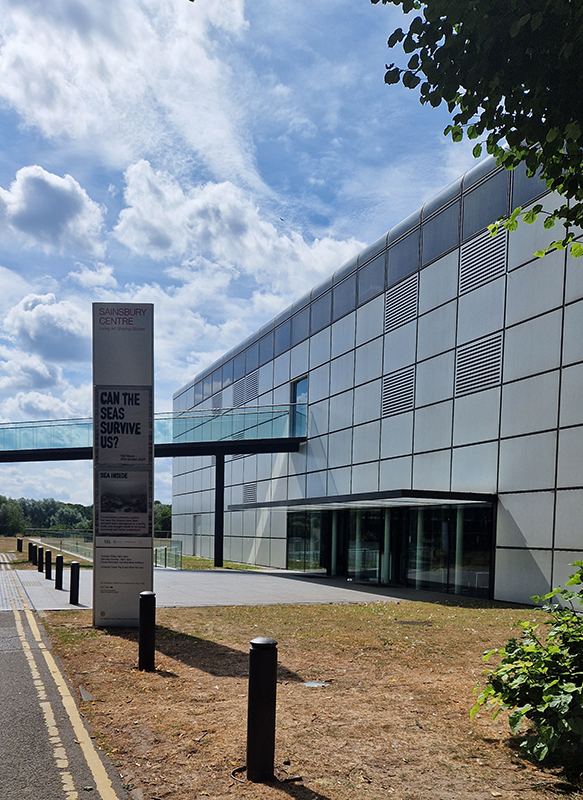
The future of our oceans is explored in the Sainsbury Centre’s Can The Seas Survive Us?

The sea has often been viewed as a mysterious ‘other’, with its expansive surface and seemingly infinite depths dominating marine imagery in the history of Western art. Artworks in this exhibition explore the ways the oceans have been domesticated, reimagined on a bodily scale and brought inside to be tamed, contained or better understood. Sea Inside turns our oceanic gaze towards the sea’s more intimate spaces – whether physical, psychological or imaginary – and dives into shared watery origins, Indigenous ways of life and the items we remove from the sea to display on land.

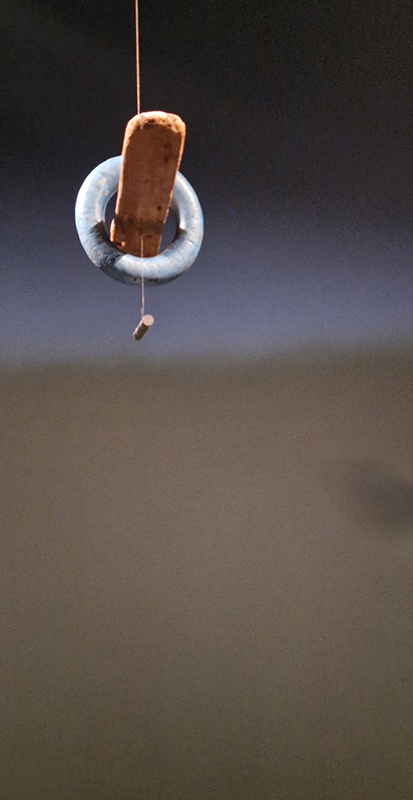
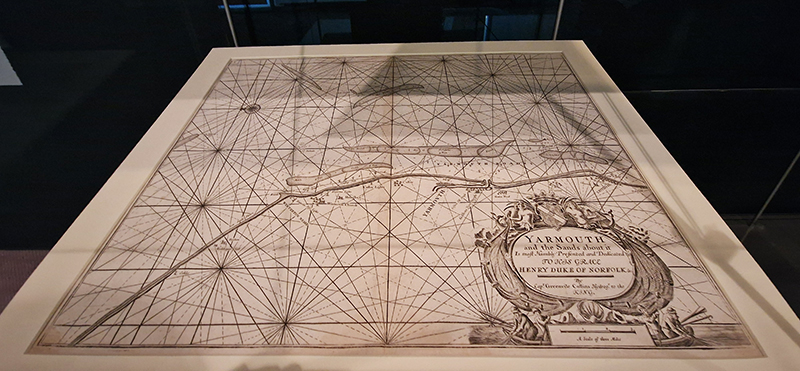
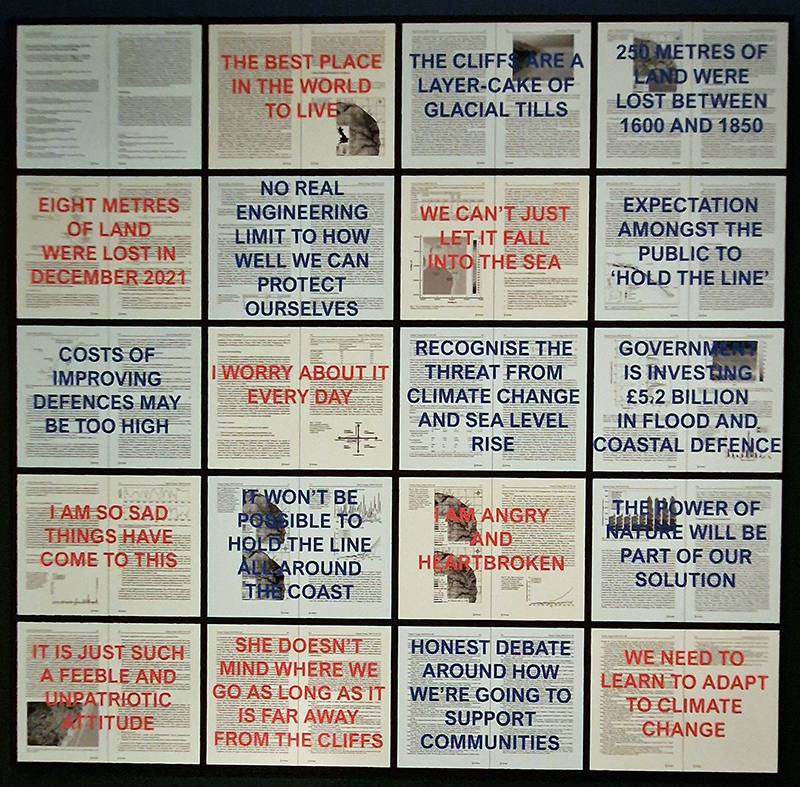
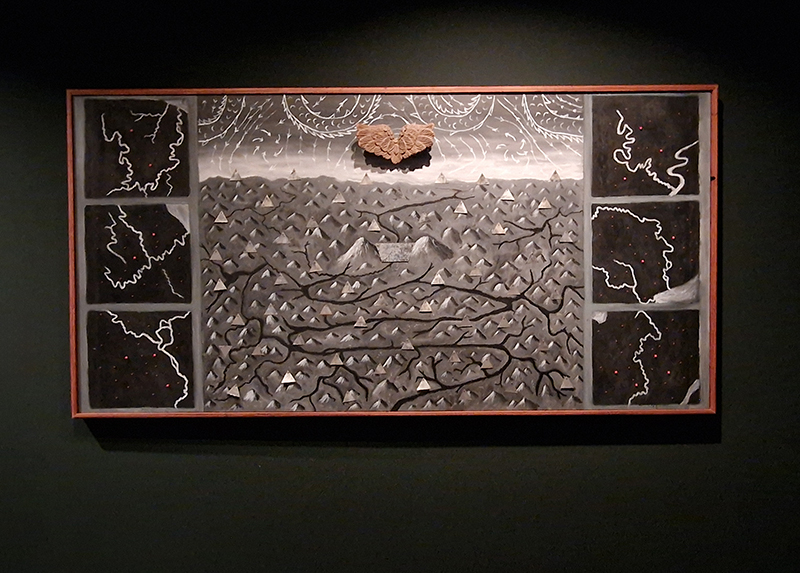
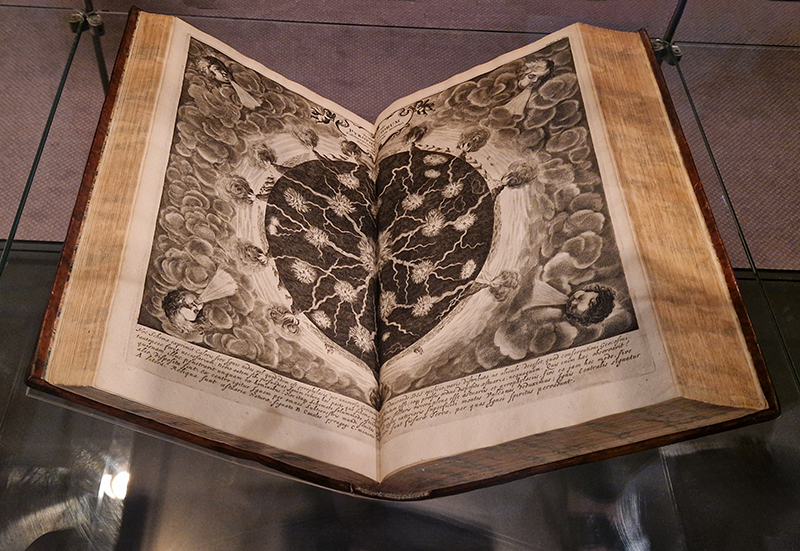
A World of Water takes the North Sea and the historical relationship between Norfolk and the Netherlands as its starting point to look at the human impact on the sea. It was wonderful to see the original book Mundus Subterraneous from 1664 by Athanasius Kirschner whose geological illustrations and speculations I have been fascinated by. Olafur Eliasson’s suspended Shore Compass uses driftwood to reflect on navigation of an uncertain world. Some great maps in this exhibition including the intriguing map of sandbanks off the coast around Great Yarmouth. I have enjoyed following Julian Charriere’s visually dramatic work on Instagram so it was good to see these images scaled up. Andrew Watkinson’s montage based on research from the Tyndall Centre for Climate Change about coastal erosion in Norfolk swerves from resignation to resistance, hope to despair and took me back to my BA dissertation (The Communication Of Ecological Concerns Through Contemporary Artistic Practice, 2007) writing about climate change warnings coming from the Tyndall Centre and the frustration of researchers about distorted media coverage that made it hard for the public to understand the facts. Suffolk too has lost a lot of land to the sea since I was a child there. Although dreams of tidal waves are common anxiety dreams I believe mine were also influenced by overheard stories of the North Sea flood of 1953 when a storm surge coincided with a high spring tide, which my parents and local villagers remembered vividly, it was the worst flood of the 20th century in England and Scotland and many lives were lost. Maggi Hambling’s sublime Wall of Water holds frozen the terrifying waves that may threaten us while Cian Dayrit’s Dam Nation examines the impact to communities and ecosystems when water is held back or re-routed.
Darwin in Paradise Camp by Japanese-Sāmoan artist Yuki Kihara calls out that ” a reconsideration of what it means to be human requires a re-evaluation of the origin of the species.”

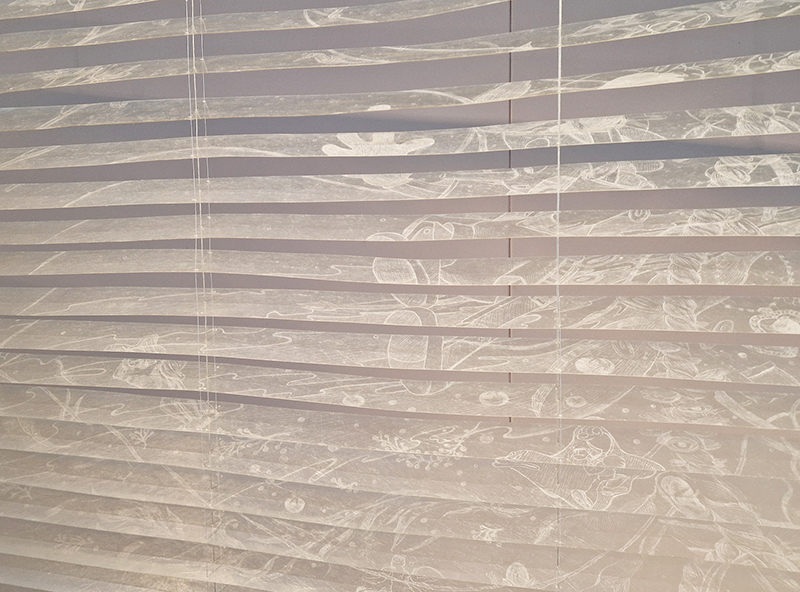
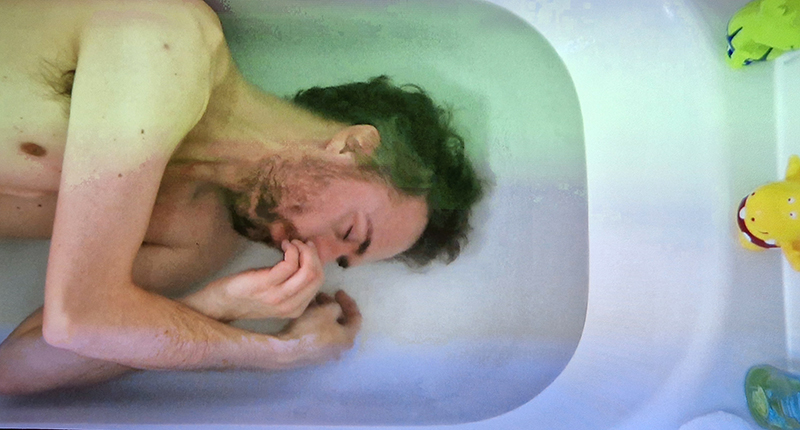
Sea Inside turns our oceanic gaze towards the sea’s more intimate spaces – whether physical, psychological or imaginary including work by Marcus Coates (attempts to create the call of the humpback whale in a bathtub), Kasia Molga (How to make an Ocean – the artist’s salt tears fill miniature glass capsules where algae is cultivated), Gabriella Hirst (ethereal images on hand etched fibreglass in a slatted structure that echoes the baleen inside a whale’s mouth).

At London galleries I saw work about tuning in to invisible forces, the importance of how we treat our fellow humans (dead or alive) and an assessment of the influence of past and present technology on hope for the future.

Islington Gallery Weekend is a great idea, just the heat while out walking that weekend meant I didn’t make it to all the galleries participating.

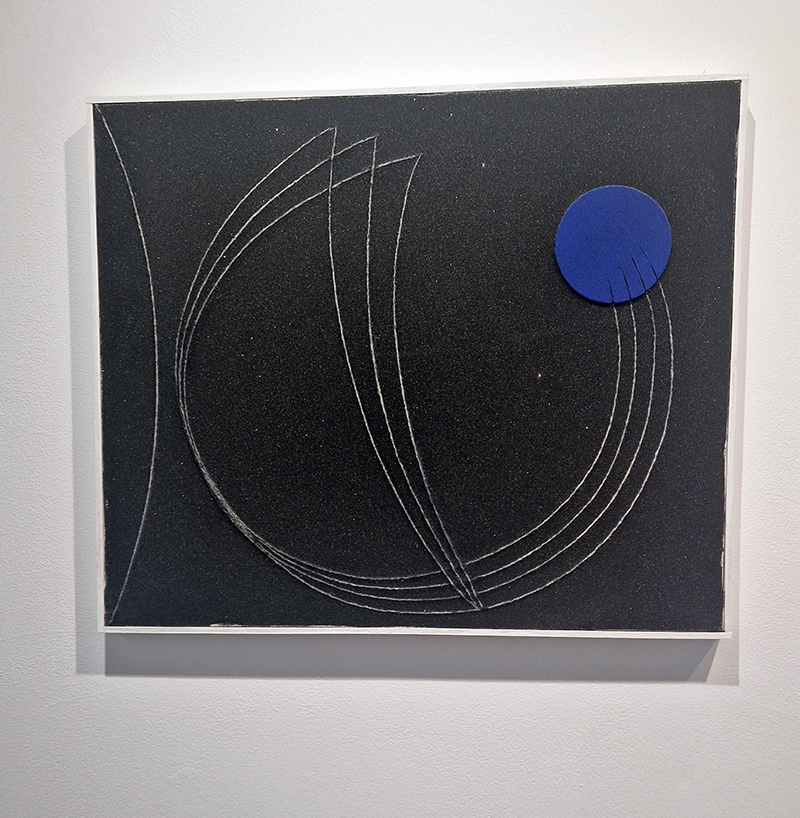
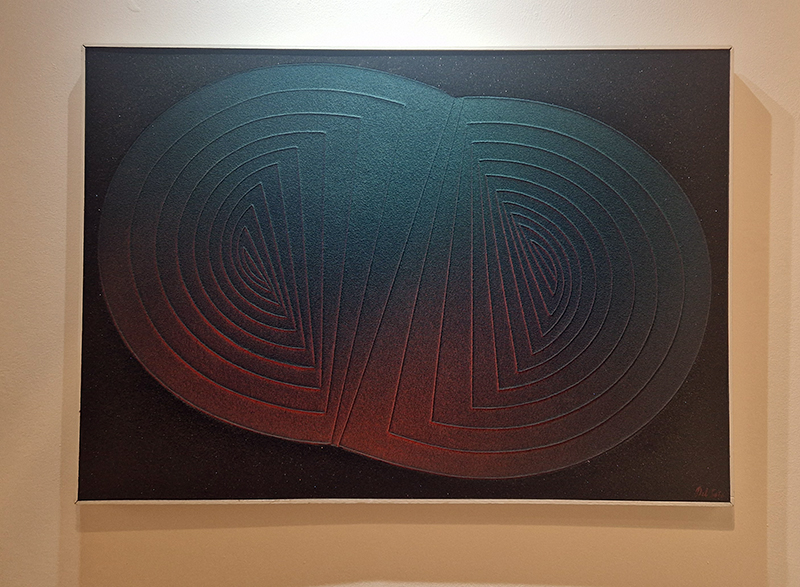
The Observatory at Bobinska Brownlee New River, presented abstract and textural works by Claudio del Sole, an artist and amateur astronomer who co-founded the ‘Astralist’ movement in 1959 inspired by the dawn of the space age. These cosmic inspired works are shown alongside those made in response to the Astralist manifesto by contemporary artists James Brooks, Robert Good and D J Roberts. Cocktails and an incredible performance on the piano of unique work by composer Edward Henderson were also part of the afternoon.
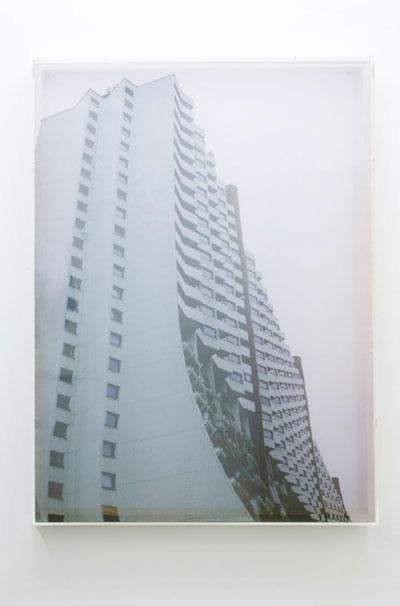
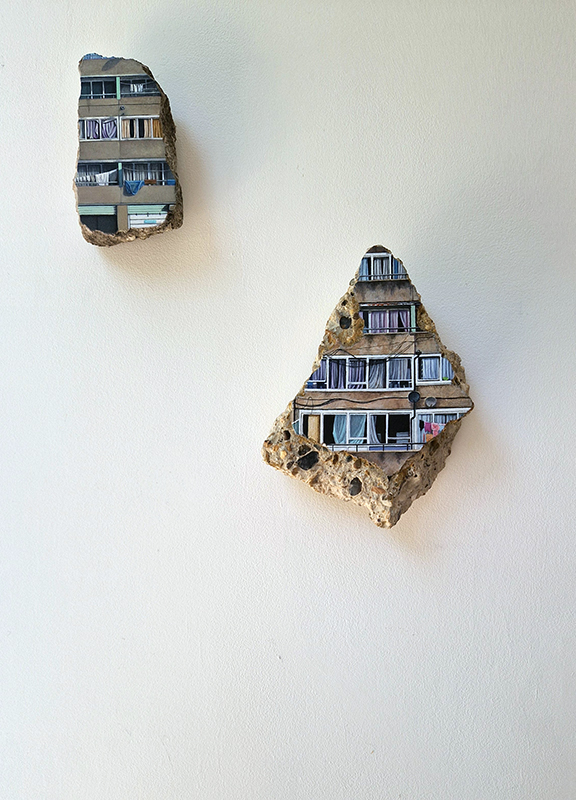
Poignant work from Harriet Mena Hill in Curtains at PostROOM Gallery. Fragments collected from demolition of the Aylesbury Estate in South East London are meticulously painted with details of the buildings that once were home to a community. An accompanying film gives voice to those who enjoyed life here before lack of maintenance and social care slowly stripped away the heart and soul.
Fascinating listening to Tracy Hill speak about her work in Natural Frequencies at White Conduit Projects which explores ways of being sensitive to invisible energies that move through us and our landscapes. Her experience of working with a water diviner feeds into her intuitive drawing processes and cut paper works.
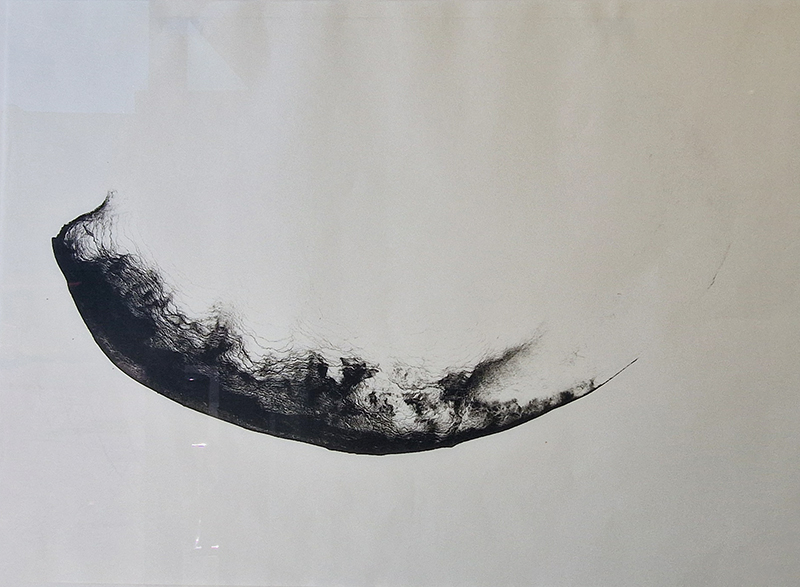
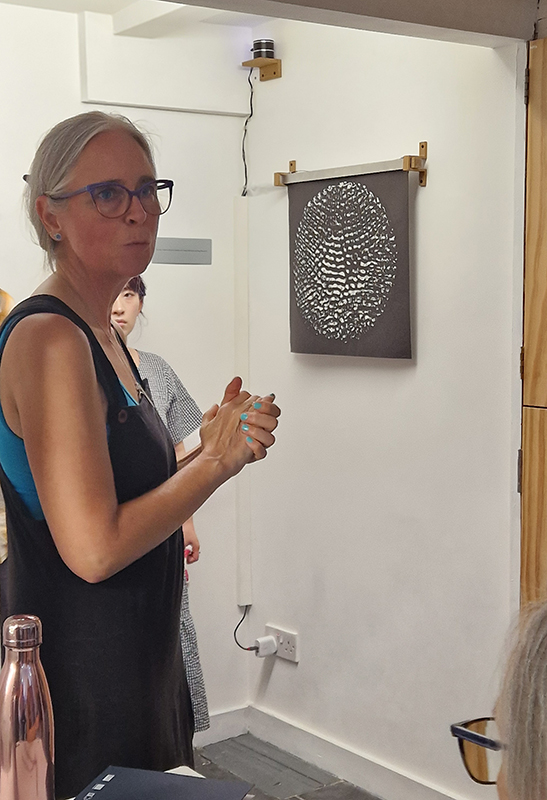
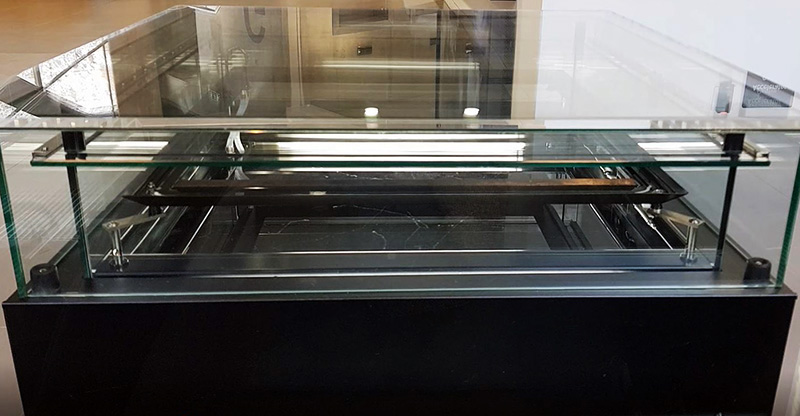
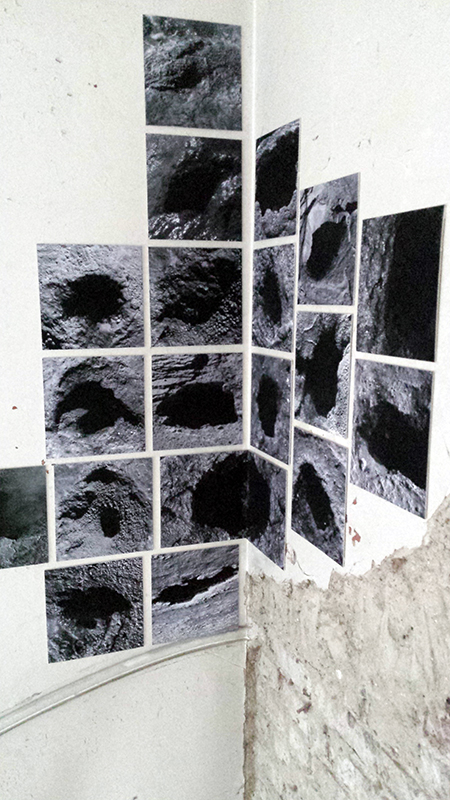
I was drawn to visit Gala Porras-Kim The categorical bind at Sprüth Magers to see these images which reminded me of the large hadron collider but made from marble. They are actually an examination of the conservation of marble tiled floors in Italy.
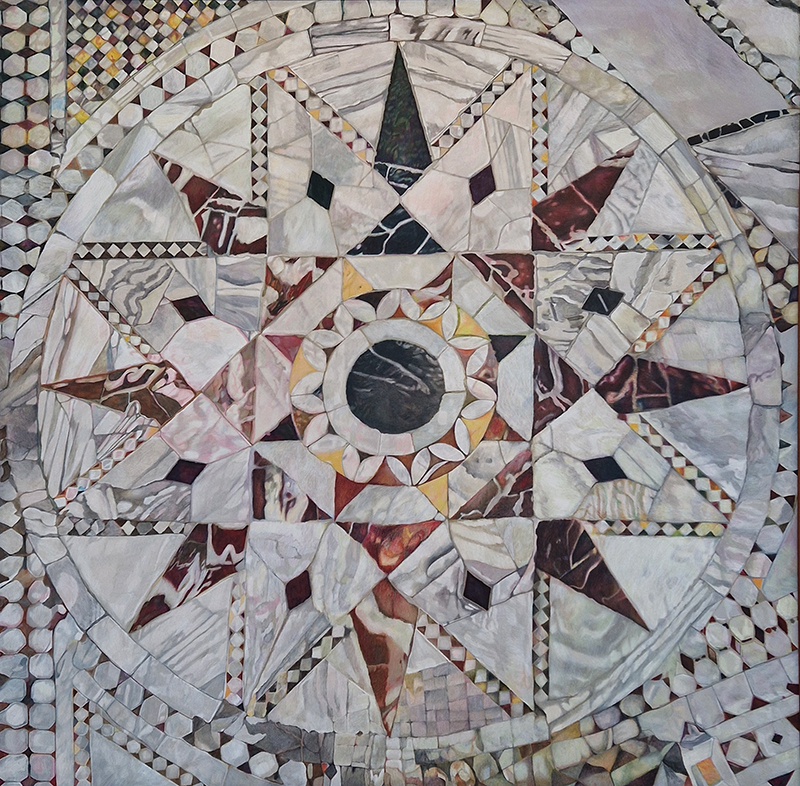
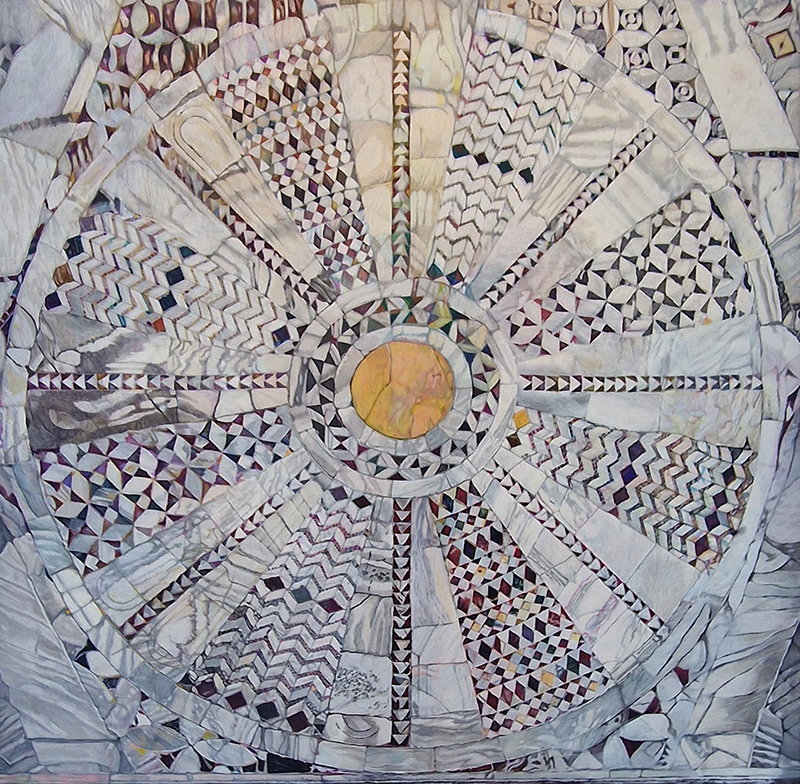
I remembered I had seen her work before at Gasworks and found it really interesting. In this piece she attempts to commune with the dead whose remains have ended up in a museum collection, possibly not where the living person had expected or would want.
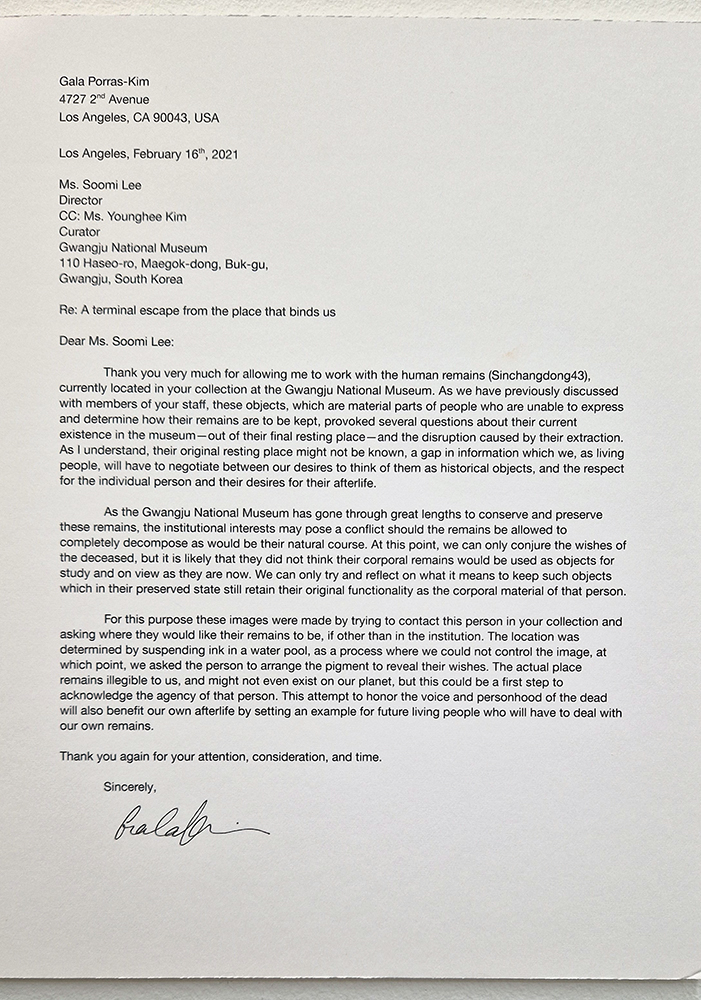
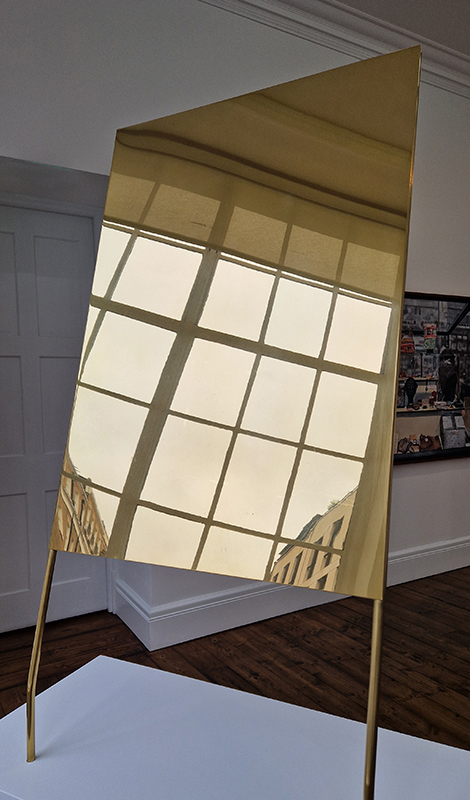
Gala Porras-Kim

All Earth energy sources are known to come from the Sun

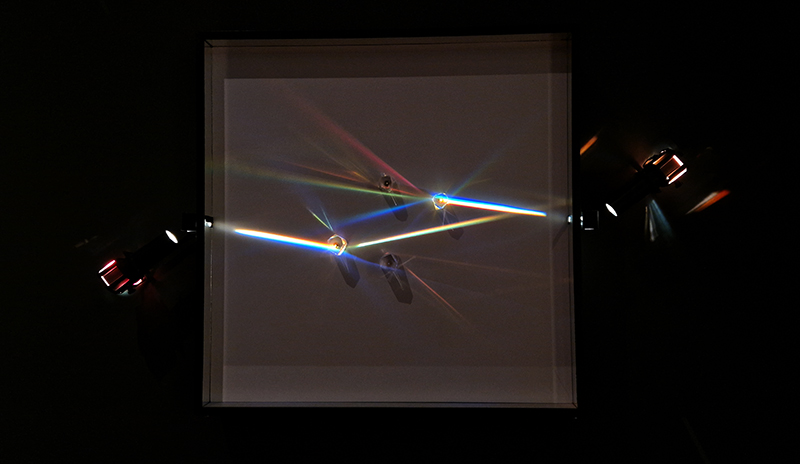
Brass, sunlight
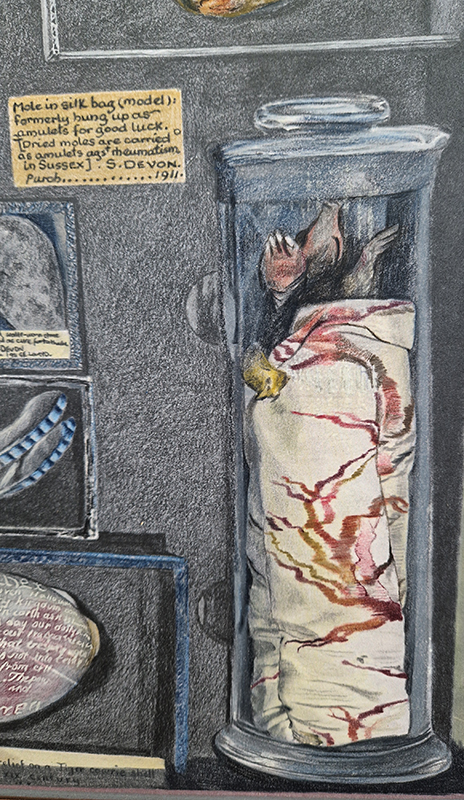
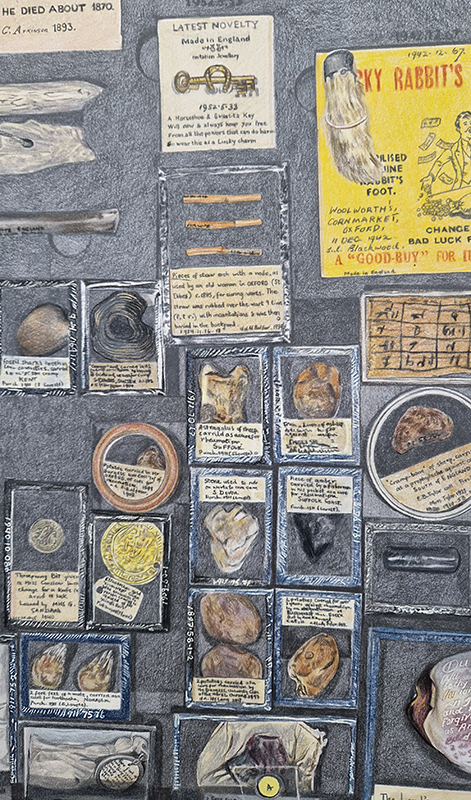
Most of the works were coloured pencil drawings of museum collections, giving agency to objects and questioning categorisation – this one of the poor mole amulet made me think of my mole killer brother who suffers from arthritis.
It is fascinating to think about how humans experience sound and consider frequencies occurring outside the human spectrum of sensitivity that other animals may be able to hear. Also to think about sound as vibrating bodily rather than auditory sensation. Barbican Feel the Sound requires a willingness for interactivity to experience most of the exhibits. The instructions weren’t always clear and so it was at times a bit of a frustrating journey through the space.

‘What truth could be more unexpected ….than the one in which the mineral envisions while also being envisioned.’ Jason Groves, The Geological Unconscious

‘This is the blueprint of nature itself; both hidden and revealed in a nodule of silica.’
Roger Caillois, The Writing of Stones

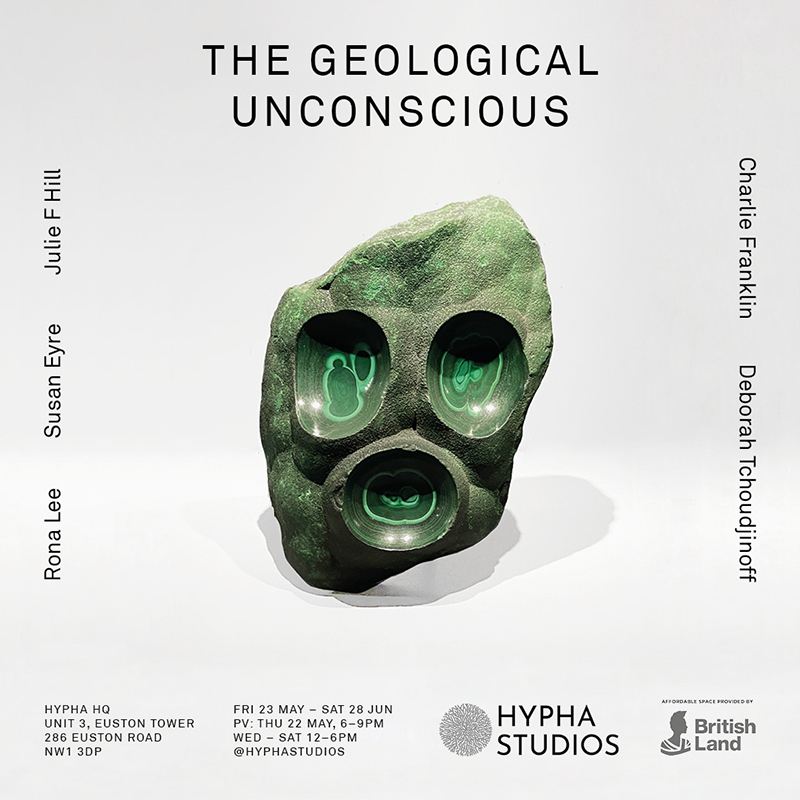
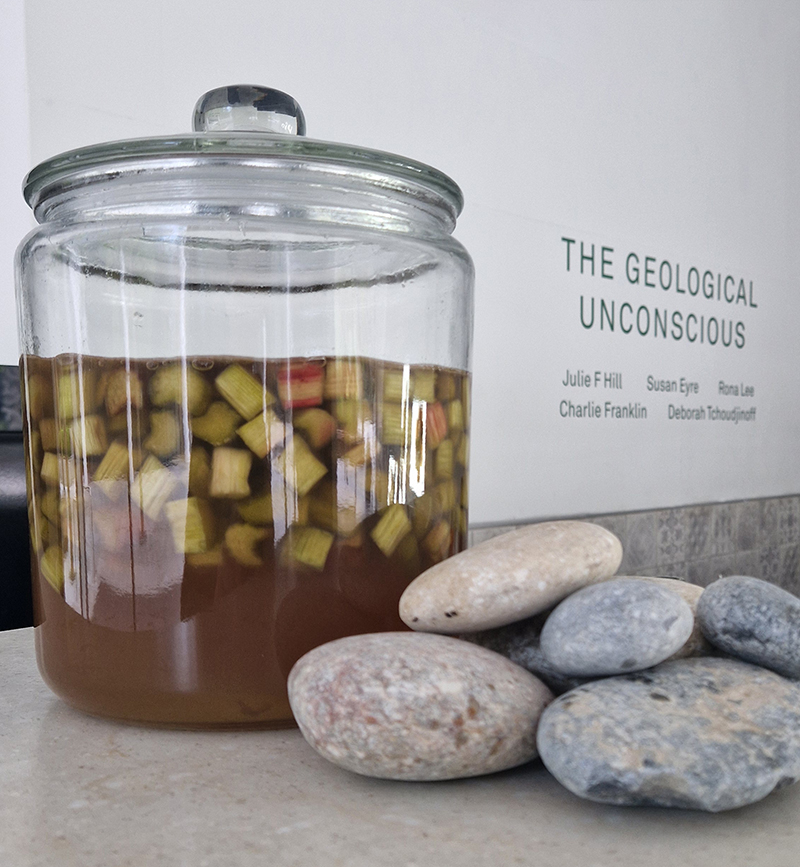
The Geological Unconscious opened with an exceptionally busy Private View. It was a fantastic evening with lots of great feedback. With a multi-disciplinary approach, large-scale installations and sculptural works sit alongside embroidery, video, expanded print and photographic work, to create material intimacies that help situate us in scales beyond the human.

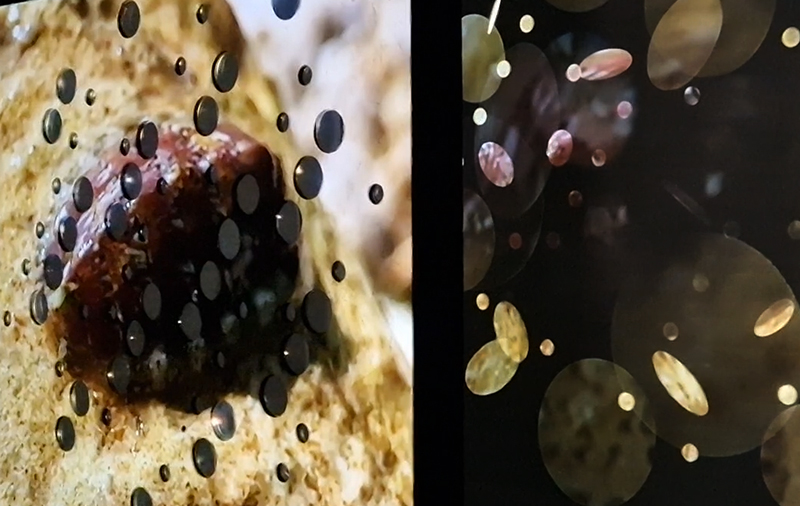
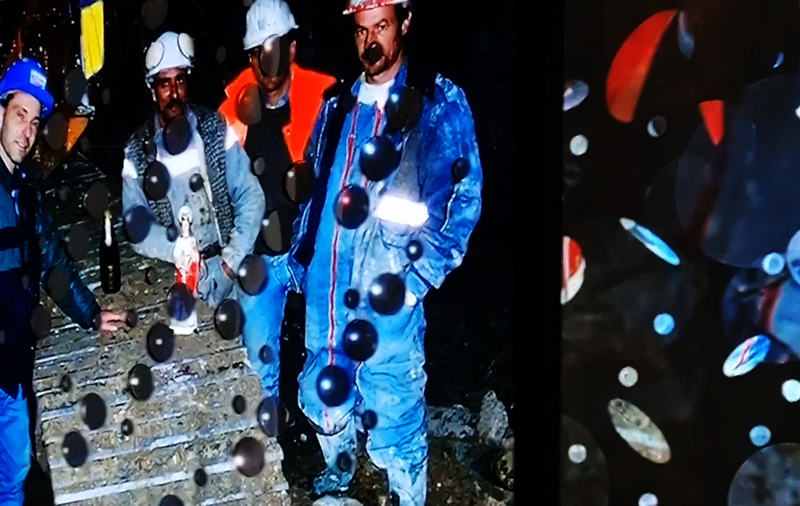
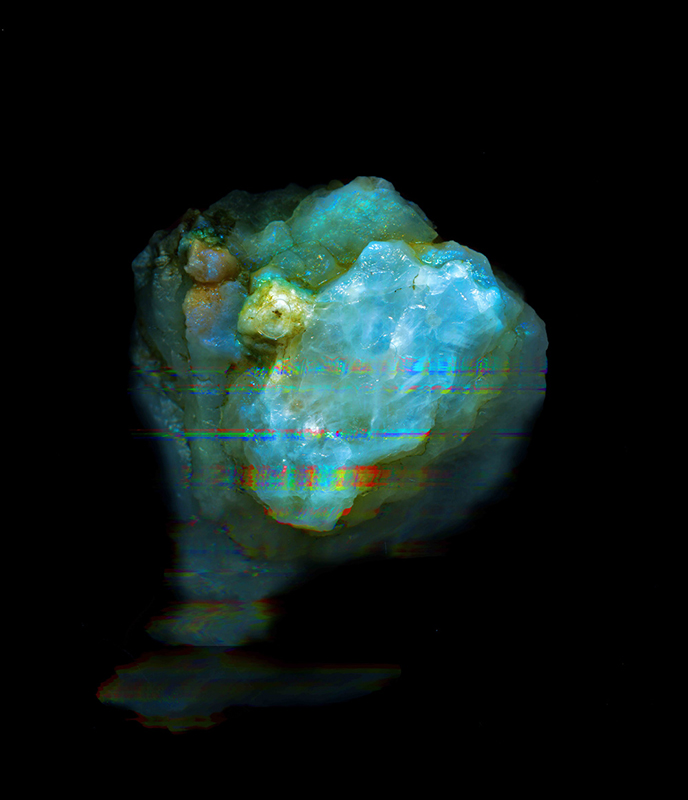
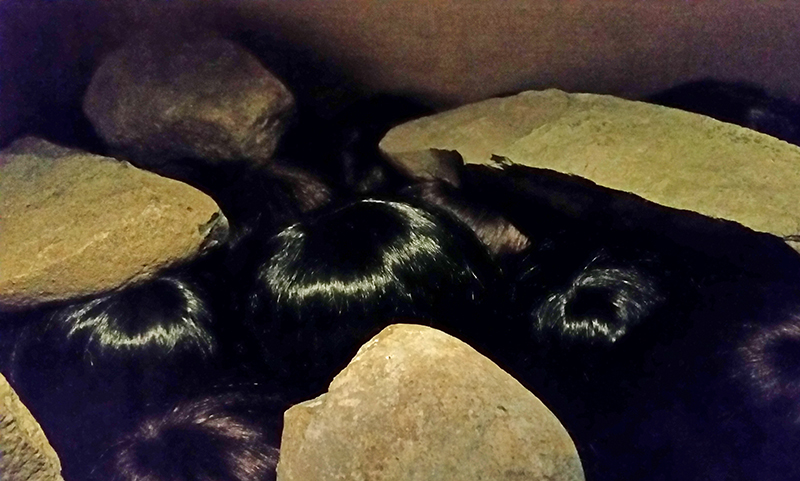
My video installation Lithos Panoptes imagines a view of the world from the perspective of the rock via the molecular structure of magnetite. Referencing a many-eyed giant of Greek mythology, Argos Panoptes (always eyes still awake), the work considers the perpetual vigilance of rock as record keeper and witness.

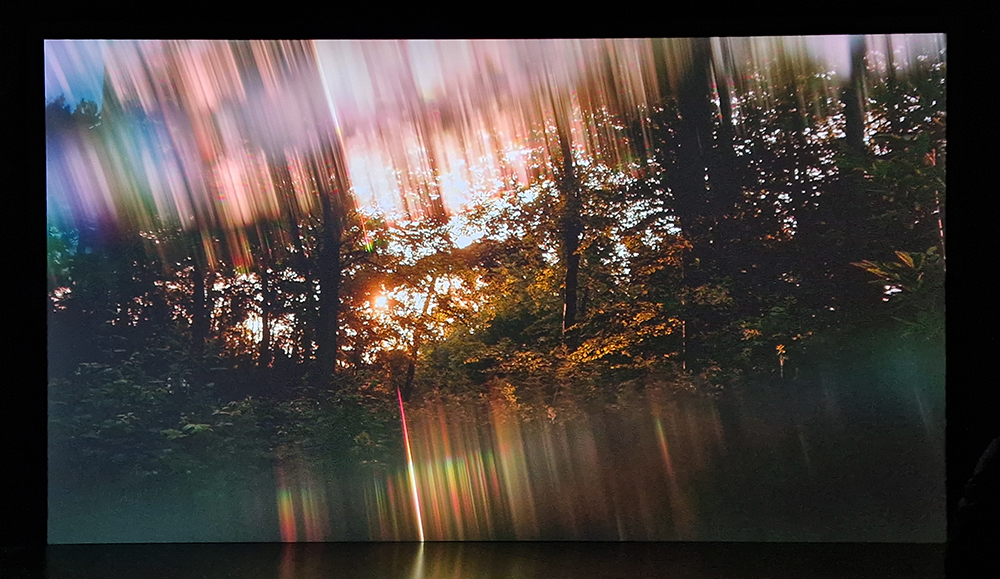
Video of human activity projected through distorting optical lenses transforms the anthropocentric position to imagine the perspective of the rock.

Magnetite is a mineral found in magma and metamorphic rock in Earth’s crust as well as in meteorites. Magnetite nanoparticles are also found naturally in organisms and are known to aid magnetoreception, a
means whereby animals and birds orientate themselves by sensing polar direction.
Through these actual and metaphoric lenses the relationship between the organic and non-organic is explored. Imagery includes allusions to scientific research into the dramatic overwhelming of innate magnetite in human brain cells by nanoscale pollutant particles of magnetite released into the air by traffic; the unique qualities of the chiton, a mollusc with hundreds of tiny eyes made from rock rather than biological material and teeth primed with magnetite and containing recently discovered mineral santabarbaraite; Saint Barbara, patron saint of miners and tunnellers, adopted when the use of explosives in mining escalated in the 1600’s and whose benedictions are still sought today with shrines installed at tunnel entrances at Crossrail and even at CERN, the epicentre of scientific rigour.

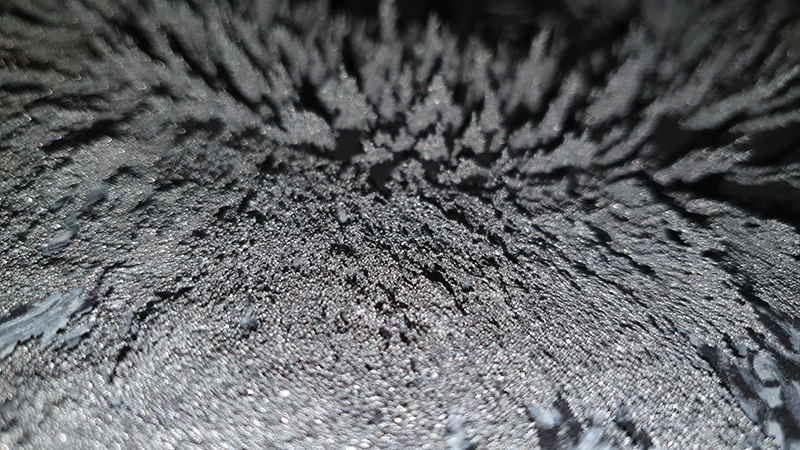
Also showing the video sculpture Belly of a Rock – describing an imagined place of chemical conversations at the intersection of the animate and inanimate. Under a crusted shell, surfaces slide and scrape along lines of fissure, distended innards ooze and rocks moan as they are distorted by untold pressure. The turbulent spiralling of the molten core births rock and lifeforms which are acted upon by the drag of an oscillating magnetic field.

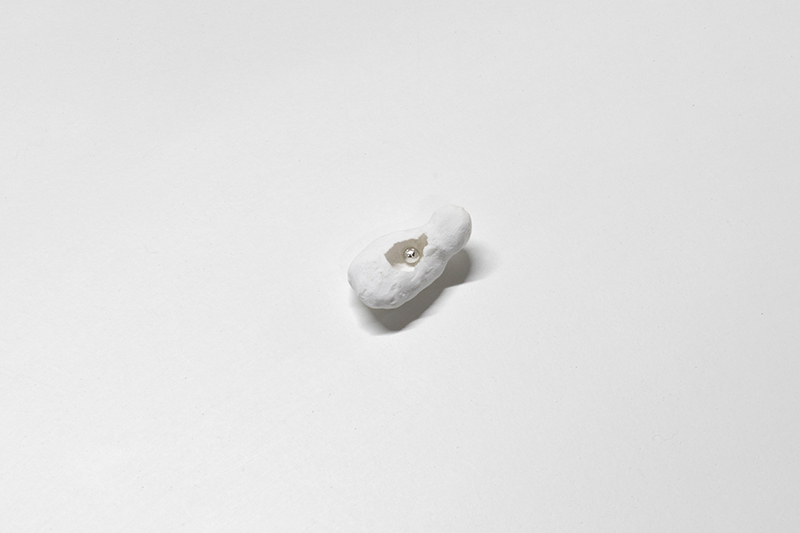
Julie F Hill’s large-scale sculptural print installation Parent Body, uses scanning electron microscope imagery of samples recently returned from asteroid Bennu. The data features detail of carbon-rich and organic ‘nano-globules’ which have been theorised as ‘proto-cells’. The sculpture evokes astro-geological-biological material lineages across deep space and cosmological time. In a contrast of scale, Julie is also showing Return, 3d print of asteroid Itokawa cast in plaster-of-paris with a bead of Iridium. Iridium is an rare-earth element more abundant in asteroids than the Earth’s crust. This miniature work considers the cross exchanges between space and earth and in a gesture of reverse sample return (scientific missions and human extractive processes both take), a bead of Iridium is returned to the belly of asteroid Itokawa.

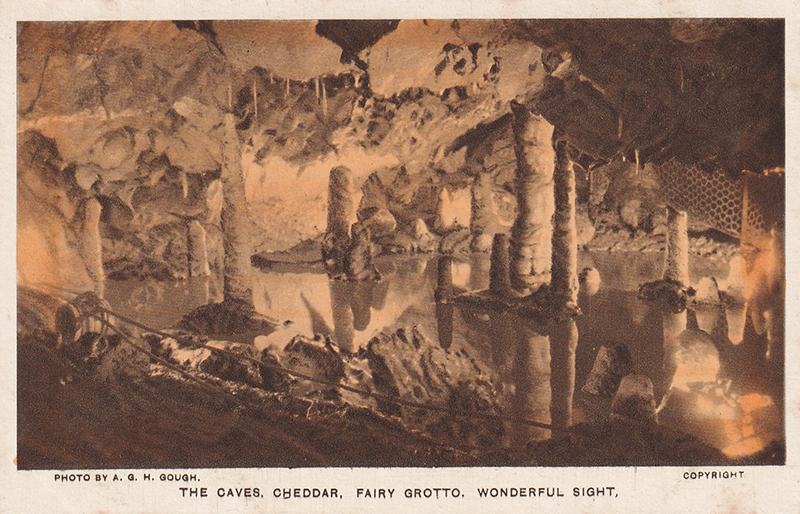
Charlie Franklin’s work considers control, physical experience and memory within the natural landscape. Her research includes how formations such as standing stones, grottos and geological debris remain or change across time. With a particular interest in materials and the properties they hold, she is experimental in her approach to making. Everyday items including cardboard, plastic sheeting and gaffer tape are repurposed to build the foundations of her sculptural work. Franklin also collects found imagery such as postcards and photographs, which she reworks to become something else.


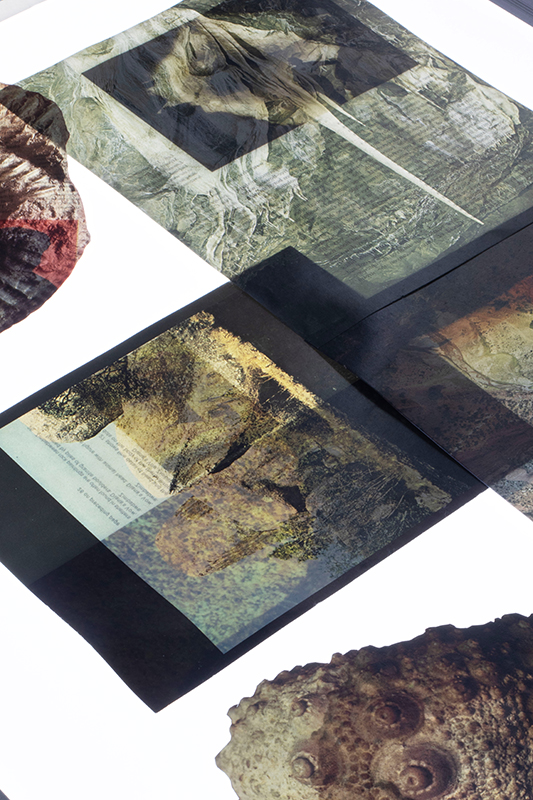
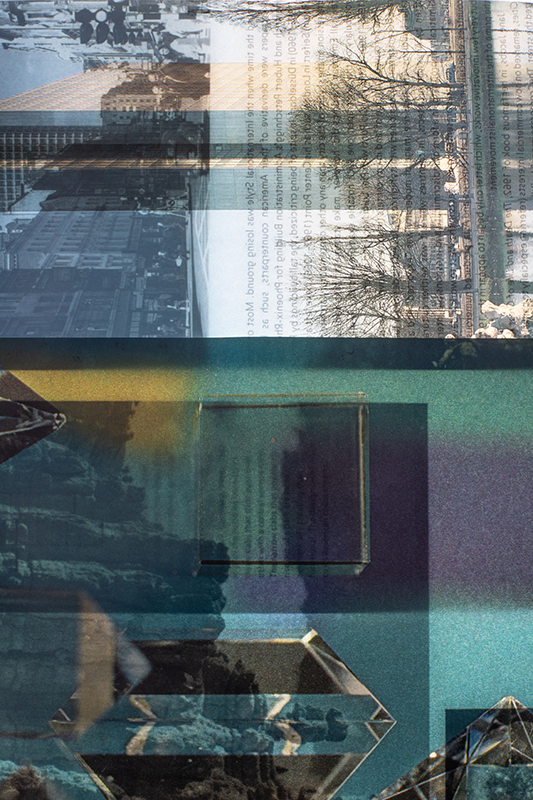
In Litho/Domous, Rona Lee layers photographic plates from mass produced ‘coffee table’ books onto lighting panels, utilising the ‘bleed’ between them that this reveals, to evoke the tectonic instabilities of
contemporary eco relations. Originating in the post war ‘golden age of capitalism’, and designed as statement pieces for home display, the aspirational focus of these image-rich publications on culture, travel, landscape, can be said to prefigure the arc of the smartphone in making the world consumable. At the same time titles such as The Mineral Kingdom and Library of Nations speak to the legacies of the Enlightenment project, offering up an order of things in which Mankind / the Anglophone world is positioned as ascendant and Nature – along with ‘other’ cultures – is ‘put on the table’.

Deborah Tchoudjinoff’s video installation The City of Gold takes a speculative look at Earth in the far future. Her work considers vast, beyond human, geological timescales where continents have once again become one. Past supercontinents create room to speculate upon future ones if we understand Earth as shifting, moving matter. Starting as a short fiction text Tchoudjinoff began to form an imagined world of cities in a future supercontinent of Amasia. The fictional cities named after the minerals that are heavily sought – rare earths, copper, uranium, gold, and coal – hinting at the narrative of an Earth depleted of the resources we rely on. The City of Gold is one of five imagined cities.

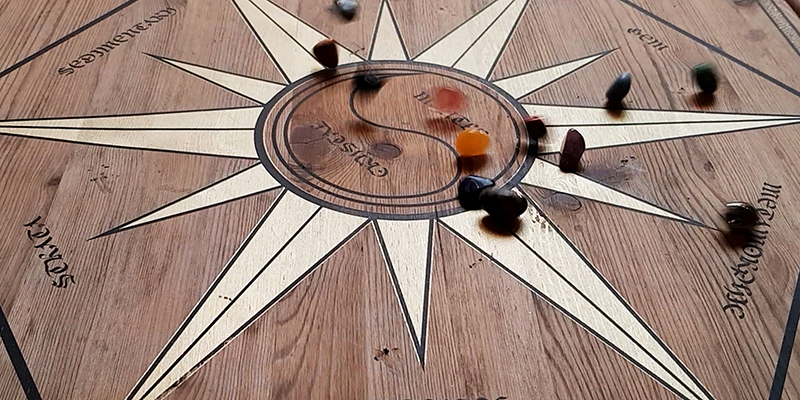
An accompanying events programme includes an urban geology walk with Geologist Ruth Siddall, discussing the origins of the local built environment; Cheong tasting by chef Moonhyung Lee who explores human-mineral entanglements through digestion; a crystal growing workshop led by Julie F Hill and I will be offering visitors lithomancy readings every Friday afternoon. The reading of stones proposes insights into the power and allure of stones emanating from the symbolic meanings attributed to them and exposes the entangled relations between the human and the geologic found in our language and desire to align the human condition with the lithic.

Once I start thinking of minerals as something we swallow to make our body function, I also start to think of how our body comes to be composed of these minerals, and that when we gradually decay after death we become mineral components again. So, the gesture of swallowing a tablet or vitamin pill is as magical, or let’s say as supernatural, as we want, because we really are swallowing a stone. – Otobong Nkanga

Link to Marina Walker essay The Writing of Stones published by Cabinet Magazine.

London once had many stones. They made convenient landmarks for gatherings and councils, or else marked boundaries or distances. As a result, they often crop up in place names – Link to The Londonist ‘Lost Stones of London’.

Gallery visits

Mónica Alcázar-Duarte in Cultural Reforesting Exhibition at Orleans House Gallery. In this exhibition, the artists remind us that we not only have a relationship with nature but also that we are nature. We are human animals. Together, with our more-than-human neighbours, we are a growing, singing, howling forest. 

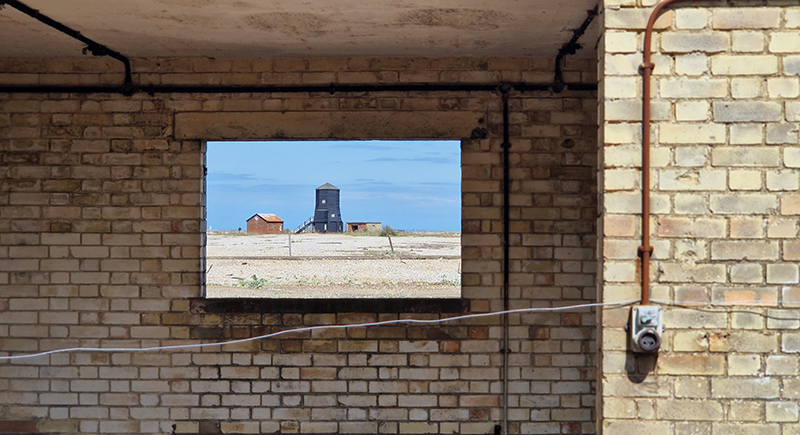
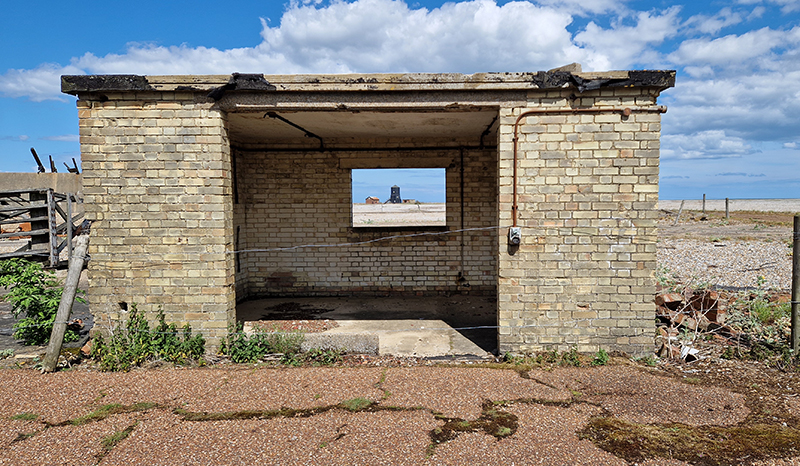
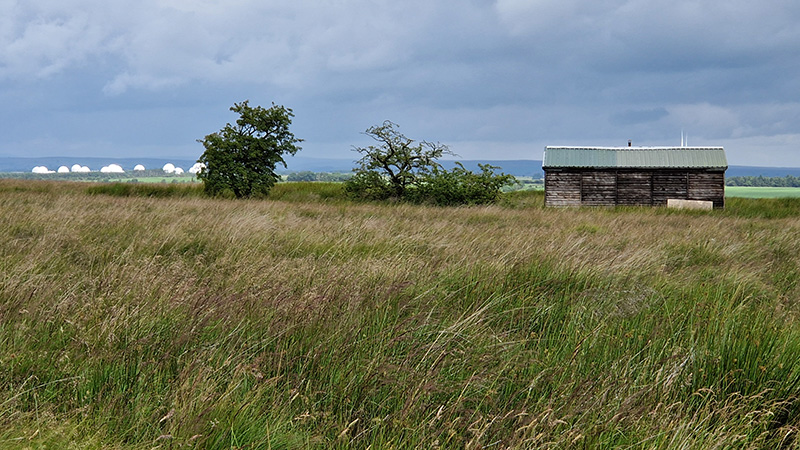
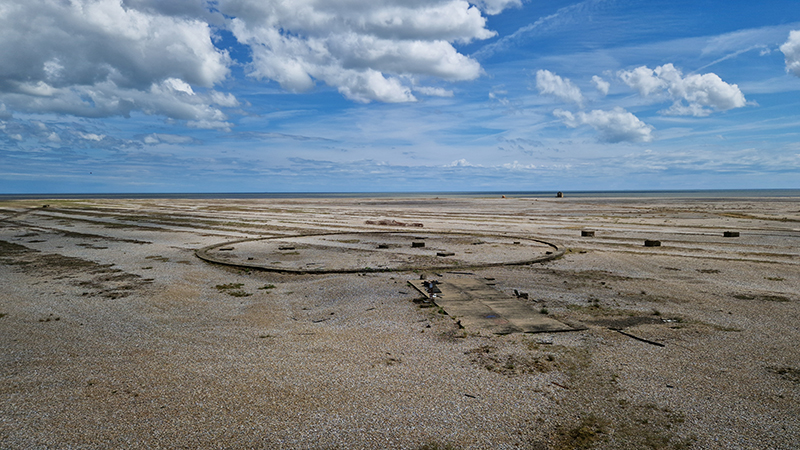
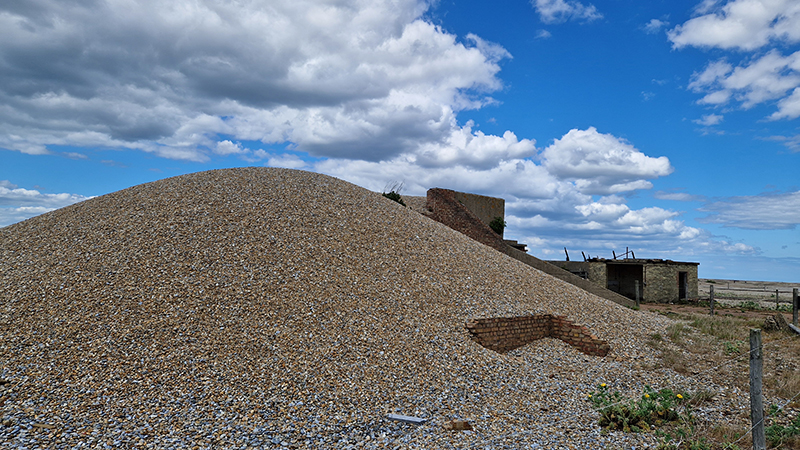
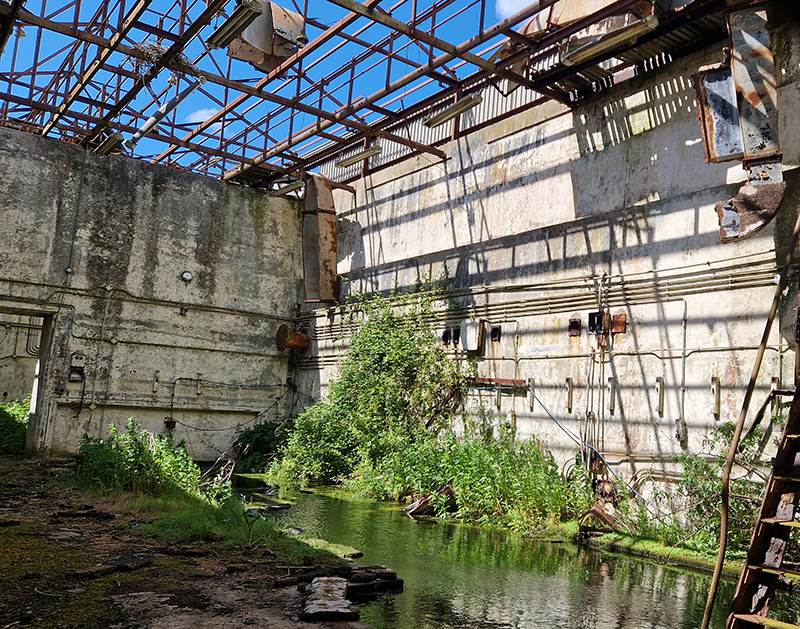
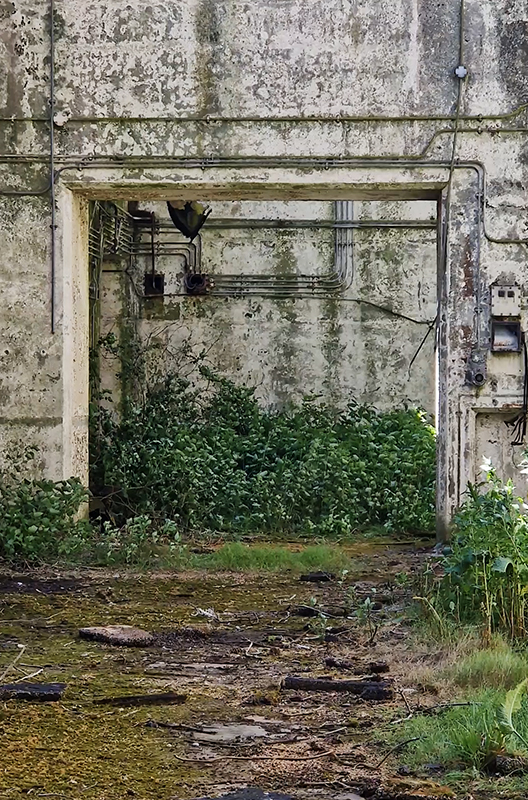
Under the big Suffolk skies of Orford Ness. Walking landscape that bears the scars, physical and emotionally resonant, of years of intense military top secret experiments. Here radar was developed, the aiming of bombs was refined, material vulnerability was tested with destructive, explosive projectiles under simulations of attack and famously it is the site of environmental tests during the late 50’s, early 60’s, in the development for detonation of the atomic bomb. 

The weight of the shingle shored up around the buildings and on the roofs used to dampen the explosions.

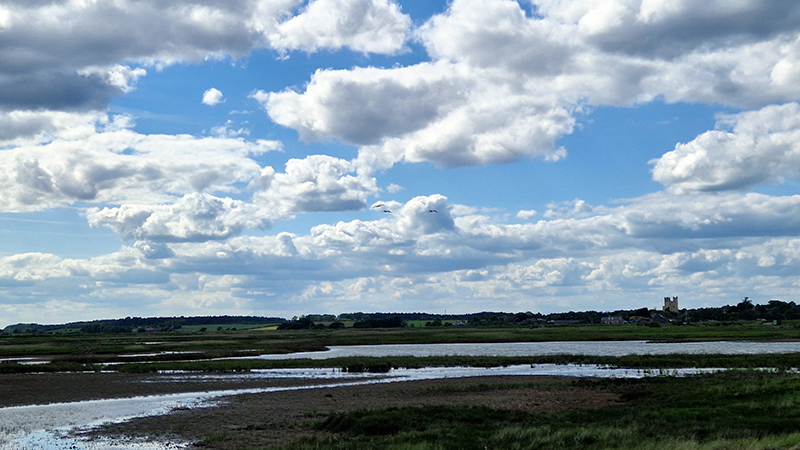
There is a lot to respond to. It is now a spectacular nature reserve but apparently not so many birds here this year. We were lucky to see a short eared owl hunting and some gangly spoonbills in flight.

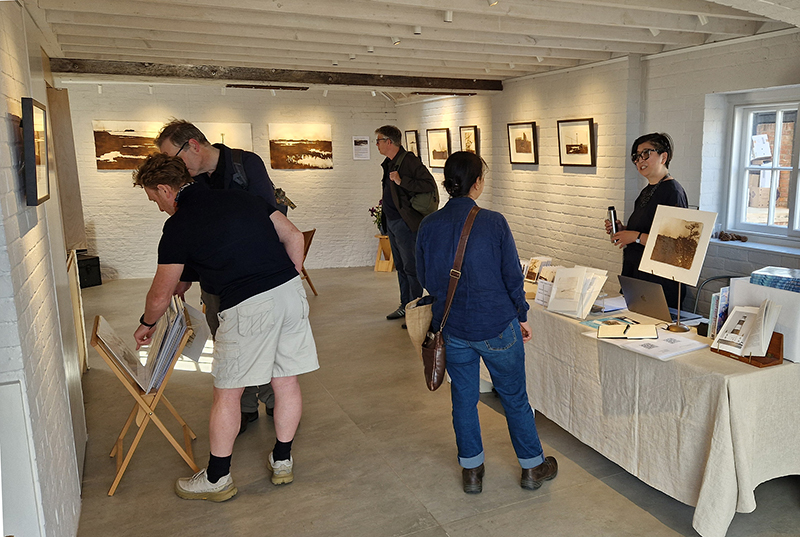
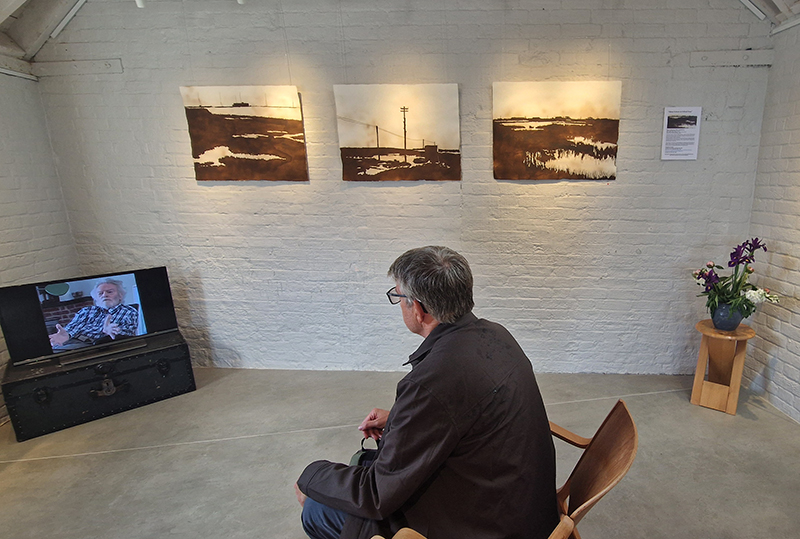
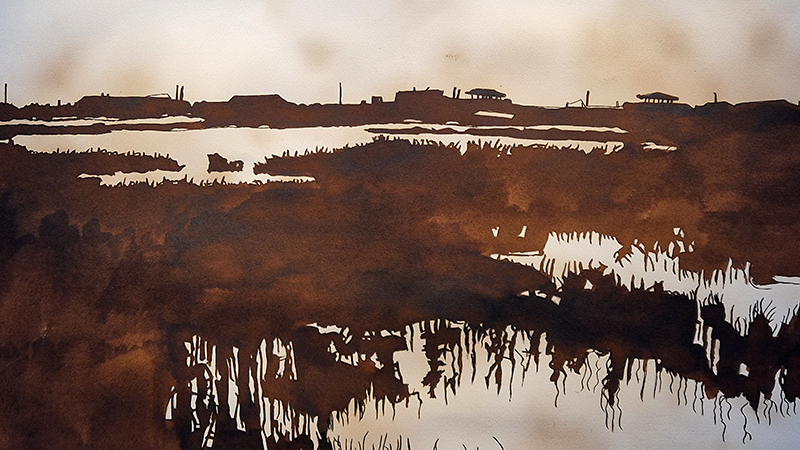
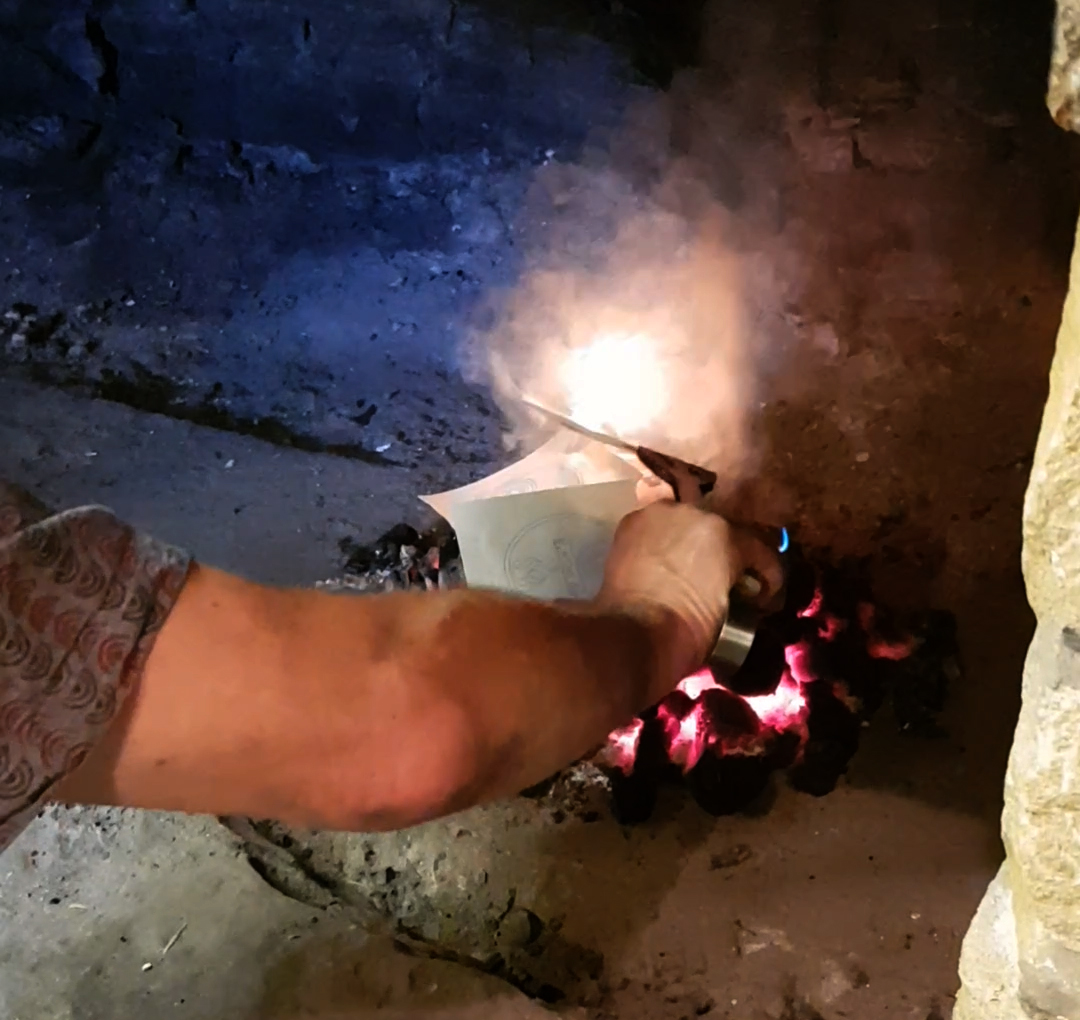
Kaori Homma Silent Echoes at The Watch House, Orford Quay – Inspired by Orford Ness, the UK’s only site of atomic experimentation, this exhibition explores the hidden histories and lingering memories within its landscape. Through the unconventional method of Aburi dashi or fire etching, the artist explores not only the visible remnants of the secret history of Orford Ness, but also the unspoken memories that linger in the air. Unlike ordinary drawings made by the pigments on the surface of paper, Homma’s works are made by fire which etches the images into the body of paper as a burn mark.

Electric Dreams at Tate Modern celebrates the early innovators of optical, kinetic, programmed and digital art, who pioneered a new era of immersive sensory installations and automatically-generated works. This major exhibition brings together ground breaking works by a wide range of international artists who engaged with science, technology and material innovation. 

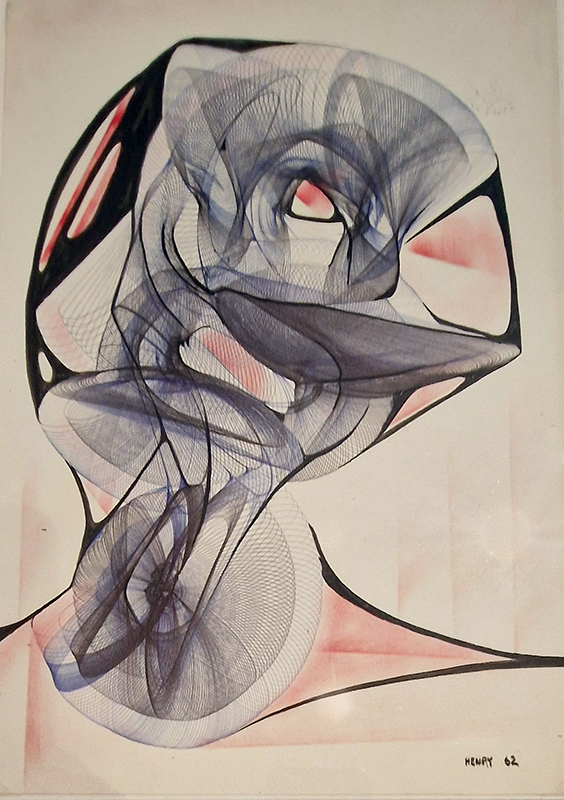
Desmond Paul Henry used a repurposed bombsight computer, designed to drop bombs more accurately, as developed at Orford Ness, to make a drawing machine which he then hand embellished.

The Pleasure of Misuse curated by Indira Dyussebayeva-Ziyabek and Maria Hinel at Royal Society of Sculptors. ‘The humour that springs from manipulating or referencing the mundane is paradoxically self-reflexive – appropriated objects suddenly appear anthropomorphic, our laughter becomes directed at ourselves and the intermittent absurdity of the human condition. The Pleasure of Misuse explores the mechanics and psychology of humour in the everyday, considering its potential to heal and its power to disarm, creating the sense of complicity and the space for self-reflection amid these anxious times.’

Images – Andy Holden, Ty Locke, Peter Fischli & David Weiss, Cornelia Parker, Richard Wentworth

Samuel Zealey, Angela Eames, Tony Fleming, Charlotte Guerard, John Strutton and Kate Fahey in Heavenly Skeletons at Coleman Project Spacesix contemporary artists whose work repositions drawing as an expanded multidisciplinary field.  Heavenly Skeletons is a dynamic investigation of how drawing translates abstract concepts into tangible form… 

Gorgeous show with thoughtfully chosen works that like Samuel Zealey’s vertiginous sculpture balance perfectly.

In classical antiquity, a time stretching from Homer to the early middle ages, geographic orientation usually referred to landmarks or astral phenomena to determine direction. Eos, meaning dawn, and Hesperus, meaning evening, were named for sunrise and sunset with north (arctos) being marked by the constellation Ursa Major and later the Pole Star. The winds also became associated with direction and named in accordance with their qualities such as hot and humid or cold and dry.

The number of points on a wind rose began with the four cardinal points that were added to and refined over time. Aristotle designed an asymmetrical 10 point wind rose for “the study of things high in the air” (meteorology) which was later refigured by Timosthenes, a 3rd century BCE Admiral and geographer, naming a system of twelve winds and using this as a tool for navigation. The contemporary compass has its roots in the ancient classification of winds.

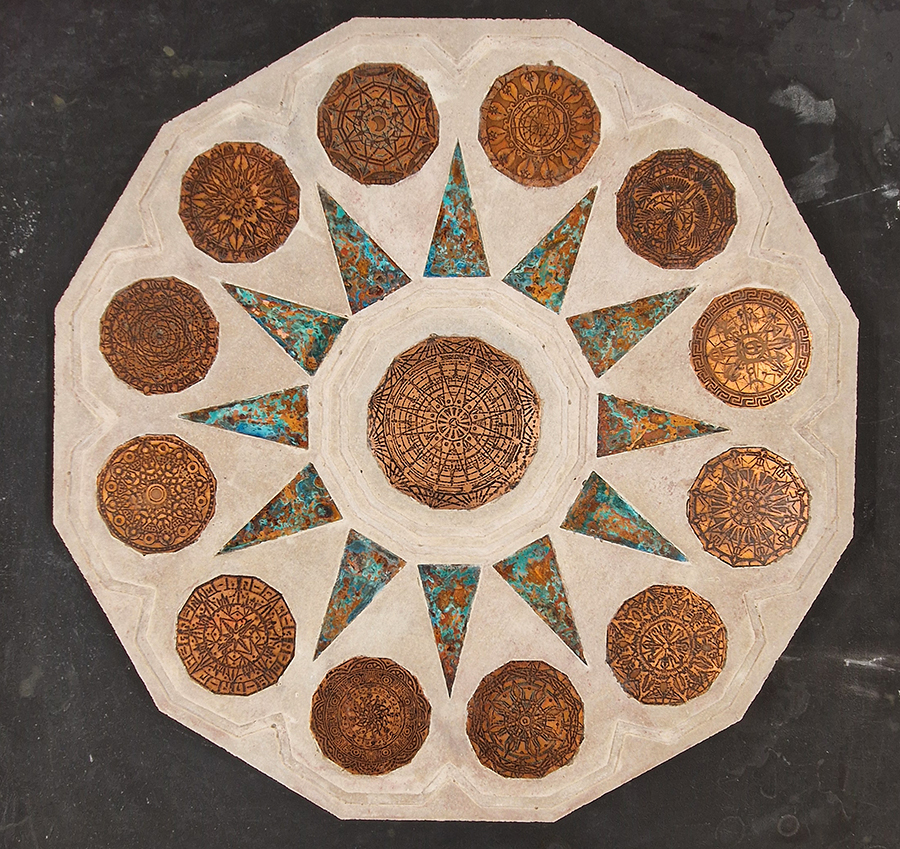
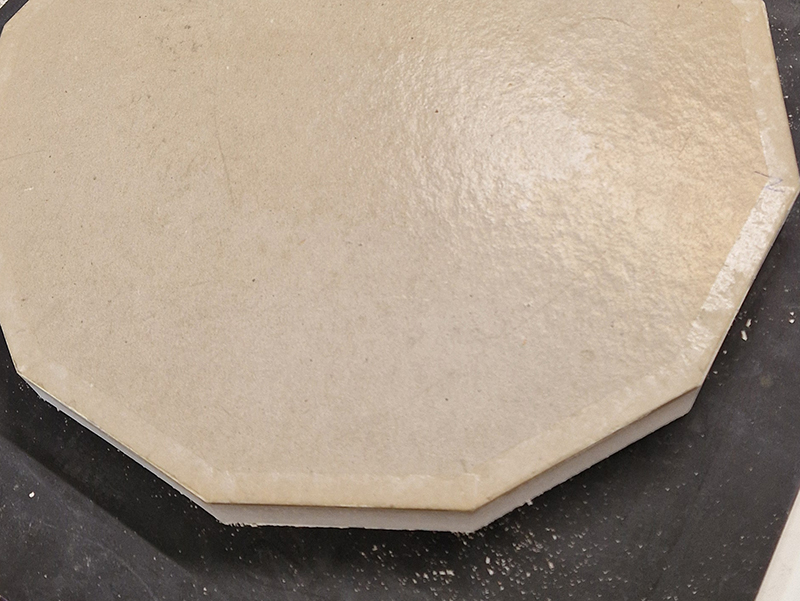
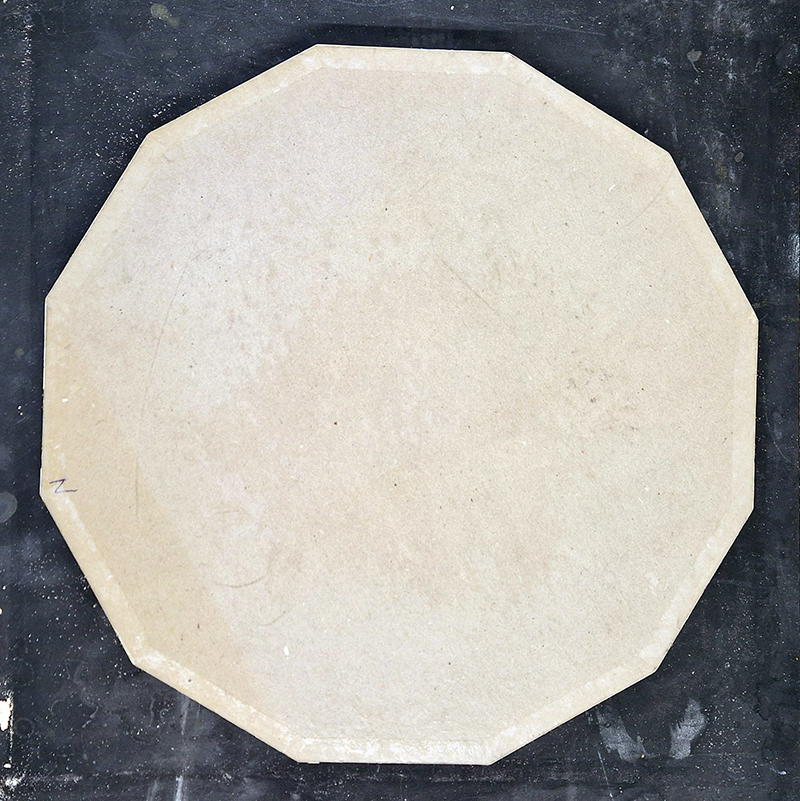
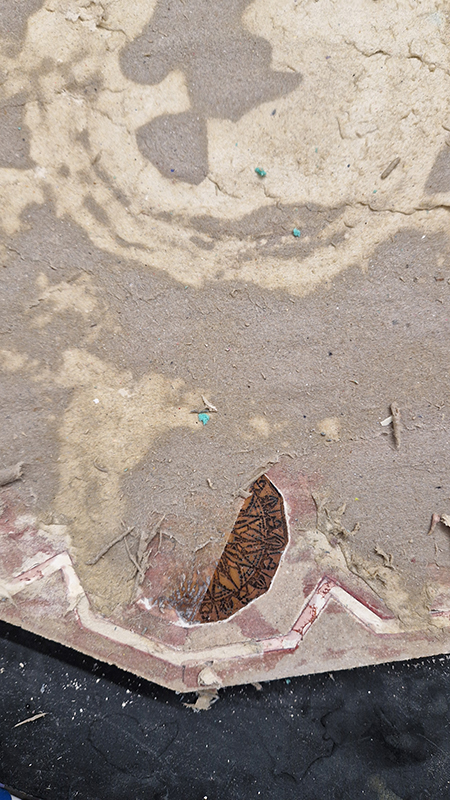
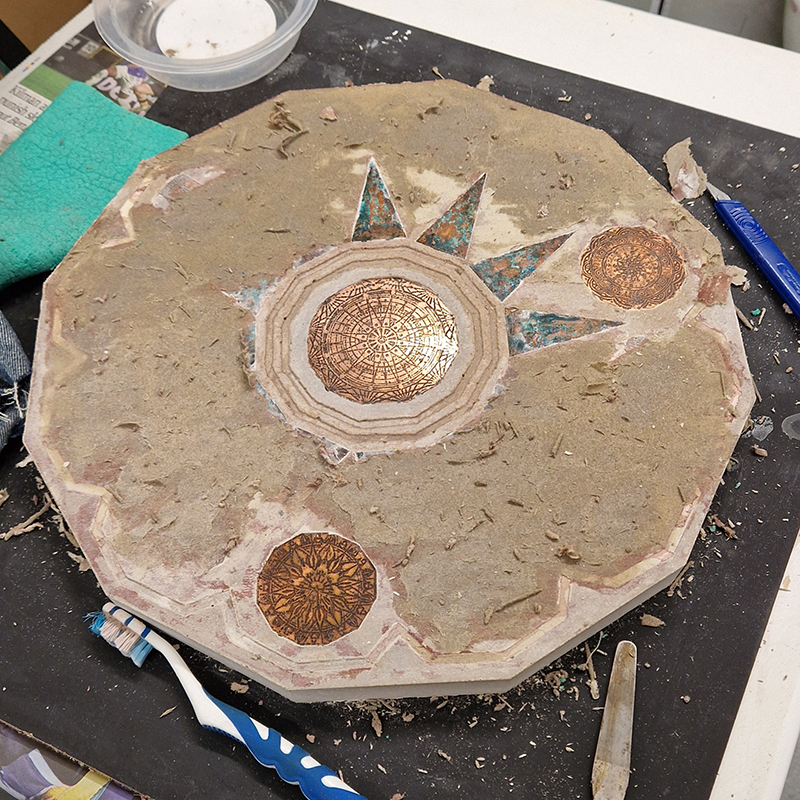
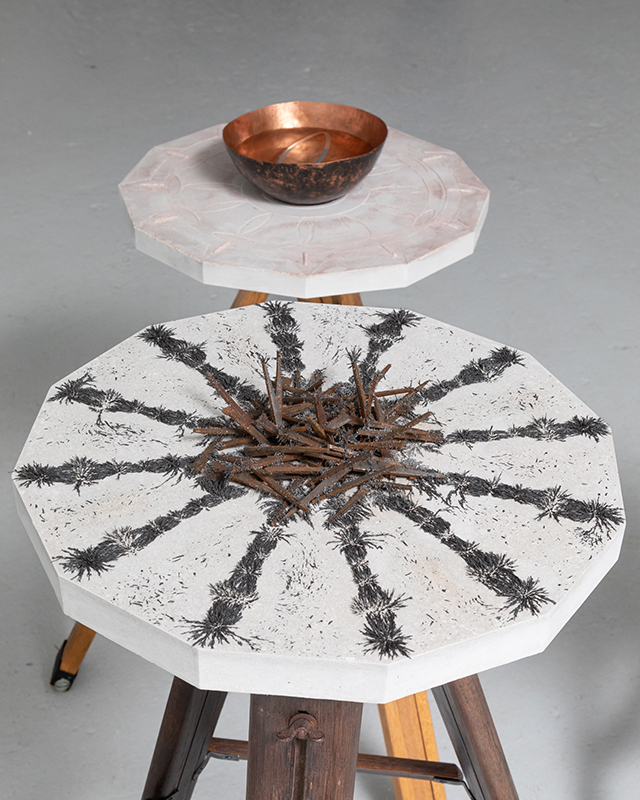
Freshly excavated. A new tablet for the series Instruments of the Anemoi, replacing a previous one based on the idea of a wind rose and set with etched copper markers, the designs of which are influenced by characteristics of the gods (anemoi) represented by each of the twelve winds.

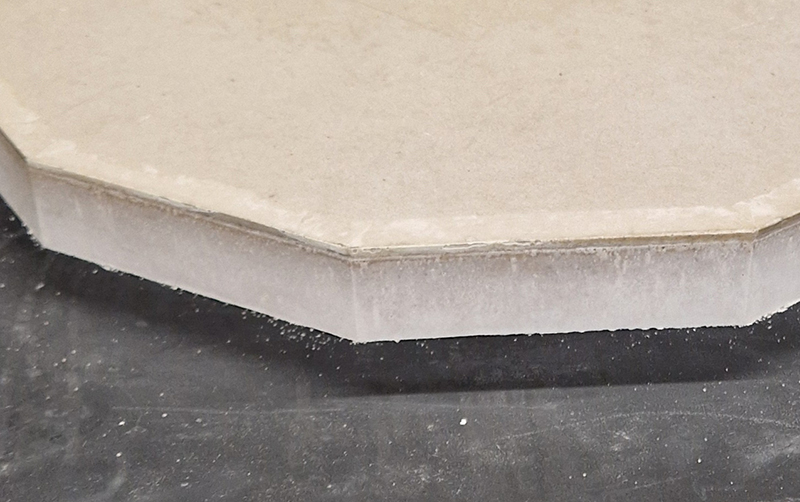
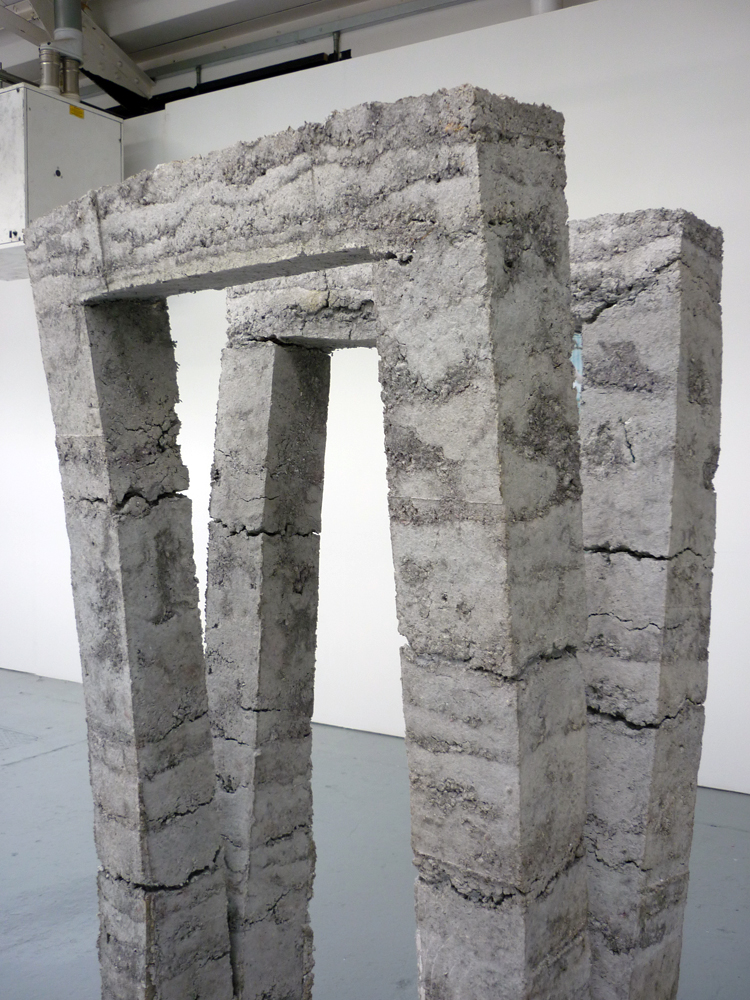
Instruments of the Anemoi are a set of dodecagon tablets cast in Snowcrete, a cement with no magnetic minerals, as is used for instrument pedestals at a magnetic observatory. They also respond to a twelve sided anemoscope “table of the winds” carved in marble around eighteen hundred years ago and held at the Vatican Museums. Releasing the cast from the mould and collagraph is a rewarding process – if all the pieces have held their position during the concrete pour and vibrating to release trapped air bubbles. Luckily this time was a success.

The other two sculptures in the series. A hand beaten copper bowl with a ‘silver fish’ floating in water based on the oval shaped compass needle illustrated in Breve Compendio de la Sphera de la arte Navegar by Martin Cortes 155. Wafer thin fish shaped iron leaves were also used by 11th century Chinese geomancers. Nails and iron filings reveal an embedded magnetic field and hark back to a legend on the discovery of the lodestone, a naturally magnetic mineral, which recalls a Greek shepherd who noticed the nails in his boots were attracted to the rock beneath his feet.

Unsettling to find it is already one year on since A Stone Sky duo exhibition with Julie F Hill opened at Thames-side Studios Gallery and this work was first shown.

Around 95% of the universe is ‘dark’ to us, formed of unknown and possibly unknowable matter which may be inaccessible to us, but cosmic rays offer a tangible contact with outer space.   
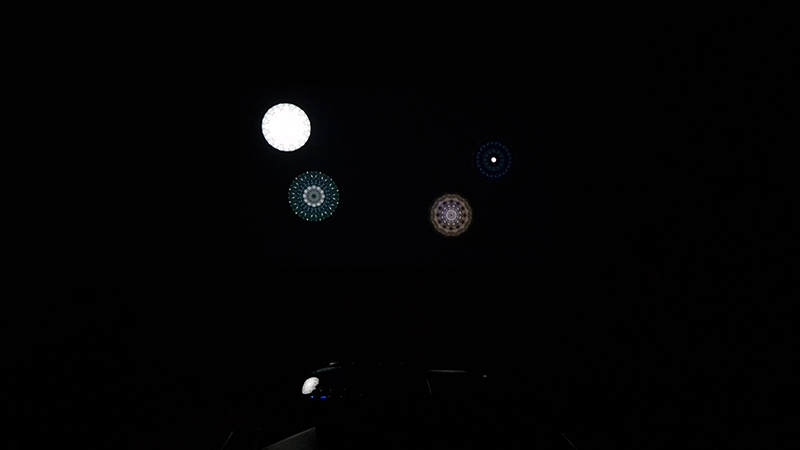
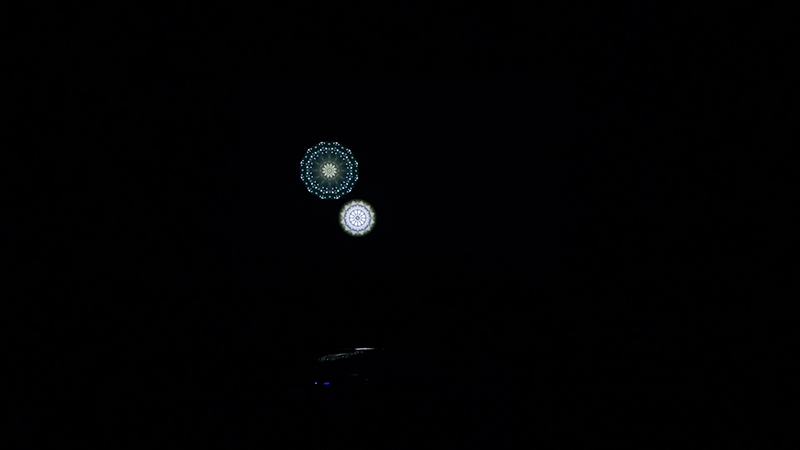
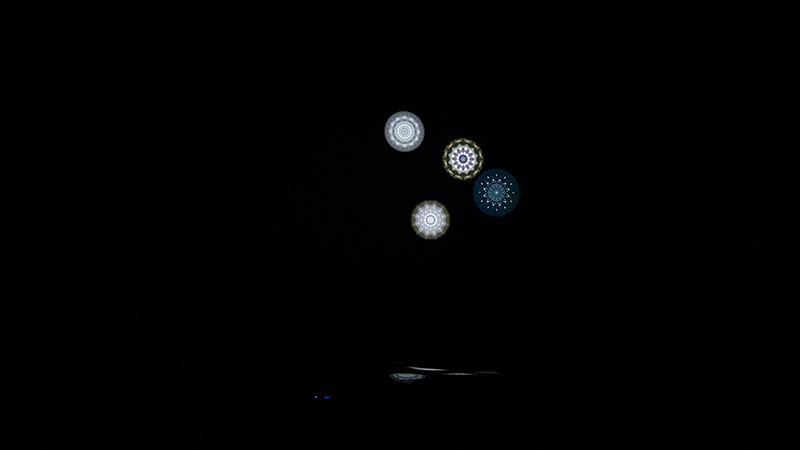
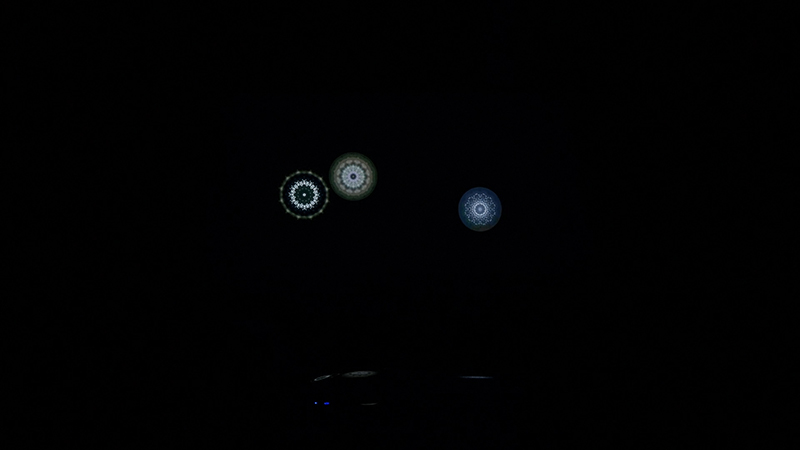
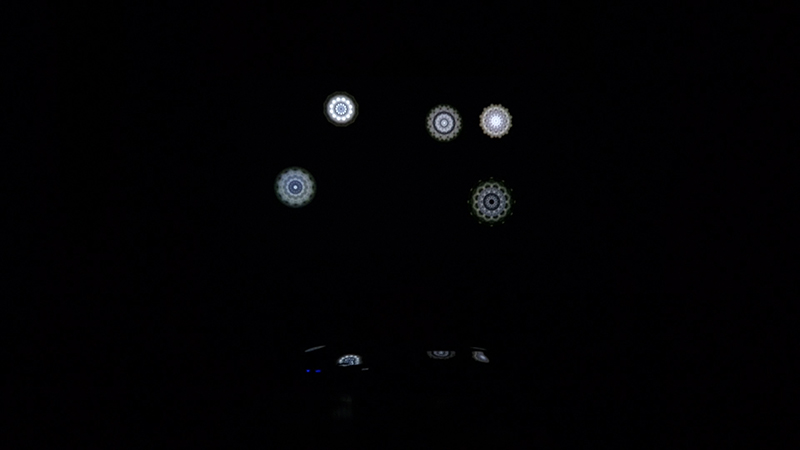
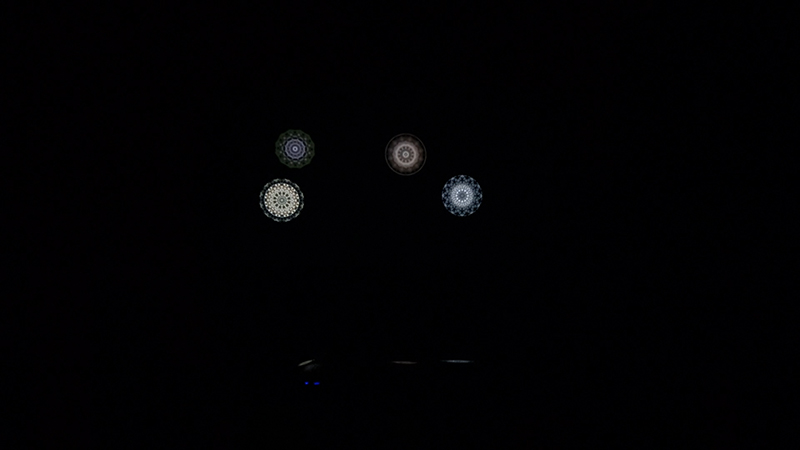
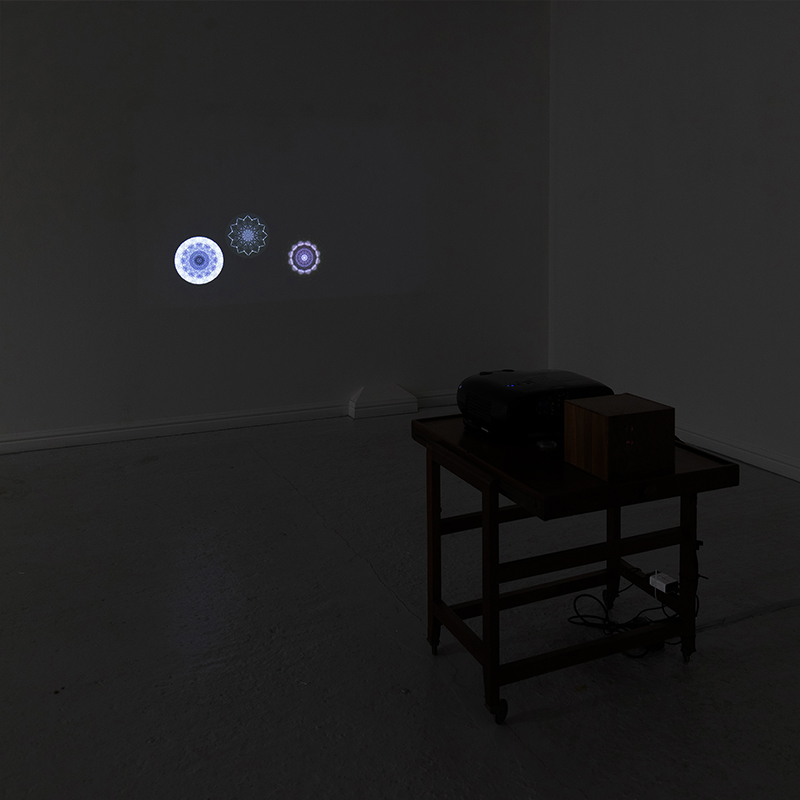
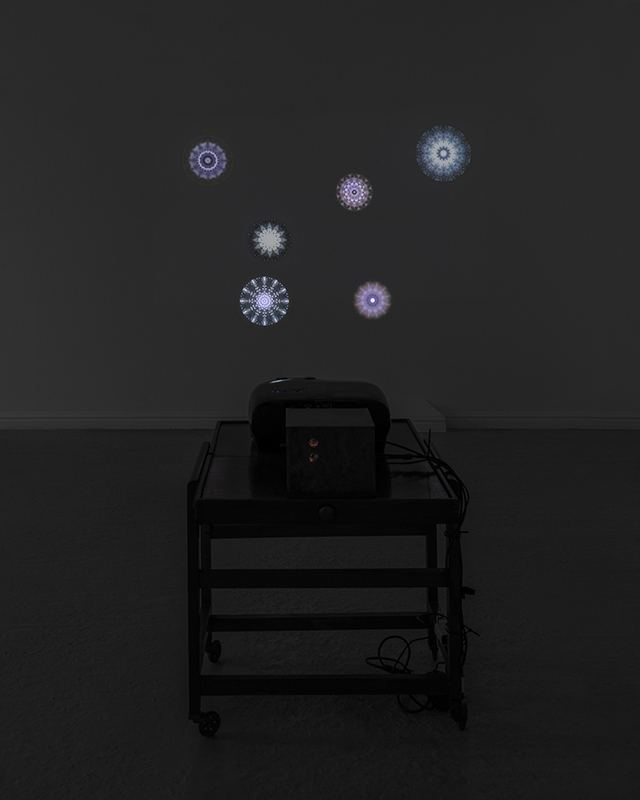
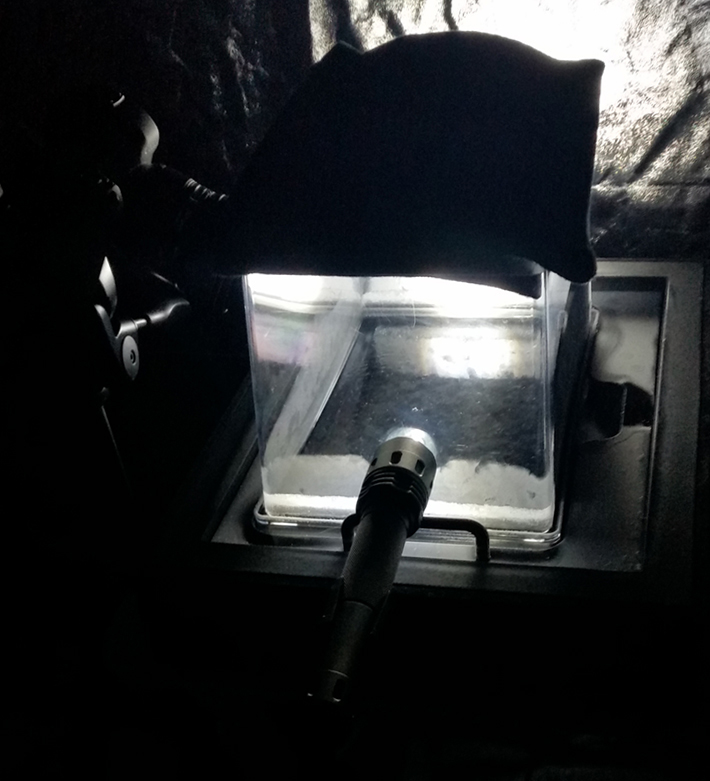
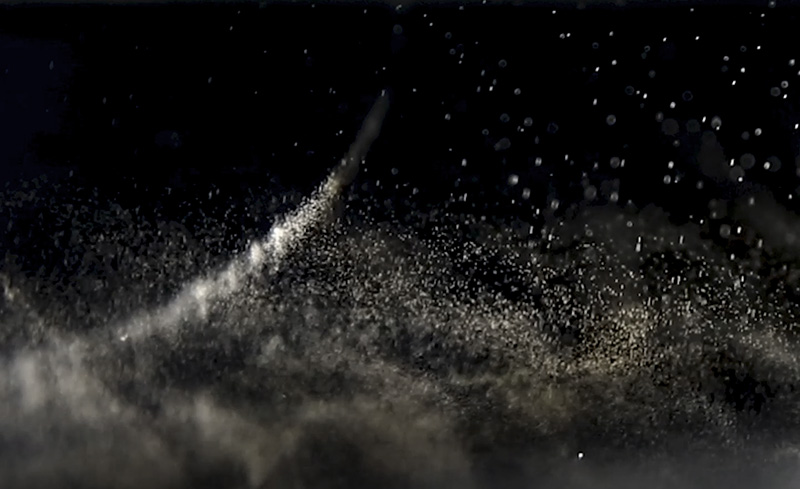
Giving The Breath of Stars a run to see if the cosmic rays are still there 😉 These images are stills of live action.

Cosmic ray detectors, mini computers, wooden box (20 x20 cm), video projection; live duration.

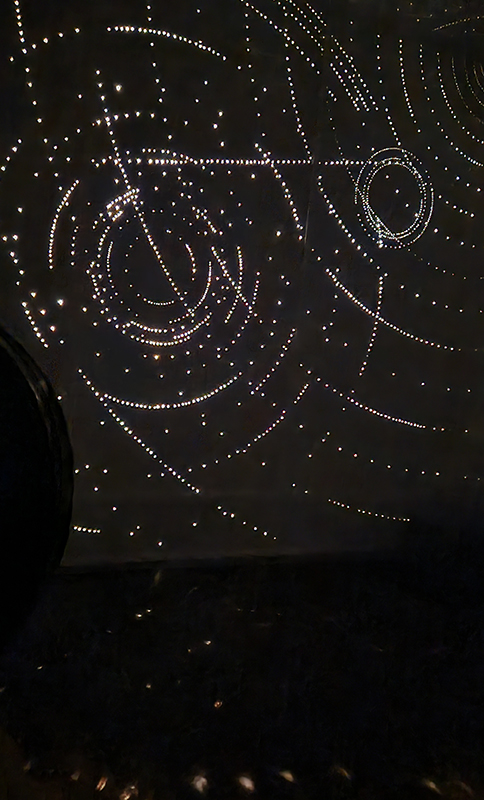
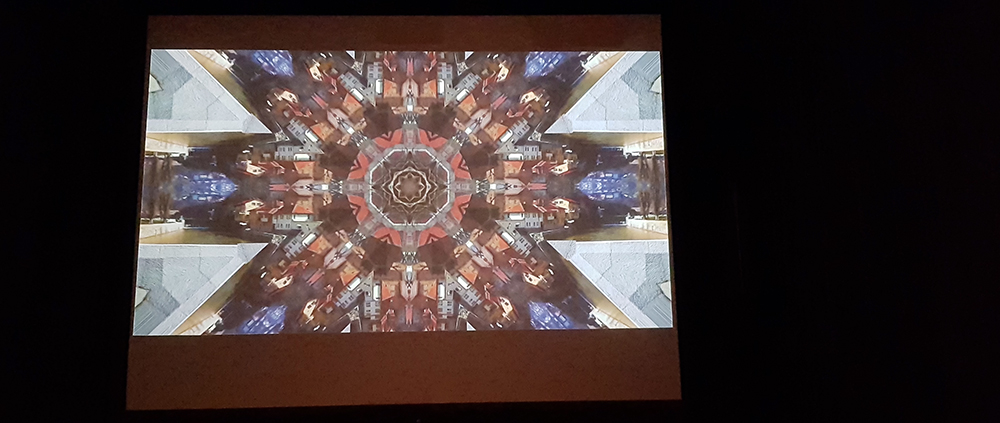
The Breath of Stars is a digital video work activated in real time by cosmic rays. These high energy particles arrive from outer space, interacting with life and technology on Earth. Coming from the heart of exploding stars or the depths of black holes, cosmic rays power across the universe with unimaginable energy. Some may come from phenomena yet to be discovered or even from other dimensions. A kaleidoscopic animation is projected every time a cosmic ray is recorded passing through the detectors. The animations are created from footage of cosmic ray trails filmed in my cloud chamber.

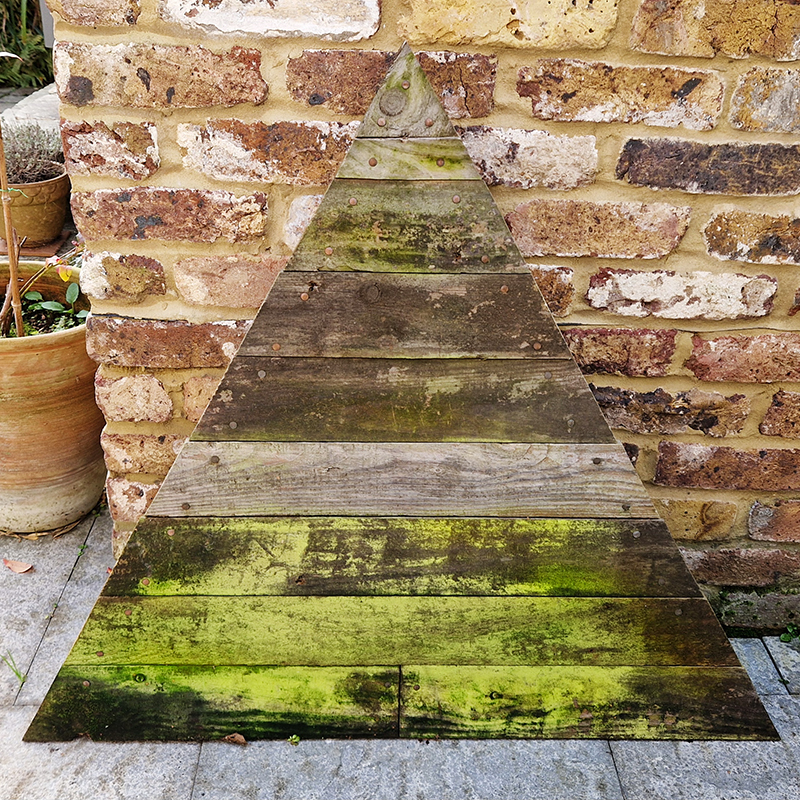
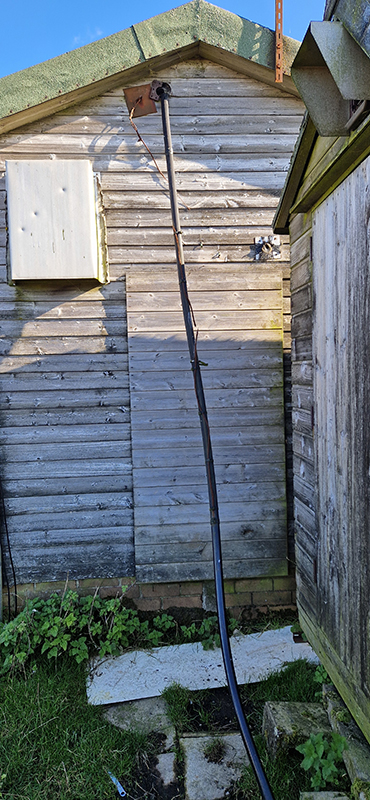
This cold damp weather is stimulating the moss regrowth on the apex pinnacle of The Absolute Hut (of action potential) that found a space in my garden after The Stone Sky exhibition this time last year. I had spent weeks preparing the recycled fence boards to make the North facing wall of the hut, painting them with various mixtures of buttermilk and yogurt blended with moss and was so excited when it began to grow. During the exhibition I would mist it every day. The beginning of my fascination with huts!

The Absolute Hut (of action potential) Wood, moss, paper, copper, video projection, video monitors ; 200 x 300 x 375 cm

Operating as a sensory hub where a range of actions and processes are running concurrently reflecting on the dynamics between the Earth’s geologic structure and navigation using the magnetic field. Neurons in the brain and nervous system send information electrochemically around the body. The signals they send are called action potentials, which is a temporary shift from negative to positive within the cell caused by certain ions entering the cell. Action potentials can be triggered by an interaction with the magnetic field, causing a reaction in the body.

Interference 2023 (video still)

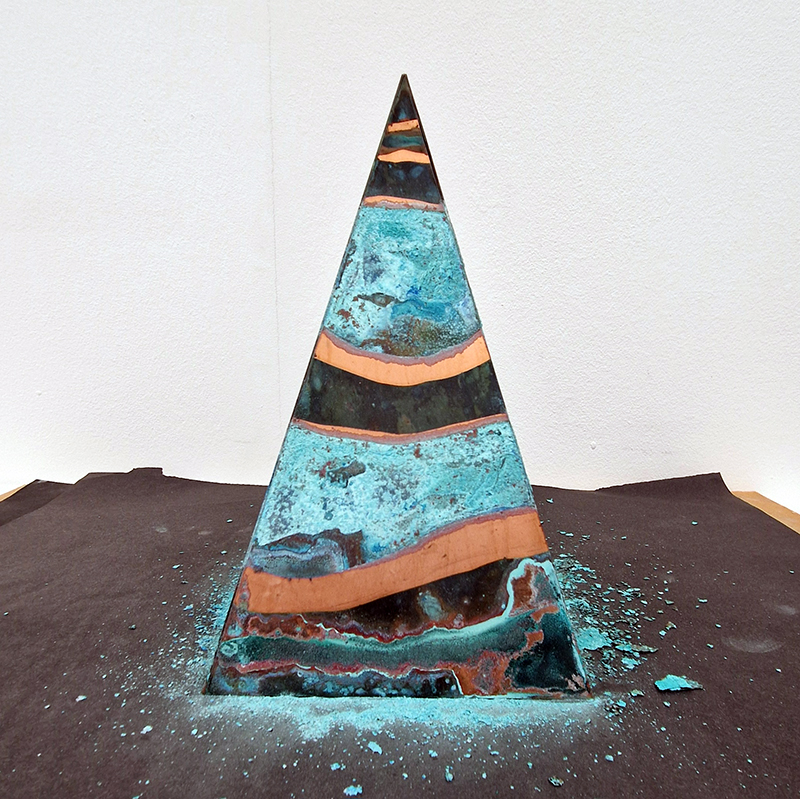
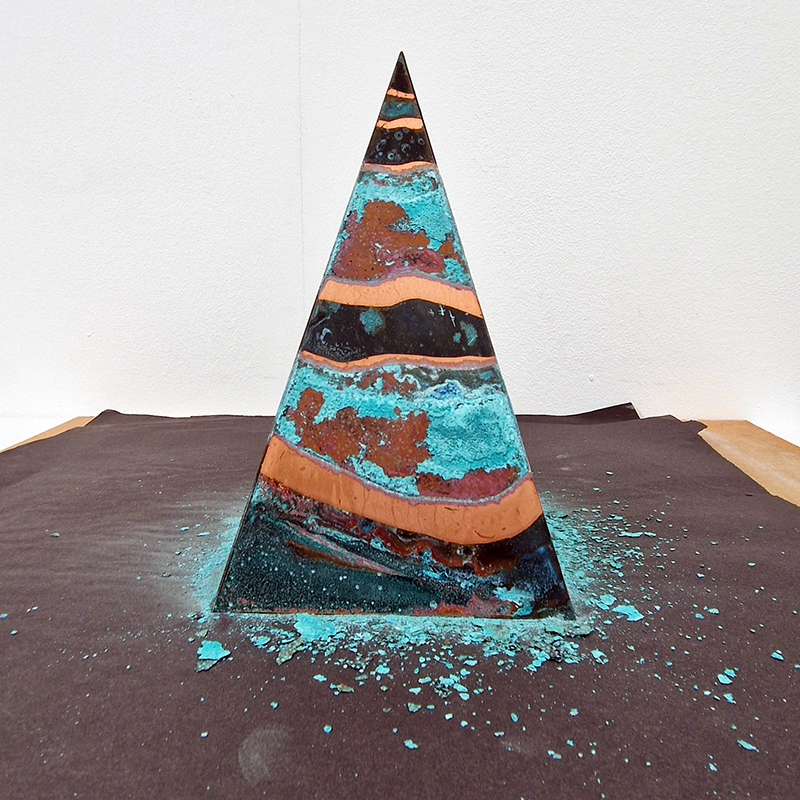
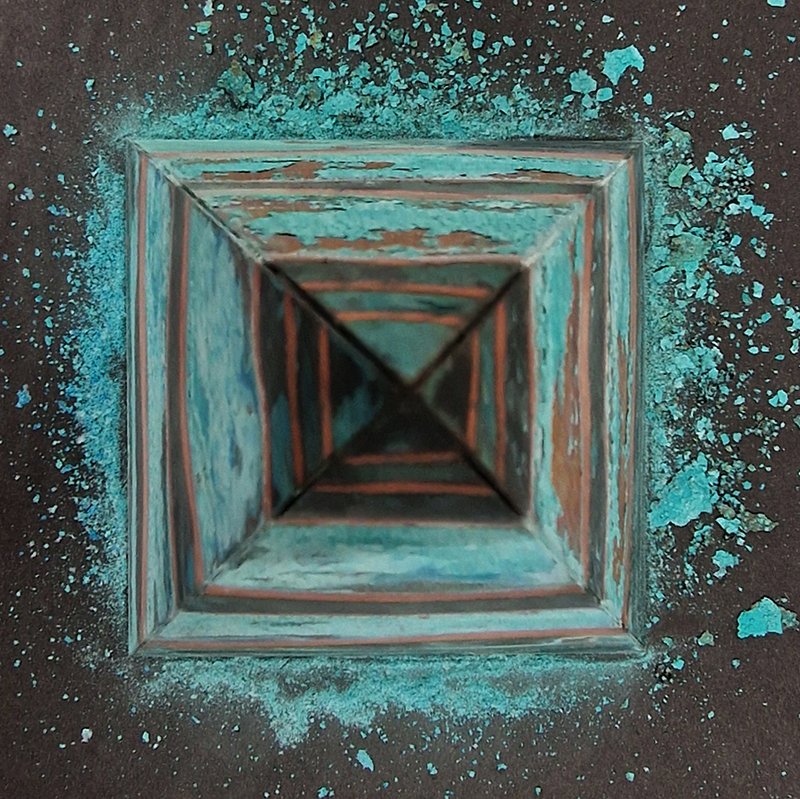
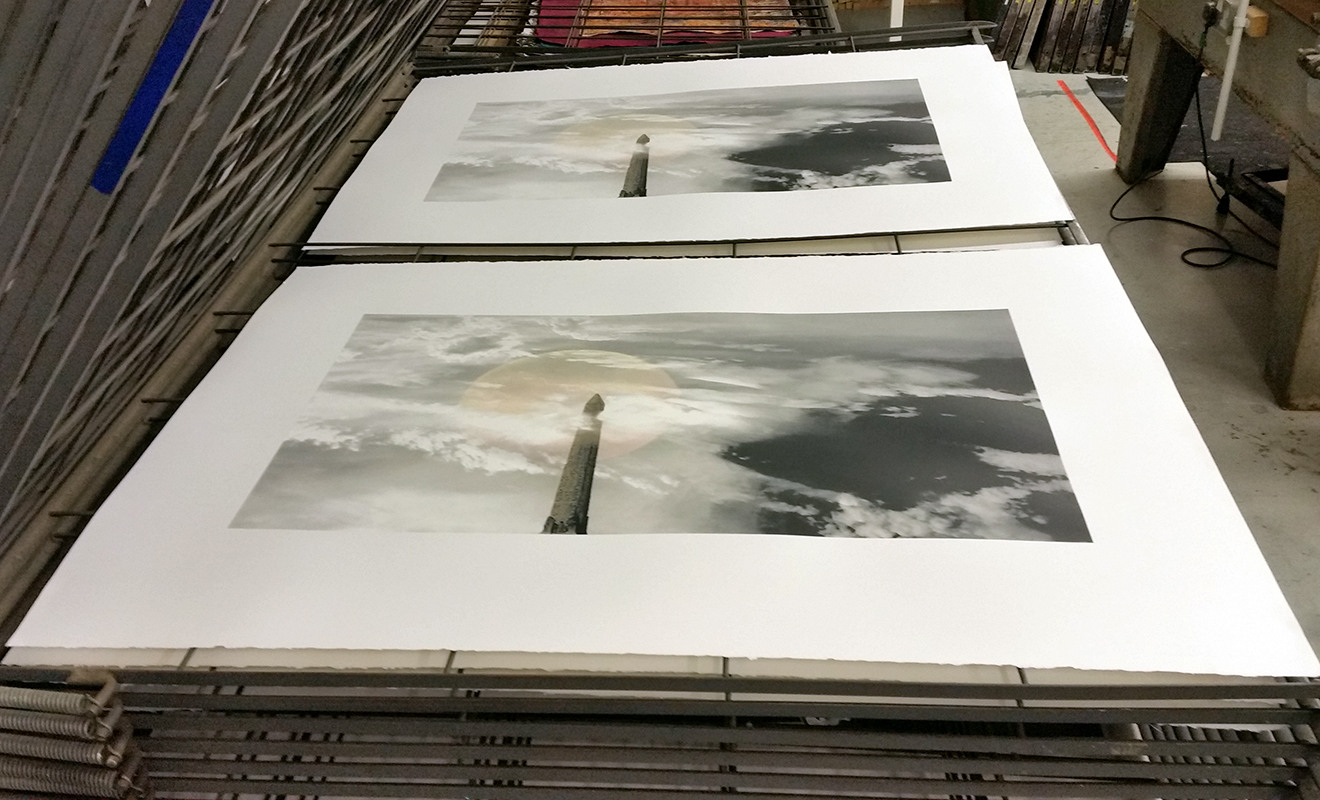
A year on and the pyramidion that sits on top of The Azimuth Obelisk (of sedimentary knowledge) is evolving. The patination, which involved a variety of chemicals being applied to the copper in layers, is an ongoing process.

Sedimentary rock holds a geological history of the Earth’s magnetic field within its mineral components. The geomagnetic field, generated by the Earth’s molten core, varies through time; the magnetic poles migrate, go on excursions, or reverse polarity. During these periods of flux, the strength of the magnetic field changes, and this phenomenon is recorded in archaeological artefacts, volcanic rocks, and sediments. Limestone, a sedimentary rock, is often formed from crushed seashells, compressed over aeons. Crushed oyster shells were added to the obelisk base cast in Snowcrete.

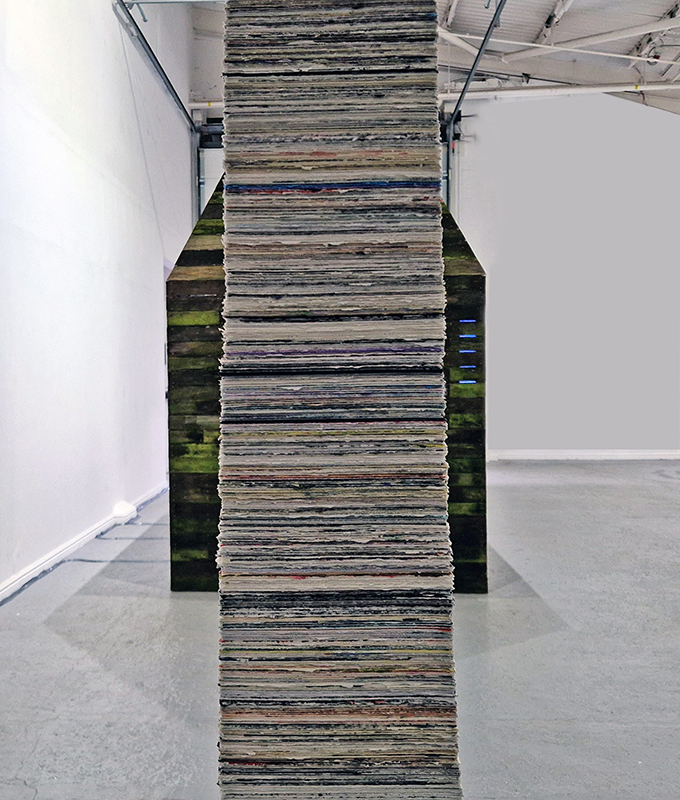
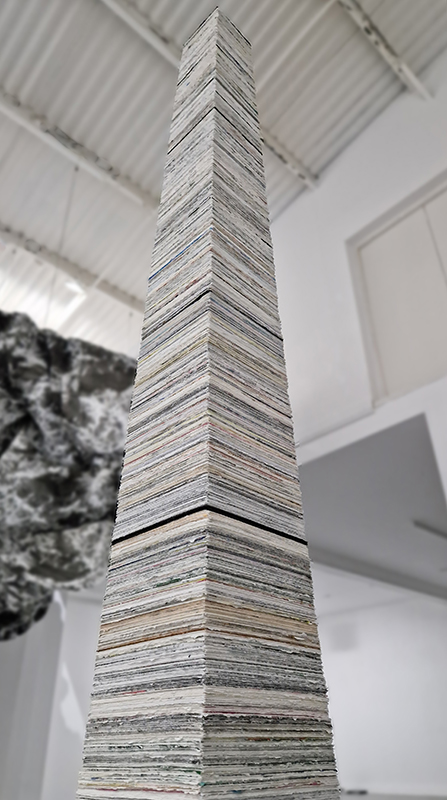
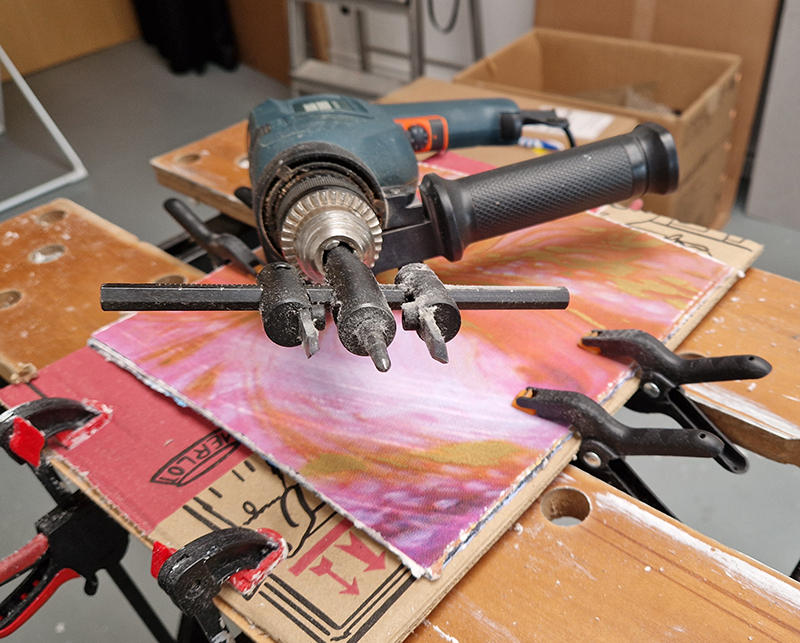
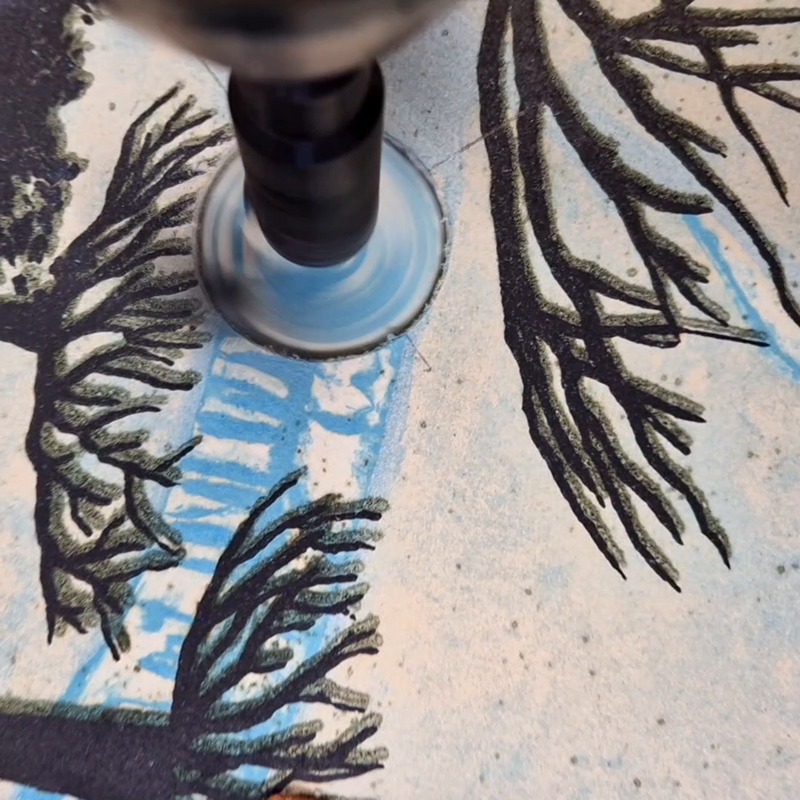
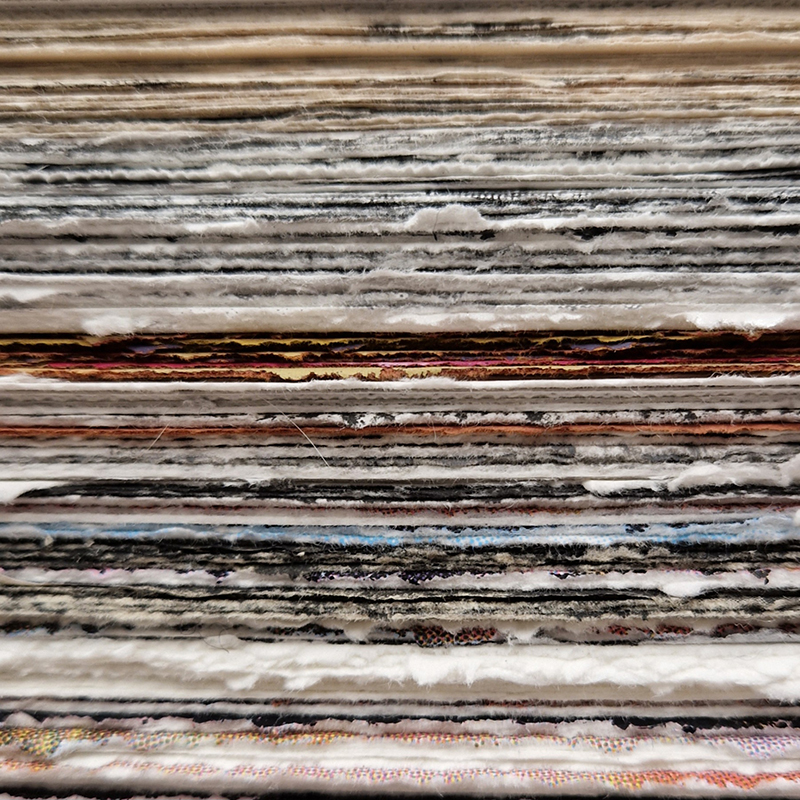
This sculpture also embodies the passage of time, and a layering of information, in the months of collecting paper donations or scavenging the recycling bins, weeks tearing down the hundreds of prints and drawings into squares decreasing by 1mm every 50 sheets, drilling holes through the centre and hours to build the almost 3m stack. I’m very grateful to everyone who donated some of their work archive. These images are now secreted within the layers of the sculpture, hinted at where edges are exposed, echoing the Earth’s sedimentary knowledge.

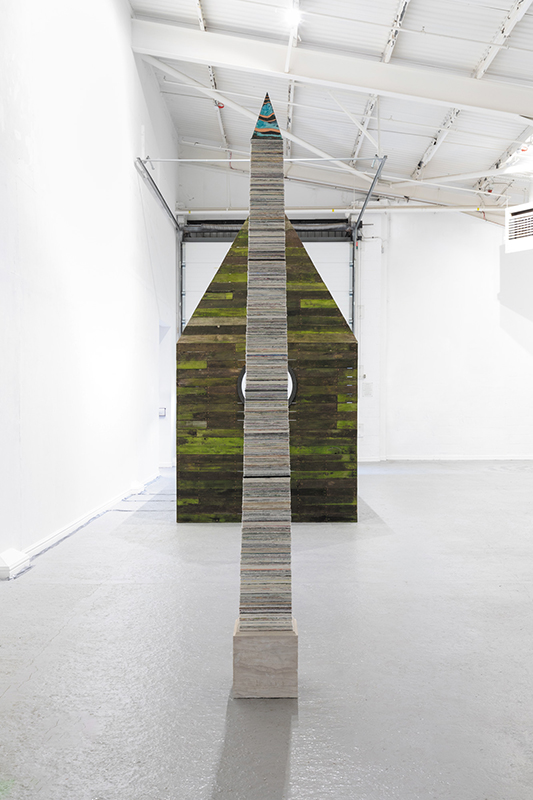
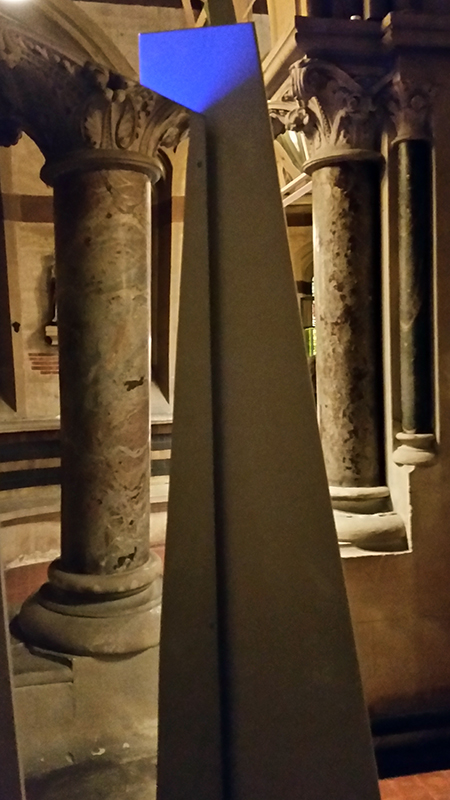
The Azimuth Obelisk (of sedimentary knowledge) Paper, steel, Snowcrete, oyster shells, patinated copper; 30 x 30 x 270 cm

 This work is a reimagining of an ‘obelisk’ erected at Hartland Magnetic Observatory in the late 1950’s to be viewed through the north facing window of The Absolute Hut, it acts as a permanent azimuth mark from which the drift of the magnetic north pole is monitored. I am excited that this sculpture is being considered for exhibition in 2026 at the Royal West of England Academy in Cosmos: The Art of Observing Space curated by Ione Parkin with some amazing artists in the line up whose work I admire.

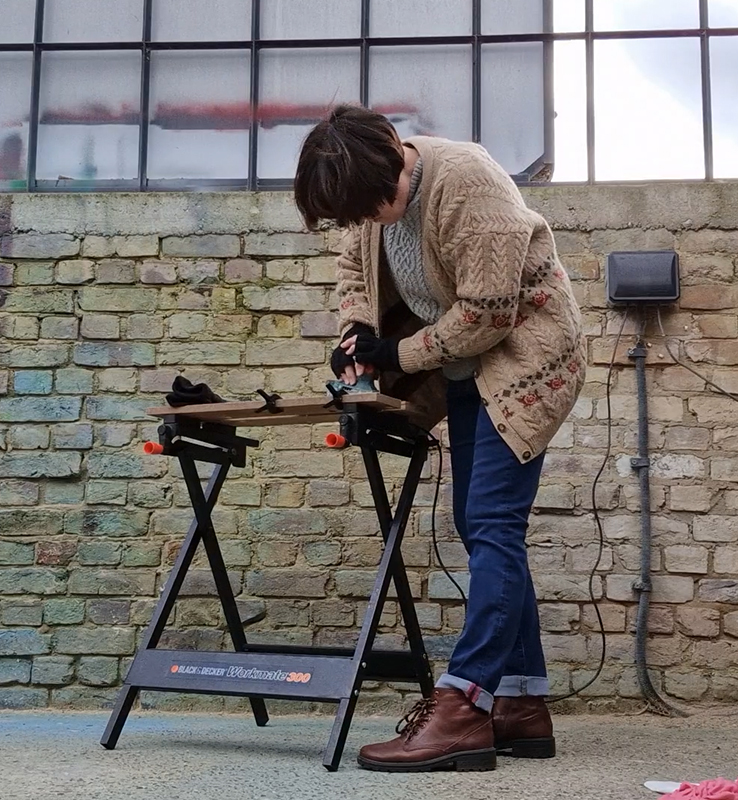
I first came across directional magnetic steel in the Electronic & Magnetic Materials Group open day at the National Physical Laboratory. Intrigued, I wanted to know if I could get hold of some to work with. I was put in touch with Union Steel Products who were very helpful in supplying a small amount (to them) of the material, but they import the product, and it arrives with an indeterminate protective matt grey coating. This was my challenge. It took many days of sanding and gently etching each sheet to reveal the pattern. It was a very temperamental material to work with, the pattern might appear but quickly tarnish and muddy over. So much of the work in the resulting sculpture was about the process of exposing an internal mechanism.

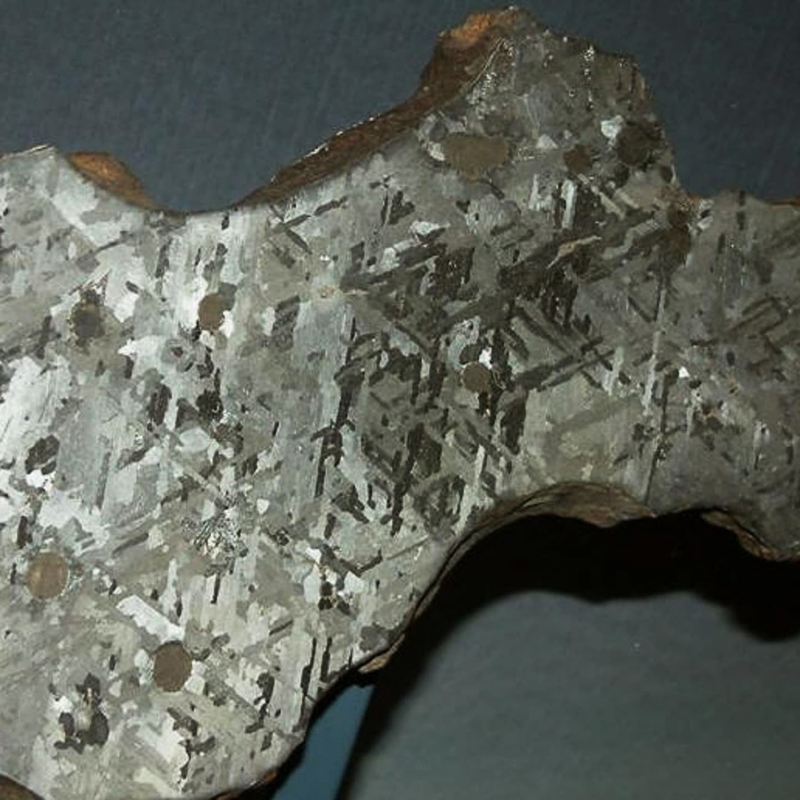
The dramatic Widmannstätten patterns found in meteorites due to their slow evolution through heat and pressure are also revealed through being cut, polished, and etched.

These secrets are not revealed lightly.

Domain of the Devil Valley Master

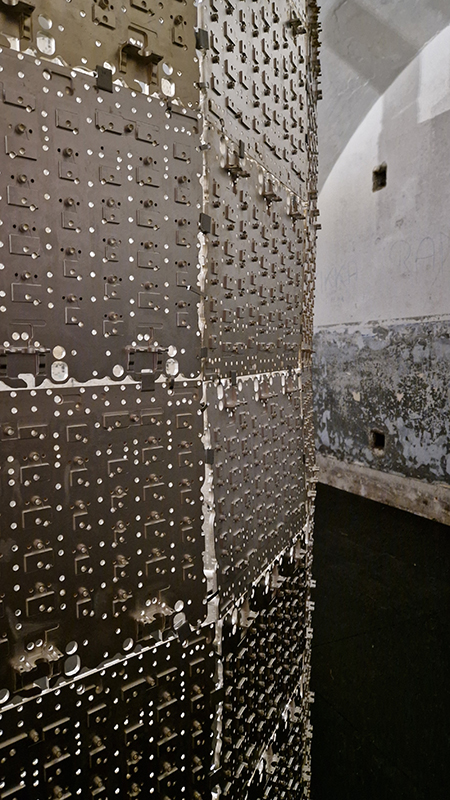
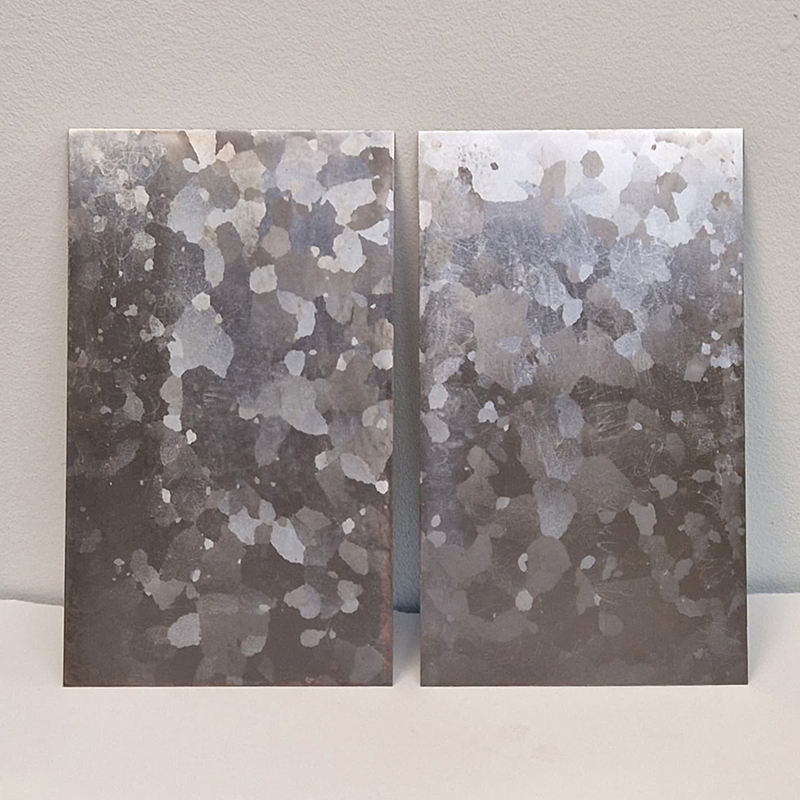
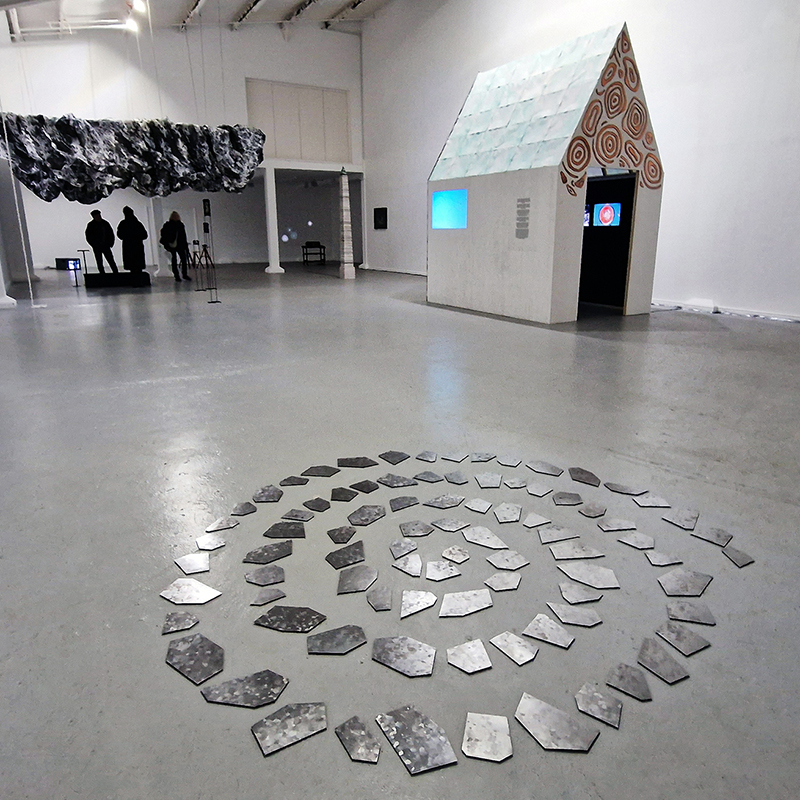
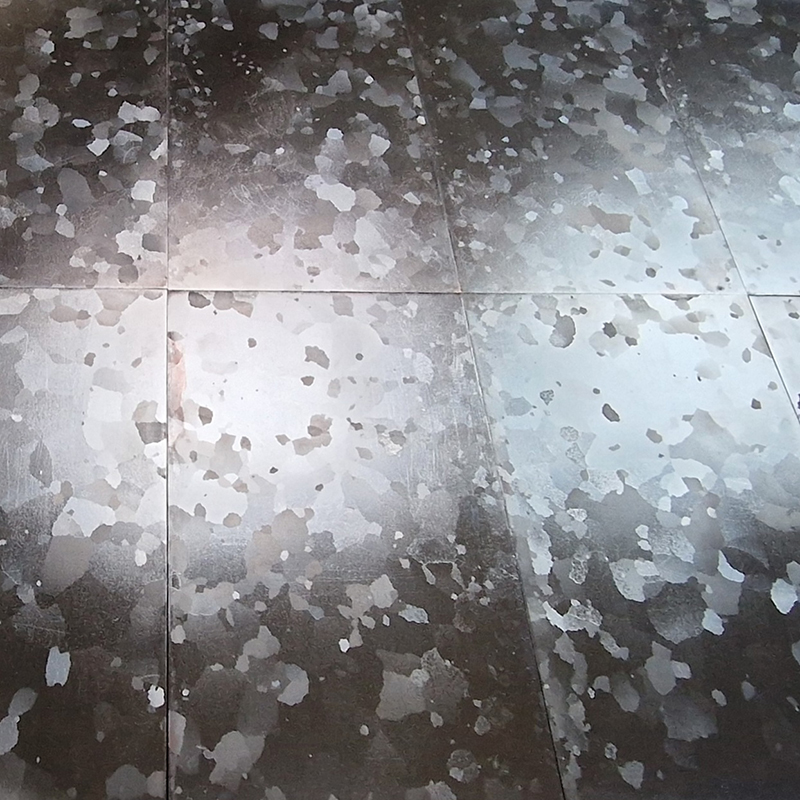
This work uses industrial directional magnetic steel, sanded and etched to reveal the Goss texture of rolled iron silicon alloy crystals. The jigsaw pattern of magnetic domains give this material exceptional magnetic properties. The simple evocation of a spiral described in geologically informed polygons draws upon many references, from the shape of our own Milky Way Galaxy sculpted by vast cosmological magnetic fields and the spiralling molten dynamo generating Earth’s magnetic field, to the inner pathway of spiritual growth and the route to the symbolic omphalos (navel) at the centre of the world where the sky entrance and the underworld meet. The title of this work originates from an ancient Chinese manual on the skills of persuasion, The Book of the Devil Valley Master, containing the first known mention of a compass, known at the time as a south-pointer. 

Work in progress. Mapping a response to the crystal structure of magnetite. Magnetite is the most magnetic of all the naturally occurring minerals on Earth found in igneous, metamorphic, and sedimentary rocks. Nano-particles are also found in the human brain, heart, liver, and spleen and the cells of many other organisms, with some creatures using this for navigation techniques.

Magnetite crystals from road traffic pollution caused predominantly by vehicle frictional braking systems can outnumber natural magnetite in the human brain by 100:1 – this is a worrying trend as these crystals could be involved in our perception, transduction, and long-term storage of information in the brain.

Returning to my conversation with Alan Watson on the history of Haverah Park Extensive Air Shower Array.

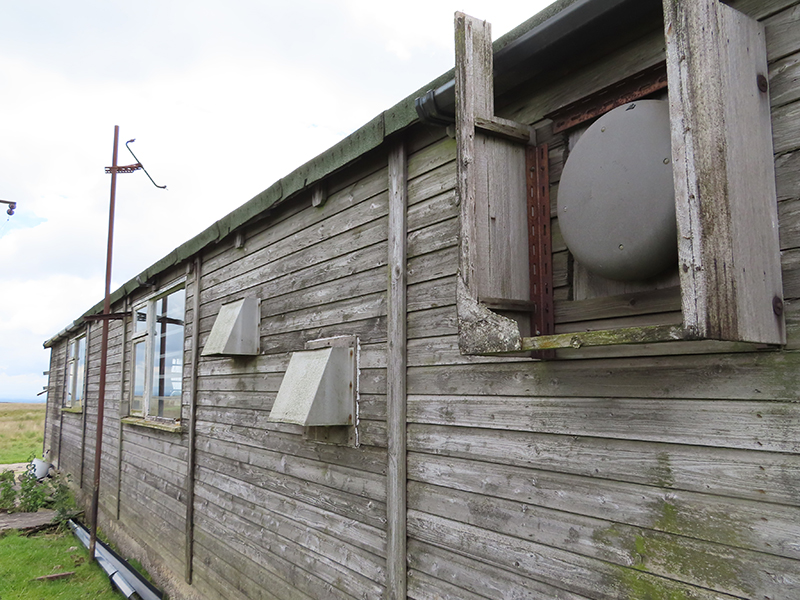
The motivation for the Haverah Park project getting off the ground came largely from the British physicist Patrick Blackett, who won the Nobel prize in 1948 for his discoveries in the field of cosmic rays. The director of The Rutherford Lab (where the British atomic bomb was being developed in the 50’s), John Cockcroft (known for splitting the atom), decided there should be fundamental science going on as well as bomb building, so outside the security wire they built an air shower array to monitor cosmic rays. When this experiment was shut down, Blackett was keen to see work with shower arrays continue, and to be within reach of a university so that scientists could combine research with teaching. Blackett was working at Cavendish Laboratory with Ernest Rutherford, but moved to Birkbeck which did all the teaching in the evening so he could do research work through the day and teach in the evening. Here he met J G Wilson, also with an interest in cosmic rays, so when J G Wilson later moved to Leeds, Blackett suggested he set up an air shower array there, which was how the Haverah Park Project came about. Land was rented from local sheep farmers to install the observation huts.

Alan Watson took a lectureship job at Leeds in 1964 and began working for J G Wilson, becoming a leading member of the UK Extensive Air Shower project until its closure in the early 1990s.

We also talked about the mesmerizing power of a cloud chamber. As well as it being considered one of the most important developments for progression in the understanding of particle physics it is also emotionally and aesthetically captivating. Alan reminisced about a time at the Royal Society Summer Exhibition when a large commercial diffusion cloud chamber drew so much attention they were asked to turn it off, as mesmerised visitors blocked the entrance to the exhibition. It’s been a few years since I visited the Institute of Physics to see the large cloud chamber in the foyer, I wonder if it’s still there. I love the fact that I can build my own cloud chamber to see these cosmic visitors.

J G Wilson writing on the study of cosmic rays from his book About Cosmic Rays published in 1948, of which I have a copy:

‘It has its spectacular side, for the only laboratory which has been found big enough for its investigations is the whole of the universe to which men can win access. Most refined measurements have been made under conditions of difficulty and hazard, deep in mines and on icebound mountains, in the watses of western Greenland and cramped in the tiny gondola of a stratosphere balloon. These exploits, which are outstanding even in one of the most brilliant phases of experimental physics, are an unambiguous indication of the importance which is attached to the problems which are being studied.’

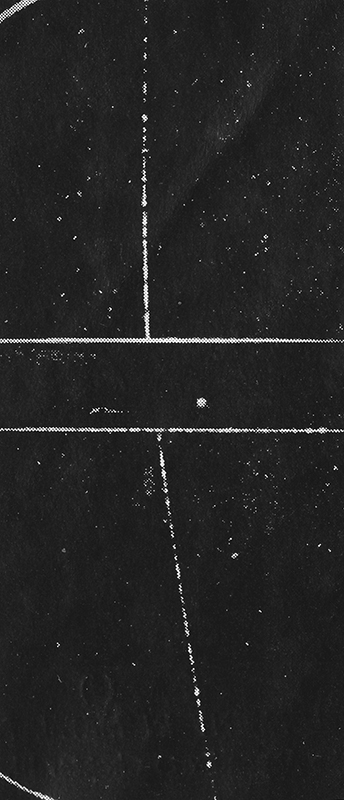
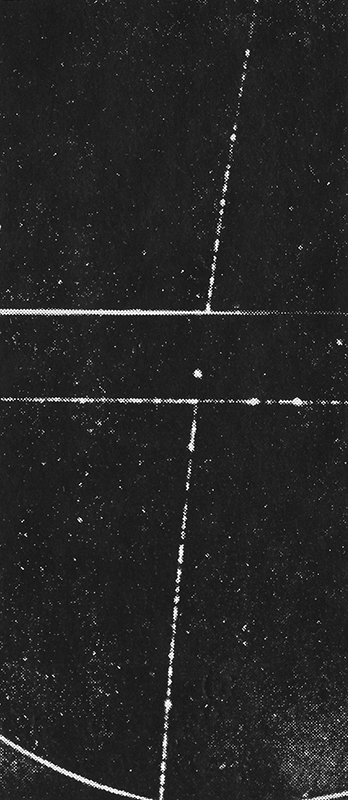
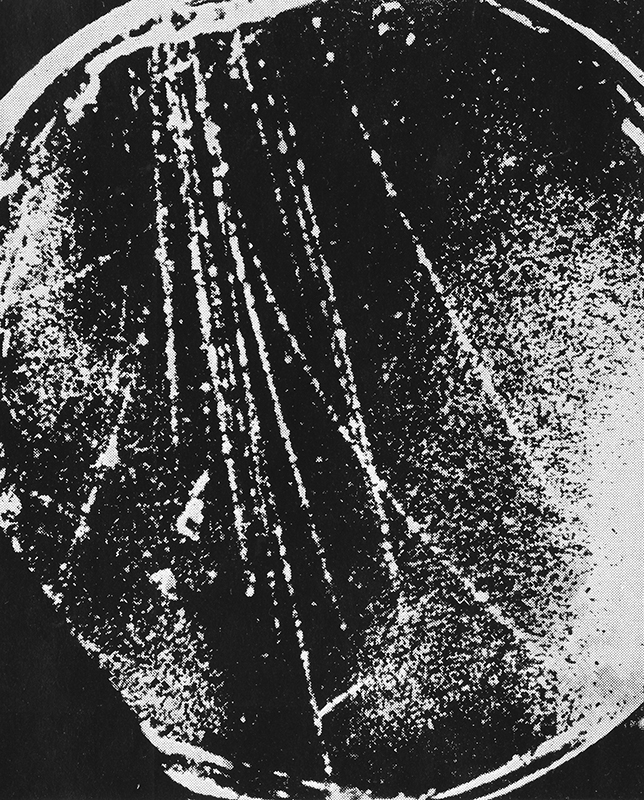
The following images from the same book show particle trails photographed in a cloud chamber -showing extensive showers and particles passing unhindered through metal plates.

J G Wilson writes about cosmic rays ‘…it is interesting to speculate on their previous history, for before it is overtaken by the catastrophe of hitting the earth, each particle is likely to have had a placid life for years, even millions of years, cruising through the wide open spaces of the universe’.

Cosmic Chiasmus: crossing the universe 2021 (video still)

The primary detectors used at Haverah Park were water Cherenkov detectors. These are large water filled tanks filled with a photomultiplier suspended in the water to capture flashes of Cherenkov light emitted by high energy cosmic rays as they pass through. The light is emitted because the cosmic rays pass through water faster than photons of light are able to, and as they do so they lose electrons thereby emitting light. The speed of light is only a constant within a vacuum, when it passes through other materials it get slowed down.

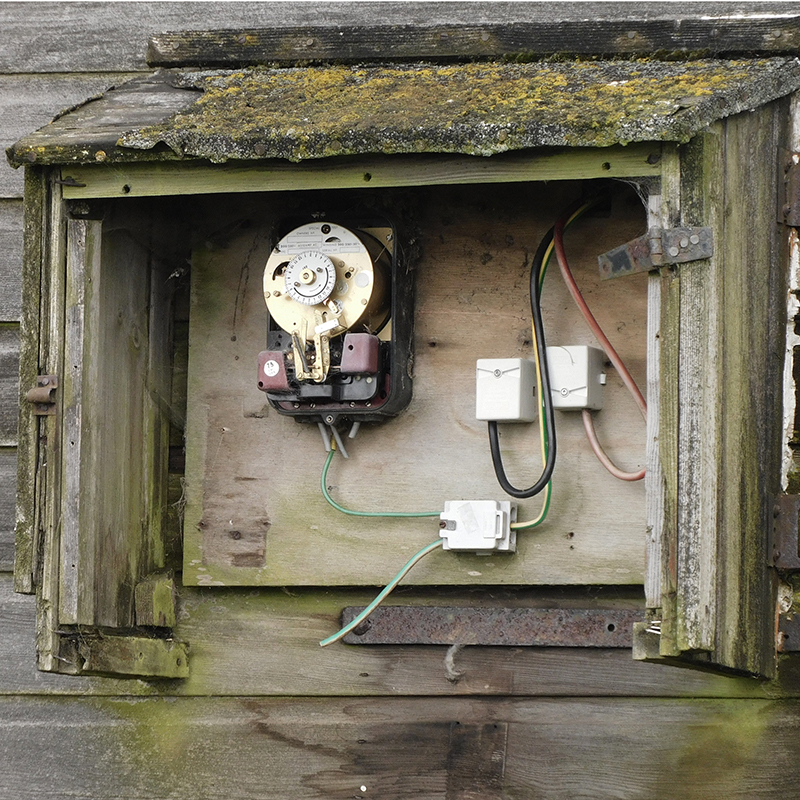
There were four 34 m2 detectors at the centre of the array in the main hut, with three detectors located 500m from the central detector. Signals from the three distant detectors were sent along buried cables to the central hut, with the signal from the central detector passing down 500 m of cable buried underground so that all signals arrived at about the same time.  When signals from the central one and two of the others arrived within ~2 x 10⁻⁶ s (called a coincidence), the signals from the photomultipliers in the 34 m2 detectors were displayed on four oscilloscope screens and photographed by one camera which had its shutter permanently open. About 20 feet of film could record around 150 events. Developed and manually scanned by Alan, or a senior colleague, the film was checked for quality and to look for any large events (ultra high energy particles arriving) which were always exciting to find. The developed film was then sent to Leeds University Physics dept for measurements.

When there was a coincidence event at the centre of the array, a signal was sent by microwave to the distant detectors set across the moorlands (on average about 2km from the central hut), the signals from these distant groups of 4 x 13.5 m2 were recorded digitally with the data going onto paper tape which was collected once each week. 

Along with the oscilloscope traces being photographed, the number on a counter was included which gave the time of each event to the nearest half minute.  In the 1960’s when this project began the time counter was advanced by a pendulum clock.  Counting time in half minutes the team found that there are roughly one million half-minutes in a year, which gave a good excuse for an annual party.

There were some brief periods in the early 1980s when a small number of scintillator detectors were also used to make cross-checks of the results from the water Cherenkov detectors against those from projects in the USA (Volcano Ranch) and Yakutsk (Siberia).  The scintillators retrieved from Imperial College’s Holborn project were brought to Haverah Park for an experiment to look at much lower energy showers.

Both types of detectors register flashes of light.  

Blackett was the first person to work out the details of Cherenkov light produced in the atmosphere. According to a memoir on Blackett, written by astronomer Bernard Lovell, who knew him very well, Blackett attempted to see Cherenkov light from cosmic ray showers with the naked eye but there is no mention of whether he succeeded. In 1962, physicist Neil Porter who built the first water Cherenkov tank in the UK at Harwell in the 50’s, did an experiment with some volunteers who were asked to recline on a coach in a dark room with a small Geiger telescope attached to a pair of darkened goggles and acknowledge if they saw a flash of light when a cosmic ray was known to pass through the googles. The observers did seem to experience a flash of light but results were ambiguous as to whether this was Cherenkov light being emitted as the particle passed though the crystalline lens or vitreous humour of the eye or a direct excitation of the retina. The experiment was a collaboration with the Psychology dept at the University of Dublin and published in Nature under the Psychology heading giving an impression that the lights were perhaps a figment of the imagination.

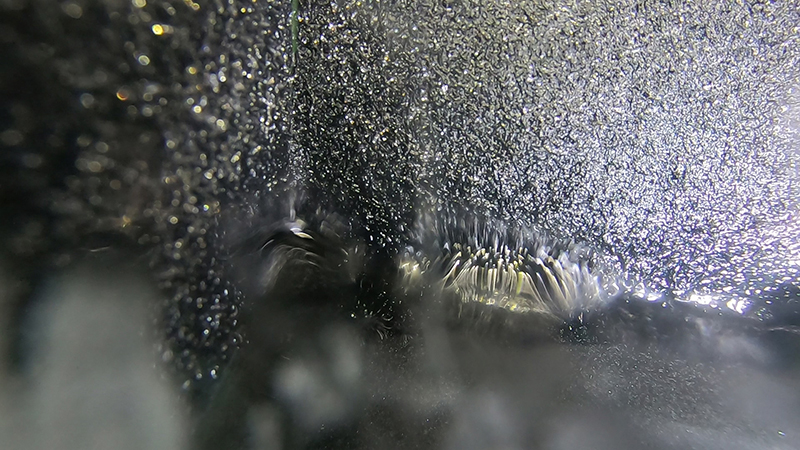
Aóratos 2019 video still

Astronauts are very aware of this phenomenon. During the 1970 Apollo 13 mission to the moon the power supply was damaged and the astronauts sat in the dark for several days waiting to return to Earth. They experienced flashes in their eyes and realized that some of this was Cherenkov light. Some flashes were caused by particles directly hitting the retina but Cherenkov light caused by high energy particles travelling through the matter of the eye faster than light, is much brighter. The energy is proportional to the square of the charge of the particle that comes through, so if you have an iron nucleus which has a charge 26 x the charge of a proton, you get 26 squared or 600 times as much light emitted. Out in space there are many more of these high energy particles and so the astronauts would become very familiar with these flashes, even using them to line up accelerator beams by putting their head in the particle beam to see the flashes.

An astronaut once told Alan that he was convinced that the very first people fired into space probably saw these flashes, but didn’t like to tell NASA in case it turned out to be a physiological defect of theirs and they would be taken off the space programme.

Recently, a professor friend of Alan’s who is aware of this phenomenon, has unfortunately had to begin radiation treatment for a brain tumour. He has found due to the position of the tumour and angle of treatment he can see Cherenkov light flashing in his eyes as the electrons bombard the tumour.

Aóratos 2019 cropped video still

When we met, Alan was just back from a conference in Italy discussing a paper titled ‘Ultra high energy cosmic rays: The Disappointing model’. They called it the disappointing model because they believed that the Auger results with particles at the highest energy were heavy not protons. I’m not sure I understood why it was disappointing although Alan did his best to explain: ‘It’s difficult to measure the mass of the particles of a certain energy. A deduction had been made that they have a mean mass, probably the same as nitrogen but mass changes in quite a complicated way as a function of energy. It’s to do with how deep the showers develop in the atmosphere.

Cosmic Chiasmus: crossing the universe 2021 video still

The techniques aren’t good enough to separate the particle’s mass on a one by one basis, we can only do averages. It looks like the average mass is much heavier than protons, which everybody had believed for a long, long time. Protons would be at a much lower energy. As the nucleus is travelling through space, it sees photons from the microwave background radiation and the photon will chip off a neutron or a proton, if it chips off a neutron, the neutron decays into a proton, so you can get protons this way, but they will be of lower energy. The energy reduces roughly by the mass of the particle, so an iron nucleus has a mass of 56, if you chip off a neutron or a proton that proton will have an energy, which a 56th of the energy that the nucleus has – so it goes down in energy.

Some particles could come from Centaurus A, which is a relatively close radio galaxy, it is thought that the jets from radio galaxies provide conditions to accelerate the particles, but the problem is, because the cosmic rays are charged, they get deflected in the magnetic field of the Galaxy so you can’t track them straight back to where they came from.  In terms of heavy particles that’s more of a problem because being charged means they bend even more. So one of the disappointing things is that cosmic ray astronomy is not going to be very easy. The Pierre Auger observatory has really been very successful in changing the picture quite a bit but because there are so few ultra high energy particles recorded it is slow progress. There are hopes to expand the observatory even more and also a plan to launch a satellite with detectors to pick up fluorescence light in the shower as it passes through the atmosphere, a similar phenomenon to aurora light.

Cosmic Chiasmus: crossing the universe 2021 video still

Exhibitions

The Vinyl Factory: Reverb at 180 The Strand, a multimedia exhibition exploring the intersection of art and sound with artists including Theaster Gates, Es Devlin, Julianknxx, Kahlil Joseph, Caterina Barbieri, Stan Douglas, Virgil Abloh, Cecilia Bengolea, Jeremy Deller, William Kentridge, Jenn Nkiru, Hito Steyerl, Carsten Nicolai and Gabriel Moses. Fabulous show, shame I can’t share the sounds here. Loved Jeremy Deller’s takeover of a sixth form politics class. Some of the works I had seen before but that was fine as they are worth extra viewings.

Reading

I am beginning research reading for The Geological Unconscious exhibition Julie F Hill and I are co-curating at Hypha HQ Euston opening in May 2025.

Ursula Le Guin The Winds Twelve Quarters, a collection of profound short stories each introduced by the author reflecting on the intention within.

Long after I wrote the story (The Stars Below) I came on a passage in Jung’s On the Nature of the Psyche: ‘We would do well to think of ego-consciousness as being surrounded by a multitude of little luminosities…Introspective intuitions…capture the state of the unconscious: The star-strewn heavens, stars reflected in dark water, nuggets of gold or golden sand scattered in black earth.’ And he quotes from an alchemist, ‘Seminate aurum in terrain albam foliatam’ – the precious metal strewn in the layers of white clay. Perhaps the story is not about science, or about art, but about the mind, my mind, any mind, that turns inward to itself.

Roger Caillois The Writing of Stones 1970 is a tribute to the collection of extraordinary stones Caillois acquired and which now resides in The National Museum of Natural History Paris. In these poetic chapters he describes in detail each of the stones and his fascination with the images and associations they conjure in his imagination. Questioning and celebrating the allure of the mineral and the stories hidden and revealed over millennia.

I can scarcely refrain from suspecting some ancient, diffused magnetism; a call from the centre of things; a dim, almost lost memory. or perhaps a presentiment, pointless in so puny a being, of a universal syntax.

Nothing truly exists – except in relation to other things. Carlo Rovelli

Work in progress.

Building the azimuth obelisk made from layered re-cycled paper. This sculpture is a response to the concrete obelisk erected in 1955 at Hartland Magnetic Observatory as a permanent azimuth mark from which to measure the drift of Earth’s magnetic field. Deep time geology holds the sedimentary knowledge of magnetic activity, from the degrees of variation between the magnetic and geographic north pole to the cataclysmic impact of pole reversals.

Etching Directional Magnetic Steel to reveal the jigsaw pattern which comes from rolling single crystals of an iron silicon alloy into thin sheets to minimise magnetic losses for use in industry.

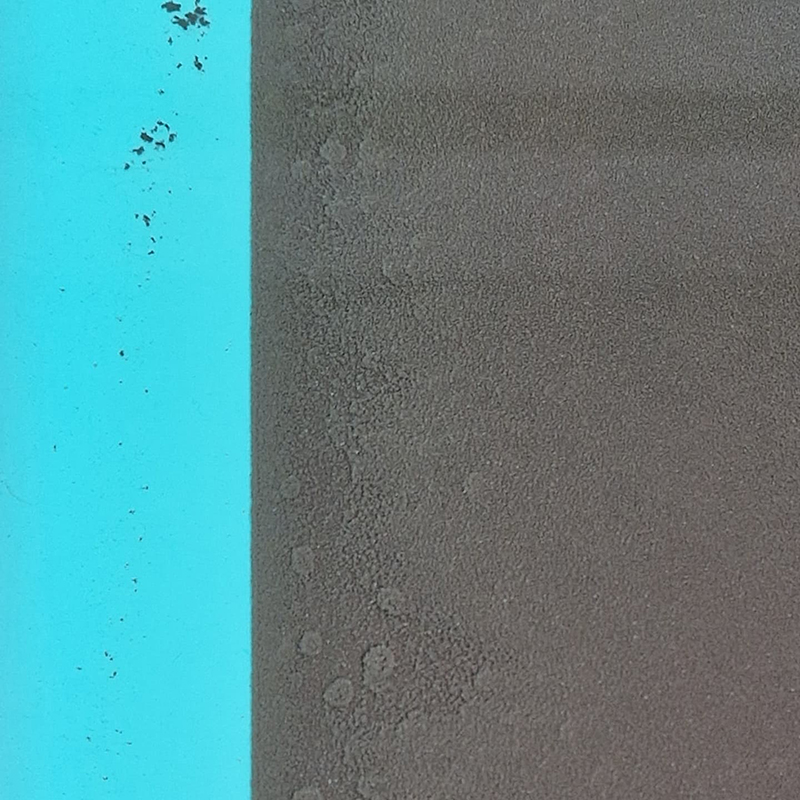
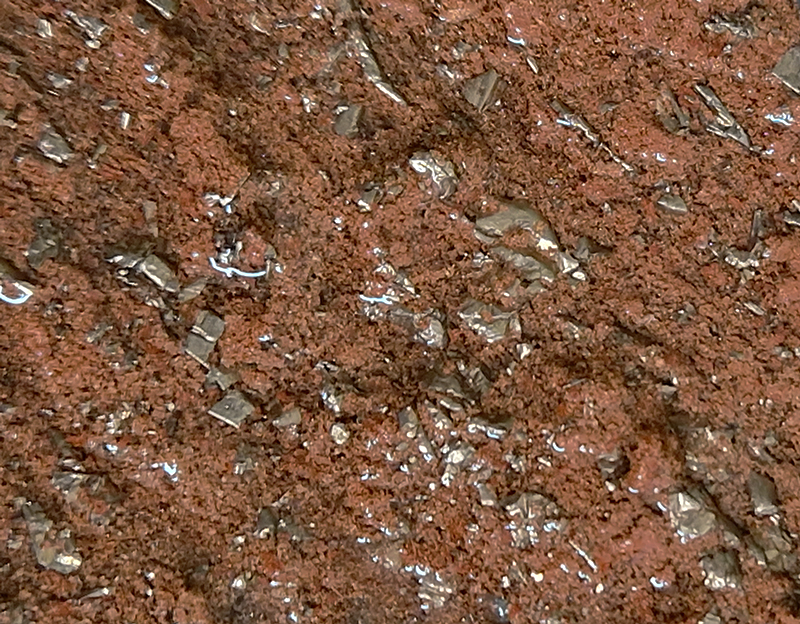
The copper sulphate etching process creates a very thin, fragile layer of shiny copper under the red residue

Magnetism embodies magical qualities which have fascinated humans since the first encounter with a lodestone. These rare and enigmatic fragments found scattered across the surface of the Earth are created when lightning chances to strike the mineral magnetite.

The Lodestone, from Plato to Kircher by D. W. Emerson lists various historical references to the lodestone. The writer concludes – Lodestone, being very unusual, greatly impressed previous generations. Despite its unattractive appearance it was an admired mineral type more precious than pearls, it was celebrated in persuasive Latin hexameters, it was an analogue for the power of deities, it took a witch to subdue it, it was deemed explicable by Epicurean atomic theory, it was involved in a rather tenuous argument for eternal punishment of wicked persons, it meant doom for unwary mariners, it furnished fodder for folk lore, it resided in the arsenal of the apothecary, it helped to demonstrate the earth’s magnetism, and it assisted navigation. What other mineral has such a record? The lodestone was quite a remarkable rock; it still is, and oddly, yet to be completely studied and documented.

Pliny the Elder (AD 23/24 – 79) :

What is more amazing (than this stone) or at least where
has nature shown greater devilry? She gave rocks a voice
answering, or rather answering back, to man. What is more
indolent than the inert character of stone? Yet nature has
endowed it with awareness and hooking hands. What is
more unyielding than the harshness of iron? On it nature
has bestowed feet and a mode of behaviour. For it is drawn
by the lodestone, and the all-subduing substance hastens to
something like a vacuum, and on its approach it leaps
towards the stone, is held and kept there by its embrace.

Claudius Claudianus (AD fl. 395):

There exists a stone called lodestone; discoloured, dingy,
nondescript. It does not lend distinction to the combed
locks of kings, nor to the fair necks of girls, nor does it
gleam on the showy clasps of sword belts. But in fact if
you pay due regard to the strange marvels of this dark rock
then it outshines elegant adornments and anything, on far
eastern shores, that the Indian looks for in the weed of the
Red Sea (i.e. pearls).

Augustine of Hippo (AD 354-430):

We recognise in the lodestone an extraordinary ability to
seize iron; I was much perturbed when I first saw it. The
reason is that I clearly saw an iron ring grabbed and held
up by the stone. … Who would not be amazed at this power
of the stone?

Generating a magnetic field.

The dynamo theory states that to generate a magnetic field, a body must rotate and have a fluid core with an internal energy supply that is able to conduct electricity and drive convection.  Earth fulfils all of these requirements. It rotates faster at the Equator than it does at the poles causing spiral convection currents in the liquid iron outer core which is an excellent electrical conductor, powered by the energy released as droplets of liquid iron in the outer core freeze onto the solid inner core.

Any variations in rotation, conductivity, and heat impact the magnetic field created.

Mars has a weak magnetic field as it has a totally solid core. Venus also has a weak magnetic field for although it has a liquid core it rotates too slowly to create convection currents.  Jupiter has the strongest magnetic field in the solar system, with a metallic liquid hydrogen core and fast rotation, it has a magnetosphere so large it begins to deflect the solar wind almost 3 million kilometres from its surface.

Highlights from a trip to Japan which offered many poetic and spiritual experiences.

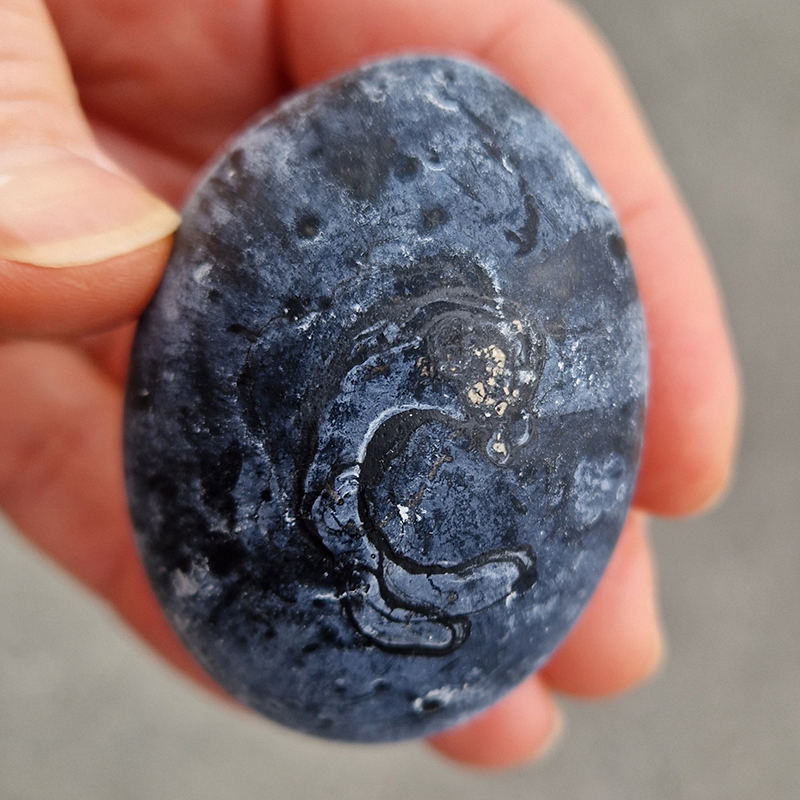
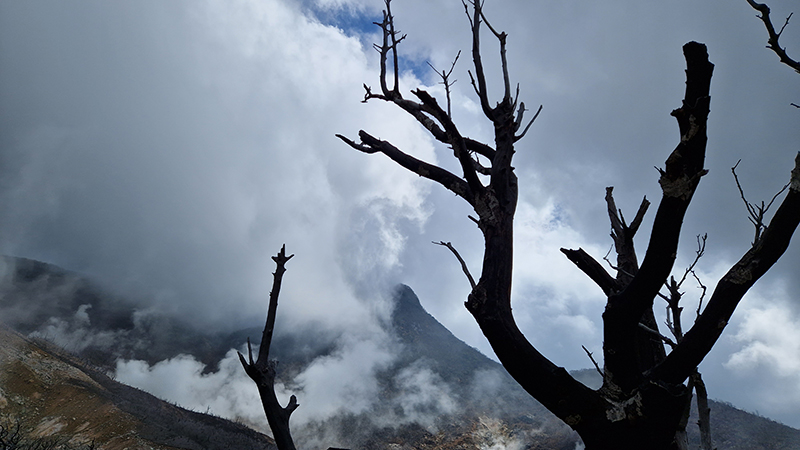
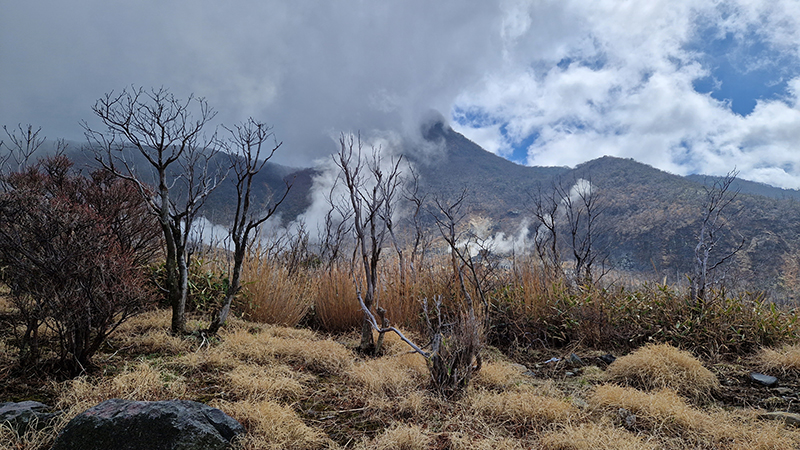
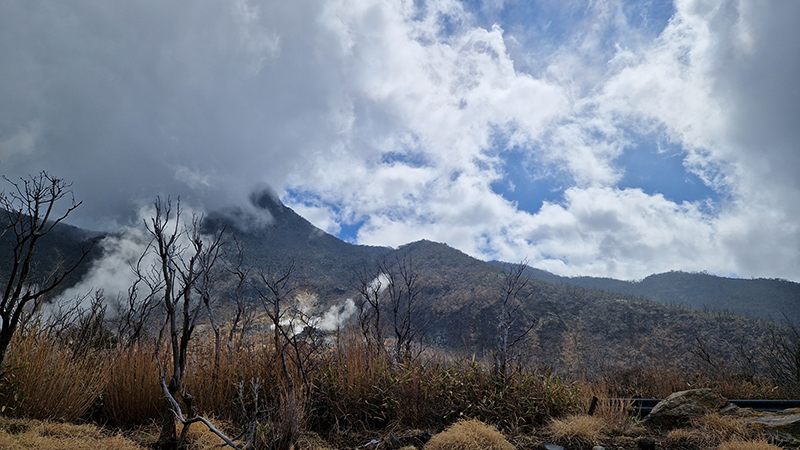
Active sulphur vents of the North South Hakone volcano arc boundary dividing Japan into East and West….also used to cook eggs. The beautiful markings on the eggshell were gone the next day.

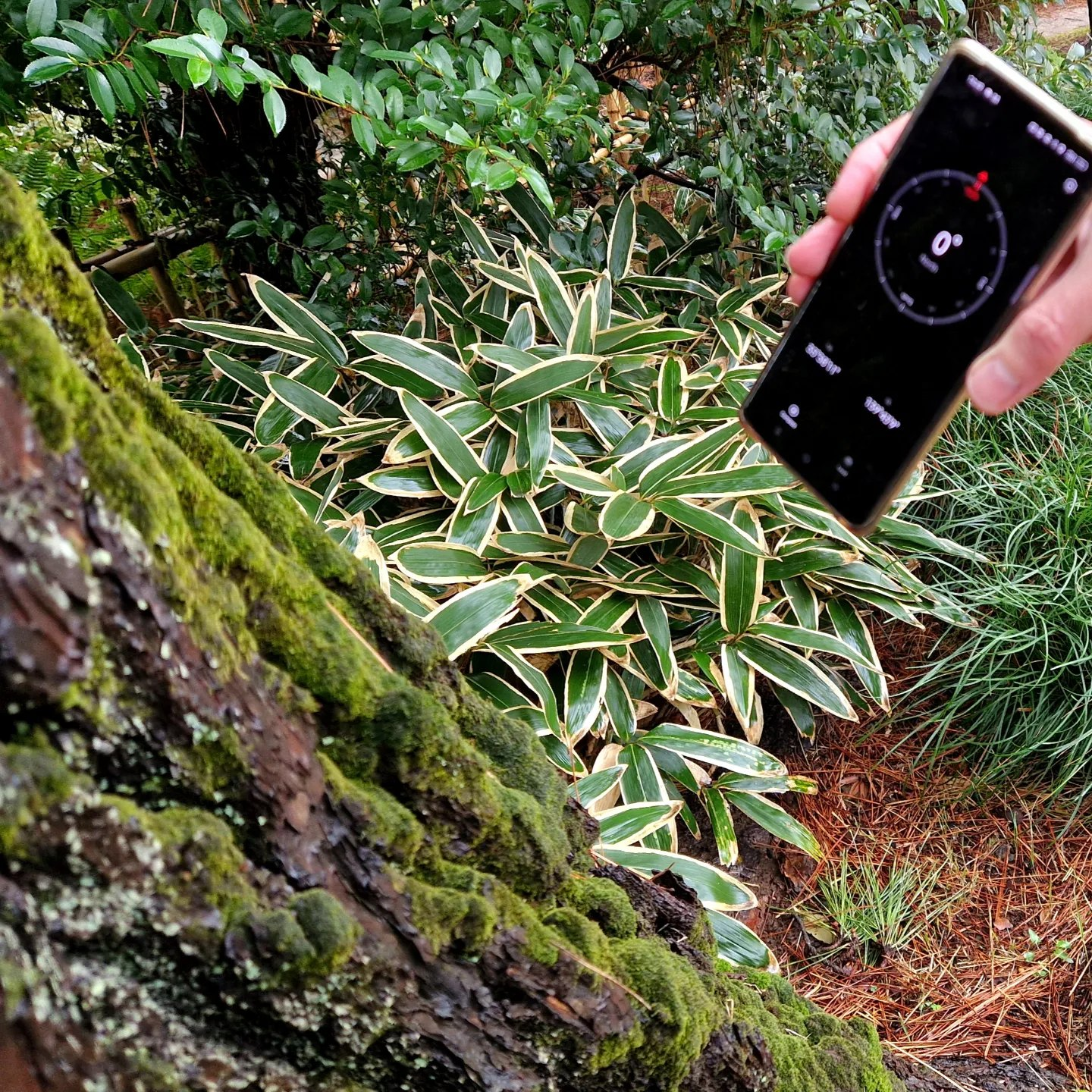
As Tristan Gooley says in The Natural Navigator, ‘There is a commonly held belief that “Moss grows on the north side of trees and buildings.” It does, sometimes, but will also grow on every other side. However, lots of satisfyingly north facing moss growth on the trees in this Tokyo park.

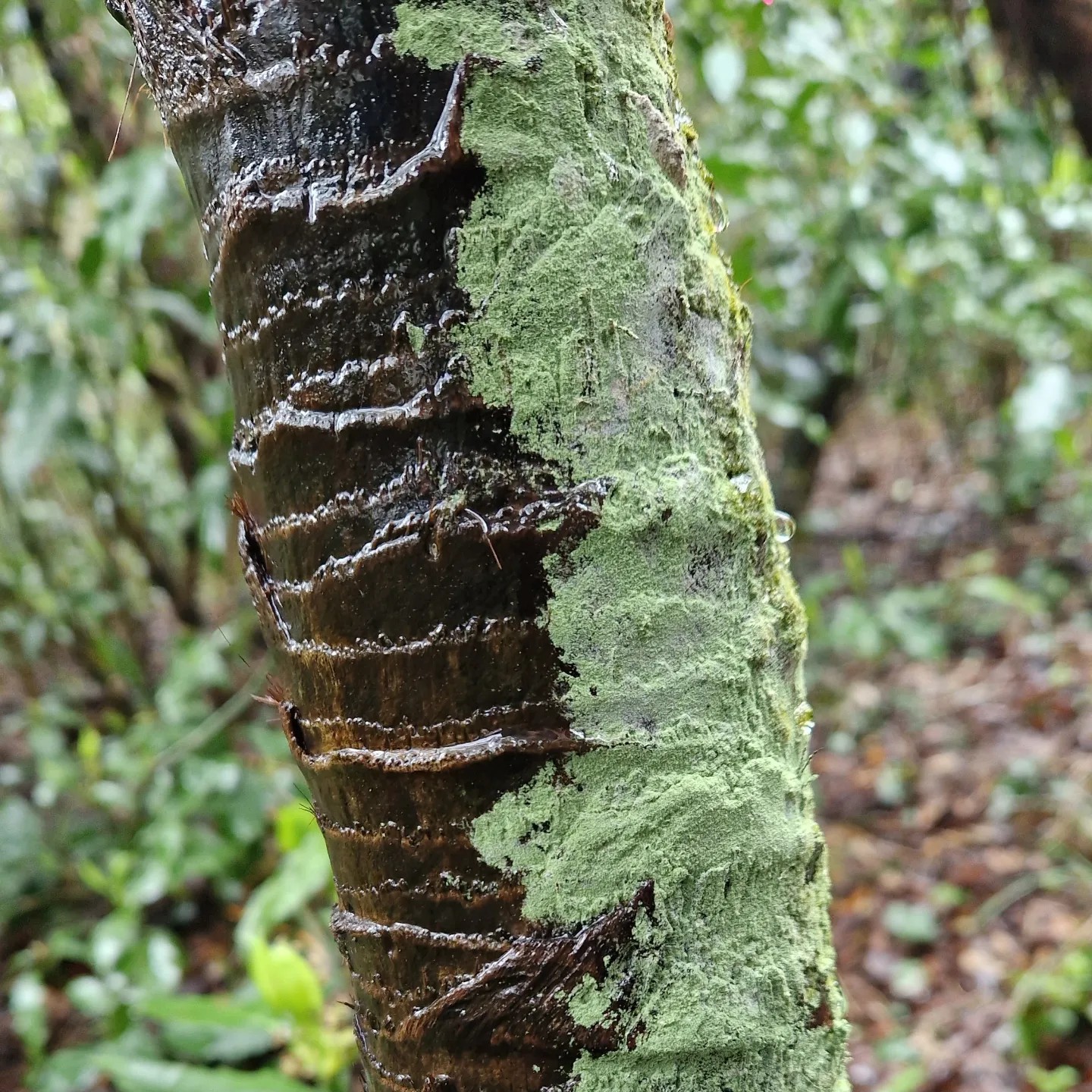
Moss tending in the rain, some splendid moss in the gardens of Kanazawa.

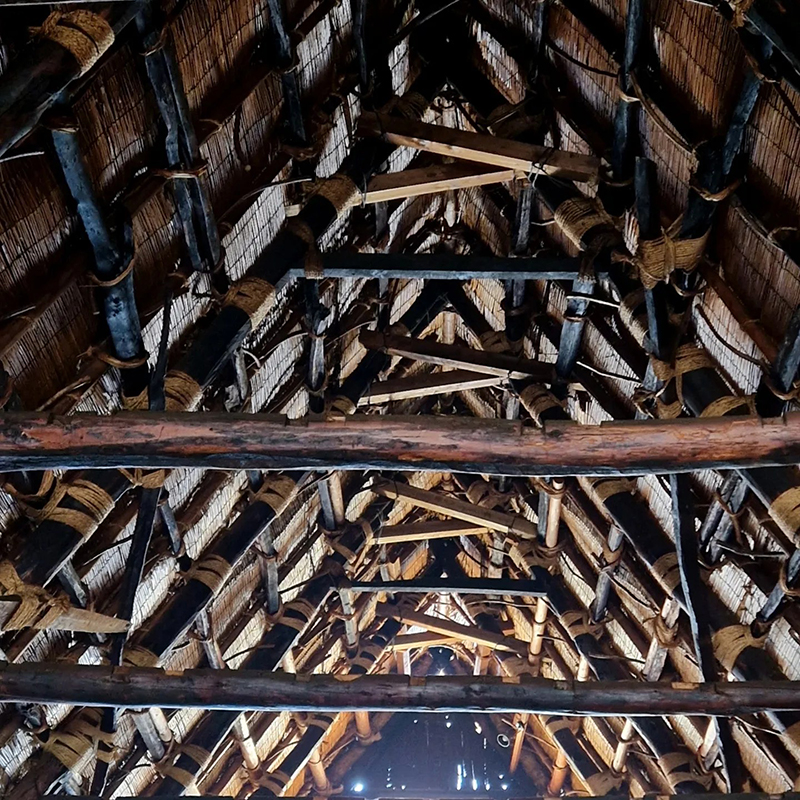
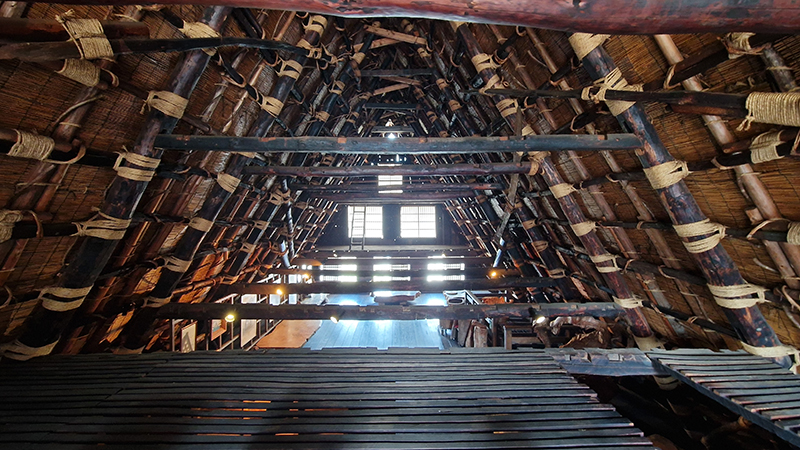
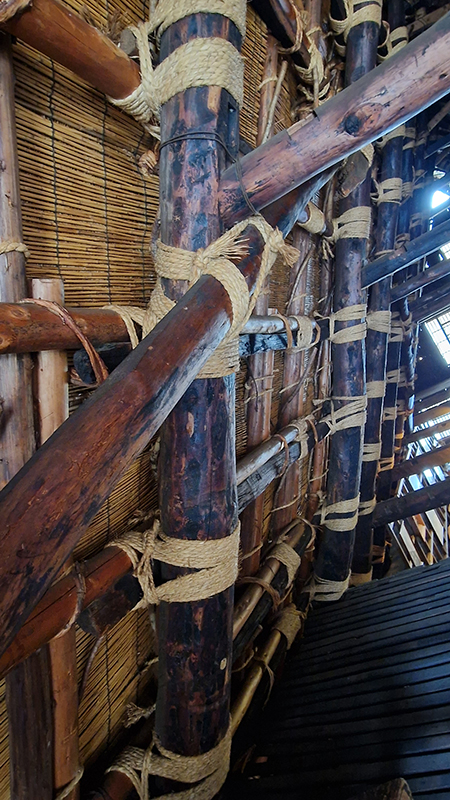
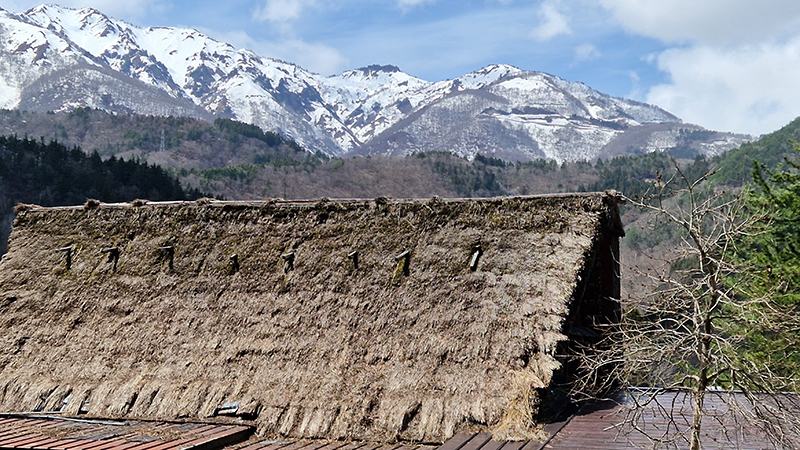
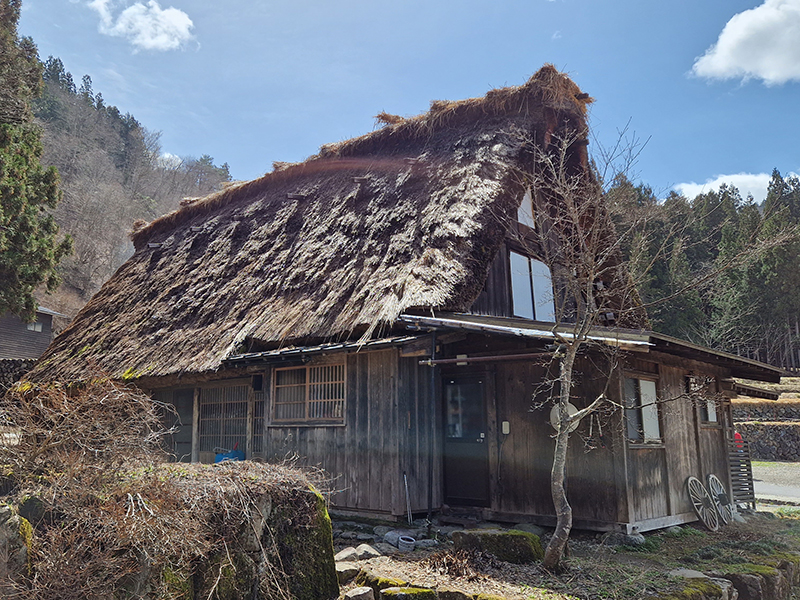
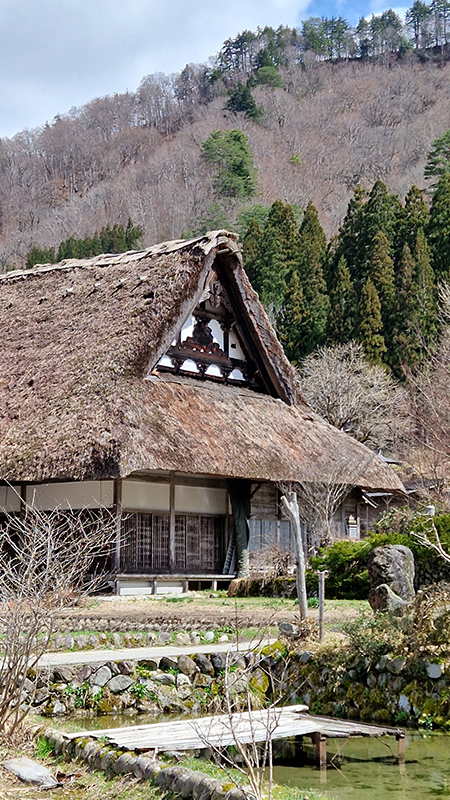
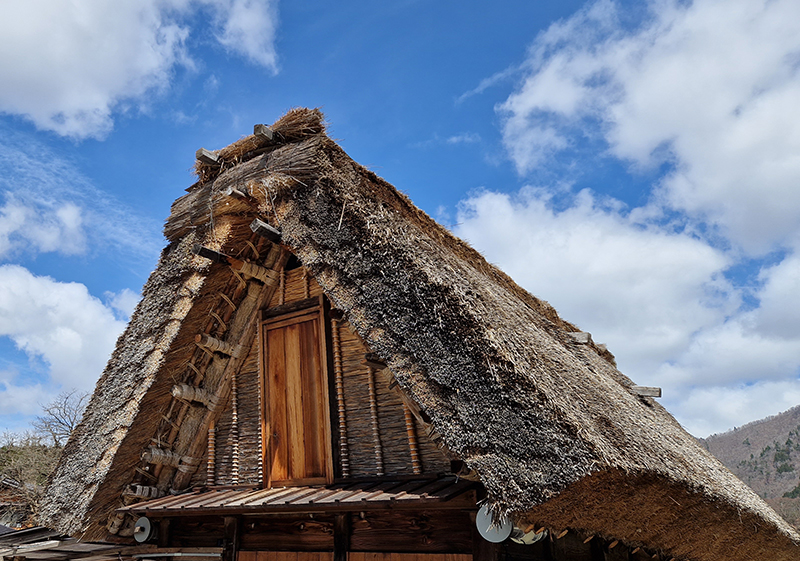
Inspiration for an absolute hut. The “Gassho-zukuri Village”, a World Heritage Site set in stunning mountain scenery, has more than 100 gassho-zukuri thatched rural buildings with wonderful steep pitched A-frame roofs.

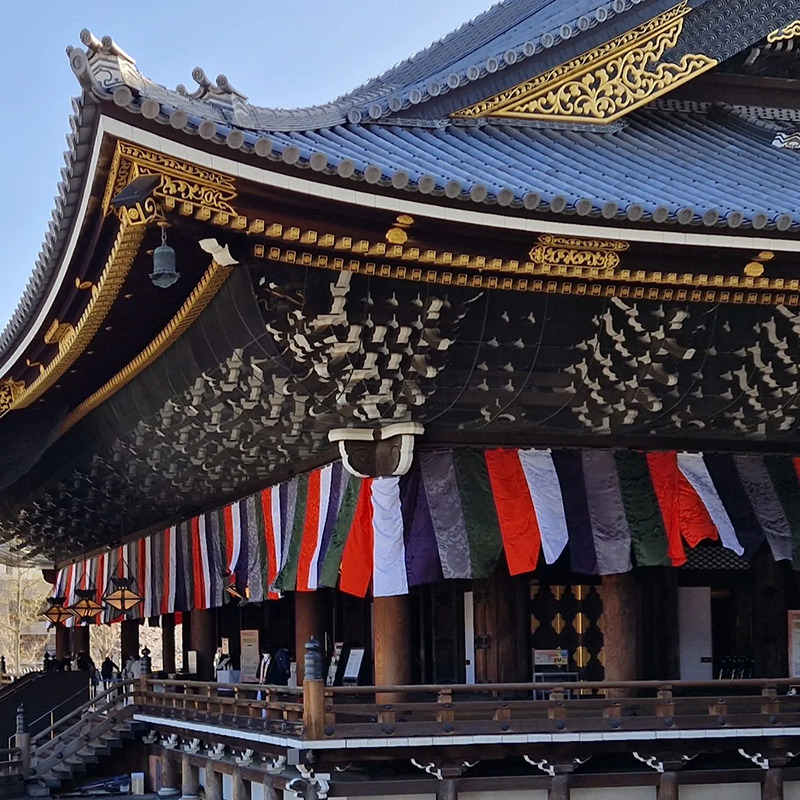
To Discover the Meaning of Being Born as Human Beings. Higashi Honganji Temple

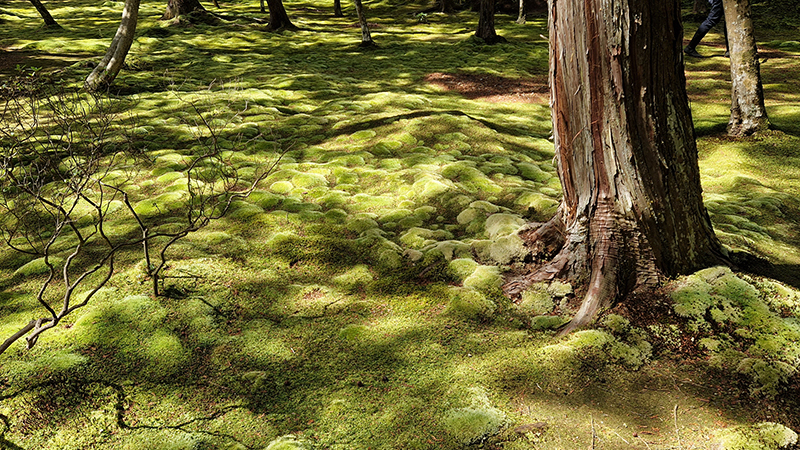
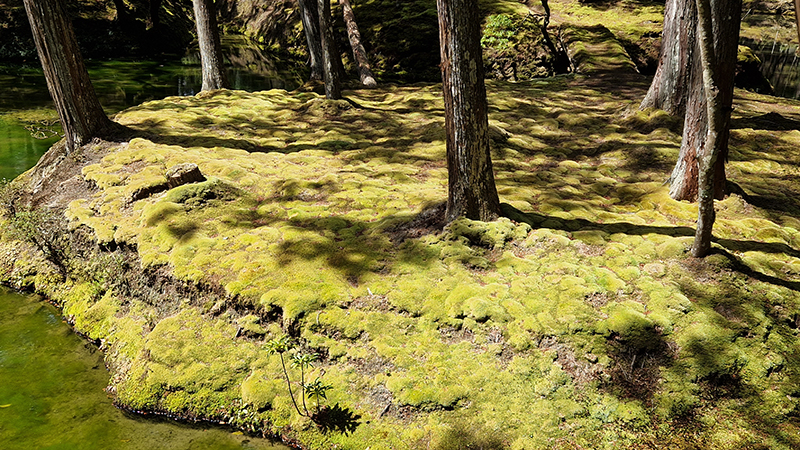
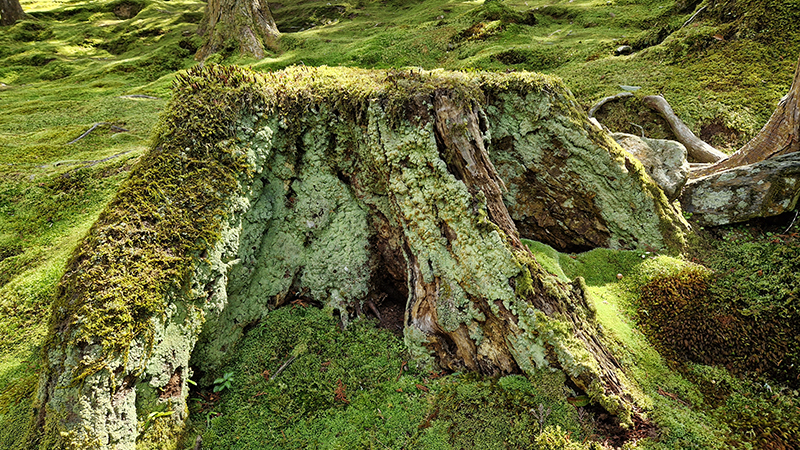
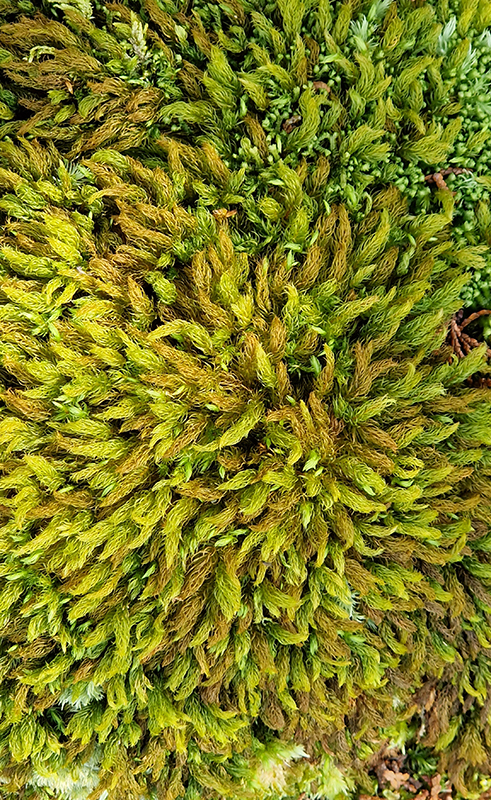
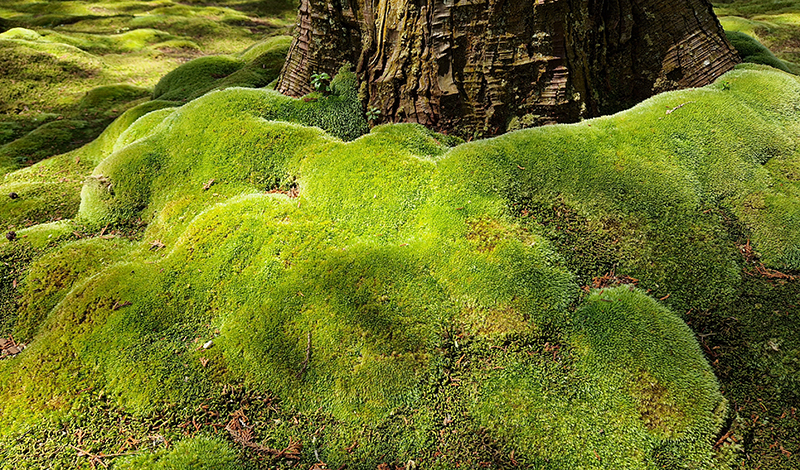
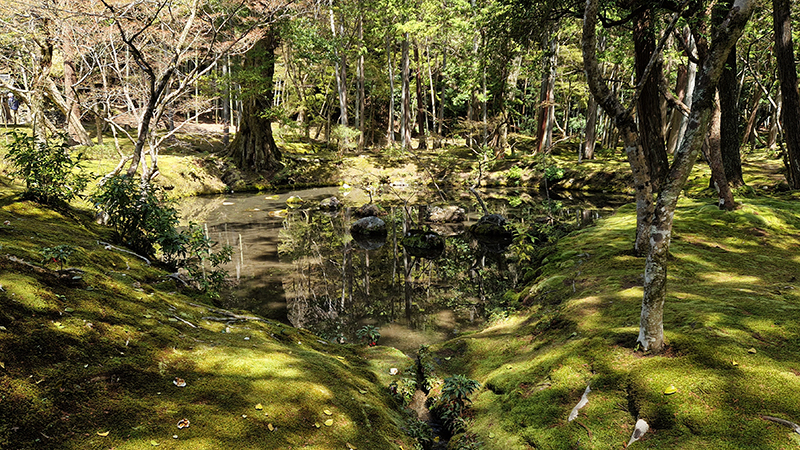
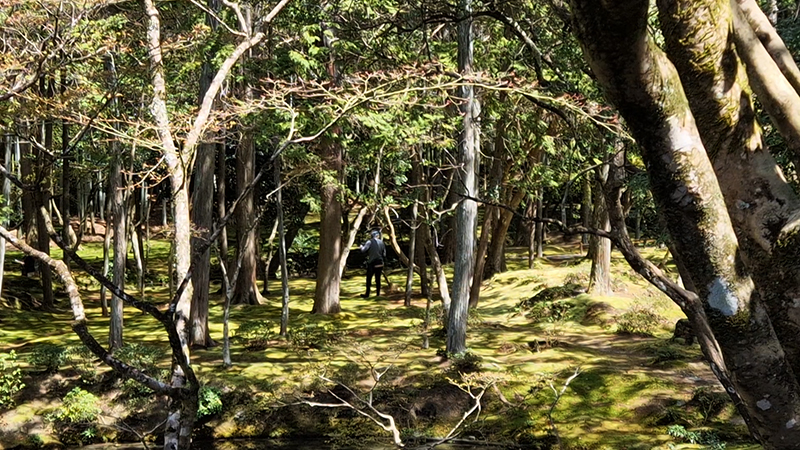
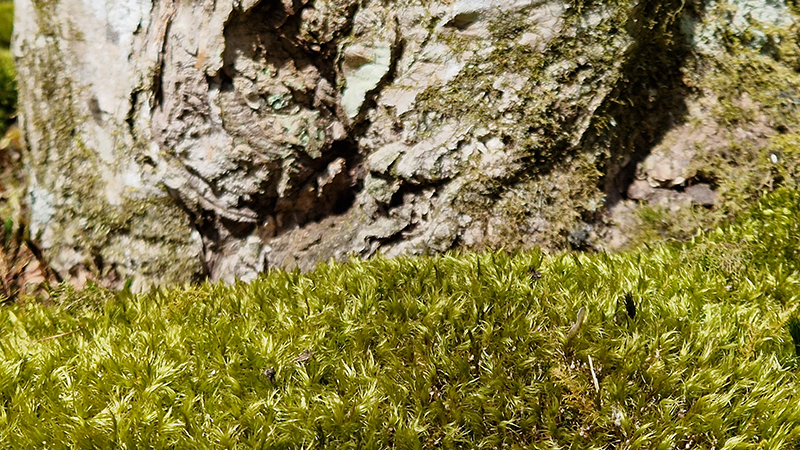
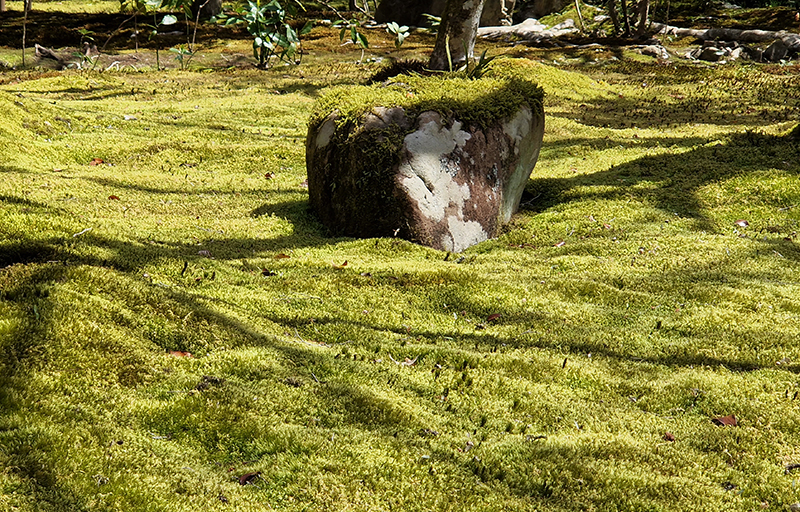
Moss heaven.

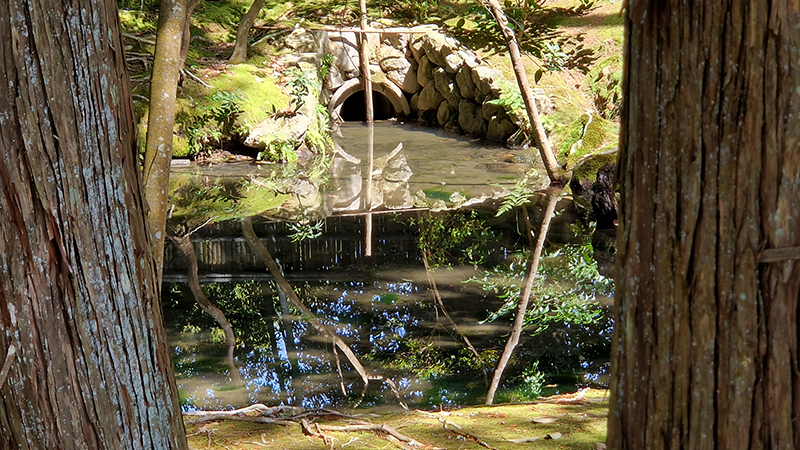
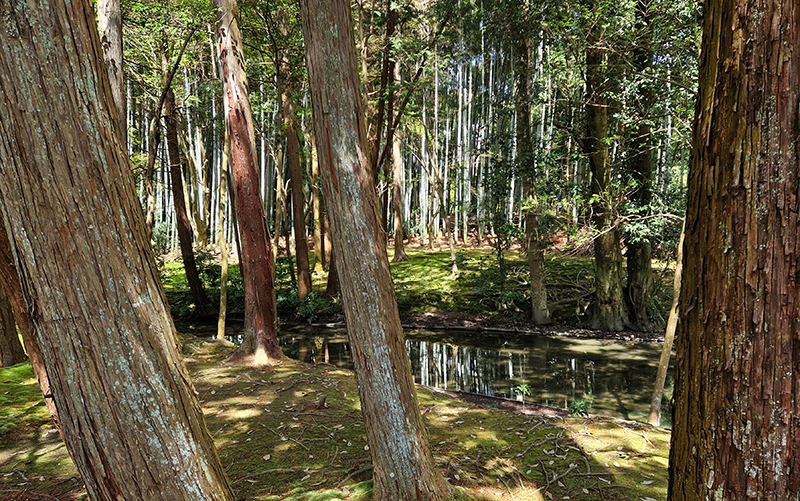
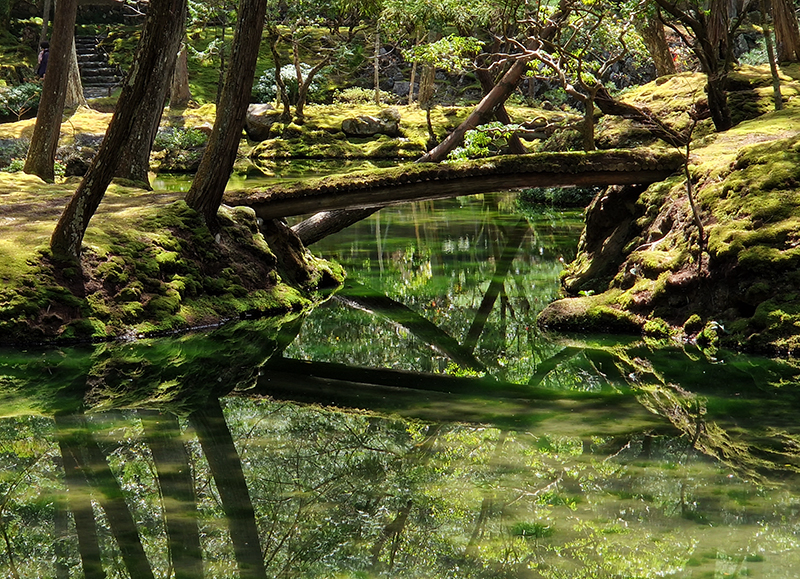
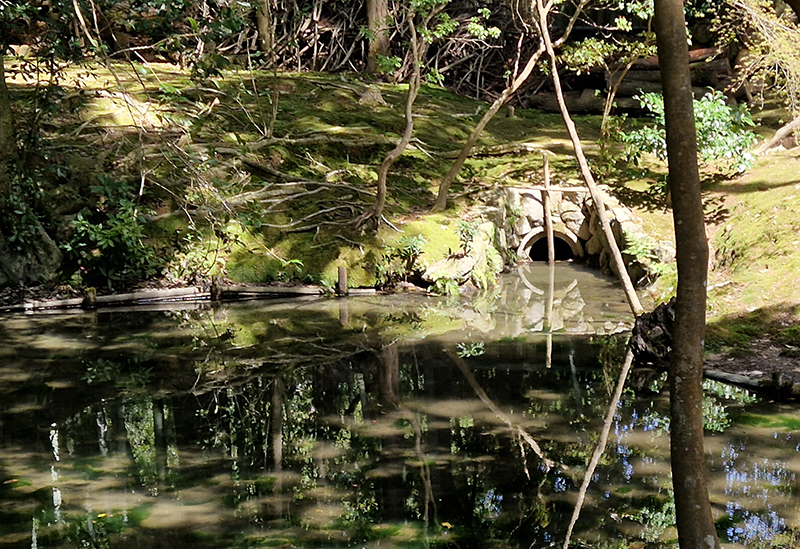
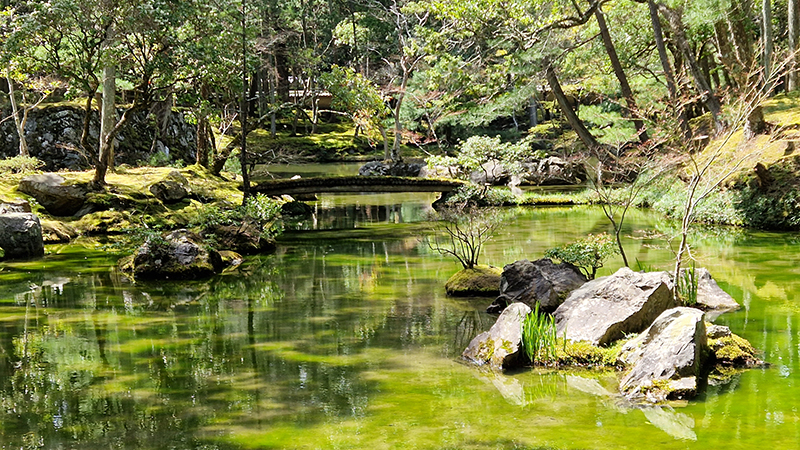
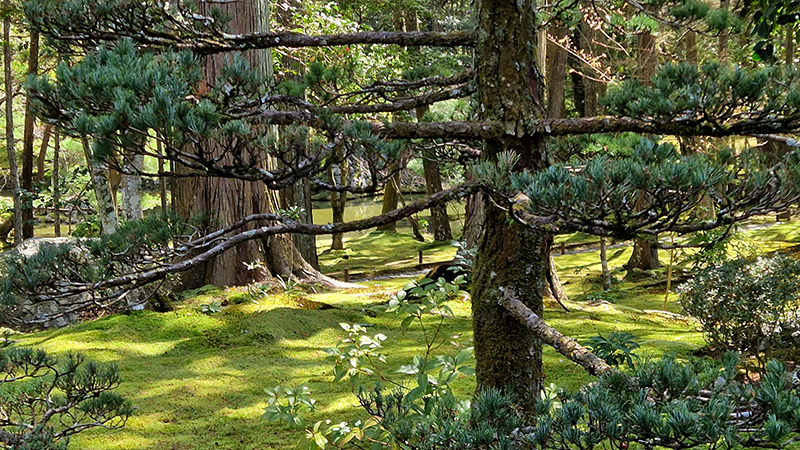
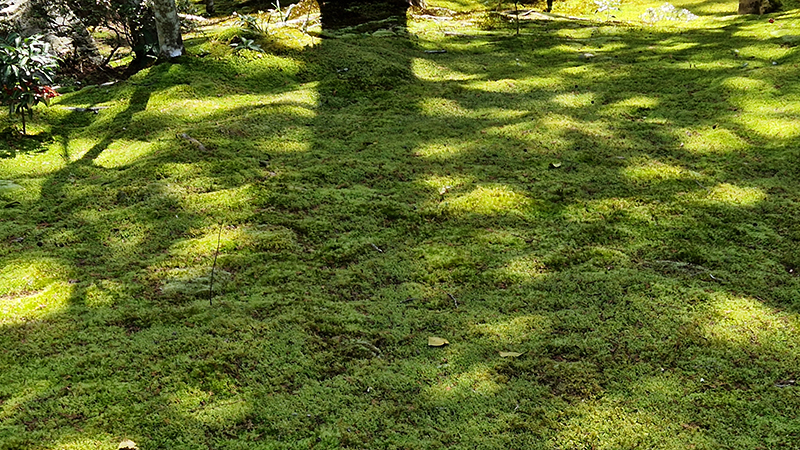
To visit Saihoji Kakedora Temple (the Moss Temple), you must send a postcard by mail to request a visit. On arrival, you spend time in the temple at a low table quietly copying sutras with a calligraphy pen to calm the mind before entering the garden.

The garden is built around the Ogonchi Pond shaped like the Chinese character, meaning heart and blanketed in over 120 species of moss.

master of persimmons

treetops are close to

Stormy Mountain

The poem stone tells the story of Kayori who had 40 persimmon trees in the garden laden with fruit which he intended to sell, but the night before they were to be picked a huge storm arose and in the morning not one persimmon was left on the trees. Kyorai was enlightened by this experience and called the hut Rakushisha – the cottage of the fallen persimmon.

Many famous haiku poets, disciples of Basho and including Basho himself, stayed here.

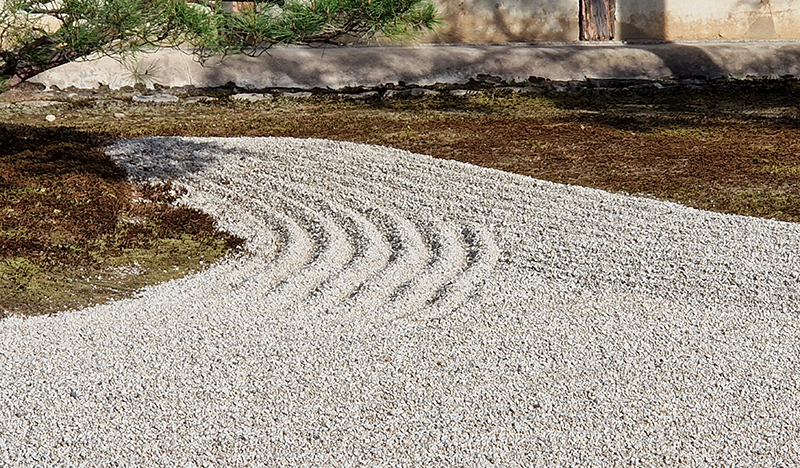
Home of the cloud dragon. Zen garden at Tenryu-Ji Temple, Kyoto.

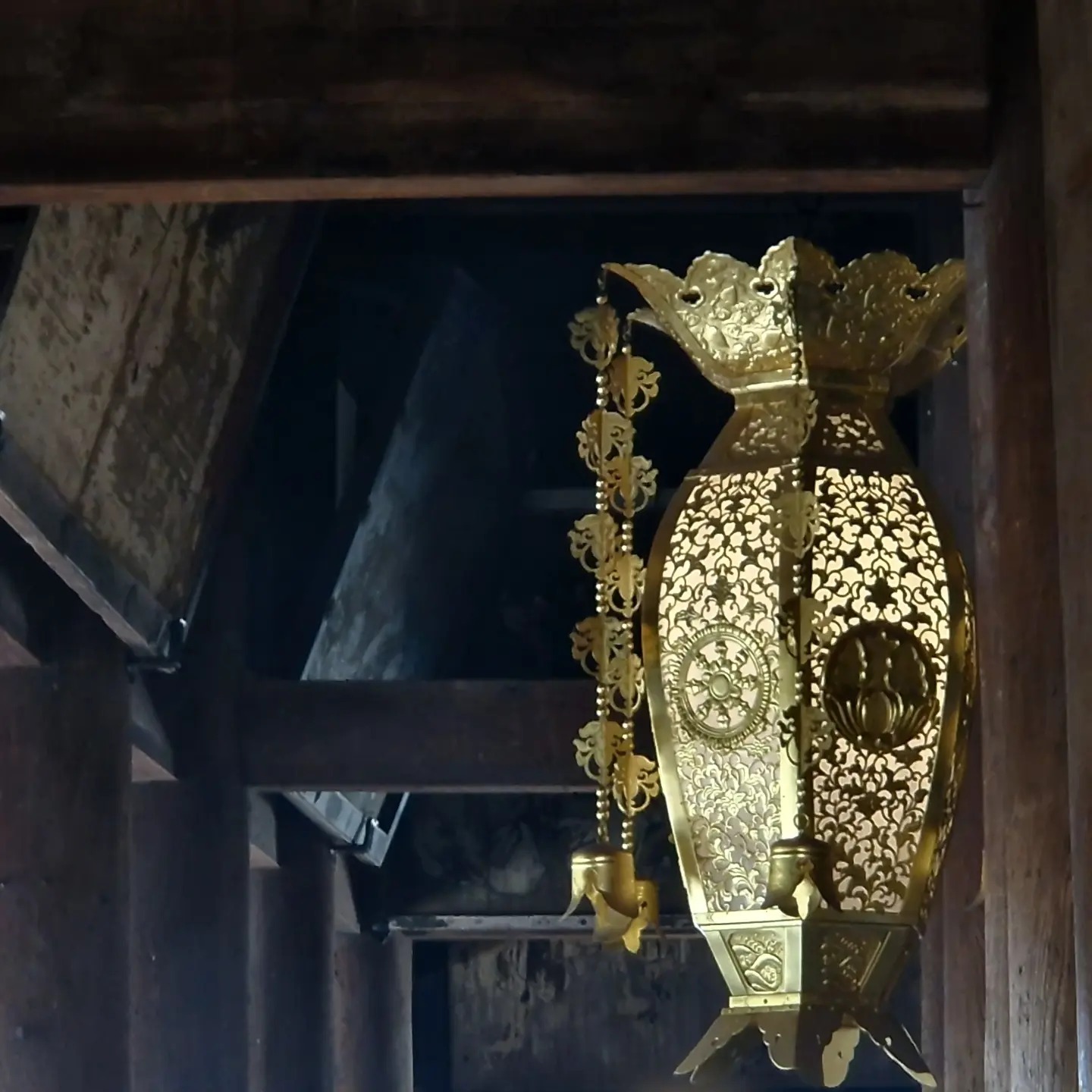
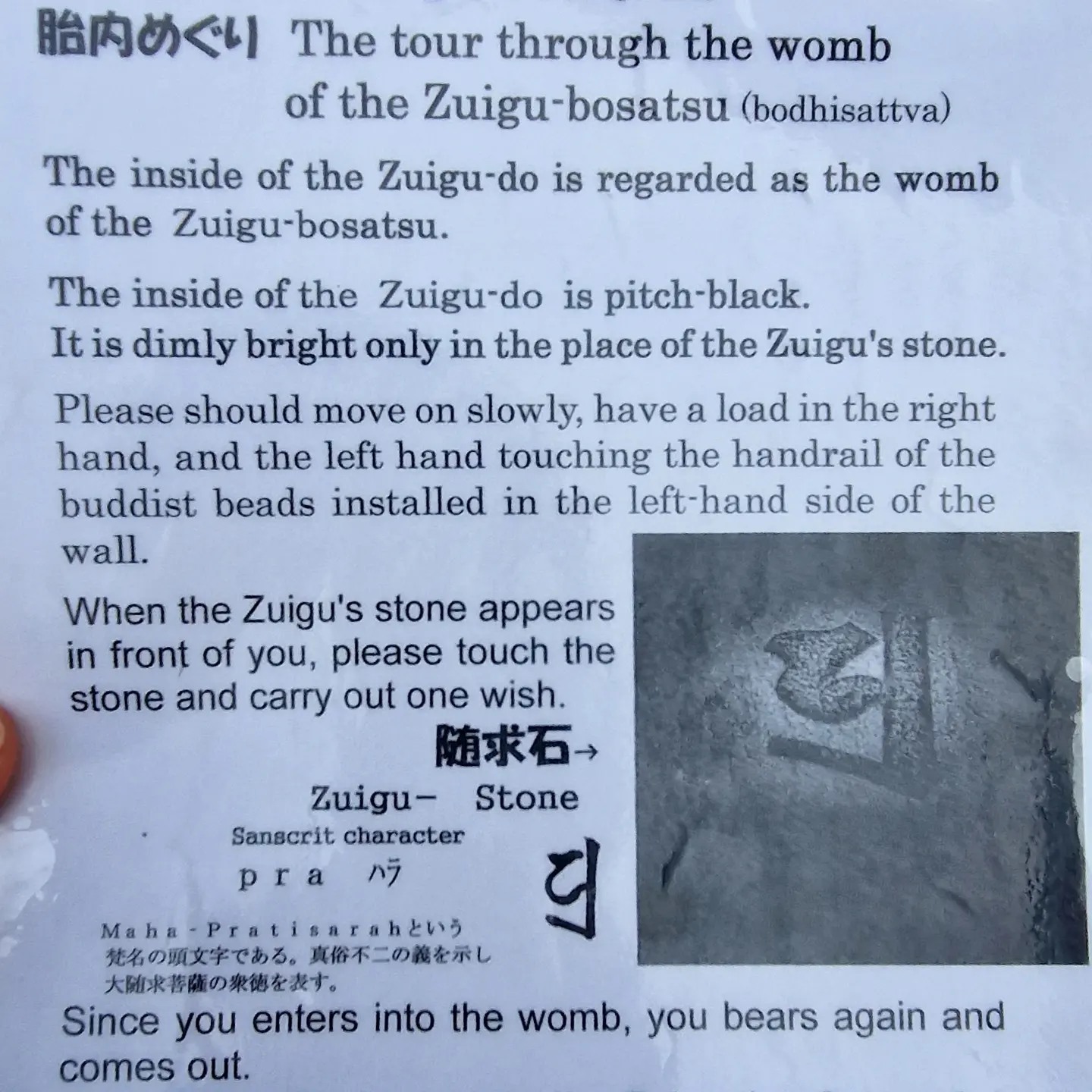
The tour through the womb of the Zuigu-bosatsu. The darkness of the journey through the womb was absolute. The stone floor ice cold on bare feet. Rosary beads the size of grapefruits led a winding path to the softly lit zuigu stone and on to the light to be reborn. Kiyomizu Temple, Kyoto

Kaname-ishi, keystone at Seikanji Temple, overlooking the city of Kyoto, spread like a fan before it, is believed to grant wishes if touched.

Rivers in the sky. Theories about crown shyness range from being caused by friction as new shoots are eroded in a windy forest to sensing the shadow or warmth of a neighbour.

Binzuru (Pindola Bharadvaja) was one of the sixteen arahats and is said to have excelled in the mastery of occult powers.

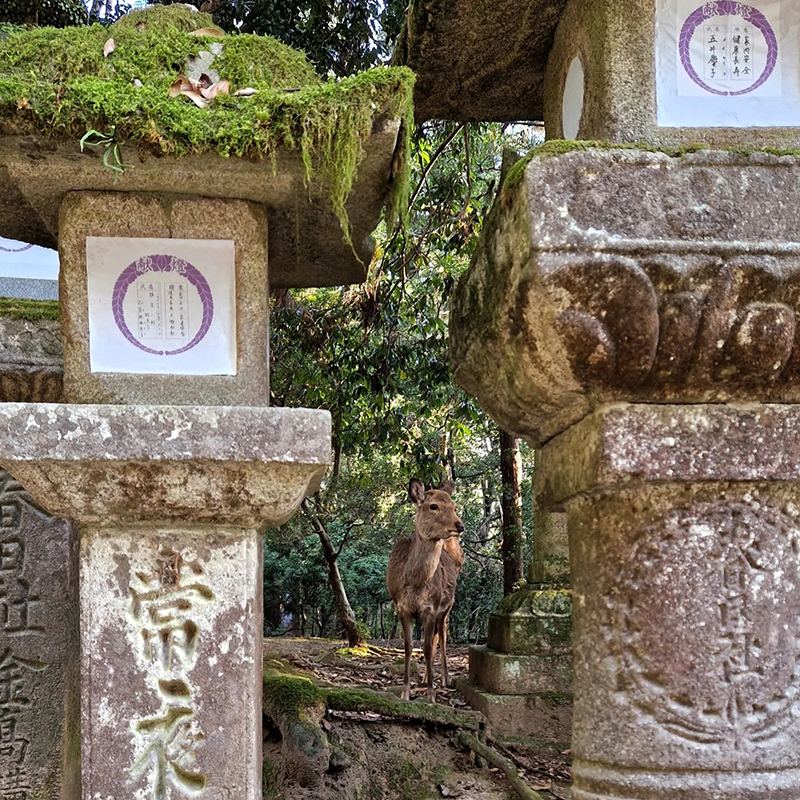
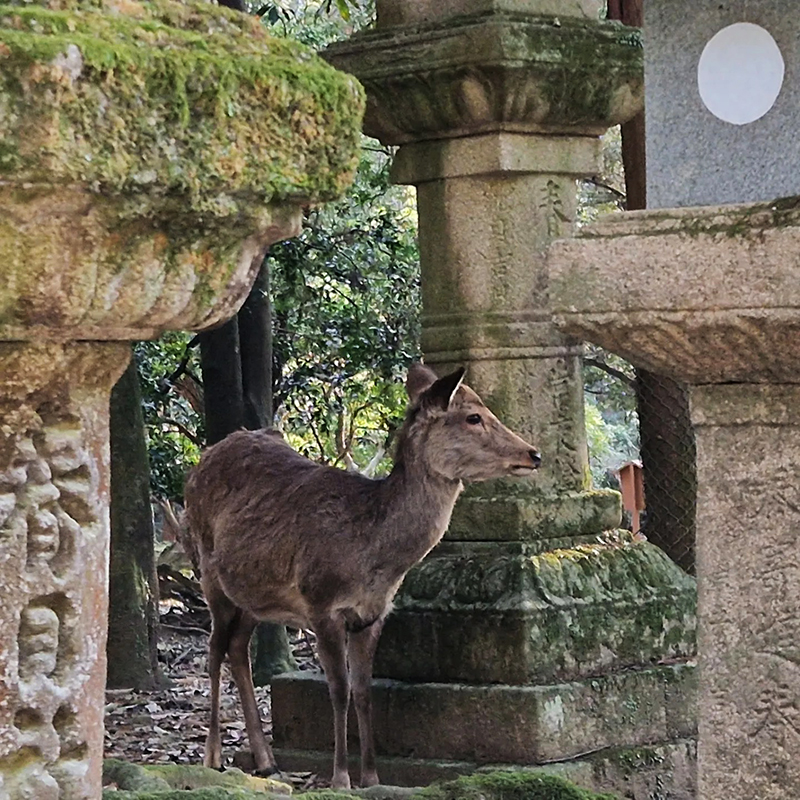
In Japanese mythology, the god of thunder arrived in Nara riding a white deer. The deer have lived here for centuries and are revered as emissaries of the gods of the Kasugataisha Shrine.

They have learnt to bow to be rewarded with special deer biscuits, which you can buy to feed them.

Discovering the works of Rafael Lozano-Hemmer, a Mexican media artist exhibiting internationally with a background in physical chemistry who creates large scale interactive work exploring and exploiting human interaction with technology to create an impressive catalogue of works from tethering a blazing sun to a face briefly echoed in a wisp of cloud. I was drawn to his work Atmospheric Memory inspired by Charles Babbage’s philosophy.

Whilst the atmosphere we breathe is the ever-living witness of the sentiments we have uttered, the waters, and the more solid materials of the globe, bear equally enduring testimony of the acts we have committed. Charles Babbage

Gallery Visits

Undertow at Unit 1 Gallery a group show with a subtle and astute use of material, quietly smoldering with agency.

Artists: Alex Simpson, Alison Rees, Isobel Church, Lauren Ilsley, Nicholas Middleton, Sarah Wishart and Tana West.

‘Hope locates itself in the premises that we don’t know what will happen and that in the spaciousness of uncertainty is room to act.’ – Rebecca Solnit, Hope in the Dark, 2004/2016

Michael Taylor The Last Man at Standpoint Gallery. I really loved this luminous body of work.

Richard Slee Sunlit Uplands at Hales Gallery was a wonderful conveyor belt parade of glistening mini utopias.

We can see no detail, we can see nothing definable and it is, I know, simply the sanguine necessity of our minds that makes us believe those uplands of the future are still more gracious and splendid than we can either hope or imagine.” 

The Discovery of the Future, H.G. Wells 1902

The quote “sunlit uplands” has been used as political ideology, as an assurance for better days to come most recently the phrase has been linked to the promises of Brexit, with politicians leaning on this rallying rhetoric.

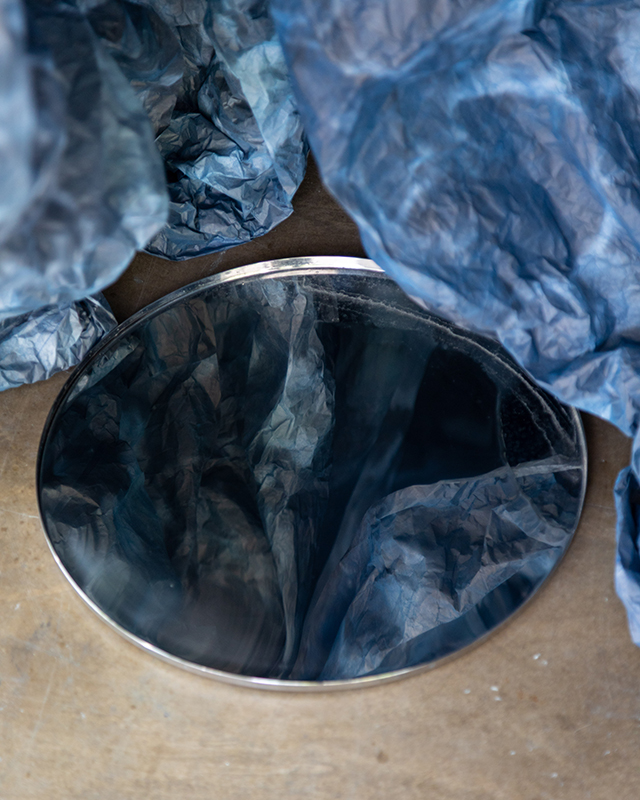
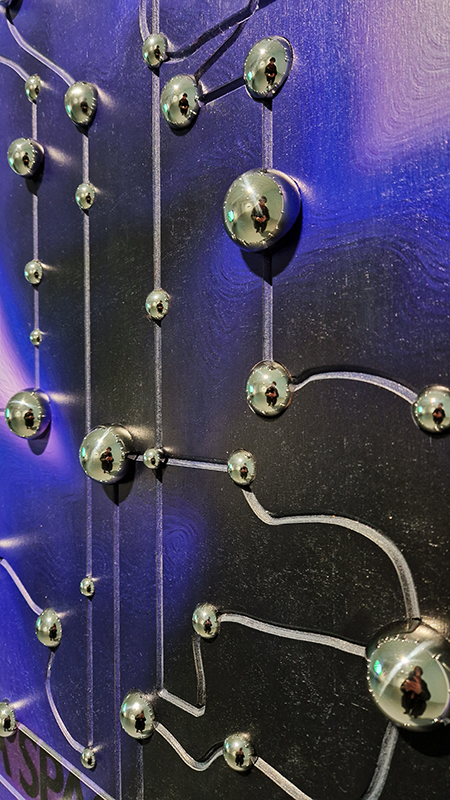
George Henry Longly Microgravities at Nicoletti. I found the slick production values, very shiny like outsize circuit boards of these works exposing sci-fi cliché and subverting popular space movie tropes sat very close to the ideas they are parodying. Microgravity – ‘the condition in which people or objects appear to be weightless’, according to NASA’s website – is responsible for metabolic and behavioural changes for space travelers. Some interesting theory behind this show about the human cost of living in space as our gut microbiome reacts to a weightless environment. I liked the reflection cast on the floor from the mirrored circle left exposed as a planet on the widescreen landscape.

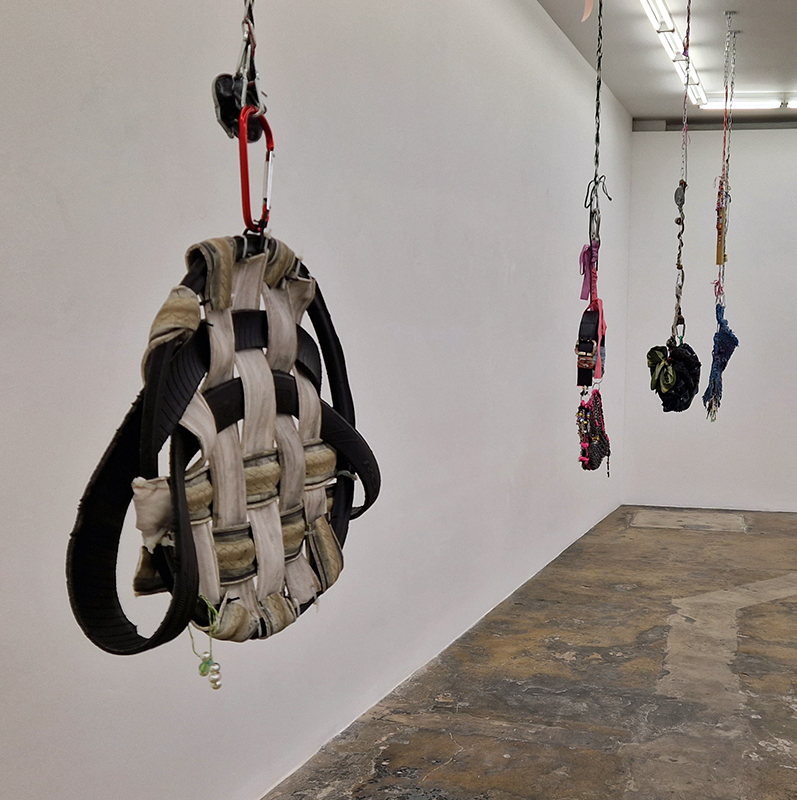
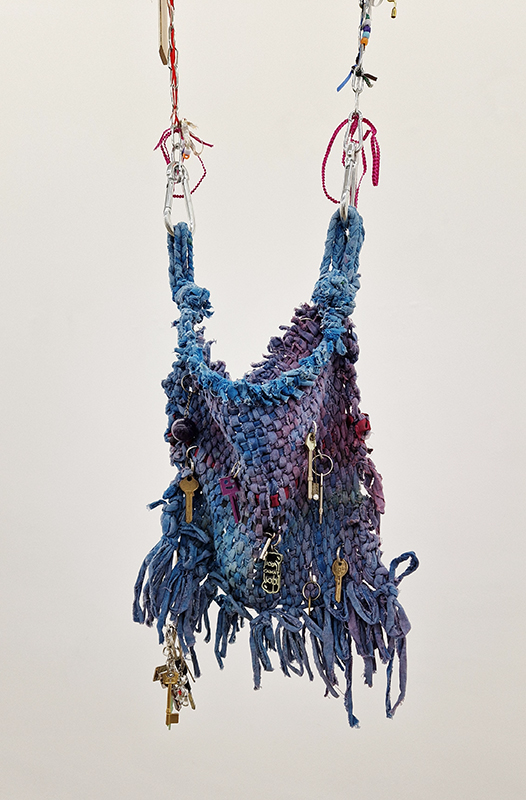
On Failure group show at Soft Opening with Olivia Erlanger, Cash Frances, Jordan/Martin Hell, Kelsey Isaacs, Maren Karlson, Sam Lipp, Chris Lloyd and Narumi Nekpenekpen. While certain works function as indexes of failed attempts at control, others recognise the perceived failure of the human body, positing that from a spiritual perspective: if perfection is nonexistent, then failure is all we have, all that is real. One or two of the hanging pieces are reminiscent of the votive offerings at holy wells or the love lock bridges festooned with padlocks.

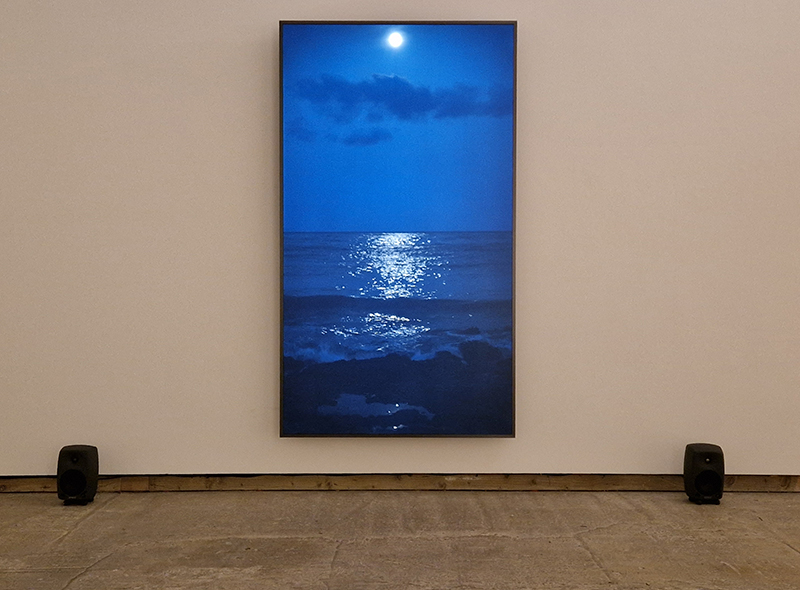
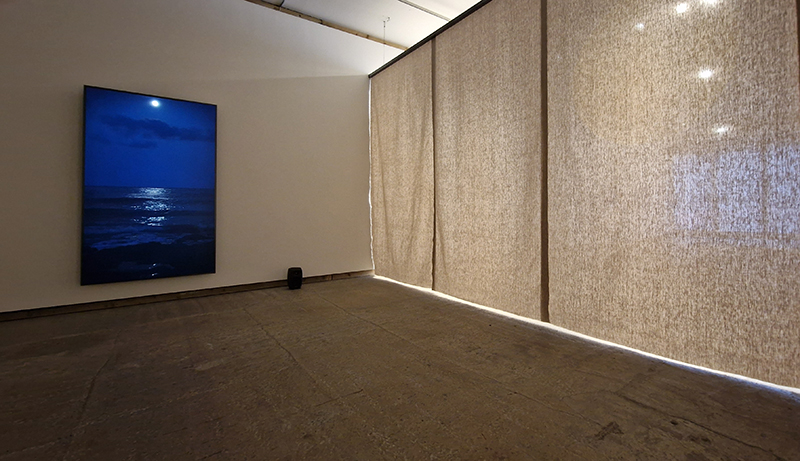
Bridget Smith Field Recordings at Frith Street Gallery. Natural material processes, simply presented. The weathering of bulrushes, the materiality of analogue photographic techniques such as ambrotypes and tintypes, the simplicity of a moon rising over the sea.

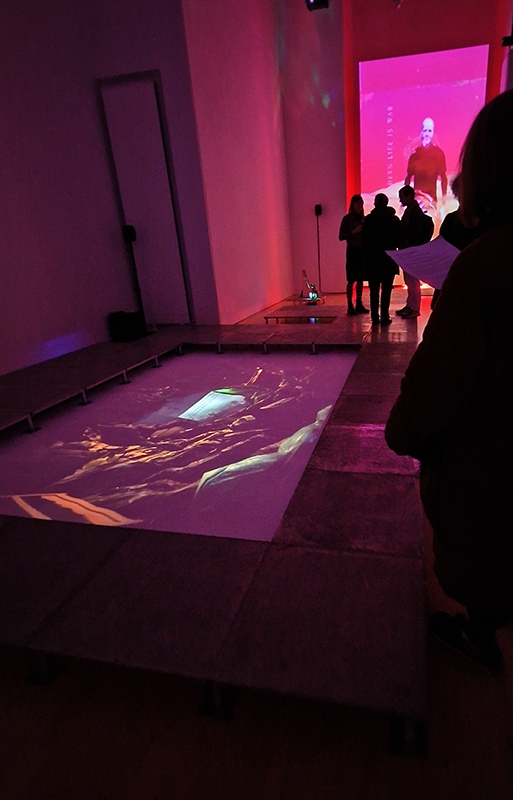
Daniel Shanken The Cascades at Stanley Picker Gallery. I was excited to see this show as the randomness within the work is derived from radioactive decay and I thought the title may refer to cascades of comic particles but perhaps it refers to cascades of data. The aesthetic was very game based and the randomness not explicit in origin. I liked the set up though with the projection onto the floor creating an abyss to gaze down into from an industrial style walkway.

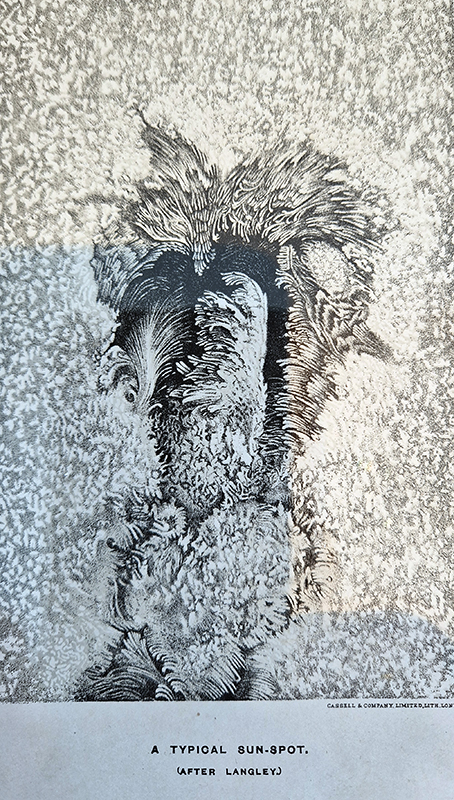
David Blandy Atomic Light at John Hansard Gallery Southampton. Four films circumnavigating the fallout from the atomic bomb massacre at Hiroshima. The body of work is inspired by a family history, a grandfather, a prisoner of war in Singapore – held by the Japanese but felt himself saved by the detonation at Hiroshima. The golden hour light is so perfectly captured and reflected in The Edge of Forever which gives voice to the children, accusing, watchful and alone. This was filmed by his partner and features his own children. Soil, Sinew and Bone is a collaged documentary of archival material, mirrored so that the central area of the film takes on the shape of an a atomic bomb. In Sunspot two scientists, one in Japan, one at Mount Wilson Observatory are monitoring the activity of sunspots, the flares that can erupt and disrupt radio signals as the particle filled solar wind and magnetic turbulence blasts across the magnetosphere. The film Empire of the Swamp has a wonderful rich narration embodied in the voice of an ancient crocodile who remembers the mangrove swamps before the war and the arrival of the white man.

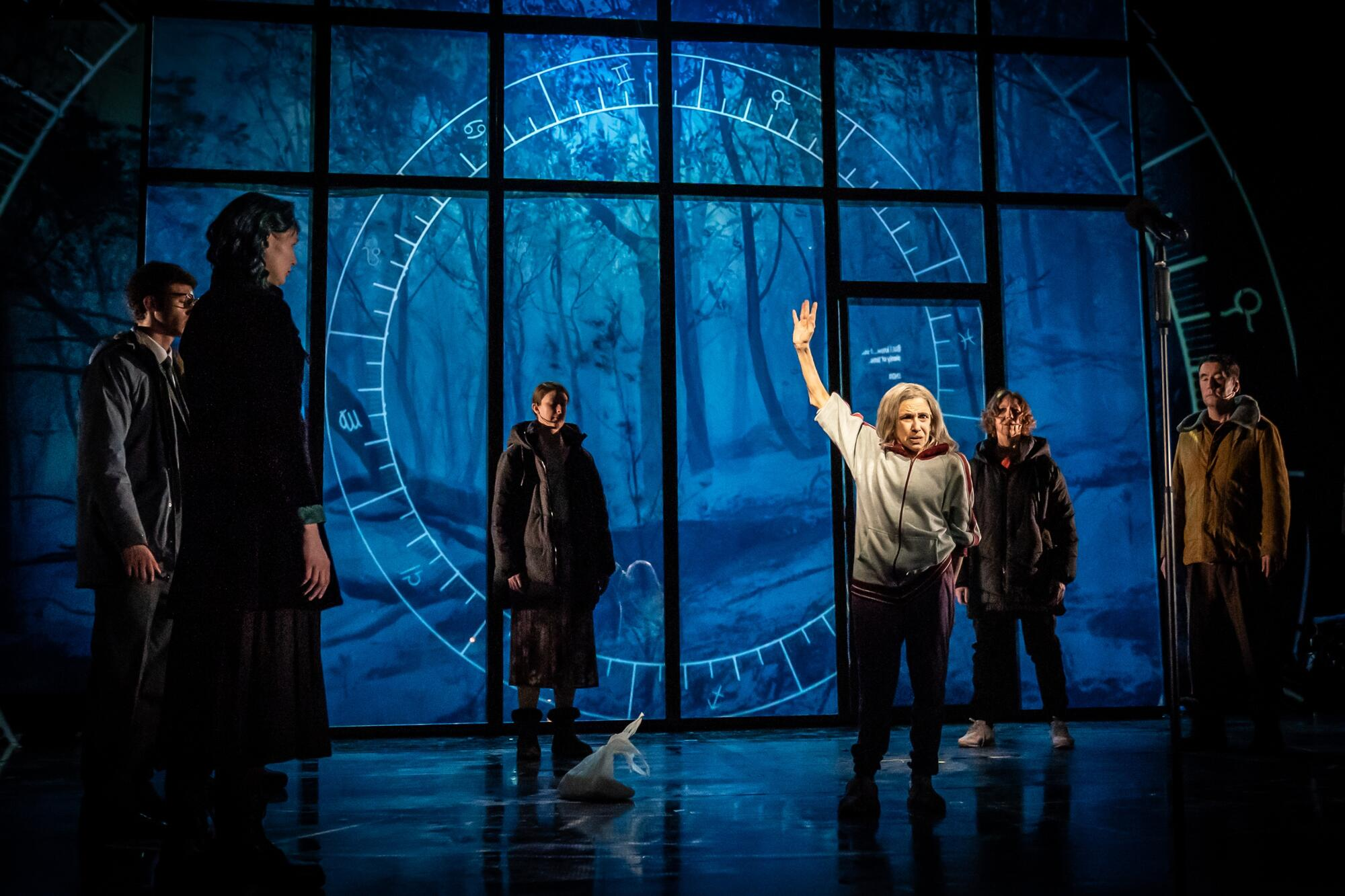
I enjoyed the Art Fictions podcast with guest Jennifer Higgie discussing her writing practice via the 2009 novel Drive Your Plow Over the Bones of the Dead by Olga Tokarczuk. I was then lucky to see Complicitie’s excellent interpretation of this novel on stage at the Barbican directed by Simon McBurney.

this is a tale about the cosmos, poetry, and the limitations and possibilities of activism.

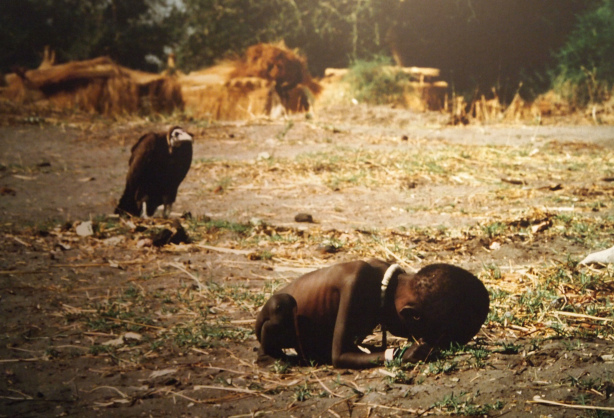
Complicitie’s production employed the same blinding flash technique as Alfredo Jaar used in his work The Sound of Silence which I saw in 2006 and still remember vividly. Sitting in a dark space a story of one photograph, taken in Sudan 1993, is told in simple sentences on a large black screen. The photograph is shown momentarily before a blinding flash of light scores the retina. You are left blinking in the afterglow. The image won a Pulitzer Prize, but the South African photographer Kevin Carter committed suicide at 33 after struggling to come to terms with what he witnessed, and the public response for not having intervened to save the child’s life. In the novel Drive Your Plow Over the Bones of the Dead, Janina, the eccentric ‘older woman’ does not hold back from intervening when she sees injustice to any living thing. She is also vilified, but for showing compassion for the animals.

Alfredo Jaar 'The Sound of Silence'

I also dredged up the memory of having seen the film Spoor at the 2017 BFI LLF also based on this novel. Finally I have bought a copy of the novel. A circuitous route to the original text.

I am very much enjoying reading Rebecca Solnit A Field Guide to Getting Lost. Her writing is like a torchlight illuminating one idea after another, sweeping across a multitude of topics with an infectious energy to explore and experience the unknown.

How will you go about finding that thing, the nature of which is totally unknown to you? – Meno

Midsummer weekend at Allenheads Contemporary Arts. As always it was fantastic to be back in the North Pennines surrounded by the unique landscape and equally unique participating artists. Thank you to Helen Ratcliffe, Alan Smith and co-curator Rob La Frenais for creating such a stimulating event and inviting me to be part of it. Continuum contemplated shared futures and journeys; explorations of the unknown on a cosmological and human scale.

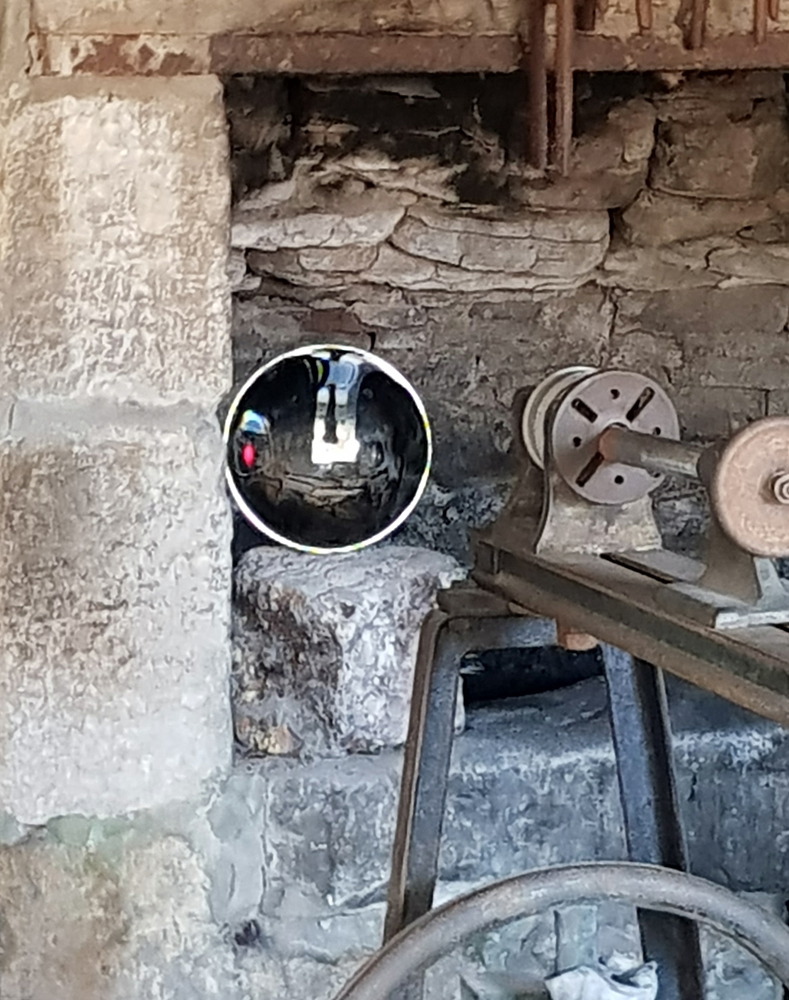
I was privileged to be given access to use the local Blacksmith’s Shop heritage site for Aóratos a site specific installation with fire and film.

1906 Forge.jpg

It is not impossible that wormholes exist in our universe.

To traverse space by means of a wormhole would require vast amounts of negative energy.

1906 token burning 4

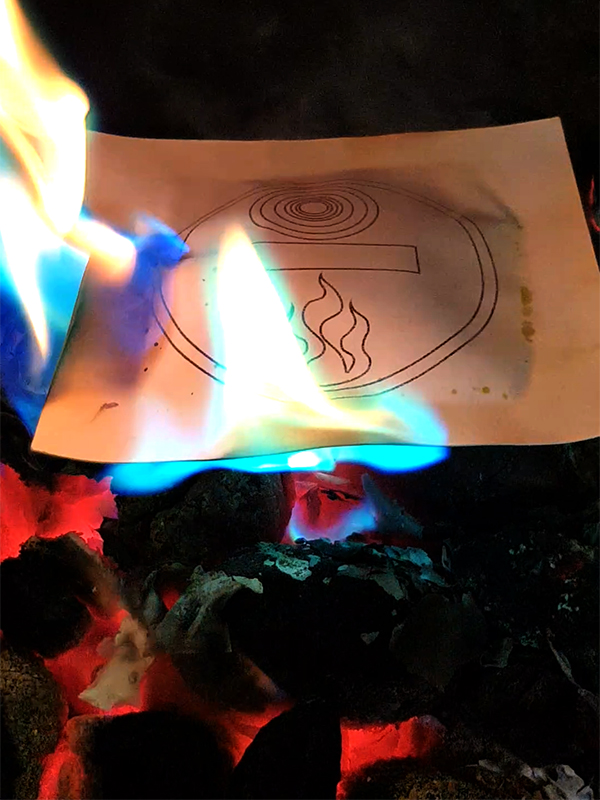
Visitors were invited to burn offerings of negative energy to power a ‘wormhole’.

1906 token burning

Using specially prepared tokens visitors could write or draw messages to clear their subconscious of any negative or unwelcome thoughts.

1906 token burning 3

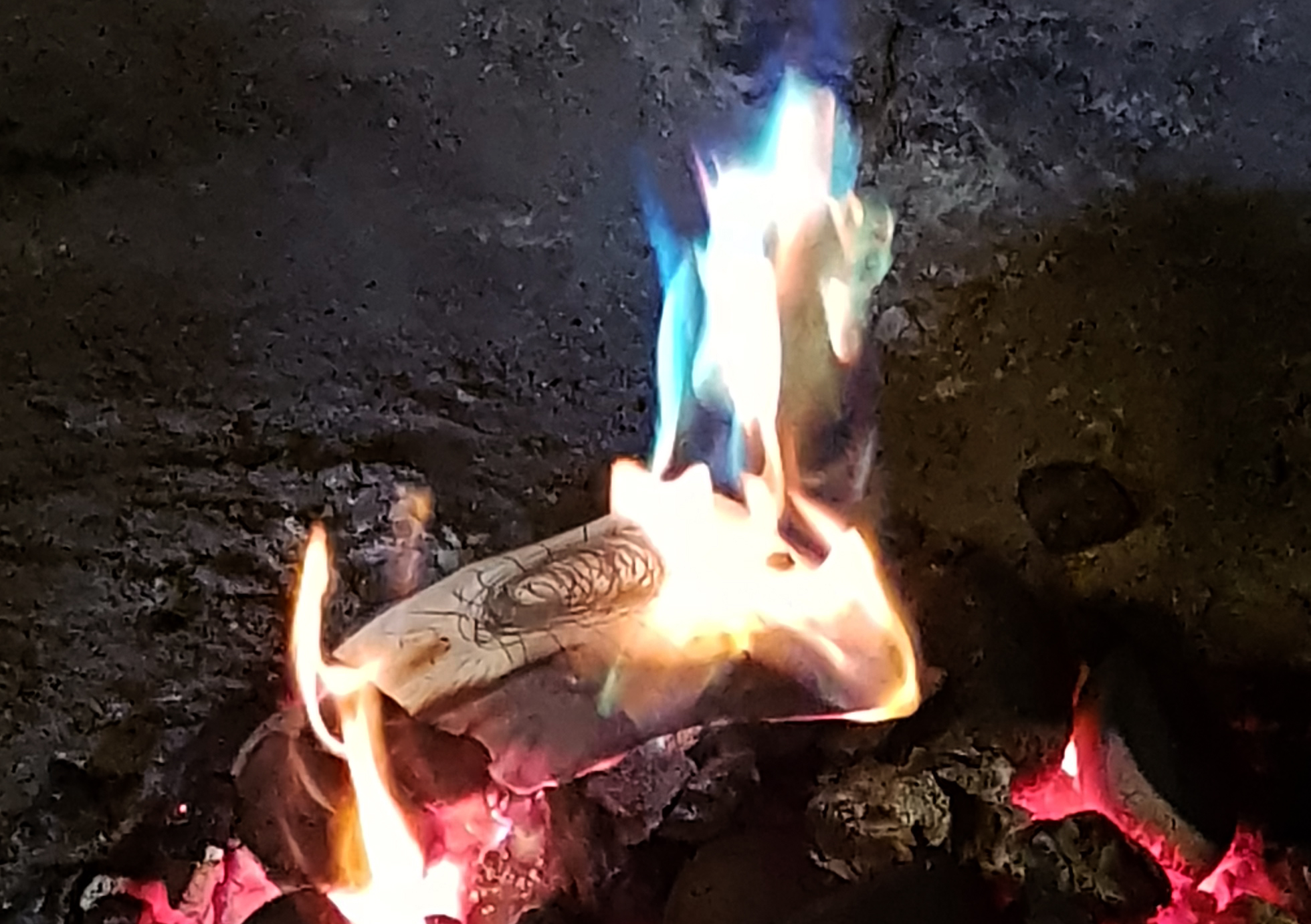
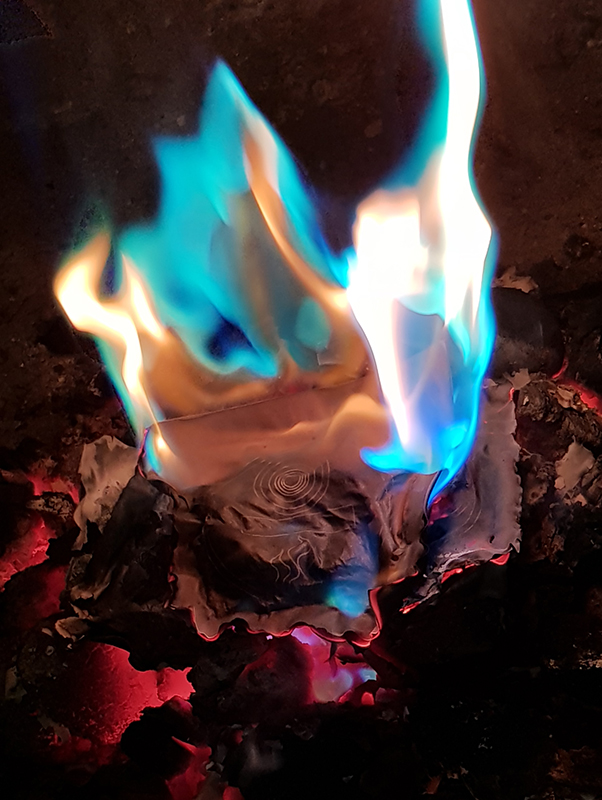
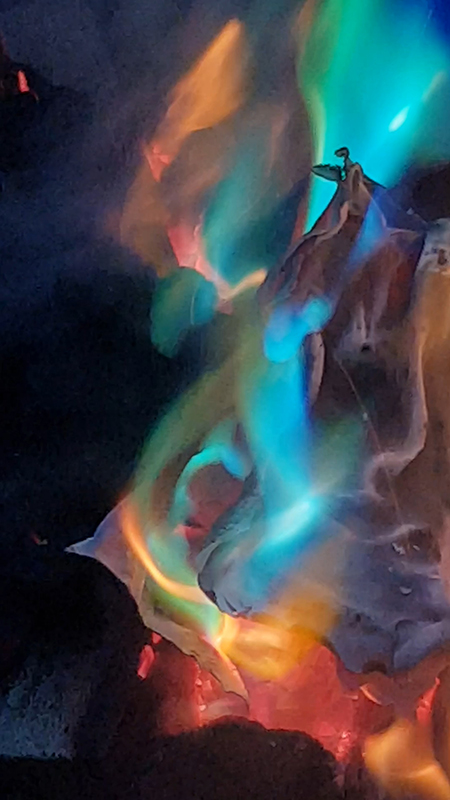
The offerings were burnt giving out blue and green flames in the forge fire releasing the absorbed negative energy to open the wormhole portal above.

1906 token burning 2

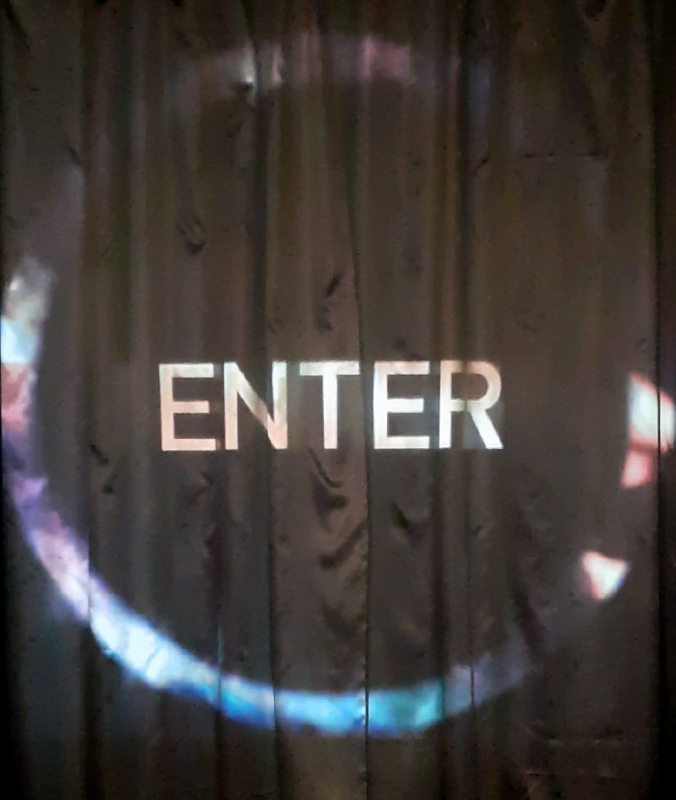
This turned out to be quite a personal and sometimes emotional experience for visitors who thought carefully about what they would send into the flames before ascending the stairs to enter the portal to the vortex and take the journey through the wormhole exiting at a different point to where they entered.

1906 portal enter

1906 portal

Beyond the threshold hidden landscapes and alternative perspectives were revealed.

1906 Aoratos 11906 Aoratos 21906 Aoratos 31906 Aoratos 41906 Aoratos 5

It is hoped visitors left the wormhole video installation feeling cleansed and positively charged.

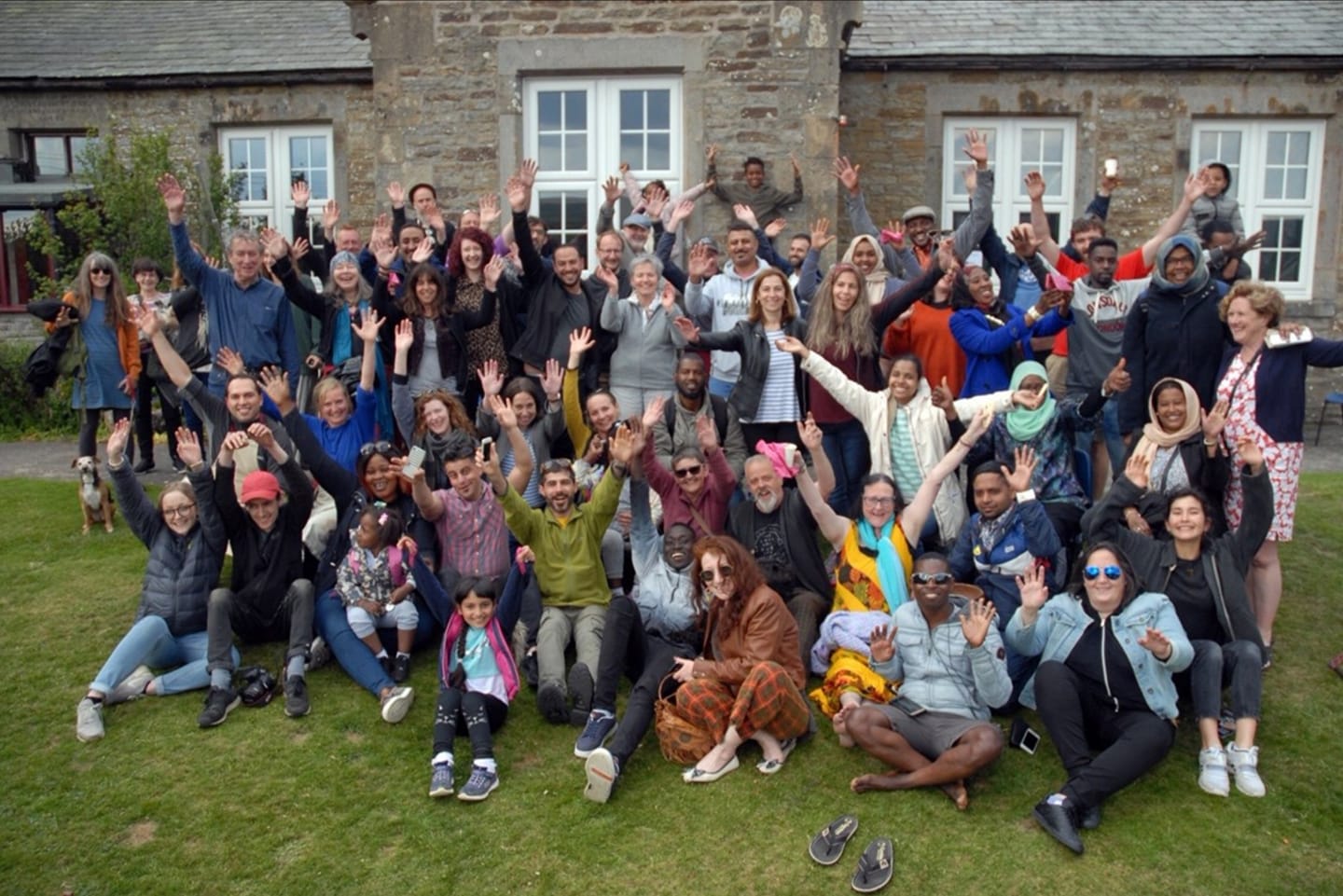
There was a wonderful enthusiastic crowd from Newcastle’s refugee community travelling with artist Henna Asikainen – ” Understanding what it means to be displaced from ones cultural, social and ecological environment and then to establish a home in another, which is fundamentally different, has been the basis for the emergence of my recent projects.”

1906 Continuum weekend.jpg

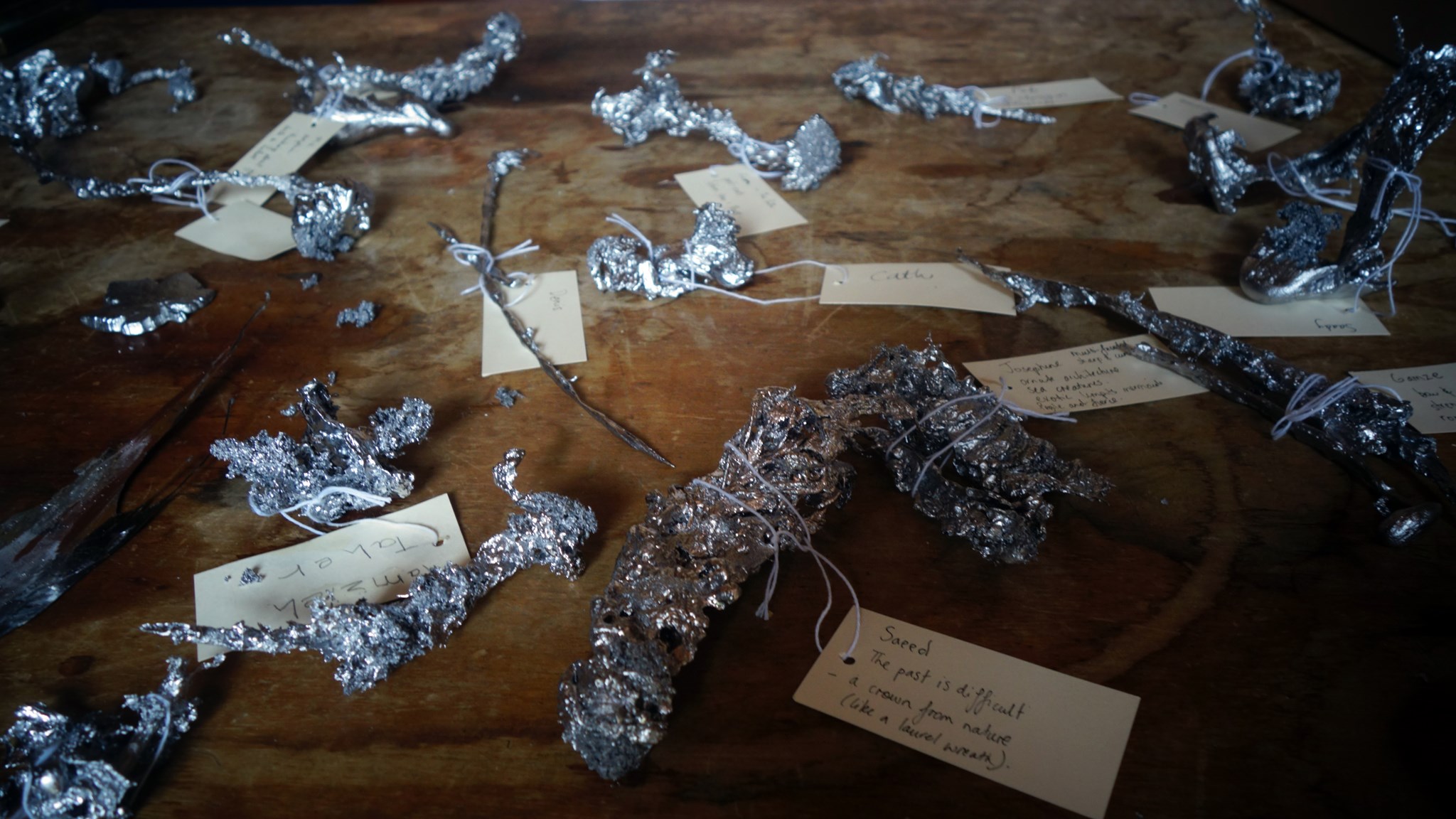
Henna shared a practice from her own Finnish culture through her participatory work Omens  – a divining practice from ancient times involving melting metal over an open fire and pouring it into cold water and then interpreting the resulting form. The interaction of metal and water being symbolic of different cultures coming together, making new forms, interpreting the outcomes together, and by sharing these hopes & fears, generating a dialogue about our common futures.

1906 Henna Asikainen.jpg

Annie Carpenter and Alan Smith collaborated on Salvaged Alignment a sculpture activated by the sun at the exact moment of the solstice.

1906 annie carpenter alan smith.jpg

Annie was also showing Perpetual Apogee  a sculpture referencing Victorian kinetic models of the solar system embracing inaccuracies inherent in such scientific modeling.

1906 annie carpenter

Alan Smith was screening his film 2052 looking at the everyday 33 years from now.

1906 Alan Smith

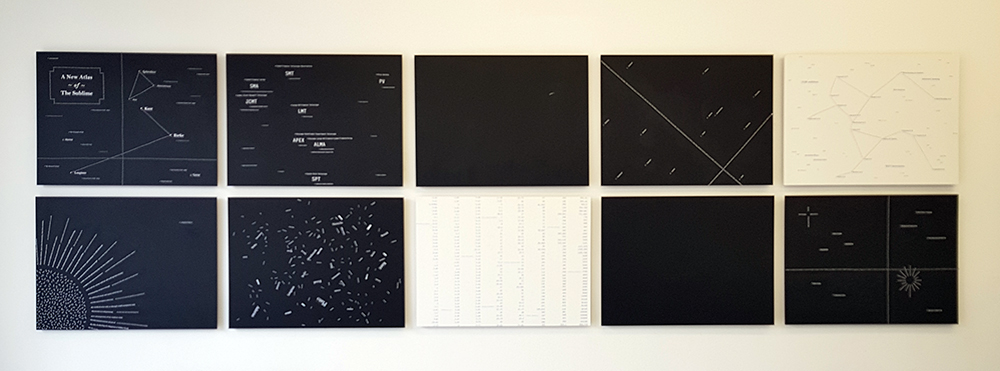
In the gallery Robert Good presented A New Atlas of the Sublime, a series of panels dissecting the hierarchies and subtleties of language used when attempting to describe the power of a sublime experience.

1906 Robert Good.jpg

Nicola Ellis, referencing algorithms and scientific technologies used in social media, gave visitors an uncanny experience in Watch Yourself Watch Yourself

1906 Nicola Ellis.jpg

Sarah Fortais performing Voyager in her DIY spacesuit arrived from afar, by public transport, to explore the local neighbourhood of Allenheads through the eyes of an alien with accompanying space dog Maddy.

1906 Sarah Fortais 1.jpg

1906 Pippa Goldschmidt.jpg

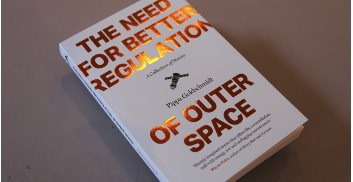
Great to meet up with Pippa Goldschmidt again and hear more readings from her short stories inspired by past roles as astronomer and civil servant on The Need for Better Regulation of Outer Space.


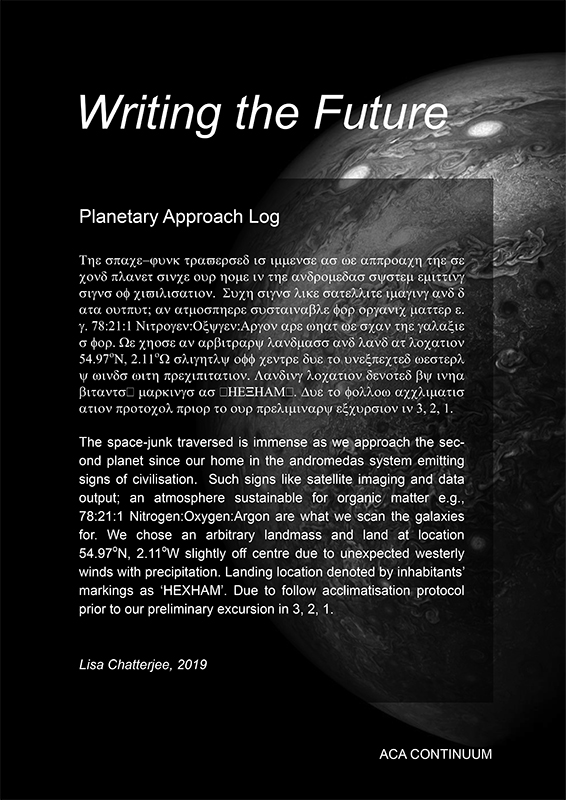
Tracey Warr and Rob La Frenais Writing The Future workshop posted story portals around the village for visitors to discover.

1906 writing-the-future-story-portals-4.jpg

Much celebration at the launch of Lucien Anderson’s Humble Telescope on the cosmic pond. Come the dark skies of Allenheads, lay back and gaze up through the portal from a watery bed.

1906 Lucien Anderson.jpg


1906 solstice sunset

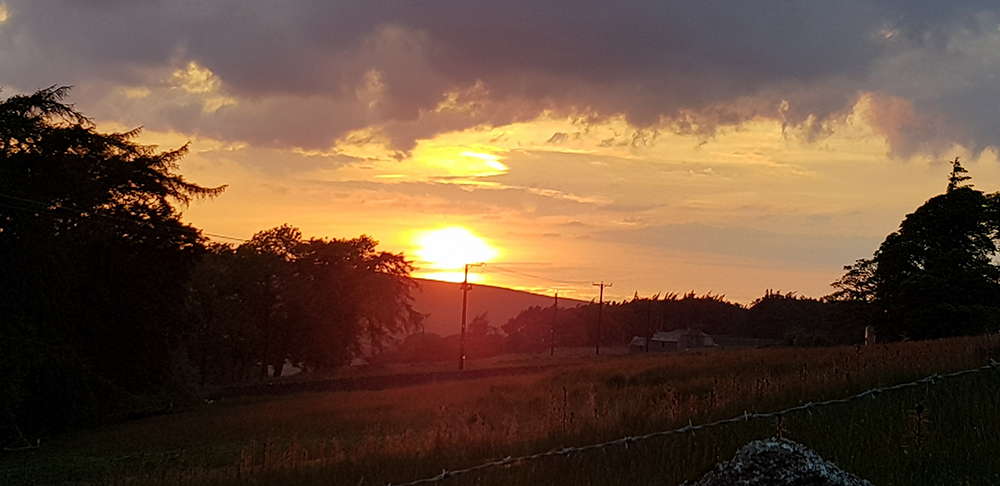
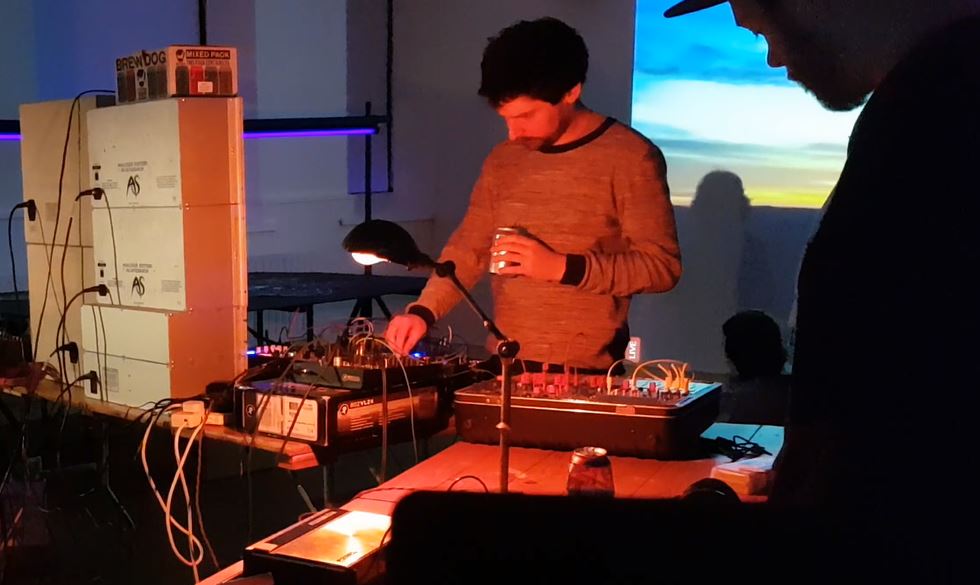
As the solstice sun dipped John Bowers, Tim Shaw, Rob Blazey, Malcolm Conchie and Alan Smith began the annual Midsummer Night’s Drone that continued through to sunrise.

1906 droning.JPG

1906 Aoratos 6.jpg

Aóratos imagery took reference from theories of cosmic strings, space foam and the idea of a web of tiny wormholes connecting all points in space. Video was captured by putting an endoscope down rabbit holes looking for hidden root systems and a microscope was pushed into fibres and foam. The bare branches of trees reflect the branching decay of cosmic particles as they hit the atmosphere and break up.

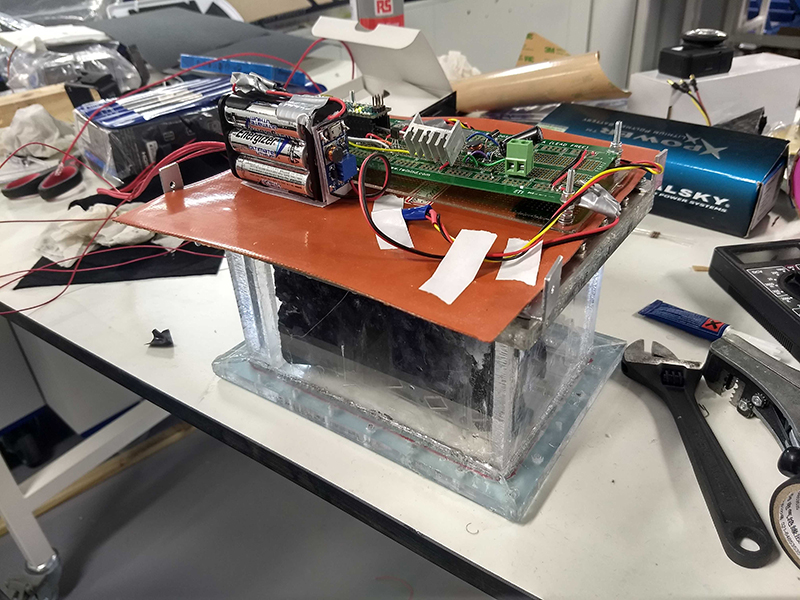
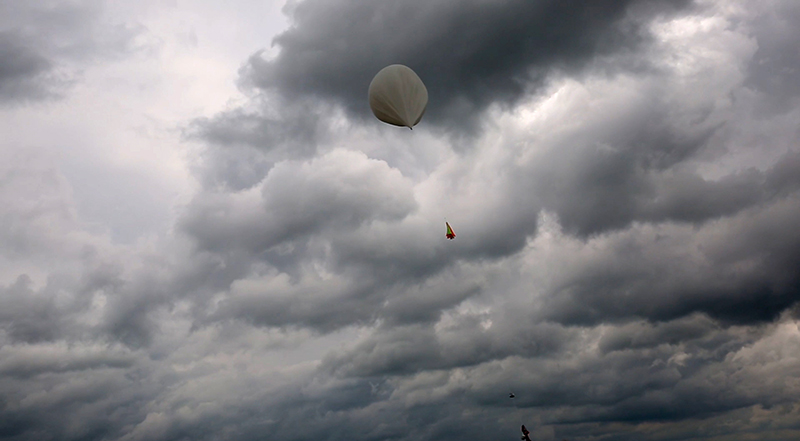
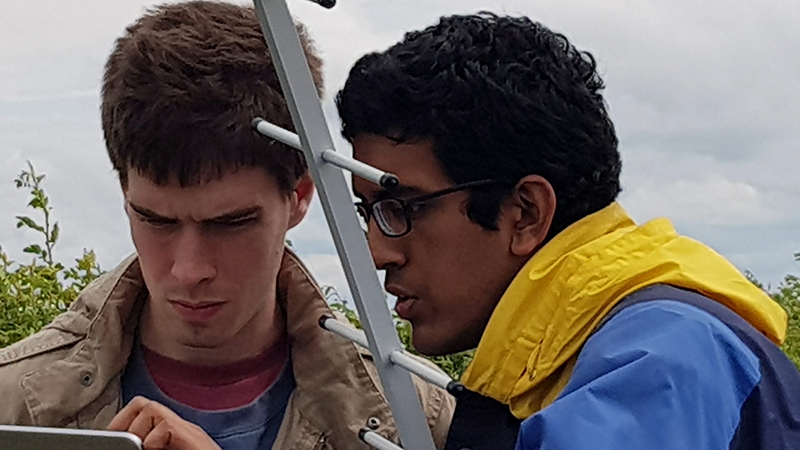
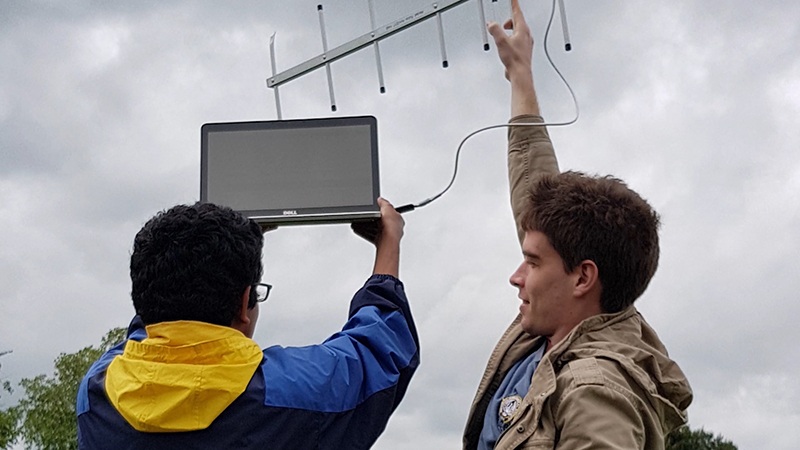
Space travelers are subject to high levels of radiation from cosmic ray activity outside the protective magnetic field and atmosphere of Earth. As part of this project I worked with students Sena Harayama, Romain Clement De Givry and Medad Newman from Imperial College Space Society supervised by senior lecturer in spacecraft engineering Dr Aaron Knoll in an attempt to launch a cloud chamber in the payload of a high altitude balloon to view this activity.

The students had put a lot of effort into building a cloud chamber suitable to launch over 30km high into subzero temperatures with little air pressure.

1906 cloud chamber.jpg

The final launch date pre-booked with the Civil Aviation Authority was upon us and so with just three days notice the team decided it must go ahead ready or not. Unfortunately the chamber had not been tested to see if it functioned on earth and during final assembly on the evening before the launch the chamber shattered.  Disappointed, the students worked into the night to make a substitute chamber.

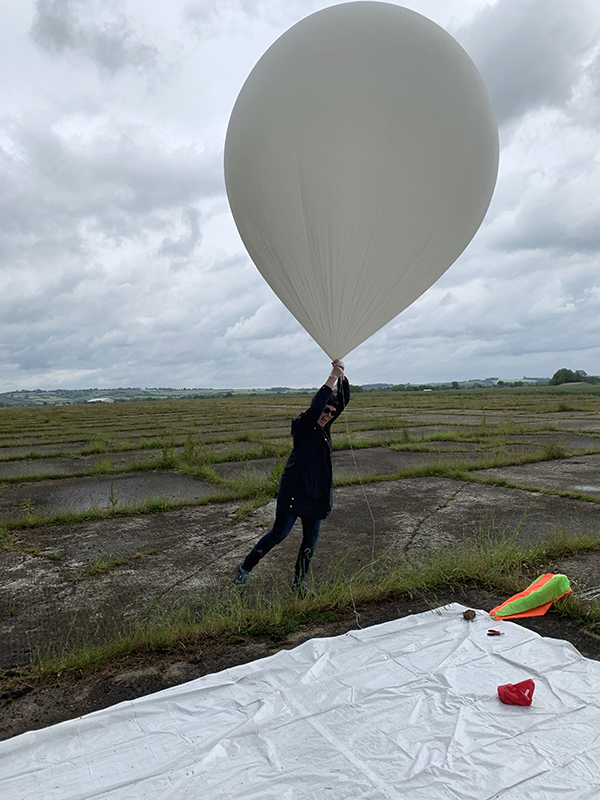
I had been charged with making a connector out of garden hose, plumbers waste pipe, foam and sealant to pass helium from narrow cylinder pipe to wide mouth of balloon.

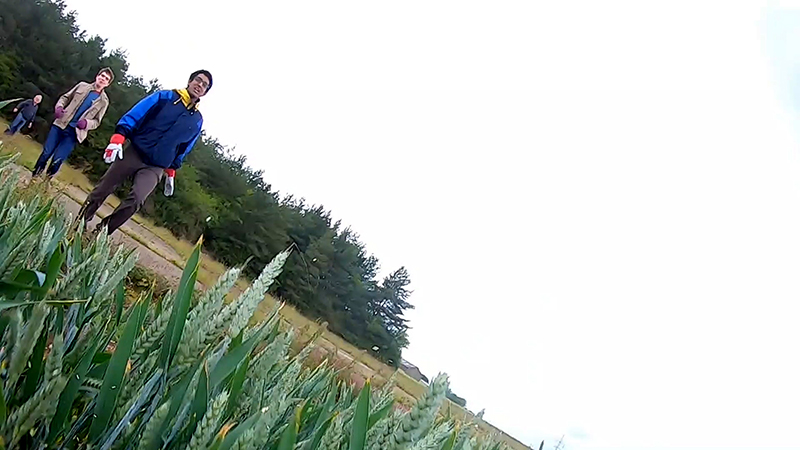
The launch took place on disused Oakley airfield kindly permitted by landowner Tom Baxter.

1906 Cloud Chamber Balloon 11906 balloon launch1906 Cloud Chamber Balloon 21906 Cloud Chamber Balloon 31906 Cloud Chamber Balloon 41906 Cloud Chamber Balloon 51906 Cloud Chamber Balloon 61906 Cloud Chamber Balloon 71906 Cloud Chamber Balloon 81906 Cloud Chamber Balloon 91906 Cloud Chamber Balloon 101906 Cloud Chamber Balloon 111906 Cloud Chamber Balloon 12

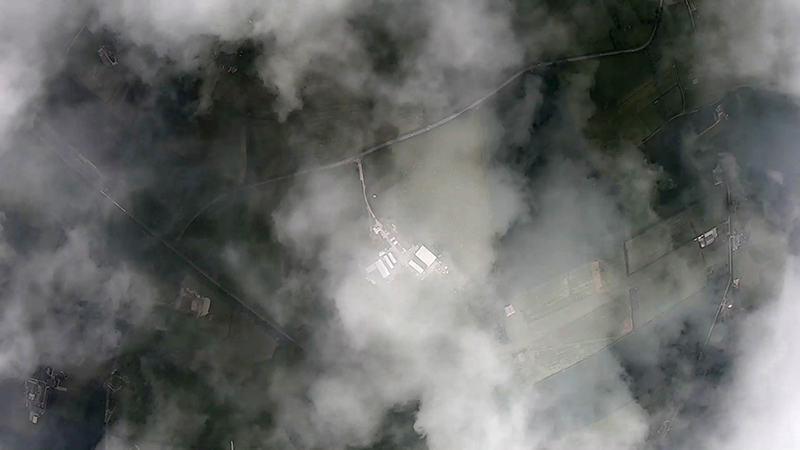
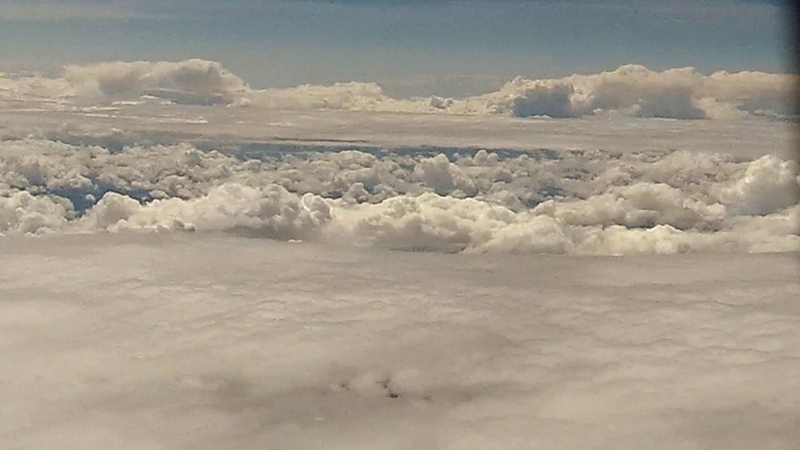
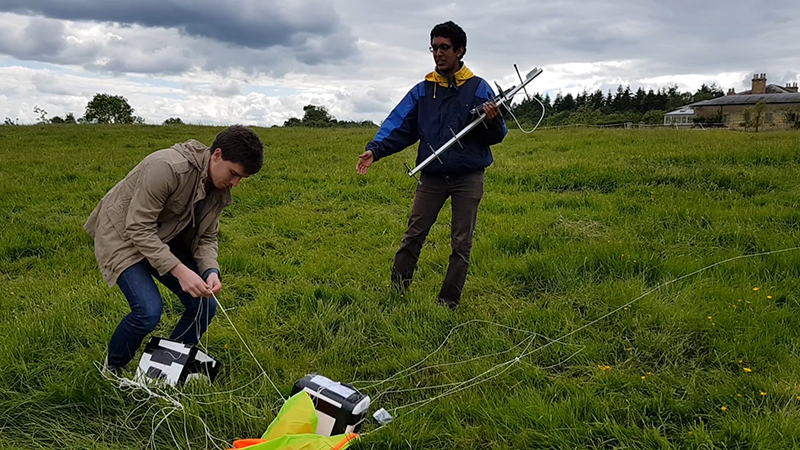
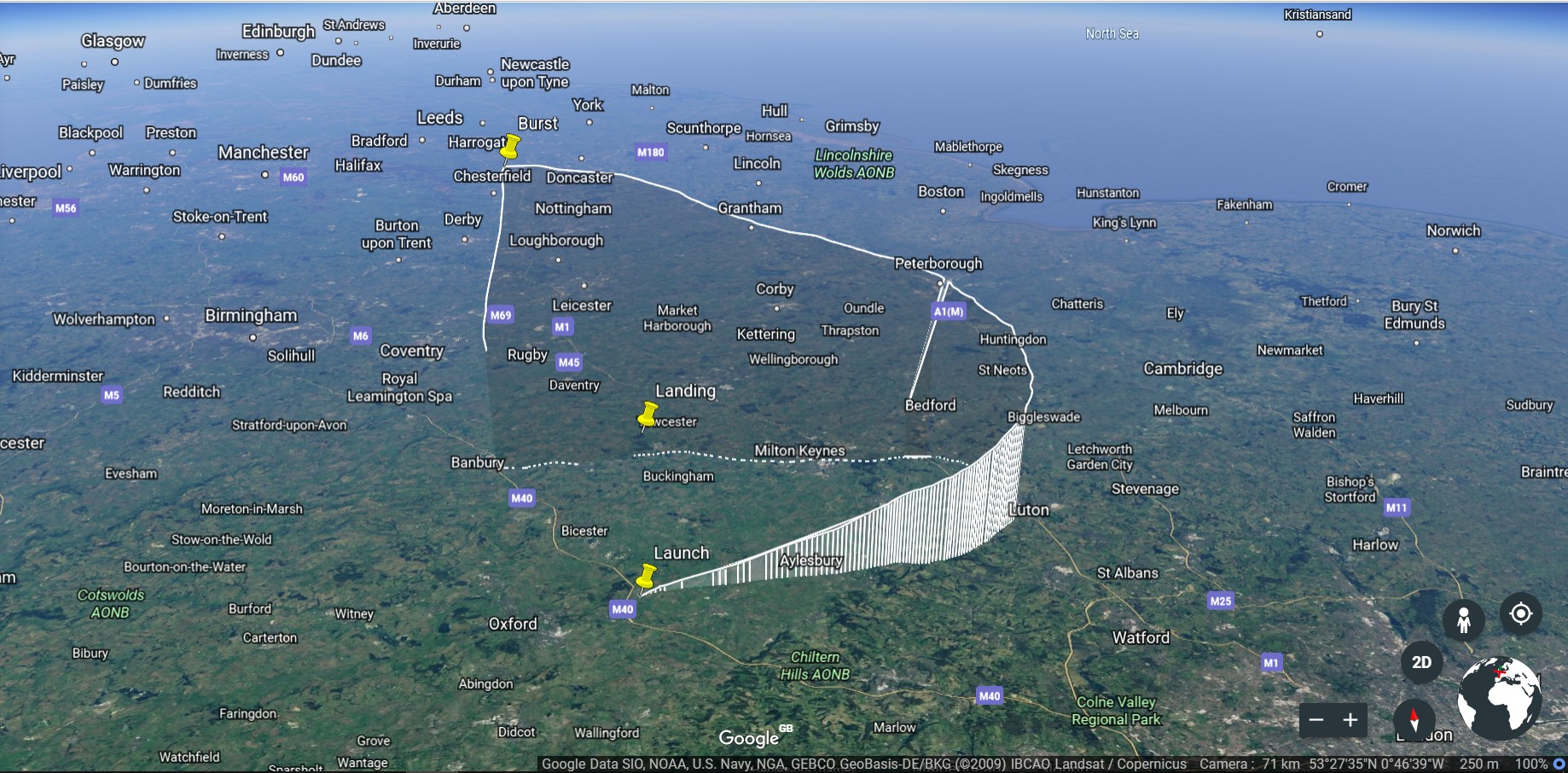
The balloon reached an altitude of over 37 km and the payload was successfully recovered from a field of horses near Silverstone after an exciting car chase.

1906 final landing

1906 flight path.jpg

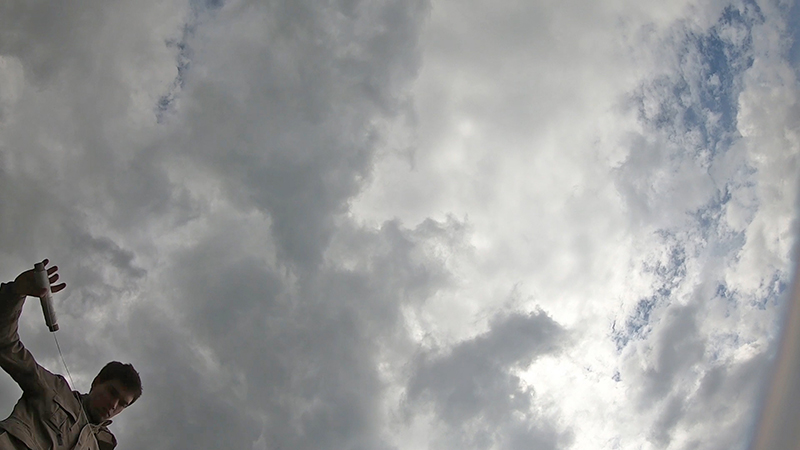
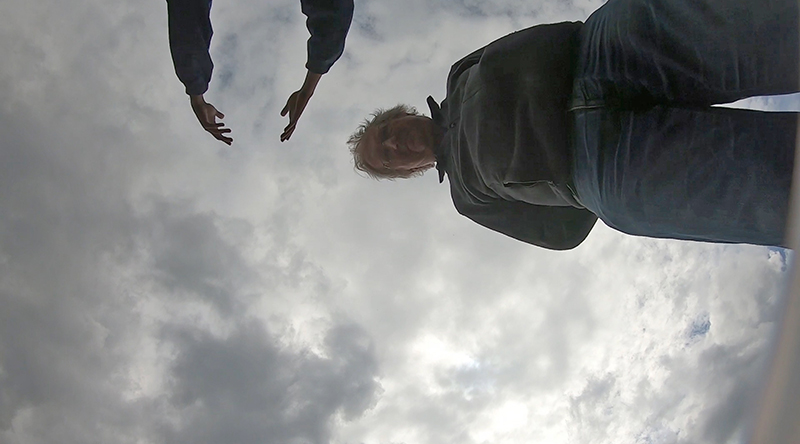
During the violent launch the camera inside the payload to capture activity in the cloud chamber was knocked aside.

1906 inside chamber.jpg

All we have is a short clip before darkness descends and the experiment becomes part of that which is unseen.
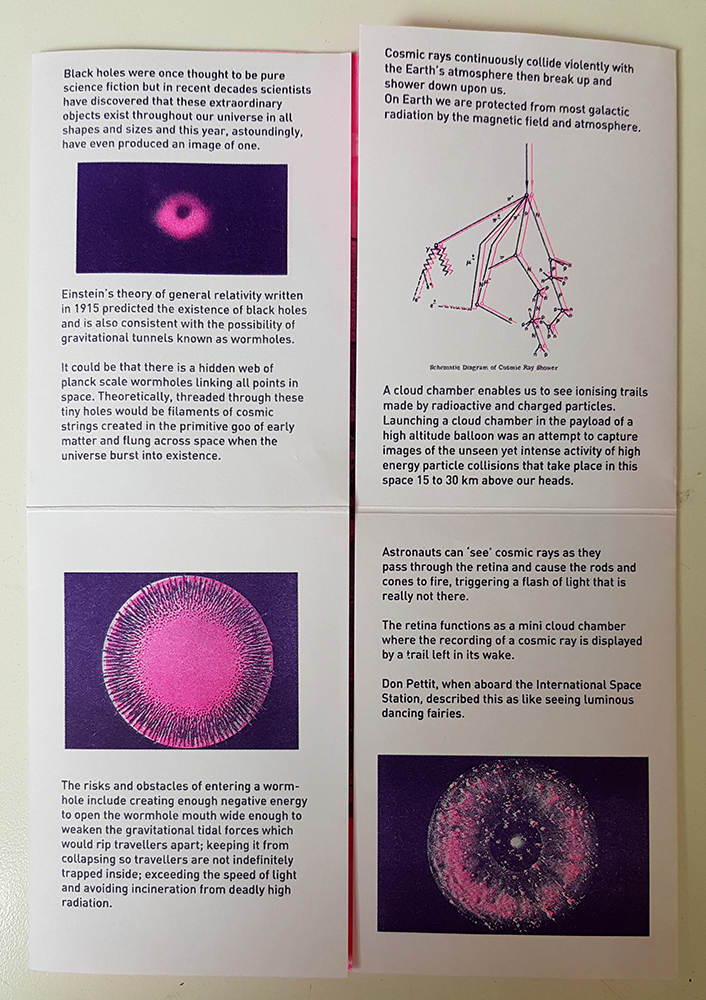
1906 Risograph

Risograph leaflet for visitors to the wormhole installation, expertly printed by Elliott Denny.

1906 Risograph 4

1906 Risograph 1

1906 Risograph 3


In the Studio

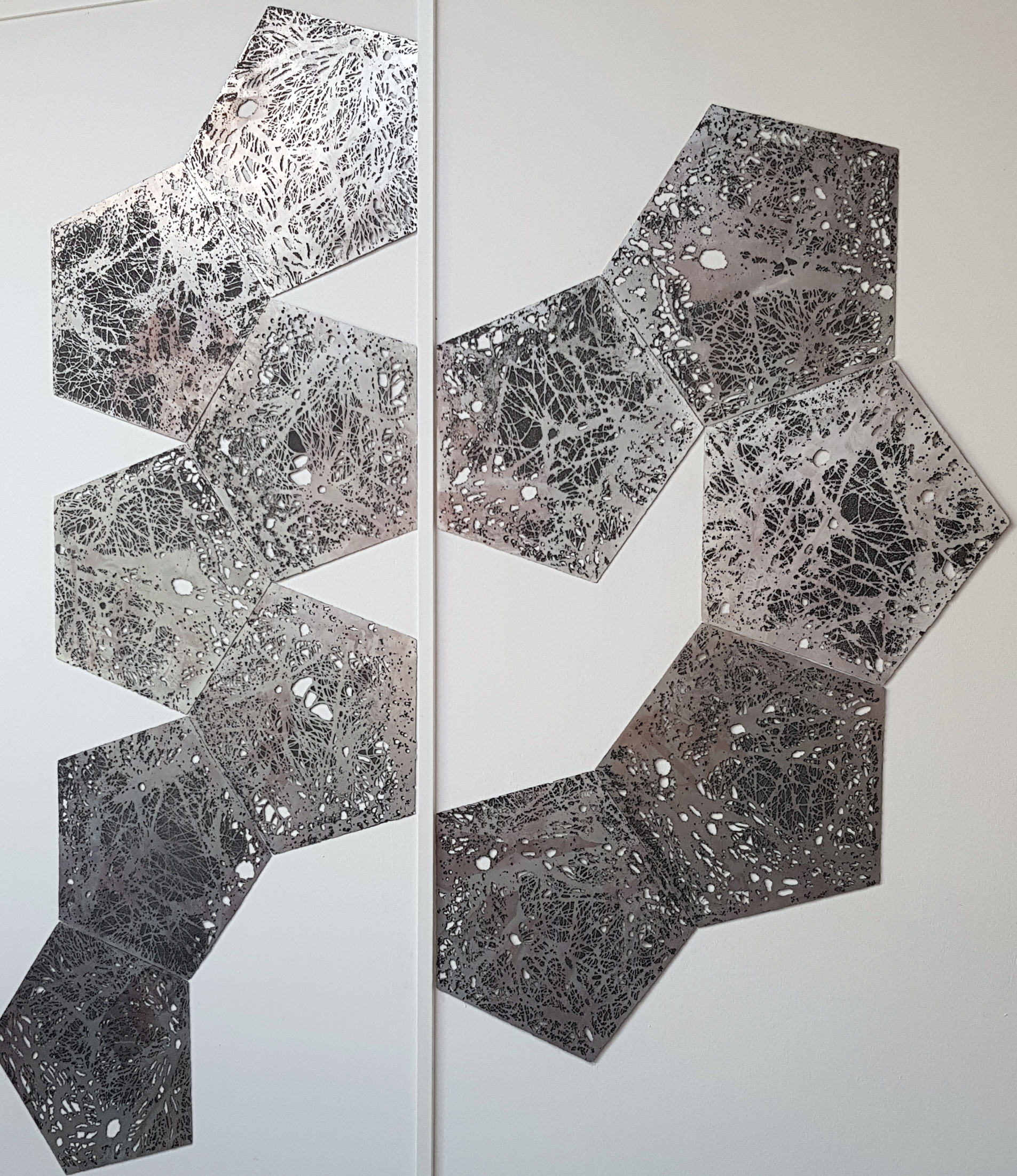
Put The Forms (aluminium etched with dark matter visualisations) up for Open Studios at Thames-side Studios annual event which was buzzing this year with lots of workshops and activities and a festival feel flurry of food stalls.

1906 Open Studios

Meanwhile I was creating vibrant chemical landscapes ready to be encapsulated in screen printed tokens for the burning ritual to power the wormhole.


Out of the Studio

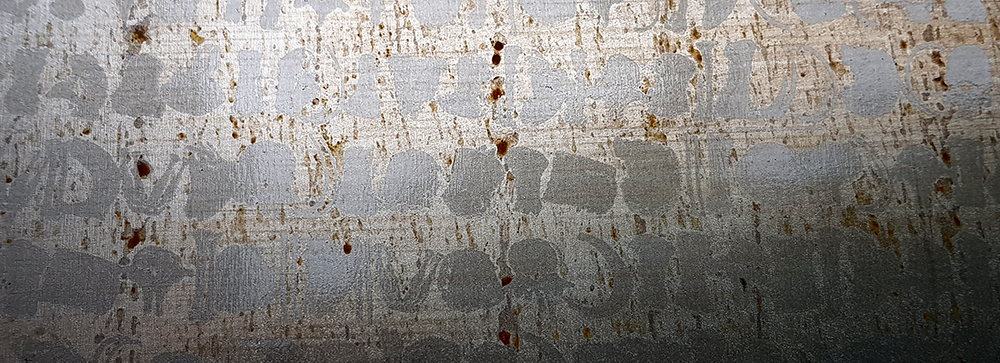
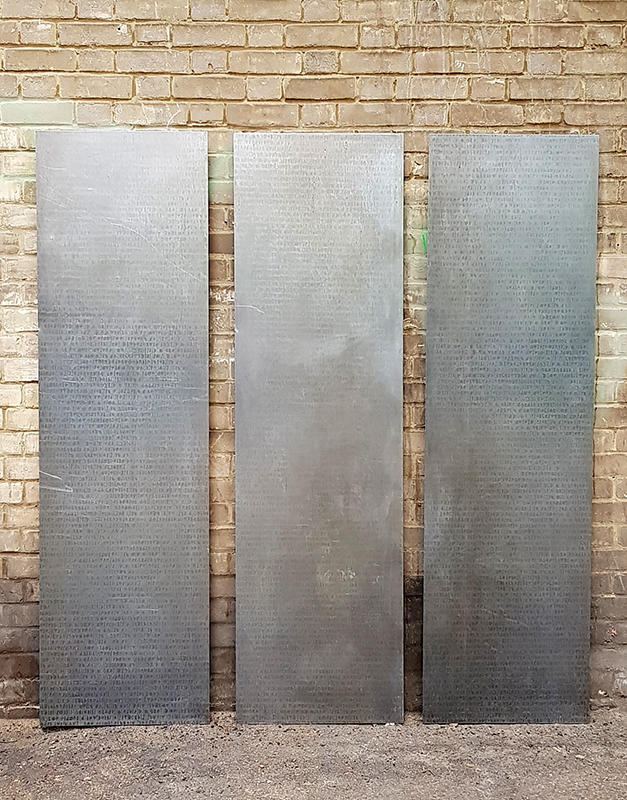
Carol Wyss hoping for rain to activate her enigmatic steel plates and reveal the codes within the bones in Coming Good: Come Hell or High Water an exhibition in St Johns Churchyard as part of Transforming Being Waterloo Festival.

1906 Carol Wyss (2)1906 Carol Wyss


Insatiable Mind exhibition opened at Salisbury Arts Centre with space inspired food and a heartfelt speech from visual arts and exhibitions manager Mirka Golden-Hann who writes in the accompanying catalogue;

“I was driven by the overarching urge which is innate to humanity. The urge to break away, the urge to explore, the urge which would force a human to construct a spaceship and the urge of another human to step into it in order to walk on the Moon: the same compulsion behind the collective force to bring down the Berlin Wall and with it the Iron Curtain. It was the power of human curiosity and the dissatisfaction with the familiar that provided the basis for this exhibition.”

1905 Insatiable Mind

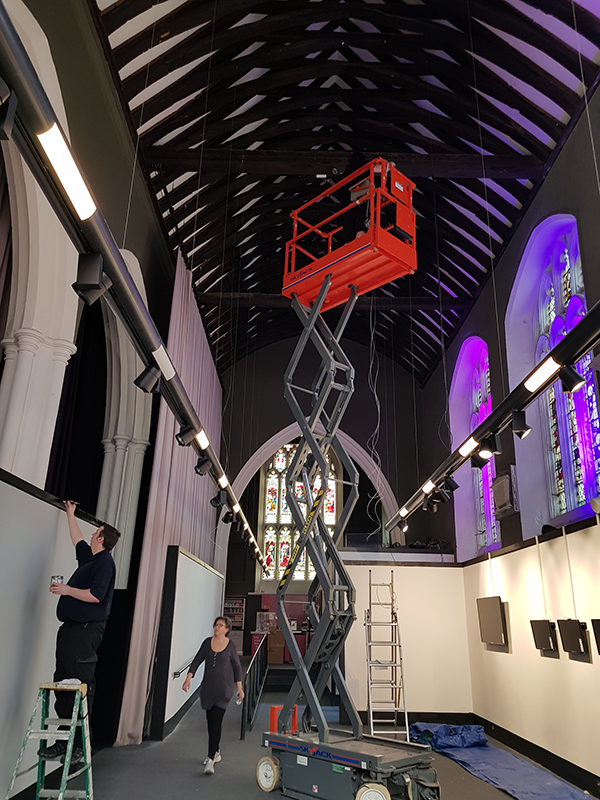
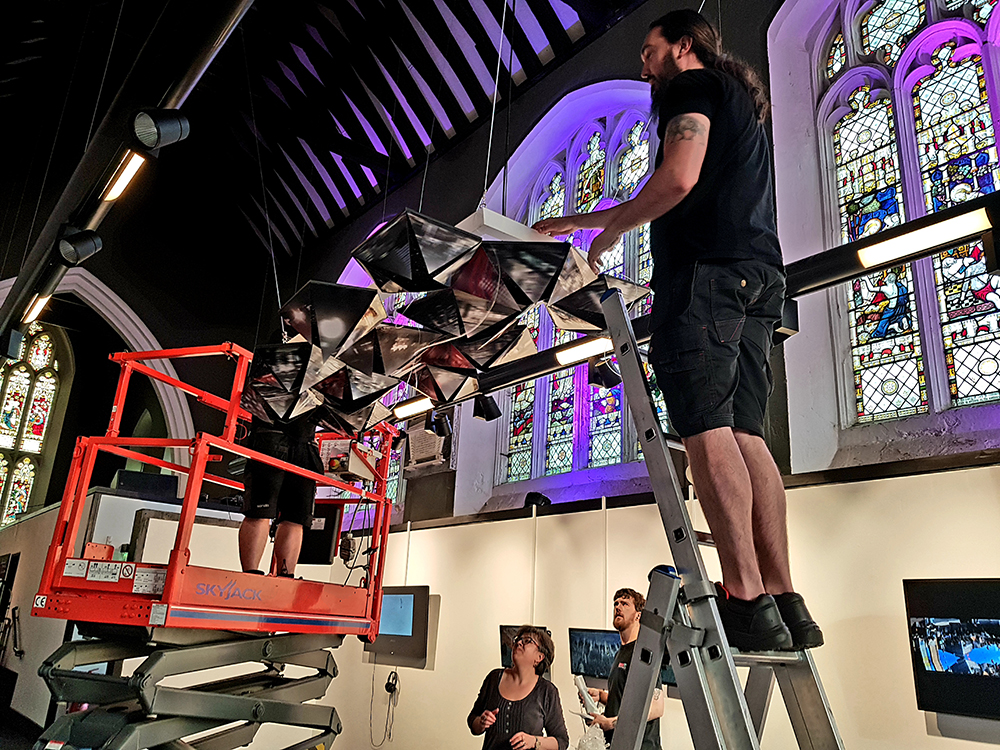
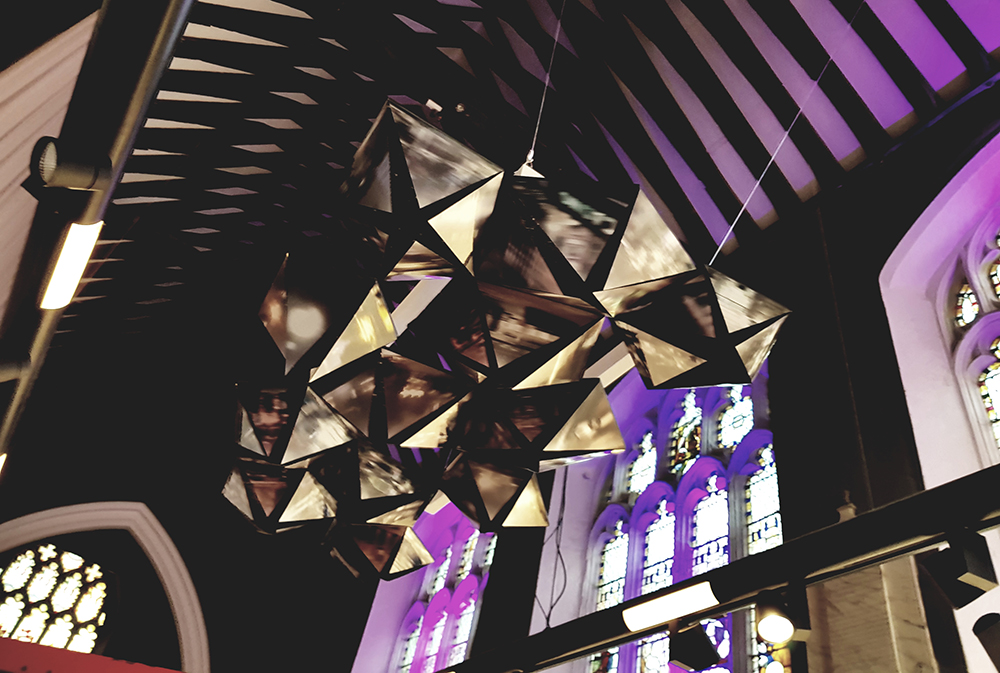
The installation of my suspended sculpture Pentacoronae was surprisingly smooth considering the height of the supporting beams.

1905 Insatiable mind install 1

There was a great team to help and although one or two anxious moments when hooks came away from loops it went up very well.

1905 Insatiable mind install 2

This work was made to highlight the importance and need to preserve dark sky areas. As powerful technology opens new areas of the universe to our view, generating imagery we could never see with our naked eyes, we are drawn to experience space via mediated technologies. Our ancestors mapped the stars and drew shapes across the darkness which became familiar anchors for navigation, described mythological characters and foretold fortunes. Through this work the viewer is encouraged to seek darkness, stargaze, wonder, and map their own stories across the sky.

1905 Insatiable mind install 3

I also had two concertina books installed in the gallery cabinet.

Making these books turned out to be quite a fiddly process.

For the book Unbound I used images from my cloud chamber printed on transparencies cut into pentagons. Cosmic Rays know no boundaries as they pass through us all the time. The twelve pentagons form a dodecahedron, the solid described by Plato as ‘the fifth construction, which the god used for embroidering the constellations on the whole heaven.’

1905 unbound final book

In/Out expresses the energy and randomness of quantum fluctuation as particles pop in-and-out of existence in empty space. At this tiny scale the universe is mysterious and unpredictable.
I has thought I would draw the energy fields in white china-graph pencil but it turned out graphite looked much better

The bright spheres are four colour separation screen prints and act as a series of portals to alternative perspectives.

1905 In Out final book

It was great to meet some of the other artists in the show whose work was really interesting and beautiful.

1905 Eunmi Mimi Kim

Eunmi Mimi Kim Me Time video installation which uses her own sensitivity to sensory overload to explore sensory deprivation and isolation.


Katayoun Dowlatshahi  presented work form her series Orbit looking at the former cold war secret rocket testing site West High Down on the Isle of Wight.

19052 insatiable mind Katayoun Dowlatshahi

Oksana Chepelyk Collider immersive film screening in the theatre. Throwing significant moments in history into the collider to see what future particles get thrown out.

1905 Insatiable mind Oksana Chepelyk

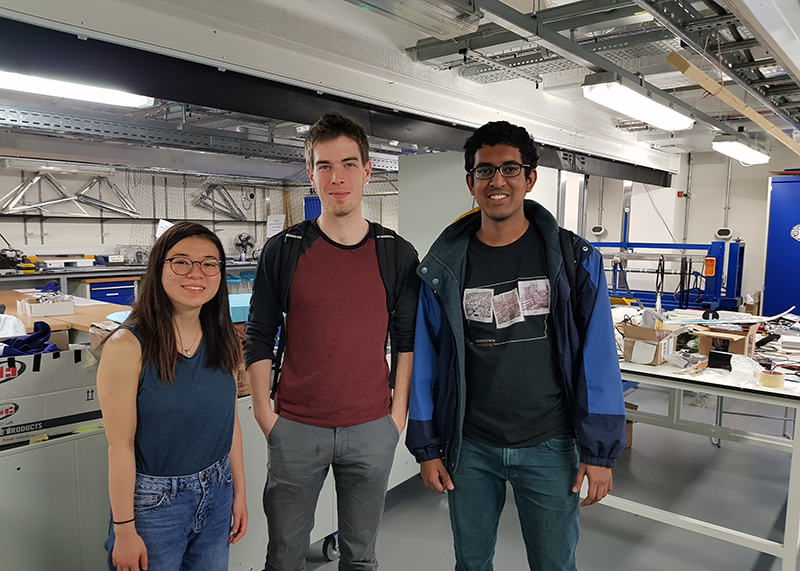
I have been meeting up with students Sena Harayama, Romain Clement De Givry and Medad Newman from Imperial College Space Society.

1905 ICSEDS team

Supervised by senior lecturer in spacecraft engineering Dr Aaron Knoll they are building a cloud chamber to withstand a journey to the edge of the atmosphere in the payload of a high-altitude balloon. The chamber must be able to withstand the low pressure at high altitude which might make it break apart.

1905 cloud chamber

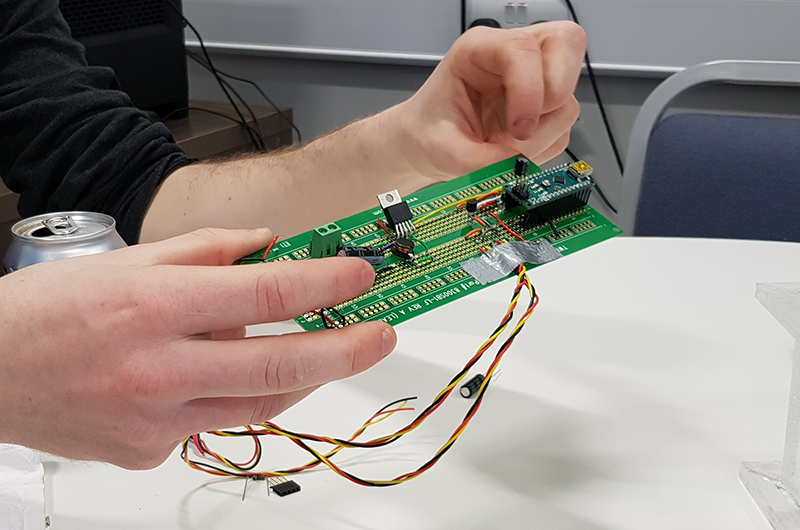
There needs to be a heat pad controlled by an Arduino processor to keep the batteries running to power the tracking device and cameras and maintain a suitable environment in the chamber to allow alcohol vapour to fall and create a cloud.

1905 Arduino

A cloud chamber enables us to see ionising trails made by radioactive and charged particles. Cosmic particles continuously collide violently with the Earth’s atmosphere then break up and shower down upon us.

1905 manufacture of chamber

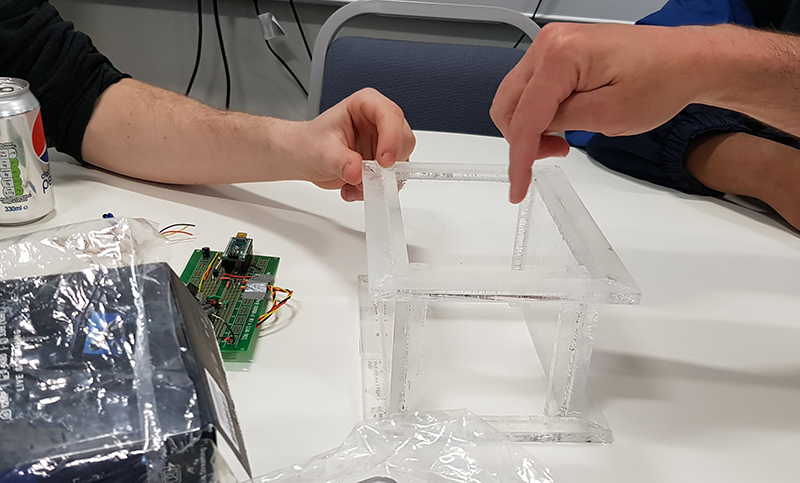
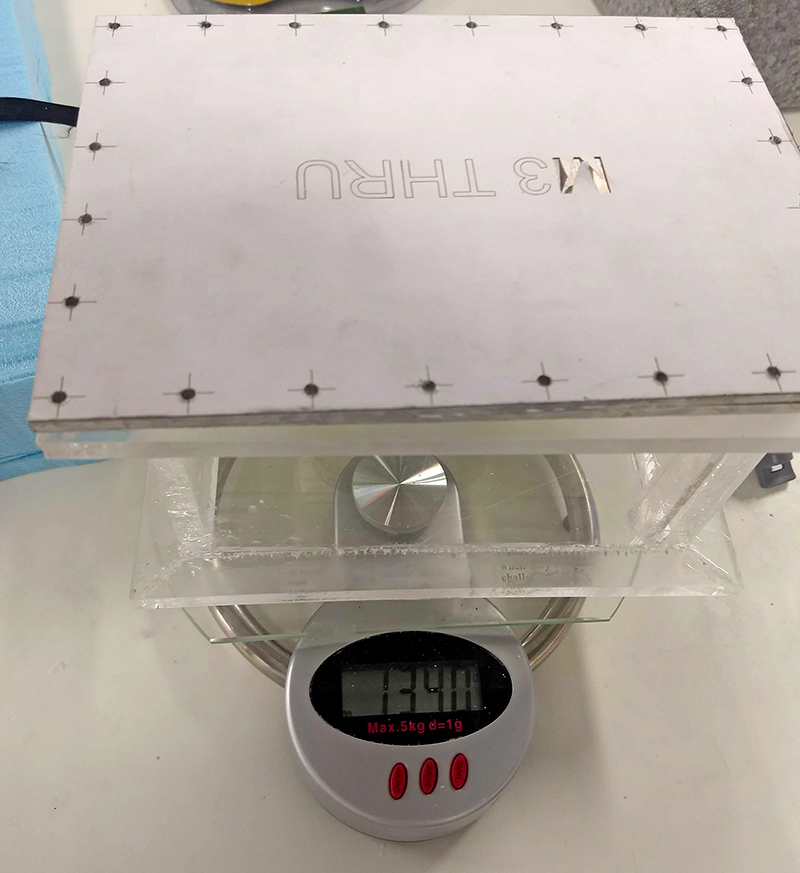
Keeping the weight of components down is vital. The payload must not be over 2kg.

1905 weighing the chamber

We are hoping to capture cosmic ray activity on video as well as a view of Earth’s atmosphere as it blends from blue into the darkness of space. This footage will become part of the video installation I am creating for Continuum midsummer weekend at Allenheads Contemporary Arts.

1905 enter portal

This new work Aóratos will be installed at Allenheads Blacksmith’s Forge.

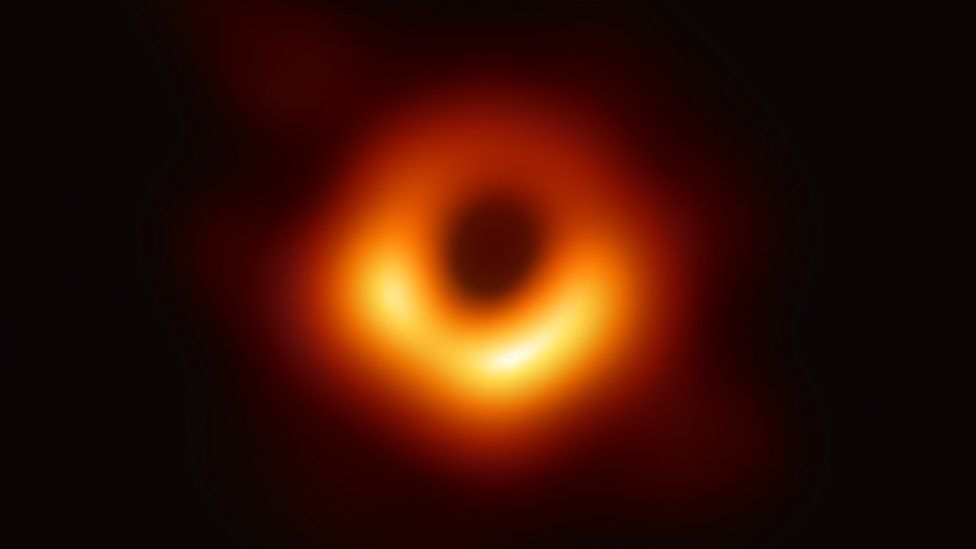
Black holes were once thought to be pure science fiction but in recent decades scientists have discovered that these extraordinary objects exist throughout our universe in all shapes and sizes and this year astoundingly have even produced an image of one.

1904 Black hole image

Einstein’s theory of general relativity written in 1915 predicted the existence of black holes and is also consistent with the possibility of gravitational tunnels known as wormholes. It could be that there is a hidden web of planck scale wormholes linking all points in space. Theoretically, threaded through these tiny holes would be filaments of cosmic strings created in the primitive goo of early matter and flung across space when the universe burst into existence.
However, to traverse space by means of a wormhole would require vast amounts of negative energy, not something usually found on Earth yet in the current political climate in no short supply.
Making use of the Blacksmith’s hearth visitors will be invited to burn offerings of negative energy to power a ‘wormhole’.

1905 forge hearth.jpg

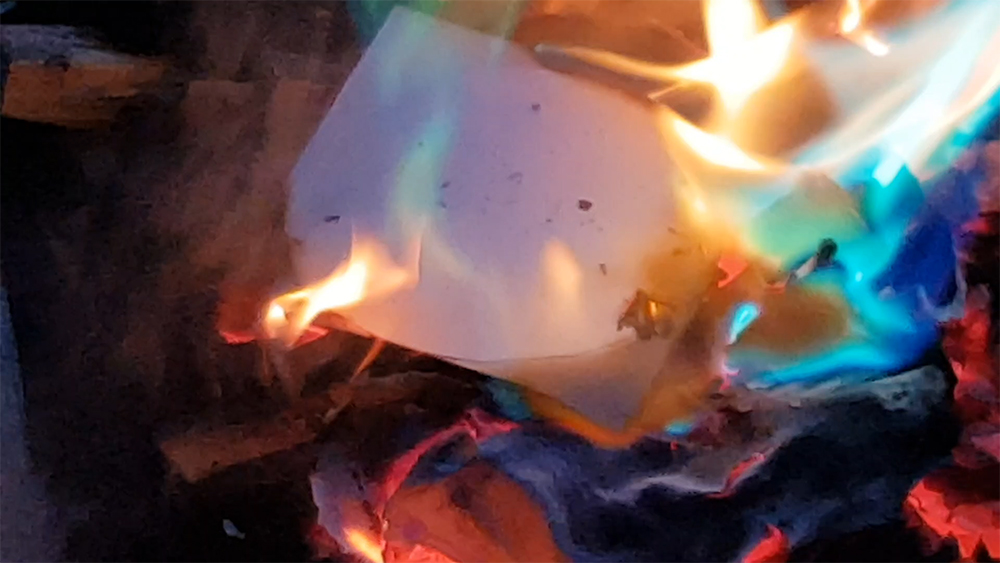
Special paper will be provided for people to write, draw or furiously scribble their own symbols of negative energy. These offerings will be burnt in the forge hearth releasing any pent-up negative energy to power the wormhole portal above.

I have been experimenting with chemicals to make the paper.

Really pleased with the results.

1905 chemical burn

1905 magic fire chemicals
It’s fine. I am sealing the chemicals inside two sheets of paper so no skin contact for visitors.

1905 paper burn.jpg

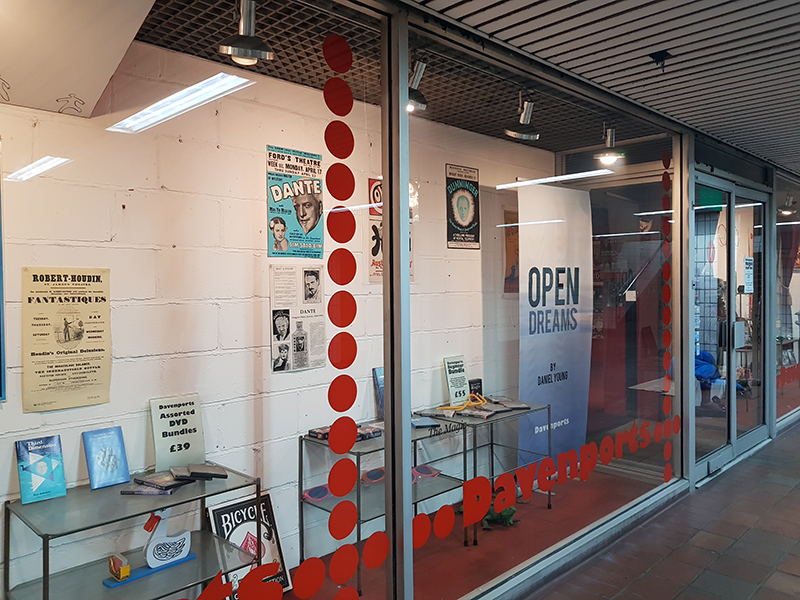
In my search to discover how to make coloured fire I did make a visit to Davenports magic shop in a very unprepossessing but not uninhabited pedestrian subway. A dismal setting for a dismal shop where I got no help at all. Felt an absolute muggle.

1905 davenports magic shop

The risks and obstacles of entering a wormhole include creating enough negative energy to open the wormhole mouth wide enough to weaken the gravitational tidal forces which would rip travellers apart; keeping it from collapsing so travellers are not indefinitely trapped inside; exceeding the speed of light and avoiding incineration from deadly high radiation.

On Earth we are protected from radioactive particles by the atmosphere and the magnetic field.

1905 magnetic field dark.jpg

Aóratos translates as ‘unseen’. The videos in the installation will look at hidden landscapes and usually unseen perspectives. For research I have been exploring rabbit holes, bee holes, mice holes and abandoned tunnels with my endoscope camera.
1905 ON LOCATION

A fascinating dark world of root webs and filaments interconnecting tunnels.


1905 turbulence.jpg

The reading group is persevering with Geoffrey West’s Scale despite the woolly editing and rambling digressions it does hold some interesting facts. I liked the section about turbulence. Fluid motion is chaotic and objects moving through water or air are subject to very different outcomes at different scales. Froude introduced a scaling methodology used in industry that has become increasingly sophisticated. Lord Raleigh emphasized the primary role of the ‘dimensionless’ number in scaling. This is a pure number such as pi which does not change depending on which unit of measurement is used, the ratio of a circumference of a circle to its diameter is always the same. “Pi embodies the universal quality of ‘circleness'”

1905 Gaia Luke Jerram

Visited the impressive sphere Gaia by Luke Jerram in Salisbury Cathedral as part of Salisbury International Arts Festival. Stunning architecture.

1905 salisbury cathedral1905 salisbury cathedral 1

Extraordinary that this majestic building piercing the sky has the most shallow of foundations and unless they keep a regular check on the water level through a little door in the floor the weight of the spire would not only bend the supporting columns but might tumble down.

I was excited to find a dodecahedron at the pinnacle amongst platonic solids topping an elaborate tomb.

1905 dodecahedron

Also the oldest working clock was fascinating to see

1905 oldest working clock

“How can the past and future be, when the past no longer is, and the future is not yet? As for the present, if it were always present and never moved on to become the past, it would not be time, but eternity.”

― St. Augustine of Hippo

Progress is slowly underway on my dodecahedron sculpture. Beginning with a rough mock up in card to gauge the size.

1701 maquette.jpg

I was relieved to finally finish screen printing the curse of the obelisk. Never had so many setbacks in a piece of work.

1701 Cloud Obelisk.jpg

Made of one single stone, dedicated to the solar gods, an obelisk is a fusion of the earthly and the divine. A symbol of power, piercing entry to the fickle world of the gods beyond the clouds, cursed and desired. Over 3,500 years old, the London Obelisk, raised on The Embankment for convenience sake, snubbed by a state embarrassed to revere a shady political gift made by a country they were about to undermine, fought its removal from the soil it was hewn from stands alone, separated from its twin. The gift to state made in 1811 lay fallen and uncollected in Alexandria until an eccentric Victorian adventurer (Sir James Edward Alexander, Knt.,C.B., K.C.L.S, F.R.C.E.) saw the twin in Paris and discovered that Britain’s prize had never been brought home. He found a fellow enthusiast with money and the pair designed a special vessel to contain the obelisk that could be towed behind a ship. The Olga set sail in 1877 but met a violent storm that broke the tow ropes and cast the obelisk adrift. Six men struck out in the storm to rescue the vessel but were never seen again. The obelisk however did not sink and was later discovered, recaptured and finally towed up the Thames to be set incongruously upon a plinth under the unblinking guardianship of Victorian repro Sphinx’s who traditionally would be outward facing to ward off evil, but spend their days eyeing the needle.

1701 sphinx.jpg

I had an intriguing parcel arrive from the incredibly helpful Alan Walker from the School of Physics and Astronomy at The University of Edinburgh who is giving me loads of advice on building my cloud chamber. He has very kindly had an anodised aluminium plate made for me in his workshops. The plate is the one crucial component that has to be specially made so it was wonderful to find that he had done this for me.

1701-cloud-chamber-parcel

The black metal plate will sit on dry ice, it will be the viewing backdrop for all the cosmic particle trails and I can now get on with the next stage – making the insulated box.

1701-cloud-chamber-1

I have set up a hydroponics tent in my studio to create a dark space ready for filming once the cloud chamber is fully assembled and ready to test.

1701-dark-room

On a very crisp bright day I took the crystal ball a short walk along the banks of the River Wey to the ruins of  Waverley Abbey.

1701-waverley

This was the very first Cistercian monastery founded in Britain 900 years ago by an Abbot and 12 monks from France.

1701 waverley abbey 1.jpg

These images of the crystal ball set in different locations are part of research with a view to making a work about portals in time, space and imagination.

The first work you see at Bloomberg New Contemporaries, ICA is Kate Fahey’s delicate plumes from a multitude of explosions billowing into one giant cloud – Cumulative Loss.

1701 Kate Fahey.jpg

Through scale and fragility we sense the dust caught momentarily before it settles over devastation upon devastation. It sets a thoughtful tone to enter the lower gallery.

Lisa Porter’s glazed stoneware Connection X (Thank Finch for That) and Rodrigo Red Sandoval’s installation Satellite reflections were two works I was drawn to.

1612-kate-fahey-superficie-ii

Kate Fahey Superficie I

Kate Fahey’s Superficie images developed during a residency on the remote Isle of Coll were included in Reference Mollusk, a beautifully curated exhibition  with some timely concerns at new gallery space Gossamer Fog in Deptford.

1612-solveig-settemsdal

Solveig Settemsdal Singularity (video still)

“We are the goo that slipped out of the oceans 430 million years ago, the goo that changed the earth beyond repair, the goo that will fossilise, leaving only future archaeological relics”

1612-justyna-kabala

Justyna Kabala Feel Better

Helen Maurer re Composing at Danielle Arnaud had a delicate touch.

1612-helen-maurer-1

Transferring from the forsaken voids of the Church of The Holy Trinity in York it brought with it the quiet sense of unease that comes when entering a darkened space on a summers day.

1612-helen-maurer-3

The gentle chimes sounding from hidden spaces under cabinets added to the undercurrent of something slightly sinister

by exposing the construction of this fairy tale landscape Maurer adds rather than depletes mystery

1612-helen-maurer-2

This was a captivating transformation of space at the House of St. Barnabus Chapel. Staccato is an audio-visual installation by Evy Jokhova

1612-evy-jokhova-2

exploring the interconnection between music, movement and ceremonial architecture

1612-evy-jokhova-3

featuring three sculptural works and a soundtrack made in collaboration with James Metcalfe.

1612-evy-jokhova-1

In similar vein, I was struck by Dr Rupert Till’s comment ‘architecture and acoustics are the same thing.’ He was speaking on the Radio 4 programme Did Stonehenge Sing? explaining the mysterious hum that emanates from the stones and how much more powerful the sounds would have been 3,000 years ago when all the stones were still standing. Thanks to Dr Till the lost sounds of Stonehenge have been reimagined for us to experience today.

1612-stonehenge-credit-ap

Finally made it to a meeting of the New Materialism reading group. The text was Veronica Strang Fluid Consistencies: Materiality and meaning in human engagements with water http://dro.dur.ac.uk/19432/1/19432.pdf  Points that struck me were the observation from Tilley that ‘knowledge of a thing is grounded in our bodily experience of it’ and it made me think of Plato’s debate on true belief and knowledge, although a different kind of knowledge it does come back to the idea of being there, of engaging on a physical level. We think of flowing rivers, water carried in clouds but not always of the movement of water around the globe held in a juicy pineapple or mango or even our own bodies. I was introduced  to the work of Samara Scott and her liquid painting Developer created with bio-degradable dyes in the Pleasure Garden Fountains in Battersea Park.

1612 Samara-Scott-Developer.jpg

The reading group meets at the Wellcome Trust Reading Room. On the same evening, another group was meeting to discuss materials as part of an collaborative programme between artists and scientists. I didn’t get to note down the names of participants, but a magician and an expert from the Institute of Materials had each brought along objects to spark debate. 1612 Wellcome Trust debate materials.jpg I liked the relationship struck between that of the magician as performer and the idea that the materials themselves are performing.

Turner Prize visit. Materials were performing here.

I found the materials of Helen Marten (left) difficult – though there were some I could enjoy like this wonderful ceramic disc I felt more of a connection to the materials of Michael Dean (right). It is something very basic about a reaction to the surface and the connotations it brings with it.

1612-helen-marten

Marten’s sculptures are very busy visually. Like a car boot sale, unexpected juxtapositions and mostly cheap and nasty material. (though I do appreciate the thought in her designs). Anthea Turner offered more open space, albeit surrounded by brick walls and facing giant theme park style buttocks, moving on to the next room offers open blue skies but also disturbing chastity belts. Heaven/Hell.

1612-anthea-hamilton

Josephine Pryde brought us homely goods; thick kitchen worktops bleached by the sun leaving hazy shadows of random objects. Also painted fingernails. A sit on size train tastefully graffitied encountering leaves on the track.1612-josephine-pryde

Finally entering the space of Michael Dean; smoothly curved walls morph into the floor, a strange unworldly lighting (as in James Turrell light works – the walls disappear)  and you are in a void or maybe underwater.

1612-michael-dean-3

The work (United Kingdom poverty line for two adults and two children: twenty thousand four hundred and thirty six pounds sterling as published on 1st September 2016) consists of £20,436 in pennies. This is the amount of money the government states is the minimum that two adults and two children need to survive for a year in the UK.

1612-michael-dean

One penny has been removed. A family on the shore line/breadline, trying to keep their heads above water.

1612 Michael Dean 1.jpg

This landscape has similarities to the war blasted landscapes of Paul Nash showing concurrently at Tate Britain.

1612-paul-nash

He too acknowledges the primitive power of single vertical forms.

Enjoyed the playful narrative of Bedwyr Williams’ The Gulch in the Barbican Curve.

1612-bedwyr-williams-2

Always intriguing and despite ominous undertones uplifting through the sheer joy of following the surreal twists and turns of his stories.

1612-bedwyr-williams-1

The simplicity of his constructions are part of the exuberance in his work, they provide the outlines for the journey.

1612-mealnie-king-pulsar002

Went to see Melanie King’s installation Pulsar Oscillograph as part of SPACE/LCN showcase of projects that have been developed by artists with the support of the LCN programme over the course of 6 months.  

1701 Melanie King.PNG

Transforming audio pulsar data (supplied by artist and former astronomer Steve Aishman), Melanie uses laser beams and mirrors to draw these “sounds” captured from outer space onto phosphorescent paper. The images layering, building and fading to the frenetic beat of the spinning collapsed star. As part of The Laboratory of Dark Matters experimental residency at Guest Projects Melanie will develop an Oscillograph  to visualise data obtained from dark matter research scientists in their search for the missing 85% of matter.


Settling in. I have moved into a shared studio right next to the newly branded Thames-Side Print Studio at Woolwich.  I have a great studio partner, Kim Vousden who works as a graphic designer with a foot in the digital camp and hands on in the analogue world of letterpress. I switched to my new location just in time for Open Studios so it felt like a moving in party.

During Open Studios the on site gallery was host to a sculpture showcase from the resident studio artists.

Three sculptures from my everydaymatters series exploring what we can and cannot see in our environment were included.

In my studio space I set up submīrārī – floating images that invite a primordial contemplation of a dreamlike space and hint at the usually invisible molecular movement in water. I would love the opportunity to fill a room with these.

Here Be Dragons– Gordon Cheung’s show at Nottingham Castle is a timely reminder of the fragile structures we build our world upon. The volatility of the market, the inevitability of mortality, façades and fading glory. I visited before June 23rd but it could have been a premonition of the dis – integration we have witnessed since.

The moving image works loop through collapse and reassembly in an infinite cycle so maybe I should take hope from this that we can rebuild our world. Other scenarios are captured in stasis as they fall like sand from the sky. Beauty of entropy.

1606 Gordon Cheung 1

There are also magical vistas, the open plains and misty mountains of hopes and dreams. In these works we see how the world is put together and can question what our dreams are built on.

The digital cascading algorithm works give the impression of a world made of sand but in large textured landscapes sand itself is used to create an unstable ground. Grains cling precipitously hanging in crumbling strata from the canvas, dusting the floor with allegory as they fall.

Lumen Studios presented VOID, an exhibition held amid the airy grandeur of St. John on Bethnal Green, a pertinent setting for work exploring the representation of voids, black holes and portals.

There was also a screening of Sarah Sparkes film, Time You Need  which explores the potential for consciousness to time-travel within the material limits of the human body.

Among the works were Black Hole photographs, a typology of voids found in numerous locations around the world from Jane Grisewood.

1606 Lumen Void (14)

There was a fascinating talk from Chris Welch, Professor of Space Engineering at the International Space University in Strasbourg, France, about the representation of black holes and voids in space physics and science fiction. Black Holes are Red Super Giants that explode and collapse.
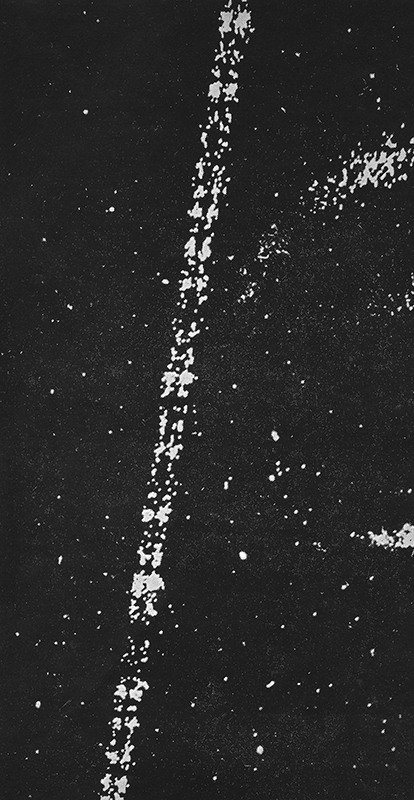
I was particularly interested to hear him speak about tidal forces within a black hole as I have just completed a soft ground etching intertidal looking at the effects of tidal gravity on the earth.

1606 intertidal.jpg

A human falling into a black hole would experience extreme tidal forces that may cause spaghettification – the stretching of the body due to the difference in acceleration between the head and feet. The smaller the black hole the denser the matter the stronger the force. He put the possibility of worm holes into the world of science fiction saying they would require the unknown quantity of negative energy to pass through a portal from one point in the universe to another. A lot of negative energy has been released lately so you never know, maybe this was the leave EU campaign’s attempt to time travel back to their mythical golden age.

A recent uplifting article from Sam Leith in The Evening Standard praised Stephen Hawking for his ambitious project to put together a comprehensive three-dimensional map of the entire known universe. The Cosmos computer will trace the movements of billions of cosmic objects, using data from the Planck satellite and the Dark Energy Survey. Leith exudes ‘What a thing of awe and wonder! And the stuff that’s not there will be even more exciting than the stuff that is. Think of the holy hush of the Canes Ventaci Supervoid – a region of empty space more than a billion light years across. It makes me think of Wallace Steven’s lines –

"the listener, who listens in the snow,
And, nothing himself, beholds
Nothing that is not there and the nothing that is"

Possibilities of parallel worlds were explored by Andrew Schneider in his physical performance piece YOUARENOWHERE staged at Shoreditch Town Hall.

1606 Andrew Schneider YOUARENOWHERE

You are nowhere. You are now here. What if every time you experience near death your life splits in two, even if you just think about death, maybe you did die and another self took off in another parallel world. Setting the scene for tearing the fabric of reality he stumbles and glitches through monologue and dialogue, directly addressing the audience to commit to his unravelling of the physical world. The moment when the backcloth drops and we are face to face with another audience I shuffle to try and catch my own reflection but find no duplicated movement. The character on the newly revealed side of the stage does however mimic Schneider. They play out a dance of disbelief trying to catch the other out to discover who is real. The audience is asked to swop sides and at the next curtain drop our doppelgangers have disappeared. We are left to contemplate the fleeting glimpse of our other selves performing a similar existence.

I experienced the magical journey that is The Embrace of the Serpent in the first few days of  despair over the divided state of our country following the Brexit vote. It seems we are doomed to keep pressing the self destruct button to the bitter end. The film is stunning in its beauty and poignancy for a world being destroyed through greed and ignorance.

As in Complicite’s The Encounter our relationship to stuff is questioned. The heavy boxes of the scientists weighing down the smooth passage of the canoe. Both the Shaman and the scientists giving their own agency to objects be it a sacred necklace or a gramophone record.


The final talk in the Whitechapel Gallery programme ‘To Make a Tree’ was from Ivan Morrison (Heather was busy in rehearsals for their travelling puppet show tour of Wales)
A great raconteur Ivan presented an overview of their practise concentrating on key interests and their overriding belief in the importance of integrity of materials.
Making something have more depth by doing it the long way even if the end result looks the same, he strongly believes that the commitment to an object though a long making process imbues it with a value beyond the visual.
He is also a great believer in the importance of failure –  natural entropy. From the ashes of disaster…

He decided the best way of forming a direct engagement with nature within an urban environment was to become involved in gardening.
This involvement was to become one of his first projects; the documentation of his gardening experience in Birmingham.

Postcards were printed and sent out to selected people stating the progress of his gardening endeavours.

Heather and Ivan Morrison

Ivan Morrison

He listed the colours to be found in the garden at certain times of the year.

Ivan Morrison

Ivan Morrison

As time went on the success and more often the failures were documented in what became an ongoing narrative of the battle every gardener faces in order to maintain control and defy attack.

Ivan Morrison

Ivan Morrison

The Morrisons are inspired by the passions of other people, the importance of family and ancestors, of staking a claim in the soil by planting an arboretum tended through generations, or the spirit of the idealist who builds an escape vehicle on the back of a truck and heads for the open road.

Heather and Ivan Morrison Tales of Space and Time

Heather and Ivan Morrison ‘Tales of Space and Time’. Converted Bedford Green Goddess, Douglas Fir, books, other media

This idea of an escape vehicle became translated into other forms of refuge.

Heather and Ivan Morrison 'I am so sorry, Goodbye'

Heather and Ivan Morrison ‘I am so sorry, Goodbye’

Ivan Morison explains; ‘The conjoined domes of ‘I am so sorry. Goodbye.’ are inhabited by a guardian whose task it is to keep the stove lit, water boiled and visitors supplied with hibiscus tea. The guardian has the vocabulary of the words: I, am, so, sorry and goodbye. These words were first conveyed to us whilst staying in an old upmarket hotel on Alexandria’s corniche. Late one night I received a call in which the only words that were said, by the slow doleful male foreign voice, were ” I am so sorry sir… I am so sorry sir… Goodbye sir.” After putting the phone down I felt witness to something I didn’t fully understand, but felt that we had been given the task to pass on this cryptic message.’
The refuge is hand built from naturally fallen trees in Tatton Park. Made from its own environment it looks both archaic and futuristic. Dystopian or utopian it could come from any era. An apocalyptic future or the idealisms of a hippy commune. The Morrisons are interested in social architecture and how architecture impacts social behaviour. These thoughts are also influenced by science fiction and dystopian novels such as  J.G. Ballard’s 1975 novel, High-Rise. The idea of the building design having a direct effect on the social relationships of the inhabitants was part of the thought process for the Morrisons in creating a site specific structure ‘Plaza’ in Vancouver.

Heather and Ivan Morrison Plaza

Heather and Ivan Morrison Plaza

‘Plaza’ looks about to fall down. It is made of reclaimed dark heavy wood, burnt black. In contrast to the pale linear city it looks like the bones exposed at the moment of collapse.

A reminder of all the great cities that have fallen over time. It is an exciting place because it is dynamic. It creates a shift in perception.
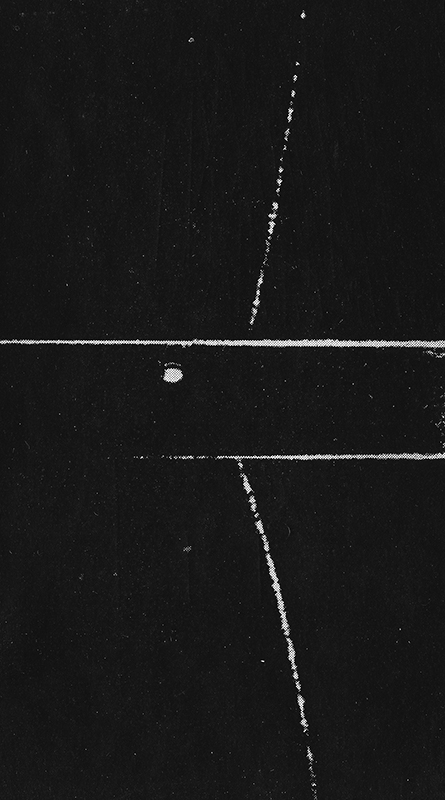
The Maldives are facing a very direct impact on their environment from climate change, not a natural entropy.

Communities come together to build sandbanks to try to keep the sea at bay.

Portable Nation

Portable Nation

At the Venice Biennale the art collective Chamber of Public Secrets explored east west views of nature. Where western thought considers nature and culture to be in opposition, eastern thought considers nature as a guide, a source of inspiration and harmony.

Portable Nation

Portable Nation

For the pavilion they presented the culture and nature of the Maldives as one aesthetic experience in line with the concept of contemporary Environmental Romanticism.

Portable Nation

Portable Nation

The crumbling brickwork of the pavilion was a perfect backdrop to the video projections of nature giving an ethereal ghostlike quality to the images – a disappearing landscape.

Portable Nation

Portable Nation

For many the Maldives is synonymous with paradise.

Portable Nation

Portable Nation

A place for the western romantic to escape to has become a place that its own people want to escape from.

Portable Nation

Portable Nation

Simryn Gill for the Australian pavilion fully embraced entropy in her work.

Australian Pavillion

Australian Pavilion

‘Here art grows on trees’  allows the elements into the Pavilion.
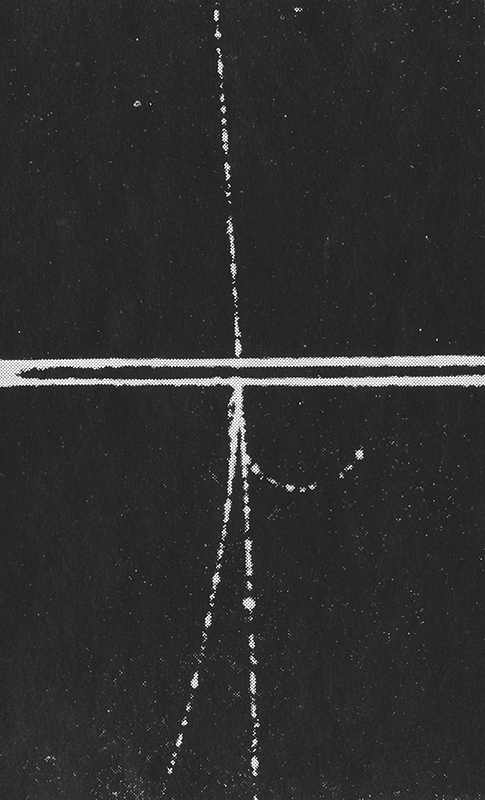
The drawings of insects on paper made from the pulp of decayed plants will over the seasons return to a state of decay, exposed to the rain and sun and insects of the Giardini.

The work is about the passage through time of paper, the artwork, the pavilion, the artist.

Simryn Gill Eyes and Storms

Simryn Gill ‘Eyes and Storms’

Looking at cycles, at circles. Eyes and Storms are photographs of mines. Huge circles carved into the earth.

It will be interesting to see how the work has changed when I return in November with the RCA study trip.

Another artist undertaking a similar project at the moment is Matt Calderwood on the roof of the De La Warr Pavilion in Bexhill.

Matt Calderwood Exposure Sculpture

Matt Calderwood Exposure Sculpture

The paper covered steel frames of ‘Exposure Sculpture’ will remain on the roof, at the mercy of the elements, over the summer period to be taken into the gallery and reconfigured later in the year.

Terike Haapoja in the Nordic Pavillion at the Biennale questioned the human view of nature and wanted to express the interdependency of all living things, the energy passing between us and through us.

Nordic Pavillion

Nordic Pavillion

By talking or breathing to the CO2 sensor next to a branch on the trees in the Pavilion the visitor can activate the lights and open the glass chambers.

Terike Haapoja

Terike Haapoja

Breathing together.

Nordic Pavillion

Nordic Pavillion

The loss of heat from a body at the moment of death is recorded. It is a poignant witness to the warmth of life slowly dispersing.

Terike Haapoja

Terike Haapoja

Thinking about the natural processes of life and death can lead to thoughts of the spiritual.

Our ancestors had other than scientific explanations for things they didn’t understand and believed in spirits.

Mark Leckey’s exhibition ‘The Universal Addressability of Dumb Things’  looks at the objects we interact with today in a similar vein. As things possessed.

His concept is of ‘techno-animism’ – the blurring of the animate and the inanimate.

Mark Leckey

Mark Leckey

At the Biennale a digital taster was showing of the main exhibition held at the De La Warr pavilion in Bexhill on Sea.

Mark Leckey at The De La Warr Pavilion

Mark Leckey at The De La Warr Pavilion

Felix the Cat – the first image ever transmitted on TV

Mark Leckey The Universal Addressability of Dumb Things

Mark Leckey The Universal Addressability of Dumb Things

The exhibition was presented as a collection of objects that all talk, literally or metaphorically, to each other.

Mark Leckey The Universal Addressability of Dumb Things

Mark Leckey The Universal Addressability of Dumb Things

I was interested in the backdrop image which is Piero di Cosimo The Forest Fire c1495-1508.

The painting is thought to show the birth of civilization as man gained supremacy over the animals through the use of fire and language.

Concerned with the history of early man, inspired by passages from Book 5 of De Rerum Natura by Lucretius (98–c.55 BC), who traces the origins of life on earth and the birth of community life, emphasizing the role of fire as a catalyst for change.

Roger Hiorns

Roger Hiorns

The machine encrusted with crystals making its original purpose defunct it becomes something else.

Nicola Hicks Maquette for Crouching Minotaur

Nicola Hicks Maquette for Crouching Minotaur

Imposing presence of a minotaur skull, a symbol of the unnatural. A monster created from desire that cannot be controlled.

Doesn’t feel impossible.

William Blake believed he was visited by spirits from other worlds in his imagination.
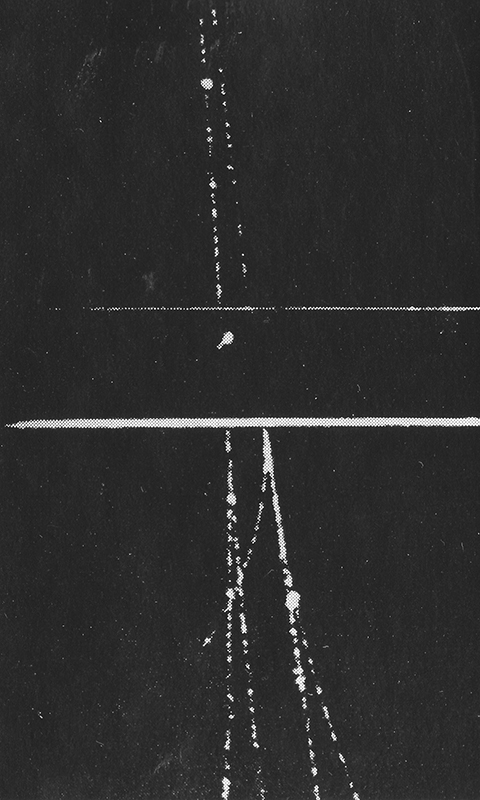
William Blake The Ghost of a Flea

William Blake The Ghost of a Flea

This is his record of the spirit of a flea which has undergone a demonic transformation inhabited by the souls of bloodthirsty men.
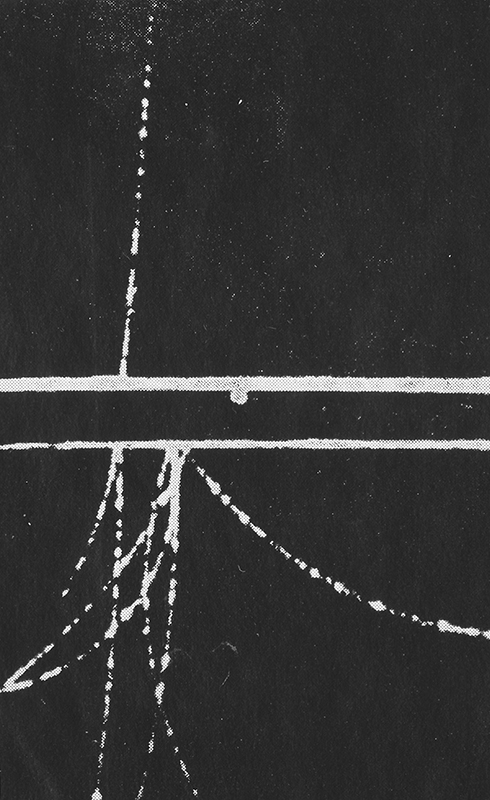
Possession.
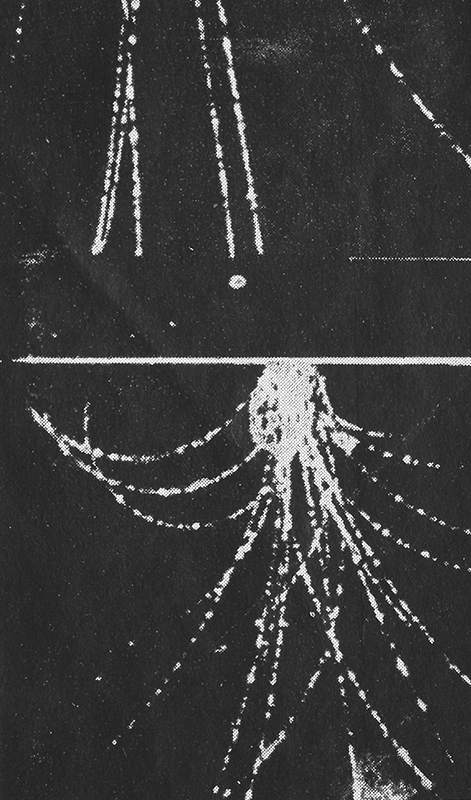
At the Biennale in the Belgium pavilion Berlinde De Bruyckere created a mausoleum.

Berlinde De Bruyckere's 'Cripplewood'

Berlinde De Bruyckere’s ‘Cripplewood’

A tree is cast in wax, it is then traced with blood red veins and pink mottled flesh. A process of metamorphosis has begun.

Berlinde De Bruyckere's 'Cripplewood'

Berlinde De Bruyckere’s ‘Cripplewood’

Bound with what appears to be bloodied bandages and laying on its side, the trees limbs take on the fragile nature of the bones of a giant disfigured human corpse.

The circle of life, the exchange of energy is something that Lin Xue wanted to convey in his detailed fantastical landscape drawings made with sharpened bamboo and ink.

Lin Xue

Lin Xue

The “Treasuries of Knowledge” exhibition by Khaled Zaki and Muhammad Banaw for Egypt looked at the two cycles of the universe – the first infinite cycle of nature and the second cycle of humanity continuously walking the earth.

“Treasure of Knowledge”  Khaled Zaki and Muhammad Banaw

“Treasuries of Knowledge” Khaled Zaki and Muhammad Banaw

At the point where the two cycles overlap is the point of creation, of wisdom and where such mysteries as knowledge of the afterlife might be found.

Lara Almarcegui is also interested in renewal.

Lara Almarcegui

Lara Almarcegui

Working at the boundary of urban regeneration and natural decay she filled the Spanish pavilion with builders rubble.

Mirroring the unpredictable power of a landslide the mounds of rock look like they could keep pouring into the room.

There is a strong smell of brick dust also filling the space and adding to the slight sense of claustrophobia, that you might be trapped, or can’t breathe.

Lara Almarcegui

Lara Almarcegui

The mound of smashed glass though is quite seductive, it sparkles like ice. You want to make crunching footsteps over it and gather it up to see the light play on its shattered surface.

The materials of construction are presented in their raw form. Buildings mechanically broken down to be reused and dispersed into other landscapes.

Gina Soden’s painterly photographs on the other hand depict nature slowly reclaiming abandoned and derelict buildings left to ruin.

Gina Soden

Gina Soden

Showing at ‘Natural Selection’ at The Fine Art Society she captures the beauty of decay. There is a nostalgia here, a sense of the past crumbling away before us, returning to the earth.

Where Gina Soden looks at nature reclaiming ancient buildings, Paul Davies celebrates the dynamic juxtaposition of the clean lines of architecture in an organic setting.

Paul Davies

Paul Davies Modern Cathedral Invert

The balance of power between nature and the manmade is explored in his highly textured paintings of modernist buildings in dramatic landscapes.

The forest becomes the cathedral.

I was intrigued to find that the name for the unfurled heads of fern is shared by a Bishop’s staff of office – Crosier.

1308 Succession ve 1 1308 Succession ve 3 1308 Succession ve 6

I have finished this set of prints. The title is ‘Succession’.

As the ice retreats; from first life to ferns to first trees to forests to man to religion.

A few people have seen the prints now, the majority do not spot the embryos tucked in the furls of the fern unless I push them to look harder.

I like things to be hidden so I think it’s OK this is the case.

I also did some with more colour but am happiest with the grey tone ones.

1308 Succession ve 2 1308 Succession ve 4 1308 Succession ve 5

Tumbling through time
1307 Tardis-in-Space

Space has been a bit of a theme in my recent excursions – in a sense of delineating a space architecturally as Charles Avery does in his precise drawings of an imagined world; in the exploration of space examined through Cristina De Middel’s photographs of ‘Afronauts’ which also play into ideas of sci-fi as does Jess Littlewood in her fictional landscapes; in attempting to make the unknowable palpable, Luci Eldrige has used radar imaging of Venus undertaken by NASA and translated it into richly coloured etchings. Then there is the space where the making takes place – the art institution.
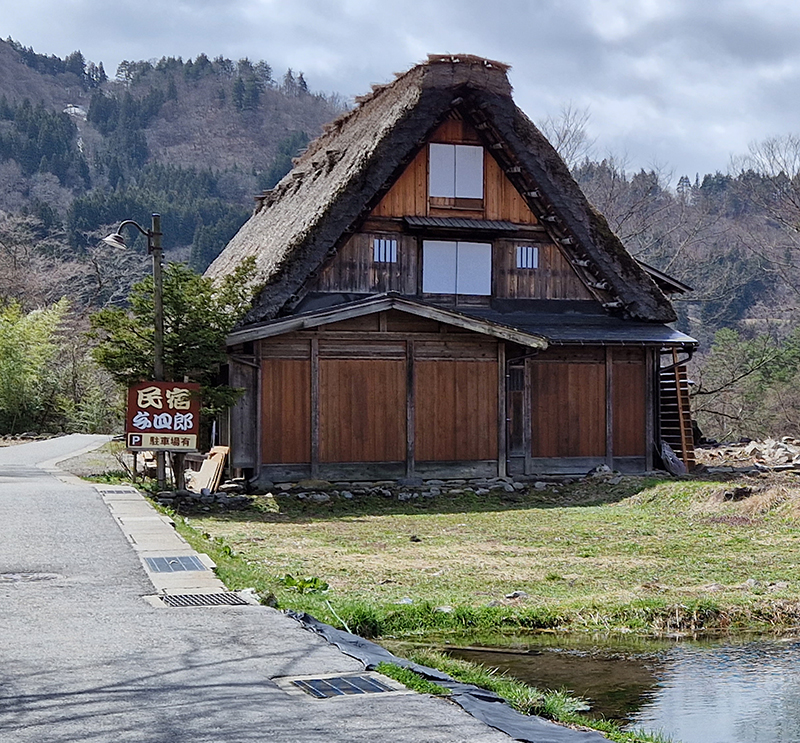
The RCA SHOW has come around again.

RCA SHOW 2013

RCA SHOW 2013

This year the experience was heightened by the possibility that I may one day get the chance to participate in the creative dialogue of this institution.
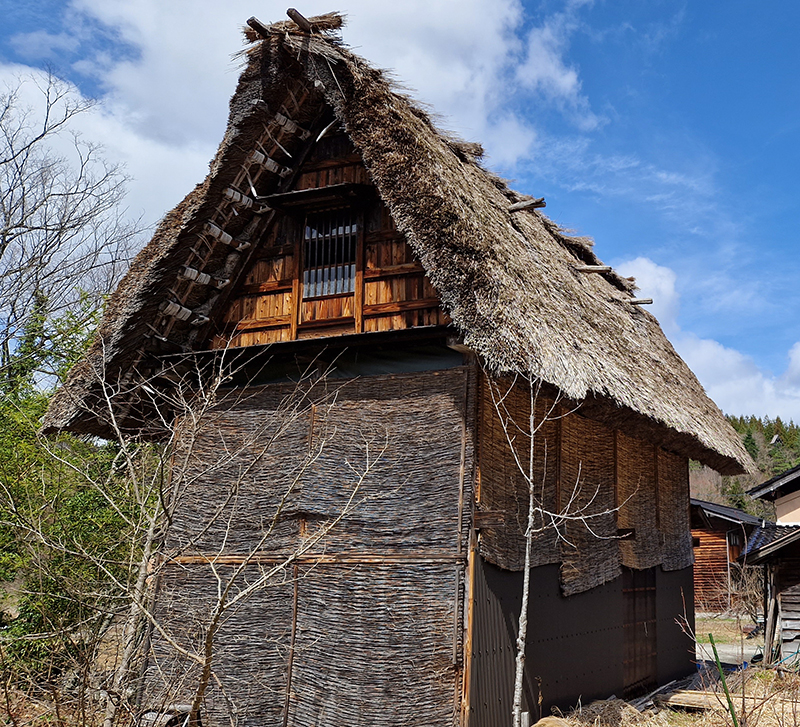
Look at that amazing space for making.

RCA printroom

RCA print room

Since my application and interview in March I have received some really positive feedback from Jo Stockham the head of the printmaking course.
I have been encouraged to apply again next year if a place doesn’t become available for me this year so I was keen to see what the current graduates were exhibiting and if I could see progression from the exhibition they had in spring at Café Gallery Projects.

A favourite was Luci Eldridge. Fascinated by the ‘invisible visions’ acquired through the use of science’s cybernetic eye, she is captivated by images of lands we cannot empirically experience.

Luci Eldrige - four colour photo etching

Luci Eldrige – four colour photo etching

I also identified with the work of Jessica Wallis ‘The History of the End of the World’

Jessica Wallis - Book Cover Series

Jessica Wallis – Book Cover Series

Jessica Wallis - Formula for disaster DVD

Jessica Wallis – Formula for disaster DVD

Jessica Wallis - Formula for disaster dvd

Jessica Wallis – Formula for disaster dvd

I was intrigued by the films of Nicola Thomas – ‘Imitation’ and ‘ Dancing with Monk’ and her etched prints from The Look Series were captivating.

Nicola Thomas - Carole #3 etched print

Nicola Thomas – Carole #3
etched print

Bee Flowers work has a feel of the mausoleum

Bee Flowers - plaster acrylic

Bee Flowers – plaster acrylic

Alice Hartley must have had some upsetting school reports

Alice Hartley - screenprint on blue black paper

Alice Hartley – screen print on blue black paper

Elizabeth Hayley’s prints on brass had a wonderful quality of time passed

Elizabeth Hayley - silver gelatin on brass

Elizabeth Hayley – silver gelatin on brass

Yanna Soares - Loom of Neith - silk embroidery on etchings, cotton thread, wood

Yanna Soares – Loom of Neith – silk embroidery on etchings, cotton thread, wood

Liz Lake - run aground

Liz Lake – run aground

Hannah Thual - between exposed and concealed

Hannah Thual – between exposed and concealed

I realise I must have missed some of the printmaking exhibits.

From Painting I really related to the work of Zoe De Soumagnat

Zoe De Soumagnat - Al Fresco

Zoe De Soumagnat – Al Fresco

Zoe De Soumagnat - Black Painting. tasty

Zoe De Soumagnat – Black Painting. tasty

Tomie Seo - All in a vision and Court of Regulation

Tomie Seo – All in a vision and Court of Regulation

Lian Zhang - oil on board

Lian Zhang – oil on board

From Sculpture discipline I really liked how the paper constructions of Yana Naidenov looked like concrete

Yana Naidenov - rammed paper pulp

Yana Naidenov – rammed paper pulp

The materiality of Virgile Ittah’s sculptures were also intriguing, and rather unsettling

Virgile Ittah - For man would remember each murmur - fabric, mixed wax

Virgile Ittah – For man would remember each murmur – fabric, mixed wax

The Lilliputian sculptures of Sun Lah stood out

Sun Lah - wood and pastel

Sun Lah – wood and pastel

Observing from a distance

Sun Lah

Sun Lah

Loved this little projection from Lucy Joyce

Lucy Joyce - Gold House - video

Lucy Joyce – Gold House – video

Lina Lapelyte - Candy Shop

Lina Lapelyte – Candy Shop

I liked photography student Julio Galeote’s work

Julio Galeote - excess

Julio Galeote – excess

The Charlie Dutton Photo and Print Open Salon had a really strong selection of work, it was tightly hung but as the work was all so strong it wasn’t a case of your eye skimming the wall and only taking in one or two pieces.

I was fascinated by a lot of the work showing and noticed Luci Eldridge had a couple of pieces in the show.

Luci Eldridge - The Invisible Sky

Luci Eldridge – The Invisible Sky

Hannah Williamson

Hannah Williamson

Adam Dix - Be As One - screenprint

Adam Dix – Be As One – screenprint

Frances Disley - Little Boy Lost - reduction lino cut

Frances Disley – Little Boy Lost – reduction lino cut

Alex Lawler - Celestial Navigation  - print on chiffon

Alex Lawler – Celestial Navigation – print on chiffon

Harry Meadows - Medallion

Harry Meadows – Medallion

I have often found that in the Deutsche Borse Photography Prize show there is one clear winner for me but this year all 4 candidates drew me in and inspired me.

No Man’s Land is shot entirely with Google Street View. The coordinates for prostitutes operating in remote locations were picked up from internet chat rooms.

Henner’s method of online intelligence-gathering results in an unsettling reflection on surveillance, voyeurism and the contemporary landscape.

Mishka Henner - No Man's Land

Mishka Henner – No Man’s Land

Chris Killip documents the disintegration of the industrial landscape through the people that live there.

Chris Killip- What Happened - Great Britain 1970 - 1990

Chris Killip- What Happened – Great Britain 1970 – 1990

‘War Primer 2’ reimagines the pages of Bertold Brecht’s 1955 publication ‘War Primer’. Brecht’s book was a collection of photos and newspaper clippings that were paired with a four line poem.

Broomberg and Chanarin have layered google search results for the poems over the original images. The results are extraordinary.

Adam Broomberg and Oliver Chanarin - War Primer 2

Adam Broomberg and Oliver Chanarin – War Primer 2

In 1964 Zambia started a space programme to send the first African astronaut to the moon.

Cristina De Middel - The Afronauts

Cristina De Middel – The Afronauts

Through photographs, manipulated documents, drawings and letters  De Middel presents a folkloric tale which blurs myths and truths. Great costumes and funky fabrics.

Cristina De Middel

Cristina De Middel

Jess Littlewood’s prints showing at BEARSPACE have a wonderful sci-fi quality without them being too unbelievable. There is a common motif of a pentagon, a makeshift habitat and an opening through to a stellar sky. They speak of new beginnings from dystopian endings.
Jess Littlewood - The Dissolution of Mother Island

Jess Littlewood – The Dissolution of Mother Island

Central to the exhibition, The Dissolution of Mother Island maps the inevitable collapse of the founding commune and the emergence of a new epoch, defined by five new derivative sects. Each sect inhabits a new island, and looking to the future each attempt to establish a unique society whilst never achieving true autonomy.

The further five exhibited works act as chapter headings, describing each sect and their specific obsessions. All maintain a fixation with the shrine like shelters of their past, highlighting futility in their attempts for individualism. These five new islands will now act as anthropological testing grounds in which Littlewood can explore the parameters and tendencies of human behaviour.

Littlewoods otherworldly landscapes are the product of extensive collecting, collating and archiving of images. Working digitally Littlewood builds layer upon layer of found imagery, the final outcome a window into an alternative world.

Jess Littlewood - Island Folly

Jess Littlewood – Island Folly

Wow, what a mind Charles Avery has.

Charles Avery View of the Port - from The Islanders

Charles Avery View of the Port – from The Islanders

He talks at a fast pace about the world that he describes through his expressive drawings, writing and sculptures. He has considered so much more about his imaginary world than most people ever consider about the one they actually inhabit. He has models of the island in his studio so that when drawing a new scene he is aware whether there should be a tower in the background or not. He knows where the toilets , the kitchens, the lifts are in buildings that are never more described than as background facade in a scene. This world is built on mathematical principles and animated with philosophical debate. Space is mapped out precisely in both the built environment and the geographical relationships but time in the concept as we understand it does not apply – events happen, time is not linear.

It was fascinating to hear about his process of creation at Whitechapel Gallery as part of the To Make A Tree programme.

Charles Avery

Charles Avery

The trees in jardindagade are based on a mathematical formula.  He told us how hard it was to devise a formula for a willow tree to be well balanced and the leaves not to fall and tangle with each other. He decided to go outside and see how a real tree coped with this problem and found that it didn’t, it was messy and tangled, but it didn’t fall over.

He has ambitions to build the whole of jardindagade as an immersive installation –  let’s hope someone with some money was listening.