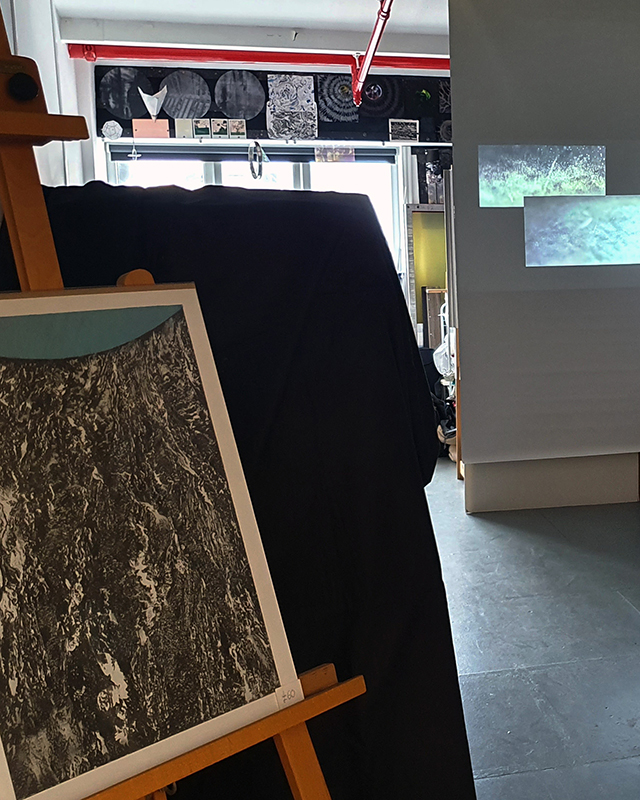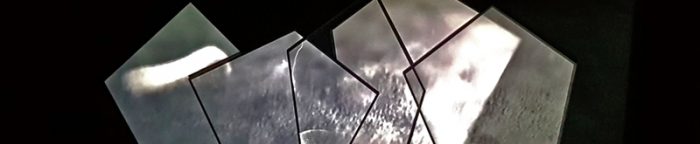
Archives for posts with tag: space

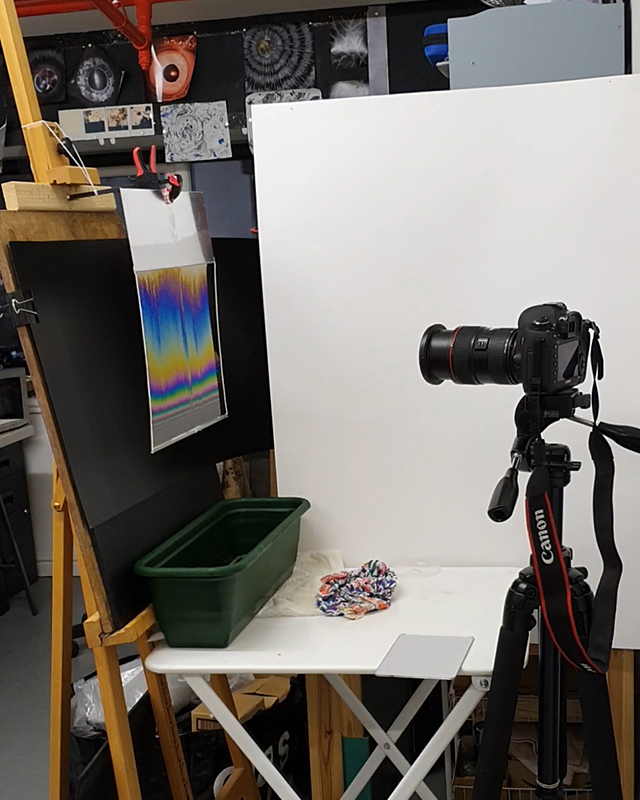
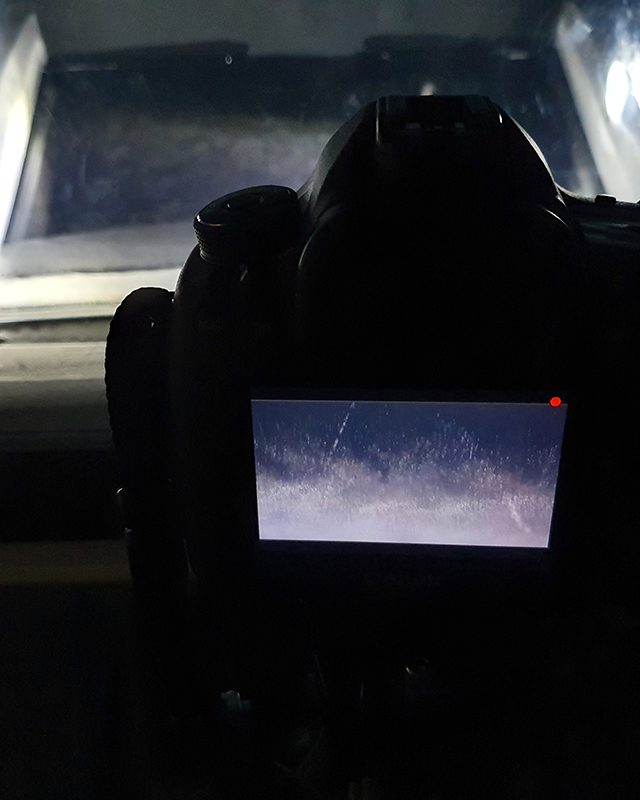
To welcome back the light of longer days I collected one of my solargraph cans from The Hogsmill Nature Reserve where it had been fixed to a hide for 6 months, since the summer solstice, looking out across the water where the birds gather. Really pleased with the image and that it captured the reflection too.

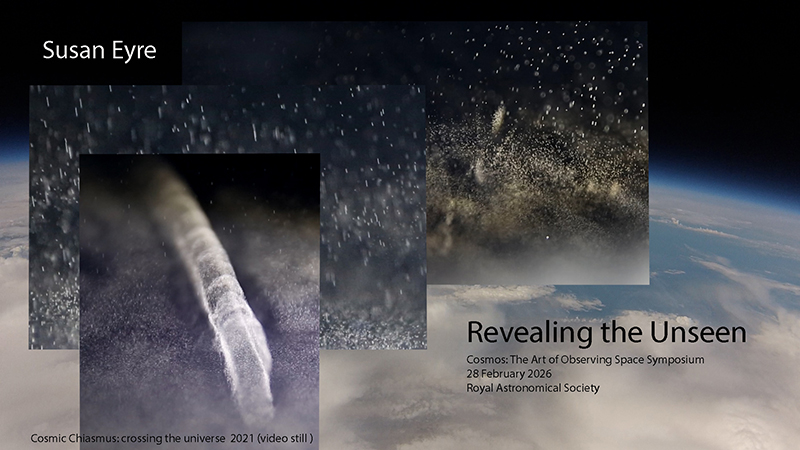
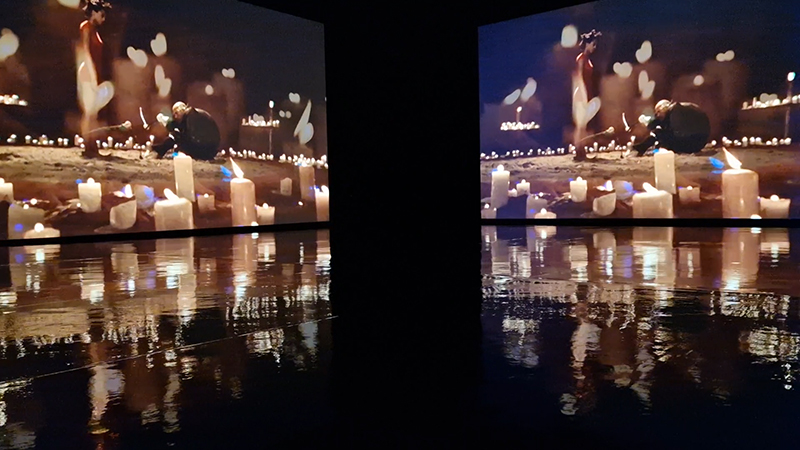
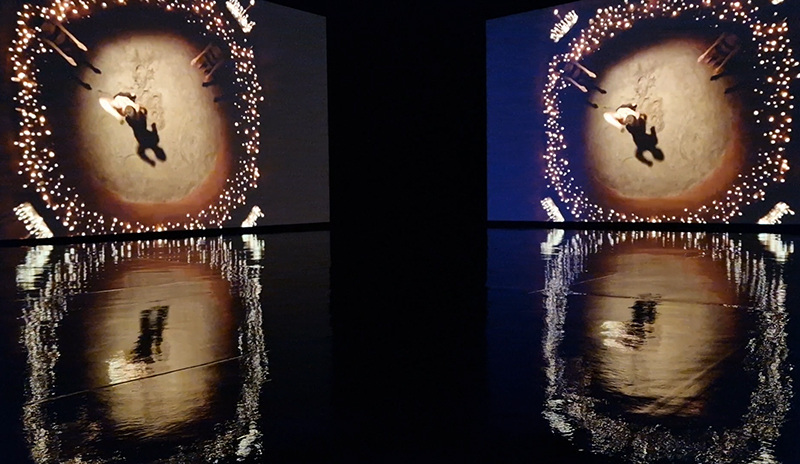
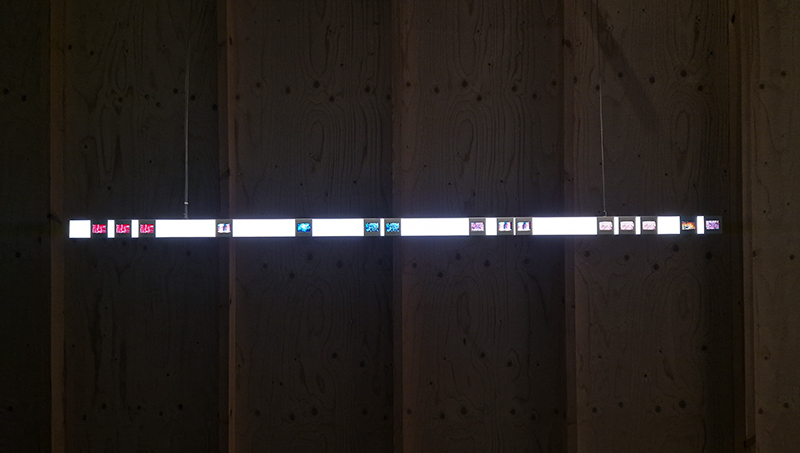
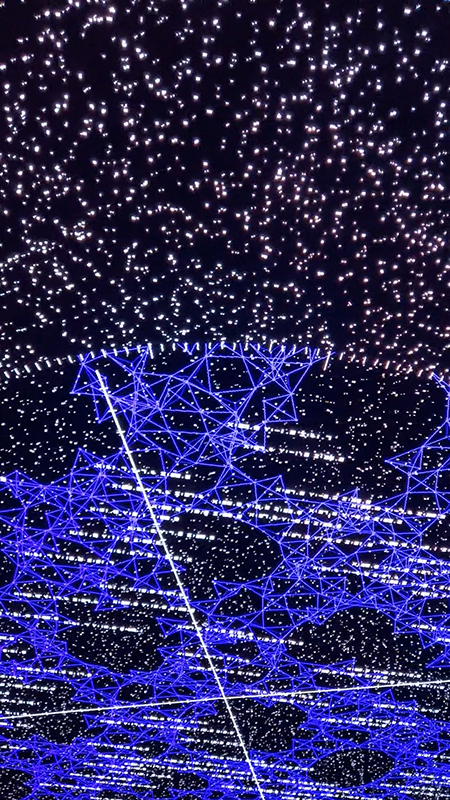
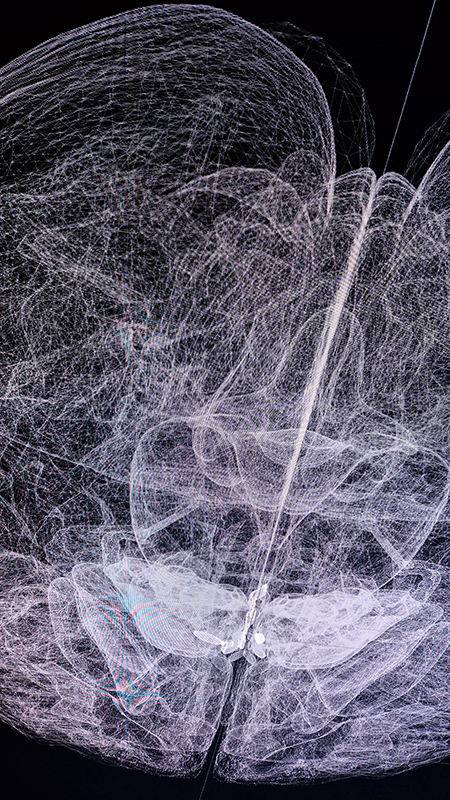
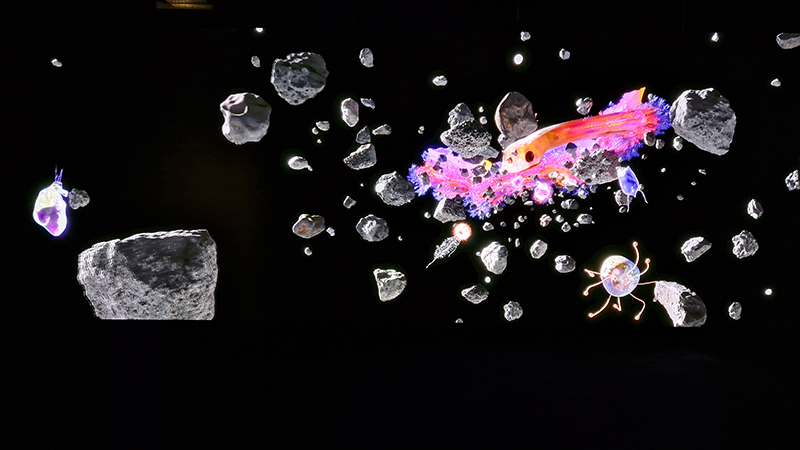
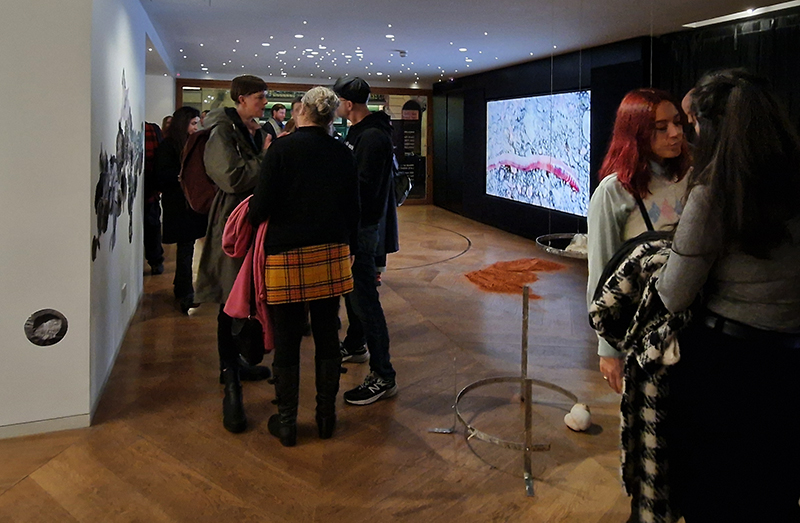
So delighted that Cosmic Chiasmus: crossing the universe was included in the amazing Serendipity Arts Festival, an annual interdisciplinary festival held across multiple venues in Panjim, Goa, India. I just wish I could have visited 💎🌌✨️☀️

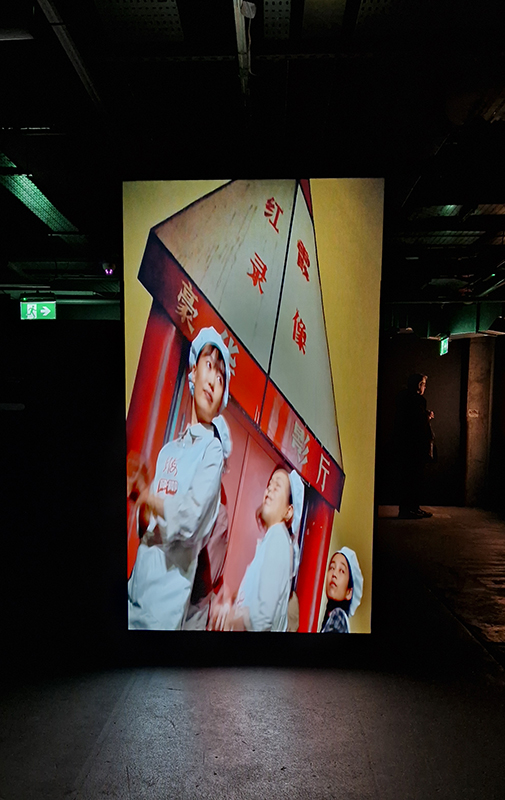
My video was shown as part of the selected module exhibition CARBON, curated by the Science Gallery Bengaluru team in collaboration with artist and curator Ravi Agarwal.

Artists: Annelie Berner; Susan Eyre; Marina Zurkow; David Hochagatterer; Dhiraj Kumar Nite; Jan Sweirowski; Jane Tingley; Maria Joseph and Nuvedo; Shanthamani Muddaiah

Curated walkthrough with Jahnavi Phalkey

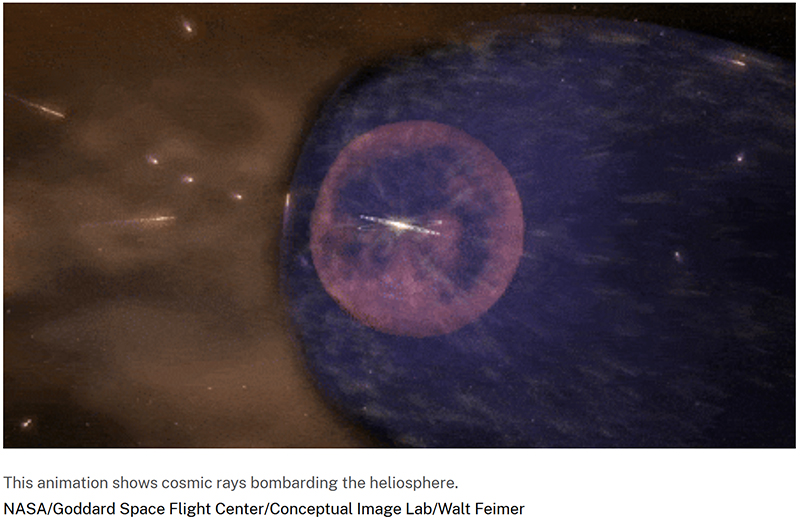
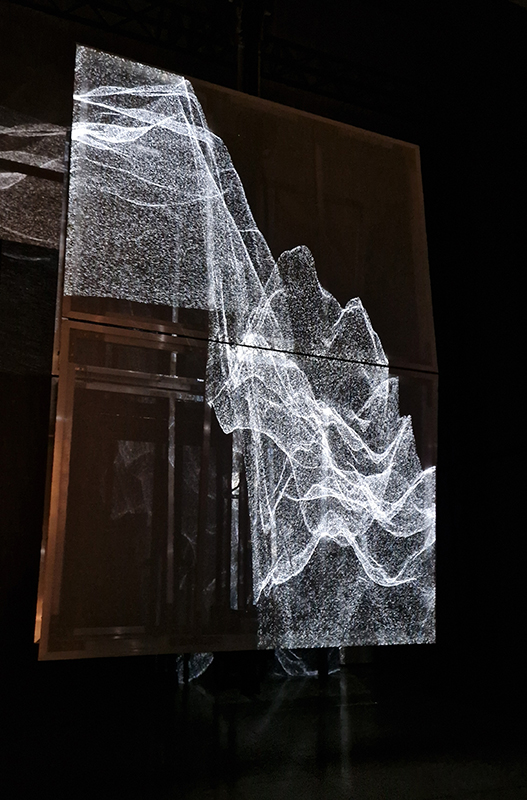
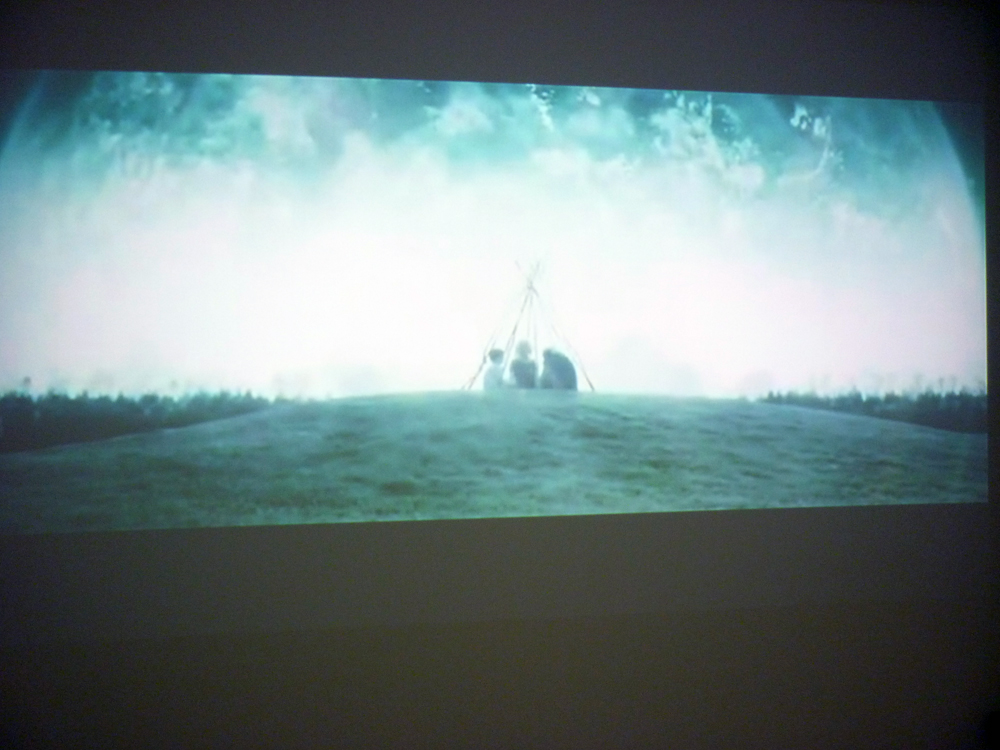
The video (05:29 min) offers a glimpse into a subatomic world where cosmic rays travel from distant galaxies to collide and silently interact with atoms and technology on Earth. Above our heads where cosmic rays interact with the Earth’s atmosphere radioactive carbon-14 is formed. This is then absorbed by plants that are eaten by animals and humans. When an organism dies, no more carbon-14 will be absorbed and the current amount in the organism will start to decay. By measuring the remaining carbon-14 in organic matter, the time of death can be established. Cosmic ray activity gives us carbon dating techniques.

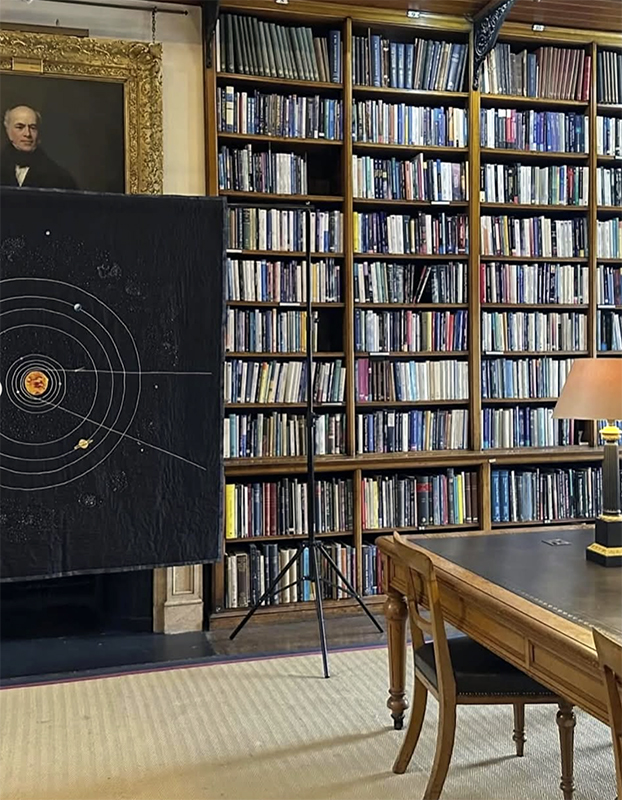
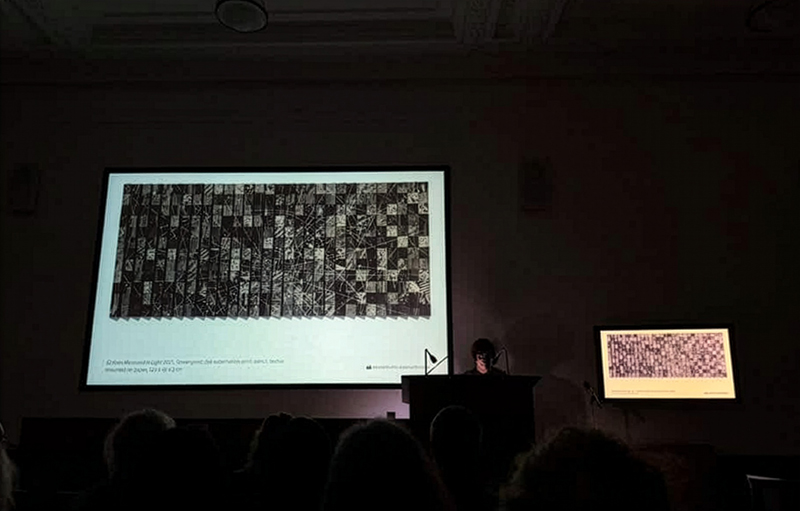
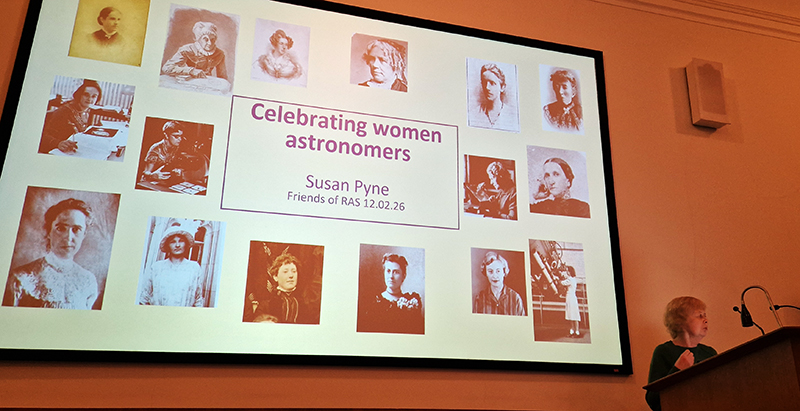
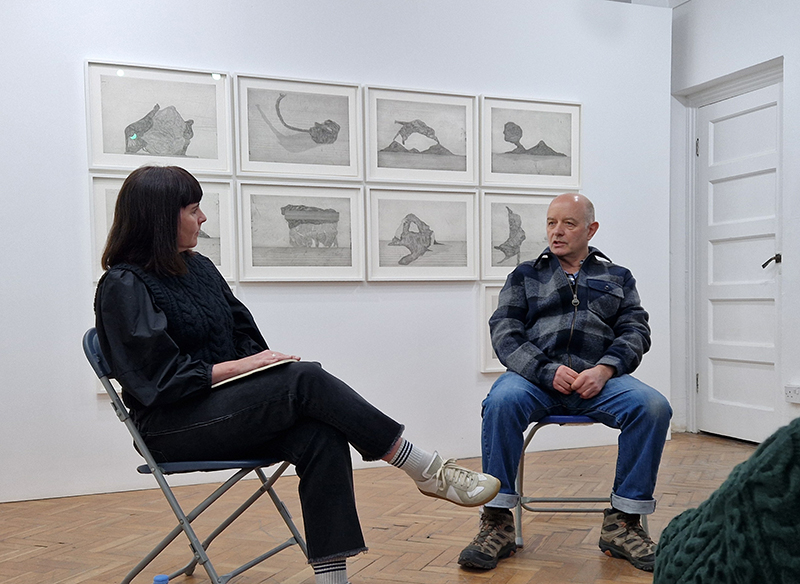
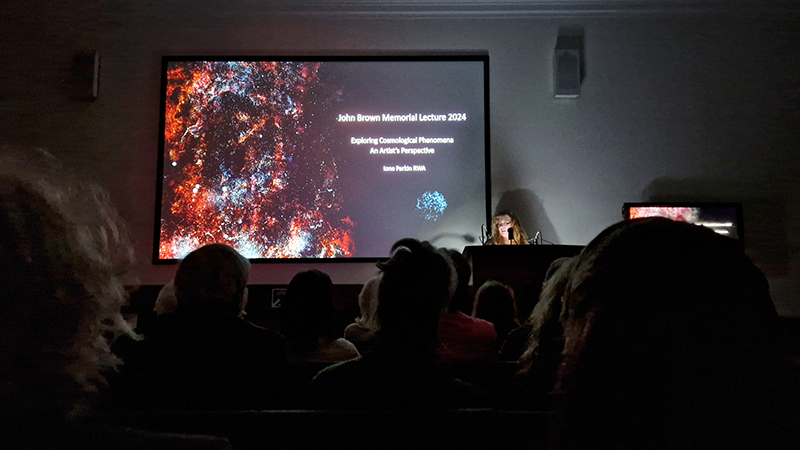
I attended The John Brown Memorial Lecture: Exploring Cosmological Phenomena: An Artist’s Perspective, talk by Ione Parkin RWA at The Royal Astronomical Society. Ione is the Co-Founder/Lead Artist of the Creativity and Curiosity Art-Astronomy Project (C&C). She is an Honorary Visiting Fellow of the School of Physics and Astronomy at the University of Leicester and a member of the British Association of Planetaria. Through her many cosmological paintings the ephemeral, gaseous, nebulous phenomena of space are given an earthly materiality that still retains the sense of the intangible. Ione has created an impressive body of work. I especially liked the cloud chamber mixed media pieces and photopolymer etchings created through the fluorescence microscopy process of firing laser beams of light of one wavelength at the surface of the painting then capturing the light emitted from a longer wavelength. Look forward to seeing these works irl rather than digital images.

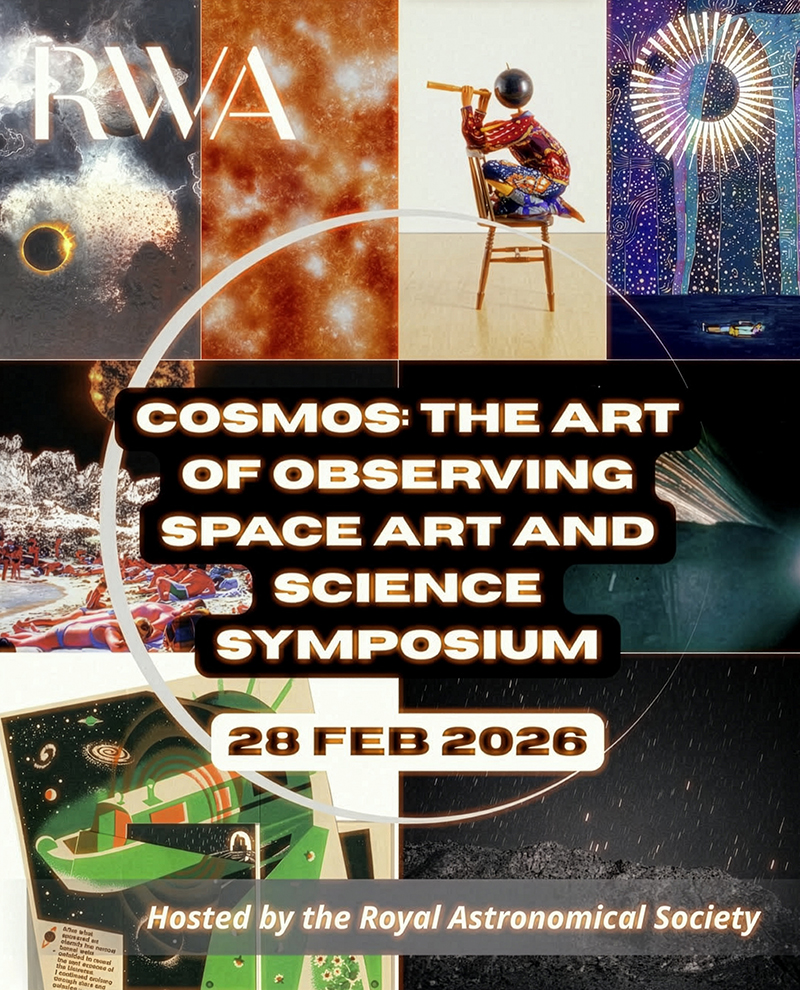
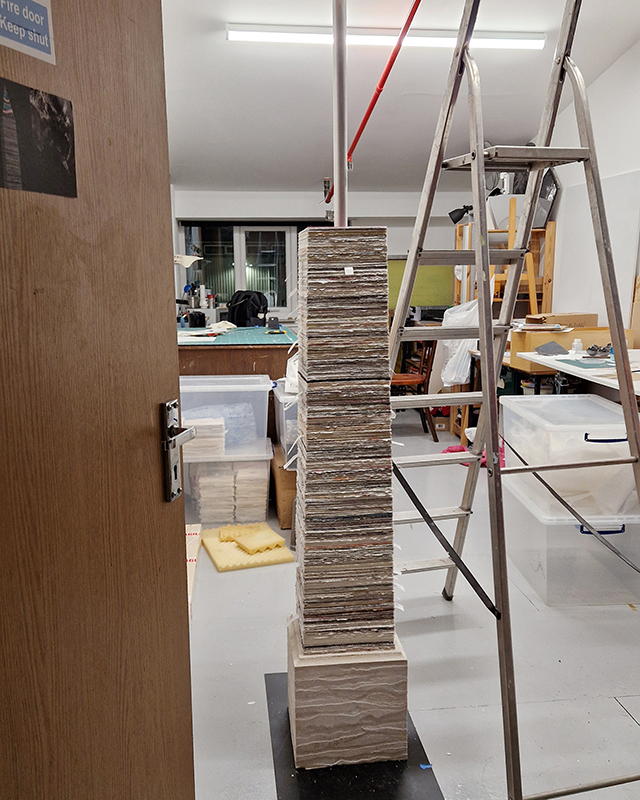
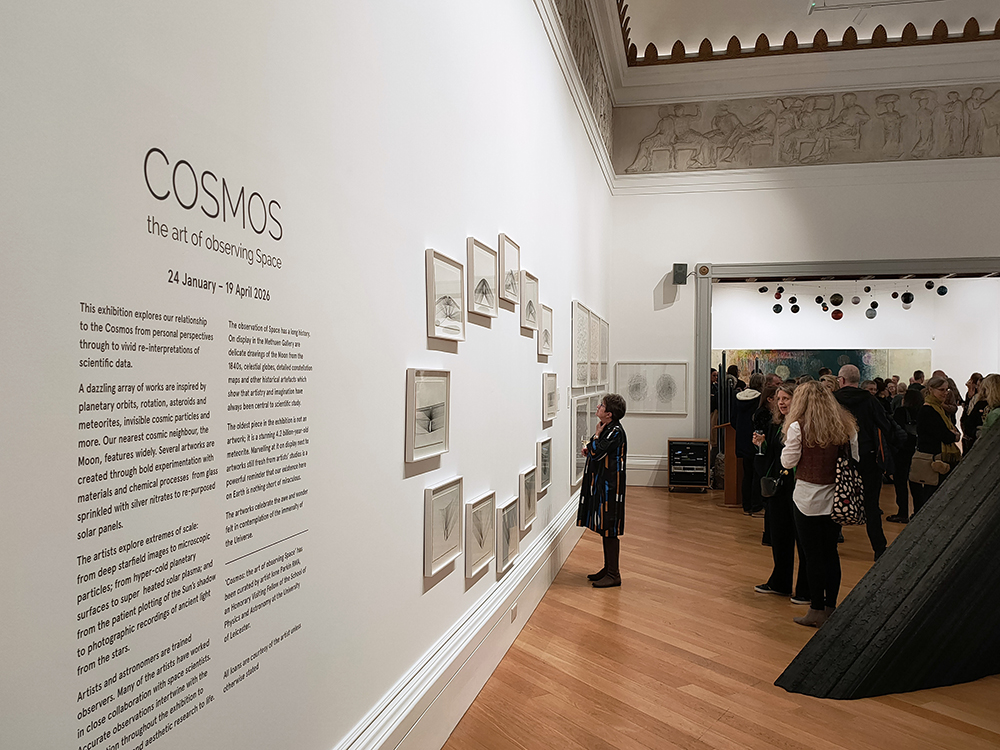
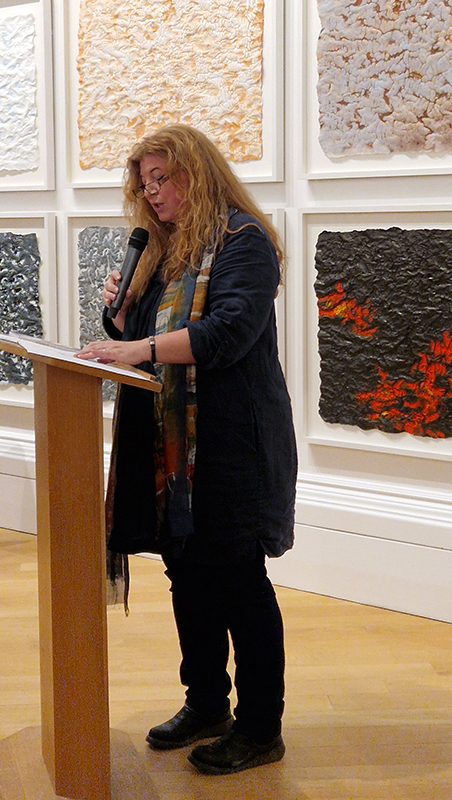
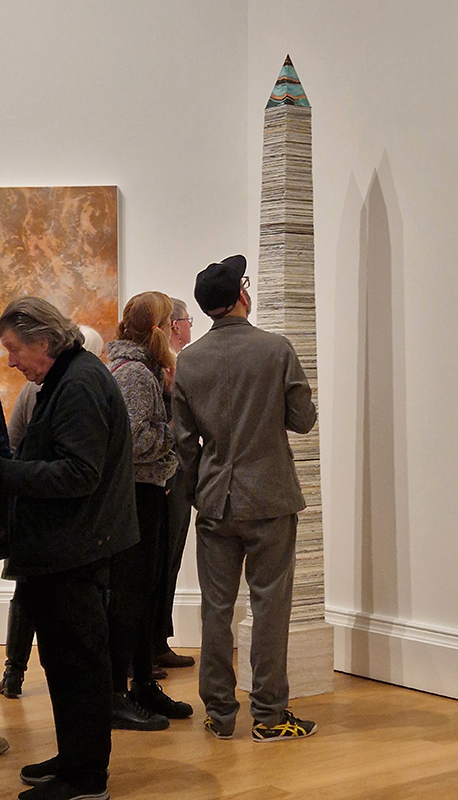
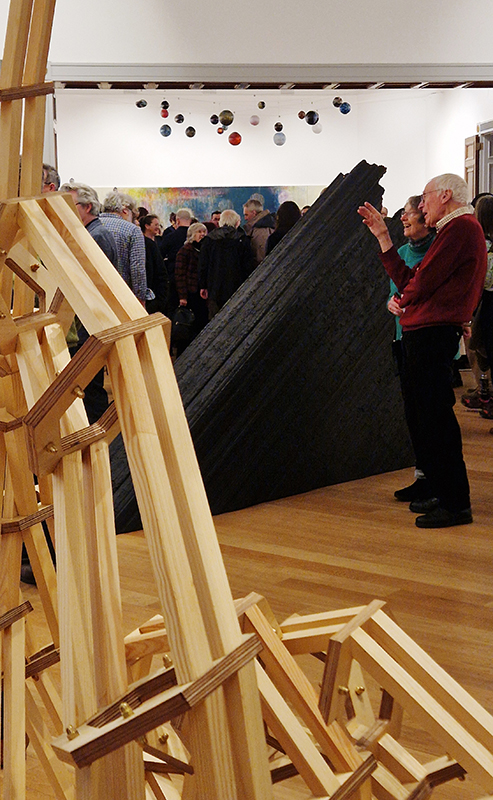
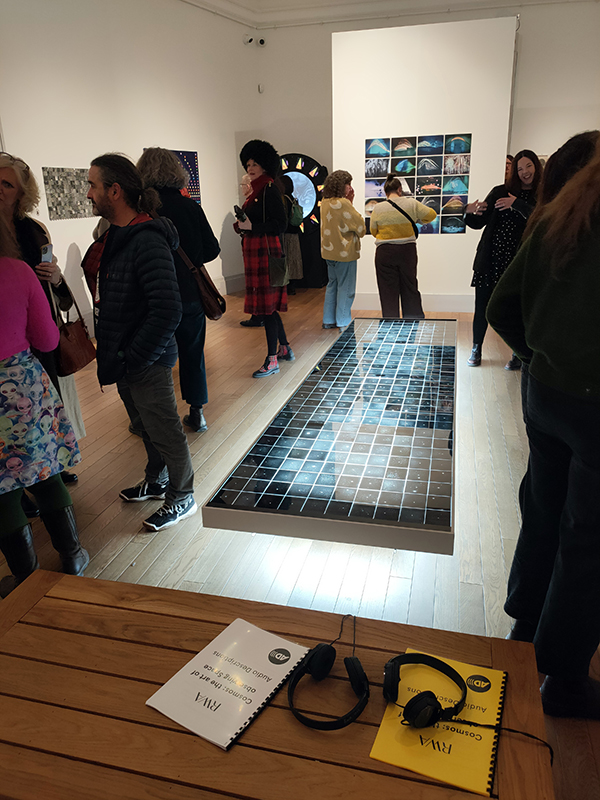
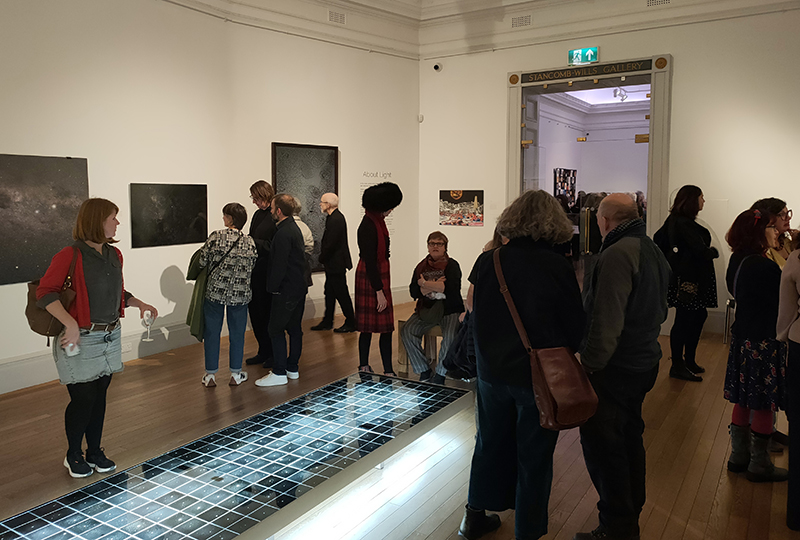
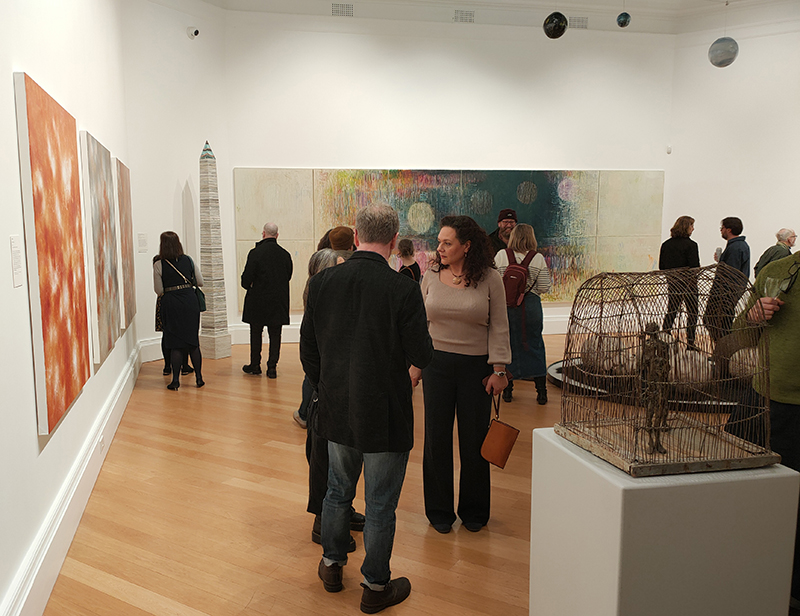
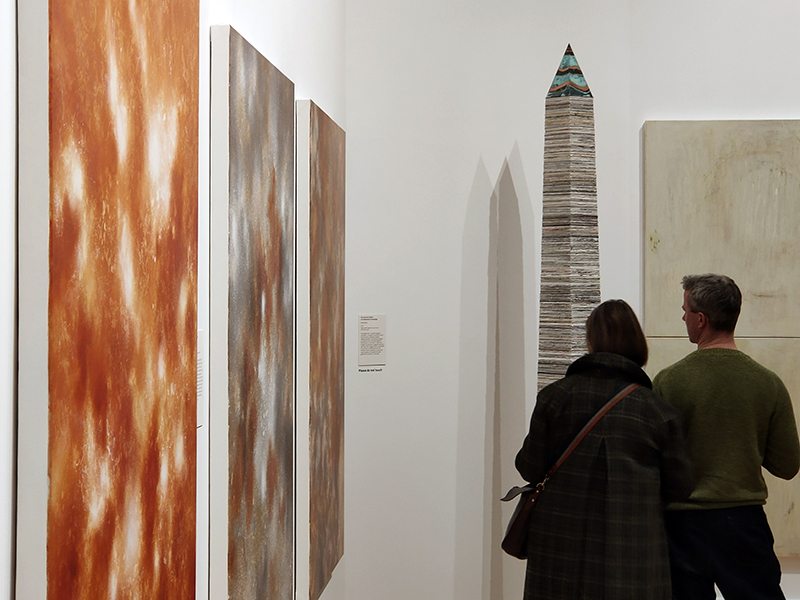
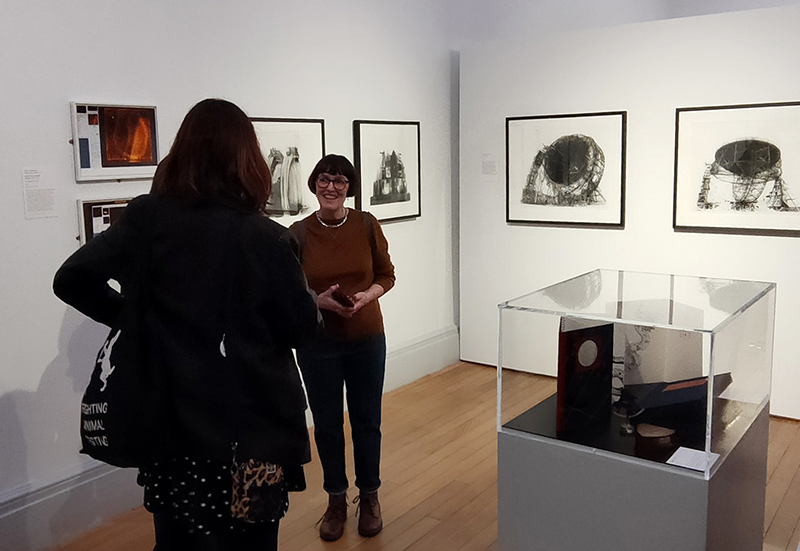
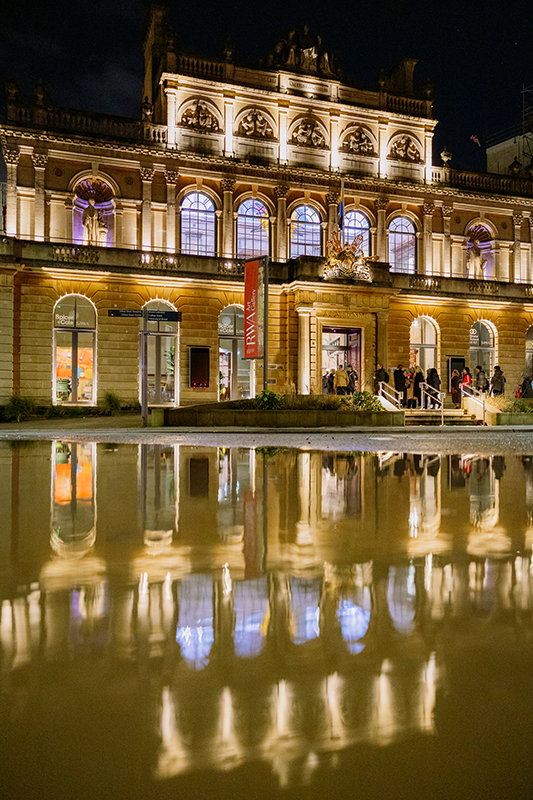
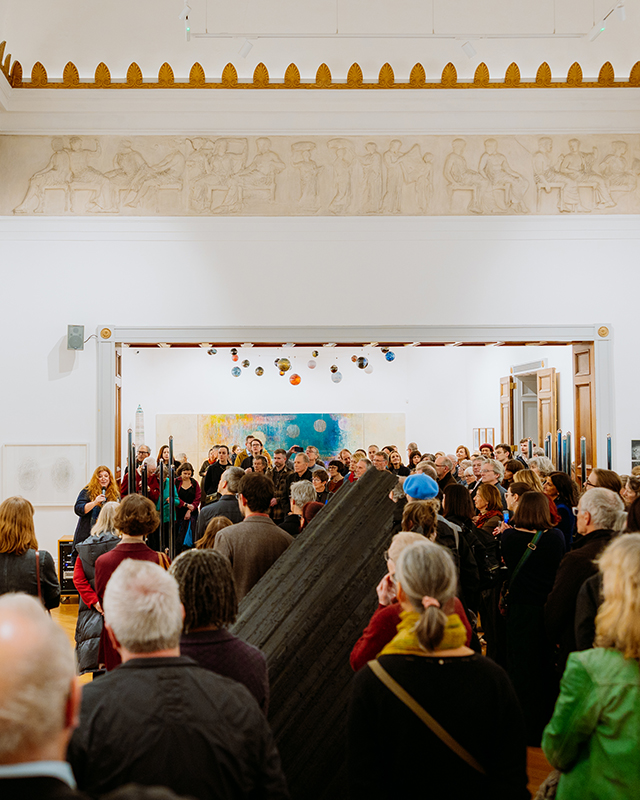
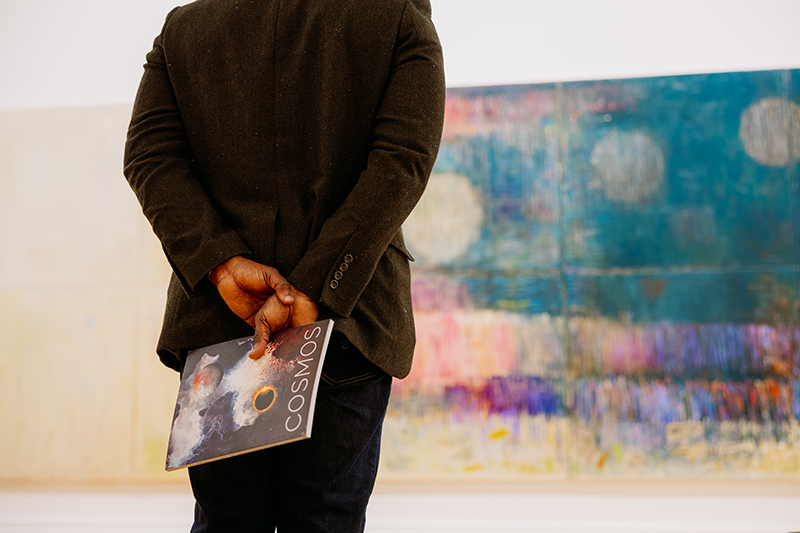
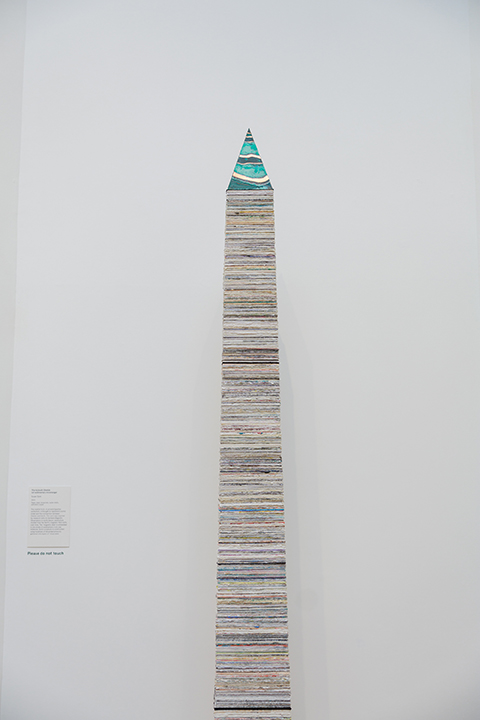
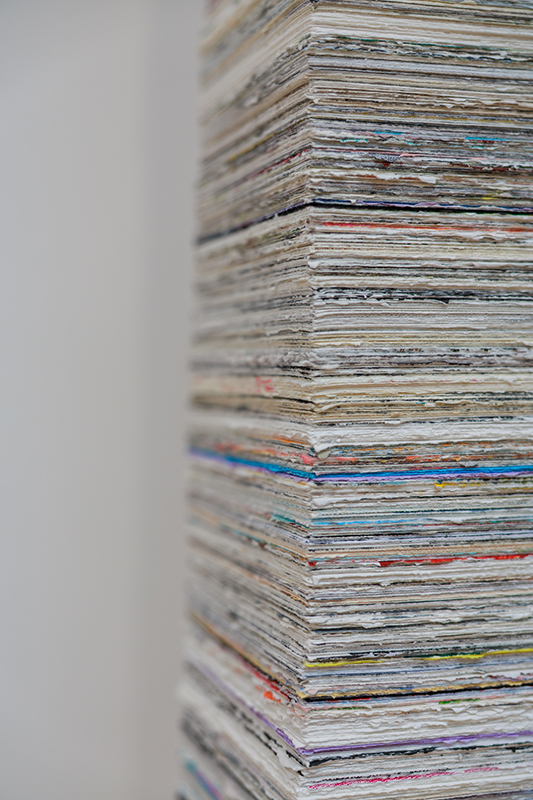
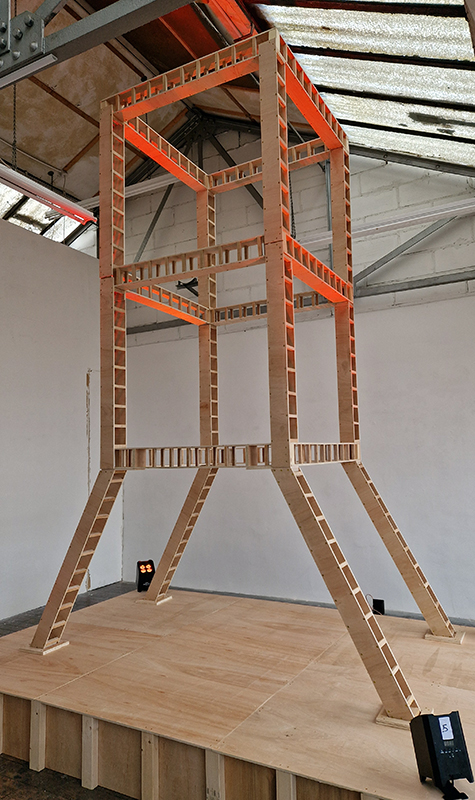
I am over the moon that Ione has selected my sculpture The Azimuth Obelisk (of sedimentary knowledge) to be included in Cosmos: The Art of Observing Space, a major exhibition she is curating at the Royal West of England Academy in 2026. Cosmos will bring together a body of artwork inspired by themes of astronomy, cosmology, astrophysics, planetary atmospherics, space-exploration, solar dynamics and celestial mechanics. There will be a catalogue published to accompany the exhibition with a Foreword by Professor Chris Lintott (Professor of Astrophysics, University of Oxford).

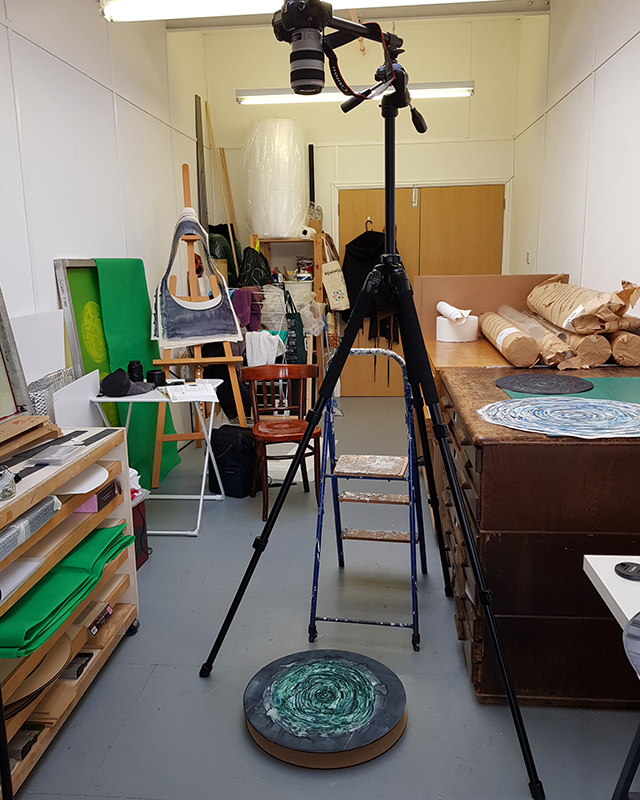
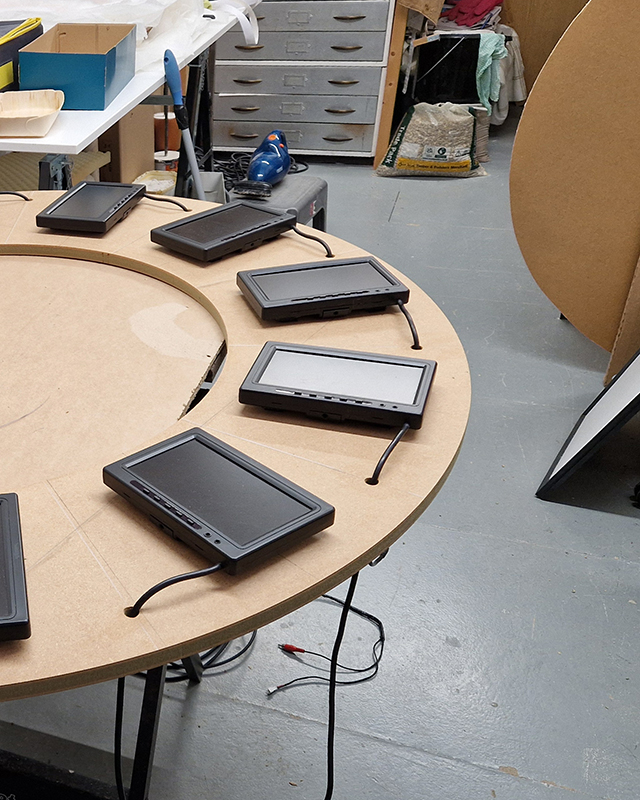
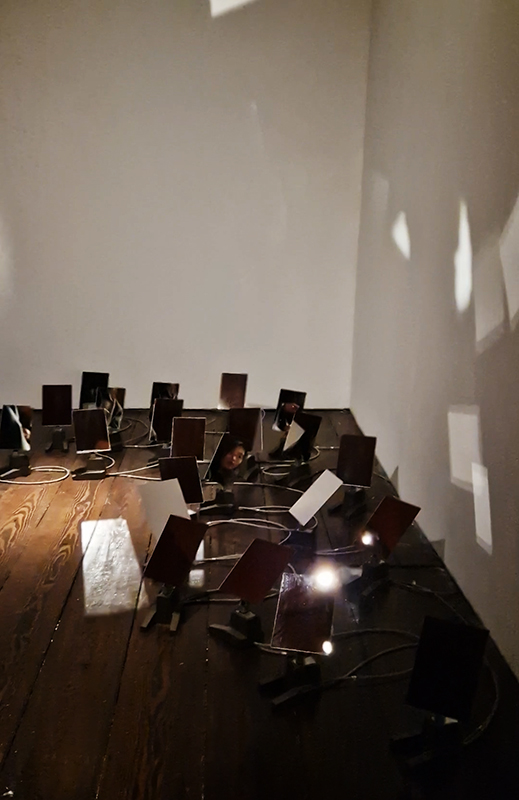
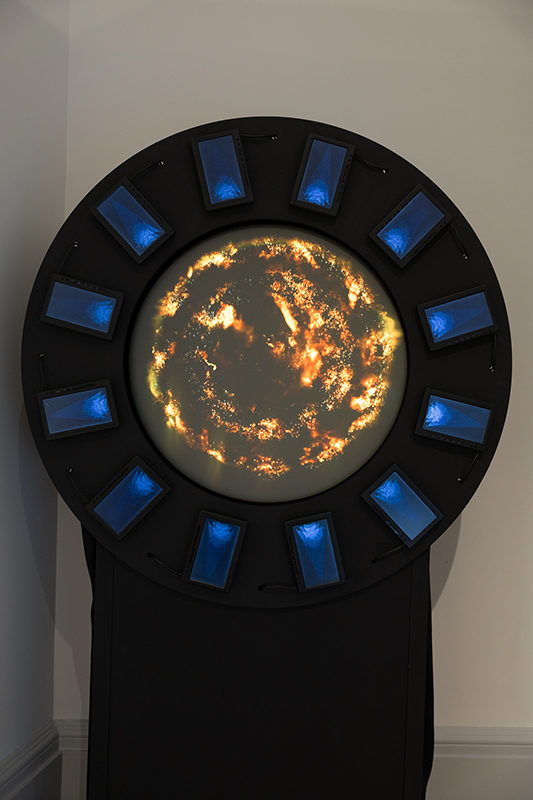
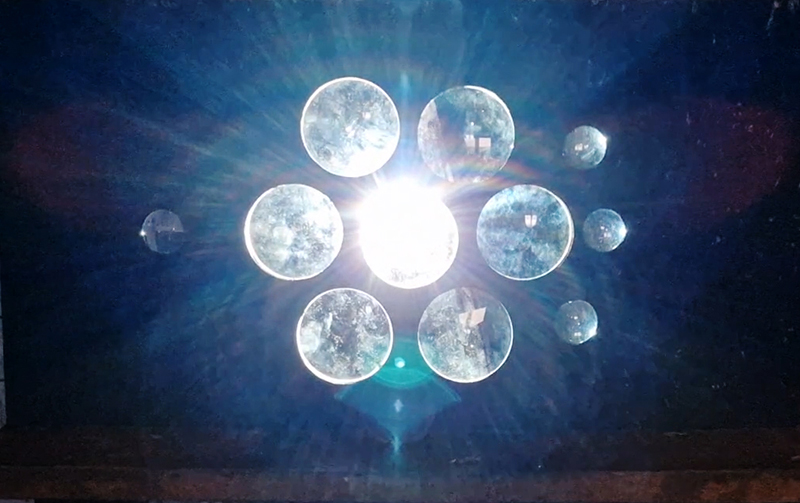
In the studio I have been conducting some more tests towards a video installation which will respond to the crystal structure of magnetite and a quote from Jason Groves book The Geological Unconscious – ‘What truth could be more unexpected ….than the one in which the mineral envisions while also being envisioned.’

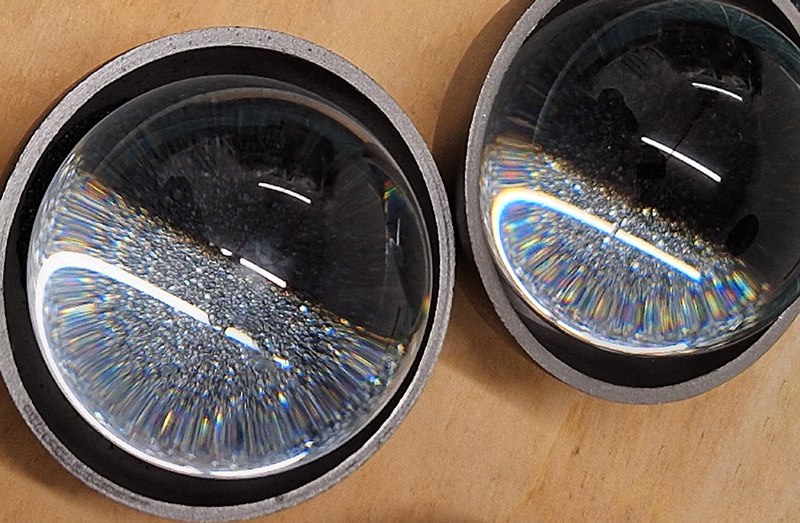
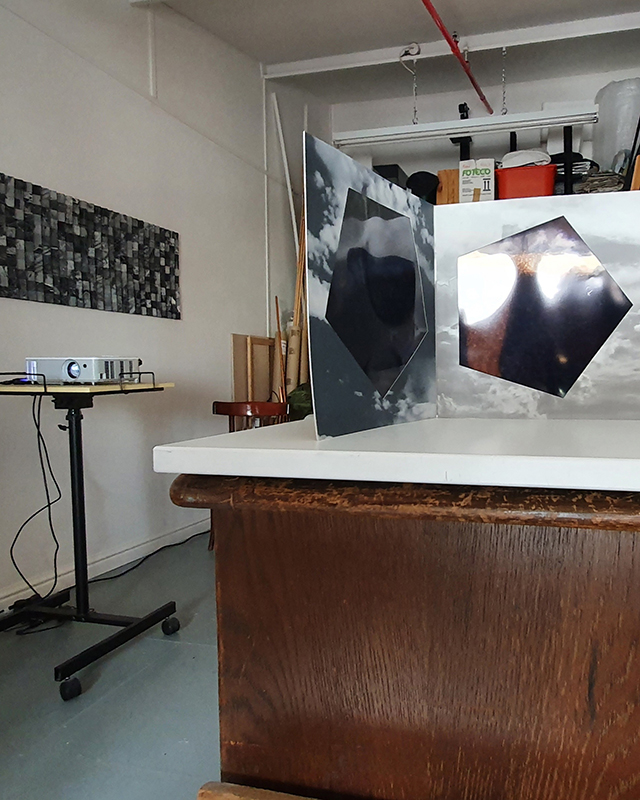
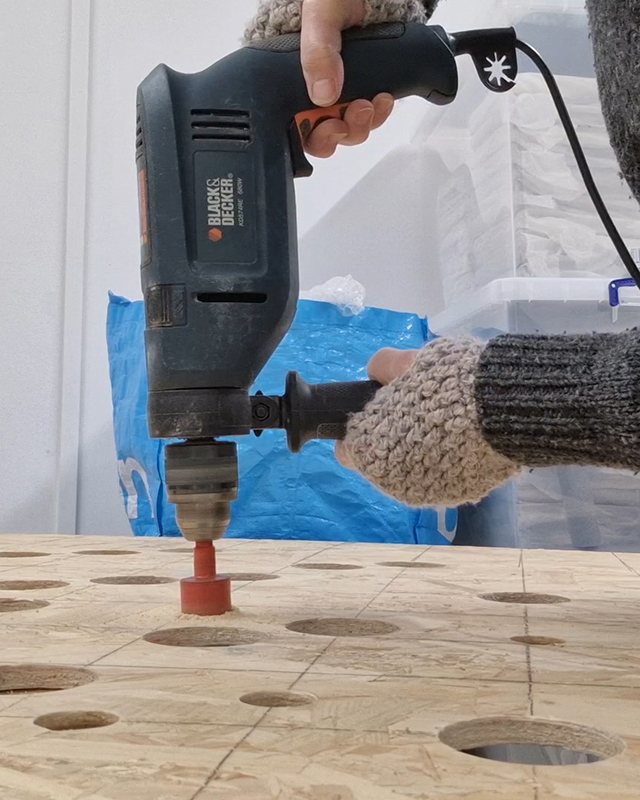
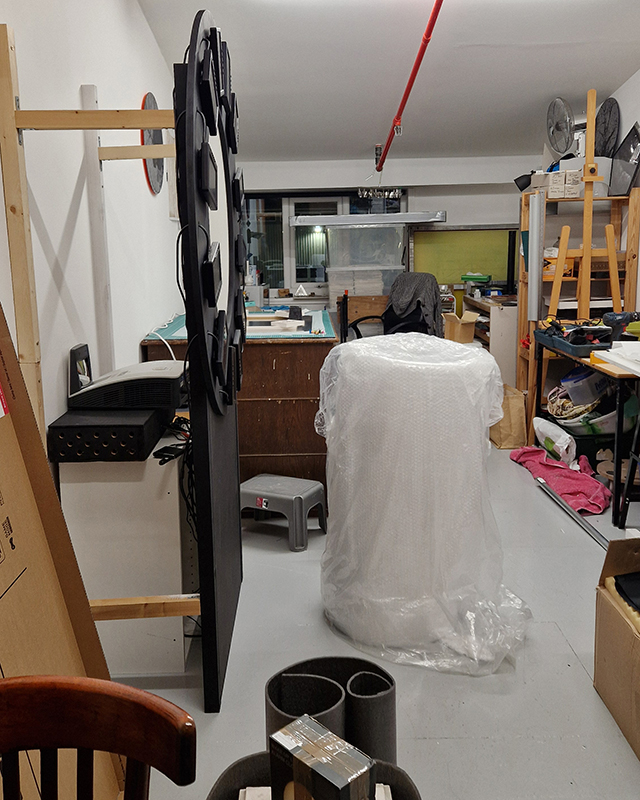
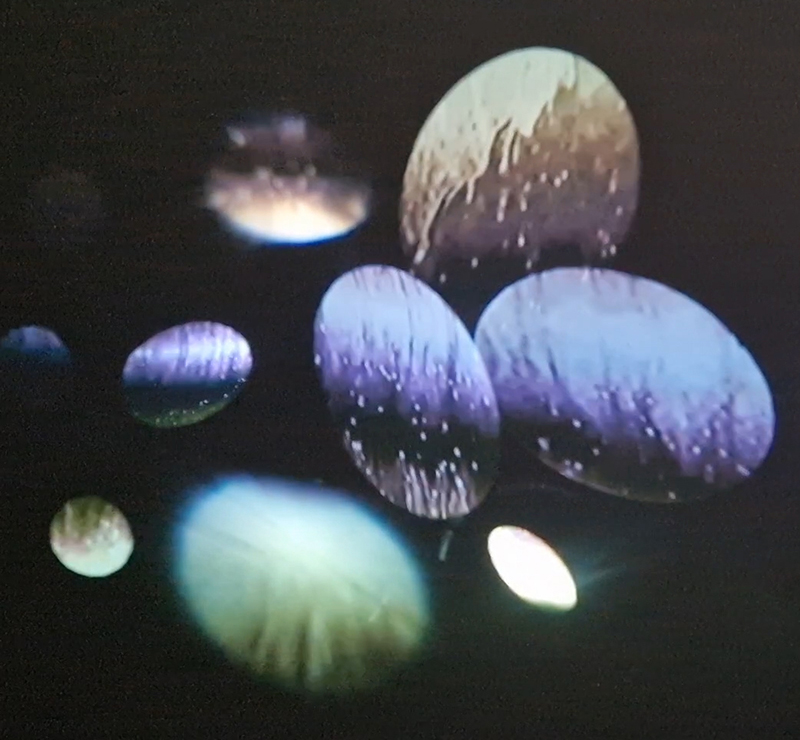
Magnetite is attracted to a magnet and can be magnetized to become a permanent magnet itself. It’s crystal structure was determined in 1915 as one of the first crystal structures to be obtained using X-ray diffraction. Magnetite contains both ferrous (divalent) and ferric (trivalent) iron. At present I am just testing the concept and technical issues using a small board with some lenses inserted in a circle pattern. The large lenses used to distort the projection represent the oxygen present in the crystal structure, I have drilled some smaller holes to test lenses to represent the iron component. In my tests I was surprised to find that when the small lenses were inserted in the holes the projection image was no longer visible on the wall. The small lenses I have are quite thick, but still it was unexpected. I am sourcing some thin lenses to test.

Projection with no lenses in board – no distortion of image

With all lenses inserted – large lens distortion occurs but small lens images not visible

Tests with only large lenses inserted for distortion

Tests using back projection screen and looking directly at the lenses

Exhibitions visited

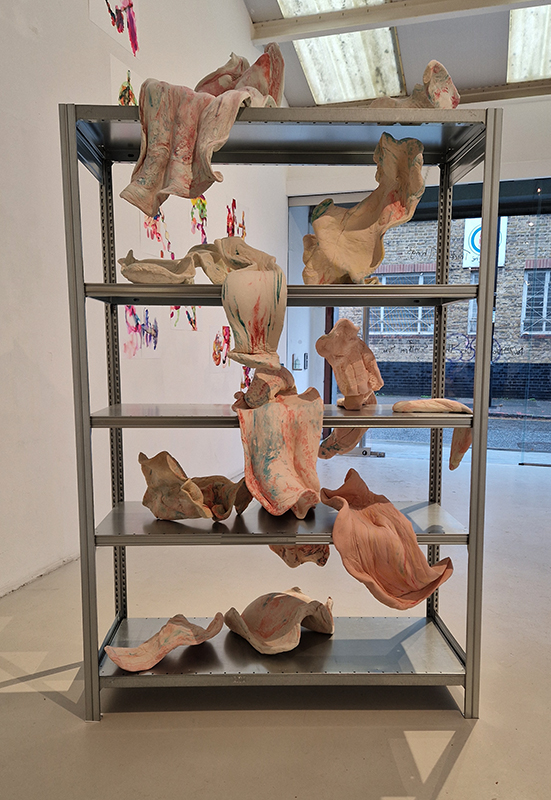
In the Thick of Things at APT curated by Chris Marshall and Cash Aspeek including works by Laura White, Asaki Kan, Leila Galloway and Deborah Gardner. Big messy works, tumbling, sliding and colliding following the vein of arte povera letting the materials speak. Had a touching conversation about the last days of our respective parents with Cash who had made a very personal series of work using her parents marital bed of 60 years as both subject and material.

Conglomerates at Hypha Gallery Mayfair, a group show featuring work by Paola Bascon, Rhiannon Hunter, Rona Lee, Hannah Morgan, Davinia-Ann Robinson and Sam Williams. A warm and earthy show exploring care formed through relations with self and other beings to create substrates for resistance, deep-knowing, storying and kinning as processes of paying attention to that which is unheard.

Reading

While reading Margaret Atwood’s disturbing novel Oryx and Crake (to gain insight after seeing the stunning collaboration between Wayne McGregor and Max Richter in Maddaddam at ROH recently) I came across a reference to Mesembryanthemaceae – a plant which disguises itself as small pebbles by taking on patterns and colouring of the ground it grows on. I had forgotten about these strange plants commonly called stone lithops or living stones. The thick leaves can store enough water for the plants to survive for months without rain and during dry periods they shrivel into the ground. With no stem they are partially subterranean, sending light down to the buried leaf cells via ingenious reflecting ‘window cells’ on the two wide leaf tips.

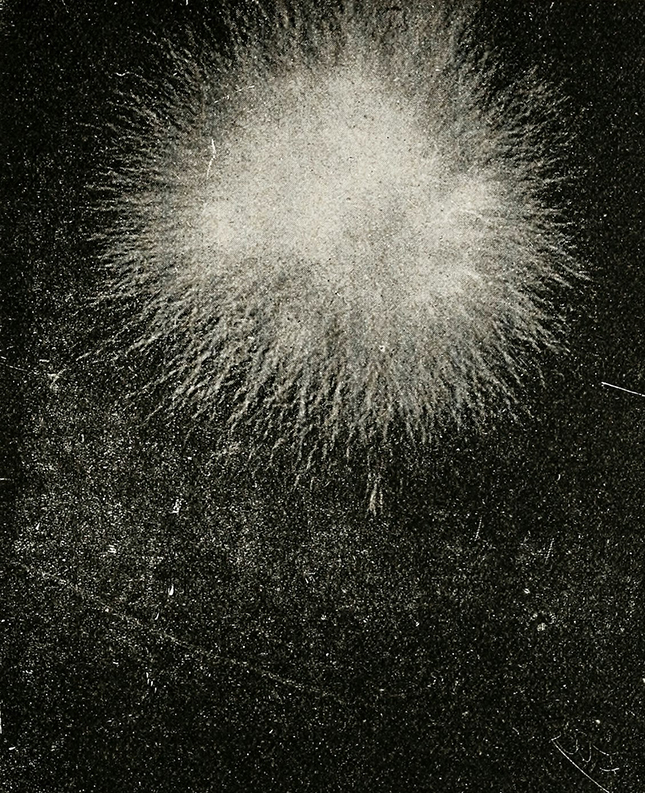
In The Human Soul: Its Movements, Its Lights, and the Iconography of the Fluidic Invisible, originally published in French in 1896, Dr. Hippolyte Baraduc (1850–1909) postulates the existence of “the fluidic invisible” — a “vital cosmic force”, which he calls Odic liquid, that extends across the universe and “saturates the organism of living beings and constitutes our fluidic body”. Instead of all things being composed of one elementary substance, as in philosophical accounts of the monad, in this cosmic vision, we all live in a sea that we cannot see, which Baraduc names Somod.

This remarkable image posted by Public Domain Review is one of the many attempts to capture the “vital cosmic force” made by Dr. Hippolyte Baraduc a French physician and parapsychologist who believed he could photograph thoughts and emotions.⁠

Pure electography of the hand by Iodko’s method. The hand of an over-electrified person, placed on a plate gives a very remarkable impression of the electrified cutaneous surface.”

I am intrigued as to what might ‘over-electrified person’ mean? I was also fascinated by this image – “Luminous spectre of the north pole magnet, obtained by the red electric photographic lamp, surrounded by fine pearls of psychecstasis.”

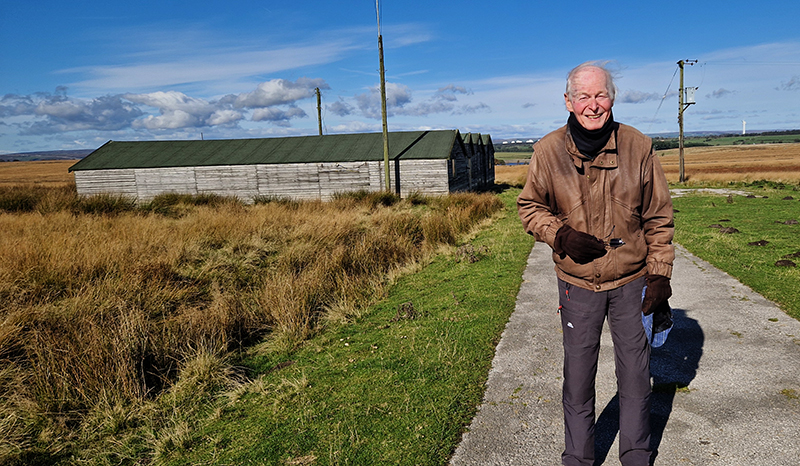
At Haverah Park on a glorious day with Professor Alan Watson, FRS, an emeritus professor at the University of Leeds, and emeritus spokesperson for the Pierre Auger Observatory, who spent many years working here in the pursuit of high energy cosmic rays.

Alan gained his PhD in 1964 for his thesis involving cloud chambers and went on to work for J.G. Wilson, who in turn had worked for C.T.R. Wilson, the inventor of the original cloud chamber. Alan was a leading member of the UK Extensive Air Shower project at Haverah Park from 1964 until its closure in the early 1990s, directing the project from 1976. The work there led to the best estimates of the energy spectrum, mass composition and arrival direction distribution of cosmic rays available at that time and was regarded as the premier project in the field for about 15 years. He was the UK Principal Investigator for the South Pole Air Shower Experiment which ran from 1987 to 1994 and was instrumental, along with J W Cronin, in the creation of the Pierre Auger Observatory in Argentina, which covers 3000 square kilometres and has led to major discoveries in cosmic-ray astronomy.

Cosmic rays are fast-moving particles from space that constantly bombard the earth from all directions. Wherever they come from, the highest-energy particles hold secrets to the origin of their enormous energies, many millions of times greater than any earthbound particle accelerator can create.

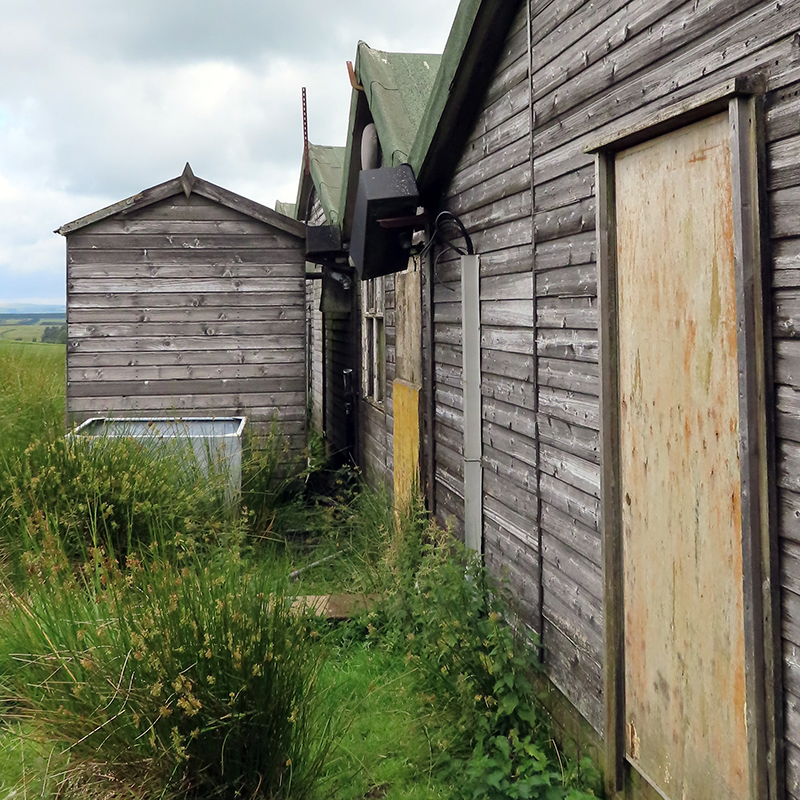
It is extraordinary that these infinitesimal particles powering across the universe at close to the speed of light can be observed and recorded as they interact with our atmosphere. Alan was very generous in giving his time to visit Haverah Park with me and patient in explaining some of the physics. Having been involved in so many pioneering projects that had many obstacles to overcome in their development, he has many stories to tell. We walked to the site of the main control huts, which are the best preserved of the project, most detector huts have been removed or are in a state of collapse. Peering through the windows, Alan pointed out where the dark room used to be and explained that when the project started in the 1960’s there were just two main huts here for data analysis, and a sort of caravan alongside with no heating where film was developed.

Wooden huts, arranged across 12 square kilometres of moorland, in groups of three, were built to house the water Cherenkov detectors which had to be protected from freezing temperatures. If the water had frozen it would have cracked the photomultipliers which dipped into the water to capture the flashes of Cherenkov light emitted as high energy particles passed through.

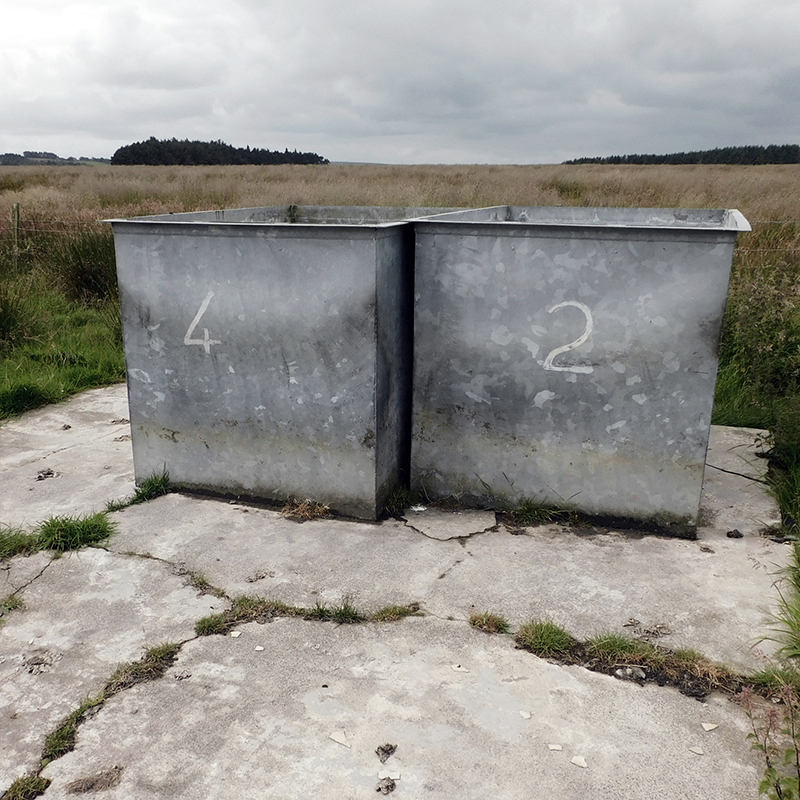
Moving equipment around the site was not always easy. When foot and mouth came along it was prohibited to take the Land Rover on to the site so all the equipment had to be carried by hand and this was often very heavy electronics with many thermodynamic valves. The large steel tanks are also very heavy, over 300kg, and it was found that even 6 strong men with bars couldn’t lift them across the rough ground, so before a trolley was found, they had to be rolled end over end into position.

As technology progressed, by the 1970’s, new insulated tanks were developed by Durham University. About twenty of these octagon shaped tanks were set out at spacings of 150m in order to look at cosmic ray showers in more detail with some really interesting results. Six small huts were set around the main huts, but just one remains now, the others having been removed by the farmer who rents this land for his sheep.

At the height of the project three electronic technicians worked here full-time and a handy man who kept the place tidy, got the fish and chips on a Friday from Harrogate and was responsible for fetching water from the reservoir just down the road. No running water was ever installed as the initial plan was for the project to run for just five years so the cost didn’t seem practicable at the time. Researchers had to make do with a chemical toilet known as hut seven.

The pure water for the tanks came from a borehole on nearby Marston Moor, ingeniously it was transported via a milk tanker which could be sterilised and used when not needed for delivering milk. In order to fill the tanks, lengths of unwieldly hose pipe were borrowed from Leeds fire brigade, joined to stretch across 200 – 300 metres with pails placed underneath the junctions to catch any precious water leaking out. The pump used was purchased from a junk yard in London and towed back north by Land Rover. It had originally been in service to put out fires during the second world war and proved its worth again during the heatwave of 1976 when the smaller of the local reservoirs supplying Harrogate was in danger of drying up. The pump was used to move water from the larger reservoirs to the smaller one to maintain the Harrogate water supply.

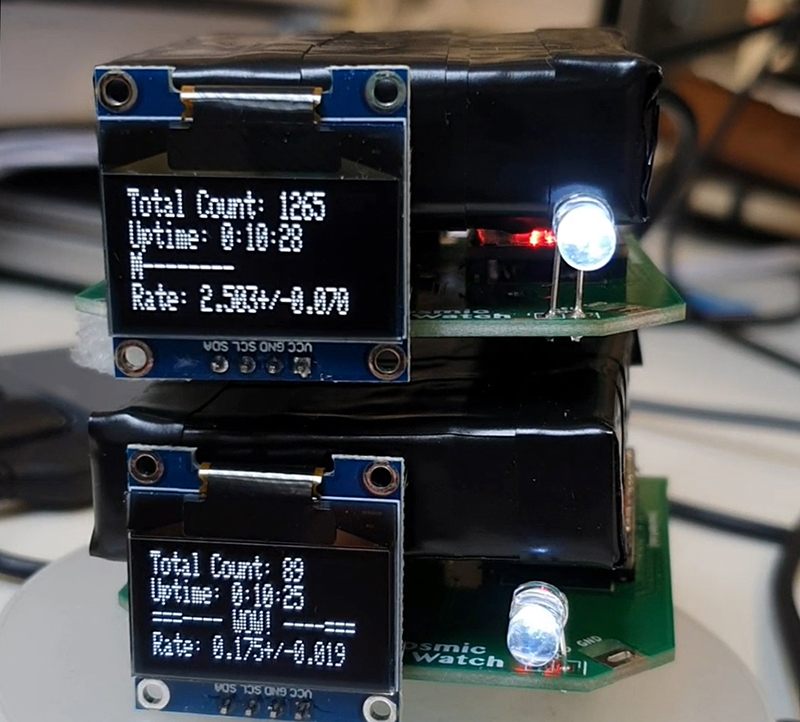
Plastic scintillator used in cosmic ray detectors is expensive. Just two 5x5x1cm blocks I bought for my own cosmic ray detectors cost about ÂŁ60. There was a possibility of getting some for Haverah Park from a friend of Alan’s in the US but the import duties to the UK were prohibitive. An opportunity then arose when Imperial College, who had once set up a cosmic ray lab. in the depths of the London underground, were asked to remove a quantity of scintillator they had stored at Holborn. It was offered to Leeds University for free but meant sweet-talking the underground station managers over a whisky fuelled lunch to arrange to take possession of the line for a weekend or two, stationing a guard with a red flag and light at one end of the tunnel while the heavy scintillator blocks were loaded onto a trolley and pushed between the tracks a quarter of a mile up an incline to the (now defunct) Aldwych station where there was a lift to bring them up to ground level. When Haverah Park closed the scintillator was passed on to to schools in the Netherlands for their cosmic ray science projects. That from the states ended up being used at The South Pole Air Shower Experiment during its operation before being shipped back to Albuquerque to become a physicist’s unique dark skies garden feature.

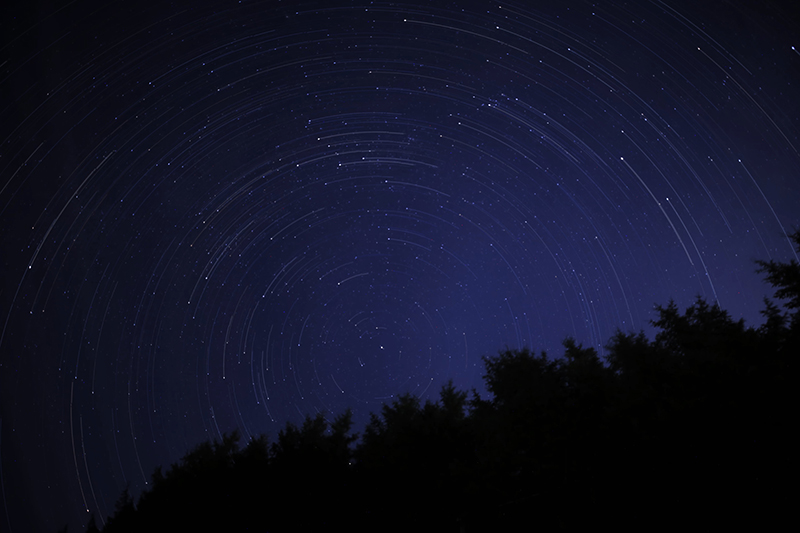
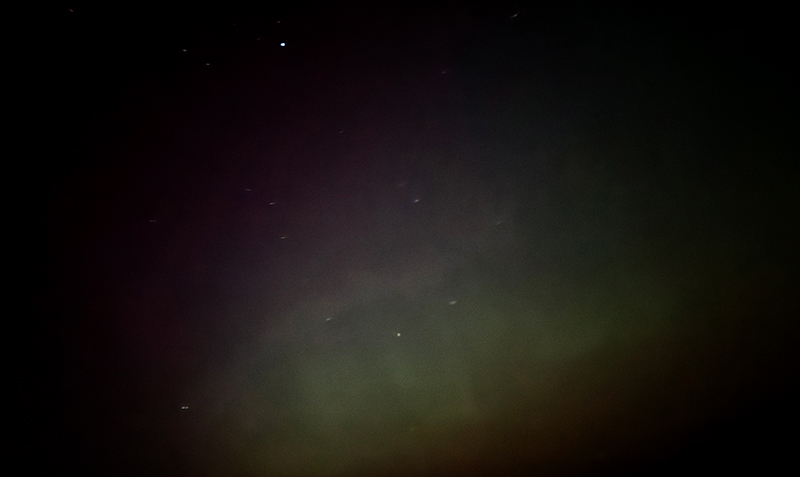
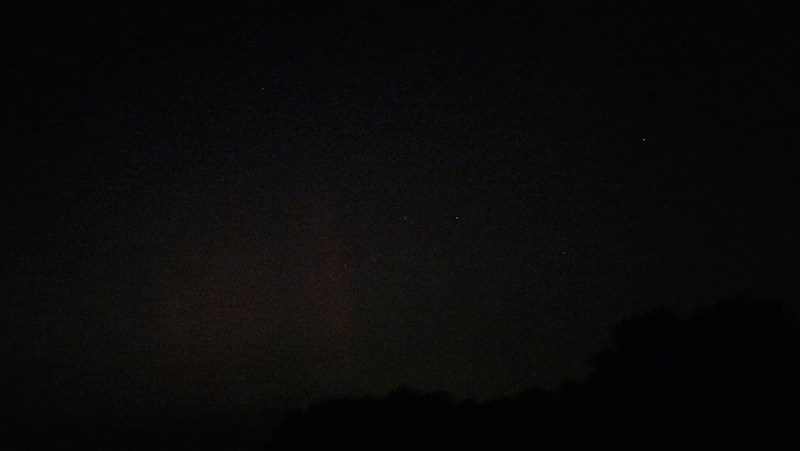
While in Yorkshire I was excited to get an alert for intense solar activity with the possibility of the Northern Lights being visible anywhere in the UK. There were even clear skies. I’ve missed all the aurora displays this year so far and it didn’t happen here either. I went and stood in a dark field around midnight and there was a faint glow but nothing like the images being posted online, some in the same town as I was staying and some annoyingly back south. First image back garden with bright street light interference. Second image with enhanced camera settings. Third image is what it looked like to my inadequate eye.

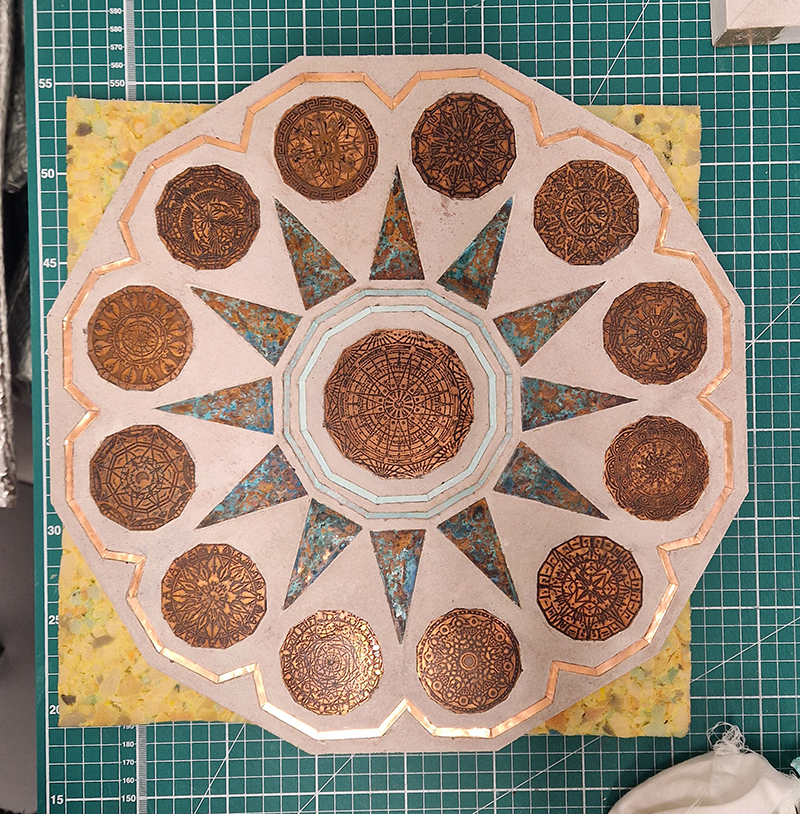
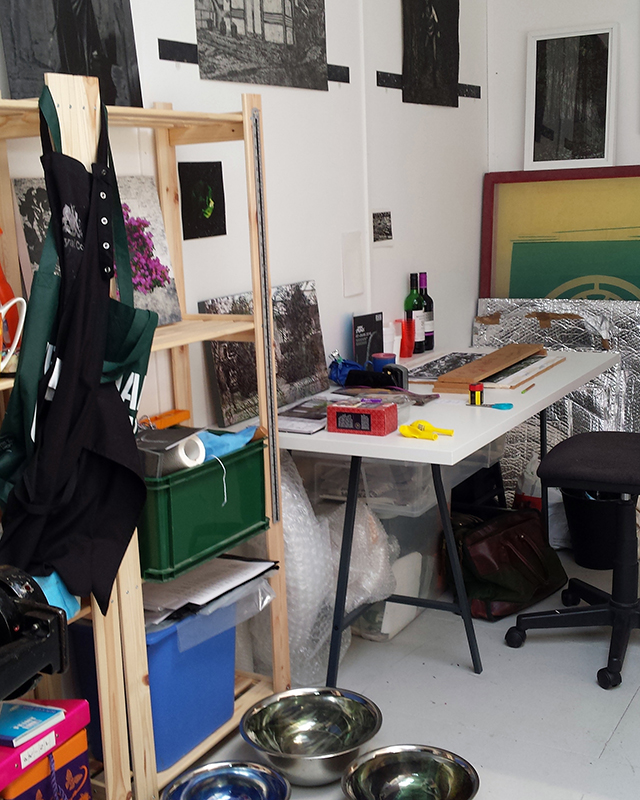
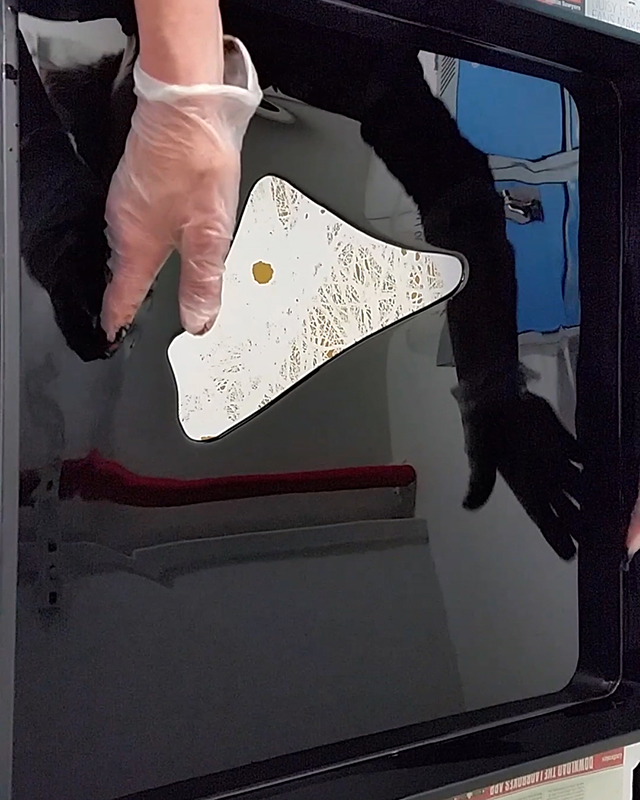
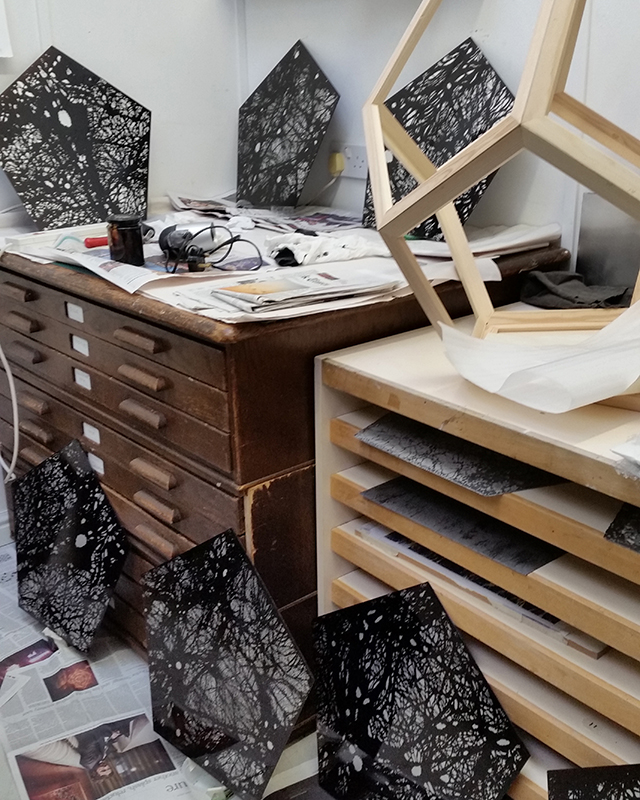
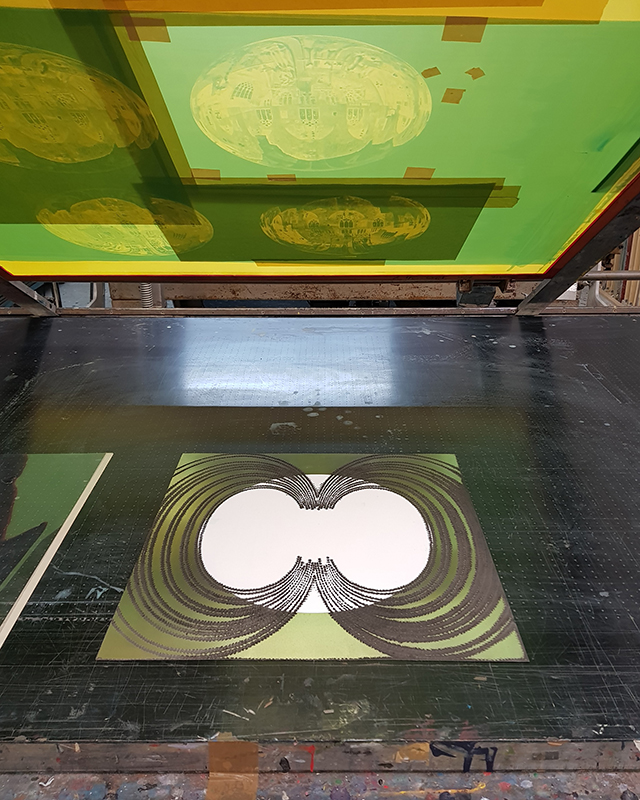
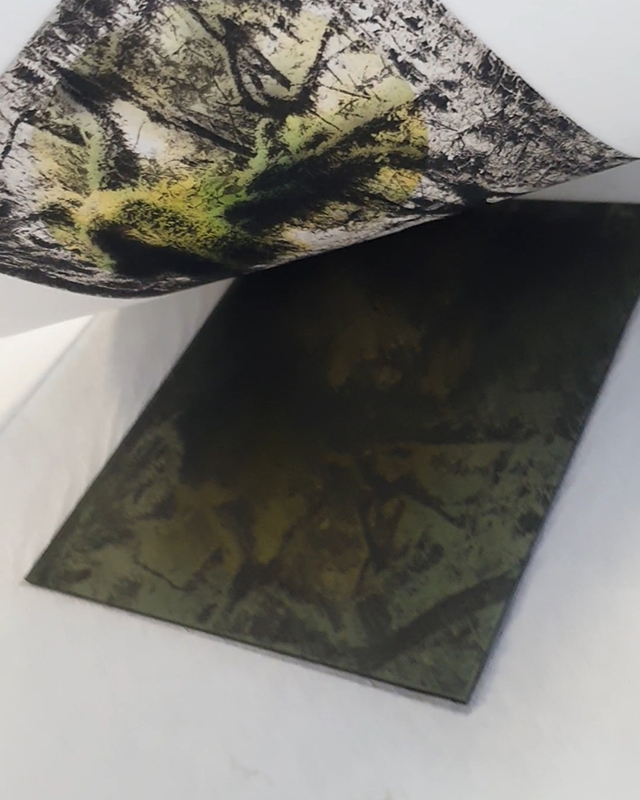
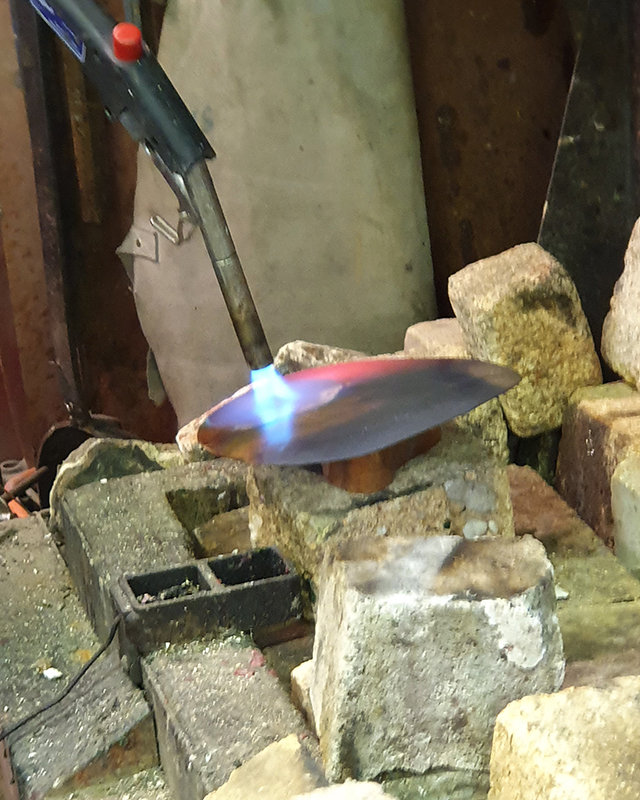
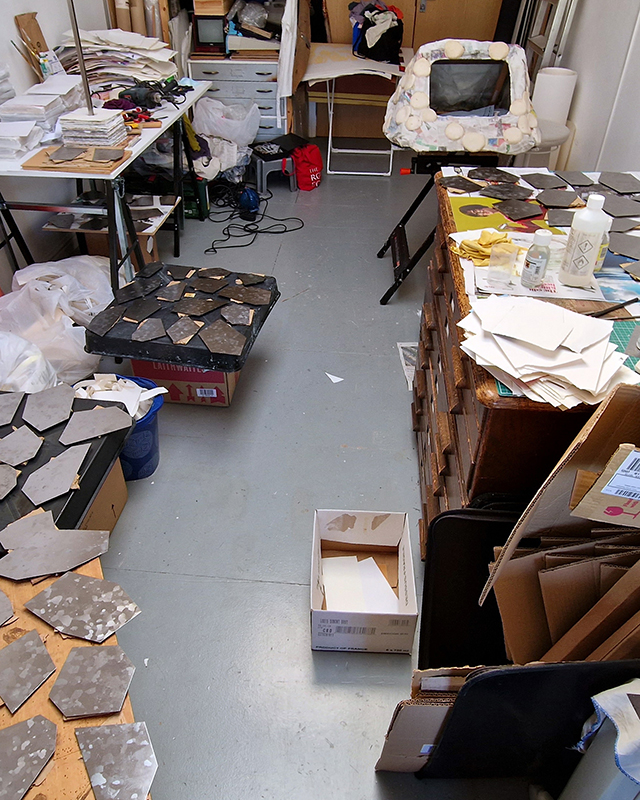
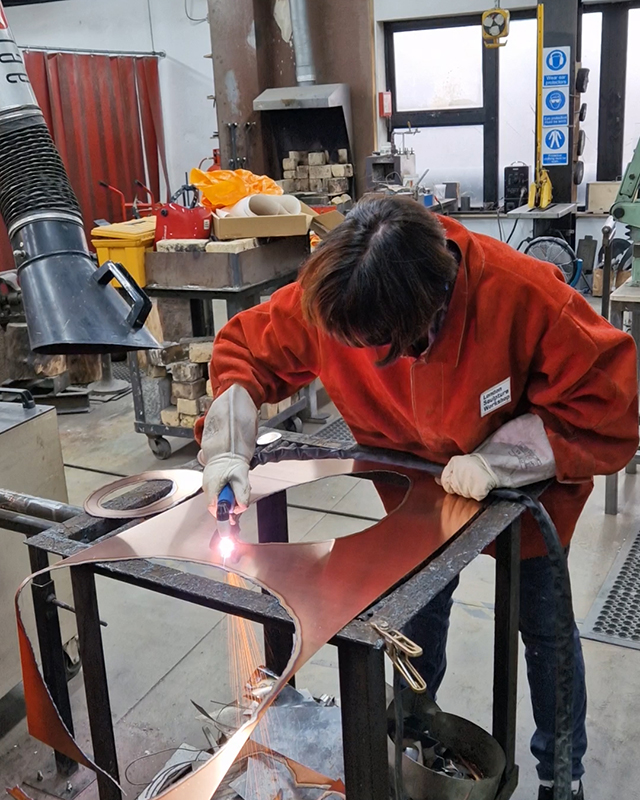
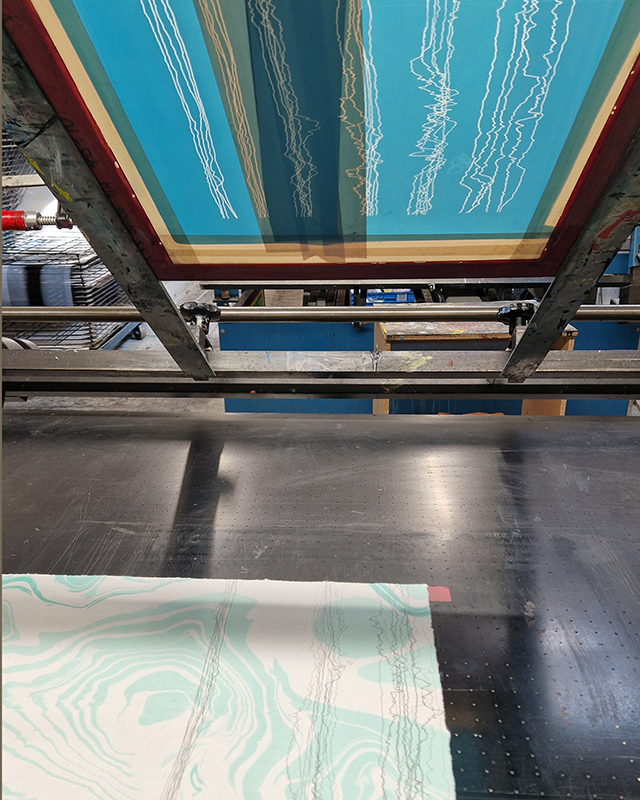
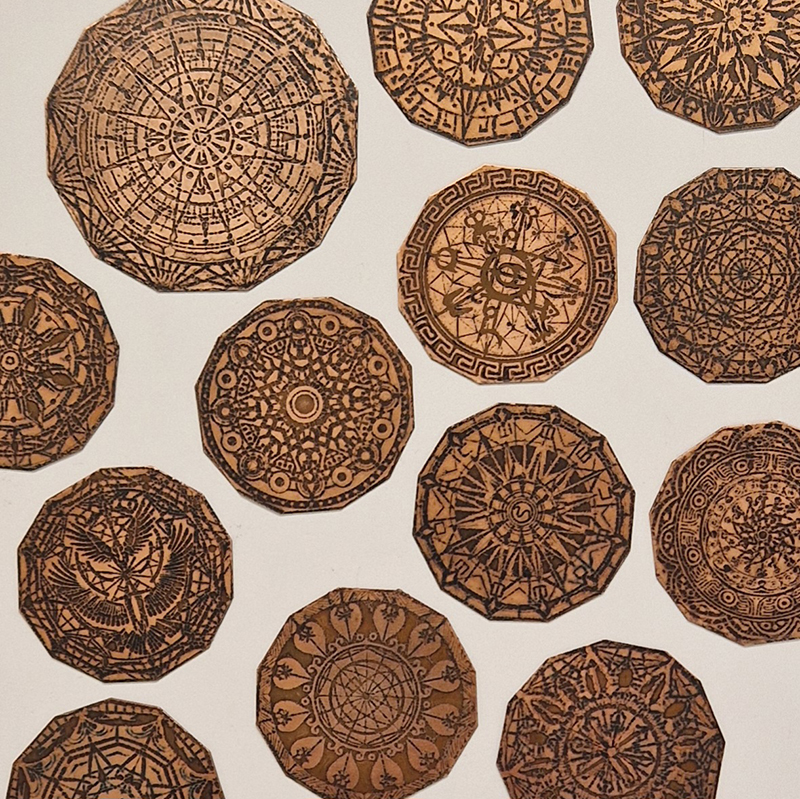
Work in progress on new tablet for Instruments of the Anemoi series of sculptures. The copper dodecagons have been inked and sealed and placed face down onto the collagraph in the silicon mould ready for casting in Snowcrete.

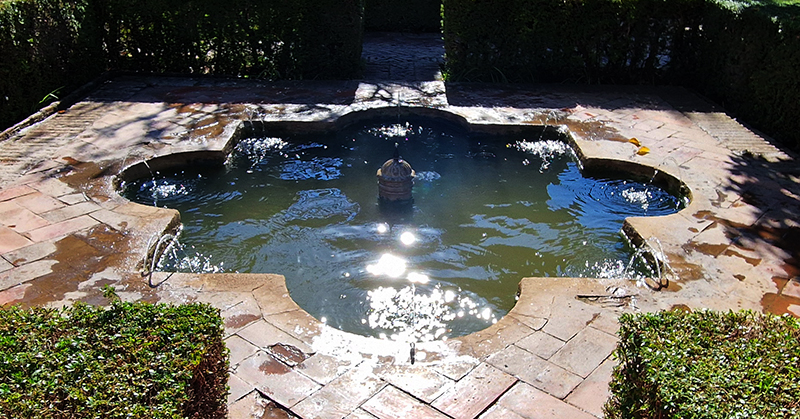
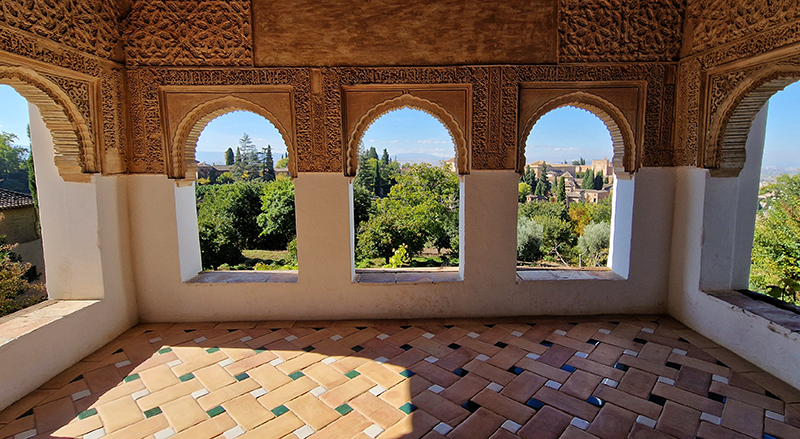
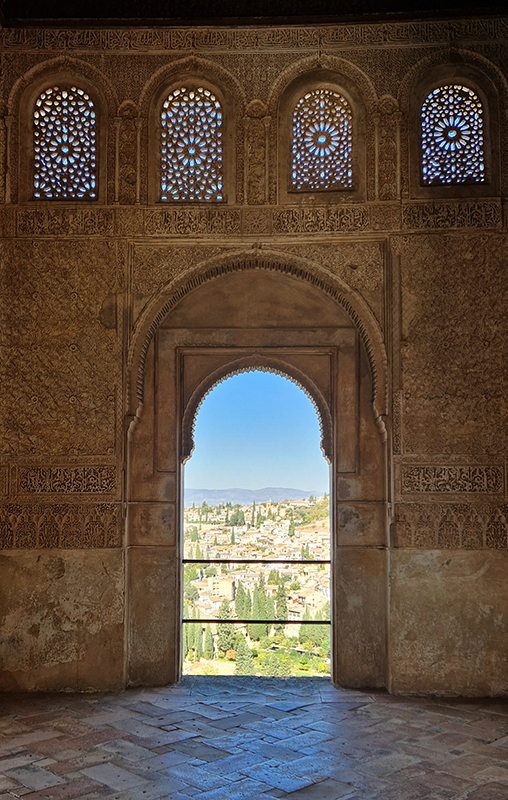
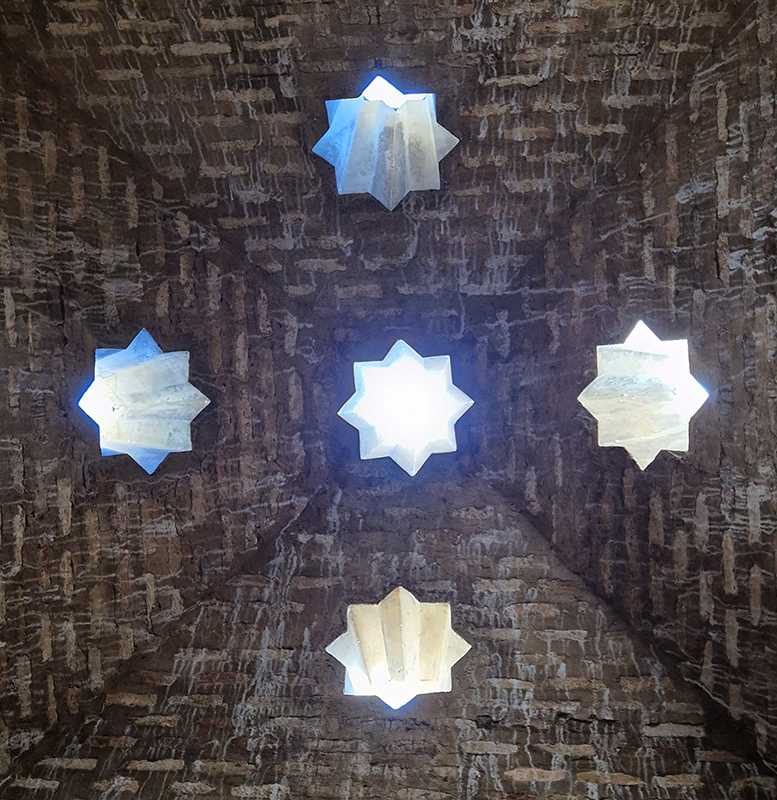
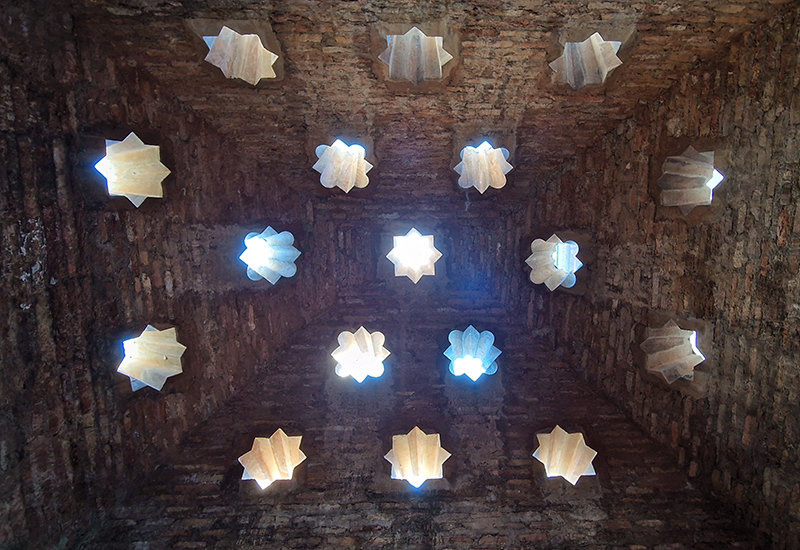
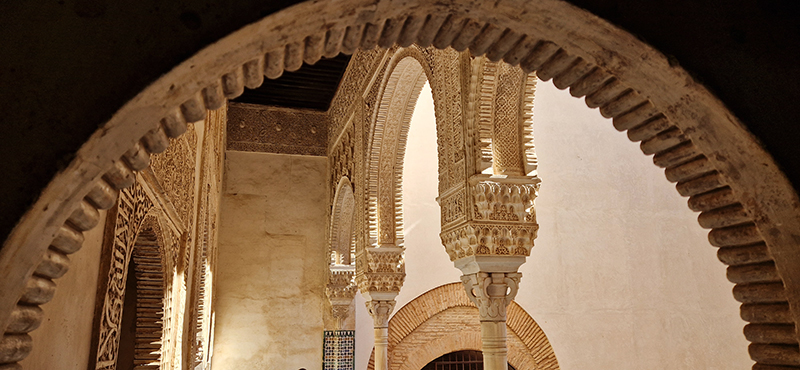
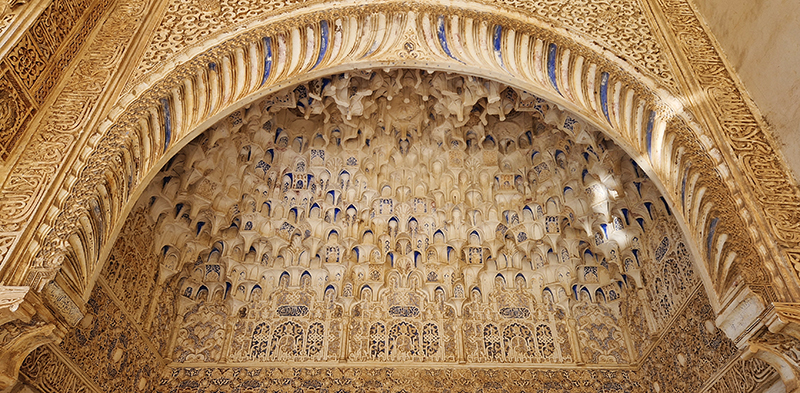
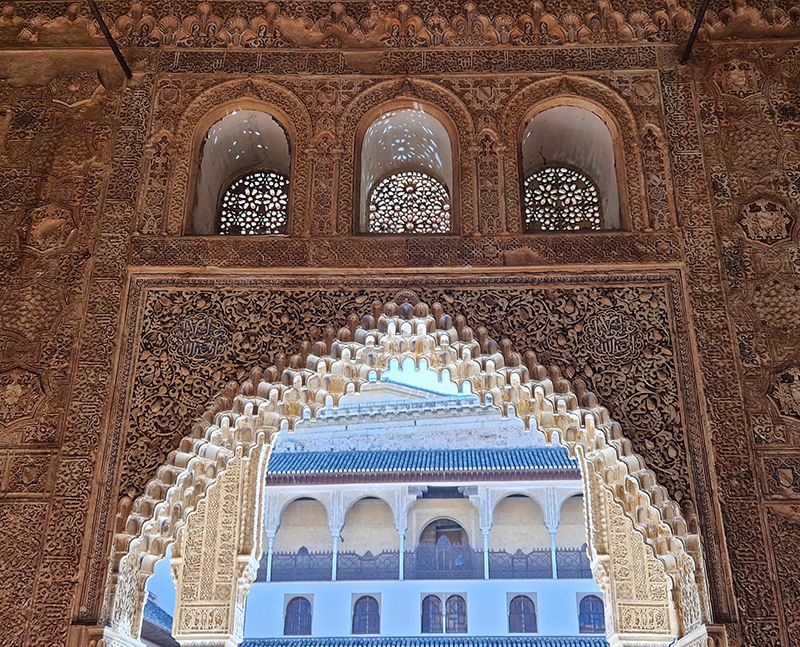
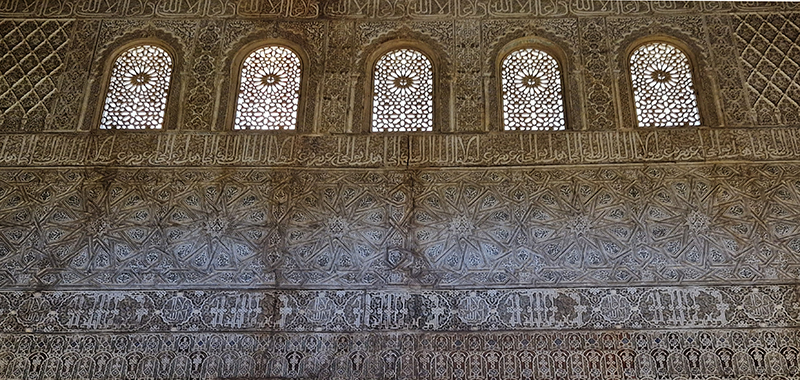
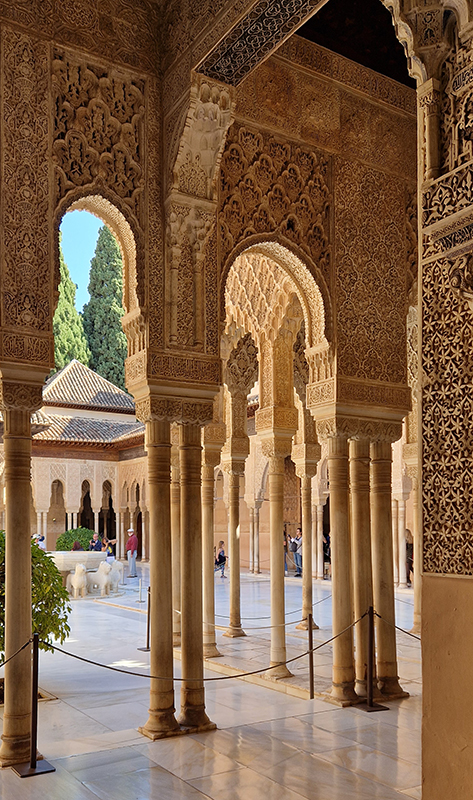
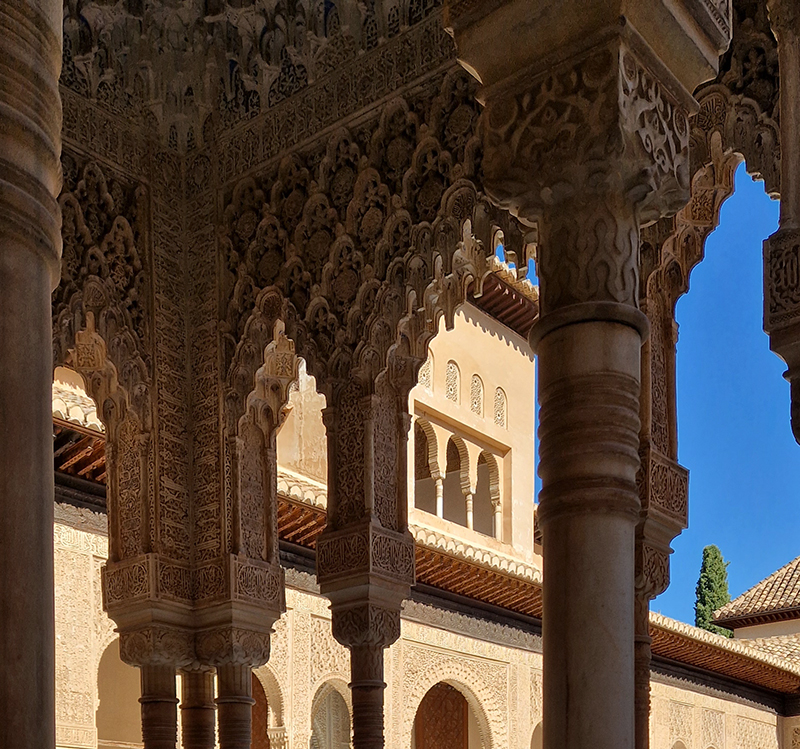
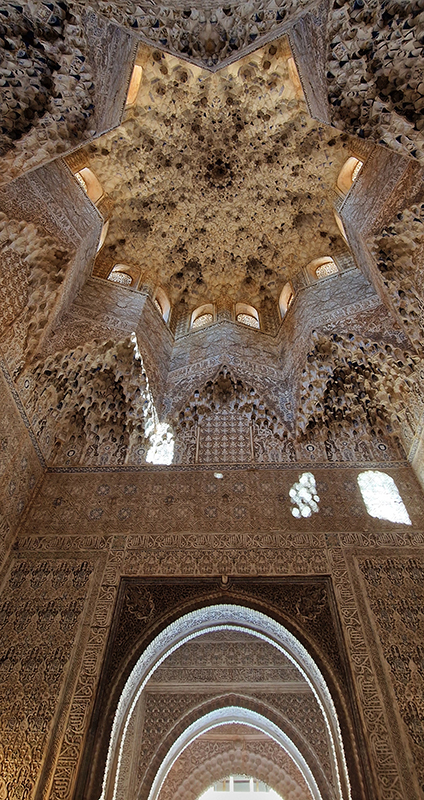
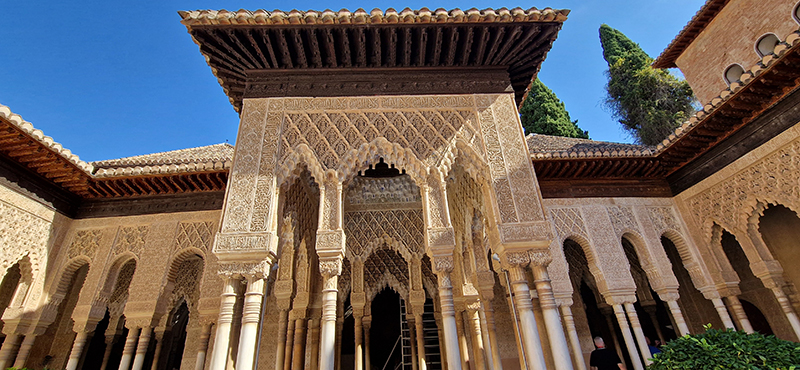
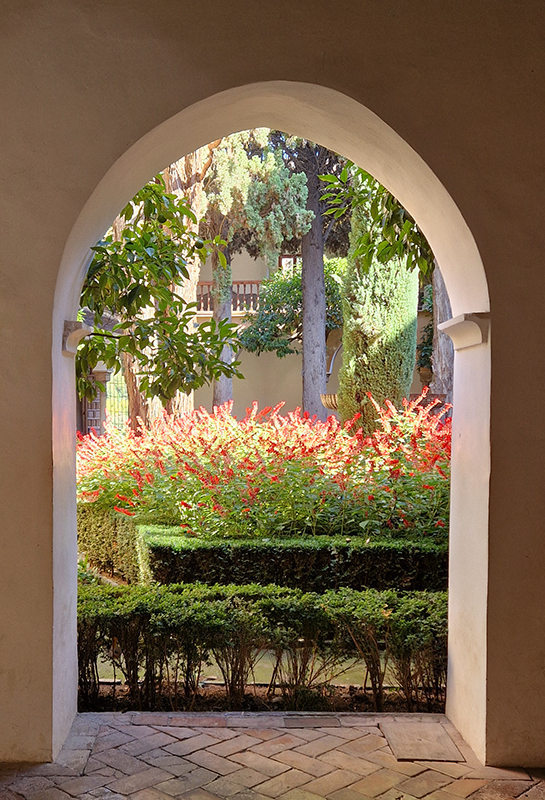
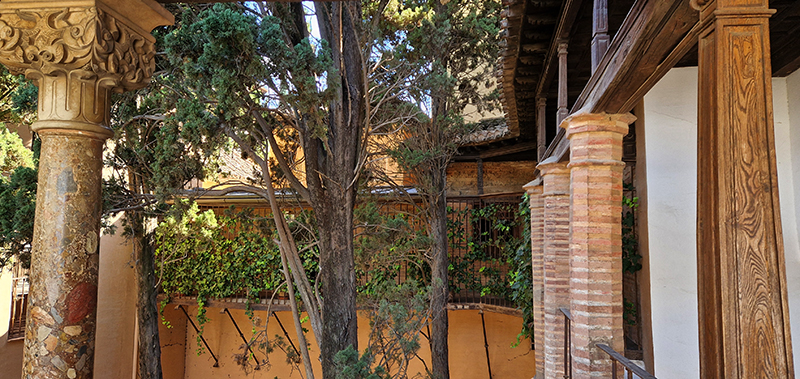
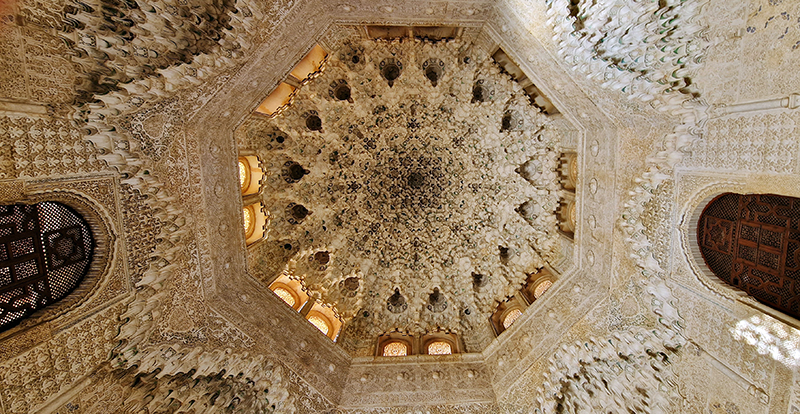
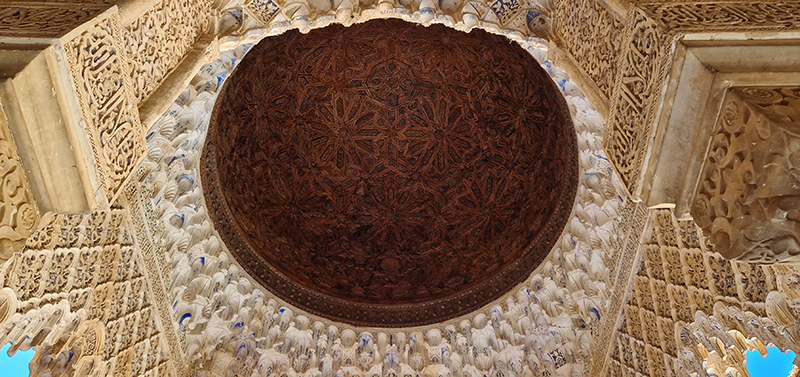
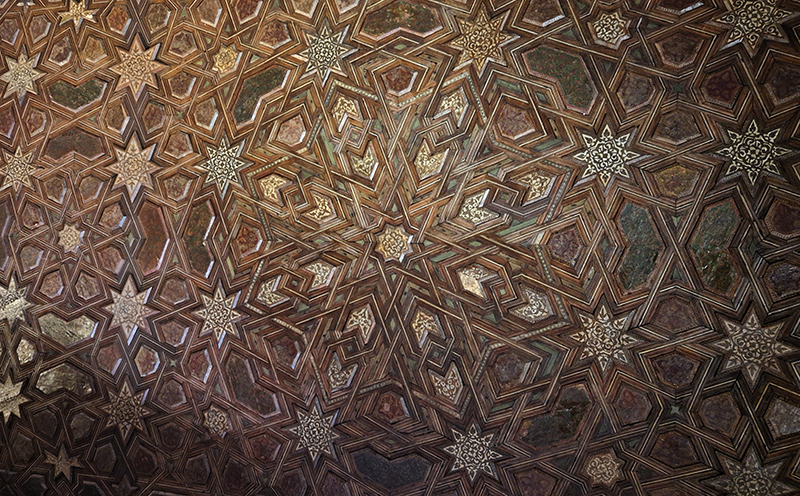
Finally got to visit The Alhambra and it didn’t disappoint.

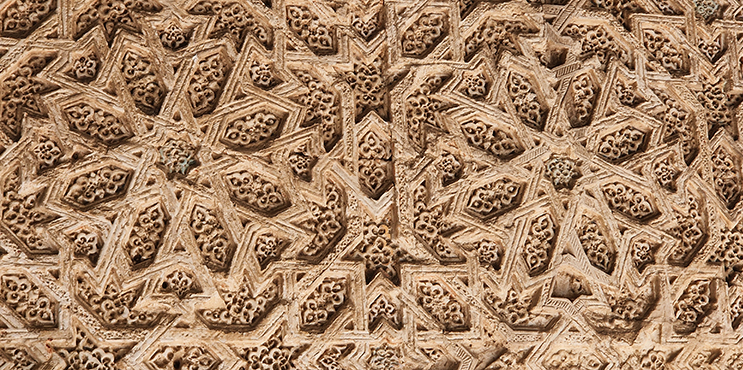
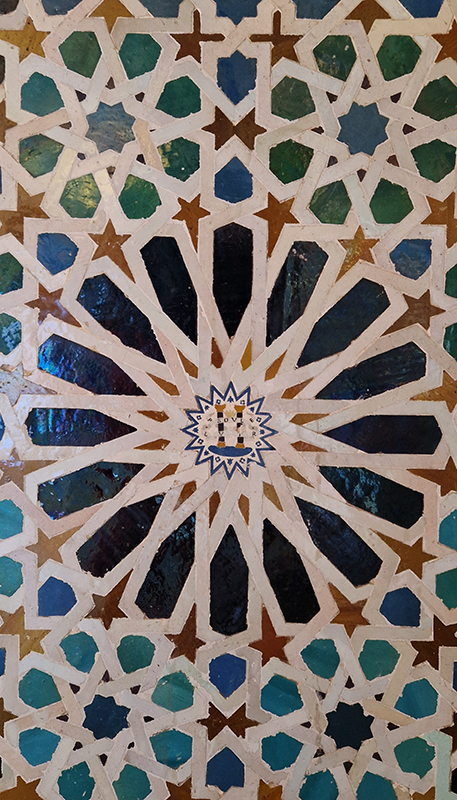
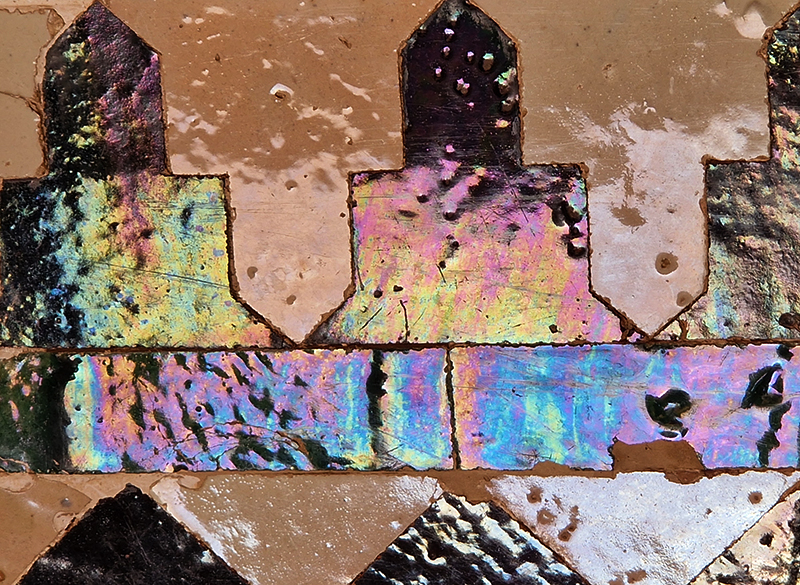
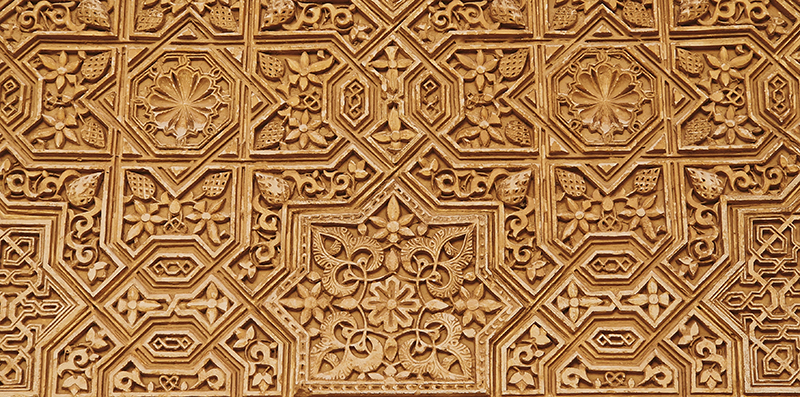
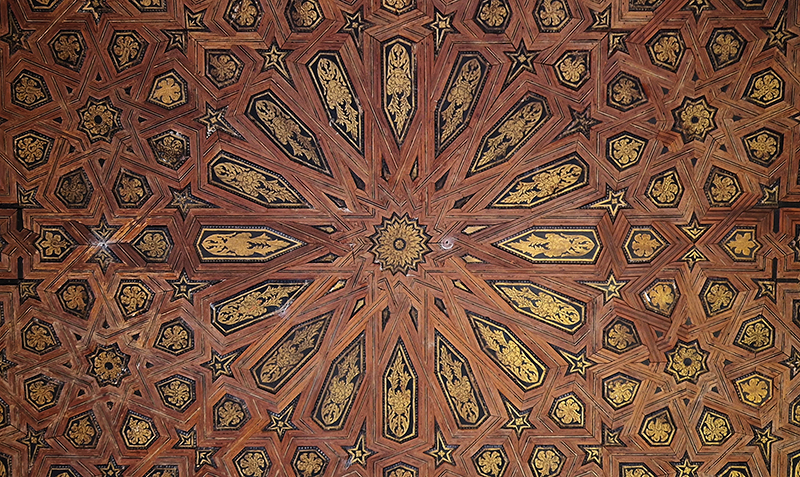
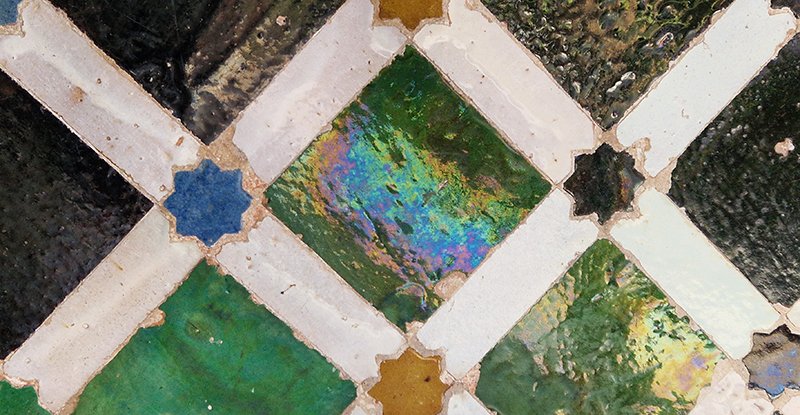
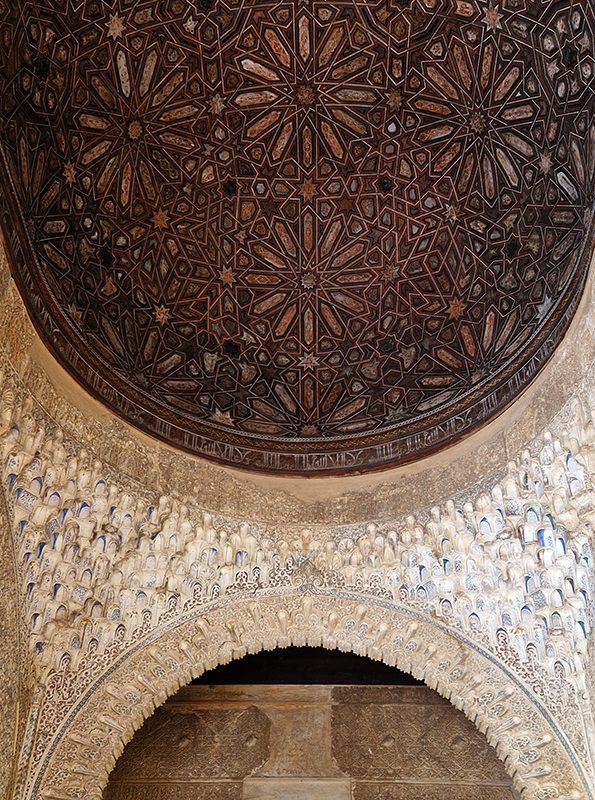
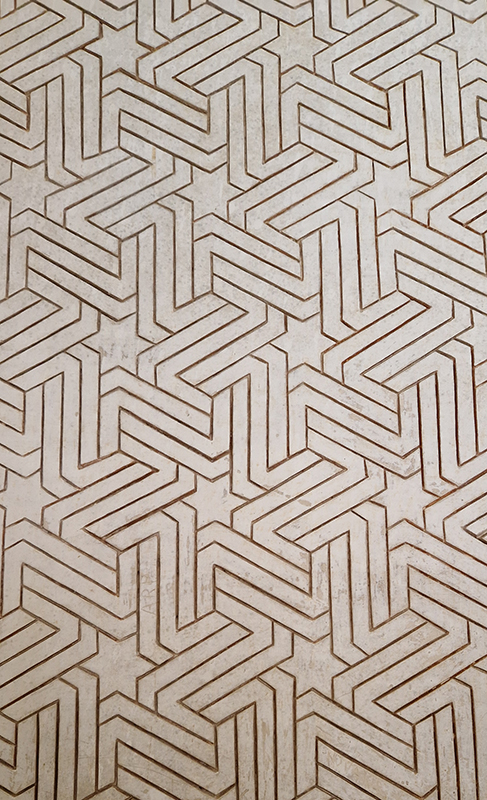
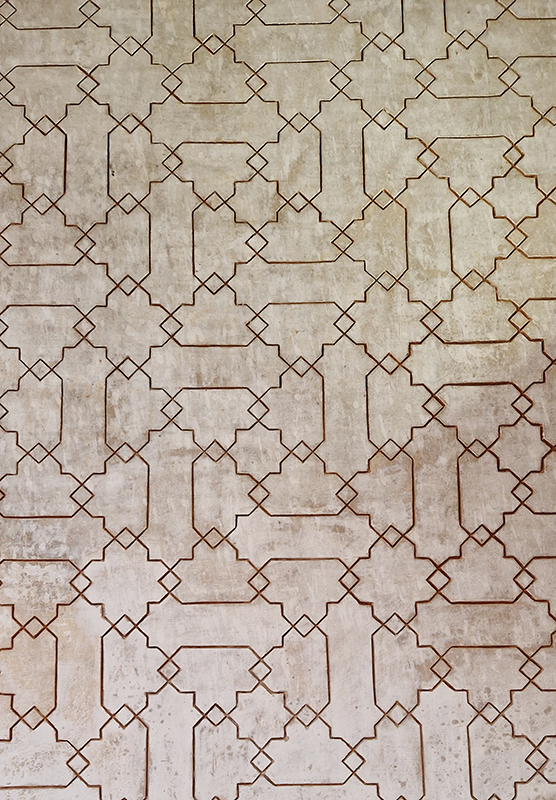
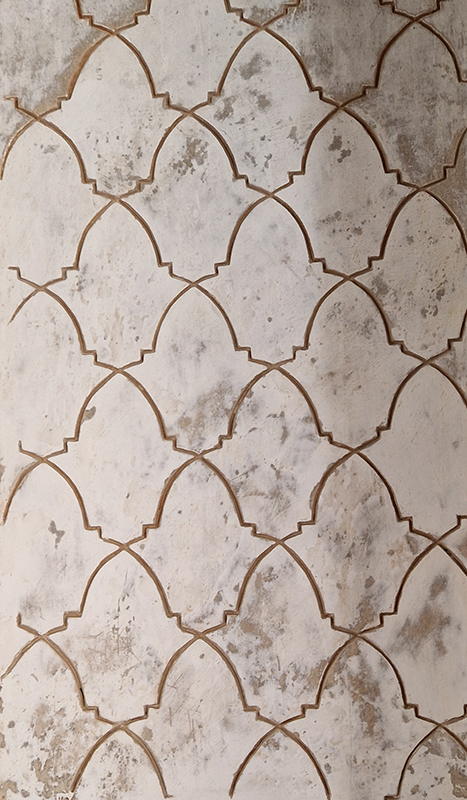
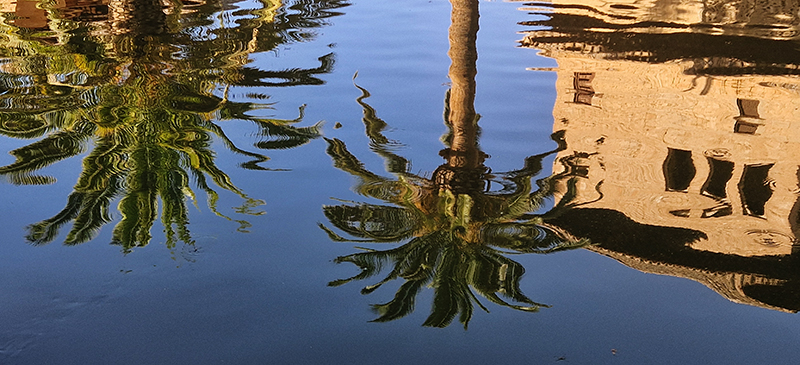
Designed by poets, philosophers and mathematicians, it is said to bring the harmony of paradise to earth in its perfect symmetries and idyllic gardens. The complex was begun in 1238 by Muhammad I Ibn al-Ahmar, the first Nasrid emir and founder of the Emirate of Granada, the last Muslim state of Al-Andalus and has been expanded, modified and repurposed over the centuries. It is a vast network of garden pools, fountains, courtyards, palaces and fortress towers with jaw dropping vistas. Water runs down from the mountains in an ingenious systems of open channels intertwining through pathways to feed the many pools and fountains. Every ceiling is a vault of heaven, inlaid or sculpted to draw the eye upward. Every wall tiled or stuccoed. Pavements interlaced with patterns set in stones accept cooling water splashed onto their surfaces without it immediately evaporating as it would on a smooth path.

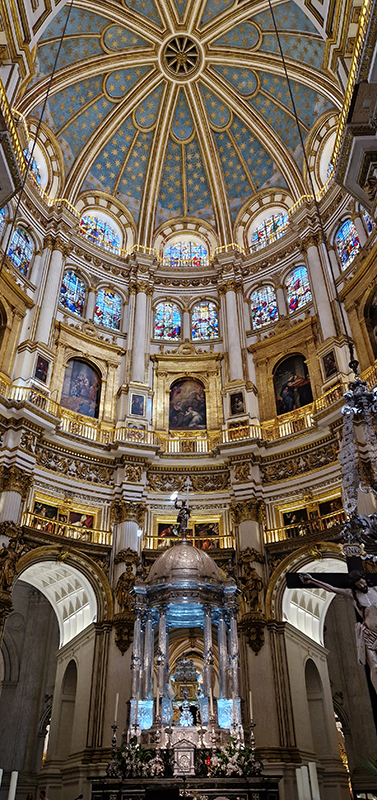
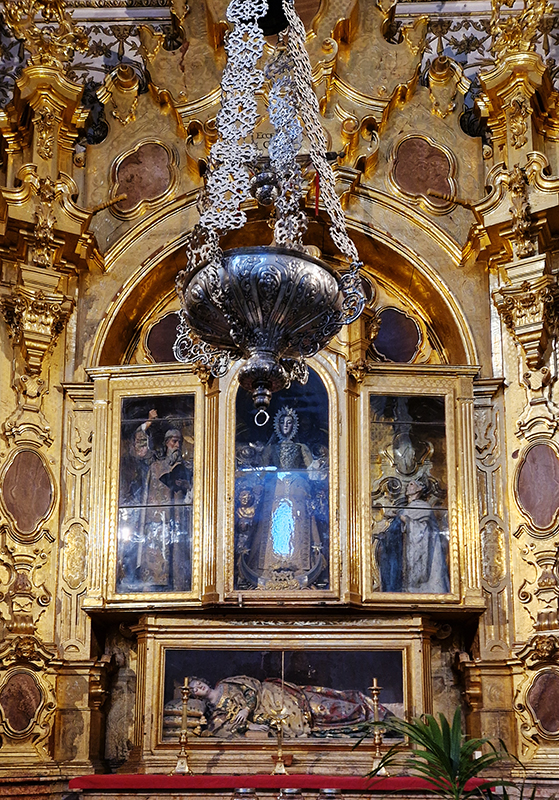
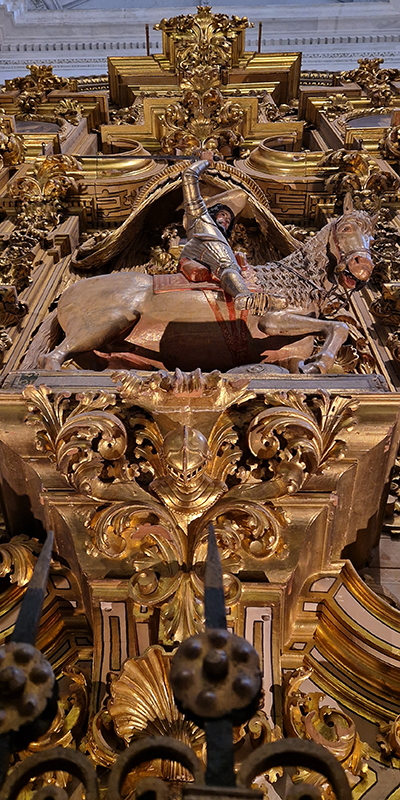
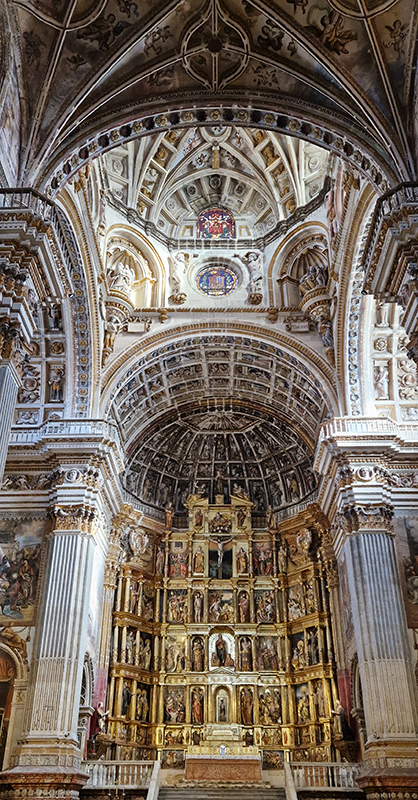
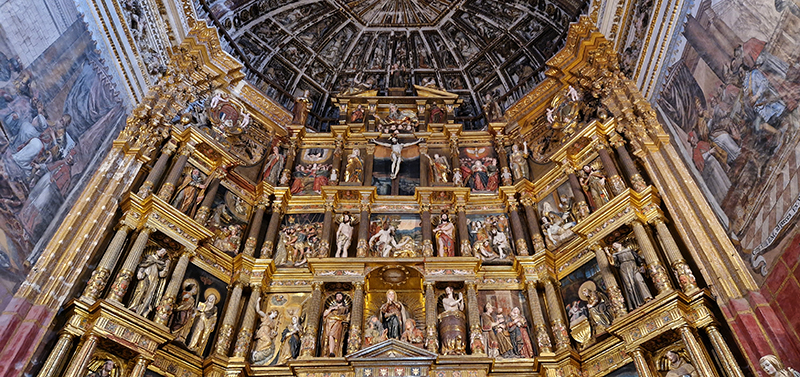
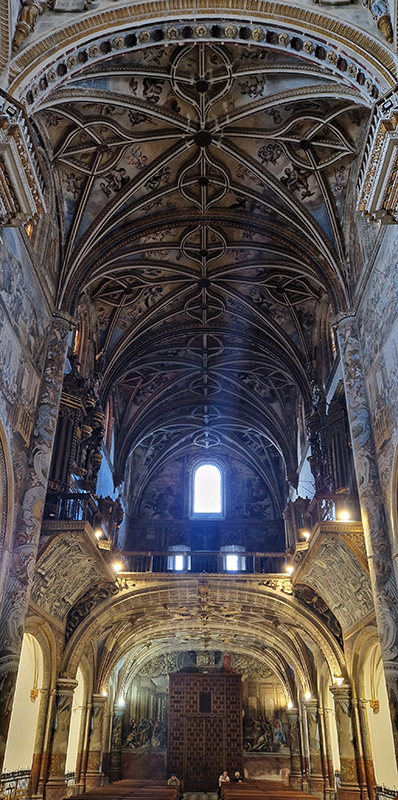
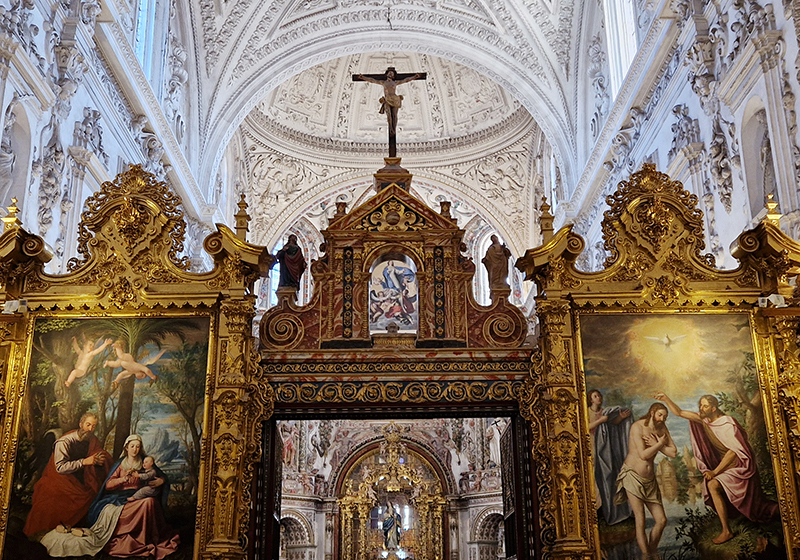
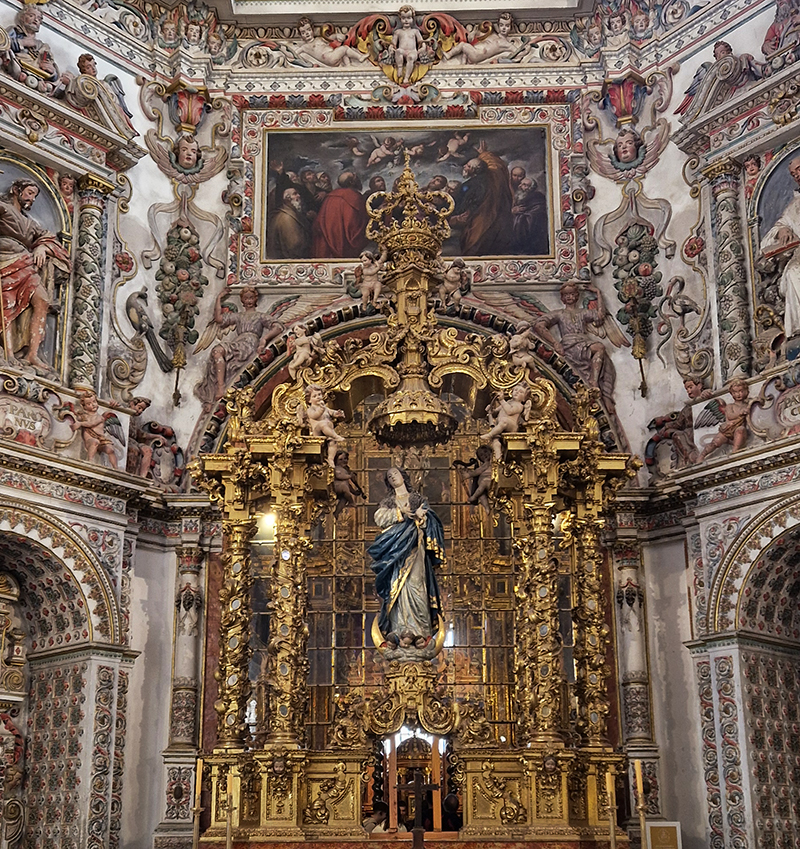
After the stunning intricacies of sacred geometry and calligraphy, the cast plaster and carved stucco in sunblushed pinks and ochres coloured with mineral pigments of the Alhambra came the Roman Catholics with an alternative interpretation of spirituality. The Cathedrals, Abbeys and Monasteries they built are also astonishing in their scale, architecture and decoration. But this new regime conveyed its power with overwhelming opulence and extravagance, gleaming with gold and spilling over with iconography.

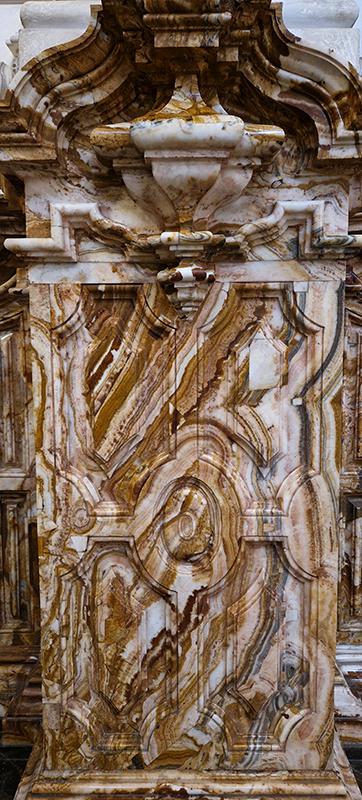
Of course all our cities are built in stone but here the stone shouts of its materiality and origins.

What could a monument be? Is it the thing we build or the thing we have taken away from? A place of emptiness is the monument to remind us there is no possibility of getting back to what has been – Otobong Nkanga

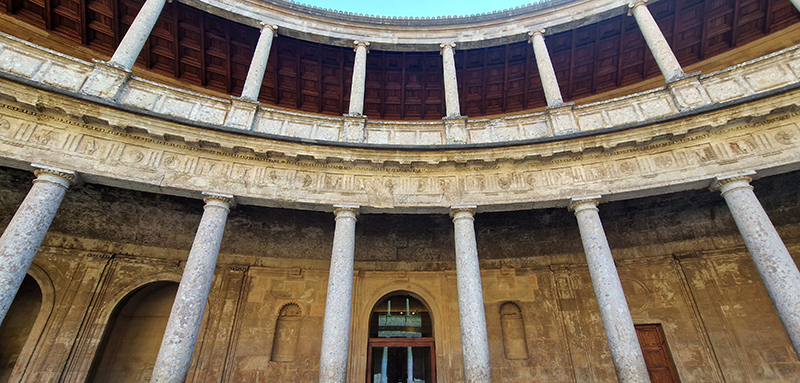
The circular Palace of Charles V was built inside the Alhambra beginning in 1527 to symbolize the royal imperial status and the imposition of Christianity over Islam achieved by the Roman Catholic monarchs. I was intrigued by the Doric colonnade of conglomerate stone and wonder how these were polished so smooth.

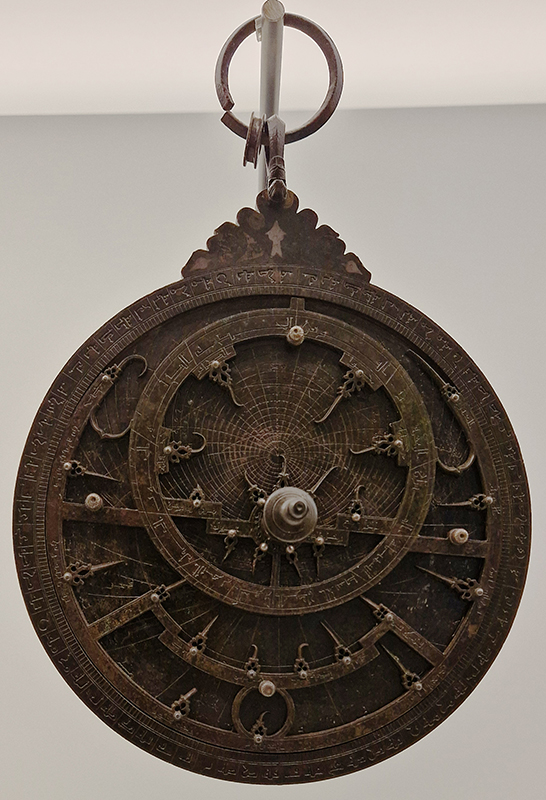
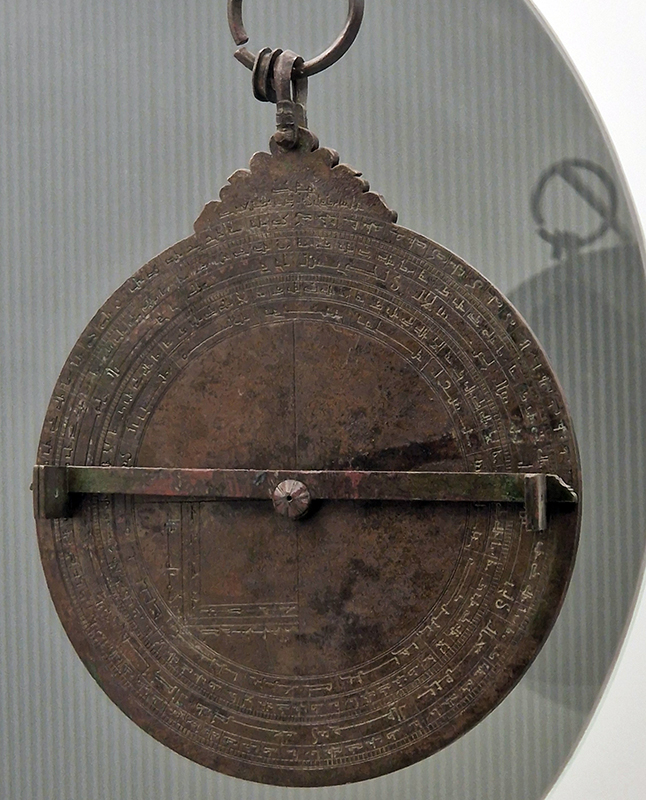
The Museums of Granada hold some fascinating ancient instruments. The Astrolabe of Ibn Zawal: molten, cast and etched bronze, 1481, used to determine position and time based on observation of the heavenly bodies. This one served to mark the times of prayer, beginning of Ramadan and qibla (direction of prayer). This is the only example known built specifically for the latitude of Granada. A marble Sun Dial with missing gnomon, this solar quadrant marks the hours of the day in relation to the seasons. Winter and summer solstices are marked by two semicircles. It has some signs of the zodiac and inscriptions in Kufic characters which mark the times of daily prayers.  A bronze celestial globe.

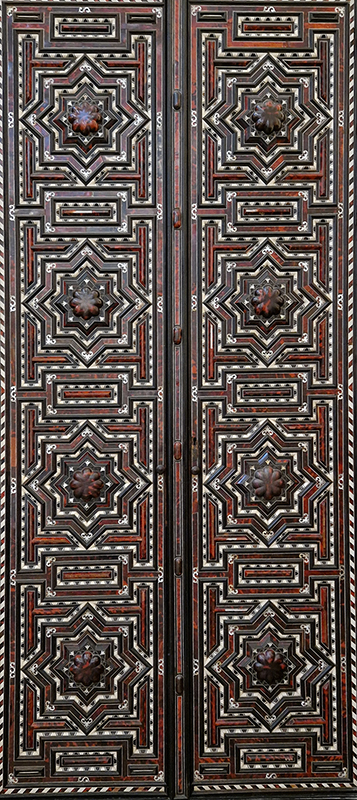
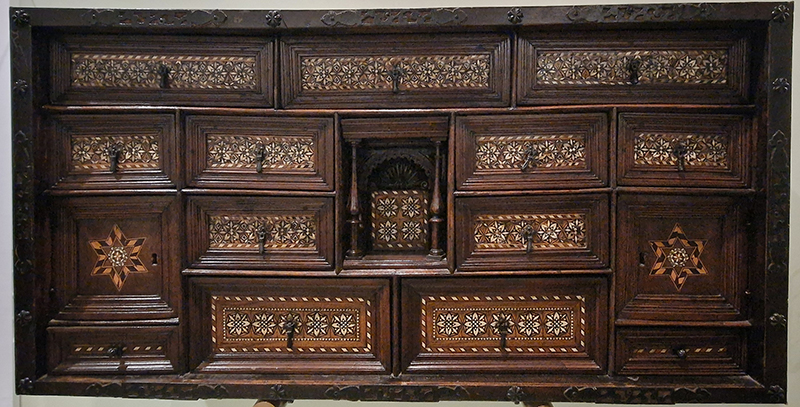
Seeing these instruments along with the intricate patterns of the 13th–15thC larder doors from the Palacio de los Infantes of cypress decorated with intarsia of inlaid wood, bone and ivory and other pieces seen at Granada Cartuja Monastery and Granada Casa de Los Trios, while smelling spices sold loose on the streets brings to mind the ‘Matter of Objects’ project instigated by Queen Mary University that I took part in. Humanities researchers and artists were paired in interdisciplinary conversation to open the way for reinvigorated readings of objects from the past. I was paired with Bruno Martinho from the European University Institute in Florence researching exotic objects found on the Iberian Peninsula during the 16thC.

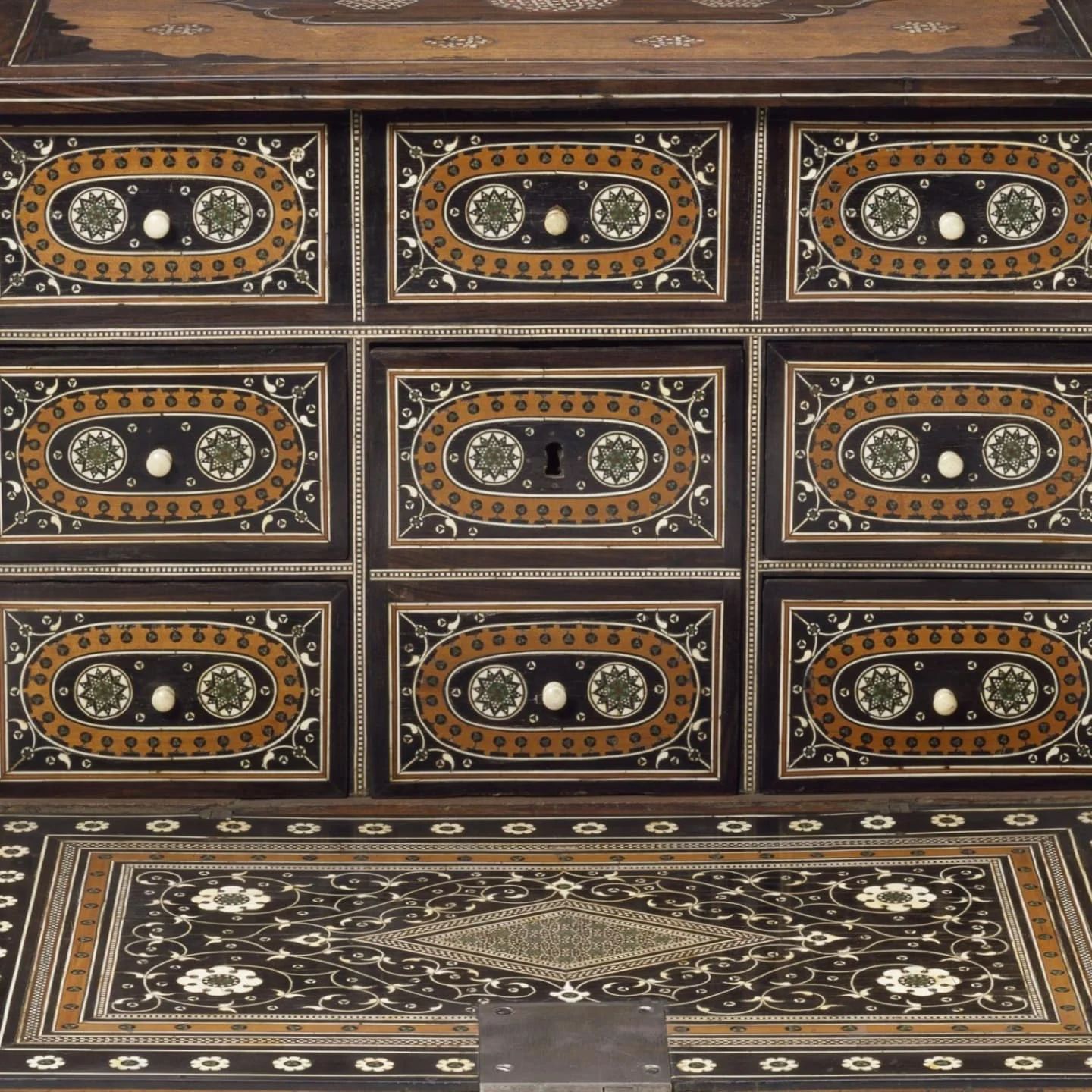
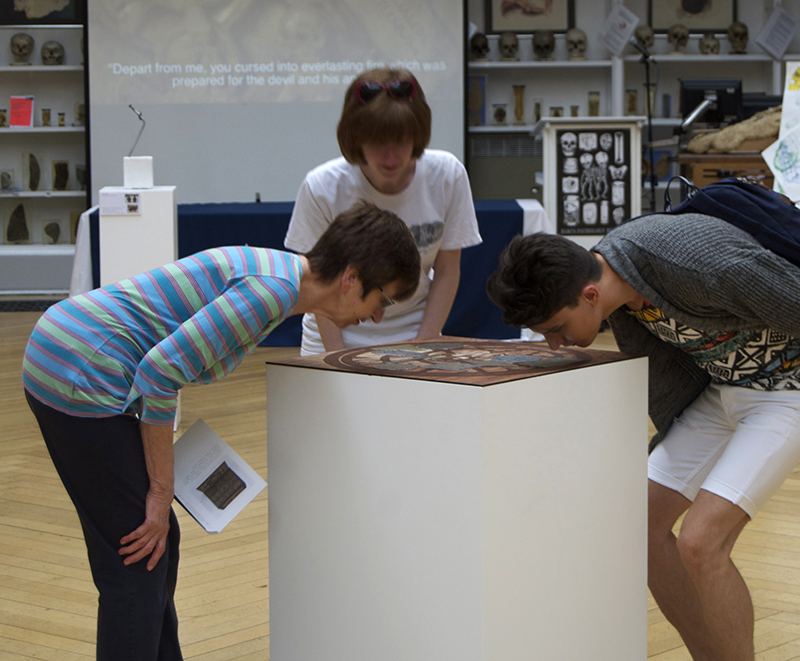
The work containment was made in response to objects traded by merchants that journeyed across the globe five hundred years ago when navigation was reliant on reading the stars. The deep etched lines of the metal plates were filled with inks made from different spices, inviting the viewer to lean in and inhale the aromas. These markers plot the spice route from India around Africa to Europe along the latitude and longitude lines taken from 16th maps of Mercator and Ortelius. A fall-fronted cabinet from 16thC held at the V&A was chosen by Bruno as an object to respond to

Gallery Visits

Liz Elton in Emerging Landscape Painting Today at Messums Cork Street. Assessing the conversation on how landscape and our collective wellbeing mirror each other. Liz’s delicate work Habitat creating a focal point here was first shown in Lifeboat at APT gallery.

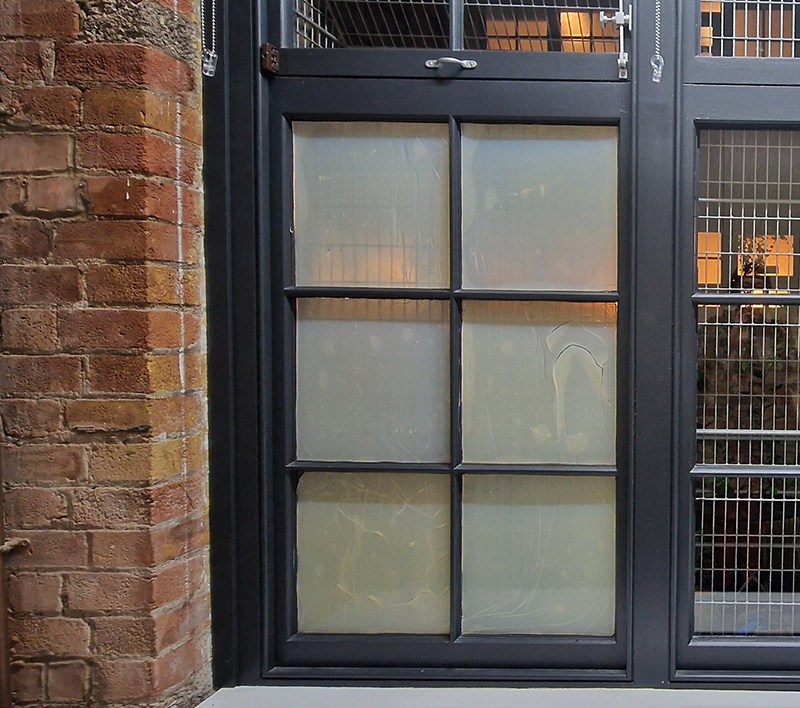
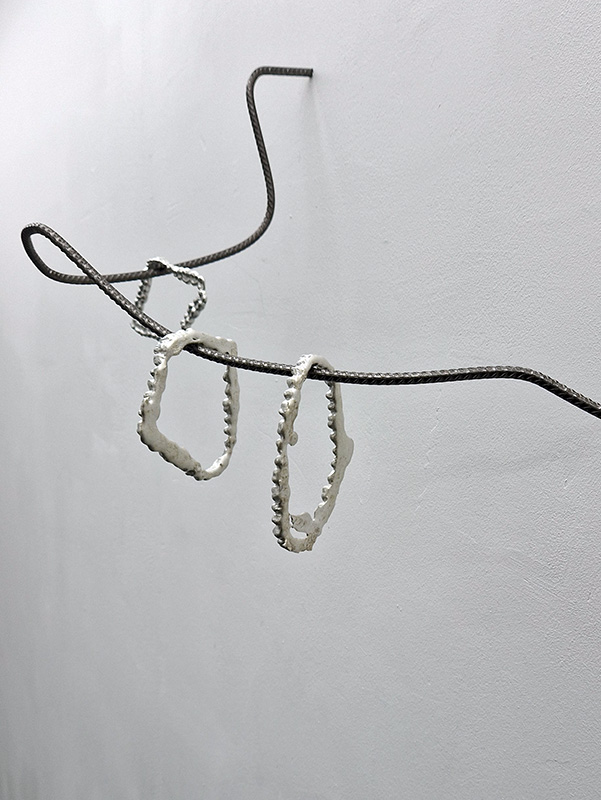
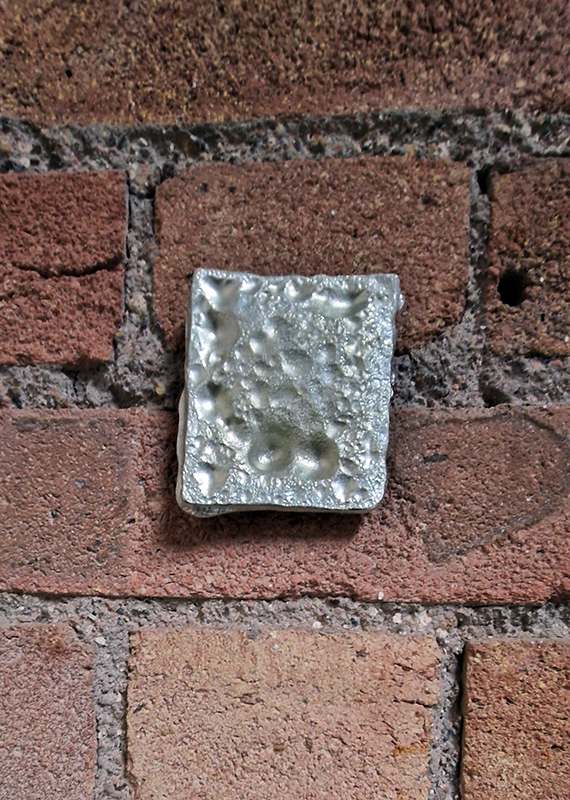
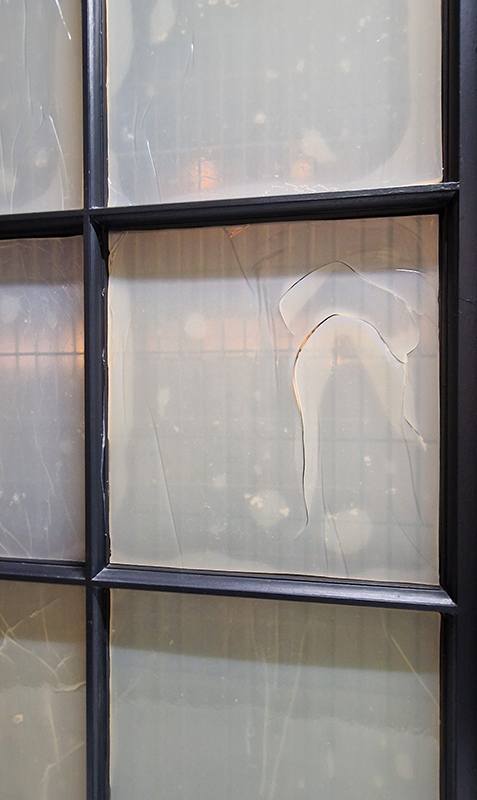
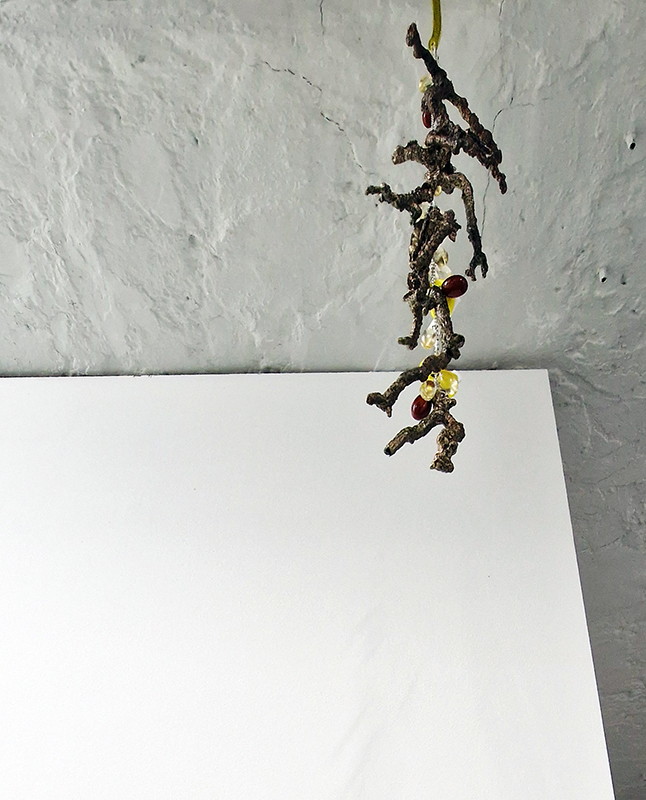
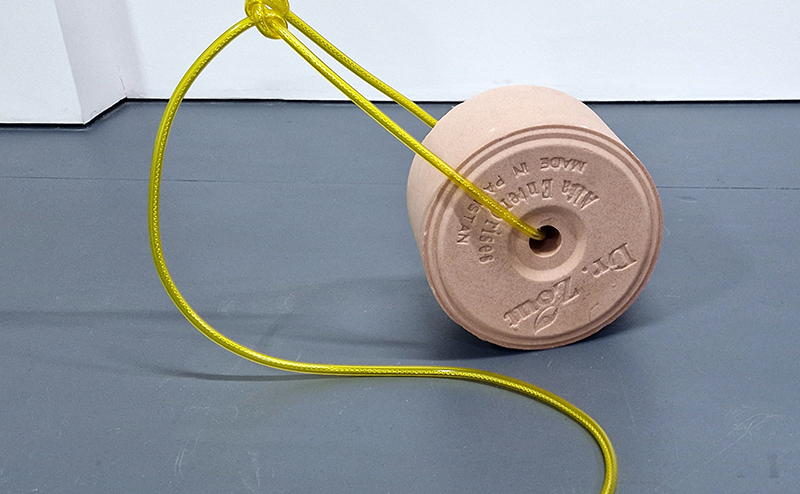
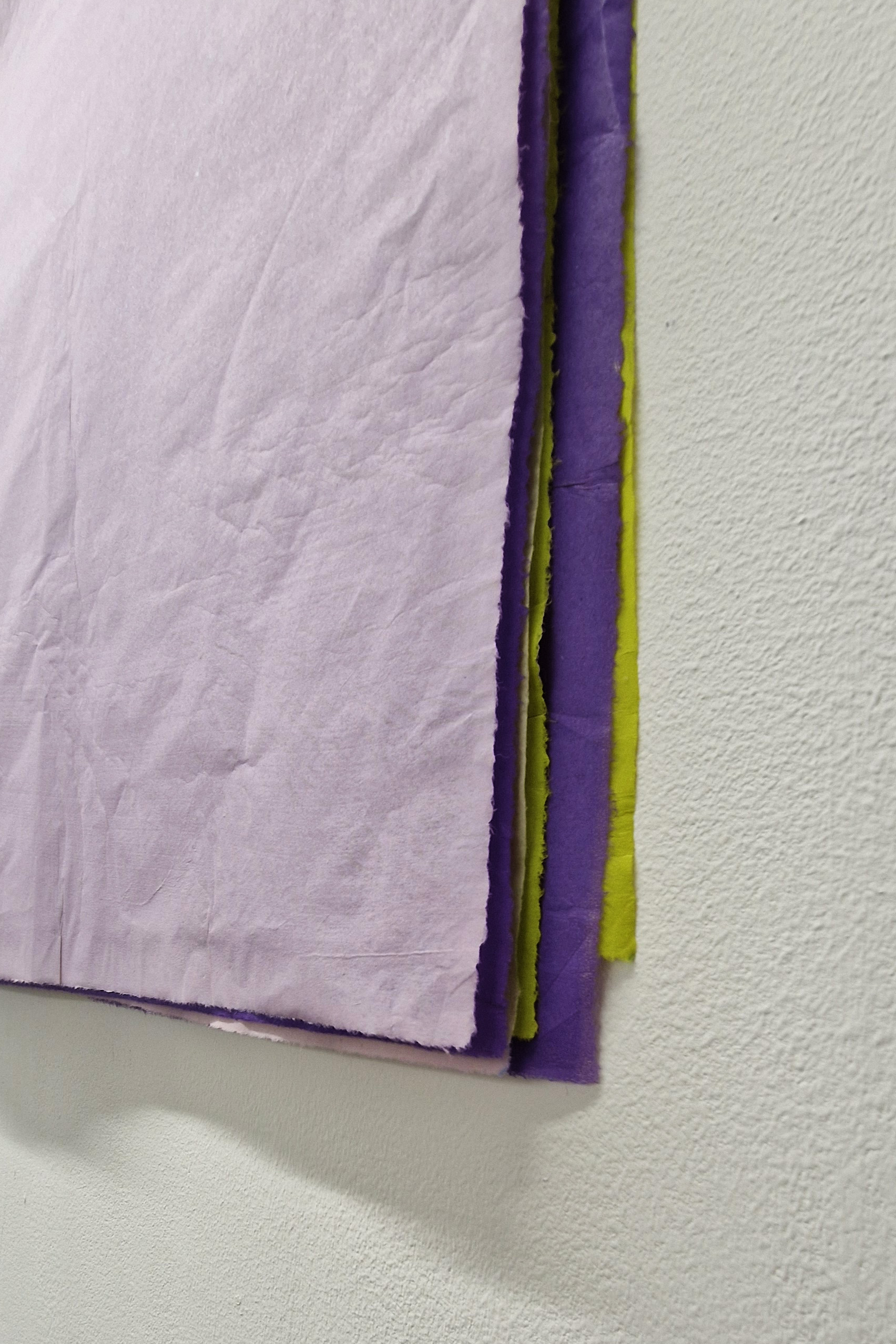
Kate Fahey, Lizzie Munn and Timo Kube in As it is – with works at Commonage Projects and No Show Space. The exhibition talks about subjective experience of time, the past echoing into the future. I find the title ‘As it is’ echoes from my past of Sunday School mantras ‘…on earth as it is in heaven’. That unknown questionable idyll. Aluminium teeth frozen in open cry, strung like trophies; wood sculpted in foetal shapes echoing a folding unfolding, bronze twigs strung with vitamins dangle chirping and chiming over head – hoisted in place with salt blocks, window panes obscured with sheets of semi translucent jelly poised to fall. These works from Kate Fahey encourage an assessment of what is natural, what can be transformed and what can be preserved. Lizzie Munn hangs blocks of hand printed paper in layers of rich colours, the installation draws attention to the vibrant edges and the weight of the paper as object rather than substrate. The manmade bogs in Timo Kube’s plastic tanks also took me back to childhood and the delight of finding strange lifeforms in the rusted water butts of neighbours gardens when taken on trips to renew flowers in the graveyard. Like these bogs his other pieces exploit their surfaces as uncertain, both reflecting and revealing.

Venetia Nevill We Belong to the Earth at The Bhavan. Venetia has an extraordinary talent of opening pathways into the soul of the natural world allowing us to enter a calm and meditative space. Through her own passion for nature and her deep knowledge of ancient rituals and passing seasons in tune with cosmological cycles she gives us access to the unseen but felt experience of connecting with nature. I walked the cedar mandala and stirred the iron rich water of the scared spring. I pressed damp clay against my skin and the contours of the cedar cone to create an addition to the Mandala of Hope, a growing collection of tiny ceramic vessels, like casts of little hugs.

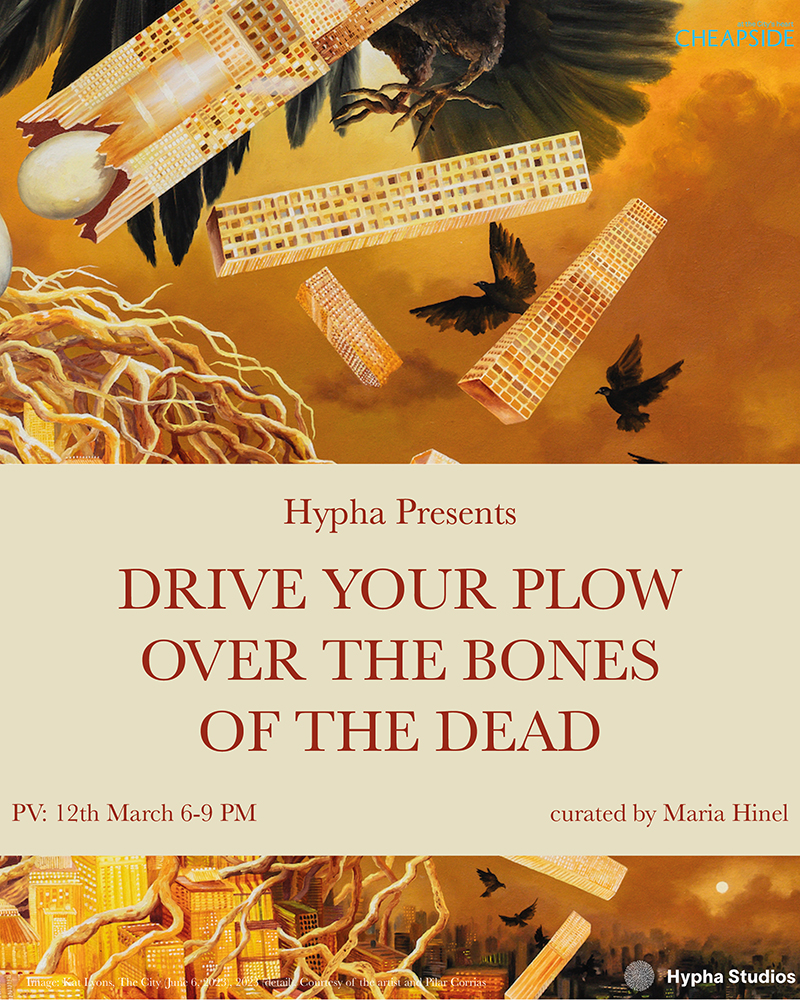
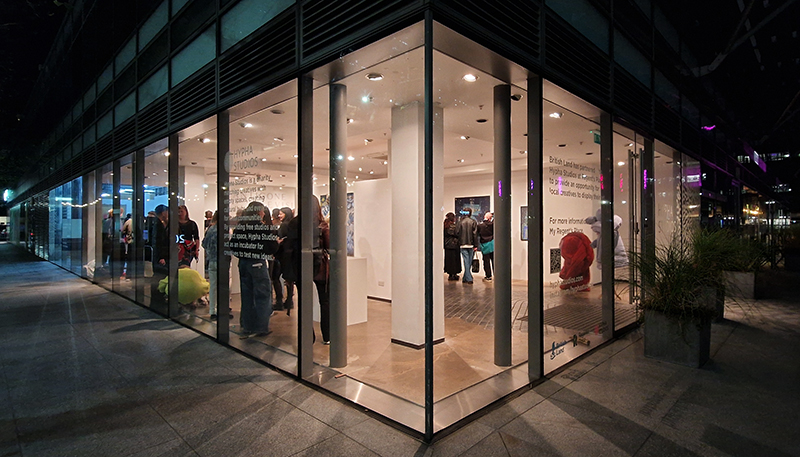
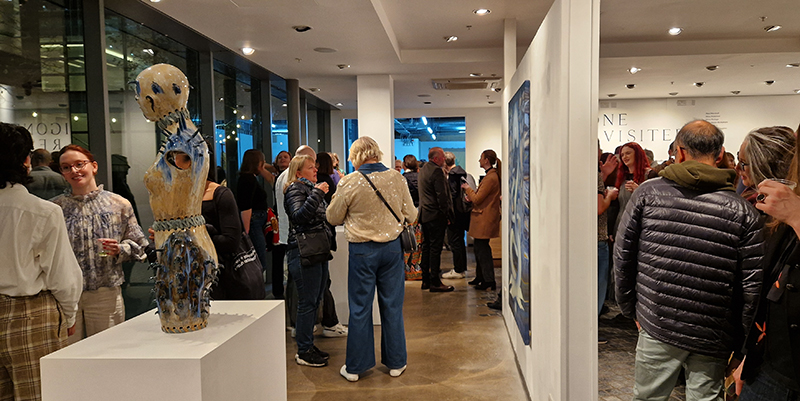
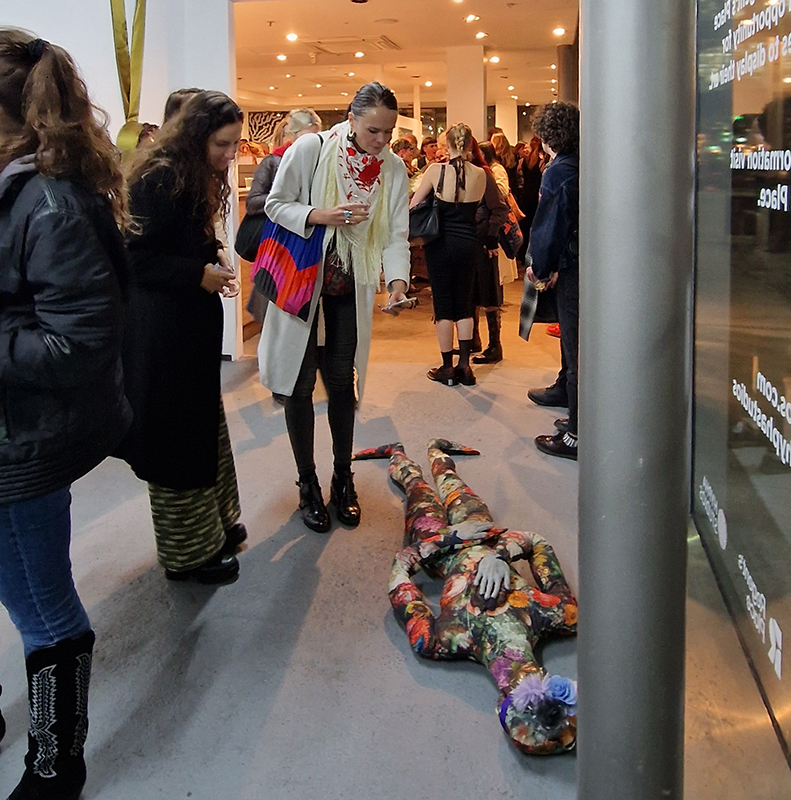
Antigone Revisited curated by Marcelle Joseph at Hypha Studios Euston. This exhibition turns to the contemporary poet Anne Carson and her interpretation of the Greek heroine of Antigone for guidance in our present era of societal crisis. It was good to see the space full and buzzing as this is the site I will be exhibiting in next year in a group show I am co-curating with Julie F. Hill. We will be discussing concepts of The Geological Unconscious taken from the book of the same name by Jason Groves.

Reading

Orbital by Samantha Harvey. This is a nourishing read. Orbital is so first person evocative, the descriptions of Earth from the ISS are so transcendent, it’s hard to believe Samantha is not an astronaut. I very much admire the Art Fictions Podcast curated by JiIlian Knipe and often wondered what book I would choose for myself in this context. I think this book would fit. Why it resonates so much with me is the sense of wonder it evokes along with an acceptance of the infinite incomprehensibility of our position in the cosmos.
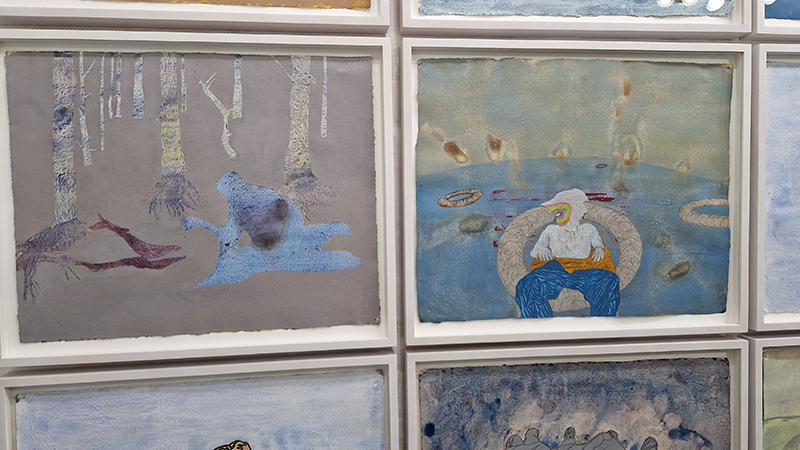
‘Our lives here are inexpressively trivial and momentous at once [..] both repetitive and unprecedented. We matter greatly and not at all. To reach some pinnacle of human achievement only to discover that your achievements are next to nothing and that to understand this is the greatest achievement of any life, which itself is nothing, and also so much more than everything.’

Listening

Hannah Critchlow on the connected brain In her books Hannah Critchlow has explored the idea that much of our character and behaviour is hard-wired into us before we’re even born. Most recently she’s considered collective intelligence, asking how we can bring all our individual brains together and harness their power in one ‘super brain’.

86 billion nerve cells within the brain produce electrical currents as they pump sodium and potassium ions in and out across cell membranes and that pumping of charged ions creates an electrical current which passes from one nerve cell to the next cell in the circuit and that movement of electrical current creates our thoughts, ideas, emotions and our behaviour. An EEG machine can examine the electrical activity within the brain and the brainwaves can be read and converted to sound. Fascinating to hear that when Hannah read the brainwaves of Rowan Williams, the former Archbishop of Canterbury, as he meditated she could see an incredible burst of gamma wave activity in the brain, the fastest frequency of electrical oscillation. Scientists are exploring what happens when groups of brains start working together. In a group, brainwaves start to synchronise with each other, and that physiological alignment within the brain is linked to better learning and consensus building and problem solving ability. In a multi-person brain to brain interface – individuals across the world can be hooked up to an EEG machine and their brain oscillations can be converted into a magnetic stimulation signal which is then transmitted from one person to another person enabling them to read each others thoughts in a very rudimentary sense. Experiments have been done with isolated individuals playing games such as 20 questions and they can complete this without any other communication across the group.

Wrinkled Time The Persistence of Past Worlds on Earth by Marcia Bjornerud. Chronicling the way Earth archives Her geological history in the wrinkled strata just beneath our feet, Marcia Bjornerud orients us to the deep time-fulness of Earth—the four billion years of dynamism held in the ancient and ongoing story of rock.

Viewing

Architecton written and directed by Viktor Kossakovsky at BFI Imax as part of the 2024 London Film Festival. Fabulous to see this on the giant screen. It is an epic and poetic work meditating on humanity’s relationship with architecture. The footage of tumbling stones and rock blasts is breathtaking. An extraordinary journey through the material that makes up our habitat: concrete and its ancestor, stone.

Right In The Substance of Them a Trace of What Happened a series of short experimental films showing at ICA as part of LFF 2024. A couple of favourites were the atmospheric Hexham Heads by Chloë Delanghe and Mattijs Driesen based on a local myth of stone heads unearthed in a local garden that bring forth a chilling presence. Hemel by Danielle Dean, tapping into 1950’s science fiction of alien life and mysterious meteorites to examine lived experiences and xenophobia in Hemel Hempstead.

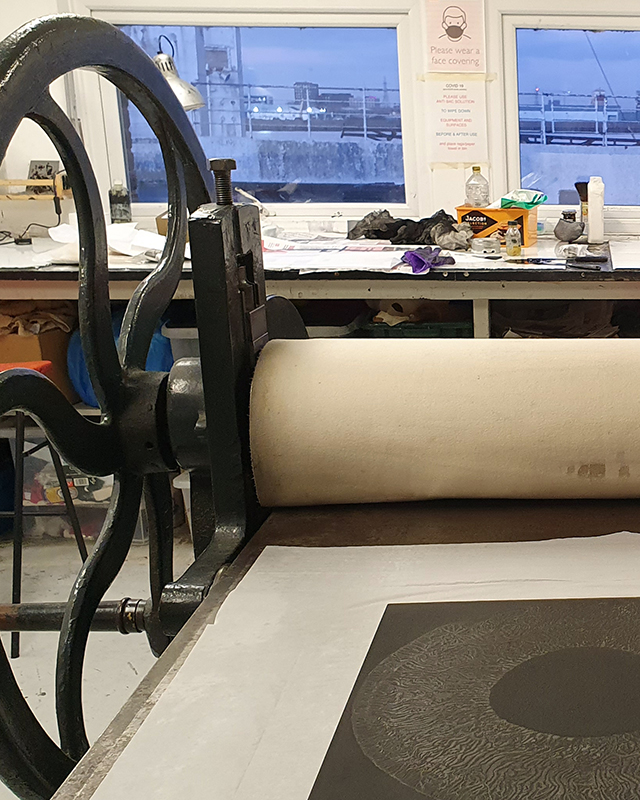
Been spending a lot of time in the etching workshop.
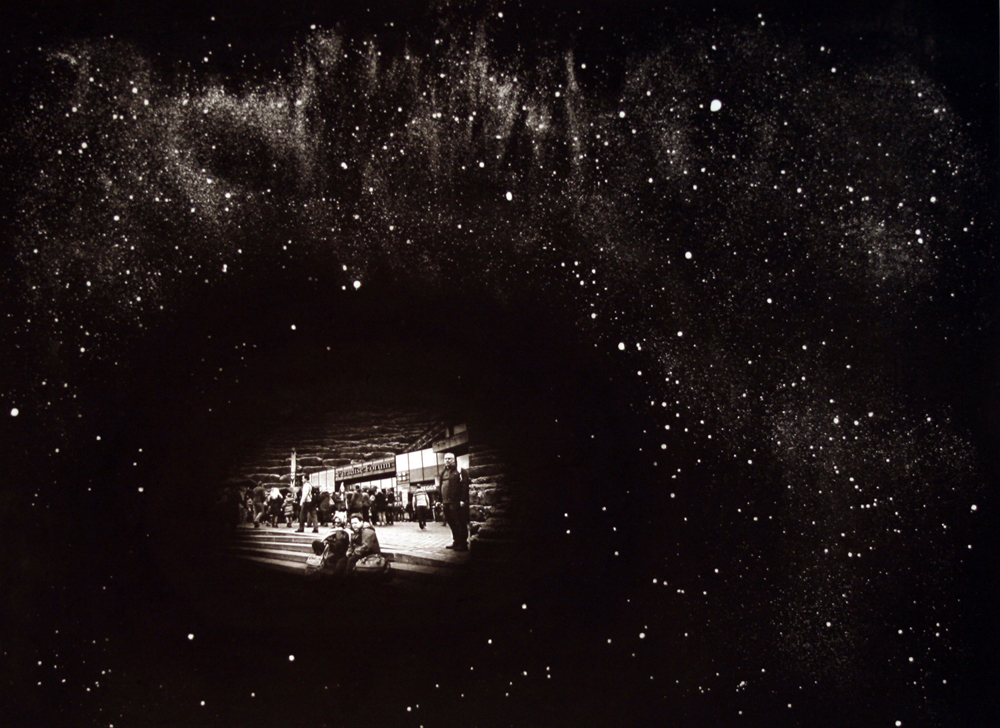
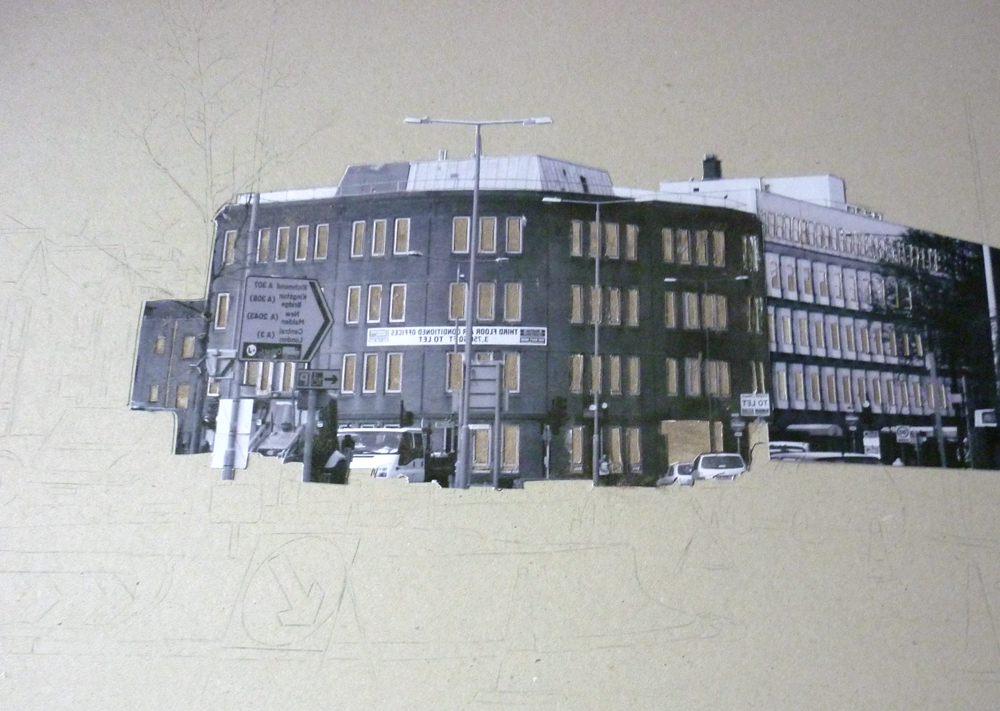
It all started with a photo of Paradise Forum shopping mall in Birmingham.
Everyone looked so pissed off – yet if they just looked beyond to the cosmos, wouldn’t they be dazzled.
I thought the two girls on the steps looked like they had their feet dangling in space, that they were sitting on the edge of something, awaiting their escape.

Of course the word Forum conjures up ideas of a Roman Forum, from which I segue to amphitheatre, a place of gathering, like a shopping mall. A sense of history of construction, of public space.
This small exert of life on earth in fadeout – a temporal moment.

Paradise Forum B3

Paradise Forum B3

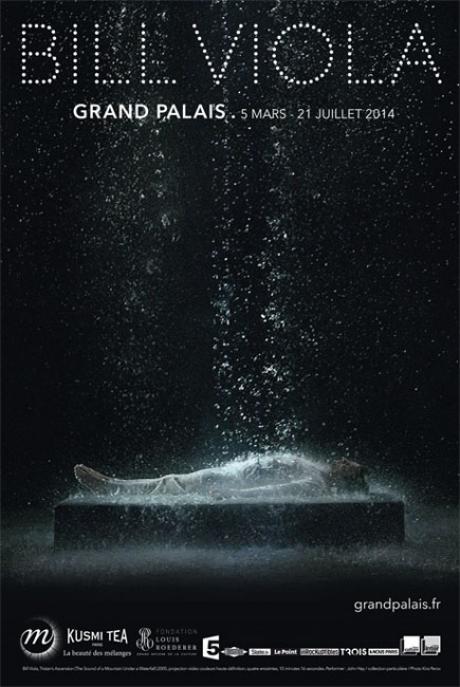
I listened to Bill Viola being interviewed about his current retrospective at the Grand Palais in Paris which I hope to visit shortly. He talks about the brevity of our lives and how it is really important to leave behind some knowledge or some new thing for the next generation, it can be something really simple. Through knowledge we gain transformation. But beware, too much information can become a pollution and we have to separate out the unnecessary bombardment of advertising and media sources from the good stuff that enriches us.
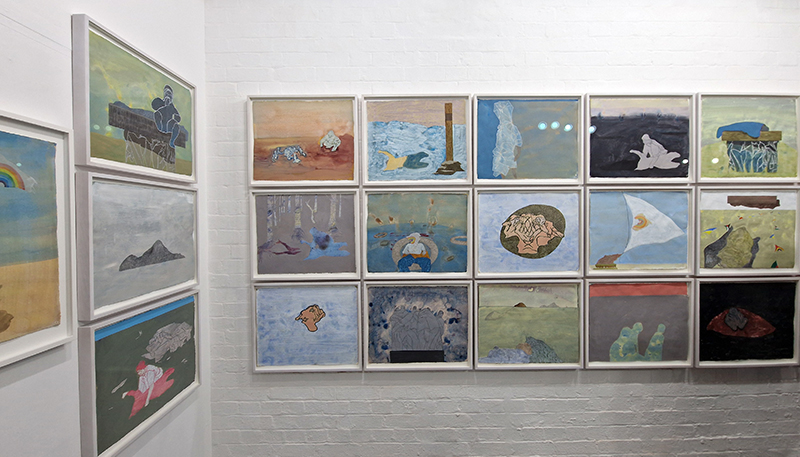
1404 Bill Viola

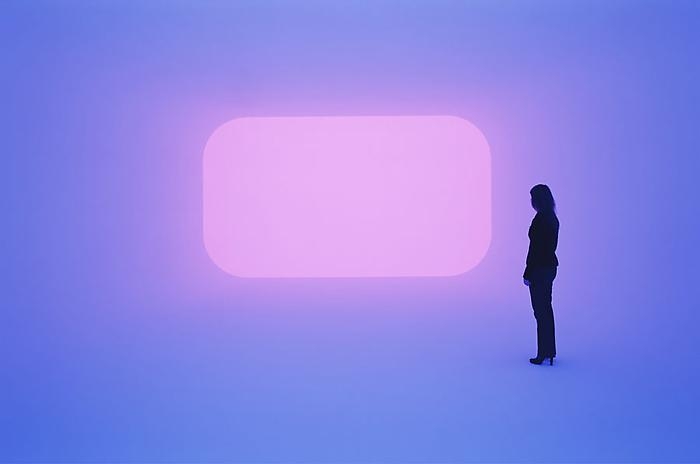
Also looking at  the work and ideas of James Turrell. His formless landscapes of light with no object, no image and no focus leaves us only with an awareness of ourselves looking and an experience only felt otherwise in dreams, meditation or near death experiences. I can remember my visit to Gagosian a few years back to see Dhatu – staring into a pink misty void, anticipating angels.
 

JAMES TURRELL  Dhātu, 2010

JAMES TURRELL
Dhātu, 2010


In ‘Once Upon a Time’ Steve McQueen presents 116 images from Karl Sagan’s Golden Record which was launched into space in 1977 to enlighten any extraterrestrials about life on earth. McQueen overlays geographical images and scientific diagrams with the sounds of people speaking in tongues. The highly factual with the highly emotional – potentially equally indecipherable to aliens but showing an alternative side to human nature other than the one NASA documented.

Steve McQueen - Once Upon a Time

Steve McQueen – Once Upon a Time

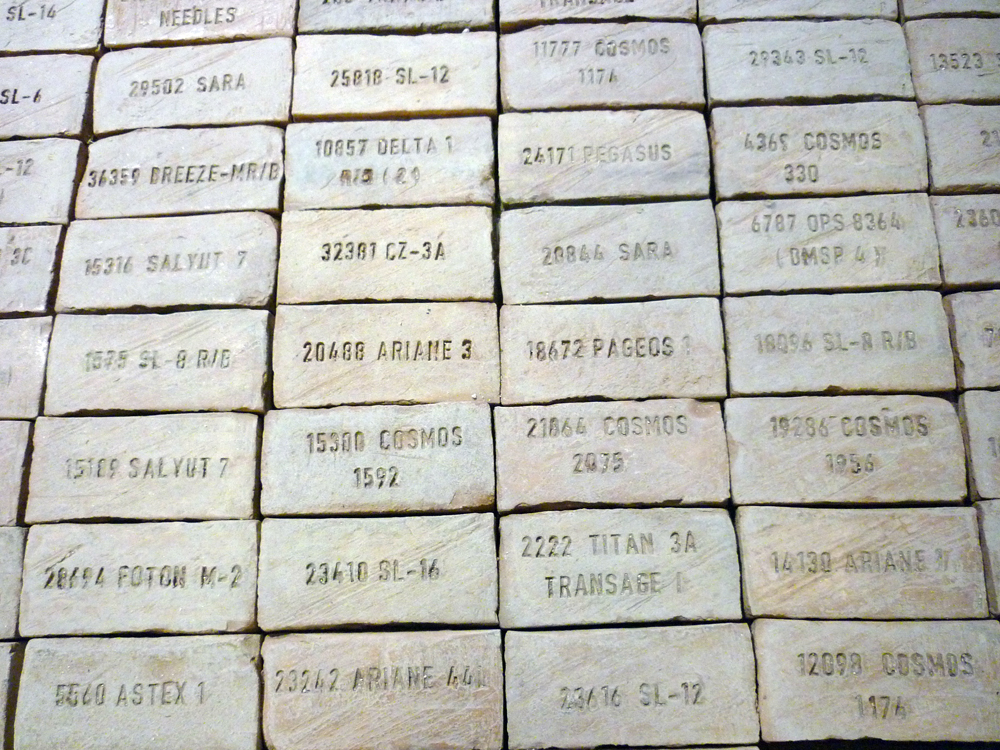
In ‘The Dry Salvages’ Elisabetta Benassi presents 10,000 bricks made from clay taken from the 1951 Polesine flood area (one of the largest natural disasters in Italy) that are printed with the names and codes of the largest space debris orbiting the earth.

1404 Elisabetta Benassi (2)

Elisabetta Benassi – The Dry Salvages

Power of nature, power of nations.

Elisabetta Benassi - The Dry Salvages

Elisabetta Benassi – The Dry Salvages

The regeneration of matter. The impossibility of control.

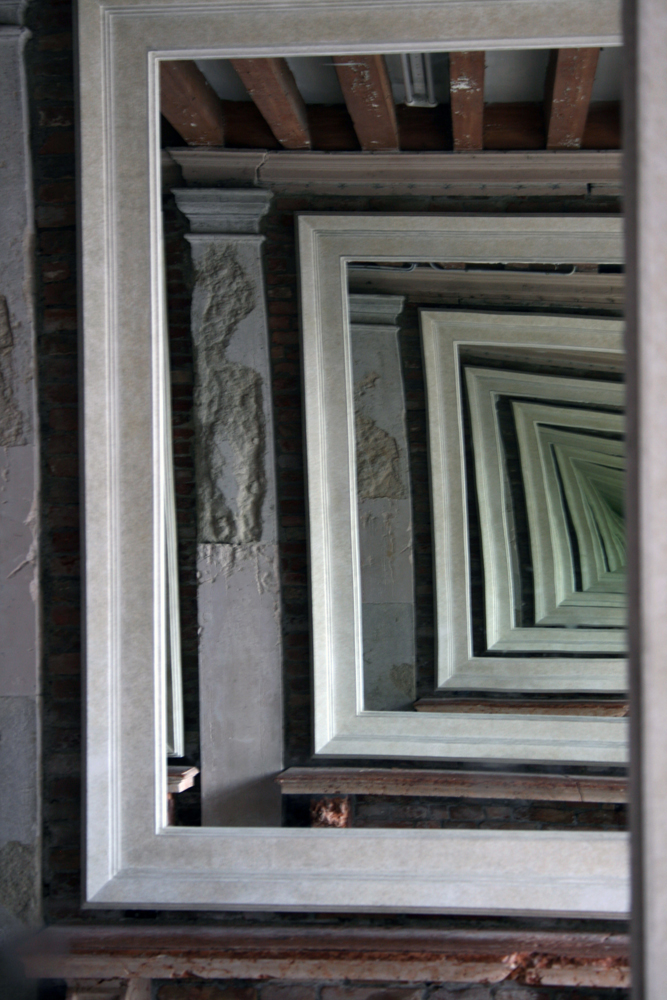
1309 Palazzo Zenobio

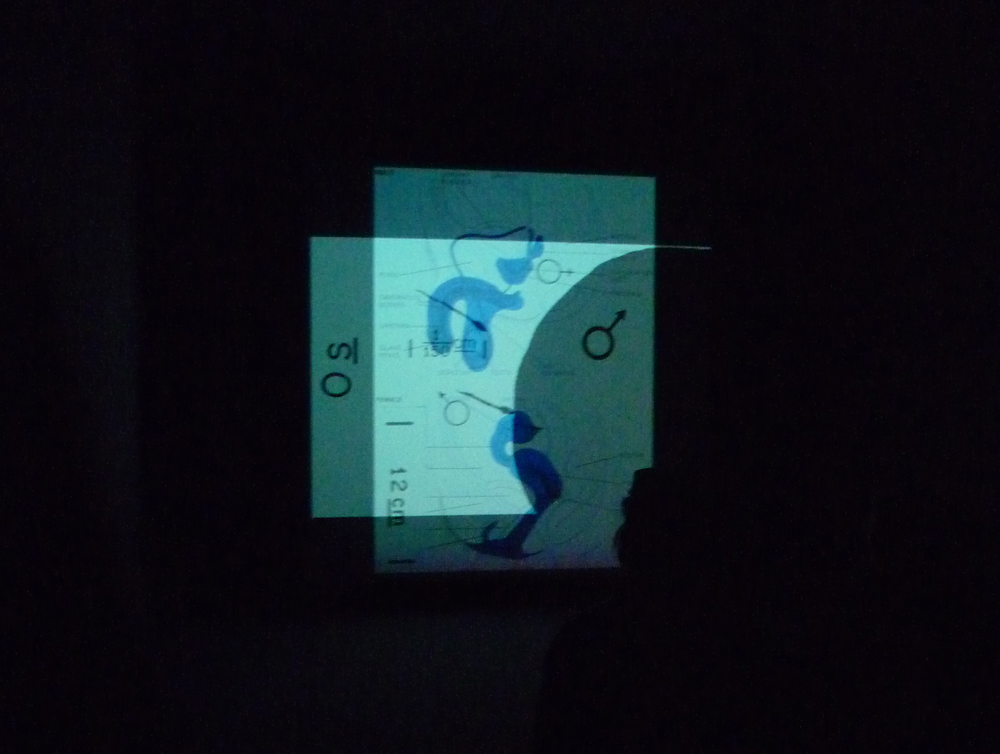
Space, a nebulous concept, we tend to like to measure and quantify it.

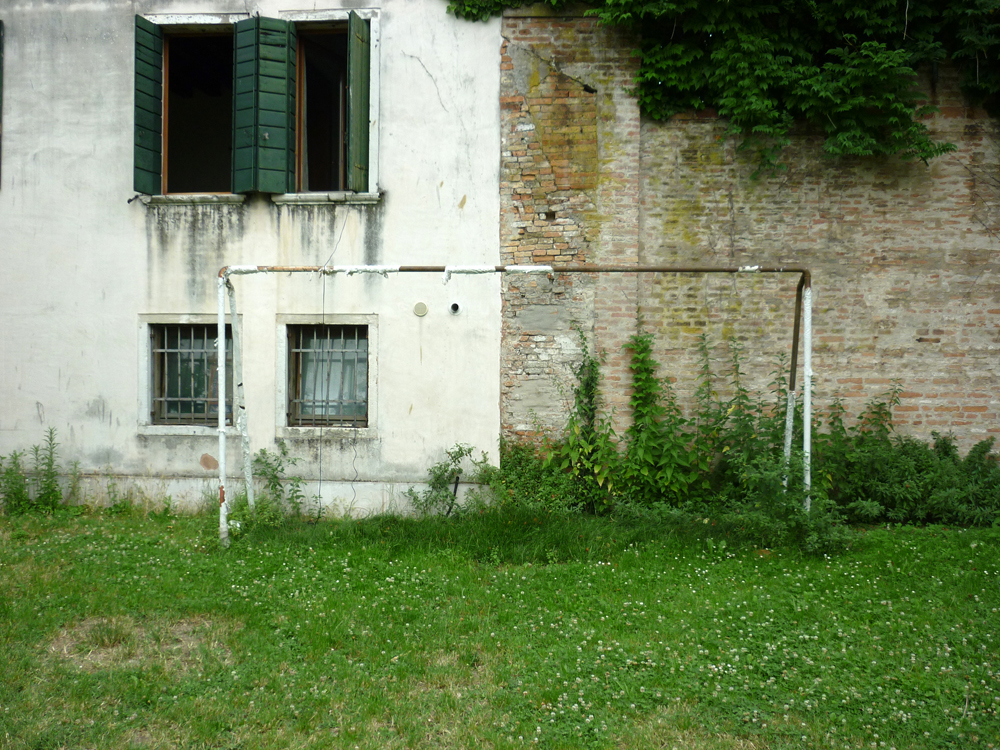
1309 goal

Marking out a space for a purpose.

The Icelandic Pavilion at the Venice Biennale investigated architectural drawings to contrast the function of a workplace  with the opulence of leisure pursuits.

One blueprint is placed over another.

Katrin Sigurdardottir 'Foundation'

Katrin Sigurdardottir ‘Foundation’

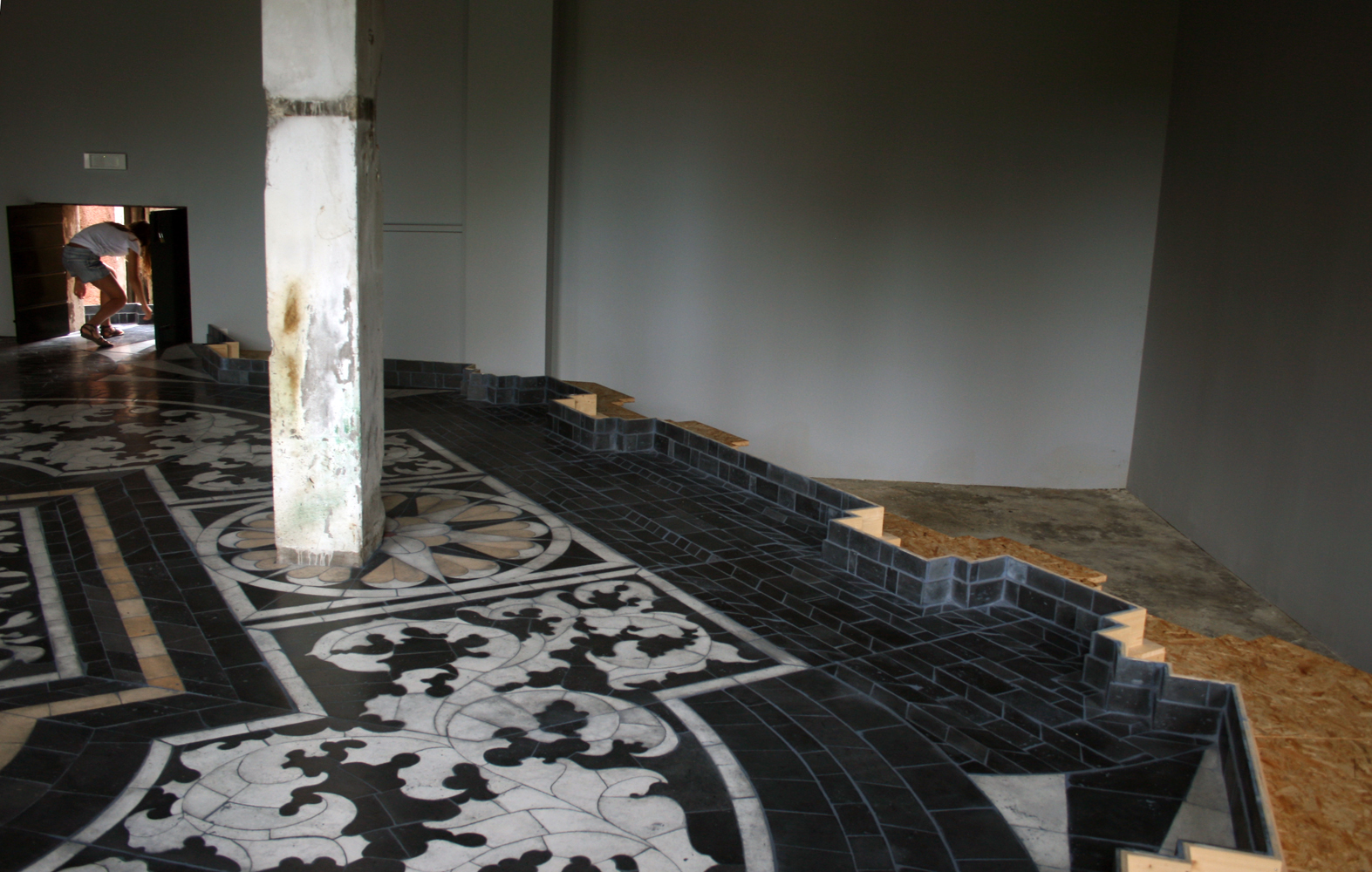
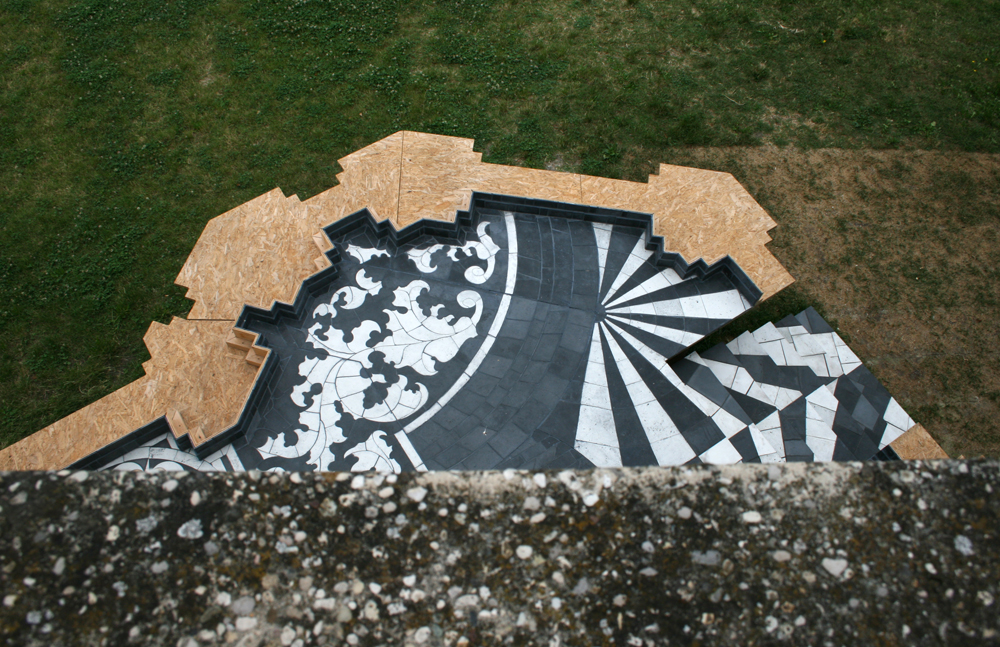
Using the site of an old laundry in the grounds of Palazzo Zenobia, Katrin Sigurdardottir imposes an ornate tiled floor with opposing dimensions into the structure of the former workplace.

Katrin Sigurdardottir 'Foundation'

Katrin Sigurdardottir ‘Foundation’

The swirling baroque inspired patterned floor spills out from the old foundations.

Katrin Sigurdardottir 'Foundation'

Katrin Sigurdardottir ‘Foundation’

The audience is directed through the space by the curiosity to explore the openings and exits that lead through the building and up onto the roof.

It is an Alice in Wonderland experience of displacement.

It also makes you think of the people that worked in the laundry and those that danced on such a floor, and how those disparate worlds may have intersected.

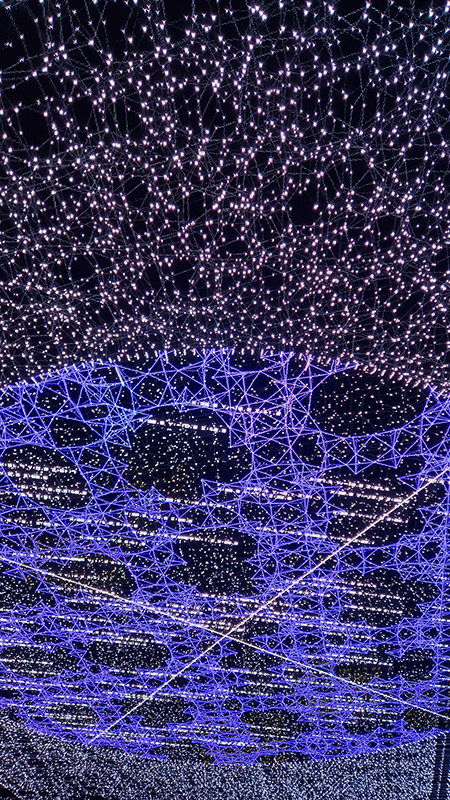
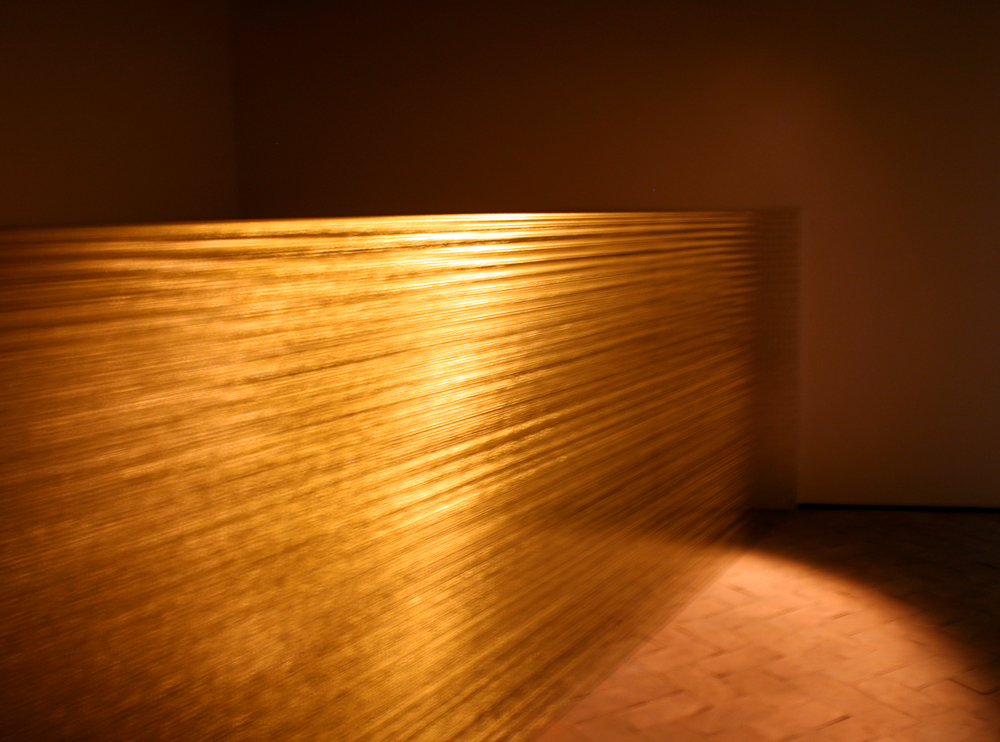
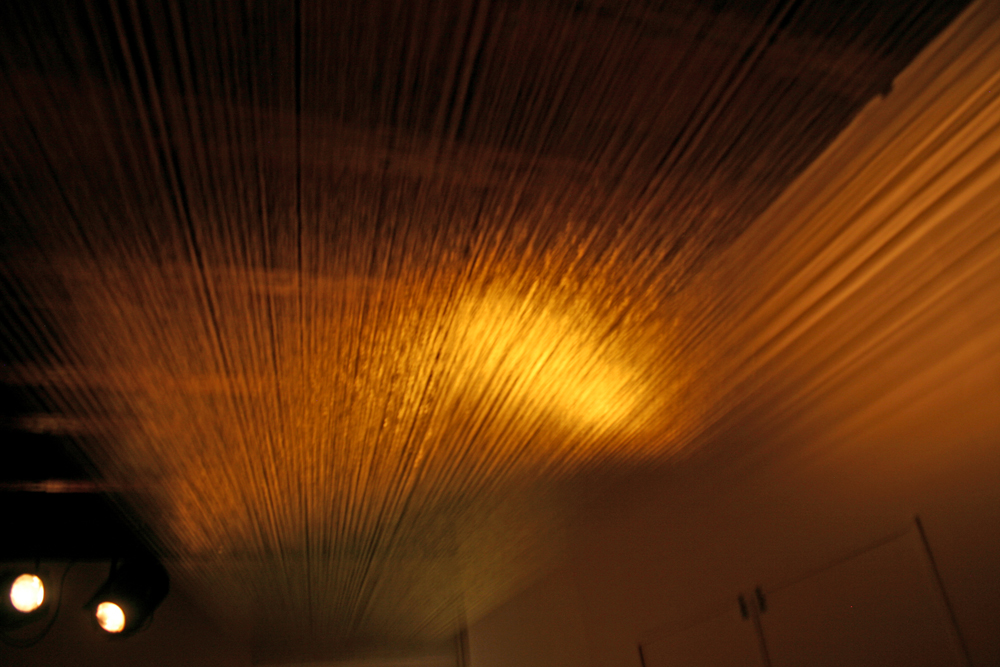
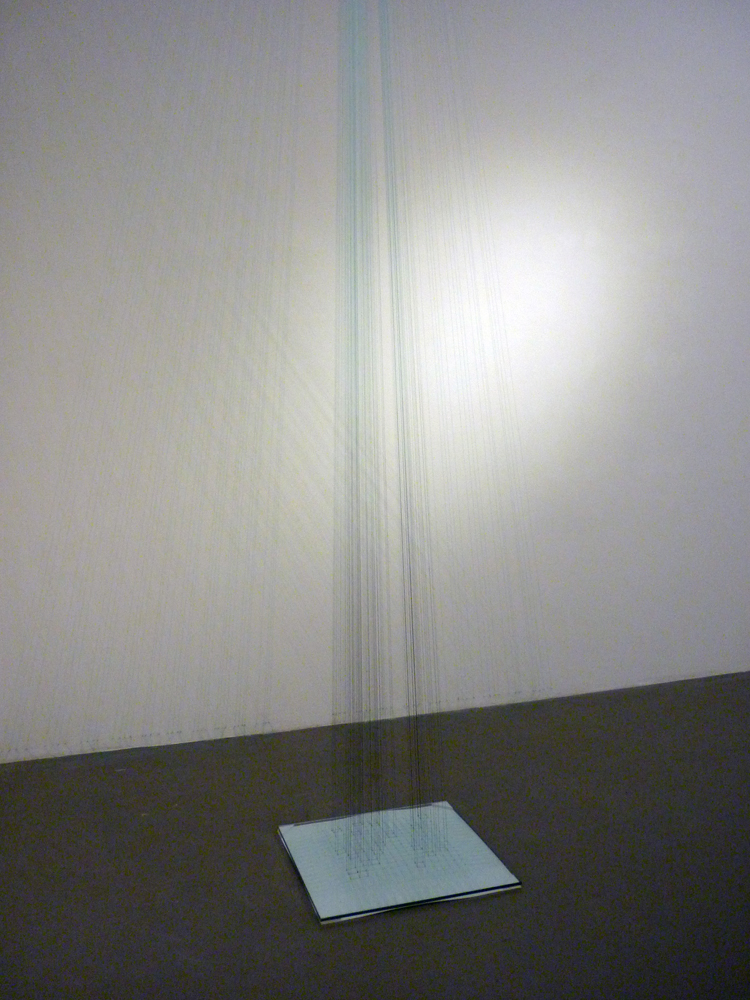
At the Montenegro Pavillion Irene Lagator Pejovic has not drawn a line around space but filled it up with the finest wires strung taught across the dark room and lit so as to appear ethereal.

Irena Lagator Pejovic

Irena Lagator Pejovic

It gives the impression of making light itself tangible.

Irena Lagator Pejovic

Irena Lagator Pejovic

She wants us to think about perceptual awareness, to be conscious of our body in space.

One of my favourite exhibitions which really defined space through line was ‘A remote whisper’ from Portuguese artist Pedro Cabrita Reis.

Pedro Cabrita Reis

Pedro Cabrita Reis

Drawings in space.

Pedro Cabrita Reis

Pedro Cabrita Reis

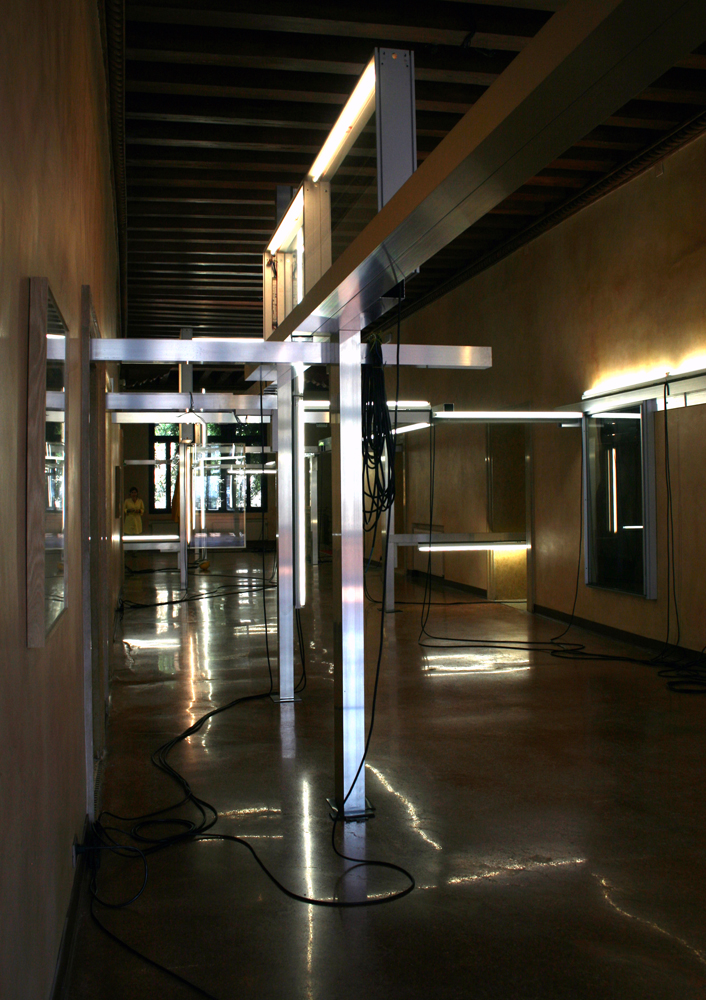
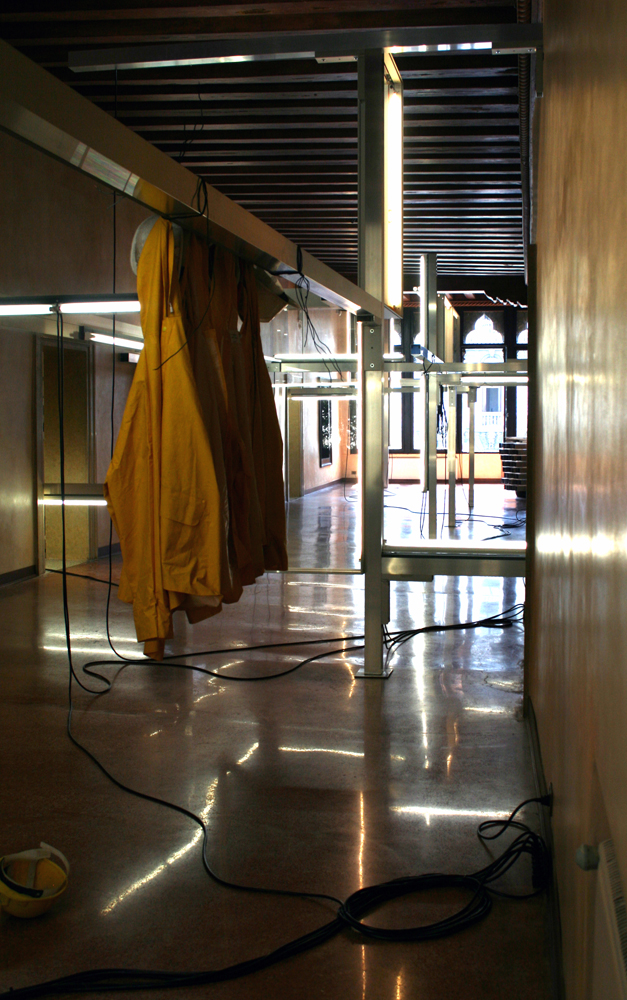
Aluminium tubes, fluorescent lights and cables flow through the corridors and rooms of Palazzo Falier adding a new vibrancy to the magnificent ancient building.

Another artist using the fluorescent tube as a drawn line is Bill Culbert for the New Zealand Pavilion.

A sculptural meditation on shelter, habitation and dwelling.

Bill Culbert

Bill Culbert

It was a building shot through with light, like a ricochetting laser beam had caused havoc, piercing and displacing objects in its path.

Bill Culbert

Bill Culbert

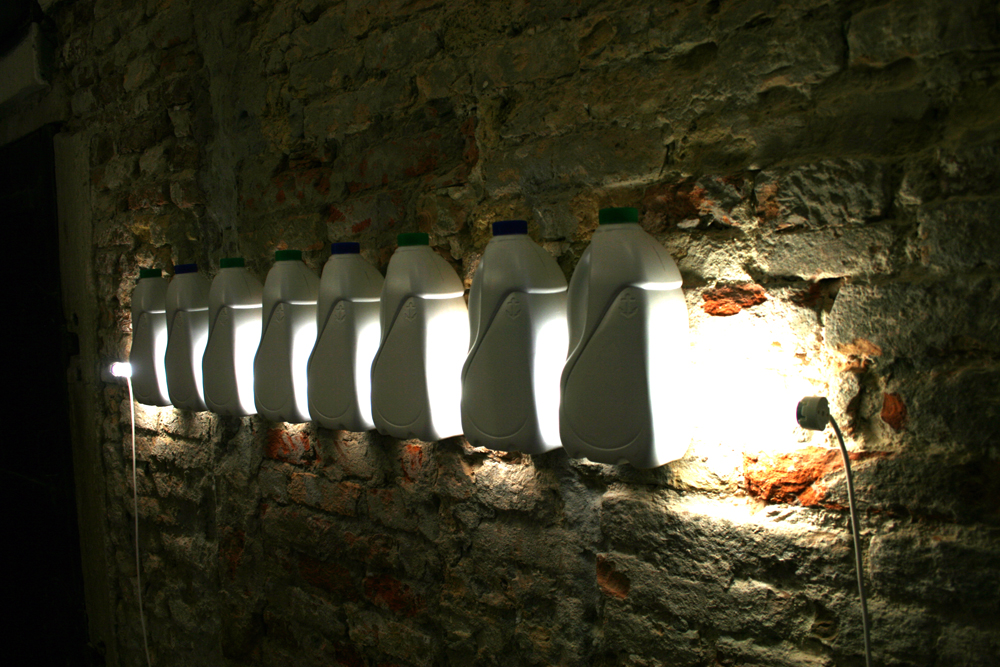
I was interested in his use of recycled plastics.

Bill Culbert

Bill Culbert

The catalogue accompanying this exhibition cites the historic image of Adam’s Hut in Paradise as a possible point of reference  for Bill Culbert’s Hut, made in Christchurch.

Bill Culbert Hut

Bill Culbert Hut, made in Christchurch

I had a quick look to see what references I could find about this mythic hut, there is a book called On Adam’s House in Paradise by Joseph Rykwert that looks like it could be interesting.

It has a look back through history to try and trace the first ideas about a place of dwelling.

Christchurch being the site where many buildings were recently destroyed by earthquakes for me it looks like a memorial to those buildings that fell.

The bare bones of a structure, no roof, no walls – the space that once held a dwelling marked out in light .

Susan Hiller was showing her series of photographs The Secrets of Sunset Beach at Timothy Taylor Gallery in an exhibition looking at interpretations of the American Landscape.

Susan Hiller Secrets of Sunset Beach

Susan Hiller Secrets of Sunset Beach

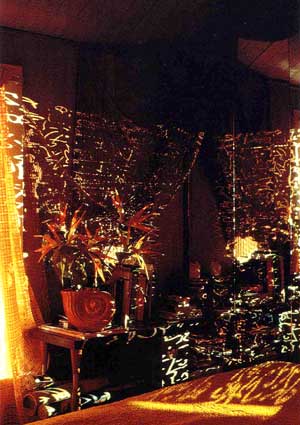
Through the use of projected light these spaces become magical, alive with weird hieroglyphs.

Susan Hiller

Susan Hiller

The inner space of the beach hut mirrors the dappling of sunlight outside.

Planes are distorted and the edges of space become blurred.

Had another chance to see the amazing work of Jane Ward.

These two images are a couple of favourites.

Jane Ward Inland

Jane Ward Inland

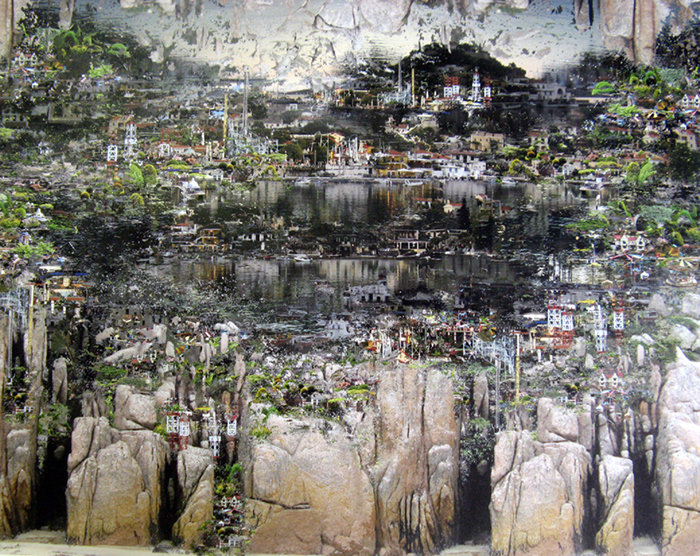
Space is not so much delineated as exploded.

Jane Ward In the Bay Shining

Jane Ward In the Bay Shining

What is wonderful about Jane’s work is that it works from a distance, a spectacle of dissolving worlds but it also works up close where the minute detail is crisp and intricate.

They look like landscapes from The Fifth Element where flying cars would come in handy.

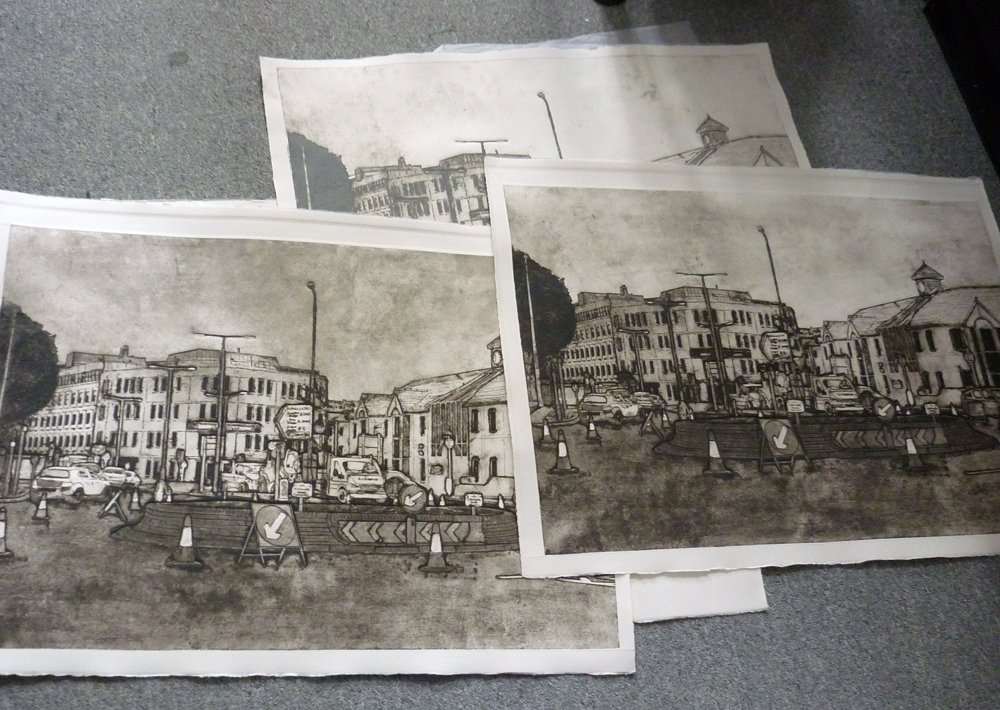
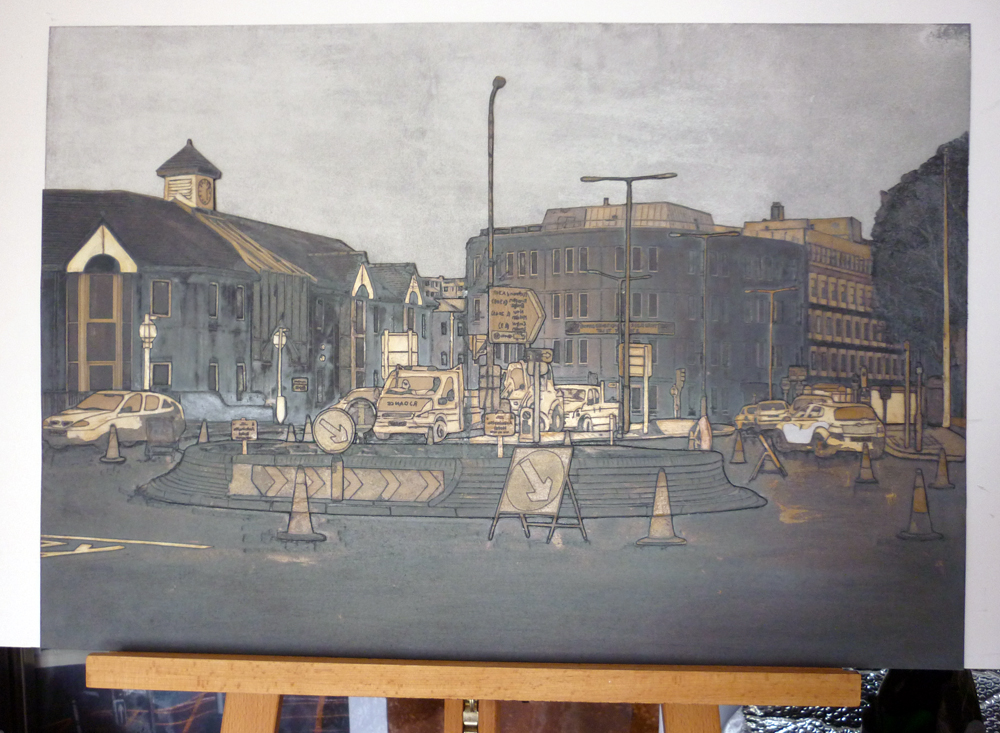
I have been working on the more local urban landscape of the roundabout.

Following directions, a flow.

Collagraph Prints

Collagraph Prints

These was a meagre tree on the roundabout – an attempt at a green oasis in the grey. I did have the tree in the first collagraph I made but have removed it. It needed to be intaglio not relief – something to bear in mind for next time I want clear dark lines with no ink pooling around the edges.

Collagraph plate

Collagraph plate

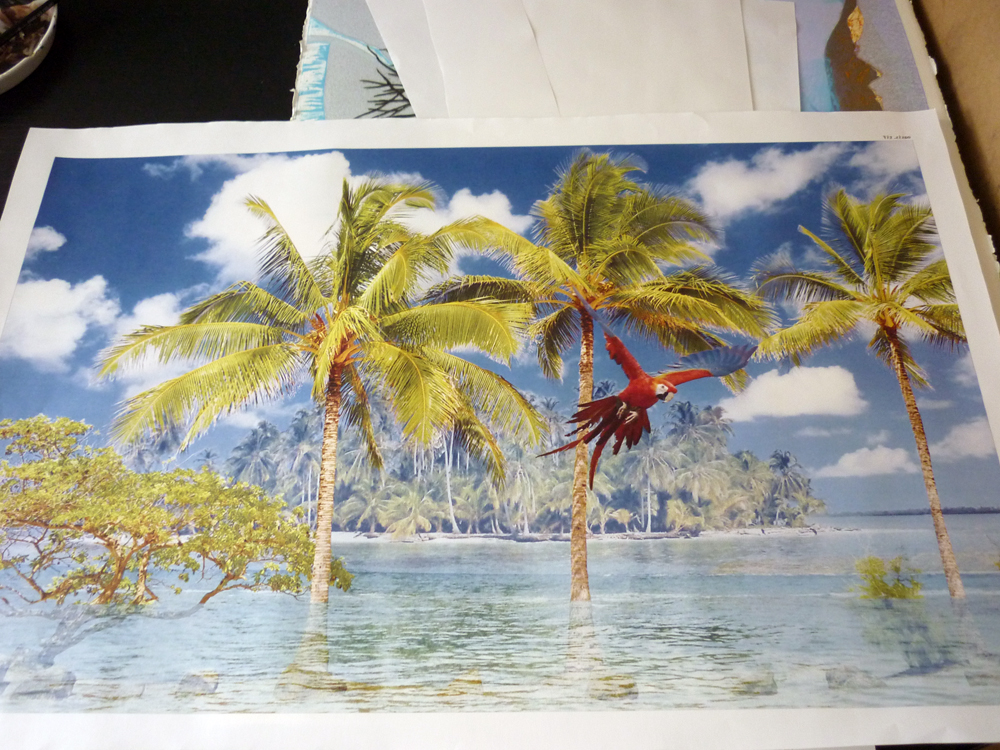
I also ended up cutting the collagraph so the sky was printed separately. I have to decide which print to use for the tear across the surface. Opening a space to fantasy. I have had the ‘paradise’ image printed which will go behind the collagraph print once it is transferred to polyester – only a small fragment will show but because the tear will be random I have had it printed full size. Even though most of the image won’t be shown I think it is important it is there.

1309 paradise

My visit to the Venice Biennale was marked by my receiving news that I had a place at the Royal College of Art for the Autumn.  A great start to a very inspiring few days.

It does feel a bit like I am going to be launched into space. Exciting and an amazing opportunity but also not knowing what to expect with anxieties that I will be lost or unable to cope.

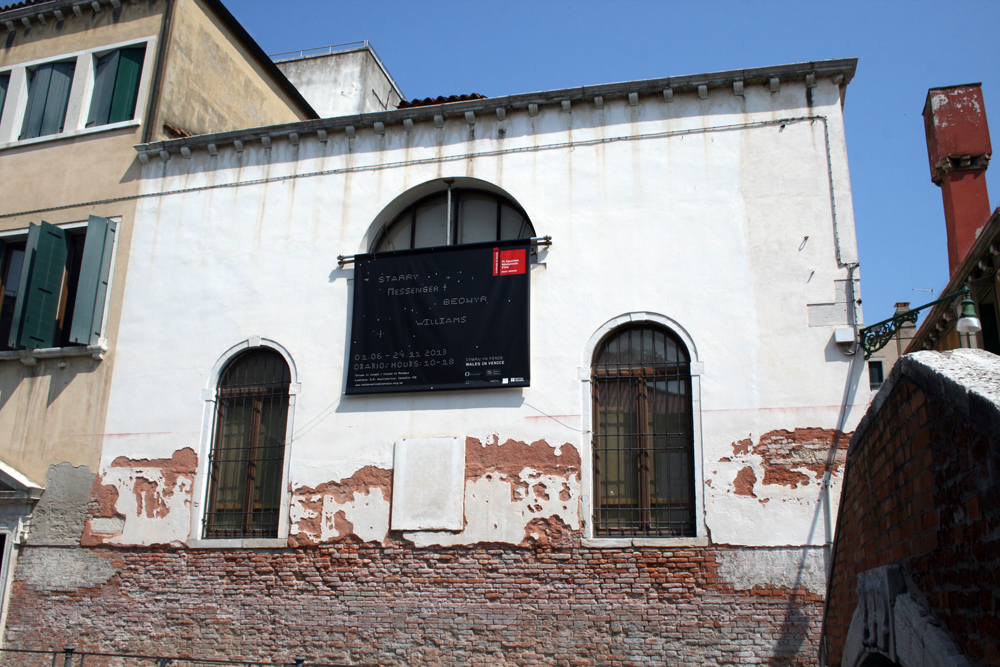
Bedwyr Williams ‘The Starry Messenger’ and Sarah Sze’s Triple Point both explore feelings of place within the universe. Very apt for my frame of mind.

Wales in Venice

Wales in Venice

‘The Starry Messenger’ explores the relationships between stargazing and the individual, the cosmos, and the role of the amateur in a professional world.

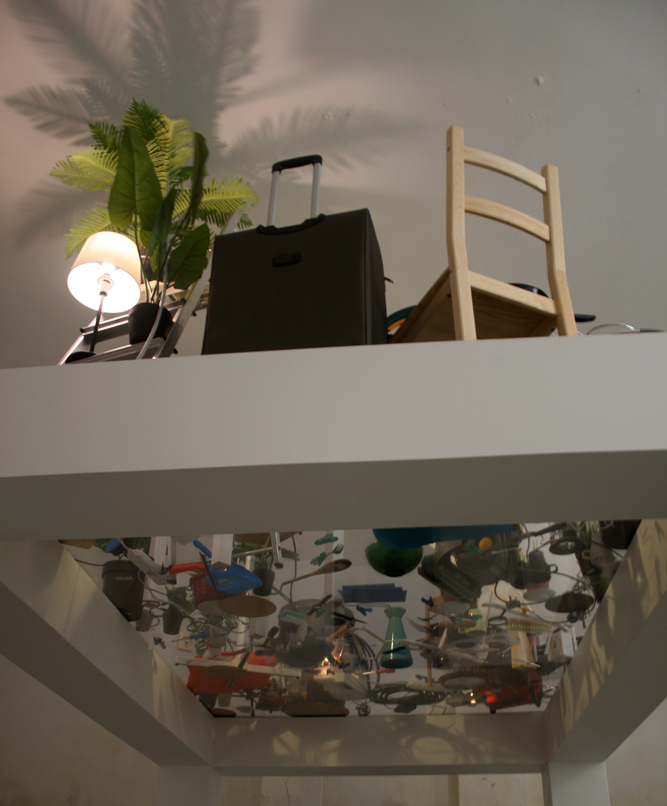
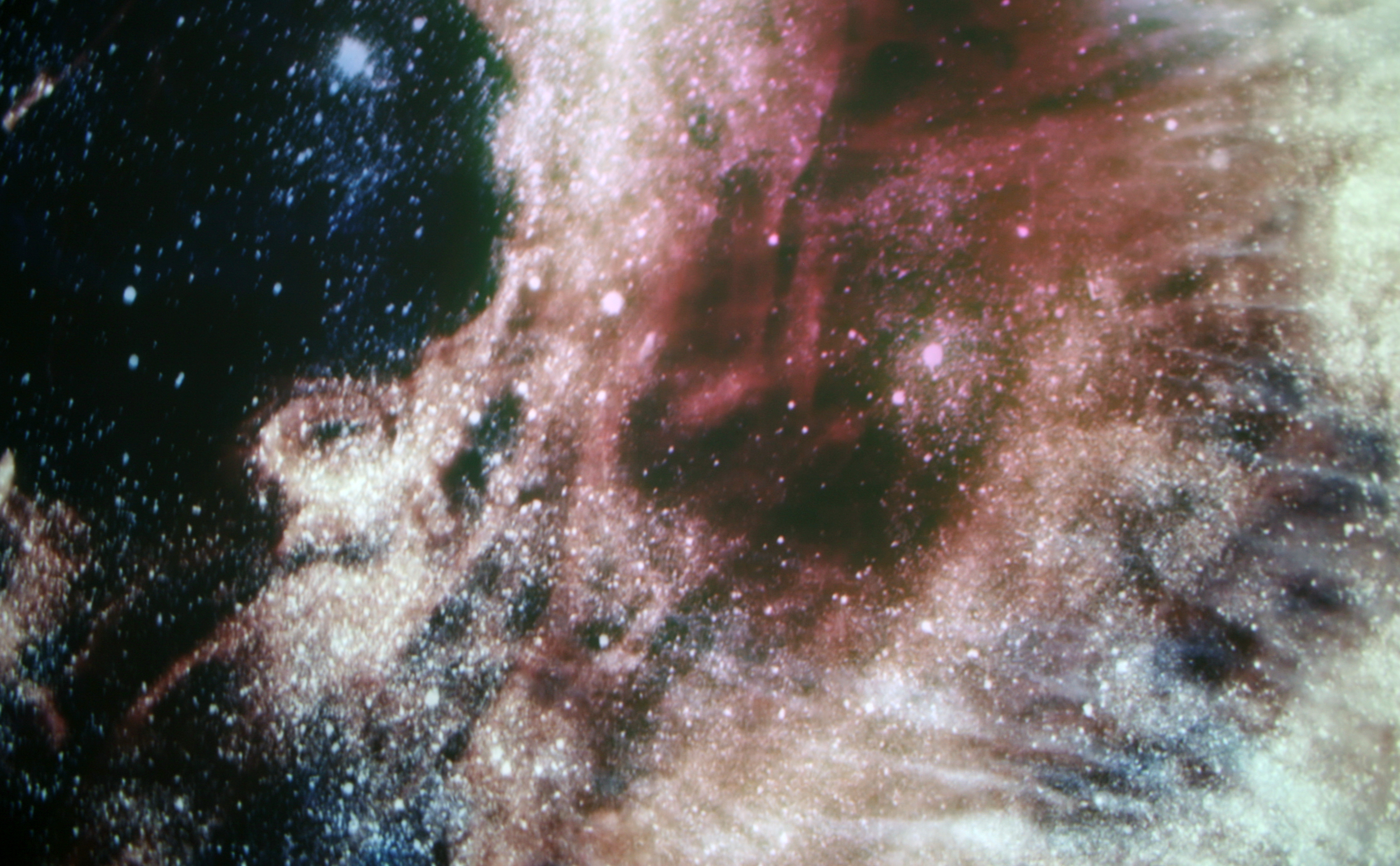
Inside the former church and convent in a darkened room there is a small observatory with a door ajar through which we can see the starry cosmos. There is the sound of a man weeping, just like Kevin does when he thinks about the vastness of space and his own insignificance. Moving through the installation you walk under glass with household objects placed on its surface above your head which I took as a possible reference to Leonardo Da Vinci’s drawing ‘A cloudburst of material possessions’. Maybe it is space debris.

Bedwyr Williams The Starry Messenger

Bedwyr Williams The Starry Messenger

There is a film with a Mighty Boosh style protagonist who represents a character trapped within a mosaic mural.
Bedwyr Williams The Starry Messenger

Bedwyr Williams The Starry Messenger

From the geological formation of stone out of oozing mud through its journey and subsequent use in a mural to the demolition of the building and its return to the earth. From looking out at the stars through a telescope to ‘staring into space’ the outer and inner worlds collide in a wonderfully amusing narrative encompassing the life the universe and everything dialogue.

Bedwyr Williams The Starry Messenger

Bedwyr Williams The Starry Messenger

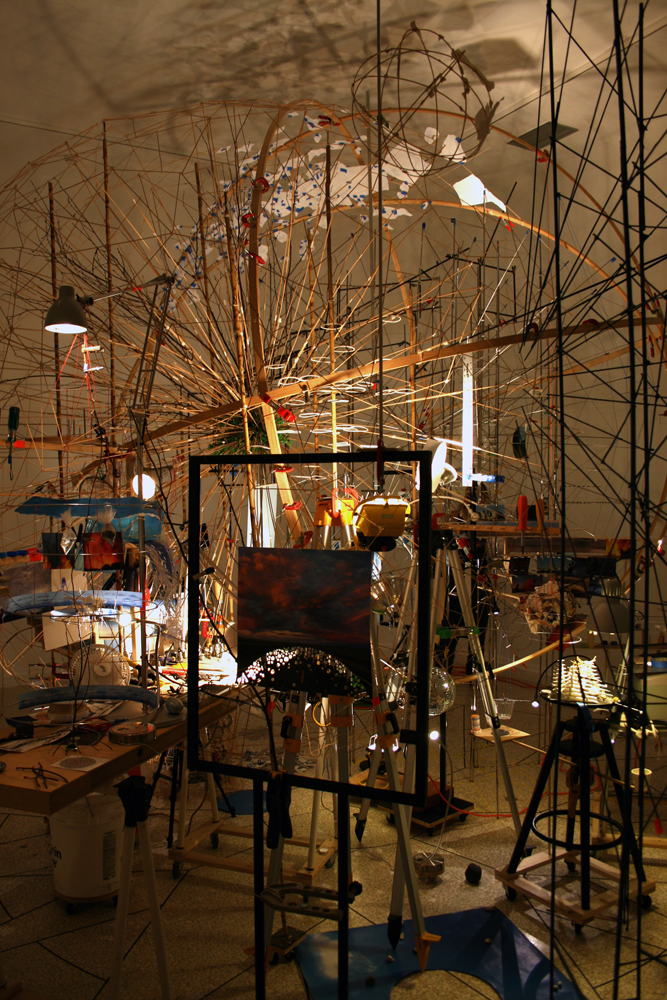
Sarah Sze explores the desire to locate our place within a disorienting world.

Sarah Sze Triple Ponit

Sarah Sze Triple Point

Her fragile sculptures echo the balance and chaos of the world around us.

Sarah Sze Triple Point

Sarah Sze Triple Point

They appear to spin or be in the process of expansion, beautifully mysterious like the working of the atom or the universe they are full of wonder.

Sarah Sze Triple Point

Sarah Sze Triple Point

Playing with pattern, order and taxonomy she creates a laboratory busy in its own pursuits which makes us feel we are close to understanding something great.

Sarah Sze Triple Point

Sarah Sze Triple Point

I was excited to see she had used moss a lot throughout this installation, even turning its image into wallpaper.

Sarah Sze Triple Point

Sarah Sze Triple Point

Triple Point refers to the phase when gas, liquid and solid form of a substance are all in equilibrium, her use of natural forms keep our ideas grounded in our surroundings while drawing us into the mysteries of evolution.

The extraordinary collection of stones once owned by artist Roger Caillois were on display in the Central Pavillion.

Roger Caillois Stones

Roger Caillois Stones

Caillois believed that nature should be examined as something other than as the utilitarian force that Darwin purported and that aesthetics and the need for decoration should be considered integral to our understanding of the natural world.

Roger Caillois Stones

Roger Caillois Stones

He considered the beautiful patterns within ancient natural forms were a sort of cryptic ‘universal syntax’, a unifying aesthetic language.

Roger Caillois Stones

Roger Caillois Stones

He wanted to understand the mysteries of the subjective experience through its relationship to factual reality.

I find it fascinating trying to understand the aesthetic experience.

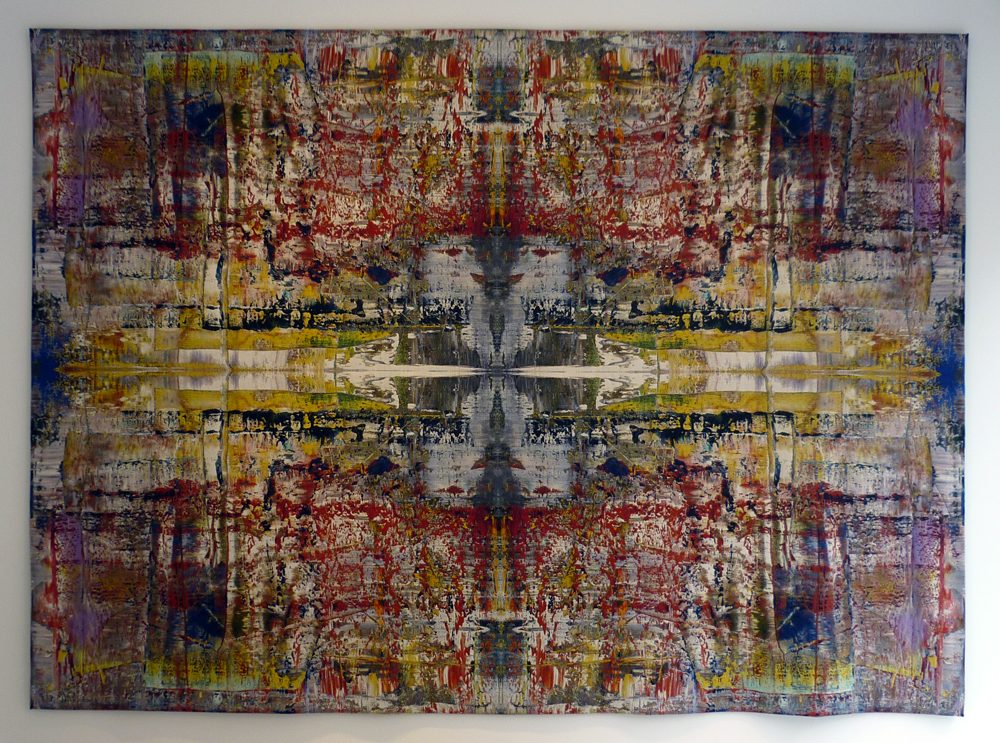
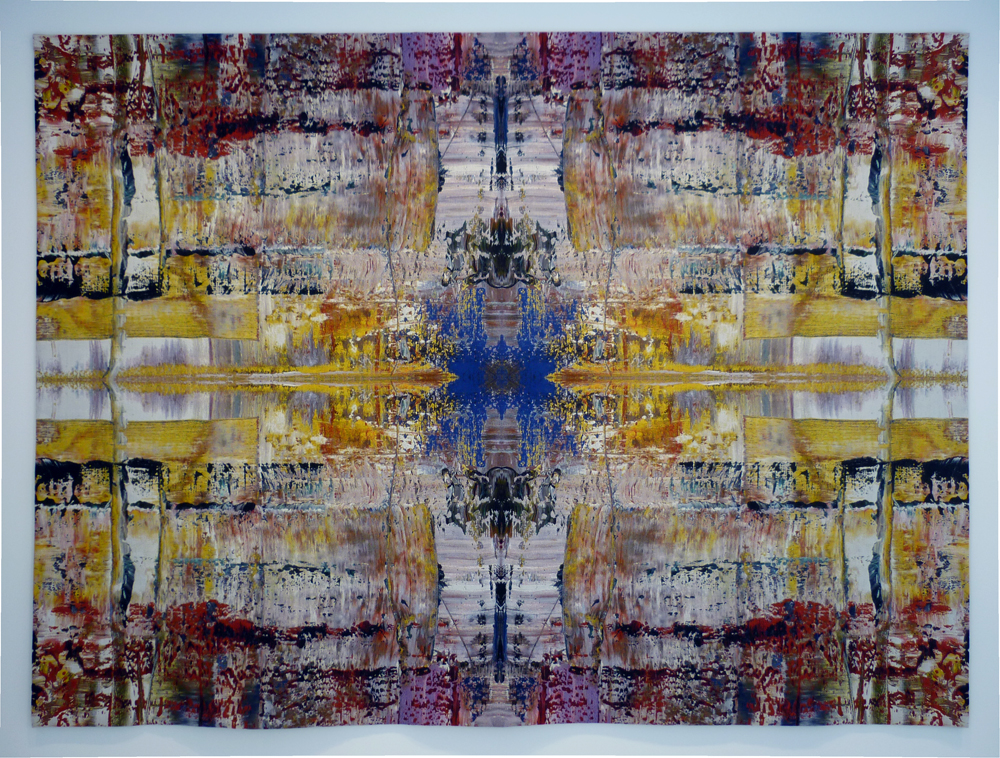
Gerhard Richter’s tapestries at Gagosian, Davies Street emanate pure aesthetic pleasure, colours and form coalesce erupt and fade.

These works are based on Abstract Painting (724-4) (1990). The visual effect of the tapestries is a Rorschach-like multiplying of the forms and colours of the original canvas.

Gerhard Richter

Gerhard Richter

Like entering a hypnotic state, like staring into space both literally and metaphorically you are transported to a place where it feels familiar and strange at the same time.

Gerhard Richter

Gerhard Richter

Venice was a perfect location to think about mysteries, the sacred and the wonders of the world.

1307 Monastry

I have been getting up close to mud and matter and thinking about the makeup of the environment around us.

It’s hard to look at a cup say and imagine the structure of its atoms. To think about the solid and then the squishy and how it all works.

From thinking about the origins of things, like the first plants and forests. Evolution and yet how all matter existed from the beginning and it’s just a huge process of recycling.

Deptford creek

Deptford creek

A great place for a new perspective on your surroundings is the Deptford Creekside Centre where you can join a low tide walk.

Low Tide Walk

Low Tide Walk

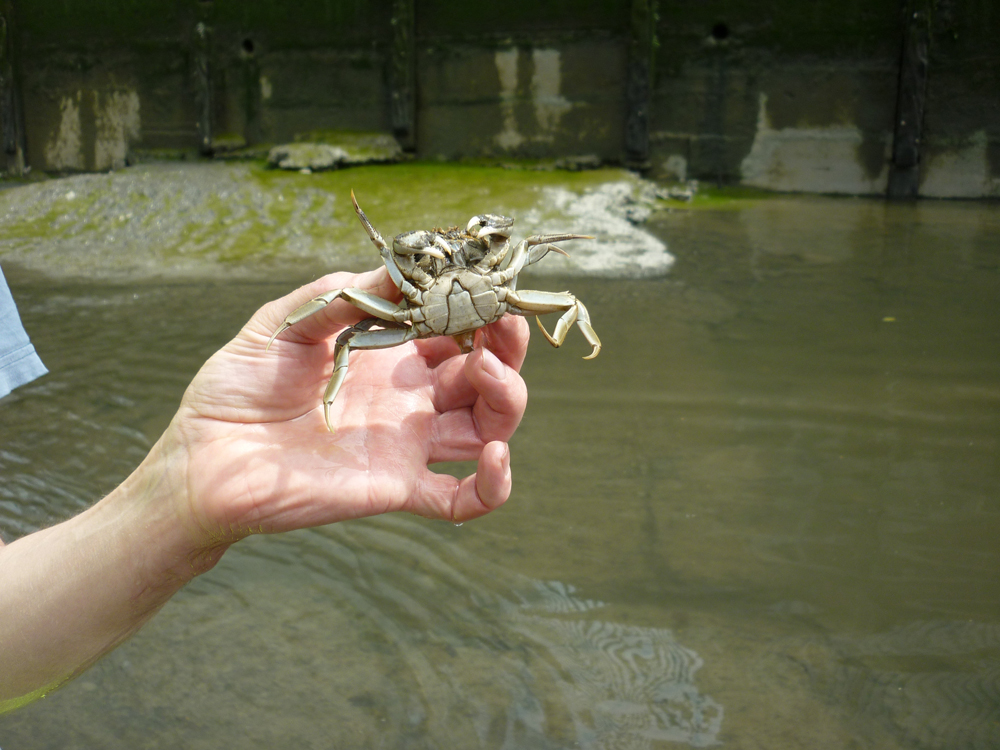
Equipped with thigh length waders and a long stick you are led down to the creek and given lots of insight into the history and wildlife of the creek.

Deptford Creek Crab

Deptford Creek Crab

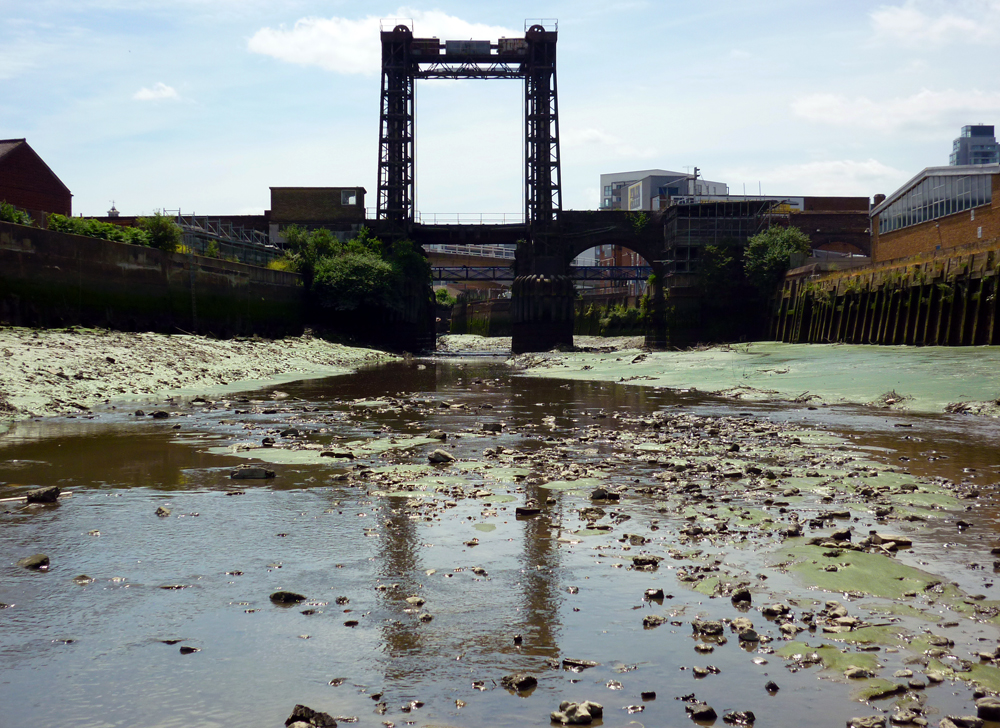
It is stunningly beautiful and feels a real privilege to enter this world below the horizon.

Deptford Creek

Deptford Creek

The river has carved intricate sculptures into the wooden posts along the banks.

Deptford Creek

Deptford Creek

The look posts look totemic and hung with vibrant algae quite primordial.

Deptford Creek

Deptford Creek

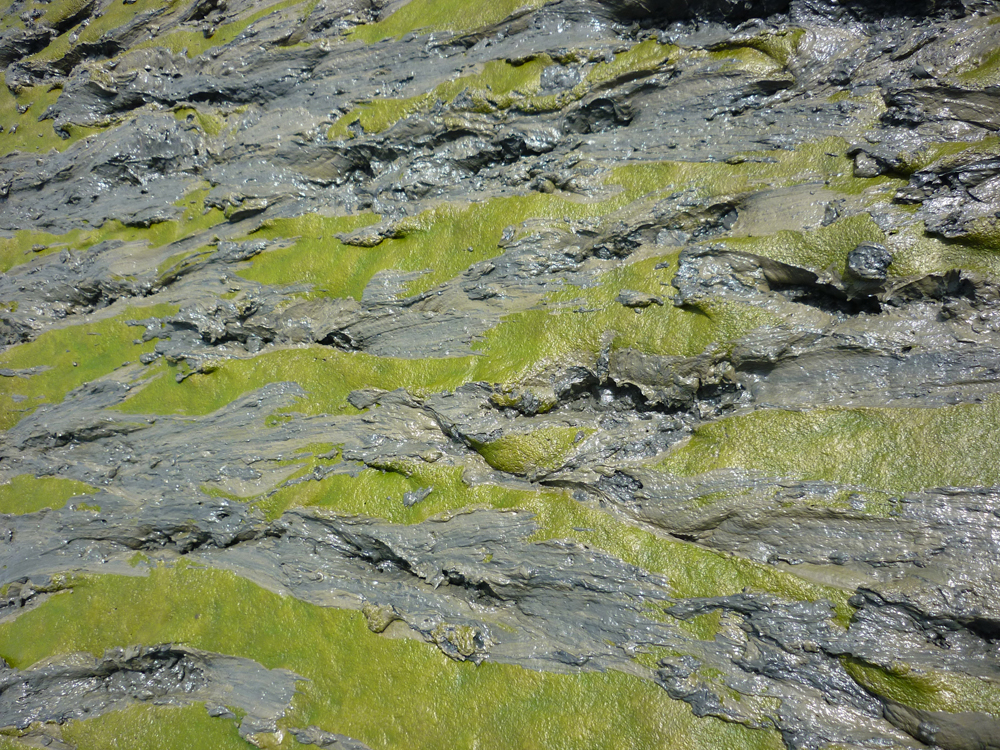
The creek bed is thick with mud and slime creating wonderful patterns as the water recedes.

Deptford Creek

Deptford Creek

There is the possibility of finding treasure swept along and revealed after each tide but you must ask if you want to take anything away. They have quite a collection of finds they like to add to at the discovery centre.

Deptford Creek

Deptford Creek

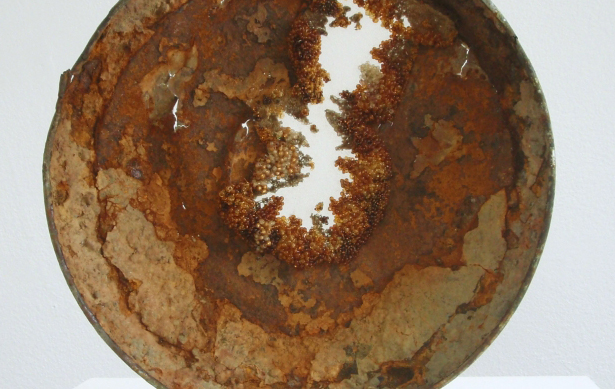
On a previous trip artist Lizzie Cannon had been lucky to find a wonderful rusty object which she has since embroidered with threads and beads to continue the growth of the rust giving the object a new organic dimension

Lizzie Cannon - Corrosion

Lizzie Cannon – Corrosion

A Matter of Substance exhibition and salon curated by Caroline Lambard and Elizabeth Murton at APT Gallery encouraged their audience to look beyond the surface of the material to the very structure of the crystals, atoms and particles that form them.

1307 A Matter of Substance

Catherine Jacobs beautiful photographs show tensions of surface sometimes broken by an indeterminate object that works as a disruption to the surface and our perceptions of what we are looking at.

Catherine Jacobs Uncertainties

Catherine Jacobs Uncertainties

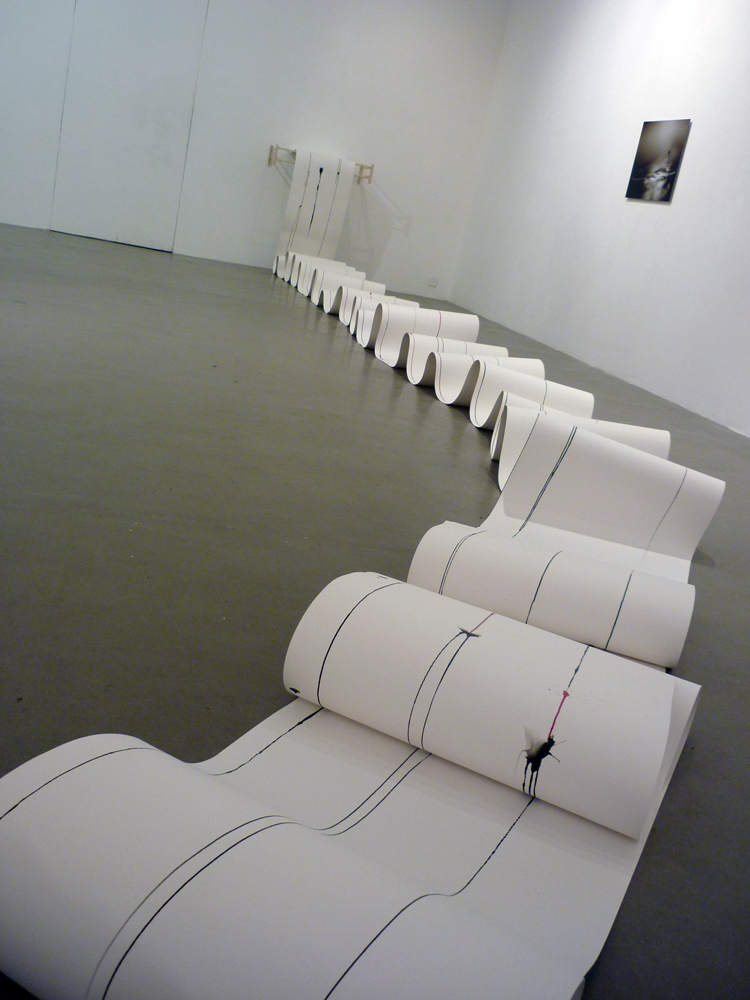
Elizabeth Murton’s scroll flows out across the floor in symbiosis with the marks upon it like a cascade of data presenting itself as a record of the inks journey.

Elizabeth Murton

Elizabeth Murton

Cool work for a hot day.

Phillip Hall-Patch

Phillip Hall-Patch / Caroline Lambard

There were salt crystals that sparkled like snow in magnified form like Icelandic landscapes and in salt block form eroded by a constant drip of water.

Phillip Hall-Patch Salt LIcks

Phillip Hall-Patch Salt LIcks

Caroline Lambard’s ethereal sculptures help to imagine 3D form from all perspectives through their delicate drawing in thread to delineate a space.

Caroline Lambard

Caroline Lambard

I have started on a new piece of work, the idea of an oasis, an escape, a view through to another place so it has been interesting to think about form and space.

A solid outer that hides a world inside.

1307 Oasis collagraph 1

It starts with the construction of a collagraph which I am slowly building up from cut card and carborundum.

1307 Oasis collagraph 2

Once made the idea will be to rip a section out to reveal an internal space.

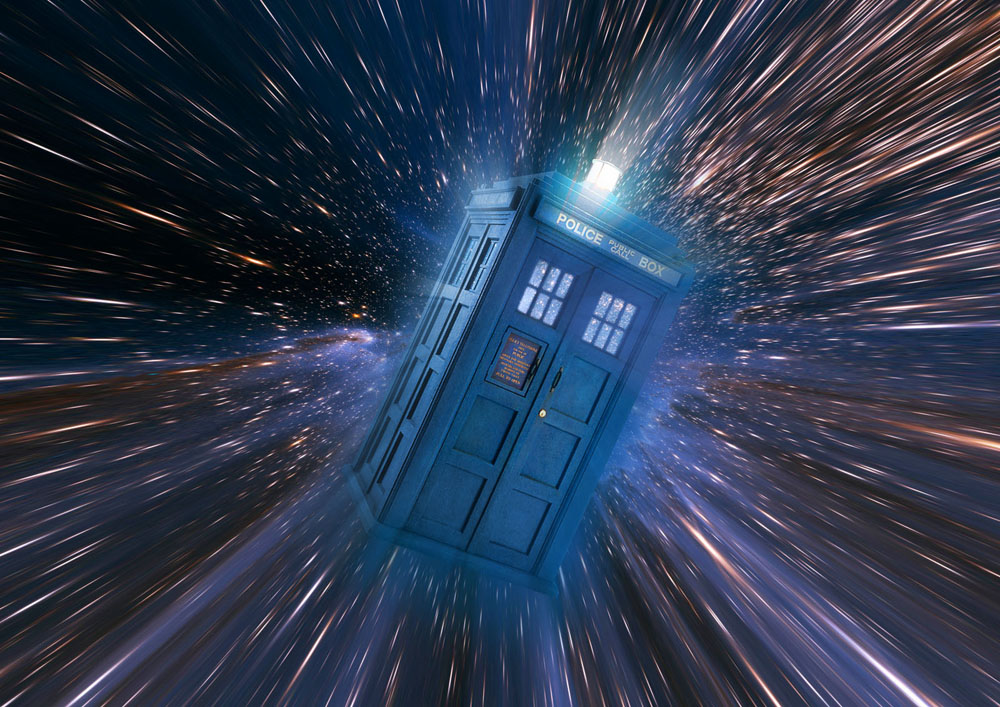
Tumbling through time
1307 Tardis-in-Space

Space has been a bit of a theme in my recent excursions – in a sense of delineating a space architecturally as Charles Avery does in his precise drawings of an imagined world; in the exploration of space examined through Cristina De Middel’s photographs of ‘Afronauts’ which also play into ideas of sci-fi as does Jess Littlewood in her fictional landscapes; in attempting to make the unknowable palpable, Luci Eldrige has used radar imaging of Venus undertaken by NASA and translated it into richly coloured etchings. Then there is the space where the making takes place – the art institution.

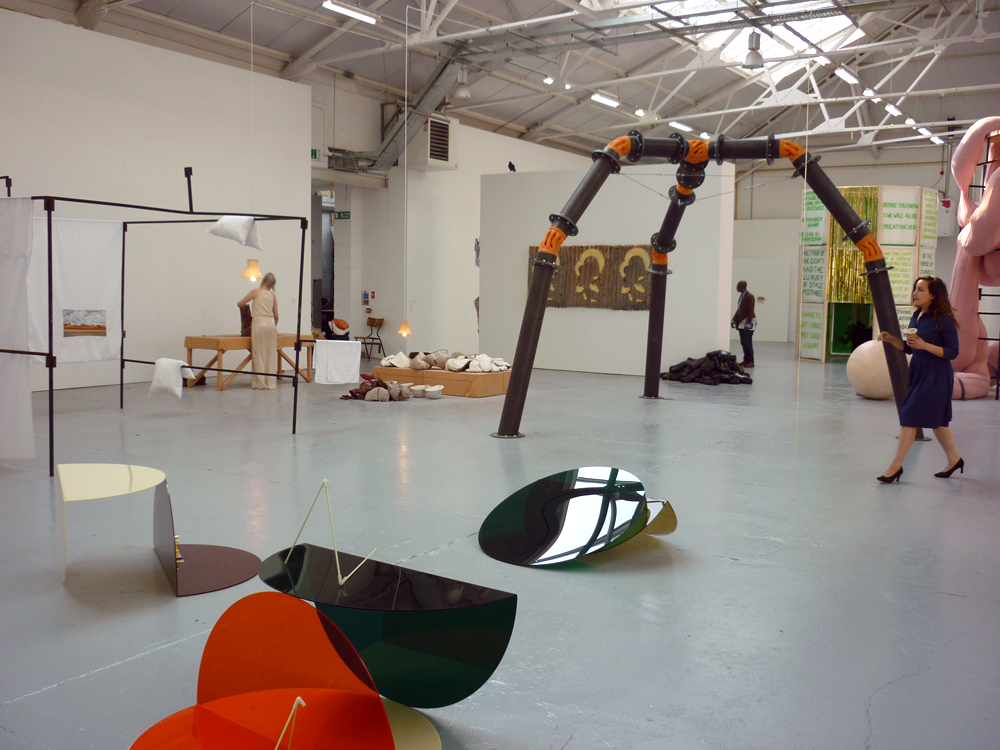
The RCA SHOW has come around again.

RCA SHOW 2013

RCA SHOW 2013

This year the experience was heightened by the possibility that I may one day get the chance to participate in the creative dialogue of this institution.

Look at that amazing space for making.

RCA printroom

RCA print room

Since my application and interview in March I have received some really positive feedback from Jo Stockham the head of the printmaking course.
I have been encouraged to apply again next year if a place doesn’t become available for me this year so I was keen to see what the current graduates were exhibiting and if I could see progression from the exhibition they had in spring at CafĂŠ Gallery Projects.

A favourite was Luci Eldridge. Fascinated by the ‘invisible visions’ acquired through the use of science’s cybernetic eye, she is captivated by images of lands we cannot empirically experience.

Luci Eldrige - four colour photo etching

Luci Eldrige – four colour photo etching

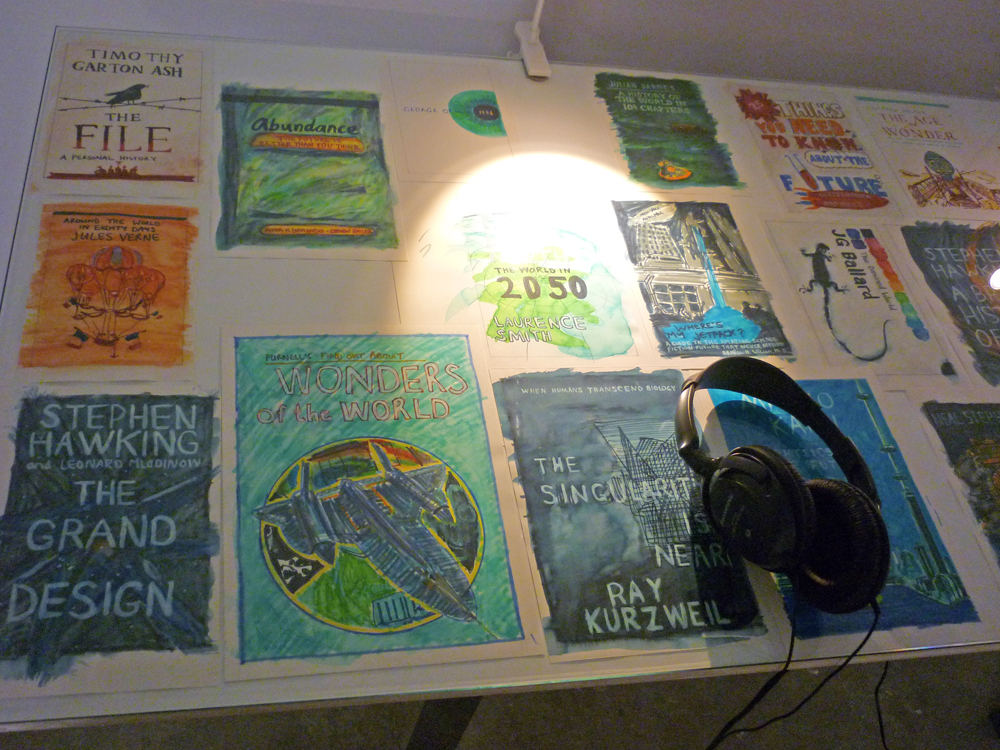
I also identified with the work of Jessica Wallis ‘The History of the End of the World’

Jessica Wallis - Book Cover Series

Jessica Wallis – Book Cover Series

Jessica Wallis - Formula for disaster DVD

Jessica Wallis – Formula for disaster DVD

Jessica Wallis - Formula for disaster dvd

Jessica Wallis – Formula for disaster dvd

I was intrigued by the films of Nicola Thomas – ‘Imitation’ and ‘ Dancing with Monk’ and her etched prints from The Look Series were captivating.

Nicola Thomas - Carole #3 etched print

Nicola Thomas – Carole #3
etched print

Bee Flowers work has a feel of the mausoleum

Bee Flowers - plaster acrylic

Bee Flowers – plaster acrylic

Alice Hartley must have had some upsetting school reports

Alice Hartley - screenprint on blue black paper

Alice Hartley – screen print on blue black paper

Elizabeth Hayley’s prints on brass had a wonderful quality of time passed

Elizabeth Hayley - silver gelatin on brass

Elizabeth Hayley – silver gelatin on brass

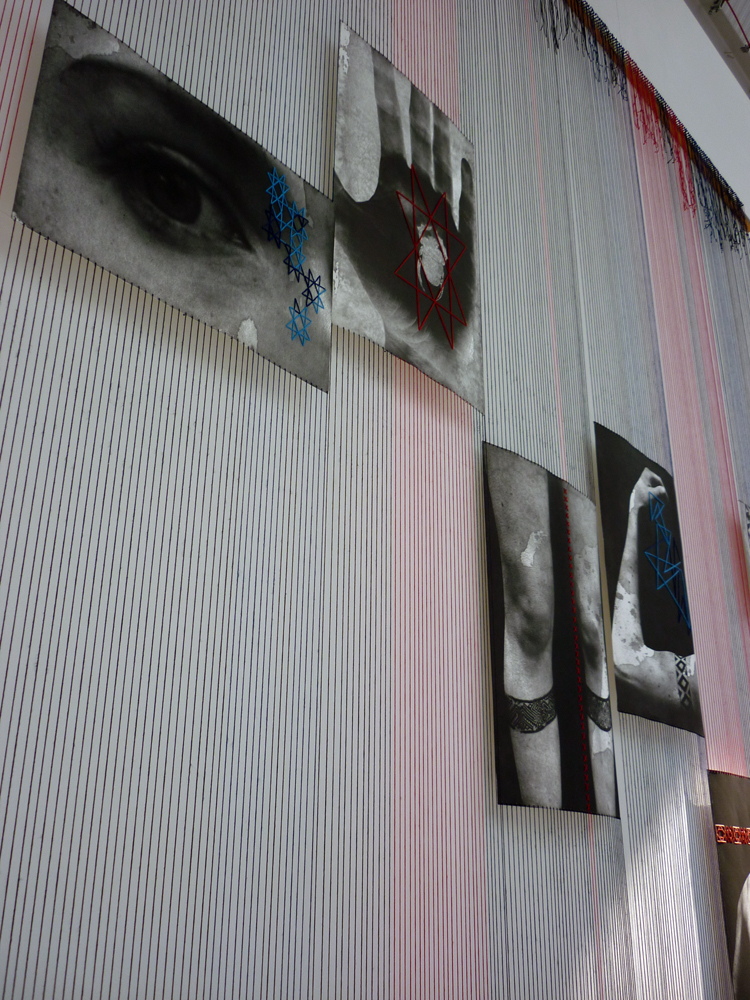
Yanna Soares - Loom of Neith - silk embroidery on etchings, cotton thread, wood

Yanna Soares – Loom of Neith – silk embroidery on etchings, cotton thread, wood

Liz Lake - run aground

Liz Lake – run aground

Hannah Thual - between exposed and concealed

Hannah Thual – between exposed and concealed

I realise I must have missed some of the printmaking exhibits.

From Painting I really related to the work of Zoe De Soumagnat

Zoe De Soumagnat - Al Fresco

Zoe De Soumagnat – Al Fresco

Zoe De Soumagnat - Black Painting. tasty

Zoe De Soumagnat – Black Painting. tasty

Tomie Seo - All in a vision and Court of Regulation

Tomie Seo – All in a vision and Court of Regulation

Lian Zhang - oil on board

Lian Zhang – oil on board

From Sculpture discipline I really liked how the paper constructions of Yana Naidenov looked like concrete

Yana Naidenov - rammed paper pulp

Yana Naidenov – rammed paper pulp

The materiality of Virgile Ittah’s sculptures were also intriguing, and rather unsettling

Virgile Ittah - For man would remember each murmur - fabric, mixed wax

Virgile Ittah – For man would remember each murmur – fabric, mixed wax

The Lilliputian sculptures of Sun Lah stood out

Sun Lah - wood and pastel

Sun Lah – wood and pastel

Observing from a distance

Sun Lah

Sun Lah

Loved this little projection from Lucy Joyce

Lucy Joyce - Gold House - video

Lucy Joyce – Gold House – video

Lina Lapelyte - Candy Shop

Lina Lapelyte – Candy Shop

I liked photography student Julio Galeote’s work

Julio Galeote - excess

Julio Galeote – excess

The Charlie Dutton Photo and Print Open Salon had a really strong selection of work, it was tightly hung but as the work was all so strong it wasn’t a case of your eye skimming the wall and only taking in one or two pieces.

I was fascinated by a lot of the work showing and noticed Luci Eldridge had a couple of pieces in the show.

Luci Eldridge - The Invisible Sky

Luci Eldridge – The Invisible Sky

Hannah Williamson

Hannah Williamson

Adam Dix - Be As One - screenprint

Adam Dix – Be As One – screenprint

Frances Disley - Little Boy Lost - reduction lino cut

Frances Disley – Little Boy Lost – reduction lino cut

Alex Lawler - Celestial Navigation  - print on chiffon

Alex Lawler – Celestial Navigation – print on chiffon

Harry Meadows - Medallion

Harry Meadows – Medallion

I have often found that in the Deutsche Borse Photography Prize show there is one clear winner for me but this year all 4 candidates drew me in and inspired me.

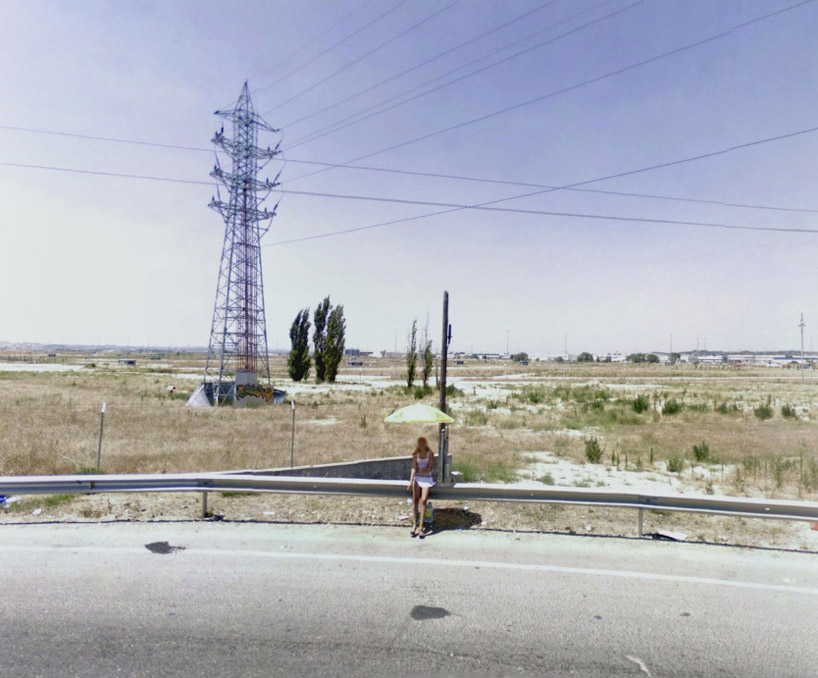
No Man’s Land is shot entirely with Google Street View. The coordinates for prostitutes operating in remote locations were picked up from internet chat rooms.

Henner’s method of online intelligence-gathering results in an unsettling reflection on surveillance, voyeurism and the contemporary landscape.

Mishka Henner - No Man's Land

Mishka Henner – No Man’s Land

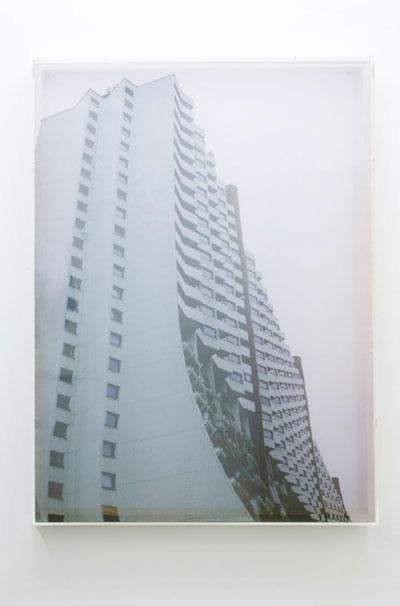
Chris Killip documents the disintegration of the industrial landscape through the people that live there.

Chris Killip- What Happened - Great Britain 1970 - 1990

Chris Killip- What Happened – Great Britain 1970 – 1990

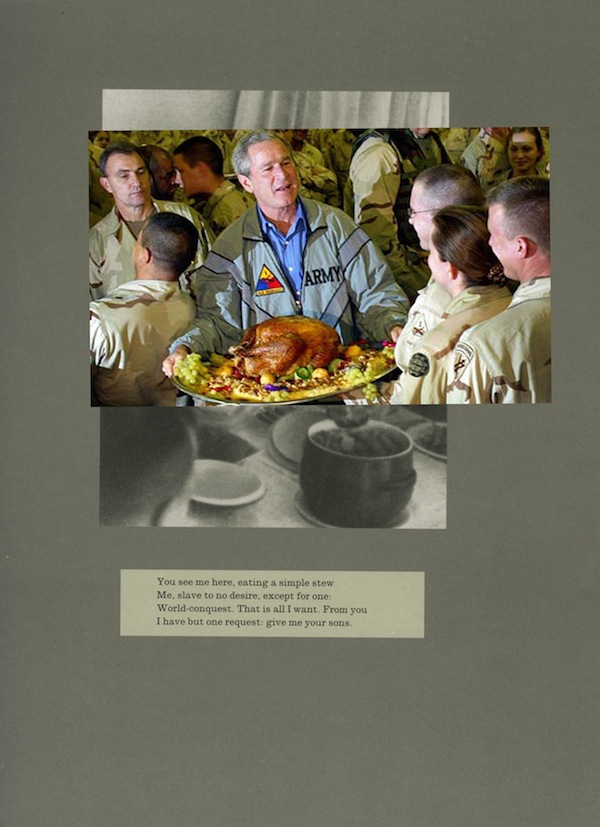
‘War Primer 2’ reimagines the pages of Bertold Brecht’s 1955 publication ‘War Primer’. Brecht’s book was a collection of photos and newspaper clippings that were paired with a four line poem.

Broomberg and Chanarin have layered google search results for the poems over the original images. The results are extraordinary.

Adam Broomberg and Oliver Chanarin - War Primer 2

Adam Broomberg and Oliver Chanarin – War Primer 2

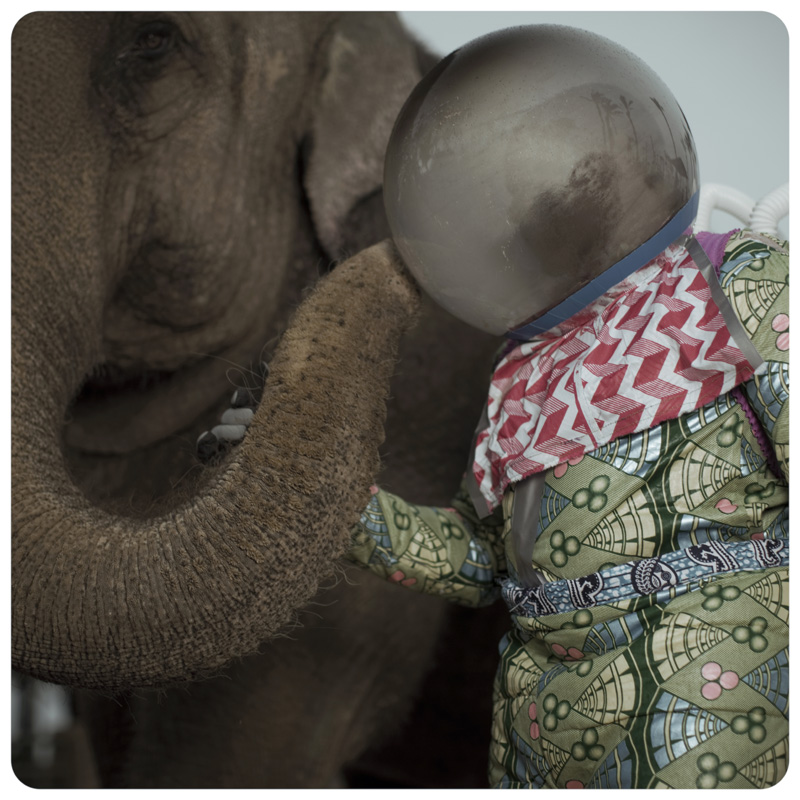
In 1964 Zambia started a space programme to send the first African astronaut to the moon.

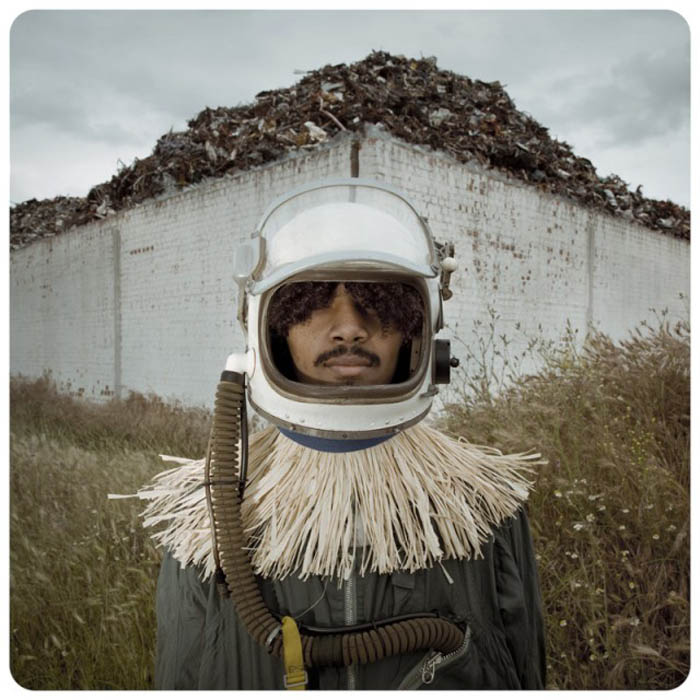
Cristina De Middel - The Afronauts

Cristina De Middel – The Afronauts

Through photographs, manipulated documents, drawings and letters  De Middel presents a folkloric tale which blurs myths and truths. Great costumes and funky fabrics.

Cristina De Middel

Cristina De Middel

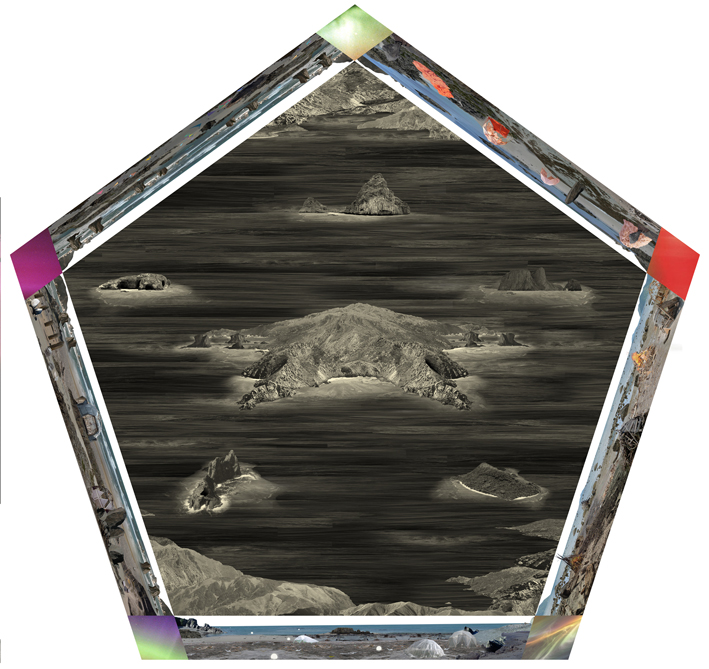
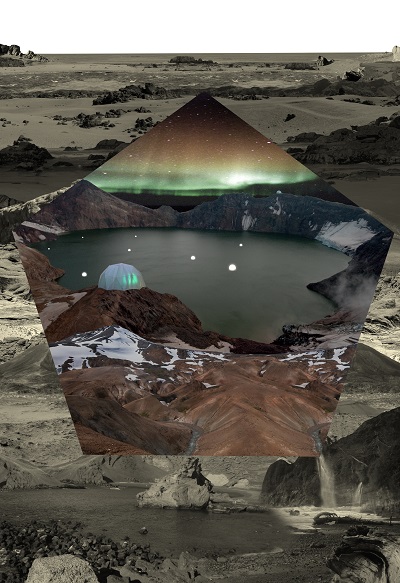
Jess Littlewood’s prints showing at BEARSPACE have a wonderful sci-fi quality without them being too unbelievable. There is a common motif of a pentagon, a makeshift habitat and an opening through to a stellar sky. They speak of new beginnings from dystopian endings.

Jess Littlewood - The Dissolution of Mother Island

Jess Littlewood – The Dissolution of Mother Island

Central to the exhibition, The Dissolution of Mother Island maps the inevitable collapse of the founding commune and the emergence of a new epoch, defined by five new derivative sects. Each sect inhabits a new island, and looking to the future each attempt to establish a unique society whilst never achieving true autonomy.

The further five exhibited works act as chapter headings, describing each sect and their specific obsessions. All maintain a fixation with the shrine like shelters of their past, highlighting futility in their attempts for individualism. These five new islands will now act as anthropological testing grounds in which Littlewood can explore the parameters and tendencies of human behaviour.

Littlewoods otherworldly landscapes are the product of extensive collecting, collating and archiving of images. Working digitally Littlewood builds layer upon layer of found imagery, the final outcome a window into an alternative world.

Jess Littlewood - Island Folly

Jess Littlewood – Island Folly

Wow, what a mind Charles Avery has.

Charles Avery View of the Port - from The Islanders

Charles Avery View of the Port – from The Islanders

He talks at a fast pace about the world that he describes through his expressive drawings, writing and sculptures. He has considered so much more about his imaginary world than most people ever consider about the one they actually inhabit. He has models of the island in his studio so that when drawing a new scene he is aware whether there should be a tower in the background or not. He knows where the toilets , the kitchens, the lifts are in buildings that are never more described than as background facade in a scene. This world is built on mathematical principles and animated with philosophical debate. Space is mapped out precisely in both the built environment and the geographical relationships but time in the concept as we understand it does not apply – events happen, time is not linear.

It was fascinating to hear about his process of creation at Whitechapel Gallery as part of the To Make A Tree programme.

Charles Avery

Charles Avery

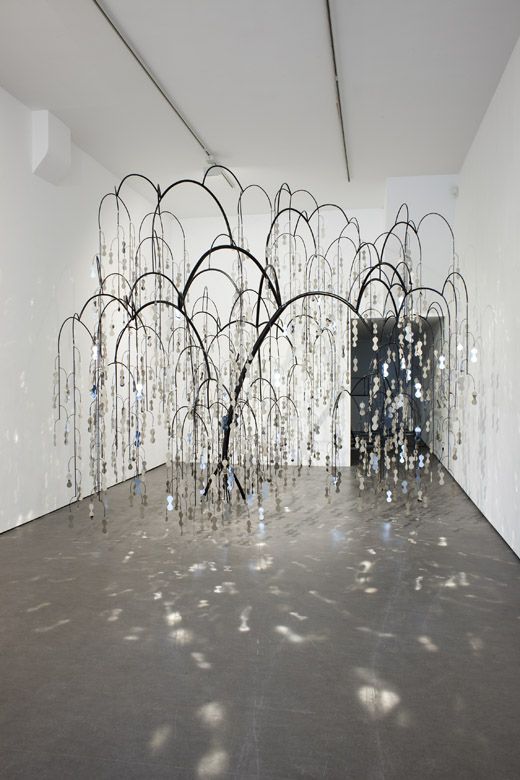
The trees in jardindagade are based on a mathematical formula.  He told us how hard it was to devise a formula for a willow tree to be well balanced and the leaves not to fall and tangle with each other. He decided to go outside and see how a real tree coped with this problem and found that it didn’t, it was messy and tangled, but it didn’t fall over.

He has ambitions to build the whole of jardindagade as an immersive installation –  let’s hope someone with some money was listening.