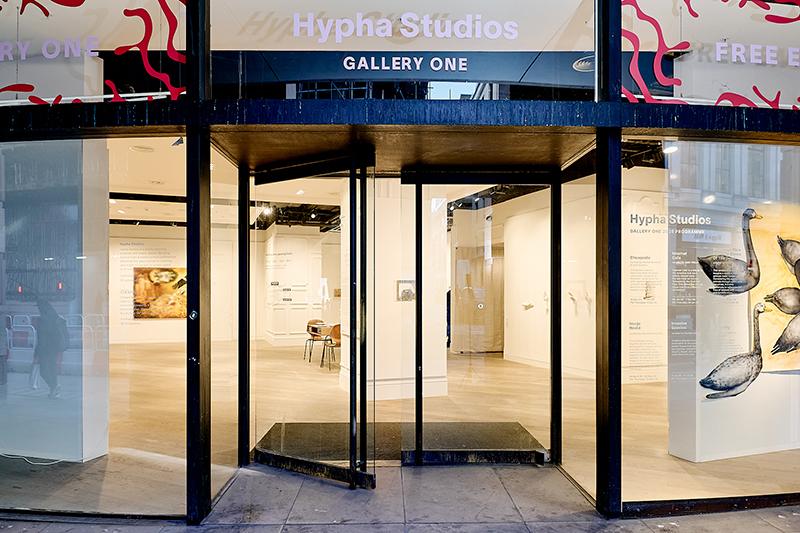
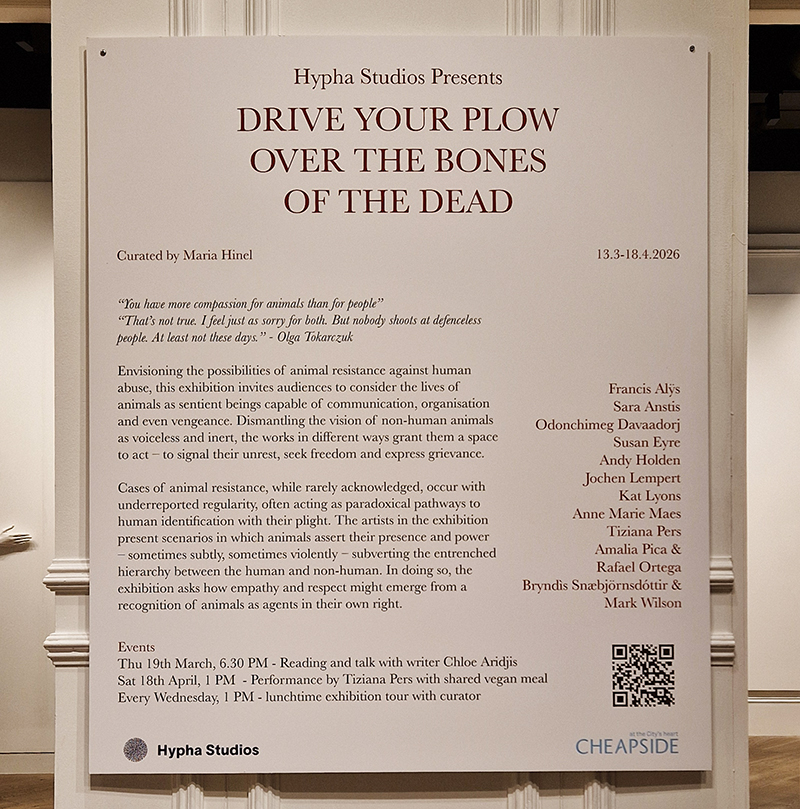
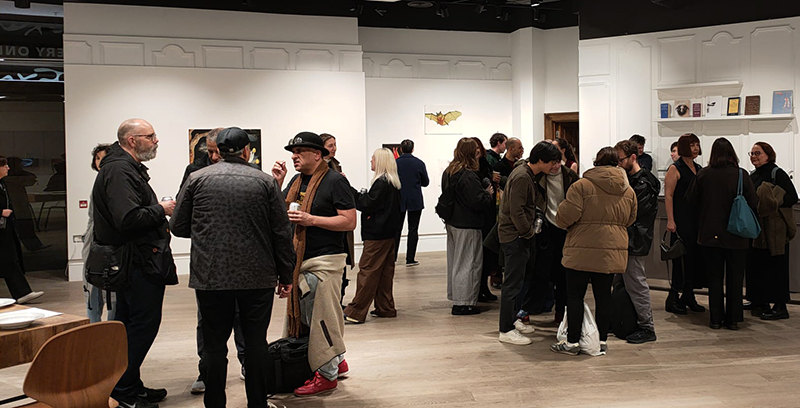
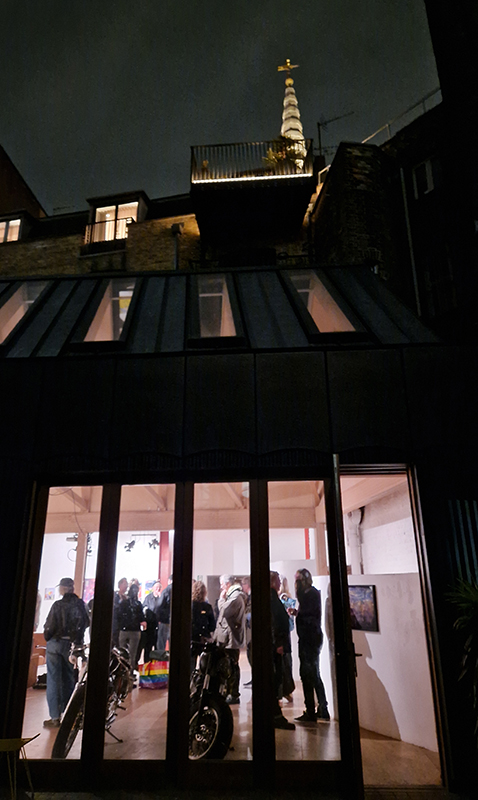
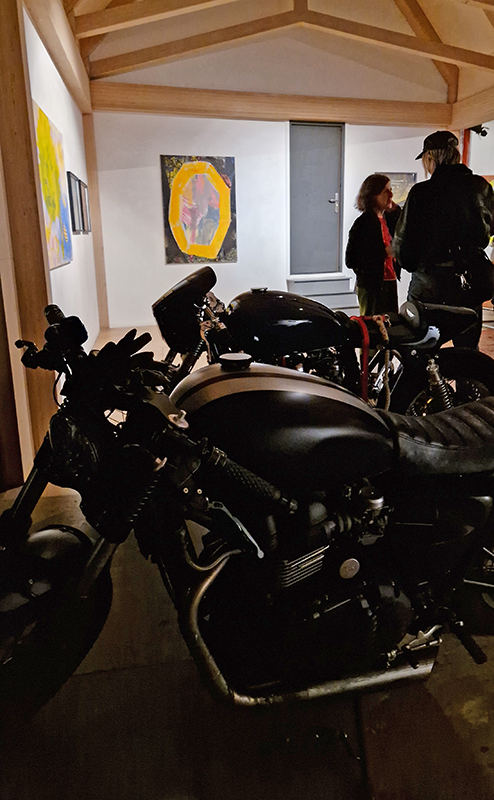
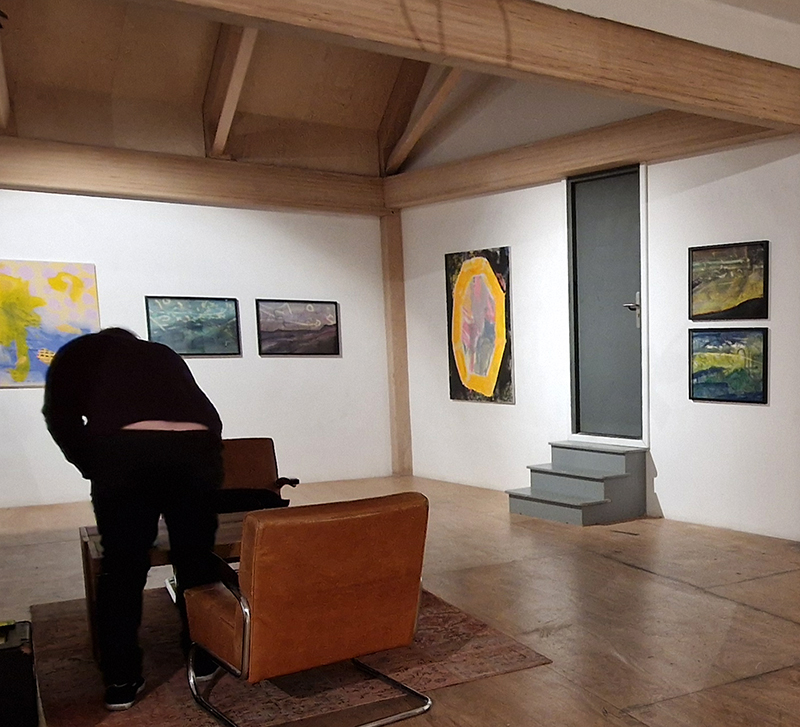
Drive Your Plow Over the Bones of the Dead curated by Maria Hinel opened at Hypha Gallery 1, Poultry.
The title of the exhibition references Drive Your Plow Over the Bones of the Dead, the environmentalist and feminist eco-thriller by Olga Tokarczuk, who in turn draws this title from William Blake’s Proverbs of Hell. The story is narrated by Janina Duszejko, an ageing former engineer, amateur translator of Blake and passionate animal rights advocate, whose outcry against hunting is consistently met with bewilderment and contempt. Local authorities and neighbours attribute her pleas to eccentricity, old age, as well as a ‘women’s instinct for caring.’ Echoing William Blake’s dark and prophetic vision of justice – one in which moral reckoning springs from the unsettling return of what has been systematically oppressed and ignored – the exhibition considers the agency of beings beyond the parameters of the rational that constitute the human worldview.
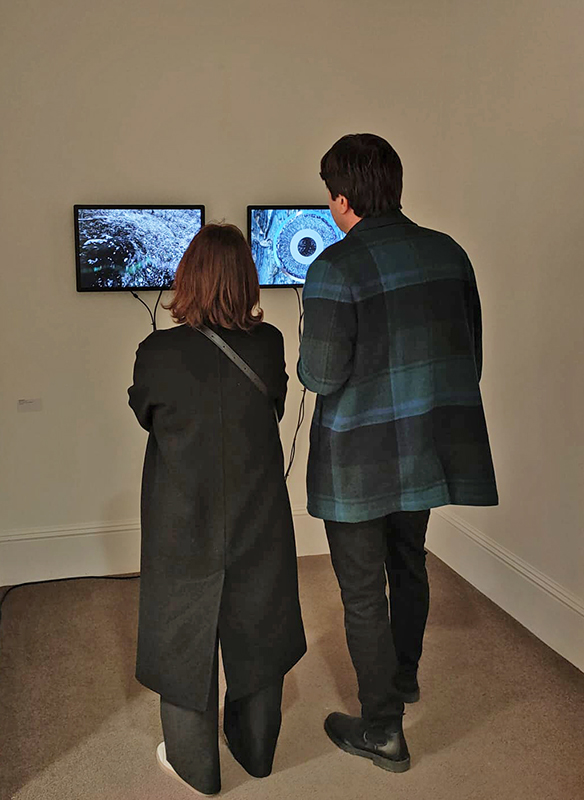
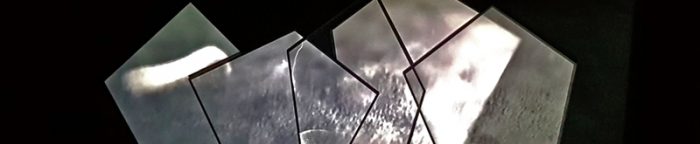
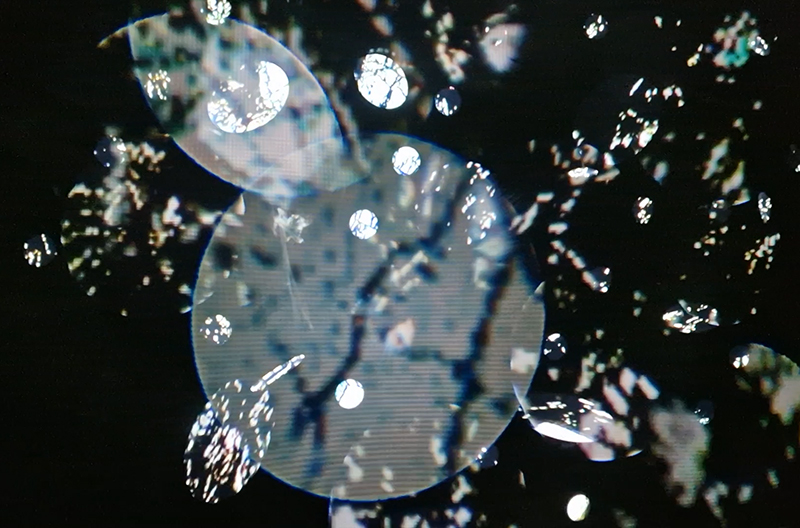
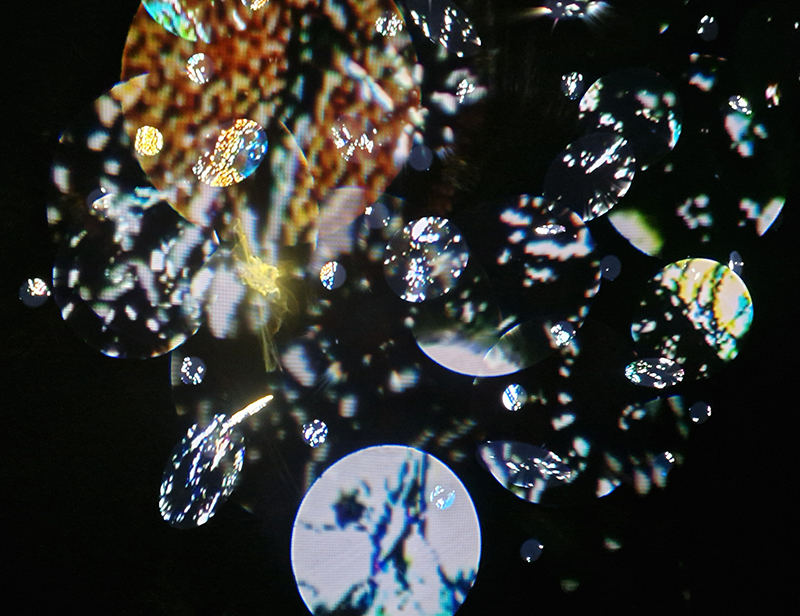
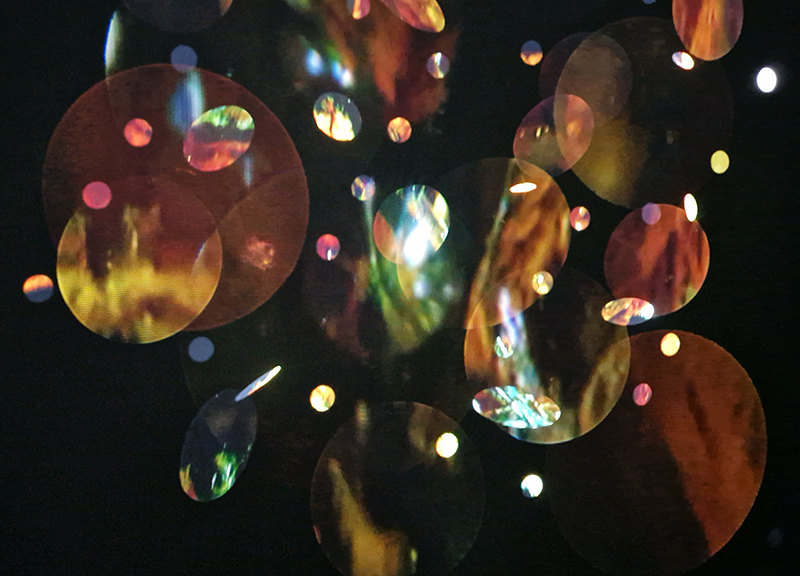
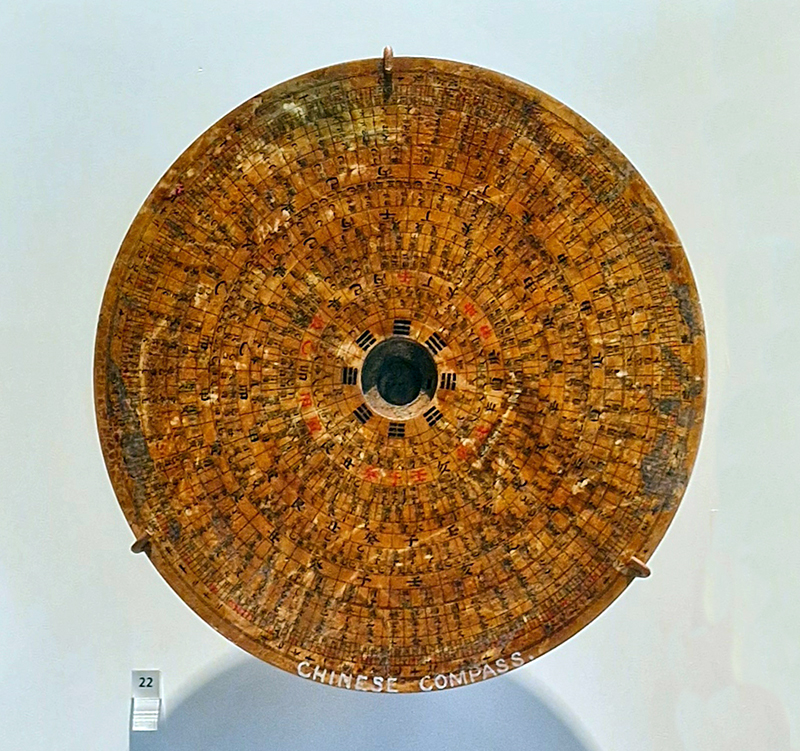
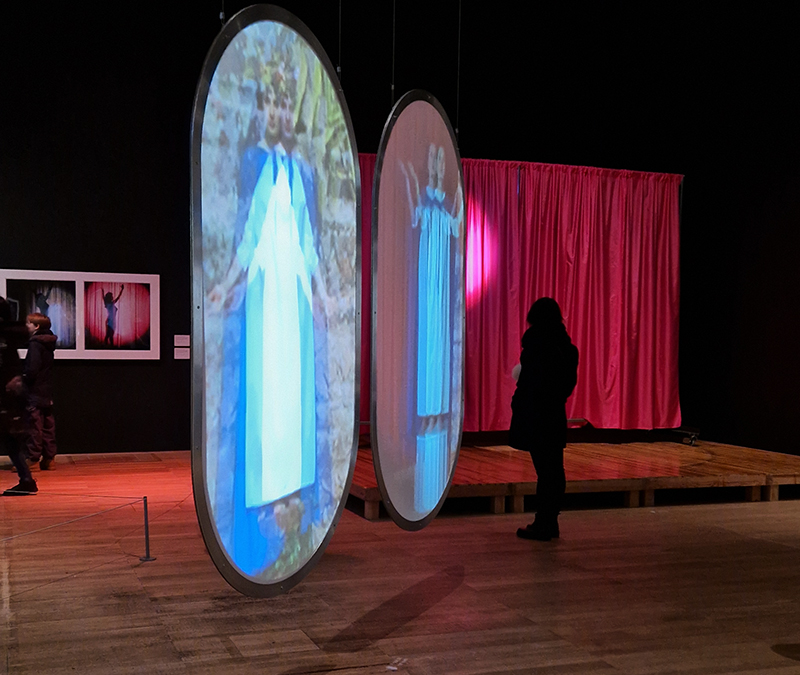
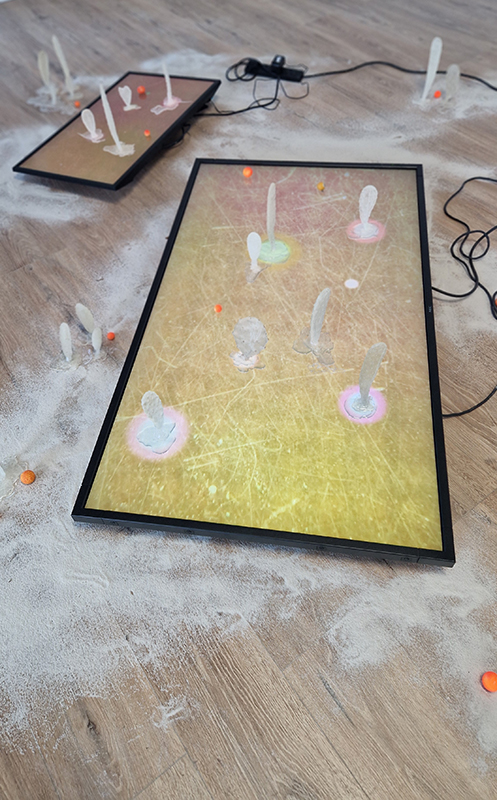
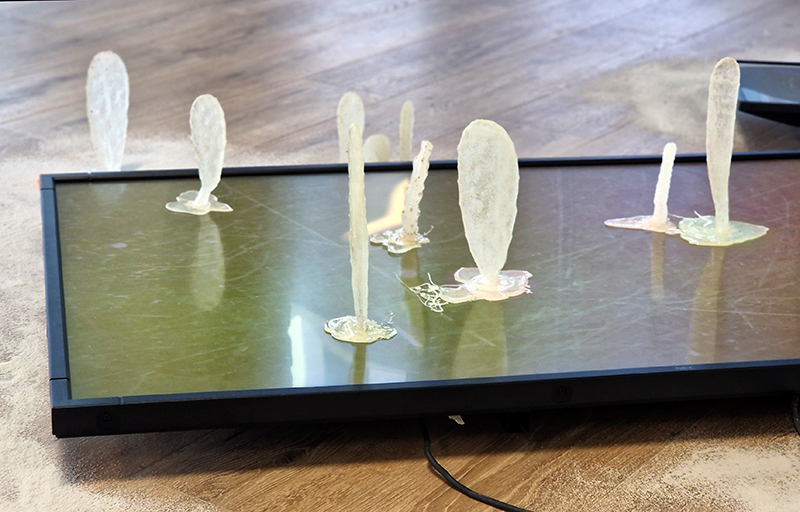
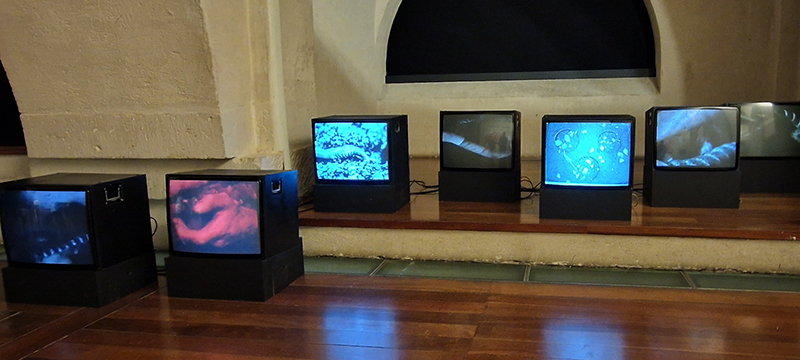
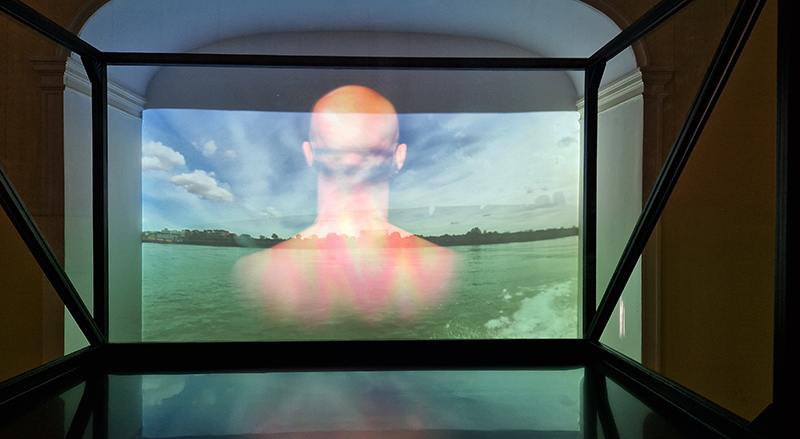
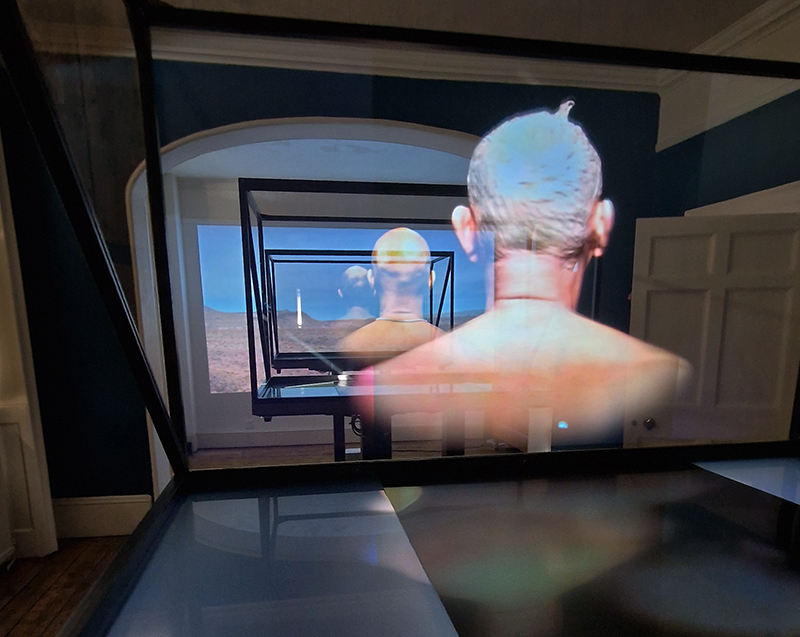
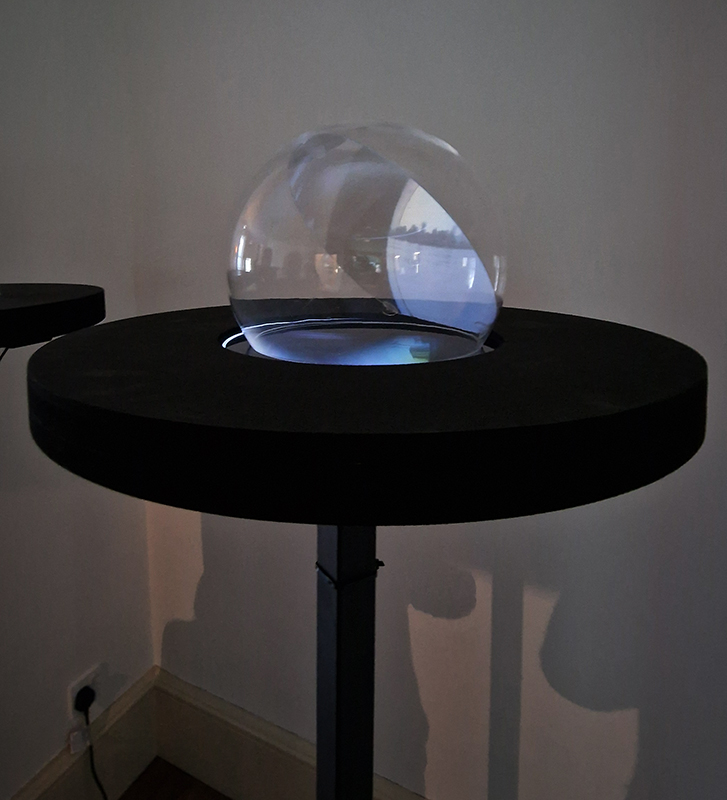
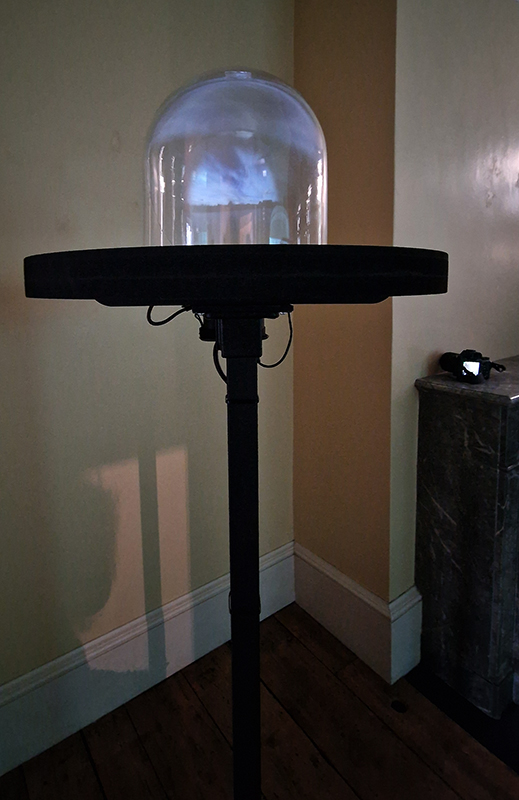
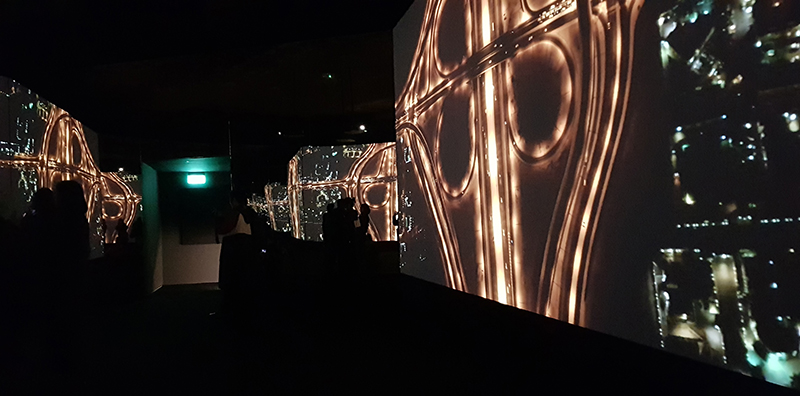
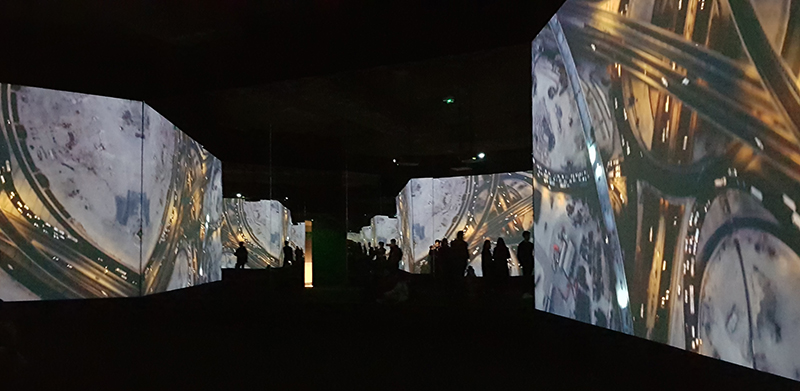
I am very happy to have my two channel video Radical Pair included in this exhibition. The work asks us to consider the very different experiences of the world of other creatures. Monitor 1 imagines what it might be like to have the extra sensory powers of a bird where a protein in the eye is excited by polarised light making it possible to see the Earth’s magnetic field and follow a visual navigatory clue in an accelerated world on the wing. Monitor 2 sequences concentric circles which mimic the geological structure of the Earth to explore the relationship between Earth’s magnetic field and various methods of natural navigation including via magnetoreception and celestial observation used by birds, bees and even magnetotatic bacteria.
In chemistry a radical is an unpaired electron, this state can make it highly chemically reactive. In the radical pair mechanism a pair of electrons with opposite spins have a chemical bond. Light can cause the electrons to change spin direction which can break the bond giving the electron a chance to react with other molecules. In magnetoreception two cryptochrome molecules, found in the rod cells in the eyes of birds, each with unpaired electrons exist in states either with their spin axes in the same direction, or in opposite directions, oscillating rapidly between the two states. That oscillation is extremely sensitive to magnetic fields, even the weak magnetic field of the Earth. Birds move their head to detect the orientation of the magnetic field. The function of cryptochrome varies by species, but its mechanism is always the same: exposure to blue light excites an electron, which causes the formation of a radical-pair whose electrons are quantum entangled, enabling the precision needed for magnetoreception.
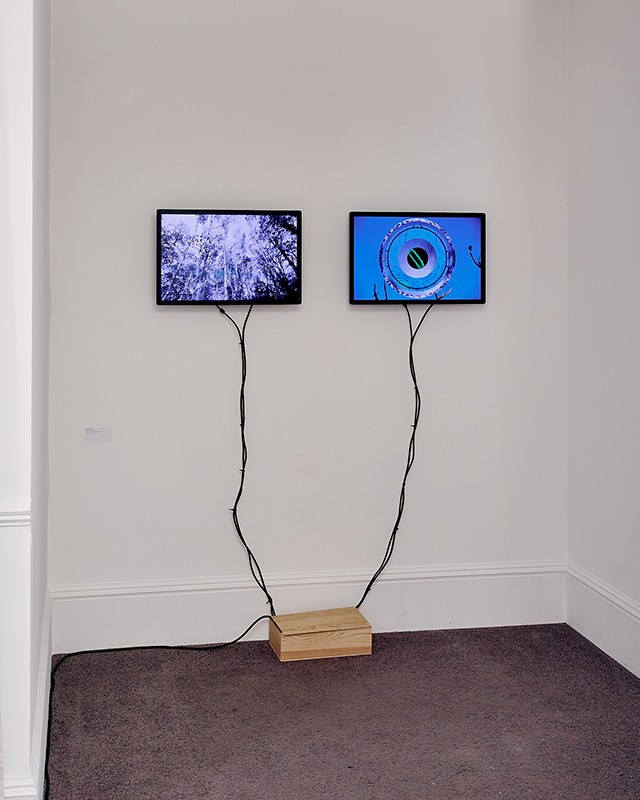
Radical Pair 2023 Two channel video 4:48 min
It was great to meet some of the other artists and to learn more about their work.
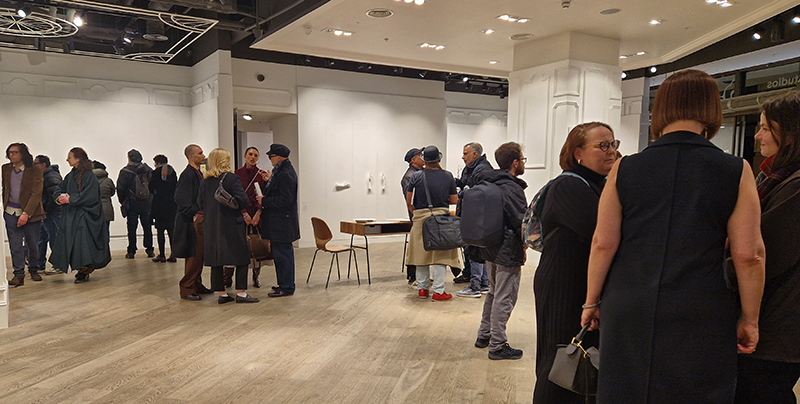
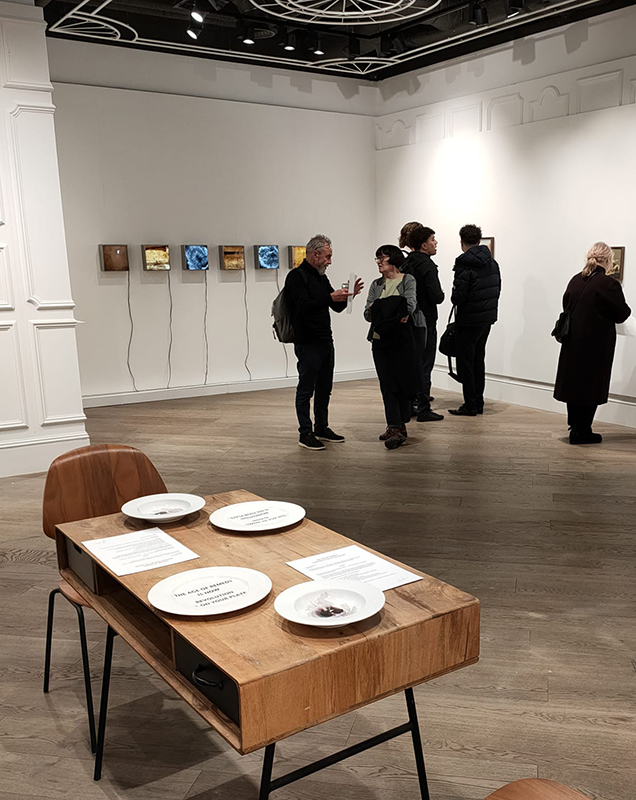
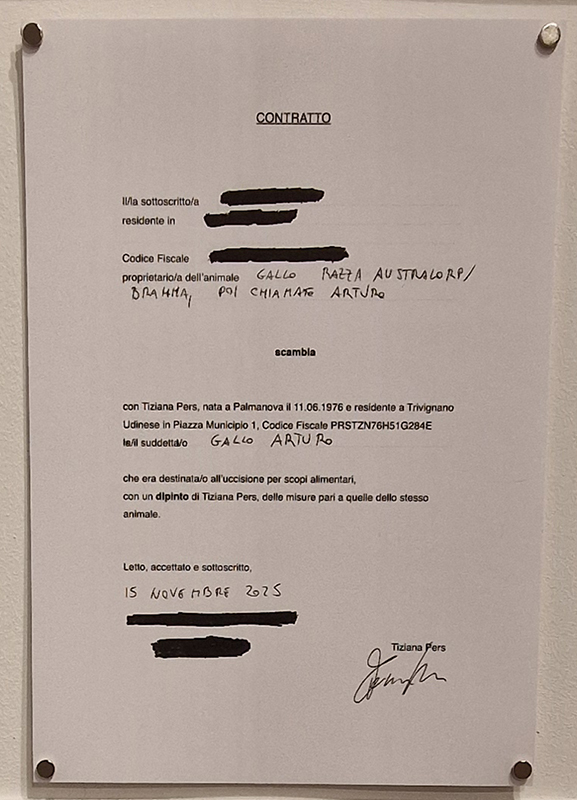
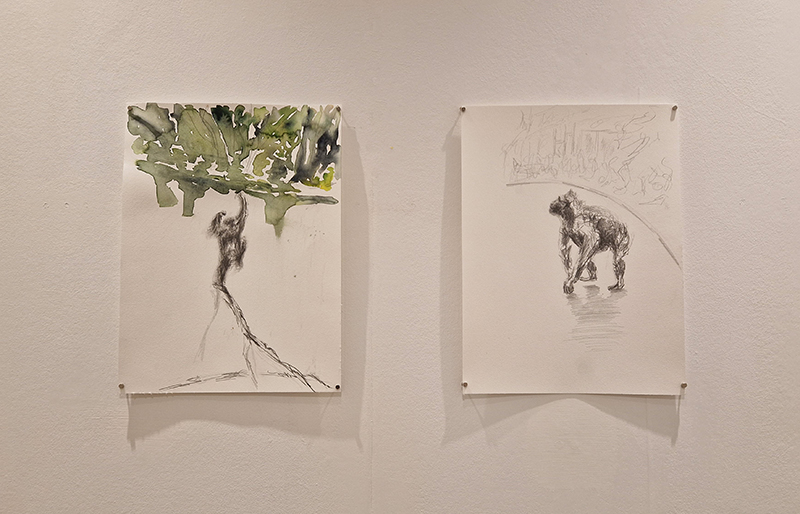
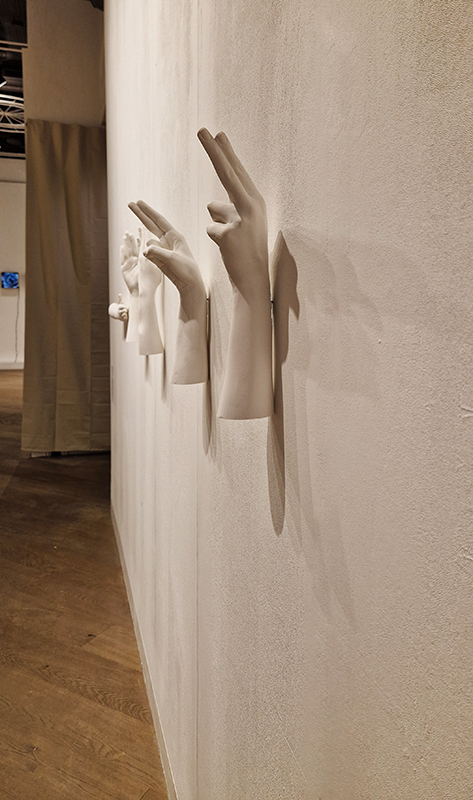
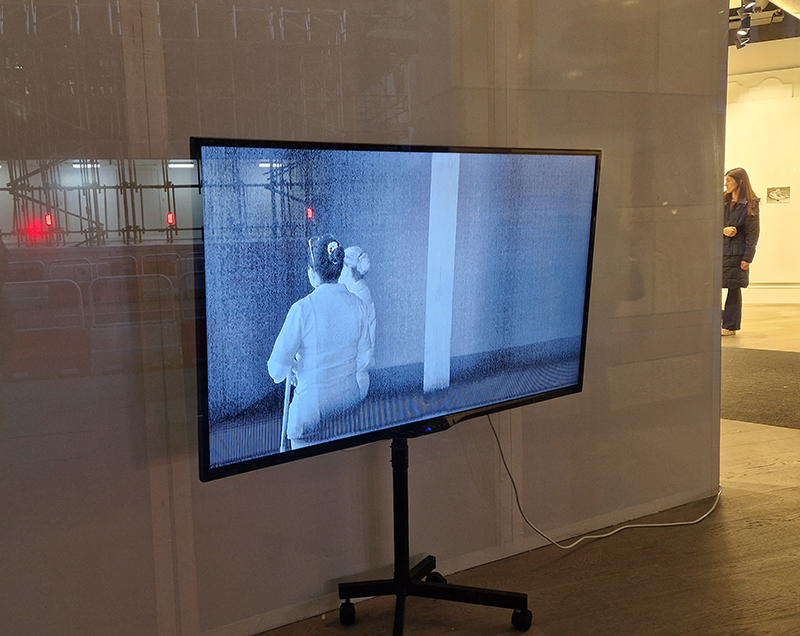
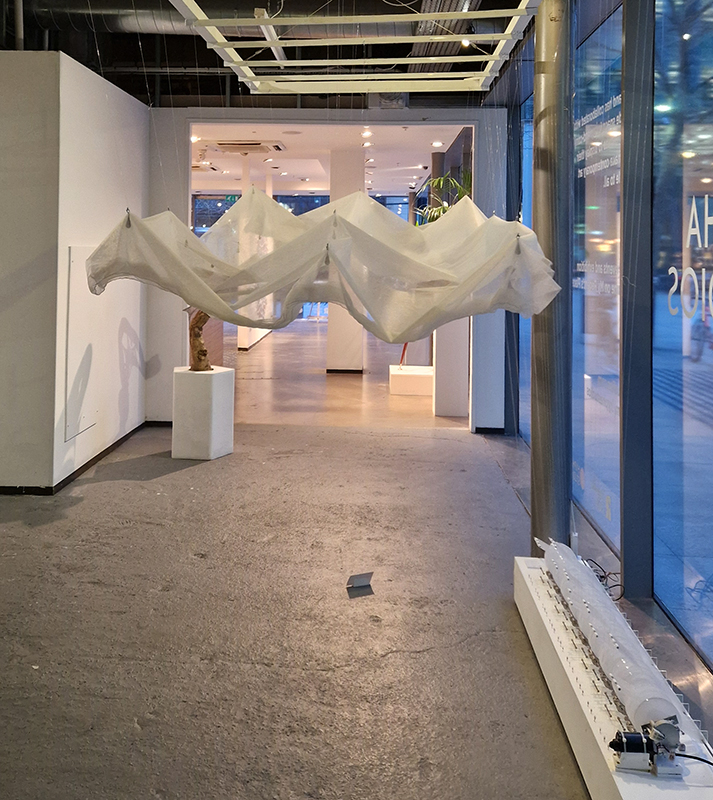
Exhibition images: Bryndís Snæbjörnsdóttir & Mark Wilson Feral Attraction A project exploring what happens when domestic animals transgress the invisible and unspoken boundaries that separate landscapes of domestication and wildness?, Kat Lyons Season of the Beetle, Oil on canvas, Odonchimeg Davaadorj After midnight love is free 2, Oil on canvas, Black Swans, Ink on paper, Jochen Lempert silver gelatin prints, Francis Alÿs El Gringo, 2003 created in collaboration with Rafael Ortega, the film documents a tense, close-up encounter with a pack of snarling, aggressive dogs, exploring themes of paranoia, surveillance, and the uncomfortable positioning of the outsider, Andy Holden Oologists Record, Mise-en-scene based on police photography of the illegal collection of wild bird eggs discovered under the bed of Matthew Gonshaw, Anne Marie Maes Lightboxes depicting apiary images plus Smell of the Hive, custommade metal laboratory stand, lab glass, glass funnel, rubber dispenser, essential oils, Tiziana Pers drawings of animals that either escaped confinement and were slaughtered or escaped slaughter by being purchased by the artist, Amalia Pica please open hurry (in memory of Washoe), Gypsum, Amalia Pica & Rafael Ortega Pan Troglodytes Ellioti and Cousins, multi-channel video installation – These surveys record members of the largest surviving population of the rarest type of chimpanzee (Pan troglodytes ellioti). The jungle cameras sometimes malfunction, returning images as grainy as those from CCTV’s. In the installation of this wildlife clip, chimpanzees drift in and out of the camera’s eye. However, they are not the only ones being observed.
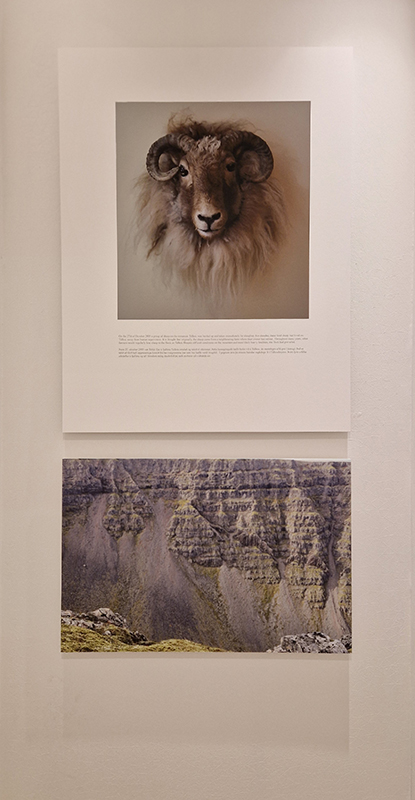
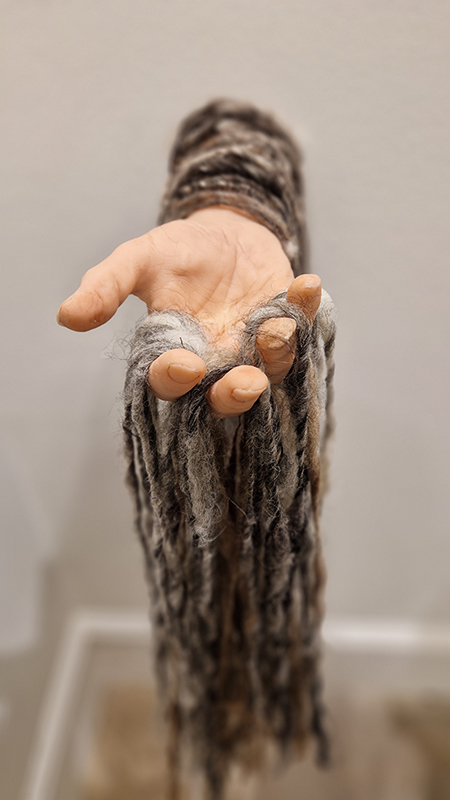
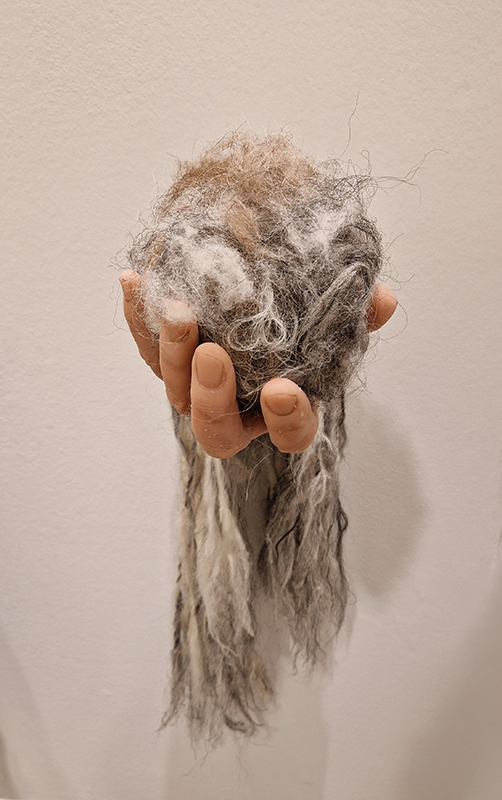
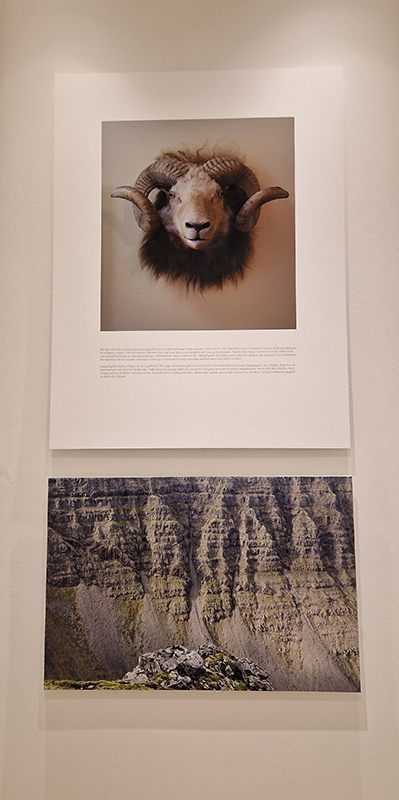
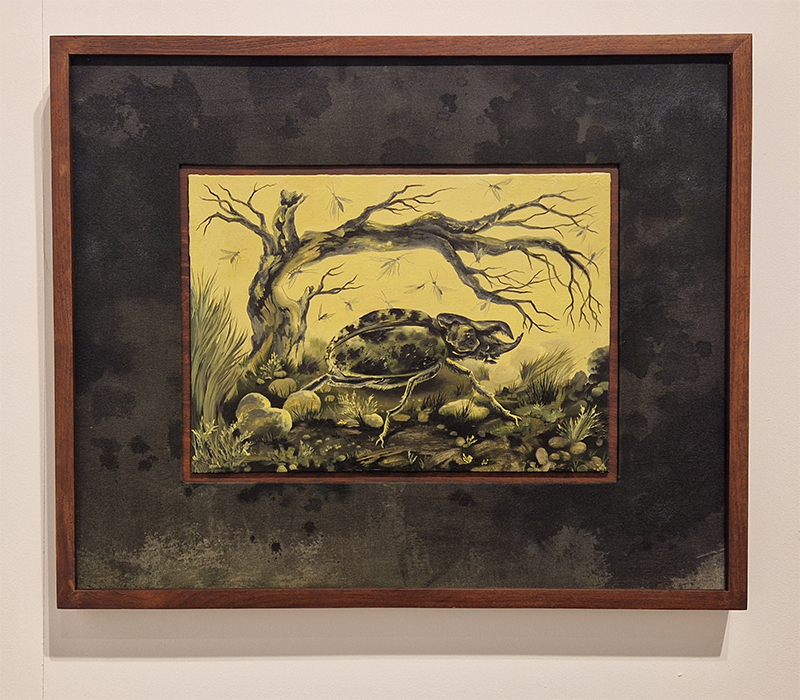
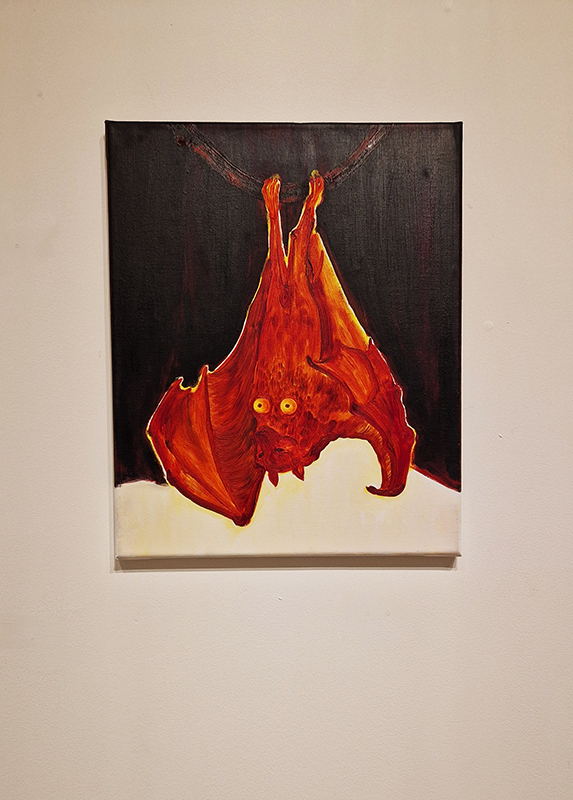
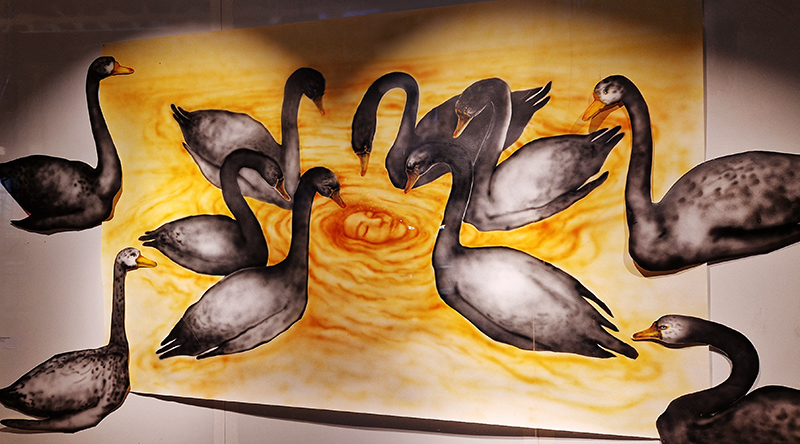
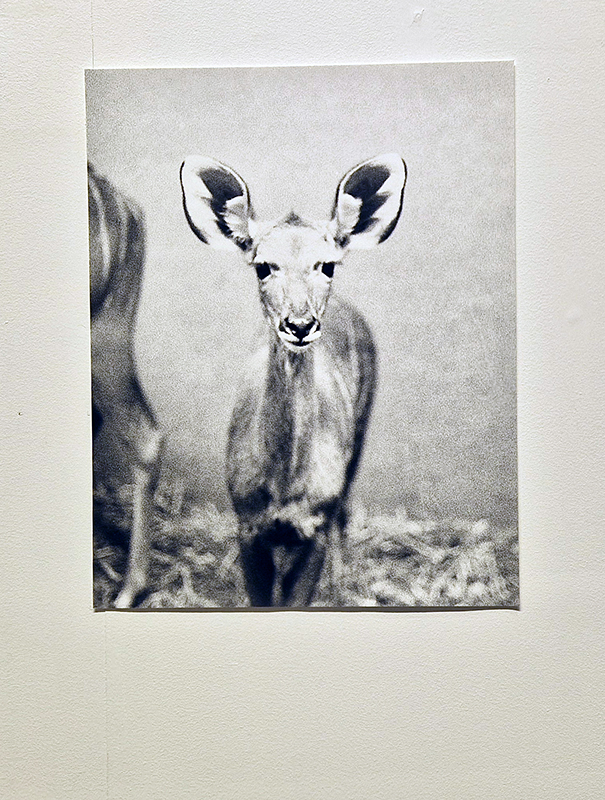
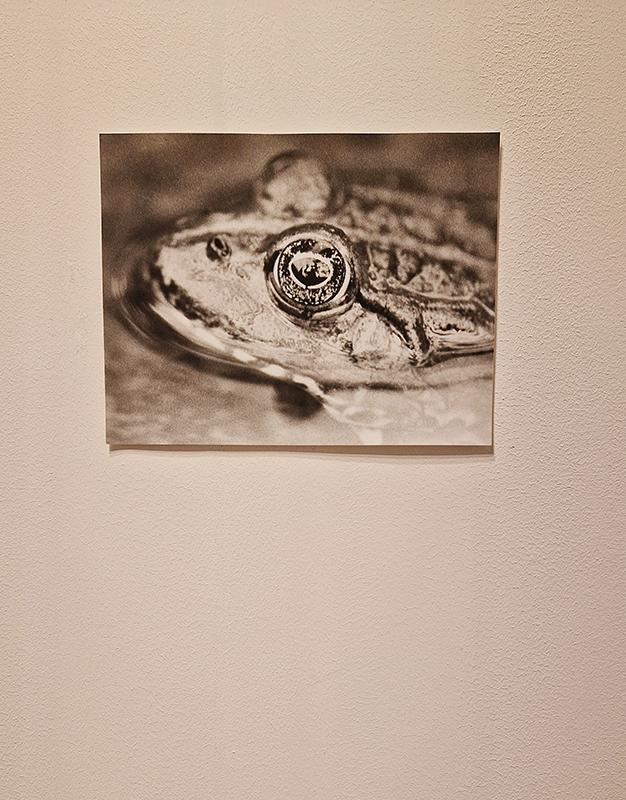
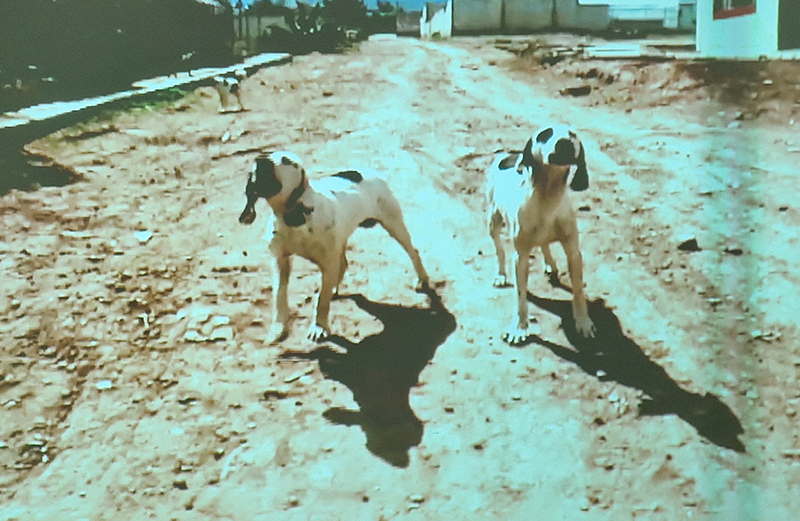
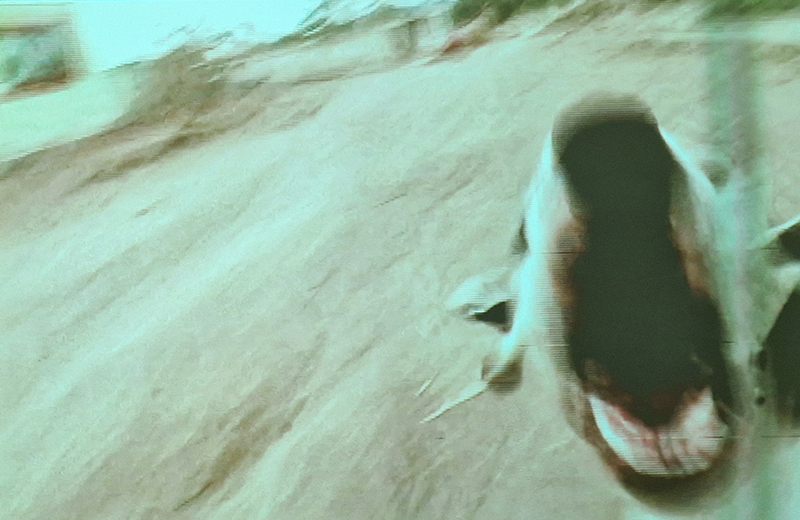
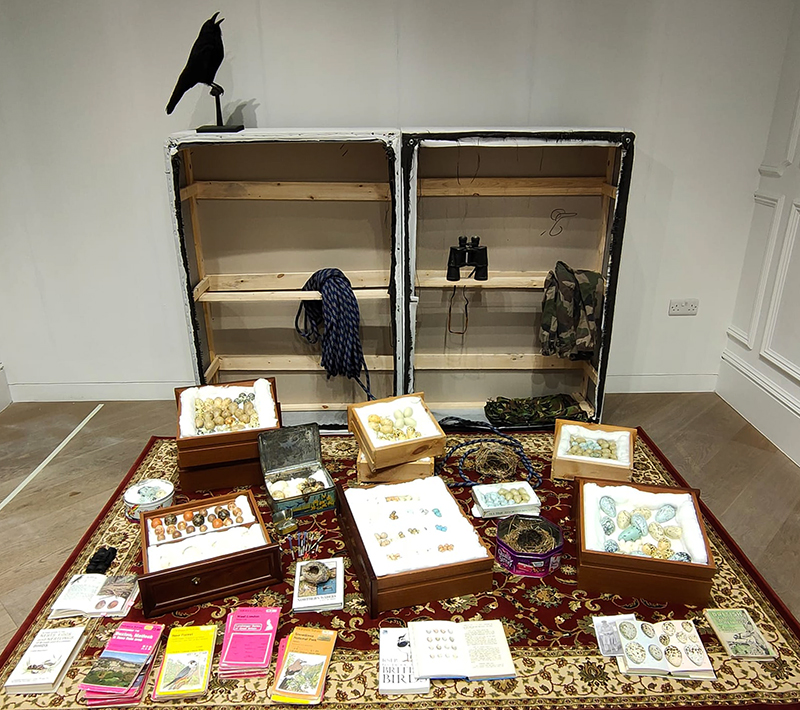
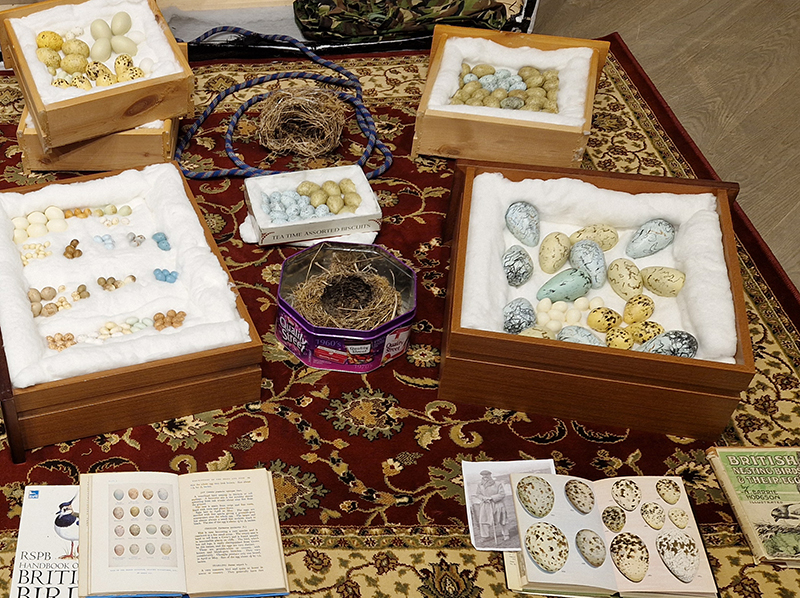
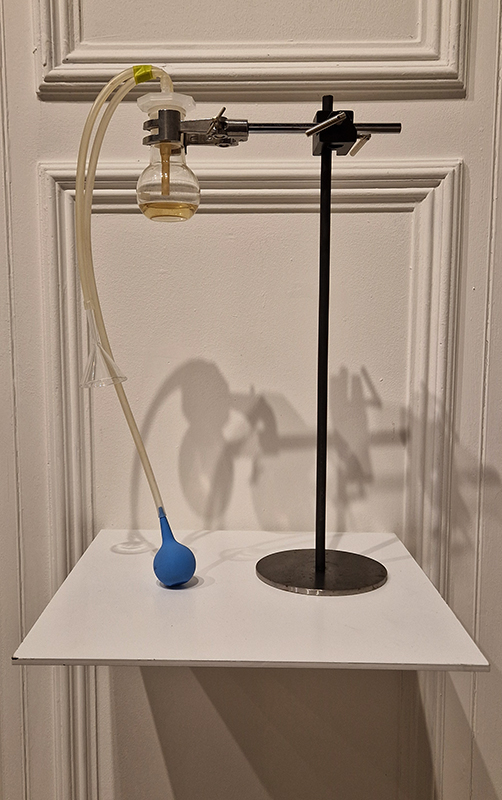
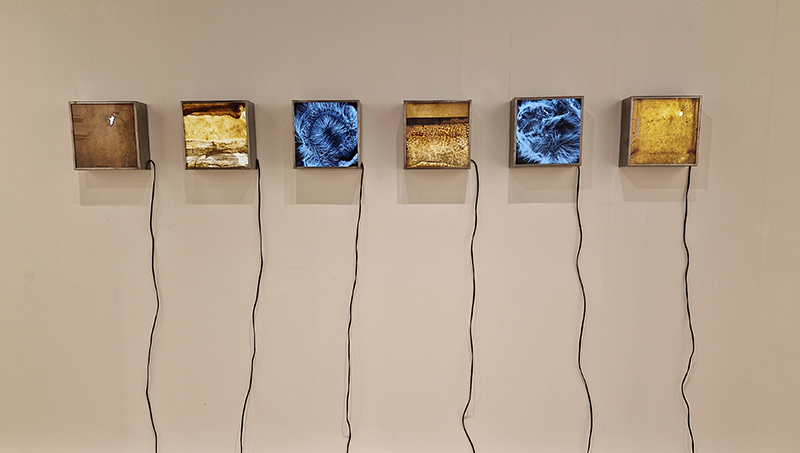
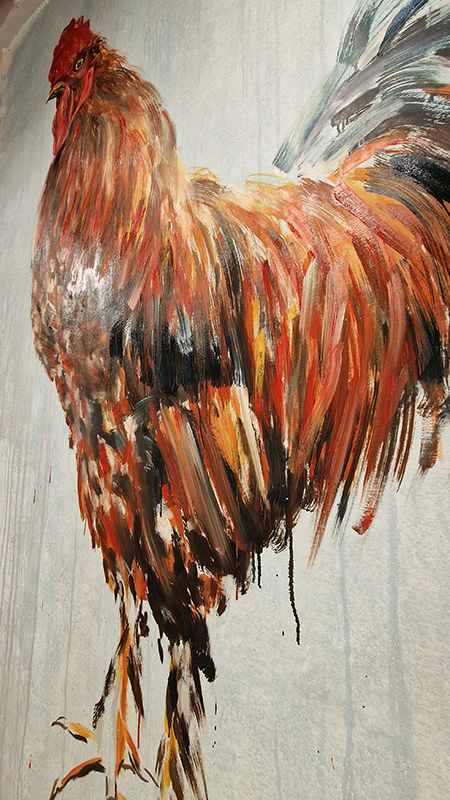
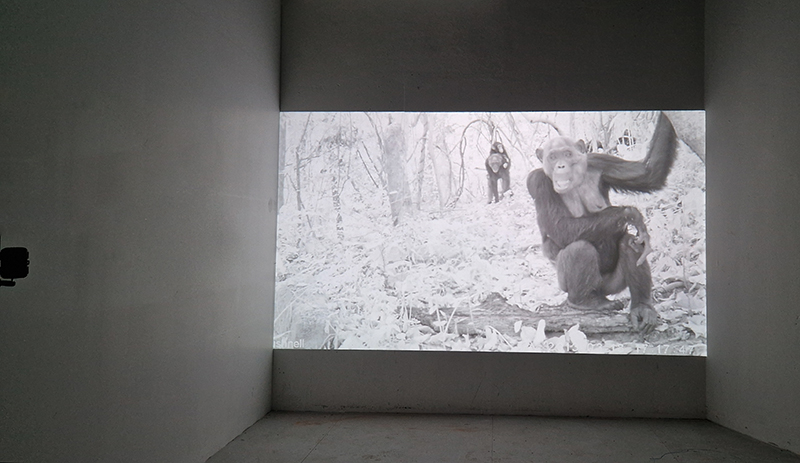
Some professional install shots here
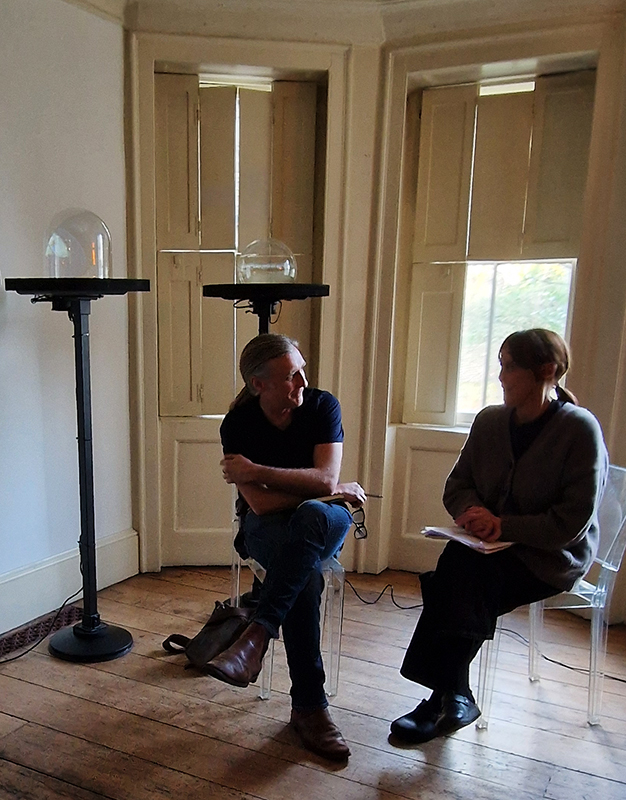
I enjoyed the special event – novelist Chloe Aridjis in conversation with Maria Hinel. Reading her prose poem on the plight of the Pangolin, a short essay and an excerpt from her new book. Her writing centres around her own everyday experiences, including her pets and the stray dogs of Mexico, and a sensitivity to animals influenced by her activist parents that shaped her own passion for animal rights.
Chloe Aridjis is the author of Book of Clouds, which won the Prix du Premier Roman Étranger in France, Asunder, which tells the story of a museum guard at the National Gallery, and Sea Monsters, winner of the PEN/Faulkner Award for Fiction. She writes for various art journals and was a guest curator of the Leonora Carrington retrospective at Tate Liverpool, as well as previously contributing to the catalogue for ‘Paula Rego: Crivelli’s Garden’ in 2023. Her new book titled The Shadow of the Object comes out in April 2026.
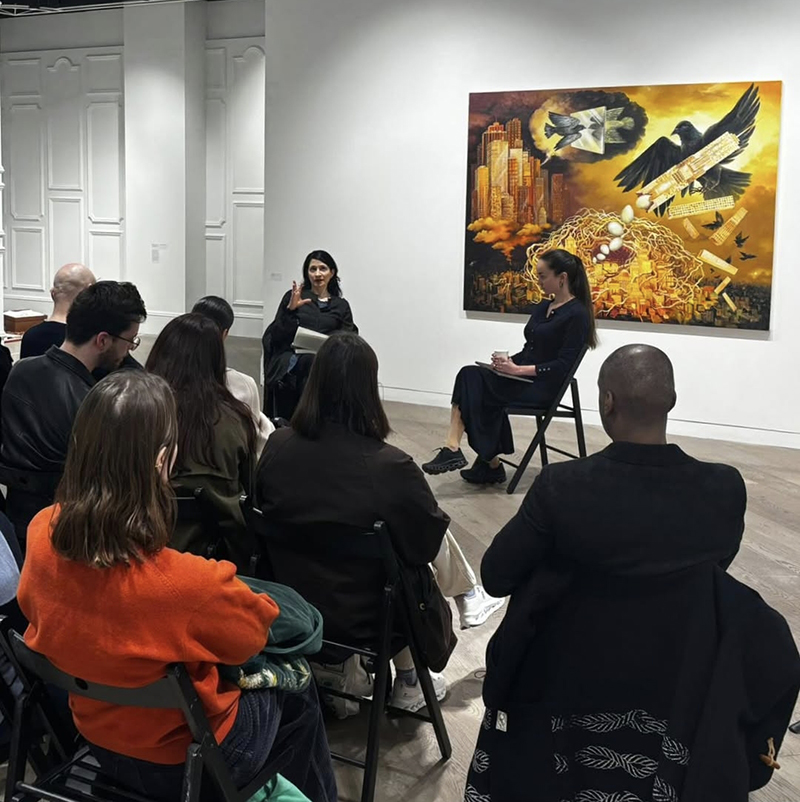
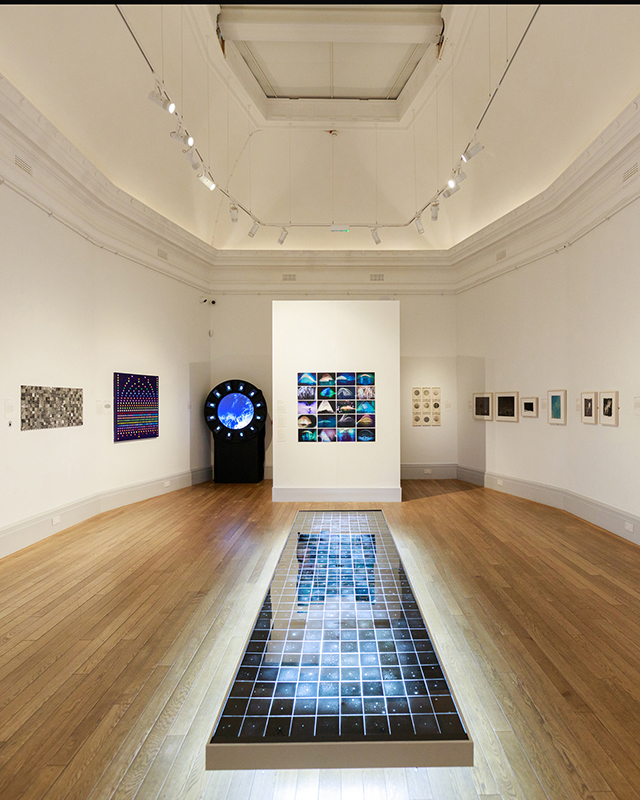
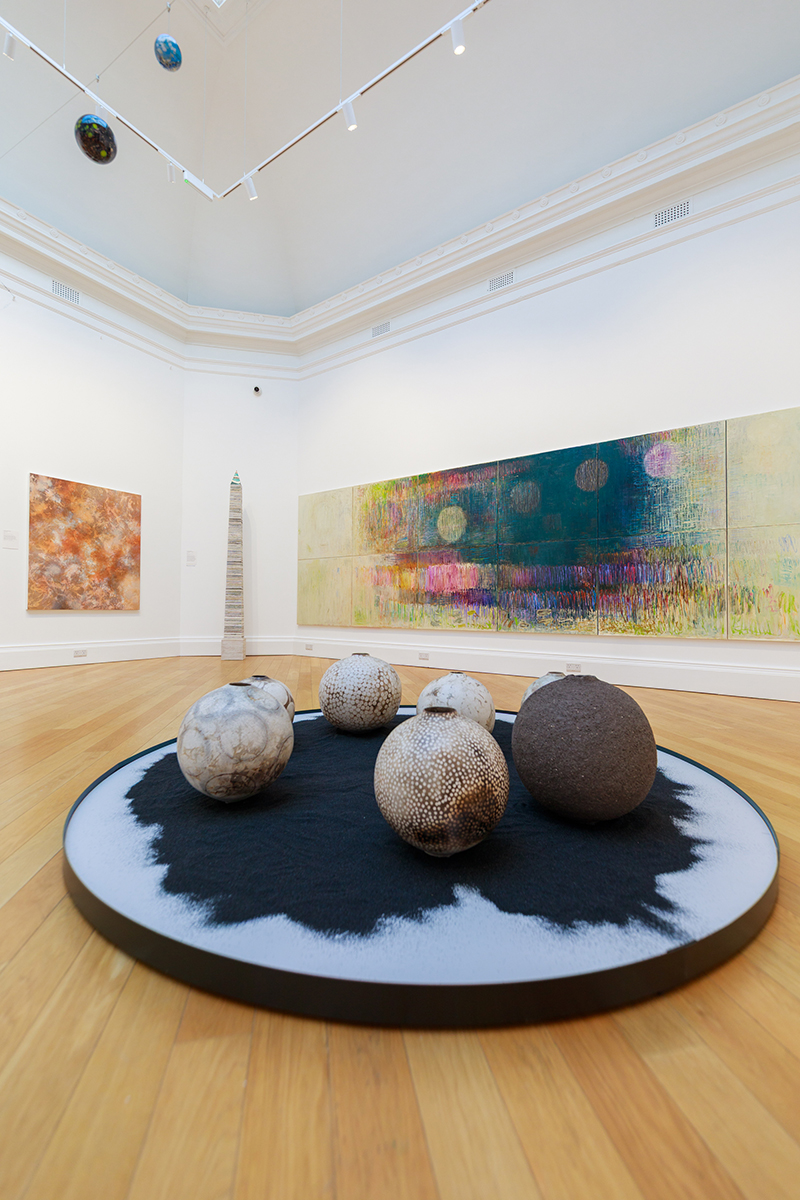
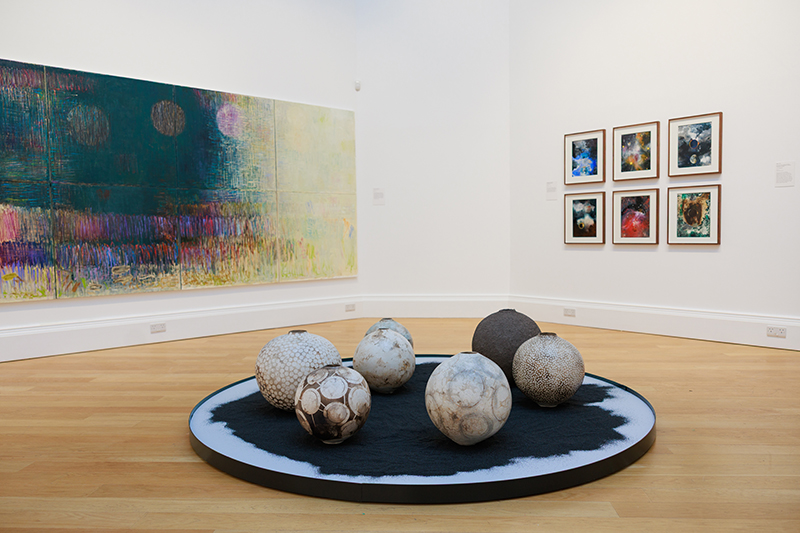
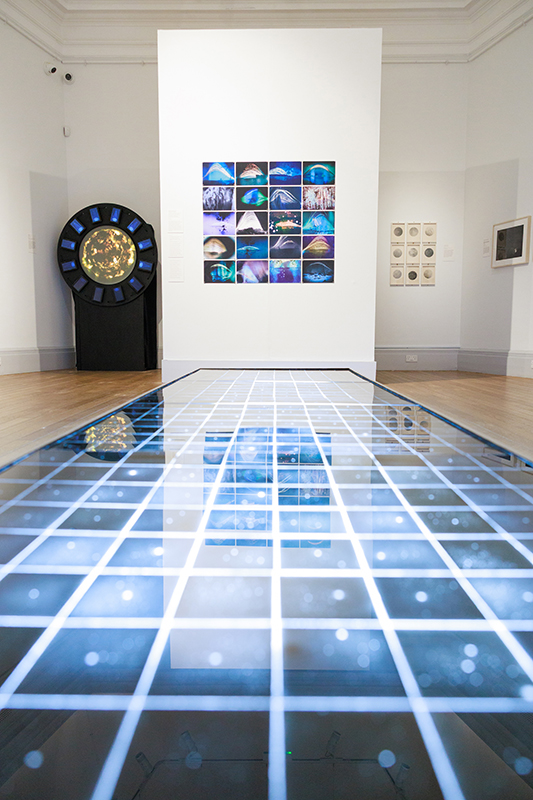
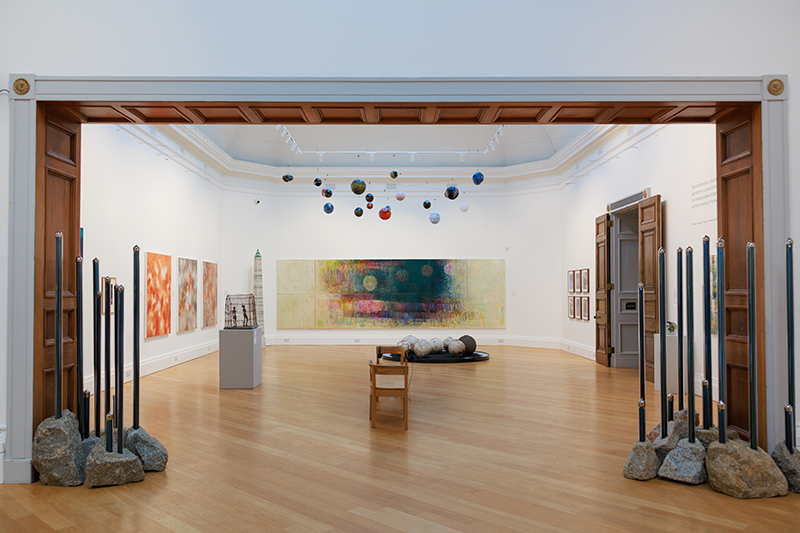
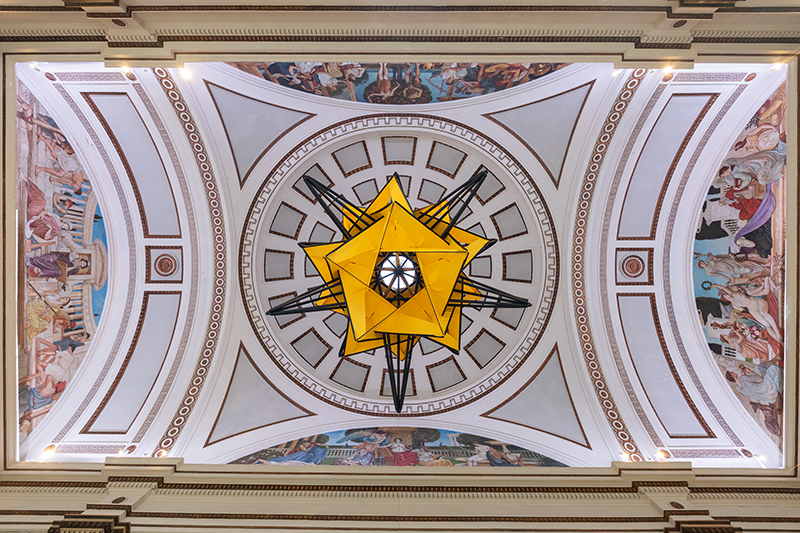
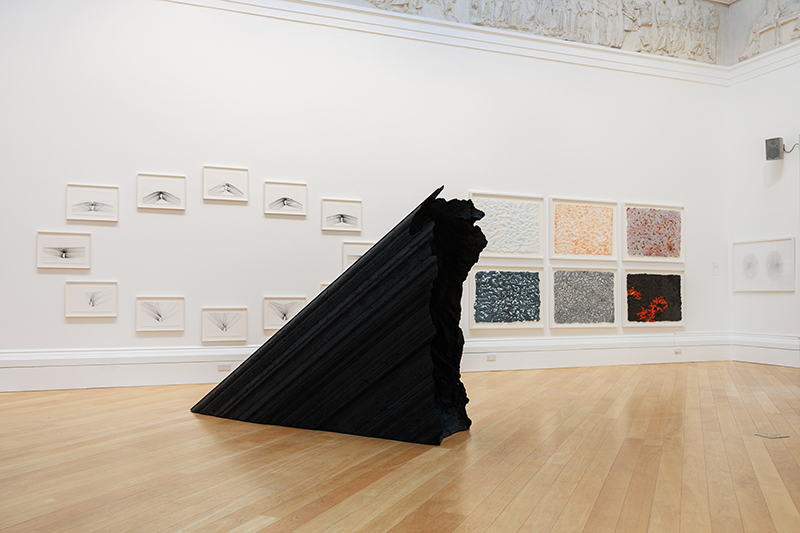
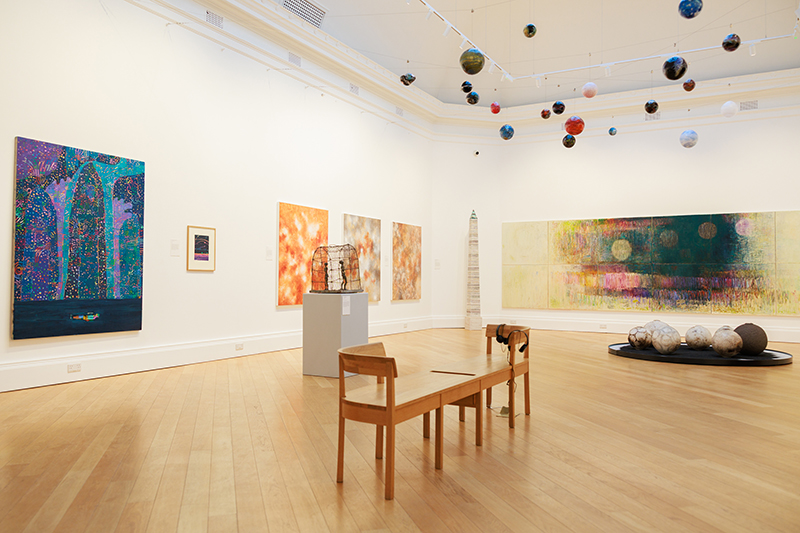
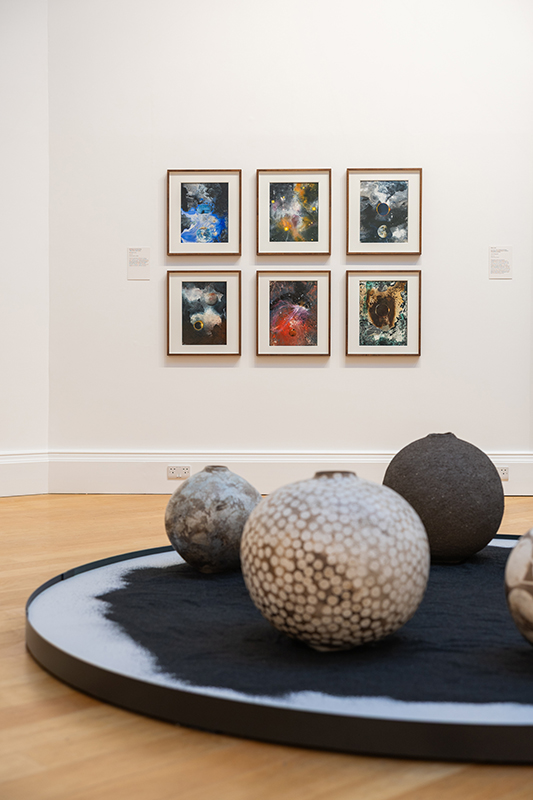
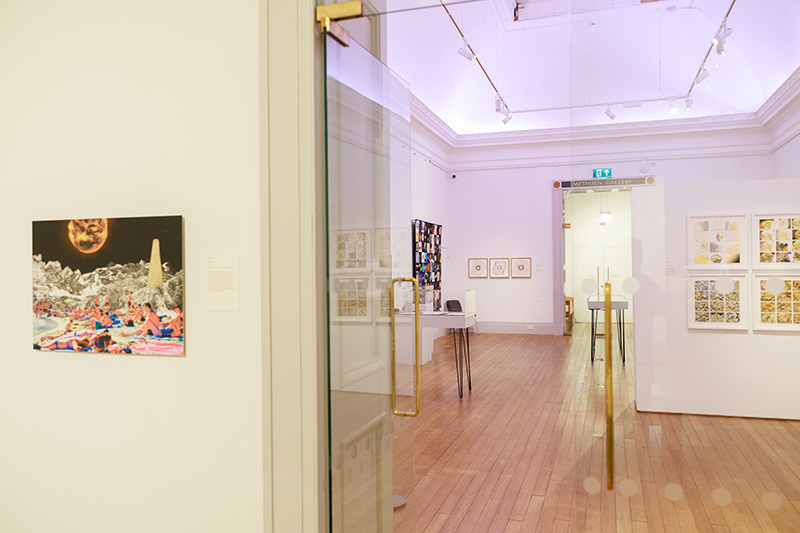
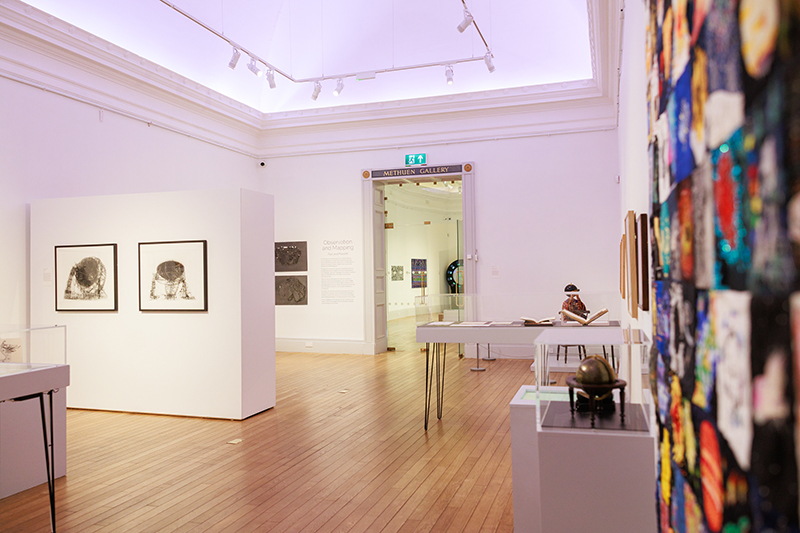
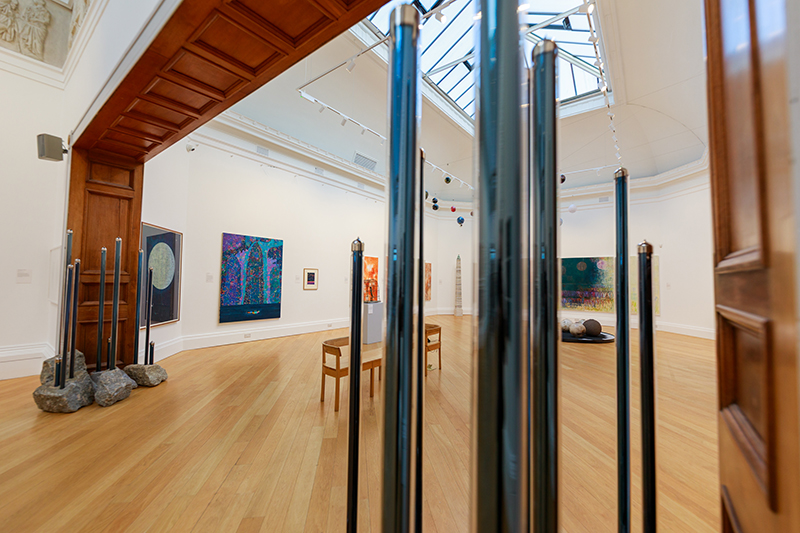
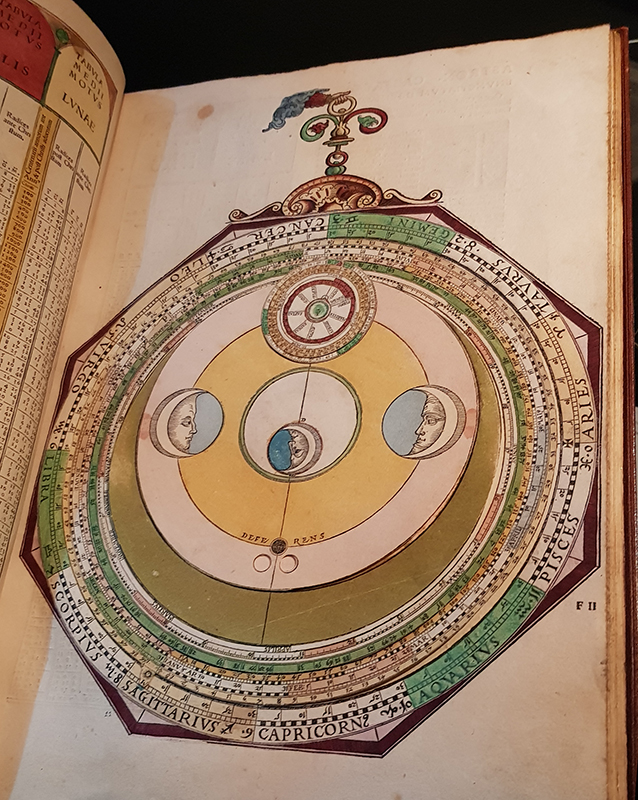
Cosmos: the art of observing space curated by Ione Parkin in partnership with The Royal Astronomical Society at RWA Bristol has had a fantastic public response and some great reviews.
Precious astronomical artefacts from institution archives sit alongside works by artists:
Kate Bernstein 🌖 Annie Cattrell 🌖 Ian Chamberlain 🌖 Richard Cox 🌖 Geraldine Cox 🌖 Susan Derges 🌖 Otto Dettmer 🌖 Sarah Duncan 🌔 Susan Eyre 🌕 Anna Gillespie 🌖 Tom Hammick 🌖 Alex Hartley 🌖 Simon Hitchens 🌖 Janette Kerr 🌖 Melanie King 🌖 Tania Kovats 🌖 Ulrike Kuchner 🌖 Lynda Laird 🌖 Christopher Le Brun 🌖 Johanna Love 🌖 Gillian McFarland 🌖 Rachael Nee 🌖 Pale Blue Dot Collective (Louise Beer and John Hooper) 🌖 Cornelia Parker 🌖 Ione Parkin 🌖 Michael Porter 🌖 Ben Rowe 🌖 Robin Sewell 🌖 Jane Sheppard 🌖 Yinka Shonibare 🌖 Karl Singporewala 🌖 Wolfgang Tillmans
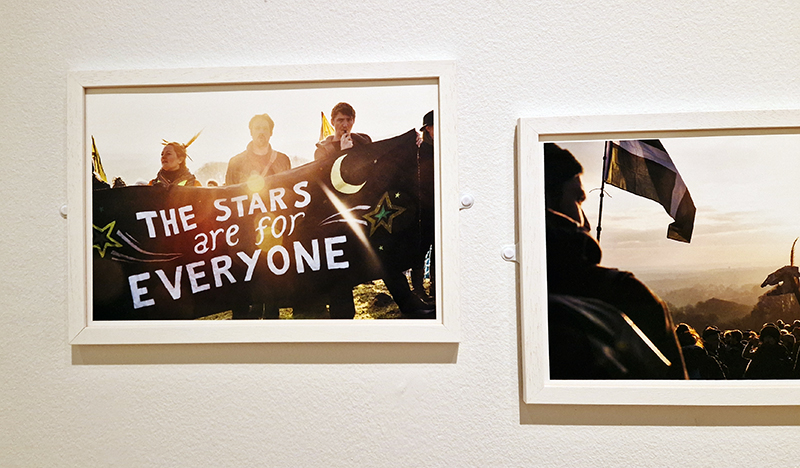
It has also been confirmed that the exhibition will be travelling to Aberdeen Art Gallery later in the year for a 6 month run. It has been a great experience being part of this timely exhibition and I am so pleased it will reach new audiences. As we face many environmental challenges, as space both expands and contracts – in that we can see further than ever before in greater detail, but are in the process of building a metal cage around our planet obliterating our view of the stars from Earth, when space exploration prioritises space exploitation and extraction, conversations about our place in the universe in relation to others including the non-human, and the inorganic is vital. It is clear that artists and scientists question the world we share in very similar ways through experiment, analysis and imagination. Both perspectives can change our view of reality. Congratulations to Ione for bringing us together to have these conversations and engage with artworks that enable us to feel a personal connection to the cosmos rather than merely observe it as something distant and intangible.
Studio International review Cosmos: The Art of Observing Space
Dr Katy Barrett https://www.spoonsontrays.com/blog/cosmos-the-art-and-science-of-observing-space
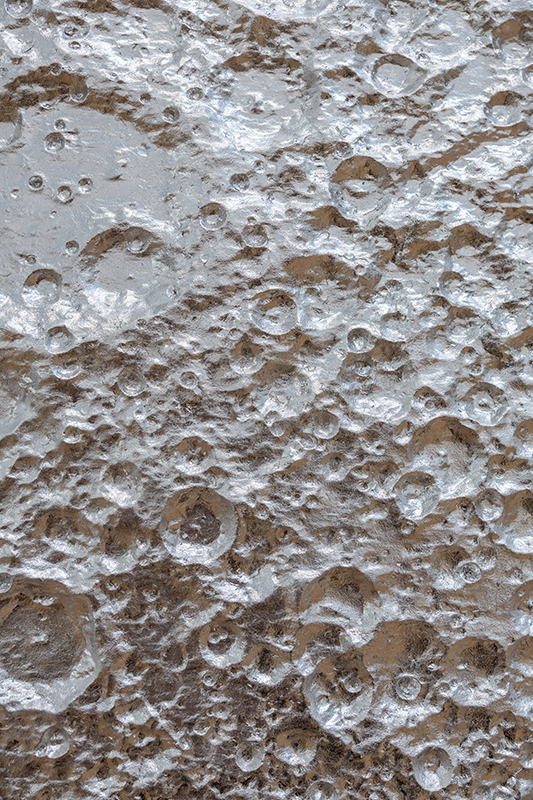
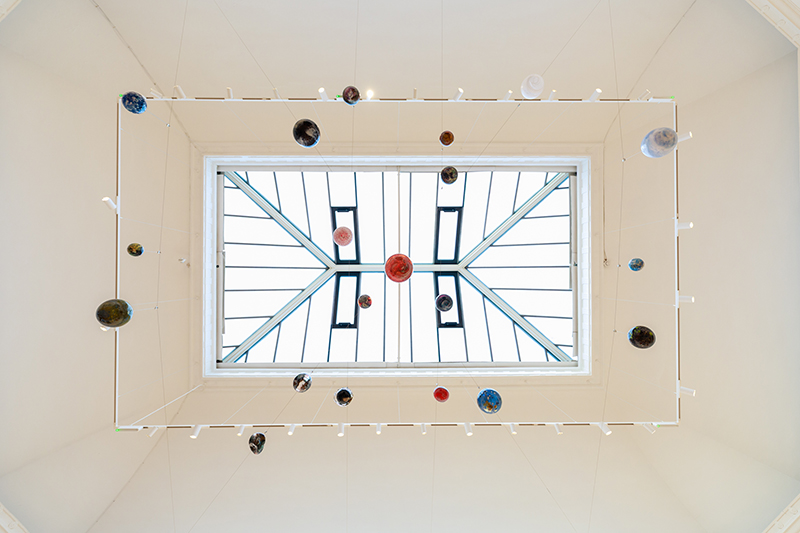
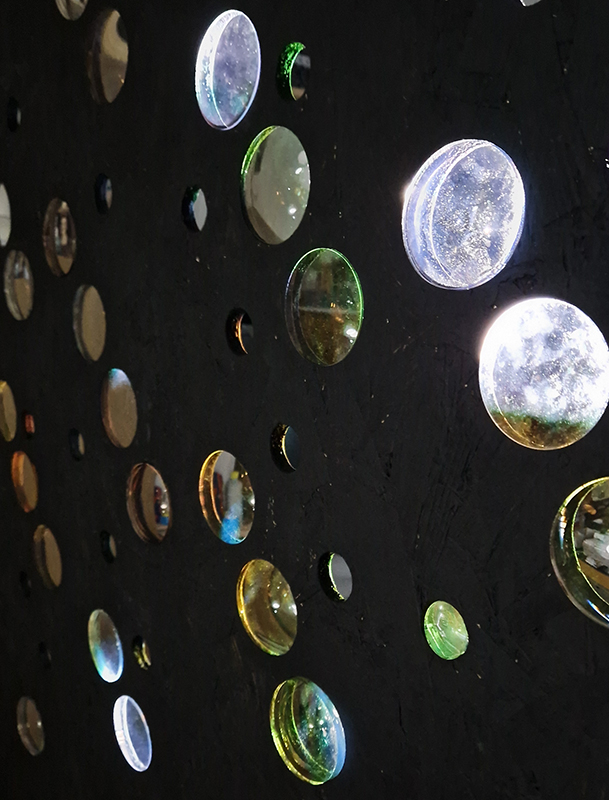
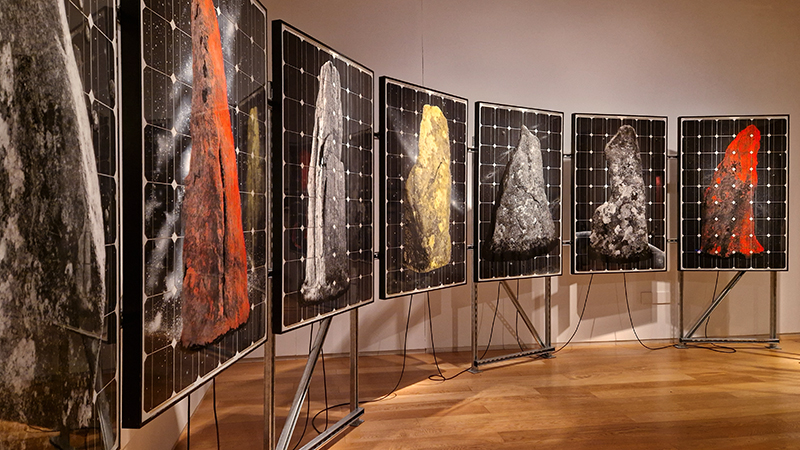
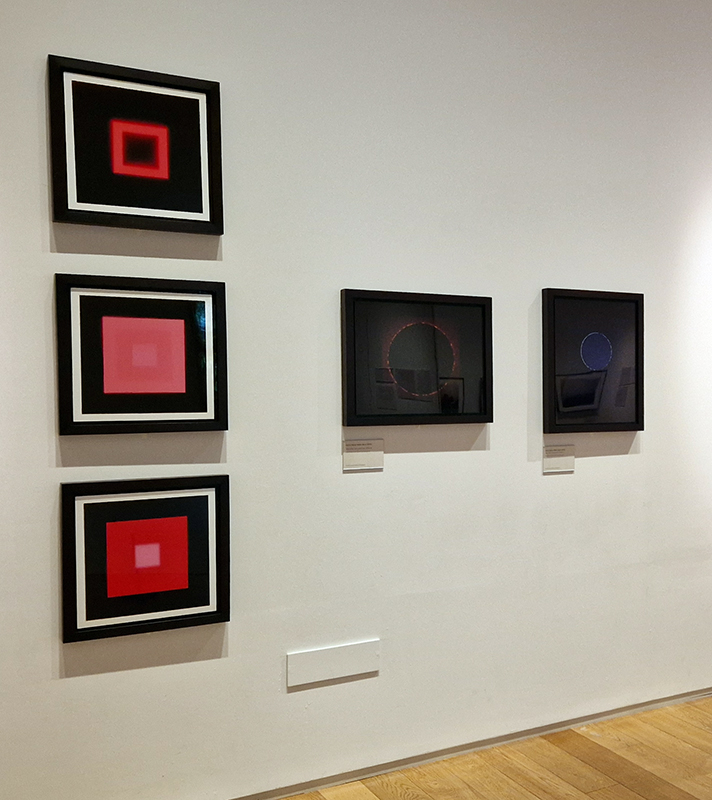
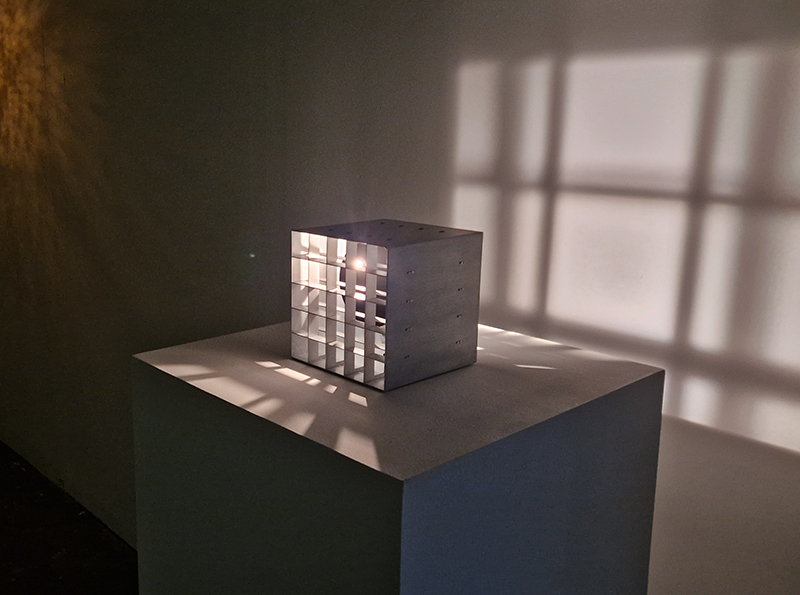
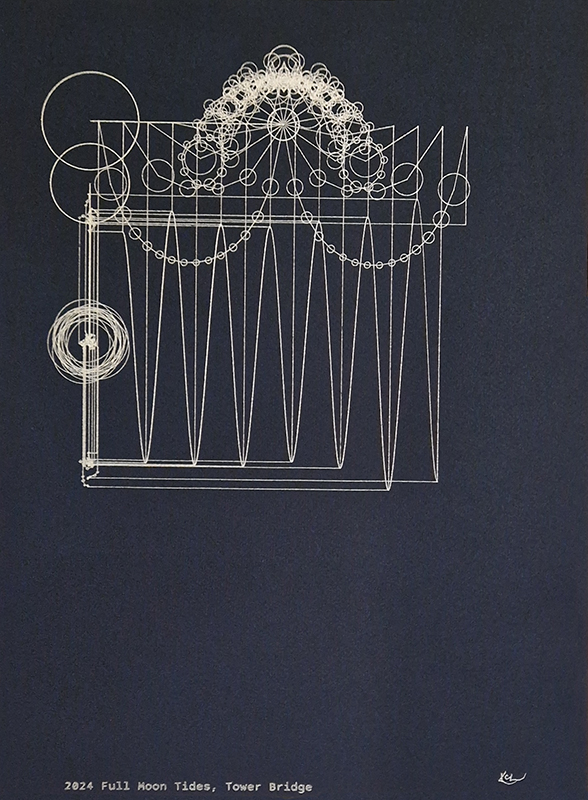
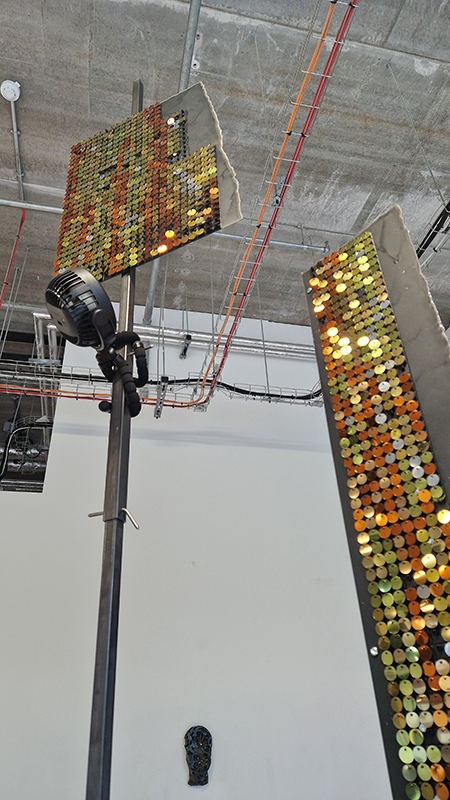
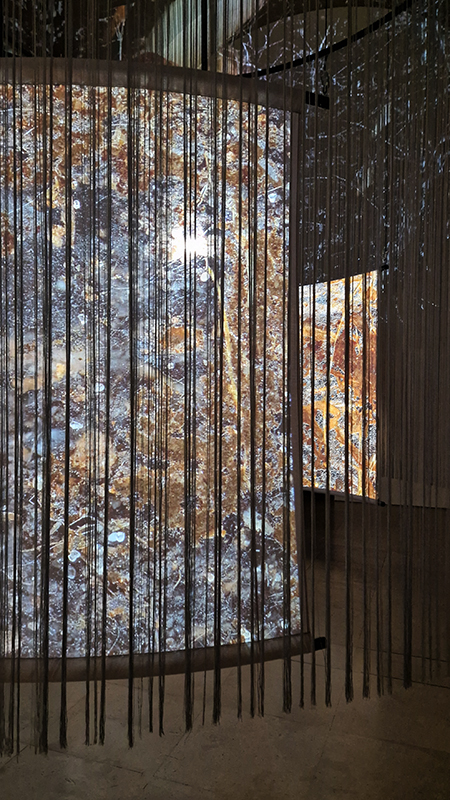
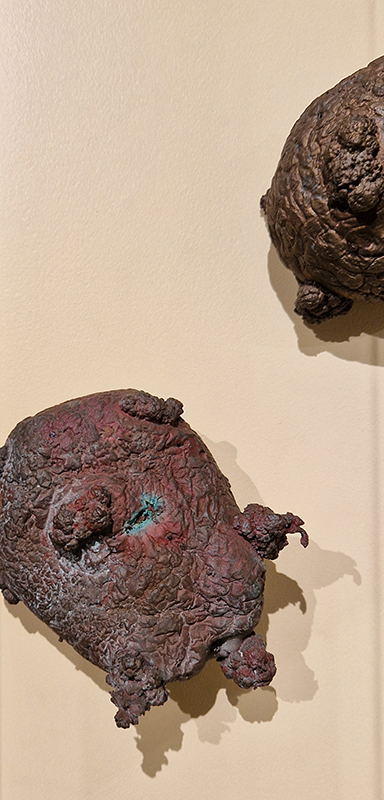
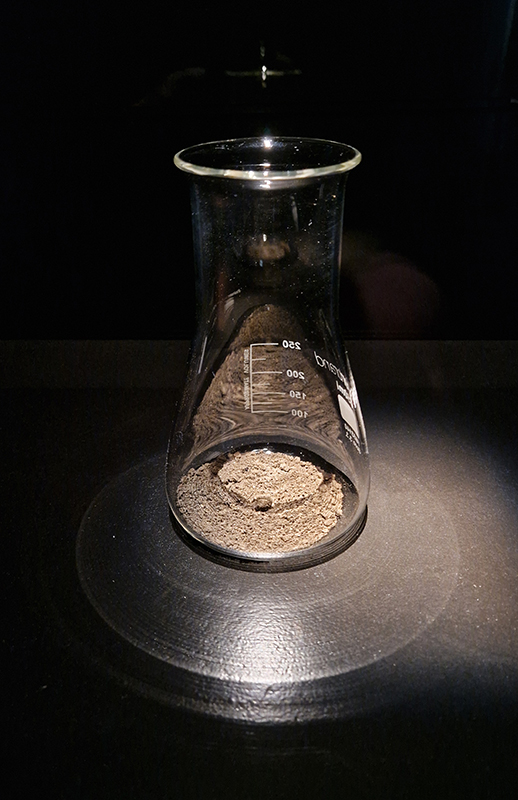
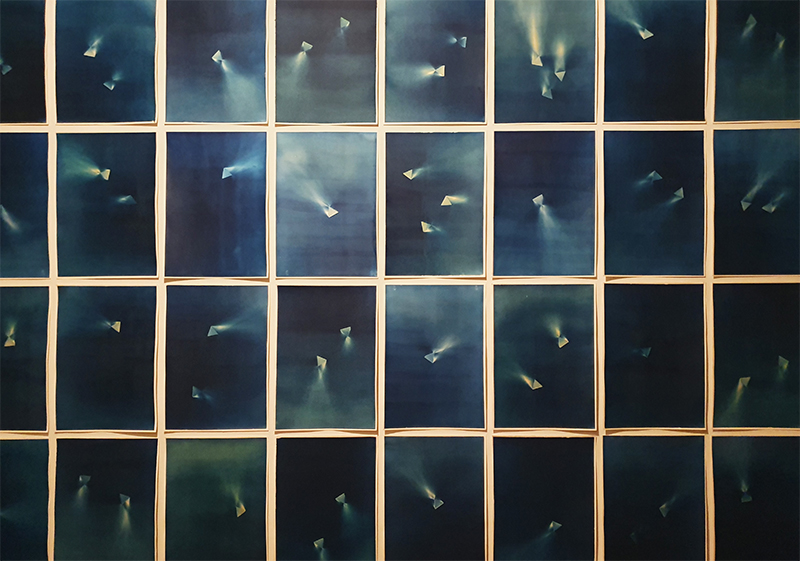
The four works I have in Cosmos: the art of observing space are The Obelisk (of sedimentary knowledge), 92 Years Measured in Light, Orbital and Sun Factor.
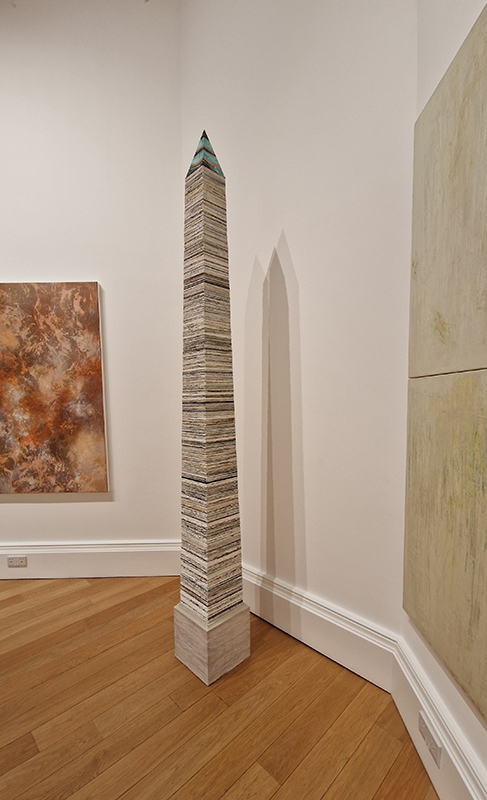
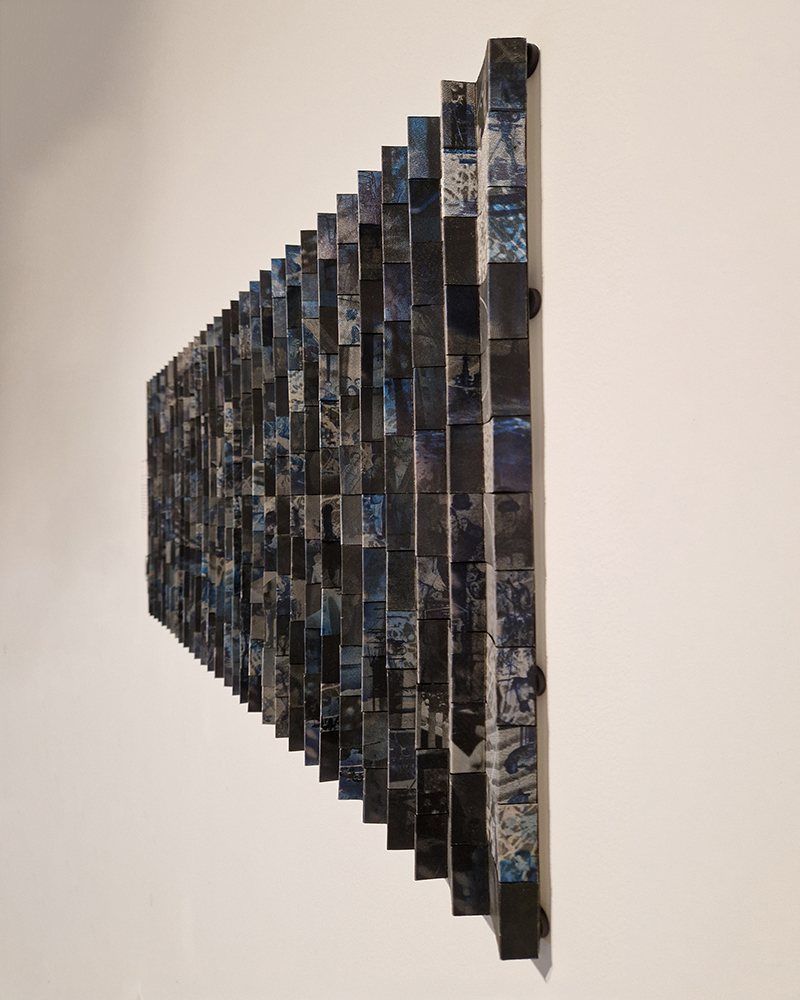
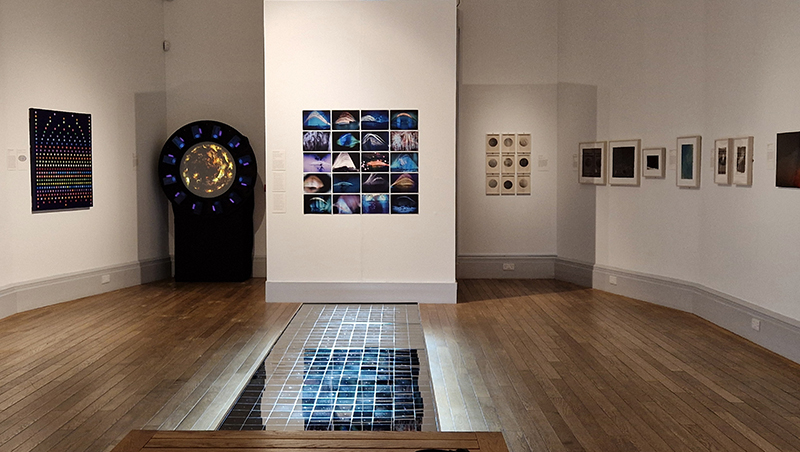
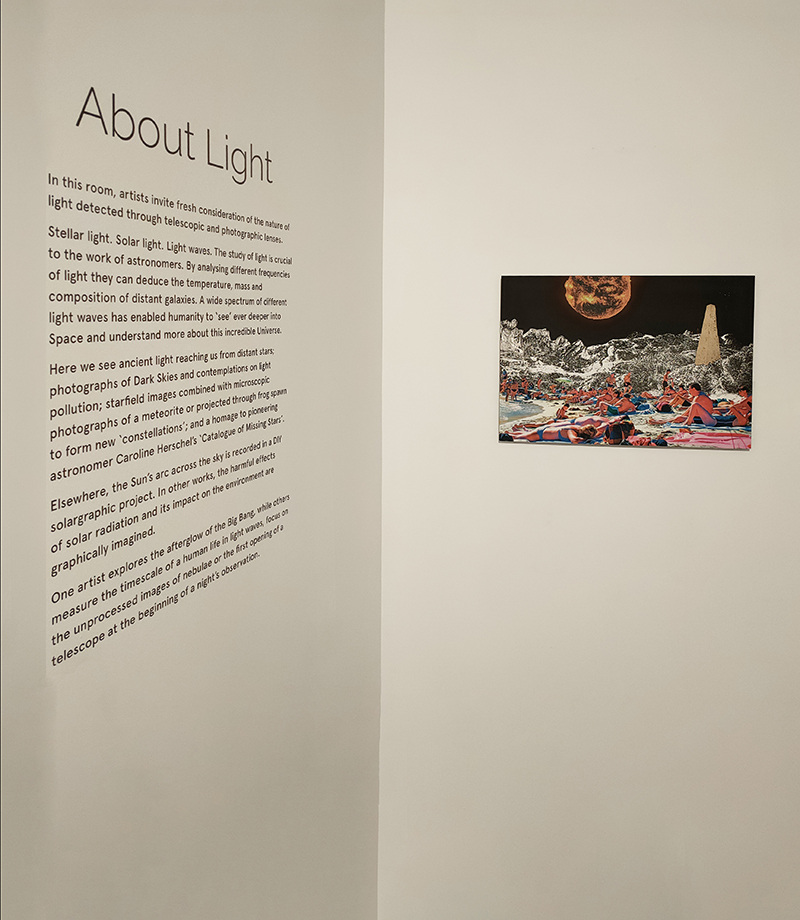
The following selection of exhibition images are courtesy of Alastair Brookes, KoLab Studios.
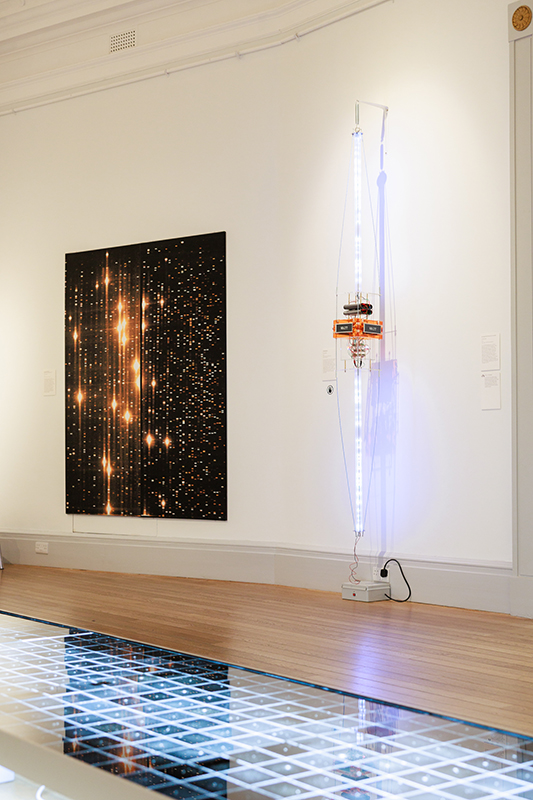
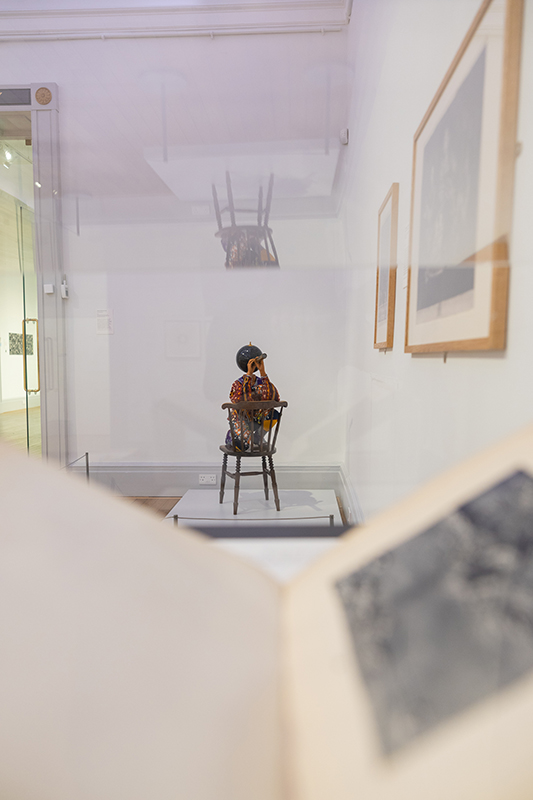
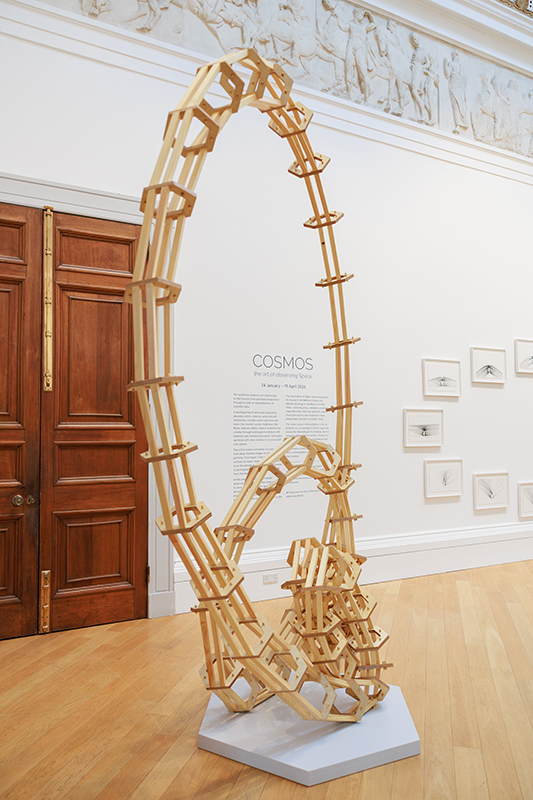
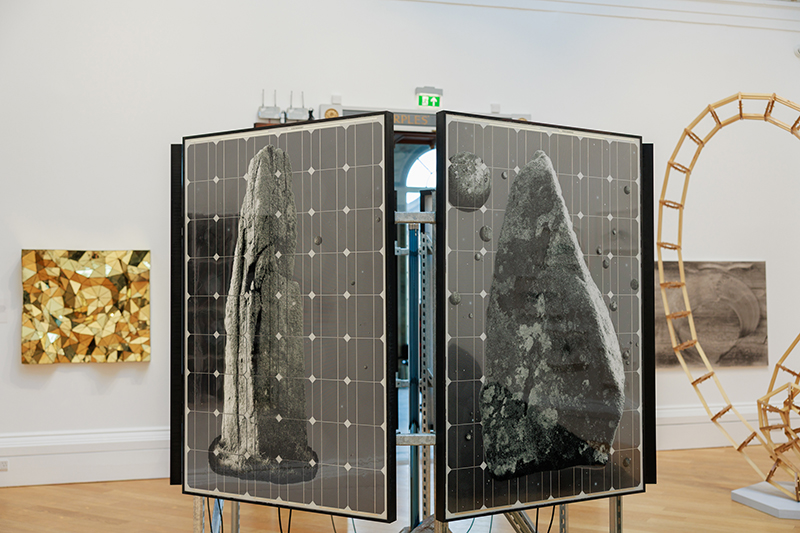
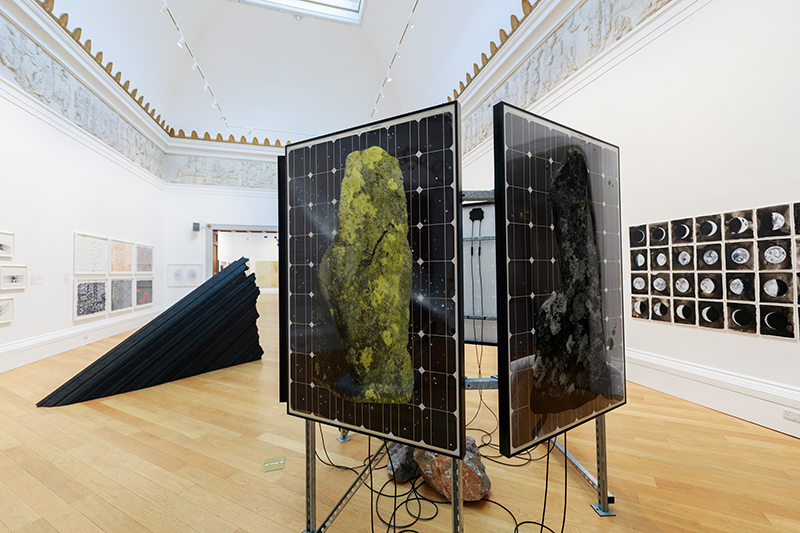
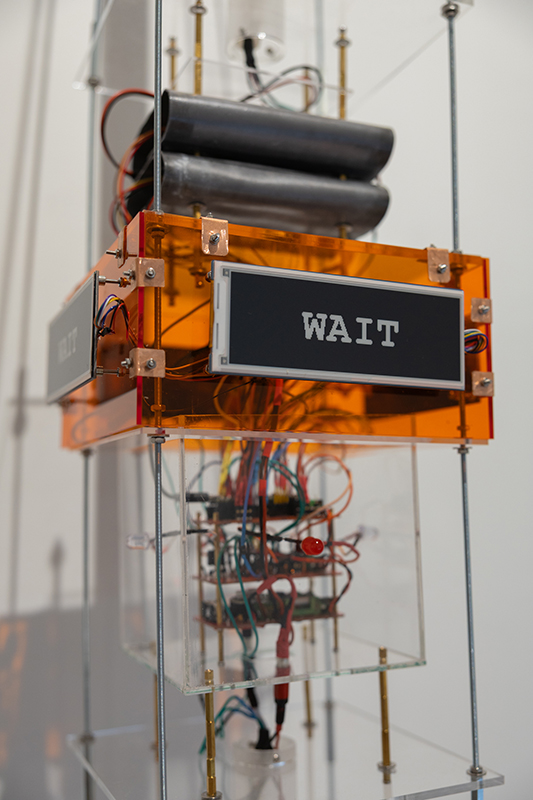
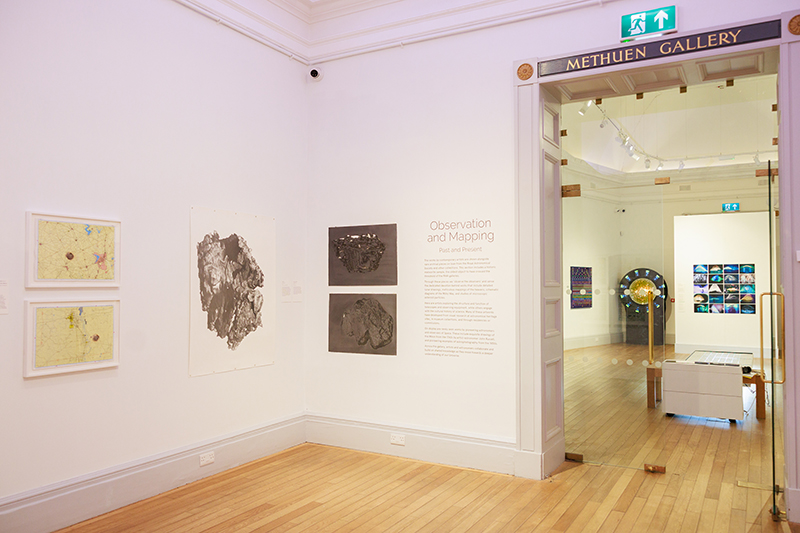
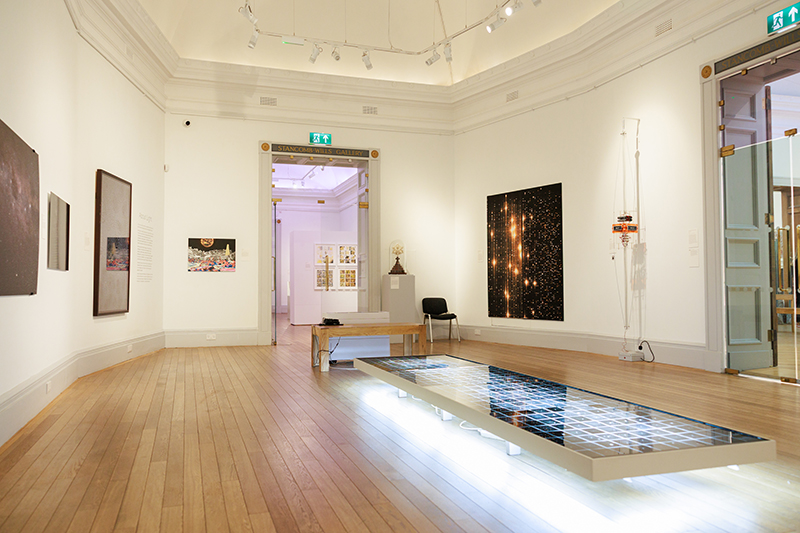
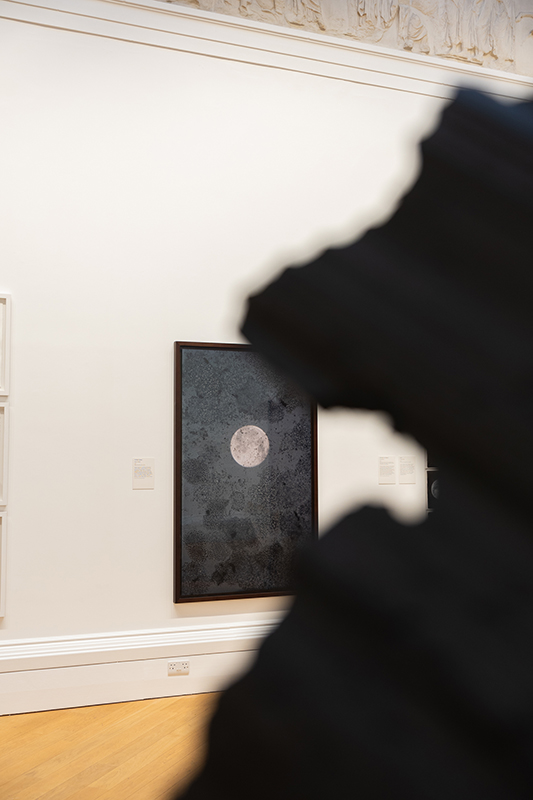
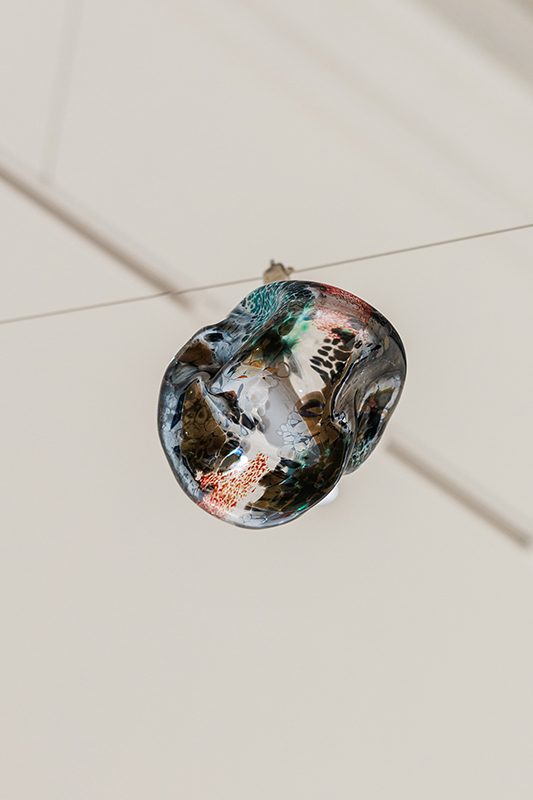
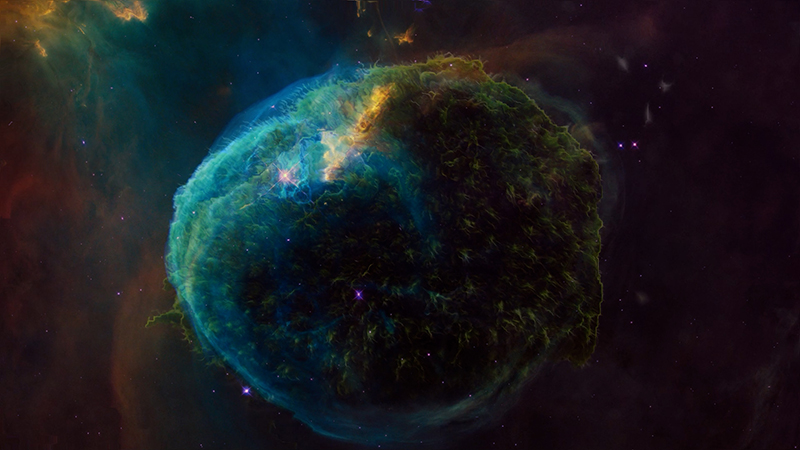
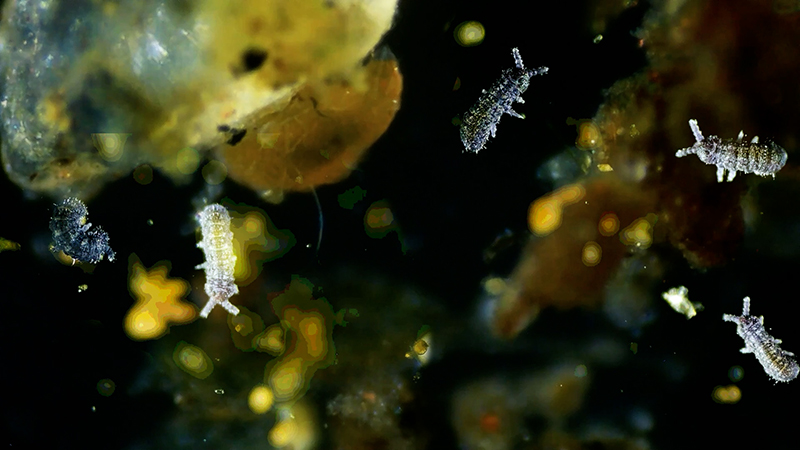
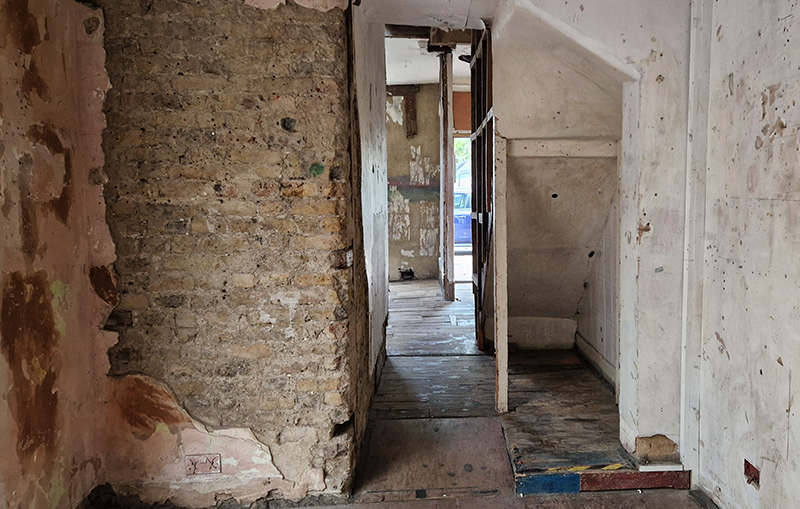
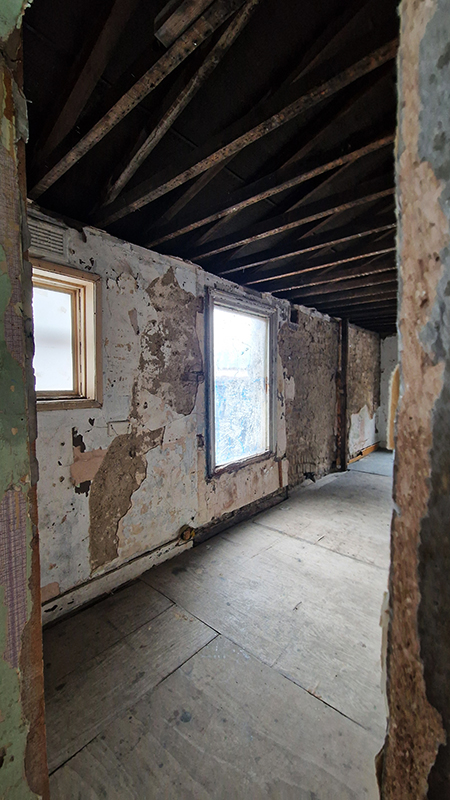
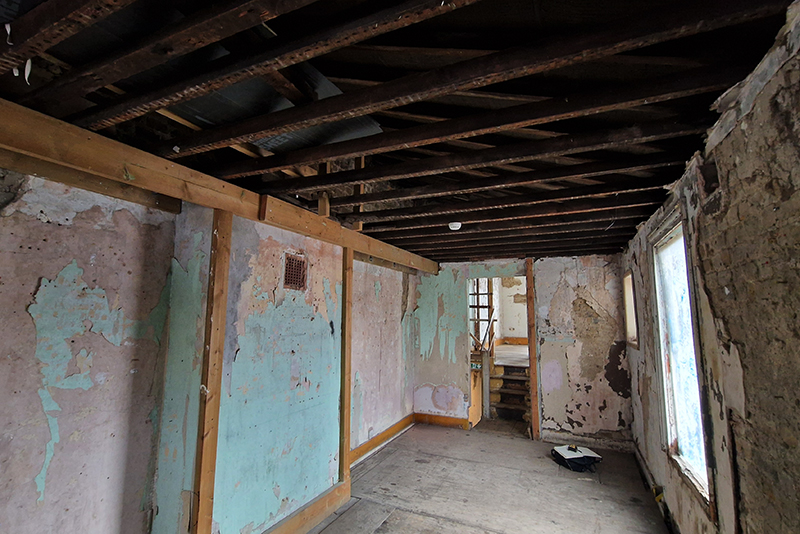
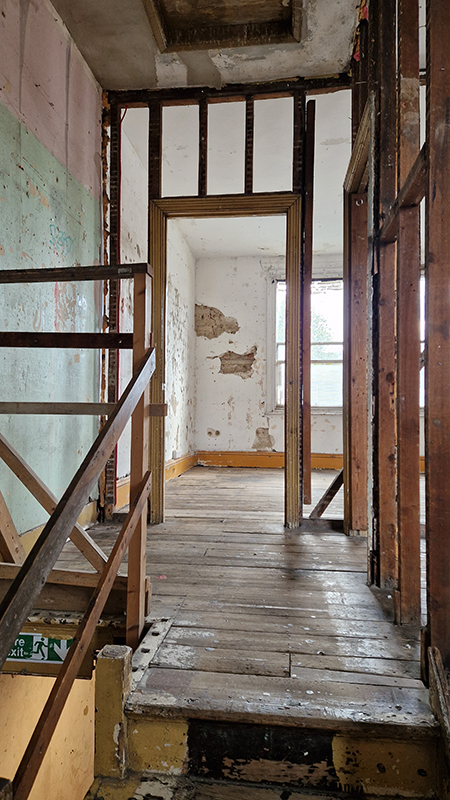
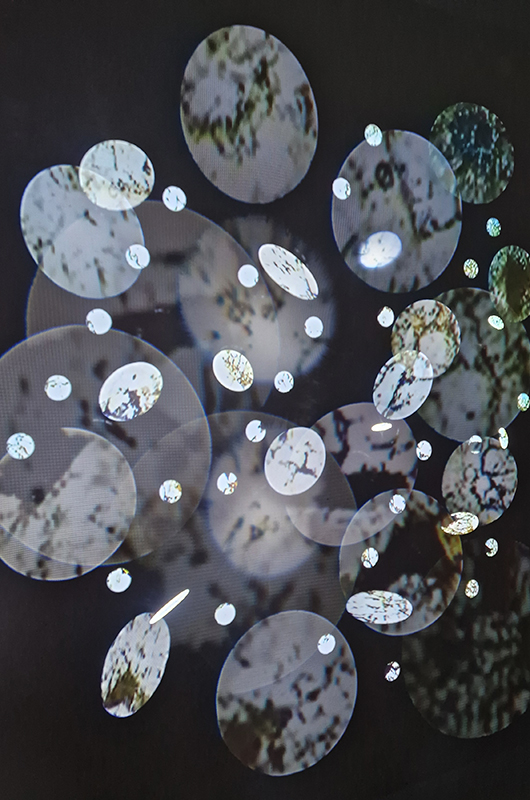
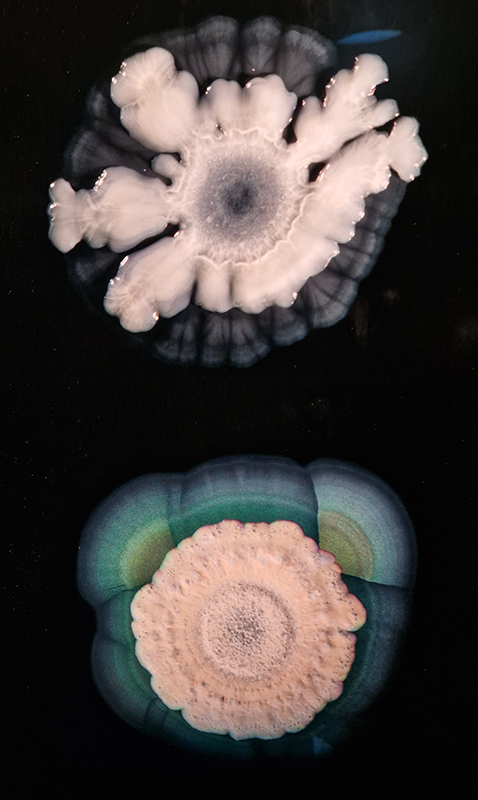
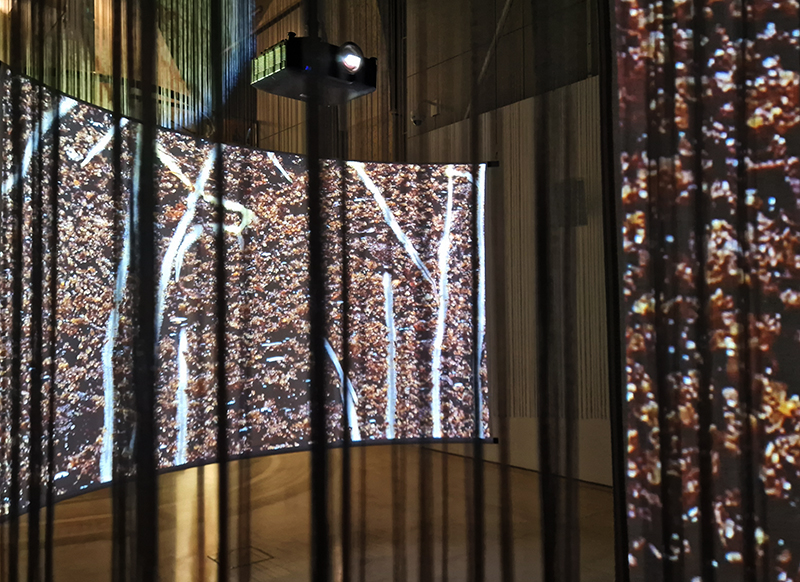
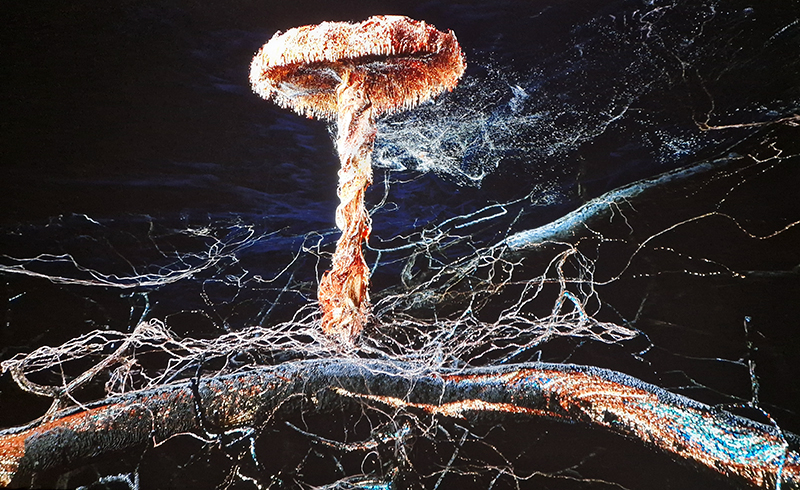
In the studio I have been busy editing a new video work looking at the otherworlds inhabited by microscopic creatures of the gutter, to be shown in the upcoming exhibition Occupied: Strange Company curated by Julie Hoyle. This exhibition brings together contemporary artists whose works temporarily inhabit the rooms of the Safehouses in Peckham. Set within the remnants of domesticity, painting, sculpture, print, installation and moving image sit alongside each other in unexpected ways, shifting the atmosphere of the house and rendering the familiar strange.
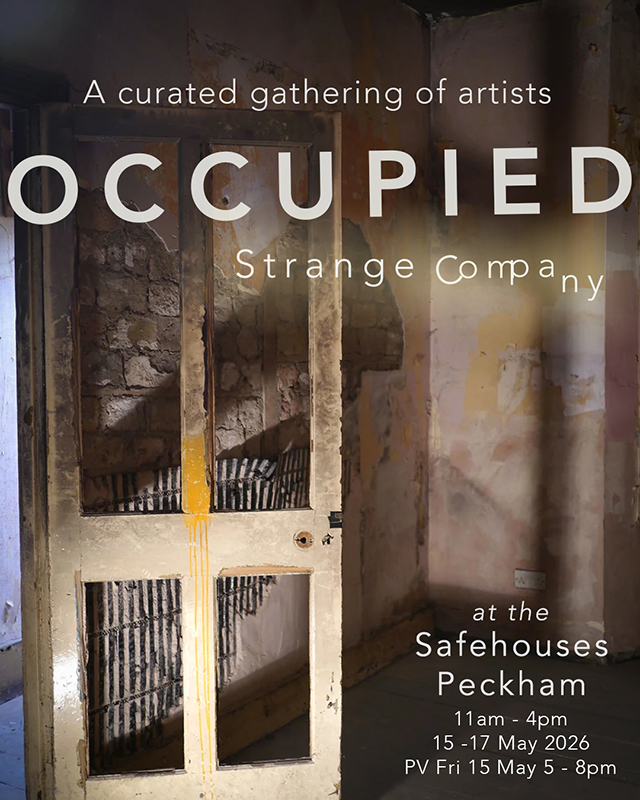
Site visit to Safehouses. I plan to project onto bare brickwork in the exposed loftspace.
Out and About and Online
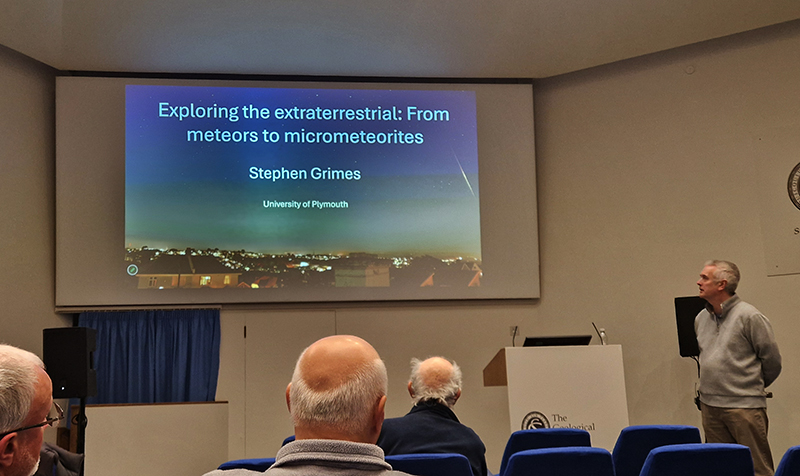
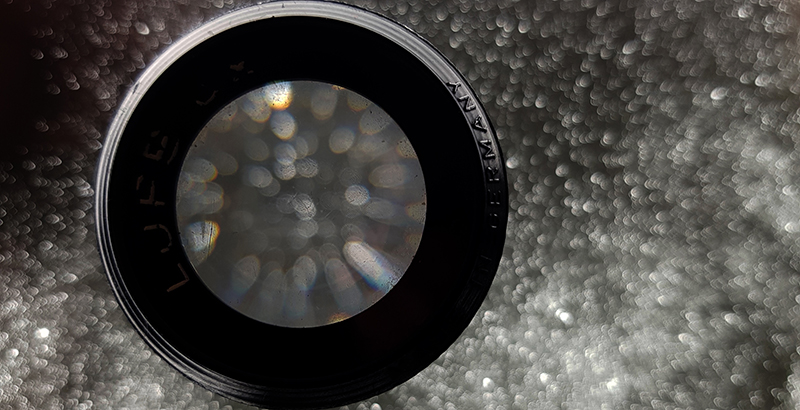
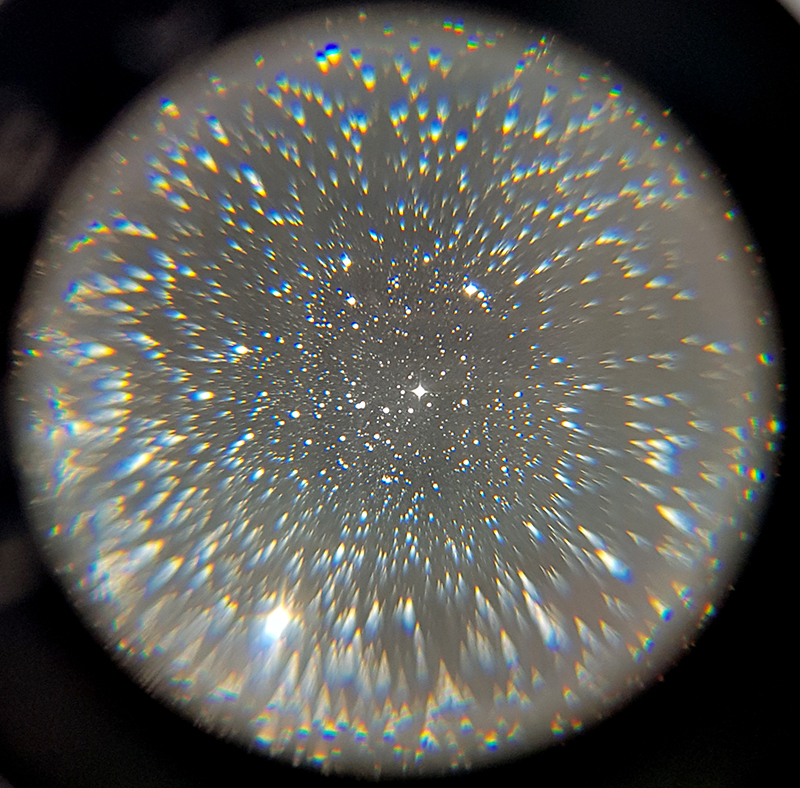
Inspiring public lecture at the Geological Society Exploring the extraterrestrial: from meteors to micrometeorites encouraging us to install meteor detector cameras on our homes and sift through the dust that collects on our roofs and in our gutters to hunt for micrometeorites. I would like to install a camera but am hampered by a lot of light pollution, surrounding rooftops and wayward trees. Having been fascinated by all the creatures that live in my gutters and making new work envisaging these as astronauts finding cosmic dust spheroids would be a fitting addition but I would need a much more powerful microscope to identify these objects that vary in size but are usually about a hair’s breadth across.
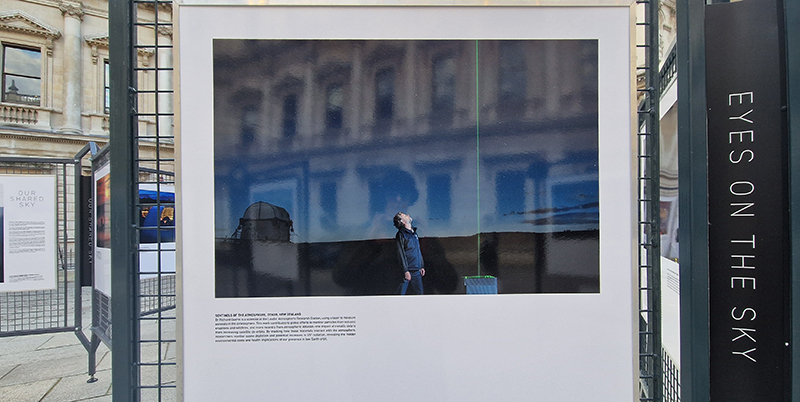
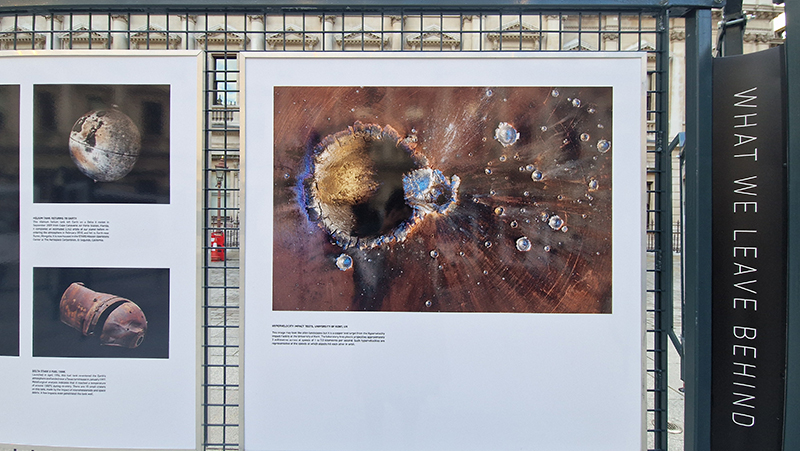
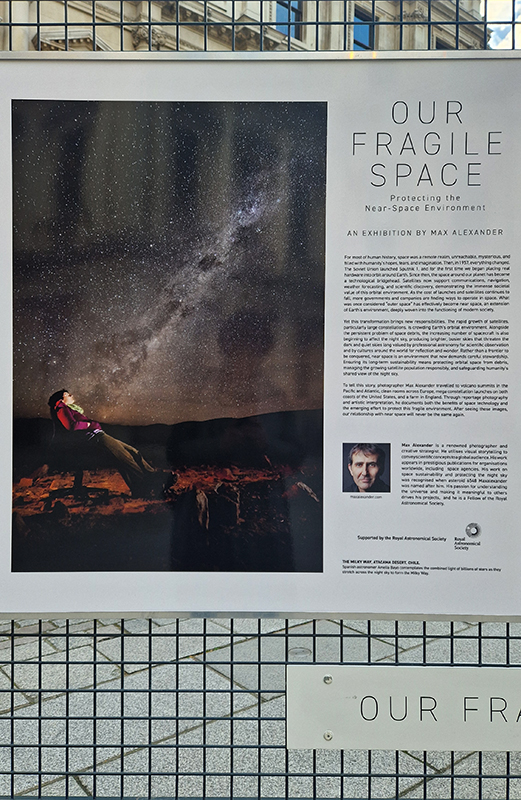
A display of photographs by Max Alexander has been installed by the Royal Astronomical Society in the courtyard of Burlington House highlighting the growing problem of space junk orbiting our planet.
Enjoyed this nourishment – Emergence magazine article Wrinkled Time: The Persistence of Past Worlds on Earth by Marcia Bjornerud and The Mater podcast on minerals.
This article in Future Observatory Journal – More than Human, on a re-reading of Thomas Nagel’s text ‘What is it like to be a bat?’, which was published in The Philosophical Review in October 1974, has some interesting points to think about when considering how more than human creatures experience the world.
More-than-human also means other-than-human imagination and conceptual apparatus. In non-human worlds based on different senses – olfactory, electrical, seismic, magnetic, auditory – things that are invisible to us, for example, might be concrete and tangible, and what is seemingly solid to another animal might be imperceptible to us. From a non-human perspective, objects that we give distinct identities to through language – teapot, steam, air – become unified in ways that fuse words into new, multi-layered object identities, beyond visual appearances.
absolute now II at Danielle Arnaud featuring Rieko Akatsuka, George Barber, Kaz, Guy Sherwin, Tereza Stehlikova. Drawing on the essay Time and Eternity by D.T.Suzuki the works in this exhibition curated by Kaz engage with moments of frozen time, frames looped in the video or animation that together suggest time moving forwards. Magical diorama and inventive video installations.
Suzuki also compares the human experience of reality to that of other animals, believing they do not have self awareness to question the concept of eternity, to criticise or desire beyond the life they know. That human consciousness enables us to imagine and to step out of reality, to dream. But we can never imagine what totally different reality a bat experiences.
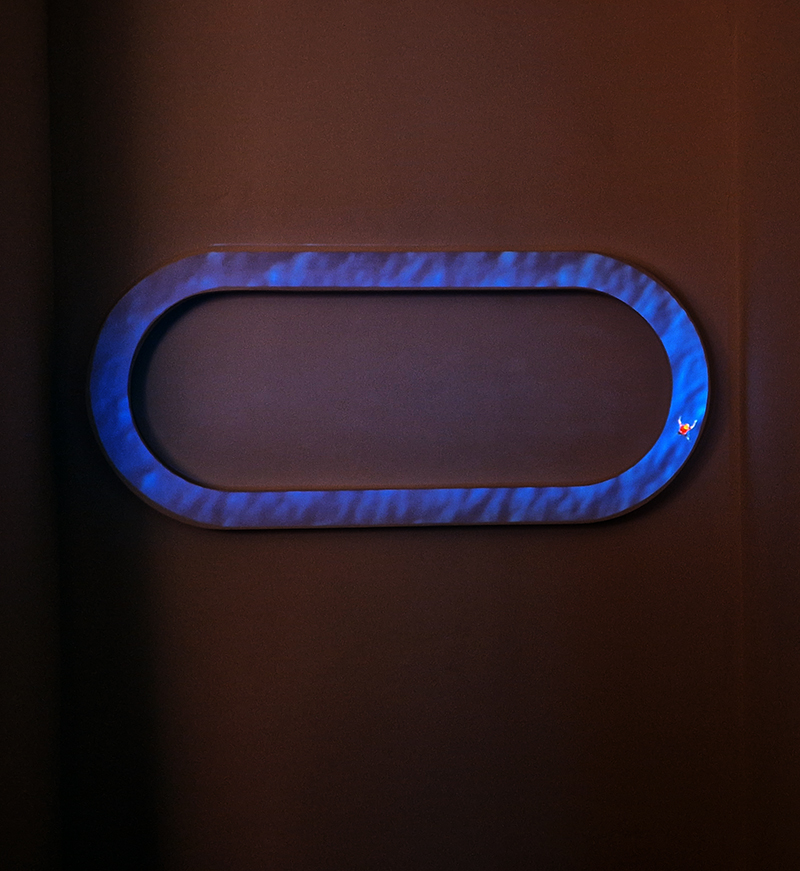
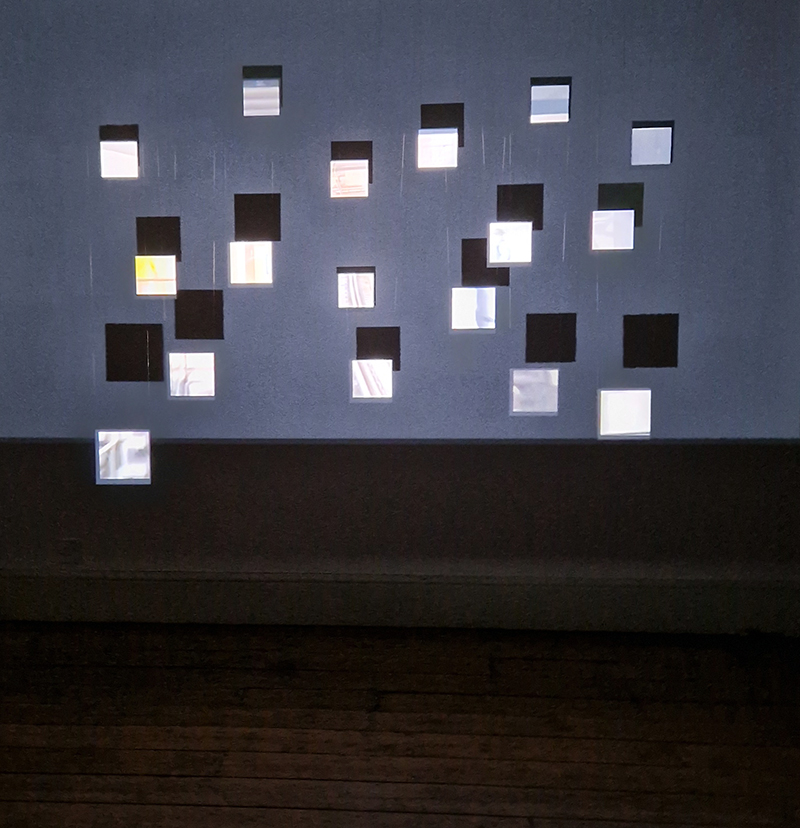
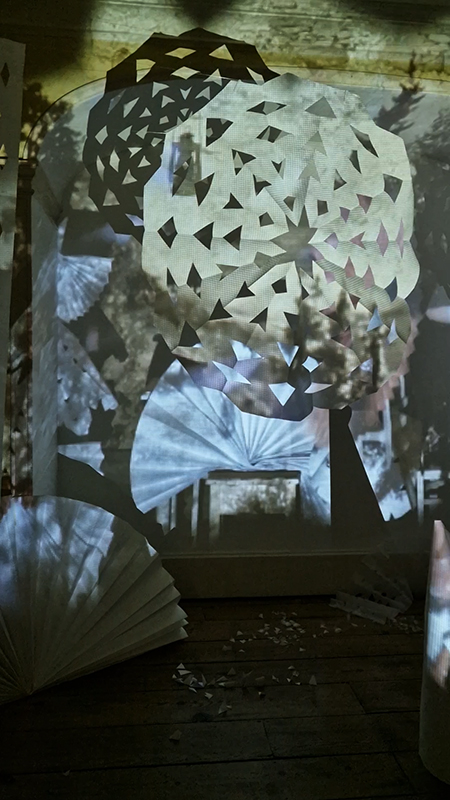
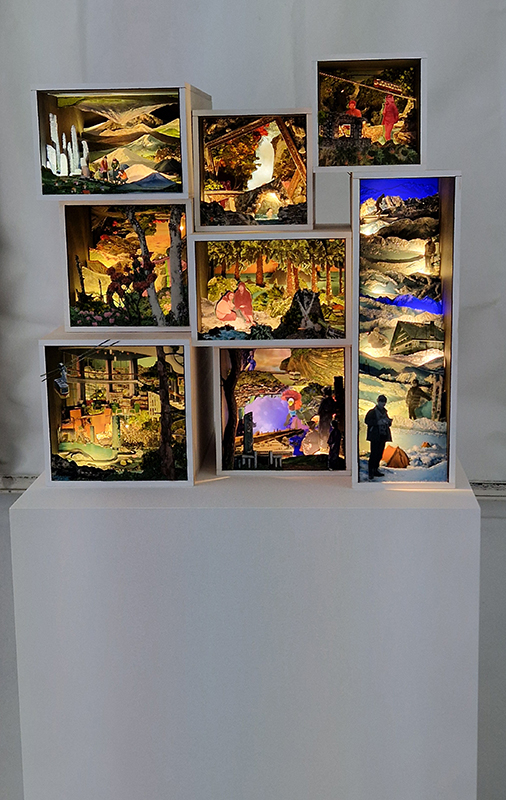
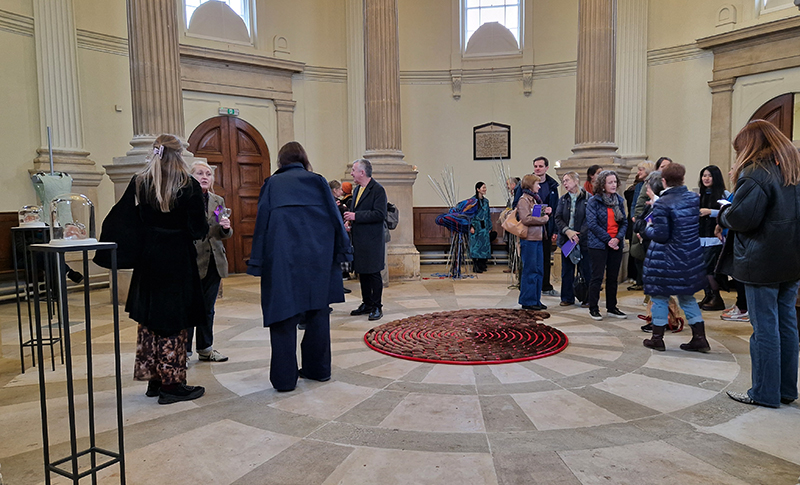
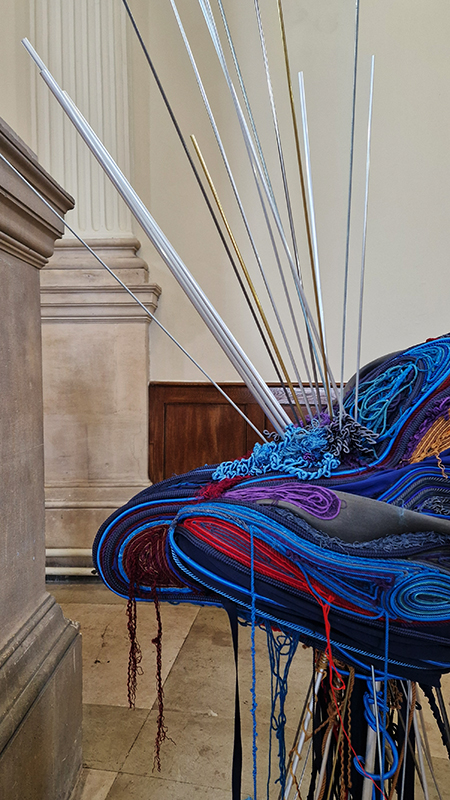
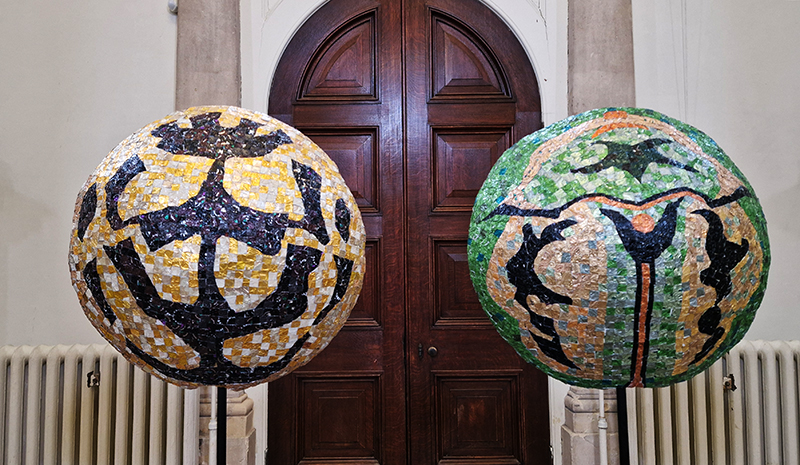
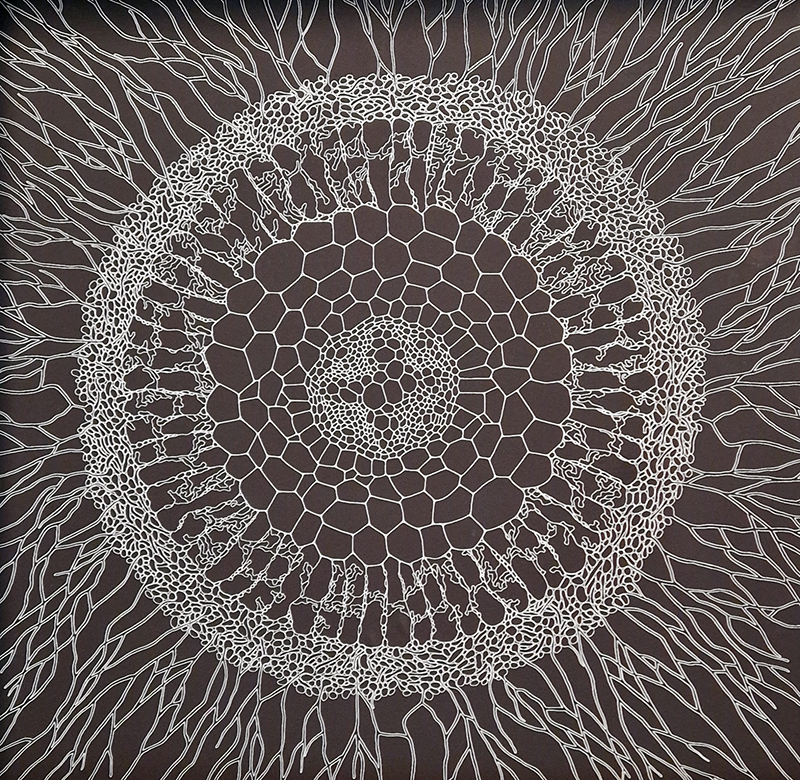
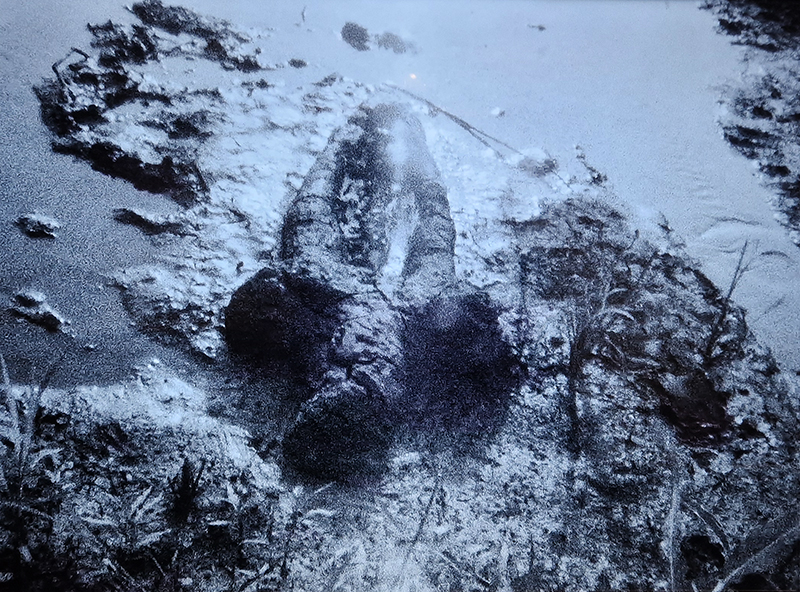
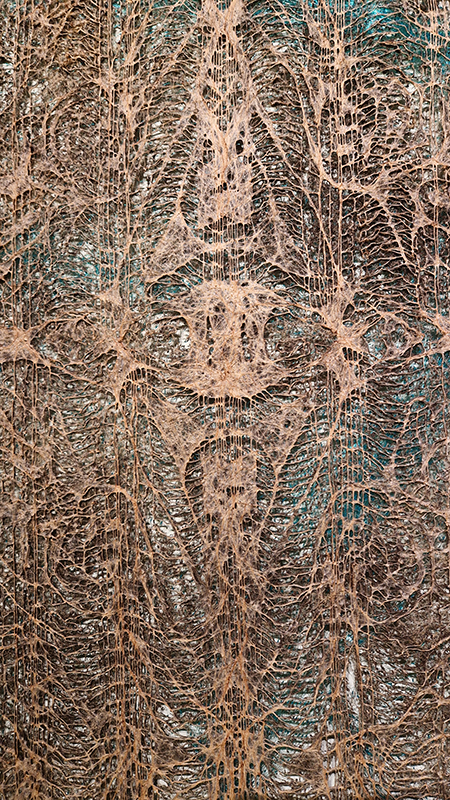
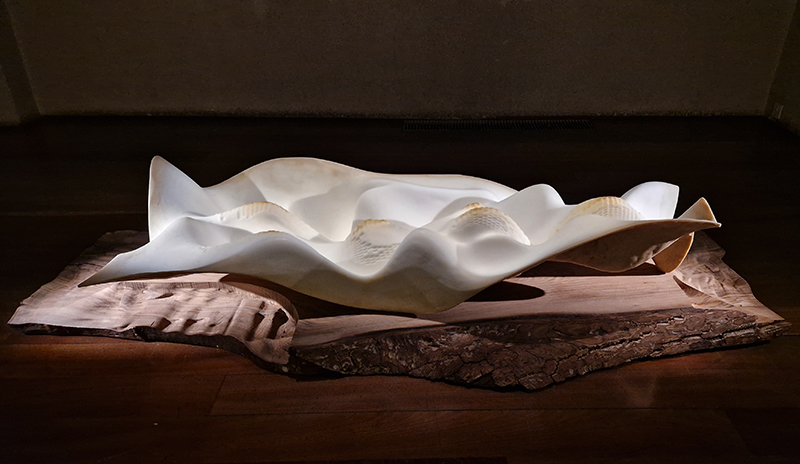
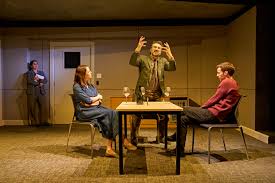
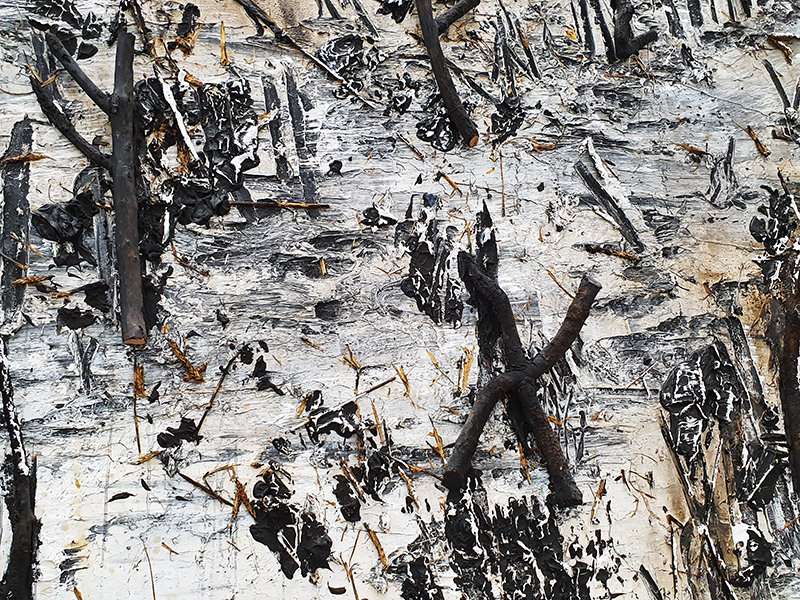
Deep Veins celebrating International Women’s Day, Brompton Cemetery Chapel sensitively curated by Catherine Li and supported by Friends of Brompton Cemetery. Images 1/2 Lisa Pettibone, 3 Alice Cunningham, 4 install shots 5 Sato Sugamoto, 6 Rachel Goodison. Works also include Philippa Beveridge and Helen Barff.
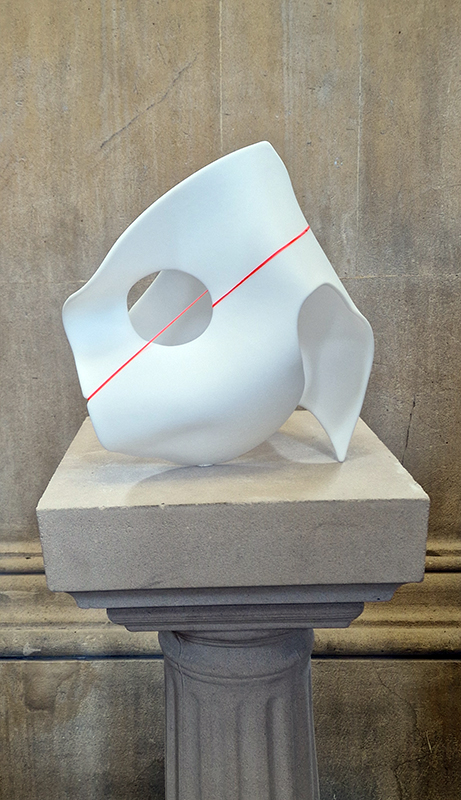
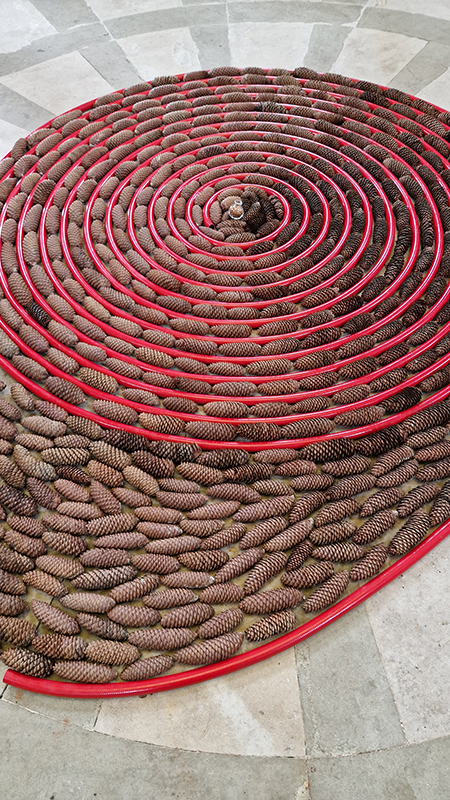
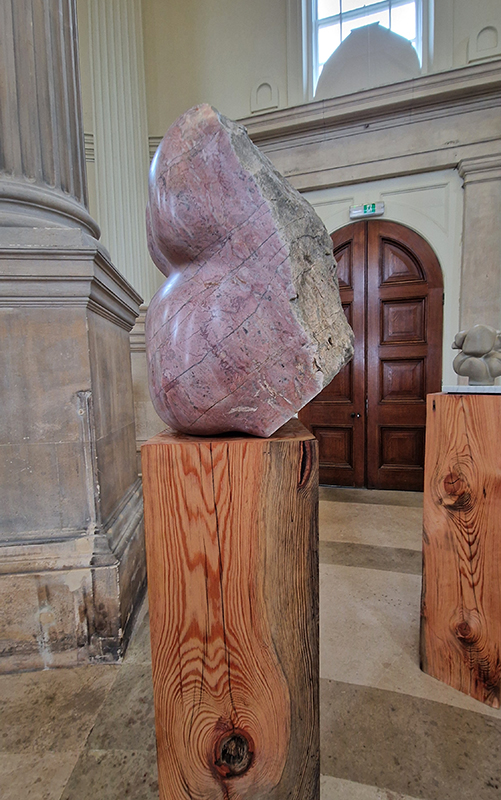
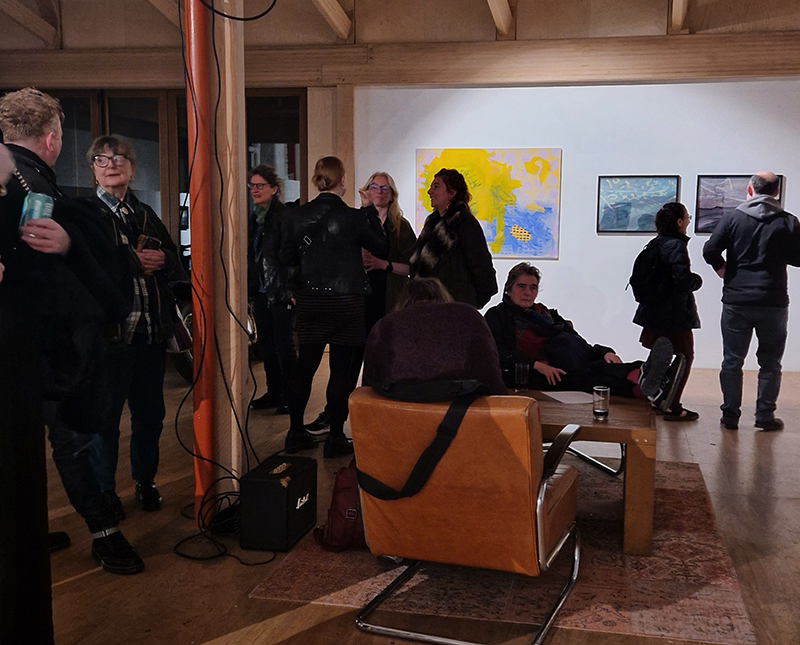
Gravity is Occult: Studies of the Cosmos at Farsight Gallery. The exhibition featured paintings by Kevin Quigley and Siobhán McAuley. Modern physics and occultism have a complex, intertwined history, especially during the Victorian era and the birth of quantum theory – where scientists studied psychic phenomena, alchemy, and spiritualism, seeking deeper realities beyond materialism.
As Artists and Thinkers we like to dream into and explore ‘hidden’ worlds.
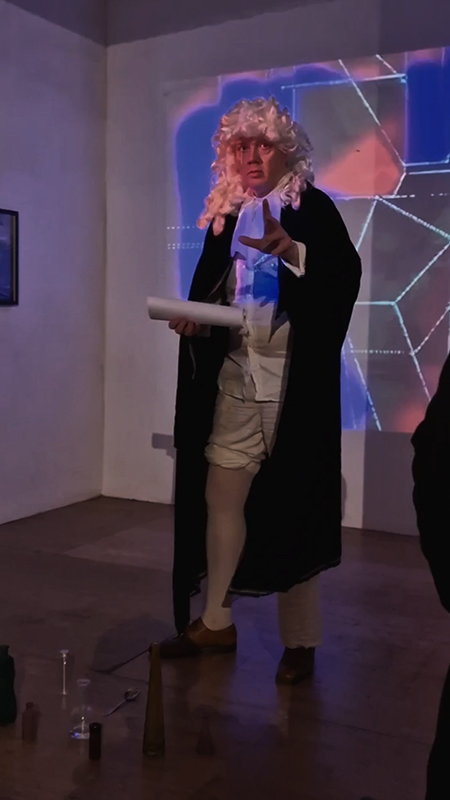
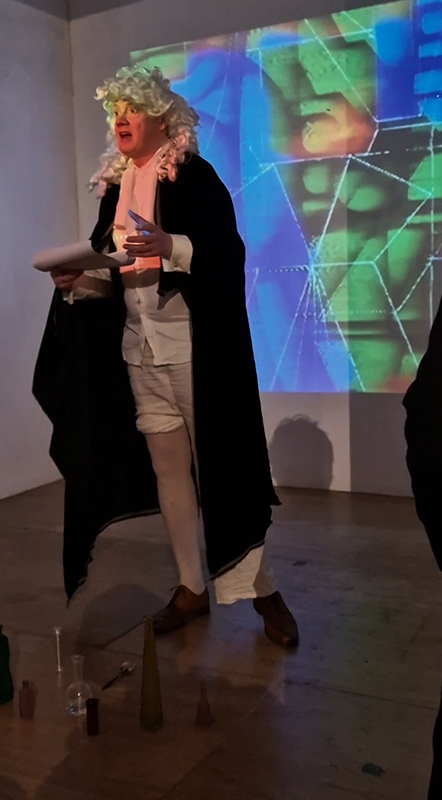
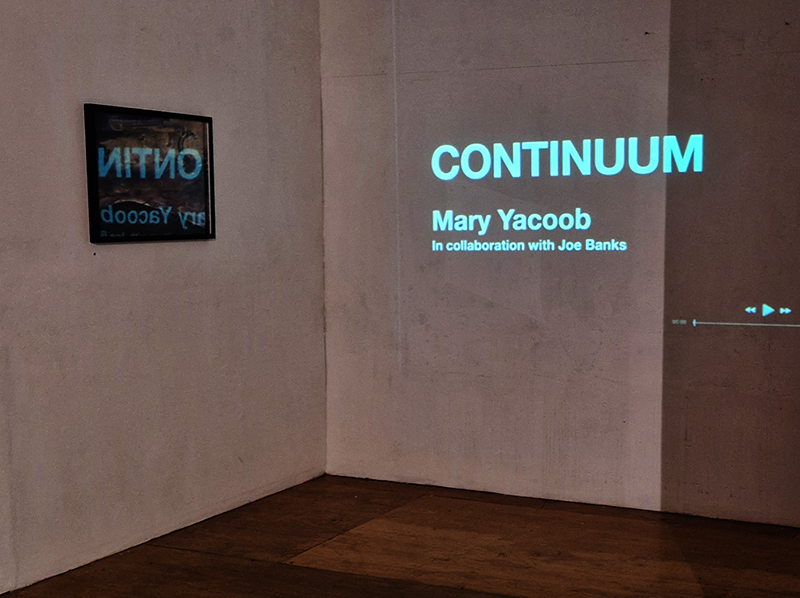
I very much enjoyed the performance The Gravitician (Newtonian Performance) by Calum F Kerr with cosmic diagram film projection Continuum by Mary Yacoob. Having started reading Martin Rees book Just Six Numbers (on how the behaviour and origins of the universe can be explained by just six numbers) and grappling with the number that describes gravity I was entranced by the repetitive mantra of the Gravitician ‘I see f is equal to g’. In classical physics, (force) represents gravity, calculated as (Newton’s Law of Universal Gravitation).


































 Susan Eyre