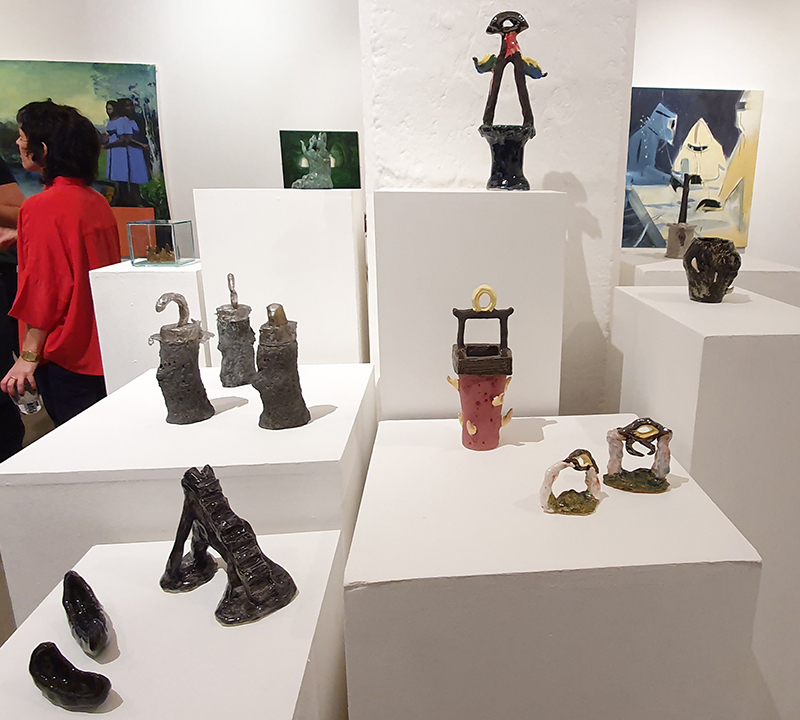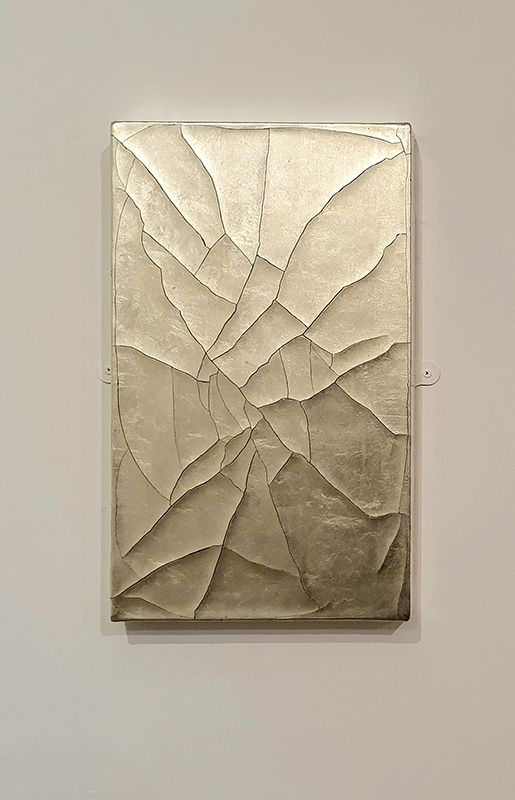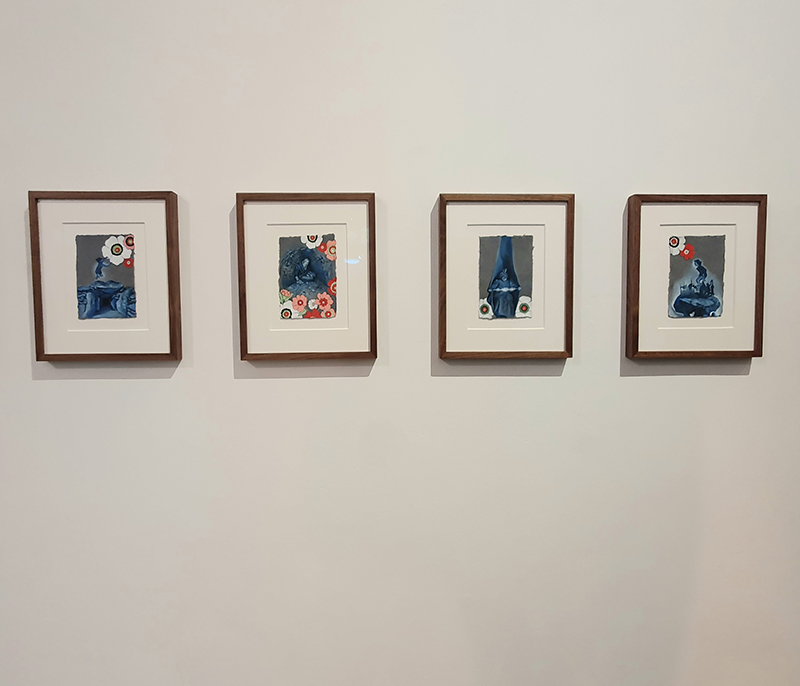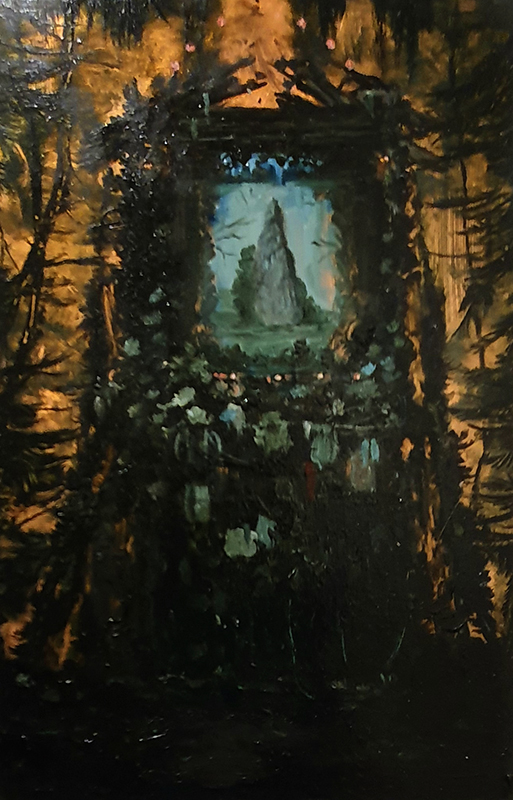
Archives for posts with tag: Charmaine Watkiss

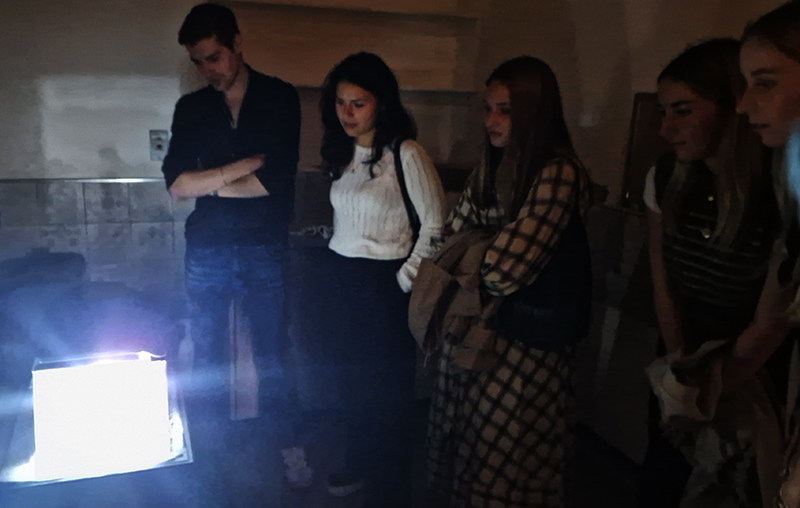
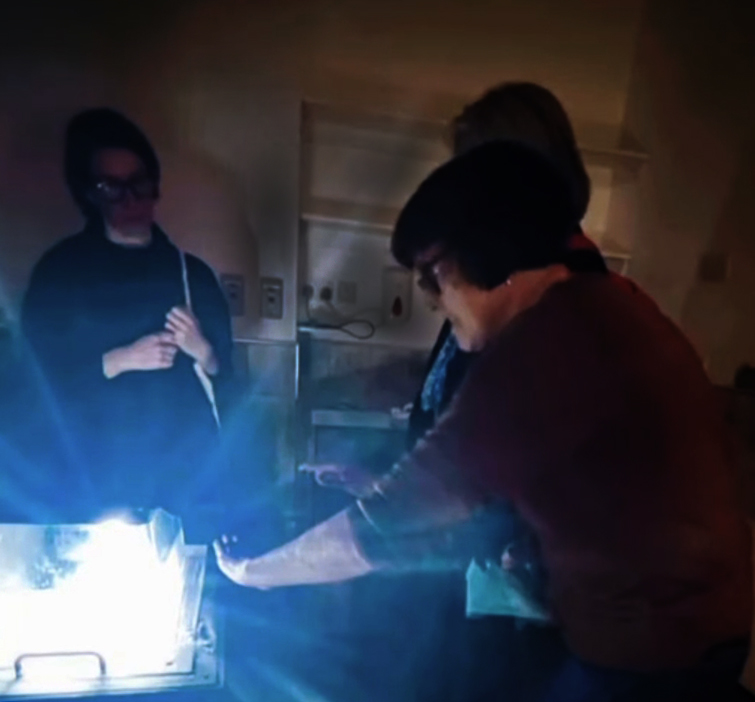
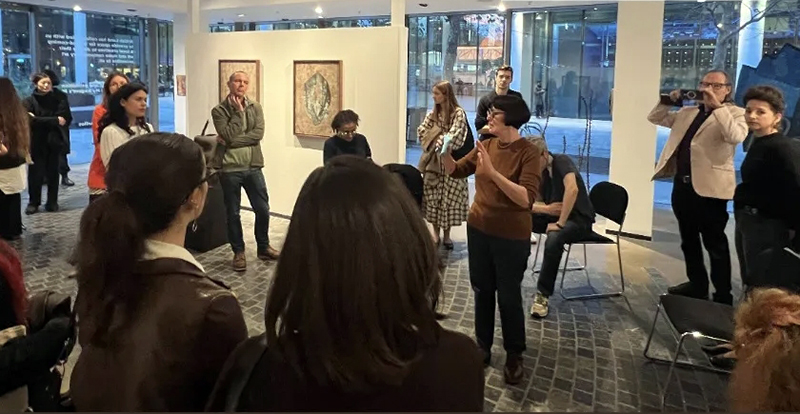
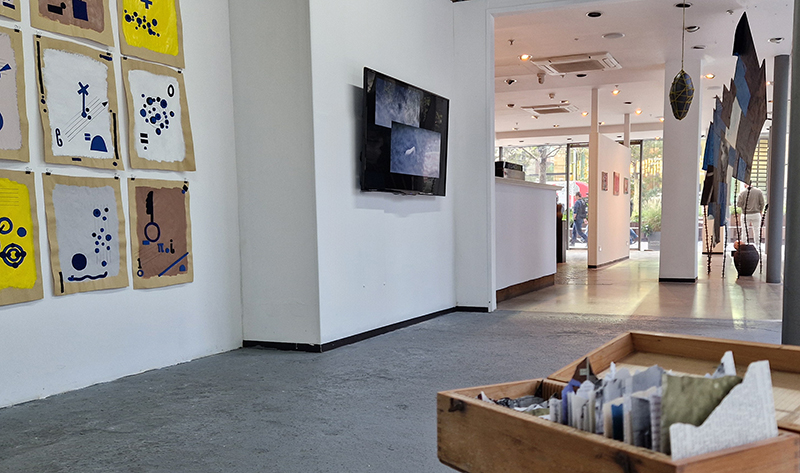
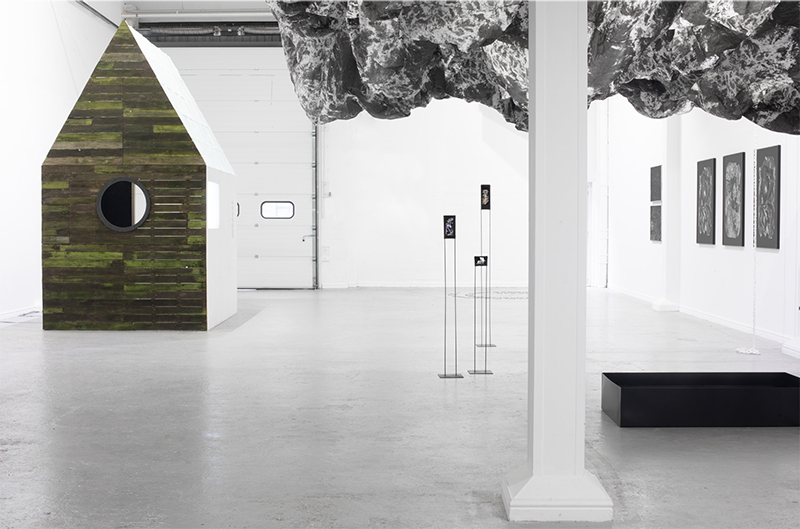
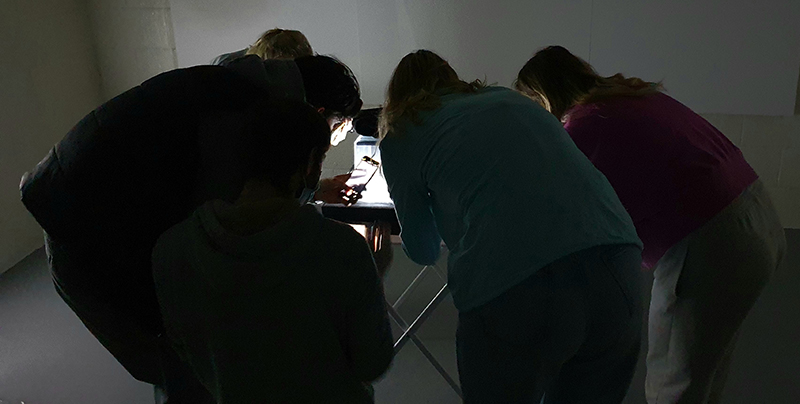
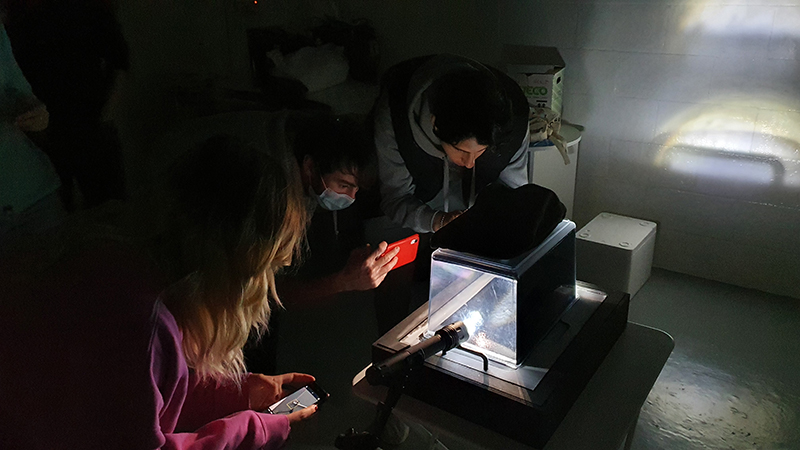
The finale of the exhibition programme of Carbon, Carbon Everywhere co-curated by Indira Dyussebayeva-Ziyabek and Maria Hinel at Hypha HQ included an exhibition tour, a BREAT(HOLD) workshop led by Ania Mokrzycka and an invitation to view cosmic particle trails passing through a cloud chamber.

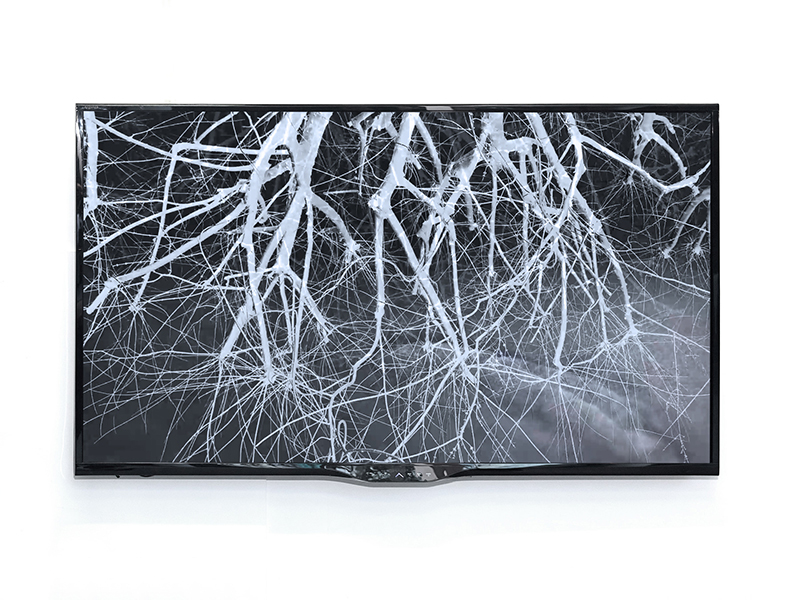
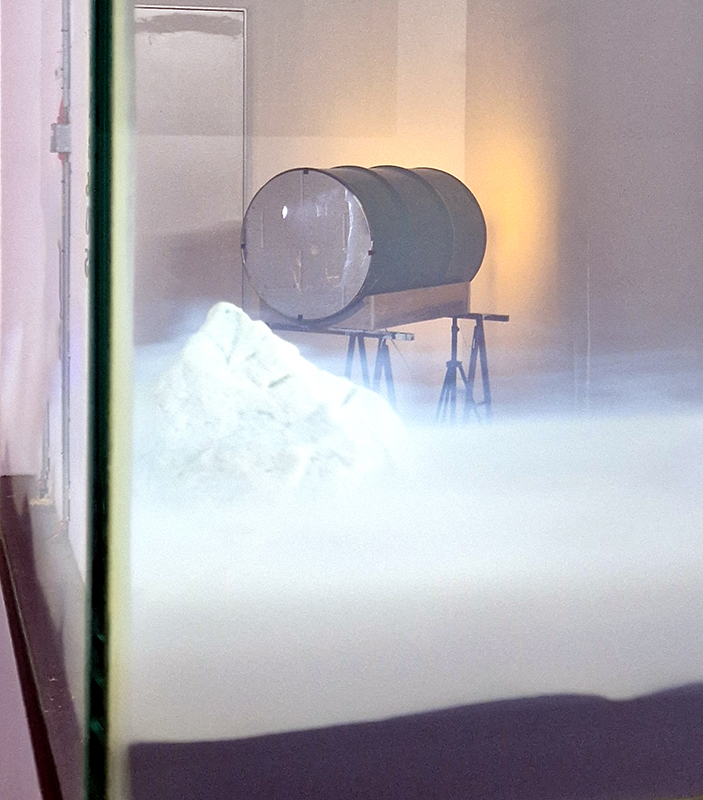
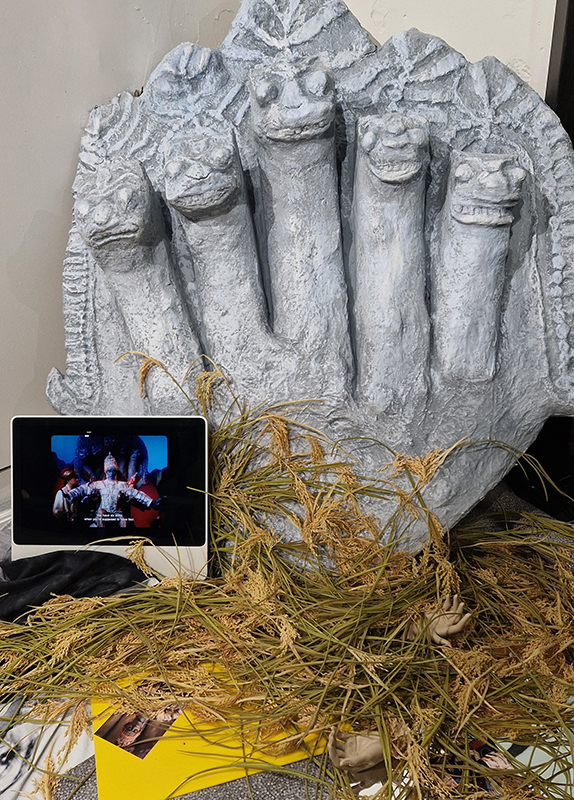
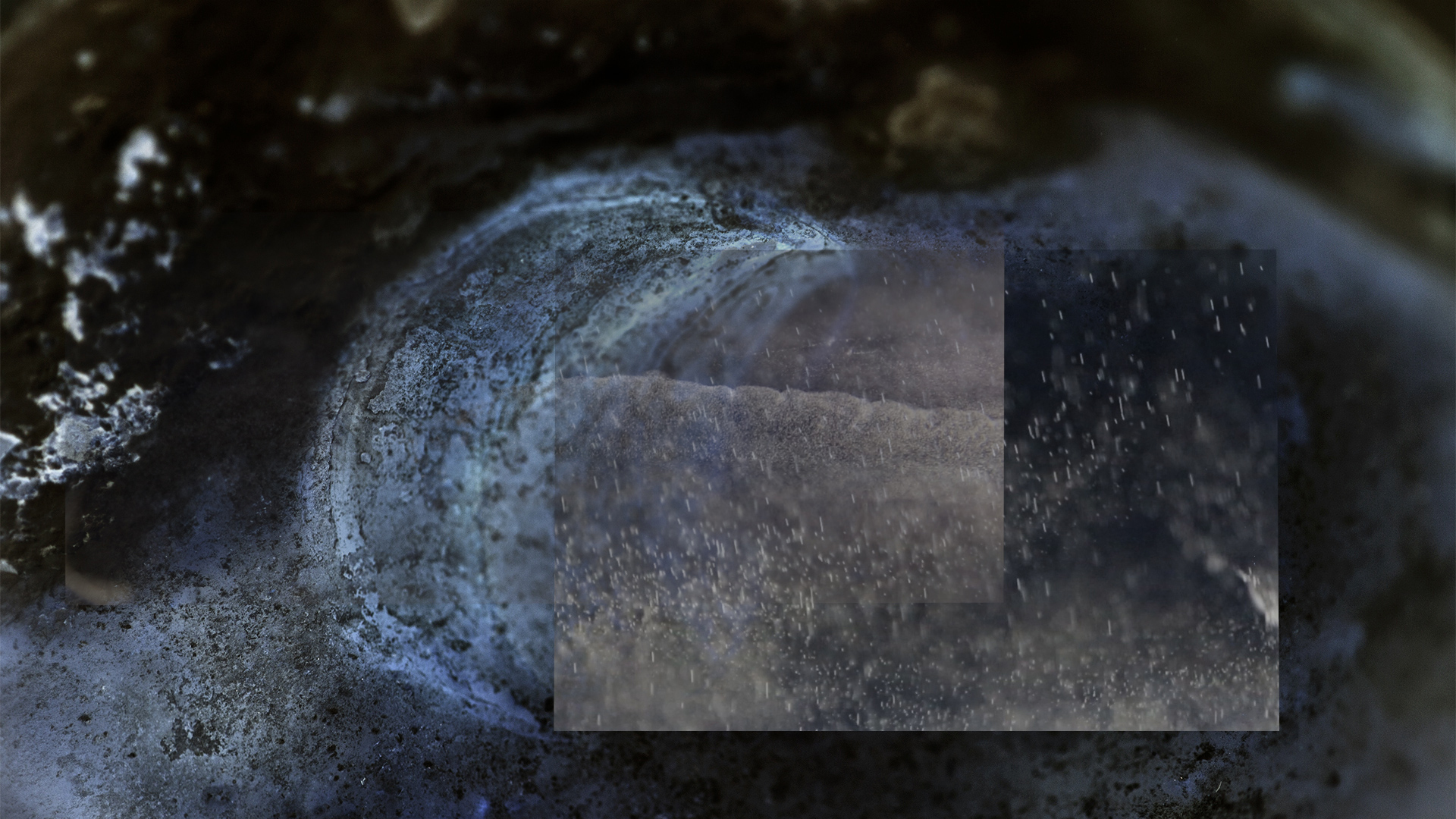
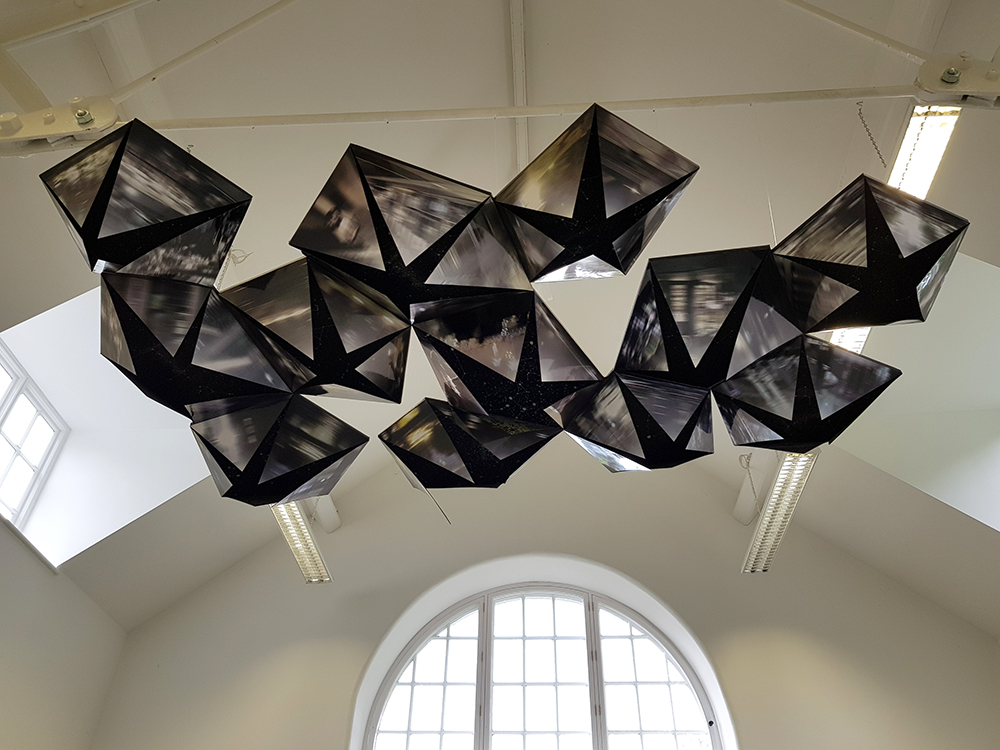
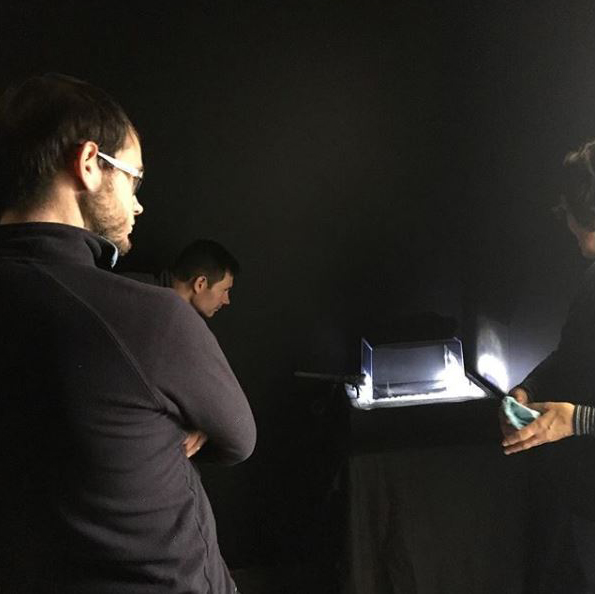
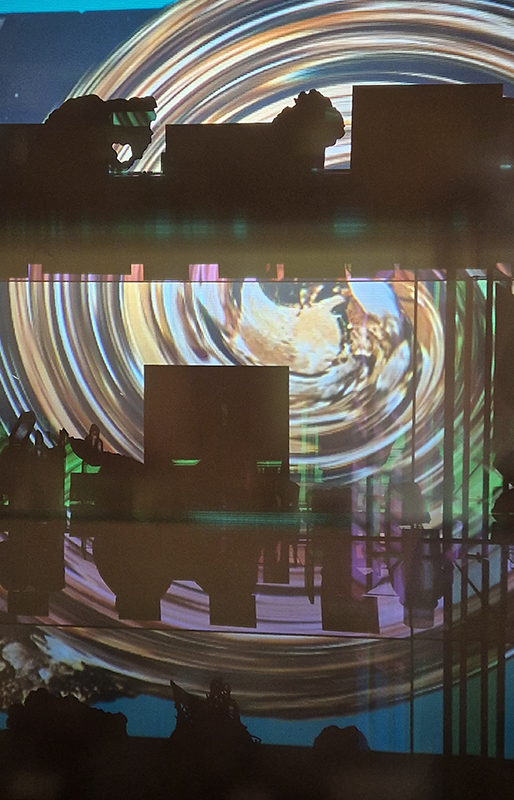
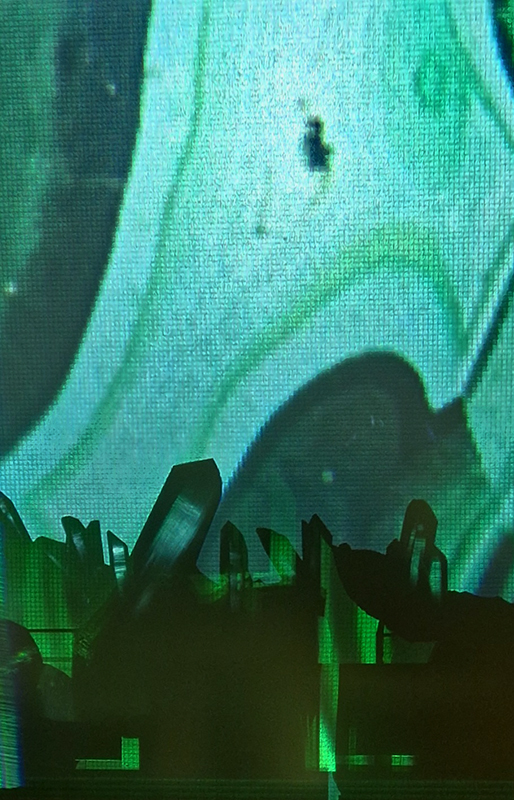
This simple equipment of a plastic tank saturated with isopropyl alcohol vapour over a metal tray sitting on dry ice was used to capture footage for the video Cosmic Chiasmus: crossing the universe showing in the exhibition. Cosmic rays are fast-moving particles, blasted across space, spiralling along magnetic field lines to end up entangled with carbon in our bodies.
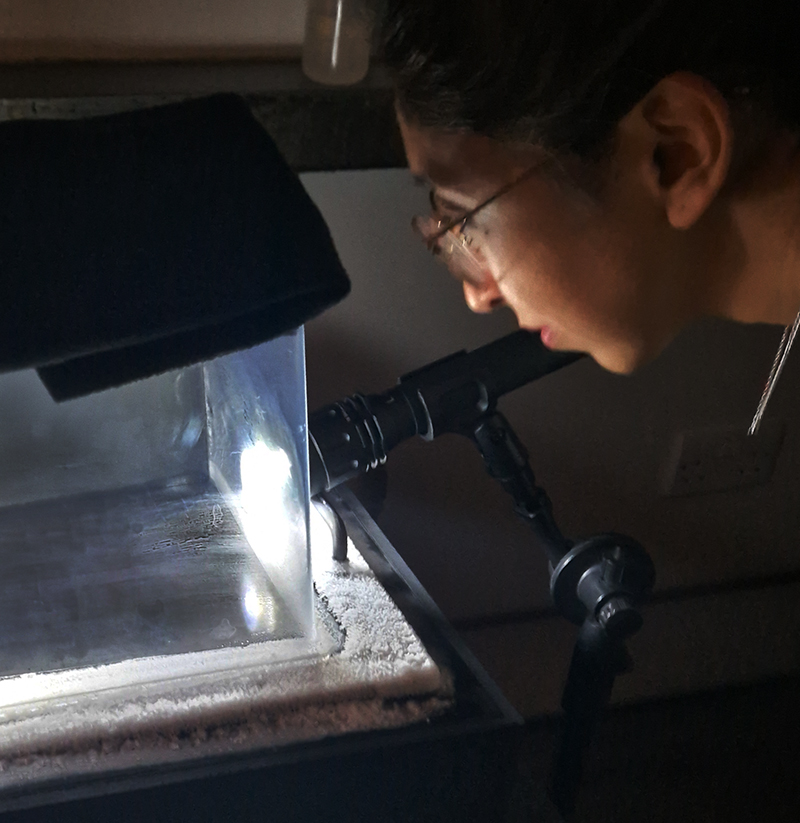
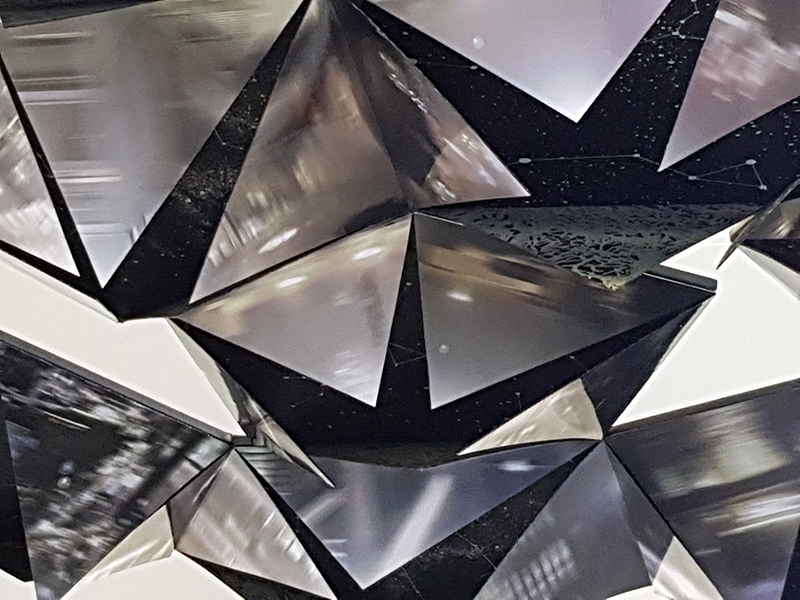
Installation image of Cosmic Chiasmus: crossing the universe

Not only is all life physically permeated by cosmic rays with the potential for nuclei collisions but some cascading particles smash into atoms of nitrogen to create carbon-14 which combines with oxygen in the atmosphere to create radioactive carbon-dioxide which enters the food cycle via photosynthesis.  Cosmic ray activity creating Carbon-14 allows us to perform carbon dating techniques offering insights into Earth’s past climate, magnetic field, solar activity, and changes in the carbon cycle, helping to understand historical patterns and establish timelines for ancient human history.

The title of the exhibition, Carbon, Carbon Everywhere, is a quote from the landmark essay Carbon by the writer and chemist Primo Levi. In the essay, Levi traces a journey of a single atom of carbon across distinct states and beings, from the monotony of being embedded in limestone for hundreds of millions of years, to entering the world of ‘things that change’ – swiftly shifting from the atmosphere to the lungs of a falcon, to the sea, to the trunk of a cedar, and eventually entering the writer’s own body from a glass of milk on his desk, crossing into the brain cell that controls the hand writing its own story. Resolutely specific yet universal, Levi’s story highlights the singularity of carbon as an element that inherently connects all things through its relentless transformation. It fossilises, mutates, preserves, pollutes and nourishes. From its ancient geological formations to its current atmospheric volatility, carbon is never still, shifting between forms and contexts in an ongoing process of exchange.

‘It is possible to demonstrate that this completely arbitrary story is true. I could tell innumerable other stories, and they would all be true: literally true, in the nature of the transitions, in their order and data. The number of atoms is so great that one could always be found whose story coincides with any capriciously invented story’ Primo Levi

This was a beautiful show and I was thrilled to be invited to exhibit alongside such amazing artists including Emii Alrai, Anousha Payne, Kate Daudy, Konstantin Novoselov, Ania Mokrzycka, Nissa Nishikawa, Mariele Neudecker, Simon Faithfull, Aimee Parrott, Lucia Pizzani, Lizi Sanchez and Meng Zhou.
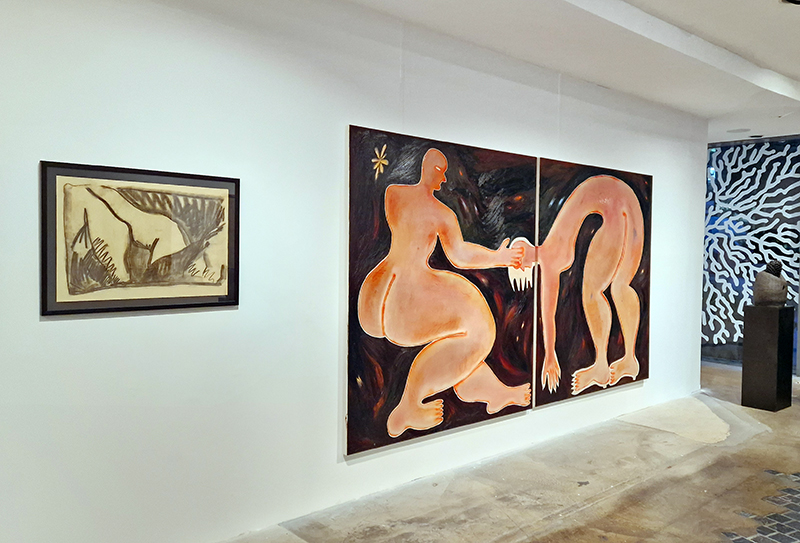
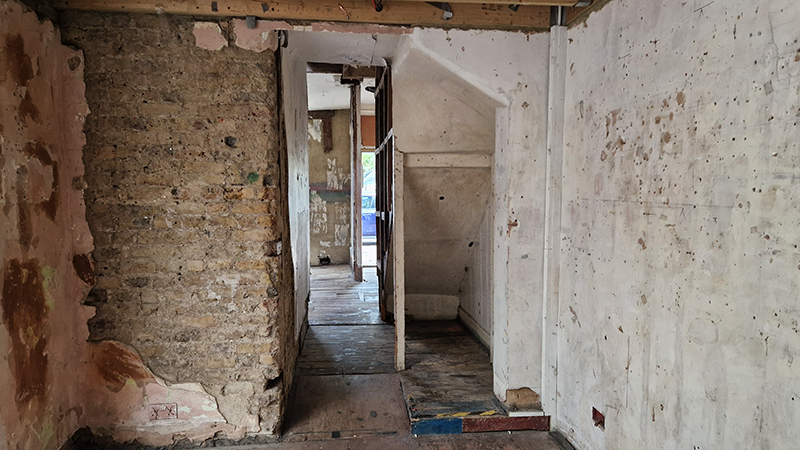
I am very excited to have an invitation to exhibit at the Safehouses in Peckham next year with a group of wonderful artists and friends. Curated by Julie Hoyle, the artists have been selected for the way their work resonates with the atmosphere of the Safehouses — places where traces of the past meet the imagined and the unseen. Together, the works will form a dialogue between beauty and unease, the real and the imagined, reanimating the stripped-bare rooms with strange company. We had a productive site visit and I have two spaces in mind to work with – one above and one below.
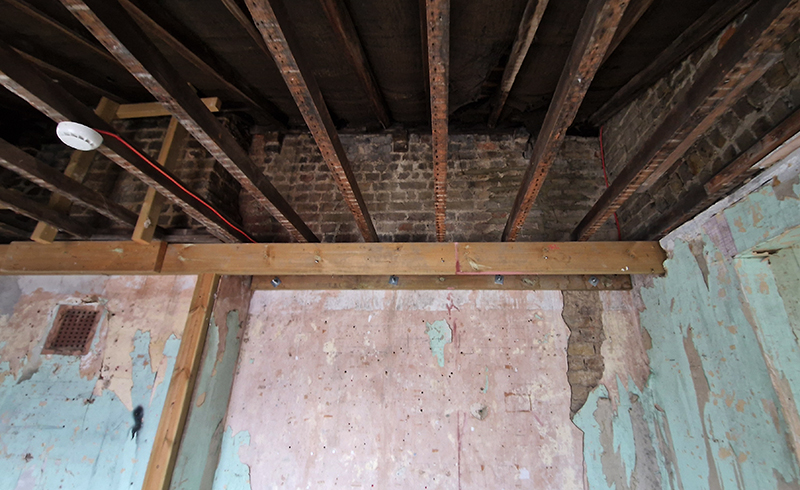
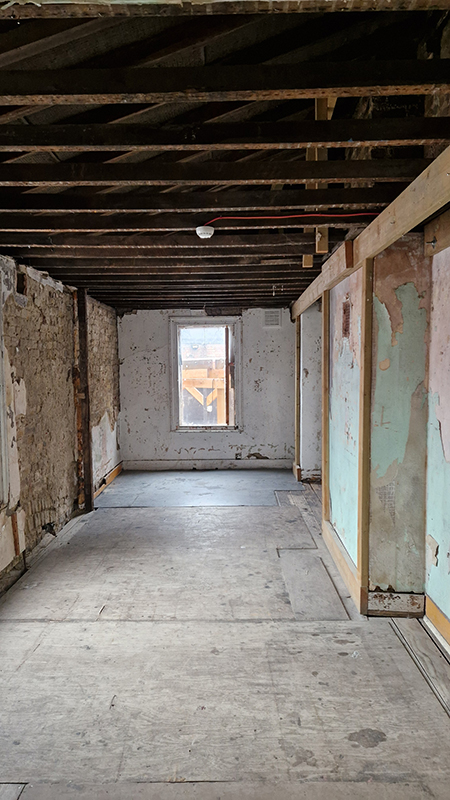
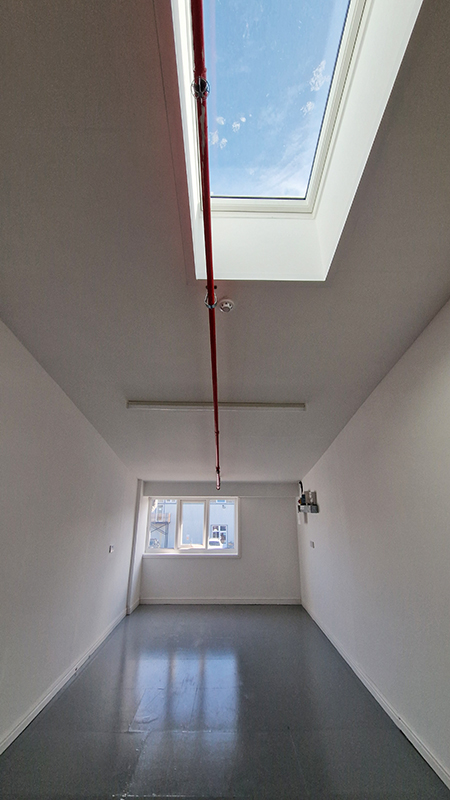
There is an ongoing refurbishment project at my studio complex which although welcome improvements has caused a little disruption to my ability to work there recently. My unit has had a new roof installed and each studio is being insulated with a new ceiling and opening Velux window. When the new roof went on we lost our ceiling windows so it is wonderful to have natural light from above again. Having to move everything out of my studio for a couple of weeks has been a good exercise in discovering long hidden materials and putting it all back has forced my hand to have a bit of a clear out of items I am unlikely to use and pass these on to other studio holders. Images show before, during and after.
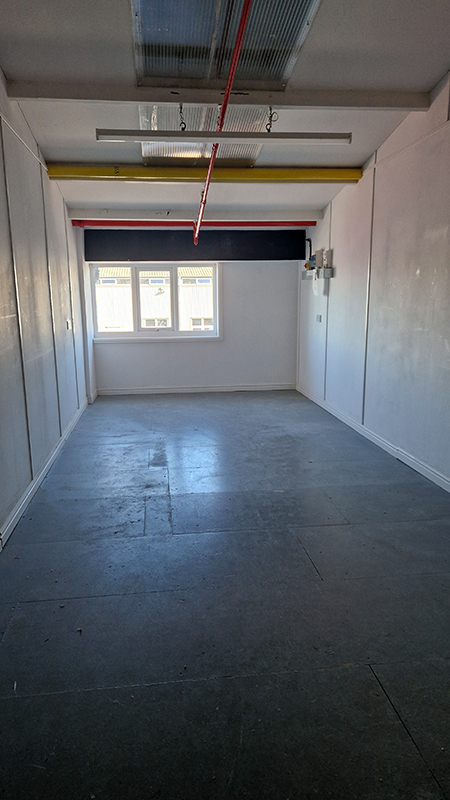
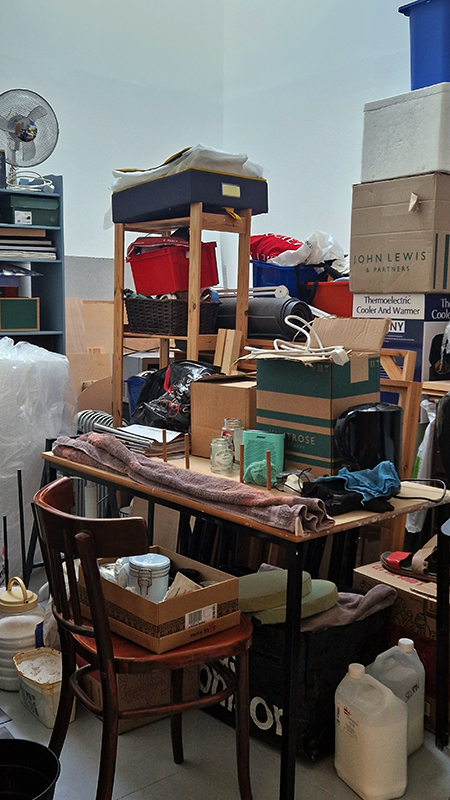
I managed to get everything back into my studio just in time for a studio visit from curator Catherine Li to discuss the possibility of exhibiting at Brompton Cemetery Chapel next year. It is a stunning building so I am very excited about this upcoming project.

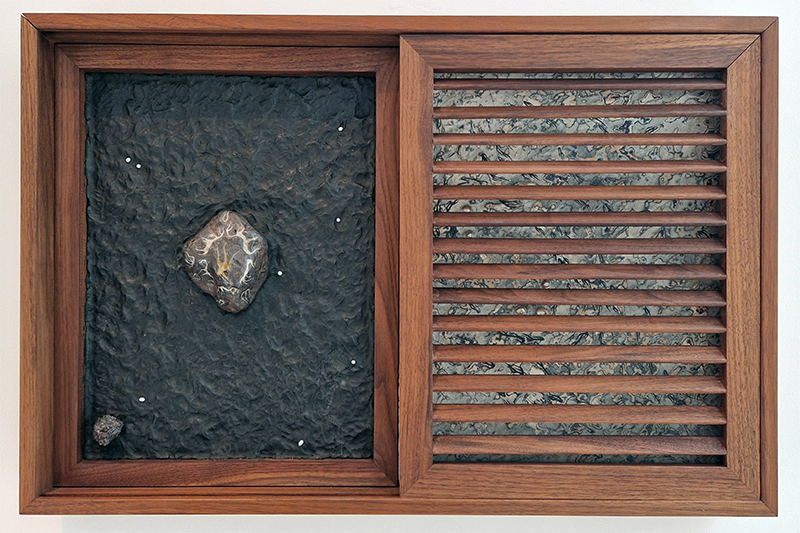
I have been experimenting with an old wooden slide viewer, printing images onto acetate from my microscope camera of polarised crystal and rock structures.

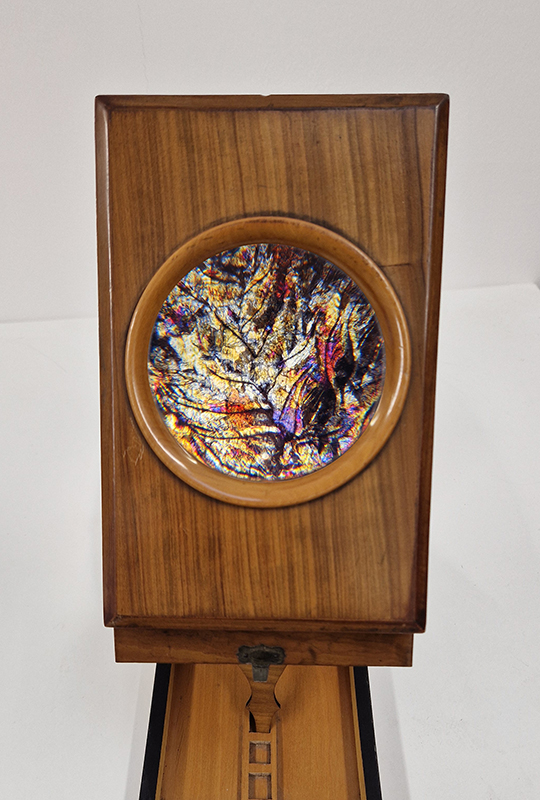
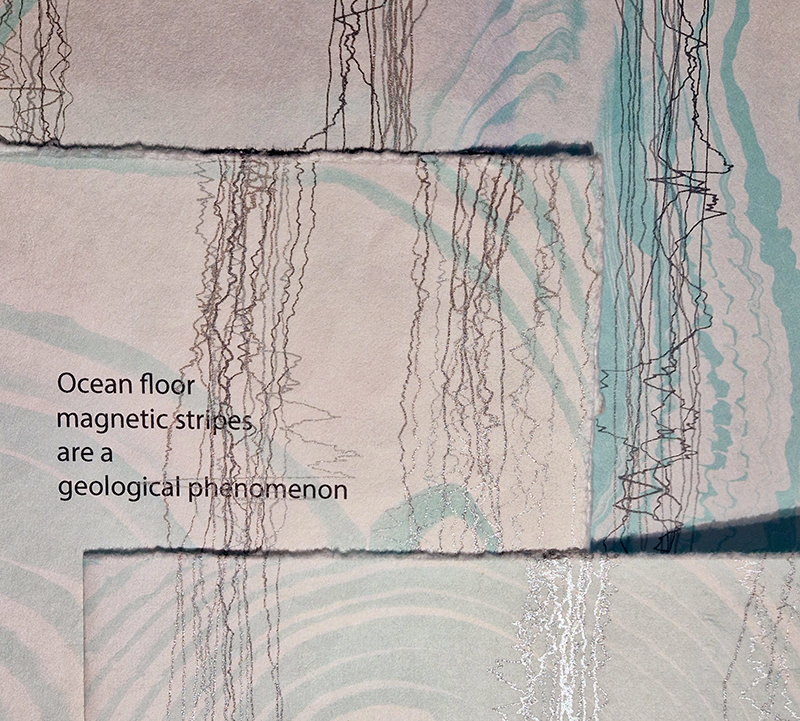
Work in progress on The Book of Reversals, writing text to print over the screen-printed magnetic graph lines. Ocean floor magnetic stripes are formed as magma cools at mid-ocean ridges. These alternating bands show Earth’s magnetic field reversals, with minerals in the crust aligning to current polarity and recording each change in pattern.
Colossal forces spinning dust

Aeons of accretion and gravity / shaping the debris of destruction

Searing elements separate /  amidst violence and decay

The weighty fall, pulled down, digested / feeling pressure only diamonds can survive

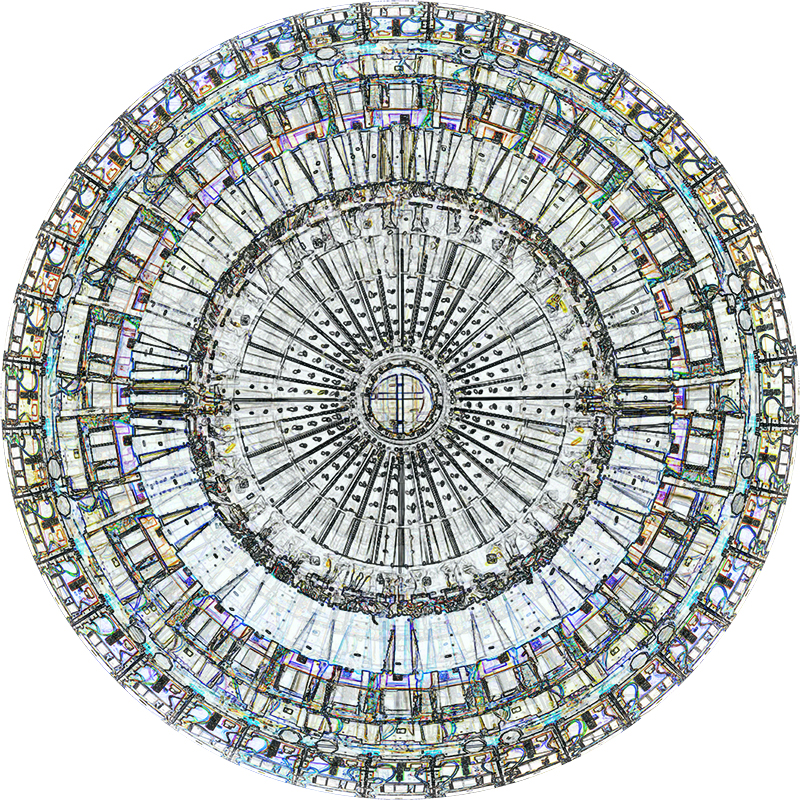
Work in progress looking at the sacred geometry of the Westminster Abbey Cosmati Pavement and relating medieval symbolism with contemporary iconography to think about changing relationships to fire, water, earth, air and the cosmos. Reimagining imagery from the Cosmati Pavement and particle accelerator at CERN.

Out and About

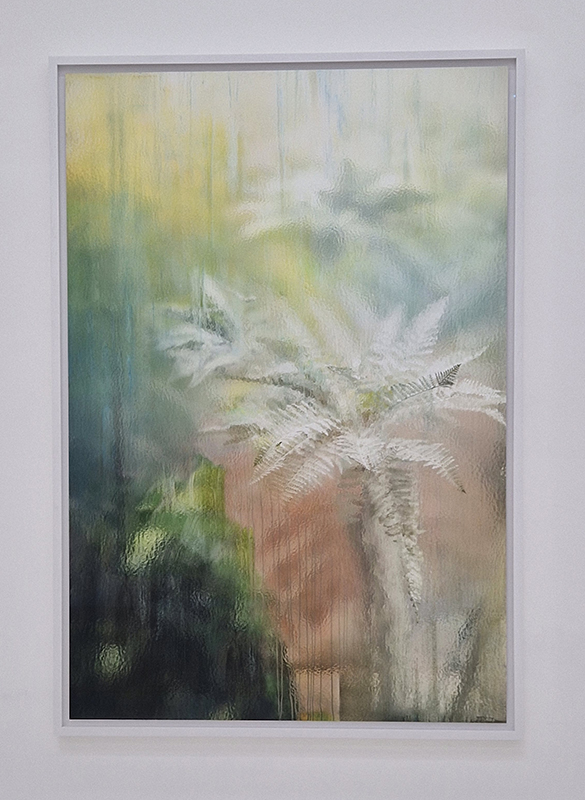
Noémie Goudal And yet it still moves at Edel Assanti. Mesmerizing work. I especially found the work Rocks very effective, an inkjet print on photographic paper with a video projection that moves across the image highlighting certain parts as though a torch is traversing a dark landscape. I always enjoy the theatricality of her large scale video installations even if they do purport a world collapsing around us.

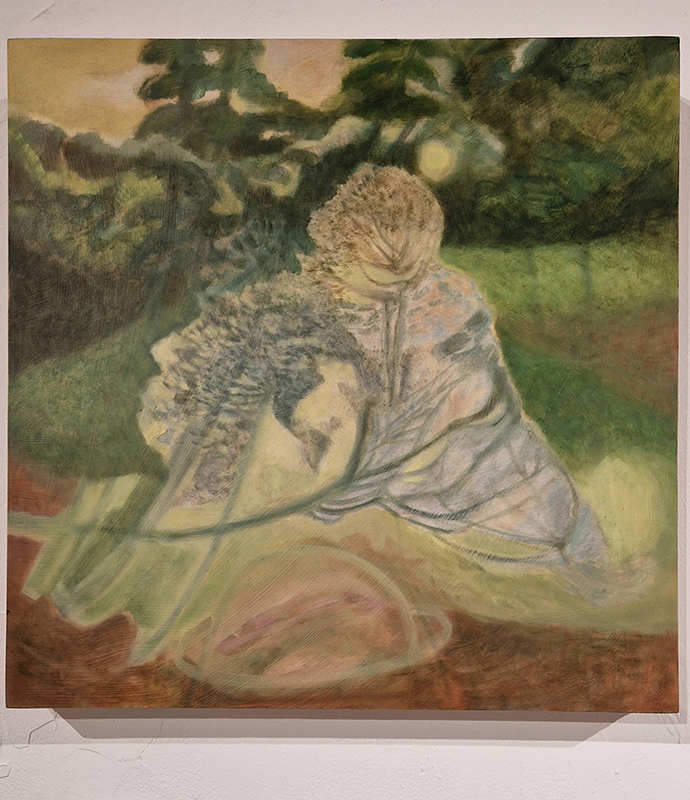
Gorgeous paintings by Helen Baines in Striding Edge at The Department Store, Brixton. Photos don’t capture the ethereal luminosity.

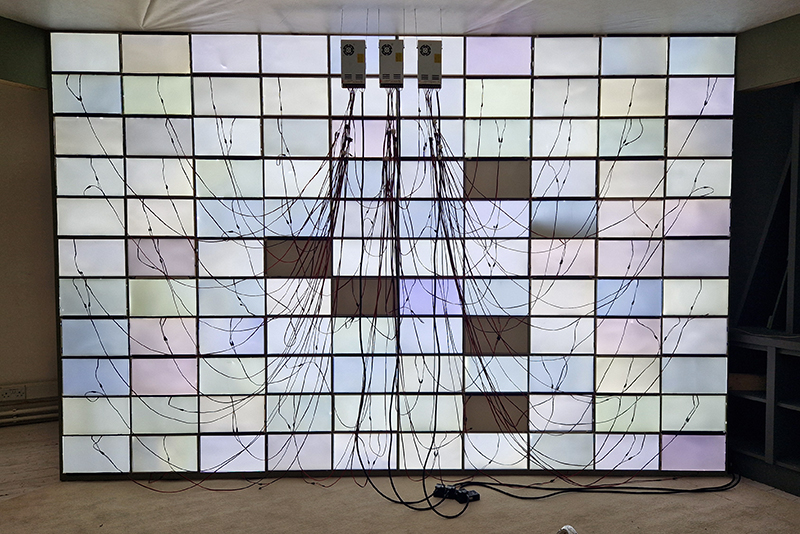
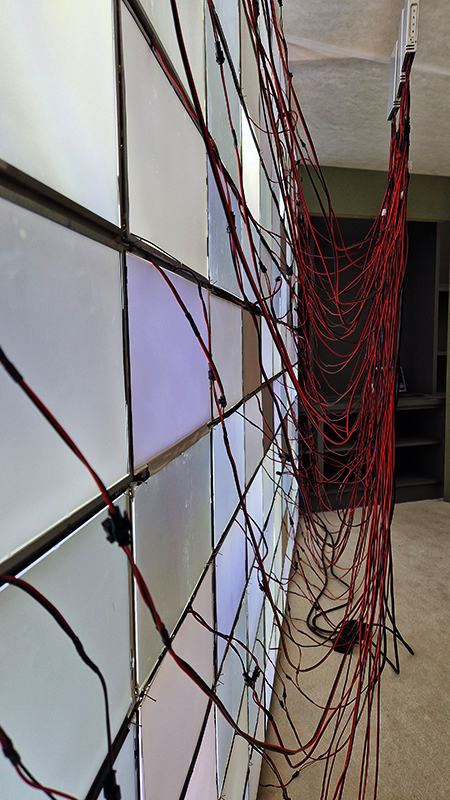
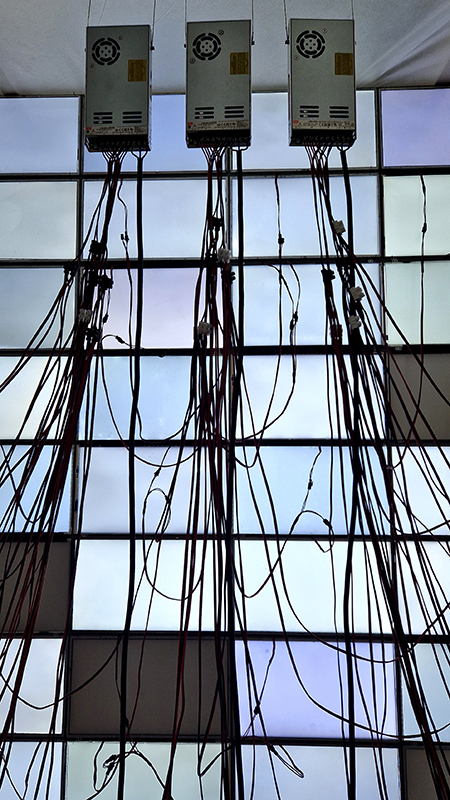
The hypnotic monument of modified LED laptop screens Wiped (Free Palastine) by Katrin Hanusch in Return of the Repressed curated by Toby Ziegler at an empty office block 10 Heddon Street. A show examining alienation and abstraction of the human experience in a climate of digital technology and AI.
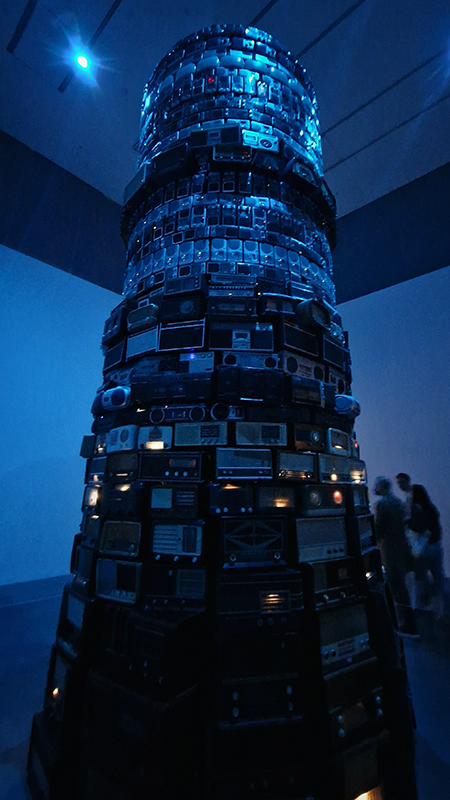
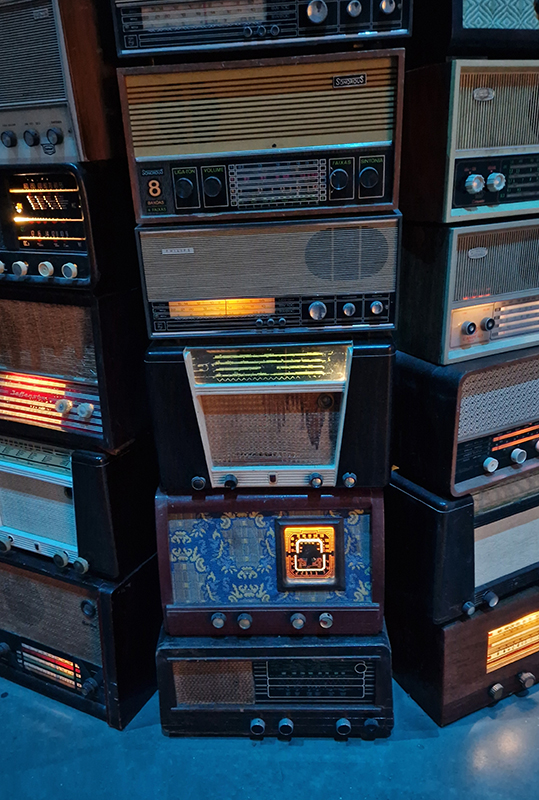
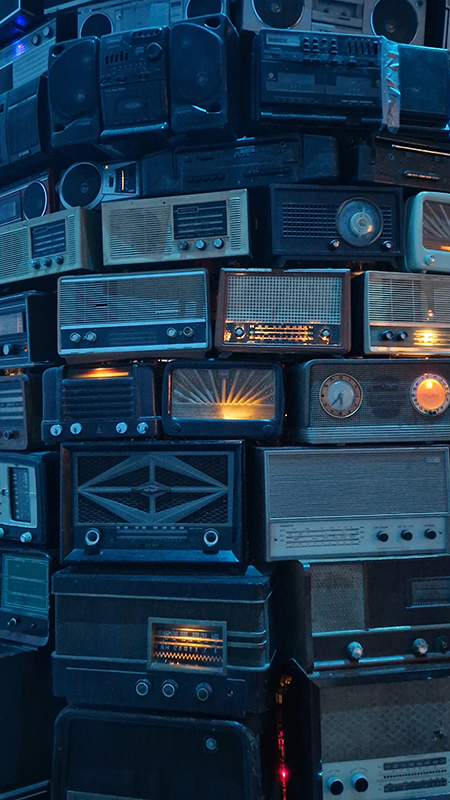
The magnificent Babel by Cildo Meireles at Tate Modern. With slightly dalek vibes, this thrumming ‘tower of incomprehension’ relates to the biblical story of the Tower of Babel, a tower tall enough to reach the heavens. God was offended by this structure, and caused the builders to speak in different languages. No longer able to understand one another, they became divided and scattered across the earth, and so began all mankind’s conflicts. Here we are, punished for our curiosity, again. This work though is a joy.
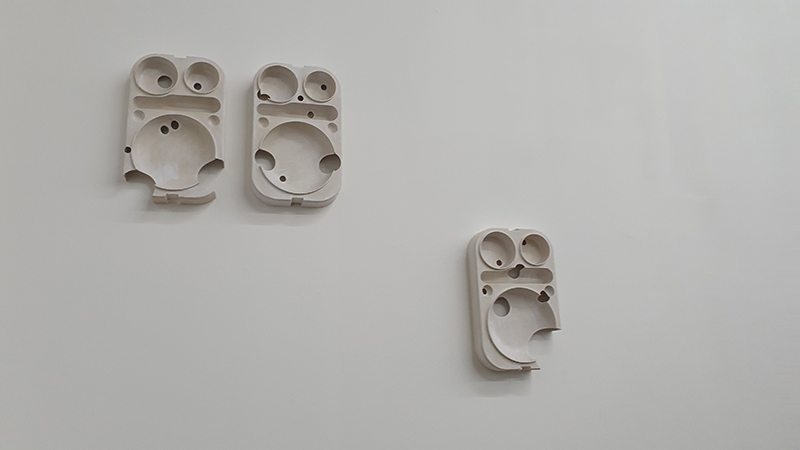
Material Actors curated by binder of women at Hypha Gallery 3 / No. 1 Poultry, London explores the tipping point of formal representation into the theatrical and cinematic world of mimicry and artifice. The artists include Alice Browne, Charlie Franklin, Lauren Godfrey, Oona Grimes, Pia Pack, Milly Peck, Michelle Williams Gamaker and Laura White. Material process and the façade are key in many of the works that surprise and confound definition.
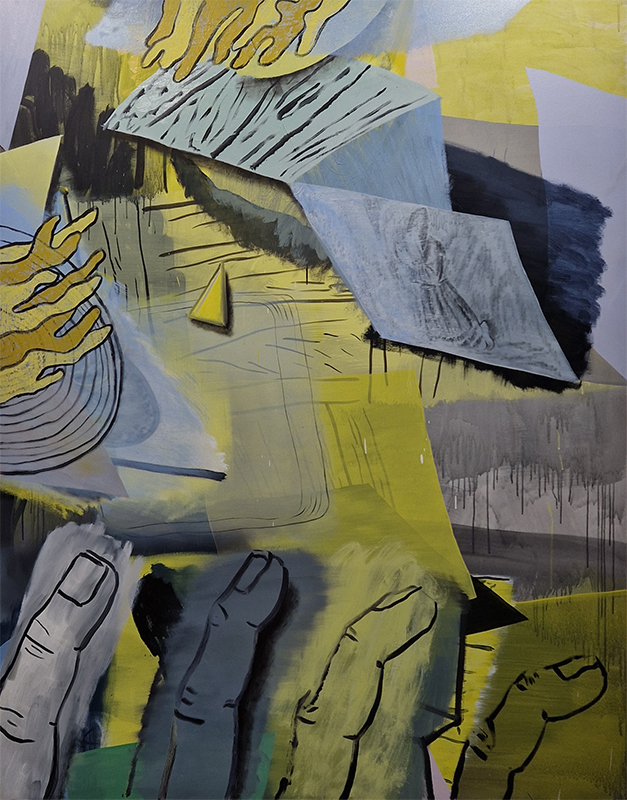
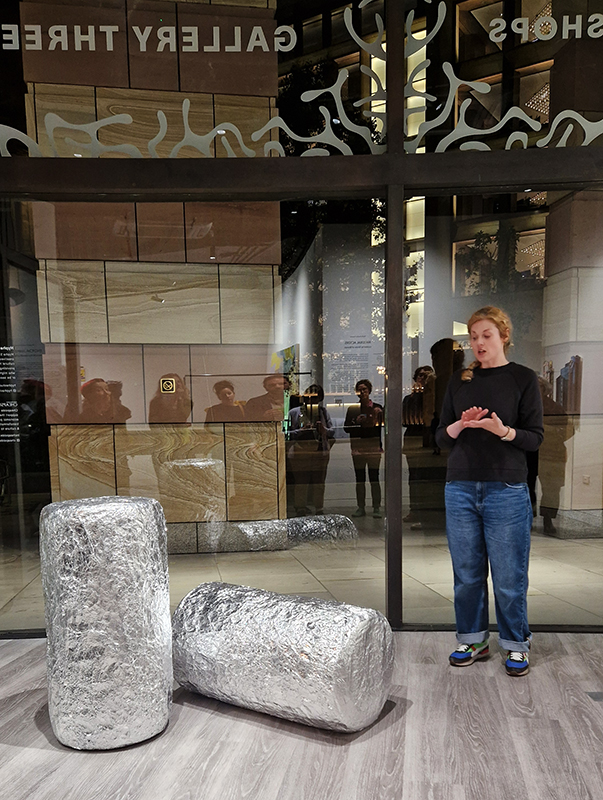
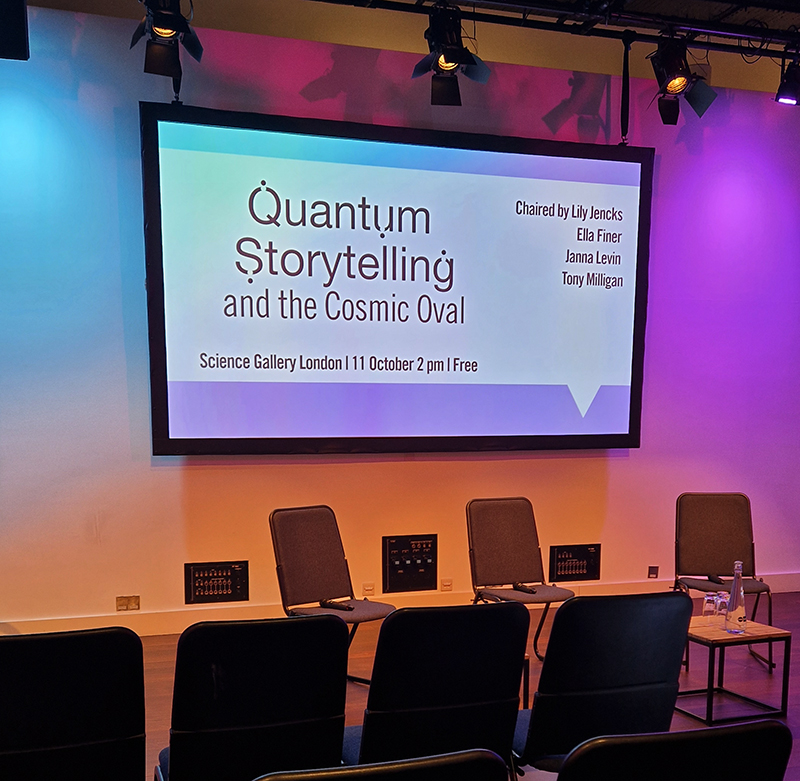
Quantum Storytelling and the Cosmic Oval – a fascinating discussion exploring how cosmic discoveries influence cultural narratives and the composing of histories. Physicist and author Janna Levin in conversation with writer Ella Finer to celebrate the launch of a new book commission The Cosmic Oval. Chaired by Lily Jencks, Keeper of Vision at The Cosmic House, with further insight from Tony Milligan, Research Fellow in the Philosophy of Ethics, Department of Theology and Religious Studies at King’s College London.

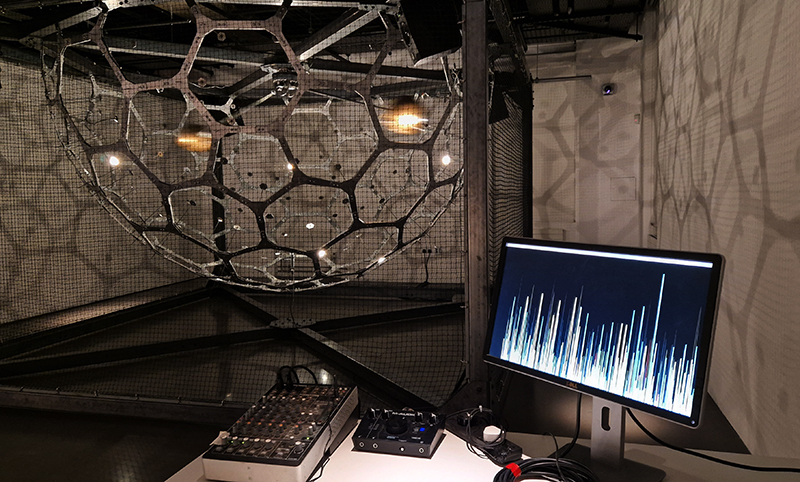
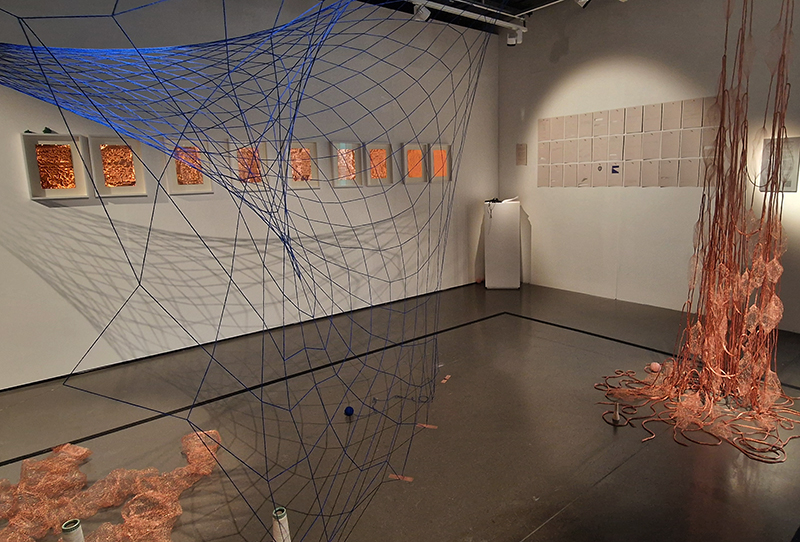
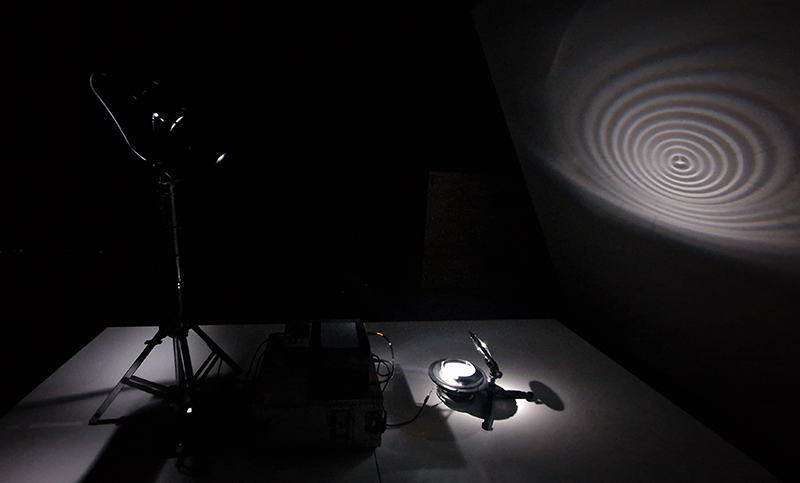
Quantum Untangled at The Science Gallery, London. I liked the simplicity of Alistair McClymont’s An Early Universe where wave patterns caused in water by low frequency sound vibrations are projected via a lens to reference quantum oscillations created when the universe was rapidly expanding after the big bang. Two large installations from Conrad Shawcross use the play of shadows to signify intangible forces of the universe. In Ringdown two caged spherical pendulums oscillate in violent motion to evoke the spiralling motion of gravitational waves in the moments after two black holes merge, a phase known as ‘ringdown.’ The artwork is probed with sensors to trace the magnetic field generated, which is displayed on a monitor. The Blind Proliferation explores the idea that our Universe is one of many co-existing ‘bubble universes’ formed in the period of rapid expansion at the beginning of time. Two ‘scientist’s offices sit either side of a structure casting complex shadows. In a nod to Plato, the scientists can only see the shadows from which they must determine their origin. There are slight differences between the two offices to suggest the idea of the multiverse where many worlds may exist with only slight variations. Daniela Brill Estrada & Monica C. LoCascio, Begriff des Körpers reflect on the nature of perception and shared understanding through their use of copper, a key material in quantum technologies, to create sculptures that describe the diagrammatic language of scientists when explaining spacetime and quantum phenomena.
It is always exciting to enter a truly dark space – NOWISWHENWEARE (The Stars) at the Rambert Dance Studios as part of the LFF Expanded program promised a breath-taking journey through light and sound when you would enter a meditative state and come face to face with your inner self. With nearly 4,000 reactive LED lights and a 496-channel soundscape it was an enjoyable experience but perhaps not quite as awe inspiring as hoped.

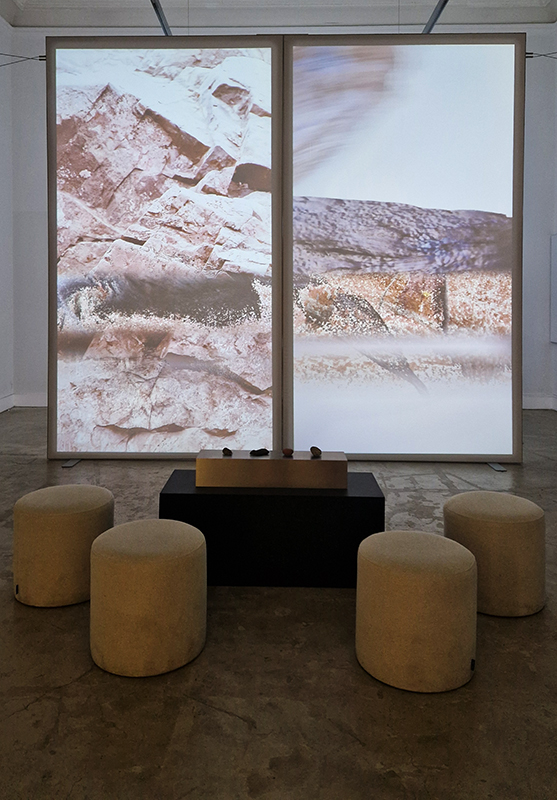
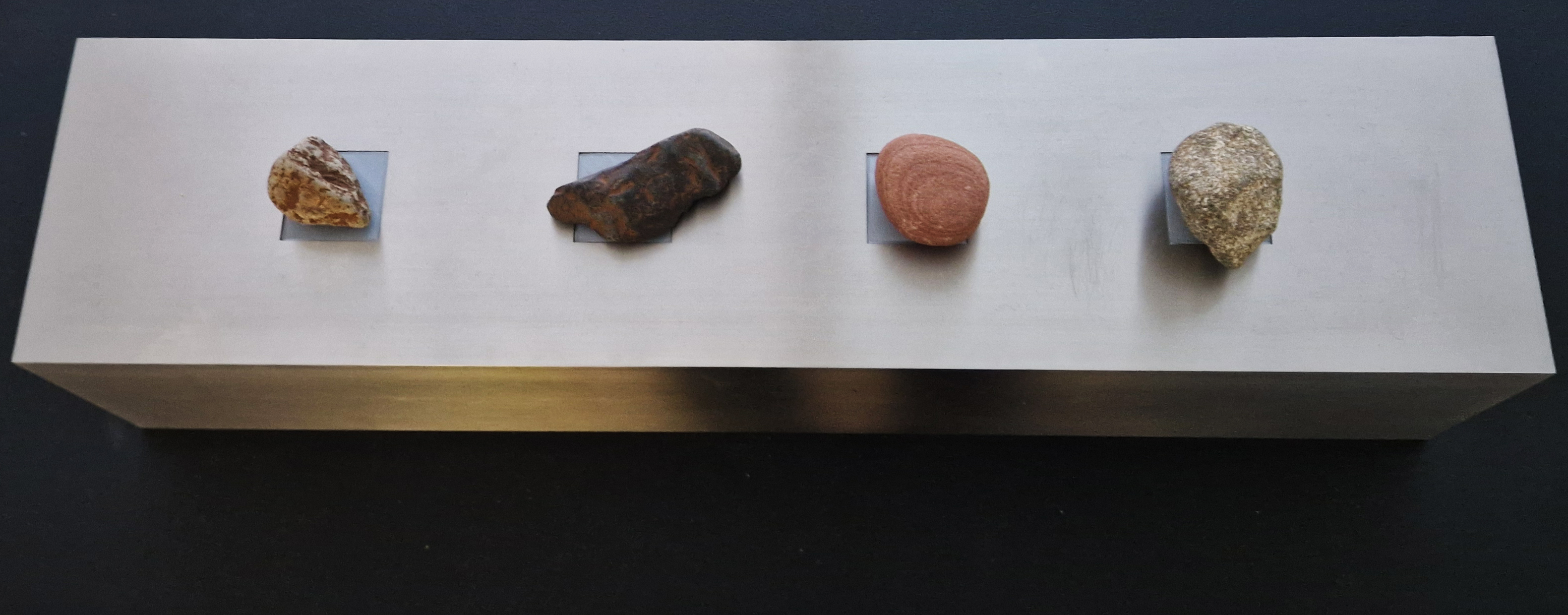
(S)low Tech AI by Studio Above & Below (Daria Jelonek and Perry-James Sugden) at Victoria and Albert Museum. ‘This installation examines artificial intelligence through the lens of geology. A sculptural interface of four rocks activates a slow, responsive AI system that reacts to touch with evolving sound and image. Each new rock arrangement adds a line to a growing digital landscape, echoing sedimentary layers shaped by collective interaction. The imagery is drawn from four geologically significant sites in Scotland, where ancient stone carvings show early examples of symbolic data recording. Using simple algorithms, the work invites reflection on AI as a slow, ethical, and materially-aware process.’ I couldn’t determine what changes were set in motion when the stones were moved, it does say it is a slow process so perhaps I shouldn’t have expected to notice the impact of my moving the stones and it is something that builds into the algorithm later. It was still quite mesmerising to watch.
Luca Bosani Unidentified Performing Objects at Victoria and Albert Museum

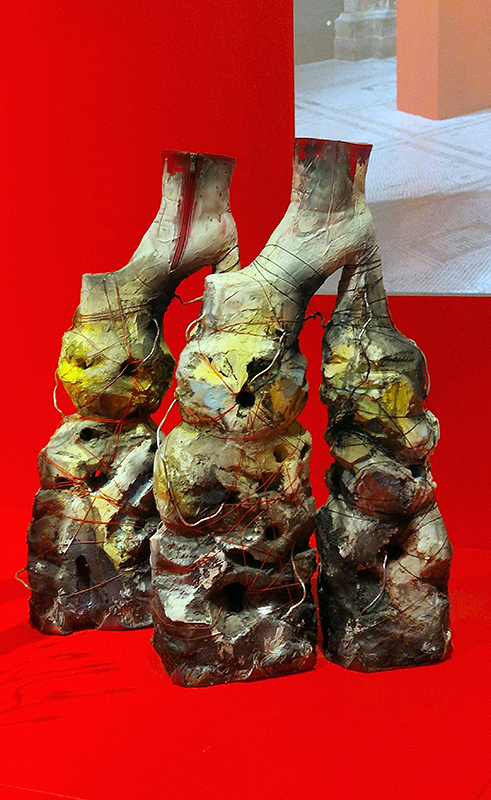
Loved these boots that look like they have been torn from the rock. Magnes might have felt a slight tug as the nails in his boots clung to the magnetite beneath his feet but imagine the weight, the feeling of increased gravity walking in boots of rock.

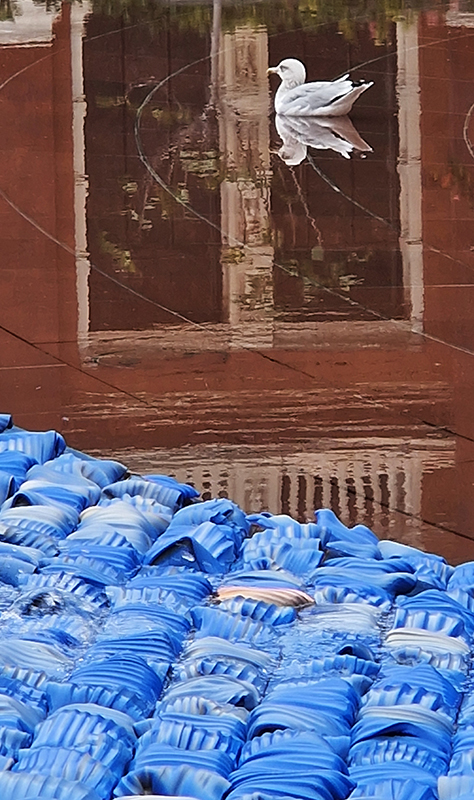
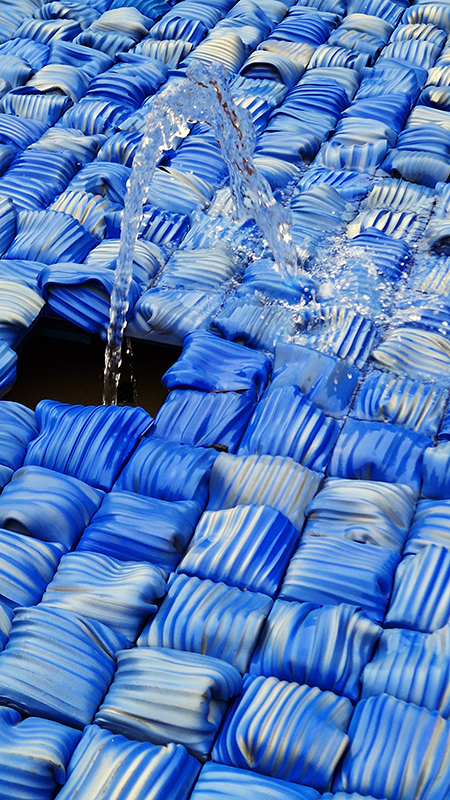
The Ripple Effect by Alicja Patanowski blending materials from one of the largest mining waste reservoirs in Europe with clay to create a tiled seating installation in the John Madejski Garden.
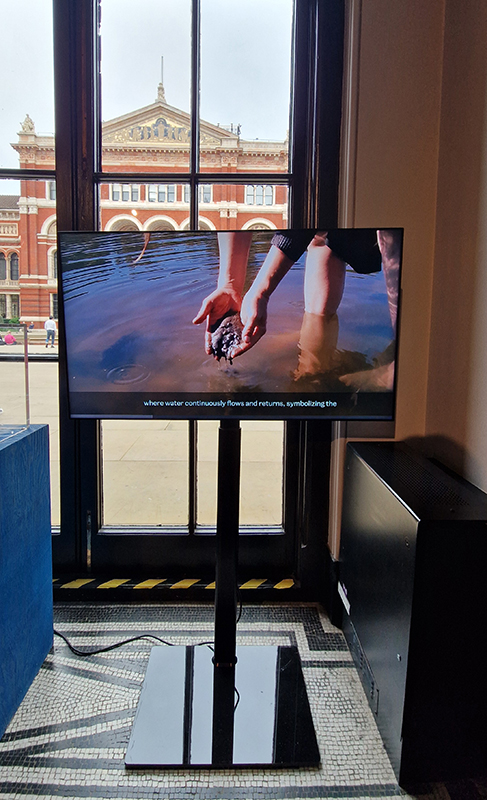
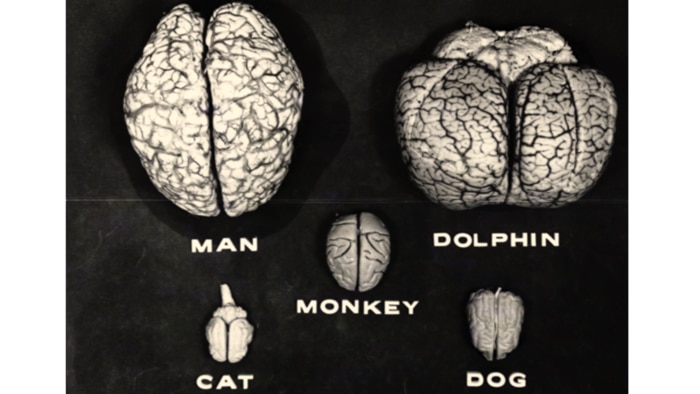
Screening as part of the London Film Festival, John Lilly and The Earth Coincidence Control Office directed by Michael Almereyda and Courtney Stephens, explores Lilly’s radical experiments with isolation tanks and LSD to study consciousness, as well as his theory that a hidden entity called the Earth Coincidence Control Office (E.C.C.O.) secretly influences human events. Despite his desire to communicate with cetaceans believing them to be intelligent conscious beings he exhibits a cold disconnect to their physical and emotional welfare. A lot of the footage is shocking to a contemporary audience in its cruelty but his research into human consciousness was trailblazing at the time and his conclusion that humans were at risk from an outside technology based intelligence does have some prescience considering current concerns over AI.
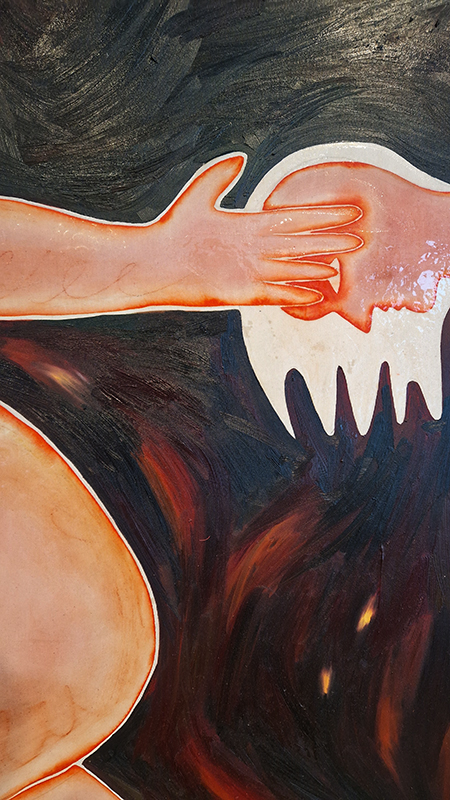
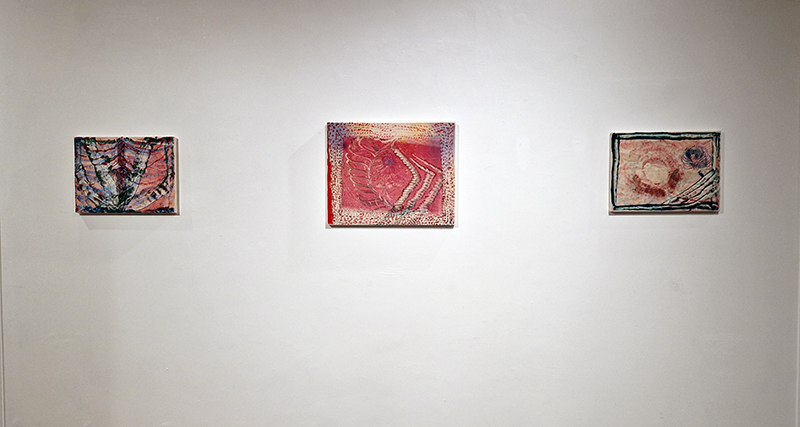
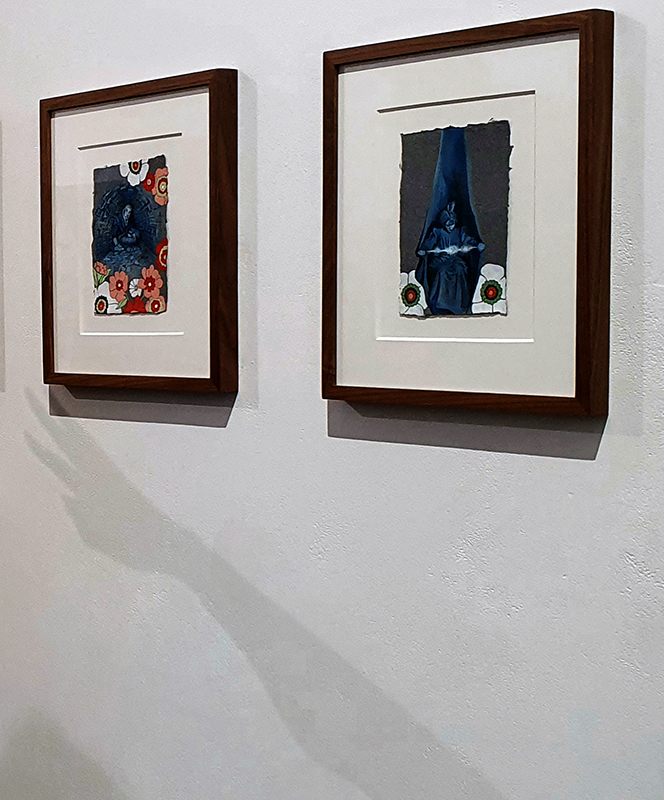
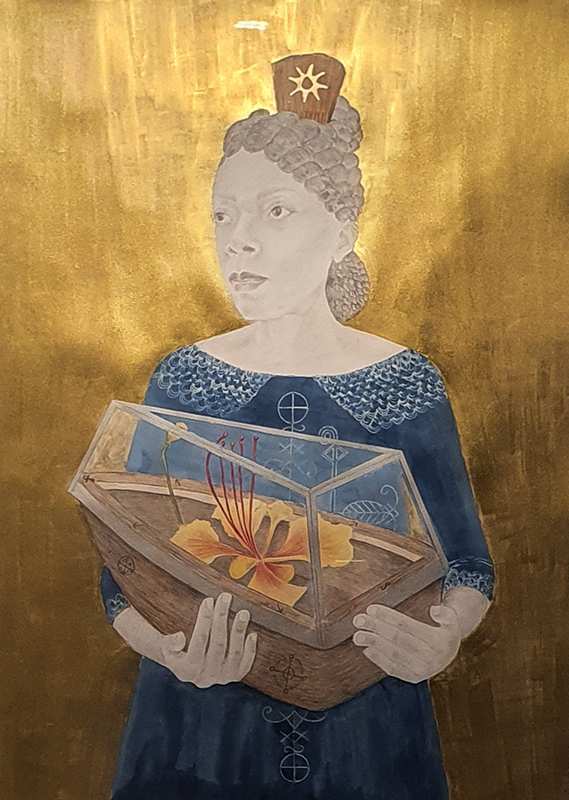
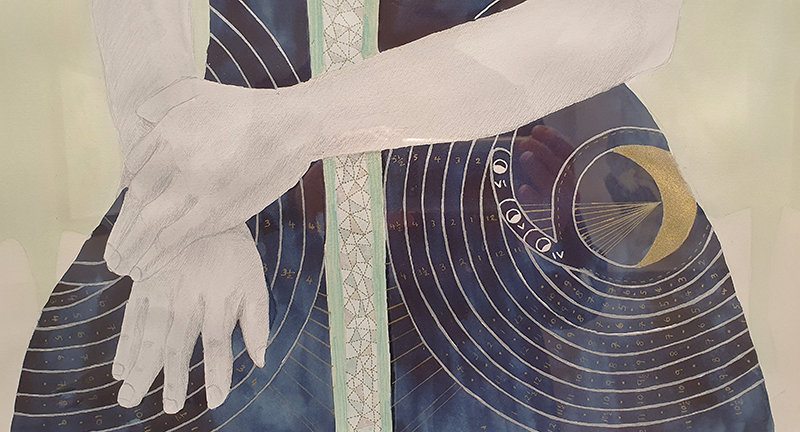
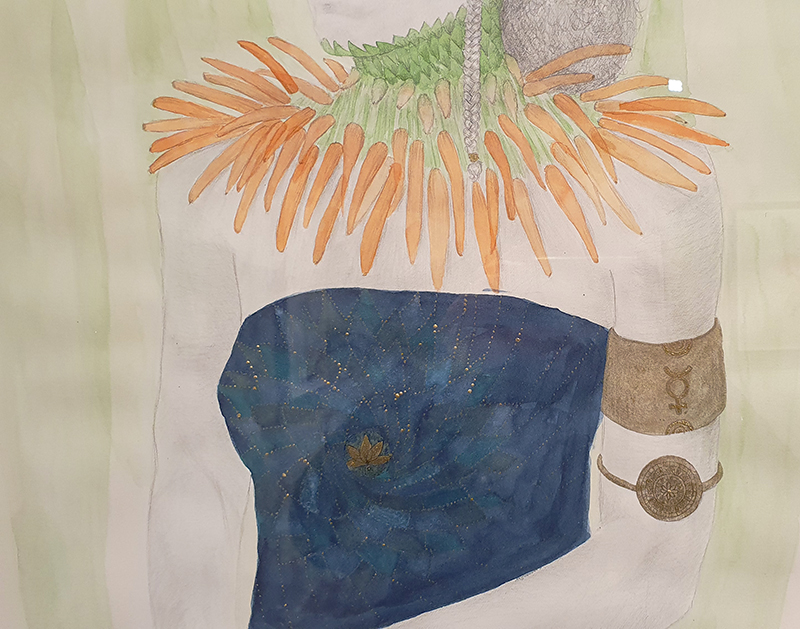
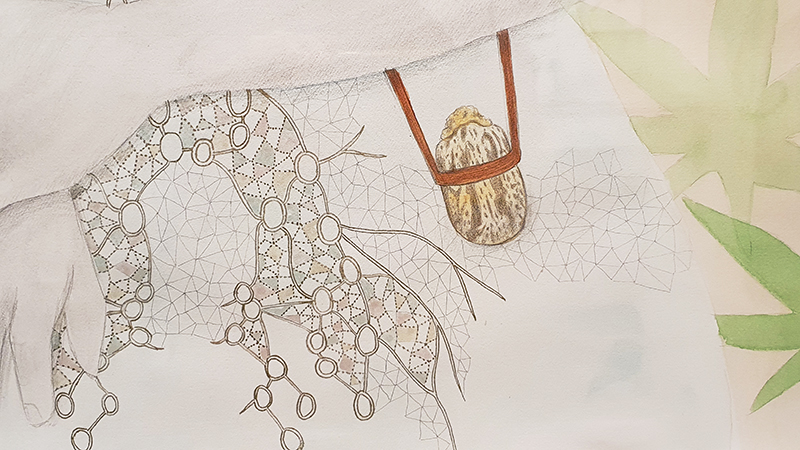
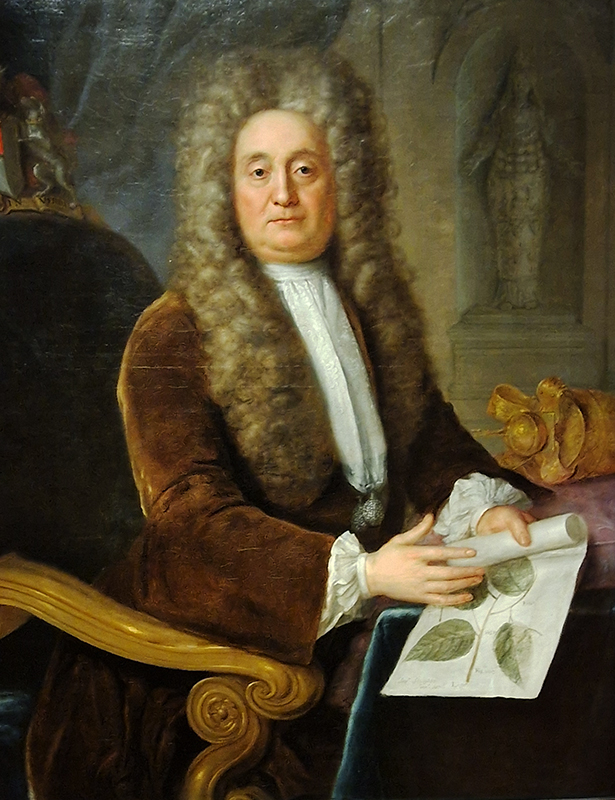
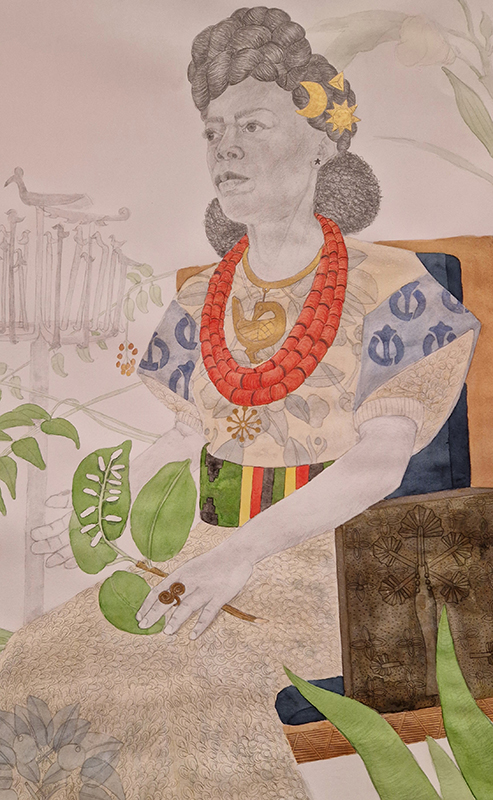
Artists First: Contemporary perspectives on portraiture at The National Portrait Gallery commissioned several artists to respond to an artwork of their choice. Charmaine Watkiss chose the portrait of Sir Hans Sloane, a botanist and collector who travelled to Jamaica in 1687 taking advantage of enslaved people’s indigenous knowledge of the location, properties and medicinal uses of local plants to boost his collection and furnish his publication. Charmaine’s beautifully crafted response To reimagine an African Queen shifts the dynamic to reflect the dissonance between these two human’s relationship to nature, one built on wisdom and respect and one which based on extraction and mastery.
Reading

The Stone Woman by A.S. Byatt. An evocative journey into becoming other.
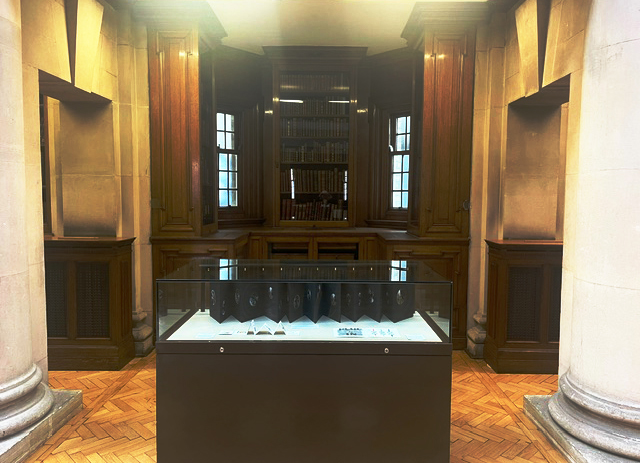
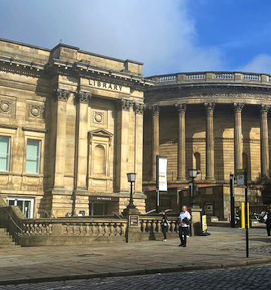
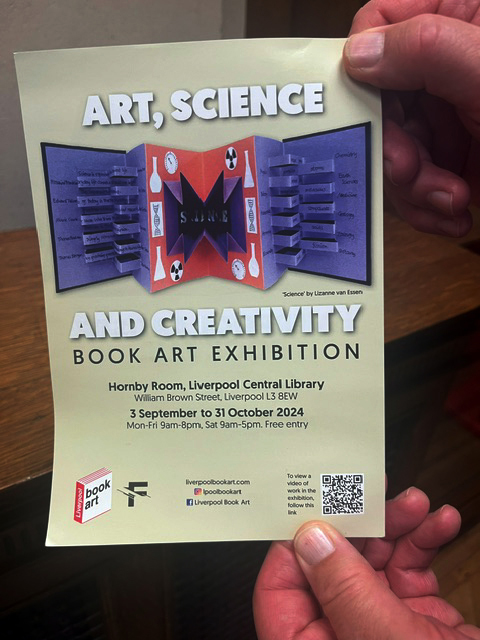
The ‘Art, Science and Creativity’ exhibition at Liverpool’s spectacular Central Library continues. The exhibition is inspired by statements from Albert Einstein, highlighting the fact that creativity is central to explorations in both art and science. As we wonder, and attempt to understand the universe and ourselves, categories can, and perhaps should, become blurred. Distinctions can be both valuable and problematic: ‘art’ versus ‘science’, ‘nature’ versus ‘human’, ‘natural’ versus ‘supernatural’, ‘material’ versus ‘spiritual’, ‘secular’ versus ‘religious’ and so on. And as the great science-fiction writer Arthur C Clarke said “Any sufficiently advanced technology is indistinguishable from magic”.

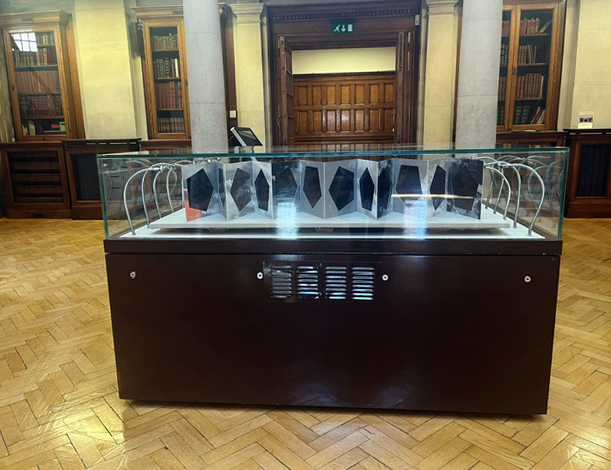
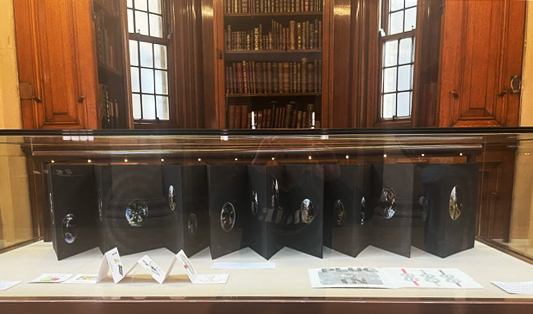
I am very happy to have two unique books included in the exhibition. In/Out and Unbound.

Liverpool Book Art and Fevered Imagination are collaborating to create a video loop of all the artworks, enabling audiences to get a fuller appreciation of the artists’ creativity than allowed by the use only of display cases. Fevered Imagination is a website dedicated to Artists Books, through which works from the exhibition can be bought.

I am delighted to be invited by Serendipity Arts Foundation to show Cosmic Chiasmus: crossing the universe at Serendipity Arts Festival in Goa later this year.

Serendipity Arts Foundation is an organisation that facilitates pluralistic cultural expressions, sparking conversations around the arts across the South Asian region. Committed to innovation and creativity, the aim of the Foundation is to support practice and research in the arts, as well as to promote sustainability and education in the field through a range of cultural and collaborative initiatives. The Foundation hosts projects throughout the year, which include institutional partnerships with artists and arts organisations, educational initiatives, grants, and outreach programs across India.

Serendipity Arts Festival is one of the largest multi-disciplinary arts initiatives in the South Asian region. It spans the visual, performing, and culinary arts, whilst exploring genres with film, live arts, and literature. Besides the core content, which is conceptualised by an eminent curatorial panel, the Festival has various layers of programming, in the form of educational initiatives, workshops, special projects, and institutional engagements. Through active conversations between the artistic community and the urban, social landscape, the Festival continues to evolve around the mandate of making the arts visible and accessible. The Festival is driven by a spirit of collaboration, hoping to inspire new perspectives and fresh aesthetic encounters. This labour of love is a cultural experiment that also addresses issues such as arts education, patronage culture, interdisciplinary discourse, inclusivity, and accessibility in the arts.

Other exciting news is that Julie F. Hill and myself are working together again on a new project. Following on from our ambitious duo show A Stone Sky at Thames-side Studios Gallery (Nov 23), we will be curating and participating in an exhibition next spring, exploring themes of stone consciousness and human-mineral encounters.

In the studio I have been working on a proposal for the Moon Gallery. Moon Gallery is an international collaborative artwork and a gallery of ideas which aims to set up the first permanent museum on the Moon. Moon Gallery will launch 100 artefacts to the Moon within the compact format of a 10 x 10 x 1cm plate on a lunar lander exterior panelling as early as 2025.

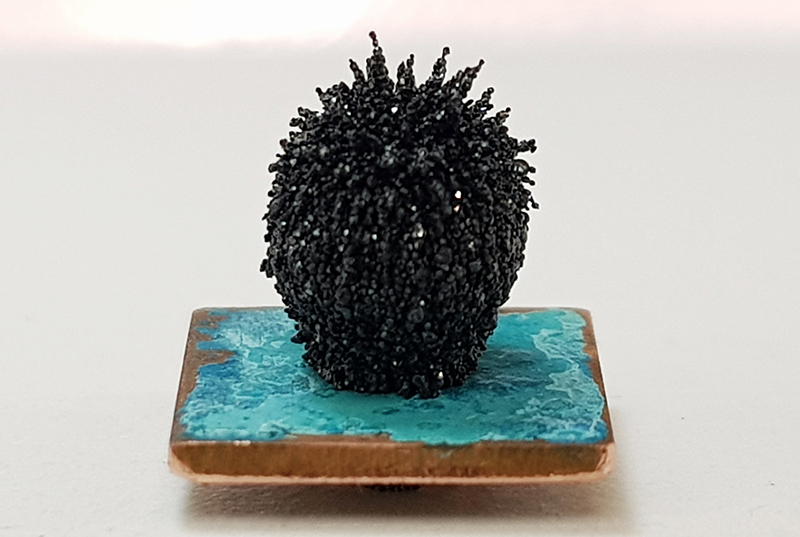
Each sculpture has to fit within a 1cm cube, which is quite challenging. My proposal is a 5mm spherical magnet sparkling with black volcanic sand on a 1cm square of patinated copper. Space exploration means leaving the protective shield of Earth’s magnetic field, placing astronauts and technology at risk from increased levels of harmful high energy particles. This artwork is a small realization of a magnetic field offered as a symbol of safe passage to those venturing beyond our home planet and protection of Earth’s magnetosphere. The black volcanic sand used in this work is naturally magnetic, making visible the force that emanates from the core of the magnet. The patination colour reflects on the astonishing view of our blue planet from the moon and the importance of water to sustain life. The title Core Values, makes reference to the molten core necessary for a planet to generate a magnetic field as well as the ethical principles and beliefs that guide humanity in a positive spirit of peaceful cooperation for the benefit of all. The work operates as a motif for what is in the heart of a body, rocky or otherwise. It also celebrates the beauty of the elements and natural forces that together inspire the human imagination and makes the cosmos so exciting to explore.
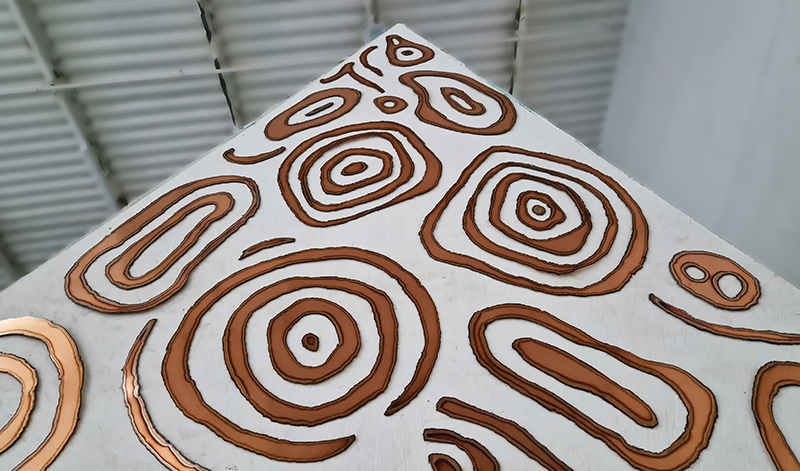
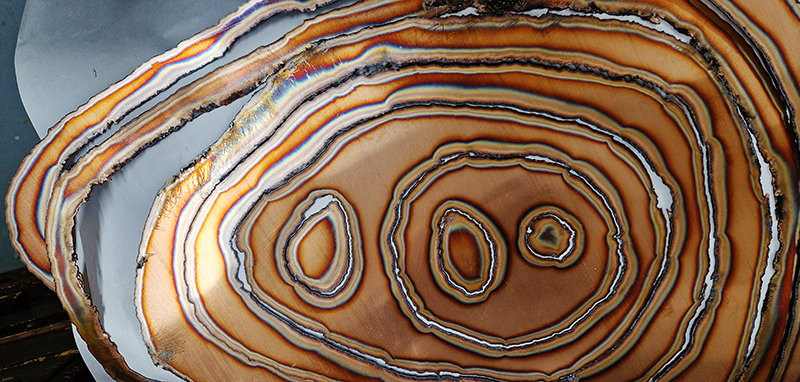
I have been sorting out the copper contours from The Absolute Hut (of action potential) as I couldn’t store this work, it had to be dismantled. The copper will be reused in future work.

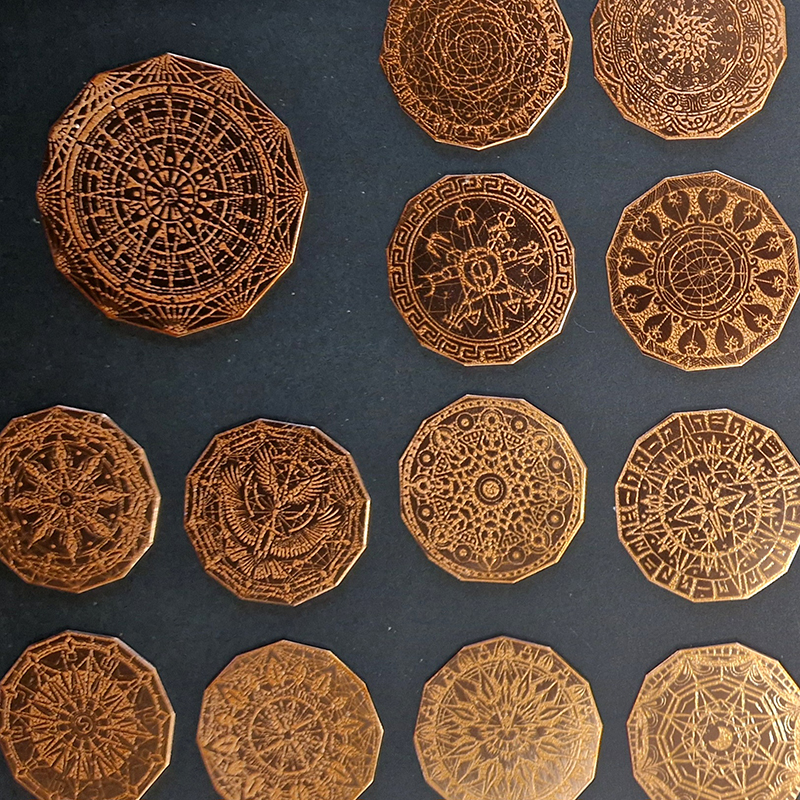
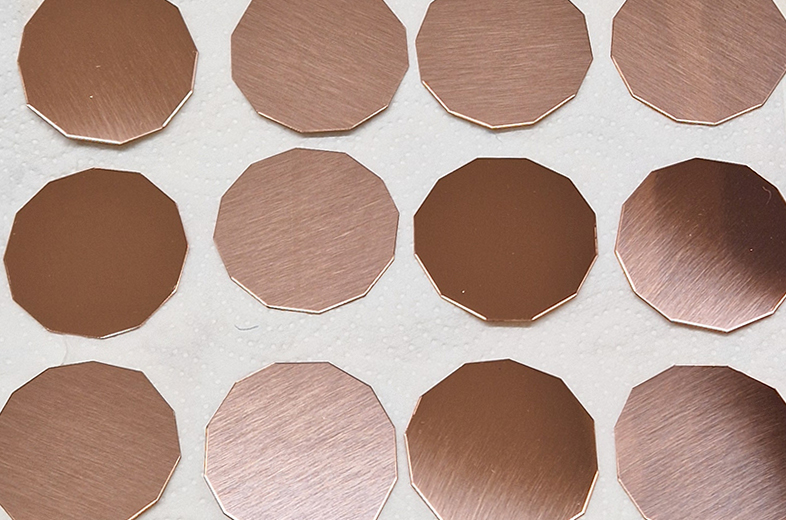
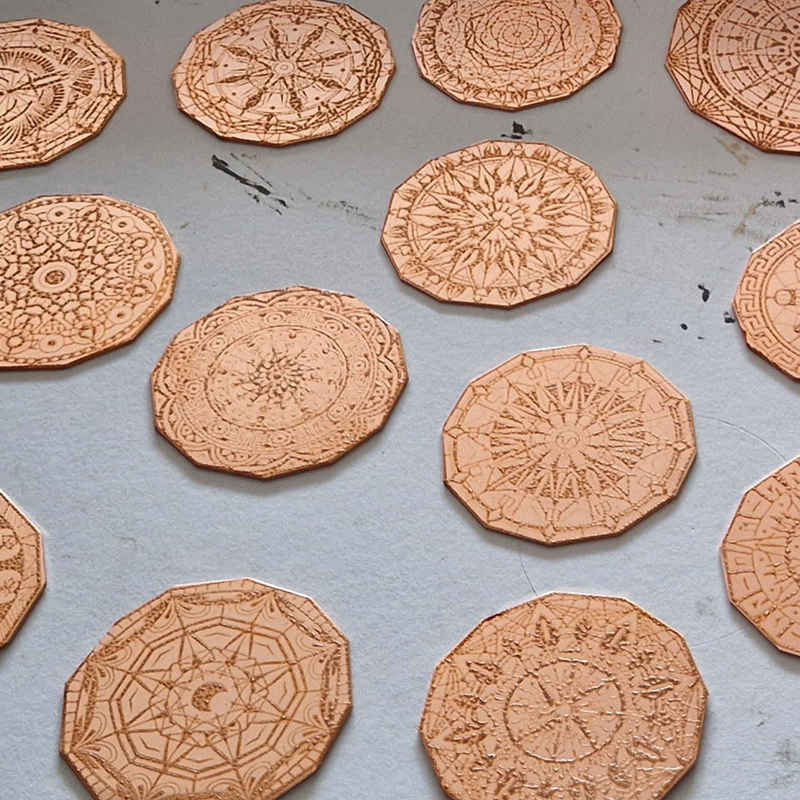
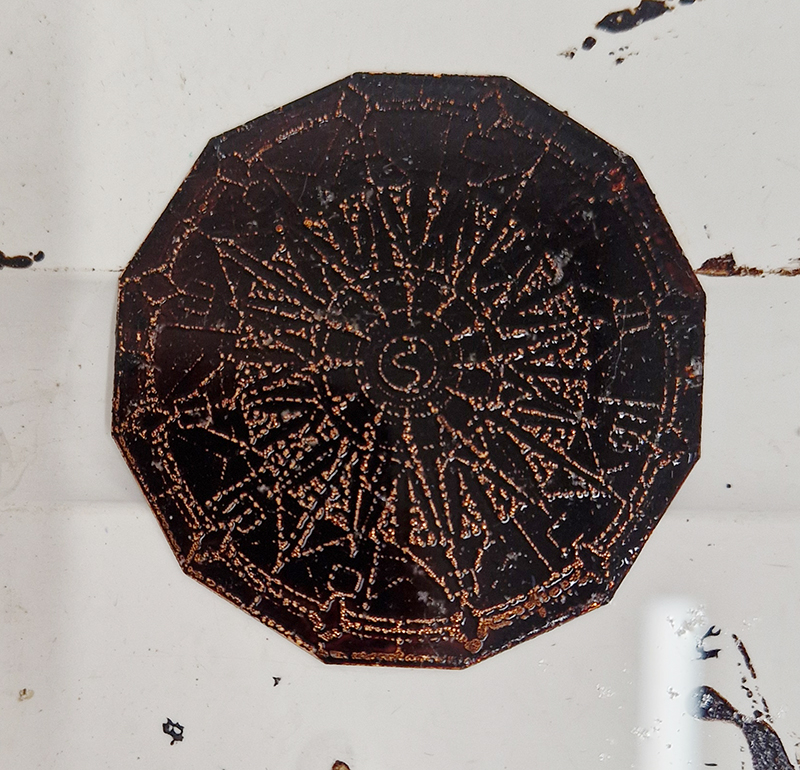
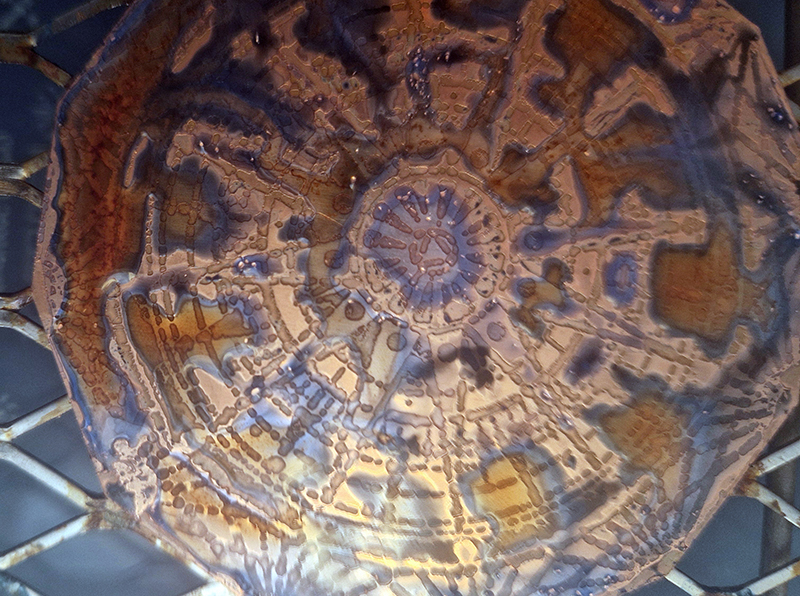
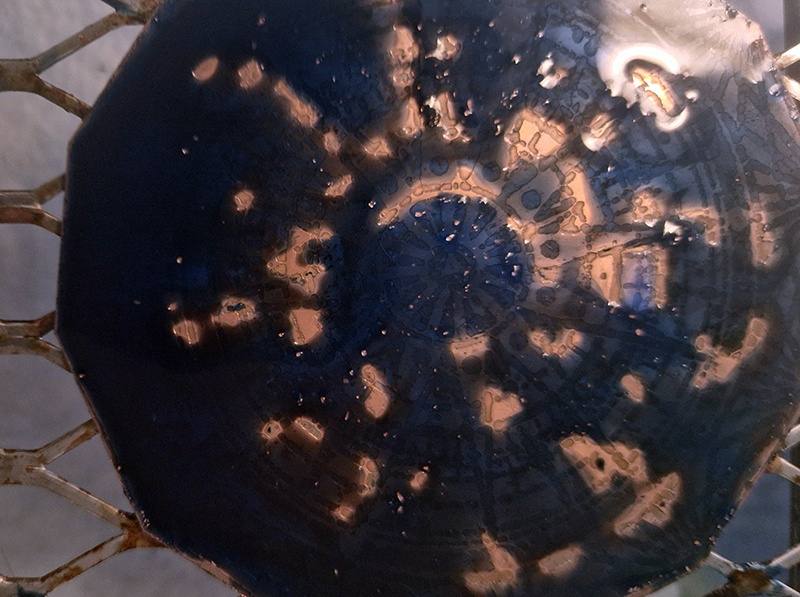
I am making a new concrete tablet for Instruments of the Anemoi series with more detailed compass rose inspired copper insets. The copper is guillotined to shape and screen printed with a sugarlift solution.

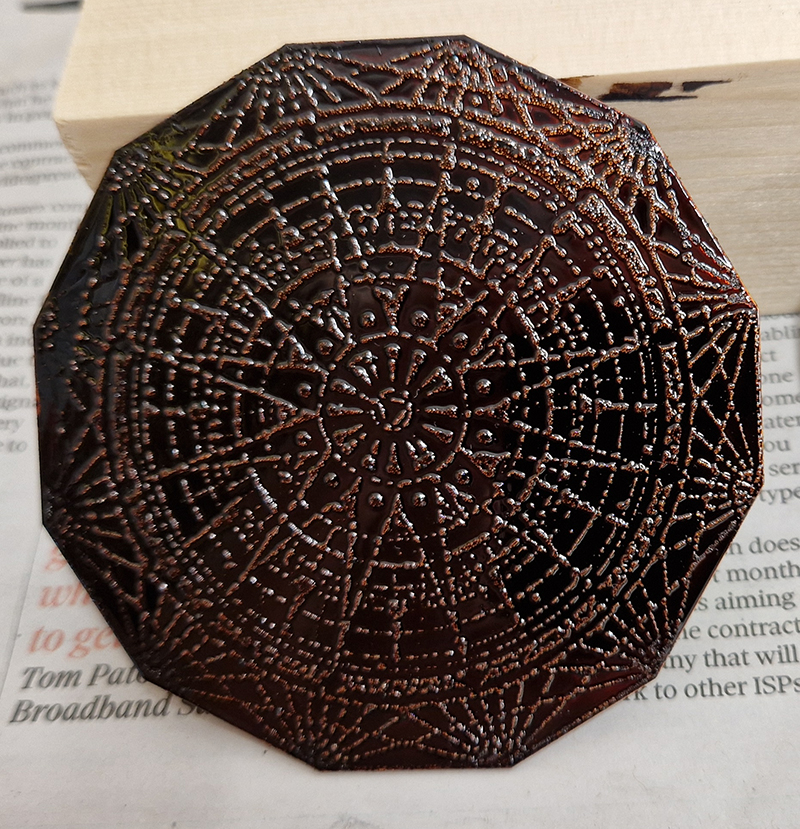
The pieces are then dipped in bitumen and left to dry before putting in a bath of warm water to dissolve the sugar solution, leaving the design ready to be etched.

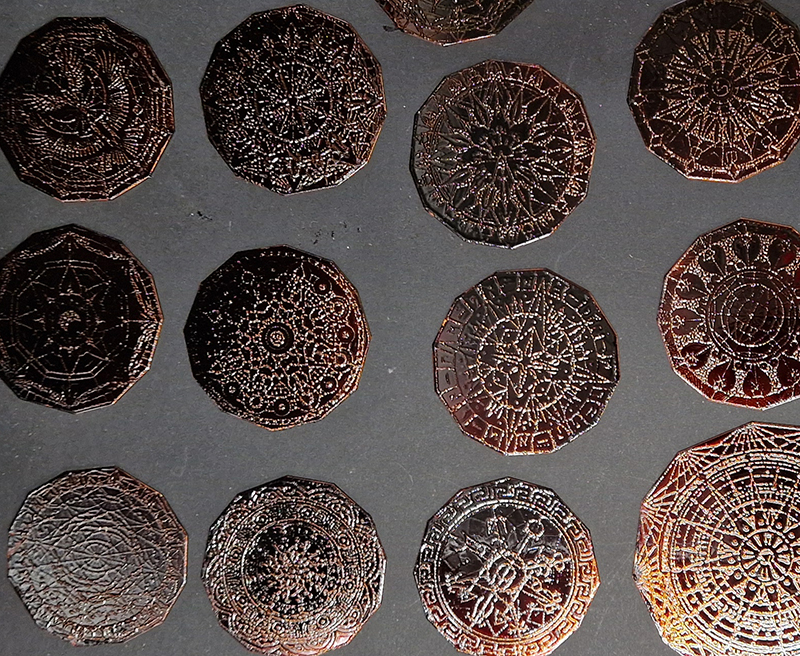
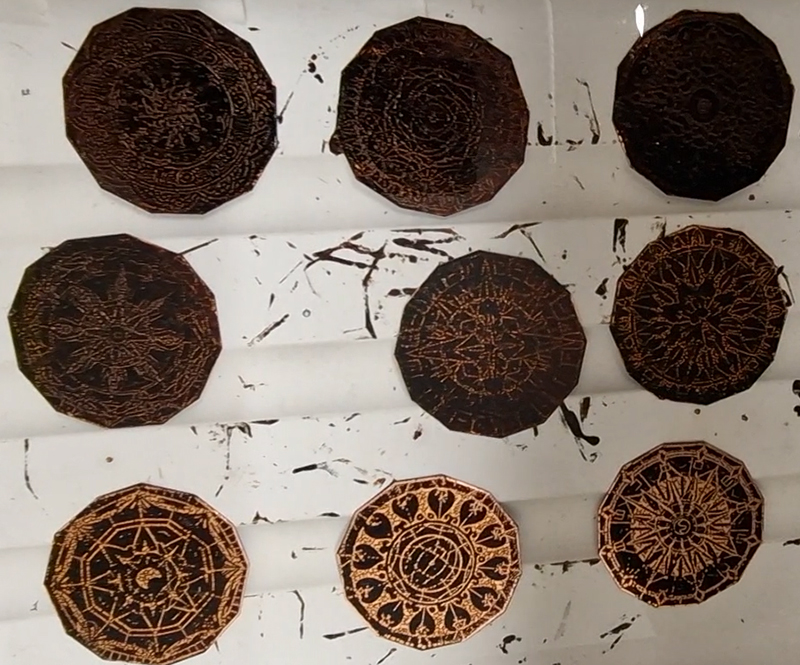
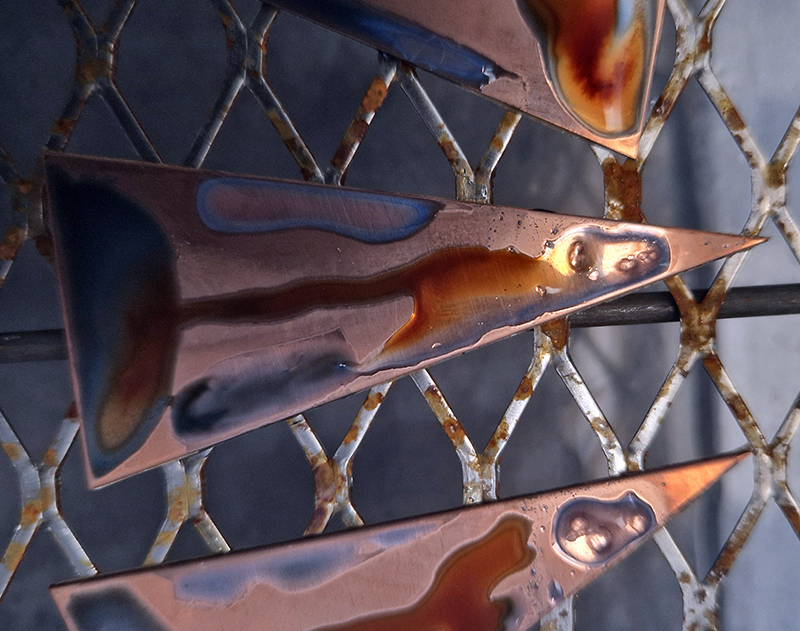
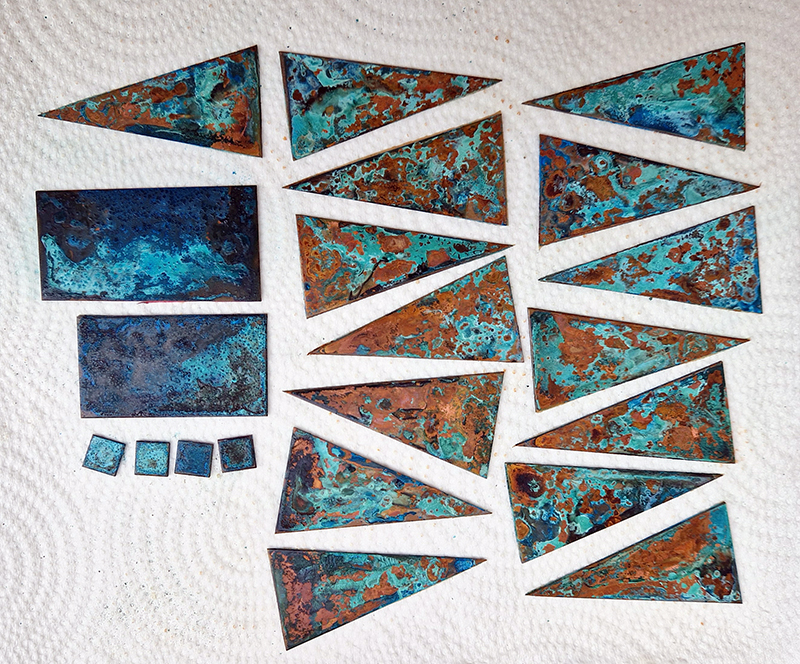
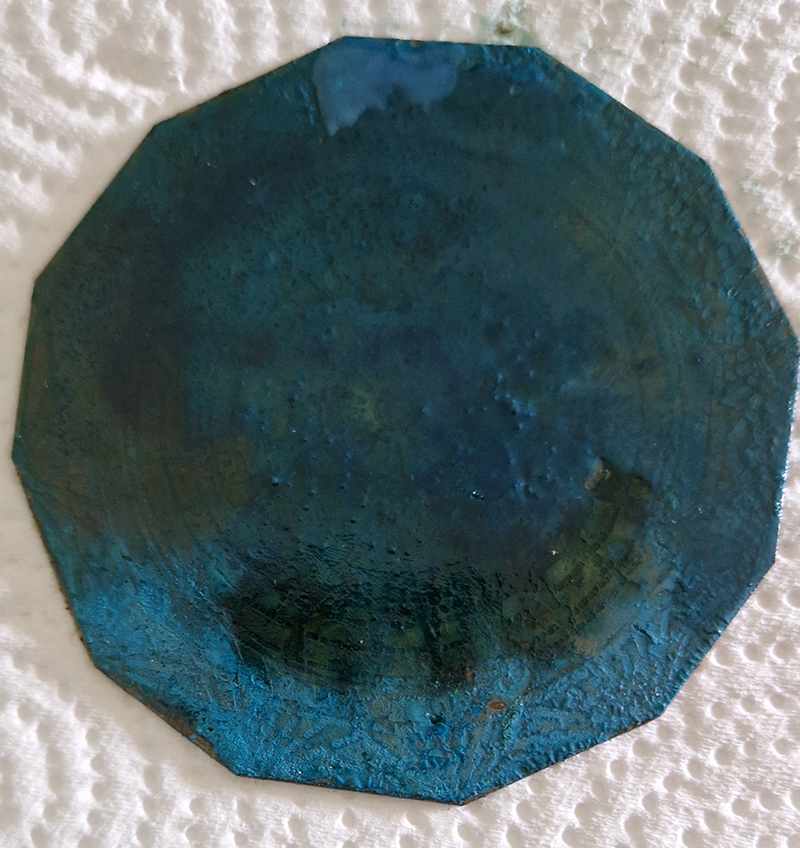
I also cut some copper shapes to patinate, painting the copper with salt and vinegar and soy sauce before fuming in an ammonia bath. I love how the colours change throughout the process.

I was going to patinate the dodecagon shapes as well but in the test I did, I lost a lot of detail, so these will just be inked and left.

Gallery Visits

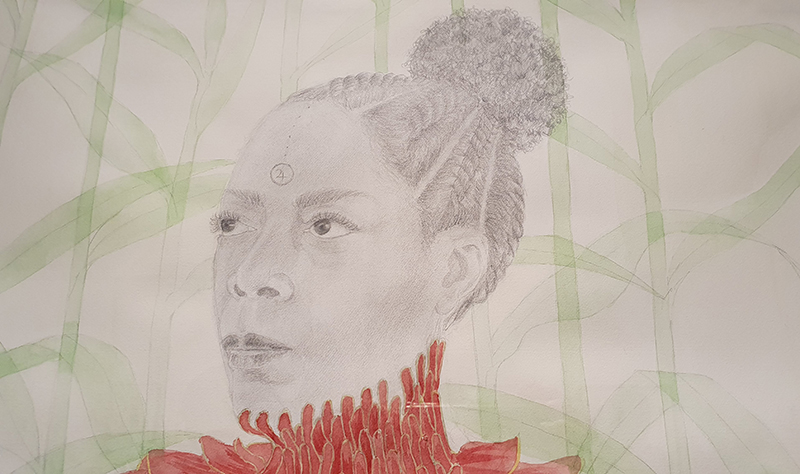
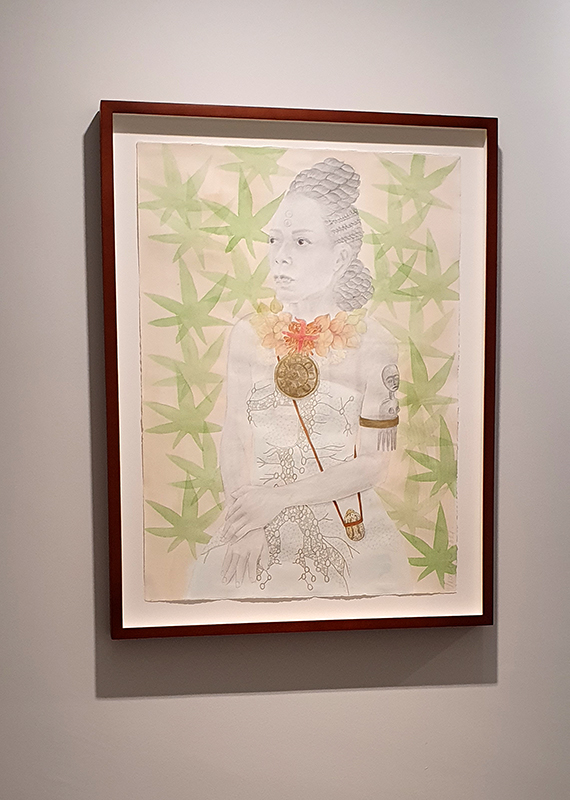
Charmaine Watkiss showing her beautiful drawings full of symbolism in Hard Graft at Wellcome Collection. The exhibition explores the impact of work on health and her works celebrate the ancestral herbal knowledge of medicinal and edible plants and fruits that carry powerful healing properties.

These were used to secretly cure illnesses and prevent diseases as an act of survival and self-dependency, distinct from Western medicine. The connection between herbal healing and African spiritual practices is represented by cosmological symbols discreetly tattooed on the women’s bodies. Natural dyes – such as Jamaica’s Blue Mountain coffee and indigo – and materials such as brass and raffia palm embed historical knowledge in the fabric of the works. This knowledge is preserved, yet concealed, by the figures who avoid the viewer’s gaze.

The London Group Stillness in Movement at Bermondsey Project Space. Taking three evocative lines from Four Quartets by T S Eliot as a starting point for this group show. Images – Carol Wyss, Sandra Crisp, Genetic Moo and Beverley Duckworth.

‘Not known, because not looked for
But heard, half heard in the stillness
Between two waves of the sea’


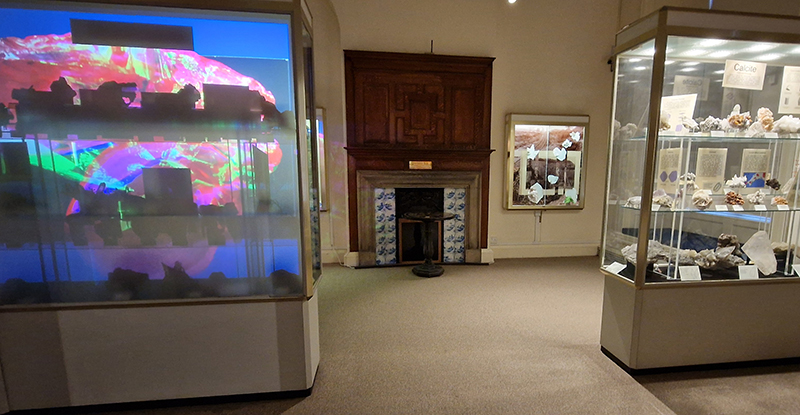
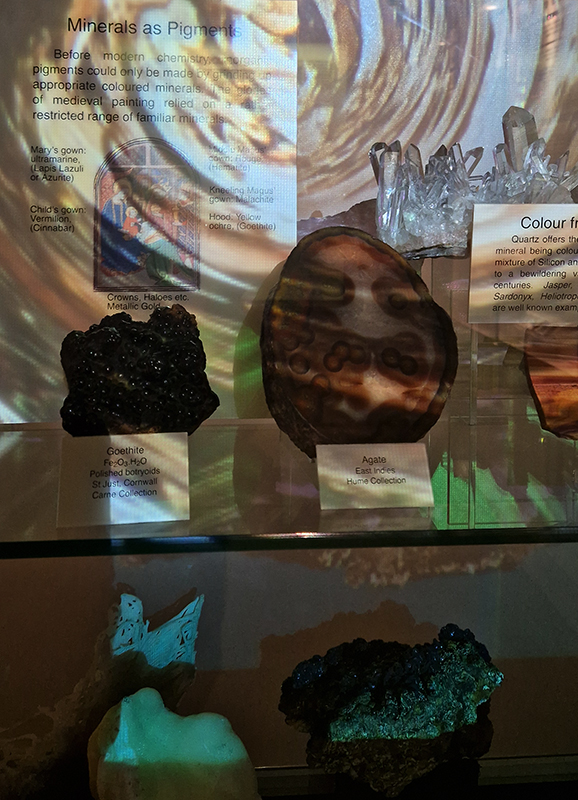
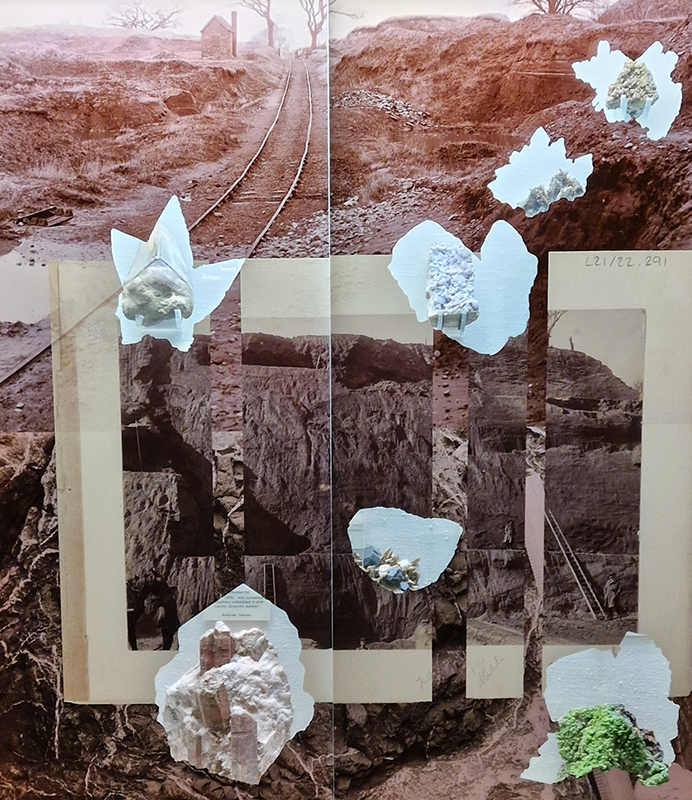
Rona Lee Lithic Entanglements at Sedgewick Museum of Earth Sciences. A considered intervention in the Whewell Mineral Gallery to ‘bring the dirt back in’, making evident the scarred landscapes, physical extraction processes as well as the social strata of those involved in procuring such a collection. There is no denying the allure of minerals and gemstones and the work here captures the beauty of the rocks while also reminding us of the ravaged Earth left scarred and depleted.

A Modern Lapidary a video work, back projected through one of the free-standing cases, animates mid-century scientific photographs of minerals, altering our perception of the samples within as ‘dead’ matter. Elsewhere, in An Extractive Index, digitally collaged photographs of geological field trips are laminated on to the glass, inviting reflection on the social and environmental relationships which these reveal.’ 
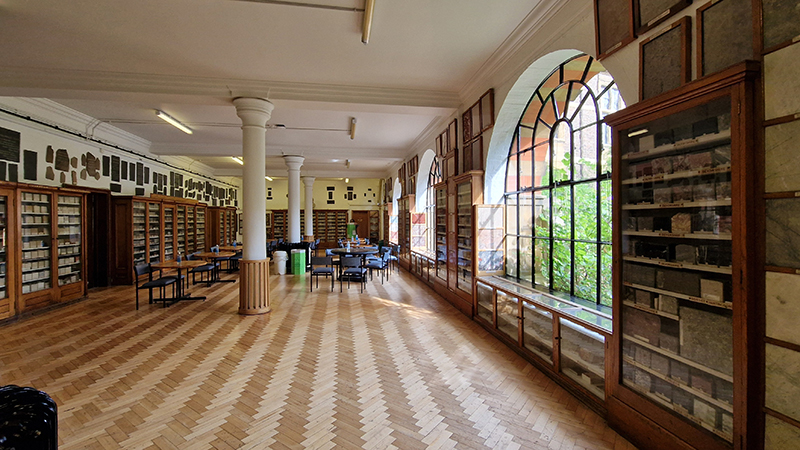
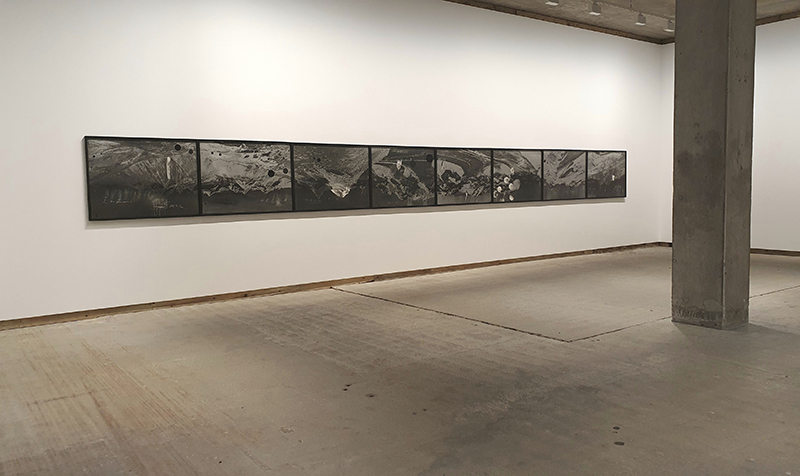
The Museum itself was also fascinating to look round and after Rona’s artist talk we were treated to tea in the The John Watson Building Stones Gallery which houses the most complete collection of stones used in construction.
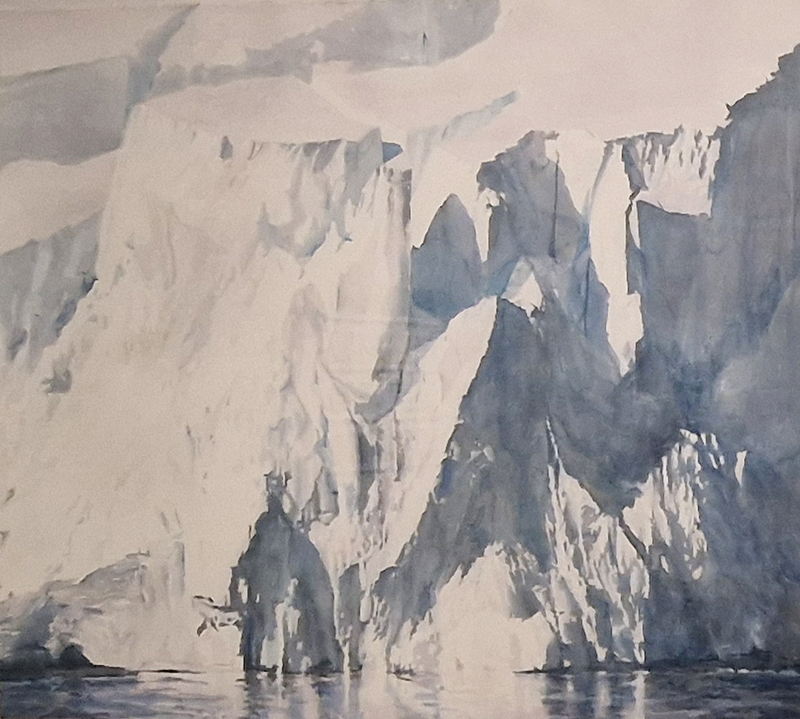
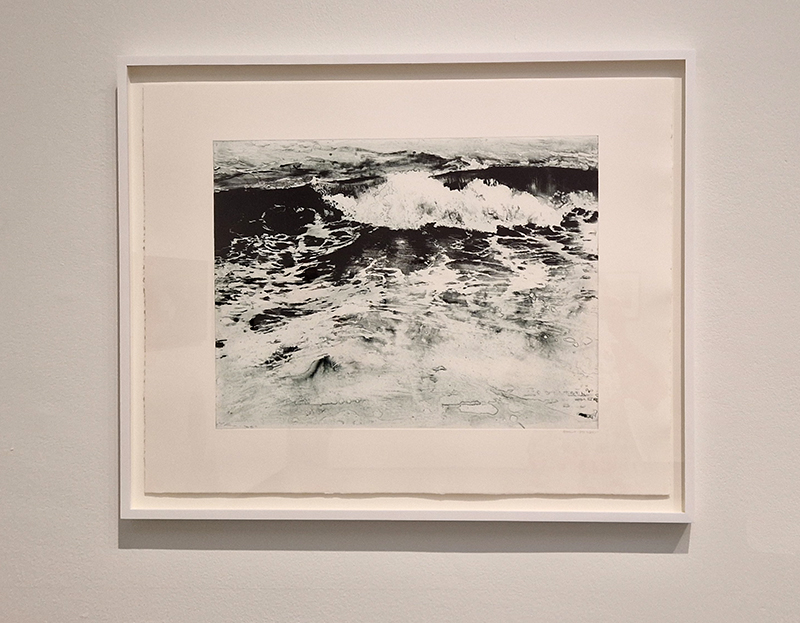
Emma Stibbon Melting Ice | Rising Tides at Towner Eastbourne. A day trip to the see this remarkable body of work so thoughtfully curated. The pale majesty of ice or chalk cliff faces, fragile against pounding seas that Emma witnesses in both the polar and local Sussex coastlines are captured so poignantly. These are portraits of great bodies under stress. Close up, edges and lines break down into fluid, watery strokes, a diaphanous translation of the fast painterly sketches made in often gruelling conditions. Wonderfully immersive, through scale and placement, and the understated palette of deep muted greens and blues, almost blacks and luminous whites which draw the viewer into the landscapes.

Listening

 Sideways – A New Frontier. A four-part podcast about the ethics of space exploration with former NASA astronaut Nicole Stott, new astronaut Ed Dwight, Space Philosopher and author Frank White, Anthropologist of Space and Religion, Deana Weibel, Professor of Religion at Knox College Robert Geraci and former ISRO scientist, Jijith Nadumari Ravi.
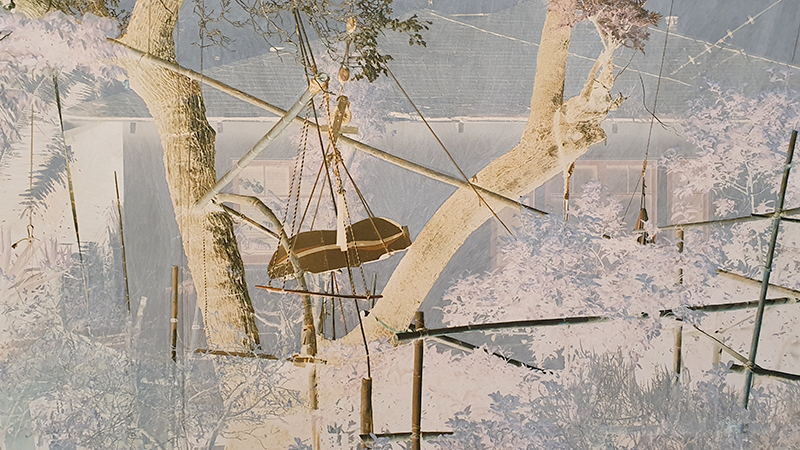
Astronauts and space tourists often cite the overview effect as a transformative experience offering the perspective to see a shared planet with no borders. Some however, experience the ‘ultraview’ effect which is the overwhelming and disorienting knowledge of the magnitude of the universe.

BBC Inside Science Podcast. How much of a risk is space junk? As we send more and more metal in the form of satellites up into space, scientists are warning it is becoming more of a risk both here – and up there.

Much space junk comes from defunct satellites. There are plans to launch 60,000 more satellites by 2030. It is estimated there is currently 12, 400 tons of space junk orbiting Earth – 2,500 discarded satellites and 130 million fragments that travel at 10 times the speed of a bullet. Because of the orbiting junk, Space X satellites must make around 275 collision avoidance manoeuvres every day. It is not only dangerous in space but large debris is falling to Earth and not burning up in the atmosphere. It is predicted life will be lost in the next decade as a result of falling space junk, there have already been some near misses. The satellites and launch debris that does burn up in the atmosphere releases large amounts of metal into the atmosphere with unknown consequences.

I am continuing to look at research showing it may be possible that humans retain some residual magnetoreceptor in our eyes that once allowed us to navigate using the Earth’s magnetic field. We know animals and birds have this ability and current studies suggest that some people do indeed perceive magnetic fields, albeit unconsciously.

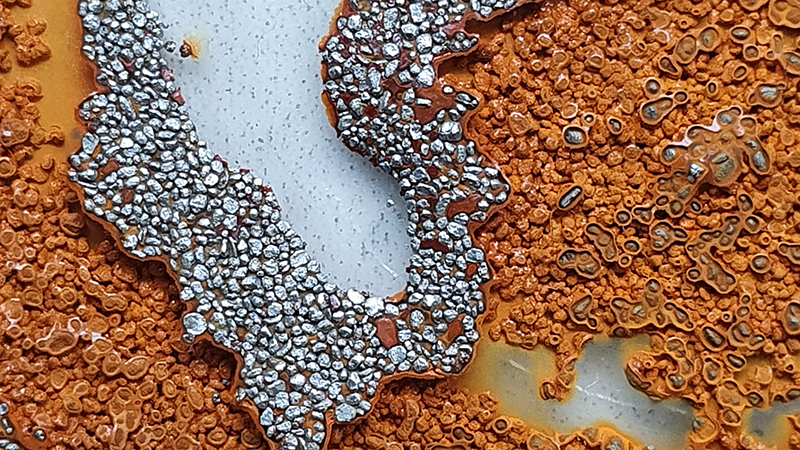
I dropped some iron filings into a little water which evaporated leaving a pleasing deposit. I wanted to see if the filings lose their magnetism once oxidized and how the rusted filings would sit on the iris image.

I was invited by Luci Eldridge and Ian Dawson to present a talk and run a Cloud Chamber Workshop as part of the Images In The Making series, a Communities of Practice cross-years project at Winchester School of Art.

Images in the Making considers images in an expanded sense in terms of process, materiality, interaction, exploring how artworks evolve and come into being.

Images – be they human or machine – are entities that are made. They are drawn, sculpted, painted, mapped out, captured, rendered, visualised, spliced, amalgamated. Images in the Making considers images in the broadest sense, exploring them as fluid, dynamic entities that emerge and transform through making, unmaking, and remaking. Process is at the core of this project and we will think about ‘imaging’ as an unfolding activity, investigating how artworks change as they are made and circulated.

Writing the presentation allowed me to revisit and consider how I use process in a practice broadly to do with visualising the unseen.

As my starting point is often an unseen or maybe even an imagined object this might mean visualising a close approximation of something to open up the imagination to phenomena that is beyond our capability to visualise. This would include things like dark matter, higher dimensions in spacetime, or the aura of an object. Or it may be using technology to make visible something otherwise outside the limitations of our senses. Or a conflation of real and imagined such as seeing a galaxy in a frozen puddle.

In Patrick Harpur’s book The Philosophers’ Secret Fire – A History of the Imagination he talks about those inbetween spaces where things are not quite ‘there’ and not quite ‘not there’ which I think is an interesting space to look at when trying to bring the unseen out of the shadows. The book relates how myths have long been used to make sense of the world. For most of our evolution humans have believed in an otherworld of spirits – a metaphysical realm governed by archetypes. Daimons are given context in the book as elusive, contradictory, both material and immaterial concepts that still reside in our culture but are now so far removed from their personified shapes that we fail to recognise them.

All human experience is an edited account of full reality as neuroscientist Anil Seth tells us

“You’re locked inside a bony skull trying to figure what’s out there in the world. There’s no light inside the skull, there’s no sound either, all you’ve got to go on are streams of electrical impulses which are only indirectly related to things in the world, whatever they may be. Perception, figuring out what’s there has to be a process of informed guesswork”

 and then tangled with our reality according to Harpur

“…daimons inhabit another, often subterranean world which fleetingly interacts with ours. They are both material and immaterial, both there and not-there – often small, always elusive shape-shifters whose world is characterized by distortions of time and space and, above all, by an intrinsic uncertainty.

– the subatomic realm, like the unconscious, is where the daimons took refuge once they were outcast from their natural habitat.”

A few years ago when I was visiting and photographing streets and roads called Paradise trying to capture the aura of such a place I stopped to wonder what everything was made of. Did I need to look closer to find hidden patterns or clues in the everyday which might point to something sublime. This is when I turned to particle physics. I found the language to be quite like that of mythology, full of mysterious characters; the quarks, the muons, neutrinos. Characters governed by fundamental forces like the strong force and the weak force that are defined by their characteristics, just like the mythical gods. I also found the theories of particle physics to be as fantastical as the ancient tales where the laws of classical physics do not apply. I was amazed at the time to discover that most of the universe is hidden from us as mysterious dark matter and dark energy. 

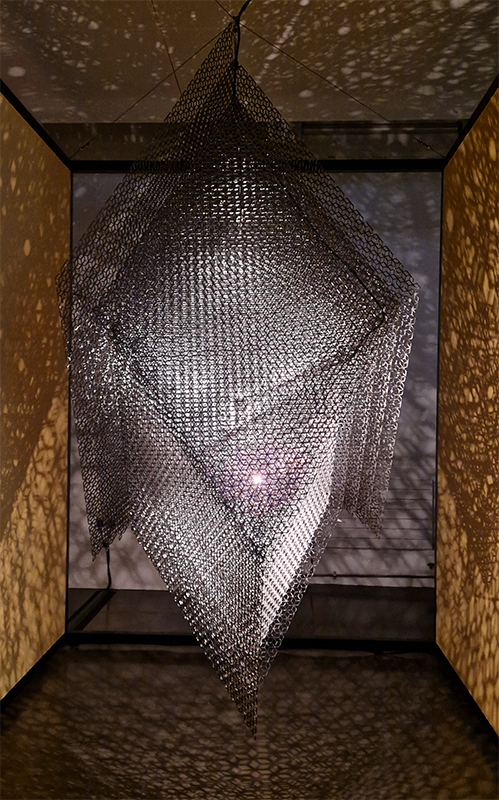
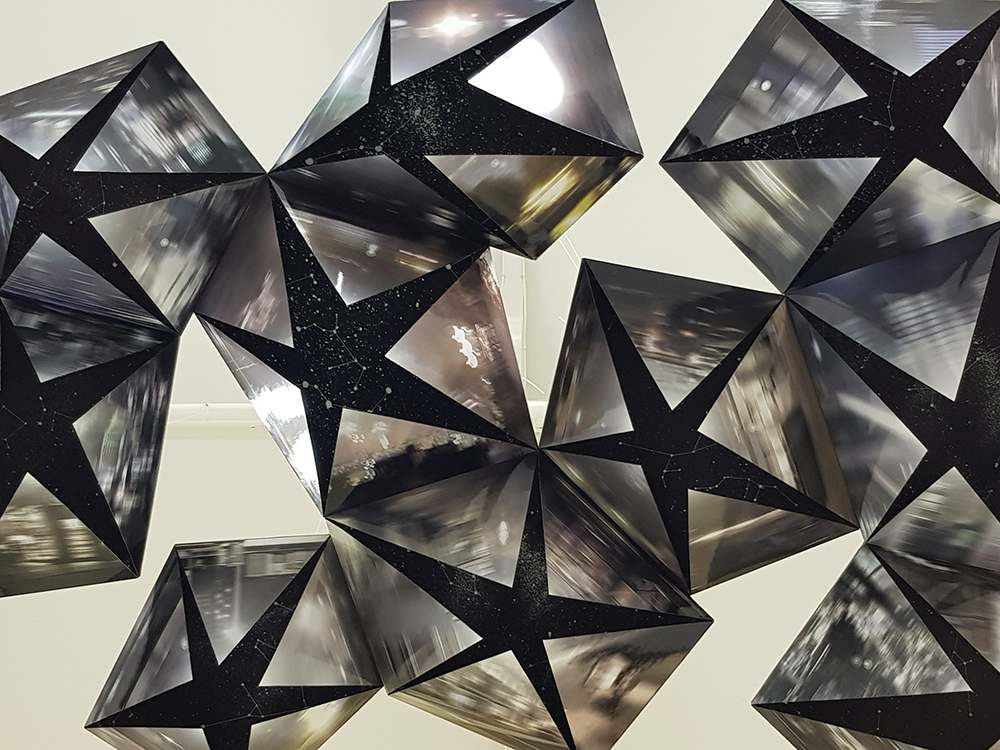
To provide a relevant backdrop for the online presentation I set my dodecahedron sculpture Diazôgraphô by the window to light up the images of cosmic particle trails within. The dodecahedron is used here as a motif for the universe. The title translates from Greek as ‘to embroider’. Plato described the dodecahedron as ‘a fifth construction, which the god used for embroidering the constellations on the whole heaven.’

The cloud chamber workshop gave students a chance to experience the otherworld of subatomic particles. Dark matter might be inaccessible to us but cosmic particles offer a more tangible contact  – although too small to see we can witness their effects through quite simple processes. In the chamber we see trails from naturally occurring background radiation as well as particles from outer space.

Out of the Studio

Not Painting at Copperfield

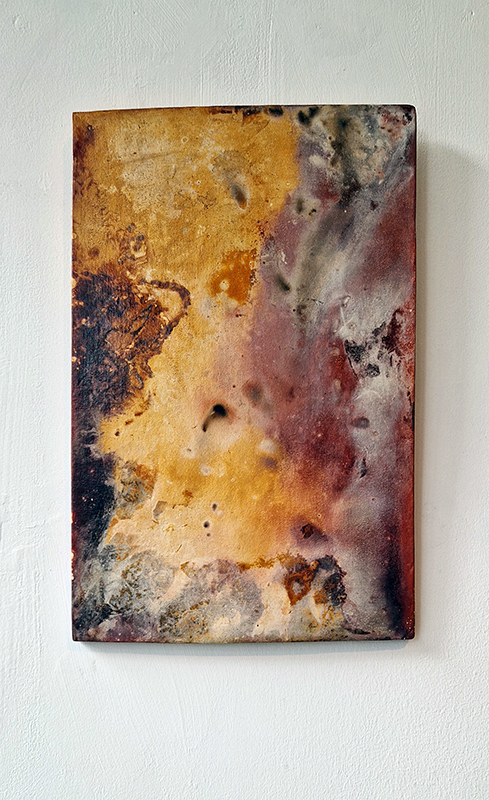
Inspired work by Nicola Ellis from Dead Powder series (first pic) in a show hitting the zeitgeist of rethink, repurpose the materials around us. Some beautiful and thoughtful work here much of which will confound you as to its material origins.

Darkness At Noon: Nigredo of a Pandemic at APT curated by Ruth Calland for Contemporary British Painting

Great to see some of Sarah Sparkes exquisite ghost painting series along with Chantal Powell’s alchemical totems and other works from 27 artists.

Alchemy is all about transformation from one state to another, the pursuit of a deeper truth as precious treasure. Alchemists were engaged in the Middle Ages with a physical process, trying to turn base materials into gold through a series of chemical processes, a metaphor for the transformation of the soul. There had to be a Nigredo, a dark night of the soul in order to purify it. Death and decay, destruction of the old to make way for the new, are both real and symbolic in these precarious times of ours. 

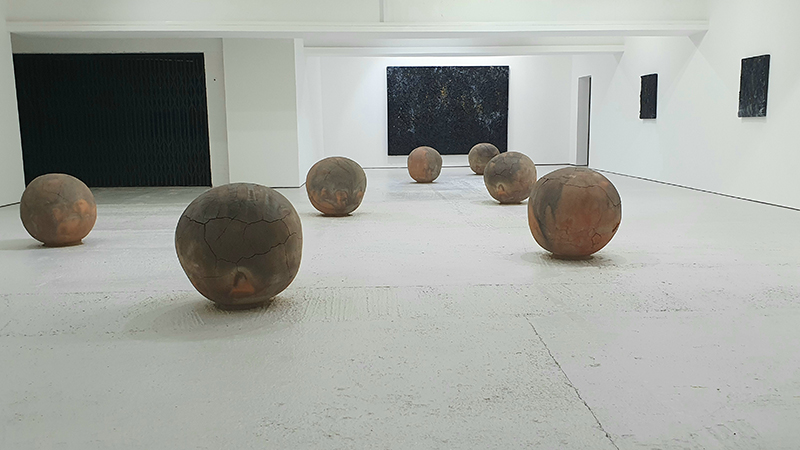
Bosco Sodi Totality at König London presents a grounded solar system we are able to walk amongst, surveying the raw materials of our creation. Heat, minerals and time. Very satisfying.

Tacita Dean – The Dante Project at Frith Street Gallery, Golden Square

Hell made heavenly in silvery surfaces, paradise emerges glimmering from the streets of LA.

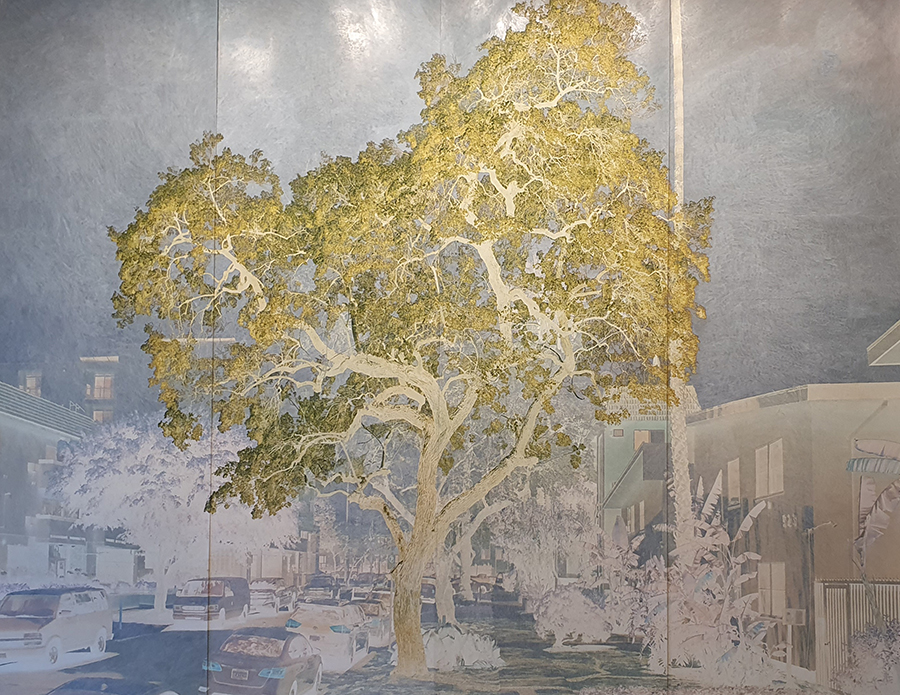
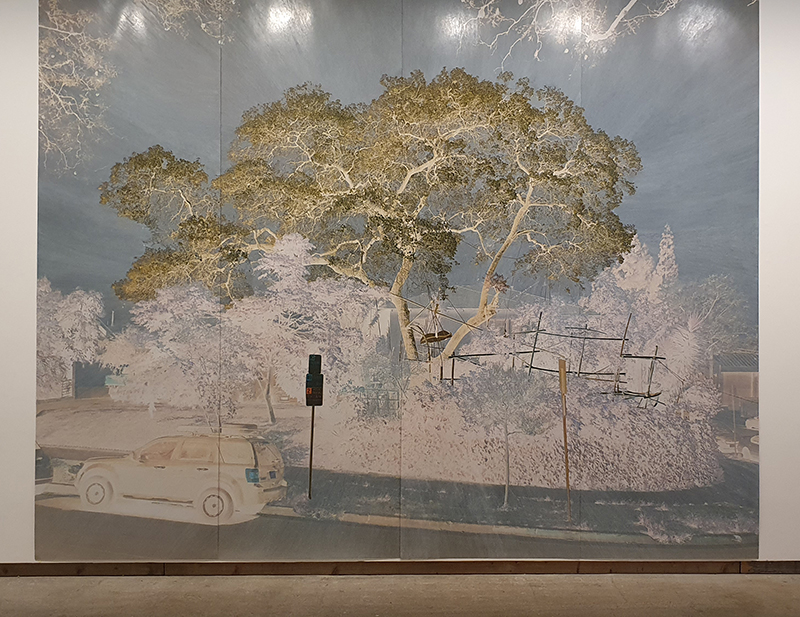
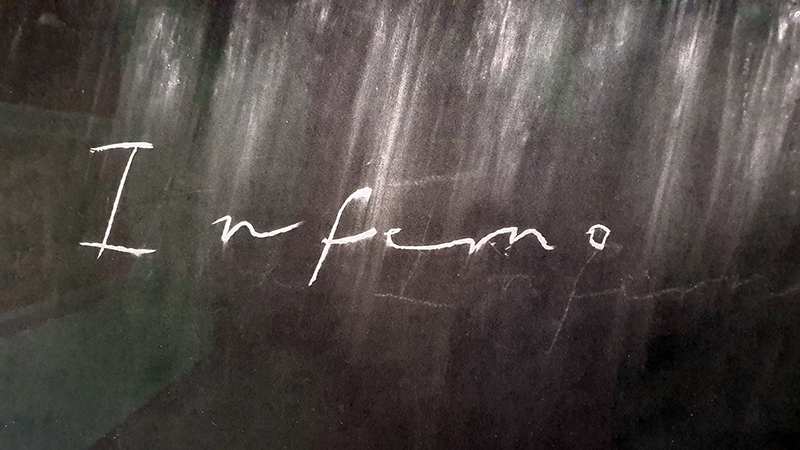
Magical otherworlds. These stunning backdrops were created for the ballet based on Dante Alighieri’s 1320 narrative poem The Divine Comedy choreographed by Wayne McGregor at The Royal Opera House but can also transport you in their own right. I was lucky to also see them on stage. The sets progress from the monochrome backdrop of Inferno, through the luminous transitional state of Purgatorio into a circling colourfields of Paradiso.

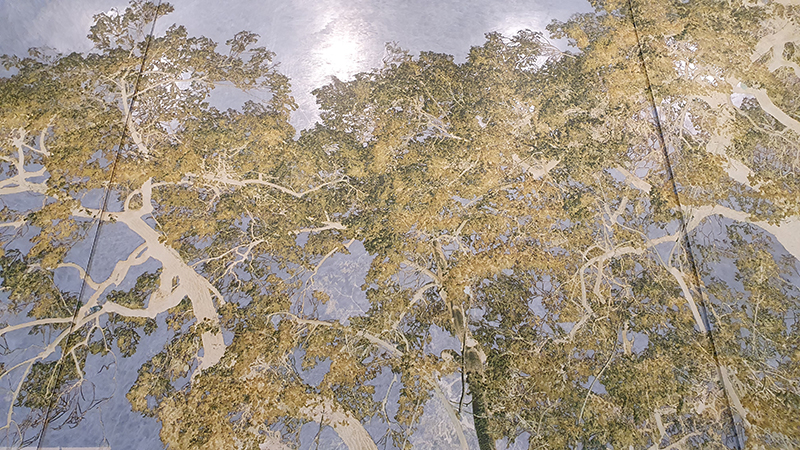
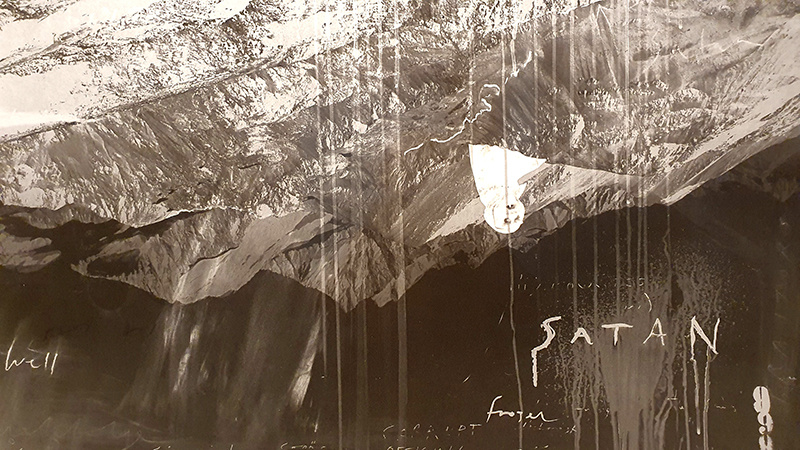
The large-scale photographs printed as negatives are of Jacaranda Trees which bloom in hot climates when the entire foliage turns into purple blossoms. In negative the purple becomes an otherworldly green and the background streetscape is muted with white pencil. The monochrome photogravures of an inverted mountainous terrain in negative using silver ink reference Botticelli’s drawings which signify Dante and Virgil’s descent through the nine circles of hell.

Tacita Dean Monet Hates Me at Frith Street Gallery, Soho Square

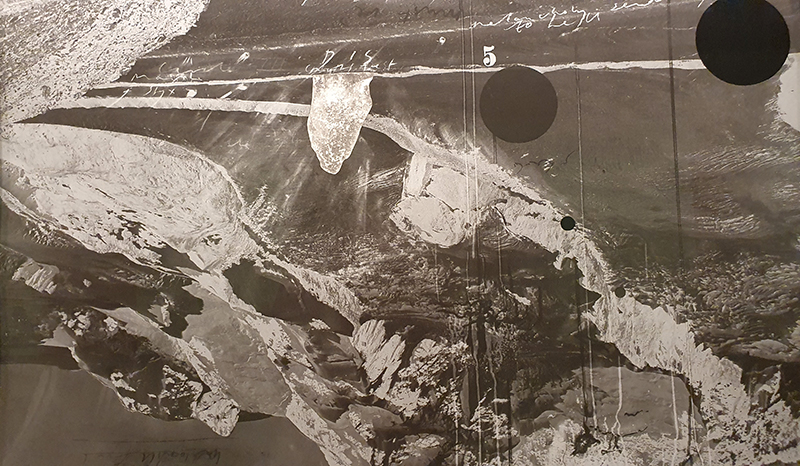
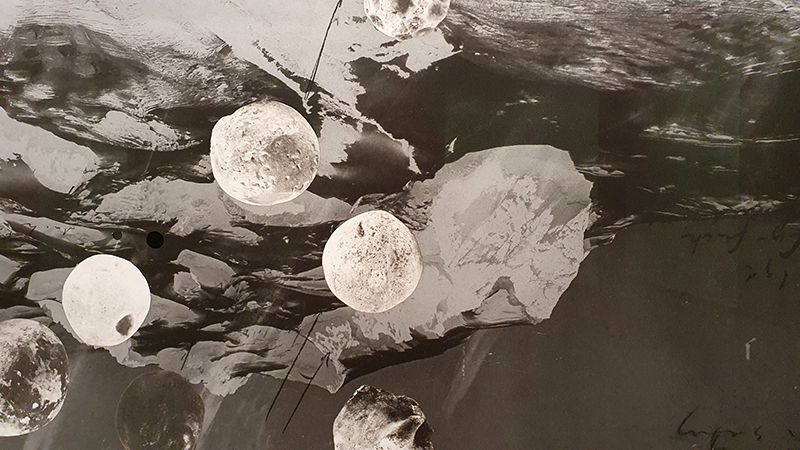
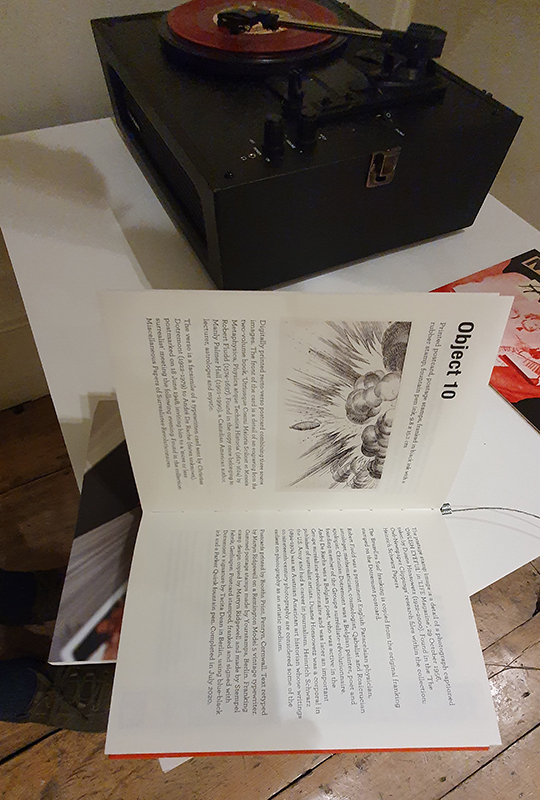
The importance of objective chance as a tool of research used as the basis to craft 50 objects inspired by the random choice of a box of artefacts at The Getty Research Centre, Los Angeles. The objects pertaining to ‘an exhibition in a box’ include ‘the forged signature of Christian Dotremont, a long-dead Belgian surrealist, on a postcard; a letterpress copy of Piet Mondrian’s carte de visite, hand-corrected by Dean to match a pencilled correction on the original; Fluxus artist George Brecht’s Stamp Out Stamping stamped on vintage index cards; a vinyl record of Dean reading a montage of text fragments collated from her working photocopies; and ‘a foot of feet’ – a foot-long strip of film made of sixteen frames of found images of feet. Object 1, is a small book which also acts as the key to the provenance and manufacture of the other 49 objects.’

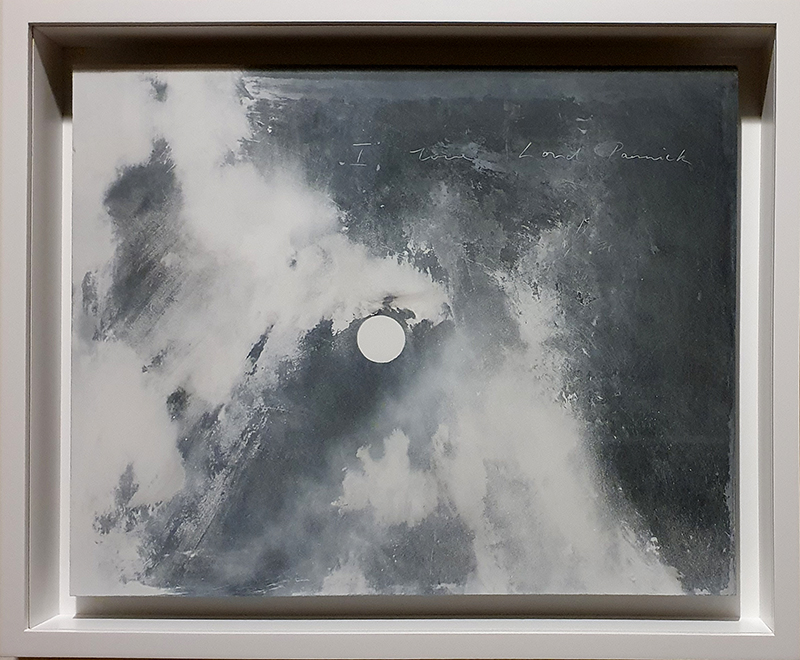
The enigmatic painting I love Lord Pannick sits outside the viewing area for Pan Amicus, filmed in 16mm on the Getty Estate but transporting the viewer to a golden classical Arcadia littered with Greek and Roman objects and imbued with the spirit of Pan “The Piper at the Gates of Dawn” from Kenneth Grahame’s The Wind in the Willows (1908).

Mixing It Up; Painting Today an exhibition of painting at the Hayward Gallery.

Charmaine Watkiss showing with Tiwani Contemporary at Cromwell Place.

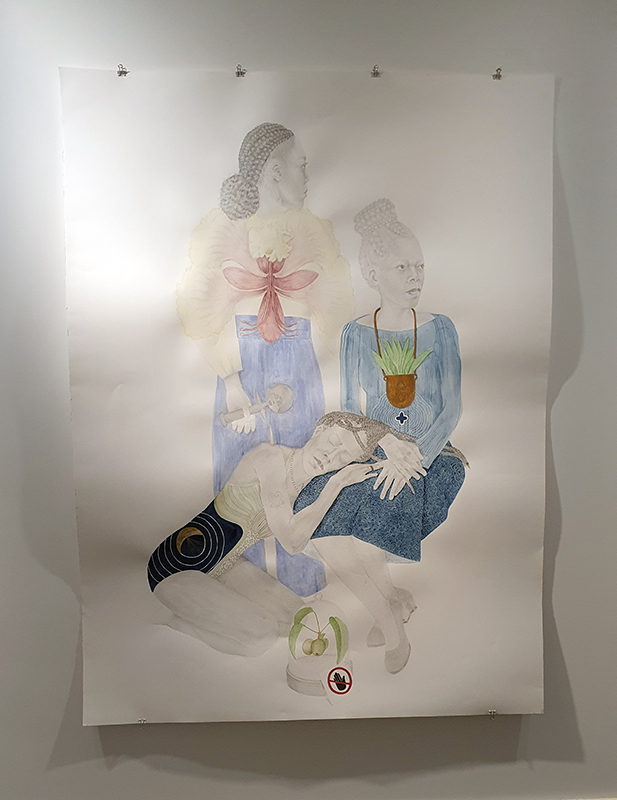
Meet The Seed Keepers in Charmaine’s magical collection of works on paper. Powerful images brought to life with a luminous delicacy full of hidden symbolism waiting to be discovered.
Researching the medicinal and psychical capabilities of plants, Watkiss has personified a matrilineal pantheon of plant warriors safeguarding and facilitating cross-generational knowledge and empowerment.

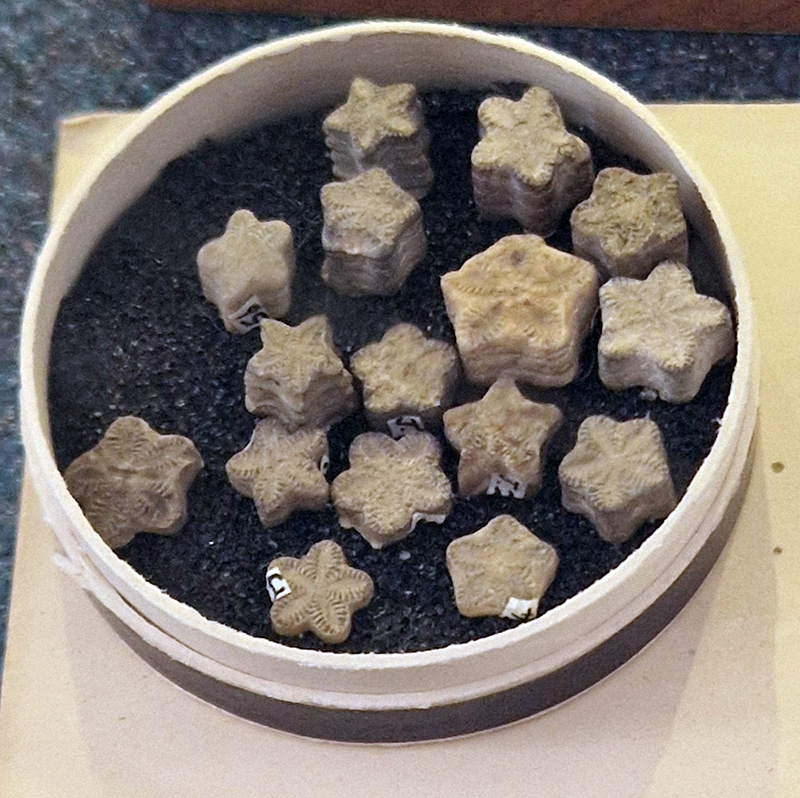
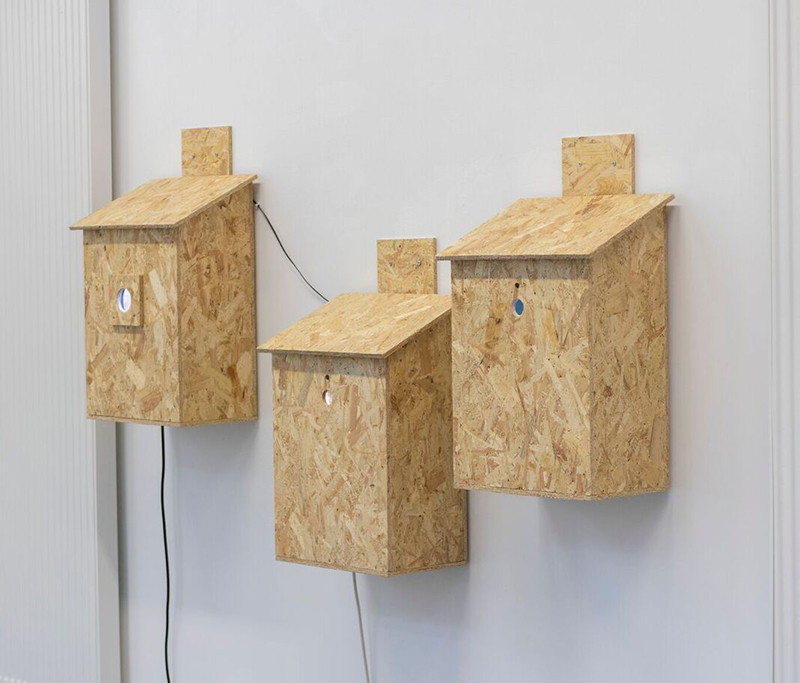
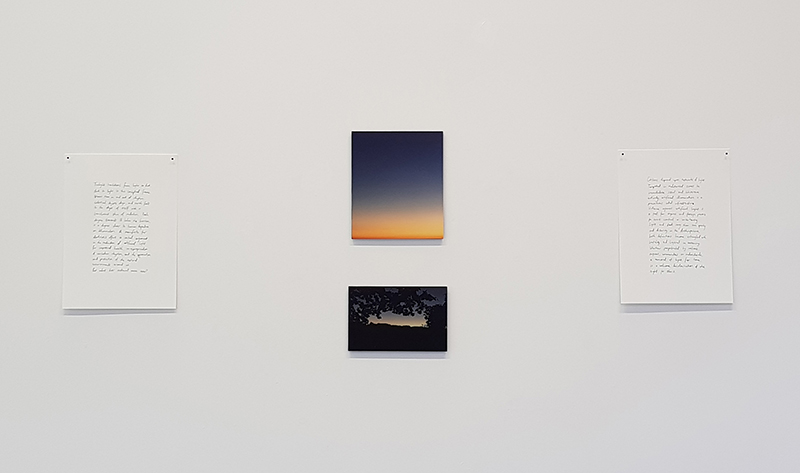
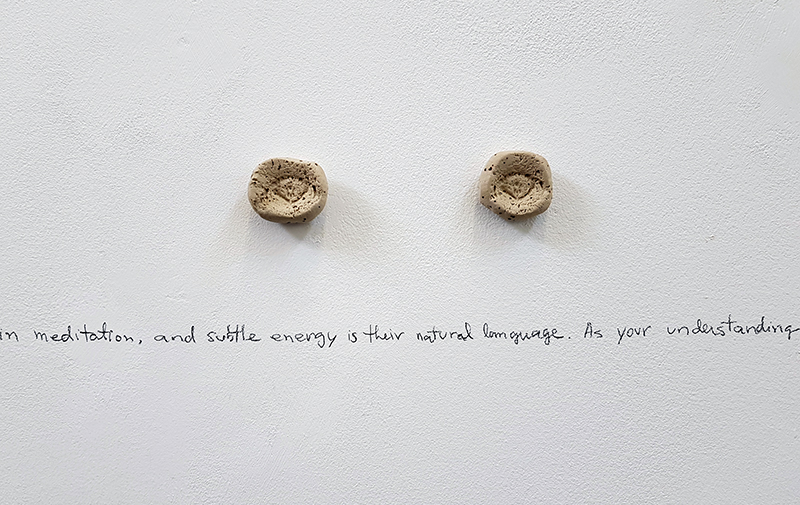
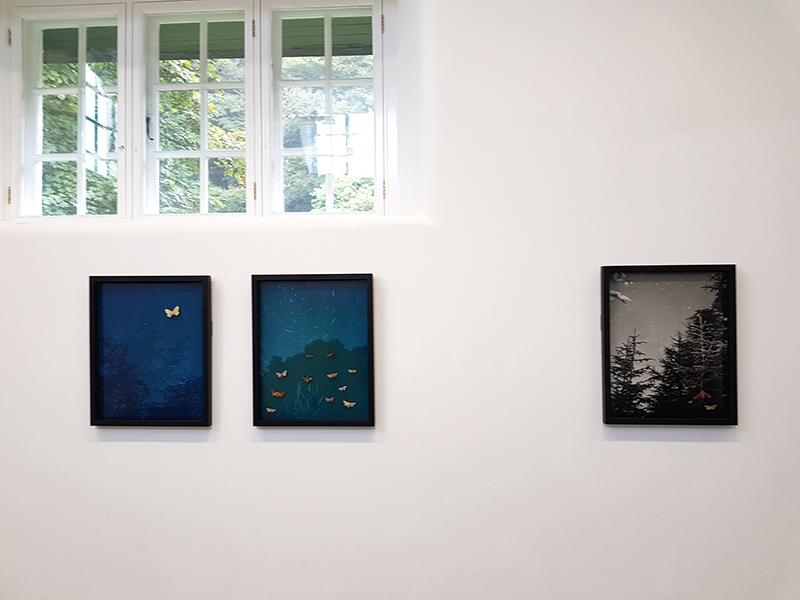
New work pentacoronae installed at Grizedale Project Space for In Search of Darkness exhibition curated by art collective Lumen Studios.

1809 Pentacoronae

“Sky glow” is the yellow umbra leaching into the night sky from light polluting urban areas; obscuring our view of the constellations, shrinking our universe and severing our relationship to the stars.
Our ancestors mapped the stars and the shapes and patterns they drew across the darkness became familiar anchors for navigation; describing mythological characters; aligning celestial cycles with the fortunes of everyday life and revealing harbingers of portentous events. This rich history is being lost to a population bathed in the radiant intensity of artificial illumination.

1809 Pentacoronae 2
Light doesn’t always make things more visible. There are other ways to discover the mysteries of the universe and look beyond what our immediate senses tell us is there. Dark Matter is a significant component of the universe, yet we cannot see it. It doesn’t reflect or emit light and so scientists are finding other ways to detect it. In digital visualisations of Dark Matter, organic patterns emerge that could be the veins under our skin or the spreading branches of trees.

1809 Pentacoronae 1
As ever more powerful telescopes and data gathering equipment open new areas of the universe to our view, generating imagery we could never see with our naked eyes, we are drawn to experience space via mediated technologies. Dark sky areas such as Grizedale Forest are precious locations where we can still stargaze, wonder and map our own stories across the sky.

1809 Grizedale Forest

Following on from the group residency earlier in the year we returned

1809 Forest WIP

with new work responding to the naturally dark skies of the Grizedale area  Maria Luigia Gioffre  – a re-tracing of the astral map of 7 July 2018

1809 Maria Luigia Gioffre credit John Hooper

Maria Luigia Gioffre Genealogy of an Asemantic Night – photo John Hooper

Eunjung Kim the journey of unseen travellers across time, memory, the cosmos

1809 eunjumg kim

Julie Hill-‘intimate immensity’ the milky way as bodily encounter

1809 Julie Hill credit John Hooper

Julie F. Hill Dark River photo John Hooper

Anthony Carr– circadian rhythms disrupted

1809 Anthony Carr credit John Hooper

Anthony Carr The Moon, Is The Only Light We’ll See photo John Hooper

Melanie King– ancient light captured

1809 Melanie King credit John Hooper

Melanie King Ancient Light, Grizedale Forest  photo John Hooper

Louise Beer— sounds of the tides slowed; an echo from 420 million years ago

1809 Louise Beer credit John Hooper

Louise Beer Beneath the Moon’s Gaze photo John Hooper

Rebecca Huxley— twilight transitions, a manifesto to darkness

1809 rebecca huxley

Rebecca Huxley 18 degrees below the Horizon 

Diego Valente— “Forests aren’t simply collections of trees….”

1809 Diego Valente

Diego Valente A Copy With No Original

and William Arnold – common lepidopteran misadventures in artificial light

1809 William Arnold 2

William Arnold Dark Spectacle

1809 project Space.jpg

I had the cloud chamber running at the opening event. Photo courtesy of Lumen

1809 Cloud Chamber demo

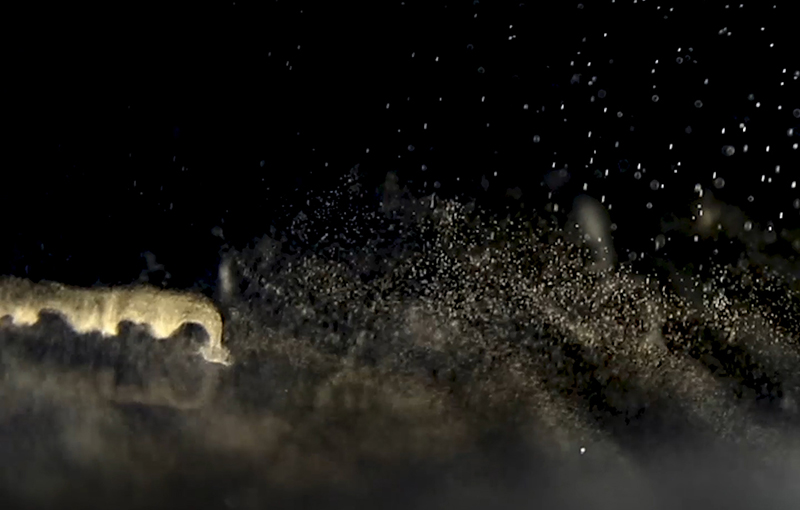
A cloud chamber gives us a glimpse into the invisible world of particles produced in the radioactive decay of naturally occurring elements and those generated when cosmic rays strike the top of the Earth’s atmosphere. It is a sealed environment containing a supersaturated vapour of pure alcohol sitting over dry ice. Charged particles passing through the chamber cause the vapour to condense resulting in tiny cascading trails. These particles pass though us continuously without our awareness. Witnessing this usually unseen activity can lead us to look beyond what our immediate senses tell us is there and consider the possibility of other intangible phenomena.

1809 Cloud Chamber demo 2

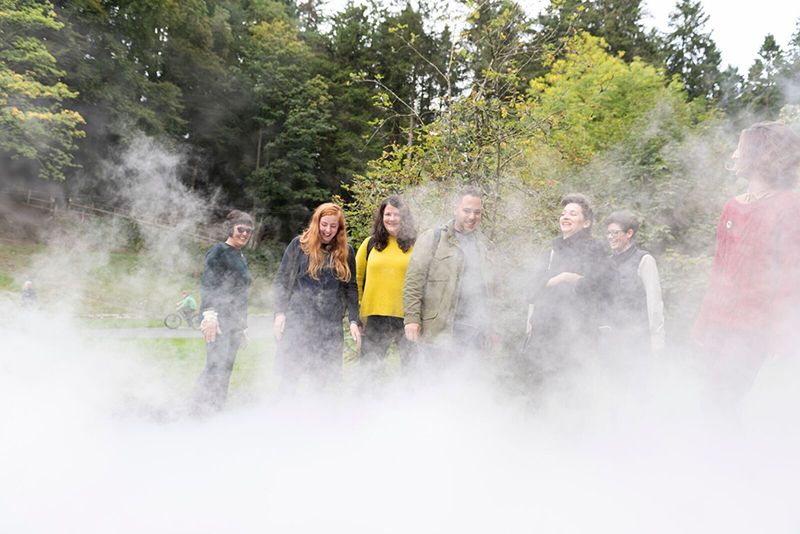
Finale! (another great shot from John Hooper)

1809 dry ice credit John Hooper

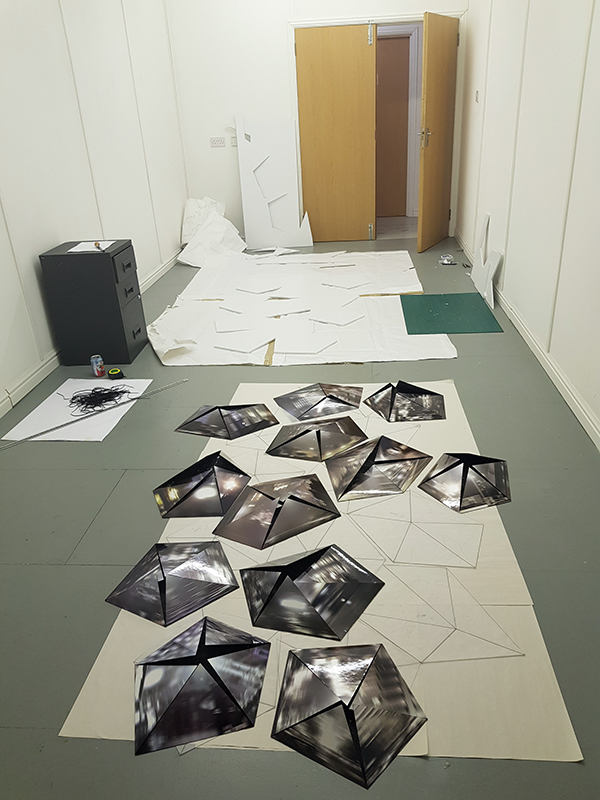
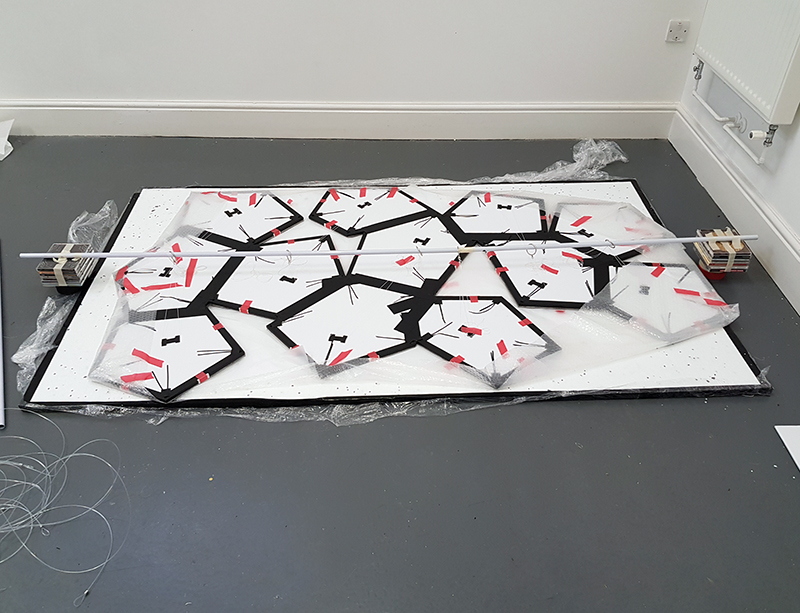
At the studio I am moving just across the corridor – mostly so I will have a window but I also gain more space which was great timing to lay out and assemble the suspended sculpture for Grizedale in an empty room.

1809 laying out

1809 assembling

So glad I spent time on careful packing for transporting

1809 preparing for install– getting it up on the scaffolding and hanging was not easy when only one person present has ladder training and therefore allowed at height due to local council health and safety directives.  Thankfully Sean took it in his stride.
1809 install angst

Out of the Studio
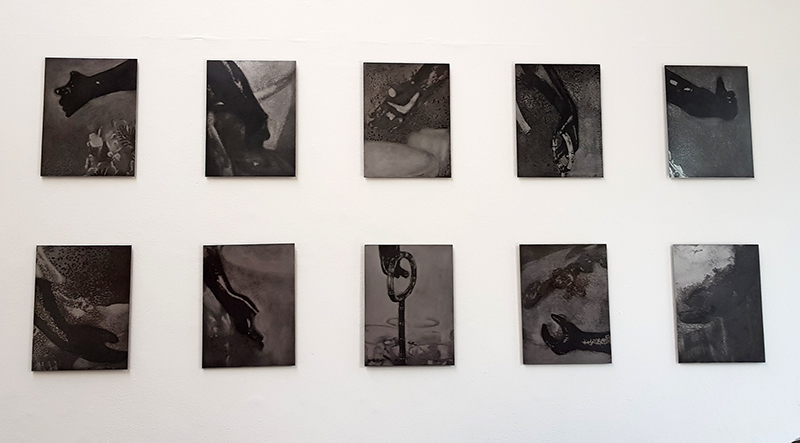
Holly Graham Sweet Swollen at Jerwood Project Space. The seductive title is evocative of succulent ripened fruit but also the tenderness of a bruise. This poignant work draws on the history of sugar as a luxury brought to our shores in the 18th century with the taint of colonial violence and the demeaning of those forced to produce treats for European palates. A series of sugar lift etchings depict hands in isolation, the gestures originating from the stylised ‘blackamoor’ figurines that ornament receptacles of the bitter sweet cargo.

1809 Holly Graham

Charmaine Watkiss showing beautiful ephemeral work at the MA Drawing Final Show at Wimbledon College of Art. A collision of then and now, displacement of body and soul, reaching back for symbols of meaning.

Highlights at this years New Scientist Live were talks from Jon Butterworth – Journeys into Particle Physics, Roberto Trotta – What Has Einstein ever done for you? and Dean Burnett – What makes your brain happy?

I came away thinking about what influences my perception of time and the chemicals that subtlety alter how I experience the world.

If you travel close to the speed of light, distances contract in your direction of motion, while time will dilate more and more the faster you move.  A muon lives: about 2.2 microseconds on average. The speed limit of the Universe = the speed of light. Something moving at the speed of light that only lives 2.2 microseconds, should make it only 0.66 kilometers before decaying. A muon has similar properties to an electron. However, it is 200 times heavier. Muons travel at approximately 98% of the speed of light. The closer you move to the speed of light, the slower your clock appears to run. Cosmic ray muons have such high energies that a journey which takes about 300 microseconds from our point-of-view only takes about 1 microsecond for the muon. Time dilation allows these particles to live.

1802 muon

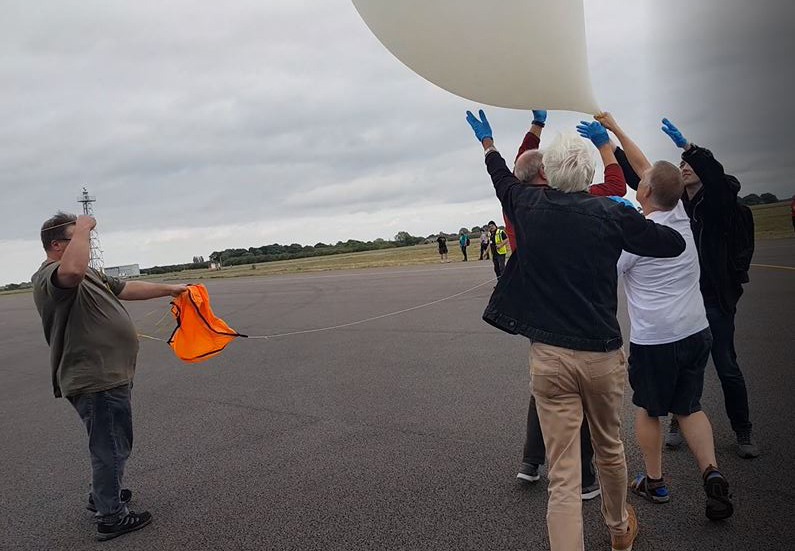
I am beginning research for the High Altitude Balloon project. I need so much help! The good people of the HAB community are thankfully giving me lots of advice. One big concern is that the Allenheads Contemporary Arts potential launch site is high up and in the centre of a very narrow bit of the UK.  Wind makes for a difficult launch and could just take it straight out to sea.

1809 windy HAB.jpg

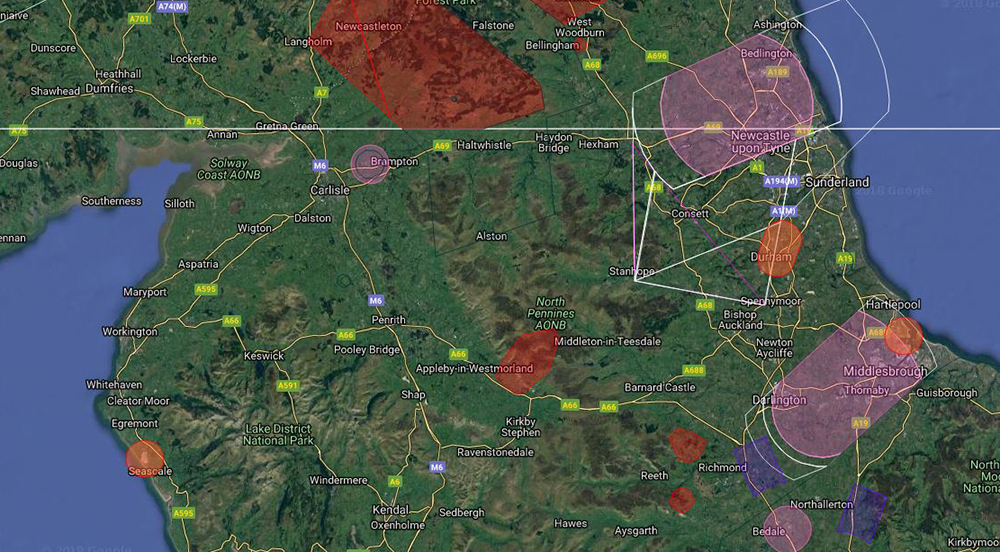
One of my first jobs is to check with the Civil Aviation Authority that the launch site is safe from their perspective.

18090 CAA.JPG

I want to film particularly at the altitude where peak cosmic ray activity takes place – this is where the secondary particles that we see in the cloud chamber are smashed into existence.  As the particle activity will be invisible I want to film the aesthetics of the curve of the earth and blue haze of the atmosphere bleeding into the blackness of space. I think my target height will be 30km.

1809 cosmic trails.jpg

Cosmic rays are mostly protons and atomic nuclei created in stars and super novae explosions or other unknown events.  Sometimes a rare one will arrive with unimaginably high energy. The first “Oh-My-God particle” was recorded in October 1991 and had an energy 40 million times greater than the Large Hadron Collider can generate with 100 quintillion the photon energy of visible light, it was travelling at 99.999 999 999 999 999 999 999 51% the speed of light. One of these could be passing through you right now.