The Breath of Stars is a digital video work activated in real time by cosmic rays. These subatomic visitors from outer space are created during super nova explosions or by phenomena we are yet to discover. This work has been a long time coming and the fact that it is working in real time now is thanks to coding genius Jamie Howard who has managed to get a number video files to play simultaneously on one screen. We had to ditch the Raspberry Pi for a Panda Latte to cope with the processing needed. Cosmic particles strike the edge of the Earth’s atmosphere, break apart and shower down upon us. Some particles collide and silently interact with atoms and technology on Earth. In this work particle detectors and mini computers are connected to a projector. Every time a cosmic particle passes through the plastic scintillator block inside the detector its energy is recorded via a Silicon photomultiplier and a starburst video is displayed for twelve seconds. The kaleidoscopic video images generated are created from footage of cosmic particle trails filmed in a cloud chamber, split and mirrored twelve ways. The particles arrive randomly and this can be witnessed by the sudden flurries and silent gaps of the video imagery. First test run and the cat loved it.
The South Atlantic Anomaly is a region where the Earth’s magnetic field is at its weakest. The intensity of the field here is about one third of that near the magnetic poles. This affects how close to the Earth energetic charged particles (cosmic rays) can reach. This area, which spans the southern Atlantic and South America, is deepening and moving westwards. Could this be the beginning of the overdue magnetic field reversal?
The classical compass winds were named to reflect geographic direction as conceived of by the ancient Greeks and Romans. Ancient wind roses typically had twelve winds and thus twelve points of orientation. The Anemoi (from Greek “Winds”) were wind gods who were each ascribed a cardinal direction.
Supported by a professional practice and creative development bursary from a-n The Artists Information Company I have been privileged to have expert tuition in mould making and concrete casting from Anna Hughes based at Thames-side Studios. I have really enjoyed these sessions. Anna has given me the skills to go forward and experiment and I am excited by this new process. I prepared a dodecagon (twelve sided) shape cut in MDF to make a silicon mould and a double box mould for the base of my obelisk sculpture plus some small shapes for testing.
To continue the notion of sedimentary layers as signified by the layering of recycled paper in the body of the obelisk sculpture, I made collagraphs to line the box mould to give a texture of strata. Limestone, a sedimentary rock, is often formed from crushed seashells, compressed over eons. I used crushed oyster shells to use as aggregate for the base.
I am super pleased with how the base turned out.
I also tested using verdigris pigment mixed into the concrete or in the grooves of etched aluminium to leave an imprint. The plate tests didn’t come out so clear so need more testing and I next plan to try embedding the etched plate face up in the concrete.
Open Studios at Thames-side Studios 2023.
At a distance was installed in the main gallery group show. This work looks at remote methods of communication and relates this to the mysterious twinning of electrons in quantum entanglement where particles link in a way that they instantly affect each other, even over vast expanses. Einstein famously called this phenomenon ‘spooky action at a distance’. Filmed on 29th March 2019 (the first proposed Brexit date), in Cornwall as the iconic Lizard Lighthouse powers up its lamp, solitary figures using semaphore flags sign ‘We Are One’ out across the ocean in the hope the message will be echoed back. Drawing on the physical language of print that embodies touch, separation and mirroring the flags have been printed using hand painted dye sublimation inks applied via a heat press. This process transfers the ink from a paper matrix onto the substrate textile. The image passes momentarily across space in a dematerialized state as vapour before being reformed as its mirror opposite.
In my studio there was recent magnetic work Pole Receptor, along with work in progress Belly of a Rock hybrid sculpture plus some works from the archive such as screen prints from the StrataGem and everydaymatters series. I spent the weekend preparing for my concrete casting tuition in between chatting to visitors. Thanks to Caroline AreskogJones for the studio portrait.
The StrataGem series of screenprints on textiles imagines the possibility of the formation of geological strata created from the waste of plastic food packaging trays.
Informed by the discovery that the matter we know, that which is visible to us and includes all the stars and galaxies is less than 5% of the content of the universe, dark matter making up about 27% and the remaining percentage being dark energy, everydaymatters dissects landscapes to discover the hidden structures of the universe. Images taken from everyday prosaic paradises, such as Paradise Industrial Estate in Hemel Hempstead, are split into constituent parts of what is seen and unseen.
Studio progress on The Azimuth Obelisk of Sedimentary Knowledge – all the paper is now torn down but lots still needs to have a hole drilled through to feed onto the frame. This sculpture is a response to the obelisk erected in 1955 at Hartland Magnetic Observatory, near the site’s northern boundary as a permanent azimuth mark viewed from the north facing window of the observing hut (also known as the absolute hut). I have been sorting out if I have enough old boards for the north wall of The Absolute Hut and have been donated some old monitors and screens to see if I can get them working to use inside. I am thinking of having several screens playing video in the hut – as in the brain – a sensory hub there are different activities and processing going on in different locations. More paper clay forms have been added to The Belly of a Rock sculpture framework to house the video screen – this hybrid sculpture is a place of chemical conversations at the intersection of the animate and inanimate.
Gallery Visits
Fabulous tech and plaster sculptures from Tessa Garland in Postcards From the Volcano at Thames-side Gallery.
Light Being curated by Jonathan Miles of The Wild Parlour at Lychee One.
We were talking of such things: shadows, obscure illumination, folds within substance, but all without a schema that would serve to cohere. Then someone interjected about the rootmeaning of the word for being human as being an entanglement of light, thinking, and being. This would then generate a sense, like something in the air, but also a generation of a spacing for work. Rather than being an exhibition with a theme, instead a tonal poetics and with it a letting be or presentation of an accord would emerge. – Jonathan Miles
Mesmerizing performance from Chudamani Clowes – Choral Coral Cuts. Performance cutting linoleum to produce a song of coral for coral.
Transport delays meant I missed the first performance but did also catch Kate Howe read The Infinite Intimate which accompanies her sculptural Kraft paper installation and Jessica Mardon recite The Recovery of Meaning.
When numbers weren’t just a unit, a system of measurement, but were symbols that had meaning, it was their meaning that provided structure, not structure that provided their meaning. – Jessica Mardon
I am very grateful to a-n The Artists Information Co for awarding me a professional practice and creative development bursary to expand on my research and respond to the many ways Earth’s magnetic field impacts life on earth. The award will be used for a research trip to the remote location of Eskdalemuir Magnetic Observatory and Kielder Dark Skies Observatory. Fingers crossed for an Aurora experience. I will also gain expert tuition in concrete casting and mould making from Anna Hughes and make use of the facilities at The London Sculpture Workshop.
Domain of the Devil Valley Master – work in progress. It is likely that compasses were first used in China to divine an alignment of order and harmony for important sites and rituals. Jade hunters discovered they could also help to keep them from getting lost long before Europeans used them for navigation. The first mention of a south-pointer is in a fourth-century BCE text – The Book of the Devil Valley Master, and it is this that I am referencing in the title of this sculpture. Other references in the work are the rotation of the Earth’s core and geological formations of polygonal prisms. A magnetic domain is a region within a magnetic material in which the individual magnetic strength and orientation of the atoms are aligned with one another and they point in the same direction. The work uses directional magnetic steel stripped of its industrial coating to reveal the jigsaw pattern which comes from rolling single crystals of an iron silicon alloy into thin sheets to minimise magnetic losses for use in industry. The sheets have been sanded, etched, guillotined, treated for rust and sealed.
The Earth’s core is made almost entirely of iron and nickel. Siderophiles are elements that form alloys easily with iron and are concentrated in the Earth’s core. When the Earth formed about 4.5 billion years ago from the collision, accretion and compression of matter it was rock all the way through. Heat from the massive violence of formation and radioactive decay caused the planet to get hotter and hotter. After about 500 million years of heating up it finally reached the melting point of iron. As the iron liquified lighter material rose to the surface becoming the mantle and crust and the heavy metals like iron and nickel fell towards the centre becoming the core. The siderophiles that descended into the core are gold, platinum, and cobalt along with around 90% of the Earth’s sulphur. Hence the smelly sulphur vents around the volcanic regions.
Belly of a Rock – work in progress. Making paper clay discs to build the surface of this hybrid sculpture and crushing mussel and oyster shells to use as texture.
The geographic north pole lies in the middle of the Arctic Ocean, covered in shifting sea ice, where the sun rises and sets only once per year. All lines of longitude converge here and hence all time zones. It is known as true north to distinguish it from the magnetic north pole. However, as the Earth’s axis of rotation wobbles slightly in an irregular circle, even this pole is not fixed. The magnetic north pole, also called the magnetic dip pole, is where the planet’s magnetic field is vertical and a compass needle here would dip and try to point straight down. The north and south dip poles are not found directly opposite each other. These dip poles are located by experiment in the field but as they are found in the most remote and harsh regions of the planet they are not easy to track. Also they can move around over considerable distances during each day, tracing out oval shapes as they are acted upon by dynamic electrical current systems of the magnetosphere, which are in turn defined by the activity of the solar wind. There is an equivalent (but fictional) magnetic dipole at the centre of the Earth assigned from global modelling of the geomagnetic field. These geomagnetic poles are an approximation arrived at by reducing Earth’s complex and varied magnetic field to that of a simple bar magnet. The north dip pole lies in Northern Canada, the northern dipole is roughly off the northwest coast of Greenland.
The Absolute Hut – work in progress. This installation is a reimagining of the Absolute Hut at Hartland Magnetic Observatory where monitoring of the Earth’s magnetic field takes place. Topological contours of suminagashi marbling also echo fluid magnetic field lines. Testing scale and alignment in the gallery space. Collecting planks for the north facing wall. Prepping the round window. Suminagashi experiments on different Japanese papers. I want to consider the hut as a sensory hub.
Other exciting news is that APT Gallery have selected a proposal for an exhibition which will take place in March 2024. The exhibition will consider the lifeboat as a metaphor in relation to uncertain times, ecological and social change and shifting landscapes as viewed from the land and the sea. The artists in this group show share an interest in exploring precarity as a site of dynamic transition. I am so happy to be working with these wonderful artists – Rachael Allain, Caroline AreskogJones, Beverley Duckworth, Liz Elton, Kathleen Herbert, Kaori Homma, Anne Krinsky.
In celebration of World Metrology Day, NPL opened Bushy House and gardens to the public. A chance to see and hear about ever more accurate ways of measuring the physical world. Bushy House was the residence of William, Duke of Clarence (William IV) and his mistress Dora Jordan from 1797, and was offered to the Royal Society by Queen Victoria in 1900 as a location to establish The National Physical Laboratory. The impressive apple tree is from an offcut of one from Newton’s home estate. The magnetic laboratory here is concerned with devising and standardising the instruments used by magnetic observatories such as the one at Hartland that I visited last summer. I saw the 1kg sphere of single crystal silicon, with the smoothest polished surface of any made object and notoriously hard to photograph. The application of a strong magnetic field during the crystal growth process reduces contaminants giving a purer silicon crystal. Developments in technology bring new units and definitions of measurements.
From early concepts of number, patterns in nature (symmetry, branching, spirals, cracks, spots, stripes, chaos, flows, meanders, waves, dunes, bubbles, foam, arrays, crystals, and tilings) magnitude, and form came mathematics, meaning subject of instruction. This has evolved into complex theory from an understanding of negative numbers to imaginary numbers which combined with real numbers have been found necessary to describe quantum mechanics.
The colour coding of Saturn’s rings according to particle size used radio occultation to determine the different regions. Radio signals were sent from the Cassini spacecraft during orbits which placed Earth and Cassini on opposite sides of Saturn’s rings. This remote sensing technique measures how the radio waves bend around the matter they encounter to assess the physical properties of a planetary atmosphere or ring system. The purple colour indicates regions where most particles are larger than 5 centimeters. Green and blue shades indicate regions where there are mostly particles smaller than 5 centimeters and 1 centimeter. The white band is the densest region where radio signals were blocked preventing accurate representation in this area. The radio observations showed that all rings appear to have a mix of particle size distribution right up to boulder sizes, with several many meters across.
Gallery Visits
It’s Coming From Inside at Bell House, Dulwich. Curated by Sarah Sparkes and Jane Millar. In their thinking about the Impressionist Berthe Morisot, and the exhibitions broader theme of ‘Windows and Thresholds’, the curators see the two different domestic spaces, and the liminal corridors between them, as places expressive of dialogues in both Morisot’s and their invited artists’ works: of confines, dreams of escape, of external inscrutability and internal passion. Exhibiting artists: Fran Burden | Ruth Calland | Helen Carr | Mikey Cuddihy | Janet Currier | Robert Dawson | Andrew Ekins | Liz Elton | Lisa Fielding-Smith | Deborah Gardner | Caroline Gregory | Birgitta Hosea | Mindy Lee | Wayne Lucas | Julia Maddison | Jane Millar | Darren O’Brien | Kim Pace | Sarah Sparkes | Geraldine Swayne
Georgina Sleap Now and here and there together at Cable Depot. A residency undertaken in collaboration with Neil Cheshire, Olive Hardy, Mercedes Melchor, Agnieszka Szczotka, Derek Horton, Farida Youssef and Niamh Riordan. A wonderful installation conjured from simple materials and experimental technology, both analogue and digital that blur the here and there of time and space. Sounds of everyday street noise live from the artist’s Cairo balcony are streamed into the gallery where suspended torches project still slide images onto the wall or inside elongated sculptural forms. A loom for weaving a plain coffin shaped carpet hangs like a hammock next to CCTV recordings of yogic performance while a camera obscura style intervention casts shadows, bringing the local outside in.
The Shape of Things by Clan, a collective of multidisciplinary artists – Caroline Penn, Liz Lowe, Ashley Goldman, Nicky O’Donnell at Gallery 3, a delightful Georgian property in Margate. The artistsexamine issues of loss, both personal and environmental, that are balanced by ideas of hope and regeneration. A nice use of recycled and sustainable materials including netting from fruit and cable ties.
Beatriz Milhazes at Turner Contemporary. Perfect for a summer’s day at the seaside. Exuberant.
Opening event for the new photography centre at the Victoria and Albert Museum. Interesting to hear about the process Noémie Goudal undertakes to create her ambitious illusionist photographic sculptures such as Giant Phoenix VI from the series ‘Post Atlantica’ which has been acquired by the Victoria and Albert Museum for their photography collection, housed in a new dedicated gallery. This work was inspired by her interest in shifting landscapes, the movement of tectonic plates and how landmasses join and separate over millennia. There was also the chance to see her video Inhale Exhale along with behind the scenes footage of her technical team and the scale of the resources involved. Tarrah Krajnak has also had work acquired by the museum and read some of her poetry at the event. Her interests are also in discontinuity, severance and cataclysmic events but on a human scale. Being born from an act of violence she puts her own identity forward to explore power relationships.
Reading
I have really enjoyed the breadth of information delivered so beautifully by Hettie Judah in her book Lapidarium – The Secret Lives of Stones. The character described and stories told of each geological layer, formation, rock and gem brings to life a world often perceived as static, perpetual and dry. This book is a great resource and has been particularly appropriate for me in the run up to the exhibition A Stone Sky with Julie F. Hill as we explore the intimate connections between the rocky planet earth and space.
“How do you calculate upon the unforeseen? It seems to be an art of recognizing the role of the unforeseen, of keeping your balance amid surprises, of collaborating with chance, of recognizing that there are some essential mysteries in the world and thereby a limit to calculation, to plan, to control.” Rebecca Solnit, A Field Guide to Getting Lost
At Hartland Magnetic Observatory and other magnetic observatories around the world solar activity is examined daily and forecasts are given if this is likely to have any geomagnetic effect on Earth. The main geomagnetic field is also constantly changing due to convection flows and waves in the Earth’s core. As this change cannot be predicted, uncertainty slowly increases over time.
Most of my work at the moment is towards the exhibition A Stone Sky, with Julie F. Hill at Thames-side Studios Gallery later in the year. Very excited to be working alongside Julie and to have space to be ambitious in scale.
The Absolute Hut installation, reimagining the magnetic observatory room, will be a combination of planning to build the structure and unpredictability through processes used for the surfaces. Measuring for the north facing wall to be built in sections for easier transportation. Testing scale and coverage of field contour shapes cut in copper with a plasma gun.
I am hoping the north wall structure can be made up soon and the boards attached. I will then keep it outside facing north until the exhibition in an attempt to grow some moss on its surface. I have only had some very small success so far growing moss, despite trying a new culture recipe and being very diligent misting every morning and evening.
The topological contours of suminagashi marbling, which also echo fluid magnetic field lines, have inspired me to experiment with this idea for The Absolute Hut roofing. I have bought a sumi ink stick in whiteish green, an ink grinding stone and some verdigris pigment from Cornelissen in preparation to try this idea out. In this process the magnetic field lines appear embedded into the fabric of the hut that monitors (senses) the emanations from the Earth’s core.
Through the north facing window of The Absolute Hut, The Azimuth Obelisk (Obelisk of sedimentary knowledge) will be viewed. The sculpture is formed by tearing, drilling and layering sheets of paper. As sedimentary rocks build over time, so the obelisk has a lot of time invested in its making and conceals the history of past events in the hidden layers of the recycled prints and drawings.
I am still working on etching the Directional Magnetic Steel pieces. It can be a frustrating process as some batches work well and some do not etch well at all but come out dull and patchy and I’m not sure why. My idea was to use these pieces to draw a line across the gallery floor signifying the westward drift of the magnetic field from geographical north but now I am thinking more about mapping out a spiral shape in shaped pieces to echo the rotation of the Earth’s molten core.
All information about the Earth’s core has come from studying seismic data, analysis of meteorites, lab experiments with temperature and pressure, and computer modelling. Seismometers convert vibrations due to seismic waves into electrical signals. The velocity and frequency of seismic waves changes with pressure, temperature, and rock composition. The discovery that Earth has a liquid layer beneath the crust and a solid inner core has come from detailed analysis of the different types of waves that pass through the body of the Earth. Looking at the composition of meteorites, fragments of asteroids, formed about the same time, and from about the same material, as Earth provides clues to what minerals the core might contain. Diamond anvil cells are instruments used to recreate the pressure existing deep inside the planet by squeezing materials between two diamonds surfaces. A combination of this data is used to in complex computer modelling programs resulting in detailed animations of the geodynamo, a process powered by the convection of heat in the outer core along with the rotation of the planet.
Also a few more layers of papier mâché have been applied to the sculpture that will house a screen with video for the work Belly of a Rock.
Other work in the research stage looks at the first use of a magnetic compass, the cardinal points of navigation and the compass predecessor the wind rose.
In classical antiquity, a time stretching from Homer to the early middle ages, geographic orientation usually referred to landmarks or astral phenomena to determine direction. Eos meaning dawn, and Hesperus, evening were named for sunrise and sunset with north (arctos) being marked by the constellation Ursa Major and later the Pole Star. The winds also became associated with direction, and named in accordance with their qualities such as hot and humid or cold and dry. In Greek mythology Astraeus, the god of dusk, and Eos, the goddess of dawn, gave birth to many sons of the twilight including the Anemoi, the four gods of the winds, each ascribed a cardinal direction. Boreas being the god of the cold north wind, Notus the god of the hot south wind, Eurus from the east and gentle Zephyrus from the west.
The number of points on a wind rose began with the four cardinal points which were added to and refined over time. The winds were often given names that referred to a particular locality from where they seem to blow, so different places came up with various local names. Aristotle designed an asymmetrical 10 point wind rose which was later refigured by Timosthenes who is credited with inventing the system of twelve winds and using this more for navigation than for “the study of things high in the air.“
Classical wind roses were eventually replaced by the modern compass rose during the middle ages.
The “Vatican table” is a marble Roman anemoscope dating from the 2nd or 3rd Century CE, held by the Vatican Museums. Usually an anemoscope would be topped with a weather vane. Divided into twelve equal sides, each one is inscribed with the names of the classical winds, both in Greek and in Latin.
At a quantum scale, all matter is underpinned by uncertainty. My fascination with particle physics began from simply wondering what everything was made of when you looked really closely. I looked up ‘fundamental building blocks of the universe’ and was blown away by this mysterious other world, so far away in terms of scale I can comprehend, yet a part of me and everything I interact with.
Quanta is a discrete unit that cannot be divided. Quantum physics is the study of energy and matter at the most fundamental level. The chemical reactions in a birds eye that allow it to ‘see’ Earth’s magnetic field involves the quantum entanglement of radical pairs of electrons. These electrons are excited by light, particularly the blue of twilight.
Photography was the first available demonstration that light could indeed exert an action sufficient to cause changes in material bodies. William Henry Fox Talbot
The subject of the photograph (the sun) has transcended the idea that a photograph is simple a representation of reality, and has physically come through the lens and put it’s hand onto the final piece.Sunburn Chris McCaw
This month NASA announced a new planetary defence strategy to protect Earth from an asteroid impact. NASA’s Double Asteroid Redirection Test (DART) on 11th October 2022, changed the orbit of the Dimorphos Asteroid in the first full-scale demonstration of asteroid deflection technology.
This marks humanity’s first time purposely changing the motion of a celestial object.
“An asteroid impact with Earth has potential for catastrophic devastation, and it is also the only natural disaster humanity now has sufficient technology to completely prevent,” Lindley Johnson, NASA’s planetary defense officer. First any potential collision objects must be identified. This will be the job of the Near Earth Object Surveyor, along with ground-based optical telescope capabilities, to find the still undiscovered population of asteroids and comets that could impact our planet.
A magnetometer is being sent on an eight year journey to Jupiter. It was launched this month from Europe’s Spaceport in French Guiana.
ESA’s Jupiter Icy Moons Explorer (Juice) has magnetic and electric field sensors on the end of the magnetometer boom. The boom is folded in three parts and packed against the side of the spacecraft for launch. Once unfolded in space, the sensors will extend clear of the main body of the spacecraft, allowing very accurate measurements without magnetic interference from the spacecraft itself.
The boom’s instruments will measure Jupiter’s magnetic field, its interaction with the internal magnetic field of Ganymede, and will help study the subsurface oceans of the icy moons.
Ganymede is the only moon in the solar system known to have its own magnetic field. The magnetic field causes auroras, which are ribbons of glowing, hot, electrified gas, in regions circling the north and south poles of the moon. Because Ganymede is close to Jupiter, its magnetic field is embedded in, or lies within, Jupiter’s magnetic field.
The discovery of the moons orbiting Jupiter by Galileo Galilei in 1610 was the first time a moon was discovered orbiting a planet other than Earth. The discovery eventually led to the understanding that planets in our solar system orbit the Sun, instead of our solar system revolving around Earth.
Gallery Visits
Peter Doig at The Courtauld. My highlights were the luminous moons, moon bathing and an etching of a cave.
Jitish Kallat Whorled (Here After Here After Here) at Somerset House had a romantic premise with a prosaic aesthetic. I love the concept and the theory and it’s certainly a jarring juxtaposition to be directed to celestial destinations by motorway signage. Routes through the work map circular movements through space and time. Is this the Hitchhiker’s guide to the galaxy?
Nothing truly exists – except in relation to other things. Carlo Rovelli
Work in progress.
Building the azimuth obelisk made from layered re-cycled paper. This sculpture is a response to the concrete obelisk erected in 1955 at Hartland Magnetic Observatory as a permanent azimuth mark from which to measure the drift of Earth’s magnetic field. Deep time geology holds the sedimentary knowledge of magnetic activity, from the degrees of variation between the magnetic and geographic north pole to the cataclysmic impact of pole reversals.
Etching Directional Magnetic Steel to reveal the jigsaw pattern which comes from rolling single crystals of an iron silicon alloy into thin sheets to minimise magnetic losses for use in industry.
The copper sulphate etching process creates a very thin, fragile layer of shiny copper under the red residue
Magnetism embodies magical qualities which have fascinated humans since the first encounter with a lodestone. These rare and enigmatic fragments found scattered across the surface of the Earth are created when lightning chances to strike the mineral magnetite.
The Lodestone, from Plato to Kircher by D. W. Emerson lists various historical references to the lodestone. The writer concludes – Lodestone, being very unusual, greatly impressed previous generations. Despite its unattractive appearance it was an admired mineral type more precious than pearls, it was celebrated in persuasive Latin hexameters, it was an analogue for the power of deities, it took a witch to subdue it, it was deemed explicable by Epicurean atomic theory, it was involved in a rather tenuous argument for eternal punishment of wicked persons, it meant doom for unwary mariners, it furnished fodder for folk lore, it resided in the arsenal of the apothecary, it helped to demonstrate the earth’s magnetism, and it assisted navigation. What other mineral has such a record? The lodestone was quite a remarkable rock; it still is, and oddly, yet to be completely studied and documented.
Pliny the Elder (AD 23/24 – 79) :
What is more amazing (than this stone) or at least where has nature shown greater devilry? She gave rocks a voice answering, or rather answering back, to man. What is more indolent than the inert character of stone? Yet nature has endowed it with awareness and hooking hands. What is more unyielding than the harshness of iron? On it nature has bestowed feet and a mode of behaviour. For it is drawn by the lodestone, and the all-subduing substance hastens to something like a vacuum, and on its approach it leaps towards the stone, is held and kept there by its embrace.
Claudius Claudianus (AD fl. 395):
There exists a stone called lodestone; discoloured, dingy, nondescript. It does not lend distinction to the combed locks of kings, nor to the fair necks of girls, nor does it gleam on the showy clasps of sword belts. But in fact if you pay due regard to the strange marvels of this dark rock then it outshines elegant adornments and anything, on far eastern shores, that the Indian looks for in the weed of the Red Sea (i.e. pearls).
Augustine of Hippo (AD 354-430):
We recognise in the lodestone an extraordinary ability to seize iron; I was much perturbed when I first saw it. The reason is that I clearly saw an iron ring grabbed and held up by the stone. … Who would not be amazed at this power of the stone?
Generating a magnetic field.
The dynamo theory states that to generate a magnetic field, a body must rotate and have a fluid core with an internal energy supply that is able to conduct electricity and drive convection. Earth fulfils all of these requirements. It rotates faster at the Equator than it does at the poles causing spiral convection currents in the liquid iron outer core which is an excellent electrical conductor, powered by the energy released as droplets of liquid iron in the outer core freeze onto the solid inner core.
Any variations in rotation, conductivity, and heat impact the magnetic field created.
Mars has a weak magnetic field as it has a totally solid core. Venus also has a weak magnetic field for although it has a liquid core it rotates too slowly to create convection currents. Jupiter has the strongest magnetic field in the solar system, with a metallic liquid hydrogen core and fast rotation, it has a magnetosphere so large it begins to deflect the solar wind almost 3 million kilometres from its surface.
Highlights from a trip to Japan which offered many poetic and spiritual experiences.
Active sulphur vents of the North South Hakone volcano arc boundary dividing Japan into East and West….also used to cook eggs. The beautiful markings on the eggshell were gone the next day.
As Tristan Gooley says in The Natural Navigator, ‘There is a commonly held belief that “Moss grows on the north side of trees and buildings.” It does, sometimes, but will also grow on every other side. However, lots of satisfyingly north facing moss growth on the trees in this Tokyo park.
Moss tending in the rain, some splendid moss in the gardens of Kanazawa.
Inspiration for an absolute hut. The “Gassho-zukuri Village”, a World Heritage Site set in stunning mountain scenery, has more than 100 gassho-zukuri thatched rural buildings with wonderful steep pitched A-frame roofs.
To Discover the Meaning of Being Born as Human Beings. Higashi Honganji Temple
Moss heaven.
To visit Saihoji Kakedora Temple (the Moss Temple), you must send a postcard by mail to request a visit. On arrival, you spend time in the temple at a low table quietly copying sutras with a calligraphy pen to calm the mind before entering the garden.
The garden is built around the Ogonchi Pond shaped like the Chinese character, meaning heart and blanketed in over 120 species of moss.
master of persimmons
treetops are close to
Stormy Mountain
The poem stone tells the story of Kayori who had 40 persimmon trees in the garden laden with fruit which he intended to sell, but the night before they were to be picked a huge storm arose and in the morning not one persimmon was left on the trees. Kyorai was enlightened by this experience and called the hut Rakushisha – the cottage of the fallen persimmon.
Many famous haiku poets, disciples of Basho and including Basho himself, stayed here.
Home of the cloud dragon. Zen garden at Tenryu-Ji Temple, Kyoto.
The tour through the womb of the Zuigu-bosatsu. The darkness of the journey through the womb was absolute. The stone floor ice cold on bare feet. Rosary beads the size of grapefruits led a winding path to the softly lit zuigu stone and on to the light to be reborn. Kiyomizu Temple, Kyoto
Kaname-ishi, keystone at Seikanji Temple, overlooking the city of Kyoto, spread like a fan before it, is believed to grant wishes if touched.
Rivers in the sky. Theories about crown shyness range from being caused by friction as new shoots are eroded in a windy forest to sensing the shadow or warmth of a neighbour.
Binzuru (Pindola Bharadvaja) was one of the sixteen arahats and is said to have excelled in the mastery of occult powers.
In Japanese mythology, the god of thunder arrived in Nara riding a white deer. The deer have lived here for centuries and are revered as emissaries of the gods of the Kasugataisha Shrine.
They have learnt to bow to be rewarded with special deer biscuits, which you can buy to feed them.
Discovering the works of Rafael Lozano-Hemmer, a Mexican media artist exhibiting internationally with a background in physical chemistry who creates large scale interactive work exploring and exploiting human interaction with technology to create an impressive catalogue of works from tethering a blazing sun to a face briefly echoed in a wisp of cloud. I was drawn to his work Atmospheric Memory inspired by Charles Babbage’s philosophy.
Whilst the atmosphere we breathe is the ever-living witness of the sentiments we have uttered, the waters, and the more solid materials of the globe, bear equally enduring testimony of the acts we have committed. Charles Babbage
Gallery Visits
Undertow at Unit 1 Gallery a group show with a subtle and astute use of material, quietly smoldering with agency.
Artists: Alex Simpson, Alison Rees, Isobel Church, Lauren Ilsley, Nicholas Middleton, Sarah Wishart and Tana West.
‘Hope locates itself in the premises that we don’t know what will happen and that in the spaciousness of uncertainty is room to act.’ – Rebecca Solnit, Hope in the Dark, 2004/2016
Michael Taylor The Last Man at Standpoint Gallery. I really loved this luminous body of work.
Richard Slee Sunlit Uplands at Hales Gallery was a wonderful conveyor belt parade of glistening mini utopias.
“We can see no detail, we can see nothing definable and it is, I know, simply the sanguine necessity of our minds that makes us believe those uplands of the future are still more gracious and splendid than we can either hope or imagine.”
The Discovery of the Future, H.G. Wells 1902
The quote “sunlit uplands” has been used as political ideology, as an assurance for better days to come most recently the phrase has been linked to the promises of Brexit, with politicians leaning on this rallying rhetoric.
George Henry Longly Microgravities at Nicoletti. I found the slick production values, very shiny like outsize circuit boards of these works exposing sci-fi cliché and subverting popular space movie tropes sat very close to the ideas they are parodying. Microgravity – ‘the condition in which people or objects appear to be weightless’, according to NASA’s website – is responsible for metabolic and behavioural changes for space travelers. Some interesting theory behind this show about the human cost of living in space as our gut microbiome reacts to a weightless environment. I liked the reflection cast on the floor from the mirrored circle left exposed as a planet on the widescreen landscape.
On Failure group show at Soft Opening with Olivia Erlanger, Cash Frances, Jordan/Martin Hell, Kelsey Isaacs, Maren Karlson, Sam Lipp, Chris Lloyd and Narumi Nekpenekpen. While certain works function as indexes of failed attempts at control, others recognise the perceived failure of the human body, positing that from a spiritual perspective: if perfection is nonexistent, then failure is all we have, all that is real. One or two of the hanging pieces are reminiscent of the votive offerings at holy wells or the love lock bridges festooned with padlocks.
Bridget Smith Field Recordings at Frith Street Gallery. Natural material processes, simply presented. The weathering of bulrushes, the materiality of analogue photographic techniques such as ambrotypes and tintypes, the simplicity of a moon rising over the sea.
Daniel Shanken The Cascades at Stanley Picker Gallery. I was excited to see this show as the randomness within the work is derived from radioactive decay and I thought the title may refer to cascades of comic particles but perhaps it refers to cascades of data. The aesthetic was very game based and the randomness not explicit in origin. I liked the set up though with the projection onto the floor creating an abyss to gaze down into from an industrial style walkway.
David Blandy Atomic Light at John Hansard Gallery Southampton. Four films circumnavigating the fallout from the atomic bomb massacre at Hiroshima. The body of work is inspired by a family history, a grandfather, a prisoner of war in Singapore – held by the Japanese but felt himself saved by the detonation at Hiroshima. The golden hour light is so perfectly captured and reflected in The Edge of Forever which gives voice to the children, accusing, watchful and alone. This was filmed by his partner and features his own children. Soil, Sinew and Bone is a collaged documentary of archival material, mirrored so that the central area of the film takes on the shape of an a atomic bomb. In Sunspot two scientists, one in Japan, one at Mount Wilson Observatory are monitoring the activity of sunspots, the flares that can erupt and disrupt radio signals as the particle filled solar wind and magnetic turbulence blasts across the magnetosphere. The film Empire of the Swamp has a wonderful rich narration embodied in the voice of an ancient crocodile who remembers the mangrove swamps before the war and the arrival of the white man.
I enjoyed the Art Fictions podcast with guest Jennifer Higgie discussing her writing practice via the 2009 novel Drive Your Plow Over the Bones of the Dead by Olga Tokarczuk. I was then lucky to see Complicitie’s excellent interpretation of this novel on stage at the Barbican directed by Simon McBurney.
‘thisis a tale about the cosmos, poetry, and the limitations and possibilities of activism.‘
Complicitie’s production employed the same blinding flash technique as Alfredo Jaar used in his work The Sound of Silence which I saw in 2006 and still remember vividly. Sitting in a dark space a story of one photograph, taken in Sudan 1993, is told in simple sentences on a large black screen. The photograph is shown momentarily before a blinding flash of light scores the retina. You are left blinking in the afterglow. The image won a Pulitzer Prize, but the South African photographer Kevin Carter committed suicide at 33 after struggling to come to terms with what he witnessed, and the public response for not having intervened to save the child’s life. In the novel Drive Your Plow Over the Bones of the Dead, Janina, the eccentric ‘older woman’ does not hold back from intervening when she sees injustice to any living thing. She is also vilified, but for showing compassion for the animals.
I also dredged up the memory of having seen the film Spoor at the 2017 BFI LLF also based on this novel. Finally I have bought a copy of the novel. A circuitous route to the original text.
I am very much enjoying reading Rebecca Solnit A Field Guide to Getting Lost. Her writing is like a torchlight illuminating one idea after another, sweeping across a multitude of topics with an infectious energy to explore and experience the unknown.
How will you go about finding that thing, the nature of which is totally unknown to you? – Meno
Really pleased with the results I am getting from the new batch of directional magnetic steel sent from Union Steel Products. These are coming out better than in previous tests.
Norman P. Goss invented grain-orientated steel in 1934. It was produced through a two-stage cold rolling process with intermediate annealing between the cold rolling stages. Grain-oriented electrical steel enabled the development of highly efficient electrical machines, especially transformers. Today, the magnetic cores of all high-voltage high-power transformers are made of grain-oriented electrical steel. The strong preferred crystallographic orientation is known as a Goss texture.
When I receive the electrical steel it has a grey insulation coating which has been applied to both sides of the sheet to avoid eddy currents between the stacked sheets when used in a transformer core. I am removing this coating by sanding. I then etch the sheets in copper sulphate solution for 20 minutes. The plate must be dried very quickly when it is taken out of the etching bath. I then lightly polish and wax the surface. Some detail is lost quite quickly and areas can become muddy after etching so I still need to experiment a little more with alternative cleaning and sealing methods.
A previous batch had a different coating that proved impossible to remove cleanly even with the most extreme methods. This new batch has two different types of sheet which have a slightly different pattern to reveal. It is quite hard work but a fascinating material to experiment with.
I have been considering using the Directional Magnetic Steel Pieces in some form of suspended sculpture as movement causes the surface to catch the light revealing the patterned surface of this material. I might use it to mark the line of declination across the gallery floor from True North to Magnetic North at the time of installation.
Thinking about moving sculptures –
Imagine holding Einstein’s attention for the forty minutes it takes your work to revolve. A Universe by Alexander Calder 1934, painted iron pipe, steel wire, motor, and wood with string. One of the first artists to explore kinetic and motor driven sculpture, expanding drawing into 3D and painting into motion. A nice intro to Calder from 2016 – The Universe of Alexander Calder with Dara Ó Briain.
Work continues on the Azimuth Obelisk with the construction of the metal frame to support the structure and hold the layered paper sheets. Thanks to Giles Corby of the London Sculpture Workshop for getting to grips with my diagrams and welding the frame. The frame is made in three interlocking parts to distribute the weight and make for easier storage and transportation. This sculpture is a response to the concrete obelisk erected in 1955 at Hartland Magnetic Observatory, near the site’s northern boundary as a permanent azimuth mark. It is viewed via a theodolite through a window in the north wall of the Absolute Hut, its azimuth being 11º27’54” E of N and marks the point from which the magnetic north pole is tracked as it drifts westwards.
The British Bryological Society celebrates its centenary this year, promoting the study of mosses and liverworts. I have been searching their website for clues on growing moss. Most of the information is on the identification of mosses but I did find a useful downloadable pdf of The Moss Growers Handbook by Michael Fletcher. No mention of liquidising moss with yoghurt as a starter culture though.
Gathering moss, liquidising with yoghurt and painting on to reclaimed old boards.
I made a rough model of The Absolute Hut to work out how many boards I will need for the north facing wall to try and grow moss on. I like that it turned out looking like a bird house as inside will be video exploring the magnetoreception of birds. This work is a reimagining of the Absolute Hut at Hartland Magnetic Observatory where monitoring of the Earth’s magnetic field takes place.
Some speculation on human magnetoreception:
Neurons send information electrochemically around the body. The signals they send are called action potentials which is a temporary shift from negative to positive within the cell caused by certain ions entering the cell. Research has proven that some animals can sense the magnetic field via cryptochrome molecules in the retina which trigger action potentials. New studies have been carried out looking at iron particles (Fe3O4) found in the brain using supersensitive magnetic sensors to read the brain’s magnetic field. Receptor cells containing crystals of magnetite could register changes in magnetic fields and report this information to the brain.
One study suggests that it could be possible for the magnetic field in one animal’s brain to transmit information to another animal’s brain by triggering action potentials creating the same thoughts and emotions. There have been experiments with rats and fruit bats which claim brain to brain communication has occurred. Alpha waves in the human brain have been shown to respond to magnetic fields. Alpha waves are always present, but are more prominent when at rest. The experiment, carried out at Caltech, mimicked how a person might experience the Earth’s magnetic field when turning their head.
Maybe putting our heads together can exchange thoughts telepathically.
I have taken the contour lines from a publicly available World Magnetic Model Field Map as a framework for layering in the video work on bird magnetoreception.
An early frosty morning captured the sun melting the ice on the lens of the spy cam in the garden.
I have built the protective box frame for the monitor that will be inside the mollusc/rock sculpture Belly of a Rock. Thanks to Pete next door for cutting the wood for me. I plan to build the shape up with mesh covered in paper clay. I have had the idea to make small circular paper clay clumps with swirls of crushed shell on each one and build the form up from these. I have been given a lot of oyster shells and have collected mussel shells which I have tested crushing with a pestle and mortar.
The drift of the magnetic North pole was first recorded in 1831 and historically would wander between 0–15 km a year but since the 1990’s it has sped up to drift 50–60 km a year. Tracking changes in the magnetic field can tell researchers how the iron in Earth’s core moves.
Earth’s magnetic field is created in the swirling outer core. Magnetism in the outer core is about fifty times stronger than it is on the rocky surface of the Earth. At the centre of the Earth is the inner core which is divided into eastern and western hemispheres. In the inner core, the temperature is so high, materials lose their permanent magnetic properties as the atoms are so thermally excited they can no longer align to a magnetic point. This is known as the Curie temperature.
The hemispheres of the inner core have distinct crystalline structures and the western hemisphere seems to be crystallizing rapidly whereas the eastern hemisphere may actually be melting. Geoscientists have also recently discovered that the inner core has an inner core. A radical geologic change about 500 million years ago may have caused this inner inner core to develop. Here the crystals are oriented east-west instead of north-south and are not aligned with either Earth’s rotational axis or magnetic field. The inner inner core crystals may have a completely different structure to the hexagonal close-packed (HCP) phase of iron that is stable only at extremely high pressure and so may exist at a different phase.
ESA’s three-satellite Swarm mission was launched in 2013 to monitor Earth’s magnetic field by measuring magnetic signals from Earth’s core, the crust, oceans, ionosphere and magnetosphere. Using data from the Swarm mission, scientists have discovered energy generated by electrically-charged particles in the solar wind, which can be disruptive to communication systems, flows asymmetrically into Earth’s atmosphere towards the magnetic north pole more than towards the magnetic south pole. They have also discovered a completely new type of magnetic wave that sweeps across the outermost part of Earth’s outer core every seven years. These magnetic waves are likely to be triggered by disturbances deep within the Earth’s fluid core. Research suggests that other such waves are likely to exist, probably with longer periods.
Geomagnetic jerks are sudden powerful waves that occur about every three to 12 years and are not consistent across the globe. It seems these jerks originate from rising blobs of molten matter that form in the planet’s core up to twenty five years before the related jerk takes place. The current findings from Swarm are part of a long-term project to predict the evolution of the geomagnetic field over the coming decades.
Polarised light is when the waves of electric and magnetic fields vibrate preferentially in certain directions. This can happen when light bounces off a reflective surface like a mirror or the sea. It can also happen in space as starlight travels through gas and dust clouds. Polarisation carries a wealth of information about what happened along a light ray’s path and astronomers can study the physical processes that caused the polarisation.
The Milky Way is filled with a mixture of gas and dust from which stars are born. Cosmic dust grains are almost always spinning rapidly, tens of millions of times per second, due to collisions with photons and rapidly moving atoms. The spinning dust grains become aligned to the direction of the magnetic field. They emit light at very long wavelengths from the infrared to the microwave domain which comes out vibrating parallel to the longest axis of the grain, making the light polarised.
Visualisation of data from ESA’s Planck satellite shows the interaction between interstellar dust in the Milky Way and the structure of our Galaxy’s magnetic field. Polarisation-sensitive detectors were able to capture the data as interstellar dust grains tend to align their longest axis at right angles to the direction of the magnetic field resulting in light emitted by clouds of gas and dust being partly ‘polarised’. Researchers are using the polarised light from interstellar dust to reconstruct the Galaxy’s magnetic field and study its role in galaxy evolution and star formation. From this data it can be seen that across the galactic plane there is a strong regular pattern but in some areas there are tangled features where the local magnetic field is particularly disorganised.
New images from NASA’s James Webb Space Telescope show star formation, gas, and dust in nearby galaxies with unprecedented resolution at infrared wavelengths. NGC 1433 is a barred spiral galaxy with a particularly bright core surrounded by double star forming rings. For the first time, in Webb’s infrared images, scientists can see cavernous bubbles of gas where forming stars have released energy into their surrounding environment.
The Observable Universe 2018 by Pablo Carlos Budasi. The furthest we can see is the faint glow from the cosmic microwave background emitted 13.8 billion years ago.
From Earth we become the centre of the eye that gazes out but we have no idea of the full size of the universe or if we are embedded in a multiverse.
The unobservable universe makes up the vast majority, around 95% of the universe. Zero, a symbol to mark nothing, sits on the boundary between absence and presence indicating what might have been or might come to be. Where we thought there was nothing we have found so much.
Gallery Visits
Preconscious Landscape at Exposed Arts Projects – an interesting space for arts based research projects. Artists: Lynne Abrahamson, Gabriele Beveridge, Matilde Cerruti Quara, Konstantinos Giotis, Sotiris Gonis, Ramona Güntert, Raksha Patel, Hamish Pearch, Anna Perach, Chantal Powell, Candida Powell-Williams, Paloma Proudfoot, Aziza Shadenova, Holly Stevenson, Maro Theodorou, Adia Wahid & Meng Zhou all grapple with an unresolvable psychoanalytic question: what does it mean for the conscious mind to try to understand its own preconsciousness?
Richard Mosse Broken Spectre at 180 The Strand. Seventy minutes of emotionally uncomfortable yet beautifully riveting viewing. Endless overwhelming destruction. Burnt forest. Subterranean fires. Intensive cattle farming. Aggressive gold mining. Wide wide screen images that slip between dreamlike garish colour and chilling monochrome with a soundtrack that sounds like the forest itself crying. The brutal disrespect for the land, the non-human and the people of the Amazon rainforest captured in heartbreaking detail as it slips through our fingers. Having been looking at moss recently the large photographic works at the entrance to the film come across very moss like and emphasises the micro and macro nature of the world.
Cable Depot presents Insert Coin, a project by Bob Bicknell-Knight exploring predatory monetisation practices within video games, specifically loot boxes, and the ongoing insertion of gambling mechanics into virtual experiences. Tapping into our desires and the addictive thrill of winning Bob Bicknell-Knight invites us across the digital divide into a luminous world of pixels and 3D printing. I was delighted to win an island. Here everything is free so there is no uncertainty and debt to mar the experience.
‘As our physical lives are becoming increasingly gamified the game industry has, for almost twenty years, been inserting ways of gambling real world money into video games. From purchasing extra lives to play another level in Candy Crush to buying new cosmetic options for your guns in Call of Duty, spending money within video games has become increasingly prevalent.
One of the most prevalent and destructive forms of monetization are loot boxes, consumable virtual items that are bought within video games which can be redeemed to receive a randomised selection of further virtual items, ranging from simple customization options for a player’s avatar or character to game-changing equipment such as weapons and armour. As the items are randomised players have previously spent thousands of pounds attempting to gain specific products in different games. As these gambling mechanics have become more prevalent, with considerable harm being done to young people and players with gambling addictions, loot boxes are now illegal in several countries, whereas recently the UK government decided that loot boxes will not be regulated under betting laws.‘
Champs Noir curated by Simon Leahy-Clark at Terrace Gallery. A carefully chosen collection of works in black from a great catalogue of artists. Featuring: Michael Ashcroft, Bensley and Dipre, Diane Bielik, Andy Black, Cedric Christie, Gemma Cosse, Graham Crowley, A Ee, Nicky Hodge, Mandy Hudson, Michael Kaul, Sarah Ken, Sharon Leahy-Clark, Simon Leahy-Clark, Graham Lister, Brendan Lyons, Alistair MacKillop, Mutalib Man, Enzo Marr, Donna Mclean, Neil Metzner, Jane Millar, Josh Mitchell, Jost Munster, Stephen Palmer, Kasper Pincis, Andrew Seto, Peter Suchi, Sally Taylor, Chris Tosic, Mark Wainwright & Tom Wilmott. Selected image: Jane Millar: Test Bed, ceramic media, 12cm diameter, 2019.
We so often look out at the night sky forgetting it is gazing back at us.
‘… The [pool] is the very eye of the landscape, the reflection in water the first view that the universe has of itself …’ —Gaston Bachelard,
Holding the poetic and alchemical in contrast to the objective and scientific, astronomical data of deep space folds into Earth’s deep time. Light and shadow gather in pools of water, forming images that suggest consciousness is a fundamental property of all matter.
Beautiful and contemplative works capturing the milkyness of the Milky Way caught in the folds of the night sky; distorted reflections rippling across dark pools; illusory depths oscillating between dimensions.
Sam Williams Deep in The Eye and The Belly (Part One) at San Mei Gallery. It was a busy night at the opening and I didn’t take any photos. There was a large projection on one wall and two other films showing on monitors with headphones. The work describes stories of cetacean bodies, interlacing actual historical events with speculative narratives. The camp narration of the main film deliberately jars with the emotive subject matter, but is given context through the supporting films as the protagonist who features across each film is seen reclining wearing feathers and glittery regalia speaking in long drawn and world weary sentences or lamenting the loss of the whale in absurd song from the vantage of a lighthouse.
Reverse Parking at Thames-side Gallery curated by Peter Lamb and Katie Pratt.
Reverse Parking presents seven artists (Gordon Cheung, Will Cruickshank, Cristallina Fischetti, Oona Grimes, Paul Hosking, Peter Lamb and Katie Pratt) whose work explores the duality of reality and the technological sublime. A bold and vibrant show. Good to see some large work from Oona Grimes and to chat with her in the gallery; her battle scenes encompassing battles down the ages coincidentally emerged at the onset of war in Ukraine. Also interesting to hear Katy Pratt discuss her language of abstract painting on the excellent Art Fictions podcast.
…not necessarily in the right order at Stephen Lawrence Gallery takes a playful cue from the Morecambe and Wise sketch with special guest Andre Previn which is embedded in British cultural history. Work from the featured artists (Carol Wyss, Dominic Murcott, Graeme Miller, Dirty Electronics and Dushume) overlaps and layers through still image, sound and projection. Exhibited is the third iteration of Carol Wyss’s giant etchings that expose the inner recesses of the human skull. Here they are made luminous and their sculpted landscapes all the more surreal by the animated light sequences traversing their surfaces.
Reading
Not observant enough to realise I bought the pocket guide version of The Natural Navigator by Tristan Gooley I ended up with an unembellished rather prosaic read with lots of facts and charts and possibly useful information that requires a large investment of dedication to the cause to learn many of these techniques. What was amusing though was finding the section headed Mosses and Lichens opens with the paragraph –
‘There is a commonly held belief that “Moss grows on the north side of trees and buildings.” It does, sometimes, but will also grow on every other side.
He goes on to say that moss doesn’t care about direction, but it does care about moisture. So in the northern hemisphere the side away from the sun is preferred by moss as it retains moisture for longer. Gradient is also important to prevent run off of water. I have tried to prop my planks at as low an angle as possible in the side passage but may need to find somewhere I can lie them down more.
I am enjoying dipping in to Florian Freistetter’s A History of the Universe in 100 Stars. No longer a swathe of uniform twinkling points of light but each star has its own character and story. It starts with 100 stories but we can extrapolate that to consider each of the many billion stars as individuals.
Listening
In Our Time – Superconductivity Excellent guest speakers (Nigel Hussey, Professor of Experimental Condensed Matter Physics at the University of Bristol; Suchitra Sebastian, Professor of Physics at the Cavendish Laboratory at the University of Cambridge; Stephen Blundell, Professor of Physics at the University of Oxford) on this podcast. Superconductivity was a surprising discovery in 1911 by the Dutch physicist Heike Kamerlingh Onnes who found that when he lowered the temperature of mercury close to absolute zero and ran an electrical current through it, there was no resistance to the current. Many other materials have also been found to share this property when cooled to a pivotal temperature when the material suddenly enters a different phase and behaves in a completely different way. As water moves from solid to liquid to gas at different temperatures so metals can move between solid, liquid and superconductor. Further research found that a superconductor also expels magnetic fields and this has been exploited in the making of MRI scanners and to speed particles through the Large Hadron Collider.
I also enjoyed hearing how, what were once impossible numbers, called imaginary numbers by Descartes, have turned out to be fundamental and integral to explaining oscillations and the sort of wave like structures in the universe that we encounter when diving into a quantum world.
Super happy with the beautiful box, with walnut burr veneer, made by the skilled hands of Bruce Watson to house my cosmic ray detectors for cosmically interactive work The Breath of Stars. Bruce has a workshop opposite my studio at Thames-side Studios. The attention to detail is immaculate.
The Breath of Stars is a digital video work activated in real time by the passage of cosmic particles travelling from distant galaxies. These subatomic visitors from outer space are created during super nova explosions or by phenomena we are yet to discover.
Work in progress continues with tearing down paper squares for the Azimuth Obelisk.
Single vertical forms embody a primitive power. Etymologically, an obelisk should be made from a single quarried stone. To quarry one enormous piece of rock without it fracturing required power and money. To erect it required complex engineering skills. Since the first obelisks were raised in Egypt, often in gateway pairs with gilded tips for the sun god Re to anoint, they have escaped the confines of their original meaning. Originally a motif of immortality and communion between heaven and earth, its phallic symbolism has been co-opted by many nations, institutions and companies for its crude assertion of male power. Mystics shape crystals into obelisks as symbols of pent up negative energy in need of release. Perhaps the many memorials to the dead, marked by an obelisk usually cast in concrete, attempt to embrace the notion of immortality through remembrance in those carved names.
I don’t know why an obelisk was chosen as the azimuth marker at Hartland Magnetic Observatory. It’s hard to establish its actual shape as it can barely be seen now through the woods. Perhaps one day I will go back with binoculars.
I have imagined my obelisk sculpture as sedimentary rock with the layers holding clues to the fluctuations of the Earth’s magnetic field it stands as constant sentinel to. Made from recycled prints it is also a memorial to all the images buried in its form.
Looking North.
After unsuccessfully trying RHS Wisley for a book or advice on growing moss I have got some guides from the Field Studies Council. Hopefully these will help me choose the sort of moss that will be appropriate to use for the north wall of the Absolute Hut Installation. I am also beginning to collect wood to grow the moss on. The exhibition is several months away but I think it can take a while for moss to get established. The advice seems to be to liquidise some moss with yoghurt and spread it on the surface you want it to grow on.
The geographic north pole lies in the middle of the Arctic Ocean covered in shifting sea ice where the sun rises and sets only once per year. All lines of longitude converge here and hence all time zones. It is known as true north to distinguish it from the magnetic north pole.
However, as the Earth’s axis of rotation wobbles slightly in an irregular circle called the Chandler wobble this pole is not fixed. Where Earth’s rotational axis meets its surface is known as the instantaneous north pole and the north pole of balance, lies at the centre of this circle. The celestial north pole is where the axis line of the Earth extends into the night sky.
The magnetic north pole is where the planet’s magnetic field is vertical and a compass needle here would dip and try to point straight down – hence its other name: the magnetic dip pole.
The north geomagnetic pole is the northern dipole of the planet. When looked at from space the Earth may look like a bar magnet with two dipoles, but the geomagnetic poles are an approximation arrived at by reducing Earth’s complex and varied magnetic field to that of a simple bar magnet. The north dip pole lies in Northern Canada, the northern dipole is roughly off the northwest coast of Greenland.
The magnetic field lines of the Earth flow from south to north magnetic pole which is the opposite of a bar magnet where the lines flow north to south. The north magnetic dip pole is where the earth’s magnetic field lines pull toward the planet, acting like the south pole of a bar magnet. The north pole of a bar magnet is attracted to the magnetic north pole of the Earth, not resisted as two north poles on magnets repel one another.
The extraordinary paintings in the Lascaux Caves of southwestern France may include representations of constellations and therefore be the earliest star maps dating back to nearly twenty thousand years ago. The dots set around an Aurochs eye in the Hall of Bulls may be the Hyades star cluster around the star Aldebaran as the eye of Taurus. Other dots are similar in configuration to the Pleiades. Now sealed off from the contamination of human breath the public can visit a replica site to gain a sensory experience of the scale and artistry. Painted on to the wall of the shaft is a bull, a strange bird-man and a mysterious bird on a stick. which according to Dr Rappenglueck, form a map of the sky with the eyes of the bull, birdman and bird representing the three prominent stars Vega, Deneb and Altair. Around 17,000 years ago, this region of sky would never have set below the horizon and would have been especially prominent at the start of spring.
The Pleiades visible to the naked eye from almost anywhere on Earth appear as a small asterism of six or seven stars. At a distance of about 444 light years, it is among the nearest star clusters to Earth. Chased by Orion the seven sisters were transformed by Zeus and flung into the sky to escape the hunter. Through a lens, we can now see there are a lot more sisters drifting through a cloud of interstellar dust which scatters the light into a misty blue cloak. Image by Emil Ivanov.
A third research trip to Snettisham.
This time I shared the experience with good friends Ruth and Odile and we joined an RSPB group visit which allowed parking nearer the viewing site avoiding the usual long walk in the dark. The drive along the narrow potholed track, with no headlights which would alarm the birds, is a challenge and I was grateful for another car who had visited before leading the way. It was a chilling -7 at 7am making it difficult to use the camera with frozen fingers.
Eventually the sun cut through the low mist giving us stunningly beautiful skies to watch the skeins of pink footed geese leave their roost to go in search of sugar beet fields.
Having spent the night on the mudflats to avoid predators they leave at dawn in family groups. If there is a bright moon shining, they might not return from the feeding grounds at night as they can see if there is any danger approaching.
Before leaving Norfolk we visited Welney Wetland Centre, Britain’s largest area of seasonally-flooded land and the setting for mass winter gatherings of many thousands of wild ducks, geese and swans. Each winter thousands of Bewick’s and whooper swans make their winter migration to the UK, to escape colder countries.
They have popular swan feeding sessions and talks about the site and the work they do to protect the wildlife here such as liaising with the electric companies to hang reflectors on the overhead cables to make them more visible to flying birds.
Walking around the frozen fens reminded me of the James Turrell installations of diffuse light that makes it hard for the eye to focus.
The light-sensitive molecules that allow perception of the Earth’s magnetic field, could also influence other responses such as control of circadian rhythms and tracking the difference between night and day. In birds, Cryptochrome molecules are located in photoreceptors in the eye and react to the Earth’s magnetic field when excited by blue light enabling orientation and navigation. Light sensitive molecules can also be found in cell nuclei and may influence physiological processes, such as fattening and migratory motivation, working as a trigger for changes in behaviour.
Light vibrates up and down as it travels in waves and these vibrations can be vertical, horizontal, or at any angle in between. The waves that make up sunlight are evenly distributed across all angles but polarised light is made up of waves with the vibrations at only one angle. Polarising lenses absorb horizontal light while letting through the vertical waves reducing the overall intensity of the light that passes through. Light also becomes partially polarized when it reflects at an angle from a surface such as when the sun is low in the sky. Research led by Rachel Muheim has shown that birds are better able to use their magnetic compass when the direction of polarised light exciting the cryptochrome molecules is parallel to the magnetic field. She suggests that it is more useful for birds to sense the magnetic field during sunrise and sunset for orientation to determine their direction before migrating or leaving the roost. In the middle of the day, when the polarised light is approximately perpendicular to the magnetic field, it can be an advantage that the magnetic field is less visible, so that it does not interfere at a time when visibility is important to locate food and to detect predators.
Gallery Visits
Sarah Kent and Claire Loussouam performance interacting with iterations of the work Graft at the finissage of Liz Elton’s Work in Progress residency at Fitzrovia Gallery. Great to see the gallery filled with these delicate wafting landscapes made from biodegradable materials and natural dyes.
Strange Clay at Hayward Gallery explores the possibilities of thinking through making.
The exhibition features works by Aaron Angell, Salvatore Arancio, Leilah Babirye, Jonathan Baldock, Lubna Chowdhary, Edmund de Waal, Emma Hart, Liu Jianhua, Rachel Kneebone, Serena Korda, Klara Kristalova, Beate Kuhn, Takuro Kuwata, Lindsey Mendick, Ron Nagle, Magdalene Odundo, Woody De Othello, Grayson Perry, Shahpour Pouyan, Ken Price, Brie Ruais, Betty Woodman and David Zink Yi.
Stand out favourites were the dark volcanic and glistening contrasting surfaces of Salvatore Arancio’s work and the extraordinary and impressive scale of the squid in a pool of corn syrup and Japanese ink by David Zink Yi
Abraham Kritzman A Hand Beneath The Hills at Danielle Arnaud. I was intrigued to visit to see the small pillar structures and the interesting use of ceramics. Kritzman doesn’t like to give a lot away about his work so impressions are not pre-directed. The camouflage paintwork on the sculptures, crenellations and frenetic lines in the prints had a war like ambience. The influences however appear to come from the insect world of metamorphism, burrowing and speed.
Reading
Being a Human by Charles Foster. I got this book as I thought it might offer some points for discussion at the upcoming debate Being Human in relation to the night sky to be held at Allenheads Contemporary Arts. Unfortunately it didn’t have any useful insights and was rather judgemental and smug despite some clever and comic attempts at self effacement. The sort of smugness that emanates from those of devout faith where the judgement is on those unfortunate enough not to share or even aspire to the same definitive experience as that of the author. It also has some of the smugness of the parent loudly interacting with their offspring in public to show off their parenting skills/precocious/cute child. I did appreciate it was well written and researched. Acres of endnotes and a huge reading list which could turn out to be useful. Some points were well made about the edge as the site of all change and the idea that what is imagined is no less real but the packaging just wasn’t for me.
Listening
The Magnetic Mystery – investigate the mysterious power of magnets, with the help of wizard-physicist Dr Felix Flicker and materials scientist Dr Anna Ploszajski.
Editing footage for the video Belly of a Rock which will be shown on an old monitor encased in a sculptural hybrid form relating to both mollusc and rock. The giant sea slug of the mollusc family, can derive directional cues from the magnetic field of the earth which is then modified in response to the lunar cycle. It orients its body between north and east prior to a full moon. In the slug’s nervous system, four particular neurons are stimulated by changes in the applied magnetic field, and two are inhibited by such changes suggesting that the animal uses its magnetic sense continuously to help it travel in a straight line.
The Earth can be divided into the inner core, the outer core, the mantle, and the thin crust. The outer core is about 1,367 miles thick and mostly composed of liquid iron and nickel. It is very malleable and in a state of violent convection. The churning liquid metal of the outer core creates and sustains Earth’s magnetic field. At the boundary between the inner and outer core temperatures can reach 6,000° C which is as hot as the surface of the sun. The inner core is a dense ball of mostly iron, but with a temperature above the melting point of iron, it is not liquid or even molten. Intense pressure from the rest of the planet and its atmosphere prevents the iron inner core from melting as the iron atoms are unable to move into a liquid state. It could be described as a plasma behaving as a solid. The inner core rotates eastward, like the surface of the planet, but it’s a little faster, making an extra rotation about every 1,000 years. Geoscientists think that the iron crystals in the inner core align north-south, along with Earth’s axis of rotation and magnetic field and are arranged in a hexagonal close-packed pattern. The orientation of the crystal structure means that seismic waves travel faster when going north-south than when going east-west. Seismic waves travel four seconds faster pole-to-pole than through the Equator.
The Earth is still cooling and as it does so, bits of the liquid outer core solidify or crystallize causing the solid inner core to grow by about a millimetre every year. The growth is not uniform, it is influenced by activity in the mantle and is more concentrated around regions where tectonic plates are slipping from the lithosphere into the mantle, drawing heat from the core and cooling the surrounding area. The crystallization process is very slow, and further slowed by the constant radioactive decay of Earth’s interior. Scientists estimate it would take about 91 billion years for the core to completely solidify but the sun will burn out in just 5 billion years.
I have nervously passed the cosmic ray detectors over to programmer Jamie. It was hard to let them out of my sight after so much work to get them built but he can’t test the code he has written without them. The Breath of Stars directly interacts with cosmic rays in real time to trigger a digital reaction via a mini computer attached to a block of plastic scintillator and a sensitive photomultiplier. As each particle strikes the plastic scintillator its energy is recorded and a starburst image video relative to the energy released is projected, with the largest images representing the particles with the highest energy.
I am constructing an Obelisk sculpture in response to the concrete obelisk erected in 1955 at Hartland Magnetic Observatory, near the site’s northern boundary as a permanent azimuth mark. It is viewed via a theodolite through a window in the north wall of the Absolute Hut, its azimuth being 11º27’54” E of N and marks the point from which the magnetic north pole is tracked as it drifts westwards. Layers of torn recycled paper are stacked like sedimentary rock that holds clues to the Earth’s magnetic field reversals in its strata.
Copper contours of magnetic field lines have been lacquered to preserve the heat patina from plasma gun cutting. These shapes will be pinned to the north facing mossy wall of the Absolute Hut installation, a reimagining of the Absolute Hut at Hartland Magnetic Observatory. I will also employ a north facing window from which to observe the azimuth mark of the Obelisk sculpture.
A second research visit to RSPB Snettisham, this time to see the pink footed geese (which over winter on the mudflats here) leave their roost at dawn to fly to the fields to feed.
The walk from the car park to the viewing area is over 2km and takes about half an hour to walk. Setting out before first light the weather felt promising but just as I erected the camera tripod the rain came down hard and didn’t stop for the rest of the morning.
Made a second attempt the next morning leaving a little earlier and although it remained dry there was heavy fog over the sea. Not great for filming with my very basic kit but very atmospheric to experience as the geese emerged from the sea mists.
The noise they make is incredible, a constant chattering building to a crescendo of honking calls as they rise from the water and swarm across the sky in their hundreds. They come in waves but look like particles. At one point what sounded like a few gunshots fired out across the bay in the distant darkness. This sudden disturbance set off a slow deep rumble which drew closer accompanied by a low dark cloud growing heavily stronger building and rising as a huge tidal wave of geese rose simultaneously into the sky in panicked disarray. Extraordinary to witness.
Birds are able to “see” Earth’s magnetic field lines and use that information for navigation. Their compass ability comes from a quantum effect in radical pairs, formed photochemically in the eyes. This light sensitive magnetic compass used by birds is affected by the polarisation direction of light. Exposure to blue light excites an electron, which causes the formation of a radical-pair whose electrons are quantum entangled, enabling the precision needed for magnetoreception.
In chemistry a radical is an unpaired electron which is can be highly chemically reactive. In the radical pair mechanism a pair of electrons with opposite spins have a chemical bond. Light can cause the electrons to change spin direction which can break the bond giving the electron a chance to react with other molecules. In magnetoreception two cryptochrome molecules, found in the rod cells in the eyes of birds, each with unpaired electrons, exist in states either with their spin axes in the same direction, or in opposite directions, oscillating rapidly between the two states. That oscillation is extremely sensitive and can detect the weak magnetic field of the Earth. Birds then move their heads to read the spin of the molecules and therefore detect the orientation of the magnetic field.
While in North Norfolk staying in a beach chalet away from light pollution I was able to make a couple of short time lapse videos centering on Polaris.
Birds can detect the slow arc of the sun and the rotation of the constellations across the sky which is imperceptible to humans and allows migrating birds to orient themselves using celestial navigation as well as magnetoreception.
Birds are also able to detect rapid movement such as individual flashes or flickering of a fluorescent light which humans see as a continuous light. Hawks which pursue other birds through dense forests at high speeds, follow the movement of their prey while avoiding branches and other obstacles. To humans travelling at this speed, the fleeing prey, branches and obstacles would just be a blur.
Gallery Visit
Thames-side Gallery ‘The Accurate Perception Available When Our Eye Becomes Single’ is an immersive multi-screen installation evoking the emotional specifics of place (Orford Ness on the Suffolk coast) while exploring the elasticity of time and history. It is an audio-visual collaboration between Richard Ducker (video) and Ian Thompson (sound) with no linear narrative; sound and image are not synchronised, so each viewing is a unique experience. Sarah Sparkes also makes an enigmatic performative appearance both in the video and live in the gallery.
The crashing sea on shingle, open spaces and brutalist bunker architecture of Orford Ness are echoed in the gallery with audio pitched to envelop and resonate but not overwhelm. Nicely done.
Listening
I really enjoy the Inside Science podcasts with Gaia Vince and this one interviewing cosmologist and theoretical physicist Laura Mersini-Houghton about finding evidence that supports her multiverse theory was particularly fascinating.
According to Laura the single universe theory is mathematically impossible.
Reading
Merlin Sheldrake’s Entangled Life. A remarkable reveal of an other world, so different yet so entwined with our own. Beautifully clear analogies help to bridge an understanding between human and fungi.
The ability to detect and respond to chemicals is a primordial sensory ability.
In humans when a molecule lands on our olfactory epithelium and binds to a receptor it causes nerves to fire triggering thoughts and emotional responses.
A mycelial network is one large chemically sensitive membrane: a molecule can bind to a receptor anywhere on its surface and trigger a signalling cascade that alters fungal behaviour.
Fungal lives are lived in a flood of sensory information.
They have light receptors, are sensitive to touch and it also looks like fungi may form fantastically complexnetworks of electrically excitable cells – a potential ‘fungal computer’ using electrical signalling as a basis for rapid communication and decision making which could learn and remember.
It was such a pleasure to show with Sandra Crisp and Jockel Liess at Saturation Point. We were very pleased with how our films worked together in Projected Topographies and reflected out into the night skies of London.
Sandra Crisp:E_Life uses 3D generated animation, presenting intensely textured and dynamic geometry sequenced over time.
Multiple constantly transforming organic forms, each originating from a simple 3D sphere are mapped with eclectic visuals such as emojis, fragmented images borrowed from 24-hour online rolling-news media and others downloaded via a search engine. Particle systems generate repeated, yet varied objects throughout the film which appear to have a life of their own. Overall suggesting the possibility of a simulated future/ nature.
Jockel Liess:Variations on a theme is a generative audiovisual system which starts from a point of fascination with the aesthetics of irregular organic patterns.
Visually as well as sonically the aesthetic of natural patterns thrives on their intrinsic imperfection which are never distributed even or orderly, are never replications of themselves. They are rather reoccurring variations that form a recognisable tapestry of familiarity across an otherwise chaotic and unpredictable structure. Prospering from the tension that arises between repetition and asymmetry, and playfully inhabit the border region between order and randomness.
Susan Eyre: Aóratos transports the viewer between everyday locations and terrains visually transformed via use of an endoscope, a microscope,and cameras launched in a high altitude balloon.
It is not impossible that wormholes exist in our universe.
Aóratos imagines journeying through hidden landscapes, distorted spacetime and alternative perspectives. Envisaging potential encounters with cosmic strings, space foam, primordial chemistry, radioactive particles and escaping gravity the work conjectures on the enduring allure of traversing a wormhole.
Black holes were once thought to be pure science fiction but in recent decades scientists have discovered that these extraordinary objects exist throughout our universe in all shapes and sizes and astoundingly have even produced images of them.
Einstein’s theory of general relativity written in 1915 predicted the existence of black holes and is also consistent with the possibility of gravitational tunnels known as wormholes. It could be that there is a hidden web of planck scale wormholes linking all points in space. Theoretically, threaded through these tiny holes would be filaments of cosmic strings created in the primitive goo of early matter and flung across space when the universe burst into existence.
To traverse space by means of a wormhole would require vast amounts of negative energy, not something usually found on Earth yet in the current political climate in no short supply.
The risks and obstacles of entering a wormhole include creating enough negative energy to open the wormhole mouth wide enough to weaken the gravitational tidal forces which would rip travellers apart; keeping it from collapsing so travellers are not indefinitely trapped inside; exceeding the speed of light and avoiding incineration from deadly high radiation.
The video work explores hidden landscapes, the distortion of space and the permeability of barriers such as force fields and human skin to the unseen particles that constantly teem at near light speed across the universe.
Edge of atmosphere footage was achieved with the help of Sena Harayama, Romain Clement De Givry and Medad Newman from Imperial College Space Society supervised by senior lecturer in spacecraft engineering Dr Aaron Knoll. We also had help from the UK High Altitude Society. My ambition was to film cosmic particles at the point where most of the activity of collisions takes place, about 15km up and so we launched a cloud chamber in the payload of a high-altitude balloon. Unfortunately the prepared chamber was broken the night before the launch and the replacement was not really adequate. Also due to a turbulent launch the camera inside the payload was knocked to one side so we were unable to film this cosmic activity but did get amazing footage above the clouds, gained a height of 35km and successfully retrieved the payload from a field of horses.
Space travellers can ‘see’ cosmic rays as they pass through the retina and cause the rods and cones to fire, triggering a flash of light that is really not there. The retina functions as a mini cloud chamber where the recording of a cosmic ray is displayed by a trail left in its wake.
Aóratos translates as ‘unseen’.
It was a real treat to be invited by Alan Smith and Helen Ratcliff for a short residency at Allenheads Contemporary Arts in Northumberland as part of the Being Human Festival – a celebration of humanities research through public engagement with North Pennines Observatory at Allenheads Contemporary Arts partnering with Durham University to present an evening of discussion and potential stargazing. After a few days of conversations, preparing presentations and meeting the other speakers we were looking forward to the event but unfortunately this was cancelled at the last minute due to flood warnings in the area. We are hoping it can be rescheduled.
While the weather was clear I headed to Allenheads village for a walk and called in at the Blacksmith’s forge where I had previously shown Aóratos as a site specific participatory installation.
I am appreciative of the dark skies in this location which feels like it is on top of the planet and therefore closer to the sky. I live in south west London so it is a real treat to be away from light pollution. While there, I was keen to make some time lapse film of the stars circling Polaris as research for work about the earth’s magnetic field and magnetoreception. Birds can see the magnetic field and use this extra sense as well as the sun, the moon and the stars to navigate on their migration routes. I am also speculating about the possibility for humans to sense the magnetic field
As the centuries go by, the North Celestial Pole shifts and different stars become the North Star. It takes about 25,800 years for the Earth’s axis to complete a single wobble. Polaris became the north star in about the fifth century and will get closer to straight above the Earth’s north pole until sometime in 2102. Before Polaris was the North Star it was Thuban and next up is Vega.
The skies were clear for a few hours when I first arrived at ACA so I was able to build a short star trail sequence but after that the fog and then the rain settled in.
When reading about the history of Hartland Magnetic Observatory, established in 1955, it mentions ‘A permanent distant mark or azimuth mark was erected on a concrete obelisk 7 or 8 feet high near the site’s northern boundary. Viewed through the window in the north wall of the Absolute Hut, its azimuth is 11º27’54” E of N. It is still in use today.’ I was intrigued that an obelisk should be used for the azimuth mark. I had hoped to see it on my research trip to Hartland but found it is currently inaccessible with just the tip protruding from dense undergrowth.
I am reimagining this object as a sculpture made from stacked recycled paper to appear stratified like the sedimentary rock that holds clues to the Earth’s magnetic field reversals and am working to the dimension ratios recommended to avoid emotional unrest.
Obelisk dimensions from “The Problem of Obelisks” catalogued by Egyptologist with the Cairo Museum Reginald Engelbach, 1923.
Before the Meridian Line was moved to Greenwich, London time was calculated from the King’s Observatory at Kew. There are three obelisks in the Old Deer Park used as meridian marks to adjust the instruments at the Observatory built by George III to observe the transit of Venus in 1769.
As I plan to make the obelisk pyramidion in copper I signed up for the Sheet Copper Sculpture Worksop taught by Robert Worley at The London Sculpture Workshop. To begin we were shown how to beat out a bowl shape and apply a dark patina using chemicals and heat.
I was introduced to the plasma gun. Very satisfying cutting with the fourth state of matter. These shapes are based on the fluid fluctuations of the Earth’s geomagnetic field and I plan to use these on the north wall of The Absolute Hut sculpture in my show next year, tacked over moss with copper pins.
Magnetism is caused by the motion of electric charges. Electrons spinning around the nucleus in atoms generate an electric current and cause each electron to act like a tiny magnet. In most substances, equal numbers of electrons spin in opposite directions, which cancels out their magnetism. In iron, cobalt, and nickel, most of the electrons spin in the same direction which makes the atoms in these substances strongly magnetic. By rubbing a piece of iron along a magnet, the north-seeking poles of the atoms in the iron line up in the same direction creating a magnetic field and turning the iron into a magnet. A magnetic field can also be created by running electricity through a coil of wire, but the field will disappear when the electric current is turned off.
Work in progress on Breath of Stars (the cosmic ray detector interactive video) has been to convert all the .avi star burst video files to VP8.webm using Shutter Encoder software. Jamie, the programmer, has code working now to display video files with transparency so they can be layered.
Gallery Visits
Simon Leahy-Clark solo show FEED at Artworks Project Space. Painterly surfaces made from newspaper clippings have unexpected depth in palette, flow and cosmic imagery, considering the origin of each segment. Mesmerizing to study the forms like spotting patterns in the constellations. Really liked this work.
Caroline AreskogJones Tonight Rain, Tomorrow Mud at Filet Space with live sonic response from Oskar Jonesincorporating field recordings gathered whilst walking in Andalucía and captured acoustics whilst making the drawings.
A thoughtfully crafted exhibition capturing the fragile landscape that turns to dust without water and mud when the rains come. The beautiful audio accompaniment from Oskar added to the meditative experience of being transported elsewhere while having time to focus of the works installed with a resonant delicacy.
Lisa Chang Lee showing HZ-0 at Enclave Projects Lake, a sensory device created in collaboration with James Wilkie that creates soundscapes responding to the void around it. Equipped with seven sensors measuring temperature, light, air pollution, sound etc data is fed into an algorithmic software based on the Lydian scale. I hadn’t heard of this scale but am interested to discover it’s connections to gravity and magnetism. The Lydian Chromatic Scale is the most complete expression of the total self-organized tonal gravity field with which all tones relate on the basis of their close to distant magnetism to a Lydian tonic. Tonal gravity is the heart of the Lydian Chromatic Concept. Simply put, the basic building block of tonal gravity is the interval of the perfect fifth. Every tone within Western music’s equal tempered tuning relates to every other tone by either being close to – or distant from – the center of gravity, which is the tonic (or “DO”) of the Lydian Scale. There are 3 states of tonal gravity: Vertical, Horizontal, and Supra-Vertical.
This is a fascinating work thinking about other ways to experience a space.
Inspired by the hundreds of caves hand carved into the rock beneath the city of Nottingham this exhibition explores questions of thresholds, darkness and prehistory. ‘Every culture and religion has told stories about what lies beneath. Caves are where extraordinary events come to pass, the domain of gods and monsters, of births, burial and rebirth. Dark, dangerous and unstable, caves are places of visions and experiences both sacred and profane. More recently, they have become home to data farms, seed vaults and doomsday bunkers.’
Artists include: Hamed Abdalla, Lee Bontecou, Sofia Borges, Brassaï, The Center for Land Use Interpretation, Steven Claydon, Matt Copson, Juan Downey, Chioma Ebinama, Mary Beth Edelson, Laura Emsley, Barry Flanagan, Ilana Halperin, Frank Heath, Ed Herring, Michael Ho, Hans Hollein, Peter Hujar, Athanasius Kircher, Alison Knowles, Antti Lovag, Goshka Macuga, René Magritte, Gordon Matta-Clark, Emma McCormick-Goodhart, Santu Mofokeng, Henry Moore, Nadar, Ailbhe Ní Bhriain, Pauline Oliveros, Lydia Ourahmane, Gordon Parks, Flora Parrott, Walter Pichler, Giuseppe Pinot-Gallizio, Liv Preston, Ben Rivers, Robert Smithson, Michelle Stuart, N.H. Stubbing, Caragh Thuring, Kaari Upson, Jeff Wall, Aubrey Williams, Joseph Wright of Derby.
This was a research trip with Julie Hill towards our joint show next year. The geological resonates through both our work, for Julie through the deep chasms of geology echoing those occurring cosmologically and for myself in the generation of the geomagnetic field deep in the earth which emanates out, reaching into space.
Nine artists celebrate the life and work of the Namer of Clouds and Tottenham resident, Luke Howard (1772 – 1864) to mark the 250th Anniversary of his birth.
Artists include Tam Joseph, Andrew Miller, Doodleganger, Gabriela Schutz, Helen Currie, Kerry Duggan, Lisa-Marie Price, Mary Yacoob, Siân Dorman with a live cloud sculpture performance from Alexander Costello.
Tam Joseph gave a heartfelt speech about his discovery of Luke Howard from seeing a blue plaque with the citation ‘Namer of Clouds’ which to him spoke of first nation peoples connection to nature and piqued his curiosity to learn more about this poetic origin; the difficulty of painting clouds – never from a photograph – a cloud is never still and a photograph loses the inherent transience; and the shared passion for the shapes and patterns found in the ocean of air above our heads.
Reading
Some history of early speculation, experiments and discoveries of three men who respectively broke new ground in understanding the Earth’s magnetic field, measuring time mechanically and mapping the hidden strata of the Earth.
Latitude and The Magnetic Earth by Stephen Pumfrey. The story of William Gilbert (1544 – 1603), a radical new thinker who questioned the perceived Aristotelian philosophy of the day, developing his own theory of magnetic philosophy of the Earth. His book On the Magnet and Magnetic Bodies, and on the Great Magnet the Earth was published in 1600 in which he concluded that the Earth was itself magnetic.
The lines of latitude and longitude remain fixed as the world flexes and shifts beneath them. Extraordinary to think these lines were drawn centuries BCC and mapped by Ptolemy in the second century on his many atlases.
The zero degree line of latitude is fixed by nature whereas that of longitude is a political decision. The founding philosophy of the Greenwich Observatory viewed astronomy as a means to an end – all the stars needed to be catalogued to chart a course for sailors to cross the globe. Ptolemy first set the meridian off the northwest coast of Africa and many countries set their own starting point for 0 longitude. Eventually, after publication of a series of star charts beginning in 1767, made by the then Royal Astronomer, that became used world wide for nautical navigation, Greenwich was declared prime meridian of the world in 1884 (except by France who took another 27 years to accept the decision).
Longitude by Dava Sobel tells the story of the battle between proponents of the lunar distance method and the mechanical clock to solve the problem of determining longitude at sea. Astronomers and engineers became adversaries spurred by a financial reward offered to the one who came up the most accurate and reliable method. John Harrison (1693 – 1776) carpenter turned clockmaker spent his life perfecting the marine chronometer.
The Map That Changed The World by Simon Winchester might have some historical merit in telling the story of William ‘Strata’ Smith (1769 – 1839) but I found it over perambulatory in the telling.
Work in progress on the Azimuth Obelisk sculpture has taken a new direction and I have abandoned the idea of casting the obelisk in aerated concrete. I also have new dimensions to work with having found an interesting article on the historic dimensions of obelisks with the advice that ‘designs that have too large a gap in scaling between elements will lack hierarchical cooperation and lead to a sense of emotional unrest‘.
Looking at layering of sedimentary rock holding memory of magnetic field information I am aiming to make the sculpture from layered paper to echo the effect of strata, using unwanted old work on paper as well as other paper that would otherwise be discarded. It has been satisfying tearing down old prints that were languishing in plan chests and old work from foundation courses and art classes. It even has an obelisk within the obelisk. I am collecting donations from everyone I know who works with paper as I have estimated I need about 8,000 sheets to reach a height of over 2m.
Work in progress on The Breath of Stars cosmic ray interactive work is still pending. After spending hours formatting and loading the raspberry pi with the video files of cosmic trail starbursts I heard from Jamie the programmer that .avi files are not going to work and these might need converting to WebM files which might not be easy. Hoping to find a solution to this soon.
Great fun greenscreen filming slime for Belly of a Rock – a video sculpture partly inspired by the Cosmicomics story The Spiral and partly inspired by paleomagnetism where magnetic minerals in rocks can archive a record of the direction and intensity of the magnetic field when they form.
“I began to give off excretions which took on a curving shape all around” The Spiral, Italo Calvino
“..I accompanied the effort of making the shell with the effort of thinking I was making something, that is anything: that is, I thought of all the things it would be possible to make. So it wasn’t even a monotonous task, because the effort of thinking which accompanied it spread towards countless types of thoughts which spread, each one, towards countless types of actions that might each serve to make countless things, and making each of these things was implicit in making the shell grow, turn after turn…” Italo Calvino The Spiral
Fabulous shells lent to me by my neighbour for spiralling inspiration. The size of them not easily appreciated in these images. They are huge. I have no idea how old the molluscs that made these could be.
Other work in progress is towards using the small monitors bought as a good deal on eBay set in a circle displaying video dissected into twelfths. Testing ideas with kaleidoscopic images from soap bubble videos and relying on technical help from next door getting the monitors to work
Delighted to be invited to join Sandra Crisp and Jockel Liess for an exciting moving image event. Each artist has a unique approach to film incorporating the study of form, surface and location. DM for an invitation.
Sandra Crisp: E_Life uses 3D generated animation to present a digital environment populated with intensely textured and dynamic geometry.
Jockel Liess: Variations on a theme is a generative audiovisual system which starts from a point of fascination with the aesthetics of irregular organic patterns.
My work Aóratos (new edit for this event) transports the viewer between everyday locations and terrains visually transformed via the use of an endoscope, a microscope, and cameras launched in a high-altitude balloon.
Paused to see the wonderful World Time Linear Clock at Piccadilly Circus Underground Station built in the early1920s and recently refurbished.
The band of roman numerals scrolls West at the same relative speed as the earth rotates, completing a circuit in 24 hours.
“The clock by which we measure time on our watches and digital devices is very misleading; it is determined by the daily rotation of the Earth around its axis and its annual rotation around the sun. This astronomical time is linear and regular. But the actual clock by which we live our socioeconomic lives is an emergent phenomenon determined by the collective forces of social interaction: it is continually and systematically speeding up relative to objective astronomical time.” Geoffrey West
I also did a little research to find out more about the Azimuth Mirror I was given as a present. An azimuth mirror is used for taking the bearings of terrestrial and celestial objects. An azimuth is defined, from any given observation point, as the angle between an object or point and a reference line, usually to true North, moving away from that reference line in a clockwise direction on a horizontal plane. Through the use of mirrors, lenses and prisms, the instrument allows both, the readings of the compass card, and the object to be seen at the same time and in the same direction. It is portable equipment which is placed over a magnetic or gyro compass to aid navigation using either a landmark, when the arrows would be pointed down, or from a celestial object when the arrow would be pointed up. The little glass circle was once a spirit level but that has dried up. The word azimuth is used in all European languages today, it originates from medieval Arabic meaning “the directions”.
Finally made it to meet the Go Stargazing Walton Astronomy Group at their monthly session. We found them on the green at Esher which has been recently over illuminated with bright LED streetlights by a thoughtless council ruining the skies for astronomical observation and disorientating local wildlife and plant life. The local MP Dominic Raab IS NOT A MEMBER of the All Party Parliamentary Group for Dark Skies. Click on the link and ask your MP to join in protecting our dark skies.
When we look up to the heavens, we largely see the same view that captivated and inspired our ancestors. The constellations, the Milky Way, shooting stars, and the night sky are woven into the fabric of our society, cultures and religions. The night sky is one of the most inspirational views that our planet offers.
We are on the precipice of losing the night sky. Right now, SpaceX and other companies are planning to launch tens of thousands of bright satellites in orbit around the Earth.
Bringing back memories of the 2015 Nelly Ben Hayoun film Disaster Playground…
….NASA celebrates a Smashing Success – A team of researchers confirmed that the DART spacecraft’s impact with Dimorphos successfully altered the moonlet’s orbit around its parent asteroid by 32 minutes – marking the first time humans have changed the trajectory of a celestial object in space.
To me this feels like a major historical event. What has this little nudge set in motion?
Exhibition visits
Expanded film at the BFI London Film festival.
Framerate: Pulse of the Earth by ScanLAB Projects presents Destruction, extraction, habitation, construction, harvests, growth and erosion are presented as a shared immersive experience. The 3D time-lapse scans of British landscapes observe change on a scale impossible to see with traditional filmmaking techniques.
One of my favourites was Monoliths by Lucy Hammond, Hannah Davies, Asma Elbadawi and Carmen Marcus – we are shaped by the spaces that made us. Through footage shot in the north of England and personal narrative the women embody three monoliths – standing stones, whose symbolic power becomes increasingly important as the women talk.
Elizabeth Murton and Jane Glynn, explore the dynamics of time and movement in Fluid Time at The WaterMill, Mill Green Museum, Hatfield with live dance performance of Elizabeth Murton’s The Giant Weave from BEEE Creative full of joy and energy.
Libby Heaney in remiQXing still at Fiumano Clase. A solo presentation of video and physical works exploring the emerging field of quantum computing as both a subject and medium, turning the gallery space into the showroom of her fictional quantum computing company QX (Quantum eXperience). Some fabulous super shiny prints on mirrored dibond and ethereal prints direct to media on clear acrylic.
Transports of Delight at Danielle Arnaud curated by Edward Chell. In the 1830s, East London doctor and amateur naturalist Dr Nathaniel Bagshaw Ward invented a sealed glass case, an ecosphere in which plants could survive heavily polluted air. Named after its inventor the Wardian case enabled the transport of plants by sea around the world and transformed global economies and environments, shaping the world we live in. Exhibition includes works by
Anna Barriball | Daphne Wright | David Cotterrell | Edward Chell | Gerard Ortín Castellví | Günther Herbst | Harun Morrison | Helen Maurer | Joseph Banks | Joy Gregory | Laure Prouvost | Lee Maelzer | Leelou Gordon-Fox | Maria Thereza Alves | Mariele Neudecker | Nick Laessing | Nils Norman | Owen Griffiths | Peter Hofer | Pia Östlund | Rosa Nguyen | Stephen Lee | Uriel Orlow |
ABSURD at OHSH Projects exploring the absurdity and strange rituals of our daily lives, the bizarreness of which are brought to light when taken out of context. The institutions, structures and traditions we have built around ourselves and imbued with power and importance can highlight this most starkly; through religion, schooling, government, work and even our own homes. Curated by Henry Hussey and Sophia Olver. Exhibition includes works by Gillies Adamson Semple, Samuel Bassett, Jonny Briggs, Tom Bull, Ladina Clement, Janina Frye, Johnny Hogland, Mark Jackson, Lea Rose Kara, James Lomax, Hynek Martinec, Rasmus Nosstring and Lottie Stoddart.
Hypha Studios presents a showcase of some previously selected artists at the project space on Conduit Street. Hypha Studios matches artists with empty spaces across the UK. Artworks include those by Beverley Duckworth, Foka Wolf, Dion Kitson, Futures After and Josh Wright’s “Lost in a Just In time Supply Chain”, Anna Fearon, Tom Skipp, Molly Stredwick, Gabriela Pelczarska, Salvatore Pione.
Subatomic at The Science Gallery is a project by composer Christo Squier and experimental particle physicist Dr. Teppei Katori that looks at ways of interacting with cosmic rays, something I have been working on myself in the work The Breath of Stars for the last year or so. I was equally excited and anxious to see what they were presenting. They have created a particle shrine which takes data from the Super-Kamiokande observatory in Japan as well as live data from cosmic ray detectors to create a light and sound experience with vibrating mirrors. Rather jealous of the technical resources this project had access to.
There was also a performance of live music by a small orchestra responding in real time to data from the Super-Kamiokande observatory and compositions inspired by cosmic ray observation data.
A lot of the data used in the music responses and the particle shrine is publicly available data from the Super-Kamiokande observatory in Japan. I did notice that the cosmic watch detectors hooked up to the particle shrine are not set in coincidence mode to be sure it is cosmic particles that are being recorded. A lot of what Christo said during his presentation echoed how I feel about cosmic rays, the fact that they come from other galaxies and pass through us making that physical connection with outer space.
Sanctuary at The Swiss Church takes inspiration from the disparate and striking surrounding architecture, and the stories of people within the Covent Garden community, artists Ali Clarke and Gary Scholeshave created a series of structures that symbolise individual sanctuaries. Amazing detail in some of the constructions, especially impressed with the scaffolding bolts.
Reading
Came across some great finds at the local Oxfam bookshop on mapping and magnetism and time, all interconnected.
I read Conquest of the Useless as I thought it might be relevant to research on exploration of the unknown. It was definitely a worthwhile read portraying the total dedication to following through a dream, the power of the creative urge. Watched the film Fitzcarraldo afterwards which although extraordinary doesn’t convey the true life drama and hardship recorded in the book experienced by the actors and film crew in telling the story.
Listening
BBC Radio 4 In our Time – The Earth’s Core. Melvyn Bragg and guests discuss the Earth’s solid inner core and liquid outer core, their structures and their impact on life on Earth.
Delighted to have my video installation At a Distance included in The Anxiety of Interdisciplinarity exhibition in the subterranean labyrinth of former police cells that is The Island Venue in Bristol. Curated by Sarah Strachan and Ayeshah Zolghadr. Exhibition Images by Steve Russell Studios.
This is a satellite exhibition of the International Printmaking Conference taking place at The Centre for Print Research, University of the West of England, Bristol. Motivated by the International Multidisciplinary Printmaking Conference IMPACT 12’s theme ‘Merging and Metamorphosis’, the exhibition aims to trace the metamorphosis of conversations between disciplines, seeking to reframe printmaking practice as a ‘site of interdisciplinarity’ and consider contemporary approaches to print as ‘a site of ambivalence, tension or a fertile ground for exploration and experimentation.’
Works include:
Valerie O’Regan, Vertical Landscape Nicky Harwood Parachute Åse Vikse The Sixteen Hannah Robin Baker “In Conversation With…” Heather Burwell Nostalgia Erika Cann Feldspar Score Katy Drake Expose Pauline Scott-Garrett An Almost Invisible Wound Debby Lauder Fair, Fine, Brisk Sarah Strachan The Security Dilemma Lon Kirkop Ċella ta’ Wieħed Rana Al Ogayyel Visual Sound and Hear the Print Judy Dibiase Trace Laura Greenway Never Enough Mick Paulusma Being There A. Rosemary Watson line_space_form III.VII.I Katherine Van Uytrecht Cellular Sound Ayeshah Zolghadr Individuated Copy Series Nicole Pietrantoni Still Life: Darwin’s Barberry Simon Leahy-Clark Untitled Cameron Lings Drawing: The Expanded Field Mary Rouncefield Escape To Infinity Jon Michaelides 16 x 64 Susan Eyre At a Distance Corinna Reynolds Traces of Pathways Strachan + Zolghadr Boundary Objects Heather Burwell Playing Games Alexandra Sivov “Listen To Me!” Joe Dean Southern Trains Loop Corinna Reynolds Traces of Pathways Daniel Bell Growing Blackness
At a Distance looks at remote methods of communication and relates this to the mysterious twinning of electrons in quantum entanglement where particles link in a way that they instantly affect each other, even over vast expanses. Einstein famously called this phenomenon ‘spooky action at a distance’. Filmed on 29th March 2019 in Cornwall as the iconic Lizard Lighthouse powers up its lamp, solitary figures using semaphore flags sign ‘We Are One’ out across the ocean in the hope the message will be echoed back. Drawing on the physical language of print that embodies touch, separation and mirroring the flags have been printed using hand painted dye sublimation inks applied via a heat press. This process transfers the ink from a paper matrix onto the substrate textile. The image passes momentarily across space in a dematerialized state as vapour before being reformed as its mirror opposite.
Research visit to Hartland Magnetic Observatory. I am very grateful to The British Geological Survey for allowing me access to the site and particularly to Tom who shared his knowledge and gave a fascinating tour of the observatory. He was a little perplexed by my request to see the obelisk with the azimuth mark determined by observations of Polaris as he thought this description was a slight exaggeration of what was actually present. The ‘obelisk’ is almost hidden in thick undergrowth and impenetrable woodland so this object, just glimpsed amongst the trees remains an enigma.
Hartland was established in 1955 and is part of a network of international observatories sharing information with governments and industry, the charts of the shifting magnetic field are also publicly available. The buildings are made of lime bricks and timber, with concrete flooring and roofing of copper.
The Earth’s magnetic field acts as a shield against potentially harmful charged particles from outer space. It is also holds clues to the planet’s deep interior and geological history which are inaccessible to direct observations.
Magnetic declination is the angular difference between magnetic north and geographical or true north for any point on the earth’s surface. The British astronomer Sir Edmund Halley was interested in the magnetic field and knew about declination based on the observations of sea captains and explorers in various parts of the world. He made two scientific voyages in the Atlantic Ocean as captain of the HMS Paramore between 1698 and 1700 when he charted declination in the Atlantic and from his observations published the first geomagnetic field map in 1701. His observations involved recording the position of celestial objects and the angular distance of the sun on the horizon.
I am intrigued to know what the middle species he encountered between a bird and a fish might be. Penguins with long swan necks?
Alexander von Humboldt determined that the magnetic field increased in intensity with distance from the equator based on magnetic field observations during his scientific journeys 250 years ago. He initiated coordinated observations across the globe and thus laid the foundation for international data exchange and collaboration.
Observation is essential to gain insight into the complexities of the geomagnetic field which is created by a combination of three separate fields. The main field is generated in the earth’s core, the second from electrical currents caused by solar weather as cosmic particles bounce off the Earth’s main field charging the surrounding ionosphere and thirdly from the magnetisation of the surrounding geology of the rocky mantle and crust.
The purpose of a magnetic observatory is to measure the size, direction and changes to the natural magnetic field at the surface of the earth. There is no clear separation between north and south currents at the equator as many diagrams suggest, everything just gets a bit muddled with tangled currents.
The fluctuations in the geomagnetic component fields occur over hugely different timescales, changing by the second as we orbit the sun, to the yearly drifting of magnetic poles and the millennia of deep geological time. To study these changes an observatory must make measurements at exactly the same point over a long period of time.
Activity in the ionosphere causes a compass needle to shift slightly throughout the day but these changes, although rapid, are very small, so the instruments measuring these fluctuations must be very sensitive and operate in an environment free from man made magnetic contamination which is why I was advised to park some way from the observatory.
Rapid changes in the geomagnetic field due to magnetic storms can impact navigation data which is particularly important for the oil industry that uses this data for accurate drilling references. Data monitoring solar variability can also help studies into the mechanisms of climate change. It has been noticed that the Sun’s coronal magnetic field has doubled over the last century and this may have an effect on cloud formation which has an impact on warming the planet.
Today at Hartland, the intensity and direction of the magnetic field is sampled using one manual and two automated instruments. A fluxgate magnetometer (variometer) is used to measure variations in the direction of the field every second. It has copper coils and three orthogonal sensors (measuring north, east and vertical). This instrument is extremely sensitive, mounted on a marble block on a pillar set into the bedrock to avoid tilting, it must be kept at a constant 23C temperature. It is housed in a special building with thermally insulated inner chambers within inner chambers, isolated in the dark, it is only visited once a year. We didn’t even walk too close to the building which appeared to have no door.
The second automated instrument is a proton precession magnetometer to measure the strength of the field. This also has its own building and new equipment is being tested here. As new instruments are introduced previously unseen minute fluctuations are revealed.
The manual instrument is a fluxgate theodolite housed in the Absolute Hut looking out of the North facing window. It sits on a lime brick and concrete pillar. This instrument has a magnetic sensor mounted on the non-magnetic telescope of the theodolite to detect when it is perpendicular to the magnetic field vector. True north is determined by reference to a fixed mark of known azimuth. This was the obelisk though today it is determined by GPS.
Absolute and variable measurements are combined to give a full record of the field.
It used to be that all the measurements were made by hand and this took time and skill to produce accurate results. The beautiful old instruments used still sit in the buildings at Hartland.
The Dye Coil measured the strength of the field in the vertical direction, using a coil that vibrates in the presence of a magnetic field as the sensing element. The Schuster-Smith magnetometer measured the strength of the field in the horizontal direction, using a magnet, a mirror and a light source to make a sensitive detector. The decinometer measured the angle between true and magnetic north using a freely suspended magnet and a theodolite to measure the angles. Three Danish LaCour variometers were kept in the recording house, each measuring the strength of the field, one for the north-south component, another for east-west and one for the vertical component of the field. All three used magnets attached to mirrors, which were free to rotate in the Earth’s magnetic field. A thin beam of light shone onto each mirror was reflected back onto a rotating drum covered in photographic paper. The drum driven by clockwork rotated once a day.
There are also three satellites which monitor the magnetic field from space (though these may only have about three more years of useful life). ESA’s ‘Swarm’ mission is dedicated to the study of the mysteries of the magnetic field which although invisible, together with electric currents in and around Earth, generates complex forces that have immeasurable impact on everyday life.
Using measurements from ESA’s Earth Explorer Swarm mission, scientists have developed a new tool that links the strength and direction of the magnetic field to the flight paths of migrating birds. This new research means that the study of animal movement can now combine tracking data with geophysical information and lead to new insights on migration behaviour.
Hartland Observatory is situated on the dramatic North Devon Coast with stunning local geology. When the Earth formed about 4.5 billion years ago from the collision, accretion and compression of matter it was rock all the way through. Heat from the massive violence of formation along with radioactive decay caused Earth to get hotter and hotter. After about 500 million years as a rocky lump it reached the melting point of iron. Known as the iron catastrophe this liquifying caused planetary differentiation to occur as lighter material rose to the surface becoming the mantle and crust while heavy metals sank to the core becoming the churning dynamo powering the magnetic field.
During my visit the weather was kind and so I was able to fly my drone around the cliffs and rocky bays. I am still terrified of disaster every time I take it out, compounded by almost getting caught out by the incoming tide but I did get some useful footage for my ‘Belly of a Rock’ video sculpture I am working on.
When night falls after a warm day at certain times of year bioluminescence can be experienced at high tide in Hartland Quay. A young woman, and her mother (who swims across the bay at night here regularly) invited us into the pitch darkness to see the green sparks fly as we splashed in the rising water. It was incredible to witness. Swimming in the water limbs are coated in a luminescent glow. I tried to film the flashes on my phone and thought I had been unsuccessful as what I captured appeared totally dark. However, back at home I tried pulling out what information there was on each frame and managed to get a film sequence that might not show exactly what I saw but has an essence of the experience.
Visit to The King’s Observatory built by George III for the purpose of observing the transit of Venus across the sun in 1769. This observation allowed measurement of the distance from Earth to the sun, later named as the astronomical unit at around 150 million kilometres (8.3 light minutes).
It is now a family home and so the decor although representative of Georgian taste does not reflect the working laboratory that it once was.
Fascinating to discover it was also the site of the meridian line marked true north-south by two obelisks either side of the west room which housed a tracking telescope. There is a third obelisk due south from the east room which housed a mural quadrant used to measure angles. It wasn’t possible to walk over to the obelisks as the Observatory is in the middle of a golf course now, but there is a path to them via the Old Deer Park which I will walk another day. An accurate clock here provided standard time to the government before the task was transferred to Greenwich Observatory.
In 1842 it was renamed Kew Observatory and taken over by The British Association for the Advancement of Science. The Meteorological Office was based here, making regular records of the weather from 1773 until 1980. It was also home to the National Physical Laboratory between 1900 and 1914 when scientific instruments were checked for accuracy and stamped with KO, a hallmark of excellence if they passed.
The two huts remaining in the grounds were used for meteorological and magnetic observations and are built with no nails which might interfere with the instruments used within.
Francis Ronalds, director at Kew Observatory from 1842, invented several camera designs subsequently used in both weather forecasting and in understanding the perennial perturbations in terrestrial magnetism. Photography was used early on in its development for use in scientific investigations. Ronalds’ first instrument captured observations from his atmospheric electricity apparatus. He went on to record atmospheric pressure and temperature using the same method and had soon extended his approach to geomagnetism. His magnetographs “established the standard technique employed for magnetic observatory recording worldwide for more than a century” – Encyclopedia of Geomagnetism and Paleomagnetism.
In 1908 the geomagnetic instruments were relocated to the magnetic observatory established at Eskdalemuir in Scotland to undertake magnetic work for which Kew was no longer suitable after the advent of electrification in London led to interference with their operations.
Ronalds had also established an atmospheric electricity observing system at Kew with a long copper rod protruding through the cupola dome of the observatory connected to electrometers and electrographs to manually record the data.
Lord Kelvin later installed an updated electrical observation system and CTR Wilson (the inventor of the cloud chamber) set up a secondary system using different principles which has been useful in historical air pollution research.
I am extremely grateful to Professor of Chemistry at the University of Oxford Peter Hore for spending time chatting on zoom with me about his fascinating research into the ability of birds to navigate using the Earth’s magnetic field. There is a link to a YouTube lecture by Peter on Radical pair mechanism of magnetoreception here.
Research confirms there is a chemical reaction in the bird’s eye sensitive to magnetic fields as weak as that of the Earth. This happens in an array of reactant molecules which can be changed into extremely short lived radical pairs which are magnetically sensitive. The reaction in the molecules to produce radical pairs is triggered by light from the sun or stars. It is thought that this chemical compass is sensitive to direction not intensity of the field and may use the energy from blue/green photons to power this reaction. During this reaction, as the bird changes direction, some radical pairs perform one way and others another creating difference across the array of molecules which is detected by the bird.
My question to Peter was to ask for his thoughts on whether a bird’s ability to ‘see’ the magnetic field manifests itself visually and if he has any understanding of what the bird experiences. He had to confess that how this sense is experienced by birds is not known but he had done some speculative modelling with a PhD student representing the field as fluctuating visual contour lines mapped over the landscape.
The birds eye is very complex and so there is still a lot to be learned about how this ability functions. Bird’s retinas have rods that are sensitive to light intensity and cones sensitive to red, blue and green wavelengths of light like us but they are also sensitive to ultra violet light. There are also double cones in the bird’s eye and their function is not clear, it could be that these are seconded for magnetic reception at night when they are not active.
Often birds fly high above the clouds when migrating and starlight appears to be enough to trigger the reaction in the molecules. In normal sight chemical messages are sent from the retina to visual processing centres within the central nervous system via ganglion cells. There are many of these ganglion cells in the birds eye and it may be they send the information bypassing any rods or cones. Studies on the retina show a reaction to the magnetic field when blue light is present but the activity has not been traced from the retina to a specific part of the brain yet which might determine if this sensitivity does manifest itself visually.
It is very difficult to imagine a sense we do not have.
Learning the migratory route and destination is vital to birds survival in many cases. Often the young bird will have to undertake the first migratory journey on its own, its parents having left earlier. These instinctive instructions for the journey are passed on from one generation to the next. The genetic instructions are quite broad, leading to a large designated destination zone which could be within a 200 mile radius. However, when returning, along with the hereditary instinct using the stars and sun to navigate the birds also have learnt the magnetic map and can return to the exact spot they left as a fledgling. Young birds in a planetarium will follow the stars if they are rotating correctly.
Peter is a chemist so his interest is in the chemical reactions of the radical pairs but he is part of a wider research group that also looks at this behaviour in bats and fish.
I also asked his thoughts on the human capacity to sense the magnetic field. Unfortunately, although we have cryptochromes in many of our cells we do not have the particular molecule Riboflavin which is the one activated by blue light to become magnetically sensitive. Whether we once had this molecule and lost it or birds evolved this molecule separate to our evolution is not understood but he did believe current research on human brain alpha wave activity in response to the magnetic field might throw up some interesting ideas to look at. A speculative approach to gaining sensitivity to the magnetic field may be by transplanting a tiny compass as used in a mobile phone onto the body, setting it to vibrate when pointing north. The body may ‘learn’ to recognise north in this way.
Listening to The Life Scientific with guest David Eagleman has shed further light on what might be possible as his research shows the human brain can be trained to receive input from alternative sources, for example learning to hear through the skin. He believes it will be perfectly possible for us to experience new senses in the future, including magnetoreception.
Work in Progress
I have been scouring the internet for tips on casting a concrete obelisk and getting an idea of the dimensions. I am thinking about using aerated concrete, for lightness but also to give an appearance of the texture of volcanic rock.
Chemical conversation tests for the video sculpture Belly of a Rock inspired by Italo Calvino The Spiral in The Complete Cosmicomics. “The water was a source of information, reliable and precise [ ] full of substances and sensations and stimuli”
I have been testing paper clay recipes and shapes for the video sculpture Belly of a Rock which will be somewhere between a rock and a mollusc.
Out of Studio
Visit to Richard Saltoun Gallery to see Haptic Vision a retrospective of artists Jo Bruton and Rosa Lee working in the 1980’s and 90’s creating paintings that encourage the eye to wander across a richly textured surface of optical illusions. “The necessity of ‘making’, of being within that space as a primary concern, where the Subject is nearby and woven into the repetitions and patterns of everyday life.” – Jo Bruton, 2022
Eternally Yours at Somerset House reflects upon the hope and healing which can be found in the memories and stories that everyday objects hold in our lives. The repair becomes a shared experience expanding the idea of bonding to include the emotional connection.
I really liked the DIY sensors and data gathering device created by Superflux. Re-imagining technology as a useful tool for communities to gather and share information on the environment, monitor local air pollution and be active in creating a just and equitable society.
New River Folk is the outcome of an Engine House Residency by Laura Copsey and Philip Crewe at the new Quentin Blake Centre for Illustration about to be developed at New River Head, Clerkenwell. This site was part of an artificial watercourse opened in 1613 to supply water to London at first through overground wooden pipes. When more pressure was needed a six-sail windmill pumped water from the site. After storm damage to the windmill in 1720 horses were harnessed to turn the wheel and power the pump. The round base of the windmill remains, and is the oldest construction of its kind in central London. The artists drew on local history around the site, creating an archeology expanding on the lives of Mole Catcher William ‘Mollitrappe’ Smythe, Well-Keeper Black Mary Woolaston and Tankard-Bearer Joan Starkey. They also collaborated with the river itself to create 16mm film imagery and recordings.
I was fascinated by the crystals that had formed on the bricks in the old windmill. The salt crystal growing experiment I set up while planning an exhibition proposal is still sitting in my studio – if it is still growing it is doing so very slowly, the initial growth was surprisingly fast.
Reimagining Joya is an exhibition at Thames-side Gallery inspired by the experiences and artistic responses of a group of artists who have all participated in Joya: Art + Ecology / AiR residency. The curators, Olga Suchanova, Tere Chad and Barbara Slavikova, have selected a body of works which explore the way we inhabit, survey, feel, and relate to the natural landscape and its living creatures.
Cornelia Parker at Tate Britain. Simple materials, deconstructed and presented immaculately. I was in awe of the invisible framing of her linen squares and wire grids where the objects appear held against the glass as if by magic. Many works are born in violence, condense violence into form or render it impotent. These include Bullet Drawings using lead from bullets melted down and drawn into wire; shotgun sawn off by criminals sawn up by police; handgun used by criminals precipitated to rust by science engineers. Gentler work included the back of button cards appearing as coded messages or star charts – something I was very familiar with as a child growing up in a village drapers shop.
Forest: Wake this Ground at The Arnolfini, Bristol showing works by Rodrigo Arteaga, Mark Garry, Alma Heikkilä, Eva Jospin, Jumana Manna, Zakiya Mckenzie, David Nash, Maria Nepomuceno, John Newling, Rose Nguyen, Ben Rivers, Ai Weiwei, and Hildegard Westerkamp.
Rodrigo Arteaga burned drawing series Monocultures and Fallen Tree documenting the radical change in the forest floor and threatened indigenous species.
John Newling extracts of soil form his own garden reveals a surprising diversity of minerals in the many colours of the balls and cores. The Night Books burning forests, made from pulped texts, coal dust and crushed charcoal worryingly notes that the work physically released carbon through the process of making. The vertical strata reminds me of the cliffs at Hartland Bay.
Ai Weiwei cast from the ancient and endangered Pequi Vinagreiro tree (found in the Bahian rainforest), reflect both the uprootedness of arboreal species and the displacement of people.
Ben Rivers film Look Then Below shot beneath the Mendip hills and ancient woodland in Somerset, imagines a dystopian but seductive future.
Eva Jospin Forêt Palatine, made from recycled cardboard, at once evokes folklore and decay. I liked the surface texture which in parts almost looked volcanic.
Paths of Resistance by Tracy Hill is a site-specific fabric installation in response to magnetic fields measured in the space at Arnolfini as part of the IMPACT 12 programme of events. The work explores the hidden energies that shape our experience of the world.
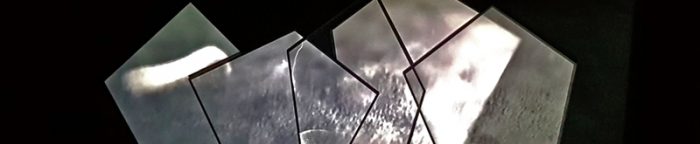
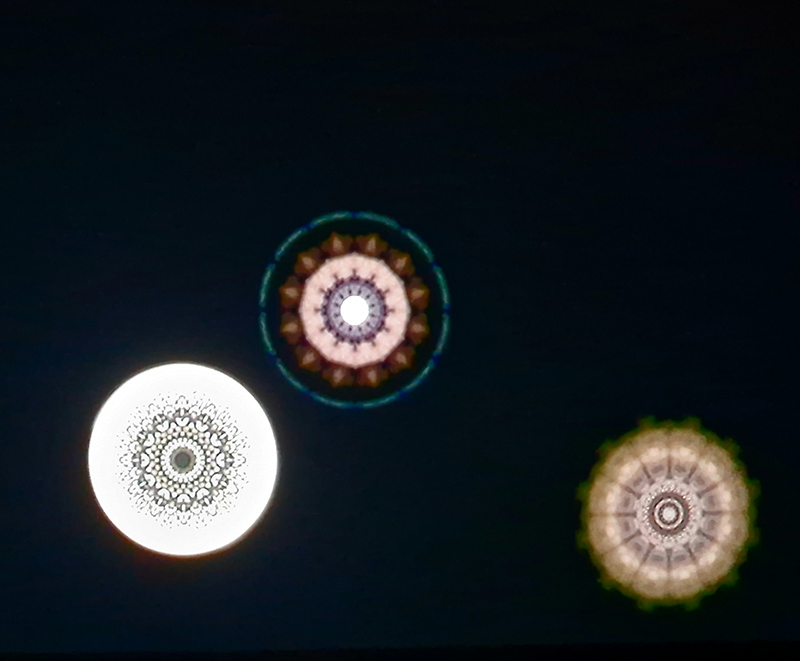

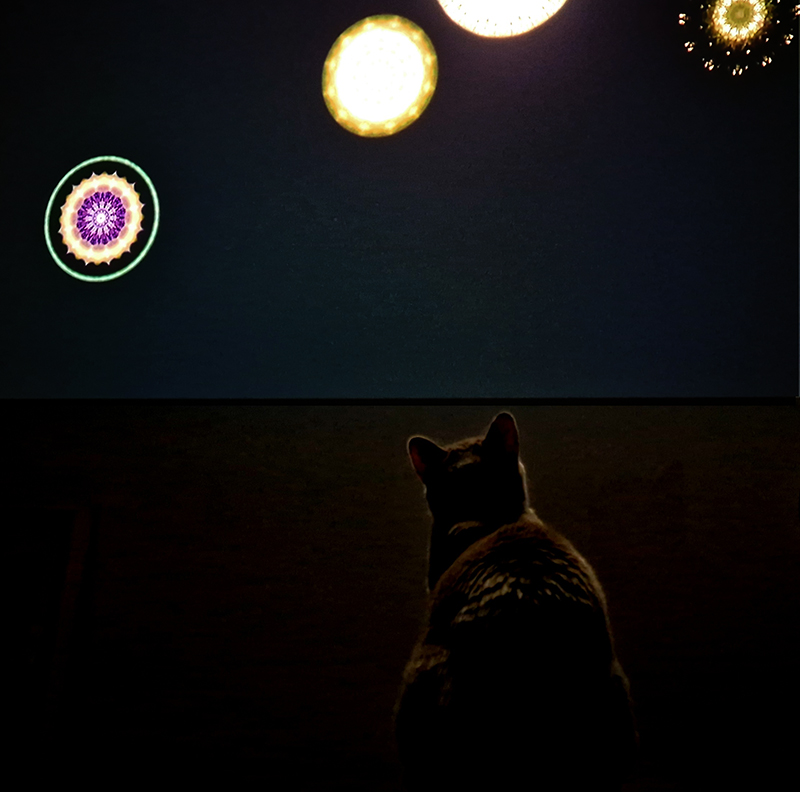
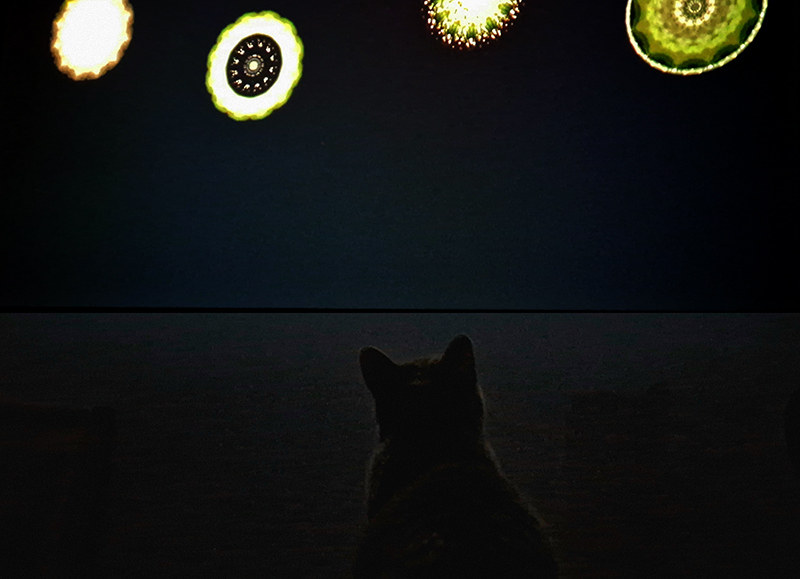
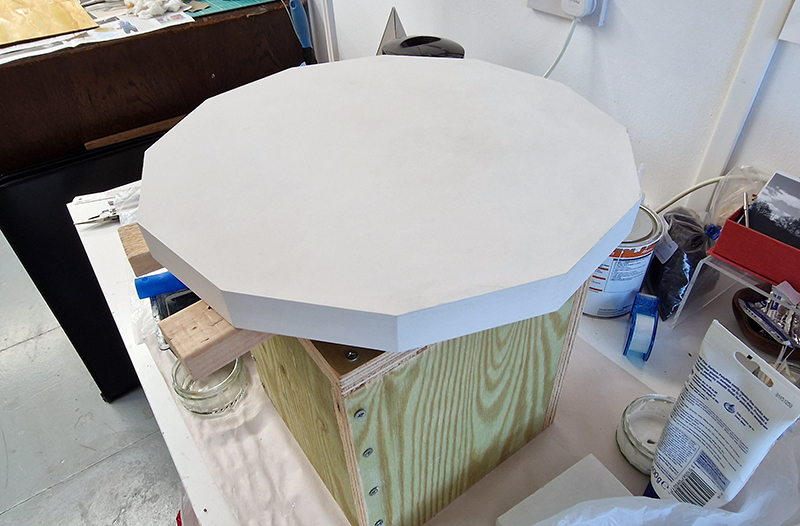
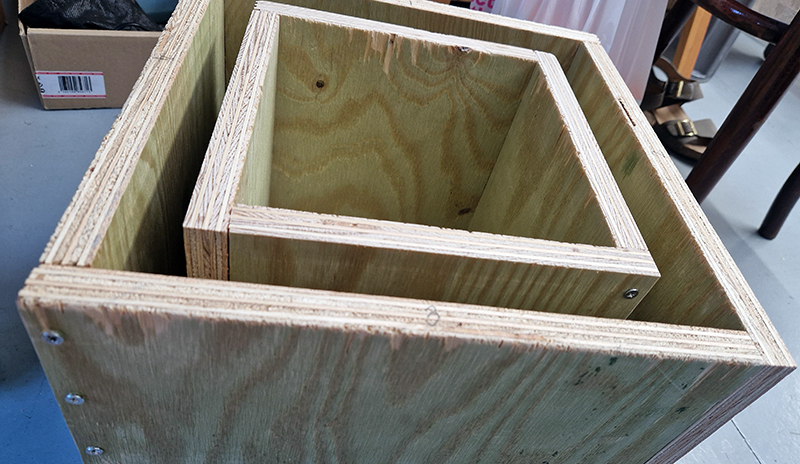
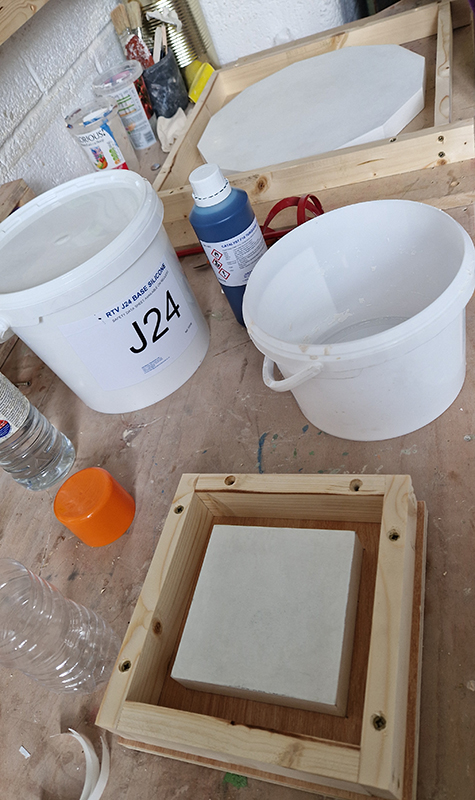
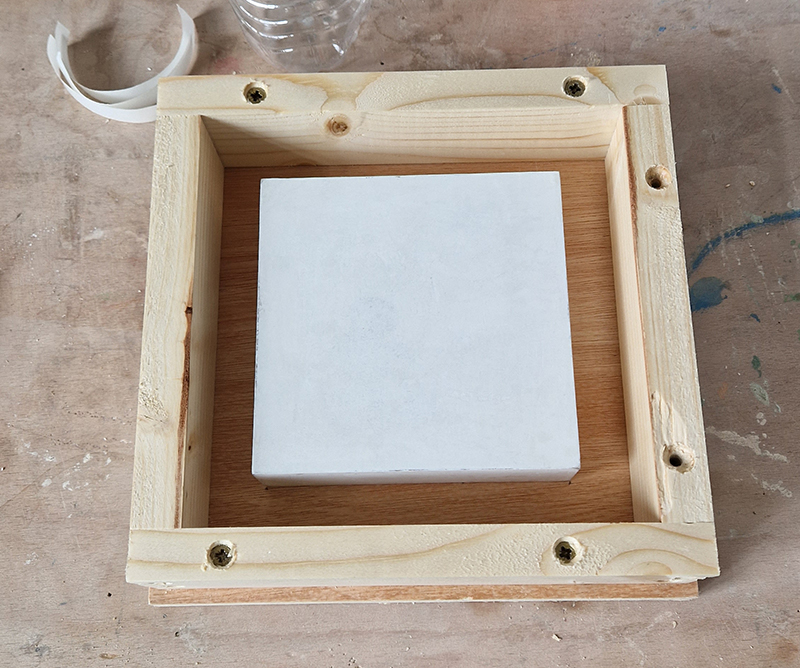

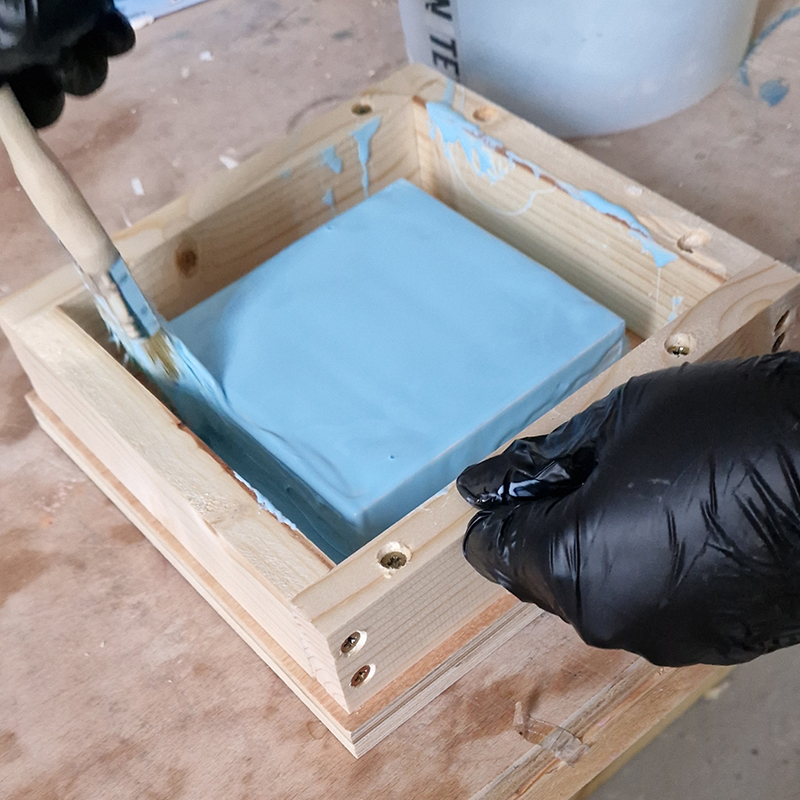
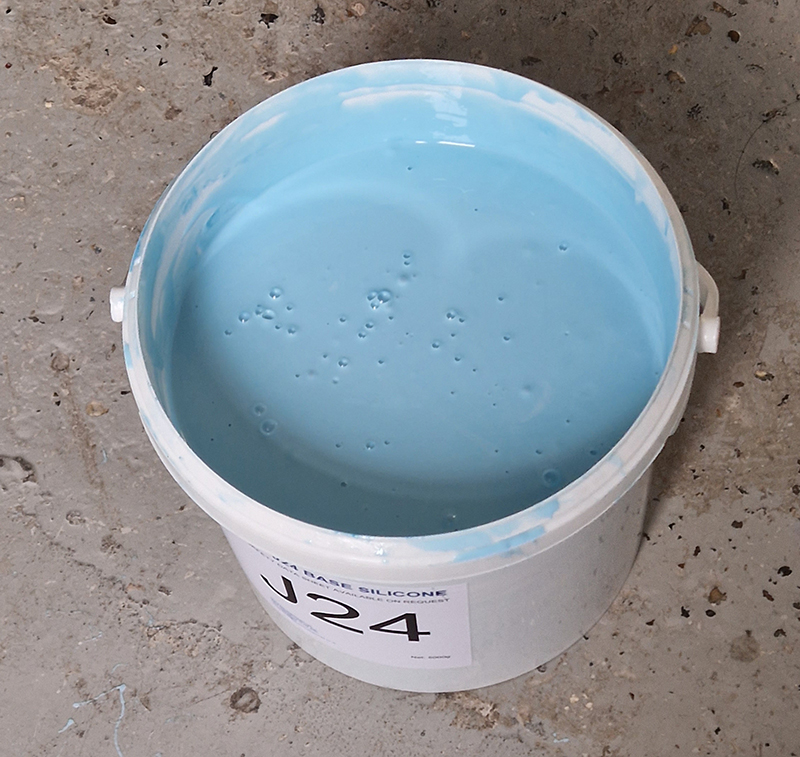
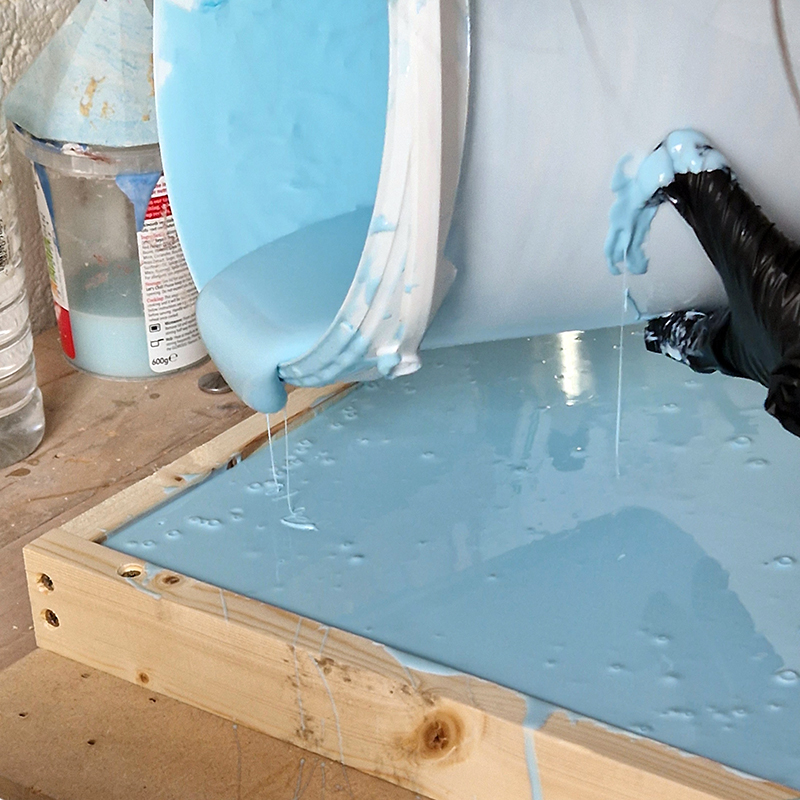
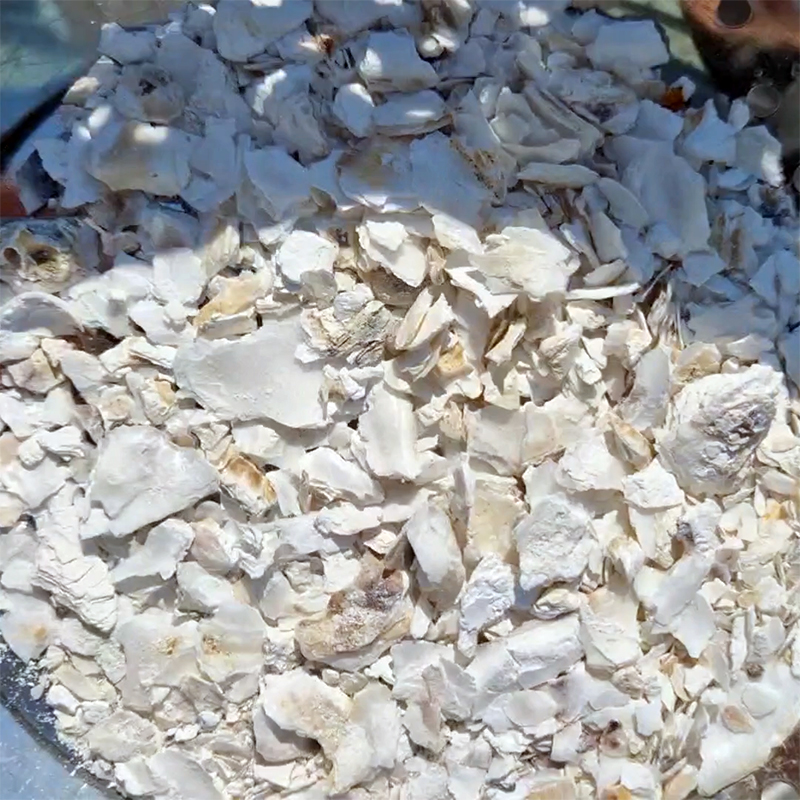
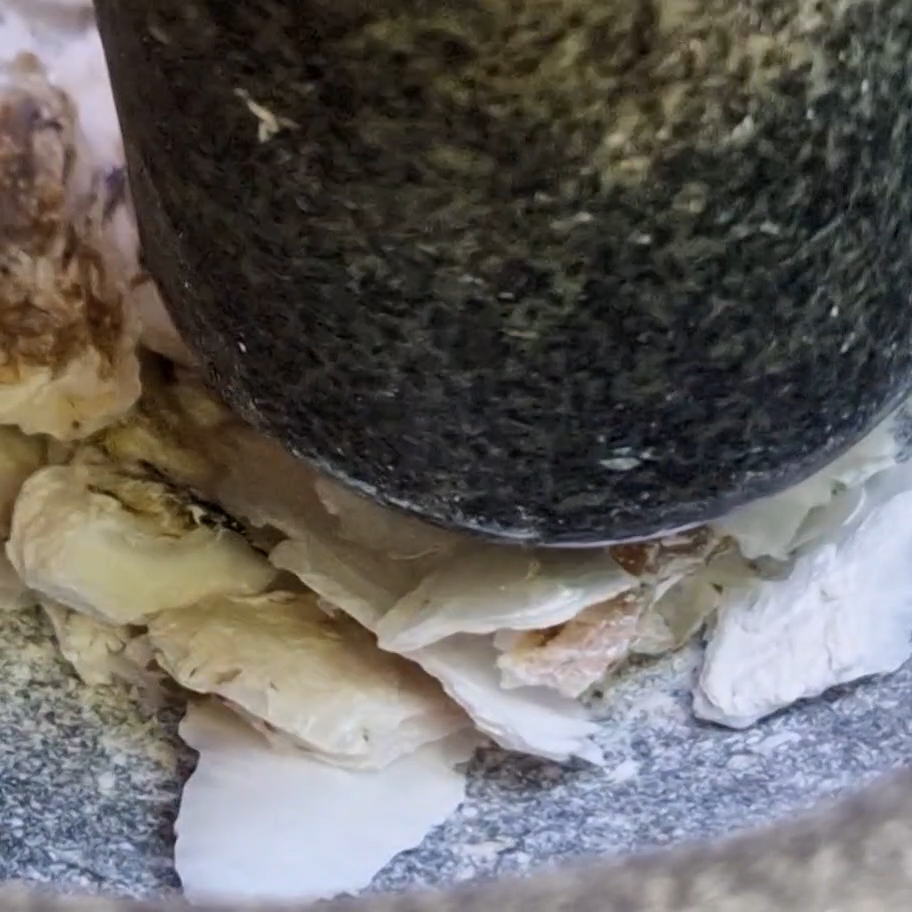
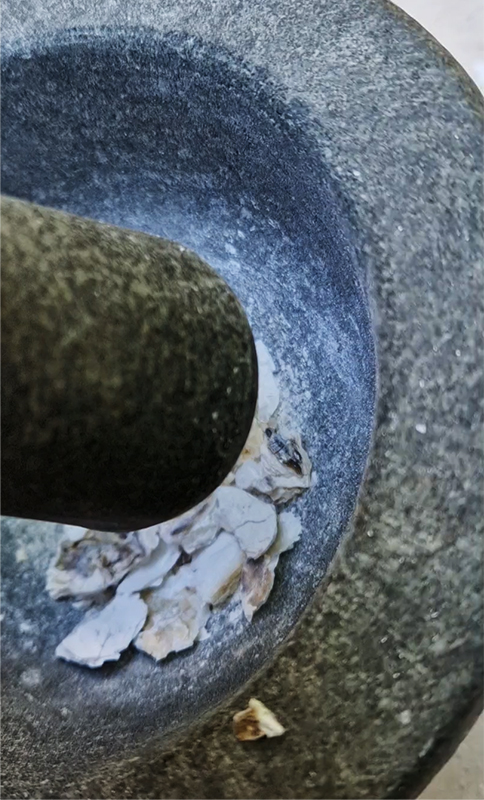
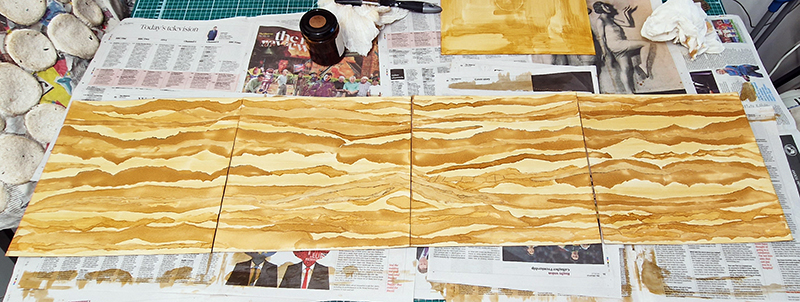
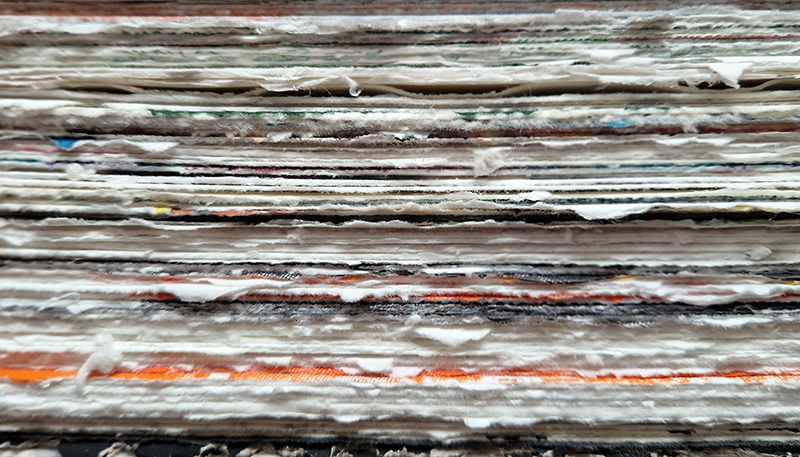
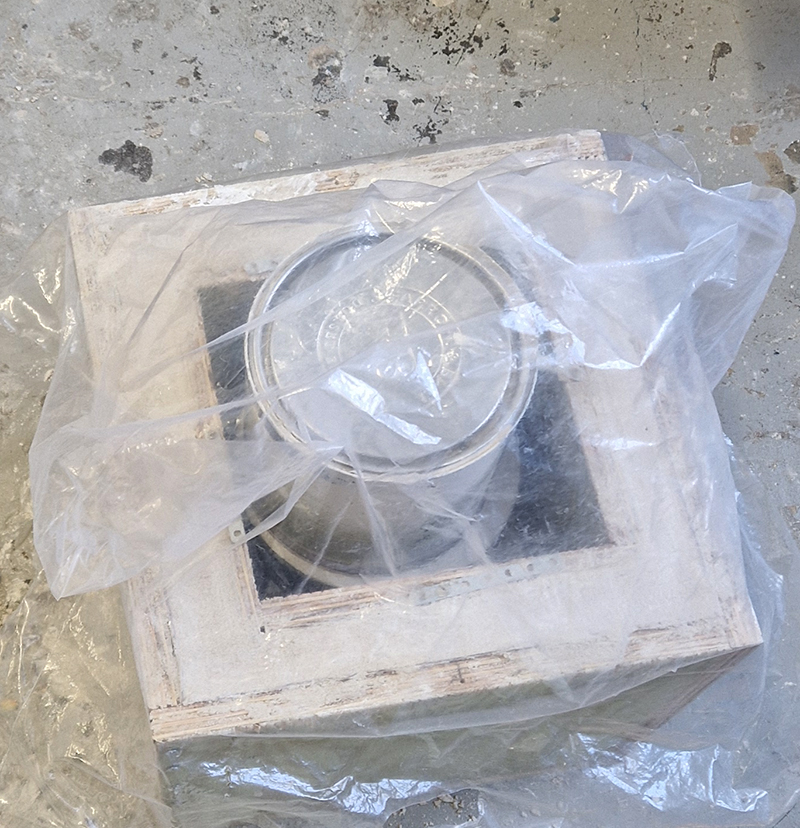
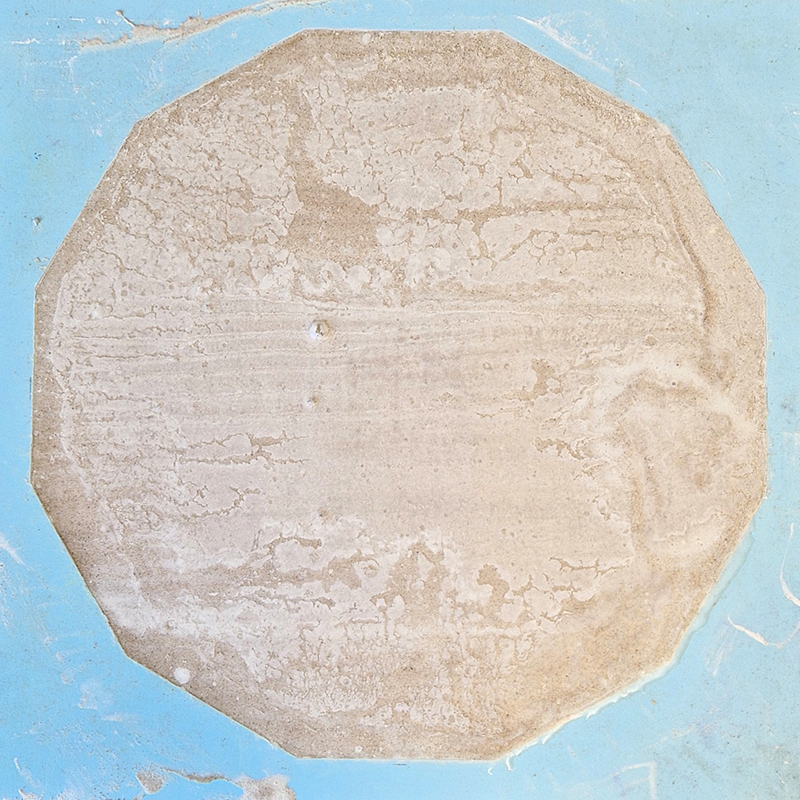
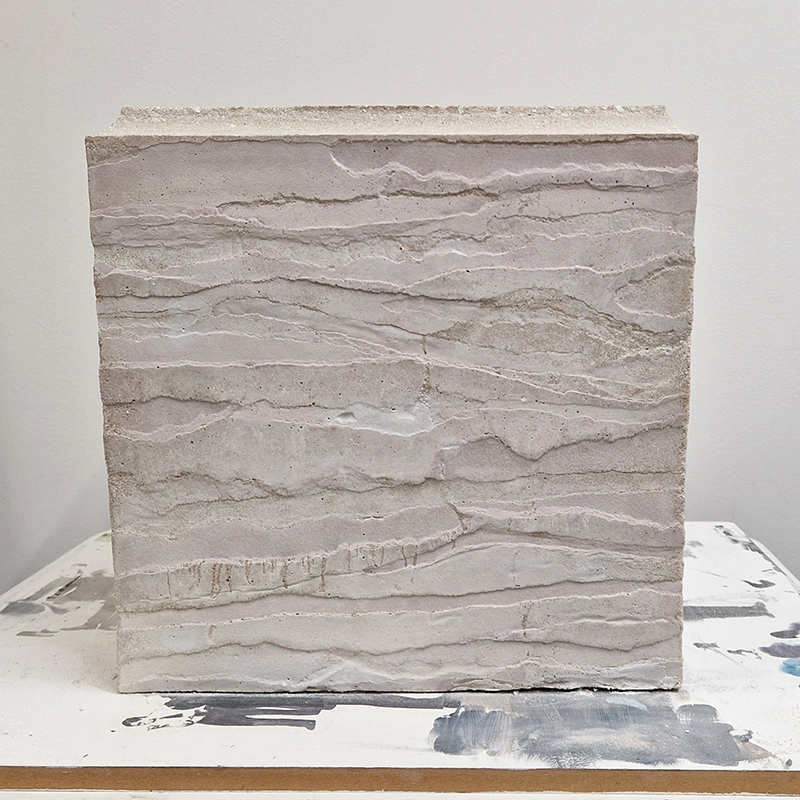

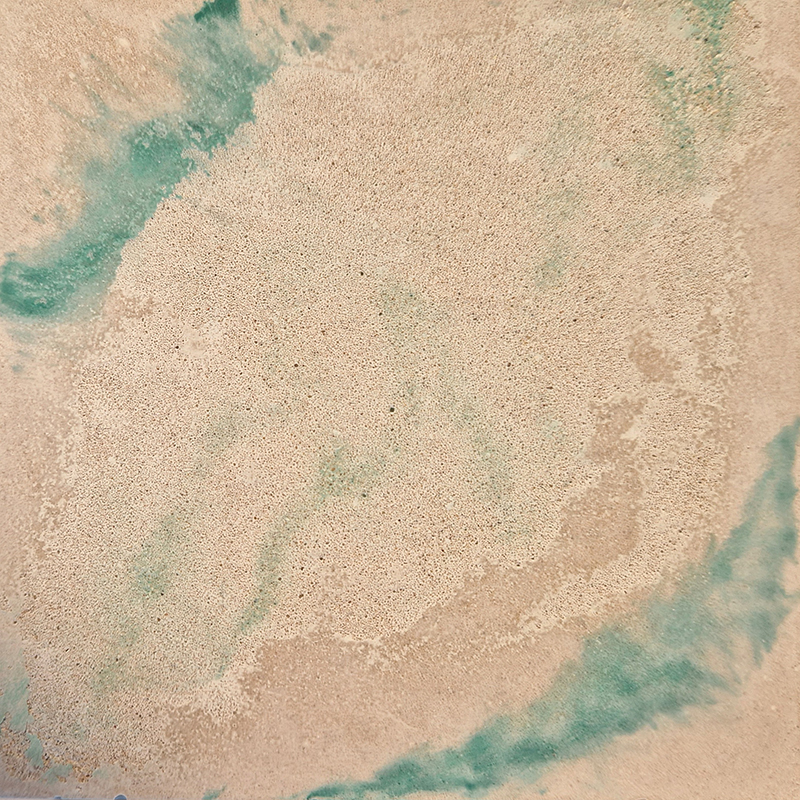
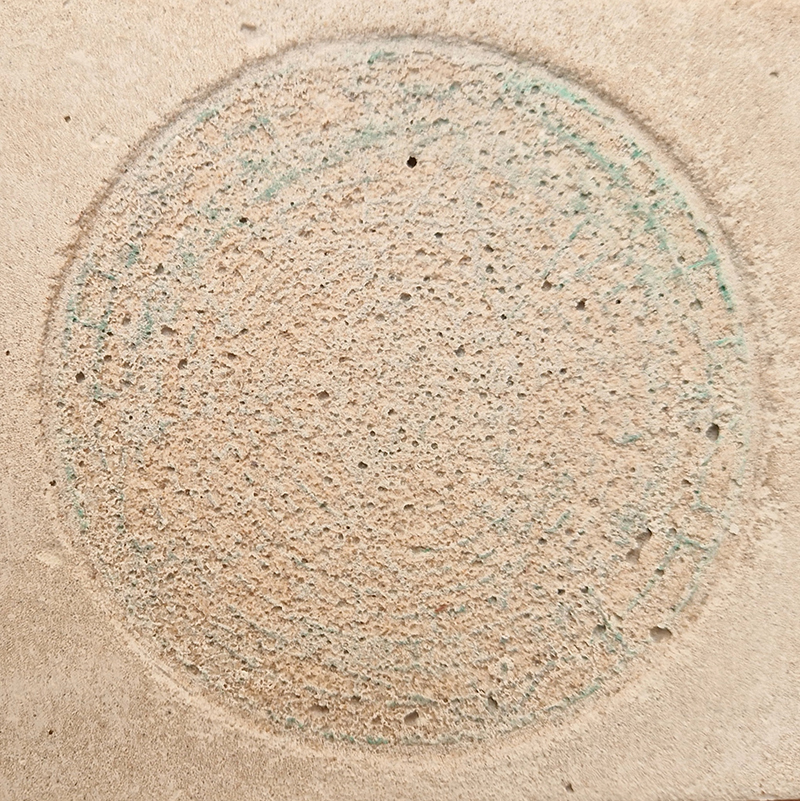

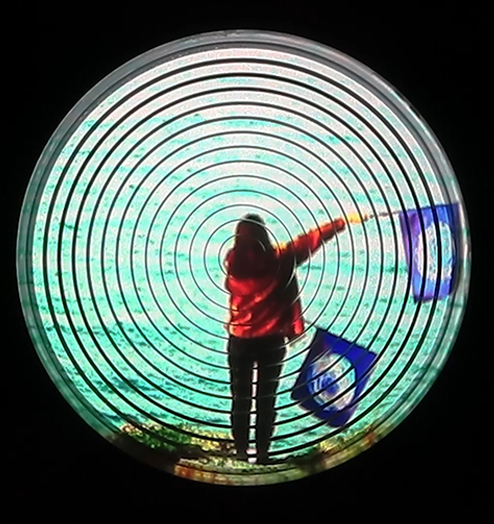

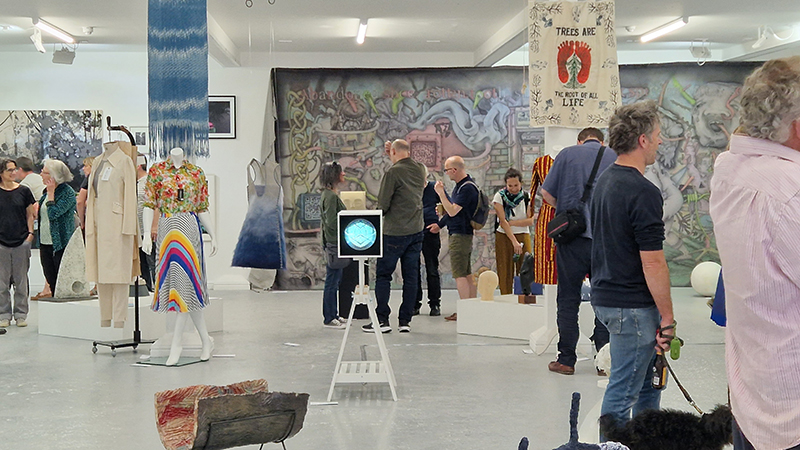
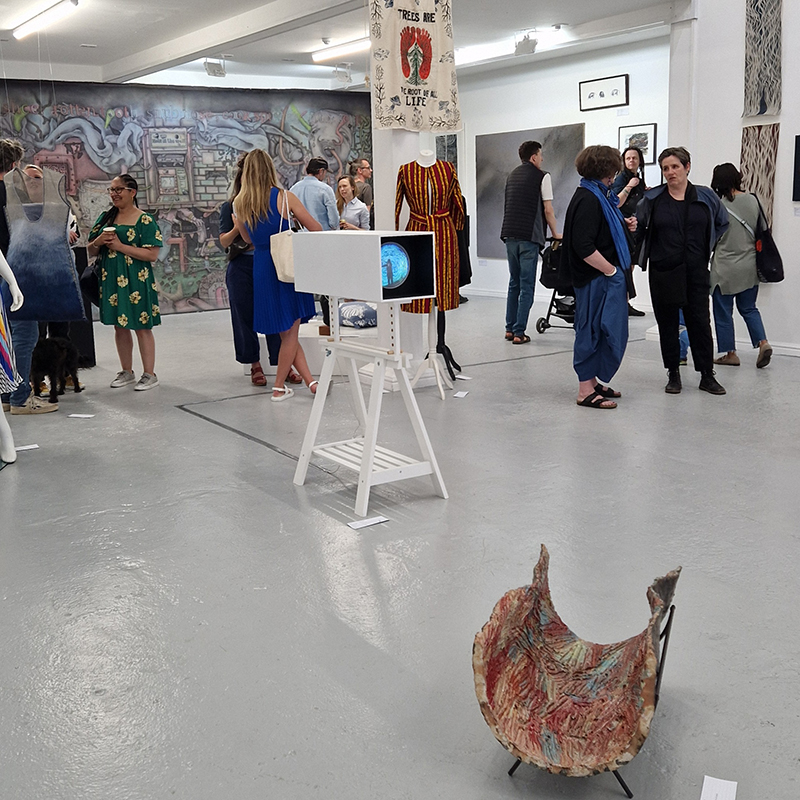
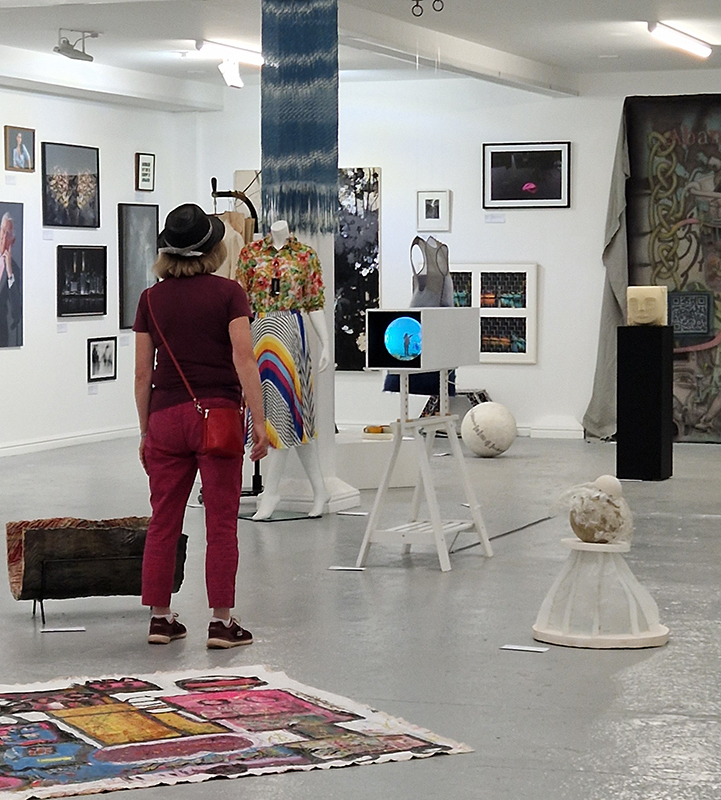
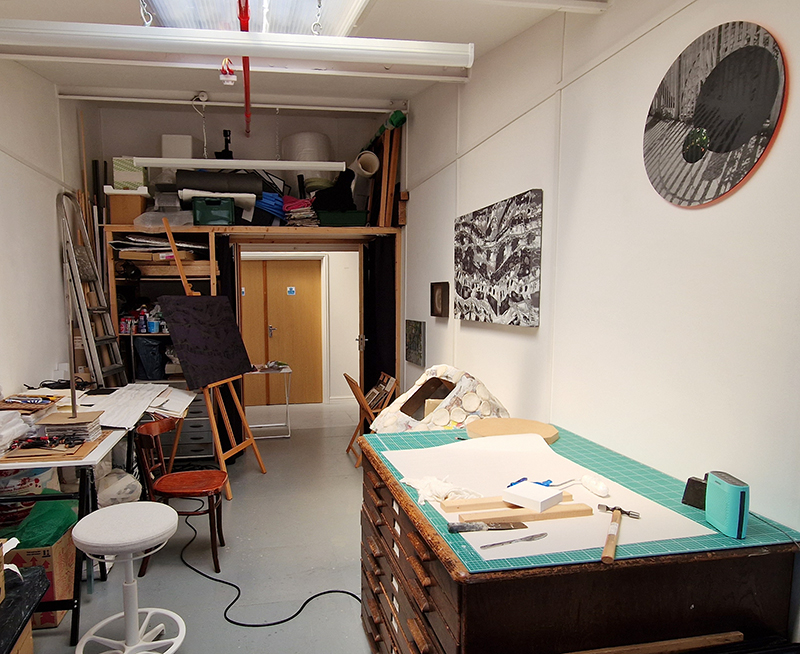
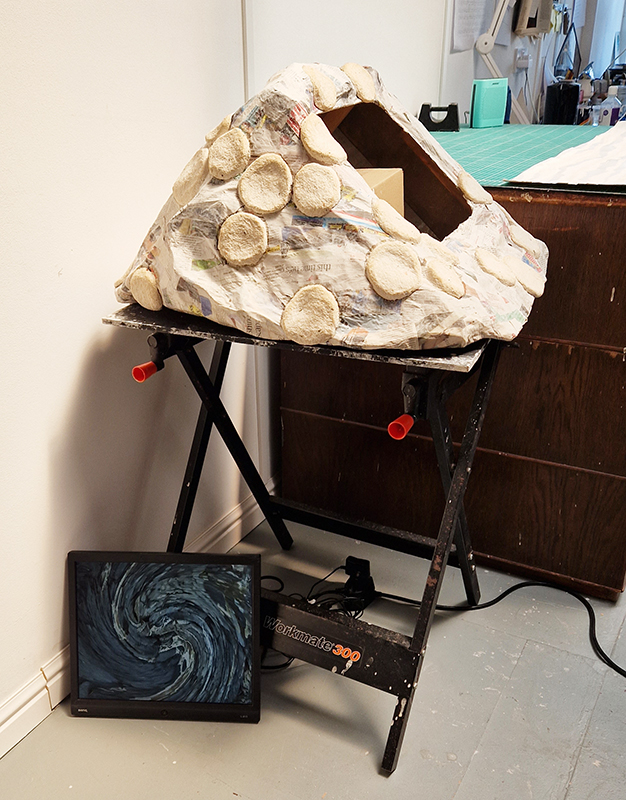


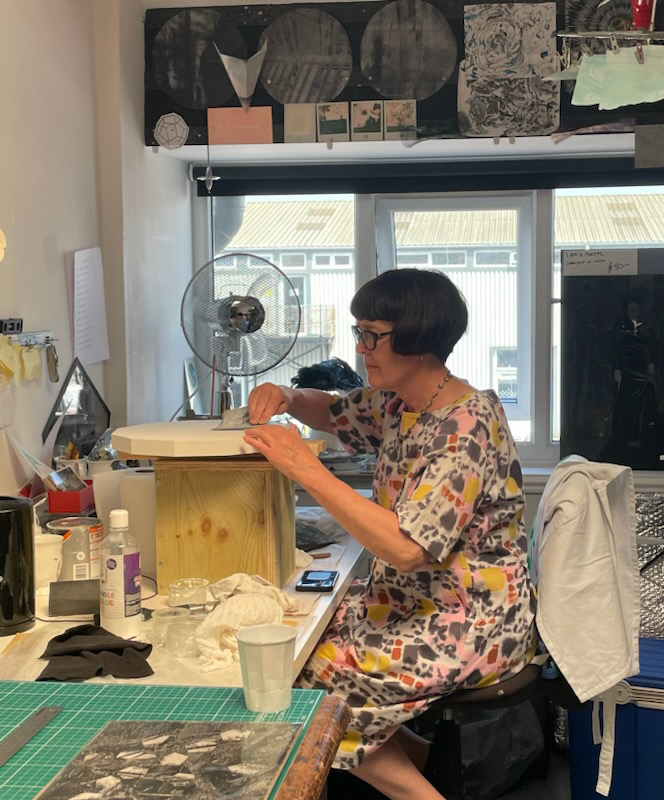
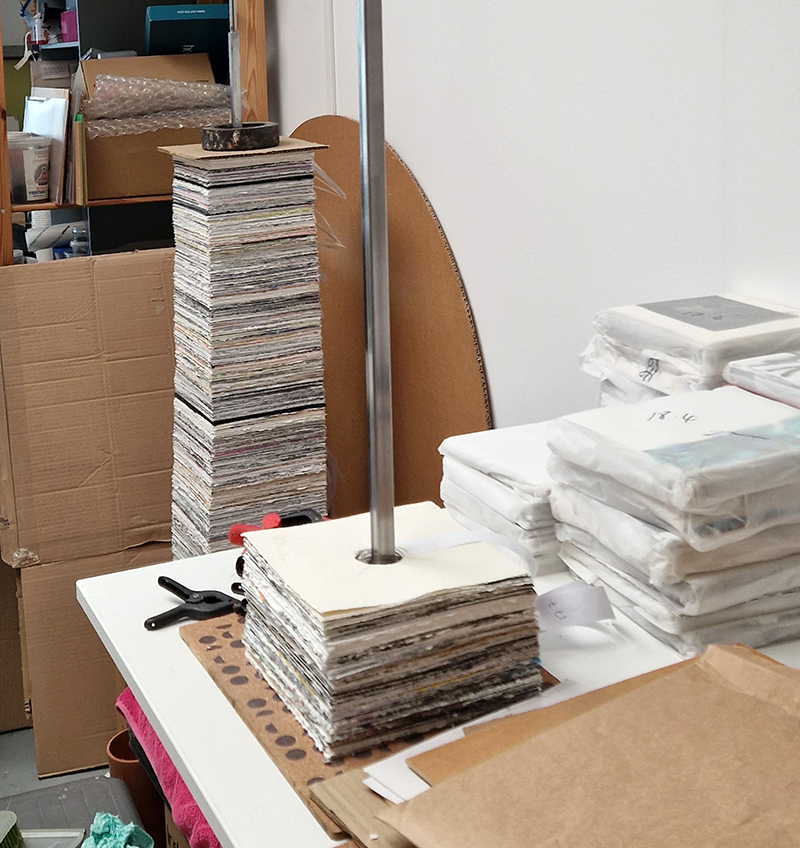
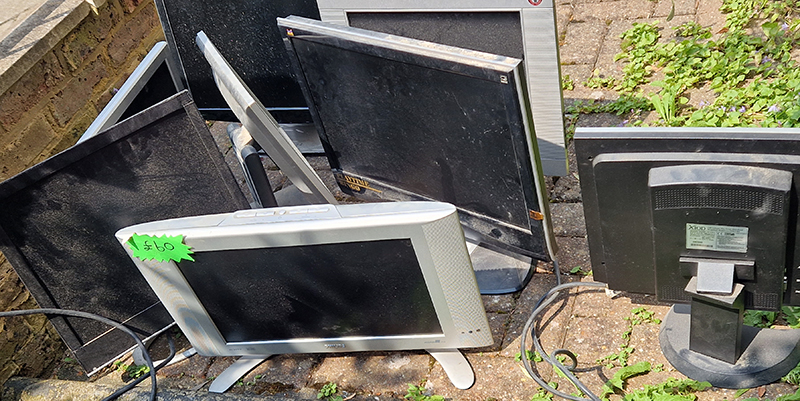
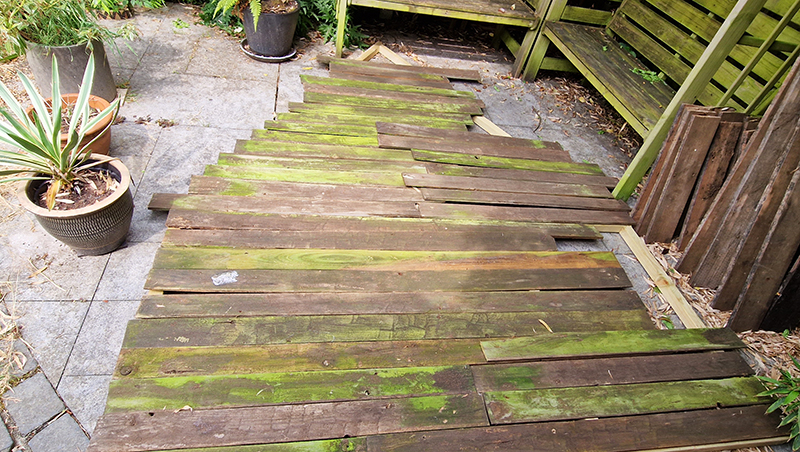
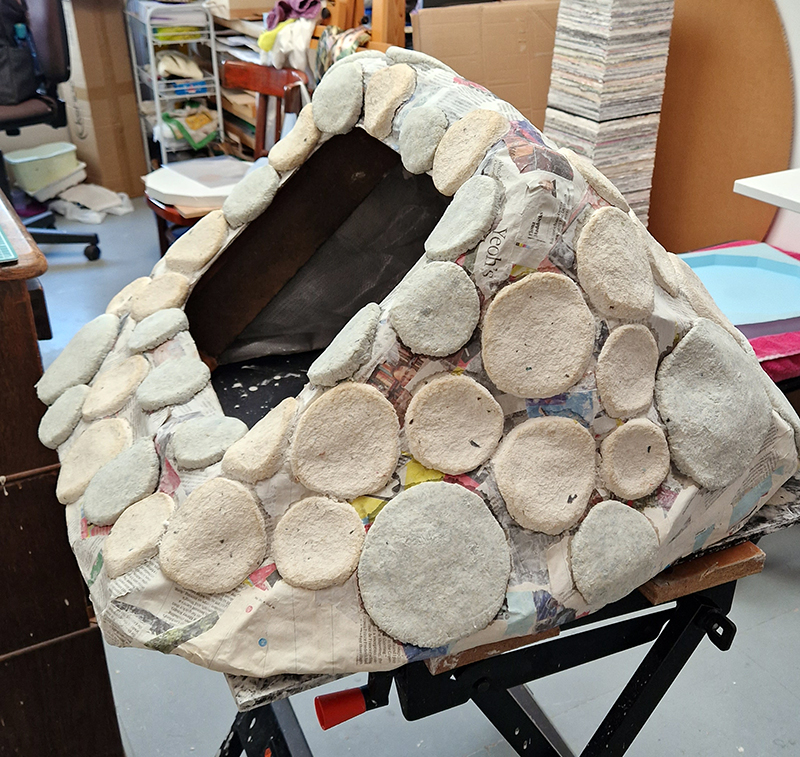
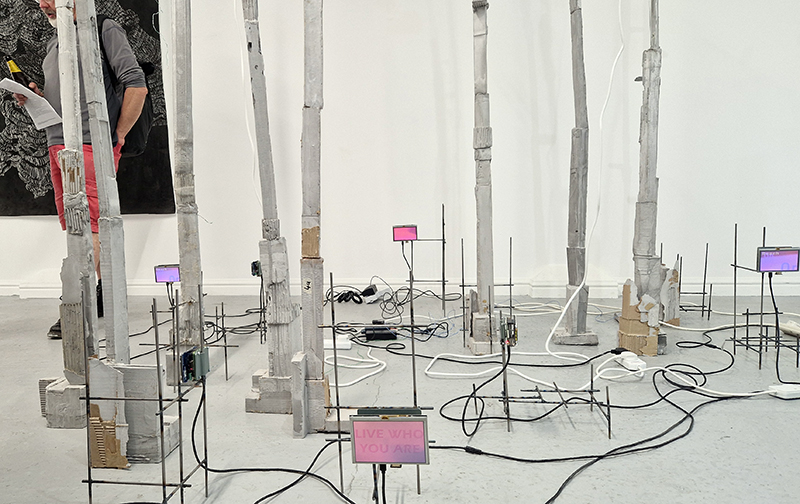

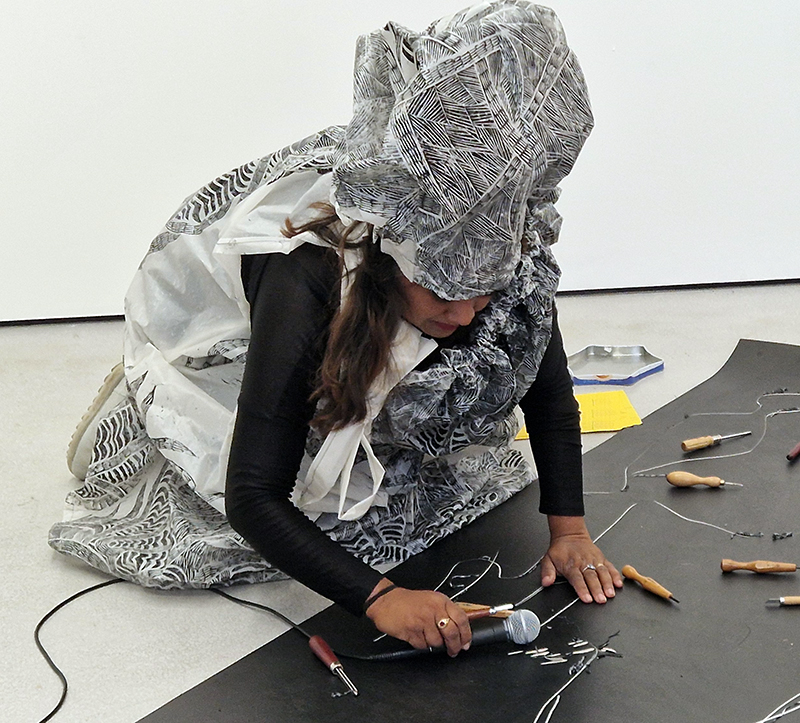
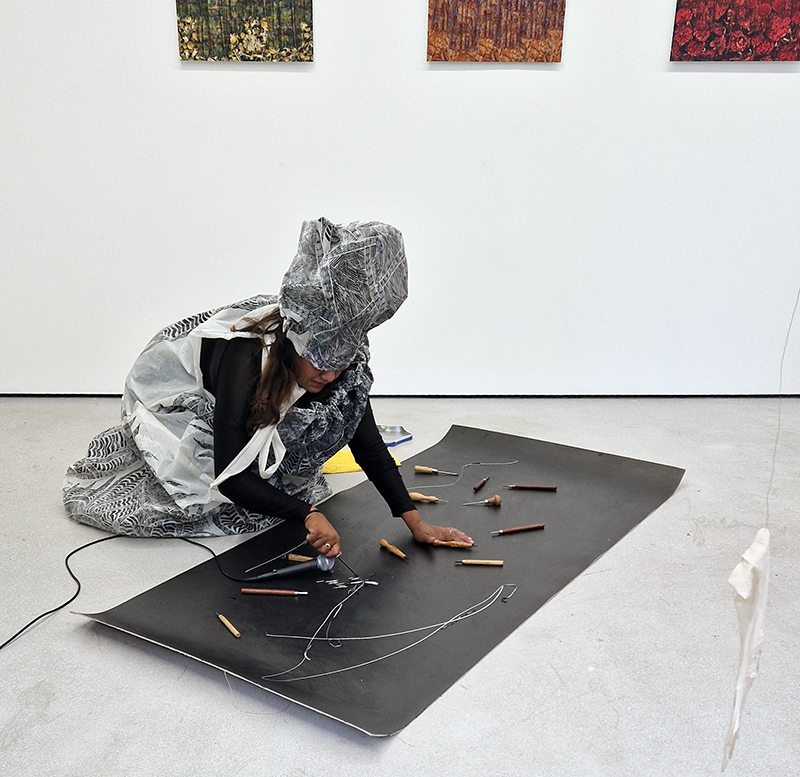
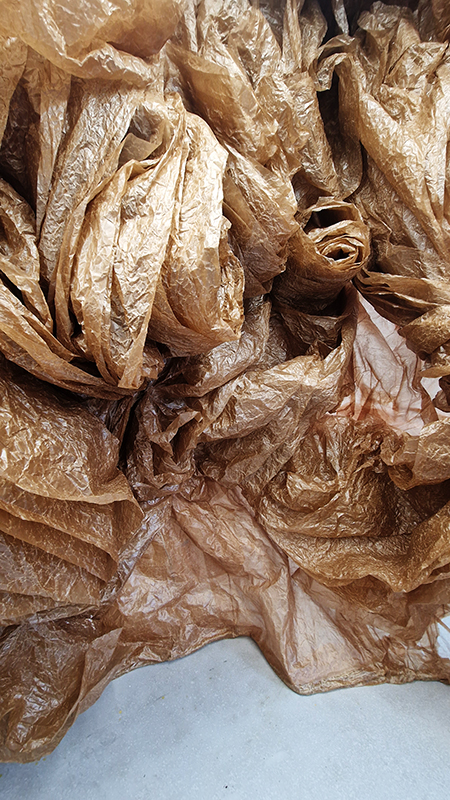
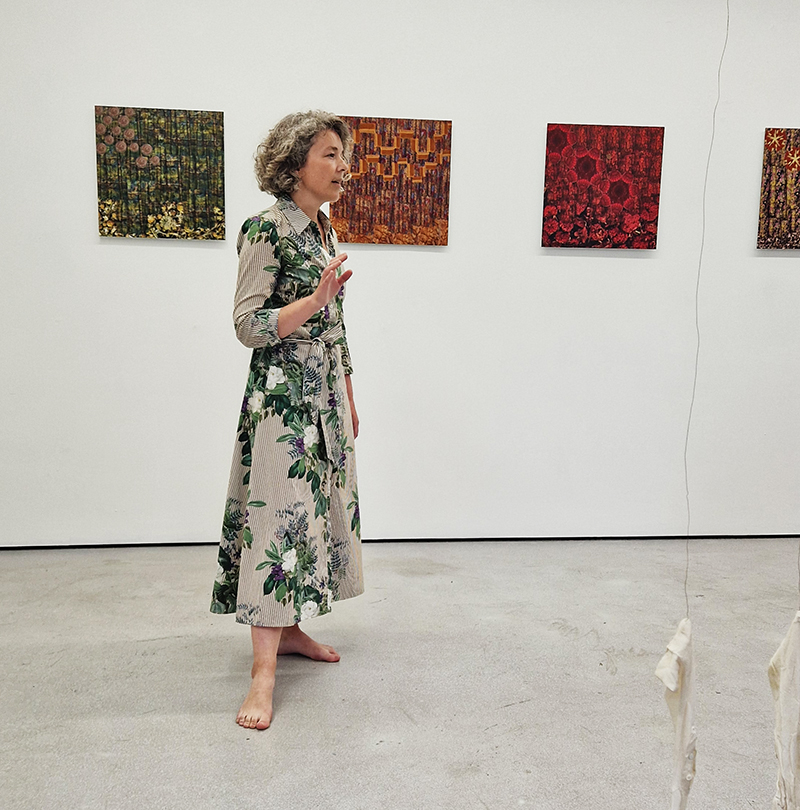
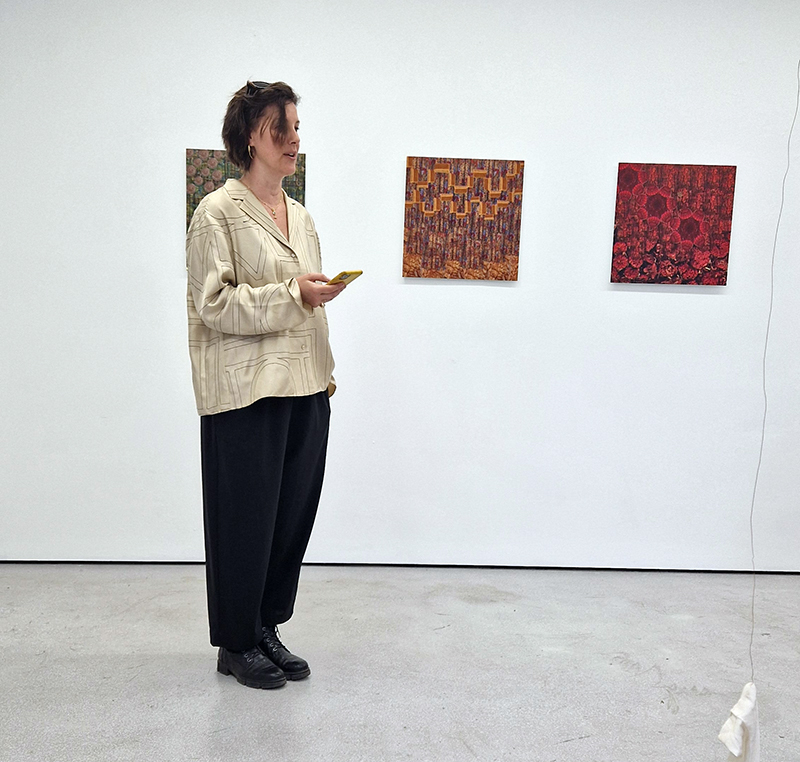
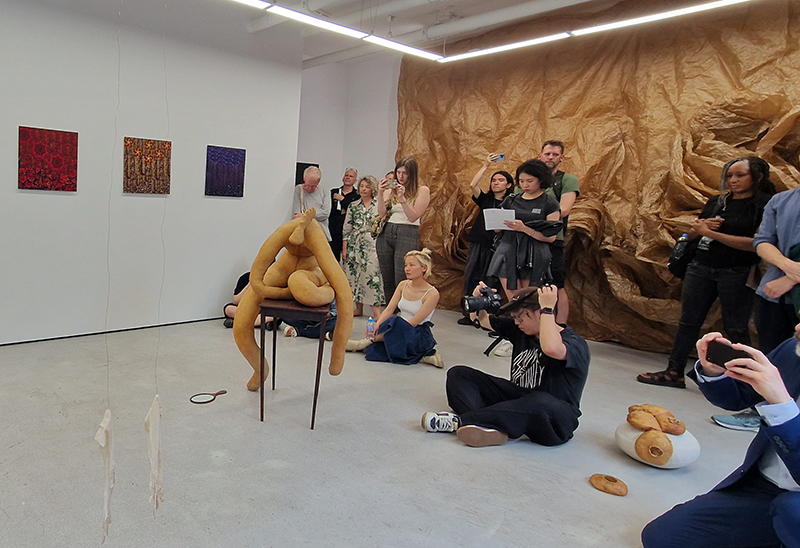

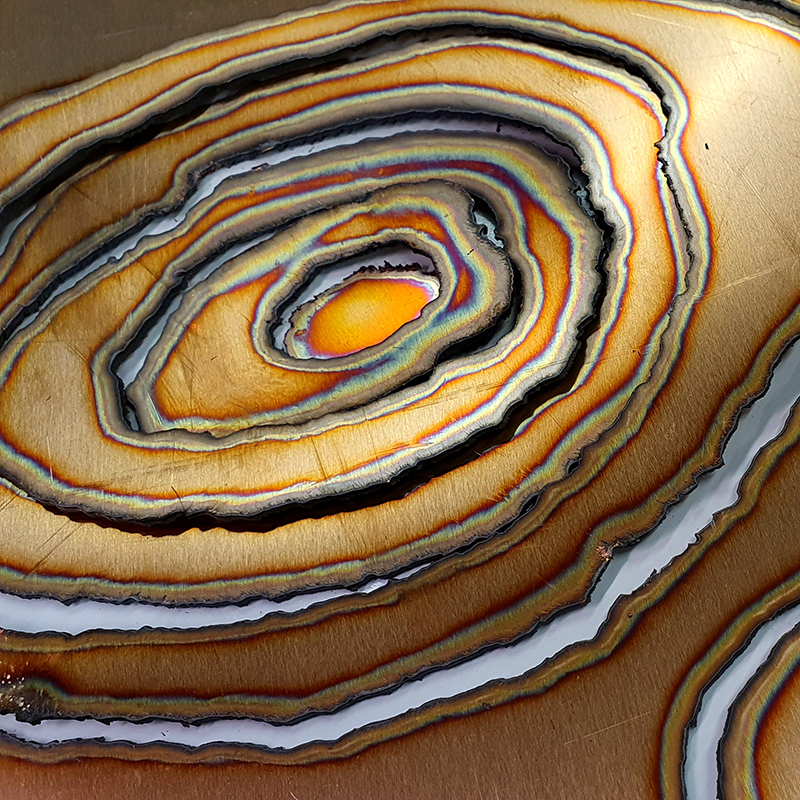
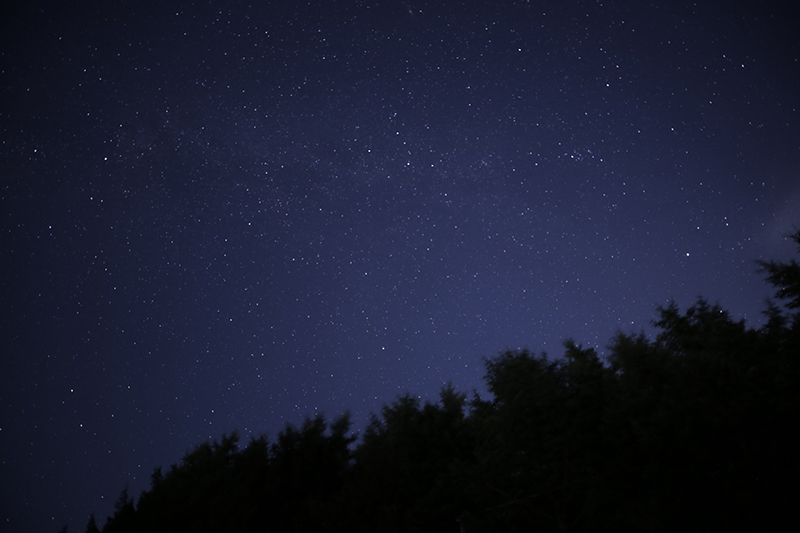
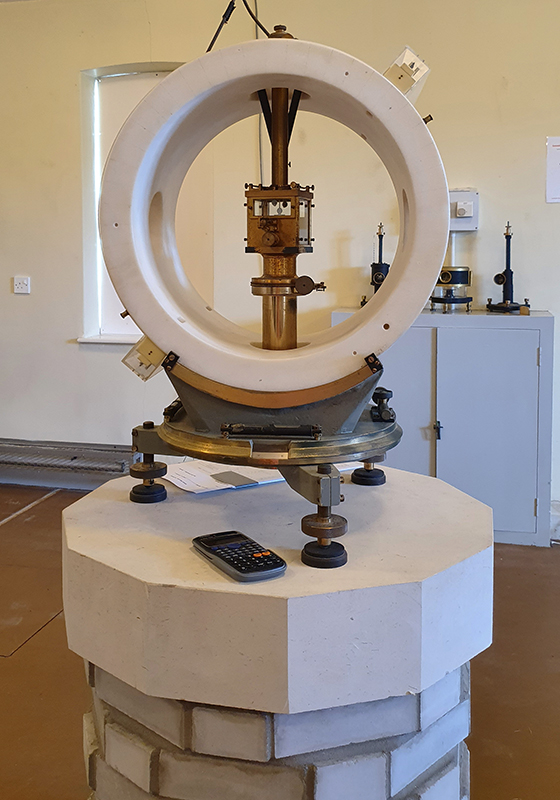
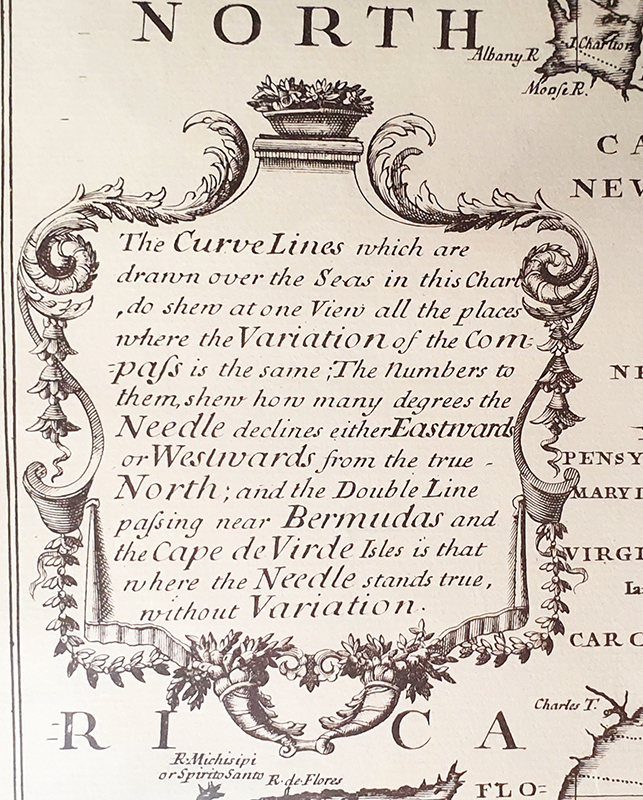
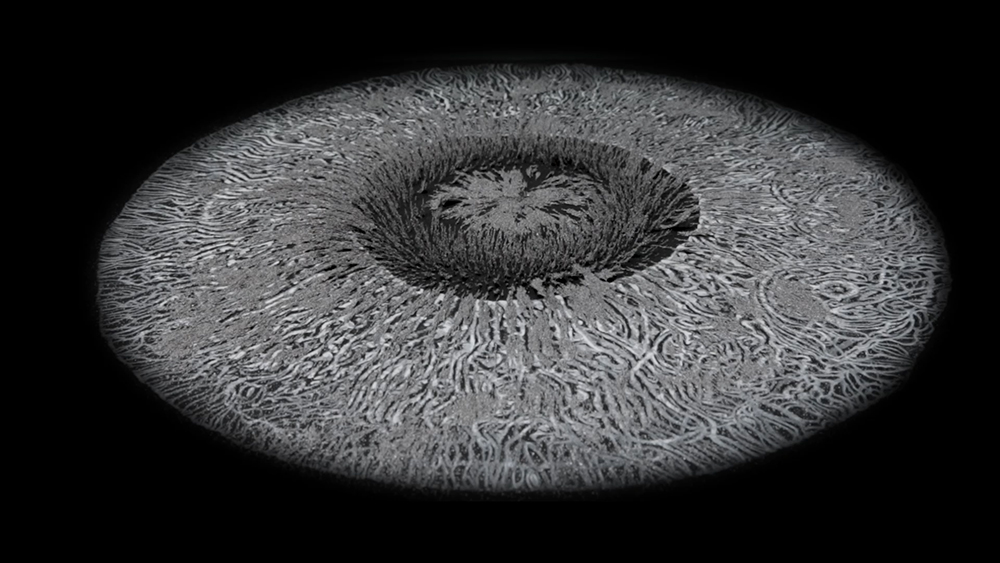
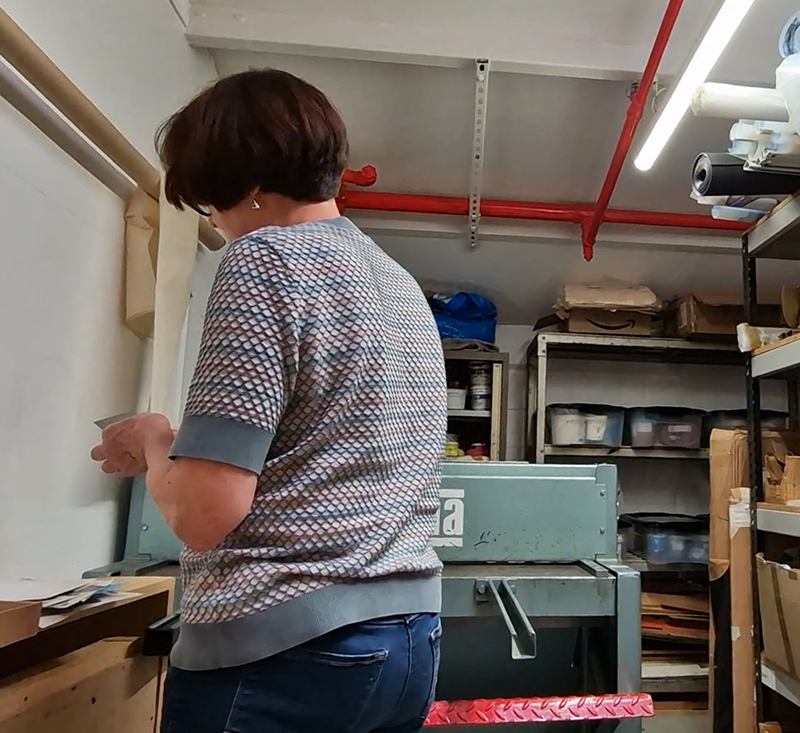

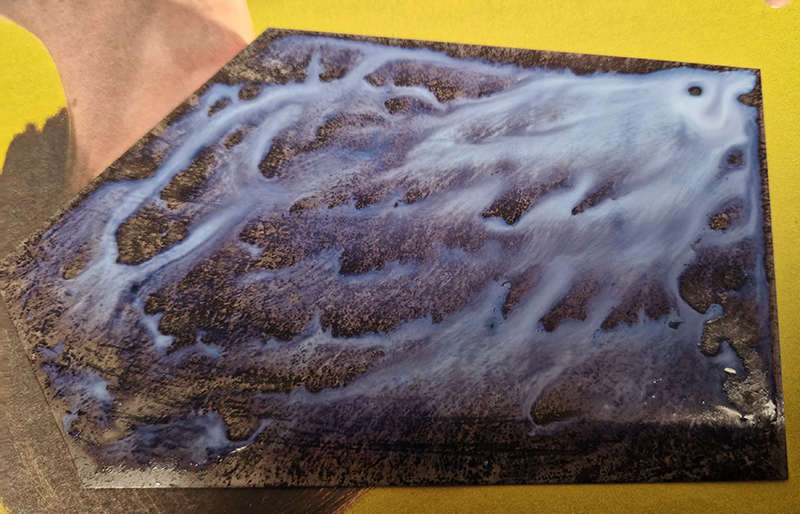
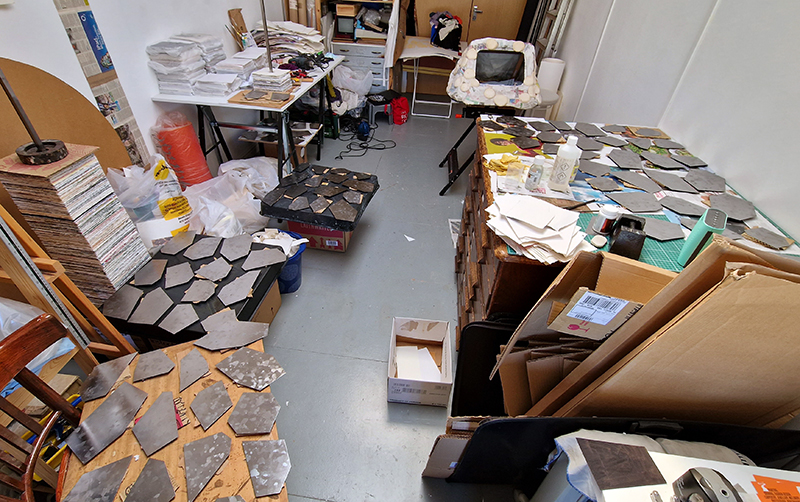
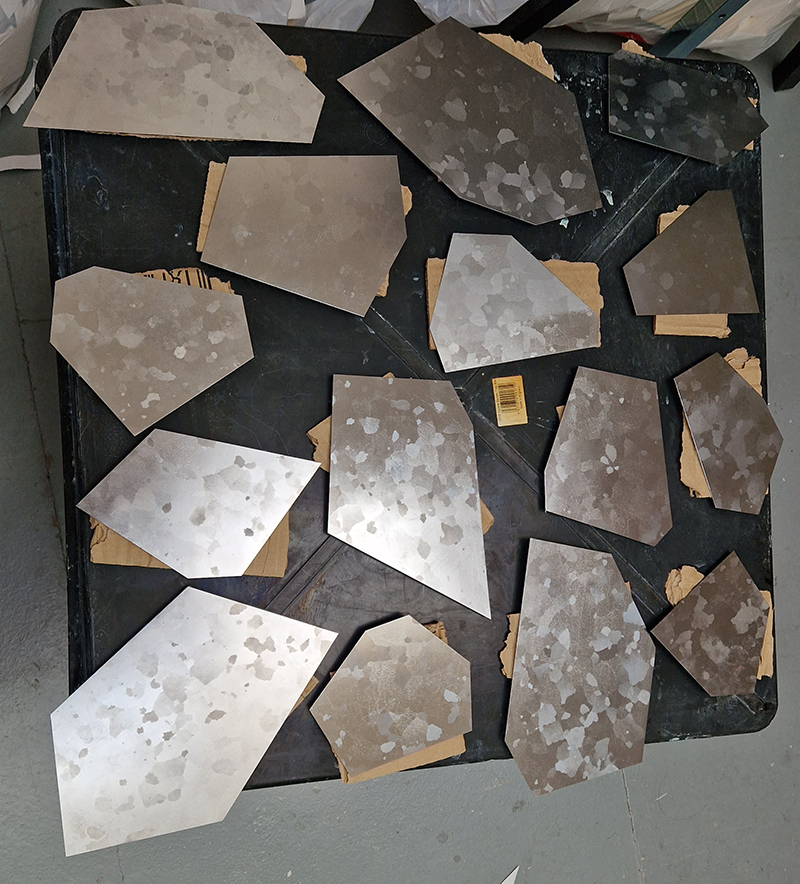
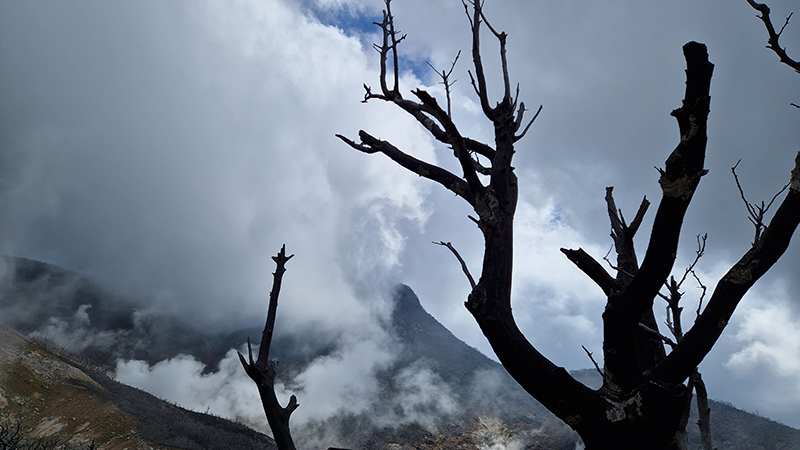
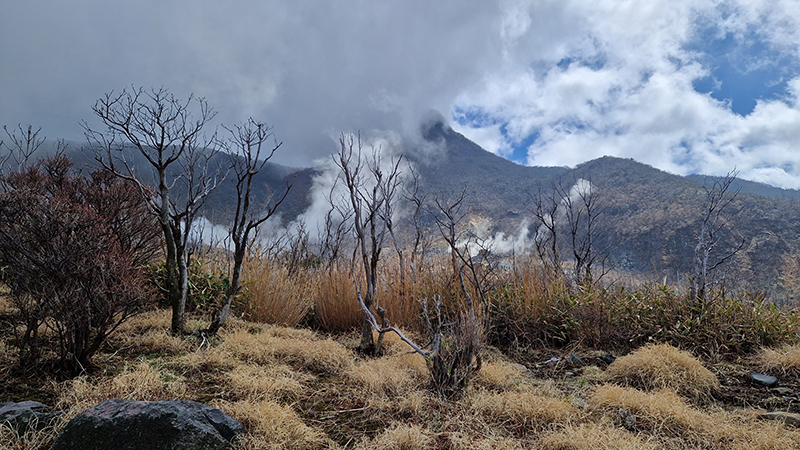
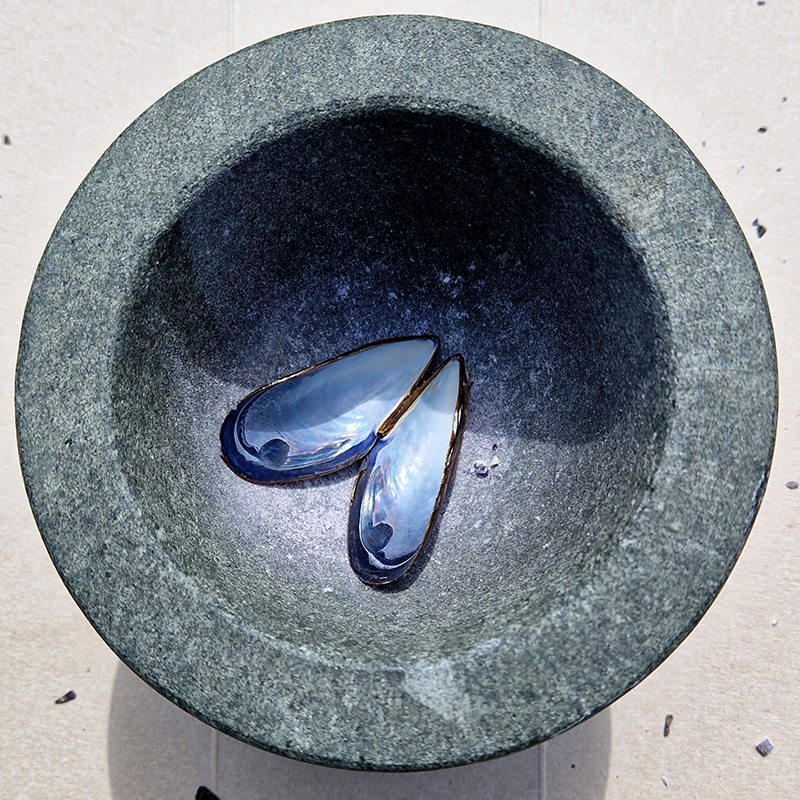
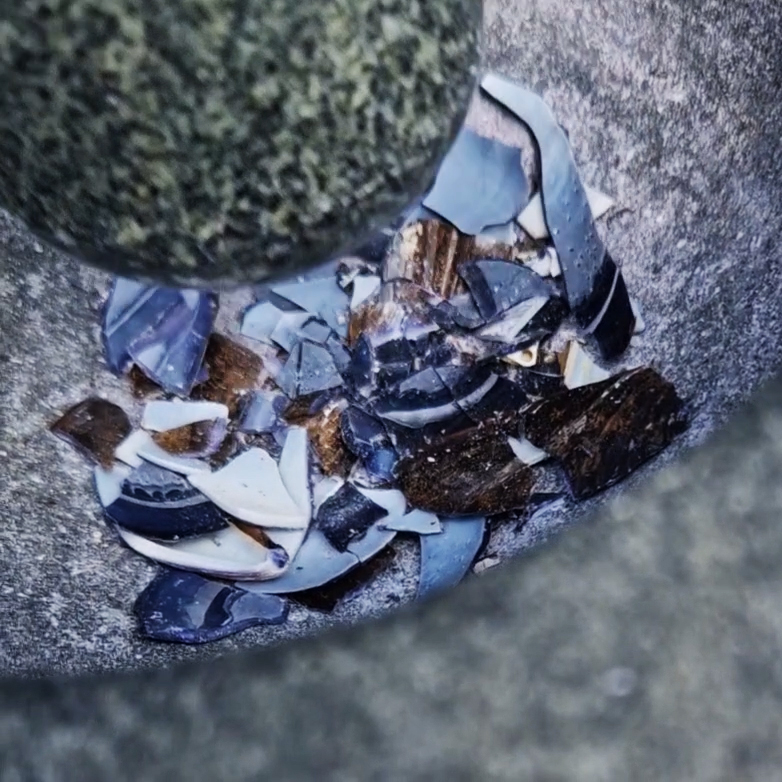
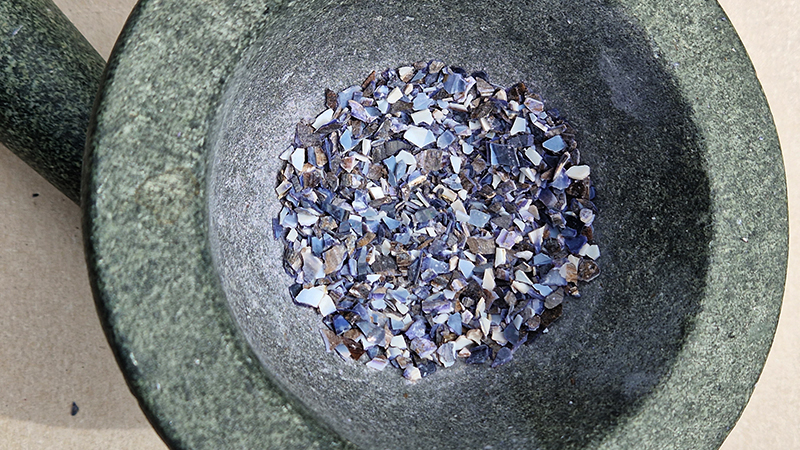
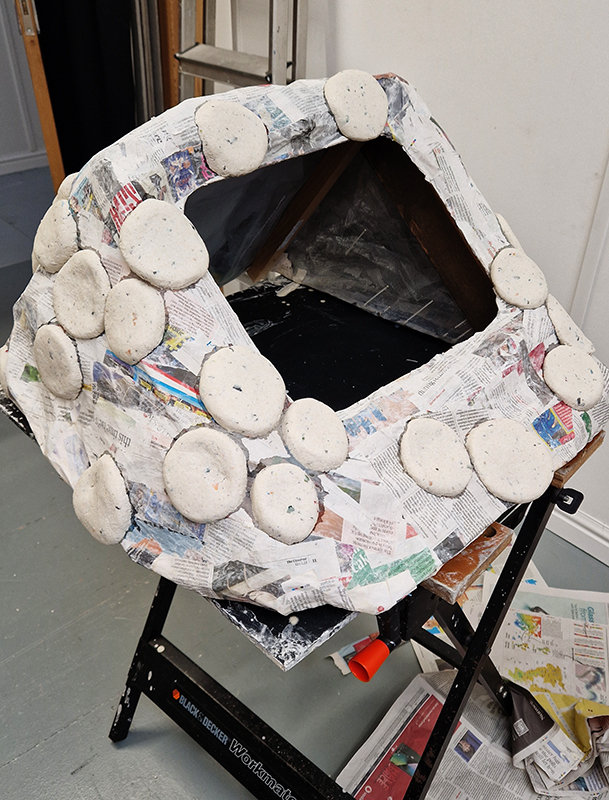
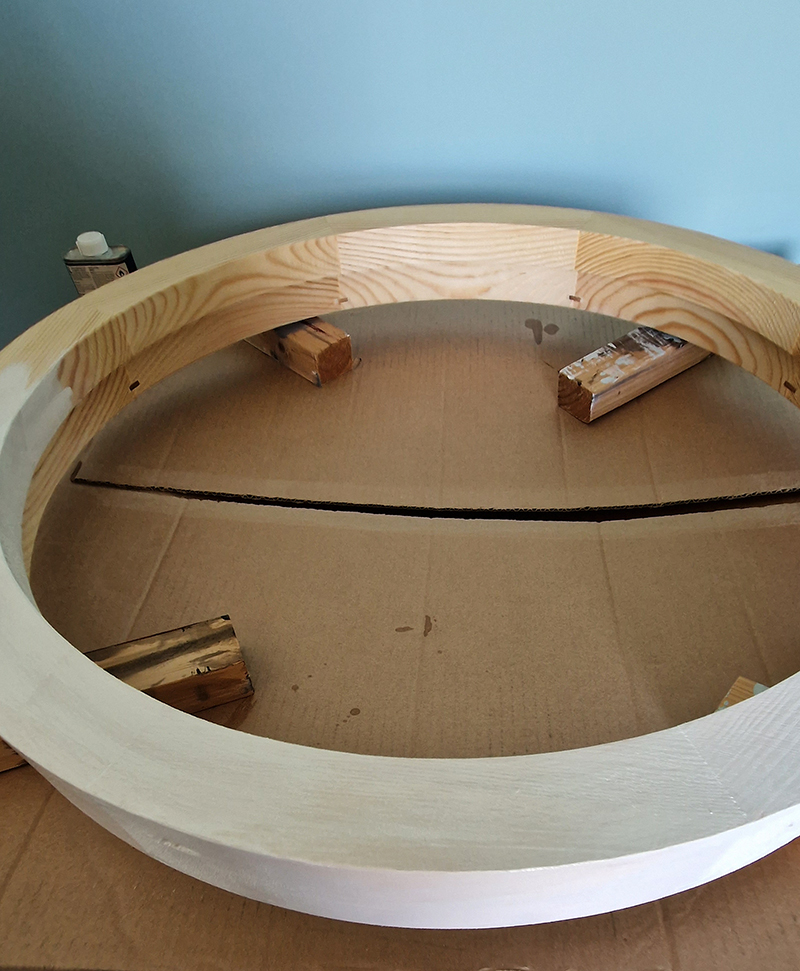
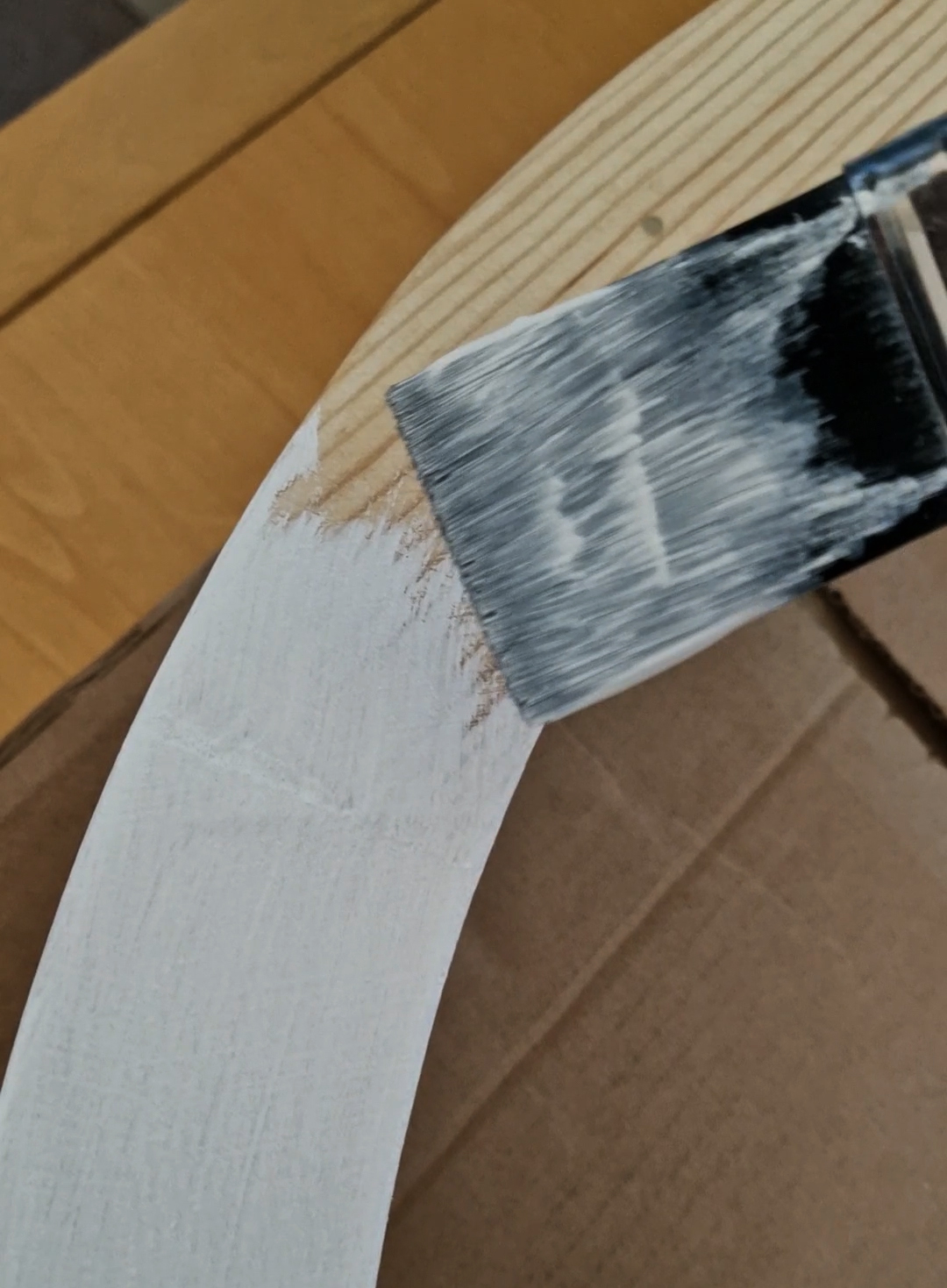
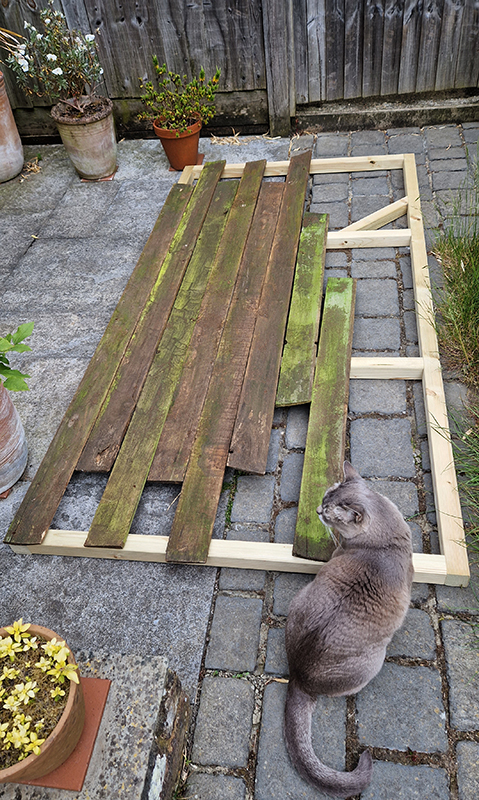
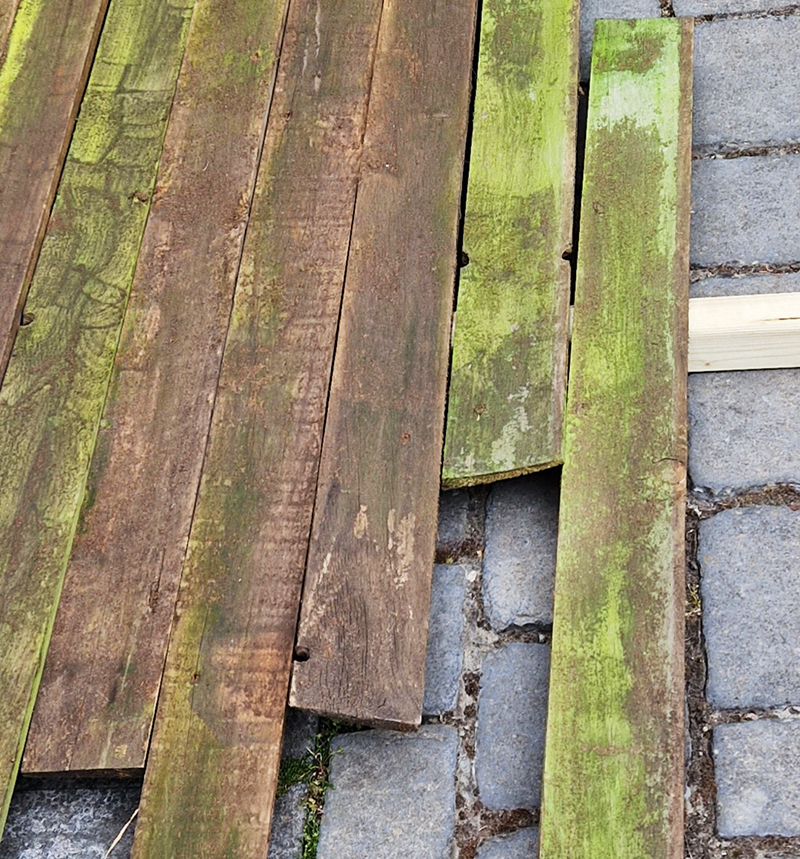
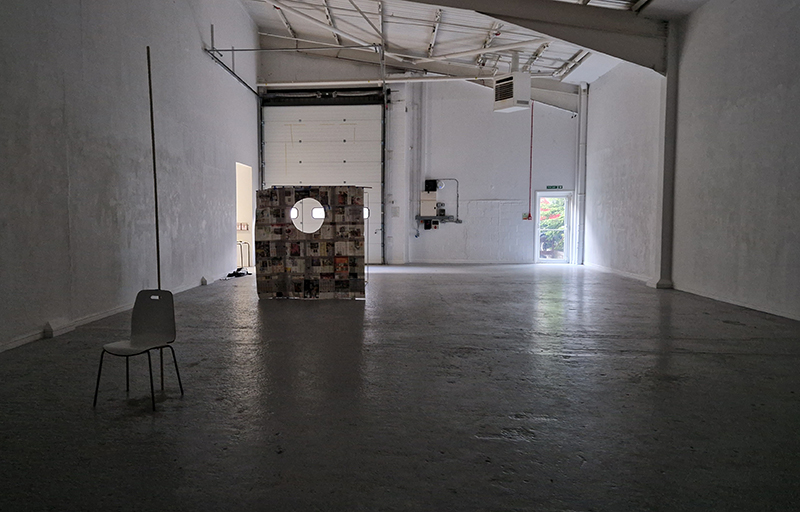
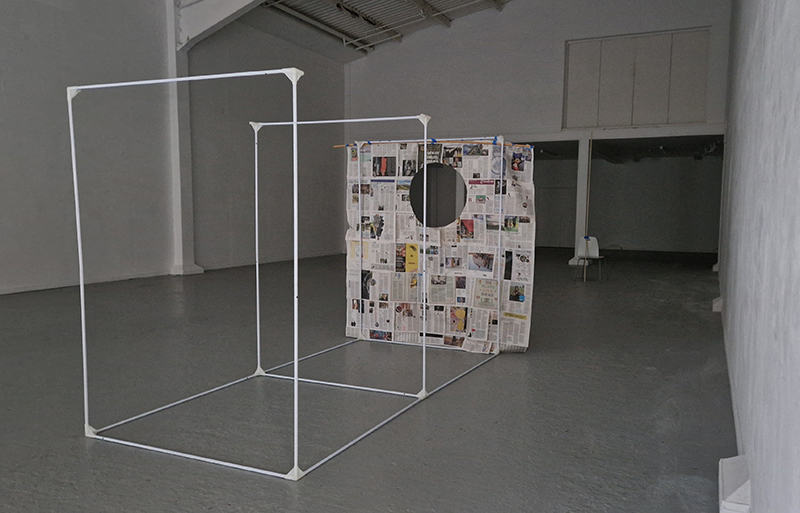


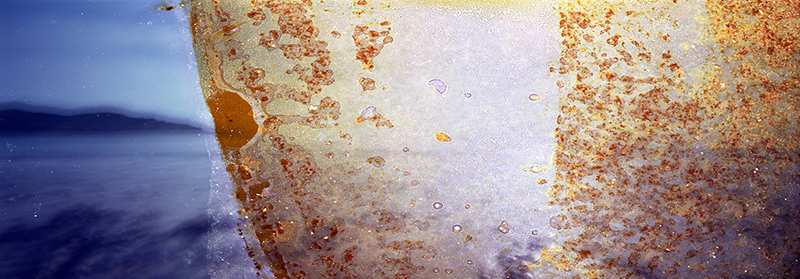
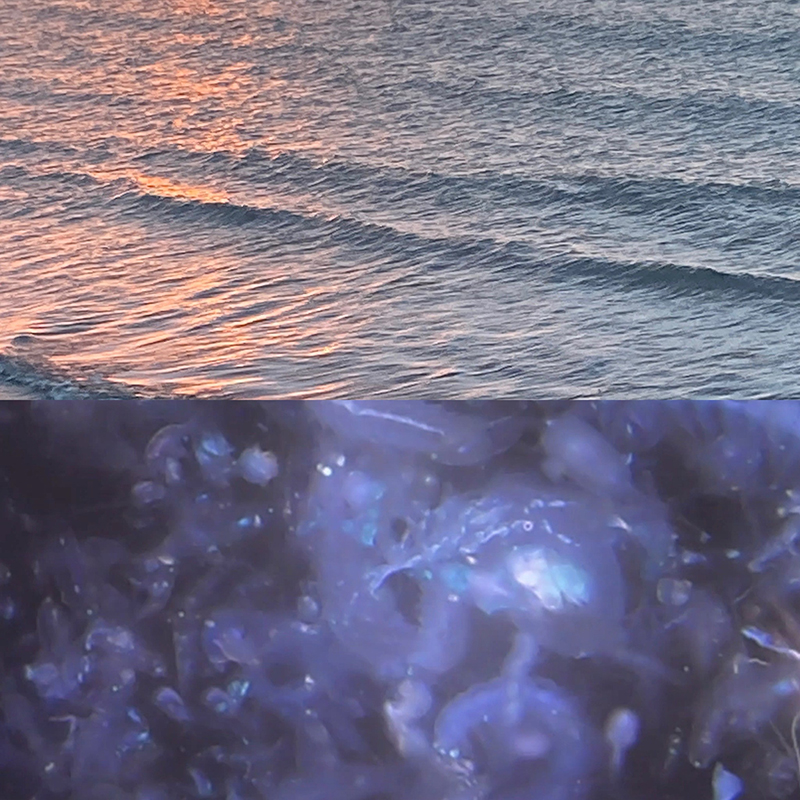

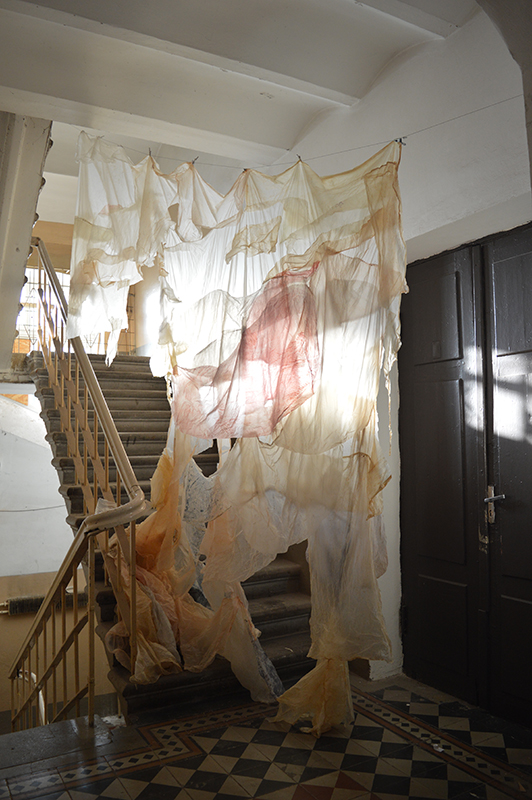
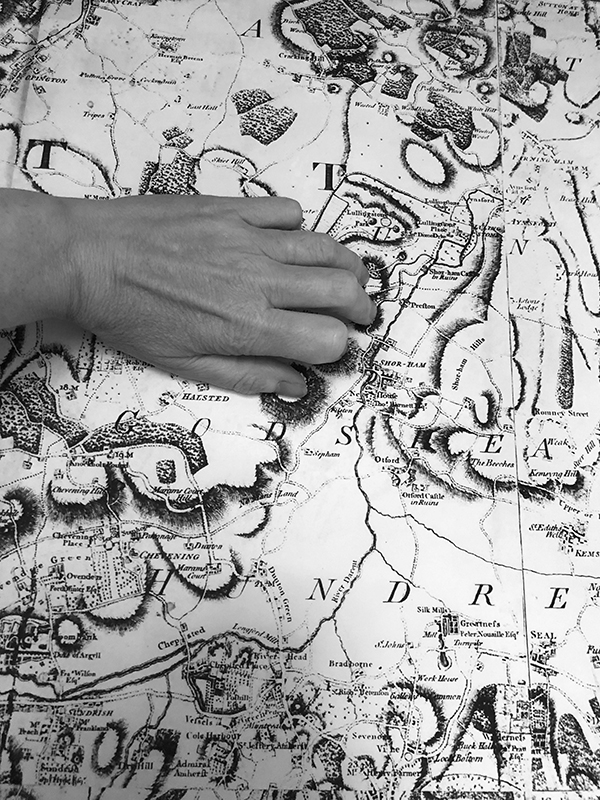
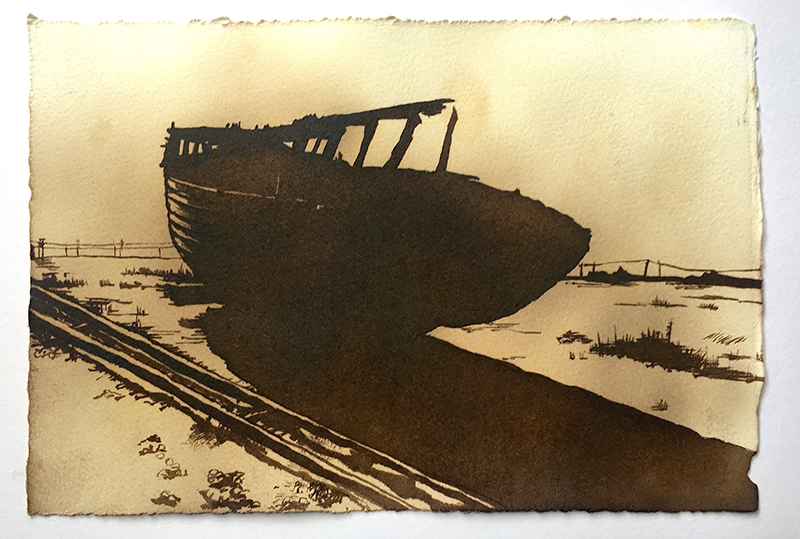
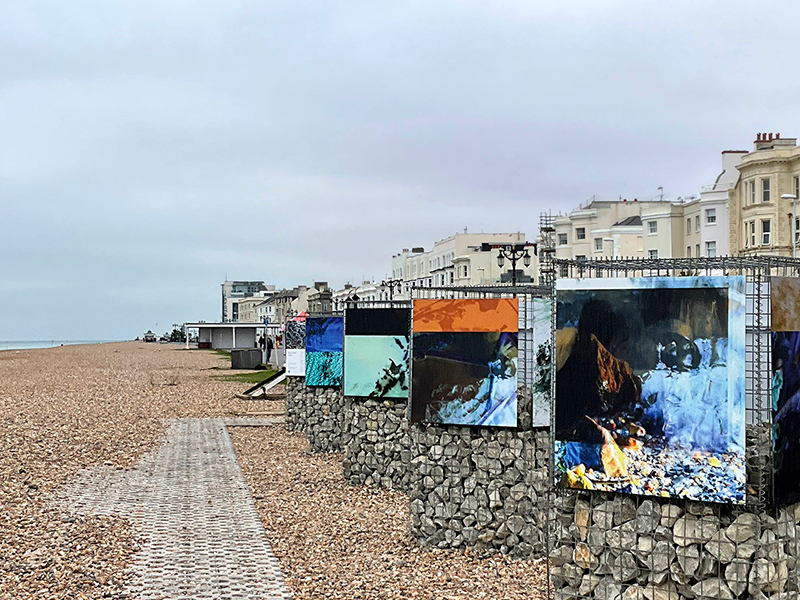


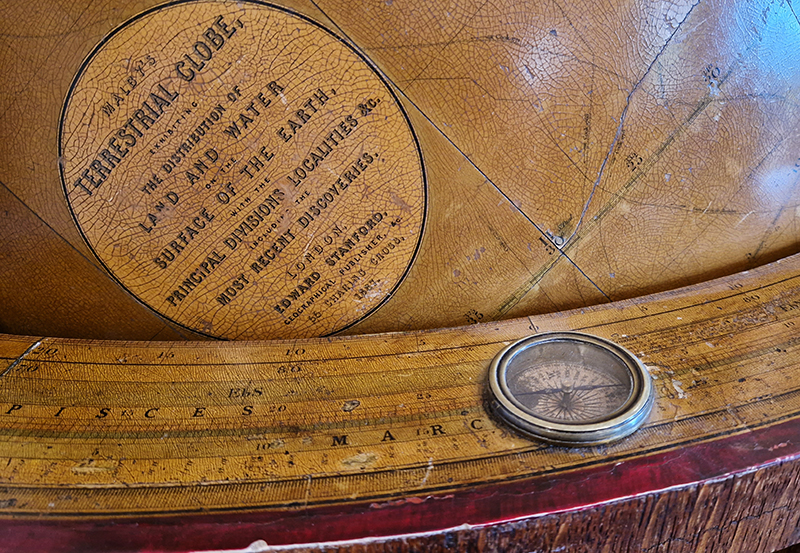
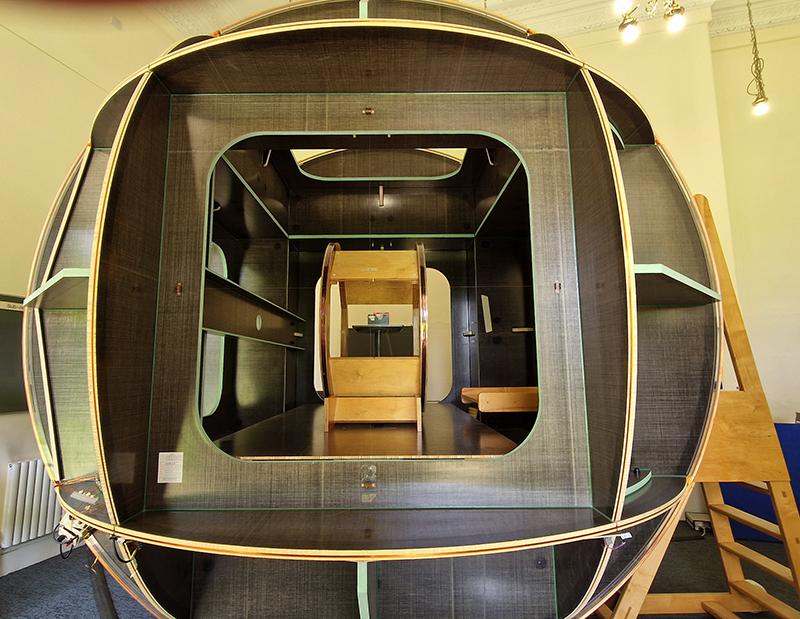
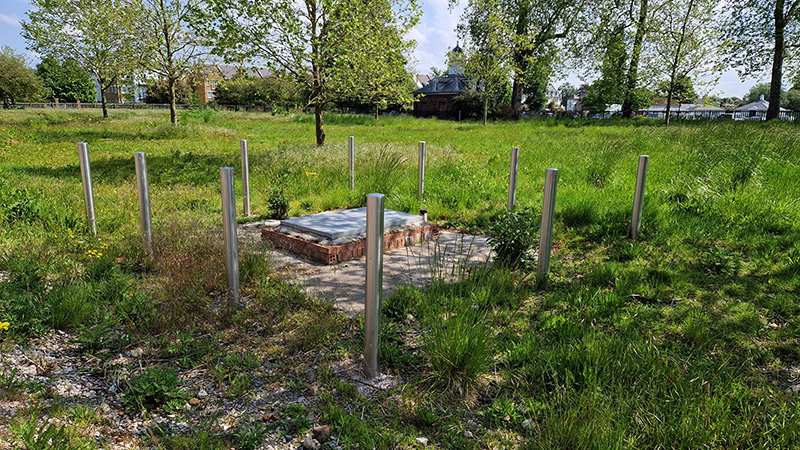
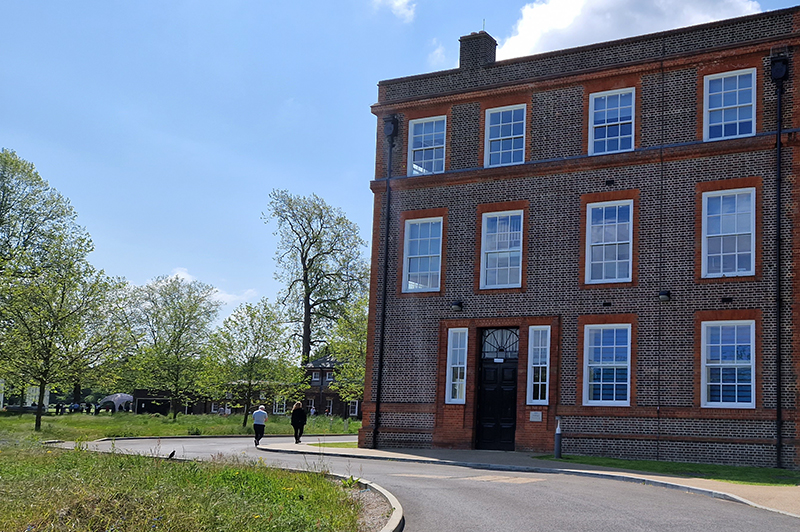

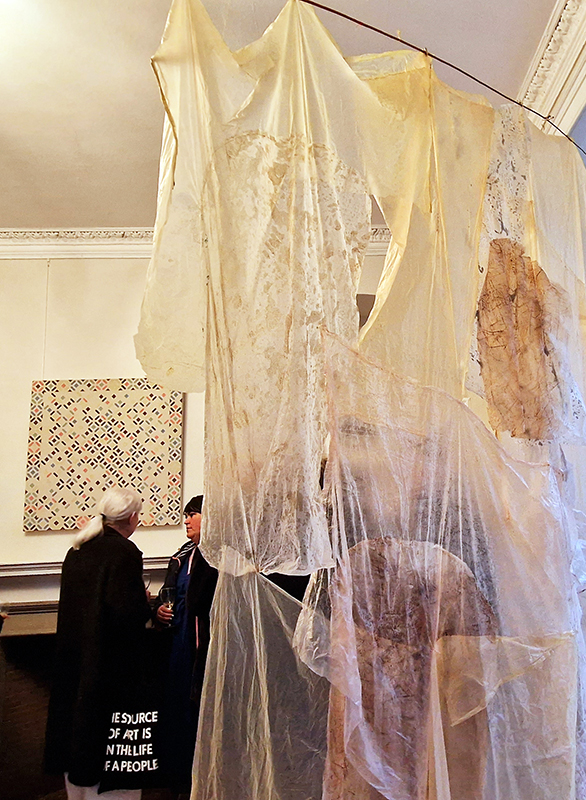
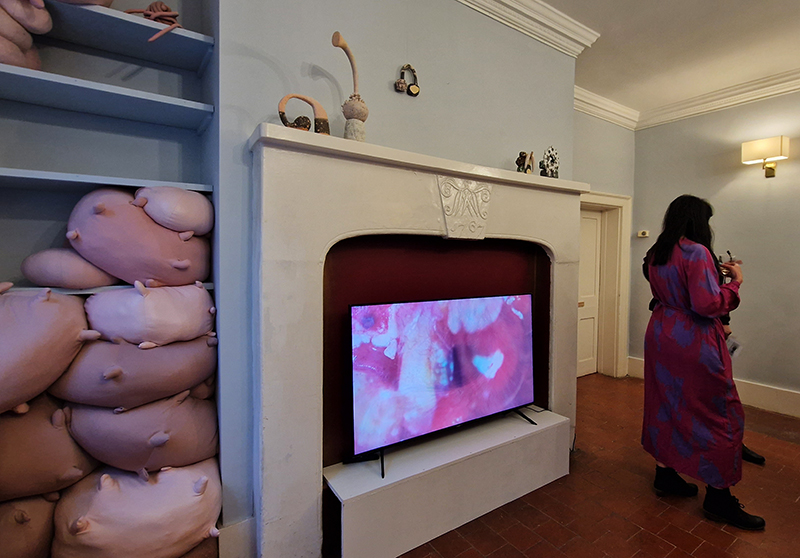

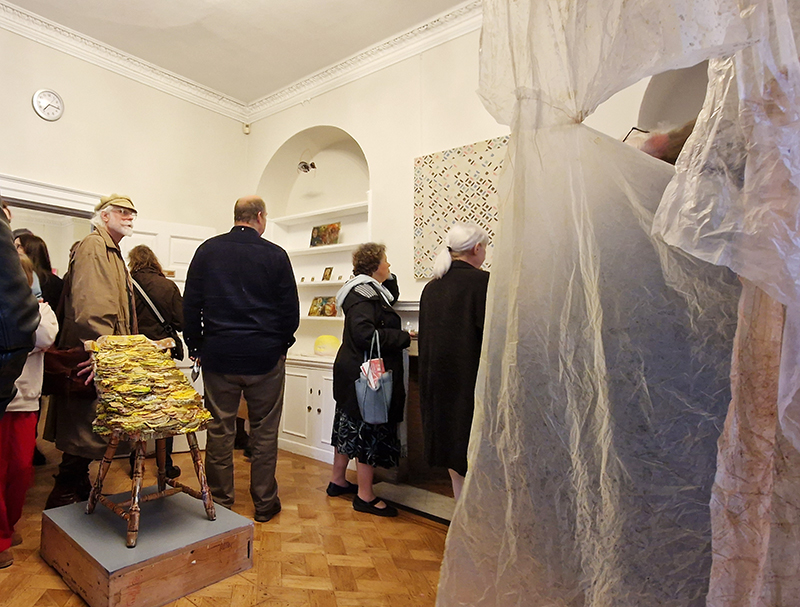

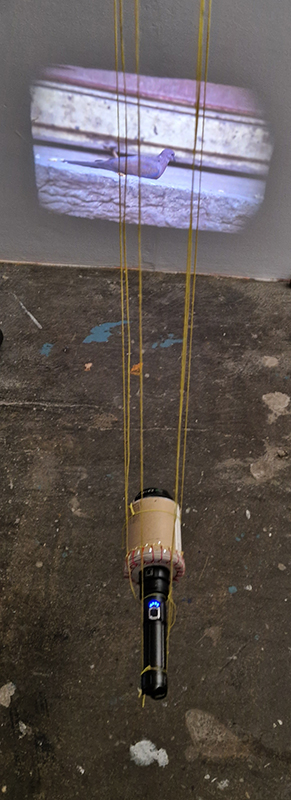
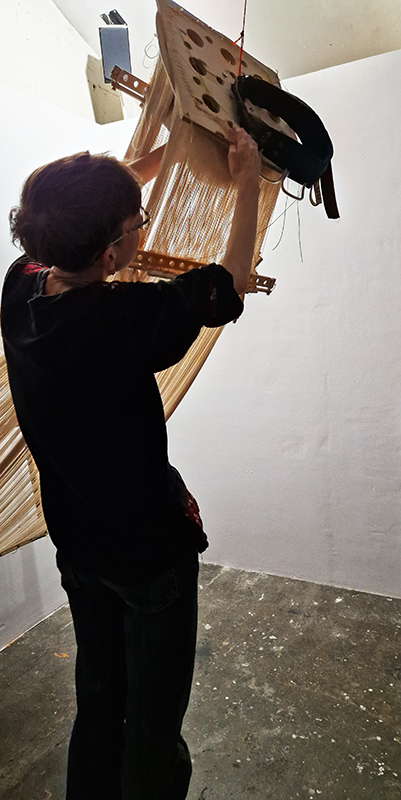
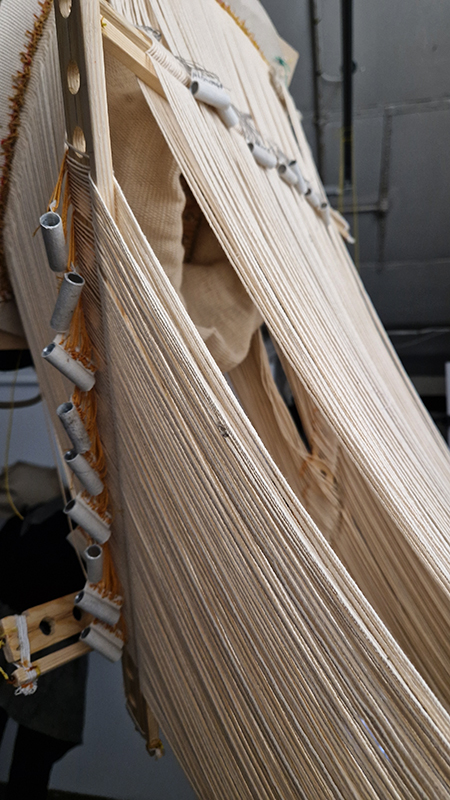
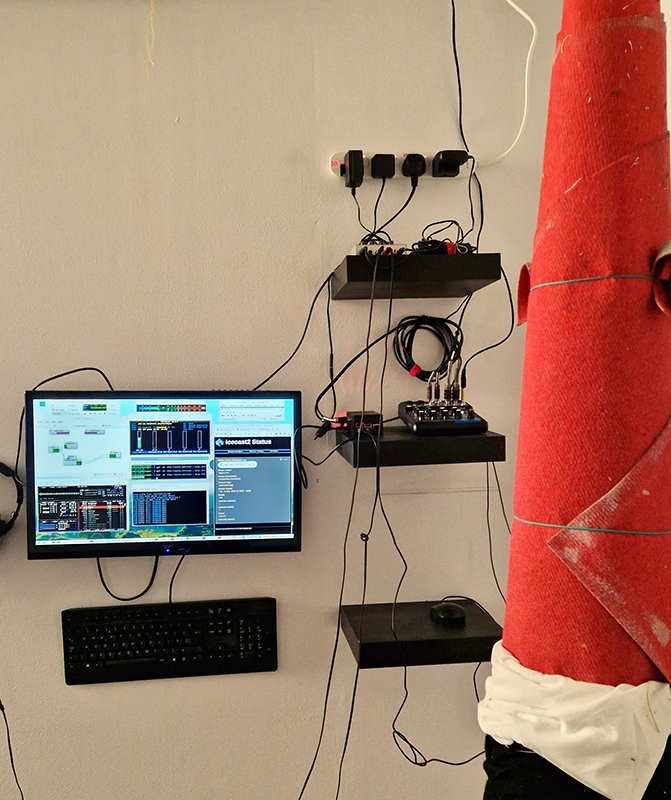

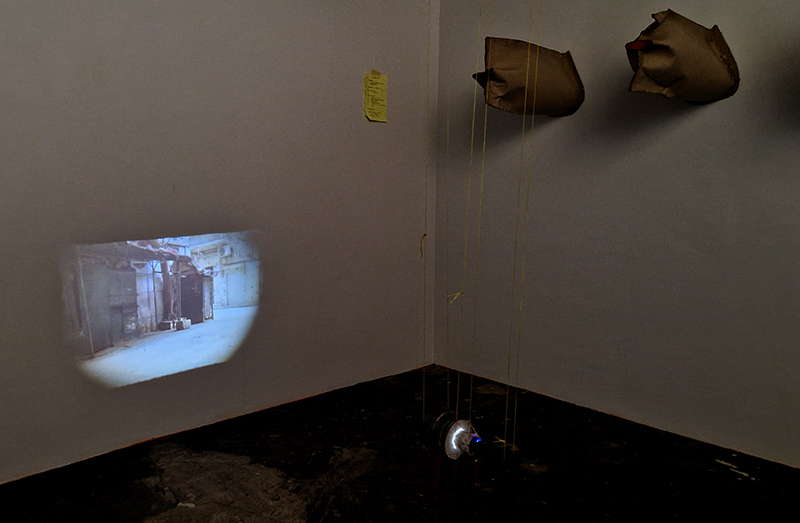

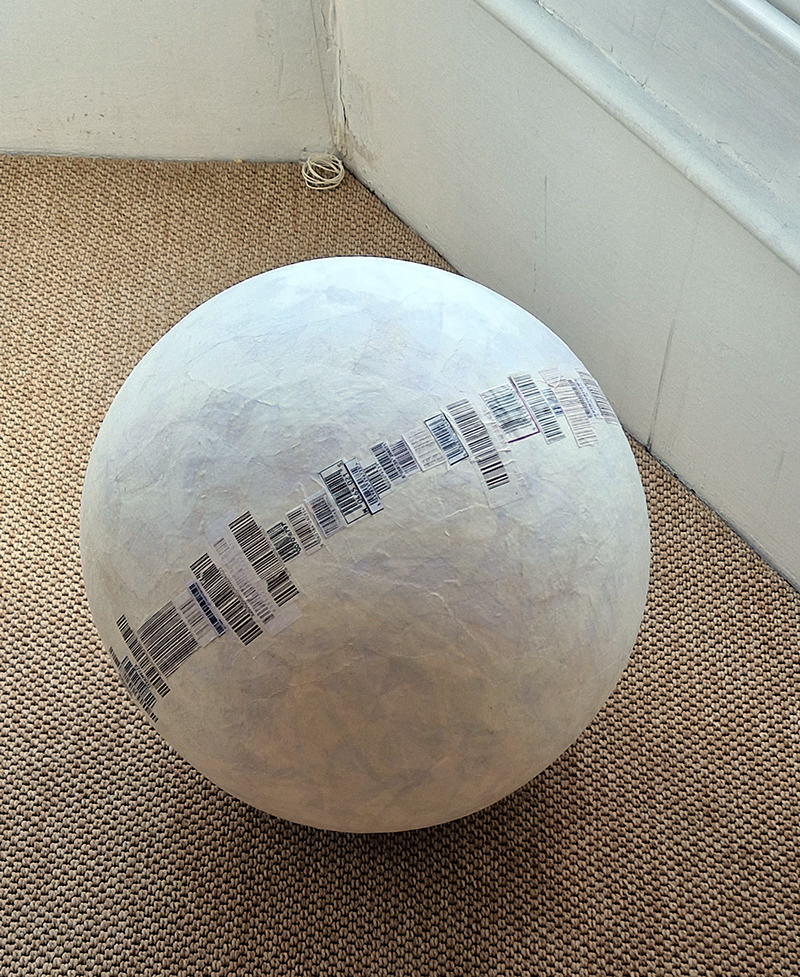
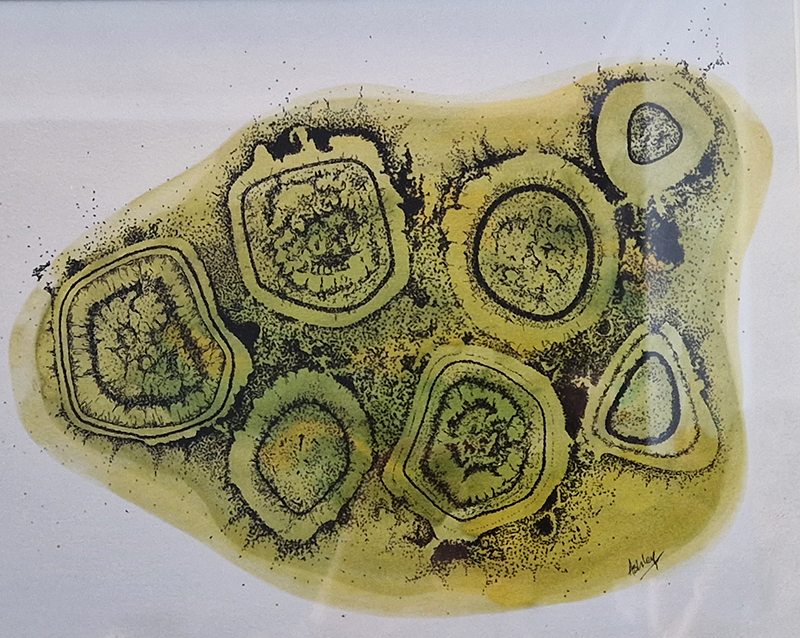
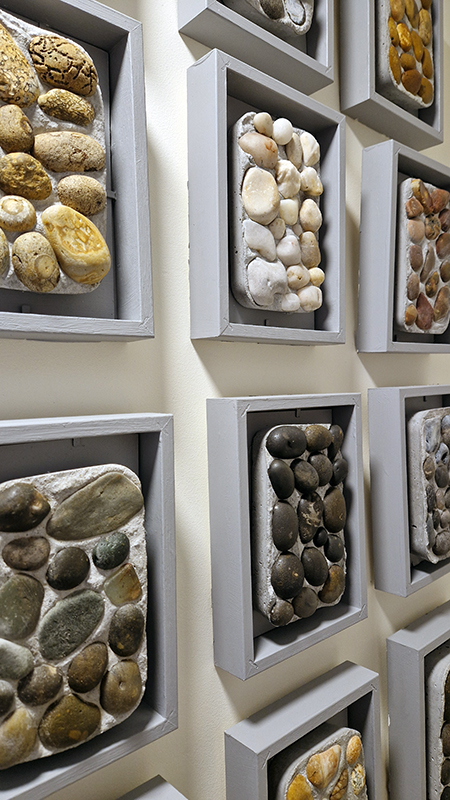
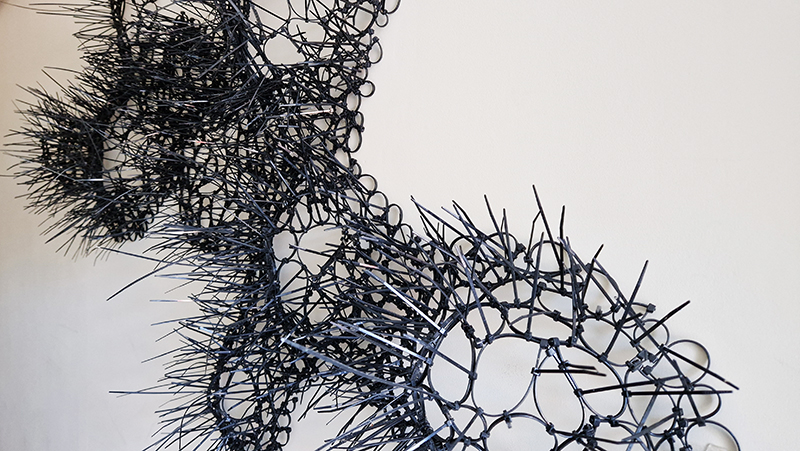
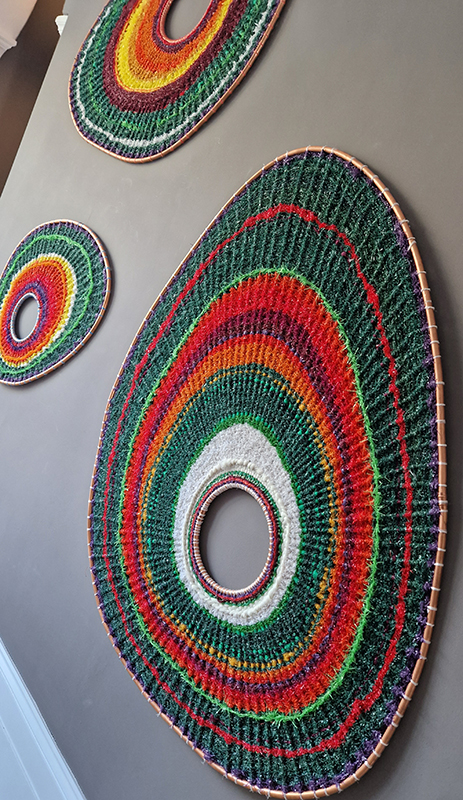
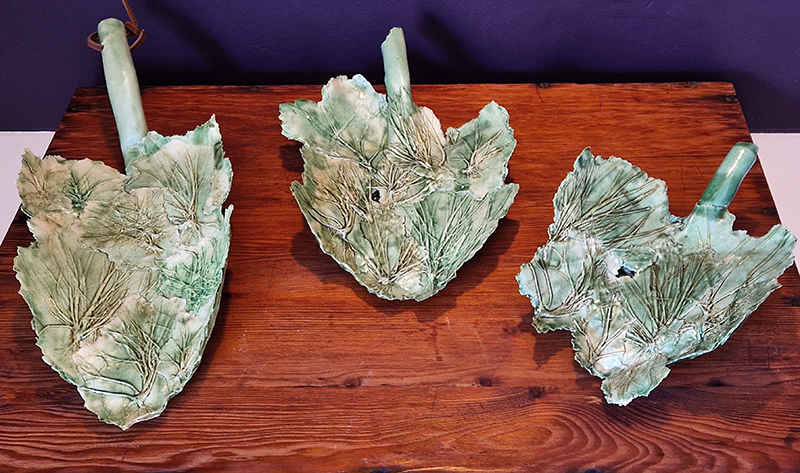
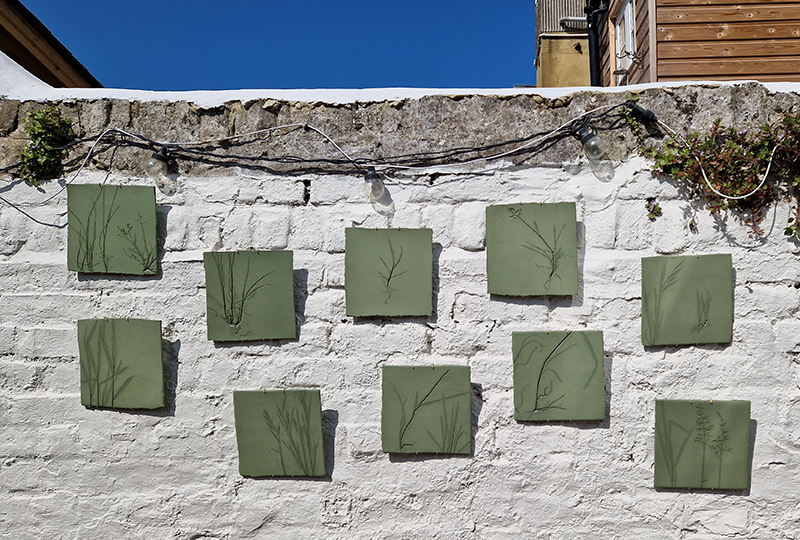
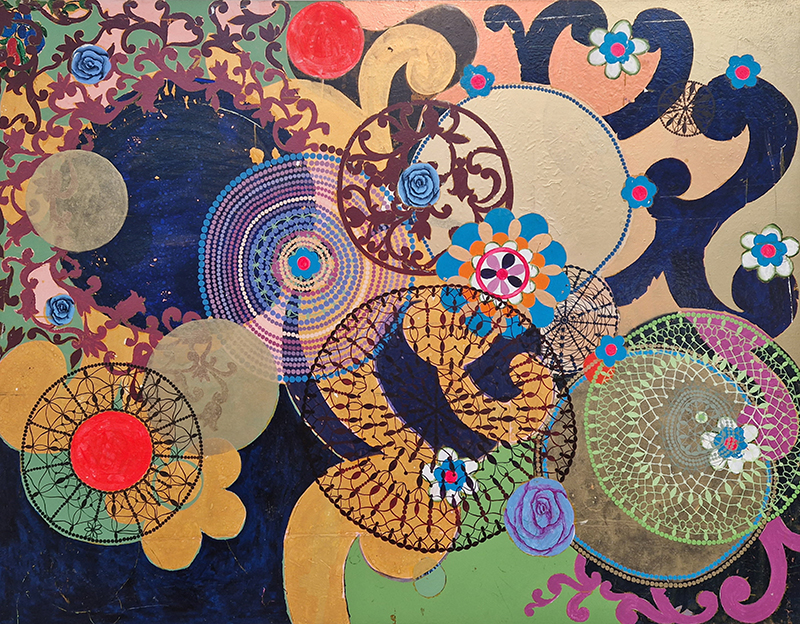
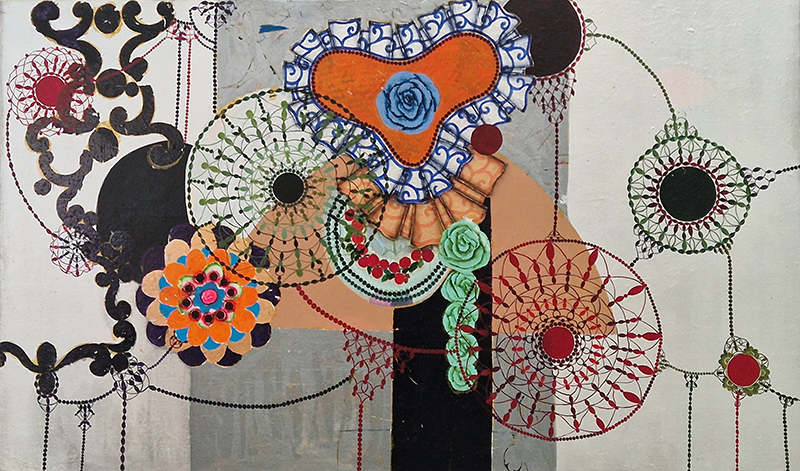
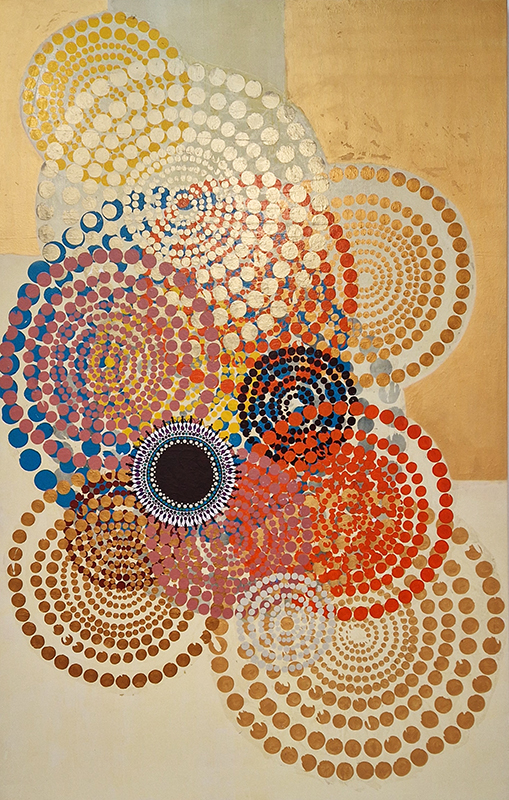
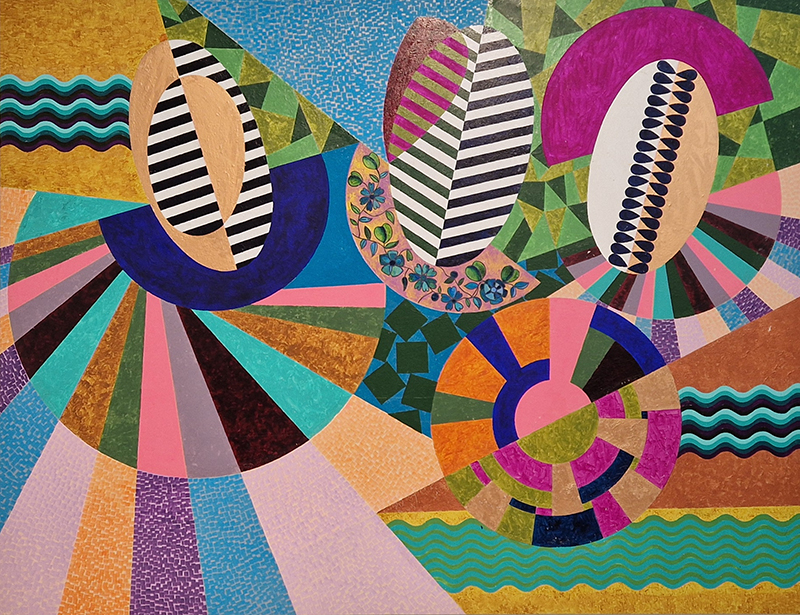
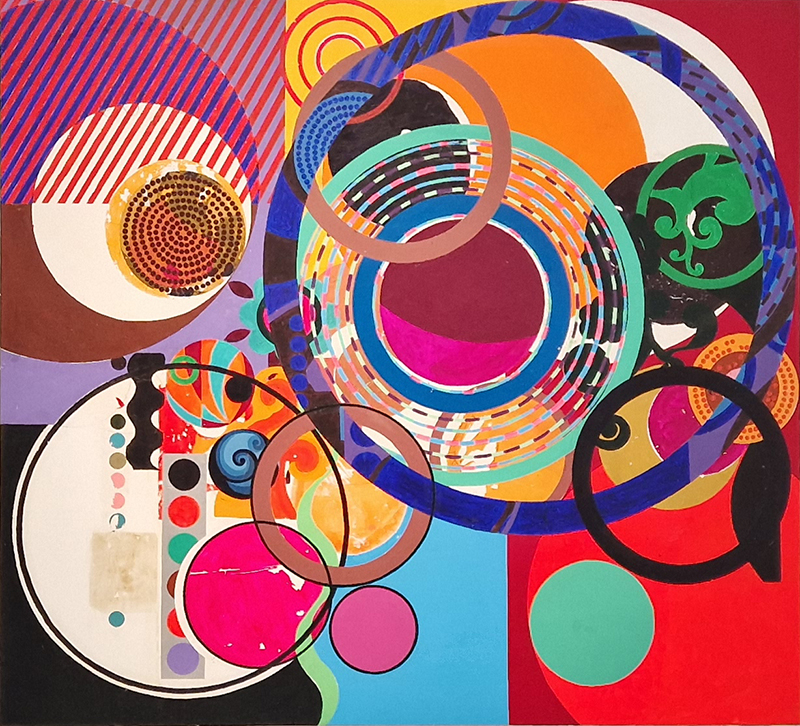
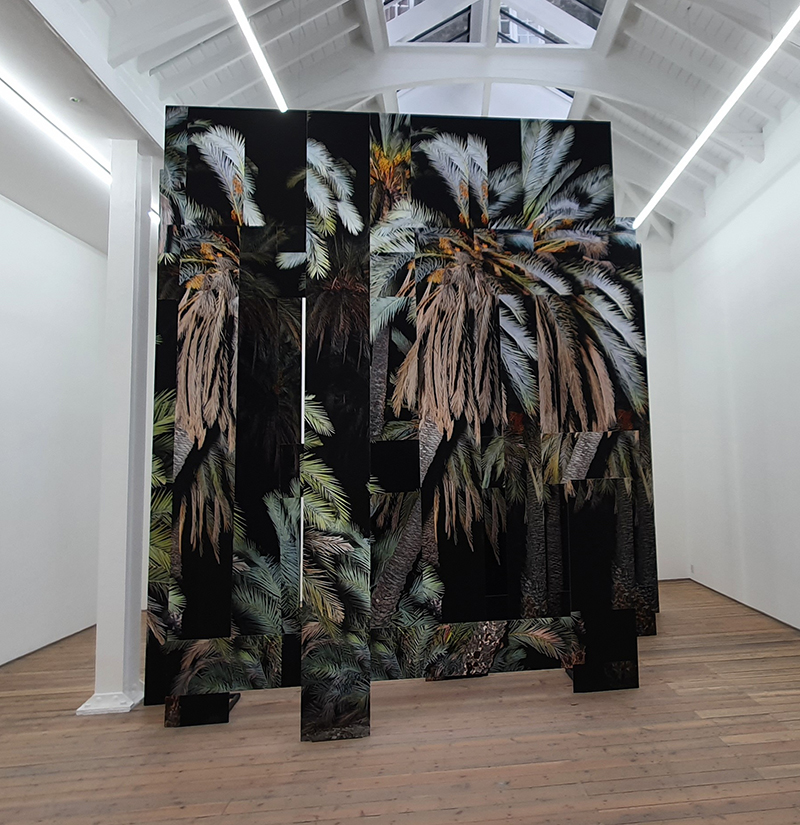

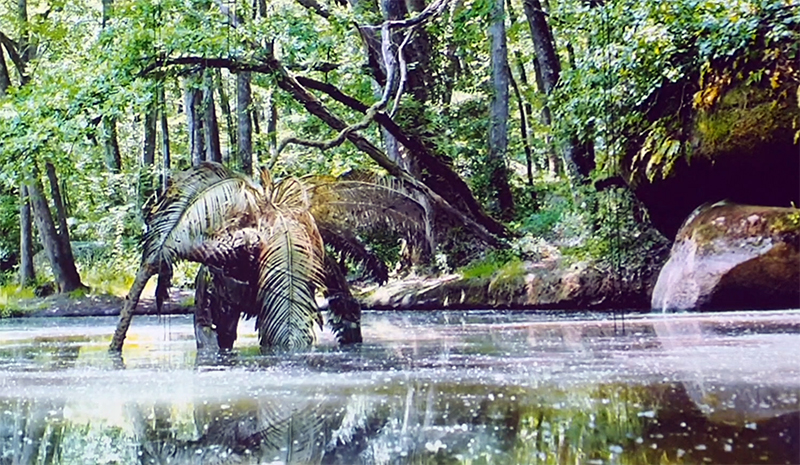
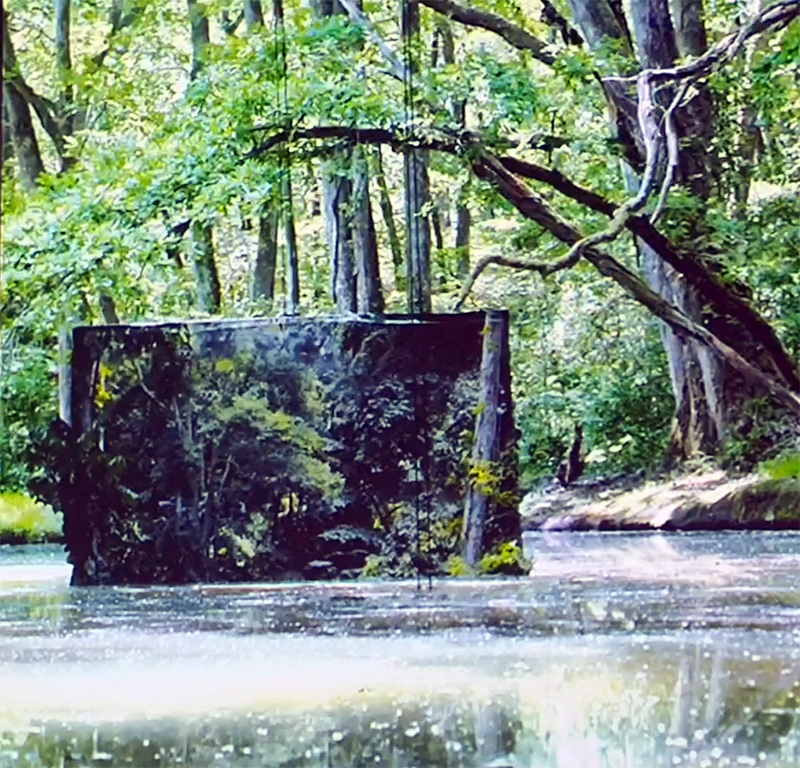
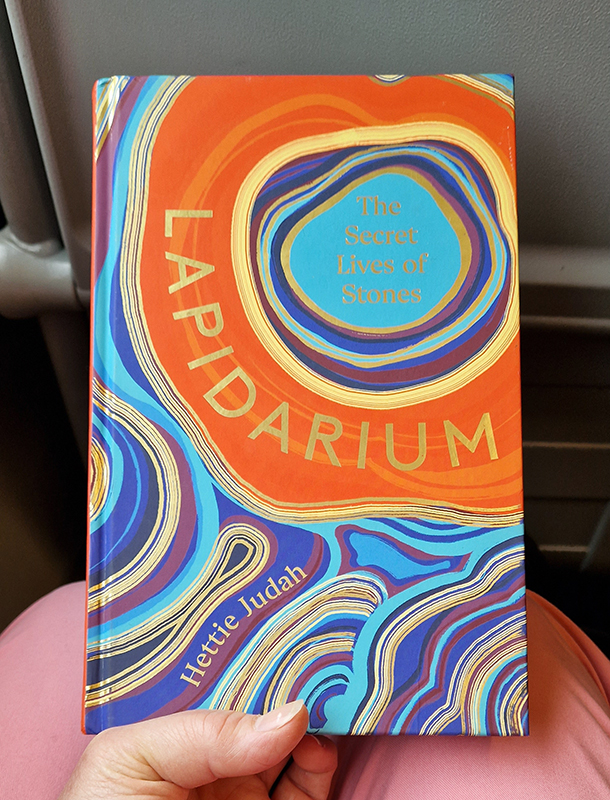
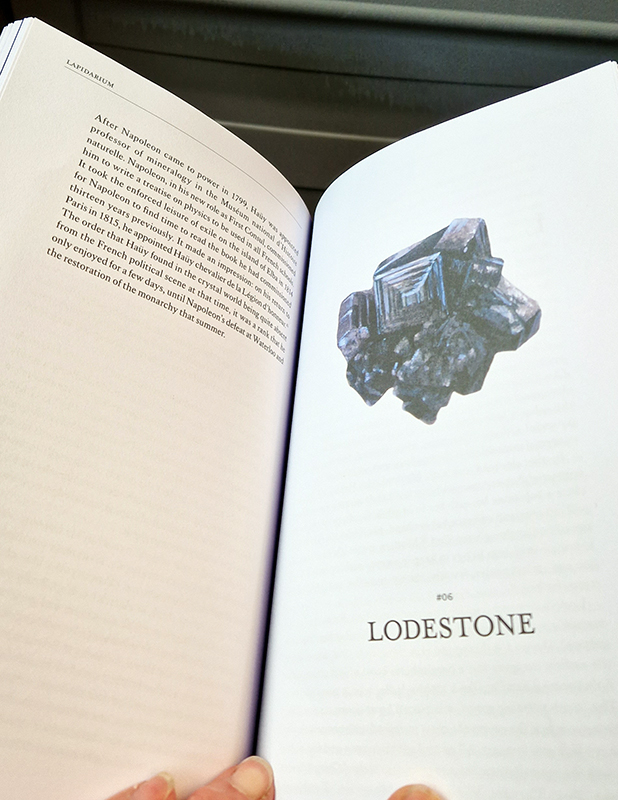
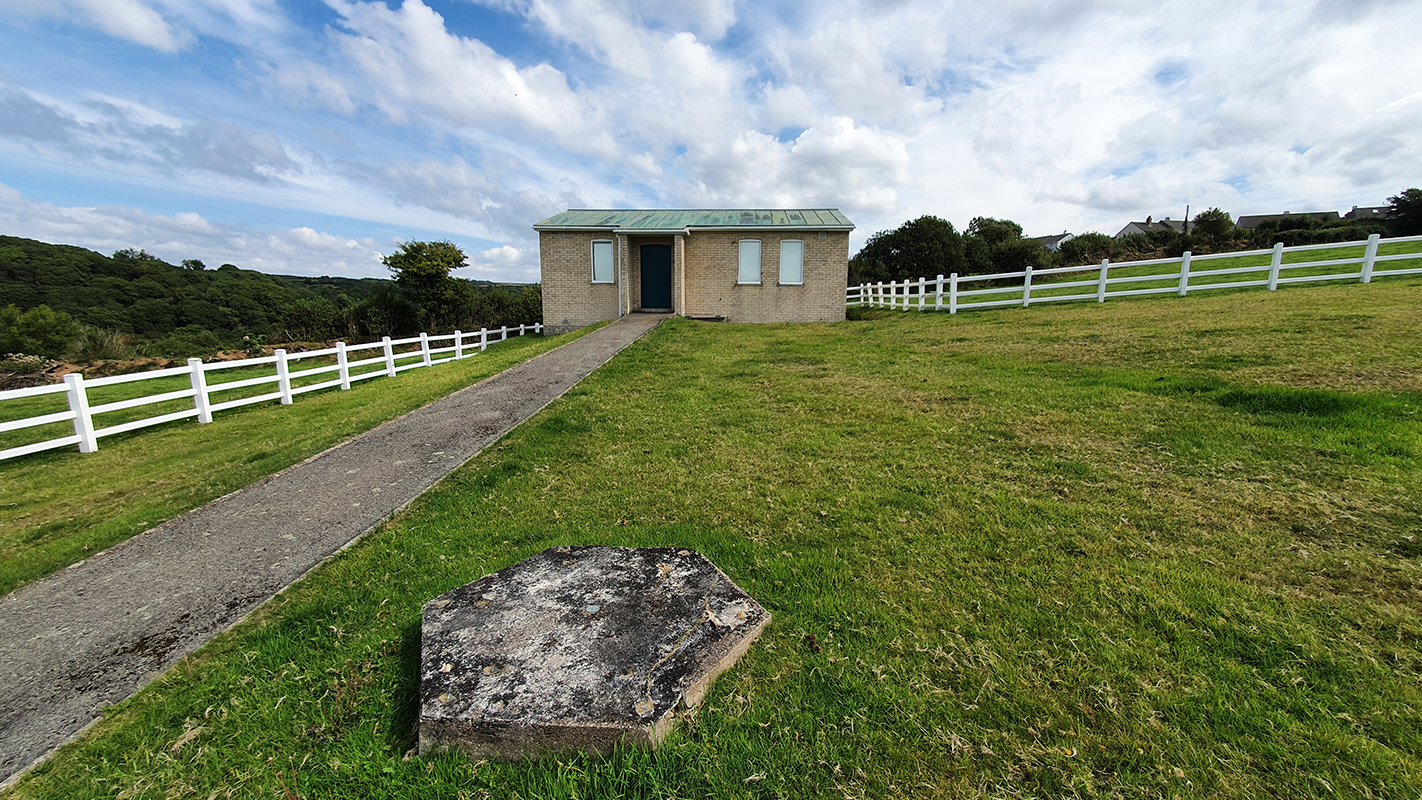
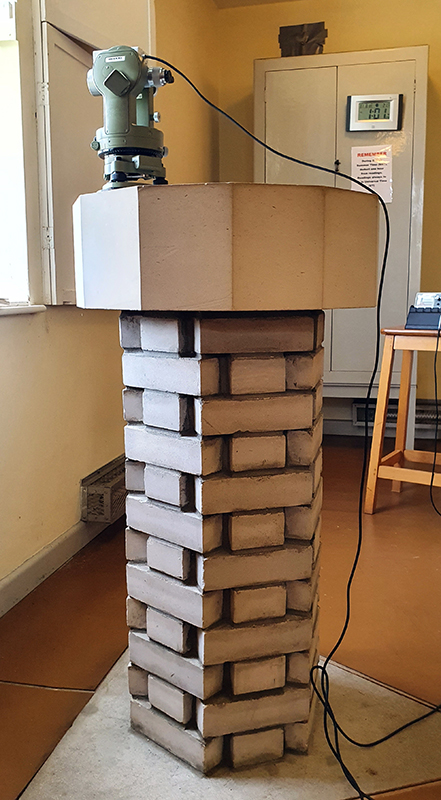

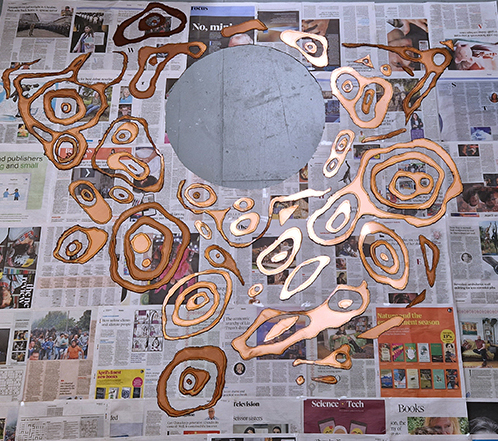
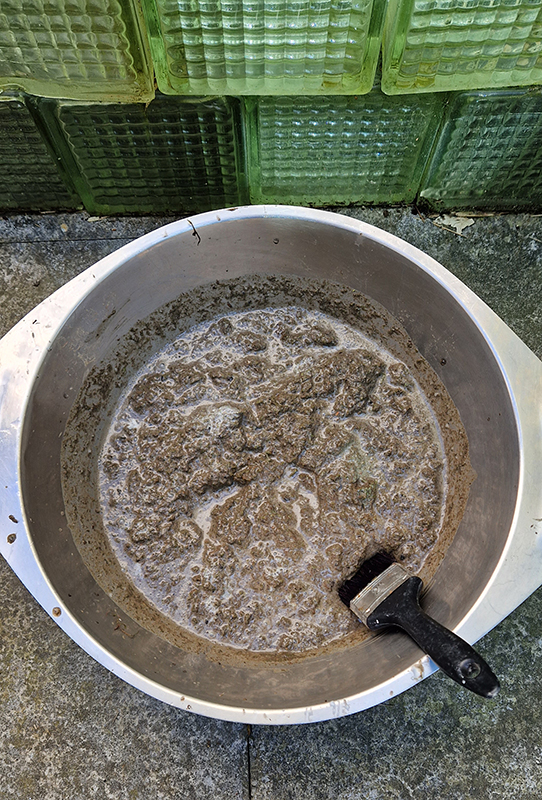
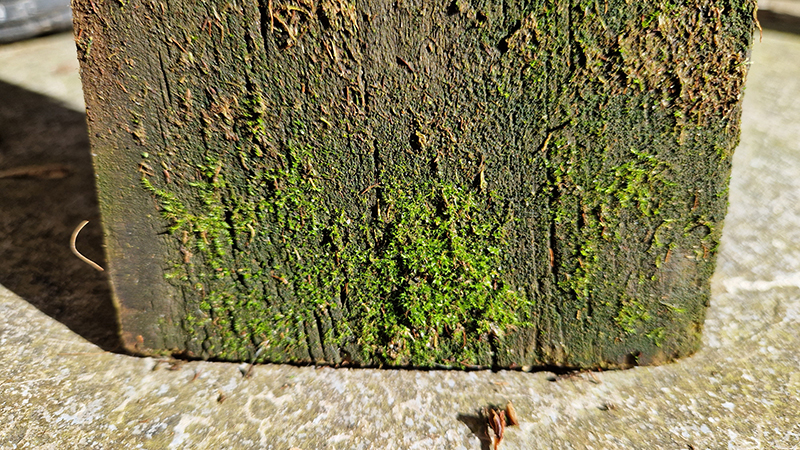

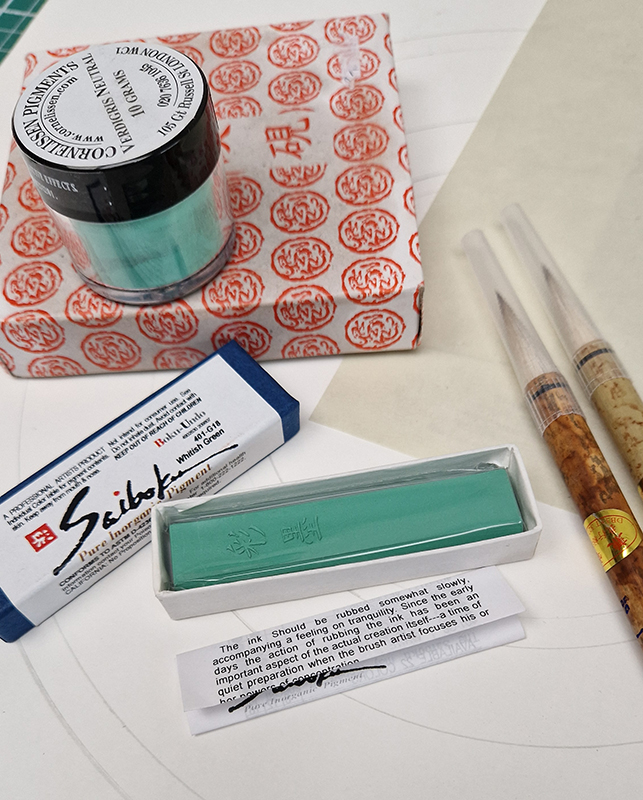


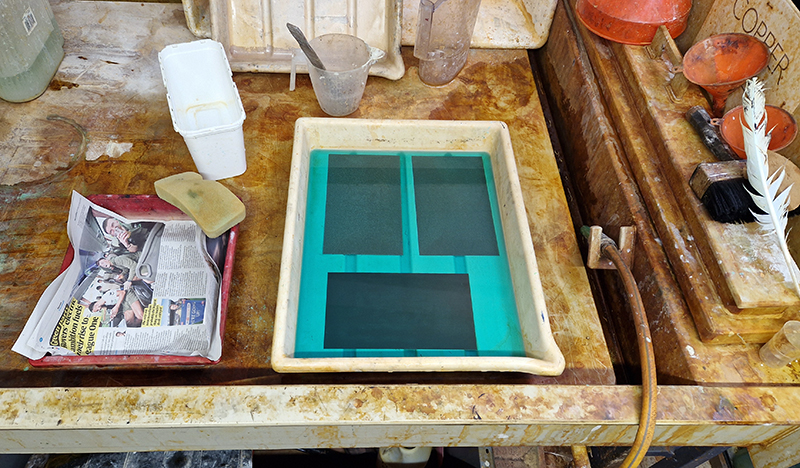

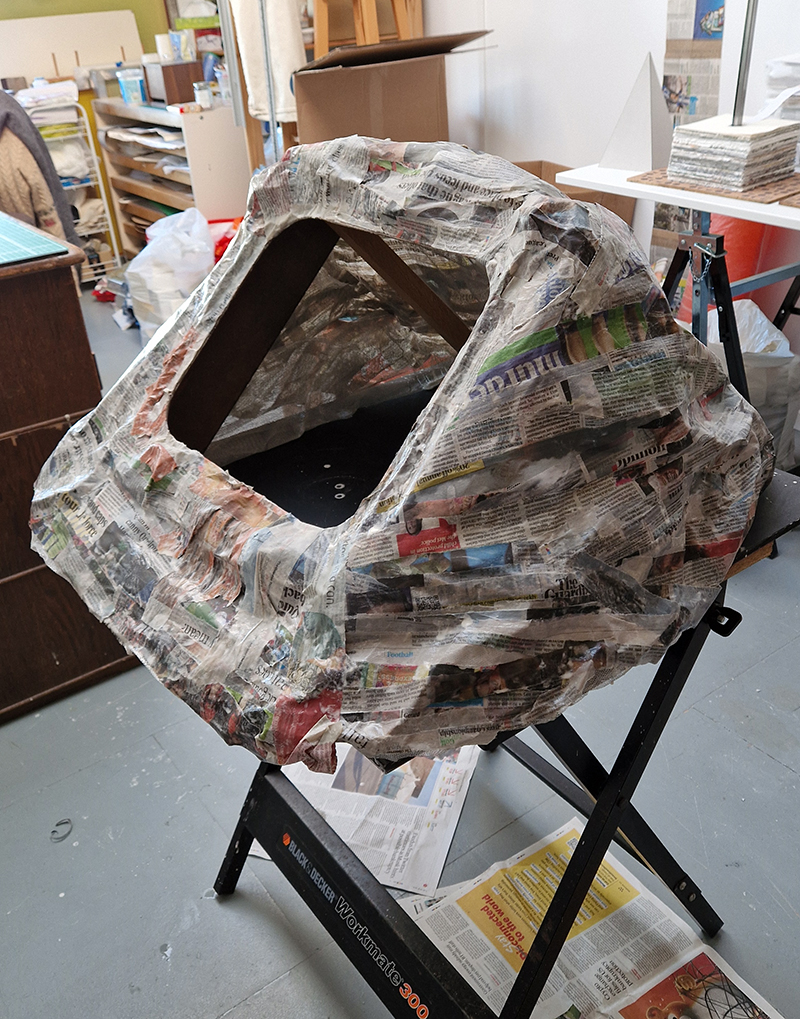
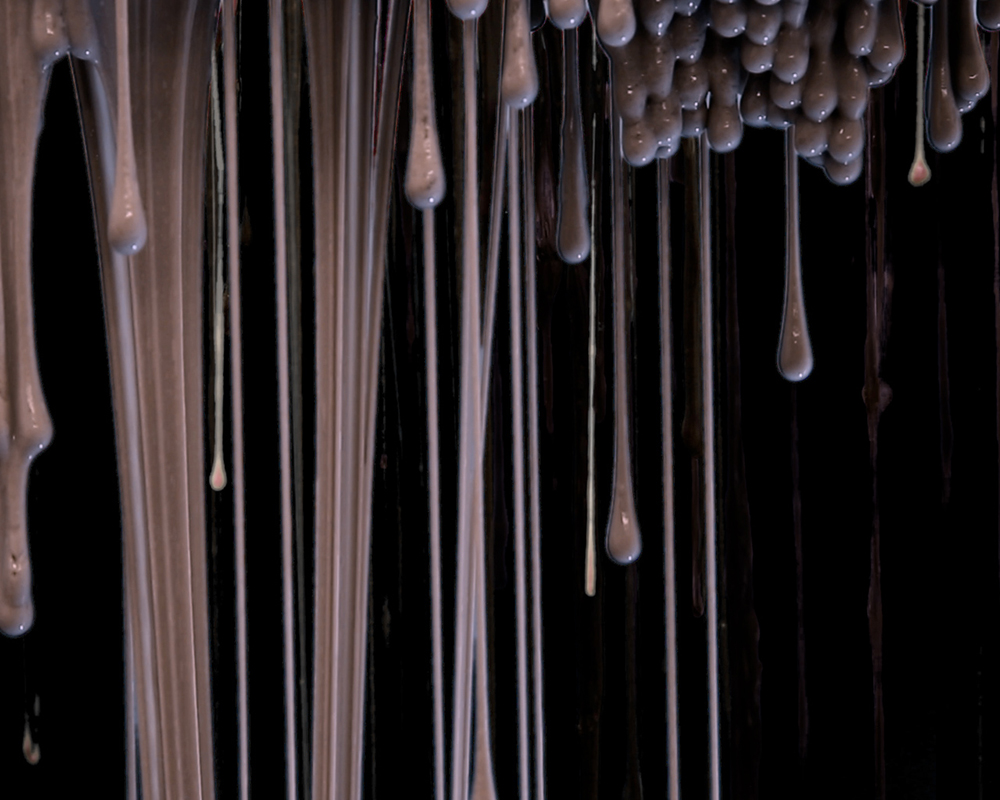

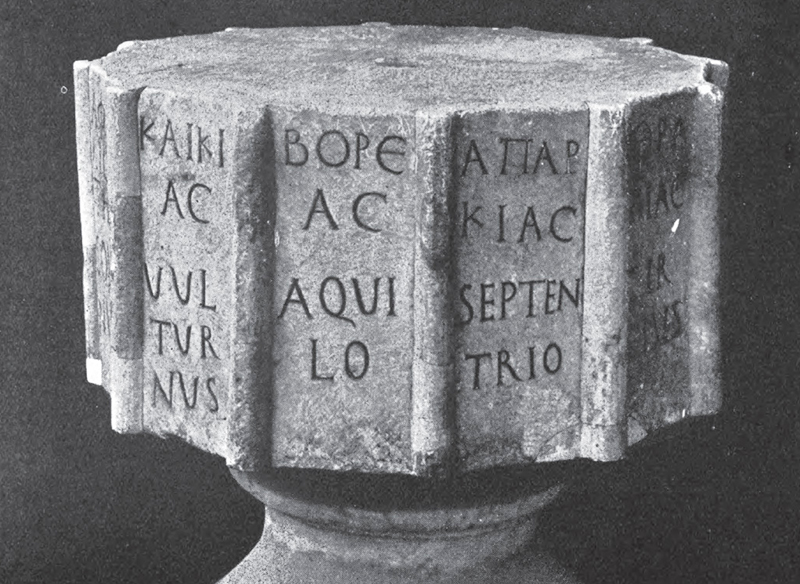
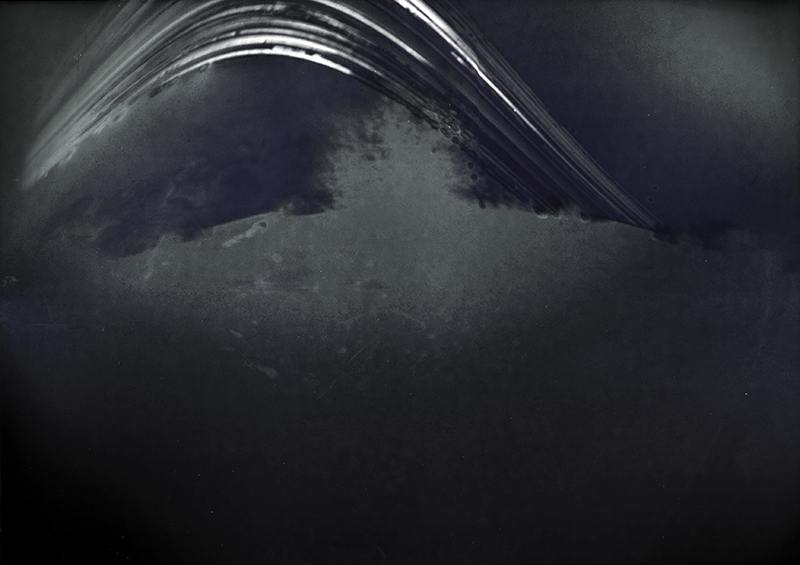

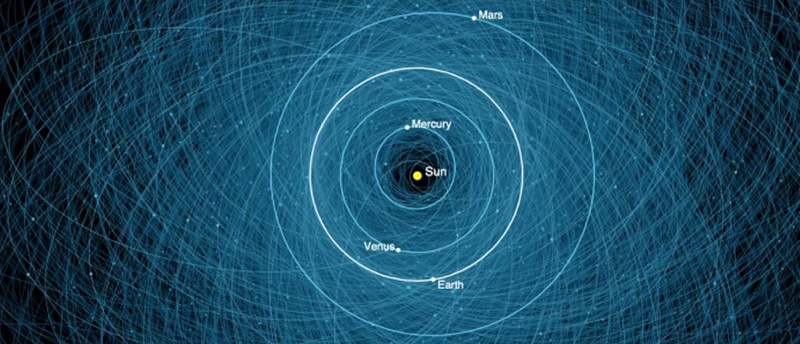


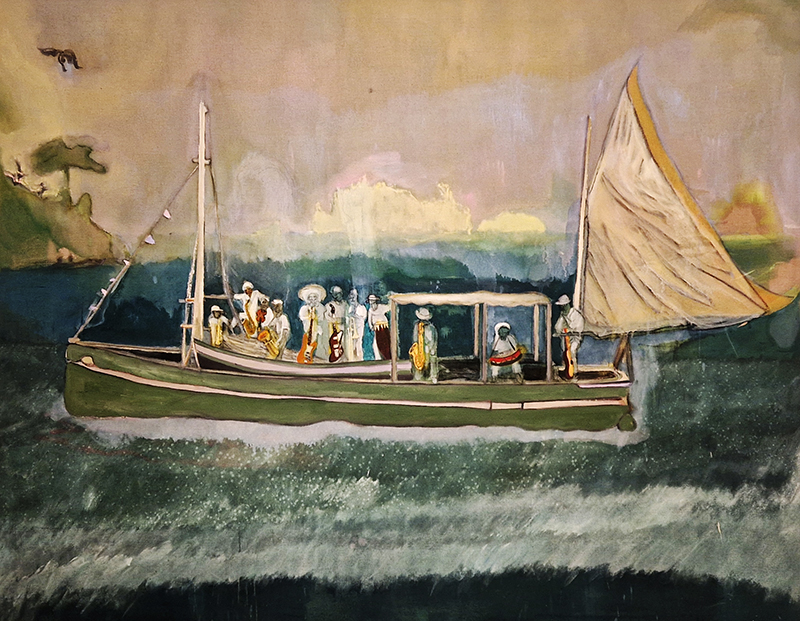


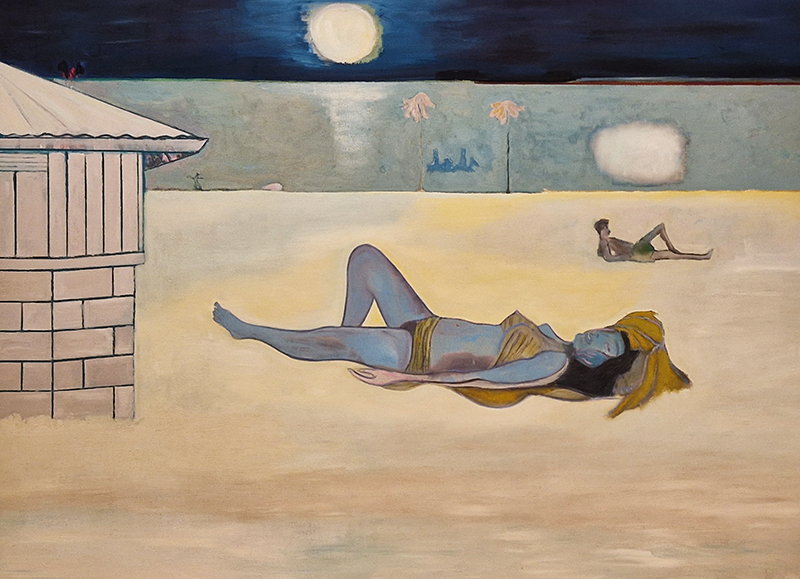


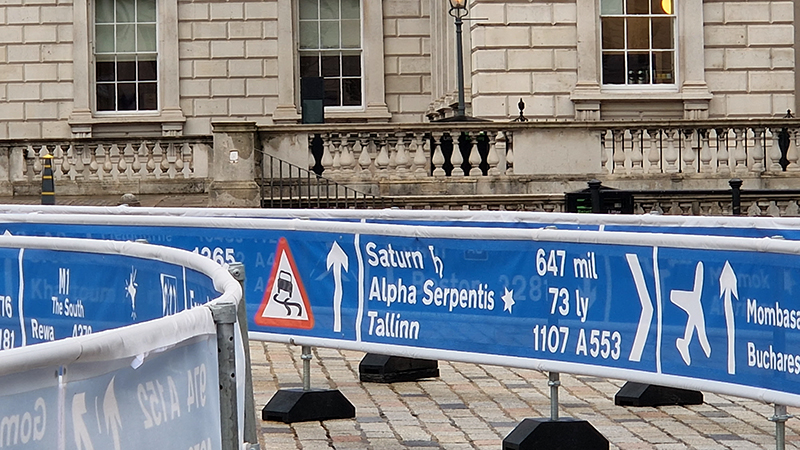
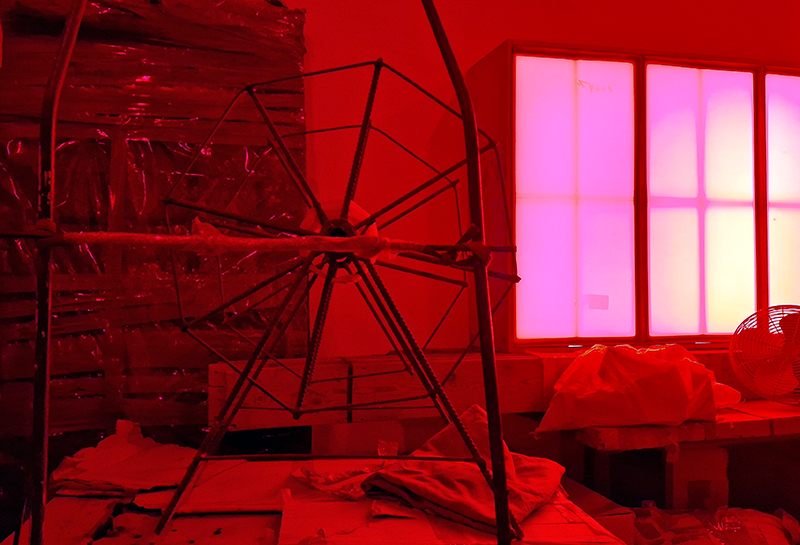

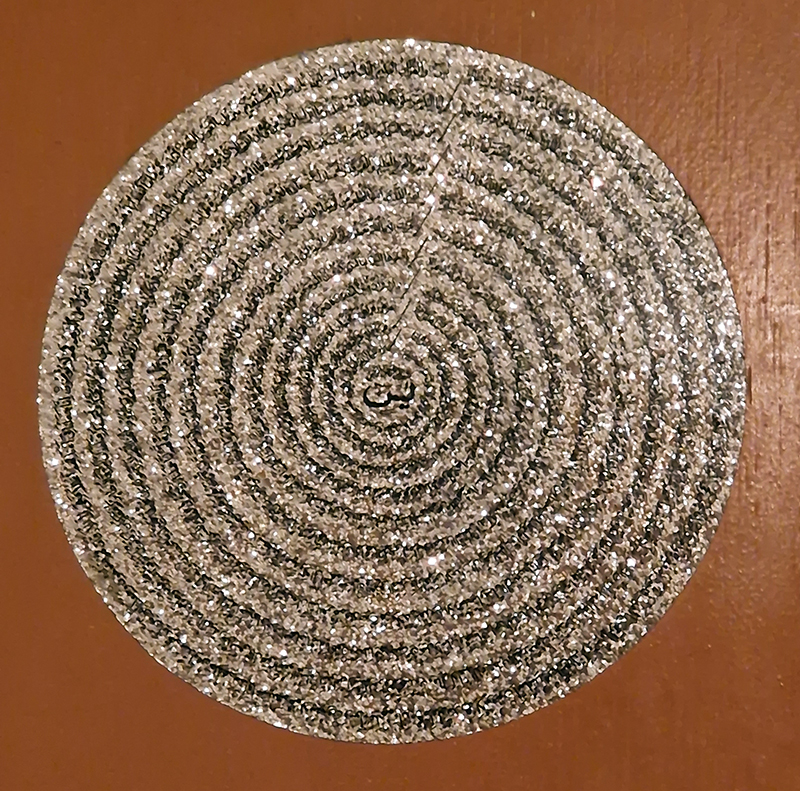
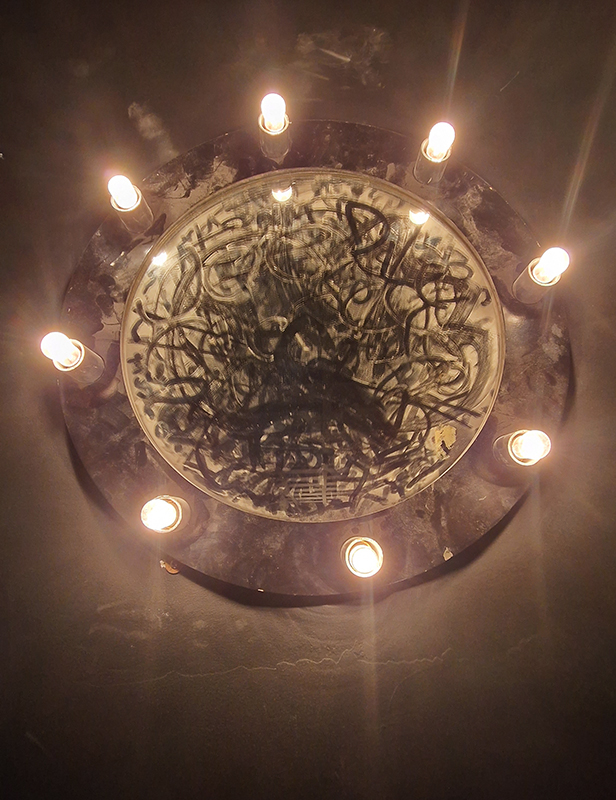
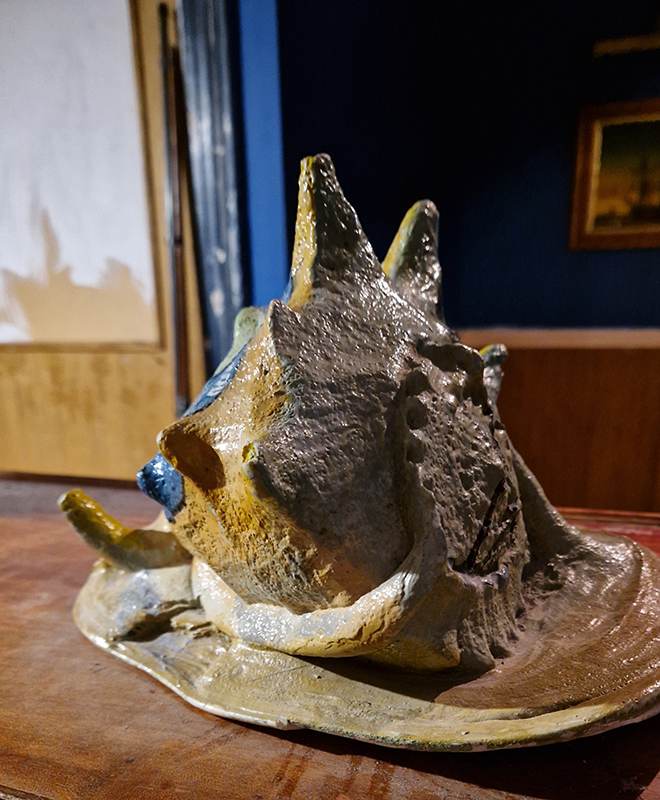
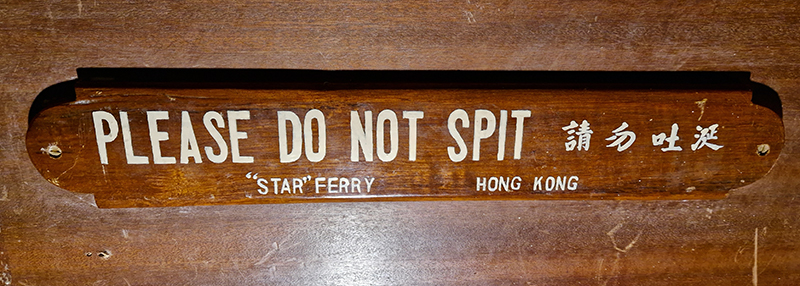

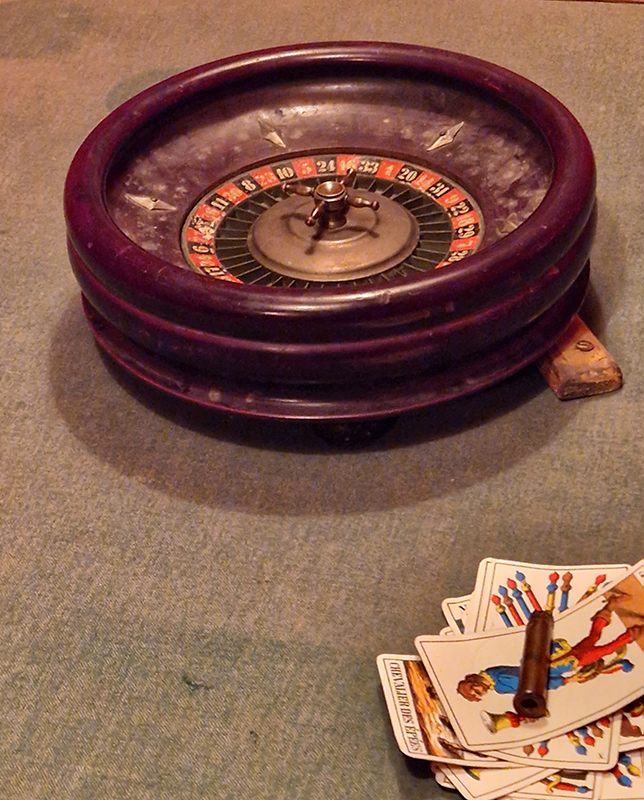

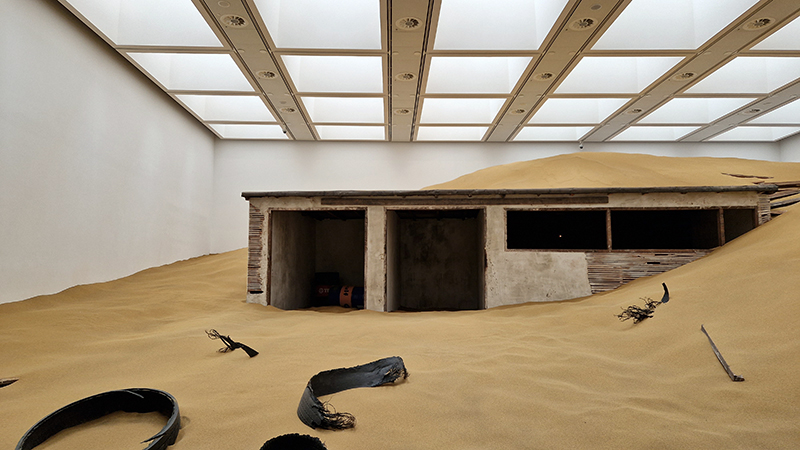


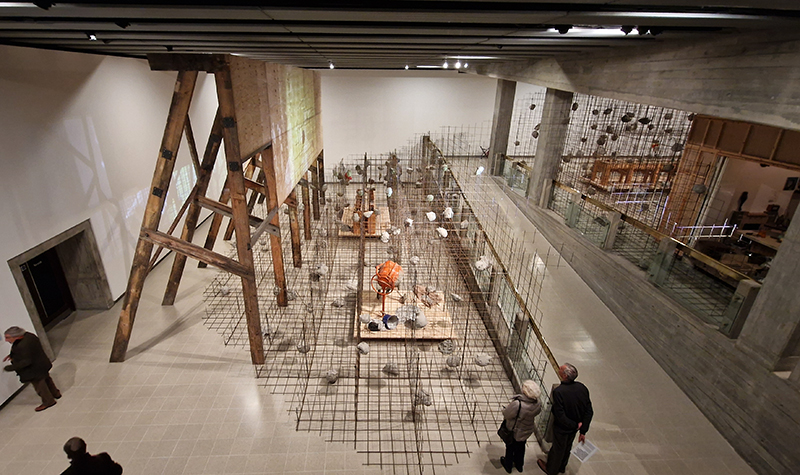
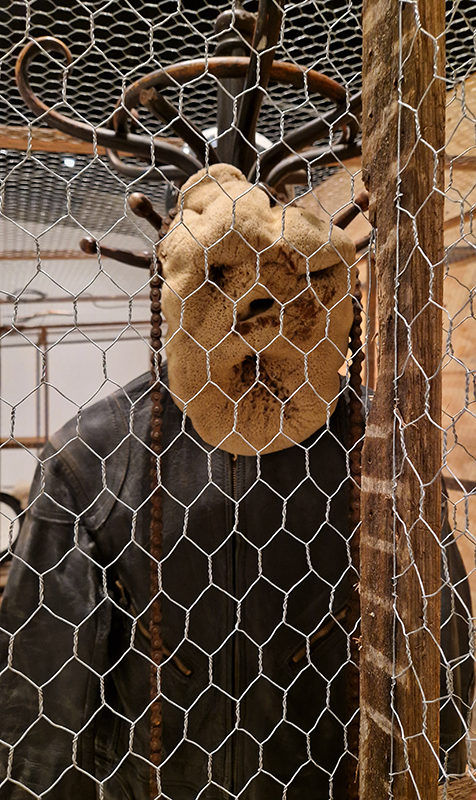
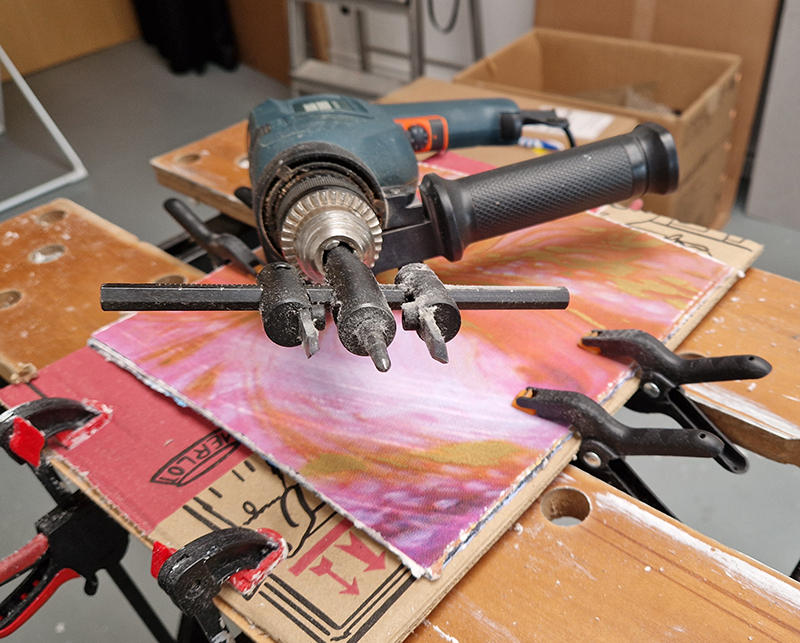
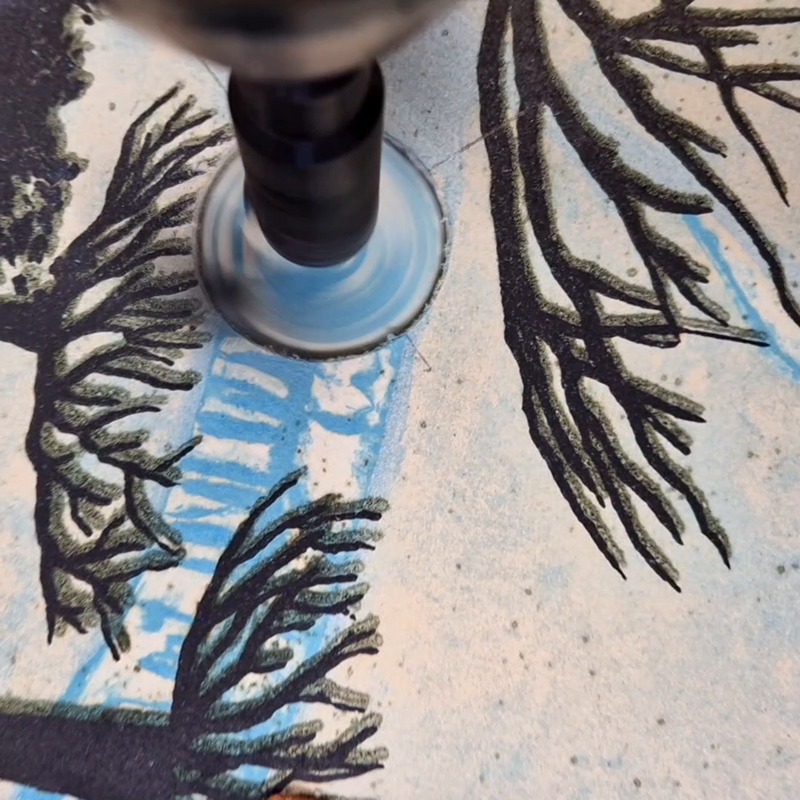

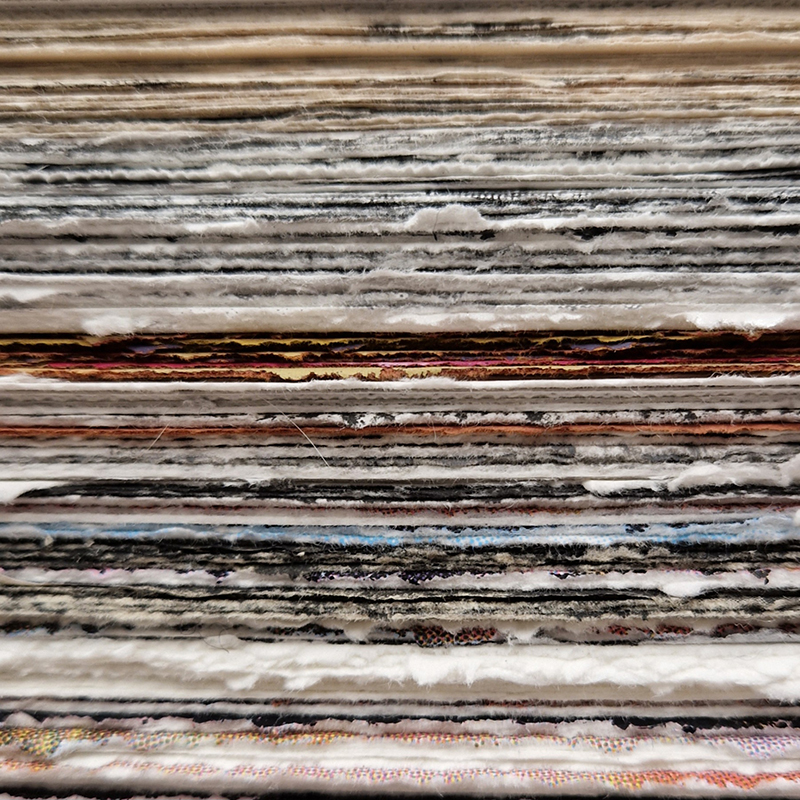
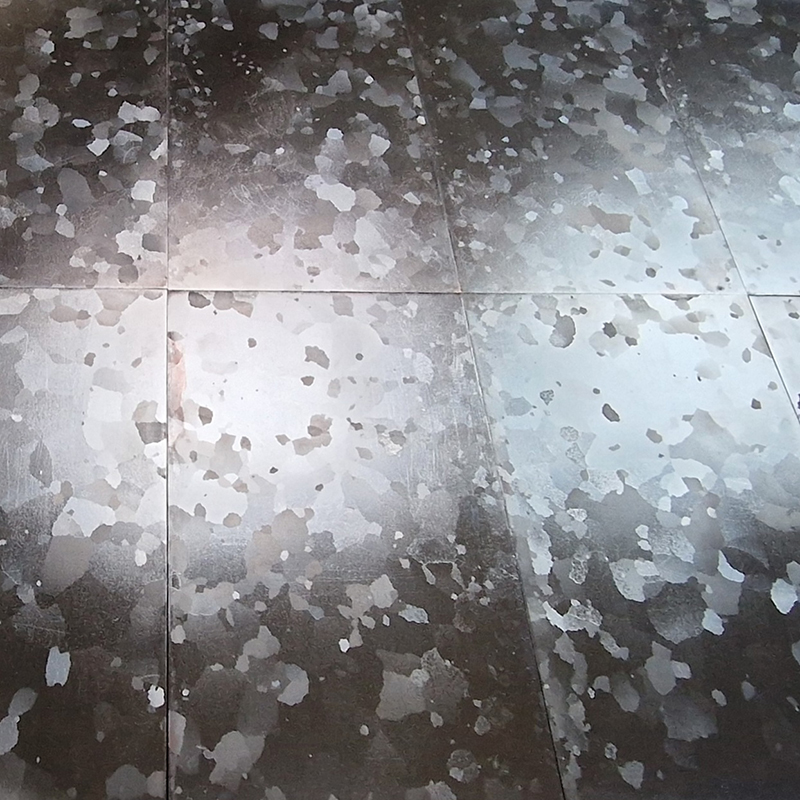
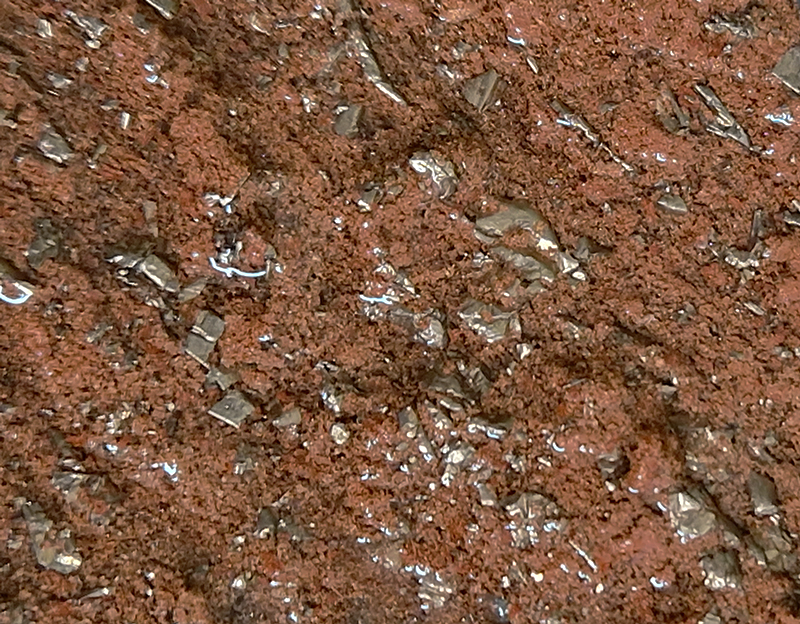
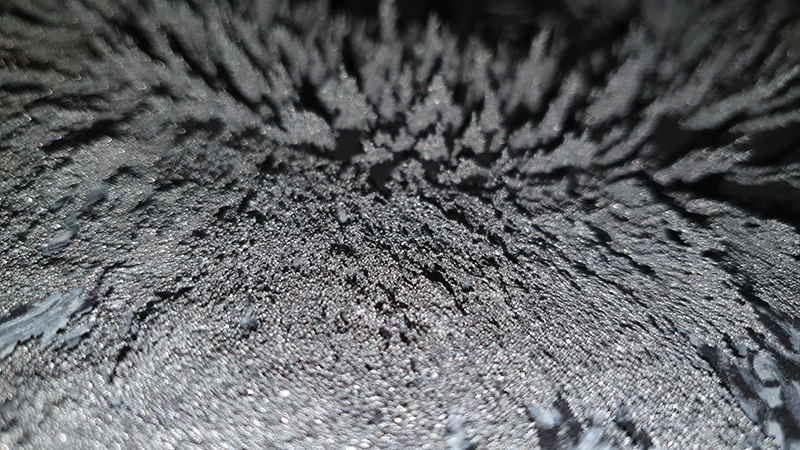
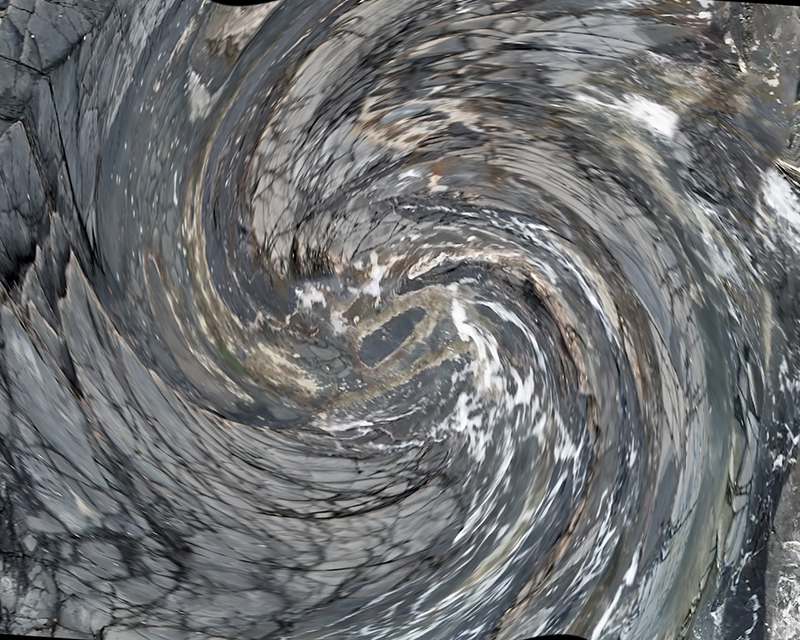
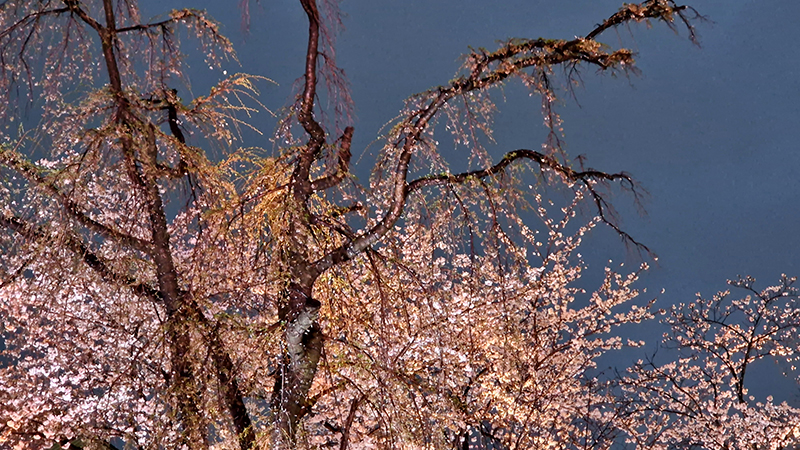
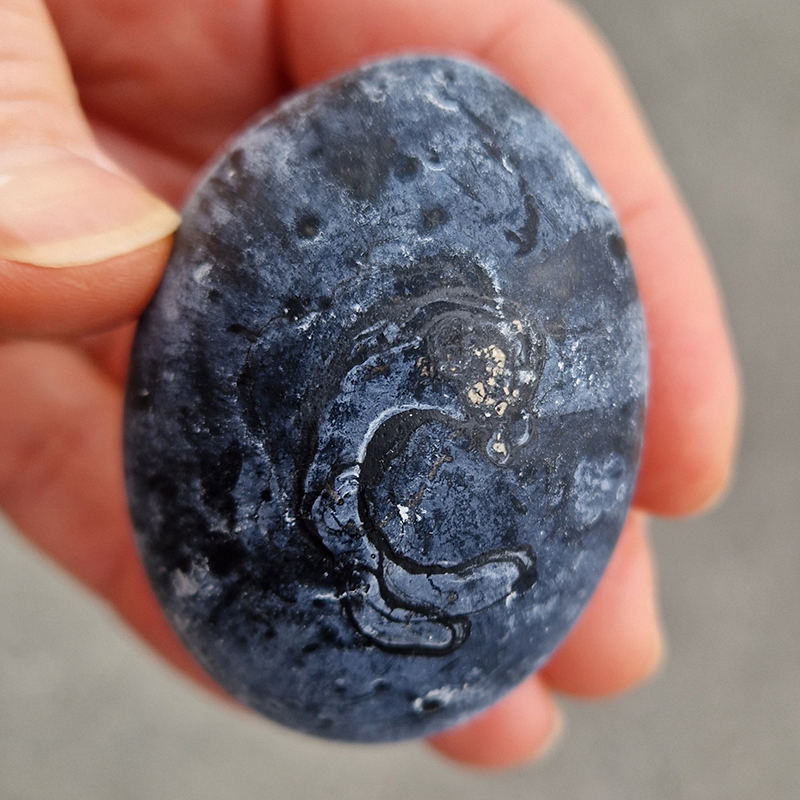
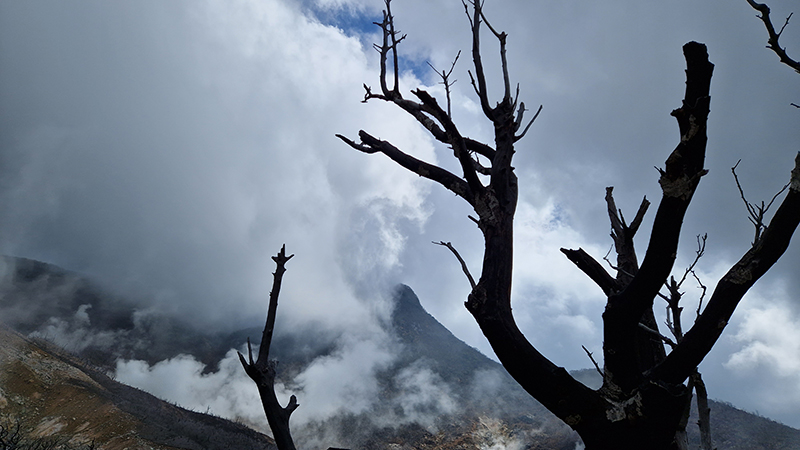
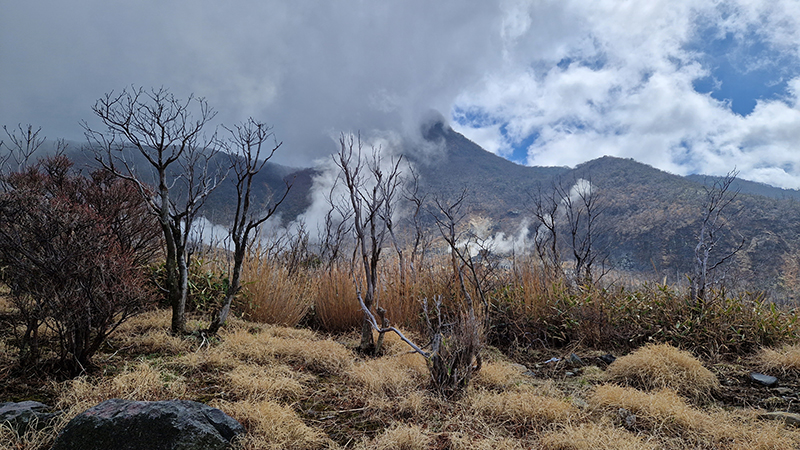
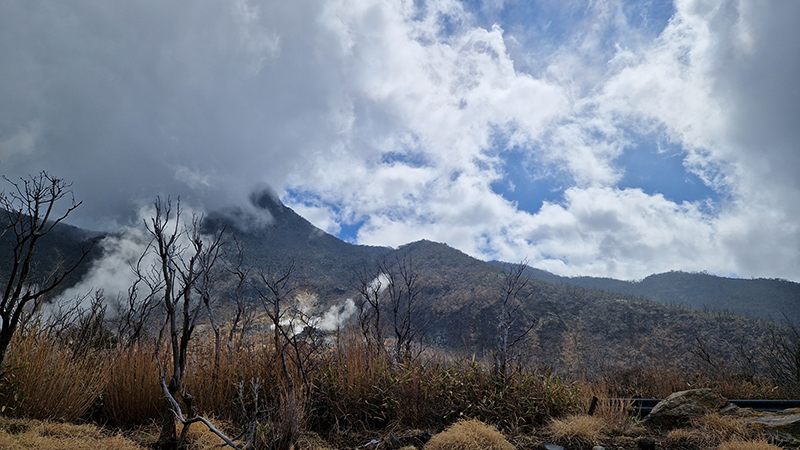
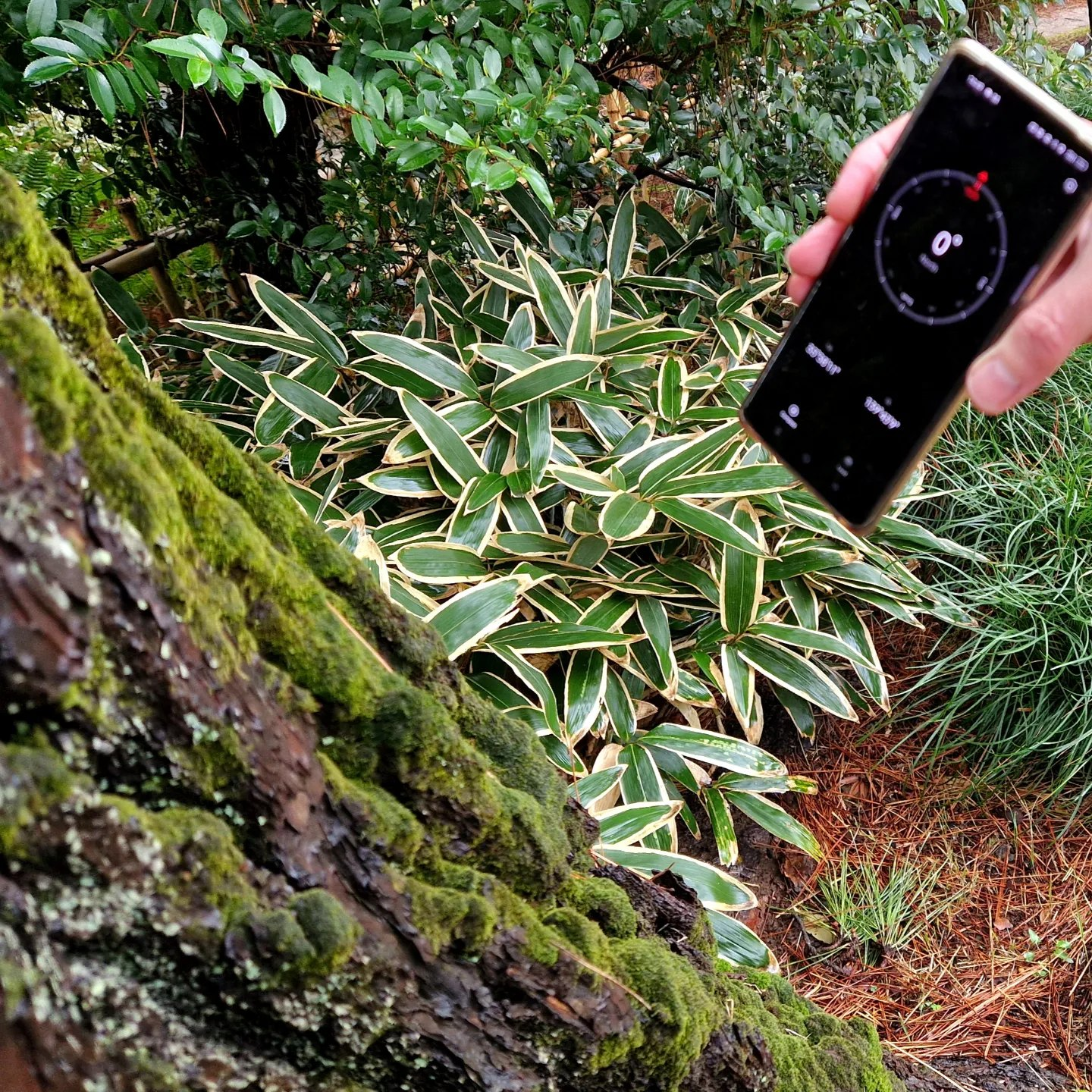


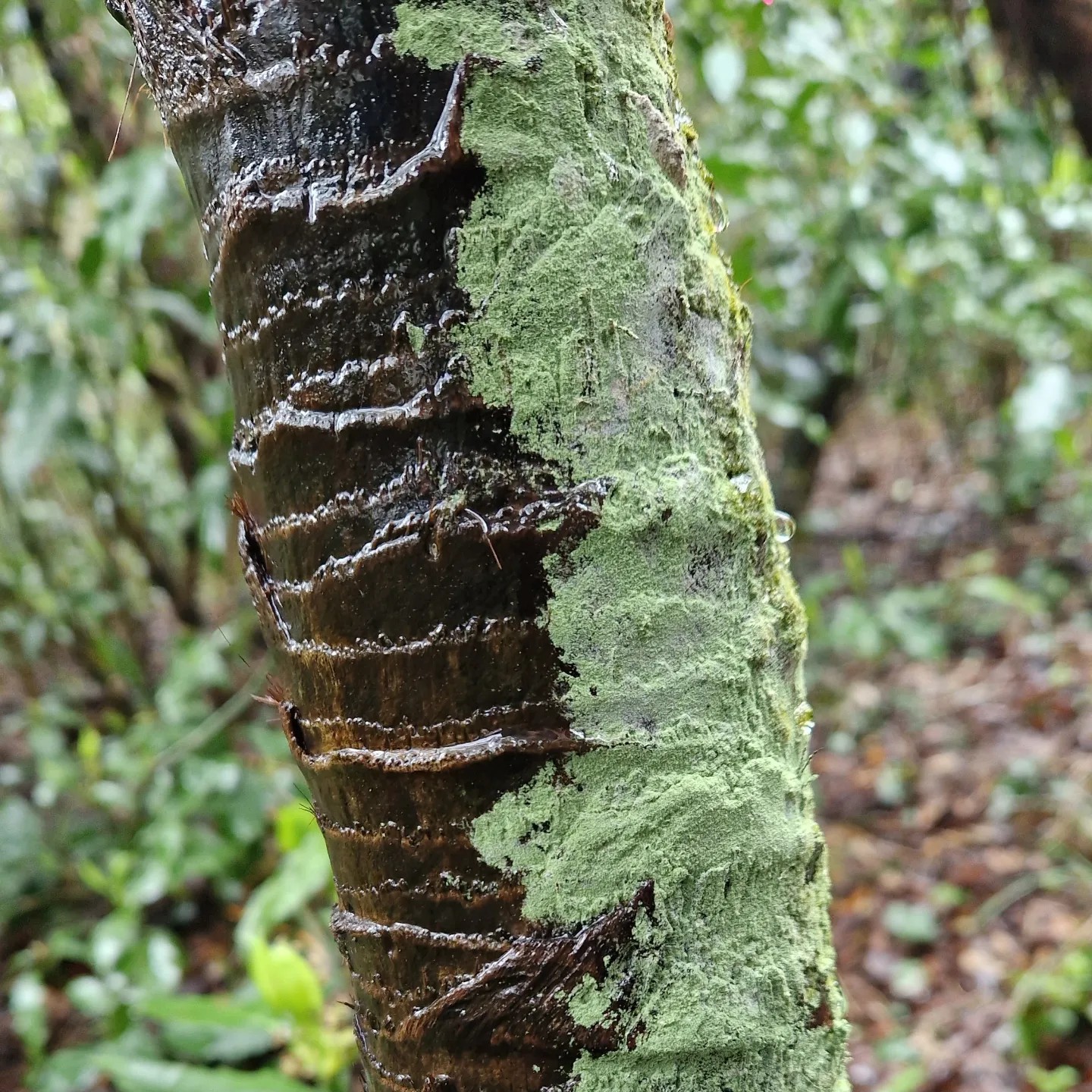
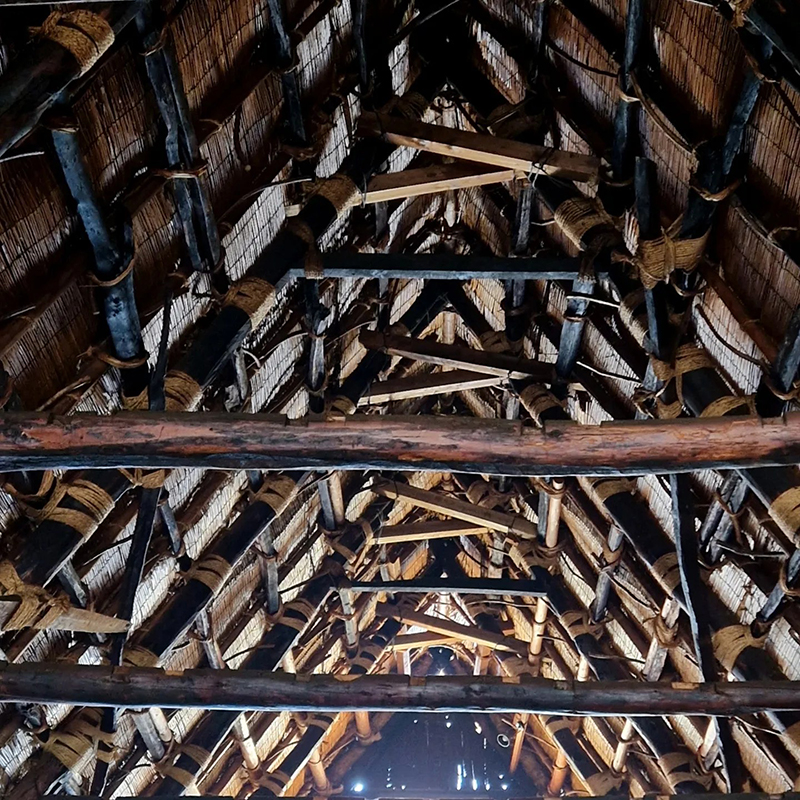
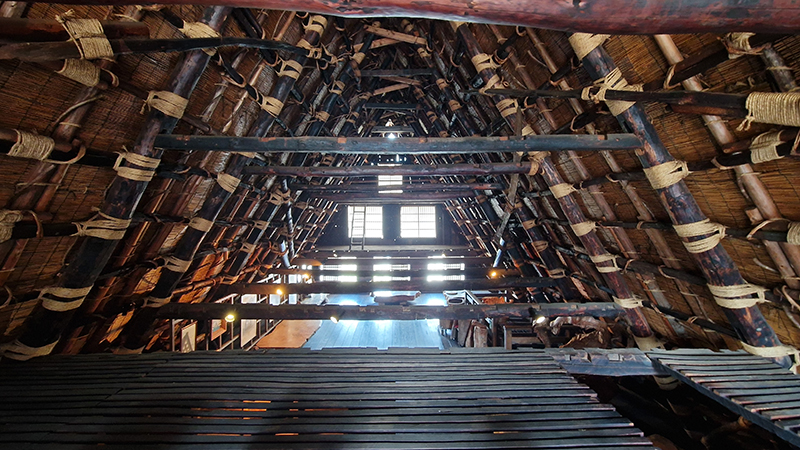
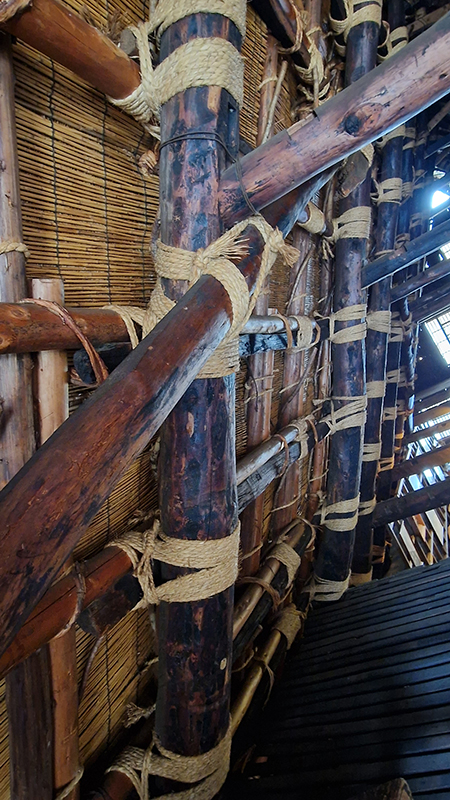
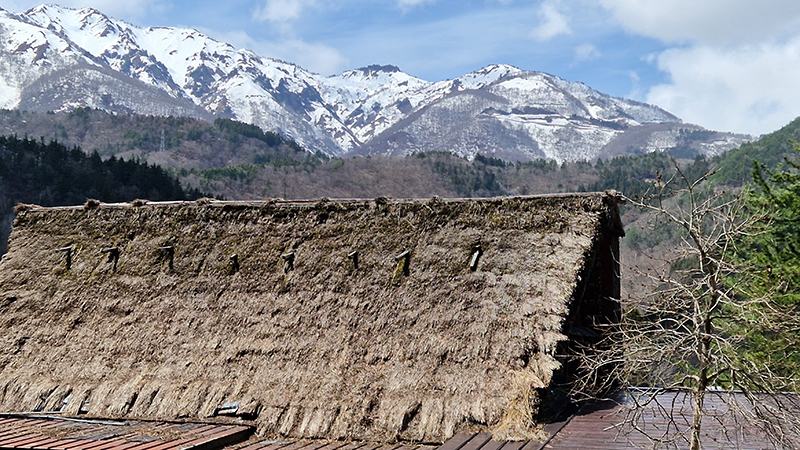
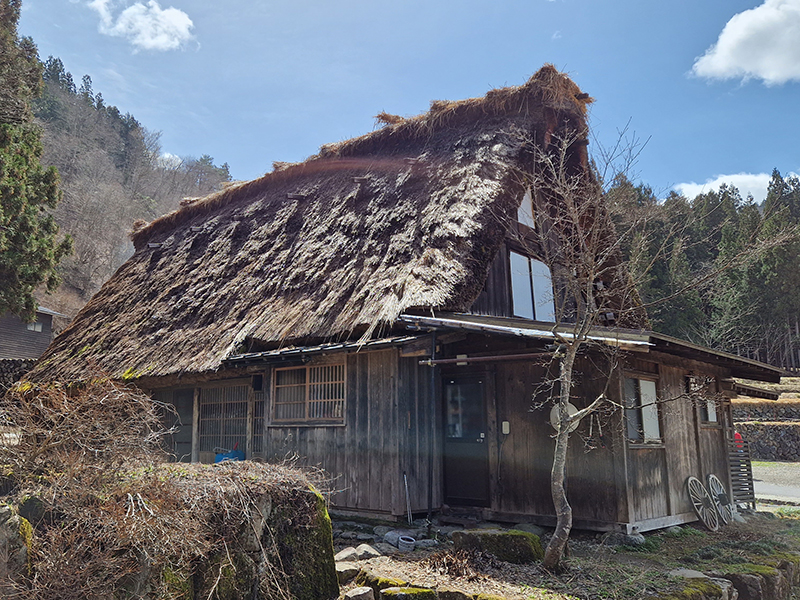
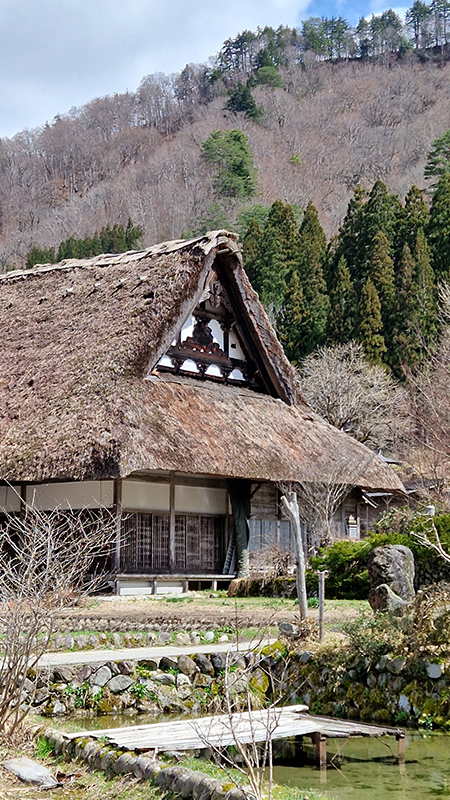
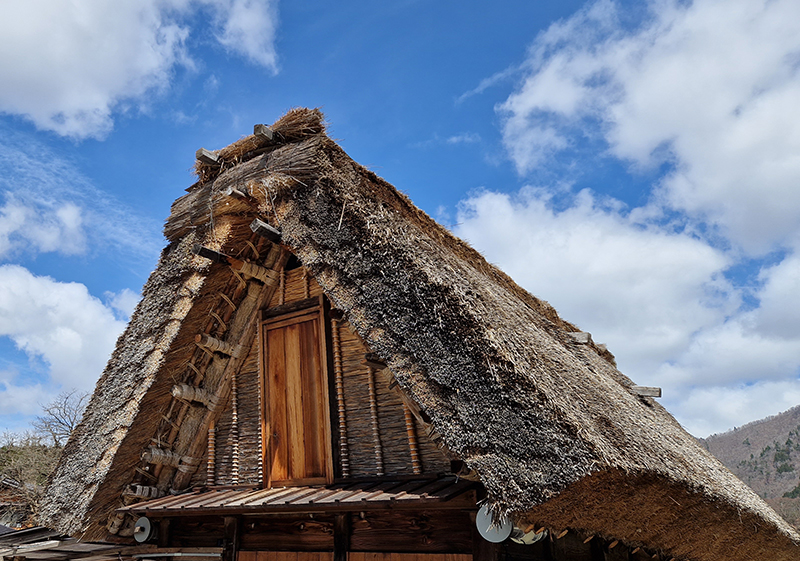
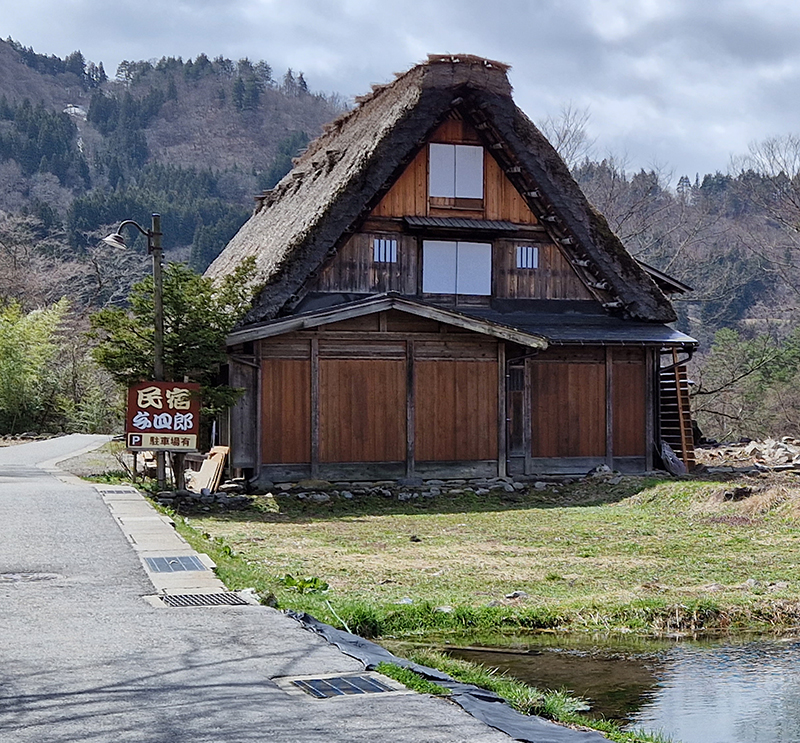
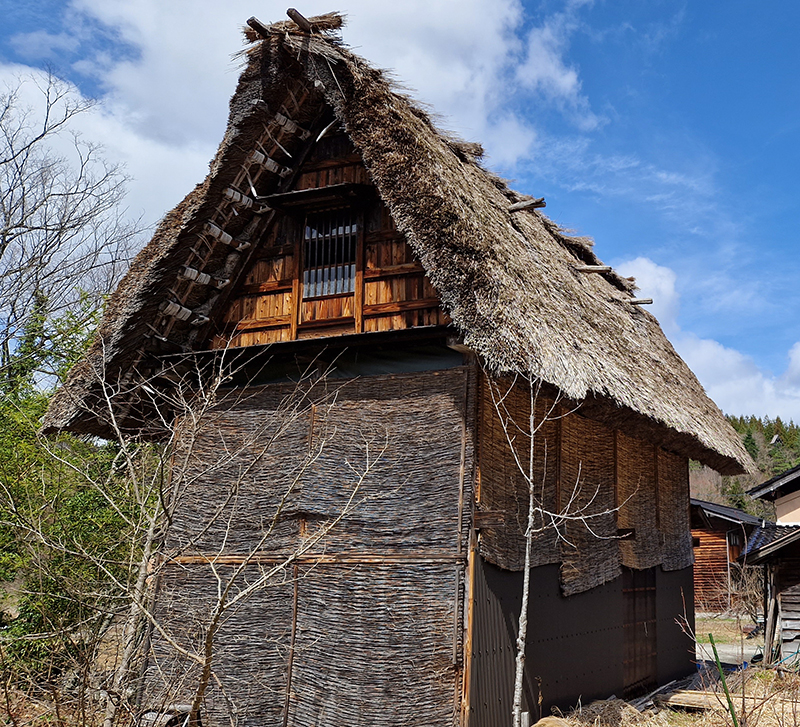

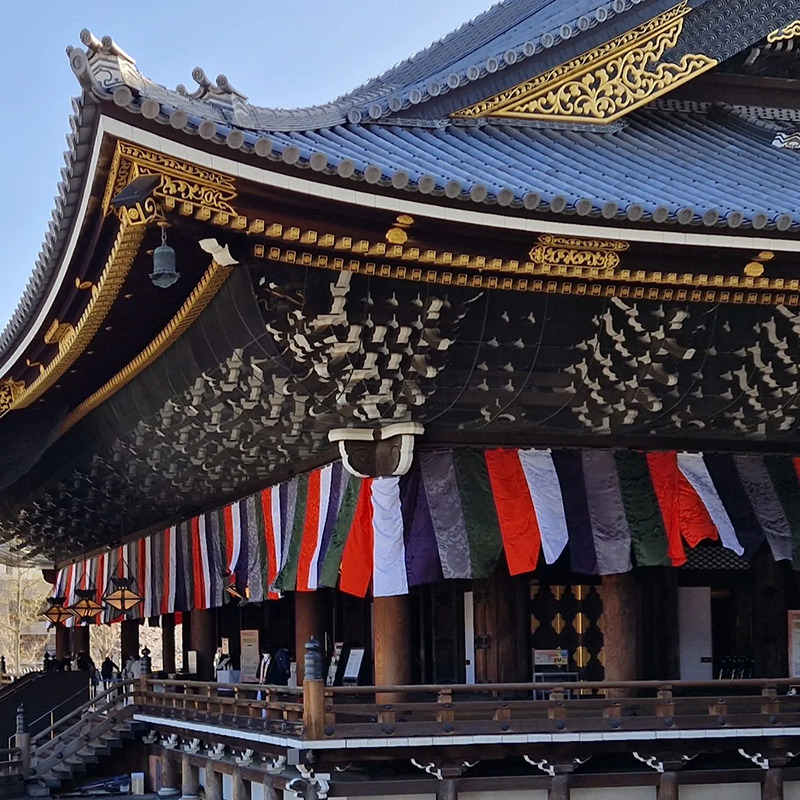


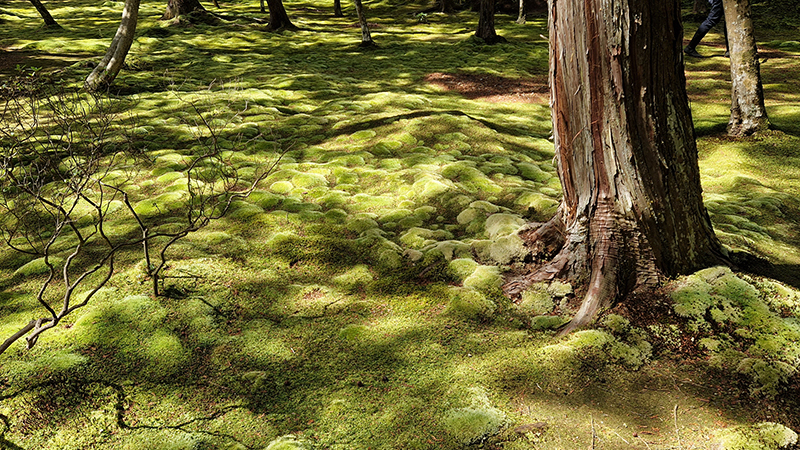

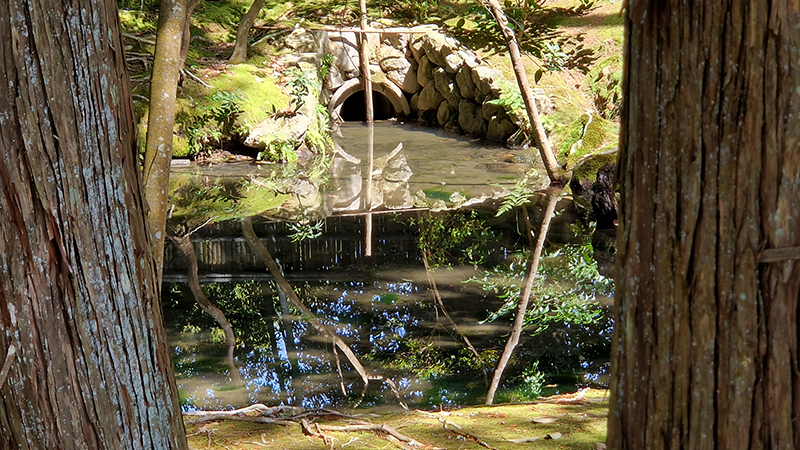
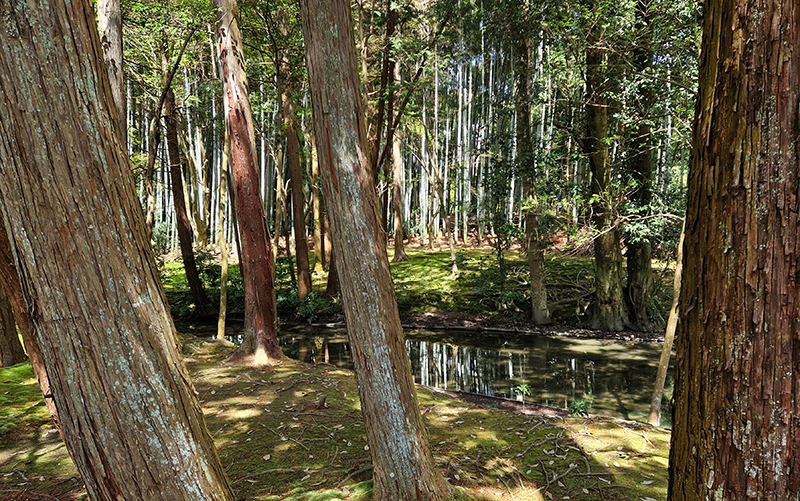
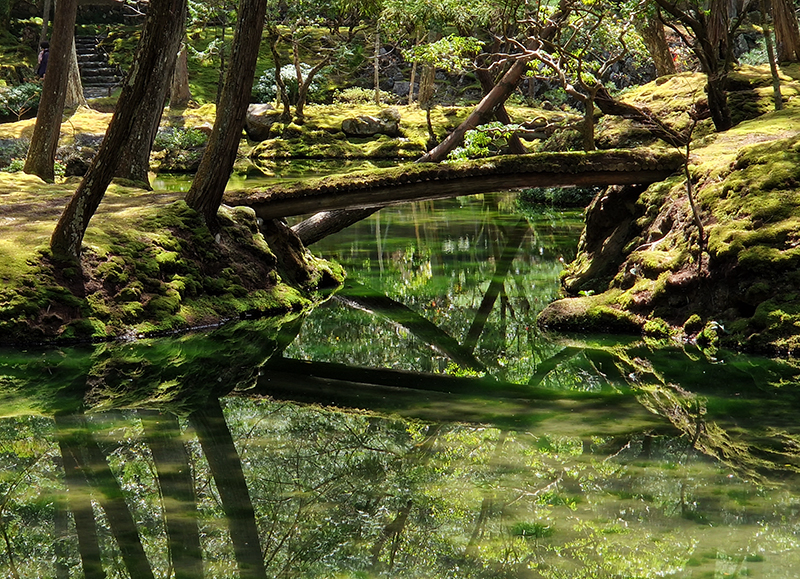
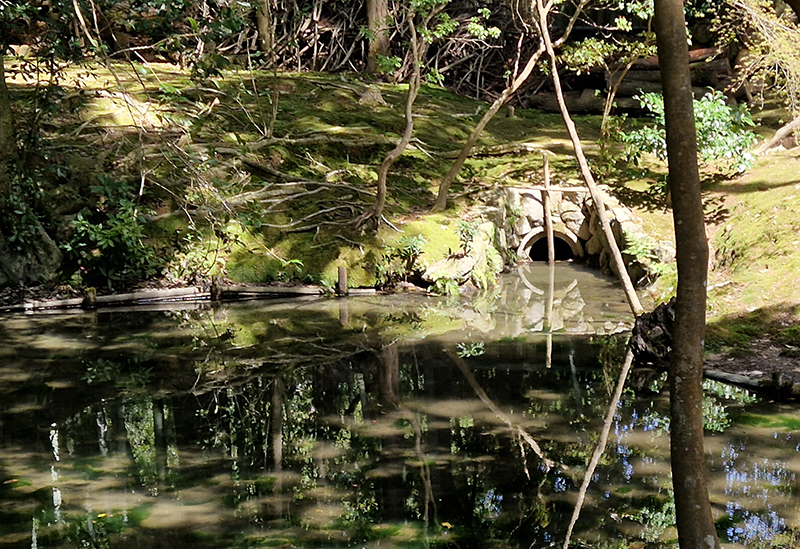
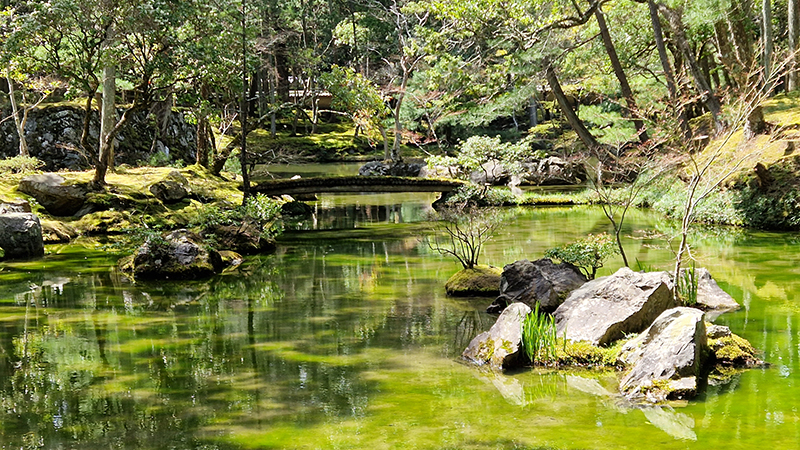
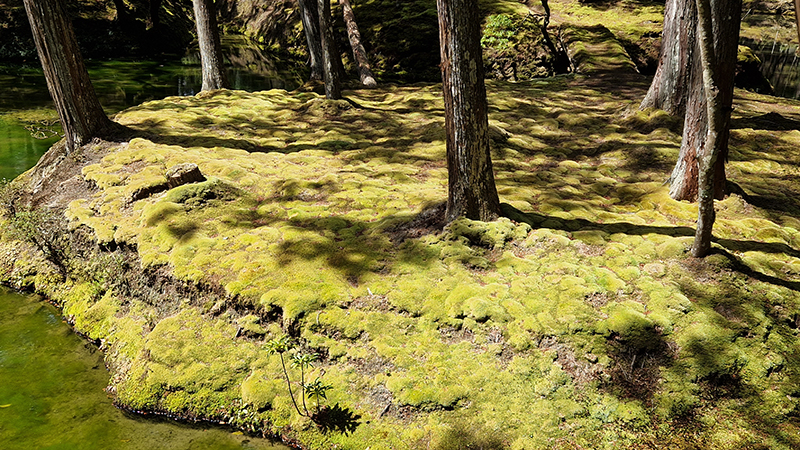
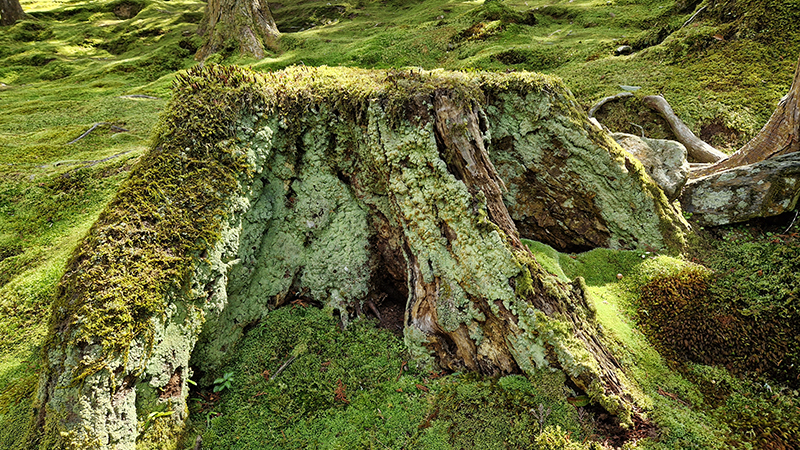

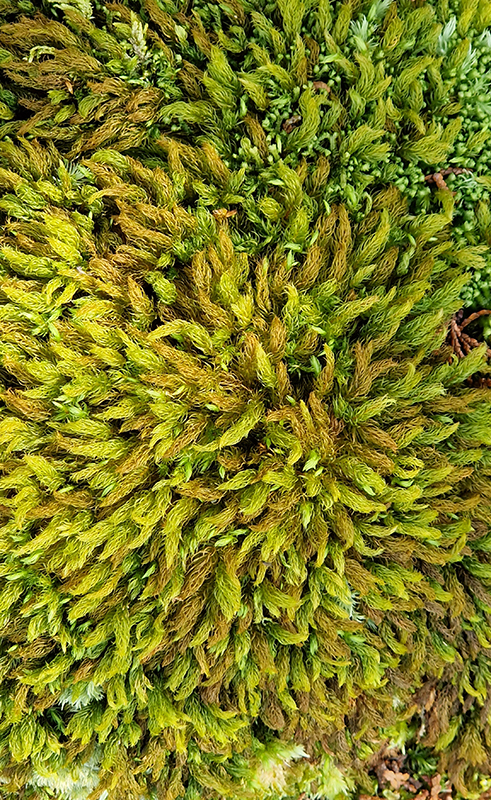


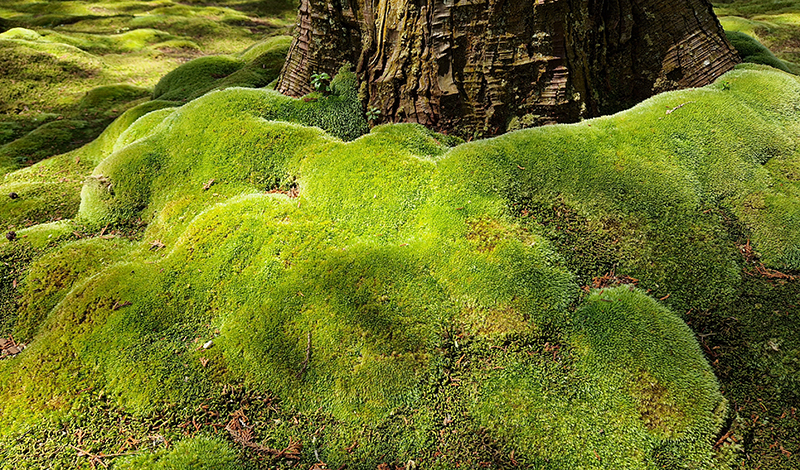

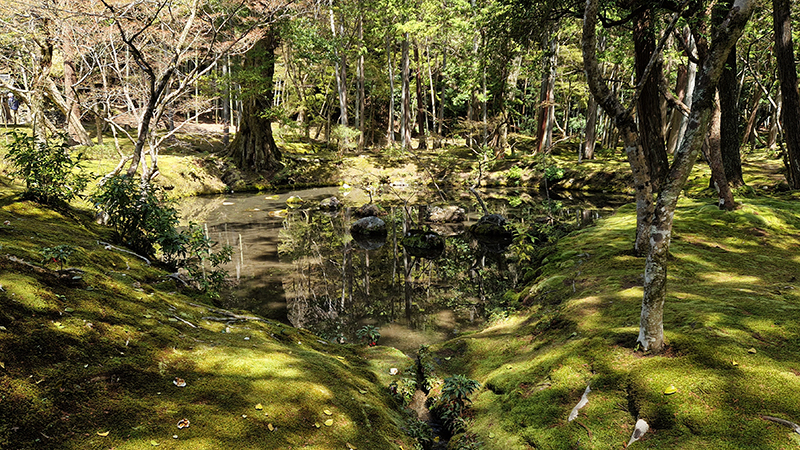
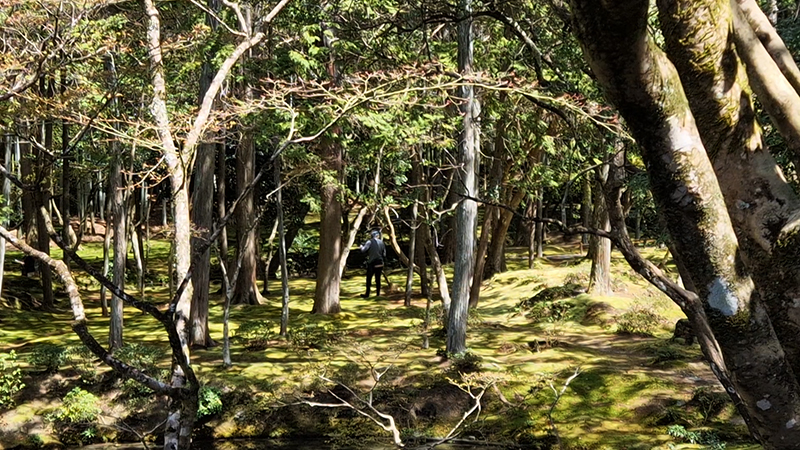
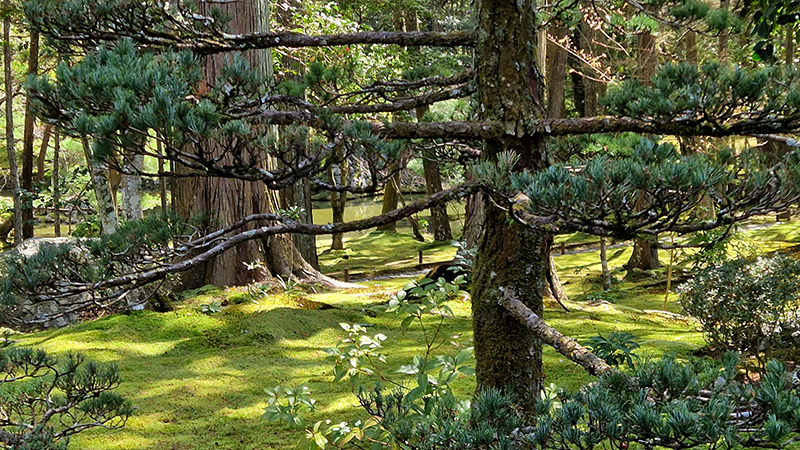
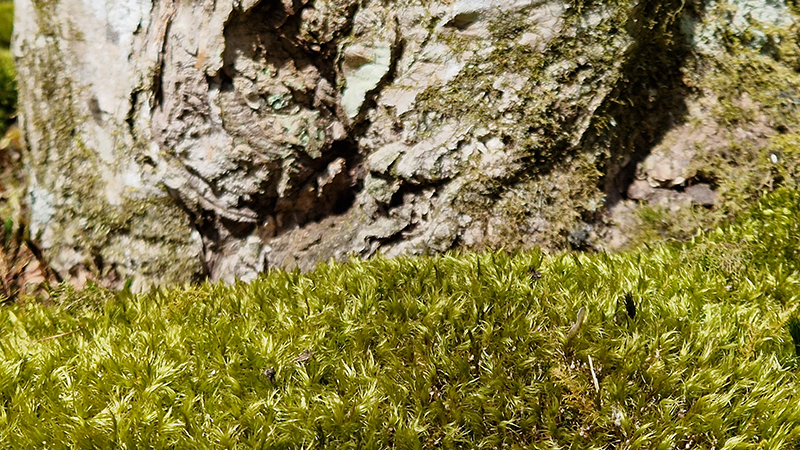
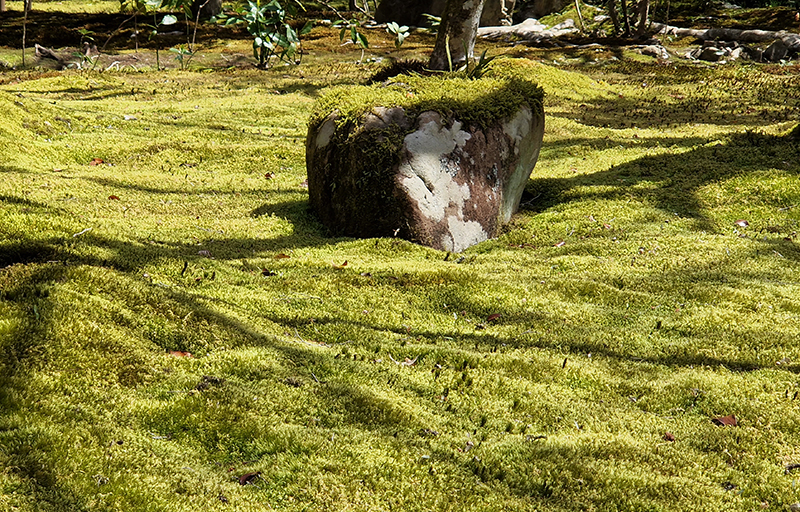
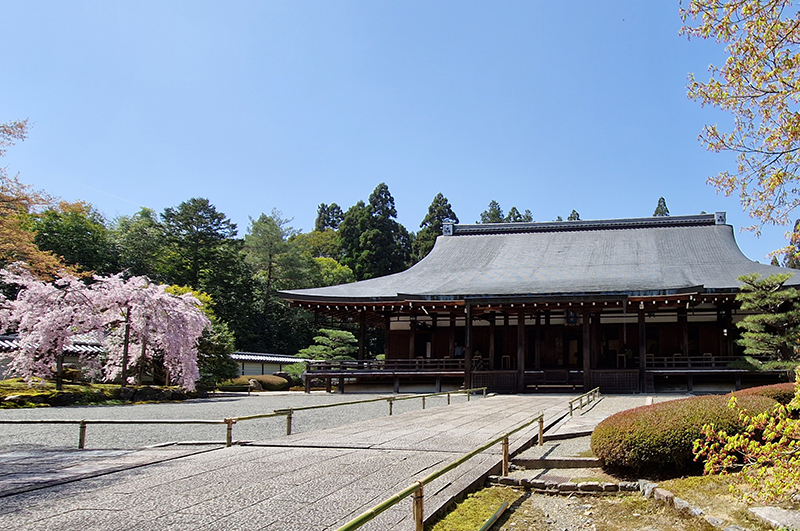


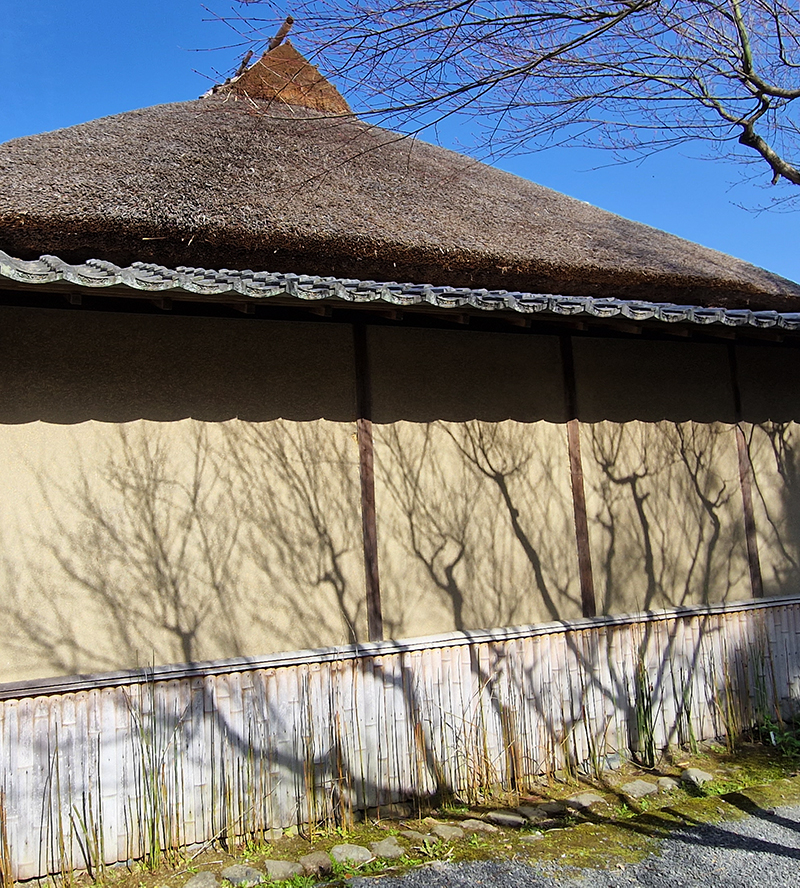
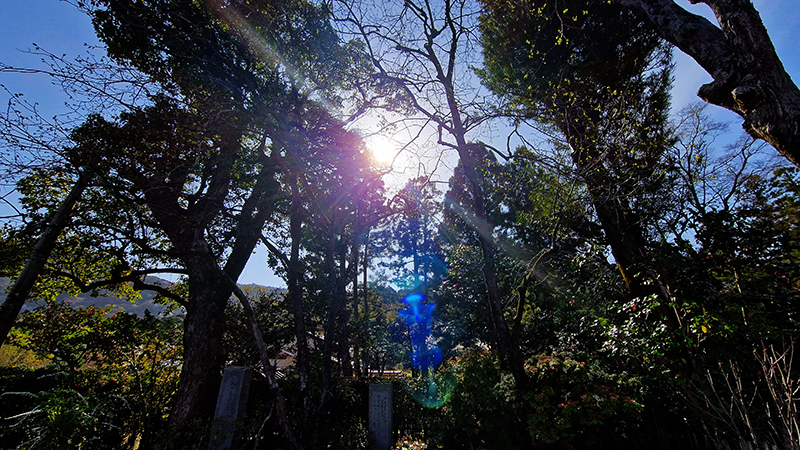


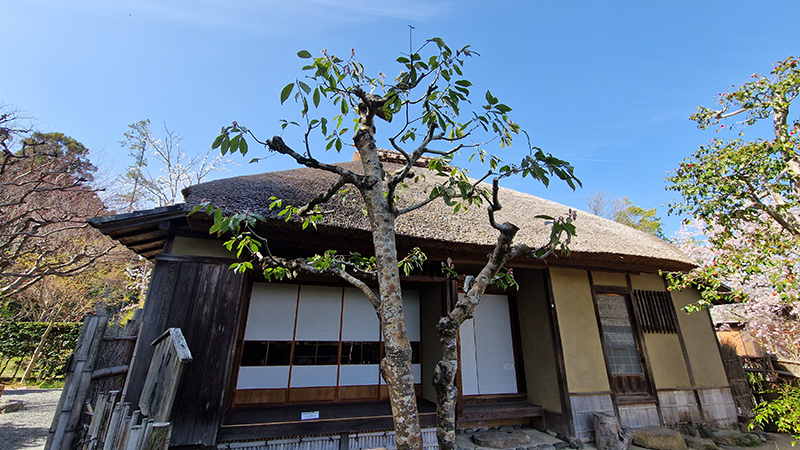
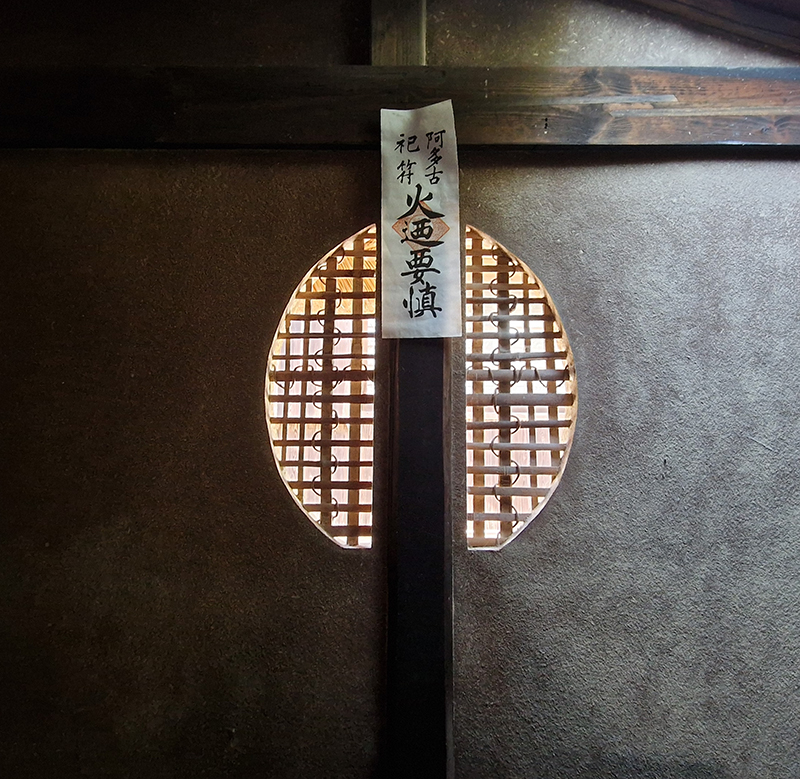

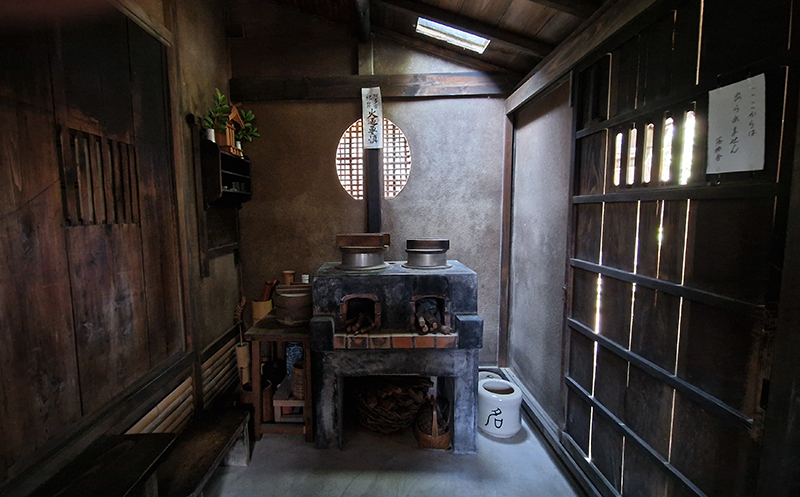
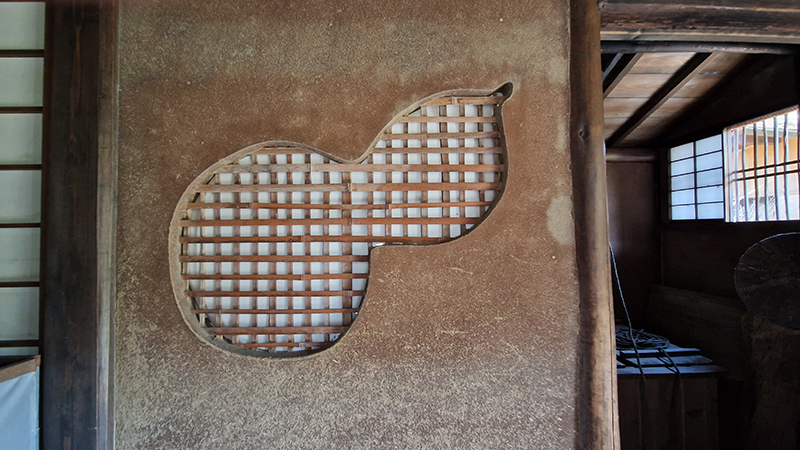


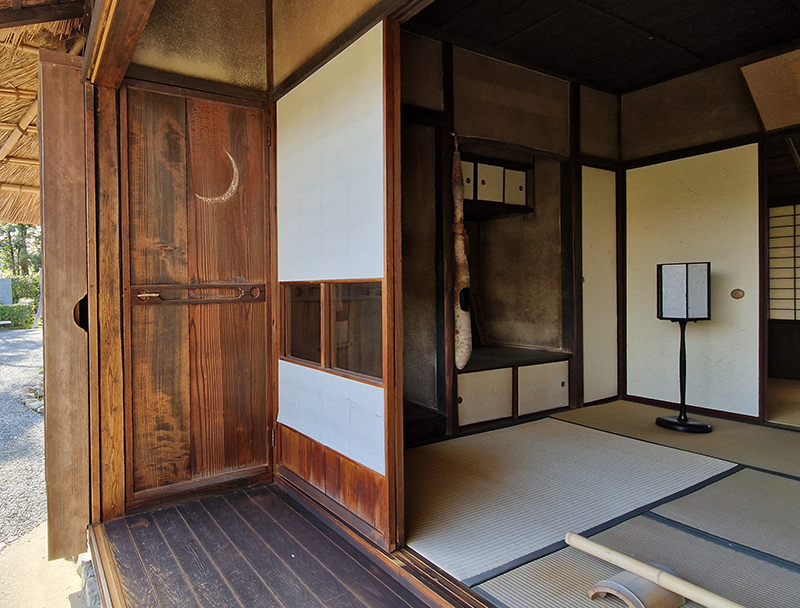
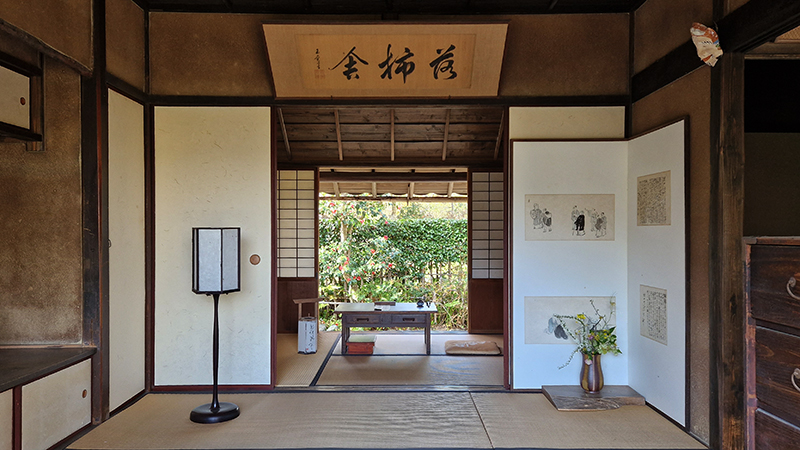


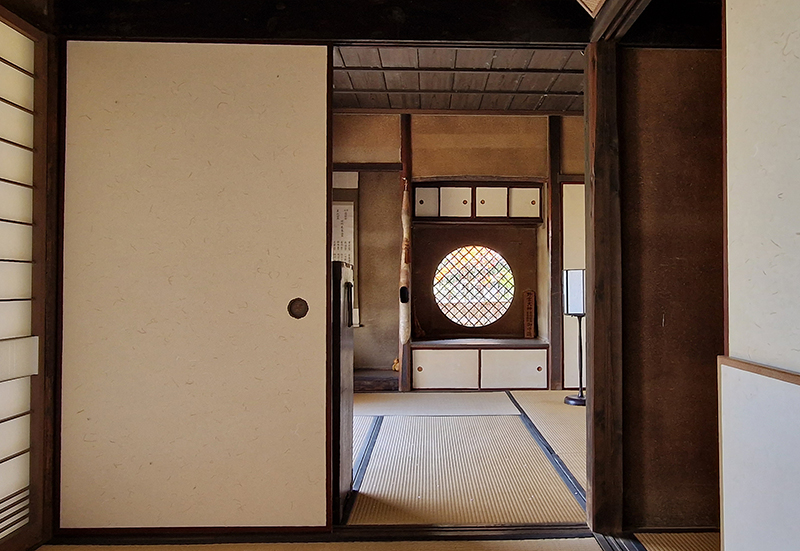

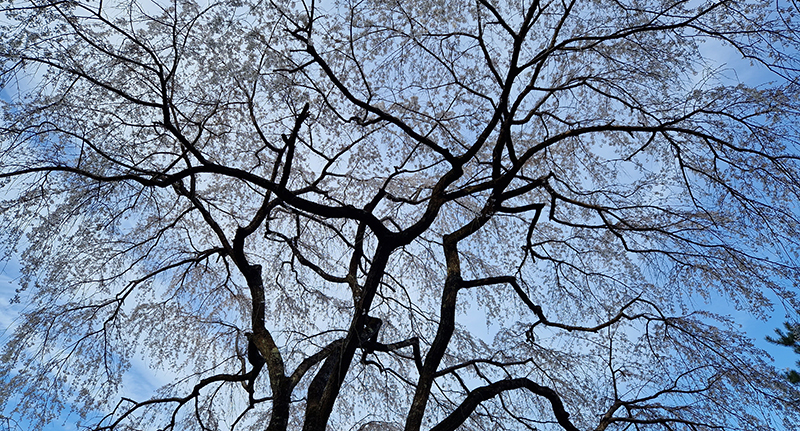
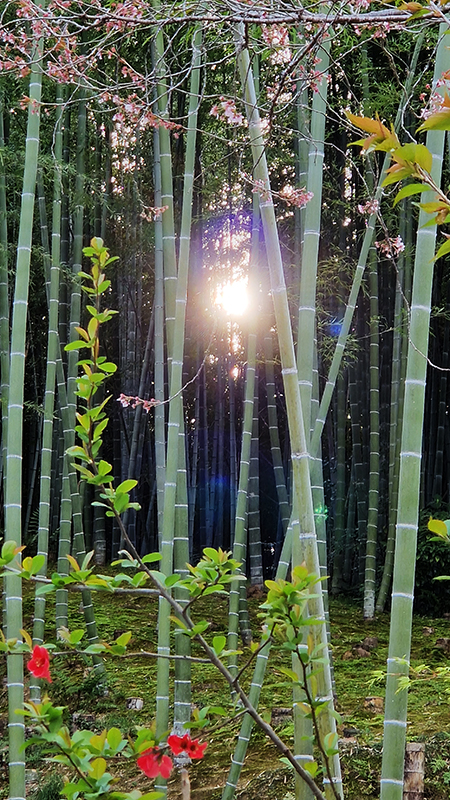
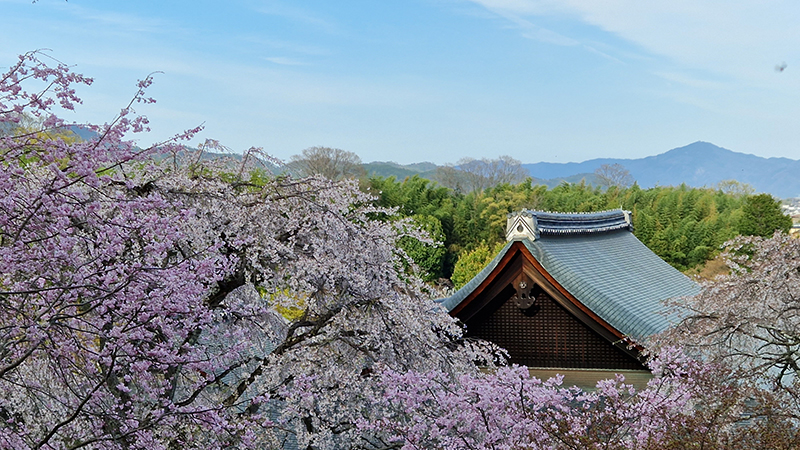

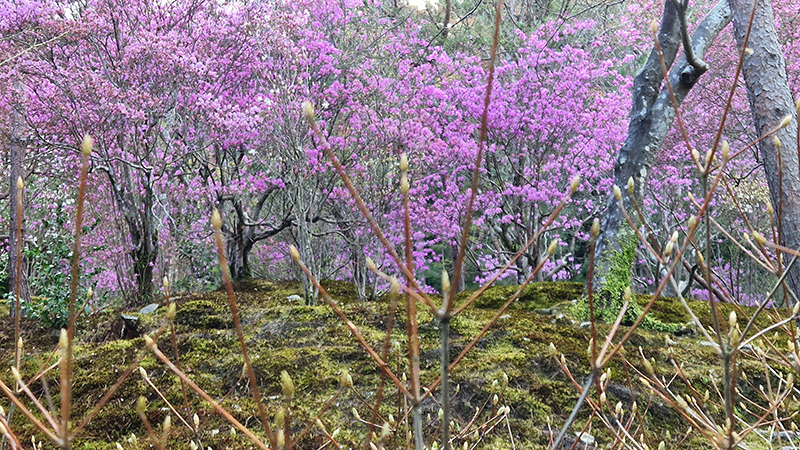

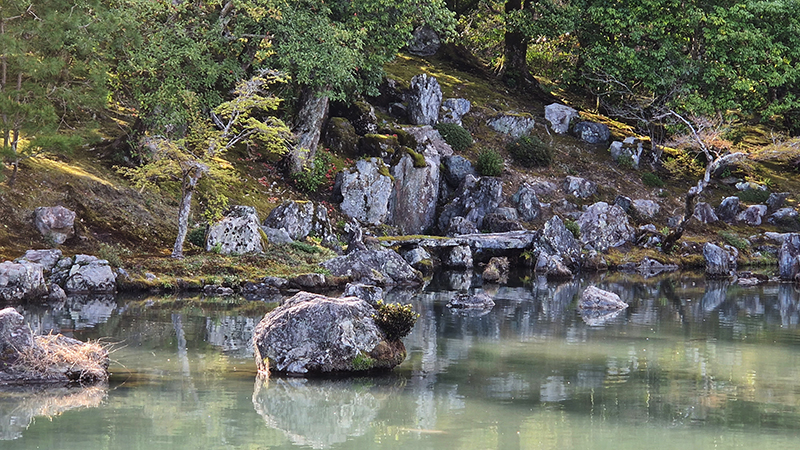
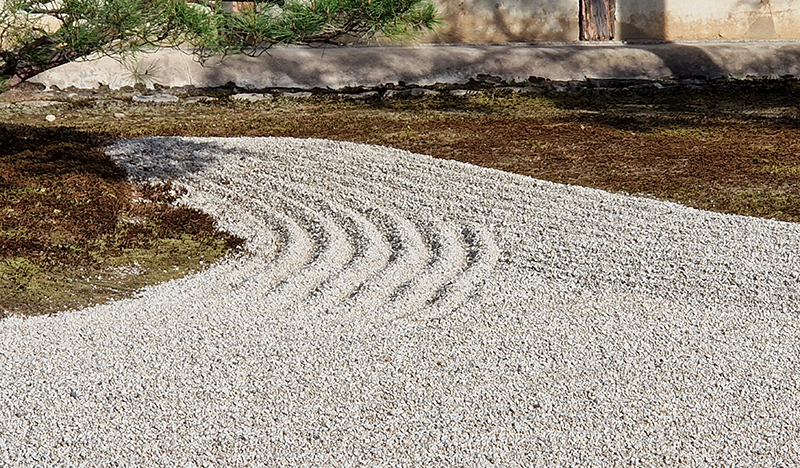


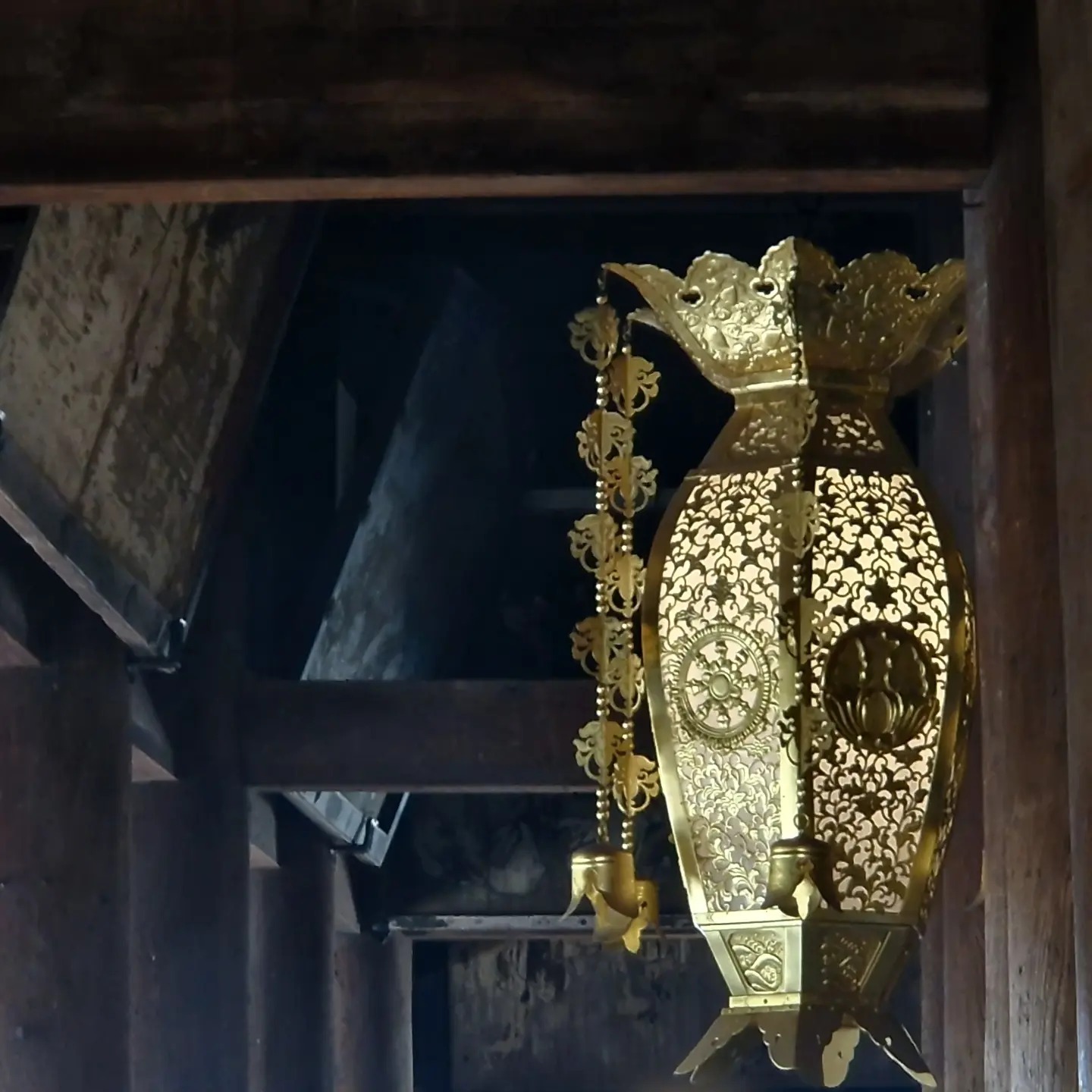
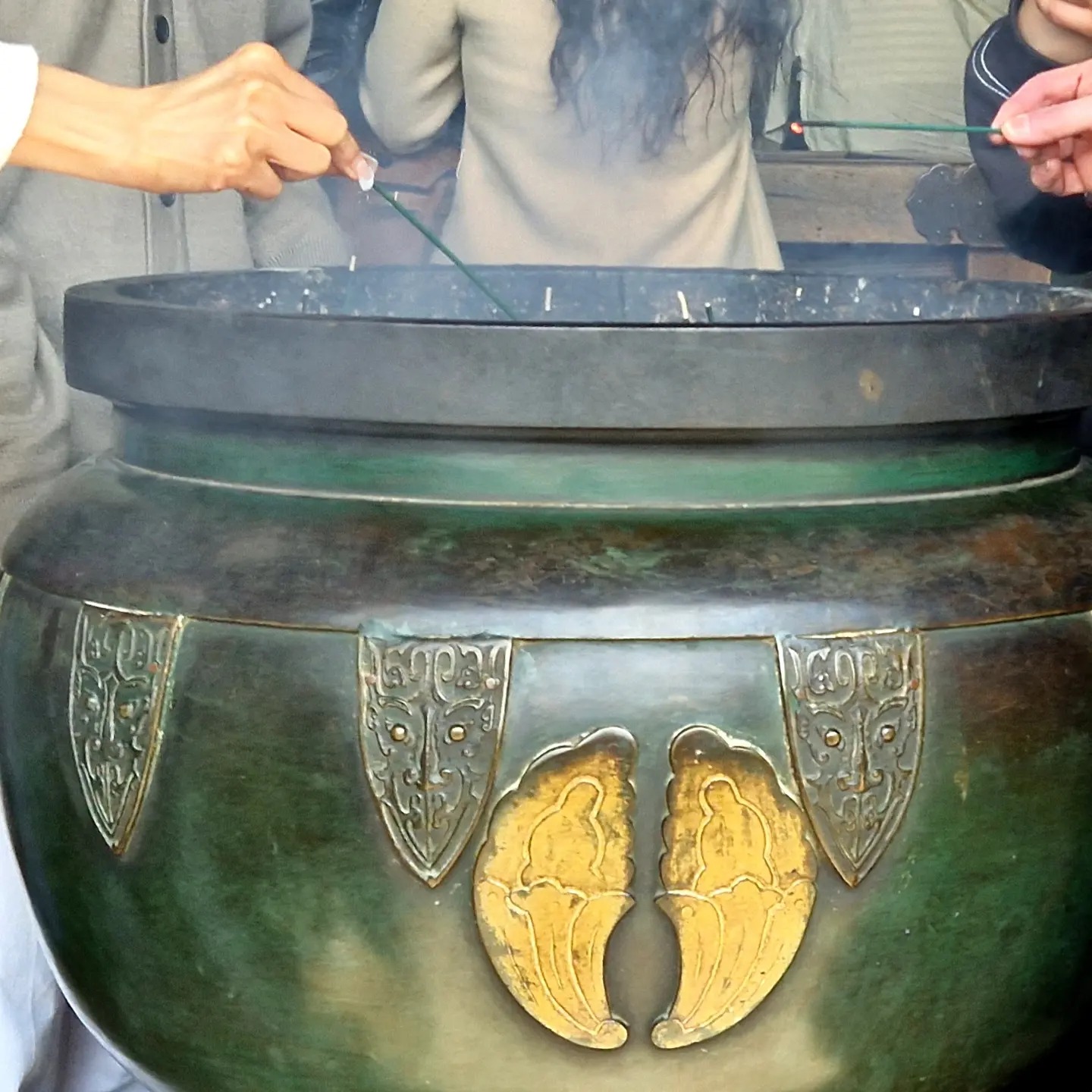
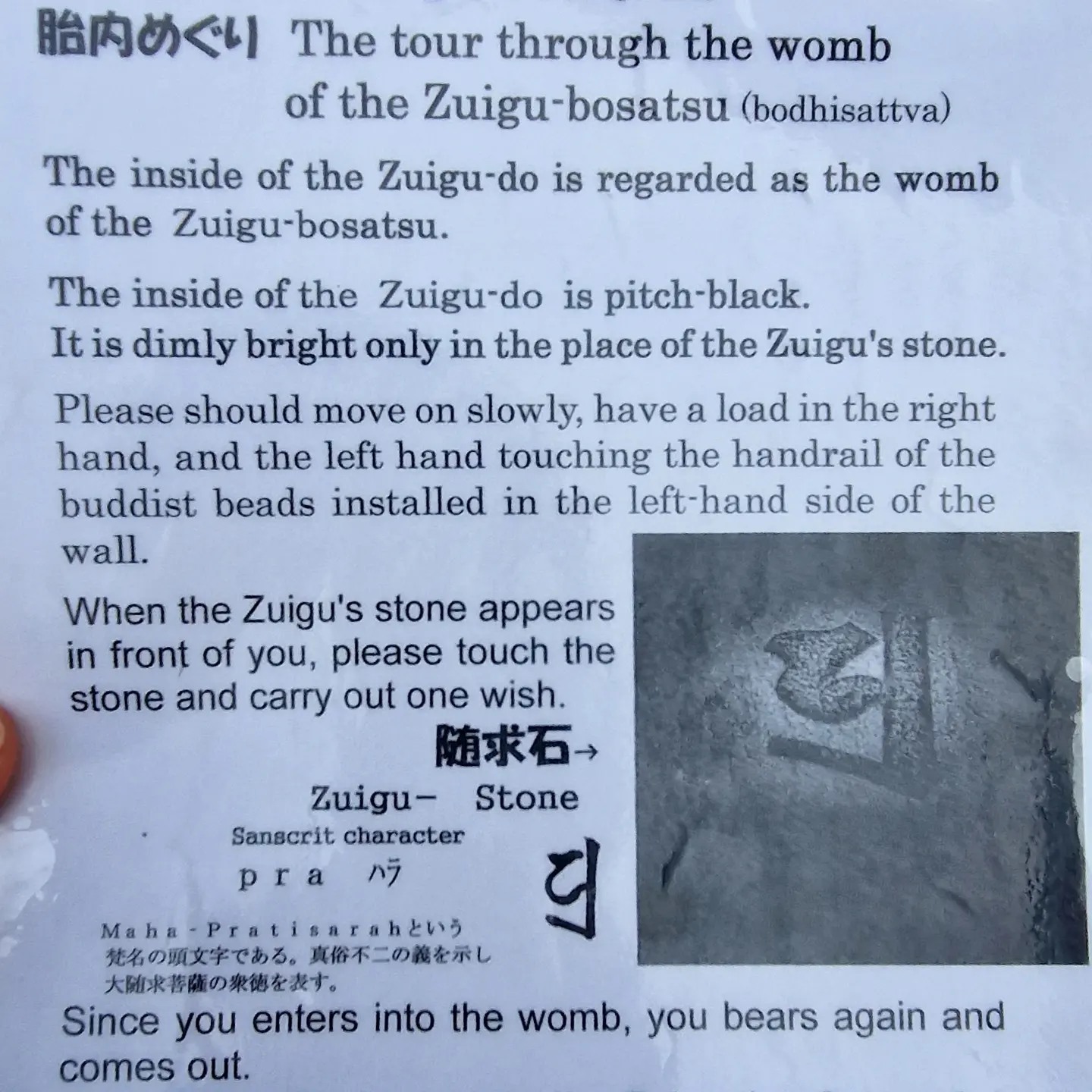
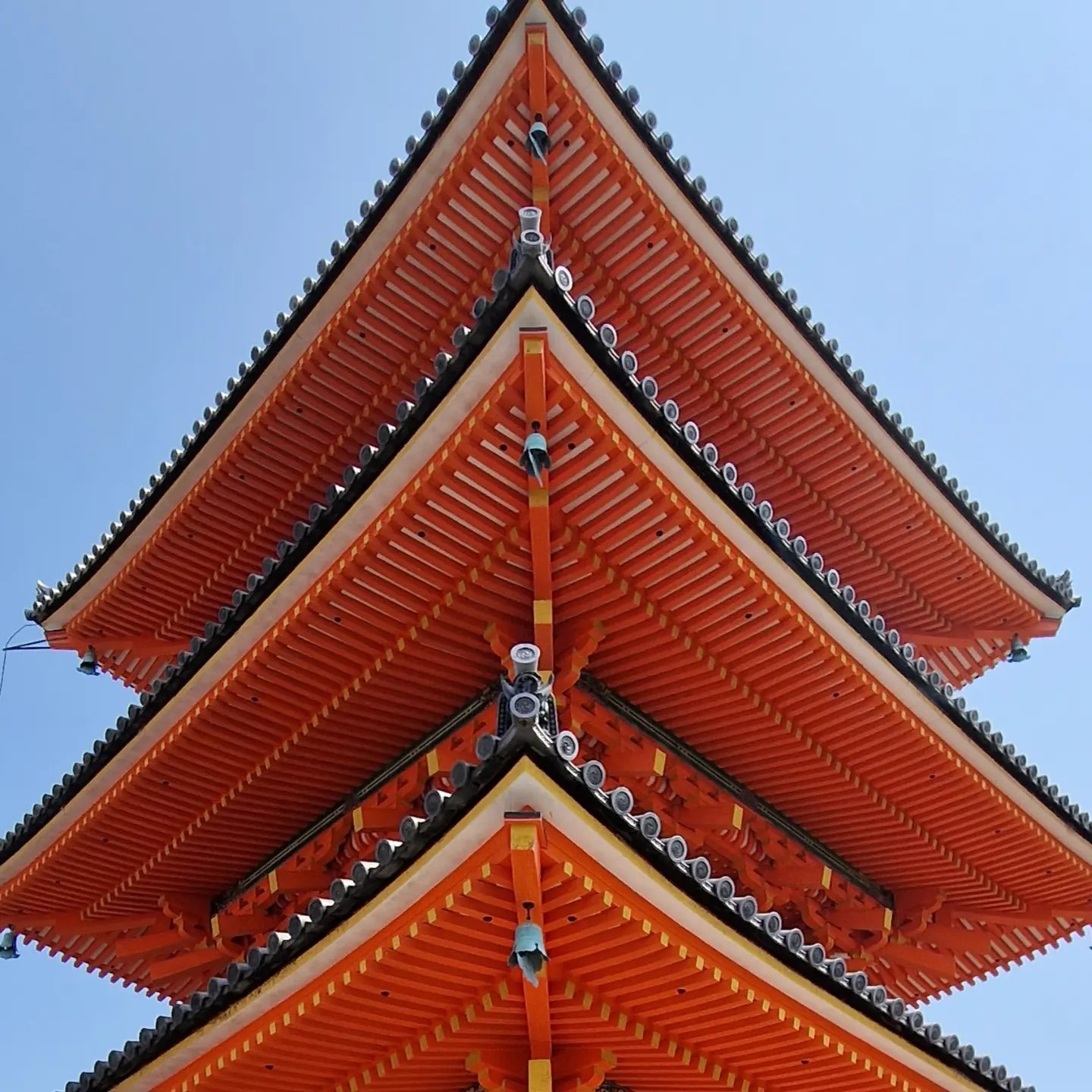
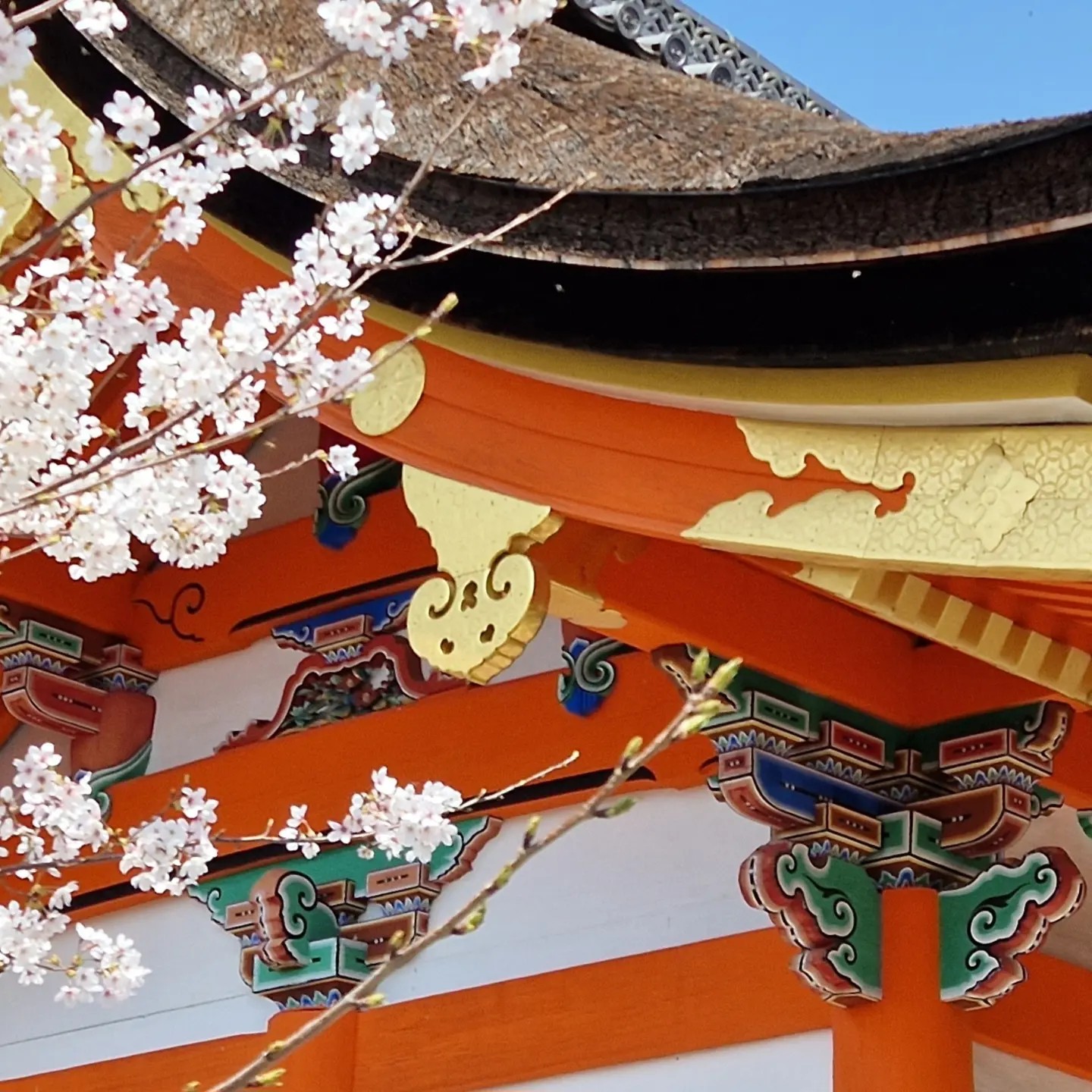
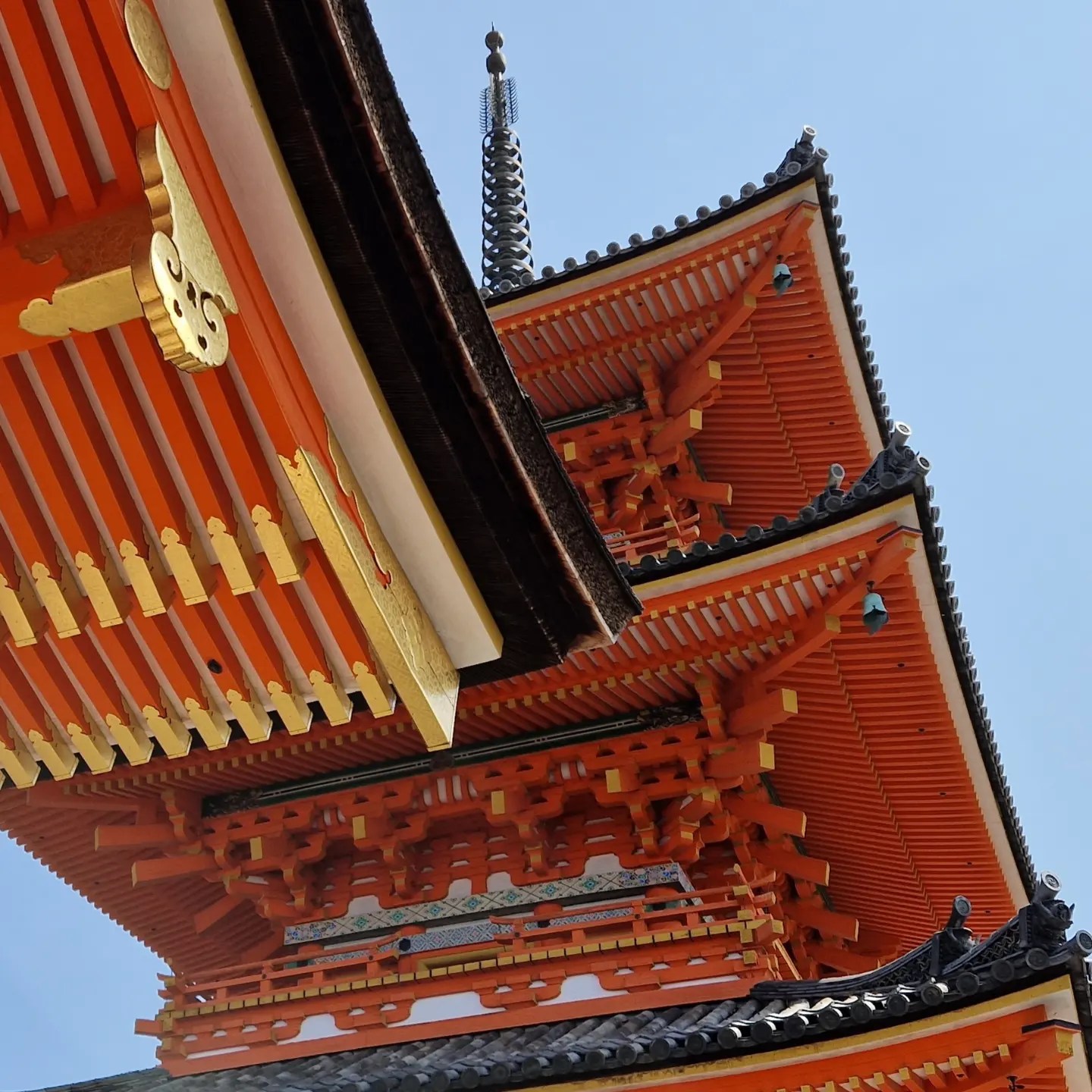
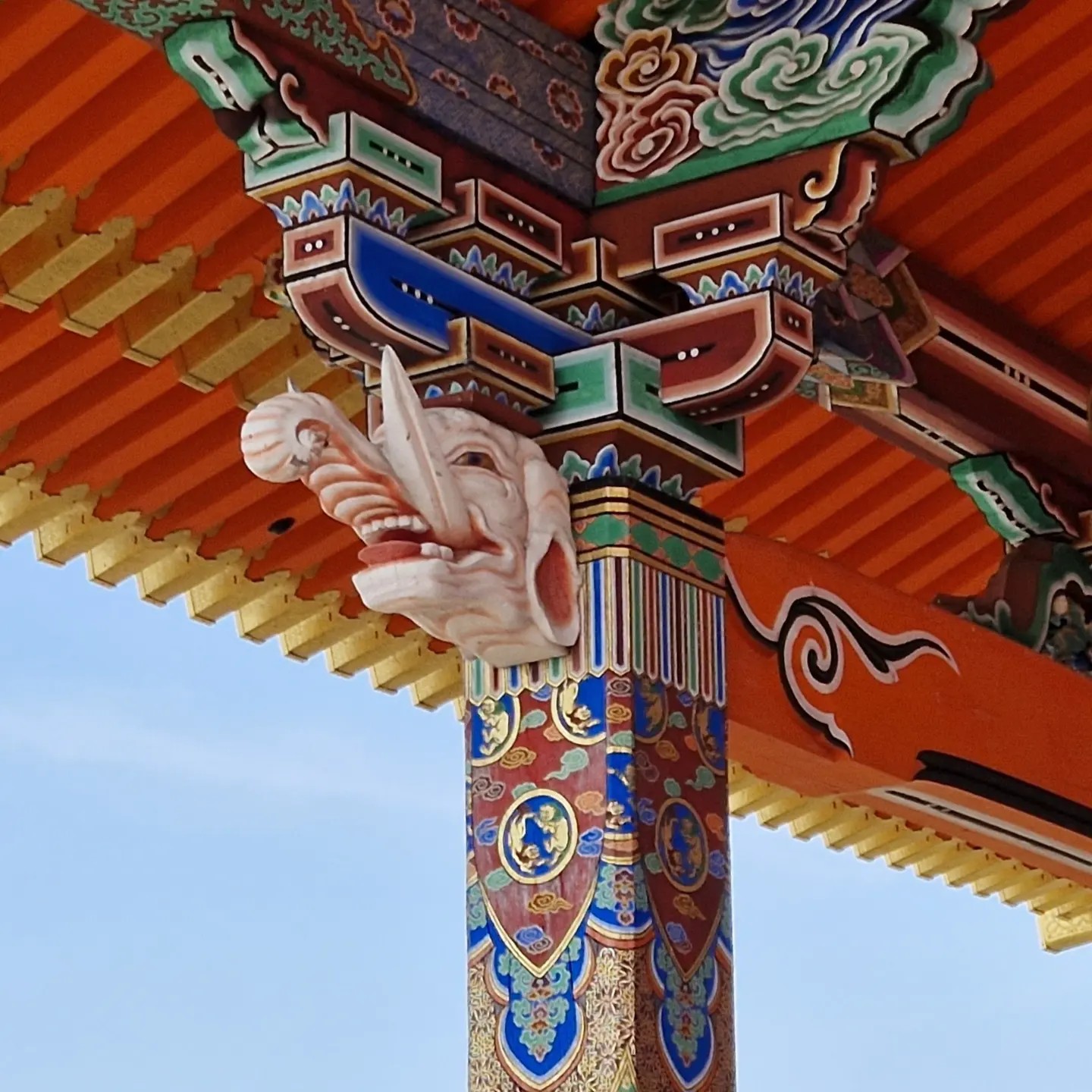
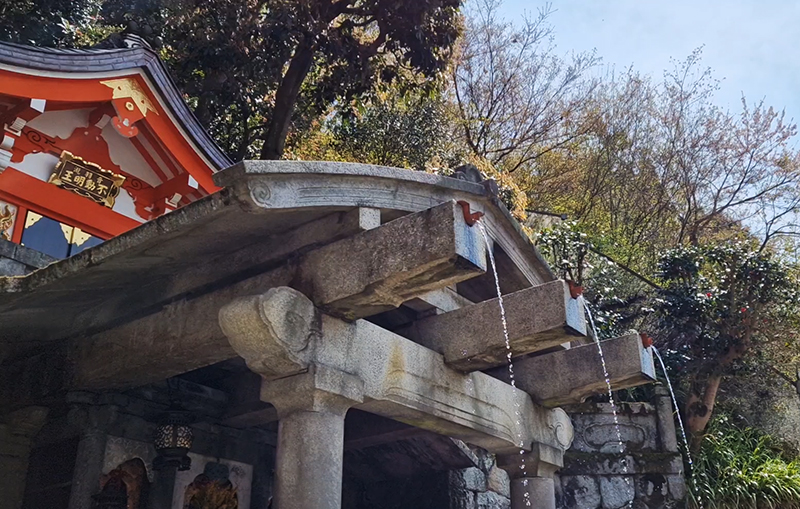

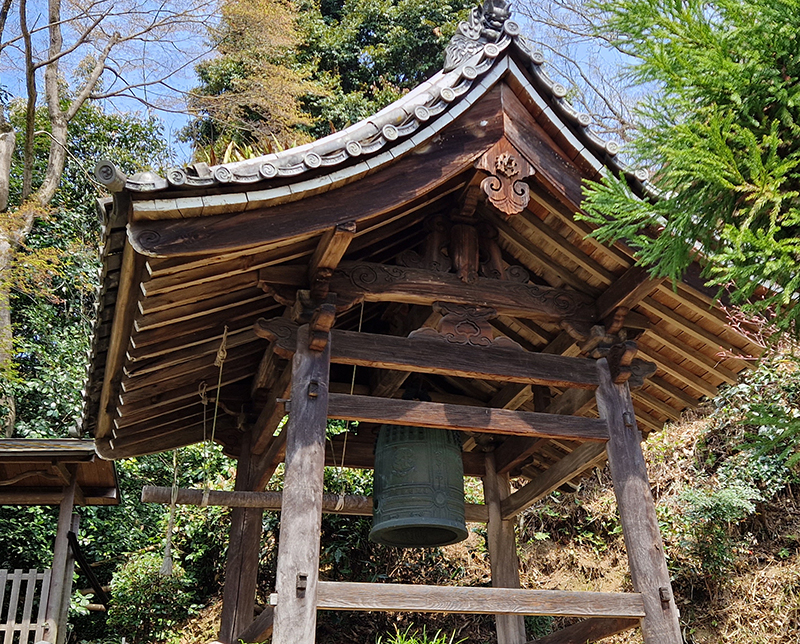

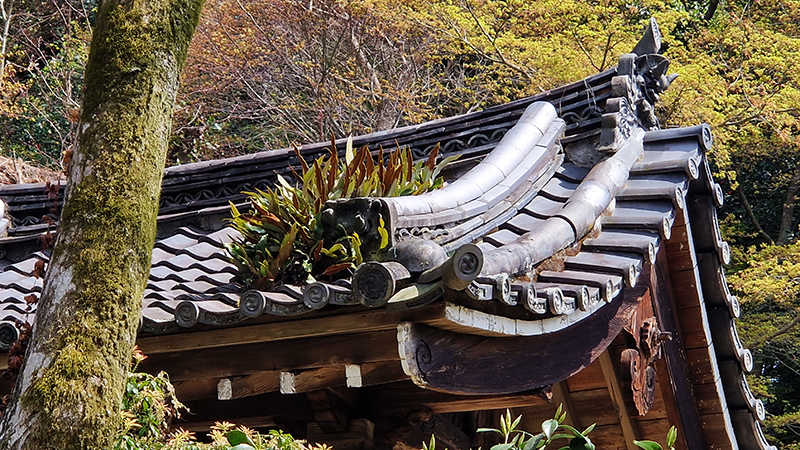


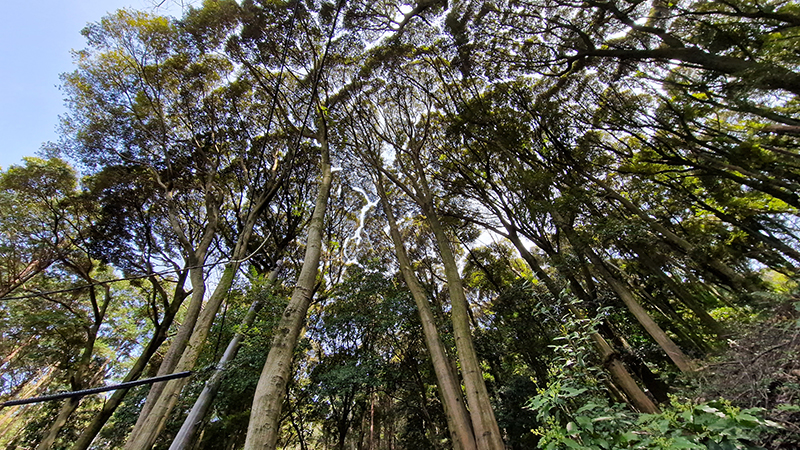
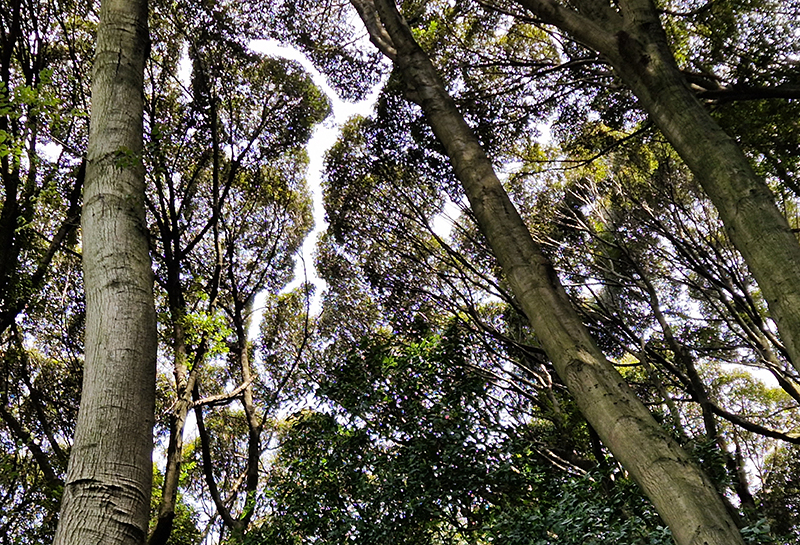


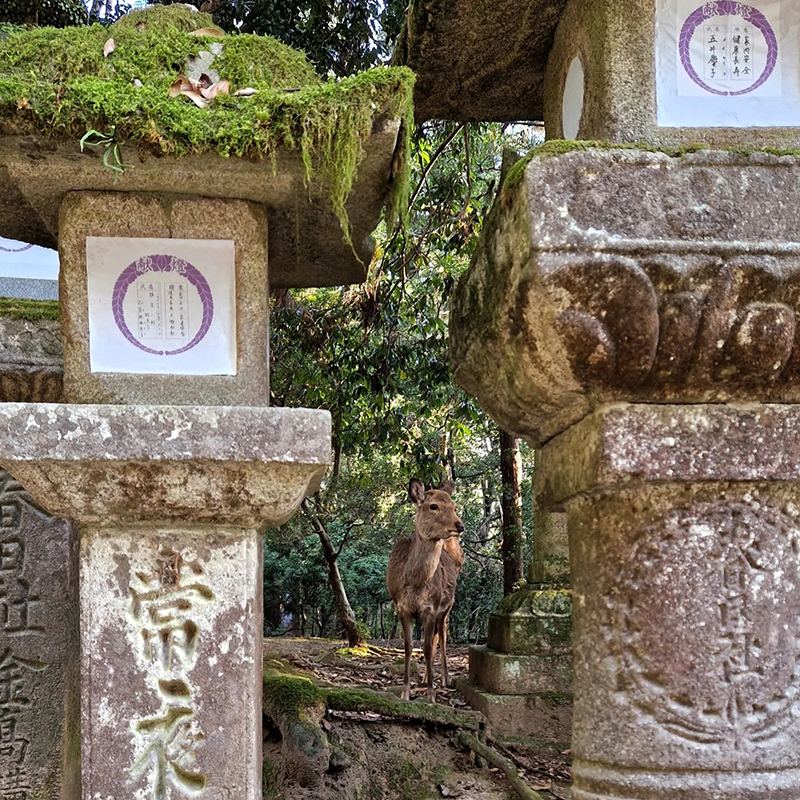
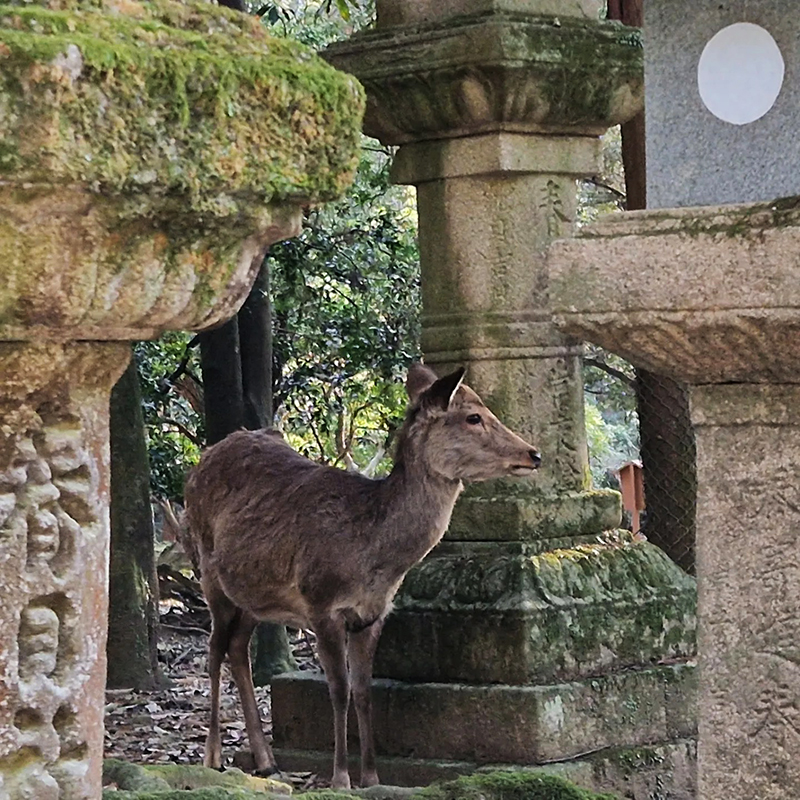

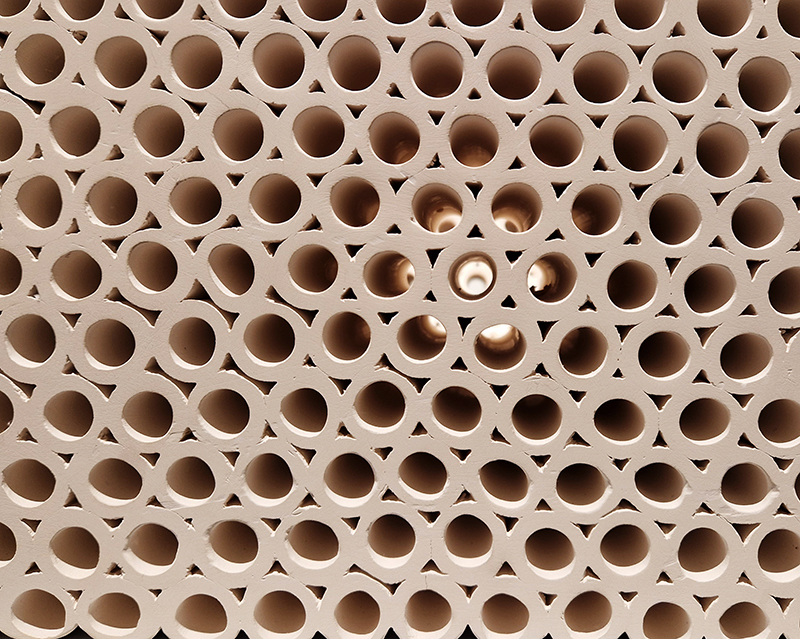
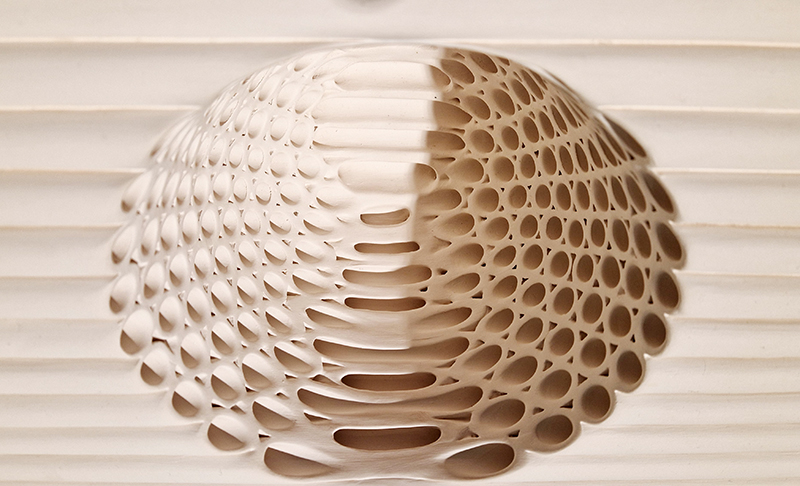
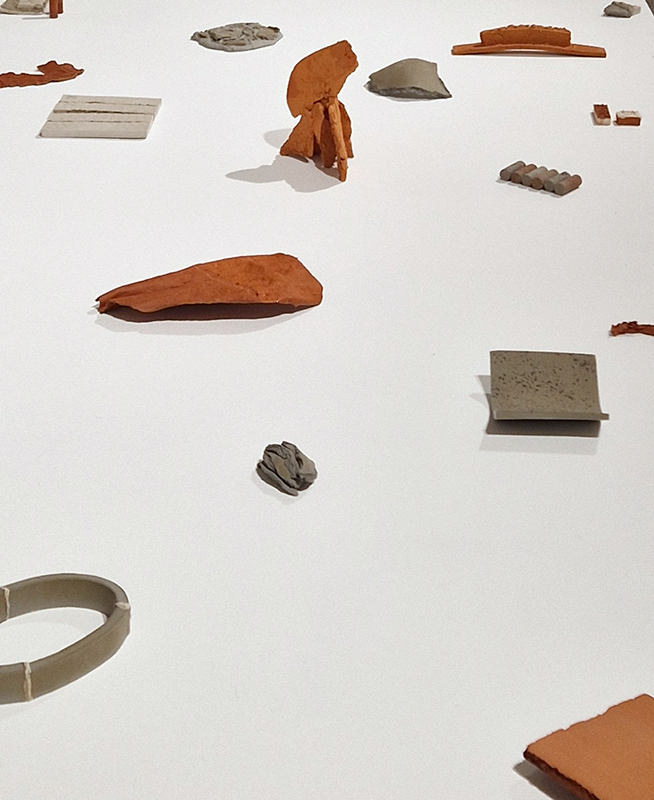
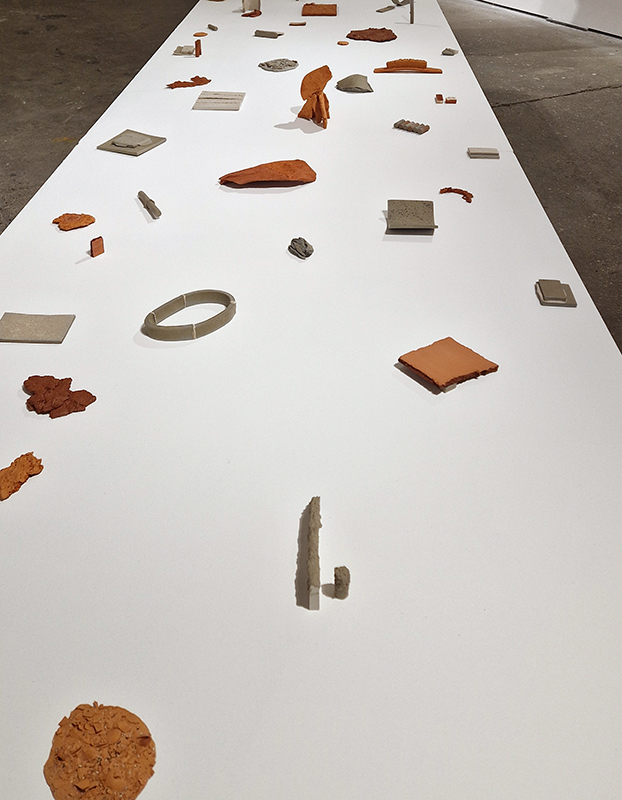
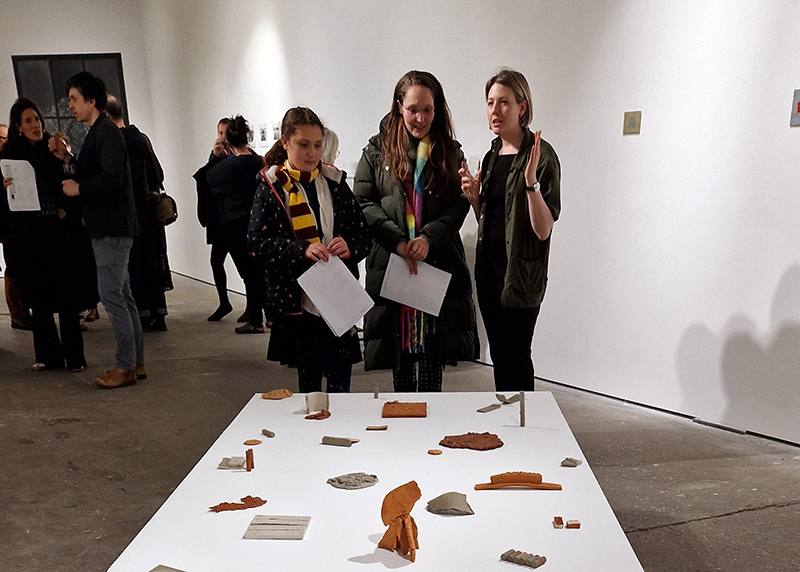
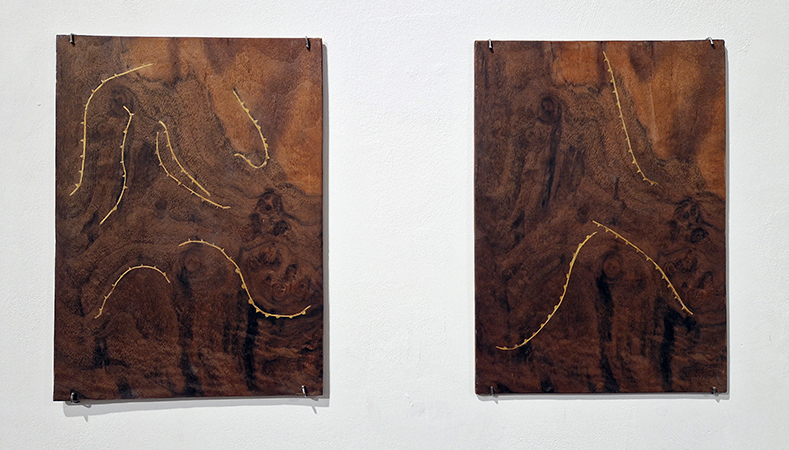
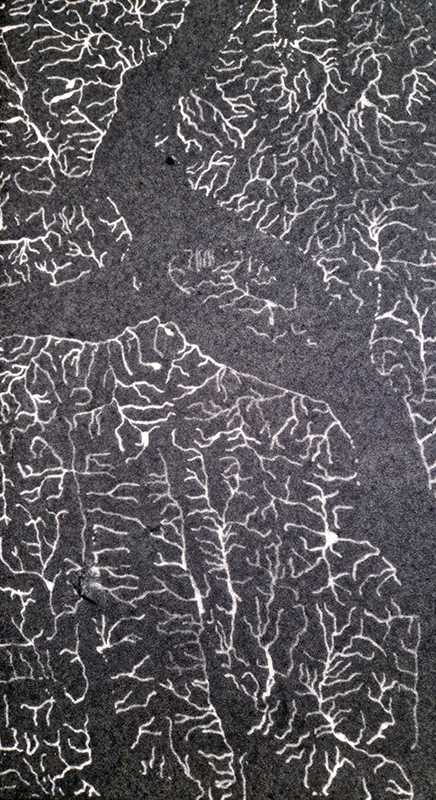
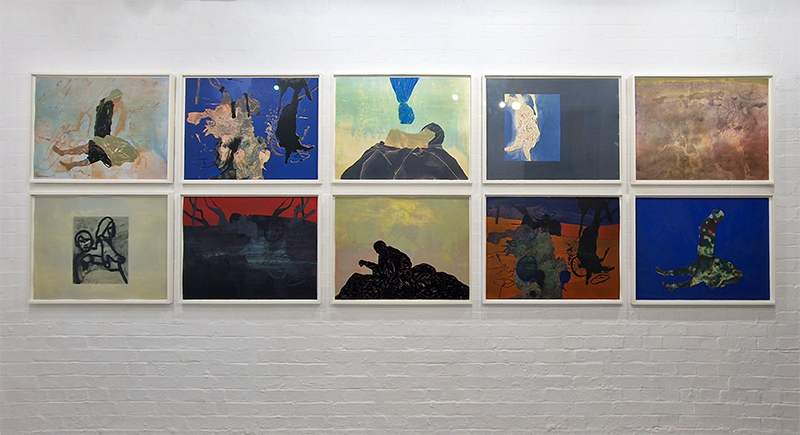


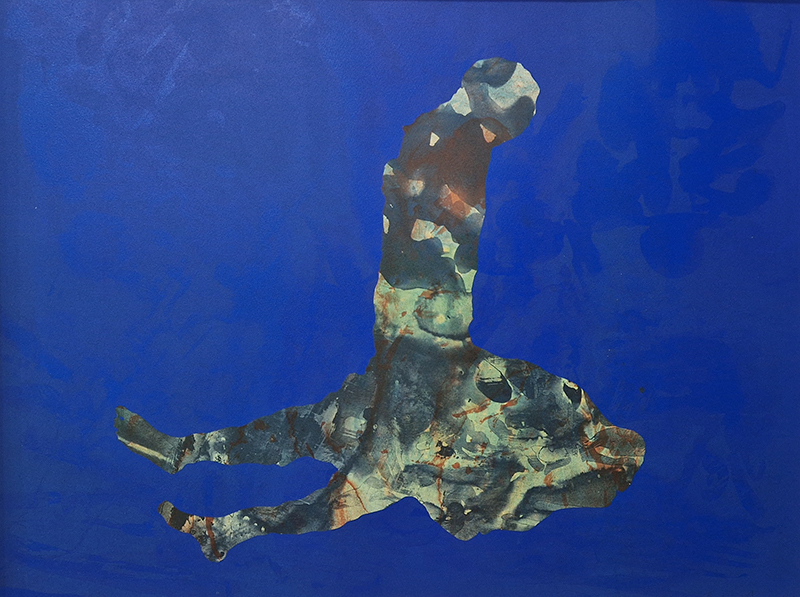
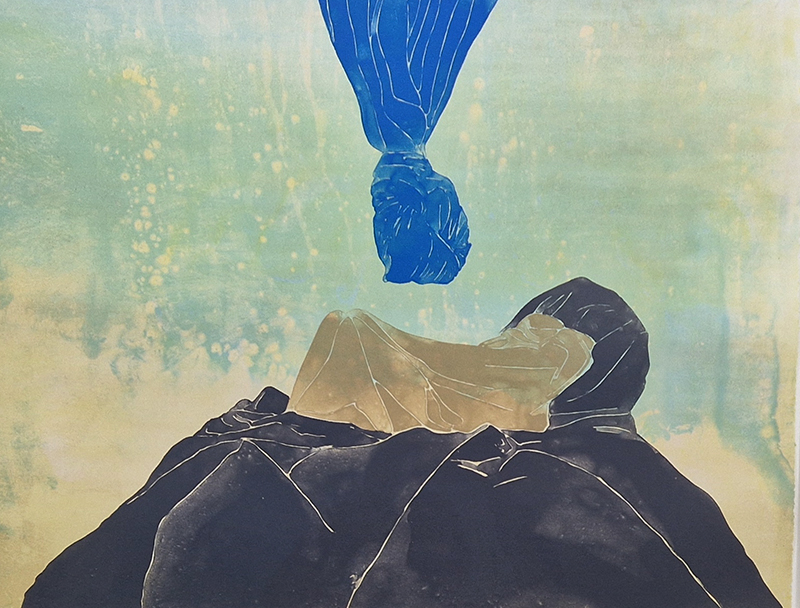

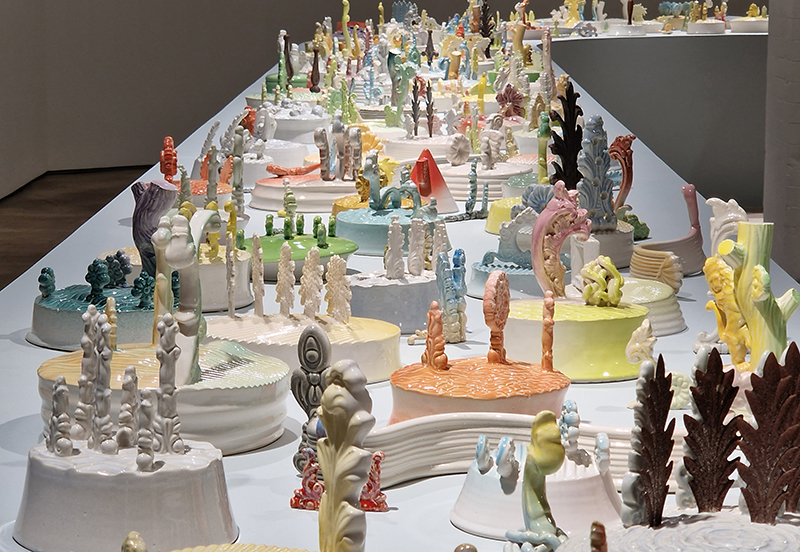
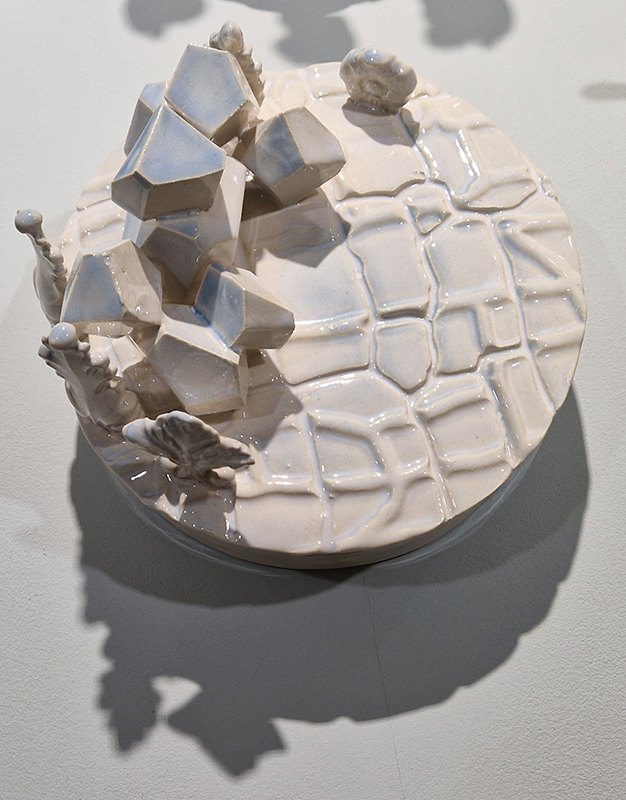
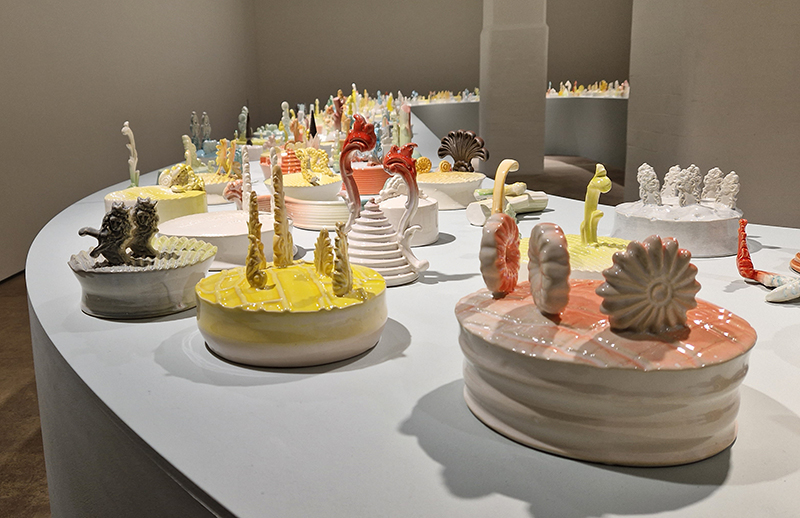
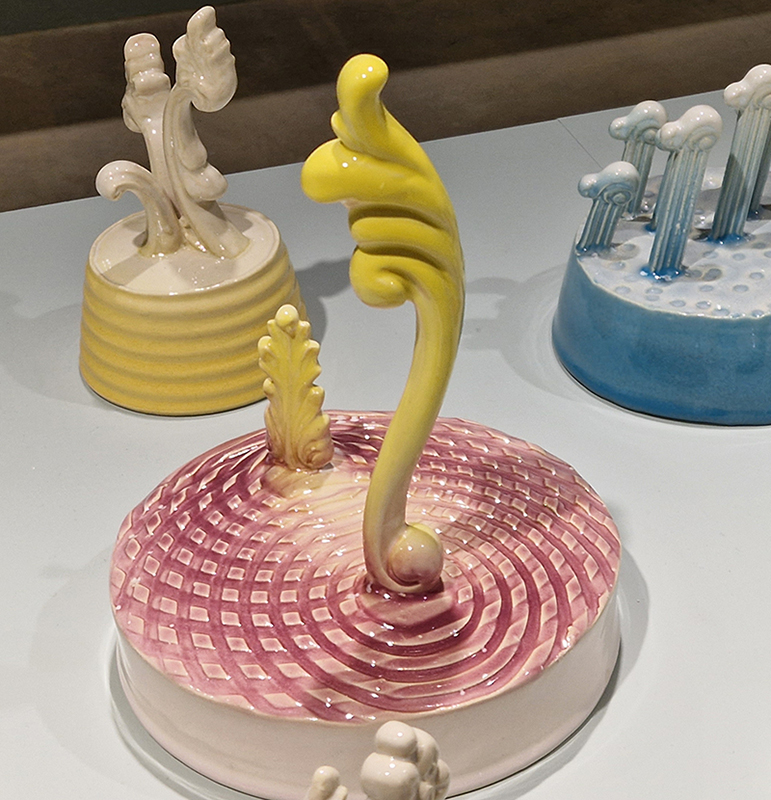


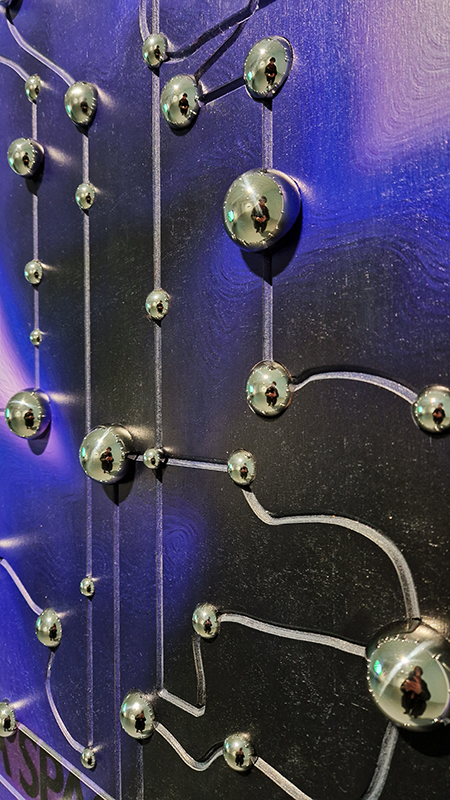

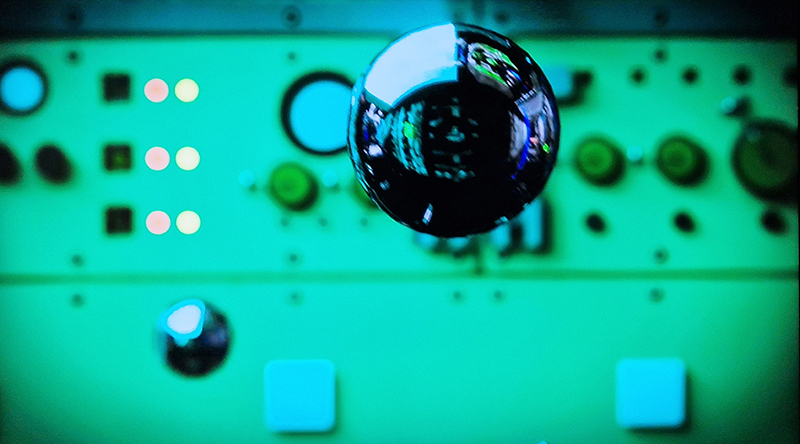
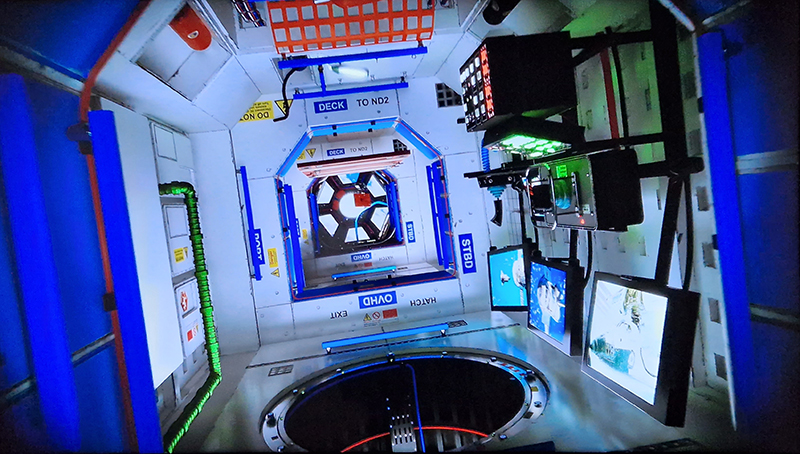
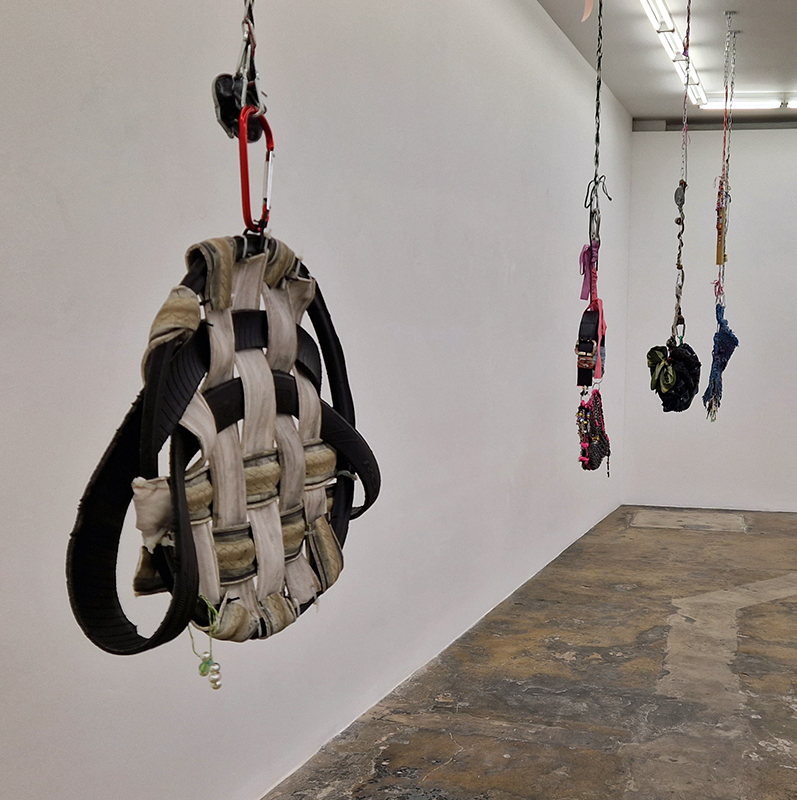
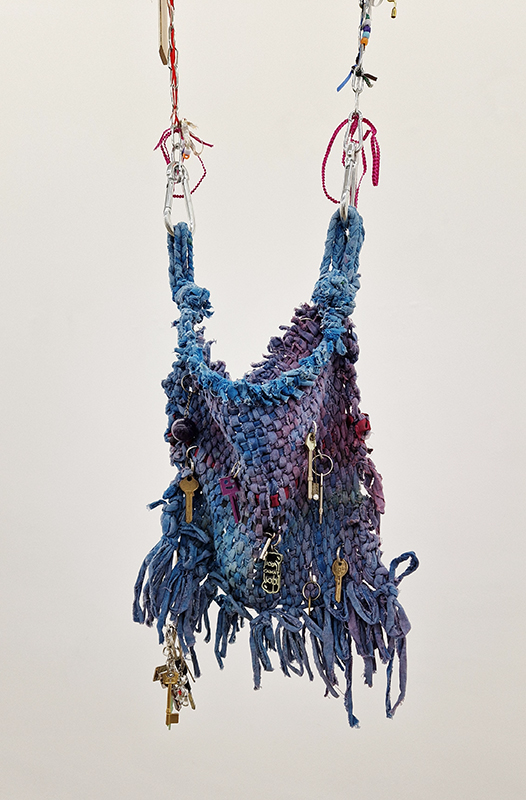
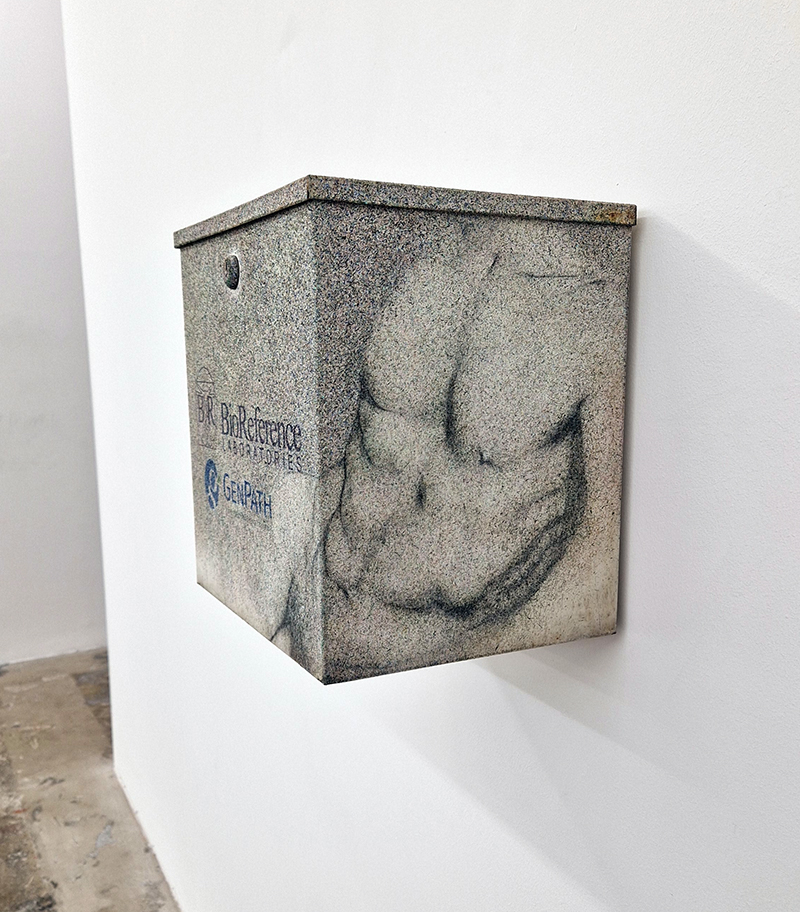
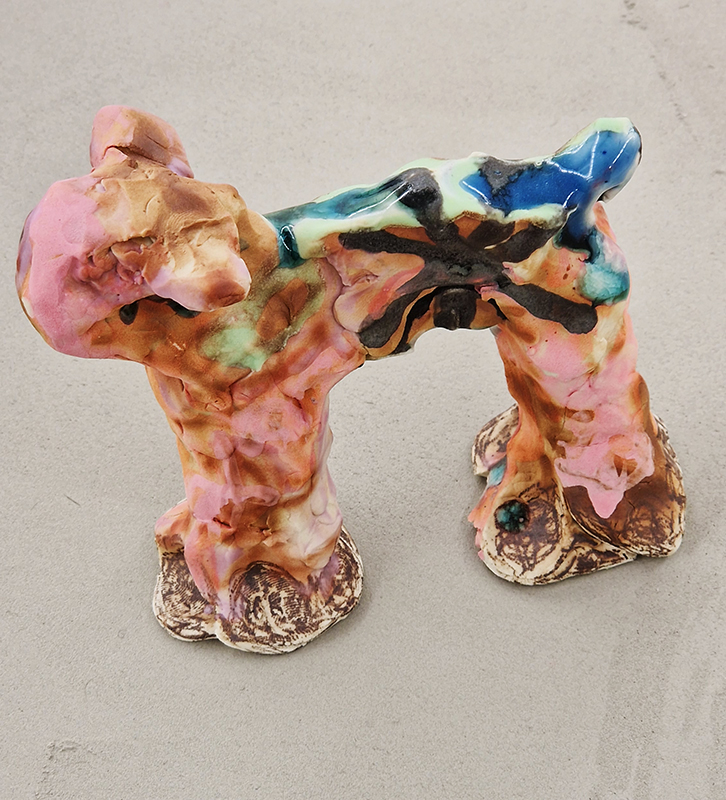
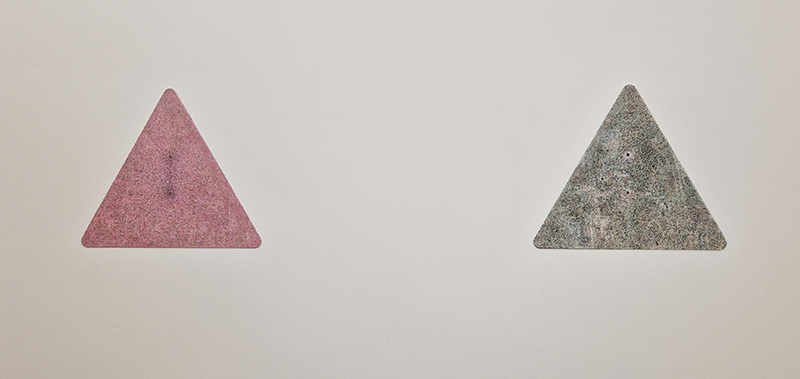
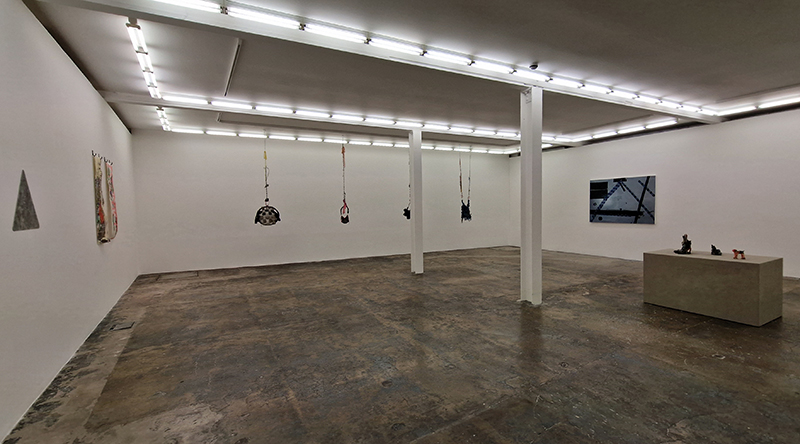

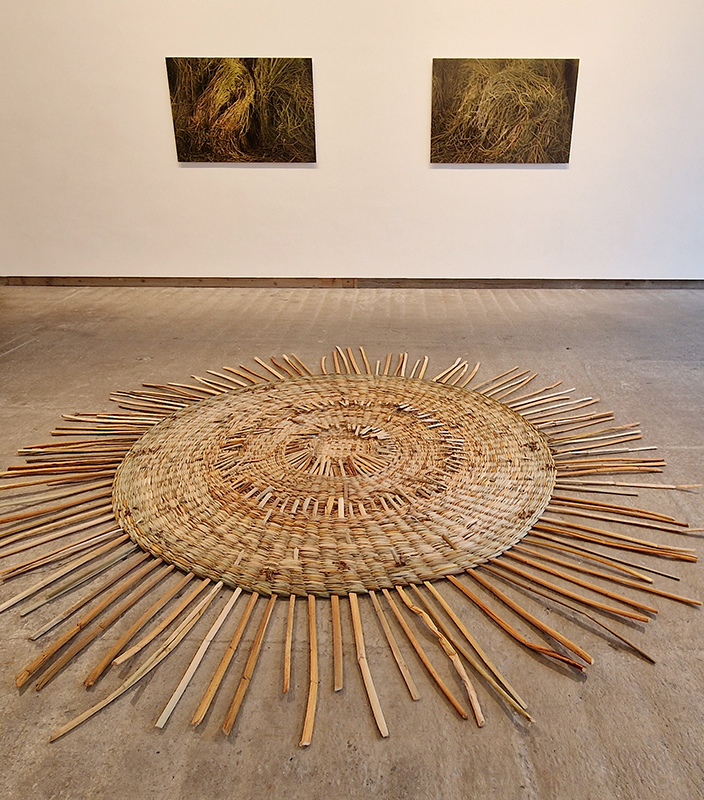

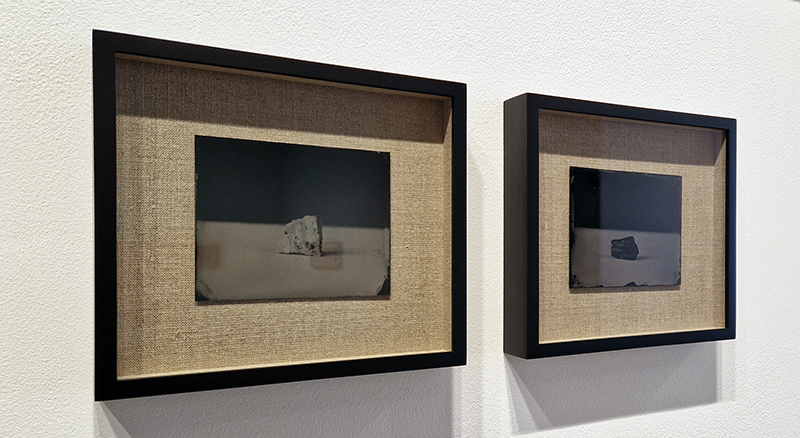
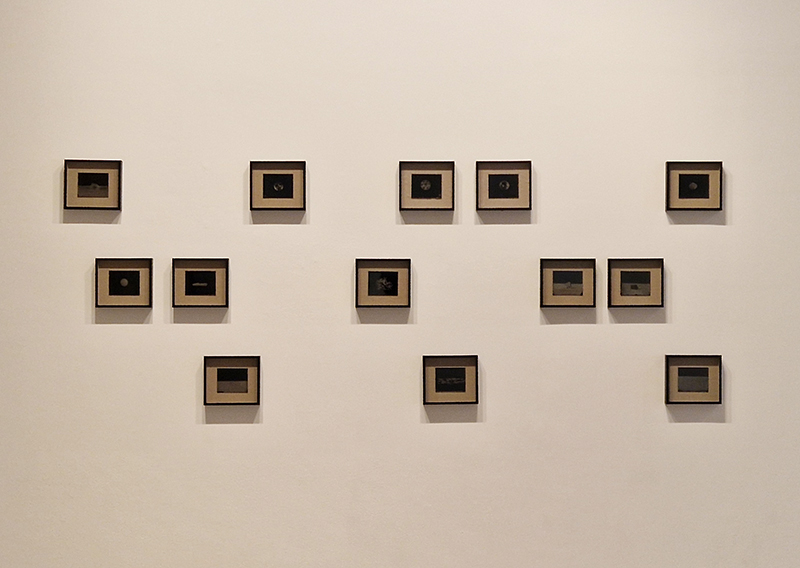
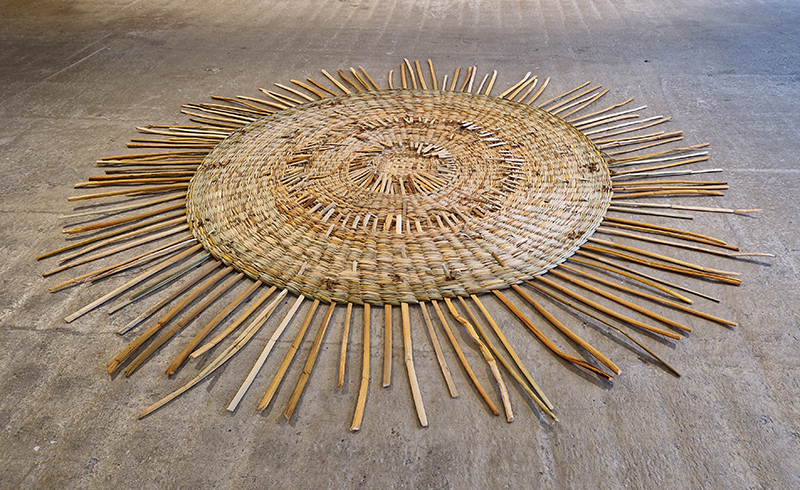
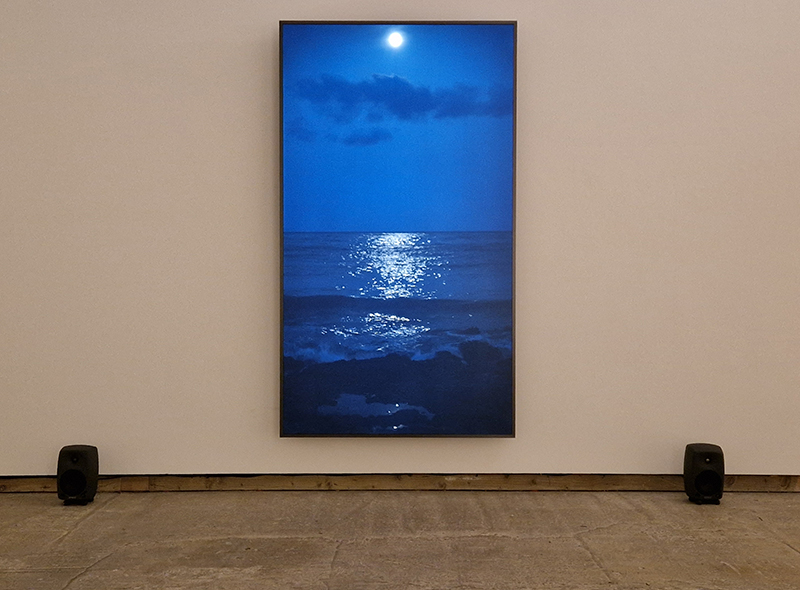
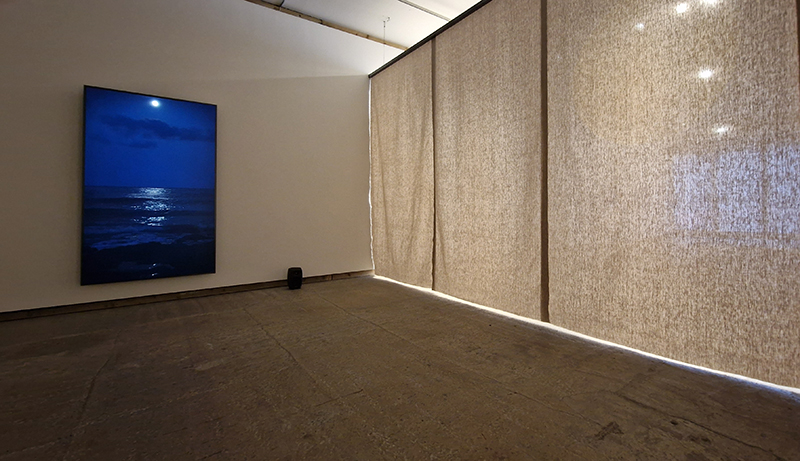
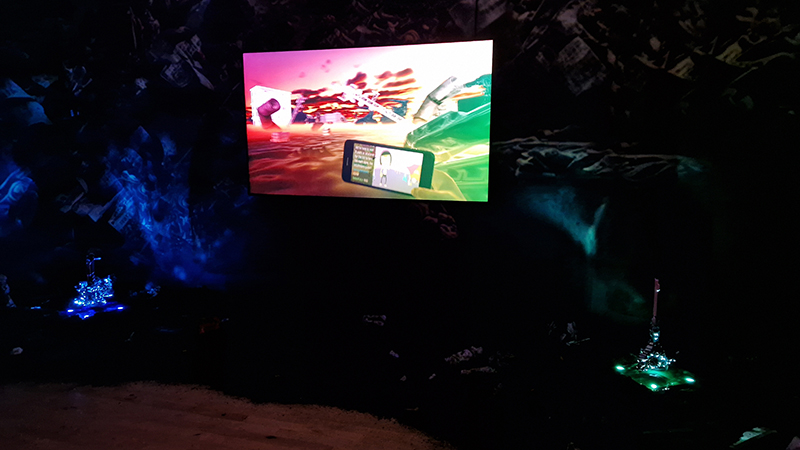

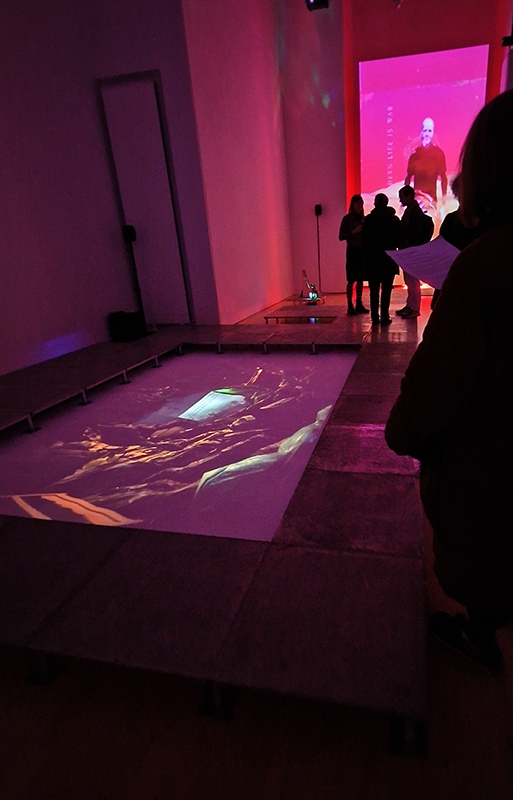

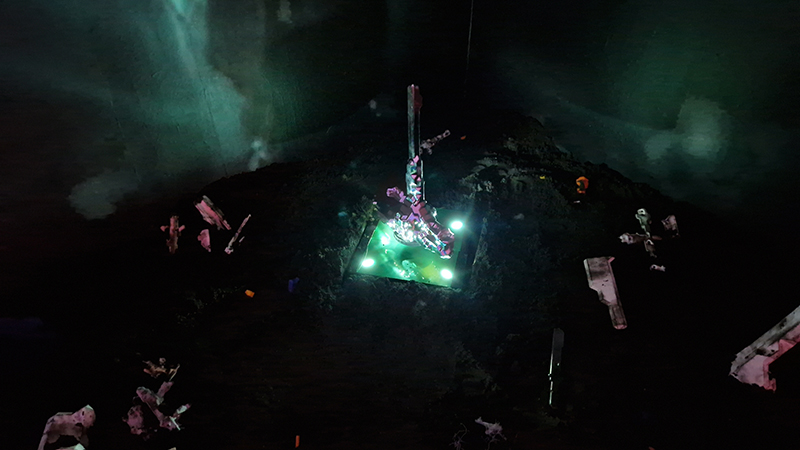

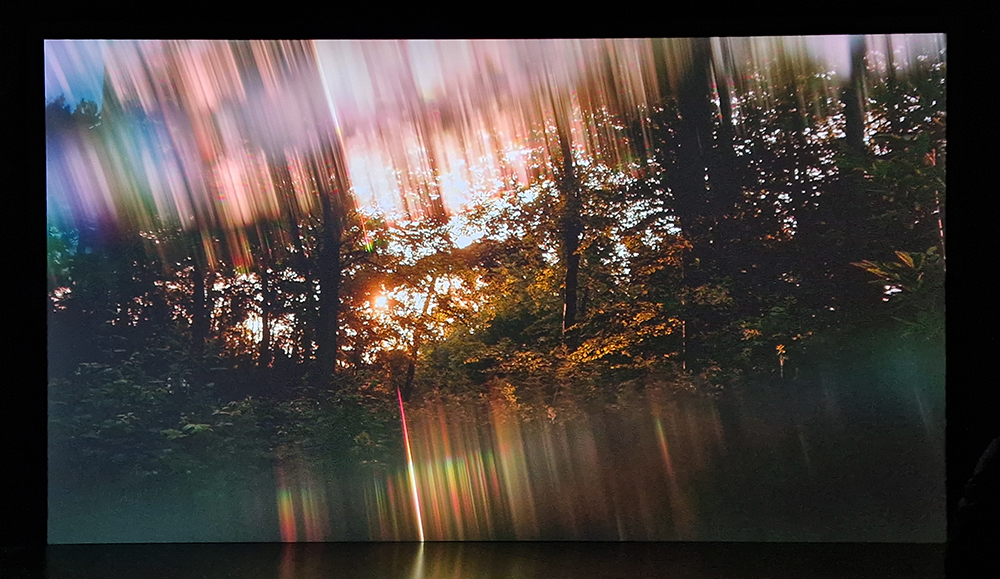
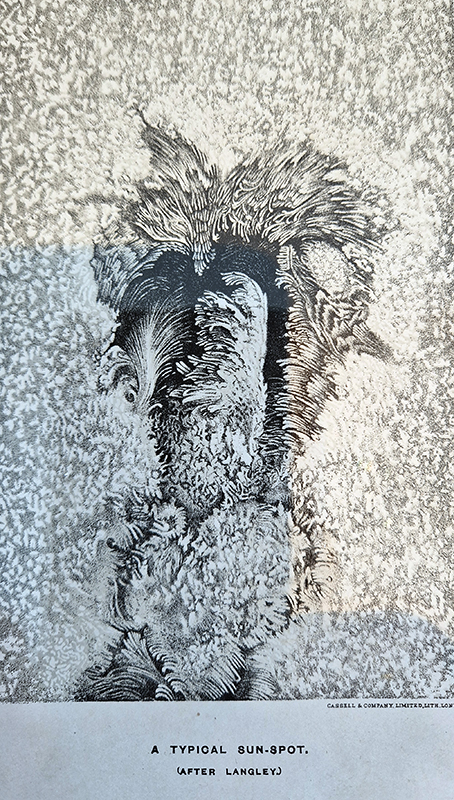
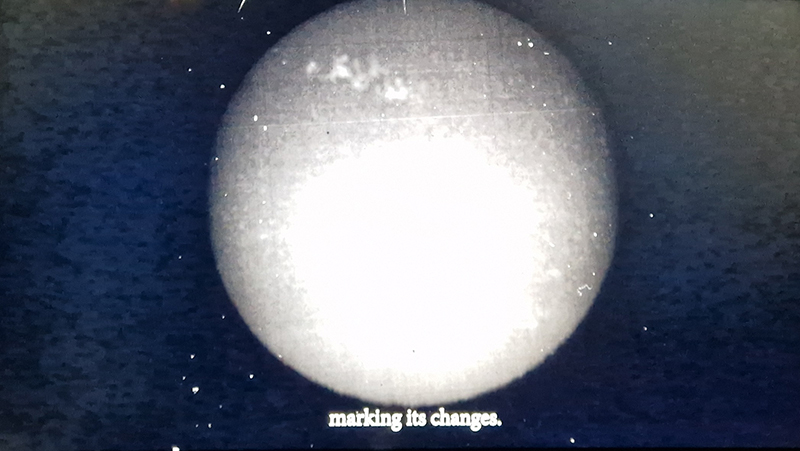

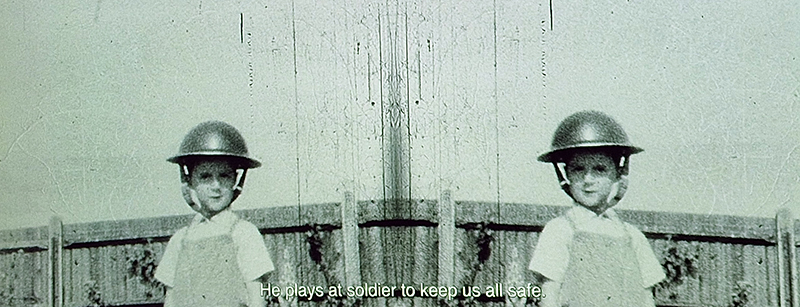
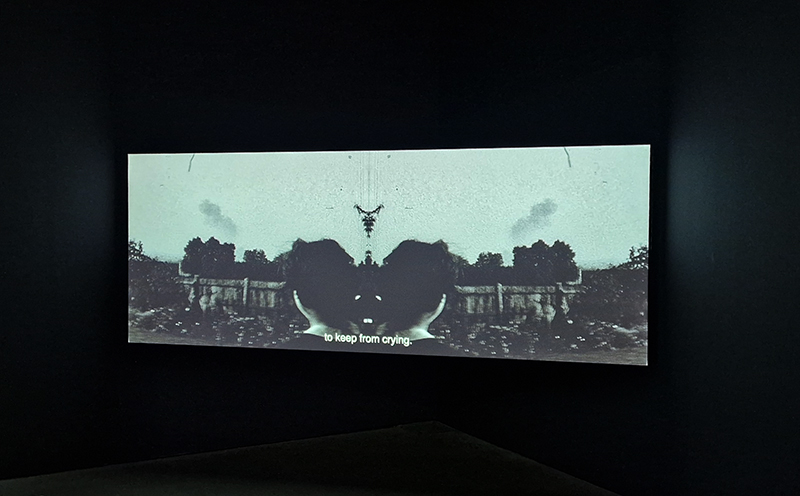
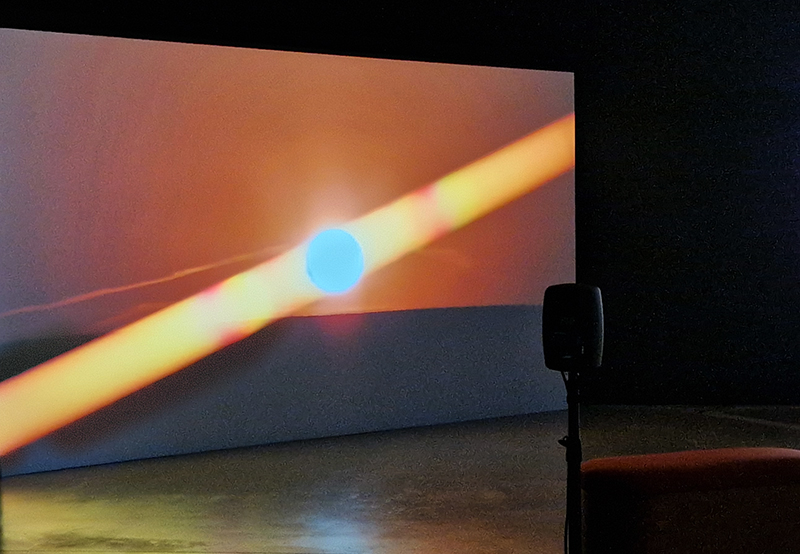
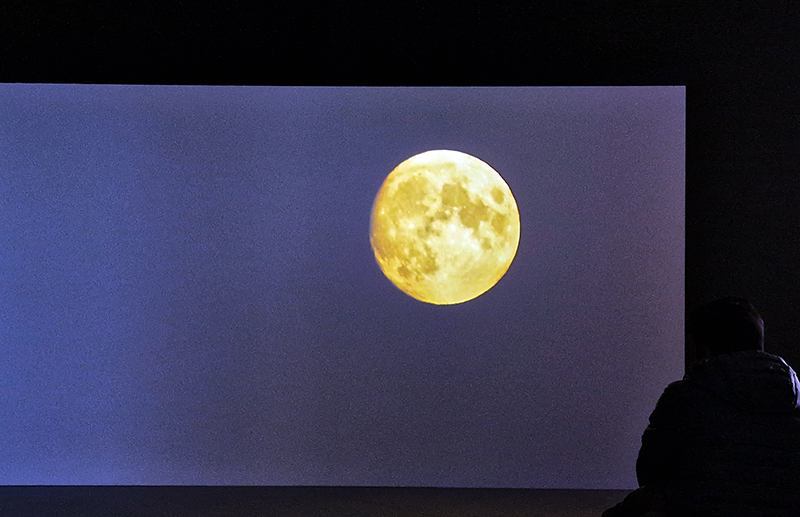

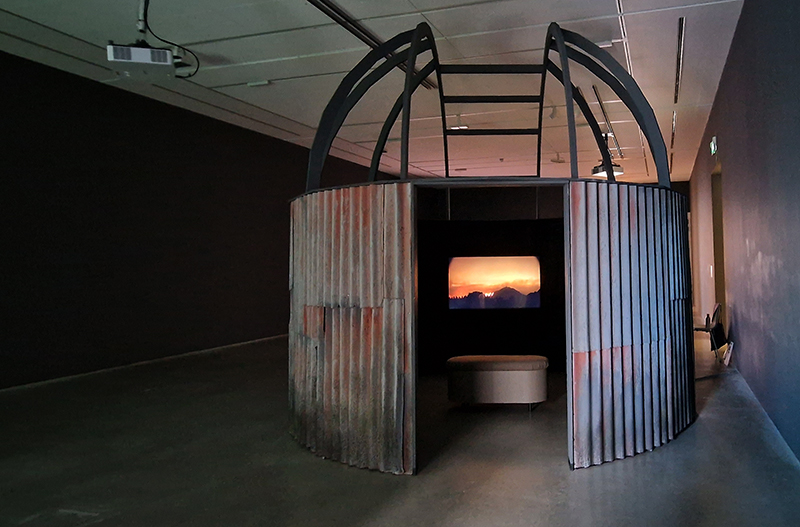

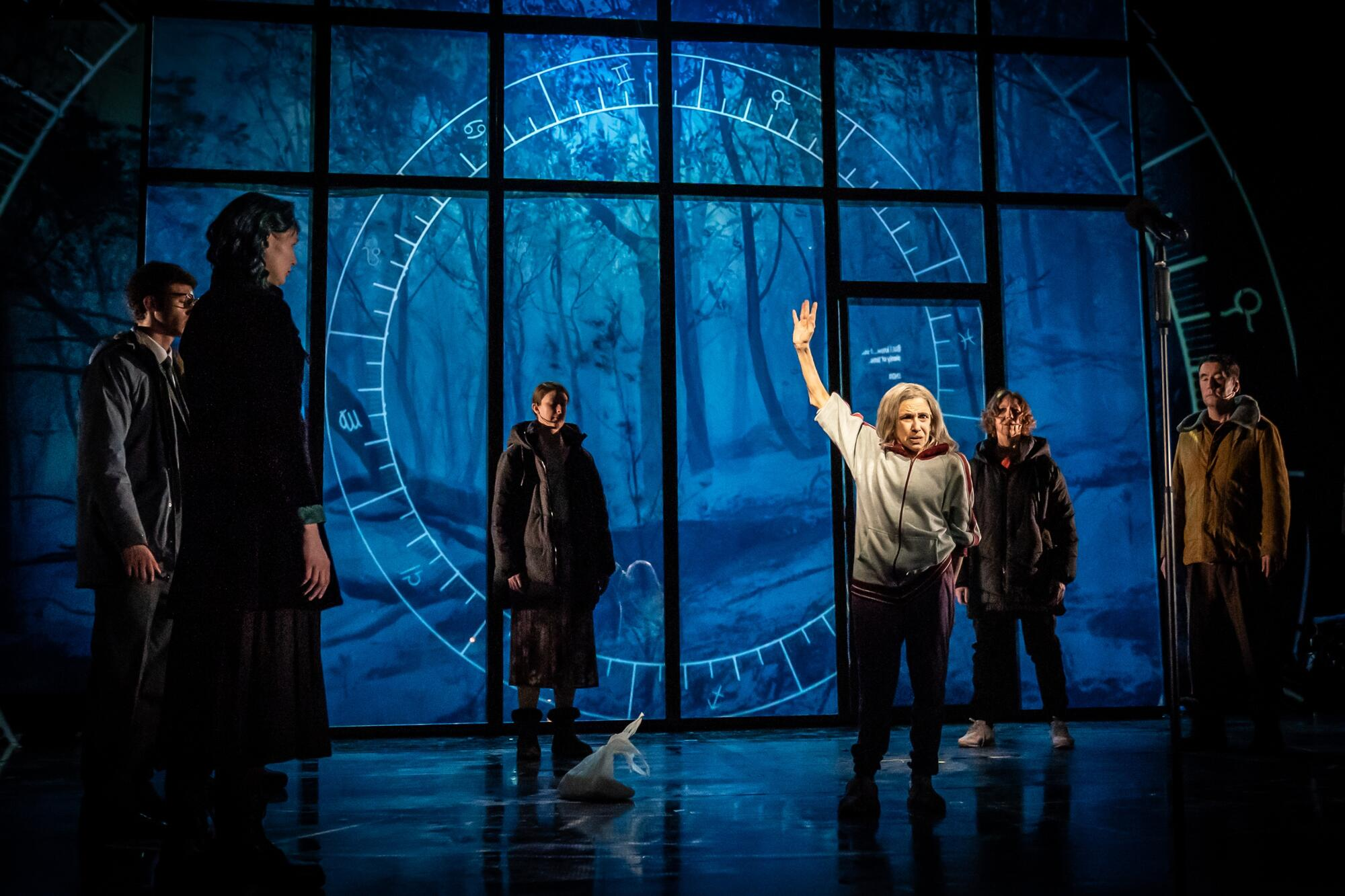

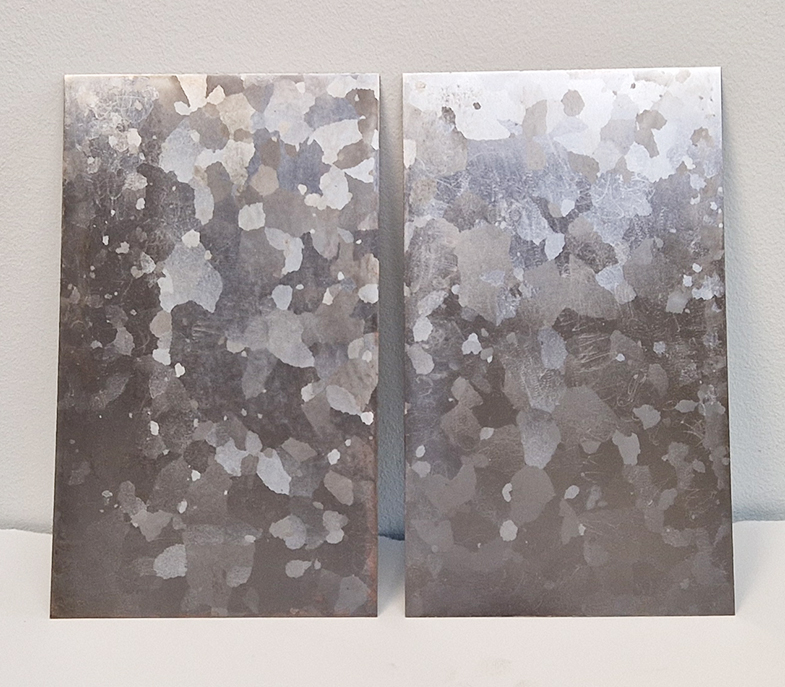
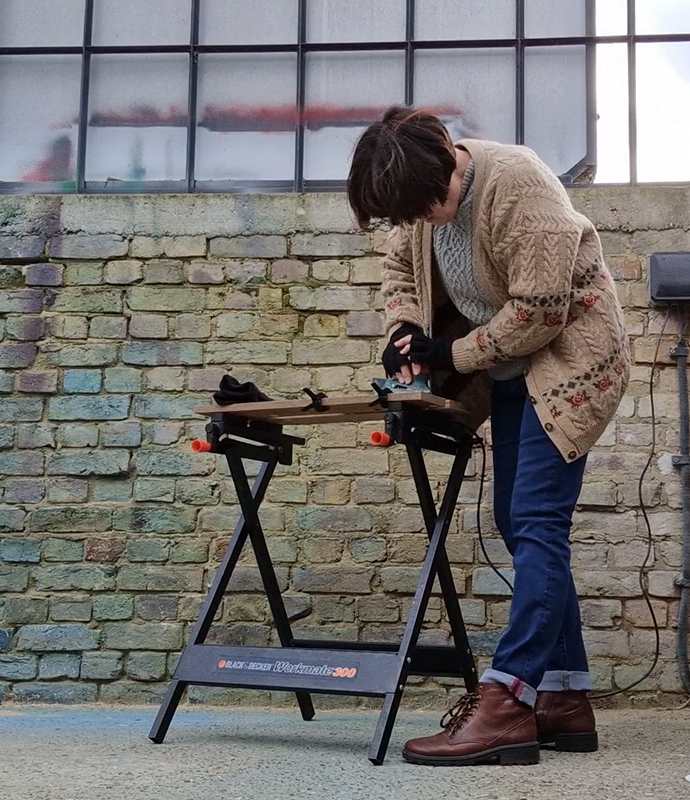
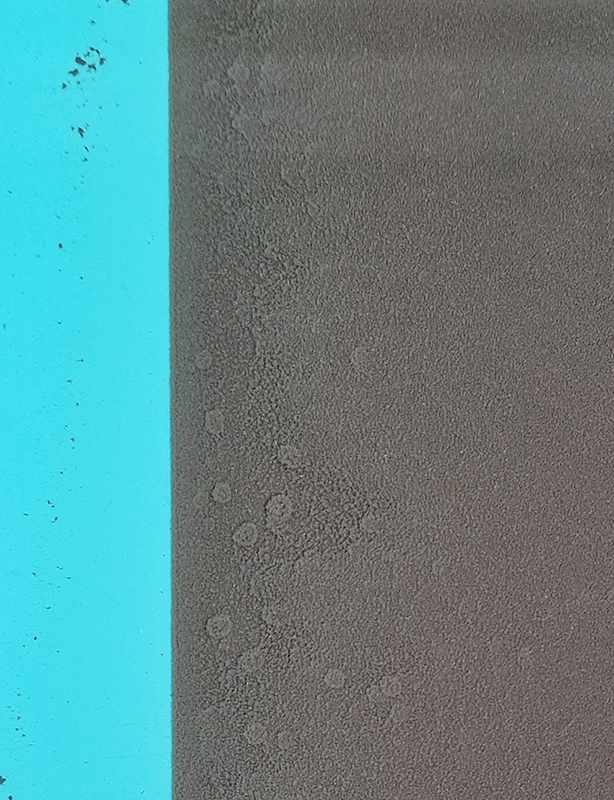
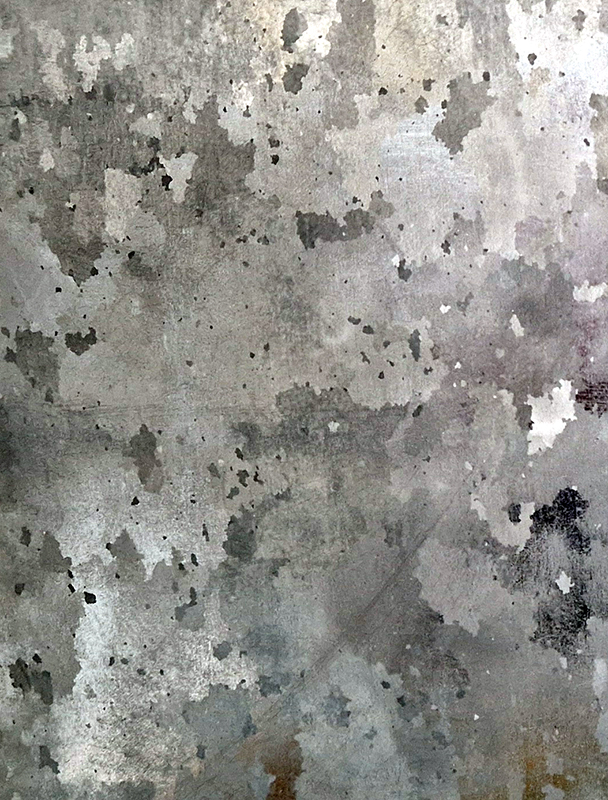
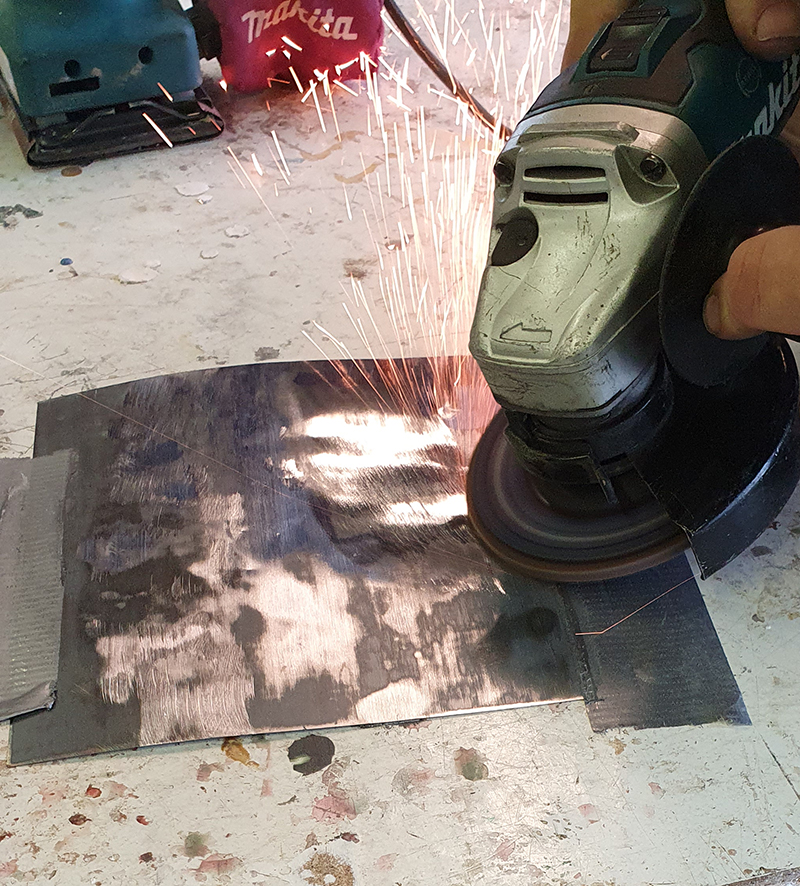
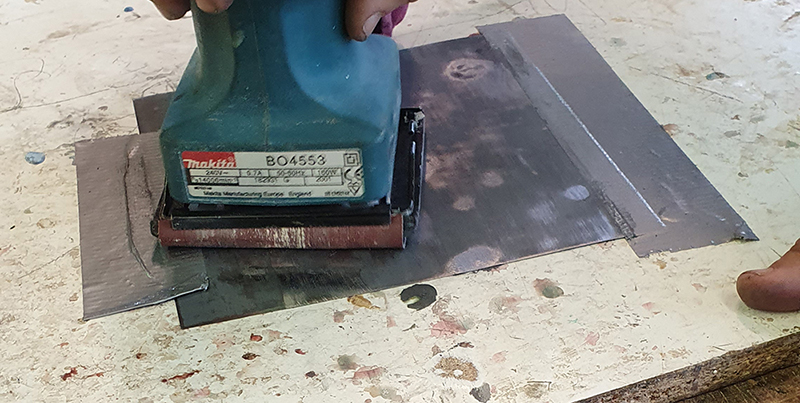
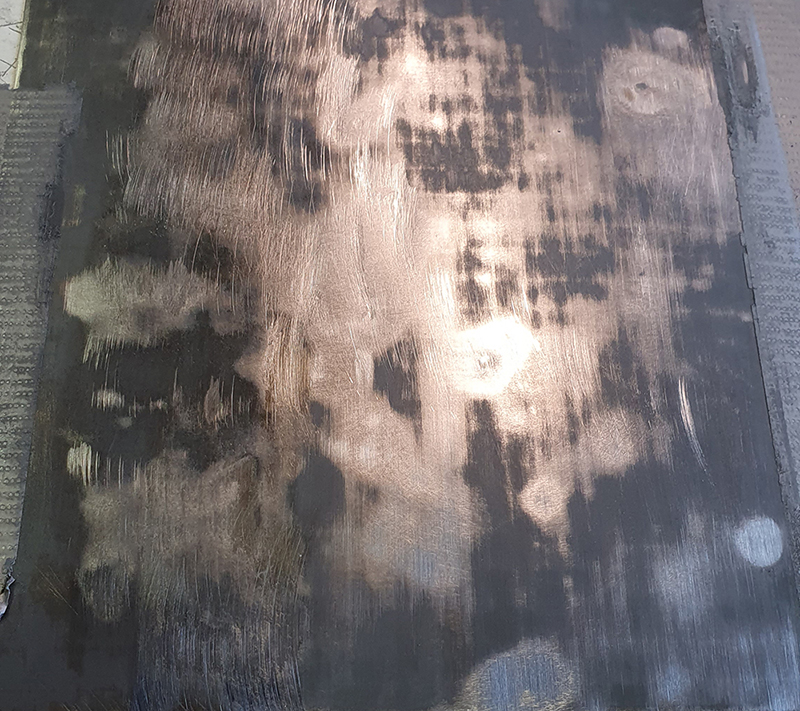
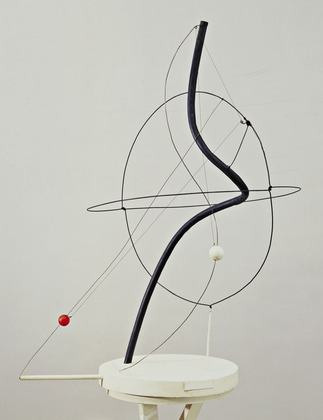
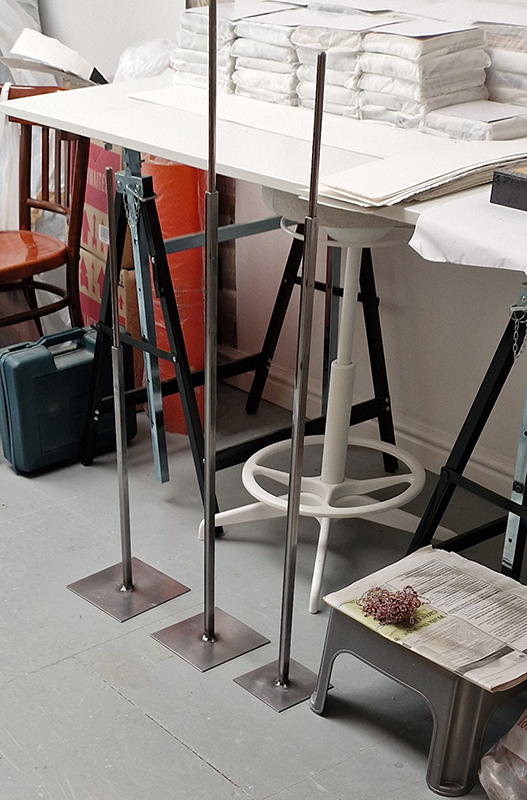

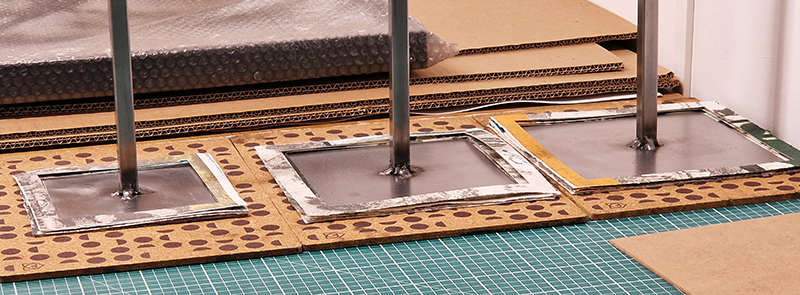
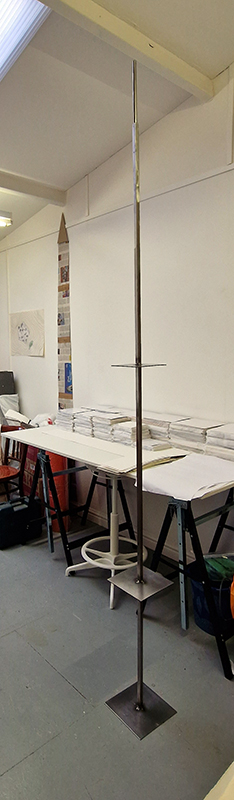
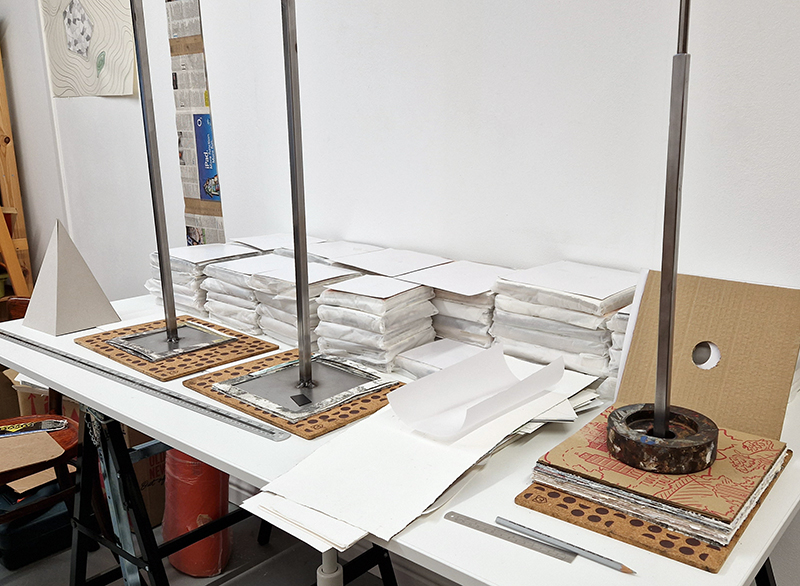
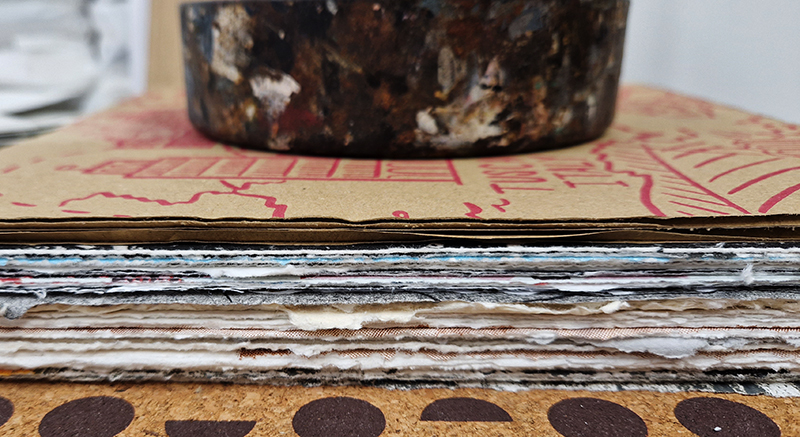
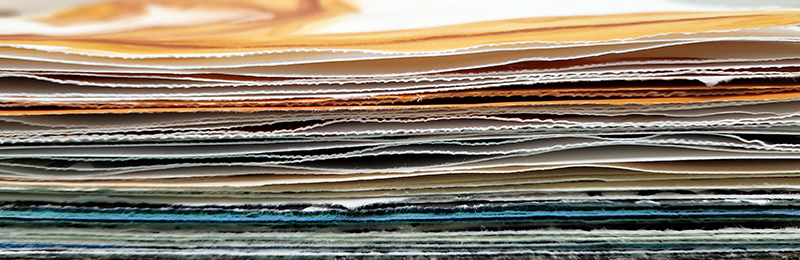
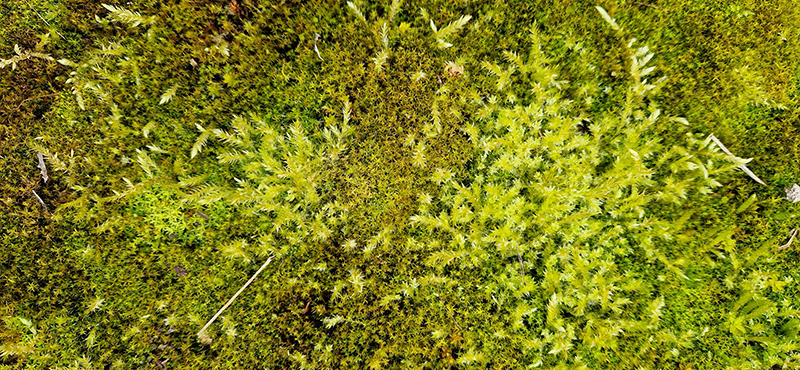
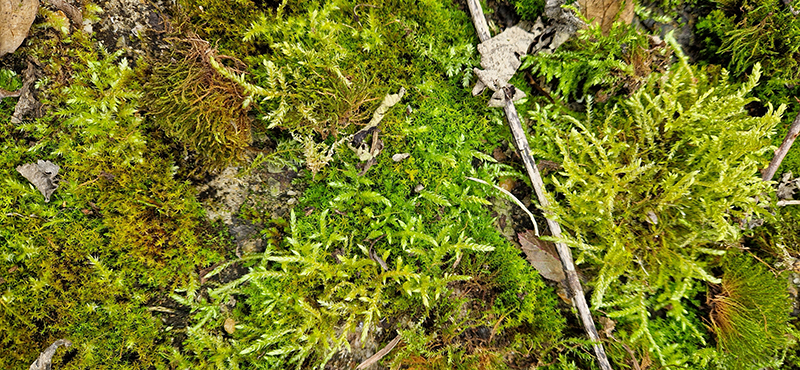
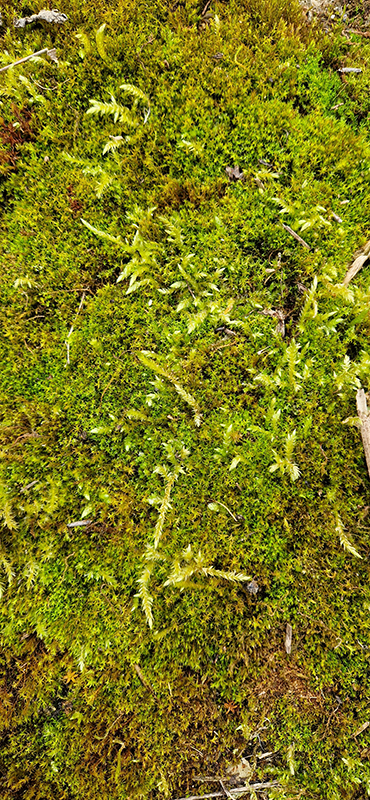

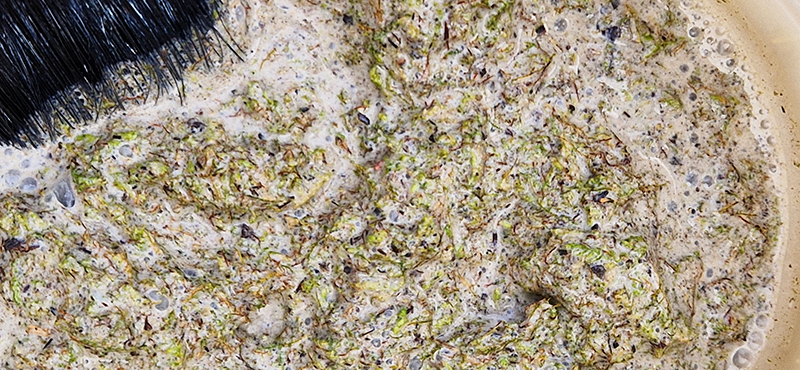
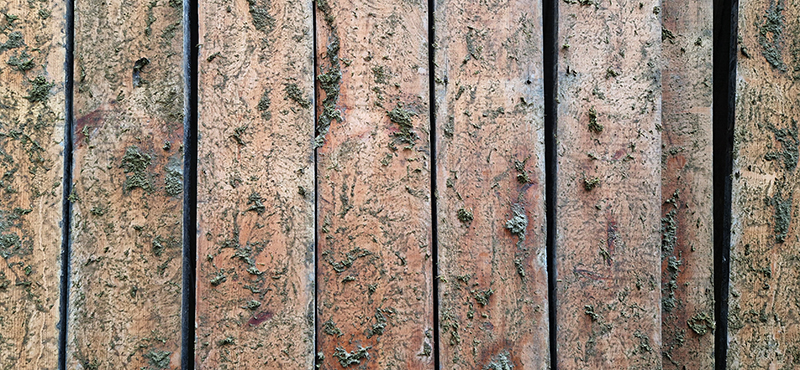
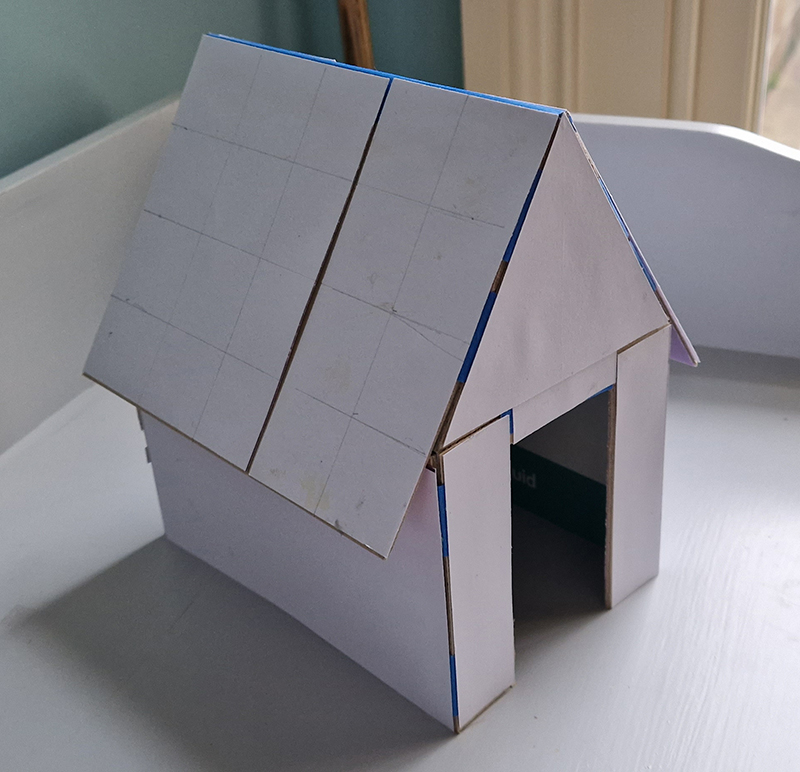
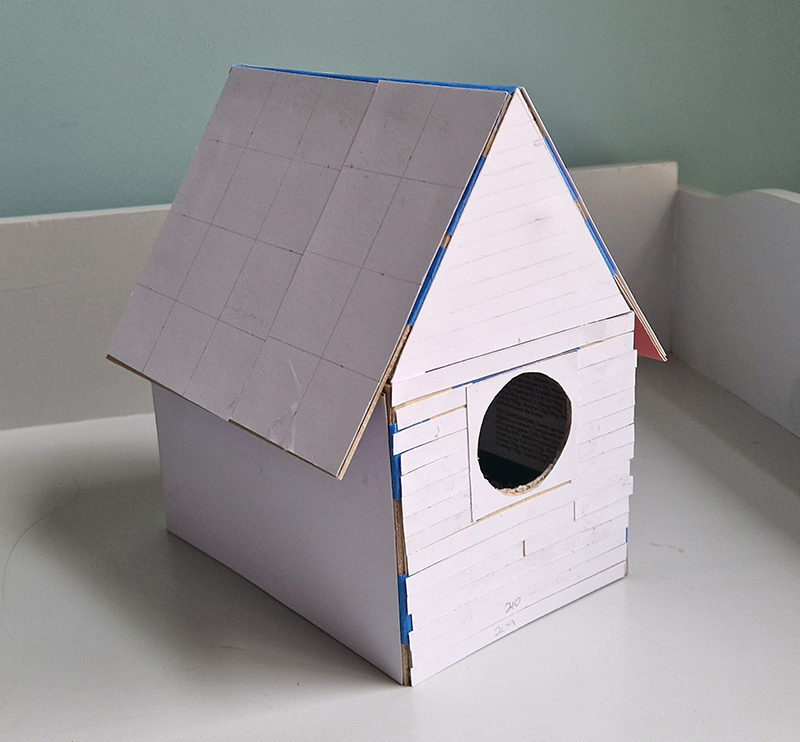
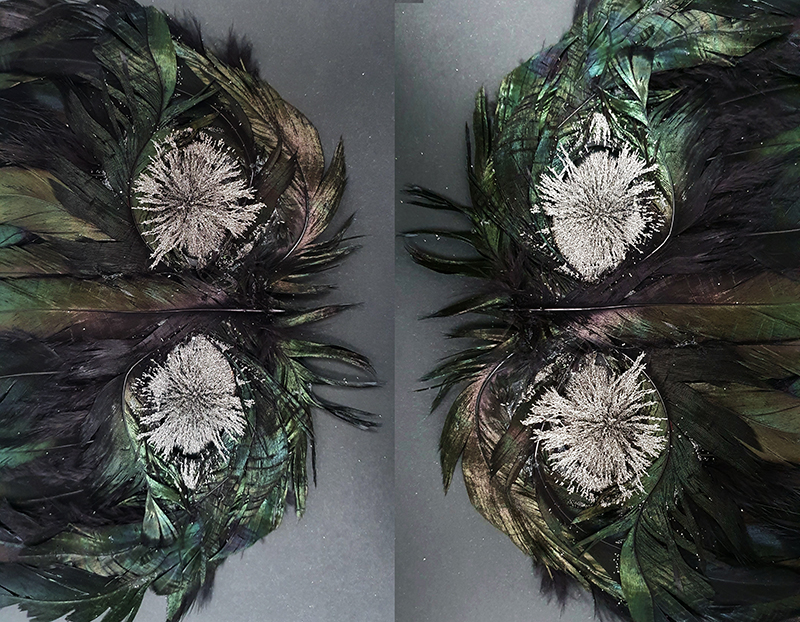
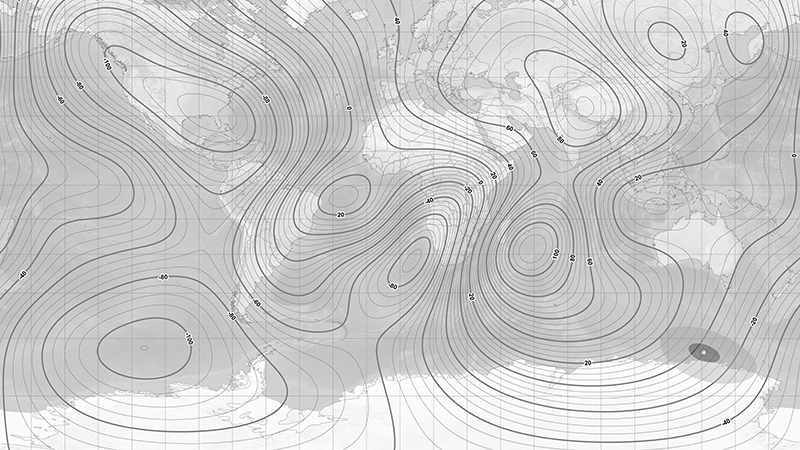
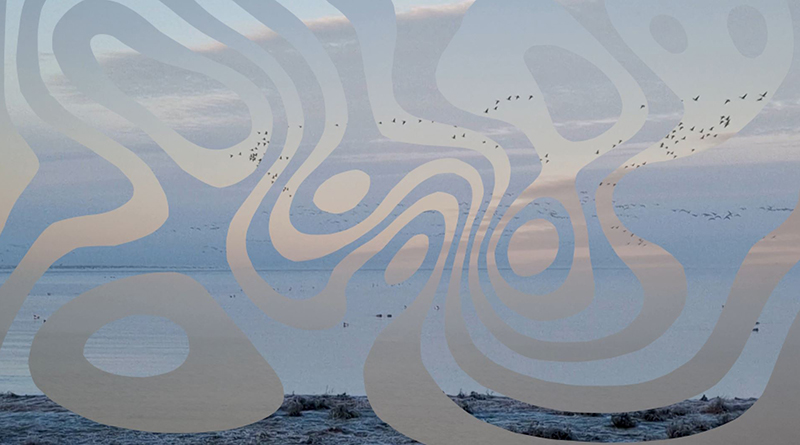
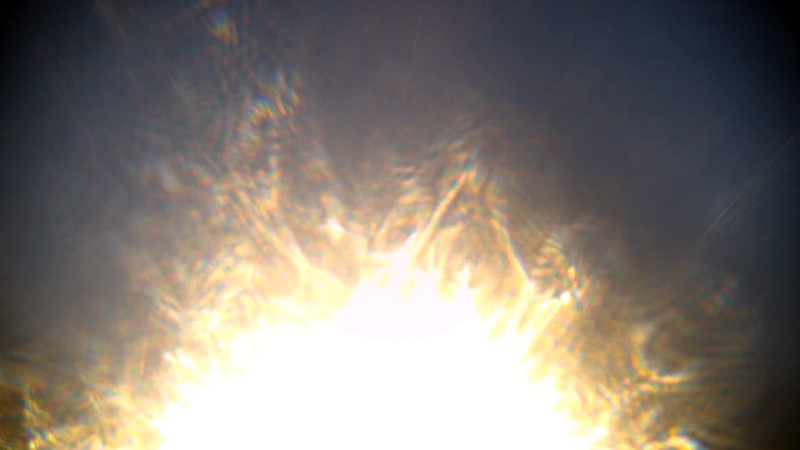
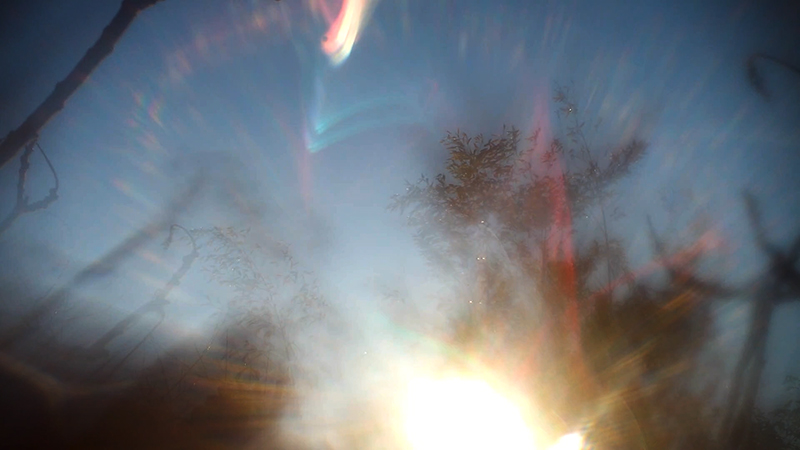

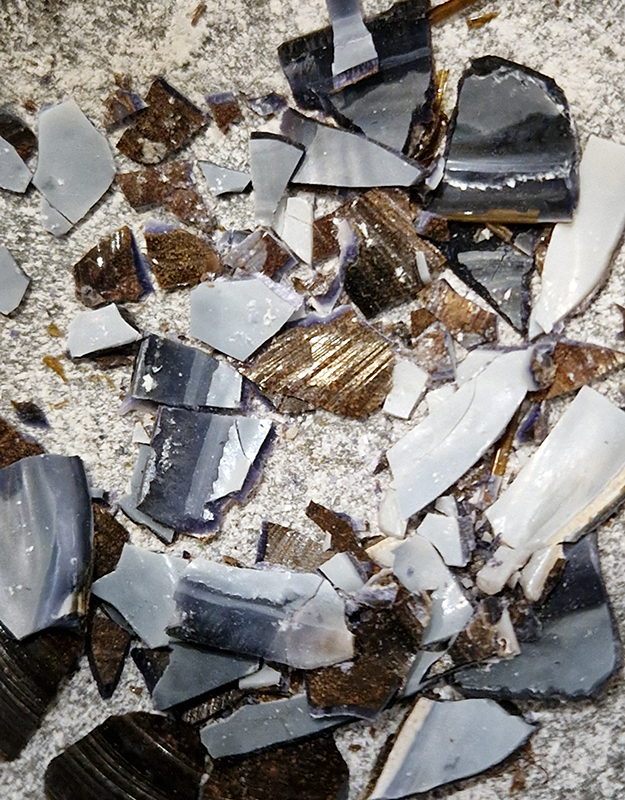
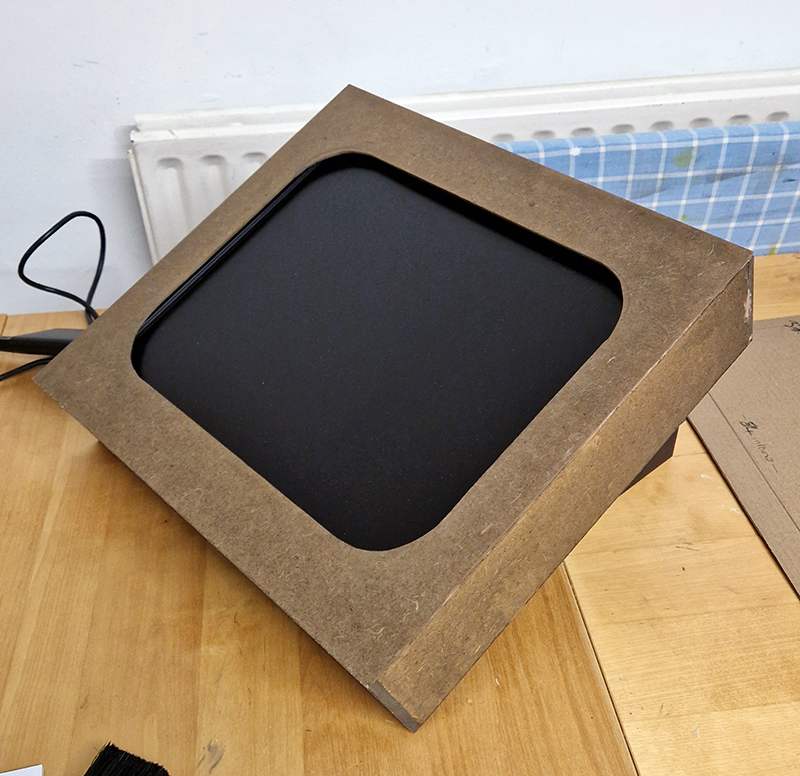

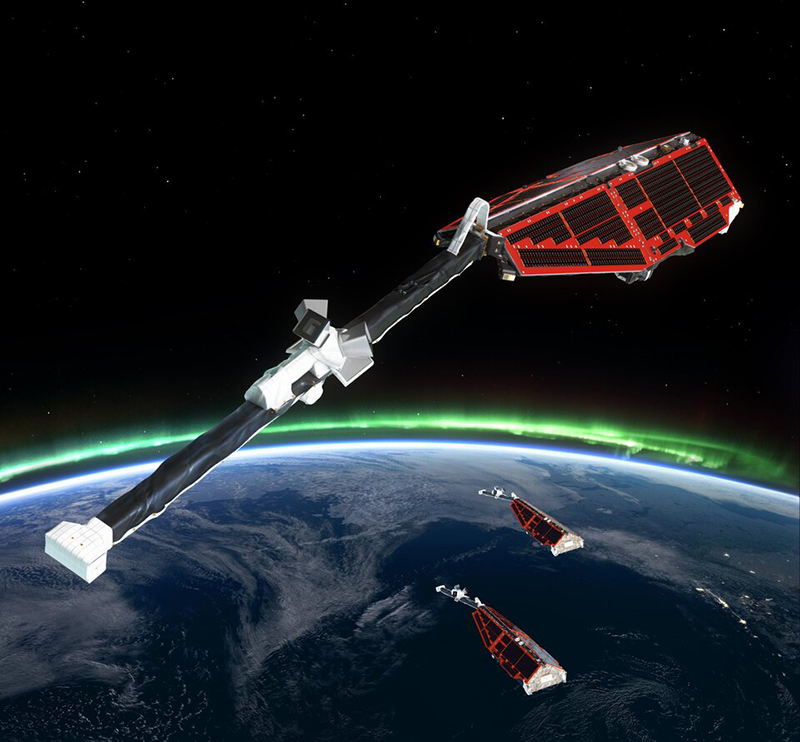
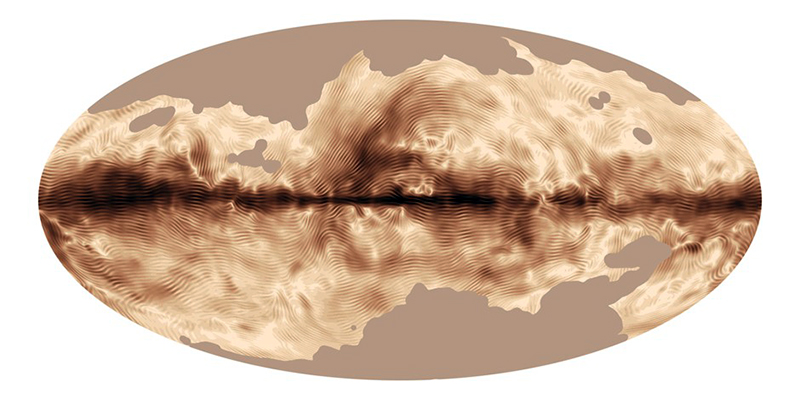
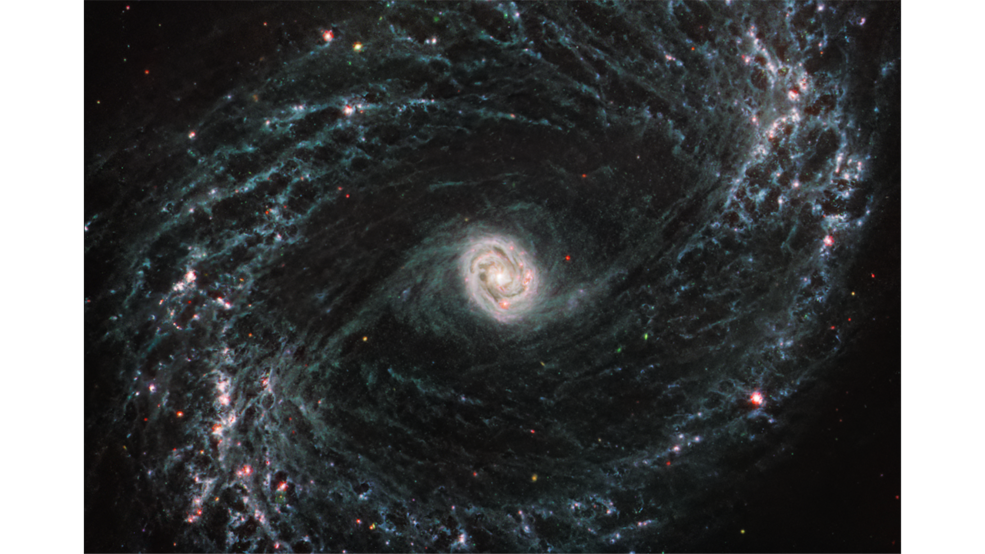

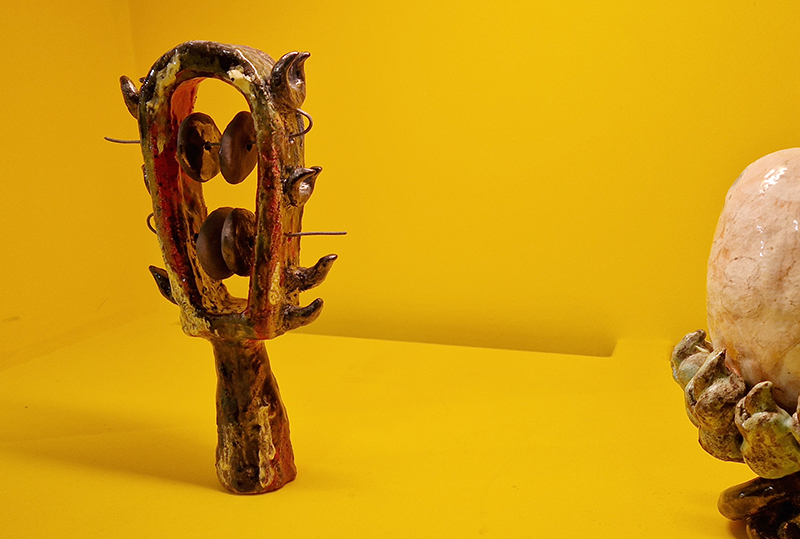

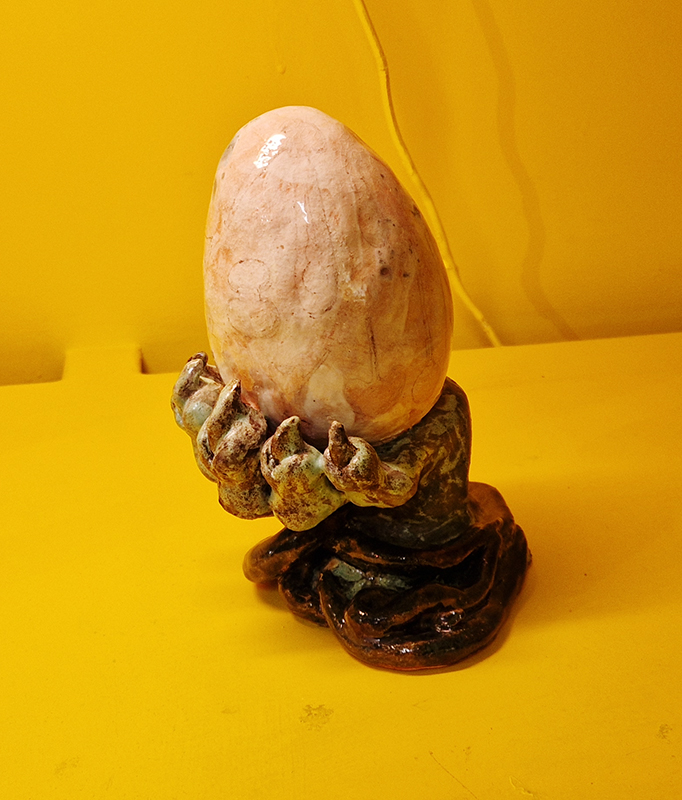
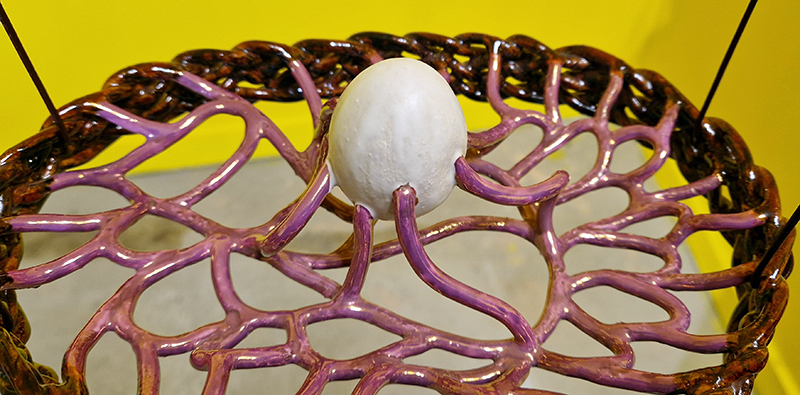

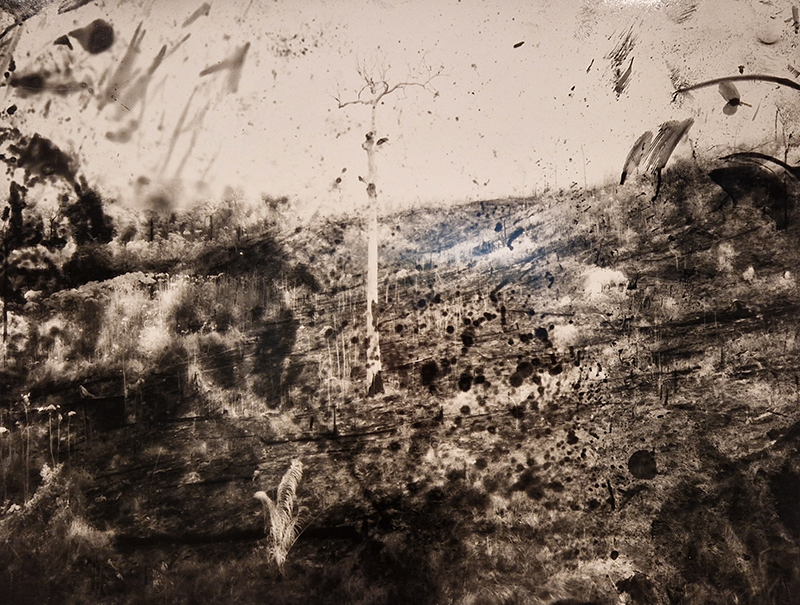
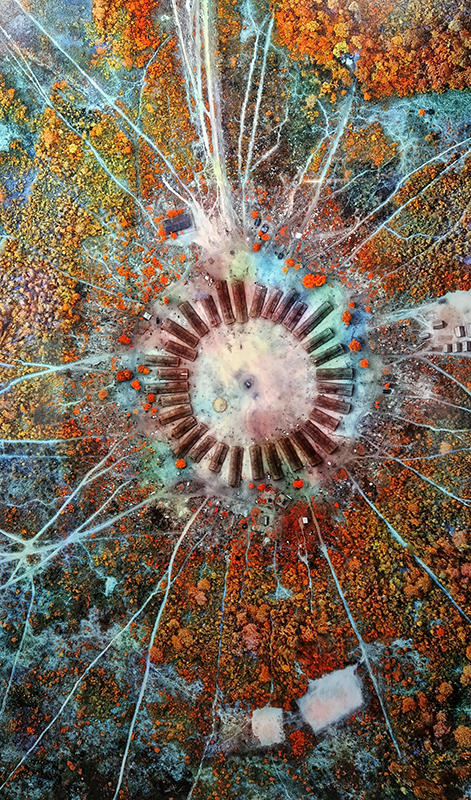
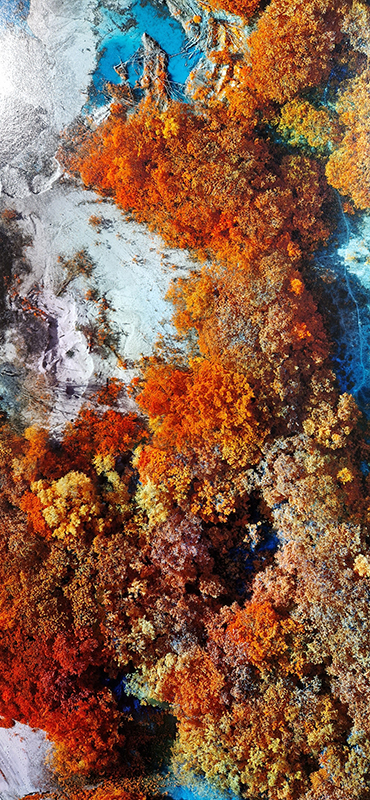
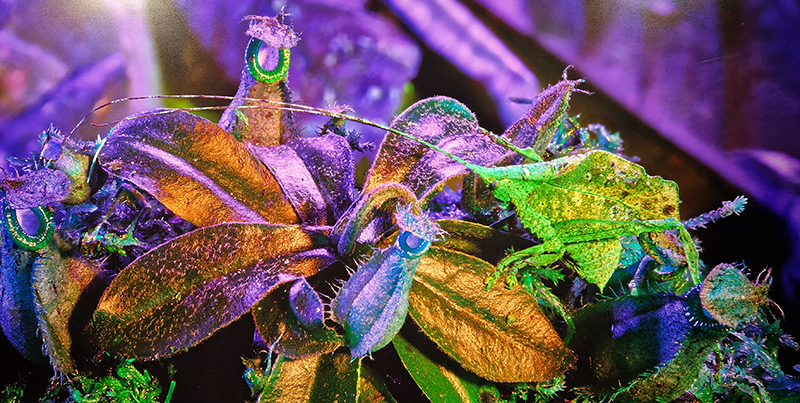
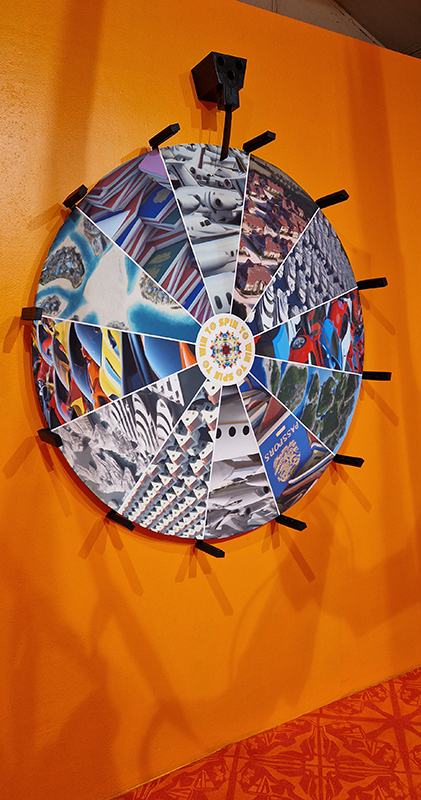
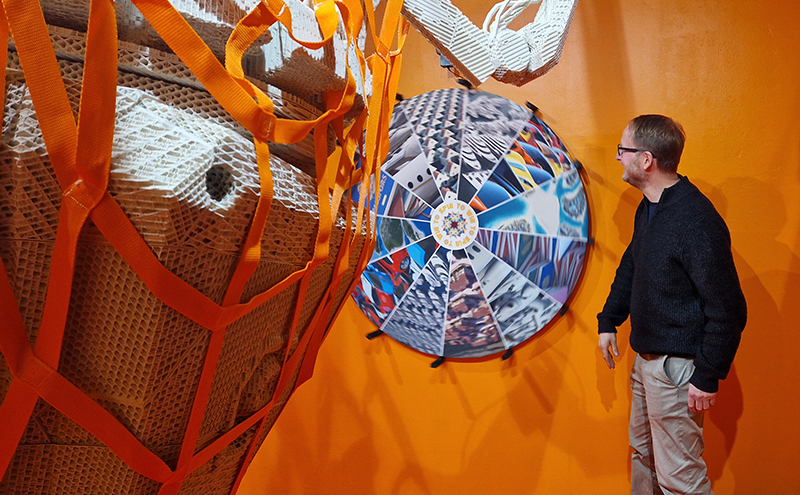
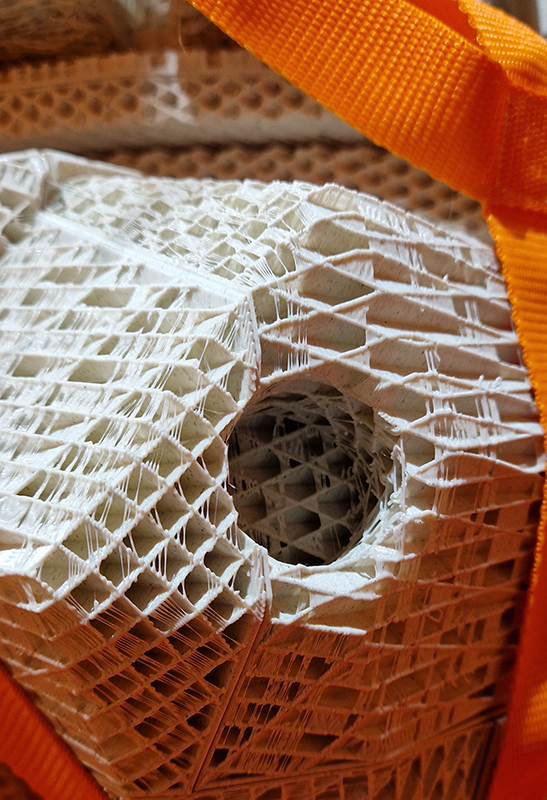


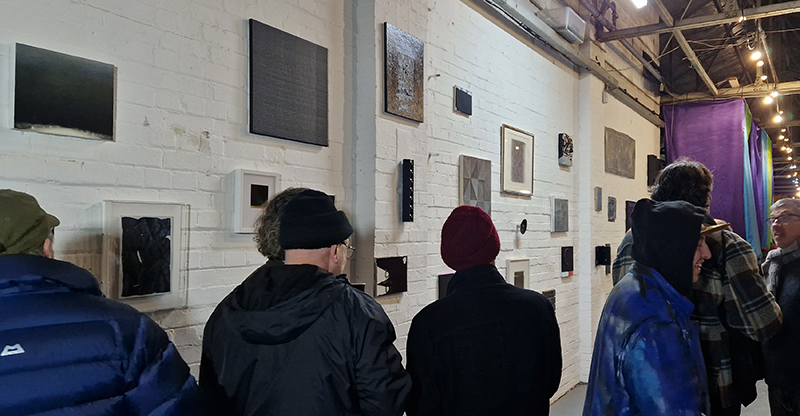
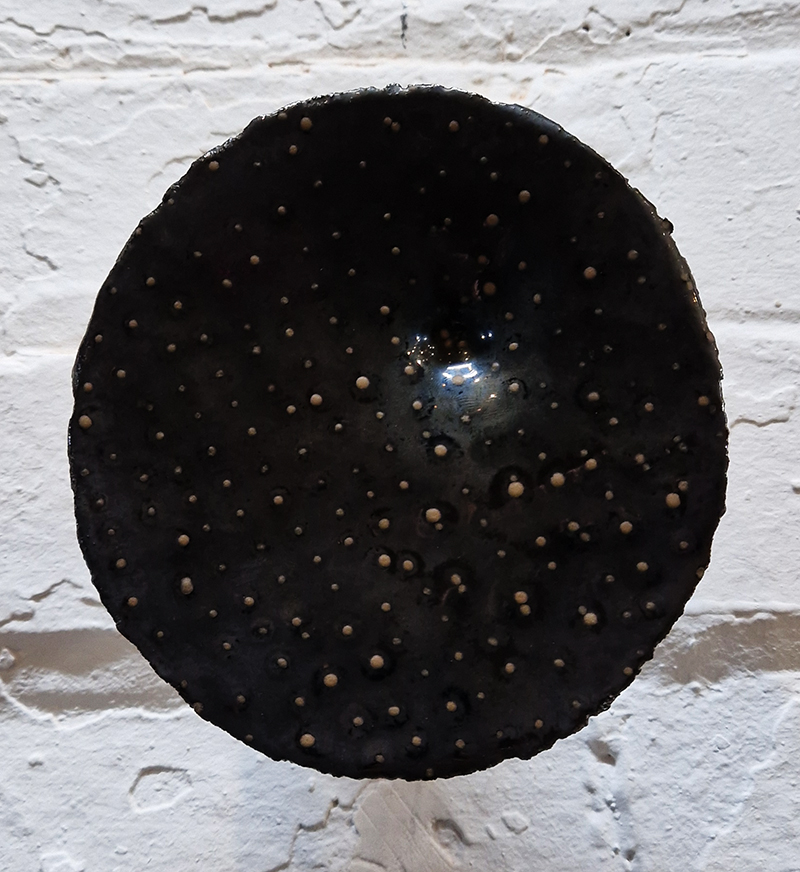

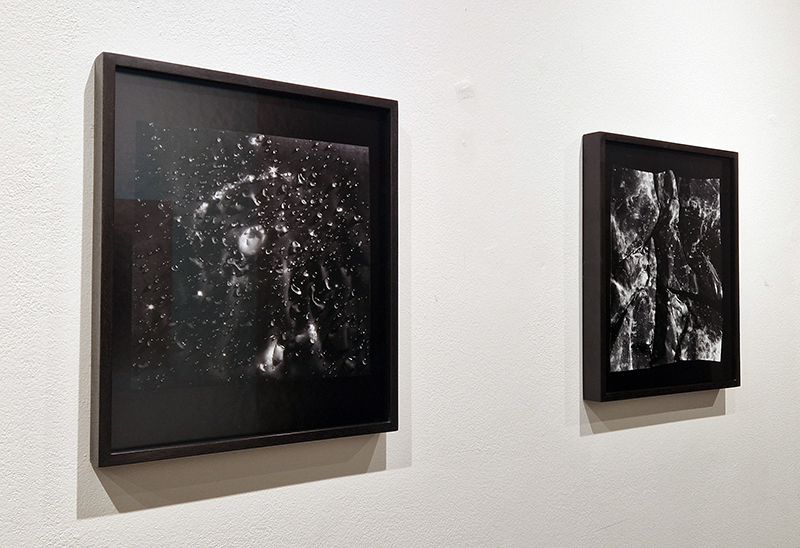
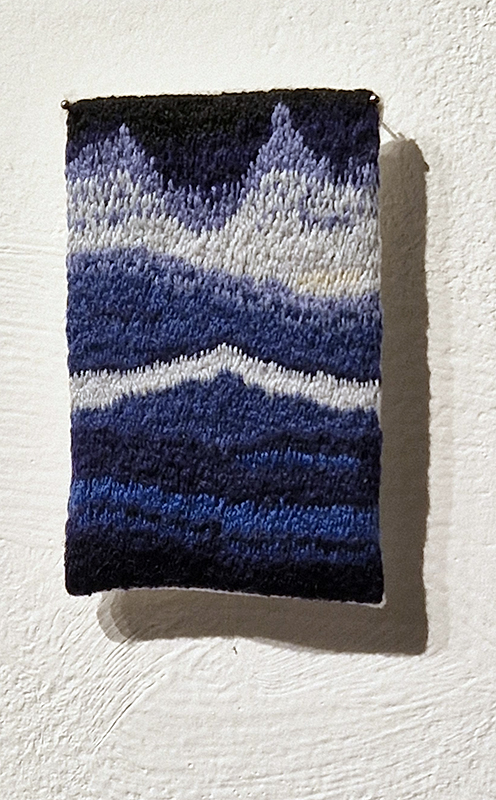
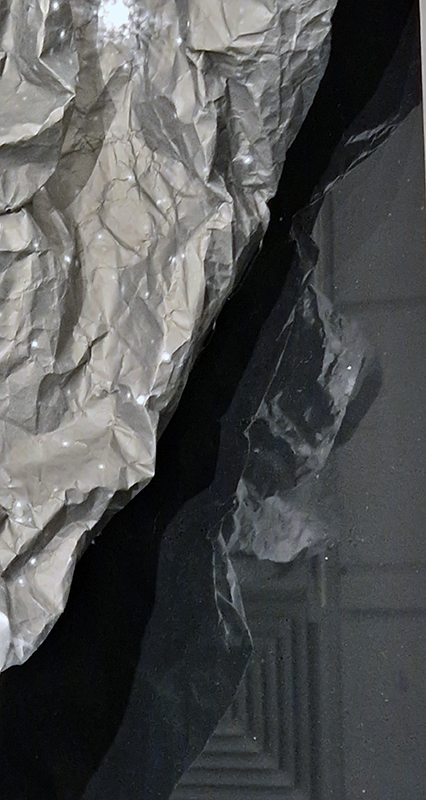

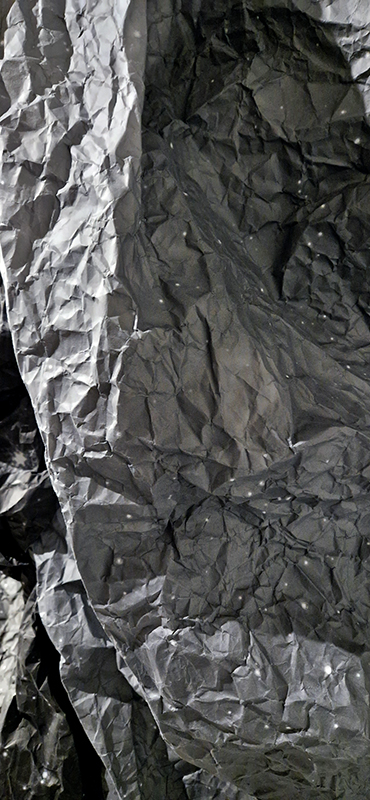

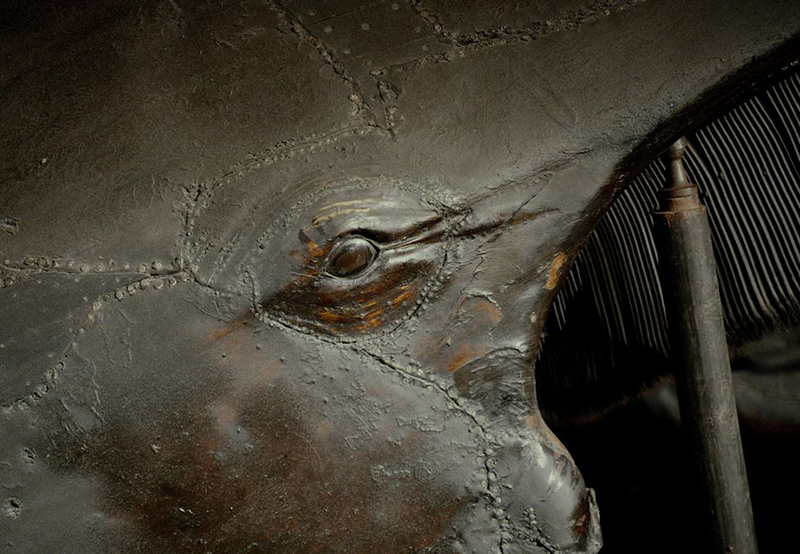
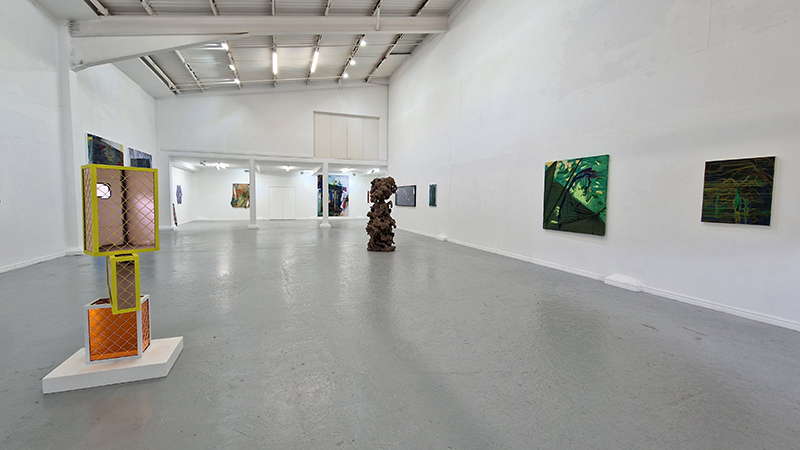
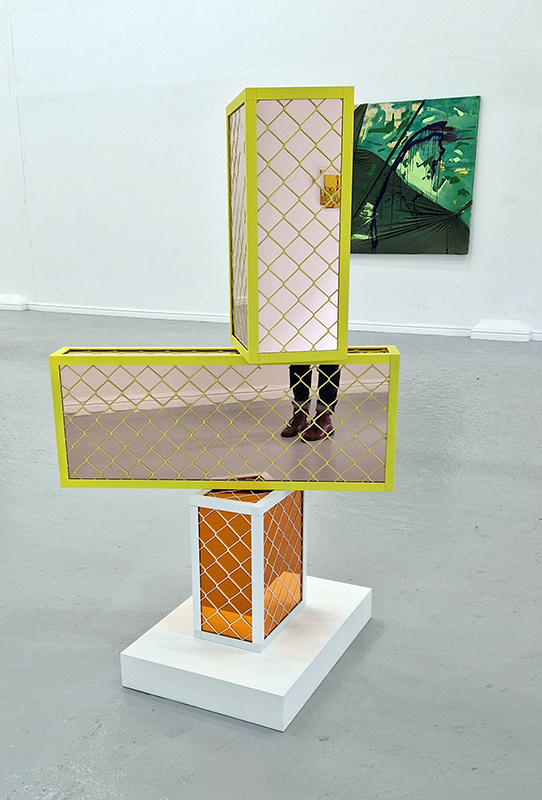
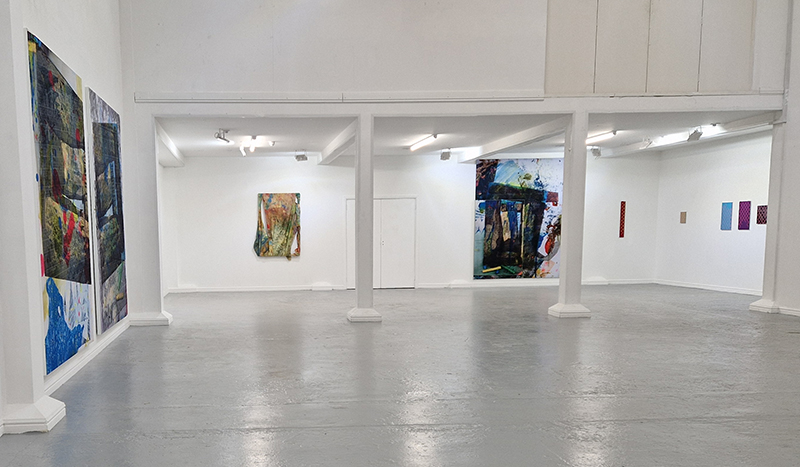
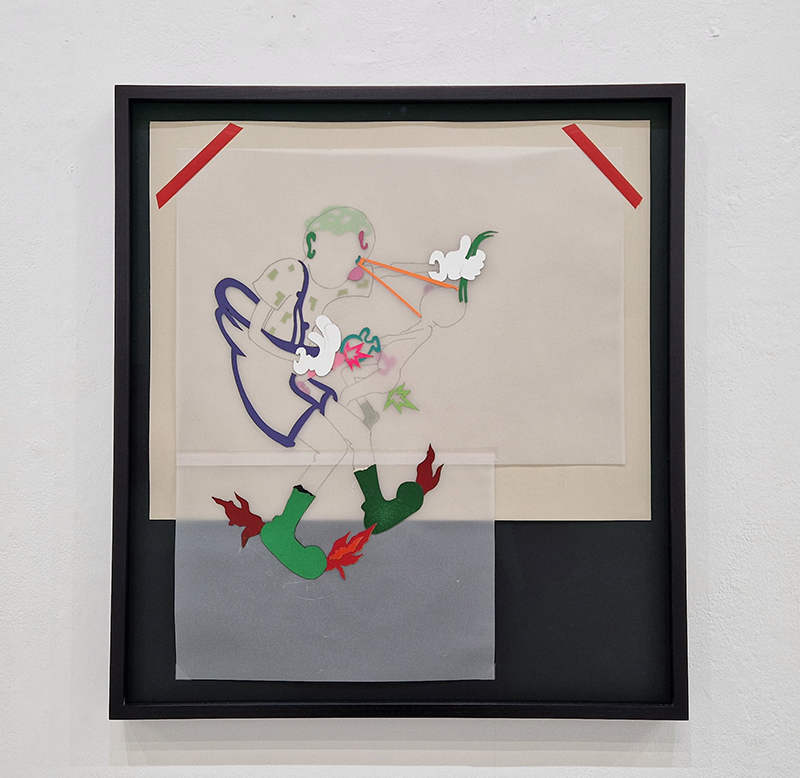
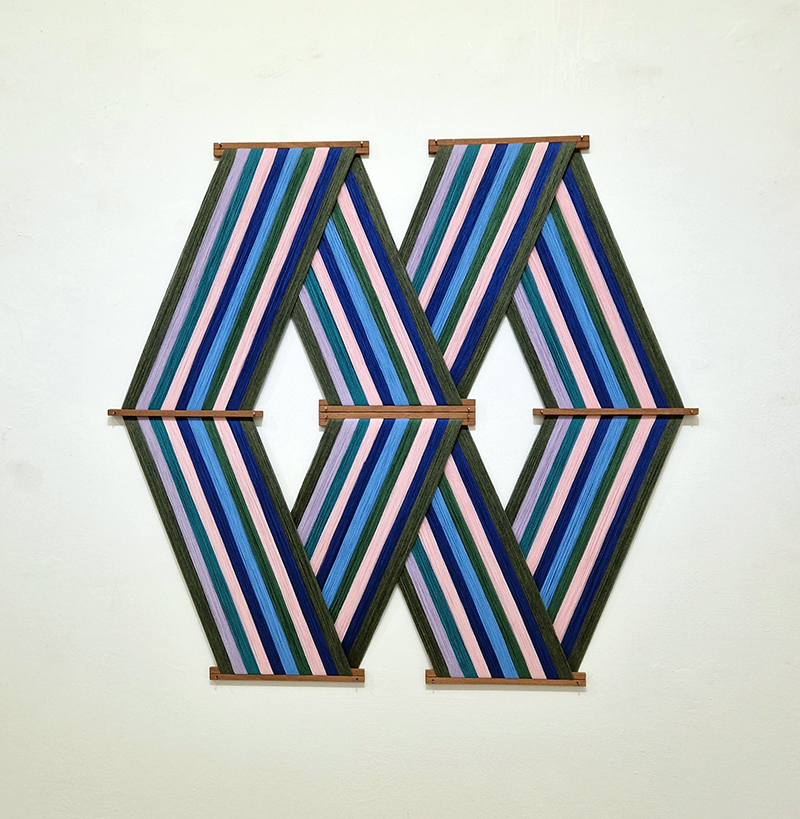
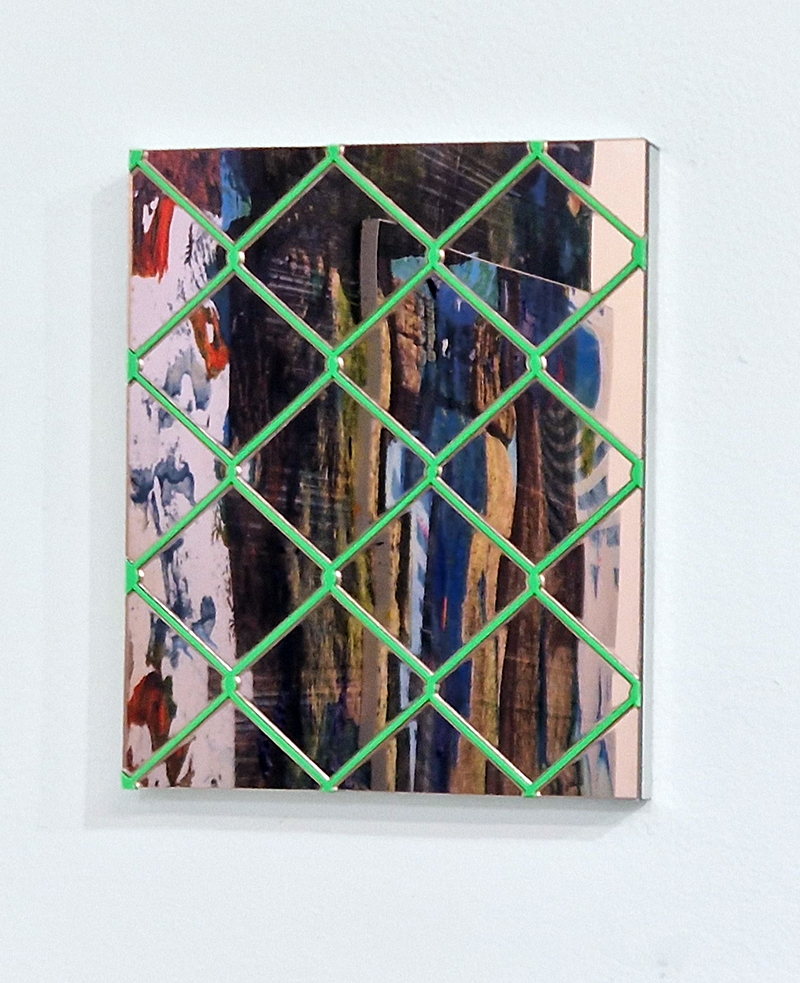


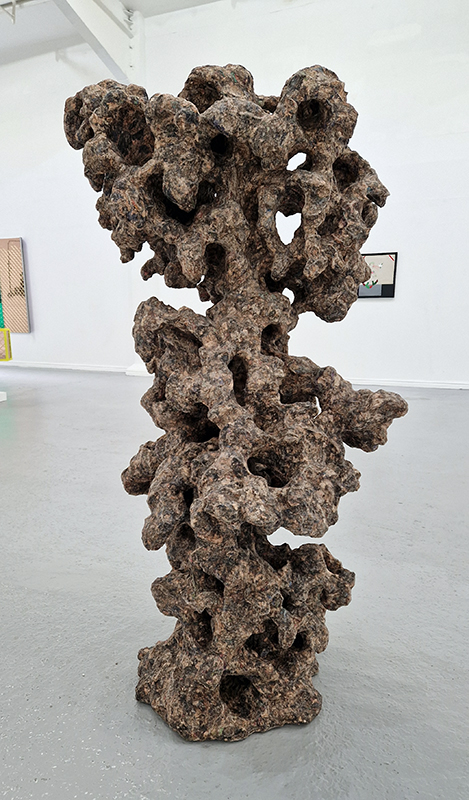
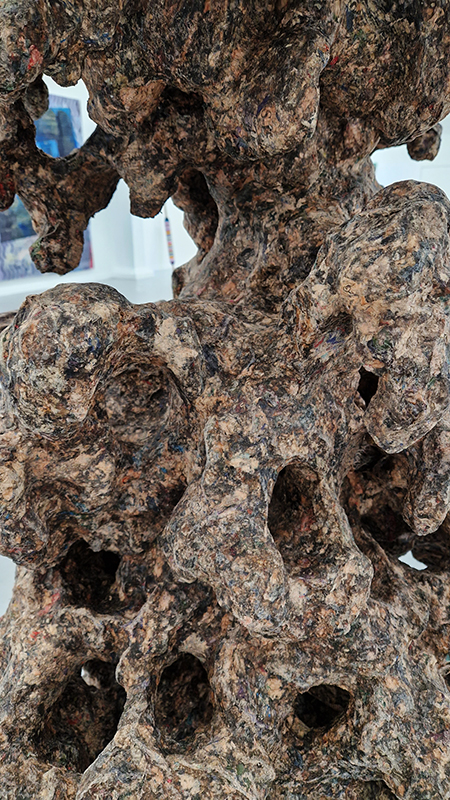
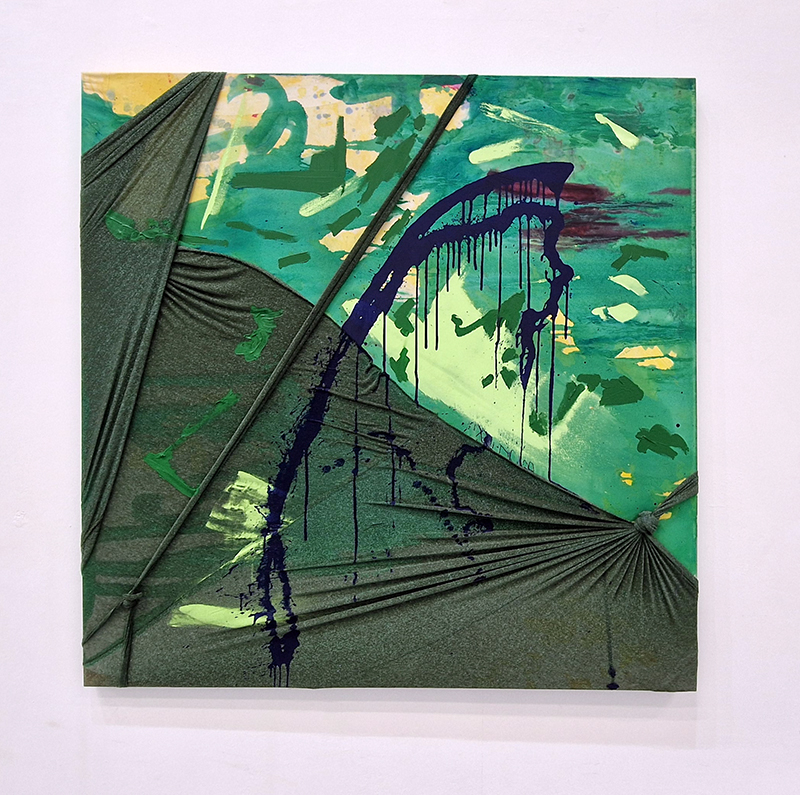
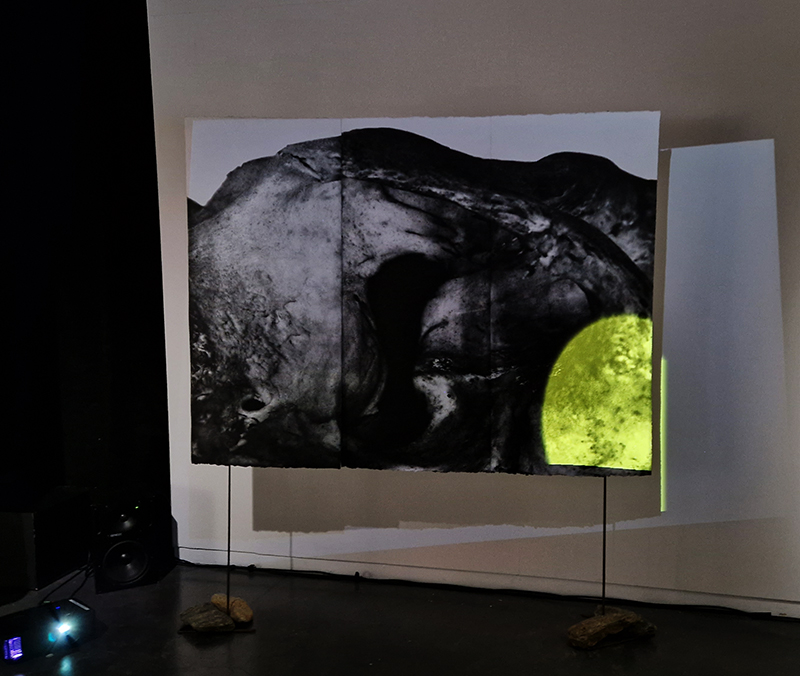
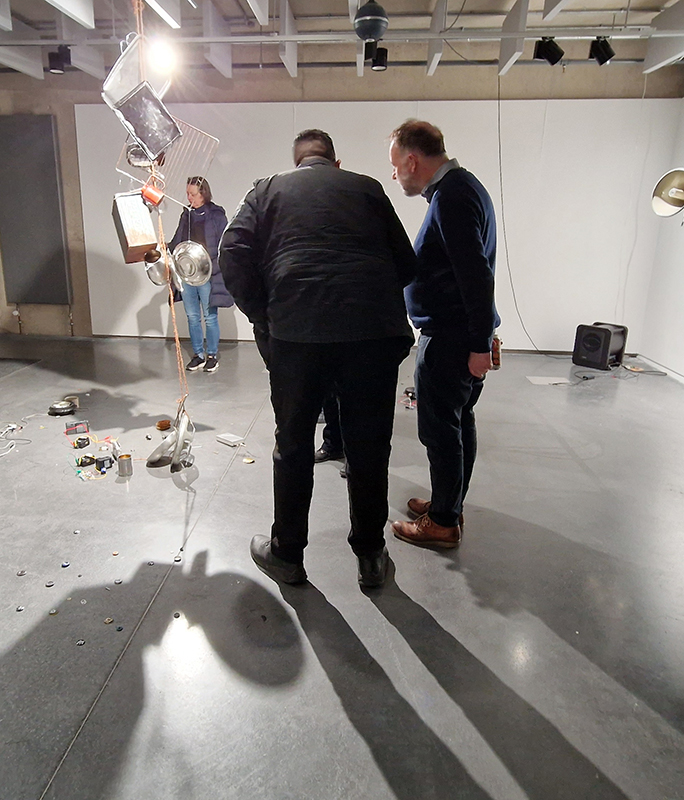
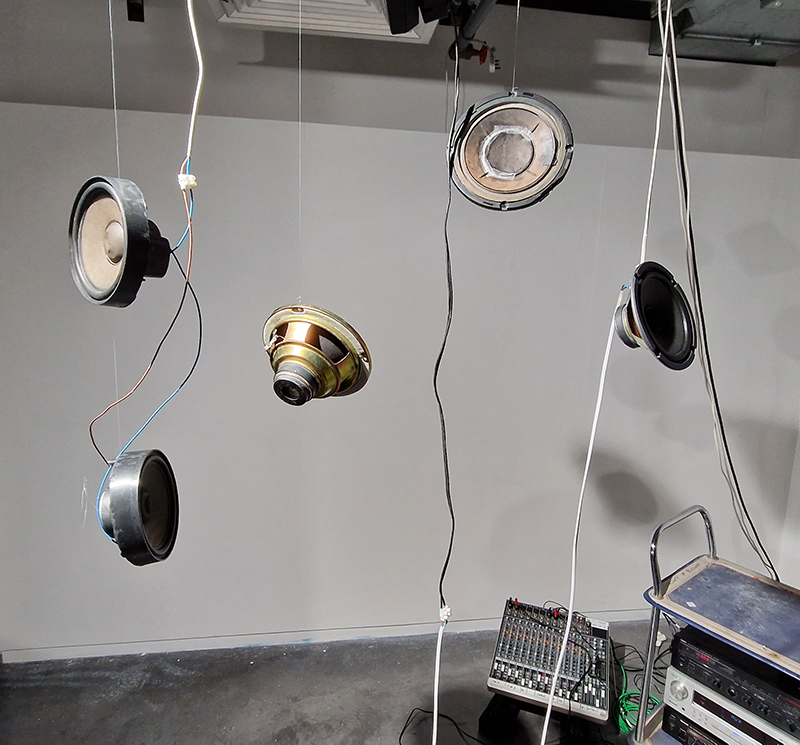
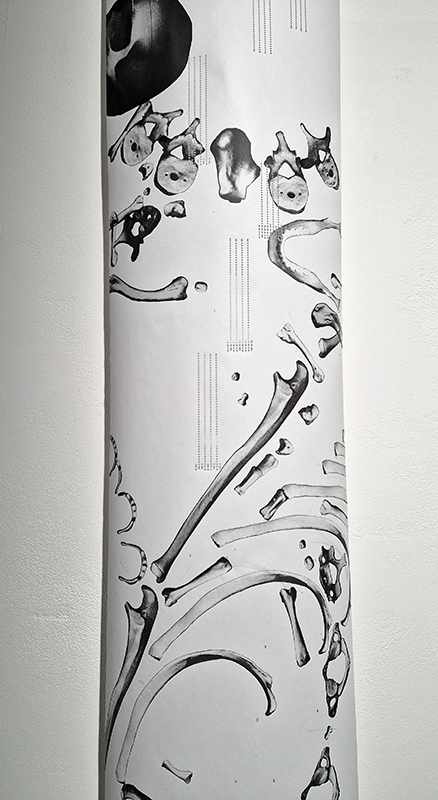

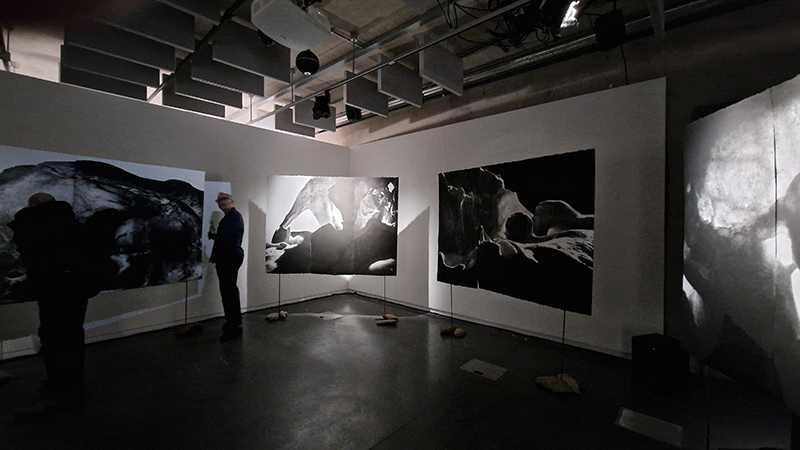

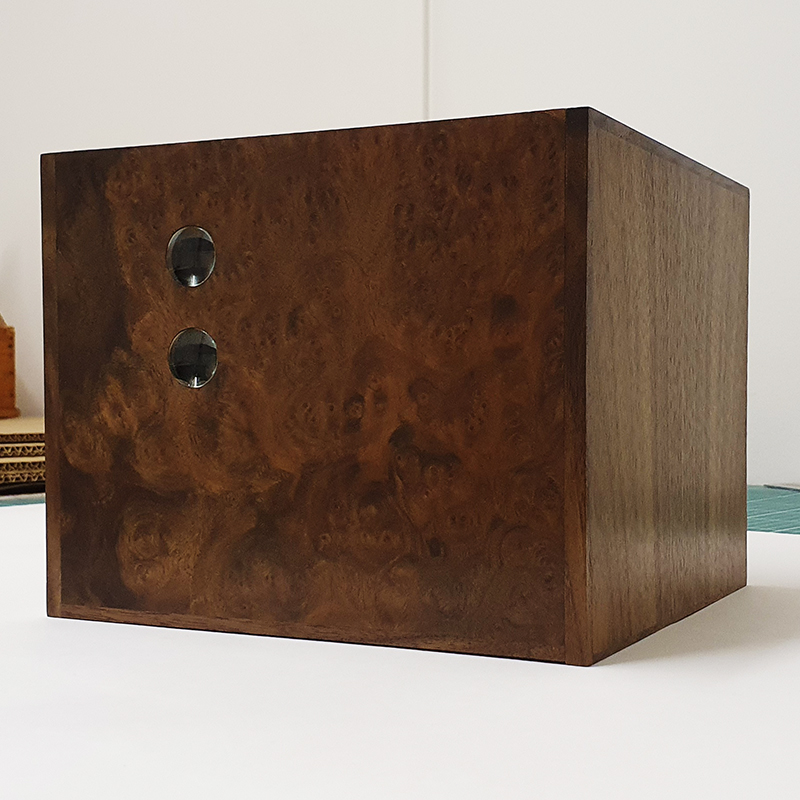
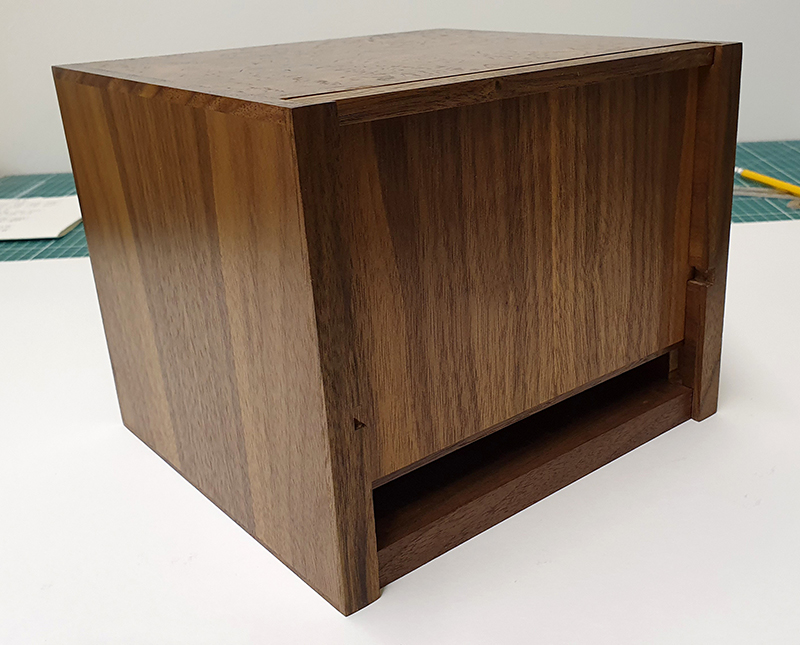

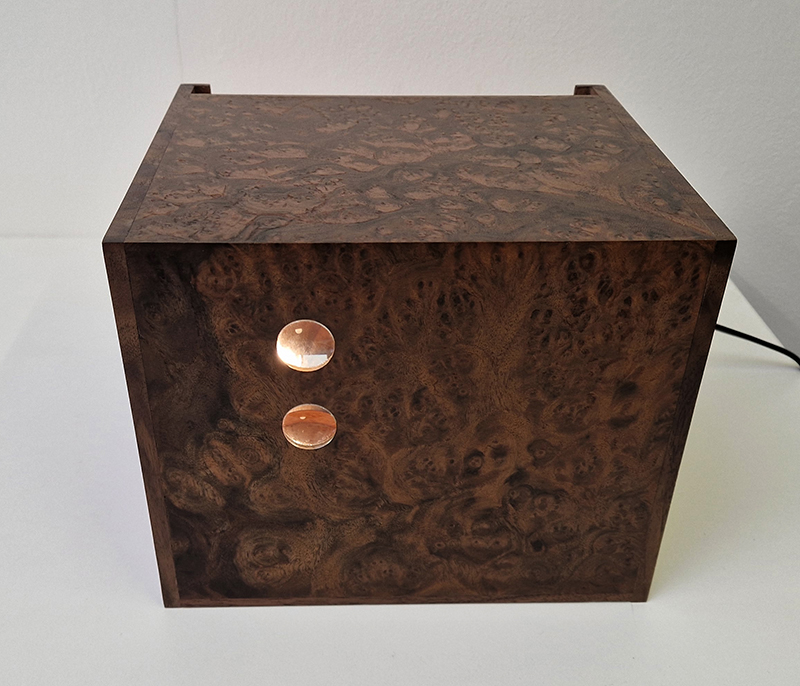
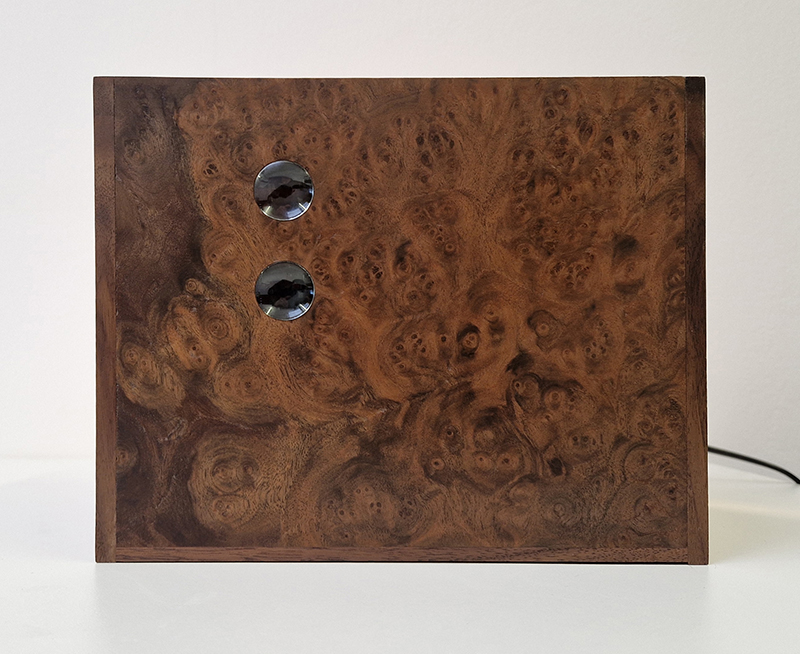
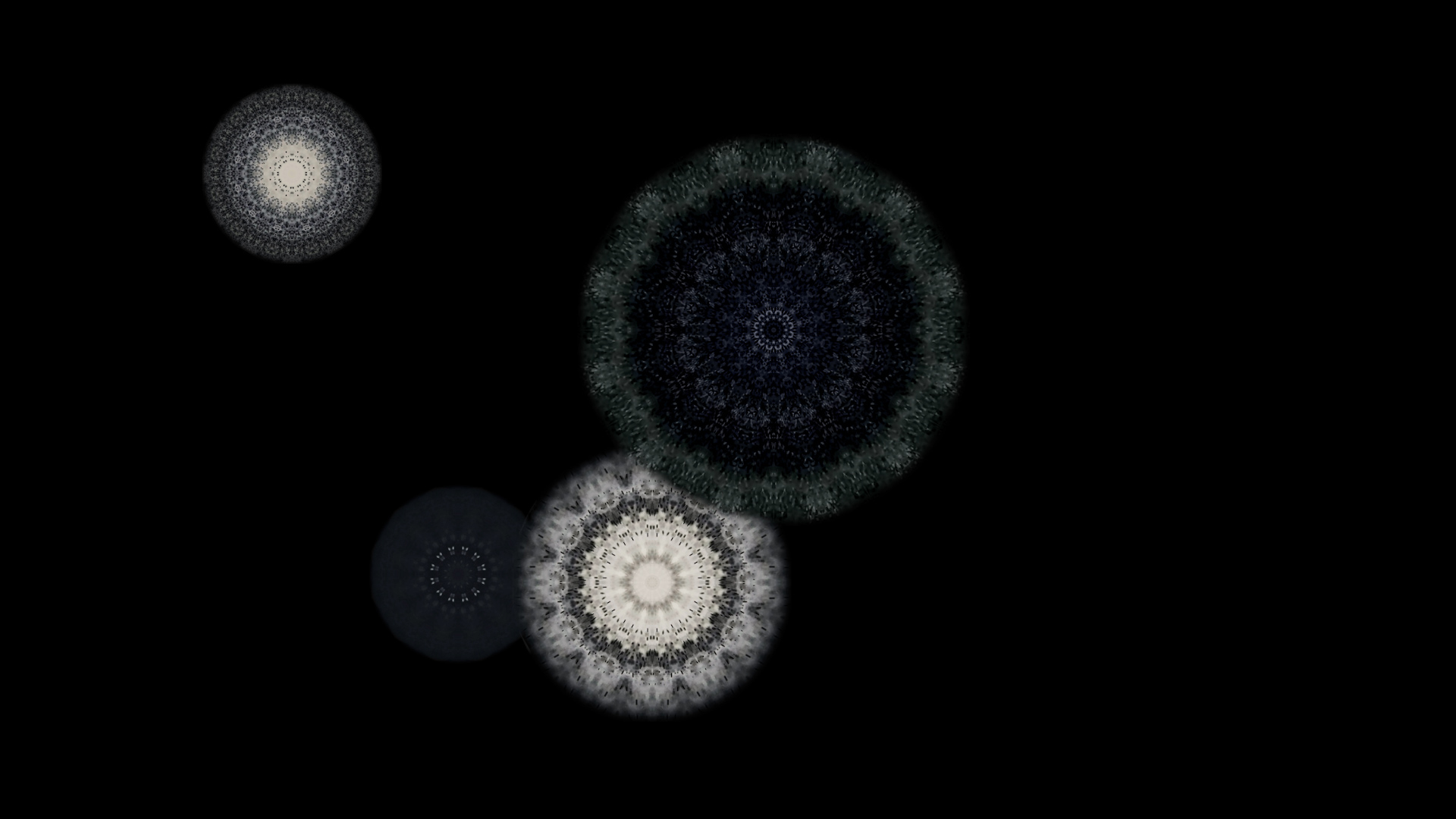

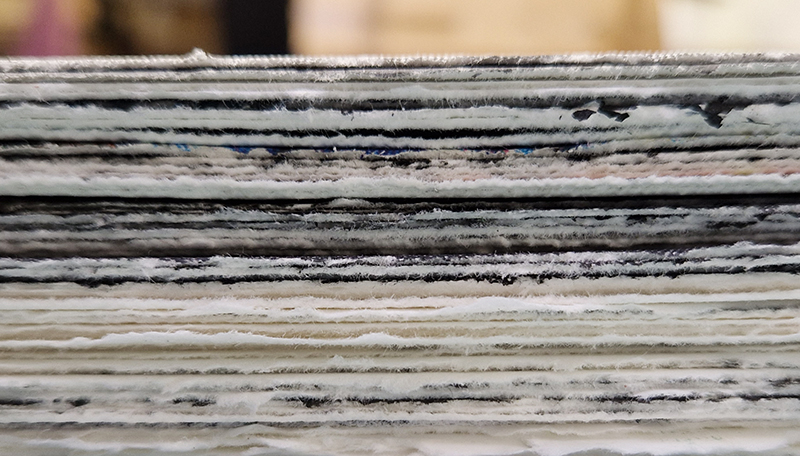
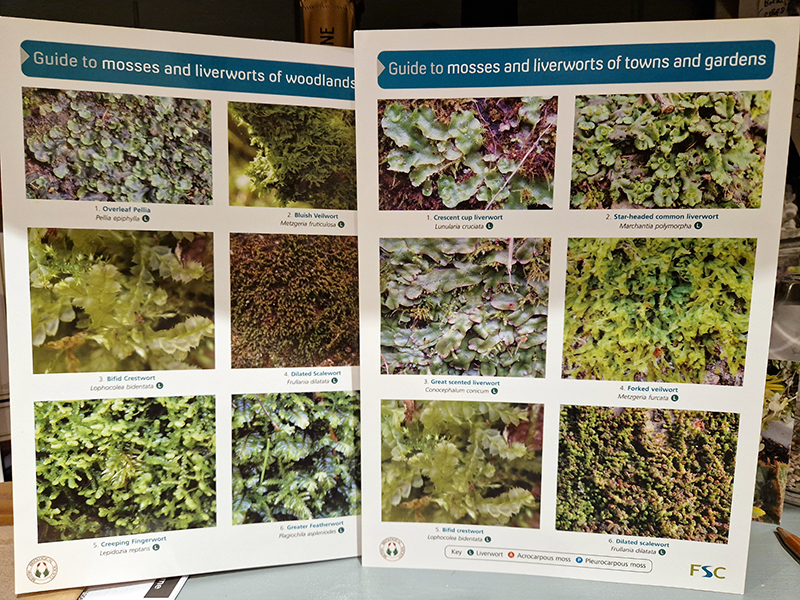
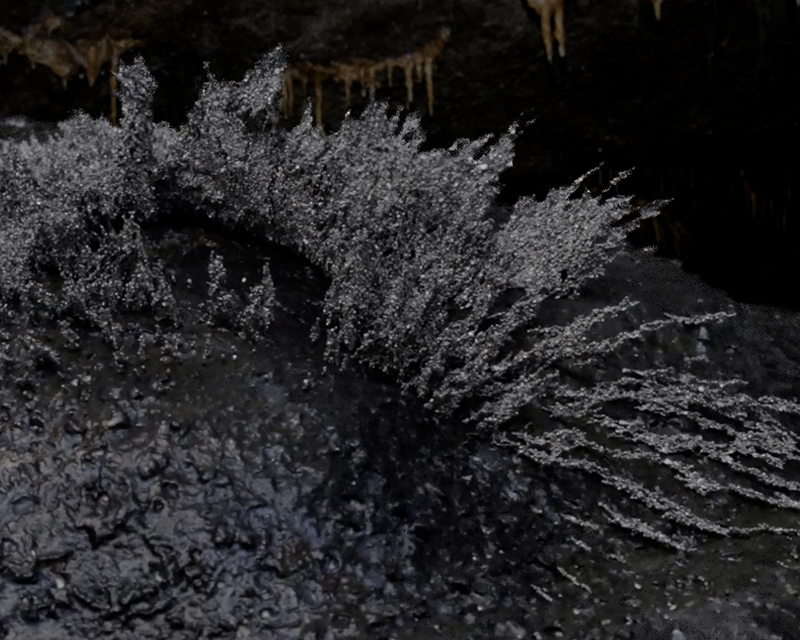

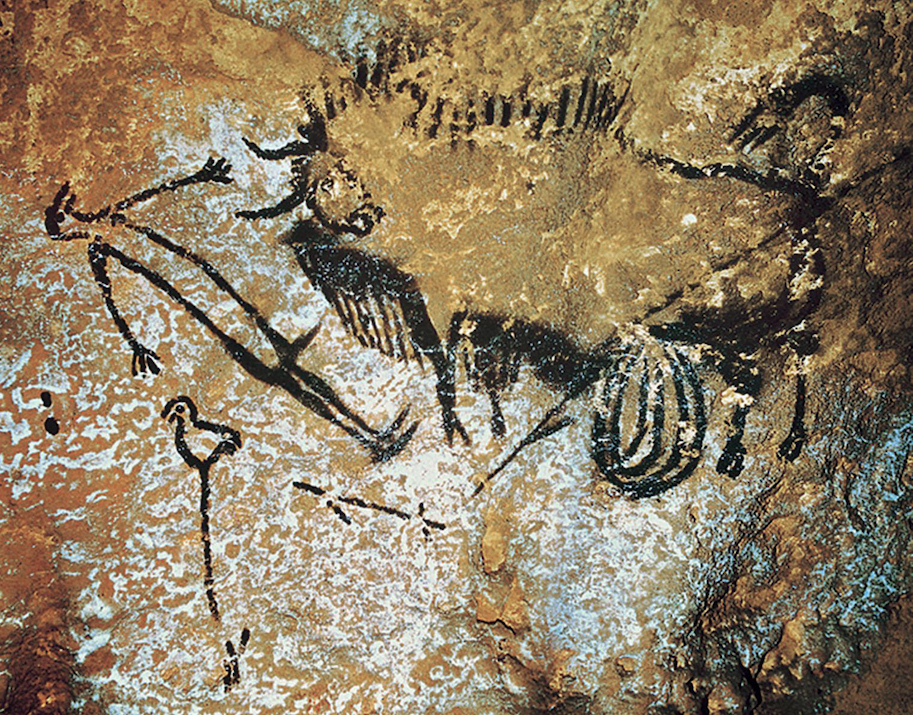
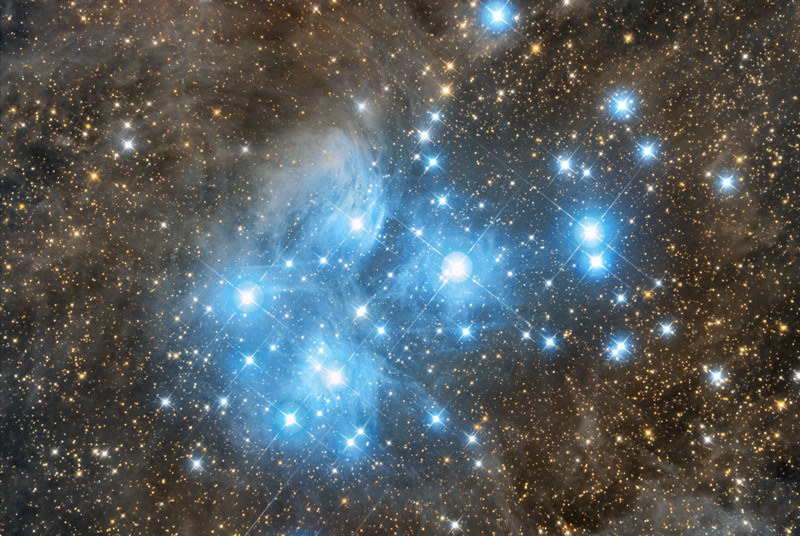
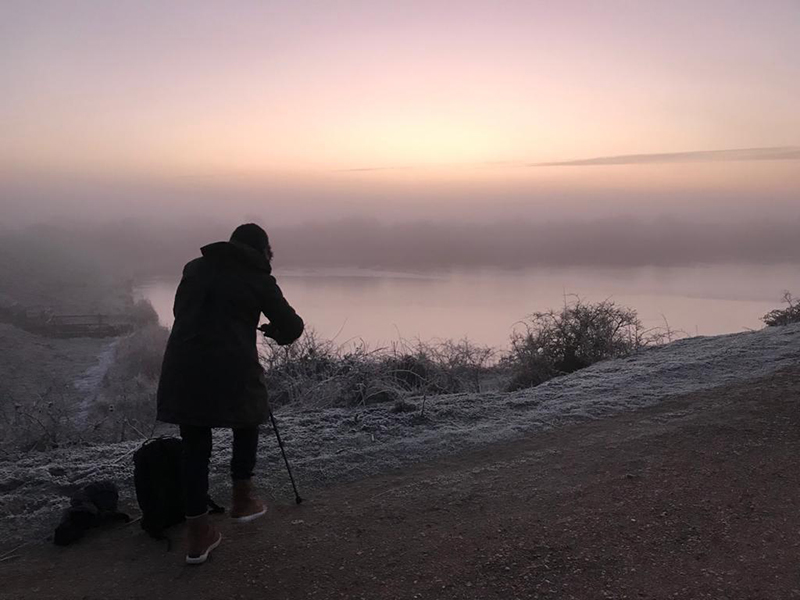
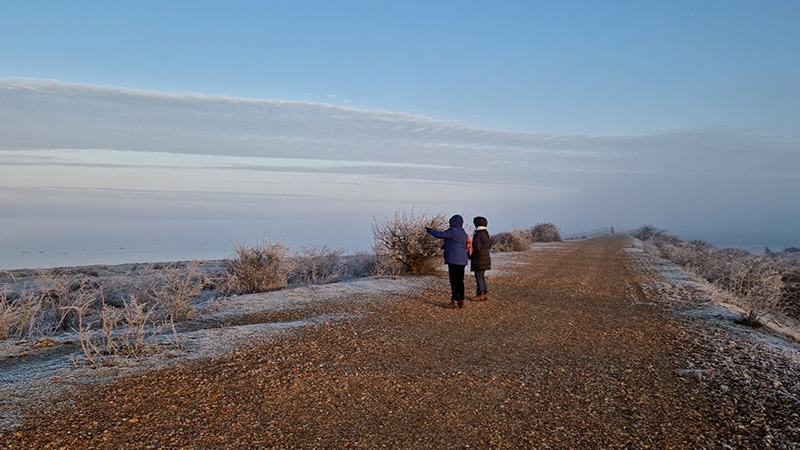
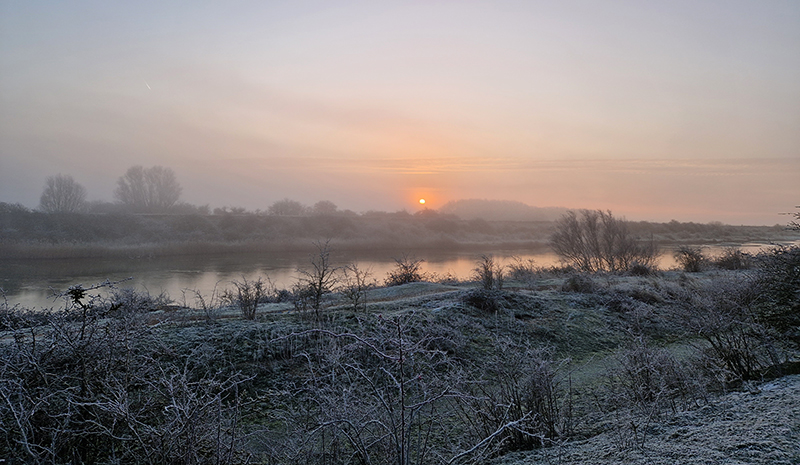
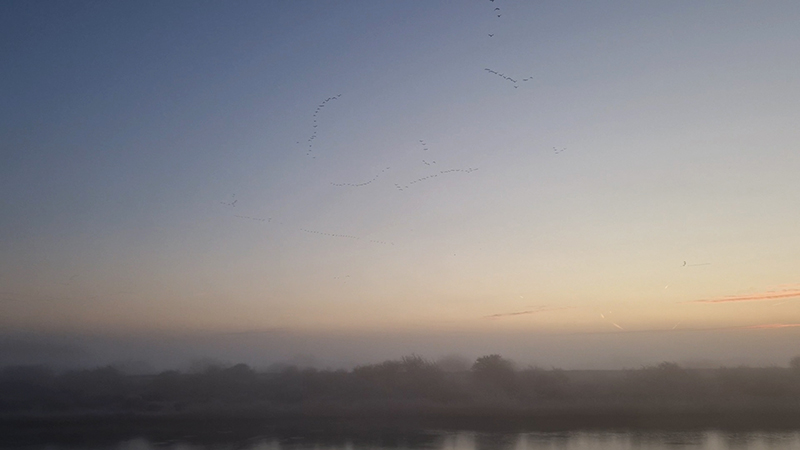
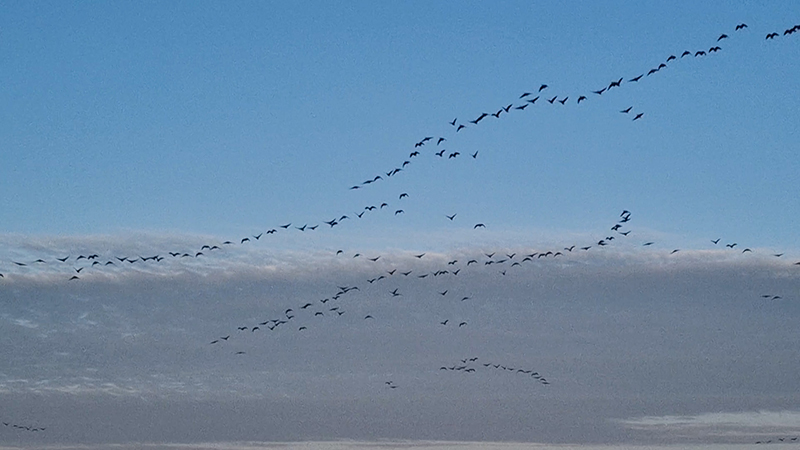
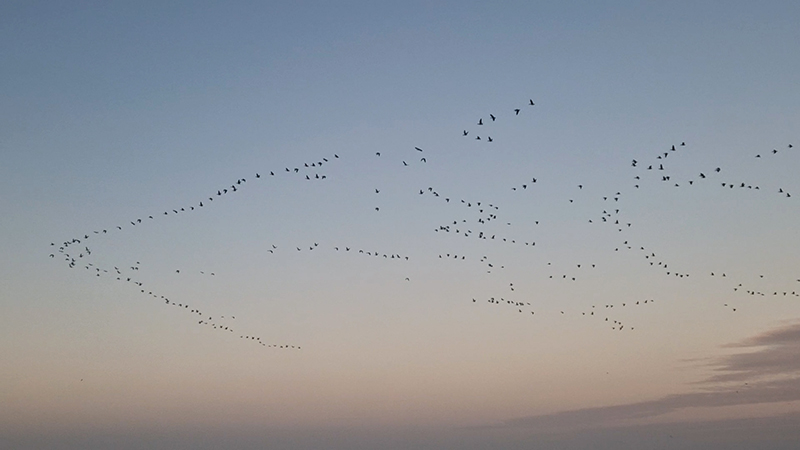

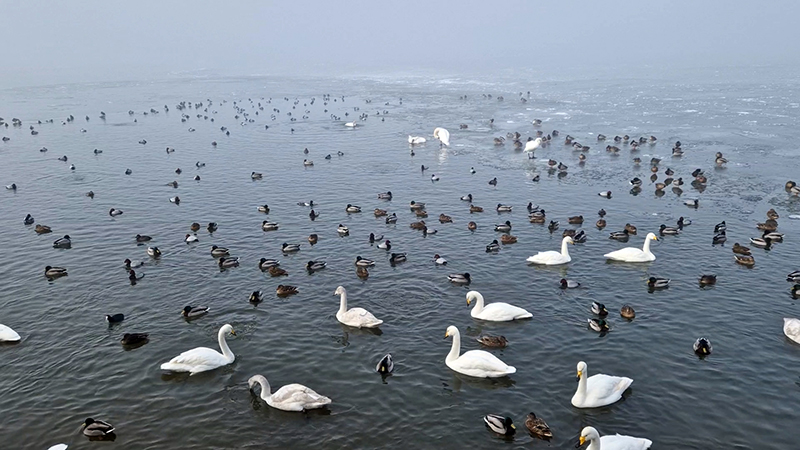
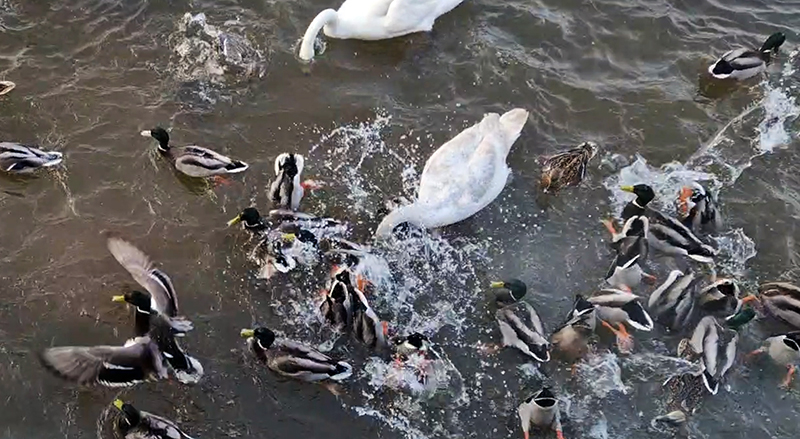
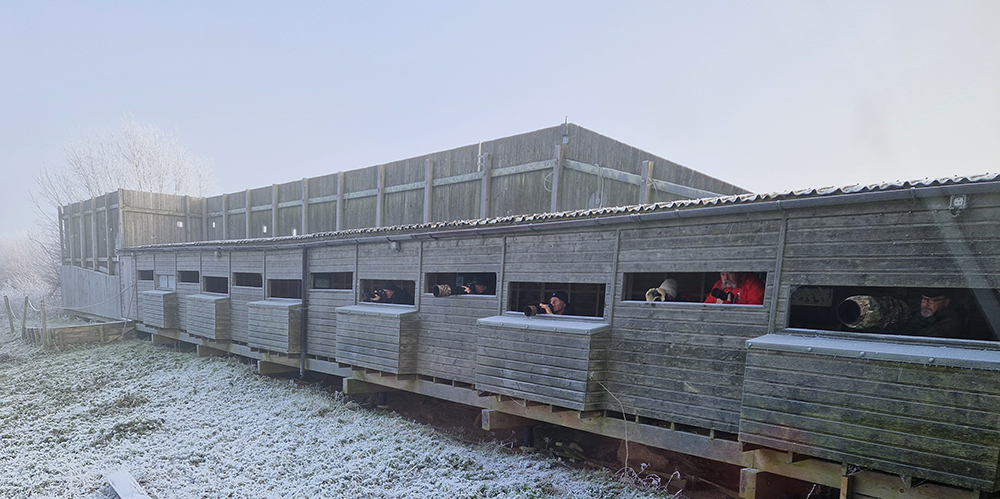
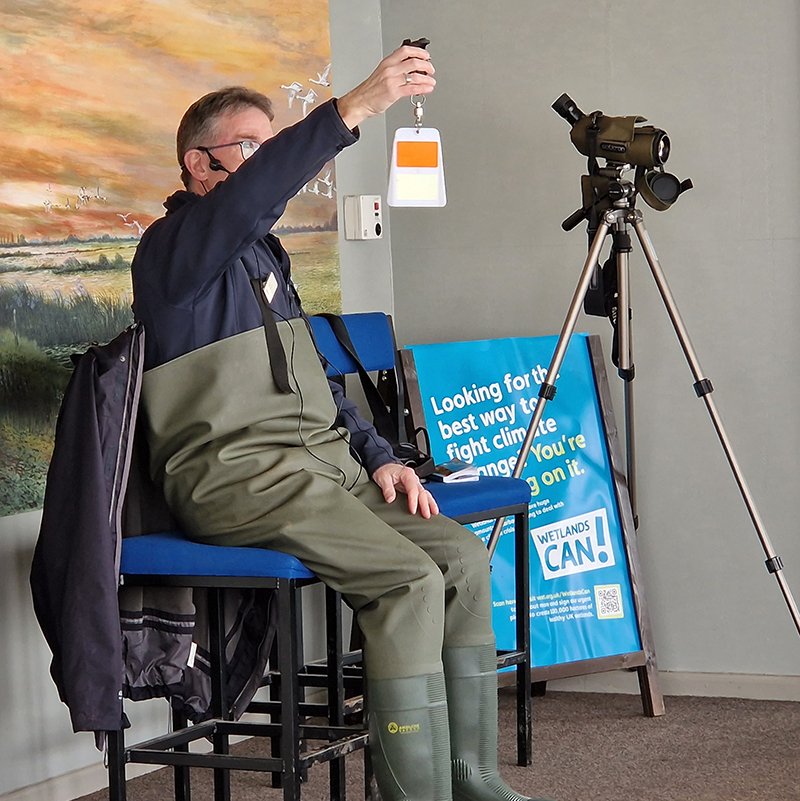
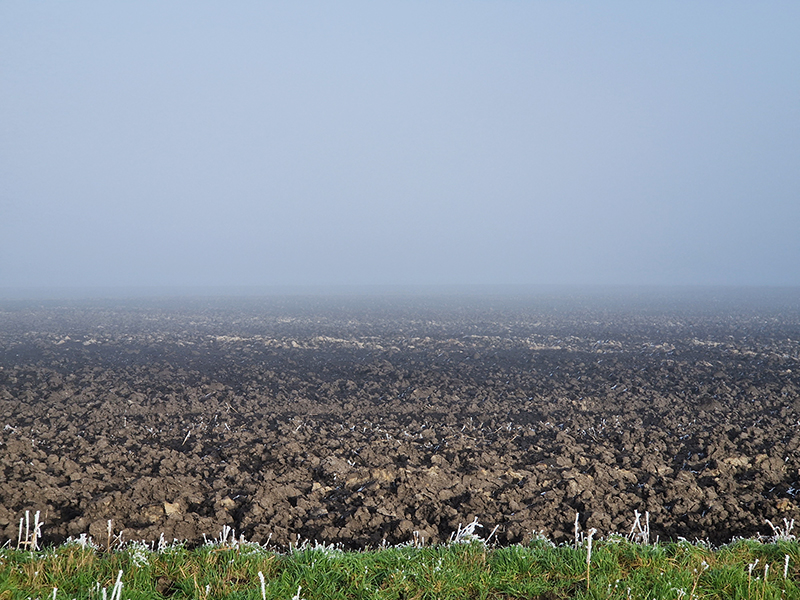
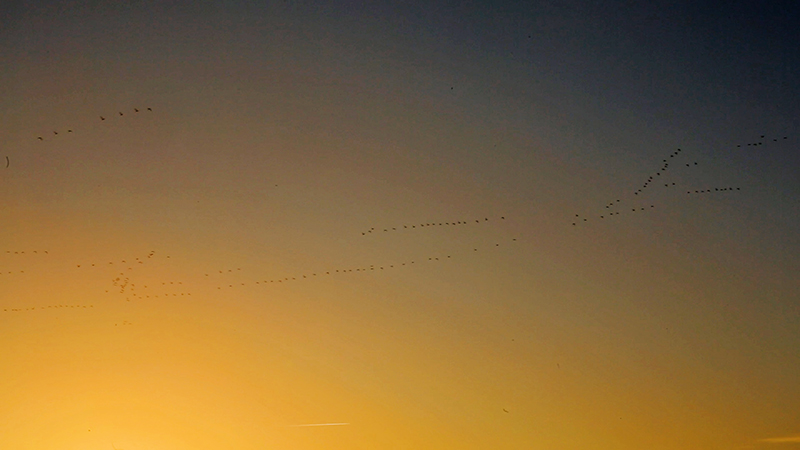
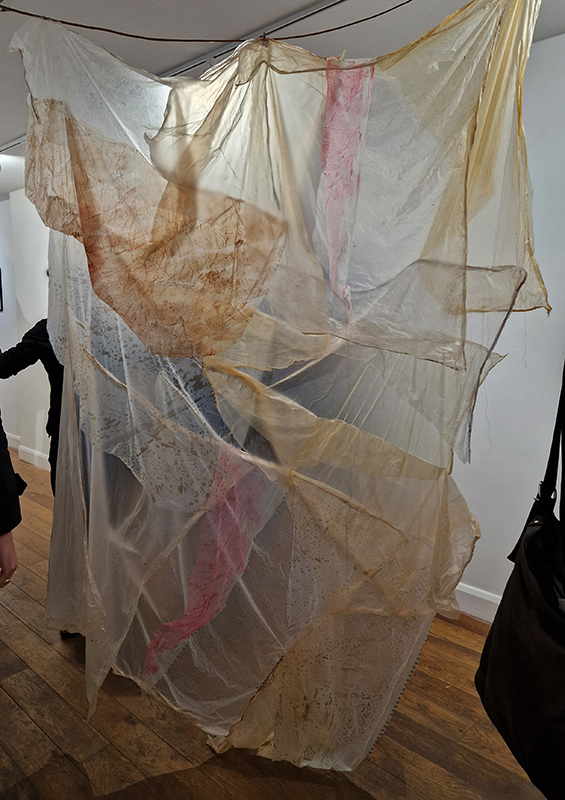
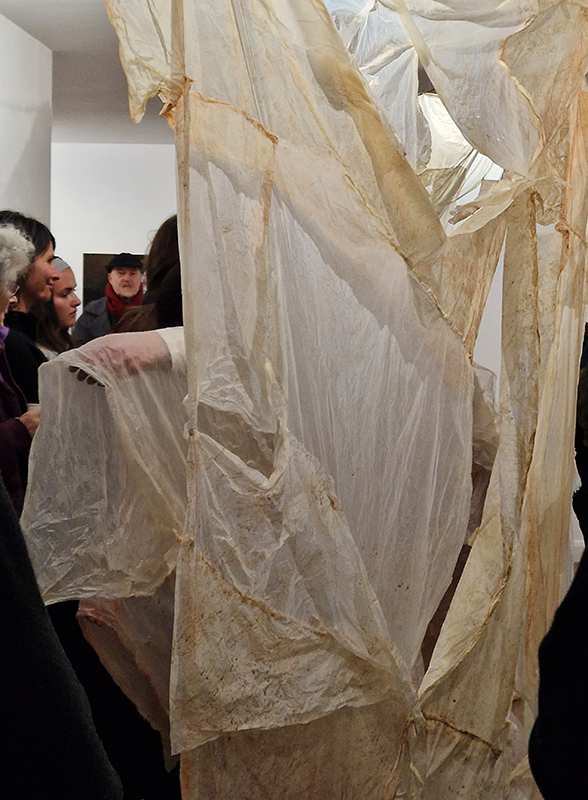
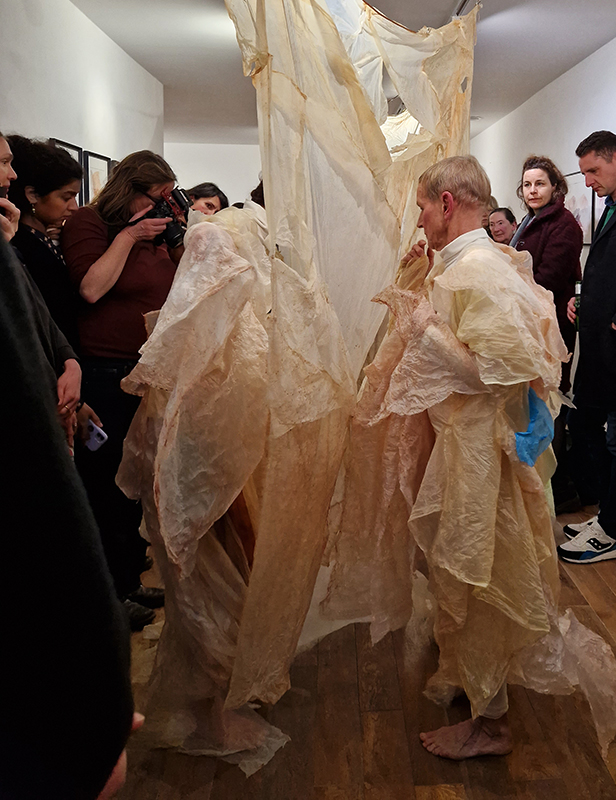
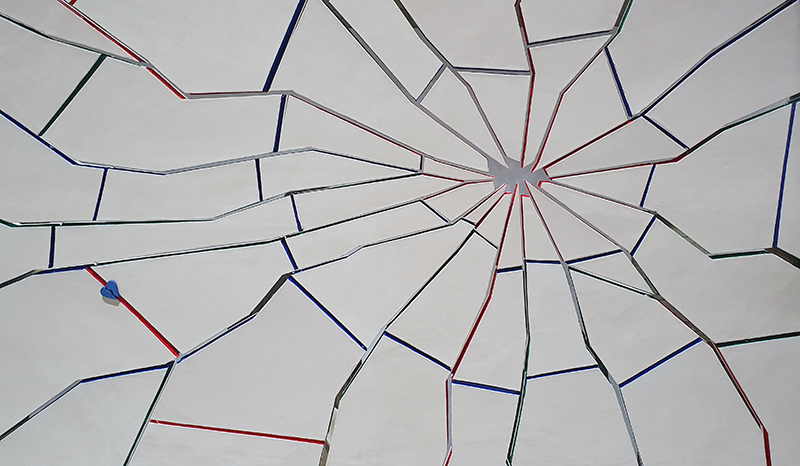
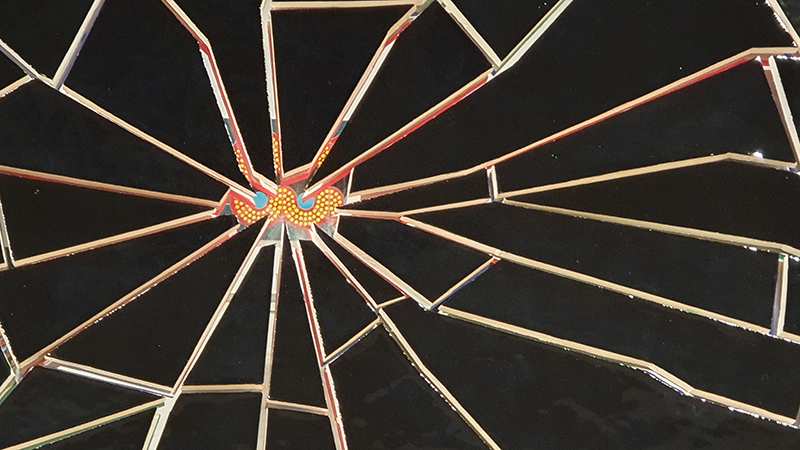
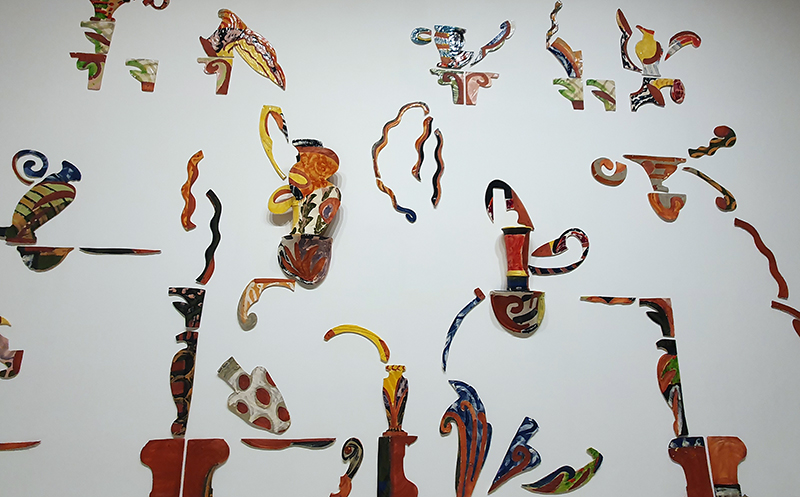
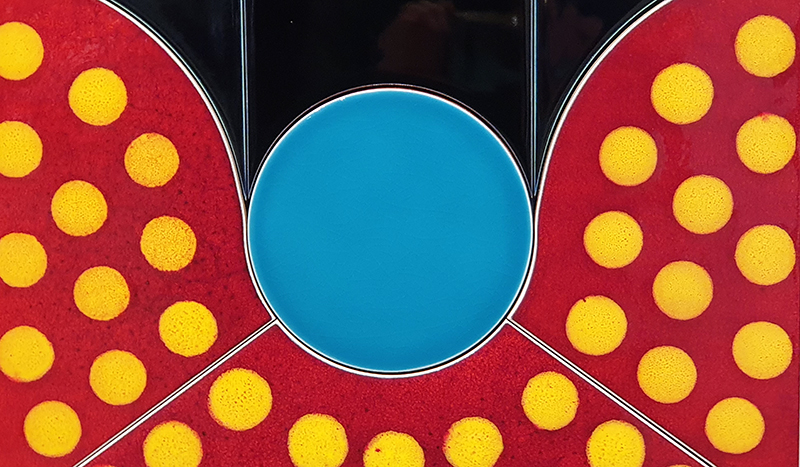
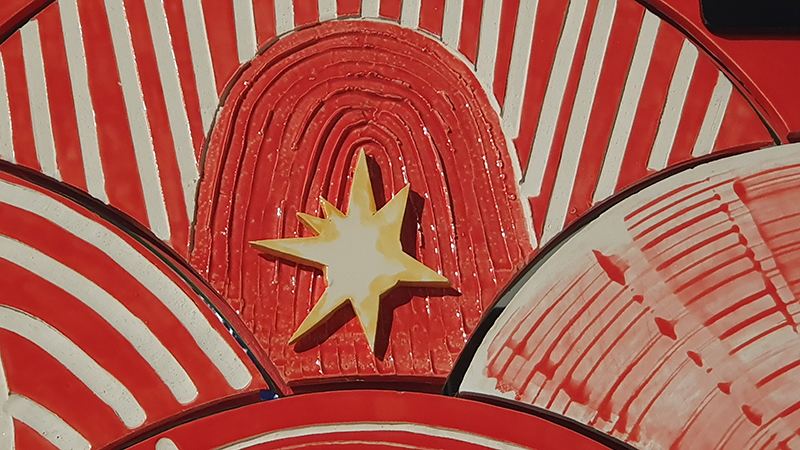
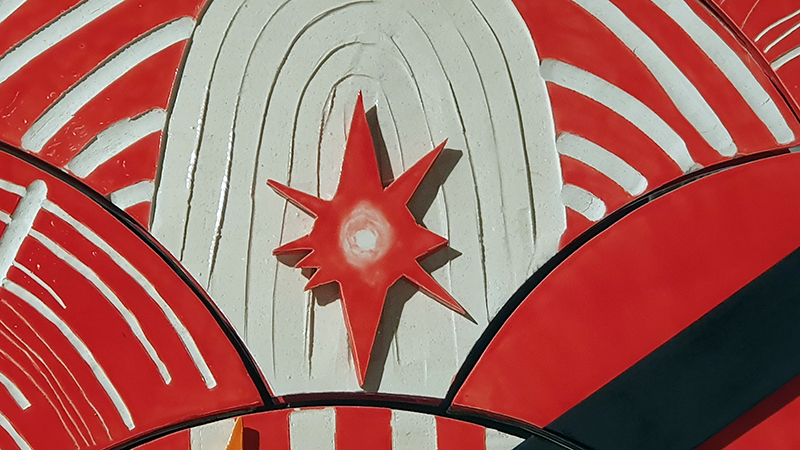
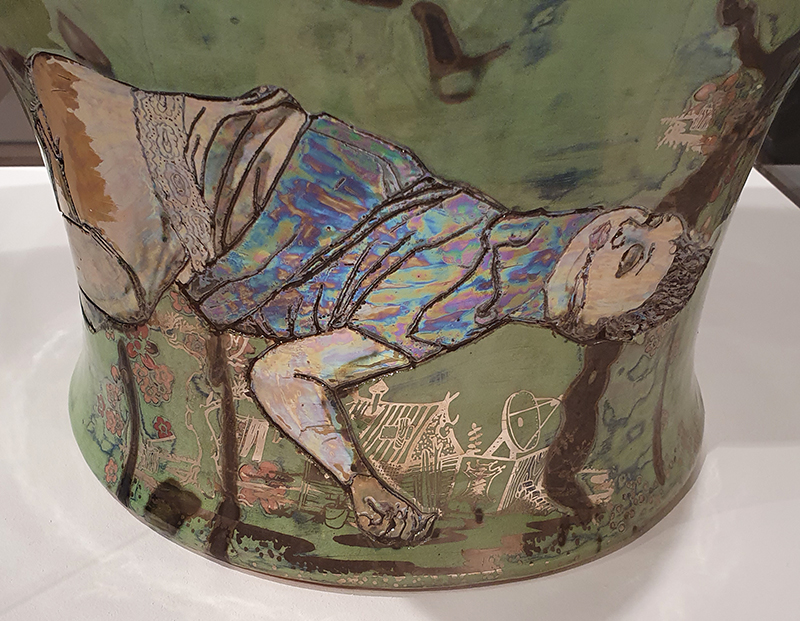

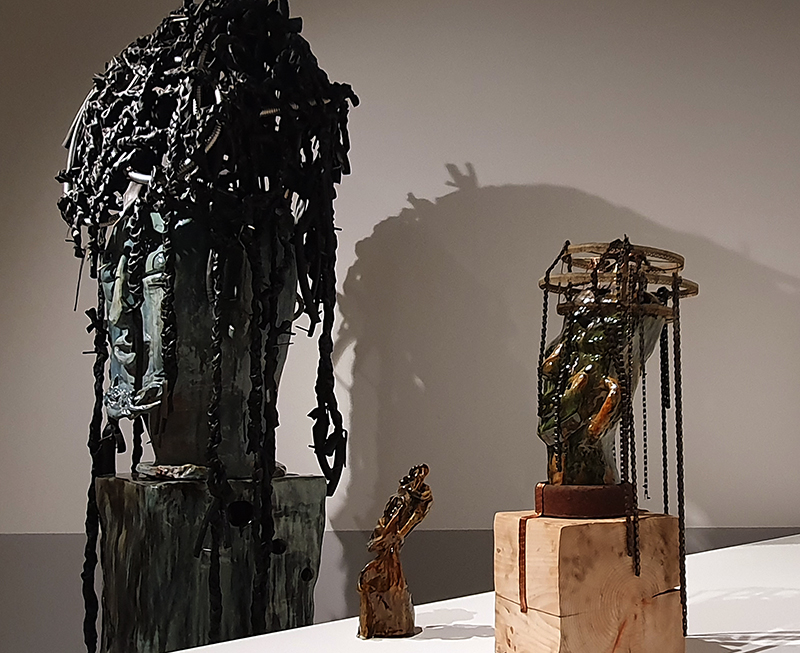
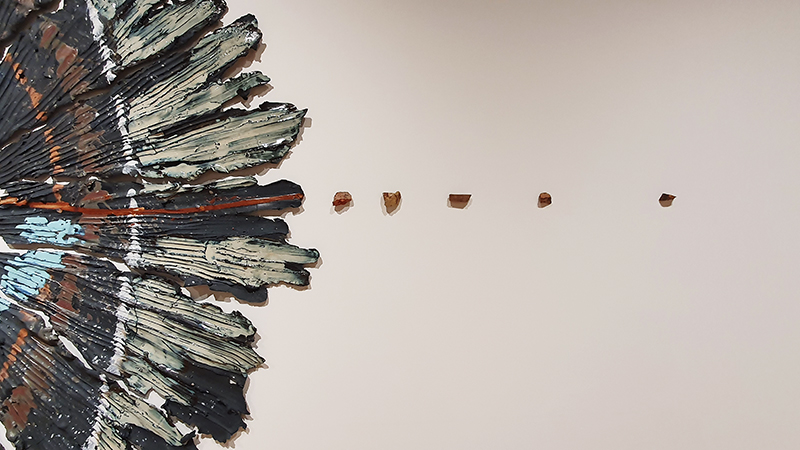
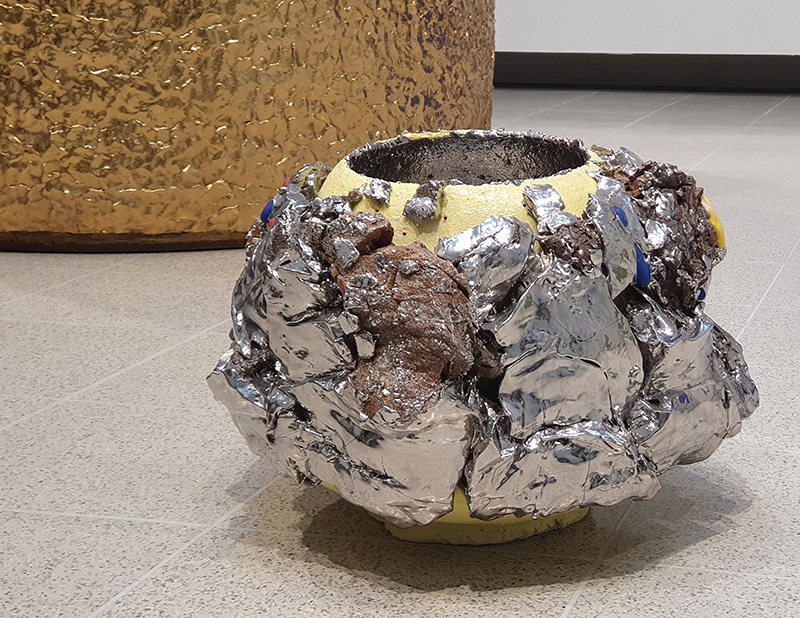
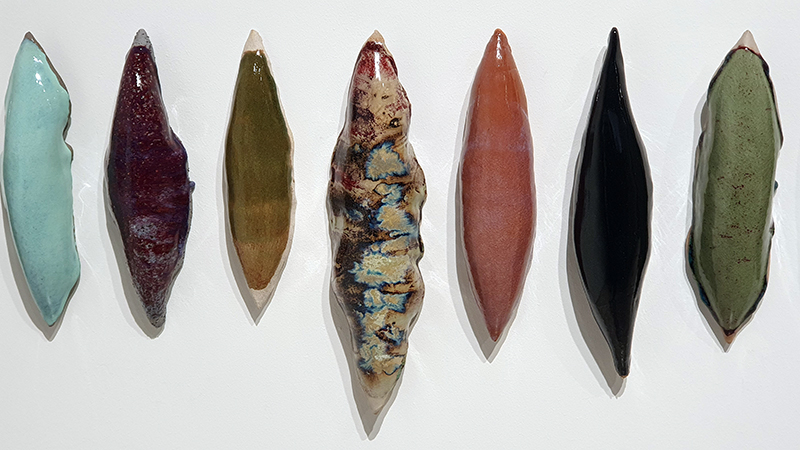
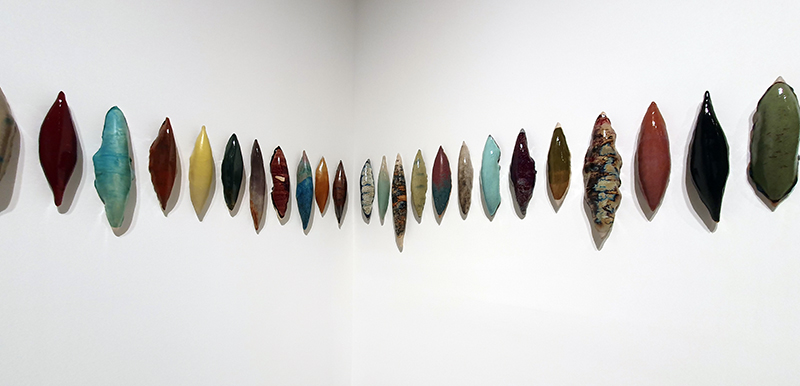
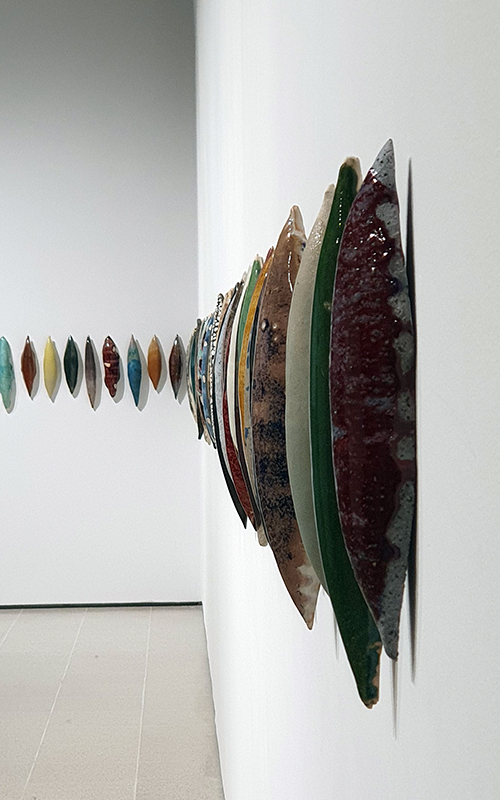
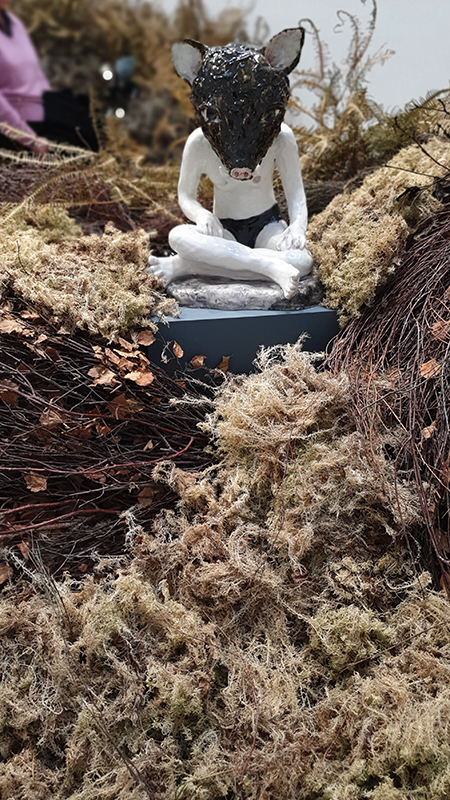
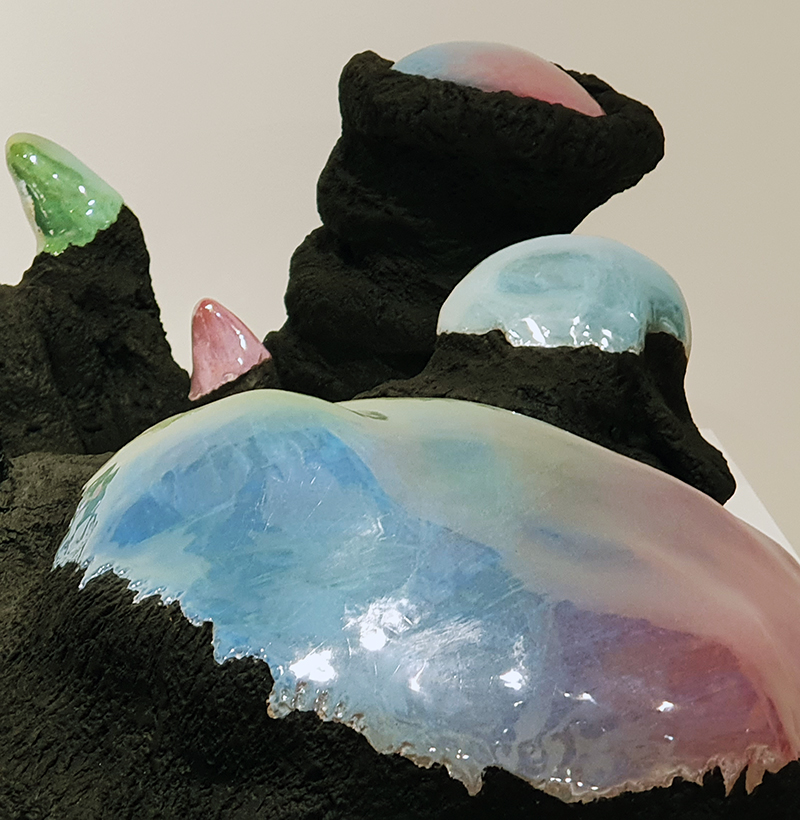

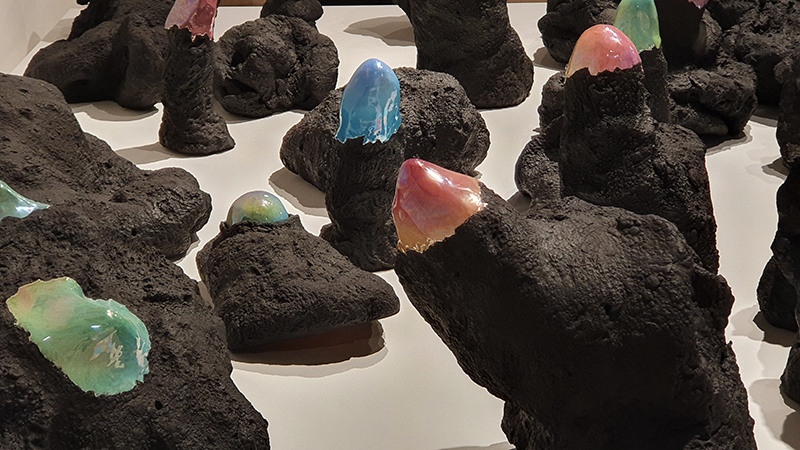
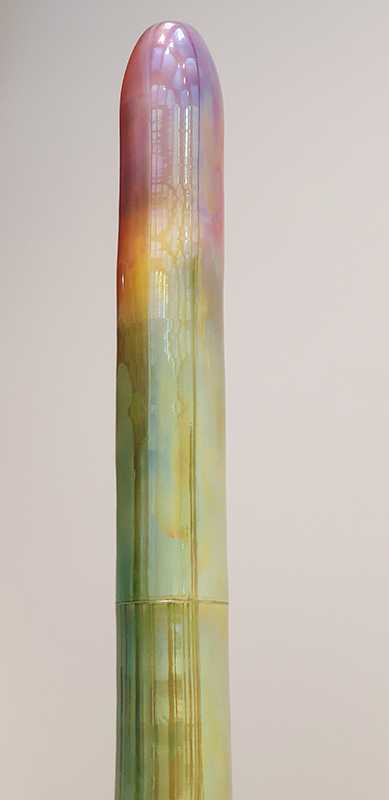
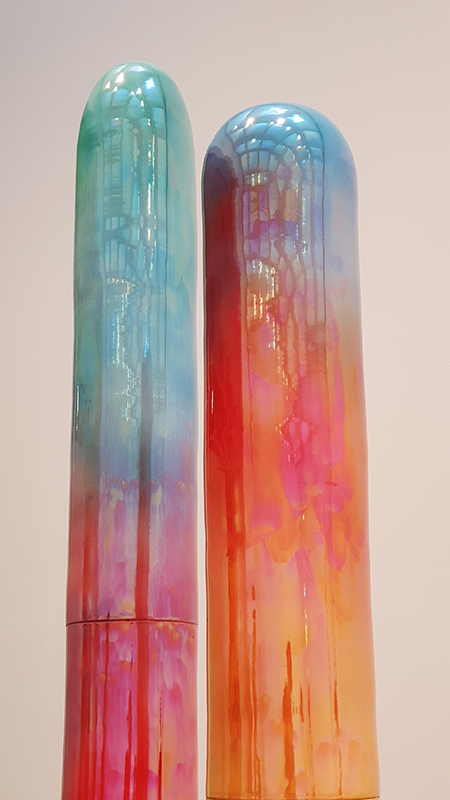

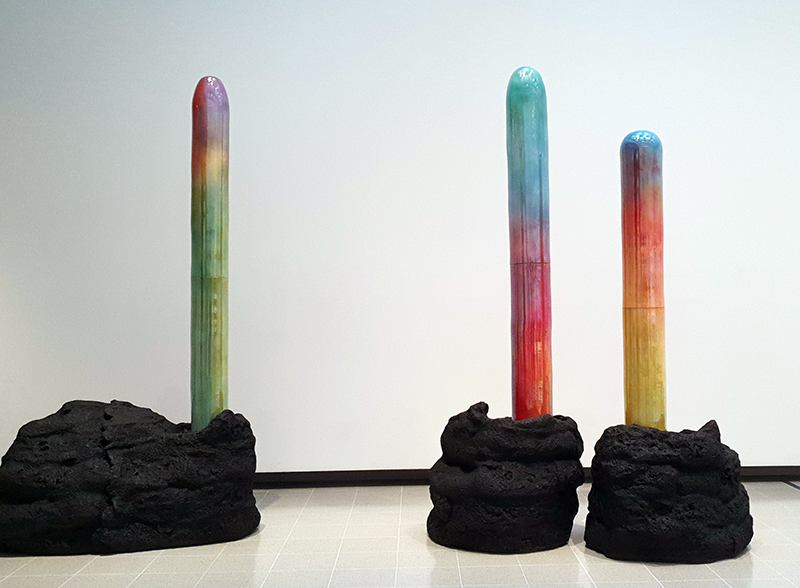
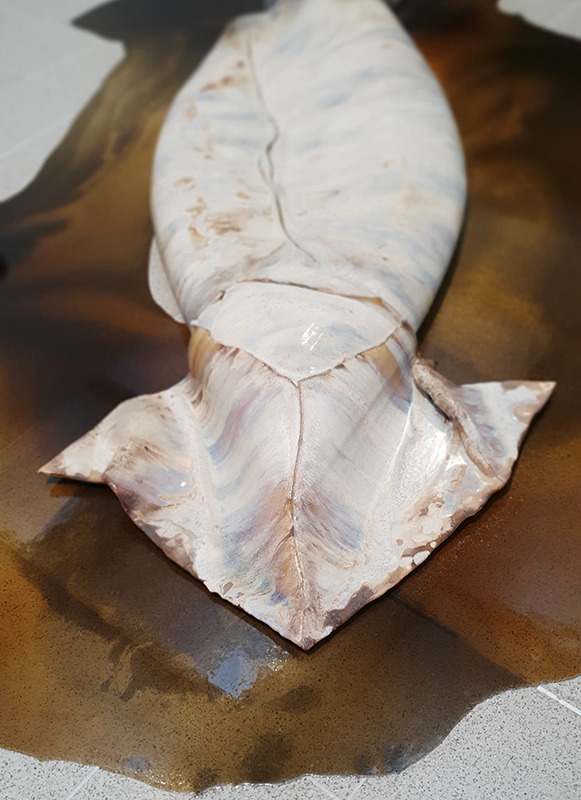
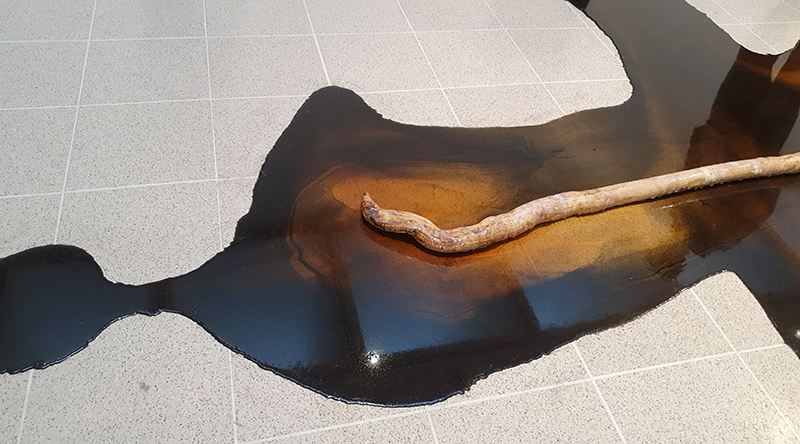
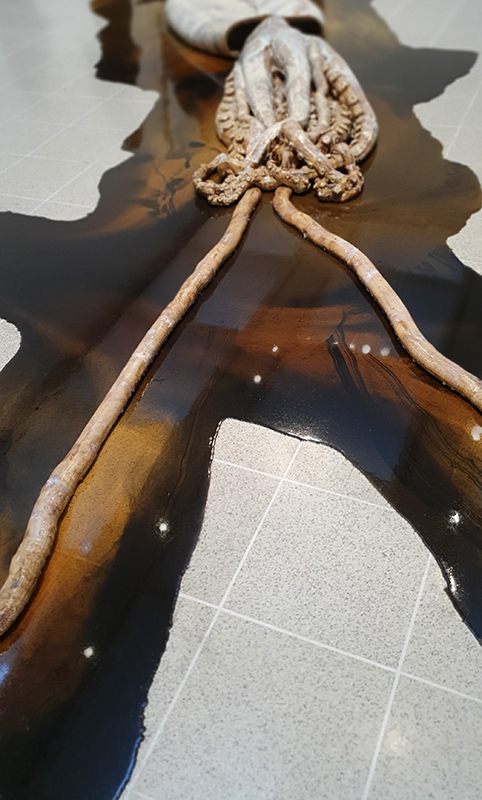
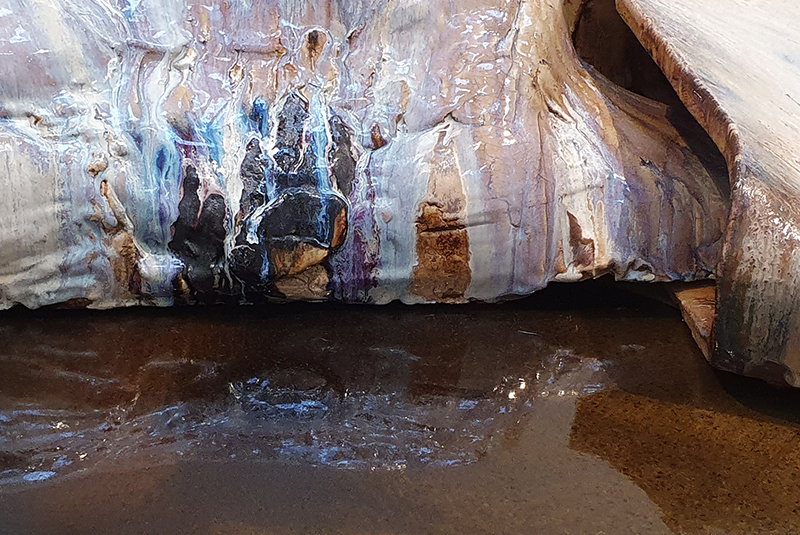
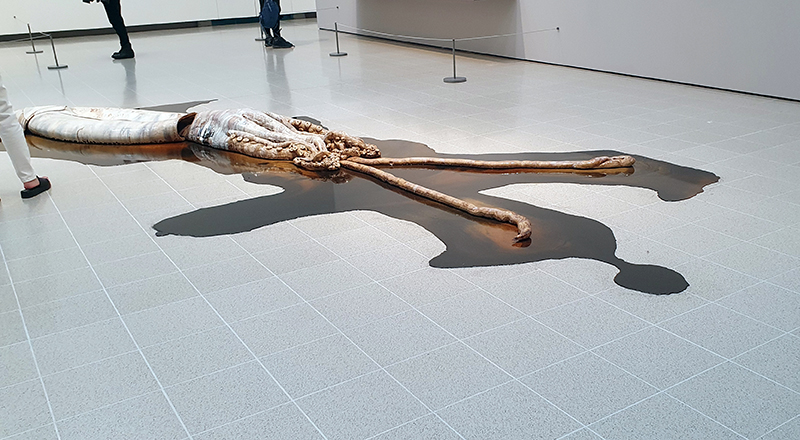
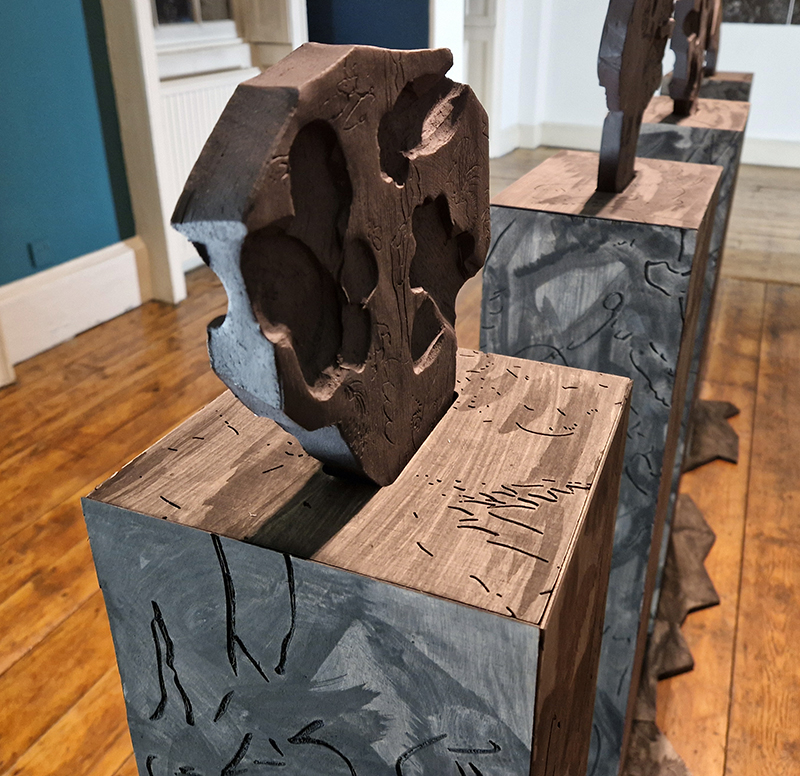


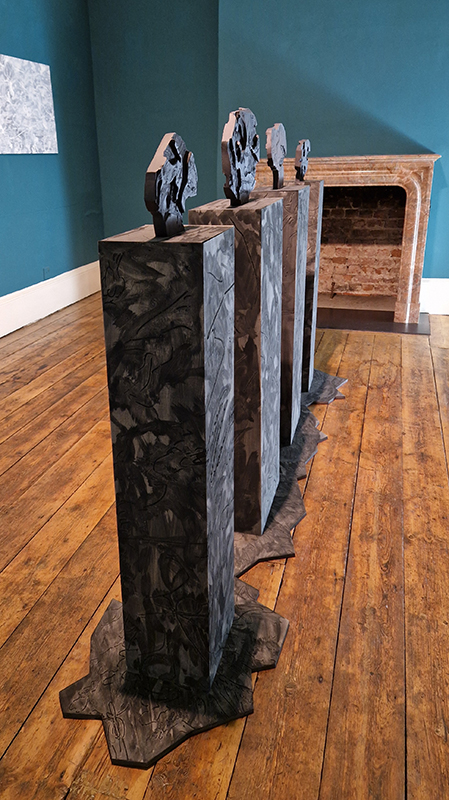
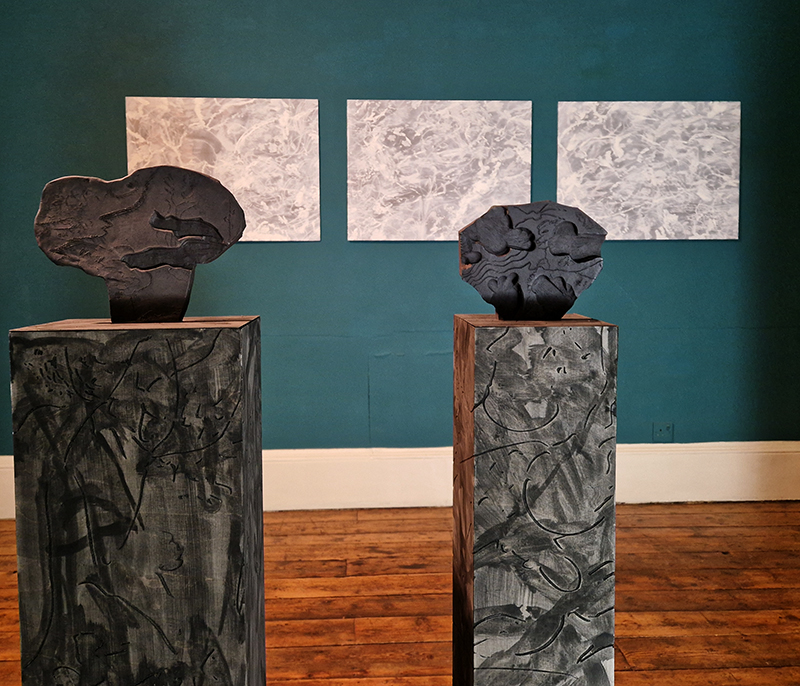
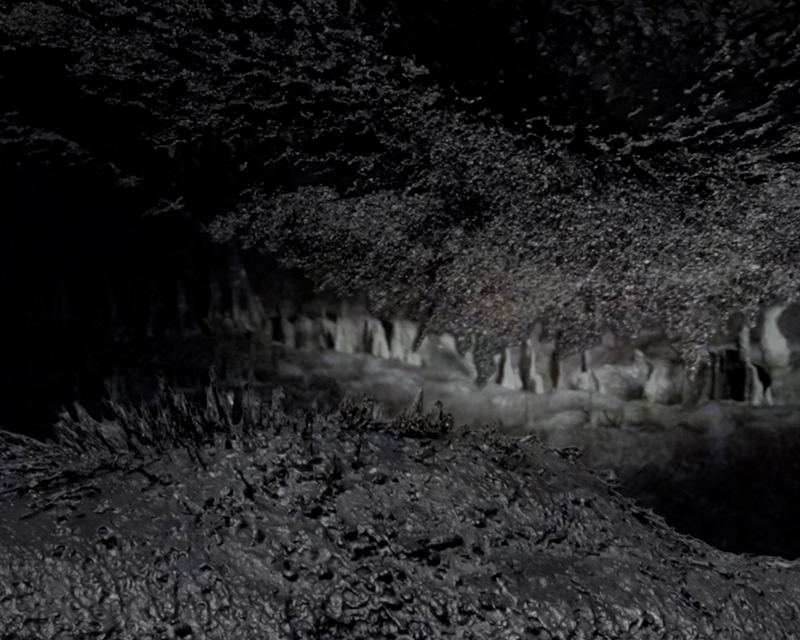
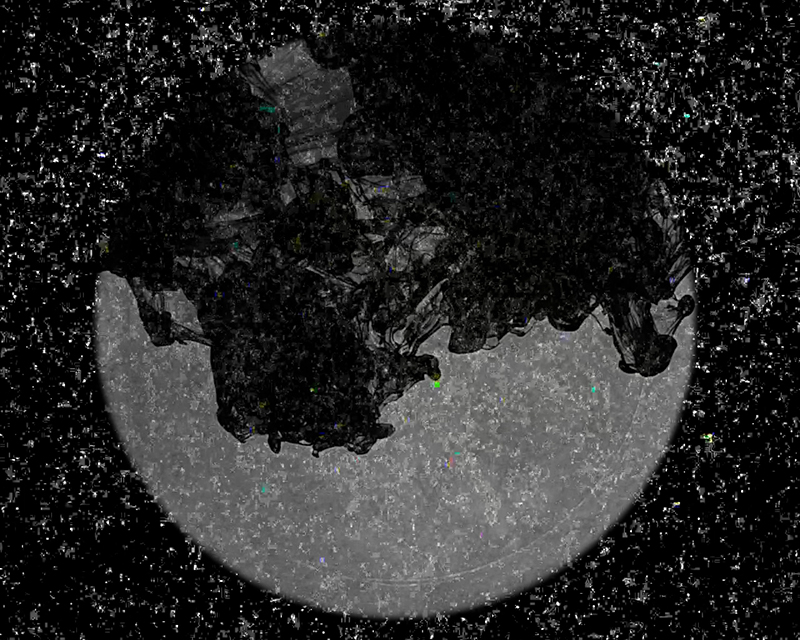
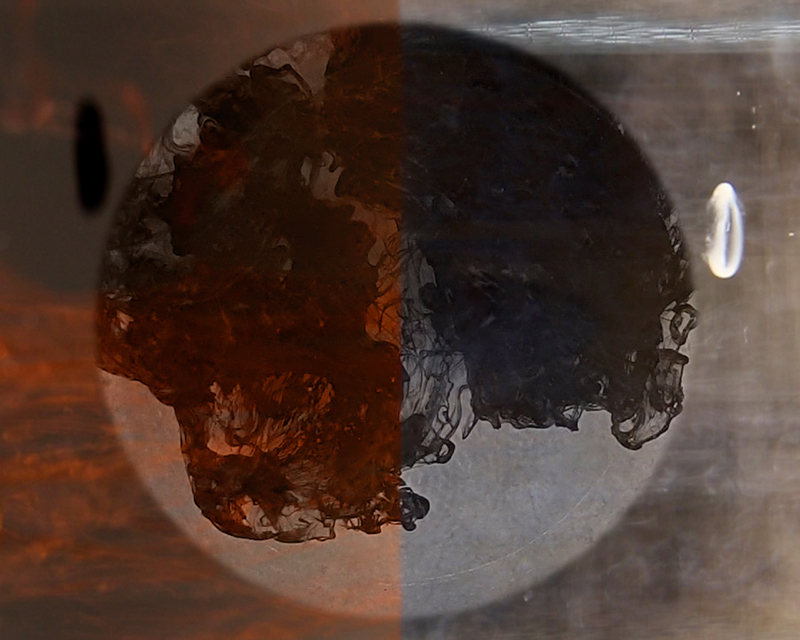

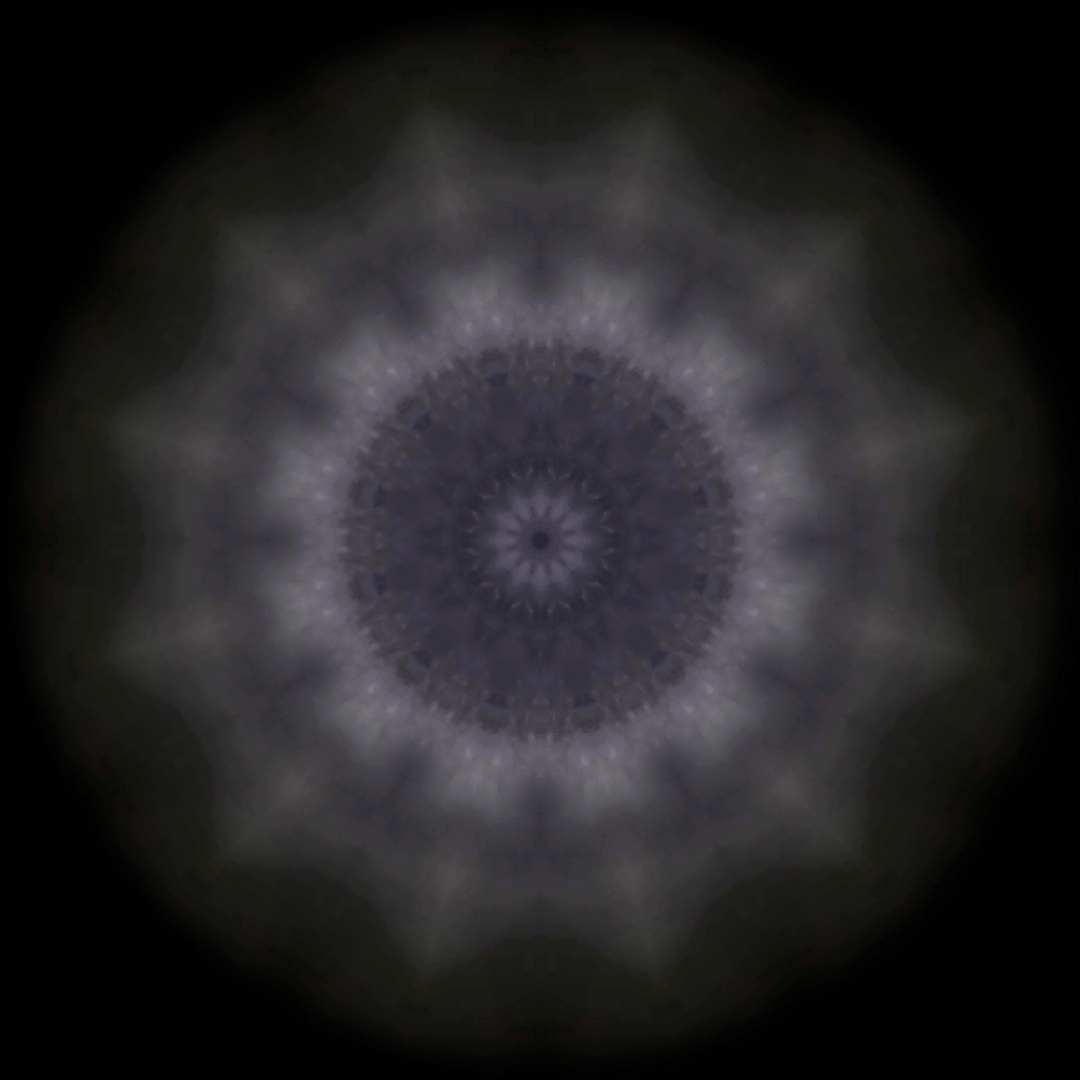
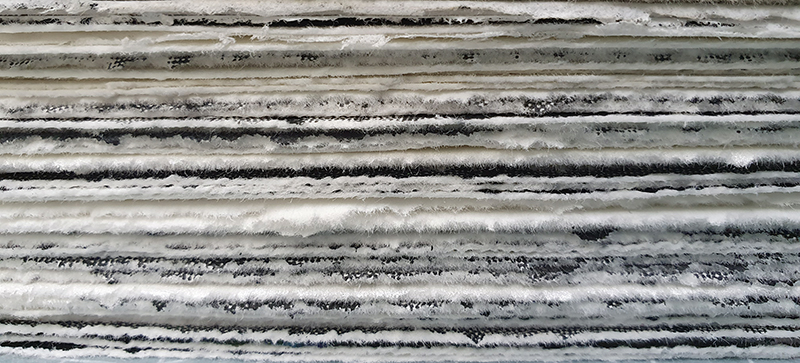
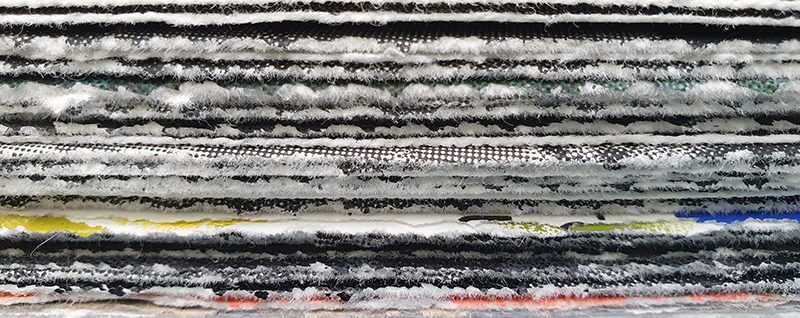
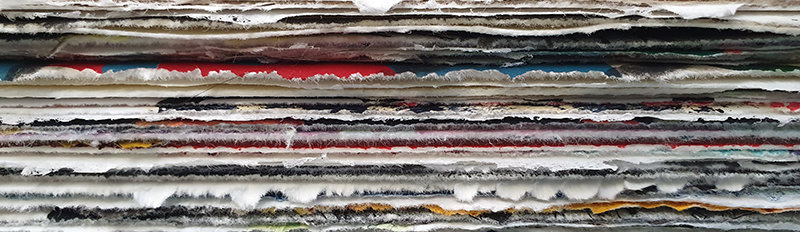
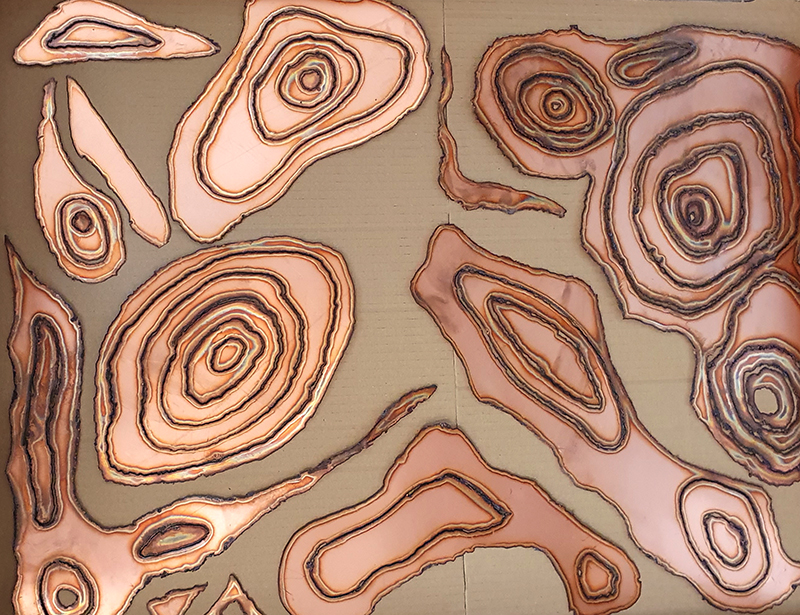

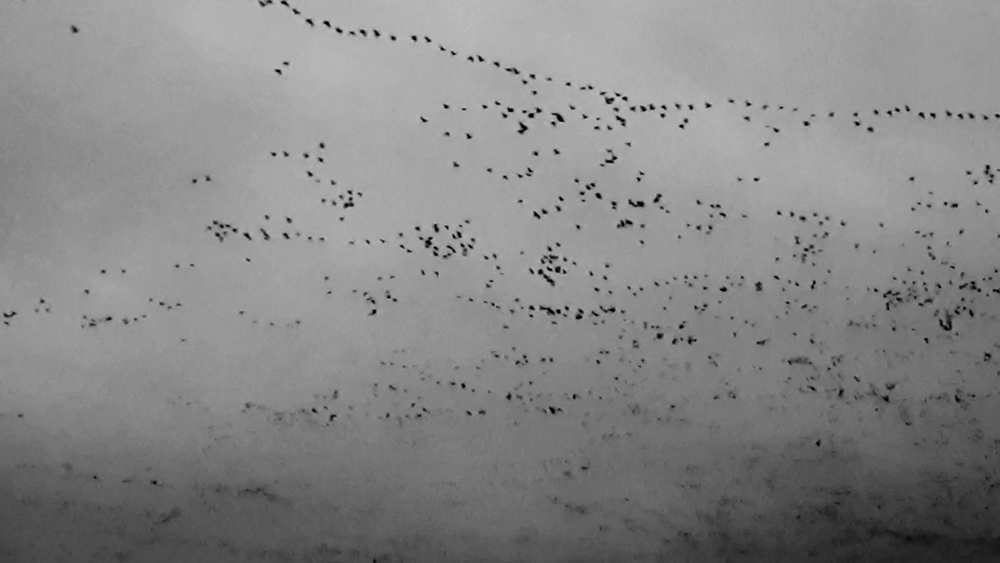
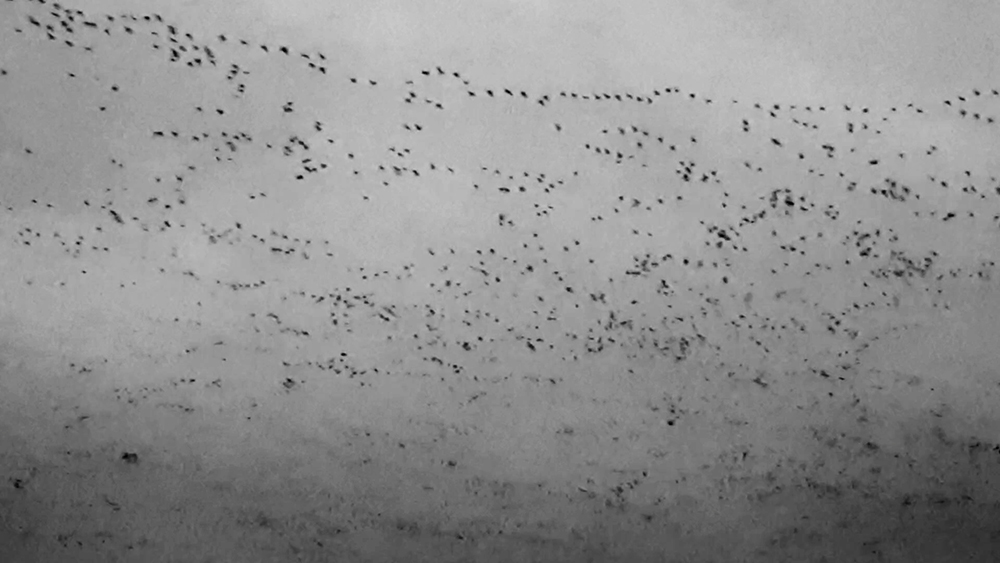
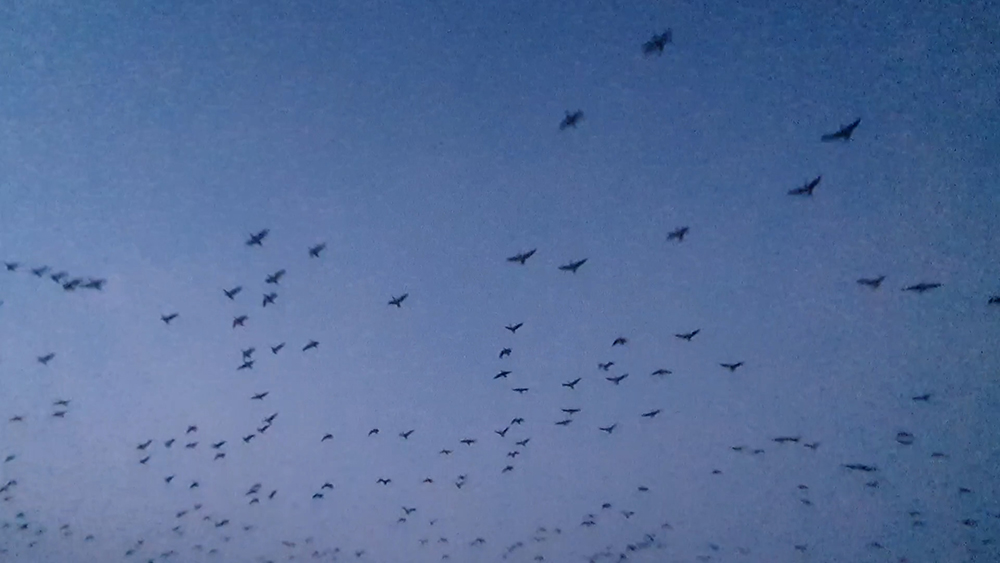


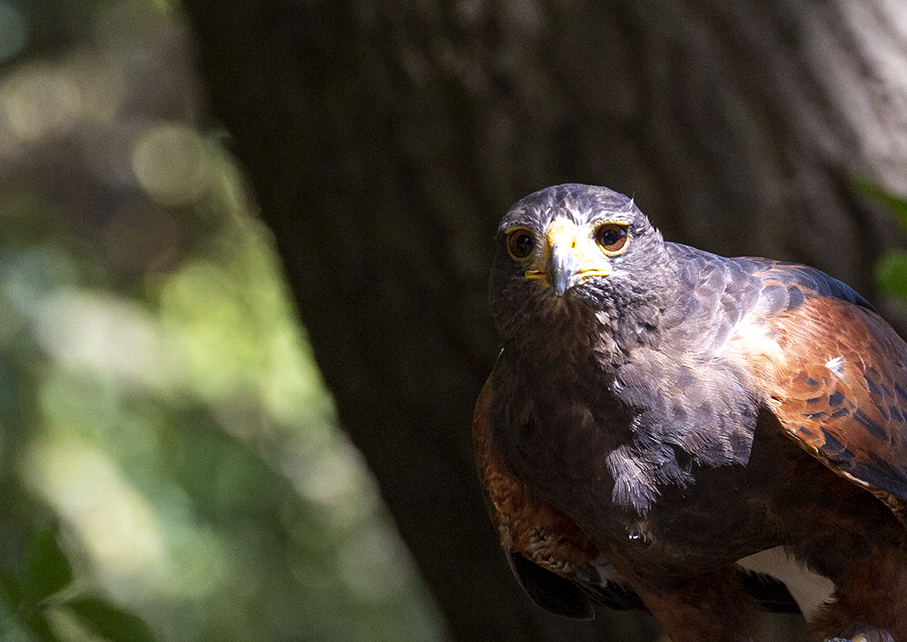
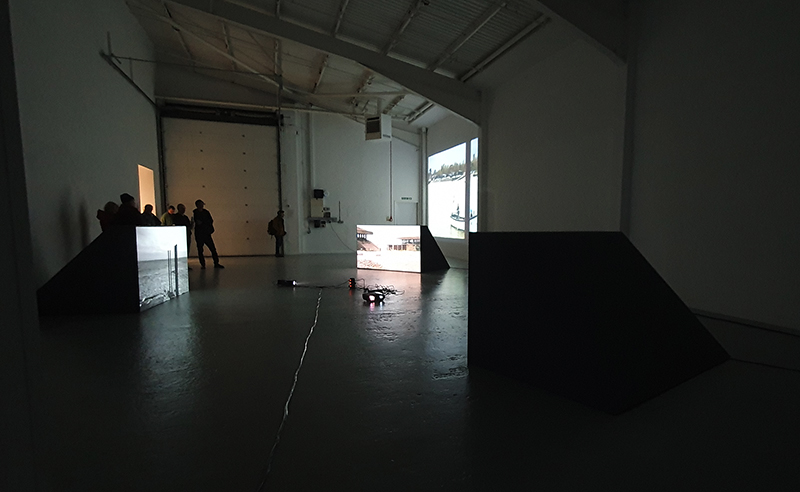
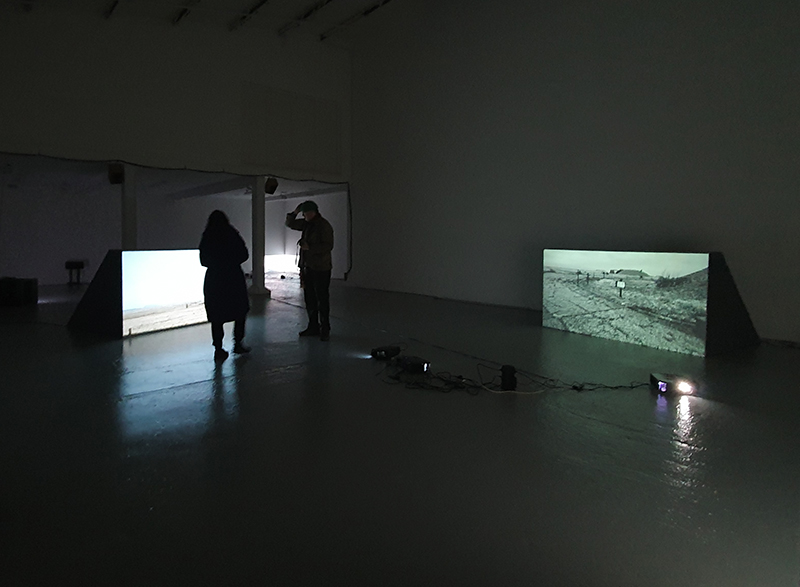
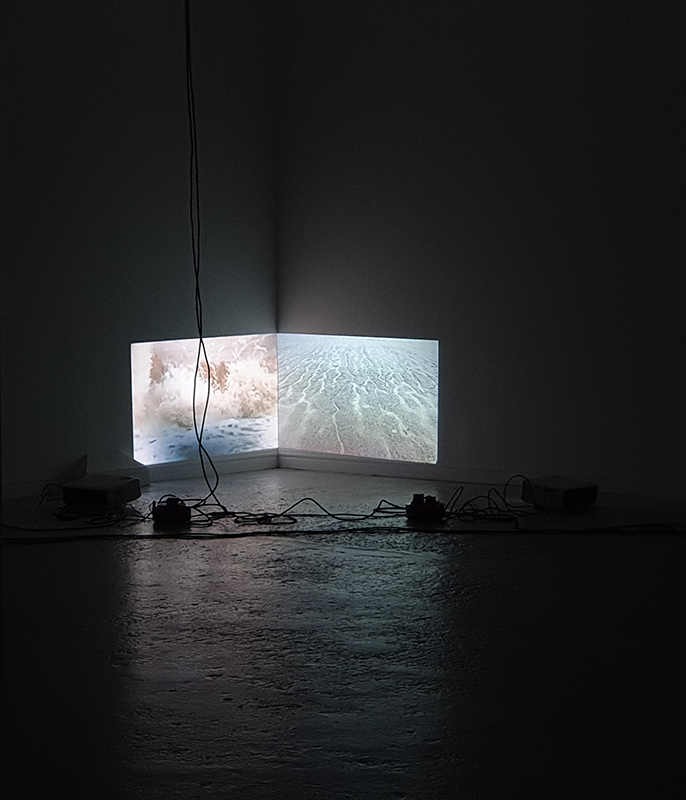
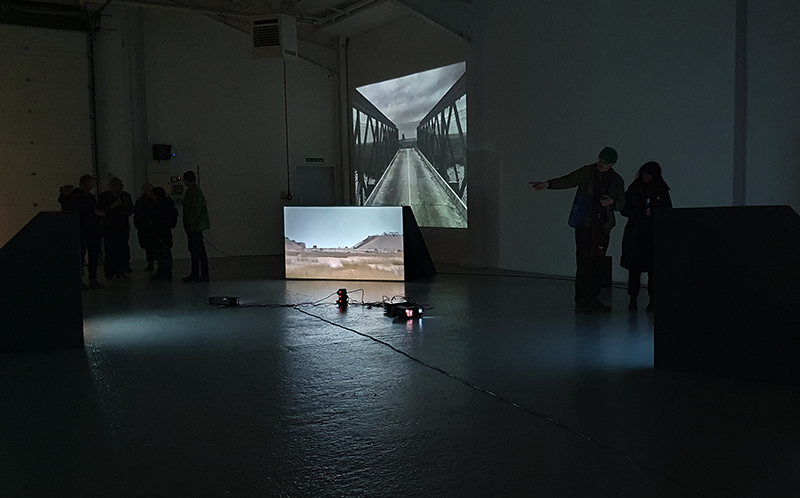
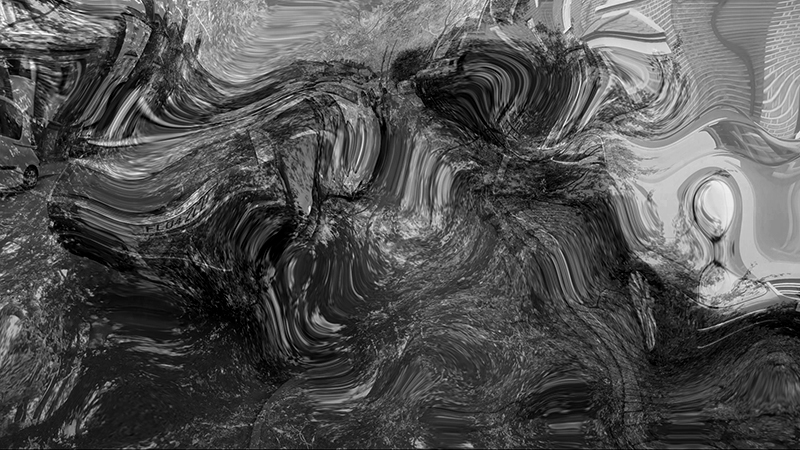
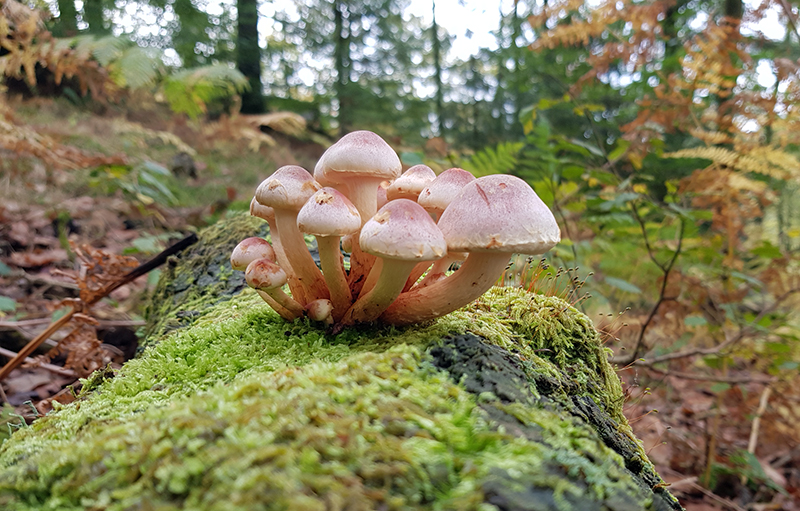


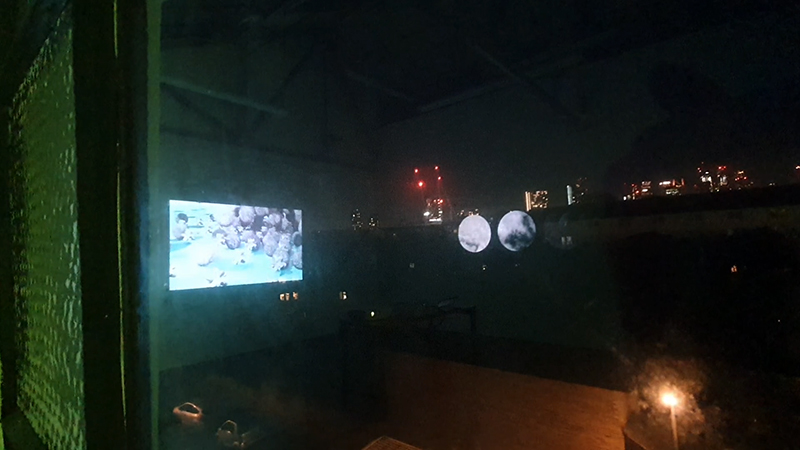

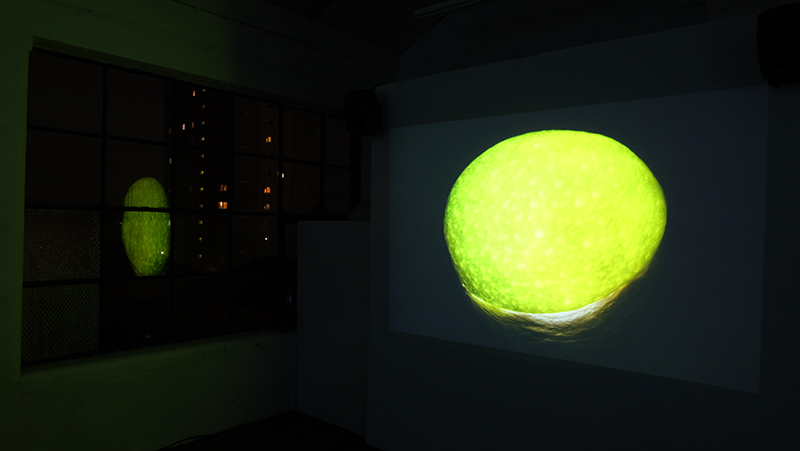

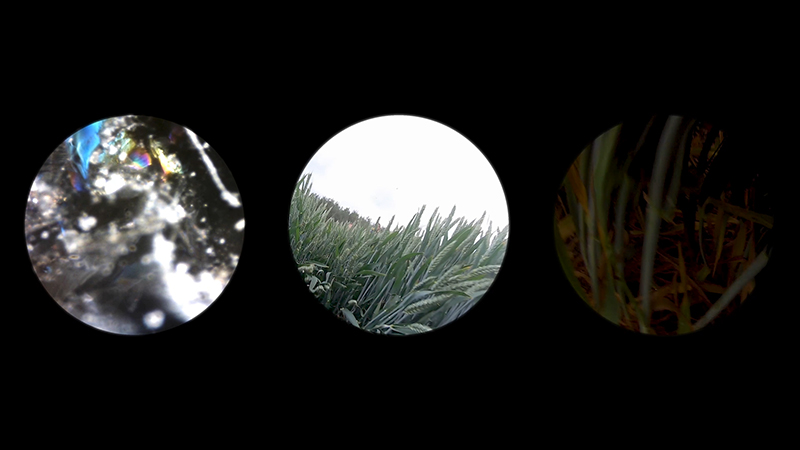

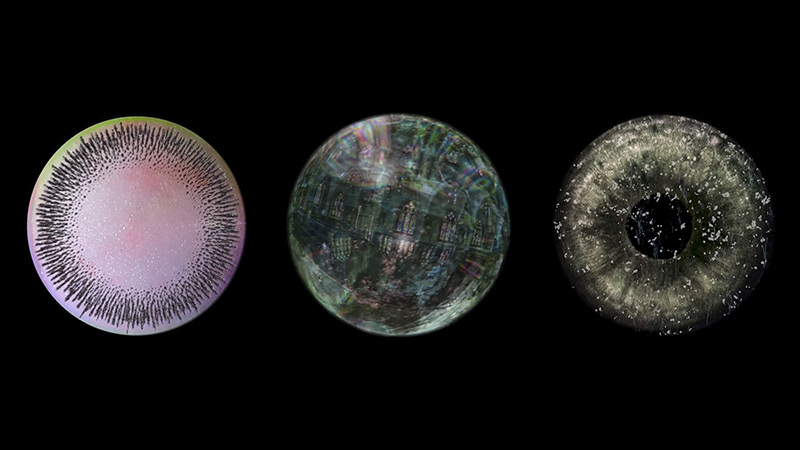

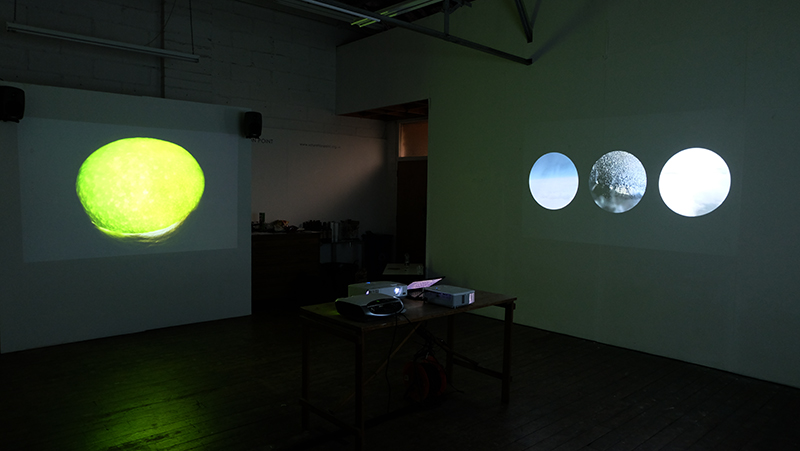
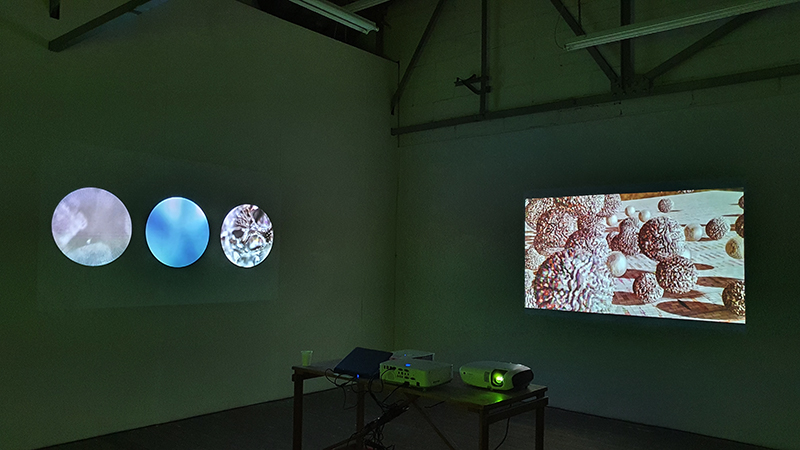


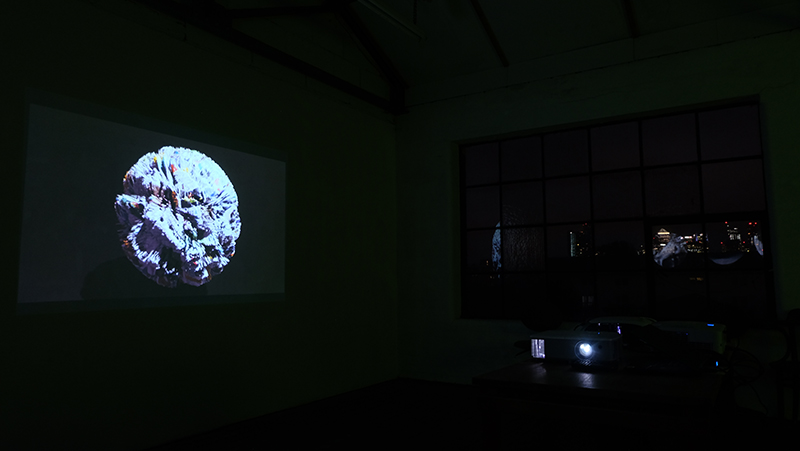
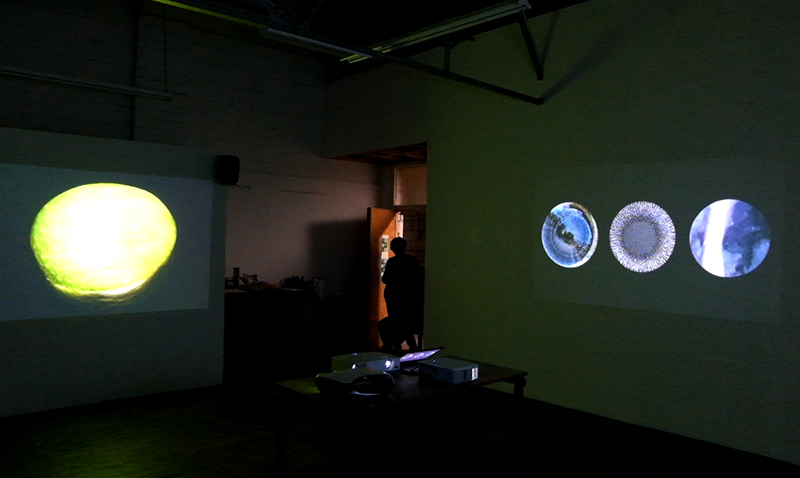
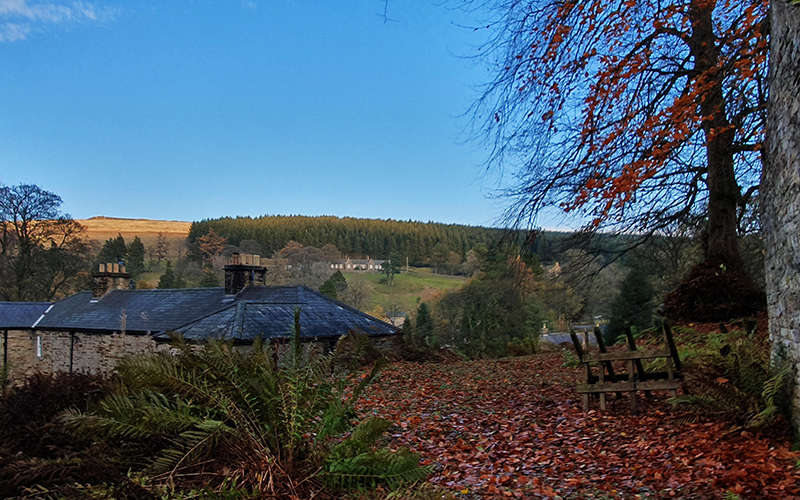

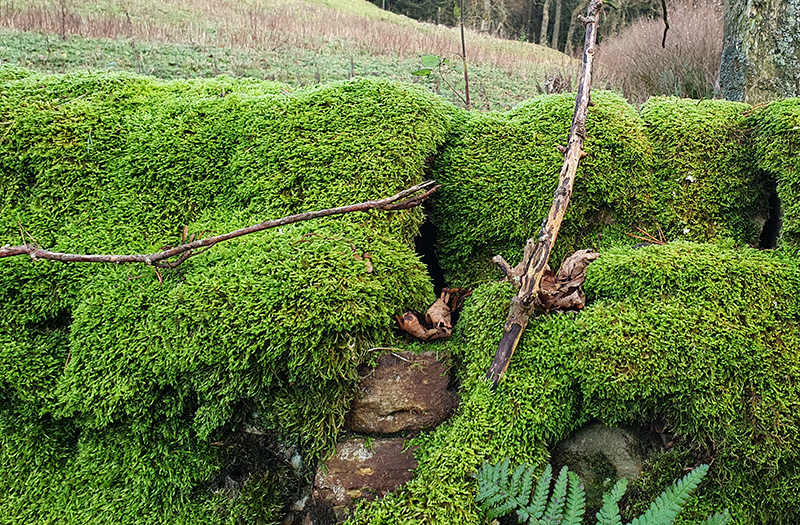
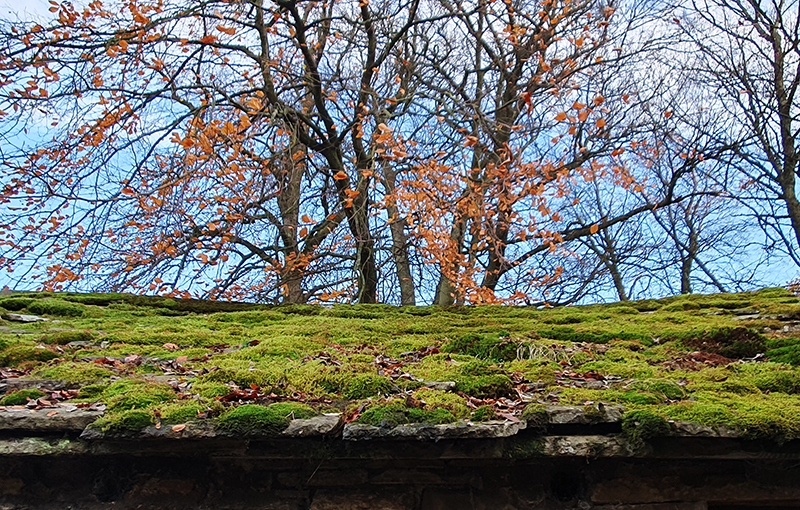
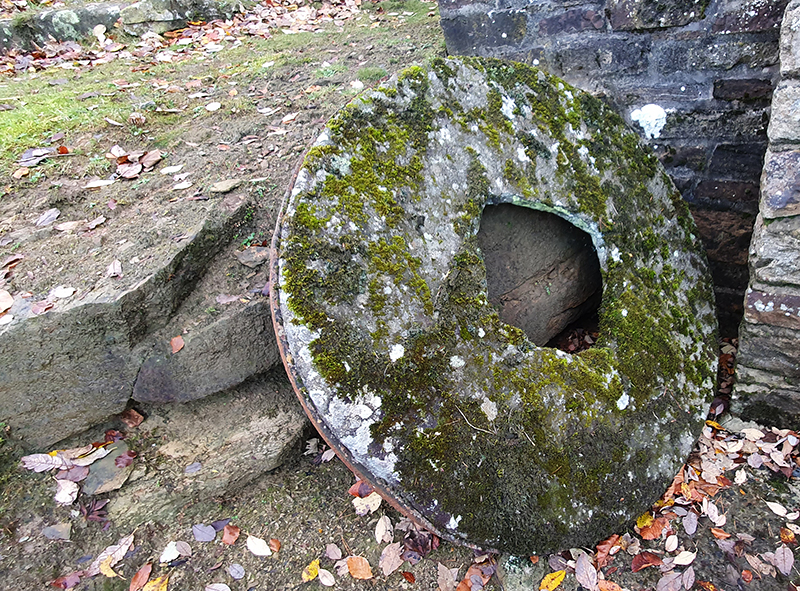
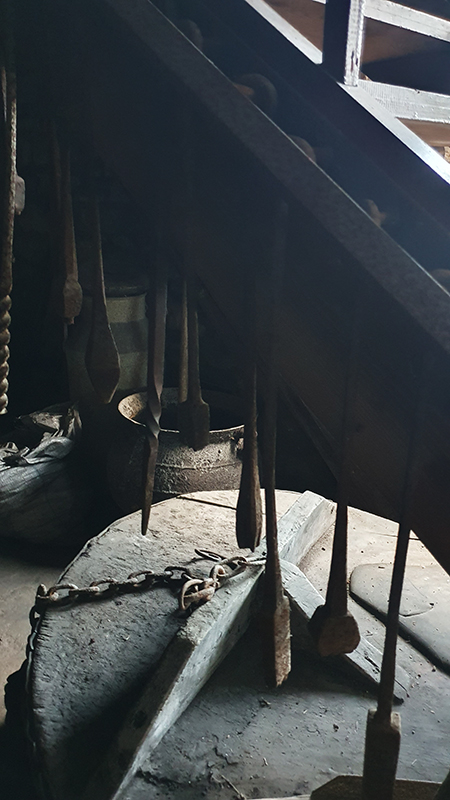
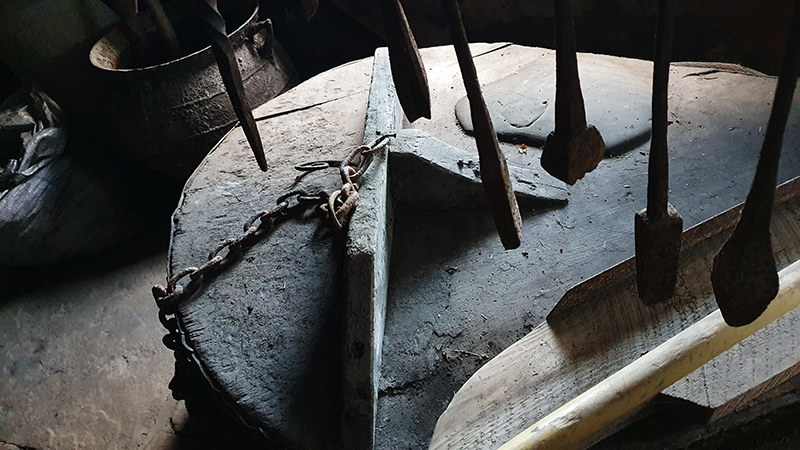


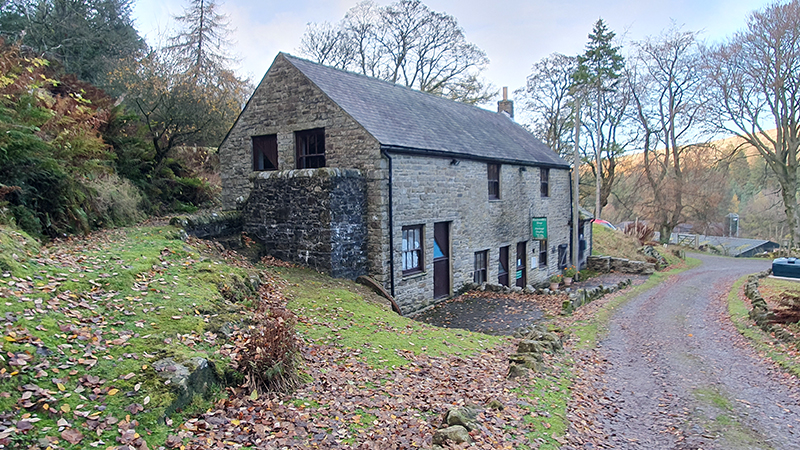


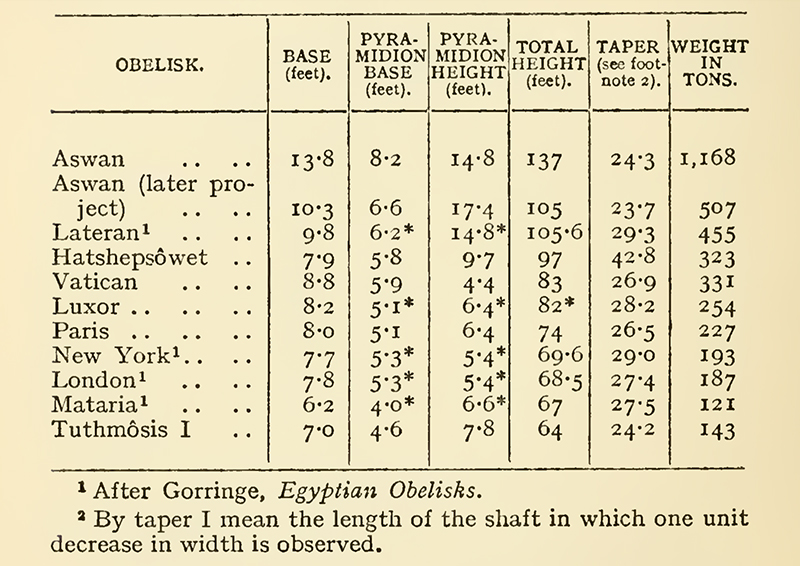


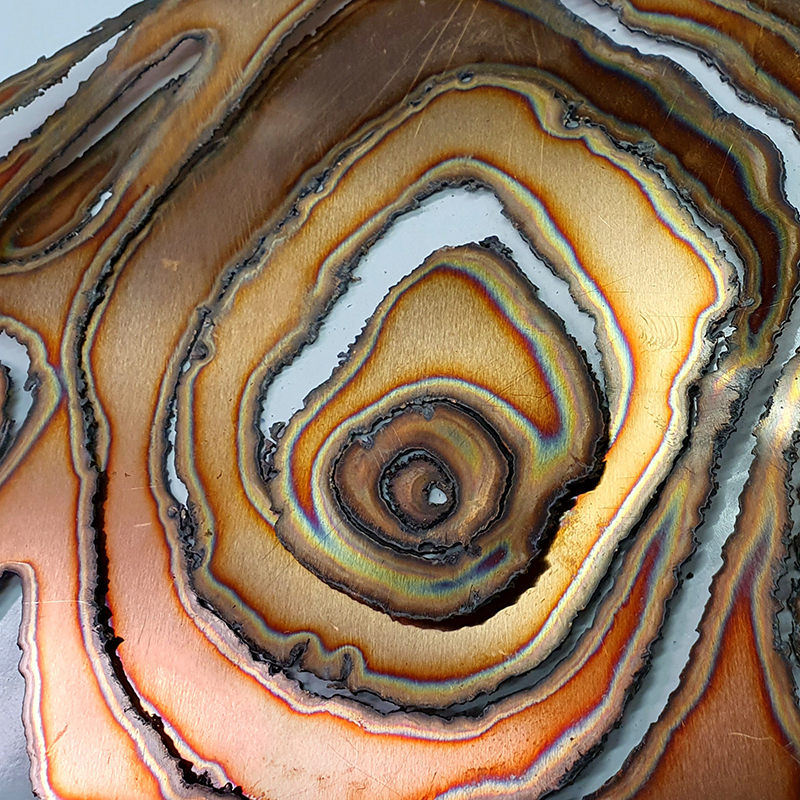

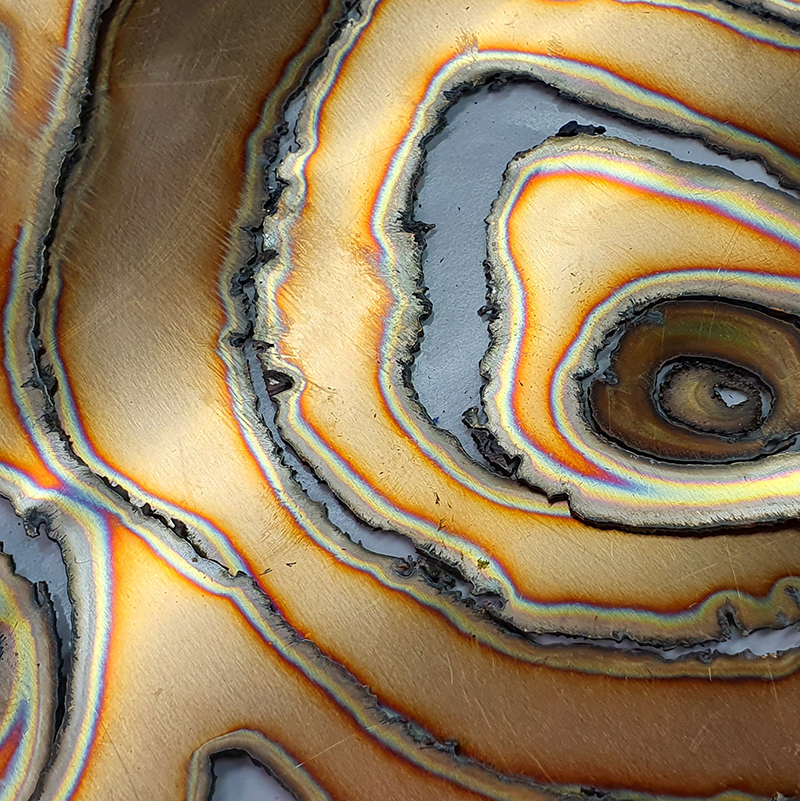
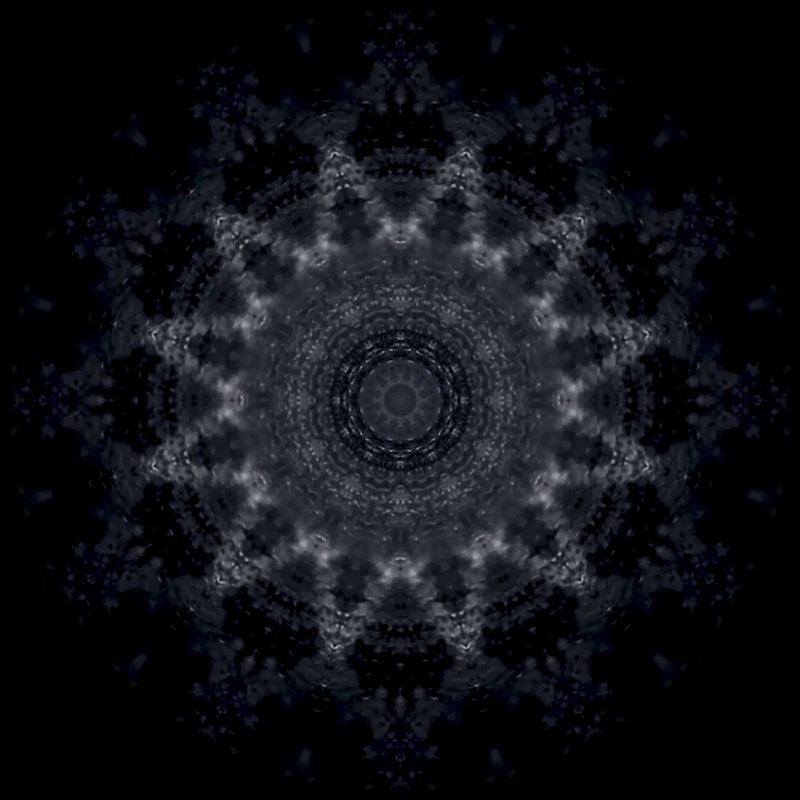
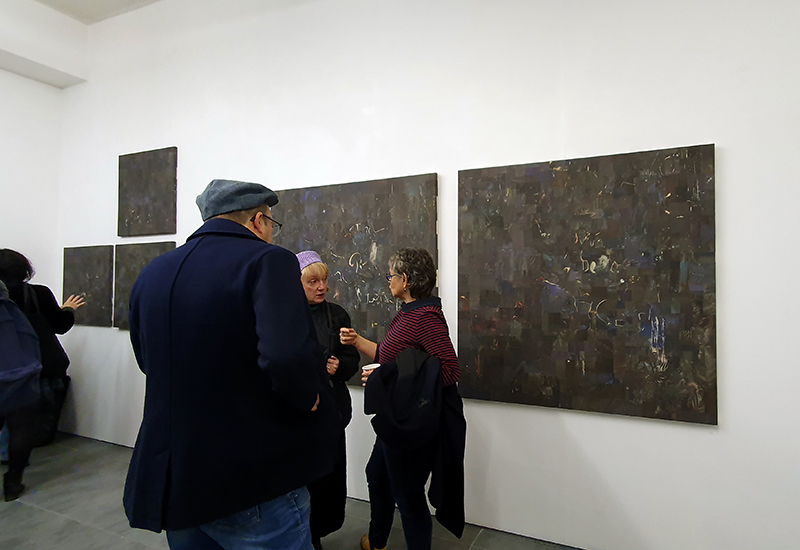
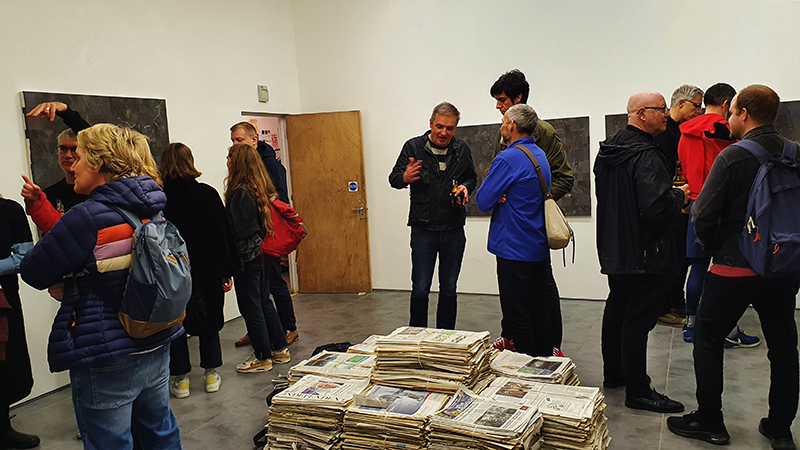
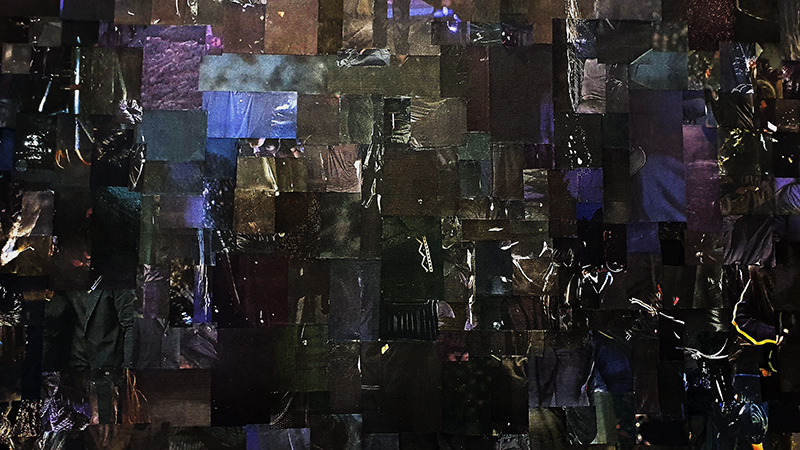


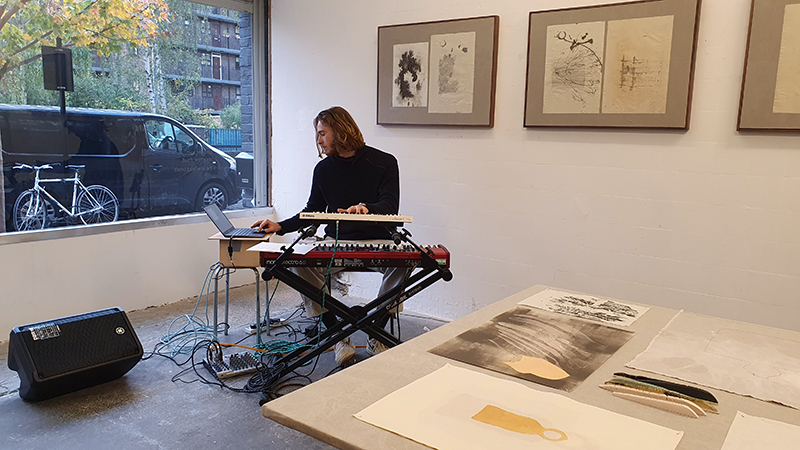


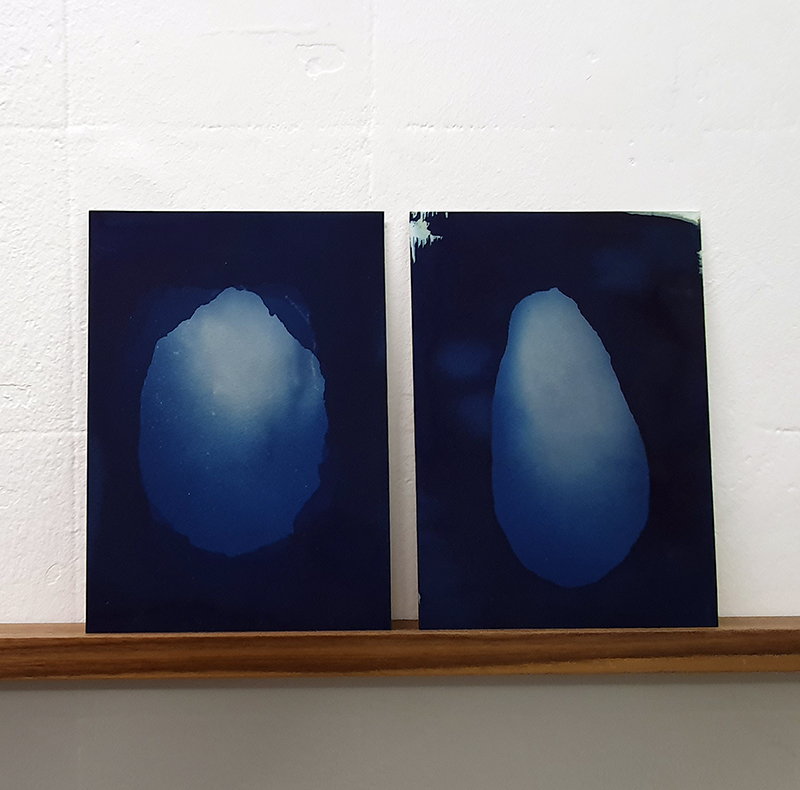
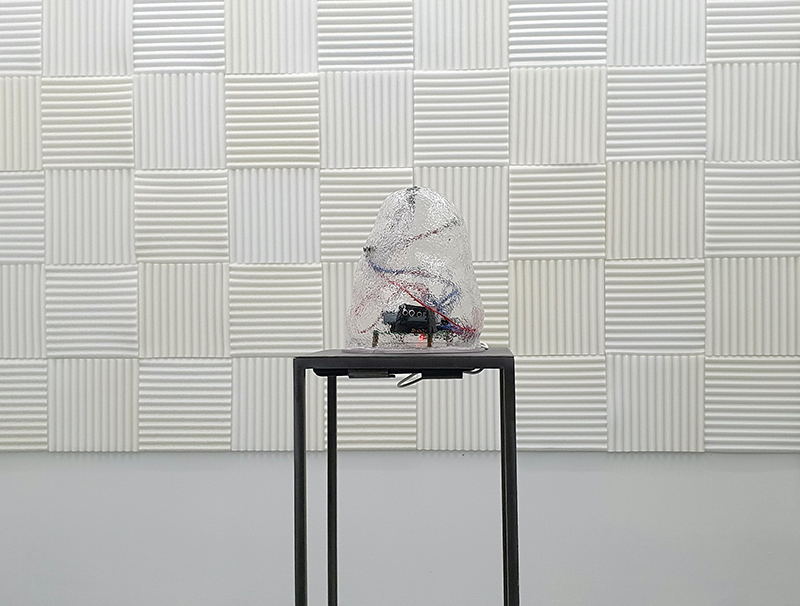
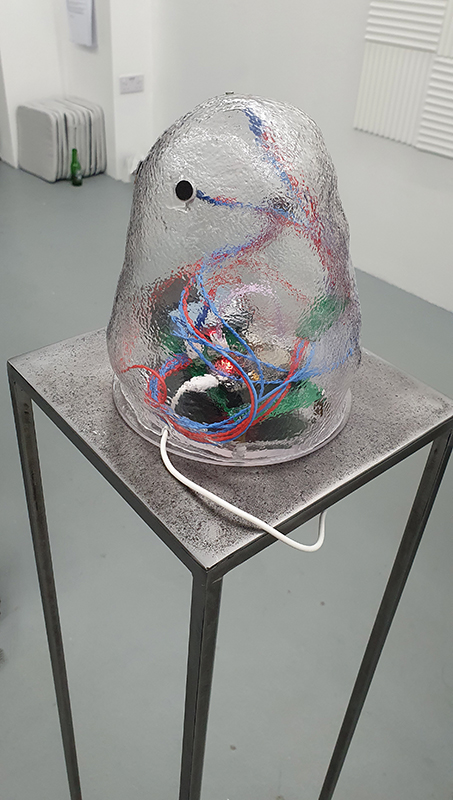
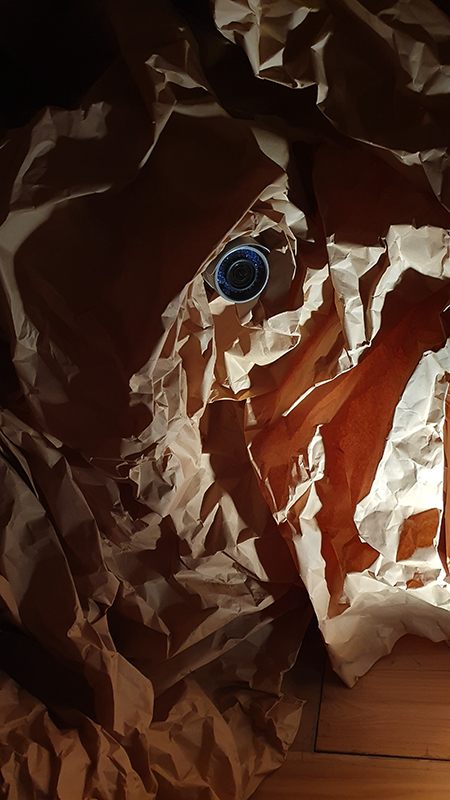

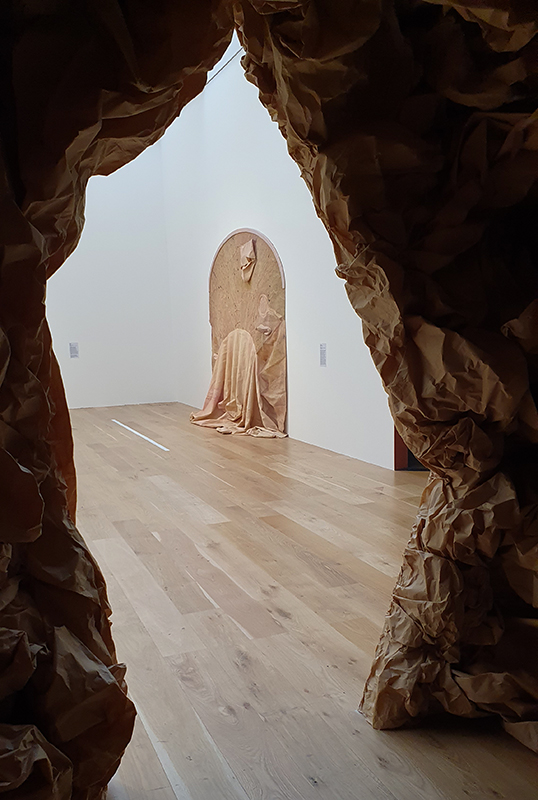

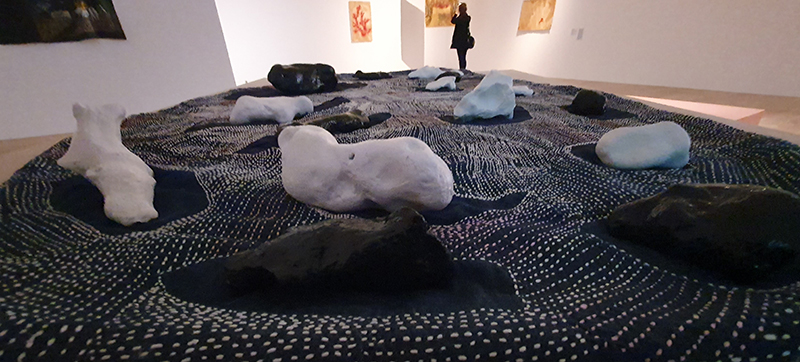

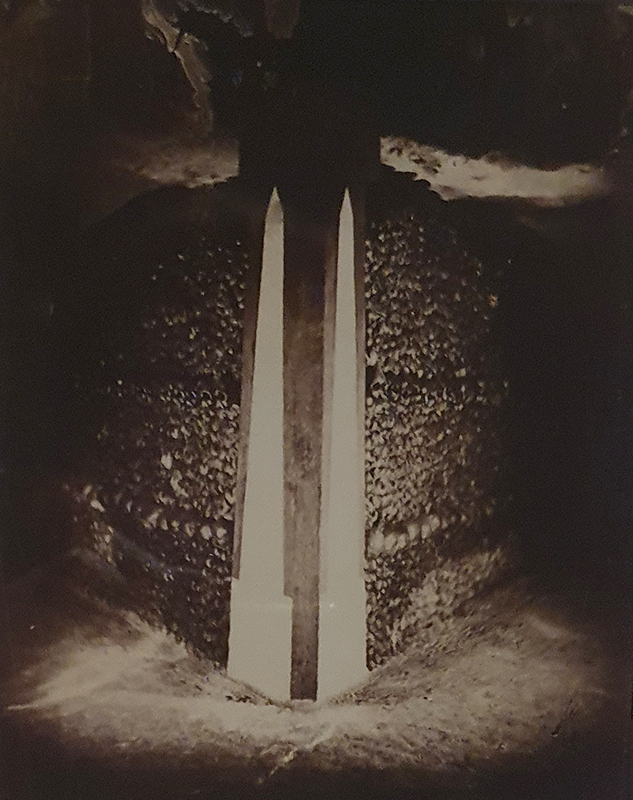

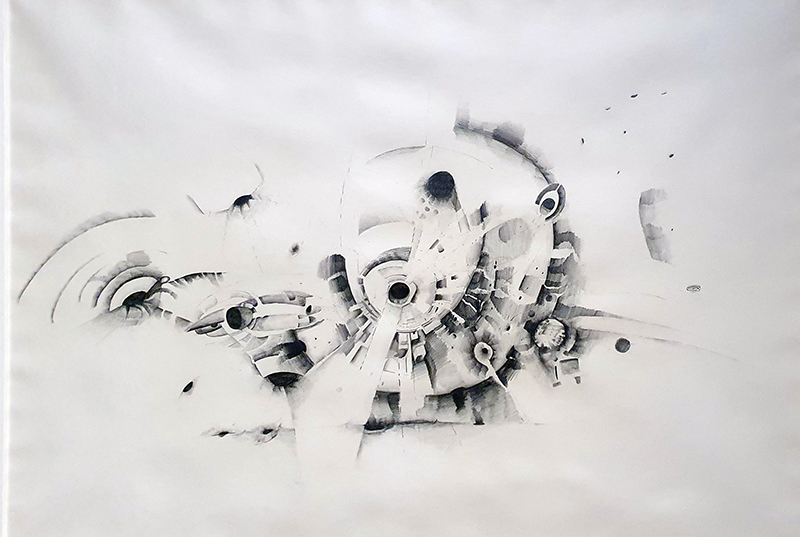

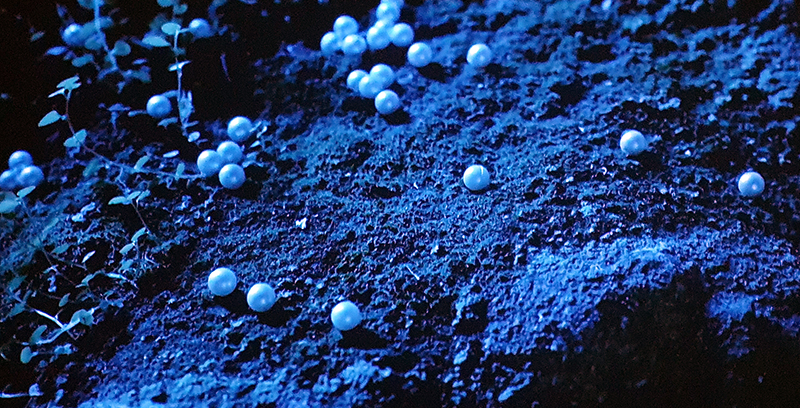

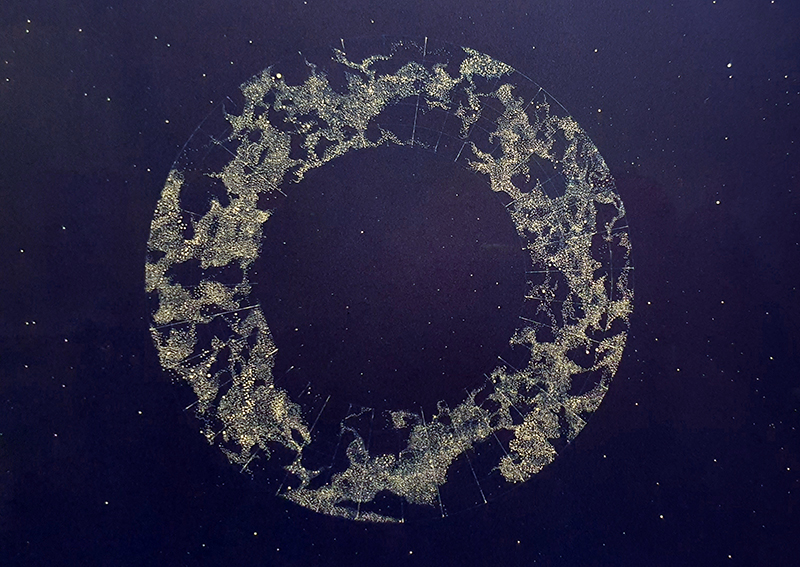
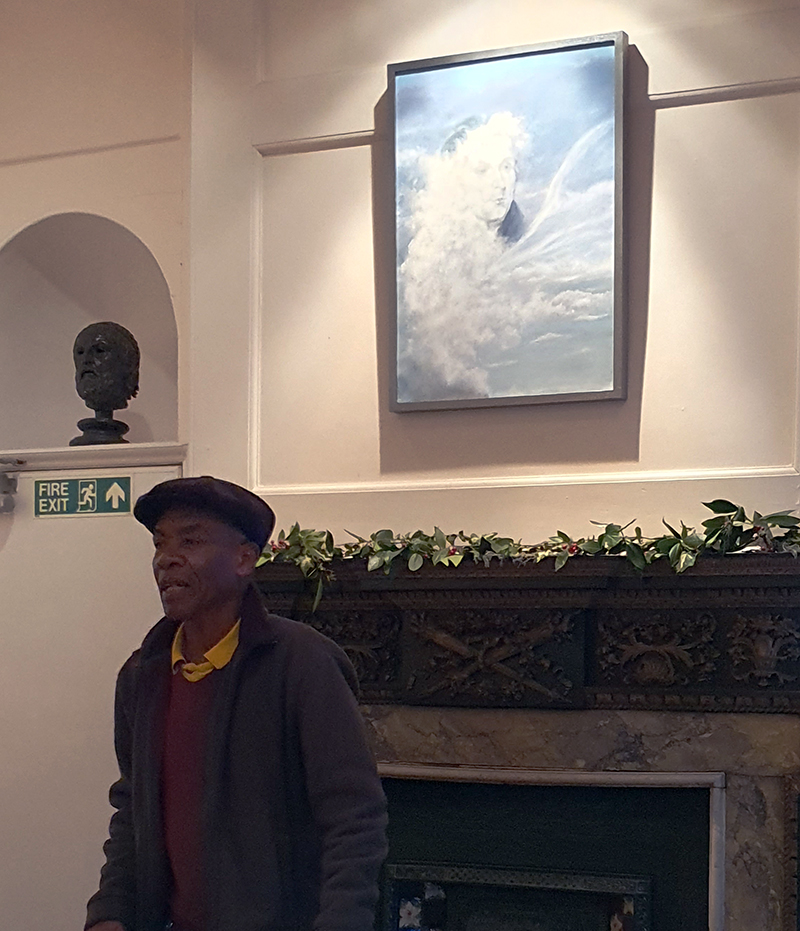
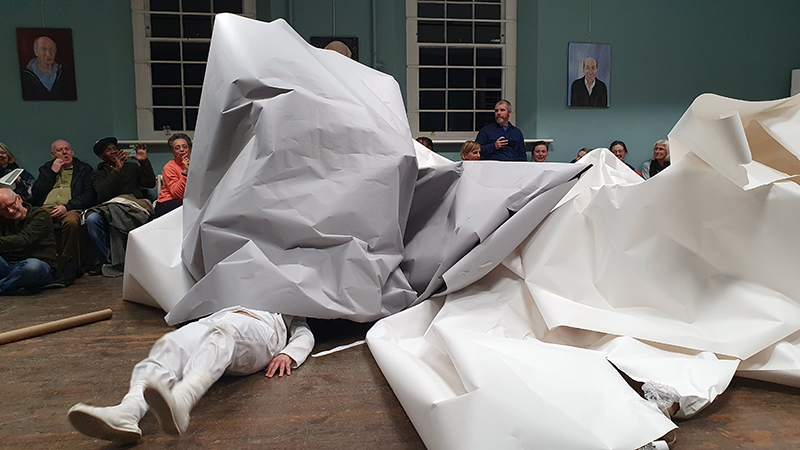
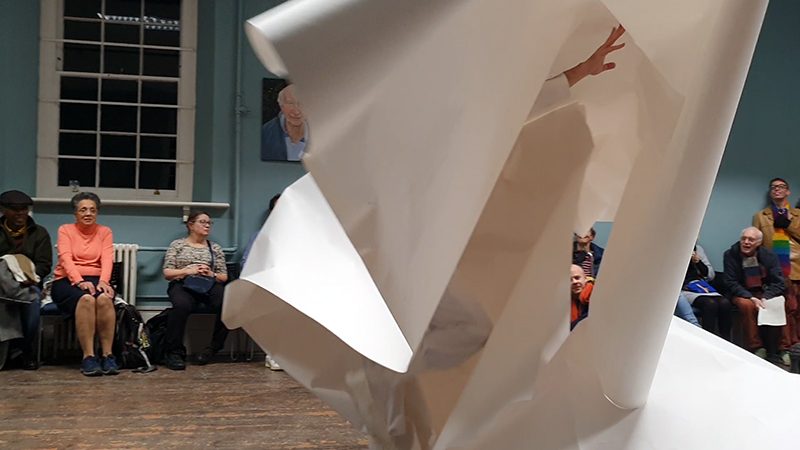

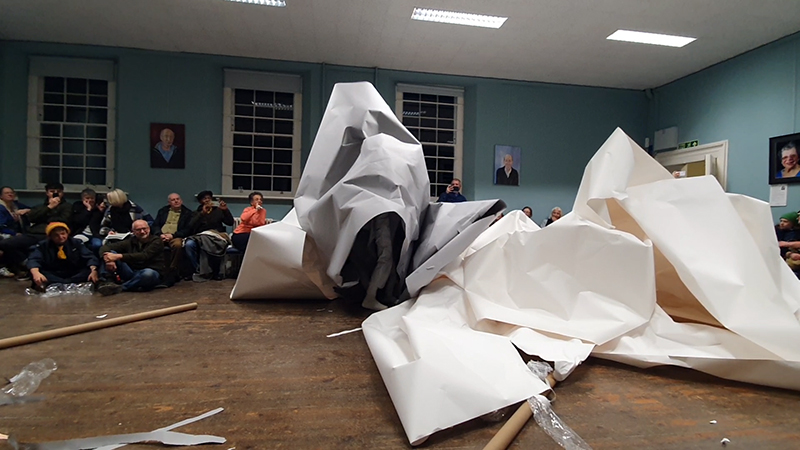
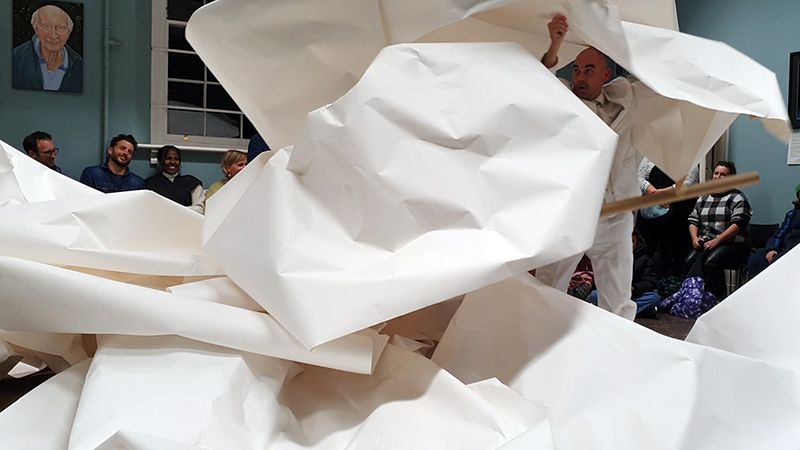


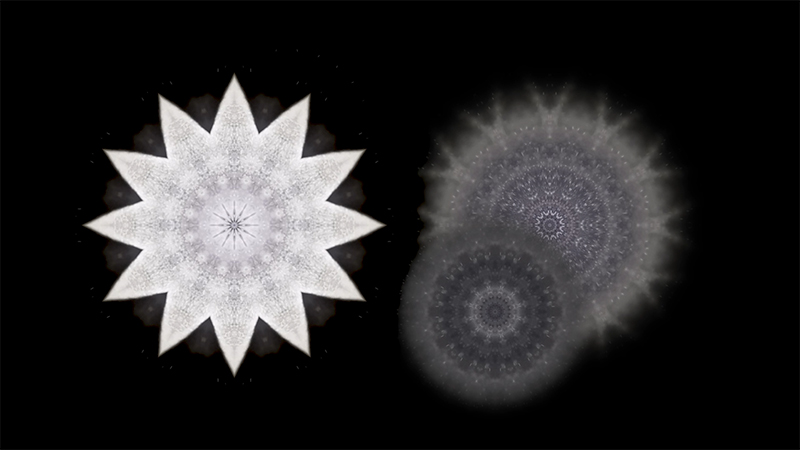

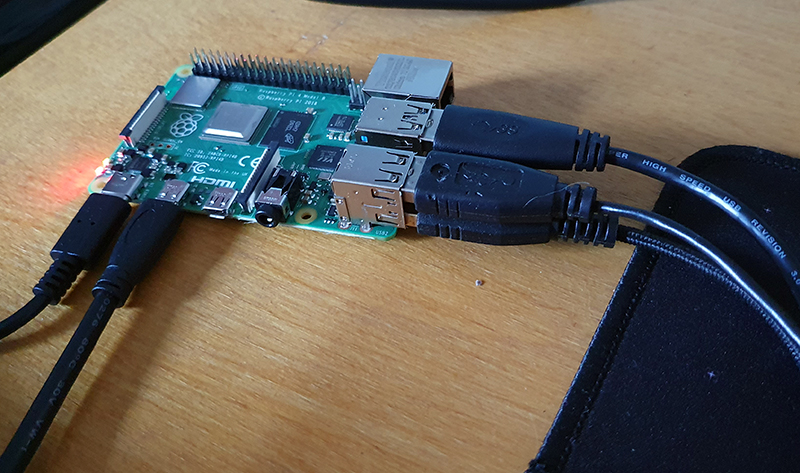


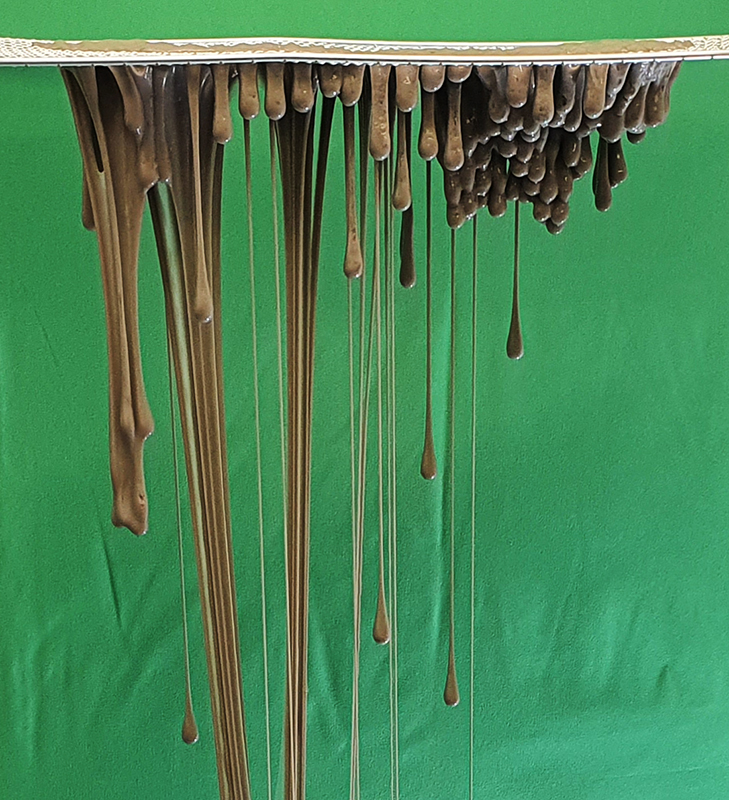


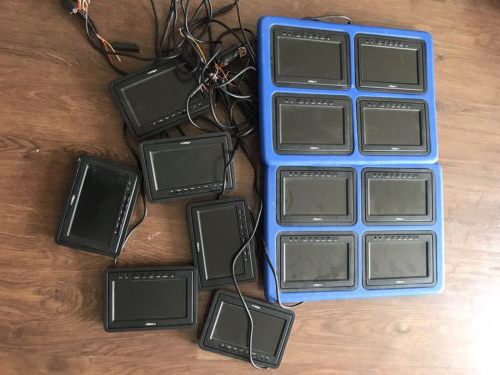


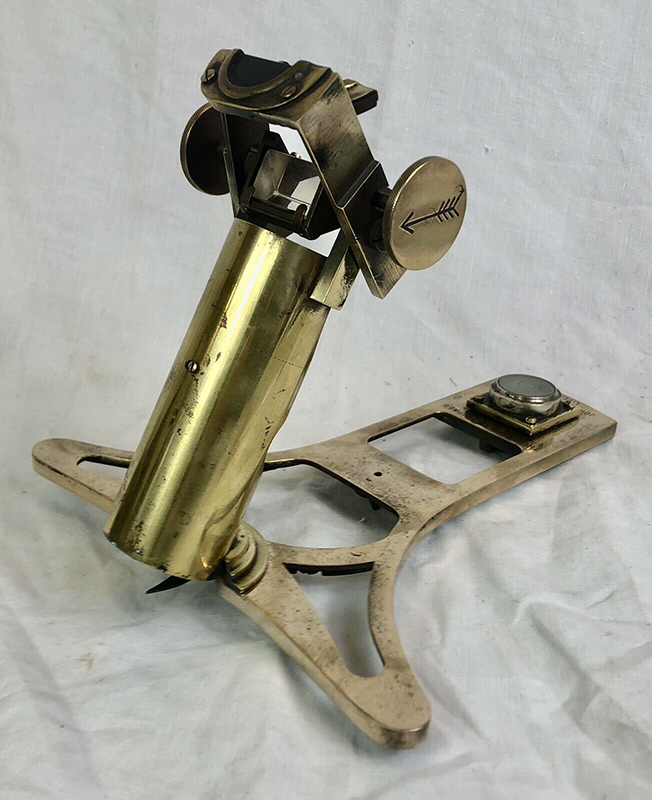
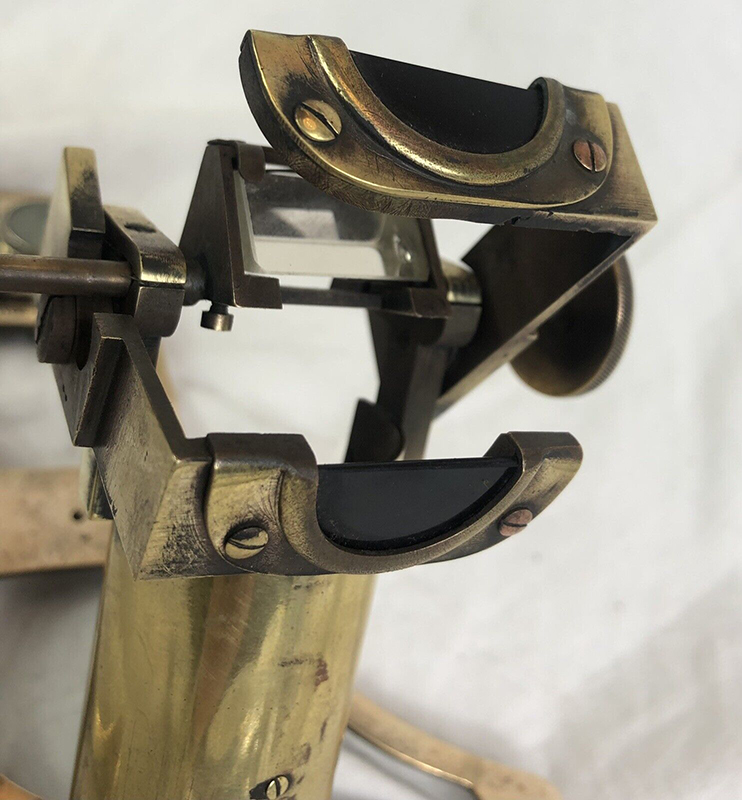


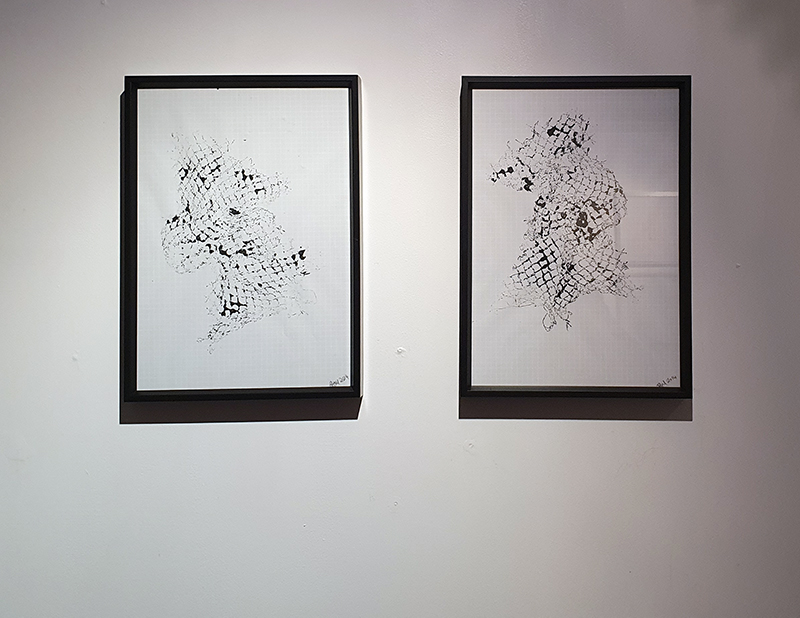


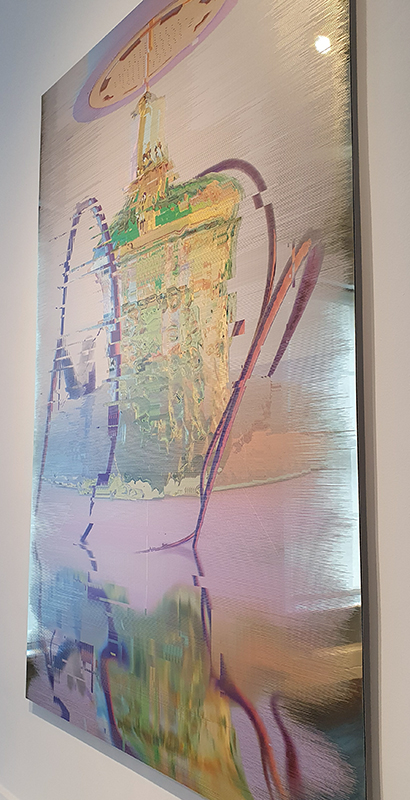
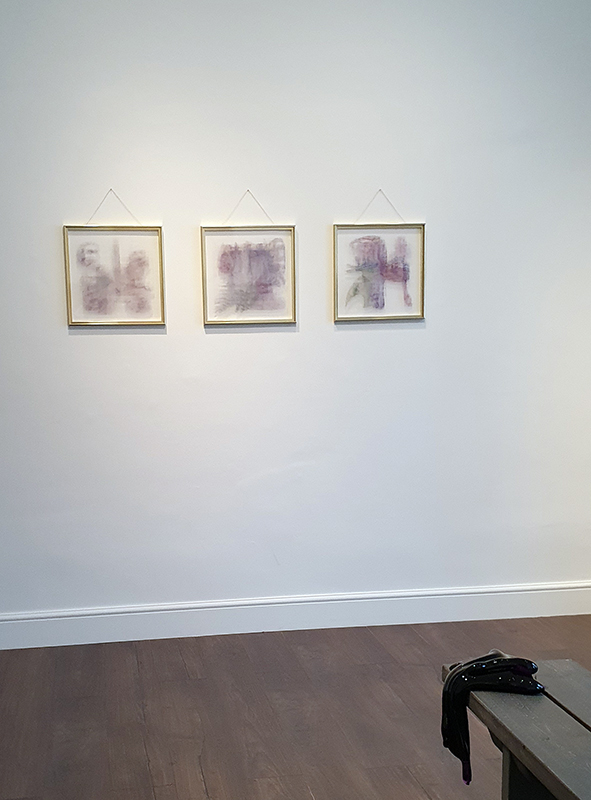

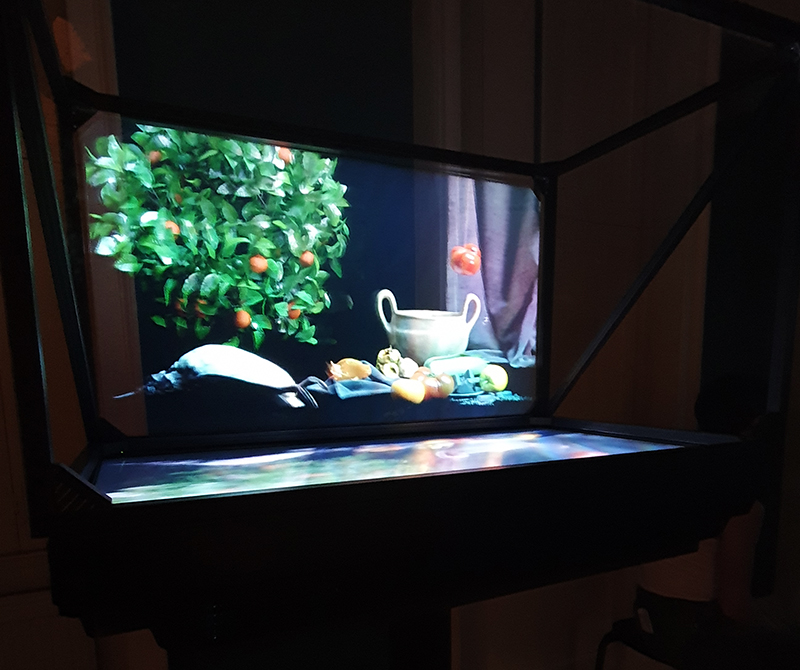
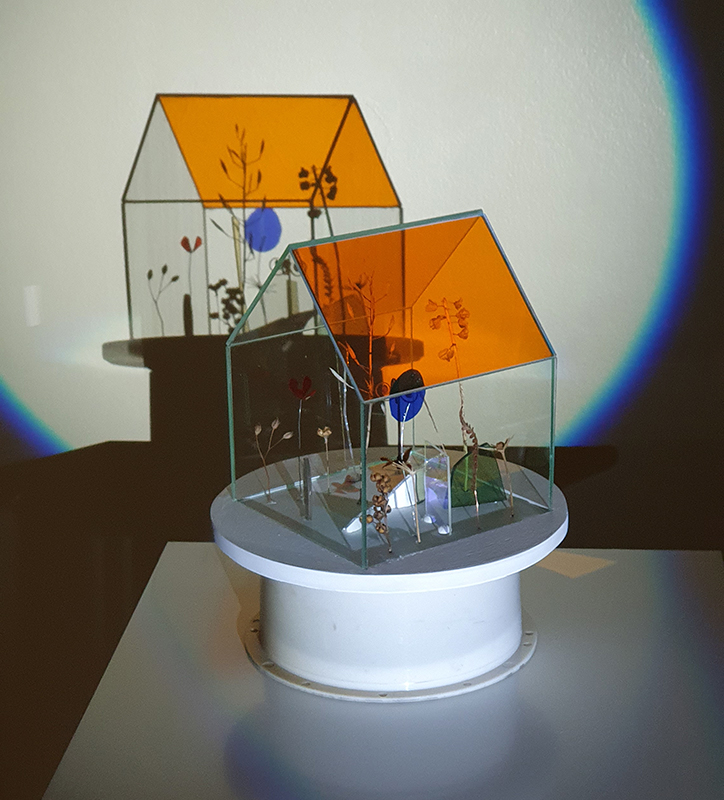


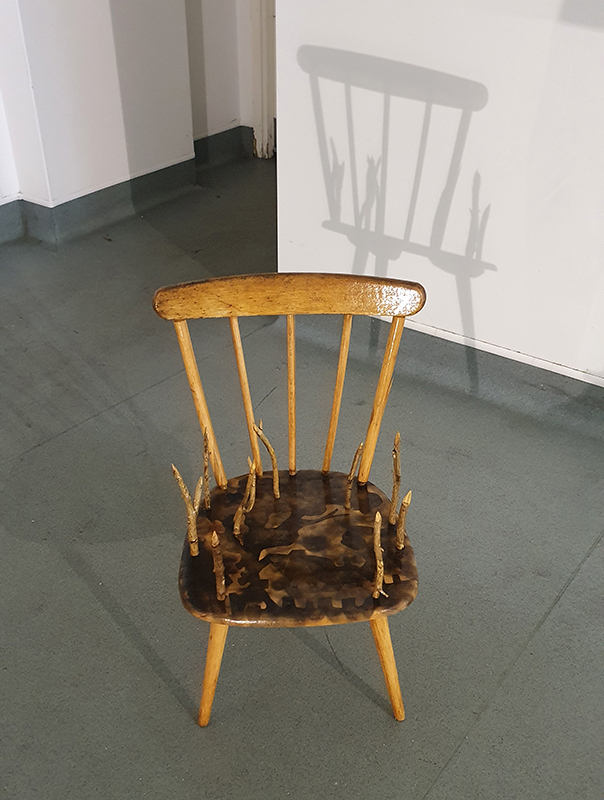




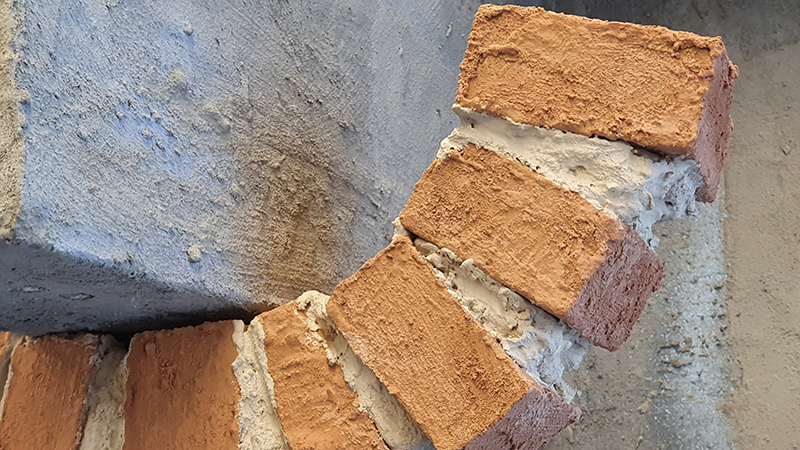

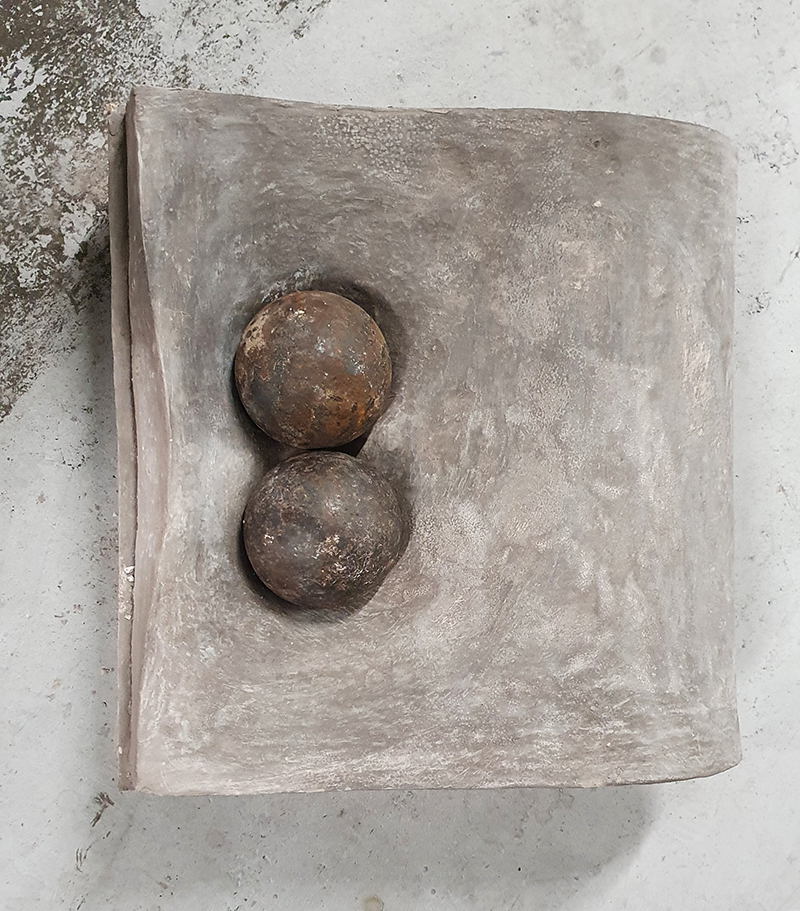

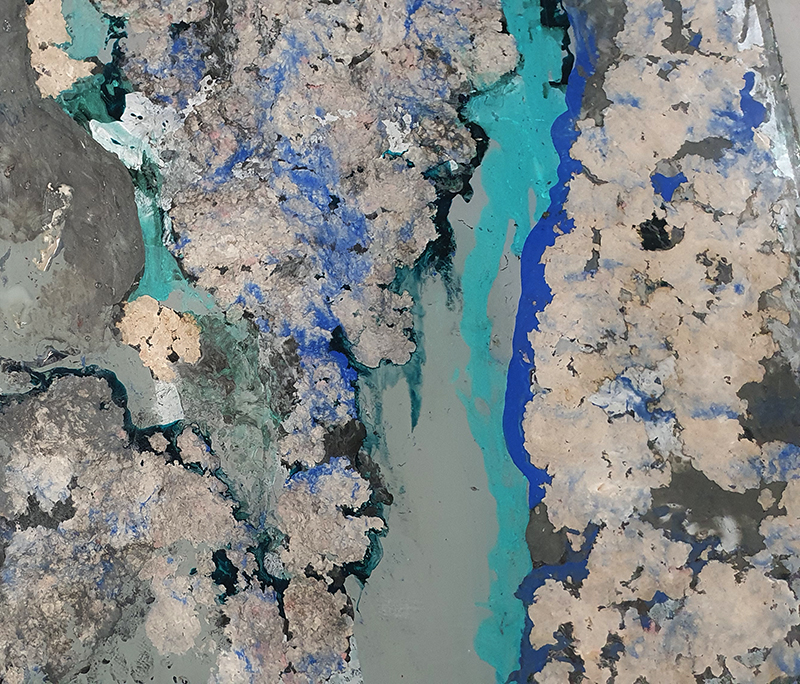

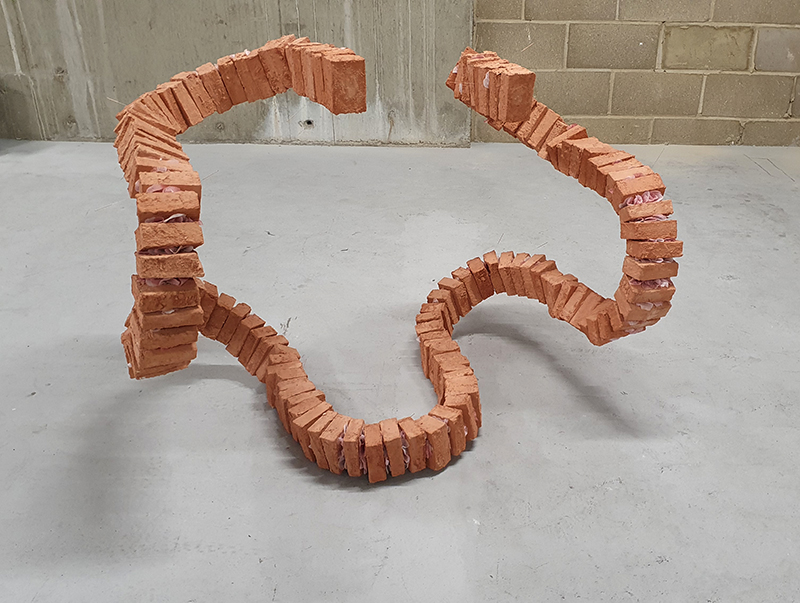


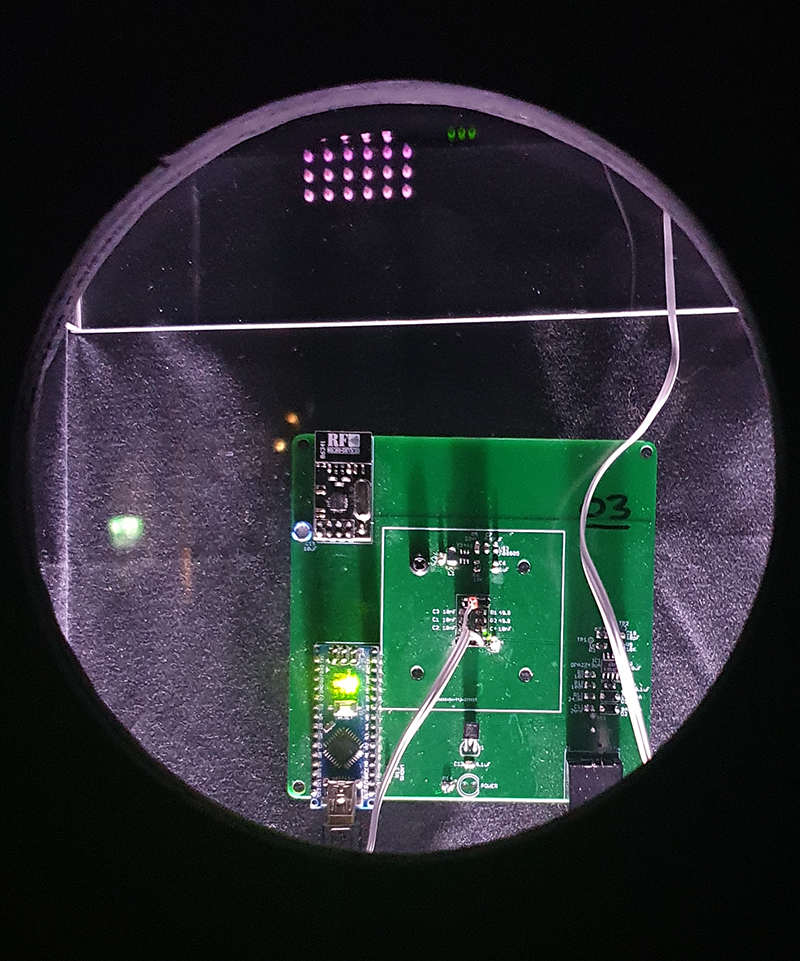


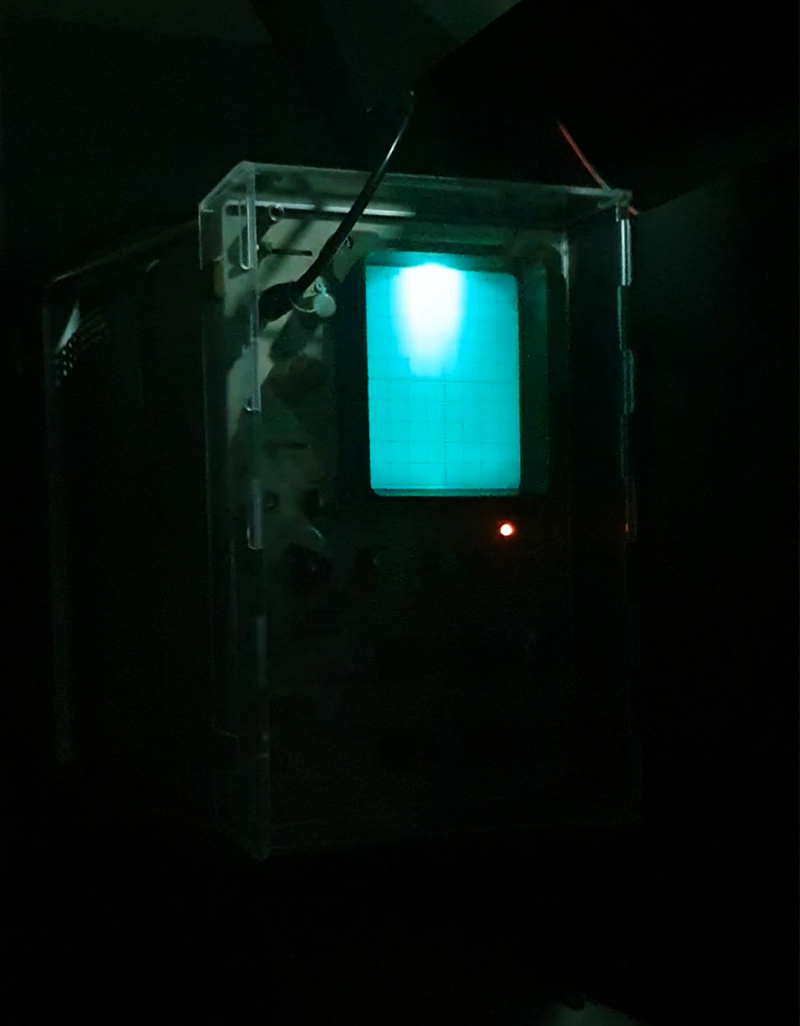


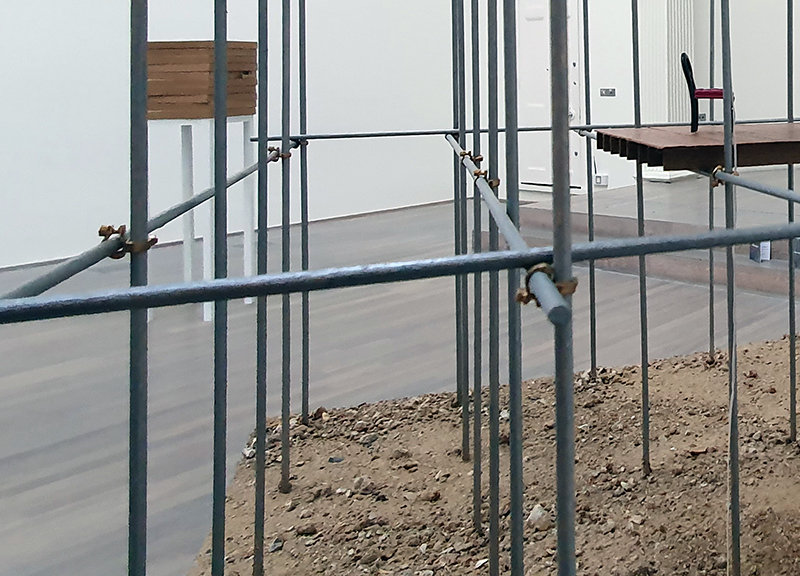

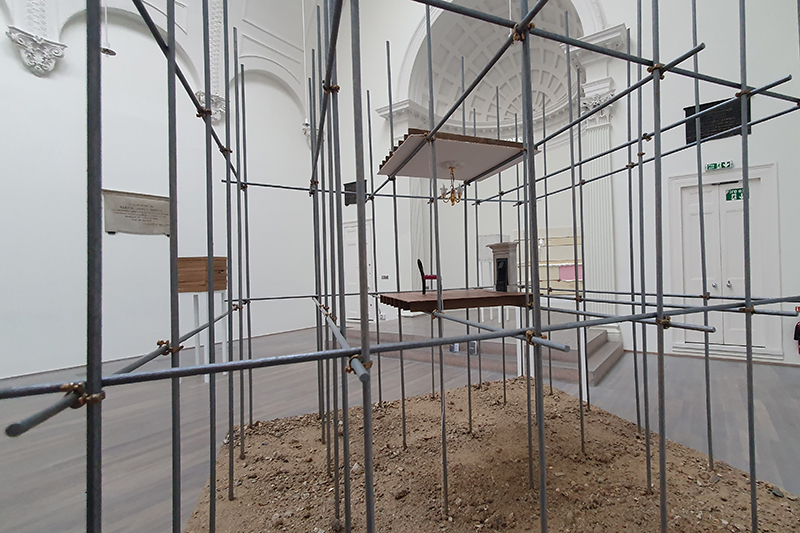
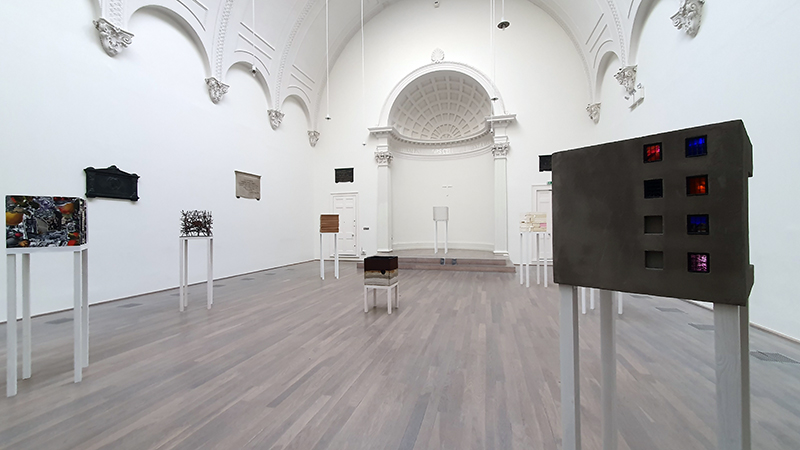


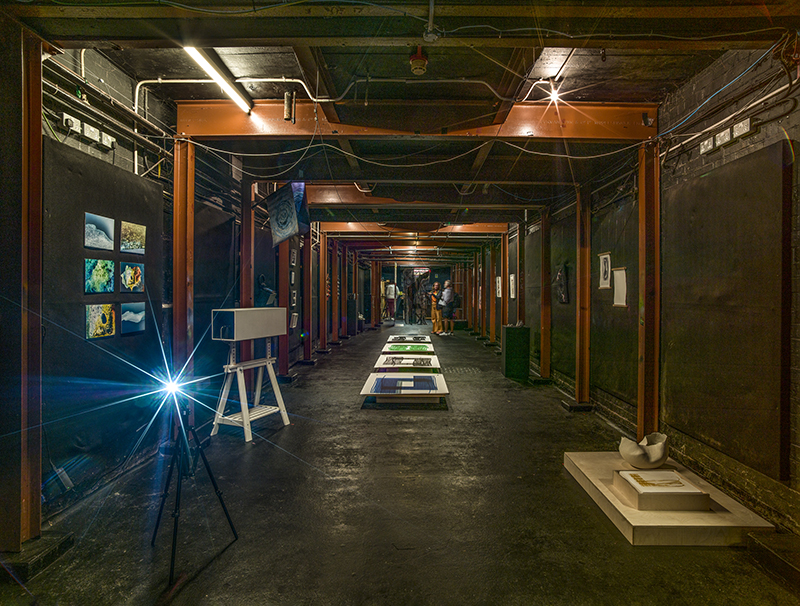
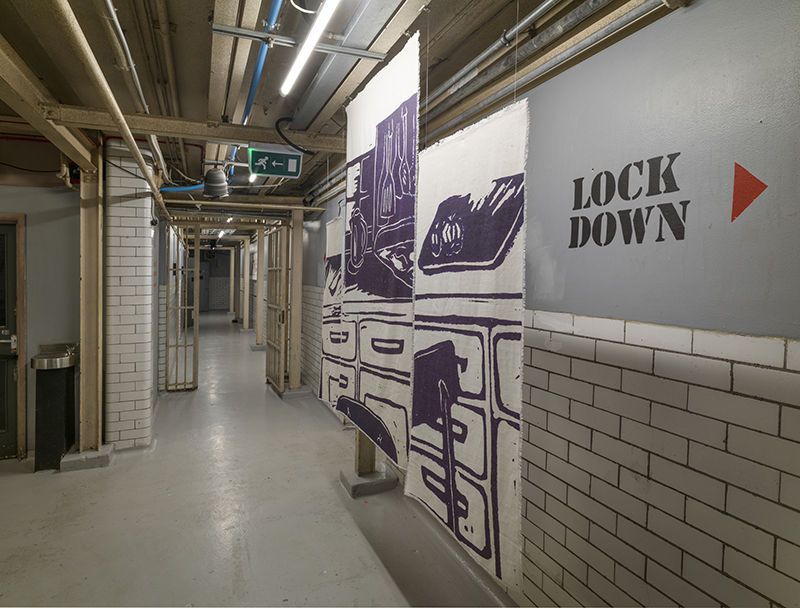

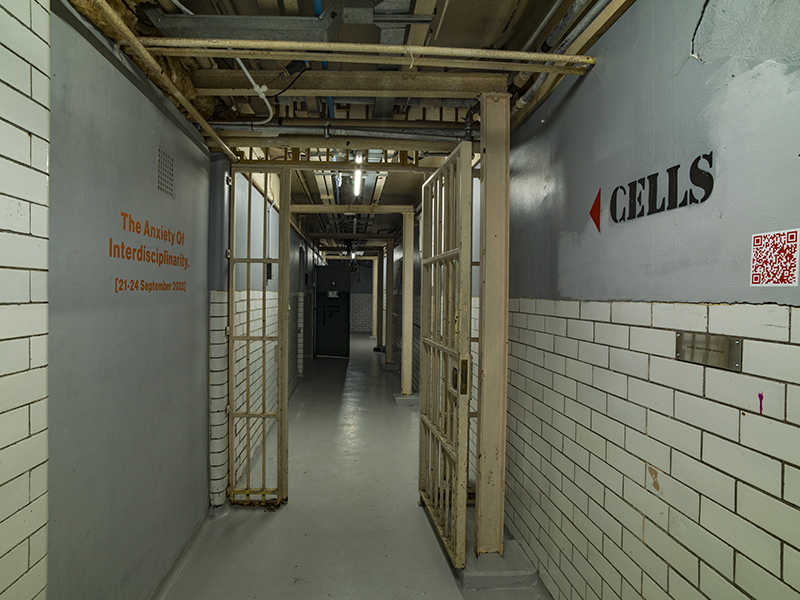
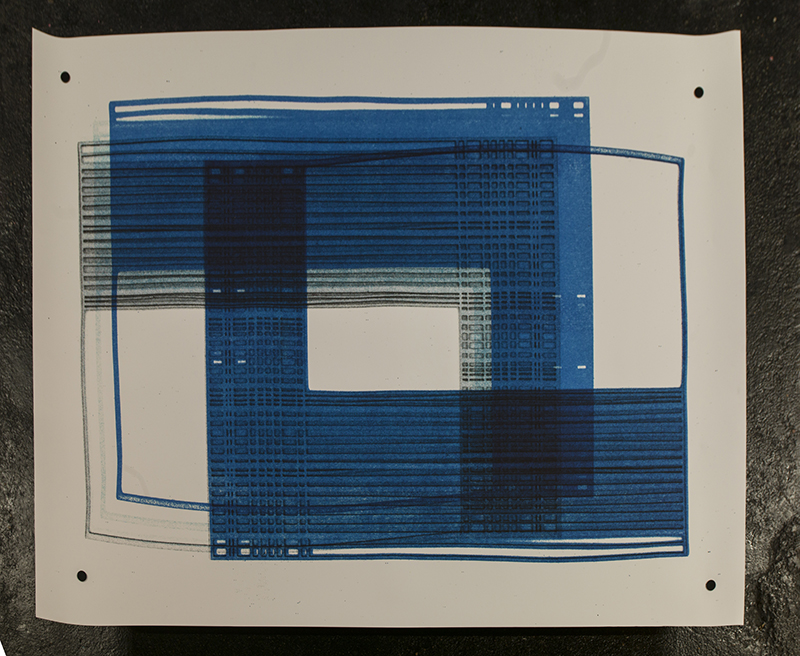
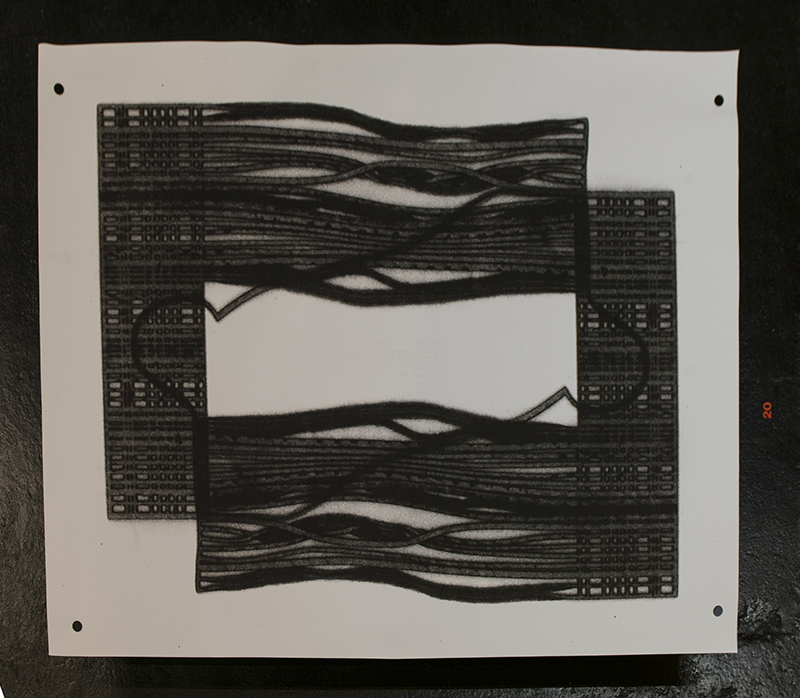


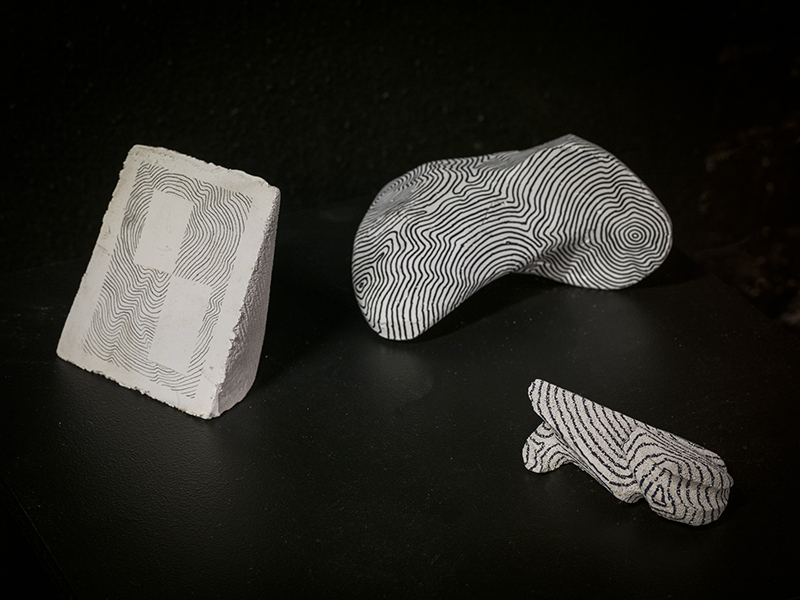
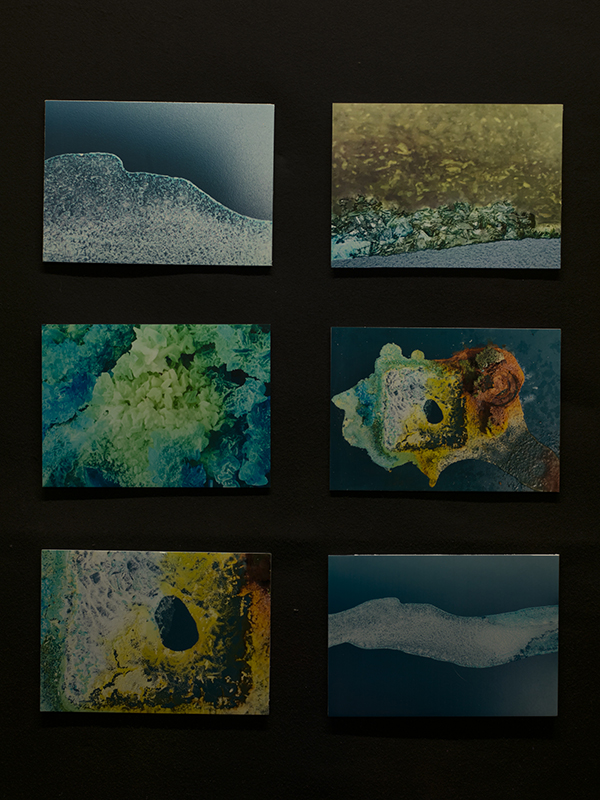


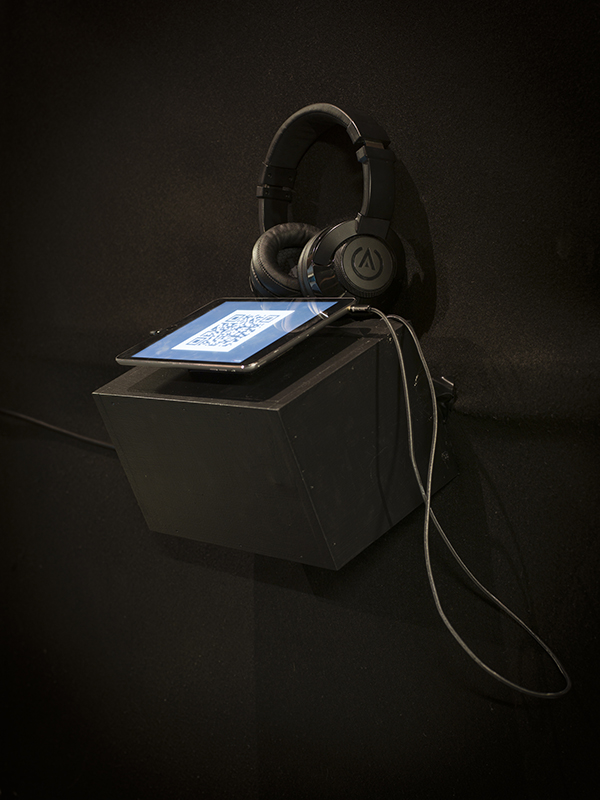
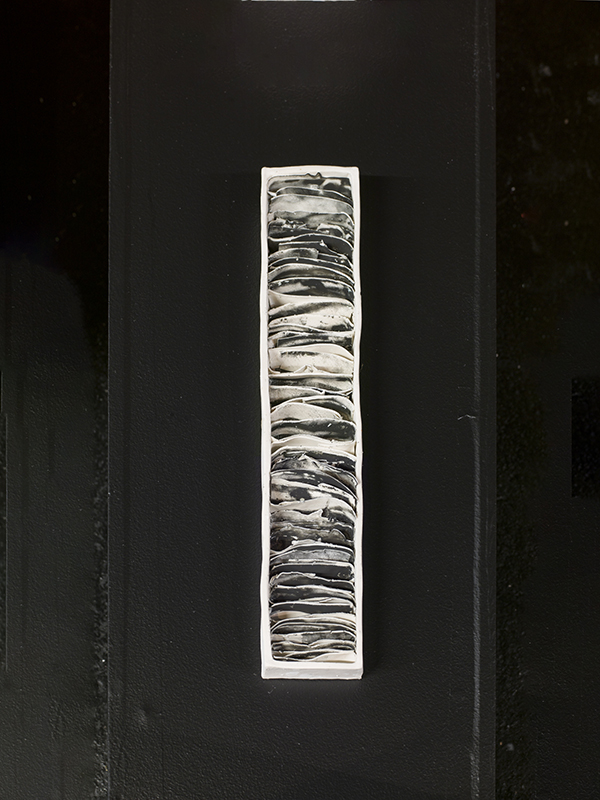

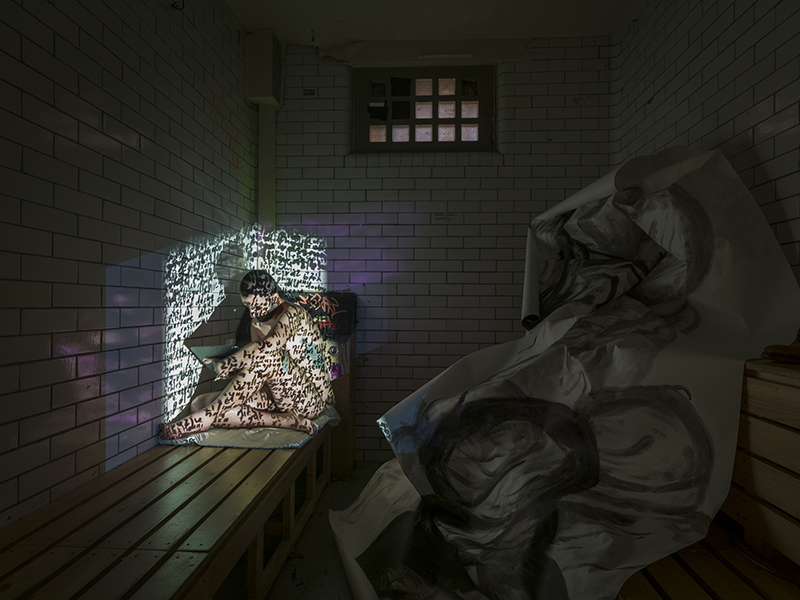

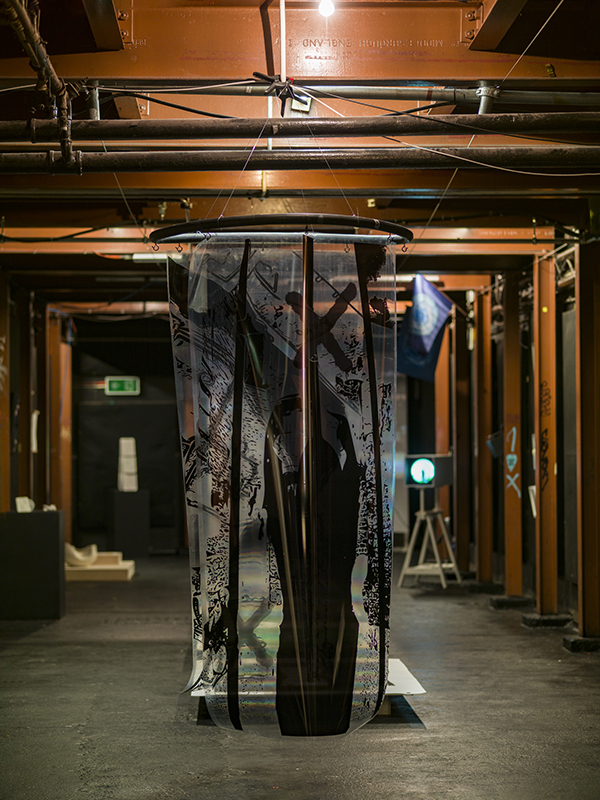




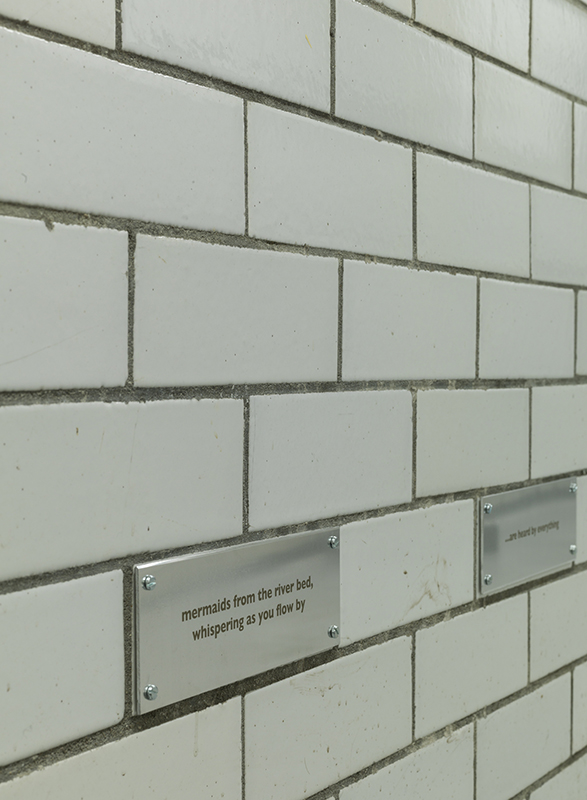
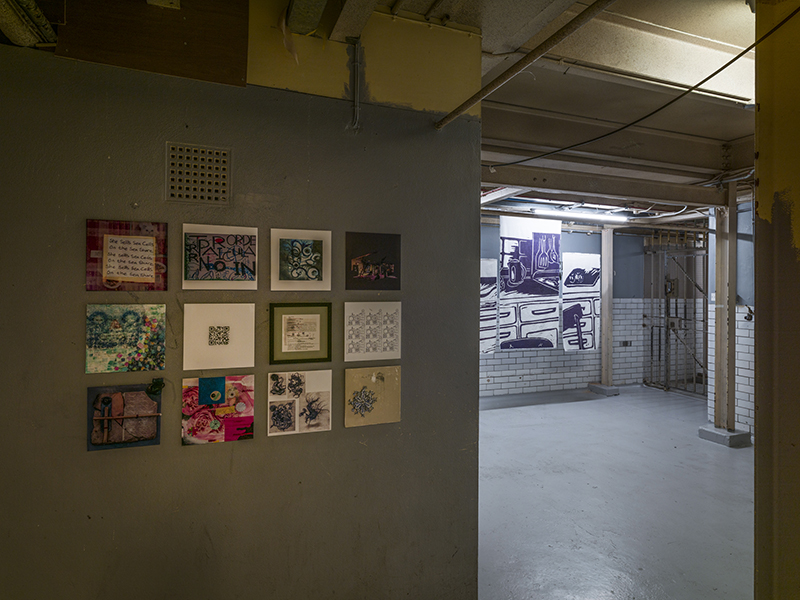
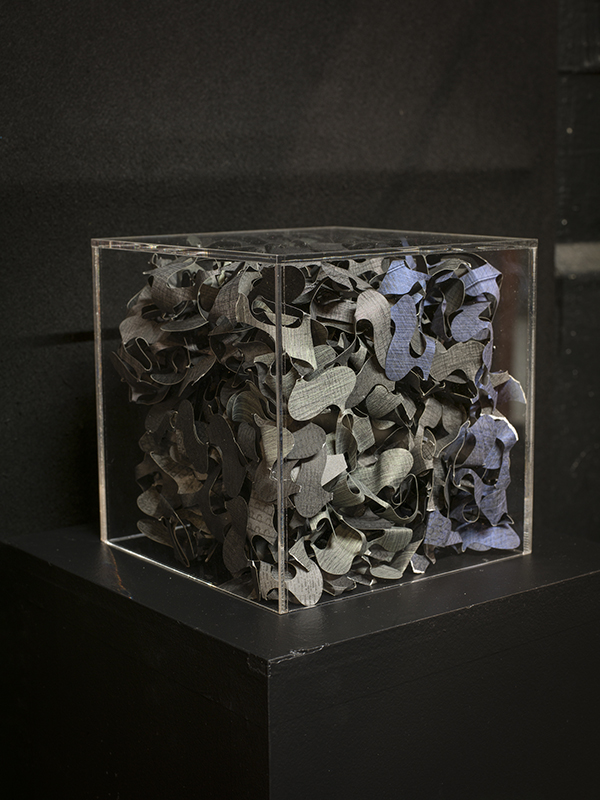
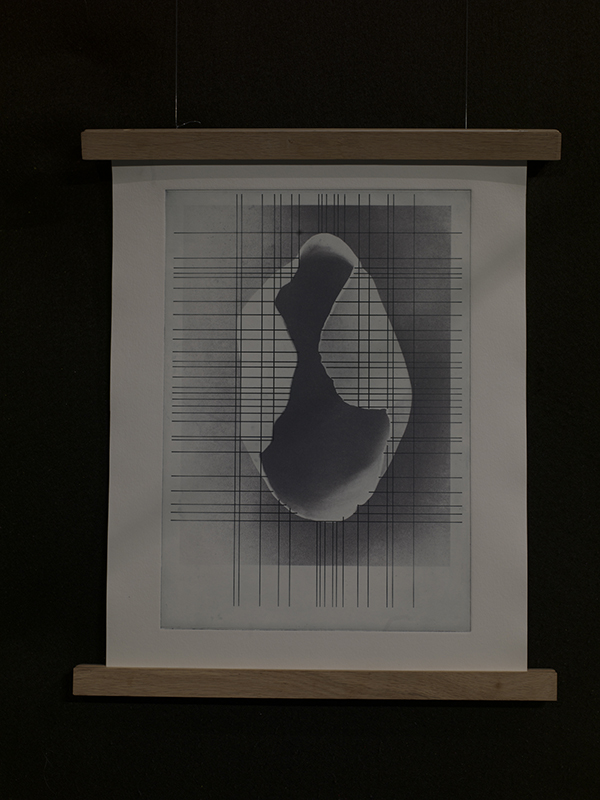

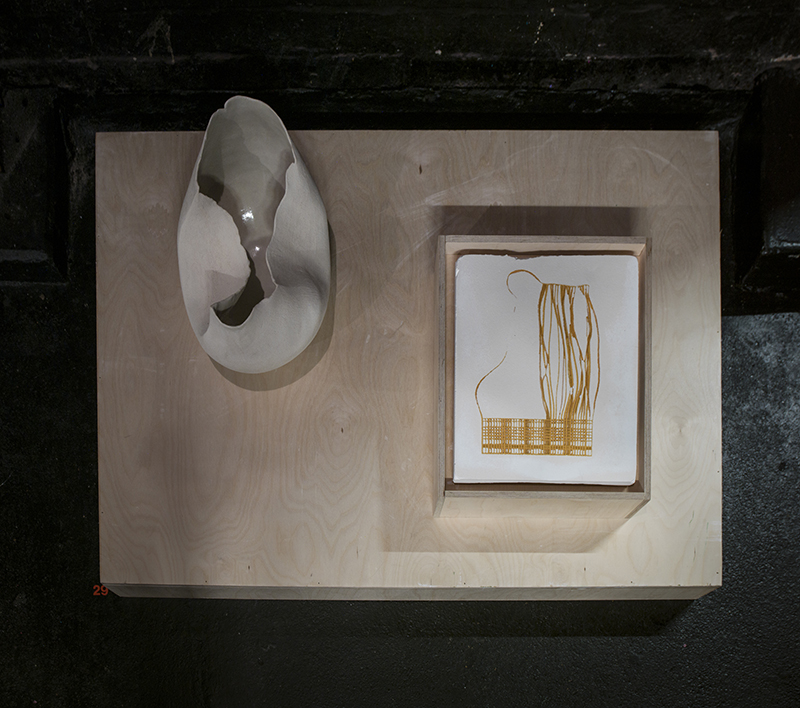

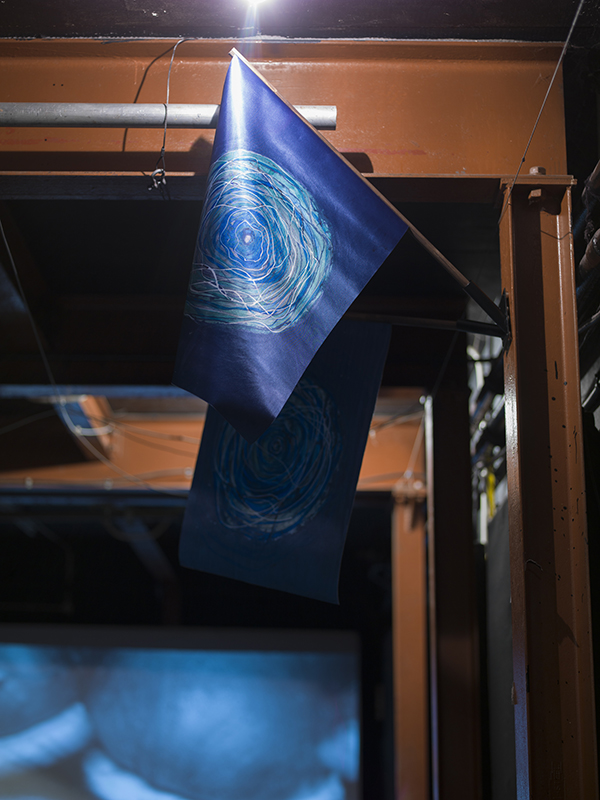

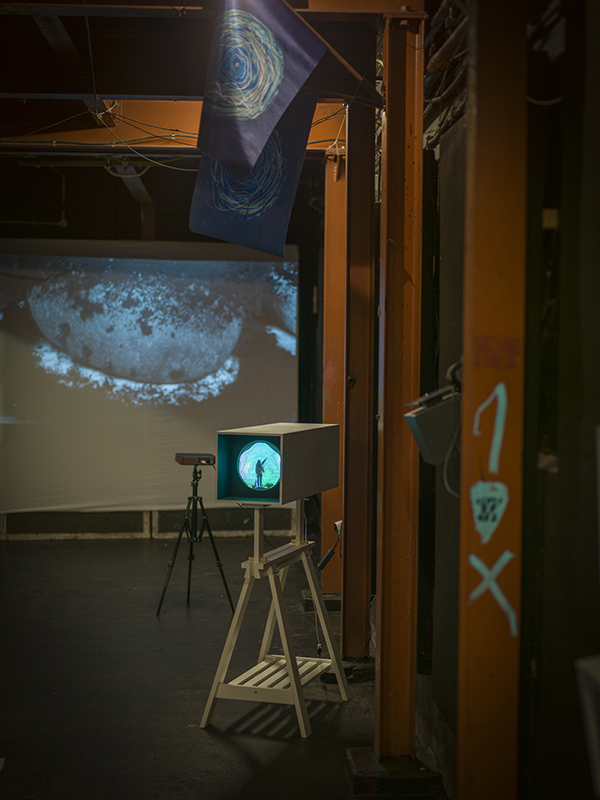


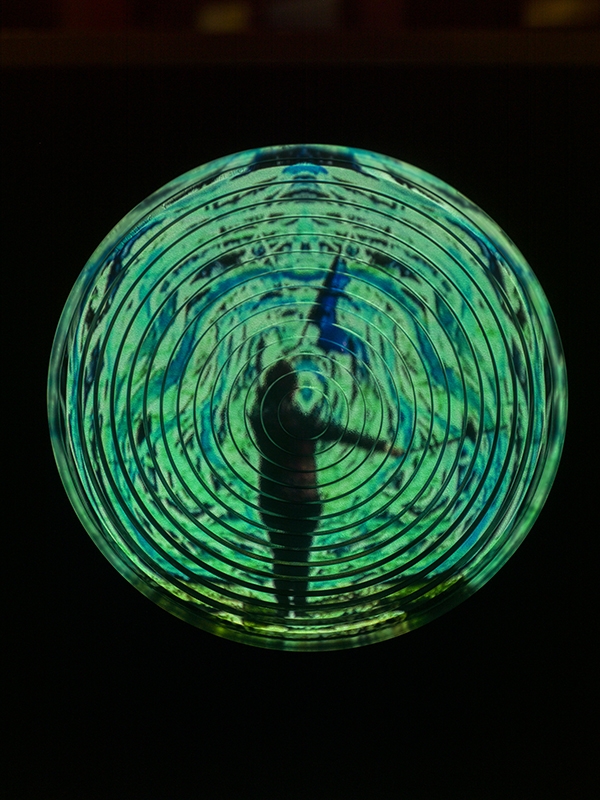


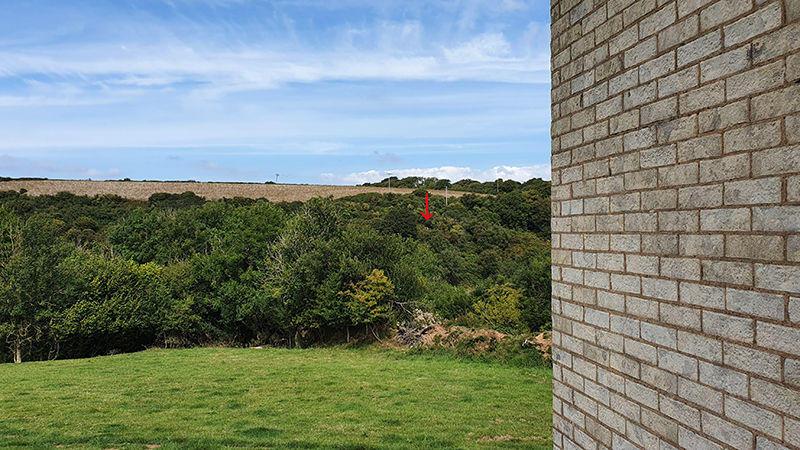
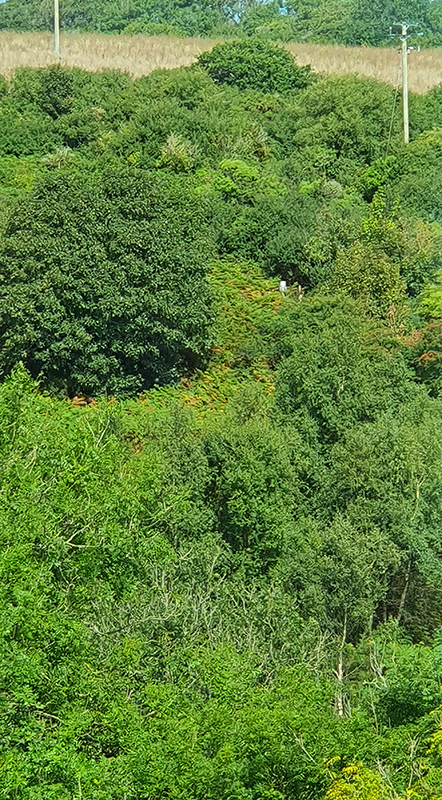
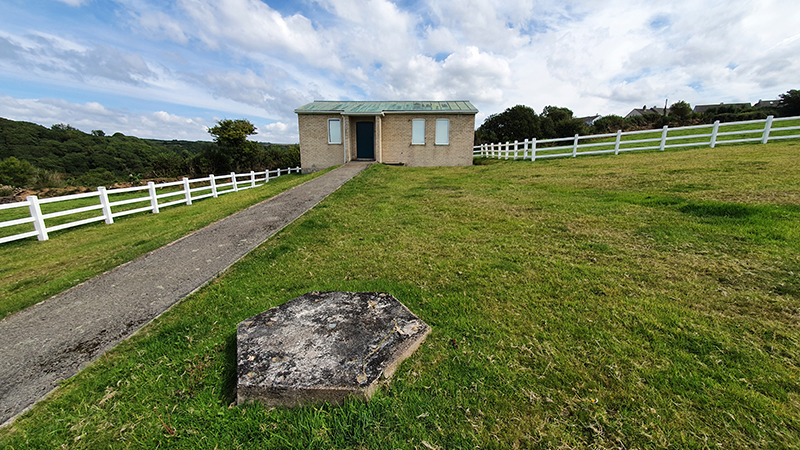


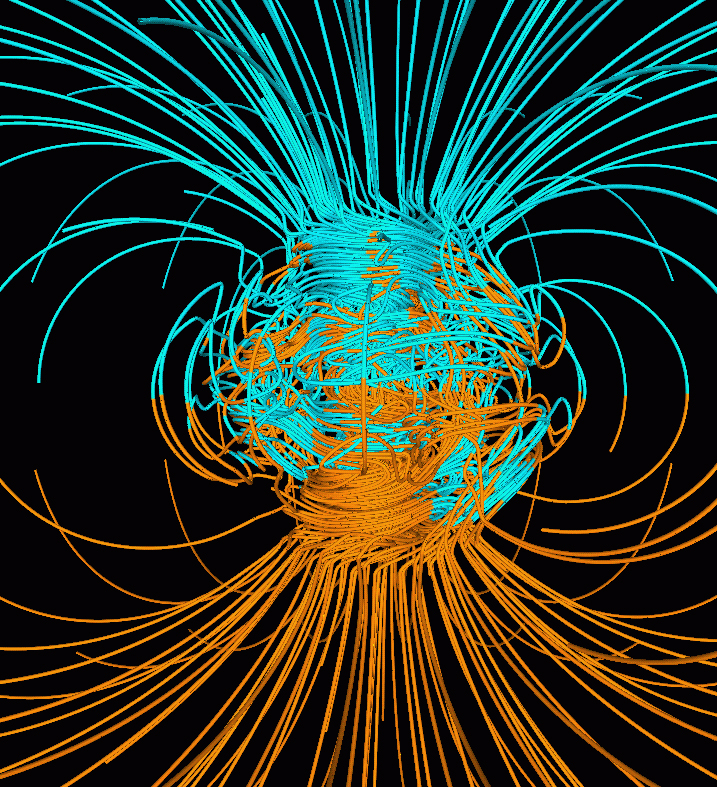


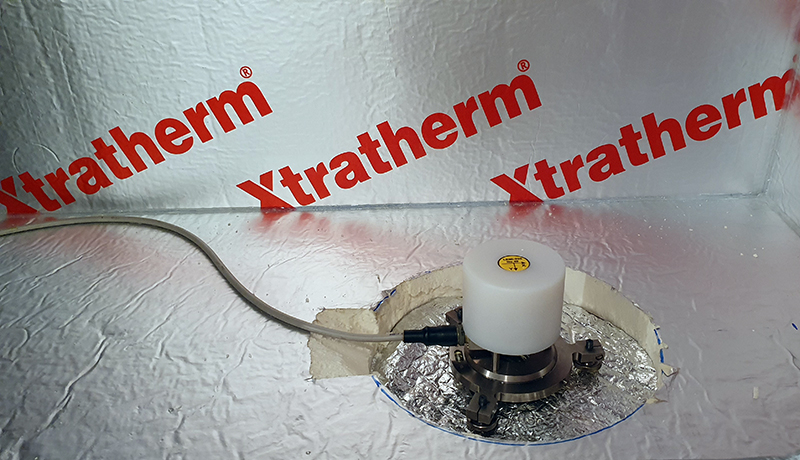

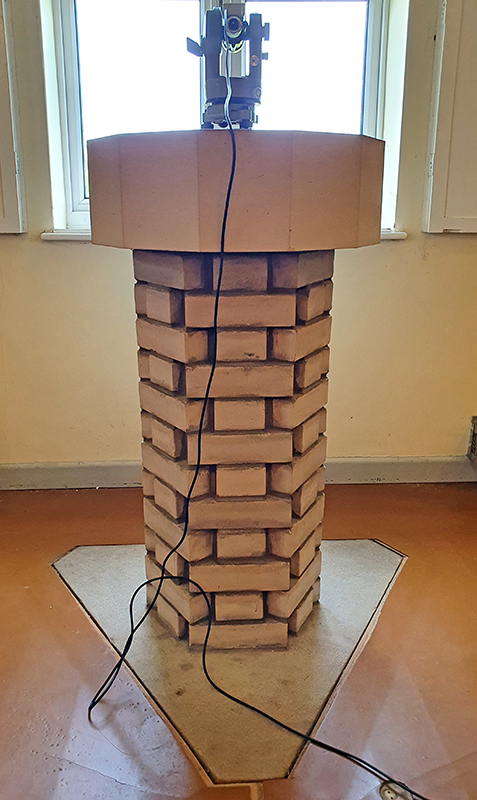

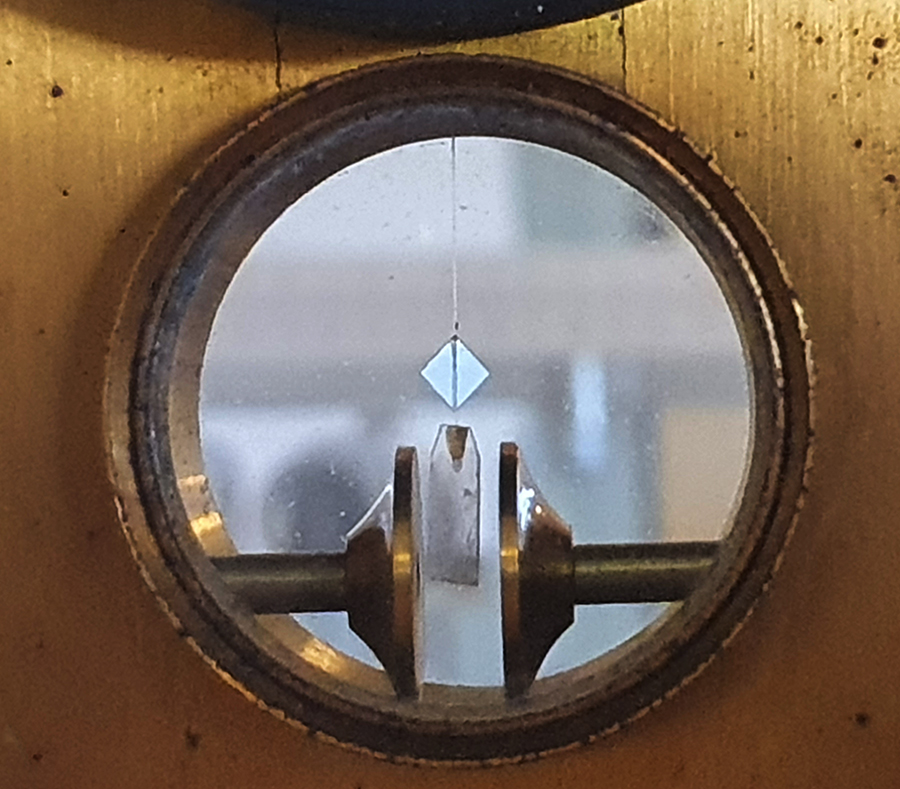


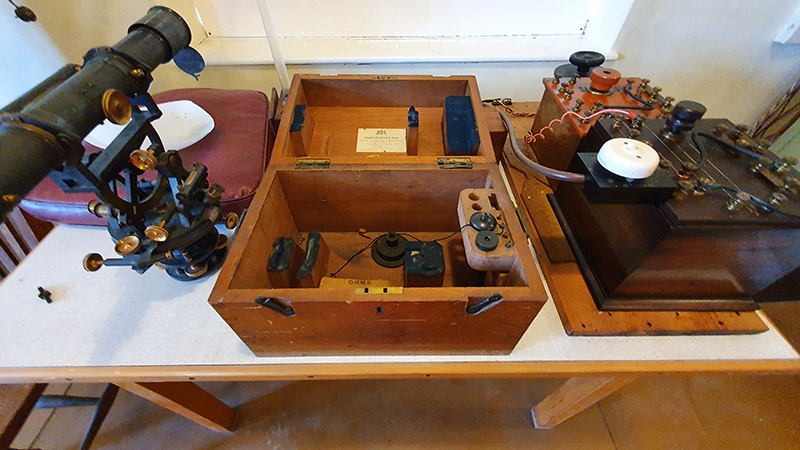
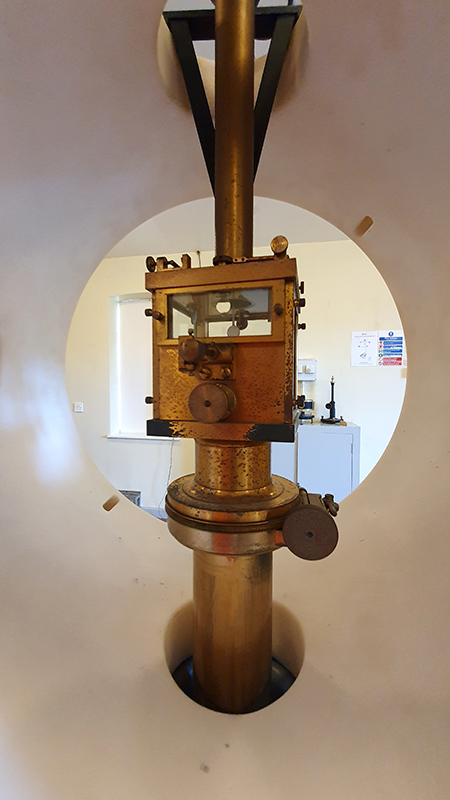


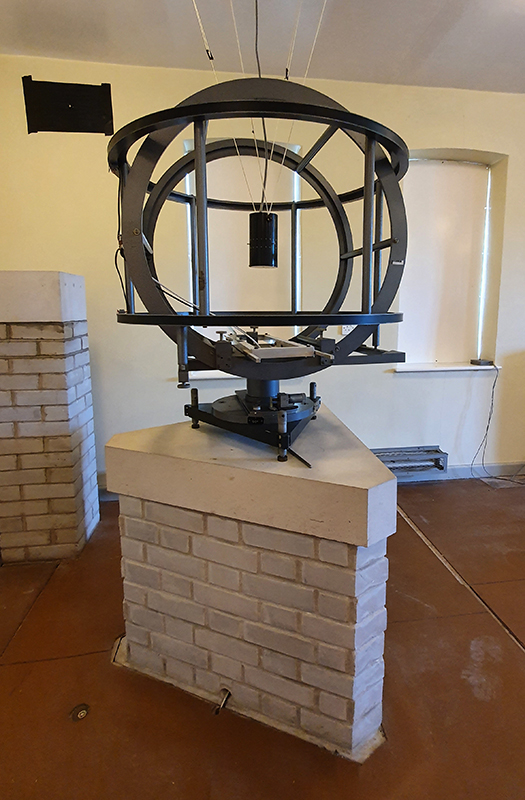

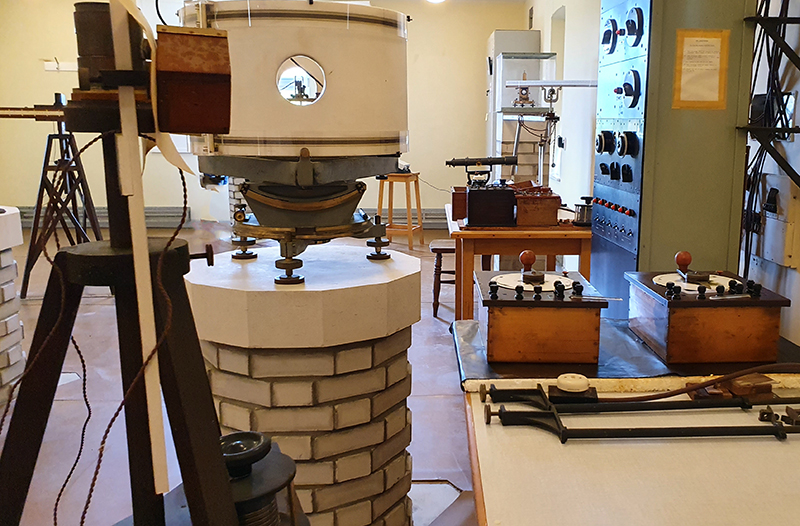
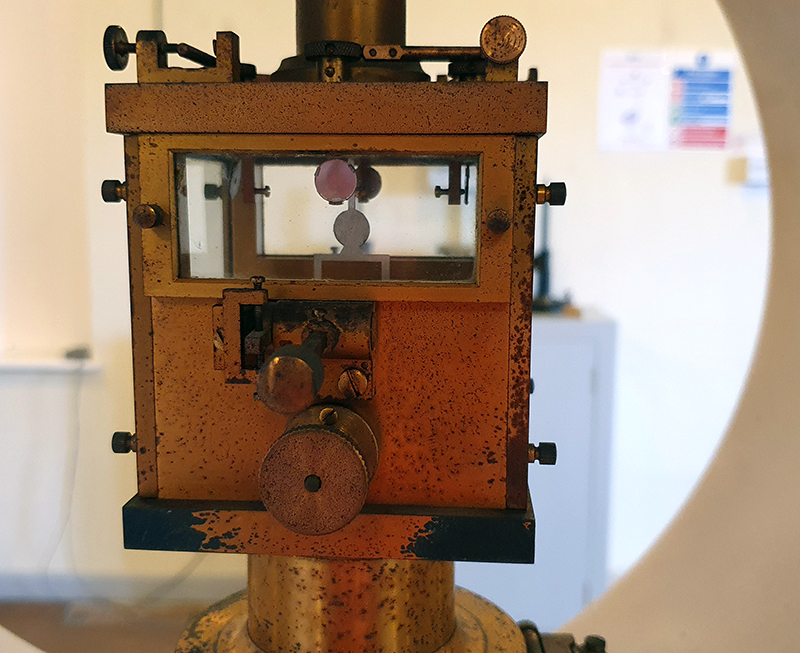
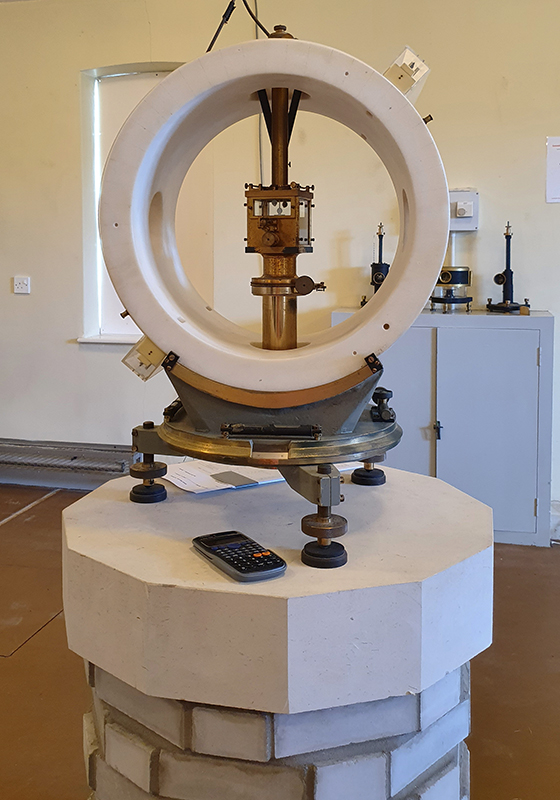
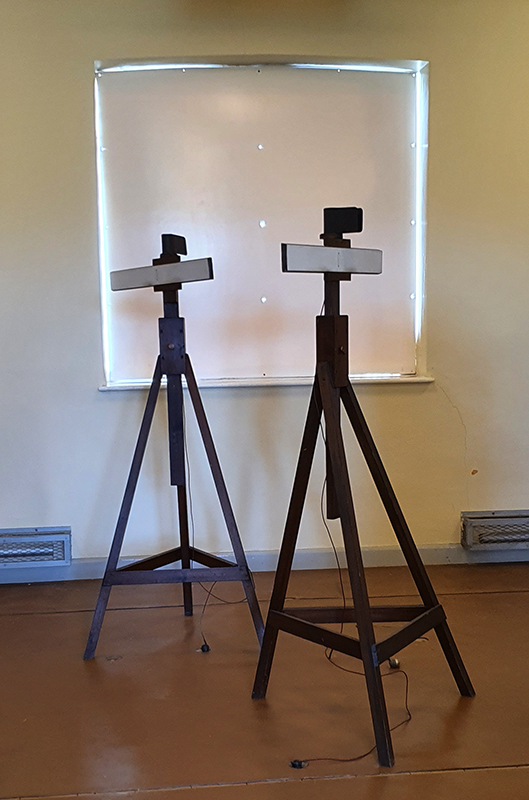
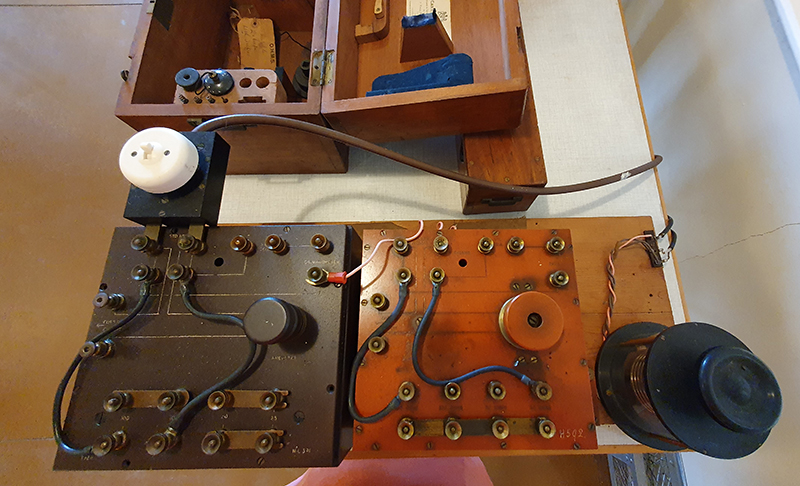
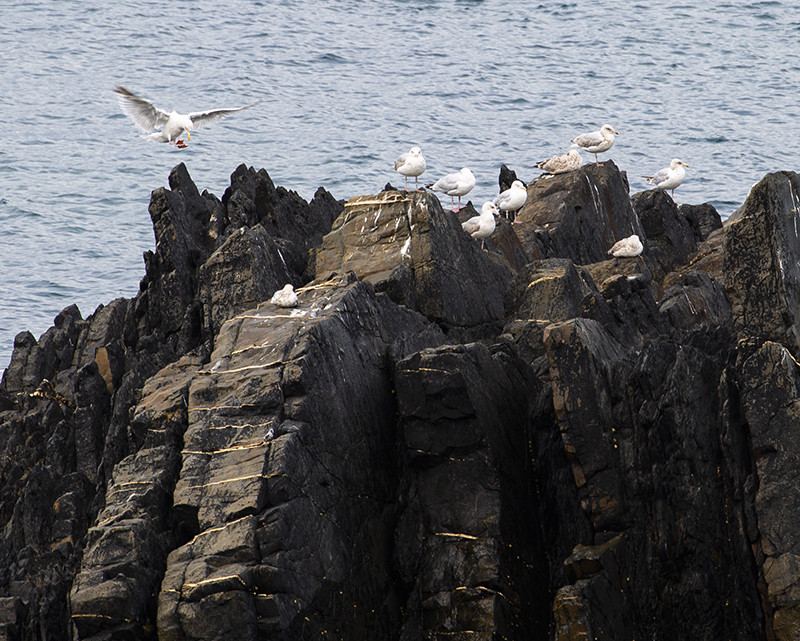
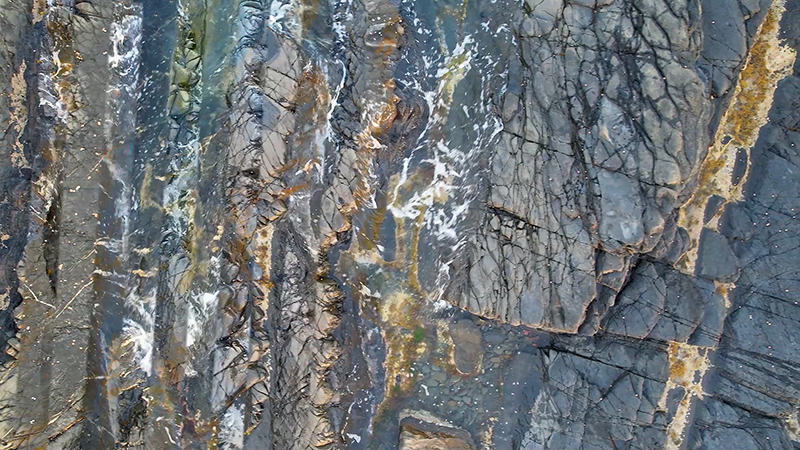


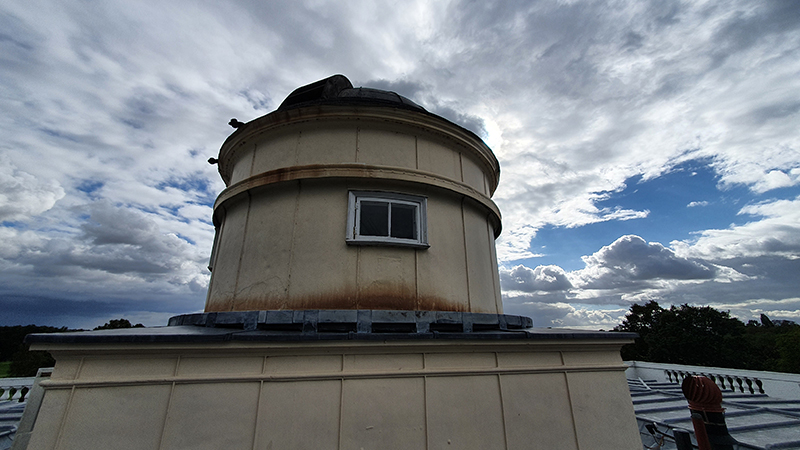
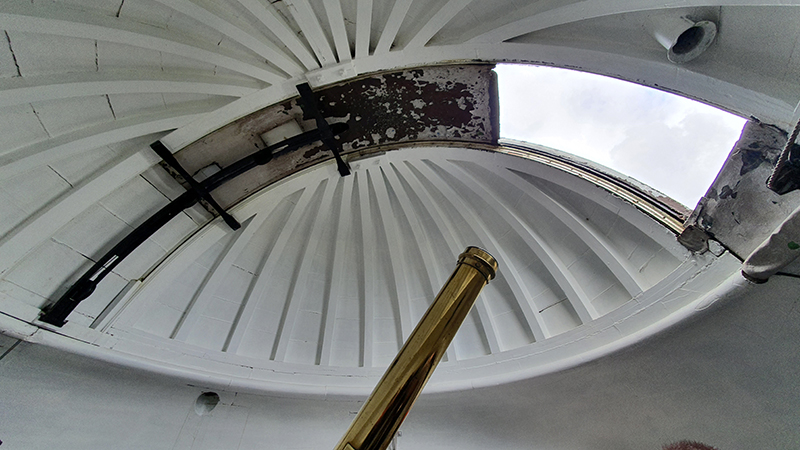

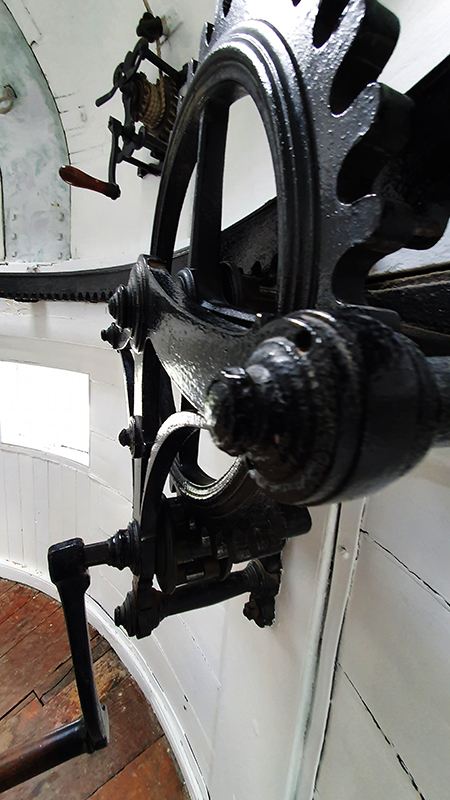
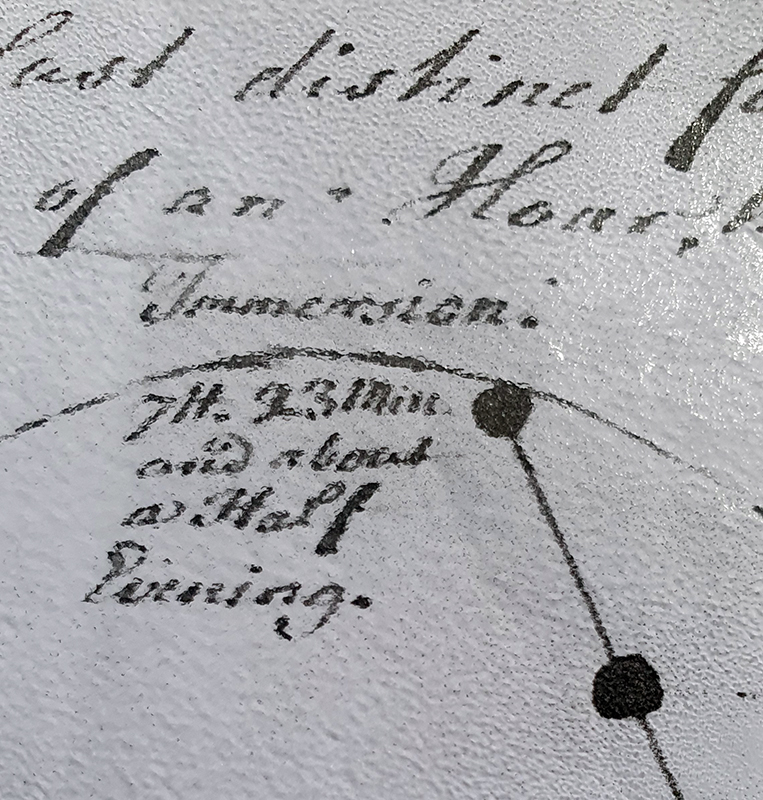
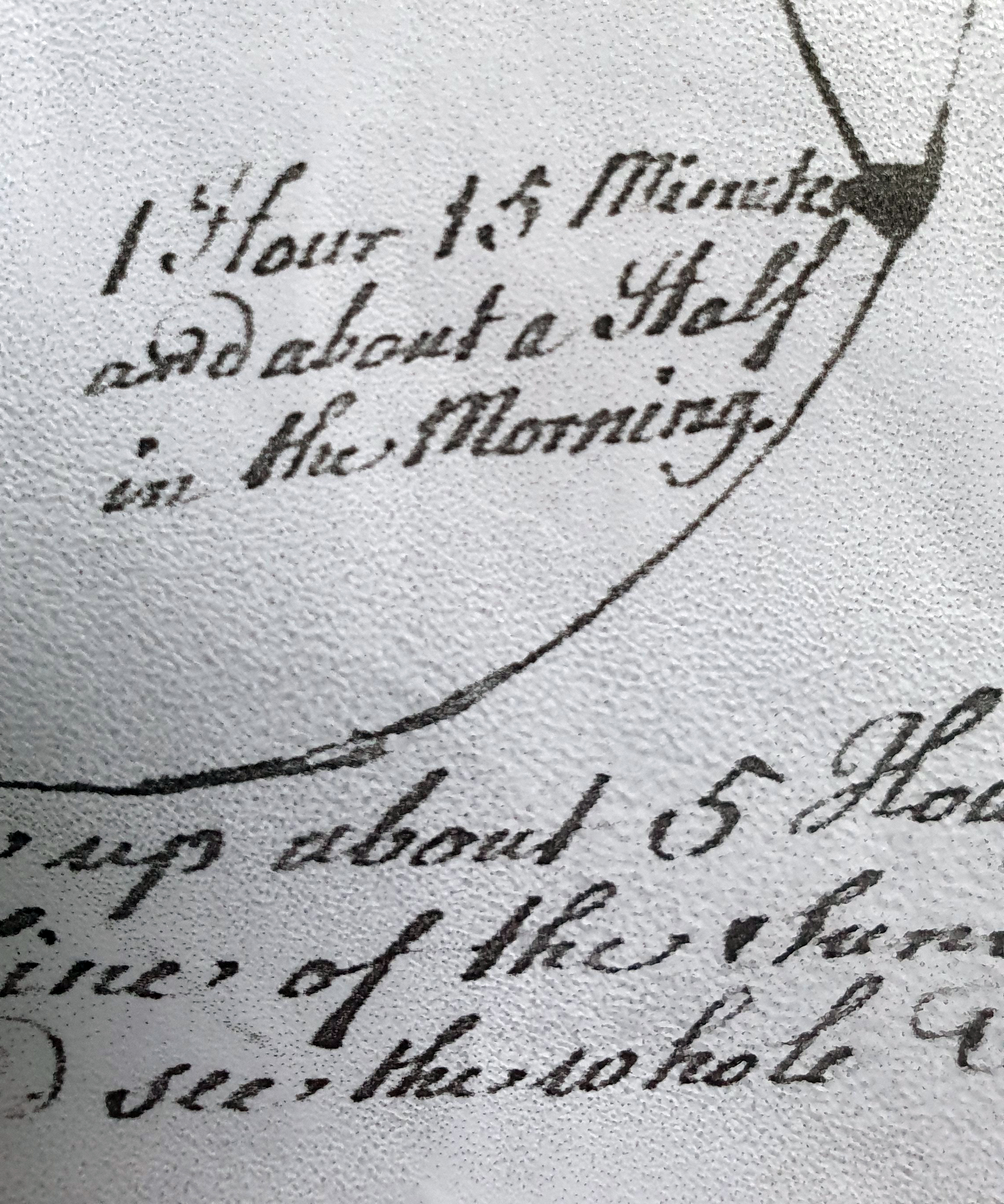
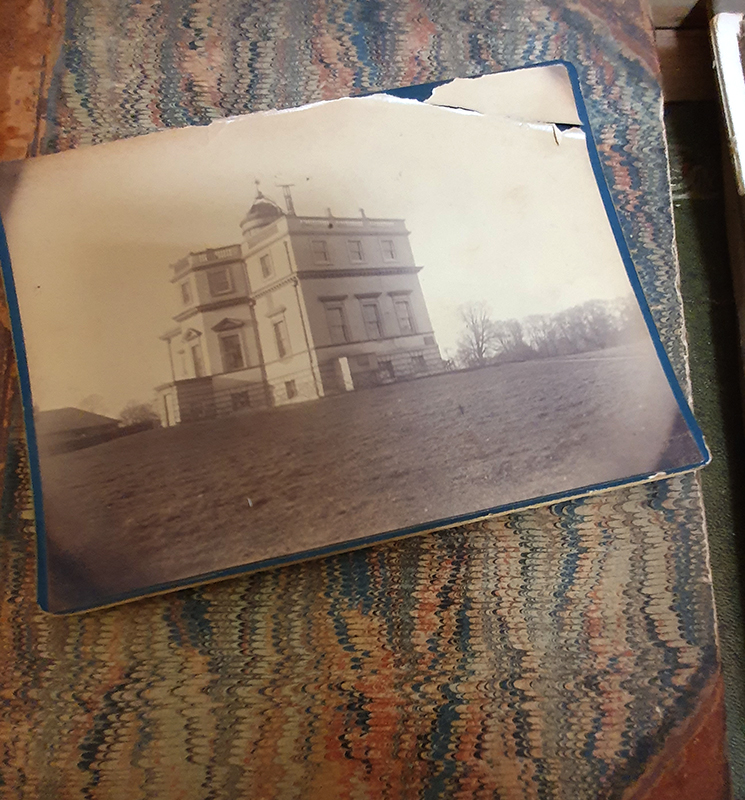
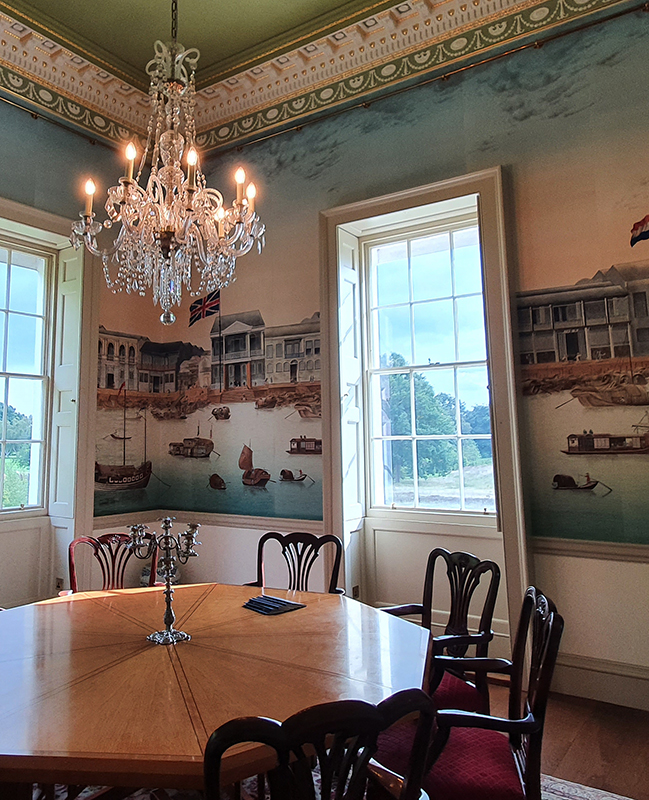


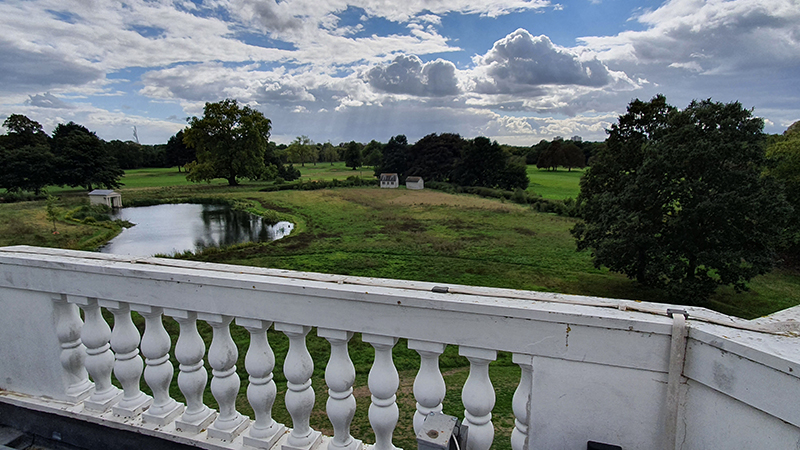
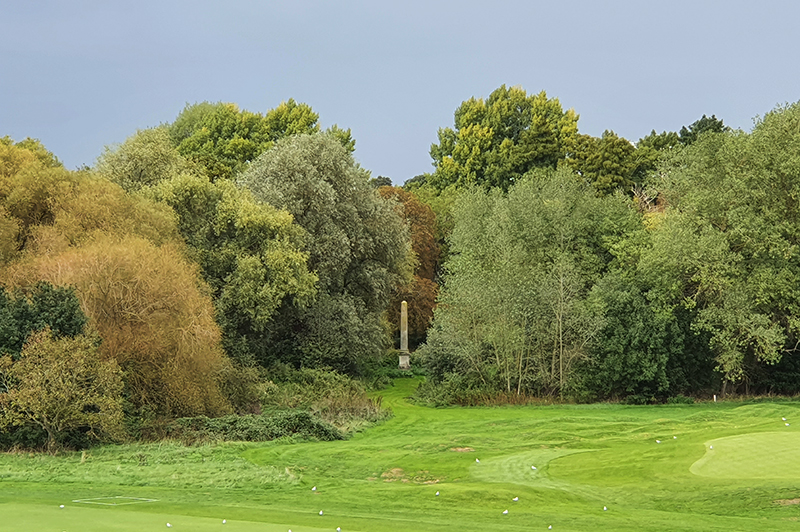

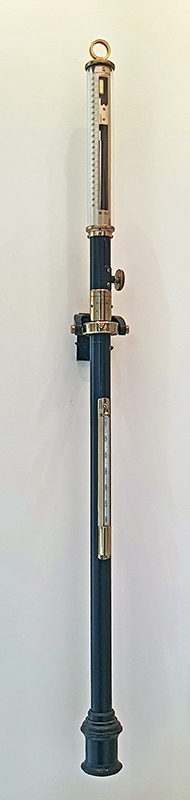

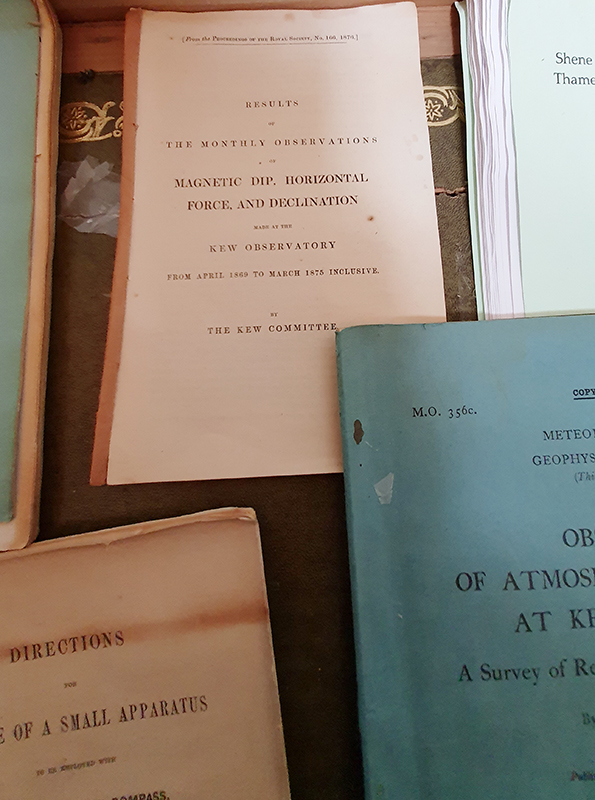
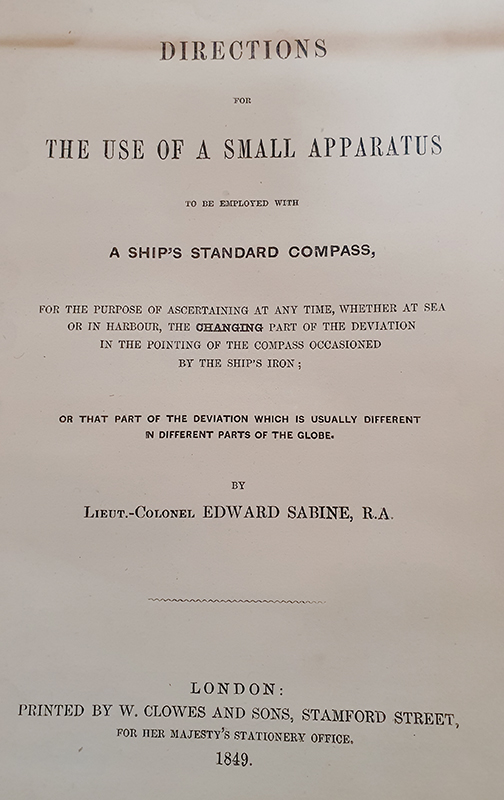
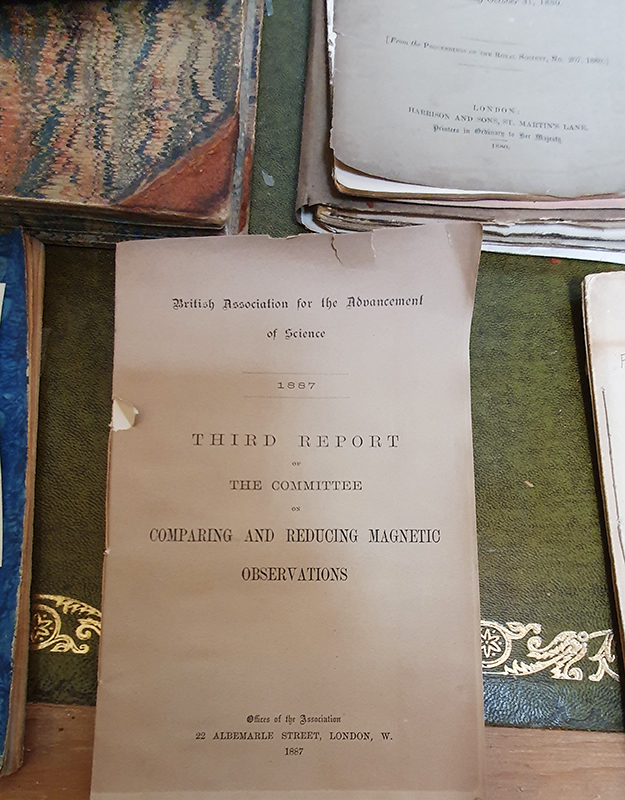
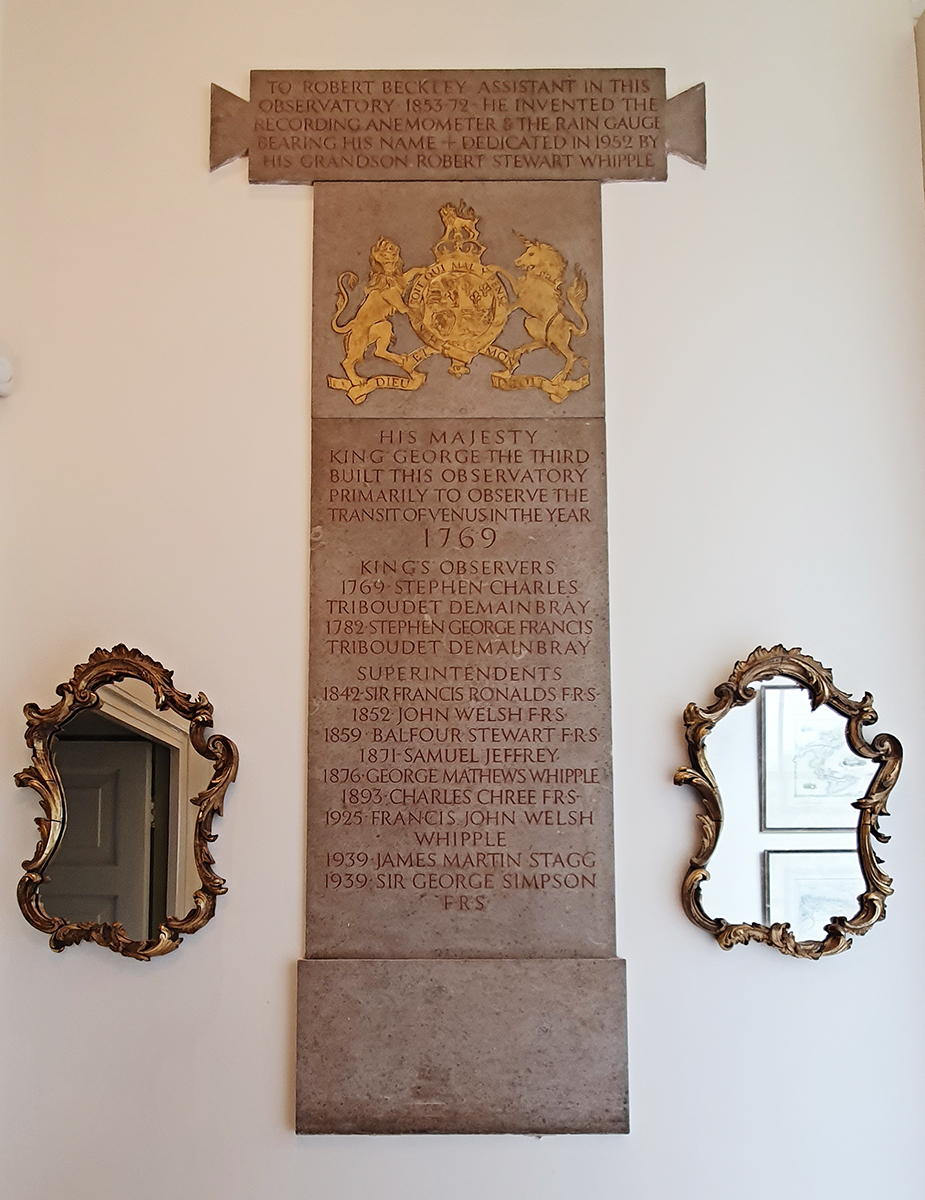


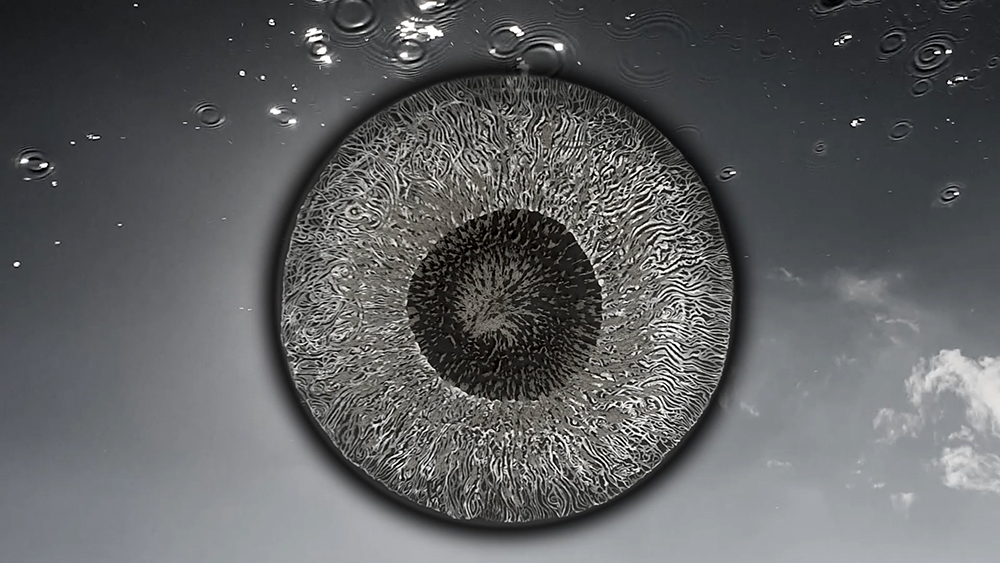
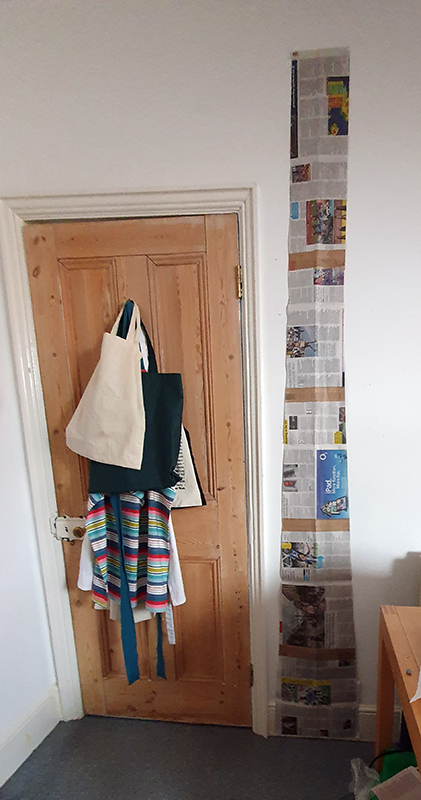
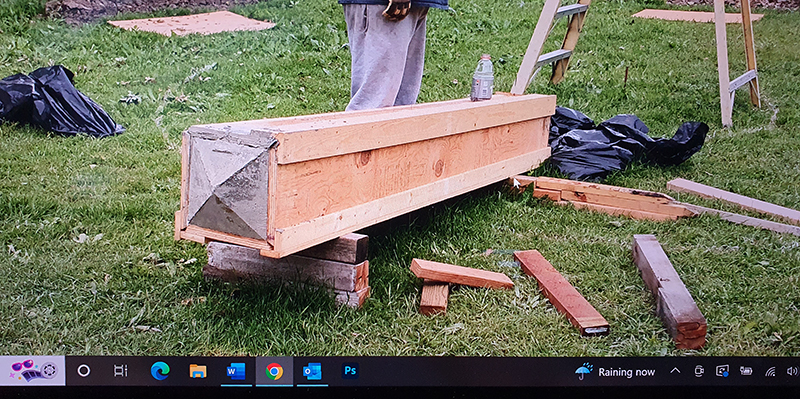

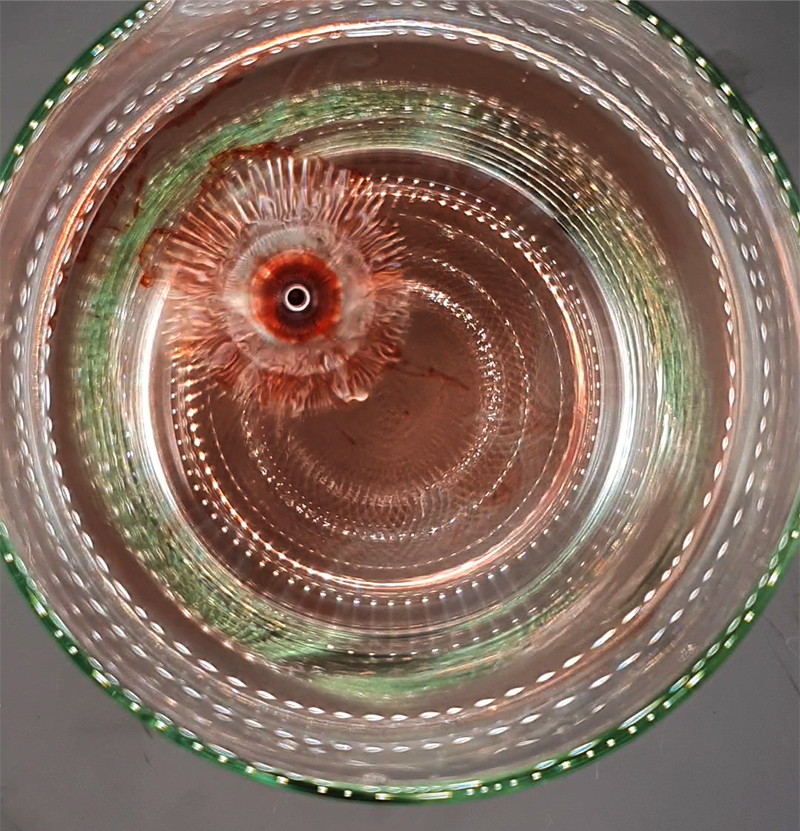


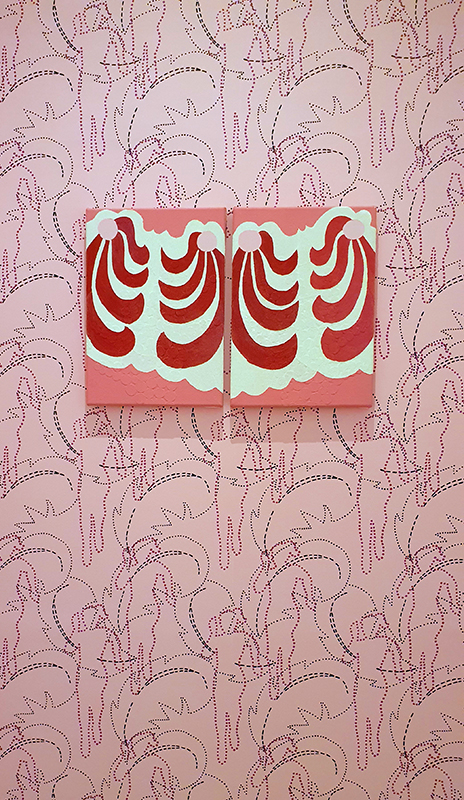



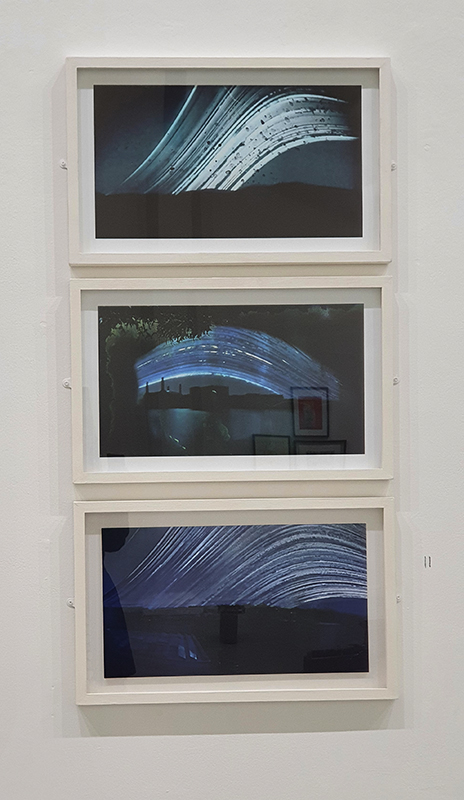


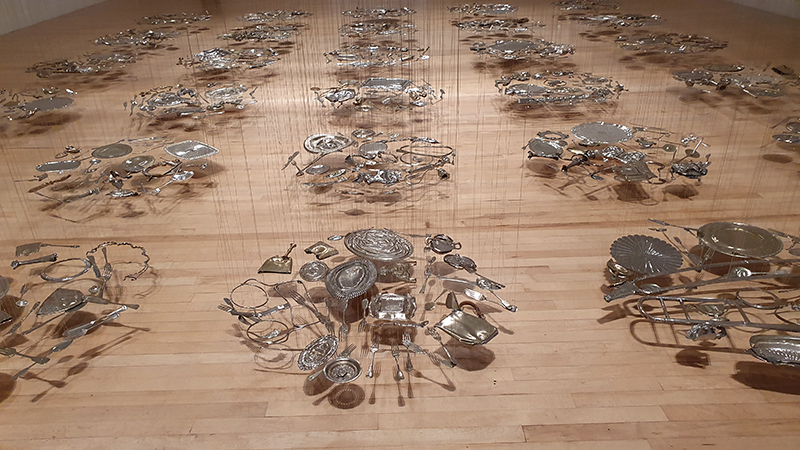

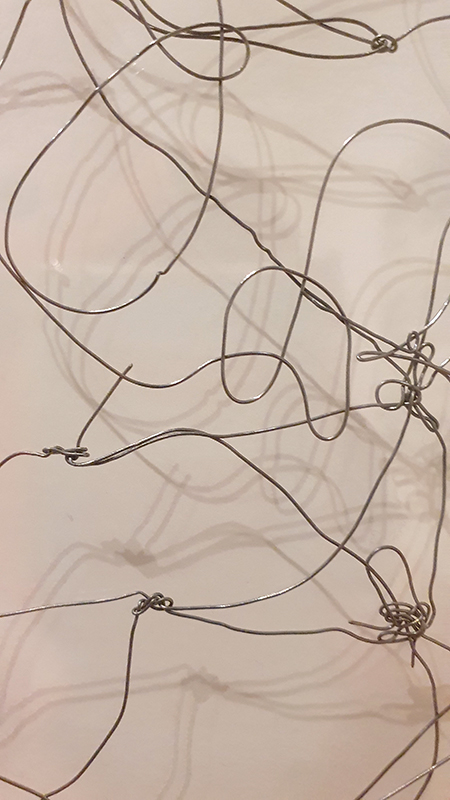


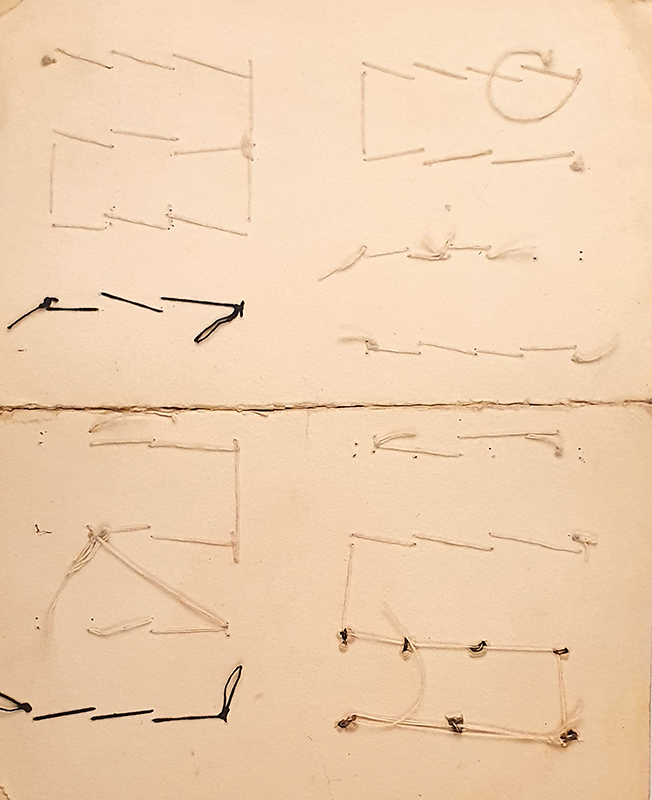

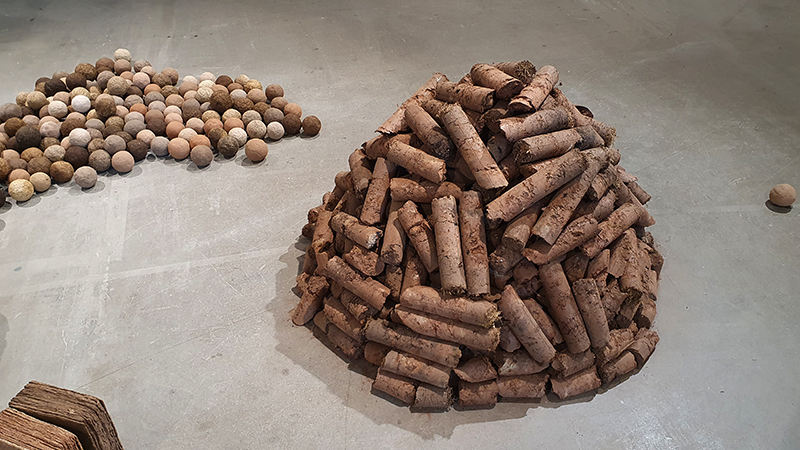
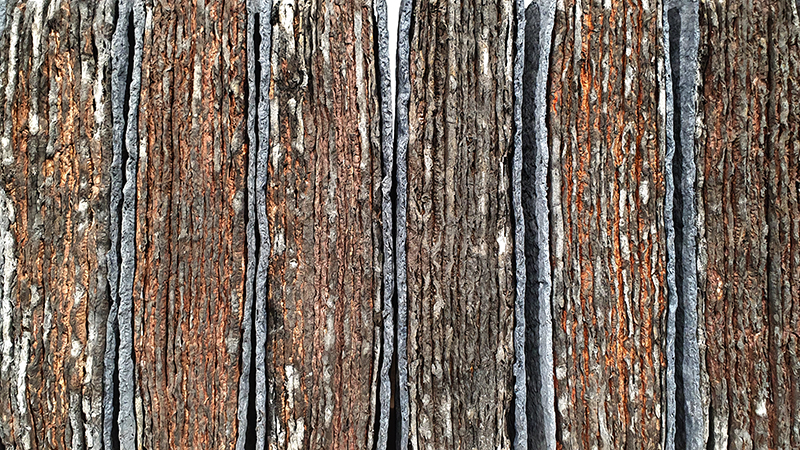
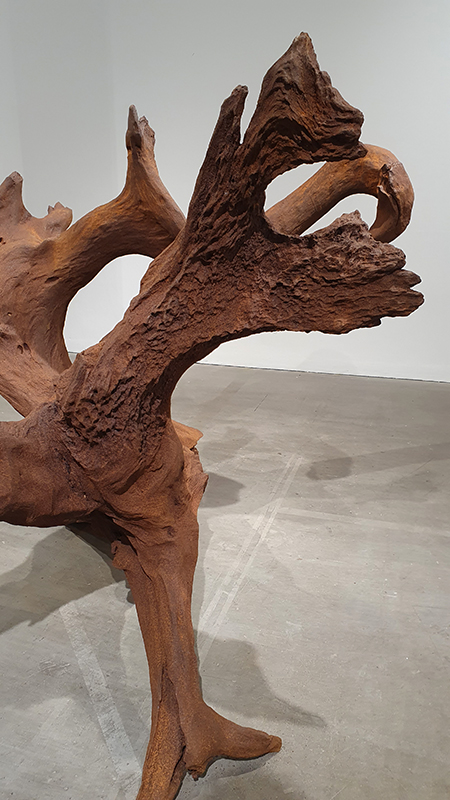

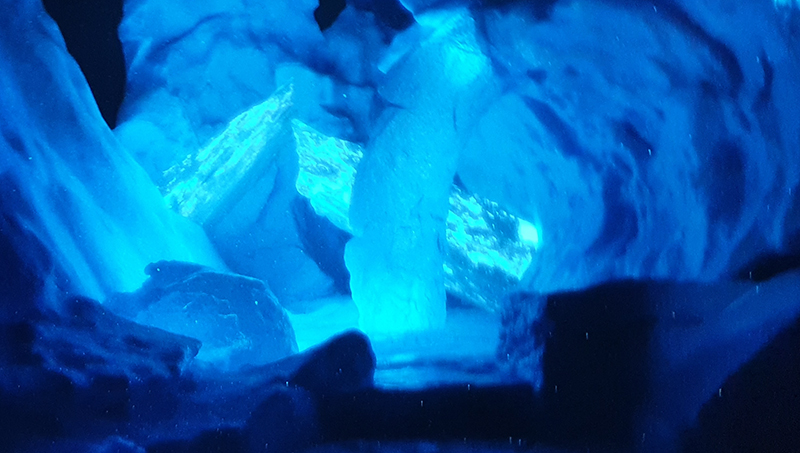


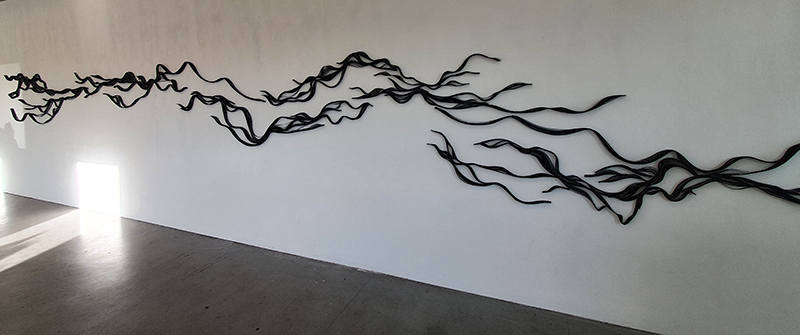
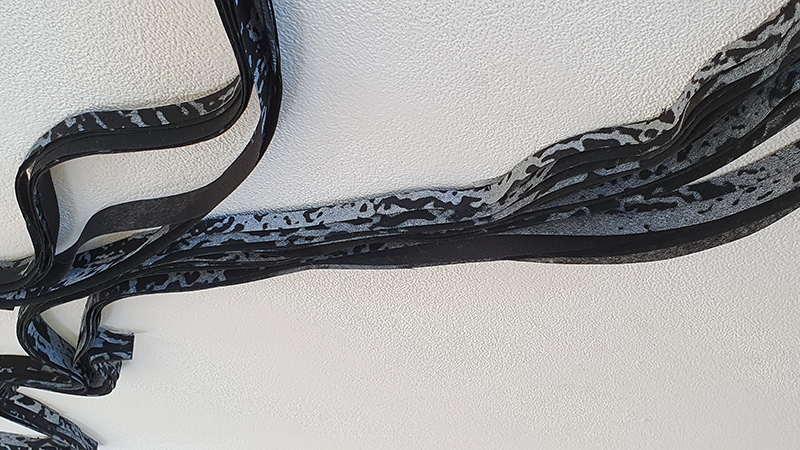
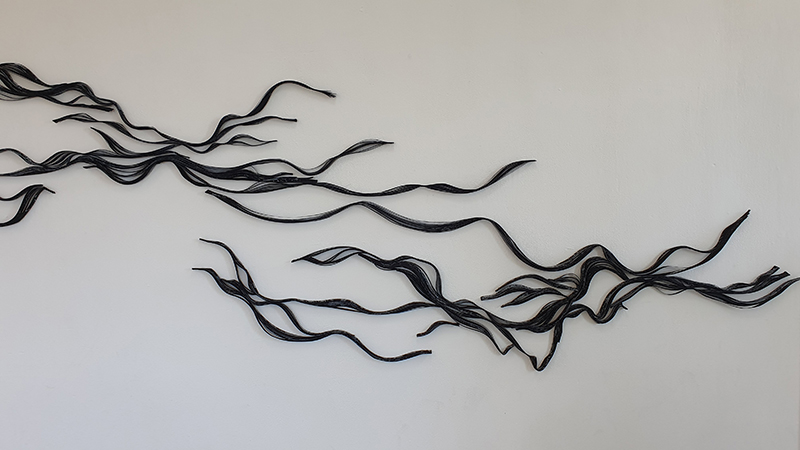
 Susan Eyre