Archives for posts with tag: Victor Hess

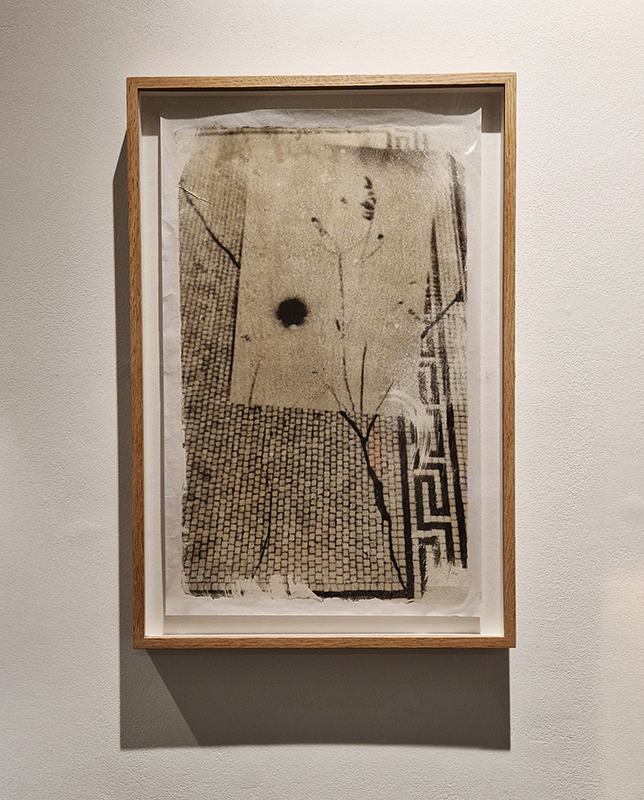
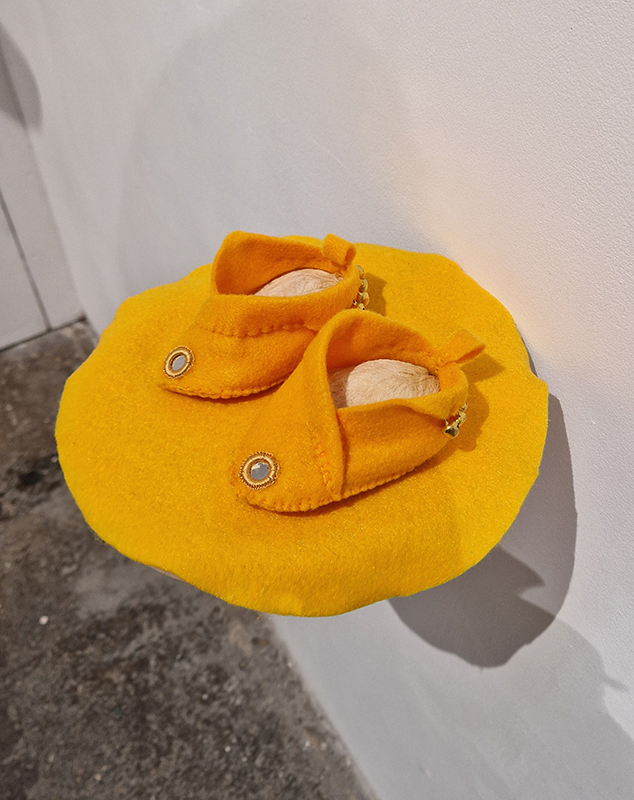
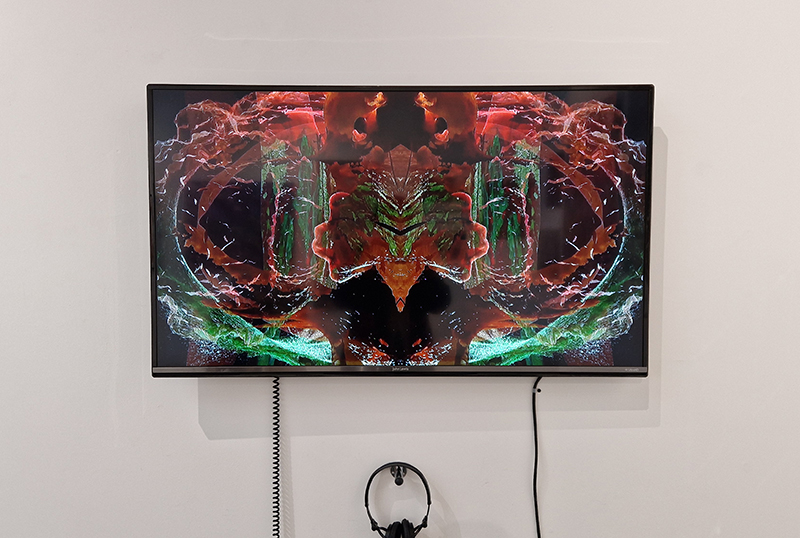
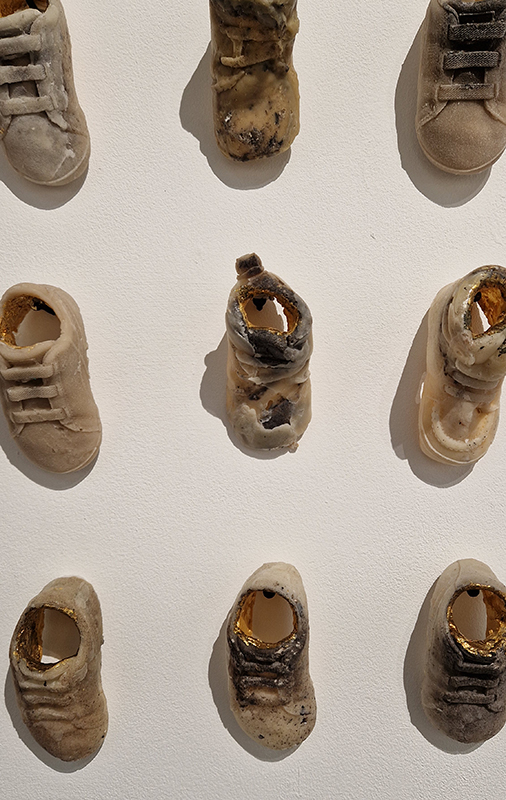
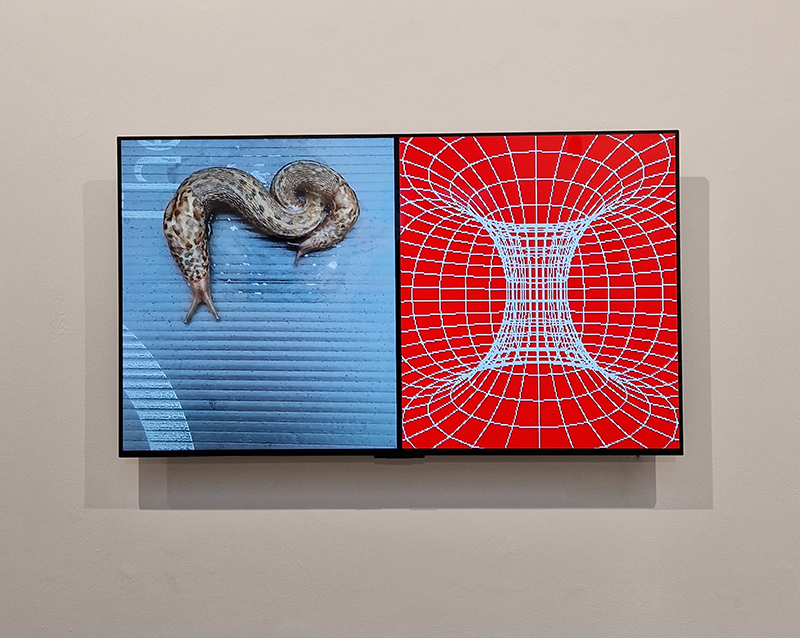
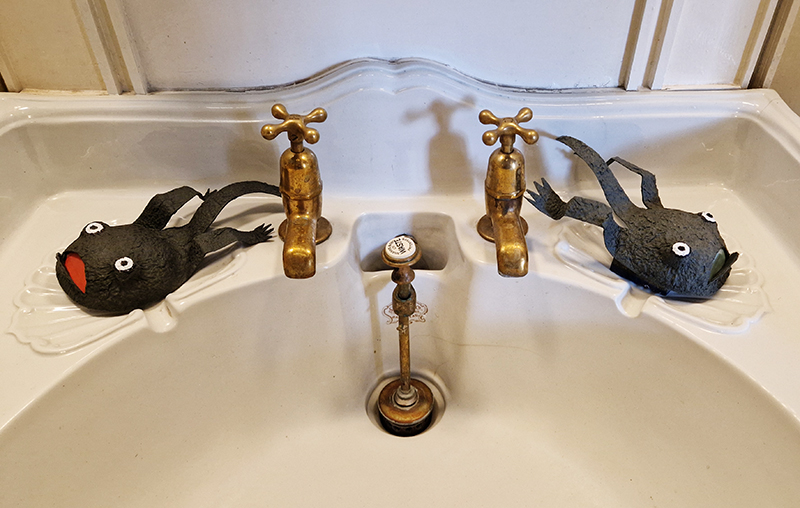
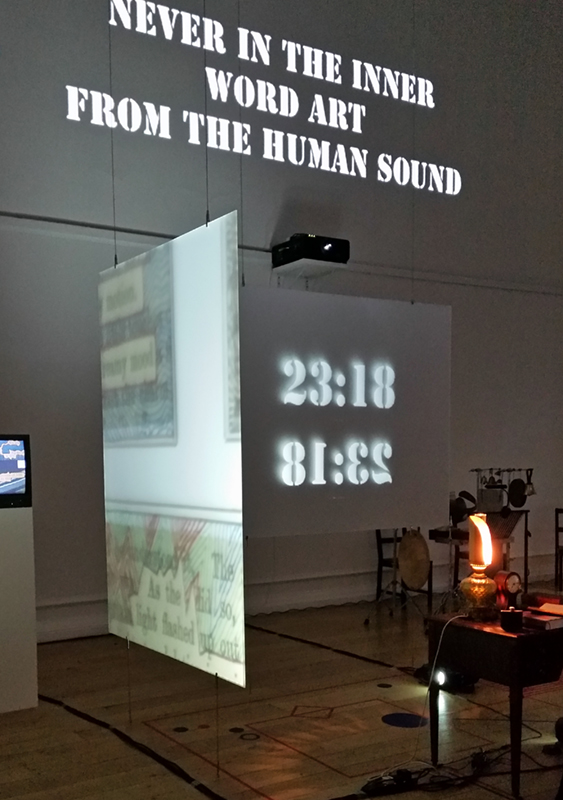
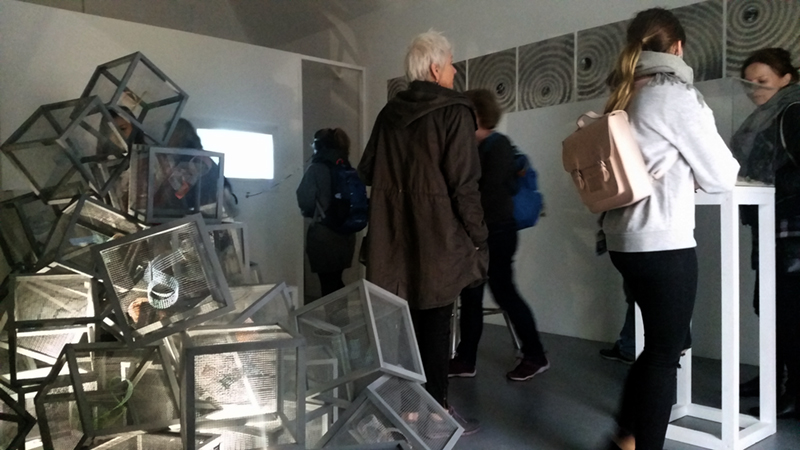
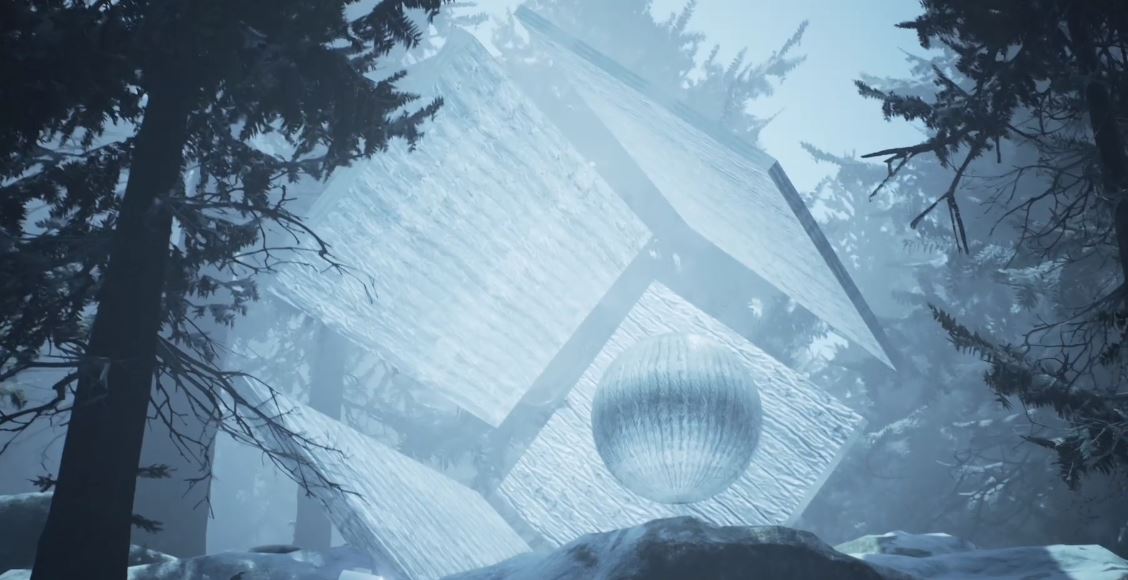
I am enjoying discovering the gutter creatures who share my home. Gathering video footage of an alternative cosmos to go towards making work which will be shown in Occupied: Strange Company at the Safehouse next year, a group exhibition curated by Julie Hoyle.
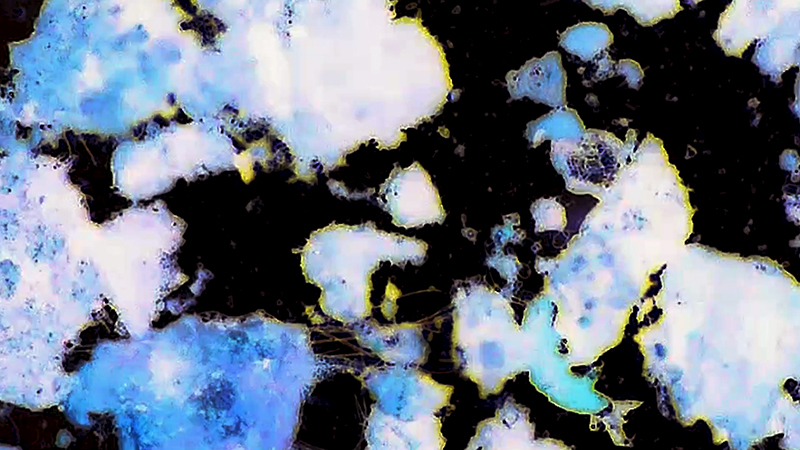
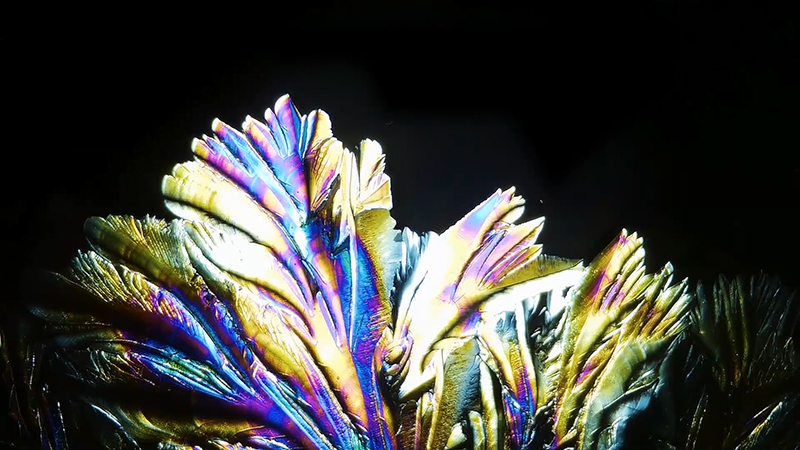
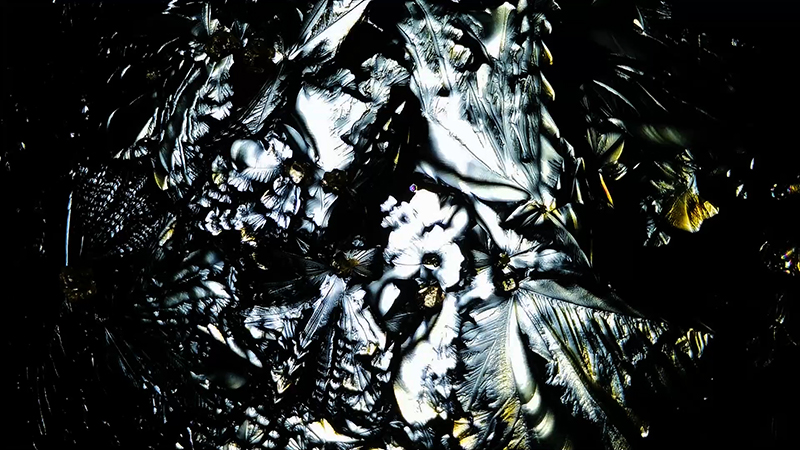
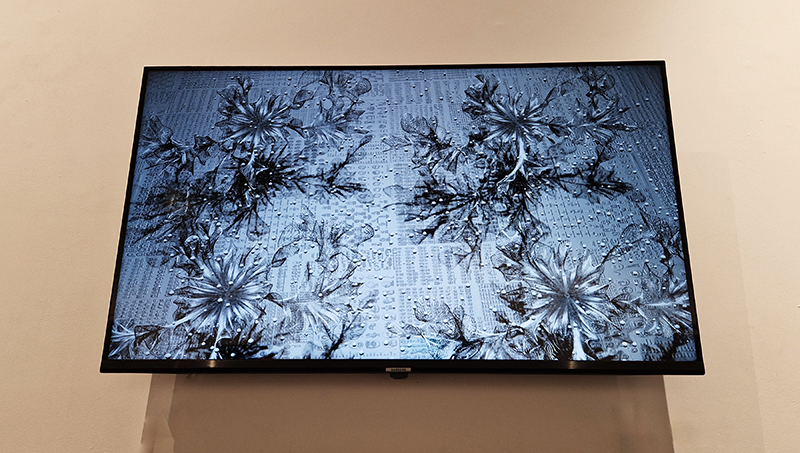
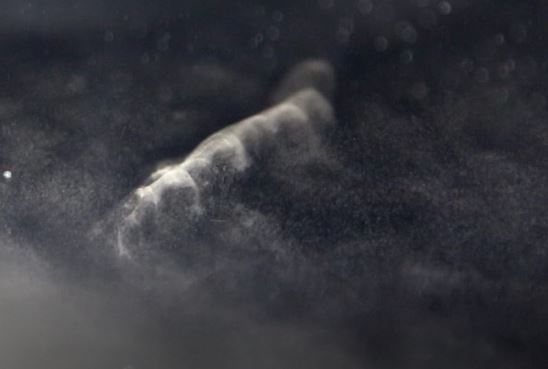
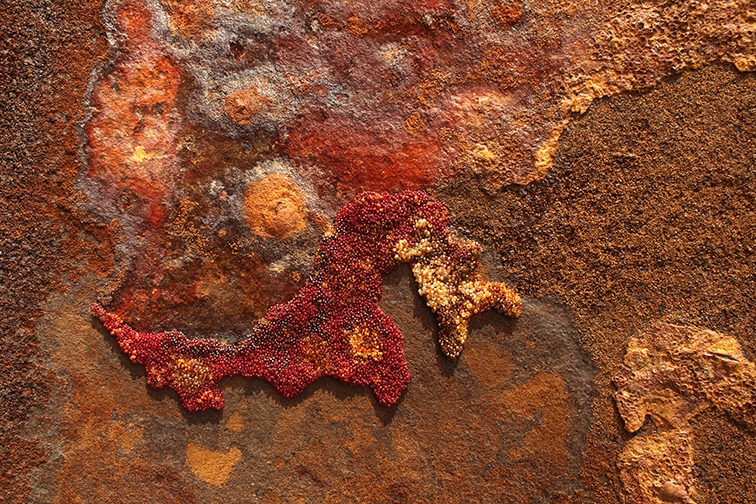
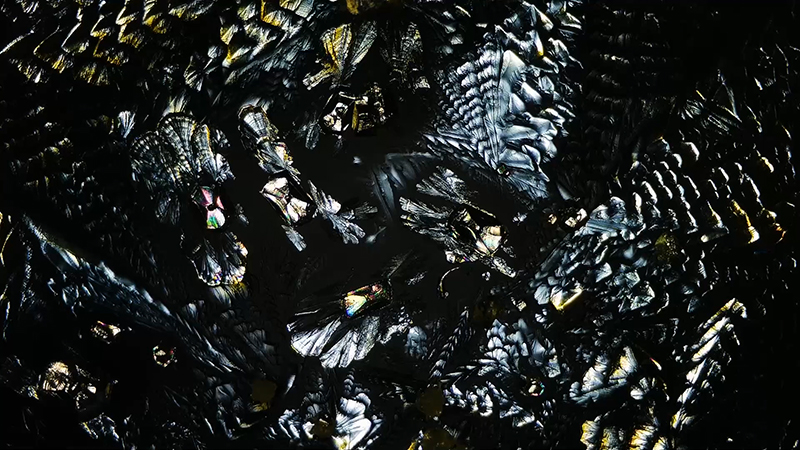
My experiments growing citric acid crystals have been going well. I am filming these transformations under polarised light which reveals the many vibrant colours but I also like the images without the filter. The structures remind me of feathers so I am thinking about creatures that flutter as well as those that swim.

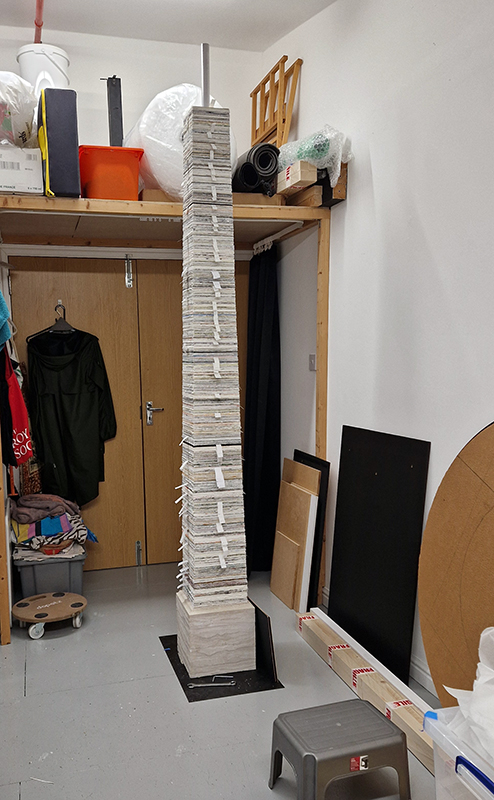
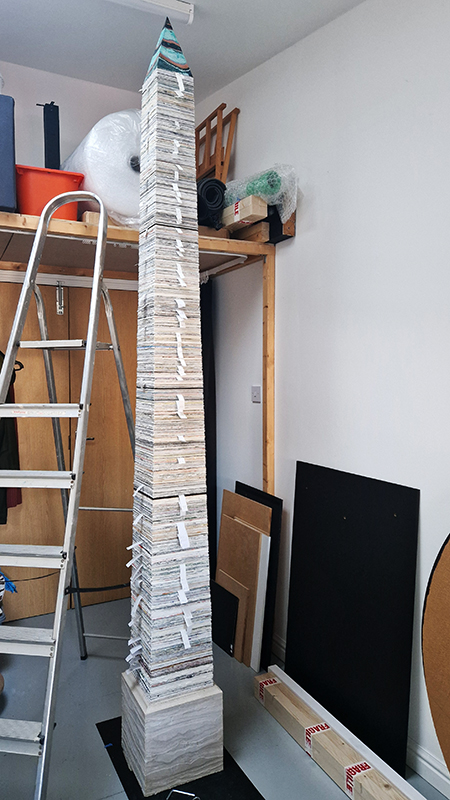
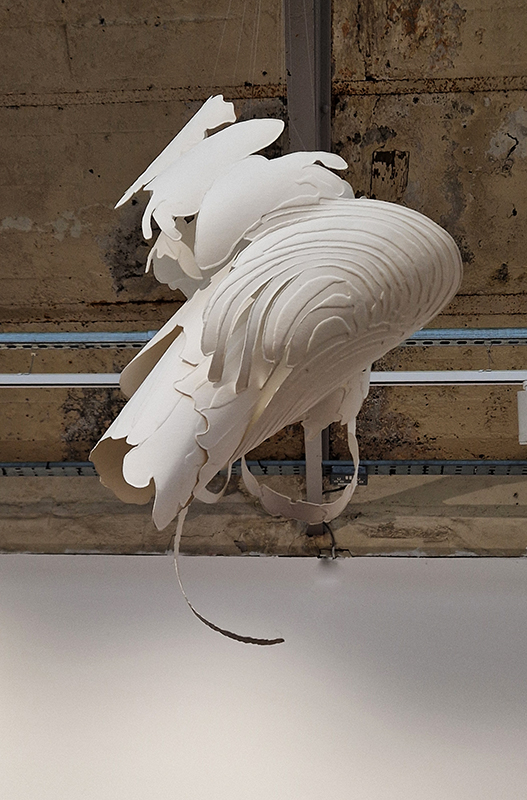
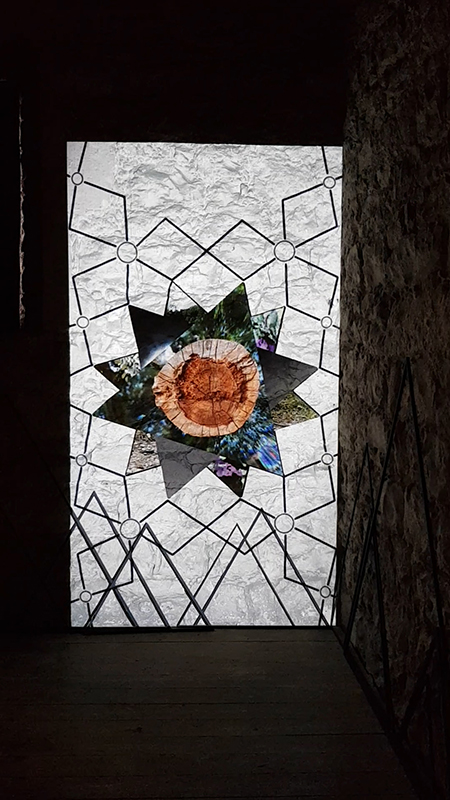
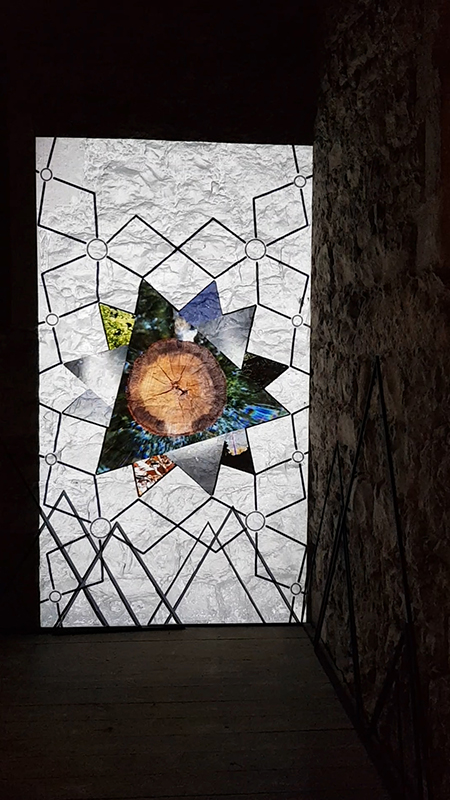
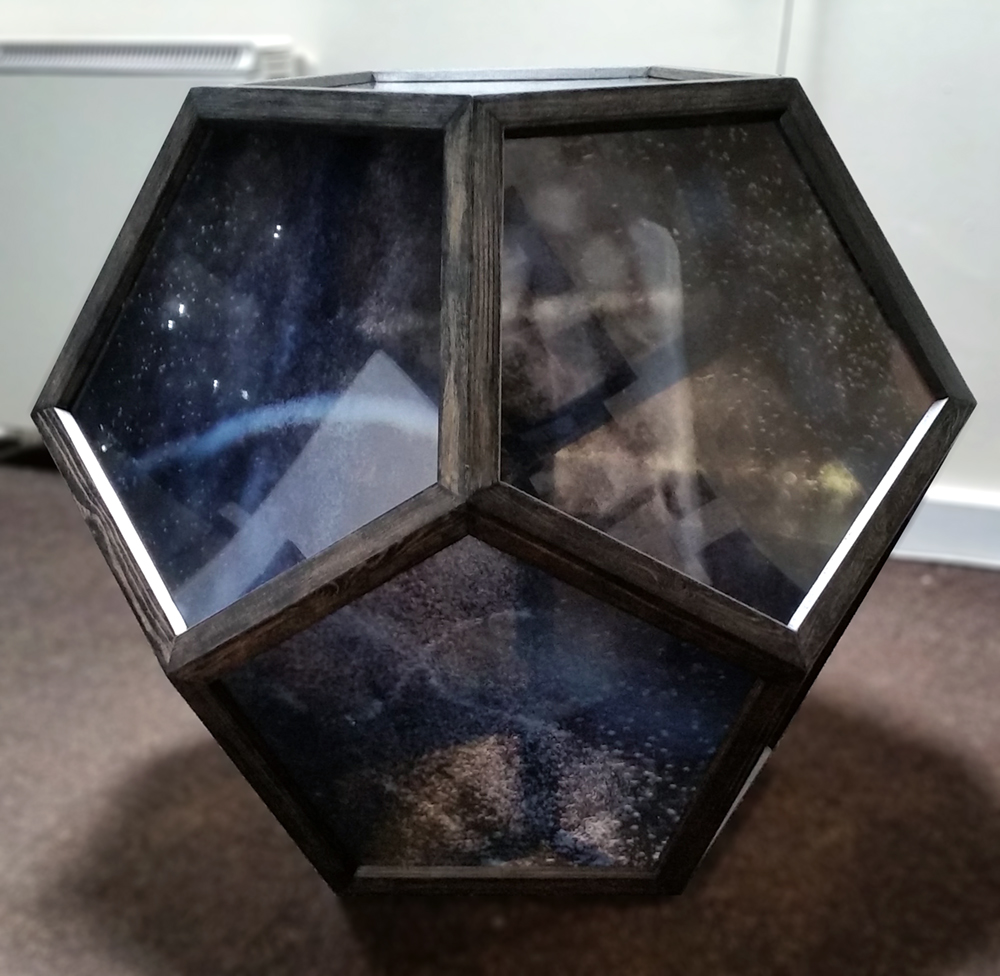
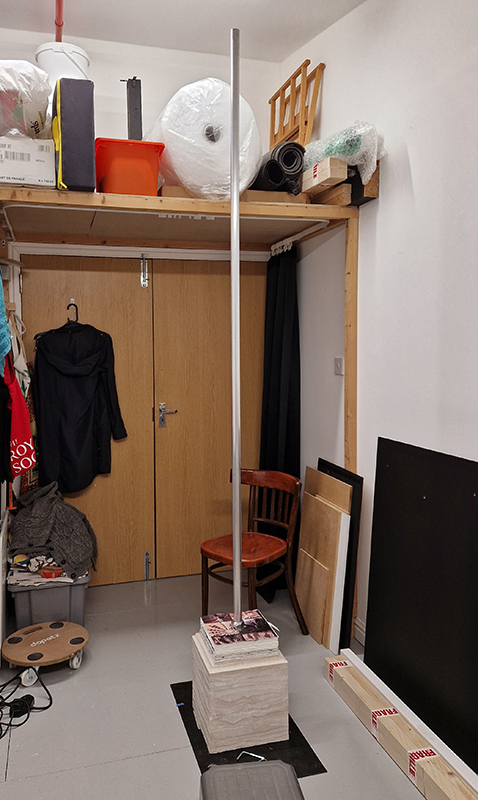
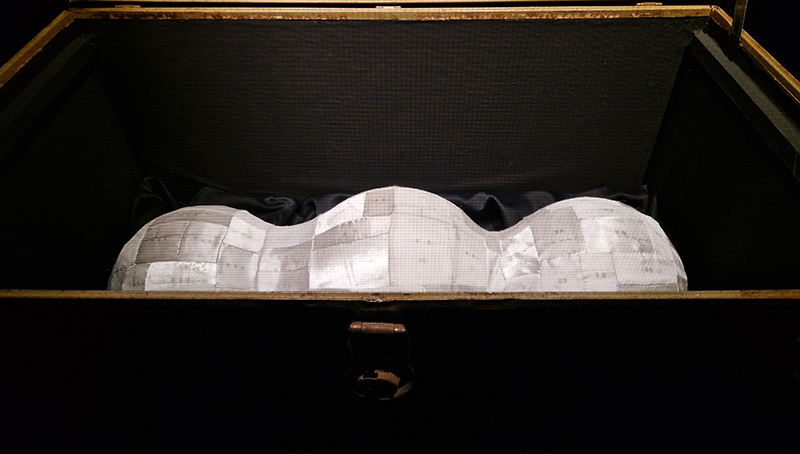
Time in the studio has been spent checking over and preparing works that will be showing in Cosmos: The Art of Observing Space curated by Ione Parkin which opens in the new year. I am thrilled to be part of this exhibition bringing together contemporary and historic artists and featuring an extraordinary range of work inspired by the cosmos. I have completed a test build of The Azimuth Obelisk (of sedimentary knowledge) using a new internal structure for before packing it all away again ready for transport to The Royal West of England Academy in Bristol. This work is a reimagining of an permanent azimuth mark erected at Hartland Magnetic Observatory in North Devon from which the drift of the magnetic north pole is monitored. Made of many layers hand torn from recycled works on paper it echoes the geological and magnetic history of the Earth which is secreted in the strata of sedimentary rock. The protruding tabs of paper seen in these studio images are markers for each section of paper squares of a tapering size and will get tucked away at installation in the gallery. With the added thickness of my new studio roof insulation the obelisk only just fits in now.
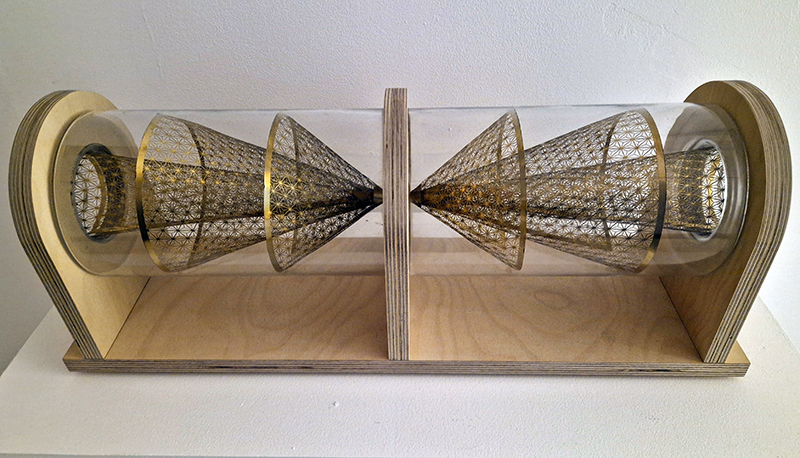
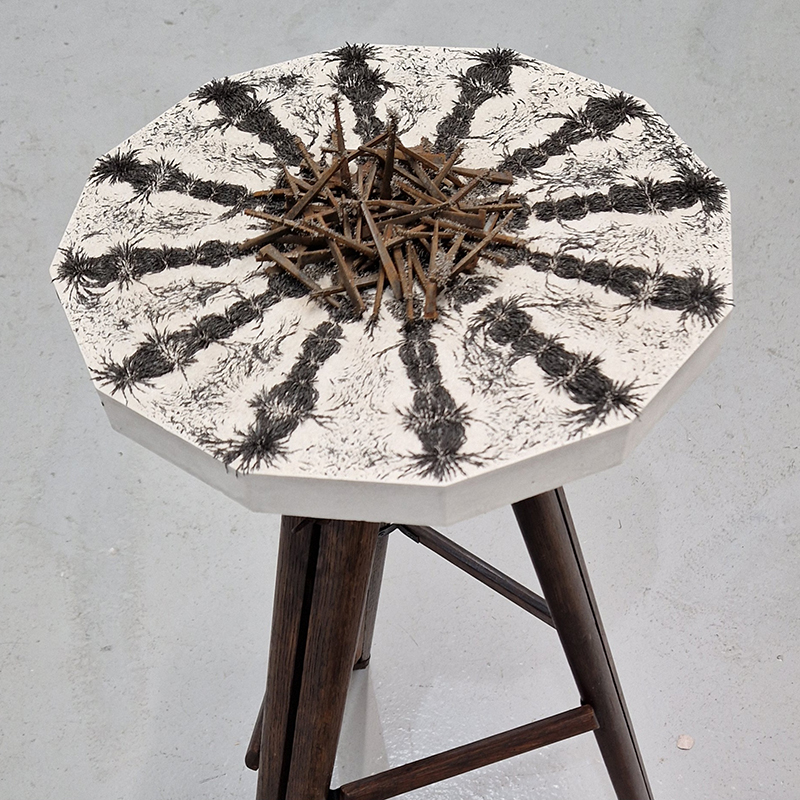
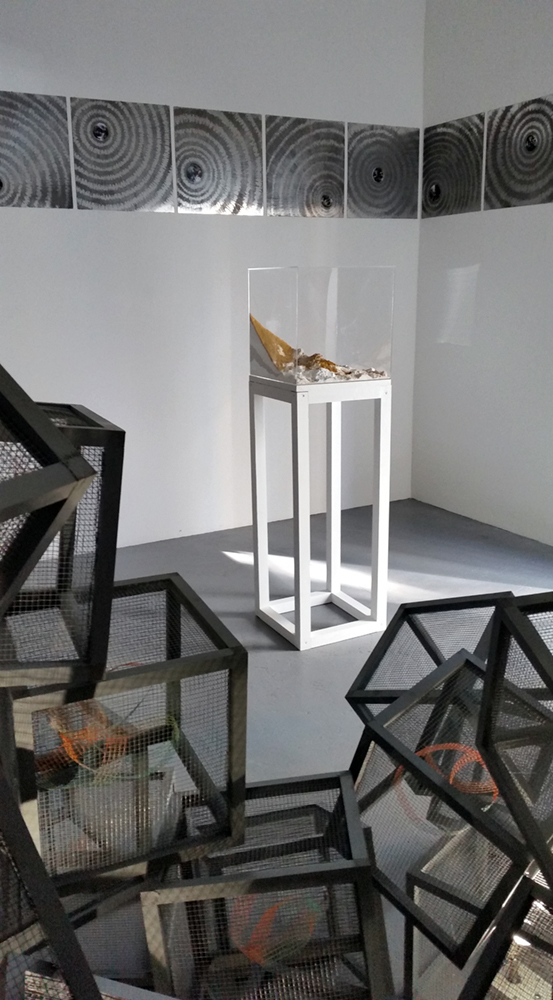
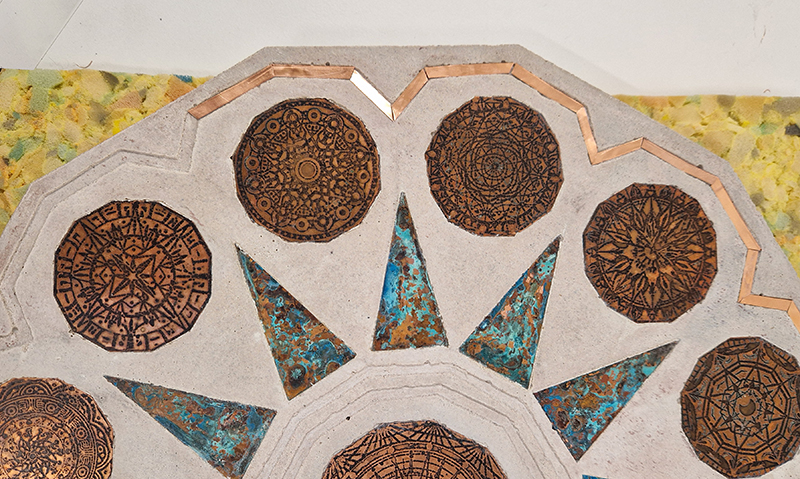
I have started work on inserting copper segments into the new sculpture for the Instruments of the Anemoi series. The other larger pieces of etched and patinated copper were added at the time of casting, held in place with tape and hope when the concrete was poured into the mould. This series of sculptures are suggestive of the pedestals that support various instruments used in monitoring the Earths’ magnetic field but are envisaged here as speculative objects used by the wind gods as the first emissaries of navigation.

I am still battling with writing text for The Book of Reversals, an artist book that responds to the record of Earth’s magnetic field reversals being written in bands of minerals on the ocean floor.
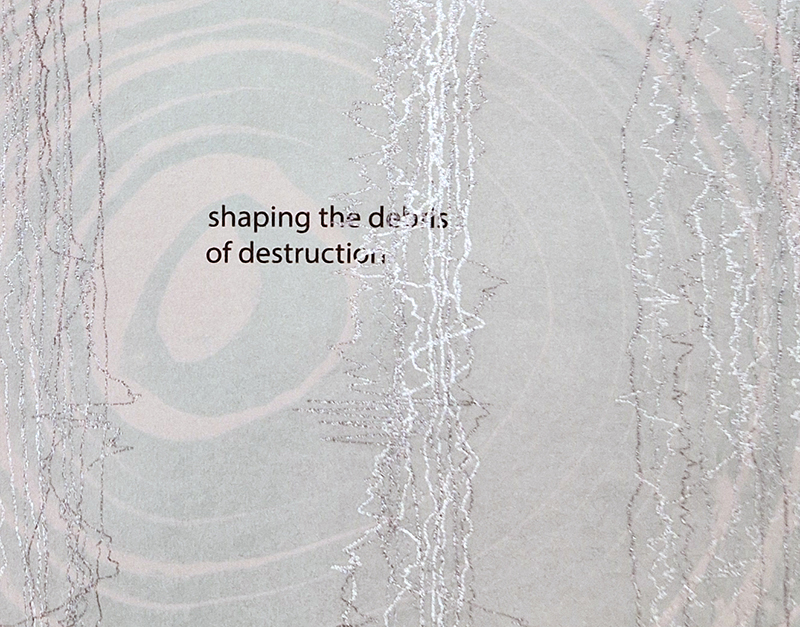
The crisp crust fractures / Fragments slide across a viscous veneer

Submarine mountains tower / Ocean trenches gape

Tectonic plates subduct / melting into the mantle 

Deep time traces are consumed / surfaces ceaselessly reformed

The Earth’s magnetic field has been a fascinating mystery for many hundreds of years and Gillian Turner’s book North Pole, South Pole recounts the stories of those who sought to solve its origin and mechanism. Something I hope to look at in more depth is how pottery and bricks preserve the direction of the magnetic field in their minerals during the process of firing which heats and then cools the clay – the same process that occurs in a lava flow. Iron-bearing minerals (like magnetite) in clay become “magnetic” when heated in a kiln. As the pottery cools, these minerals lock into the Earth’s magnetic field direction and strength at that time. The study of the magnetic properties of ancient pottery, known as archaeomagnetism, has been used to make records of the inclination of the magnetic field from past millennia. Inspired by these studies of manmade artefacts to determine the historical position of the north magnetic pole, physicists Bernard Brunhes and Pierre David took samples from exposed lava flows and their underlying clay in central France. In 1906 they came to the astonishing conclusion that about six million years ago the magnetic field seemed to point in the opposite direction, the first indication of magnetic field reversals.
Also with thanks to Gillian Turner’s book North Pole, South Pole I have learnt that there were early hydrogen balloon ascents to determine if the Earth’s magnetic field intensity varied with altitude, helping to decide if the magnetic field came from within the Earth or was extra terrestrial. In 1804 Jean-Baptiste Biot and Joseph Louis Gay-Lussac made a pioneering ascent to 4,000 feet (1.2km). In Turner’s book she writes that the dip needle necessary to take the measurements iced up and so the results were unreliable. I feel for them, but it seems they conducted many other experiments on temperature and gases in the atmosphere while aloft and in any case we now know they would have needed to ascend many kilometres higher than they achieved to notice any weakening in the magnetic field.
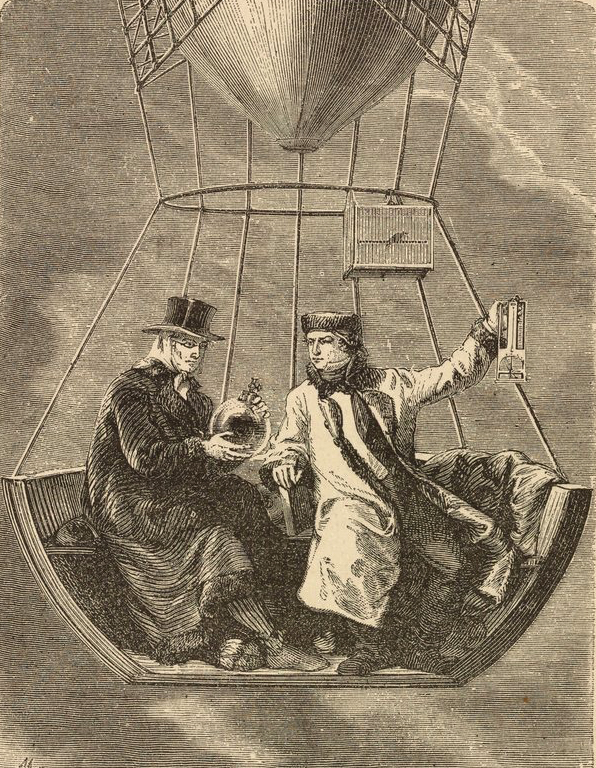
This plate is from John Howard Appleton’s (1844-1930) Chemistry, Developed by Facts and Principles Drawn Chiefly from the Non-Metals, published in 1884.

I am trying to remember when I first had the idea to launch a cloud chamber in the payload of a high altitude balloon. I knew about the hot-air balloon experiments carried by Victor Hess to determine the origin of cosmic radiation, and his discovery in 1912, when he made an ascent to over 5km during a near-total eclipse of the Sun, that radiation had to be coming from further out in space.
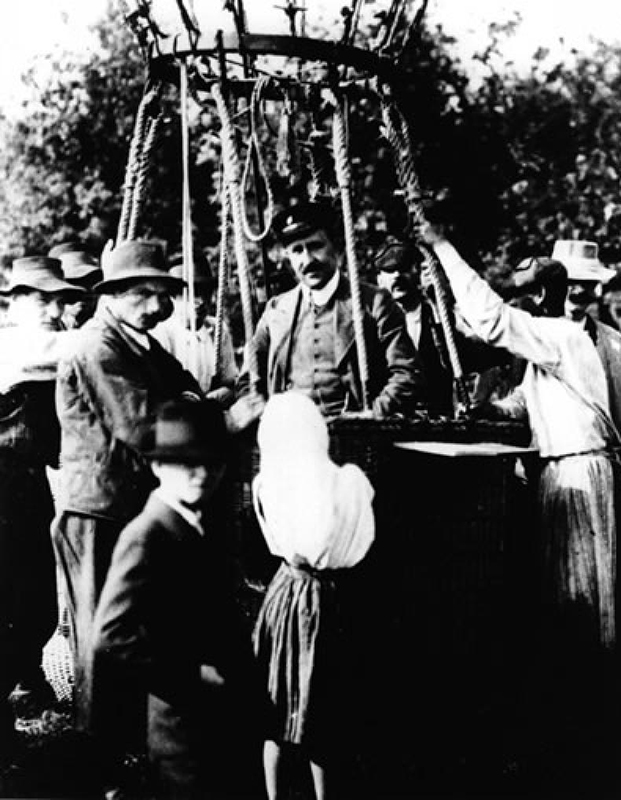
Hess on his return from the 1912 balloon ascent – Alan Watson pointed out that this was obviously staged at another time as he would not have been standing looking so well after his ordeal.

I remember looking into the dark skies during a residency at Allenheads Contemporary Arts and wondering about all the activity that I couldn’t see. I decided then I would like to film at 15km where most subatomic cosmic ray activity takes place, even if nothing would show on the film.
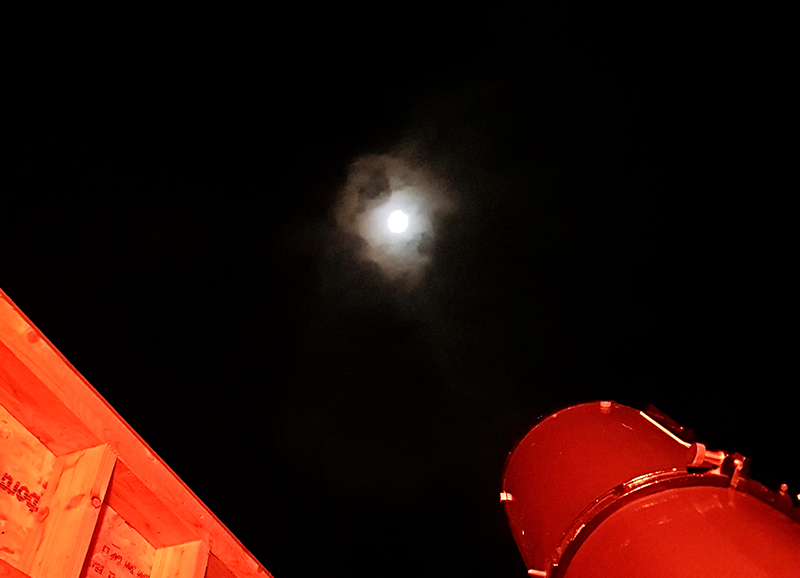
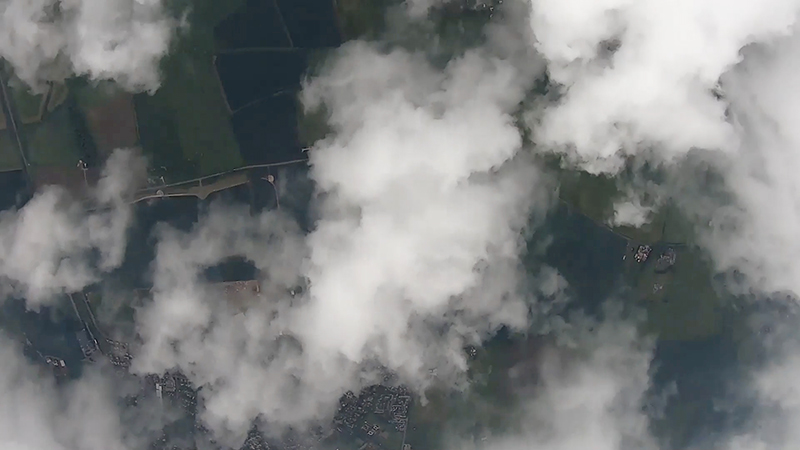
A high altitude balloon flight seemed the perfect solution and I was very grateful for the help I subsequently received from Imperial College Space Society and The UK High Altitude Society. The decision to include a cloud chamber in the payload was always a risk and as it turned out nothing of the cosmic ray activity was captured on film. However, the balloon did reach an altitude of over 37km and the payload was successfully recovered with some amazing video footage of its journey.
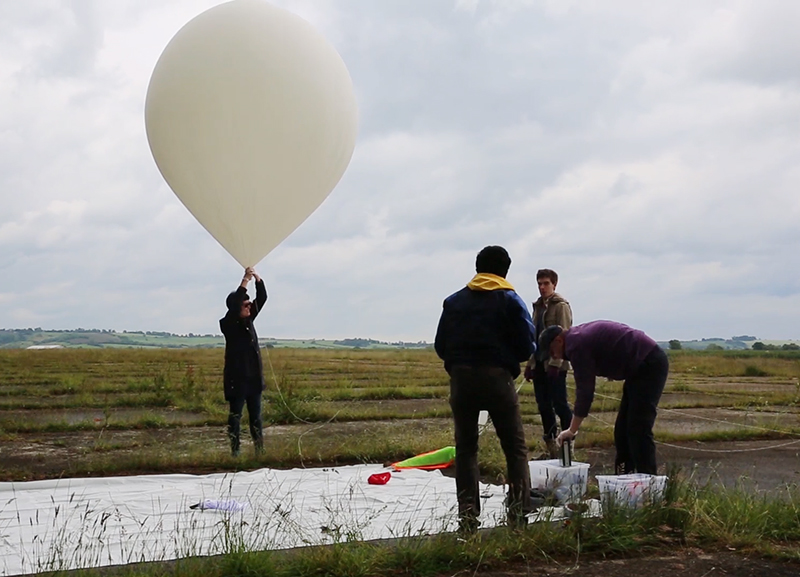
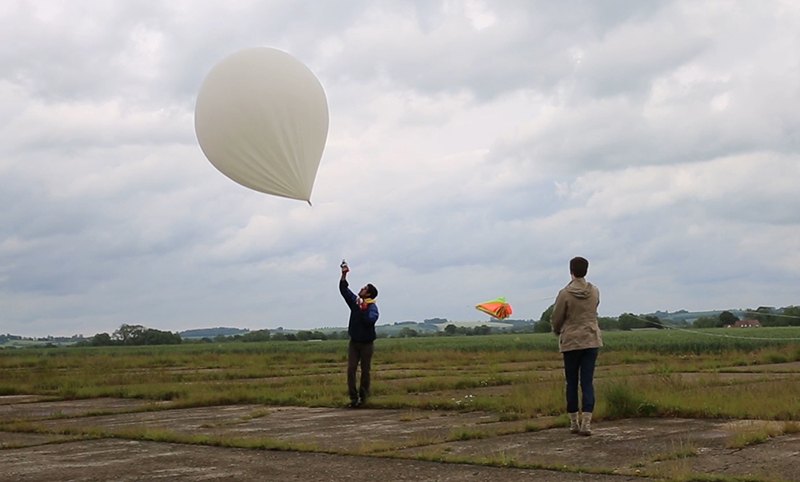
The record height for a hot air balloon ascent is 21km so in theory it could be possible to send a cloud chamber up in a hot-air balloon and film at altitude with potential for more success if some brave person were on board to operate the camera. Unlikely to be me.
Some intriguing news of ORC’s on the RAS websiteThe most distant and most powerful ‘odd radio circle’ (ORC) known so far has been discovered by astronomers. These curious rings are a relatively new astronomical phenomenon, having been detected for the first time just six years ago. Only a handful of confirmed examples are known – most of which are 10-20 times the size of our Milky Way galaxy. ORCs are enormous, faint, ring-shaped structures of radio emission surrounding galaxies which are visible only in the radio band of the electromagnetic spectrum and consist of relativistic, magnetised plasma. the three new cosmic rings – discovered not by automated software but by sharp-eyed citizen scientists – represent an important step toward unlocking the secrets of these vast, puzzling structures.

Out and About

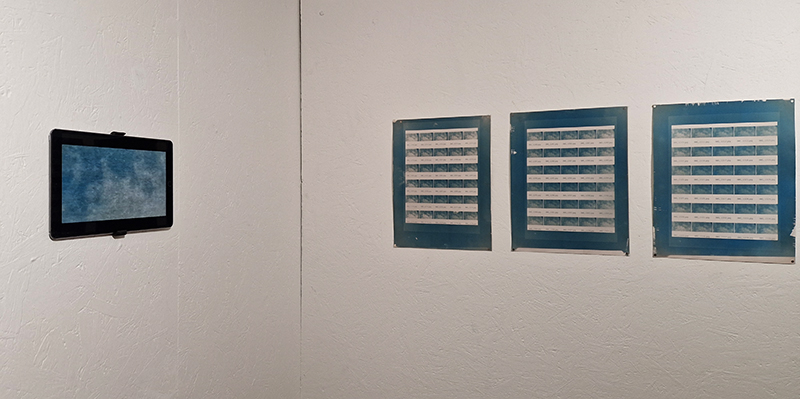
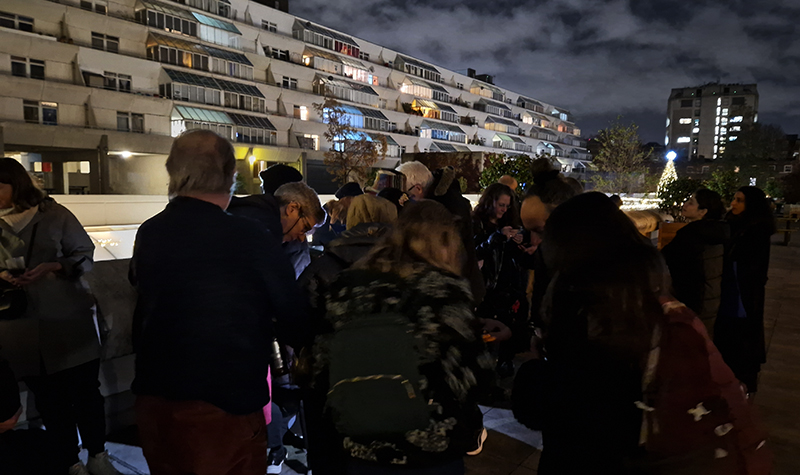
A wonderful evening with artist in residence Melanie King at Passengers connecting the celestial with the architecture of the grade II listed Brunswick Centre in Bloomsbury, London. Melanie used the residency opportunity to explore the duotone cyanotype process using multiple layers of cyanotype to mimic astronomical imaging construction and even used cyanotypes to create an of the Moon. The beautiful results were presented at an evening event with the additional treat of live telescope viewing of the Moon and Saturn from the second floor terrace of the Brunswick centre under the engaging guidance of astronomer and science communicator Paul Hill.
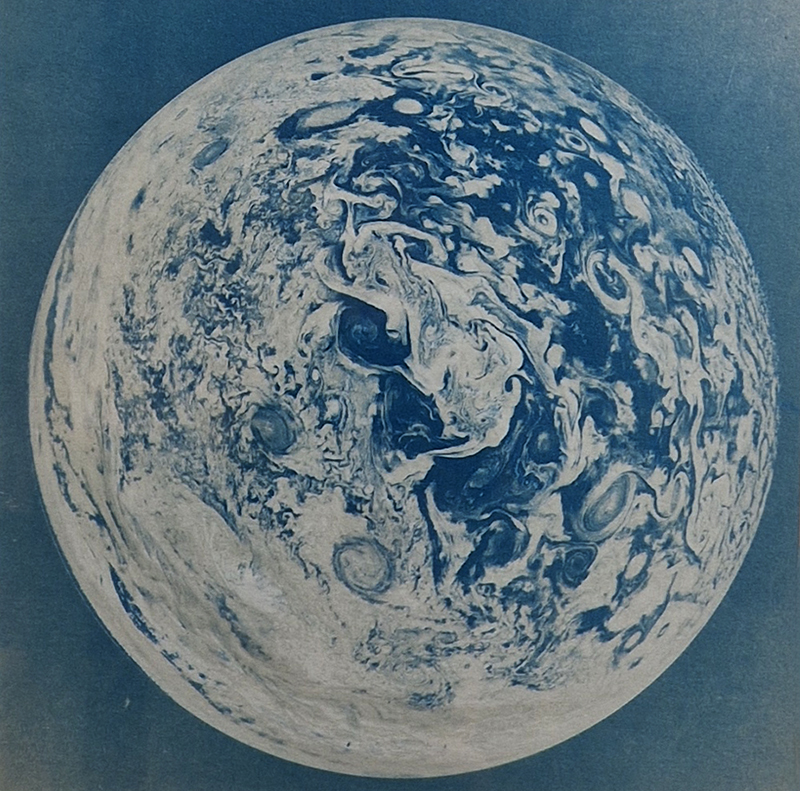
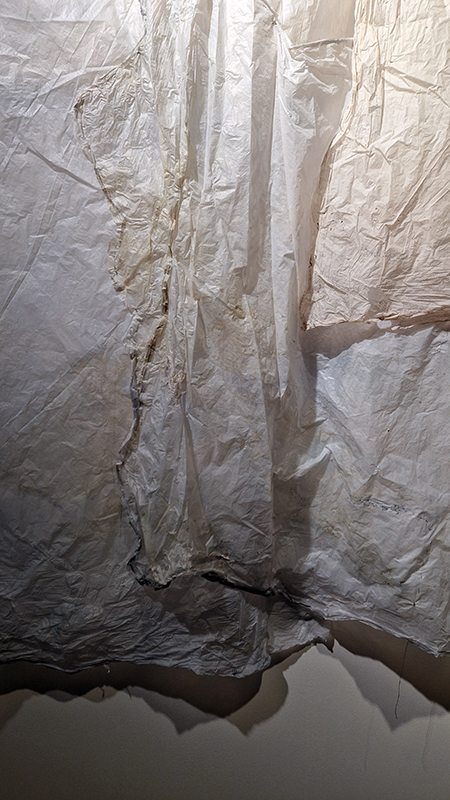
Liz Elton’s sensitive work Black and Blue (compostable bio materials, cabbage and fruit dye saddened with iron, silk, poppy and sage seeds) showing in A Changed Environment at Messums London. This group show examines changing ideas of beauty, ecology, and sustainability, as well as themes of place, memory, and identity, revealing how connections to the natural world can inspire both understanding and hope. I love the delicacy of this new work and the term ‘saddened by iron’ which is used in the dying process to dull a colour, and which, as Liz says, also emotes the hardships of industrial life.

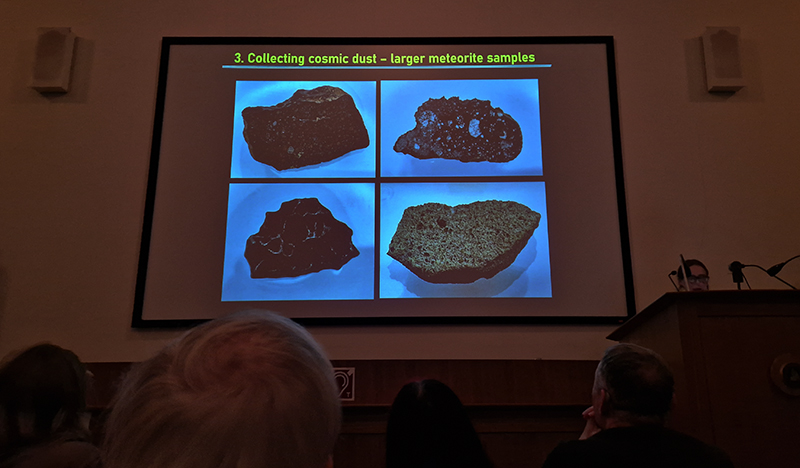
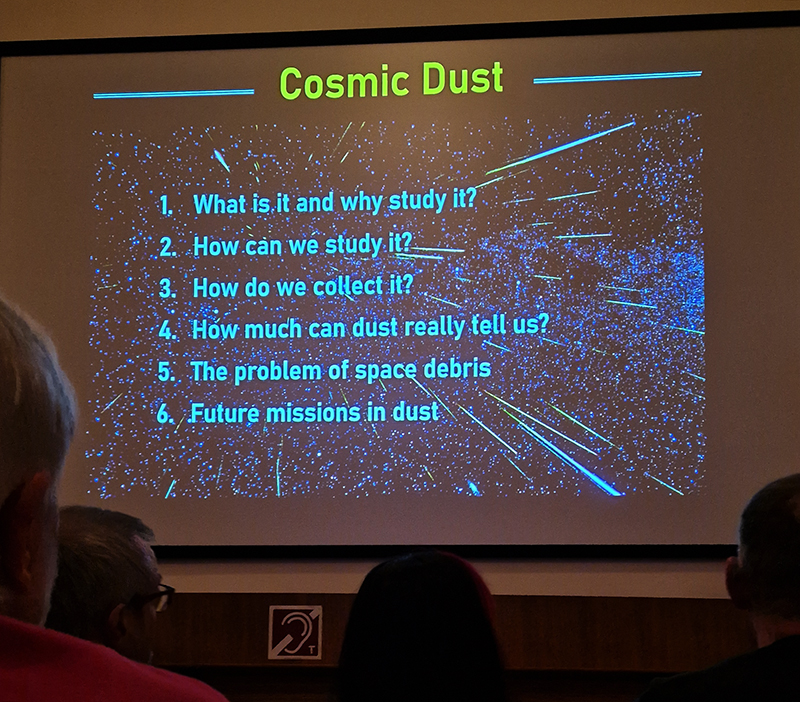
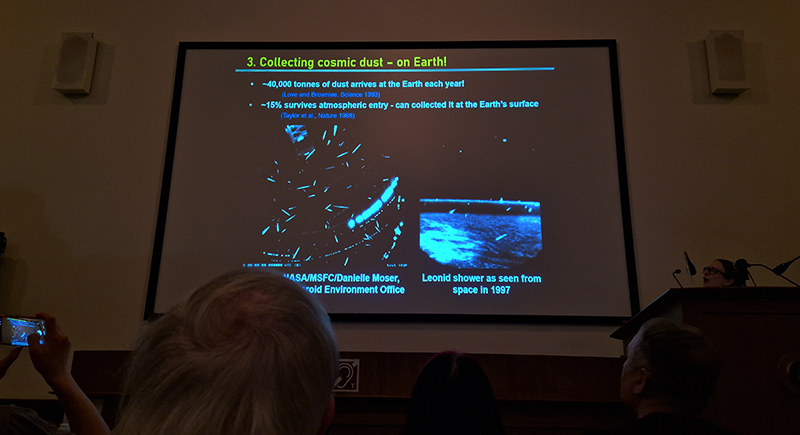
Cosmic Dust talk by expert on extraterrestrial space dust, and how it can impact astronomy and wider human endeavours in space, Penny Wozniakiewicz at The Royal Astronomical Society. ‘Natural’ cosmic dust is being polluted by man made dust from space debris. This is a real problem created by dead satellites, old upper stages of rockets, fragments form exploded rocket or stages, flecks of paint, aluminium oxide spheres from solid rocket burns, dropped space equipment. When any of this debris collides a cloud of smaller debris is ejected, this process is self propagating and even the tiniest piece of debris can cause serious damage to spacecraft and satellites. This is called the Kessler syndrome, a cascading effect that could render orbital space unusable for generations, threatening satellites, the International Space Station, and future space travel.
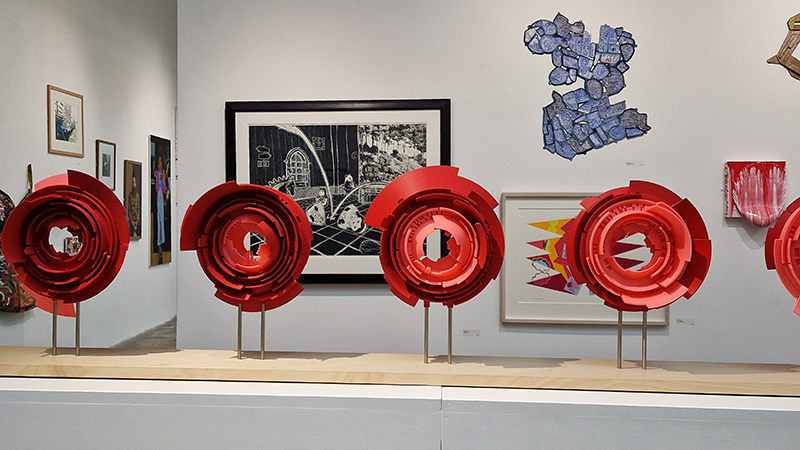
Good to visit the The London Group show 2025 at Copeland Gallery where lots of friends are showing excellent work and also to discover new work and artists.

I found Majid Majid’s video Faith Amongst The Ruins a difficult but compelling work. So scary and horrific because we know this is real footage, some of which I had seen before at the time of the attacks on hotels housing asylum seekers and refugees, but it is still so disturbing to watch these people, with so many children present, cheer on the violence. They have no empathy with the terrified people trapped inside the hotel or for the person in the car who is ambushed and stabbed. The glee of those filming the assault is chilling.

He writes: “As a refugee, I know places shaped by fear and rejection. This work revisits UK sites of last summer’s Islamophobic and racist violence, a mosque, a street, and a hotel housing asylum seekers transforming them through prayer. Placing a mat where hostility flared, I reclaim space as sacred ground. Video and traces of violence form a counter-narrative of dignity, belonging, and resilience.”

Images: Majid Majid, Sayako Sugawara, R James Healy, Victoria Rance, Jonathan Armour, Sandra Crisp, Jenny Wiggins, Victoria Arney, Carol Wyss, Sandra Crisp, Genetic Moo, Jacqueline Yuen-Ling Chiu.

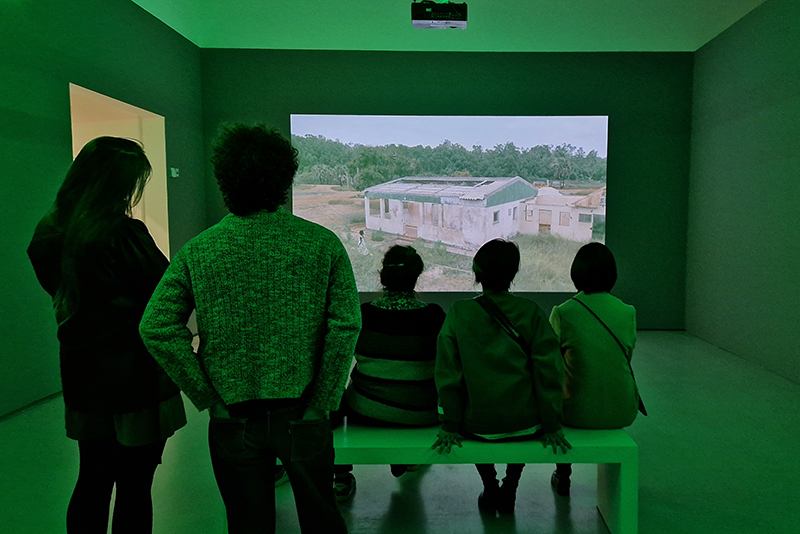
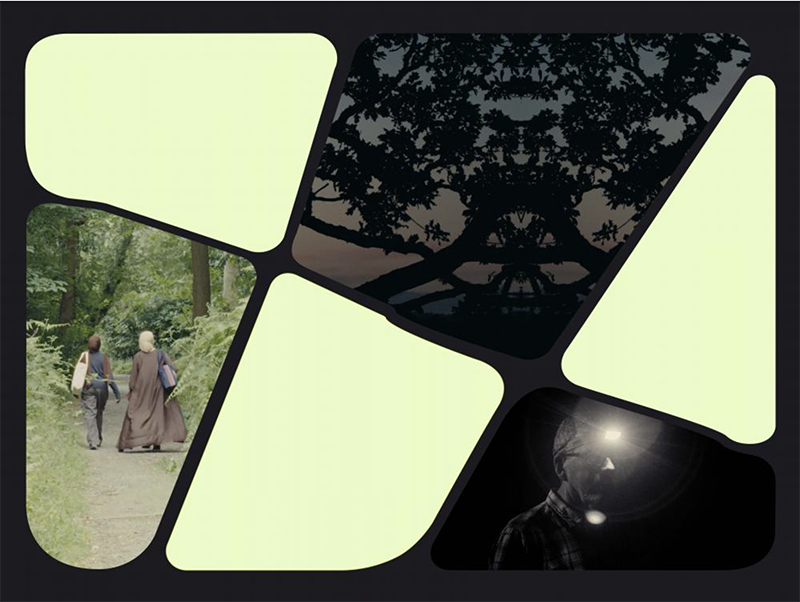
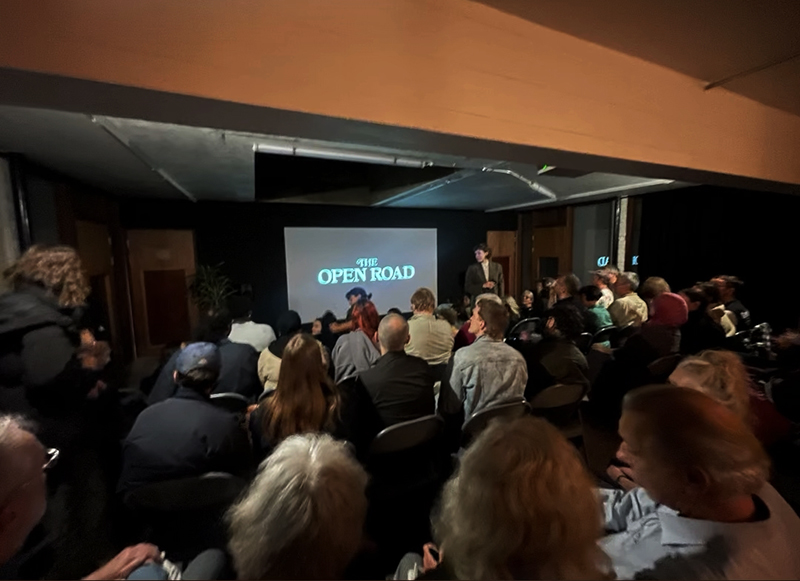
Three beautifully directed films screened at FormaHQ as part of The Open Road series of artists moving image works, co-commissioned by a partnership of visual arts organisations. The works are loosely inspired by The Canterbury Tales, drawing from a disparate cast of characters to recount competing stories in a patchwork of styles. David Blandy (Commons), Amaal Said (Open Country) and Sam Williams (The Eel’s Tale) each draw on storytelling traditions to give fresh perspectives on their journeys, on foot, by sea and through time. Heartbreaking to hear how terrified Amaal Said was to leave London for the open country of the south coast, especially with the current rise in overt racism, when out looking for locations and that they did suffer racist abuse while filming. Hers is a gentle and warm study of a mother and daughter and an absent grandmother, a longing for home and to feel ‘at home’. Sam William’s film sets the plight of the highly endangered glass eels who journey 4,000 miles from the Sargasso Sea to the Medway wetlands in Kent, swept along by currents, undergoing bodily transformation, following an instinctive desire on this epic migration alongside two other watery tales of transformative journeys across boundaries of identity and freedom. Coincidently, a recent episode of the Infinite Monkey Cage is all about these mysterious eels. David Blandy turned his attention to the vast and disparate collection of artefacts held in the Tunbridge Wells museum and gave some of these specimens a voice to tell of how they had lived before they became a part of this collective of human taxonomy.
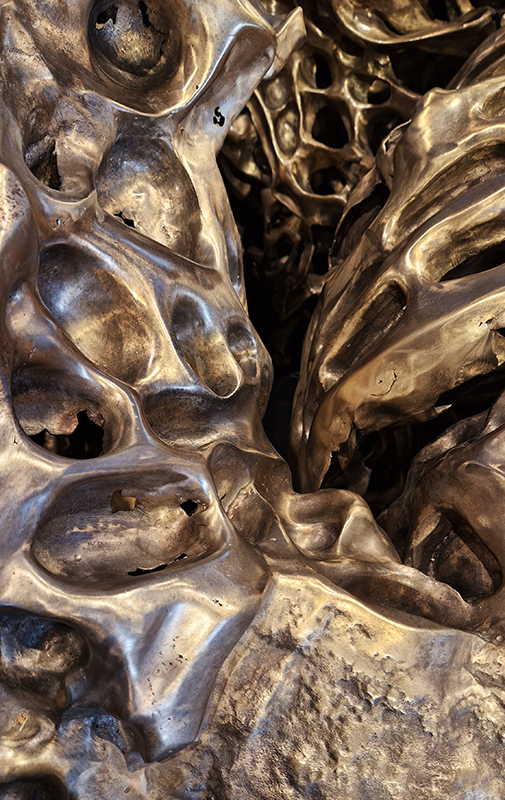
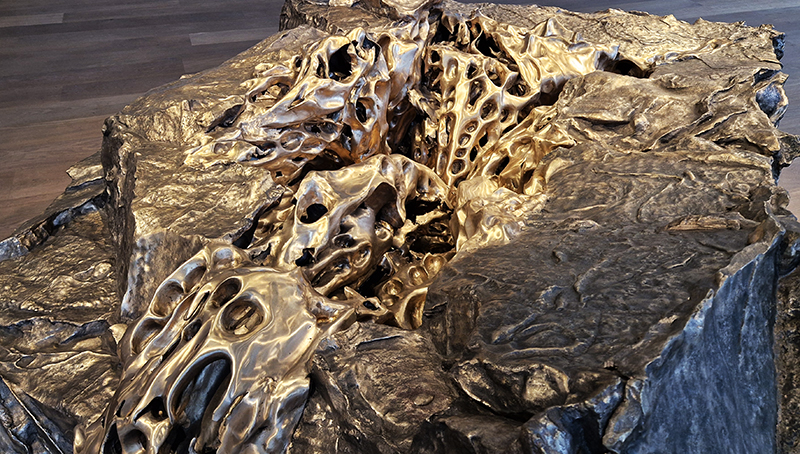
Cristina Iglesias The Shore at Hauser & Wirth features large-scale bronze works from the artist’s Littoral (Lunar Meteorite) series, part of her ongoing exploration of geological themes. The word ‘littoral’ refers to something relating to or situated along a coast or shore, or the region where the land meets the water. The weightiness of the objects is impressive ( I can’t imagine how they were brought into the gallery even with the technology available today – after coming here from the talk on stone henge and the incredible feat of bringing the standing stones across rough terrain for many kilometres and up a slope 5000 years ago seems even more impossible – yet there they are). The sound of water bubbling within each piece draws you to peer within and stay with the piece perhaps longer. The audience is invited to touch the sculptures. The bronze is polished and does need to be used and worn away in a more effective organic and dirty process. They are very clean.
The Royal Astronomical Society lecture Sighting the Sun and Moon? at Stonehenge – by Archaeoastronomist Prof. Clive Ruggles. Debunking many myths and overspeculation, concerning the use of the monument for observations of the sky the professor was clear about what can sensibly be said about the relationship of Stonehenge to the Sun, considering the conventional archaeological evidence that has been uncovered in recent years. He also recommended visiting the day before or after the actual solstice if possible for an experience without the many crowds as the alignment is almost identical. Also visiting at sunset can be just as magical and quieter. He turned his attention to the Moon, questioning if our prehistoric forebears also celebrated the occurrence of a major lunar standstill, an event occurring every 18.6 years around which time the Moon can be seen at fortnightly intervals exceptionally far to the north and south.

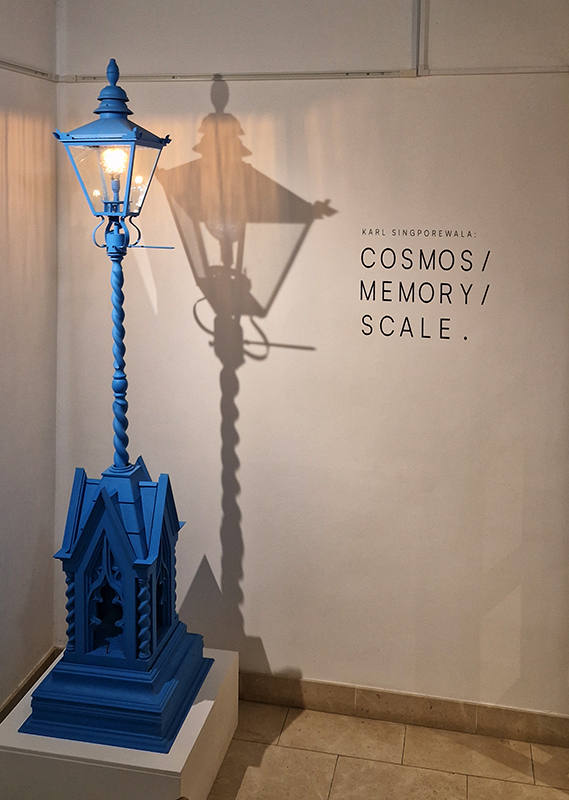
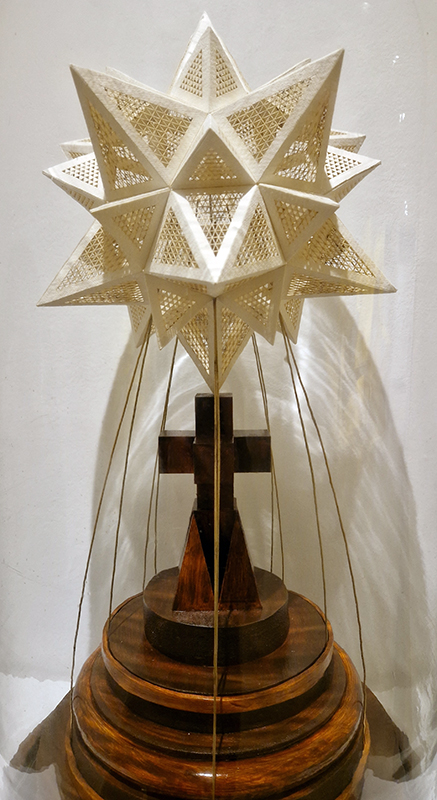
Karl Singporewala’s sculptural interpretations of Zoroastrian symbolism in Cosmos, Memory, Scale at SOAS Gallery convey a meditation on how material and memory intersect to shape the human experience. Cosmos speaks to both his fascination with astrophysics together with a metaphysical belief in the alignments of life. Stars and geometric forms recur as motifs, refracting both spiritual navigation and mathematical structure. Memory is treated as a living, shifting phenomenon. Inspired by oral tradition, family stories and inherited rituals. Scale, is used both literally and metaphorically in shifting perspectives and unexpected relationships. Good Thoughts, Good Words, Good Deeds.
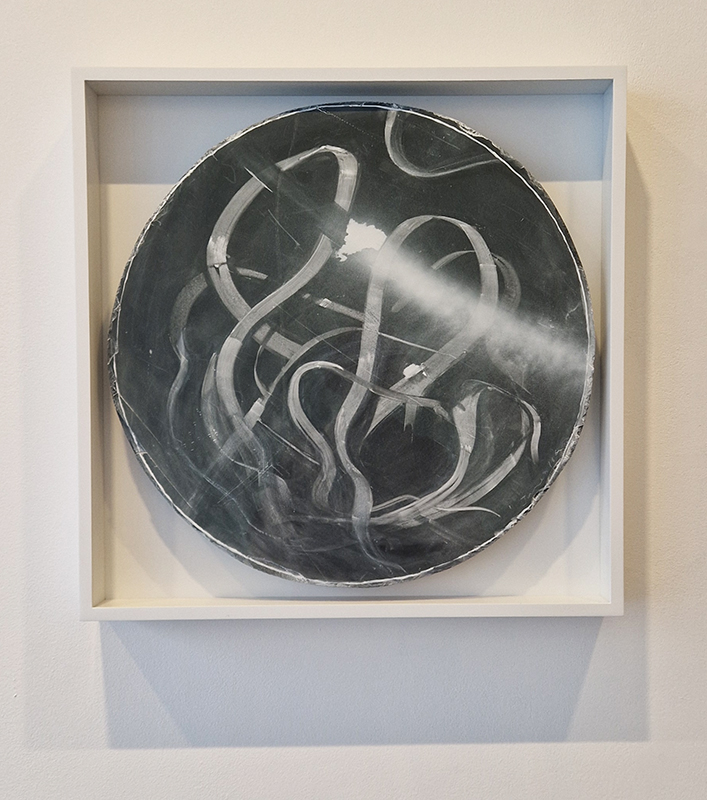
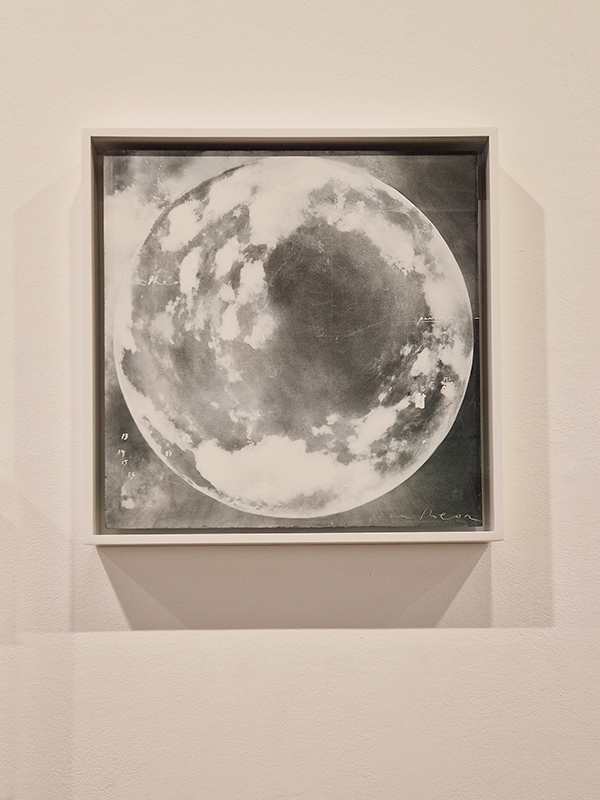
Dusty, chalky mythical drawings and solar eclipse traces from Tacita Dean in Black, Grey, Green and White at Frith Street Gallery Golden Square.
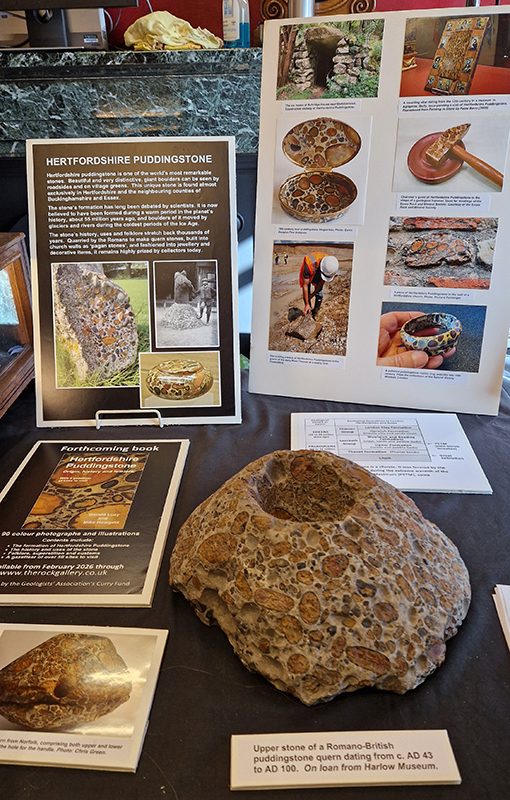
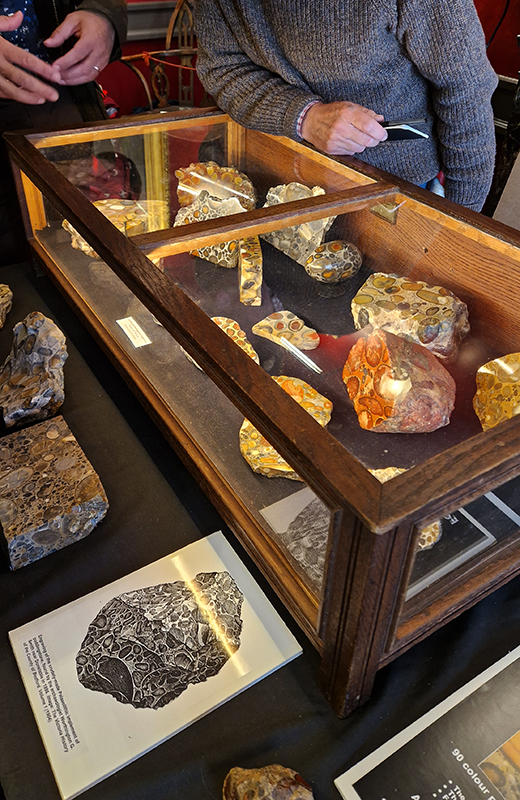
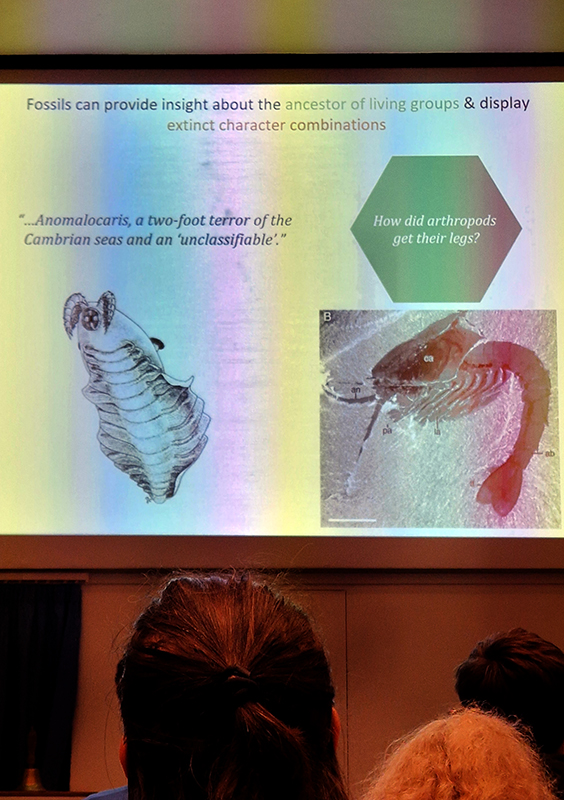
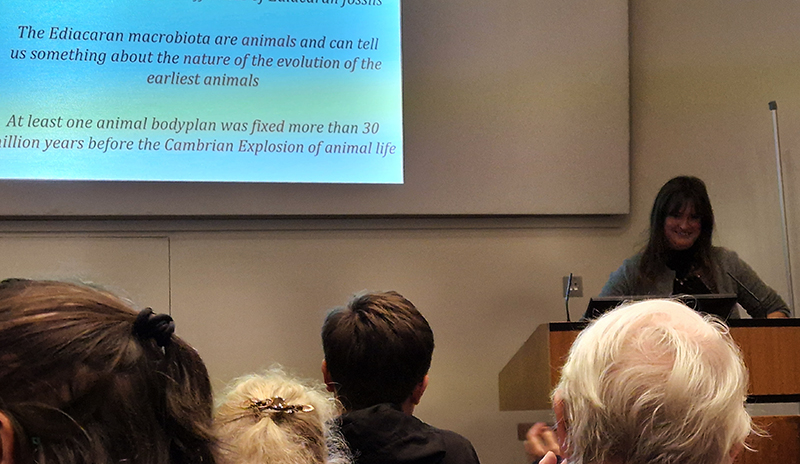
I spent a happy morning at the Geologists Association Festival of Geology 2025. This included a fascinating lecture The Early Evolution of Animal Life by palaeobiologist Frankie Dunn focused on the origin and early evolution of animals and particularly on the fossil record of the late Ediacaran Period (approximately 570 – 540 million years ago) – just before the Cambrian explosion of life. The aim of her research is to understand how animal body plans evolved in deep time. There also was some amazing and unique pudding stone on display.
I also picked up a great little book full of wonderful geologically enriching words by Marcia Bjornerud.

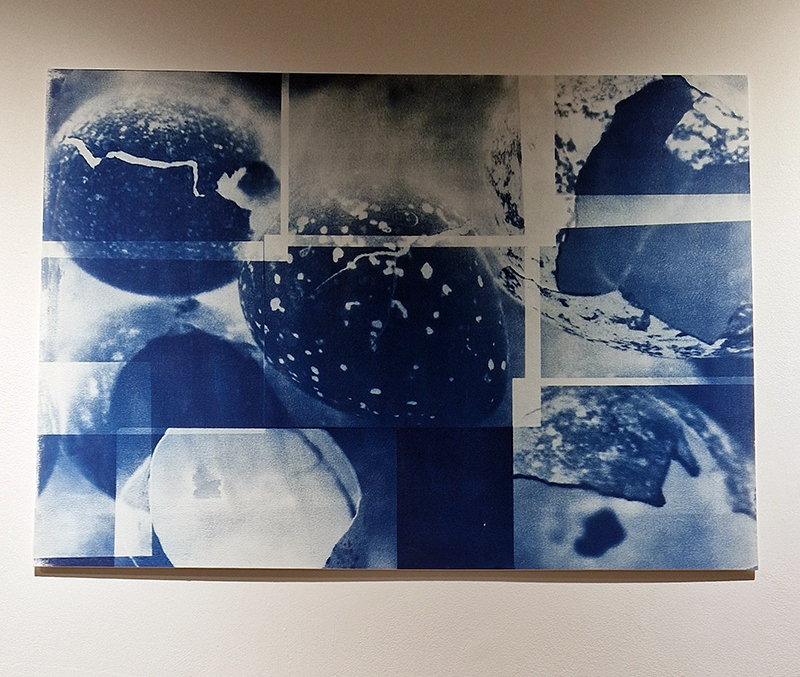
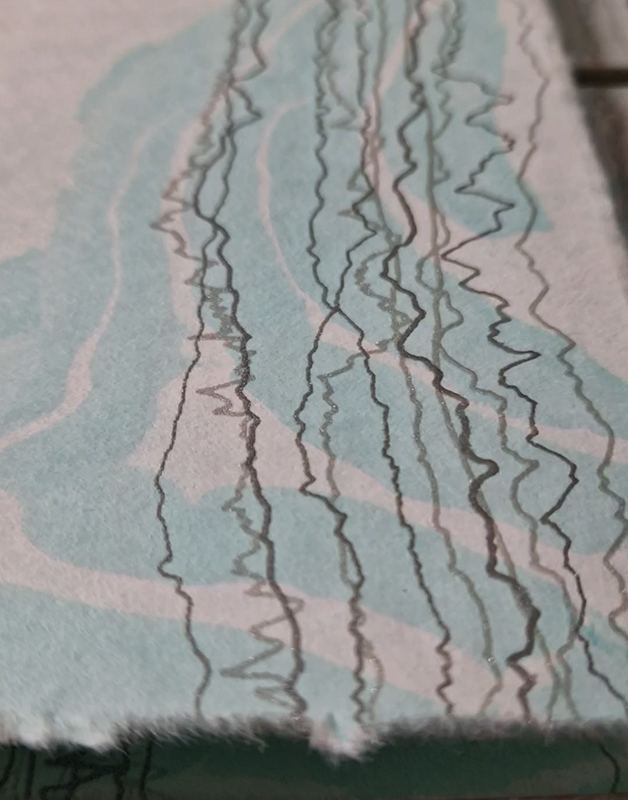
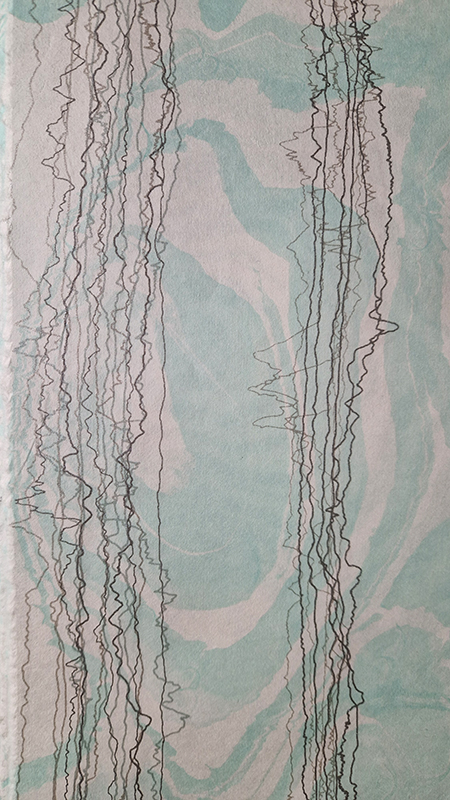
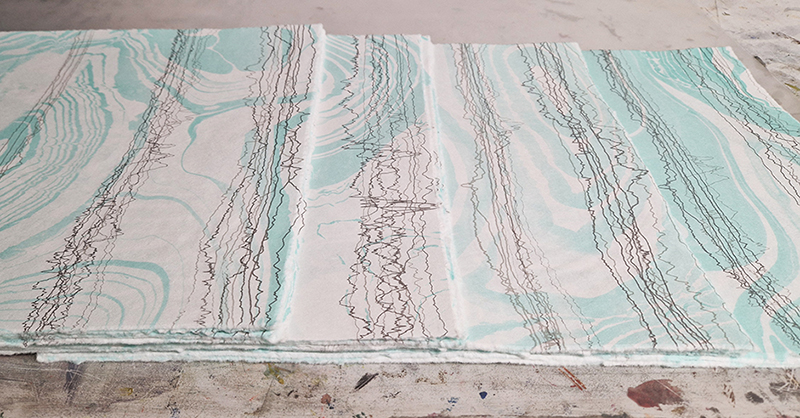
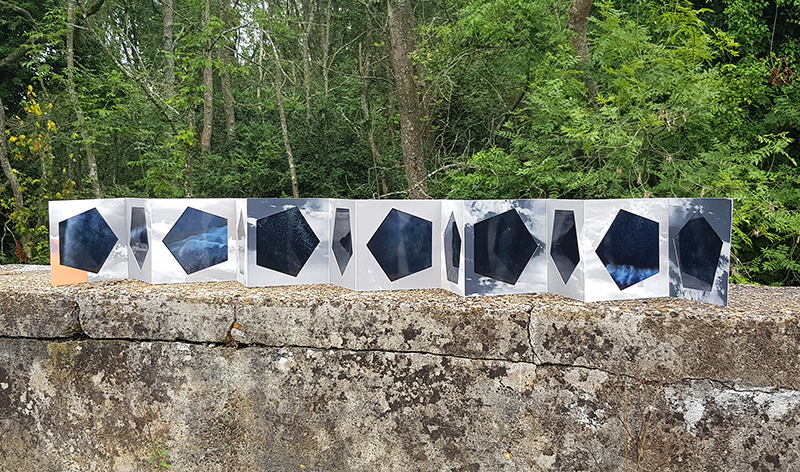
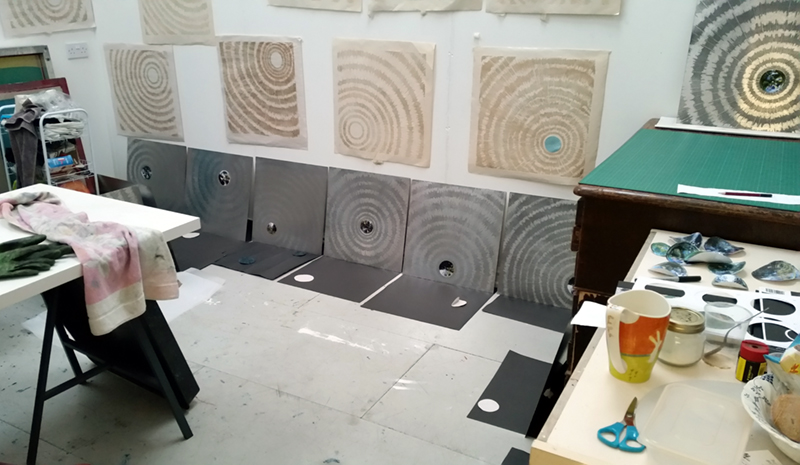
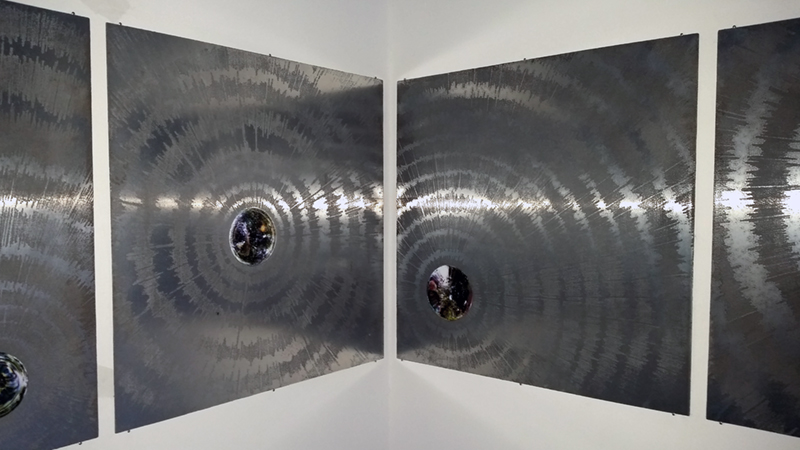
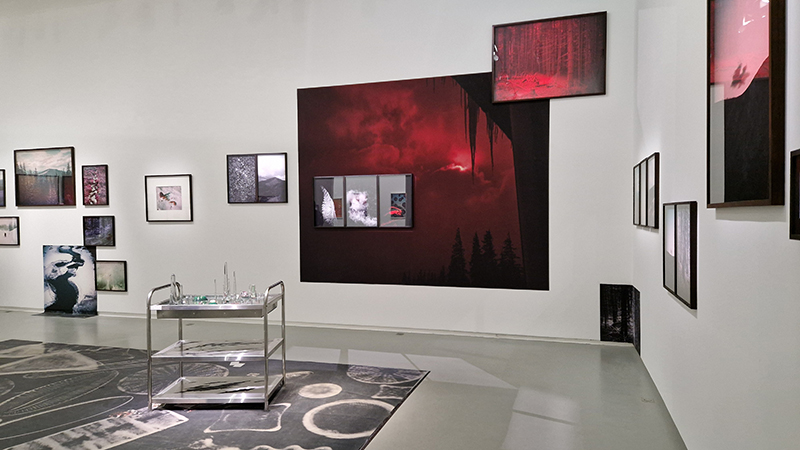
Spending time in the print studio layering up magnetometer lines describing fluctuations in the Earth’s magnetic field. Using sheets of Japanese paper with Suminagashi ink swirls to evoke both ocean and magnetic currents. The lines are printed in metallic inks, relating to the idea of a lode, which in geology is a deposit of metalliferous ore that is embedded in a fracture in a rock formation or a vein of ore that is deposited between layers of rock.

The bands of magnetometer lines are used to signify the last three magnetic pole reversals. The most recent at 42,000 years ago (a short 500 year blip), then 780,000 years ago (continued for 22,000 years) and 1,000,000 years ago (continued for 40,000 years). This history of these reversals is stored in the ocean floor as magma flows up between cracks in the Earth’s crust, spreads and solidifies, capturing the direction of the poles in the orientation of the minerals.

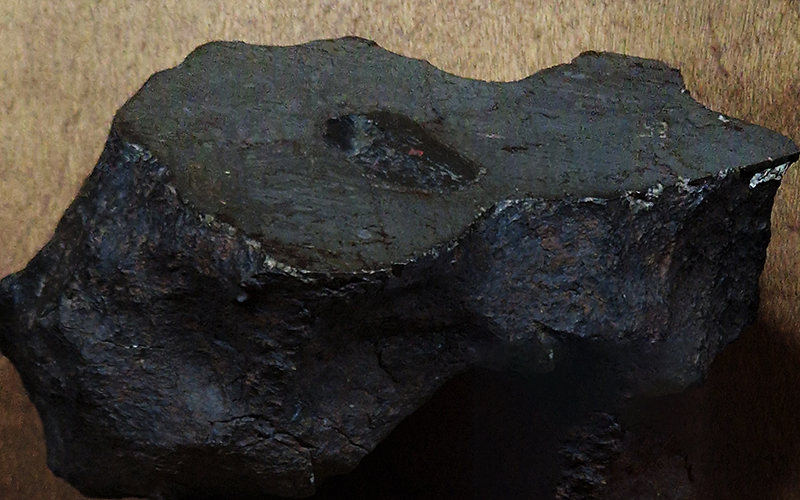
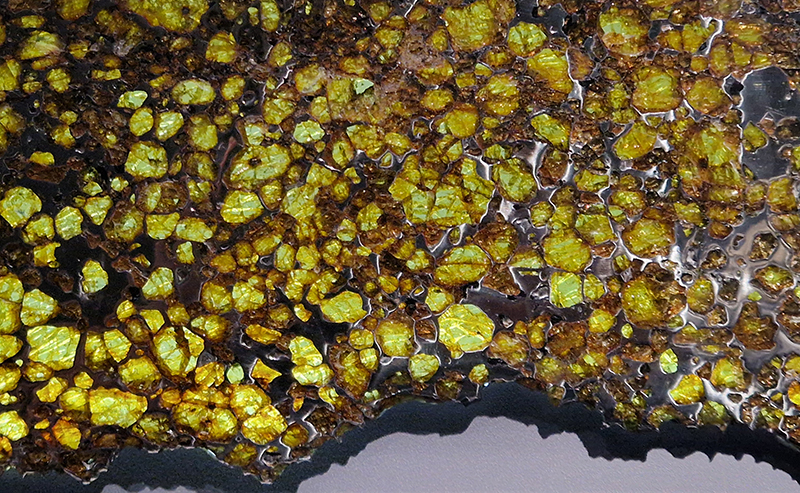
Work in progress on Mineral Visions, a video sculpture with a particular focus on magnetite/magnetism and human relations. Editing video of Jepara seen under the microscope. This is a magnetic pallasite meteorite with an interior structure of densely packed olivine and iron-nickel, discovered in Indonesia in 2008. Pallasite meteorites formed in the asteroid belt between Mars and Jupiter. They’re made up of minerals and remnant materials from the first few million years of the solar system, forming at a time when planets were only just coming together.

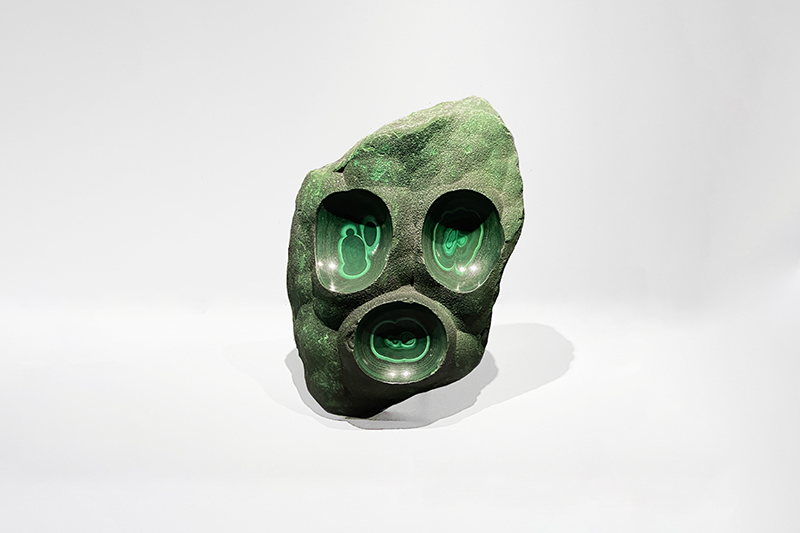
A very special research trip with fellow artists exhibiting in the upcoming show at Hypha HQ, The Geological Unconscious, to visit la Galerie de Géologie et de Minéralogie, Muséum National d’Histoire Naturelle, Paris. Hosted by the curator of minerology we were privileged to see a selection of stones in the museum vault. The museum holds Roger Caillois’ stone collection as featured in his book The Writing of Stones. The photographs of this extraordinary collection do not compare to seeing them up close, from every angle. Must larger than anticipated, they are extracted from their snug foam packaging for yet another scrutiny of the human gaze. Caillois wrote at length about each stone, allowing his imagination to conjure metaphor and analogy from the syntax of the ancient crystal and sediment. He was fascinated by his own fascination with the stones which he saw as a desire to connect with the more than human and lose oneself in the enormity of the universe.

Roger-Caillois Malachite Photo Julie F. Hill

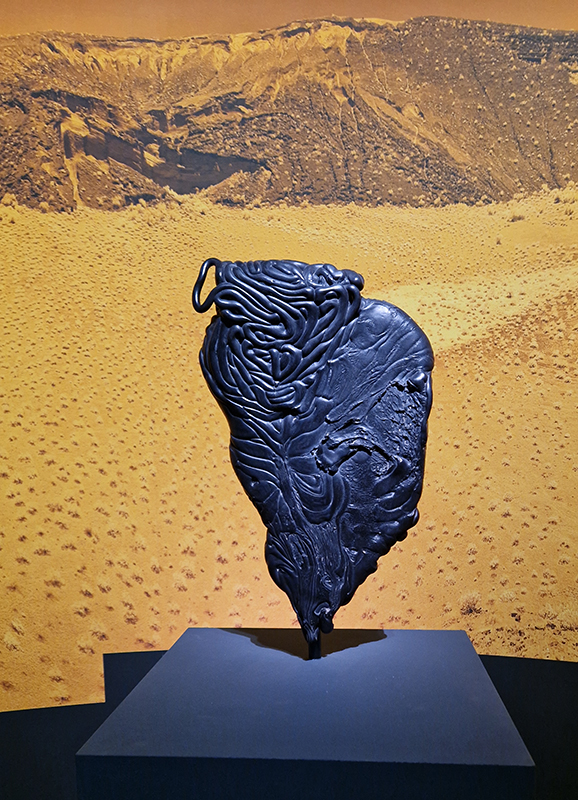
We also got to see some meteorites in the collection including a large one containing diamonds that had belonged to Caillois. The Canyon Diablo meteorite originated in the asteroid belt between Mars and Jupiter and crash landed into the Arizona desert approximately 49,000 years ago, with the force of more than 100 atomic bombs. The crater it left is nearly a mile across and 600 feet deep. Fragments were flung over an area of over 11 sqm from the point of impact where the main mass vaporized on contact. In the force of collision small diamonds formed from graphite and are found inside the highly recrystallized meteorite fragments at the rim of the crater. 

I was also interested to a slice from one of the world’s largest specimens of pallasite, the Imilac pallasite discovered in 1822 which exploded over the Atacama Desert in northern Chile, possibly in the fourteenth century.

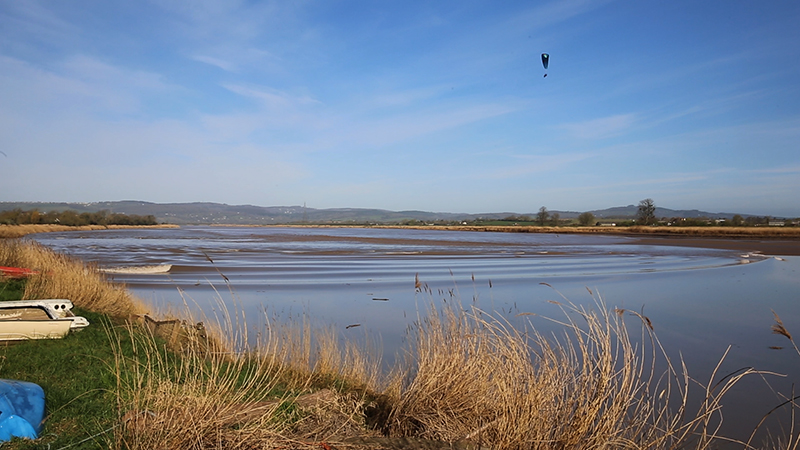
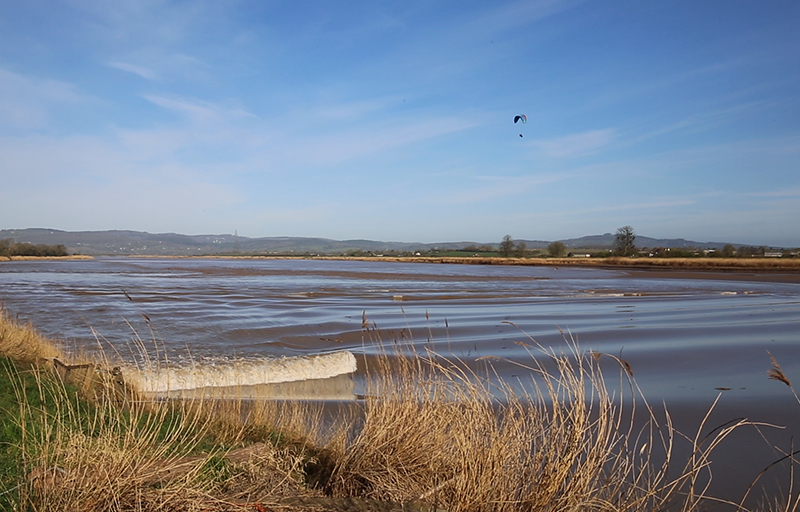
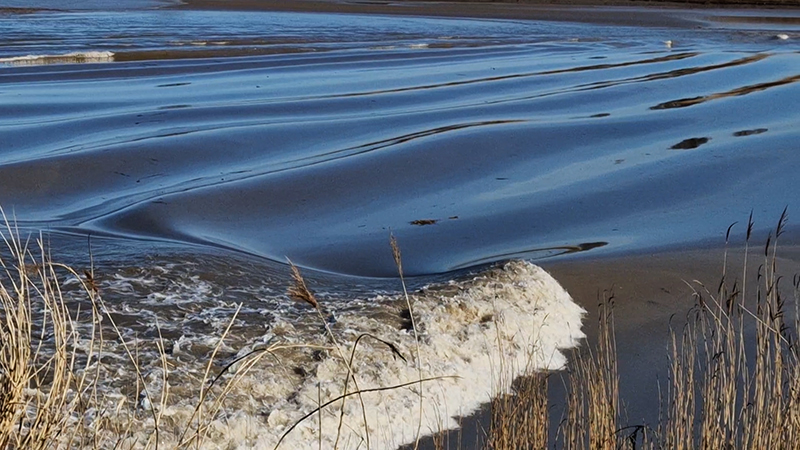
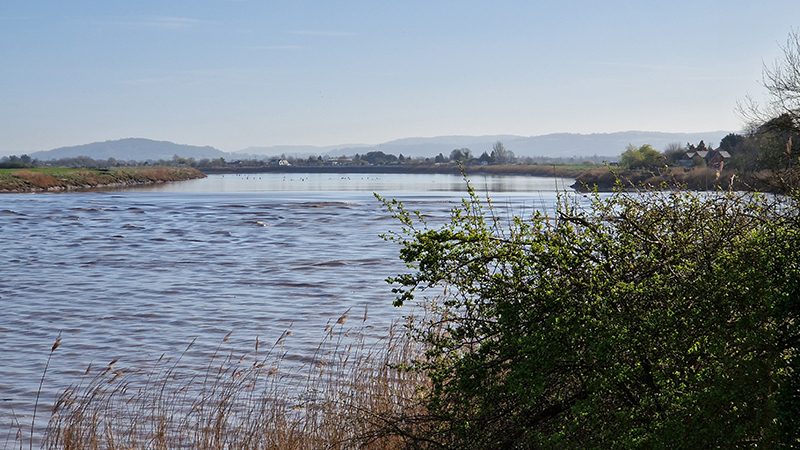
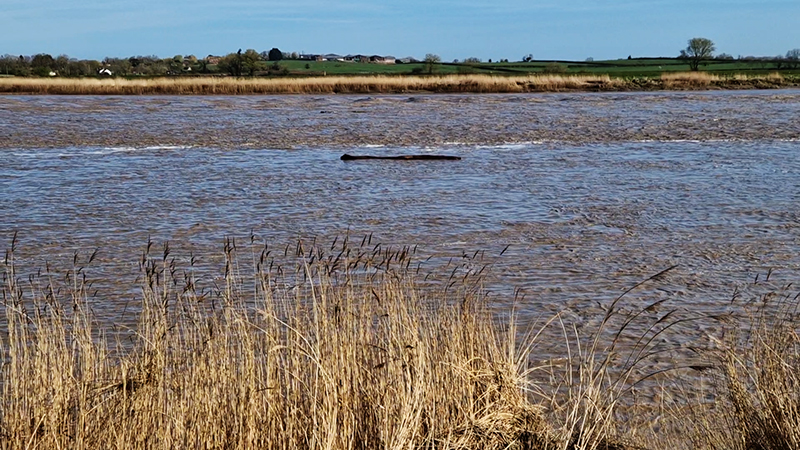
This spring Severn bore had been forecast to be a 4* event but arrived earlier than expected as more of a ripple. Not enough rain from the Welsh hills and no uplifting wind meant it was a more gentle, leisurely wave. It was still exciting to witness the change in the river from the slow glassy seaward flow to choppy, muddy turbulence carrying logs and assorted debris inland as the tidal wave rose into the channel. Such a beautiful morning to be on the river bank.

Gallery Visits

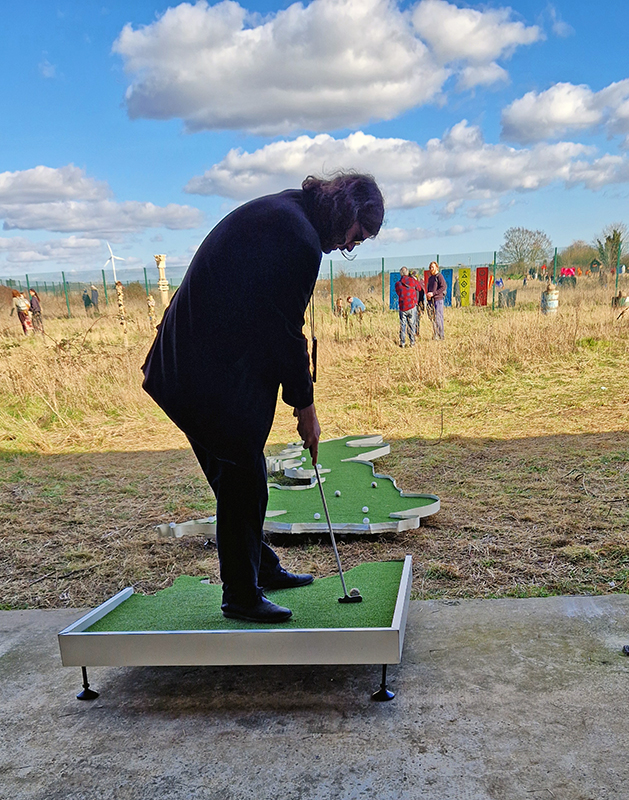
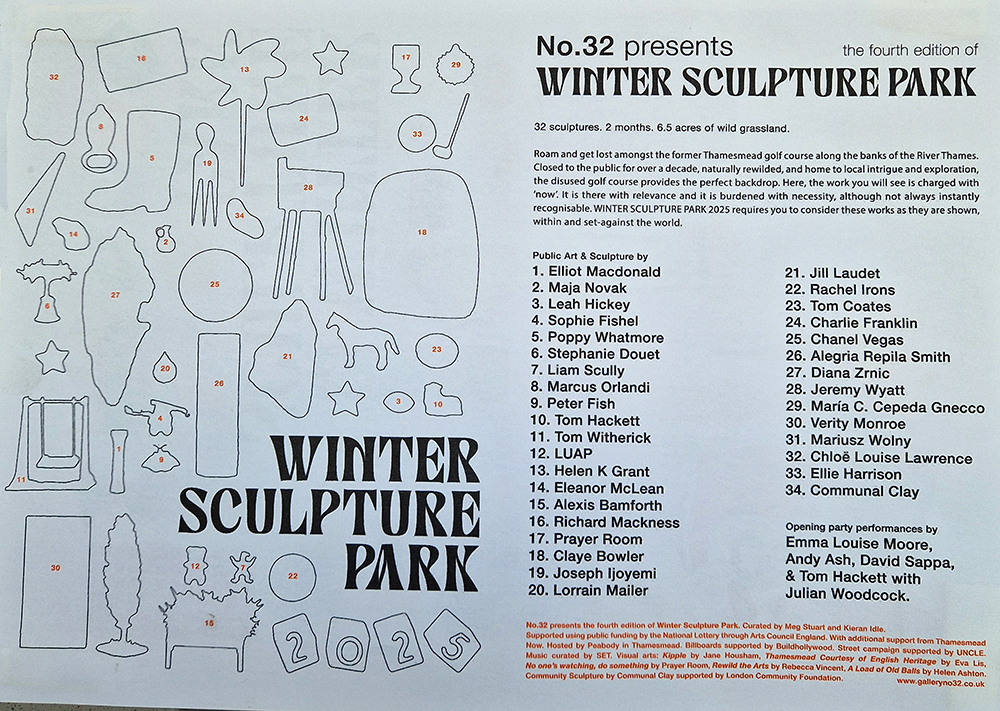
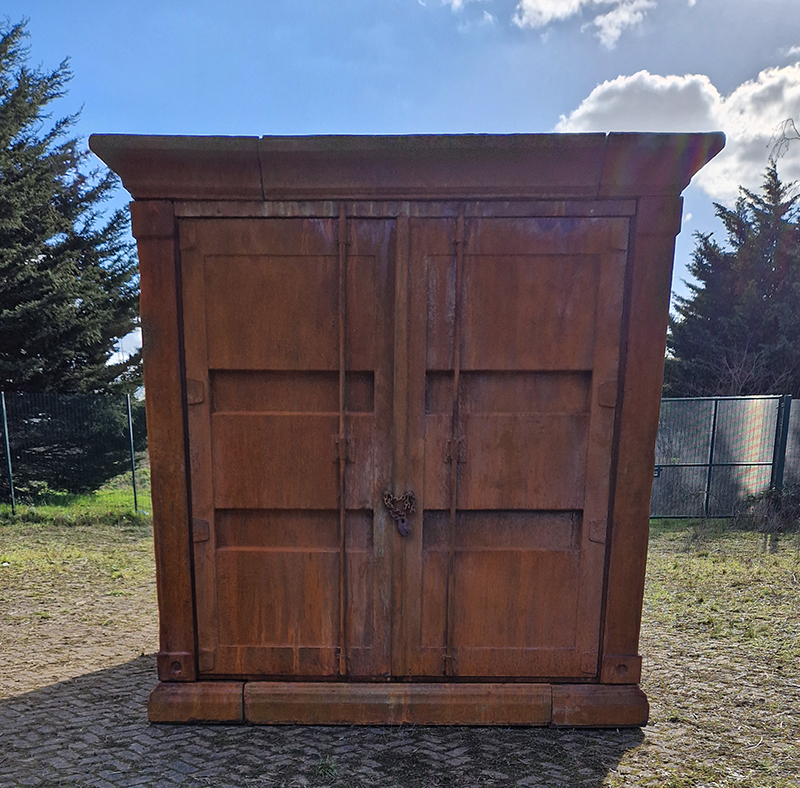
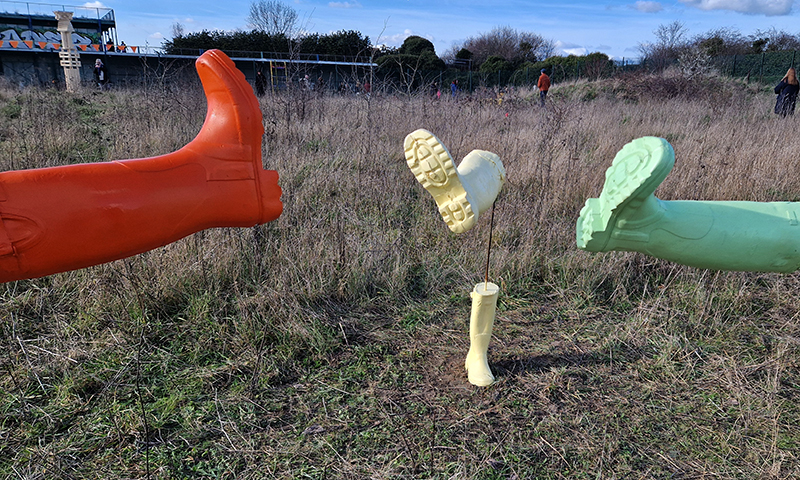
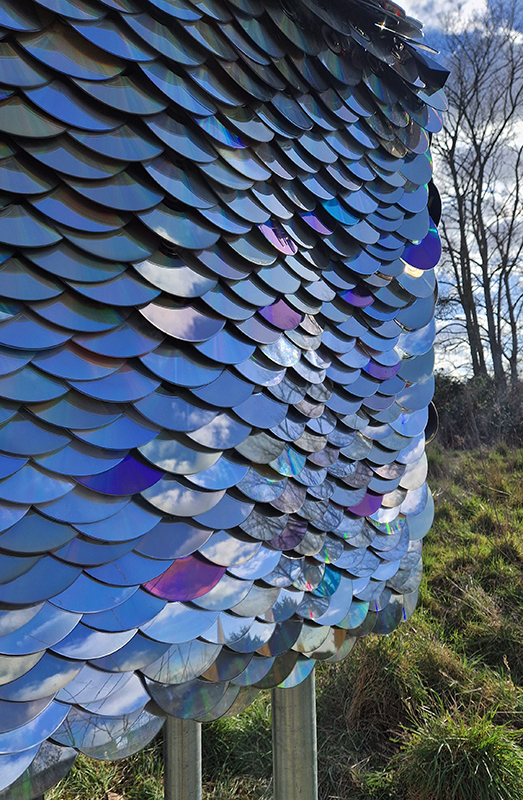
Glorious sunshine spot lit exuberant work at the Winter Sculpture Park hosted by Gallery No32 at a former Thamesmead golf course along the banks of the River Thames.

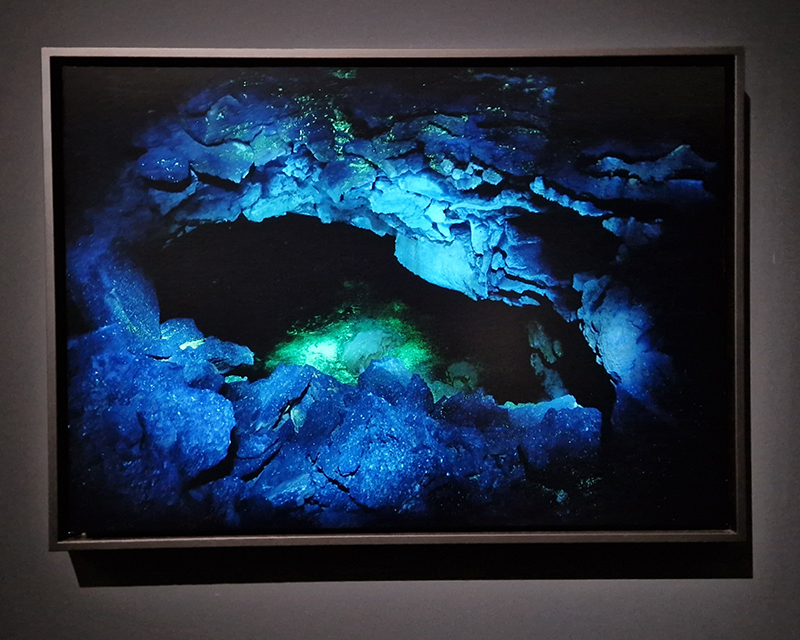
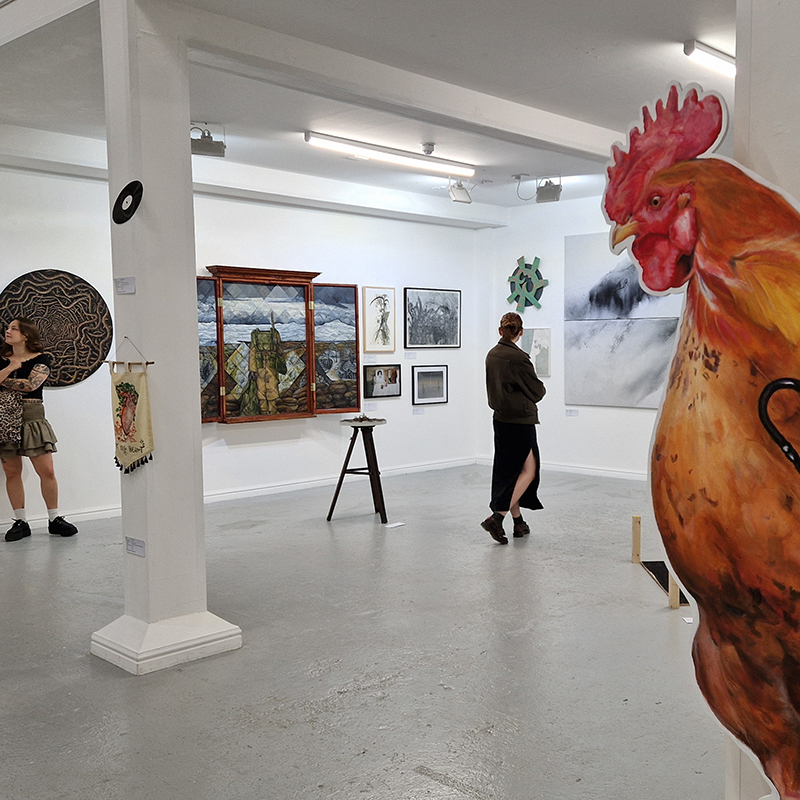
Clinging On, an exhibition of wall based sculptures curated by Poppy Whatmore at Glassyard Studios SW9. Instability is growing across the world, as we cling to liberal norms, ideas and values; these works connect a feeling of uncertainty to the physical, defying a gravitational pull or some internal force. These are physical, material or conceptual investigations of precariousness and the accompanying need to hold on. A packed PV means I have few images but I did capture the excellent Ocean Chasms/Crystal Chasms by Julie F. Hill and Caught Moon by Jane Millar.

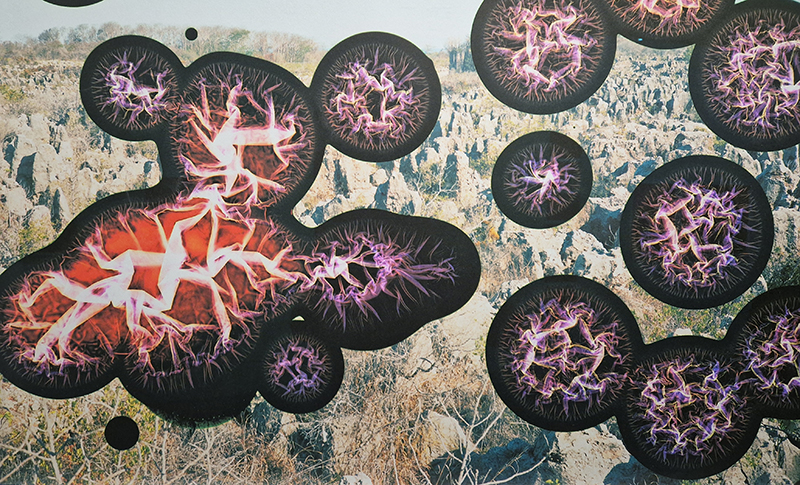
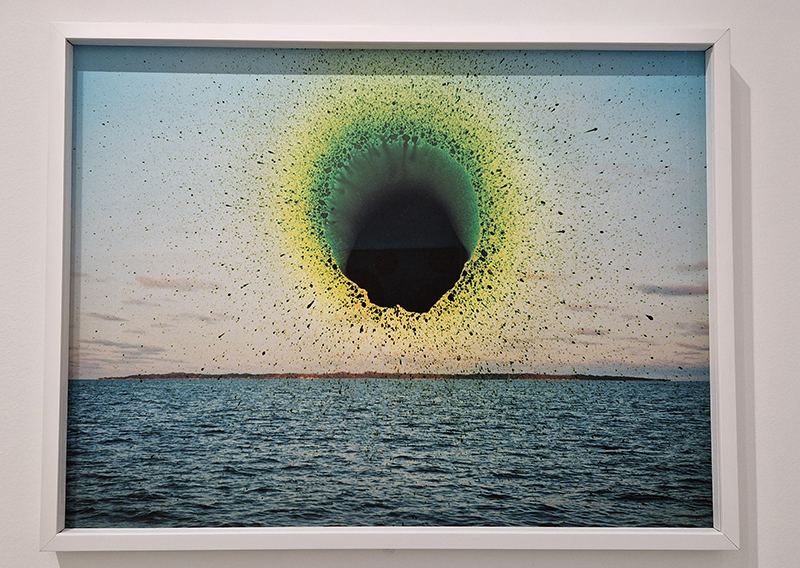
Moving Landscapes at Jeu de Paume, Paris. This exhibition brings together photography, literature and science to address environmental questions but also those of identity or migratory flows; the landscape thus becomes a living and constantly changing territory. Artists include Mounir Ayache, Julian Charrière, Edgar Cleijne, Ellen Gallagher, Yo-Yo Gonthier, Laila Hida, Eliza Levy, Julien Lombardi, Andrea Olga Mantovani,Mónica De Miranda, Richard Pak, Mathieu Pernot, Prune Phi, Léonard Pongoa and Thomas Struth.

Events

More Life By Lauren Mooney and James Yeatman at Royal Court Theatre. Asking the question ‘what is life?’ but also what is the quality of life you would accept if you discovered you were a computer file. What constitutes real human experience? A brain sliced, scanned and rebuilt in the future to be transplanted into a new synthetic body holds memories of a past life and feels emotion but has limited access to new physical sensory experience – no need to eat or sleep. Does the urge to live, live on? Is it possible the first person to live forever has already been born?

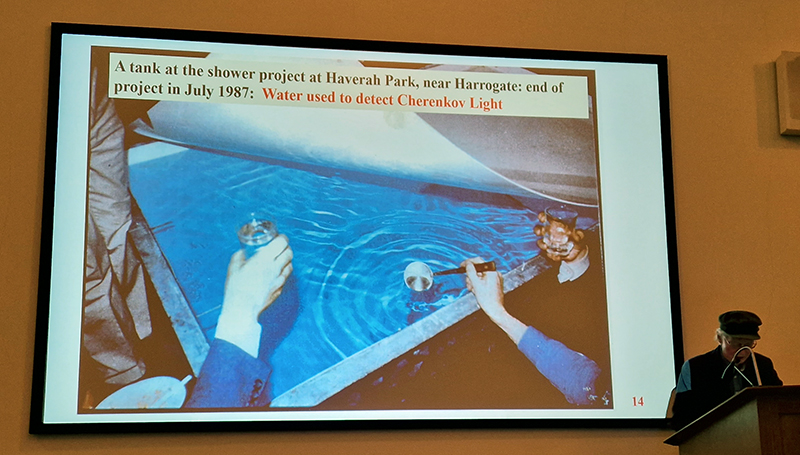
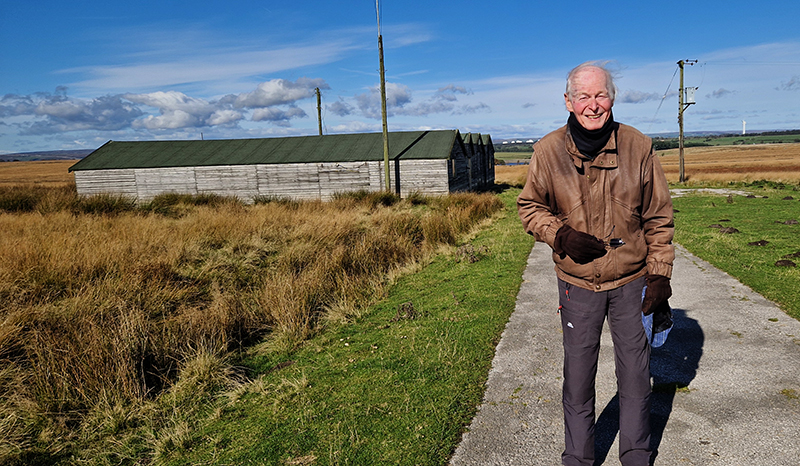
Great to see Alan Watson again, after visiting Haverah Park with him last year, to hear more about Searching for the Origin of the Highest Energy Particles in Nature. This water being sampled in the image below had been in the tank for nearly 30 years yet was still clear and drinkable.

He began his lecture at The Royal Astronomical Society with a short history on the discovery of cosmic rays, taking us right back to 1785 and Charles-Augustin de Coulomb who discovered that bodies with like electrical charges repel and if they have different signs, the force between them makes them attract. In his experiments testing electrical charge with two metal balls suspended on silk threads to easily repel or attract he was surprised to find that even if his experiment was very well insulated the charge still leaked away. It took over a century before it was realised that the air was being ionised which spurred physicists to discover the source of this ionization. In 1912 Victor Hess made his famous balloon flight to over 5km with a rudimentary Geiger counter and no oxygen to discover that ionization increased with altitude and must have an extra-terrestrial source. Over another century on and cosmic rays still present a mystery as to their origin and how they gain their enormous energies.

Alan is interested in the ultra high energy subatomic particles from extragalactic sources with energies about a million times as high as the energy reached by human-made particle accelerators. To put these energy scales in context – a laser pointer has an energy of about 3 electron volts, which is also typical of the photons that come from the sun. The molecules in the air are rushing around at 300m per second with an energy of 1/40 eV. A low energy cosmic ray, the sort that passes through your body a million times in a night, has an energy of 1 giga-electron volts, a proton created at CERN ( the European Organization for Nuclear Research) has around 7 tera-electron volts. If there was a race between a CERN proton and a high energy cosmic ray (over 1018 eV ) starting at the centre of the galaxy, by the time the cosmic ray had reached Earth the CERN proton would not even have reached the moon.

The ultra high energy rays are very rare. To detect these particles physicists rely on observing extensive air shower arrays to amplify the arrival of the particle. By recording the secondary particles that are produced when a cosmic ray hits the upper atmosphere the energy of the particle can be calculated. The showers arrive is a disc like formation with footprints of around 1sqkm so it is necessary to have detectors spread over a large area. The detectors measure the arrival time of the secondary particles and this can help determine the direction of the particle to within 1 degree. The trajectory of the cosmic ray is affected by galactic and intergalactic magnetic fields making it very difficult to find the origin of the particle.

The shadow of the moon can be seen in data recordings of cosmic ray arrivals.

There are a few different methods of detecting cosmic rays. This can be done using scintillator plastic which gives off a flash of light when a particle passes through the medium. Using Cherenkov radiation is another method – this takes advantage of a naturally occurring electromagnetic shock wave giving off energy as light when a particle passes through a medium faster than light can travel through the same medium. The speed of light through water is only 3/4 as fast as when it passes through air, a cosmic ray with much more energy will travel through water at almost the speed of light. This phenomenon can even be seen with the naked eye if the location is dark enough. Astronauts experience flashes of light in the eyes from particles directly hitting the retina but also from particles passing through the vitreous fluid and causing Cherenkov radiation.

Another method is to detect the excitation of nitrogen, the same process that produces the aurora. This light is in the ultra violet spectrum.

By the end of the 1980’s when Haverah Park closed the discovery of the origin of high energy cosmic rays was still a long way off. What had been established was that at the very high energies, only one particle would fall within one km per century. To make further progress a much larger area of detection would be needed. The Pierre Auger Observatory in Argentina at 3000 sq km is about twice the size of Surrey with many hundreds of water tanks. These tanks hold 10 tonnes of water but are the same depth as those at Haverah Park at 1.3m which turned out to be the optimal depth for the water tanks. Charged particles generated during the development of extensive air showers excite atmospheric nitrogen molecules, and these molecules then emit fluorescence light. The Cherenkov detectors at Pierre Auger are supplemented by fluorescence detectors installed at four elevated observation sites with 24 large telescopes specialized for measuring the nitrogen fluorescence in the atmosphere above the array.

The most exciting discovery came in 2017 when a convincing anisotropy in the arrival direction of cosmic rays of a certain energy was determined with some evidence that Centaurus A might be a source of these cosmic rays. There was also evidence of particles clustering close to the super galactic plane, an enormous, flattened structure extending nearly a billion light years across.

The galactic year is the duration of time required for the Sun to orbit once around the centre of the Milky Way Galaxy equivalent to approximately 225 million Earth years.

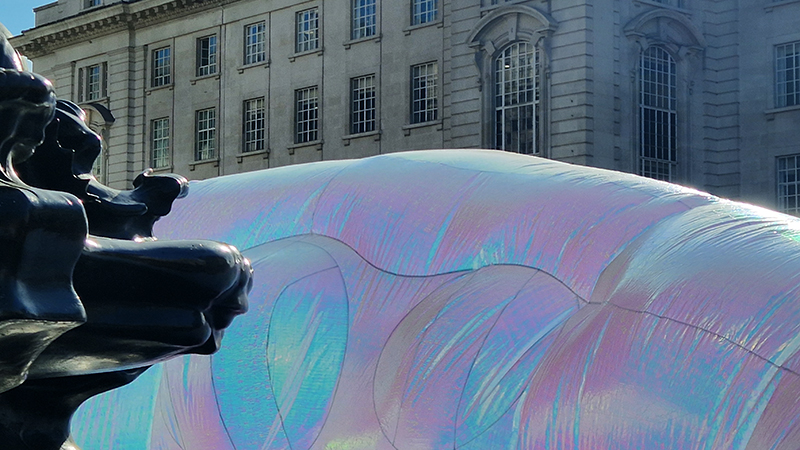
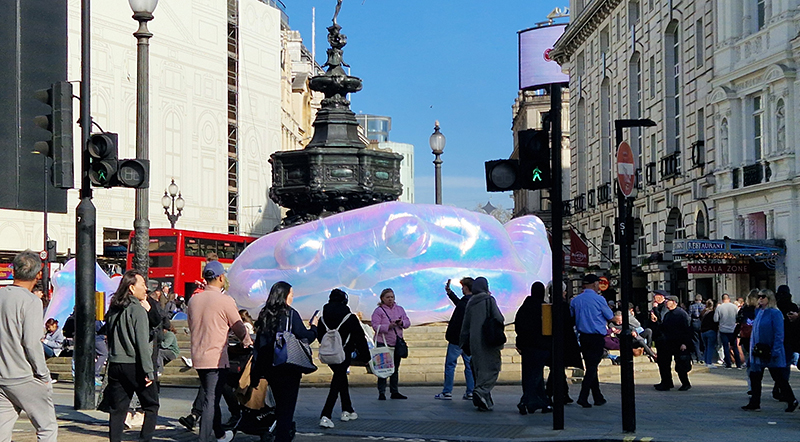
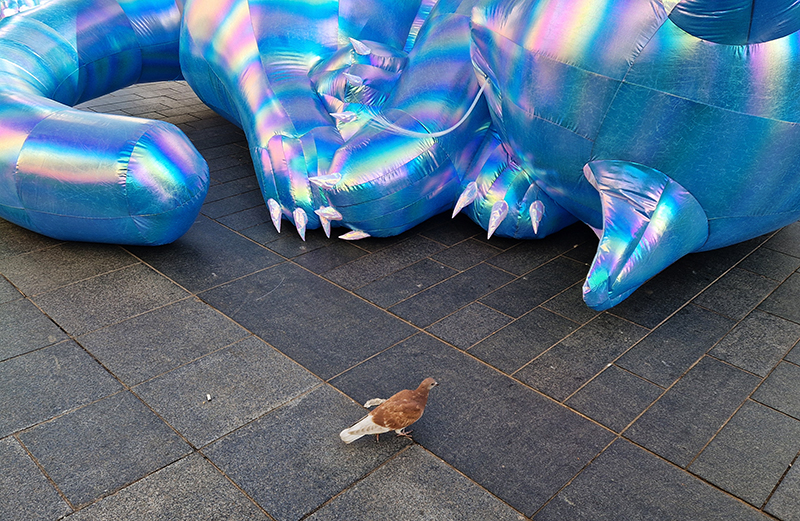
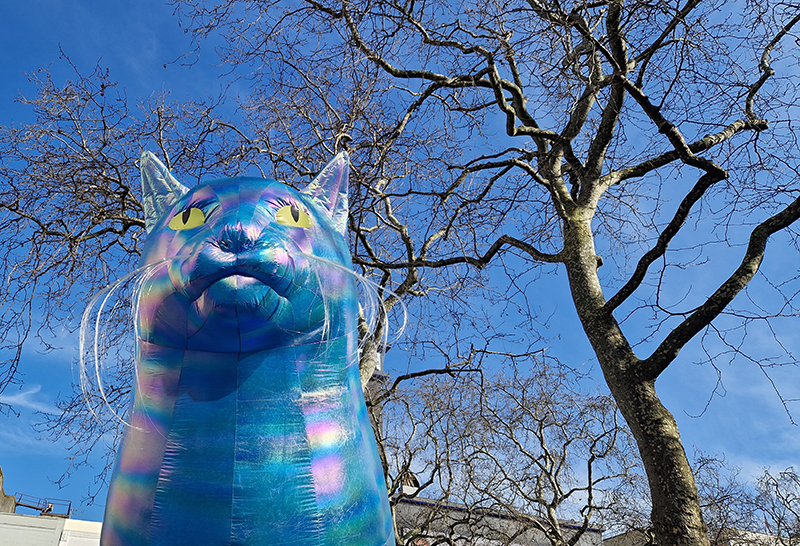
Art After Dark cosmic takeover around Piccadilly and Leicester Square from Nelly Ben Hayoun-Stépanian. I saw the iridescent asteroid-sized moon rocks and inflatable UV reactive sculptures inspired by Schrödinger’s famous quantum physics paradox in bright sunshine

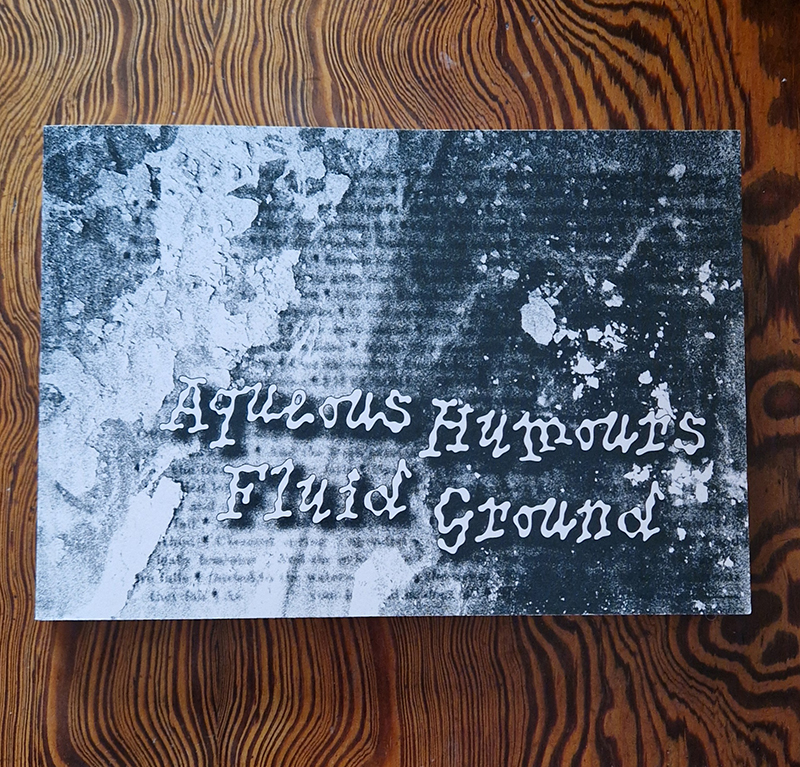
Book launch at Matt’s Gallery – Aqueous Humours Fluid Ground, edited by Kirsten Cooke published by Matt’s Gallery and the Poorhouse Reading Rooms. A night of experimental nonfiction, fiction, diagram, scent and moving image. An evening that activates a watery mapping, which denatures cartography through practices of immersion, aquatics, time travel and the posthuman lenses of geological, animal and machine vision. With contributions from Linda Stupart, Harun Morrison, Ezra-Lloyd Jackson, Melanie Jackson, Joseph Noonan-Ganley, Charlie Franklin, Michelle Williams Gamaker, Lucy A. Sames, Maggie Roberts, Carl Gent. I was only able to stay for the first half of the evening but this gave a wonderful flavour of the book which I look forward to dipping into.

Listening

Journey to the Centre of the Earth – an Infinite Monkey Cage podcast with guests seismologist Ana Ferreira, geologist Chris Jackson and comedian Phil Wang. The immense pressures and searing temperatures that present engineering difficulties of ‘going into the Earth’s crust’ to explore what lies beneath are discussed along with the relationship between the tectonic plates and a stable atmosphere and new evidence of hidden subterranean shifting globular continents.

Reading

The Periodic Table by Primo Levi. My initial reaction to this book was surprise that it was so engaging, but a few elements in, I was surprised to find the chapters shifted from autobiography to fiction with dubious and misogynistic content. I have persevered as the chapter on Carbon, which was recommended to me, is the last chapter in the book and I thought I should start at the beginning not the end. This final chapter is written with a different emphasis, with the explanation that carbon cannot be treated like other elements as it is not specific to one story but is everything to everyone. ‘Every two hundred years, every atom of carbon that is not congealed in materials by now stable (such as, precisely, limestone, or coal, or diamond, or certain plastics) enters and renters the cycle of life, through the narrow door of photosynthesis.’ The story of one atom of carbon is relayed but it is noted that the author ‘could tell innumerable other stories and they would all be true…. the number of atoms is so great that one could always be found whose story coincides with any capriciously invented story’.

Delighted to have both my artists books In/Out and Unbound accepted into the Art, Science and Creativity exhibition curated by Liverpool Book Art at Liverpool Central Library in the autumn. The starting point for this exhibition is a quote from Albert Einstein:

“Where the world ceases to be a stage for personal hopes, aspirations, and desires, and we stand before it as free creatures, full of admirations, questions and contemplation, we enter the realm of art and science. If we describe what we see and experience in the language of logic, we do science; if we convey connections through forms that are inaccessible to the rational mind, but intuitively recognisable as making sense, we do art.”

Open Studios 2024 – showing the two channel video installation Radical Pair in my studio.

In Thames-side Studios Gallery showcase of studio holders works I presented one of the sculptures from the Instruments of the Anemoi series.

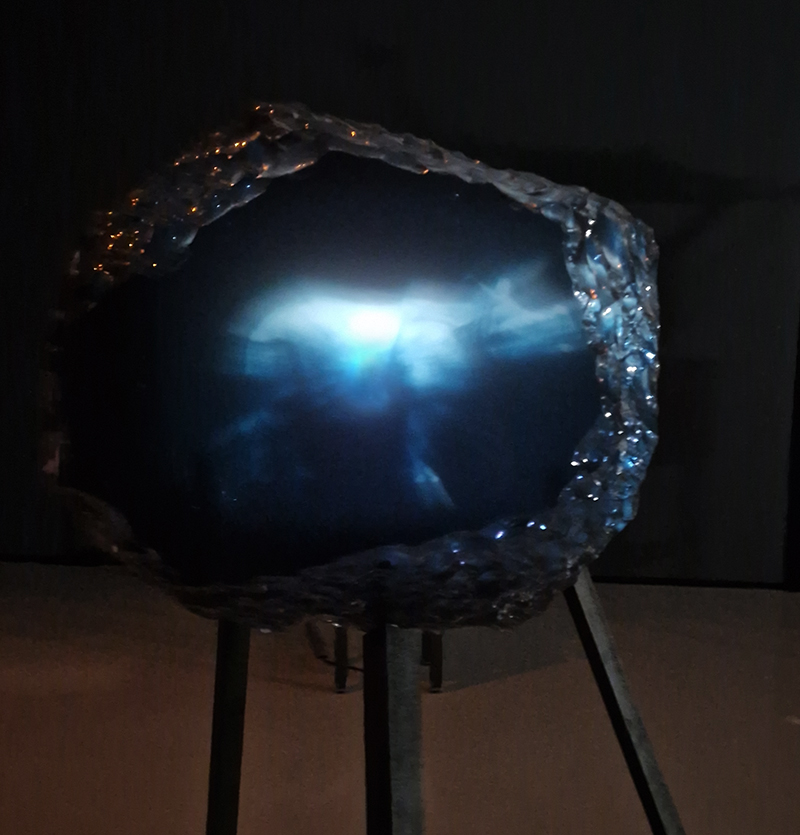
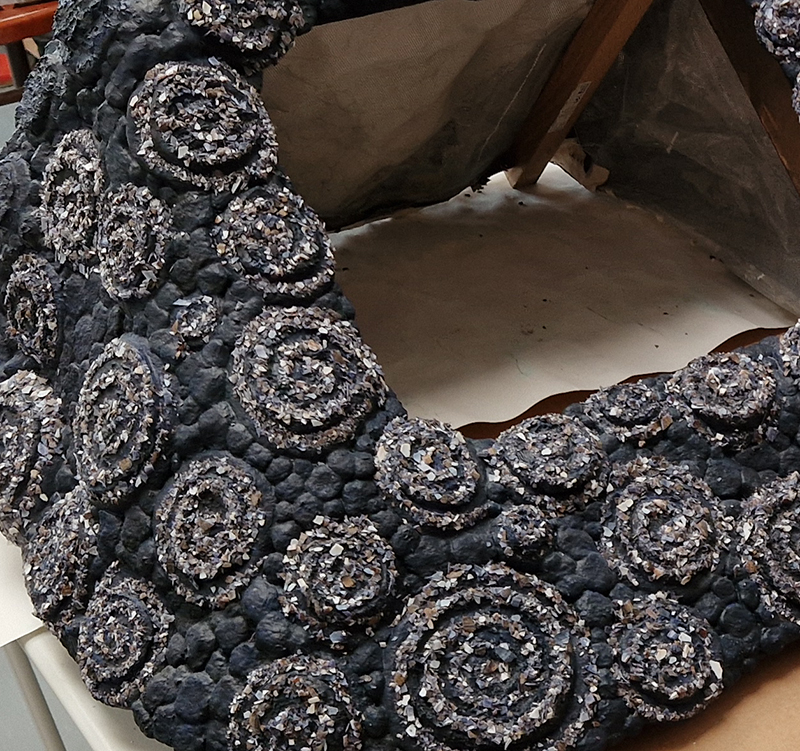
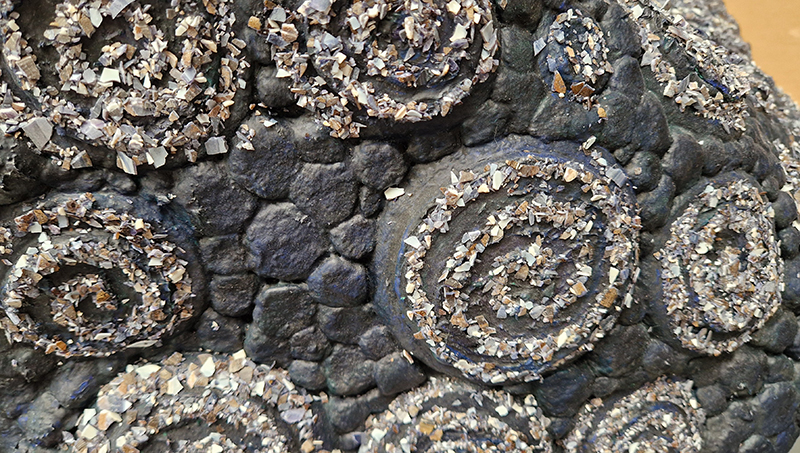
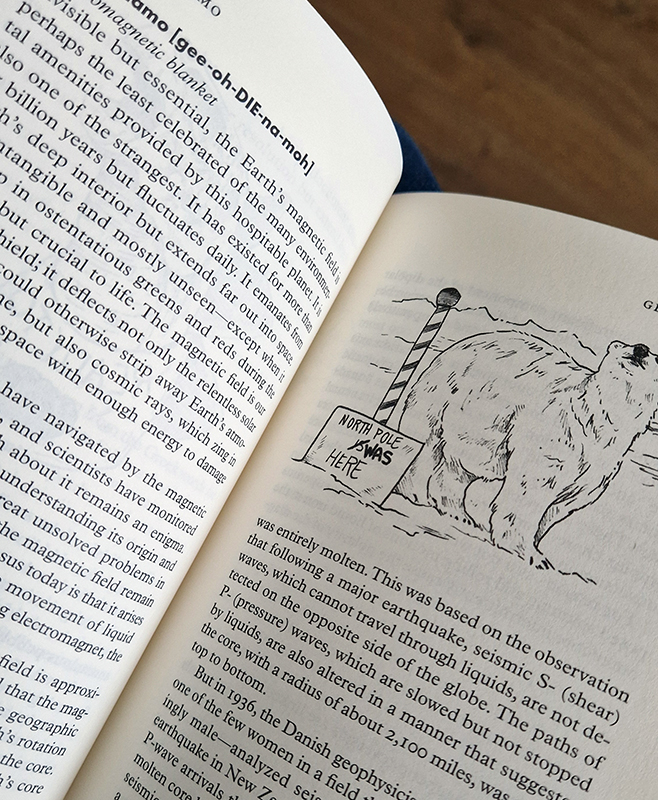
Work in progress on hybrid sculpture Belly of a Rock adding spirals of crushed mussel shells to the crusted casing that will house a monitor screen. Earth rotates faster at the Equator than it does at the poles causing spiral convection currents in the liquid iron outer core. Earth’s magnetic field is created in this swirling outer core where magnetism is about fifty times stronger than it is on the rocky surface of the Earth.

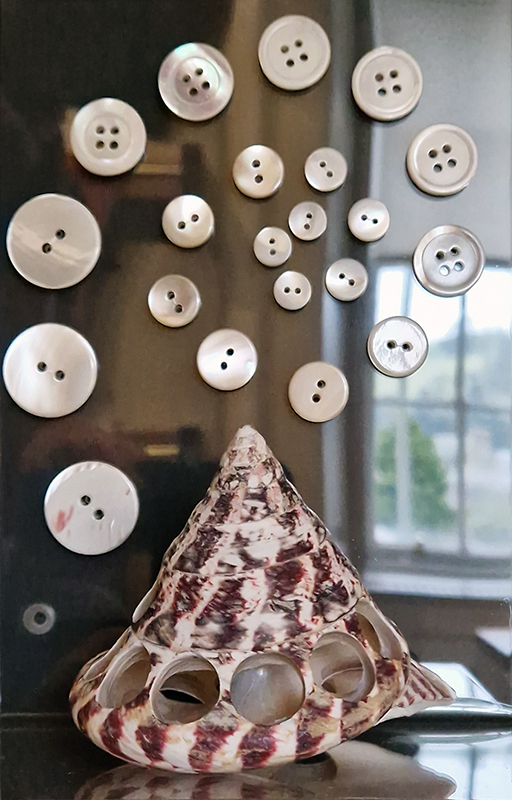
Trochus (sea snail) shell buttons seen at Borders Textile Towerhouse, Hawick. The buttons made from these molluscs found in warm waters are used for the Borders quality knitwear industry. Genuine shell can apparently be identified from imitation by touch, it always feels cool even in hot temperatures.

We do not yet know another form of life other than carbonaceous life. All life on Earth uses the same biochemistry of carbon.

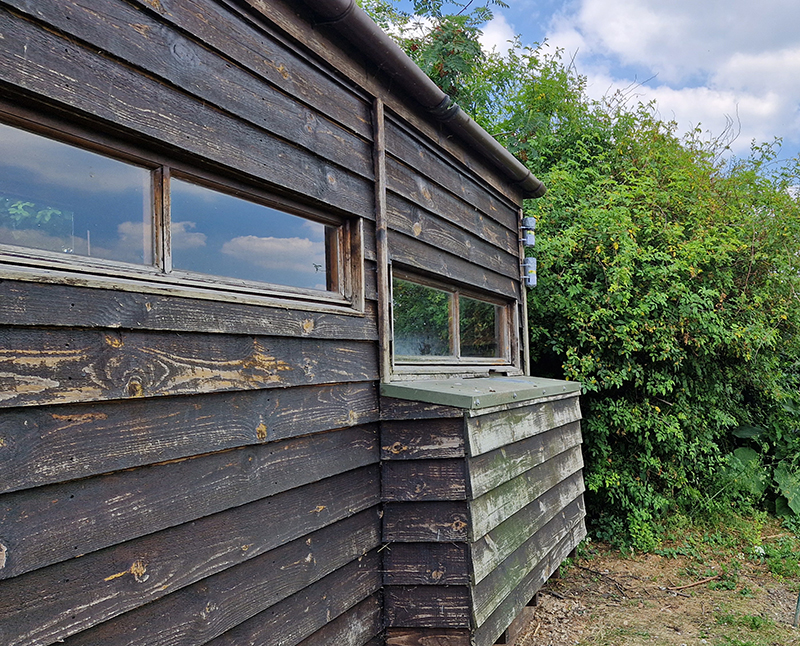
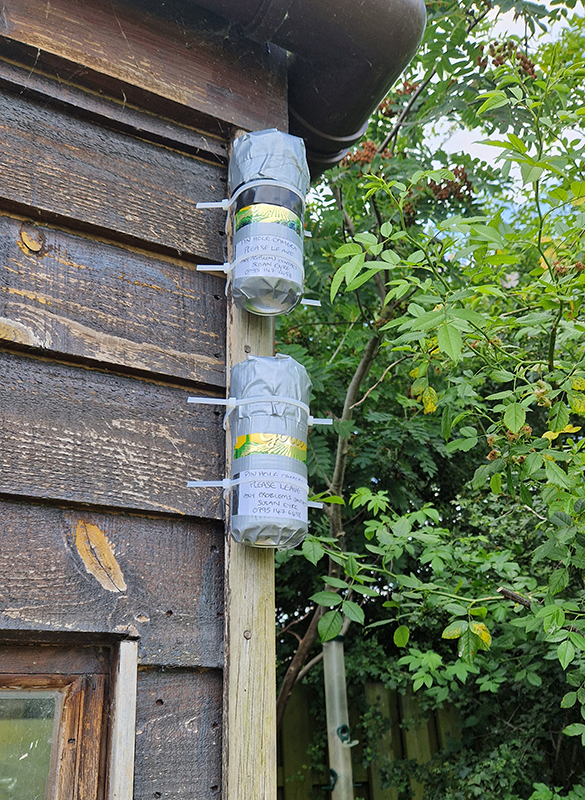
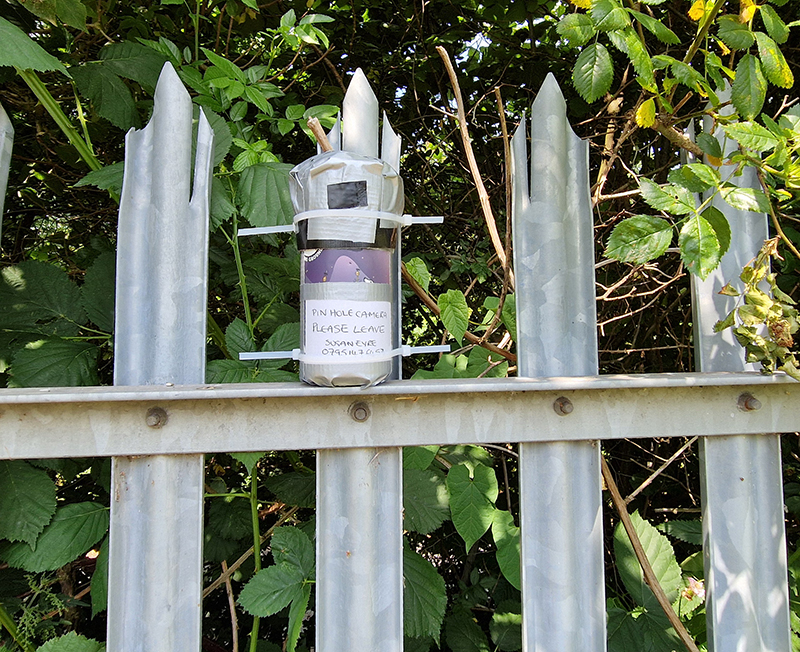
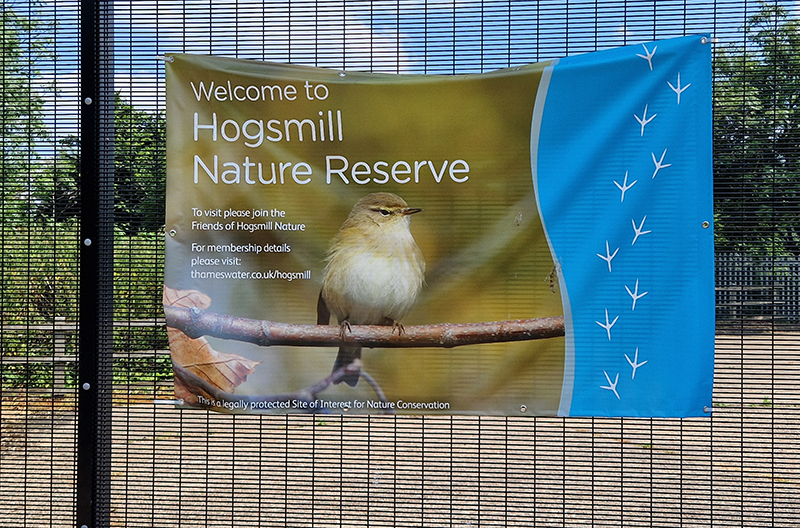
Reminded by the solstice, I finally installed some solargraph pin hole cameras at Hogsmill Nature Reserve. I have had the tins prepared for a long while so not sure if they will work. The lagoon was worryingly green.

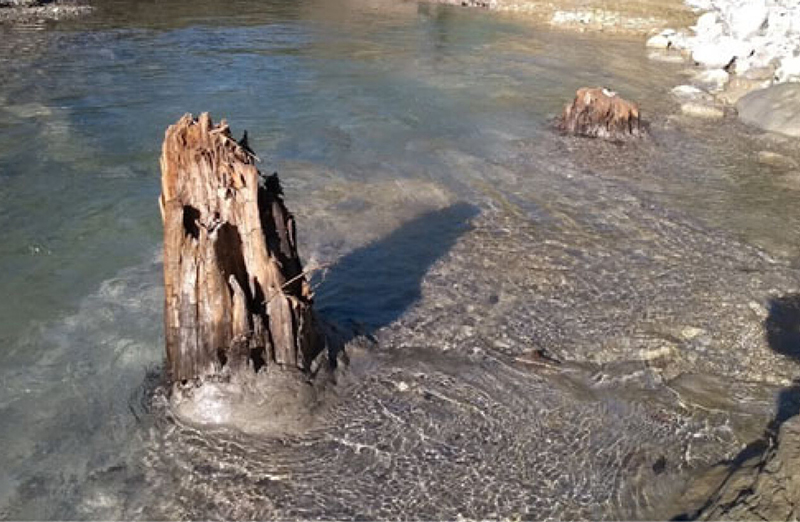
A recent Royal Society research article reveals that extreme solar events such as solar flares and coronal mass ejections can release bursts of energetic particles towards Earth which are found preserved in the rings of partially fossilized trees as huge spikes in carbon-14. Through the individual analysis of ancient tree rings from subfossils found in the Drouzet River in the Southern French Alps, scientists discovered evidence of a giant solar storm dated to around 14,300 years ago. This event appears to have been enormously more powerful than the Carrington Event of 1859 when fires broke out in telegraph offices.

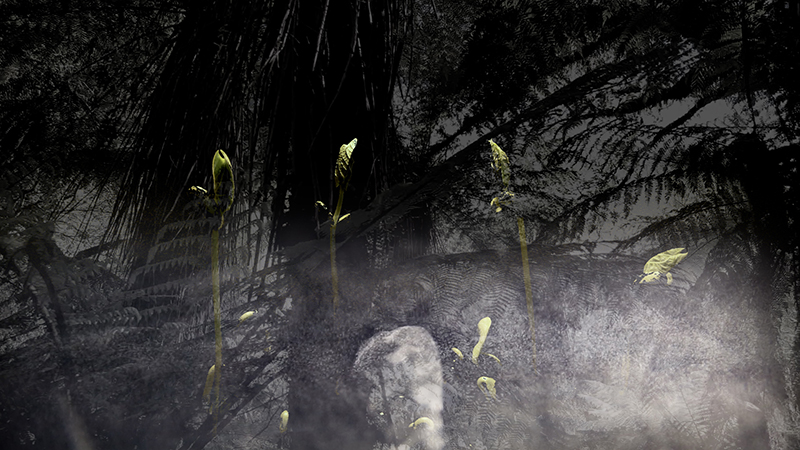
Radiocarbon is produced in the upper atmosphere as cosmic rays collide with particles in the atmosphere. It is absorbed by plants during photosynthesis and enters the food chain of organisms and because it decays at a known rate, scientists can use it to determine when the organism died using carbon dating processes. Solar storms tend to deflect the number of energetic particles coming from outer space but a violent storm will create much more radioactive carbon-14 which will subsequently be absorbed by life on Earth. Radiocarbon dating is not exact because the atmospheric 14C/12C ratio varies due to cosmic ray activity, nuclear explosions and solar activity. Still from Cosmic Chiasmus: crossing the universe.

For scientists using the radiocarbon dating technique it is important to know the carbon-12 content of the contemporary atmosphere. A calibration curve of carbon-12 in the atmosphere is provided by an international body using many archive records but the most precise and accurate are based on dendrochronologically dated tree-ring series. Stills from Time Crystals.

Other evidence of this major radiation storm 14,300 years ago is also seen in ice cores having a higher concentration of an isotope of beryllium extracted from Greenland. These incredibly powerful geomagnetic storms are known as Miyake events. Nine Miyake events have been identified in the last 15,000 years, the most recent being around 774 CE.

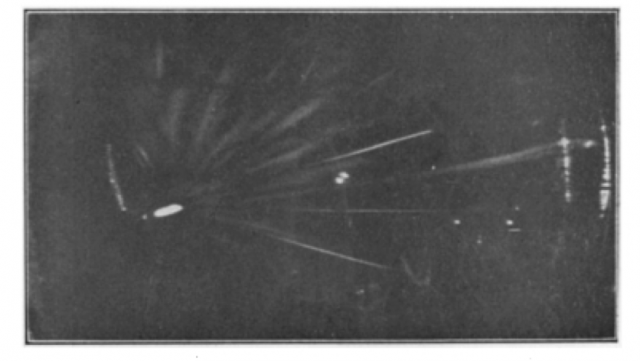
Radioactivity was discovered by Henri Becquerel while working on a series of experiments on phosphorescent materials in 1896. Cosmic Rays were discovered by balloon enthusiast Victor Hess in August 1912. He went almost 5.5km up in a hydrogen filled balloon with a balloonist and a meteorologist equipped with an electrometer which could read the level of radiation. This expedition was to determine the source of radiation which was bewildering scientists working on radiation such as Marie Curie who found some radiation registered on their equipment when they removed the source of radiation and even when instruments were shielded by a lead casing. C.T.R. Wilson was also baffled by apparent radiation seen in his cloud chamber, which he had developed to study atmospheric phenomena. One of the first images from Wilson’s cloud chamber –

A cloud chamber is a box containing a supersaturated vapor. As charged particles pass through, they ionize the vapor, which condenses to form droplets on the ions. The tracks of the particles become visible as trails of droplets, which can be photographed. In 1911 Wilson presented his first rough photographs of particle tracks at the Royal Society in London. In 1929 Hans Geiger and Walter Müller developed a gas filled ionization detector that registers individual charged particles and was ideal for studying high-energy cosmic rays. Bruno Rossi further developed the Geiger counter and demonstrated that the Earth’s magnetic field bends incoming charged particle showers. In 1936 Seth H. Neddermeyer and Carl D. Anderson discovered the Muon as most common cosmic particle in cosmic ray showers. In 1938 Pierre Auger observed showers with energies of 1015 eV – 10 million times higher than any known before.

In 1947 Patrick Blackett presented a paper in which he suggested that Pierre Auger emitted by high-energy cosmic rays contributed to the light in the night sky. In September 1952 a simple experiment by Bill Galbraith and John Jelley allowed the first observation of Cherenkov light produced by cosmic rays passing through the atmosphere. By the end of the decade, observation of Cherenkov radiation in the atmosphere had been developed further as a means for studying cosmic rays. I will be looking further at Cherenkov radiation in the coming weeks as I begin research on the historical site of Haverah Park in North Yorkshire, the site of an extensive cosmic ray air shower detection array which led the world for two decades in studies of cosmic rays of the highest energies. Haverah Park array used water Cherenkov detectors. I will also be looking at the cosmic ray detection innovations of Astronomer Royal Sir Arnold Wolfendale

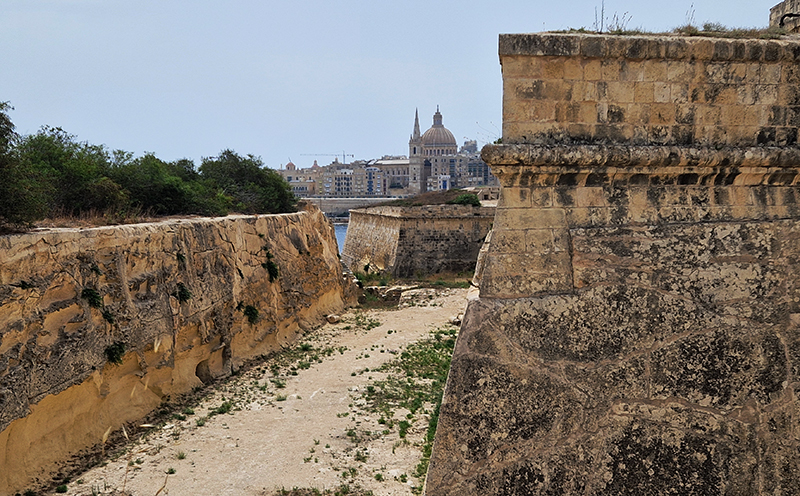
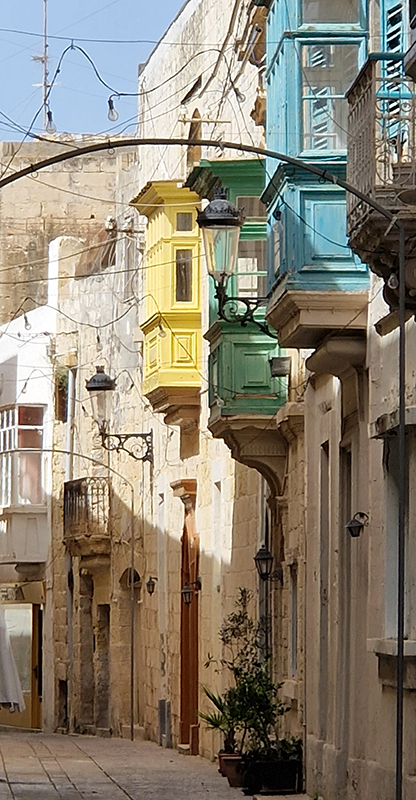
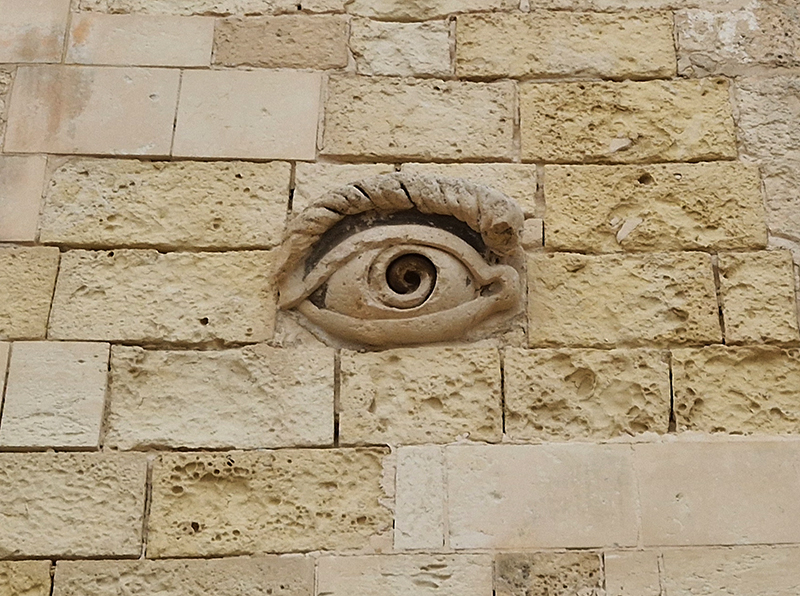
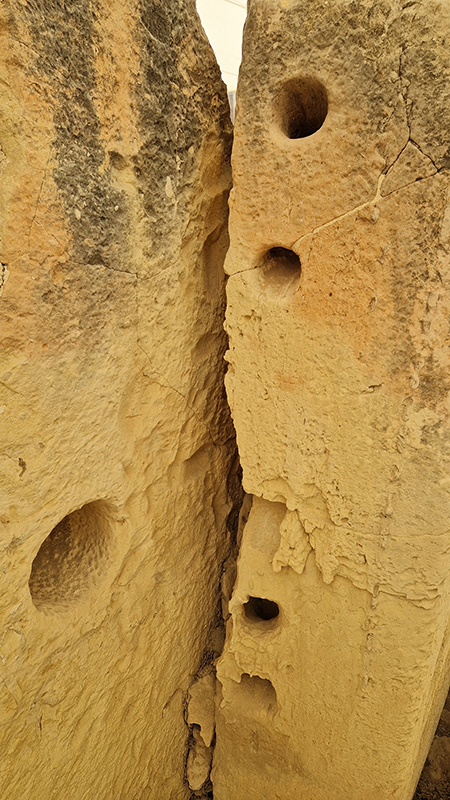
A visit to Malta. Architecturally beautiful, bathed in golden light, the palimpsest of Malta’s history is fascinating to uncover. 20,000 years ago after the last Ice Age, the sea level in the Mediterranean was 130 metres lower than today and Malta was one land mass connected to Sicily.

Due to its geographic location Malta was a contested site for naval and trade powers for hundreds of years, yet before the first empire builders arrived there is no evidence of conflict between communities found at the archaeological sites for the first 5000 years of settlement.

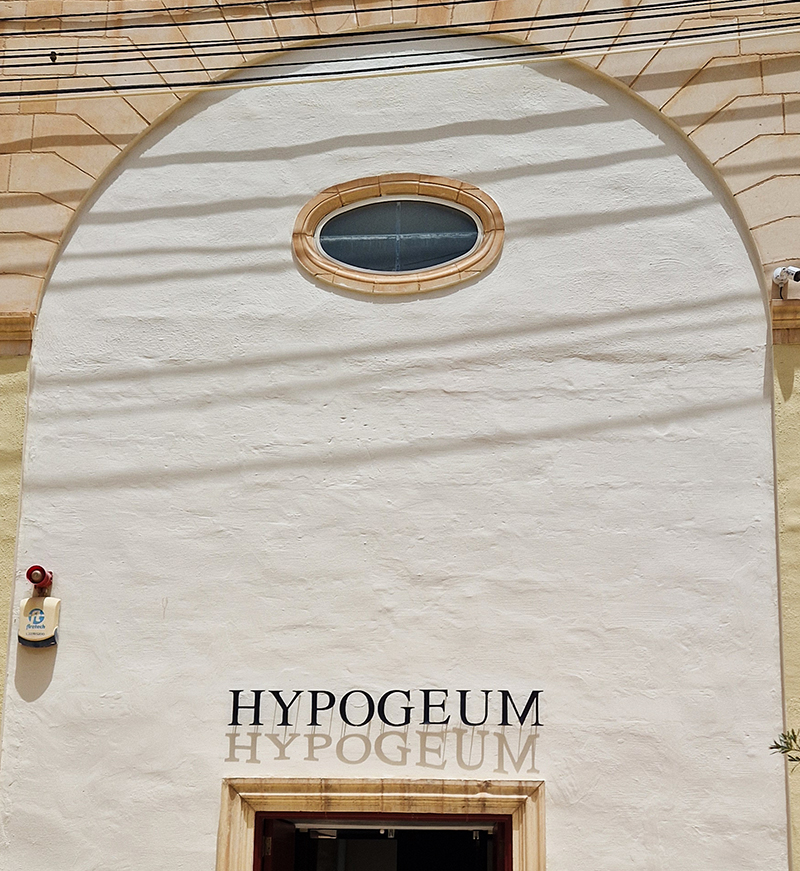
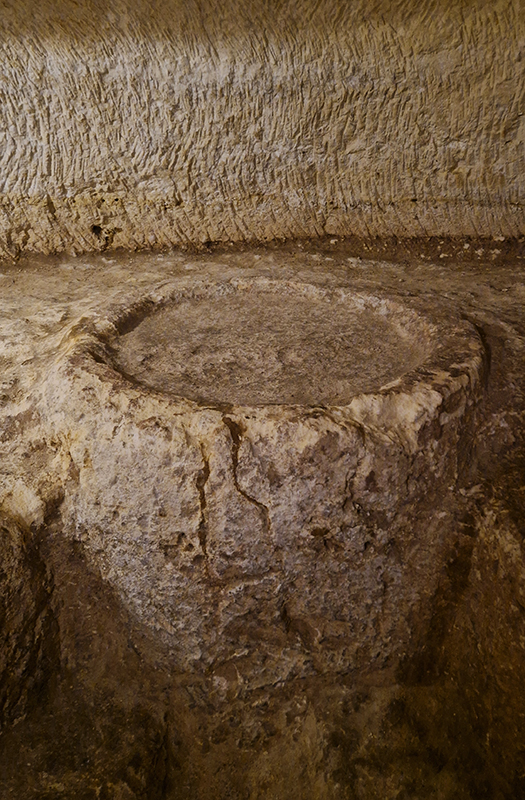
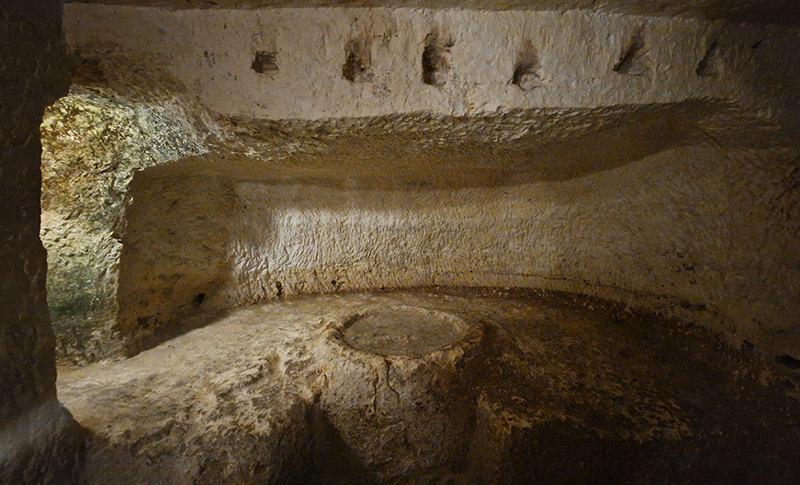
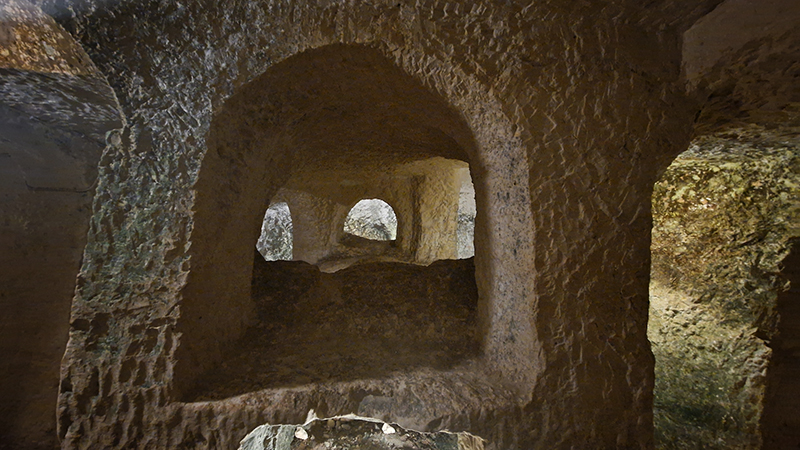
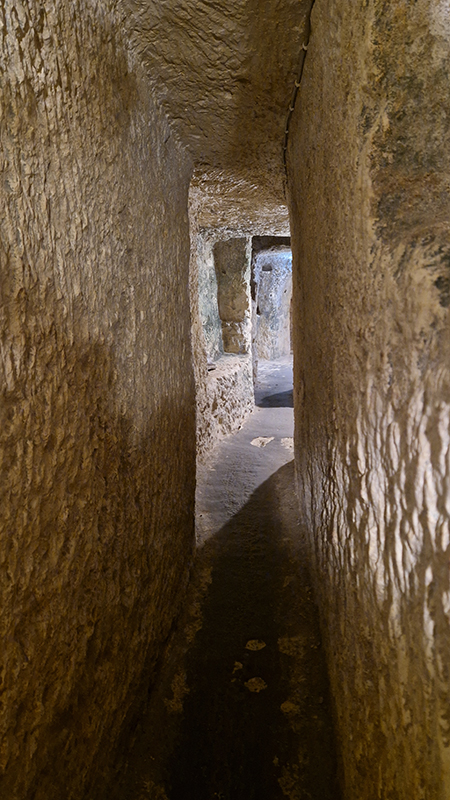
Evidence of first settlers dates to about 5900 BC. These people were hunters and farmers who kept domestic cattle and built temples. The earliest remains found at the Neolithic subterranean temple and burial site of about 7,000 individuals – The Ħal Saflieni Hypogeum – the only known European example of a subterranean ‘labyrinth’ date from about 4000 BC.

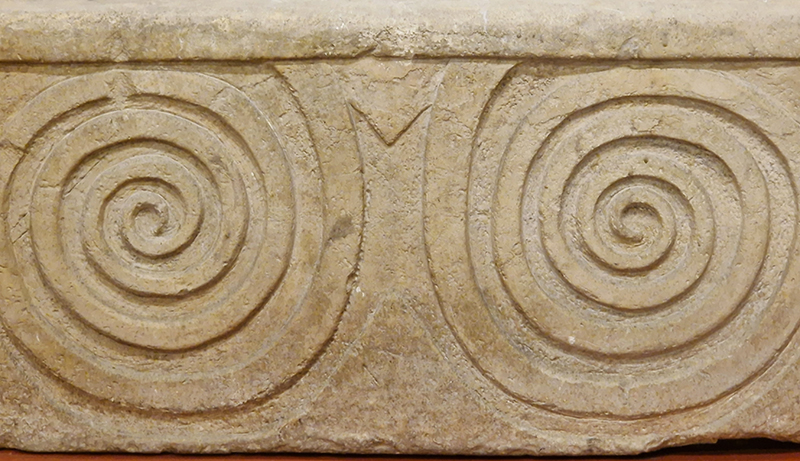
The whole system, which in places replicates the architecture of temples above ground, was cut into the limestone using just stone or antler tools. Some of these deep underground chambers are decorated with spiral and chequerboard patterns in red ochre. A highlight of the visit is the acoustic demonstration of a deep resounding echo filling the chamber when someone with a low voice speaks softly into a small, excavated niche. The particular acoustic frequencies measured throughout the chambers suggests a deliberate design and a potentially important cultural role for making music. Archaeologists believe the dead were probably left exposed until the flesh had decomposed and fallen off before the bones were buried in mass graves along with copious amounts of red ochre but so much is unknown.

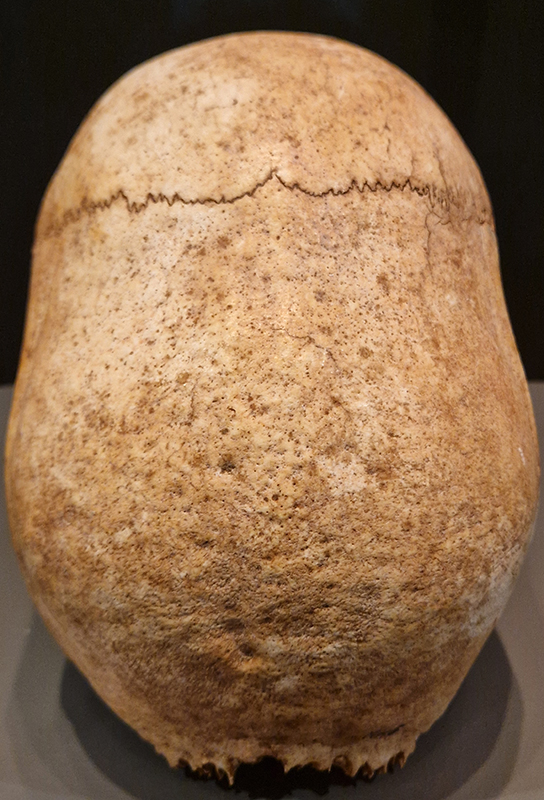
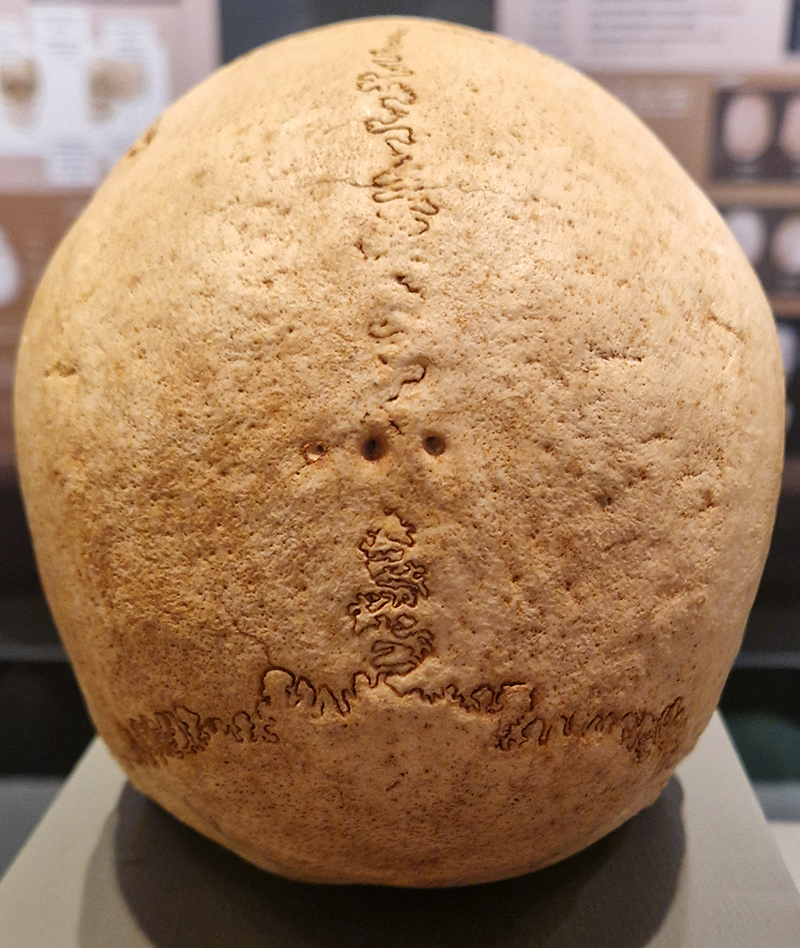
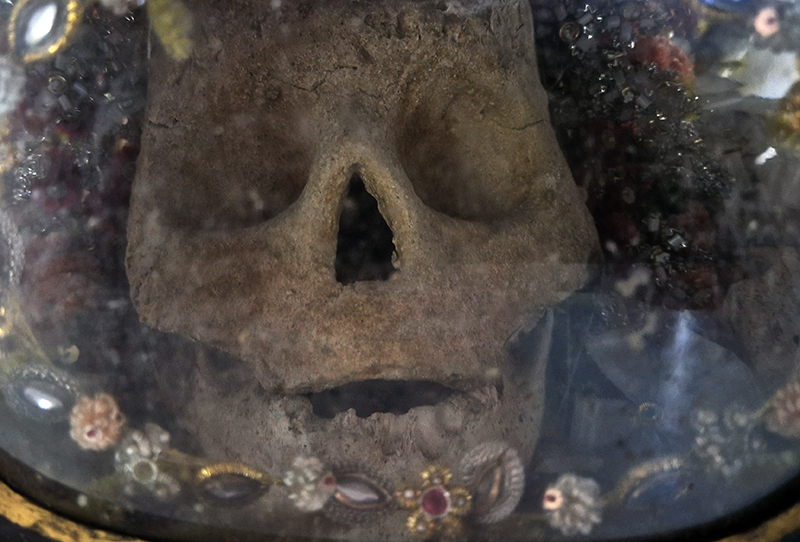
Photography is not allowed in the labyrinth of tunnels, so I have no images inside the ancient site where so many people were buried, but saw skulls found here, known as the long skulls, at the Museum of Archaeology.

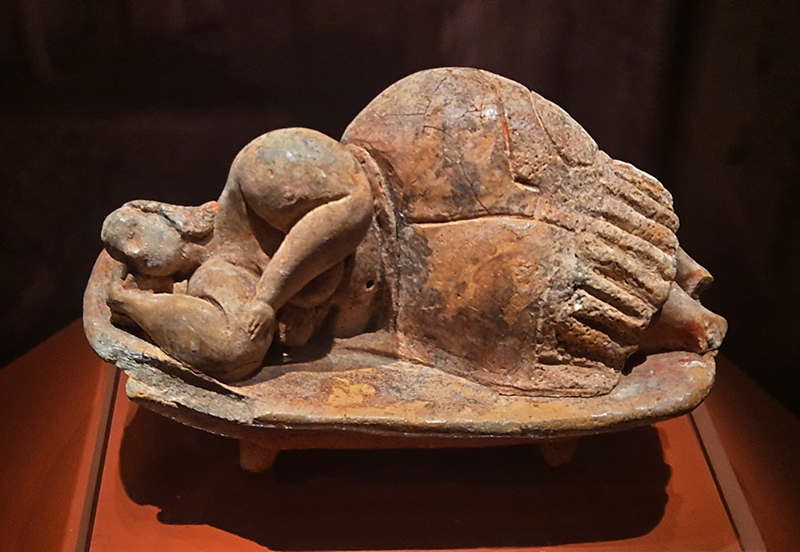
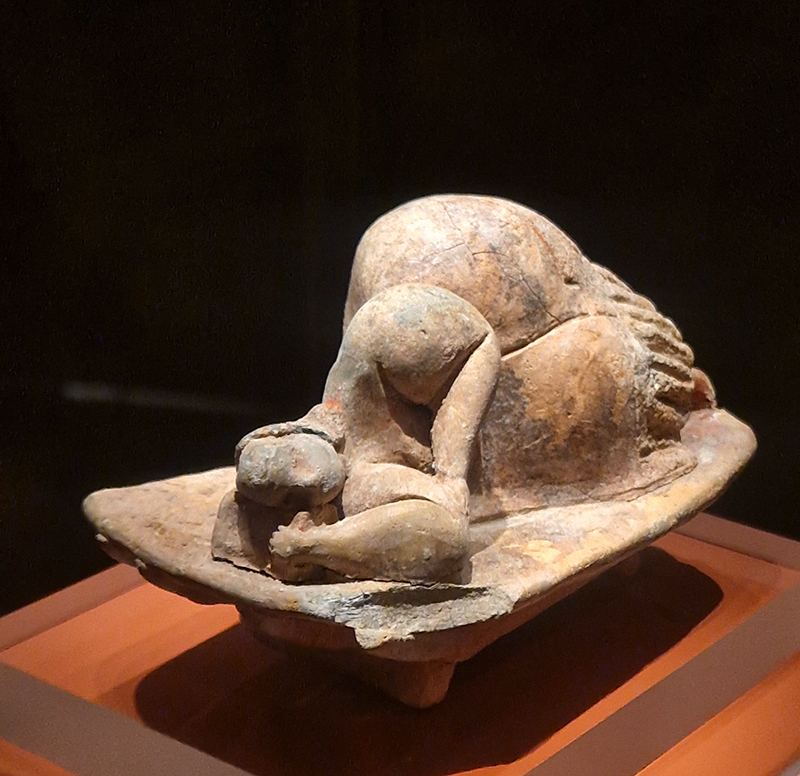
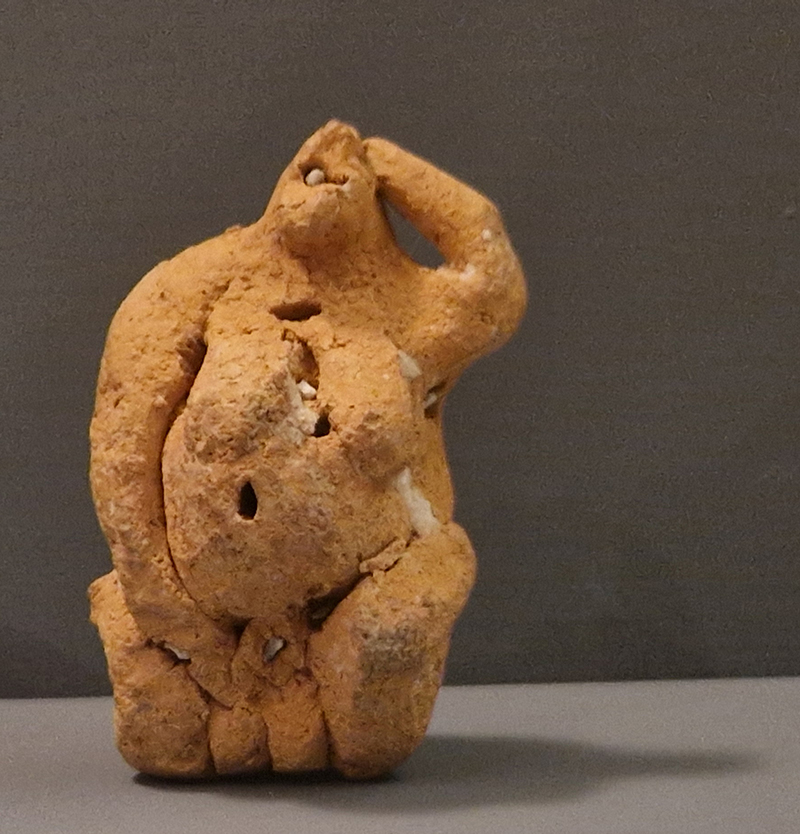
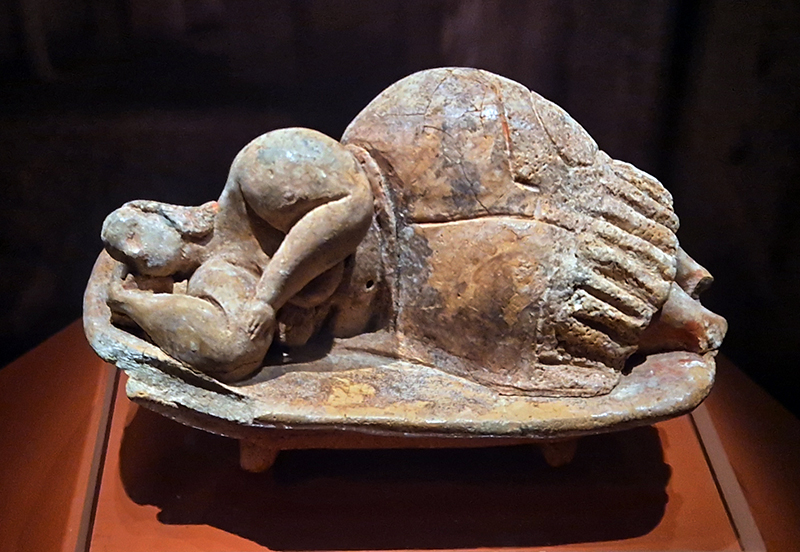
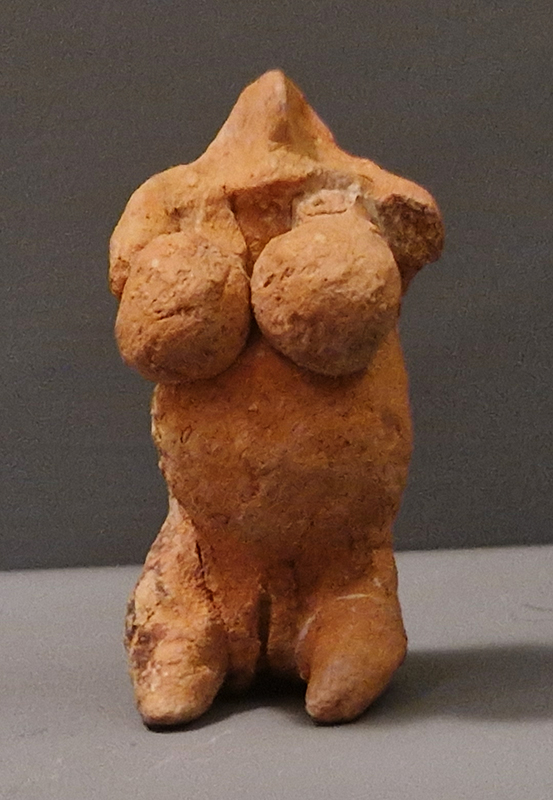
Also at the museum is the famed clay figurine of a ‘sleeping woman’ discovered in the Hypogeum.

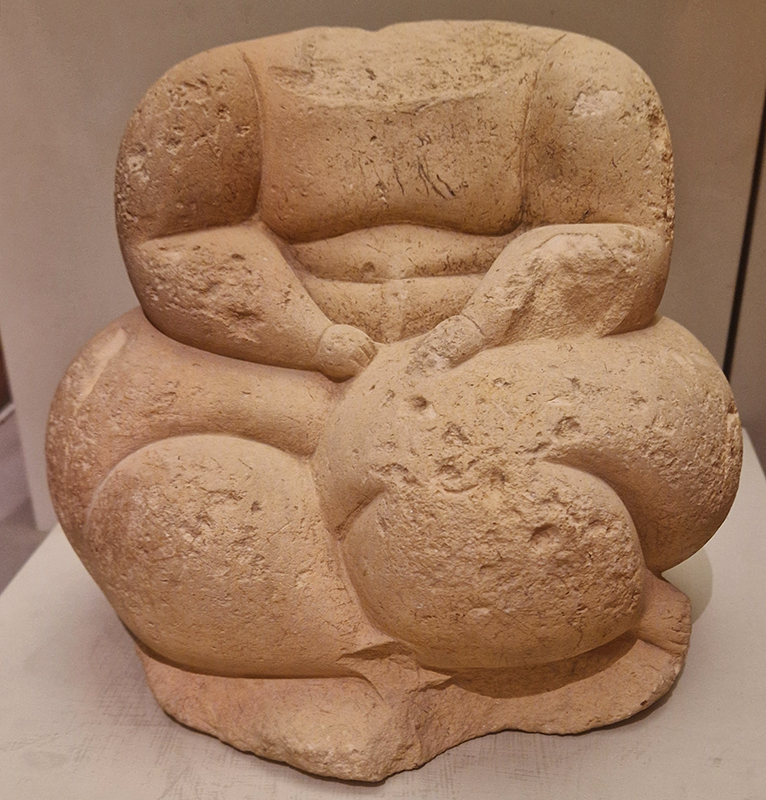
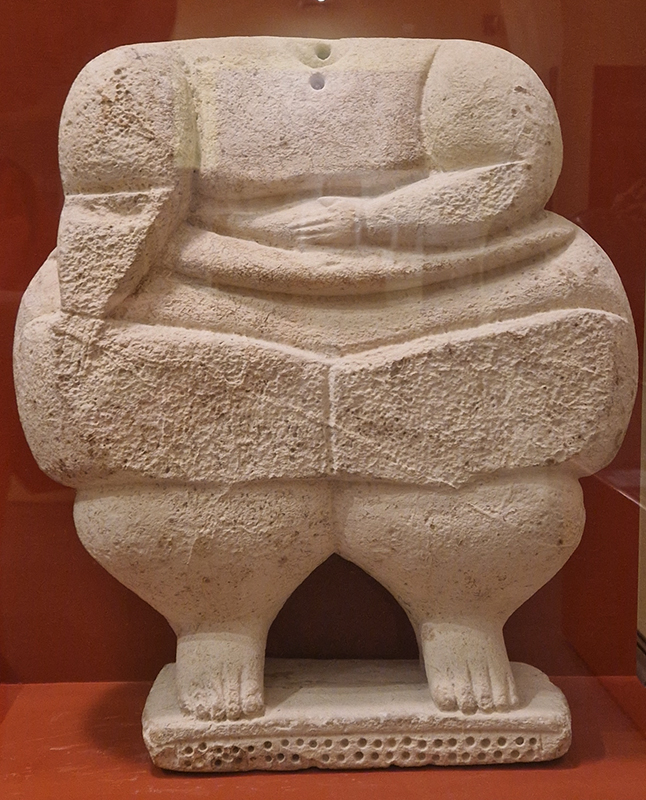
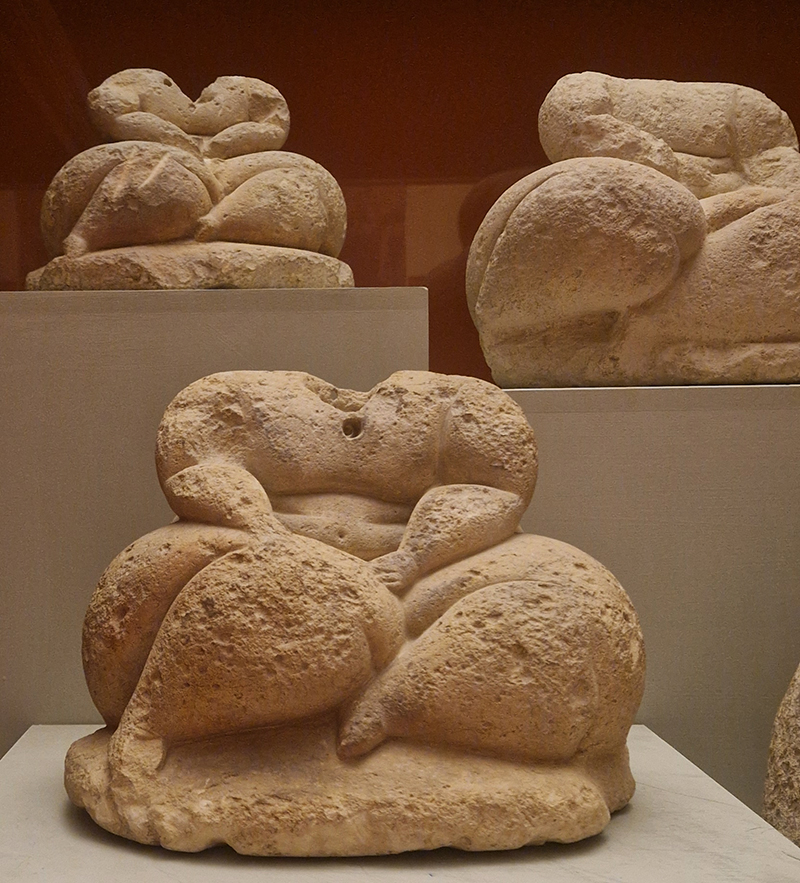
The ancient temples and early artworks hint at past cultures we have no way of understanding.

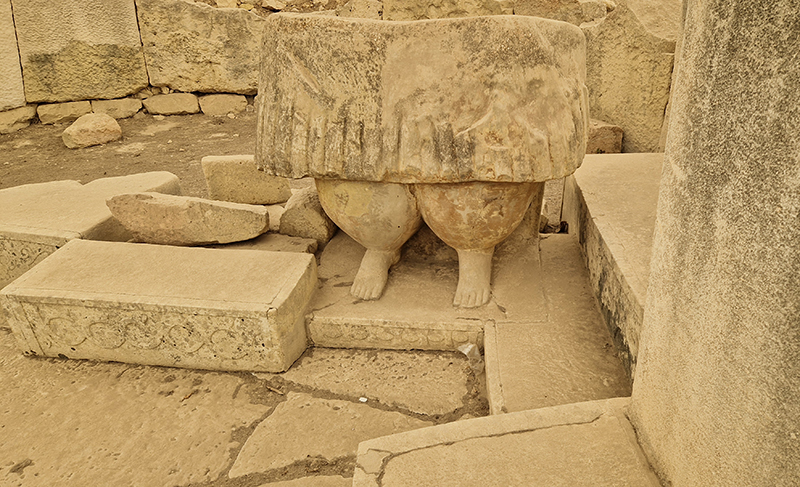
Many figures were found at other temple sites. Although some figures are female and there are many phallic figures, it is not clear of the gender of the ‘fat’ figures some of which appear to allow for interchangeable heads.

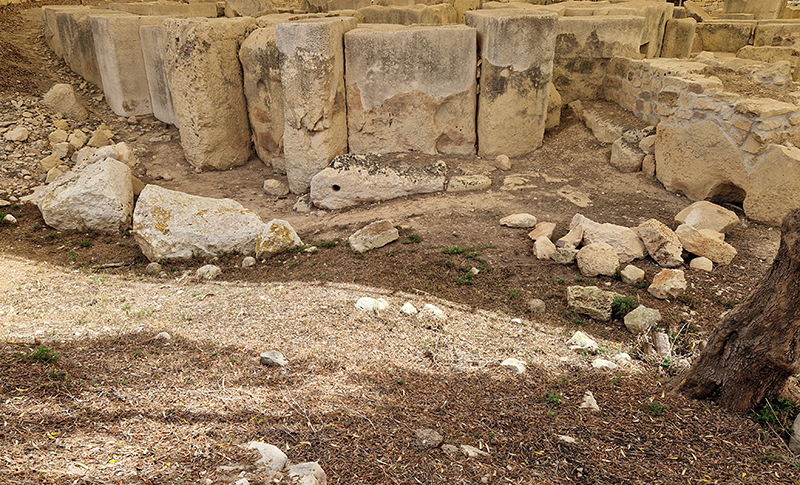
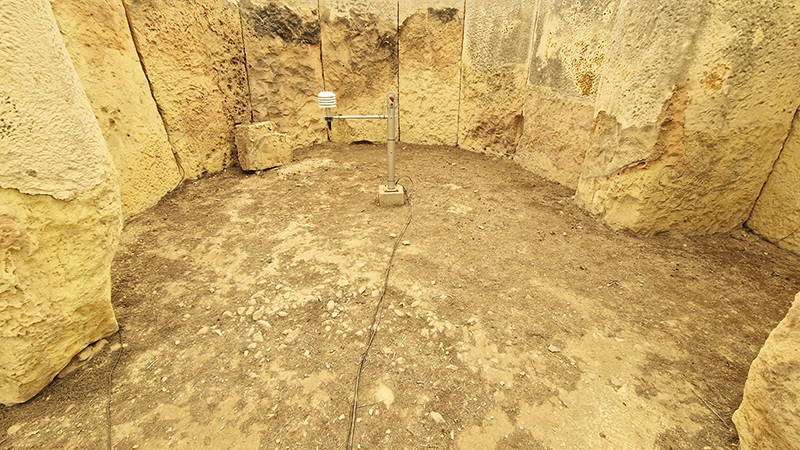
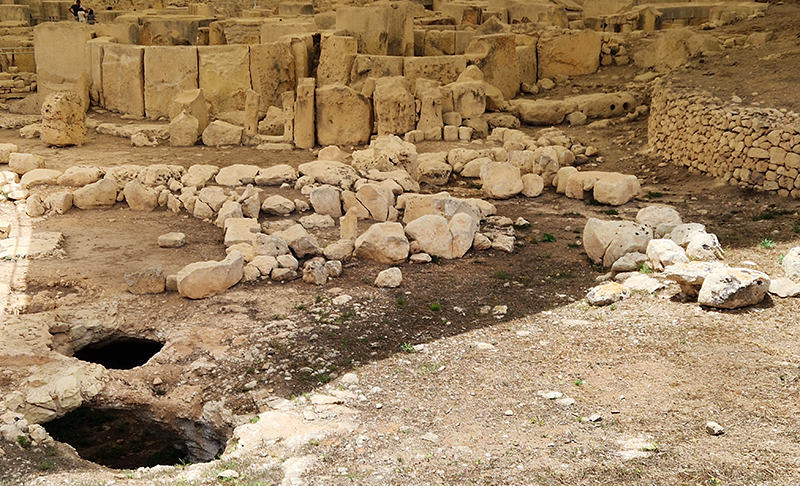
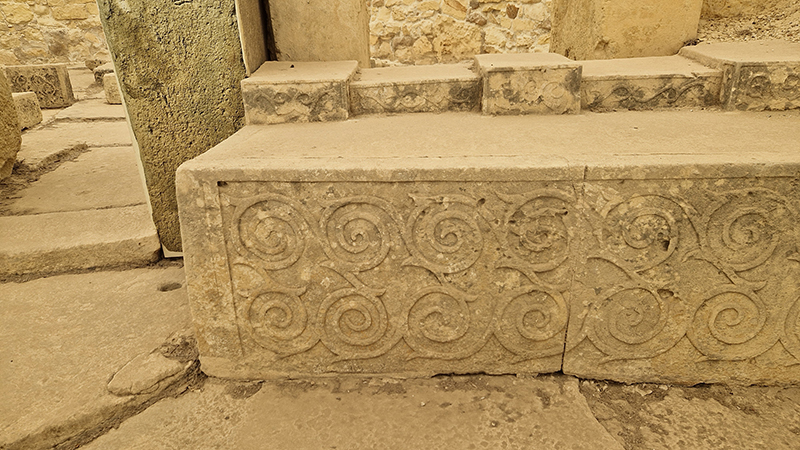
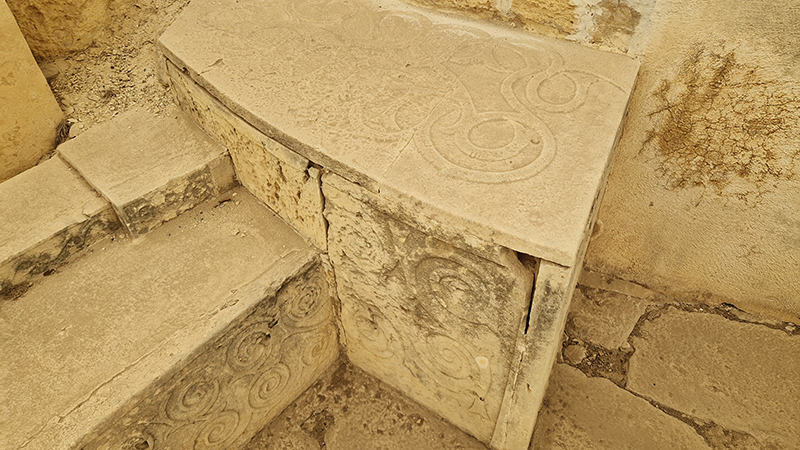
The Tarxien Temples complex of megalithic monuments with intricate stonework date to approximately 3150 BC.

In about 3850 BC new settlers arrived, also farming and building temples but after 1,500 years suddenly disappeared from the landscape. New research using carbon dating, pollen from earth cores, tree ring and human bone analysis, and the location of sediment embedded molluscs, suggests a society battling with soil erosion from felling all the trees, subsequent dietary deficiencies, and a major climate catastrophe around 2350 BC, possibly a dust cloud from volcanic eruptions, which may have led to their ultimate demise.

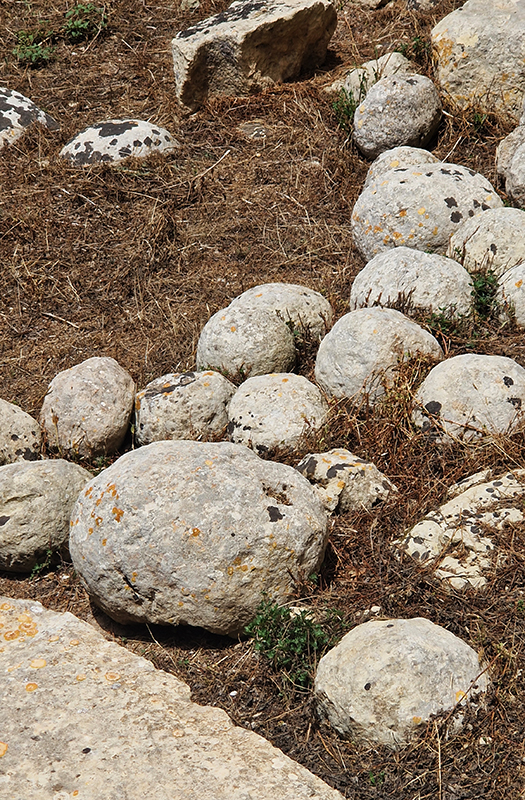
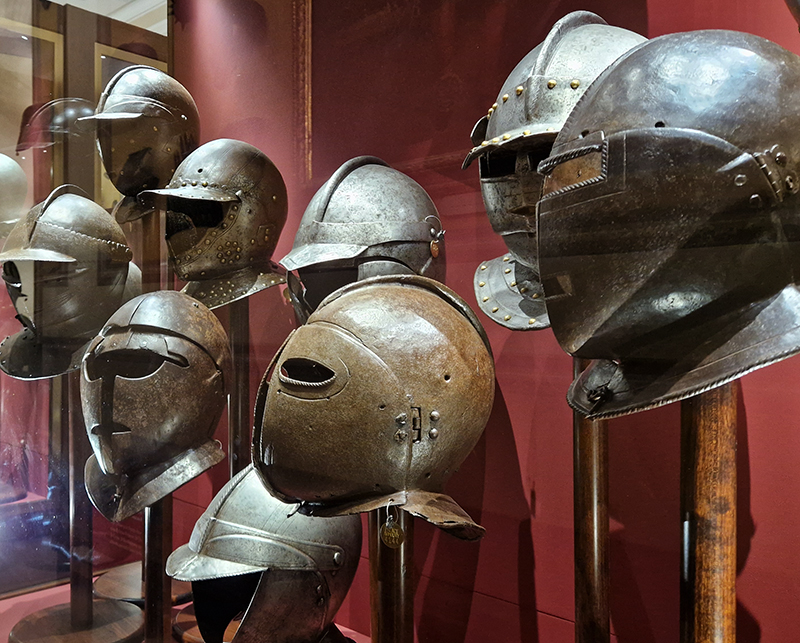
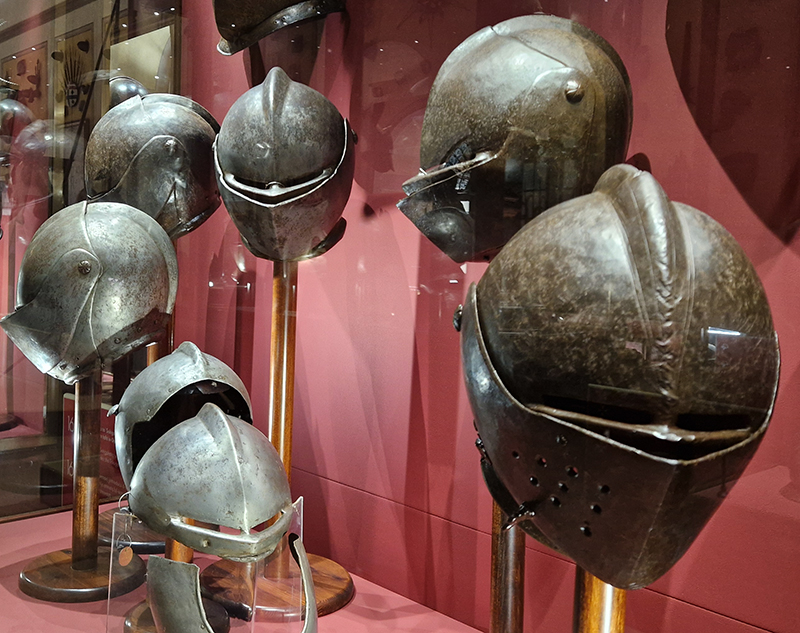
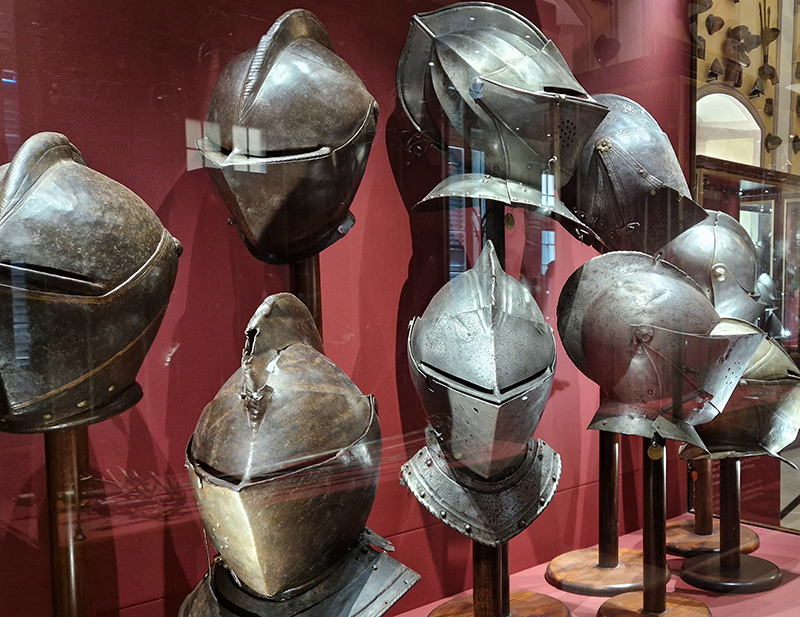
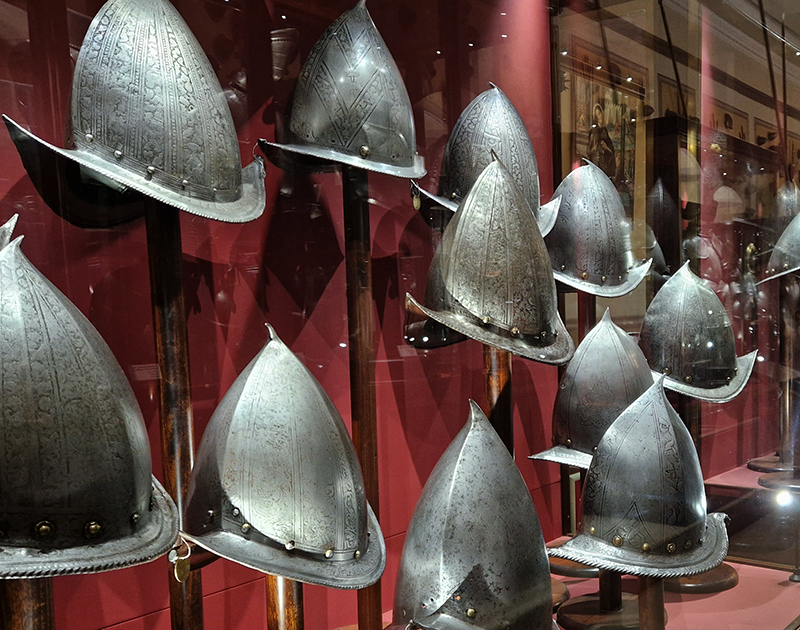
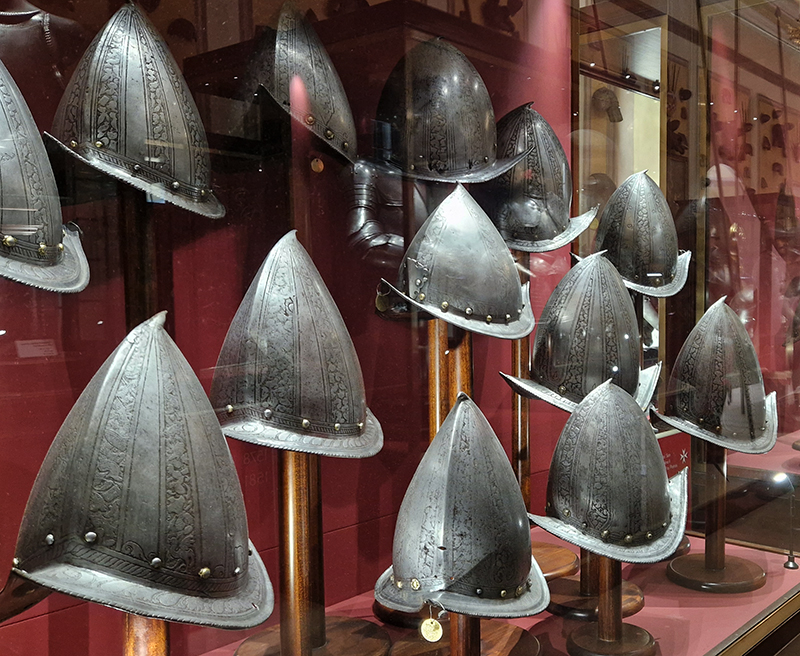
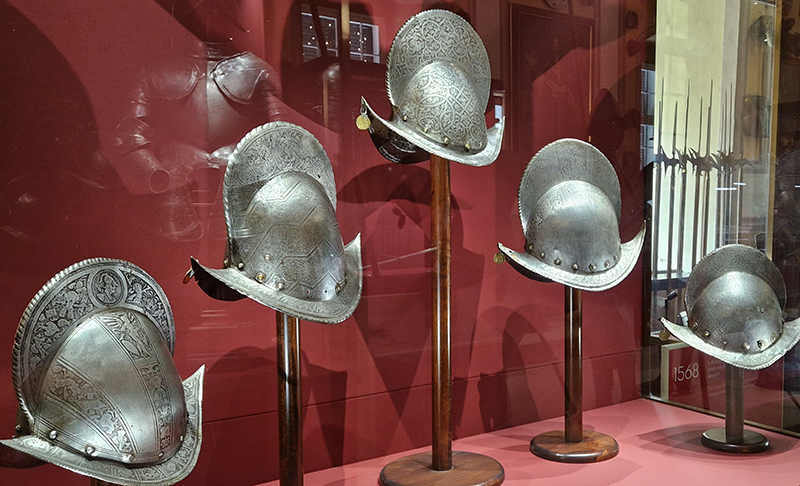
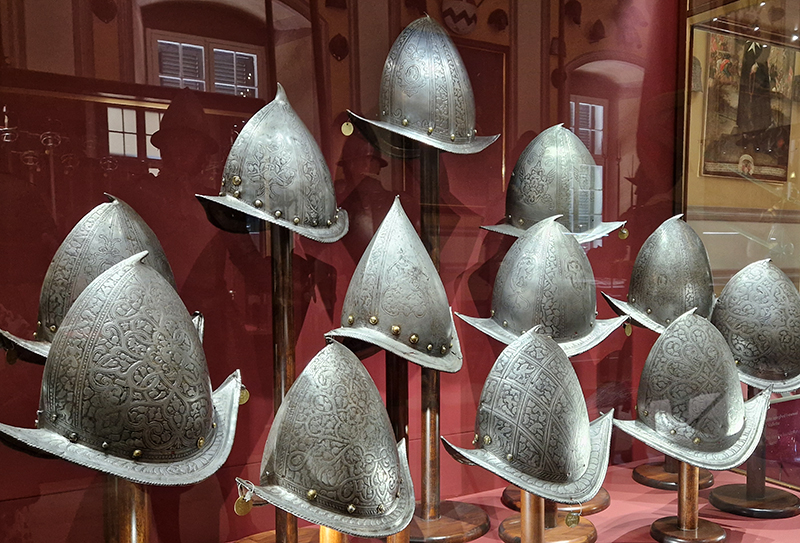
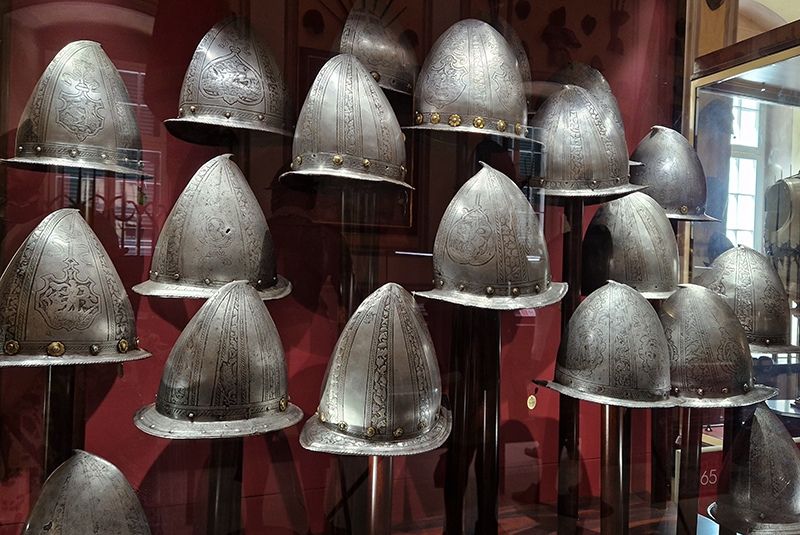
Malta suffered so much war, stretching back hundreds of years, war after war, so many wars, so depressing. A colossal amount of armour, some so intricately detailed, is held at the Grandmasters Palace Museum.

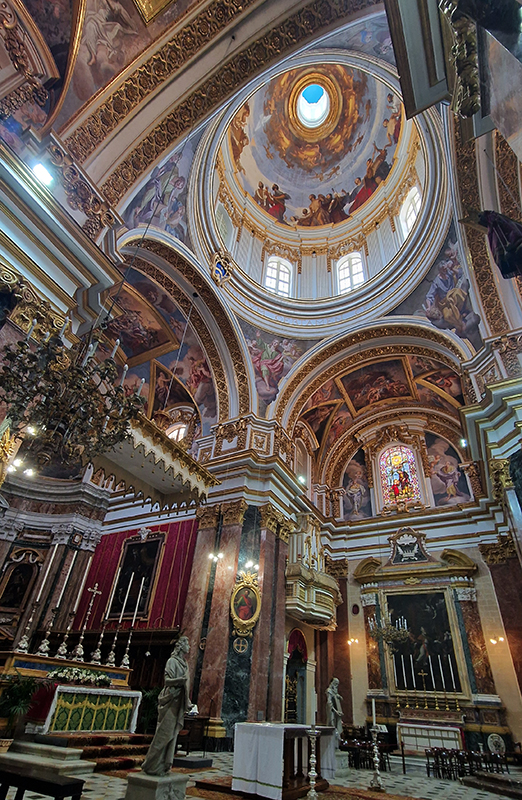
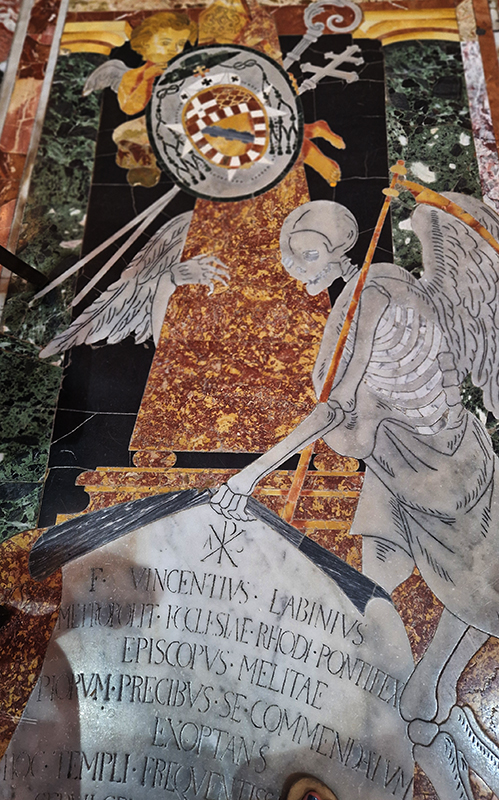
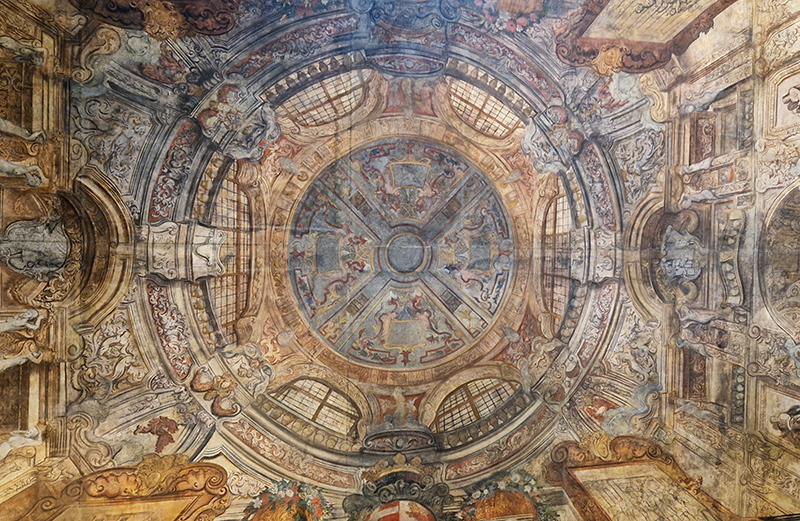
The Phoenicians arrived in Malta around 870 BC from Lebanon, and Malta subsequently came under the control of the ancient city of Carthage as a strategic trading post right up until the Romans take it in 255 BC bringing with them the Roman Catholic religion. A Cathedral was founded in the 12th century (according to legend it was built on the site where the Roman Governor met St. Paul when he was ship wrecked on Malta) was damaged by a huge earthquake in 1693 and rebuilt in the opulent Baroque style.

St. Paul’s catacombs located outside the walls of the ancient city of Melite is a system of underground galleries and tombs dating from the third to the eighth centuries CE.

The Byzantines of Malta fought off an invading Arab army for many weeks but the capital city of Melite fell in 870AD and all inhabitants were massacred. The city was rebuilt as Mdina by the Muslim conquerors. The Normans invaded Malta in 1091 to little resistance and this paved the way for the reintroduction of Christianity. Next came the Order of Knights of the Hospital of Saint John of Jerusalem, colonising Malta in 1530. The Order of St John was given Malta as a fief for the annual donation of a peregrine falcon, better known as the Maltese falcon. It was kept and trained in a great hall of the Grandmasters Palace where owls, song birds and other exotic birds were kept.

The Knights ran a strong naval fleet and knew the importance of astronomy for navigation. They established an astronomical observatory at the Grandmaster’s Palace. Also a meridian line, inlaid in marble, ran across the floor of one room with a hole in the ceiling above – noon was marked as the sun crossed the line.

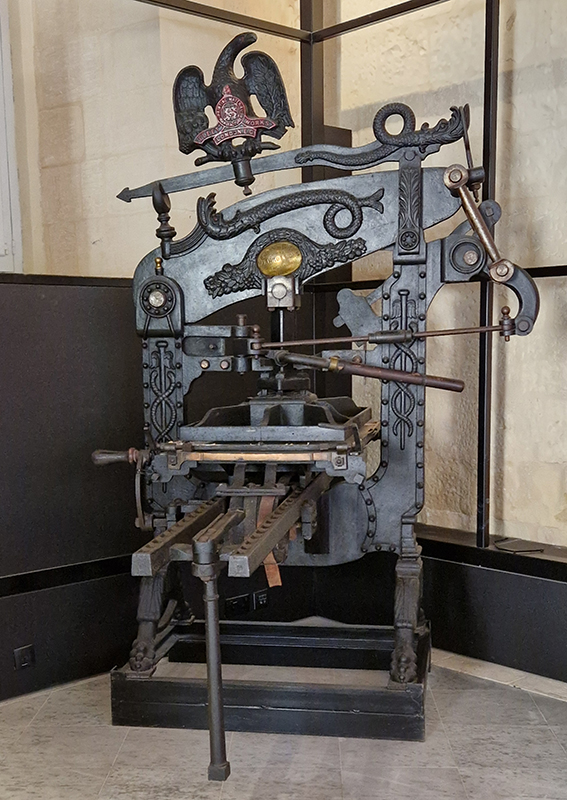
The Order of St John capitulated on the arrival of Napoleon Bonaparte in 1798. During his week on Malta Napoleon abolished slavery and instigated free education but there were other changes not so beneficial to the population and after two years of French rule an uprising led to Malta becoming a protectorate of the British. The magnificent printing press in the administrative hub of the Grandmasters Palace was manufactured by Londoners Harrild and Sons (founded 1809) of Farringdon.

Malta played a vital role providing a strategic location for hospitals during the first world war and was heavily bombed during the second world war. Discontent on British commitment to supporting Malta’s economy and hikes in imported food prices eventually led to riots by the population and came to a head on 7th June 1919 when British troops fired into the crowd, killing four and injuring 50. Relationship souring, Malta finally gains independence in 1964, becoming a republic in 1974.

While in Malta I was reading Cloud Cuckoo Land by Anthony Doerr, a novel that whisks you across time and space as characters inhabit times from the 1453 Ottoman siege of Constantinople to a spaceship escaping future Earth. It resonated with a land whose history is still so present and helped set markers across the centuries to cross reference what was happening in different parts of the world at the same time.

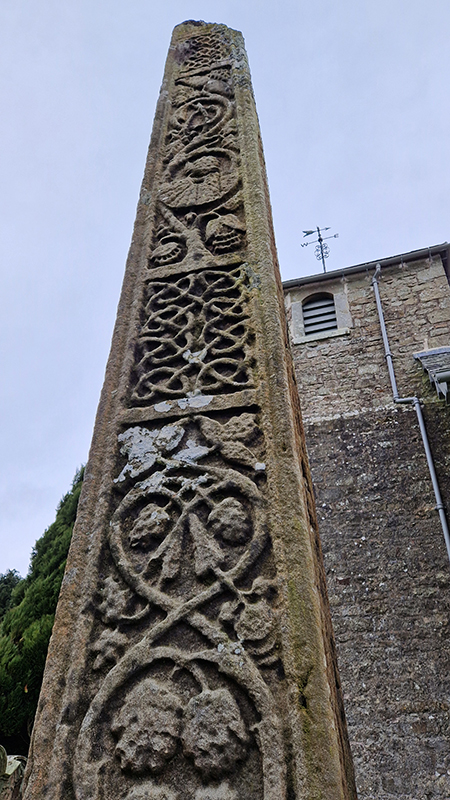
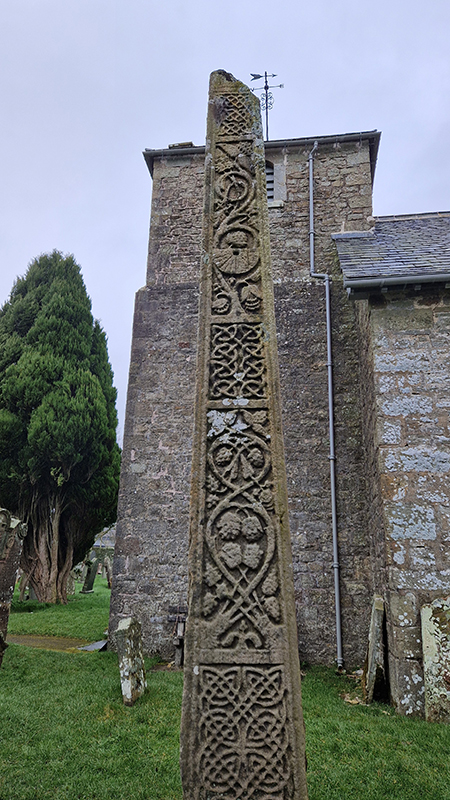
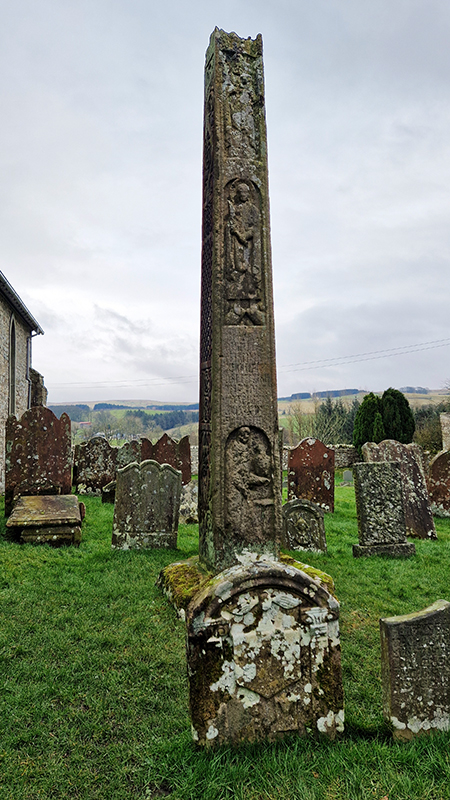
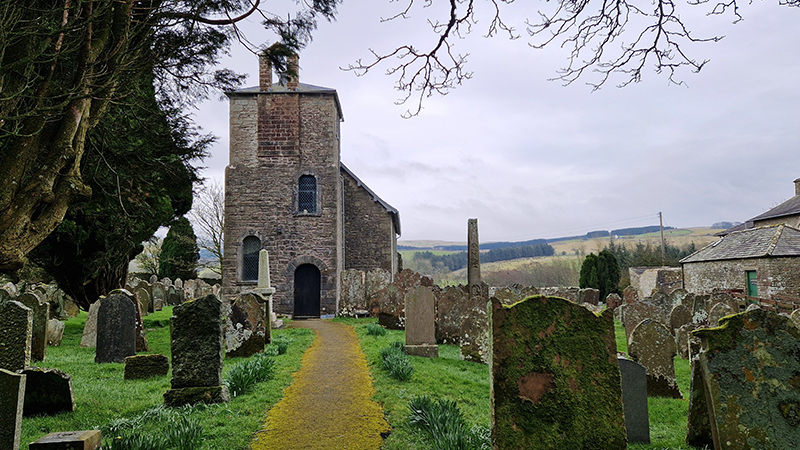
In Cumbria earlier in the year I visited Bewcastle, site of a Roman out post fort. The Anglo-Saxon Bewcastle Cross from the 7/8th century, hewn from a single piece of sandstone stands at 4.5m in the splendid village churchyard of St. Cuthbert’s Church. The head of the cross is missing and the carving very worn but features an intriguing mix of religious and non-religious figures, reliefs and inscriptions in a runic alphabet. The oldest carved sundial in Britain can be seen on the south face of the shaft, this medieval timepiece was carved at a later date, after the cross was erected, and is missing the indicator. From the late 7th century, around when this cross was being commissioned the Byzantines were busy building defence walls around Malta to counter a growing Muslim threat they feared.

Gallery Visits

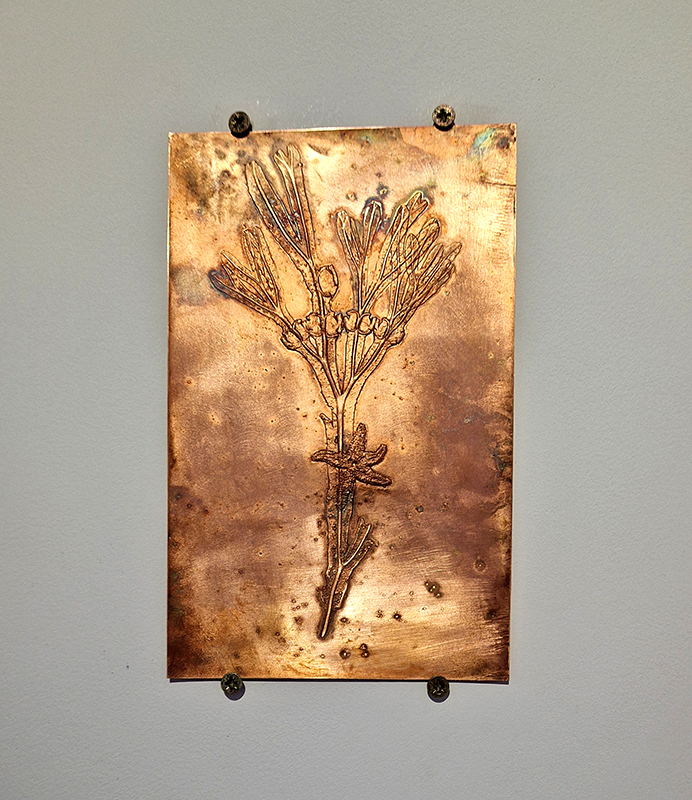
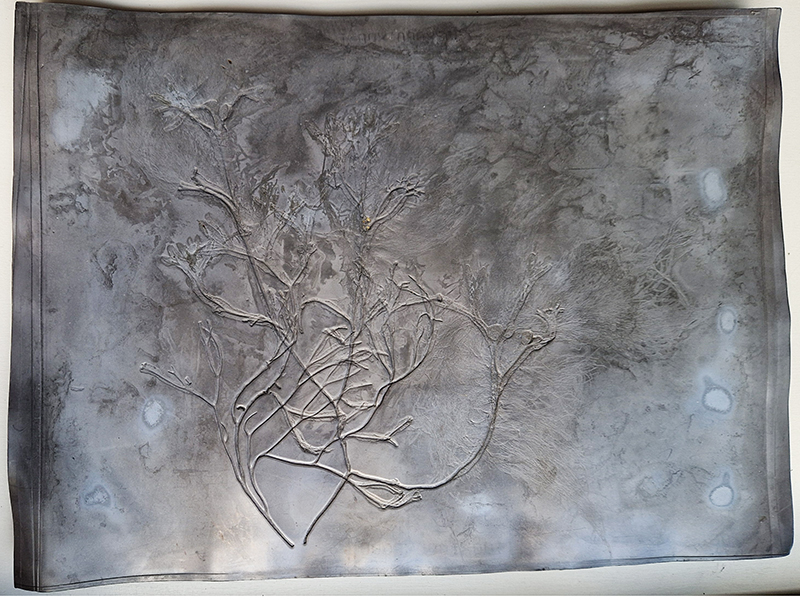
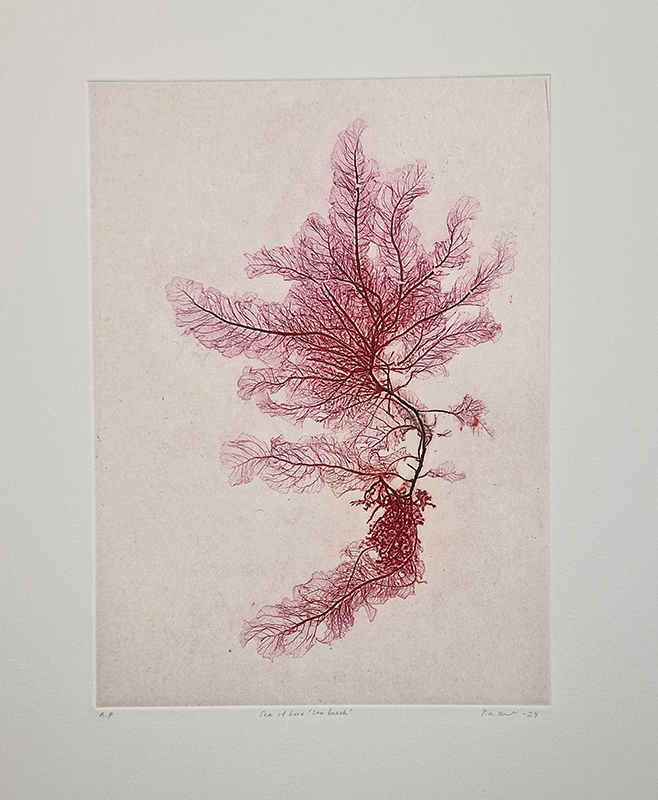
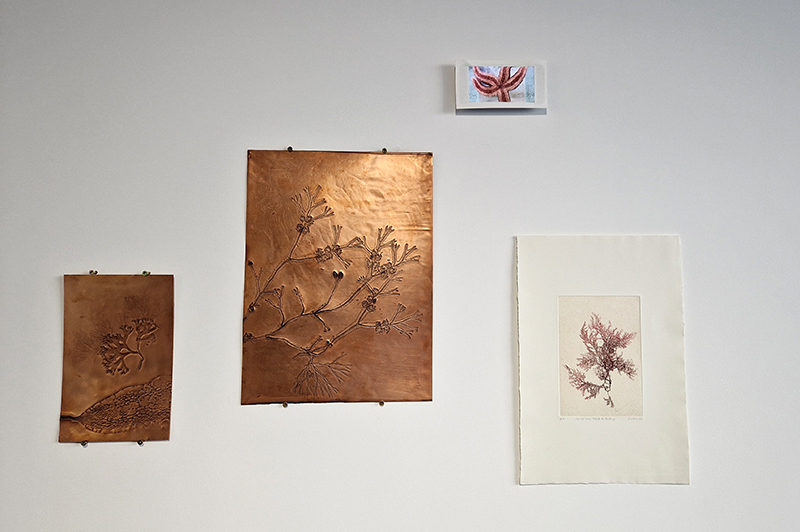
Pia Östlund Sea of Love at No Show Space. Really enjoyed my visit to this beautifully curated exhibition. So nice to have a gallerist take time to talk about the work. The nature printing explored in this show is an involved process of imprinting dried seaweed under pressure between polished lead sheets, taking latex moulds from the imprints which are then made conductive by coating in graphite and electroplated with copper to make a printing plate. Pia Östlund spent two months at BORCH Editions in Copenhagen, working with the master printers on refining the platemaking process of nature printing. Nature printing is an intaglio printing technique from the mid-19th century that makes it possible to make direct impressions of the surface of natural objects.

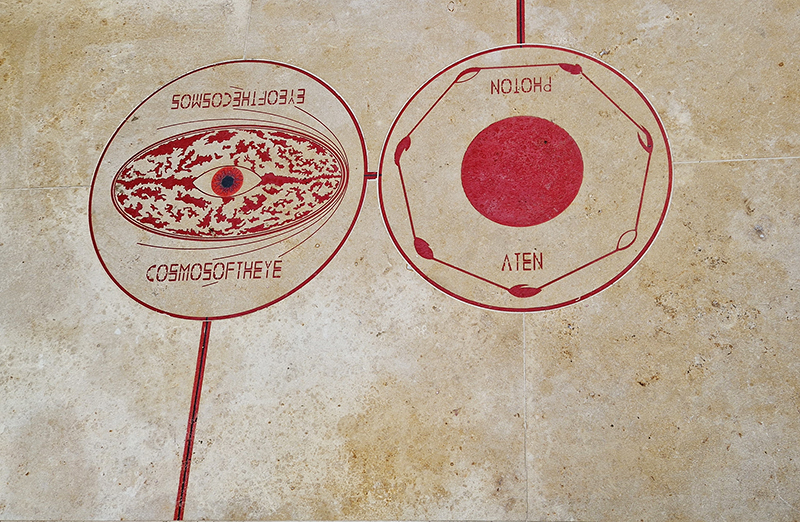
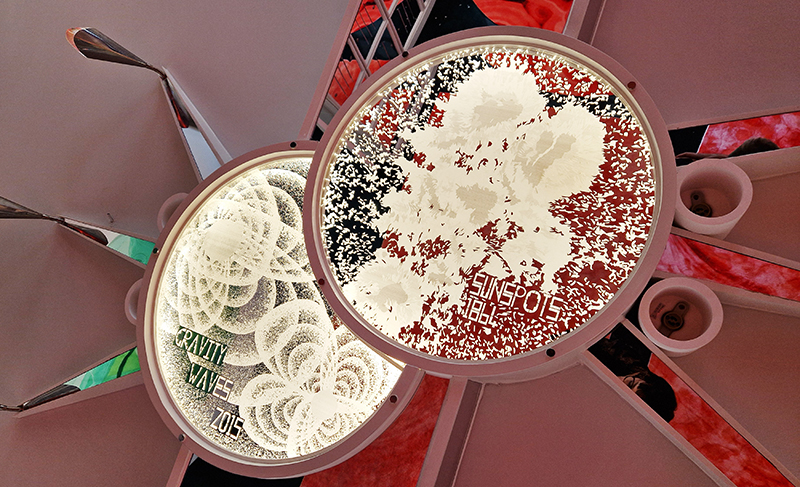
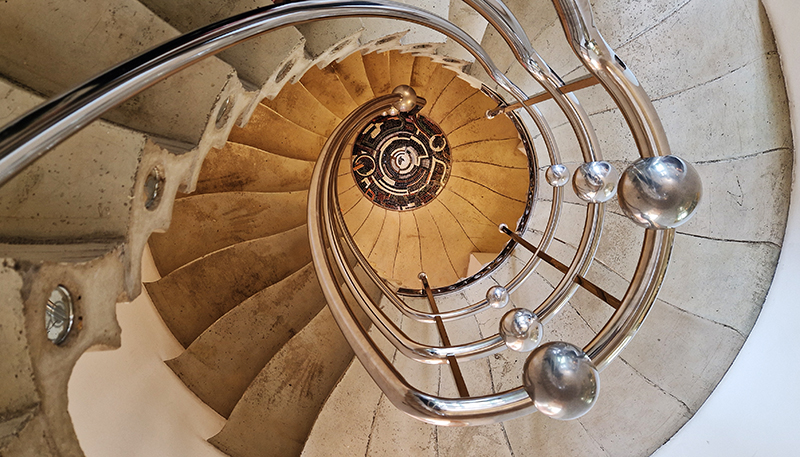
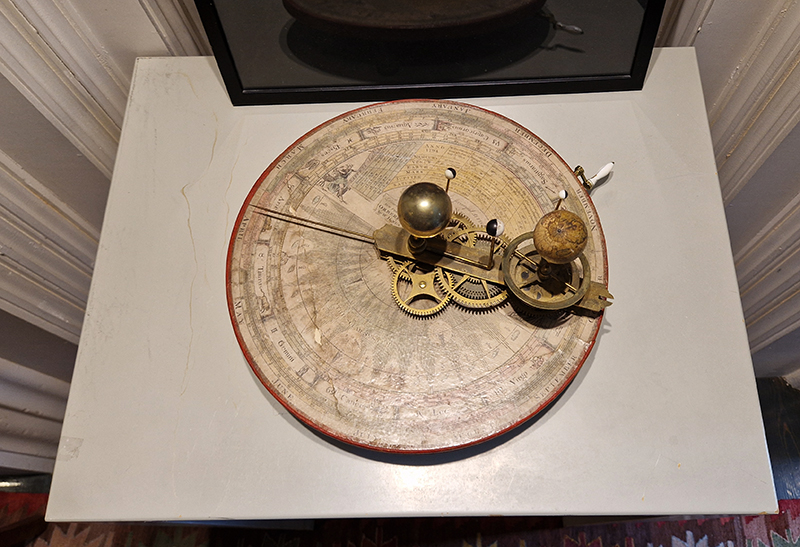
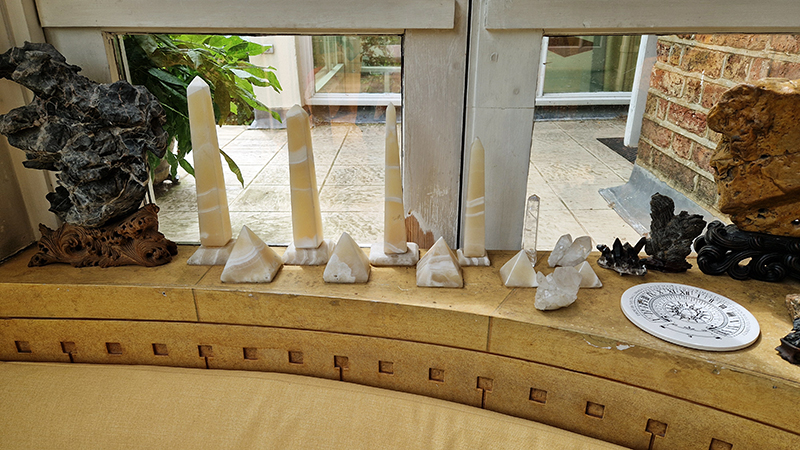
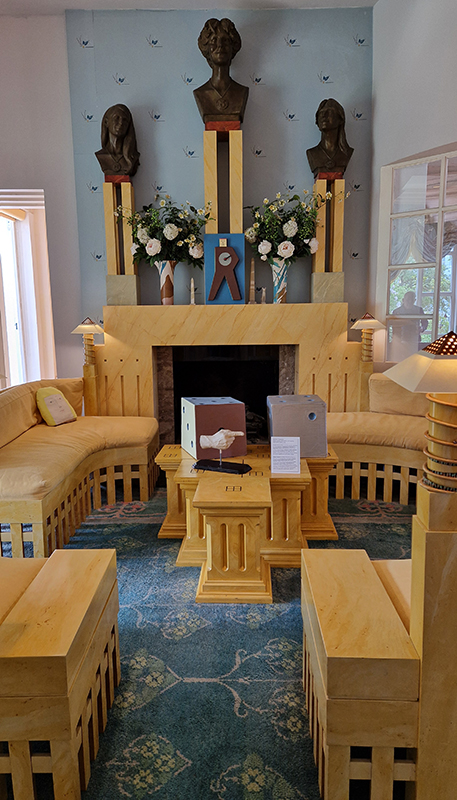
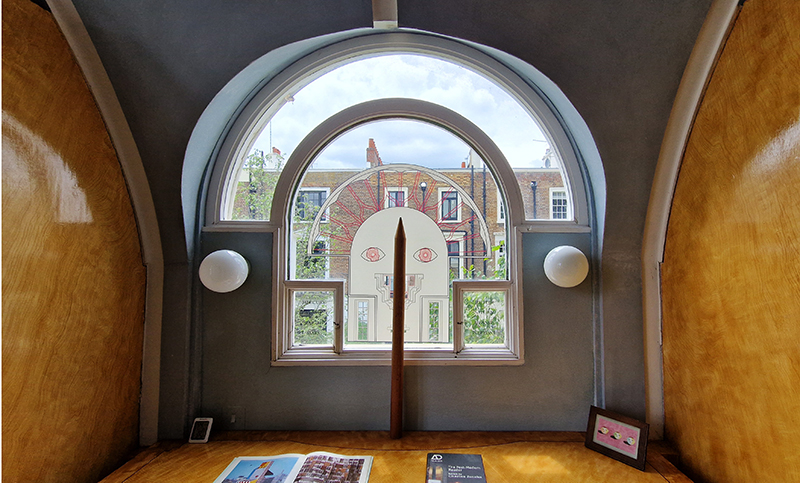
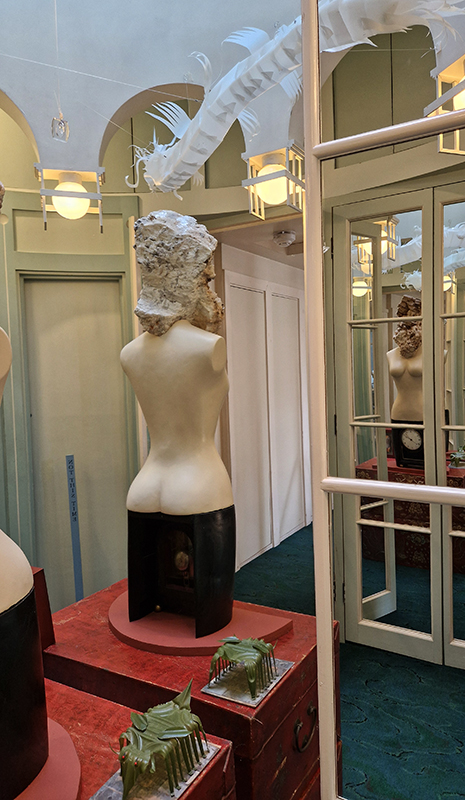
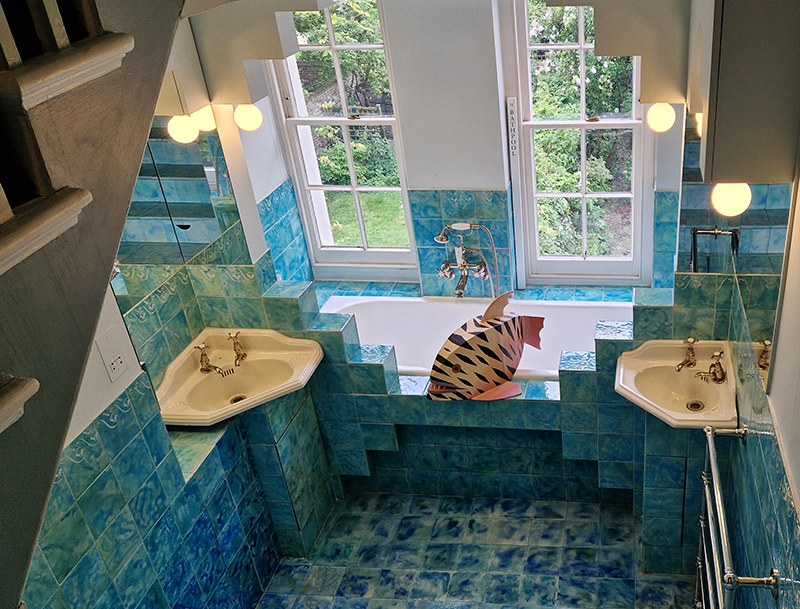
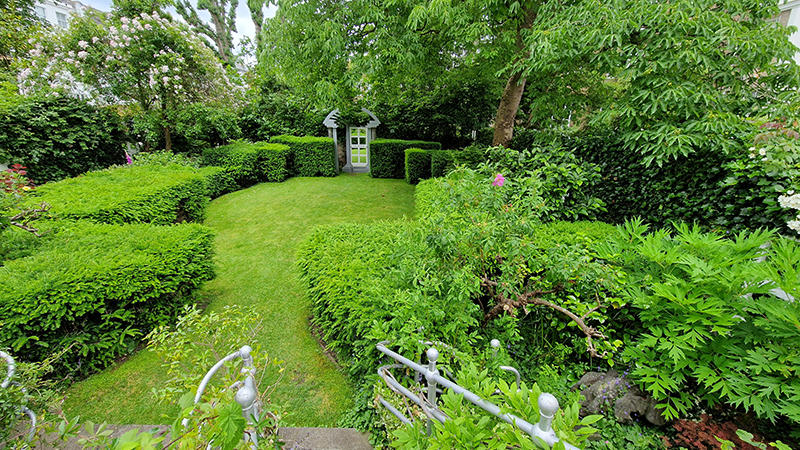
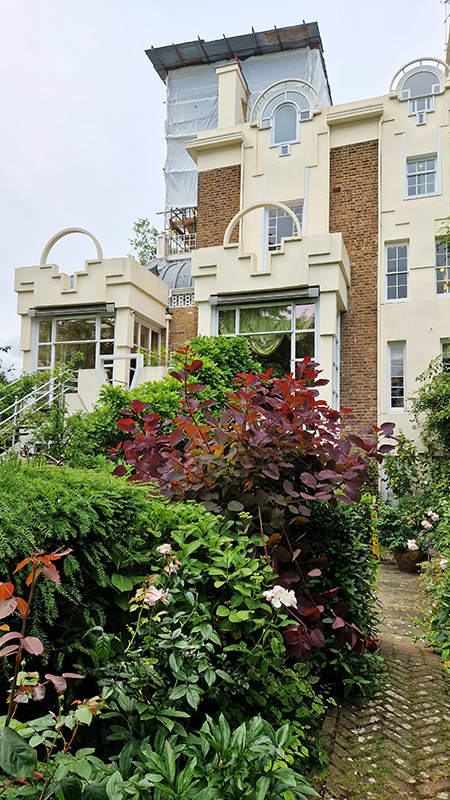
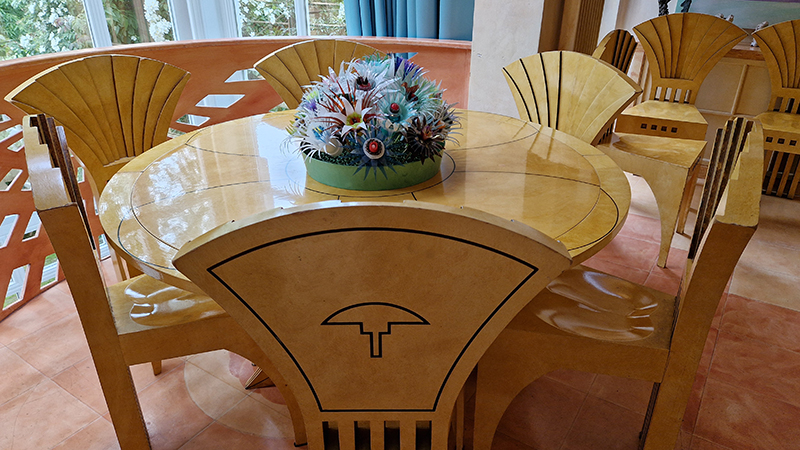
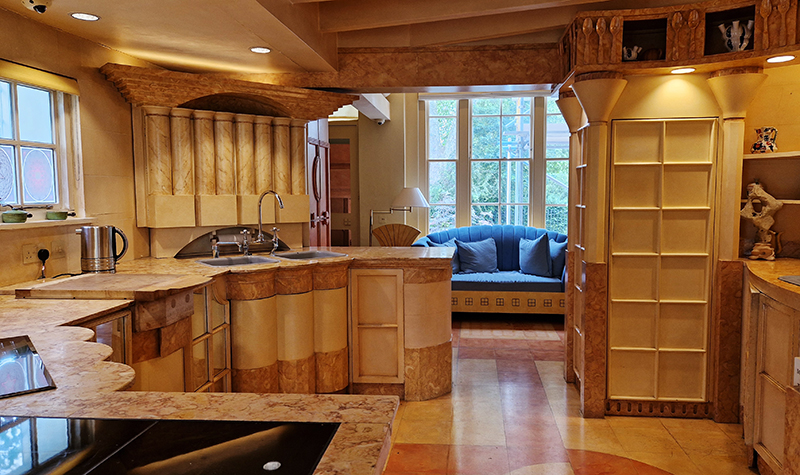
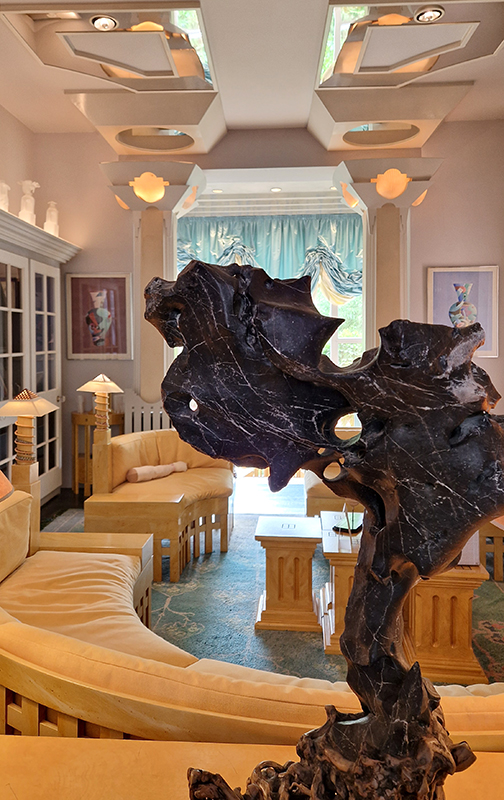
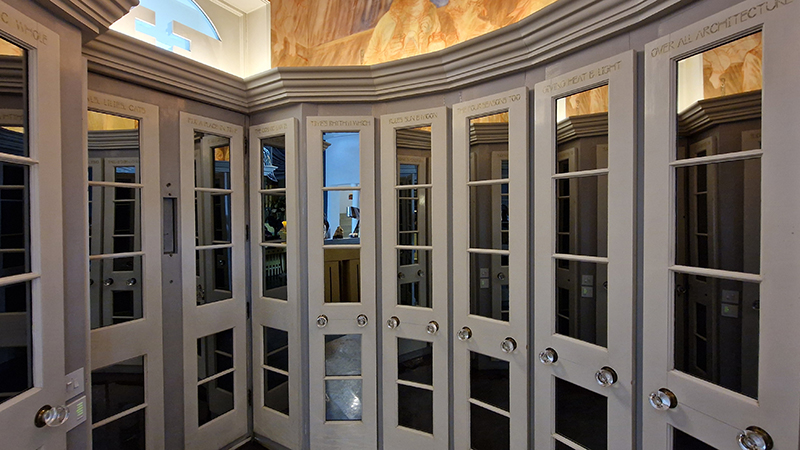
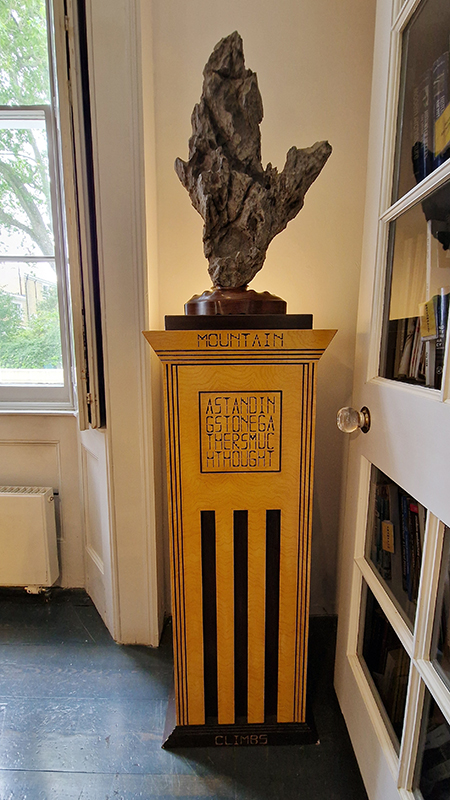
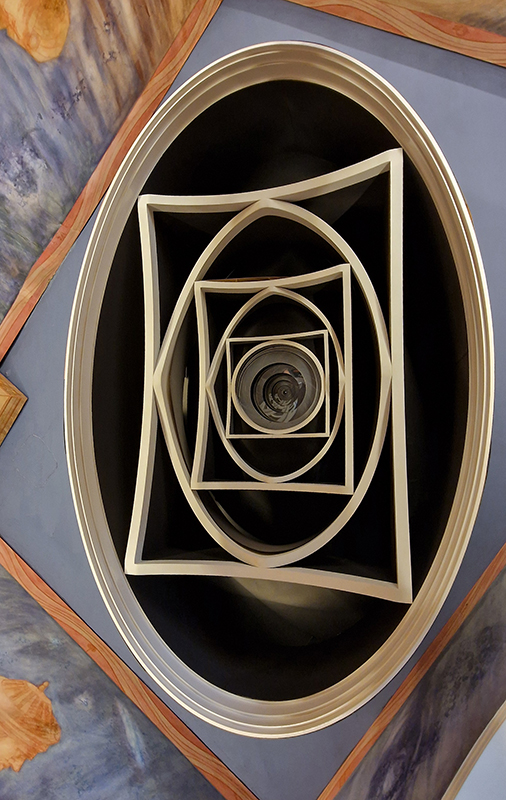
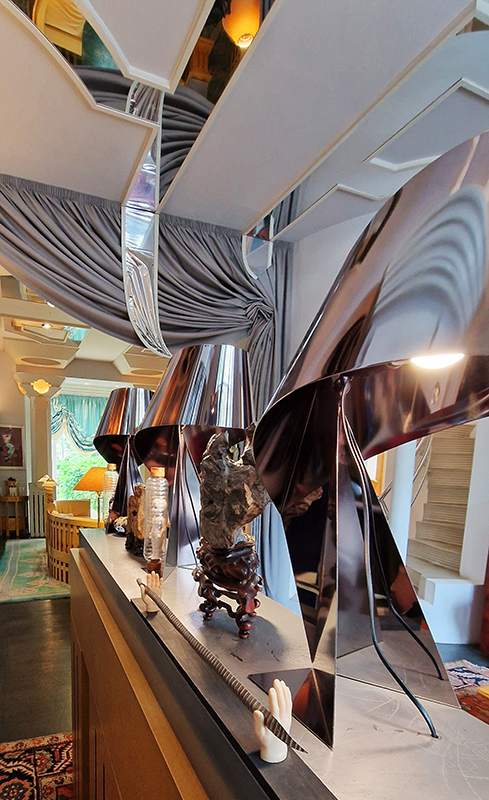
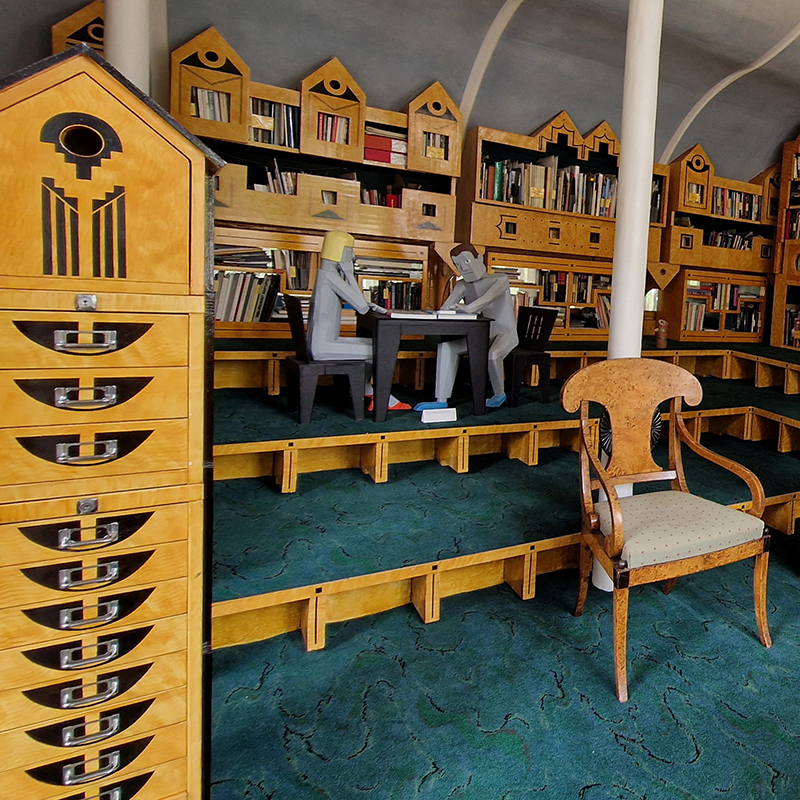
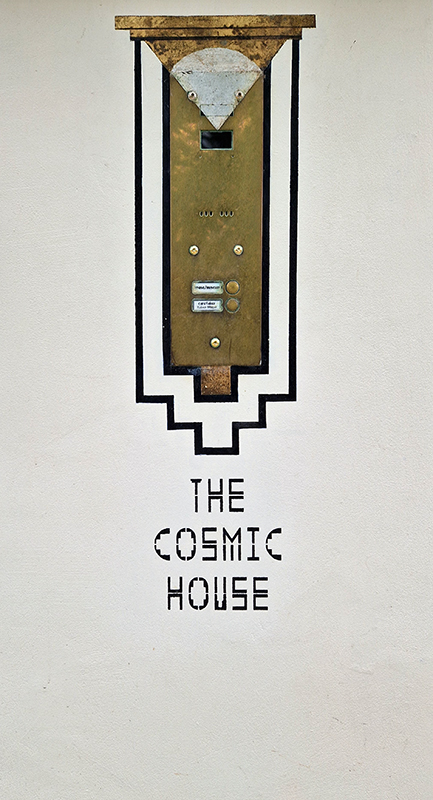
Sensory overload at The Cosmic House, a ‘built manifesto for Post-Modernism’. The original 1840’s residence has been remodelled by Charles Jencks into a complex system of symbols that embrace the creation of the universe, the rotation of the Earth around the Sun, day and night, the seasons, the elements, the understanding of science, and the history of architecture.

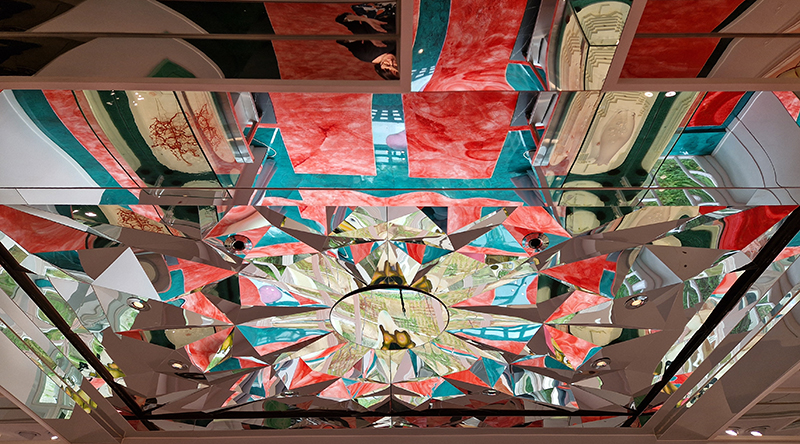
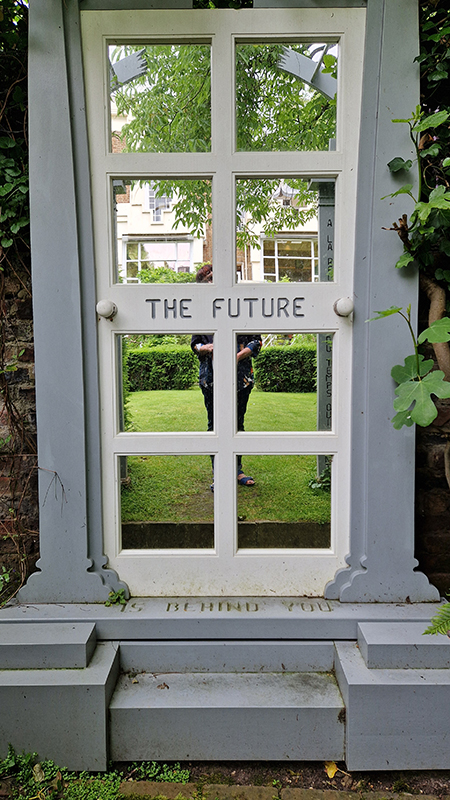
It’s like entering a kaleidoscope, mirrors everywhere, shifting perspectives, glimpses through to other spaces, optical illusions, and all saturated with vibrating colour.

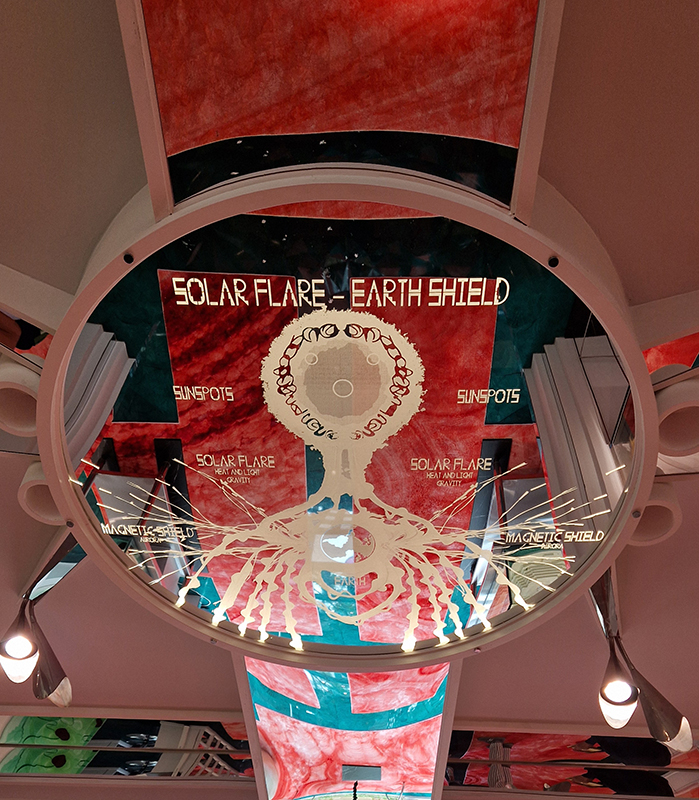
The latest addition to the house is the museum gallery, which Jencks designed but did not live to see completed, with mirrored ceiling plaques on all my favourite things like magnetic fields, solar flares and gravity waves. Amazing place to visit.

There is currently an exhibition THE WORLD TO ME WAS A SECRET: CAESIOUS, ZINNOBER, CELADON, AND VIRESCENT by Tai Shani here whose theatrical colourful works suit this setting.

Back in beautiful Northumberland for a Beyond gathering of artists at ACA who will be continuing in the open door residency as the project evolves into Continuum.

1810 ACA.jpg

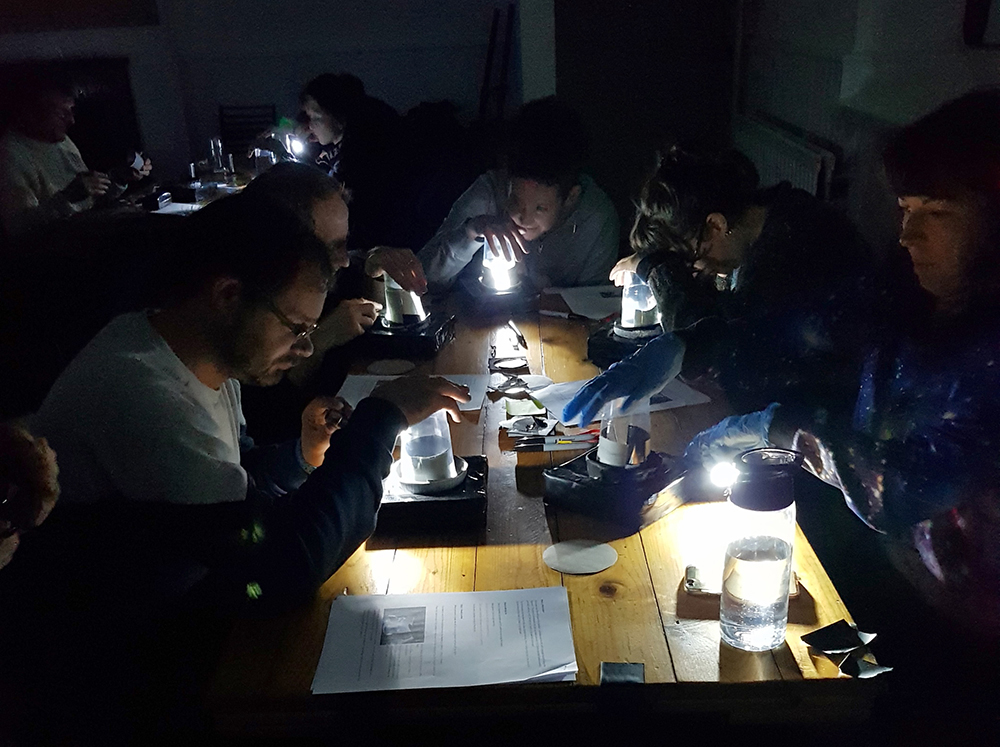
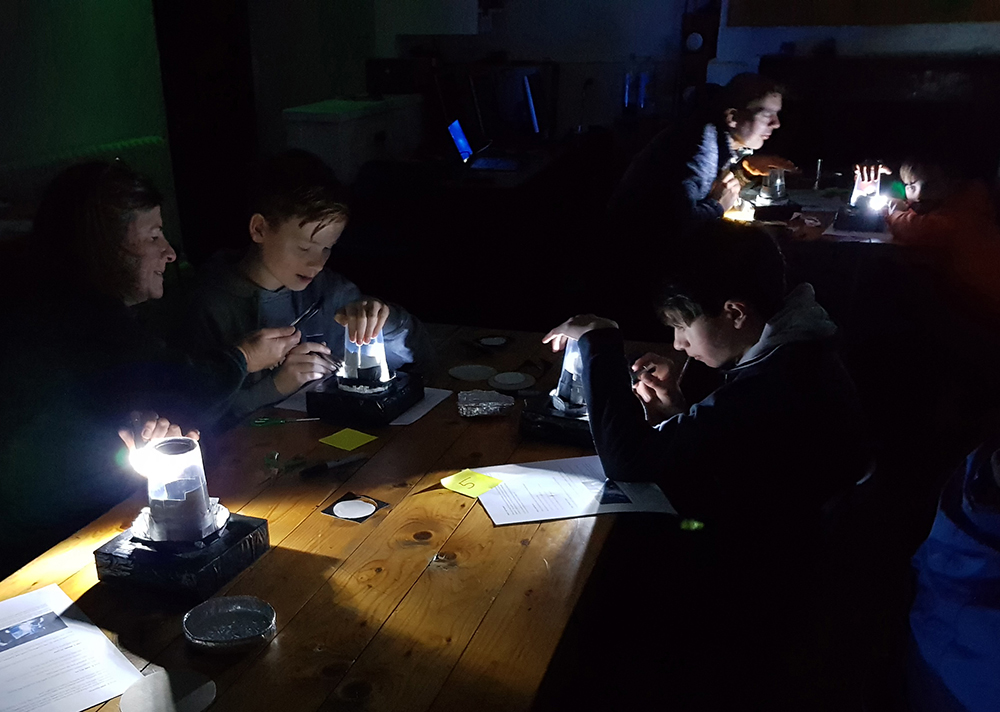
Lots of particle trails were spotted during The Cloud Chamber Workshop. Thanks to the Institute of Physics for sponsoring this, Allenheads Contemporary Arts for hosting and the North Pennines Stargazing Festival for including it in their programme.

1810 cloud chamber workshop 1

A cloud chamber gives us a glimpse into the invisible world of particles produced in the radioactive decay of naturally occurring elements and those generated when cosmic rays strike the top of the Earth’s atmosphere.

1810 cloud chamber workshop 2

These particles pass though us continuously without our awareness. Witnessing this usually unseen activity can lead us to look beyond what our immediate senses tell us is there and consider the possibility of other intangible phenomena.

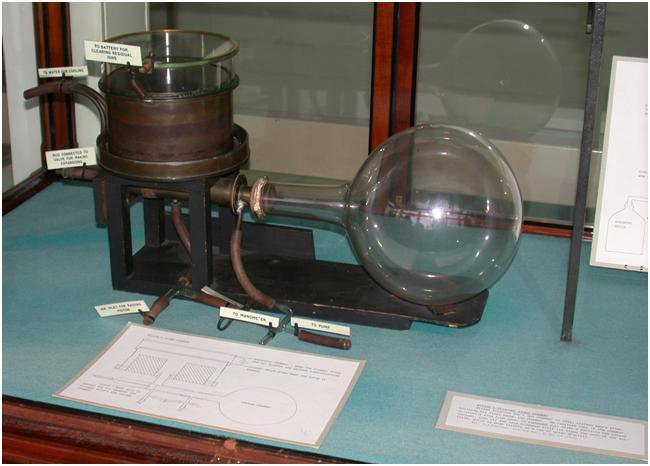
1810 Wilson's cloud chamber

The rather gorgeous original Cloud Chamber was invented by Scottish physicist Charles Wilson and he won the noble prize for it in 1927. It has been said that the cloud chamber might be the most important piece of experimental equipment in the history of particle physics. It was a chance discovery that made the study of particles possible.
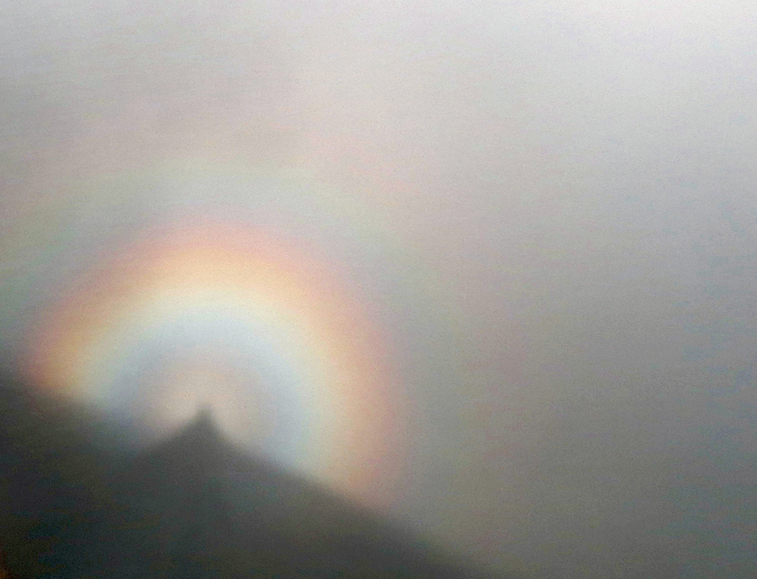
Wilson was fascinated by clouds and was actually studying meteorology spending his time observing clouds at the top of Ben Nevis. He thought it might be easier to study them if he could build a device to create clouds in his laboratory. He also hoped to recreate the strange optical phenomena known as a Glory caused by light hitting clouds below the observer which he had experienced from his high vantage point on the mountain.

1810 A glory

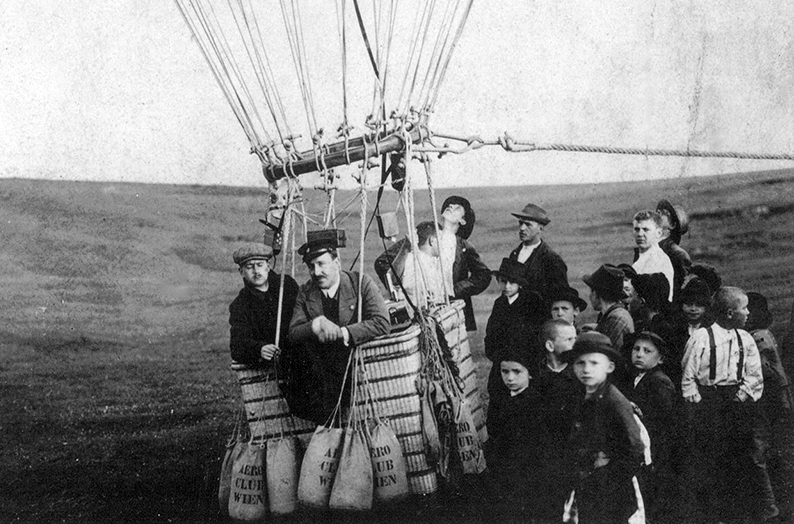
It was Victor Hess who discovered cosmic rays and earnt the Nobel Prize for this in 1936. Scientists had been puzzled by the levels of ionizing radiation measured in the atmosphere using electroscopes. It was expected that radiation would decrease with distance from the earth but to test this Hess risked his life taking measurements at high altitudes in a balloon without oxygen tanks. He found that the radiation levels increased with altitude and concluded that there was radiation penetrating the atmosphere from outer space.

1810 Victor Hess balloon

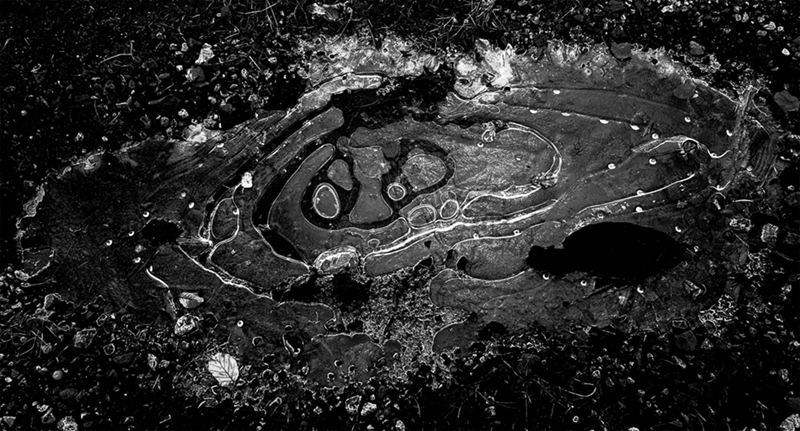
Left over dry ice from the workshop gave us the opportunity to try freezing bubbles.

1810 freezing bubble

The workshop was followed by The Dark Side of the Universe talk from Dr. Pete Edwards. Our universe is filled with mysterious dark matter, whose gravity provides the cosmic glue that holds it all together, and dark energy, which is slowly tearing the universe apart.

1810 Pete Edwards Talk ACA

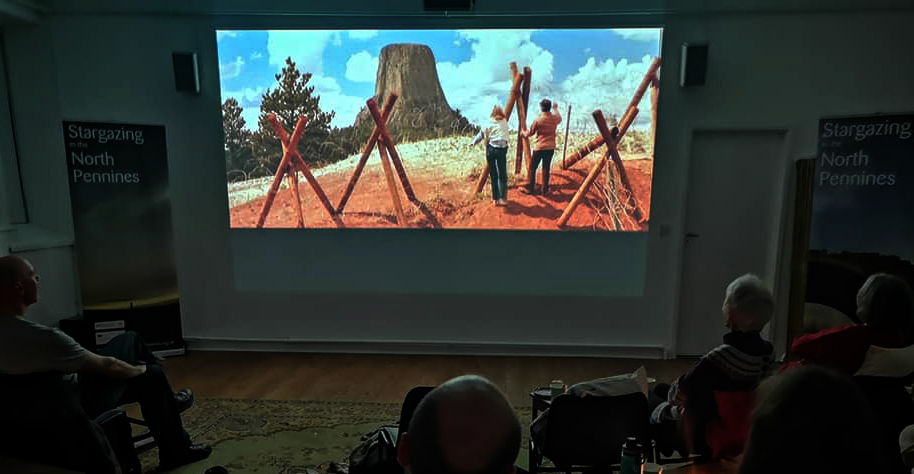
The finale of the Stargazing Festival was the screening of Steven Spielberg’s 1977 sci-fi icon Close Encounters of the Third Kind. Good to revisit and think about how much more we know about the universe 41 years on.

1810 Close Encounters

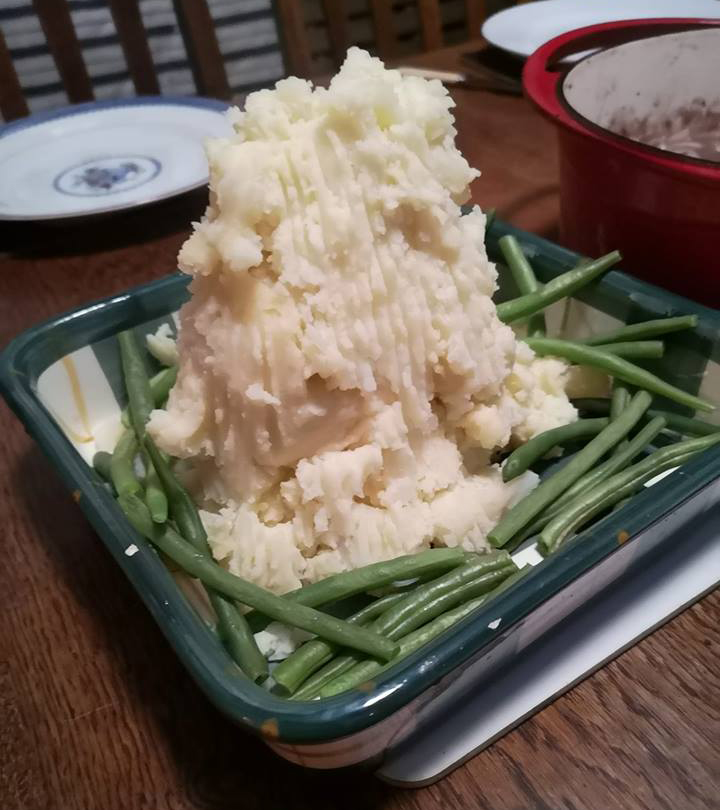
This was preceded by an appropriate dinner courtesy of Alan Smith.

1810 Close Encounters dinner

I was invited as a guest speaker at London LASER Labs Re- Thinking Space at Central Saint Martins.

The session remit was

We are in the midst of both an incredible and challenging space age. How can we harness the information, collected in silo, from the fields of cosmology and quantum physics to conceive of a more unified vision of how the universe (and us) are put together? Within science and culture – what new models of thought could we foster? How do creativity and consciousness fit into this emerging paradigm? How can we rethink our practices to swerve the impasse some are labelling a new ‘Dark Age’?…

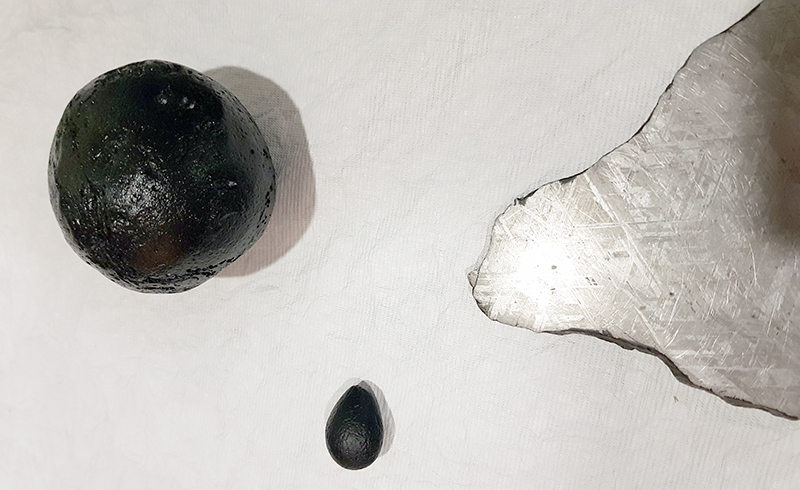
I was glad to arrive early to see the collection of meteorites Dr Natasha Almeida, Curator of Meteorites at the Natural History Museum had brought along for the Playlab hands on session. This included a spectacular slice of iron meteorite. Due to a long cooling period inside the parent asteroids the nickel and iron alloys crystallise then when polished and acid etched the classic Widmanstätten patterns of intersecting lines of lamellar kamacite, are visible. Also a tear drop of earth rock created when a meteorite struck the earth and the heat melted the rock which flew into the air and cooled into tear drops as it fell.

1810 meteorite collection.jpg

Other speakers at the event were Dr. Thomas Kitching a Cosmologist from Mullard Space Science Laboratory who is Science Co-Lead for the ESA’s Euclid Mission launching in 2021 to map the geometry of the Dark Universe by observing thousands of millions of galaxies.

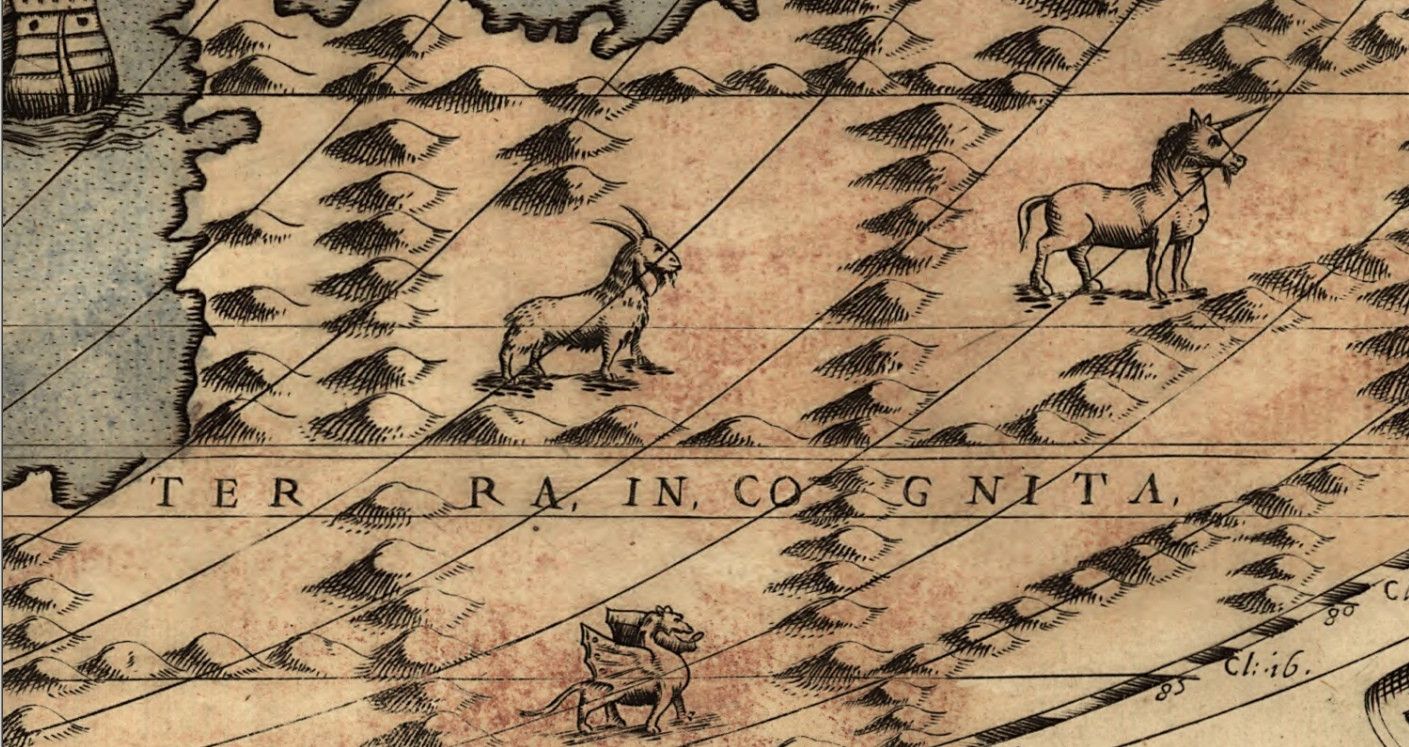
1810 terra incognita.jpg

He told us how confidence in what the universe is made of has eroded over the centuries and perhaps dark matter and dark energy which make up what we call the dark universe should be renamed Materia Incognita.

Dr Ceri Brenner is a plasma physicist and innovator at STFC Rutherford Appleton Laboratory’s Central Laser Facility. She uses the most powerful lasers in the world to study what happens when extreme bursts of light come into contact with matter. She told us how firing these high energy lasers  through Tantalum a rare, blue-gray lustrous metal can produce high energy x-rays which can be used for imaging the container walls of  radioactive storage facilities to look for damage. The extreme physics she studies can also be applied to understanding supernova explosions in space or how we can ignite a star on earth for clean electricity generation.

1810 STFC laser lab

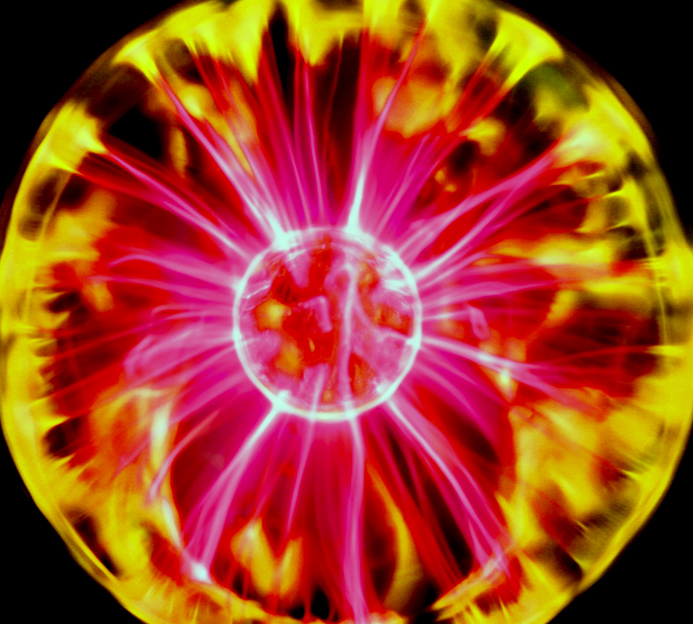
Apparently plasma accounts for 99% of the known matter in the Universe, it’s a soup of sub-atomic particles at temperatures way beyond what we usually experience on earth. This makes the stuff we interact with on a daily basis seem a really tiny portion if 99% of the 5% we know is also stuff beyond our realm of experience.

1810 plasma.jpg

Astrophysicist Dr Chamkaur Ghag was also there to talk about direct dark matter research and how extremely sensitive the detectors need to be. It was interesting to look at the progression of the different detectors from DRIFT to LUX increasing target capacity and homing in on areas of possibility where the illusive particles might be found.

Cham always gives insight into the importance of not just interrogating matter but putting scientific research into context. Asking why we are doing something, not just how. This fires his passion to address climate change and his involvement in the grassroots initiative from Particle Physicists European Strategy Update on Climate Change

1810 Paradise burning

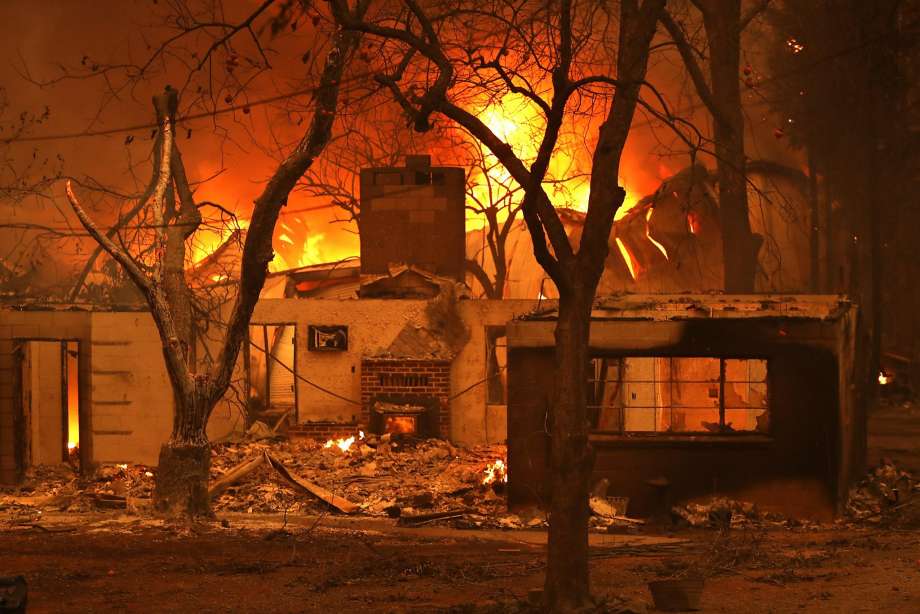
PARADISE burning — More than 30,000 people fled for their lives as a late-season wildfire swept across this town in the Sierra foothills

Laser Lab Talks Re-Thinking Space was compered by Nicola Triscott, founding Artistic Director/CEO of Arts Catalyst who asked the panel some reaching questions about the future of physics and how we make a difference to the debate placing ourselves in control of our destiny. Questions from the floor addressed the public interface of science. Speaking in front of an audience is not something I find comfortable so my input to the panel was slim but hopefully I had aired some relevant points during my talk looking at the opposing scales of cosmology and quantum physics and how we might relate to these two spheres of knowledge, both beyond human scale and comprehension.

1802 frozen galaxy
The idea of a new dark age approaching addresses a fear that we no longer understand the world around us. We are subjected to too much information that we can no longer process. There is too much complexity, we don’t know where to turn for verification.
The knowledge of the way the world behaves built up over generations may no longer apply. The fear that we are losing connection to the world around us is in many ways a long standing one – we have always looked back to a time when we believed we lived in harmony with the natural world.  That something central to our lives has been lost.


1810 Bruegel Two Monkeys

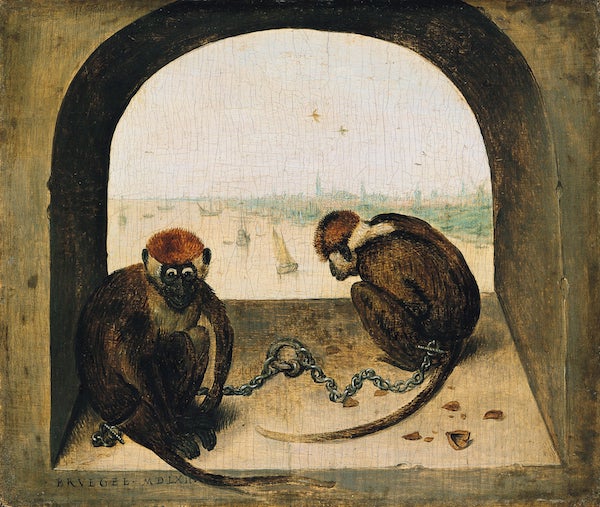
Pieter Bruegel The Elder Two Monkeys 1592

I have seen some interesting exhibitions tracing the human experience through alienation, projection and what happens when different worlds collide.

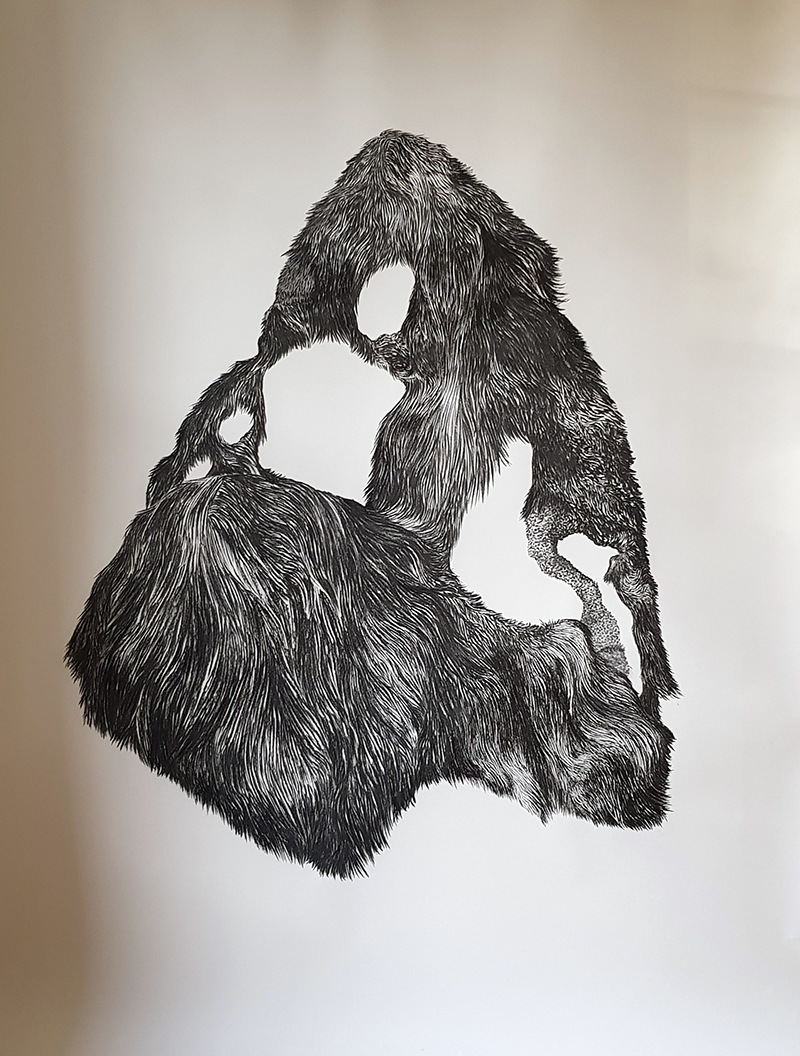
Nicky Coutts excellent examination of interspecies dissonance Man Stupid at Danielle Arnaud. Koko the gorilla was born and raised in captivity. She was taught to sign and ultimately deliver a message in the role of ambassador on behalf of nature to the 2015 Paris Climate Conference.
In Nicky’s drawings Koko has slipped away leaving just her skin as shadow.

1810 Nicky Coutts

The images read as an indecipherable code. The frustration at the divide between human and non human communication is held in these traces of gesture. We can look hard, make suggestions but will never know what is in the great ape’s mind. Drawn in blackest charcoal, rich and intense with a primeval, totemic aura they could be the props of the shaman hinting at another world that requires some rite of passage involving the returning to a world of raw visceral nature.
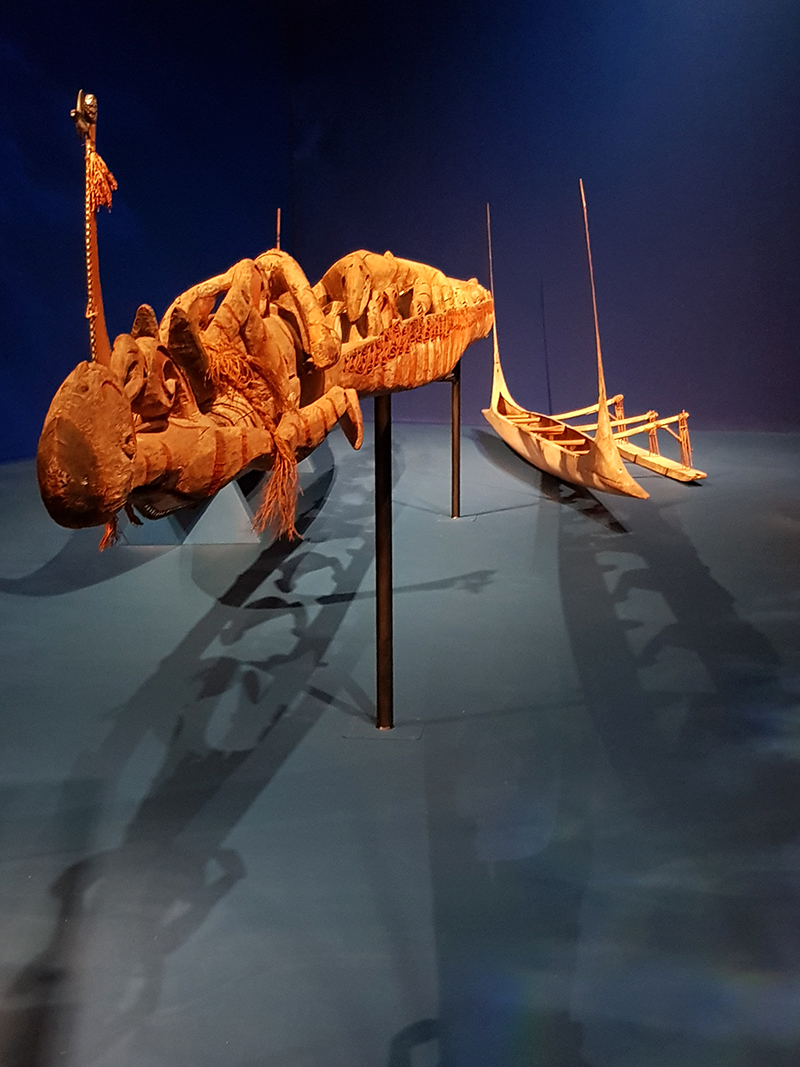
Oceania at The Royal Academy.

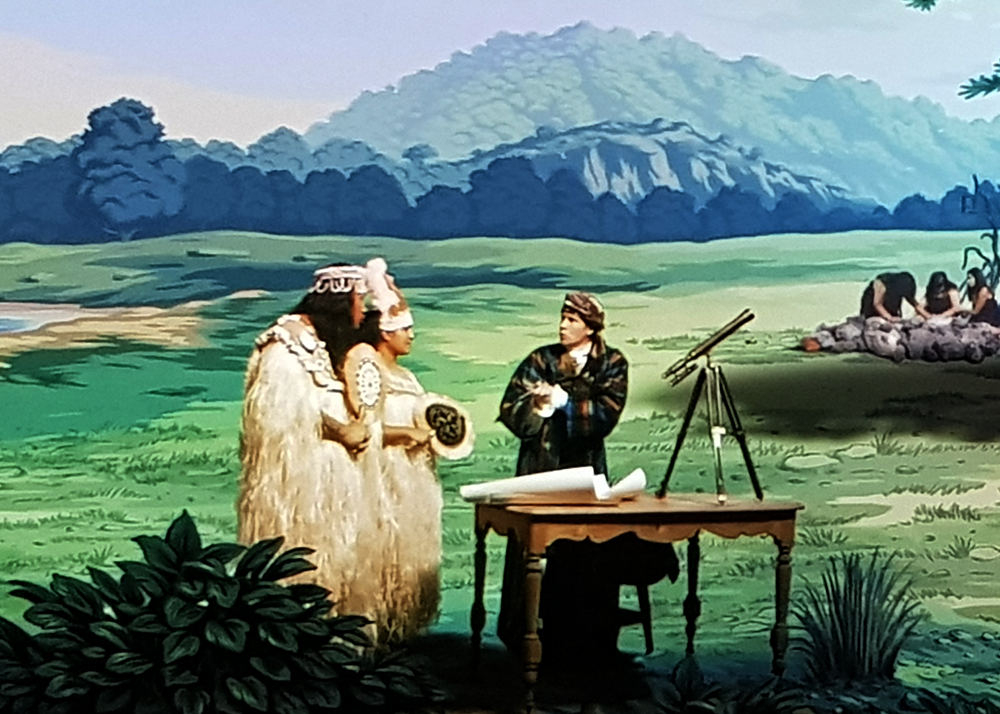
In 1768 James Cook set sail from Plymouth in the HMS Endeavour funded by the Royal Society to track the transit of Venus in Tahiti and explore the islands of the Pacific Ocean.

1810 Oceania RA Lisa Reihana 3.jpg

Lisa Reihana has created a large scale panaoramic video installation in Pursuit of Venus [infected] using the French scenic wallpaper Les Sauvages De La Mer Pacifique as a backdrop to the complexities of cultural identity and colonisation depicting scenes of encounter between Europeans and Polynesians.

1810 Oceania RA 3

Much of the exhibition was uncomfortable viewing for although the catalogue emphasises that objects collected by Europeans were frequently given willingly I don’t feel confident there was equality in these ‘exchanges’.

1810 Oceania RA 5

1810 Oceania RA 7

1810 Oceania RA 1

That the objects still resonate with spiritual significance for some is evident by fresh offerings left around the galleries.

I had just finished reading the riveting Modern Gods by Nick Laird before visiting which raises the subject of proselytism and relevant contemporary issues on religious belief and cultural contamination drawing on events in Ulster and Papua New Guinea to highlight the fragility of social cohesion when faith and tribe are on the line.


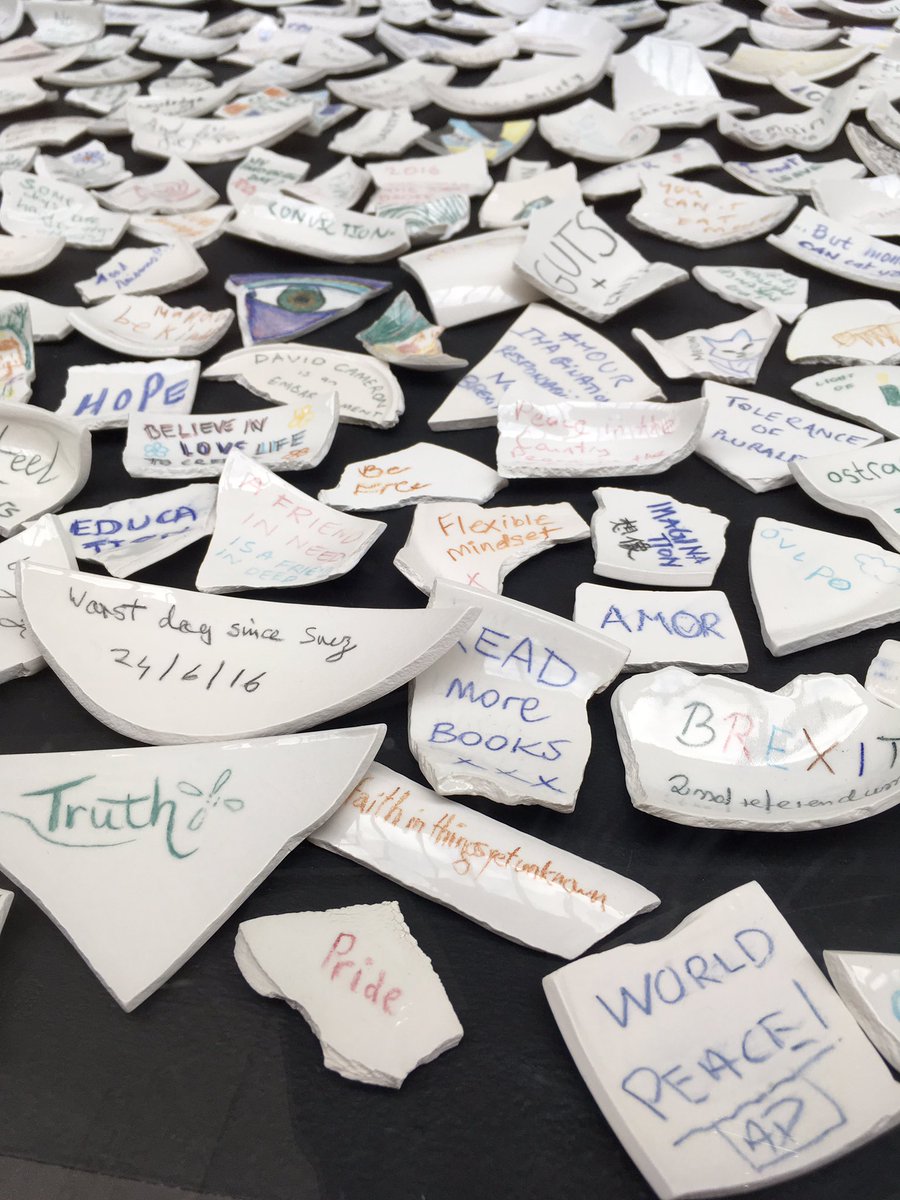
Sarah Christie’s Library shown at Southwark Cathedral is an ongoing attempt to give voice to the individuals that make up the 48% and the opposing 52% trying to make sense of the divided society they find themselves a part of in post Brexit referendum Britain.

1810 Sarah Christie

In Ancient Greece, people voted by writing on ‘ostraca’ a broken piece of pottery. The public have been invited to select an ostracon – sherds made by hand from a hundred and fifty cast bowls – and offer their own words that break boundaries.

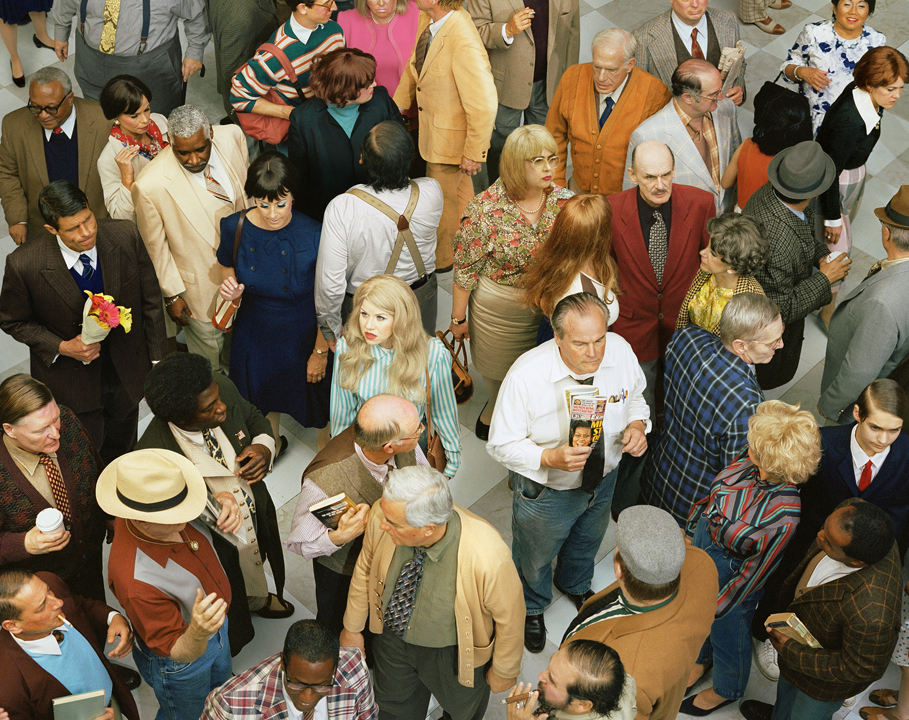
I enjoyed Alex Prager’s Face in the Crowd series at The Photographers Gallery.

1810 Alex Prager Face in the Crowd

The individual is picked out in the crowd and elevated from anonymity, but look at the crowd – these are not the grey masses we blend in with on the streets, at airport lounges and theatres. Each of these characters is chosen, placed and choreographed. The unnatural vibrancy and controlled demeanours give the scene an unsettling automaton quality.
1810 Alex Prager

Entertained by an evening exploring the darker past of the gothic extravaganza Strawberry Hill House.

Spirits invoked for Ghost Tide exhibition at Thames-side Gallery curated by Sarah Sparkes and Monica Bobinska.

1810 Laura Marker Ghost Tide

Laura Marker

1810 Mary Yacoob Ghost Tide

Mary Yacoob

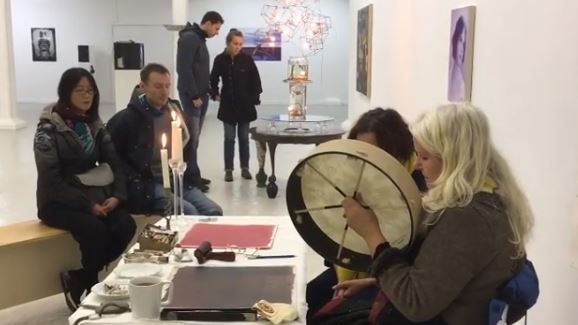
I took part in the Hollow Bone Ceremony led by shaman Kate Walters who uses repetitive drumming to alter the brain waves to ‘theta’ waves to allow travel to either the Upper world or the Lower world to convene with the cosmos, nature and animal spirits and ask for guidance on behalf of the participant.

1810 hollow bone ceremony

Was it coincidence that my mind focused on an unexpected encounter with a deer in Grizedale Forest the previous week that after the 10 minutes of rhythmic trance Kate came back with a strong image of a large Moose or Stag whose energy and ferocity I needed to tap into.

1815 Grizedale Deer.jpg

Thanks to Jim Lloyd for highlighting this quote from Werner Heisenberg

“What we observe is not nature itself, but nature exposed to our method of questioning. “


The end of summer. Time for Laboratory of Dark Matters take down at Cleveland Ironstone Mining Museum.

1710 The Forms

During the six week exhibition and many trips to the north east where we were made so welcome I became very fond of all those involved at the museum and the dramatic backdrop of the North Yorkshire coastline. Sad to pack the work away and leave.

1710 Diazôgraphô

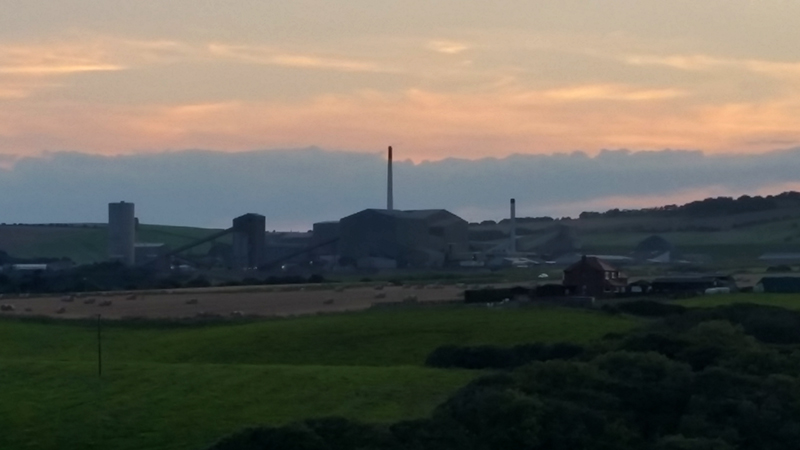
Boulby Mine became a familiar sight and distinct reminder of the surreal journey underground and project conception over a year ago.

1710 Boulby Mine

It was a genuine coming together of disciplines and communities which I think we all gained from. Pinning my hopes for the future on similar undertakings.

1710 CIMM and EU nostalgia


We are better together.


Straight onto making new work for Deptford X Fringe show Supposedly Predictable Phenomena with [ALLOY] artists.

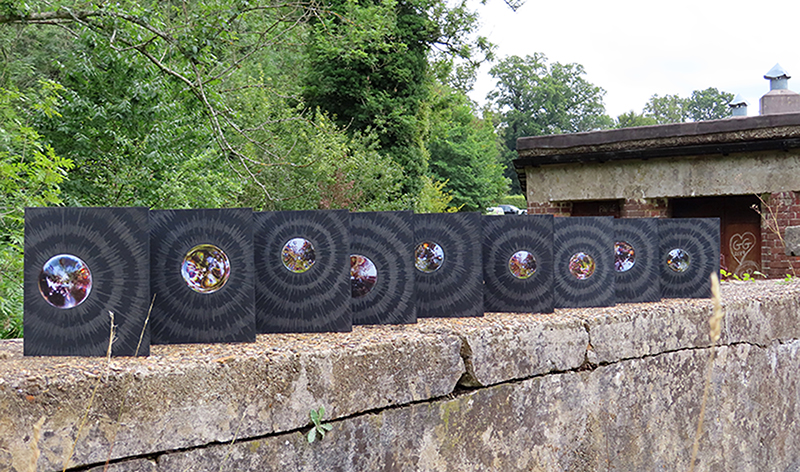
1710 etching plates

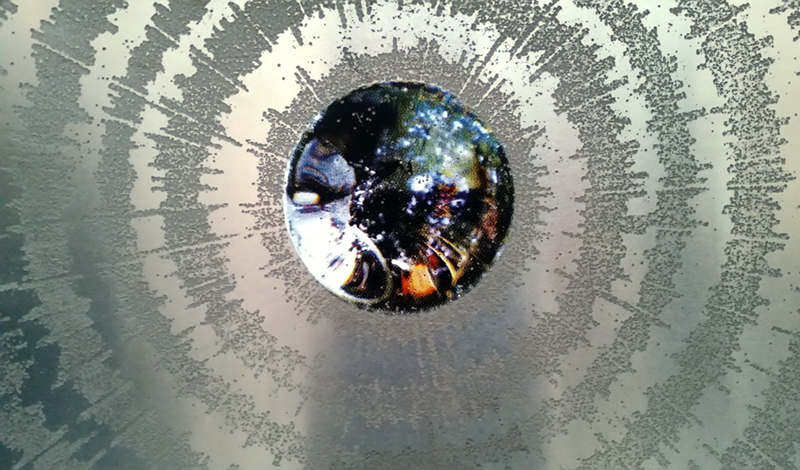
Etching 12 plates, then screen printing the centre circles as 4 colour separations. The printed images are from crystal ball photographs taken out in the woods.

1710 screenprint over etch

A portal for the imagination as well as a folding in of space.

1710 screenprint on aluminium

Meanwhile I was invited by The Institute of Physics to speak at the INTERACT conference in Birmingham. I was able to participate in some interesting workshops alongside the physicists  and listen to Jim Al-Khalili and Alice Roberts in conversation about the shifting perspective of the academic world in relation to public outreach and the role of women in the sciences.

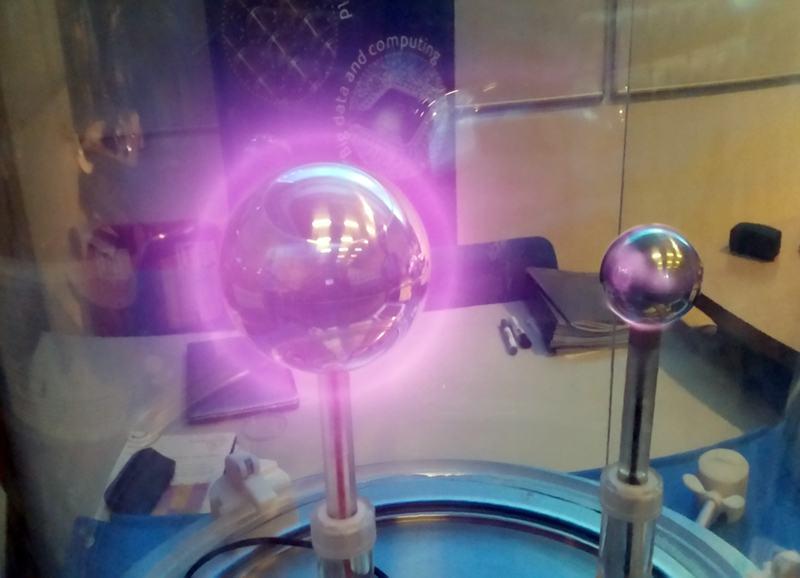
I was introduced to The Planeterrella, an incredible artificial demonstration of the Northern Lights. The aurorae are created by charged particles from the Sun travelling along the Earth’s magnetic field lines and exciting our atmosphere.

1710 Planeterrella

In this experiment most of the air is sucked out of a glass chamber to recreate the conditions about 100km up in the Earth’s atmosphere. The large sphere represents the sun and the small sphere the Earth which contains a very strong magnet to represent its magnetic field. A voltage is sent from the Sun to the Earth to recreate the solar wind which excites the electrons in the field enough to give off light at characteristic frequencies.

1710 Planeterrella 2

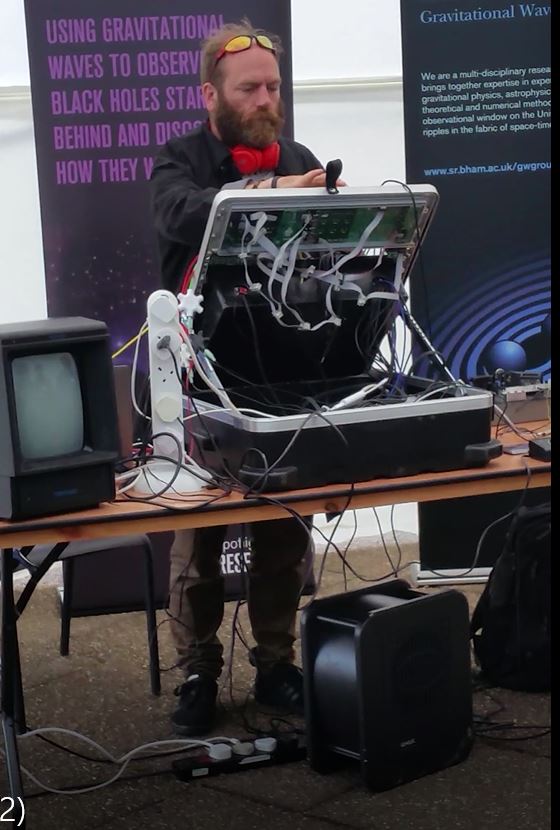
Listened to Gravitational Waves

1710 Gravitational Waves

and picked up a useful leaflet on cosmic rays which were first discovered by Victor Hess in 1912 using an electroscope to measure ionising radiation in the atmosphere 5300 metres up in a hot air balloon. The higher up the higher the radiation therefore the effect must be caused by something extra-terrestrial.

1710 Victor Hess

One high energy primary cosmic ray gives rise to a cascading shower of secondary particles that scatter across the earth, colliding and decaying in a constant stream. Mostly passing straight through us and the matter around us but sometimes there will be a direct hit at a subatomic level from a particle having travelled from outside our galaxy.  1704 Cosmic Trail 3

Lizzie Cannon ‘Liminal Matter’ at The University of Greenwich explored the constantly shifting dynamic of the shore and its material.  Through the process of art-making, critical reflection and dialogue; this exhibition continues Lizzie’s research to address questions around human and nonhuman agency, temporal and spatial flows of matter and meaning, and an ontological fluidity that allows for an understanding of materiality as a reciprocal and generative relationship between humans and environment.

1710 Lizzie Cannon In Transition Detail 1

Lizzie Cannon detail of the mighty In transition

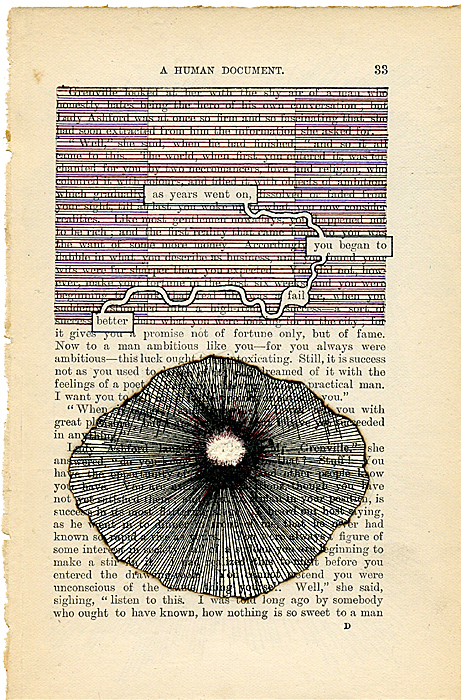
Wandered the set at South London Gallery of Tom Phillips IRMA: An Opera Opus XIIB. This 1969 mini opera was drawn from Tom Phillips magnum opus which was in turn born from an idea that he would alter every page of the first book he came across for 3d. W H Mallock’s 1892 novel A Human Document thus became A Humument. 

1710 Tom Phillips

1710 Tom Philips Humument.jpg

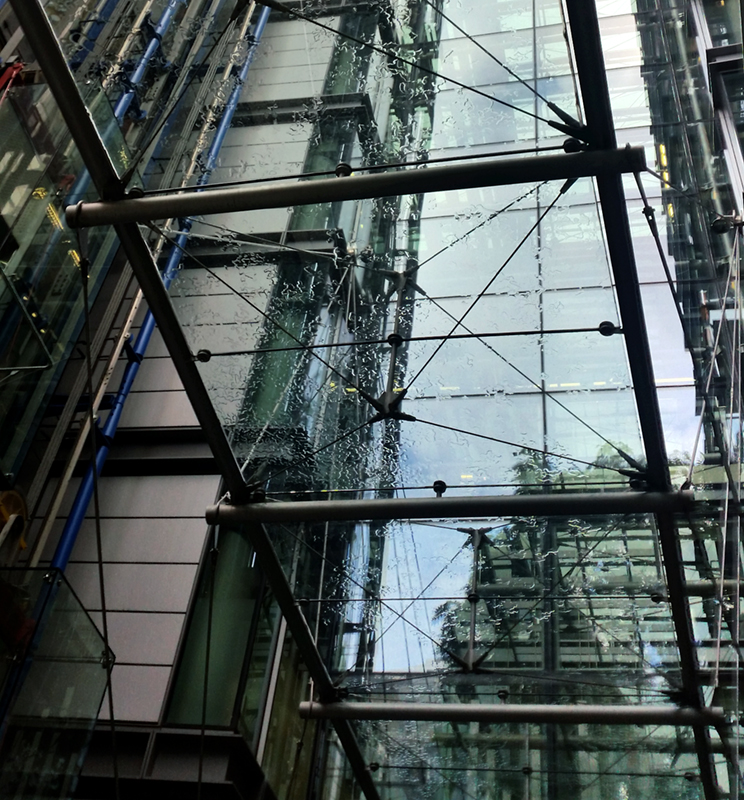
Further wanderings during London Open House weekend led to the architectural hybrid of Lloyd’s Register.

1710 Lloyds Register Open House

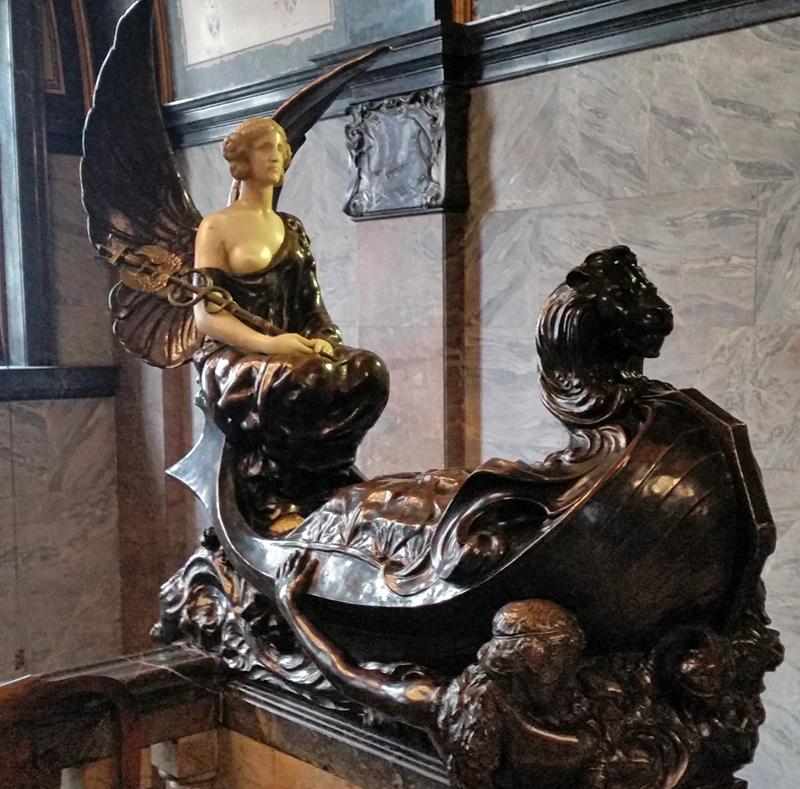
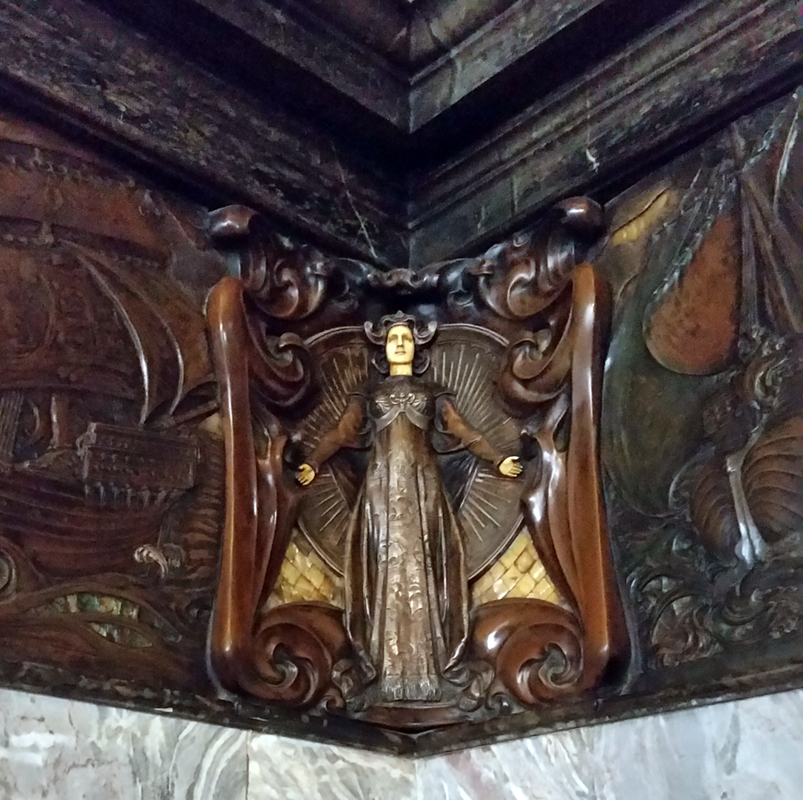
Hidden within the Richard Rogers glass and steel is Collcutt’s palazzo with grand marble staircase leading to the ornate General Committee Landing dominated by The Spirit of Maritime Commerce 

1710 Spirit of Maritime Commerce

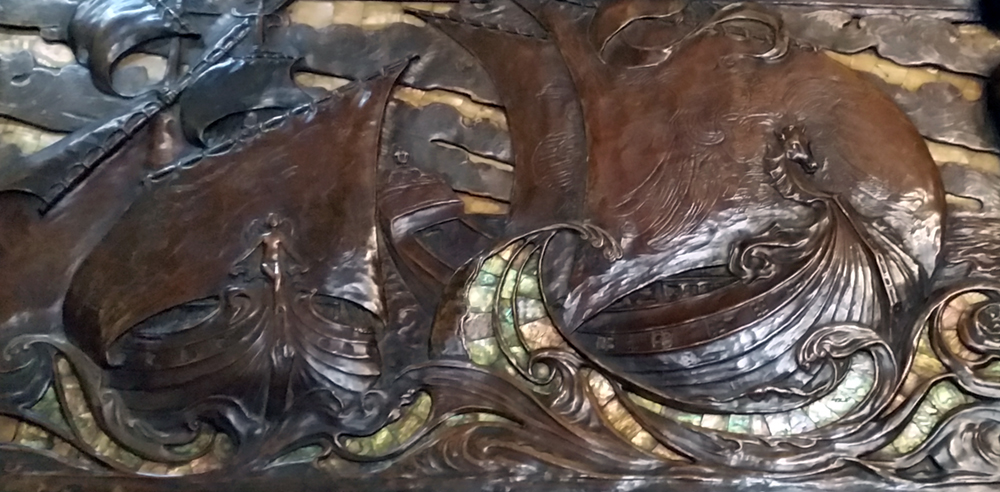
and the bronze frieze sculpted by Frank Lynn Jenkins, inlaid with silver, mother of pearl, turquoise, coral and pearl.

1710 Lloyds Register Bronze Frieze 2

1710 Lloyds Register bronze Frieze

The landing opens onto the Italianate opulence of general committee room with its barrel vaulted ceiling and more exposed left breasts of various symbolic maidens

1710 Night

Lloyd’s Register was founded in 1760 in Lloyd’s Coffee House as a means of registering the seaworthiness of wooden commercial ships sailing from British ports. An attempt to plan and predict.

A tight turnaround from ideas, to making work, to installation of Supposedly Predictable Phenomena at no format Gallery in time for Deptford X.

Very happy to be showing alongside Jessie Sheffield and Lauren Ilsley. 1710 SPP 8

This was new work that investigates the themes of sequence and consequence

1710 SPP

Contained Nascent
Acrylic, wood, water, powdered minerals.
Lauren Ilsley, 2017

Apparently linear processes, psychological and physical, are rendered unpredictable and essentially chaotic due to their inherent and entangled sensitivity.

‘Supposedly predictable phenomena’ relates to the concept that if all contributing factors could be mapped and understood, then the outcome, theoretically, should be predictable.

1710 Jessie Sheffield

FixPoint 36
Steel mesh, wood, acrylic.
Jessie Sheffield, 2017

The results of this is a calculable universe and suggests a trajectory that is not only logical but also predetermined.

1710 SPP 2

Tools for Transition
Ceramic, aluminium, wood.
Lauren Ilsley, 2017

This raises the question of the alternative – Chaos Theory, and in turn free will.

1710 SPP 7

Duodecimēns
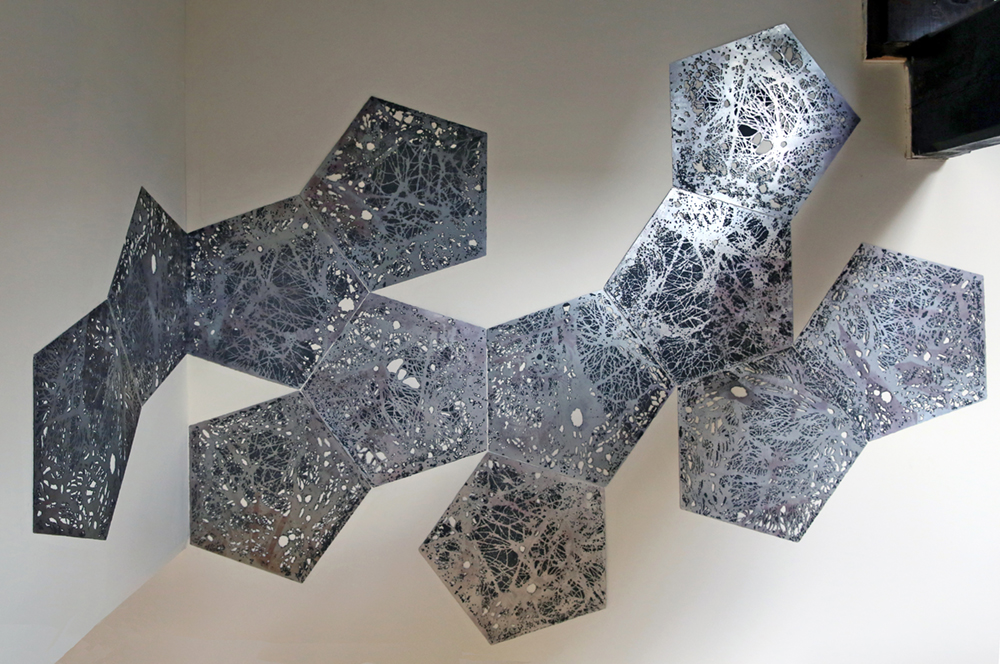
Etched aluminium, screen print. 12 pieces.
Susan Eyre, 2017

Duodeci – 12    mēns – minds……or Twelve thoughts, one from each multiverse

1710 ssp exhibition

no format gallery space worked well for us, if slightly on the edge of the festival bounds. It faces onto Propeller Foundry with 4 floors of artist studios many of which invoke studio envy with their big windows and vast spaces. Found a few old friends in here. There was some opportunity to head out to see some of the other work on show around Deptford.

Ambient Occlusion was another excellent curation at Gossamer Fog. Muted as the first step towards the synthesis of human and computer, the attraction of virtual reality evident by the queues to experience Jakob Kudsk Steensen’s Terractic Animism. It was terrific. Hyper-real. Which cannot be conveyed in this image or the Vimeo link demo.

1710 Jakob Kudsk Steensen

Other mesmerising work was Alan Warburton’s 3 channel video Primitives

1710 Alan Warburton primitives

and Katriona Beales video with mixed media Working Table II

1710 Katriona Beales (1)

Bearspace was showing Bella Easton Breath

1710 Bella Easton

colours slipping from muted to monochrome, an enveloping tangle pieced from oil painted linen still scented with the mediums of its construction.

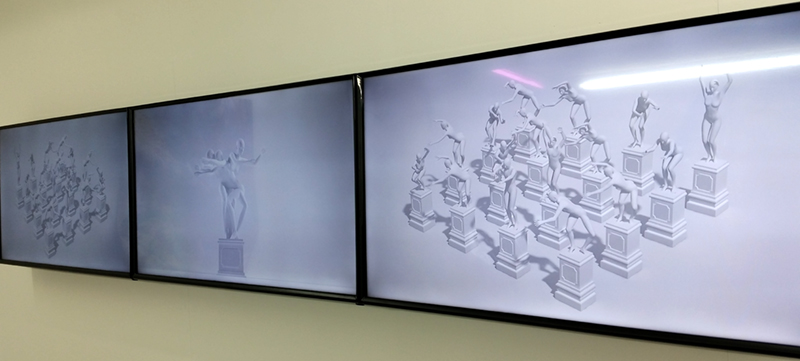
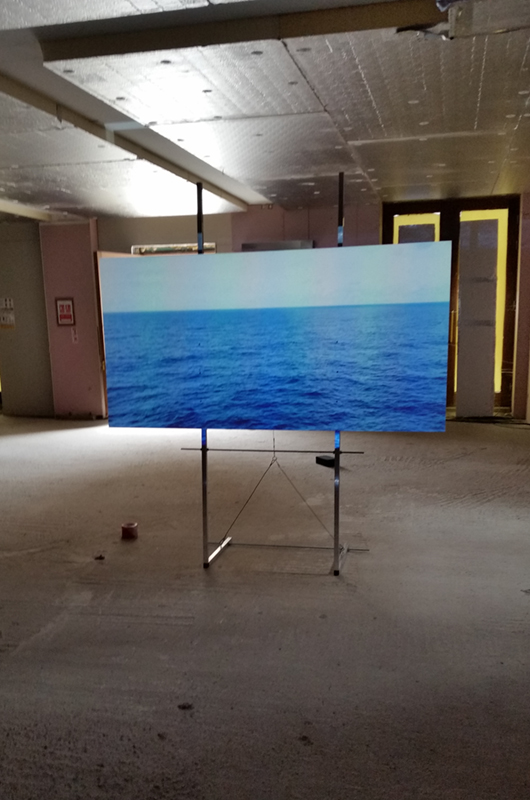
In the bare bones of St Paul’s House Tom Ireland placed three screens showing voyages across the sea or the galaxies. The Heavens (Deptford Observatory) places the local dockyards and observatory at the centre of the universe from which we embark.

1710 tom Ireland.jpg

New Scientist Live 2017

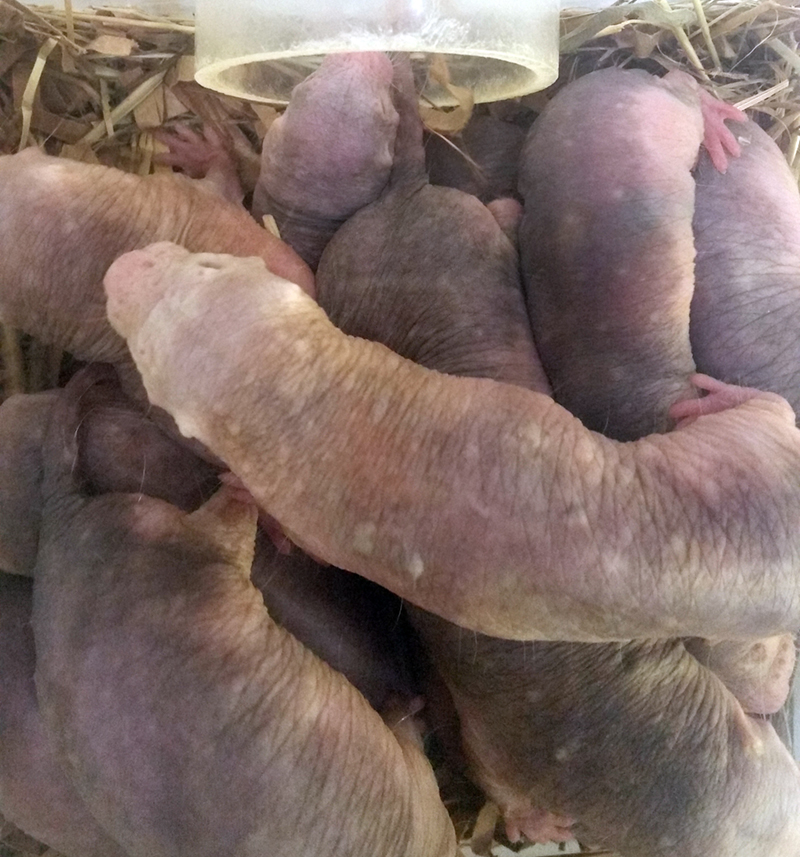
1710 naked molerats.jpg

Best thing I saw in some ways was these extraordinary fanged tubes of flesh that hold the clues to longevity but I did feel for them being thrust under the spotlight. Exposed. Naked indeed.