Archives for posts with tag: Aimée Parrott

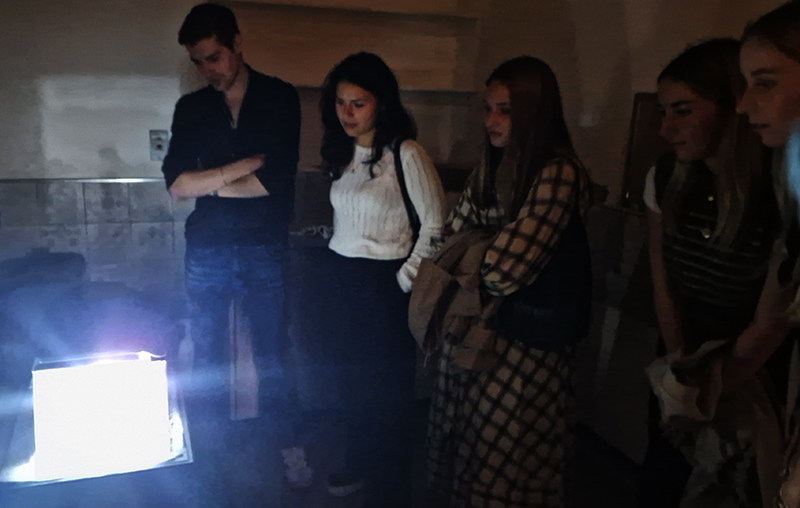
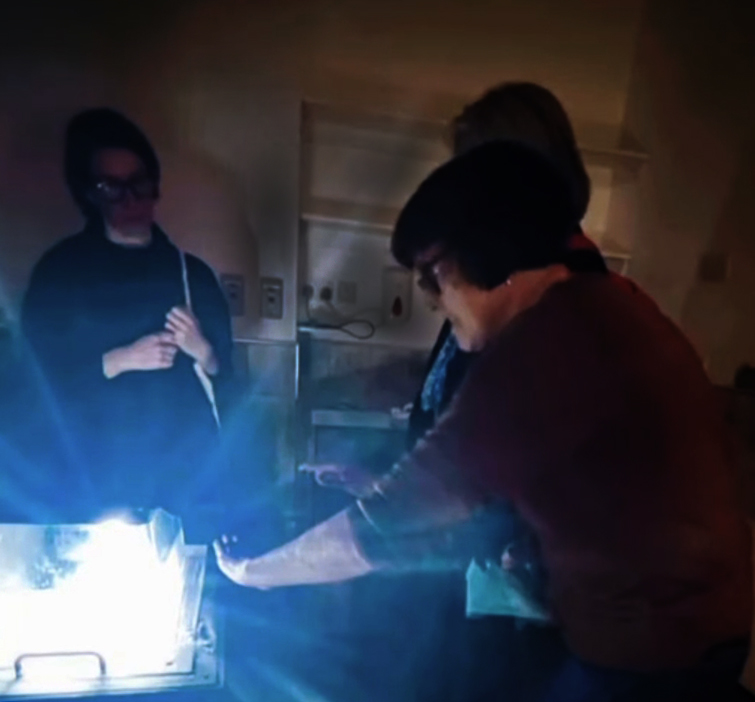
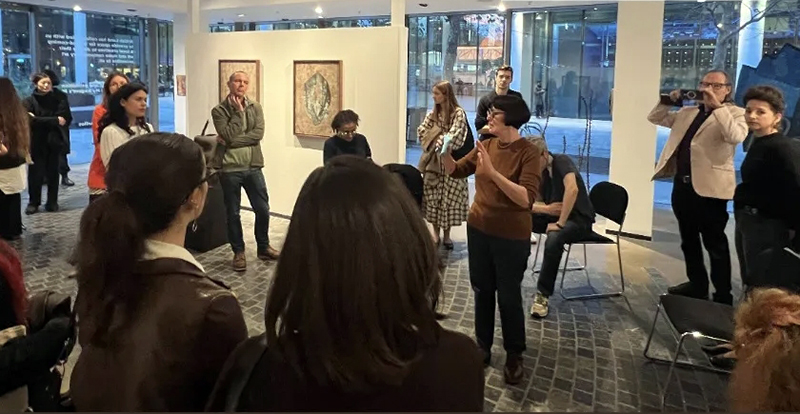
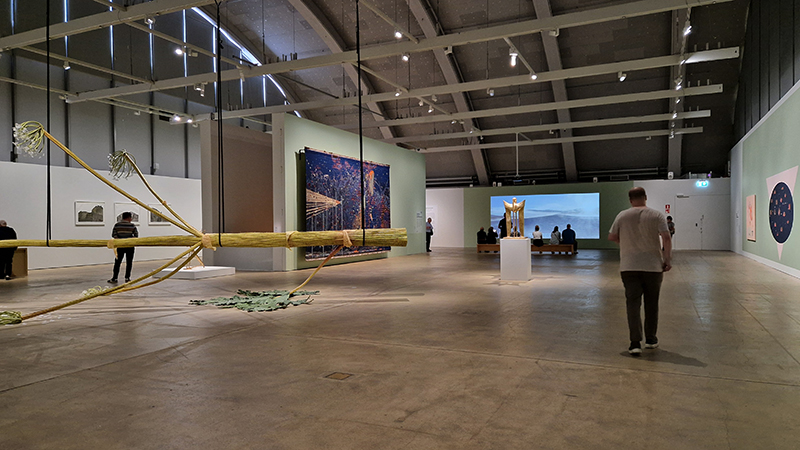
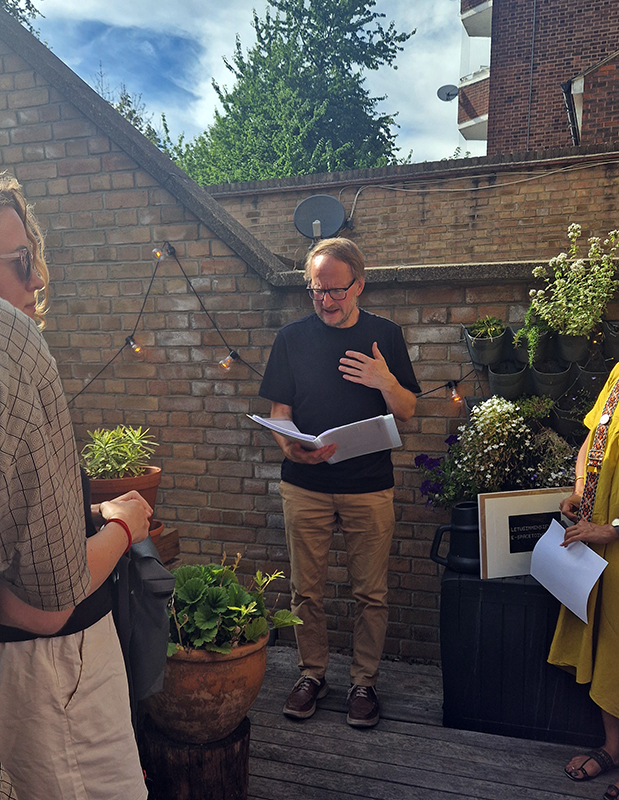
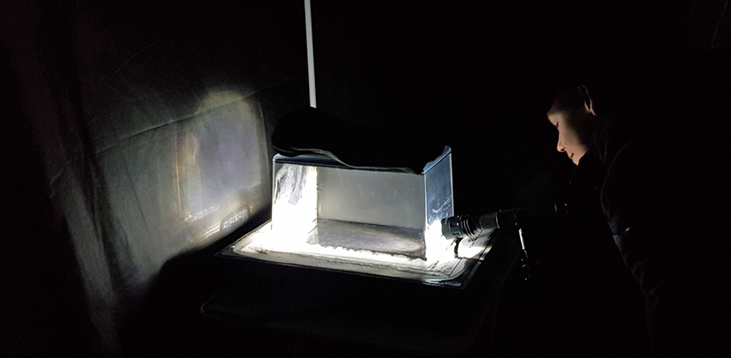
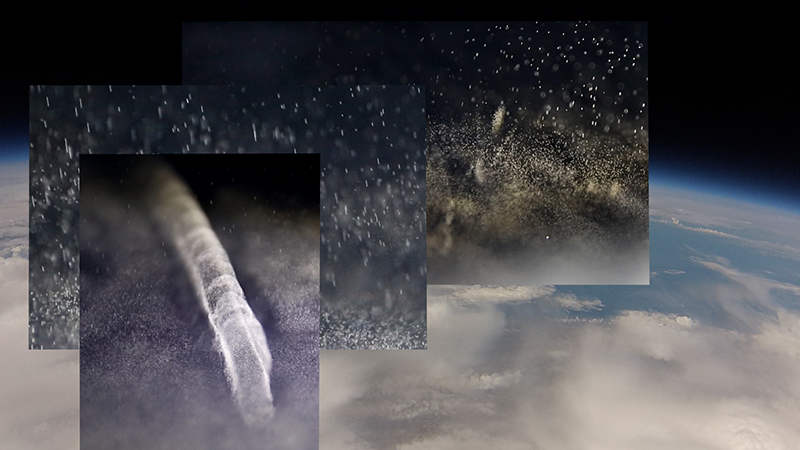
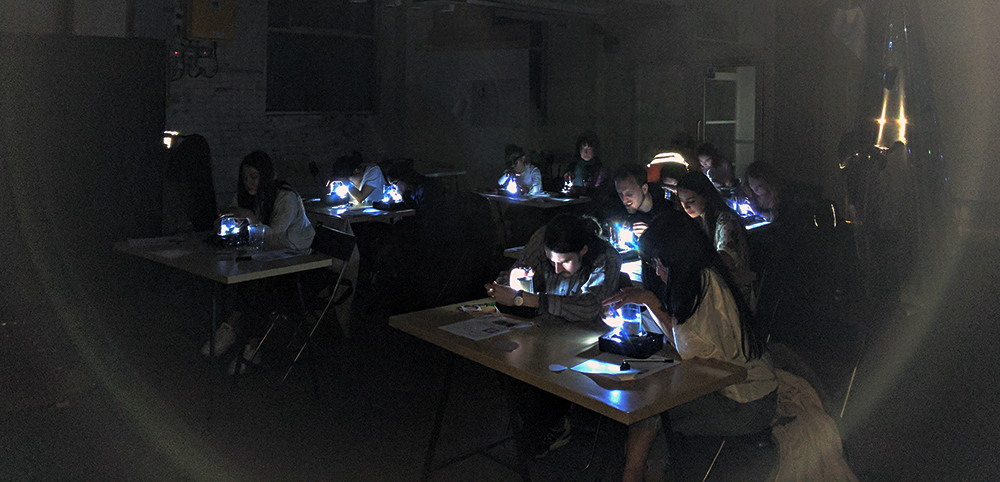
The finale of the exhibition programme of Carbon, Carbon Everywhere co-curated by Indira Dyussebayeva-Ziyabek and Maria Hinel at Hypha HQ included an exhibition tour, a BREAT(HOLD) workshop led by Ania Mokrzycka and an invitation to view cosmic particle trails passing through a cloud chamber.

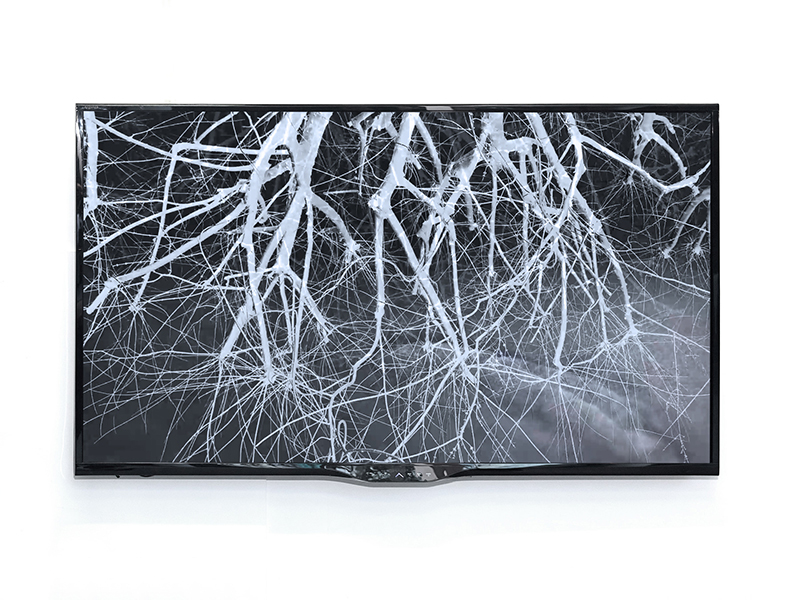
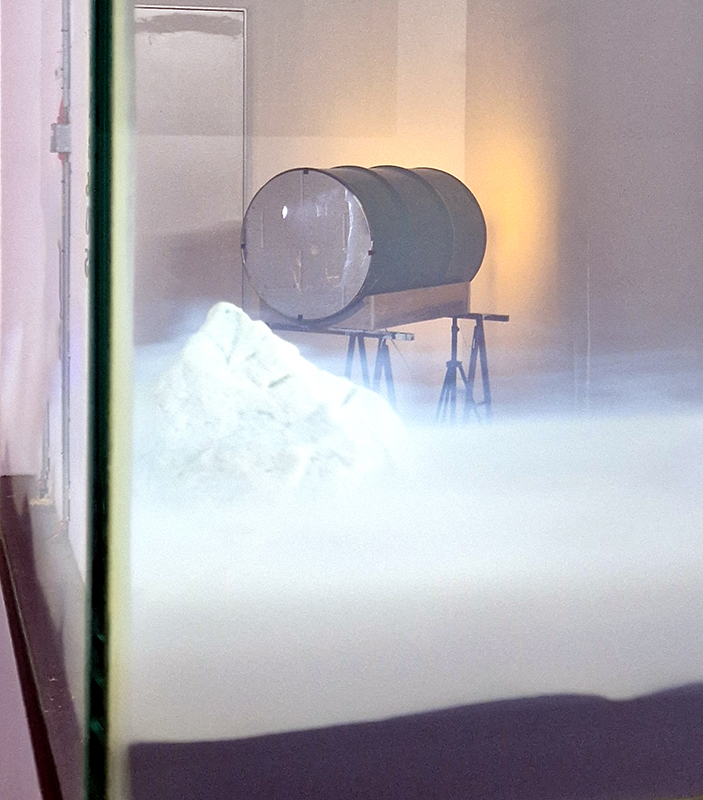
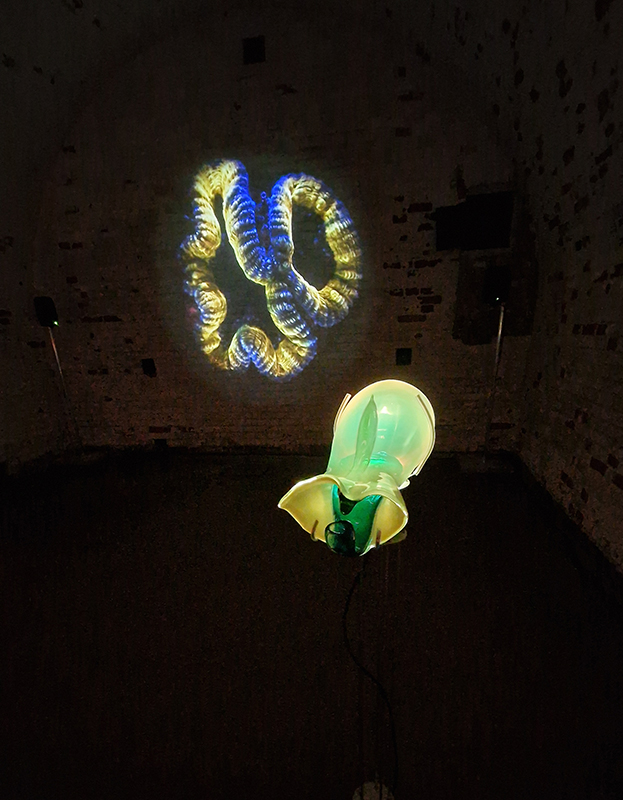
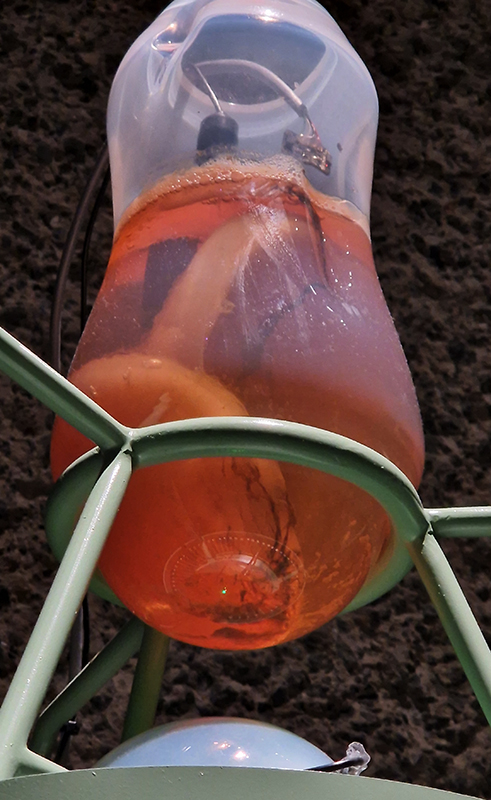
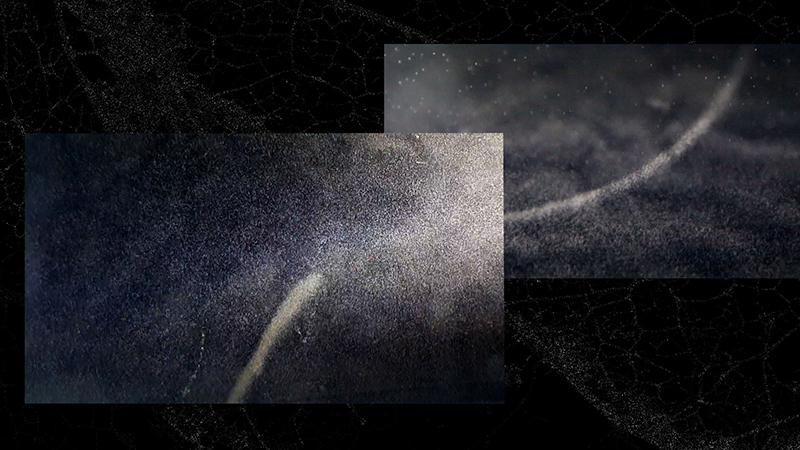
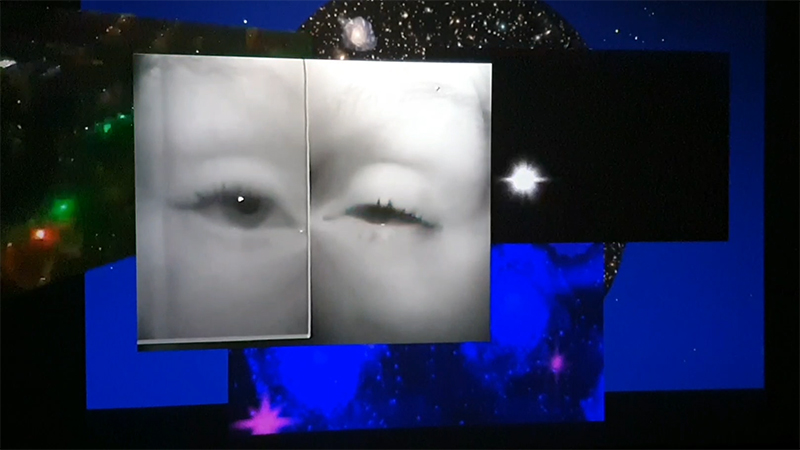
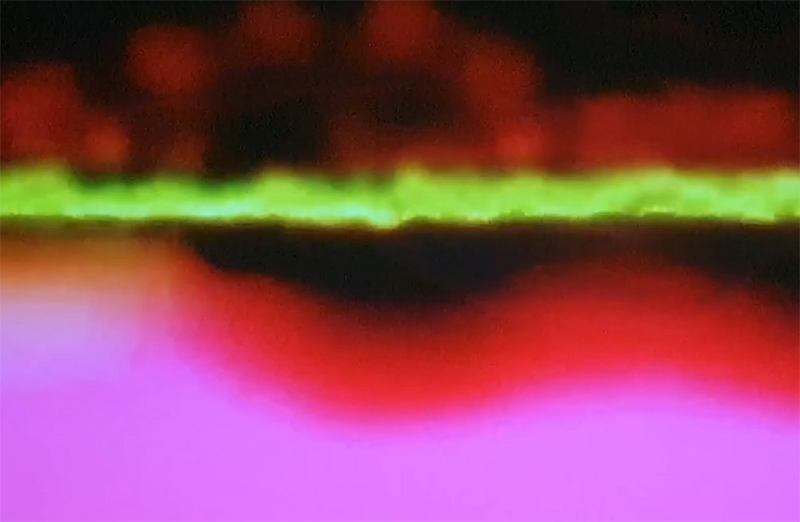
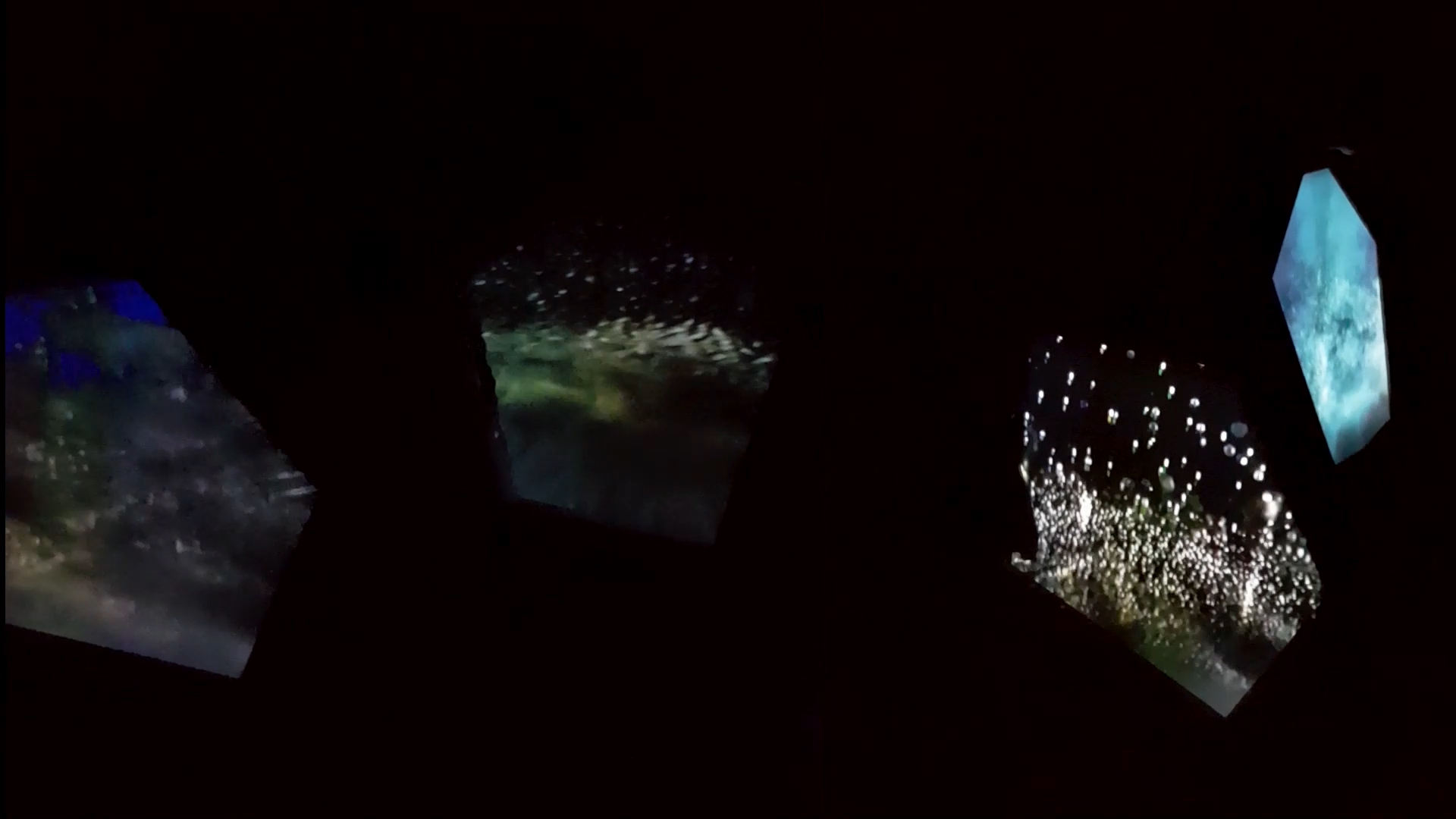
This simple equipment of a plastic tank saturated with isopropyl alcohol vapour over a metal tray sitting on dry ice was used to capture footage for the video Cosmic Chiasmus: crossing the universe showing in the exhibition. Cosmic rays are fast-moving particles, blasted across space, spiralling along magnetic field lines to end up entangled with carbon in our bodies.
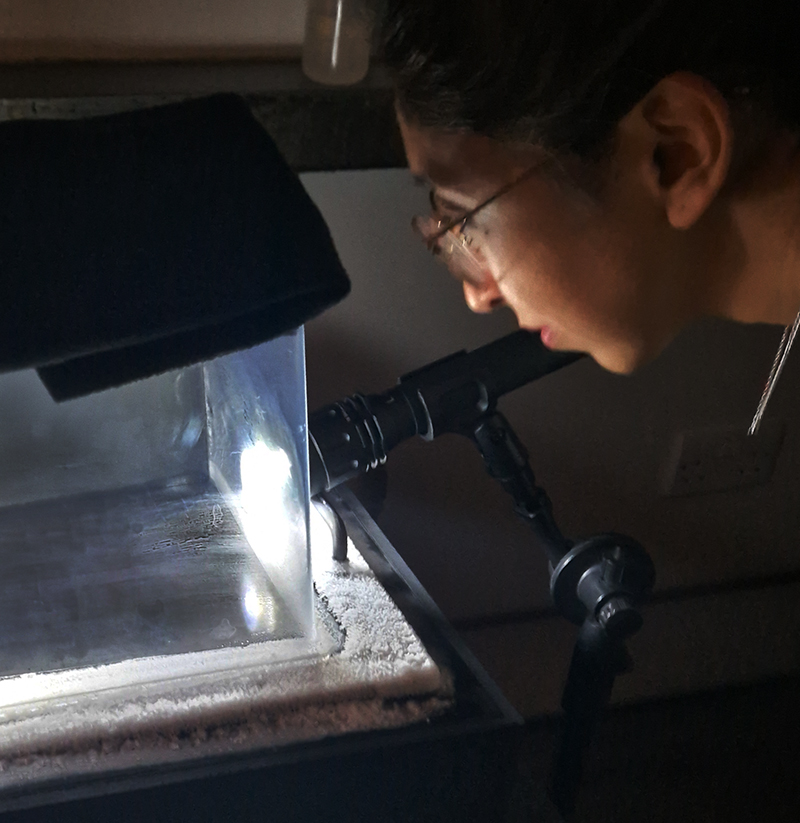
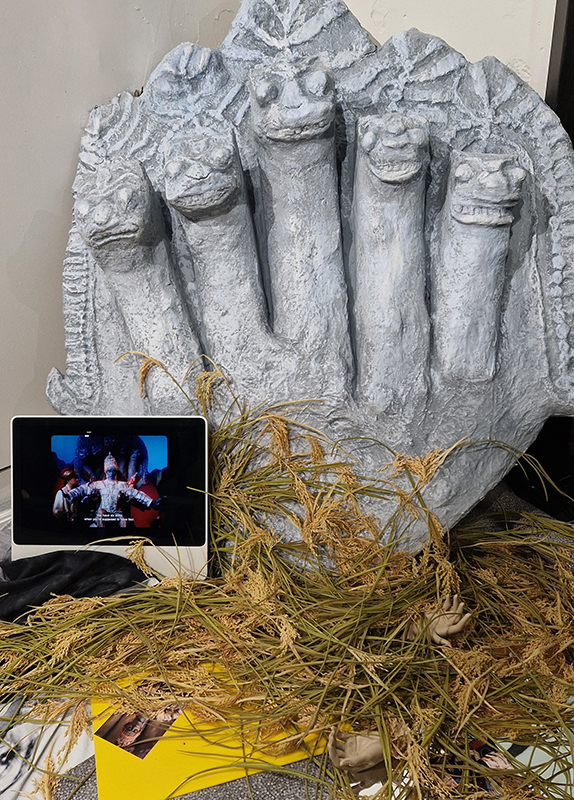
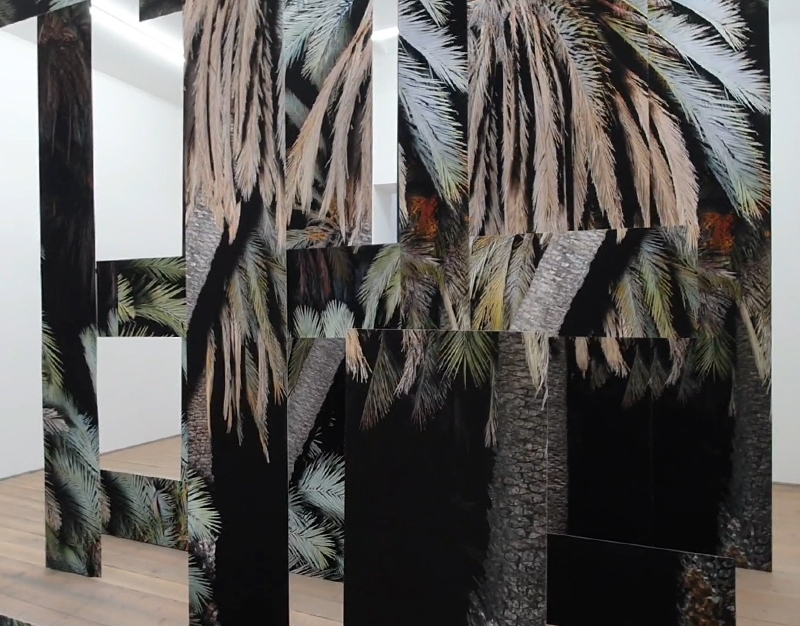
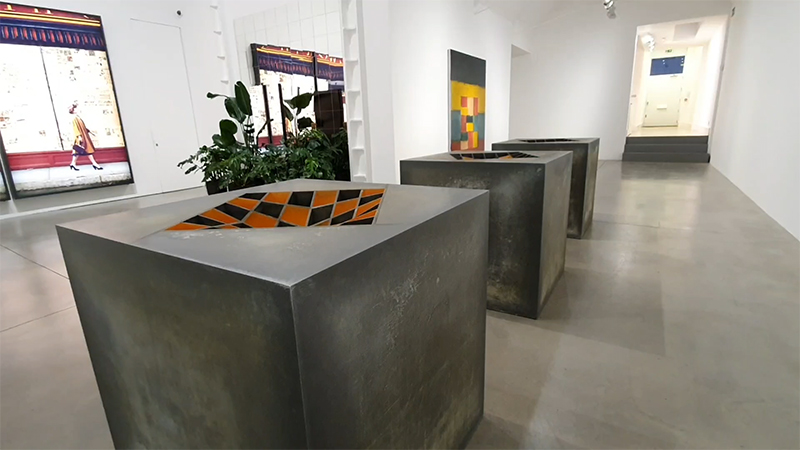
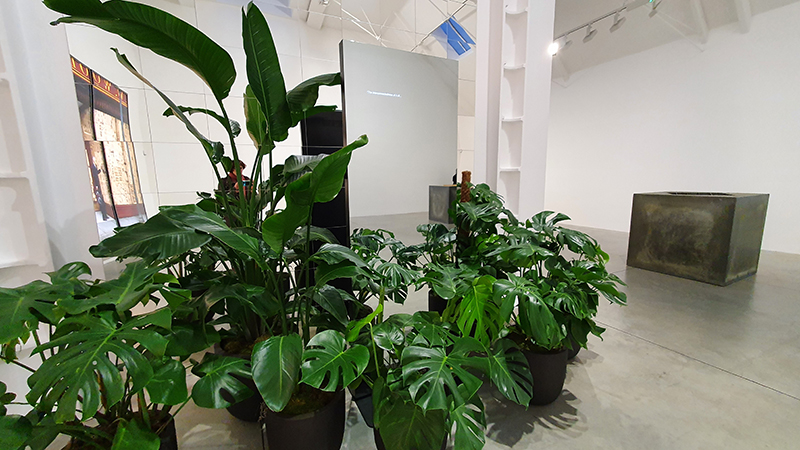
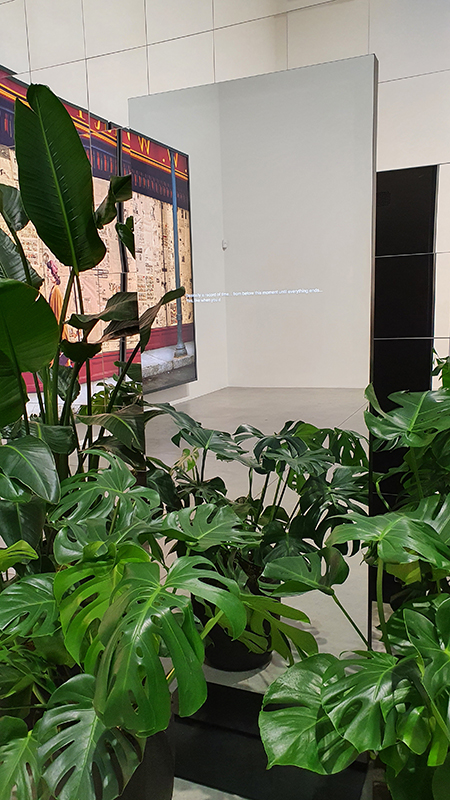
Installation image of Cosmic Chiasmus: crossing the universe

Not only is all life physically permeated by cosmic rays with the potential for nuclei collisions but some cascading particles smash into atoms of nitrogen to create carbon-14 which combines with oxygen in the atmosphere to create radioactive carbon-dioxide which enters the food cycle via photosynthesis.  Cosmic ray activity creating Carbon-14 allows us to perform carbon dating techniques offering insights into Earth’s past climate, magnetic field, solar activity, and changes in the carbon cycle, helping to understand historical patterns and establish timelines for ancient human history.

The title of the exhibition, Carbon, Carbon Everywhere, is a quote from the landmark essay Carbon by the writer and chemist Primo Levi. In the essay, Levi traces a journey of a single atom of carbon across distinct states and beings, from the monotony of being embedded in limestone for hundreds of millions of years, to entering the world of ‘things that change’ – swiftly shifting from the atmosphere to the lungs of a falcon, to the sea, to the trunk of a cedar, and eventually entering the writer’s own body from a glass of milk on his desk, crossing into the brain cell that controls the hand writing its own story. Resolutely specific yet universal, Levi’s story highlights the singularity of carbon as an element that inherently connects all things through its relentless transformation. It fossilises, mutates, preserves, pollutes and nourishes. From its ancient geological formations to its current atmospheric volatility, carbon is never still, shifting between forms and contexts in an ongoing process of exchange.

‘It is possible to demonstrate that this completely arbitrary story is true. I could tell innumerable other stories, and they would all be true: literally true, in the nature of the transitions, in their order and data. The number of atoms is so great that one could always be found whose story coincides with any capriciously invented story’ Primo Levi

This was a beautiful show and I was thrilled to be invited to exhibit alongside such amazing artists including Emii Alrai, Anousha Payne, Kate Daudy, Konstantin Novoselov, Ania Mokrzycka, Nissa Nishikawa, Mariele Neudecker, Simon Faithfull, Aimee Parrott, Lucia Pizzani, Lizi Sanchez and Meng Zhou.
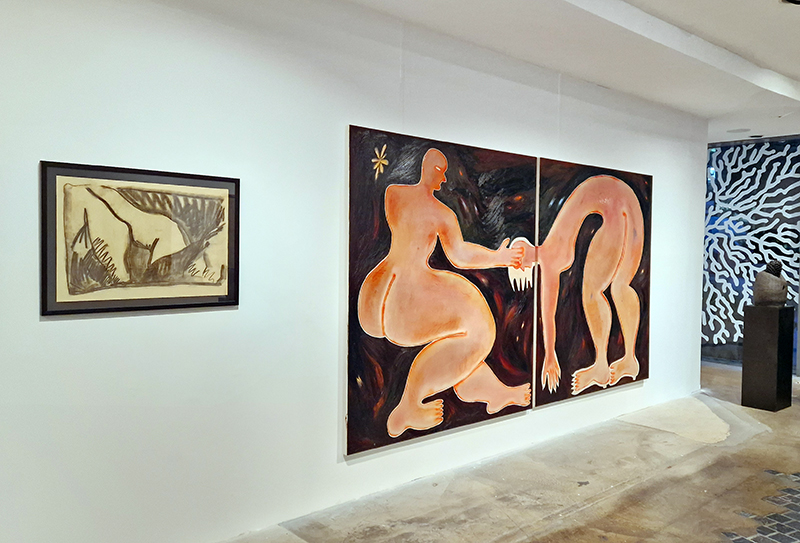
I am very excited to have an invitation to exhibit at the Safehouses in Peckham next year with a group of wonderful artists and friends. Curated by Julie Hoyle, the artists have been selected for the way their work resonates with the atmosphere of the Safehouses — places where traces of the past meet the imagined and the unseen. Together, the works will form a dialogue between beauty and unease, the real and the imagined, reanimating the stripped-bare rooms with strange company. We had a productive site visit and I have two spaces in mind to work with – one above and one below.
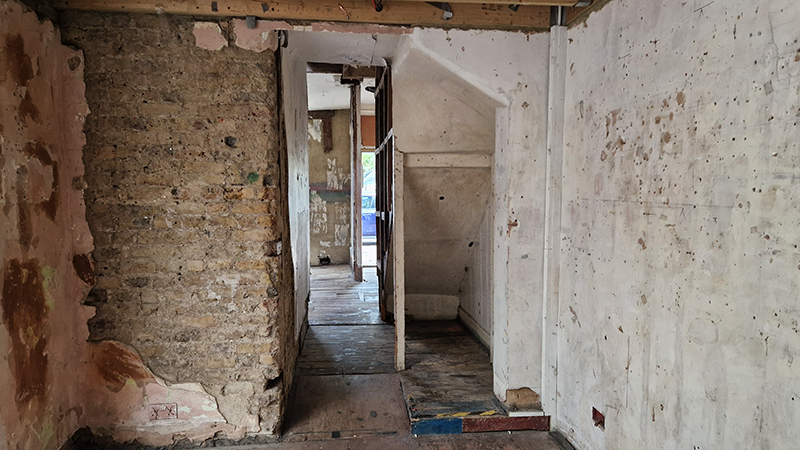
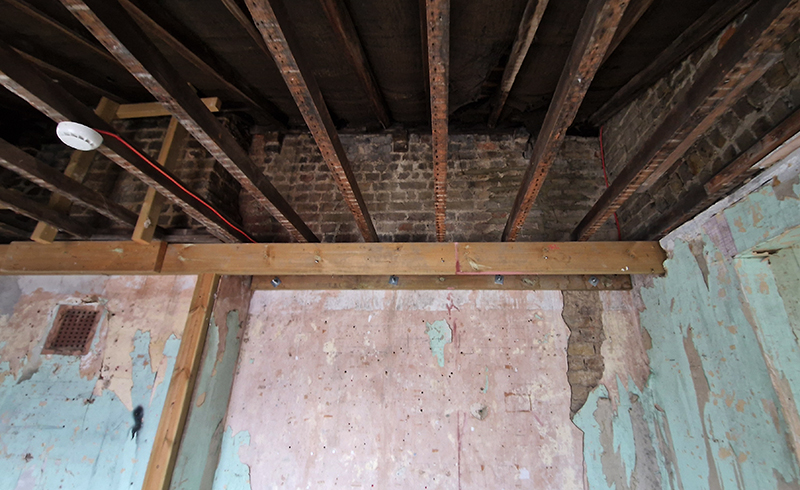
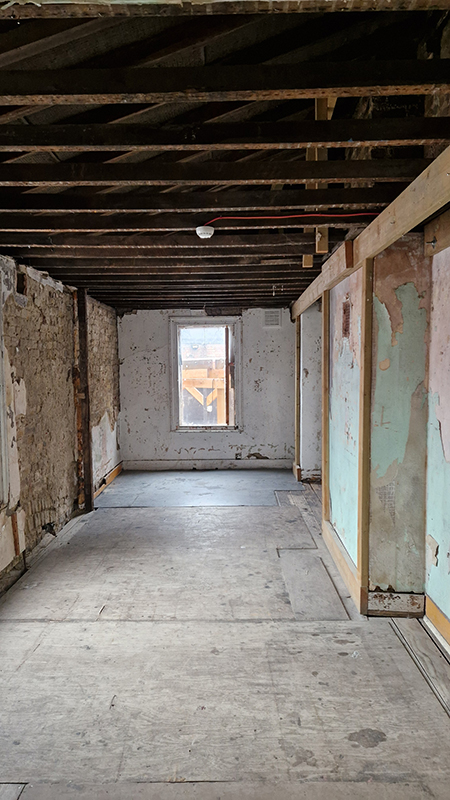
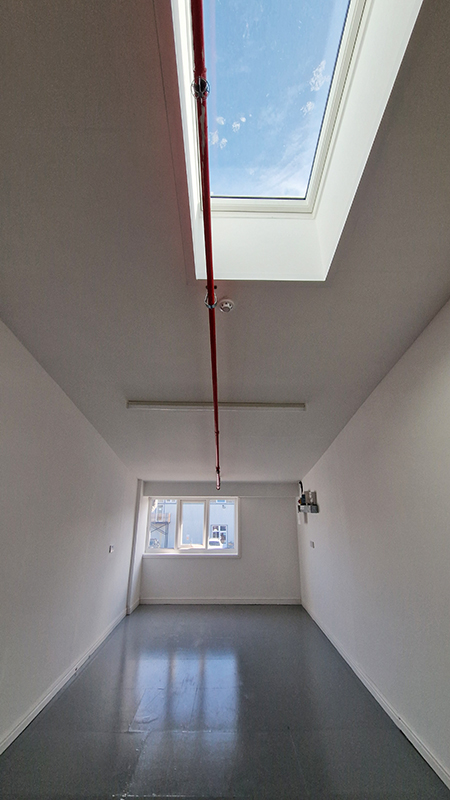
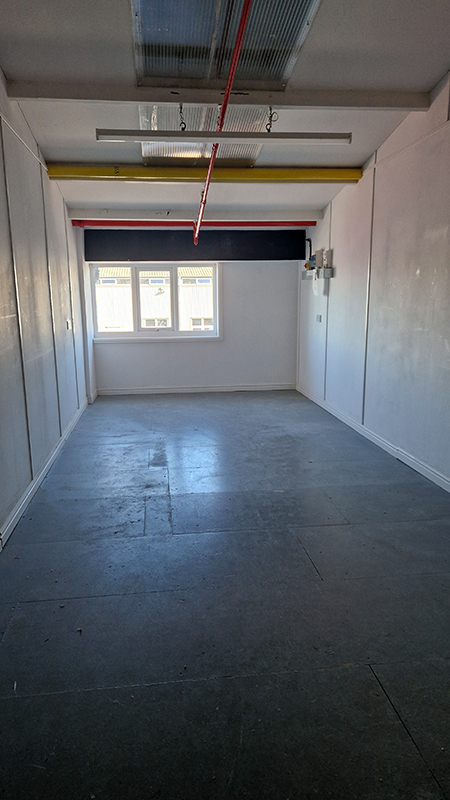
There is an ongoing refurbishment project at my studio complex which although welcome improvements has caused a little disruption to my ability to work there recently. My unit has had a new roof installed and each studio is being insulated with a new ceiling and opening Velux window. When the new roof went on we lost our ceiling windows so it is wonderful to have natural light from above again. Having to move everything out of my studio for a couple of weeks has been a good exercise in discovering long hidden materials and putting it all back has forced my hand to have a bit of a clear out of items I am unlikely to use and pass these on to other studio holders. Images show before, during and after.
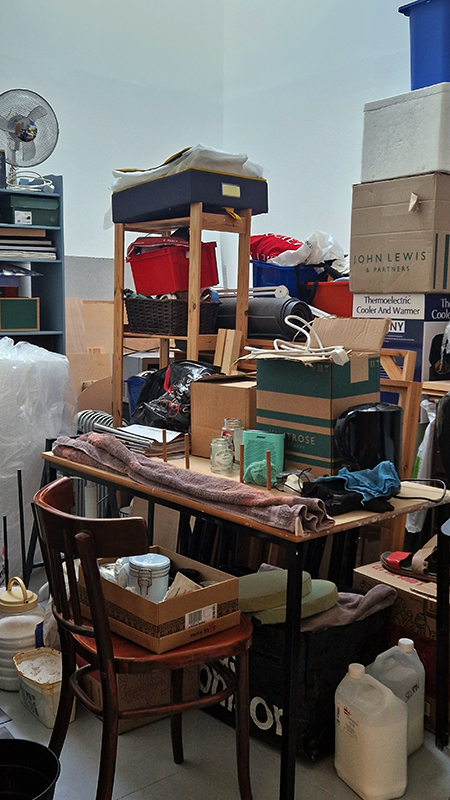
I managed to get everything back into my studio just in time for a studio visit from curator Catherine Li to discuss the possibility of exhibiting at Brompton Cemetery Chapel next year. It is a stunning building so I am very excited about this upcoming project.

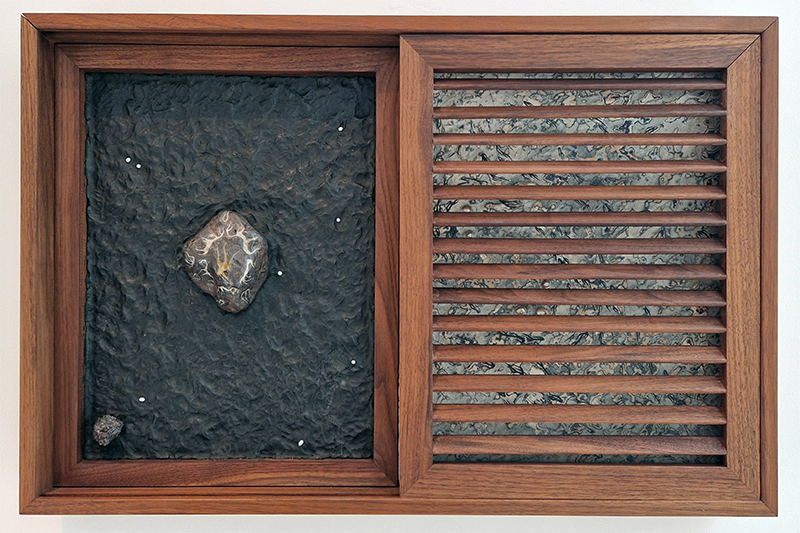
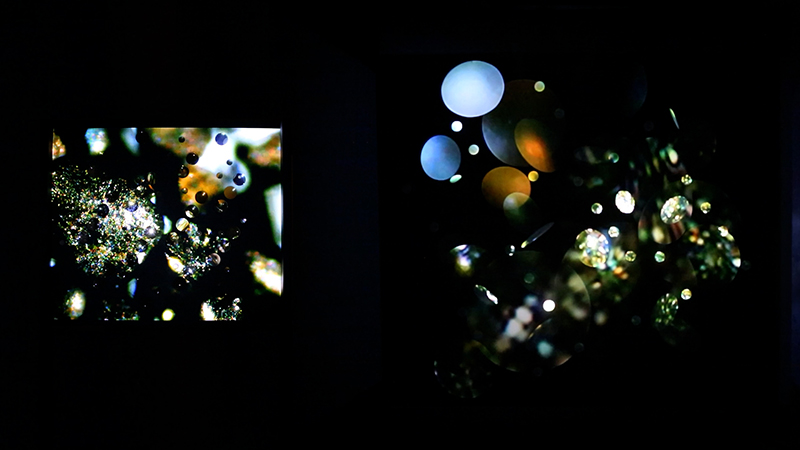
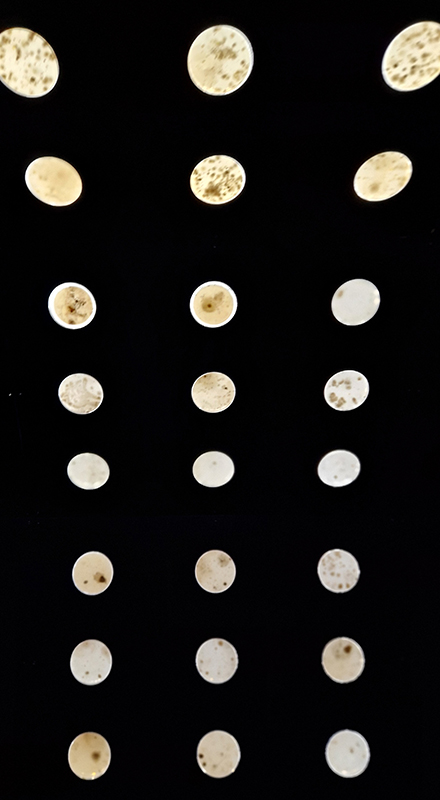
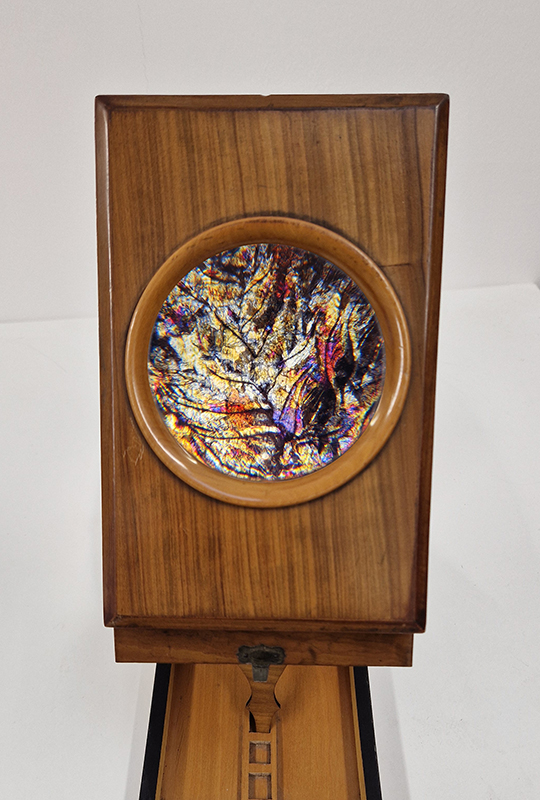
I have been experimenting with an old wooden slide viewer, printing images onto acetate from my microscope camera of polarised crystal and rock structures.

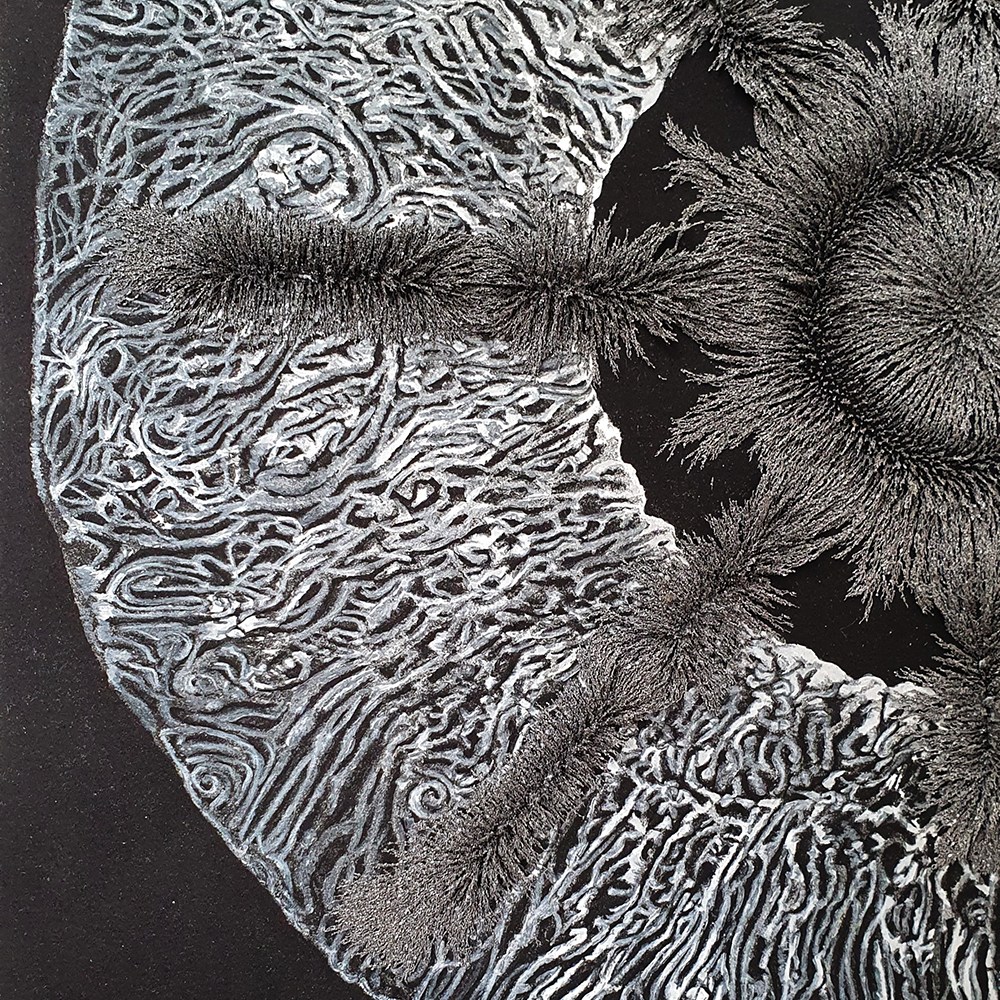
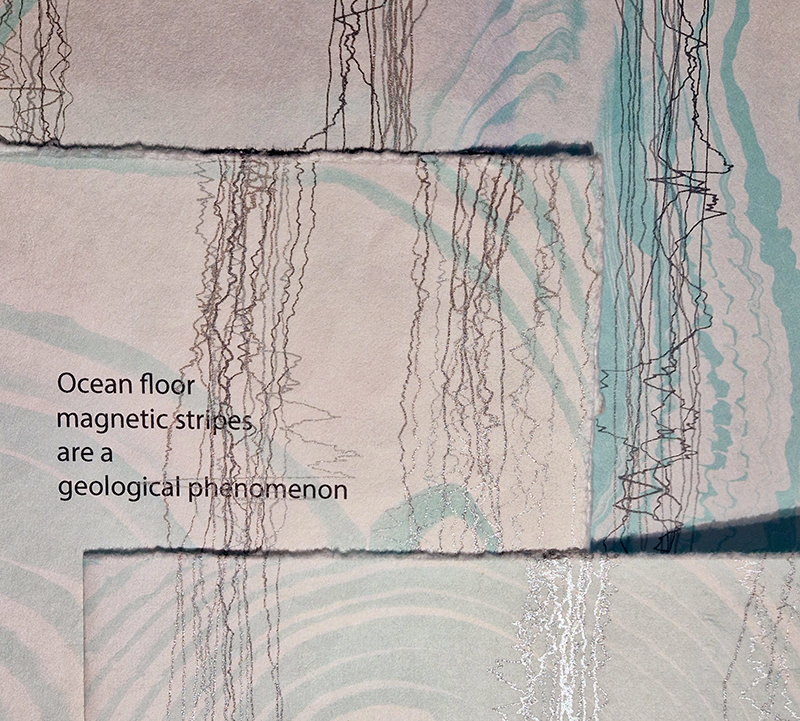
Work in progress on The Book of Reversals, writing text to print over the screen-printed magnetic graph lines. Ocean floor magnetic stripes are formed as magma cools at mid-ocean ridges. These alternating bands show Earth’s magnetic field reversals, with minerals in the crust aligning to current polarity and recording each change in pattern.
Colossal forces spinning dust

Aeons of accretion and gravity / shaping the debris of destruction

Searing elements separate /  amidst violence and decay

The weighty fall, pulled down, digested / feeling pressure only diamonds can survive

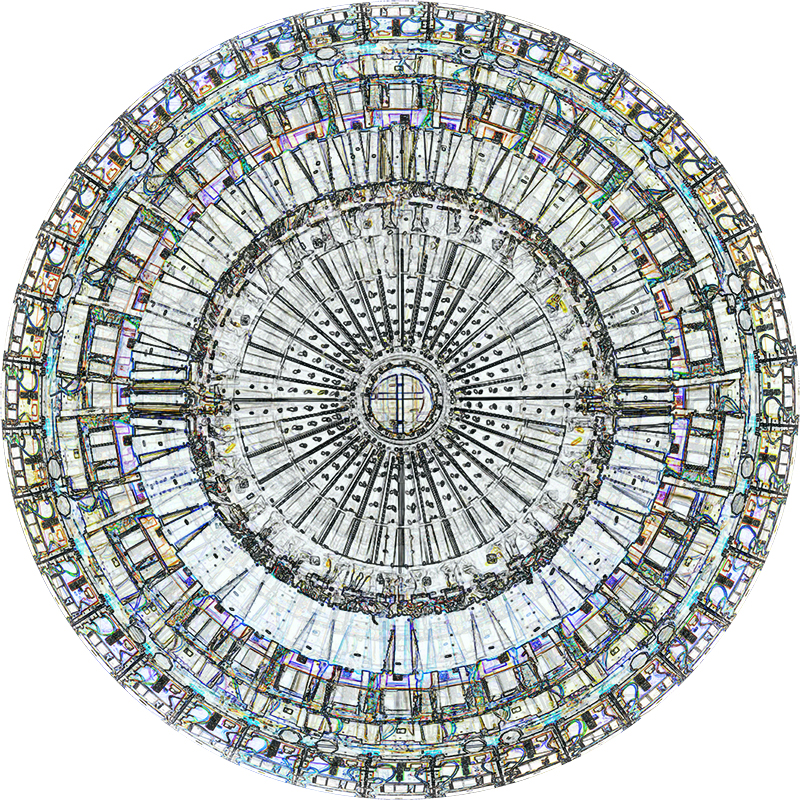
Work in progress looking at the sacred geometry of the Westminster Abbey Cosmati Pavement and relating medieval symbolism with contemporary iconography to think about changing relationships to fire, water, earth, air and the cosmos. Reimagining imagery from the Cosmati Pavement and particle accelerator at CERN.

Out and About

Noémie Goudal And yet it still moves at Edel Assanti. Mesmerizing work. I especially found the work Rocks very effective, an inkjet print on photographic paper with a video projection that moves across the image highlighting certain parts as though a torch is traversing a dark landscape. I always enjoy the theatricality of her large scale video installations even if they do purport a world collapsing around us.

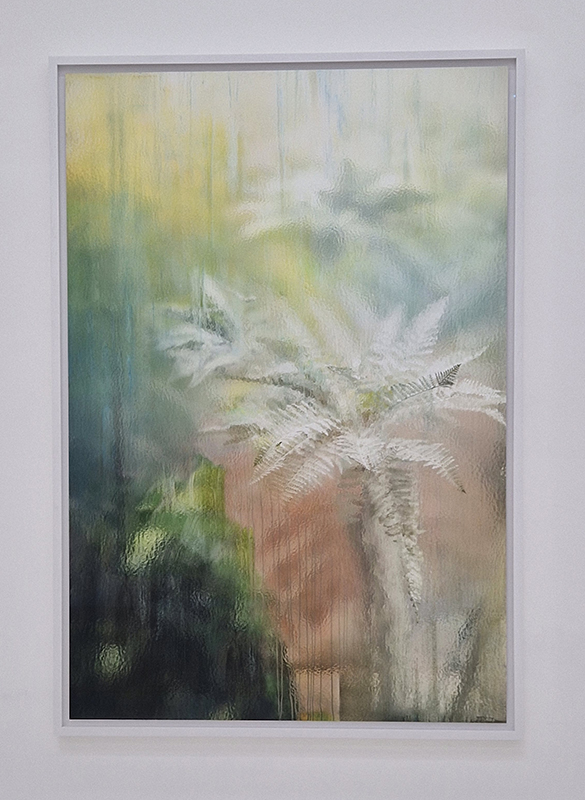
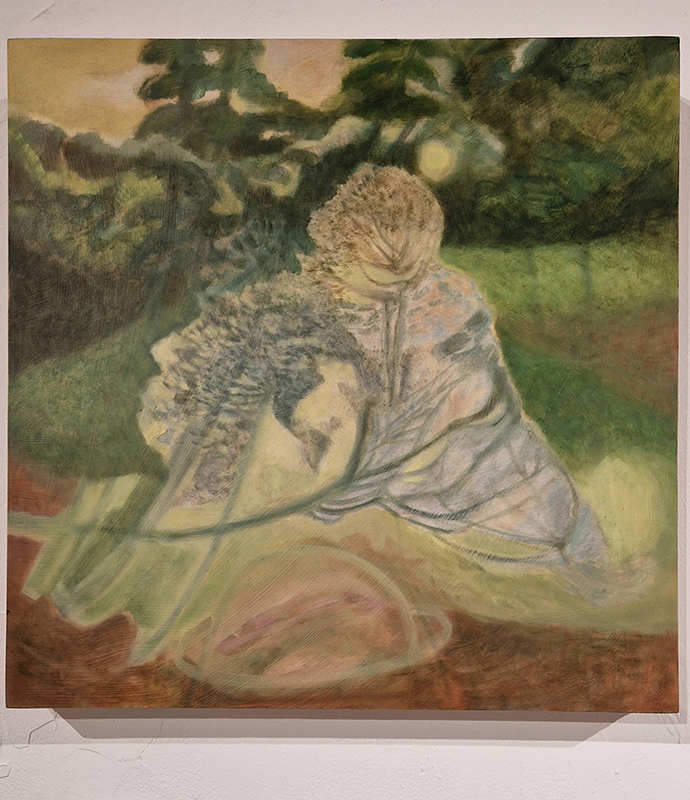
Gorgeous paintings by Helen Baines in Striding Edge at The Department Store, Brixton. Photos don’t capture the ethereal luminosity.

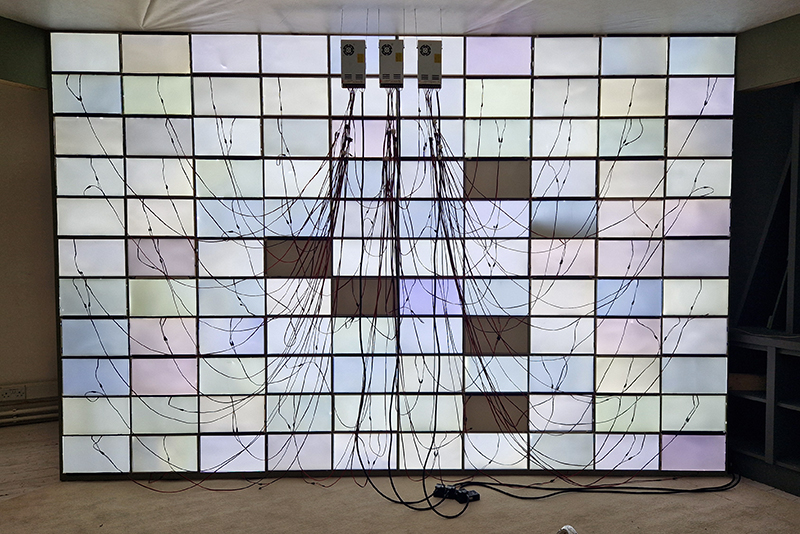
The hypnotic monument of modified LED laptop screens Wiped (Free Palastine) by Katrin Hanusch in Return of the Repressed curated by Toby Ziegler at an empty office block 10 Heddon Street. A show examining alienation and abstraction of the human experience in a climate of digital technology and AI.
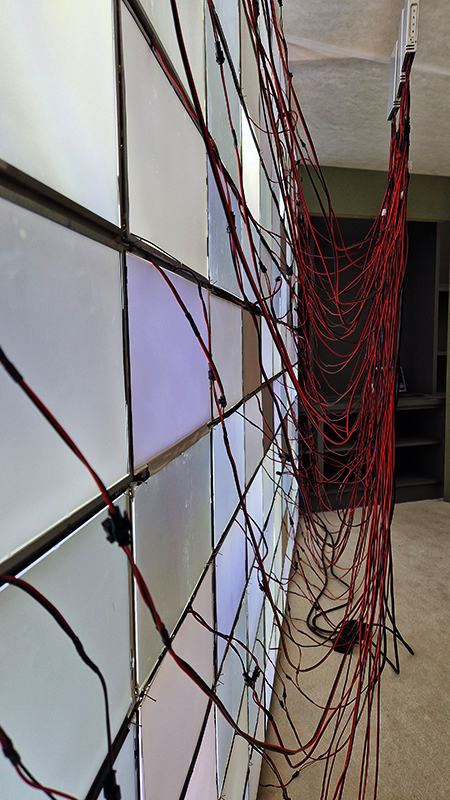
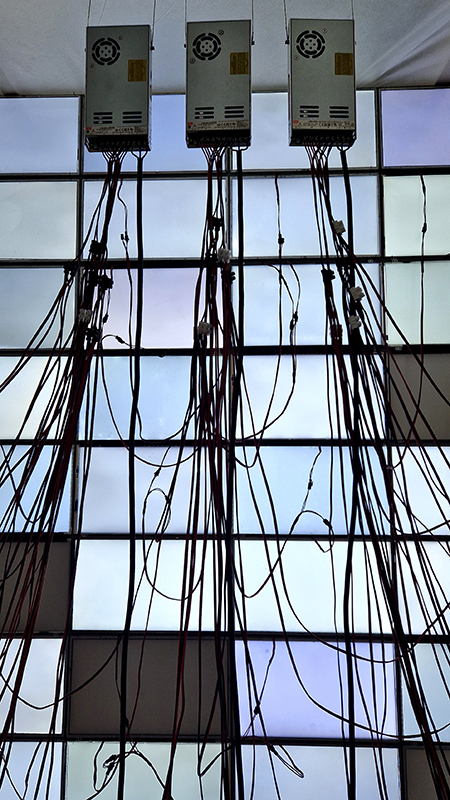
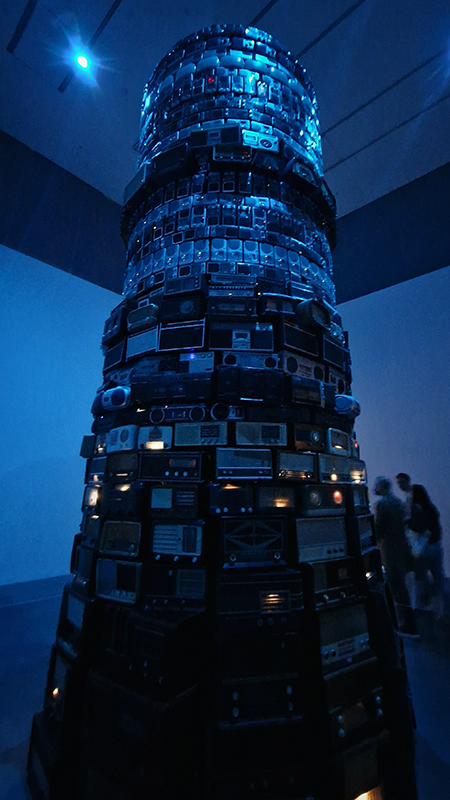
The magnificent Babel by Cildo Meireles at Tate Modern. With slightly dalek vibes, this thrumming ‘tower of incomprehension’ relates to the biblical story of the Tower of Babel, a tower tall enough to reach the heavens. God was offended by this structure, and caused the builders to speak in different languages. No longer able to understand one another, they became divided and scattered across the earth, and so began all mankind’s conflicts. Here we are, punished for our curiosity, again. This work though is a joy.
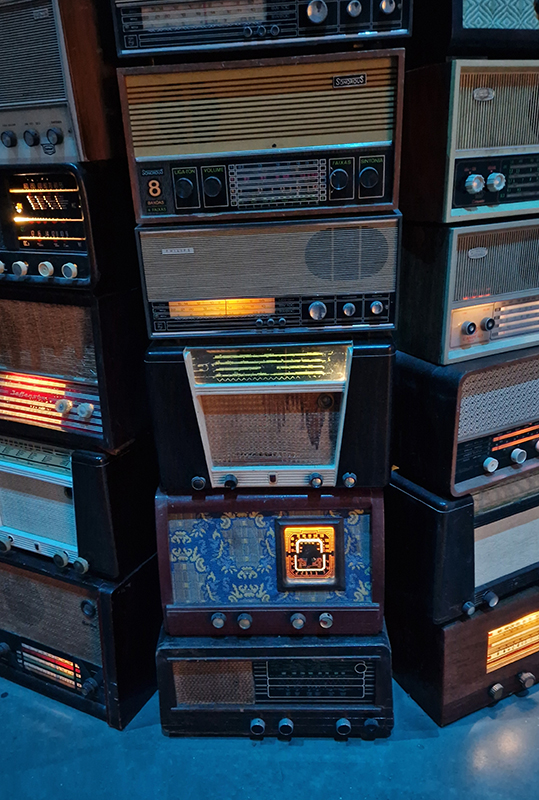
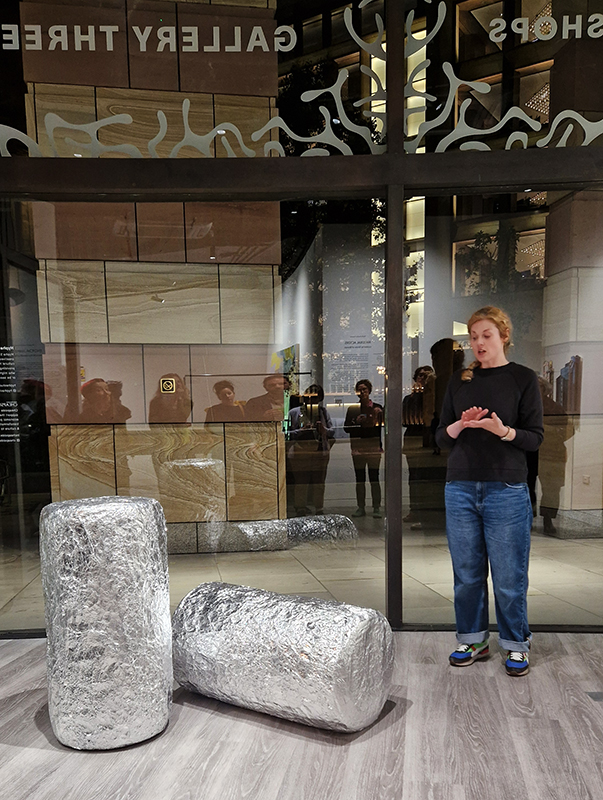
Material Actors curated by binder of women at Hypha Gallery 3 / No. 1 Poultry, London explores the tipping point of formal representation into the theatrical and cinematic world of mimicry and artifice. The artists include Alice Browne, Charlie Franklin, Lauren Godfrey, Oona Grimes, Pia Pack, Milly Peck, Michelle Williams Gamaker and Laura White. Material process and the façade are key in many of the works that surprise and confound definition.
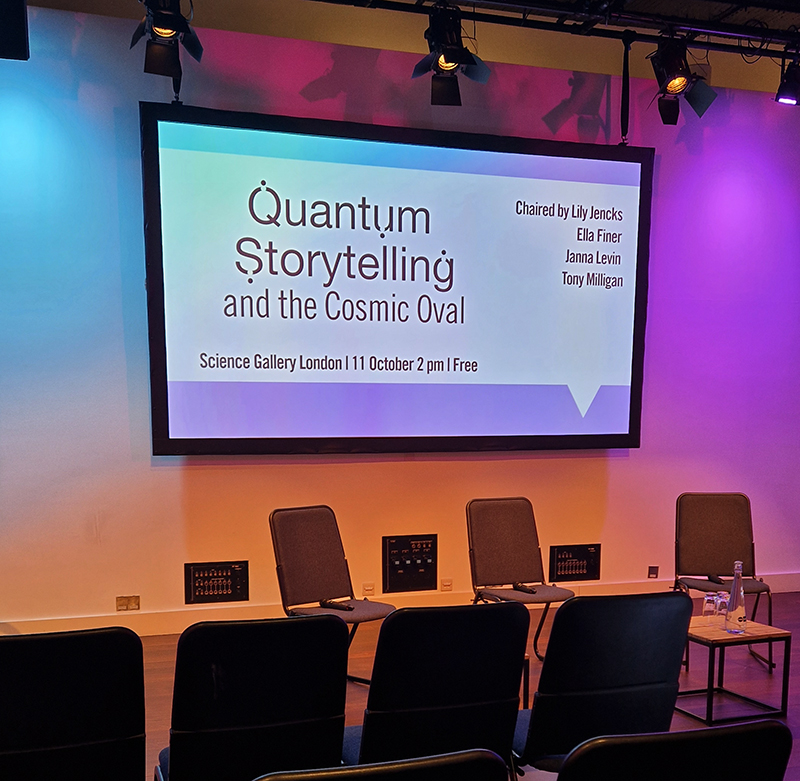
Quantum Storytelling and the Cosmic Oval – a fascinating discussion exploring how cosmic discoveries influence cultural narratives and the composing of histories. Physicist and author Janna Levin in conversation with writer Ella Finer to celebrate the launch of a new book commission The Cosmic Oval. Chaired by Lily Jencks, Keeper of Vision at The Cosmic House, with further insight from Tony Milligan, Research Fellow in the Philosophy of Ethics, Department of Theology and Religious Studies at King’s College London.

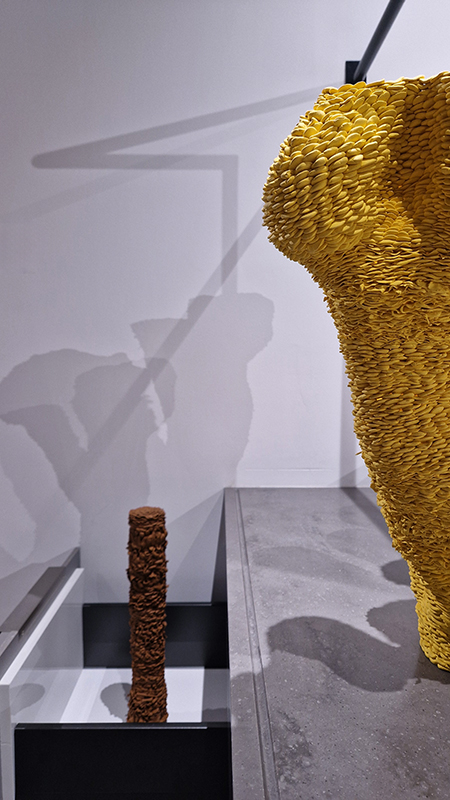
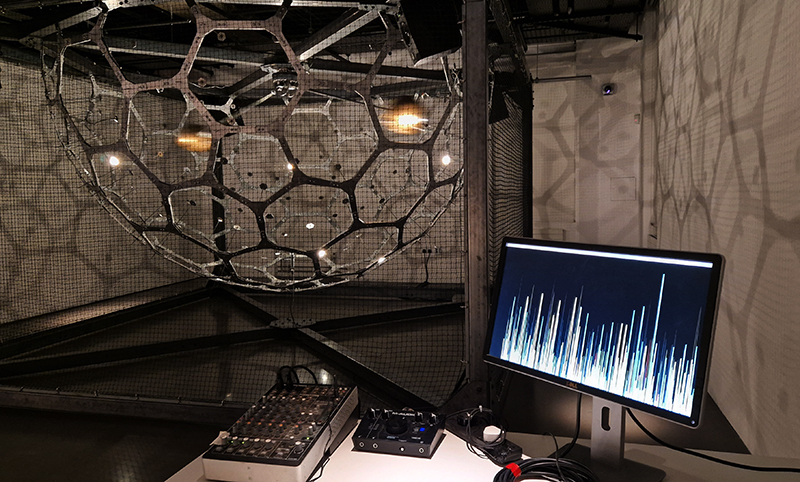
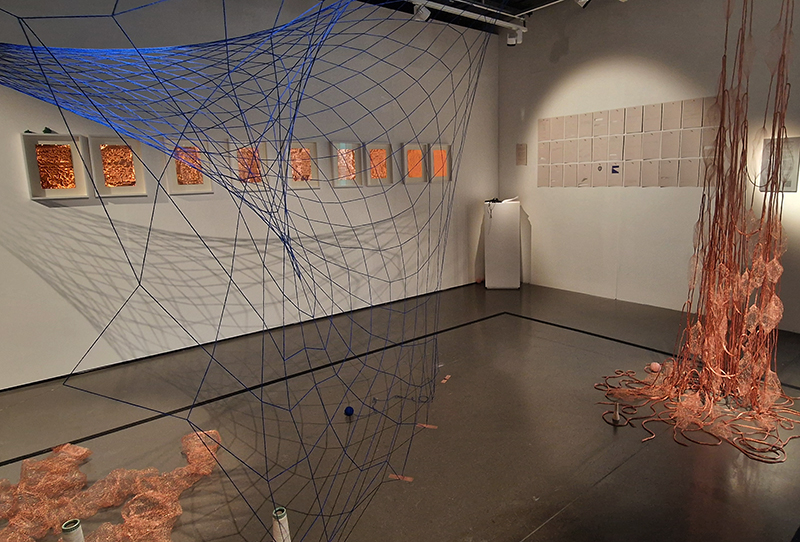
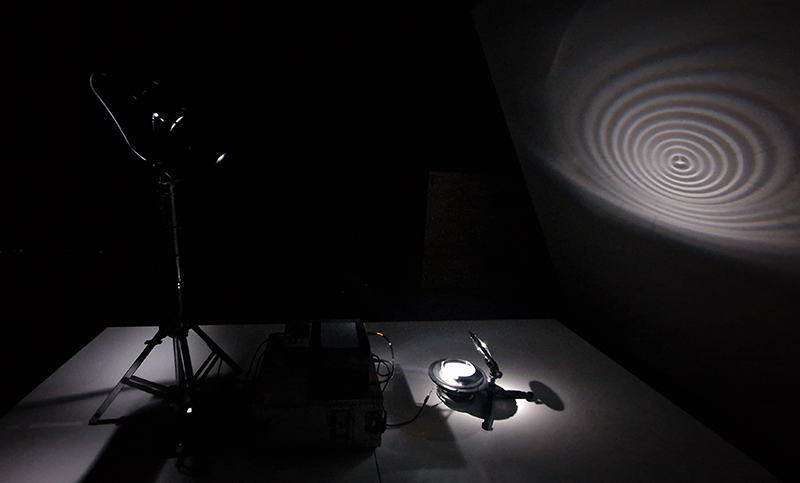
Quantum Untangled at The Science Gallery, London. I liked the simplicity of Alistair McClymont’s An Early Universe where wave patterns caused in water by low frequency sound vibrations are projected via a lens to reference quantum oscillations created when the universe was rapidly expanding after the big bang. Two large installations from Conrad Shawcross use the play of shadows to signify intangible forces of the universe. In Ringdown two caged spherical pendulums oscillate in violent motion to evoke the spiralling motion of gravitational waves in the moments after two black holes merge, a phase known as ‘ringdown.’ The artwork is probed with sensors to trace the magnetic field generated, which is displayed on a monitor. The Blind Proliferation explores the idea that our Universe is one of many co-existing ‘bubble universes’ formed in the period of rapid expansion at the beginning of time. Two ‘scientist’s offices sit either side of a structure casting complex shadows. In a nod to Plato, the scientists can only see the shadows from which they must determine their origin. There are slight differences between the two offices to suggest the idea of the multiverse where many worlds may exist with only slight variations. Daniela Brill Estrada & Monica C. LoCascio, Begriff des Körpers reflect on the nature of perception and shared understanding through their use of copper, a key material in quantum technologies, to create sculptures that describe the diagrammatic language of scientists when explaining spacetime and quantum phenomena.
It is always exciting to enter a truly dark space – NOWISWHENWEARE (The Stars) at the Rambert Dance Studios as part of the LFF Expanded program promised a breath-taking journey through light and sound when you would enter a meditative state and come face to face with your inner self. With nearly 4,000 reactive LED lights and a 496-channel soundscape it was an enjoyable experience but perhaps not quite as awe inspiring as hoped.

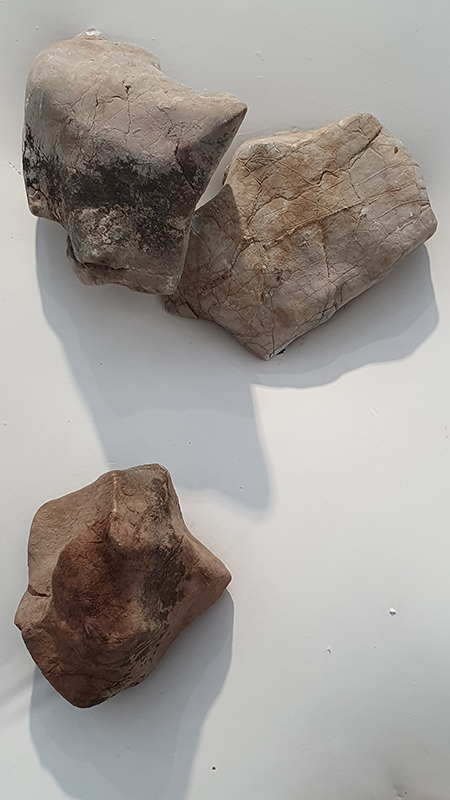
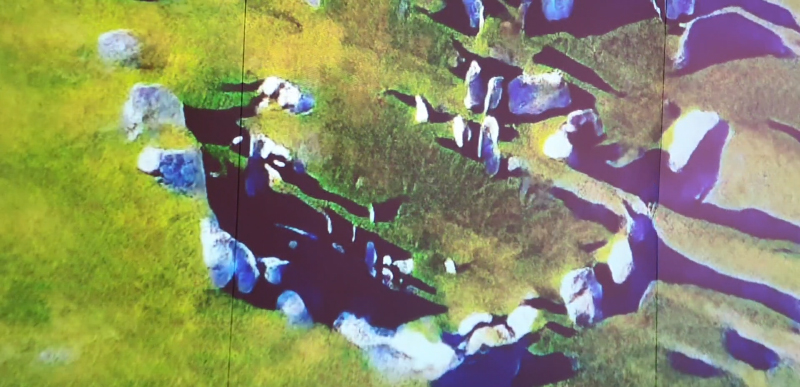
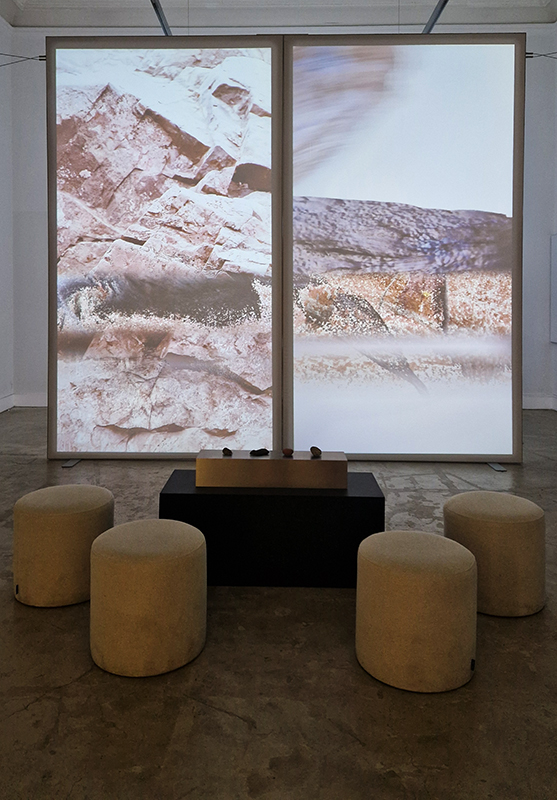
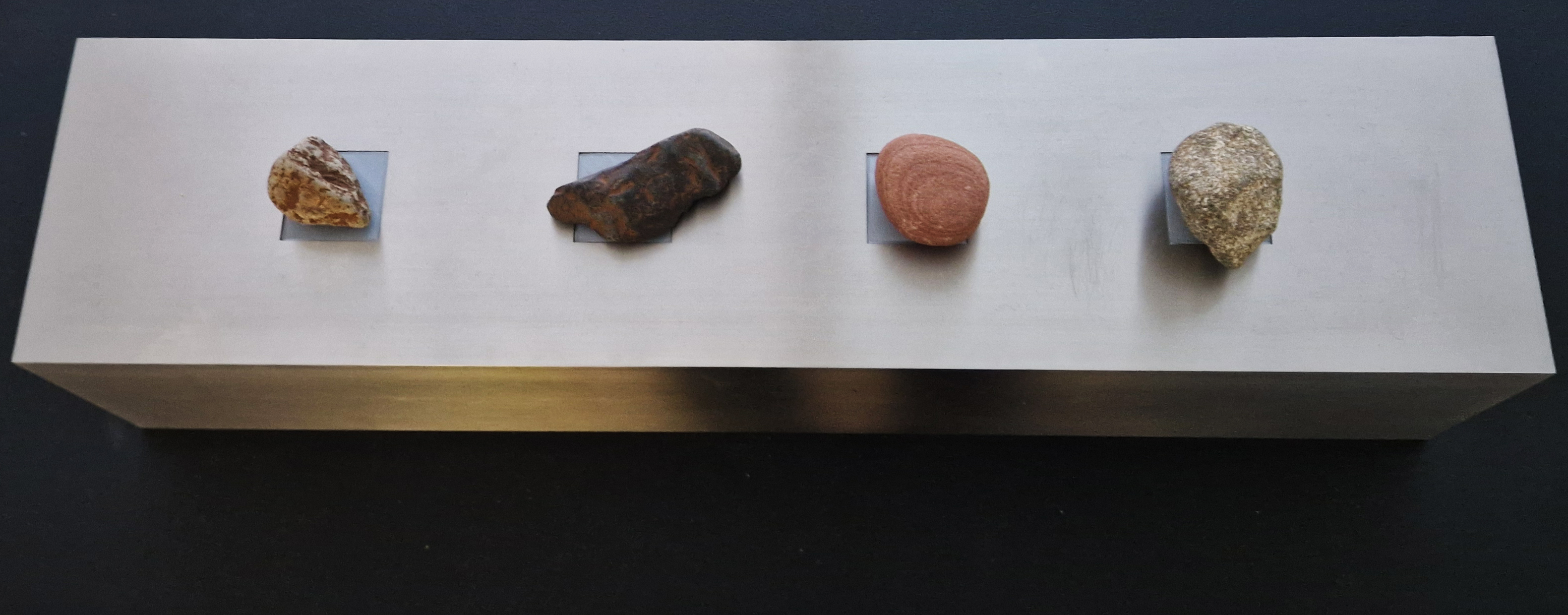
(S)low Tech AI by Studio Above & Below (Daria Jelonek and Perry-James Sugden) at Victoria and Albert Museum. ‘This installation examines artificial intelligence through the lens of geology. A sculptural interface of four rocks activates a slow, responsive AI system that reacts to touch with evolving sound and image. Each new rock arrangement adds a line to a growing digital landscape, echoing sedimentary layers shaped by collective interaction. The imagery is drawn from four geologically significant sites in Scotland, where ancient stone carvings show early examples of symbolic data recording. Using simple algorithms, the work invites reflection on AI as a slow, ethical, and materially-aware process.’ I couldn’t determine what changes were set in motion when the stones were moved, it does say it is a slow process so perhaps I shouldn’t have expected to notice the impact of my moving the stones and it is something that builds into the algorithm later. It was still quite mesmerising to watch.
Luca Bosani Unidentified Performing Objects at Victoria and Albert Museum

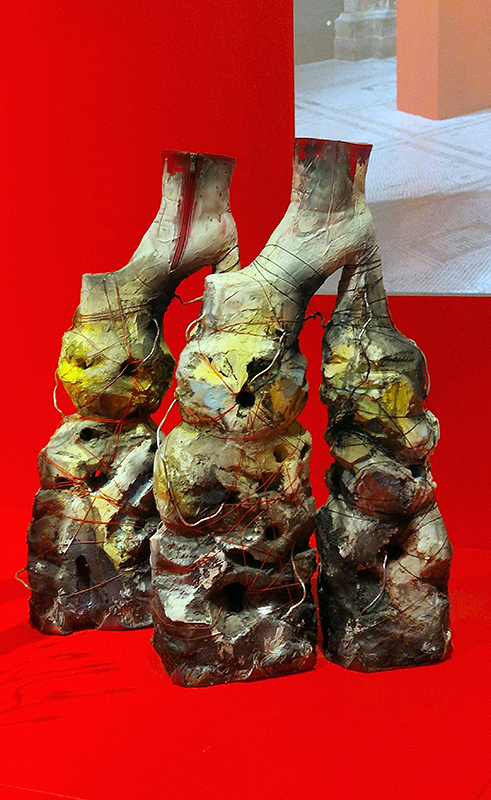
Loved these boots that look like they have been torn from the rock. Magnes might have felt a slight tug as the nails in his boots clung to the magnetite beneath his feet but imagine the weight, the feeling of increased gravity walking in boots of rock.

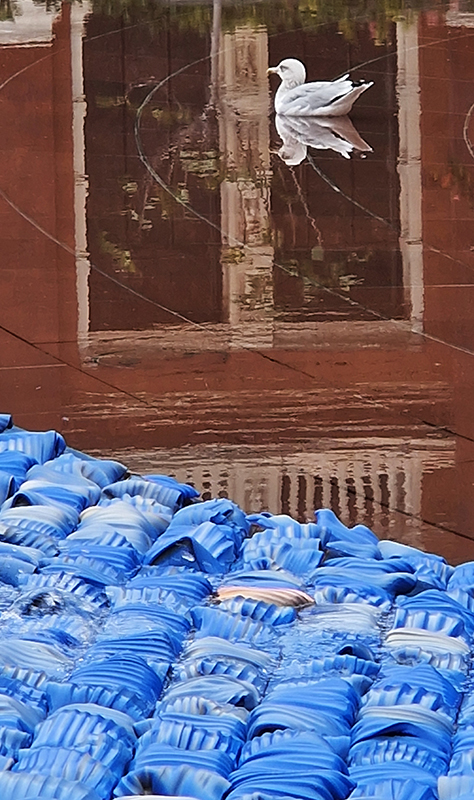
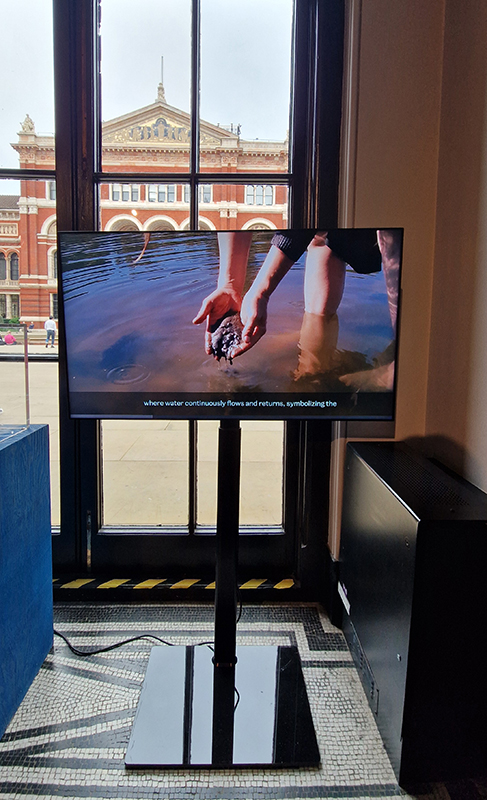
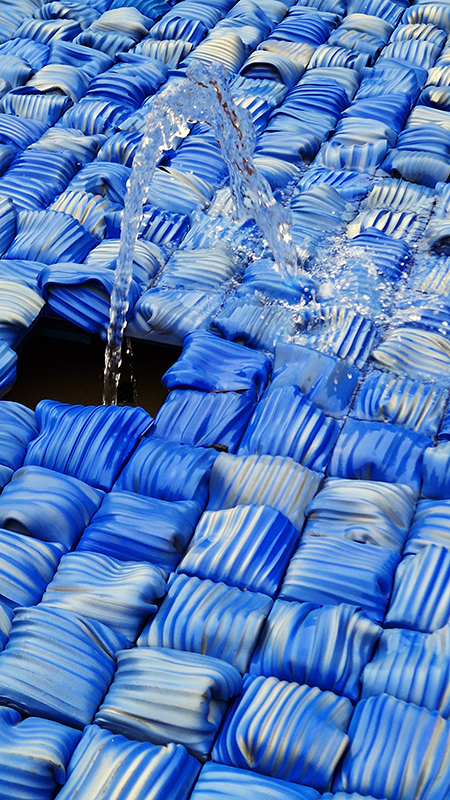
The Ripple Effect by Alicja Patanowski blending materials from one of the largest mining waste reservoirs in Europe with clay to create a tiled seating installation in the John Madejski Garden.
Screening as part of the London Film Festival, John Lilly and The Earth Coincidence Control Office directed by Michael Almereyda and Courtney Stephens, explores Lilly’s radical experiments with isolation tanks and LSD to study consciousness, as well as his theory that a hidden entity called the Earth Coincidence Control Office (E.C.C.O.) secretly influences human events. Despite his desire to communicate with cetaceans believing them to be intelligent conscious beings he exhibits a cold disconnect to their physical and emotional welfare. A lot of the footage is shocking to a contemporary audience in its cruelty but his research into human consciousness was trailblazing at the time and his conclusion that humans were at risk from an outside technology based intelligence does have some prescience considering current concerns over AI.
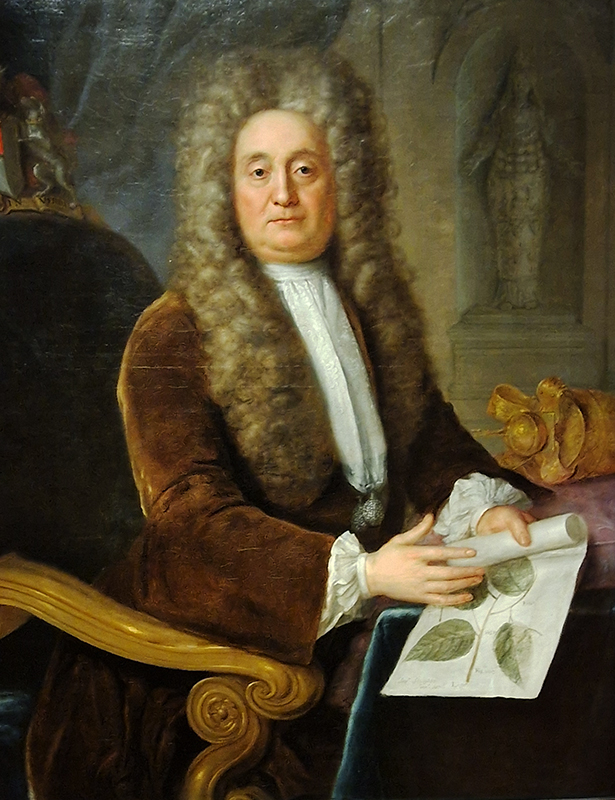
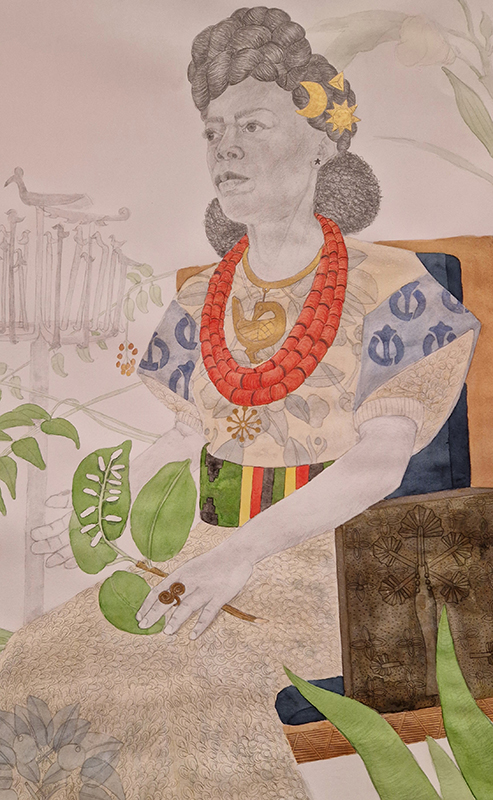
Artists First: Contemporary perspectives on portraiture at The National Portrait Gallery commissioned several artists to respond to an artwork of their choice. Charmaine Watkiss chose the portrait of Sir Hans Sloane, a botanist and collector who travelled to Jamaica in 1687 taking advantage of enslaved people’s indigenous knowledge of the location, properties and medicinal uses of local plants to boost his collection and furnish his publication. Charmaine’s beautifully crafted response To reimagine an African Queen shifts the dynamic to reflect the dissonance between these two human’s relationship to nature, one built on wisdom and respect and one which based on extraction and mastery.
Reading

The Stone Woman by A.S. Byatt. An evocative journey into becoming other.
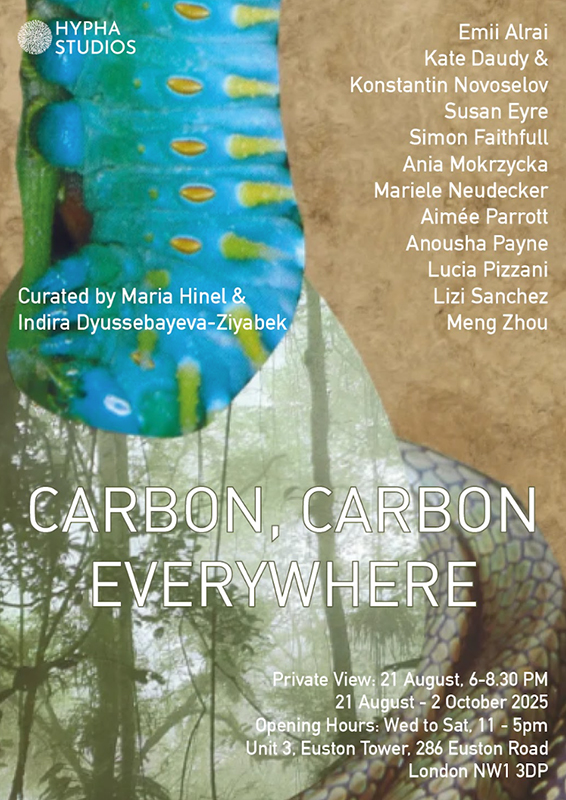
Thrilled to be invited to exhibit in Carbon, Carbon Everywhere at Hypha HQ co-curated by Indira Dyussebayeva-Ziyabek and Maria Hinel including artists Emii Alrai, Kate Daudy & Konstantin Novoselov, Simon Faithfull, Ania Mokrzycka, Nissa Nishikawa, Mariele Neudecker, Anousha Payne, Aimée Parrott, Lucia Pizzani, Lizi Sanchez, and Meng Zhou.

Integral to the constitution of our bodies, soil, air and some rocks, carbon is a highly bonding element that incessantly transmutes from state to state, each particle challenging the boundaries between life and non-life. Bringing together works by twelve international artists, Carbon, Carbon Everywhere explores the shifting states of carbon, an element that threads through organic and inorganic matter, linking bodies, environments, and temporal scales.

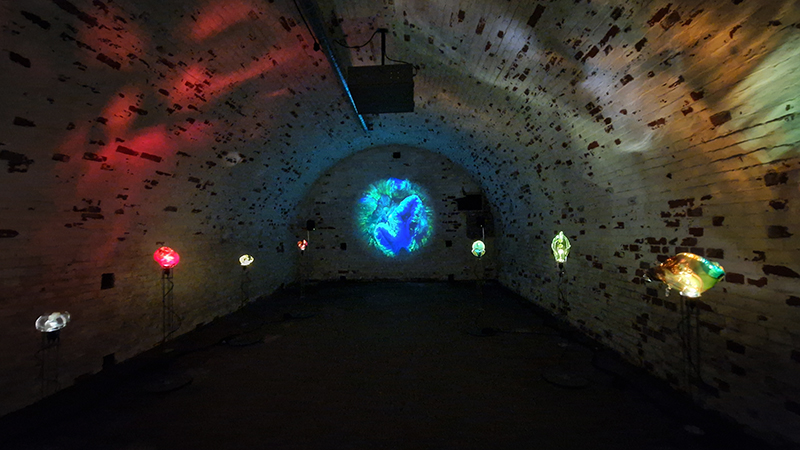
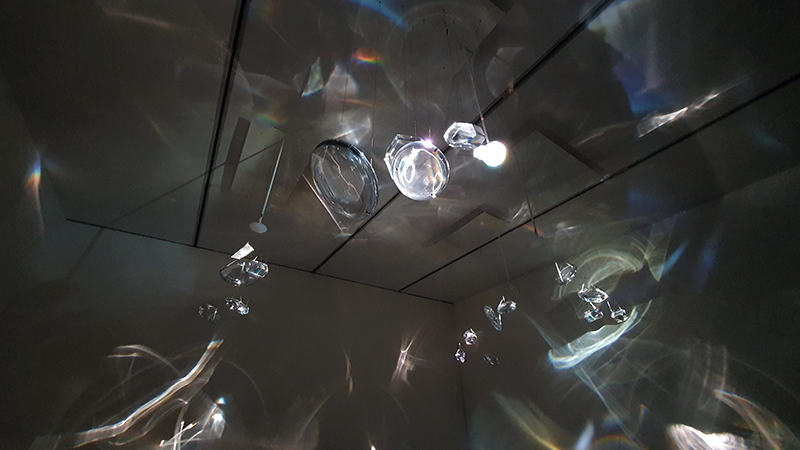
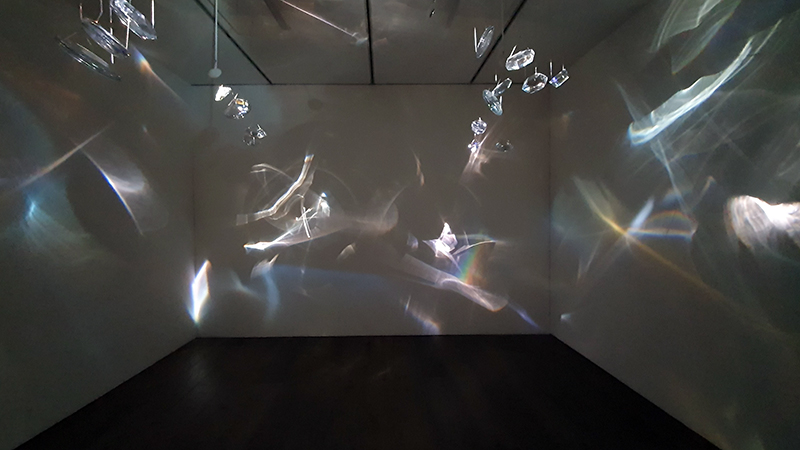
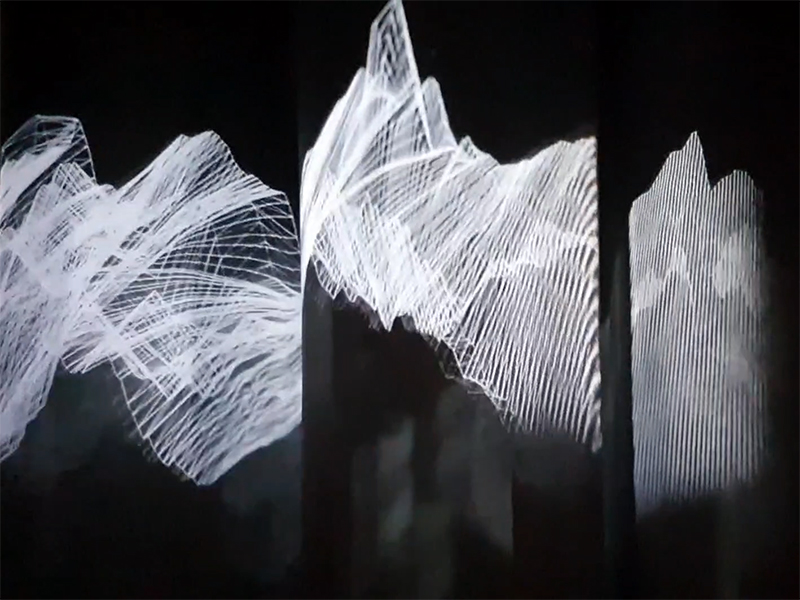
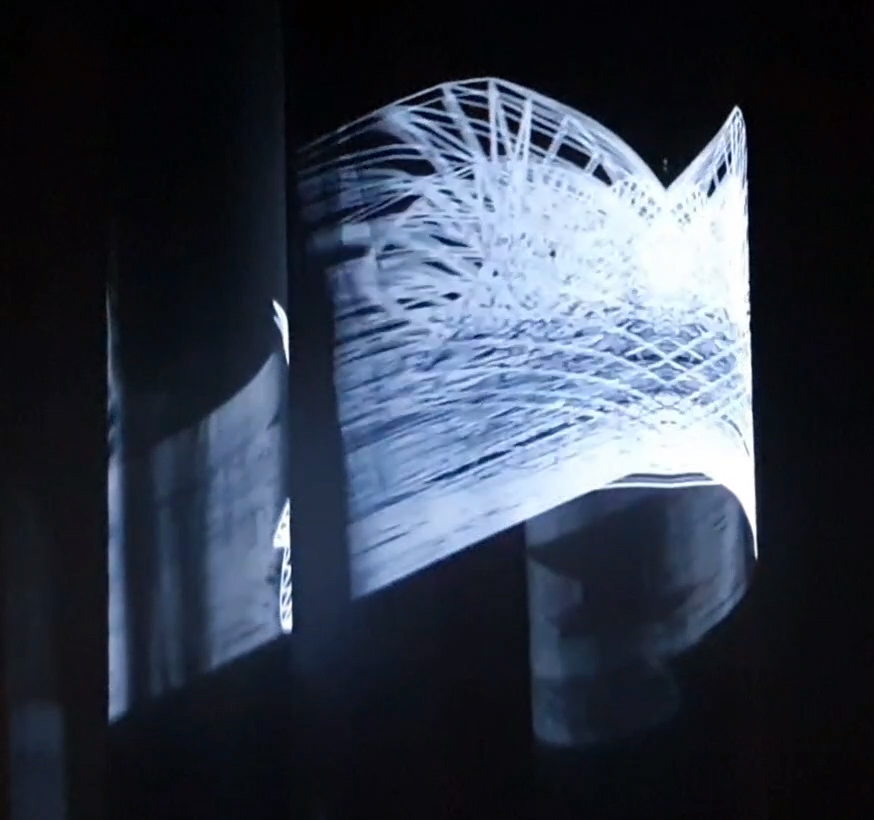
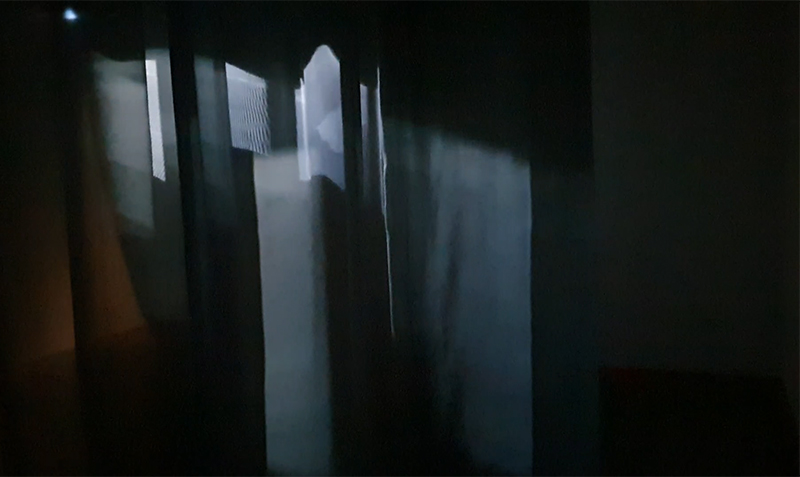
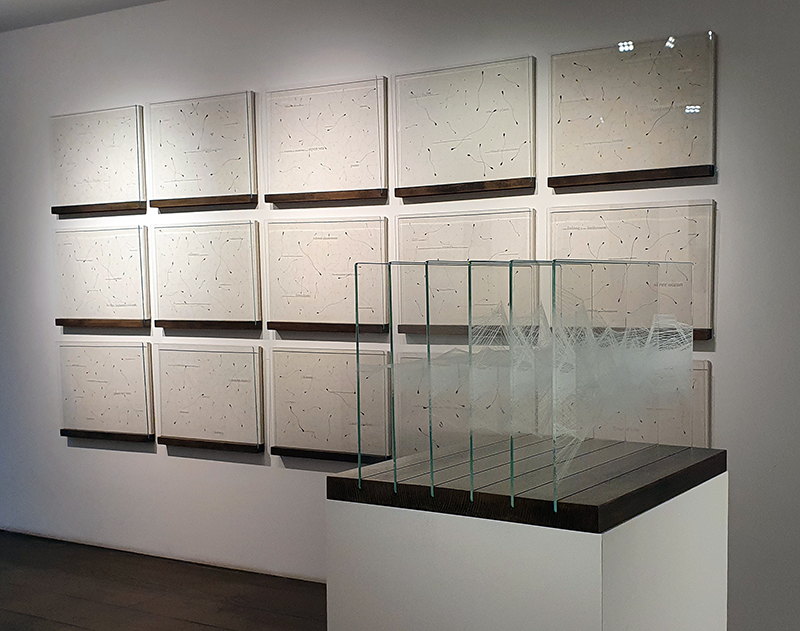
I have updated my website with documentation on the video installation Lithos Panoptes recently shown at Hypha HQ in The Geological Unconscious which can be viewed here. Referencing a many-eyed giant of Greek mythology, Argos Panoptes (always eyes still awake), the work considers the perpetual vigilance of rock as record keeper and witness.

Lithos Panoptes, optical lenses, wood, steel, two-way projection; Sculpture H172 x W170 x D50 cm, Rear projection screen H180 x W180 cm.

Great to be mentioned in an Art Newspaper article.

Magnetic News

Interesting to hear about new magnetic materials being developed that will hopefully have a less harmful ecological impact and offer more technological efficiency. The magnetic materials that are so heavily relied upon for computer memory and microelectronic devices include rare and toxic heavy elements whose energy-intensive production creates significant global carbon emissions. Previously, two primary types of magnetism had been identified, ferromagnetic (regular magnetism that we are familiar with) and antiferromagnetic (which are internally magnetic, but their opposing spin orientations make them appear non-magnetic externally).  A third form known as altermagnetism has recently been confirmed with around 200 altermagnetic materials already being identified. These materials have a distinct magnetic order where tiny magnetic fields created by electrons are in anti-parallel alignment within a rotation of the host crystal structure leading to unique electronic properties. Altermagnetic materials have the potential for technological advancements offering huge increases in speed and efficiency especially in spintronics, an advanced technology that leverages both the charge and spin of electrons to store and process information.

A permanent magnet, MagNex that does not use the rare earth elements which have sustainability and supply chain issues, was developed in just three months with the help of AI analysing thousands of potential alloys. ‍‍ “This could have a significant future impact on our net-zero ambitions, through renewable energy and low-carbon transport, by removing the need for rare earth elements in high-performance permanent magnets.”

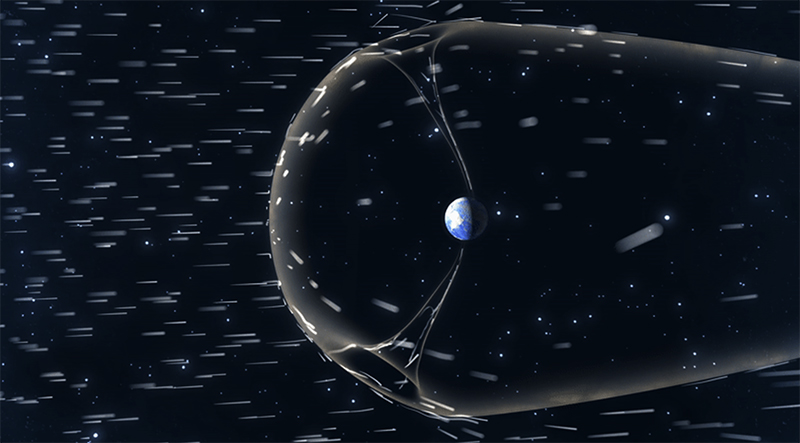
Recently launched, NASA’s TRACERS mission satellites fly in low Earth orbit through the polar cusps, funnel-shaped holes in the magnetic field where solar activity causes magnetic field lines to disconnect and reconnect creating disruption in the magnetosphere. By strategic placing of the twin TRACERS spacecraft in Sun-synchronous orbit, so that they always pass through the Earth’s dayside, thousands of dayside reconnection events can be observed and compared between spacecraft to see how quickly the process changes and evolves. Better understanding magnetic reconnection and its effects in Earth’s atmosphere will help prepare for impacts of solar activity on Earth. The magnetosphere protects Earth from the constant bombardment of solar particles from the Sun, but when magnetic field lines are disrupted by the solar wind, particles rain down into Earth’s atmosphere not only causing beautiful phenomena, like the aurora, but also impacting infrastructure, like satellites and GPS systems.

Out and About

I have been lucky to visit exhibitions in Finland and Norfolk to see works that interrogate human impact on the environment and other living beings that share our planet.

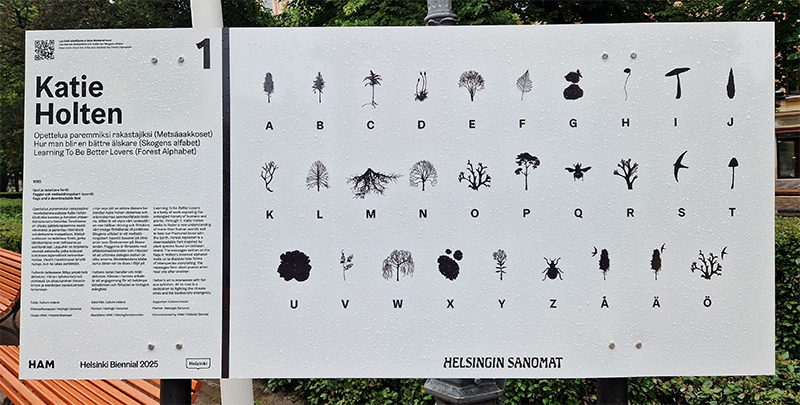
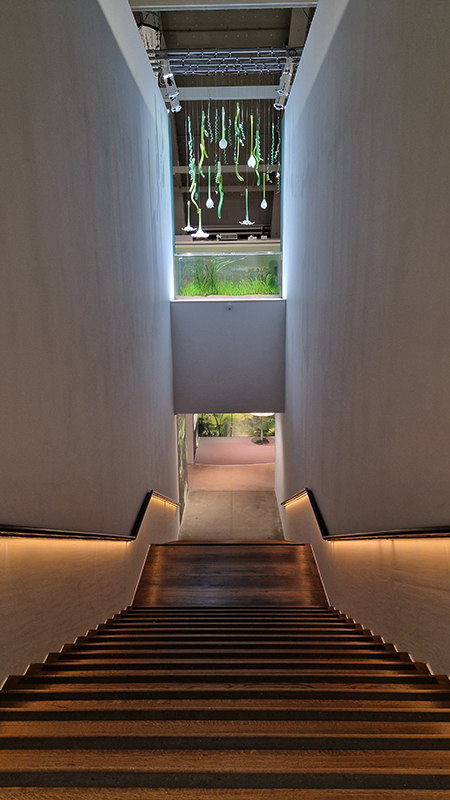
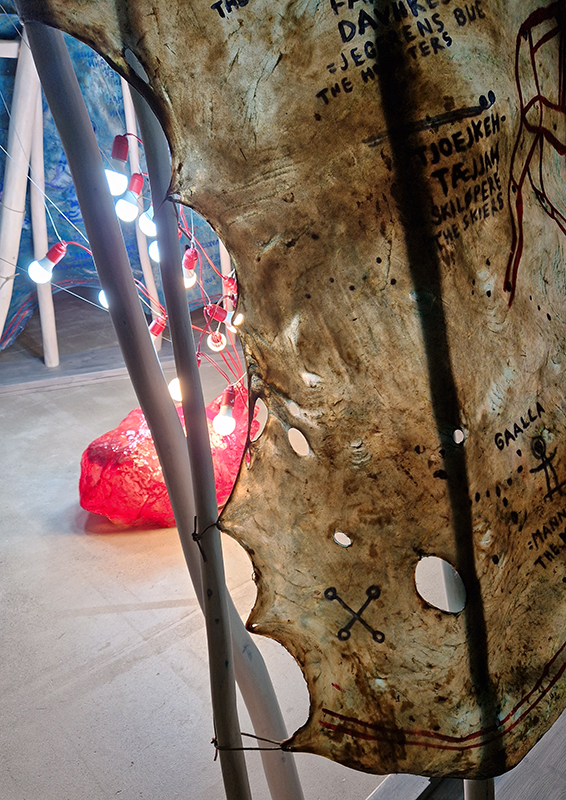
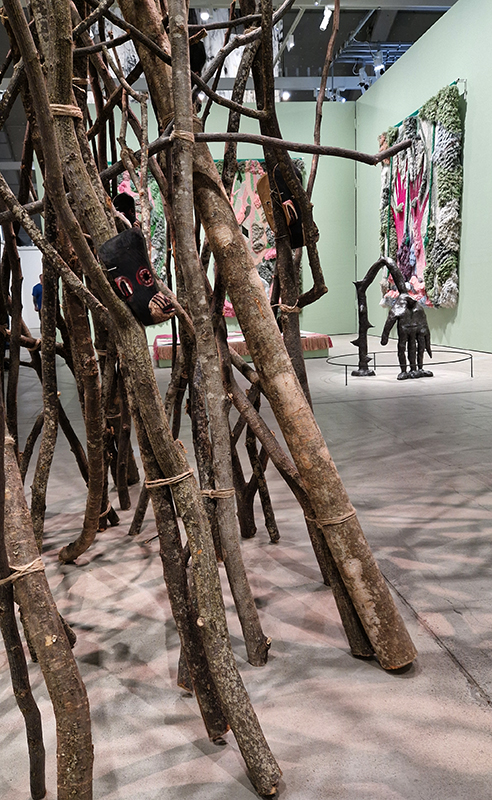
Helsinki Biennial 2025 Shelter: Below and Beyond, Becoming and Belonging brings together 37 artists and collectives on Vallisaari Island (which has been off-limits for human habitation for decades), in Esplanade Park, and at HAM (Helsinki Art Museum). It explores the significance of shelter and turns the gaze towards non-human nature. In the works, the focus shifts from humans to animals, water, plants, insects, minerals, and other living beings and their role as contributors to our planet’s wellbeing.

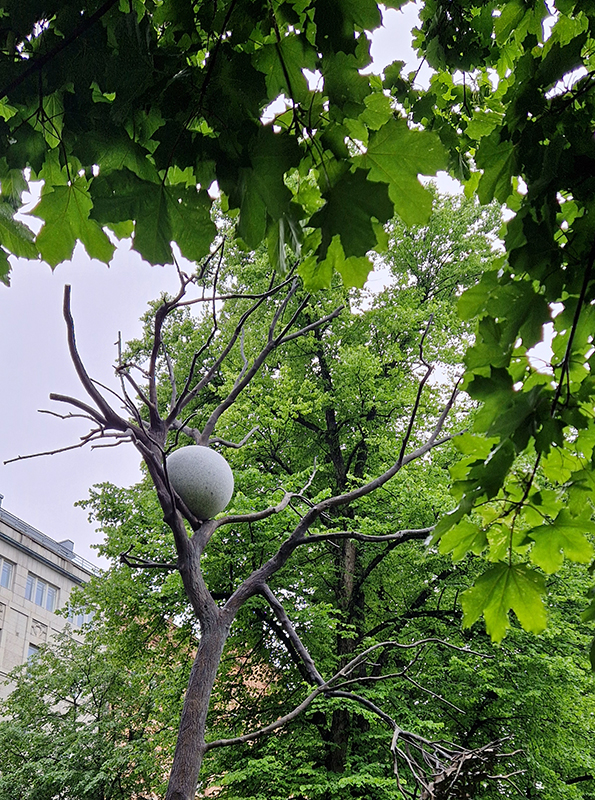
Artists with work installed in the Esplanade Park included Katie Holten (inventing a forest alphabet) and Guiseppe Penone (inseparable connections between humans and nature).

Artists at HAM (Helsinki Art Museum) included Jenni Laiti & Carl-Johan Utsi (precarity of survival), Regina de Miguel (technofossils), Aluaiy Kaumakan (displaced community), Otobong Nkanga (ownership of resources), Ingela Ihrman (invasive species), Locus/Thale Blix Fastvold & Tanja Thorjussen (eelgrass conservation), Sissel M Bergh (Sami cosmology), Edgar Calel (more than human agencies).

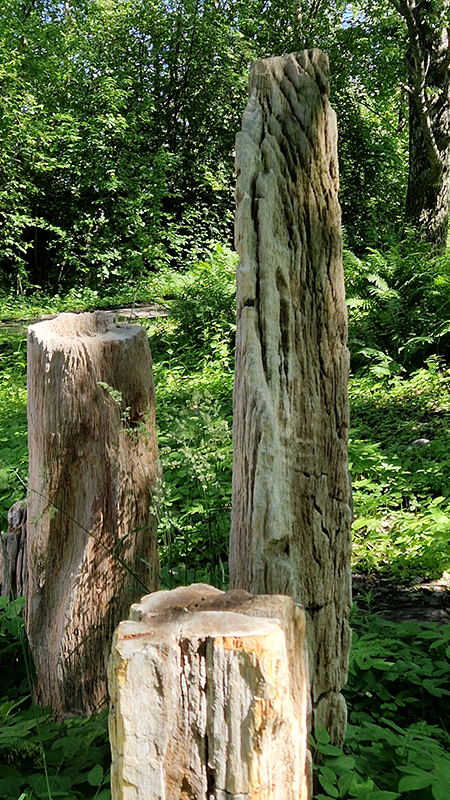
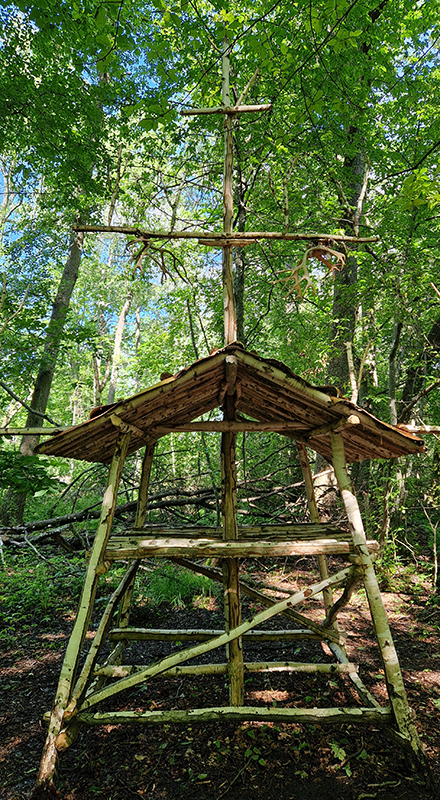
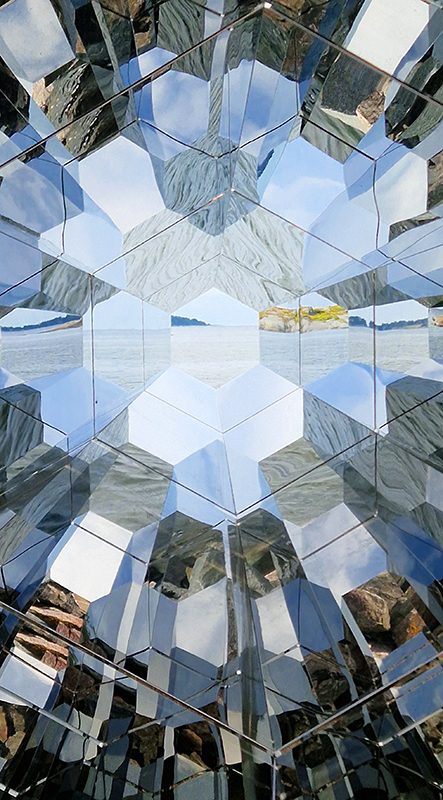
Artists with work installed around the beautiful Vallisaari Island included Hans Rosenström (petrified wood soundscape), Tue Greenfort (species evolution), Nomeda & Gediminas Urbonas (amplifying non-human voices), Pia Sirén (human modified environments), LOCUS / Thale Blix Fastvold & Tanja Thorjussen (water health), Tania Candiani (hidden networks of the forest), Sara Bjarland (discarded inflatables), Kati Roover (humans and whales), Juan Zamora (bioluminescence), Band of Weeds (vegetal distress), Kristiina Koskentola (friendship of crows), Tamara Henderson (hidden realm of worms), Ernesto Neto (shapeshifting), Theresa Traore Dahlberg (invisible frequencies), Ana Teresa Barboza (plant narratives), Carola Grahn (colonialism legacy on estrangement from nature), nabbteeri (parasitism), Olafur Eliasson (more than human ways of seeing).

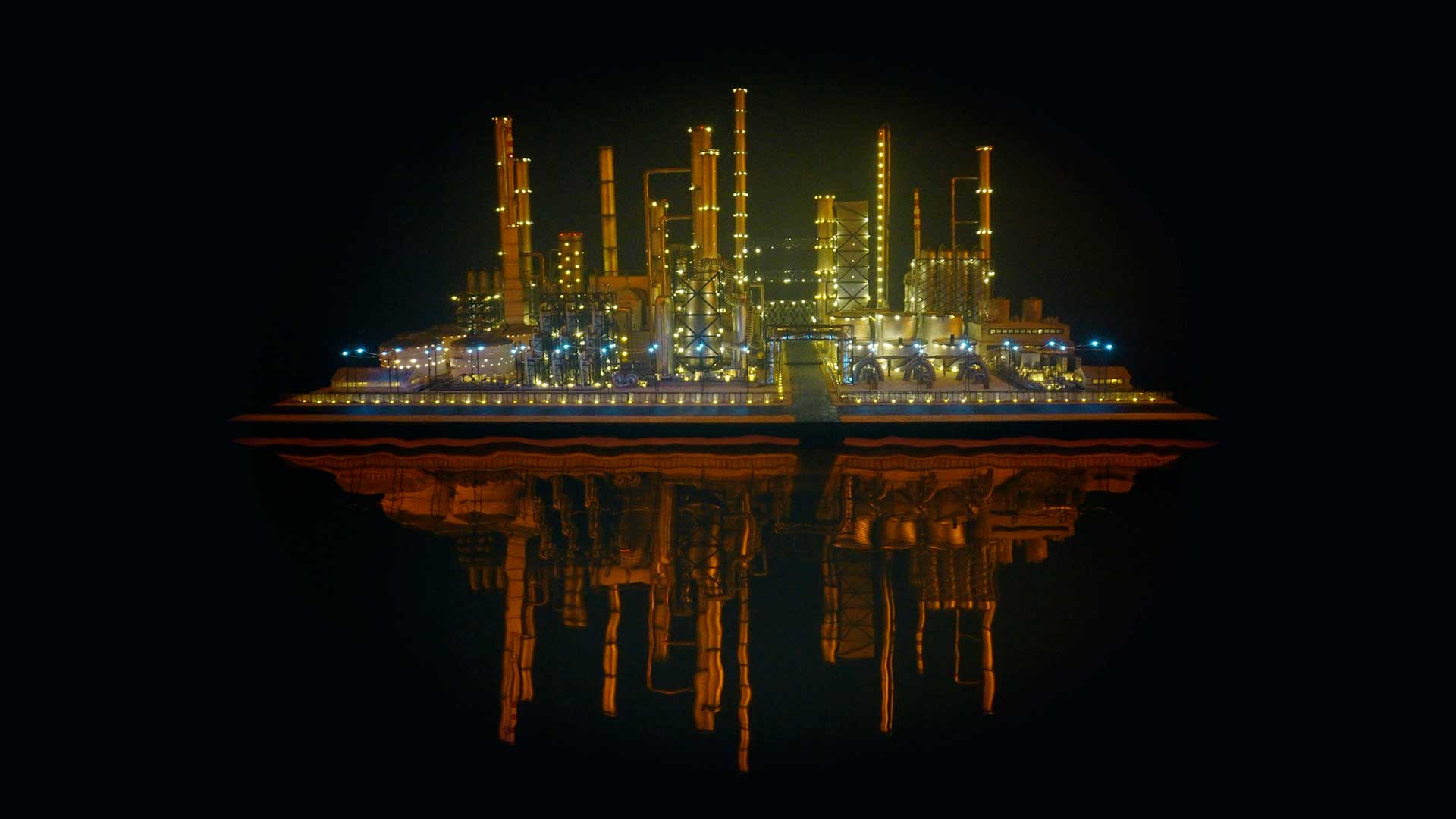
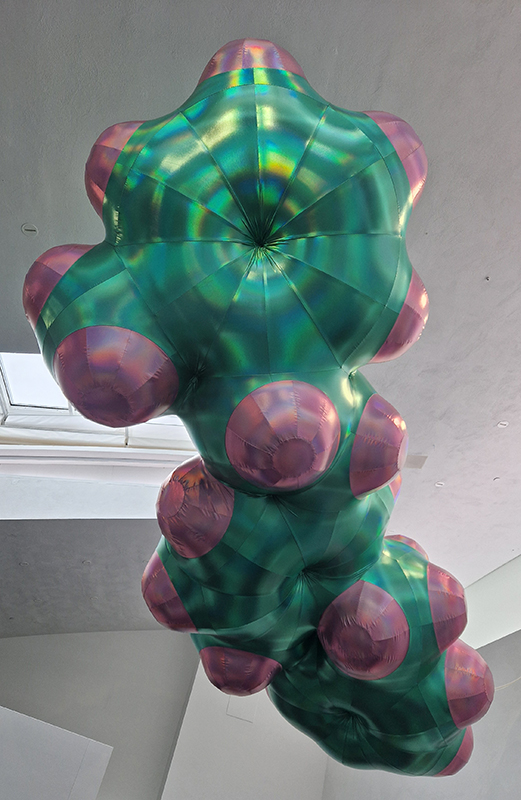
Excellent Monira Al Qadiri exhibition Deep Fate at the Museum of Contemporary Art Kiasma, Helsinki. Addressing the dichotomy of enjoying contemporary life made possible by oil during the accelerating climate crisis. Deep Fate, refers to the origins of oil deep in the earth and also to the way that dependence on oil and breaking that dependence are a matter of life and death for humankind. Al Qadiri grew up next door to oil refineries in Kuwait and experienced the Gulf War as a child. This personal experience is drawn upon in the haunting video Crude Eye which attempts to reconcile childhood memories of the oil refinery as a romantic glowing metropolis with its true nature as a site of environmental destruction. The demise of the local pearl-diving industry, a source of income superseded by the oil boom, is referenced by sculptures echoing the molecular structures of the chemicals used in oil drilling with iridescent rainbow colours that are reminiscent of oil and the shimmering surface of pearls.

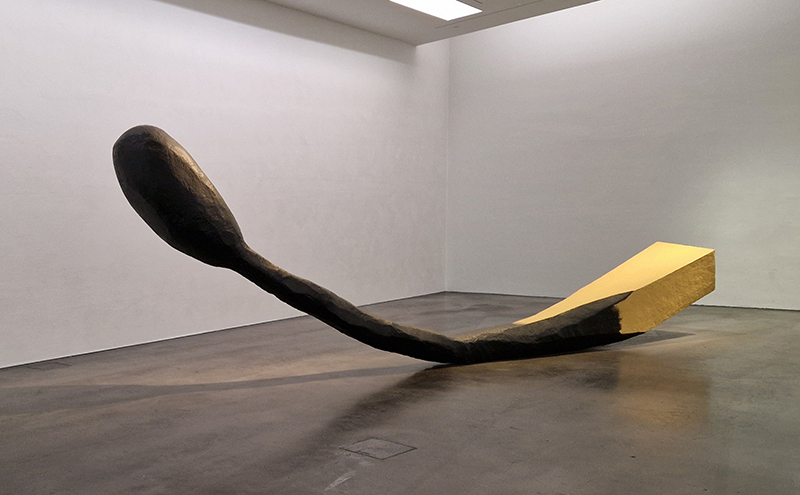
Also at the Museum of Contemporary Art Kiasma was Rock, Paper, Scissors an anthology of diverse materials in contemporary art. Claes Oldenburg’s giant Extinguished Match which plays with scale brought to mind the video by David Hochgatterer Streichhölzer (Matches) where matches appear to spontaneously combust shown in the Carbon: Under Pressure exhibition recent tour to Glasgow ARC.

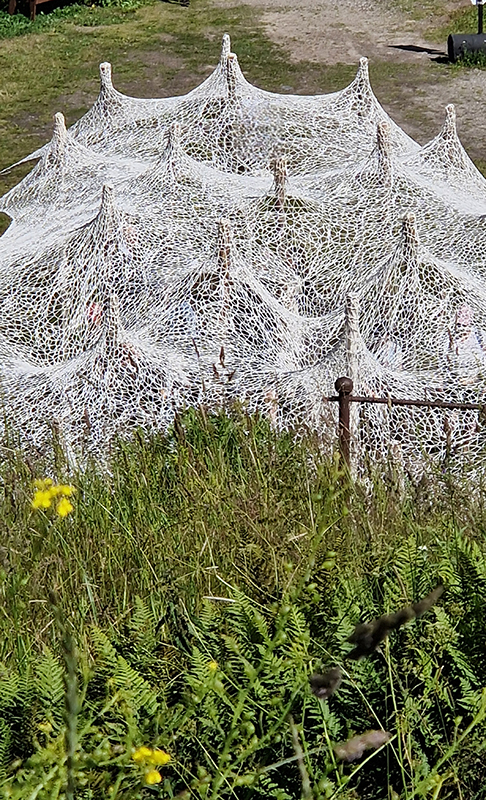
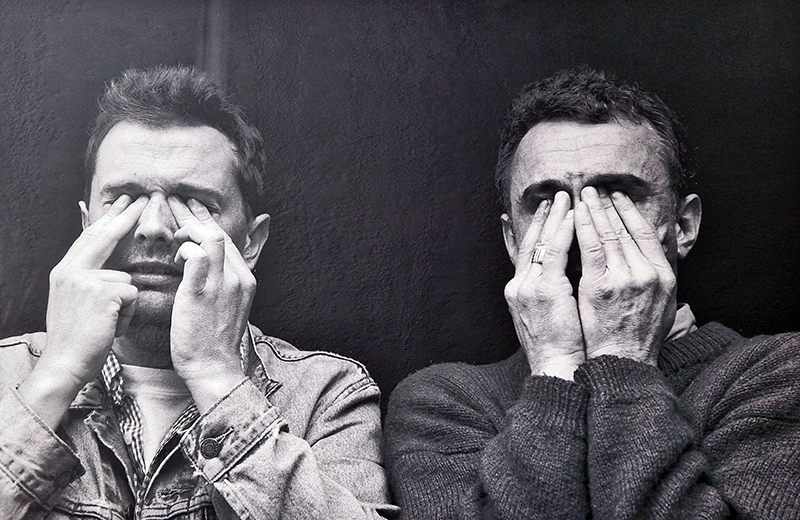
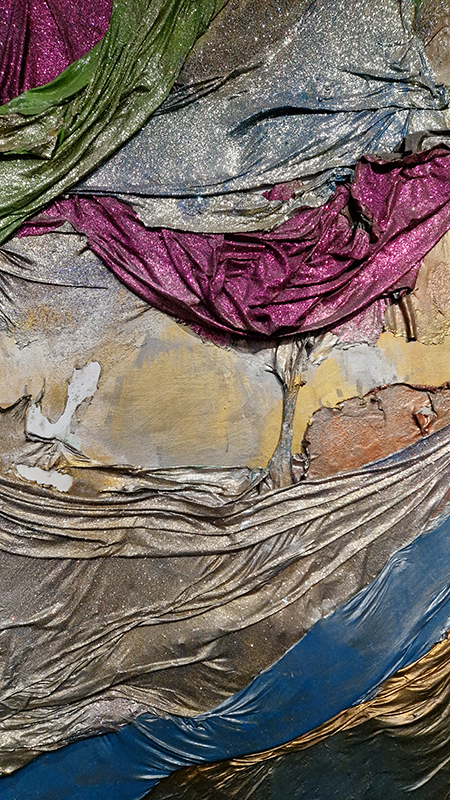
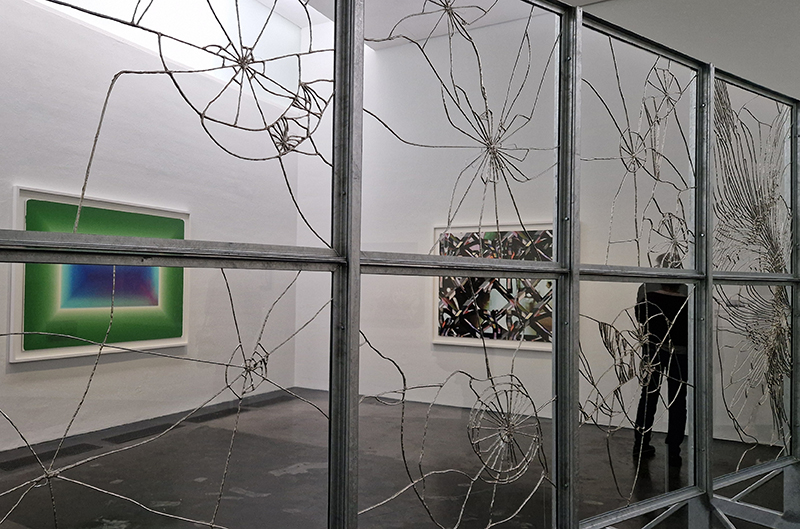
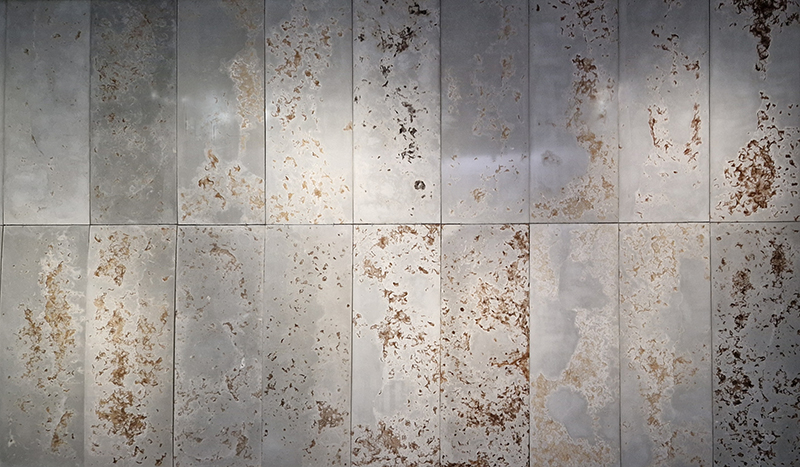
Materials celebrated through this exhibition included neural pathways stimulation of the visual system by pressure on the eyelids to see phosphenes, glittery thick folds of acrylic on canvas, leaded glass breakages, ephemeral copper wire net, faux marble that is actually hair on the barbers concrete floor.

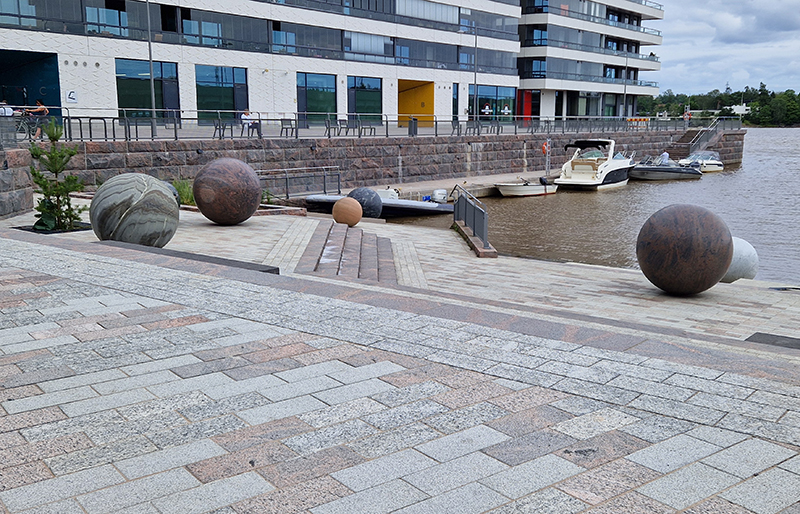
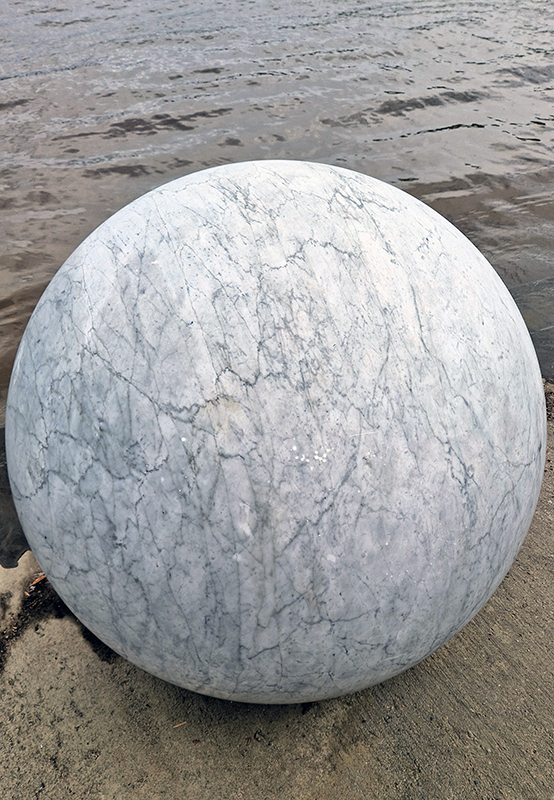
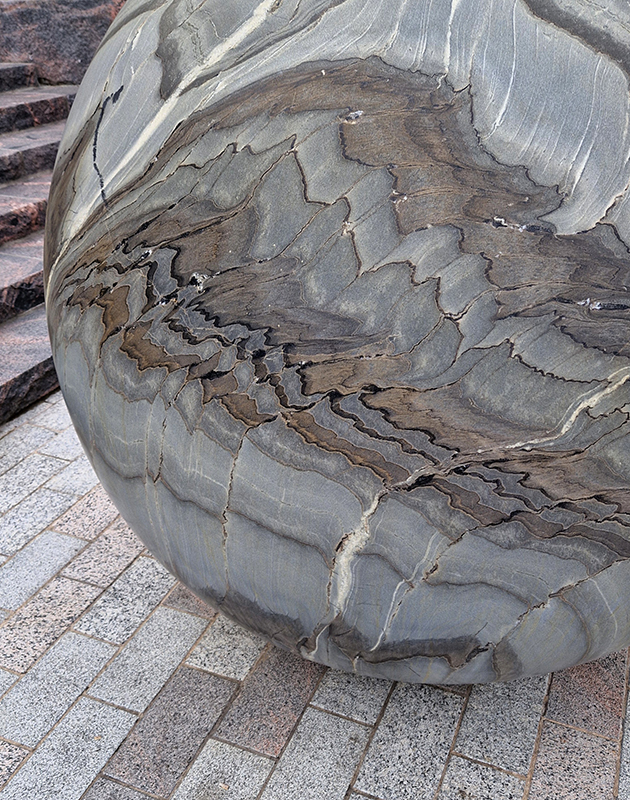
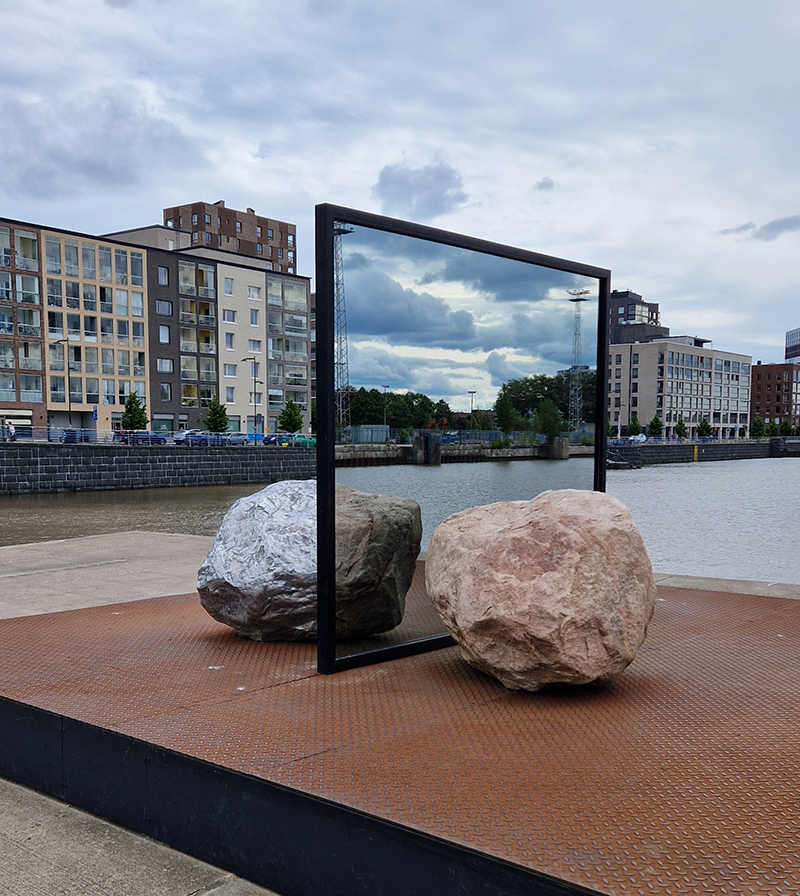
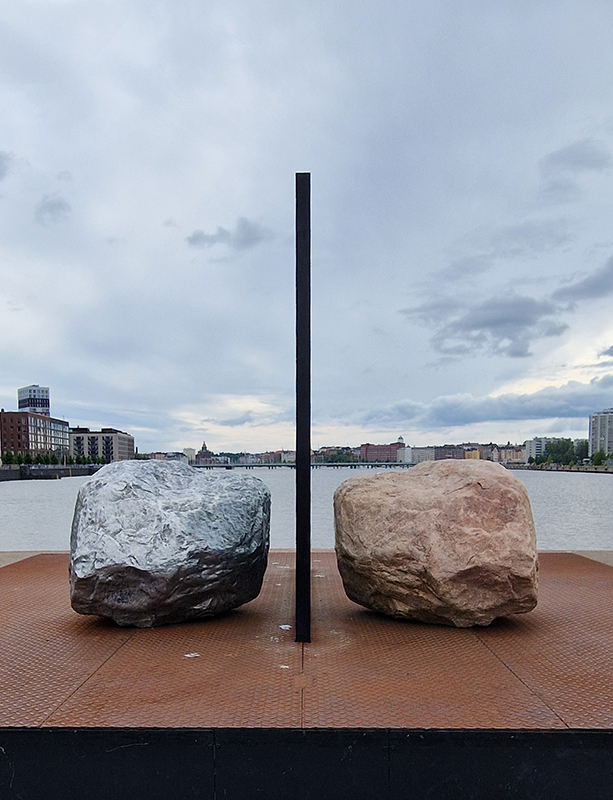
With my head still full of the geological (unconscious) it was great to see the works of Alicja Kwade, Big Be-Hide (parallel universes – natural rock and a metallic copy either side of a two-way mirror) and Pars pro Toto (a part for the whole – stone planet like spheres) from the 2021 Biennial now installed in Helsinki’s Kalasatama district.

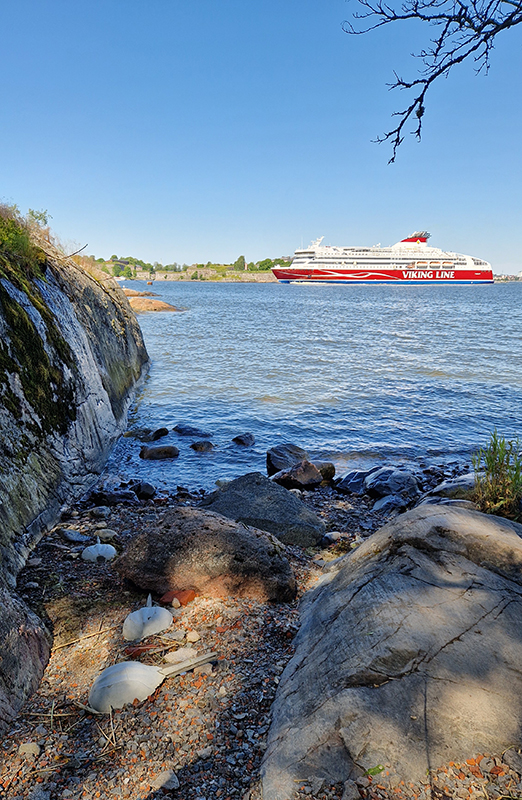
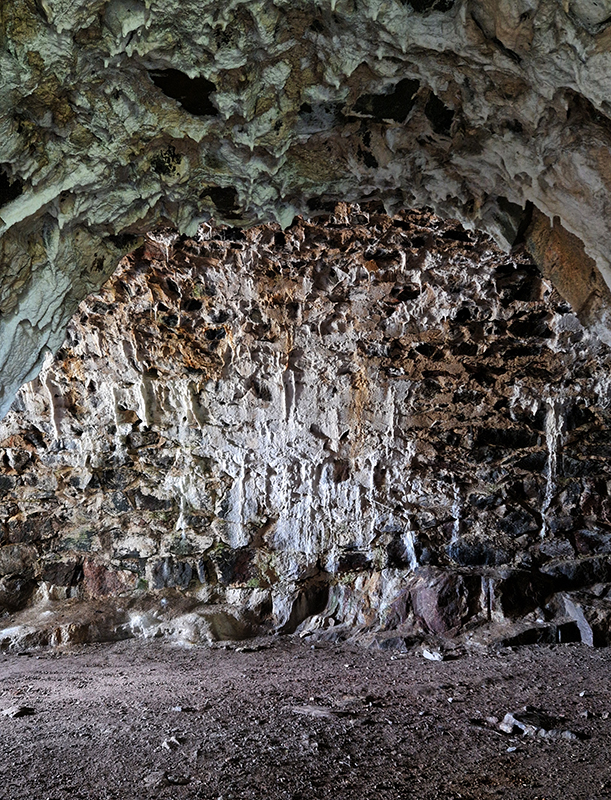
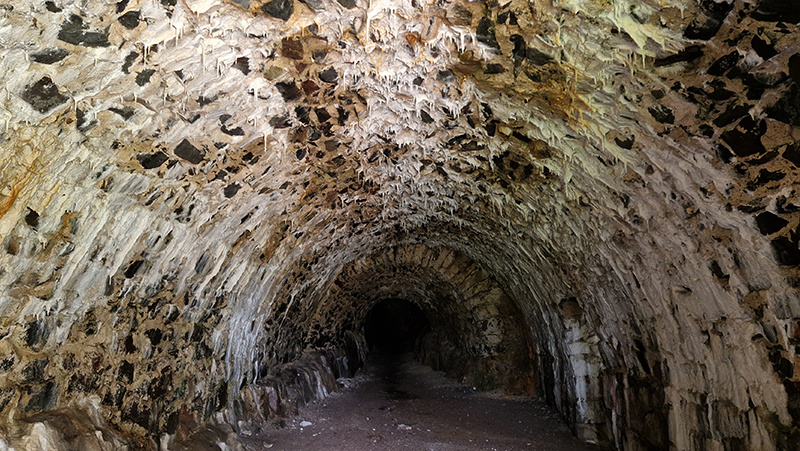
Another ‘geological’ delight was the unexpected appearance of stalactite’s forming in the tunnels of the military sea fortress built in the 1700’s on the island of Suomenlinna, a UNESCO World Heritage site.

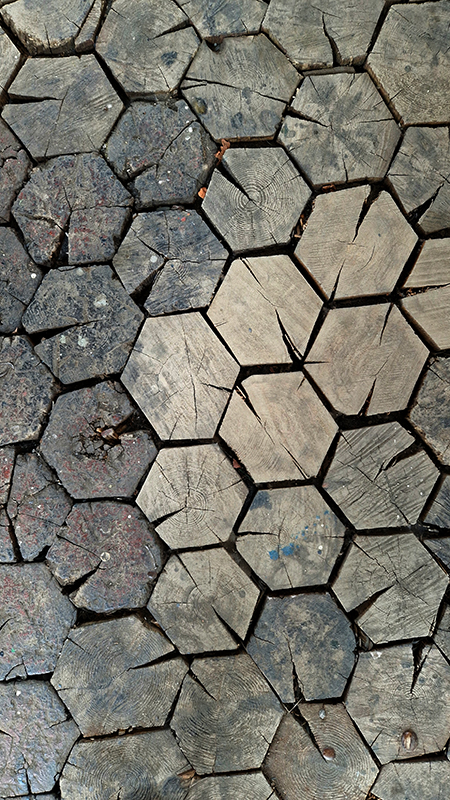
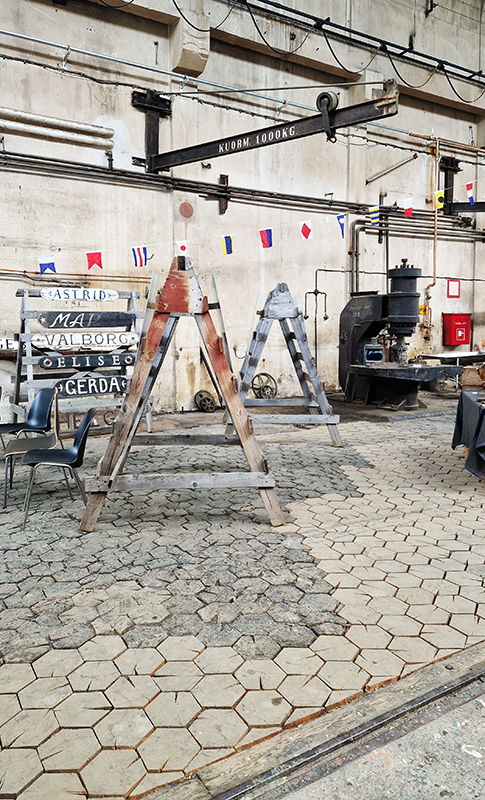
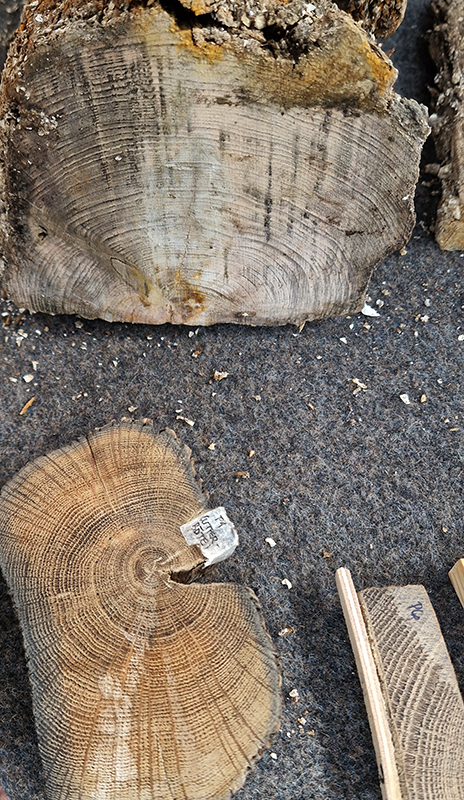
I loved the amazing hive like wood floor at Suomenlinna boatyard. Every tree carries a memory of the past, recording the weather and conditions of each season. Dendrochronologists can work out exactly when a tree was cut down which is very helpful in underwater archaeology. Around Suomenlinna there are shipwrecks beneath the sea with no identifying features except their wooden timbers which incredibly hold clues to when and where the trees used were felled. Marine archaeologists, shipbuilders and forest scientists are working together to discover the stories behind the lost ships.

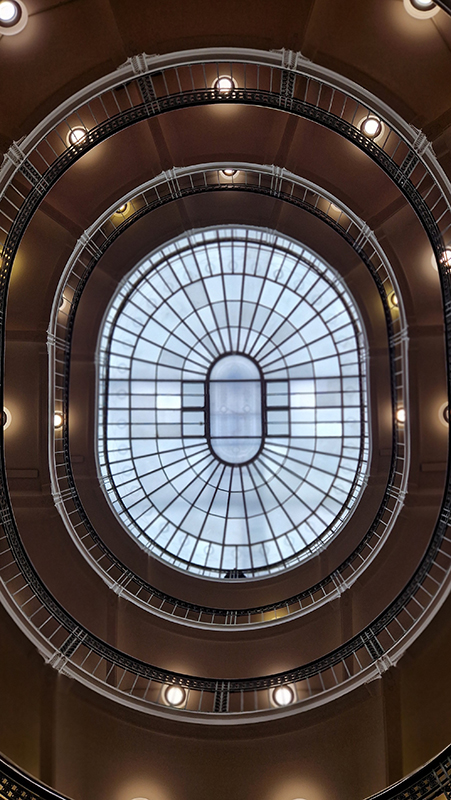
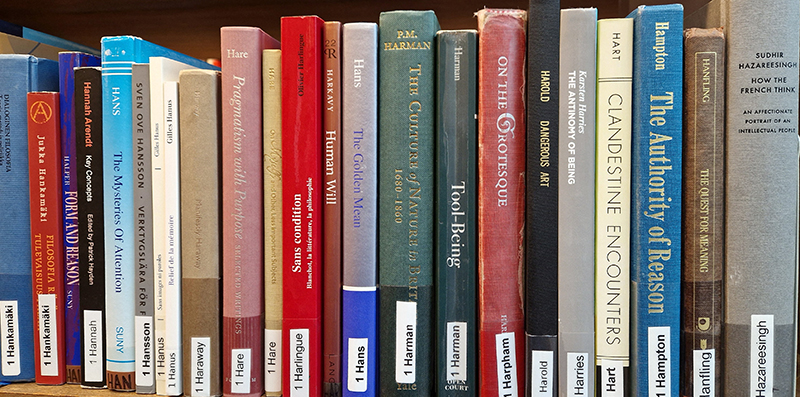
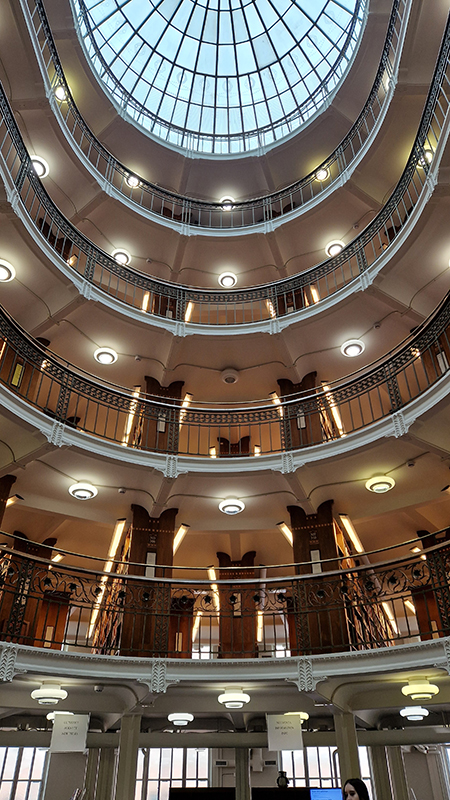
Helsinki is big on amazing libraries. The National Library of Finland is stunning and bursting with tantalizing books to explore, and the new Helsinki Central Library Oodi takes your breath away in its scale and sweeping curves.

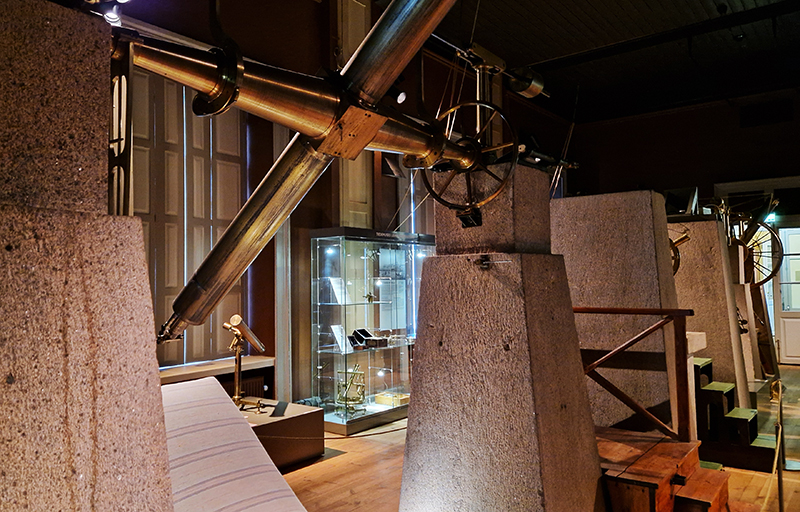
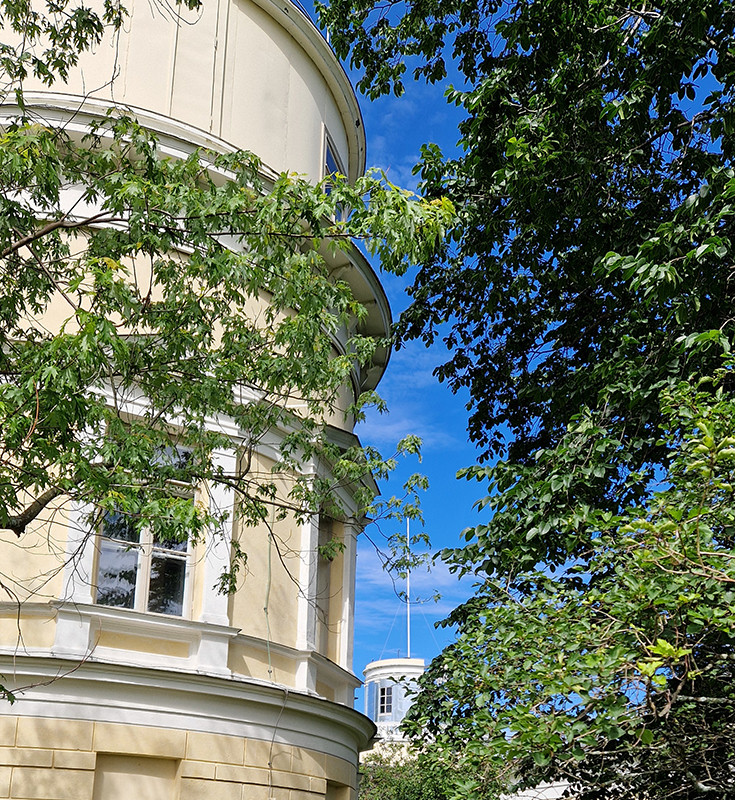
Sadly Helsinki Observatory has long since stopped functioning as a place for active astronomical research (2009) and is now a museum. It was disappointing that the electronic cloud chamber they possess wasn’t switched on but there were some interesting instruments to wonder about in the meridian room.

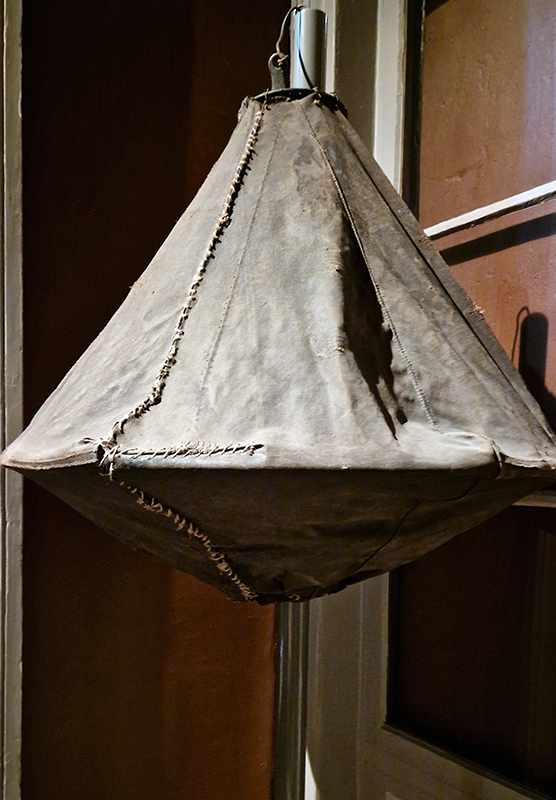
Each day the time signal bag was hoisted to the top of a mast on the roof of the observatory just before noon and dropped down exactly at noon. The correct time having been determined by an astronomer observing the stars at night. This event could be seen from Helsinki Central Railway Station where the station clock was then synchronised. This method of time keeping for Helsinki residents was in use until the 1920’s.

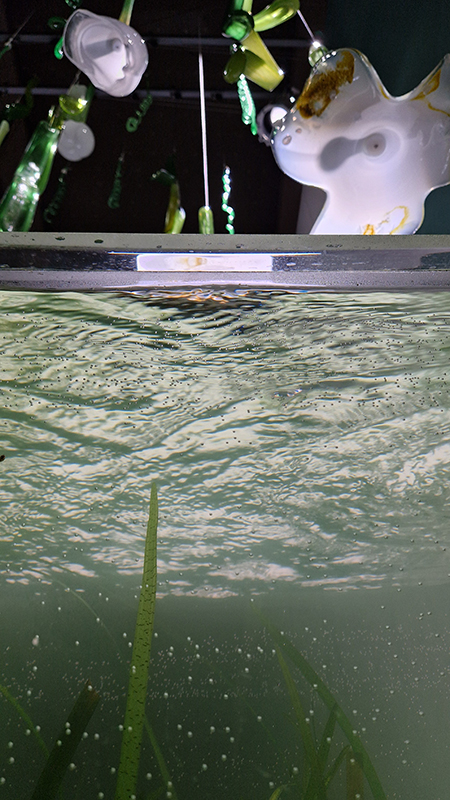
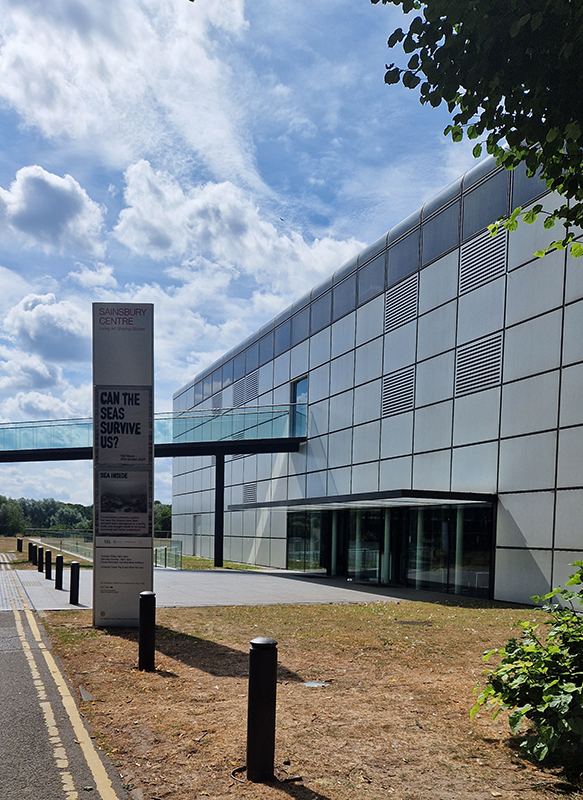
The future of our oceans is explored in the Sainsbury Centre’s Can The Seas Survive Us?

The sea has often been viewed as a mysterious ‘other’, with its expansive surface and seemingly infinite depths dominating marine imagery in the history of Western art. Artworks in this exhibition explore the ways the oceans have been domesticated, reimagined on a bodily scale and brought inside to be tamed, contained or better understood. Sea Inside turns our oceanic gaze towards the sea’s more intimate spaces – whether physical, psychological or imaginary – and dives into shared watery origins, Indigenous ways of life and the items we remove from the sea to display on land.

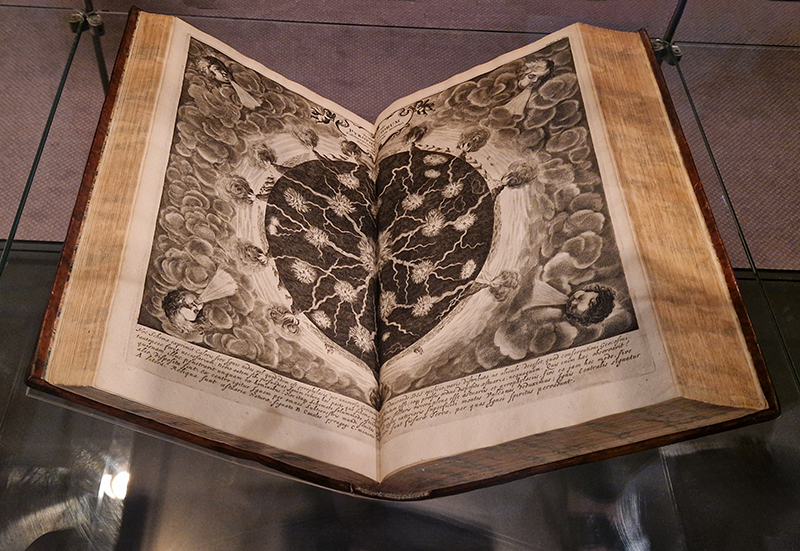
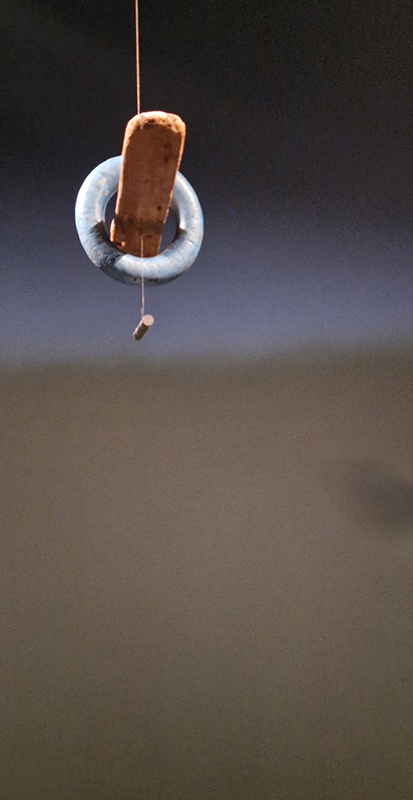
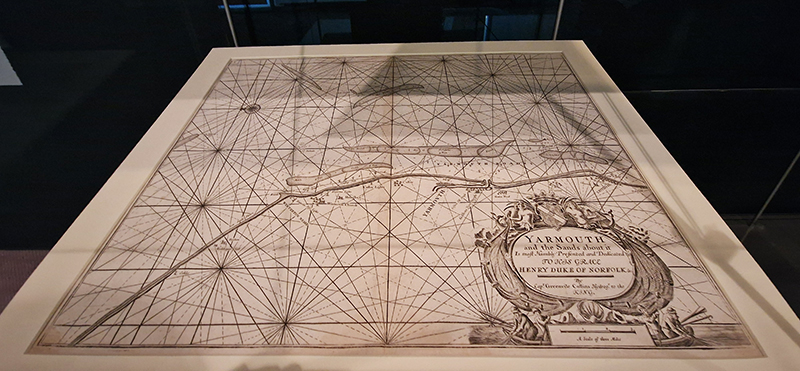
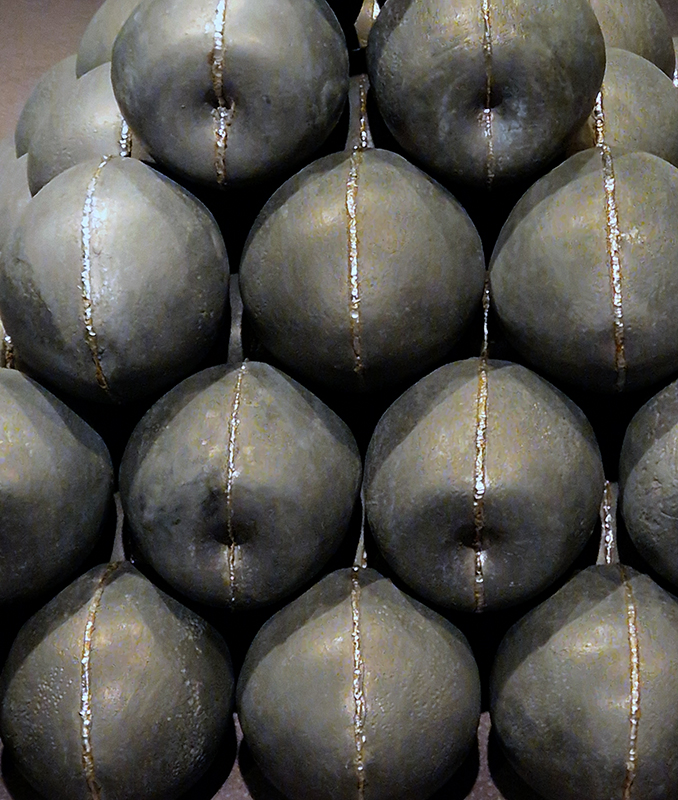
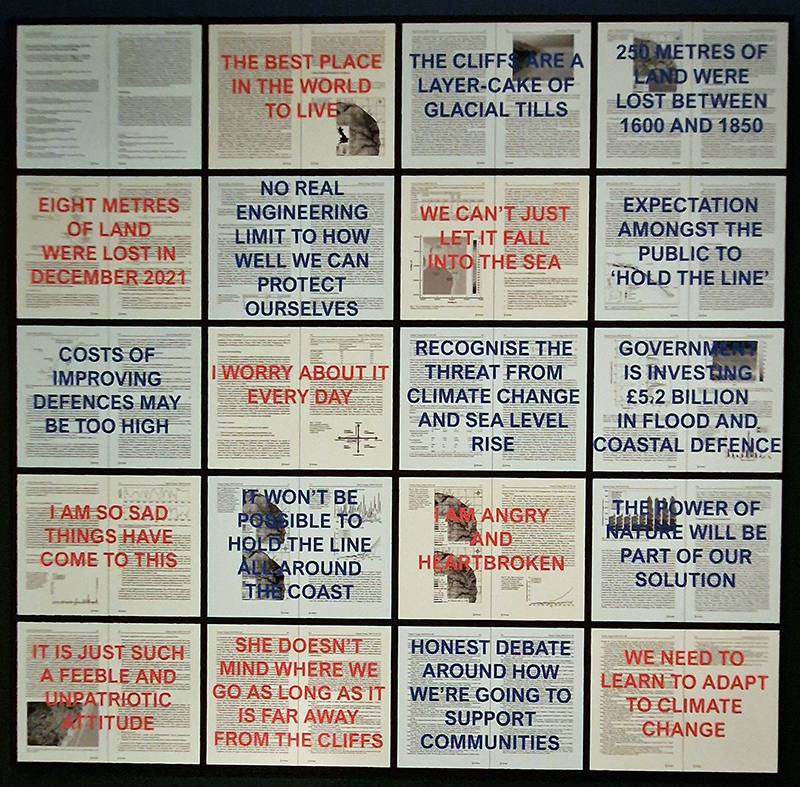
A World of Water takes the North Sea and the historical relationship between Norfolk and the Netherlands as its starting point to look at the human impact on the sea. It was wonderful to see the original book Mundus Subterraneous from 1664 by Athanasius Kirschner whose geological illustrations and speculations I have been fascinated by. Olafur Eliasson’s suspended Shore Compass uses driftwood to reflect on navigation of an uncertain world. Some great maps in this exhibition including the intriguing map of sandbanks off the coast around Great Yarmouth. I have enjoyed following Julian Charriere’s visually dramatic work on Instagram so it was good to see these images scaled up. Andrew Watkinson’s montage based on research from the Tyndall Centre for Climate Change about coastal erosion in Norfolk swerves from resignation to resistance, hope to despair and took me back to my BA dissertation (The Communication Of Ecological Concerns Through Contemporary Artistic Practice, 2007) writing about climate change warnings coming from the Tyndall Centre and the frustration of researchers about distorted media coverage that made it hard for the public to understand the facts. Suffolk too has lost a lot of land to the sea since I was a child there. Although dreams of tidal waves are common anxiety dreams I believe mine were also influenced by overheard stories of the North Sea flood of 1953 when a storm surge coincided with a high spring tide, which my parents and local villagers remembered vividly, it was the worst flood of the 20th century in England and Scotland and many lives were lost. Maggi Hambling’s sublime Wall of Water holds frozen the terrifying waves that may threaten us while Cian Dayrit’s Dam Nation examines the impact to communities and ecosystems when water is held back or re-routed.

Darwin in Paradise Camp by Japanese-Sāmoan artist Yuki Kihara calls out that ” a reconsideration of what it means to be human requires a re-evaluation of the origin of the species.”

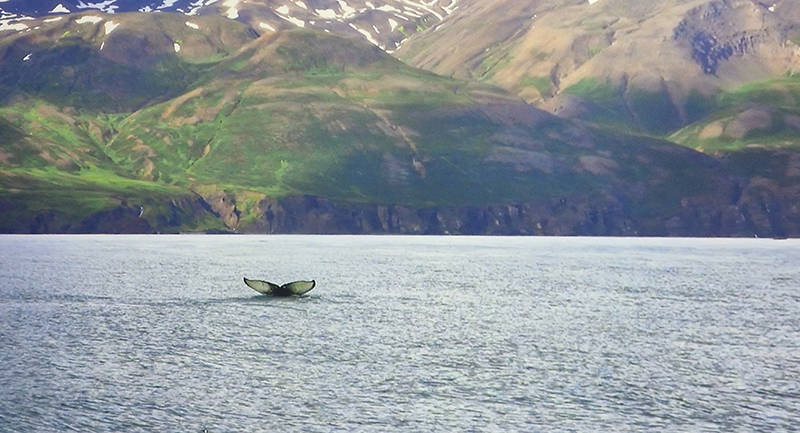
Sea Inside turns our oceanic gaze towards the sea’s more intimate spaces – whether physical, psychological or imaginary including work by Marcus Coates (attempts to create the call of the humpback whale in a bathtub), Kasia Molga (How to make an Ocean – the artist’s salt tears fill miniature glass capsules where algae is cultivated), Gabriella Hirst (ethereal images on hand etched fibreglass in a slatted structure that echoes the baleen inside a whale’s mouth).

At London galleries I saw work about tuning in to invisible forces, the importance of how we treat our fellow humans (dead or alive) and an assessment of the influence of past and present technology on hope for the future.

Islington Gallery Weekend is a great idea, just the heat while out walking that weekend meant I didn’t make it to all the galleries participating.

The Observatory at Bobinska Brownlee New River, presented abstract and textural works by Claudio del Sole, an artist and amateur astronomer who co-founded the ‘Astralist’ movement in 1959 inspired by the dawn of the space age. These cosmic inspired works are shown alongside those made in response to the Astralist manifesto by contemporary artists James Brooks, Robert Good and D J Roberts. Cocktails and an incredible performance on the piano of unique work by composer Edward Henderson were also part of the afternoon.

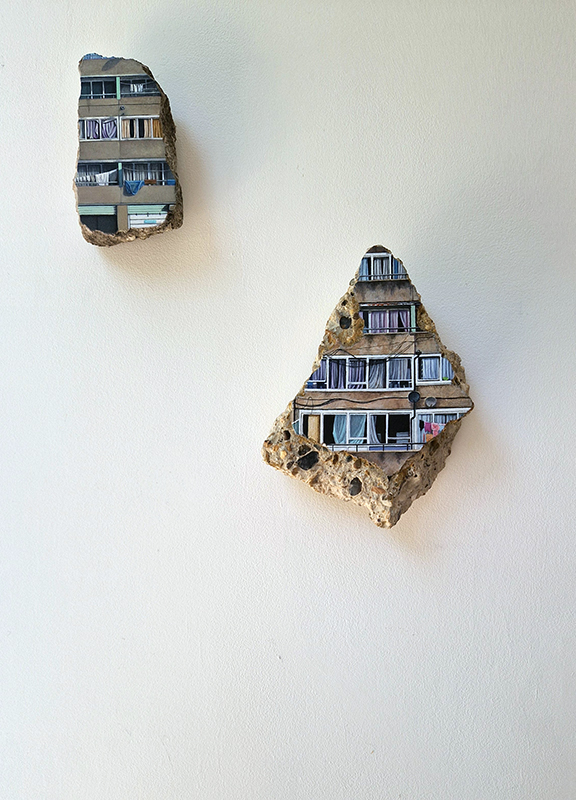
Poignant work from Harriet Mena Hill in Curtains at PostROOM Gallery. Fragments collected from demolition of the Aylesbury Estate in South East London are meticulously painted with details of the buildings that once were home to a community. An accompanying film gives voice to those who enjoyed life here before lack of maintenance and social care slowly stripped away the heart and soul.

Fascinating listening to Tracy Hill speak about her work in Natural Frequencies at White Conduit Projects which explores ways of being sensitive to invisible energies that move through us and our landscapes. Her experience of working with a water diviner feeds into her intuitive drawing processes and cut paper works.

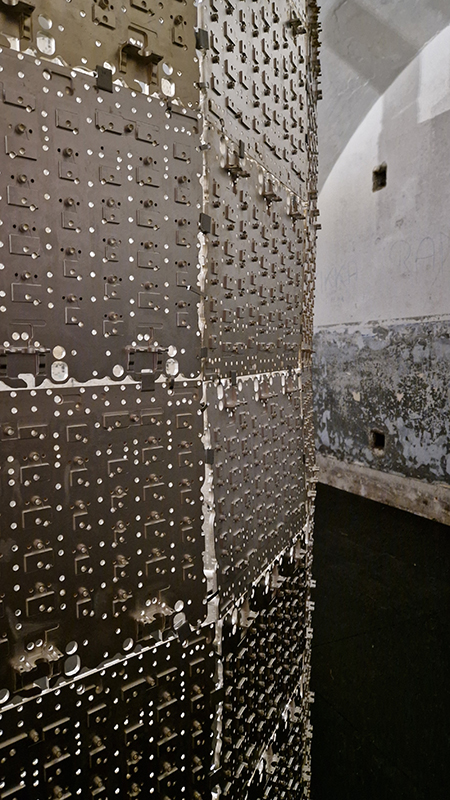
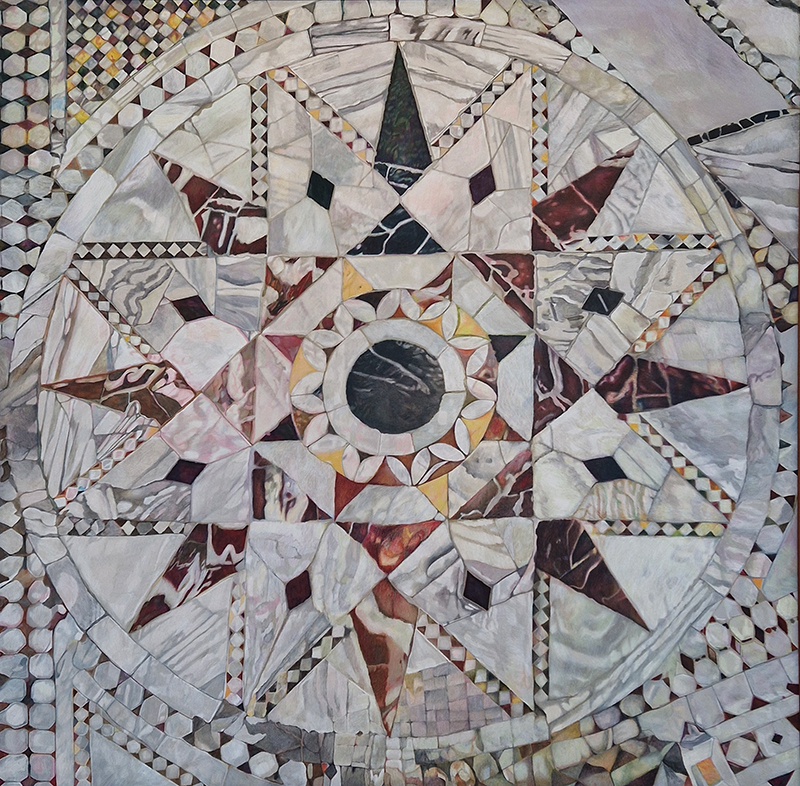
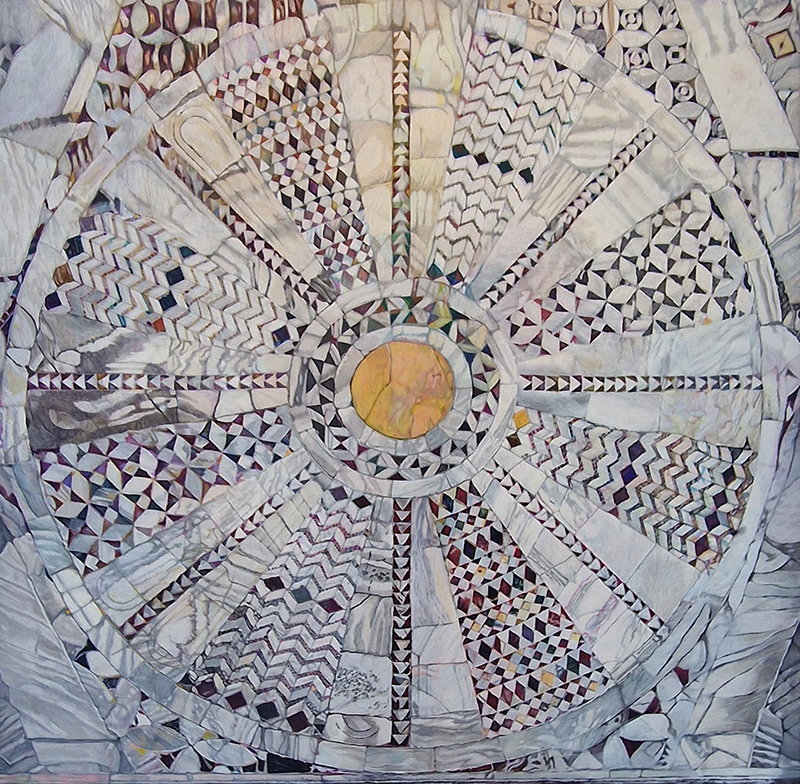
I was drawn to visit Gala Porras-Kim The categorical bind at Sprüth Magers to see these images which reminded me of the large hadron collider but made from marble. They are actually an examination of the conservation of marble tiled floors in Italy.

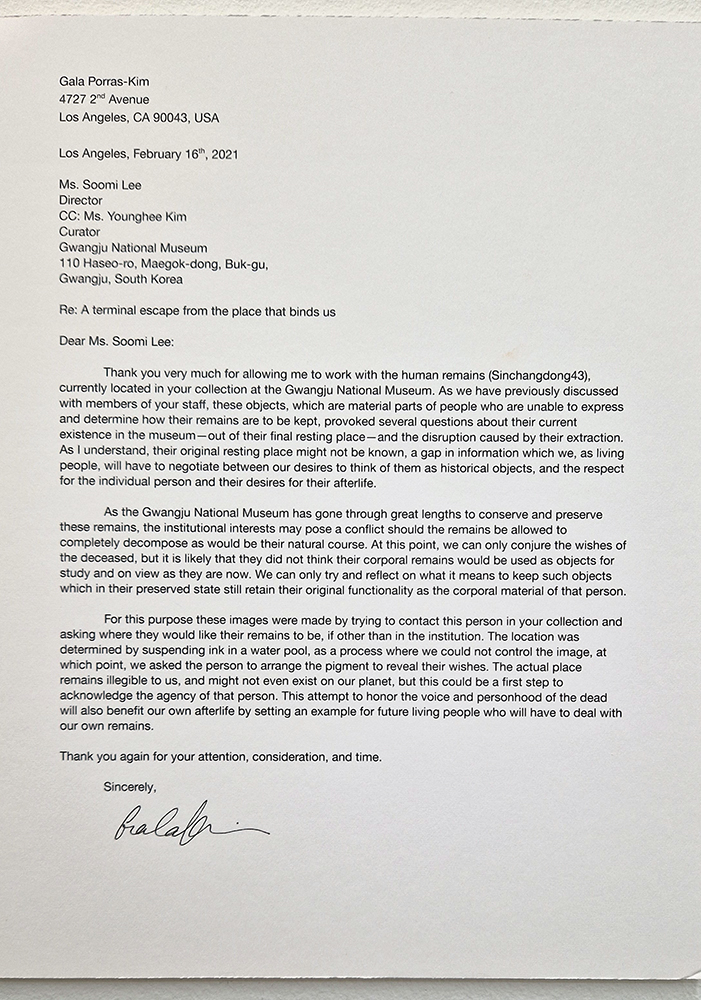
I remembered I had seen her work before at Gasworks and found it really interesting. In this piece she attempts to commune with the dead whose remains have ended up in a museum collection, possibly not where the living person had expected or would want.

Gala Porras-Kim

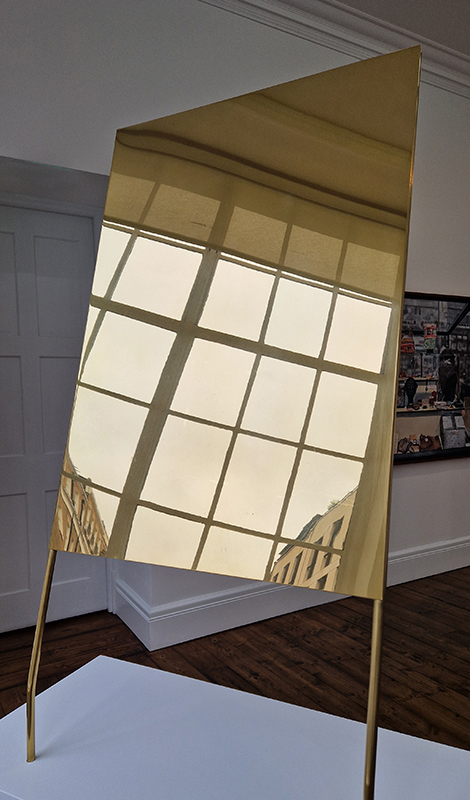
All Earth energy sources are known to come from the Sun

Brass, sunlight

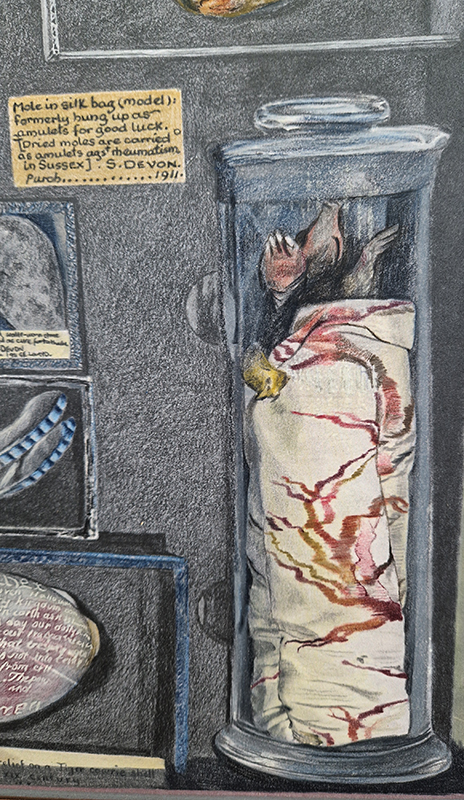
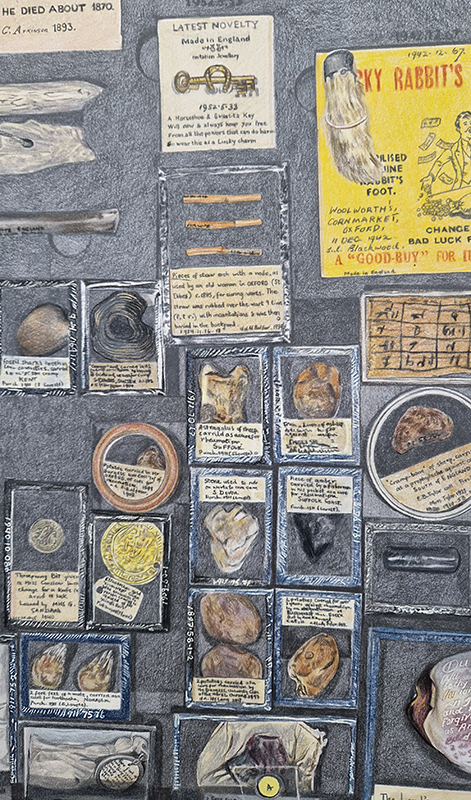
Most of the works were coloured pencil drawings of museum collections, giving agency to objects and questioning categorisation – this one of the poor mole amulet made me think of my mole killer brother who suffers from arthritis.

It is fascinating to think about how humans experience sound and consider frequencies occurring outside the human spectrum of sensitivity that other animals may be able to hear. Also to think about sound as vibrating bodily rather than auditory sensation. Barbican Feel the Sound requires a willingness for interactivity to experience most of the exhibits. The instructions weren’t always clear and so it was at times a bit of a frustrating journey through the space.

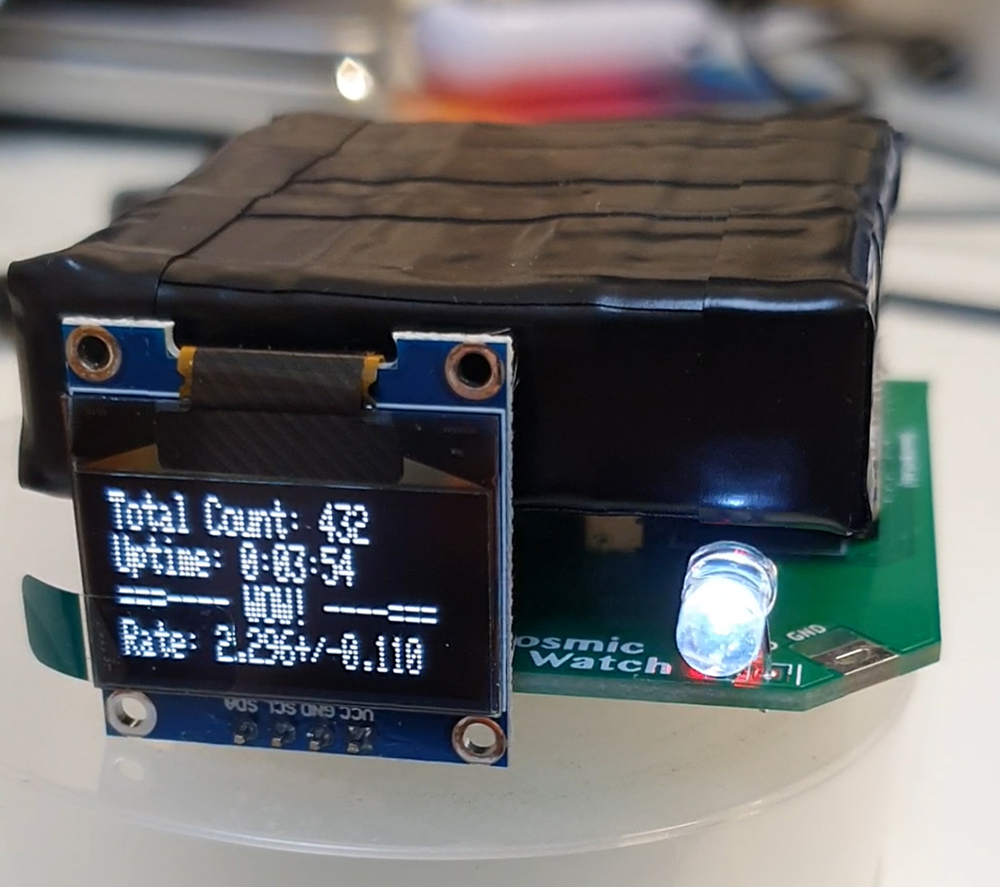
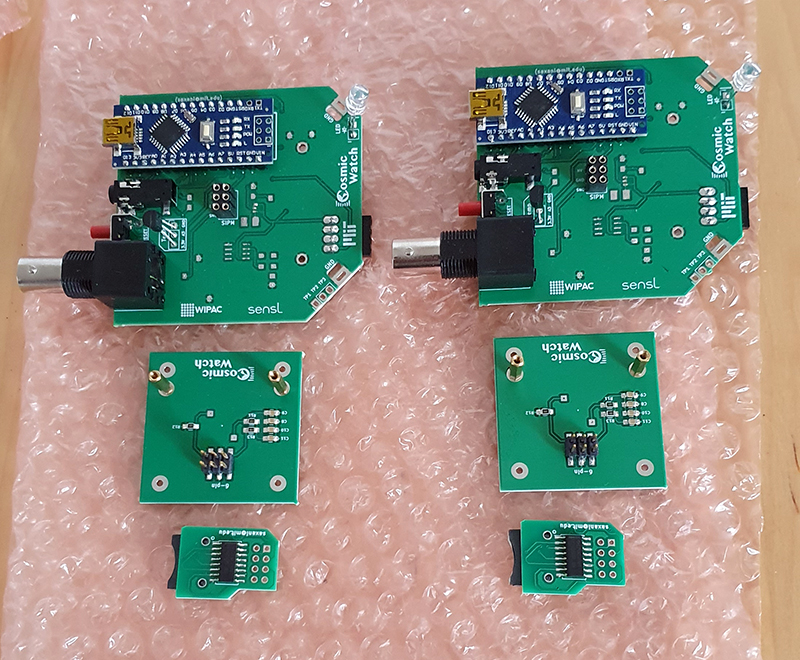
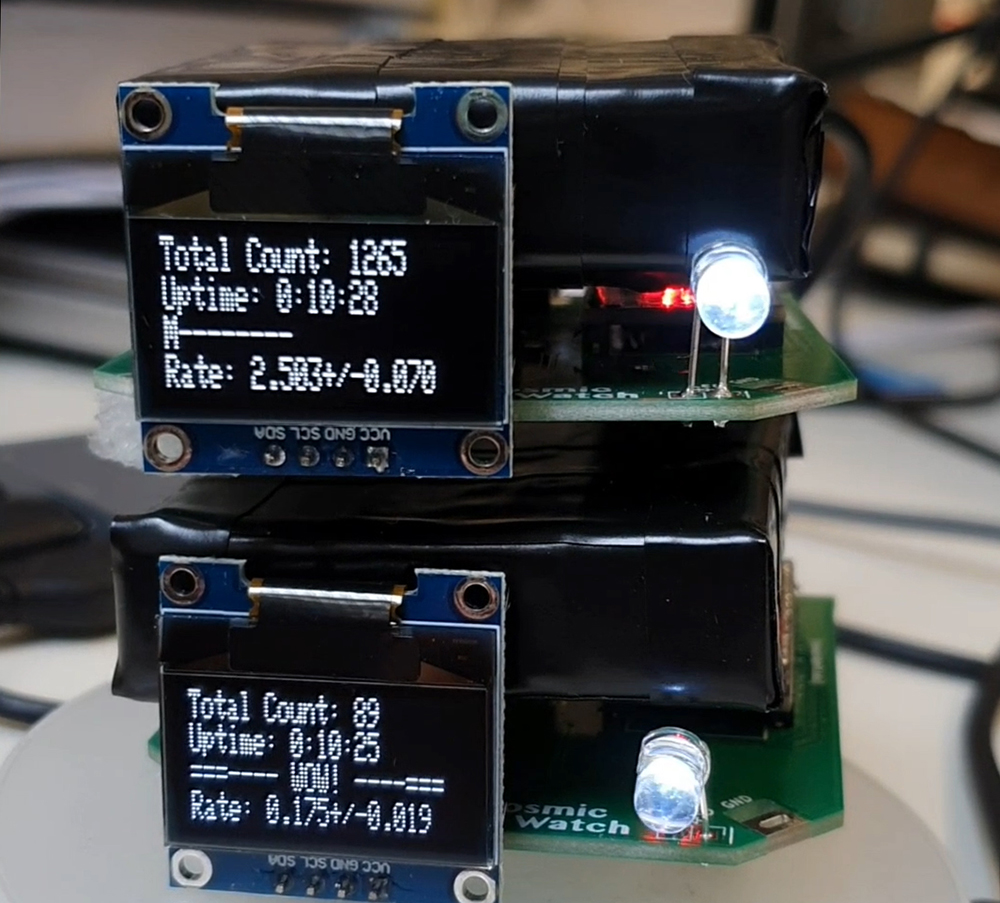
The big excitement this month was to get the cosmic ray detector assembled and working. It may not look very exciting to see an LED flash but knowing it was caused by a tiny traveller from outer space I do find quite something to acknowledge.

The detector uses a small slab of plastic scintillator as a detection medium and a silicon photomultiplier (SiPM) for light collection from charged particles as they pass through the scintillator. Flashing the plastic block with light from a UV torch causes a big scintillation burst.

The signal from the photomultiplier is sent to an Arduino microprocessor which measures the amplitude of the signal. The small OLED screen updates every second and an LED flashes every time an event is registered.

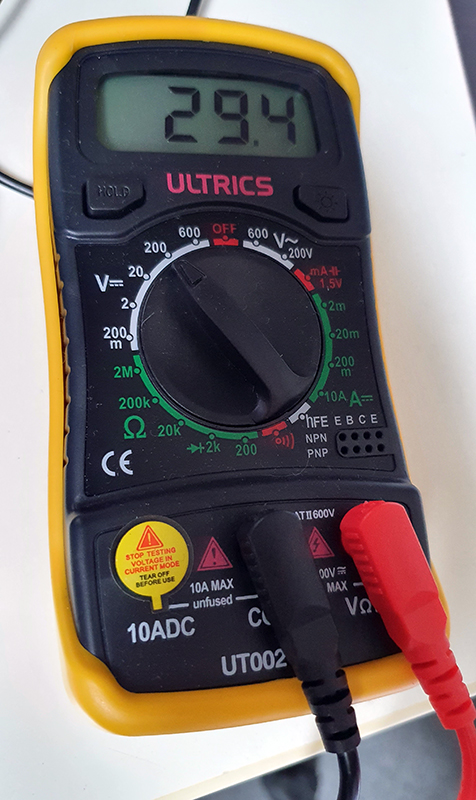
I have the skills and patience of ABL Circuits to thank for soldering the tiny SMT components to the PCB boards and then working out which part had the fault and replacing it so that the correct voltage was supplied to the SiPM PCB. It needed to read approximately +29.5 V as anything over 30 might damage the SiPM so it was a big relief when this was achieved.

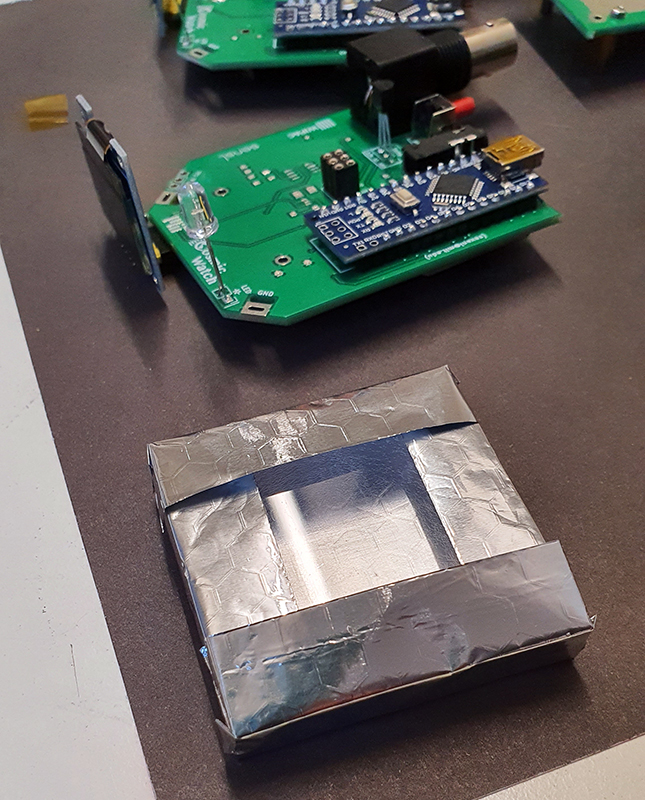
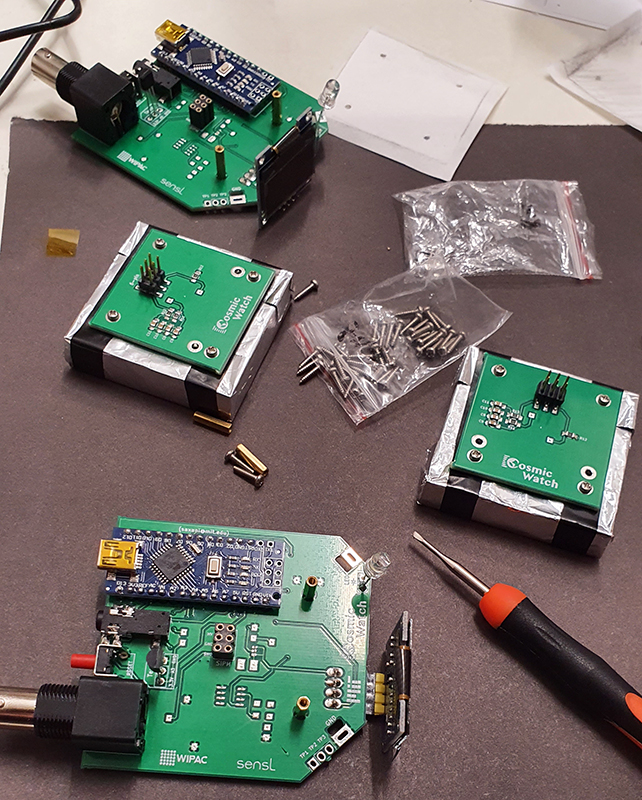
Once I had the printed circuit boards assembled I could wrap the scintillator plastic in foil, apply optical gel and attach it to the SiPM and then wrap this in electrical tape to make it light tight. I had a little bit of soldering left to do myself and then it could be slotted together.

When I had both detectors working independently I could set them up in coincidence mode to differentiate cosmic rays from background radiation particles.

The top detector is reading all local background radiation and the bottom one is just recording cosmic rays. The lights flash in unison when a particle travels through the top and bottom detector at the same time. The top detector labelled ‘M’ I will call mother and the bottom ‘S’ I will call son, (not the historical terminology suggested).

The horizontal lines record the energy of that particle – look out for the WOW particles!

So happy to have got this far with the project, now for the difficult bit translating that signal into an action triggering an interactive artwork.

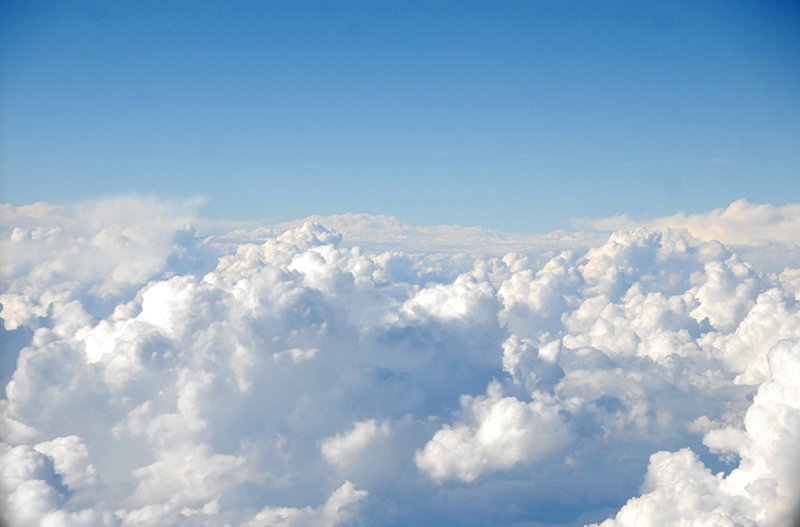
Not only can cosmic rays be observed using a cloud chamber but they also trigger the formation of everyday clouds.

The Solar Wind is made up mainly of hydrogen and helium ions (ions are the nucleus of atoms separated from their accompanying electrons) known as solar protons. Travelling at up to 5 million miles per hour, the solar wind carries a million tons of matter from the sun into space every second. When massive amounts of energy stored in the magnetic fields of the sun are suddenly released in a solar flare explosion the particles are accelerated to even greater speeds.

Coronal mass ejections fire off great clouds of hot gas and the explosions are so powerful that they also rip away knots of magnetism from the surface of the sun which are sent sweeping past Earth deflecting the path of cosmic rays that would otherwise strike our planet. This effect is called the Forbush Decrease where increased solar activity results in a reduction of cosmic rays coming from outside our solar system.

Cosmic rays are super-charged subatomic particles produced by exploding stars, black holes and other phenomena many times more violent than any solar flare explosion but one coronal mass ejection can reduce cosmic rays for a few weeks and continued solar activity can keep cosmic ray counts low for sustained periods of time.

The Sun’s magnetic field goes through a cycle where north and south poles switch places about every 11 years. It then takes another 11 years for the poles to flip back again. Sunspot activity caused by the magnetic field are affected by the solar cycle but it is hard to predict how active a cycle might be. Usually at the beginning of the cycle there are fewer sunspots causing eruptions which then increase over time reaching solar maximum in the middle of the solar cycle before gradually retuning to solar minimum before the cycle begins again. The first solar cycle to be recorded was in 1751 and we are currently in cycle 25 with peak activity expected in 2025.

Research at the Technical University of Denmark has shown that the number of comic rays reaching the Earth has a significant impact on the warming of the oceans. When solar explosions deflect the number of cosmic rays hitting our planet there is a shortage of small aerosols – the chemical specks in the air that grow until water vapour can condense on them to become the water droplets of low-level clouds. The aerosol robotic network AERONETT also noticed a slight change in the colour of sunlight during times of low cosmic ray activity and found that violet light from the Sun looked brighter than usual. They put this down to the shortage of small aerosols usually provided by the cosmic rays which scatter violet light as it passes through the air. Without the growing aerosols, low-altitude clouds begin disappearing about a week after a Forbush Decrease minimum of cosmic rays. The water remains in the atmosphere in vapour form, but unlike cloud droplets it does not get in the way of sunlight warming the ocean. During solar maximum events the decline in cosmic radiation and the loss of low cloud cover persists for long enough to warm the planet.

“The effect of the solar explosions on the Earth’s cloudiness is huge. A loss of clouds of 4 or 5 per cent may not sound very much, but it briefly increases the sunlight reaching the oceans by about 2 watt per square metre, and that’s equivalent to all the global warming during the 20th Century.” Henrik Svensmark DTU

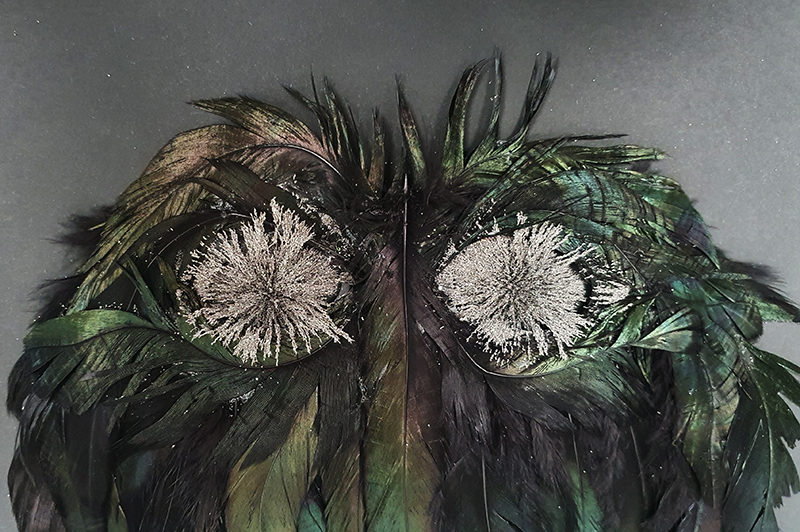
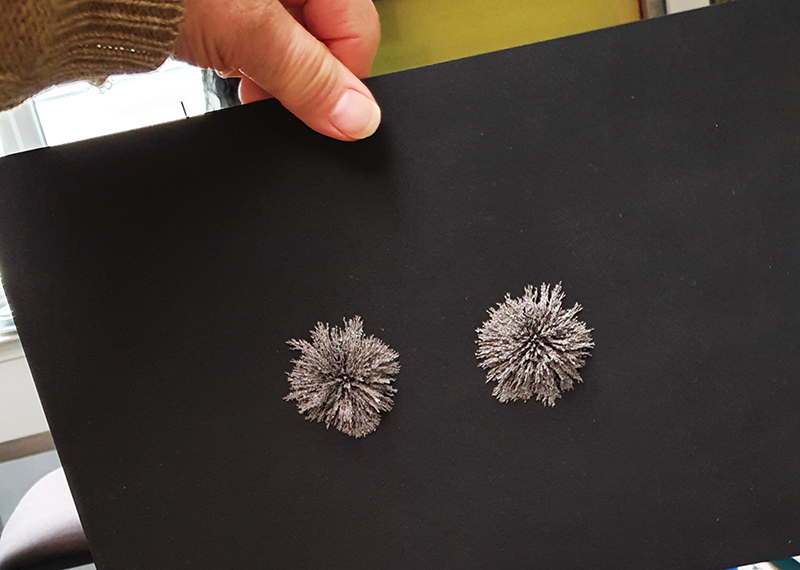
I have been testing new configurations of magnets for a large etching/drawing work looking at magnetoreception.

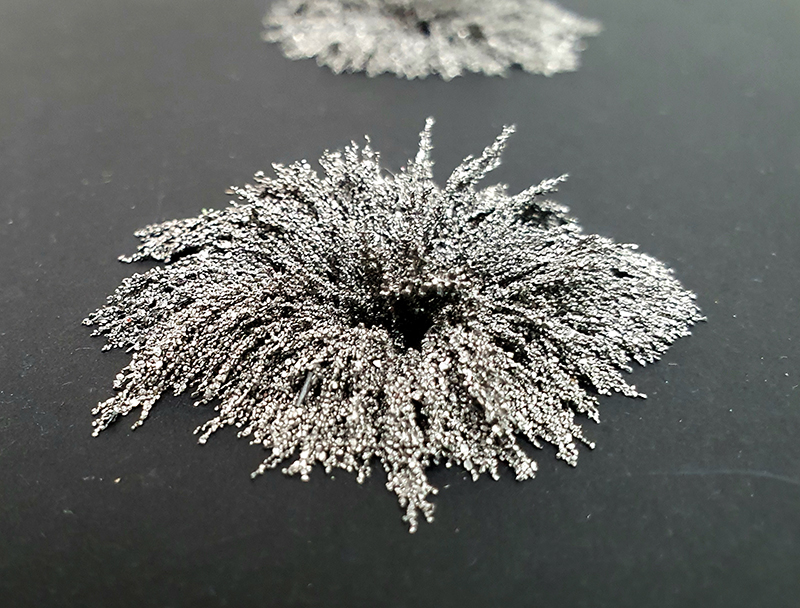
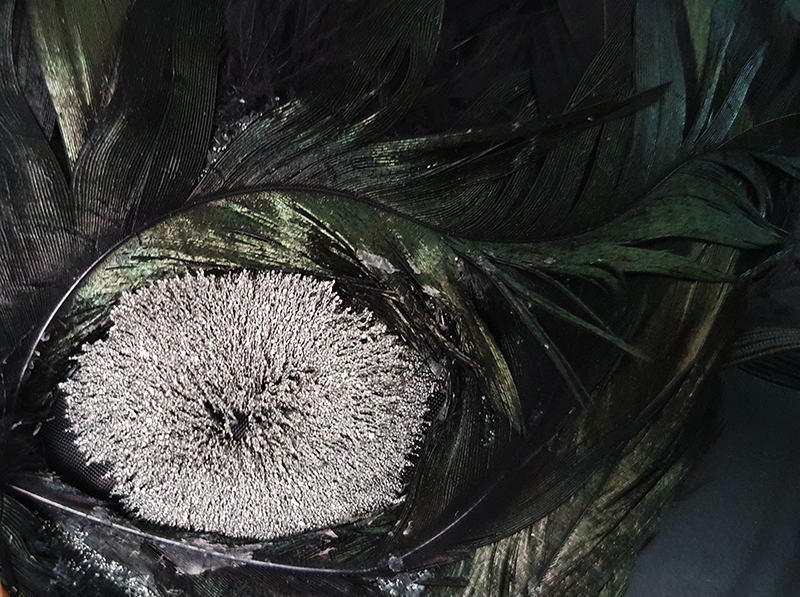
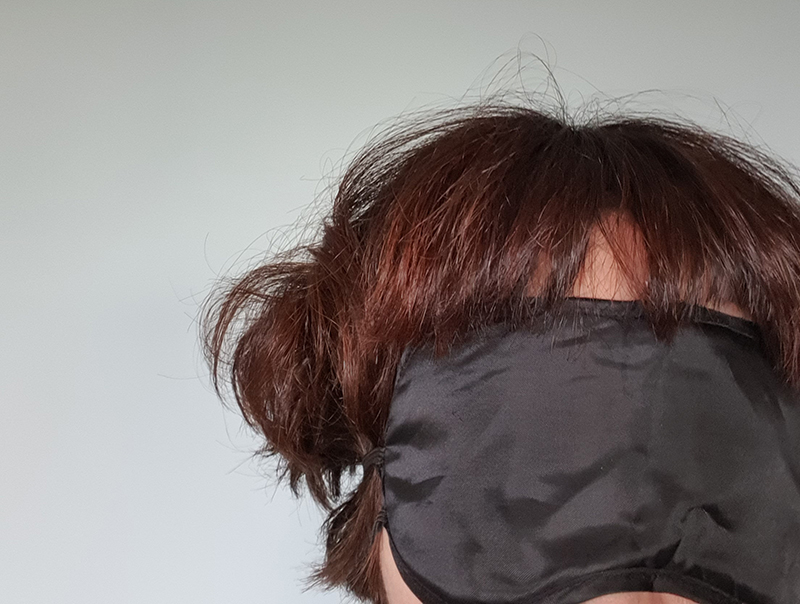
Also testing ideas for a magnetoreception performance mask. It became clear I will have to be careful with the iron filings around the eyes.

I was excited by the results of testing chine collé under black etching ink. It’s very subtle but I didn’t think it would show at all so was surprised and plan to try this with other ideas.

Great to see the launch of Yinka Shonibare’s new project Guest Artist Space in Lagos – this will be an international space for knowledge exchange between established and emerging artists, it will have urban and rural elements and involve local people as well as visiting artists for a true cultural exchange.

A video which I was invited to contribute to along with many artists Guest Projects has supported in the past is currently being shown as part of The Whitechapel Gallery exhibition programme A Century of the Artist’s Studio – Link to video here.

I am so grateful to Yinka Shonibare for his generosity and genuine interest in emerging and early career artists and awarding Laboratory of Dark Matters a month long residency that enabled us to achieve so much in 2017 including developing and running my first Cloud Chamber Workshops.

Exhibition Visits –

Gala Porras-Kim at Gasworks Out of an instance of expiration comes a perennial showing.

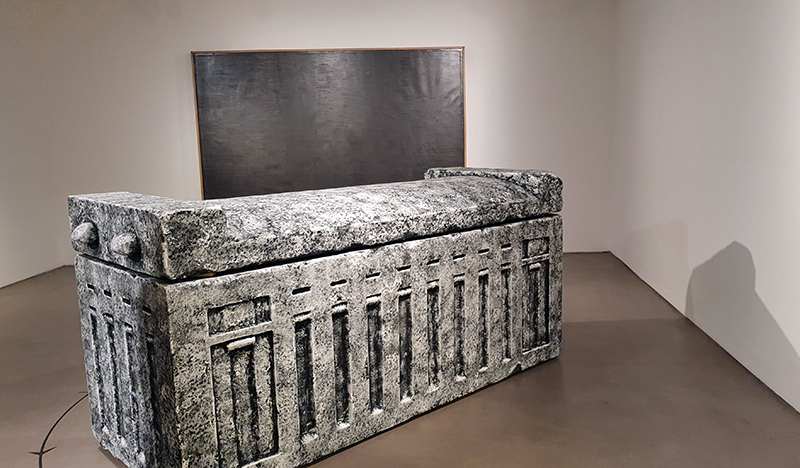
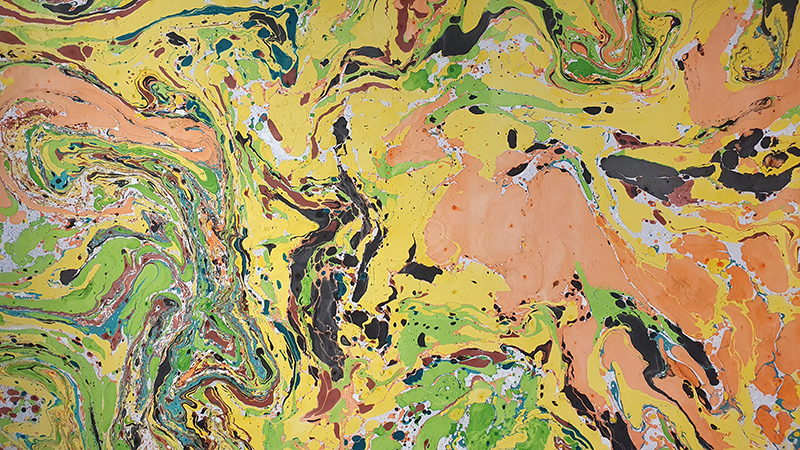
This wonderful exhibition is playful yet thoughtful, giving voice to the spirits of displaced, forgotten or overlooked fragments of history that have been institutionalised. The artworks suggest ways improve the material and spiritual conditions of artefacts stored in archaeological collections around the world such as re-aligning the sarcophagus or offering an awakening deity a more familiar prospect than the modern museum room in which it finds itself. Porras-Kim gives equal value to the dust gathering from artefacts stored in the back rooms of institutions and invites the spirits to communicate in the swirling patterns of marbling inks.

San Mei Gallery showing Laila Majid and Louis Blue Newby – not yet

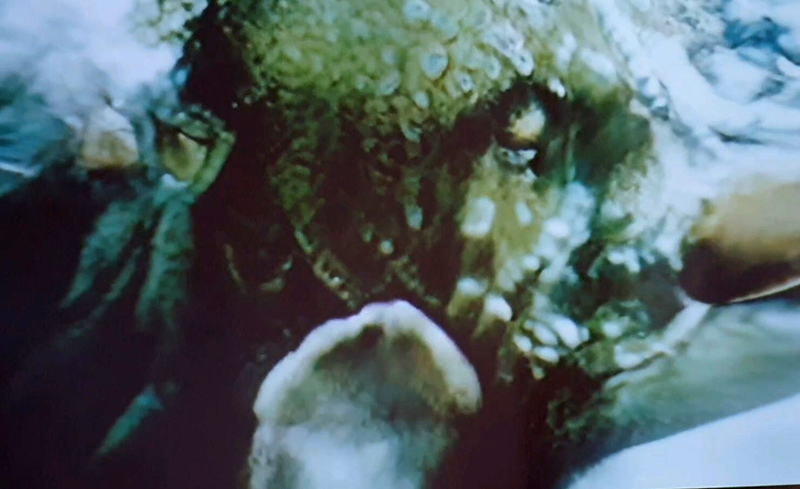
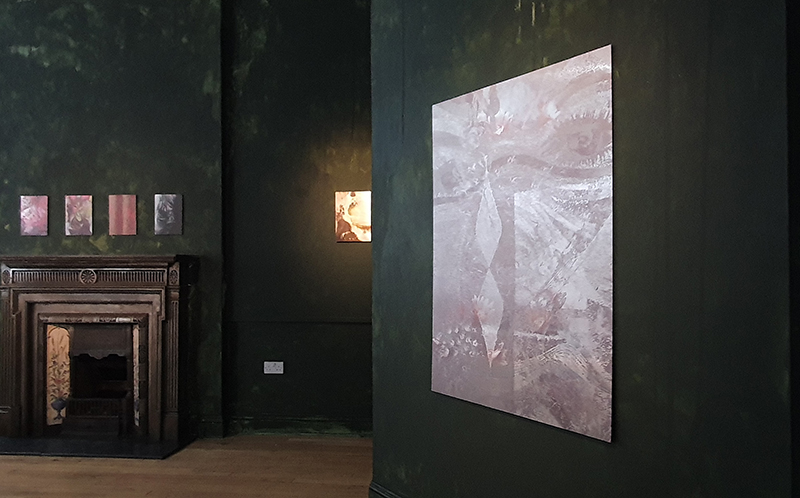
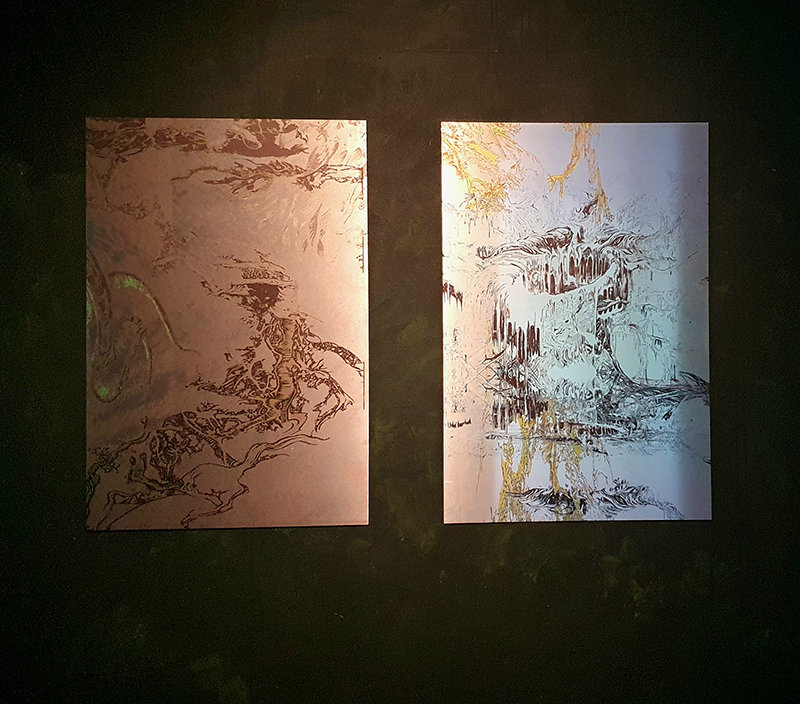
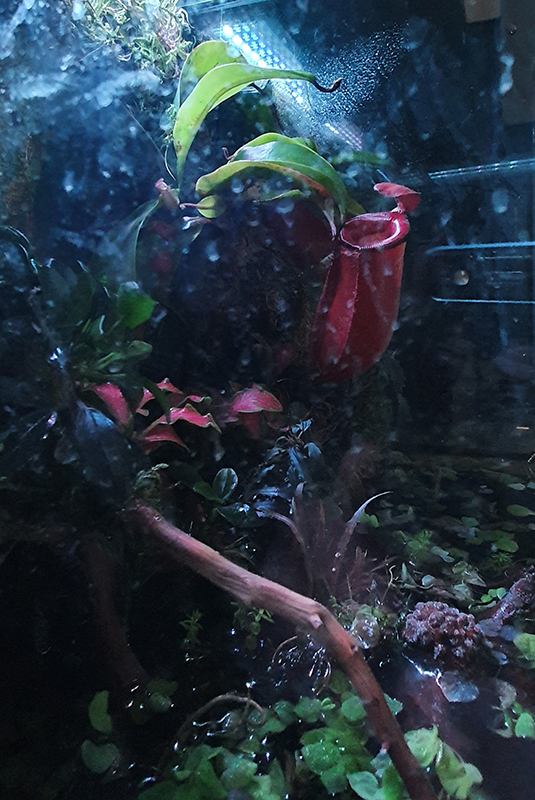
Walls smeared with slime green are hung with prints on aluminium that shimmer in the low light setting with video morphing of a bubbling concoction of swamp things.

Noémie Goudal –  Post Atlantica at Edel Assanti

Luscious imagery dissecting the impact of deep time on landscape and climate.  

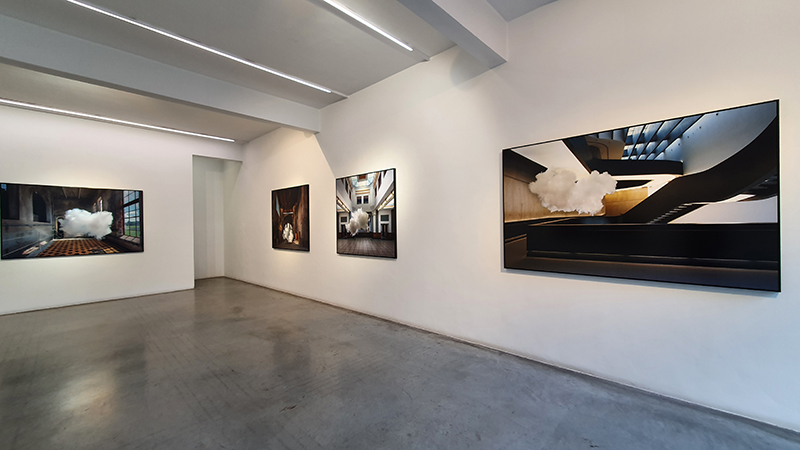
Berndnaut Smilde – Momentum at Ronchini Gallery

I was hoping to see a cloud produced in the gallery but had to settle for the documentation of previous clouds created in various locations presented in the Nimbus photography series. Apparently the artist very rarely makes this work as performance.

Shuster + Moseley – do not be afraid of the brilliant lights at Gallery Rosenfeld

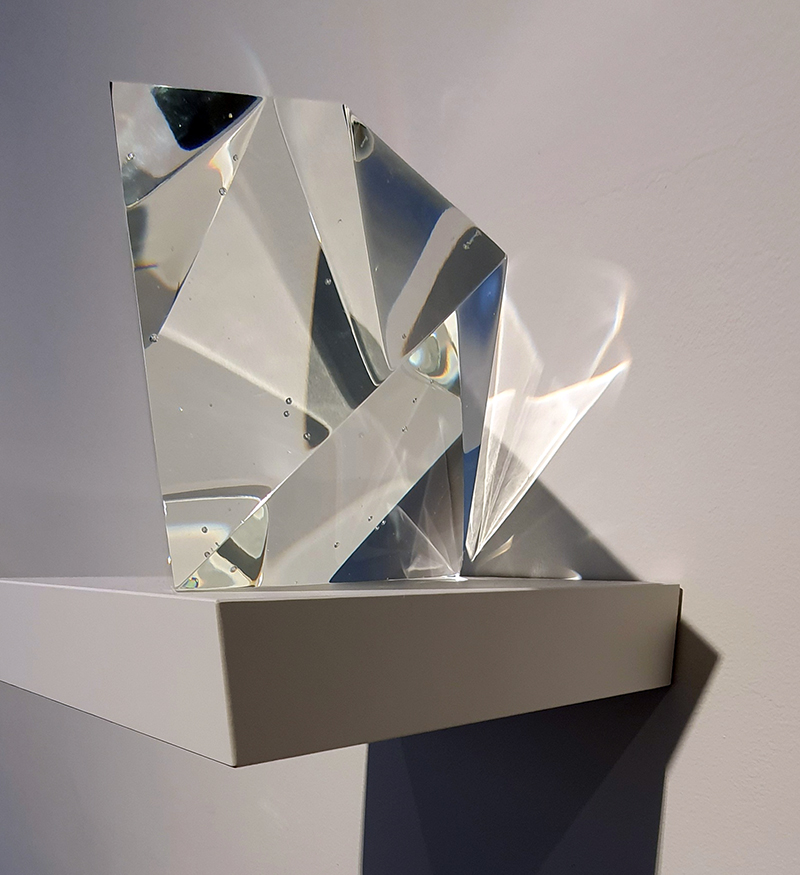
Light bling of refraction and reflection when photons travel through a glass medium splitting and bouncing in reminder of its own physical presence

Also at Gallery Rosenfeld, Bongsu Park – in dreams we gather

Dreamscapes undulating through the darkness, echoing active brainwaves producing light within our sleeping skulls.

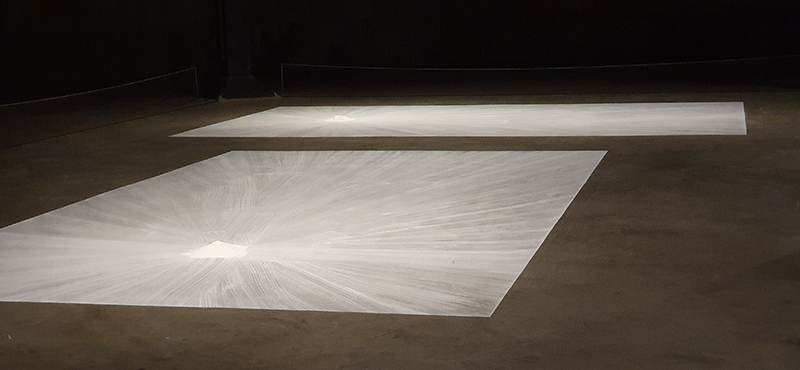
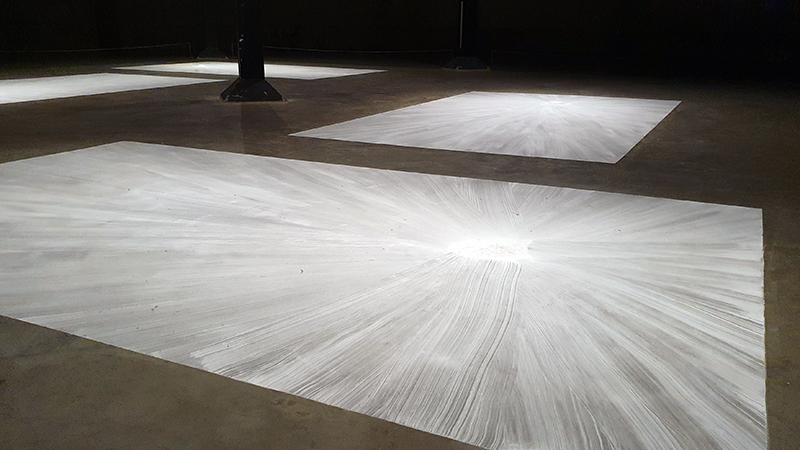
Rivane Neuenschwander Commonplace 1999 in Tate Tanks

Talcum powder is brushed into rectangular shapes on the floor, being remade every time it is exhibited. Simple gestures turn the stuff of everyday life into something unfamiliar and poetic.

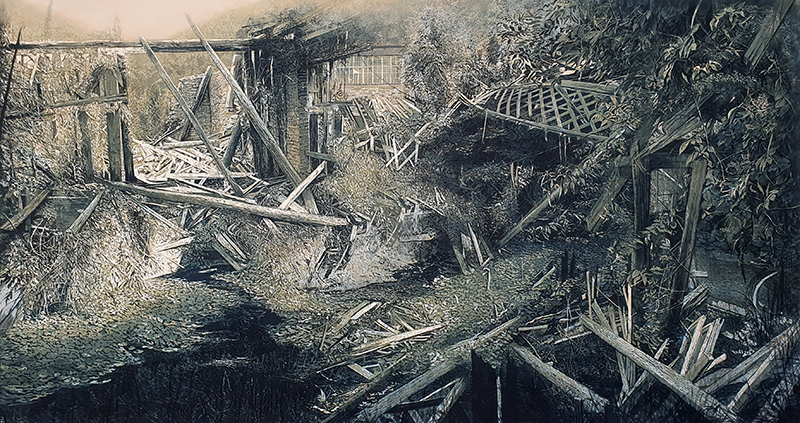
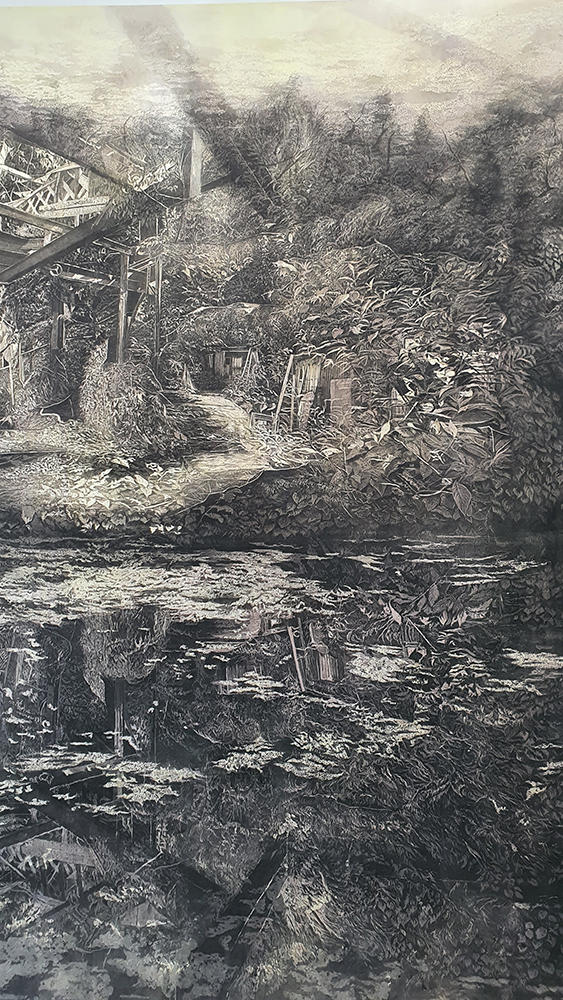
James Freeman Gallery – Juliette Losq and Stuart Sandford in Elysian Fields

Interesting pairing of decay and perceived perfection.

Paintings rather than the layered installations I admire from Juliette Losq here. Delicate pale light seeping through these landscapes caught in the haze of a slow and gentle decomposition.

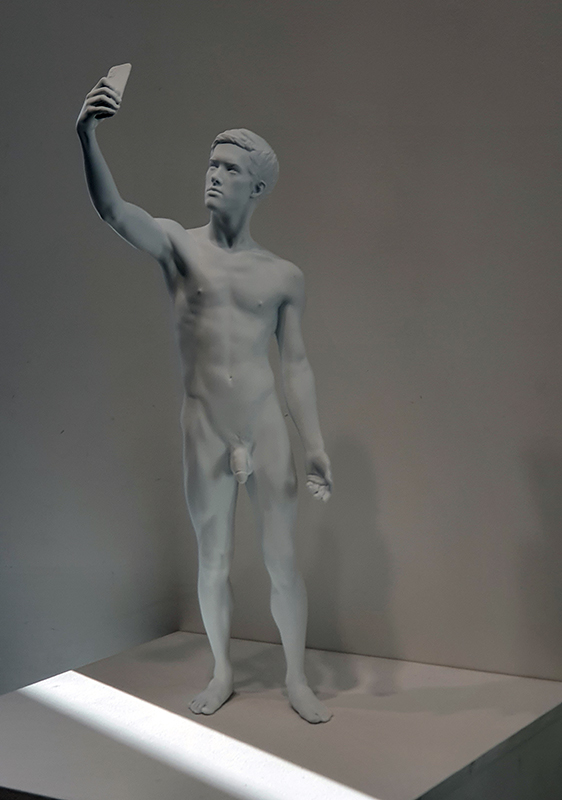
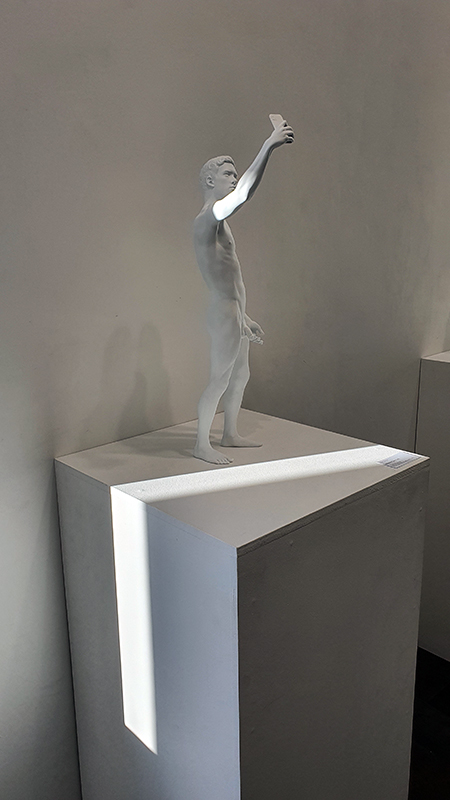
A close encounter with a full size Narcissus is only available through scanning a QR code to be experienced via the screen. Only his small pornworld counterparts were present, cast from the idealism of the digital realm into bronze.

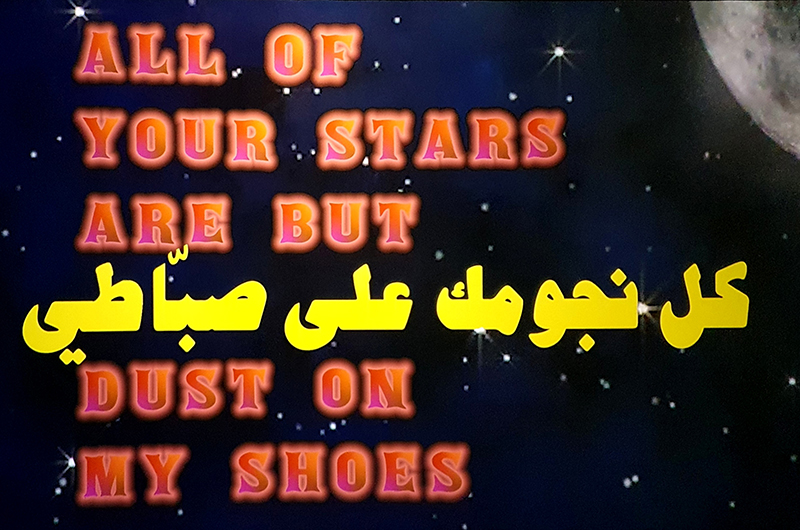
Haig Aivazian All of your stars are but dust on my shoes at The Showroom

Two very moving films looking at light and fire, primordial gifts and how they are used for power and control.

Geo-poetic is a great description of how these films traverse history and borders exposing who decides what is seen and what is not and who holds the flaming torch over the touch paper.

Portals at Lisson Gallery curated by Ossian Ward

Images include Susan Hiller, Ryan Gander, Rodney Graham, Shirazeh Houshiary, John Latham, Mary Corse and Sean Scully.

A mixed offering of thresholds to alternative spaces, visible, conceptual, mythical or speculative.

Richenda Court Glass Town at The Muse at 269

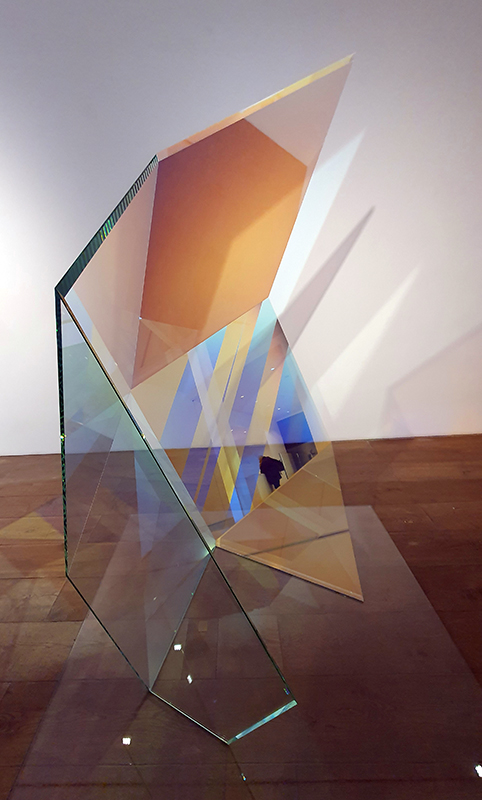
Luminous work reflecting a fragile crystalline world

Good to see Lisa Pettibone’s suspended sculpture Instrument of Thought – A meditation on Matter and Light. The physics of the cosmos held in delicate balance as mirrored surfaces, crystals and rocks interplay hinting at ideas such as gravity, dark matter and the speed of light.

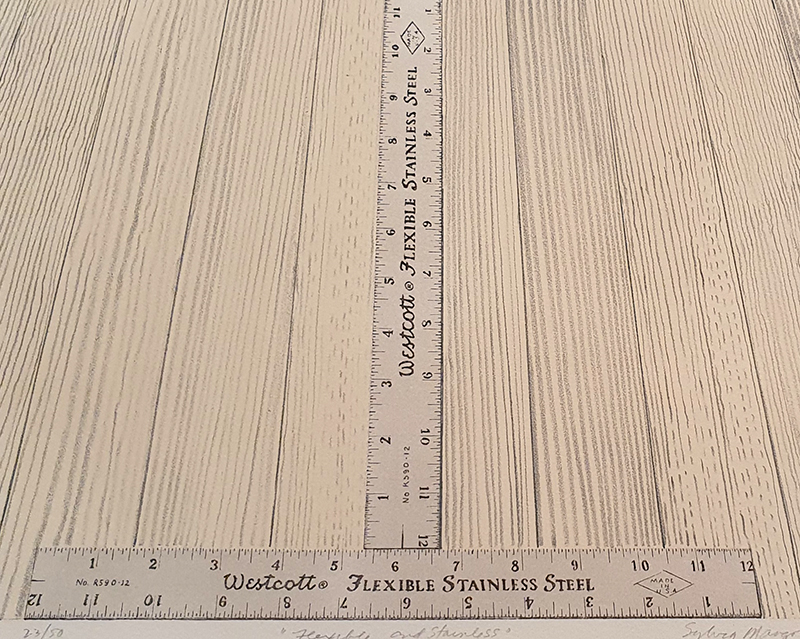
On Hannah Arendt: The Conquest of Space at Richard Saltoun with works by Sylvia Plimack Mangold, Elaine Reichek and Carey Young considering the question Has man’s conquest of space increased or diminished his stature?

The question is central to Arendt’s essay written in 1963 which rings alarm bells on the direction science and technology may be leading the human experience. The possible future Arendt foresaw of a world remade by the curiosity of the human race but transformed into somewhere unrecognisable to the humanist where even the scientist loses some essence of human nature as the world is described in a mathematical language that cannot be experienced with human senses may be bearing down upon us.

Lots to think about from this encounter. I think writing when she did, when the first man in space was quite recent history and before the internet, her concerns about a loss of what it is to be human, driven by technology effecting every part of our lives until there is no part left that hasn’t or isn’t in some way remade by humans was very prescient. I wonder how she would feel today as we rush into space like never before and not so much for exploration as exploitation. Arendt described herself as “a kind of phenomenologist” which I understand as looking at things purely as they appear to us without trying to explain why or how and accept meaning that comes from direct sensory experience. Works of art can act as mediators between the consciousnesses of the author and the reader as a direct attempt to communicate the experience of being human and the world around. Phenomenologists are interested in the way we come to share similar understanding of the world a collective subconscious or implicit agreement about how the world looks, sometimes referred to as the life-world.

An introduction to the essay link here presented by Roger Berkowitz, director of the Hannah Arendt Center at Bard College. Science transforms what it means to be human although we are still bound to our earthly bodies and subject to fate and fortune. Science does not give a human experience of the world, it confounds common sense. If our growth in understanding can only be expressed in mathematical terms then we have lost rather than gained a way of describing our world experience. Human thinking comes from metaphors and our thoughts are earthly, if we are taken off planet then the Earth becomes an object not our home.

Secret of Lightness at Parafin

Aimée Parrott, Andrew Pierre Hart, Tim Head, Andrea Heller, Laurence Kavanagh

Beautiful selection of works curated by Louisa Hunt that reflect the premise of Calvino’s text to pull against what holds us down and make a creative leap opening onto a new perspective.

‘Whenever humanity seems condemned to heaviness, I think I should fly like Perseus into a different space. I don’t mean escaping into dreams or into the irrational. I mean that I have to change my approach, look at the world from a different perspective, with a different logic and with fresh methods of cognition and verification. The images of lightness that I seek should not fade away like dreams dissolved by the realities of the present and future…’

Italo Calvino, Six Memos for the Next Millennium: Lightness (1985)

Of the Surface of Things at Alison Jacques showing works by Maria Bartuszová, Sheila Hicks, Hannah Wilke, Erika Verzutti.

Spending so much time thinking about the intangible it was refreshing to be exposed to some raw materials.

The curator refers to the 1919 poem ‘Of the Surface of Things’ of Wallace Stevens and the untethering of the imagination when exposed to the particularities of reality in simplified raw form.

In my room, the world is beyond my understanding;
But when I walk I see that it consists of three or four
        hills and a cloud. 

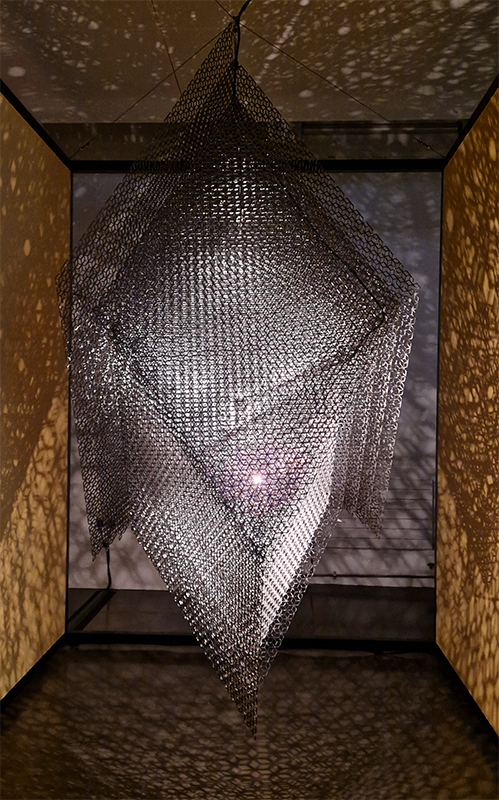
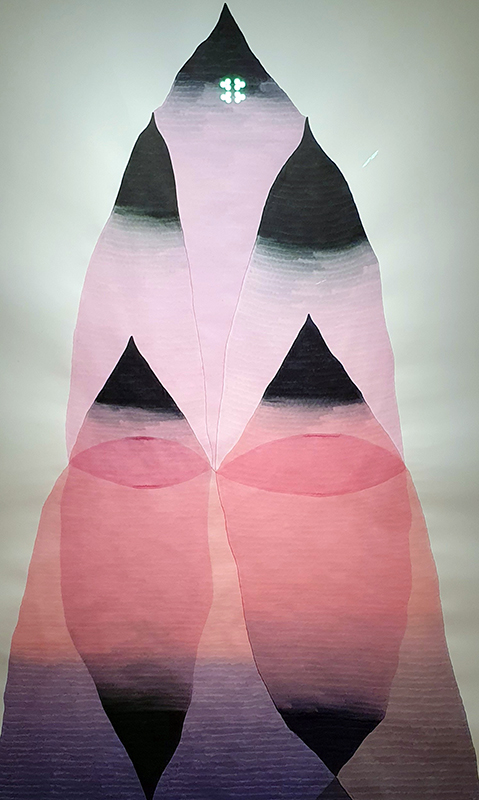
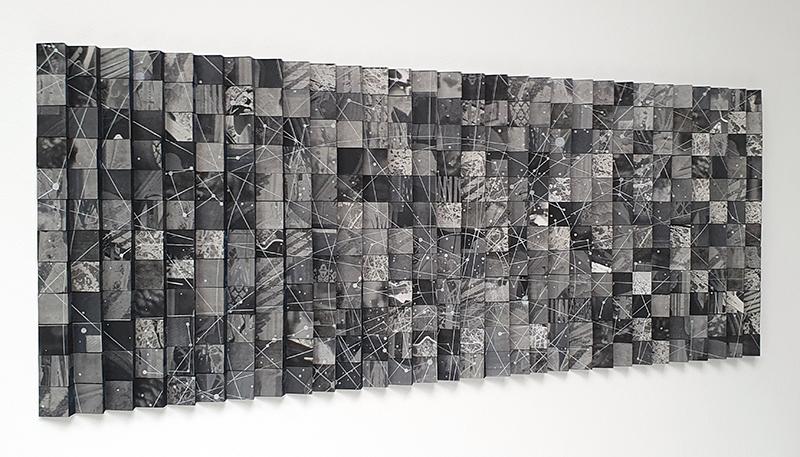
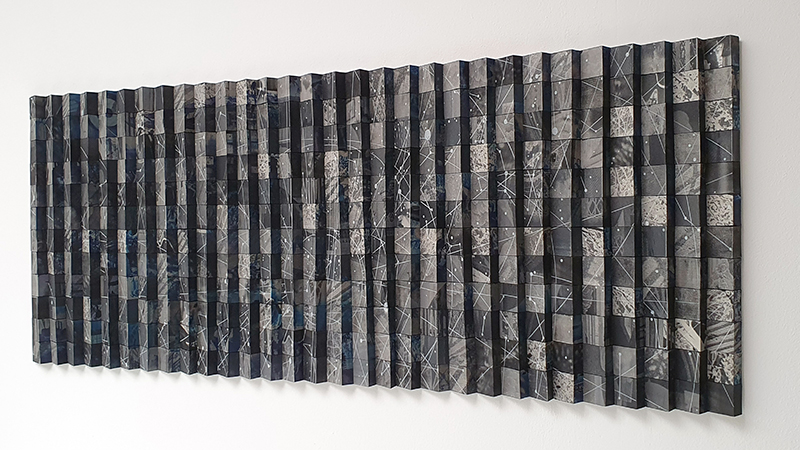
92 Light Years is finally up on the wall in my studio. This work was inspired by a visit to the UCL Observatory at Mill Hill with Lumen Studios just before the pandemic. It then became a more poignant and personal piece for me thinking about time spent here on Earth and trying to relate that to the vastness of the cosmos.

The electromagnetic waves of radio and television signals can pierce the ionosphere and travel through space at the speed of light. HD 70642 is a star similar to our sun with a large companion planet that orbits in a circular motion very similar to how the planets orbit here in our solar system.  This means it is possible there maybe Earth-type planets orbiting further in.

This star is in the constellation of Puppis about 90 light years away. Early signals from Earth will just be reaching this distant solar system with a potential Earth like planet. The time it has taken the signals to reach this home from home is roughly the same as my Mother’s lifetime on Earth. 92 years measured in light.

Early TV signals were transmitted in a series of 30 lines to complete one image called a raster pattern. It is a systematic process of covering an area progressively, similar to how one’s gaze travels when reading lines of text. The signal is sent in fragments and must be interpreted on arrival to make sense of the message. The folded sections in this work emulate the raster pattern and are made from a combination of screen print on textile, dye sublimation print using images from the 1930’s and chinagraph pencil marking out the star chart – a bit like a lenticular image – you see the stars from one side and the fragmented signal from the other.
I have inherited a large number of lace and crocheted doilies from my Mother. A strange constellation may emerge.
In the studio I am continuing experimenting with magnets and iron filings while thinking about magnetoreception, methods of navigation and finding the way in the dark.

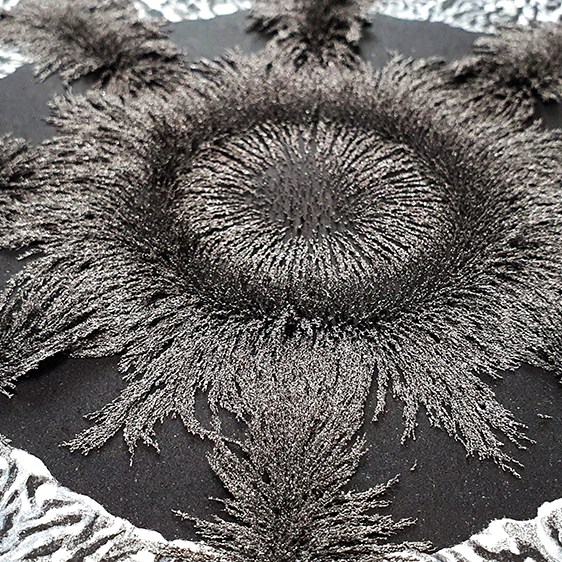
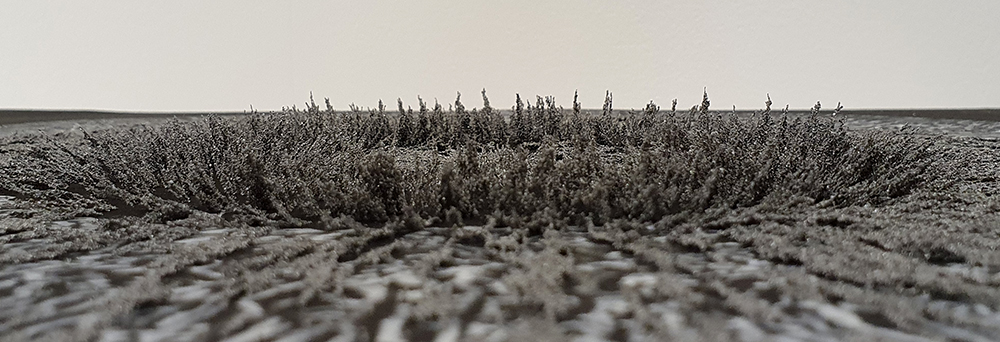
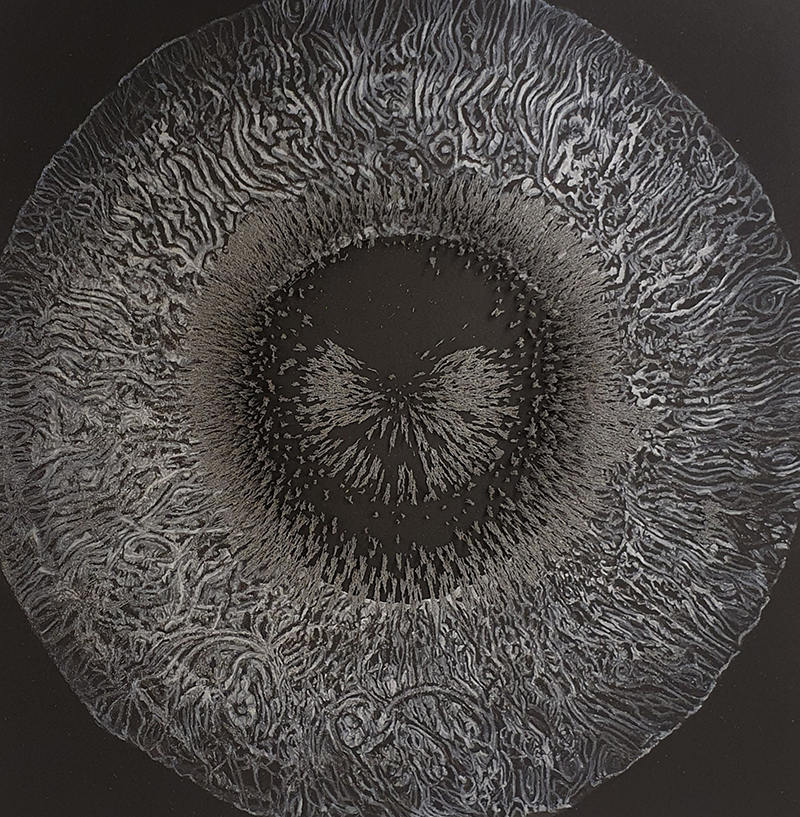
I have made a new etching of my iris which has been worked into with chinagraph pencil and will be used as background to film the movement of magnetised iron filings marching across the print. I am planning a moving image piece exploring magnetoreception along with a large mounted softground etching and a smaller photopolymer etching. I have tried some larger sized filings on the print which are darker but am not sure they are successful.

Researchers at the Max Planck Institute investigating light-sensitive molecules that bacteria, plants and animals use to detect the Earth’s magnetic field have noted that in birds this molecule, located in the eyes, only reacts to the magnetic field if it is simultaneously stimulated by light. The researchers think that some mammals may also use this cryptochrome to perceive the Earth’s magnetic field as there is a correspondence between the blue cones in mammals and the blue to ultra violet sensitive cones in birds. It is therefore entirely possible that this cryptochrome molecule in mammals could also perceive the Earth’s magnetic field and be used for navigation and orientation.

I participated in an online residency @t.ransienttt via Instagram to share some of my work over the course of one week. TRANSIENT supports creatives who explore the relationship between Art & Technology and offers an accessible platform to showcase their work, as well as connecting with fellow, like-minded creatives from all over the world. 

My interests are broadly to do with visualising the unseen. Technology can assist in making something visible which is otherwise outside the limitations of our senses. I use the pioneering technology developed in the study of particle physics as part of my practice allowing us a glimpse into the world of subatomic particles.

Cosmic Chiasmus – This video gives a glimpse into the activity of subatomic particles fired into our world when cosmic rays strike the top of the Earth’s atmosphere. Particles created during super nova explosions or by phenomena we are yet to discover, travel from distant galaxies continuously passing through us. Some particles collide and silently interact with atoms and technology on Earth.

A cloud chamber enables us to see the trails made by cosmic particles as they collide with and pass through our world. It has been said that the cloud chamber might be the most important piece of experimental equipment in the history of particle physics.

Scales of Intangibility and soft borders were developed in a black velvet chamber built during a studio residency at Chisenhale Art Place.

Scales of Intangibility is an interactive life size cloud chamber installation. Visitors were invited to enter the chamber to ‘capture’ projections of cosmic particle trails onto hand held viewing screens.

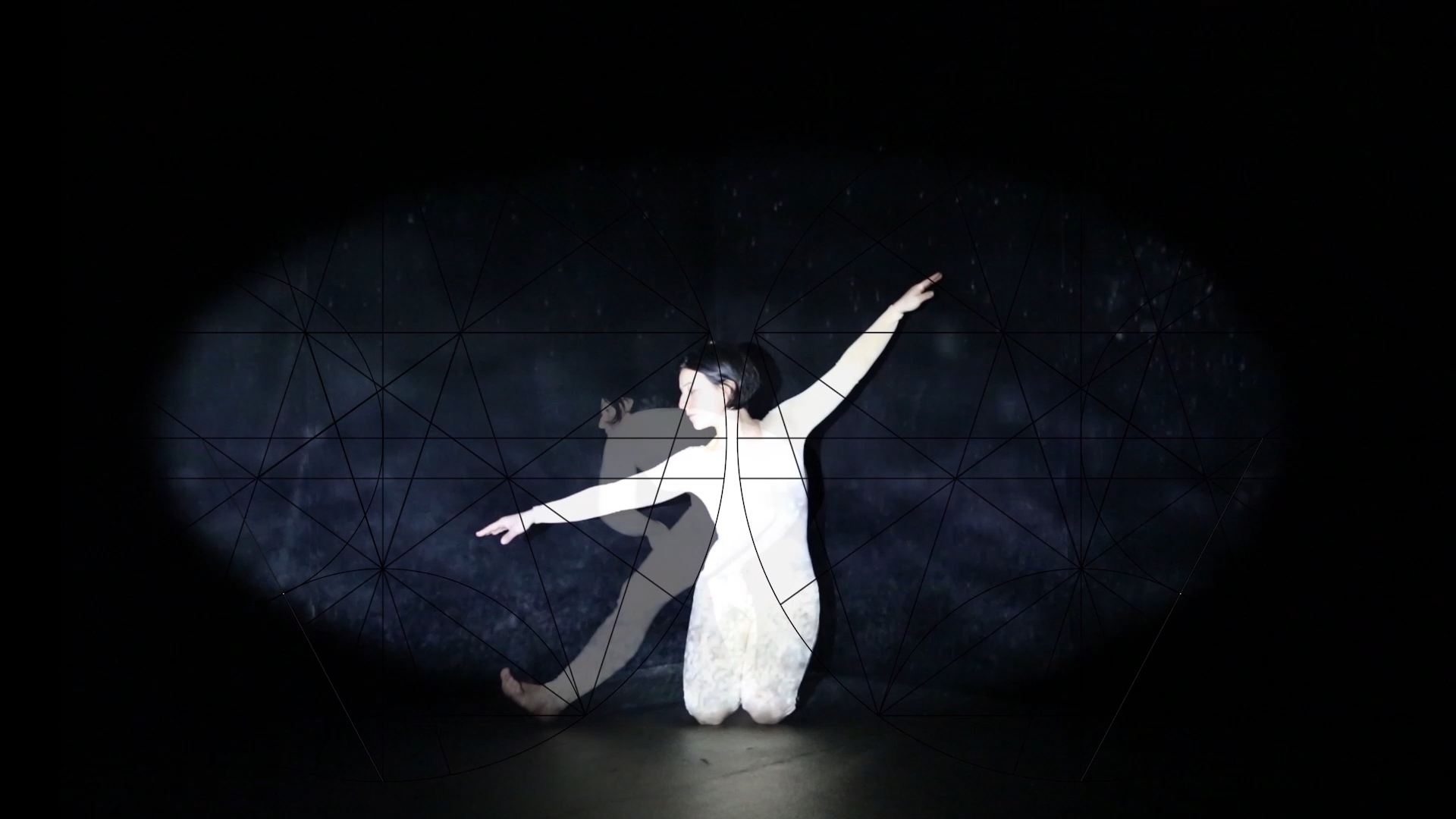
The concept of a finite but borderless universe and the permeability of our own body is explored in the video soft borders. The work addresses cosmic and quantum phenomena that are beyond human scale and relate them back to the body’s sensory experience. I worked with dance artist Paola Napolitano who performed sequences of movements based on the geometries of the platonic solids as video of cosmic particle trails were projected onto her body. The movements relate to the system devised by choreographer Rudolf Laban who believed – 

‘What we cannot perceive with our senses, especially our fundamental sense of touch, remains unreal and its very existence is denied’

Theoretically it is possible that wormholes exist. Aóratos (which translates as Unseen) was a site specific participatory installation with fire and film presented at Allenheads Blacksmith’s Shop as part of the 2019 ACA project Continuum.

Visitors were invited to burn offerings of negative energy to power the ‘wormhole’. They were provided with special paper tokens to write on filled with chemicals that change colour when they burn. They could then pass through a portal to see a video installation showing alternative landscape perspectives and would exit via a different door having made a short journey, leaving feeling cleansed of negative thought. Imagery for the videos took reference from theories of cosmic strings, space foam and the idea of a web of tiny wormholes connecting all points in space. The processes used included putting an endoscope down rabbit holes, using a microscope over foam, fibres and skin, green screen filming magnetic fields, along with footage from a high altitude balloon flight.

Wormholes symbolise crossing improbable boundaries.

There are some cosmic particles which arrive on Earth with such high energies that it could be they come from other dimensions.

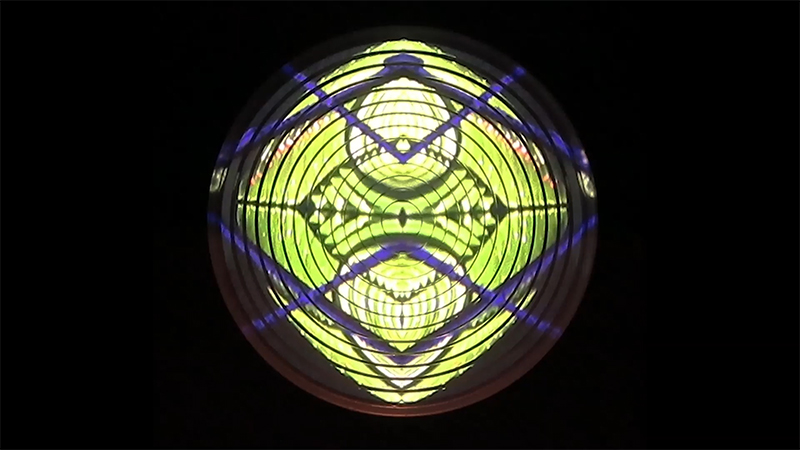
At a Distance was filmed at Lizard Point Lighthouse on 29th March 2019 – the first date the UK was supposed to leave the EU. Solitary figures using semaphore flags sign ‘We Are One’ out across the ocean hoping the message will be echoed back as in quantum entanglement theory where particles link in a way that they instantly affect each other, even over vast distances. This mysterious twinning of electrons is what Einstein famously called ‘spooky action at a distance’. The video also uses manipulated footage of Lizard Point Lighthouse lamp powering up for the night to employ another form of messaging over distance. The film is back projected onto a Fresnel lens, the type found in lighthouses to increase luminosity of the lamps beam.

I watched another excellent Laurie Anderson talk in the series Spending The War Without You, this one was titled Birds. All the talks have now been released on YouTube.

Out of the studio

LUX: New Wave of Contemporary Art at 180 The Stand.

Subterranean adventures with wow factor. Light as medium and not always light in content as these spectacles can sometimes feel to be.

Hito Steyerl This is the Future is a video installation where a woman prisoner searches for a garden she has has to hide in the future to protect it from discovery by the prison guards. It also features Power Plants which are digitally generated by neural network computer systems based on the human brain and designed to predict the next frame in the video (the future) and are inspired by ruderal species, plants that grow out of waste ground or disruption.

Es Devlin BLUESKYWHITE is an installation beginning with a walk through long red tunnel accompanied by voiced text from Byron’s 1816 poem Darkness. The poem was written after the eruption of Mount Tambora in Indonesia 1815 which released so much debris into the atmosphere there was a perceptible dimming of the sun and drop in temperature of about 3 degrees. It is known as the year without summer. The tunnel leads to a viewing bench and screens where the blue sky turns white and then black. Current solar geoengineering models suggest that a haze of suspended particles in the atmosphere could reduce global warming but would also turn the blue sky white.

Cao Yuxi Shan Shui Paintings by AI uses deep network algorithms to learn from digital pixels of free hand oriental ink paintings on the web to produce unlimited simulations of landscape paintings combined with algorithms simulating the flow of water molecules creating a dynamic ever changing liquified landscape.

Cecelia Bengolea Favourite Positions is a 3D animation of the artist’s body liquified and melting, a body without boundaries where bodily fluids find new pathways and connections to synapses

Universal Everything Transfiguration – a figure keeps a steady pace in a continuous cycle of transformation, relentless unstoppable evolution through lava, rock, fur, water

Lux Carstens unicolor is a study in the psychology of colour perception and chromatics influenced by researchers, scientists and artists including Johann Wolfgang von Goethe, Hermann von Helmholtz, Werner Heisenberg, Wilhelm Ostwald, Eckhard Bending, Josef Albers and Johannes Iten.

a’strict Morando is an installation of two transparent OLED screens showing video using x-ray and time lapse techniques of peonies as they bloom and die. Peonies are a symbol of wealth and prosperity in Korea and a popular subject for paintings over many decades as well as being displayed at main life events such as births, marriages and funerals.

Flower Meadow a kinetic sculpture by Swiss studio for media architecture

a’strict Starry Beach – beauty and power as luminous waves crash all around and as in a dream we are immersed yet physically untouched

Black Corporeal (breathe) – creating a haunting soundtrack to the whole exhibition, a critical examination on the relationship between materiality and the black psyche by Julian Knxx. It explores the idea that our ability to breathe – an act that is challenged by everything from air pollution, stress, anxiety and societal prejudice – is more than our lung’s ability to take in air, but a reflection of the way we live individually and together.
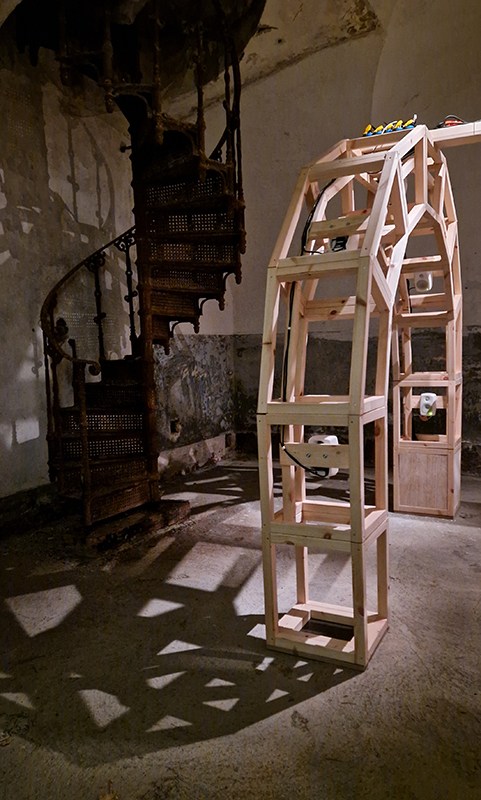
Terrestrial Act III at Thames-side Gallery curated by Hot Desque with works by Sam Carvosso Anna Reading Davinia-Ann Robinson Hannah Rowan Harry Smithson Giorgio van Meerwijk. Hot Desque creates a future-past landscape through the theatrical presentation of six artists’ sculptures within a set. Initially presented on stage at the Theatre Royal Newcastle within an ornate yet empty theatre, now, dislodged in a new spacetime, the set has transformed over time.
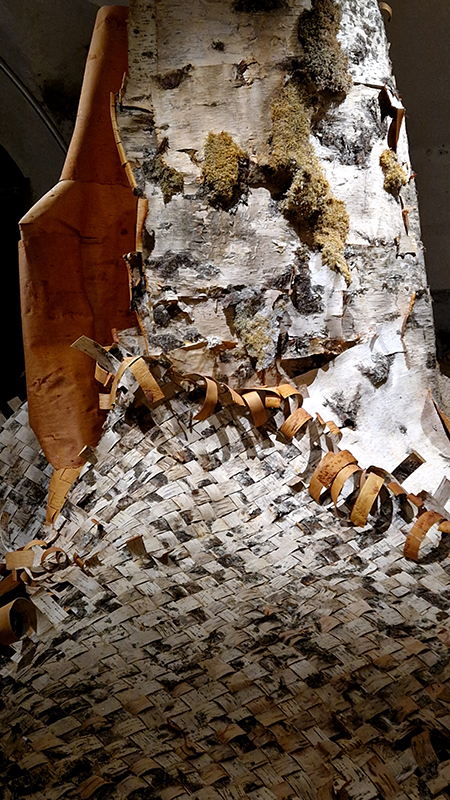
Matter takes the stage choreographed by humans in an atmospheric alchemical collaboration.

In (Matters of the Soul) at ASC Gallery with work by Stephen Nelson, Jane Millar, Olly Fathers, James Tailor, Stephen Palmer, John Bunker and Lex Shute.

Does artwork have a soul?

21 grams was the disputed weight of a person’s soul as measured in Duncan MacDougals 1901 experiments on people before and after death. Certain work defies classification, playing with its own materiality and the illusion of what its seems to be. Other work plays with the legacy of the previous life represented in its material and the soulful spirit that could lie within.

Such an interesting concept explored in these works.

A Strange Kind of Knowing presented by Arusha Gallery and Haarlem Gallery at Noho Studios with works by Verity Birt, Holly Bynoe, Kristina Chan, Fourthland, Susan Hiller, Katja Hock, Coral Kindred-Boothby, Penny McCarthy, Kate McMillan, Aimée Parrott, Chantal Powell, Tai Shani and Eleanor May Watson. A Strange Kind of Knowing investigates phenomena such as the weather, the sea and sea caves, cloud formations and fire; lost knowledge and civilisations; and the natural and psychological cycles of transformation.

These works are pushing at the boundaries of an intuitive connection to the natural world brought to a more acute awareness during lockdown months.