Archives for posts with tag: carbon-14

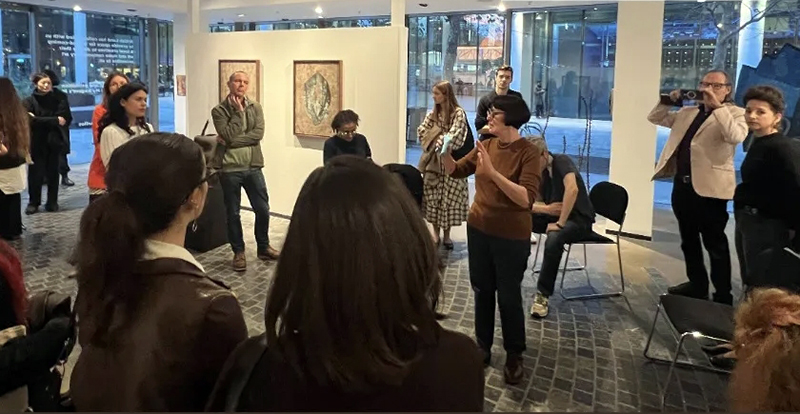
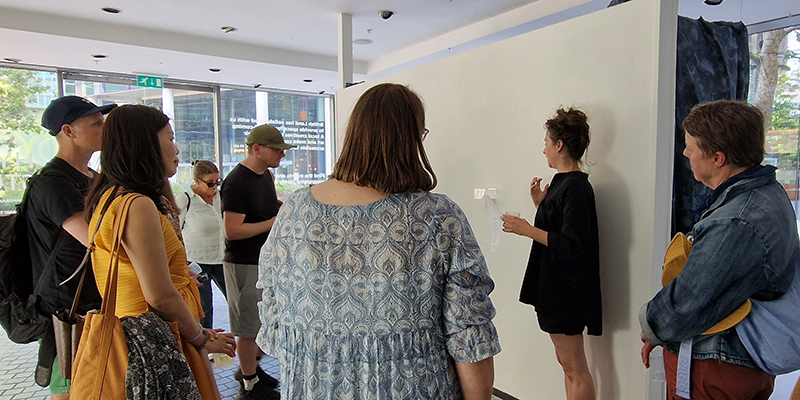
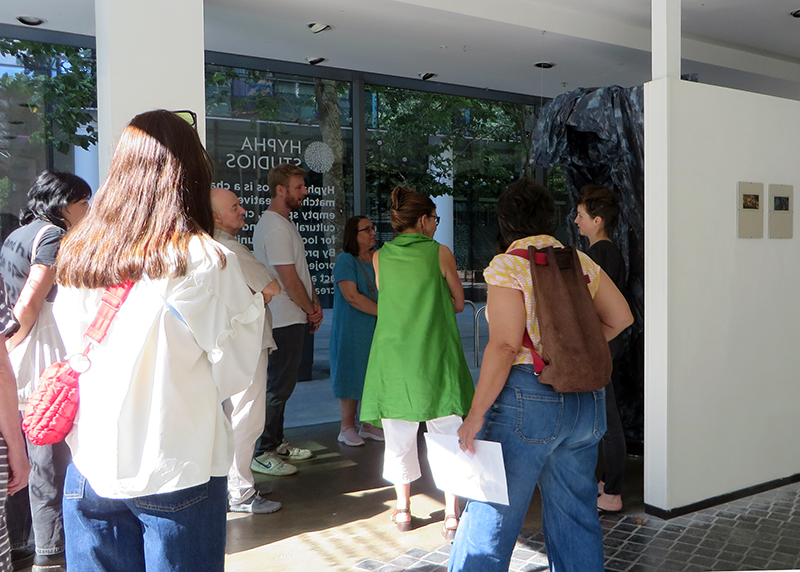
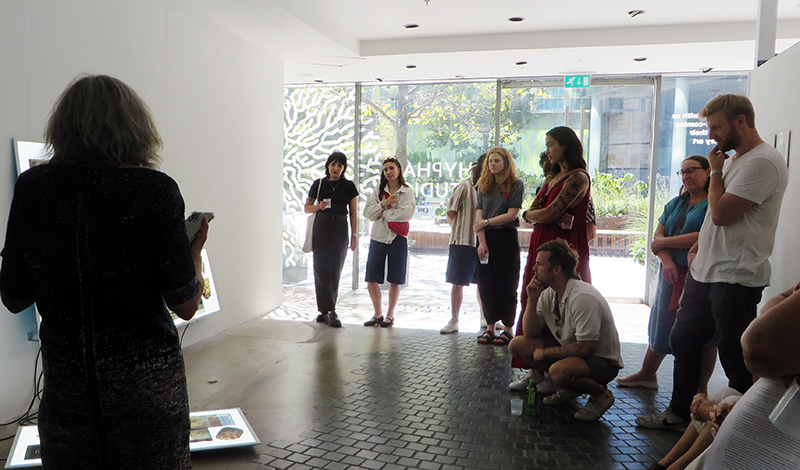
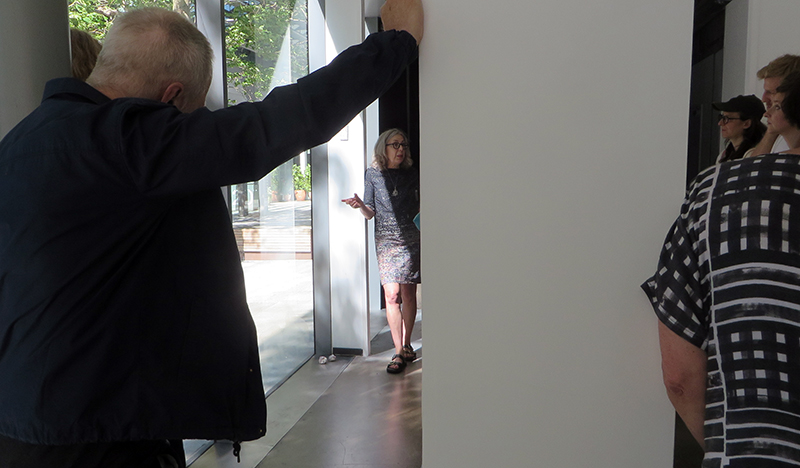
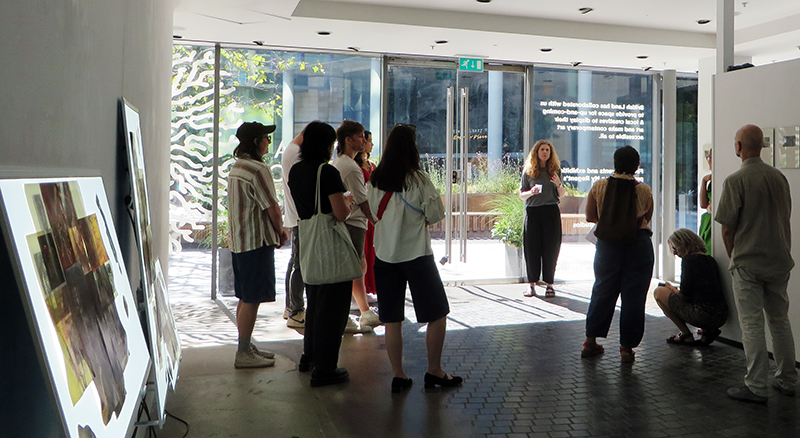
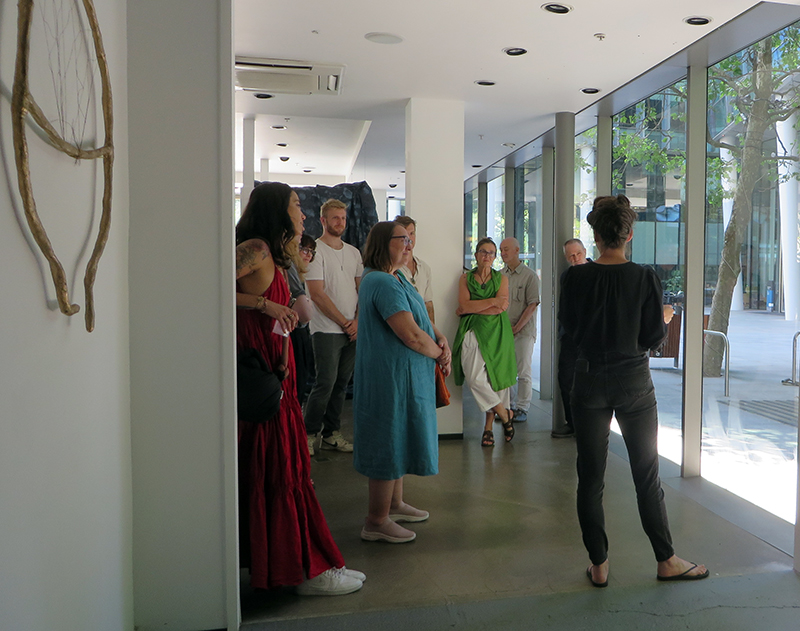
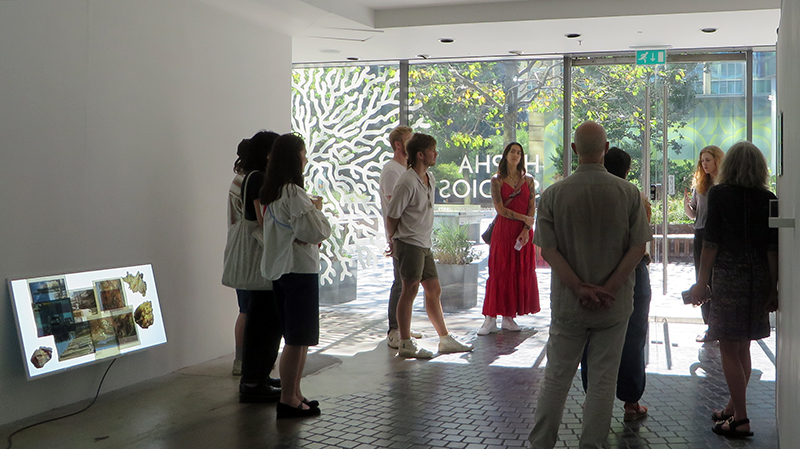
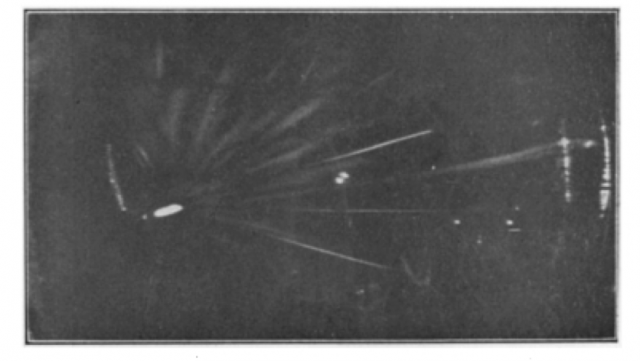
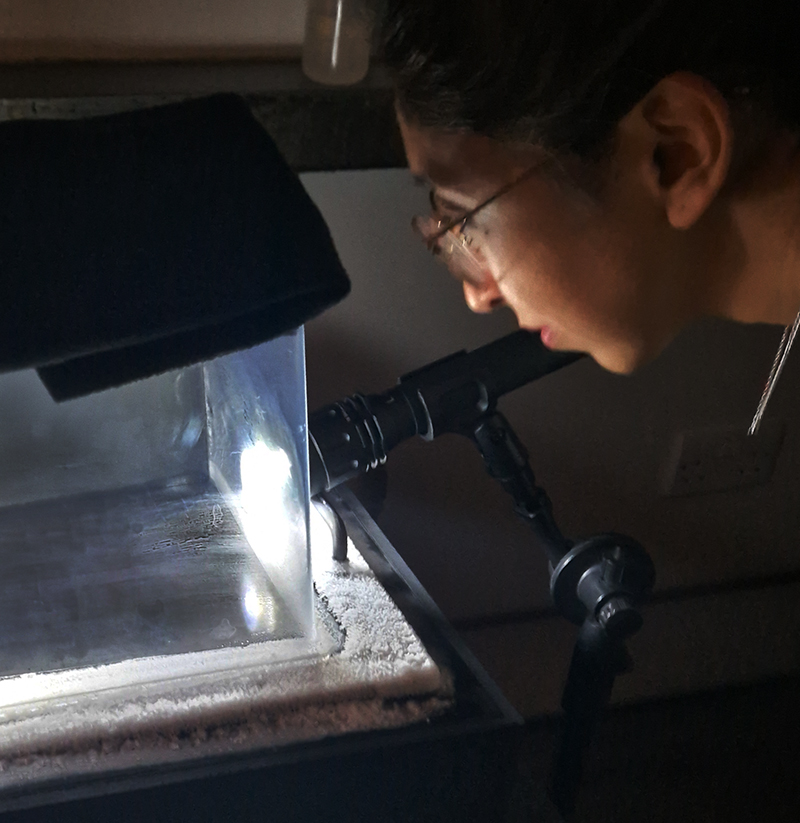
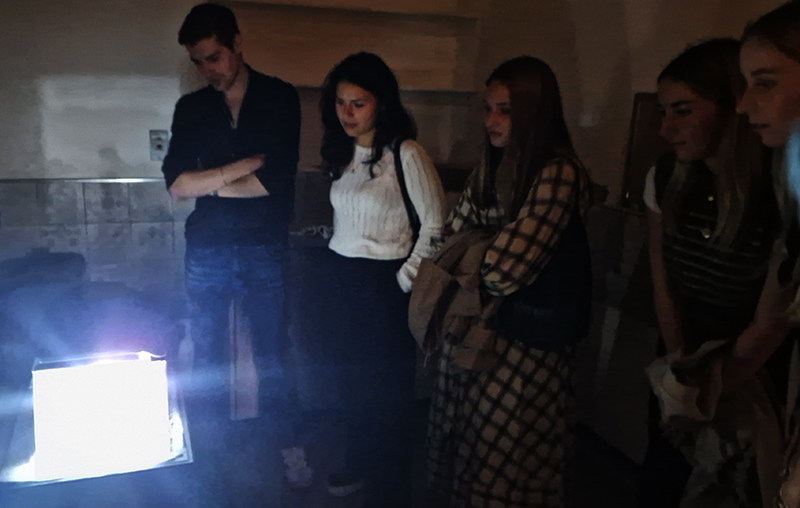
The finale of the exhibition programme of Carbon, Carbon Everywhere co-curated by Indira Dyussebayeva-Ziyabek and Maria Hinel at Hypha HQ included an exhibition tour, a BREAT(HOLD) workshop led by Ania Mokrzycka and an invitation to view cosmic particle trails passing through a cloud chamber.

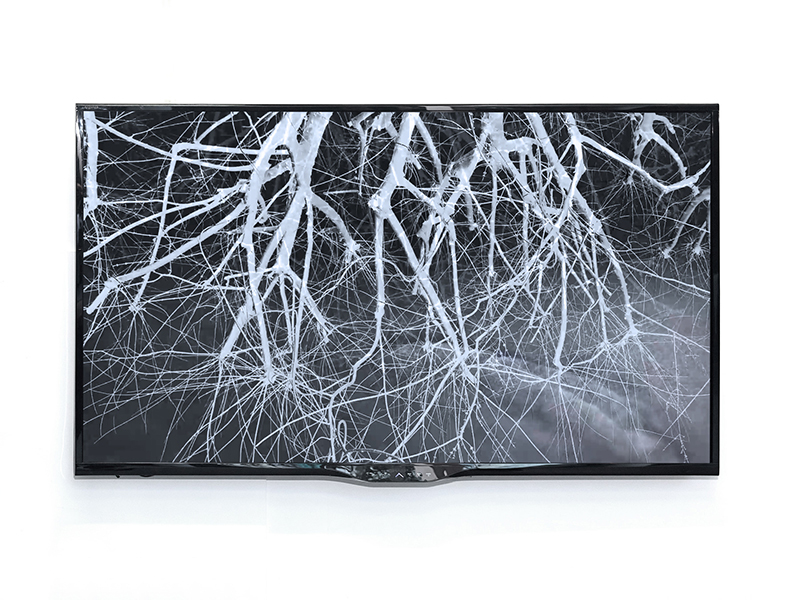
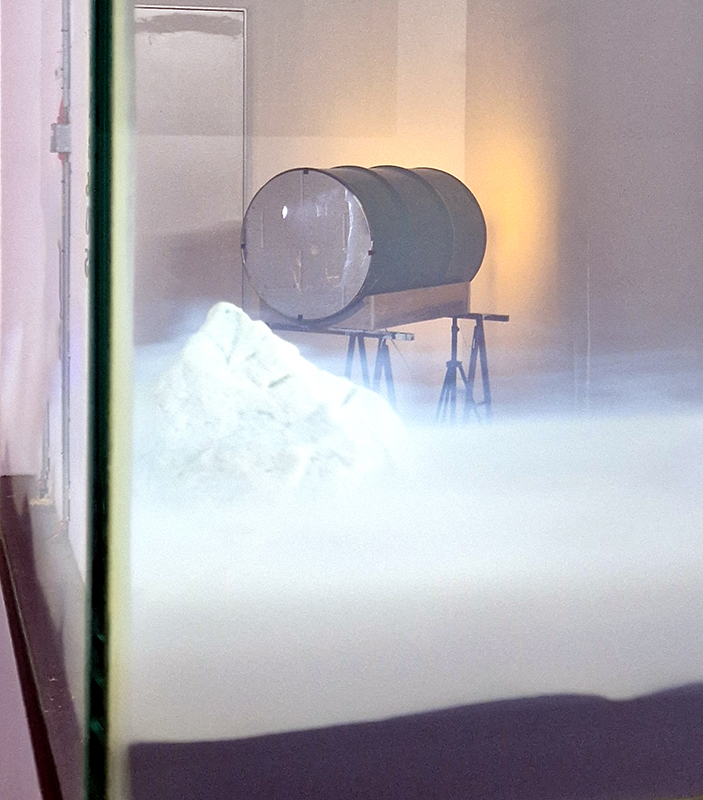
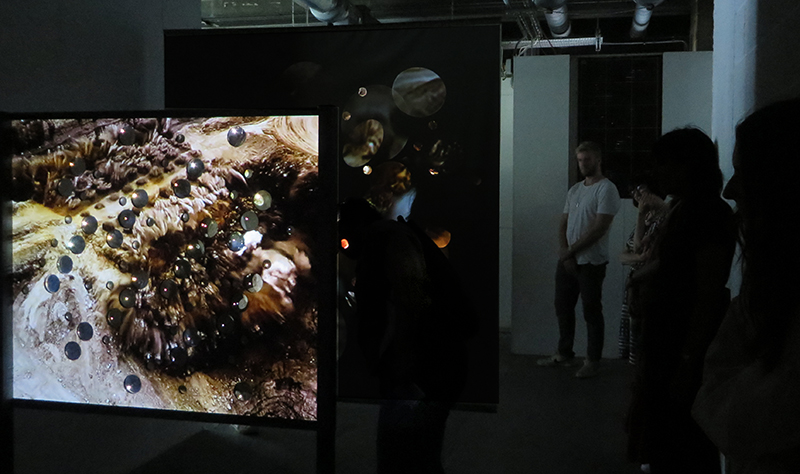
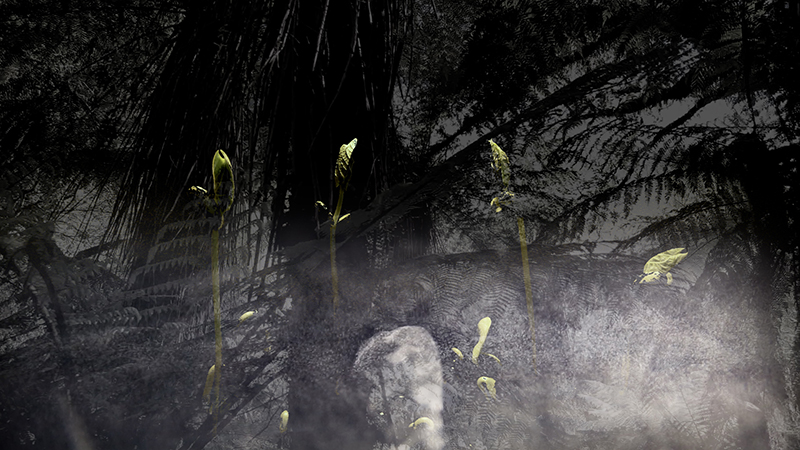
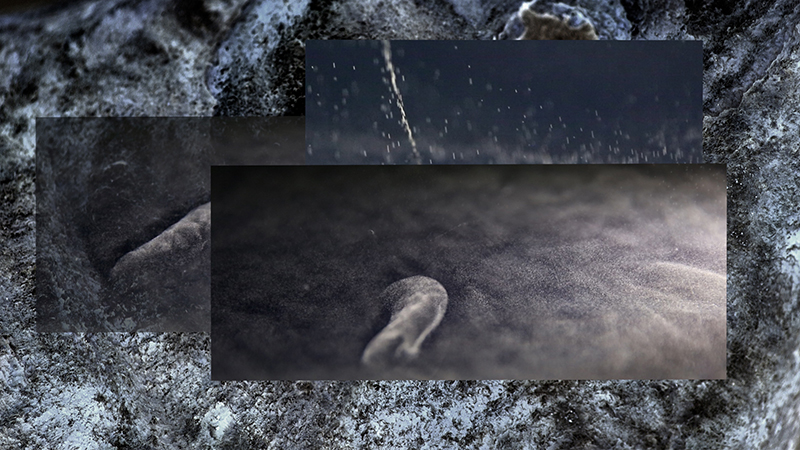
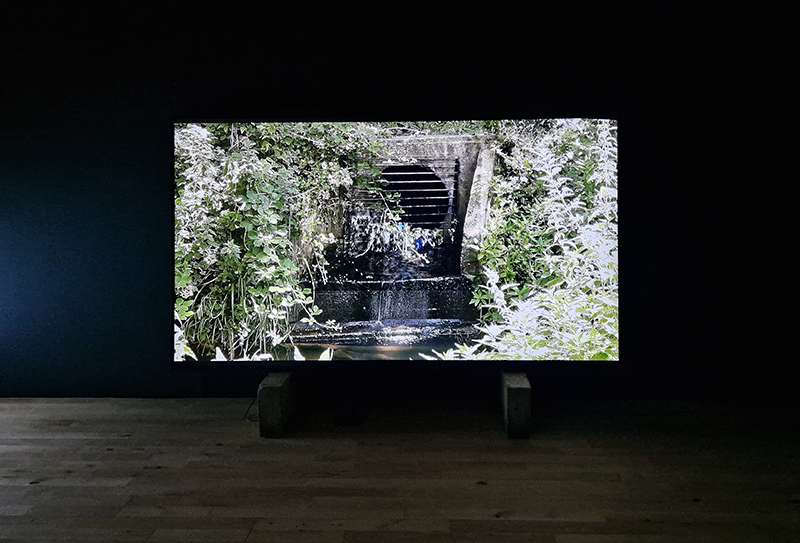
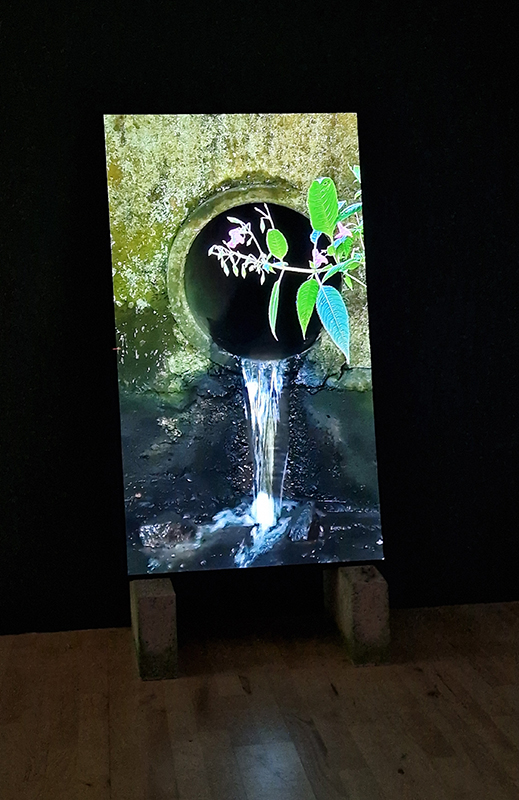
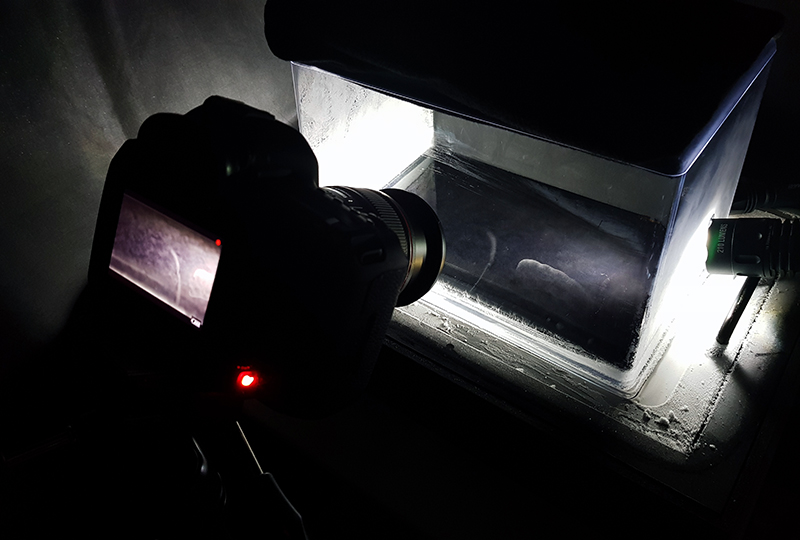
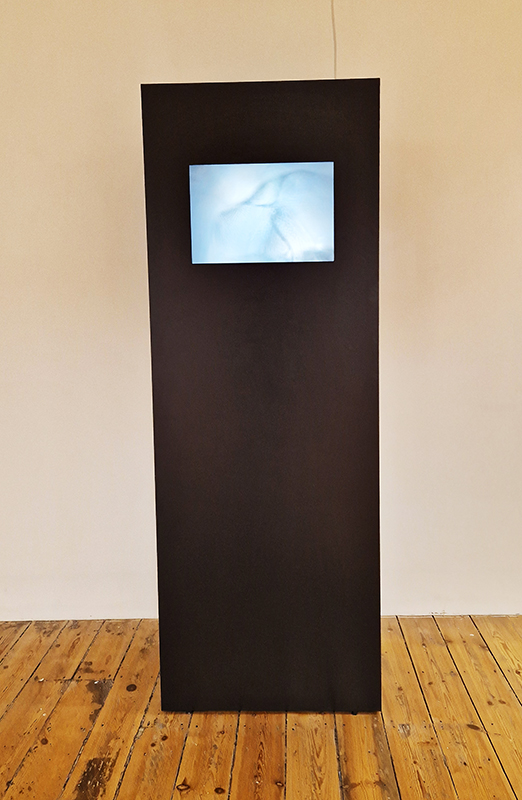
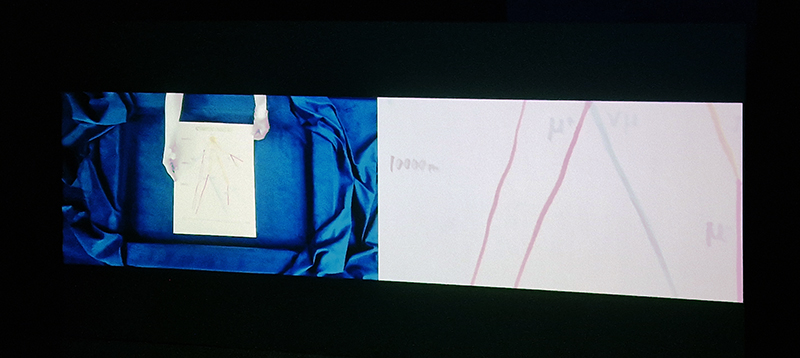
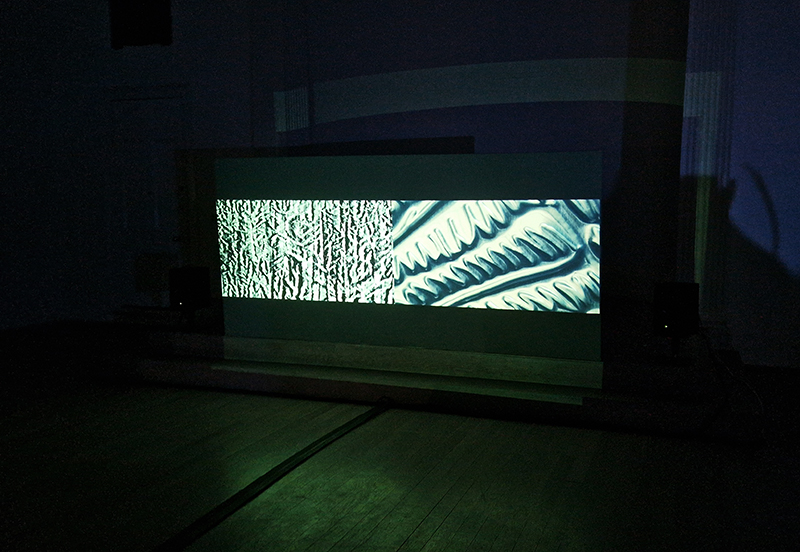
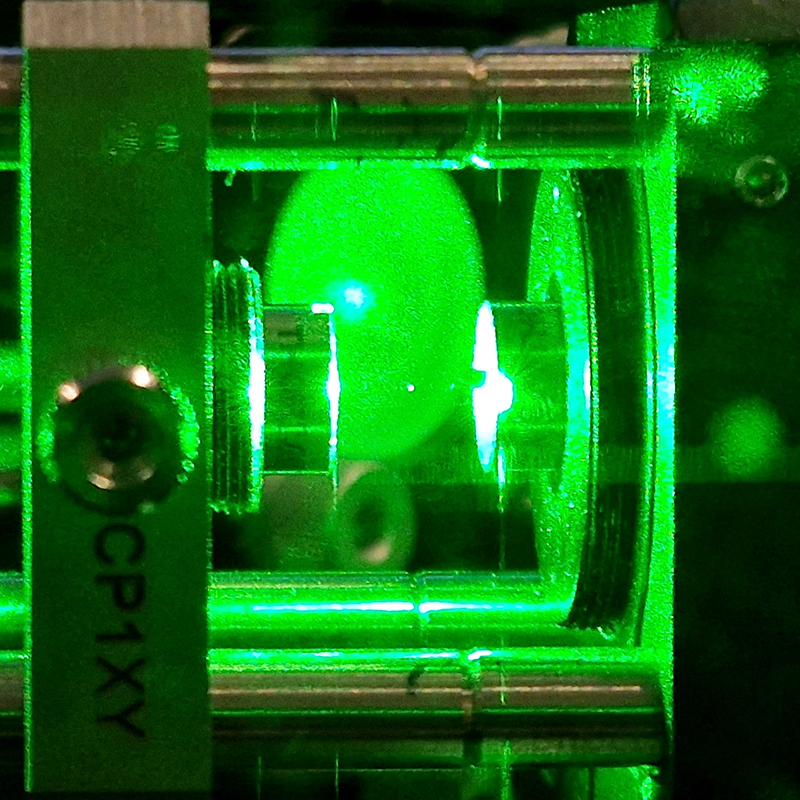
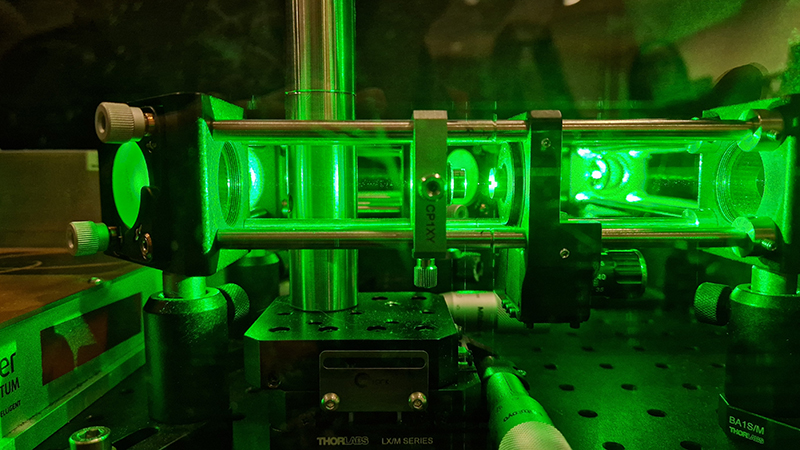
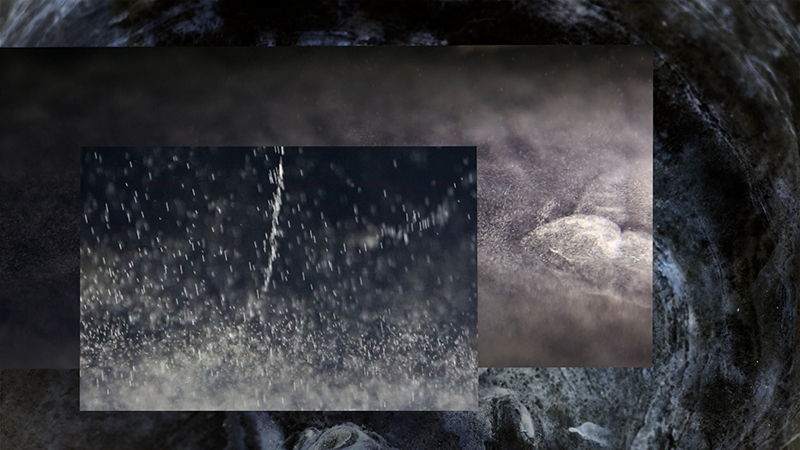
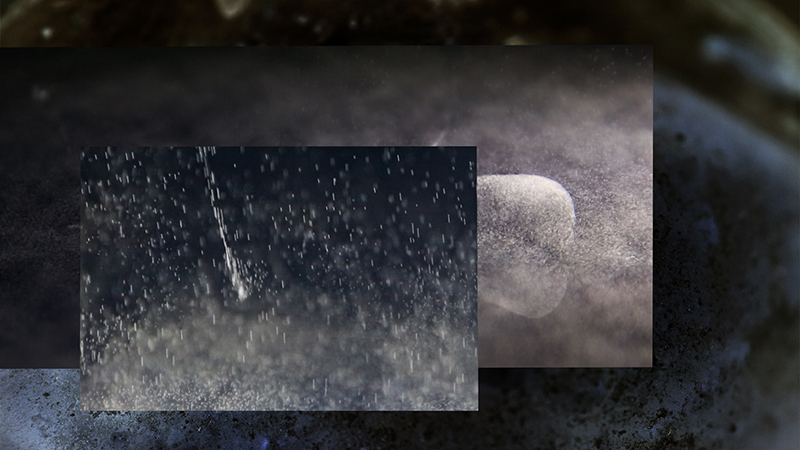
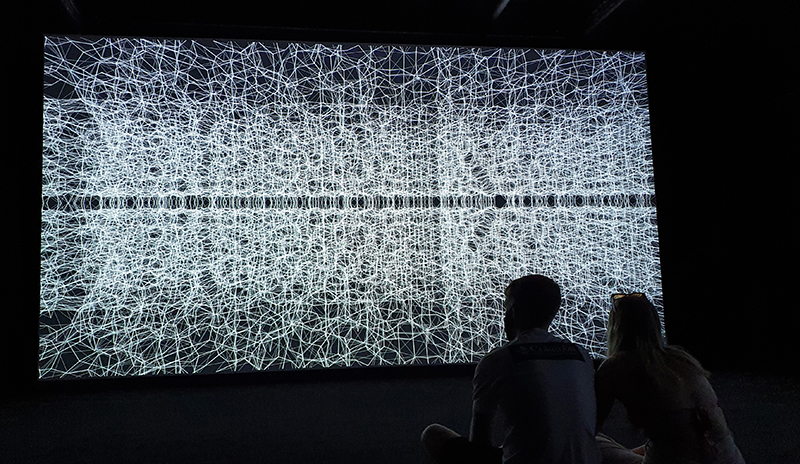
This simple equipment of a plastic tank saturated with isopropyl alcohol vapour over a metal tray sitting on dry ice was used to capture footage for the video Cosmic Chiasmus: crossing the universe showing in the exhibition. Cosmic rays are fast-moving particles, blasted across space, spiralling along magnetic field lines to end up entangled with carbon in our bodies.
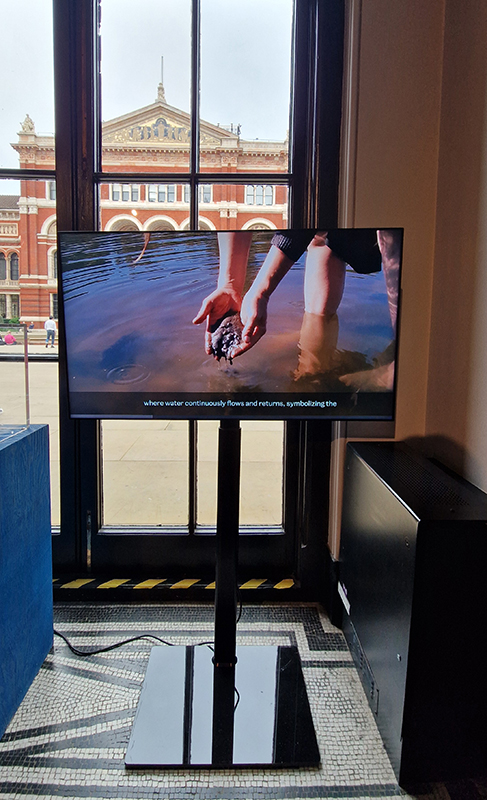
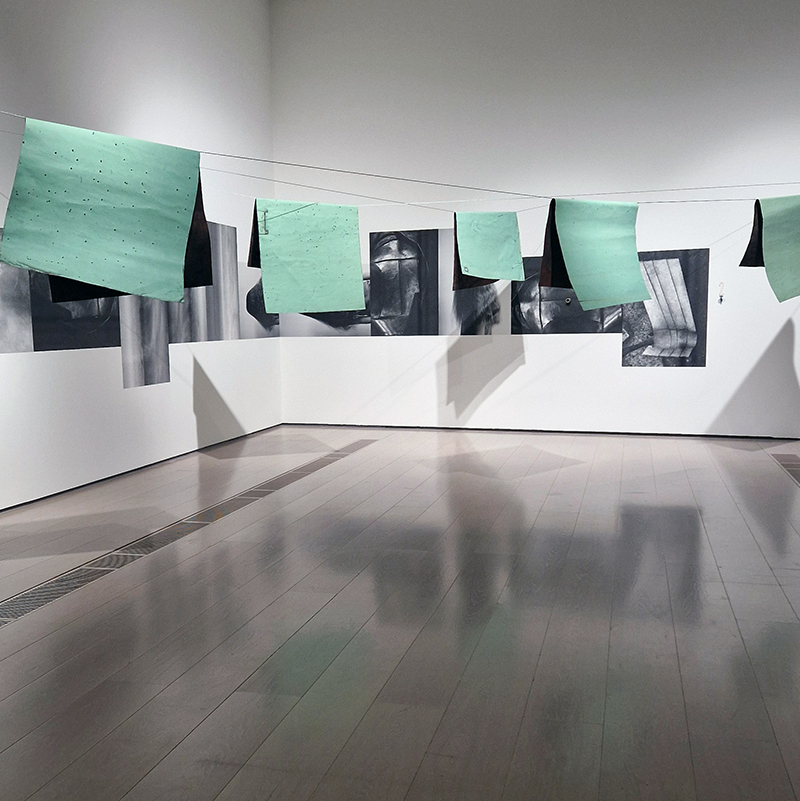
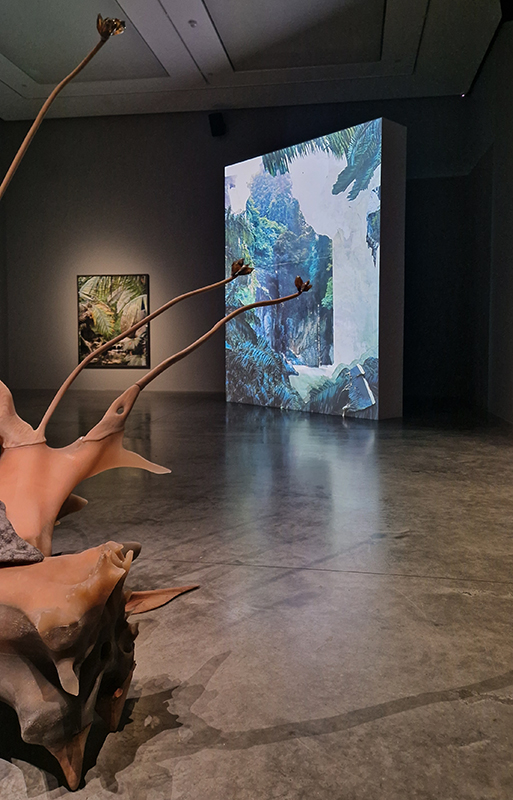
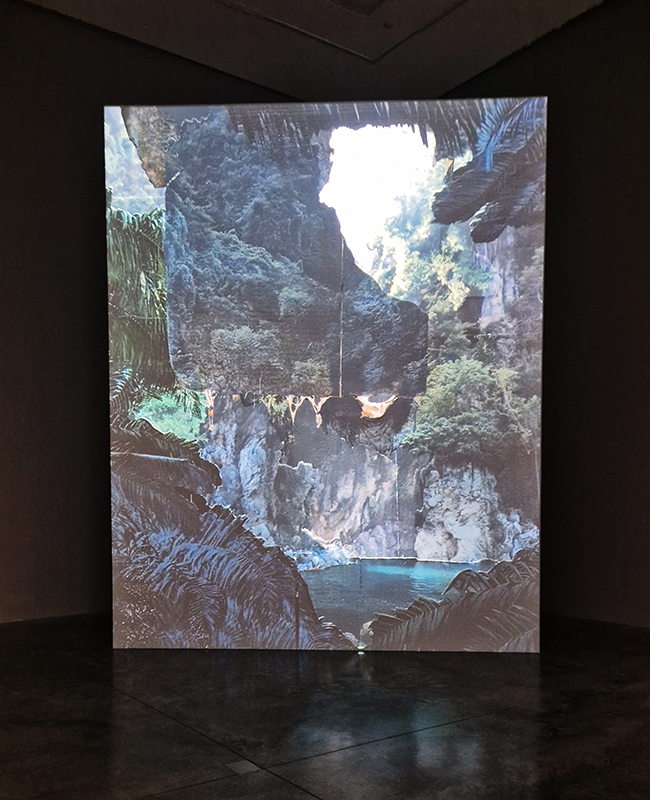
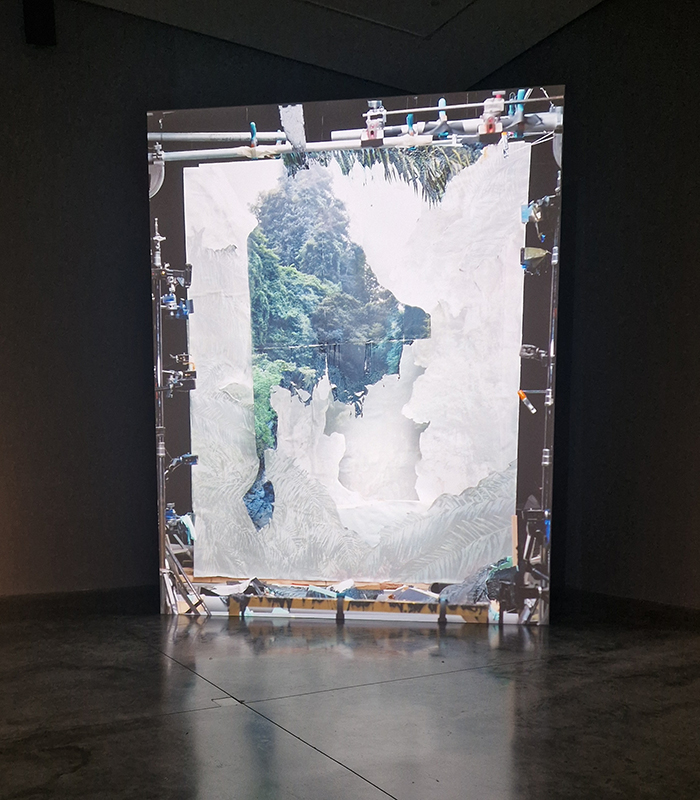
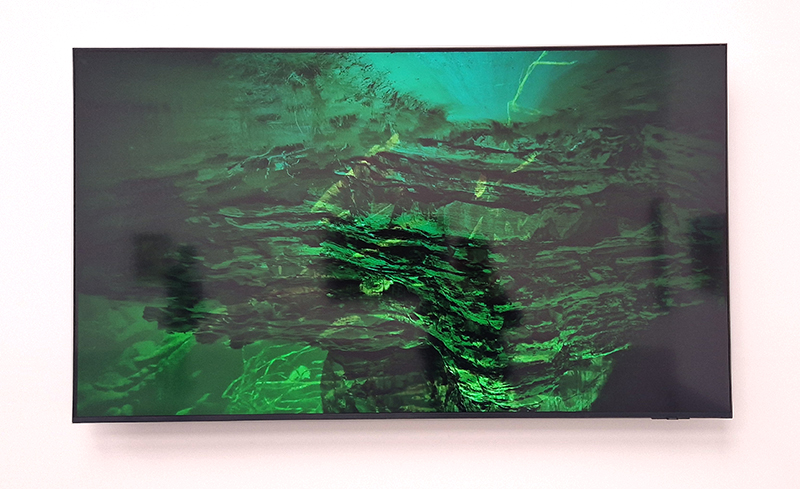
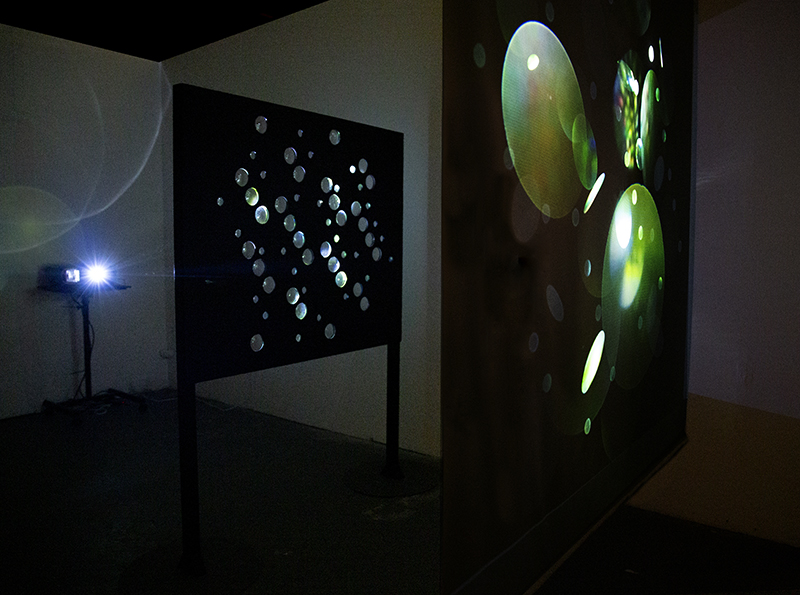
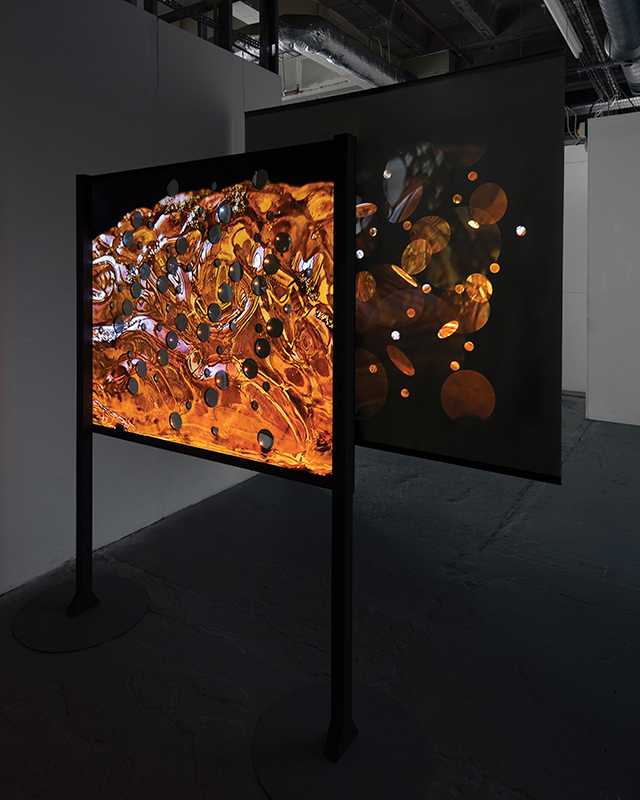
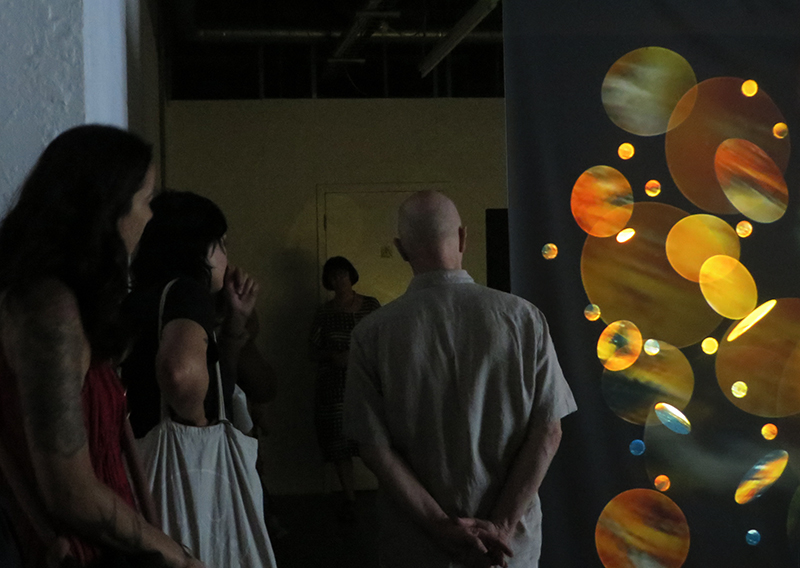
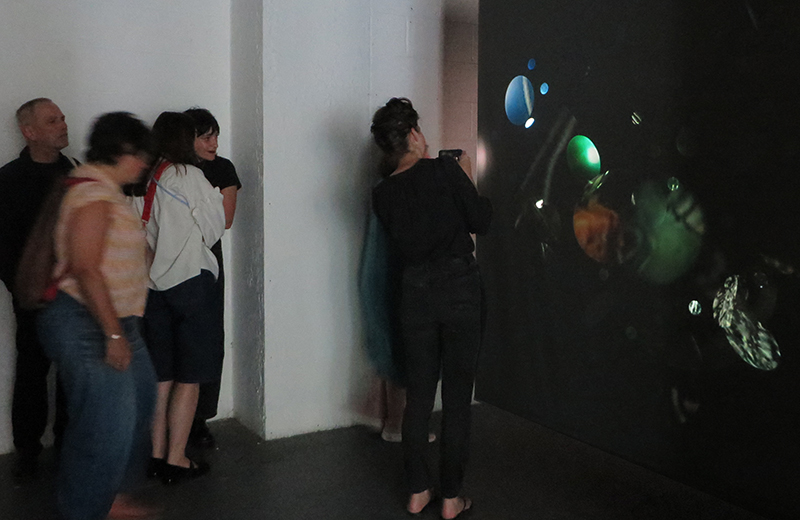
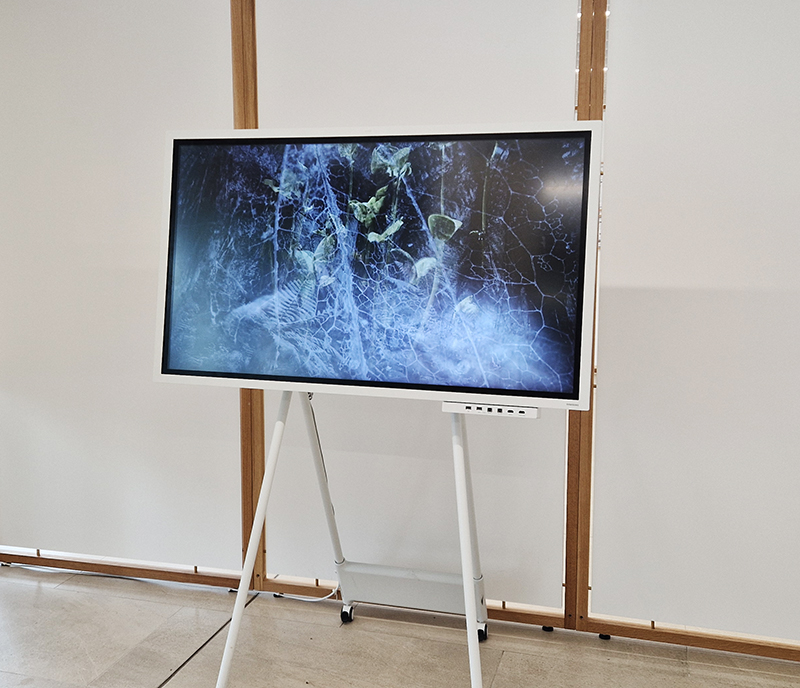
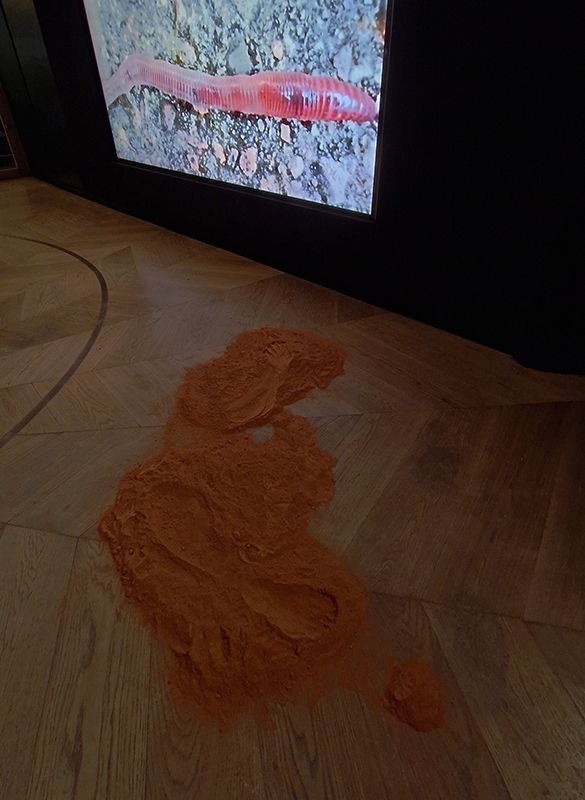
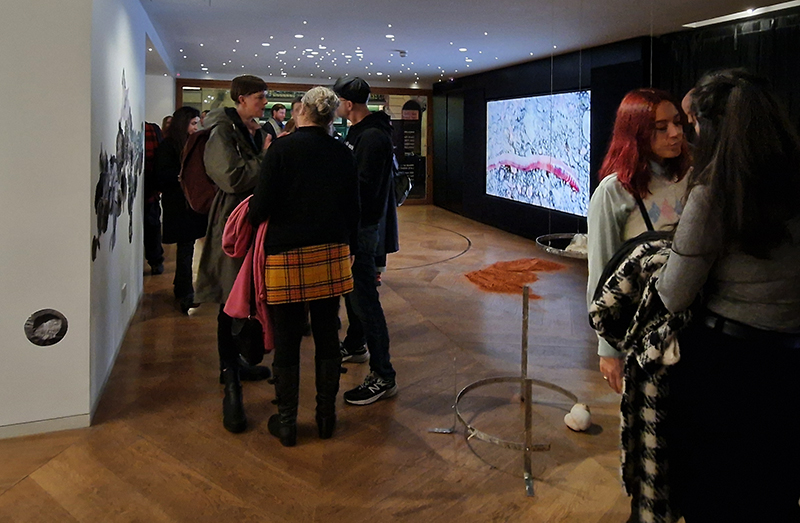
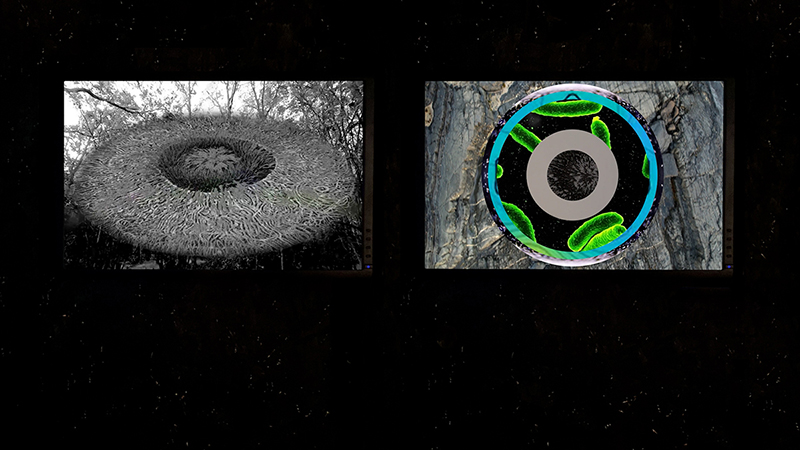
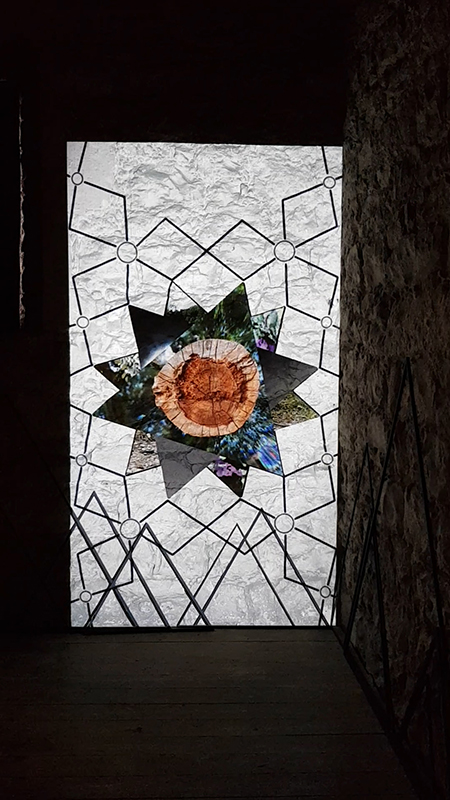
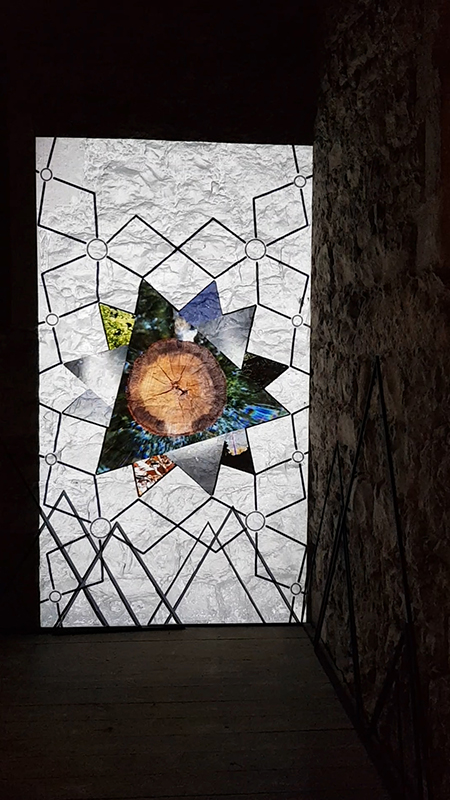
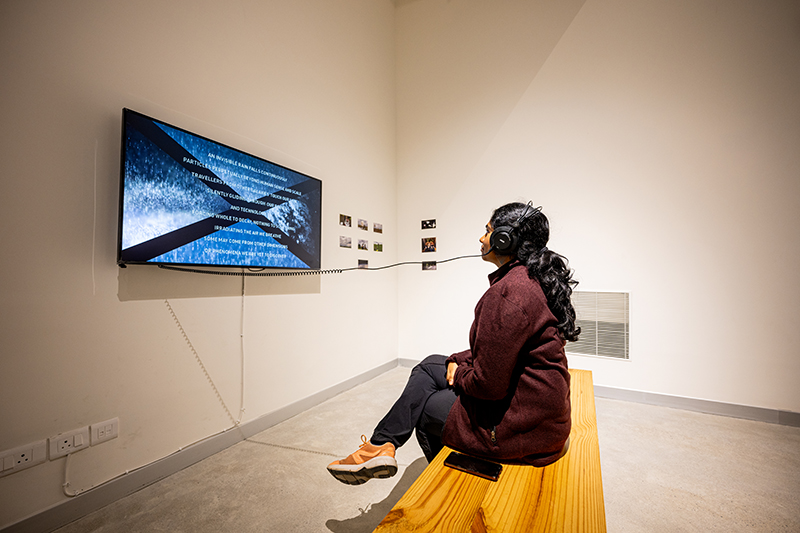
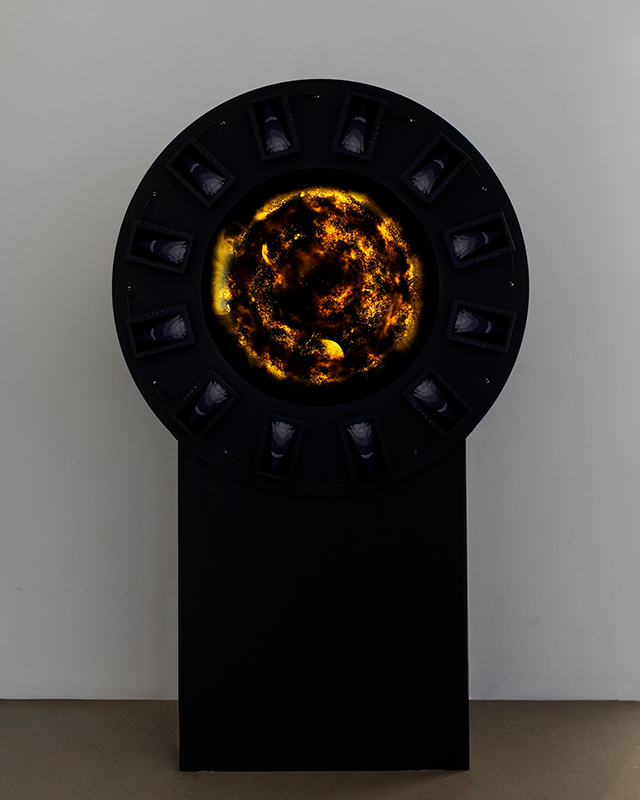
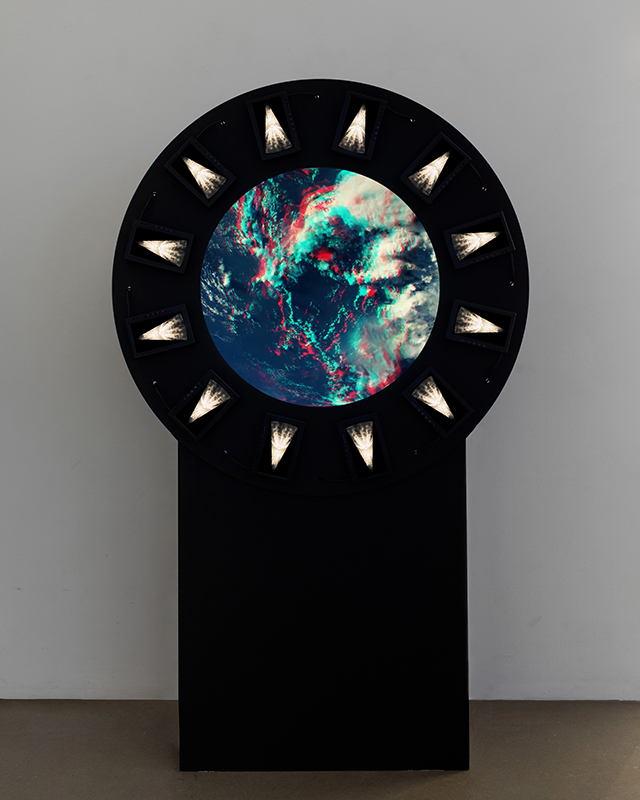
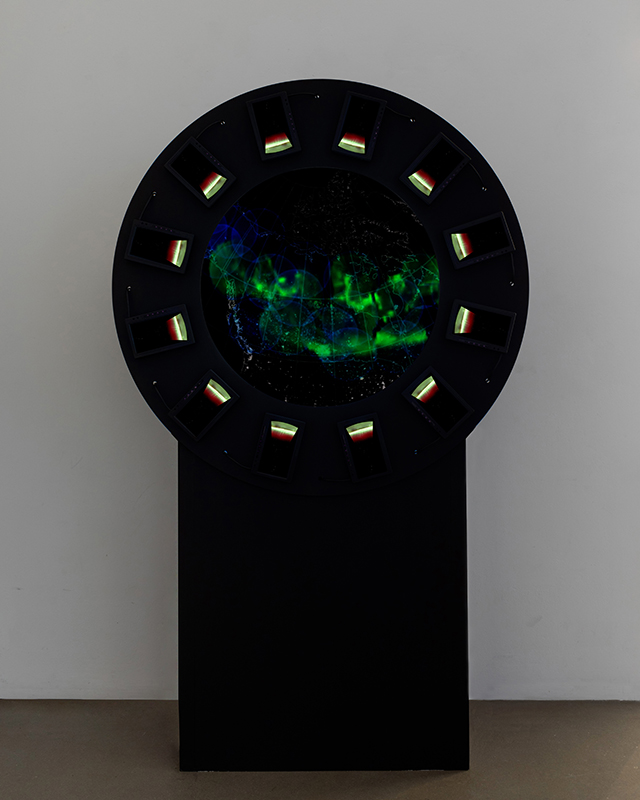
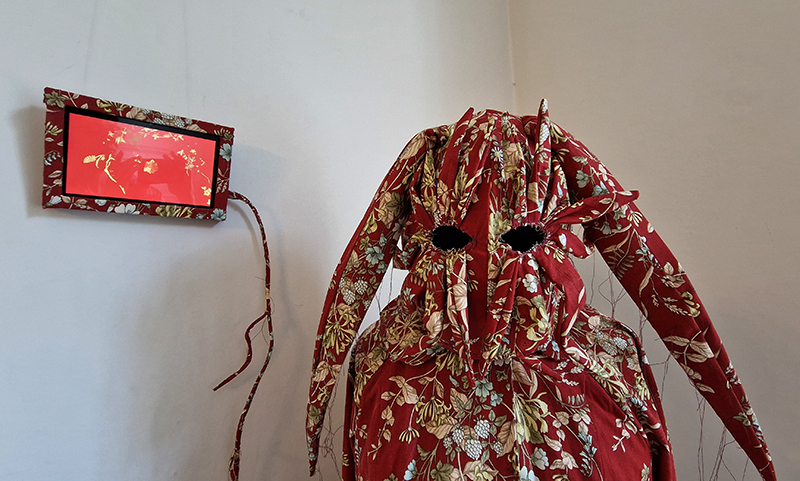
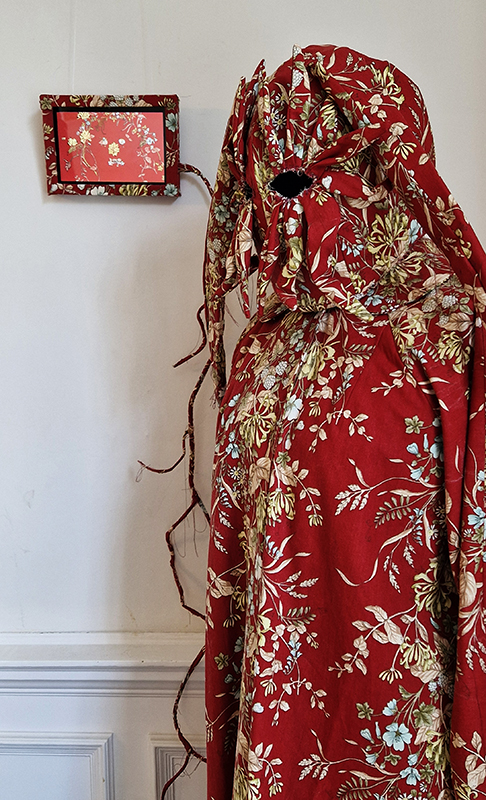
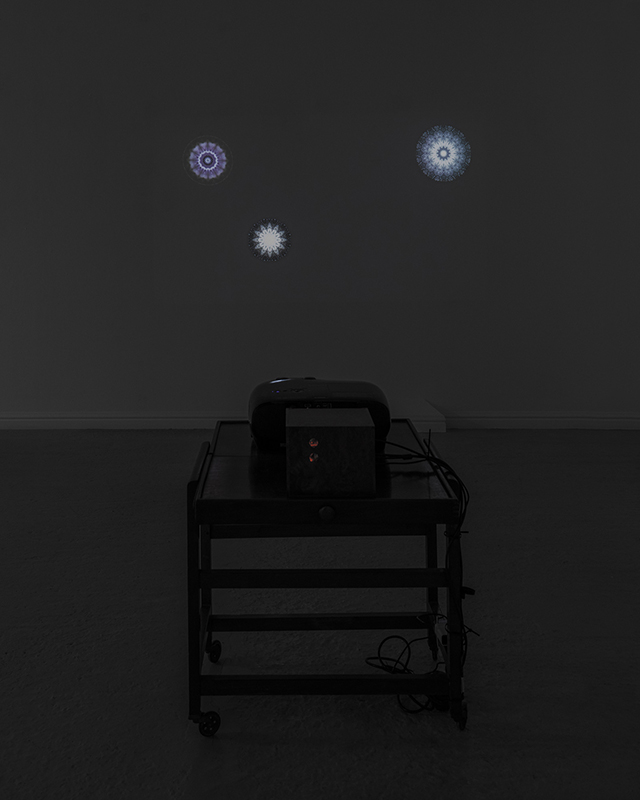
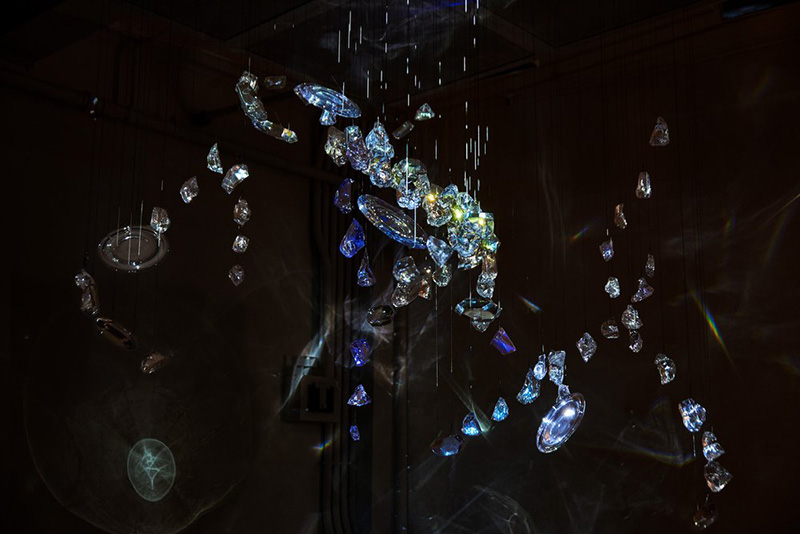
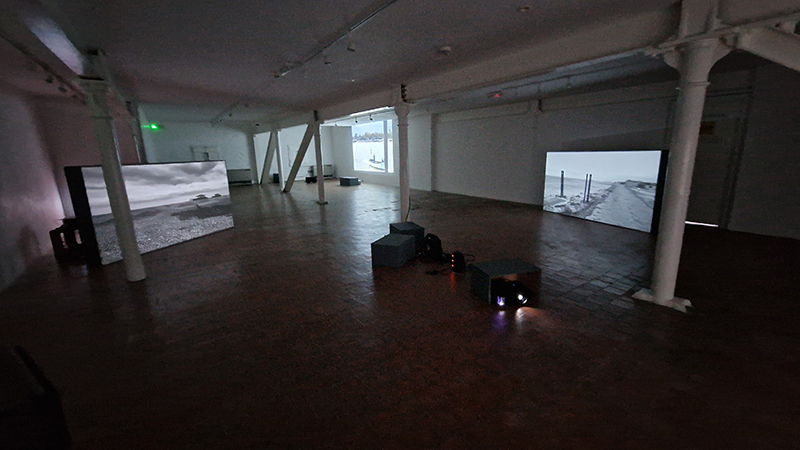
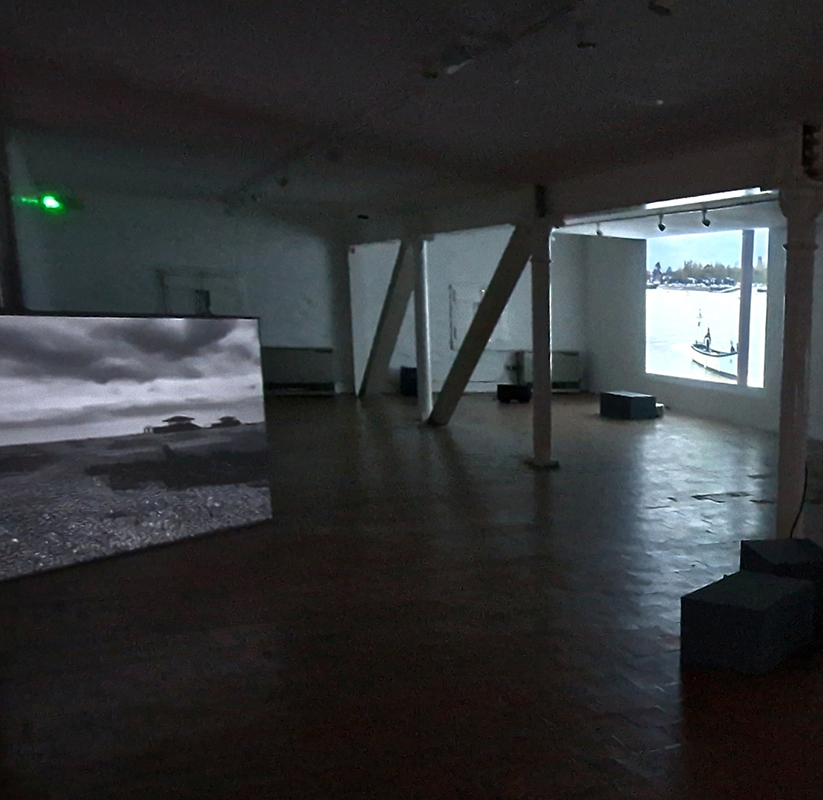
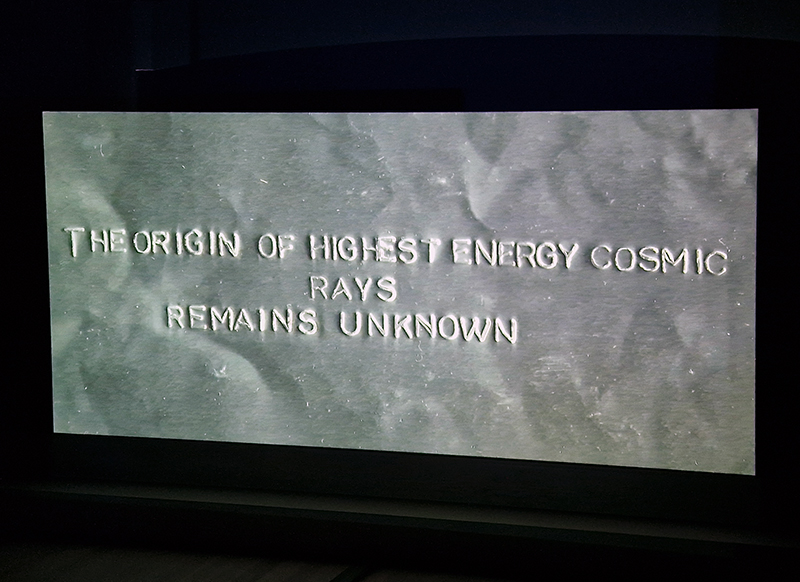
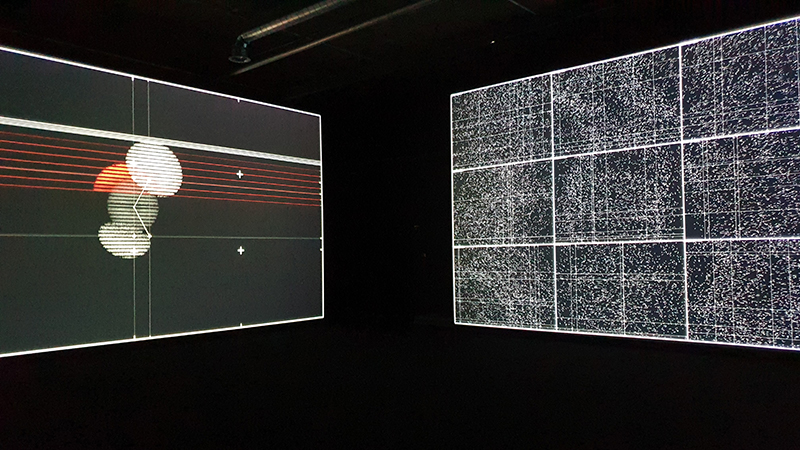
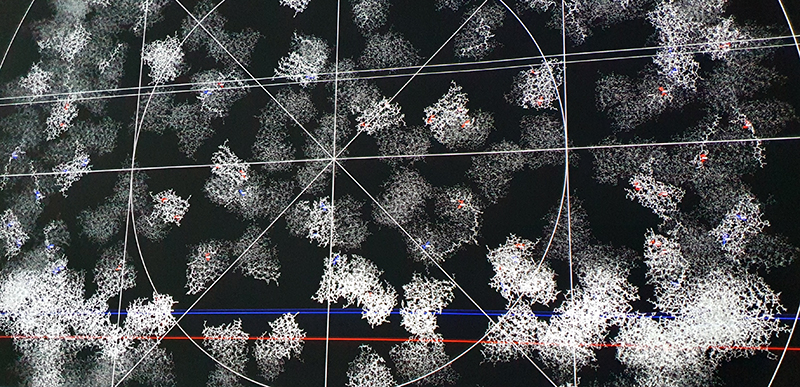
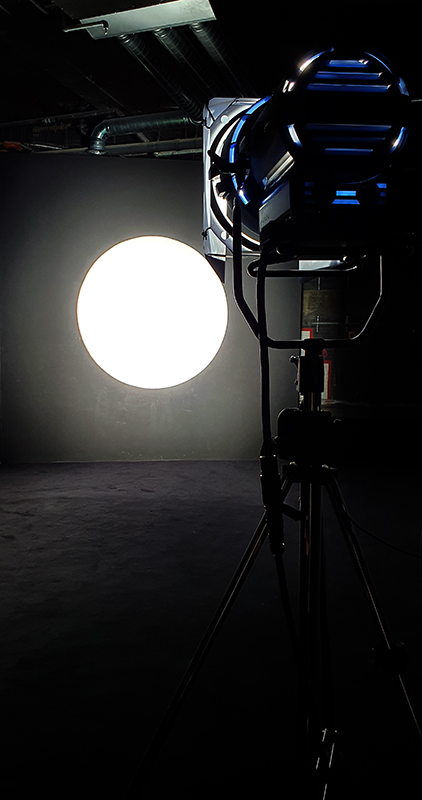
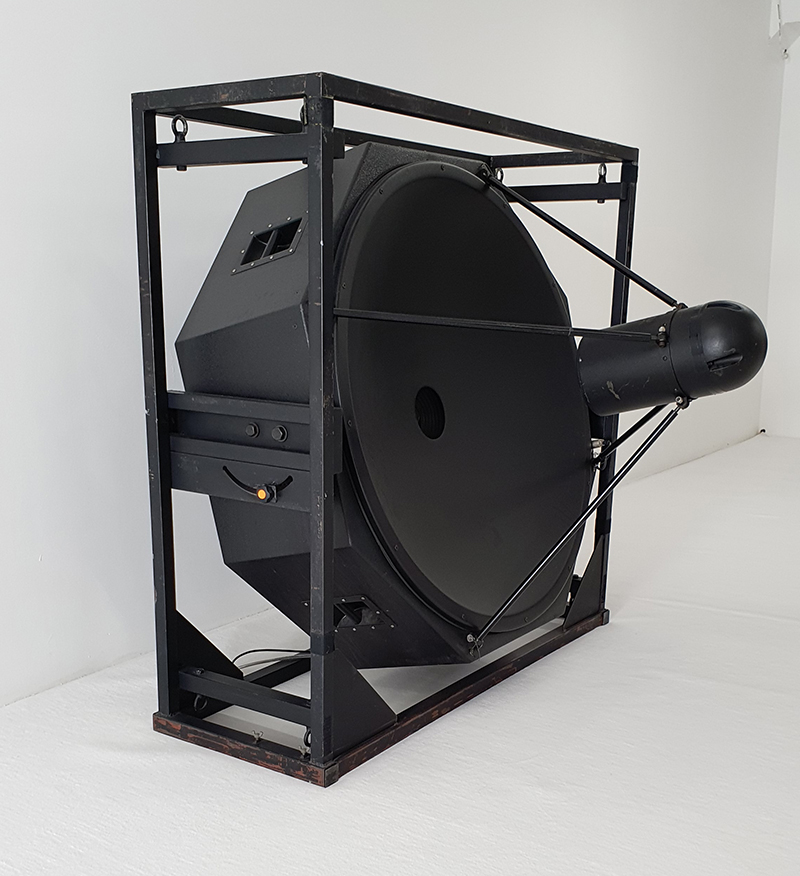
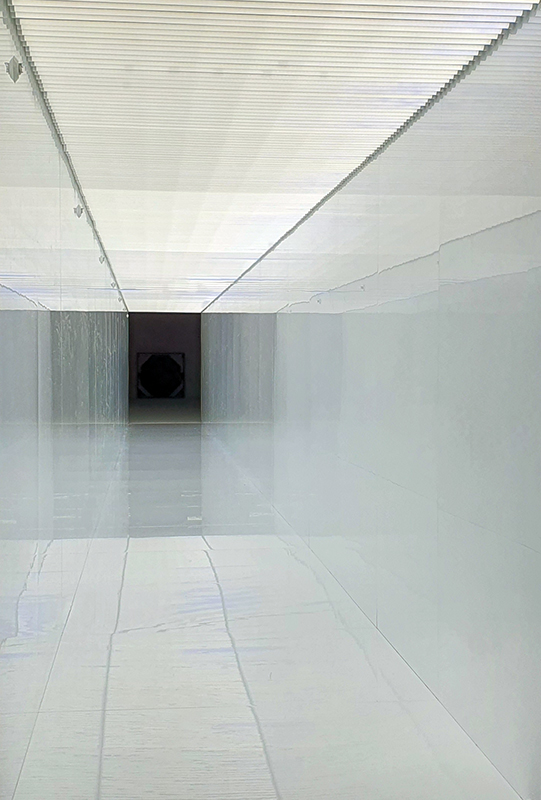
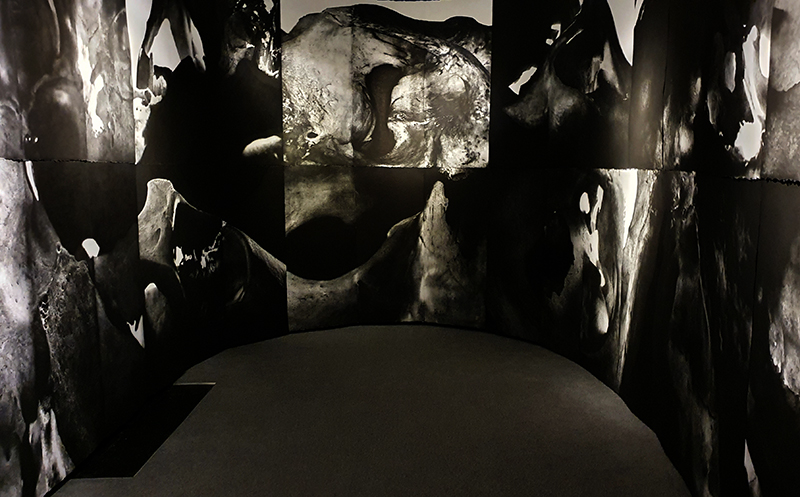
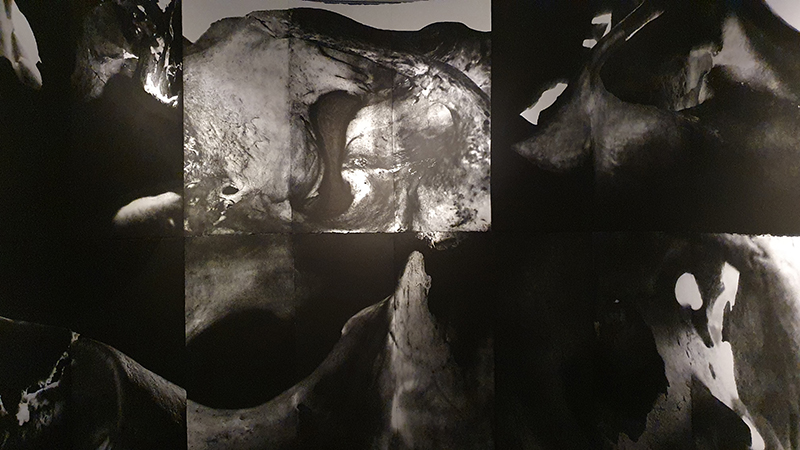
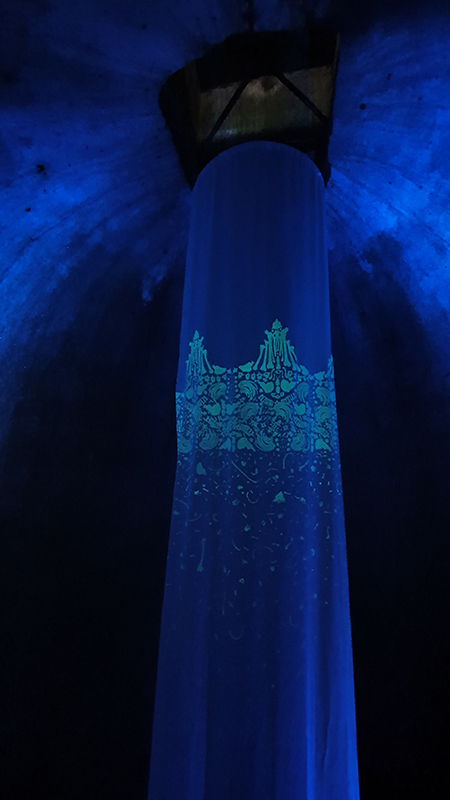
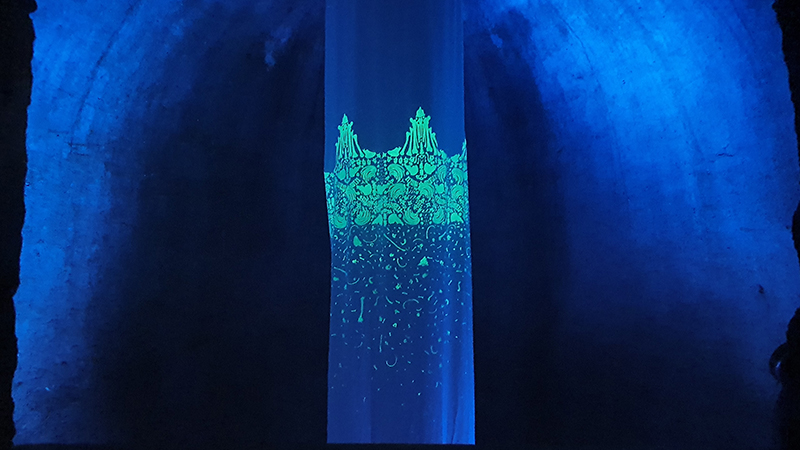
Installation image of Cosmic Chiasmus: crossing the universe

Not only is all life physically permeated by cosmic rays with the potential for nuclei collisions but some cascading particles smash into atoms of nitrogen to create carbon-14 which combines with oxygen in the atmosphere to create radioactive carbon-dioxide which enters the food cycle via photosynthesis.  Cosmic ray activity creating Carbon-14 allows us to perform carbon dating techniques offering insights into Earth’s past climate, magnetic field, solar activity, and changes in the carbon cycle, helping to understand historical patterns and establish timelines for ancient human history.

The title of the exhibition, Carbon, Carbon Everywhere, is a quote from the landmark essay Carbon by the writer and chemist Primo Levi. In the essay, Levi traces a journey of a single atom of carbon across distinct states and beings, from the monotony of being embedded in limestone for hundreds of millions of years, to entering the world of ‘things that change’ – swiftly shifting from the atmosphere to the lungs of a falcon, to the sea, to the trunk of a cedar, and eventually entering the writer’s own body from a glass of milk on his desk, crossing into the brain cell that controls the hand writing its own story. Resolutely specific yet universal, Levi’s story highlights the singularity of carbon as an element that inherently connects all things through its relentless transformation. It fossilises, mutates, preserves, pollutes and nourishes. From its ancient geological formations to its current atmospheric volatility, carbon is never still, shifting between forms and contexts in an ongoing process of exchange.

‘It is possible to demonstrate that this completely arbitrary story is true. I could tell innumerable other stories, and they would all be true: literally true, in the nature of the transitions, in their order and data. The number of atoms is so great that one could always be found whose story coincides with any capriciously invented story’ Primo Levi

This was a beautiful show and I was thrilled to be invited to exhibit alongside such amazing artists including Emii Alrai, Anousha Payne, Kate Daudy, Konstantin Novoselov, Ania Mokrzycka, Nissa Nishikawa, Mariele Neudecker, Simon Faithfull, Aimee Parrott, Lucia Pizzani, Lizi Sanchez and Meng Zhou.

I am very excited to have an invitation to exhibit at the Safehouses in Peckham next year with a group of wonderful artists and friends. Curated by Julie Hoyle, the artists have been selected for the way their work resonates with the atmosphere of the Safehouses — places where traces of the past meet the imagined and the unseen. Together, the works will form a dialogue between beauty and unease, the real and the imagined, reanimating the stripped-bare rooms with strange company. We had a productive site visit and I have two spaces in mind to work with – one above and one below.

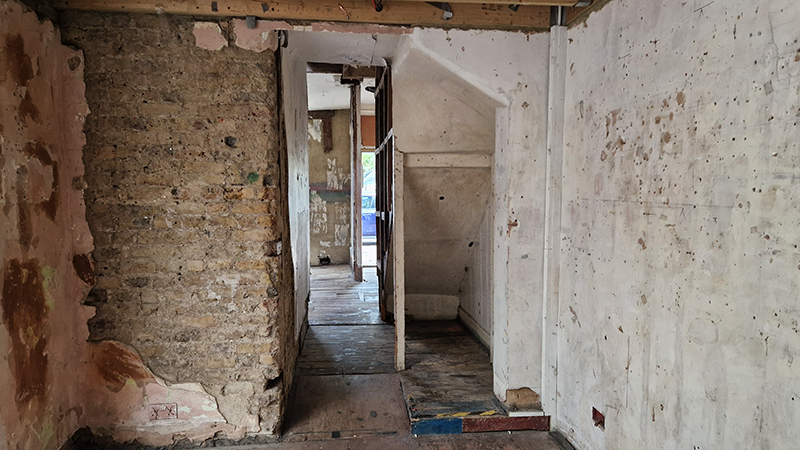
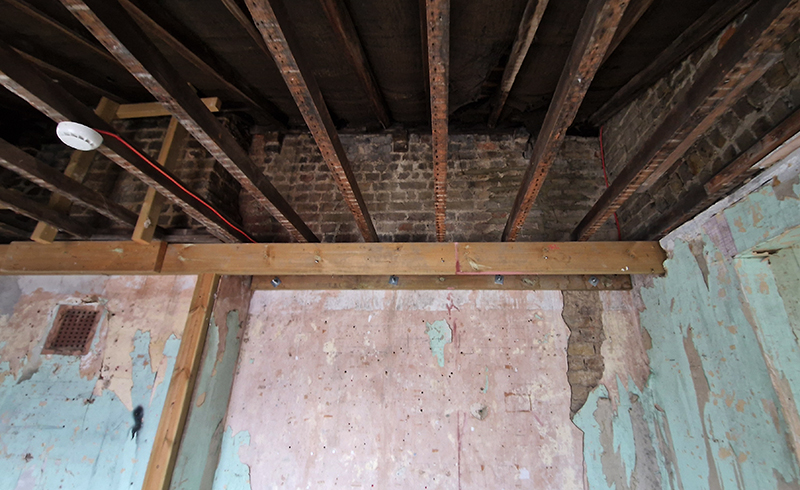
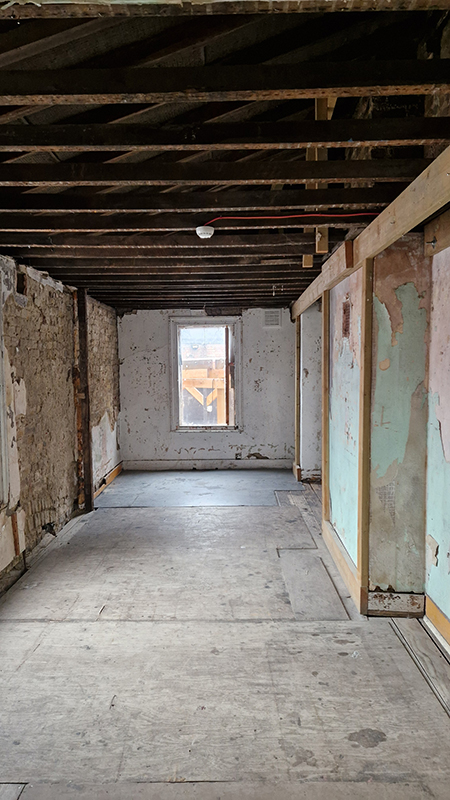
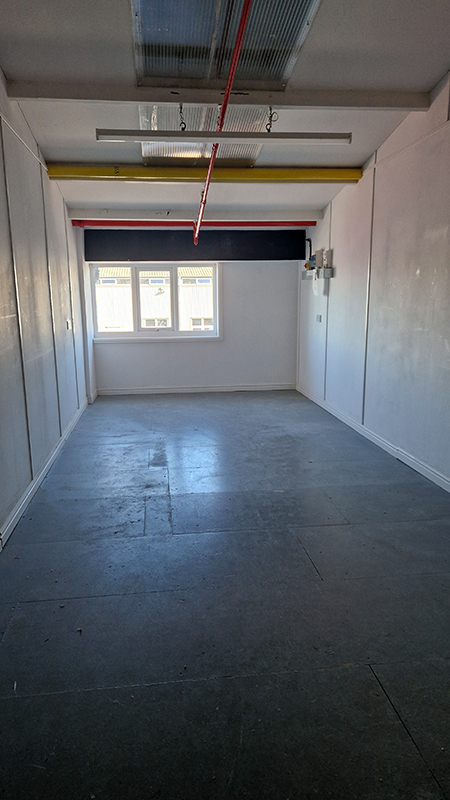
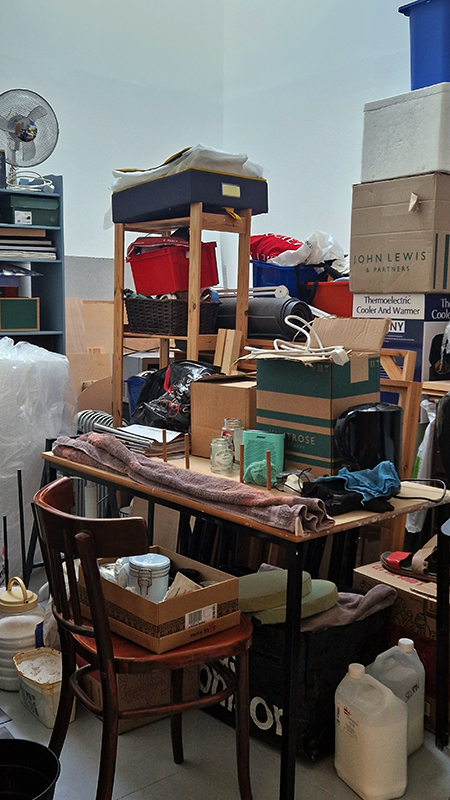
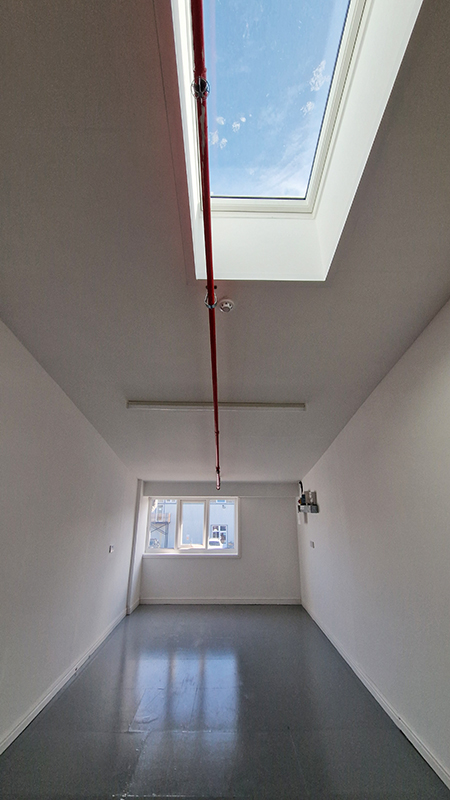
There is an ongoing refurbishment project at my studio complex which although welcome improvements has caused a little disruption to my ability to work there recently. My unit has had a new roof installed and each studio is being insulated with a new ceiling and opening Velux window. When the new roof went on we lost our ceiling windows so it is wonderful to have natural light from above again. Having to move everything out of my studio for a couple of weeks has been a good exercise in discovering long hidden materials and putting it all back has forced my hand to have a bit of a clear out of items I am unlikely to use and pass these on to other studio holders. Images show before, during and after.

I managed to get everything back into my studio just in time for a studio visit from curator Catherine Li to discuss the possibility of exhibiting at Brompton Cemetery Chapel next year. It is a stunning building so I am very excited about this upcoming project.

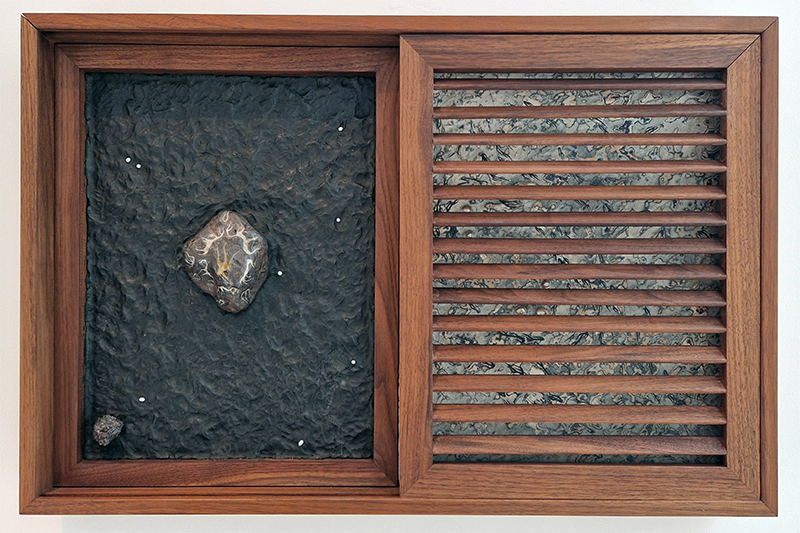
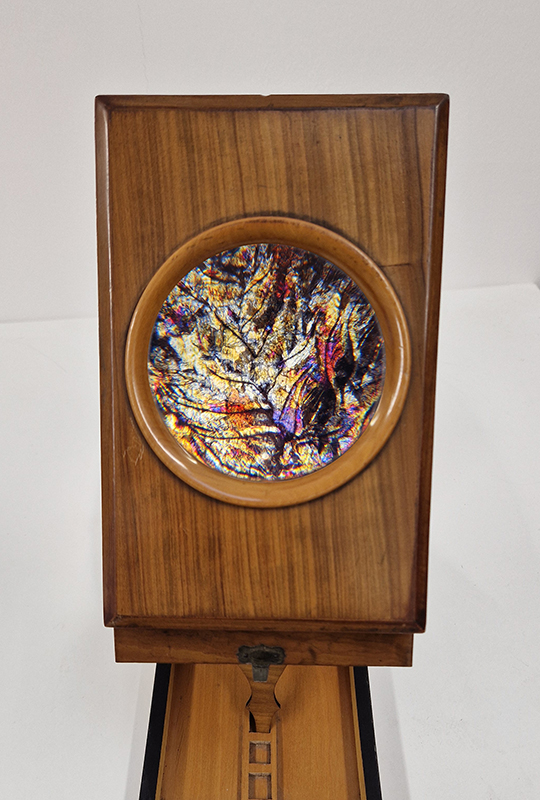
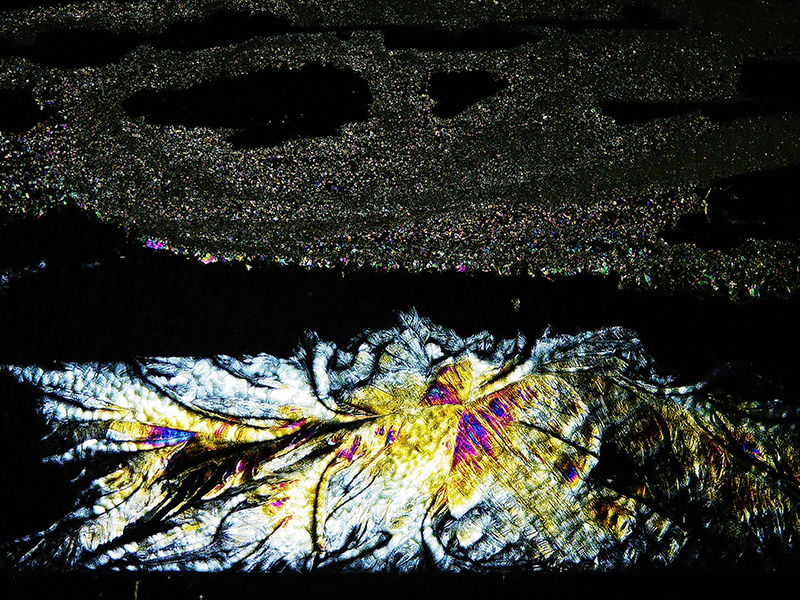
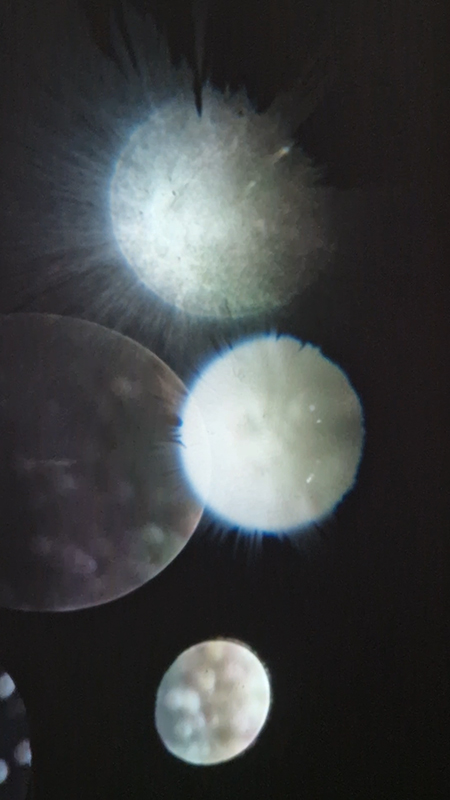
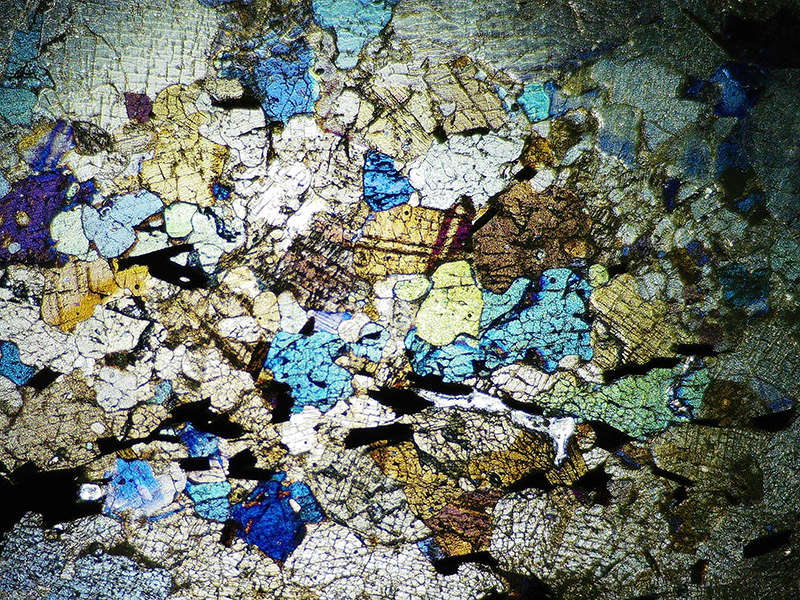
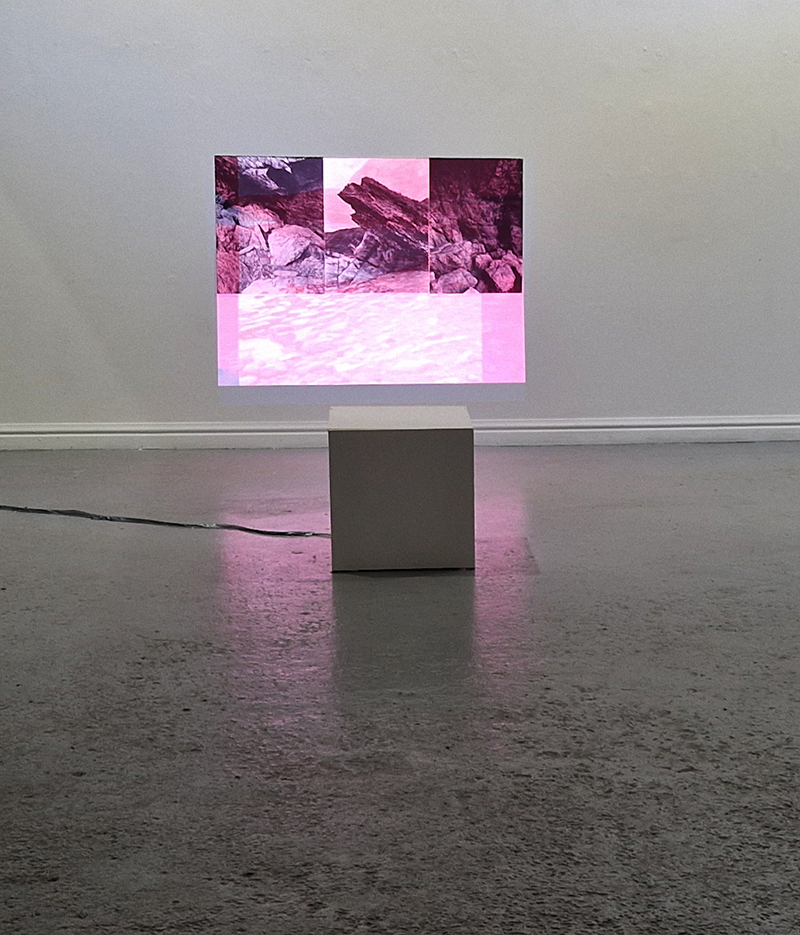
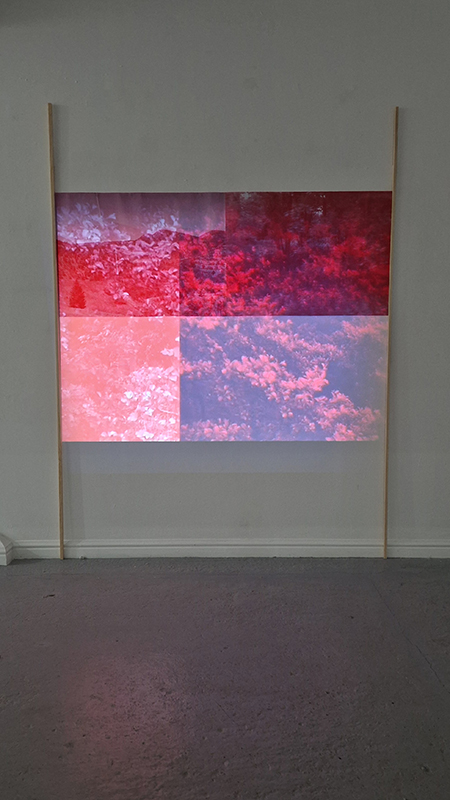
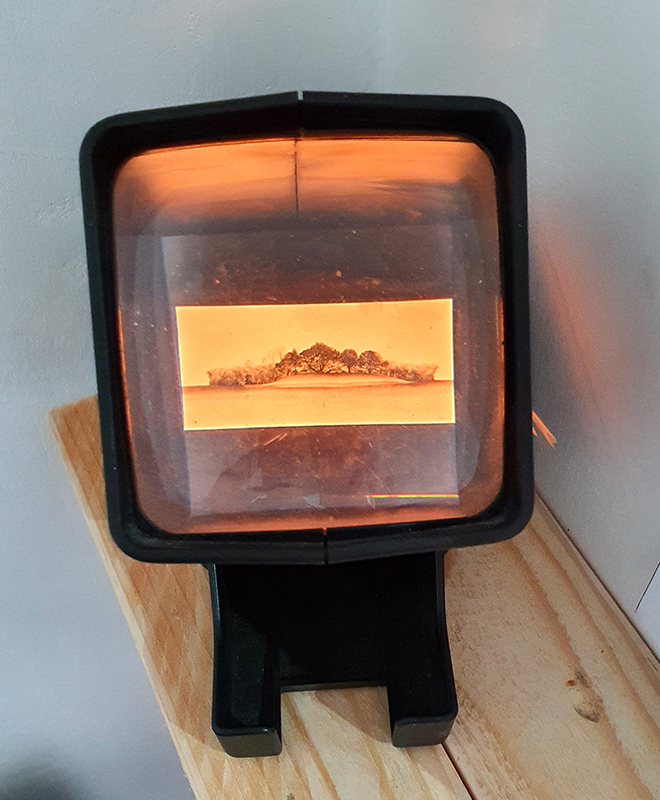
I have been experimenting with an old wooden slide viewer, printing images onto acetate from my microscope camera of polarised crystal and rock structures.

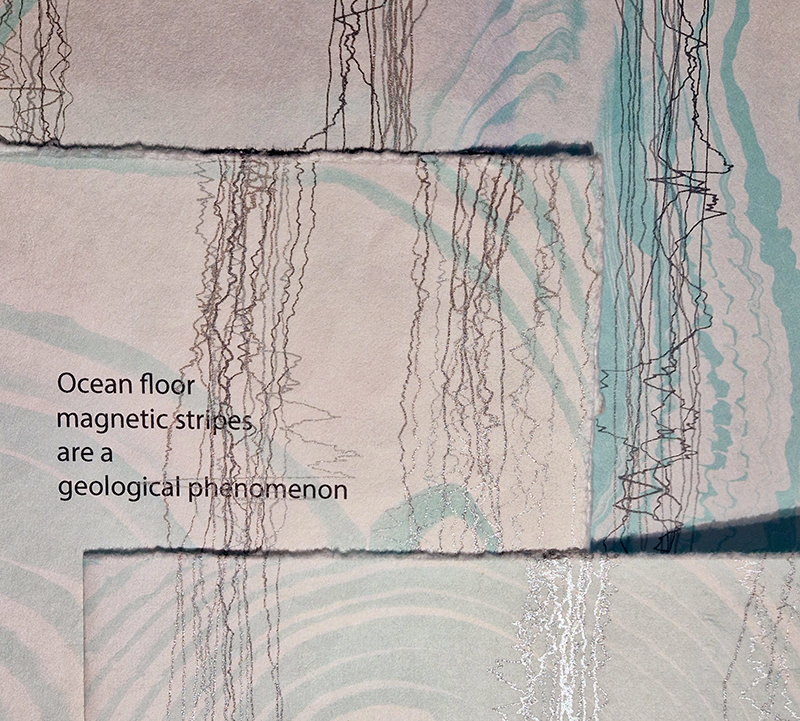
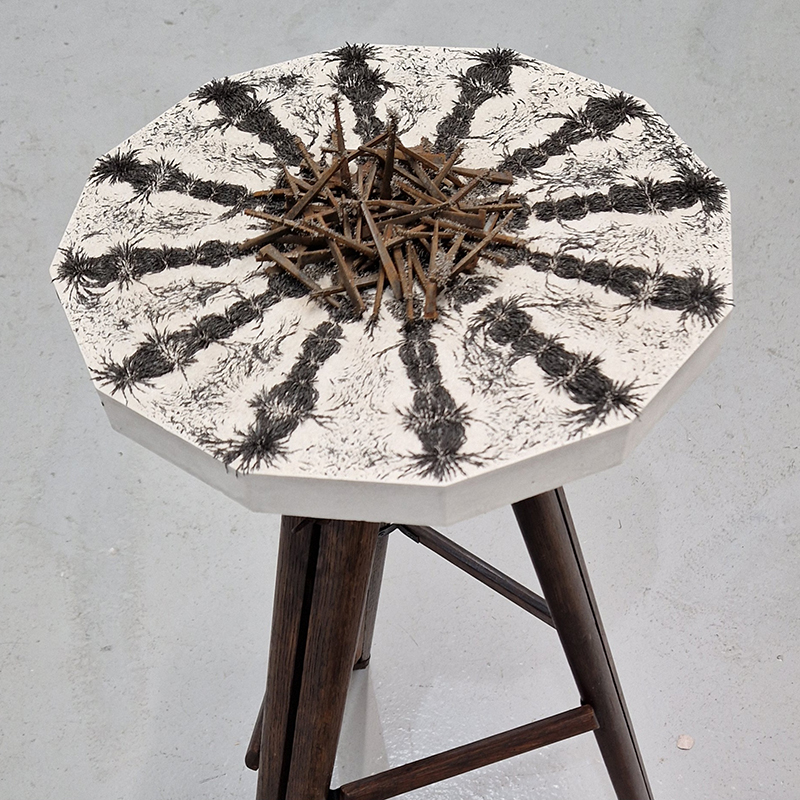
Work in progress on The Book of Reversals, writing text to print over the screen-printed magnetic graph lines. Ocean floor magnetic stripes are formed as magma cools at mid-ocean ridges. These alternating bands show Earth’s magnetic field reversals, with minerals in the crust aligning to current polarity and recording each change in pattern.

Colossal forces spinning dust

Aeons of accretion and gravity / shaping the debris of destruction

Searing elements separate /  amidst violence and decay

The weighty fall, pulled down, digested / feeling pressure only diamonds can survive

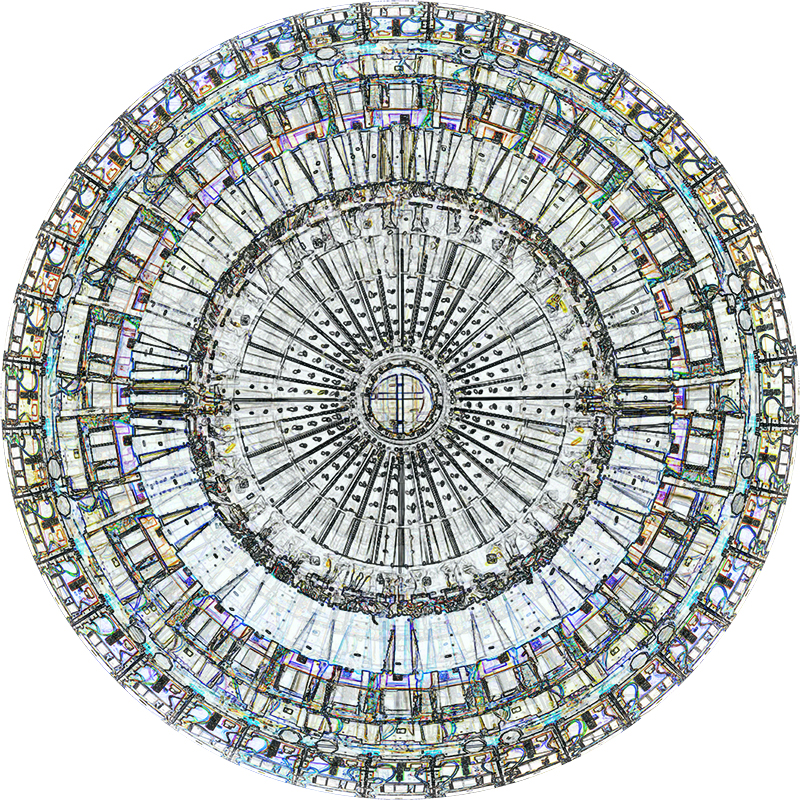
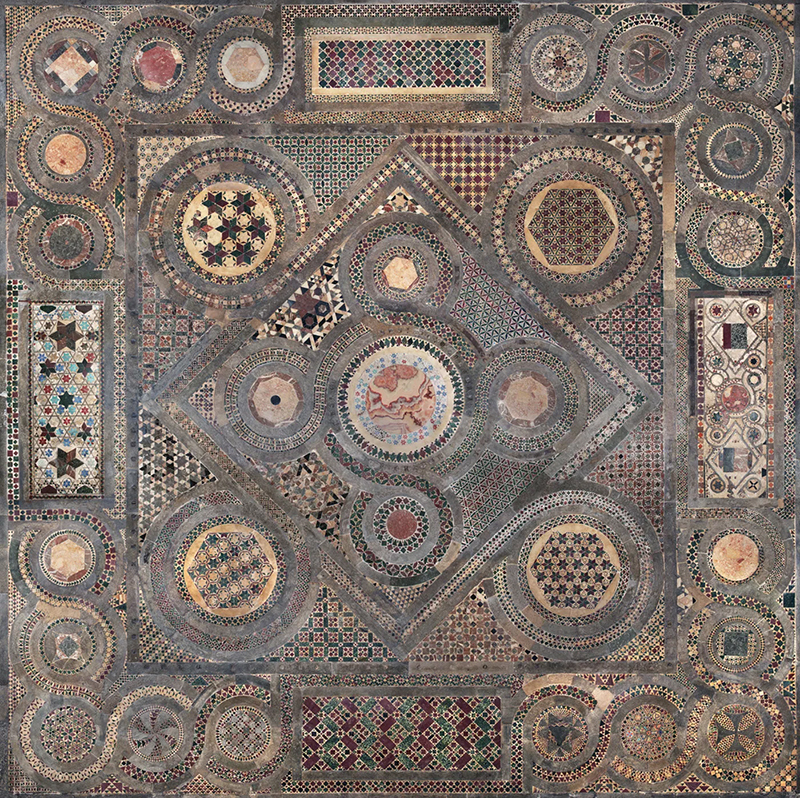
Work in progress looking at the sacred geometry of the Westminster Abbey Cosmati Pavement and relating medieval symbolism with contemporary iconography to think about changing relationships to fire, water, earth, air and the cosmos. Reimagining imagery from the Cosmati Pavement and particle accelerator at CERN.

Out and About

Noémie Goudal And yet it still moves at Edel Assanti. Mesmerizing work. I especially found the work Rocks very effective, an inkjet print on photographic paper with a video projection that moves across the image highlighting certain parts as though a torch is traversing a dark landscape. I always enjoy the theatricality of her large scale video installations even if they do purport a world collapsing around us.

Gorgeous paintings by Helen Baines in Striding Edge at The Department Store, Brixton. Photos don’t capture the ethereal luminosity.

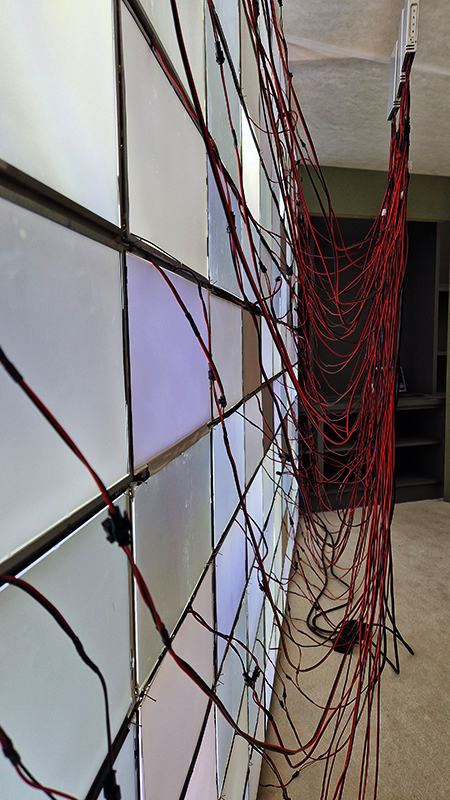
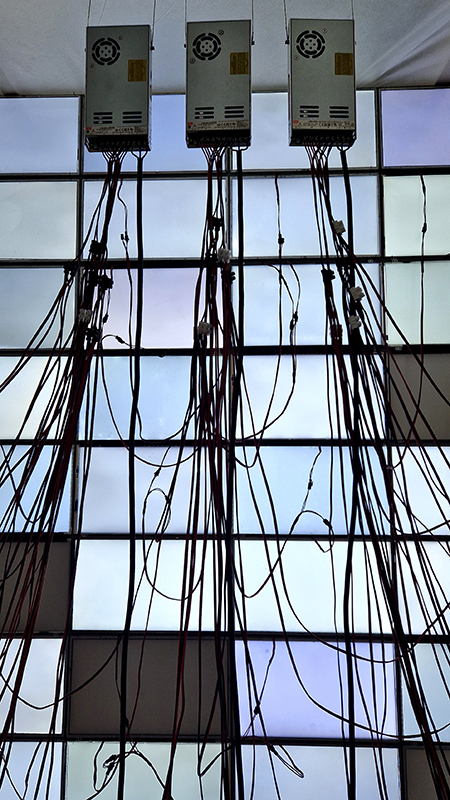
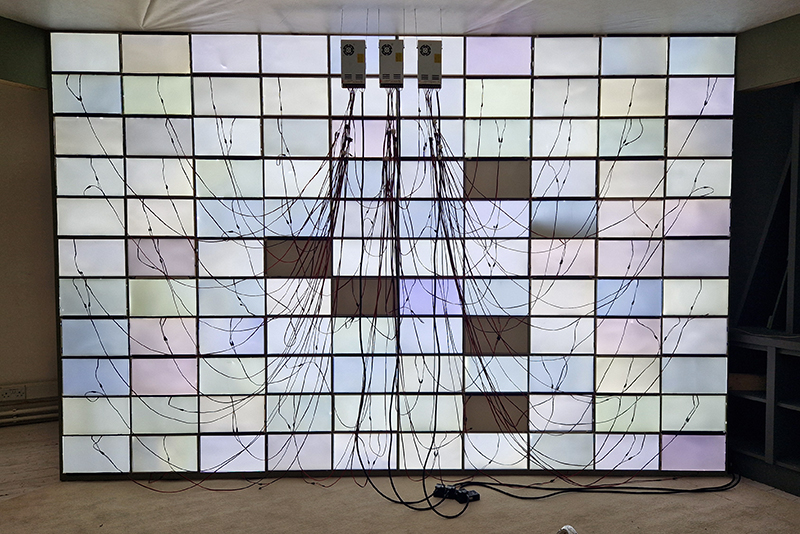
The hypnotic monument of modified LED laptop screens Wiped (Free Palastine) by Katrin Hanusch in Return of the Repressed curated by Toby Ziegler at an empty office block 10 Heddon Street. A show examining alienation and abstraction of the human experience in a climate of digital technology and AI.

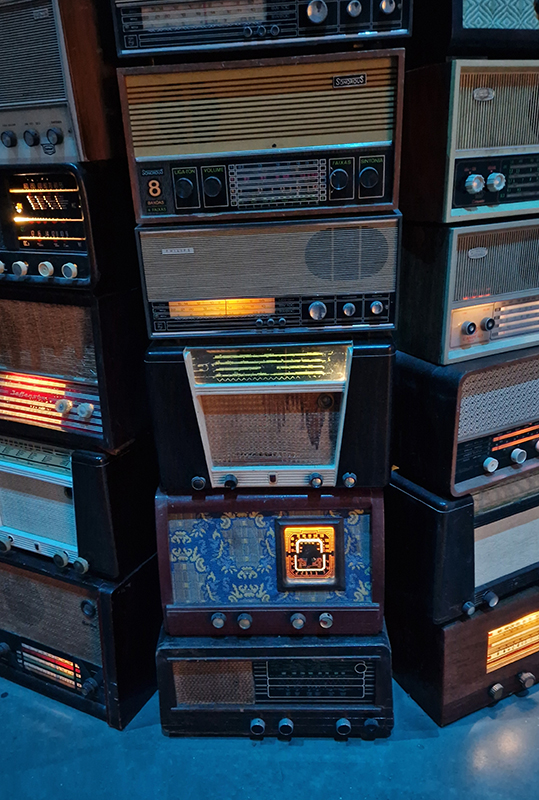
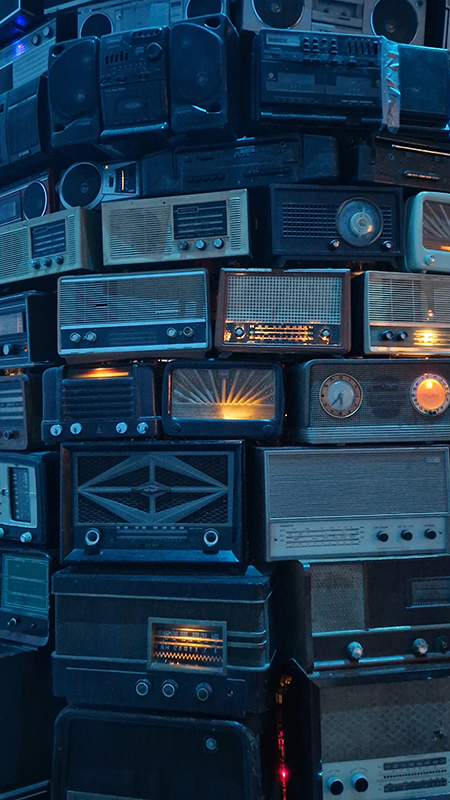
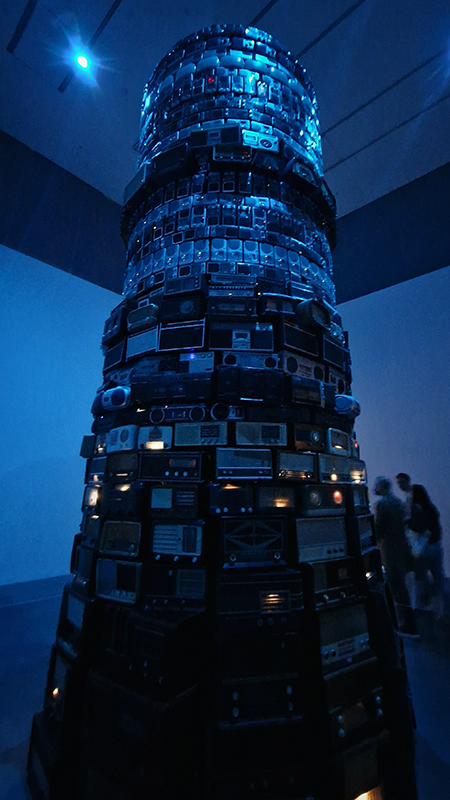
The magnificent Babel by Cildo Meireles at Tate Modern. With slightly dalek vibes, this thrumming ‘tower of incomprehension’ relates to the biblical story of the Tower of Babel, a tower tall enough to reach the heavens. God was offended by this structure, and caused the builders to speak in different languages. No longer able to understand one another, they became divided and scattered across the earth, and so began all mankind’s conflicts. Here we are, punished for our curiosity, again. This work though is a joy.

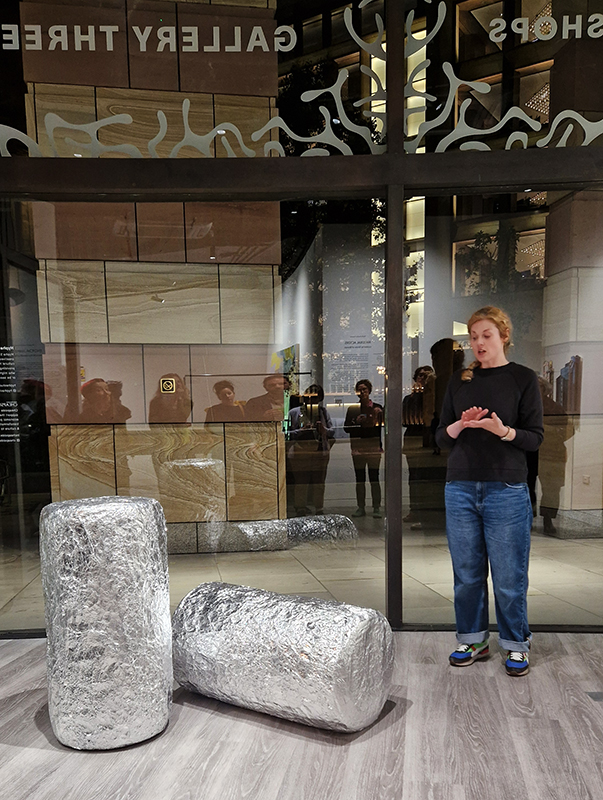
Material Actors curated by binder of women at Hypha Gallery 3 / No. 1 Poultry, London explores the tipping point of formal representation into the theatrical and cinematic world of mimicry and artifice. The artists include Alice Browne, Charlie Franklin, Lauren Godfrey, Oona Grimes, Pia Pack, Milly Peck, Michelle Williams Gamaker and Laura White. Material process and the façade are key in many of the works that surprise and confound definition.

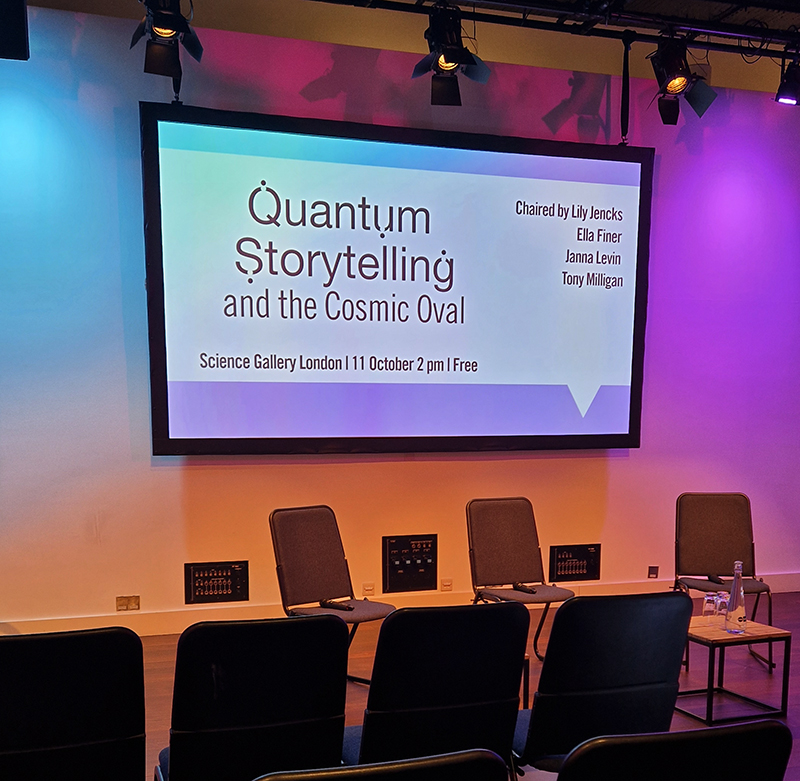
Quantum Storytelling and the Cosmic Oval – a fascinating discussion exploring how cosmic discoveries influence cultural narratives and the composing of histories. Physicist and author Janna Levin in conversation with writer Ella Finer to celebrate the launch of a new book commission The Cosmic Oval. Chaired by Lily Jencks, Keeper of Vision at The Cosmic House, with further insight from Tony Milligan, Research Fellow in the Philosophy of Ethics, Department of Theology and Religious Studies at King’s College London.

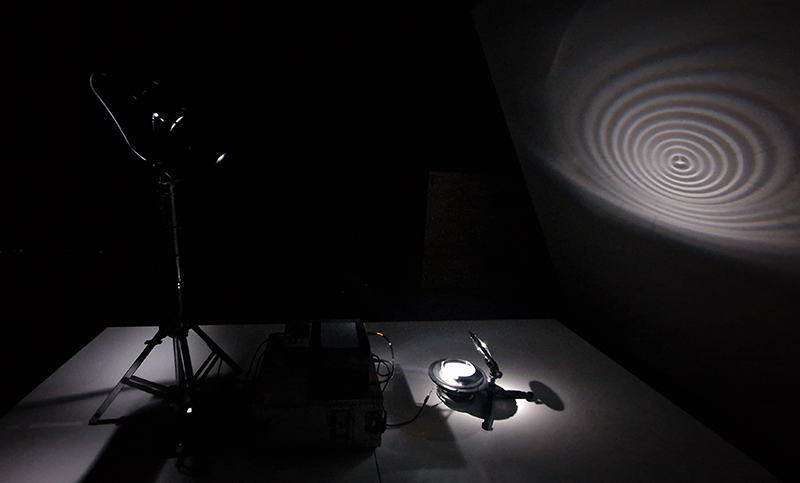
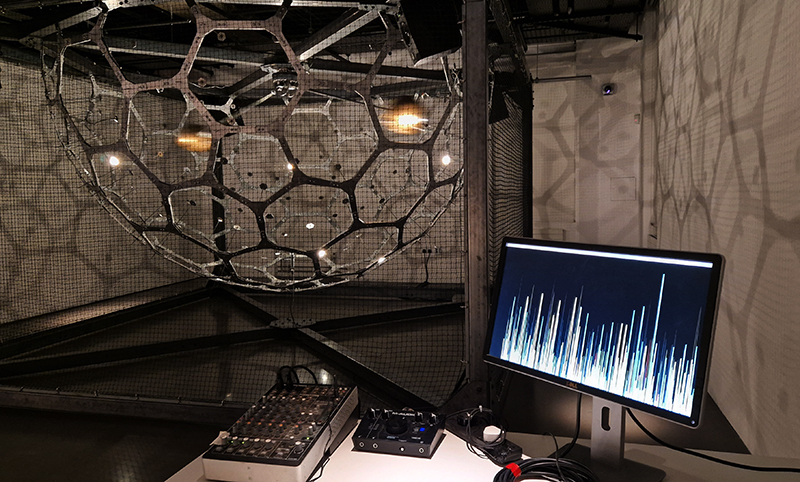
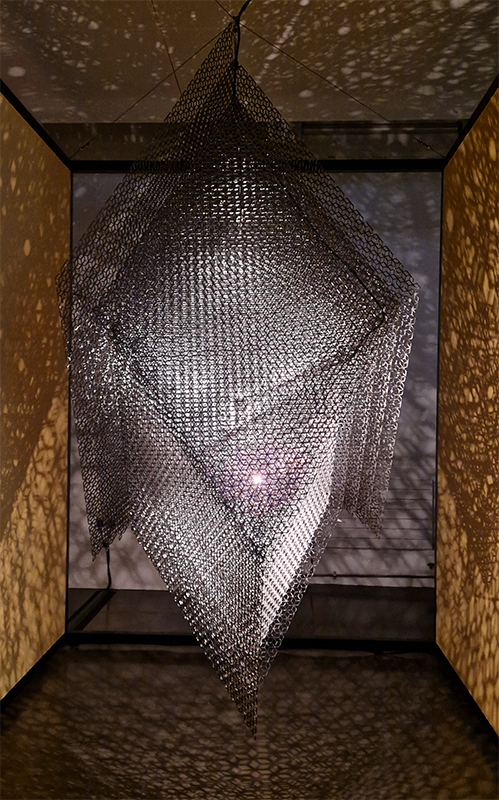
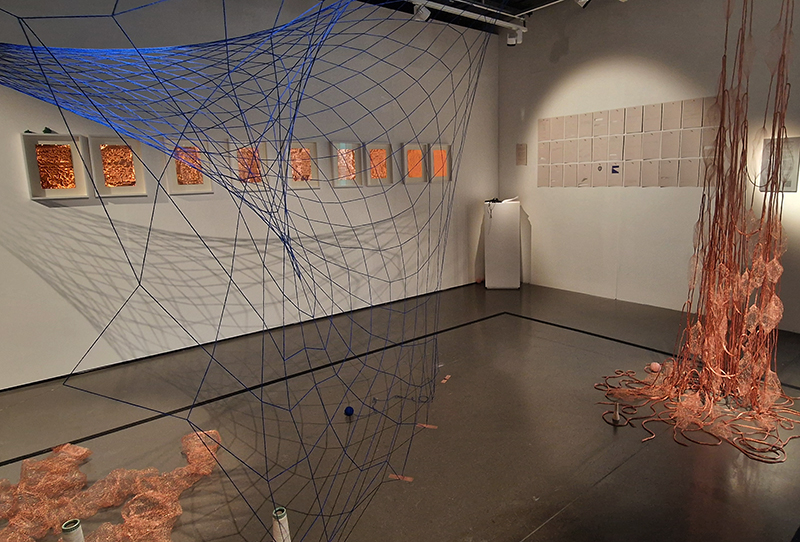
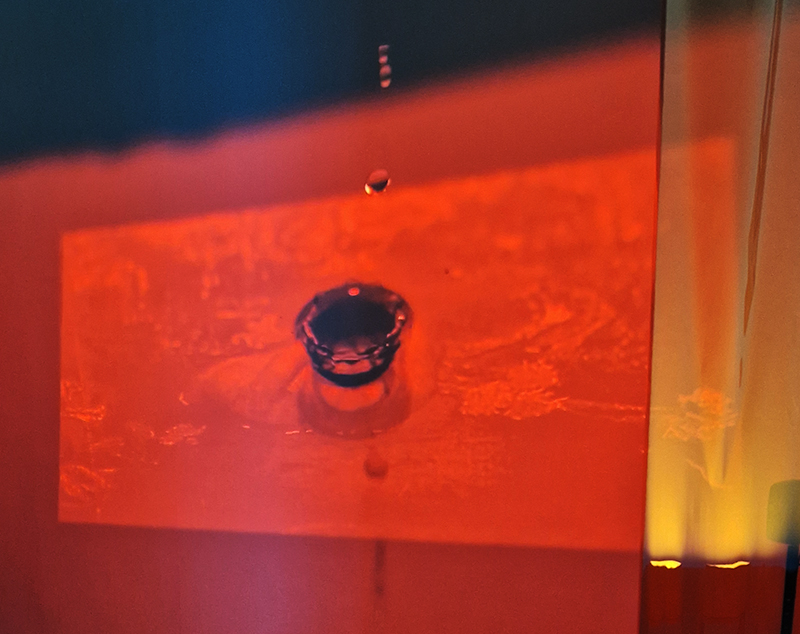
Quantum Untangled at The Science Gallery, London. I liked the simplicity of Alistair McClymont’s An Early Universe where wave patterns caused in water by low frequency sound vibrations are projected via a lens to reference quantum oscillations created when the universe was rapidly expanding after the big bang. Two large installations from Conrad Shawcross use the play of shadows to signify intangible forces of the universe. In Ringdown two caged spherical pendulums oscillate in violent motion to evoke the spiralling motion of gravitational waves in the moments after two black holes merge, a phase known as ‘ringdown.’ The artwork is probed with sensors to trace the magnetic field generated, which is displayed on a monitor. The Blind Proliferation explores the idea that our Universe is one of many co-existing ‘bubble universes’ formed in the period of rapid expansion at the beginning of time. Two ‘scientist’s offices sit either side of a structure casting complex shadows. In a nod to Plato, the scientists can only see the shadows from which they must determine their origin. There are slight differences between the two offices to suggest the idea of the multiverse where many worlds may exist with only slight variations. Daniela Brill Estrada & Monica C. LoCascio, Begriff des Körpers reflect on the nature of perception and shared understanding through their use of copper, a key material in quantum technologies, to create sculptures that describe the diagrammatic language of scientists when explaining spacetime and quantum phenomena.

It is always exciting to enter a truly dark space – NOWISWHENWEARE (The Stars) at the Rambert Dance Studios as part of the LFF Expanded program promised a breath-taking journey through light and sound when you would enter a meditative state and come face to face with your inner self. With nearly 4,000 reactive LED lights and a 496-channel soundscape it was an enjoyable experience but perhaps not quite as awe inspiring as hoped.

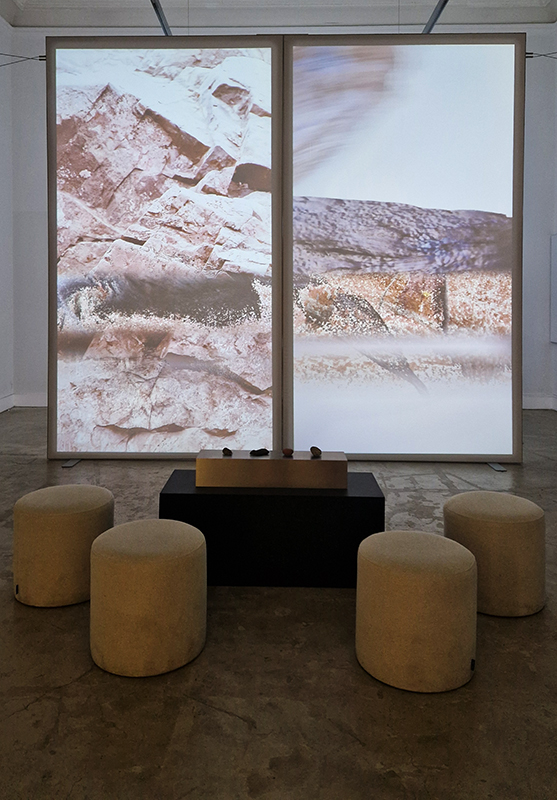
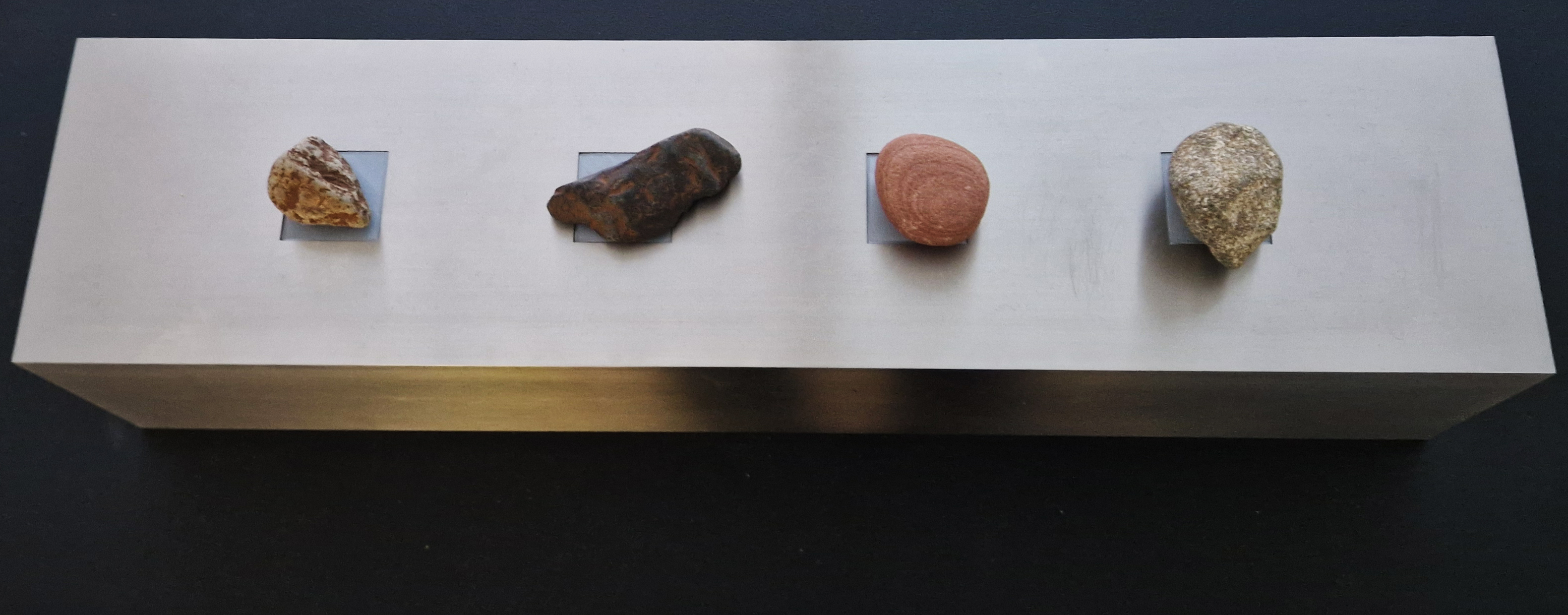
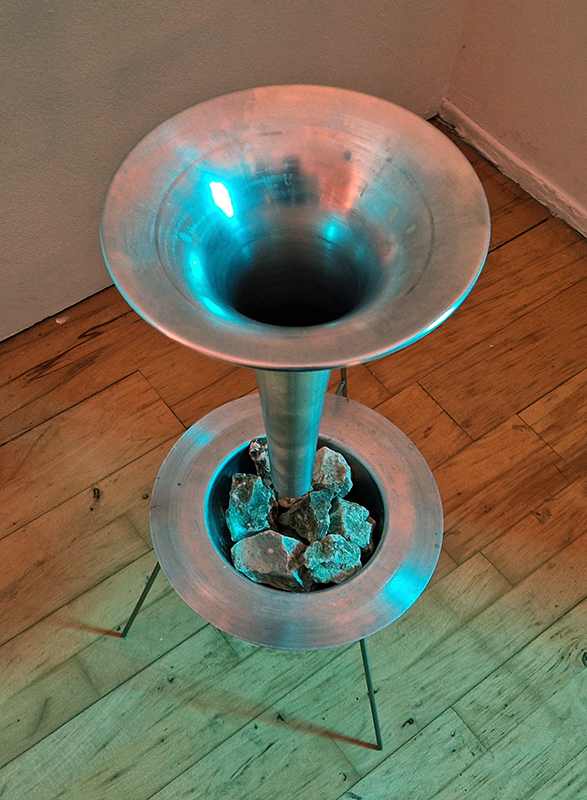
(S)low Tech AI by Studio Above & Below (Daria Jelonek and Perry-James Sugden) at Victoria and Albert Museum. ‘This installation examines artificial intelligence through the lens of geology. A sculptural interface of four rocks activates a slow, responsive AI system that reacts to touch with evolving sound and image. Each new rock arrangement adds a line to a growing digital landscape, echoing sedimentary layers shaped by collective interaction. The imagery is drawn from four geologically significant sites in Scotland, where ancient stone carvings show early examples of symbolic data recording. Using simple algorithms, the work invites reflection on AI as a slow, ethical, and materially-aware process.’ I couldn’t determine what changes were set in motion when the stones were moved, it does say it is a slow process so perhaps I shouldn’t have expected to notice the impact of my moving the stones and it is something that builds into the algorithm later. It was still quite mesmerising to watch.

Luca Bosani Unidentified Performing Objects at Victoria and Albert Museum

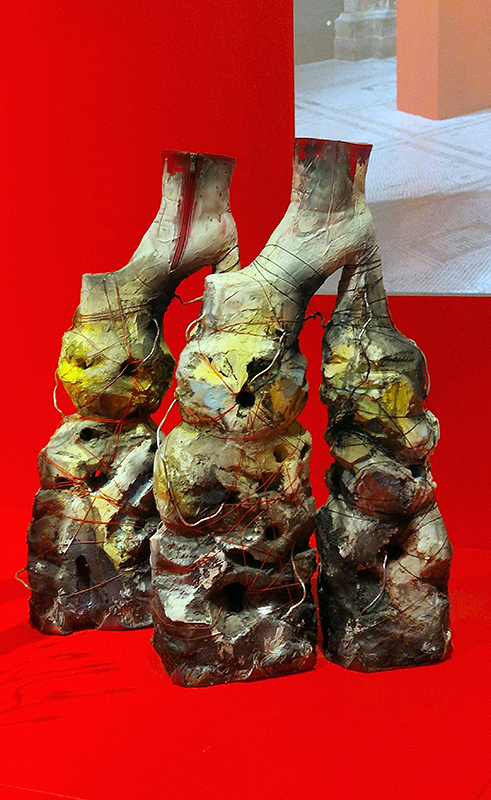
Loved these boots that look like they have been torn from the rock. Magnes might have felt a slight tug as the nails in his boots clung to the magnetite beneath his feet but imagine the weight, the feeling of increased gravity walking in boots of rock.

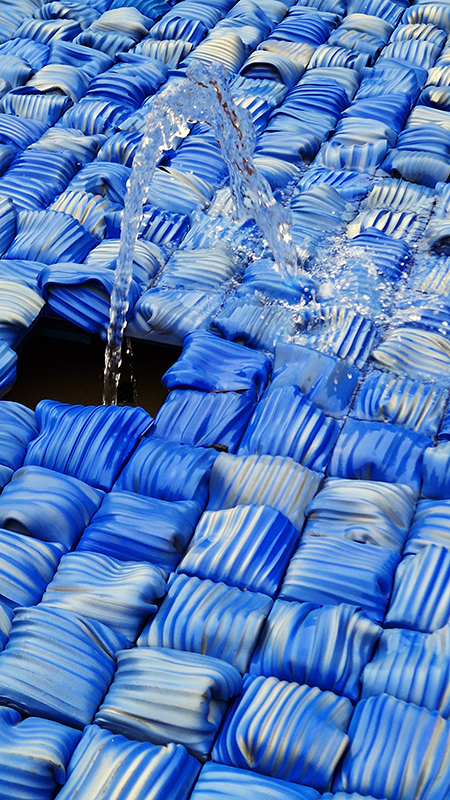
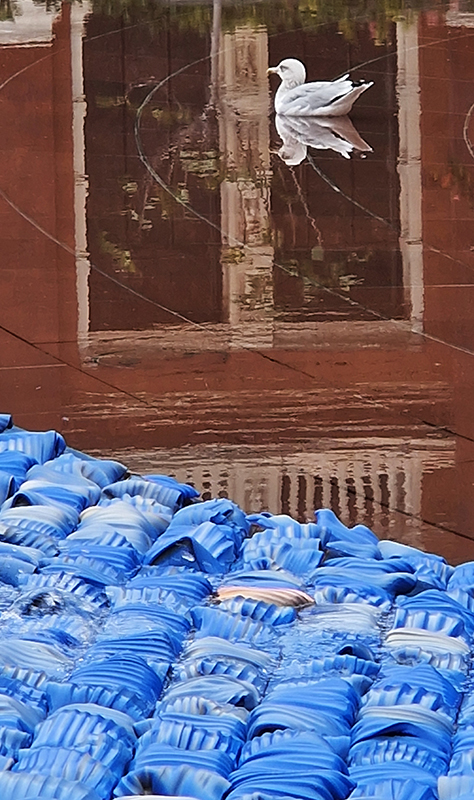
The Ripple Effect by Alicja Patanowski blending materials from one of the largest mining waste reservoirs in Europe with clay to create a tiled seating installation in the John Madejski Garden.

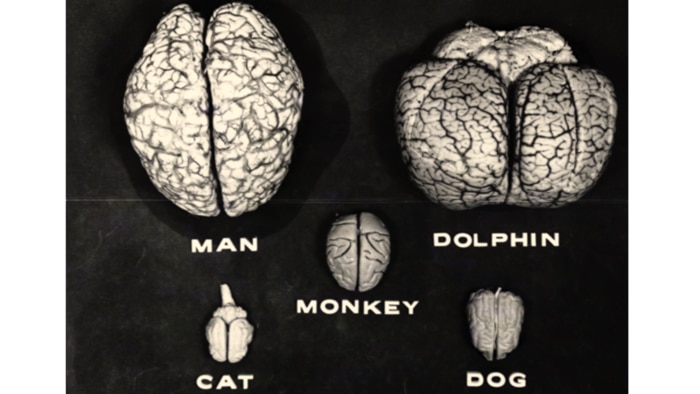
Screening as part of the London Film Festival, John Lilly and The Earth Coincidence Control Office directed by Michael Almereyda and Courtney Stephens, explores Lilly’s radical experiments with isolation tanks and LSD to study consciousness, as well as his theory that a hidden entity called the Earth Coincidence Control Office (E.C.C.O.) secretly influences human events. Despite his desire to communicate with cetaceans believing them to be intelligent conscious beings he exhibits a cold disconnect to their physical and emotional welfare. A lot of the footage is shocking to a contemporary audience in its cruelty but his research into human consciousness was trailblazing at the time and his conclusion that humans were at risk from an outside technology based intelligence does have some prescience considering current concerns over AI.

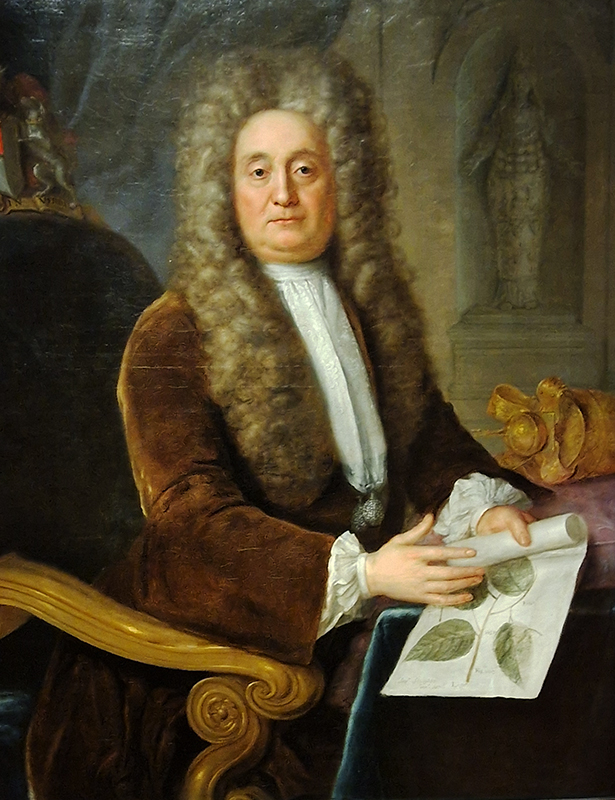
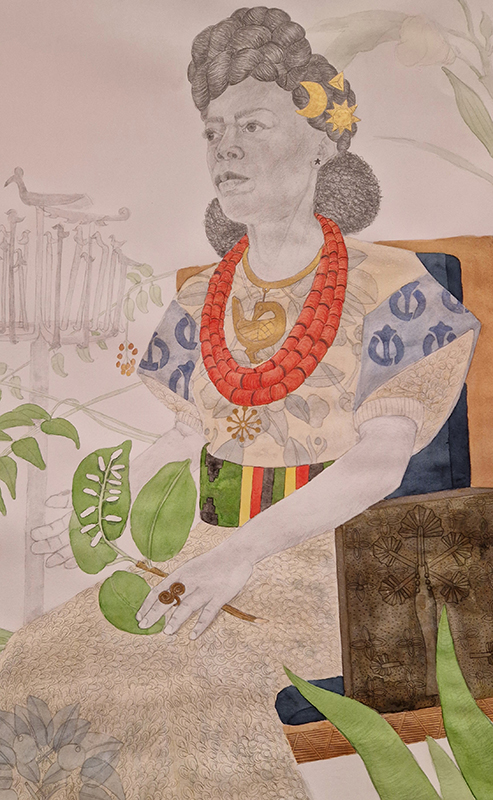
Artists First: Contemporary perspectives on portraiture at The National Portrait Gallery commissioned several artists to respond to an artwork of their choice. Charmaine Watkiss chose the portrait of Sir Hans Sloane, a botanist and collector who travelled to Jamaica in 1687 taking advantage of enslaved people’s indigenous knowledge of the location, properties and medicinal uses of local plants to boost his collection and furnish his publication. Charmaine’s beautifully crafted response To reimagine an African Queen shifts the dynamic to reflect the dissonance between these two human’s relationship to nature, one built on wisdom and respect and one which based on extraction and mastery.

Reading

The Stone Woman by A.S. Byatt. An evocative journey into becoming other.

Carbon, Carbon Everywhere opened at Hypha HQ co-curated by Maria Hinel & Indira Dyussebayeva-Ziyabek with exhibiting artists Emii Alrai, Kate Daudy, Konstantin Novoselov, Susan Eyre, Ania Mokrzycka, Simon Faithfull, Nissa Nishikawa, Mariele Neudecker, Anousha Payne, Aimée Parrott, Lucia Pizzani, Lizi Sanchez, Meng Zhou.

The title of the exhibition is taken from the chapter Carbon in the book The Periodic Table by the writer and chemist Primo Levi. Levi traces a journey of a single atom of carbon across distinct states and beings, from resting in a bed of limestone for hundreds of millions of years, to entering the world of ‘things that change’ – swiftly shifting from the atmosphere to the lungs of a falcon, to the sea, to the trunk of a cedar, and eventually entering the writer’s own body from a glass of milk on his desk. Resolutely specific yet universal, Levi’s story highlights the singularity of carbon as an element that inherently connects all things through its relentless transformation. It fossilises, mutates, preserves, pollutes and nourishes. From its ancient geological formations to its current atmospheric volatility, carbon is never still, shifting between forms and contexts in an ongoing process of exchange.

I am very happy to be exhibiting my video Cosmic Chiasmus: crossing the universe alongside the work of the other amazing artists.

Not only is all life physically permeated by cosmic rays with the potential for nuclei collisions but some cascading particles smash into atoms of nitrogen to create carbon-14 which combines with oxygen in the atmosphere to create radioactive carbon-dioxide. Carbon-14 enters the food cycle via photosynthesis as plants absorb it from the atmosphere. It is constantly renewed in all living organisms. On death, the amount of carbon-14 in the tissues begins to decay at a known rate which can be measured to determine the time of death. Cosmic ray activity therefore allows us to perform carbon dating techniques offering insights into Earth’s past climate and magnetic field, solar activity, and changes in the carbon cycle, helping us to understand historical patterns and establish timelines for ancient human history. Understanding the past can help us plan for the future.

Installation shot: Cosmic Chiasmus: crossing the universe 2021, video 05:25 min

Gallery Visits

I loved the textures of the sandy cementy surface of the mixed media painting by Antoni Tàpies in Point and Counterpoint at Centro Botin, Santander.

ENREDOS (entanglements) II at Centro Botin, Santander. Nuno da Luz amplifies the frequencies of the waves and the winds felt in the Bay of Santander, interweaving them with their oscillations of the building itself. The sound installations generate shared listening spaces, converting the environmental data of the Santander coast into vibrations and amplifying the building’s own vibrations, extending and intensifying their intrinsic energies.

The exhibition also includes works by Javier Arce: a series of oil paintings titled On What is Nearby and the sculpture Cambium – cast from the last ring of a tree stump – this is the most recent ring under the bark where new wood cells are formed as the tree grows.

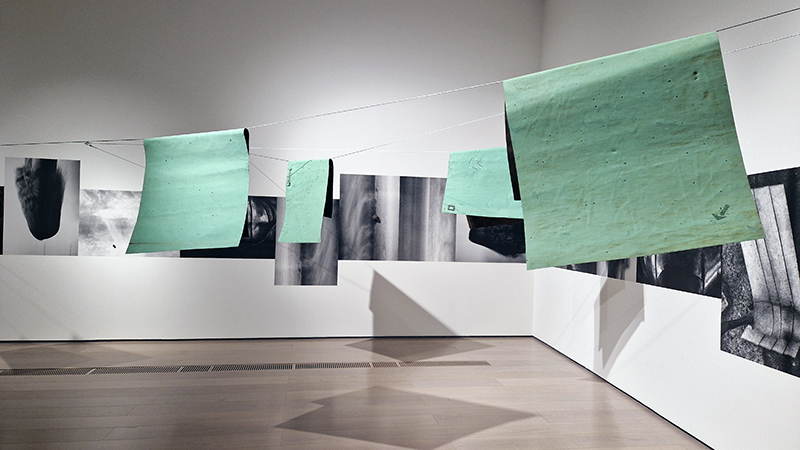
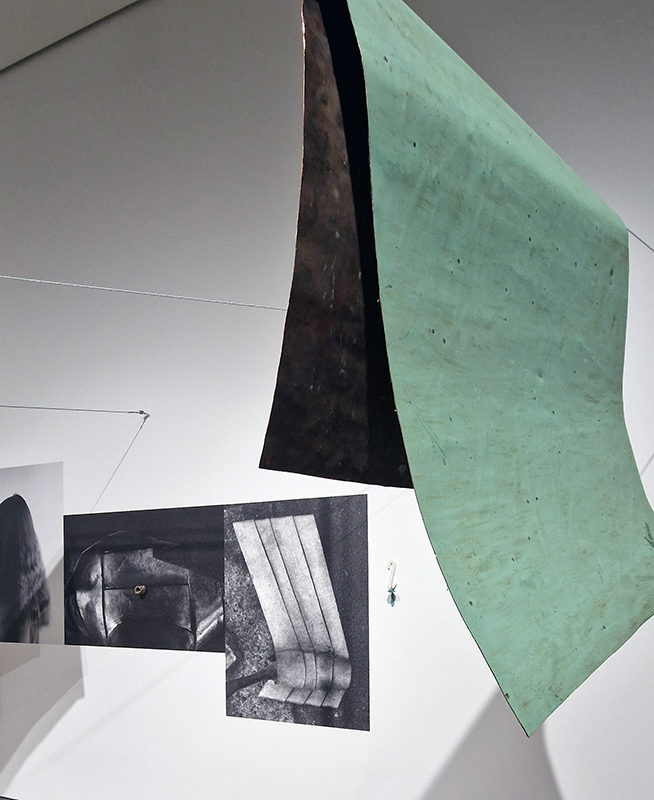
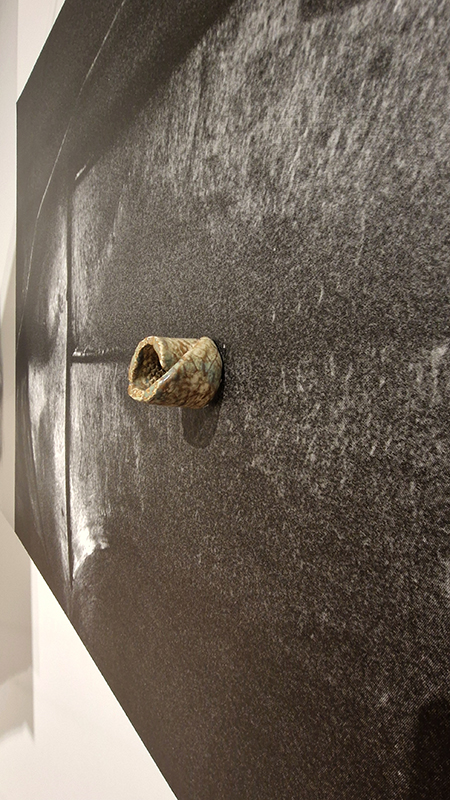
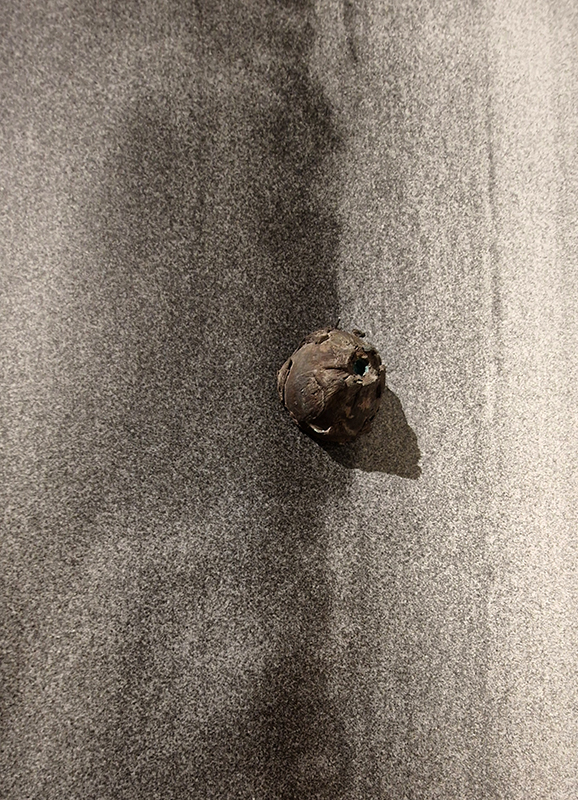
Katinka Bock: A striking installation Feuilles de temperatures which incorporates weather patinated copper sheets rescued from the dome of Anzeiger-Hochhaus in Hannover a legendary site of editorial histories, alongside Some and any, fleeting, an installation of large digital prints set with tiny bronze, ceramic and copper sculptures.

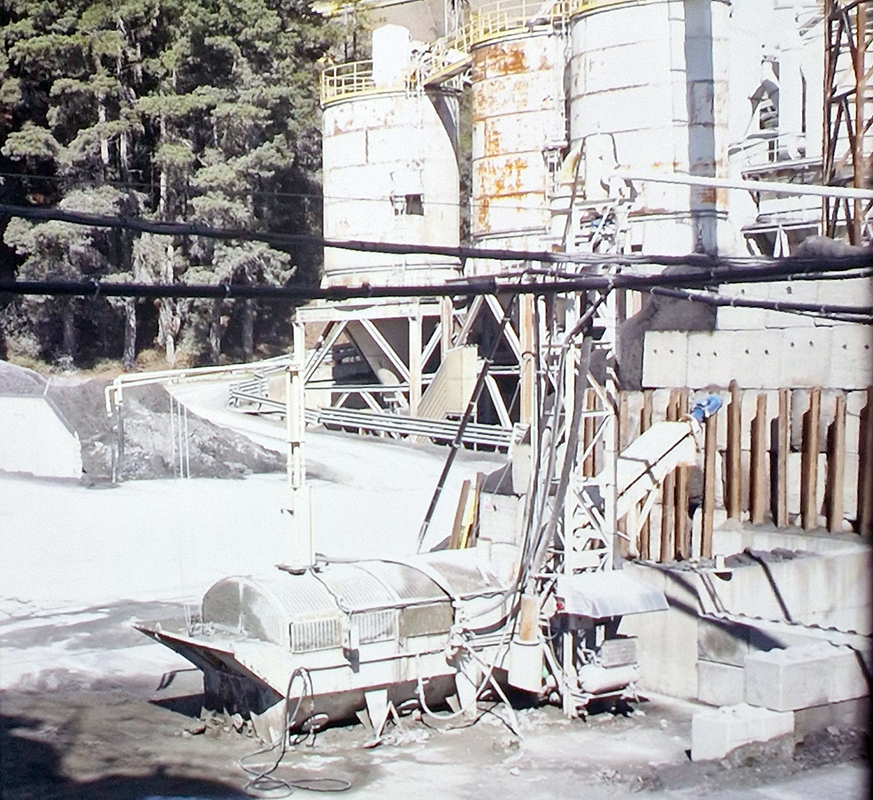
The video Core, a collaboration between sculptor June Crespo and cinematographer Maddi Barber which documents the different states through which the sculptor’s material passes: rock, dust, liquid, and solid. Connecting the processes of hands that touch and manipulate the cement sculptures, and the rock extraction and transformation process in a quarry.

Tacita Dean The Wet Prayer in reference to the final plea of Saint Paul as he was shipwrecked off the coast of Malta. In this exhibition the ephemeral chalk of Dean’s ocean waves resonate with the sound waves recorded from the bay outside and played back within the gallery space.

Great curation by Susanna Greeves of engaging works in Alien Shores at White Cube Bermondsey. In every depiction of landscape is a reflection of the values and beliefs of the society that created it. Landscape is not the world, but the world through human eyes.

Exhibiting artists included: Michael Armitage A kind of belief, oil on Lubugo bark cloth.

Noémie Goudal Tropiques IV, inkjet print and the mesmerizing collapse of dissolving landscapes in Supra Strata, HD video as layer after layer warps, stetches, tears and falls until there is nothing.

Sky Hopinka shapeshifting video Mnemonics of Shape and Reason

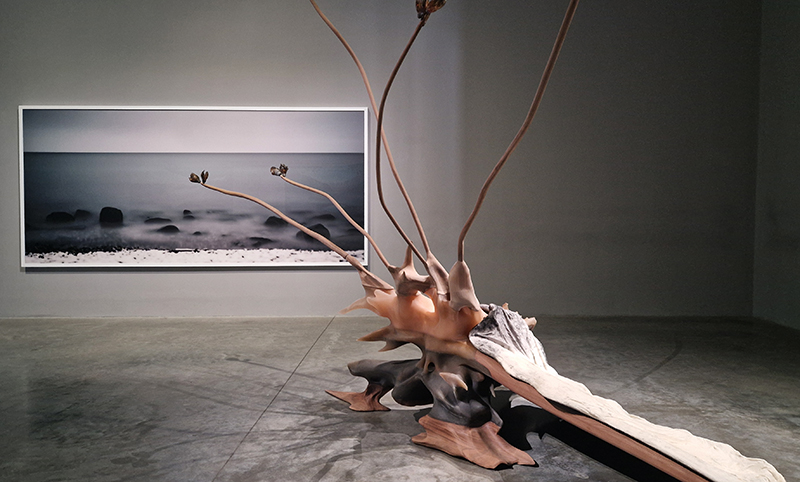
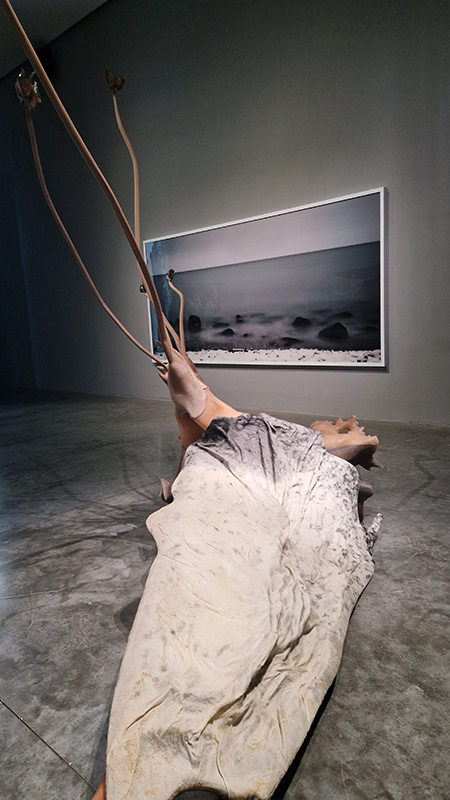
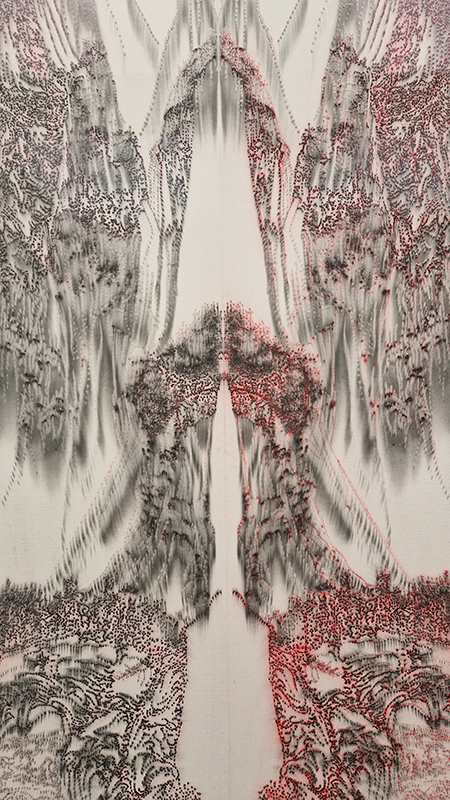
Marguerite Humeau Skero ( the dormant), embellished silk double organza, cast rubber, sediments, pigments, handblown glass, milled walnut, polyurethane foam, epoxy resin and stainless steel paired with Darren Almond’s haunting Fullmoon@Baltic Coastline, latex print.

Hung Fai, optically intriguing The Six Principles of Chinese Painting: Transmission XXII (with Hung Hoi), ink and colour on paper.

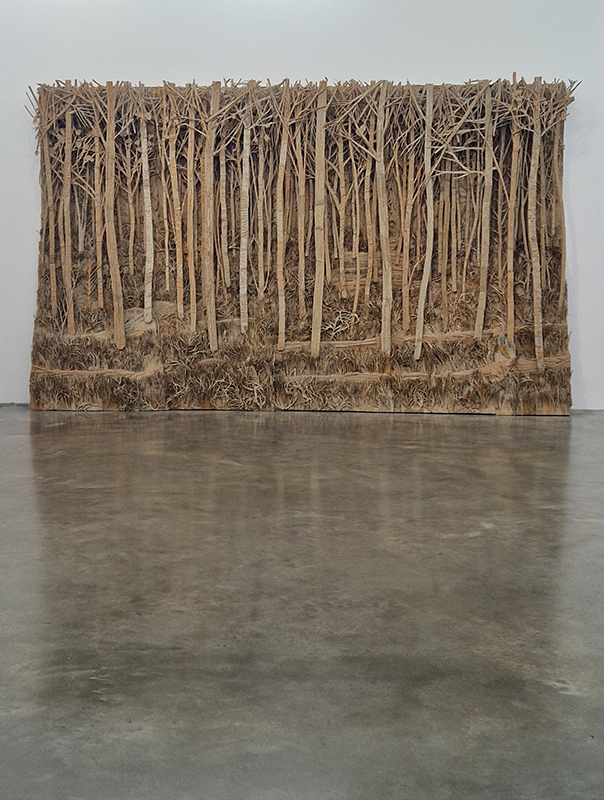
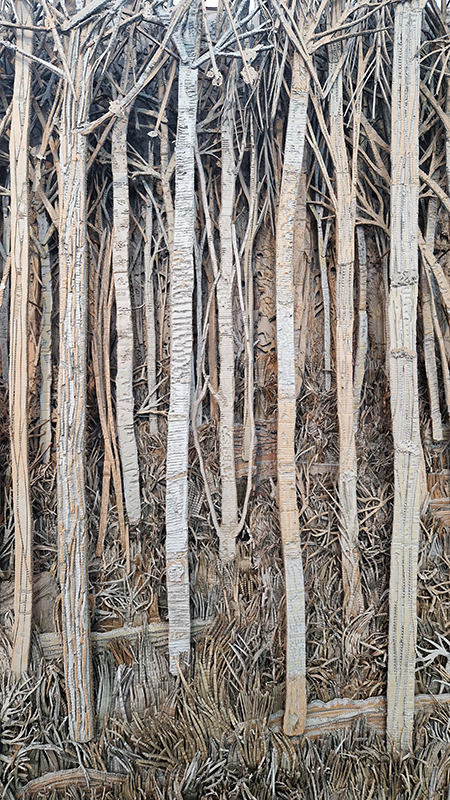
Eva Jospin, Forêt, cardboard and wood.

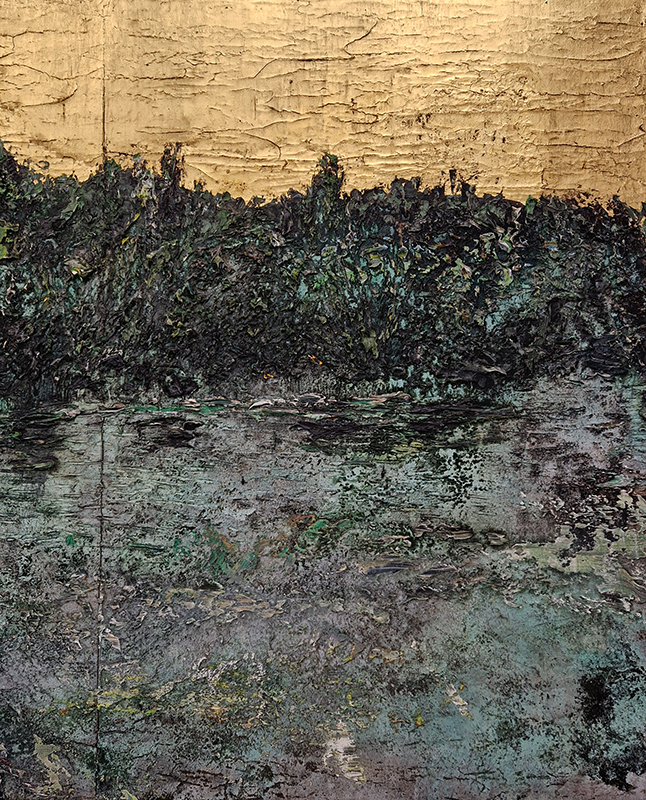
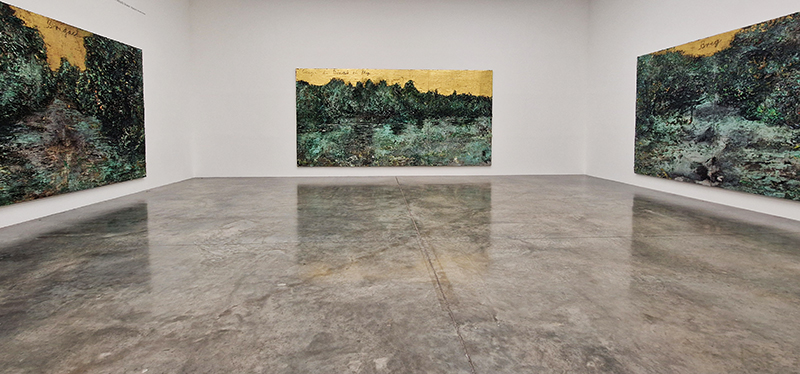
Anselm Kiefer Brigach und Breg bringen die Donau zu Weg, three panels emulsion, oil, acrylic, shellac, gold leaf and sediment of electrolysis on canvas.

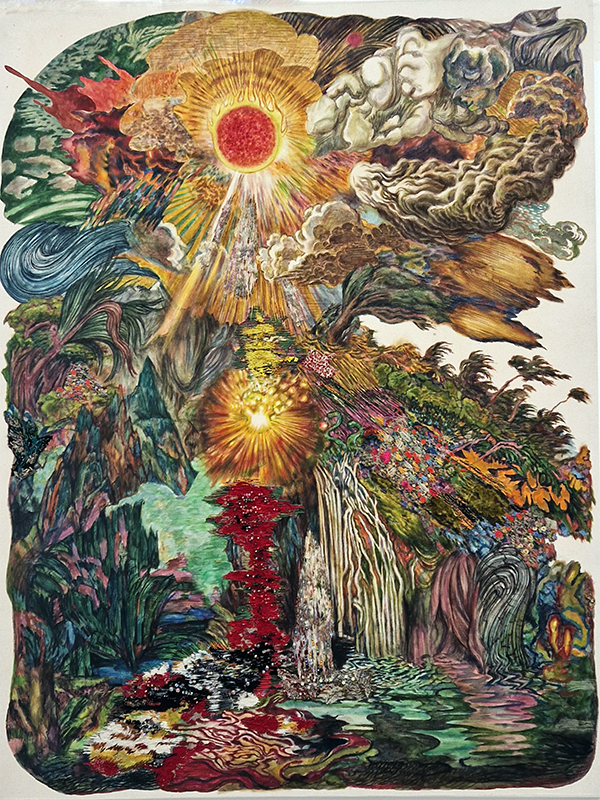
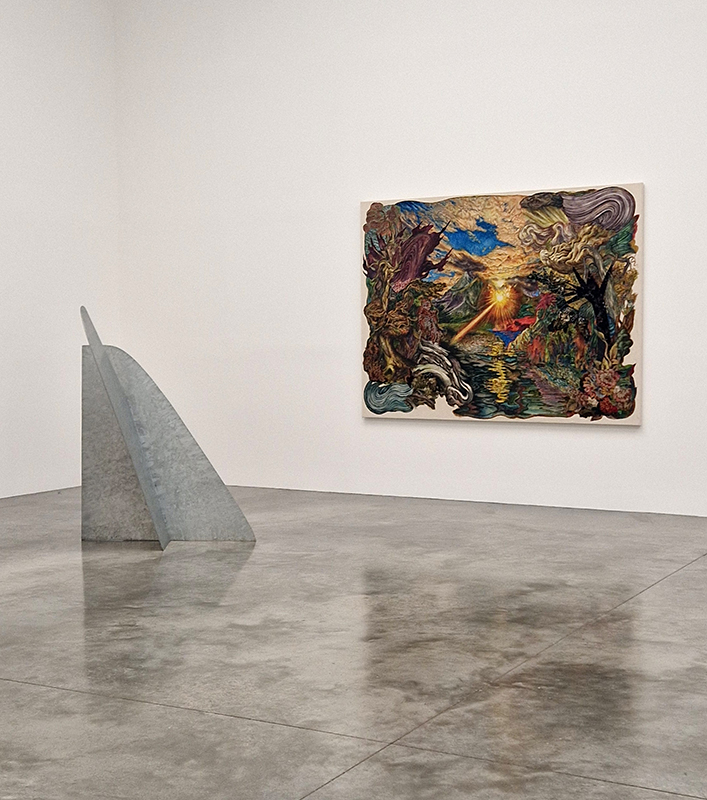
Ken Gun Min Everything We Can Imagine As Light Baroque pearl, crystal, assorted gemstones, vintage beads, Korean pigment, silk embroidery, thread, found fabrics and oil paint on canvas. I love exuberance of his painting and the title made me think of the epic Anthony Doerr book All The Light We Cannot See and the beautiful film All We Imagine As Light written and directed by Payal Kapadia both of which I found deeply moving.

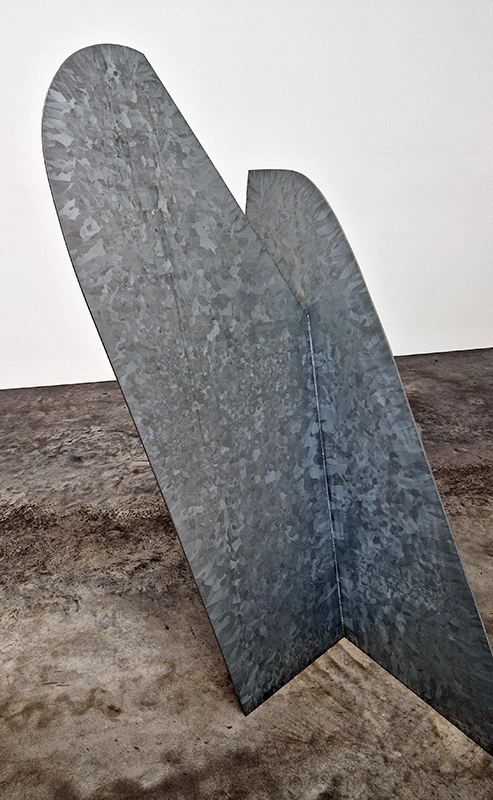
Isamu Noguchi Mountains Forming hot dipped galvanised steel.

Bagus Pandega and Kei Imazu, Artificial Green by Nature Green 4.1, Painting and erasing machine, water based paint on linen canvas, modular synthesiser, LED screen, PC and jelly palm tree. This was not in action when I visited.

The delicate detailed forests on the cusp of erasure of Tomás Sánchez

Emma Webster mega painting Borrow Every Forest which has echoes of Noemi Goudall’s video in it’s staged nod to artifice.

Robert Zehnder Hip Bone, oil on canvas on panel.

Out and About

Not to forget that as backdrop to everything that occurs at the moment is the horrific genocide being perpetrated in Gaza. It seems impossible that such cruelty can happen, is still happening and the powers that could stop it do nothing. Santander beach protest for a free Palestine that I was able to walk alongside.

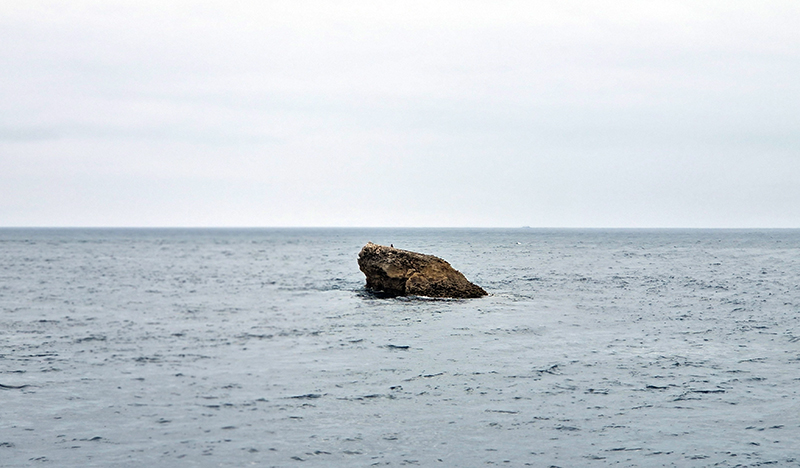
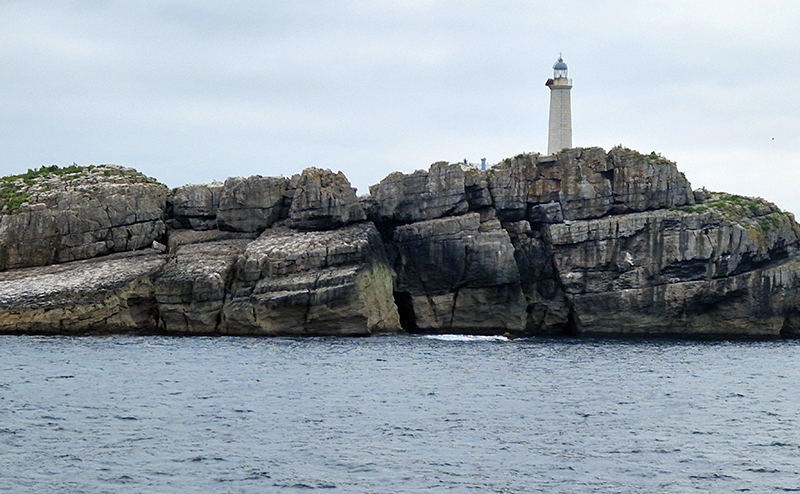
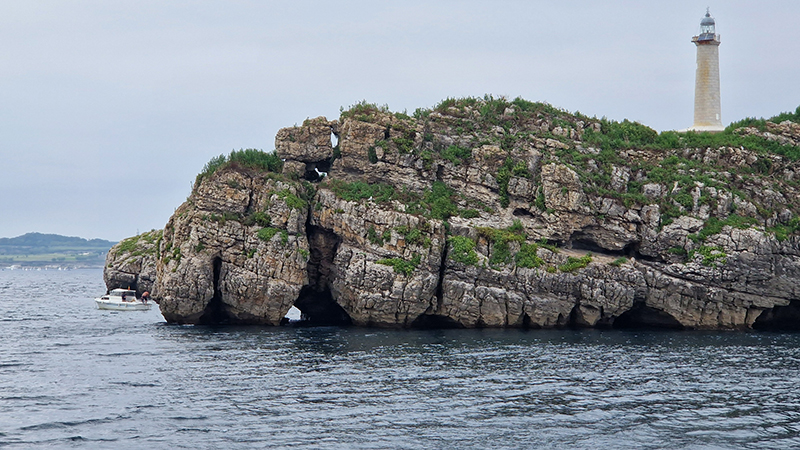
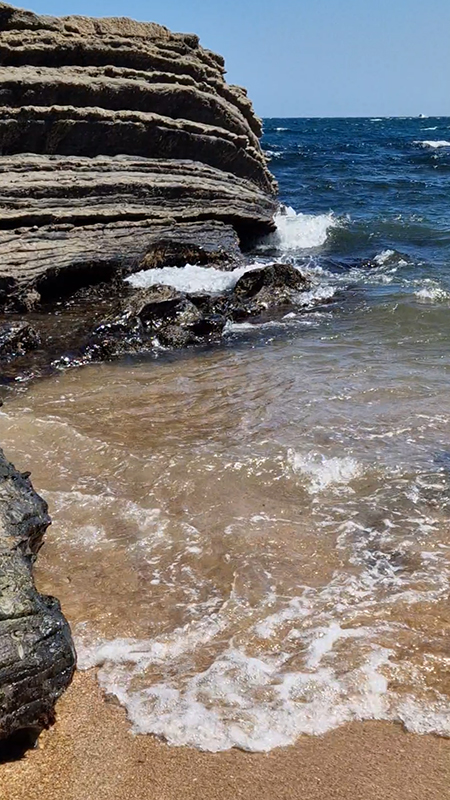
Contemplating geological time, rock gazing along the Santander coast.

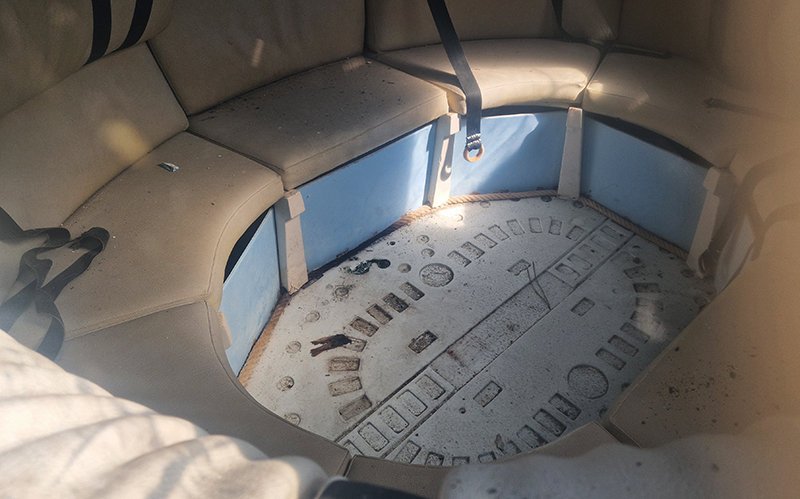
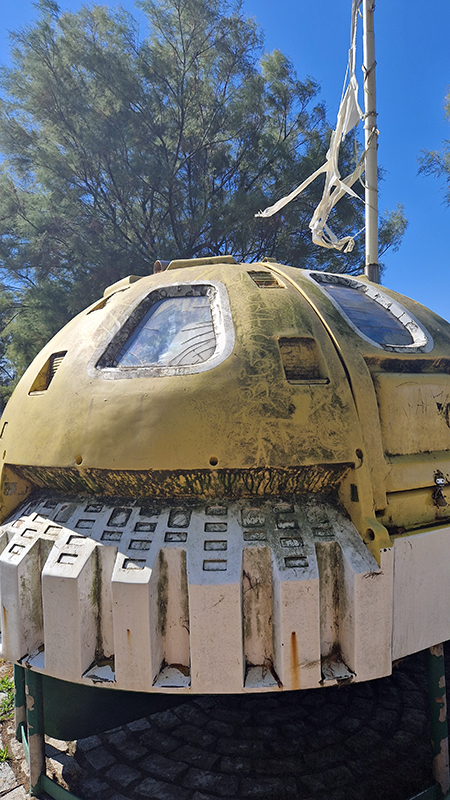
This sci-fi looking experimental lifeboat was designed by Spanish explorer Vital Alsar as part of his project El Hombre y la Mar. It has a capacity for 12 castaways and was towed across the Atlantic from Mexico to Santander in 1978, the culmination of his expedition to emulate the one undertaken in 1542 by Francisco de Orellana from Ecuador on foot across the Andes to navigate the length of the Amazon to the ocean. Through his expeditions, including the longest crossing of the Pacific Ocean by raft, Alsar wanted to prove that by respect for, and harmony with nature, humans can cross oceans, feed themselves and live sustainably.

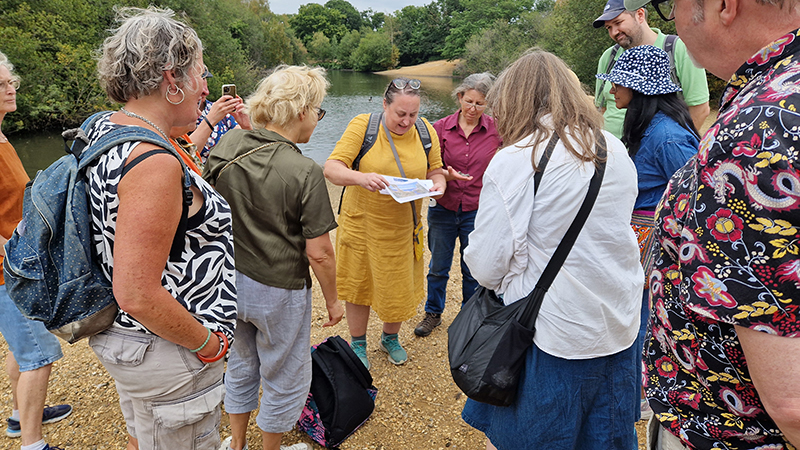
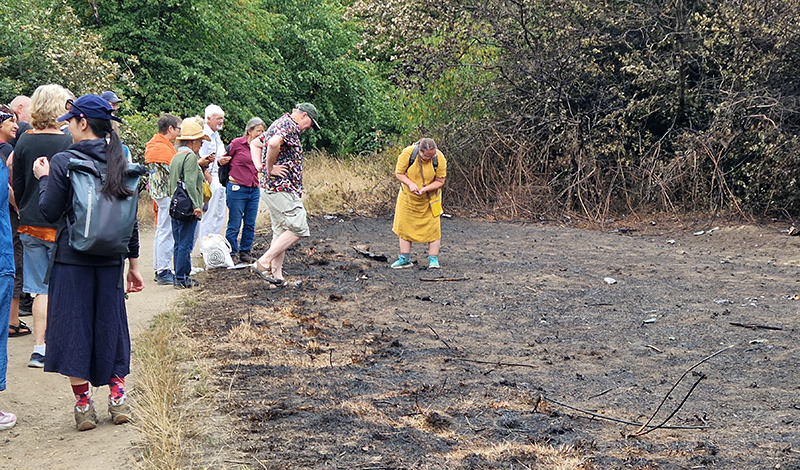
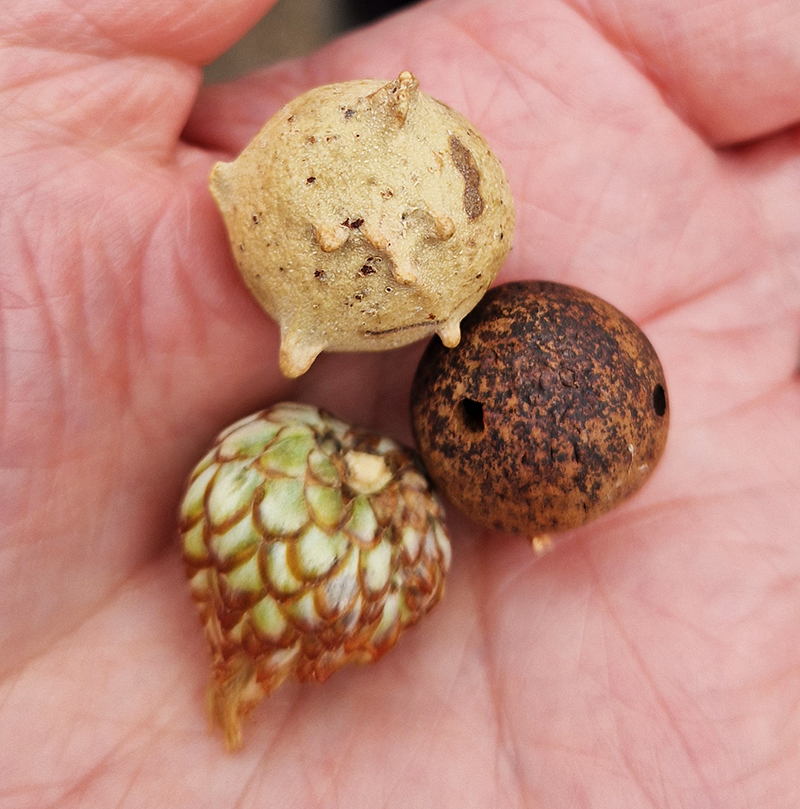
Inspiral London; Re/Walk Festival: Rivers, Reservoirs, Ice and Sea. The colours and layers of Walthamstow revealed by artist Gail Dickerson and geologist Ruth Siddall both members of London Geodiversity a group concerned with the natural and human aspects of landscape, focused on the rocks, sediments, soils, the landscape topography and the processes that act on the landscape. We were not only enlightened on the deep time history of this urban landscape as we stood and imagined when glaciers reached as far as Epping and woolly mammoths wandered the land here but were instructed on how to make shimmering ink from galls, how to make charcoal in a bonfire and use earth’s rich pigments to paint with. Galls form when an organism (like an insect) penetrates or irritates plant tissue, triggering the plant to grow and enclose the organism. 

Something I recently found out, amid the hype of the new movie, was that the Fantastic Four super hero characters got their powers from exposure to cosmic rays on an ill fated/serendipitous (depending on how you look at it) space mission. The original story was from 1961, the year Yuri Gagarin was the first human to orbit in space. Cosmic rays are a real danger to astronauts as these high energy radioactive particles can cause cell damage. Astronauts also experience directs hits on the retina from cosmic rays which they see as tiny flashes of light but this wouldn’t have been knowledge in 1961.

Reading

Patterns of Thought: The hidden meaning of the great pavement of Westminster Abbey by Richard Foster. The book offers a thorough investigation into of what is known as the Cosmati Pavement; a unique work laid down in 1268 by order of Henry III who commissioned workmen from Rome, led by Odoricus, who were skilled in a type of inlaid stone decoration known as Cosmati work.

The provenance of the stones and the history of the pavement is interesting but the most compelling aspect of the pavement is its intriguing inscription in Latin which promises the reader disclosure of the end of time. It translates as

Four years before this Year of Our Lord 1272,                                                                                             King Henry III, the Court of Rome, Odoricus and the Abbot                                                                            set in place these porphyry stones.                                                                                                                   If the reader wittingly reflects upon all that is laid down,                                                                               he will discover here the measure of the primum mobile:                                                                                              the hedge stands for three years,                                                                                                                             add in turn dogs, and horses and men,                                                                                                       stags and ravens, eagles, huge sea monsters, the world:                                                                             each that follows triples the years of the one before.                                                                                    Here is the perfectly rounded sphere which reveals                                                                                                    the eternal pattern of the universe.

The fateful day expressed in terms of the multiplied life-spans of various creatures apparently arrives at the sum of 19,683. The book offers fascinating insight into the beliefs of medieval cosmology, Christian philosophy and sacred geometry that together formed the thoughts that were meticulously laid down in stone.

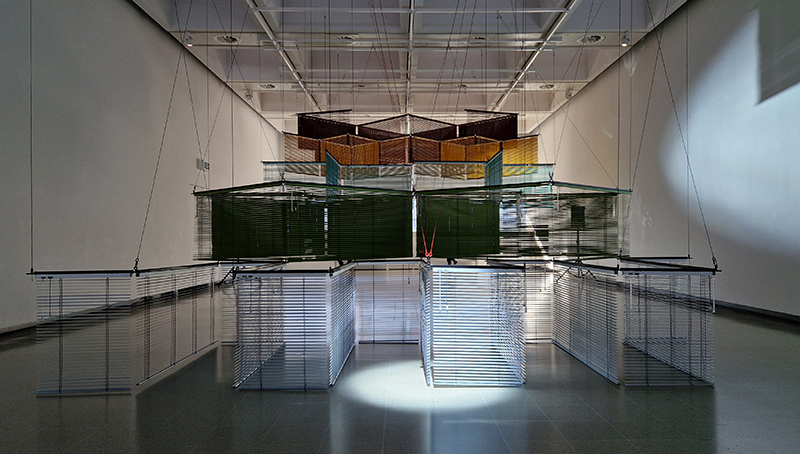
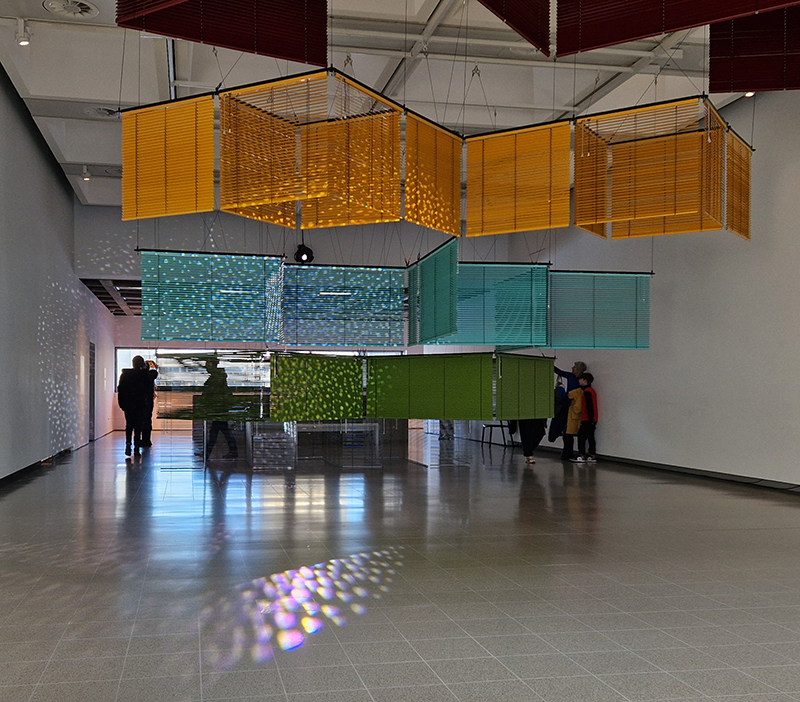
The Geological Unconscious had a wonderful six week run at Hypha HQ, Euston. Responding to Jason Groves’ inquiry into the mineral imaginary in his eponymous book, as well as the ‘Writing of Stones’ as proposed by writer and mineral collector Roger Caillois, the exhibition exposes the complex entanglements between the organic and the inorganic; the human and the lithic. 

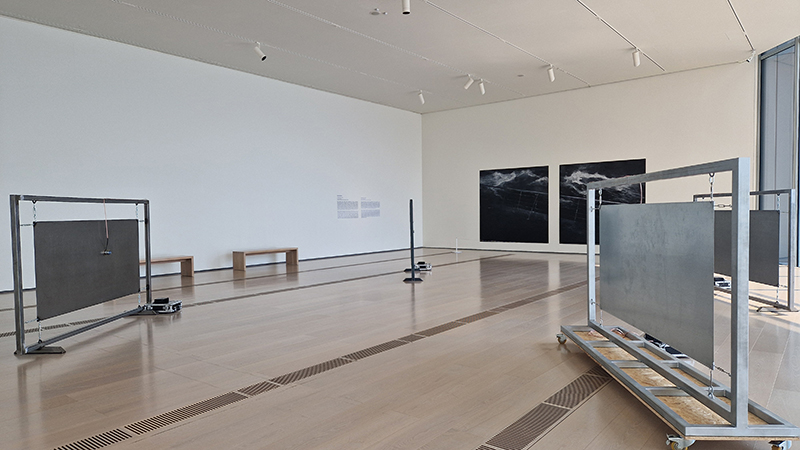
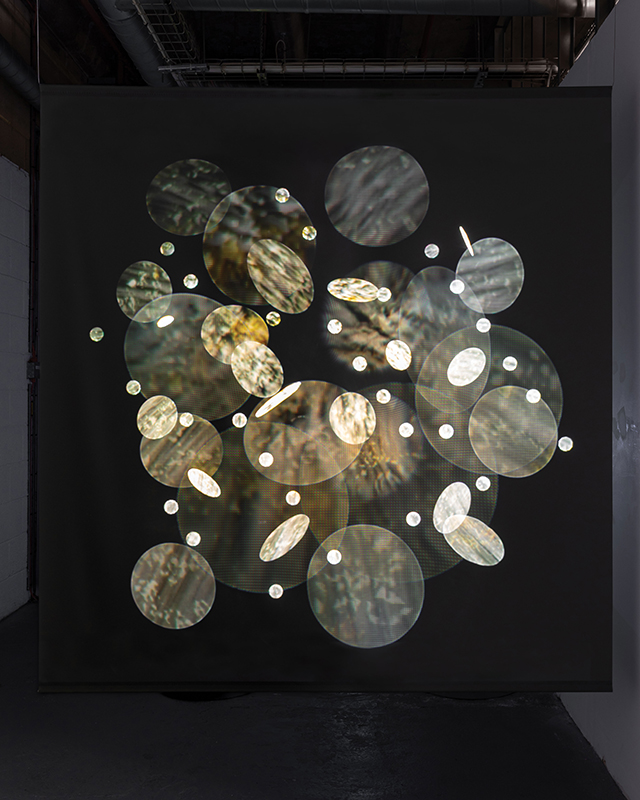
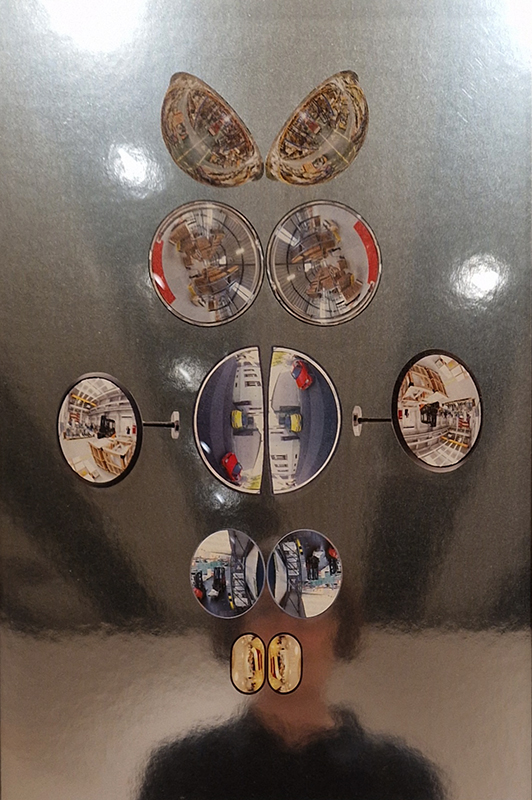
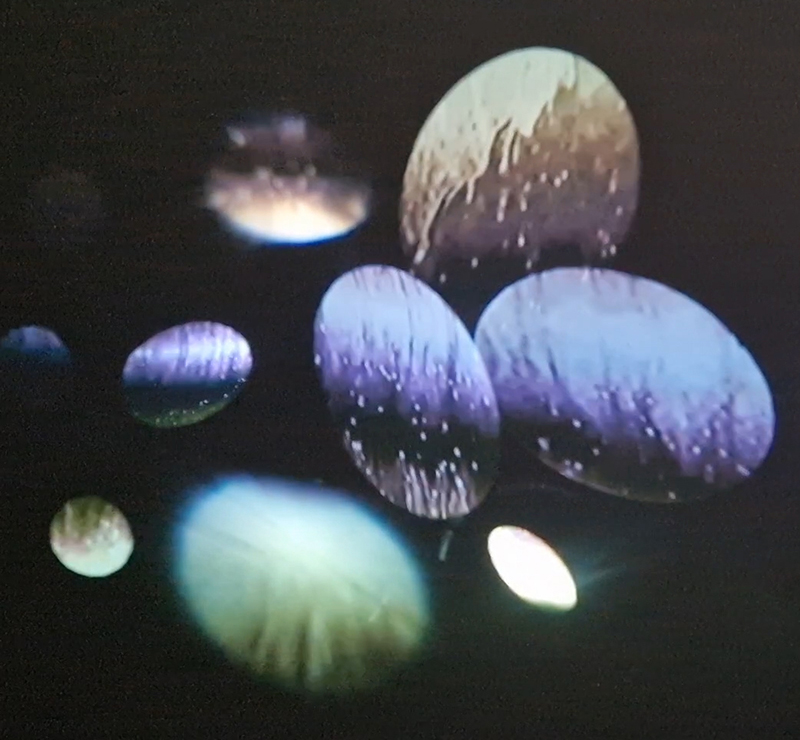
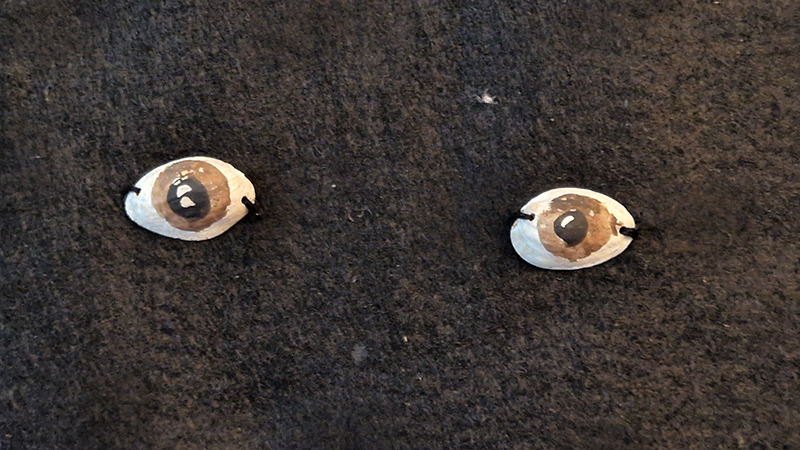
Very happy to receive lots of positive feedback for my video installation Lithos Panoptes. People were very engaged with how the work reveals itself in stages, from the kaleidoscopic imagery displaying on the two way suspended screen to discovering the board of distorting lenses behind the screen and finally stepping back to see the original film from the human perspective before it is transformed by the lenses.

Referencing a many-eyed giant of Greek mythology, Argos Panoptes (always eyes still awake), the work considers the perpetual vigilance of rock as record keeper and witness. Video of human activity projected through distorting optical lenses transforms the anthropocentric position to imagine the perspective of the rock.

The pattern of lenses is informed by the molecular structure of magnetite, a mineral found in magma and metamorphic rock in Earth’s crust as well as in meteorites and the cells of organisms.

Through actual and metaphoric lenses, the relationship between the organic and non-organic is explored.

Lithos Panoptes 2025, Optical lenses, wood, steel, projector. Video 09:27 min Sculpture: H172 × W170 × D50 cm, Rear projection screen: H180 × W180 cm.

Photography by Benjamin Deakin

Mined magnetite is used in industrial and mechanical processes and its use in combustion engines and vehicle braking systems is releasing nanoscale pollutant particles into the air which are finding their way into human brain cells, vastly overwhelming the innate magnetite present, causing concerns linked to the development of degenerative brain diseases.

As well as referencing an ever watchful, many-eyed giant of Greek mythology, Lithos Panoptes also considers the numerous eyes (ocelli) of the chiton (a species of mollusc) whose rock crystal lenses have evolved over many millions of years to keep watch along rocky coastlines across the globe.

The only creature with eye lenses made of mineral and not protein, the chiton is also unique in having rows of teeth primed with magnetite which allow chomping on the hard rock surfaces it clings to. Some chiton’s teeth also contain the recently discovered mineral santabarbaraite, named after the mining district Santa Barbara in Italy where it was found – it is one of the few minerals named after a woman.

I was surprised to discover that the benedictions of Saint Barbara are still sought today, with shrines installed at tunnel entrances at Crossrail and even at CERN, the epicentre of scientific rigour. Before the boring machines were set in motion, services seeking her blessings were performed by local priests, with some even being winched down excavation shafts to carry out their duties.

Saint Barbara, who is associated with sudden death from fire, lightning and explosions, including military armaments, was adopted as patron saint of miners and tunnellers when the use of explosives in mining escalated during the 1600’s.

As the statues of Saint Barbara installed at these tunnel entrances are now buried, I have substituted images of my mother Barbara, coincidently born within hours of this Saint’s Day, in my video installation Lithos Panoptes.

Tucked into a dark recess of the gallery, Belly of a Rock suggests an imagined place of chemical conversations at the intersection of the organic and inorganic. A hybrid between rock, mollusc and technology this video sculpture responds to an early lifeform’s emerging self-awareness, desire to communicate and urge to create as described by Italo Calvino in his story ‘The Spiral’. We don’t always know what we are creating.

Thrilled to show these works alongside Julie F Hill @juliefhill, Rona Lee @ronaleeartist, Charlie Franklin @charlie__franklin and Deborah Tchoudjinoff @deboraht_ff

Julie F Hill’s sculptural print installation Parent Body uses scanning electron microscope imagery of samples recently returned from asteroid Bennu. The cave-like entrance, provides an embodied experience of the data and invites intimate contemplation of expanded scales. The ambiguous rock-like yet flowing forms echo the words of Jeffrey Jerome Cohen ‘stone is fluid when viewed within its proper duration’. Hill’s miniature work Return, considers the chemical and molecular cross exchanges between earth and space and in a gesture of reverse sample return (scientific missions and human extractive processes both take), a bead of Iridium is returned to the belly of asteroid Itokawa. Her small-scale embroidery work Water and Night, is based on observational studies of moonlight on water, continuing her explorations of water as the eye of landscape as proposed by Gaston Bachelard.

Julie F Hill, Parent Body, physically manipulated soy-ink print on tissue, chalk and clay pigments, chrome metal, water, clamp, funnel. c. W3 × H2.2 × D2.5m. 2025. Return, 3d print of asteroid Itokawa cast in plaster-of-paris, Iridium, 20 ×11× 8mm. 2024. Water and Night, silver metalized embroidery thread, 5.3 ×11 cm. 2025

 Photography Julie F Hill (1+3) Benjamin Deakin (2)

Deborah Tchoudjinoff’s moving image installation work The City of Gold (with sound in collaboration with Joe Farley) considers vast, beyond human, geological timescales when continents have once again become as one. Starting as a short fiction text, Deborah began to form an imagined world of cities in a future Amasia. The fictional cities are named after minerals that are heavily sought – rare earths, copper, uranium, gold, and coal – hinting at a narrative of an Earth depleted of the resources we rely on. The City of Gold is one of the five imagined cities. In a world where these natural resources are no longer, she questions what it would look like and who would be the inhabitants.

Deborah Tchoudjinoff, The City of Gold, video with sound, sculptural installation, 2m × 4m × 2m. 2025.

Photography B J Deakin (1) Julie F Hill (3)

For Litho/Domous Rona Lee has chosen to work with book plates originating in the post-war period of the ‘great acceleration’ – a time in which population numbers, use of natural resources, popular consumerism, technological dependency and environmental degeneration burgeoned. Unified in their varying representations of the geologic but broking no contradiction between their celebration of extractive processes such as tourism and industrialisation and idealisation of the ‘wild’, the images selected by Lee conjure a pre-fall world in which imaginaries of lithic instability are firmly suppressed.

Two handfuls of silt (the residue of scientific samples collected at a depth of 4,000 meters), squeezed into the artist’s hands, fired and then gilded, form Rona Lee’s I want, I want, I want (2012), the title of which references William Blake’s engraving of the same name, wryly conjures the possibility of reaching down into the ocean’s depth, as though into a rock pool, while simultaneously cautioning against the folly and voracity of such ambitions.

Rona Lee, Litho/Domous, light panels, bookplates. 2025. I want, I want, I want, fired and chromed handfuls of sediment, 2012.

Photography B J Deakin

The sculptures presented by Charlie Franklin, Landform and FRAGS, are lumpy, solid looking forms that speak of geological debris or ruins. All three pieces were soaked in the waters of the North Sea, on the easterly edge of the UK. This process allowed the natural elements to determine their individual patination or colouring, along with indentations and scuffs, where materials have been worn away by salt and stone. Cave Drawings (Aladdin’s Cave, Series of Grottos, Marble Curtain, Fairy Grotto, and Solomon’s Temple) are a series of five found postcards depicting the caves at Cheddar Gorge in Somerset, UK which have been hand coloured by the artist. Franklin is interested in how the addition of colour can provoke a personality or aura within each cave interior, allowing for grand experiments to be realised on an intimate scale.

Charlie Franklin, Landform, Cardboard, found fabric, gaffer tape, gouache, scrim, plaster, adhesive, acrylic paint, copper leaf, sea water residue, 87 × 26 × 30cm. 2025. Cave Drawings, felt tip on found postcards, 14 × 9cm. 2025. FRAGS, cardboard, rope, gaffer tape, scrim, oil paint, aluminium leaf, plaster, adhesive, acrylic paint, copper leaf, seawater residue, work in two parts, 29 × 22 × 28cm / 12 × 29 × 23cm. 2025.

Photography B J Deakin, Julie F Hill

A highlight of our events was an Urban Geology Walk led by geologist Ruth Siddall.

“The gravel pit, like other mining holes, is the reverse image of the cityscape it creates — extraction in the aid of erection.” Lucy Lippard

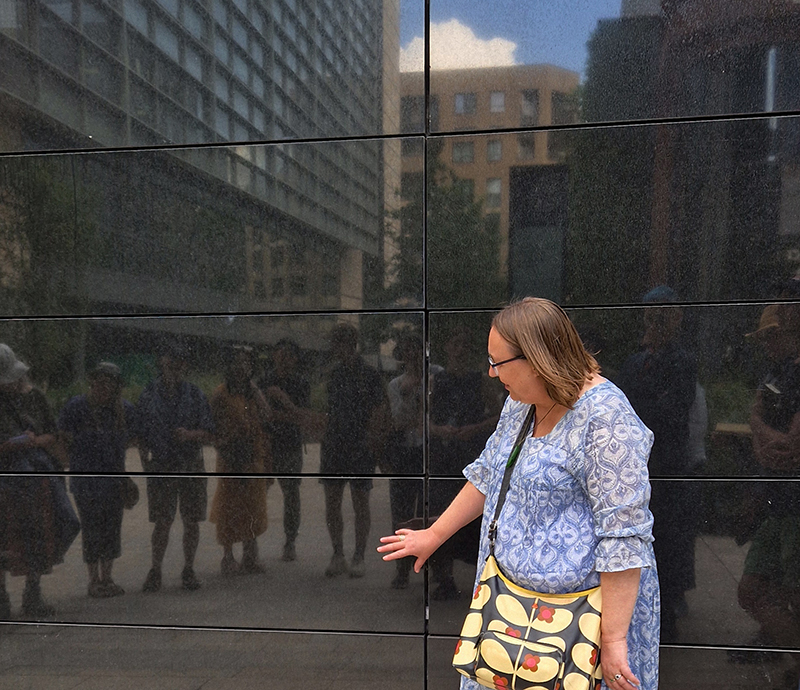
Ruth lead a group walk to explore the geology of the local built environment around Regent’s Place and Fitzrovia. Her knowledge of geology is astounding and her passion for stone infectious. Everyone came away incredulous, having their eyes opened to the deep time history of the rocks that build our city. The deep, black, Archaean dolerite from Mashonaland in Zimbabwe that Ruth points to is 2.2 billion years old. The large block of polished stone shaped like a giant pebble, itself crammed with pebbles of other rocks, is a sculpture by John Aiken, Monolith & Shadow. A patchwork of Jurassic limestone from southern Spain is crowded with the spire-shaped fossil shells of the gastropod Nerinea, stained red and yellow with ochres.

After the walk Ruth joined us for a tour of the gallery – it was fantastic to hear her insight and corroboration on some of the research that fed into the artworks.

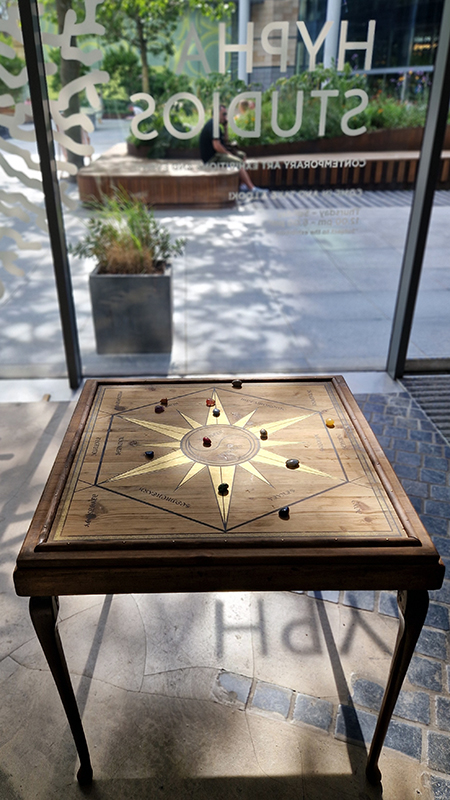
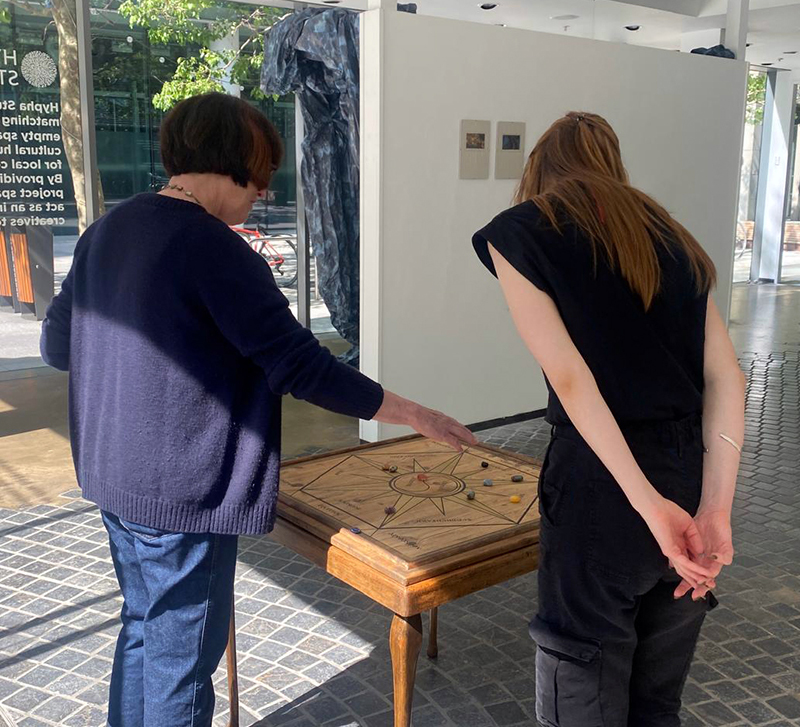
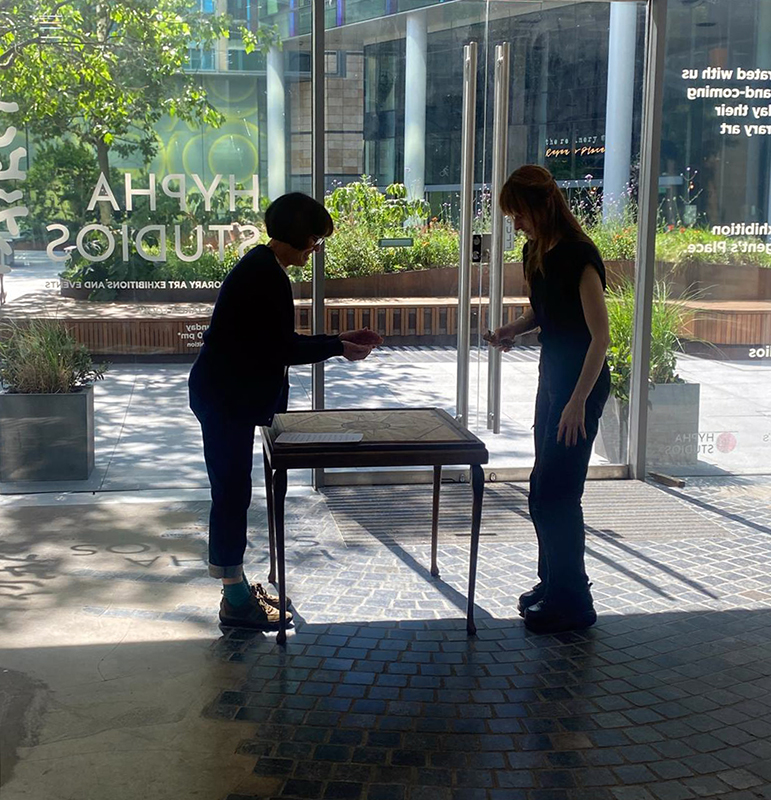
I offered Lithomancy drop-in sessions on Friday afternoons as part of a programme of events for The Geological Unconscious. Visitors were invited to throw gemstones with specially assigned characteristics onto a wooden board divided into geologically themed sections. They are then given personal interpretations based on the position of the cast stones by drawing from the esoteric ritual of lithomancy which seeks to divine the future from the reading of stones.

This performative experience proposes insights into the power and allure of stones emanating from the symbolic meanings attributed to them and exposes the entangled relations between the human and the geologic found in our language and desire to align the human condition with the lithic.

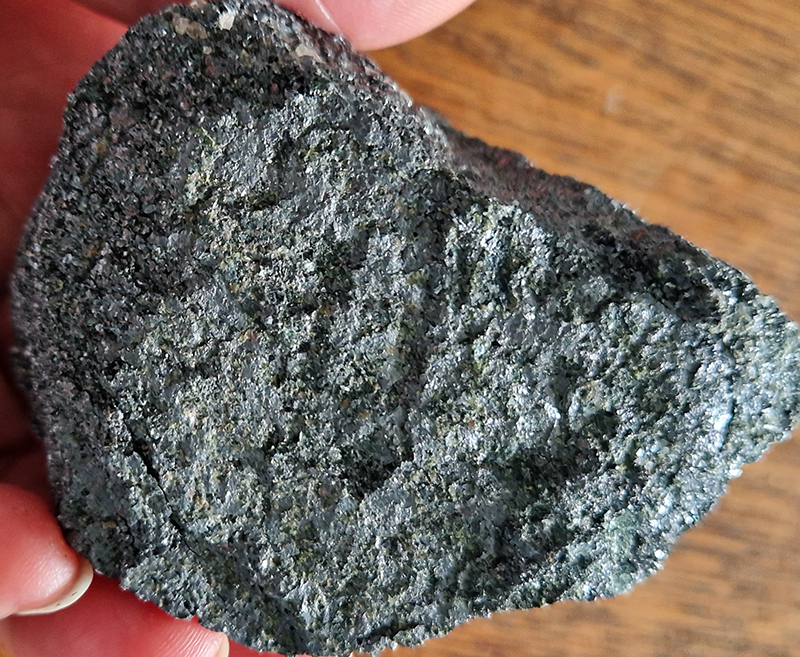
We had many interesting visitors to The Geological Unconscious and have made some wonderful new contacts. Not least among these was meeting Melanie Wheeler who has recently completed a residency in the UCL Geology Department where she worked with the technician to re-curate the rock room. Julie and I were lucky to be taken on a tour of the newly curated collection and receive gifts. So excited to have a beautiful sample of magnetite.

In ancient Greek, magnetite was known as “magnes lithos,” meaning “stone from Magnesia” – the region in Thessaly, Greece, where magnetite was first discovered, supposedly by a shepherd who noticed the nails in his boots were sticking to the rock under his feet.

As an additional daily drop in activity during The Geological Unconscious we offered cheong tasting. Chef Moonhyung Lee explored human-mineral entanglements through digestion using stones to create cheong (Korean fermented syrup). The use of weighing stones helps create the environment for preservation, a process which amplifies the bioavailability of minerals in food. Moonhyung Lee is a food designer with a background in graphics. She is currently based in London and works at zero waste restaurant Silo.

It was great to have so many people join us for our Closing Event artist talks and the launch of the exhibition publication with preface by Jason Groves and short essay by Ruth Siddall.

We also had the microscope set up at the closing event to look at some crystal growth in solutions prepared by Julie who works extensively with crystals.

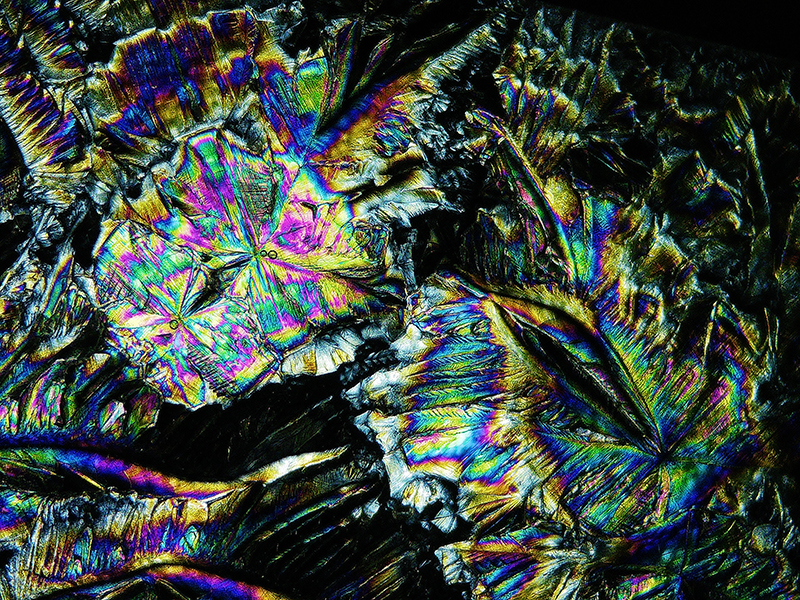
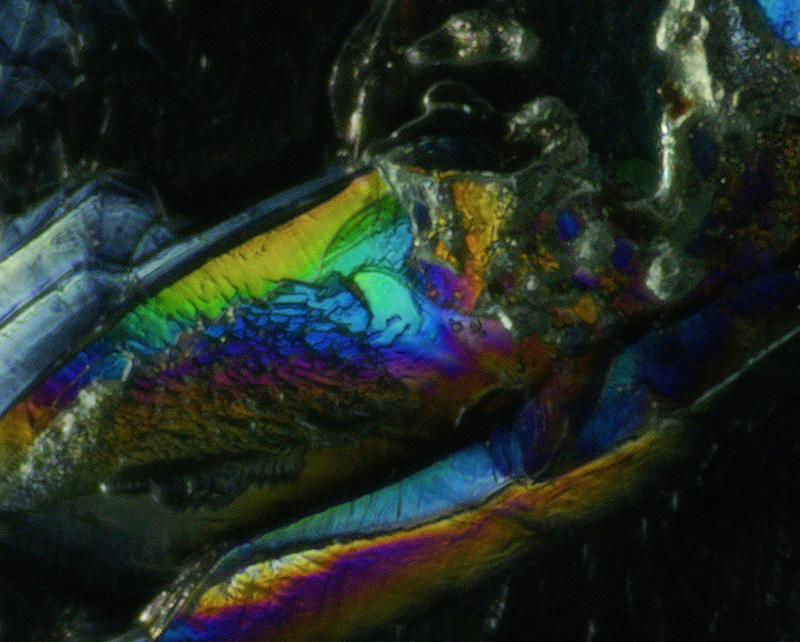
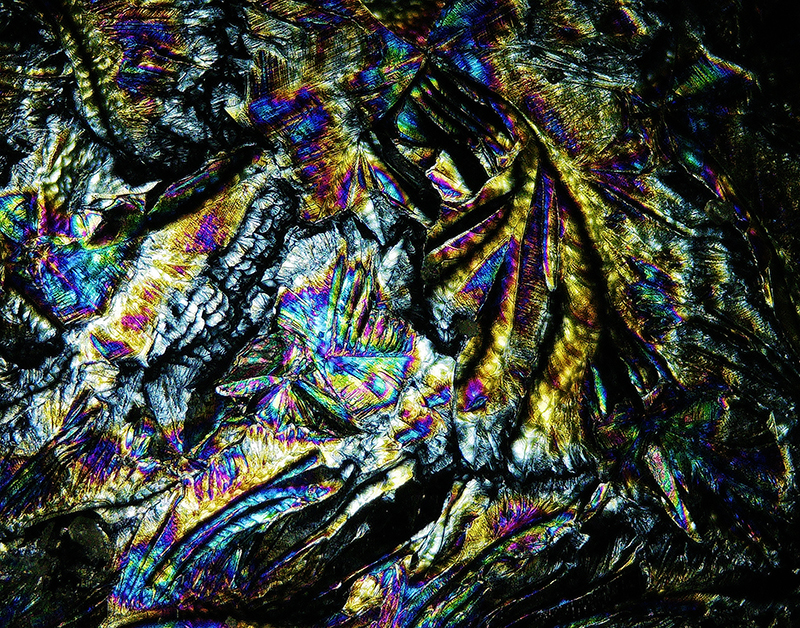
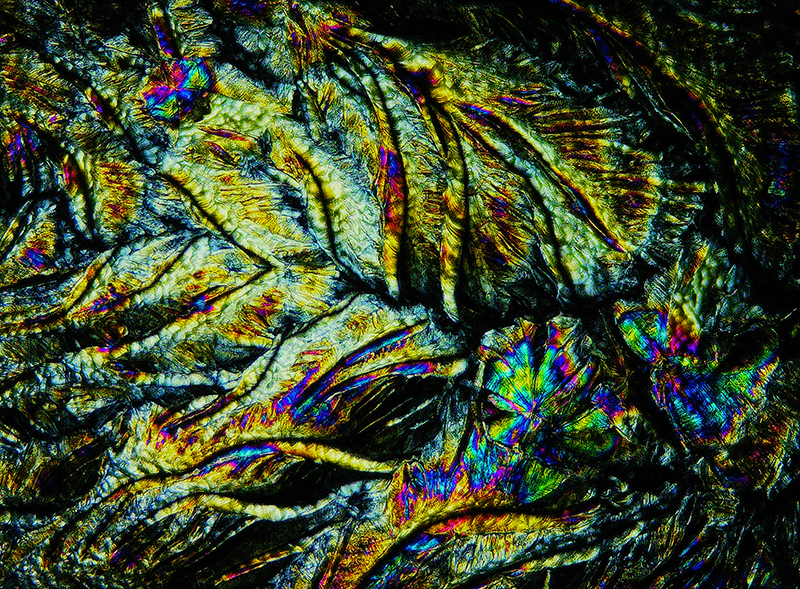
I had tried some ‘Vitamin C’ crystal growing microscopy experiments at home. These images use a polarising filter under the microscope to reveal the vibrant colours. Next step will be to set up a timelapse of the crystals growing.

Summer Solstice 2025. The shortest night of the longest day brought an awful darkness. Collected the last two solargraphs I had installed at the Hogsmill Nature Reserve. These have been collecting light from the sun for a whole year, recording every sunrise and sunset. May the light shine through.

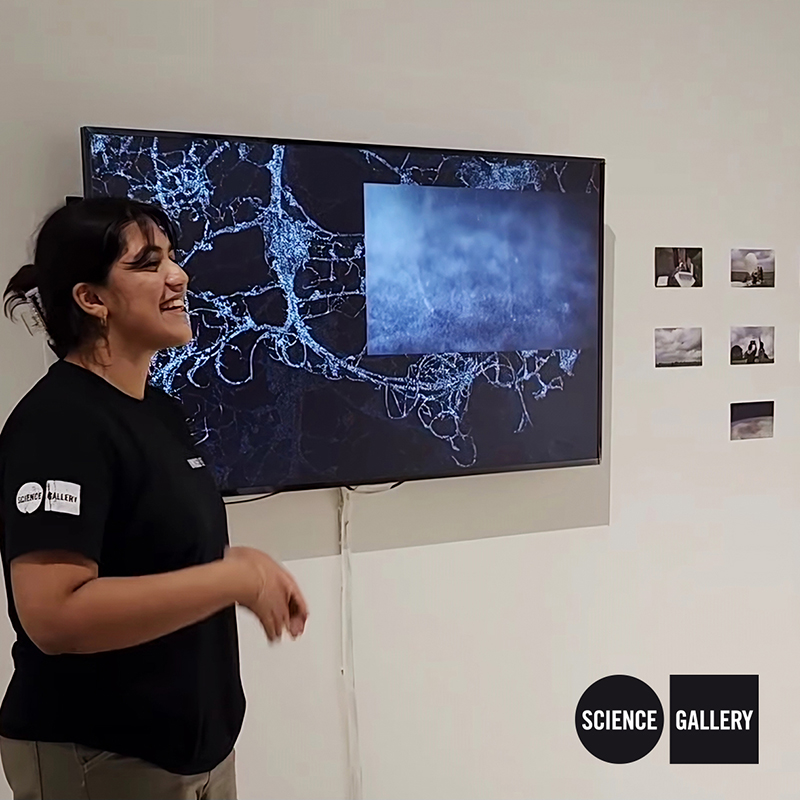
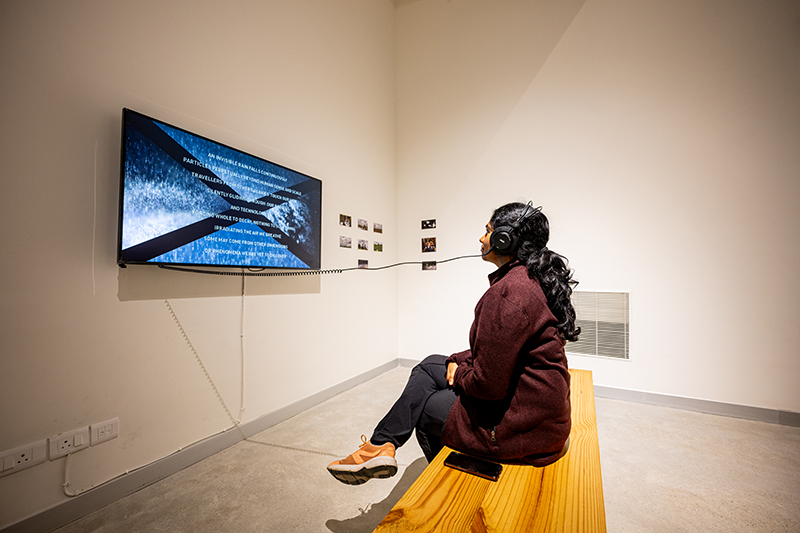
I was delighted that my video Cosmic Chiasmus: crossing the universe was included in CARBON: Under Pressure, at the Mazumdar-Shaw Advanced Research Centre as part of Glasgow Science Festival 2025, in a special exhibition partnership with Science Gallery Bengaluru.

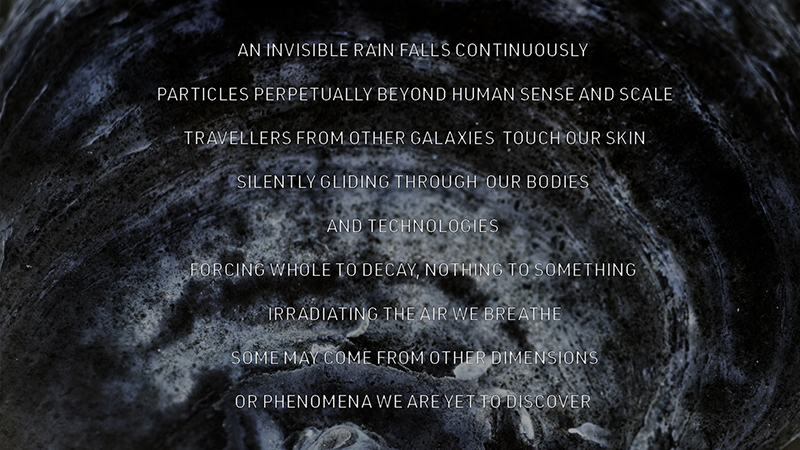
The video offers a glimpse into a subatomic world where cosmic rays travel from distant galaxies to collide and silently interact with atoms and technology on Earth. Alongside the screening of the video I was also invited to give an artist talk and cloud chamber demonstration. It was great to share the wonders of the cloud chamber with visitors who were able to see cosmic ray trails for themselves.

It is an incredible journey that cosmic rays make, blasted across space, spiralling along magnetic field lines to end up entangled with carbon in our bodies.
Not only is all life physically permeated by cosmic rays with the potential for nuclei collisions, but some cascading particles smash into atoms of nitrogen and combine with oxygen to create radioactive carbon-14 which enters our atmosphere. Plants absorb it during photosynthesis, and it is incorporated into their carbon skeleton, which we then eat. While plants and animals are alive, carbon-14 is continually replenished as the organism takes in air or food. But when an organism dies no more carbon-14 is absorbed and that which is present starts to decay at a constant rate. By measuring the radioactivity of dead organic matter, the current carbon-14 content can be determined and the time of death established. Cosmic ray activity gives us carbon dating techniques.

Reading

The Geological Unconscious – Jason Groves. Returning to this book that sparked the ideas we explored in our exhibition. A redirection of geology to consider a type of connection between things that are not in themselves geologic. Stones that stare, stones that speak. An image of the human could develop through geologic processes, becoming part of the mineral consciousness. Quoting Heather Sullivan ‘There is a difficulty for biology and philosophy to maintain a reliable distinction between life and non-life.’

The Writing of Stones – Roger Caillois. A paean to the capacity of minerals to form images within the imagination, which in turn is considered to be nothing more than an extension of matter.

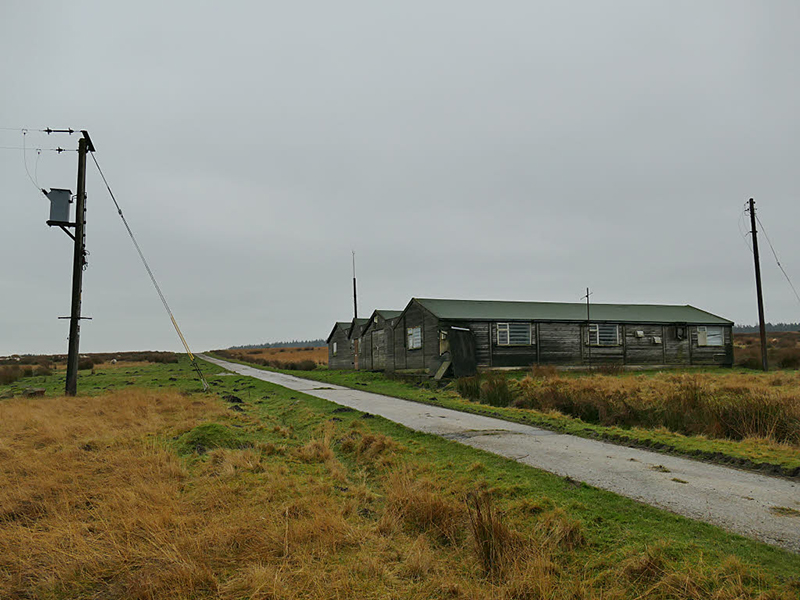
The Performances of Sacred Places: crossing, breathing, resisting – edited by Silvia Battista. I read this for some background research while thinking about how I might make work responding to the abandoned sites of the cosmic ray detector huts at Haverah Park on the North Yorkshire Moors.

‘An horizon stands, in modern hermeneutics, for what is possible to see from the position of a specific observer. That is, not only a location in space but also a position in the cultural and historical apprehension of the world.’ Silvia Battista

The book opens by questioning relationships between the site and its ascribed attributes, which may be mercurial qualities not easy to define or quantify. It reflects on the performativity theories of Karen Barad which argue that matter, in its complexity, is an active participant in our relationship to the world and Jane Bennet’s call to recognise the ‘vitality of matter’ that crosses the human non human divide. In the section on ‘crossing’ the sensitive work of Louise Ann Wilson explores ritual around death, grief and loss through walking in rural locations echoing walking an interior landscape of memory. Walking the labyrinth and the pilgrimage are also considered as journeys that take place in physical and metaphysical space.

Speculating on a view of the world projected from the perspective of the rock. In the studio drilling more holes for optical lenses set out in a pattern based on the crystal structure of the naturally magnetic mineral magnetite which was determined in 1915 as one of the first crystal structures to be obtained using X-ray diffraction. Found in igneous rocks, sedimentary deposits and sand across the globe in many locations, magnetite is also found in the cells of organisms from bacteria to humans. Magnetite contains both ferrous (divalent) and ferric (trivalent) iron along with oxygen.

Testing projecting through the optical lenses I’m excited to see how the different lenses cause images to overlap and distort.

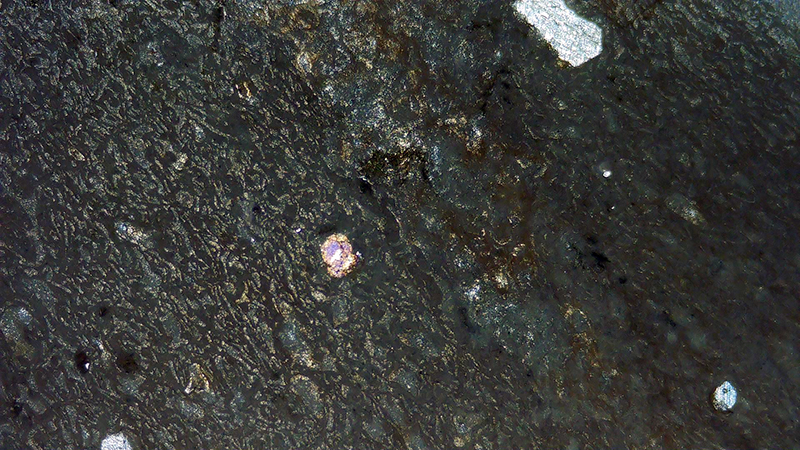
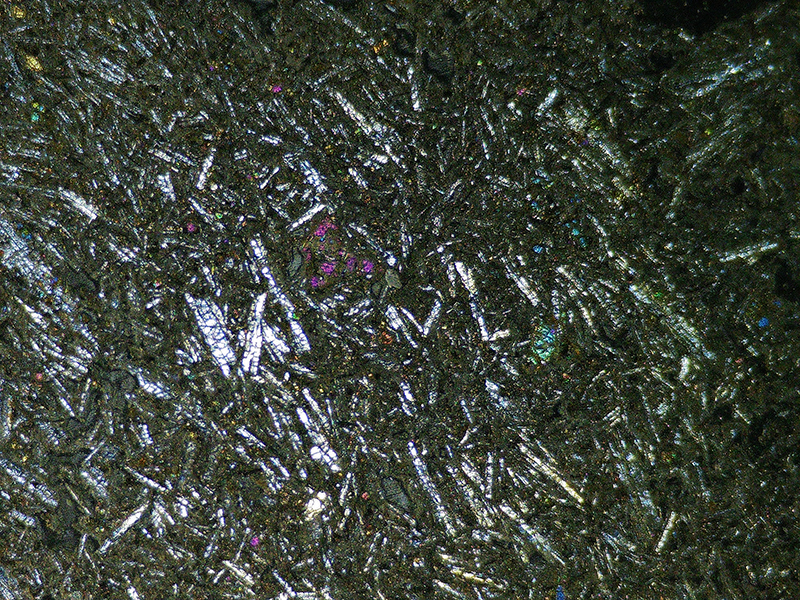
I received a Digital Microscope for my birthday and a selection of rocks and meteorites to look at. So far I have only used the lens with the least magnification capabilities yet this is revealing wonderful detail in the rocks which are further enhanced by using a polarising filter. I have chosen to look at rocks which originate near areas of tectonic activity or that may have magnetite in them.

Images on left have no filter, those on the right have a polarising filter.

This thin slice of Deep Ocean Pebble was collected in 1979 three miles deep in the Pacific Ocean Clarion Clipperton Fracture Zone. This zone is regularly considered for deep-sea mining due to the abundant presence of manganese nodules. In 2016, investigation of the seafloor in the zone was found to contain an abundance and diversity of life – more than half of the species collected were new to science.

This slice of Lewisian Gneiss is 3 billion years old. These ancient rocks from the Isle of Lewis were caught up in a mountain building cycle roughly 490–390 million years ago and were pushed above younger rocks formed during the late stages of this tectonic event.

This slice of Olivine Basalt comes from Þingvallavatn, a rift valley lake in southwestern Iceland. The area is covered by lava. The cracks and faults around the lake is where the Eurasian and North American tectonic plates meet. This may be the only place where one can stand with two feet on two different tectonic plates. The sample is a mid oceanic ridge basalt (MORB) fine grained but consisting of small olivine, clinopyroxene fragments in ground mass dominated by plagioclase laths, an opaque magnetite.

This slice of Vesicular Basalt Lava – a type of lava that solidifies into a rock with trapped gas bubbles leaving small holes as the lava cools, comes from the Mid Atlantic Ridge near the Azores Islands.

I also have a piece of Jepara taken from a pallasite, a class of stony–iron meteorite, discovered in Indonesia in 2008 during building excavations. The outside is heavily weathered but when cut and polished the inside reveals a translucent structure of densely packed olivine and magnetite. The sample has been coated with acrylic which has surface scratches so I think some of the detail has been compromised but it is still beautiful. No filters used here.

I am making use of public access to historical magnetograms recording of Earth’s magnetic declination to feed into new work inspired by palaeomagnetism. Magnetic studies of the ocean in the 1950’s had determined that the ocean floor was covered by bands of magnetic stripes that varied between normal polarity and reversed polarity. The Earth’s magnetic field has reversed polarity many times over the past hundreds of millions of years. These magnetic stripes were found to be symmetrical on the ocean floor about the mid-oceanic ridge. In 1963 British scientists, Fred Vine and D. H. Matthews proposed that the magnetic striping was caused by paleomagnetism, the storing of Earth’s ancient magnetic field in the sedimentary rocks that were forming as lava spewed up and spread across the ocean floor setting the history of pole reversals in stone.

I have embarked on some crystal growing experiments using a seed crystal in a saturated solution of mono-ammonium phosphate and aluminium potassium sulphate. I am hoping these might become objects to view through a lovely old wooden magnifying box I have. The last time I experimented with crystals was when I was amazed by the speed and glut of salt crystals overwhelming the test area. Before that made a time lapse video over 5 days of crystal growth for the installation Time Crystals in Reading Stones at St. Augustine’s Tower 2019. I will be learning more about this as workshops are developed for The Geological Unconscious public engagement programme which will run alongside the exhibition at Hypha HQ Euston this coming spring. Both Julie F Hill and Sophie Mei Birkin work with crystal structures and growth in their own practices and will be leading on the workshops we will run in partnership with a local primary school.

A crystal is like a class of children arranged for drill, but standing at ease, so that while the class as a whole has regularity both in time and space, each individual child is a little fidgety. Dame Kathleen Lonsdale, 1948

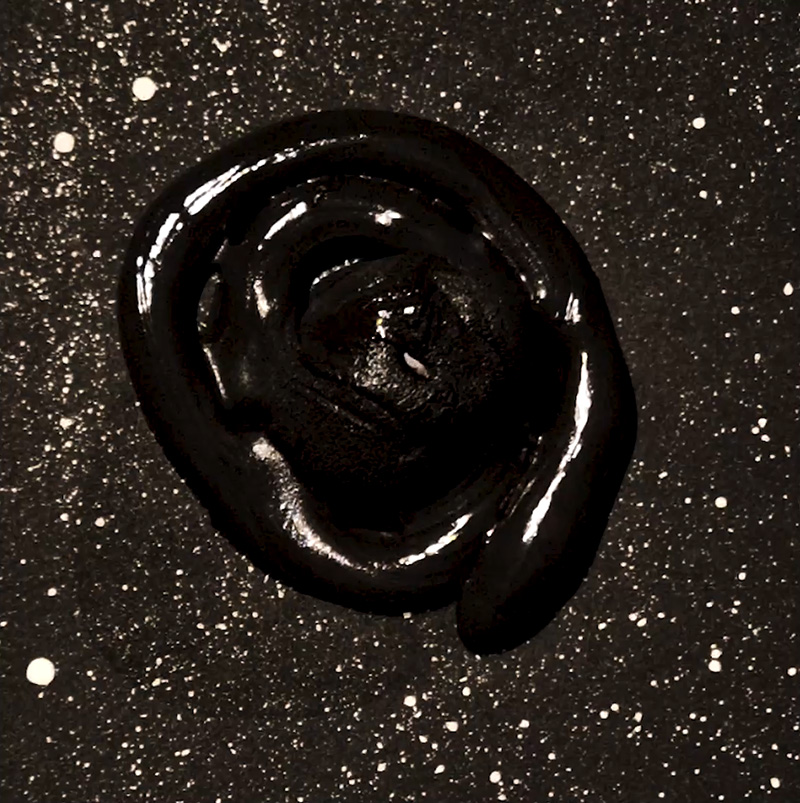
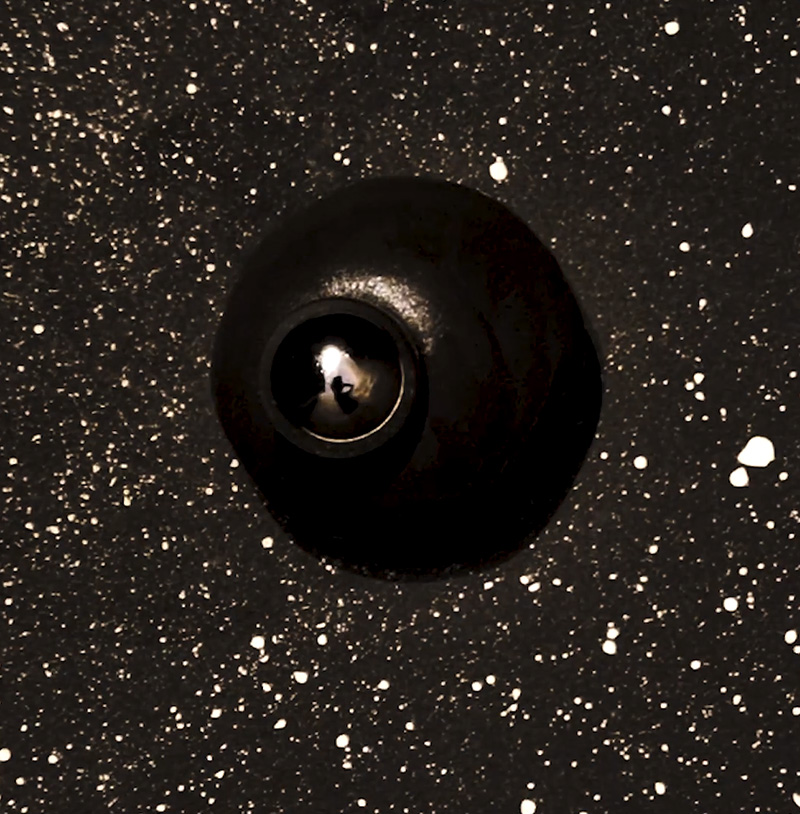
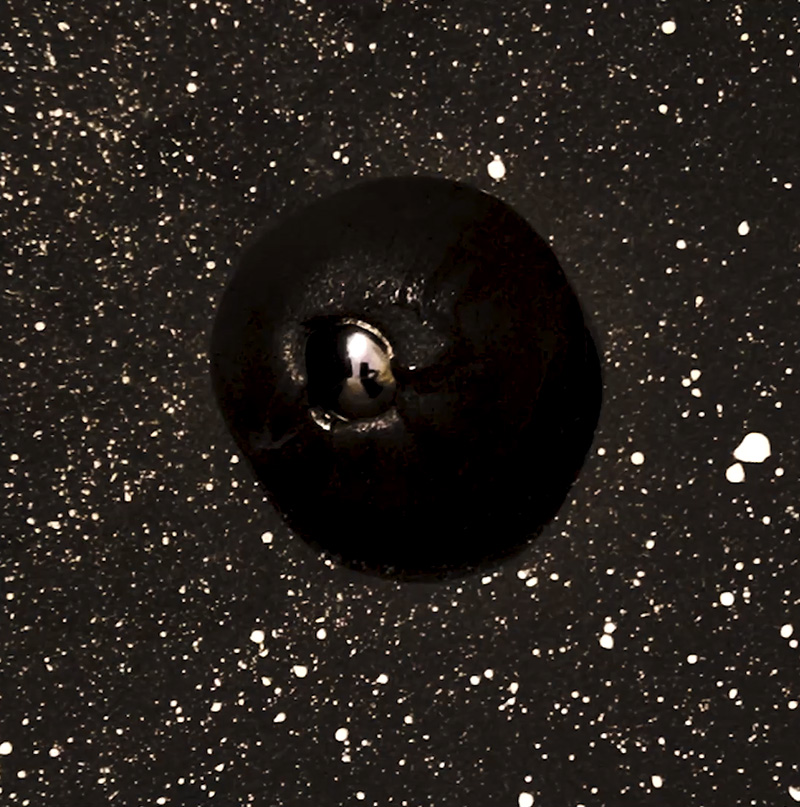
Had some studio fun testing the possibilities of magnetic putty for future video ideas. Mesmerising the way it very slowly swallows the magnet.

I began the magical process of making copper ink. Soaking pieces of copper in vinegar and salt, stirring daily and watching the liquid turn a milky turquoise blue. Looking forward to using this to patinate copper but also to paint with on paper.

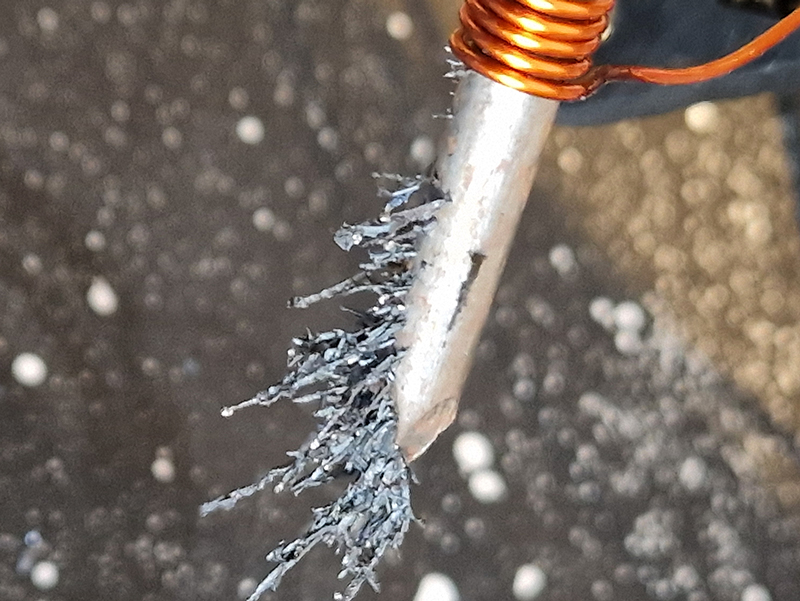
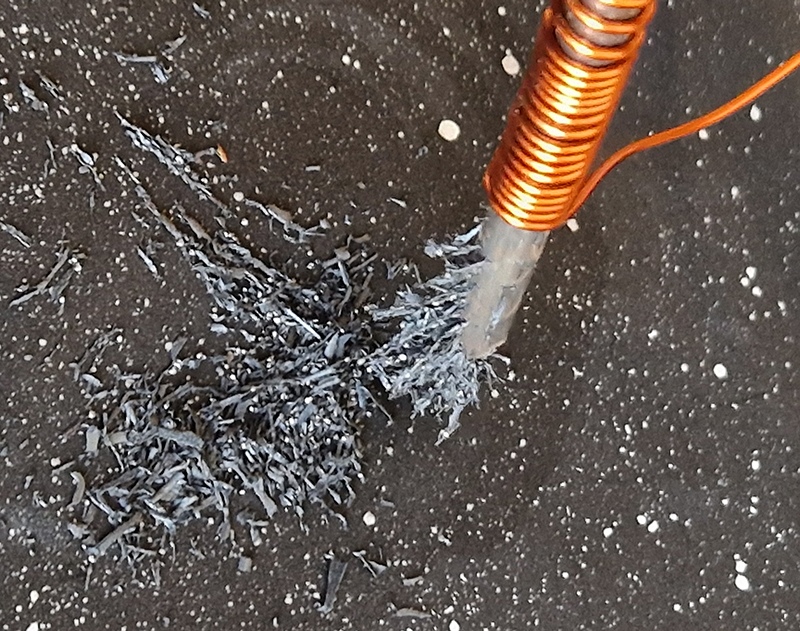
Experimenting winding a copper wire around an iron nail and connecting the wire to a battery cell. A magnetic field is generated around the nail which stays for a little while after the nail is removed from the coil. I used a 9v battery and large nail– it wasn’t a very strong magnet – a welding stick was better and seemed to retain the magnetic field for longer but in both cases the battery got very hot. I had hoped to maybe develop this idea to magnetise a sculpture threaded with iron. Needs more investigation.

I have been exploring the updated Digital Materials Library at the Institute of Making which led me to the Mindsets website which has some cool magnetic materials for sale. Future experiments upcoming.

Exploring paper weaving patterns with a view to reinventing past works while thinking about ideas of cosmic planes in The Rosicrucian Cosmo-Conception, a 1909 text by Max Heindel. This text, setting out a theory of seven Worlds and seven Cosmic Planes, supposes an intermingling of spirit with matter where the intersection of the material and metaphysical world are not one above another in space, but inter-penetrate each with the other.

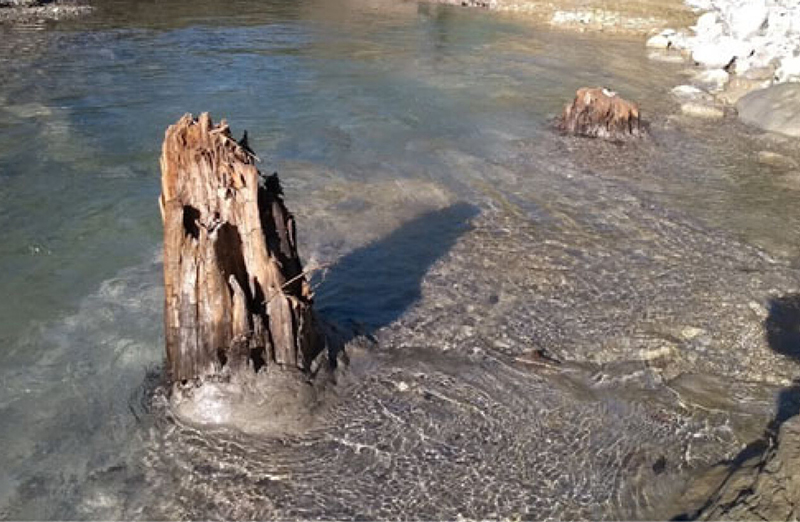
Astonishing that the preserved remains of the ancient kauri trees of New Zealand, alive over 42,000 years ago, can reveal the time of the last significant magnetic pole excursion within their rings. During what is known as ‘The Laschamps Excursion’, the north and south magnetic poles swapped places for about 500-800 years before swapping back again. During a magnetic pole reversal the magnetic field weakens so many more cosmic particles reach the surface of Earth. This means much more Carbon-14 is produced in the atmosphere and absorbed by plants.

Changes in radiocarbon levels were recorded from four ancient kauri logs found buried in peat swamps which seals them in a chemically balanced environment. Through high precision carbon dating processes at the University of Waikato in New Zealand the scientists discovered the most dramatic time was the lead-up to the reversal, when the poles were migrating across the Earth and our magnetic field practically disappeared, leaving life here very vulnerable to cosmic radiation. It appears, this weakening 42,000 years ago, in combination with a period of low solar magnetic activity – captured in evidence from ice cores, caused damage to the ozone layer and disrupted atmospheric conditions impacting the global climate so that devastating environmental changes took place. The research team links this climate change to extinction events which occurred at the same time, Neanderthals vanishing from Europe, and a proliferation of cave paintings appearing in Europe and Asia as humans find shelter from the turbulent weather and increased electrical storms. They have dubbed this period of excursion ‘The Adams Event’ in honour of Douglas Adams who wrote in The Hitchhikers Guide to the Galaxy that ‘42’ was the answer to life, the universe, and everything

Studio Visits

Julie F Hill and I have been visiting the other artists participating in the upcoming exhibition The Geological Unconscious at Hypha HQ Euston. We are so happy to be working with Charlie Franklin who considers control, physical experience and memory within the natural landscape, Deborah Tchoudjinoff who considers what the form is through the process of material and visual experimentations, Rona Lee who centres on the politics and aesthetics of Geo-materiality along with the human /more than-human entanglements of contemporary life and Sophie Mei Birkin who investigates the generative potential in the transformation of matter through a variety of material processes such as growing salt crystals and exploring amorphous and decomposing substances.

I have also been lucky to have Charly Blackburn and Victoria Rance visit my studio to chat about our respective work and shared interests. Charly is beginning a period of research into rare earth materials and extractive processes and we share a fascination with things magnetic. Victoria came to chat about our shared interest in the sun but is also interested in magnetic fields and the potential they offer for brain to brain communication.

Gallery Visits

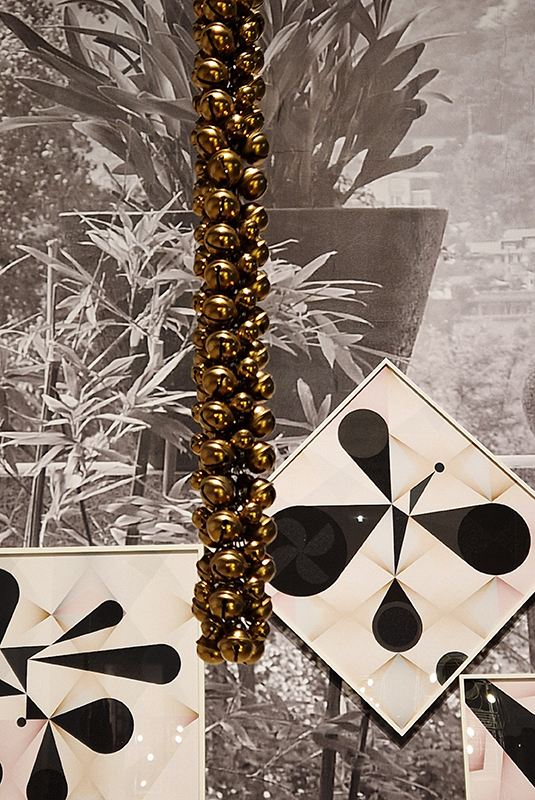
Haegue Yang Leap Year at Hayward Gallery. With colourful works festooned by garlands of bells and strewn with fairy lights this was a perfect show for the festive period. Folklore, surrealism and ritual, collage and costumes combine with the modern domestic/utilitarian in hybrid works that have a playful carnival air.

Thoughtful works beautifully presented Each Place Its Own Mind at Edel Assanti with Mirtha Dermisache | Noémie Goudal | Sky Hopinka | Anna Hulačová | Marguerite Humeau | Bronwyn Katz | Kat Lyons | Yukultji Napangati | Emmanuel Van der Auwera. An ongoing collective reimagining of our relationship with the living world, rooted in revelations from indigenous knowledge, ecological research, literature, science, and artistic experimentation. Each Place Its Own Mind  borrows its title from ecologist David Abram’s 1996 book The Spell of the Sensuous, which traces the ways the human mind came to renounce its “sensory bearings” in the natural world, visualising a myriad of “lost” faculties that link the “inner, psychological world and the perceptual terrain that surrounds us.”

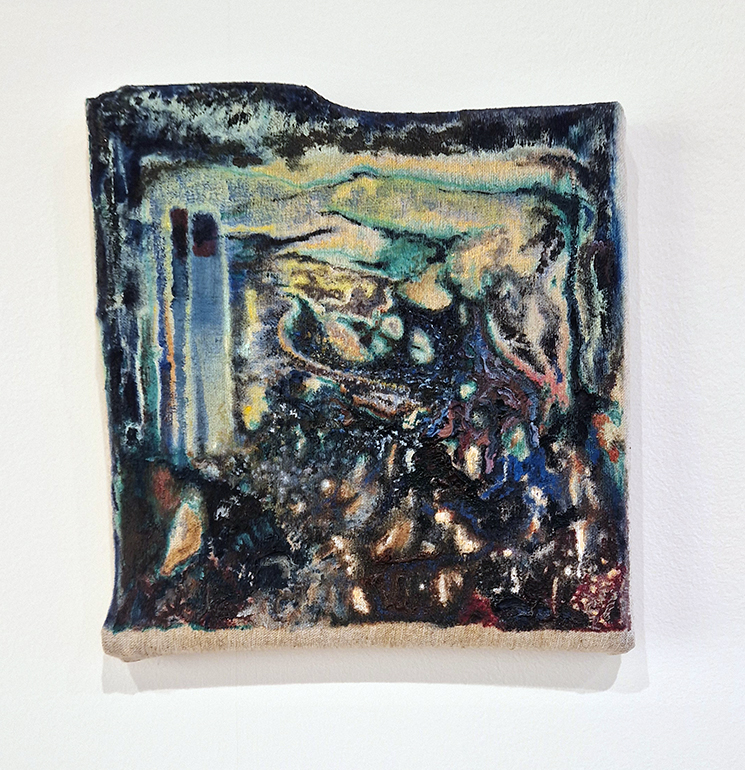
Damian Taylor Things Past at Thames-side Studios Gallery. These paintings hover on the edge of discovery where content and surface are ambiguous but reward study with tantalizing recognizable glimpses.

Events

A little out of my depth at the A&G Highlights Meeting at The Geological Society where some talks were quite specialised, involving graphs and terminology beyond my understanding. I do enjoy hearing clever people talk though, even if I can’t grasp exactly what they are explaining. A fascinating presentation by writer Nilanjan Choudhury on ‘The Square Root of a Sonnet’, his play which explores the fraught personal relationship between the brilliant Indian-American astrophysicist Subrahmanyan Chandrasekhar and his mentor, Sir Arthur Eddington of Cambridge University who publicly humiliated him at a Royal Astronomical Society meeting 90 years ago to the day. Guardian Article here

Dr Jessica Irving (Bristol University) gave The Harold Jeffreys Lecture on ‘Hearing planetary hearts: seismology of the cores of Earth and Mars’. An engaging speaker, she led us through the milestones of the last 130 years of theories on what is at the centre of the Earth and the discoveries made using seismology.

Dr Chris Lovell (University of Portsmouth) spoke on his research into ‘Accelerated modelling of the entire observable Universe’. I recognised the dark matter simulations and was fascinated by the different views of a galaxy depending on the band of the light spectrum used to observe it.

I joined a sobering Royal Astronomical Society webinar We Need to Talk About Space Junk presented by Professor Mike Lockwood. Our use of space is increasingly limited and threatened by space junk. The concern is that we are heading towards a runaway effect called the Kessler syndrome, in which the debris from one collision causes many others, to the point where space becomes unusable.

I went to see the fast paced RSC production of Kyoto at Soho Place. Welcome to the Kyoto Conference Centre, 11 December 1997. The nations of the world are in deadlock and 11 hours have passed since the UN’s landmark climate conference should have ended. Time is running out and agreement feels a world away. The greatest obstacle: American oil lobbyist and master strategist, Don Pearlman… Set nearly 20 years ago its depressing how little progress was made and we are currently sliding backwards. Would never have guessed it at the time but now am nostalgic for the politics and positivity of the 90’s.

Time to email your MP to join The All-Party Parliamentary Group for Dark Skies. The group’s primary focus is to preserve the night sky within the UK and promote the adoption of dark sky friendly lighting and planning policies. Surprisingly the committee is made up mostly of tories – come on the rest of you!

Go to this link where it is quick and easy to message your MP to act on this important issue.

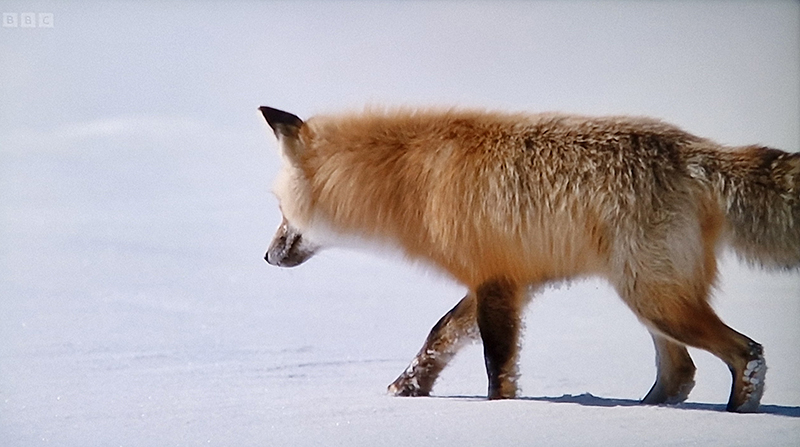
Watching Chris Packham’s The Wonder of Animals – Foxes A red fox catches its prey using more than pinpoint hearing and an accurate pounce: it also involves alignment to the slope of Earth’s magnetic fields. I contacted Peter Hore FRS, Professor of Chemistry and Magnetoreception expert at Oxford University who was so helpful to me before in explaining how birds ‘see’ the magnetic field to see if he had come across any new research on this. He has pointed me in the direction of other research conducted by the group looking at fox behaviour so this is something I will pursue further.

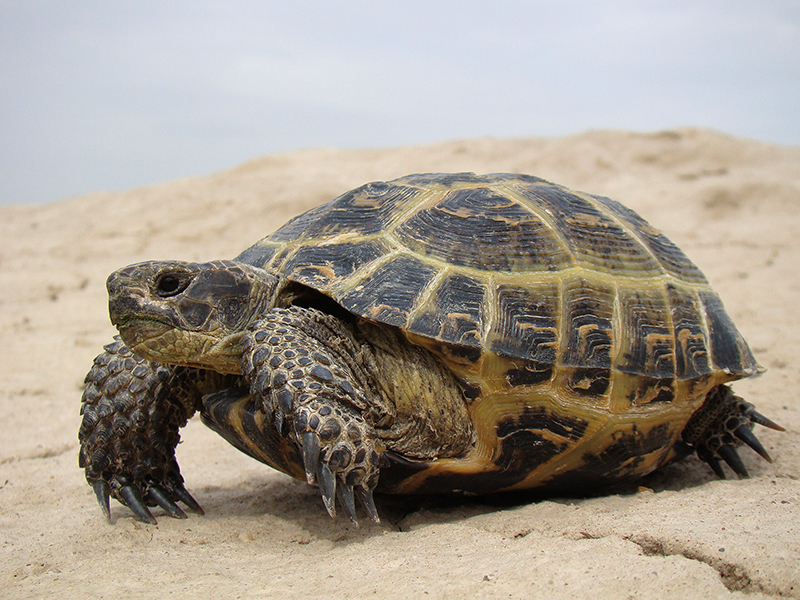
Listening to What? Seriously?? with special guest Helen Sharman, the first British astronaut, about how humans learned to survive in space. Quite a few animals were sent to space before humans including two Russian Steppe tortoises (Testudo horsfieldi), who did a circuit of he moon and returned to Earth – alive but starved. The tortoises were chosen as they have a unique ability in the animal world to resist radiation and their blood may be useful in the treatment of radiation sickness. In recent research a string of amino acids have been extracted from the blood of these tortoises and if you inject those amino acids into other animals they become radiation resistant too.

Listening to The Year in Science 2024 podcast – One of the UK’s first military communication satellites’ Skynet 1a launched in 1969 was abandoned a few years later above Africa. Orbital dynamics should have dragged it out somewhere above India but it has been found wandering above the Americas in a busy area of live satellites and no-one knows why. Space consultants think it must have been commanded to move in the 1970’s but can find no record of this and although research has been undertaken it is still a mystery how this satellite moved. BBC article

There is no mention of a cosmic ray interaction forcing the command, but that would be my theory!

To welcome back the light of longer days I collected one of my solargraph cans from The Hogsmill Nature Reserve where it had been fixed to a hide for 6 months, since the summer solstice, looking out across the water where the birds gather. Really pleased with the image and that it captured the reflection too.

So delighted that Cosmic Chiasmus: crossing the universe was included in the amazing Serendipity Arts Festival, an annual interdisciplinary festival held across multiple venues in Panjim, Goa, India. I just wish I could have visited 💎🌌✨️☀️

My video was shown as part of the selected module exhibition CARBON, curated by the Science Gallery Bengaluru team in collaboration with artist and curator Ravi Agarwal.

Artists: Annelie Berner; Susan Eyre; Marina Zurkow; David Hochagatterer; Dhiraj Kumar Nite; Jan Sweirowski; Jane Tingley; Maria Joseph and Nuvedo; Shanthamani Muddaiah

Curated walkthrough with Jahnavi Phalkey

The video (05:29 min) offers a glimpse into a subatomic world where cosmic rays travel from distant galaxies to collide and silently interact with atoms and technology on Earth. Above our heads where cosmic rays interact with the Earth’s atmosphere radioactive carbon-14 is formed. This is then absorbed by plants that are eaten by animals and humans. When an organism dies, no more carbon-14 will be absorbed and the current amount in the organism will start to decay. By measuring the remaining carbon-14 in organic matter, the time of death can be established. Cosmic ray activity gives us carbon dating techniques.

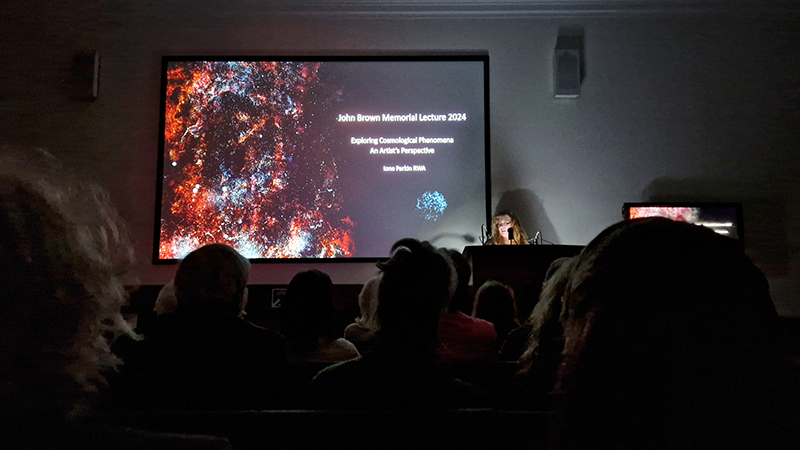
I attended The John Brown Memorial Lecture: Exploring Cosmological Phenomena: An Artist’s Perspective, talk by Ione Parkin RWA at The Royal Astronomical Society. Ione is the Co-Founder/Lead Artist of the Creativity and Curiosity Art-Astronomy Project (C&C). She is an Honorary Visiting Fellow of the School of Physics and Astronomy at the University of Leicester and a member of the British Association of Planetaria. Through her many cosmological paintings the ephemeral, gaseous, nebulous phenomena of space are given an earthly materiality that still retains the sense of the intangible. Ione has created an impressive body of work. I especially liked the cloud chamber mixed media pieces and photopolymer etchings created through the fluorescence microscopy process of firing laser beams of light of one wavelength at the surface of the painting then capturing the light emitted from a longer wavelength. Look forward to seeing these works irl rather than digital images.

I am over the moon that Ione has selected my sculpture The Azimuth Obelisk (of sedimentary knowledge) to be included in Cosmos: The Art of Observing Space, a major exhibition she is curating at the Royal West of England Academy in 2026. Cosmos will bring together a body of artwork inspired by themes of astronomy, cosmology, astrophysics, planetary atmospherics, space-exploration, solar dynamics and celestial mechanics. There will be a catalogue published to accompany the exhibition with a Foreword by Professor Chris Lintott (Professor of Astrophysics, University of Oxford).

In the studio I have been conducting some more tests towards a video installation which will respond to the crystal structure of magnetite and a quote from Jason Groves book The Geological Unconscious – ‘What truth could be more unexpected ….than the one in which the mineral envisions while also being envisioned.’

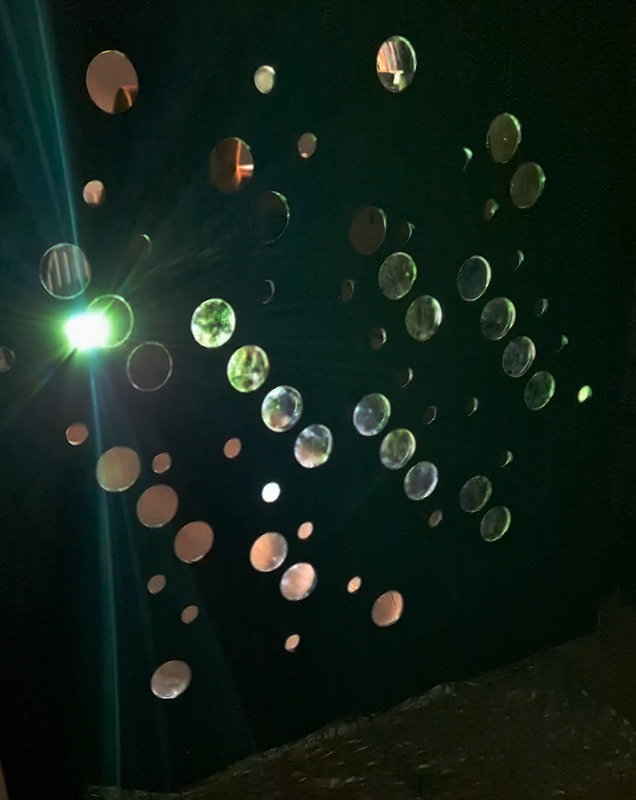
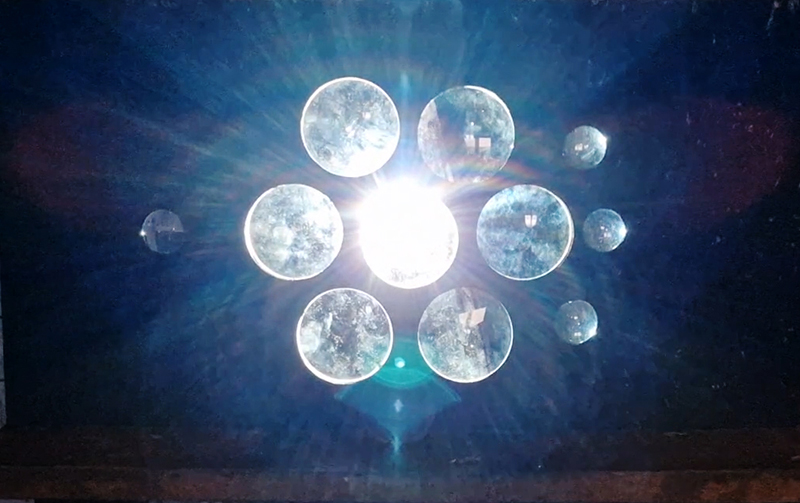
Magnetite is attracted to a magnet and can be magnetized to become a permanent magnet itself. It’s crystal structure was determined in 1915 as one of the first crystal structures to be obtained using X-ray diffraction. Magnetite contains both ferrous (divalent) and ferric (trivalent) iron. At present I am just testing the concept and technical issues using a small board with some lenses inserted in a circle pattern. The large lenses used to distort the projection represent the oxygen present in the crystal structure, I have drilled some smaller holes to test lenses to represent the iron component. In my tests I was surprised to find that when the small lenses were inserted in the holes the projection image was no longer visible on the wall. The small lenses I have are quite thick, but still it was unexpected. I am sourcing some thin lenses to test.

Projection with no lenses in board – no distortion of image

With all lenses inserted – large lens distortion occurs but small lens images not visible

Tests with only large lenses inserted for distortion

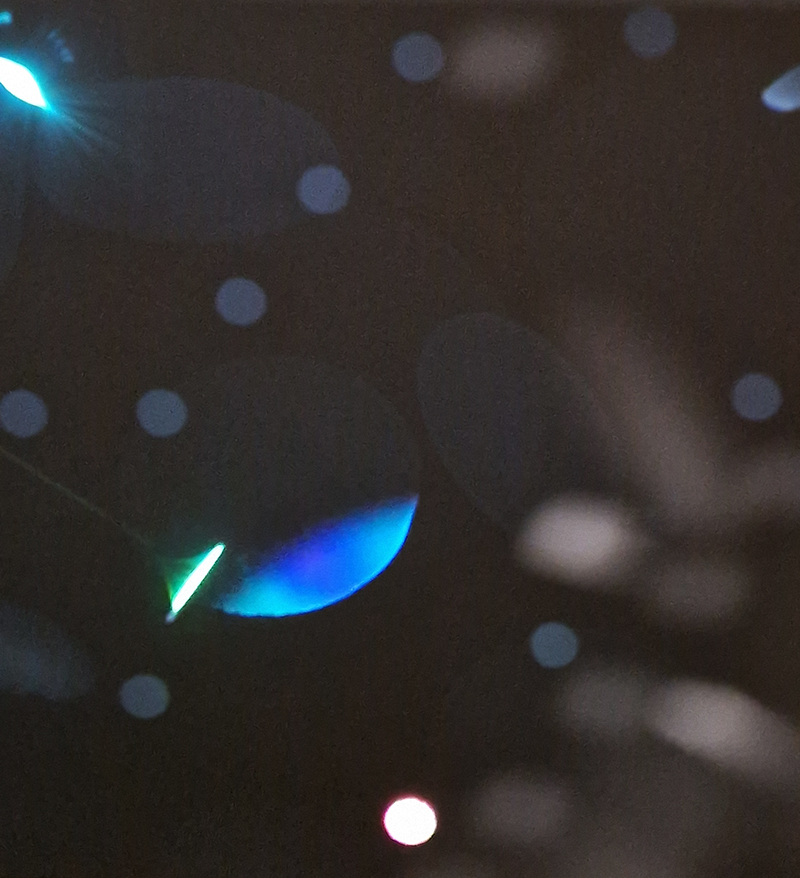
Tests using back projection screen and looking directly at the lenses

Exhibitions visited

In the Thick of Things at APT curated by Chris Marshall and Cash Aspeek including works by Laura White, Asaki Kan, Leila Galloway and Deborah Gardner. Big messy works, tumbling, sliding and colliding following the vein of arte povera letting the materials speak. Had a touching conversation about the last days of our respective parents with Cash who had made a very personal series of work using her parents marital bed of 60 years as both subject and material.

Conglomerates at Hypha Gallery Mayfair, a group show featuring work by Paola Bascon, Rhiannon Hunter, Rona Lee, Hannah Morgan, Davinia-Ann Robinson and Sam Williams. A warm and earthy show exploring care formed through relations with self and other beings to create substrates for resistance, deep-knowing, storying and kinning as processes of paying attention to that which is unheard.

Reading

While reading Margaret Atwood’s disturbing novel Oryx and Crake (to gain insight after seeing the stunning collaboration between Wayne McGregor and Max Richter in Maddaddam at ROH recently) I came across a reference to Mesembryanthemaceae – a plant which disguises itself as small pebbles by taking on patterns and colouring of the ground it grows on. I had forgotten about these strange plants commonly called stone lithops or living stones. The thick leaves can store enough water for the plants to survive for months without rain and during dry periods they shrivel into the ground. With no stem they are partially subterranean, sending light down to the buried leaf cells via ingenious reflecting ‘window cells’ on the two wide leaf tips.

In The Human Soul: Its Movements, Its Lights, and the Iconography of the Fluidic Invisible, originally published in French in 1896, Dr. Hippolyte Baraduc (1850–1909) postulates the existence of “the fluidic invisible” — a “vital cosmic force”, which he calls Odic liquid, that extends across the universe and “saturates the organism of living beings and constitutes our fluidic body”. Instead of all things being composed of one elementary substance, as in philosophical accounts of the monad, in this cosmic vision, we all live in a sea that we cannot see, which Baraduc names Somod.

This remarkable image posted by Public Domain Review is one of the many attempts to capture the “vital cosmic force” made by Dr. Hippolyte Baraduc a French physician and parapsychologist who believed he could photograph thoughts and emotions.⁠

Pure electography of the hand by Iodko’s method. The hand of an over-electrified person, placed on a plate gives a very remarkable impression of the electrified cutaneous surface.”

I am intrigued as to what might ‘over-electrified person’ mean? I was also fascinated by this image – “Luminous spectre of the north pole magnet, obtained by the red electric photographic lamp, surrounded by fine pearls of psychecstasis.”

Delighted to have both my artists books In/Out and Unbound accepted into the Art, Science and Creativity exhibition curated by Liverpool Book Art at Liverpool Central Library in the autumn. The starting point for this exhibition is a quote from Albert Einstein:

“Where the world ceases to be a stage for personal hopes, aspirations, and desires, and we stand before it as free creatures, full of admirations, questions and contemplation, we enter the realm of art and science. If we describe what we see and experience in the language of logic, we do science; if we convey connections through forms that are inaccessible to the rational mind, but intuitively recognisable as making sense, we do art.”

Open Studios 2024 – showing the two channel video installation Radical Pair in my studio.

In Thames-side Studios Gallery showcase of studio holders works I presented one of the sculptures from the Instruments of the Anemoi series.

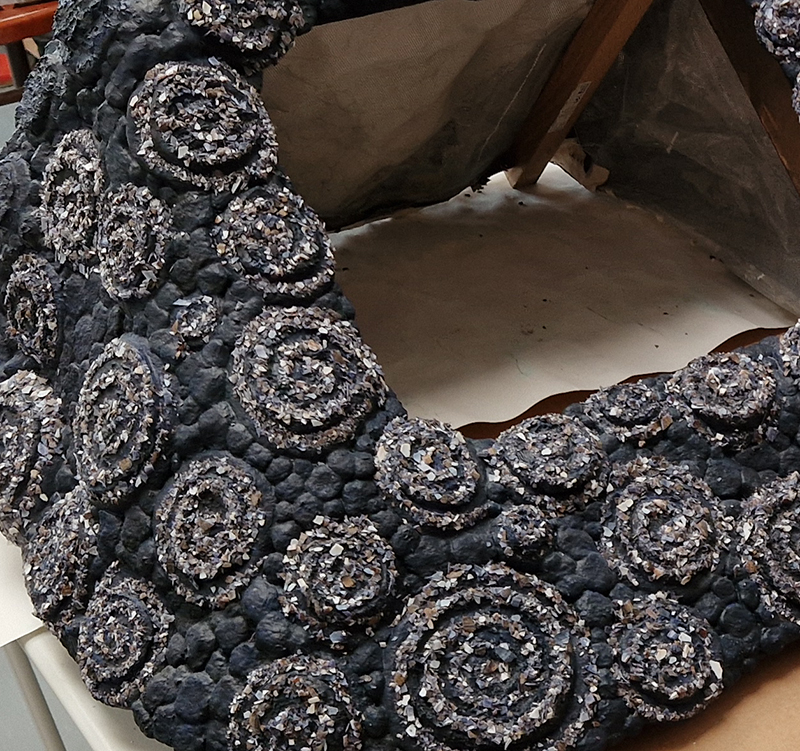
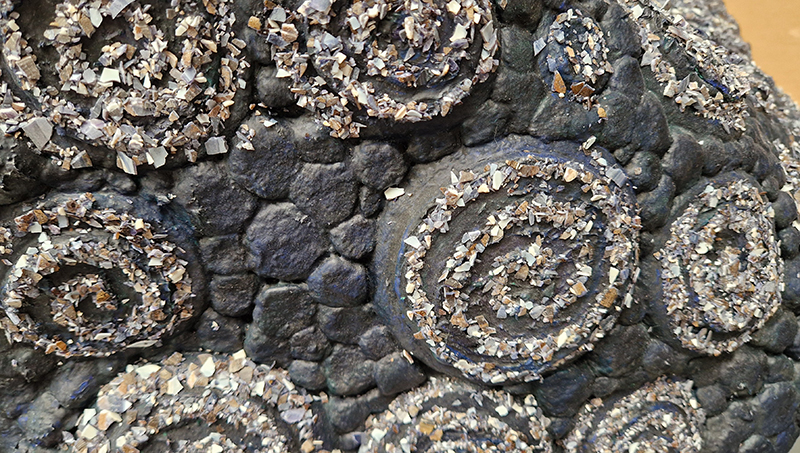
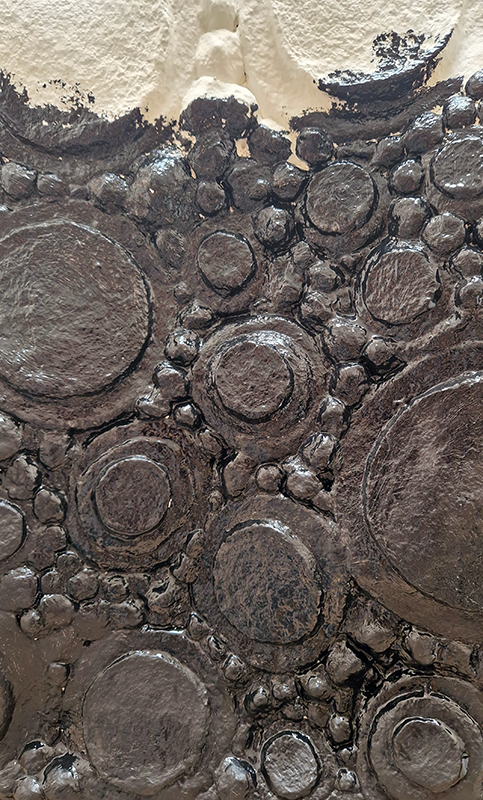
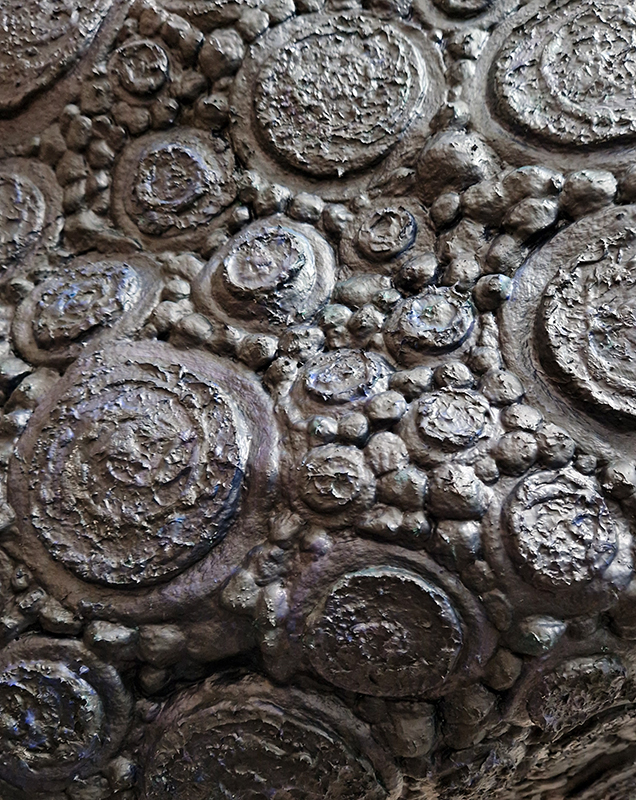
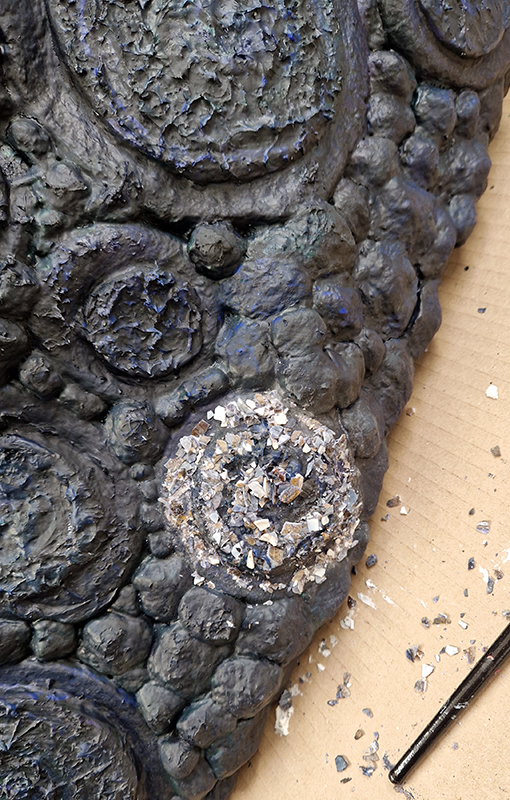
Work in progress on hybrid sculpture Belly of a Rock adding spirals of crushed mussel shells to the crusted casing that will house a monitor screen. Earth rotates faster at the Equator than it does at the poles causing spiral convection currents in the liquid iron outer core. Earth’s magnetic field is created in this swirling outer core where magnetism is about fifty times stronger than it is on the rocky surface of the Earth.

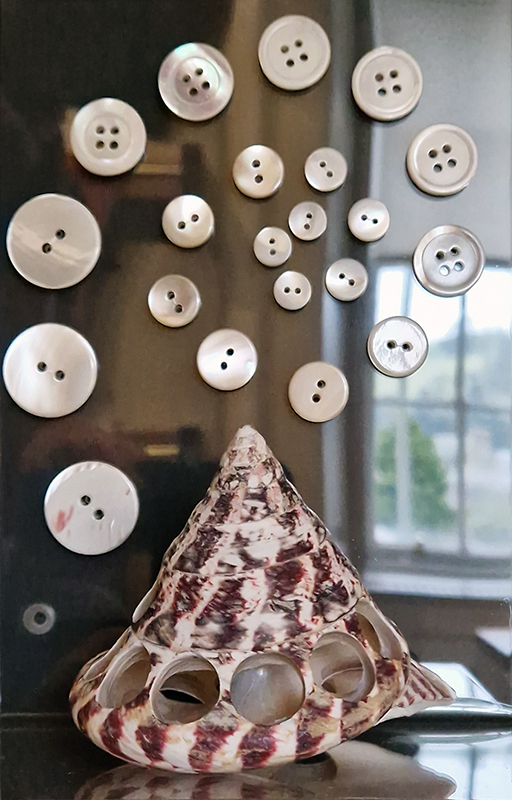
Trochus (sea snail) shell buttons seen at Borders Textile Towerhouse, Hawick. The buttons made from these molluscs found in warm waters are used for the Borders quality knitwear industry. Genuine shell can apparently be identified from imitation by touch, it always feels cool even in hot temperatures.

We do not yet know another form of life other than carbonaceous life. All life on Earth uses the same biochemistry of carbon.

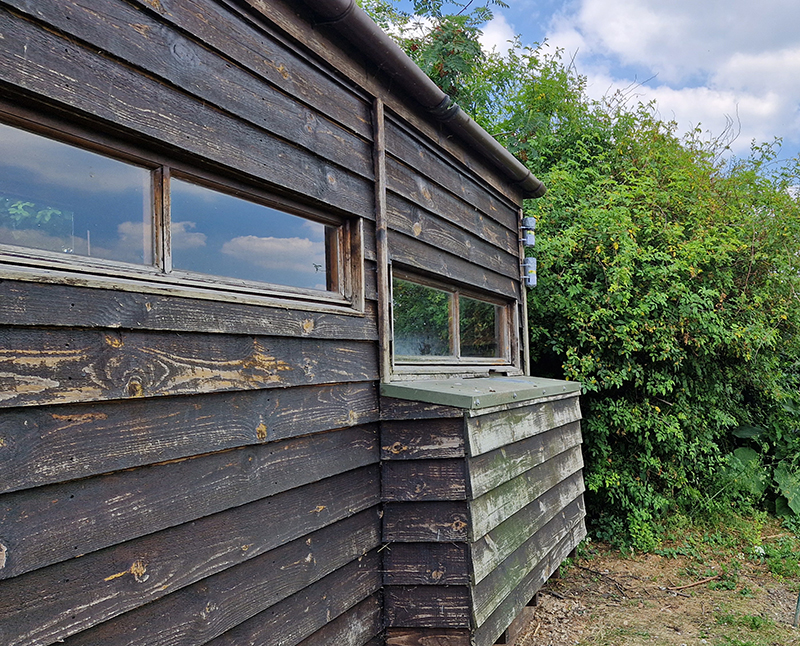
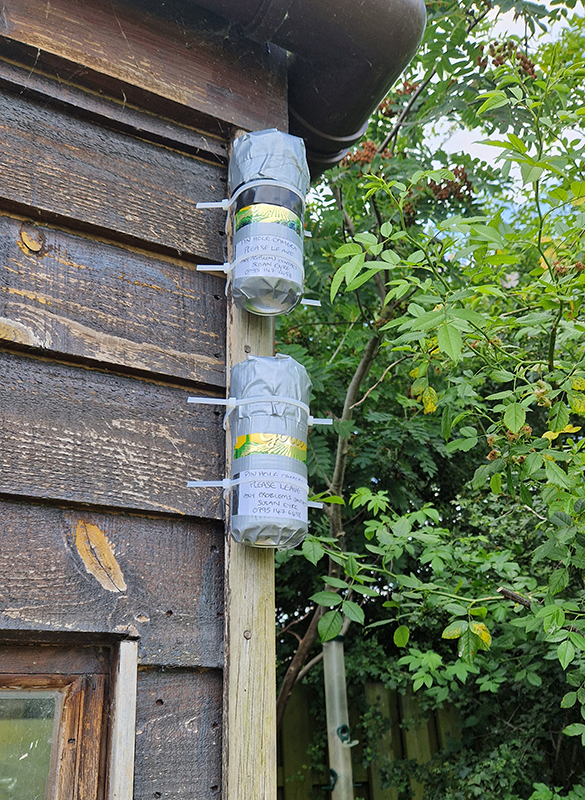
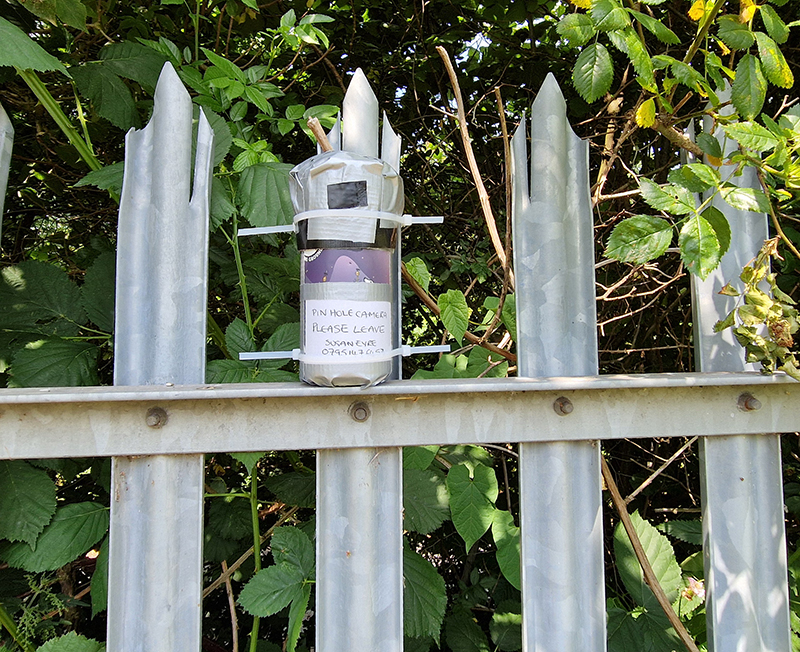
Reminded by the solstice, I finally installed some solargraph pin hole cameras at Hogsmill Nature Reserve. I have had the tins prepared for a long while so not sure if they will work. The lagoon was worryingly green.

A recent Royal Society research article reveals that extreme solar events such as solar flares and coronal mass ejections can release bursts of energetic particles towards Earth which are found preserved in the rings of partially fossilized trees as huge spikes in carbon-14. Through the individual analysis of ancient tree rings from subfossils found in the Drouzet River in the Southern French Alps, scientists discovered evidence of a giant solar storm dated to around 14,300 years ago. This event appears to have been enormously more powerful than the Carrington Event of 1859 when fires broke out in telegraph offices.

Radiocarbon is produced in the upper atmosphere as cosmic rays collide with particles in the atmosphere. It is absorbed by plants during photosynthesis and enters the food chain of organisms and because it decays at a known rate, scientists can use it to determine when the organism died using carbon dating processes. Solar storms tend to deflect the number of energetic particles coming from outer space but a violent storm will create much more radioactive carbon-14 which will subsequently be absorbed by life on Earth. Radiocarbon dating is not exact because the atmospheric 14C/12C ratio varies due to cosmic ray activity, nuclear explosions and solar activity. Still from Cosmic Chiasmus: crossing the universe.

For scientists using the radiocarbon dating technique it is important to know the carbon-12 content of the contemporary atmosphere. A calibration curve of carbon-12 in the atmosphere is provided by an international body using many archive records but the most precise and accurate are based on dendrochronologically dated tree-ring series. Stills from Time Crystals.

Other evidence of this major radiation storm 14,300 years ago is also seen in ice cores having a higher concentration of an isotope of beryllium extracted from Greenland. These incredibly powerful geomagnetic storms are known as Miyake events. Nine Miyake events have been identified in the last 15,000 years, the most recent being around 774 CE.

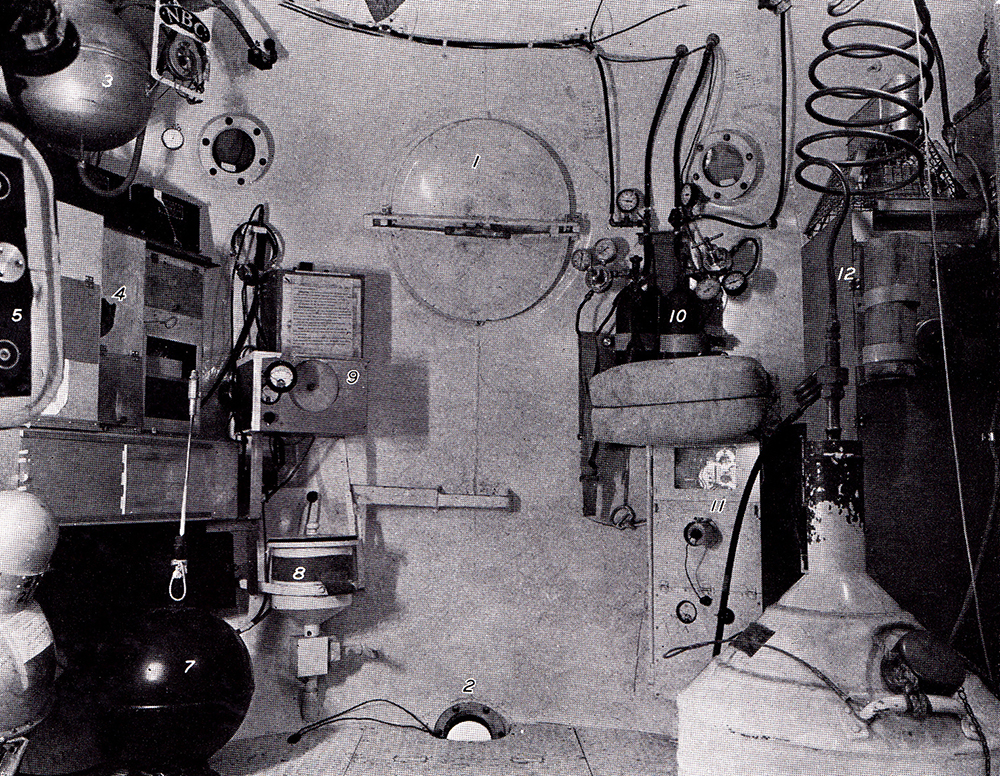
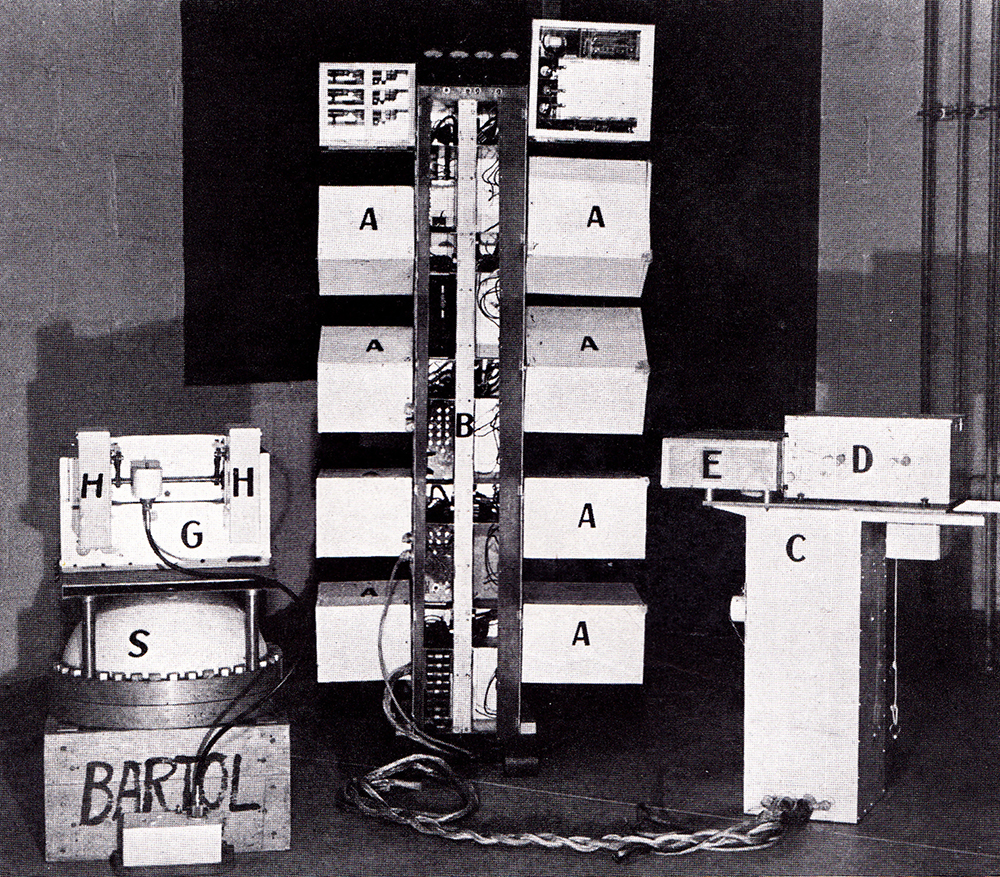
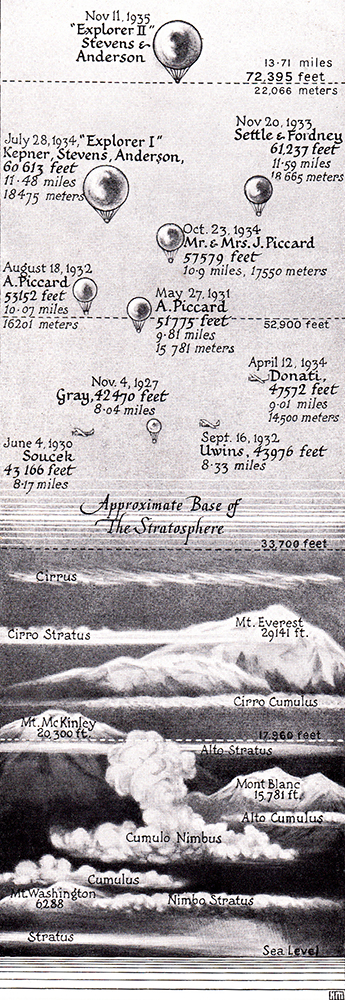
Radioactivity was discovered by Henri Becquerel while working on a series of experiments on phosphorescent materials in 1896. Cosmic Rays were discovered by balloon enthusiast Victor Hess in August 1912. He went almost 5.5km up in a hydrogen filled balloon with a balloonist and a meteorologist equipped with an electrometer which could read the level of radiation. This expedition was to determine the source of radiation which was bewildering scientists working on radiation such as Marie Curie who found some radiation registered on their equipment when they removed the source of radiation and even when instruments were shielded by a lead casing. C.T.R. Wilson was also baffled by apparent radiation seen in his cloud chamber, which he had developed to study atmospheric phenomena. One of the first images from Wilson’s cloud chamber –

A cloud chamber is a box containing a supersaturated vapor. As charged particles pass through, they ionize the vapor, which condenses to form droplets on the ions. The tracks of the particles become visible as trails of droplets, which can be photographed. In 1911 Wilson presented his first rough photographs of particle tracks at the Royal Society in London. In 1929 Hans Geiger and Walter Müller developed a gas filled ionization detector that registers individual charged particles and was ideal for studying high-energy cosmic rays. Bruno Rossi further developed the Geiger counter and demonstrated that the Earth’s magnetic field bends incoming charged particle showers. In 1936 Seth H. Neddermeyer and Carl D. Anderson discovered the Muon as most common cosmic particle in cosmic ray showers. In 1938 Pierre Auger observed showers with energies of 1015 eV – 10 million times higher than any known before.

In 1947 Patrick Blackett presented a paper in which he suggested that Pierre Auger emitted by high-energy cosmic rays contributed to the light in the night sky. In September 1952 a simple experiment by Bill Galbraith and John Jelley allowed the first observation of Cherenkov light produced by cosmic rays passing through the atmosphere. By the end of the decade, observation of Cherenkov radiation in the atmosphere had been developed further as a means for studying cosmic rays. I will be looking further at Cherenkov radiation in the coming weeks as I begin research on the historical site of Haverah Park in North Yorkshire, the site of an extensive cosmic ray air shower detection array which led the world for two decades in studies of cosmic rays of the highest energies. Haverah Park array used water Cherenkov detectors. I will also be looking at the cosmic ray detection innovations of Astronomer Royal Sir Arnold Wolfendale

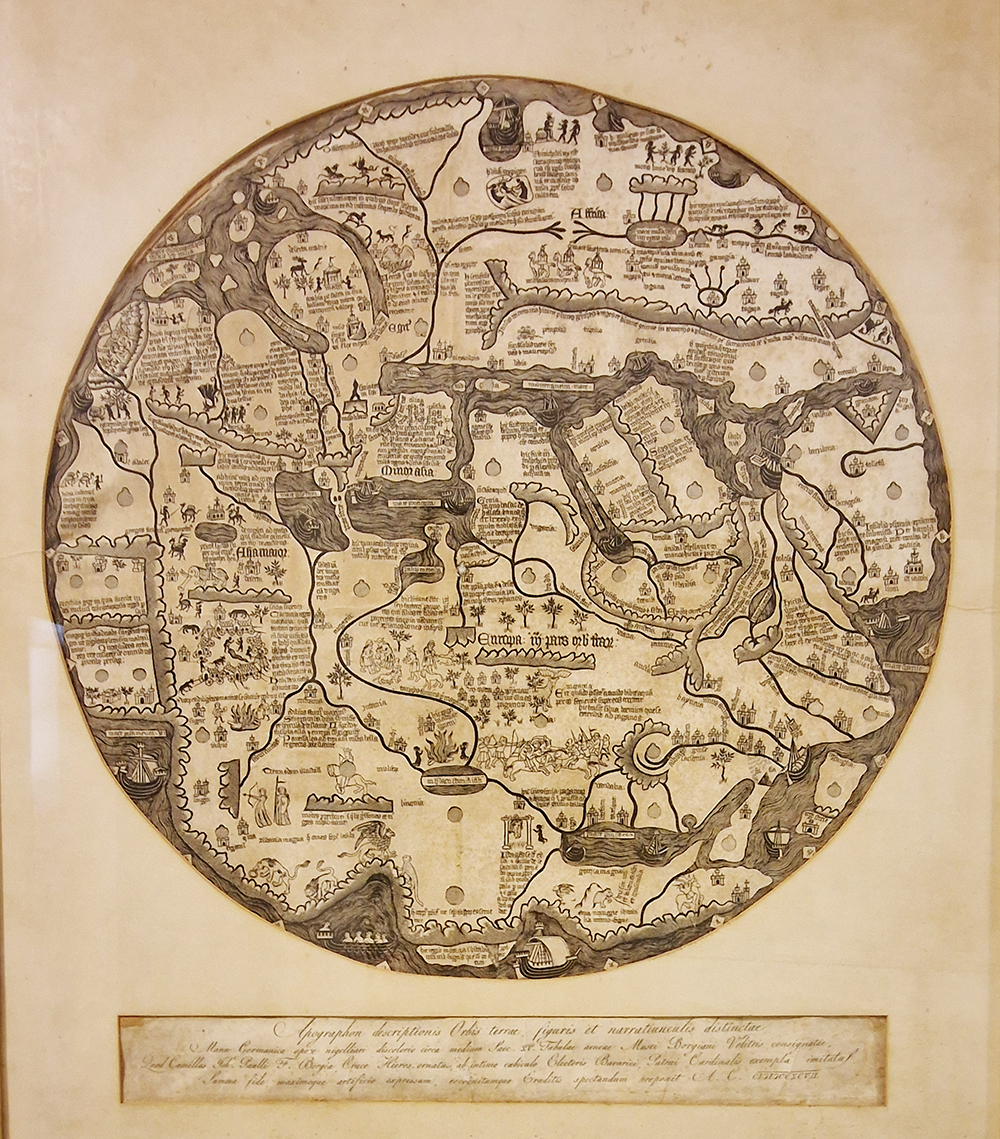
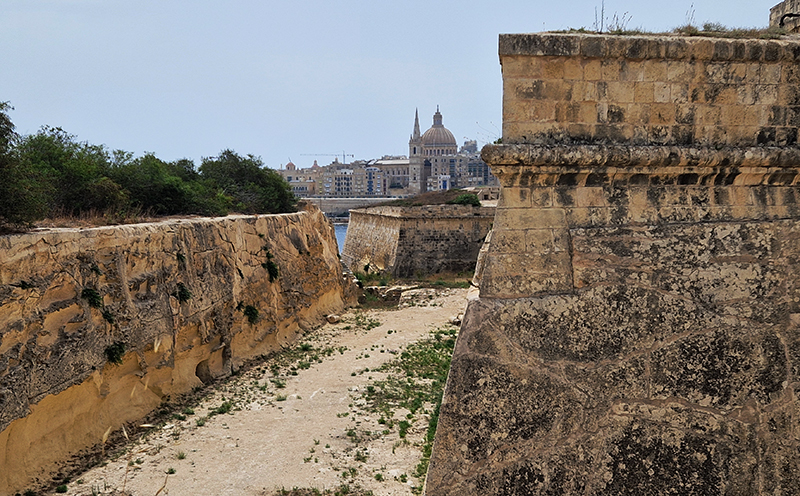
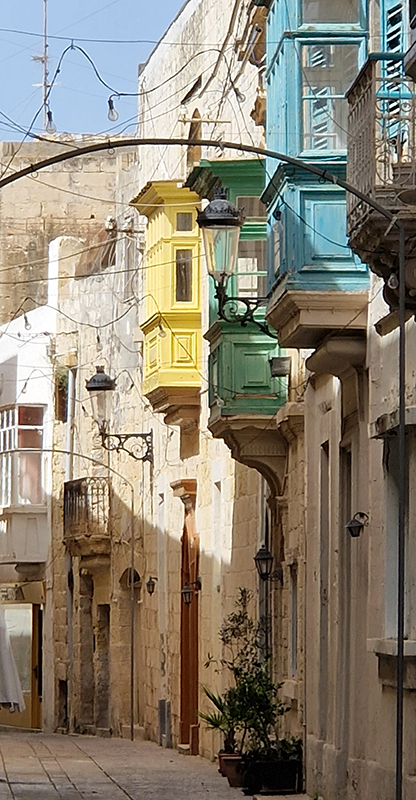
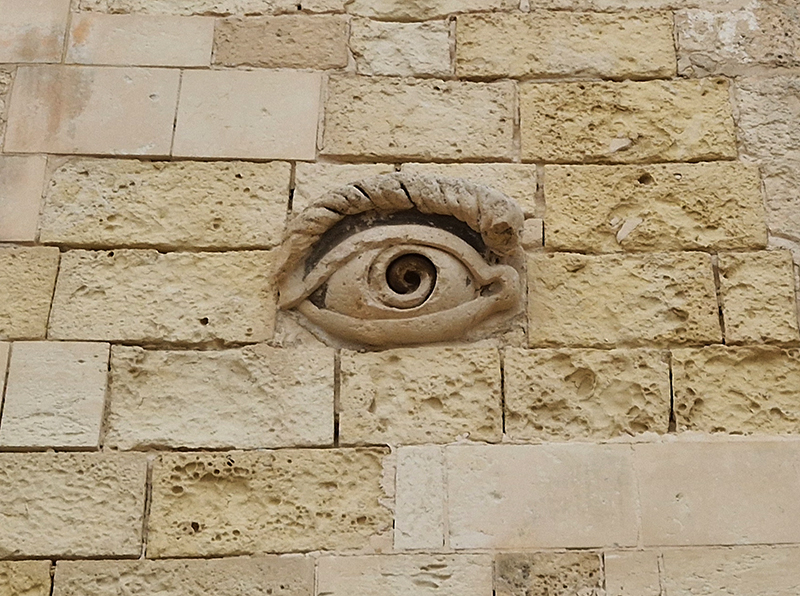
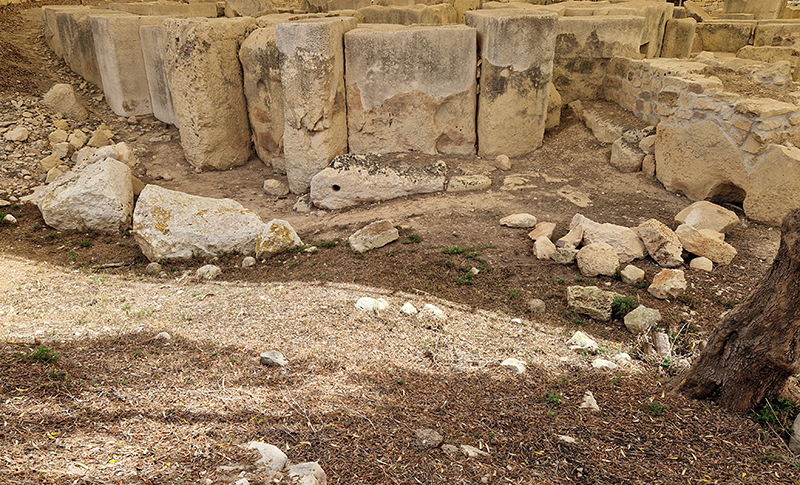
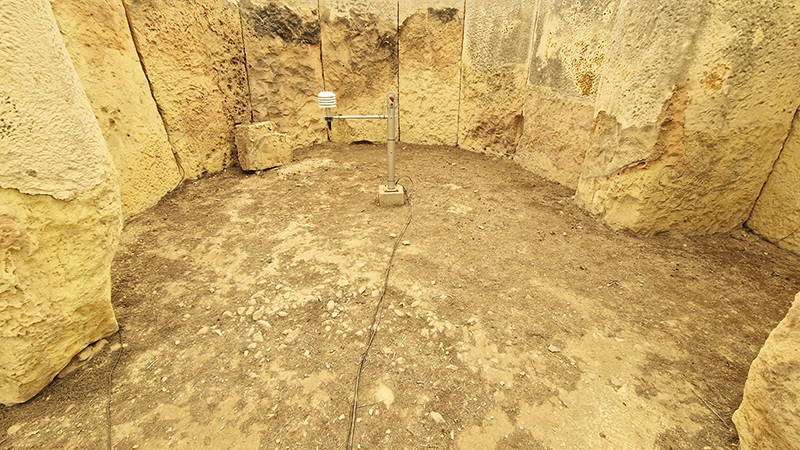
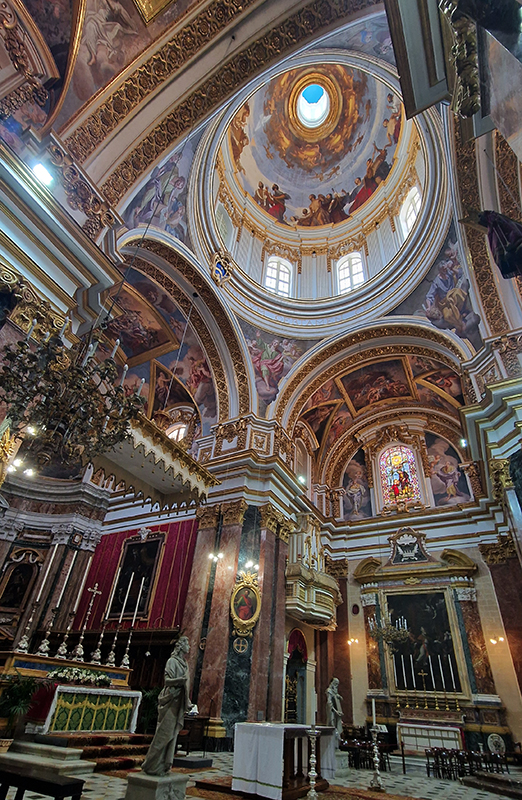
A visit to Malta. Architecturally beautiful, bathed in golden light, the palimpsest of Malta’s history is fascinating to uncover. 20,000 years ago after the last Ice Age, the sea level in the Mediterranean was 130 metres lower than today and Malta was one land mass connected to Sicily.

Due to its geographic location Malta was a contested site for naval and trade powers for hundreds of years, yet before the first empire builders arrived there is no evidence of conflict between communities found at the archaeological sites for the first 5000 years of settlement.

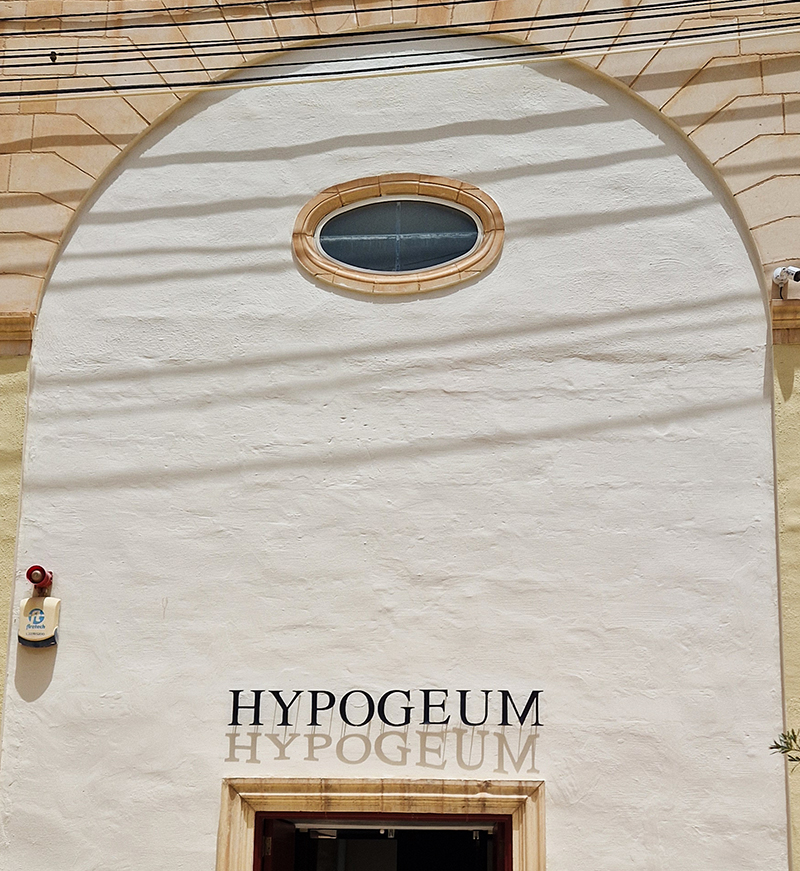
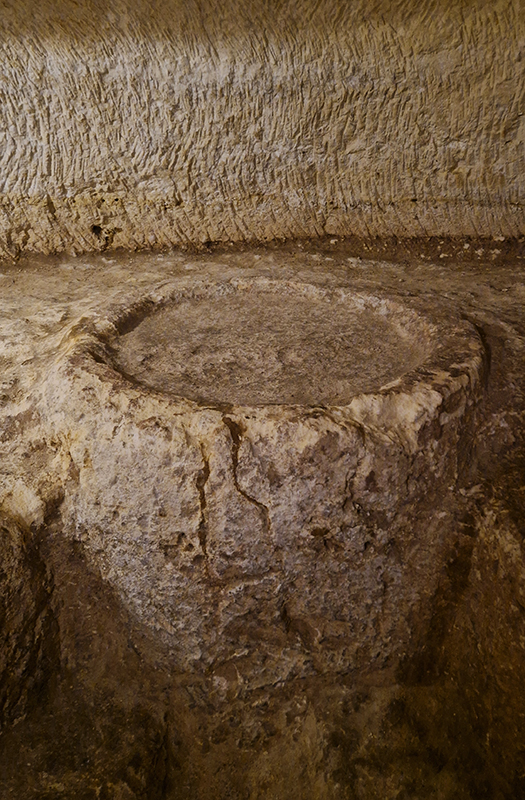
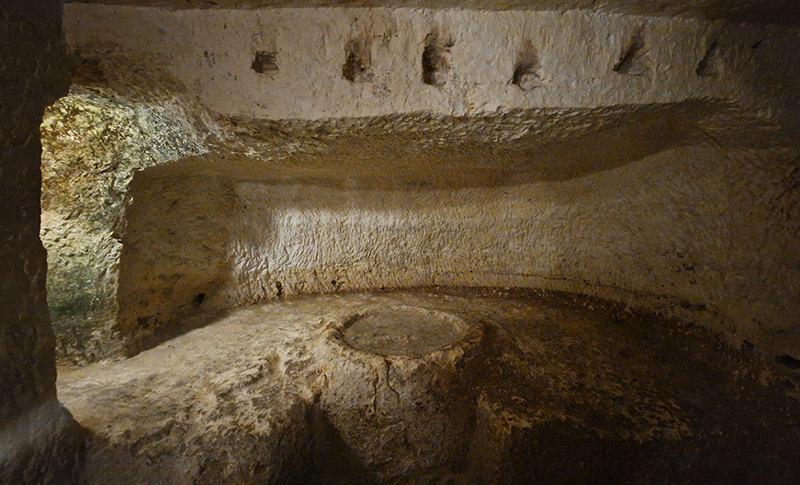
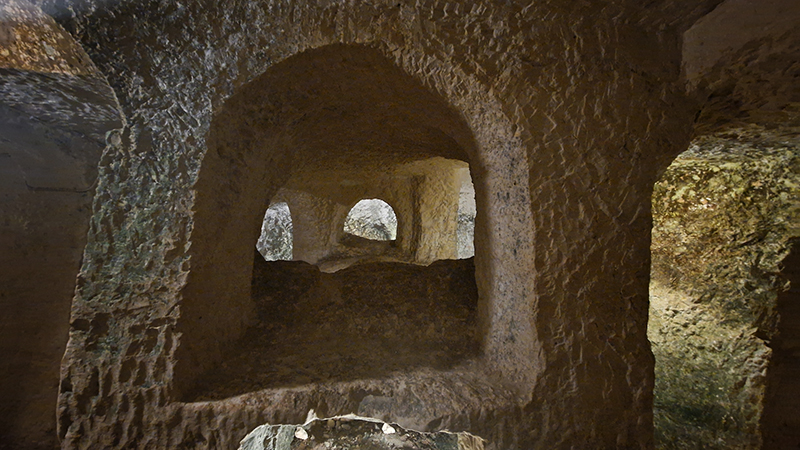
Evidence of first settlers dates to about 5900 BC. These people were hunters and farmers who kept domestic cattle and built temples. The earliest remains found at the Neolithic subterranean temple and burial site of about 7,000 individuals – The Ħal Saflieni Hypogeum – the only known European example of a subterranean ‘labyrinth’ date from about 4000 BC.

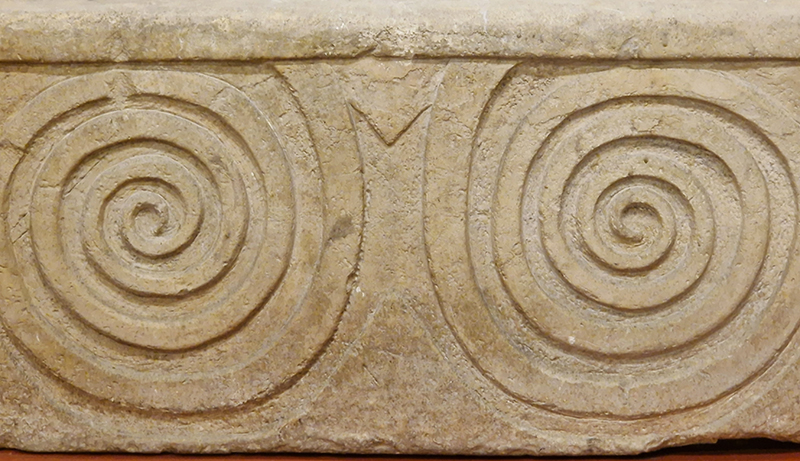
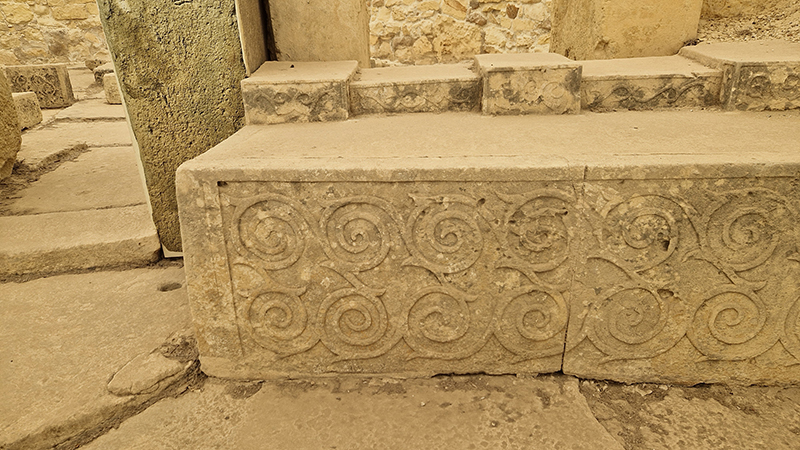
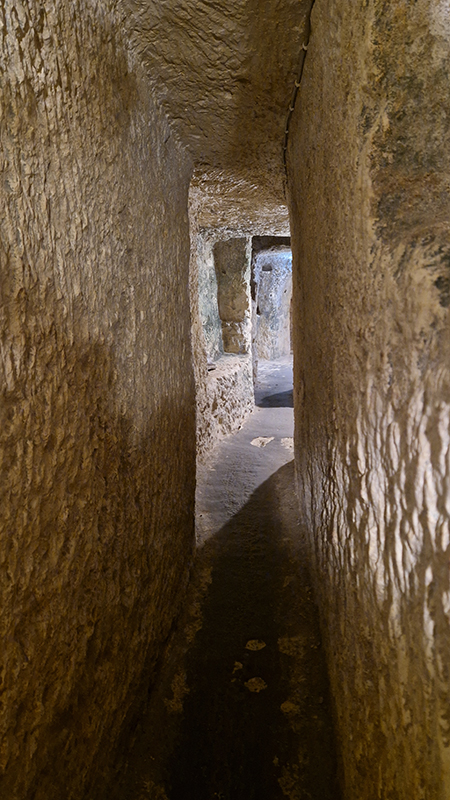
The whole system, which in places replicates the architecture of temples above ground, was cut into the limestone using just stone or antler tools. Some of these deep underground chambers are decorated with spiral and chequerboard patterns in red ochre. A highlight of the visit is the acoustic demonstration of a deep resounding echo filling the chamber when someone with a low voice speaks softly into a small, excavated niche. The particular acoustic frequencies measured throughout the chambers suggests a deliberate design and a potentially important cultural role for making music. Archaeologists believe the dead were probably left exposed until the flesh had decomposed and fallen off before the bones were buried in mass graves along with copious amounts of red ochre but so much is unknown.

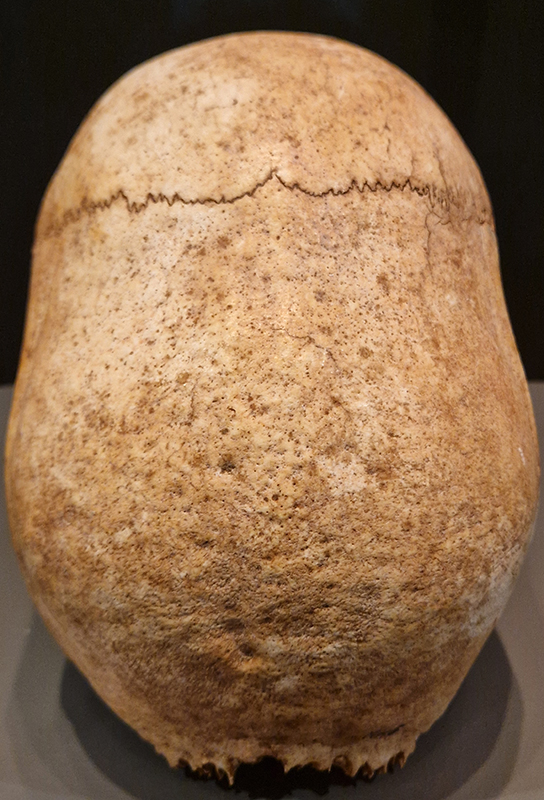
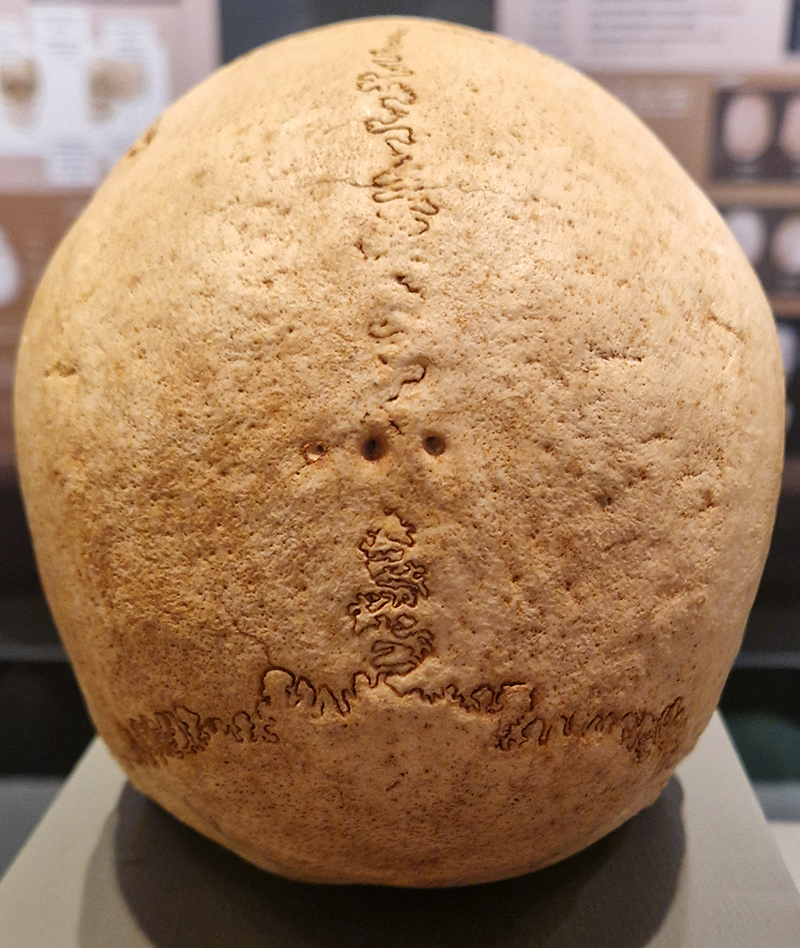
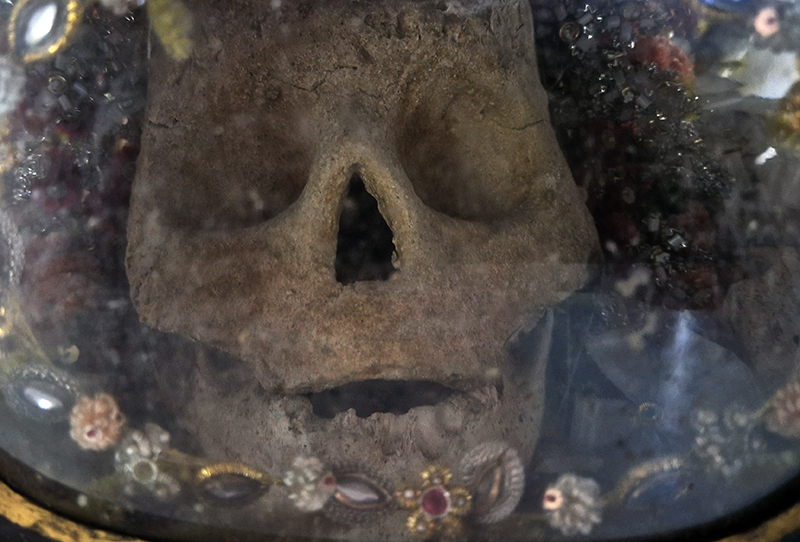
Photography is not allowed in the labyrinth of tunnels, so I have no images inside the ancient site where so many people were buried, but saw skulls found here, known as the long skulls, at the Museum of Archaeology.

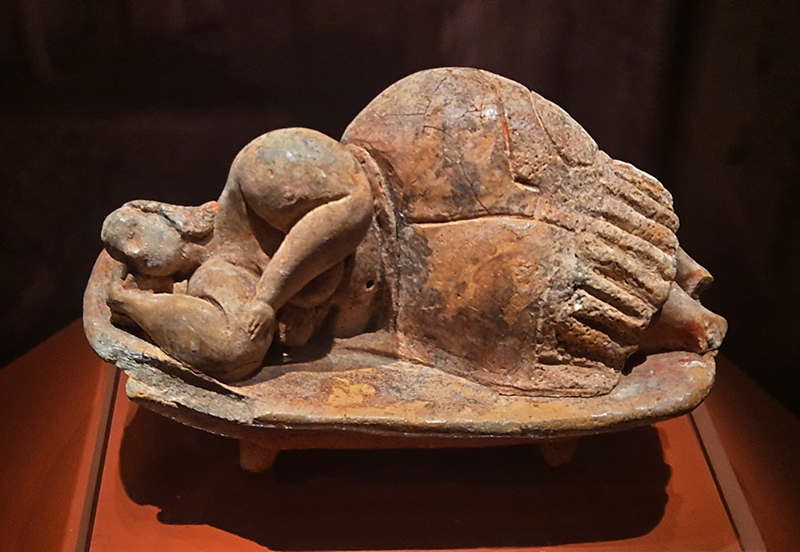
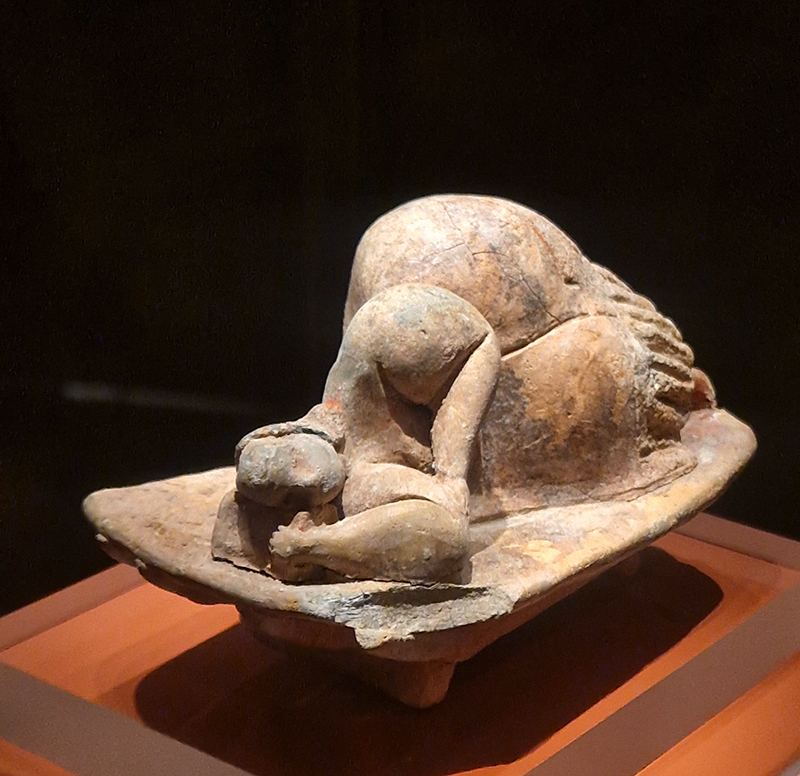
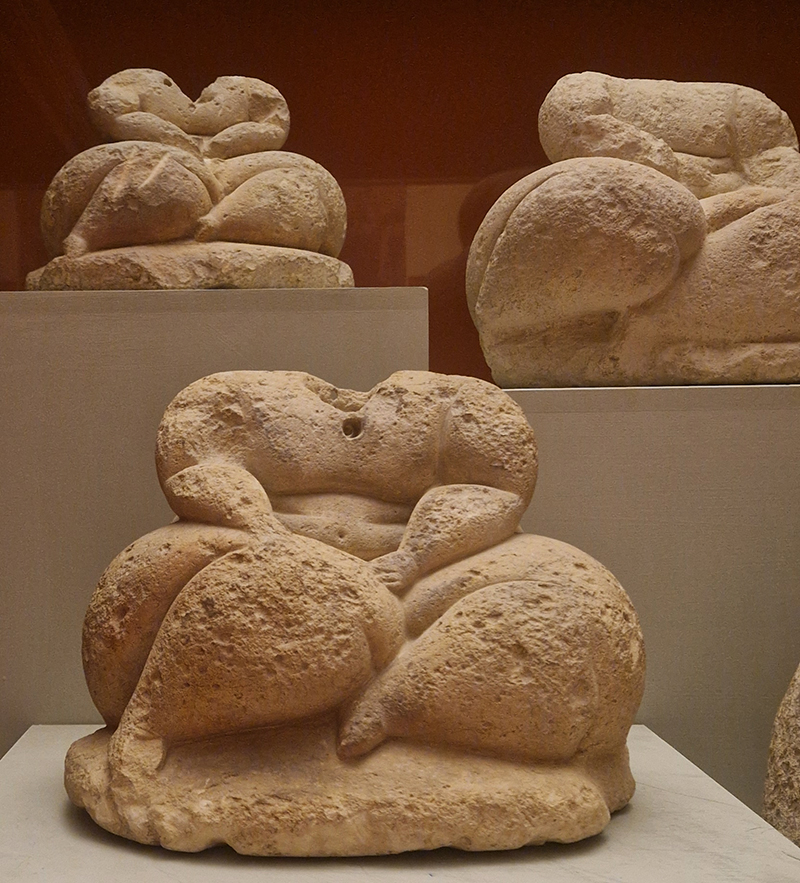
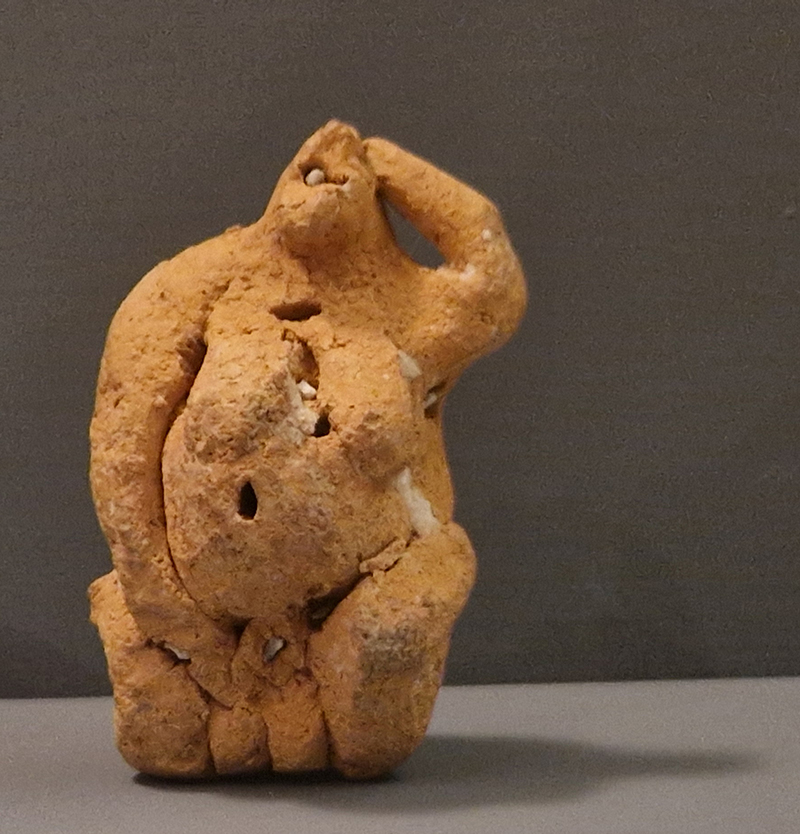
Also at the museum is the famed clay figurine of a ‘sleeping woman’ discovered in the Hypogeum.

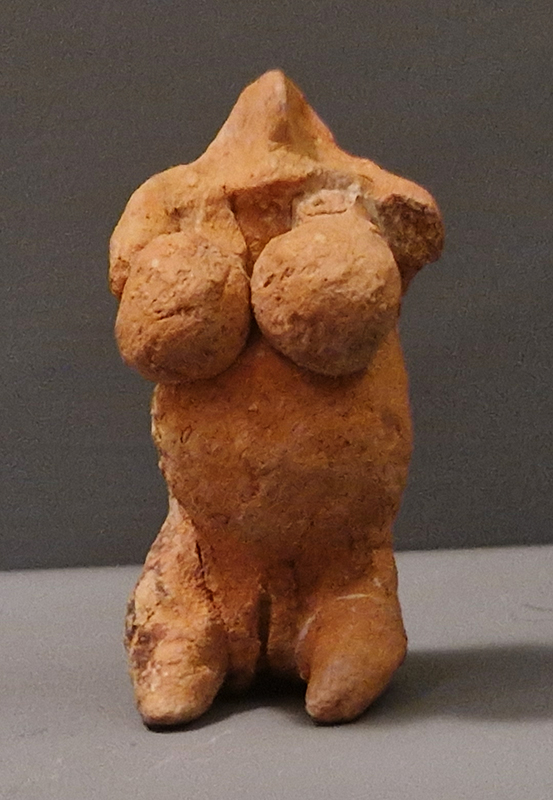
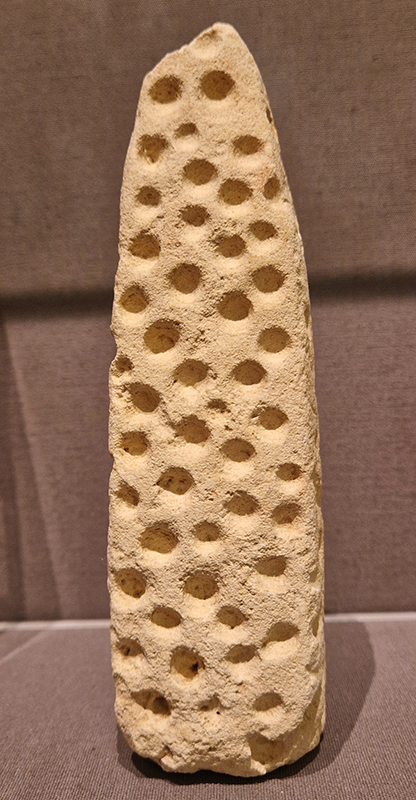
The ancient temples and early artworks hint at past cultures we have no way of understanding.

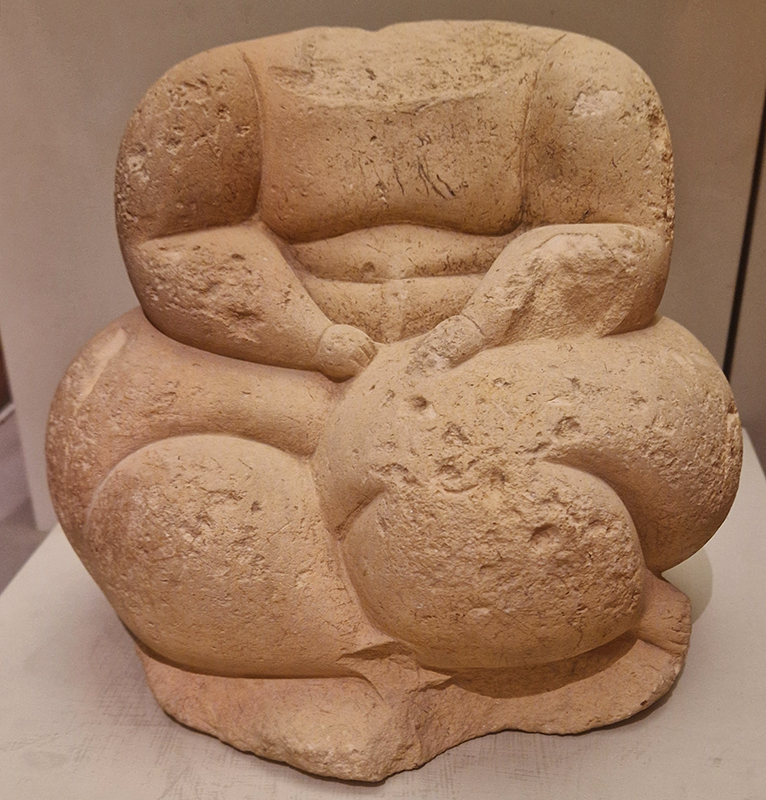
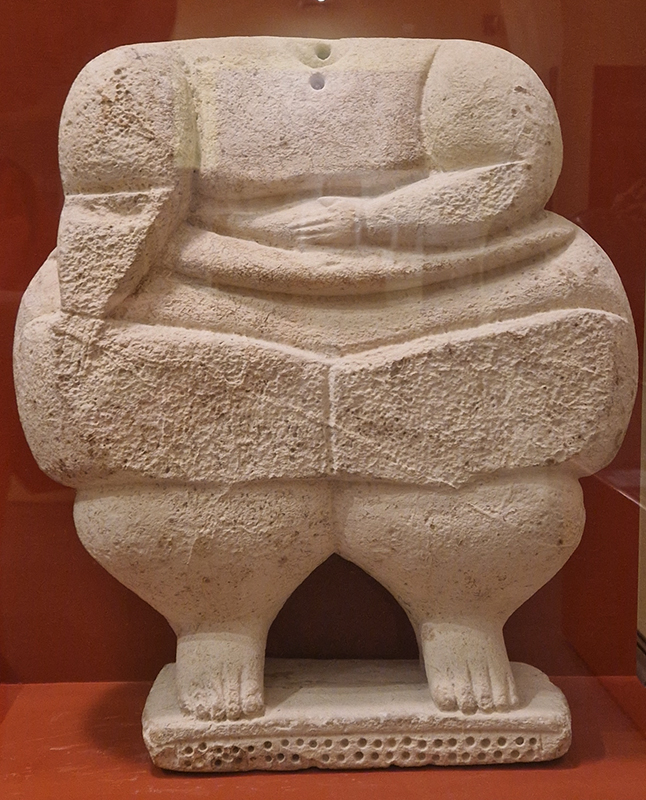
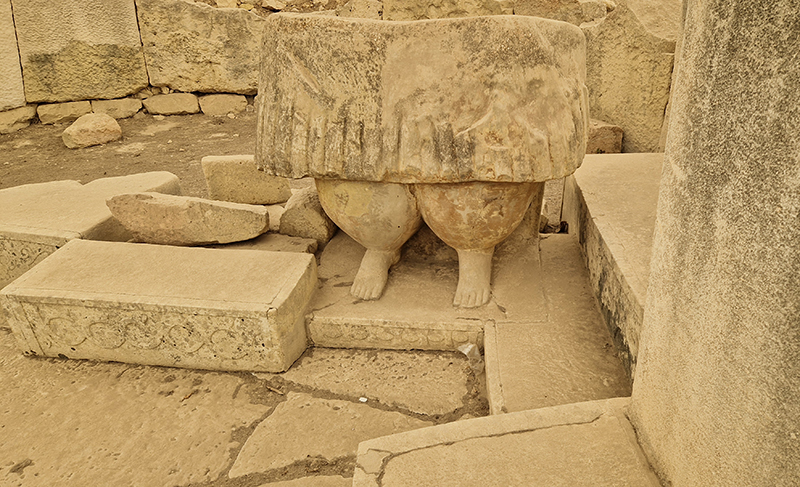
Many figures were found at other temple sites. Although some figures are female and there are many phallic figures, it is not clear of the gender of the ‘fat’ figures some of which appear to allow for interchangeable heads.

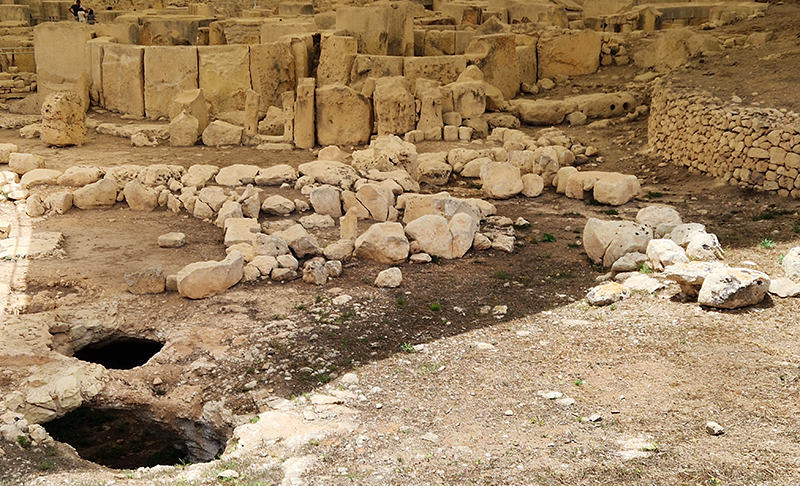
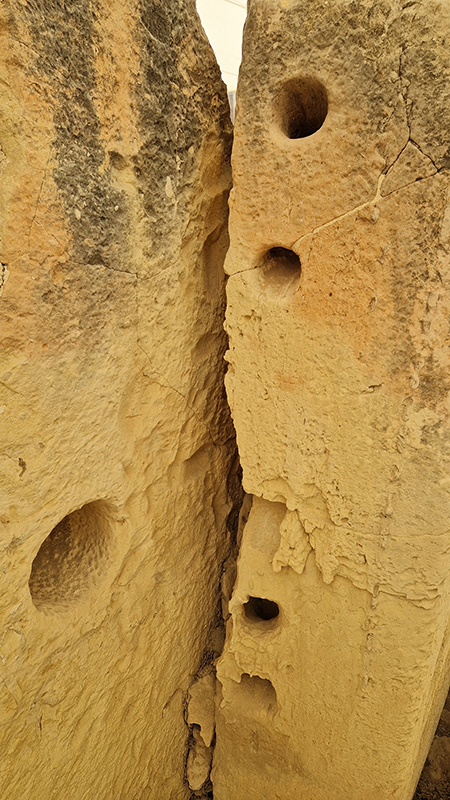
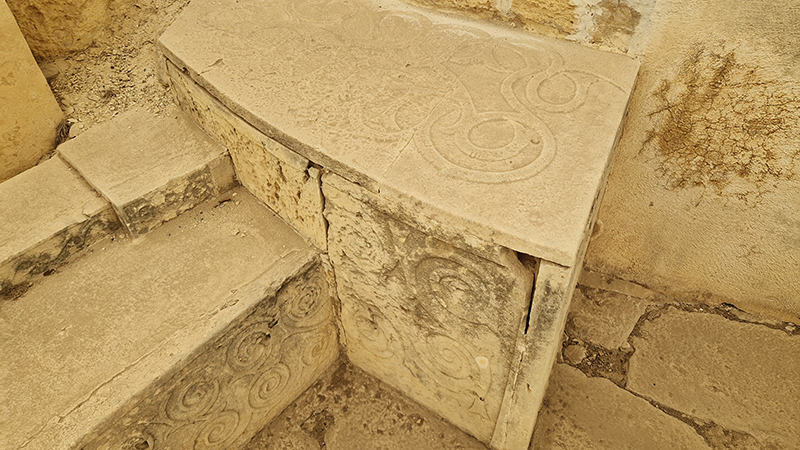
The Tarxien Temples complex of megalithic monuments with intricate stonework date to approximately 3150 BC.

In about 3850 BC new settlers arrived, also farming and building temples but after 1,500 years suddenly disappeared from the landscape. New research using carbon dating, pollen from earth cores, tree ring and human bone analysis, and the location of sediment embedded molluscs, suggests a society battling with soil erosion from felling all the trees, subsequent dietary deficiencies, and a major climate catastrophe around 2350 BC, possibly a dust cloud from volcanic eruptions, which may have led to their ultimate demise.

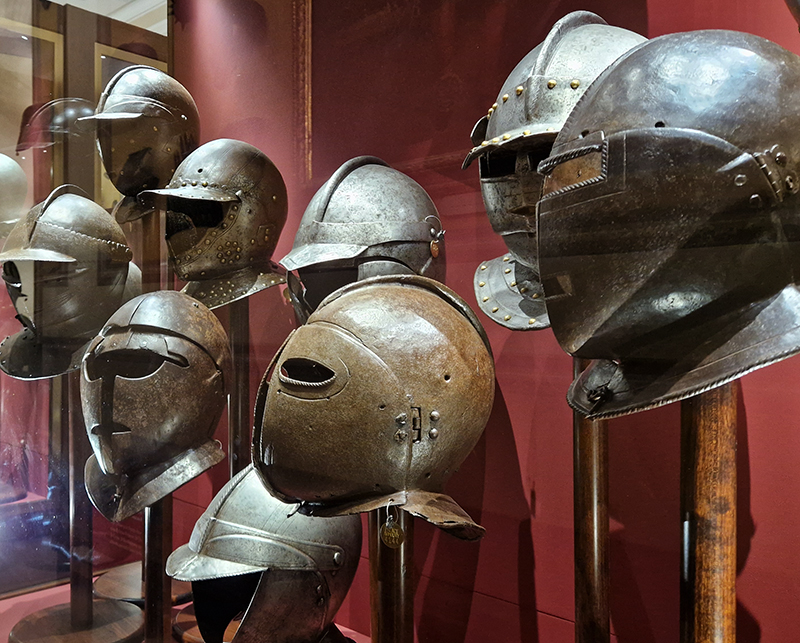
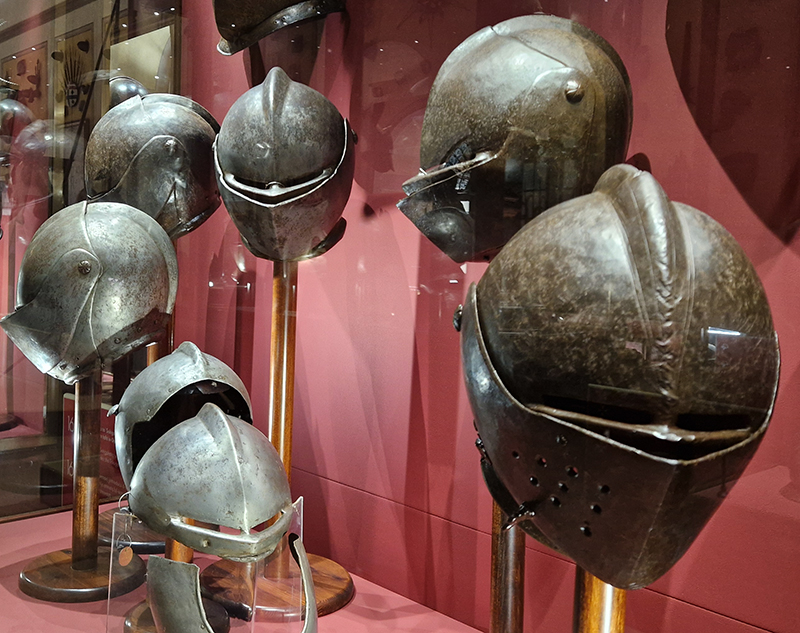
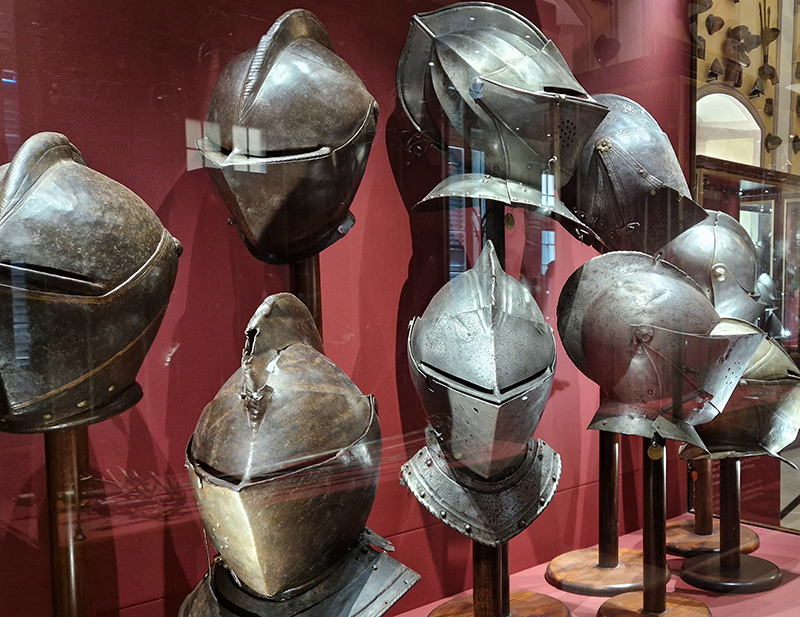
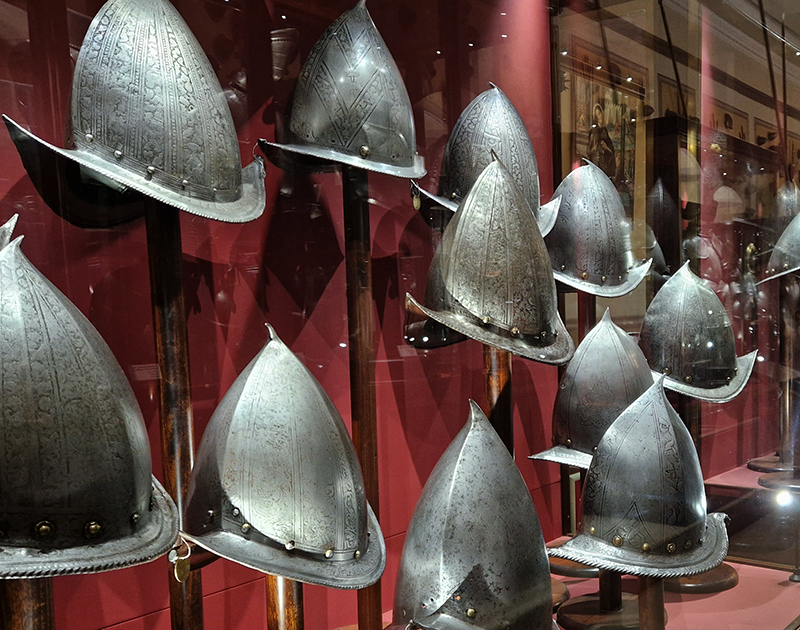
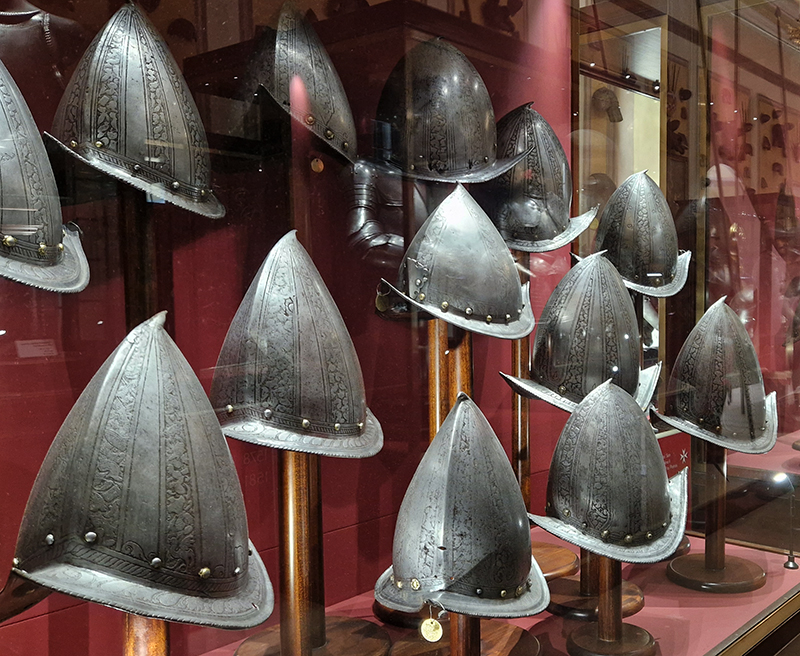
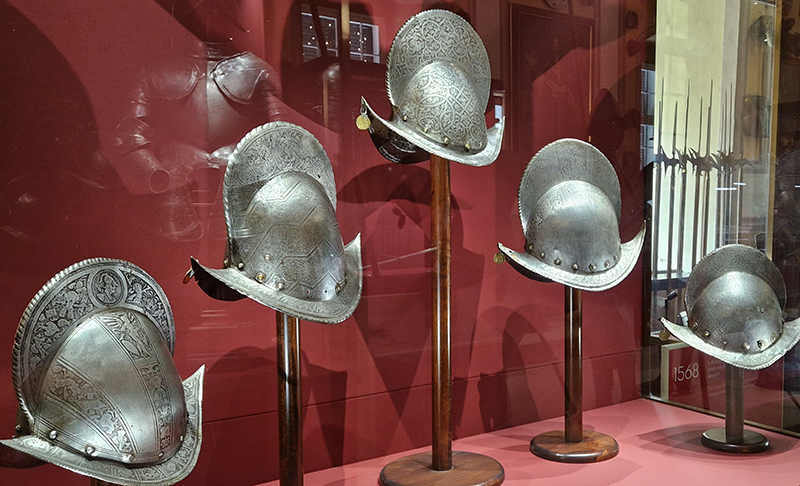
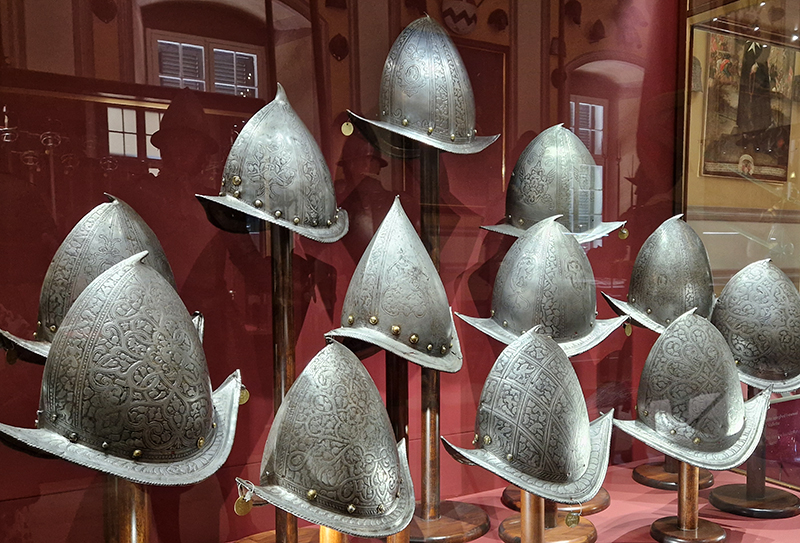
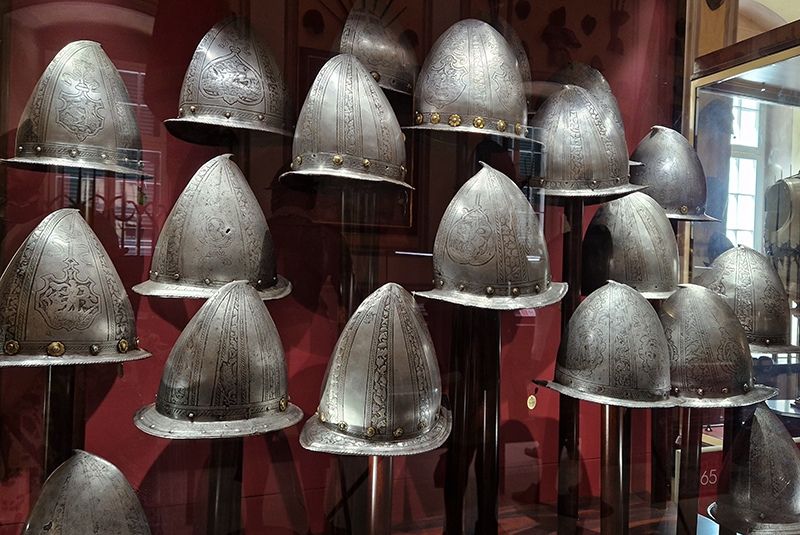
Malta suffered so much war, stretching back hundreds of years, war after war, so many wars, so depressing. A colossal amount of armour, some so intricately detailed, is held at the Grandmasters Palace Museum.

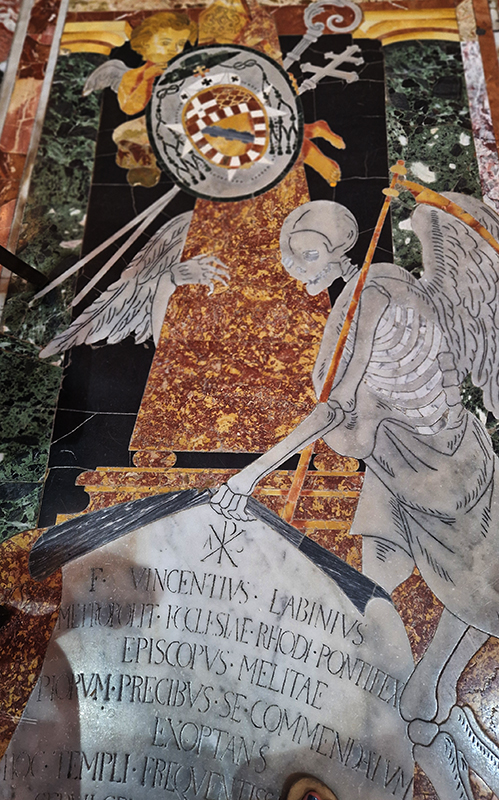
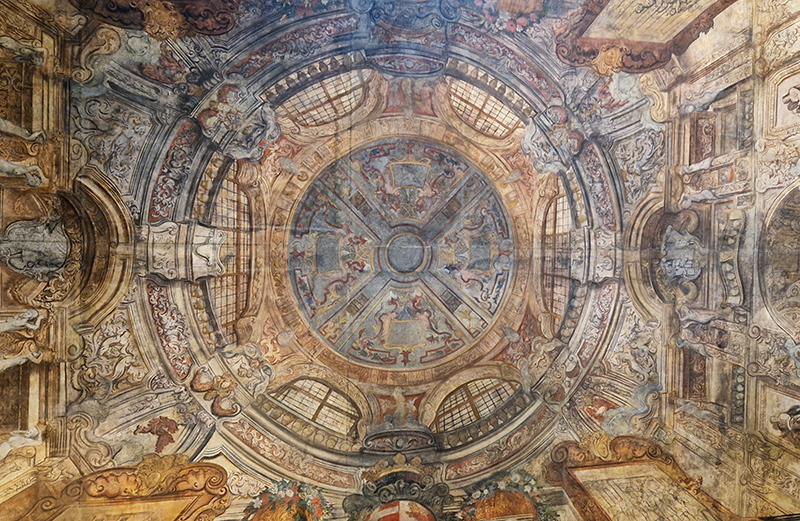
The Phoenicians arrived in Malta around 870 BC from Lebanon, and Malta subsequently came under the control of the ancient city of Carthage as a strategic trading post right up until the Romans take it in 255 BC bringing with them the Roman Catholic religion. A Cathedral was founded in the 12th century (according to legend it was built on the site where the Roman Governor met St. Paul when he was ship wrecked on Malta) was damaged by a huge earthquake in 1693 and rebuilt in the opulent Baroque style.

St. Paul’s catacombs located outside the walls of the ancient city of Melite is a system of underground galleries and tombs dating from the third to the eighth centuries CE.

The Byzantines of Malta fought off an invading Arab army for many weeks but the capital city of Melite fell in 870AD and all inhabitants were massacred. The city was rebuilt as Mdina by the Muslim conquerors. The Normans invaded Malta in 1091 to little resistance and this paved the way for the reintroduction of Christianity. Next came the Order of Knights of the Hospital of Saint John of Jerusalem, colonising Malta in 1530. The Order of St John was given Malta as a fief for the annual donation of a peregrine falcon, better known as the Maltese falcon. It was kept and trained in a great hall of the Grandmasters Palace where owls, song birds and other exotic birds were kept.

The Knights ran a strong naval fleet and knew the importance of astronomy for navigation. They established an astronomical observatory at the Grandmaster’s Palace. Also a meridian line, inlaid in marble, ran across the floor of one room with a hole in the ceiling above – noon was marked as the sun crossed the line.

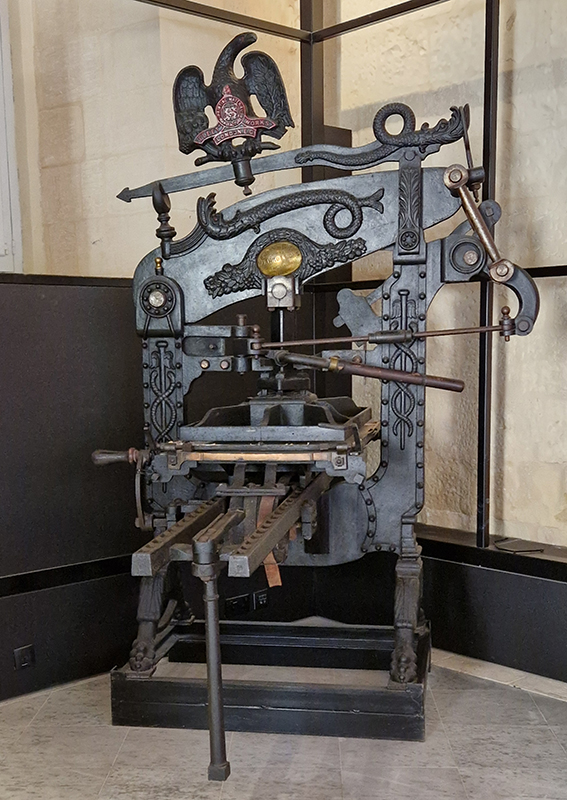
The Order of St John capitulated on the arrival of Napoleon Bonaparte in 1798. During his week on Malta Napoleon abolished slavery and instigated free education but there were other changes not so beneficial to the population and after two years of French rule an uprising led to Malta becoming a protectorate of the British. The magnificent printing press in the administrative hub of the Grandmasters Palace was manufactured by Londoners Harrild and Sons (founded 1809) of Farringdon.

Malta played a vital role providing a strategic location for hospitals during the first world war and was heavily bombed during the second world war. Discontent on British commitment to supporting Malta’s economy and hikes in imported food prices eventually led to riots by the population and came to a head on 7th June 1919 when British troops fired into the crowd, killing four and injuring 50. Relationship souring, Malta finally gains independence in 1964, becoming a republic in 1974.

While in Malta I was reading Cloud Cuckoo Land by Anthony Doerr, a novel that whisks you across time and space as characters inhabit times from the 1453 Ottoman siege of Constantinople to a spaceship escaping future Earth. It resonated with a land whose history is still so present and helped set markers across the centuries to cross reference what was happening in different parts of the world at the same time.

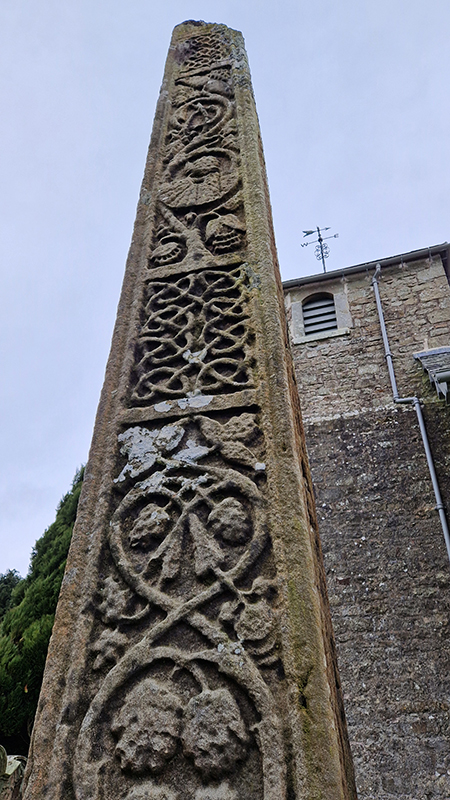
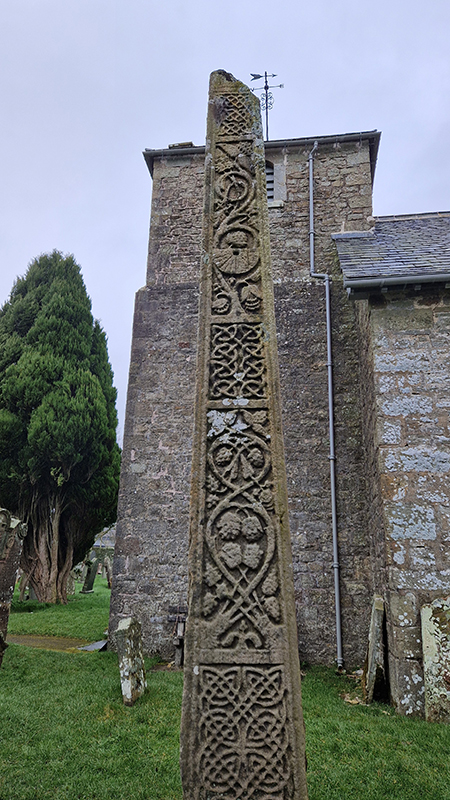
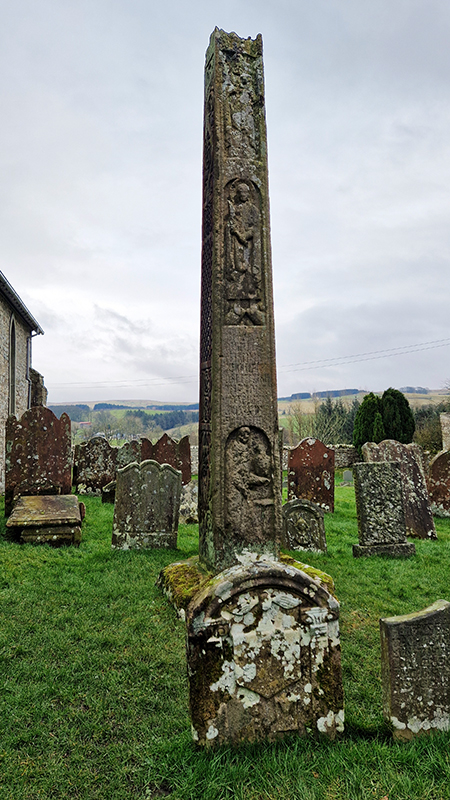
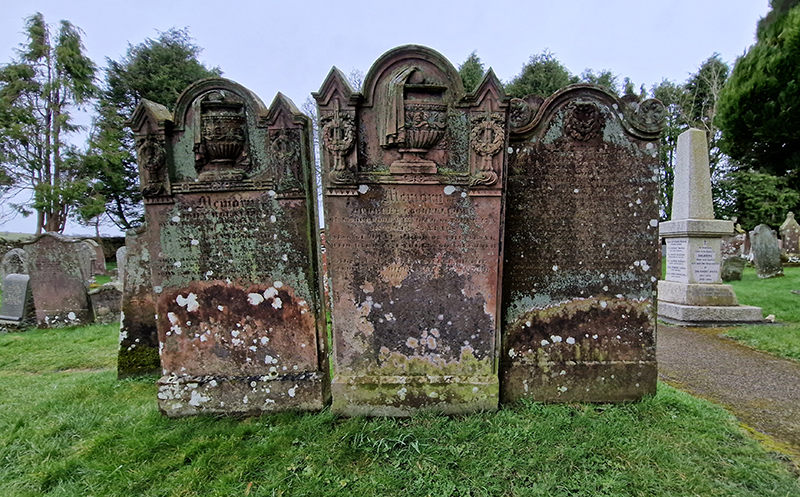
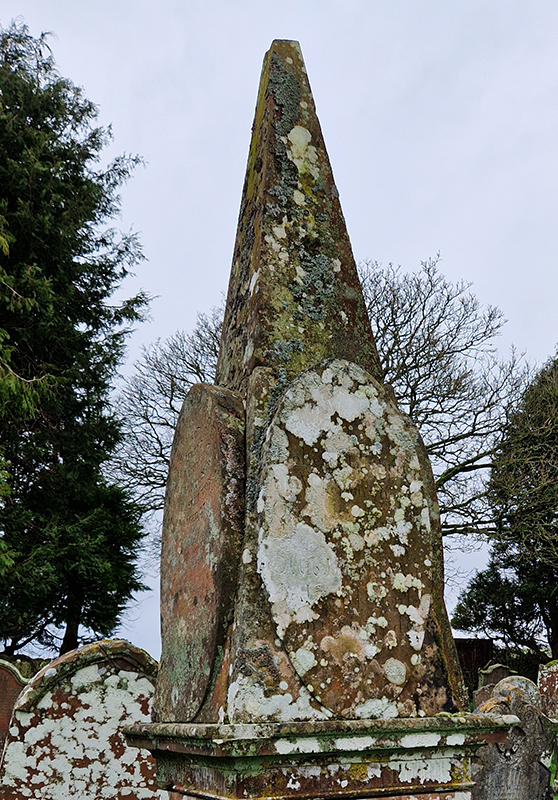
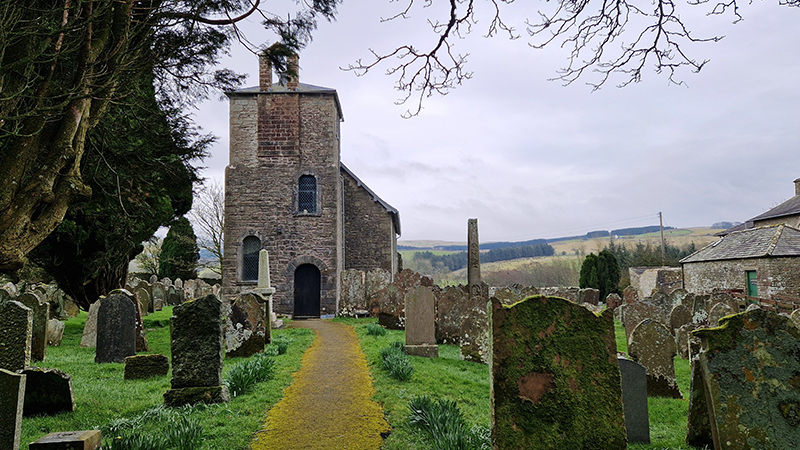
In Cumbria earlier in the year I visited Bewcastle, site of a Roman out post fort. The Anglo-Saxon Bewcastle Cross from the 7/8th century, hewn from a single piece of sandstone stands at 4.5m in the splendid village churchyard of St. Cuthbert’s Church. The head of the cross is missing and the carving very worn but features an intriguing mix of religious and non-religious figures, reliefs and inscriptions in a runic alphabet. The oldest carved sundial in Britain can be seen on the south face of the shaft, this medieval timepiece was carved at a later date, after the cross was erected, and is missing the indicator. From the late 7th century, around when this cross was being commissioned the Byzantines were busy building defence walls around Malta to counter a growing Muslim threat they feared.

Gallery Visits

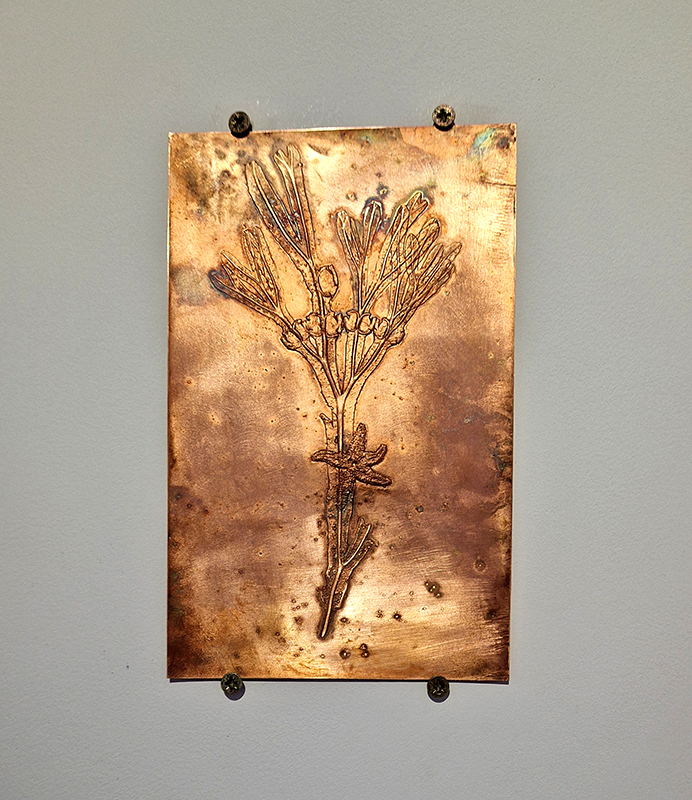
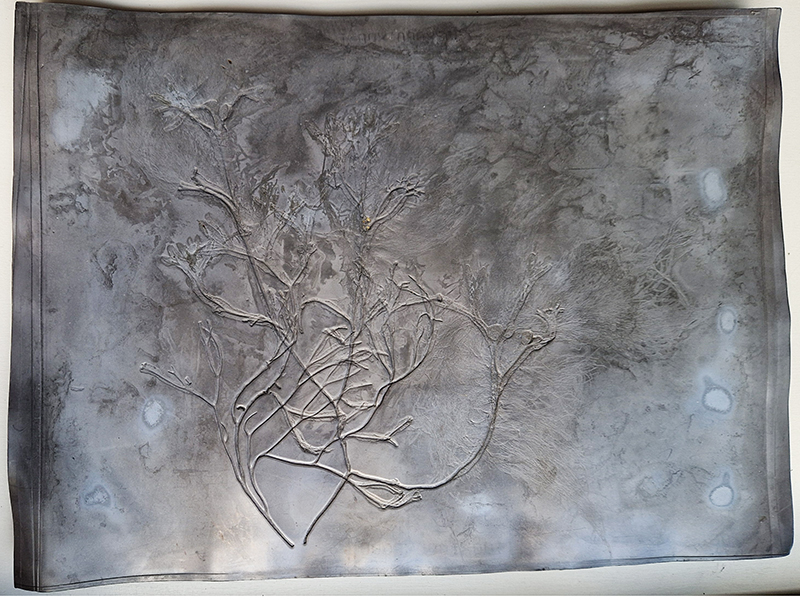
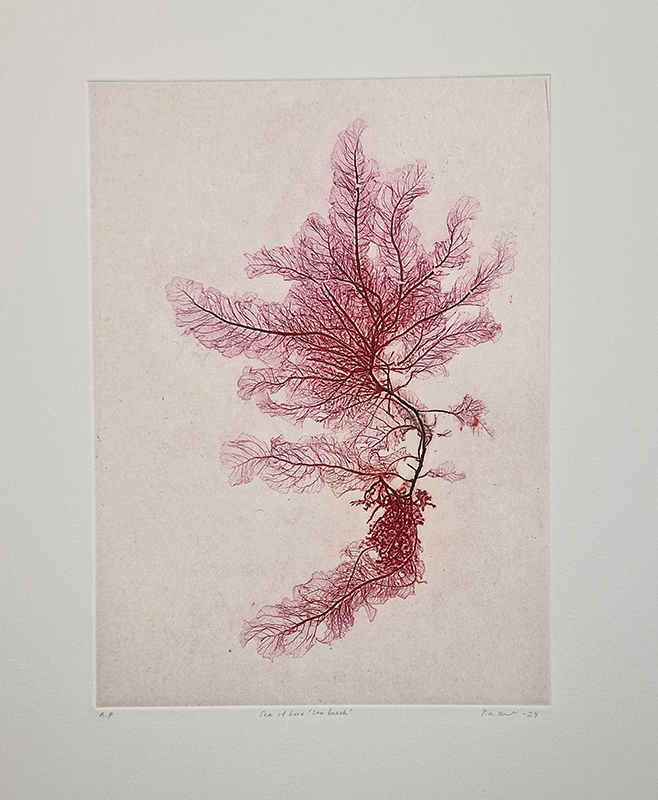
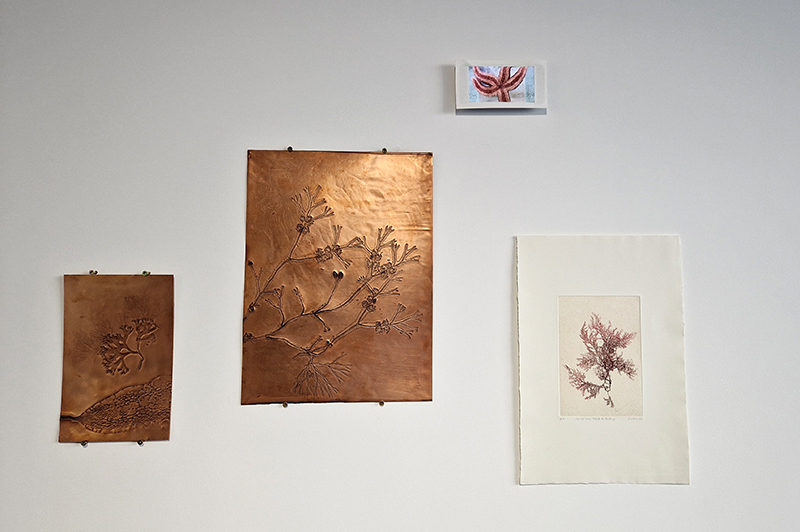
Pia Östlund Sea of Love at No Show Space. Really enjoyed my visit to this beautifully curated exhibition. So nice to have a gallerist take time to talk about the work. The nature printing explored in this show is an involved process of imprinting dried seaweed under pressure between polished lead sheets, taking latex moulds from the imprints which are then made conductive by coating in graphite and electroplated with copper to make a printing plate. Pia Östlund spent two months at BORCH Editions in Copenhagen, working with the master printers on refining the platemaking process of nature printing. Nature printing is an intaglio printing technique from the mid-19th century that makes it possible to make direct impressions of the surface of natural objects.

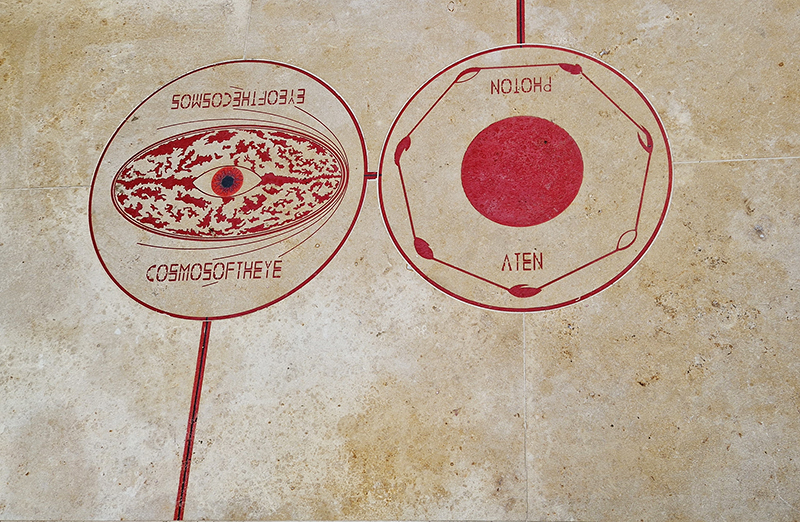
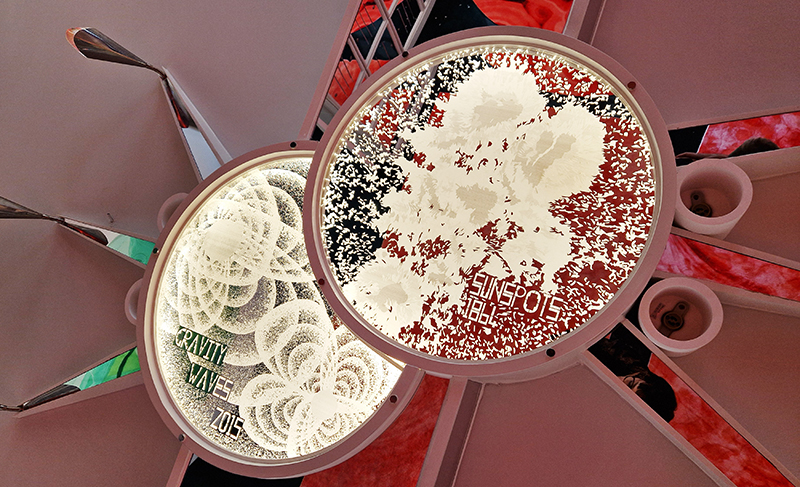
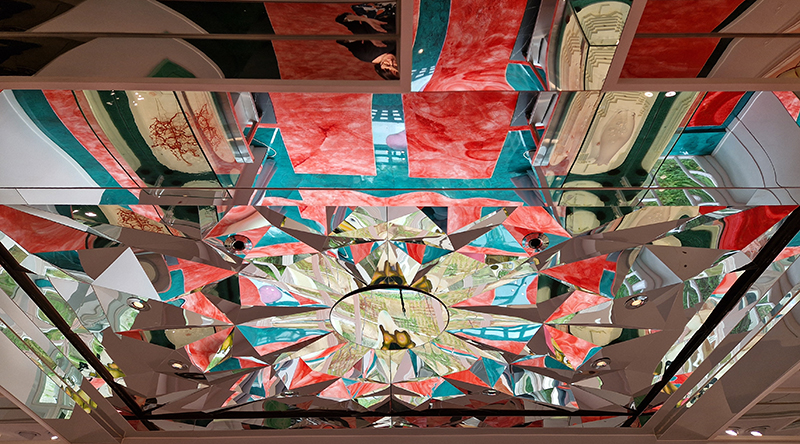
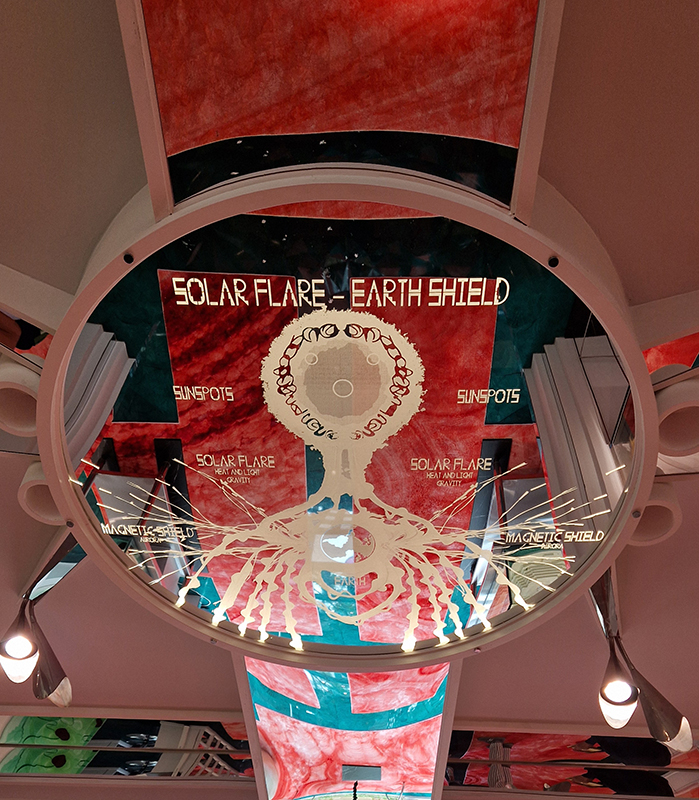
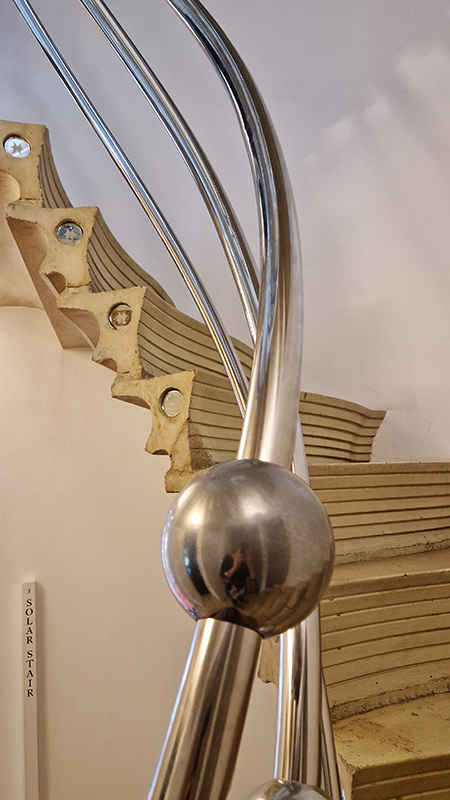
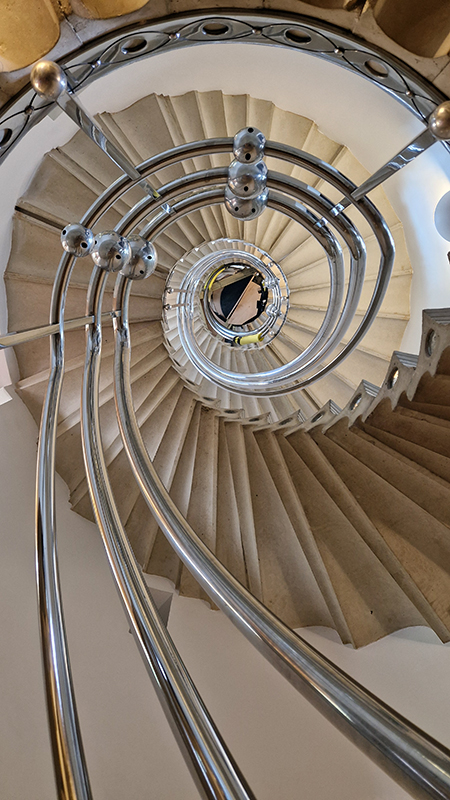
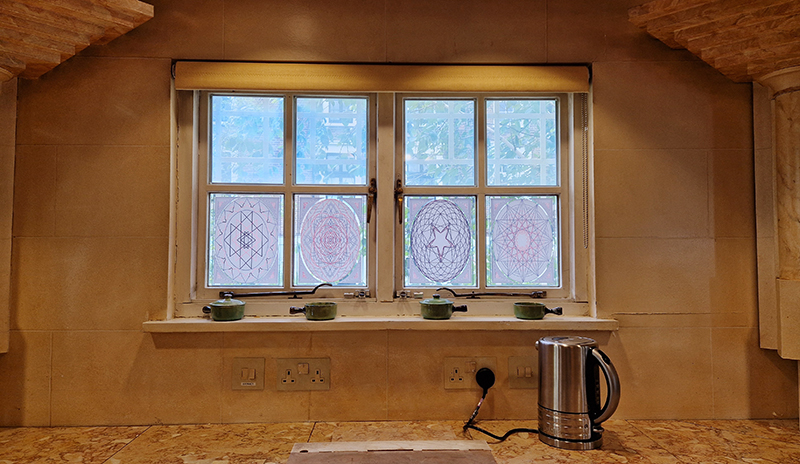
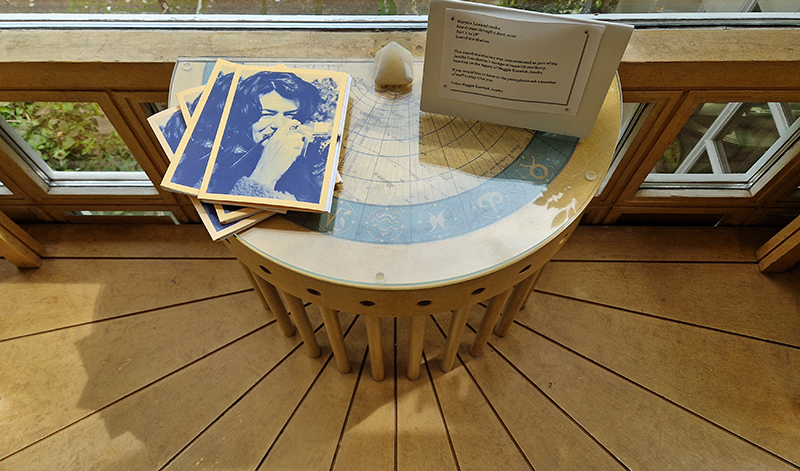
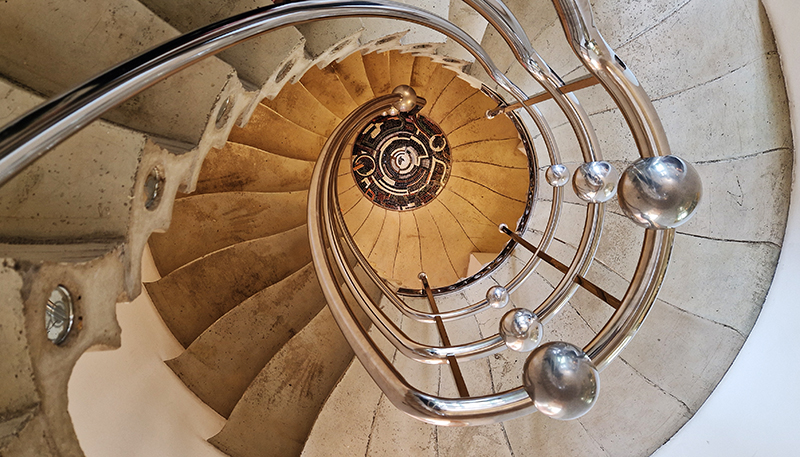
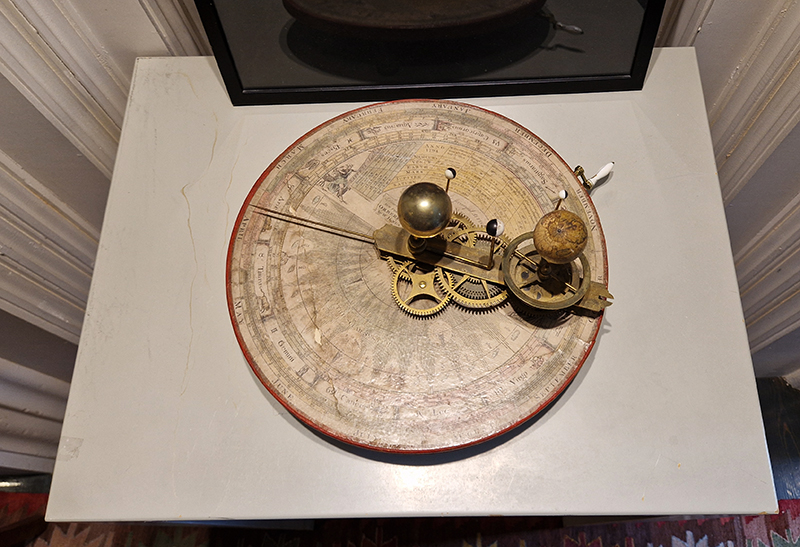
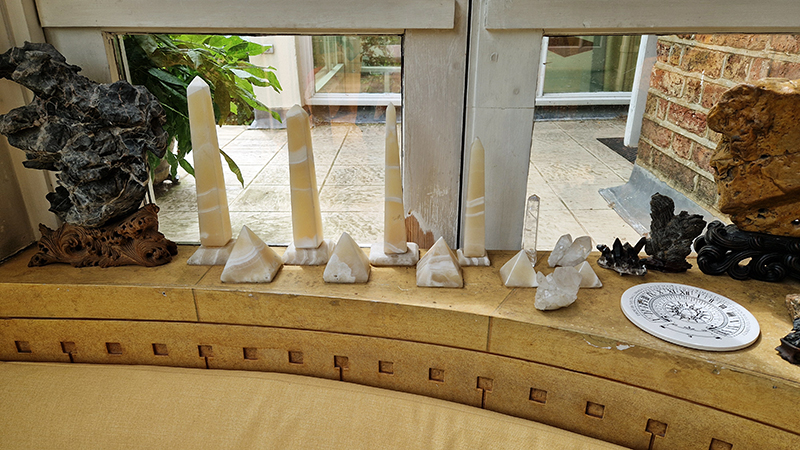
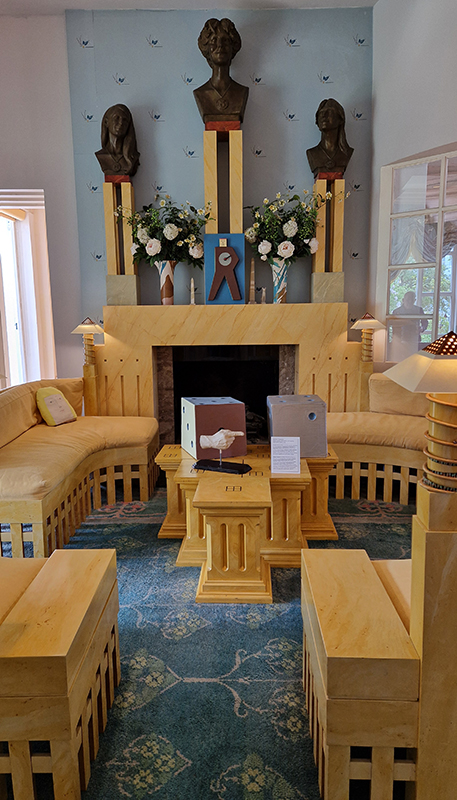
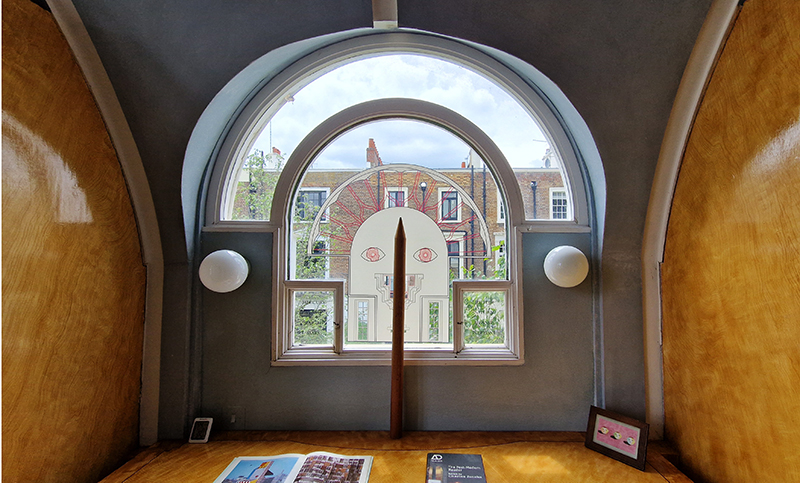
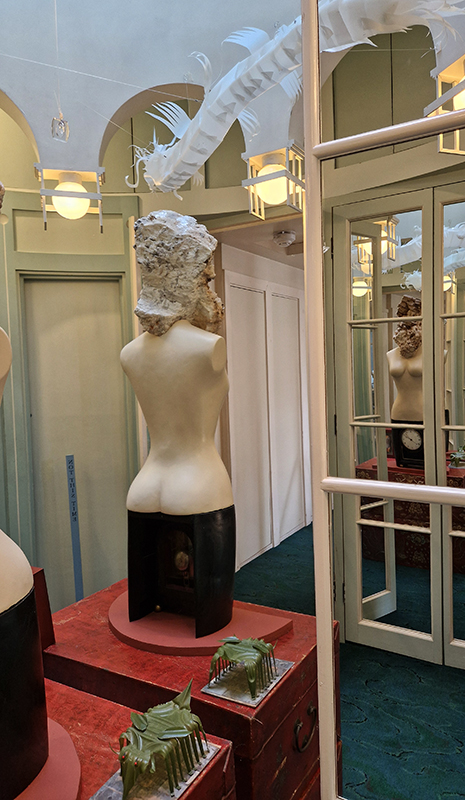
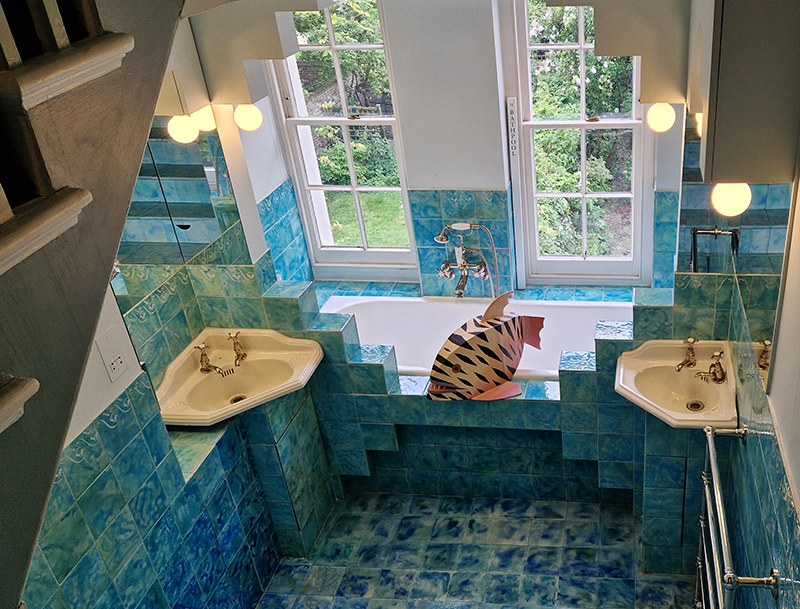
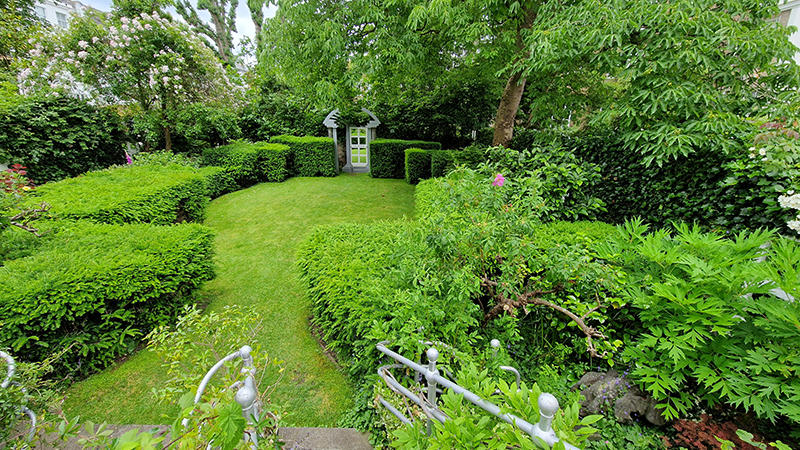
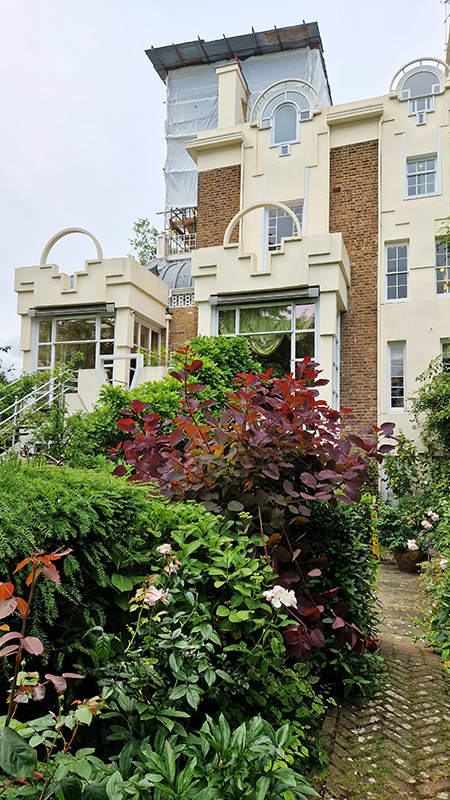
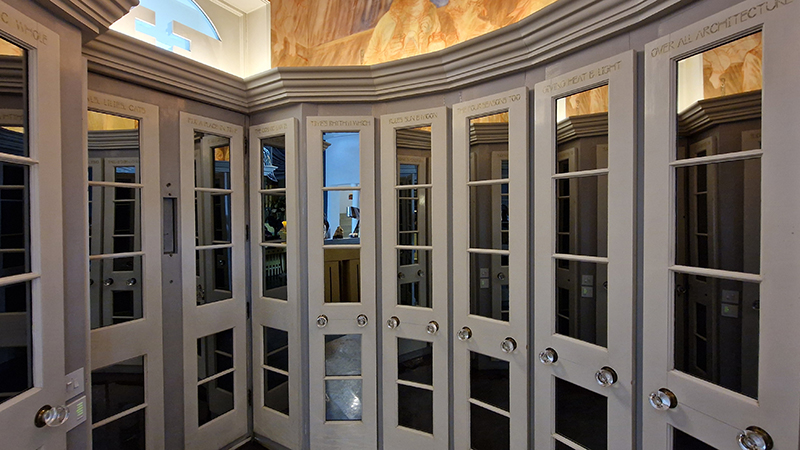
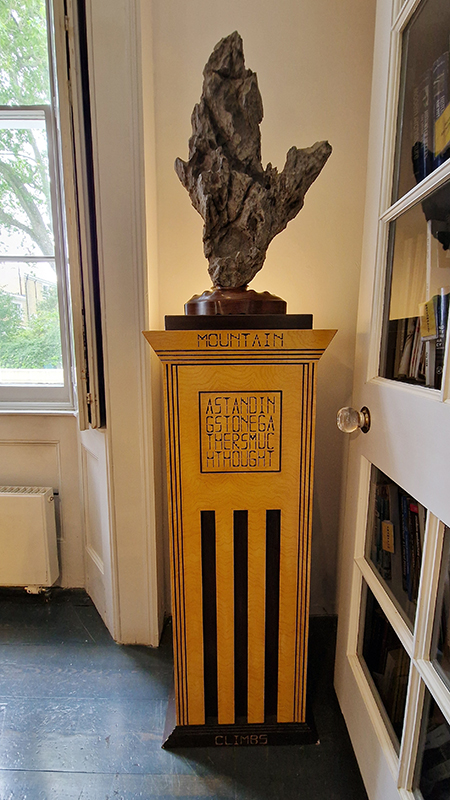
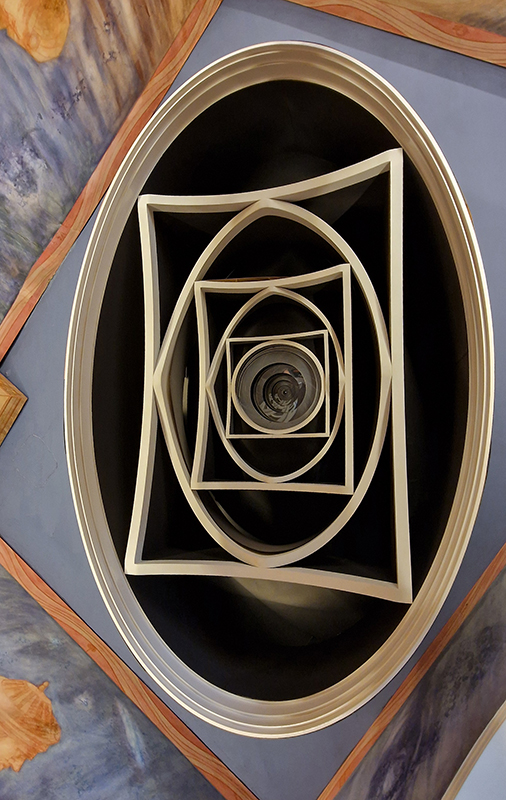
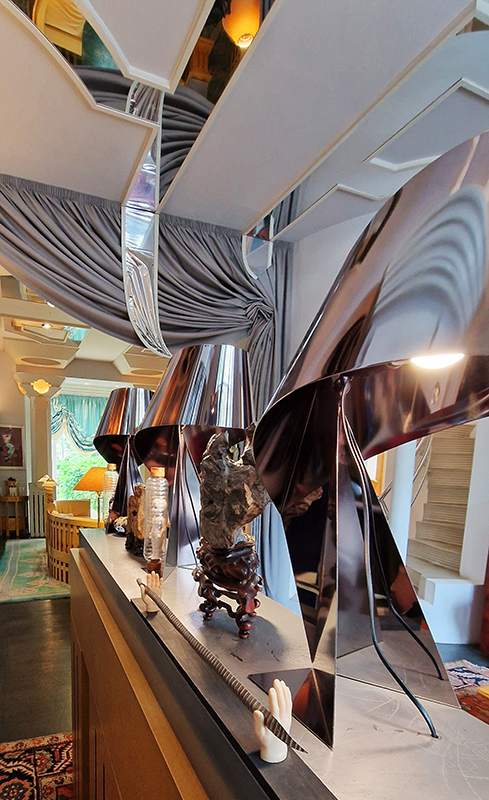
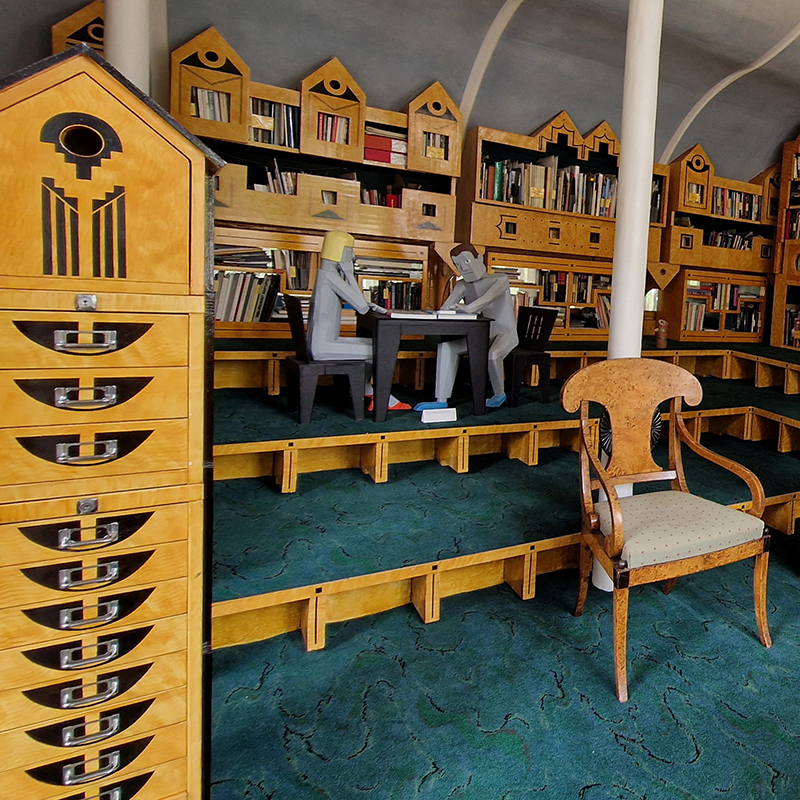
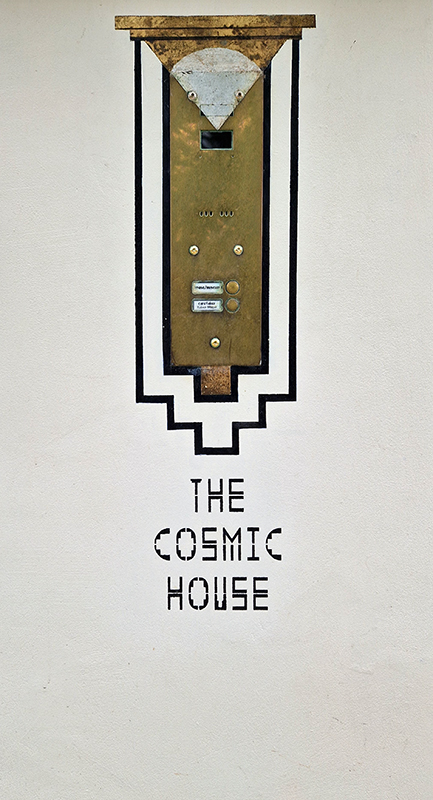
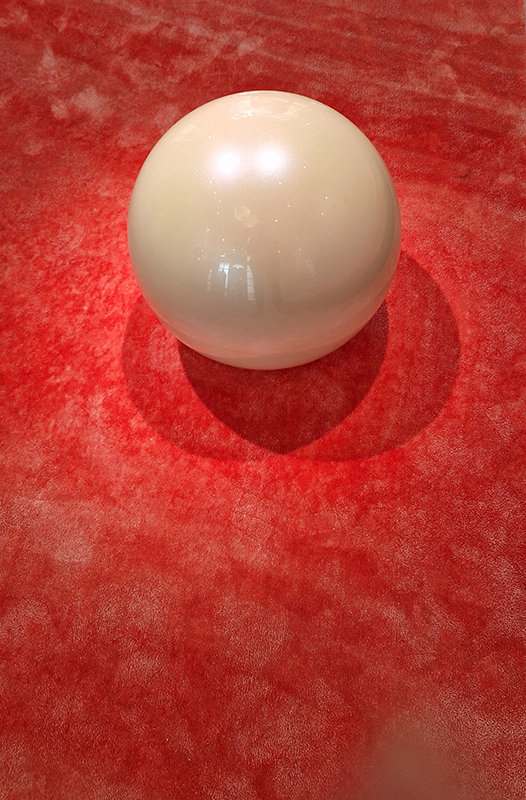
Sensory overload at The Cosmic House, a ‘built manifesto for Post-Modernism’. The original 1840’s residence has been remodelled by Charles Jencks into a complex system of symbols that embrace the creation of the universe, the rotation of the Earth around the Sun, day and night, the seasons, the elements, the understanding of science, and the history of architecture.

It’s like entering a kaleidoscope, mirrors everywhere, shifting perspectives, glimpses through to other spaces, optical illusions, and all saturated with vibrating colour.

The latest addition to the house is the museum gallery, which Jencks designed but did not live to see completed, with mirrored ceiling plaques on all my favourite things like magnetic fields, solar flares and gravity waves. Amazing place to visit.

There is currently an exhibition THE WORLD TO ME WAS A SECRET: CAESIOUS, ZINNOBER, CELADON, AND VIRESCENT by Tai Shani here whose theatrical colourful works suit this setting.

I am excited to be planning a visit to Haverah Park, the site of a cosmic ray air shower detection array consisting of water Cherenkov detectors distributed over an area of 12 km2 on the Pennine moorland, North Yorkshire. The experiment was operated by University of Leeds for 20 years, and was switched off in 1987. During its lifetime many 1000’s of extensive air showers were recorded including four exceptional ones of such size that the cosmic rays that generated them must have had energies greater than 10eV. These particles are the highest energy form of radiation known to exist anywhere in the universe and their origin is one of science’s greatest mysteries. Having reimagined The Absolute Hut seen at Hartland Magnetic Observatory for the exhibition A Stone Sky I am hoping a future project may be the reimagining of the huts from Haverah Park.

The exhibition Carbon: under pressure at Science Gallery Bengaluru is still running and I am so proud to have my work Cosmic Chiasmus: crossing the universe included in this amazing show. This video offers a glimpse into a subatomic world where cosmic rays travel from distant galaxies to collide and silently interact with atoms and technology on Earth. Cosmic rays go through a violent process of creation, transformation and decay. From the heart of stars or the depths of black holes these particles power across the universe with unimaginable energy colliding with life on Earth and triggering other processes such as cell mutation, computer data corruption and carbon-14 formation.

I am fascinated to learn more about cosmic magnetism and its influence on the development of early life.

The Universe is magnetic. From stars to galaxies to intergalactic space, magnetic fields thread the cosmos. Yet the origin of cosmic magnetism is still unknown, so astronomers are attempting to make maps of the magnetic fields inside massive galaxy clusters to determine if cosmic magnetism came from the early origin of the universe or developed over time. If it is discovered that there is an alignment of fields across the universe this would point to a primordial source of the cosmic magnetic structure rather than a slow emergence from seed magnetic fields. Understanding the origin of cosmic magnetism may give clues to the development of life on Earth and the possibility of life elsewhere in the universe. Only planets with a magnetic field have an atmosphere and offer protection from most radioactive cosmic rays.

Those cosmic rays that do penetrate the atmosphere may have influenced the development of early life. Chirality, also known as handedness, is the existence of mirror-image versions of molecules. Like the left and right hand, two chiral forms of a single molecule reflect each other in shape but don’t line up if stacked. All known life-forms show specific chiral properties in chemical structures as well as macroscopic anatomy, development and behaviour. The sugars that make up DNA, for example, are all right-handed. The amino acids that make up proteins are all left-handed. It is not clear how this asymmetry evolved but one theory suggests that magnetic surfaces on minerals in bodies of water on the primordial Earth, charged by the planet’s magnetic field, could have served as “chiral agents” that attracted some forms of molecules more than others, kicking off a process that amplified the chirality of biological molecules.

Another theory proposes that the influence of cosmic rays on early life may explain nature’s preference for a uniform “handedness” among biology’s critical molecules. Before life emerged on Earth, self-replicating molecules were slowly evolving beneath a constant shower of energetic particles from space. Researchers believe that cosmic rays with the ability to penetrate matter were potentially colliding with chiral molecules on Earth and everywhere else in the universe. These tiny differences in the mutation rate would have been most significant when life was beginning and the molecules involved were very simple and more fragile. Under these circumstances, the small but persistent chiral influence from cosmic rays could have, over billions of generations of evolution, produced the single biological handedness we see today.

Chirality is also seen in the spiral of a mollusc shell. I am in the process of finishing the sculpture shell for belly of a rock a hybrid work of chemical conversations at the intersection of the animate and inanimate, inspired by Italo Calvino’s Cosmicomics story The Spiral. Paper clay with crushed mussel shells.

My most recent video installation Orbital shown in Life Boat at APT Gallery focused on the potential risks to technology and life on Earth from extreme solar storms.

The following month, a barrage of large solar flares and coronal mass ejections jettisoning clouds of charged particles and magnetic fields, travelling at speeds up to 3 million mph toward Earth, created the strongest solar storm to reach Earth in two decades, and possibly one of the strongest displays of auroras on record in the past 500 years. There were even perfectly clear skies to view this extraordinary event, yet I missed it. So envious of all those who did get to see the displays of Aurora at such low latitudes. I am hoping there will be another chance to see the Aurora in the UK during this current year of peak solar activity, but not so dramatic a storm as to cause an ‘internet apocalypse’.

Gallery Visits

Andrea V. Wright Eyes of Skin at Thames-side Studios Gallery curated by Thorp Stavri. This exhibition explores the permeability and interactions between the body and architecture and the tensions arising from the ever-changing precariousness of our external and internal constructed environments. It was good to be able to chat with Andrea about her influences from fashion tribes and processes such as casting skins from buildings tumbling into ruins and tactics to avoid being vulnerable working in remote locations.

Holly Birtles and Charly Blackburn in Bog Bodies at APT Gallery. interrogate the complexities of wetland mysteries in the Thames Estuary and the Fenland Marshes exploring life, death, and metamorphosis through ceramics and photography. The Bog preserves the body in death enabling us to travel back in time as far as the Mesolithic period. Conditions inside the bog are acidic. They are perpetually wet, entangled with plants and peat, muddy and monstrous. A dense soup inhabited by complex ecologies that thrive in the anaerobic surroundings, creating a unique biochemical and physical occurrence that facilitates the mummification of prehistoric humans. This exhibition however, confounds expectations of oozing mud and swampy detritus. These ‘artefacts’ are presented in a pristine white cube setting, there maybe a slight whiff of smoke lingering from the ceramics but all is clean and orderly and the framing is thoughtful with a nice use of colour contrasts between image and frame. Good to be surprised.

SALON FOR A SPECULATIVE FUTURE: HOW TO BE IN THE FUTURE? at Vestry St – Cross Lane Projects with works from Aideen Barry, Quilla Constance, Lisa Chang Lee, Kate Fahey, Young In Hong, Evy Jokhova, Huma Mulji, Koushna Navabi, Monika Oechsler, Rebecca Scott, Jo Stockham. Postulating hope for a better future Rebecca Solnit (in an article in the Guardian, 2016): wrote “Hope is an embrace of the unknown”. Living in times of unprecedented change, uncertainty, she says, has “the power to influence the future”. Taking inspiration from the ‘future thinking’ of speculative fiction and looking at a wide range of fields from science and technology to spiritual, ecological and socio-economic issues, the exhibition highlights multiplicities and the complex interplay at work in global dynamics. The works, individually and collectively, draw on associations from different  subjectivities and contested /histories facilitating a space for contemplation and the discussion of positive futures. Strong shift shaping work here that gets under the skin, fake facades, hairy hissing and an AI doctored doctrine, make for an unsettling present from which to speculate on the future.

The Tipping Point at Bell House. The tipping point may arrive seemingly out of the blue as a slight change heralding a new way forward.  It can be magical or malevolent.  More than 40 artists in six individually curated spaces will examine different kinds of tipping points, both minor and major, literal and metaphorical. Sarah Sparkes and Jane Millar curate The Gowan Room using Octavia Butler’s dystopian novel, ‘Parable of the Sower’, as a point of reference. Jonathan Callan, Chudamani Clowes, Sarah Doyle, Lydia Julien, Marq Kearey, David Leapman, Yair Meshoulam, Jane Millar, Stephen Nelson, Victoria Rance, Alke Schmidt, Lex Shute, Ania Tomaszewska-Nelson, Sarah Sparkes, Sara Trillo, Marianne Walker and Alice Wilson explore a new awareness of change and exchange, a constant shifting of strange identities, the malleability of being, interspecies communication and the strength and vulnerability of community. Imagining new ways to merge; ways to intelligently and sensually live in the flux of a perpetual tipping point. Léonie Cronin curates the Lutyens room as a procession through objects of different artistic beliefs, pointing to new myths, a point of Syncretism where ideas become merged and the old symbols get incorporated into new systems.

Thomas Pausz in Haunted Ecologies at Stanley Picker Gallery. A very interesting show drawing threads of local history together with current urgencies such as sewage pollution of the local endangered chalk stream Hogsmill River. From spirit photography and the dark room experiments of Kingston’s Eadweard Muybridge, to digital manipulation, rendering and 3D scanning – Our perception of contemporary environment and culture is always haunted by spectres of the past and by hopes and visions of the future.

Symbiosis II group exhibition exploring the relationship between image makers, the more-than-human, and alternative photographic processes at Four Corners Gallery organised by London Alternative Photography Collective  curated by Hayley Harrison, Melanie King, and Ky Lewis. This exhibition considers the connections between symbiosis and alternative photography, and asks if nature is a collaborator or a commodity in alternative photography processes.

YOKO ONO: MUSIC OF THE MIND at Tate Modern. The main takeaway from this extensive overview of her pioneering work is the sadness that peace hasn’t been given a chance. The works are very direct, may appear simple in content or execution but cut deep into the human psyche. I particularly liked Half a Room, first presented in 1967, this is a room of objects cut in half and painted white. Ono said of this work “Molecules are always at the verge of half disappearing and half emerging…somebody said I should put half a person in the show. But we are halves already.” Another piece, Helmets (pieces of sky) from 2001 invites the audience to take a piece of the sky, which she sees as a hopeful symbol of limitless imagination. Jigsaw pieces of the sky are suspended in German army helmets, and although dispersed, offer the possibility of hope that they can be put back together through collective healing. Many works are participatory. A wall for drawing around your own shadow to create an entanglement of bodies. A boat to add your own wish to an ocean of wishes for the future.

Geographies of Print final iteration of Without Horizon, Without Shore at Thames-side Studios Gallery. Geographies of Print is a collective group created by artists Victoria Ahrens, Carol Wyss and Victoria Arney in 2020. This collective looks to explore and challenge notions of print within wider contemporary discourse and practice. The artists fully inhabit the given space with dramatic large scale pieces, that interact and collaborate to create an exciting and cohesive exhibition. Blocks of colour flash between a maze of hanging muslin panels where etchings of impenetrable blacks and misleading undulations recall both mountain paths and the shadowy mazes of ancient cities. Emotive live music improvisation by Jim Howard (trumpet and electronics) and Julie Walkington (bass) accompanied Victoria Arney’s film reflecting on the epic journey of migrating birds. Landscapes of the mind and the body, a birds eye view and the internal geology of the Earth are beautifully explored.

Delighted to share the news that I have been longlisted for The Aesthetica Art Prize 2024. A live recording of The Breath of Stars will be included in the digital showcase at York Gallery. The Aesthetica Art Prize celebrates contemporary art across a range of media and I’m looking forward to joining the Future Now conference for critical and cultural debate running alongside the art prize exhibition.

The Breath of Stars (Cosmic ray detectors, mini computers, wooden box (20×20 cm), video projection; live duration) is a digital video work activated in real time by the passage of cosmic rays through a pair of scintillator detectors. Cosmic rays from exploding stars or other extreme events, power across the universe, collide with atoms in the Earth’s atmosphere, break apart, and shower down upon us. Some particles silently interact technology on Earth. In this work, particle detectors and mini computers are connected to a projector. Every time a cosmic ray passes through the plastic scintillator blocks inside the detectors, its energy is recorded, and a starburst video is displayed.

The kaleidoscopic video images that appear are created from mirrored footage of cosmic ray trails filmed during my cloud chamber experiments. Cosmic rays are subatomic  – smaller than an atom – they are protons or the nuclei of an atom which has had its electrons ripped away. We can’t see the actual particles but we can see the trails of condensation they leave behind as they whizz through a cloud chamber.

Cosmic rays arrive at Earth randomly, and this can be witnessed by the sudden flurries and silent gaps of the video imagery. The kinetic energy in just one particle can be equivalent to the energy of a cricket ball bowled by the fastest bowler on the planet  – so much energy squeezed into one tiny particle gives it a huge velocity. Light travels a thousand billion kilometres in one year – a light year – no object with mass can travel at the speed of light but an ultra-high energy cosmic ray would only lag behind the photon by 100th of the diameter of human hair. Most cosmic rays heading for Earth are deflected by the planet’s magnetic field – without this protection, life on Earth, as we experience it, could not survive this bombardment of radioactive matter.

Around 95% of the universe is ‘dark’ to us, formed of unknown and possibly unknowable matter. Phenomenon such as dark matter may be inaccessible to us, but cosmic rays offer a more tangible contact with outer space as they have mass. Although too small to see, we can witness their effects via technology, such as that used in The Breath of Stars, which affords us the opportunity to gaze beyond and between the stars to gain an insight into the structures of the cosmos and imagine what might be hidden in those dark spaces.

I am very excited that Cosmic Chiasmus: crossing the universe is showing at the super brand new Science Gallery Bengaluru in their inaugural exhibition CARBON: under pressure.

Science Gallery Bengaluru (SGB) is part of the Science Gallery International Network pioneered by Trinity College Dublin. The exhibition explores the ubiquitous nature of carbon, its energy history and the potential futures it enables. Given its unique capability to form bonds and compounds carbon is a foundational element of both life and non-organic matter and its properties have been harnessed as fullerenes, graphene, nanobuds, nanotori, nanocones, and nanohorns, enabling the creation of new screens, batteries, ultra-fast computers, ultra-thin sensors and cables of braided nanotubes. Carbon-14 in organic materials serves as the basis for radiocarbon dating, and Carbon-12 was the standard Dmitri Mendeleev used to determine the atomic weights—and now mass—of all other elements. Carbon dioxide is used as the standard to understand and regulate the flow of exchanges between ecology and economy. Industry driven by coal and oil-fired productivity have triggered alarming climatic effects and created a chasm between geo-biological time as shaped by the material memories of the planet and historical time—that shaped by human action. Carbon is an archive of buried sunshine, bridging the divide between substance and phenomena; caught between the finitude of nature’s resources and the near infinite wonderous potential it holds.

Cosmic Chiasmus: crossing the universe offers a glimpse into a subatomic world where cosmic rays travel from distant galaxies to collide and silently interact with atoms and technology on Earth. Cosmic rays are particles that move extremely fast. They are raining down on planet Earth all the time. Although they are called rays they are not like photons, as light is made of, because they have mass, but they do travel at nearly the speed of light. Cosmic rays go through a violent process of creation, transformation and decay. From the heart of stars or the depths of black holes these particles power across the universe with unimaginable energy colliding with life on Earth and triggering other processes such as cell mutation, computer data corruption and carbon-14 formation. Above our heads where cosmic rays collide with atoms in Earth’s atmosphere radioactive carbon-14 is formed. This radioactive carbon-dioxide in our atmosphere is absorbed by plants and enters the food chain. The radiocarbon decays while an organism is alive but is continually replenished as long as the organism takes in air or food. When an organism dies no more Carbon-14 is absorbed and that which is present starts to decay at a constant rate. By measuring the radioactivity of dead organic matter, the carbon-14 content can be determined and the time of death established. Cosmic ray activity gives us carbon dating techniques. It is an incredible journey that cosmic rays make, blasted across space, spiralling along magnetic field lines to end up entangled with carbon in our bodies.

The James Webb Space Telescope selfies of its own light searching mirrors shows cosmic ray activity impact. Space weather can have serious implications for technology. Satellites are particularly vulnerable. and can be sent off-orbit or suffer electrical interference. The satellite population orbiting Earth has more than doubled since 2020, and with more satellites launched in the past year than during the first thirty years of the Space Age, reliance on this technology is increasing at a rapid rate.

I am making new work looking at information insecurity caused by space weather for an upcoming group show at APT Gallery which takes the lifeboat as a metaphor for precarity. Participating artists: Rachael Allain / Caroline AreskogJones / Beverley Duckworth / Liz Elton / Susan Eyre / Kathleen Herbert / Kaori Homma / Anne Krinsky.   

Life Boat brings together artists with a shared interest in exploring precarity as a site of dynamic transition. Each takes an investigative approach to the environmental, social and historical themes evoked by the lifeboat, as a means of addressing ecological crisis, liminal landscapes, close and distant horizons, boundaries and displacement, lines of rescue, navigation and transformation.

“How do you calculate upon the unforeseen? It seems to be an art of recognizing the role of the unforeseen, of keeping your balance amid surprises, of collaborating with chance, of recognizing that there are some essential mysteries in the world and thereby a limit to calculation, to plan, to control.” Rebecca Solnit, A Field Guide to Getting Lost

Gallery Visits

Tania Kovats as above so below at Parafin. She says: ‘I make drawings more than I draw drawings.’ There is something captured in the simplicity of her work, a haptic viscerallity that is very emotionally stirring.

Hiroshi Sugimoto: Time Machine at Hayward Gallery. Beautifully crafted, astonishing work. Hard to believe his models are waxworks or museum taxidermy dioramas, not living subjects and that it is his studied use of light that so cleverly activates his images. I particularly like the Theatres series where he set his camera on an exposure equal to the length of the film being projected into an otherwise dark and empty cinema. The resulting images of a blinding white screen bleeding light like an opening to heaven are remarkable records of passing time. I also loved the work stemming from his interest in mathematics and optical sciences and his experiments with different electrical discharge tools. Sugimoto discovered that he could produce shapes that looked like amoeboid organisms, so he set out to recreate the conditions of the ocean from the time that life began. Using rock salt from the Himalayas (today’s mountain range was once the ocean floor), he mixed his own primaeval seawater. Submerging electrically charged film into the water, the artist was amazed to see light particles move across the surface like microorganisms.

SEISMIC: ART MEETS SCIENCE at GIANT Gallery, Bournemouth, a collaboration with SEISMA Magazine curated by Paul Carey-Kent who was leading a tour of the works when I visited. Artists: Uli Ap, Edward Burtynsky, 0rphan Drift, Peter Matthews, Claire Morgan, Elpida Hadzi-Vasileva, Lisa Pettibone, Shuster + Moseley, David Rickard, Troika. Scientists from corresponding fields of interest are called upon to comment on the work of the curated artists. I was curious to see David Rickards Cosmic Field (3.7mHZ) – a commission by Seisma magazine – which sees cymbals clash when a cosmic rays passes through a hidden Geiger counter. Unfortunately, I didn’t get to witness the full effect as the detector mechanisms hadn’t been charged up, and so only one cymbal was responding with an occasional clash. There are some clever maths in the title and references to John Cages silent composition and the oscillations of the sun. I would like to have learnt more about how the Geiger counters can be sure they are recoding cosmic rays and not just background radiation. It was interesting to read about how stars have sound trapped within and resonate at natural frequencies, like waves inside a wind instrument. Astrophysicist Dr William Chaplin refers to this process as gentle breathing which can be seen in periodic changes in brightness as the stars breathe in ( compressed and bright ) breathe out (relaxed and darker). Other work in the show included Lisa Pettibone’s Truth to Illusion a screen that appears to show a digital undulating image is revealed through a peep hole to be caused by a rotating light and glass mechanism. Light can reveal and mislead in the quest for an understanding of reality. Jewell of Space by Claudia Moseley and Edward Shuster is a mesmerising moving sculpture of light refracting and scattering across a constellation of glass, shadowing the lensing effects of light across the galaxy. Clare Morgan’s Heart of Darkness – a grid of bluebottle flies – a comment on complexity in a system and the importance of each individual to create a whole. Elpida Hadzi-Vasileva’s animal organs given new context – the body turned inside out (cow’s stomach) – the unseen revealed (lamb intestine).

The Accurate Perception Available When Our Eye Becomes Single at The Cut, Halesworth, Suffolk. A lucky chance to see another iteration of this impressive collaboration between Richard Ducker (video) and Ian Thompson (sound). This atmospheric multi-screen installation transports you to the remote otherness of Orford Ness with its innate aura gained from status as a top secret military site and atomic development centre of the 1950’s.

Holding Cosmic Dust: An Almanac, a video installation at The Swiss Church in London by Hot Desque. I enjoyed their previous theatrical inspired installation at Thames-side Studios Gallery where lighting played a key role in creating atmosphere. Again lighting was key, this time very low lighting meant identifying friends at the event was unpredictable. This installation is partnered with an intervention within the permanent, archaeological collection of the Corinium Museum, in Cirencester, positing a speculative archaeological dig in which a matriarchal society is uncovered. The installation draws out connections between archaeology, history and fantasy. There was in conversation with historian Frederika Tevebring about the speculative nature of archeology and evidence of matriarchal societies, but due to challenging acoustics and lighting much of this fascinating talk was lost. I would have liked to hear about the cosmic ray connections. Was it to do with Carbon dating? Participating artists: Holly Graham, Rubie Green, Rebeca Romero, Amba Sayal-Bennett, Abel Shah and Suzanne Treister.

Reading

All The Light We Cannot See by Anthoney Doerr. An extraordinary evocation of the depths of human tenderness and cruelty and the power of knowledge. This is a beautifully written fiction spanning the decades from the 1930’s into the 21st century when advances in radio technology went from a being a source of public information and enlightenment to a weapon of war. Through the wonder of the young protagonists in discovering the magic of radio transmissions, the author also stirs in the reader a reminder that it is invisible waves crisscrossing our world, carrying information vast distances, across political and geographic boundaries. I loved this book.

The Future of Geography: how power and politics in space will change our world by Tim Marshall. Clear and accessible writing takes the reader through the history of the space race to the ubiquity of orbiting satellites and on to the era of astropolitics, military strategy and the battle for future resources. The stakes are high.

Entangle: Physics and the Artistic Imagination edited by Ariane Koek, written in conjunction with an exhibition at Bildmuseet in Sweden. The book is filled with fascinating essays from both artists and scientists giving personal perspectives on their interest in and interaction with particle physics. The importance of an open imagination, the thrill of the unknown, the quest for knowledge that may never be accessible, are relevant to all participants. The common ground between art and science, and the benefits to both fields of joint conversations, is increasingly being acknowledged. Scientists offer the abstract theories, controlled experiments or new technologies that feed artists imaginations, throwing up new questions for both to consider and relate to the human experience.

Watched the deeply moving film by Werner Herzog, The Enigma of Kaspar Hauser – a fictionalised documentary of a teenager suddenly released from an existence of inexplicable confinement chained in a cellar with no human contact other than his captor. The film follows the internal struggle of Kaspar as he is subjected to the demands of society, and take on the current belief systems of the Church. His confusion at the world and despair at how much he doesn’t understand is an allegory for the limitations of human knowledge. The film spotlights the failure of logic and science to provide answers to the human condition.

It is within my mind then, that I measure time. I must not allow my mind to insist that time is something objective.  When I measure time, I am measuring something in the present of my mind. St. Augustine of Hippo, 397

The many layers of paper comprising The Azimuth Obelisk (of sedimentary knowledge) sculpture have been prepared ready for final assembly. The next step will be patinating and assembling the copper pyramidion. This sculpture is a reimagining of the obelisk erected at Hartland Magnetic Observatory in 1955 which is now almost hidden by undergrowth. Although manual readings via a theodolite are still taken from the Observing Building north facing window, this concrete permanent azimuth mark has been replaced by a GPS position. The sculpture expresses the passage of time, made from recycled paper prints and drawings whose history is embedded in the stacked layers, much as the Earth’s geological and magnetic history is secreted into sedimentary strata of rock.

What is below our feet can be as much of a mystery as what is above our heads. The furthest humans have drilled below the surface of the Earth is just over 12 km but it is 6,370 km to the centre of the Earth. One way of exploring the Earth’s core is by studying geoneutrinos. Geoneutrinos are neutrinos, the lightest subatomic particle, released by the natural radioactive decay of potassium, thorium, and uranium in Earth’s interior. By studying geoneutrinos, scientists can better understand the composition and spatial distribution of materials in the mantle and core. Neutrinos can pass through matter uninhibited and are not affected by magnetism. Geoneutrinos are low-energy electron antineutrinos, and scientists need to use large detectors to record them but because they  are so elusive, they don’t capture very many events each year. Some of the heat emanating from the interior of our planet comes from this radioactive decay and is responsible for everything from creating the molten iron core that generates Earth’s magnetic field to the spread of the sea floor and motion of the continents.

At the centre of the Earth is a hot sphere of solid iron which has its own ocean of molten iron, surging and churning with hurricanes and whirlpools powered by the Coriolis forces of Earth’s rotation. These complex motions generate our planet’s magnetosphere. The turbulent dynamo process also means the magnetic field is in a constant state of change and the poles are always on the move. From James Clark Ross first locating the magnetic north pole in 1831 to when Roald Amundsen found the pole again almost a century later it had moved at least 50 km since the days of Ross. Both poles continue to wander as varying speeds. Magnetic stripes around mid-ocean ridges reveal the history of Earth’s magnetic field for millions of years and record magnetic field reversals in the magnetism of ancient rocks. Field reversals come at irregular intervals averaging about 300,000 years with the last one 780,000 years ago. Reversals take a few thousand years to complete, and during that time the magnetic field does not vanish but becomes twisted and tangled with magnetic poles appearing in unaccustomed places. Although in a state of turmoil with possible weak areas it can still protect us from space radiation and solar storms.

I took up membership of London Sculpture Workshop supported by a professional practice and creative development bursary from The Artists Information Company. Great to have access to the facilities here to work on sculptures responding to research visits to magnetic observatories. I had a couple of sessions cutting copper with a plasma gun. The intense heat colours the edges of the metal with blues, yellows and crimsons. Unfortunately some of the colour gets lost when they are lacquered so I have left some without coating this time to see if they lose the colour anyway. These topographical contours which are destined for the installation The Absolute Hut (of action potential), reflect the fluid motion of the Earth’s interior and also the pulsating alpha waves emanating from the human brain subjected to magnetic fields.

I have started editing and gathering together video footage for The Absolute Hut installation. Inside the hut I am planning to have video screens suggesting portals into a modulated web of neural pathways and one larger window with a two way projection film of the migratory pink footed geese at Snettisham in Norfolk. Natural navigation techniques and extra-sensory methods used by the non-human realm will form the basis for speculation as to the ability for humans to perceive the Earth’s magnetic field. 

Following on from concrete casting tuition with Anna Hughes as part of my a-n creative development bursary I have been testing casting concrete with embedded magnets. I had an idea to try removing bubbles from the concrete by putting it on an exercise vibrating plate. The motion is quite violent and undulating and my mix was quite loose so it had an effect like a small wave machine sloshing side to side – there were no bubbles in the results though. These tests are towards making a series of dodecagon tablets cast in Snowcrete, a non-magnetic cement, as used in a magnetic observatory. Suggestive of the pedestals that support various instruments used in monitoring the Earths’ magnetic field they also respond to an ancient anemoscope “table of the winds” carved in marble around eighteen hundred years ago and inscribed with the Greek and Latin names of classical winds on each of its twelve sides.

Lichen boundaries seen on a trip to Somerset reminded me of the magnetic domains of the directional magnetic steel when sanded and etched to reveal the Goss texture of rolled iron silicon alloy crystals. The jigsaw pattern of magnetic domains give this material exceptional magnetic properties.

I had a great time interacting via zoom with volunteer mediators who will serve as conversationalists for visitors who come to the Carbon exhibition at Science Gallery Bengaluru where my video Cosmic Chiasmus: crossing the universe will be shown later in the year. Mediators are an integral part of each exhibition-season at Science Gallery Bengaluru (SGB). By providing each visitor the unique opportunity to deeply engage with the exhibits, events, and programmes, the mediators are at the backbone of our commitment to public engagement at SGB.

The session was designed to gain an understanding of the work to be shown, the process behind its creation, and the key concepts explored in it. Cosmic Chiasmus: crossing the universe offers a glimpse into a subatomic world where cosmic rays travel from distant galaxies to collide and silently interact with atoms and technology on Earth. Not only is all life physically permeated by cosmic rays with the potential for nuclei collisions but some cascading particles smash into atoms of nitrogen to create carbon-14. Carbon-14 then combines with oxygen in the atmosphere to create radioactive carbon-dioxide  – this is ingested by plants and animals through the food cycle. In making the film I was interested in exploring the interconnectedness of ourselves to our wider environment, even outer space and the influence intangible phenomena such as cosmic rays can have on everyday life and human technology.  It is an incredible journey that cosmic rays make, blasted across space, spiralling along magnetic field lines to end up entangled with carbon in our bodies.
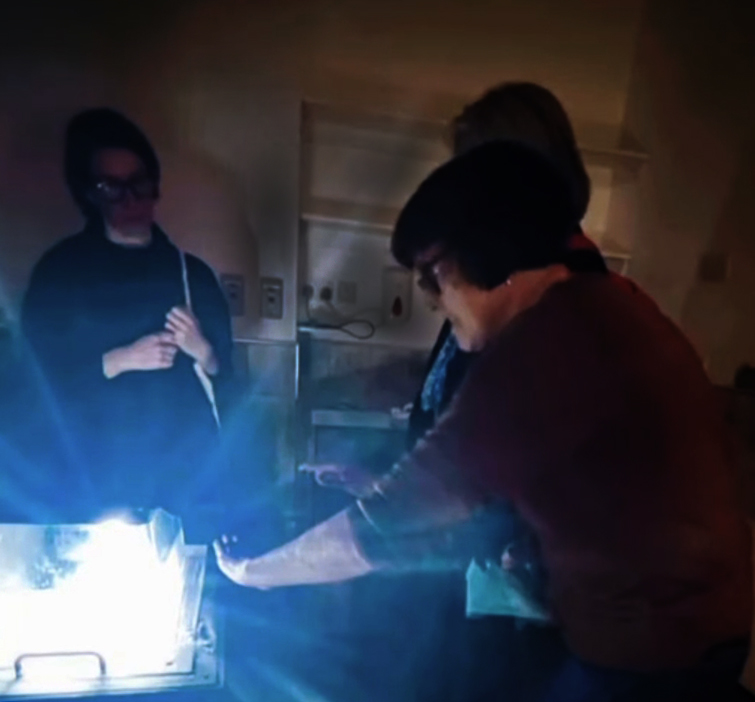
Most years have twelve full moons, but as our calendar is not perfectly synchronized with astronomical events, every now and then there is more than one full moon in a month which can be known as a blue moon. It takes the moon 27.3 days to orbit the Earth but about 29.5 days to go through all of its eight phases waxing from new to full and waning back again. We can hope to see a super blue moon next month.

Carey Young’s Plato Contract – only gains status as an artwork once it has been installed, following explicit instructions, in the impact crater, Plato, on the moon.

Royal Society Summer Lates – Interesting new research in the search for dark matter from UCL High Energy Physics team using quantum sensors. Tiny glass spheres levitated in a vacuum and super cooled means these are extremely sensitive to any slight gravitational interaction should dark matter be made of very light particles. Instead of a vast tank of Xenon installed in a disused goldmine this new search for dark matter is quite a contrast in scale.

Also got to cause gravitational lensing with my own body mass and enjoy some splendid cocktails with surreal smoke bubble topping. Love Royal Society events.

Melanie Jackson Rouge Flambé at San Mei Gallery with a fascinating accompanying essay by Esther Leslie. Rouge flambé is a red oxide ceramic glaze with a long history of use, spreading across the globe from its origins in China. Together these works celebrate forces that hold a primordial fascination – fire, colour, alchemy which bridge the scientific with the mythological.

Angela Palmer Deep Time: uncovering our hidden past at Pangolin London. The exhibition explores time through the material history of Great Britain – charting its 3-billion-year lithic timeline to arrive in our current age of the Anthropocene. Featuring the UK’s 16 geological periods, starting with one of the world’s most ancient rocks, the 3-billion-year-old Lewisian Gneiss from the Outer Hebrides. Further stones include 2.5-billion-year-old White Anorthosite sourced in the Outer Hebrides that was also found on the Moon by the astronauts of Apollo 15 in 1971, as well as 66-milion-year-old Northern Irish Black Basalt marking the extinction of the dinosaur. The exhibition also includes teak sculptures salvaged from the ocean where it lay for a century while marine boring insects carved into its surfaces. Many of these works have minimal intervention from the artist in their presentation. The work has been done in the sourcing and extraction.

I attended the UCL Space Domain Summer Celebration. The event was introduced by Victor Buchli – Co-Chair of the UCL Space Domain which draws in researchers from across disciplines whose work touches on space exploration in some way. Guest speakers, artist Lisa Pettibone and poet Simon Barraclough, gave presentations on their work and involvement with the Mullard Space Science Laboratory and subsequent inclusion of work on the Euclid Spacecraft (launched on 1st July 2023) in the form of a plaque depicting ‘The Fingertip Galaxy’ a collaborative project created with hundreds of mission scientists and engineers’ painted fingertips, along with specially commissioned lines from Simon’s poetry. We were privileged to see the very first image sent back from the Euclid Space Telescope whose mission is to map out the dark side of our universe by analyzing billions of galaxies that reside up to about 10 billion light-years away. Every point of light is a galaxy.

Reading

Compass – a story of exploration and innovation by Alan Gurney. Full of fascinating historical anecdotes charting the invention of the magnetic compass for navigation at sea from lodestone floating in a bowl of water to the precision marine liquid compass, gyrocompass and fluxgate compass used today. Although early experiments came under the auspices of scientific expeditions the compass cannot be untangled from its commercial propagation and employment in colonialism and the slave trade. The first ship charted solely for a scientific expedition, The Paramore, launched from The Royal Dockyard at Deptford in 1694, to compass the globe and measure magnetic variation. It was however approved for funding by The Royal Society, Queen Mary and The Admiralty based on the benefits it would bring for navigation and trade. One of the many delays in launching the Paramore was the novel decision of how many guns should be fitted in a ship bound for scientific research. Pirates were at large and nation wars would flare up while ships were out at sea so a friend at launch might be a hostile force at the next harbour without the means for the crew to receive this news before it was too late. Many many lives were lost at sea during these turbulent times through aggression but also shipwrecks from the poor quality, misuse or misinterpretation of the ship’s compass. Magnetic variation, deviation and iron introduced onto the ships meant the compass needle could not be relied upon to show true north. It took centuries to comprehend the unpredictable power of magnetism and the Earth’s magnetic field.

Listening

The End of the Universe Gresham Lecture from Professor Katherine Blundell. The relocation of matter. Spacetime is expanding ever faster due to dark energy. Galaxies do not expand as they are held together by gravity. It is the space between galaxies that is getting bigger and will continue until in some distant future astronomers in one galaxy will not be able to see any other galaxies. Black holes eventually evaporate.

Also from Professor Katherine Blundell Cosmic Vision: Fast & Furious.

Cosmic rays are particles that move extremely fast. They are raining down on planet earth all the time. Although they are called rays they are not like photons, as light is made of, as they have mass but they do travel at nearly the speed of light. The kinetic energy in just one particle can be equivalent to the energy of a cricket ball bowled by the fastest bowler on the planet  – so much energy squeezed into one tiny particle gives it a huge velocity. Light travels a thousand billion kilometres in one year – a light year – no object with mass can travel at the speed of light but an ultra-high energy cosmic ray would only lag behind the photon by 100th of the diameter of human hair. Some ultra high energy cosmic ray particles that arrive on Earth have 1000 billion times more energy than particle colliders on earth can generate. These ultra high energy particles are very rare – with only about 1 per square metre per century. We know many cosmic rays come from supernova explosions in distant galaxies especially from what are called starburst galaxies where lots of supernovae are happening. Supernovae expand very very fast into the interstellar medium of their galaxy – this causes shocks as the plasma expands and where there are compressed magnetic fields particles can be accelerated to very high speeds. There is a formula called the Hillas Criterion which states – the maximum velocity a particle can be accelerated to depends on three things –  the strength of the magnetic field  – the speed of the plasma –  and the size of the region over which the acceleration can take place. New research shows that ancient Radio Galaxies such as Centaurus A – which is over 1 million light years across or the smaller Fornax A Galaxy are good candidates for the propagation of the ultra high energy particles as these galaxies have the huge size necessary to allow the particles to gather speed in the giant regions of radio emission which extend well beyond the galaxies visible structure.

We are made of carbon, it is the basic building block in virtually every cell in our body. Most of the carbon in the world is carbon-12 which contains six neutrons and six protons. However about 15 km above our heads radioactive carbon-14 is formed as neutrons from cosmic rays interact with the atmosphere.

Protons and atomic nuclei created by events such as exploding stars speed across space and collide violently with the Earth’s atmosphere creating a chain reaction of cascading particles. Some of these tiny travellers may come from distant galaxies or be created by phenomena that we are yet to discover. Our body is continuously permeated at a subatomic scale by these particles fired into our world – an almost tangible contact with outer space.

Carbon-14 has six protons and eight neutrons and has a half-life of 5,730 years. This means that after 5,730 years dead matter which absorbed Carbon-14 when alive will contain half the amount it had when it died and after another 5,730 years that amount will have halved again. Radioactive decay is random but in a sample there are enough atoms to work out an average time it will take for the nucleus to lose the extra neutrons.

This radioactive carbon-dioxide in the atmosphere is absorbed by plants which are eaten by animals and humans.

Cosmic ray activity gives us carbon dating techniques.

I am working on a video, Cosmic Chiasmus, meaning crossing.

Plant time lapse filming is fascinating to see how plants are so animated just at a different time scale to us. Also I have recently finished reading Richard Powers Overstory, a very powerful sobering read, which celebrates the slow yet socially active time of trees.

Carbon dating is performed by measuring Carbon-14 in organic matter. Radiocarbon decays slowly while an organism is alive but is continually replenished as long as the organism takes in air or food.

When an organism dies no more Carbon-14 is absorbed and that which is present starts to decay at a constant rate.

By measuring the radioactivity of dead organic matter, the current carbon-14 content can be determined and the time of death established.

The oldest matter that can reliably be carbon dated is about 50,000 years old. Currently techniques are being refined as they have often relied on the assumption that Carbon-14 levels in the atmosphere are constant but they are not.

The burning of fossil fuels which have lost all their radiocarbon dilutes the amount of Carbon-14 with carbon dioxide and nuclear explosions add huge amounts of ‘bomb carbon’ to the atmosphere. During planetary magnetic field reversals more solar radiation cosmic rays enter the atmosphere producing more Carbon-14. Also the oceans suck up carbon circulating it for centuries.

There are a number of uncertainties for dating shell.

On the surface of the earth two to three Muons pass through your hand every second, underground this is reduced to about once a month.

I came across some articles about balloon voyages made in the 1930’s to the stratosphere to record cosmic ray activity in old National Geographic magazines .

Intrepid explorers. These early explorations were innovative but also dangerous. In July 1934 a flight developed tears in the balloon fabric at about 57,000 feet and began to break apart, as it did so the hydrogen in the balloon exploded and the crew had to parachute to safety.

Physicist Victor Hess had already made a series of daring ascents in a balloon to take measurements of radiation in the atmosphere. In 1912 he made an ascent to 17,000 feet during a near-total eclipse of the Sun to determine if the source of the radiation was coming from the Sun and made the discovery that it had to be coming from further out in space.

The stratosphere balloon Explorer II was designed to carry heavy instruments for cosmic ray measurements to a height of 13 miles and more above sea level.

Scientists designed a system of cosmic ray telescopes to record the numbers of cosmic rays coming in from several angles above the horizon. Most of the cosmic rays counted are secondary particles shot out from the atoms of the air by the primary rays entering and colliding from space. During this flight the height at which most secondary cosmic rays are produced was determined and the first records of bursts of energy from atom disruption by cosmic rays was made.

Also, the first track ever made directly in the emulsion of a photographic plate by an alpha-particle cosmic ray with enormous energy of 100,000,000 electron volts was achieved. Two boxes of photographic plates coated with special emulsion were wrapped in light tight paper and attached to the balloon gondola. When the plates were developed there were no visible images but when put under a microscope tracks could be seen where the particles had ploughed through the emulsion.

Early google earth. They also took the highest altitude photographs of the Earth ever made.

To record data they had a series of cameras set to take automatic photographs of the dials on the different apparatus.

Analysing air captured from the stratosphere.

On Earth we are protected from most radioactive particles by the atmosphere and the magnetic field.

It has been clearly demonstrated that birds are able to sense the direction of the Earth’s magnetic field and that they can use this information as part of a compass sense. It may be possible humans retain some residual magnetoreceptor in our eyes that once allowed us to navigate using the Earth’s magnetic field. Current research suggests that some people do indeed perceive magnetic fields, albeit unconsciously.

Work in progress on navigation by magnetic receptors. Working on a soft ground etching of my iris with aquatint. Not sure yet if I will use the plate or the print in the final work which will have iron filings activated across the surface.

First components have arrived from America for my attempt to build my own cosmic ray detector to create an interactive artwork. The plastic block converts the energy of the charged particle passing through to a photon which can be read by a silicon photo-multiplier and the information fed to an Arduino processor. Daunting and exciting.

New work in progress – I collected a selection of images from the 1930’s including some from family, including my Mum aged 3, which I have tinted blue and had printed on sublimation dye paper for transfer to the tiles making up the raster pattern based on early television signals. FM radio and television signals can pierce the ionosphere and travel through space at the speed of light. The first signals will have travelled about 90 lightyears now to arrive at a solar system very similar to our own. Fragments travelling through space for light years with the potential for alien life to decipher.

Visit to Sutton Hoo where the ever increasing accuracy of radio carbon dating has provided astonishing clues to the past history of this intriguing site. Archaeologists can determine the age of objects in decades as opposed to centuries.
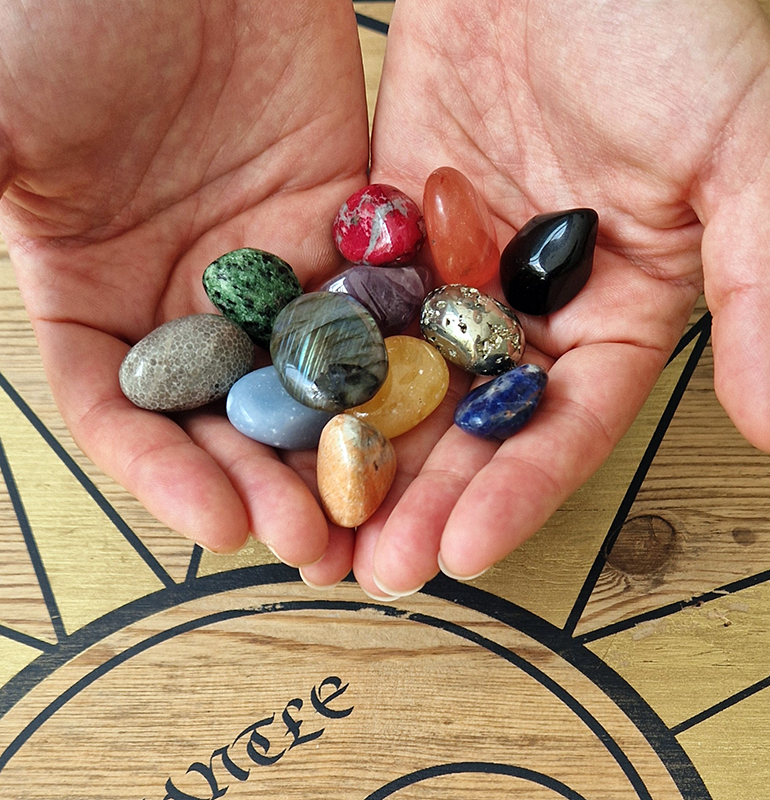
Sutton Hoo is the site of two early medieval cemeteries dating from the 6th to 7th centuries near Woodbridge, in Suffolk, England. In 1939 landowner Mrs Edith Pretty asked local archaeologist Basil Brown to investigate the largest of several Anglo-Saxon burial mounds on her property. Inside, he made one of the most spectacular archaeological discoveries of all time.

Past, present and future finds. Ancient trees. Burials of Kings. Amazing sword of beaten twisted wrought iron and steel. Basil Brown’s star charts.

The agency and aura of objects was investigated with the intent to generate new relations between objects and their associations with the world around them in the beautiful group show Can We Ever Know The Meaning Of These Objects curated by Sarah Sparkes and Kevin Quigley at Gallery 46.

Eileen Agar Angel of Anarchy at Whitechapel Gallery exposing the subconscious entwined with the material of nature. Enjoyed the decomposition of space into lines like foliations and contour lines. Which angel would you choose? Anarchy or Mercy?

I joined a zoom presentation from Sophie Williamson on her current project undead matter which dips into the deep time entanglement of geological ancestry. Leaving a mark in the past as a way of communicating with the future and creating a lineage for ourselves. Eras mingle with each other as ancient footprints resurface, ice melts, secreted narratives emerge. The permafrost holds vast amounts of carbon. Whole forests.

Zircon crystal contains radioactive uranium with a half-life of 4.5 billion years, which makes it useful for dating extremely old materials much much older than those containing Carbon-14. These crystals may hold clues to the origin of life. The carbon necessary for life may have arrived here in space dust from outer space via asteroids or comets.

WHAT ON EARTH group show from artists including Victoria Ahrens, Melanie King and Diego Valente using photographic processes with an emphasis on the material environment, tactility and sustainability.

Michael Armitage – Paradise Edict at the Royal Academy. Digital images do not do justice to the glow and vibrancy of these paintings. Can feel the heat pulsating with unsettling shape-shifting undercurrents.

180 The Strand with Ryoji Ikeda’s digital showcase was an intense assault on the senses using light and sound as medium to create immersive experiences. Brightness is the number of photons per second hitting your eye. Pushing the limits of what our senses can tolerate.

Took a trip to the Lake District to visit Brantwood, John Ruskin’s beautiful home to see Carol Wyss The Mind Has Mountains and Crown of Creation installations. Having seen the work that went into the printing of the large etchings at Thames-side Print Studio it was wonderful to be able to see the work finally installed and step inside the mysterious depths of the human skull; a space echoed by the surrounding mountains. The light installation is suspended in the dark chill of the Ice House vault, viewed from the top of rugged steps carved into the rock. Here the fragility of the human skeleton fades and glows accompanied by an evocative soundscape made by Natasha Lohan capturing the echoing chamber and the water that courses through everything.